Blog

Middle School: Week in Review

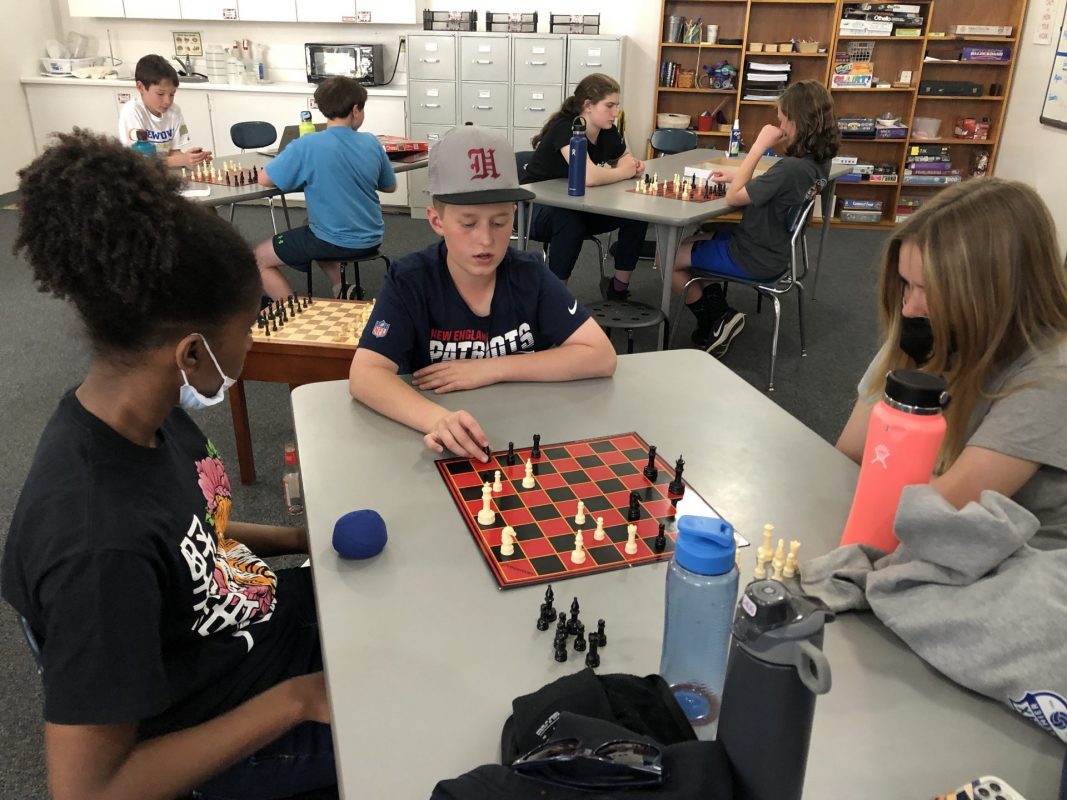
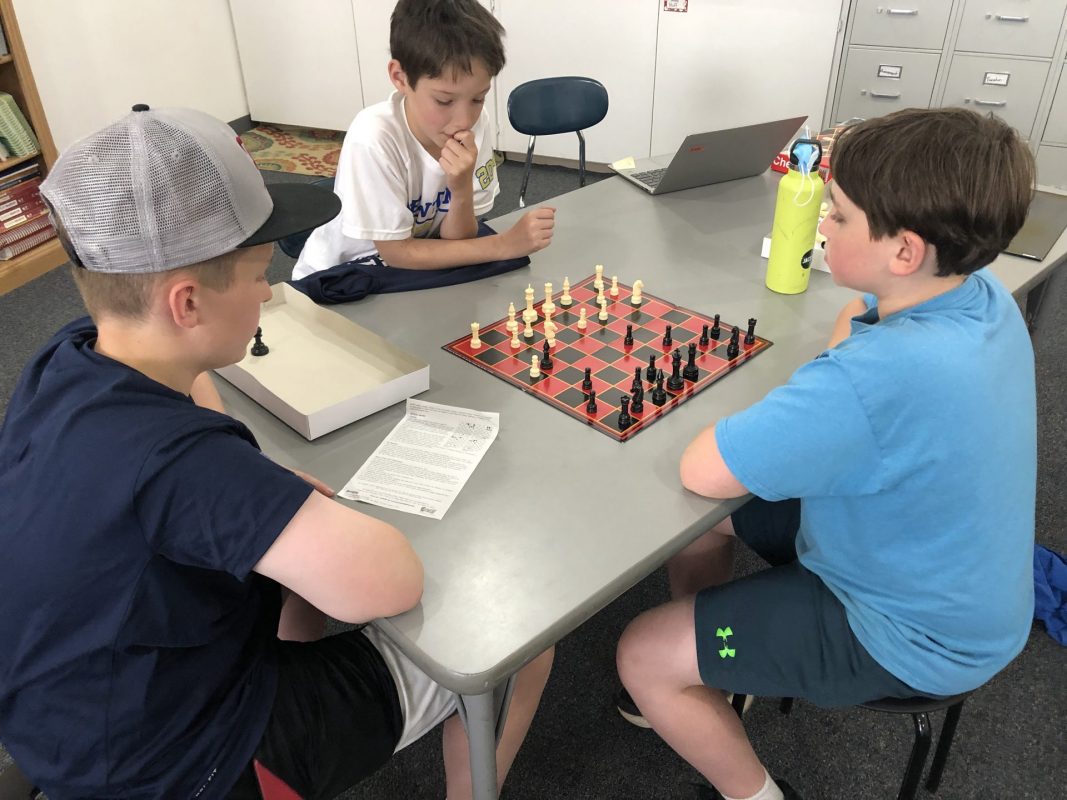
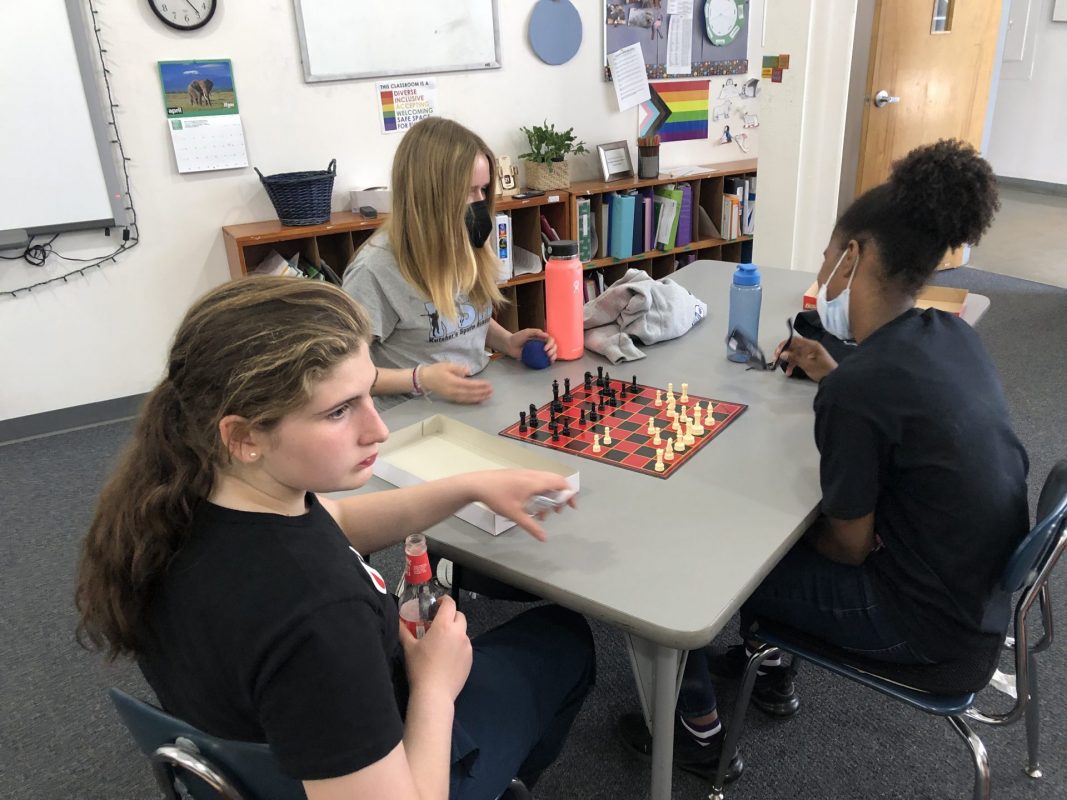
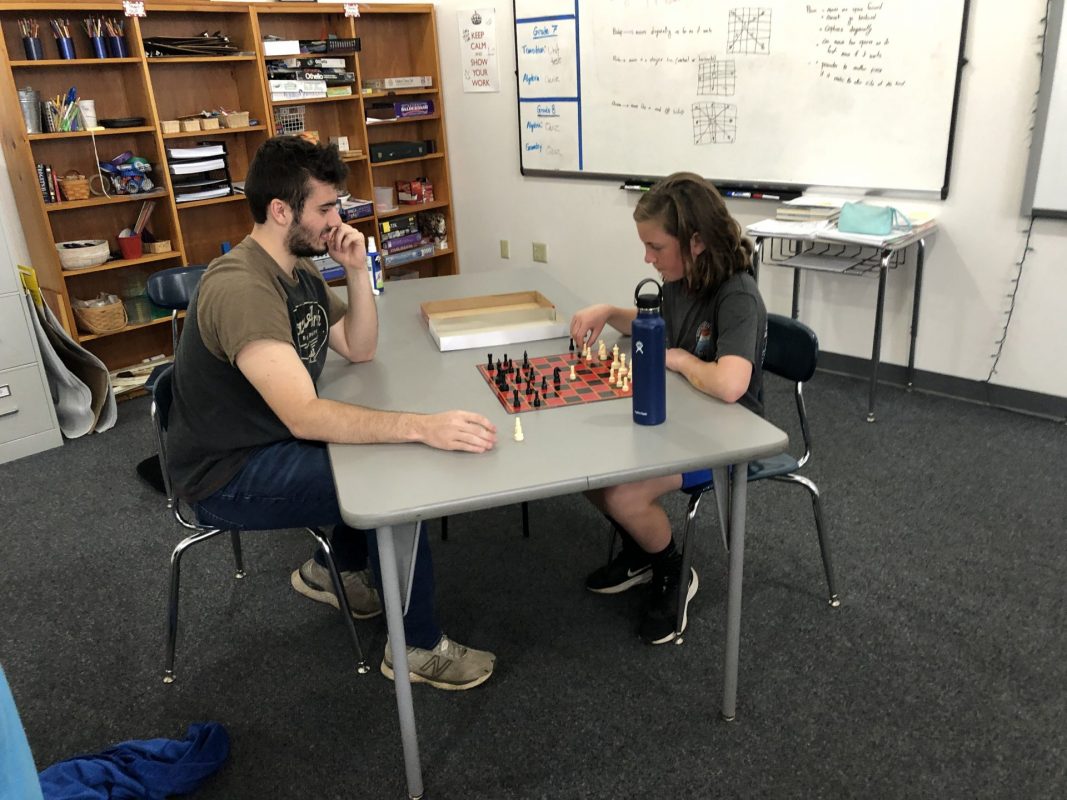
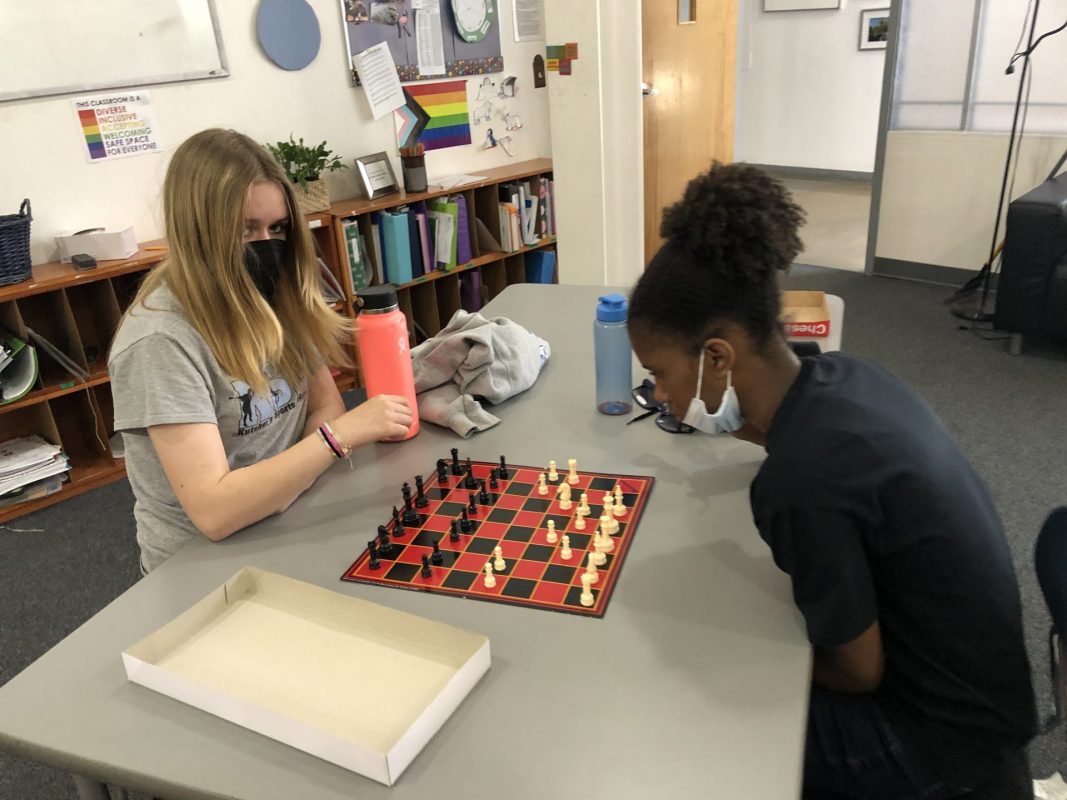
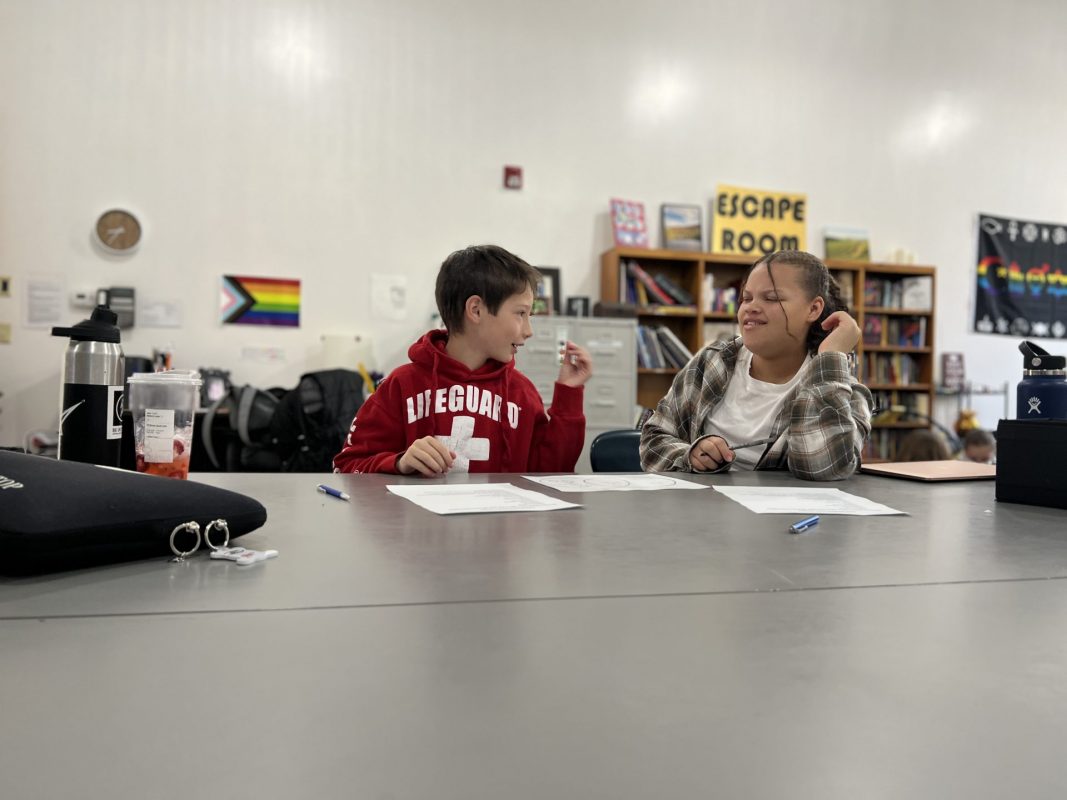
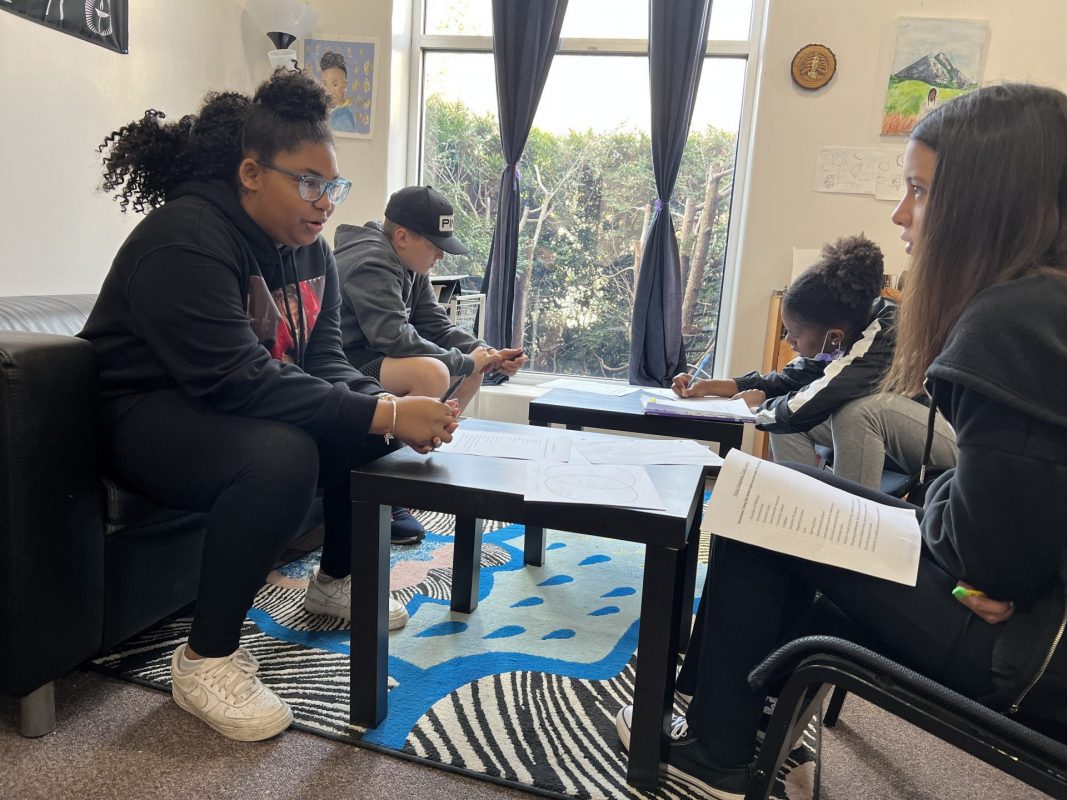
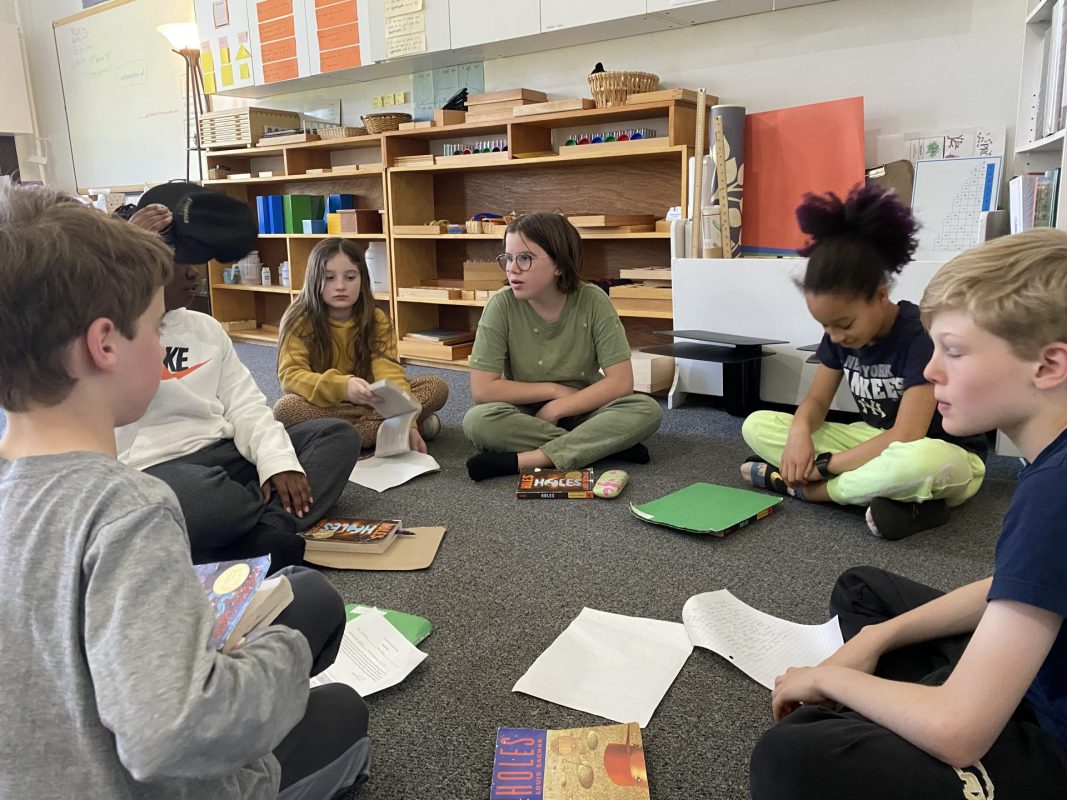
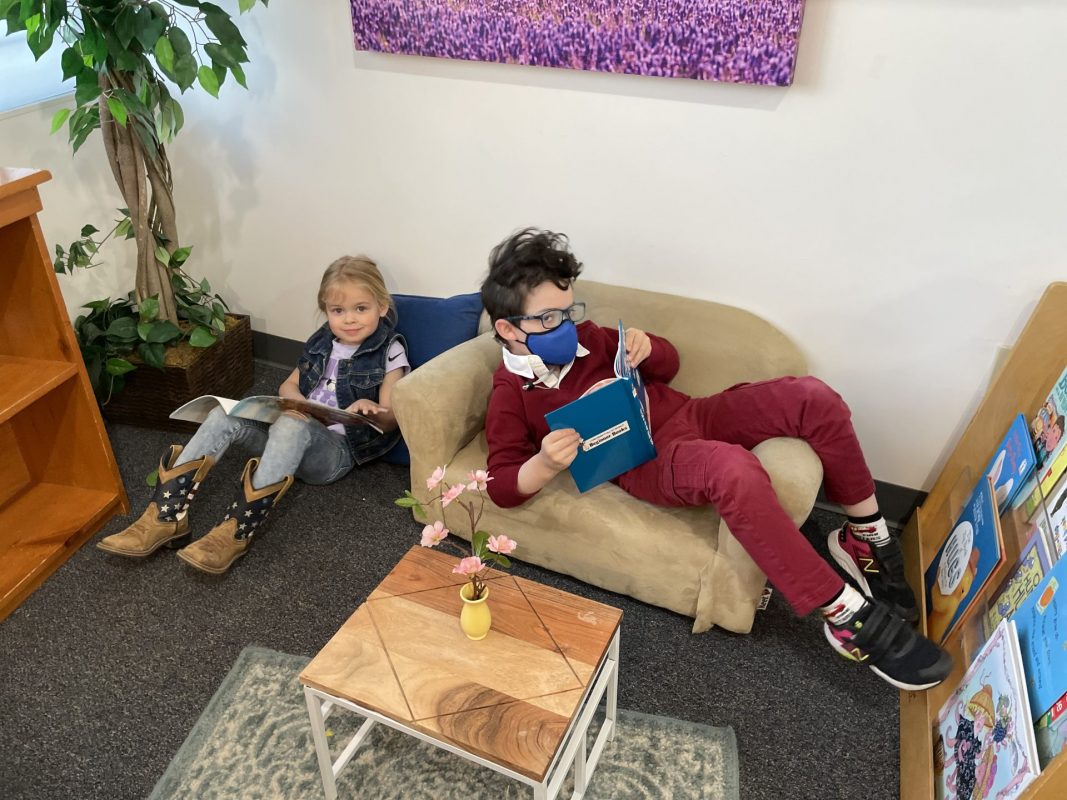
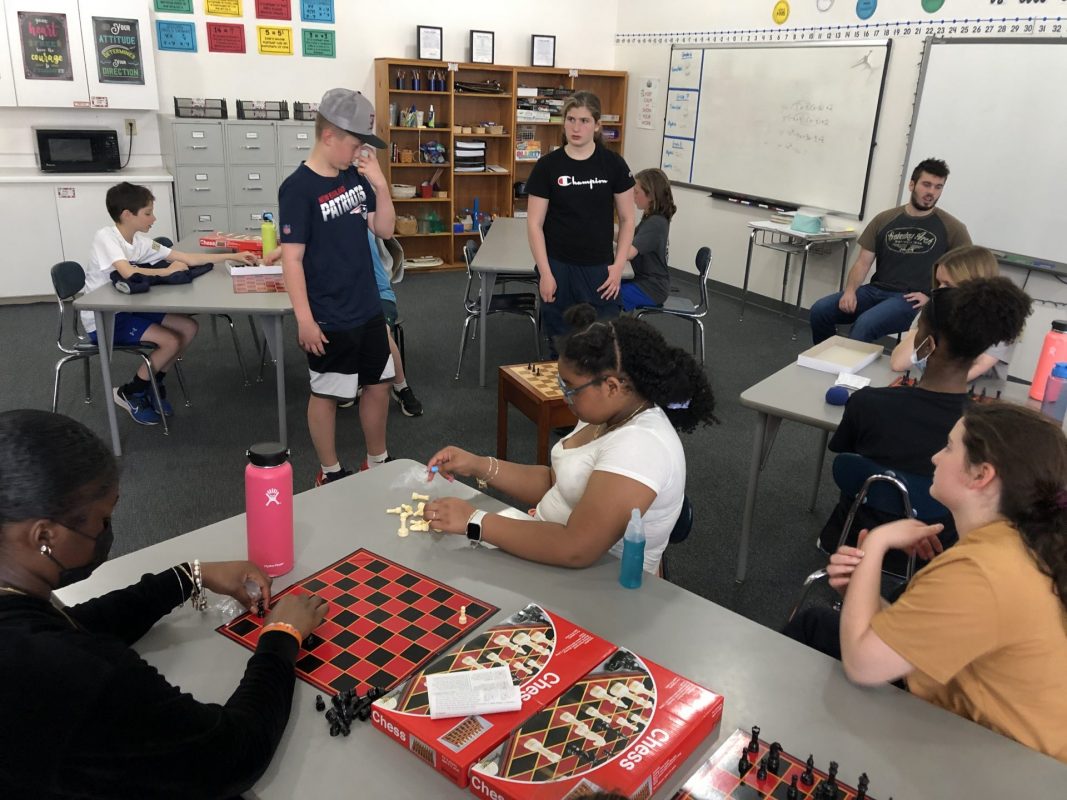
Another full week of classes and collaboration has been completed! An awesome component of middle school is the ability for students to have ideas and make them happen. One example of this is our newly formed chess elective, begun by two 8th grade students. These students often play chess and have intrigued their peers to learn how to play. They asked if there could be a chess elective offered for the third trimester during our Friday elective period, and they even offered to lead it. They were happy to teach beginners and help those learning how to strategize. Almost all of the middle school signed up and even an expert alum has joined in to help! It is amazing that these young adults are hoping to spread the joy they find in the game to others.

Humanities

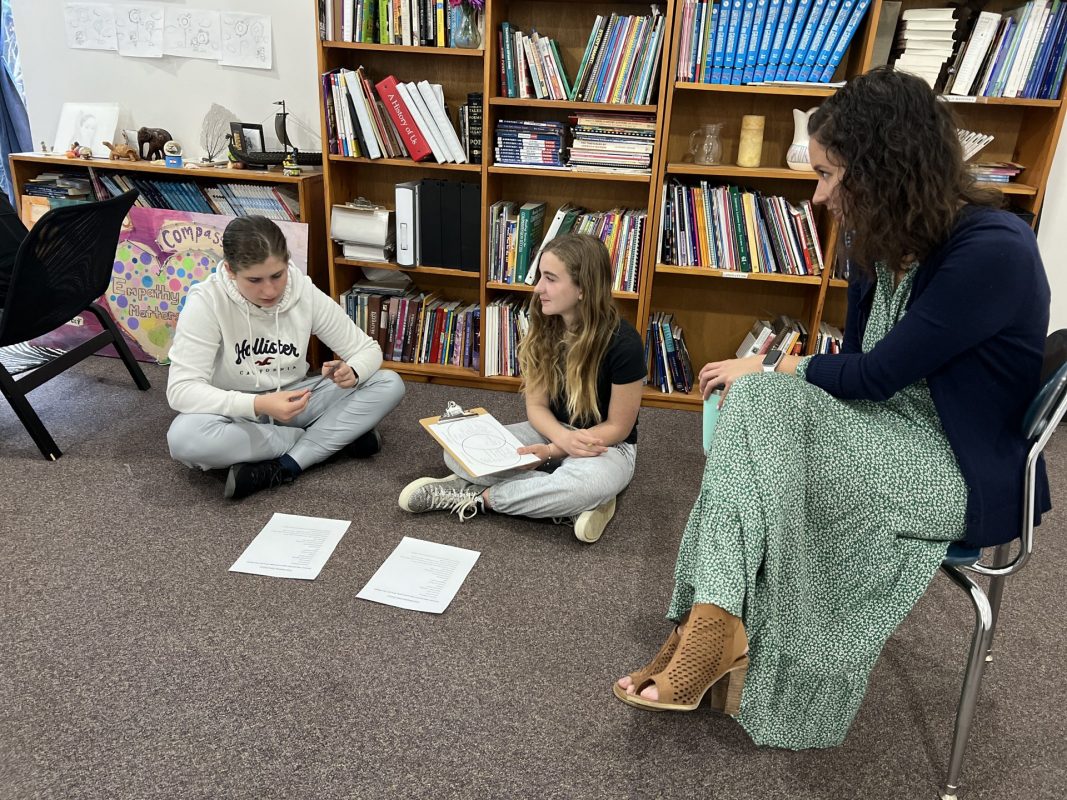
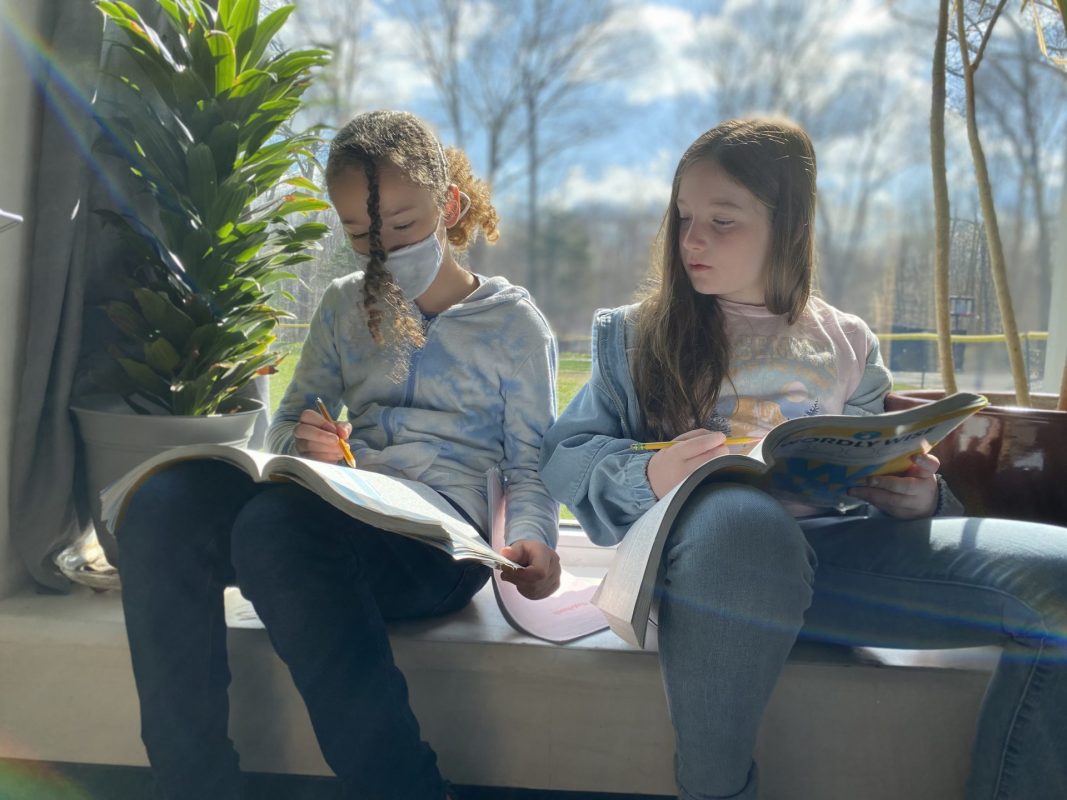
In 6th grade Humanities class, students began the class novel, Shooting Kabul by N.H. Senzai. This novel follows Fadi and his family as they flee the Taliban in Afghanistan and seek asylum in California. Students are studying what it means to seek asylum and what it means to be a refugee using the Department of Homeland Security as a reference. They also looked at a brief history of the Taliban- Who are they? How have they changed since the 1990s? What are their cultural beliefs and goals? Finally, students completed a unit of vocabulary.

7th grade Humanities class continued reading Animal Farm by George Orwell. With regards to Russian history, they learned about the Russian (Bolshevik) Revolution and its relationship to the novel. Finally, the class completed a unit of vocabulary.

In 8th grade Humanities class, students are working hard on their final presentations for their Expert Project. They also looked at 13 colonies, leading up to the French and Indian War. Finally, students completed their last vocabulary unit for the year.

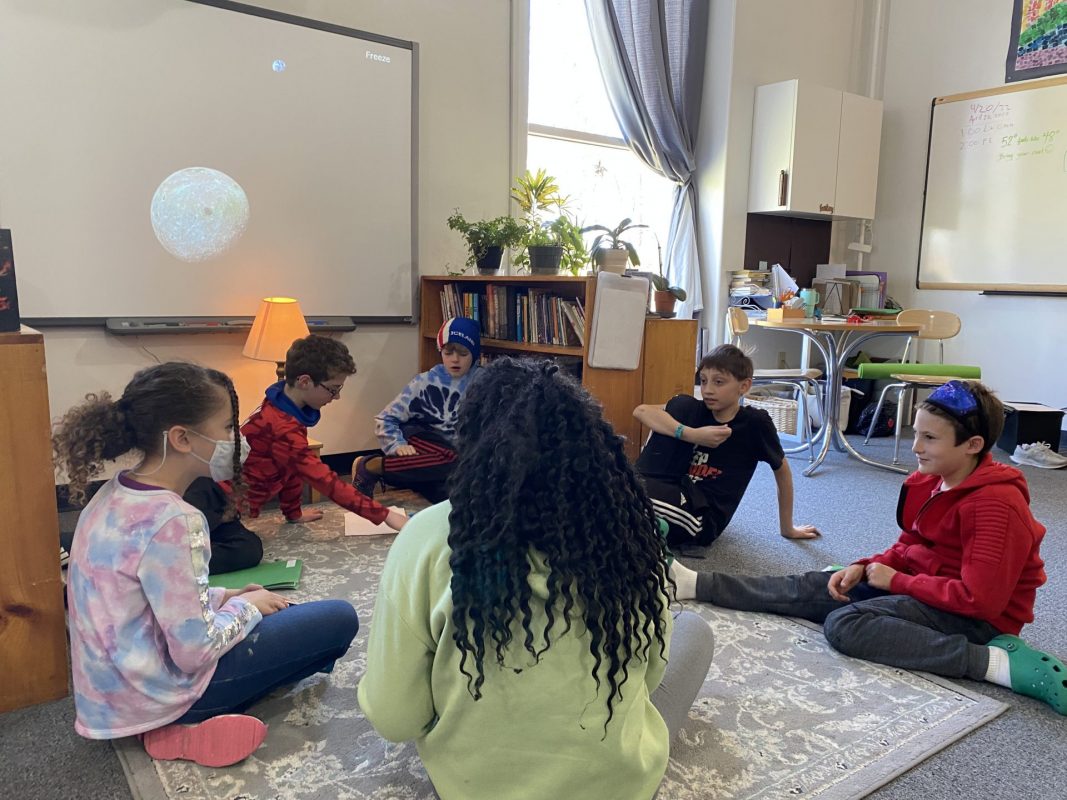
Science

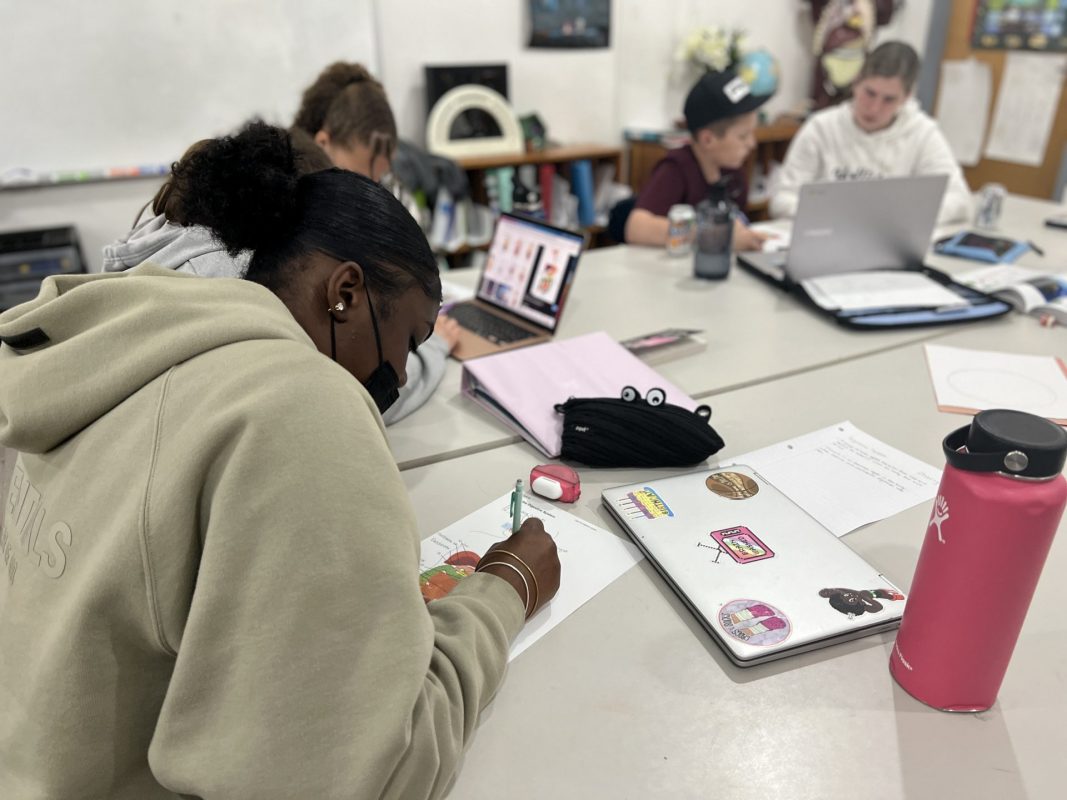
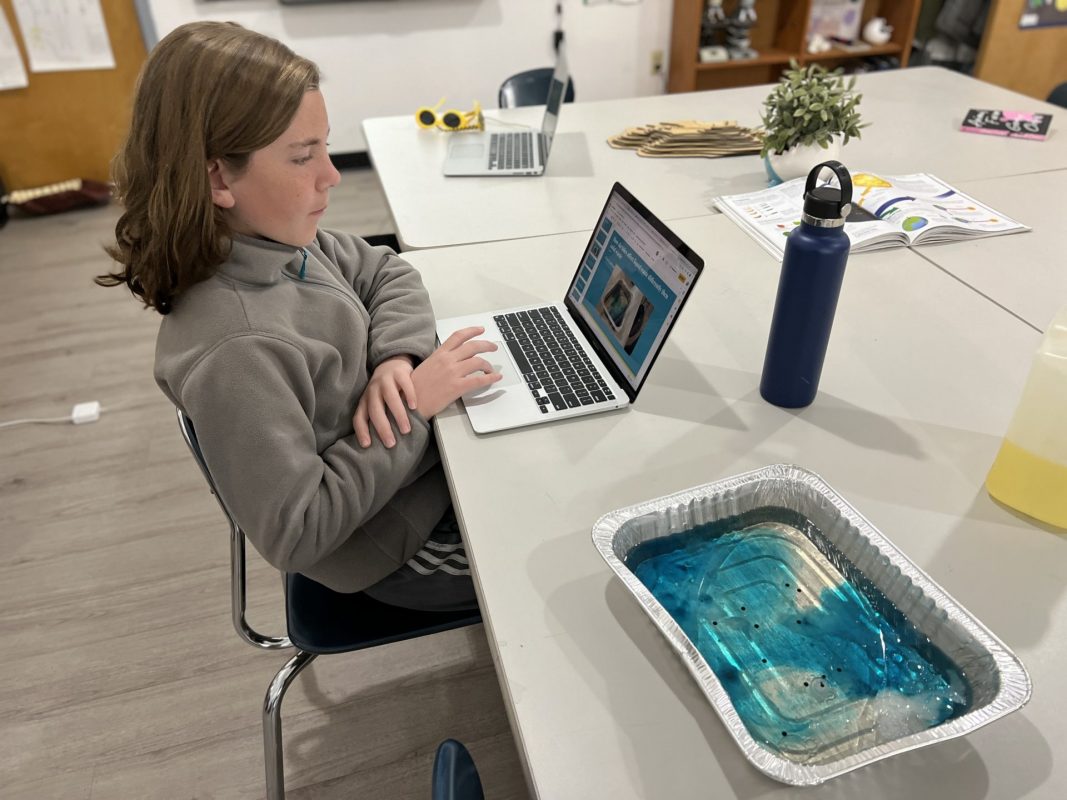
6th year Earth Science students are currently working on a research project that addresses how tides and currents affect the distribution of pollution. Students will research how tides affect the distribution of pollution in the ocean, how tides affect liquid waste differently than solid waste, and what type of experiment and data would be required to answer the questions. Concluding their research, each student will formally present their work.

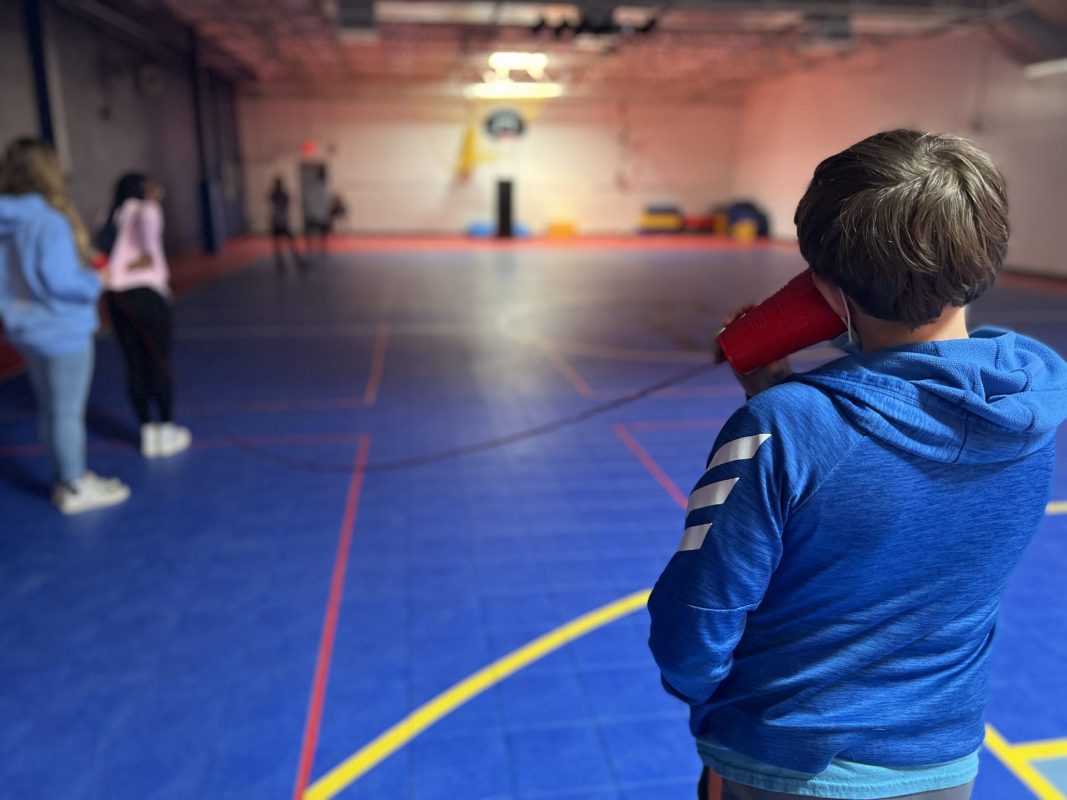
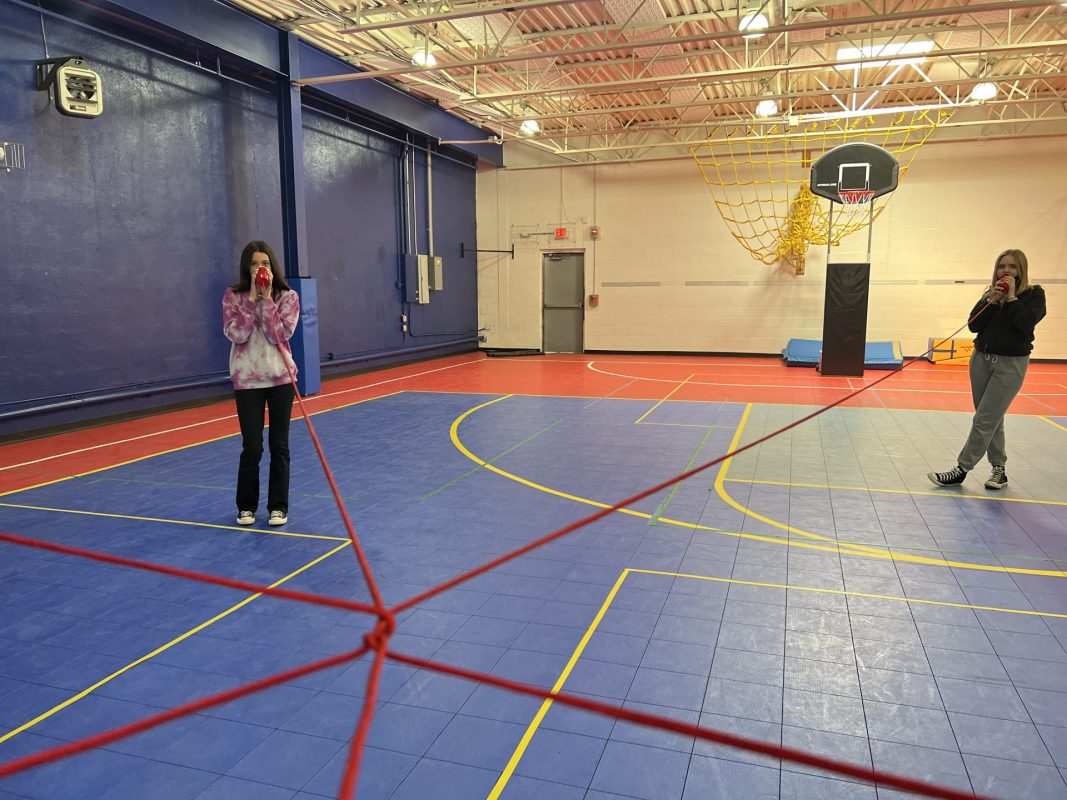
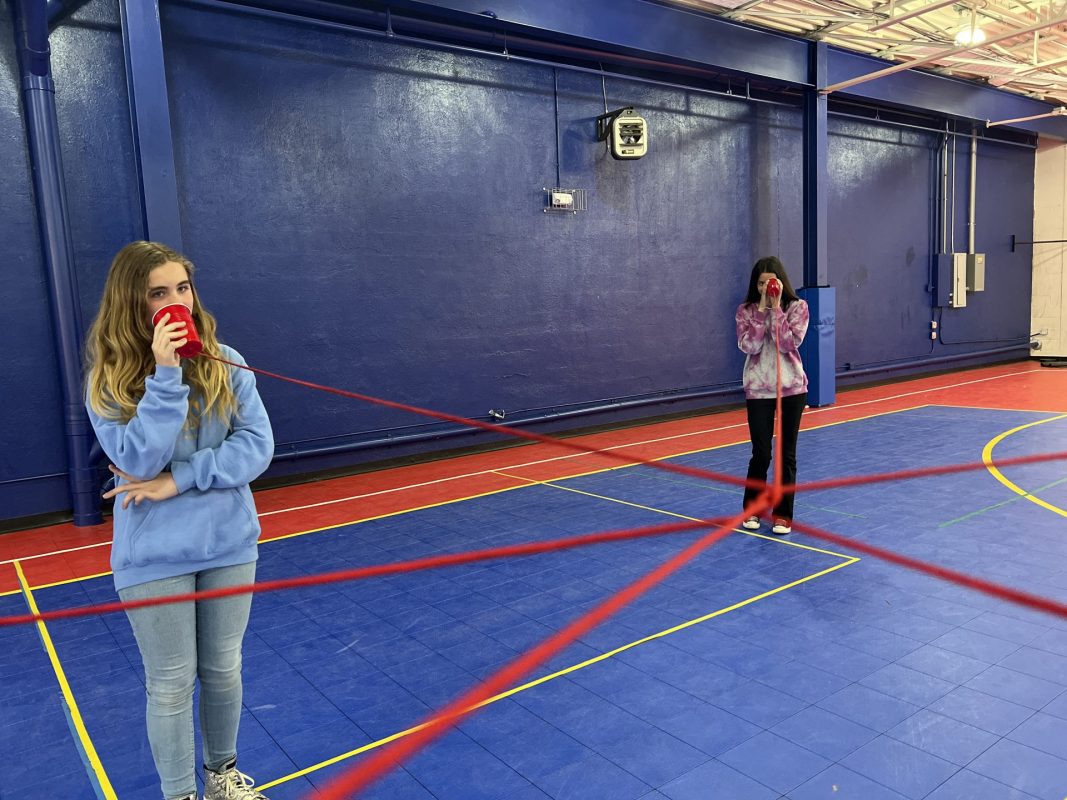
7th year Physical Science students finished their unit on Refraction and have begun the unit, Characteristics and Properties of Waves. The objectives of this unit are to explain how waves travel and carry energy, compare and contrast transverse and longitudinal waves, and describe parts of waves and characteristics of waves, including frequency, wavelength, and amplitude. They began with a simple exercise using string and cups, which represented how sound waves are able to travel through a medium (string) using a series of longitudinal and transverse wave patterns.
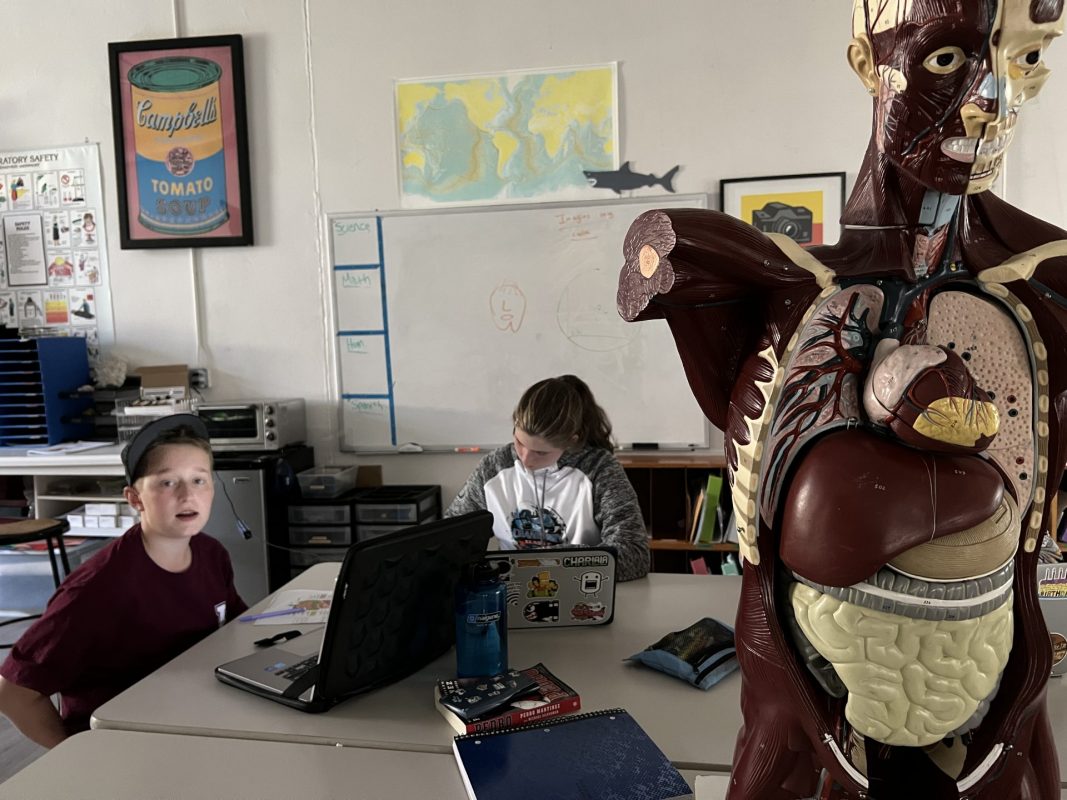
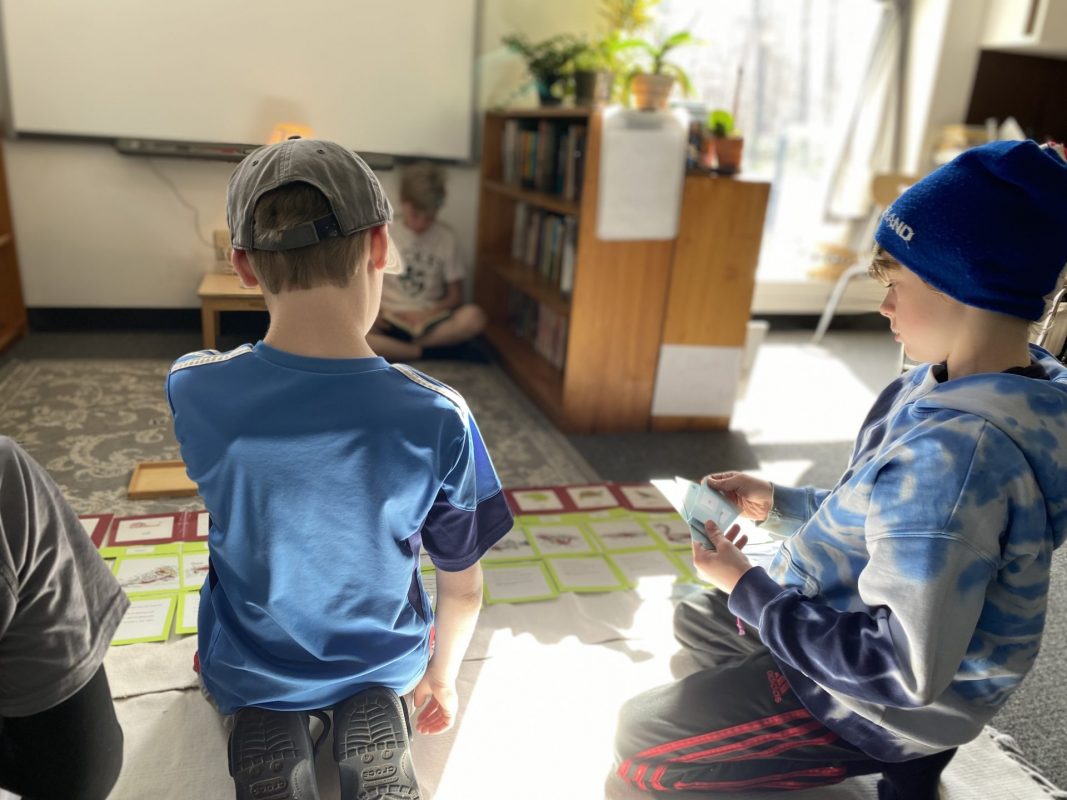
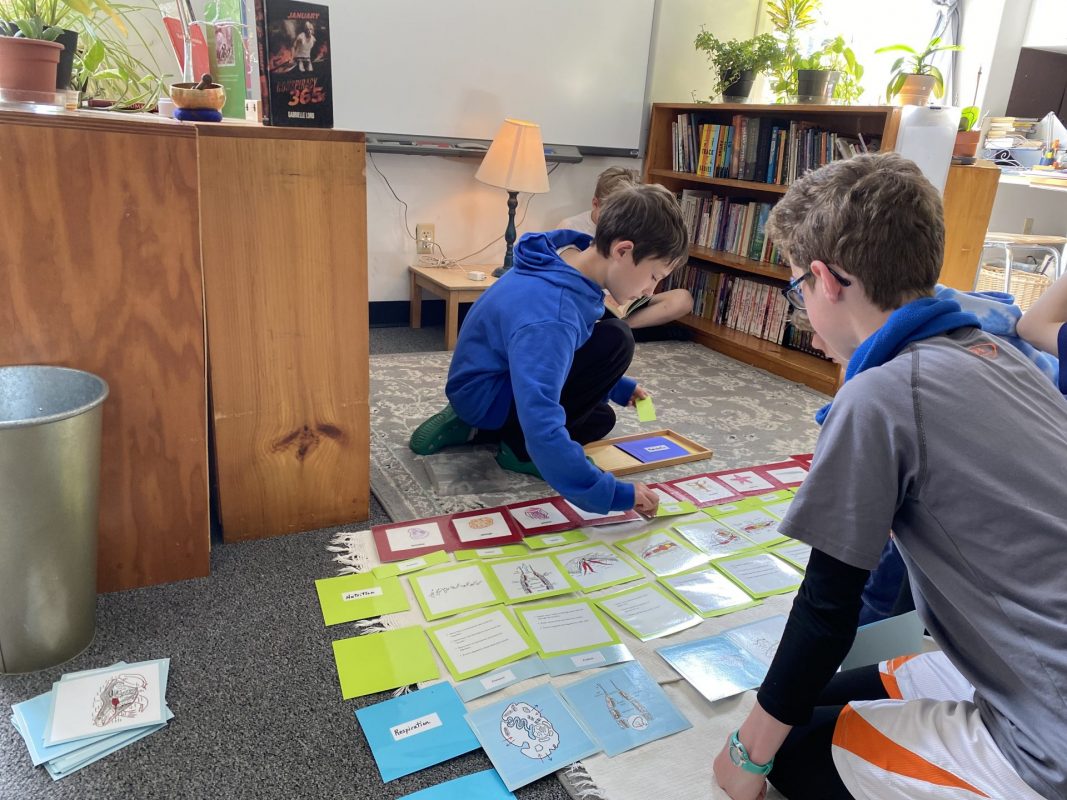
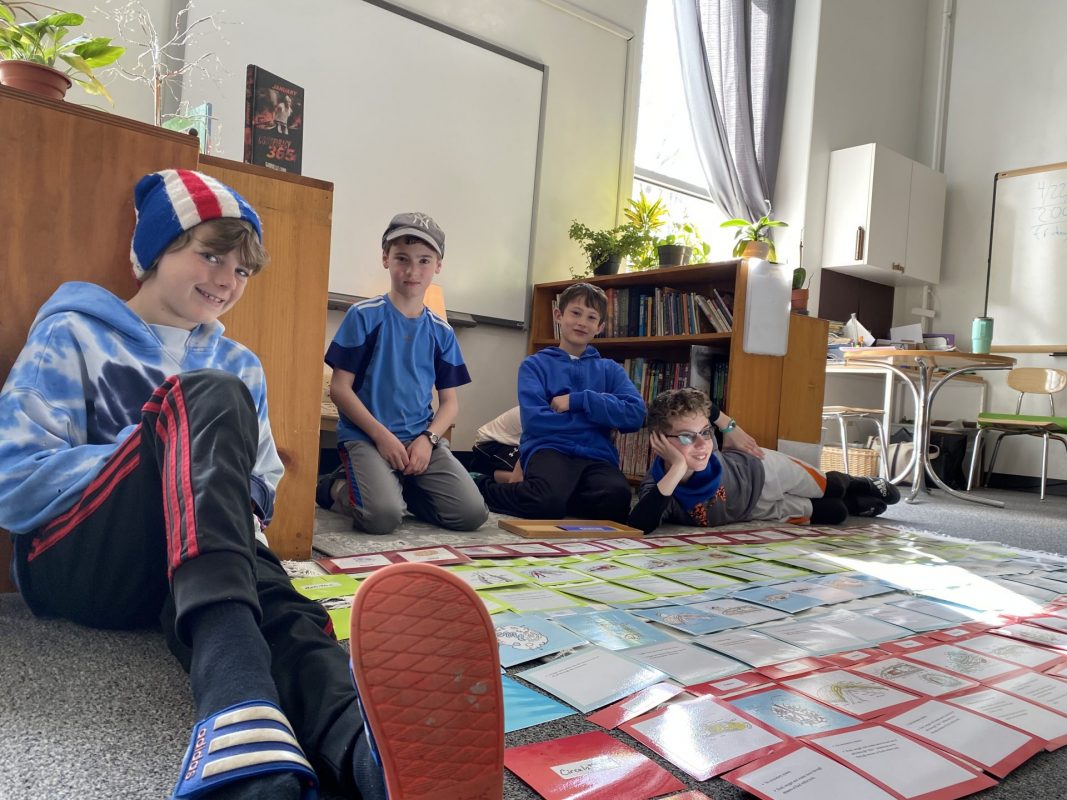
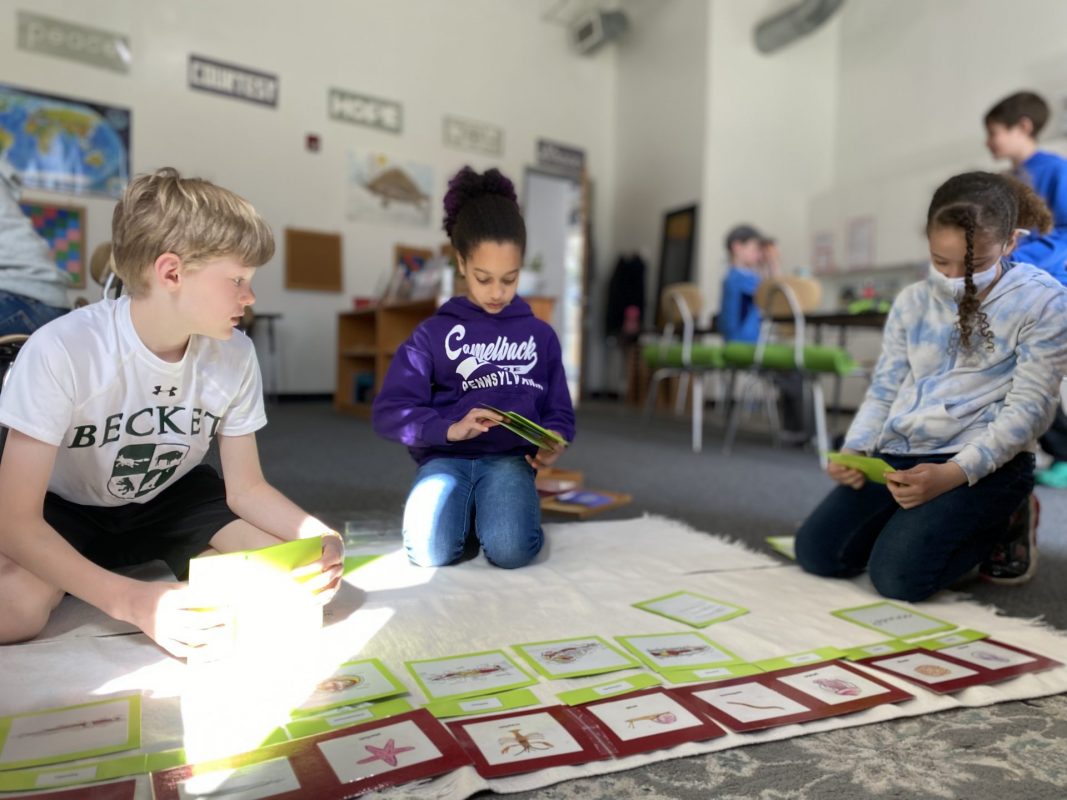
8th year Life Science students finished their unit, Circulatory System this week and began their new unit, Digestive System. The objectives of this unit are to describe the process and function of digestion and the organs involved, create a model of the digestive system, and explain how food moves through the alimentary canal. Students have shared their prior knowledge regarding the function of the digestive system, which we will continue to explore and clarify moving forward. We will incorporate the importance of healthy eating and exercise as it relates to the well being of how a person’s digestive system processes food.

Math

In Transition class, students are excited to start Chapter 9 in the textbook titled, Patterns in Division. This class is learning about dividing fractions, dividing integer values with remainders, and finding the quotient of dividing positive/negative numbers. Our next quiz will be on Wednesday, May 4th, and Ms. Sutherland encourages students to review each lesson thoroughly to be prepared for the assessment.
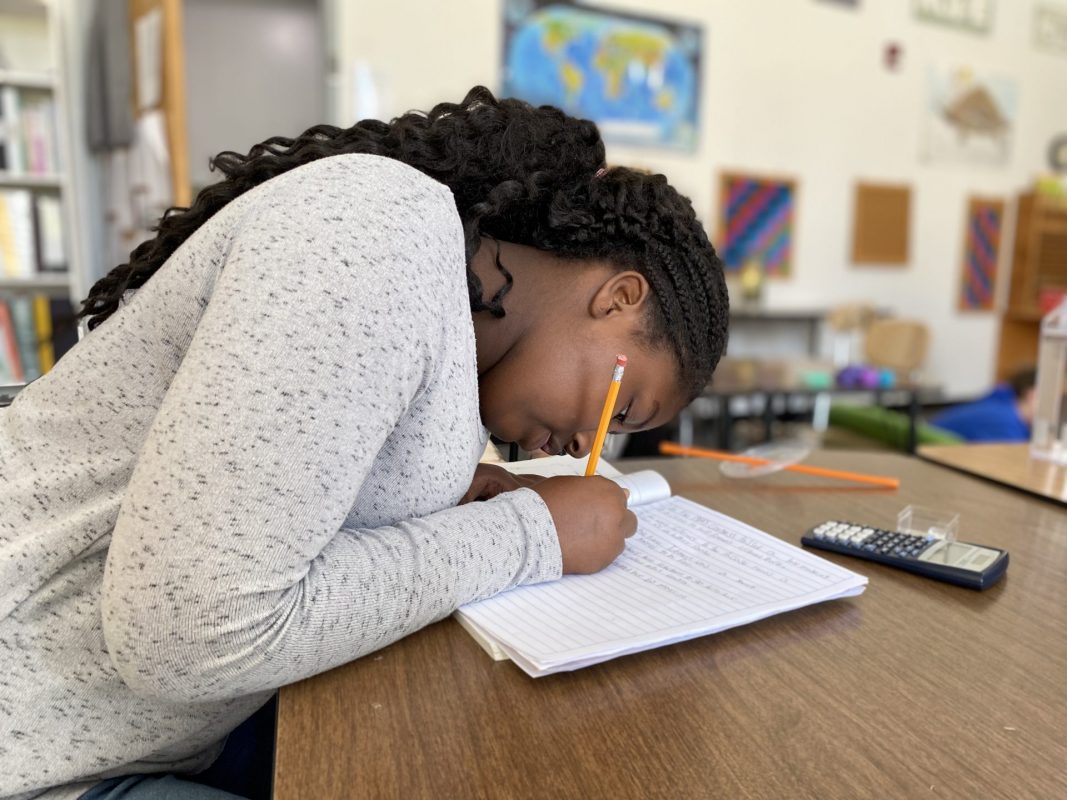
In Algebra class, students concluded their learning of Quadratic Function this week. They learned about solving Quadratic equations by using the Quadratic formula, how to graph quadratics, and determine the number of solutions by solving for the discriminant. Next week, students will begin learning about linear systems of equations.
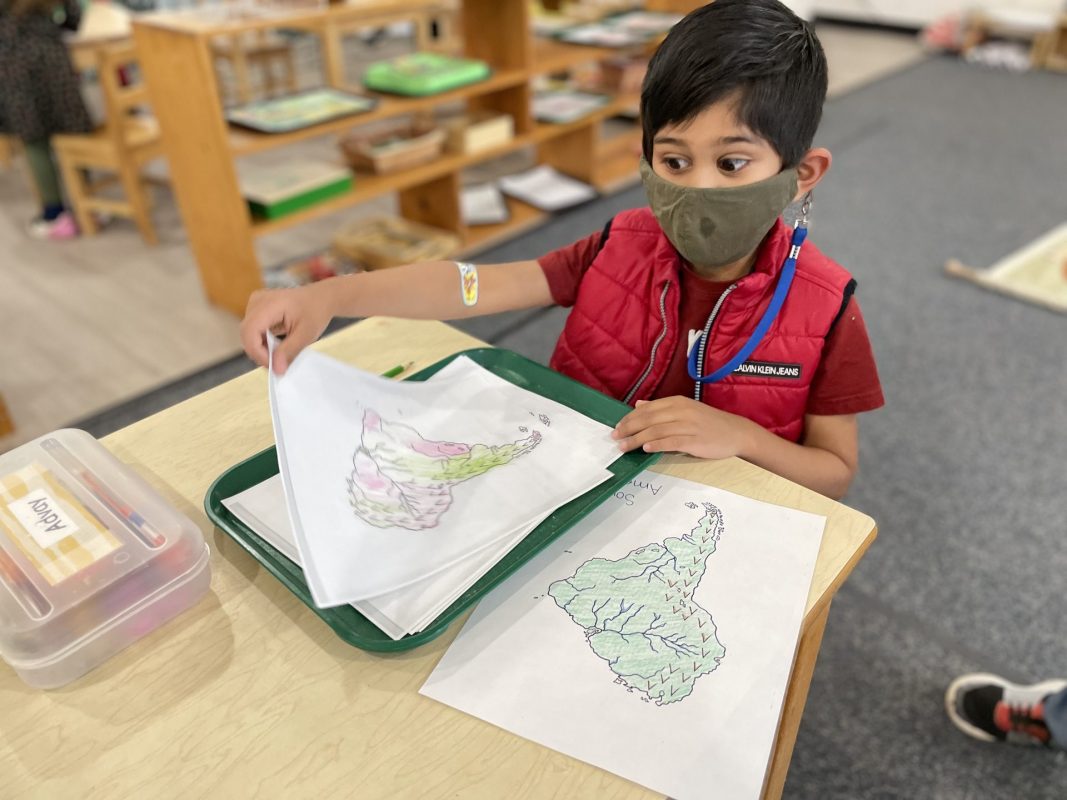
In Geometry class, students are continuing to learn about lengths and areas of 2D shapes. They used the Pythagorean Theorem to calculate missing lengths of the right triangle, they found the measure of different arc lengths in a circle, and they learned about special right triangles. Next week, students will conclude their learning of Chapter 8 and begin exploring 3D shapes.
 
Math Joke: What did the calculator say to the student? …………………You can always count on me.
We hope you have a beautiful weekend!
Mrs. Wilson: The Very Hungry Caterpillars

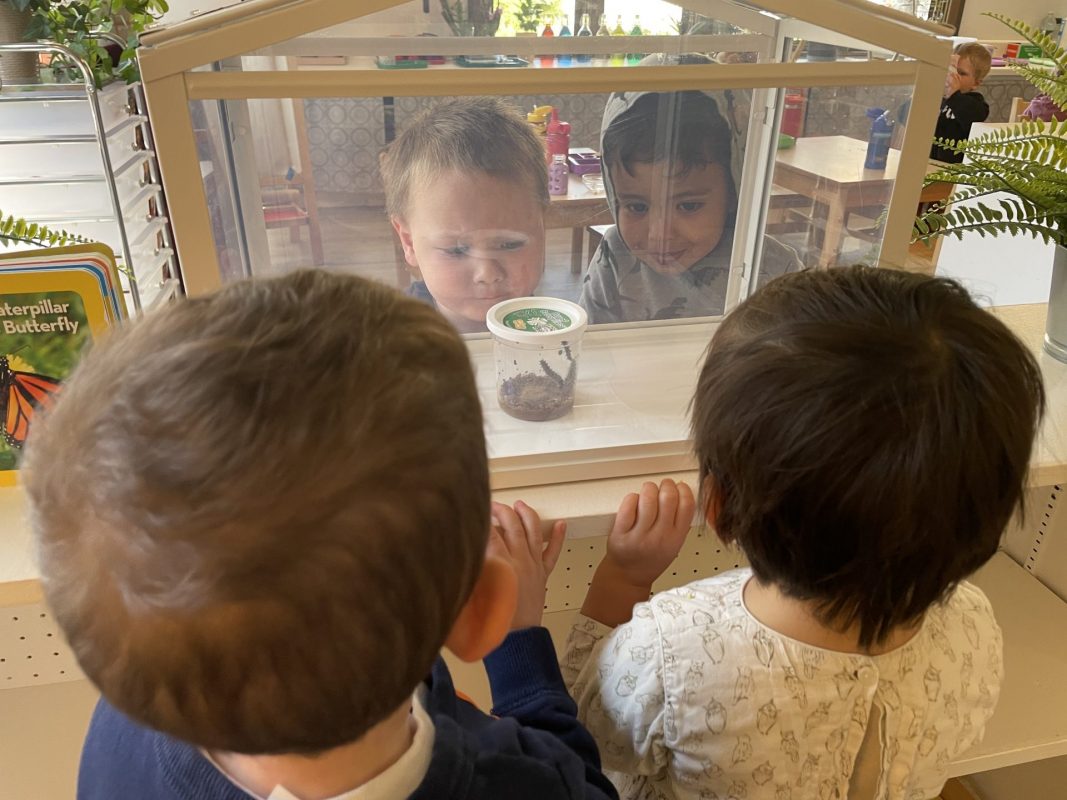
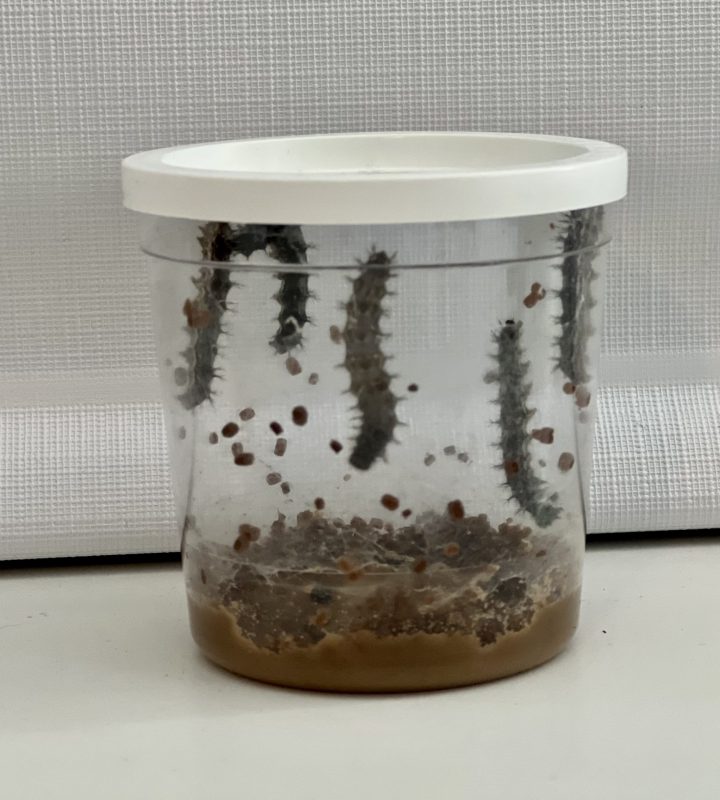
What a very exciting week we are having! Our caterpillars have arrived and the children seem very excited about them. Each day they observe the caterpillars and look at the changes they have made. We talked about the life cycle of a butterfly using objects and language cards. We also read my favorite childhood story, The Very Hungry Caterpillar by Eric Carl. The children learned new vocabulary: eggs, caterpillar, chrysalis, butterfly, and metamorphosis. Ask them to repeat metamorphosis!

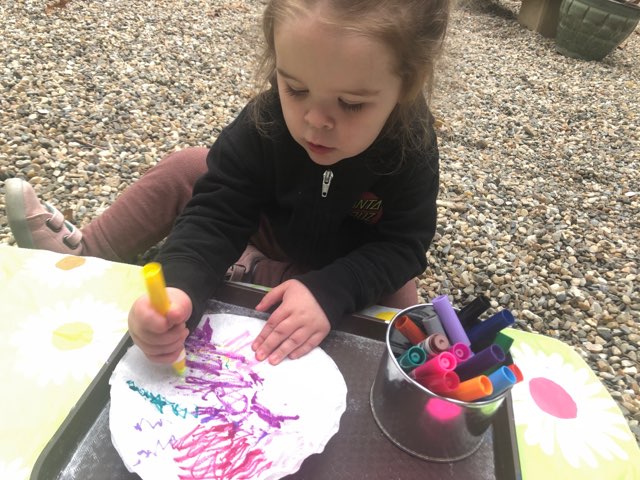
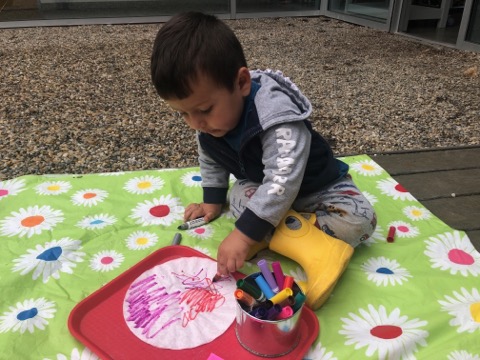
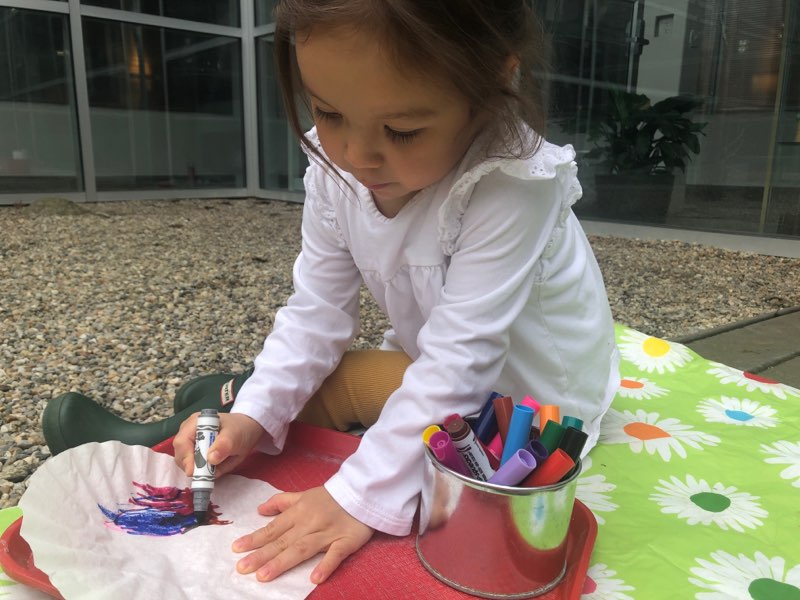
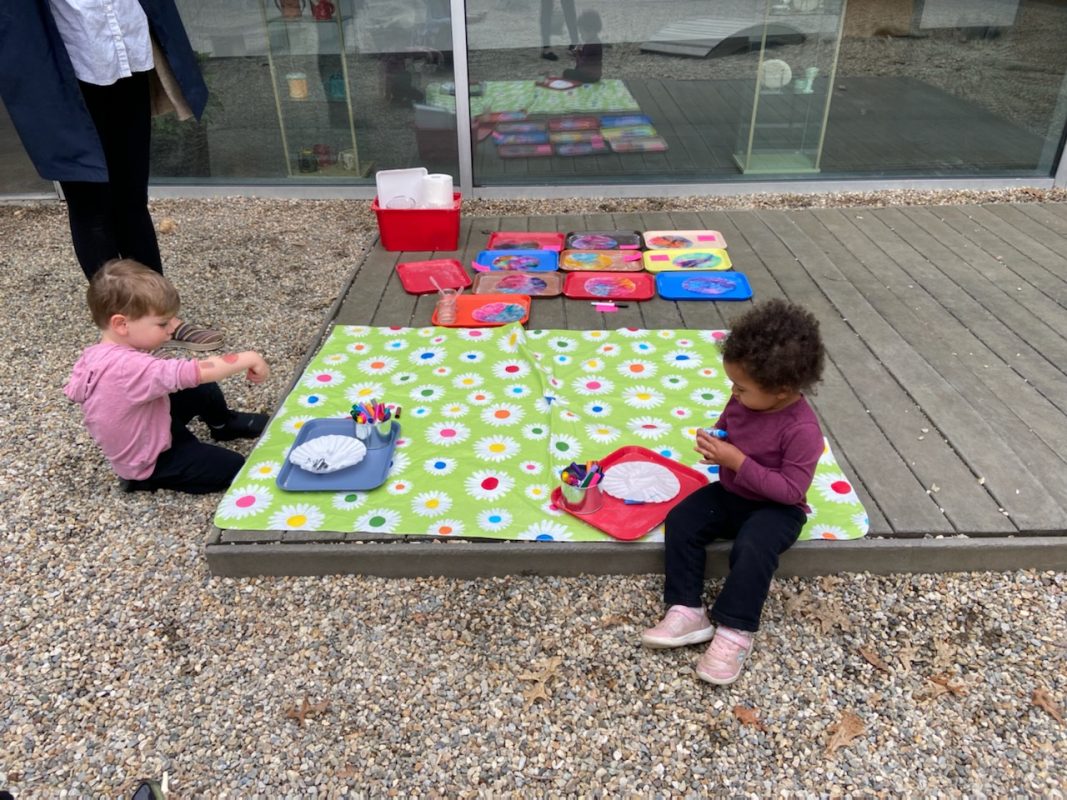
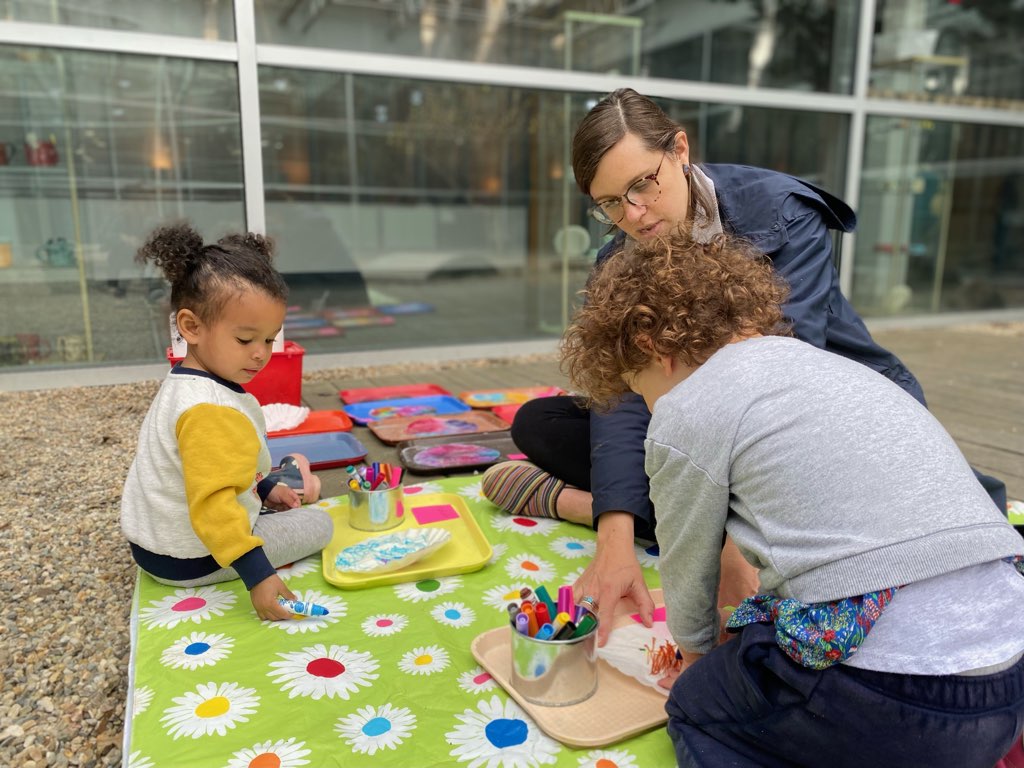
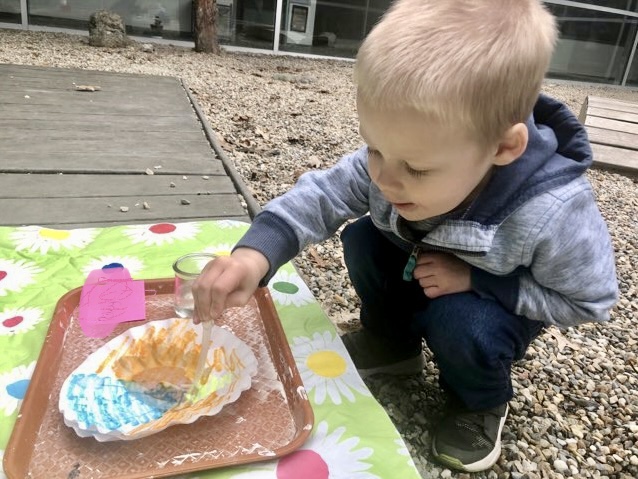
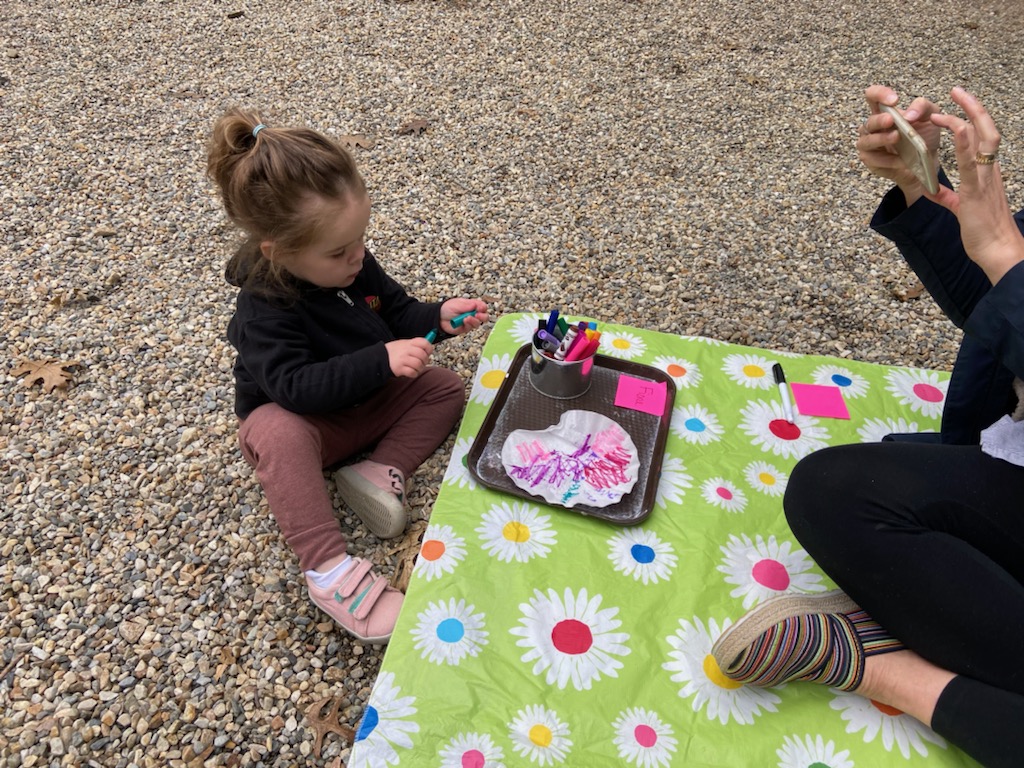
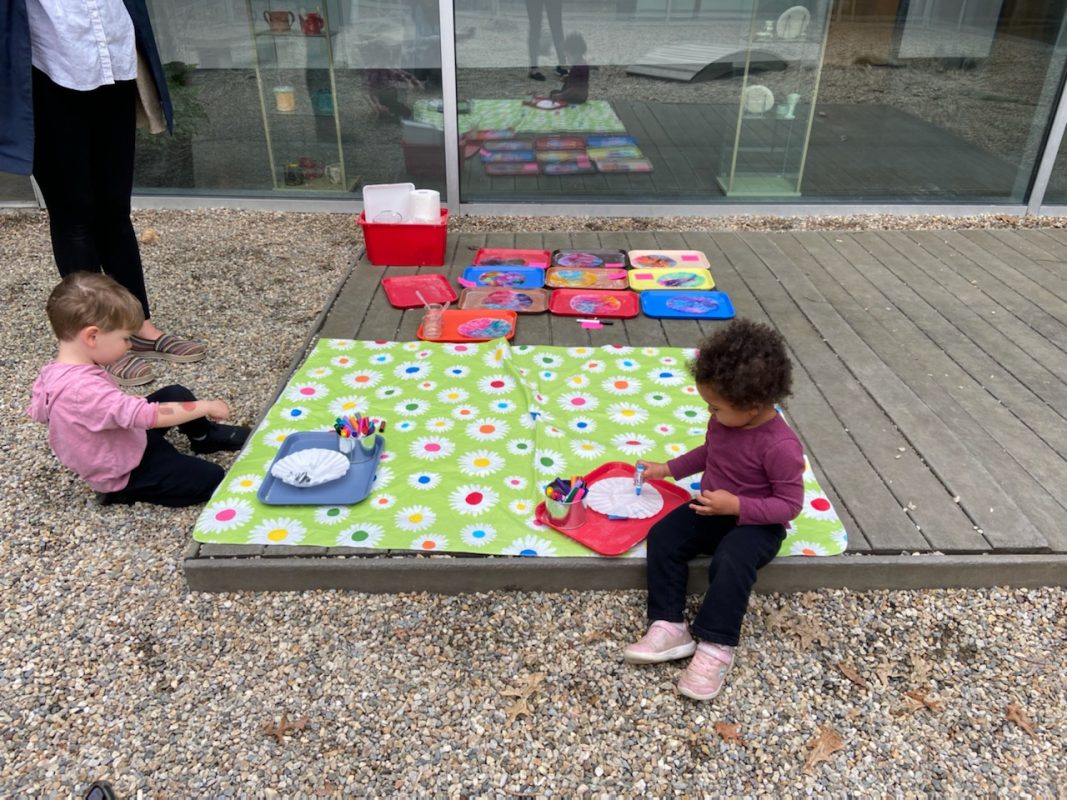
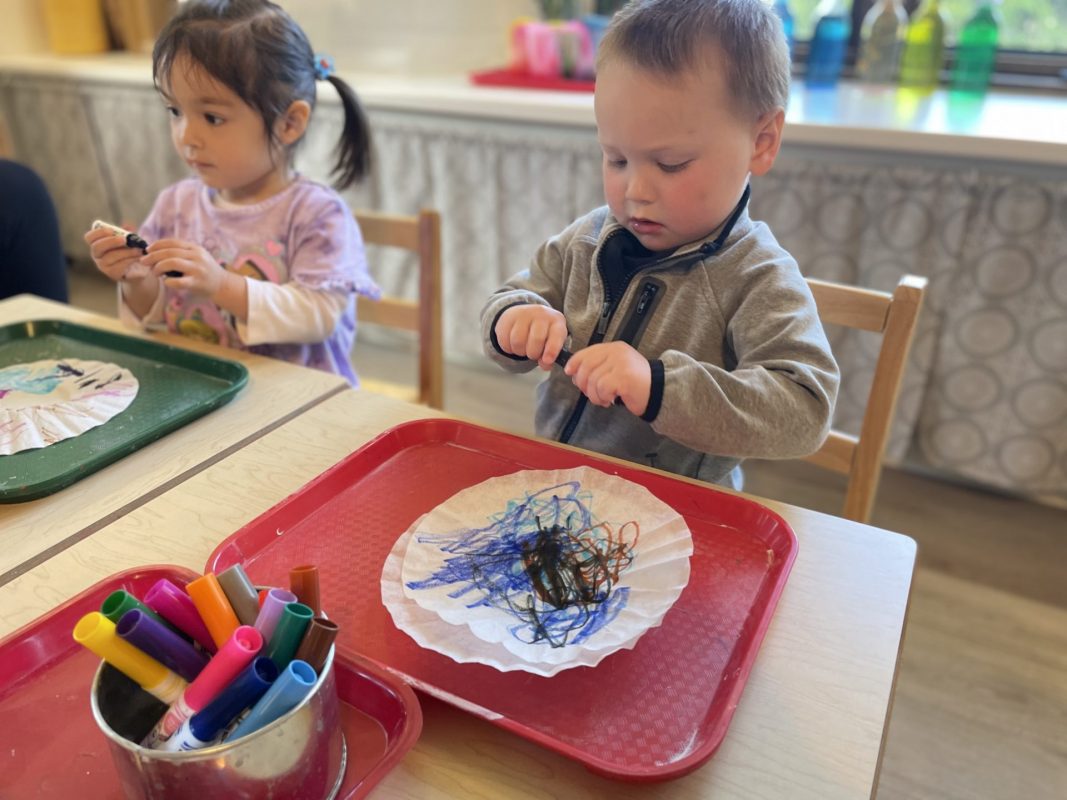
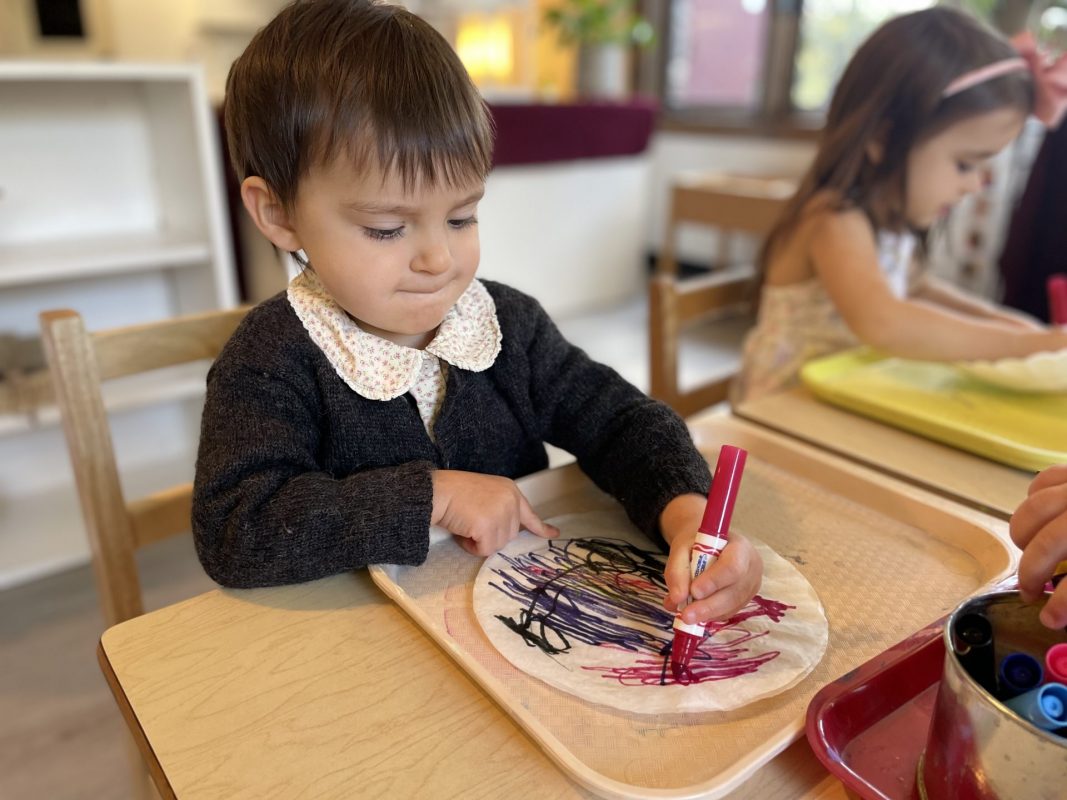
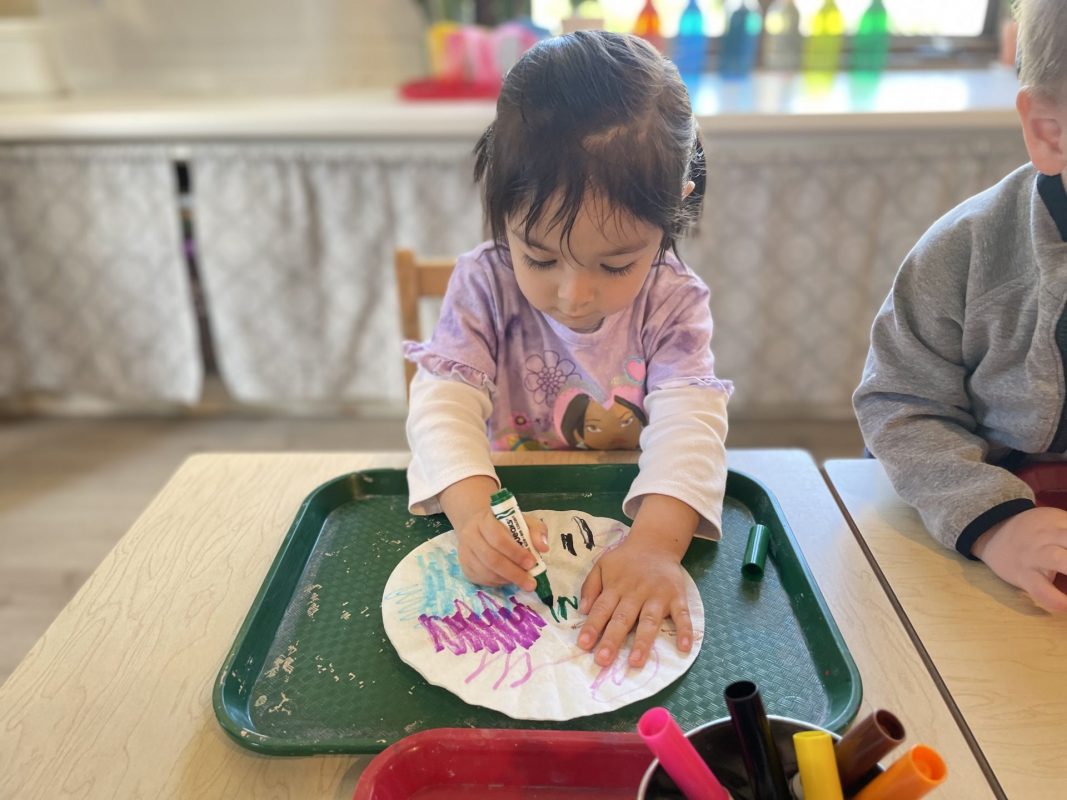
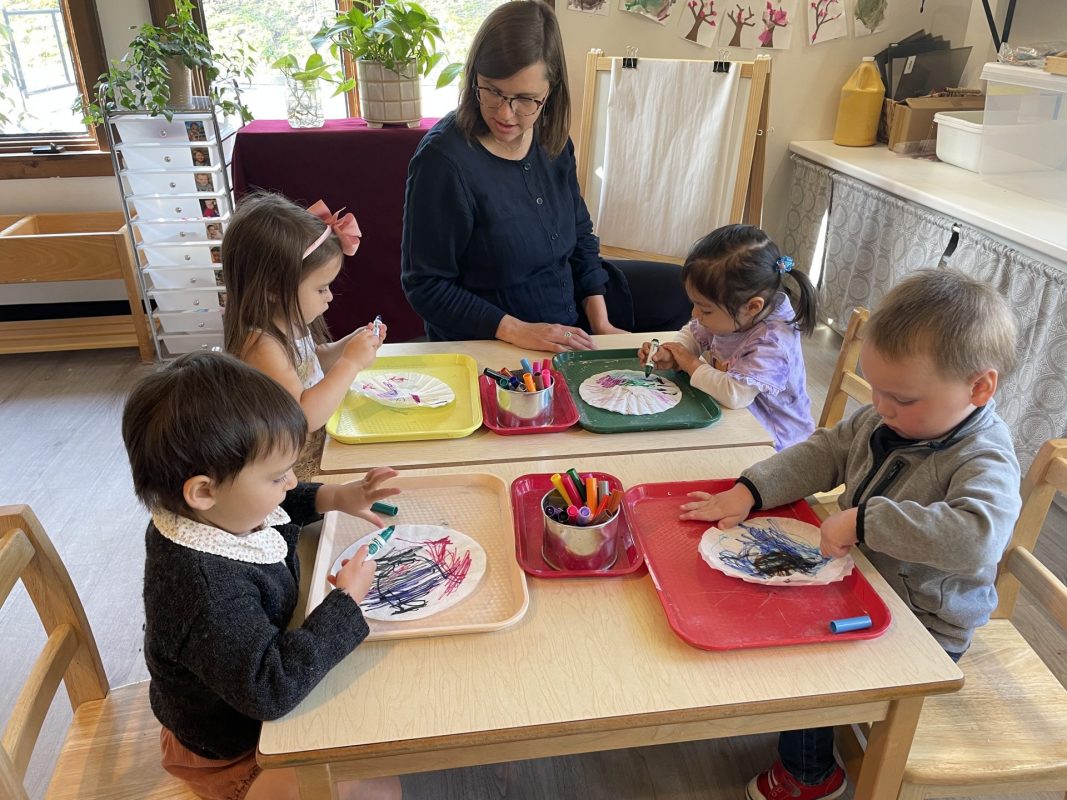
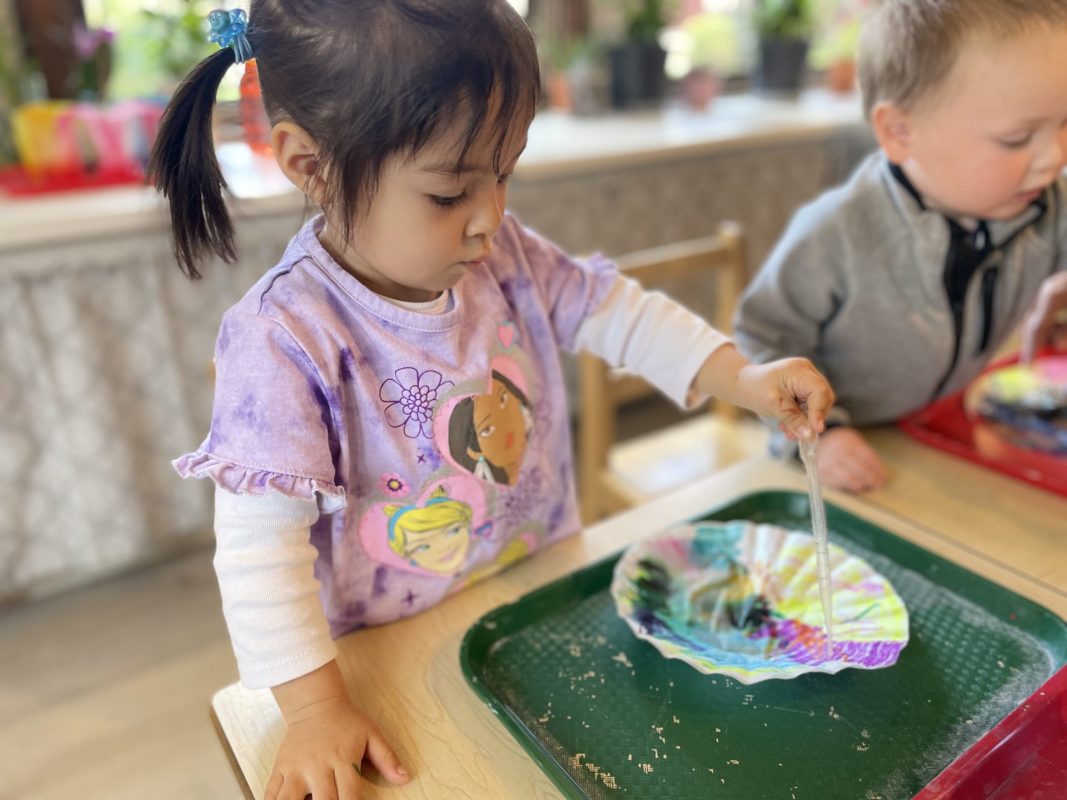
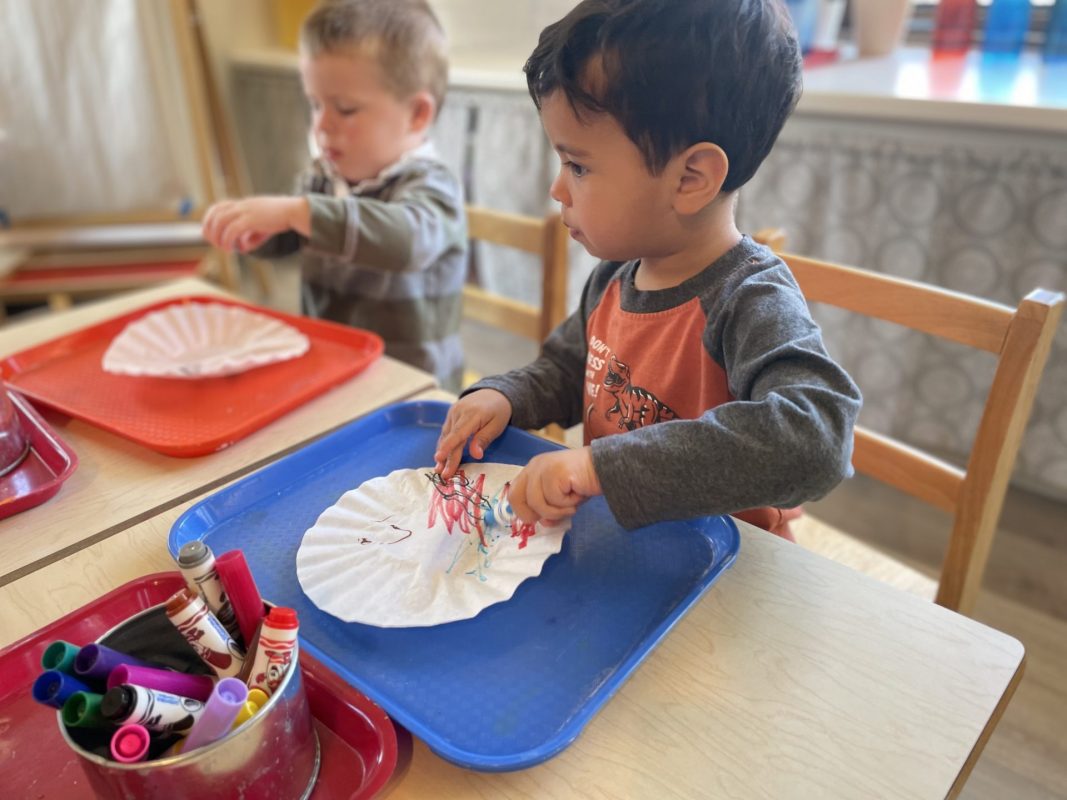
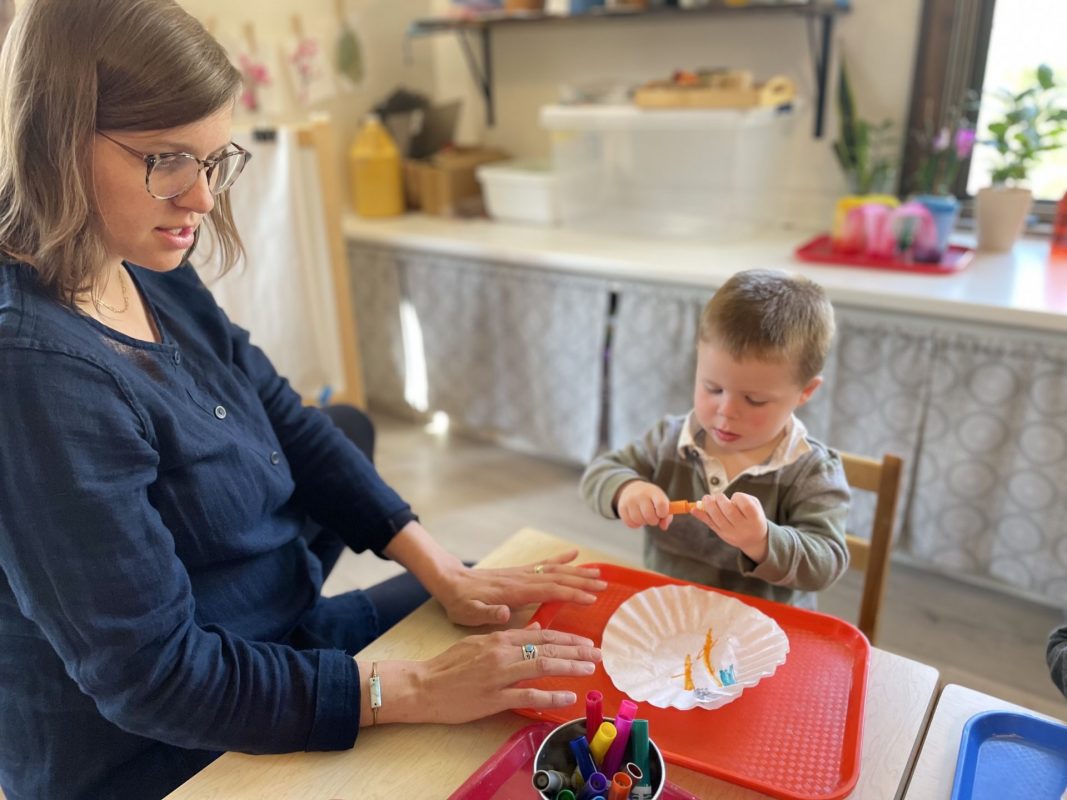
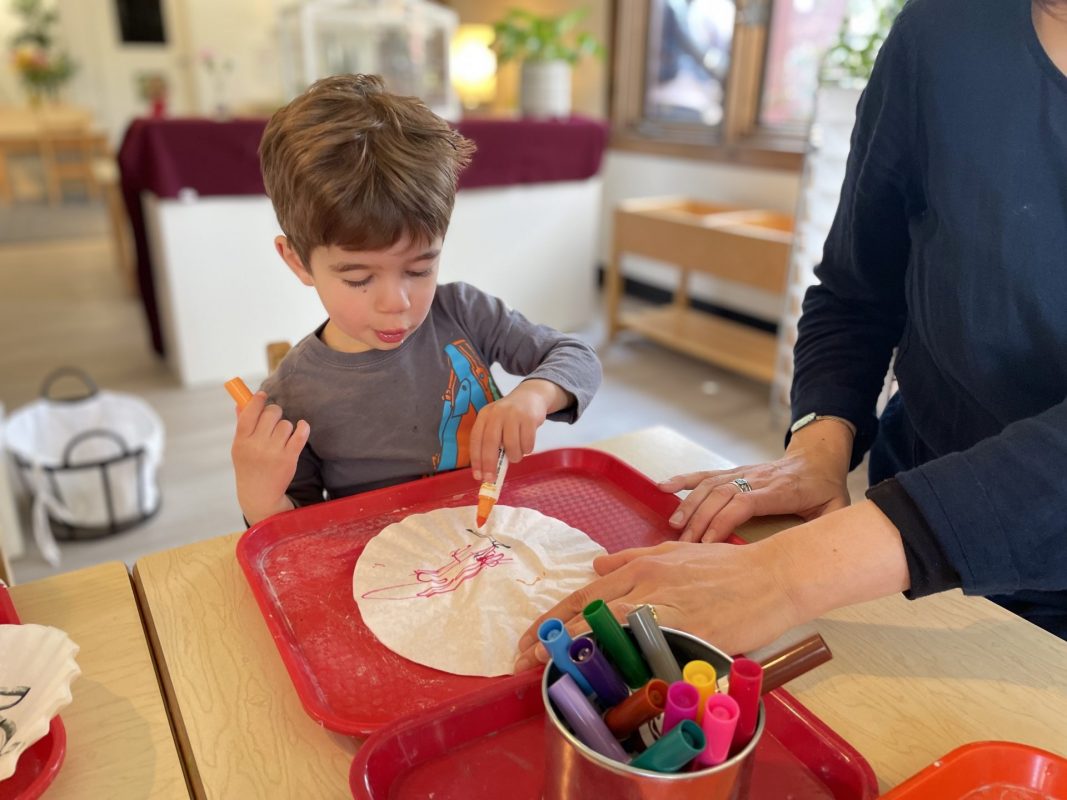
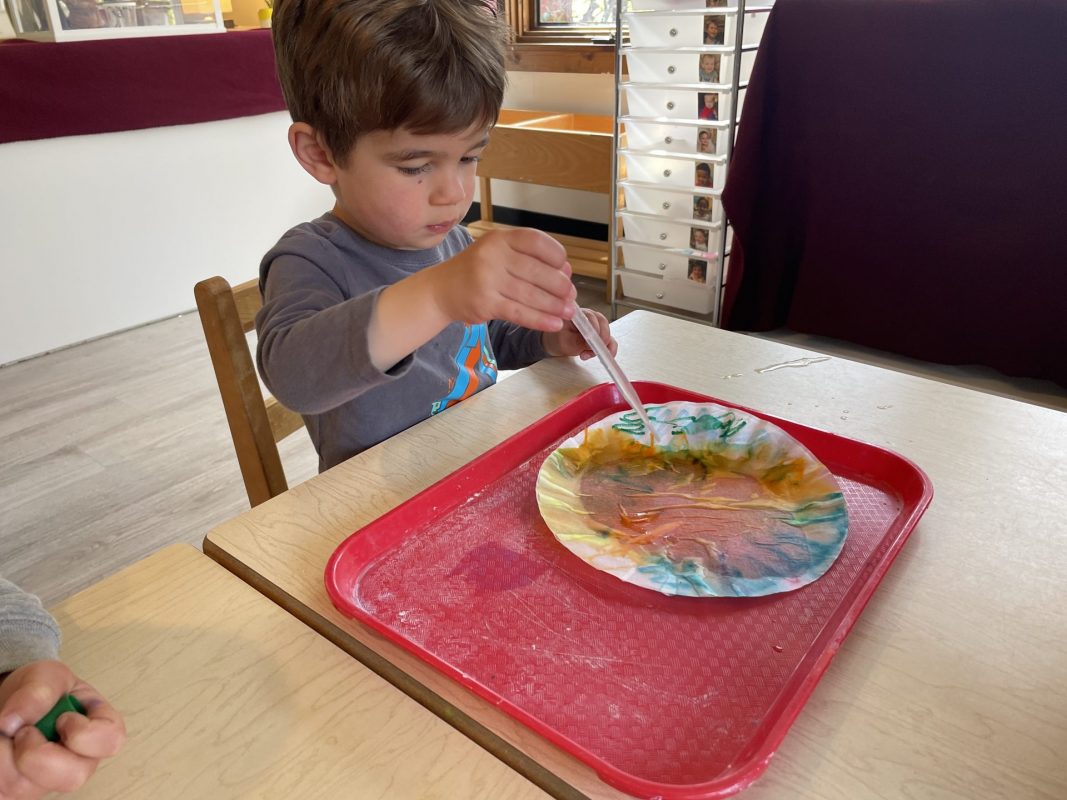
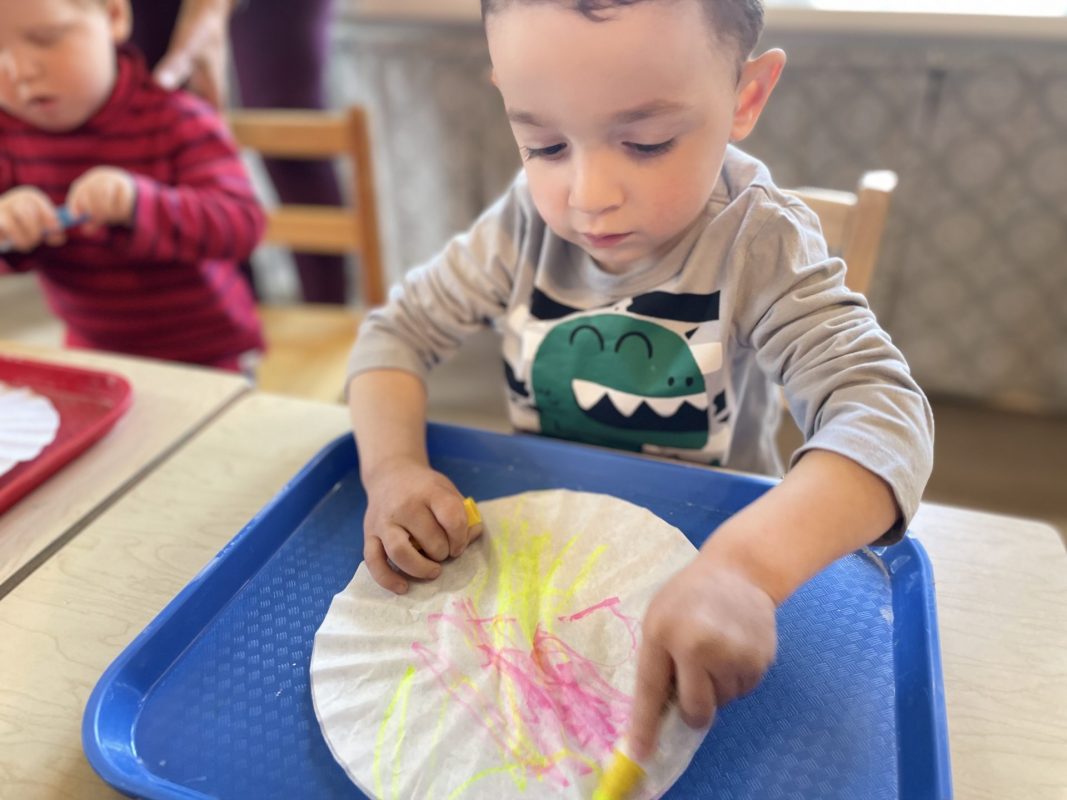
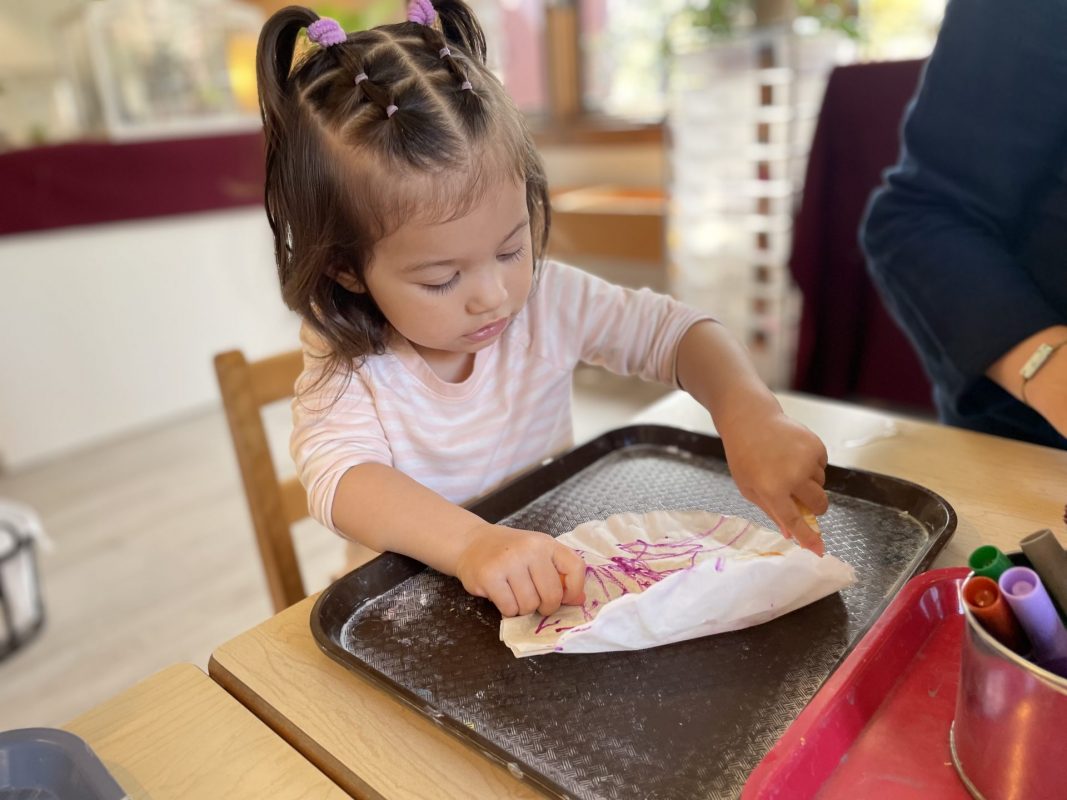
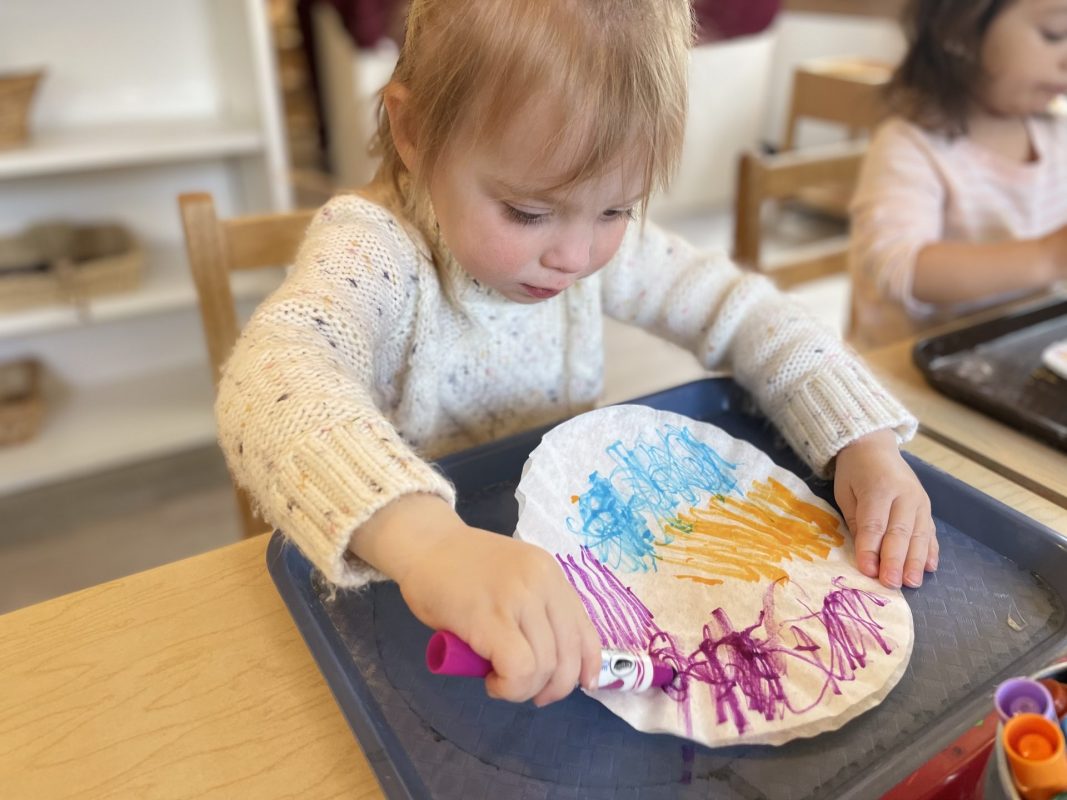
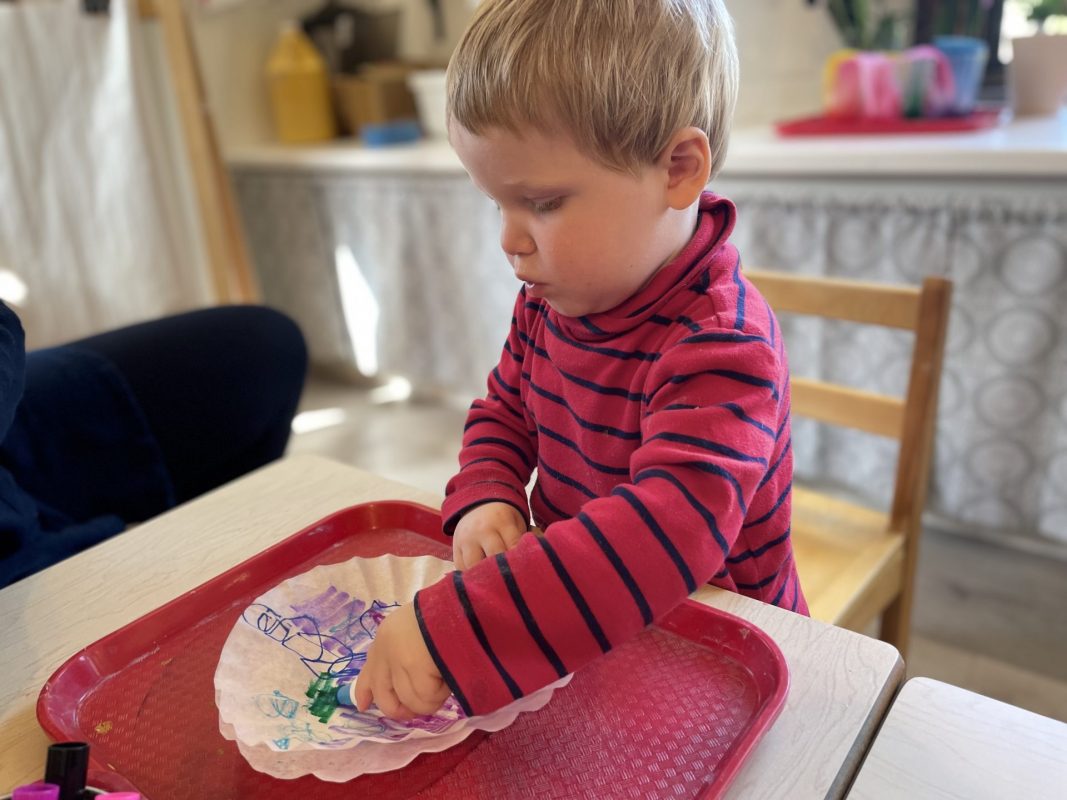
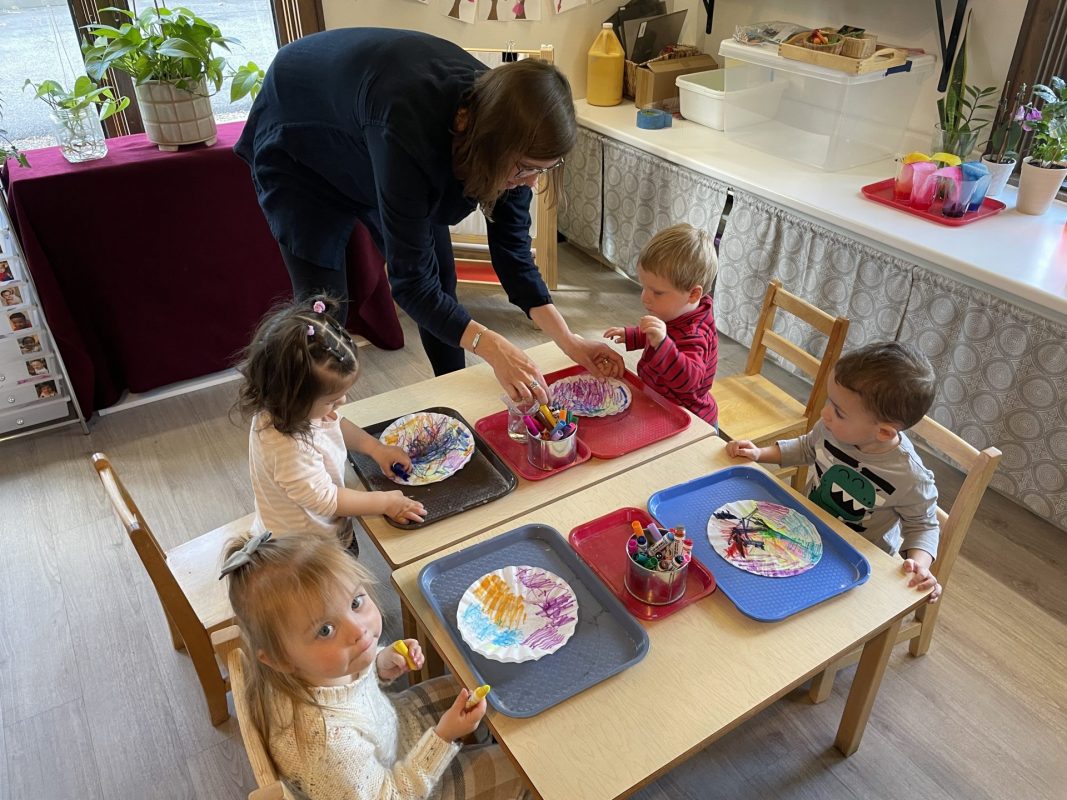
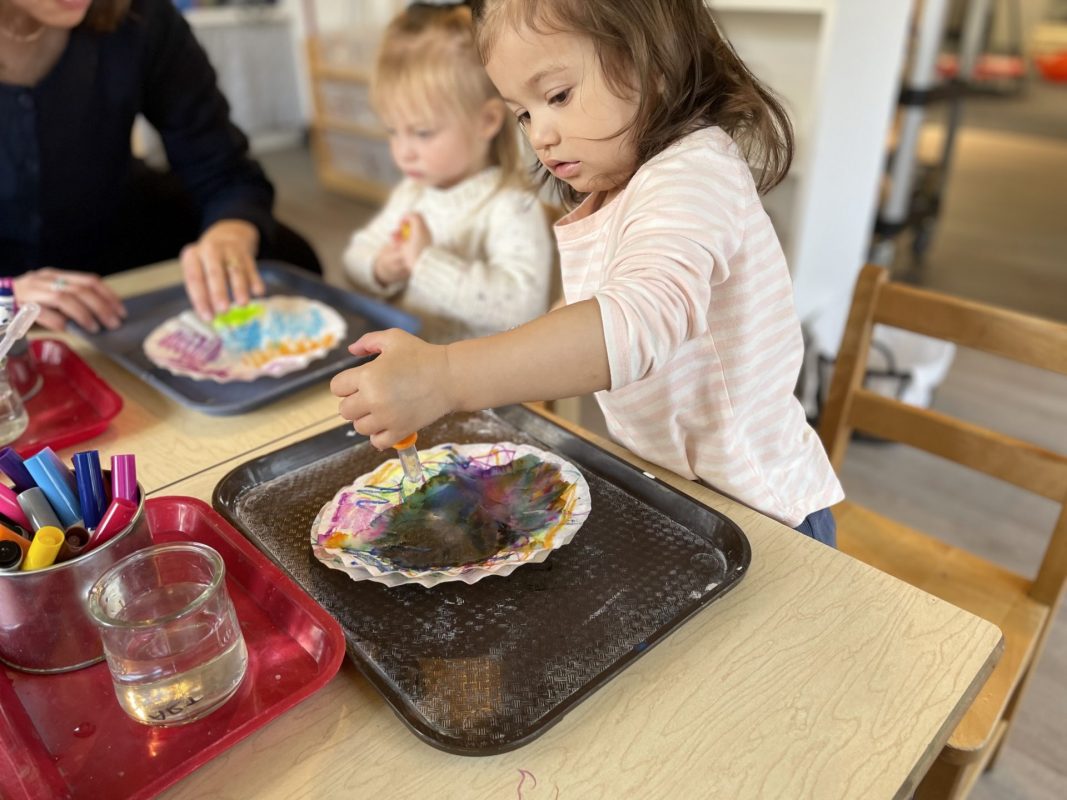
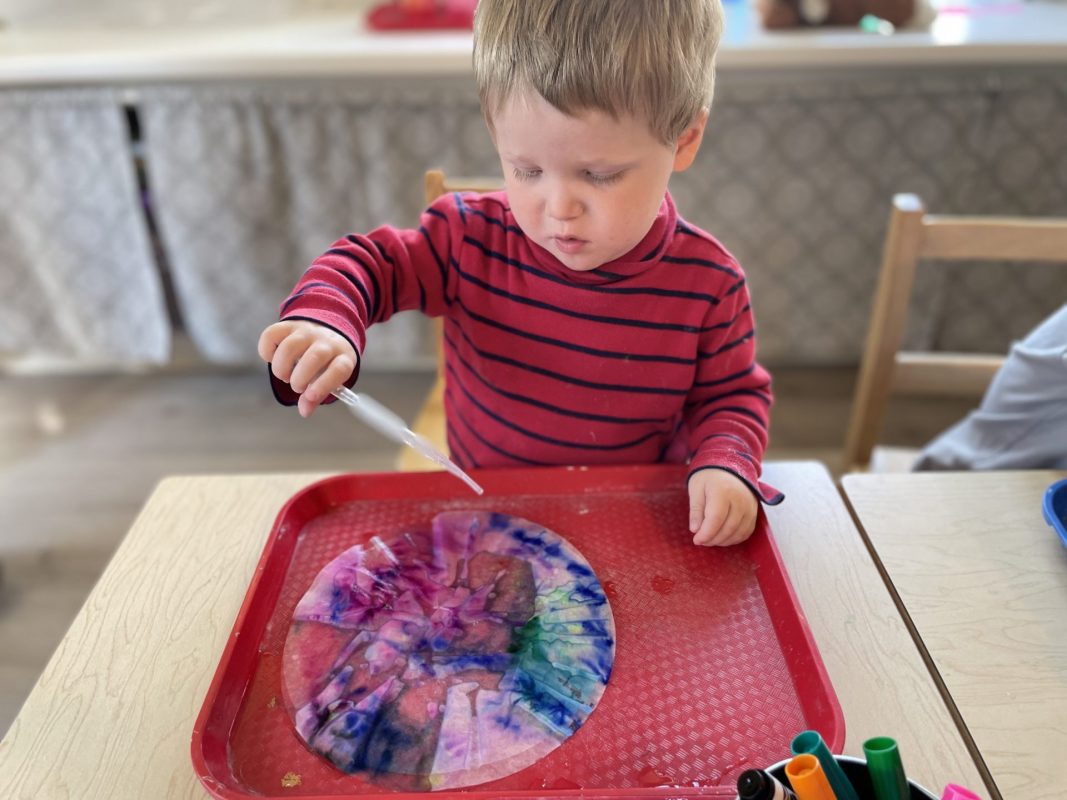
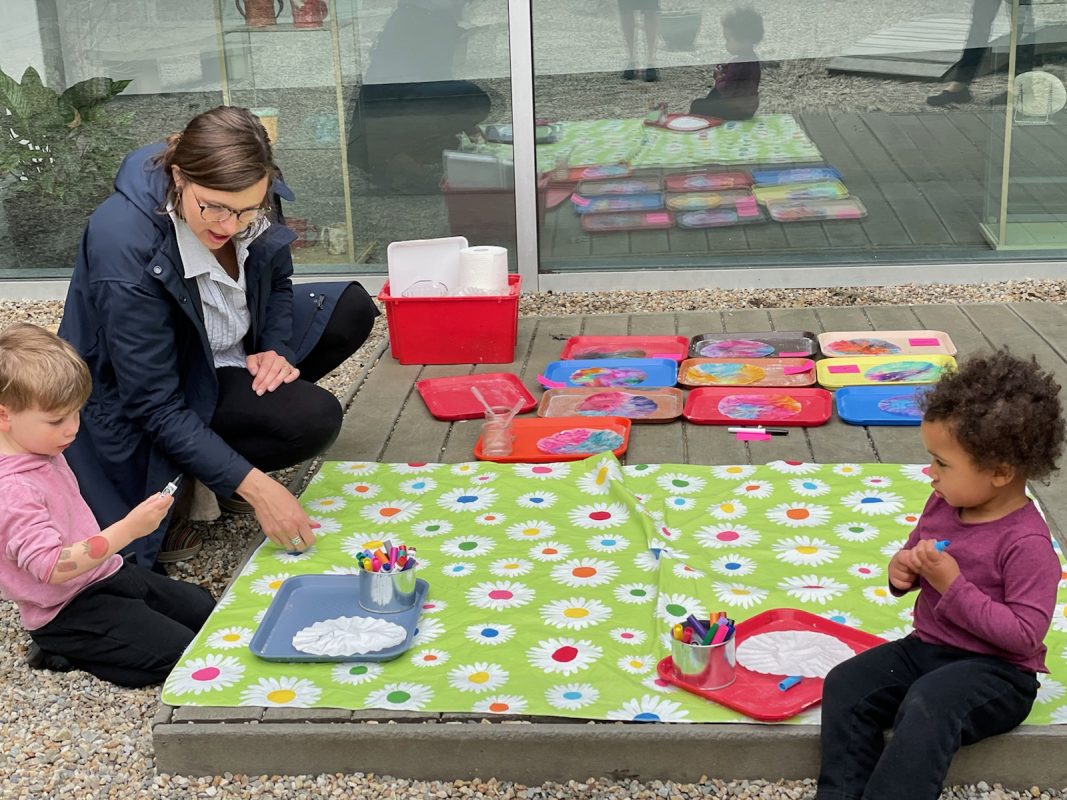
On Tuesday, the children had the pleasure to work with our wonderful art teacher, Mrs. Reid. Mrs. Reid invited the children to the zen garden with her to create the most beautiful coffee filter butterflies. The FWM art show will take place the week of May 9th from 9 a.m. to 2:30 p.m. I hope you find a time to visit the school’s art show where the butterflies will be displayed.

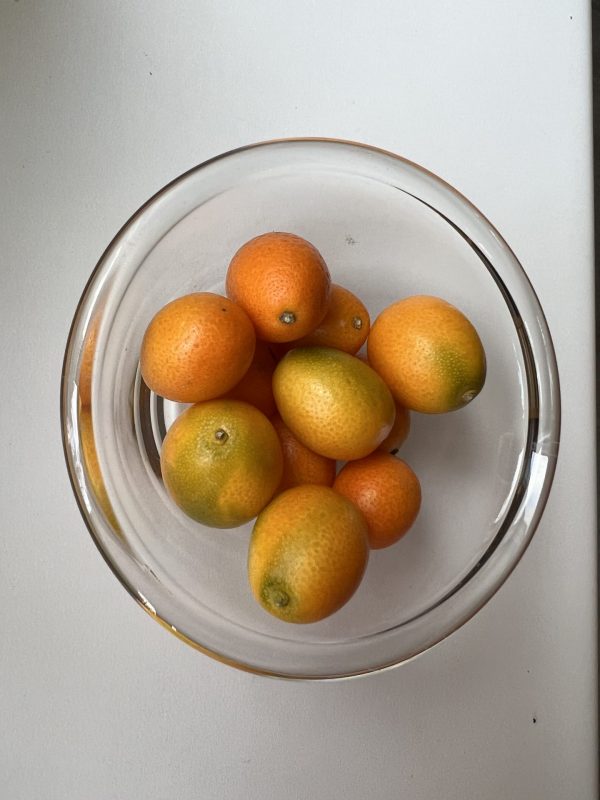
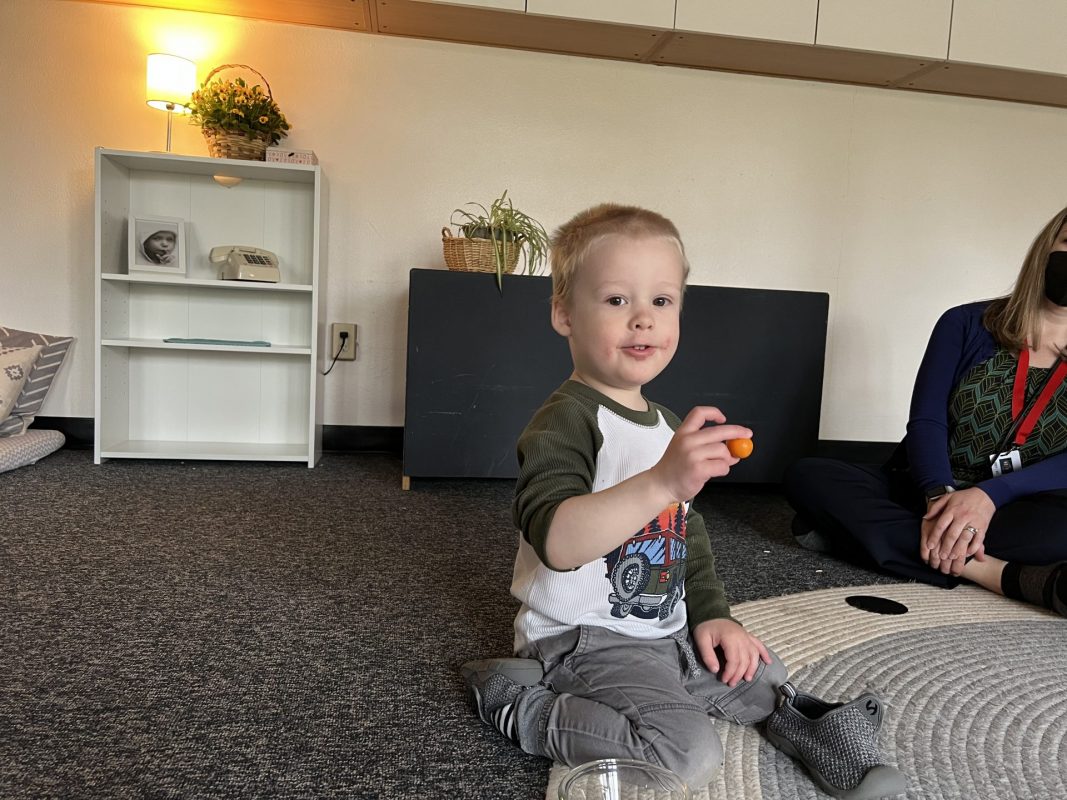
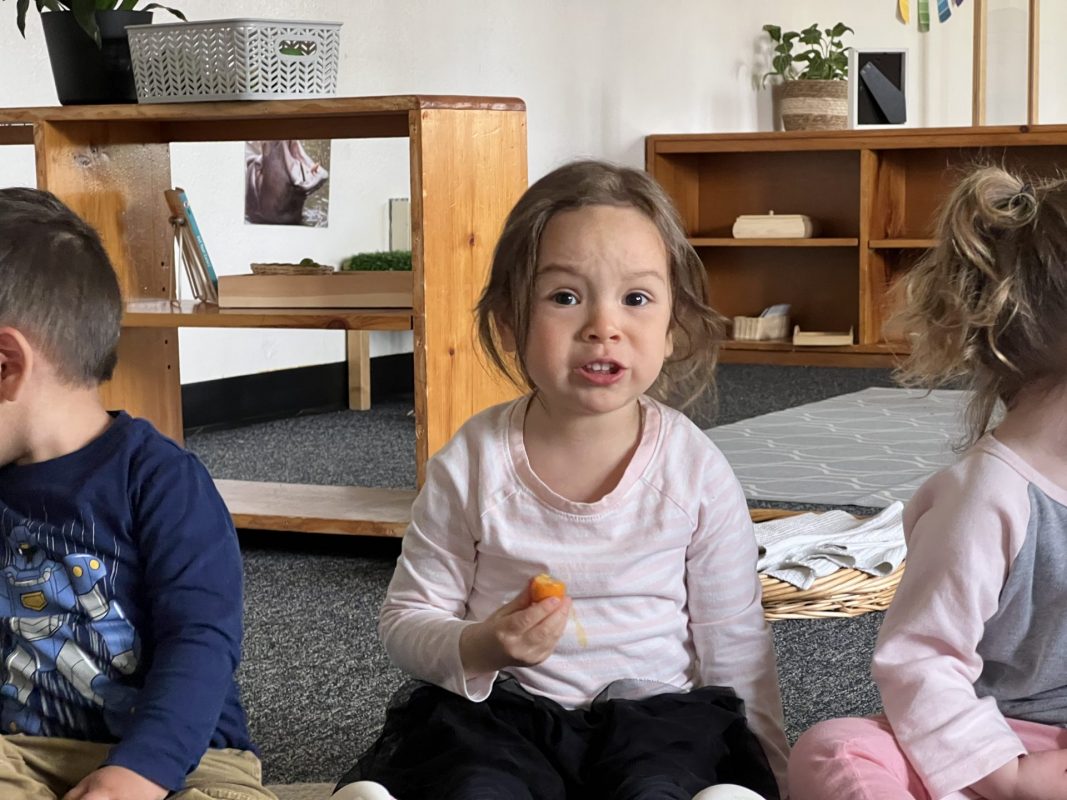
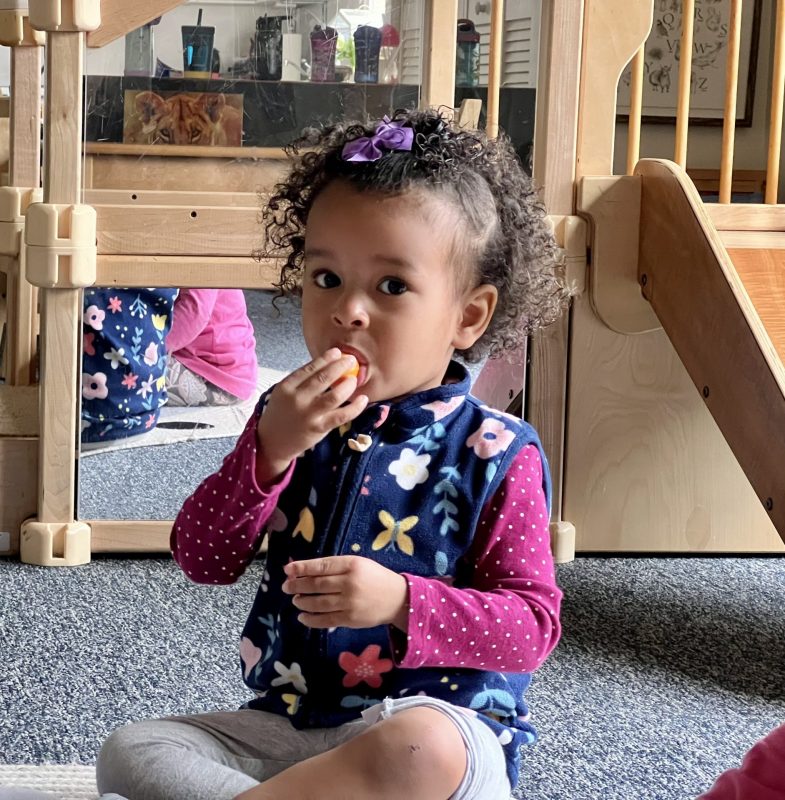
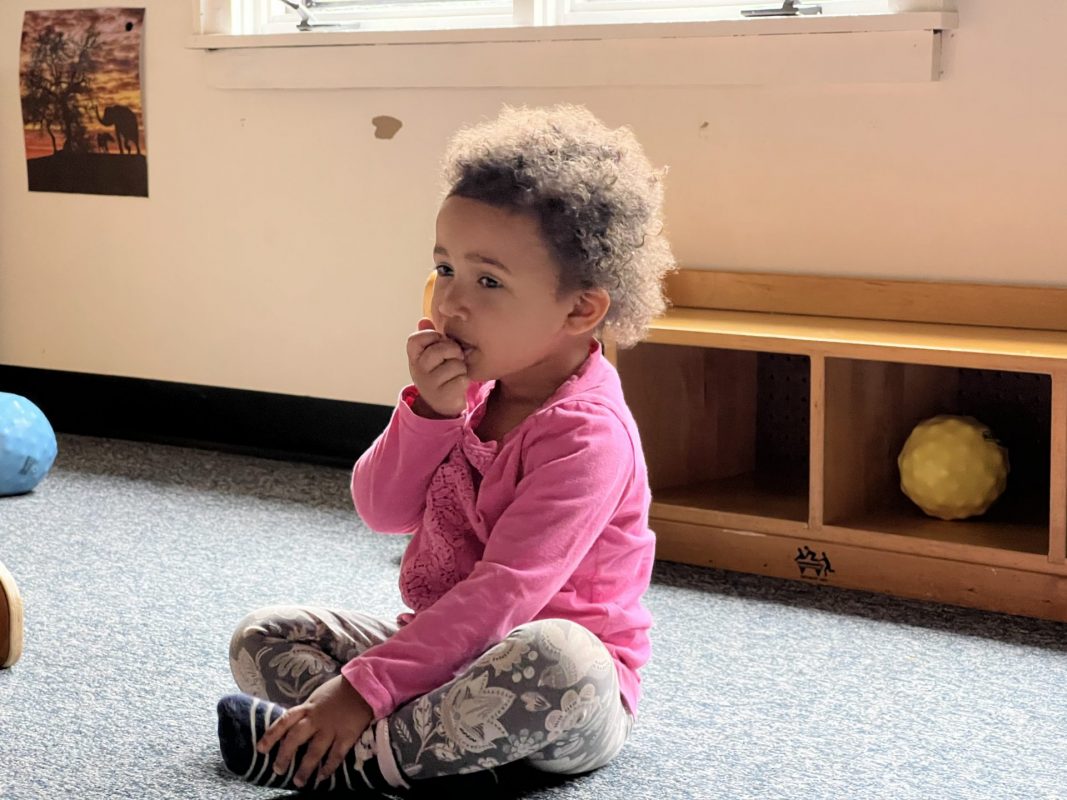
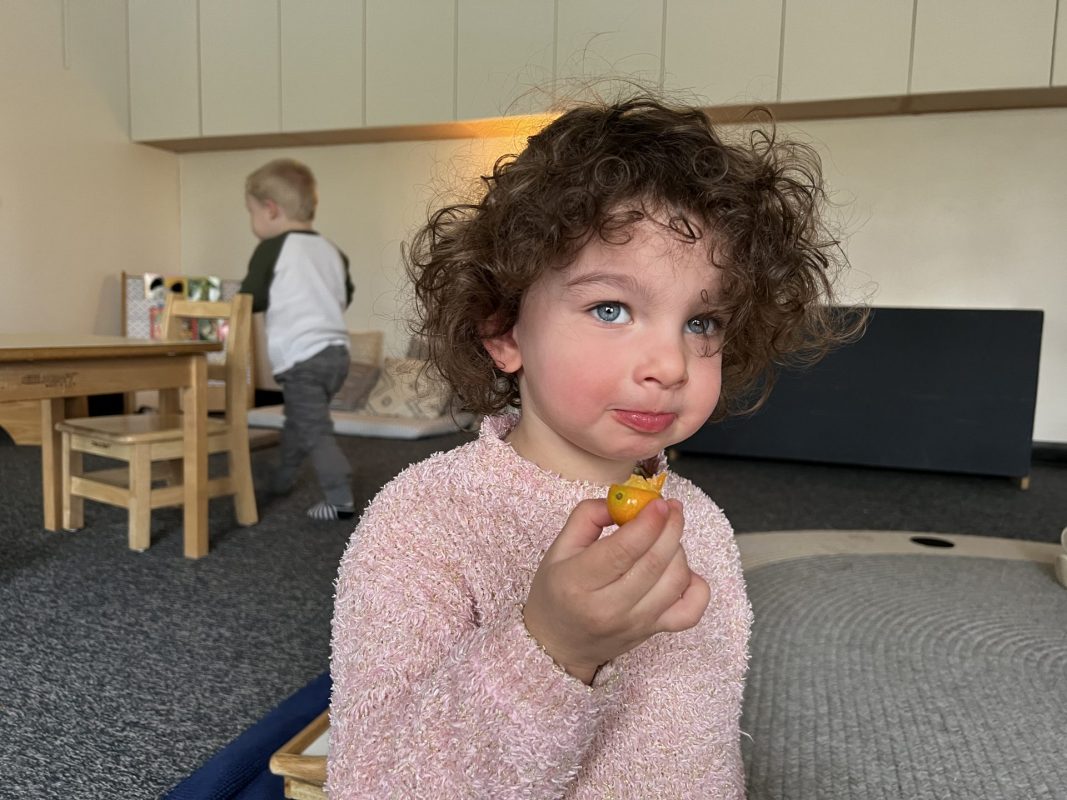
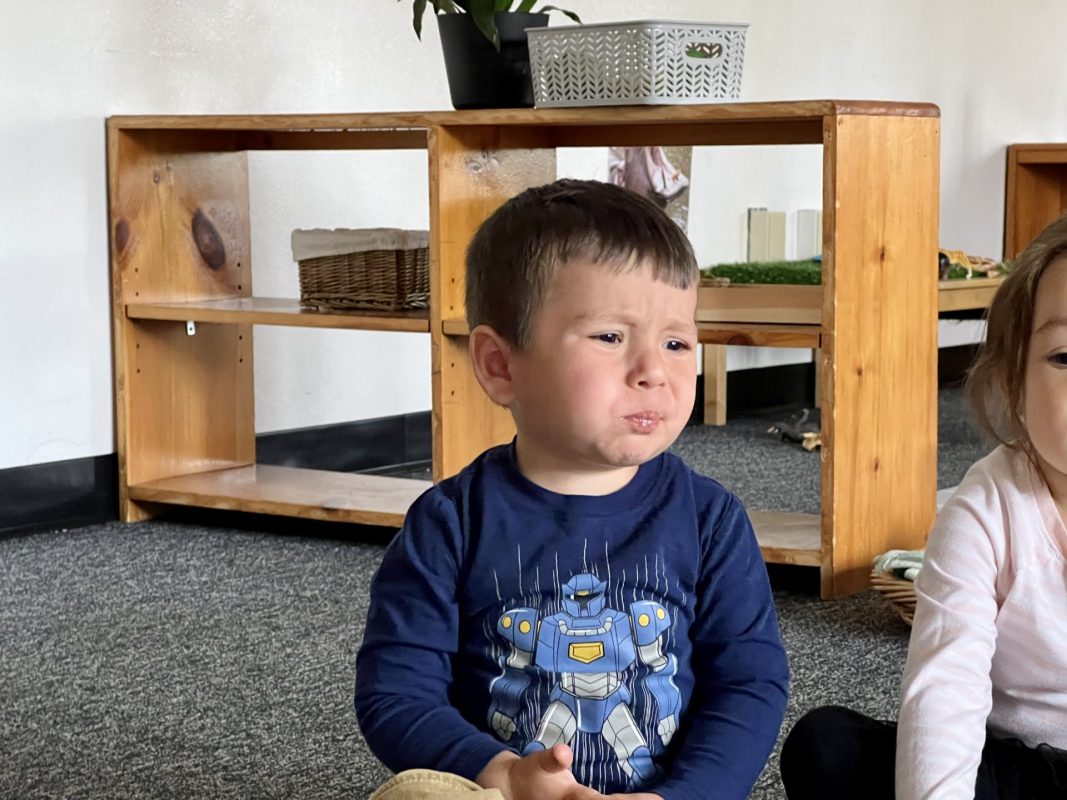
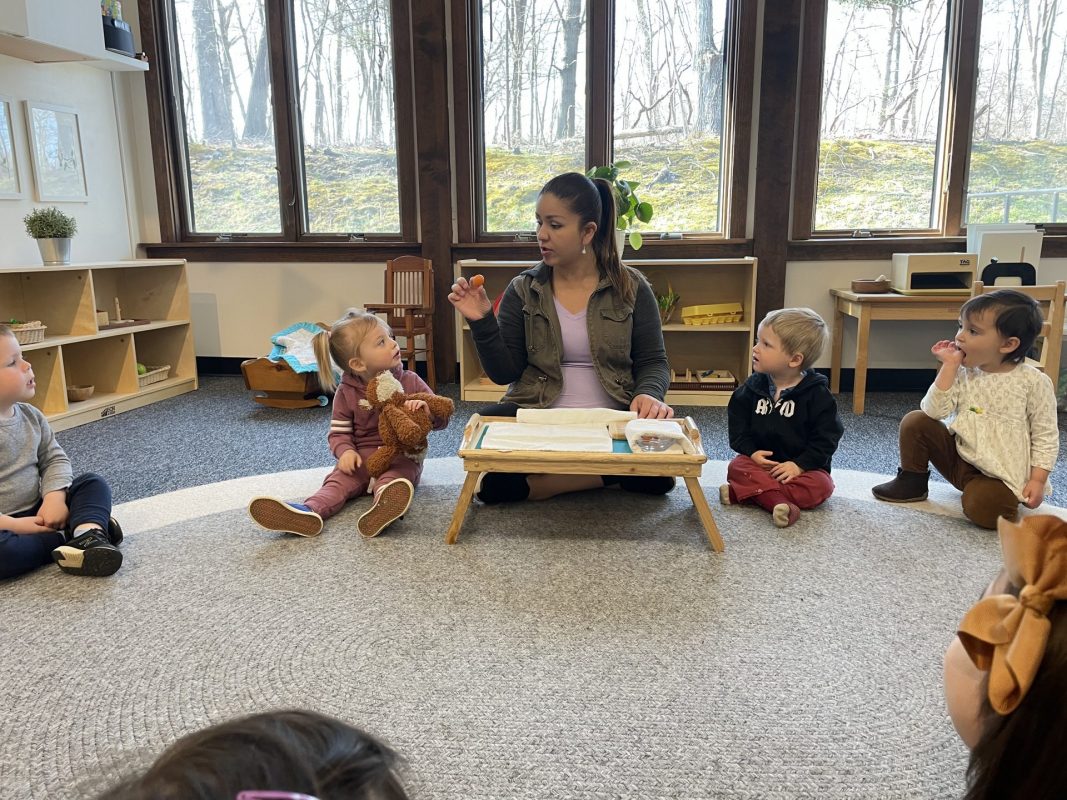
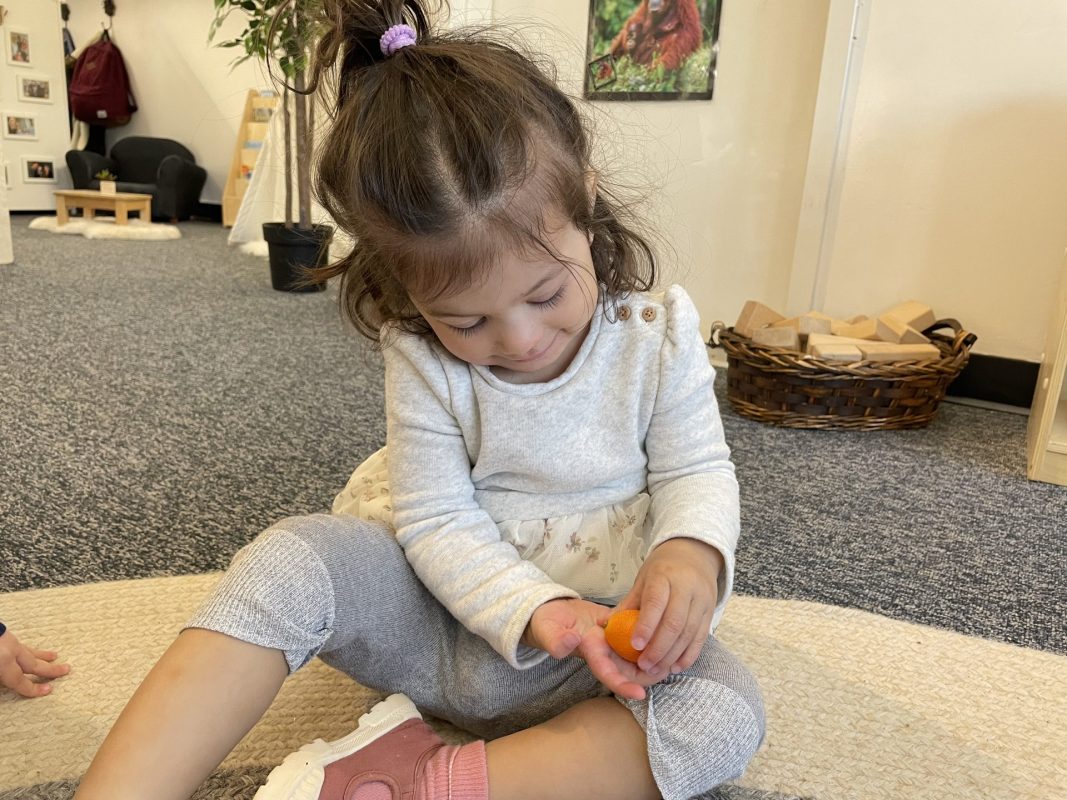
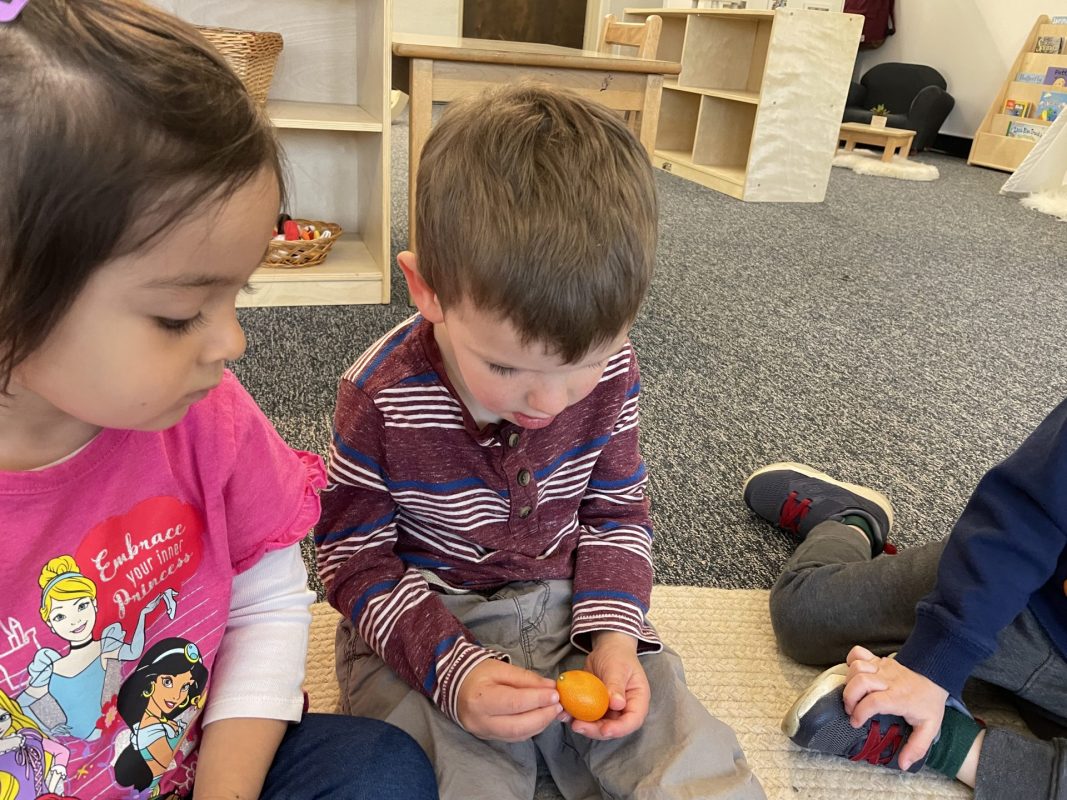
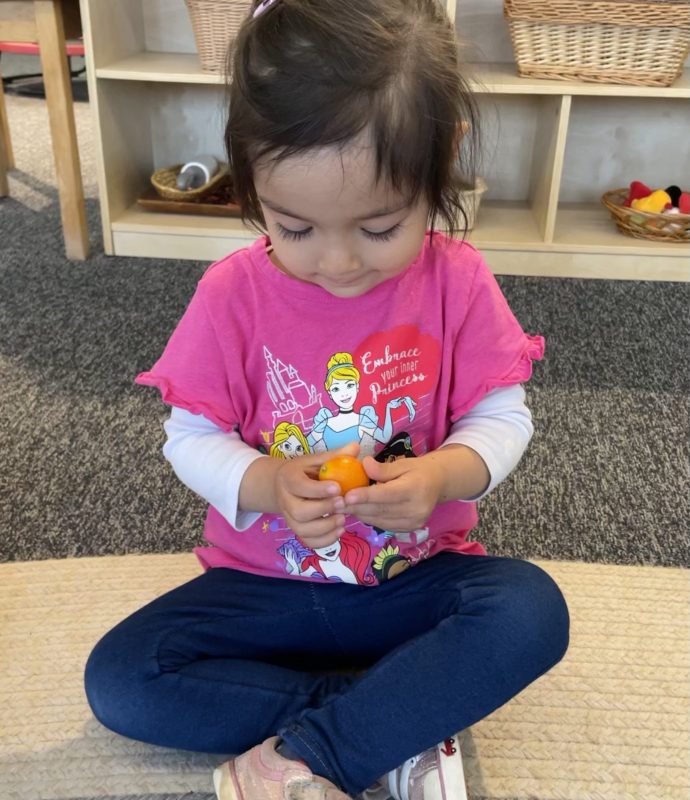
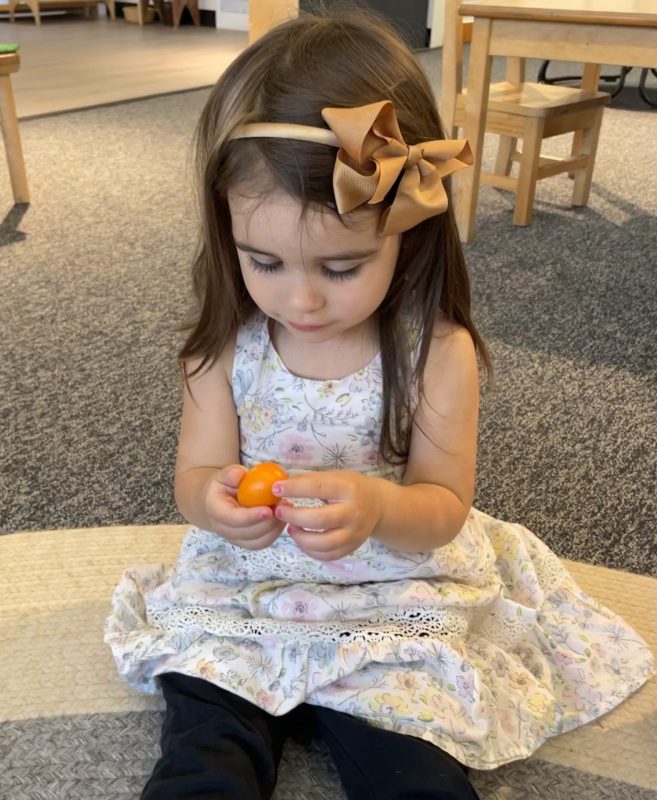
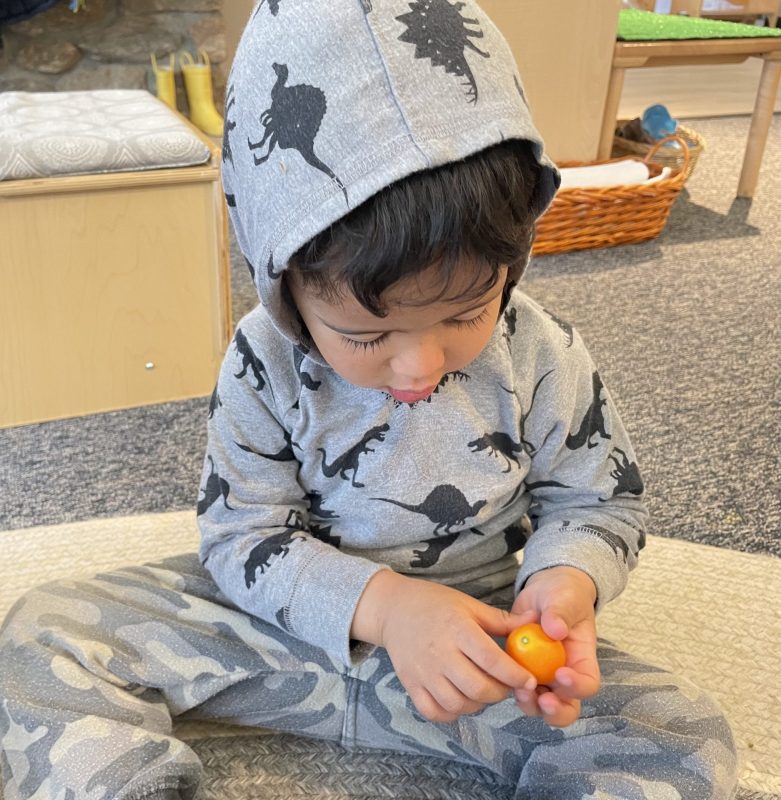
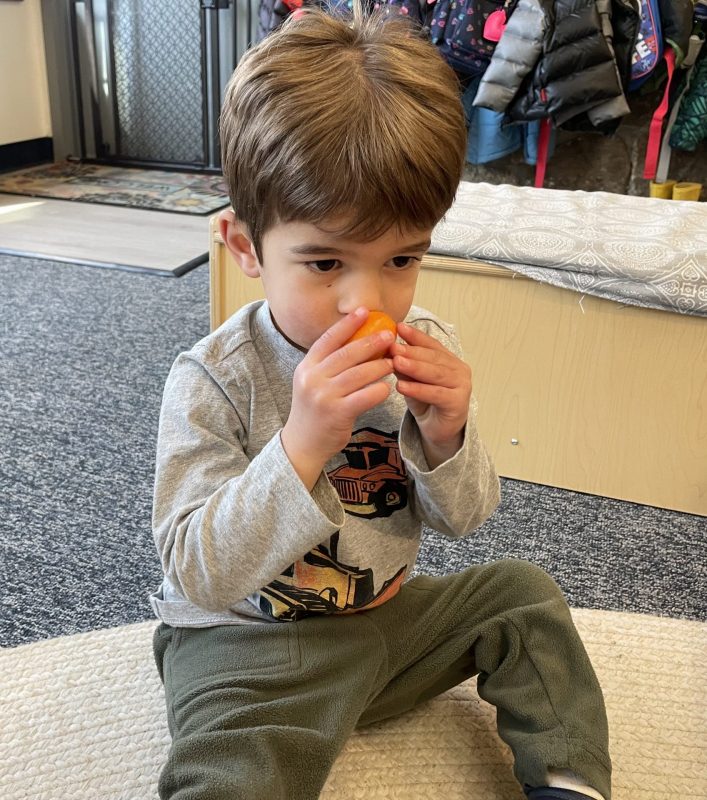
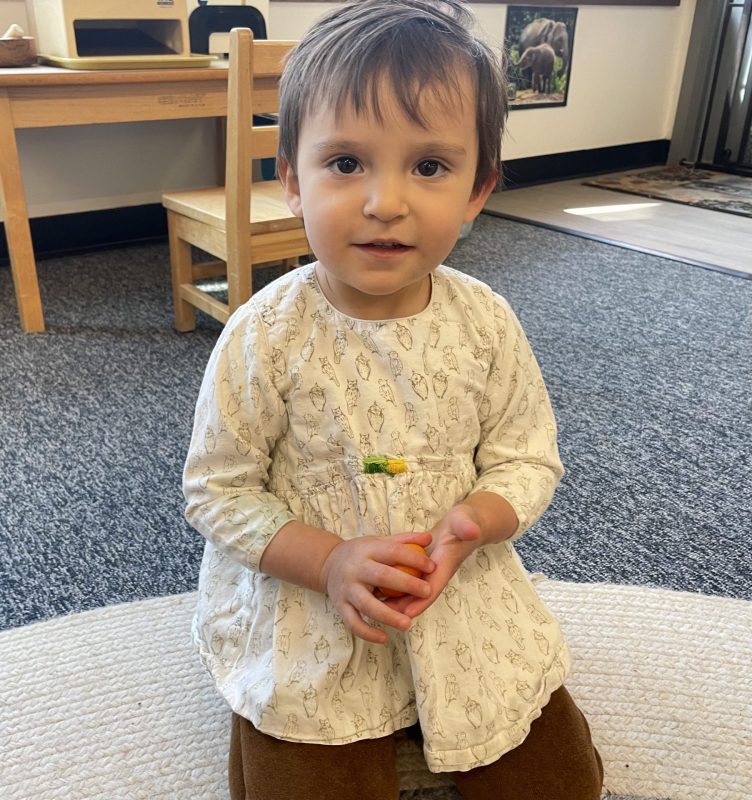
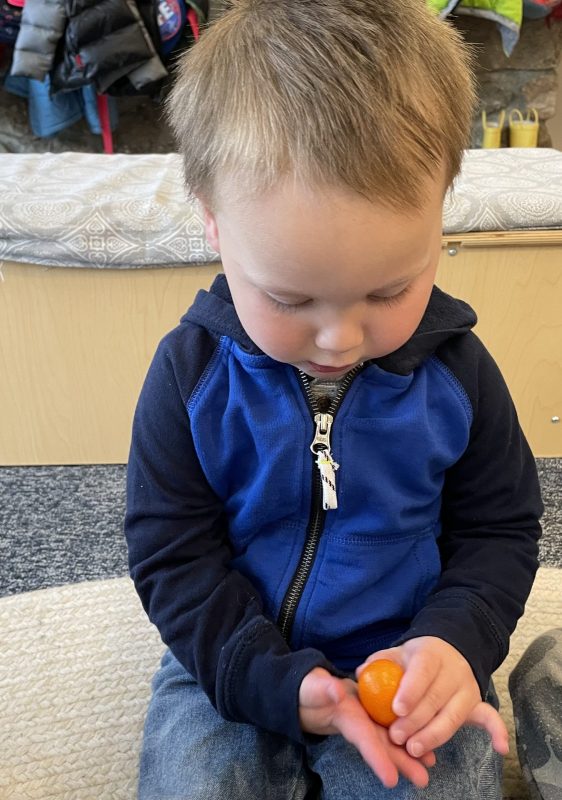
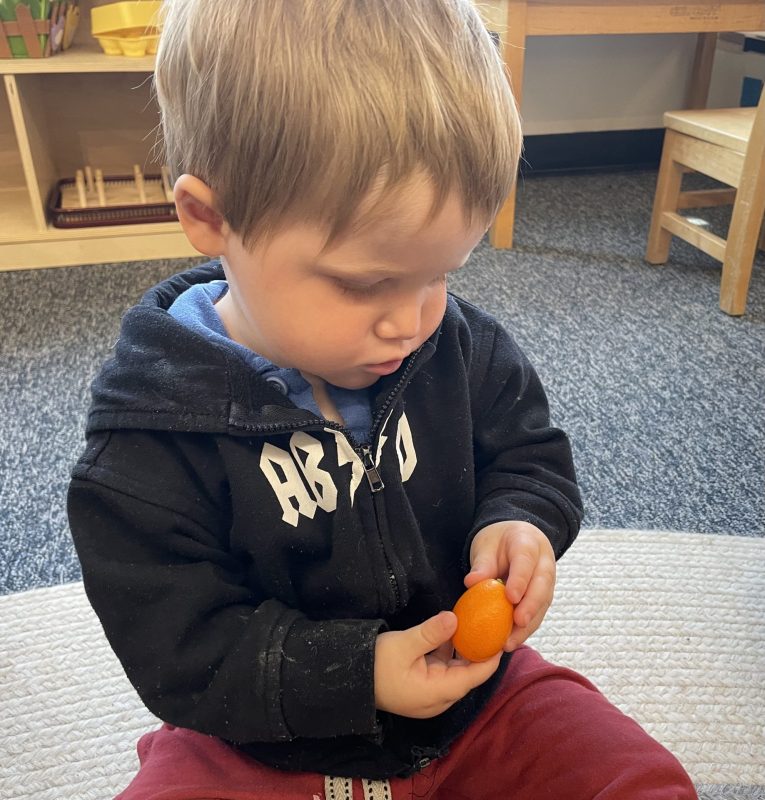
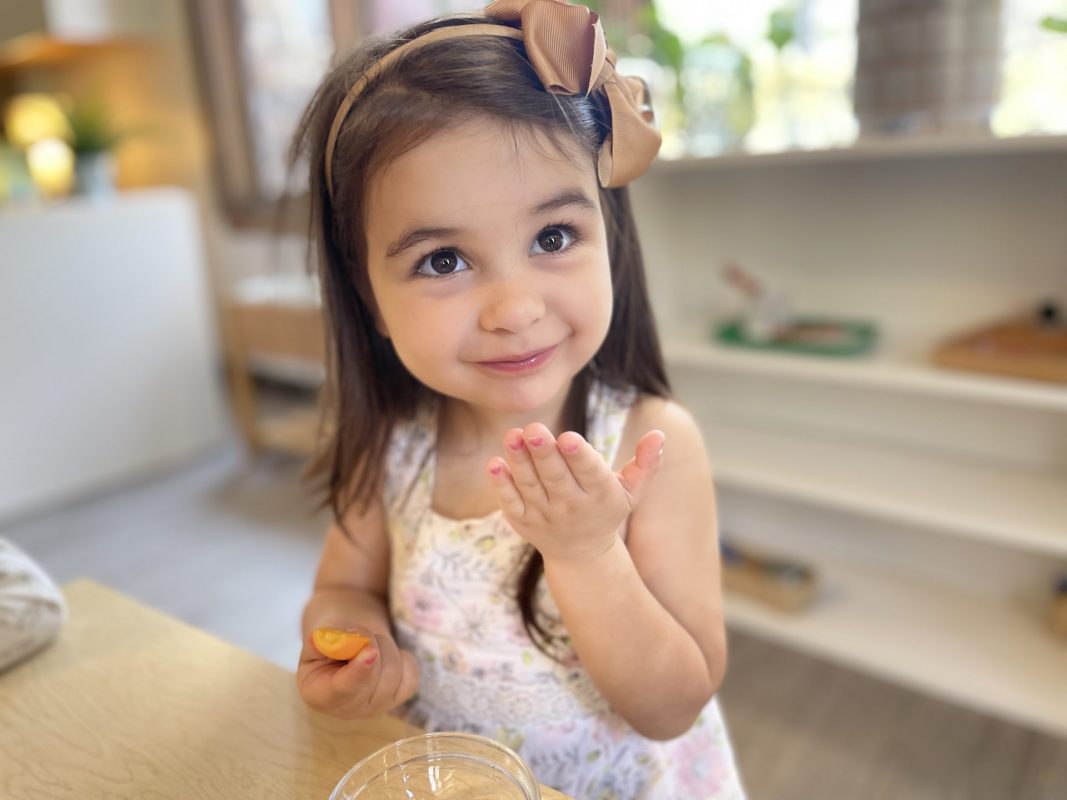
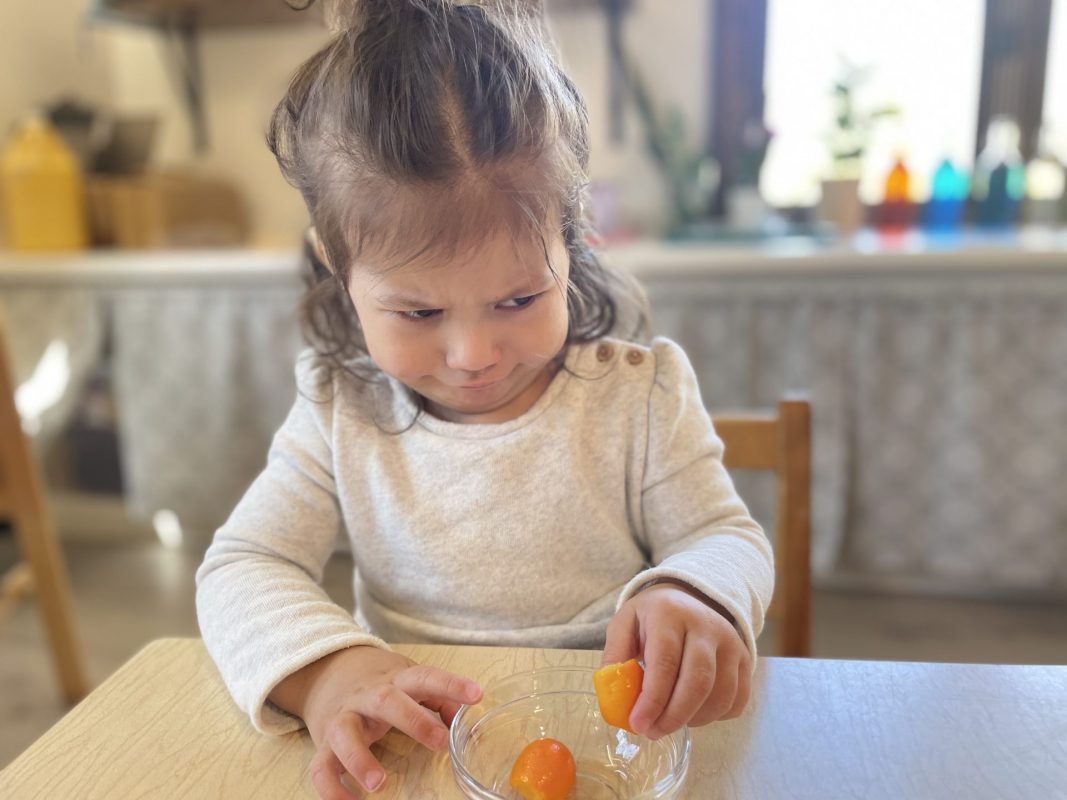
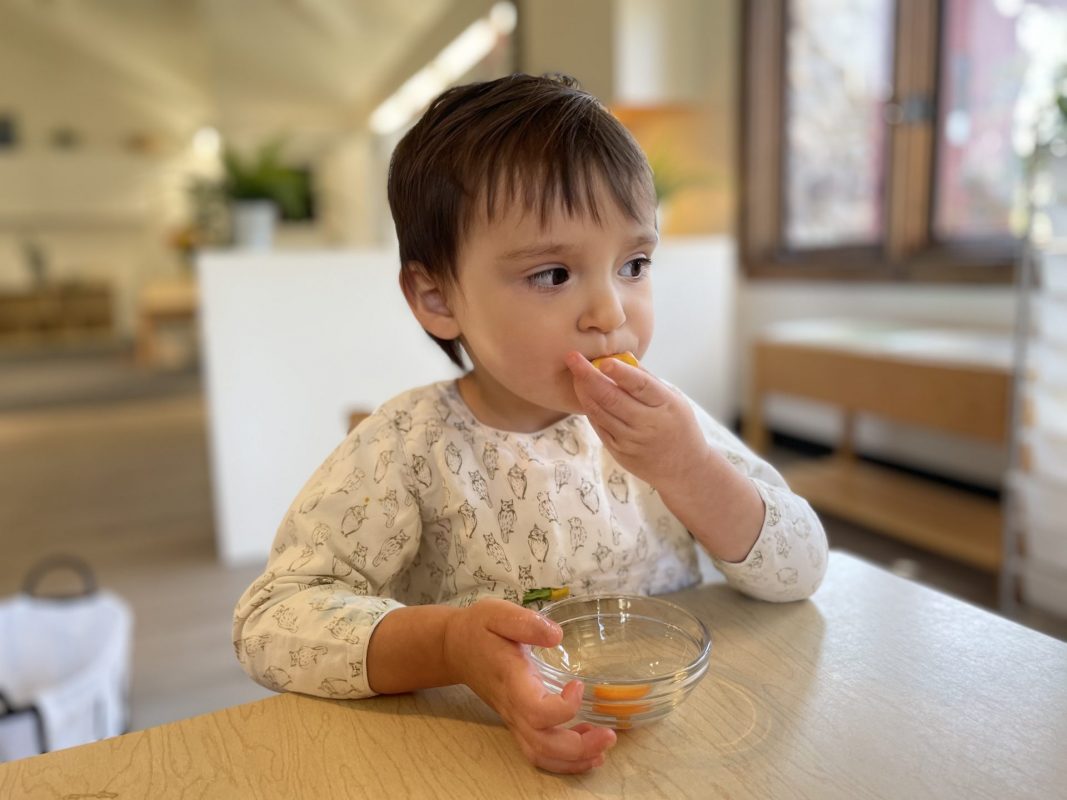
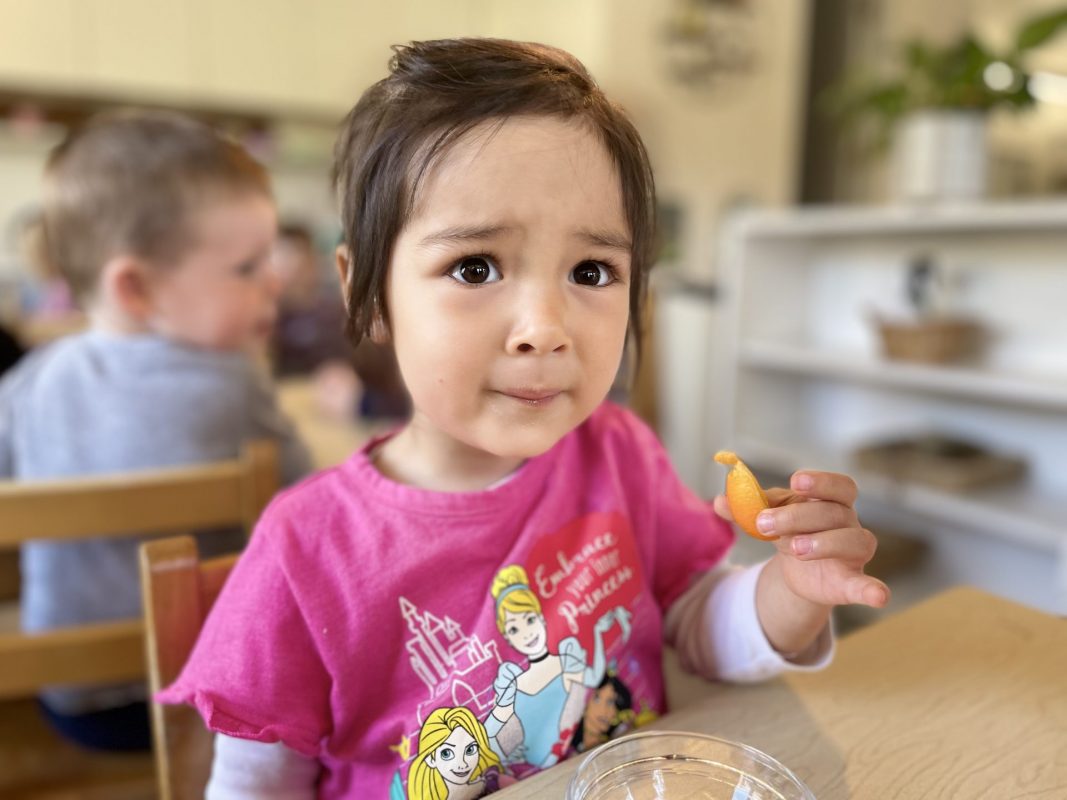
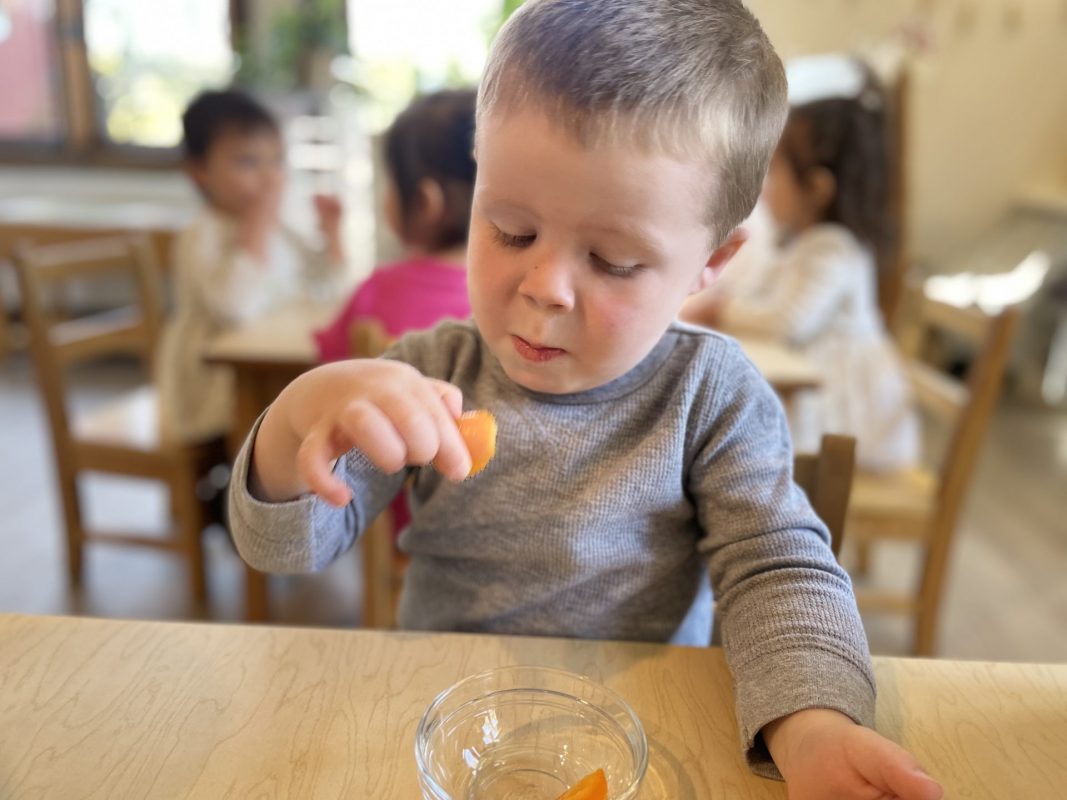
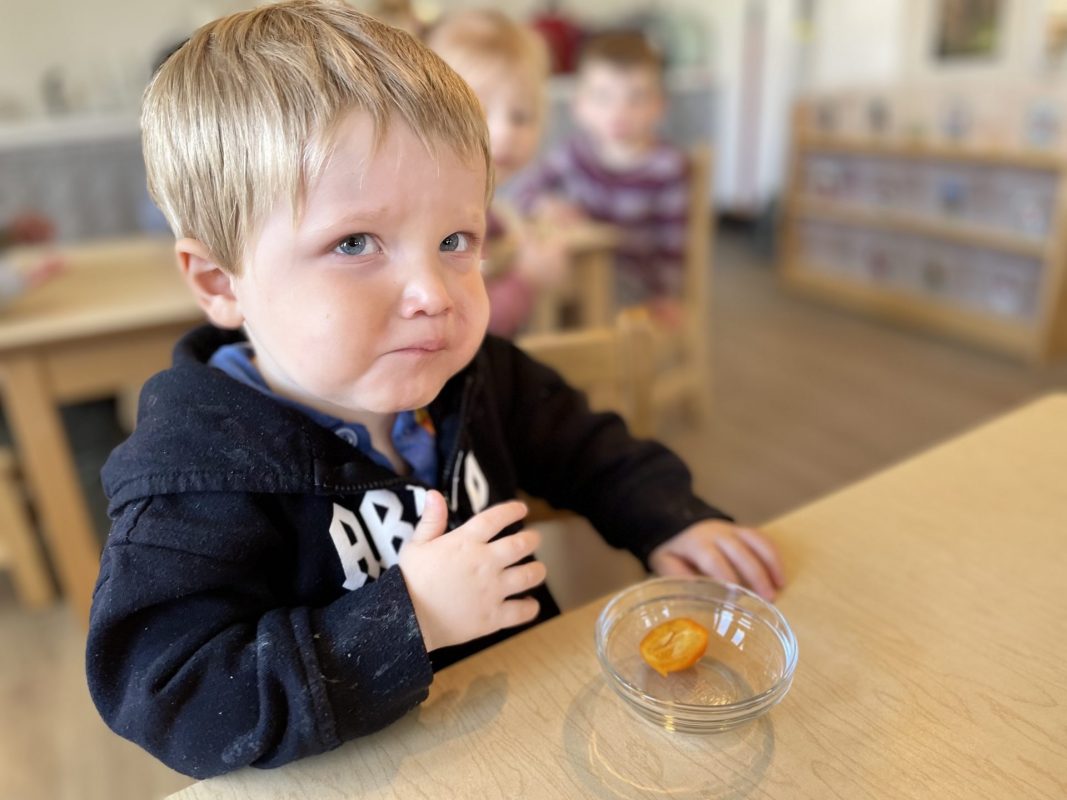
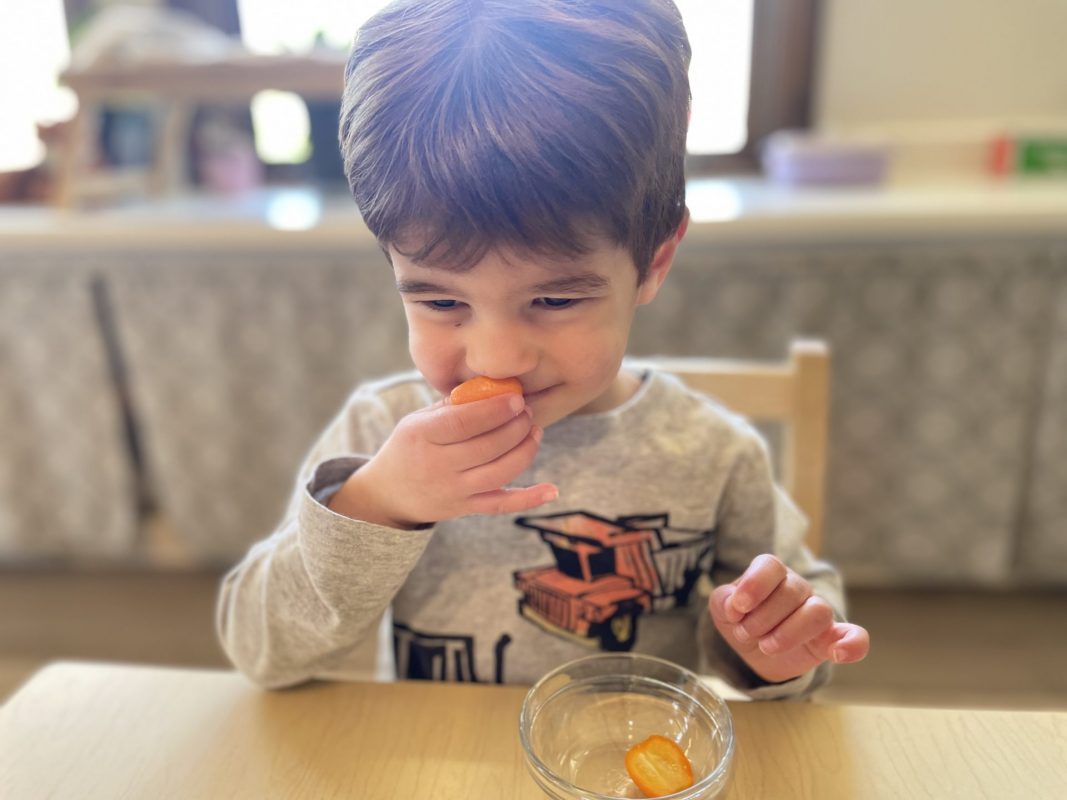
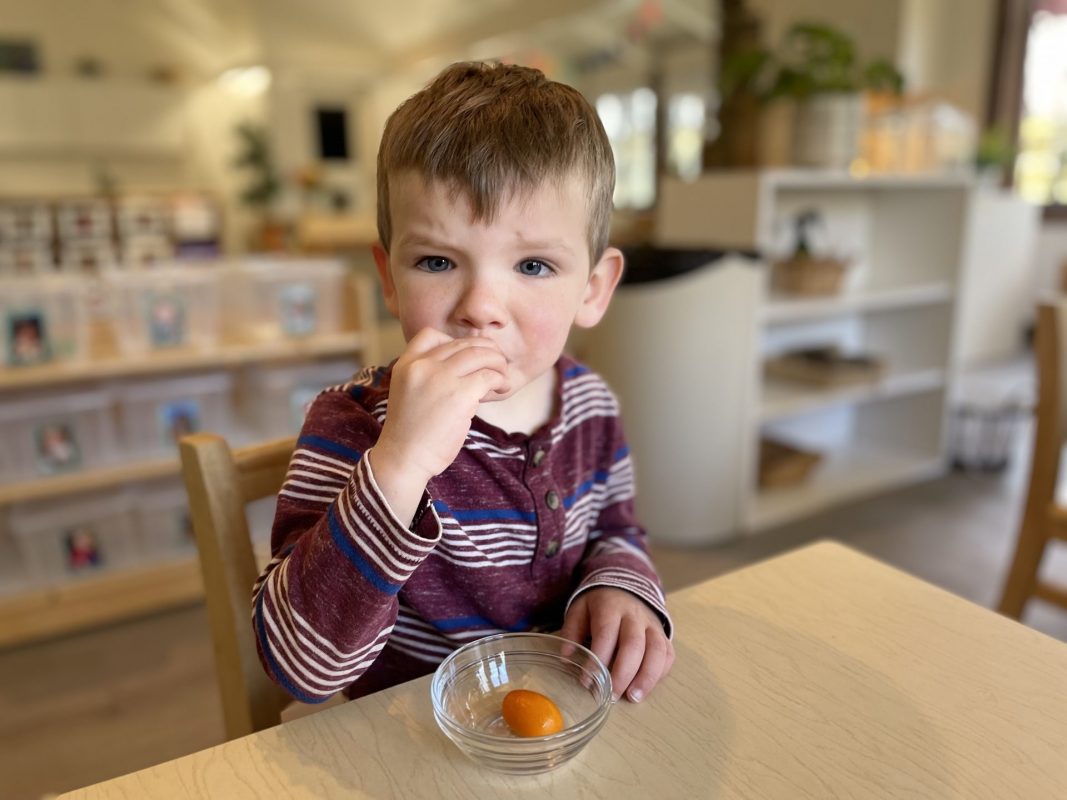
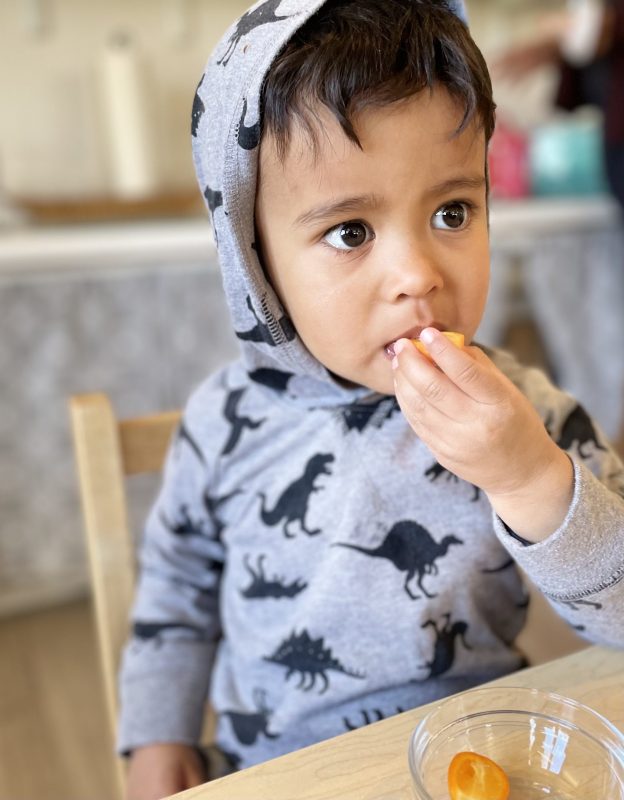
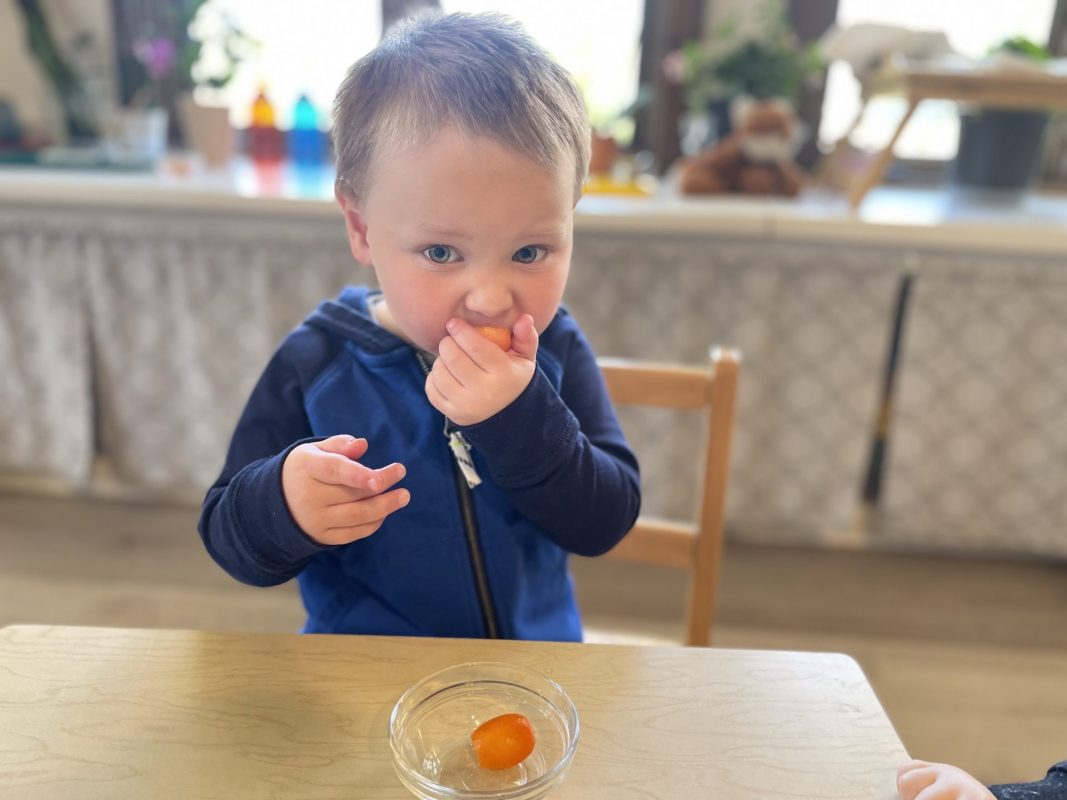
We did two food tastings this week. On Wednesday the children tasted a kumquat. Kumquats are a very sour and juicy fruit. My opinion is that they are more sour than a lemon. I hope you enjoy the photos of their sour faces. On Thursday, they tasted an avocado. This one seemed to be well-liked by most.


Mrs. Hood: Together We Can!

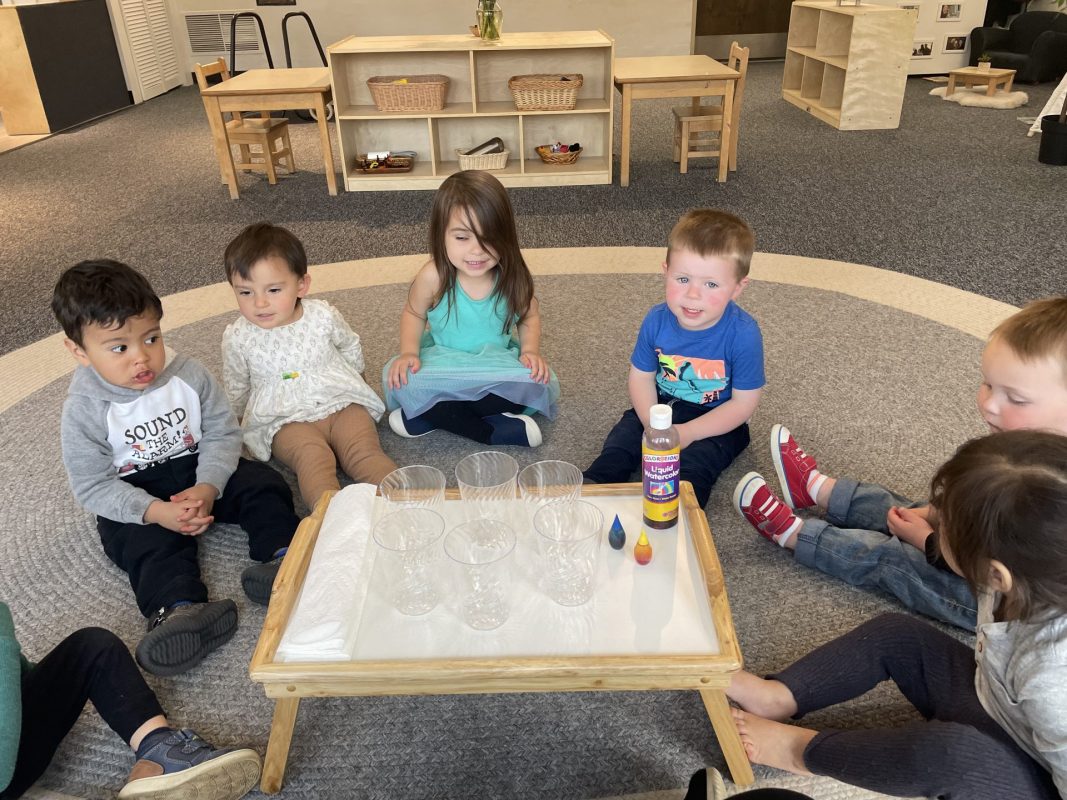
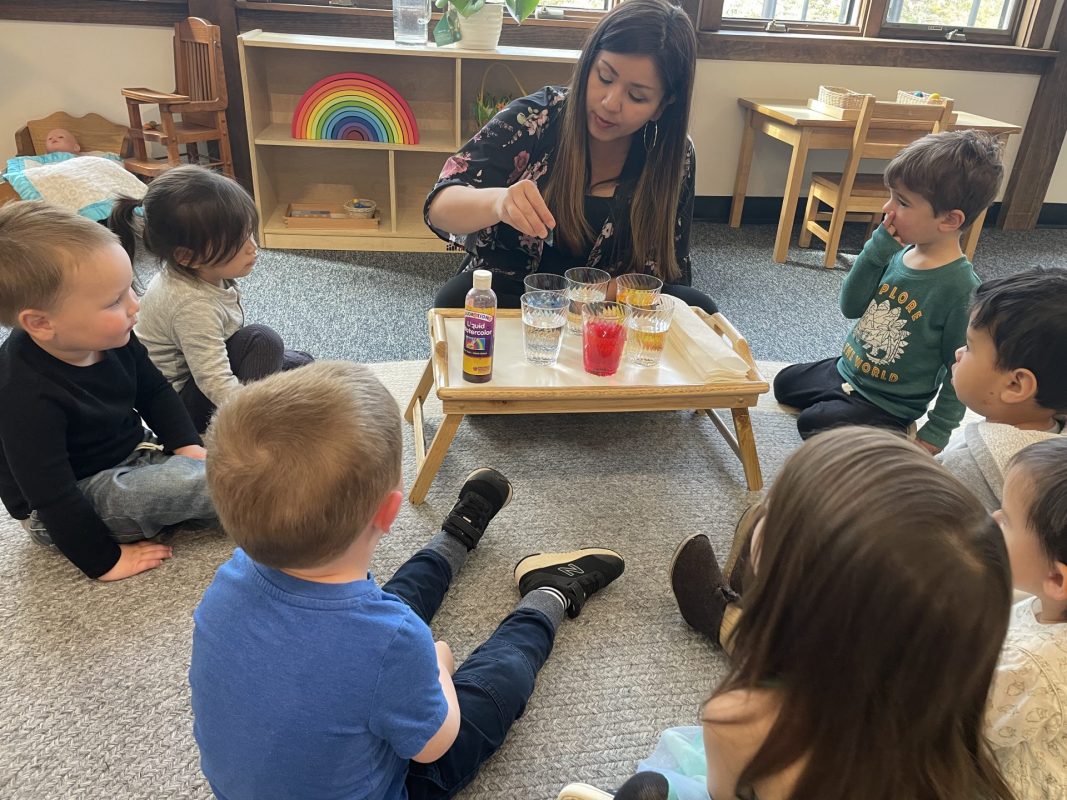
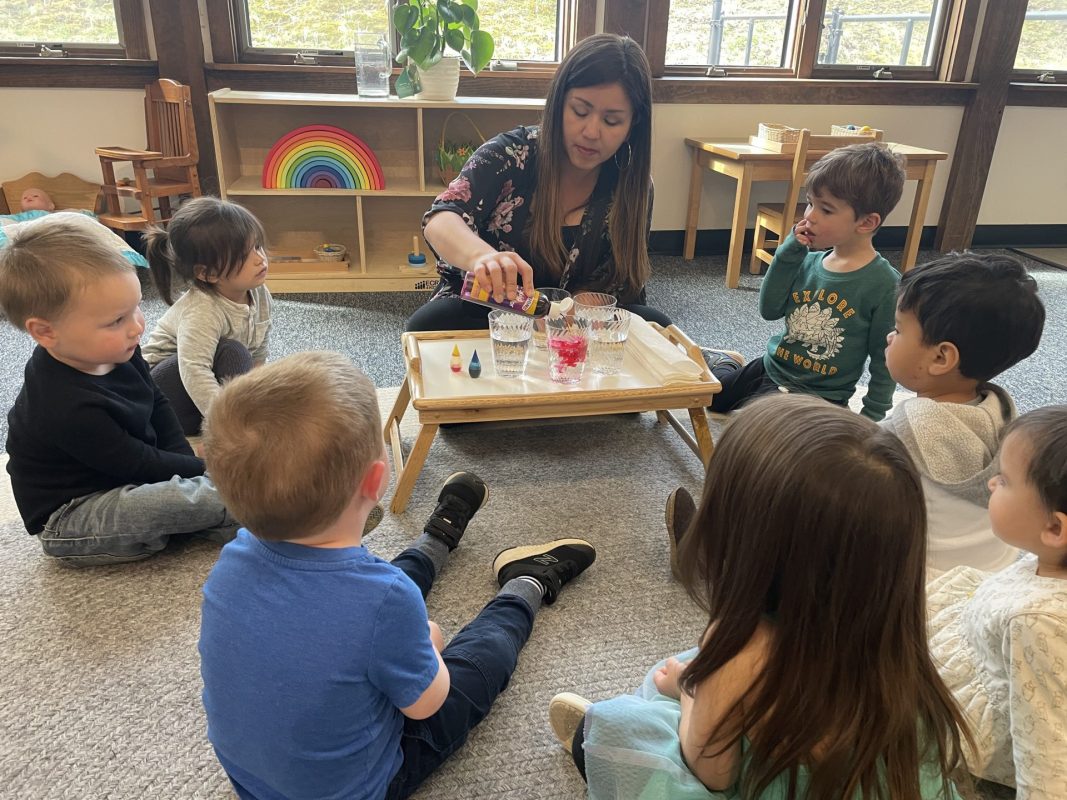
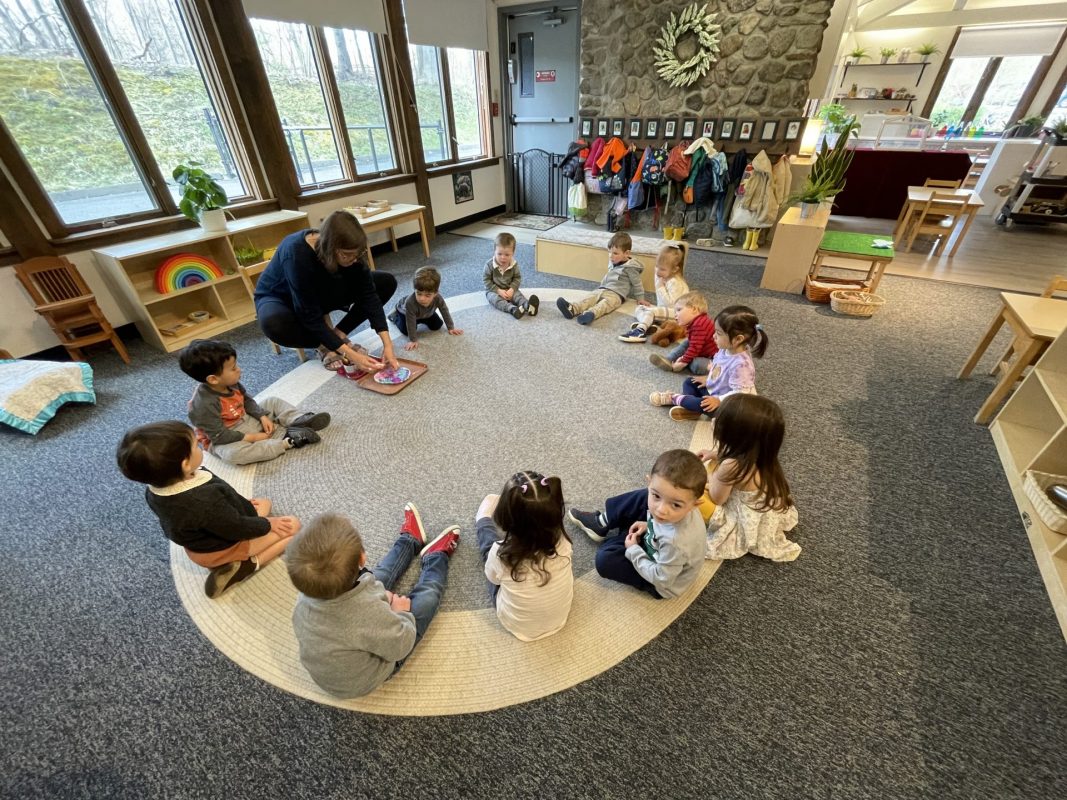
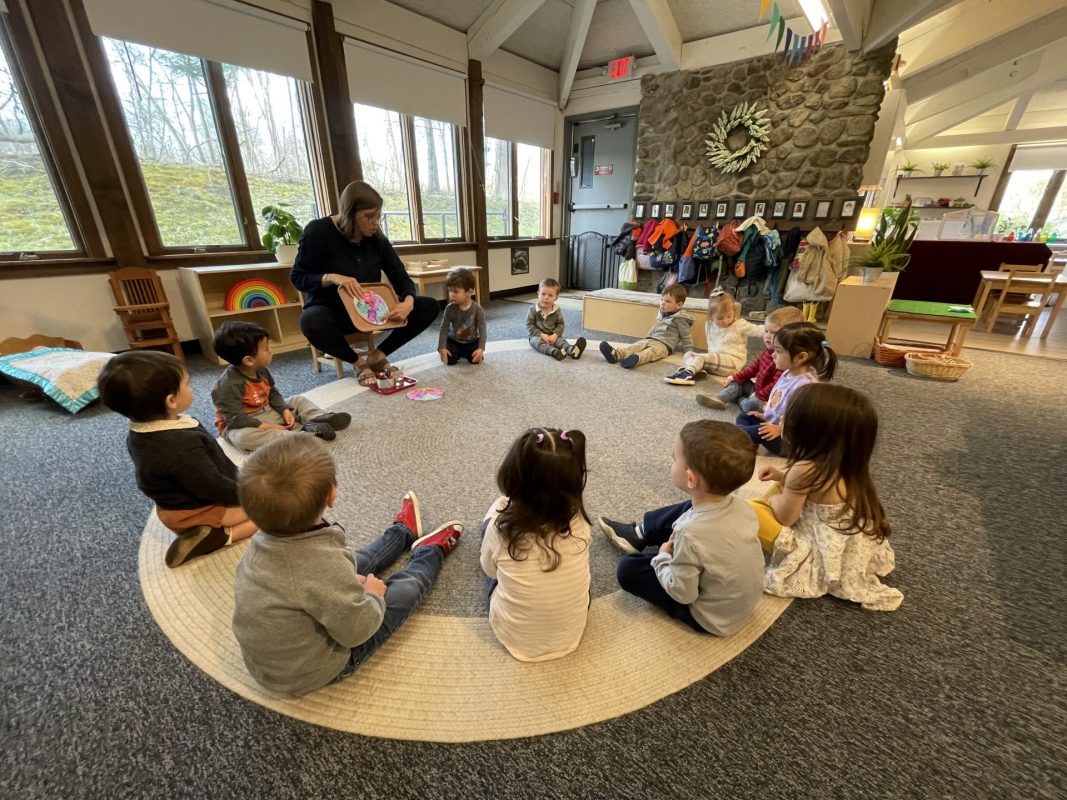
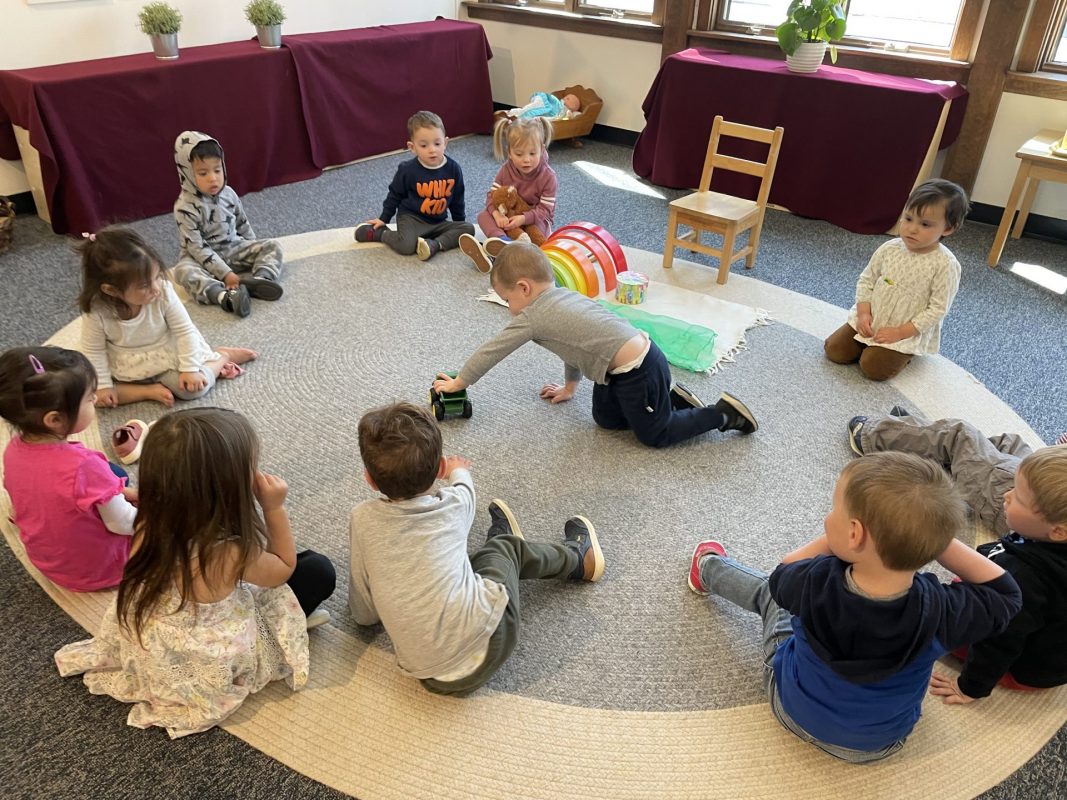
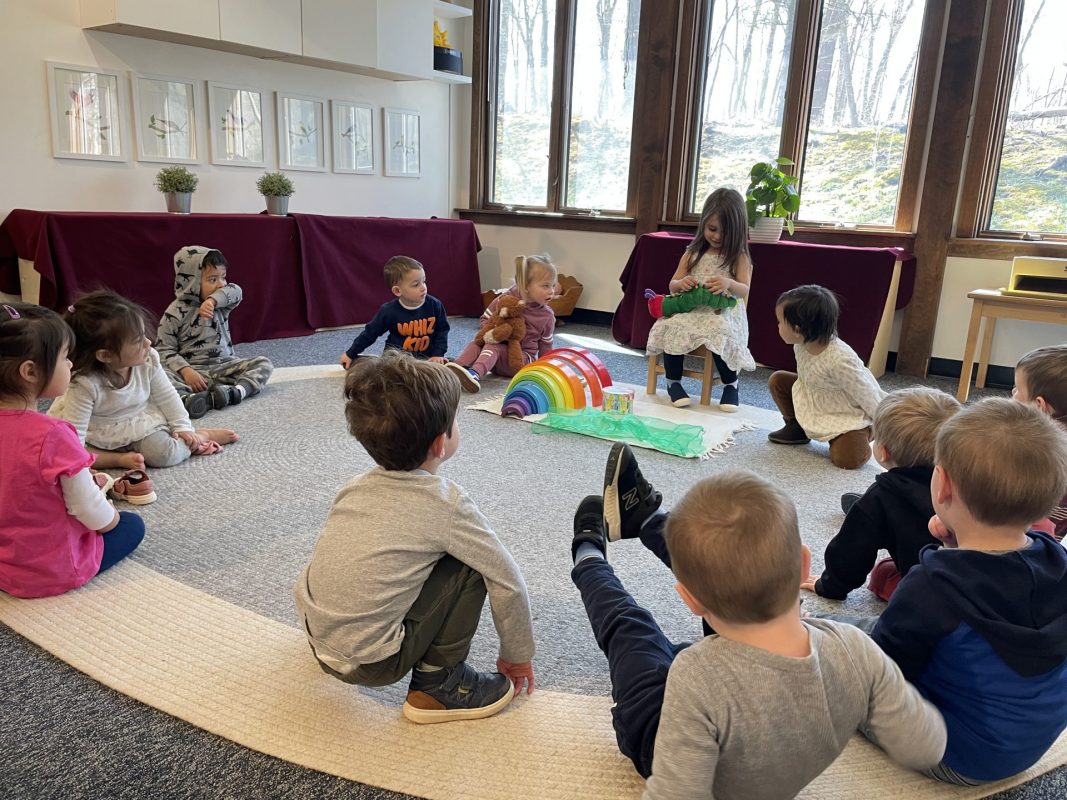
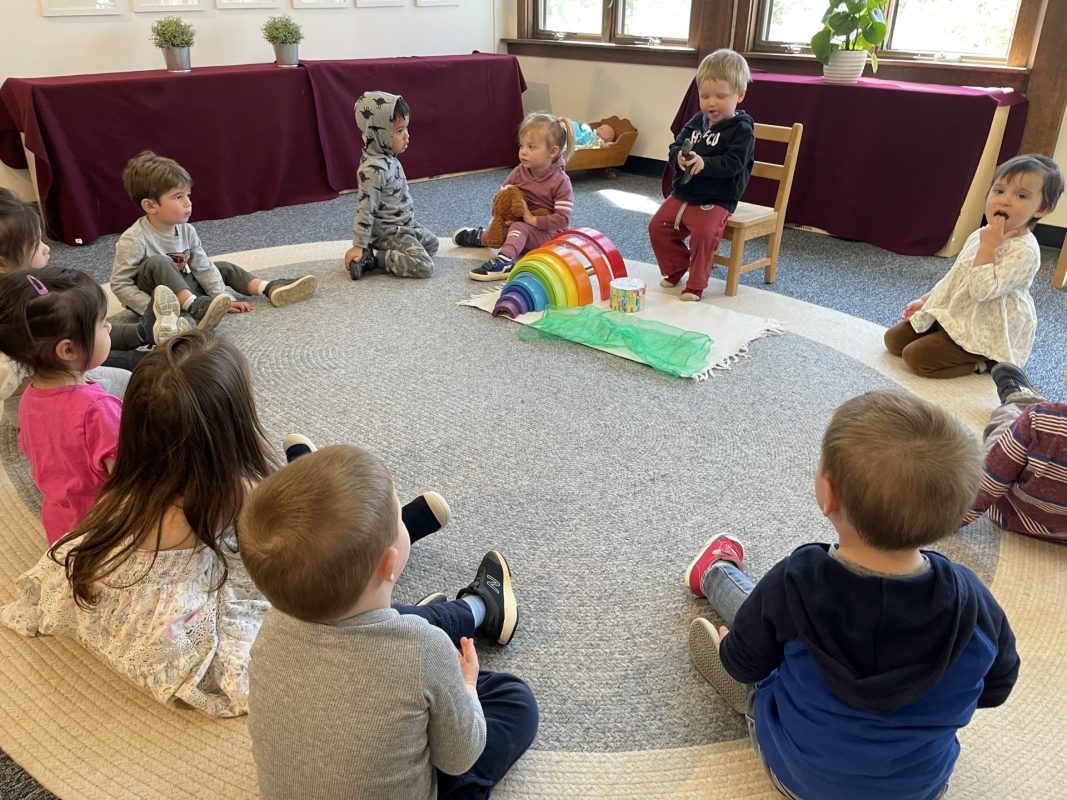
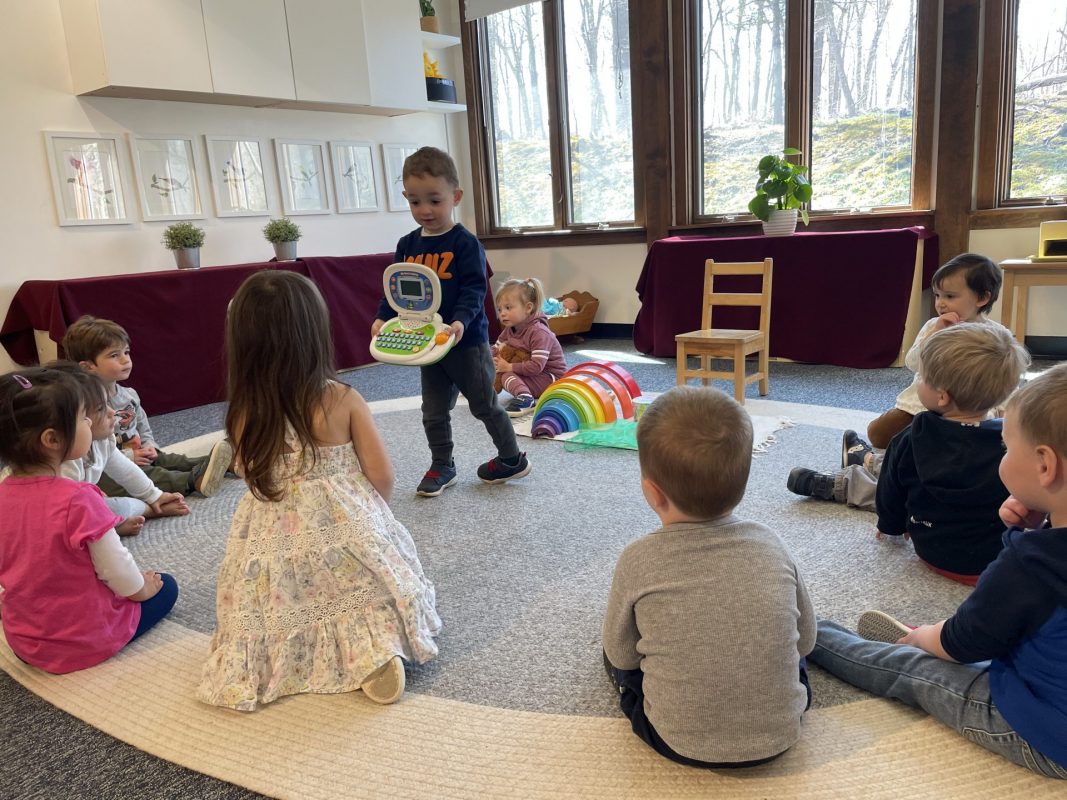
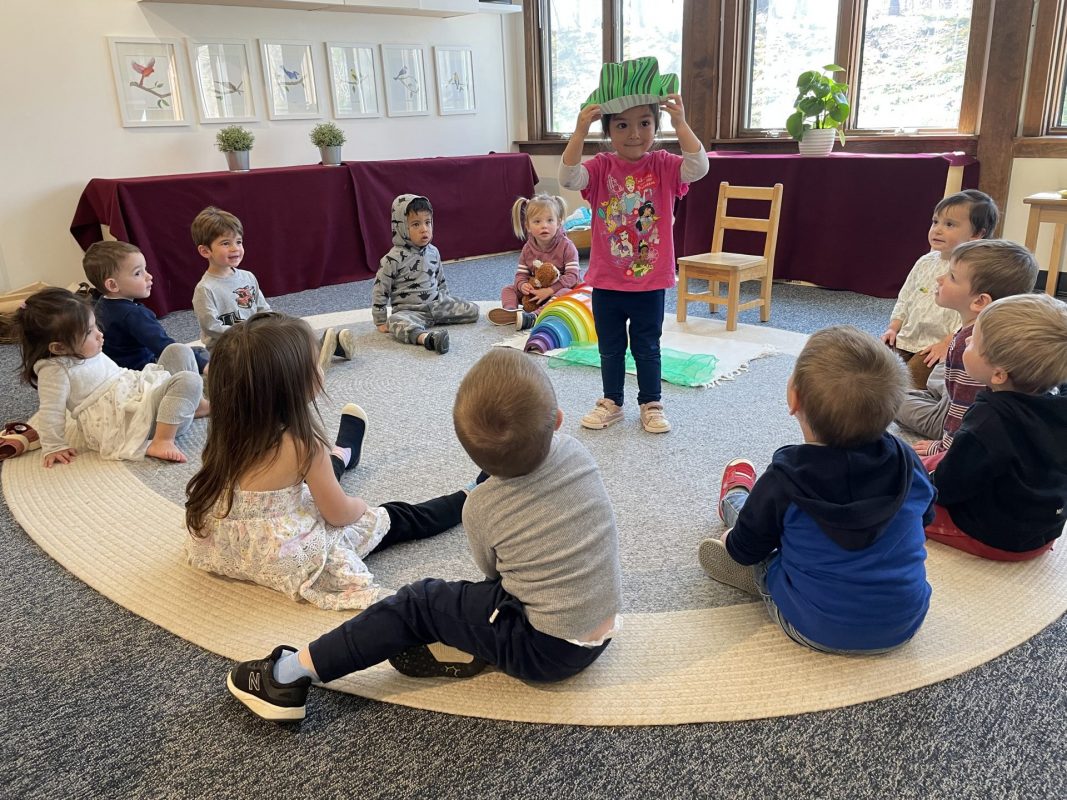
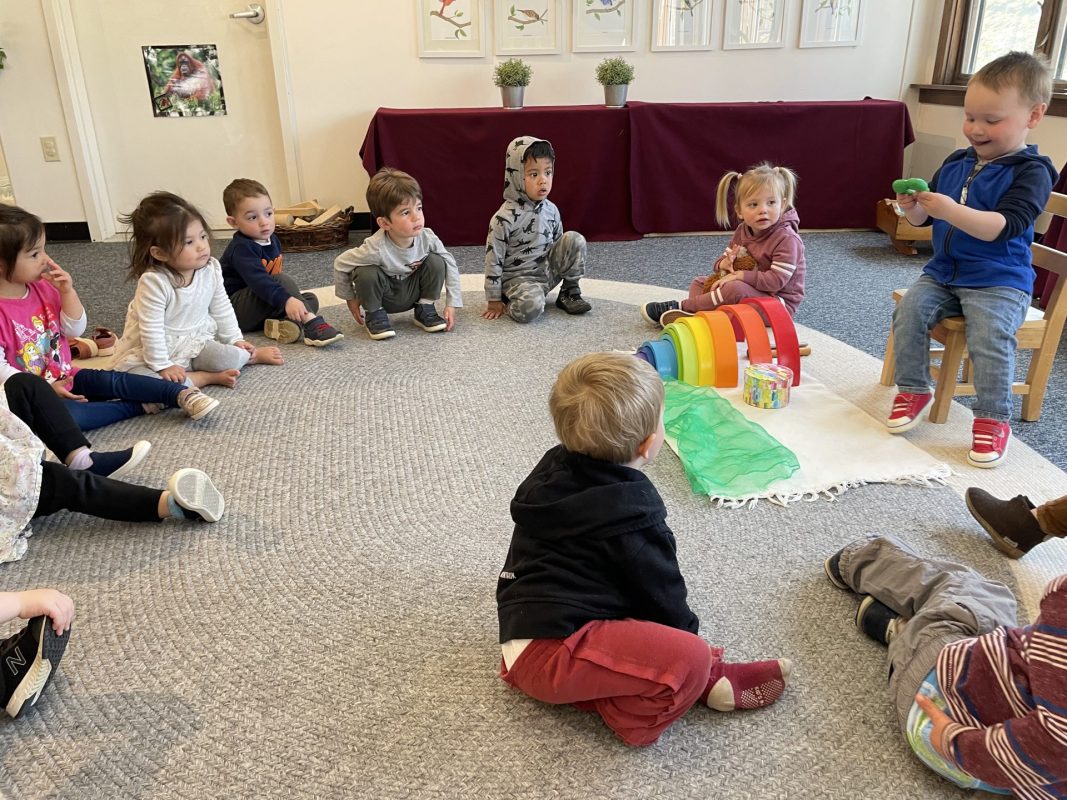
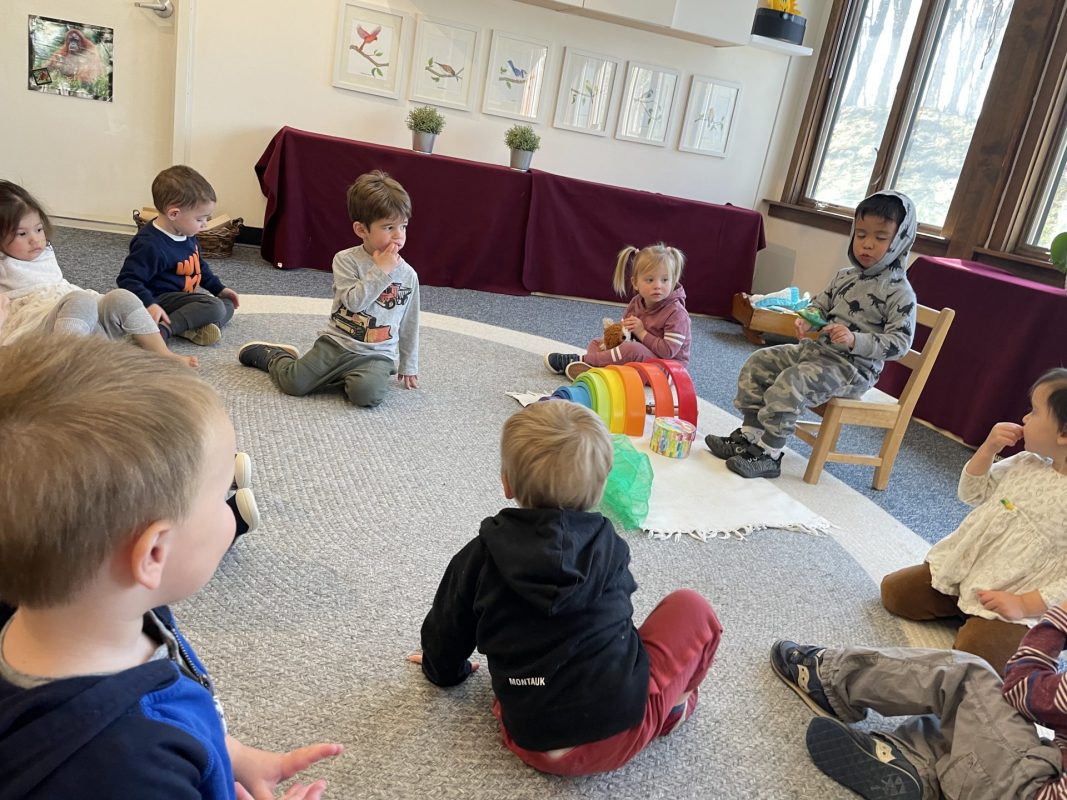
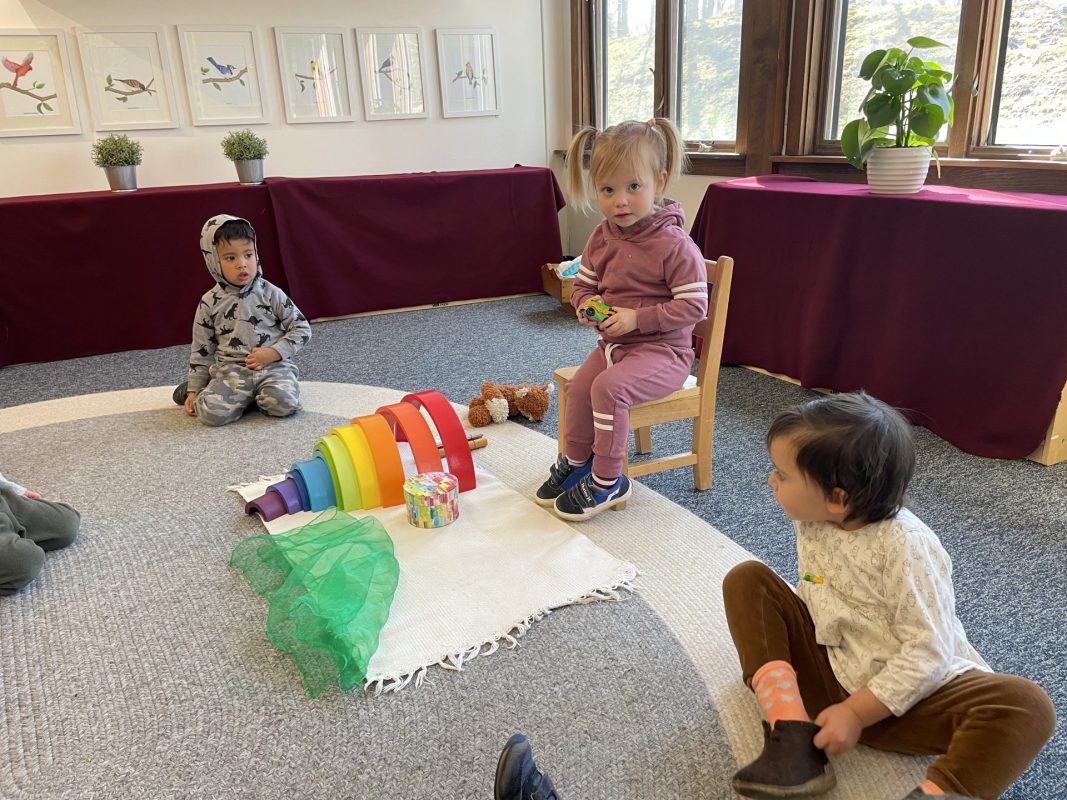
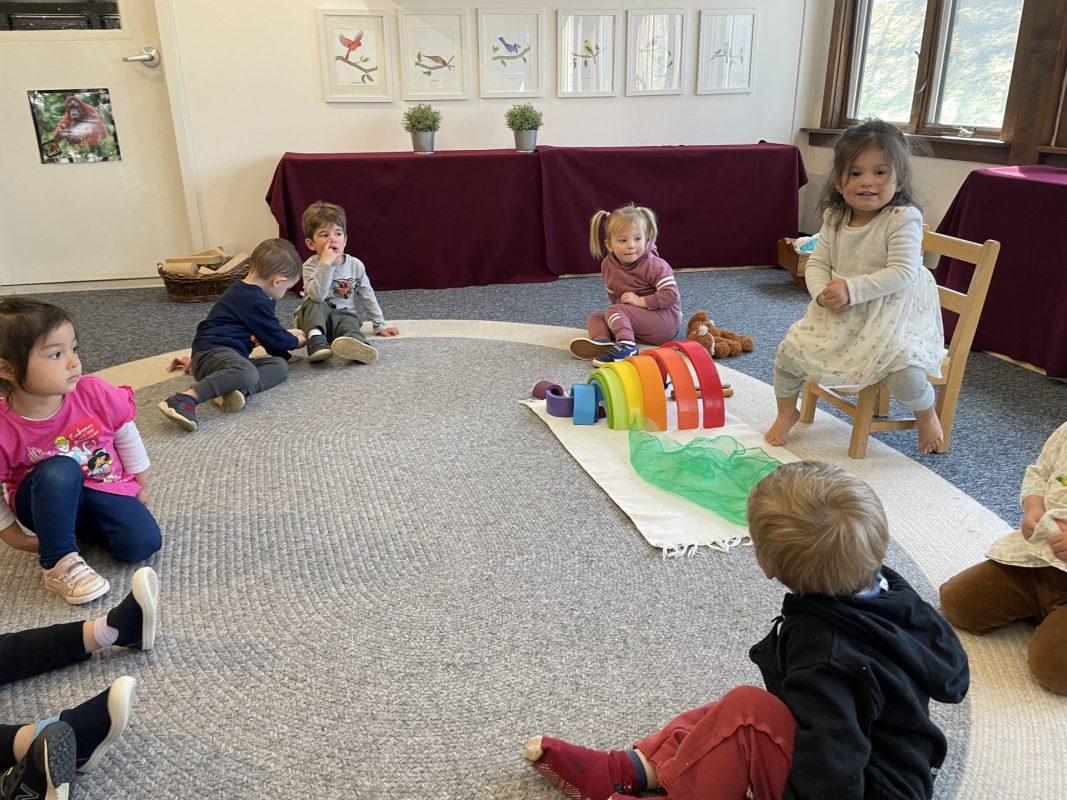
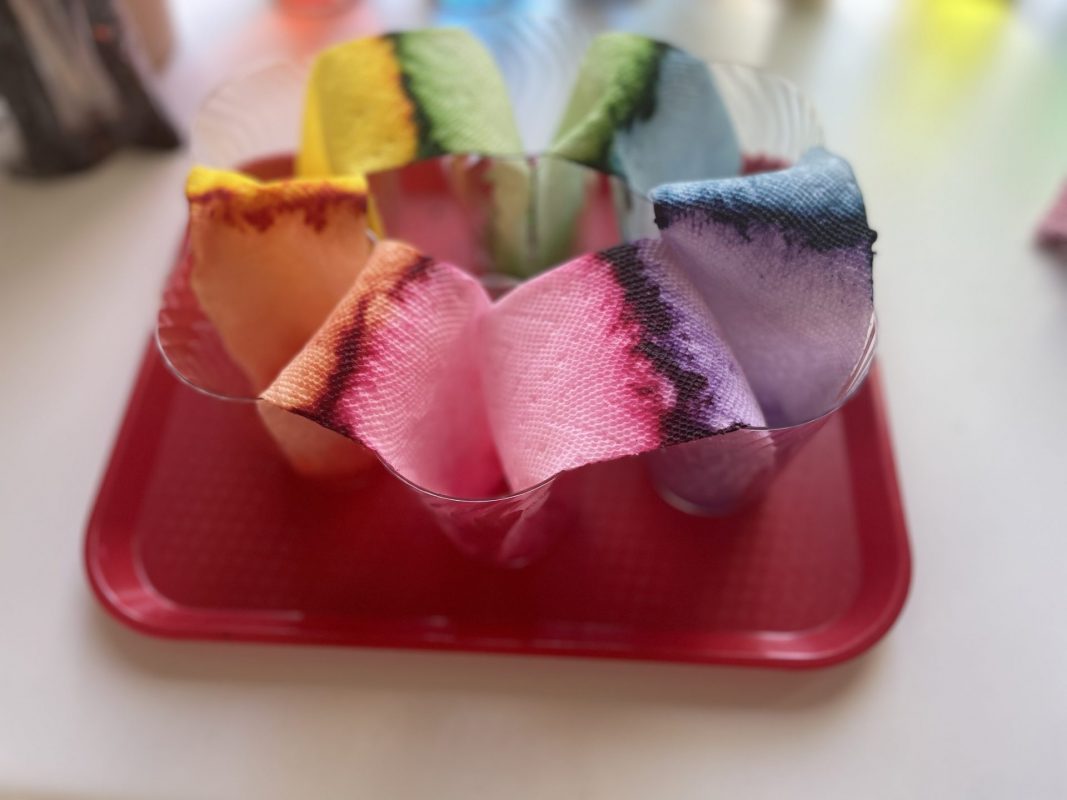
This week we started exploring colors and discovering how mixing colors together creates new ones! We did the walking water experiment and we watched and observed the different changes in it during the week.  Children got to see the magic happening right in front of their eyes: We made a rainbow!

This reminded me of the importance of community! We for sure can shine by ourselves but the beauty and the brightness is stronger when we can rely on each other. A very strong sense of purpose and belonging is critical for all of us as humans.

In our toddler environment, it is evident how children already feel like a family. It’s common to hear parents to tell us each morning how excited their child is to come to school and we couldn’t be happier to know this! Your children are more than students to us! We belong together and we like it so much!

In the next couple of days and weeks there will be a couple of events that serve to strengthen our FWM community, and the toddlers, of course, are so excited to be part of it. We hope you can join us too!

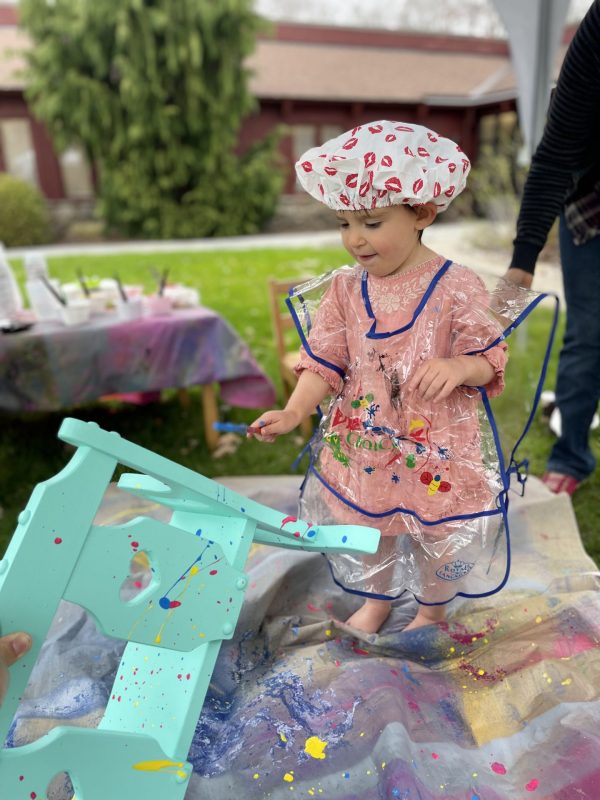
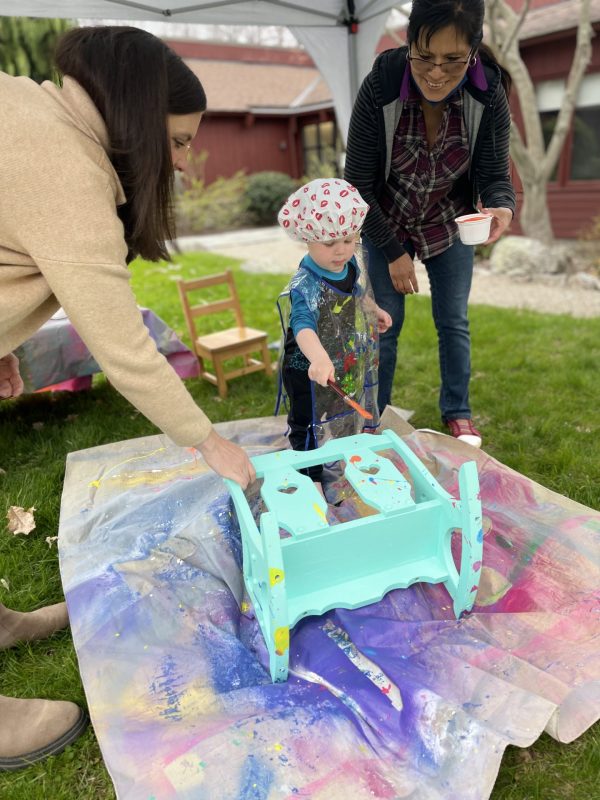
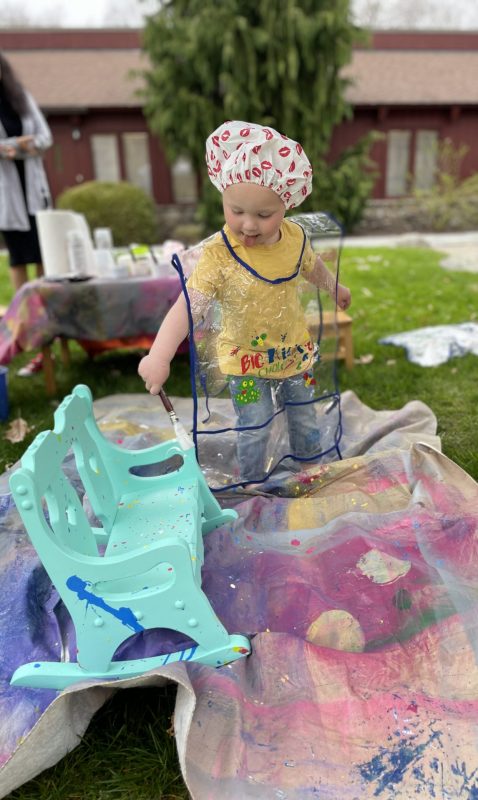
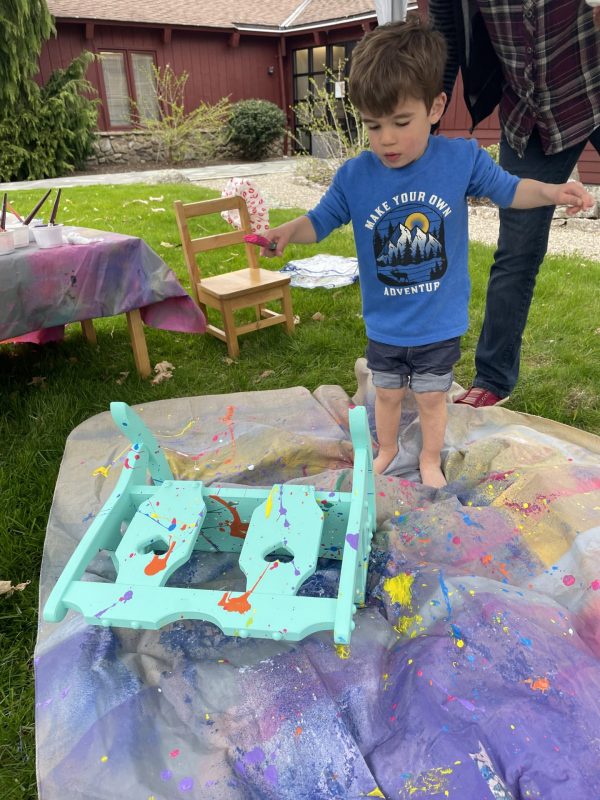
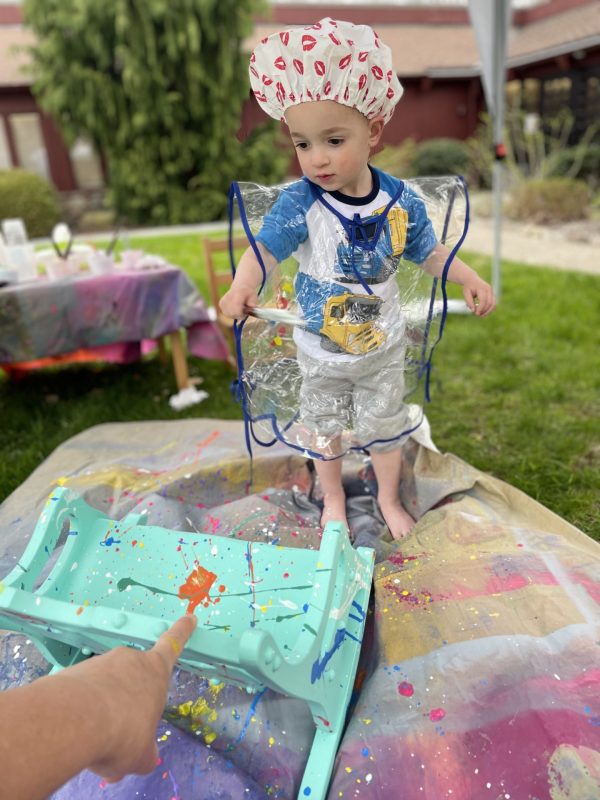
This coming Sunday, May 1st,  is our FWM Auction and the toddlers worked on creating an artistic piece to participate in it. A couple of months ago I found this little cute bench and I brought it into our environment and since that day, children LOVE  rocking and reading their books on it. So, we decided to donate it for the auction and children worked this week on painting it in a very fun way! We can’t wait for you to see it this Sunday! We hope one family can really enjoy this little bench that comes with a lot of love from our toddler class!

We want to thank Kate and Patricia, who volunteered their time to come and work with the children for this project! We appreciate you SO much!

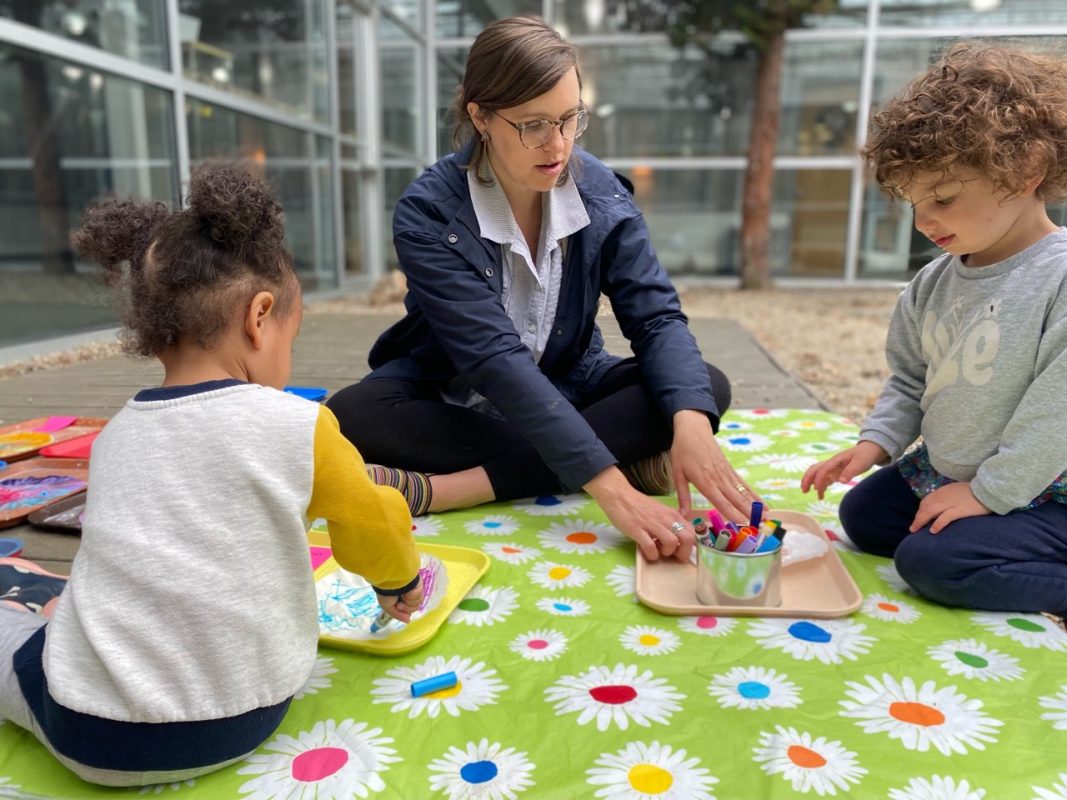
The children also worked this week with Mrs. Reid, our school art teacher for our upcoming School Art show. From May 9th through May 20th, Parents can come inside the building and view the art work from every child in the school, between the hours of 9am-2:30pm.

There are more events on the horizon for all of us to get connected, but for now we are going to leave you here with these two. We hope you also can participate and help us create a beautiful “rainbow”.

Enjoy the weekend,

Mrs. Hood and Ms. Maria

P.S. Your children love kumquats and we love to see their faces testing them! Yum! 🙂


Mrs Semmah: The Life Cycle of a Butterfly

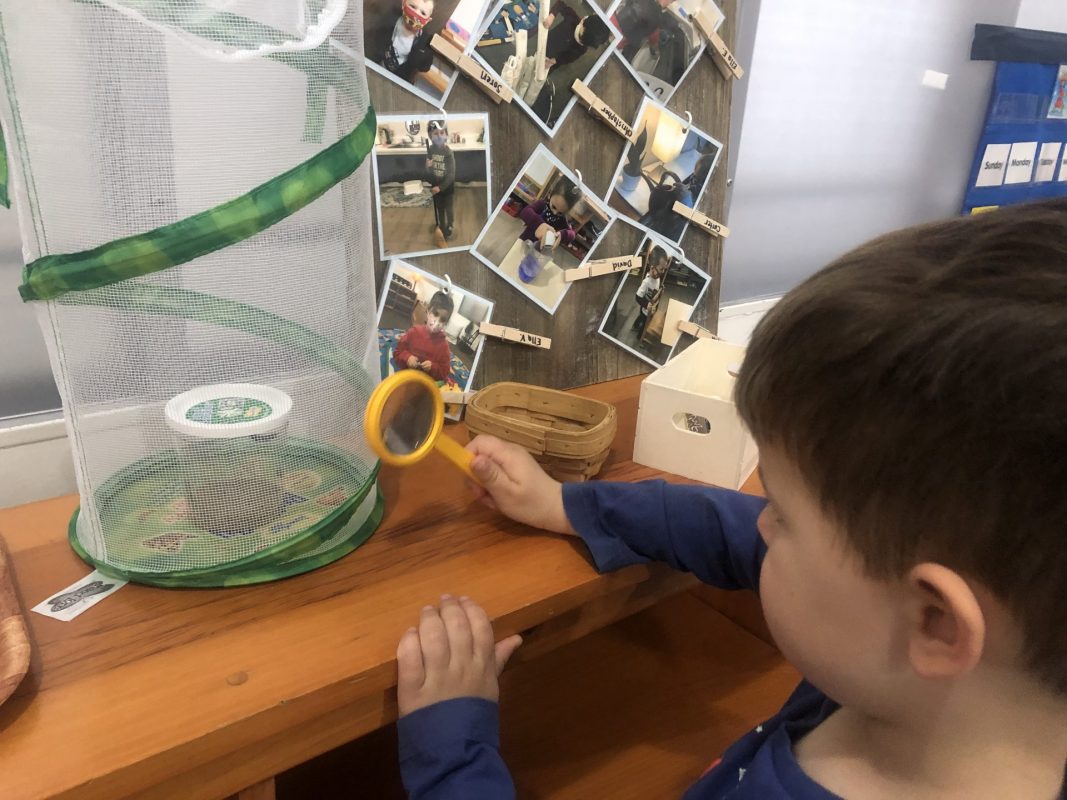
Like most primary classrooms in the springtime, we continue to learn about the life cycles of plants and creatures found in nature. In our classroom, we set up an “observation station” with a magnifier and four caterpillars for children to see the life cycle of a butterfly take place. Every day they visit the observation area and some of them write and draw what they have observed. Children are very fascinated by the rate of change and growth of the caterpillars. Everyone is eagerly awaiting the chrysalises, the final phases of the caterpillars’ development before they emerge as butterflies.

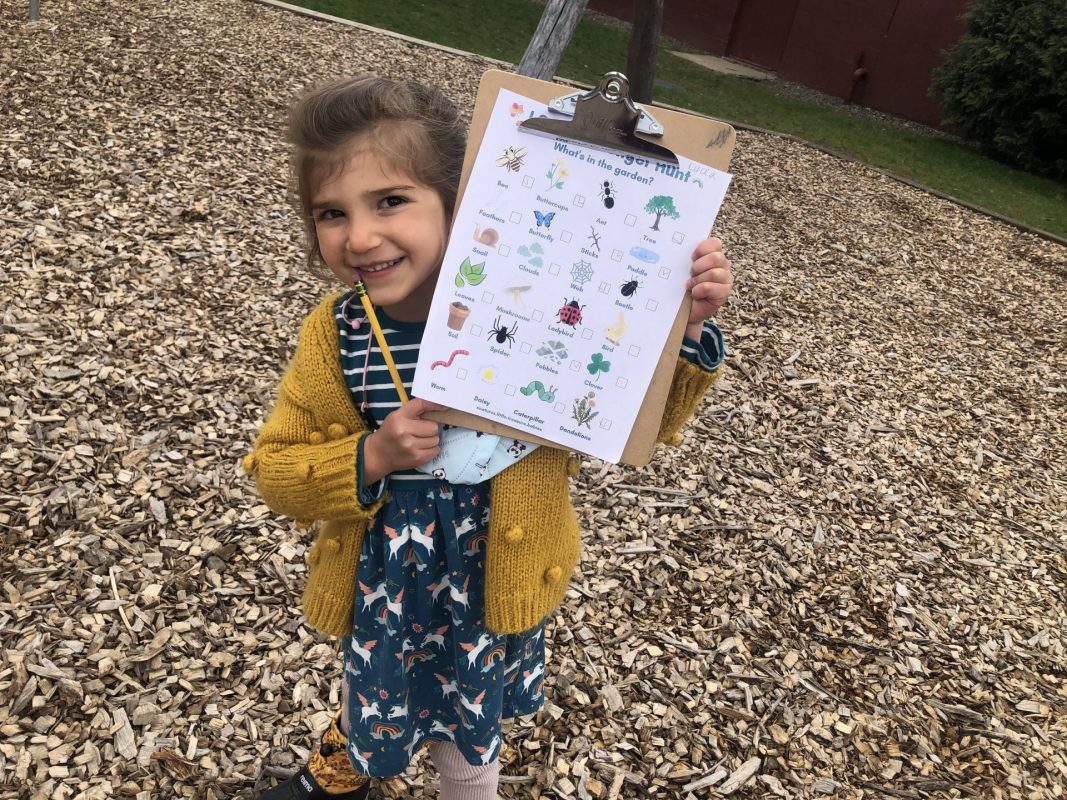
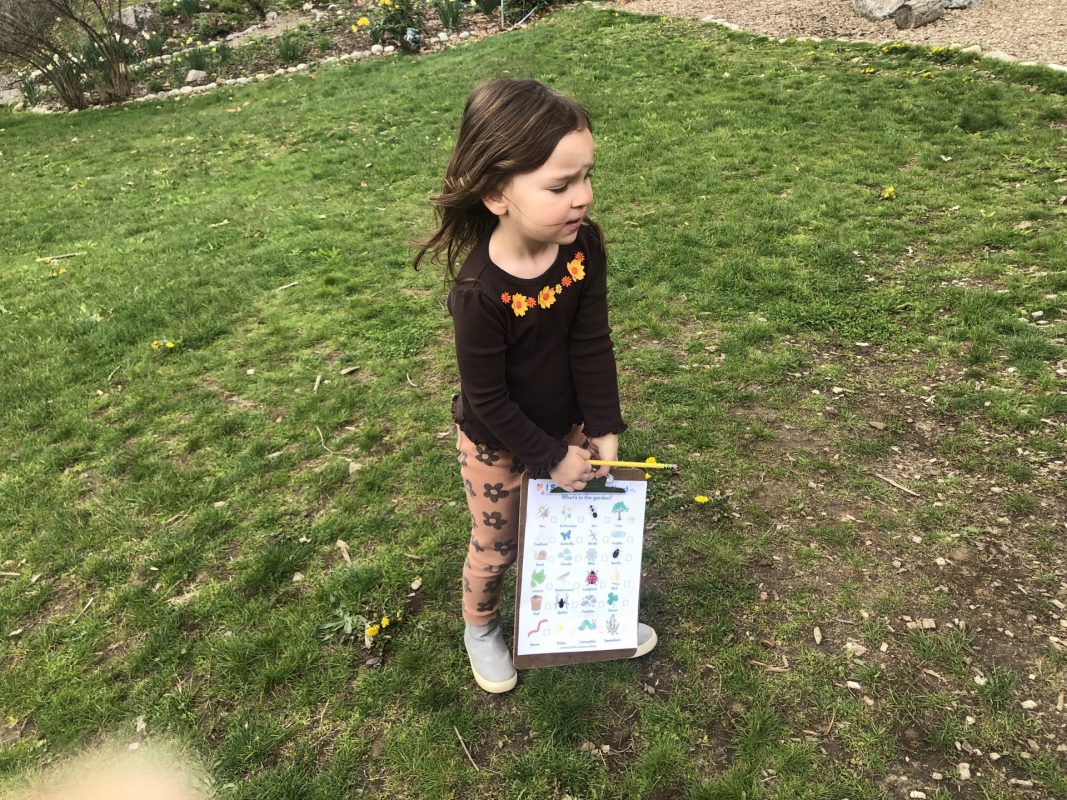
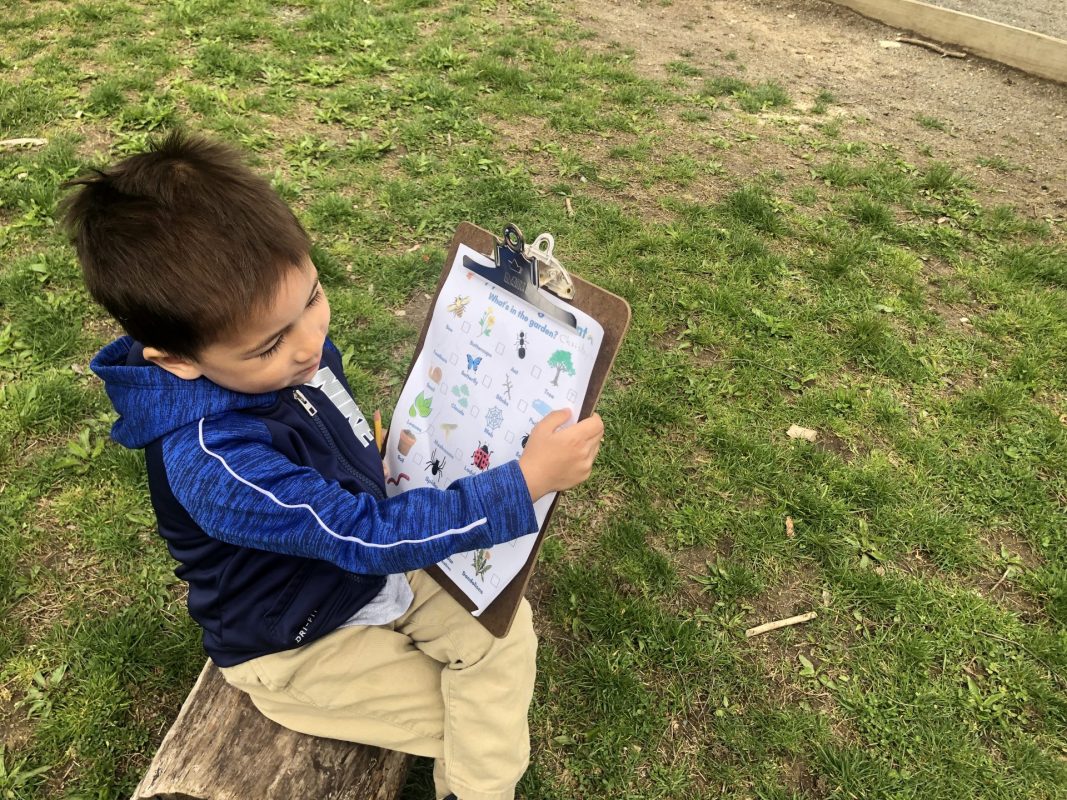
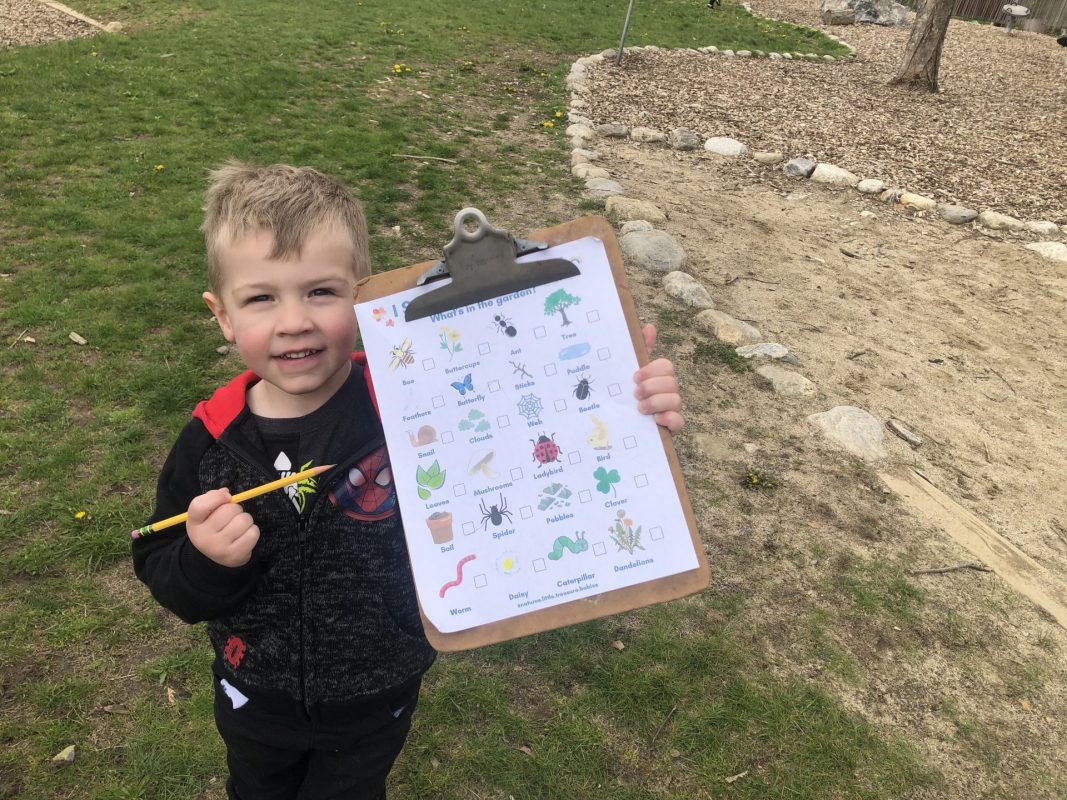
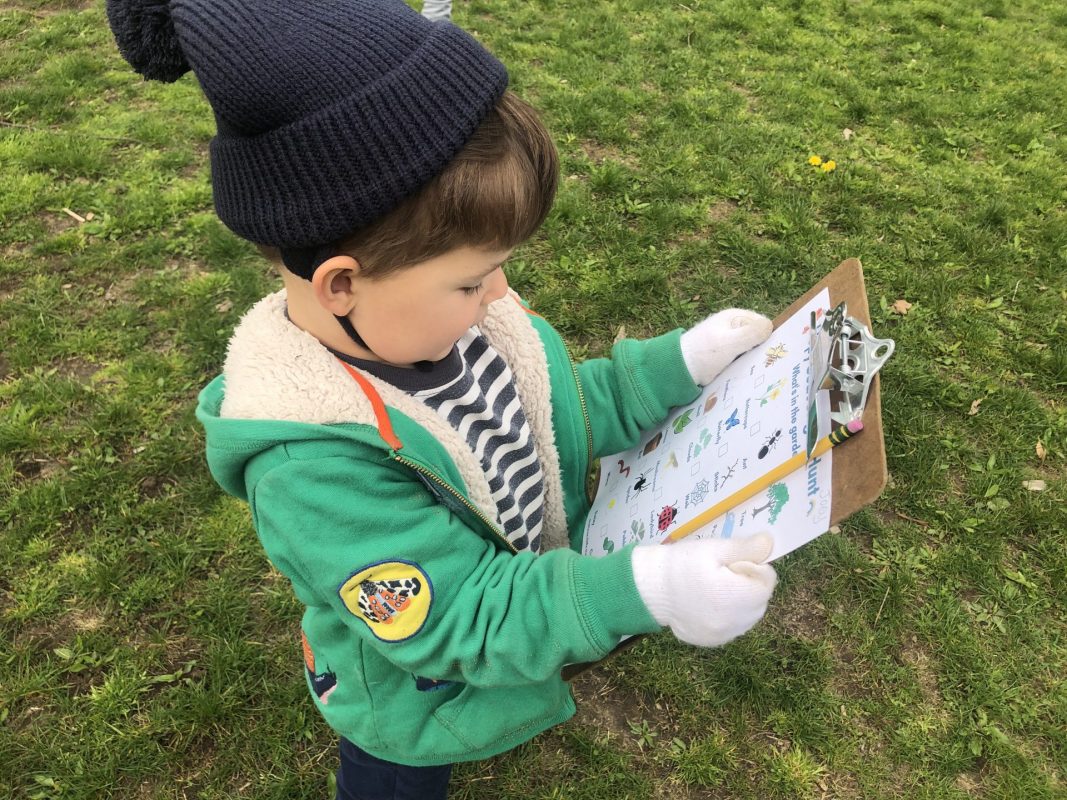
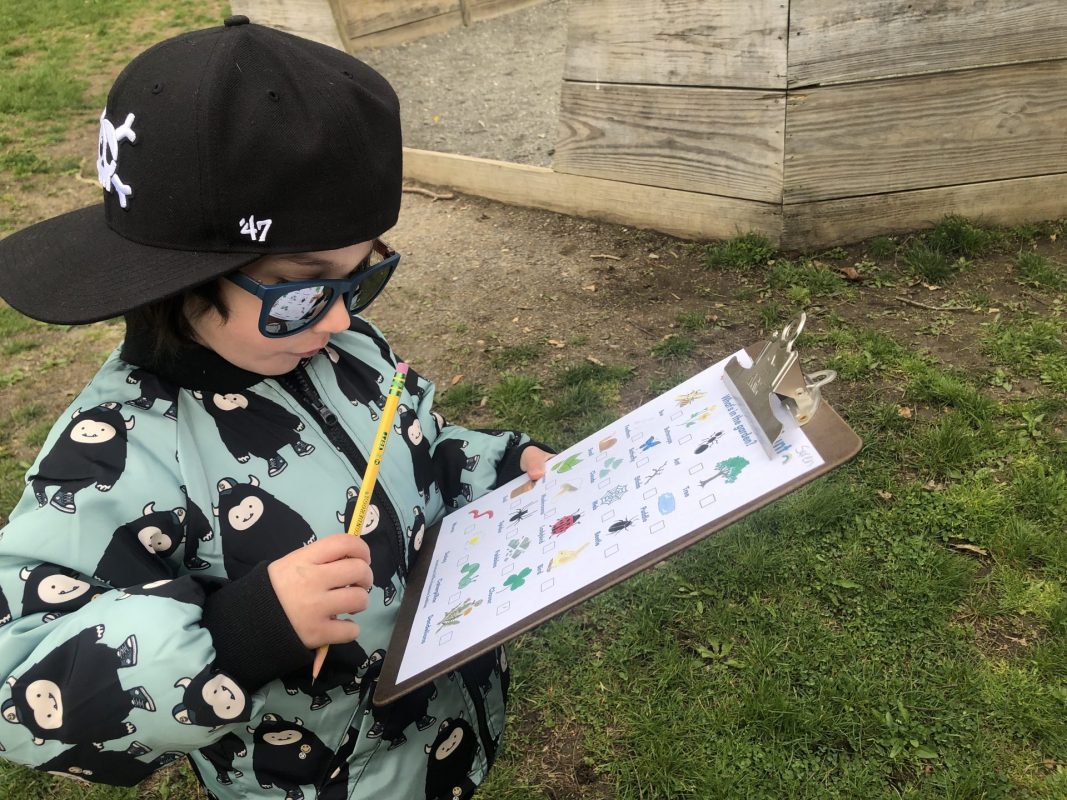
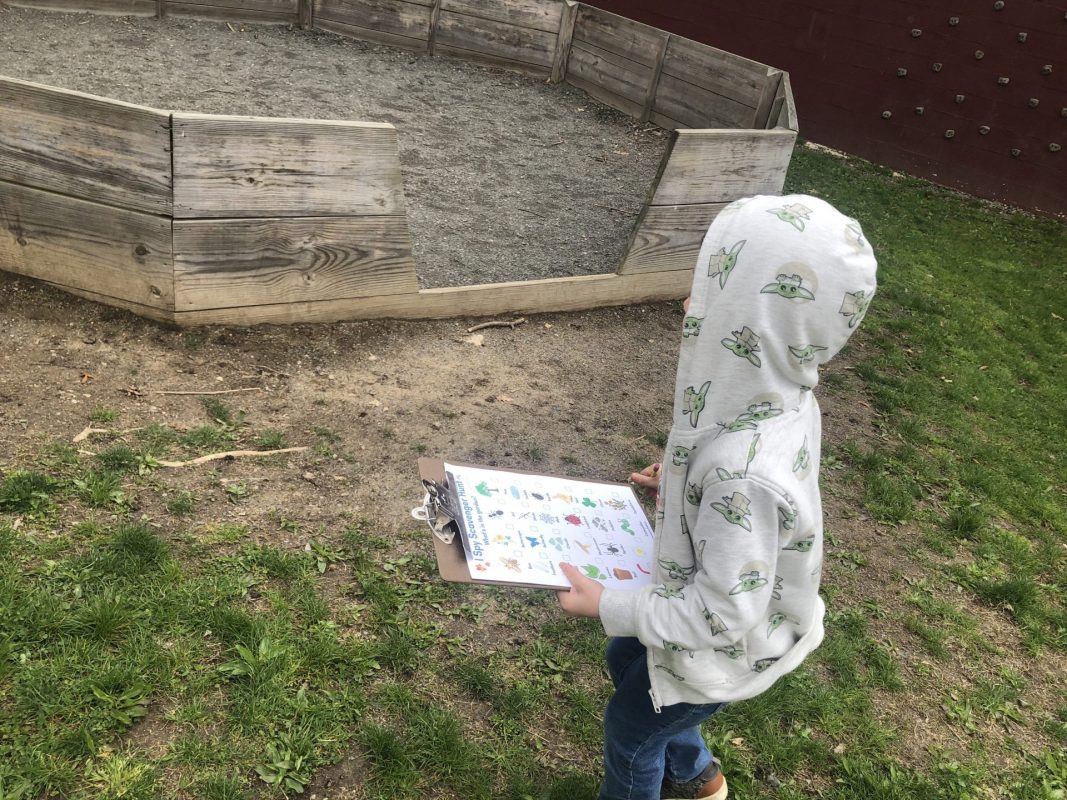
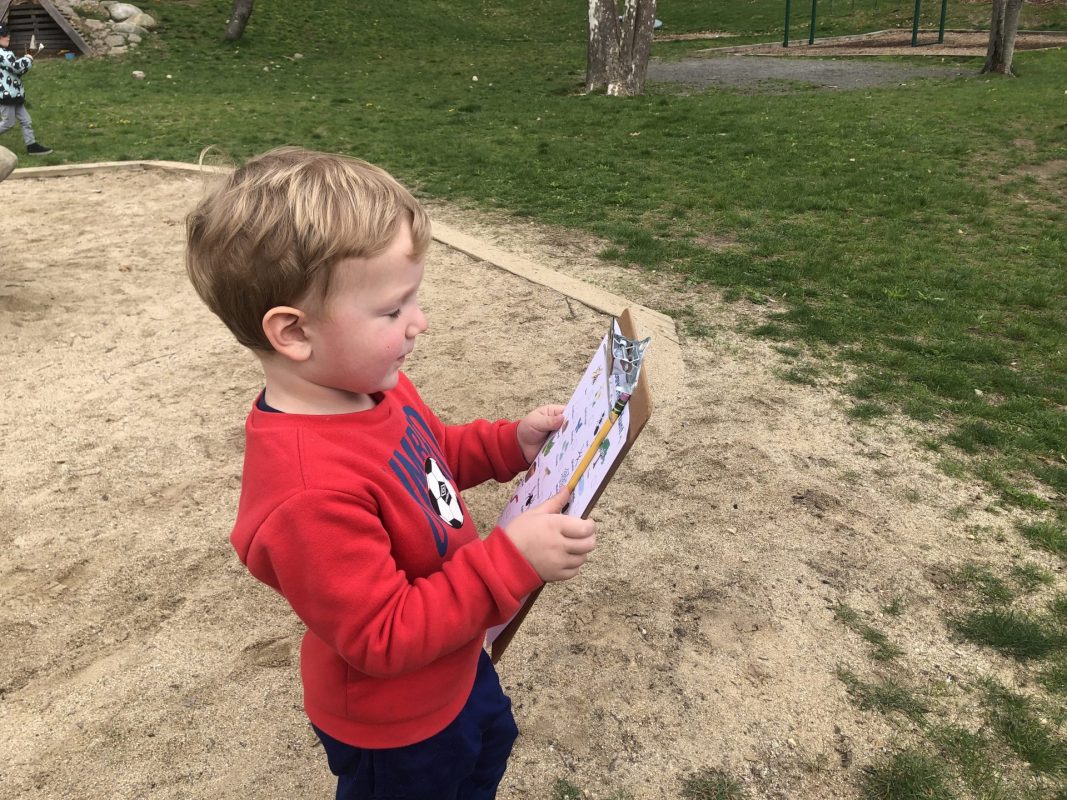
We also went for a nature scavenger hunt on our playground. Children had so much fun carrying their clipboards with a checklist and hunting for natural objects including soil, leaves, and bugs!

Wishing you a wonderful weekend.

Kaoutar and Sara


Celebrating Earth Day

Irene Baker, MEd, Montessori Educational Consultant at Montessori Services wrote a wonderful article for Montessori Services that talks about how we can celebrate Earth Day every day.  

Here are some highlights from the article Celebrating Earth Day 

Earth Day (April 22) is an annual reminder to go outdoors with our children and celebrate the beauty and bounty of the Earth.

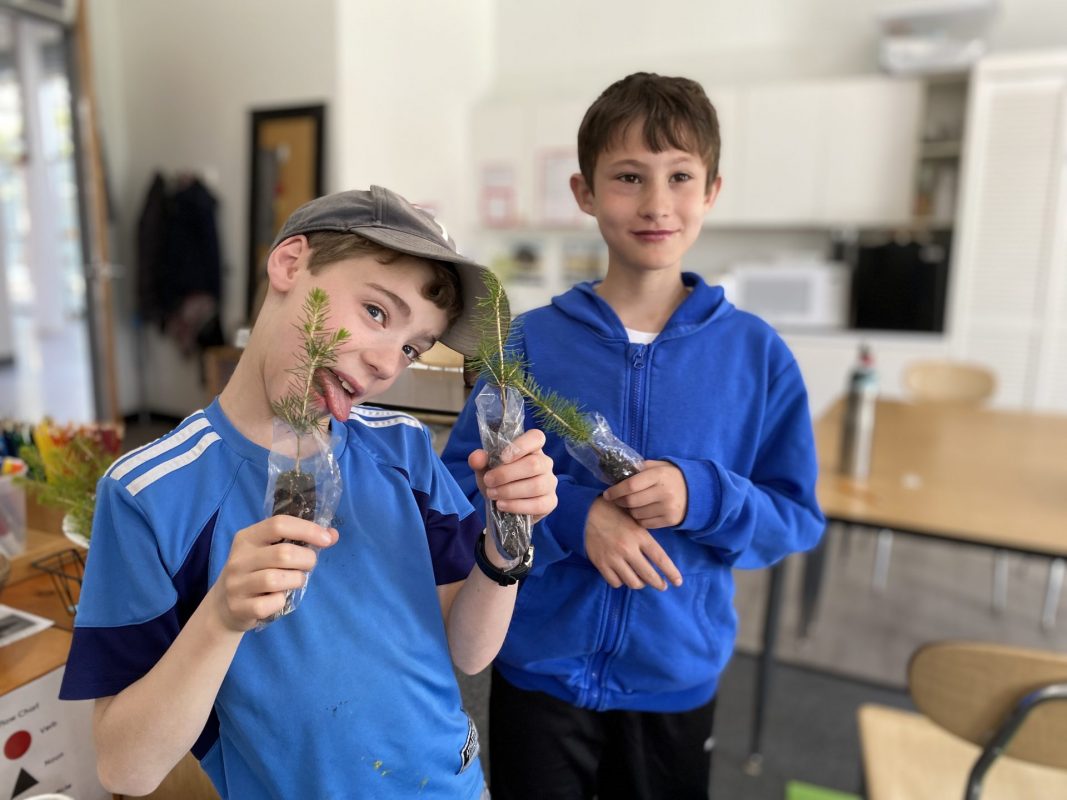
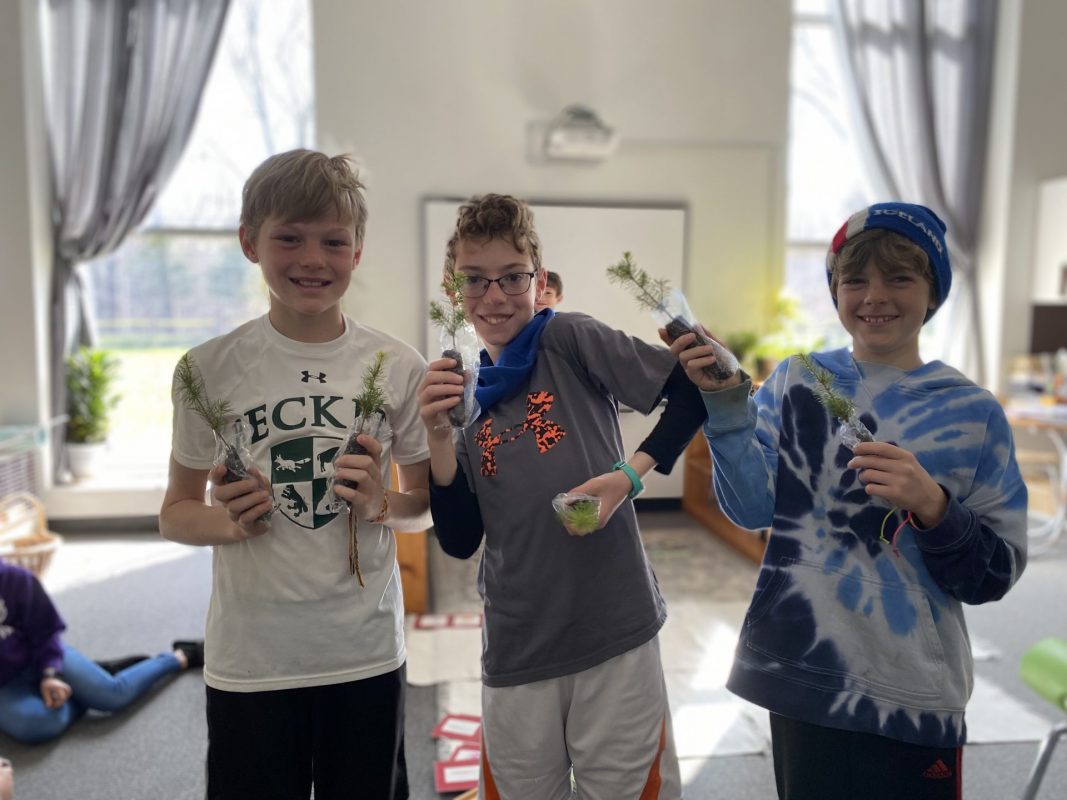
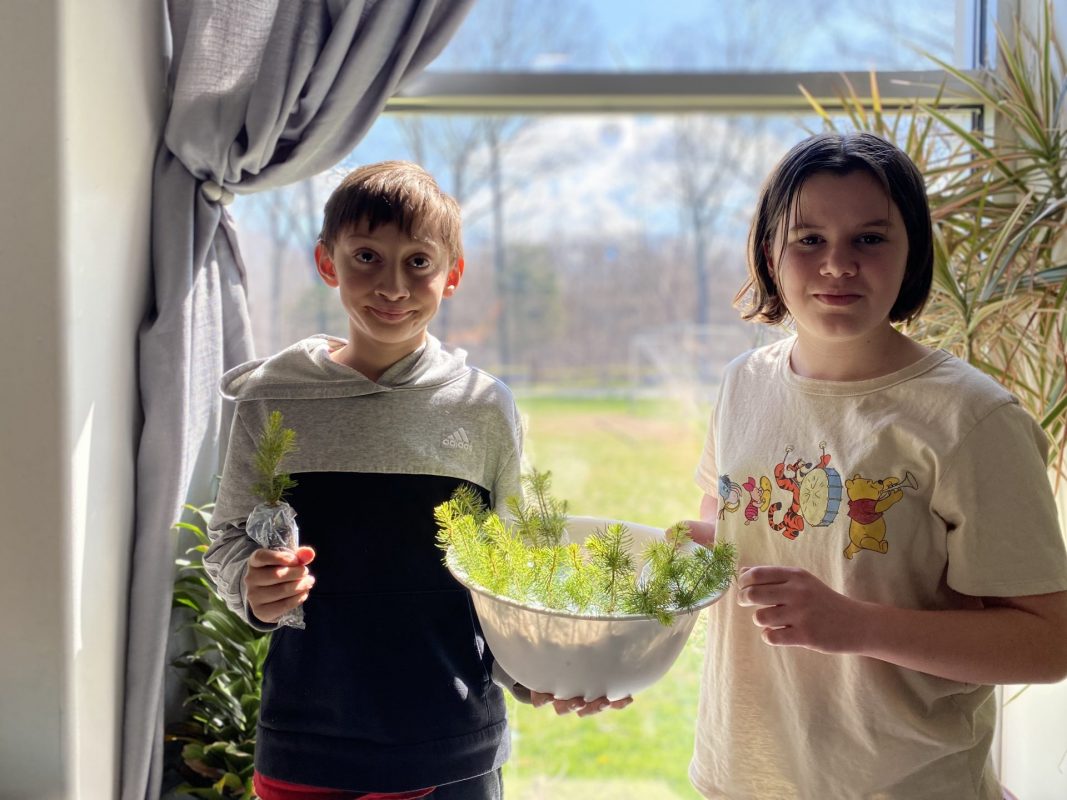
At each level at FWM our students learned about, celebrated, and honored Earth Day!

The first Earth Day was held in the US in 1970 when concern about the environment and interest in ecology was on the rise.

Ways to Celebrate Earth Day Every Day

There are so many fun and interesting activities to do with your children to appreciate nature and to help protect Earth and its resources. Your family can:

  • Plant a container herb garden.
  • Consider saving food scraps for composting.
  • Sprout seeds for eating.
  • Visit a local farmers’ market. (Eating seasonal, local foods means fewer miles traveled, and less energy used to preserve and deliver food.)
  • Go for nature walks and pick up trash.
  • Save a tree by using dishtowels and cloth napkins instead of paper products.
  • Cook a one-pot meal together: stews, soups and casseroles use less energy.
  • Experiment with using vinegar, lemon juice, and baking soda as natural cleaning products.
  • Create art projects together from natural and recycled materials (such as a pine cone bird feeder).

Older children might enjoy:

  • Making a worm box.
  • Keeping a conservation diary for a week, noting when someone in the family:
    • turns off lights,
    • walks instead of driving the car,
    • takes a shorter shower,
    • turns off the TV and plays outside.

Maria Montessori understood the importance of nurturing children’s connections with the beauty and wonder of the natural world. She wrote, “There is no description, no image in any book that is capable of replacing the sight of real trees, and all of the life to be found around them in a real forest.” ~ Maria Montessori, From Childhood to Adolescence


Upper El: Happy Earth Day!

“We stand now where two roads diverge. But unlike the roads in Robert Frost’s familiar poem, they are not equally fair. The road we have long been traveling is deceptively easy, a smooth superhighway on which we progress with great speed, but at its end lies disaster. The other fork of the road – the one less traveled by – offers our last, our only chance to reach a destination that assures the preservation of the earth.” -Rachel Carson, Silent Spring

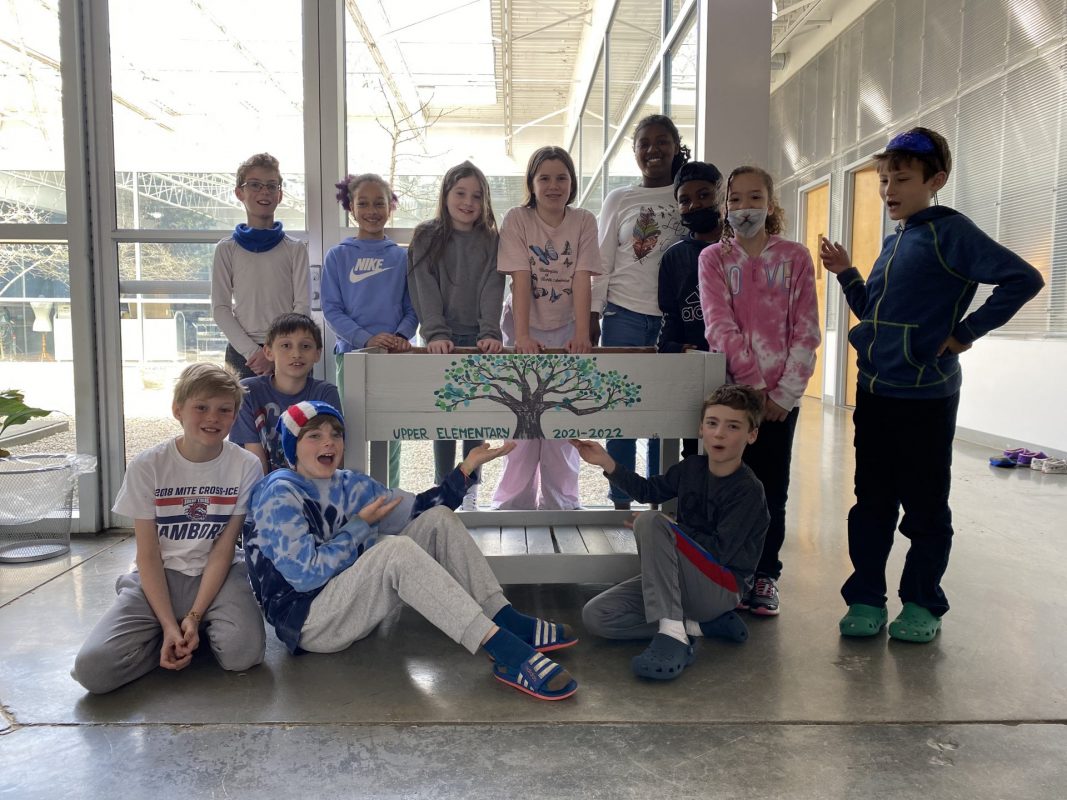
We had a great week of lessons and fun. We put the finishing touches on the garden box for the auction that we built and painted. With the help of Mrs. Reid we added a tree, using fingerprints for the leaves. I hope you can come to the auction on Sunday, May 1st and bid on this beautiful piece for your garden!

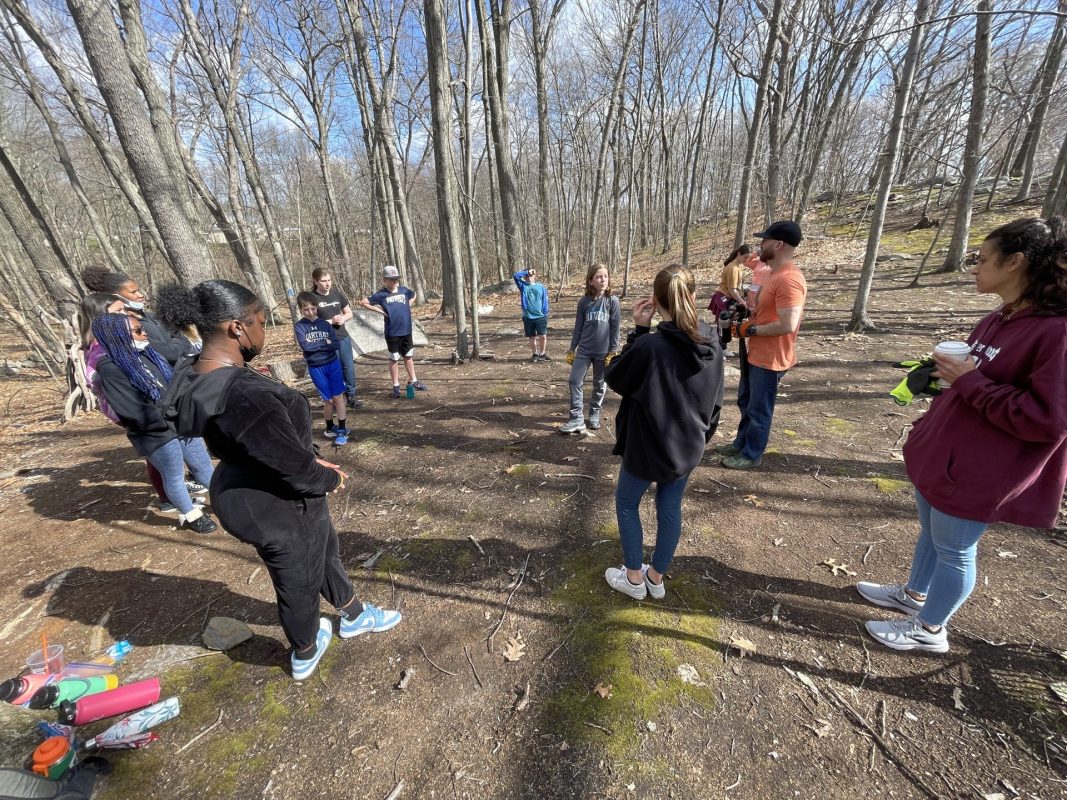
In recognition of Earth Day, we spent the afternoon cleaning up all of our outdoor spaces, picking up trash and beautifying our environment. This activity was greeted with excitement and enthusiasm, as is usually the case with this amazing group of humans.

In our Vital Functions of Animals lessons this week, we studied circulation. We learned that animals can have incomplete or complete circulatory systems and that complete circulatory systems can be either open or closed. We are in the process of studying the circulatory systems of the fourteen animals on our evolutionary strip. In History we learned about our closest fossil relatives. We learned that, according to fossil records, we have a closer relative than chimpanzees, Ardipithecus ramidis, “Ardi.” These are extinct apes that lived about 4.5 million years ago. In Grammar, fourth graders learned about two types of adjectives, interrogative and proper. Fifth graders learned about personal pronouns and their antecedents.

Have a wonderful weekend!

Mrs. Doyle: We’ve Got the Whole World In Our Hands!
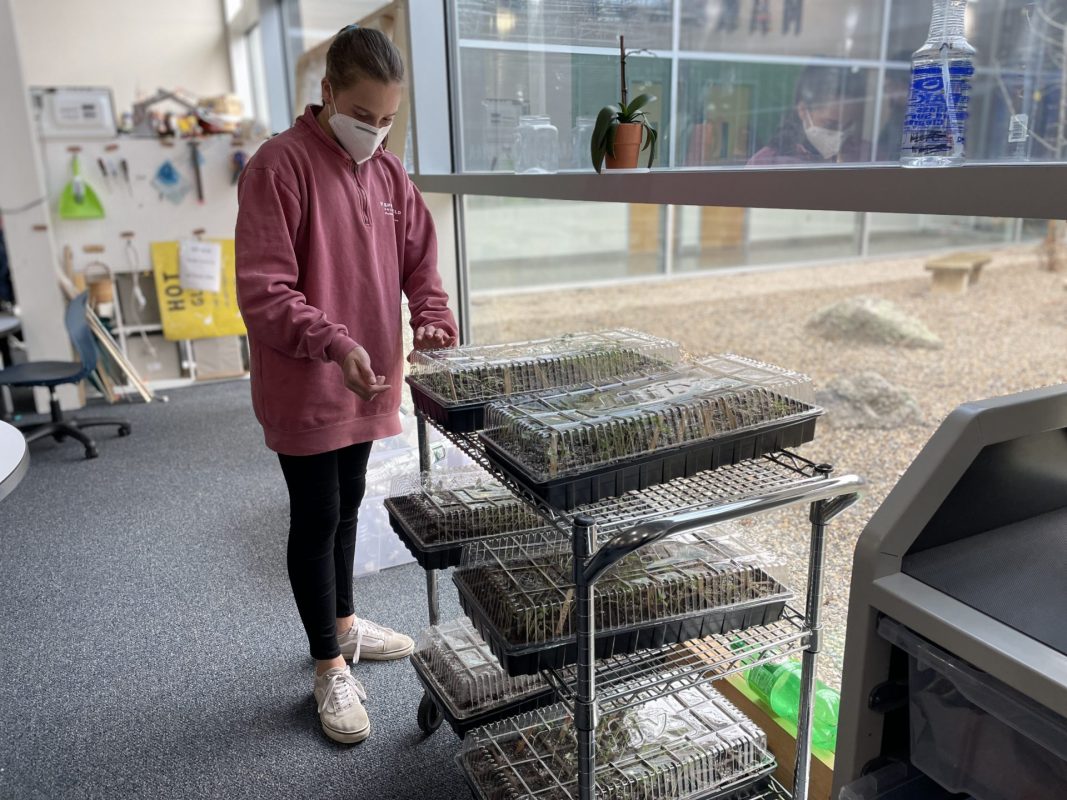
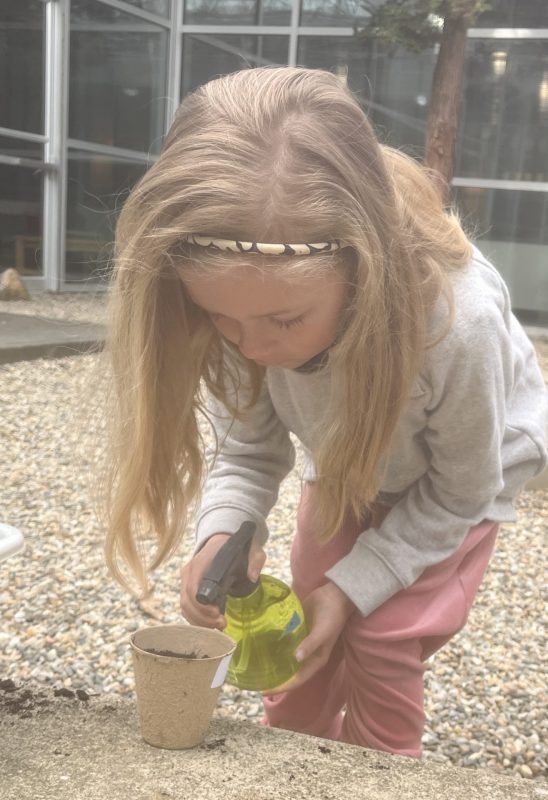
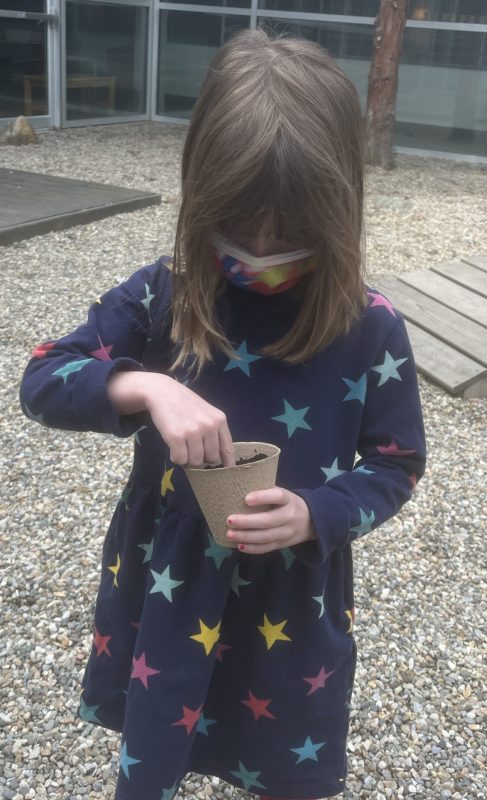
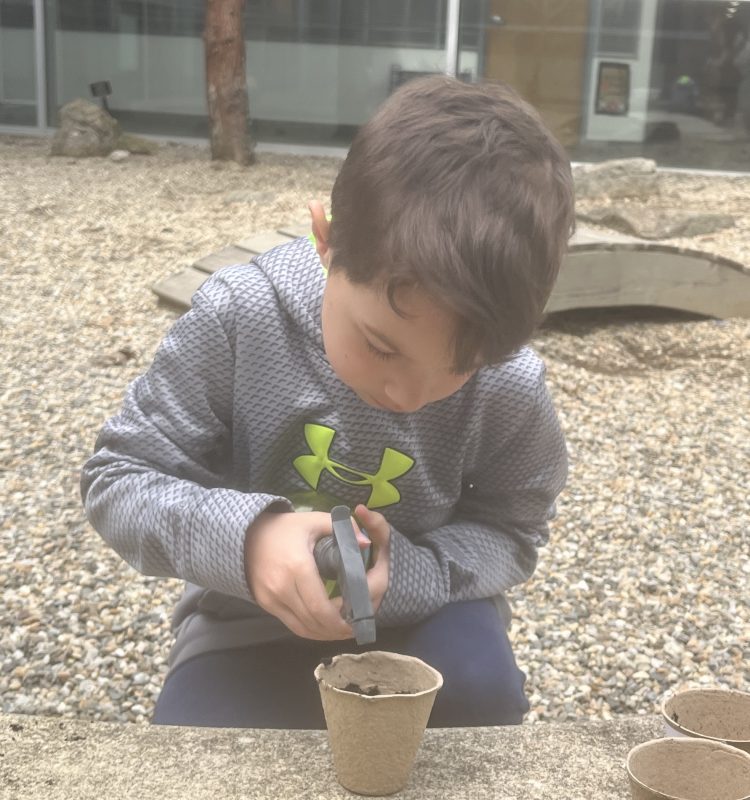
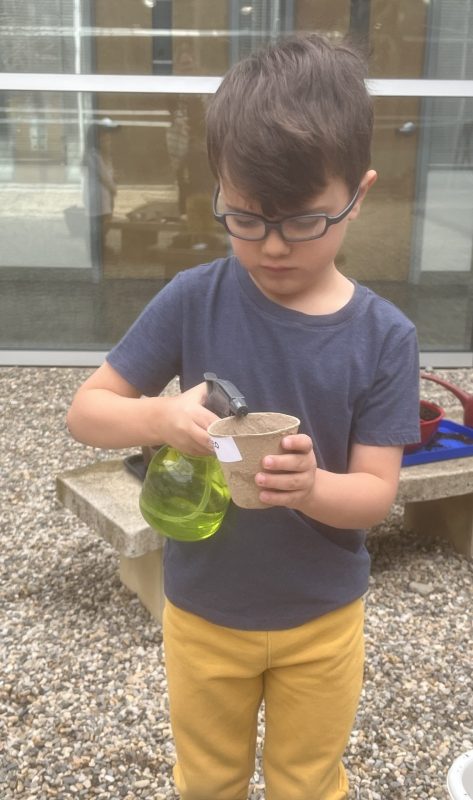
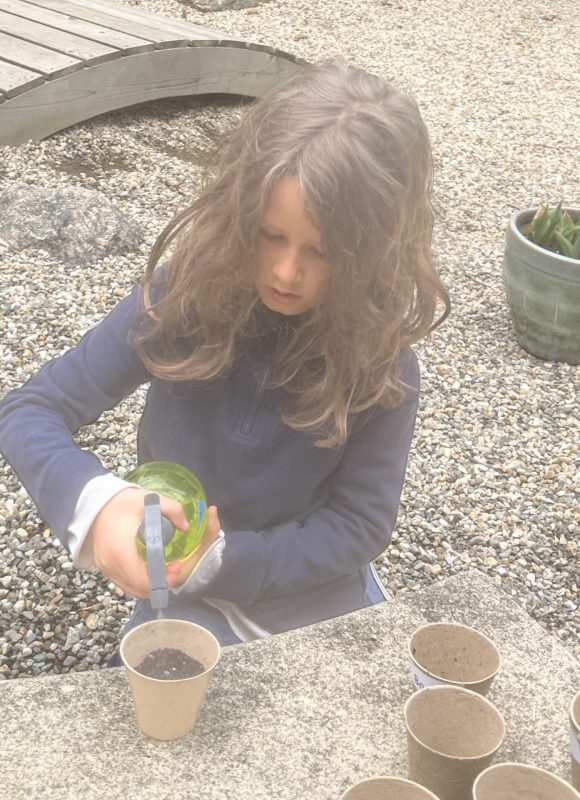
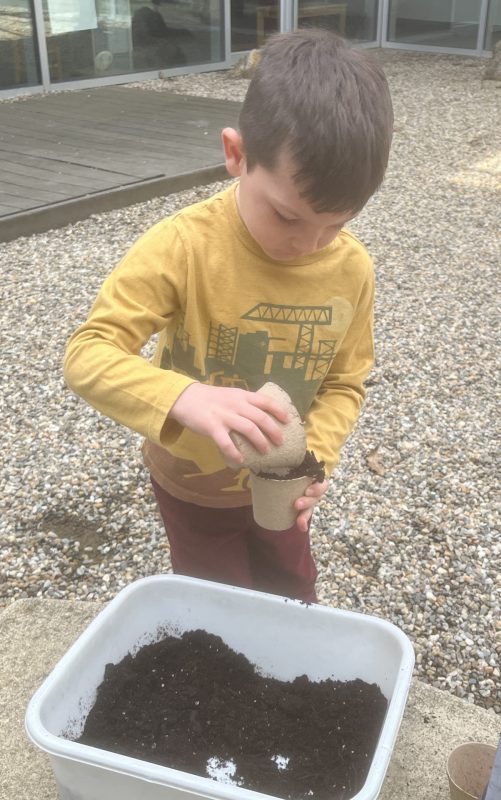
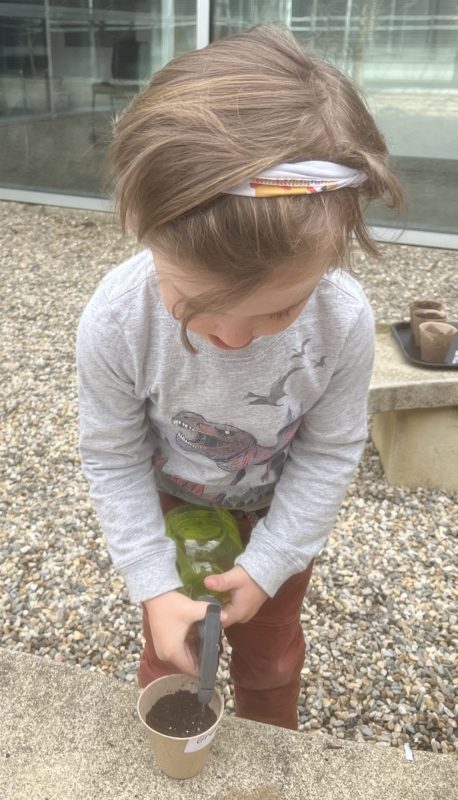
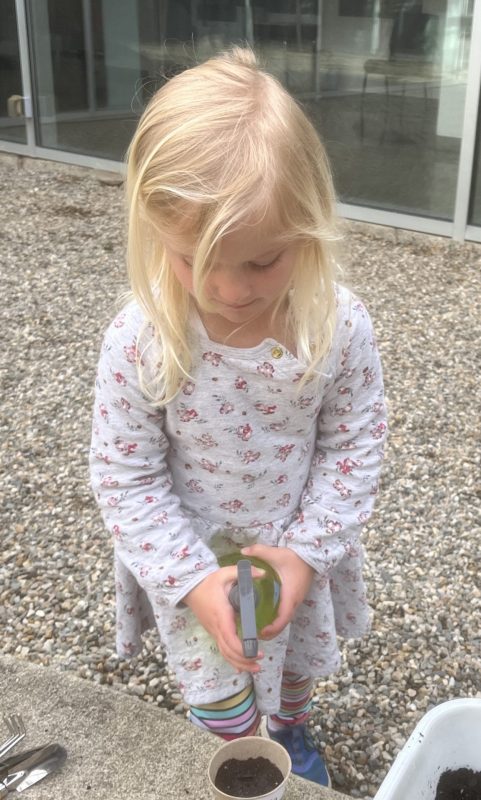
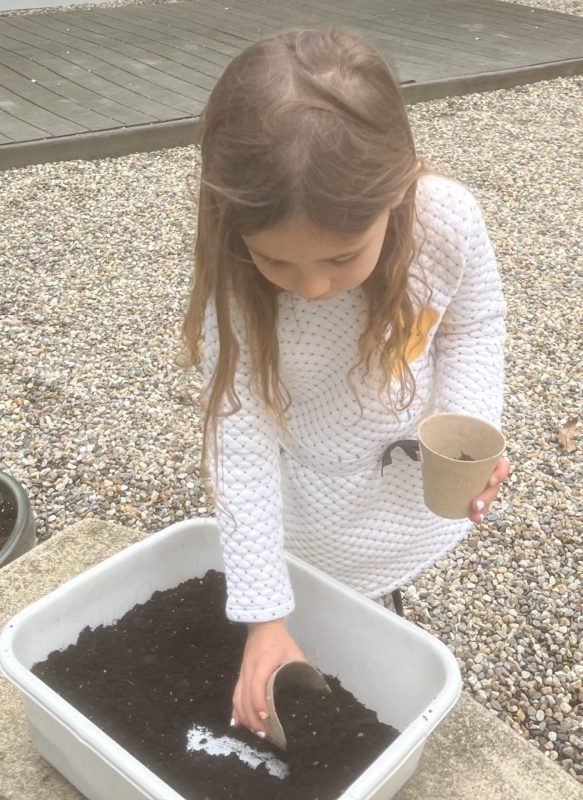
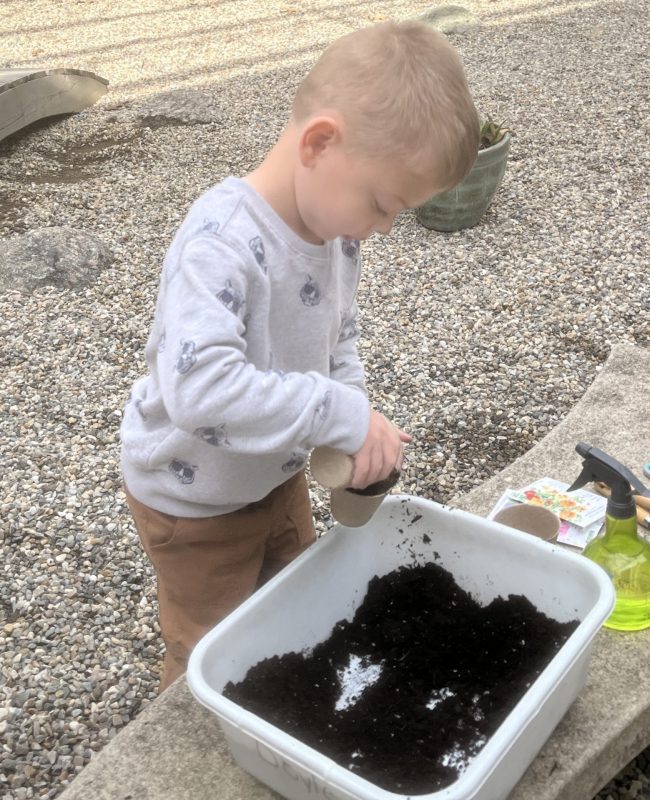
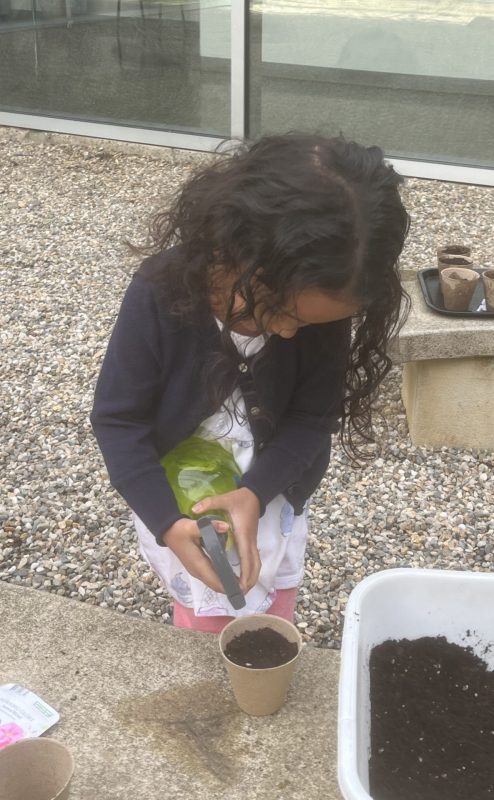
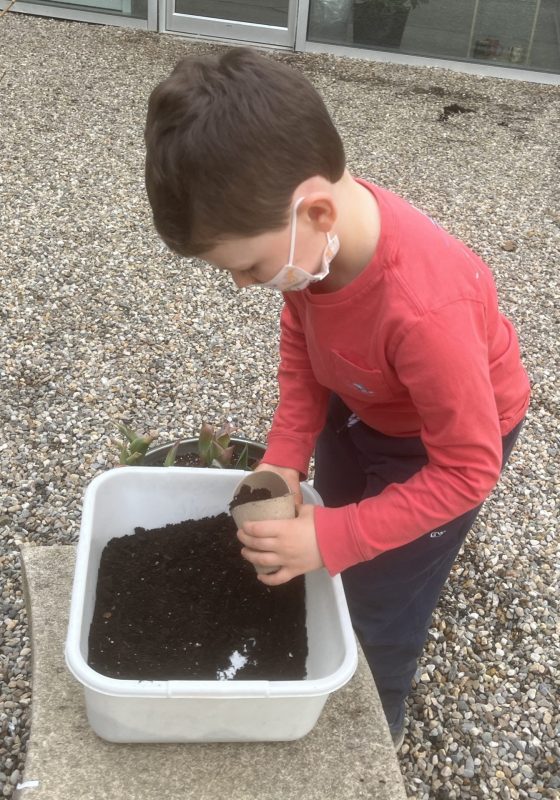
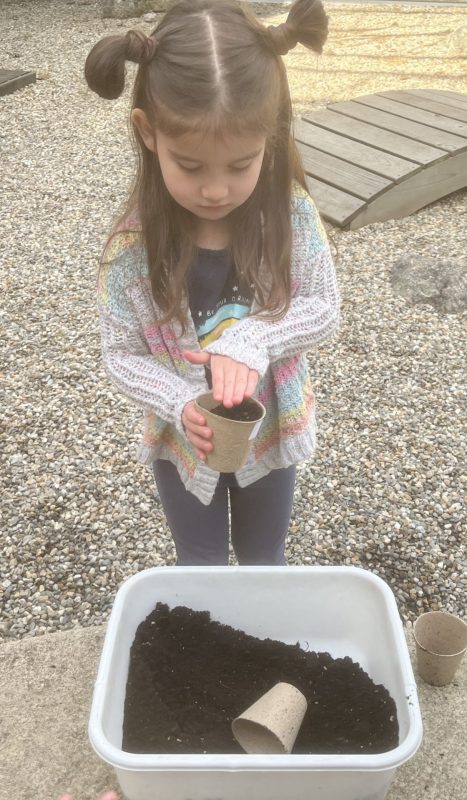
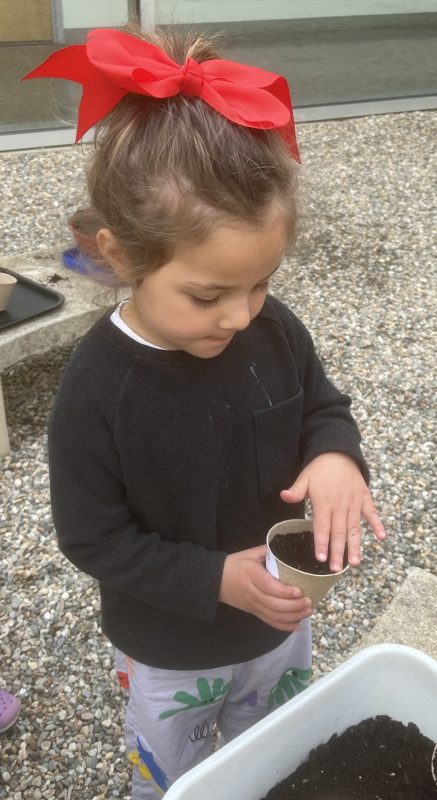
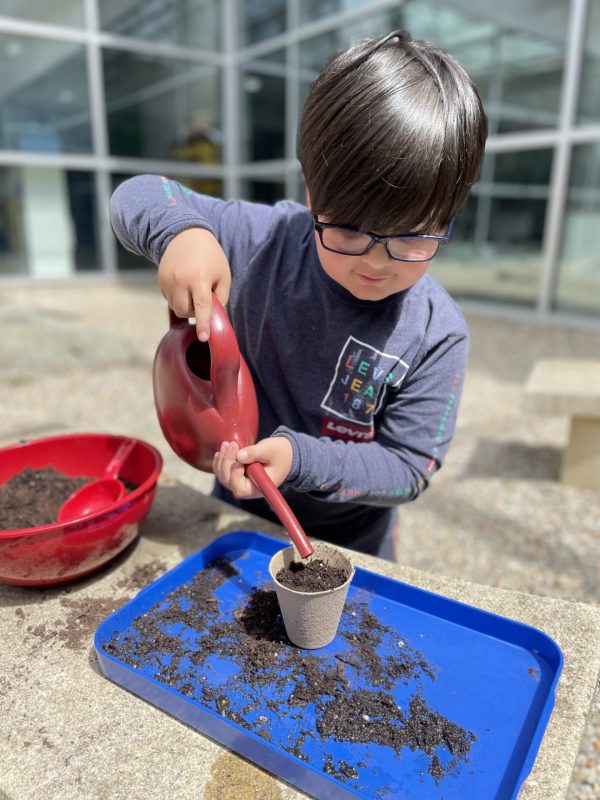
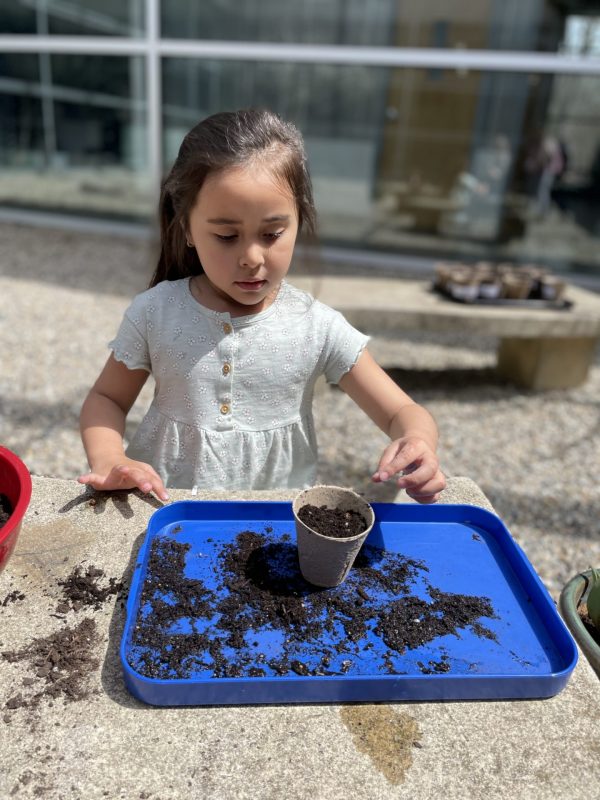
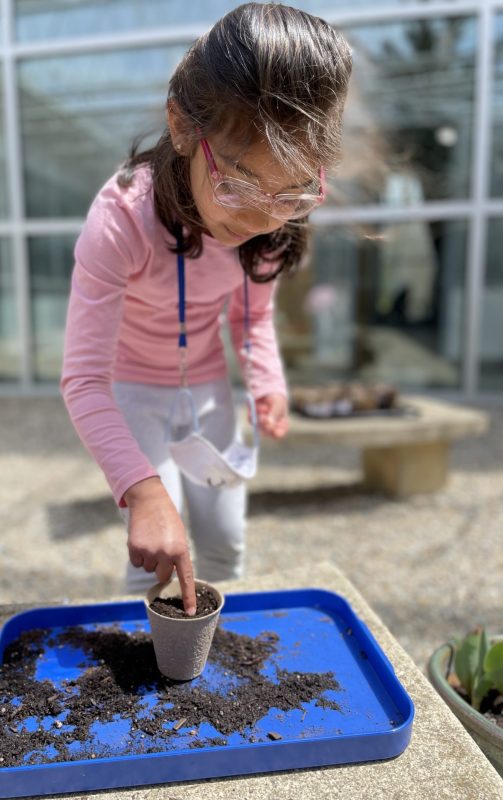
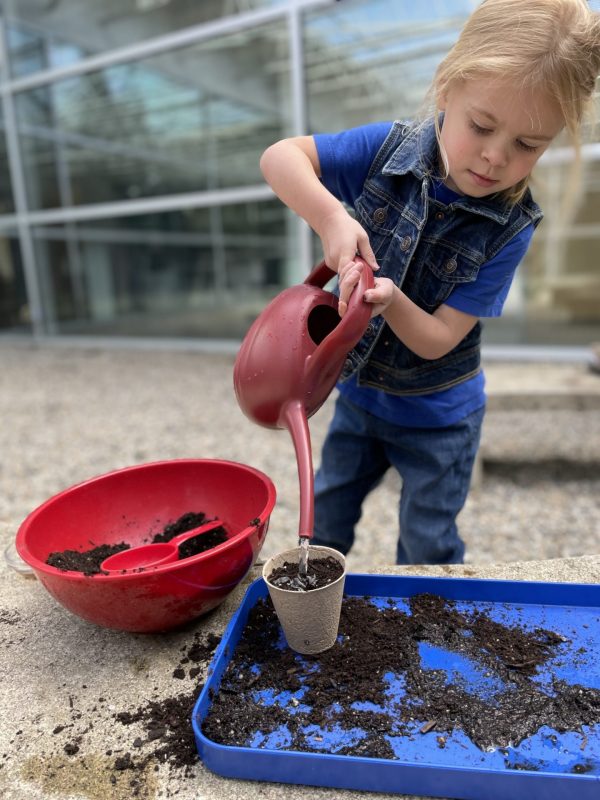
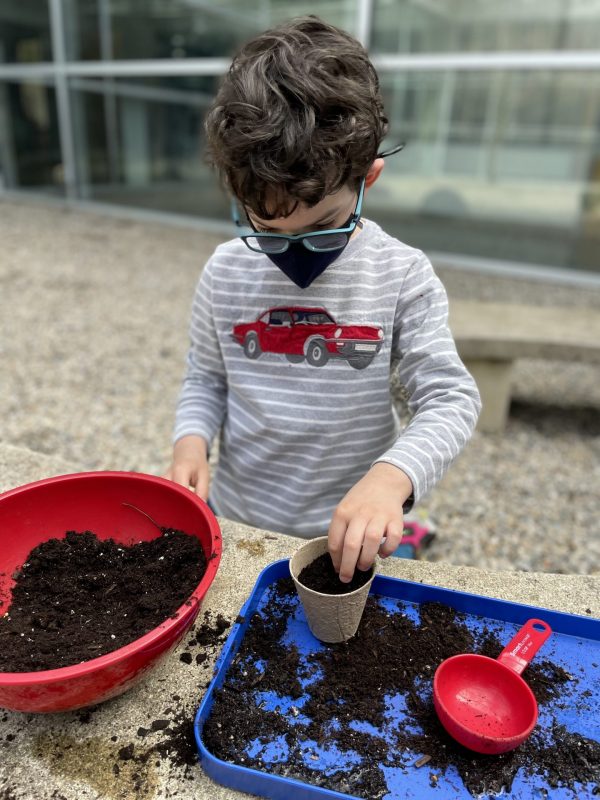
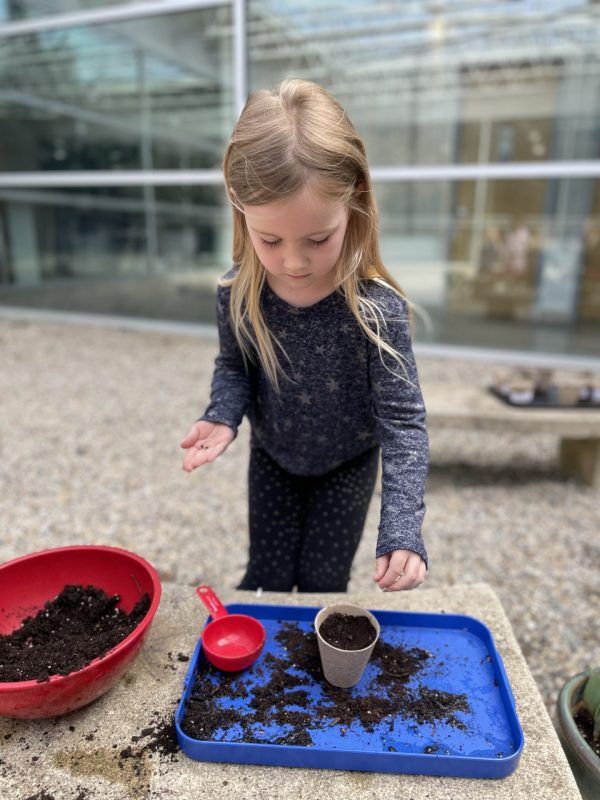
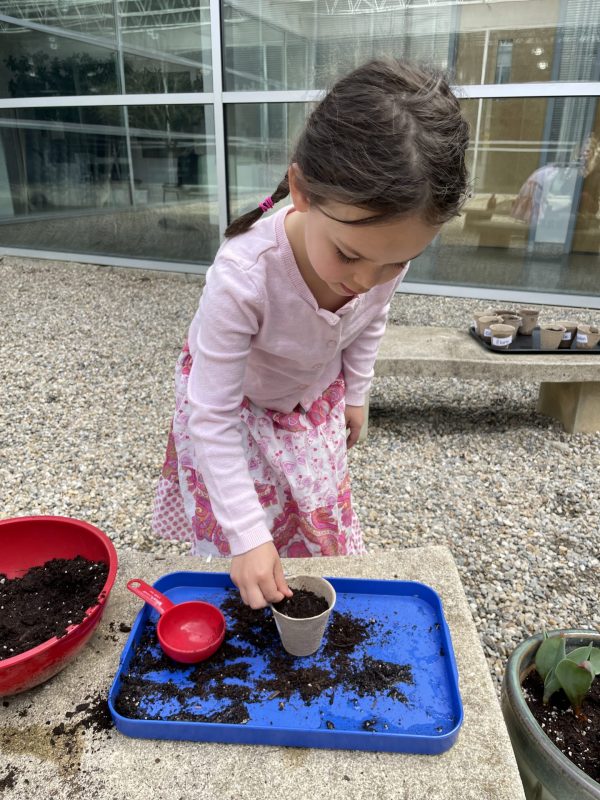
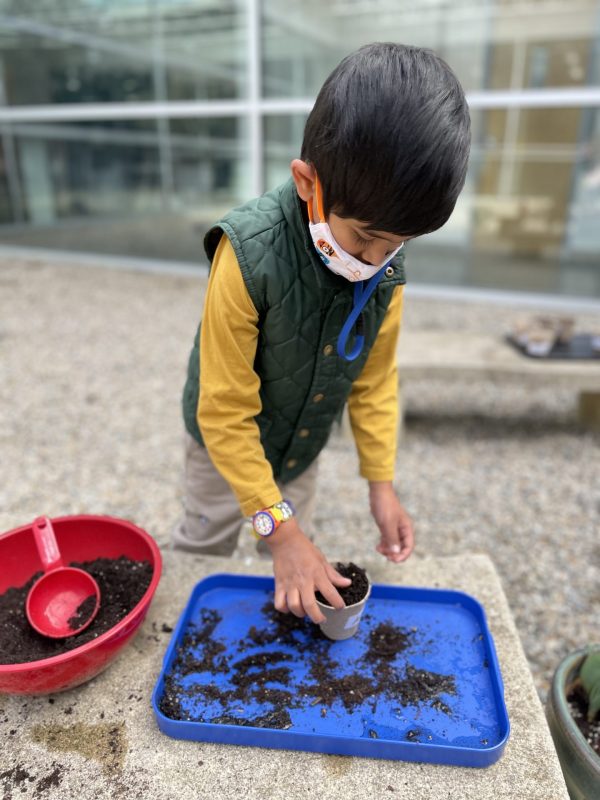
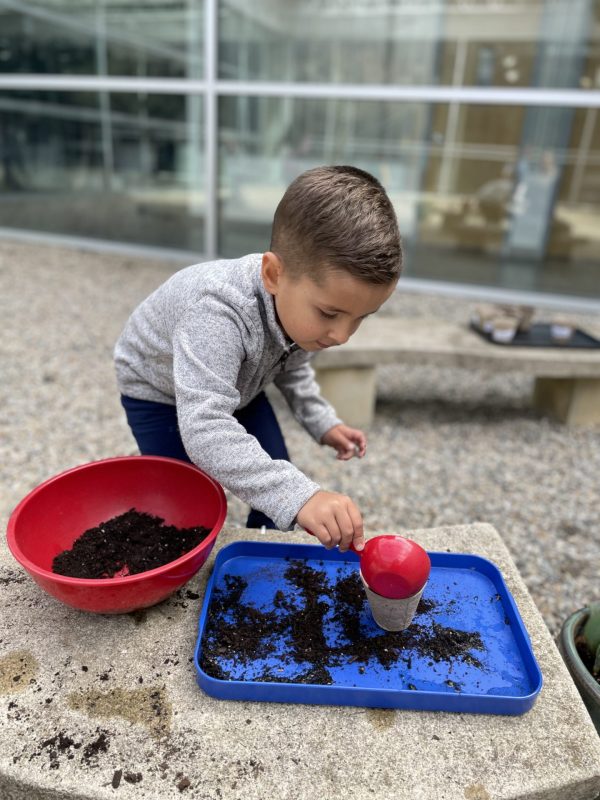
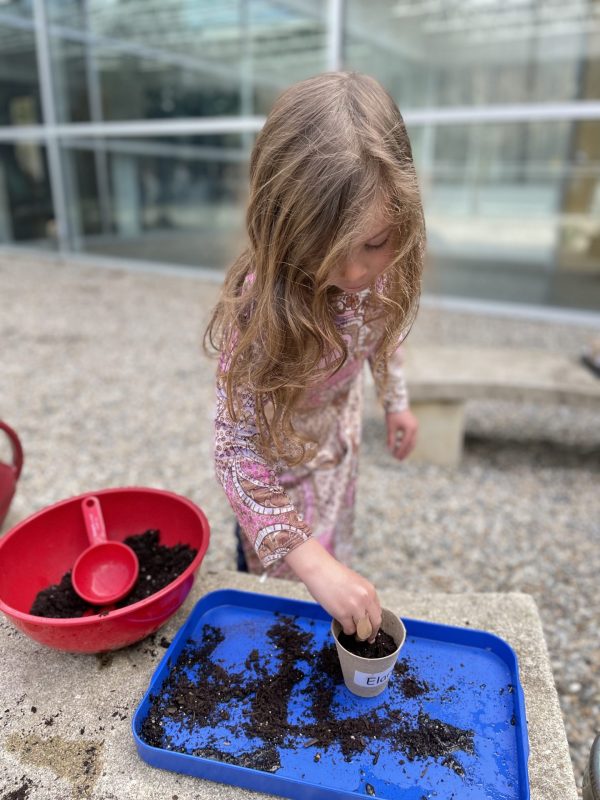
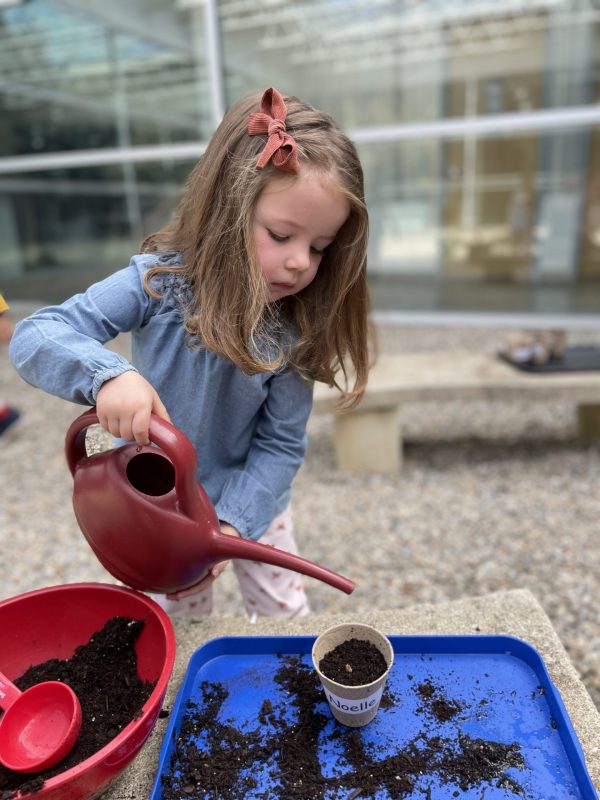
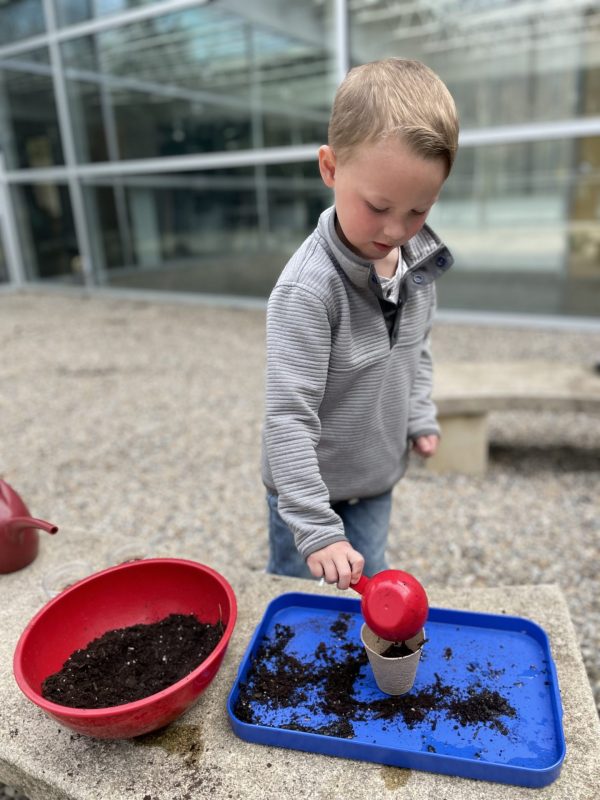
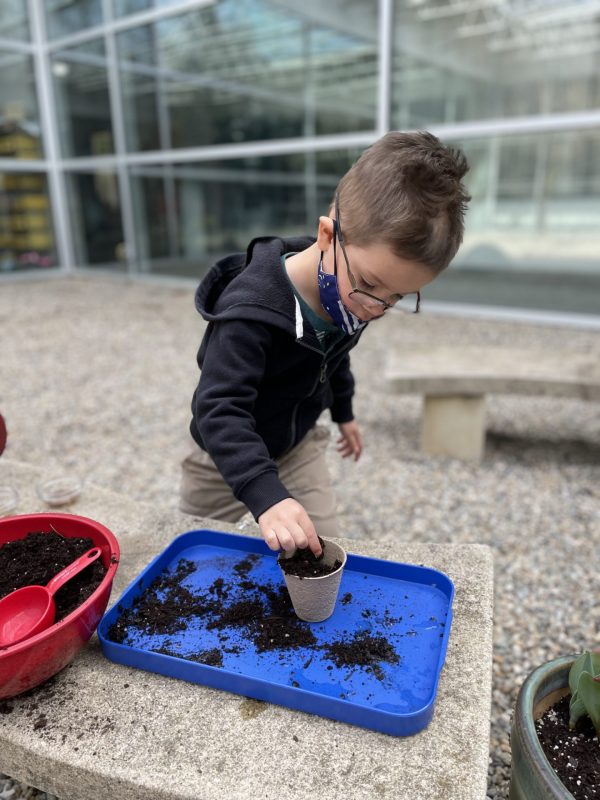
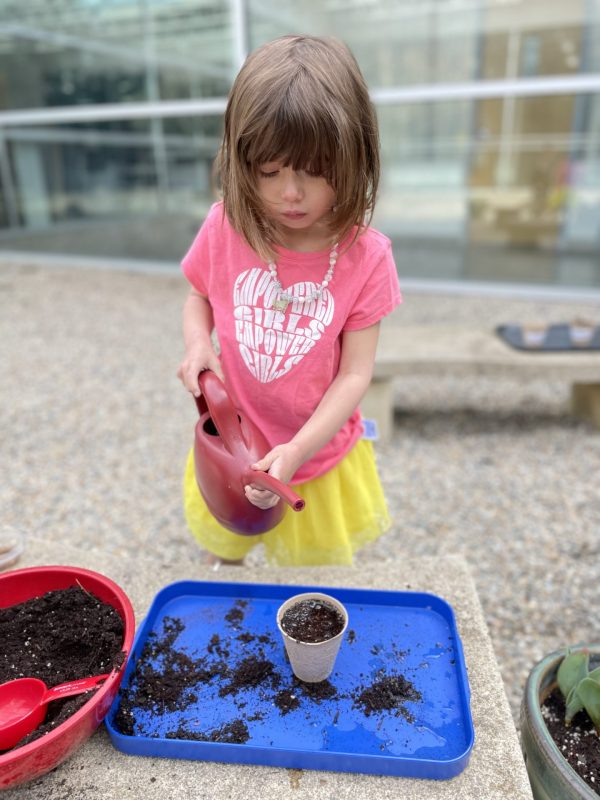
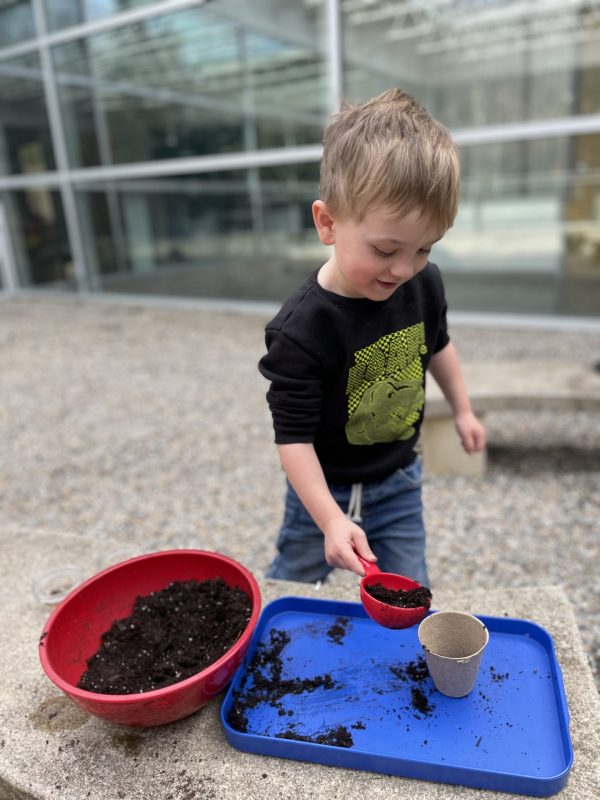
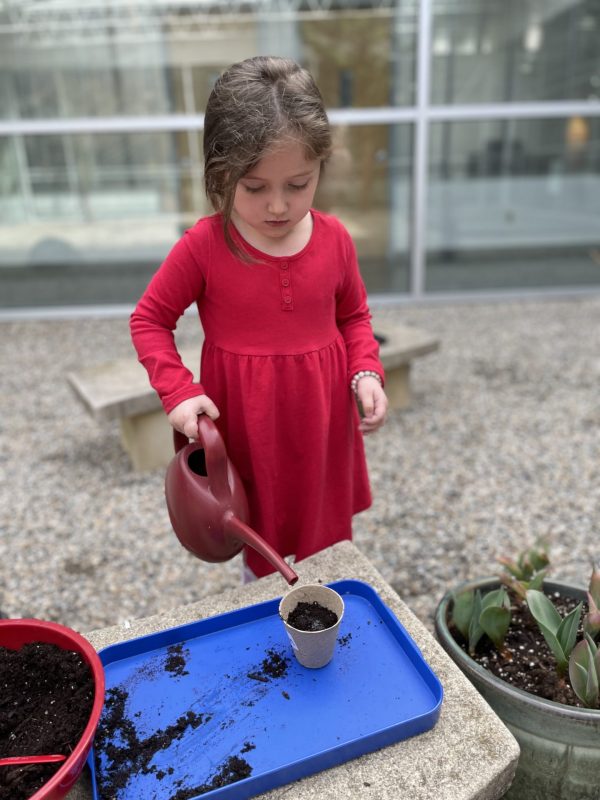
Each year on April 22nd we celebrate Earth Day.  The first Earth Day was celebrated in 1970 and the goal is to promote awareness and appreciation for our planet’s environment. Throughout the world, there are over 175 countries that celebrate this special day.  Over the course of the last two weeks, we have been reading books and having whole class discussions about the wonderful planet we live on. The children also planted their own seeds in a biodegradable, plantable pot which will come home in the next few weeks.

We asked the children how they could help keep the Earth a wonderful place to live.  Below are their answers.

Anchor:  Protect places where animals live so that we can help them.

Everly:  Clean up trash everywhere.

Lily:  Plant flowers everywhere you go and don’t let the weeds grow too big.

Marin:  Take care of all the animals in the world.

Wilder: Turn off the faucet when we aren’t using it, so we don’t waste water.

Emma:  Clean up any messes even if the messes are in our classroom,

Greyson:  Turn off the lights when you aren’t using them.

Landon: Throw your garbage in a can when you are done.

Luca:  Grow more fruits and vegetables for people to eat.

Olivia: When my clothes don’t fit me anymore, I can give them to my sister.

Theo:  Clean up your own mess.

Virginia: Plant flowers to make the Earth more beautiful.

Bodie: Drive a Tesla.

Isla:  Show your Mom and Dad you can keep your room clean and even make the bed.

Micaela: Don’t throw plastic in the garbage.

Saanvi:  Pick up and dirt or garbage to keep the Earth neat.

Stephen:  Plant cucumber seeds so we can eat them.

Zara:  Be kind to people and animals everywhere.


Wishing you a week filled with peace and love.

Michelle & Liset


Mrs. Lopes: Celebrating Earth Day!
Earth Day is an annual event celebrated on April 22 to show support for environmental protection.  Maria Montessori believed in giving children experiences in nature.  In Montessori education, Earth Day principles are a natural part of everyday learning.  Children are encouraged to think about the Earth and how they can take care of the world we all share.

This week we celebrated Earth Day in our classroom as an extra way to show respect for the Earth and to build community.  Our class discussed what it means to reduce, reuse, and recycle.  We made a list of things they can do to help the environment, check out the list below of all the wonderful ideas the children had.  The children also planted flower seeds in a biodegradable pot.  By celebrating Earth Day and encouraging children’s participation at a young age, we contribute to cultivating lifelong caretakers of this planet we call home.

Beauden- I have lots of plants in my house to keep the air clean.

Sullivan- I walk to the playground instead of driving.

Advay- I throw the garbage in the garbage can.

Rowan- I make a ship with boxes.

Desi- I recycle a lot of things everyday like tomato cans and chicken broth boxes.

Owen- I don’t leave the trash on the floor because I don’t want to make the Earth dirty.

Elara- I put the garbage in the garbage can.

Anaya- I turn off the tap when I’m brushing my teeth and done taking a shower.

Nina- I turn off the water when I’m washing my hands.

Carmen- I picked up garbage and put it in the trash can when I was walking in the woods.

Aya- I walk to Hawley School to play instead of driving there.

Ella- If I find garbage at the beach I pick it up, bring it home, and put it in the trash.

Eve- I plant new plants to help the Earth.

Noelle- I pick flowers from my garden and put them in a watering can.

Kian- I help the Earth by turning off the lights.

Levi- I will walk to the store instead of driving.

Annie- I can turn off the lights when I’m not using them.


Peace and love,

Amanda and Heather