Blog

Middle School: Week in Review

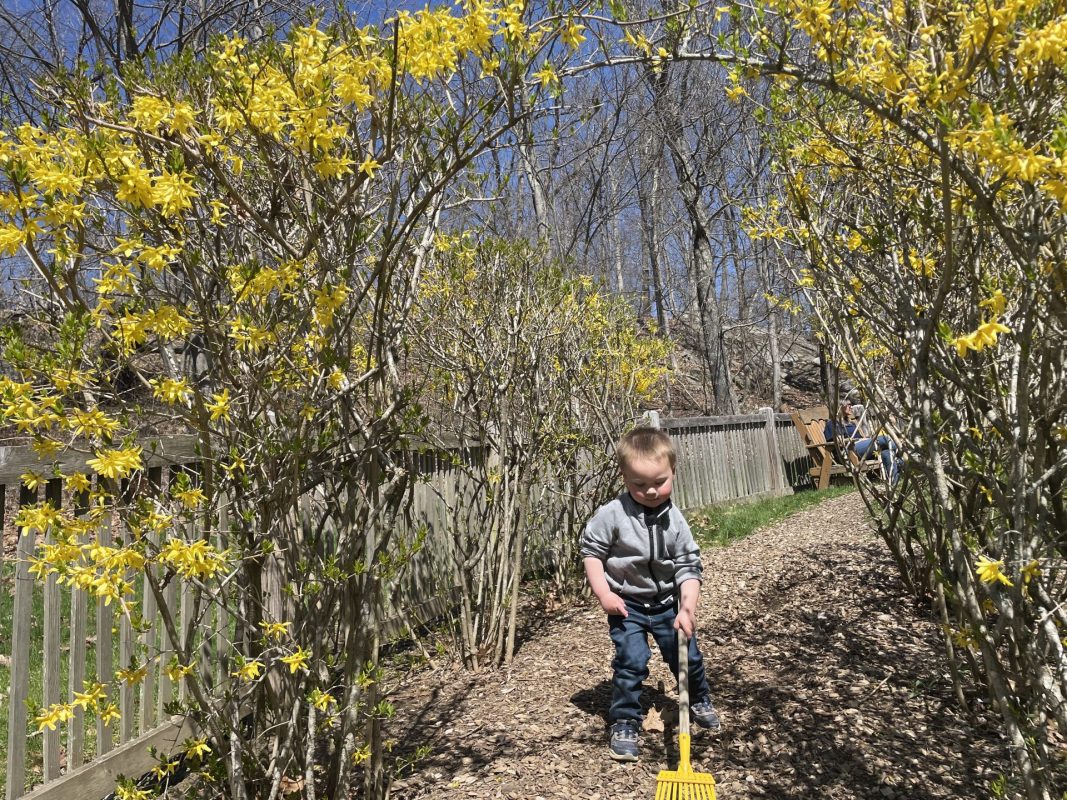
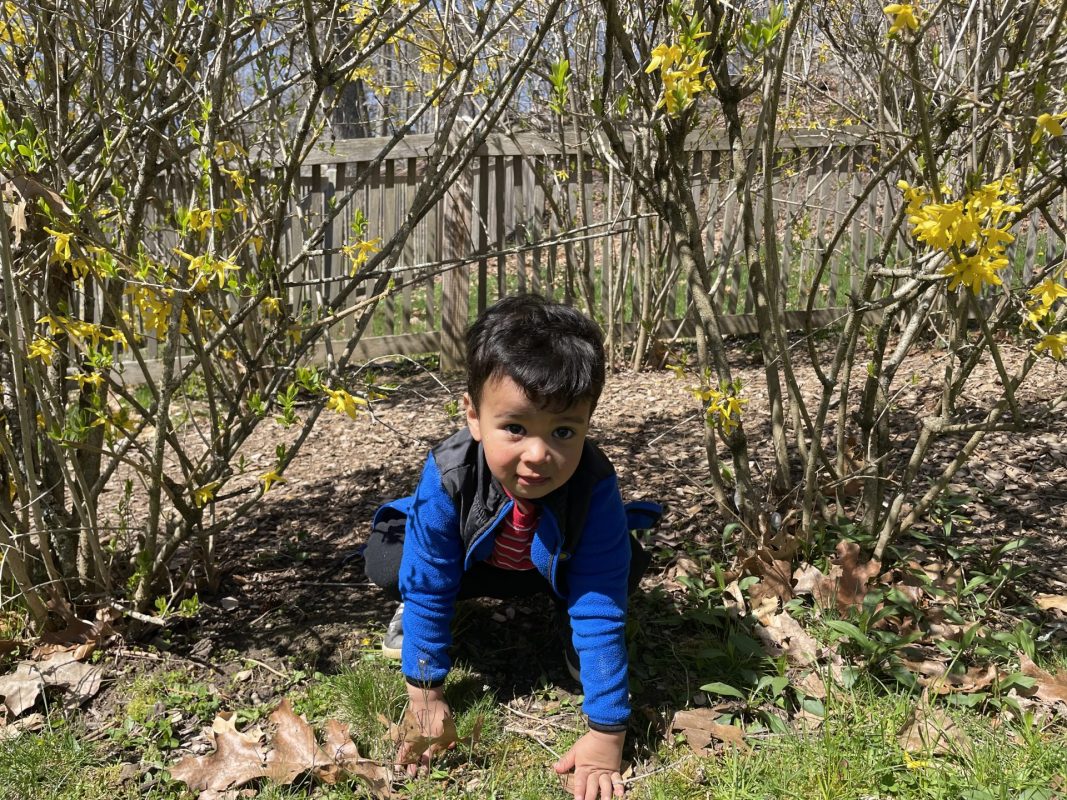
Happy Earth Day! We hope you use this weekend to appreciate and care for our beautiful planet Earth that gives us so many gifts!

Science

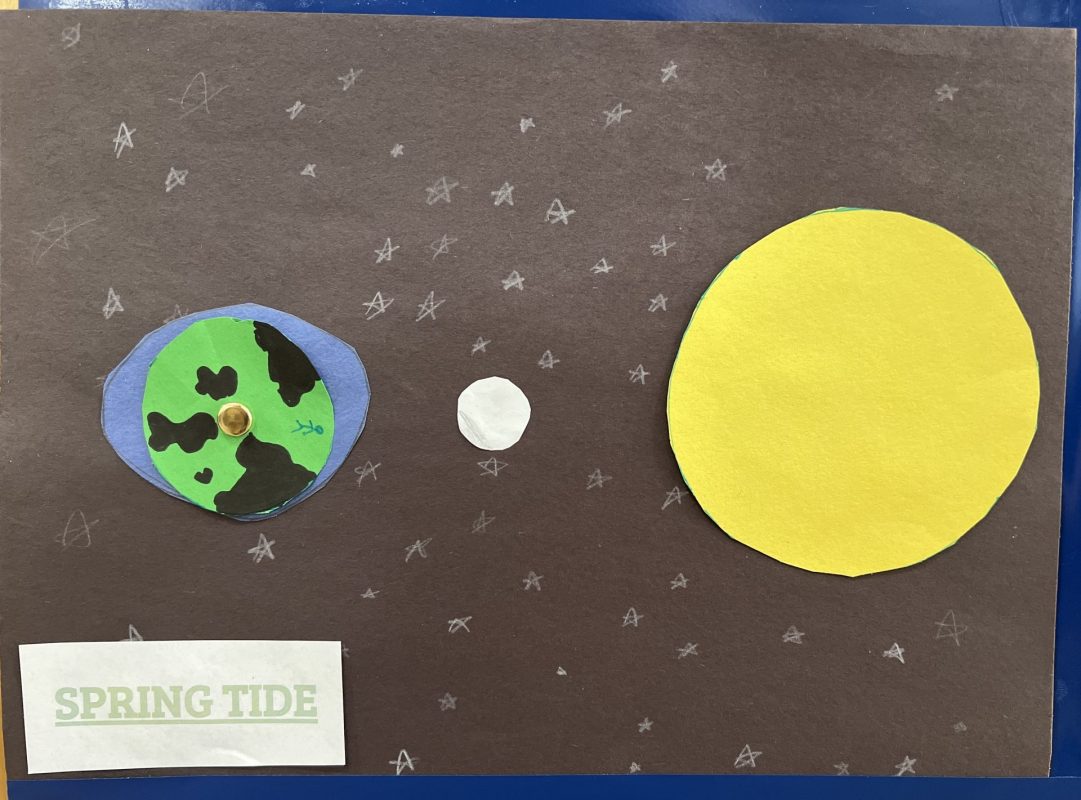
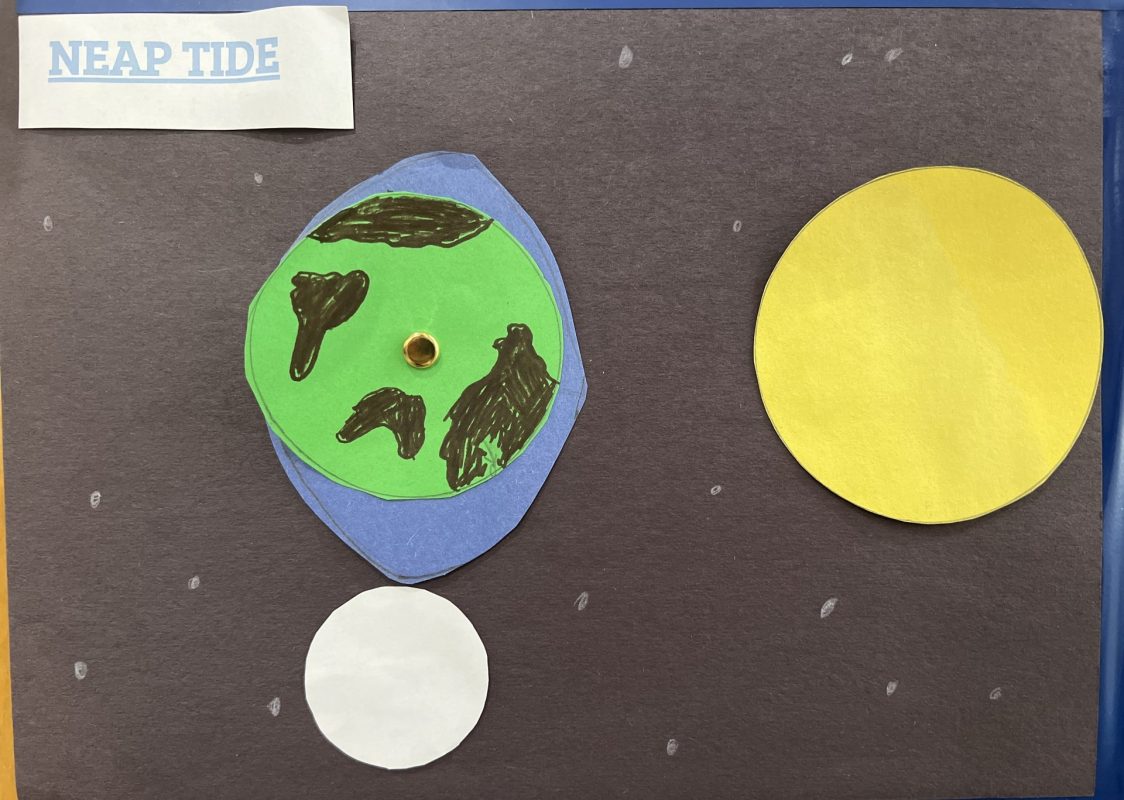
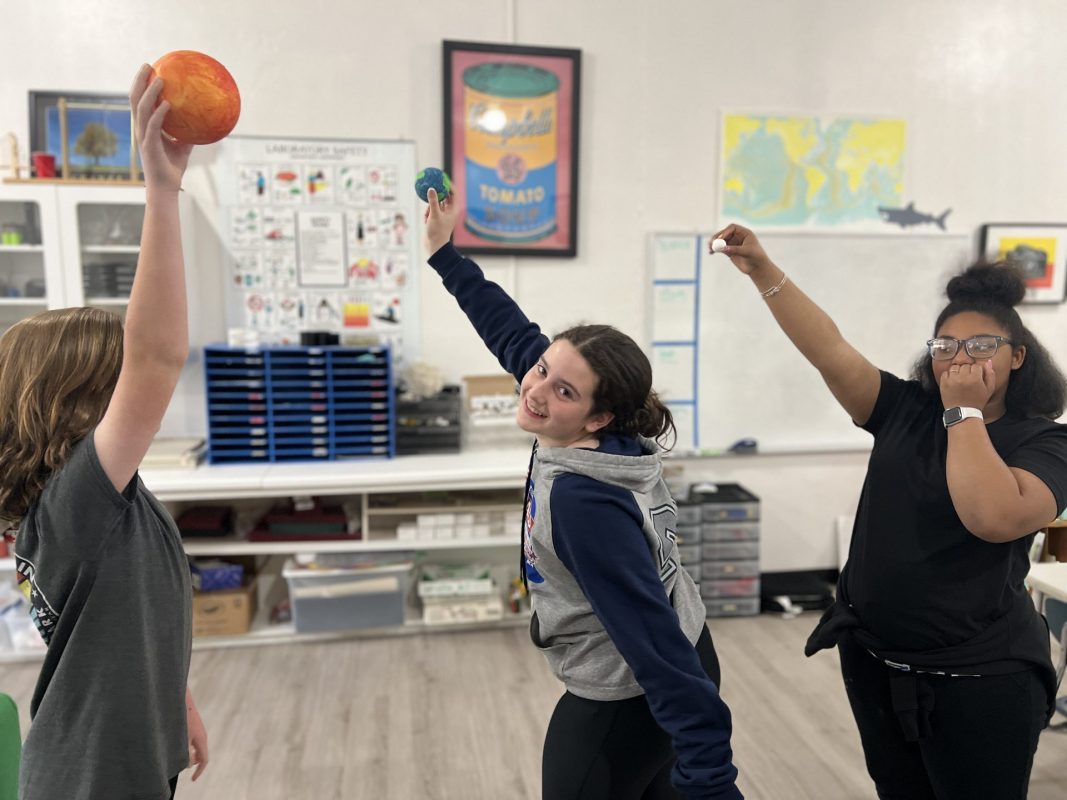
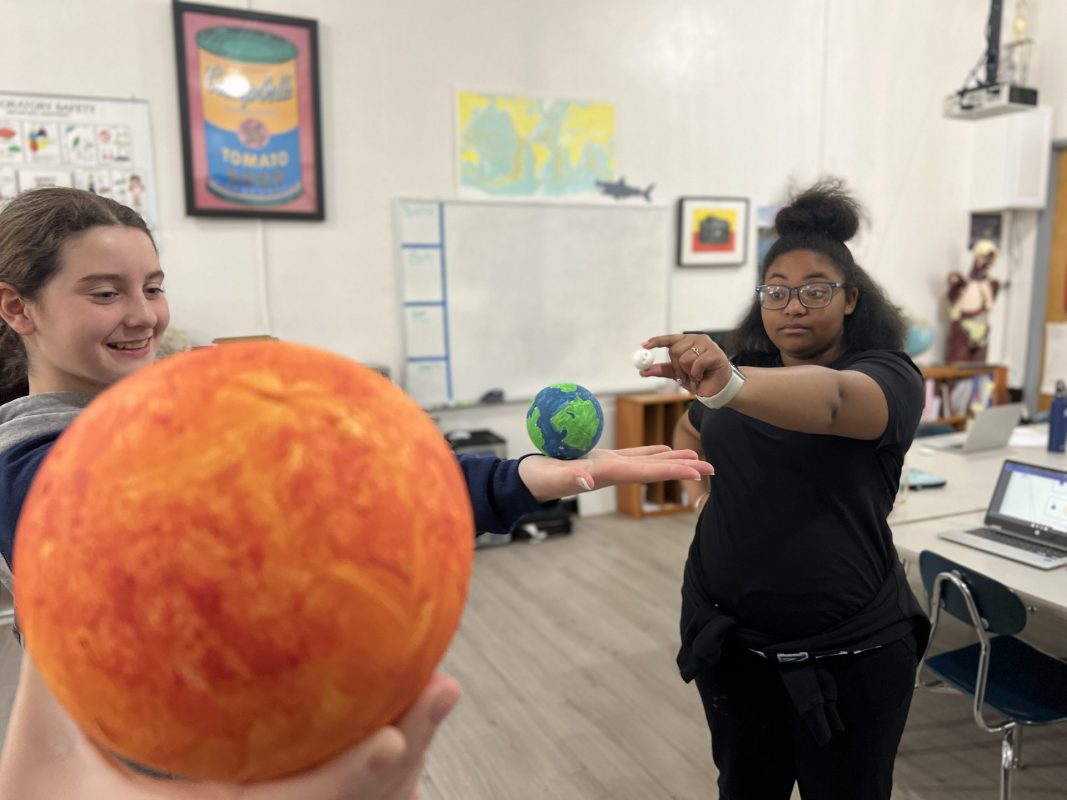
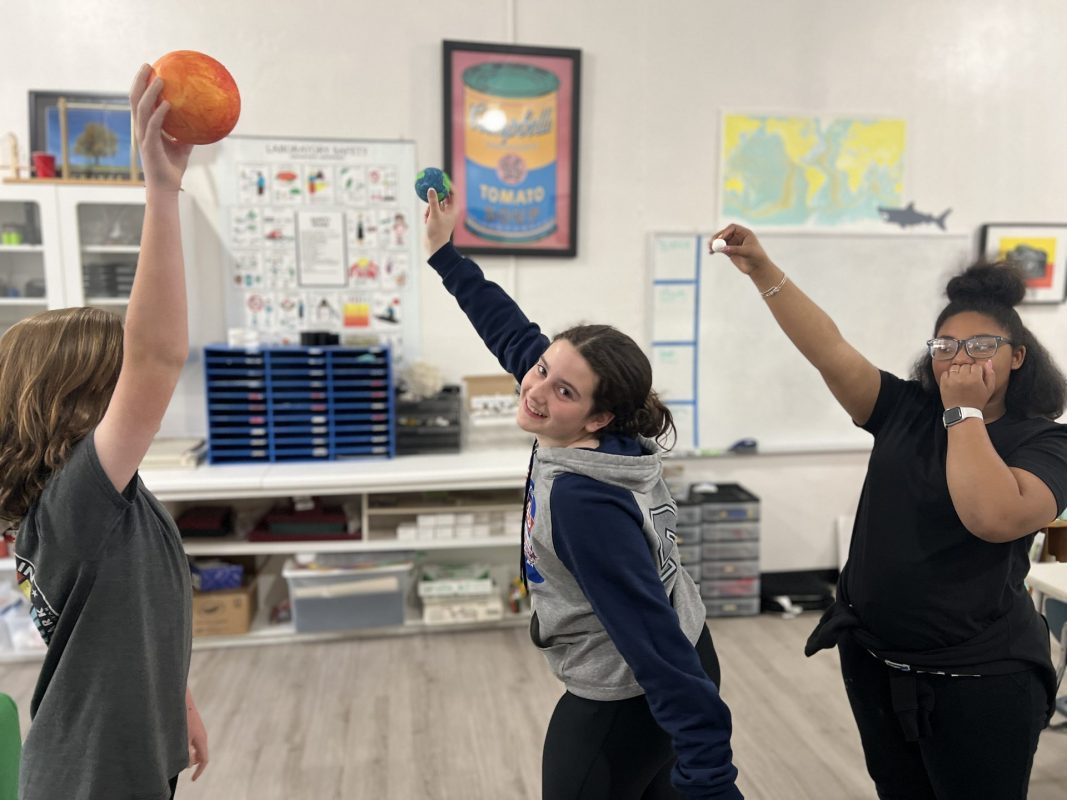
6th year Earth Science students spent the week creating an artistic representation of tides. Students were asked to illustrate the differences between neap and spring tides as it relates to the earth, sun, and moon’s position. Each student wrote a summary, explaining the similarities and differences between these tides, a comparison between tides and waves, and the effects tides have on people. Their work is currently on display for students to observe and learn from.

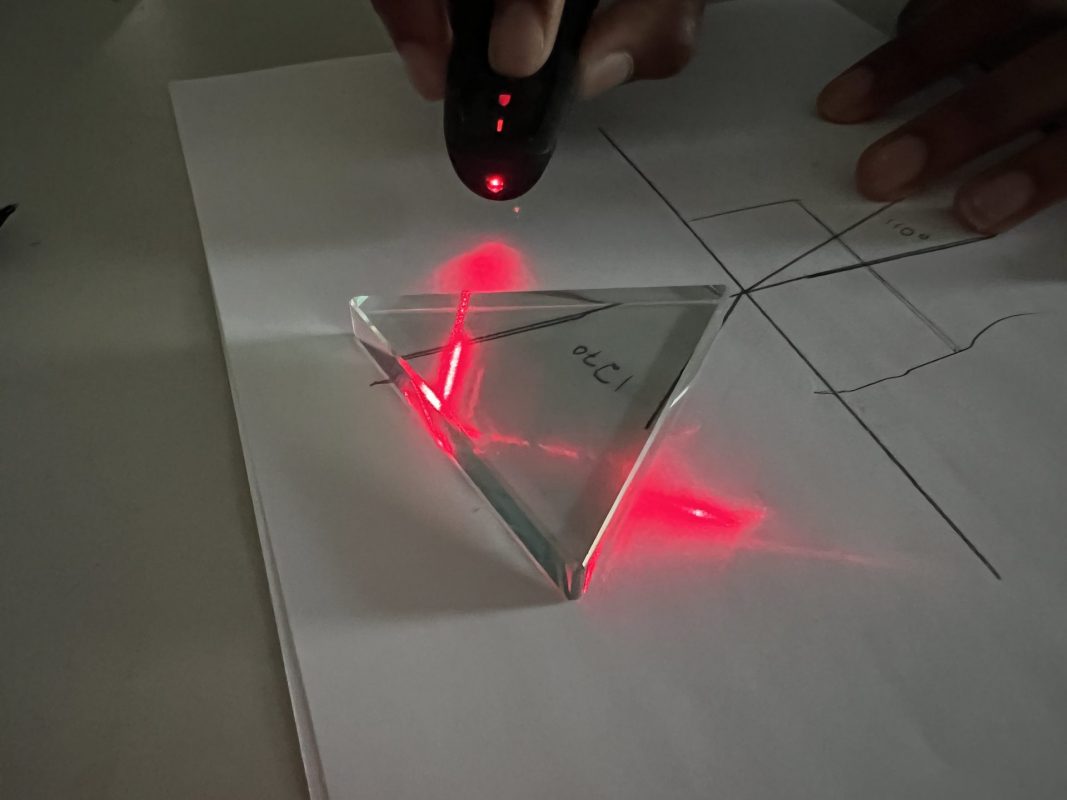
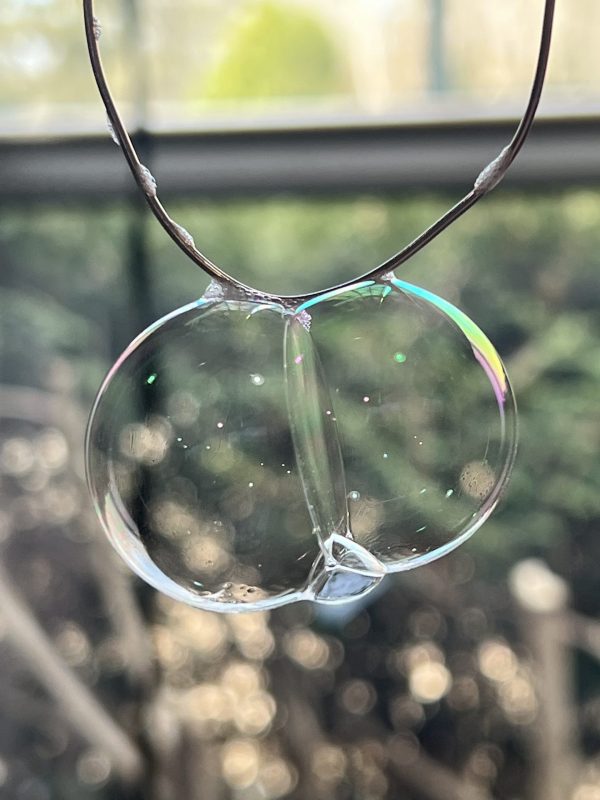
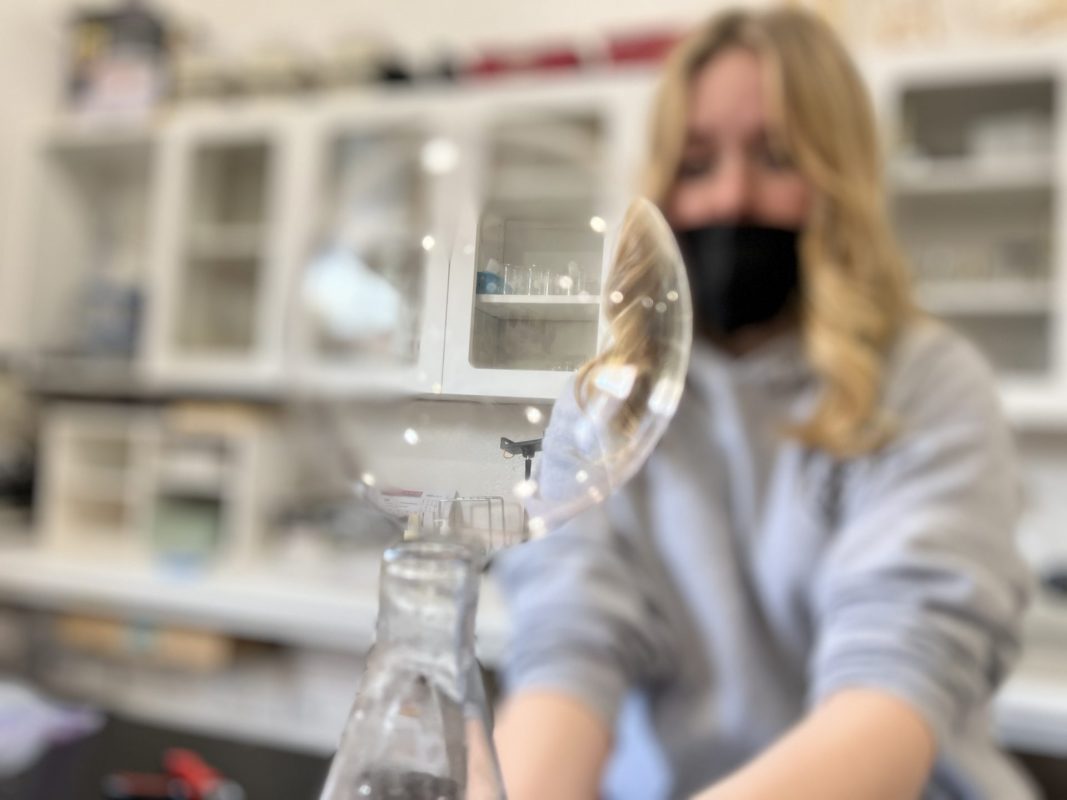
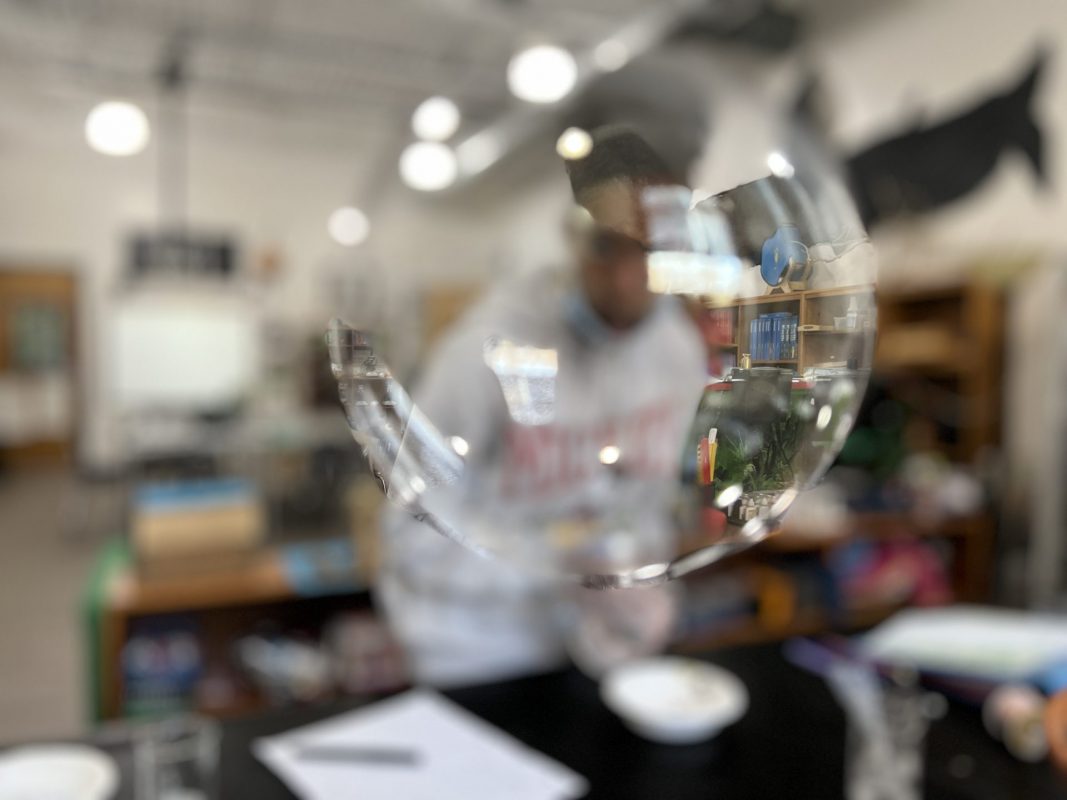
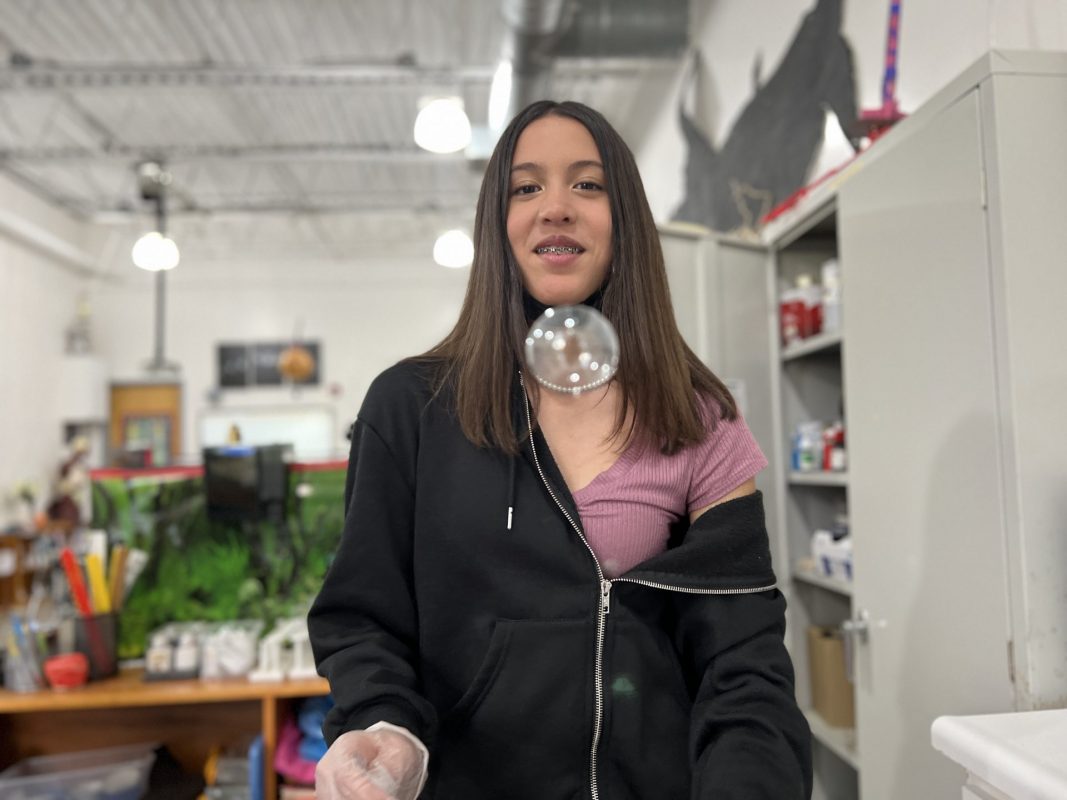
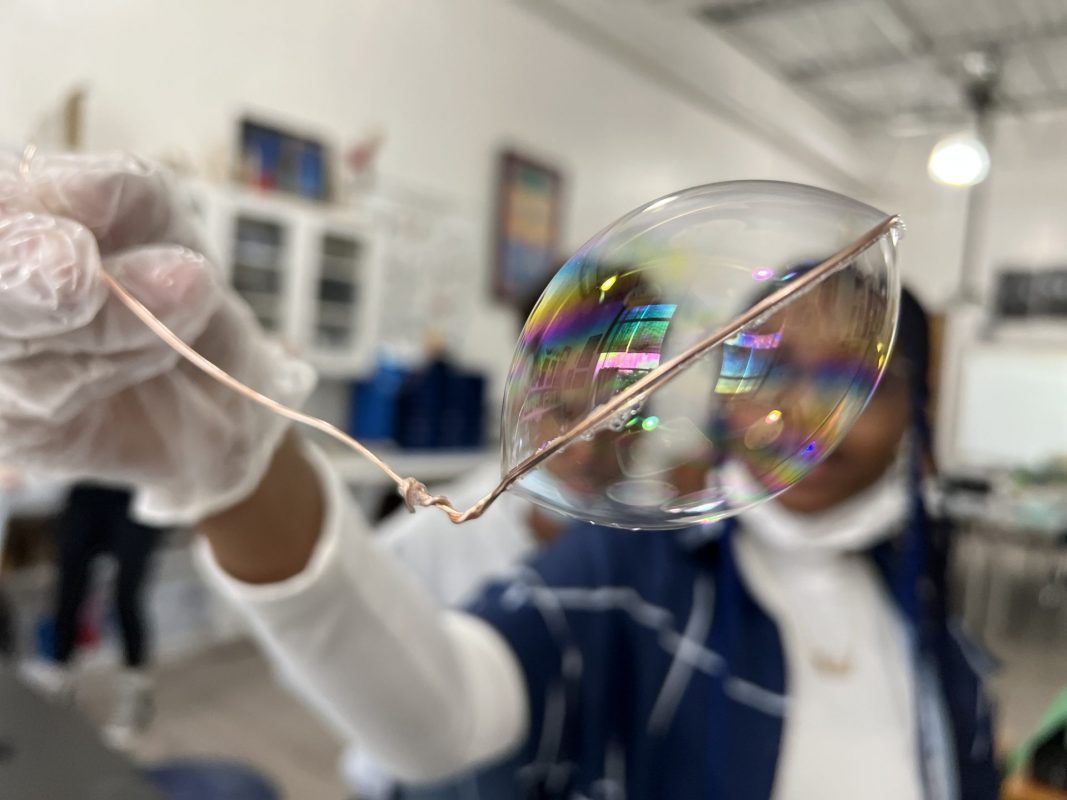
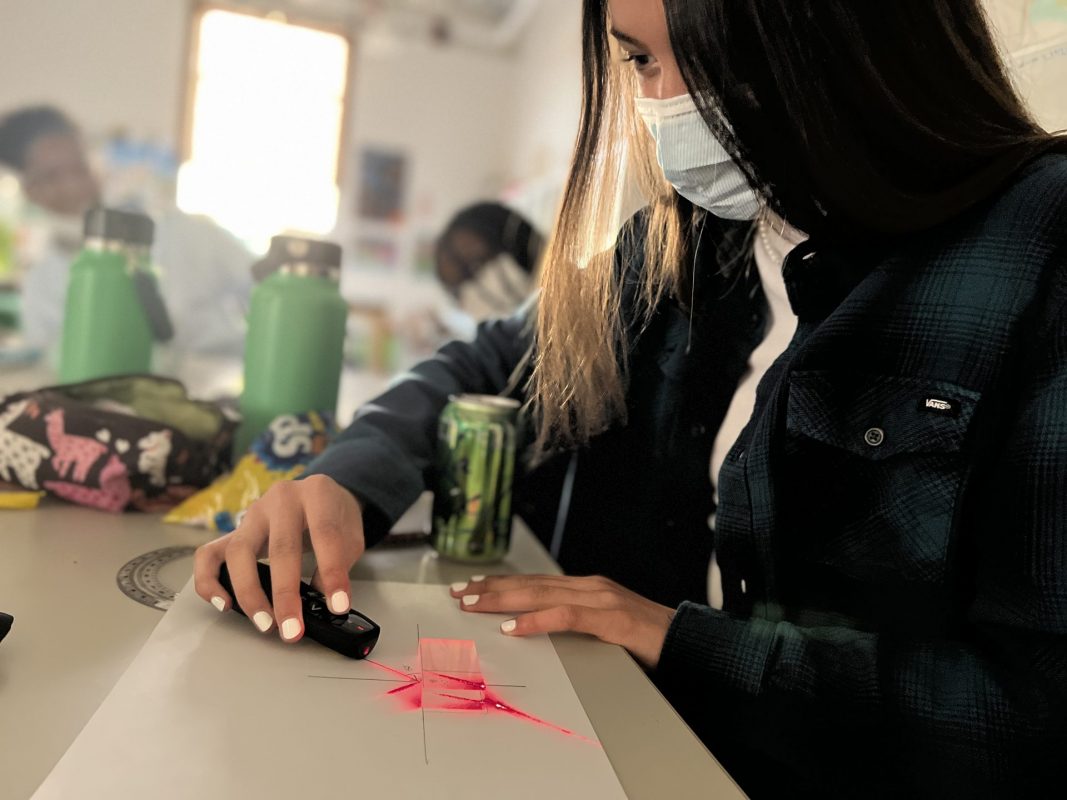
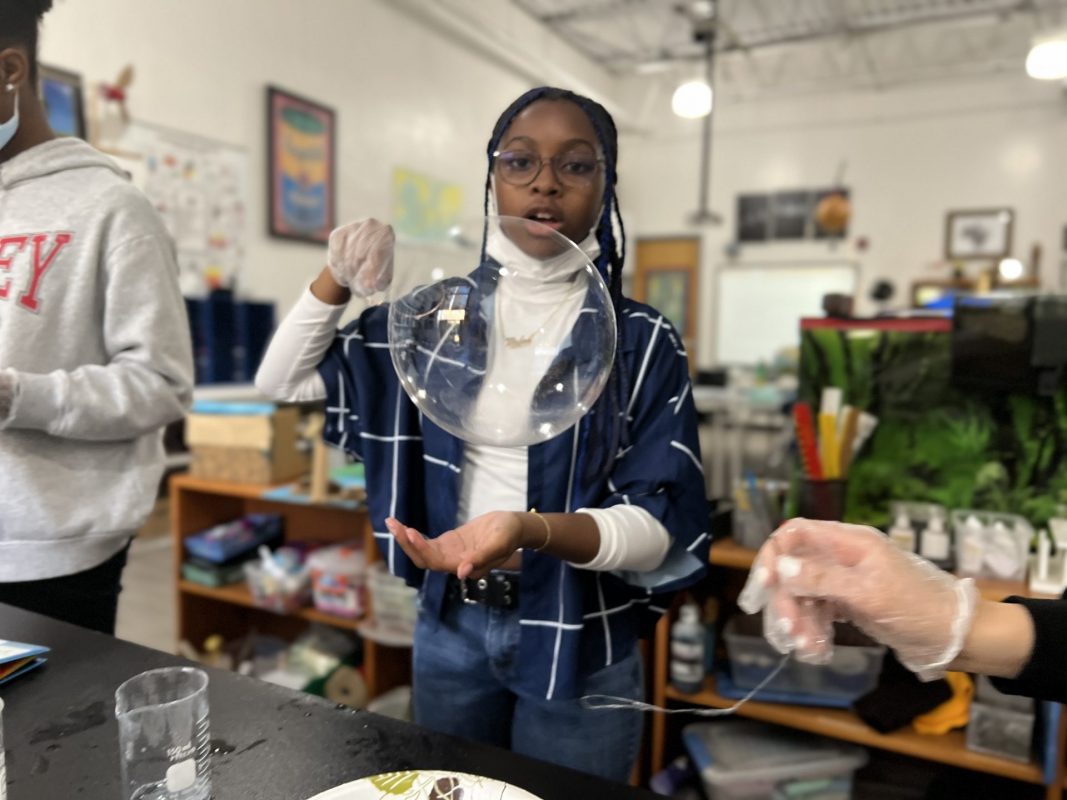
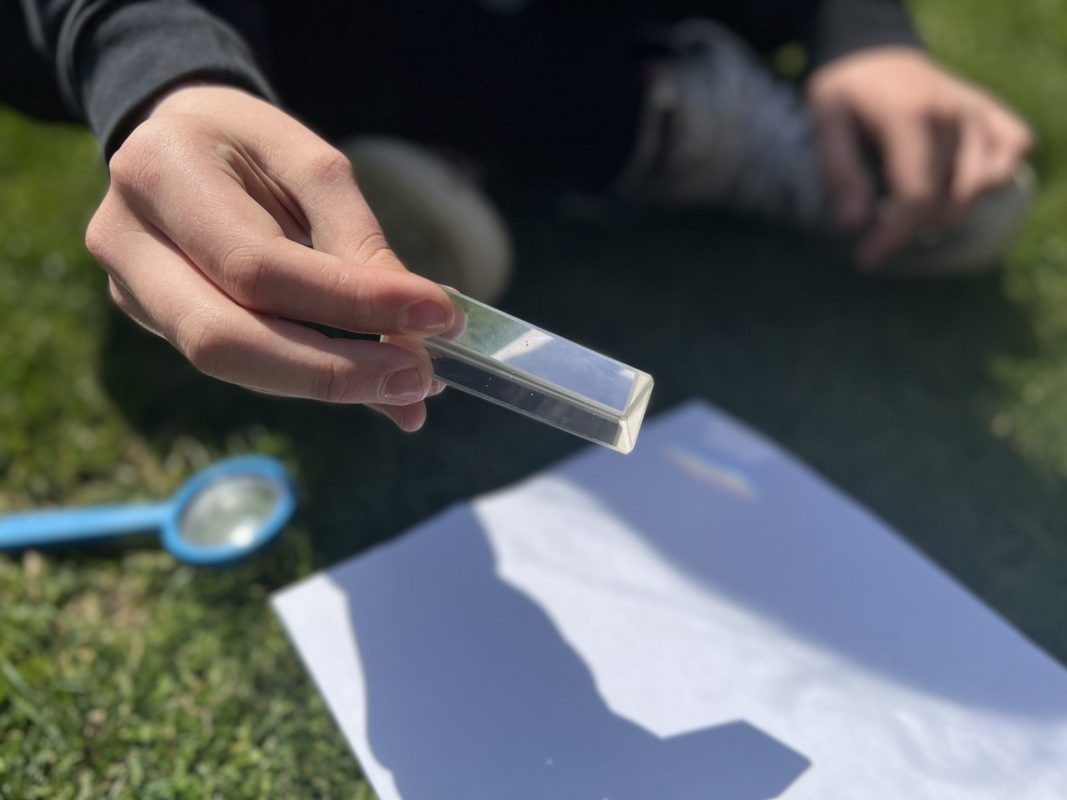
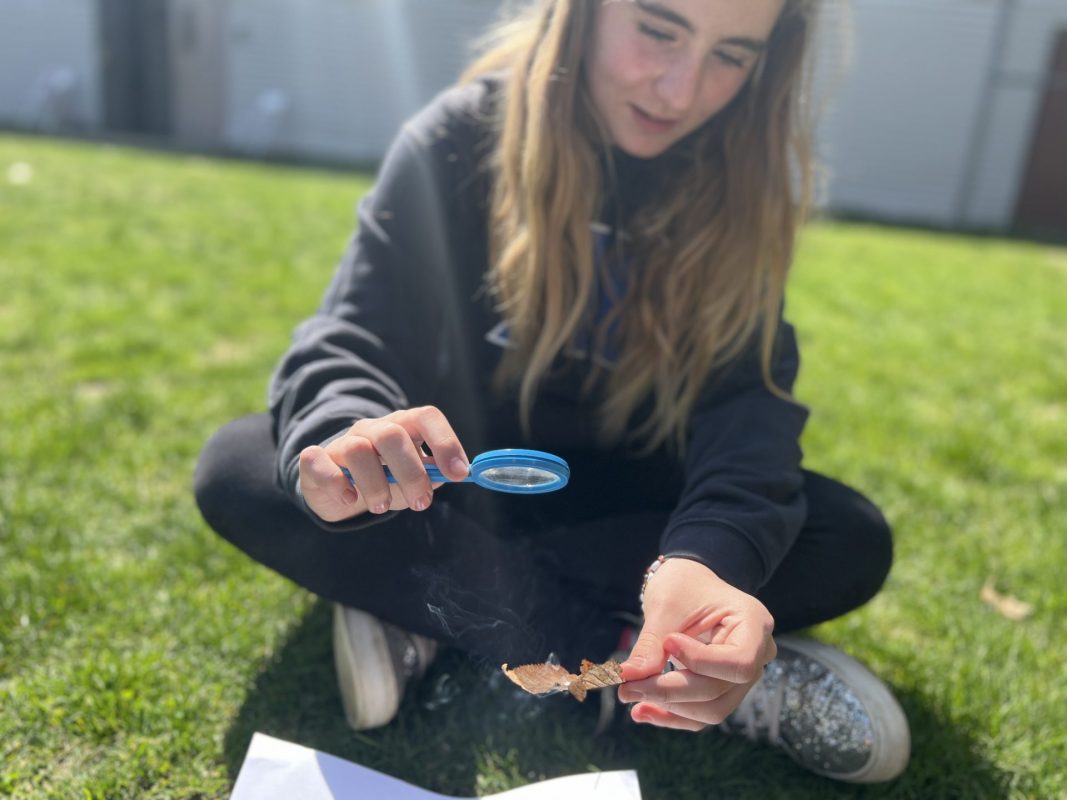
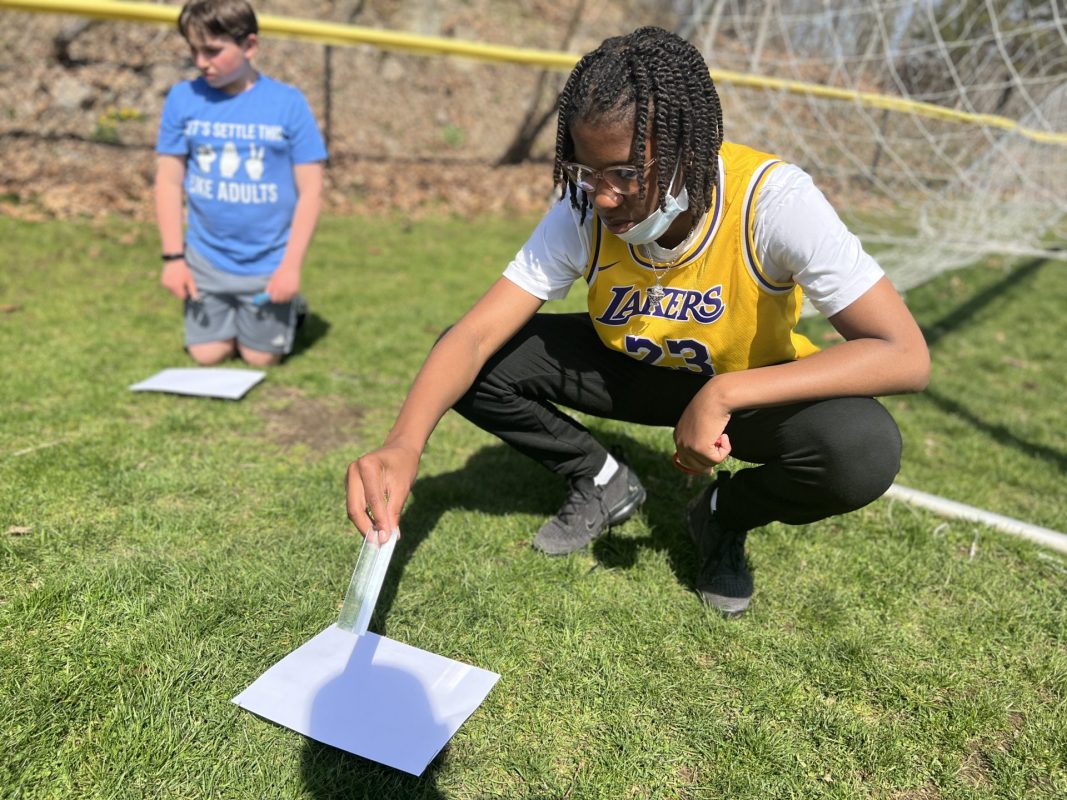
7th year Physical Science students worked on identifying how light refracts when entering a different medium such as water, acrylic, or glass. Students represented this concept by using a variety of laser pointers and different prisms to bend and refract light. We were able to test how light rays converge when passing through a convex lens and diverge when passed through a concave lens. Students ended the week creating their own bubble solution using dish soap, glycerin, water, and corn syrup. The color of each bubble refracted light differently based on the solution’s viscosity and thickness.
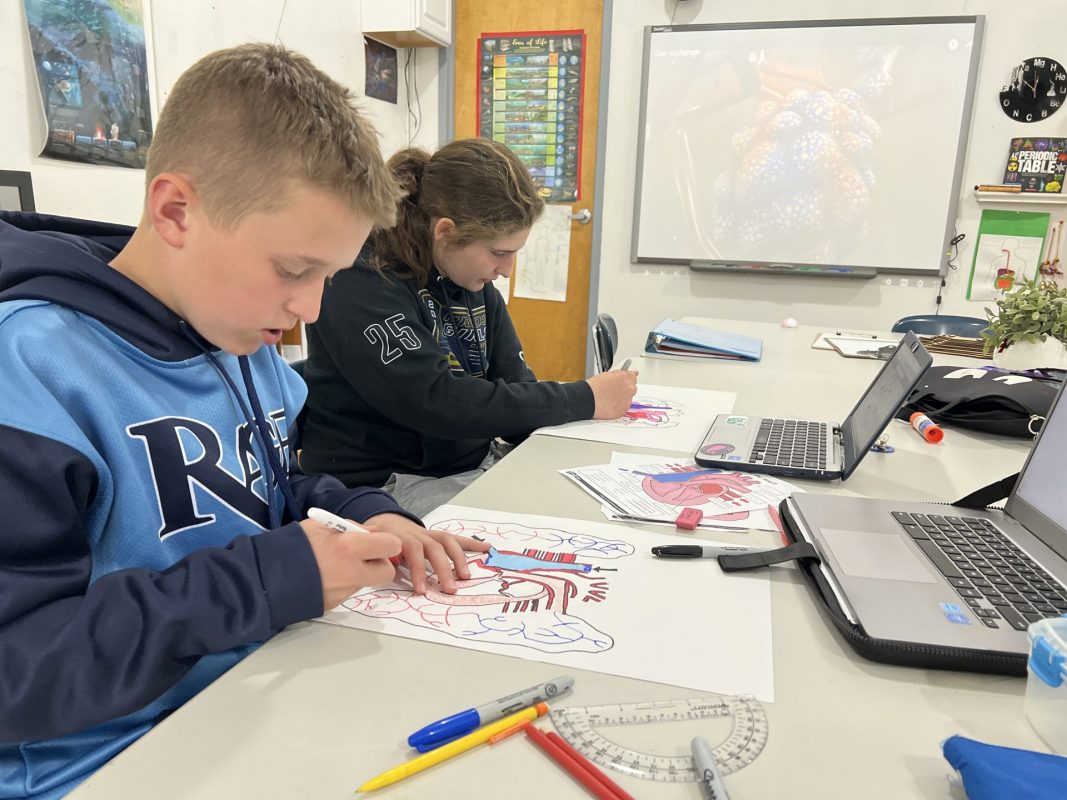
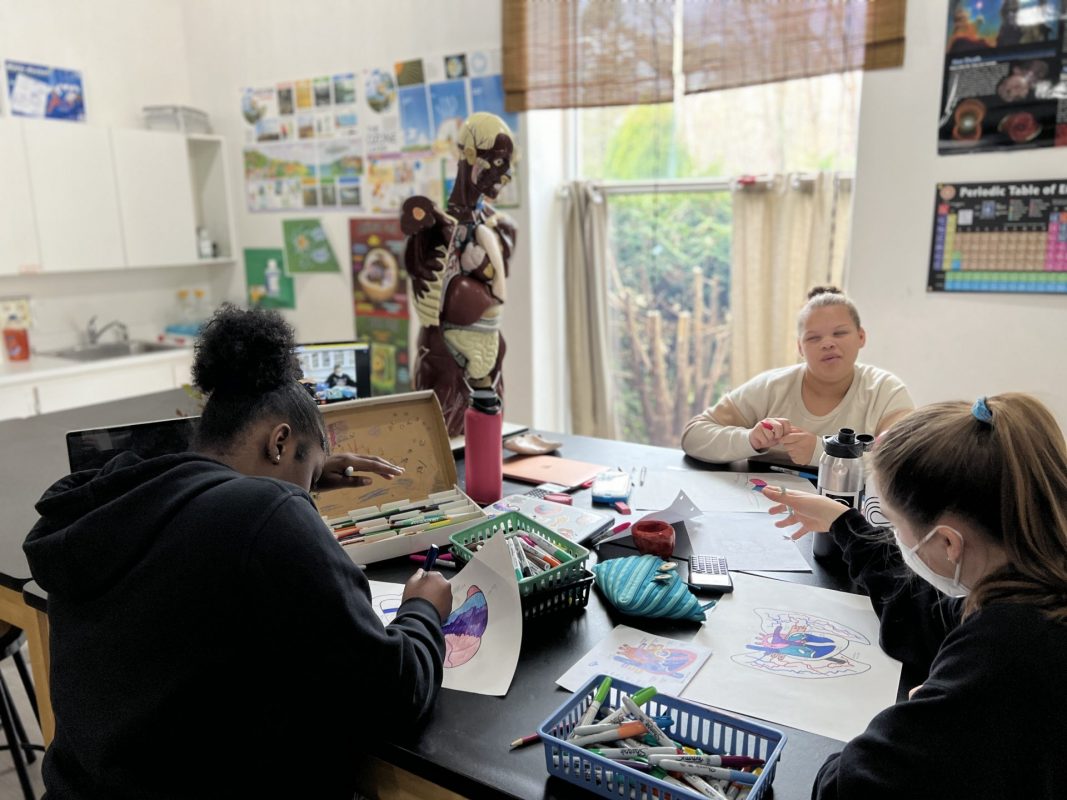
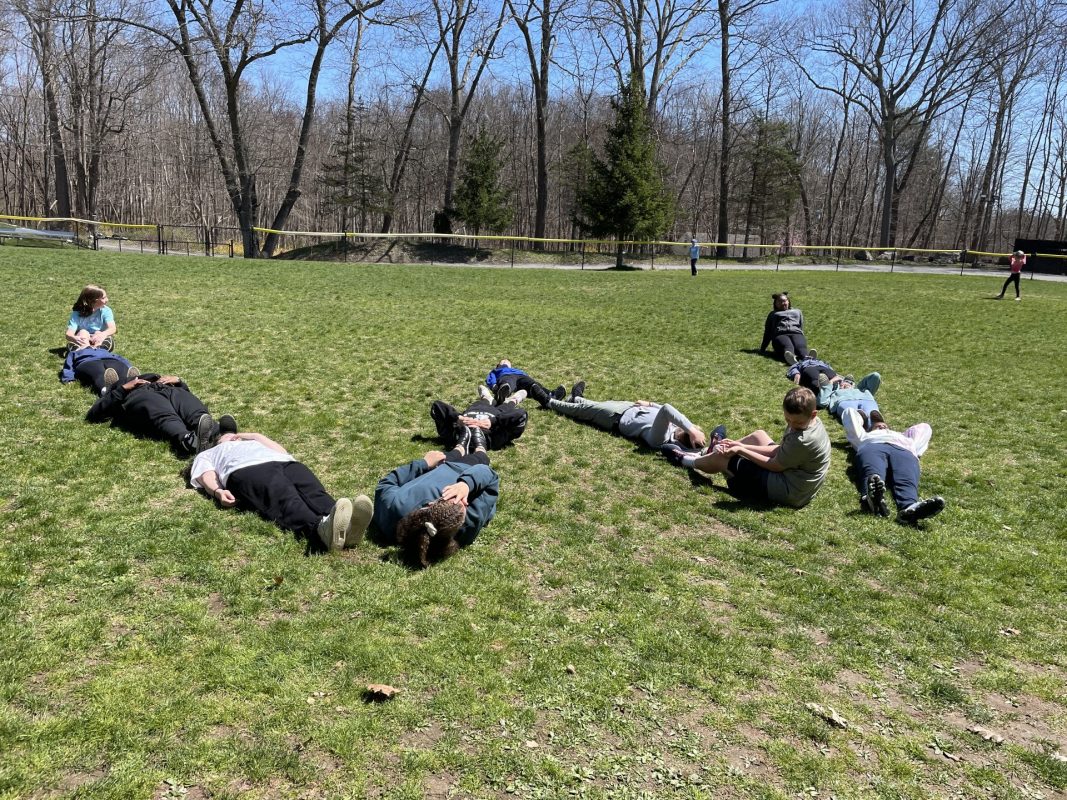
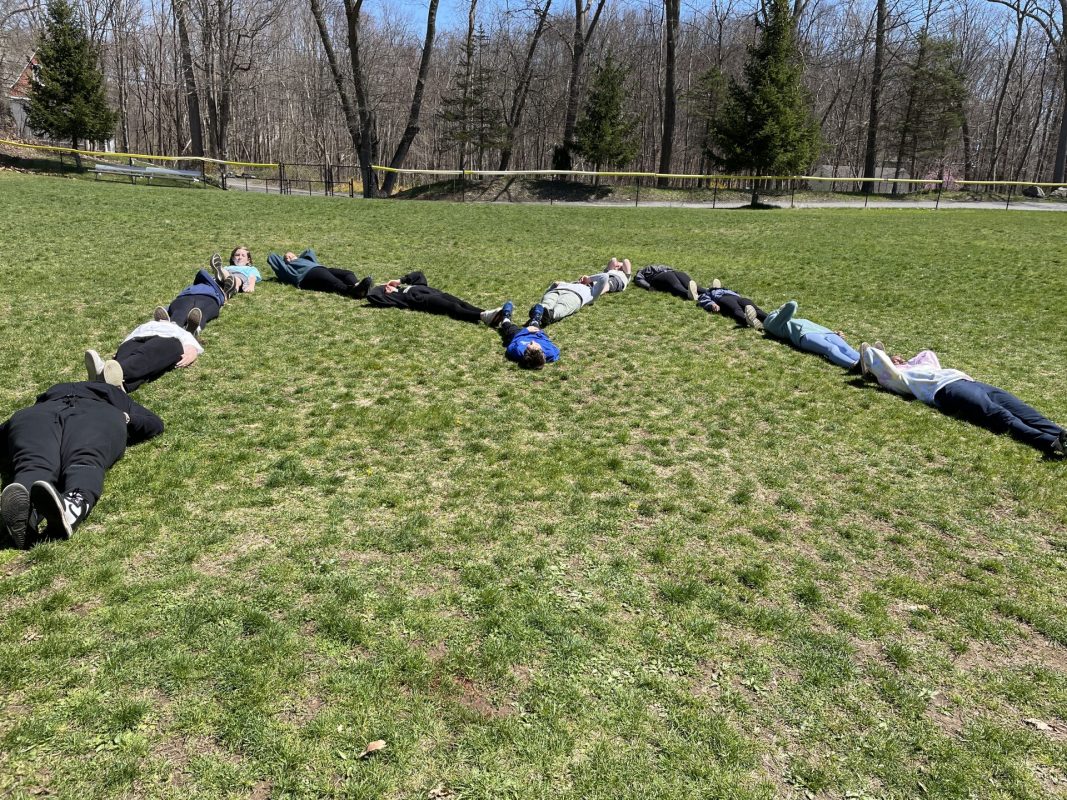
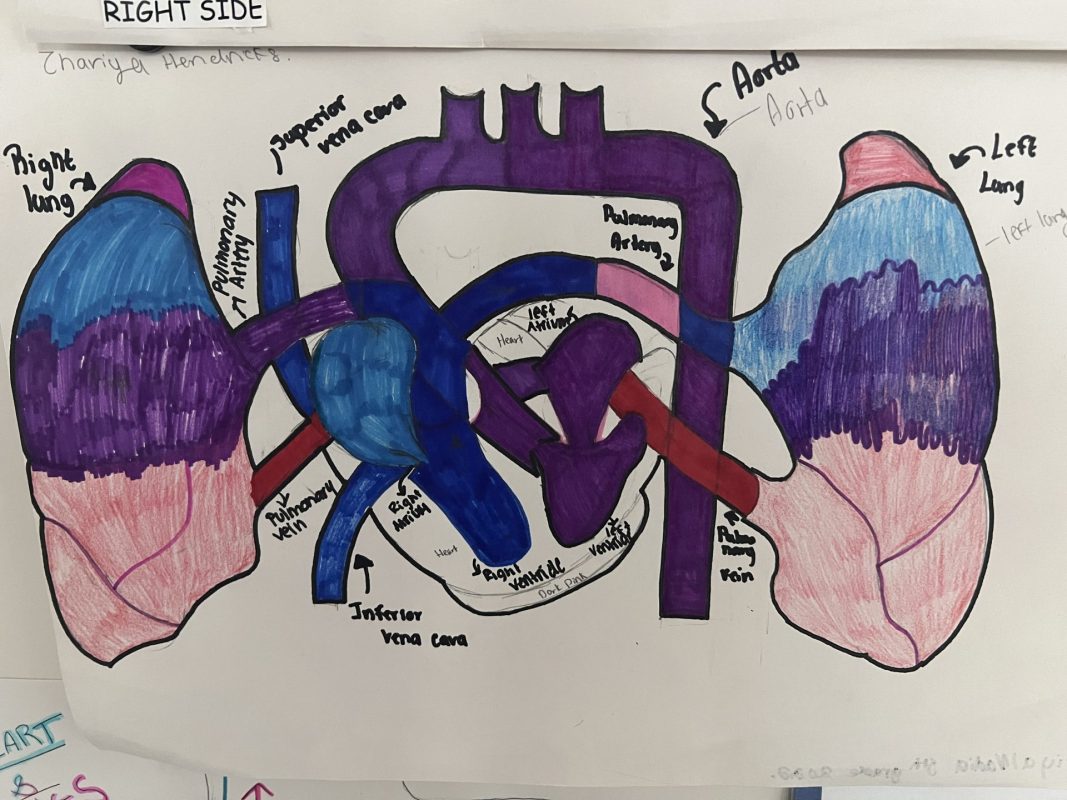
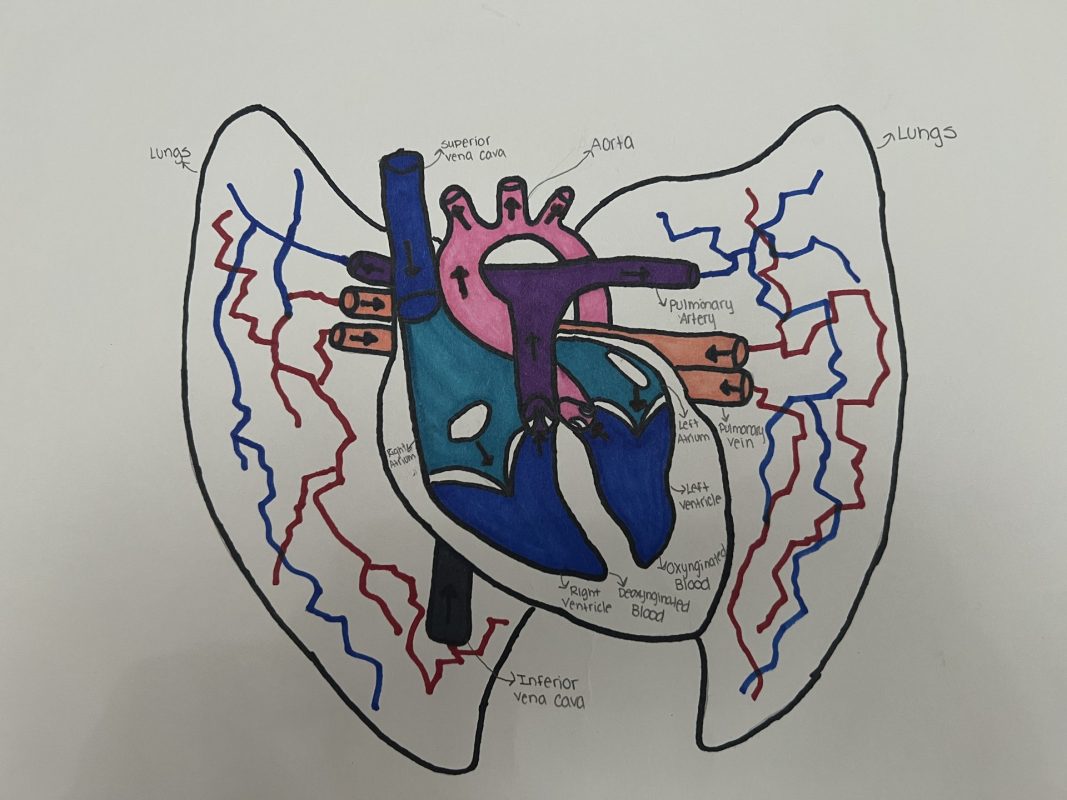
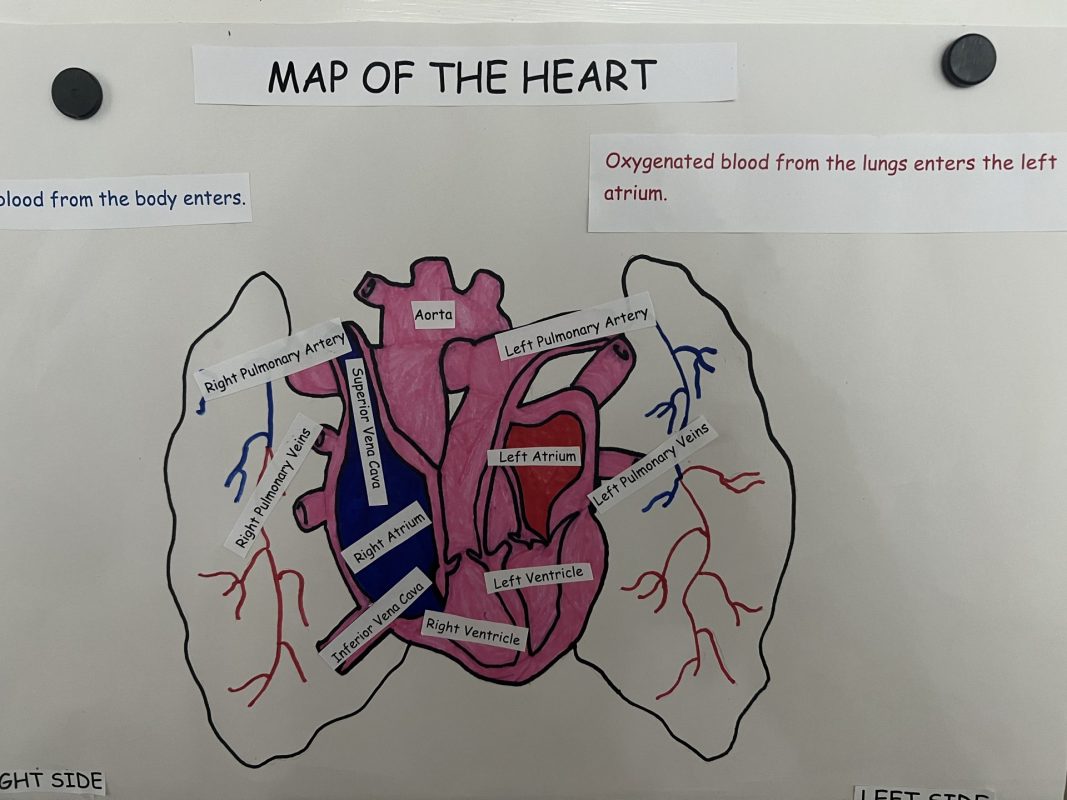
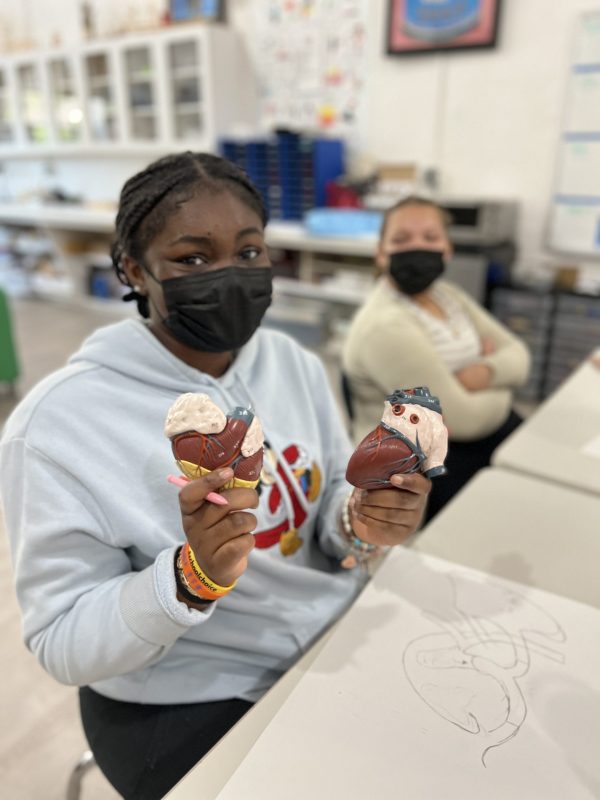
8th year Life Science students finished illustrating the circulatory system. Students were required to label all parts of the heart, flow of blood through the heart, oxygen exchange, and major veins and arteries. Students also conducted several explorations within their tech-book to represent how certain lifestyles affect the heart rate and blood pressure of an individual.
Humanities
6th grade Humanities students continued their study of subcontinental Asia, leading up to their class novel, Shooting Kabul. This week they reviewed the information learned about Hinduism and did a guided research assignment about Islam. Finally, they presented their current events to end the week with excellent topics and led meaningful discussions.
7th grade Humanities students studied World War I this week by reviewing last week’s research assignment and moving forward with details about how it began, who was involved, and how, ultimately, it led to the Russian Revolution. They also reviewed Communism, Czarist rule, and learned about the Bolshevik Party, including the leaders who emerged. Finally, a look at revolution globally throughout history shows patterns and effectiveness. Students additionally worked on current events reports, and they will present them on Monday.
8th grade Humanities students started the week by reviewing work they did surrounding a section of Ronald Takaki’s A Different Mirror. This touched on slavery in the colonies during the late 1600s-1700s as well as law and policy changes continually made to create social hierarchy. Bacon’s Rebellion and the legislation that followed would be impactful to the future U.S.A. The 8th grade students have also completed drafts of their expert project research papers!
Math
In Transition class, students concluded their learning of Chapter 8 titled Multiplication in Algebra. They reviewed graphing equations in the form y=ax+b, practiced how to write equations from a word problem in the form ax=b, and how to solve inequalities using the multiplication property of equality.
In Algebra class, students gained a better understanding of the quadratic equation. This class can identify the maximum and minimum of a parabola, label the vertex of a graph, and solve for unknown variables in the form ax^2=b. Next week, they will continue to explore the quadratic equations in order to solve problems about paths of projectiles and real world applications.
In Geometry class, students were successful with finding the area and perimeter of irregular shapes. This class learned about the triangle and different quadrilateral area formulas. They concluded the week with a short quiz to summarize their learning from lesson 8.1-8.4.
Math Joke: What is the butterfly’s favorite subject in school?………Mothematics.
Enjoy the spring weather this weekend!
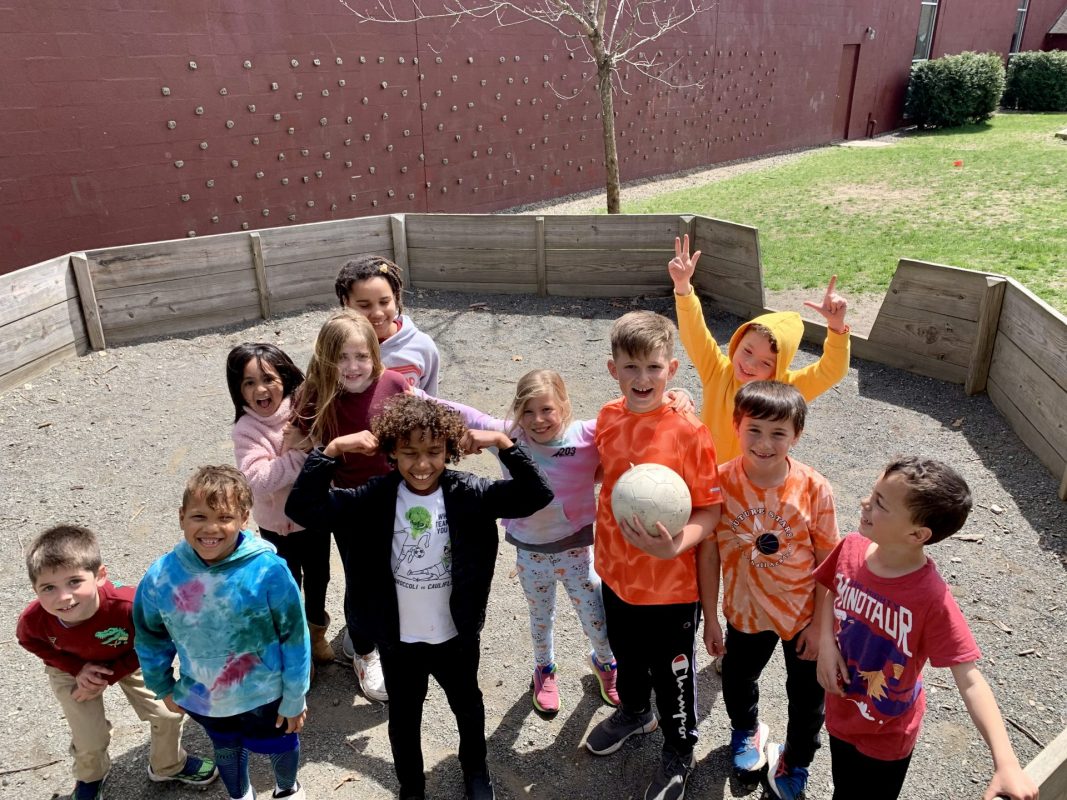
Lower El: Reading and Science

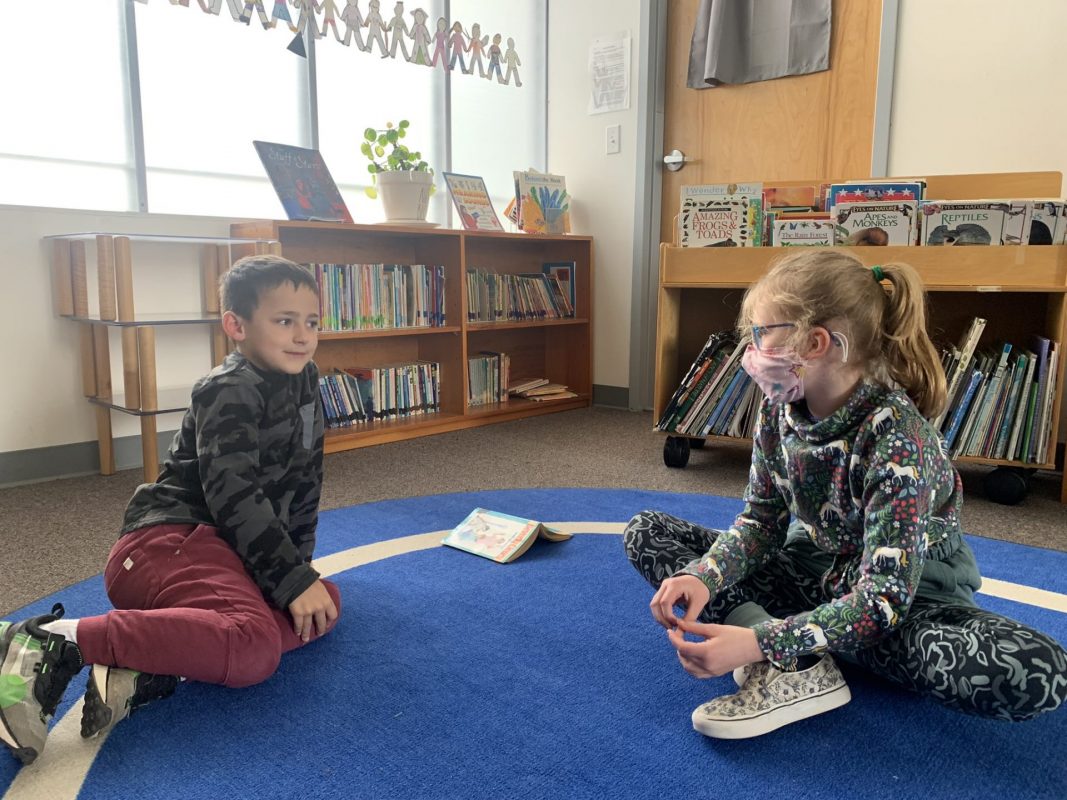
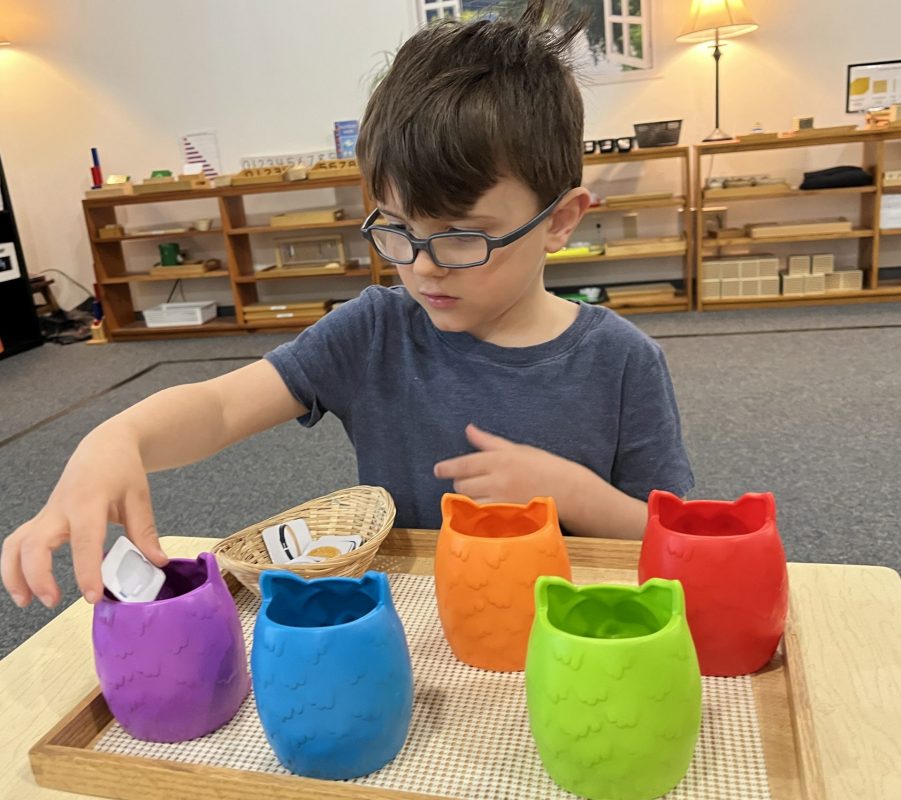
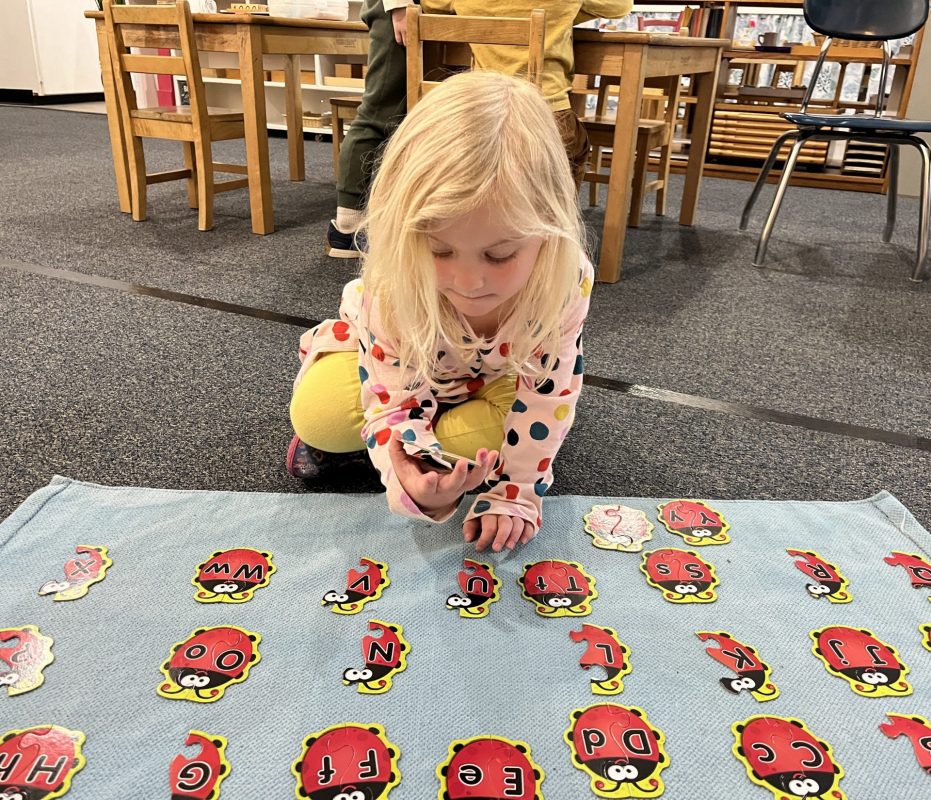
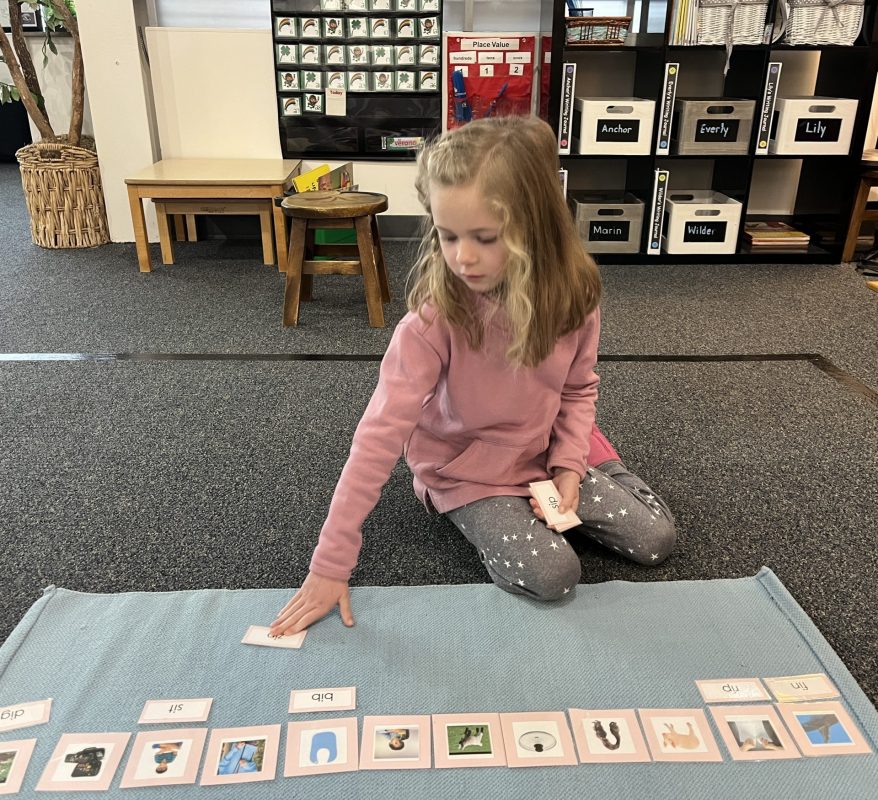
This week in Readers Workshop the students enjoyed re-telling stories to a partner. They learned to compare their re-telling to ice cream cones, the more scoops the better. Just like retelling, more details the better! Remembering the order of a story, and story details, is key to understanding. Good readers can anticipate the next part of a story, which helps beginning readers to form good guesses about unfamiliar words and advanced readers to learn to read more quickly. In addition, being able to put information in a sequence is also an important part of problem-solving in all subject areas.
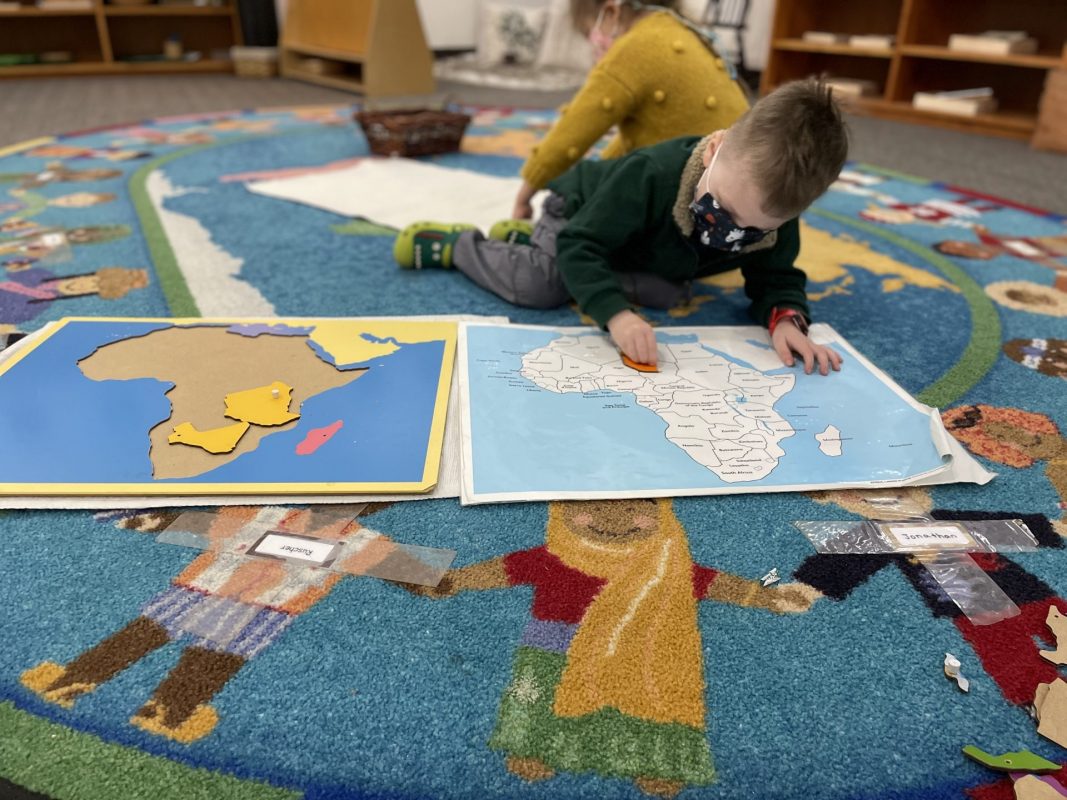
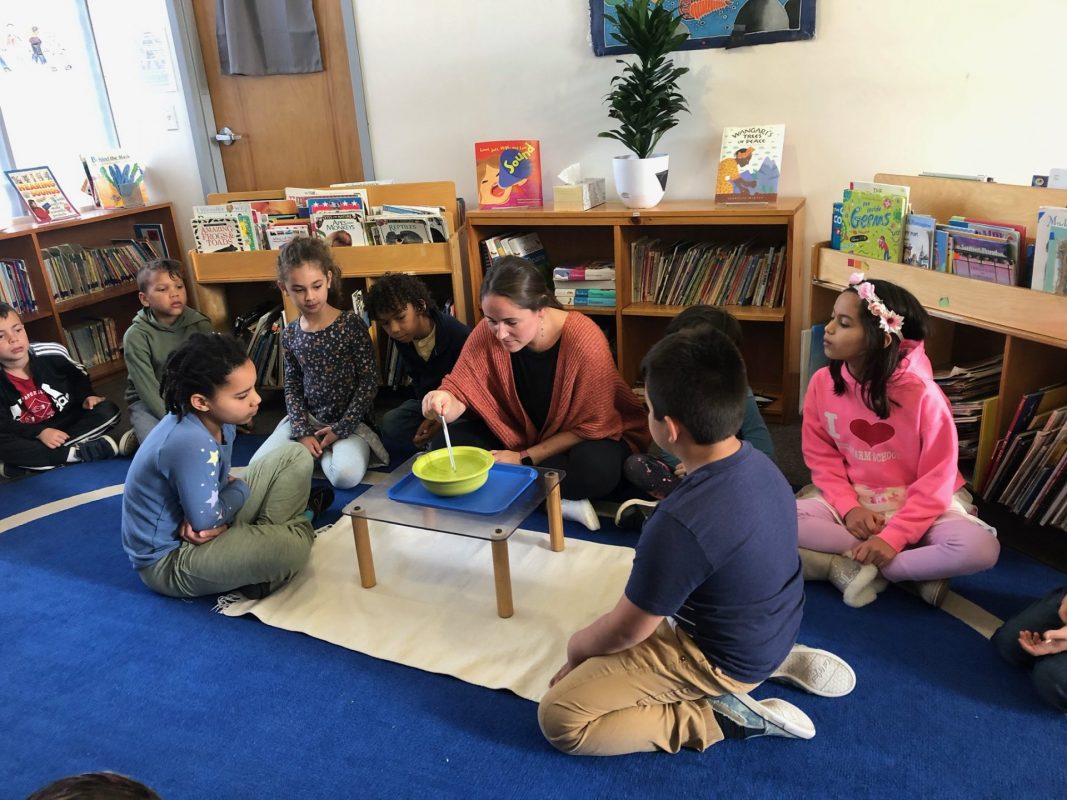
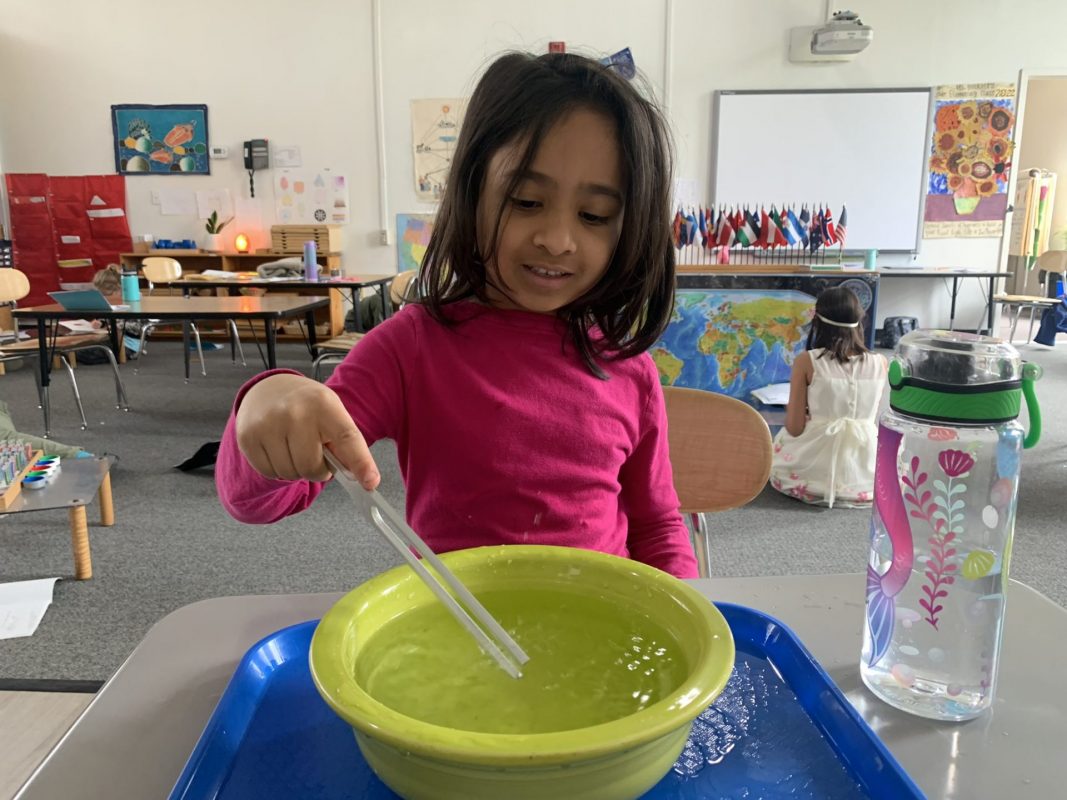
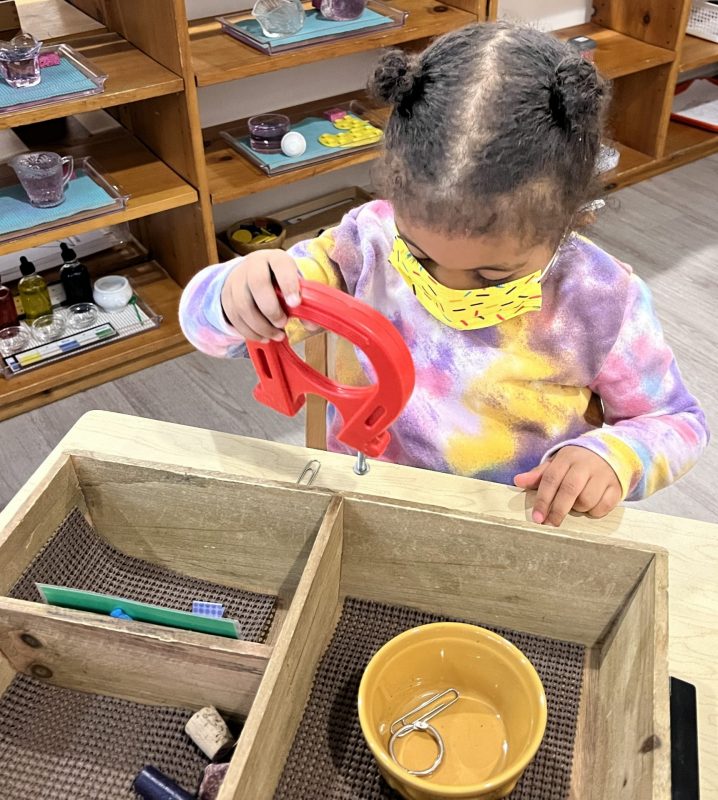
For our science this week, the kids were so enthusiastic, learning about sound vibrations. They were able to get their hands on a material to test out vibrations in different types of matter. They investigated what happened when putting a vibrating tuning fork in a bowl of water.


Mrs Semmah: Earth Day

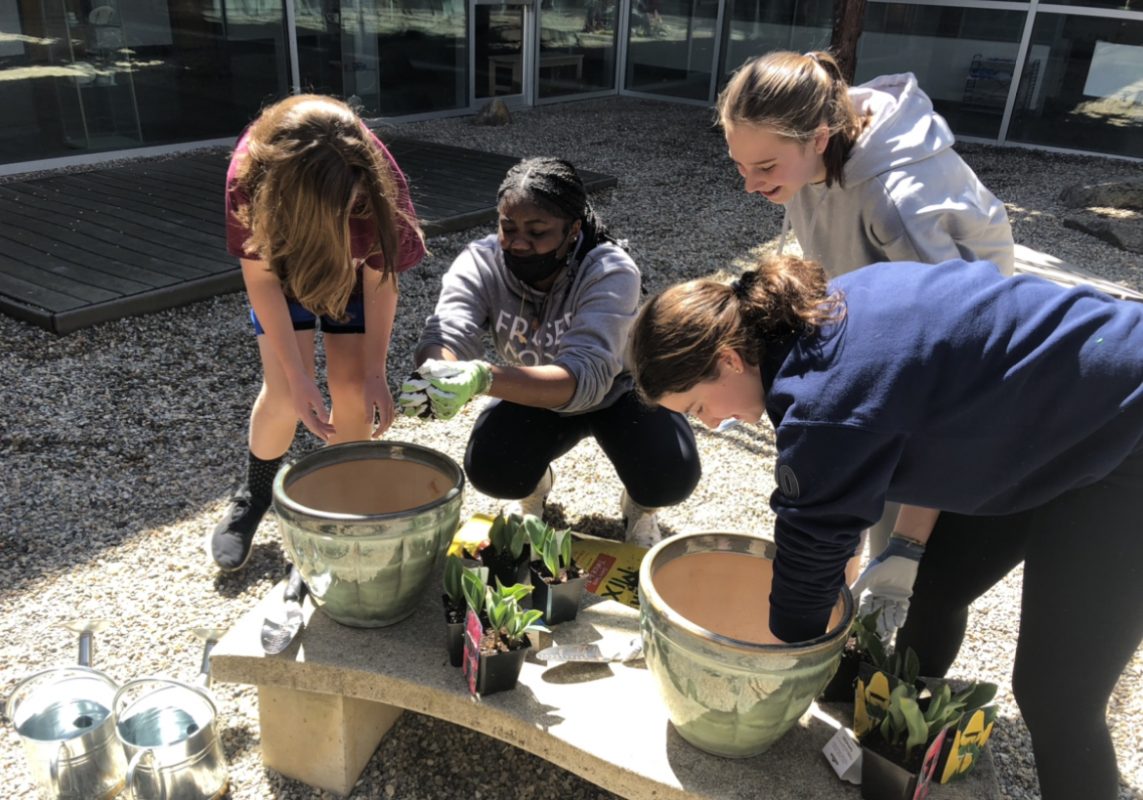
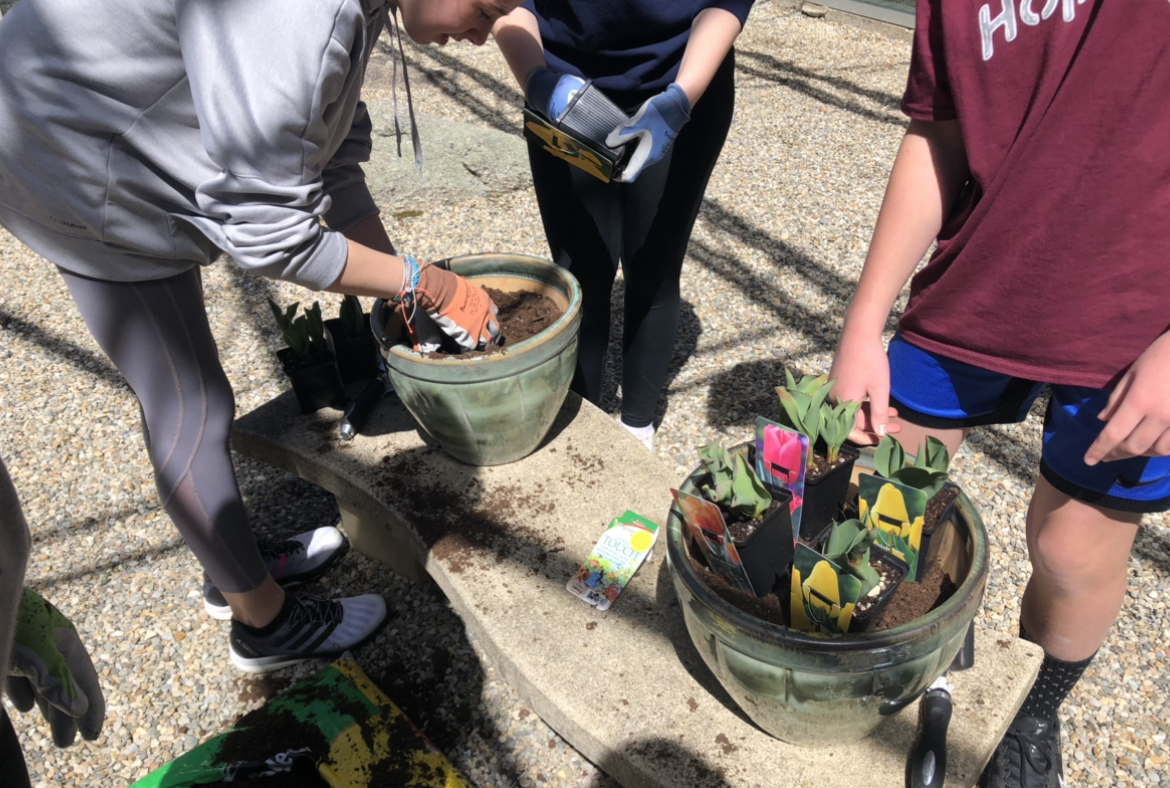
Earth Day is all about our beautiful earth environment and a reminder of how we all interact with it. Earth Day is a reminder about our precious and limited natural resources and the need to be considerate everyday about our planet earth. We can simply celebrate it by planting a tree, digging a garden, or going for a nature walk.

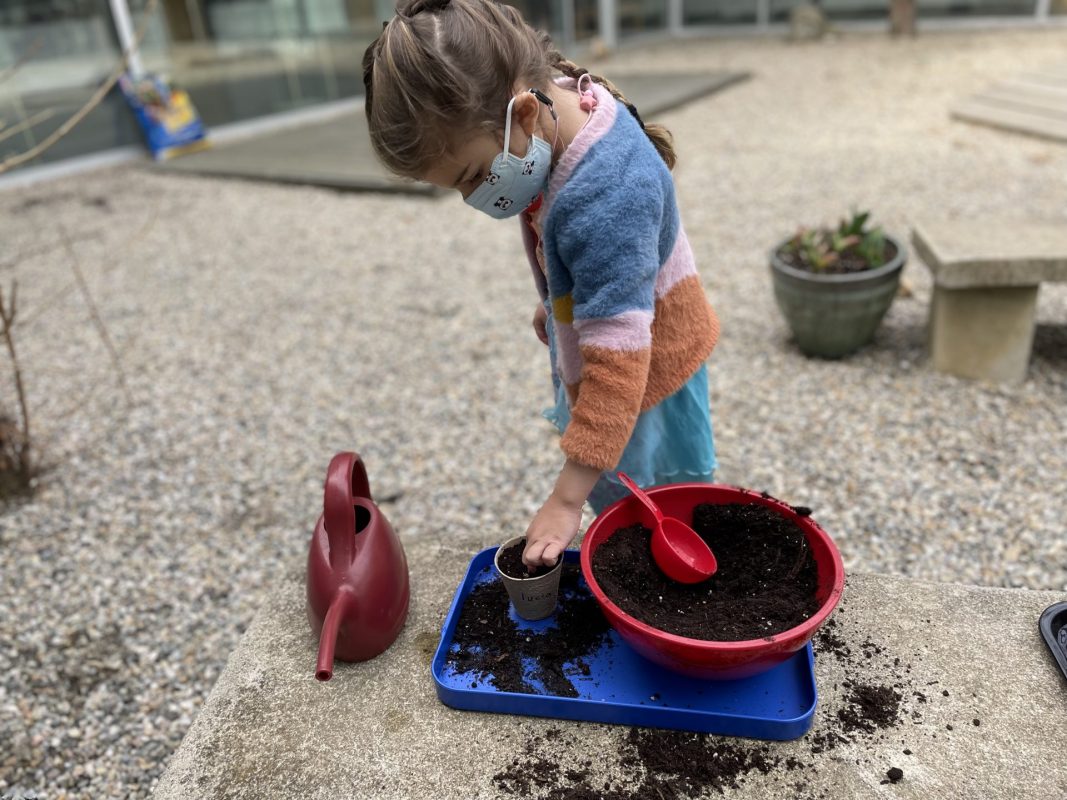
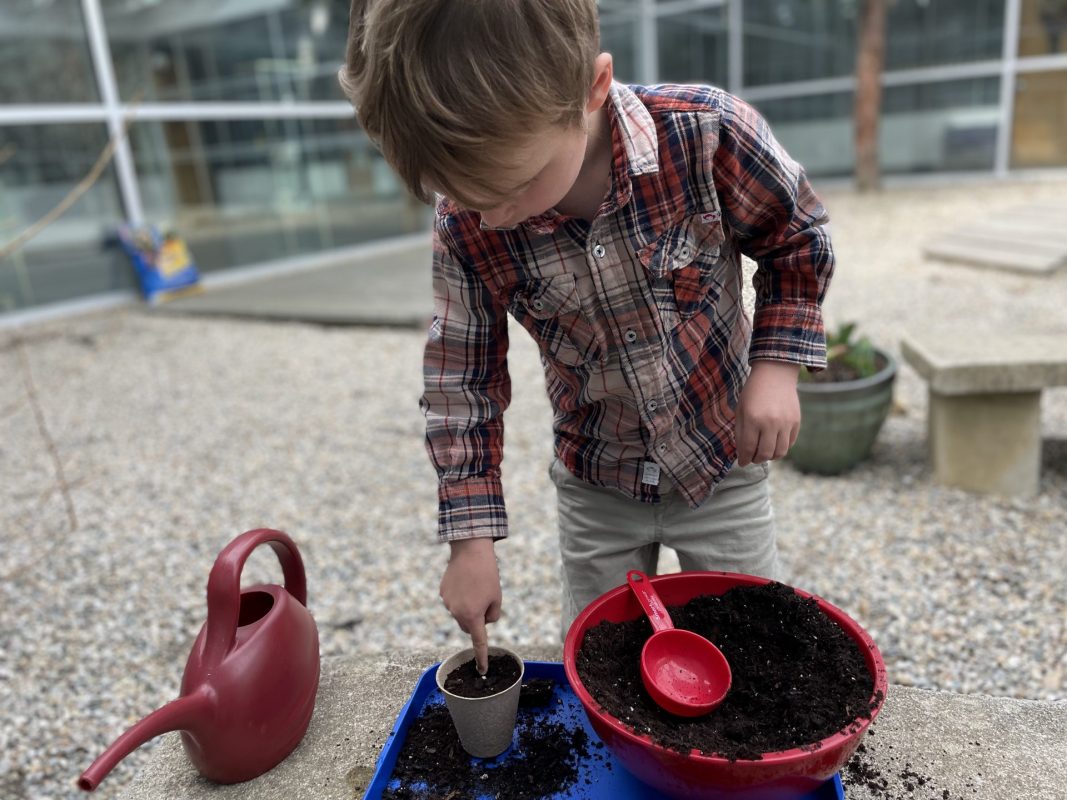
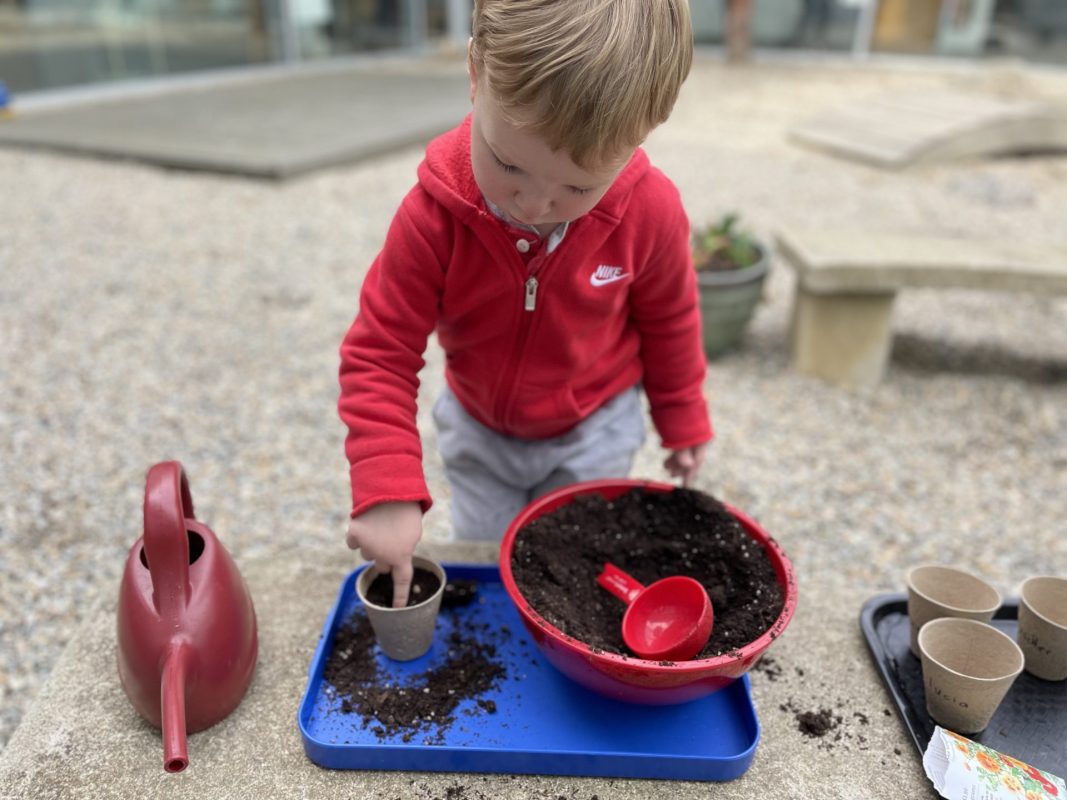
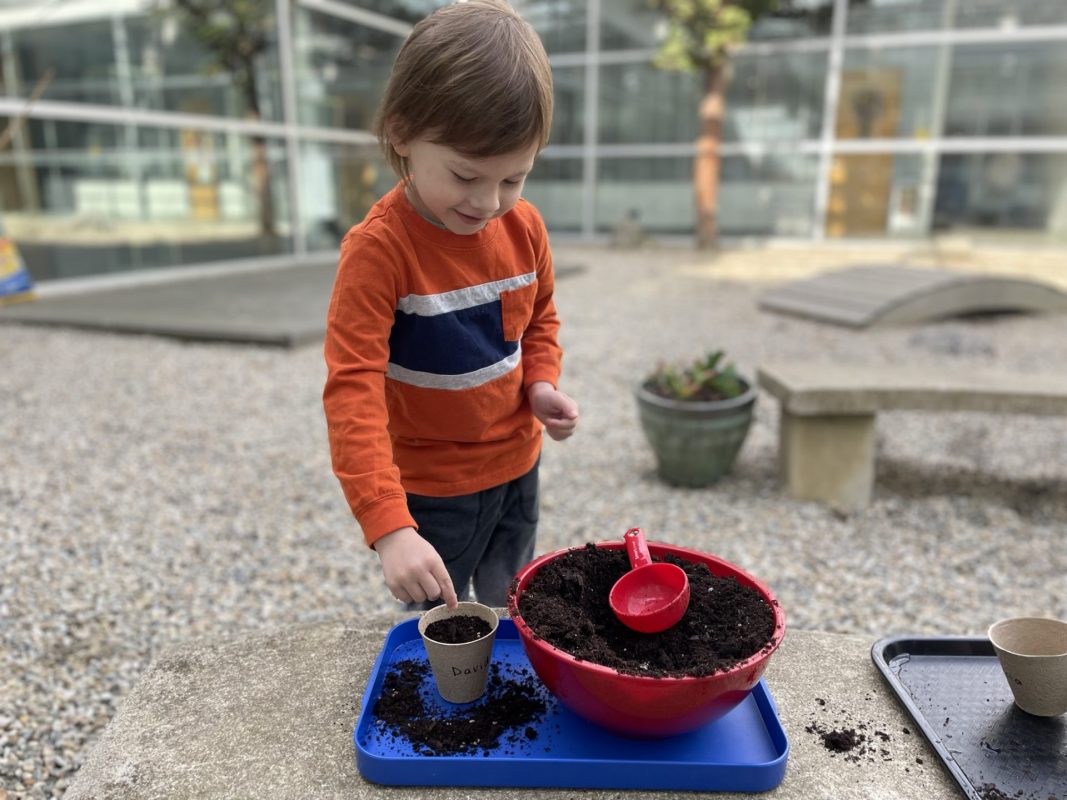
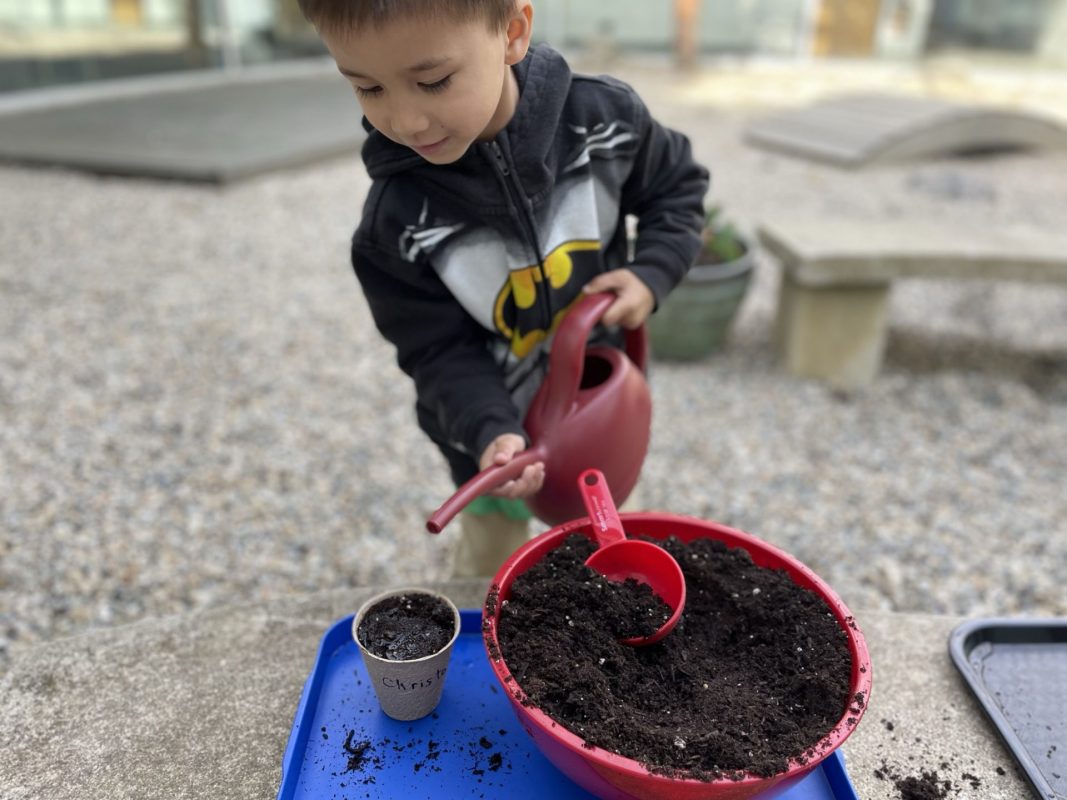
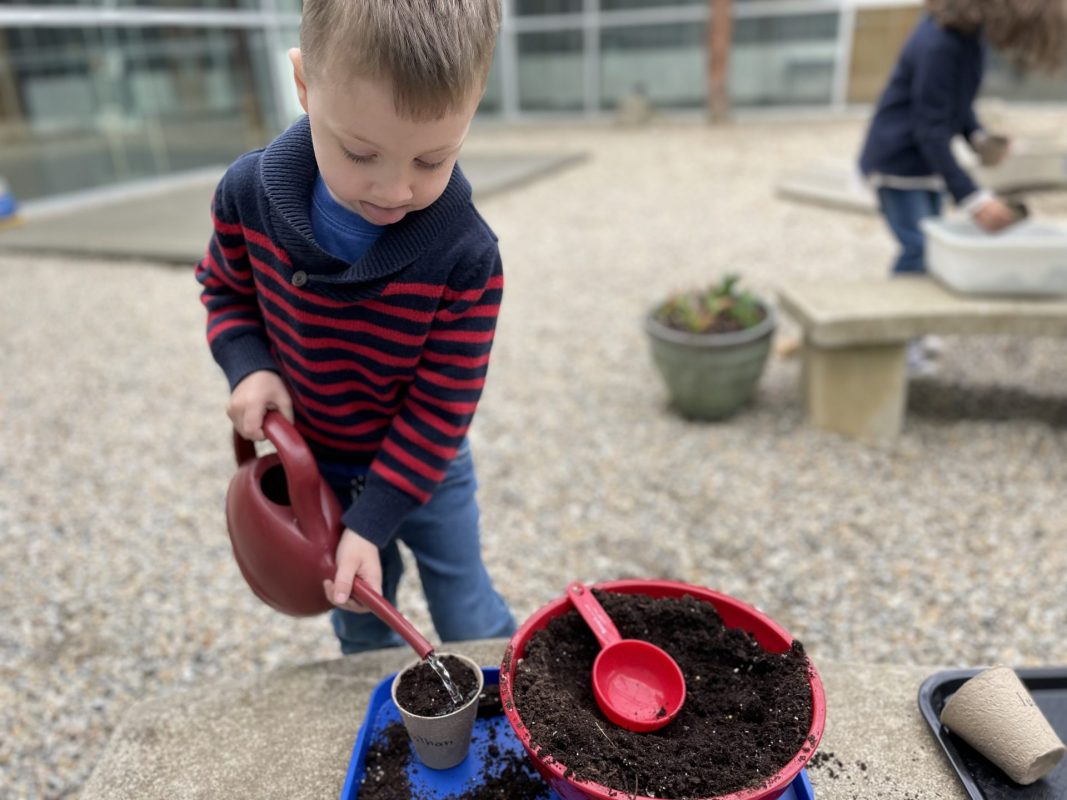
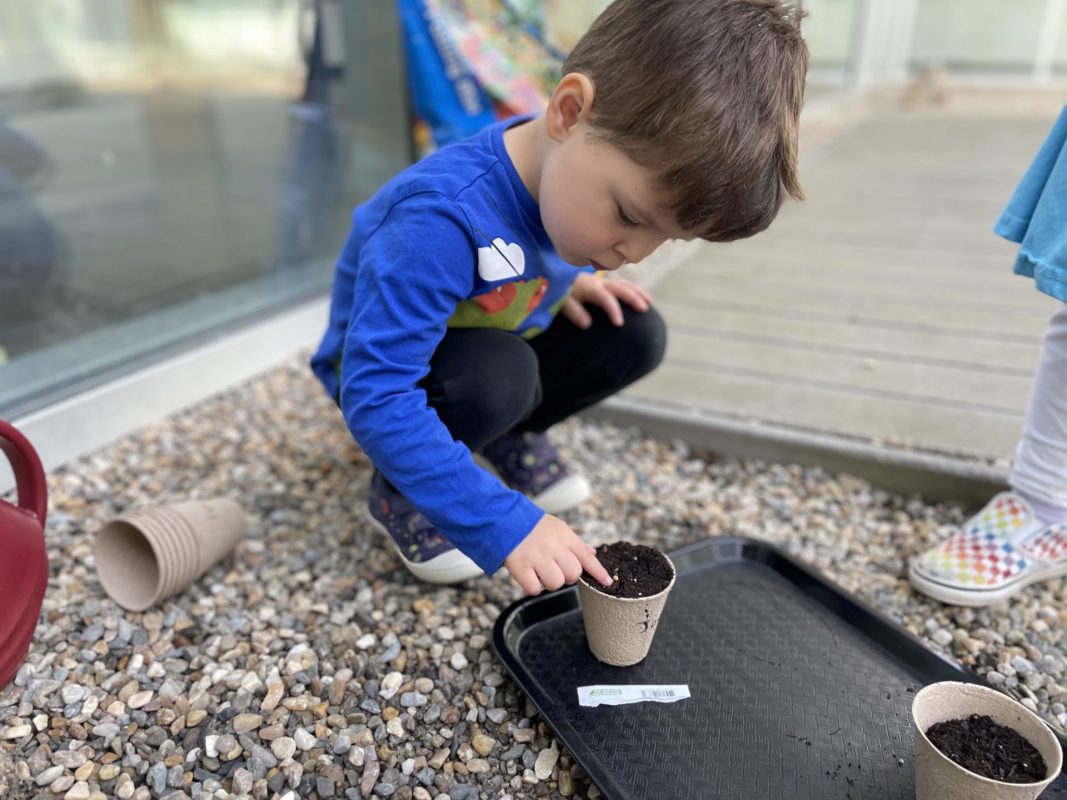
In the classroom, we have our science unit on how plants grow and we are planting more seeds for Earth Day. We incorporate the Three Rs about “reduce, recycle, and reuse” by using the recycling bin as part of our daily routine. We also read books in celebration of Earth Day to learn how to be mindful and caring about our planet Earth.

Wishing you a happy Earth Day.

Kaoutar and Sara


Mrs. Hood: Life in the Sunshine!

“We cannot create observers by saying ‘observe’, but by giving them the power and the means for this observation and the means are procured through education of the senses” – Maria Montessori 

The grass is getting greener, the birds are chirping louder, and after a long winter, we continue to happily observe how the Earth wakes up from its deep slumber. Even though we witness this season every year, it feels so magical every time! 

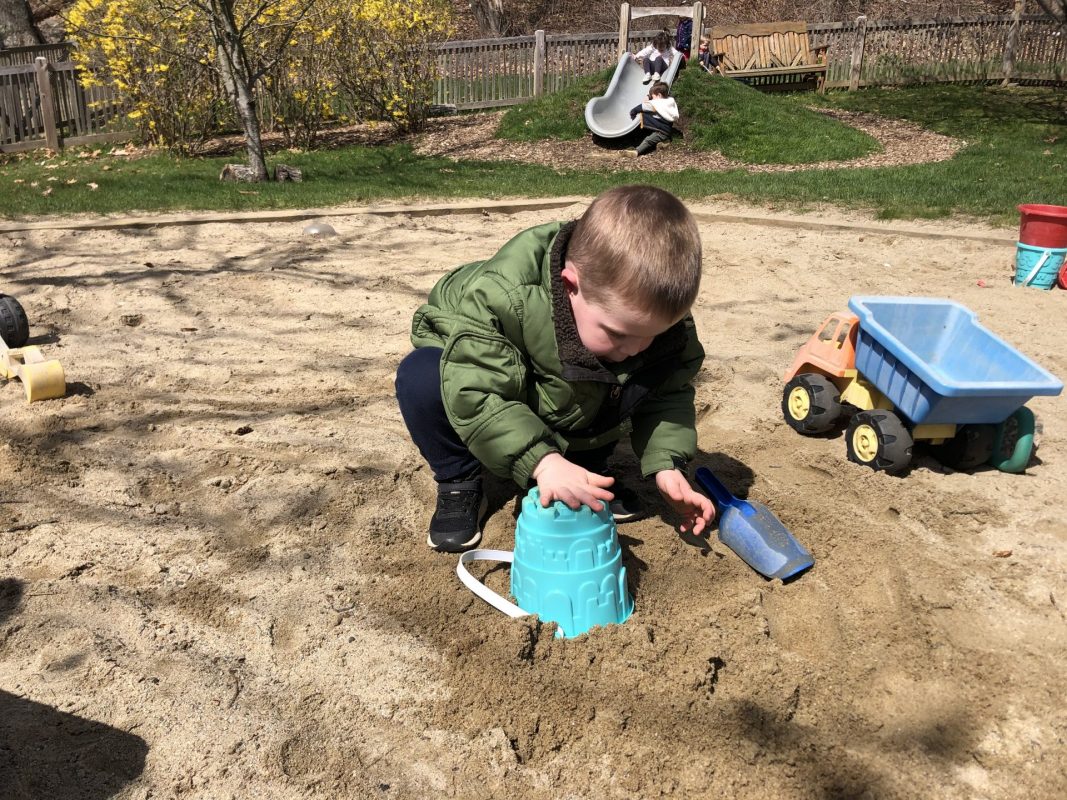
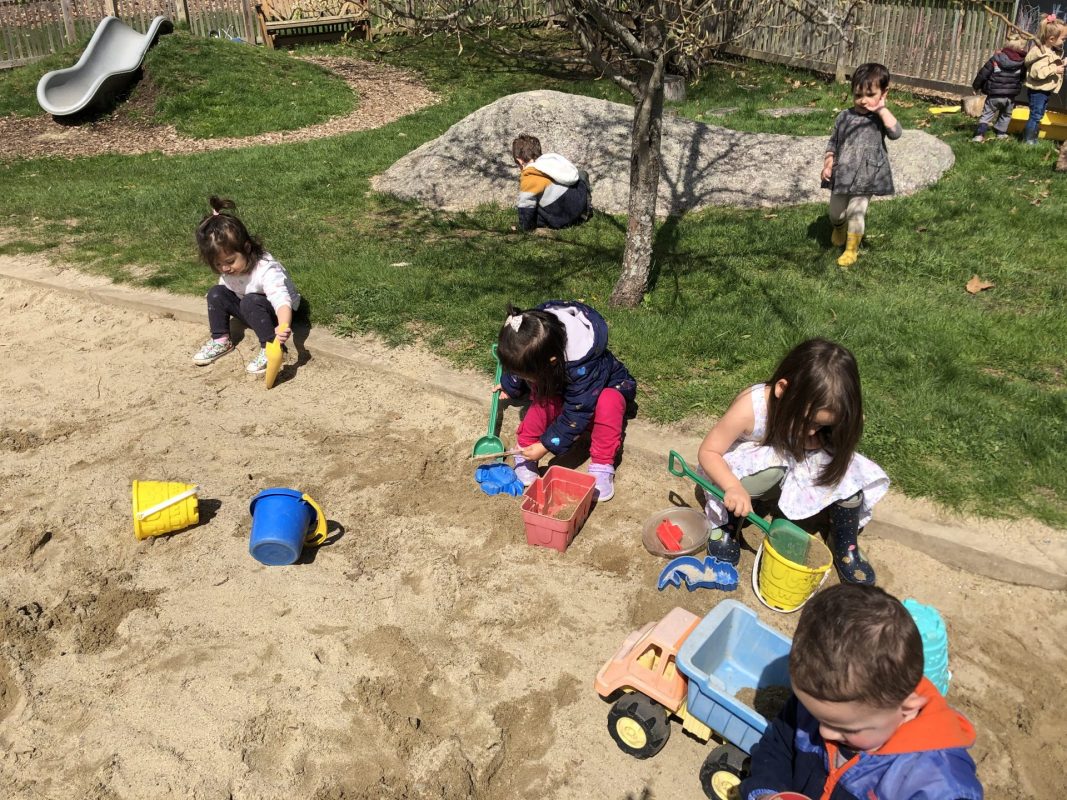
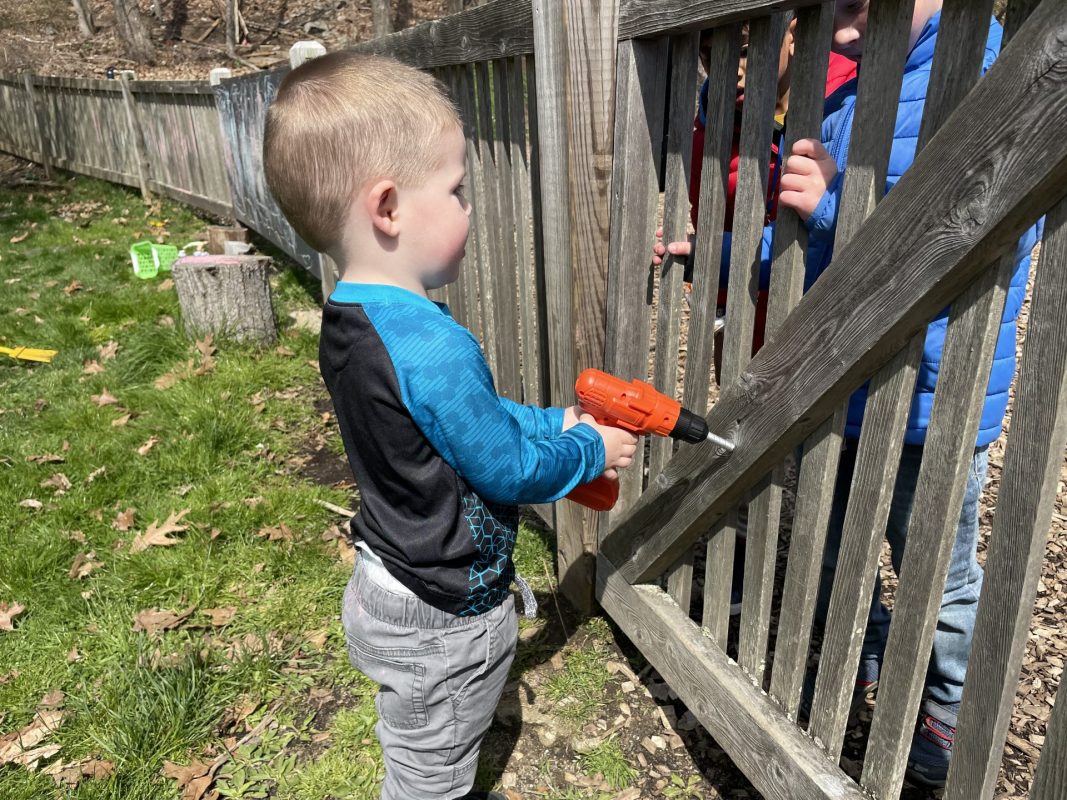
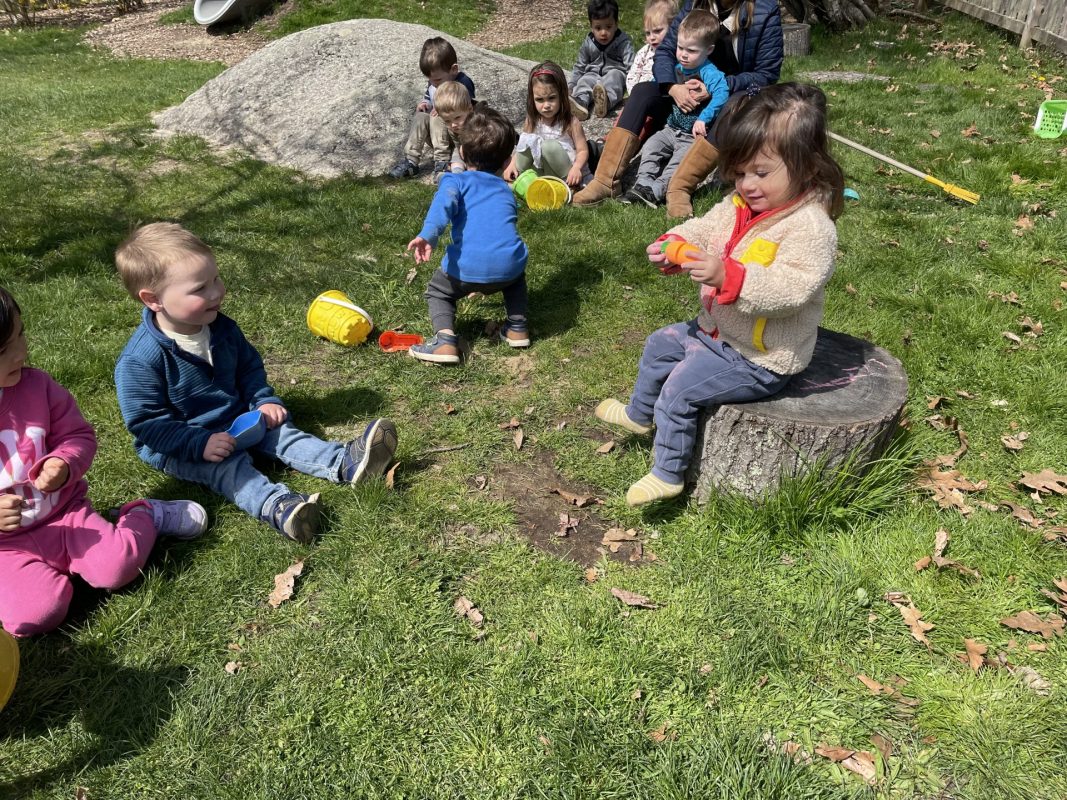
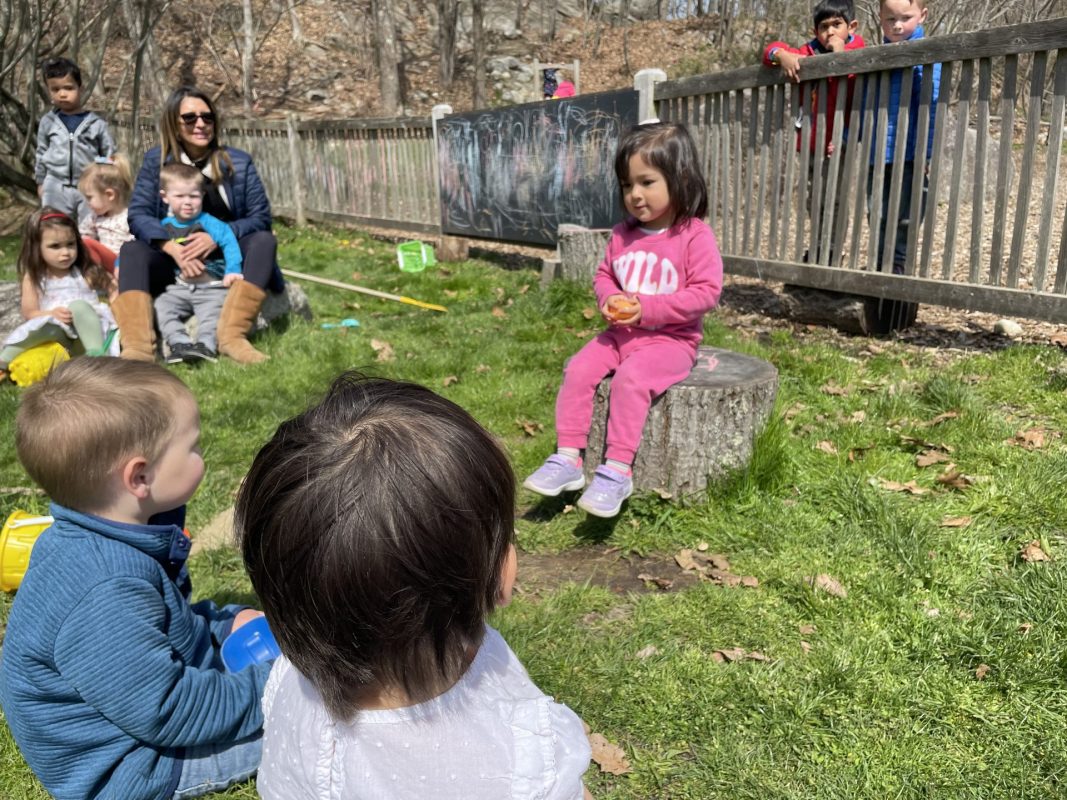
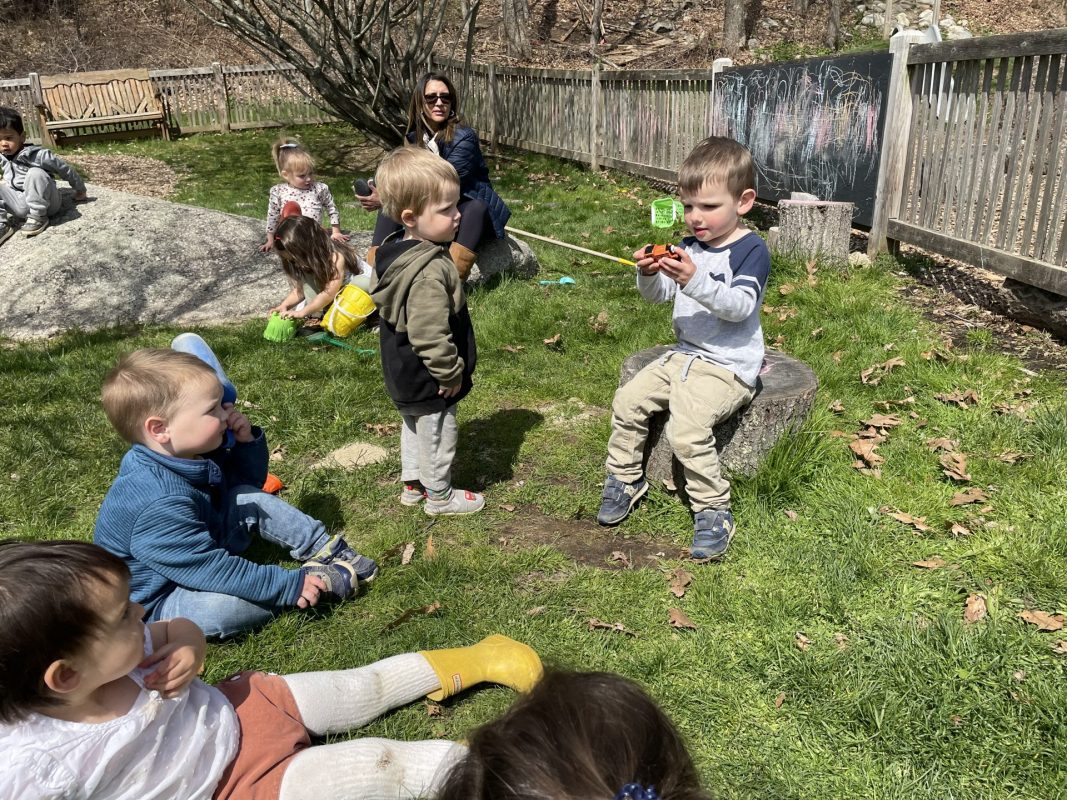
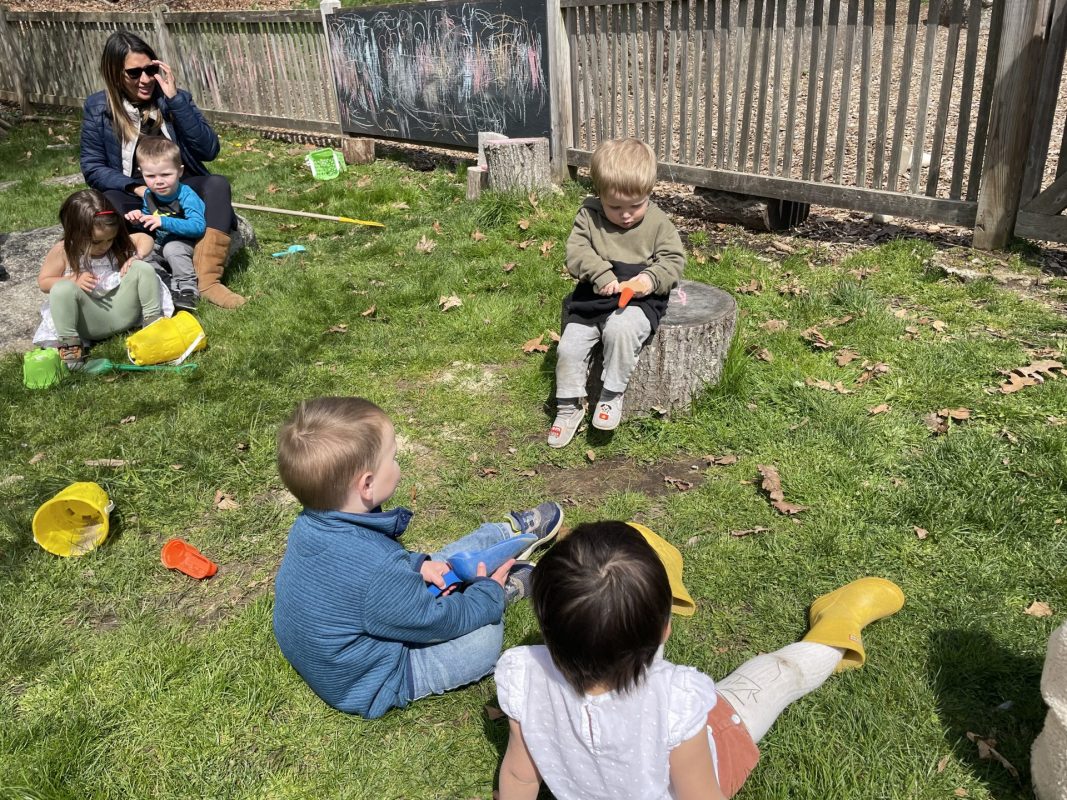
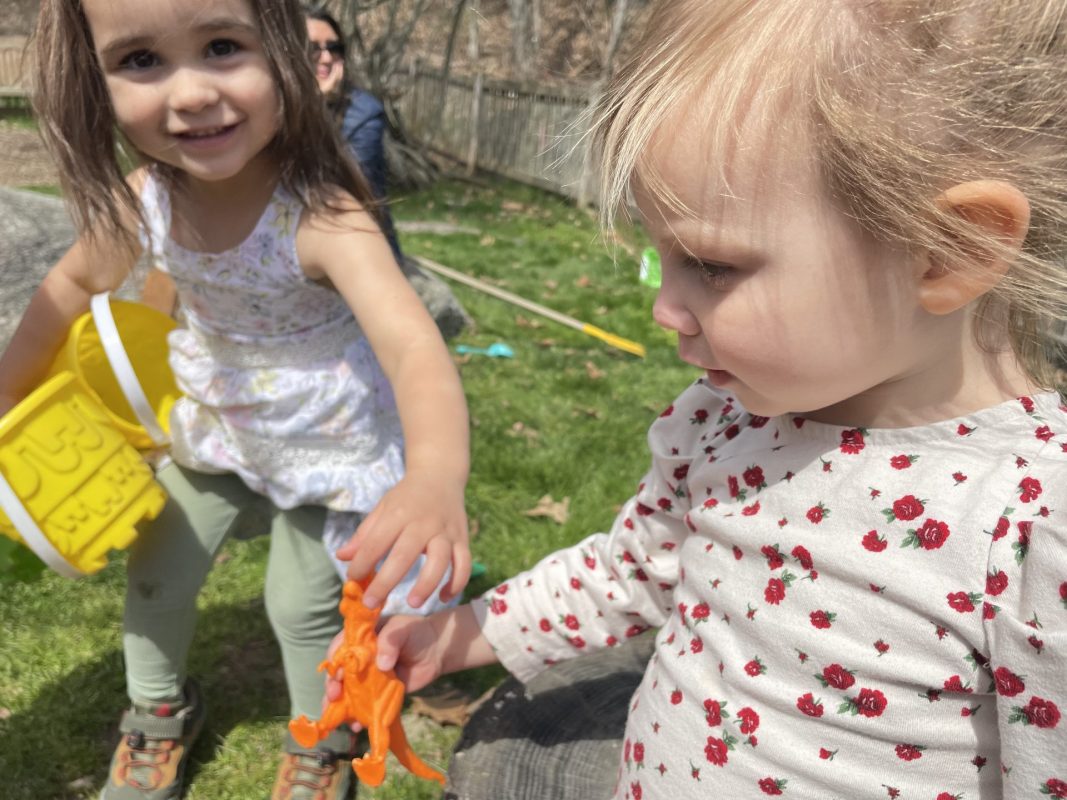
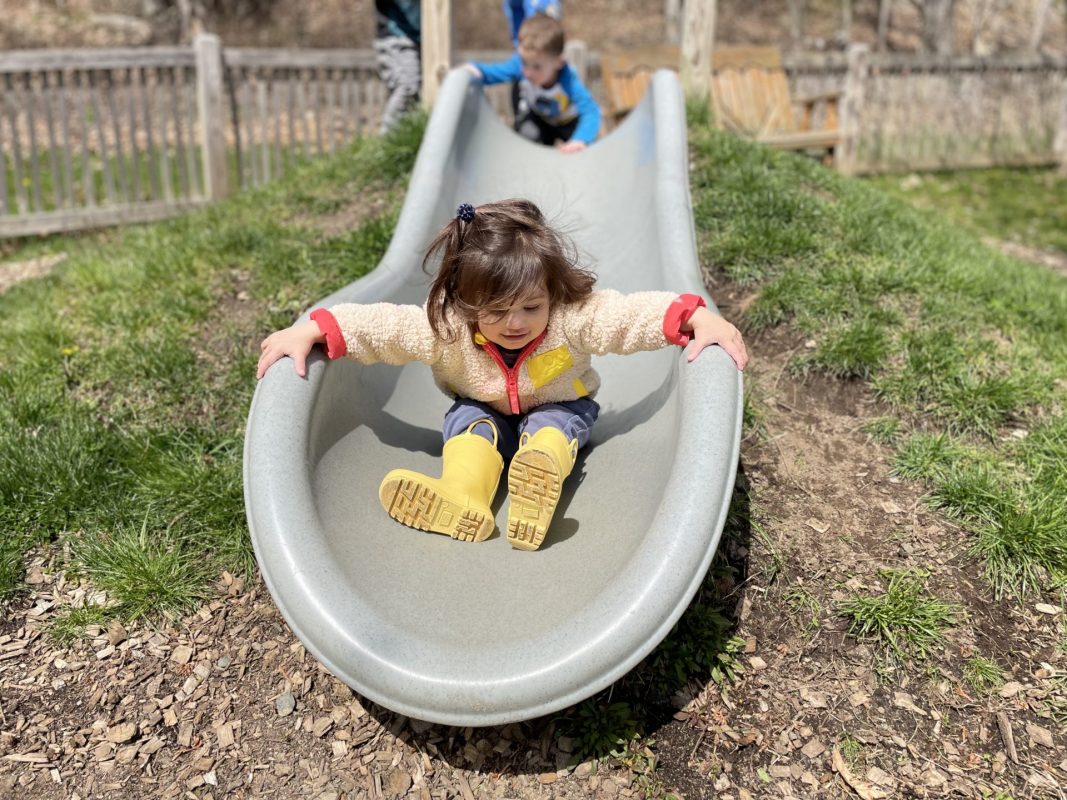
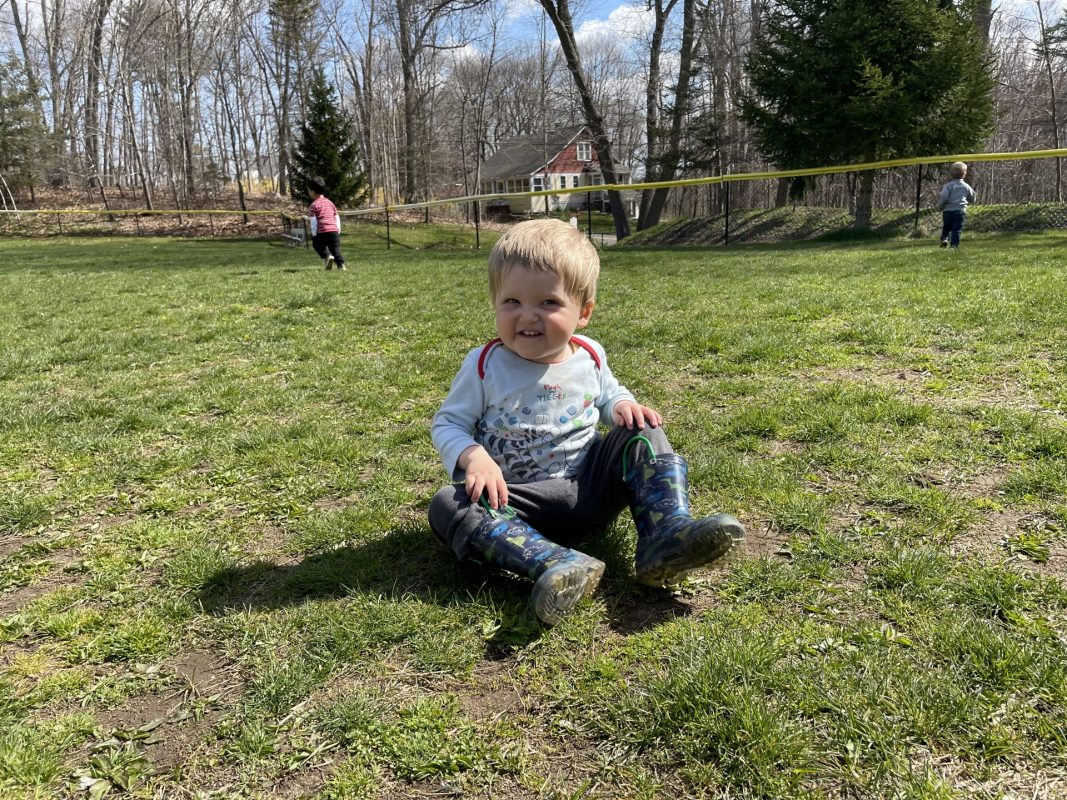
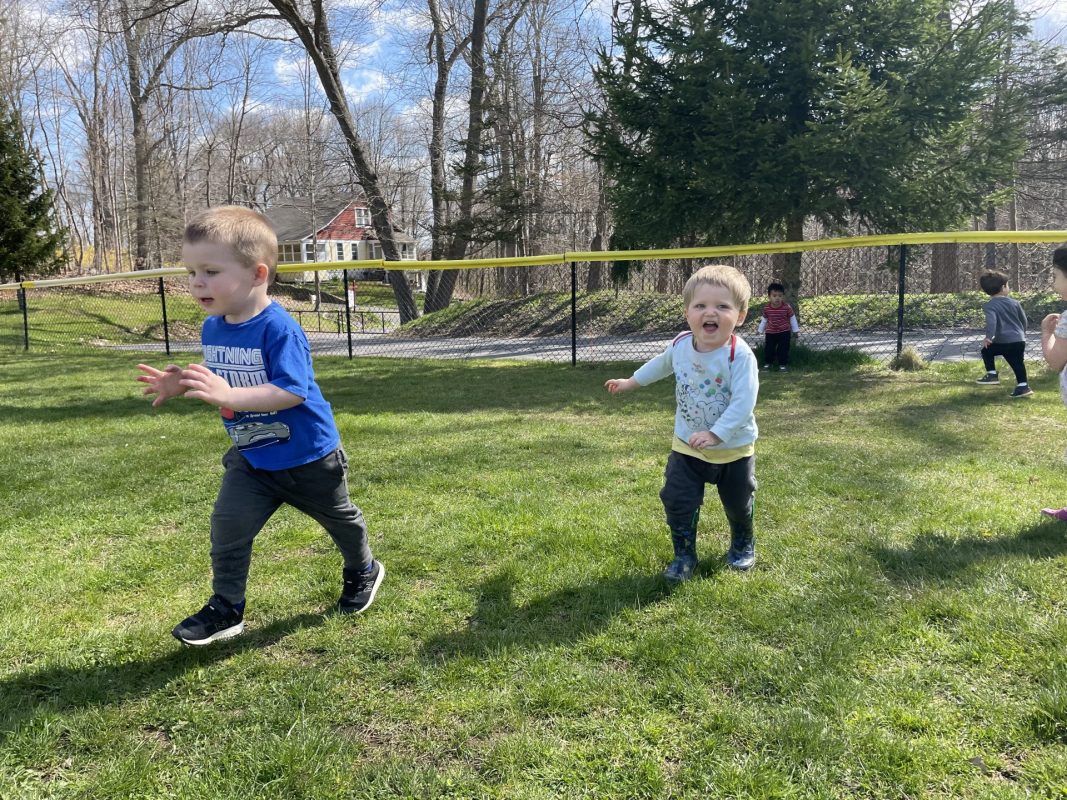
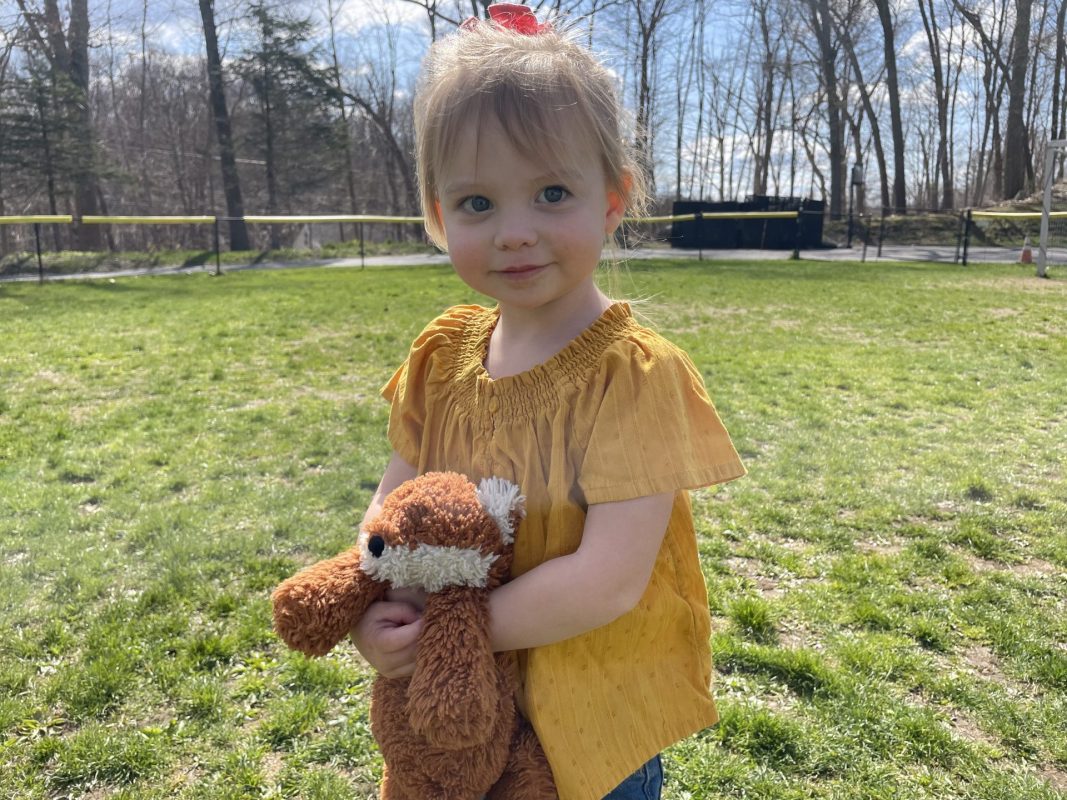
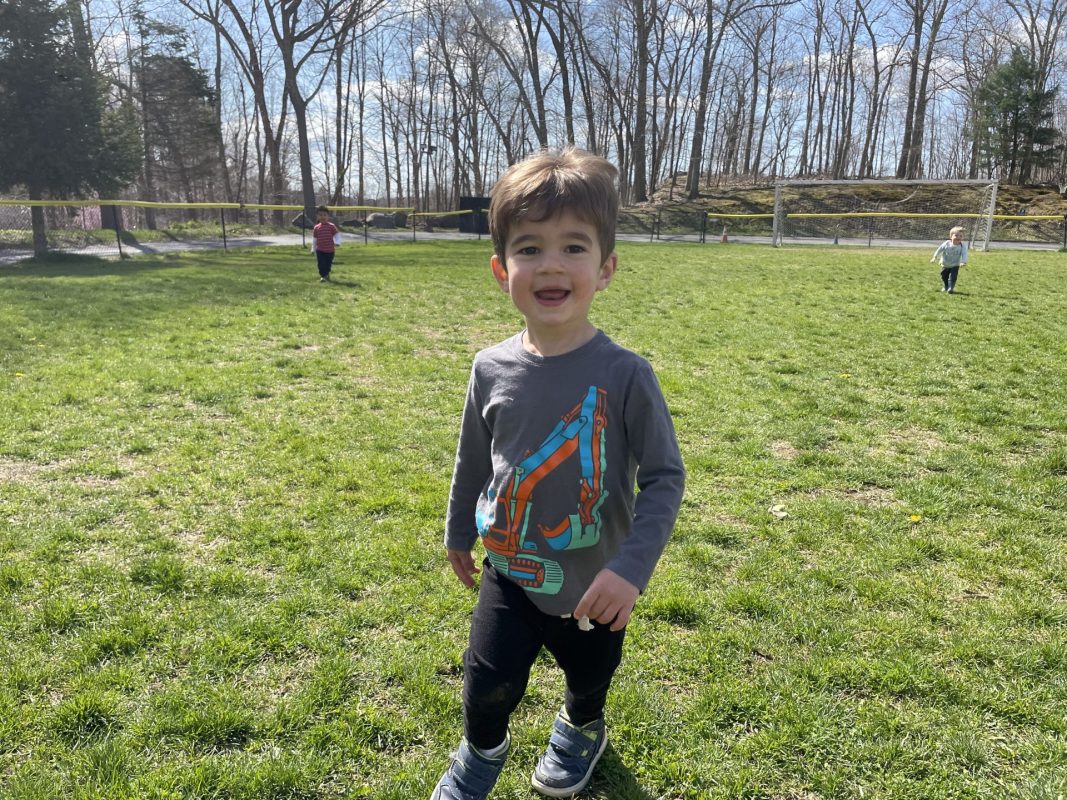
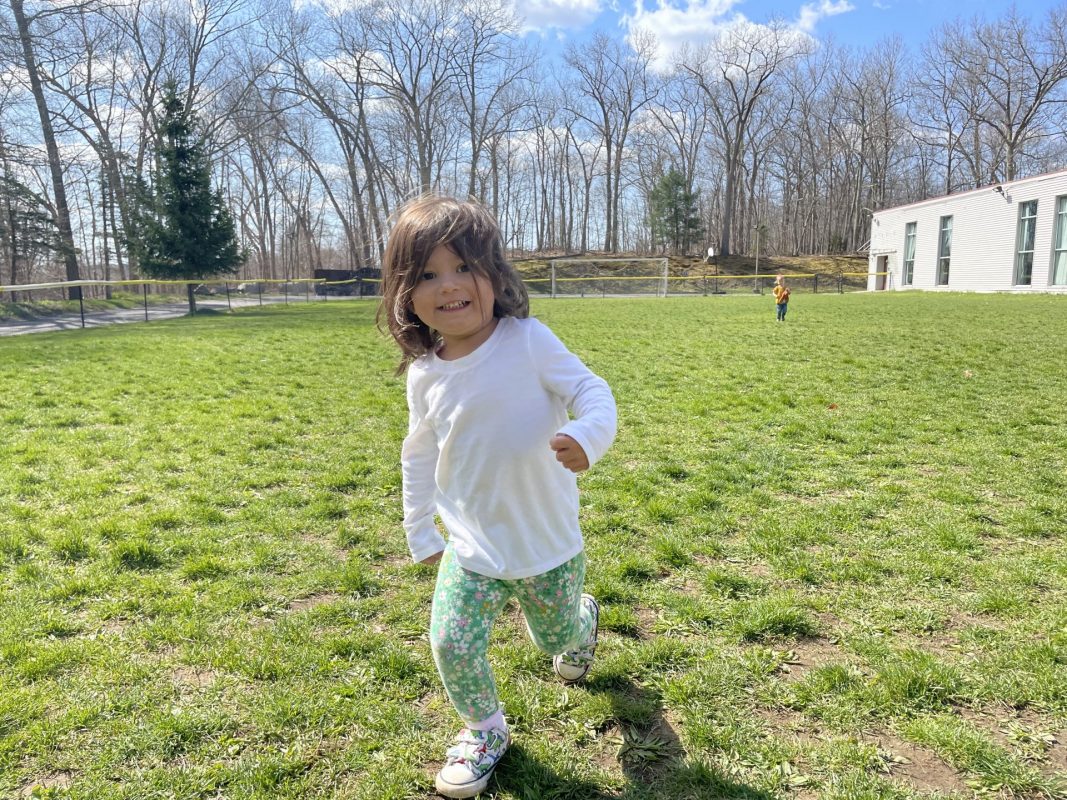
Like Dr. Maria Montessori, we believe that nature is a patient teacher and that Earth is our classroom. Corresponding to how we teach children in the Montessori tradition, nature provides us with both concrete and abstract learning for students of all ages. At our level, children have experiences that introduce them to marvelous wonders by using all five of their senses to comprehend concrete things and build a foundation for understanding the processes of natural life, plus children absolutely love the outdoors! Lately even the shoes come off! 

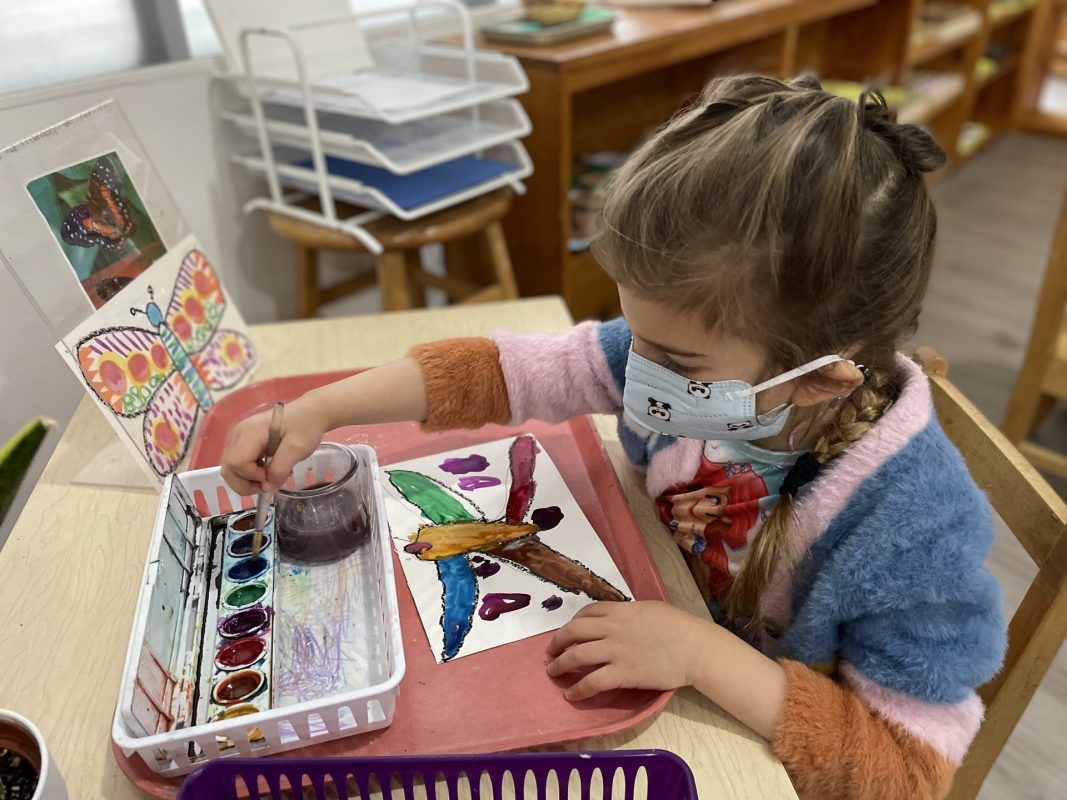
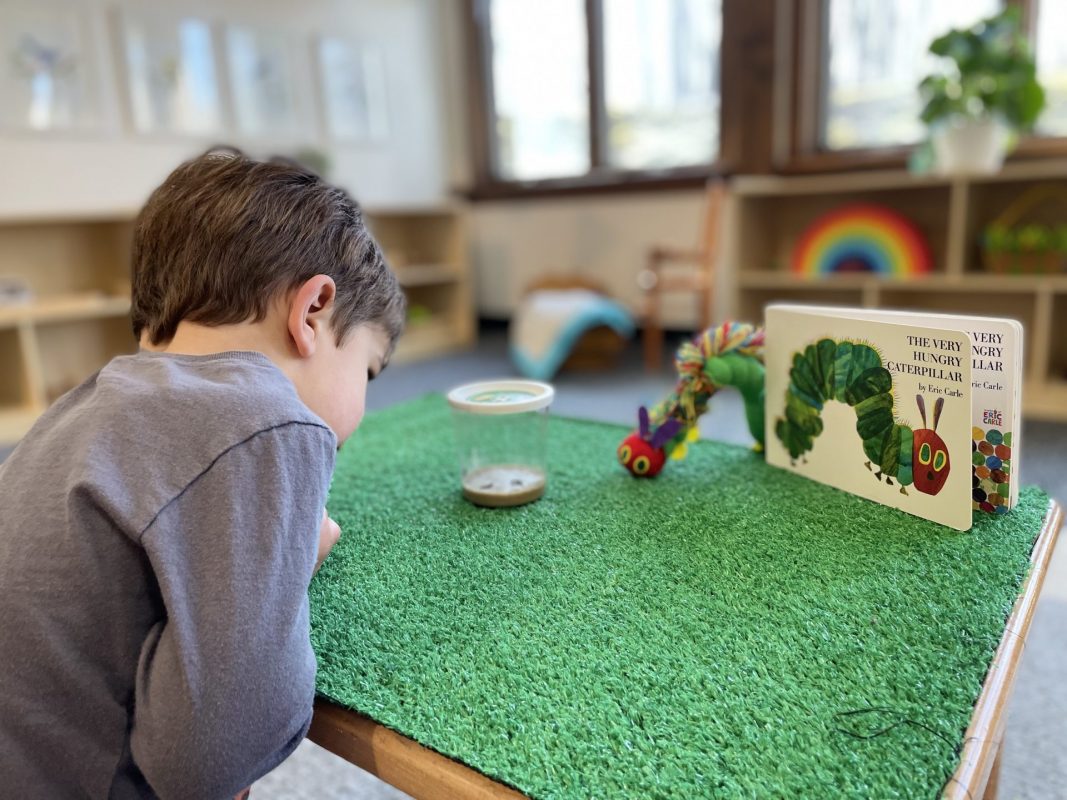
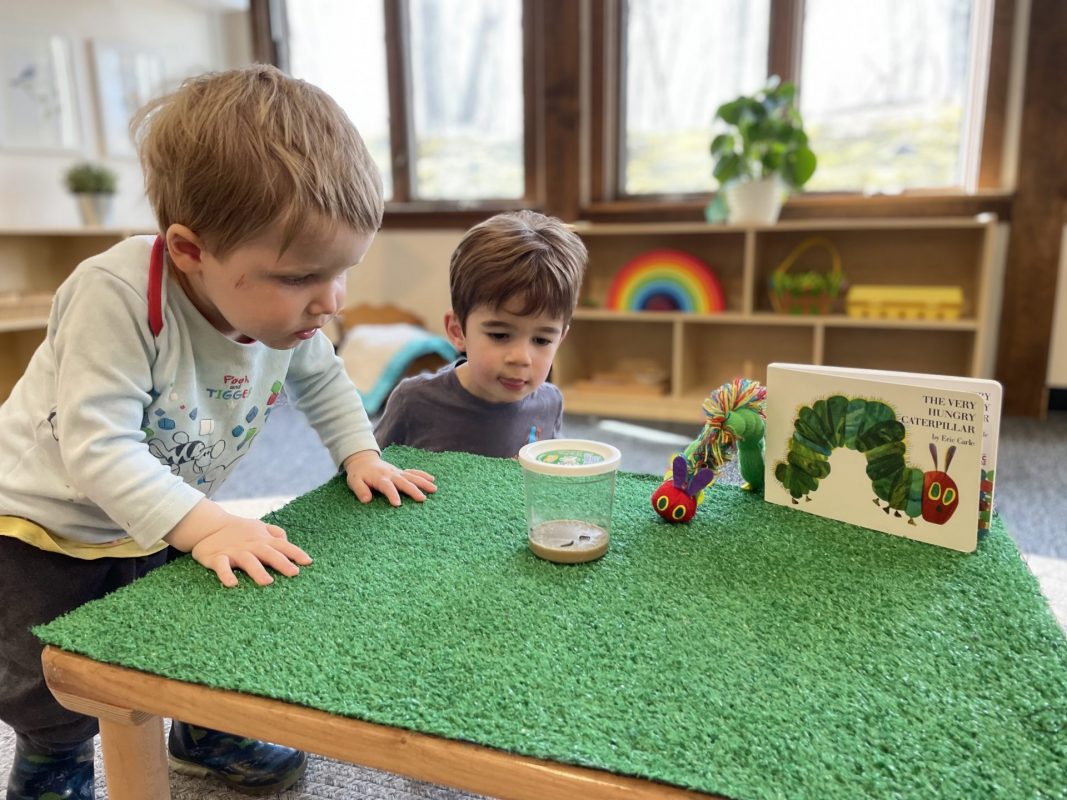
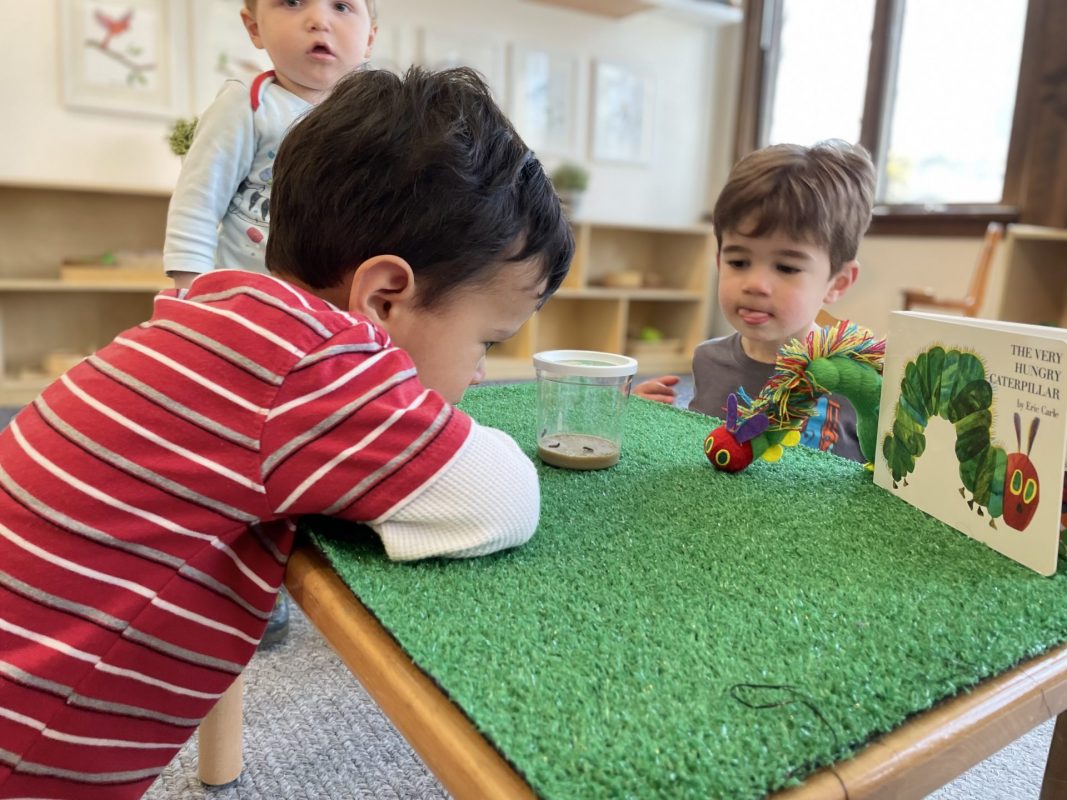
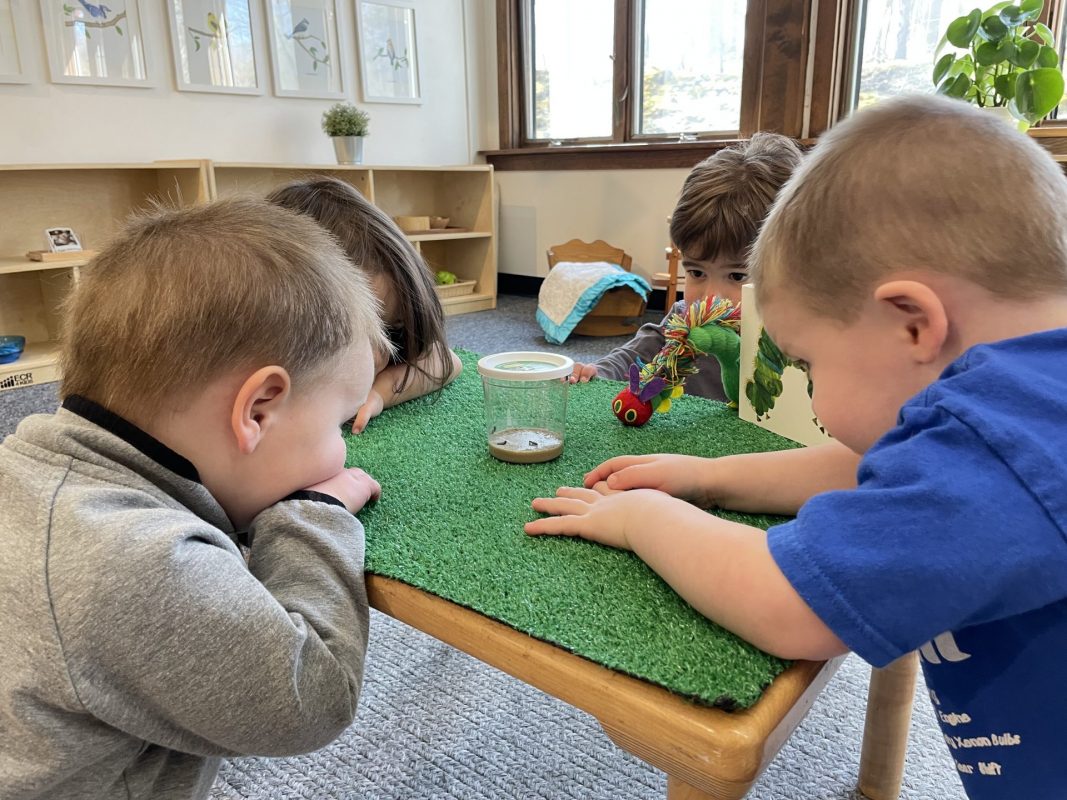
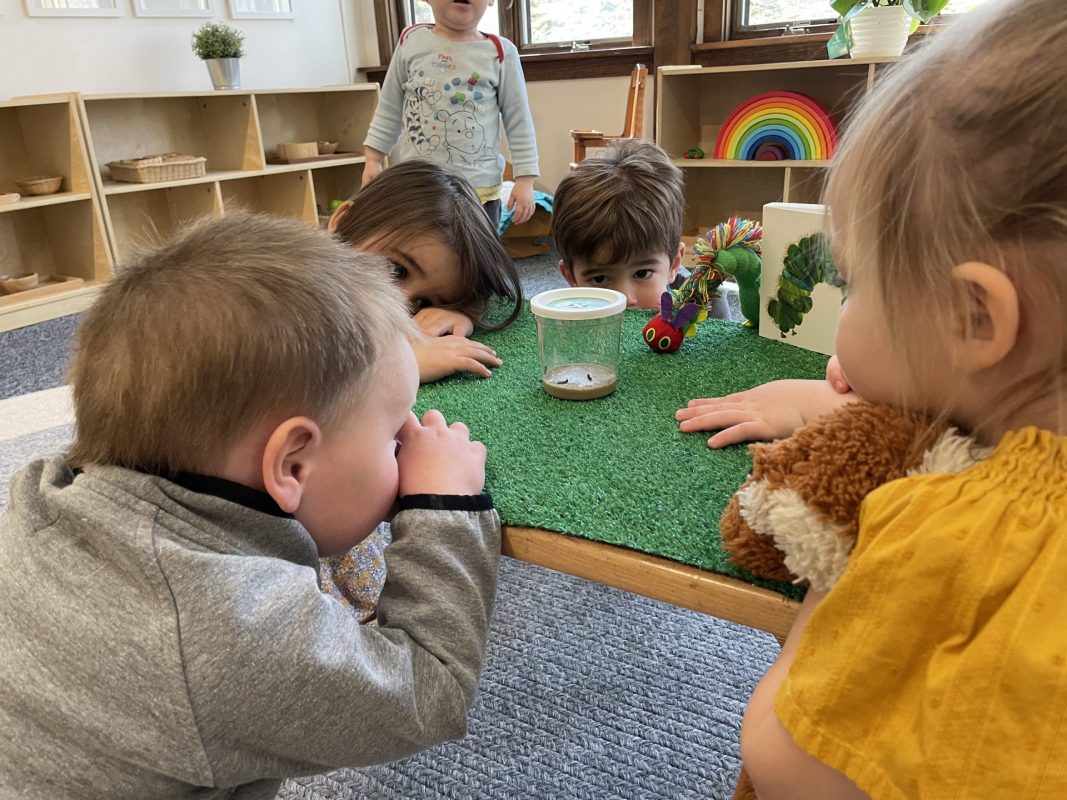
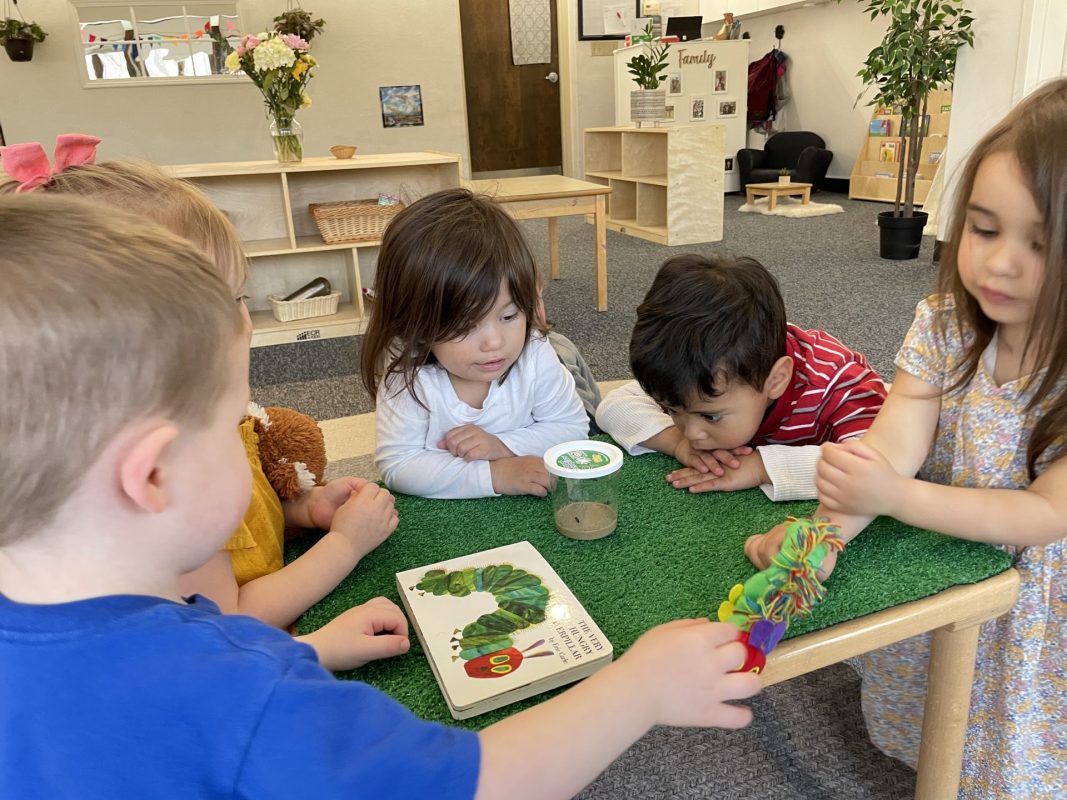
On that note, we have great news: Our very small hungry caterpillars have arrived and the children seem in awe!  The amazement in your children’s eyes is indescribable but we can tell you that they seem very excited about our new visitors. For the next few days your children will be able to observe the metamorphosis of a butterfly. 

We enjoy this season so much and we hope you do too! Happy Earth’s day!

Enjoy the weekend,

Mrs. Hood and Ms. Maria 


Reflection on Middle School Immersion, Updates, and Coming Together

Let’s Get Acquainted at Aquila’s

This week we are truly gearing up for our annual Spring Get-Together and Auction at Aquila’s Nest Vineyards on May 1. We have had several parent volunteers in school during the day working with the children on their Class Gifts. We can feel the excitement in the air from the children and their parents!

If you have not done so already, please get your tickets today! We look forward to celebrating our FWM community! Register at fwm22.givesmart.com

The Masamune Mystery

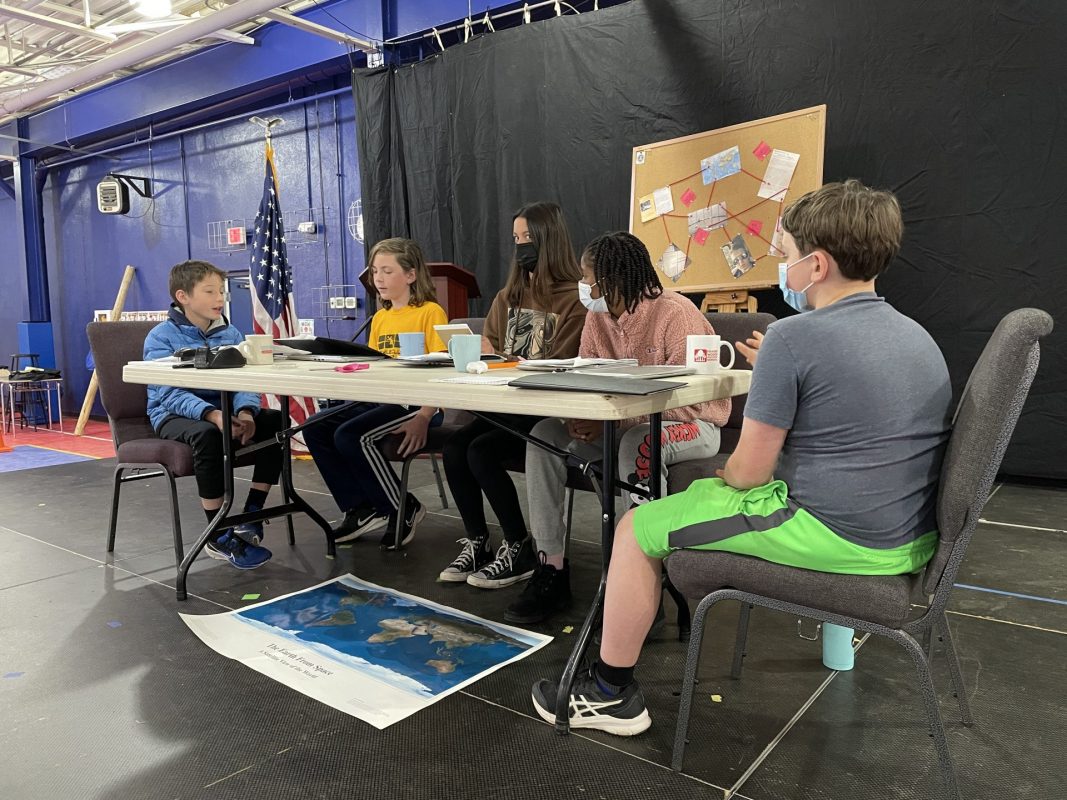
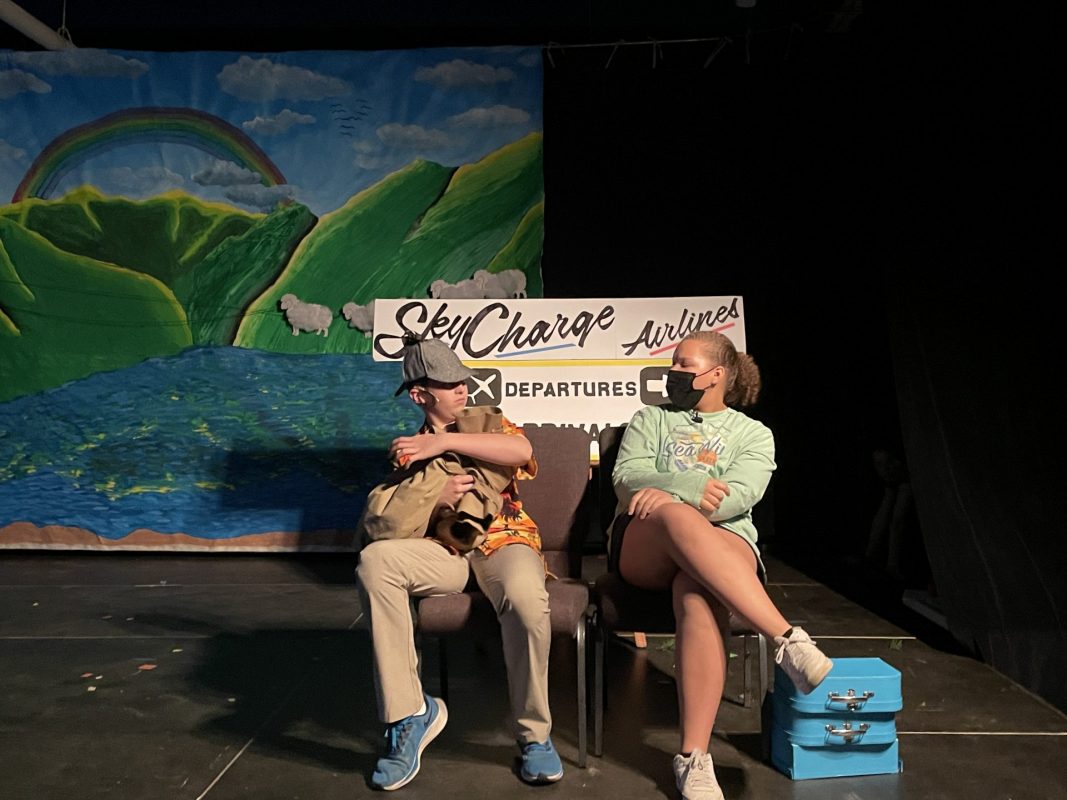
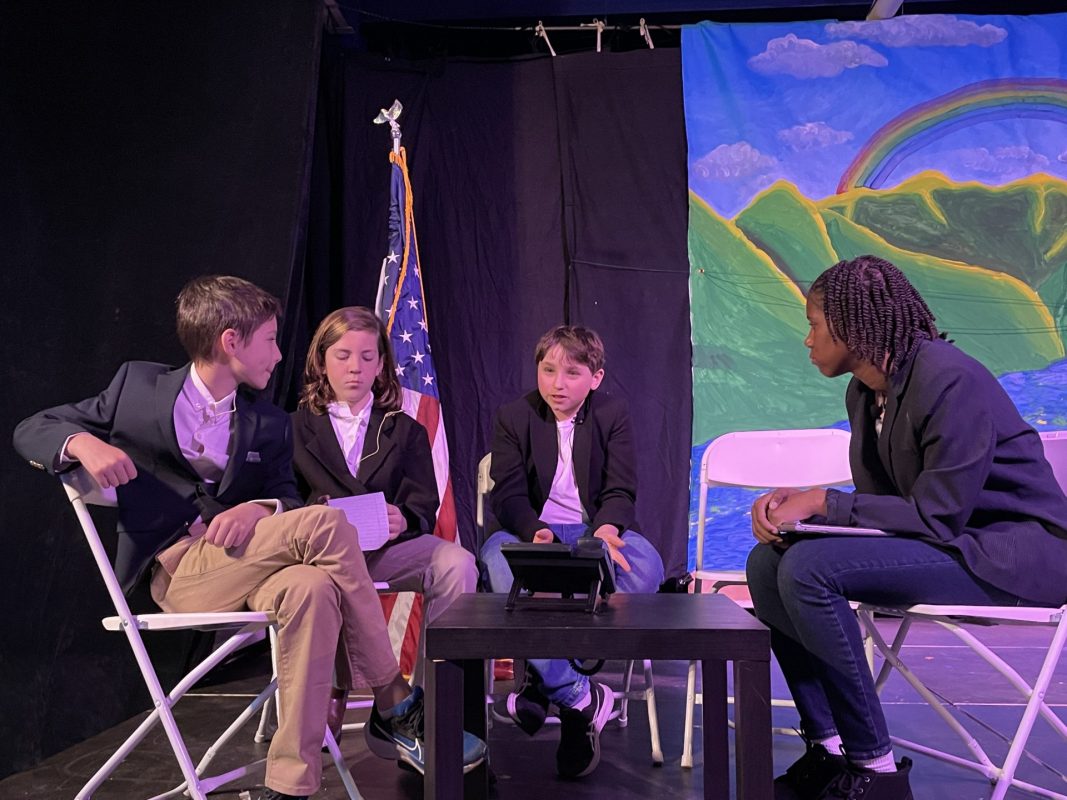
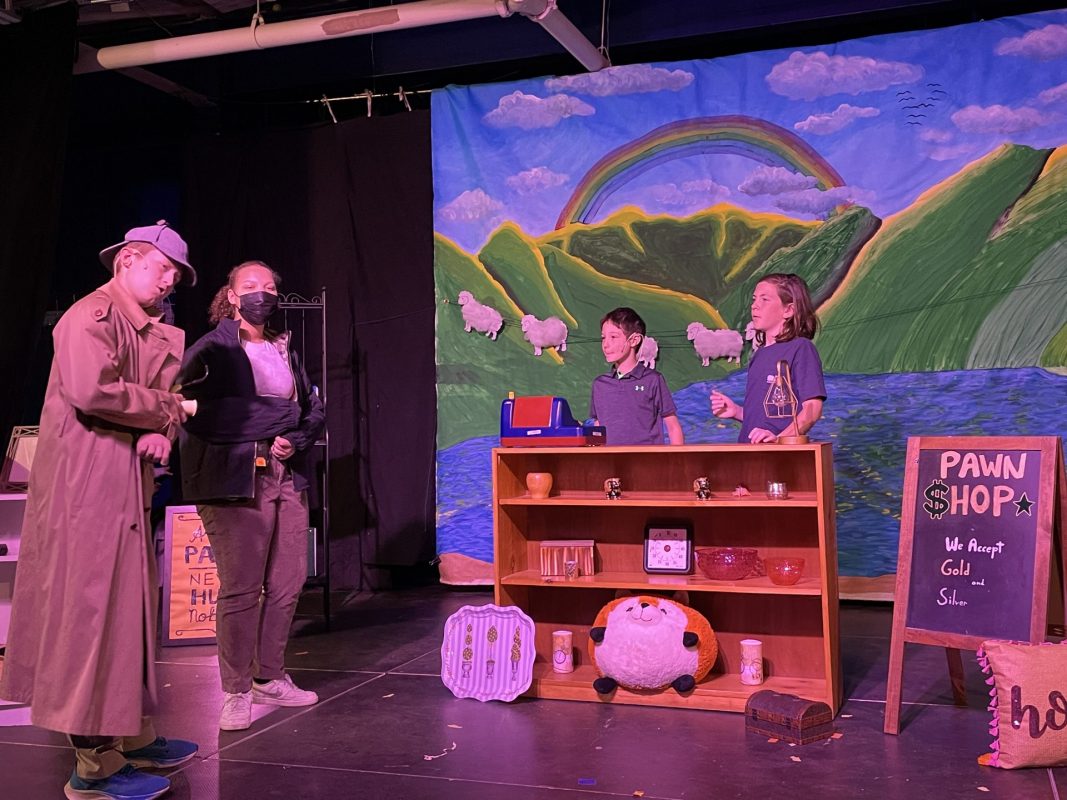
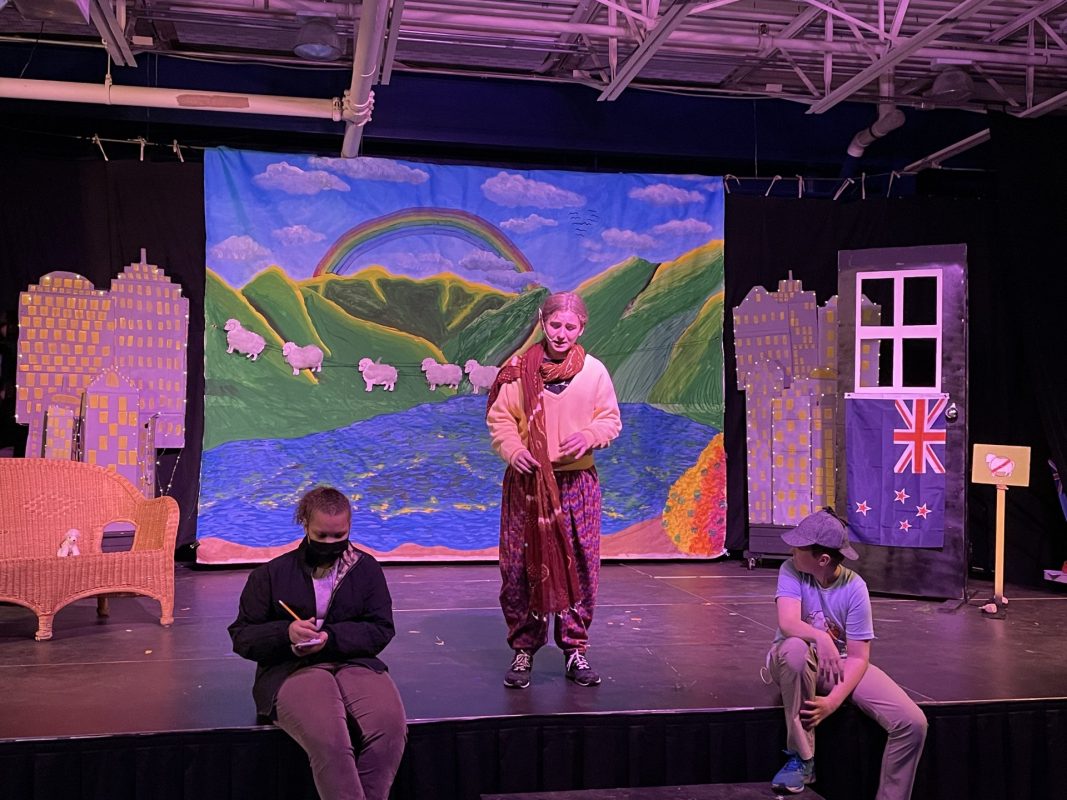
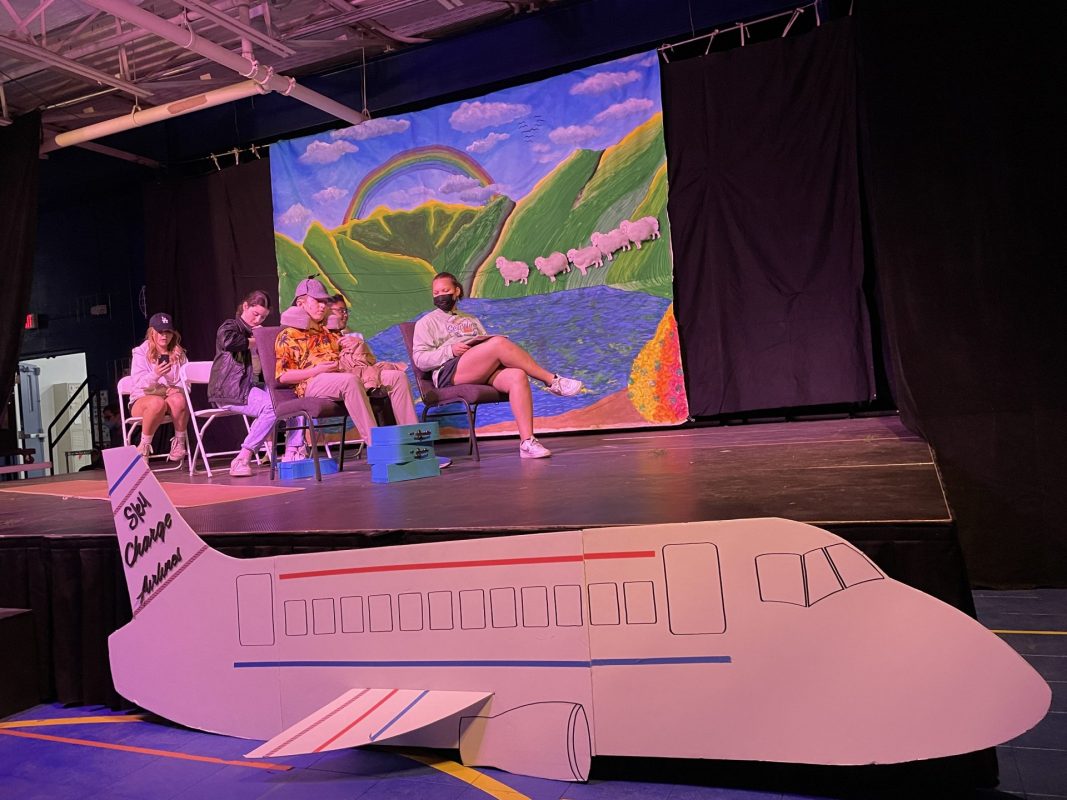
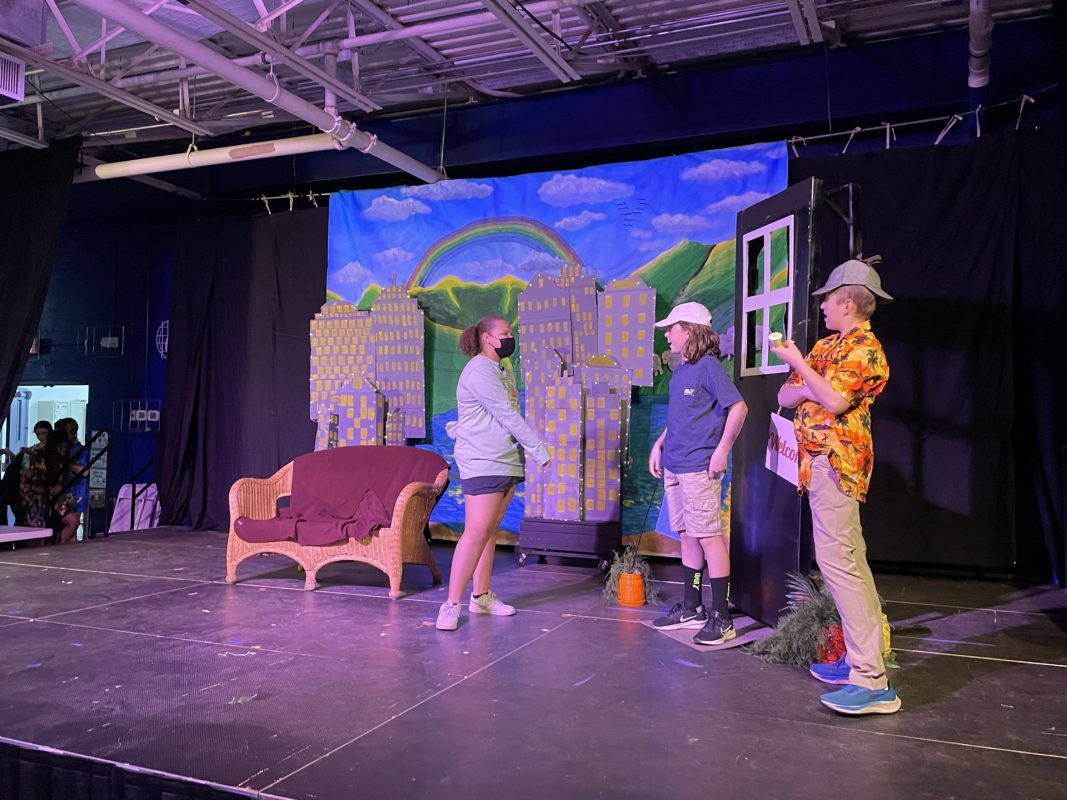
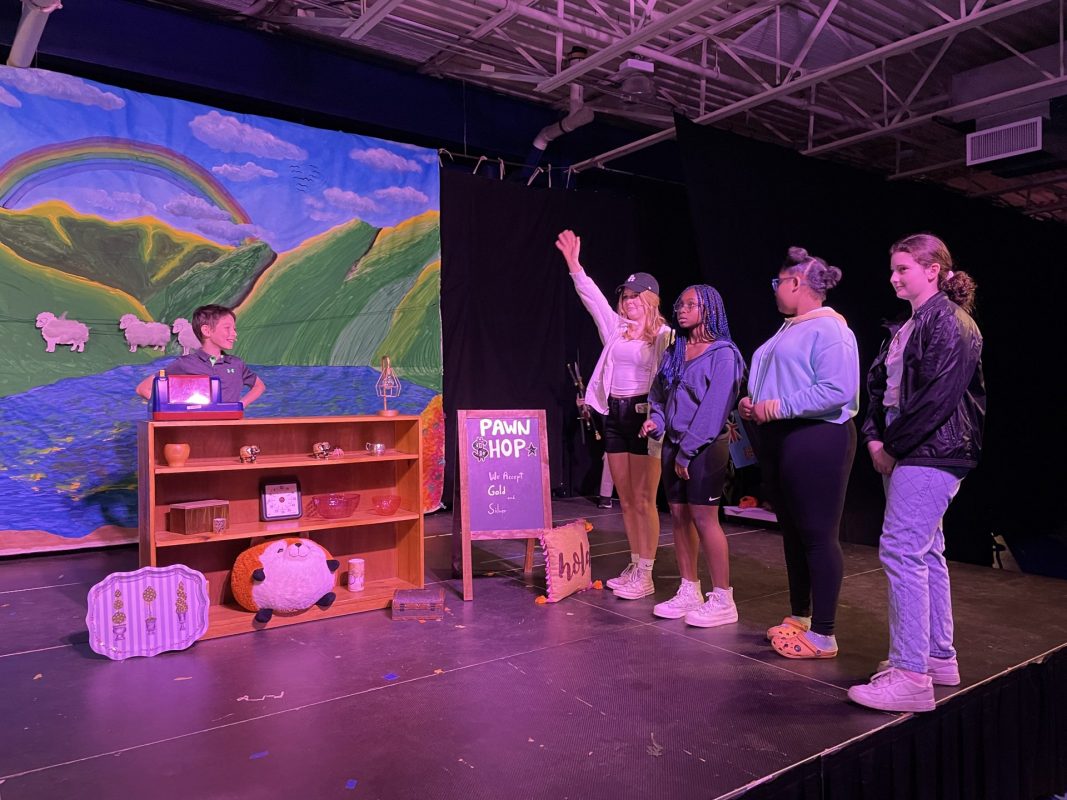
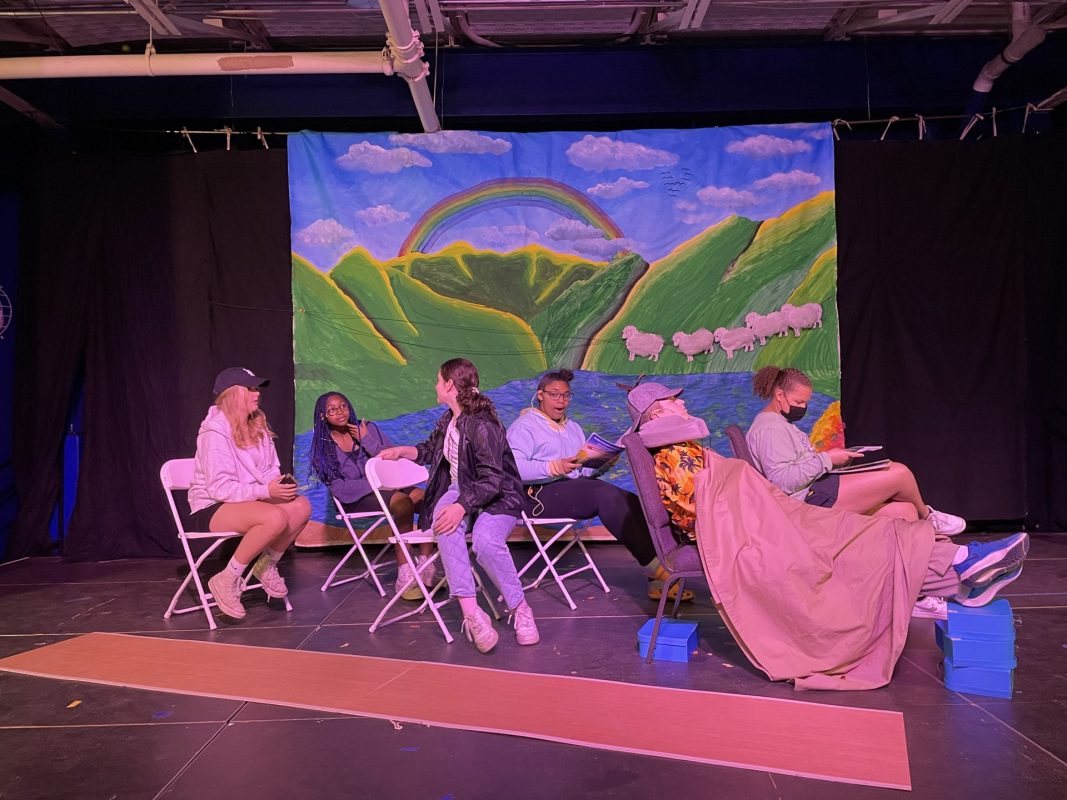
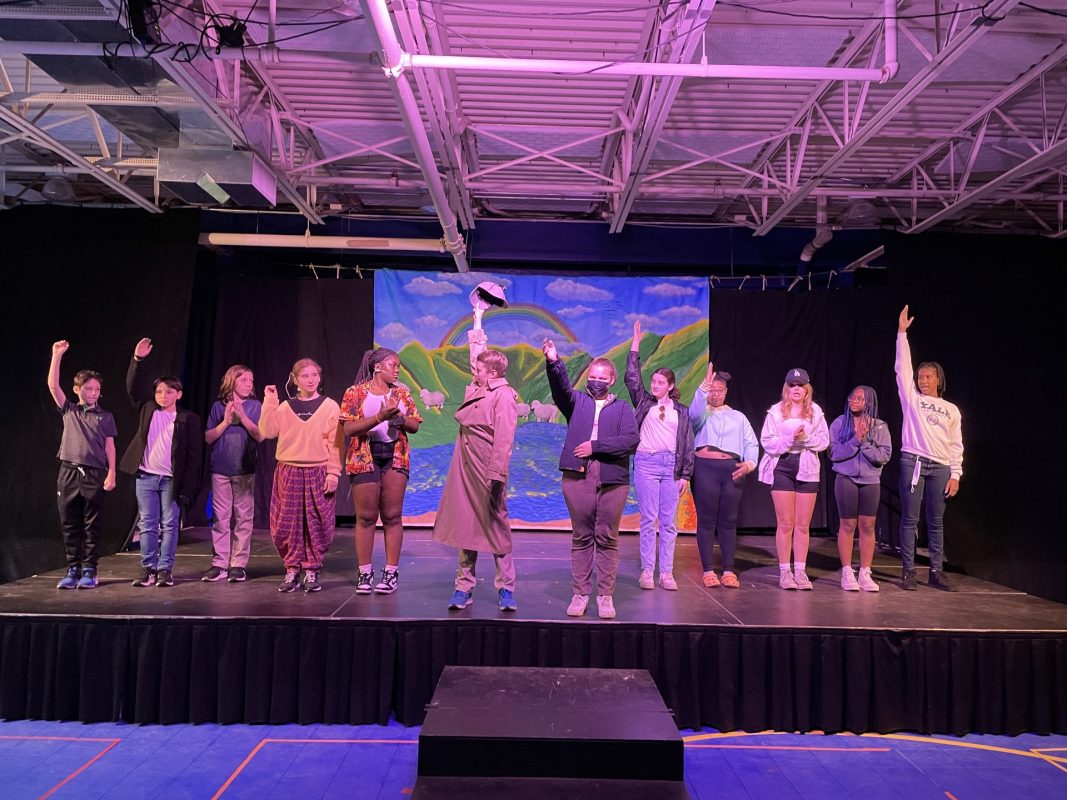
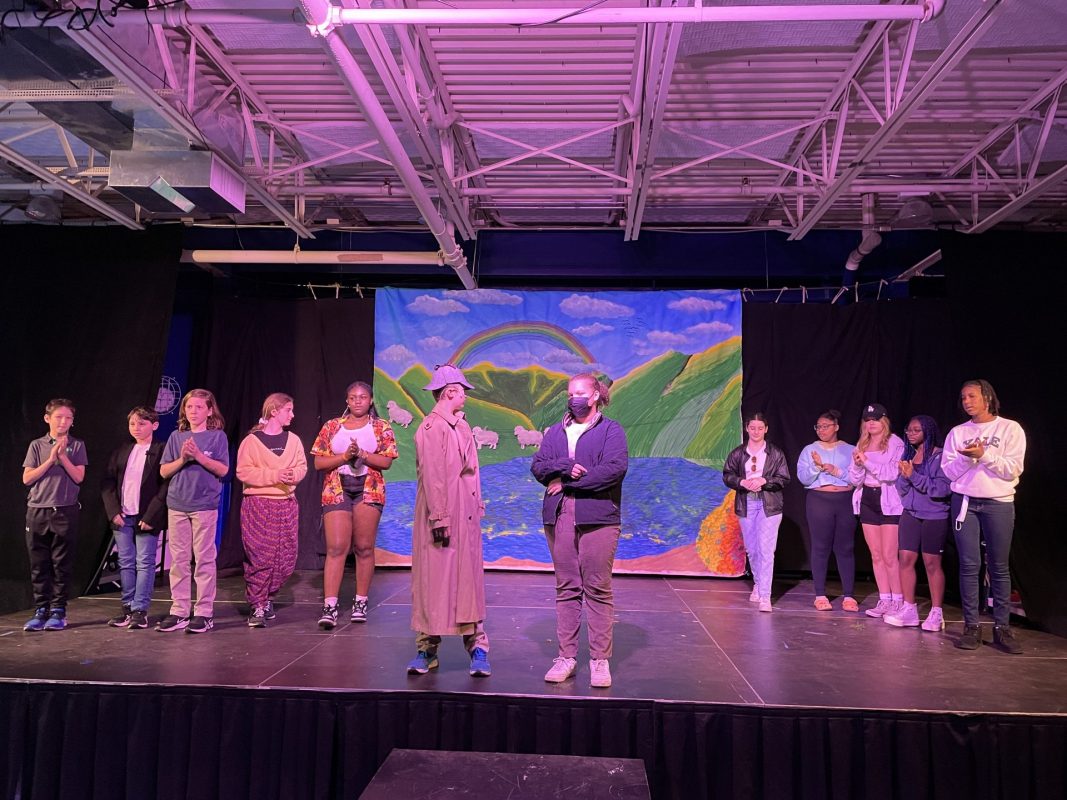
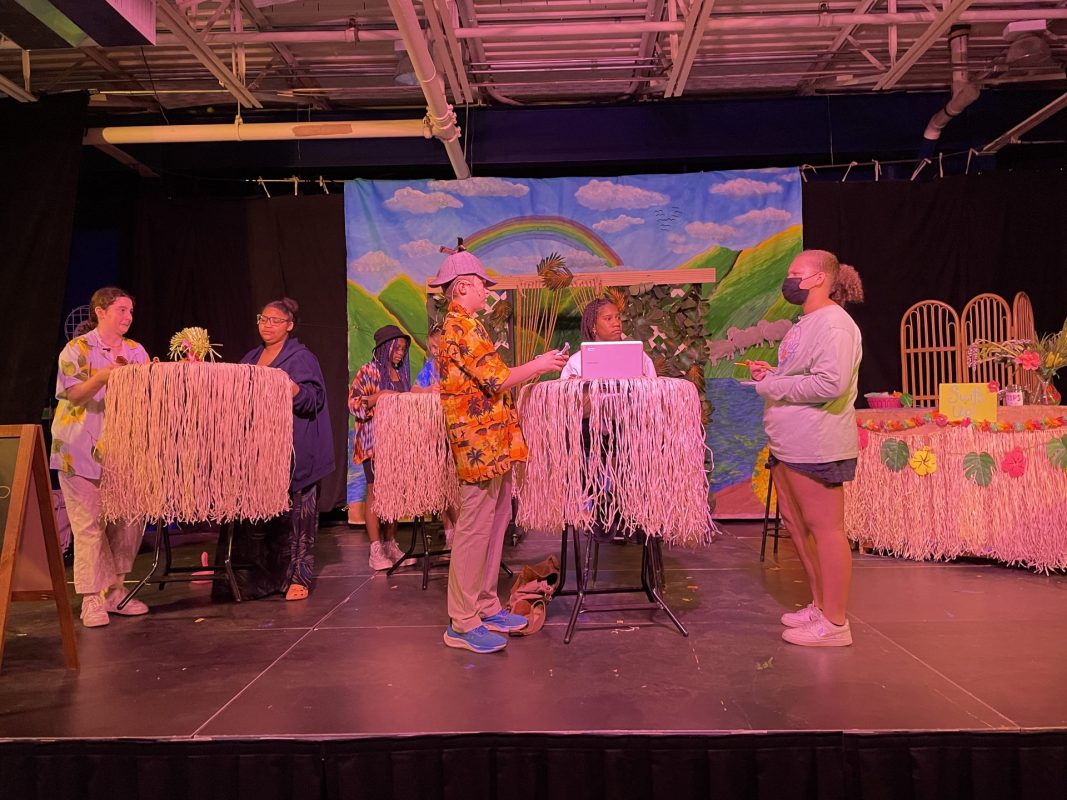
Our Middle School’s production of The Masamune Mystery last Friday night was fantastic! The students did an amazing job! Together with Mrs. Lamb, the students wrote the play. They created the plot, the characters, wrote the acts and the scenes, and told their story. Under the guidance of Mrs. Sutherland, their acting and blocking advisor, the students decided how they wanted it to look, visualized the set, decided on the stage layout, blocked each and every scene, and prepared for rehearsal each day. Mr. Brown led the student light and sound technicians and our stage crew. Mrs. Reid and Mr. Fuchs were the set advisors. It felt SO good to have all our middle school families attend FWM’s Black Box Theater (aka the gym) for the performance! BRAVO to our very talented students and kudos to the team of teachers working with them!

There is so much beauty to see in Montessori and I am grateful to witness it each and every day!

In-School COVID Testing Update

In my weekly communication on Friday, February 25, we shared that our in-school COVID testing would be offered until April 8, at which point we would reevaluate weekly in-school testing.

Our data since the early January omicron surge have shown only two positive cases in our weekly testing.  Both of these cases were in asymptomatic individuals. At this time we will suspend our weekly in-school PCR testing. Rapid antigen tests are available to send home should you want to test your symptomatic or exposed children. Please let the nurse or the Business Office know if you would like to receive rapid tests.

We will continue to monitor the current climate and make any necessary adjustments.


Upper El Update

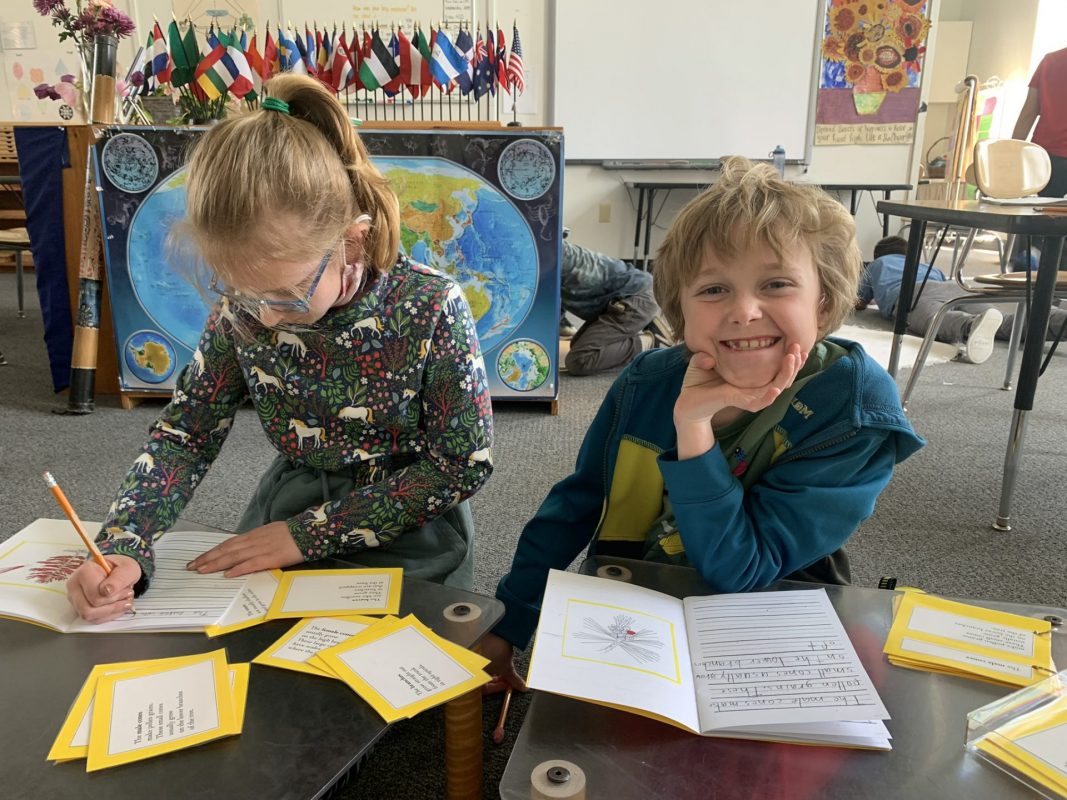
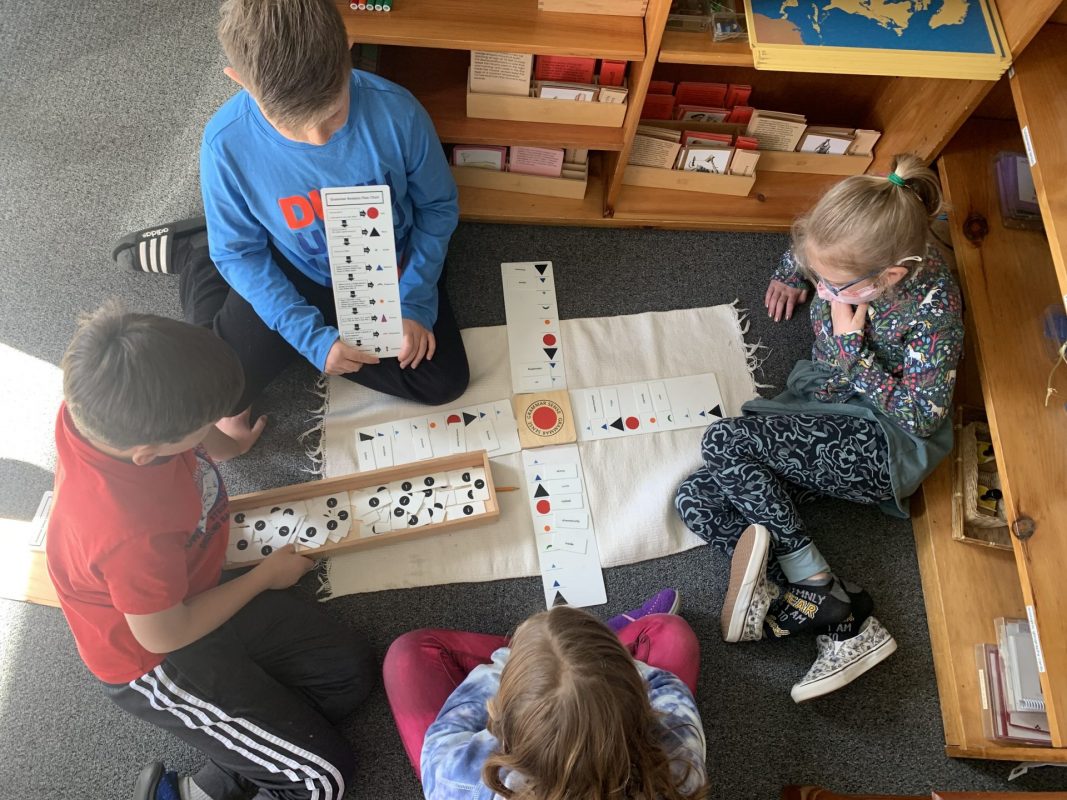
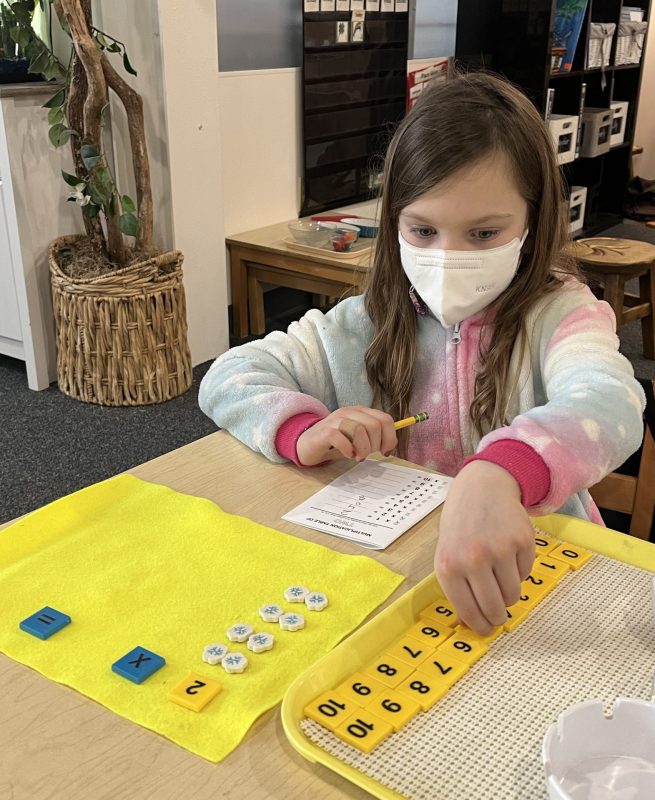
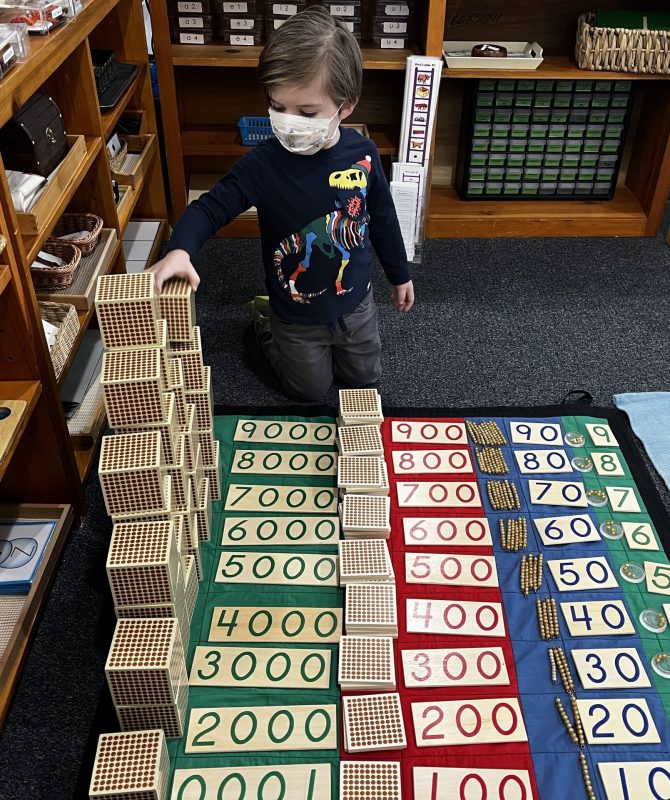
It was nice to get back to our regular work cycles and lessons this week! Fourth graders learned about proving the equivalence of a rhombus and a rectangle, first working with materials to prove equivalence sensorially, and then learning the elements that go into the formula for proving equivalence. They also learned to identify indefinite, demonstrative, and possessive adjectives. Fifth graders learned to multiply a binomial by a binomial, using numbers less than ten. They will continue with this work next week, using numbers larger than ten. This is in preparation for learning to find the square root of numbers. They also learned about special aspects of the adjective – the three degrees of quality, comparative, and superlative.

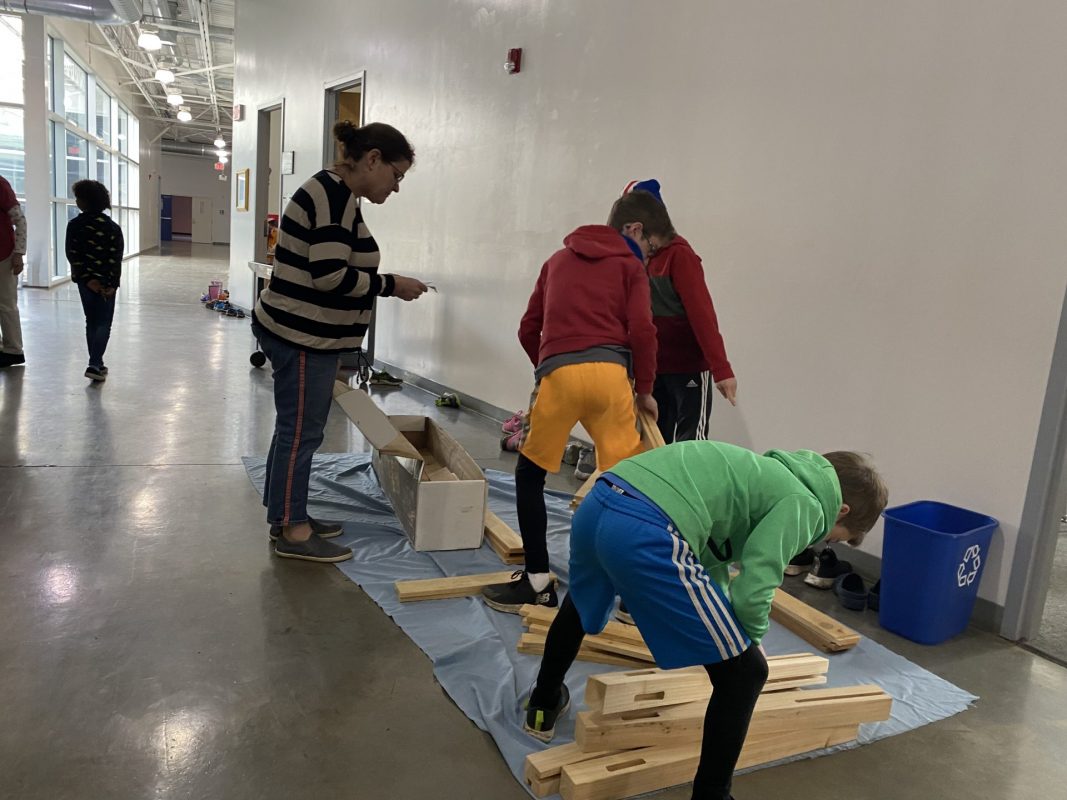
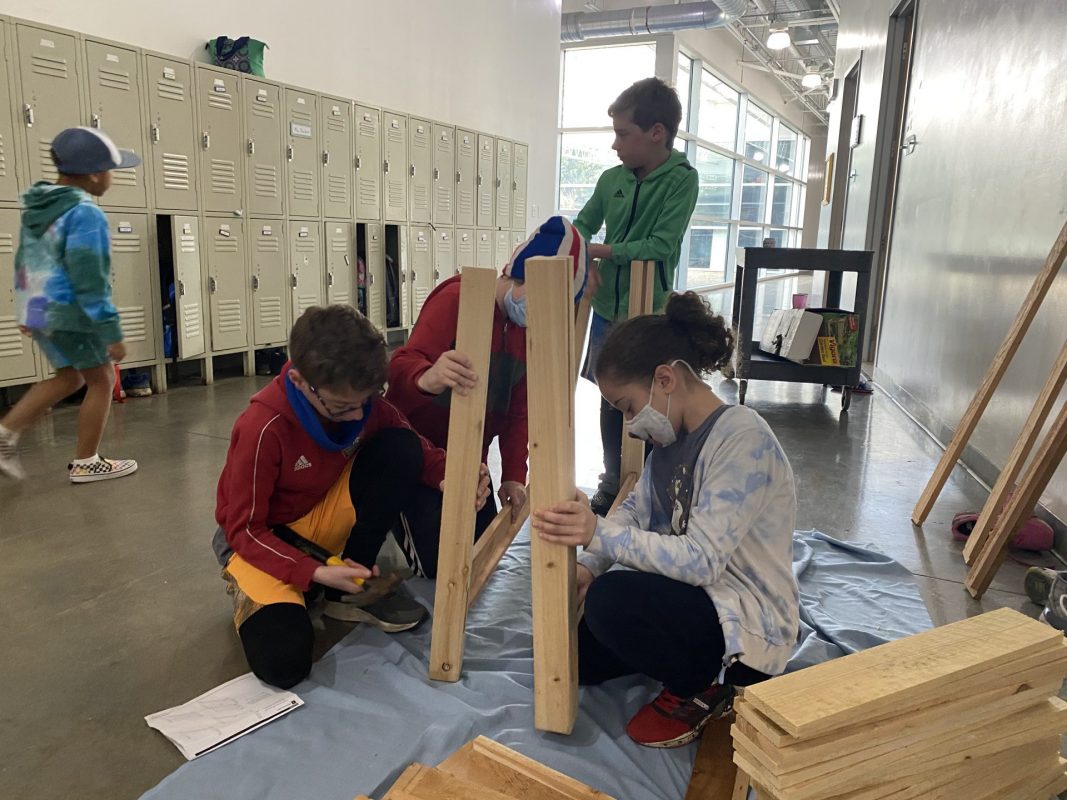
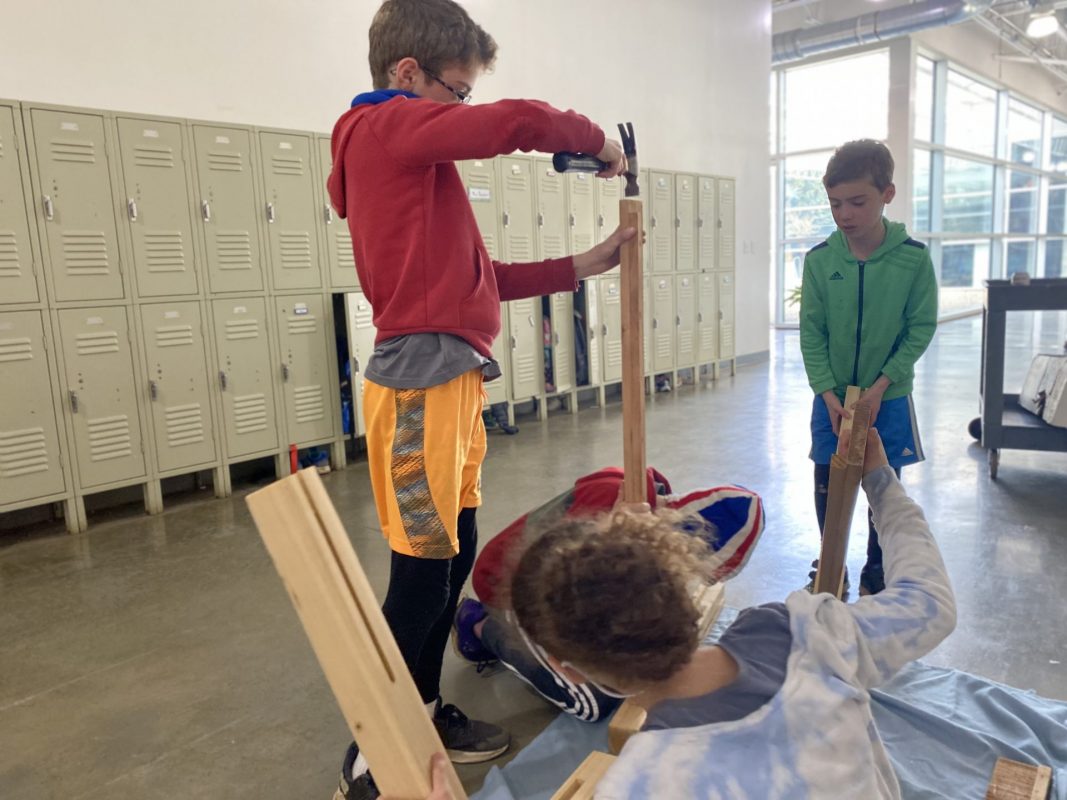
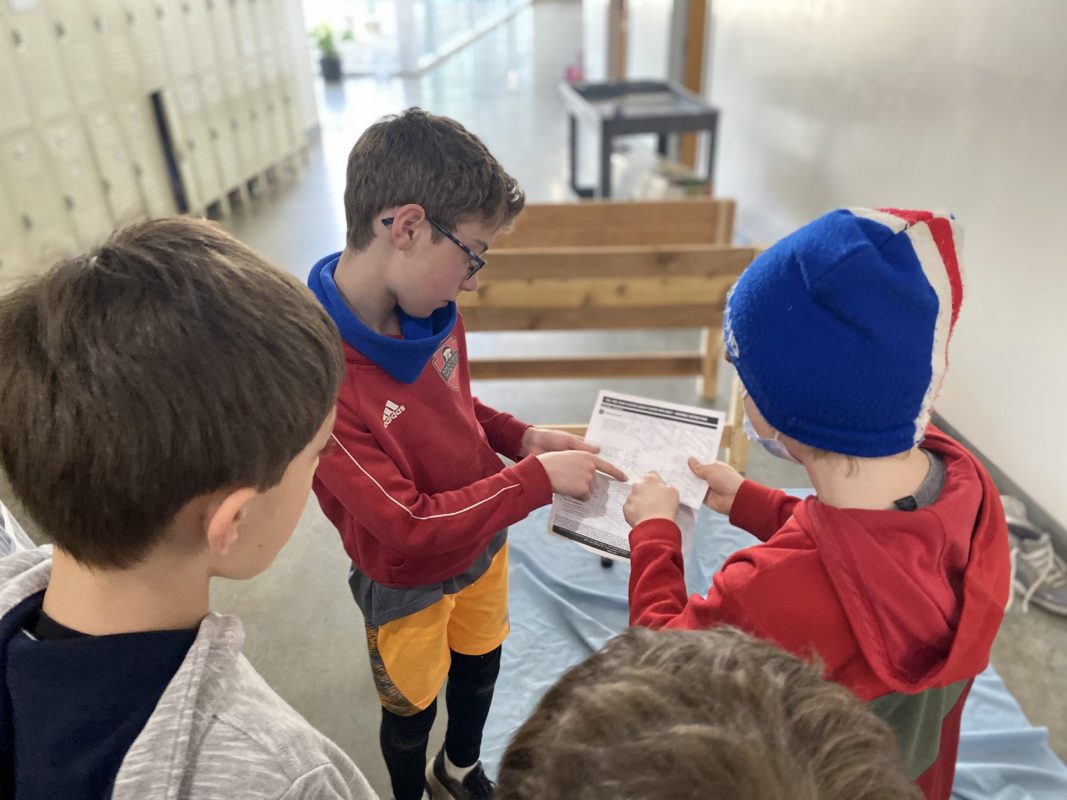
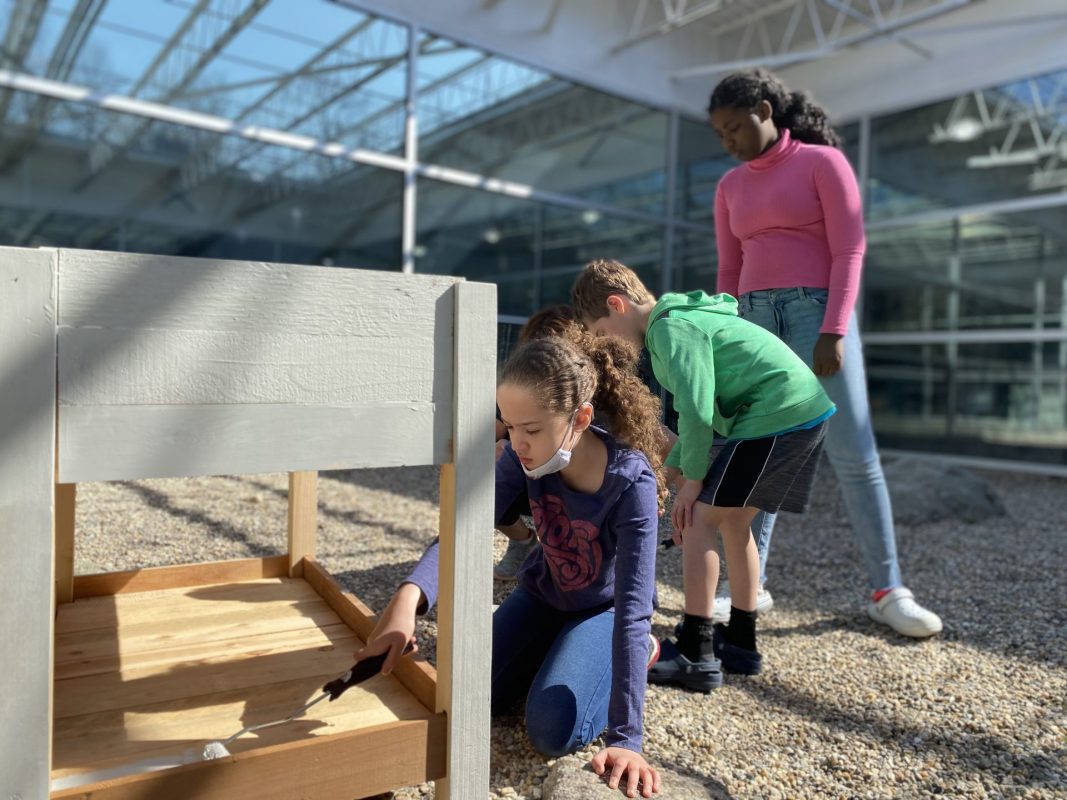
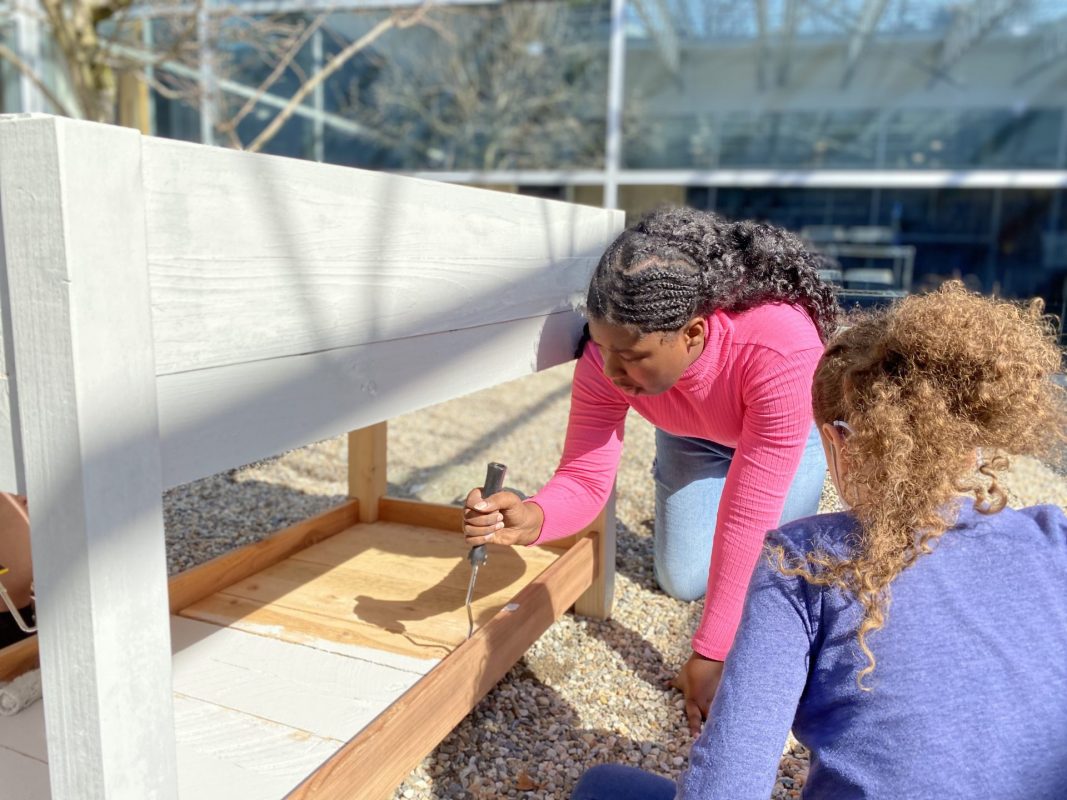
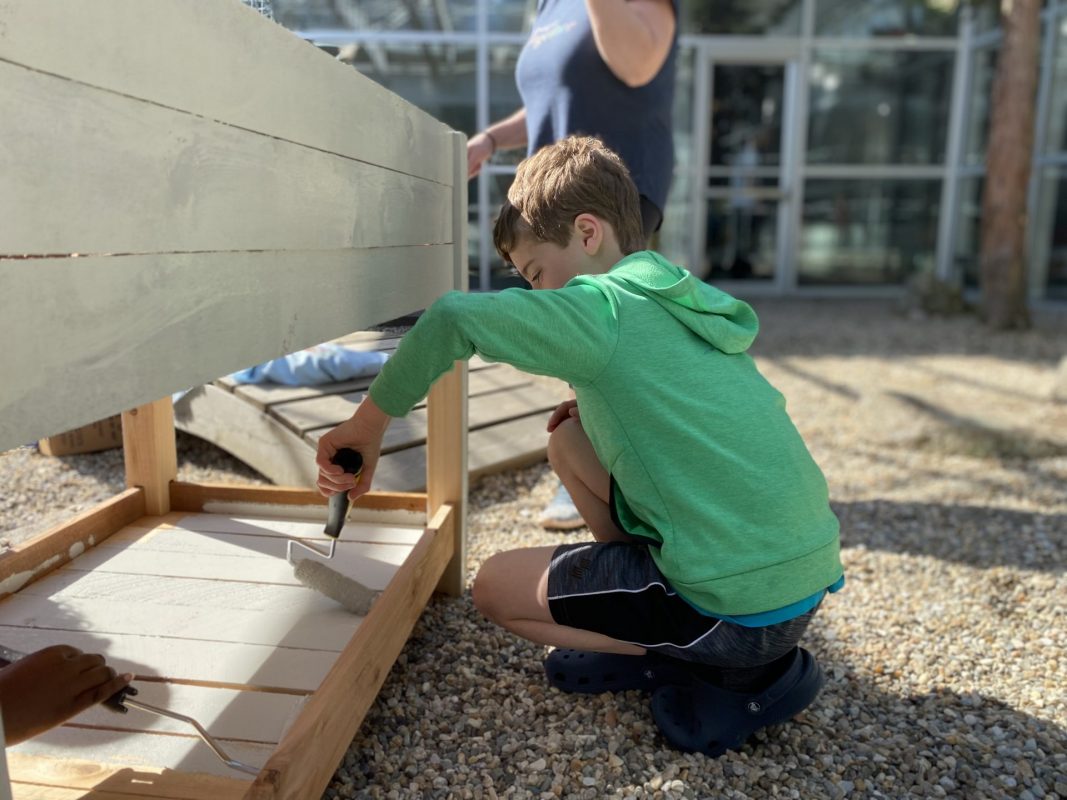
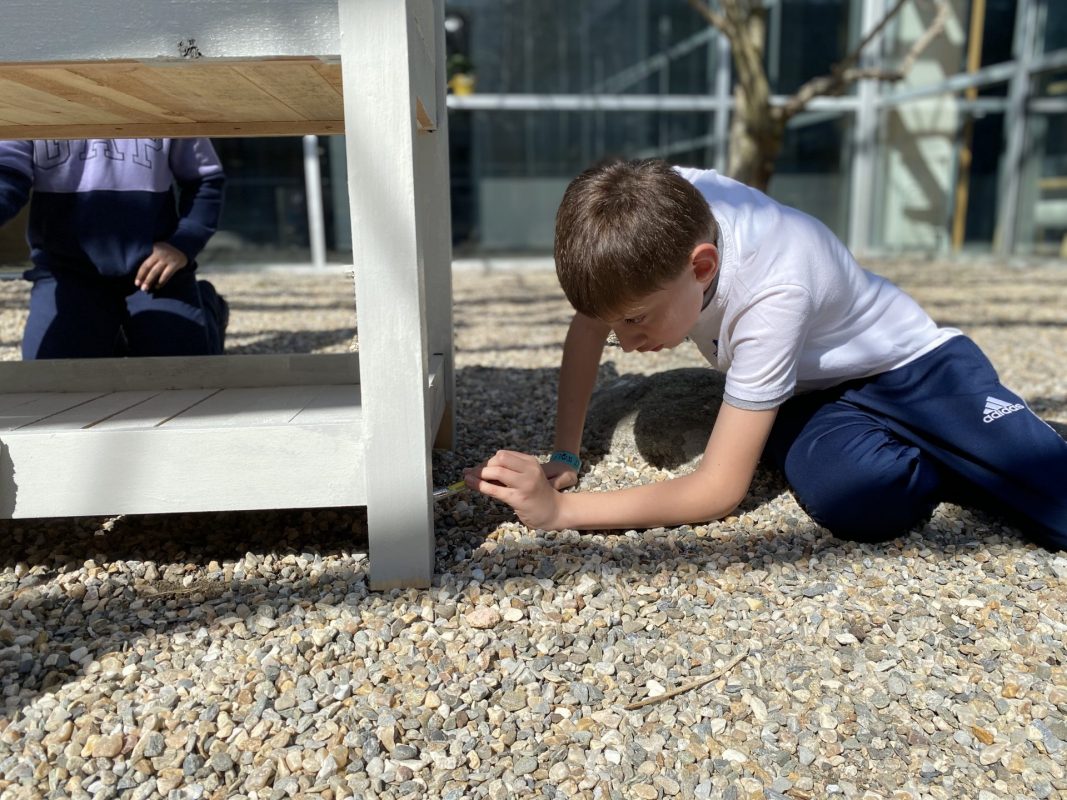
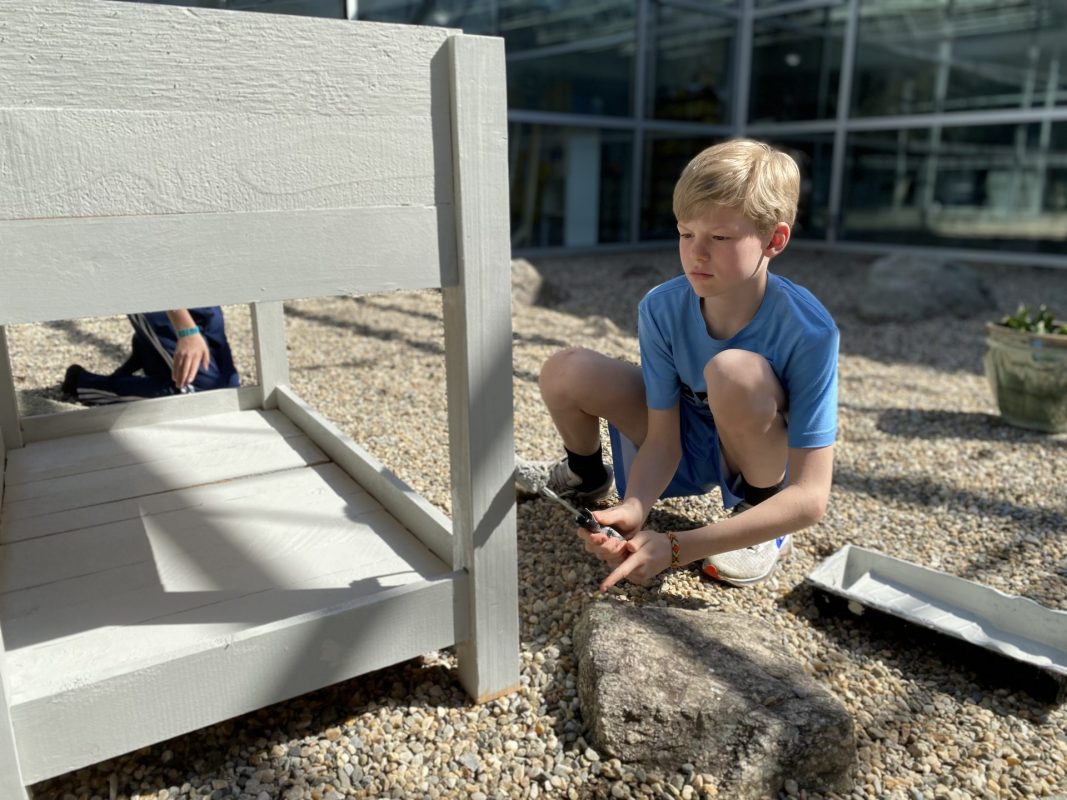
We enjoyed working on our gift for the auction this week with the help of our parent volunteer. Thank you, Kristina! The students built the garden bed and started painting it. They will put the finishing touches on it next week.


Middle School: Week in Review

Congratulations to the 2022 Middle School for a successful, live performance of The Masamune Mystery! It was amazing to have you there to support the students’ creative work. Now we are jumping back into course curriculum, and it felt great to get back in the flow.

Science

6th year Earth Science students are currently on the unit, Tides. The objective of this unit is for students to be able to explain what tides are, what causes high tide and low tide, describe the difference/relationship between high tide and low tide, understand that tides are cyclical and therefore predictable, and design a model to investigate tides. Students have been able to share personal stories of how they have experienced tides whether it was getting their beach towels unexpectedly wet or gathering tidal pool creatures during a vacation. Students have also begun creating a tide dial, representative of the affects neap and spring tide have on many aspects of life.

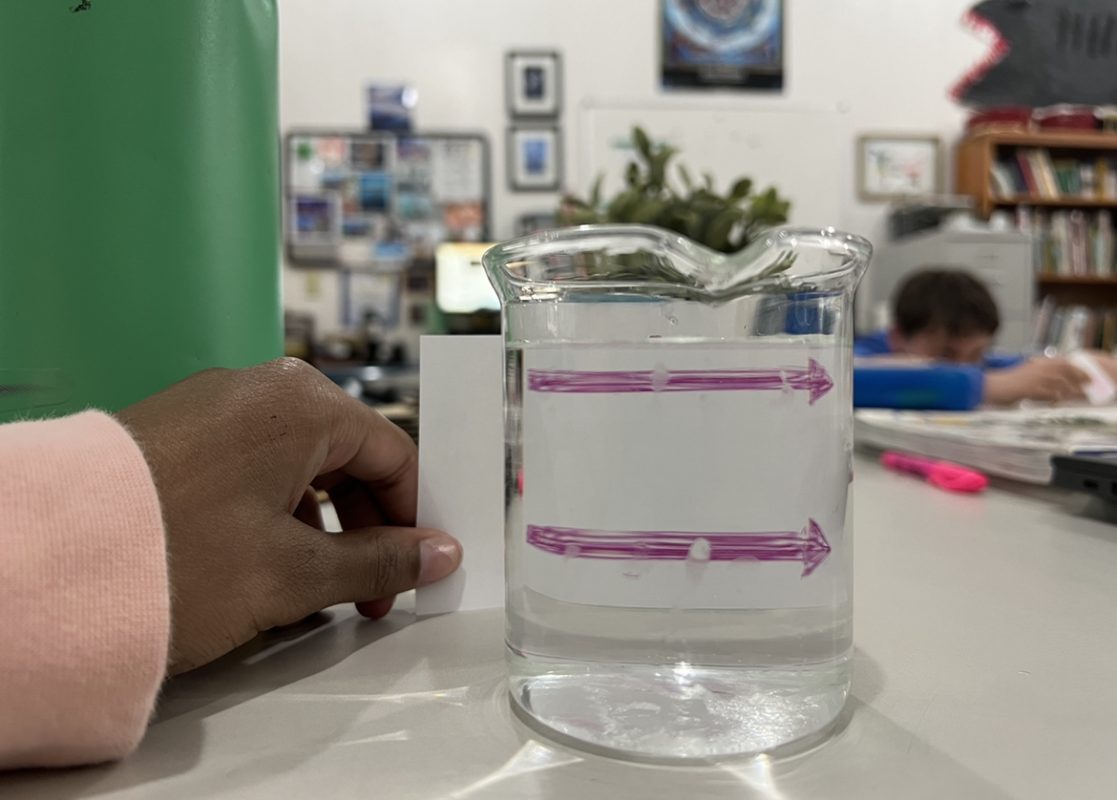
7th year Physical Science students are on the unit, Refraction. The objectives of this unit are for students to design an experiment to test the refraction of light in water, identify properties of different types of lenses, and describe why light refracts when it travels from one medium to another. Students spent the week testing how the angle of incidence into another medium (water) results in a different angle of refraction. Students represented this concept/principle by placing a straw into a beaker of water, seeing first hand how it appears broken/bent.
8th year Life Science students are on the unit, Circulatory System. The objectives of this unit are for students to describe the function of the circulatory system, create a drawing to illustrate the path of circulation in the body, know the difference between veins, arteries, and capillaries, and understand the structure and function of the heart. With little prior knowledge of how the circulatory system actually works, we spent several classes sharing our prior knowledge or preconceived notions of what role our heart, lungs, veins, arteries have on our daily lives. We discussed how our life choices affect how fluid our circulatory system can function by allowing an easy and unobstructed path of blood to travel throughout our body. Students have also begun designing and illustrating their circulatory system project which will incorporate the four chambers of the heart along with identifying the path blood takes throughout our entire body.
Math
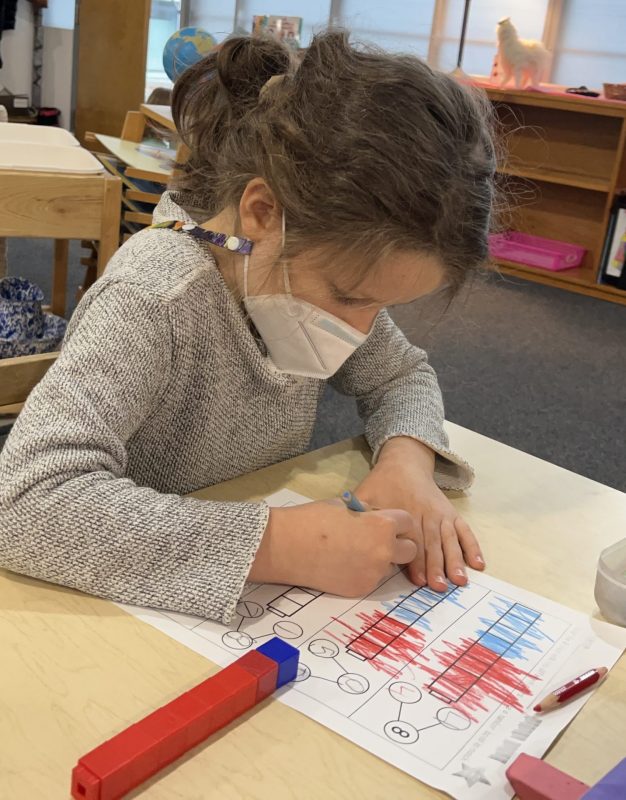
In Transition class, students continued to learn about chapter 8 titled, Multiplication in Algebra. We reviewed how to solve single-step equations, multiply by negative numbers, and graph equations in the form of y=ax. Next week, this class will learn how to solve two-step equations and inequalities. As we get back into the swing of full time classes, please remind your student that both the lesson master worksheet and daily textbook homework questions are due at the beginning of each class.
In Algebra class, students were very excited to begin learning all about the quadratic equation. We discovered how to graph a parabola on a coordinate grid, how to solve for simplified equations algebraically, and how to find the axis of symmetry on the graph. This class can plot ordered pairs on a grid, they can interpret graphs as real world projectile examples, and they can use DESMOS to find intersecting points on more than one graph.
In Geometry class, students were happy to get back into their daily routine of lessons and lesson master assignments. This week we learned about the perimeter of irregular shapes, the area of complex polygons, and we reviewed previous notes about proving congruence in triangles. This class will explore the Pythagorean Theorem and identify special right triangles next week in class.
As a reminder, all classes will have a quiz and/or unit test next week. I encourage students to begin studying early to feel prepared and confident for their assessment.
Math Joke:
Why did the worm cross the ruler?… To become an inchworm
Humanities
6th grade Humanities classes began their unit of the Asian Subcontinent. They learned the geography of the region by completing map work and a Google Earth tour of the area. They also studied the Indus Valley Civilization, the largest and one of the oldest civilizations in the world. From there, students are learning the major religions of the region. This week, they studied Hinduism, which came from a mixture of cultures originating in the Indus Valley. They will learn Islam next week before starting Afghani history in preparation for our next novel, Shooting Kabul.
The 7th grade Humanities class began their study of Powerful European Leaders, which will focus on the time surrounding WWI and WWII. They began by writing a short essay about what they feel are qualities of a great leader. This led to a class brainstorming session and discussion about the types of leaders they would support.  Students then completed the geography of the European continent, which includes Western Russia. They also began a guided assignment giving an introduction to WWI. Finally, students completed a unit of vocabulary.
8th graders began the week with their expert projects. They wrote introductions to their research papers and then workshopped them with the class. Together, students gave feedback to enhance their peers’ work. They are now drafting their essays that are due next Friday, April 22. Next students picked up with US History, reviewing the Separatists’ and Puritans’ reasons for settling in Northeast Colonies. We then focused on the Puritans in Massachusetts Bay colony, their relationship with the Indigenous people living there, and their relationship with other religious groups. We ended the week previewing a slave voyage database created by several universities that used primary source documents to visually show some of the impacts of the slave trade.

Mrs. Doyle’s Class: Discovering South America

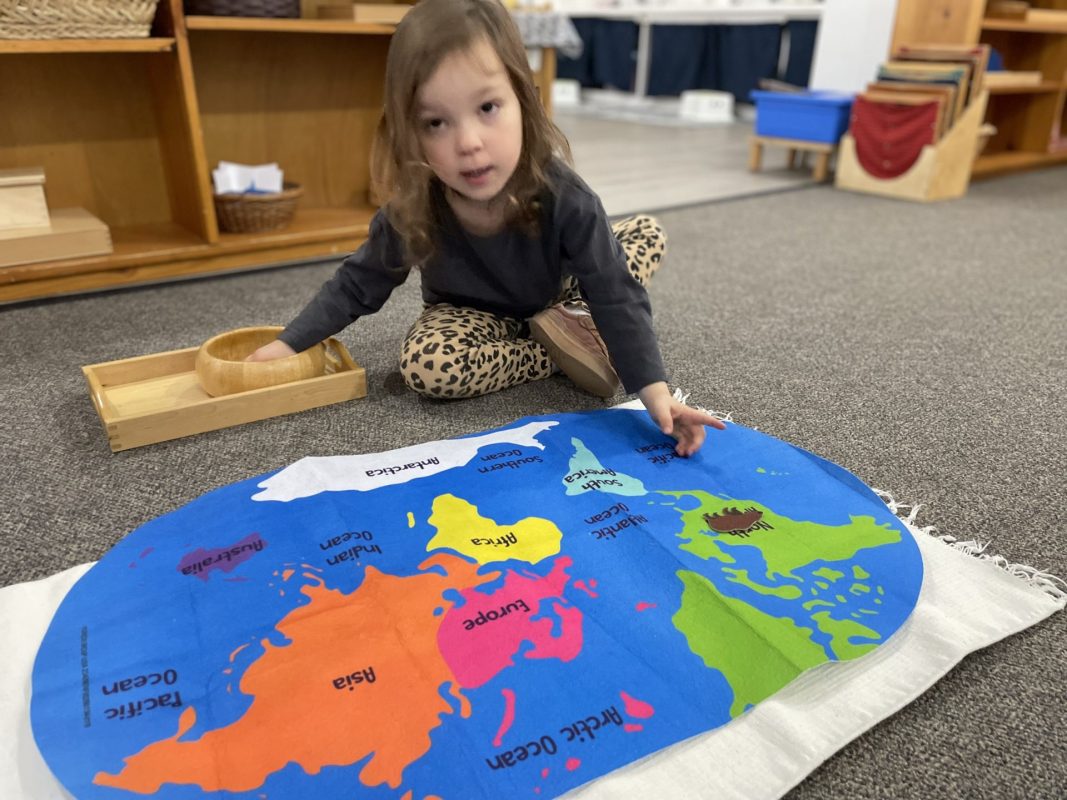
We are now studying the continent of South America in our classroom.  South America is pink on the Montessori map and a topic of great fascination for the children. It is a beautiful region of our world with vibrant cultures and traditions and has a wide range of climates and terrains.

South America is the fourth largest continent in our world and is comprised of twelve individual countries. It is connected to North America by the Isthmus of Panama. An isthmus is one of the landforms we study. The largest country in South America is Brazil and the major languages spoken are Spanish and Portuguese.

Located in South America is the largest rainforest in the world, the Amazon Jungle. So it makes sense that we start to explore the rainforest as well. The rainforest is an ecosystem with a dense tree canopy that lets very little light through. To be considered a rainforest there must be more than 60 inches of rain each year. Rainforests also contain more than 40% of the world’s animals and plant species. There are four layers in a rainforest and each layer receives different amounts of sun, rain, and wind and therefore is home to different species.

Wishing you a week filled with peace and love,

Michelle & Liset