Blog

Mrs. Hood: Toileting the Montessori Way!

“Learning to use the toilet is a natural process that begins when your child’s desire to be grown up and his neurological development have reached the point where he can control his bladder and bowels. We don’t train children to use the toilet, we support them when they are ready.” (How to Raise an Amazing Child: The Montessori way to bring up caring confident children, by Tim Seldin)

As children continue to work on their self-caring skills, we want to focus our attention this week on what has become a popular topic (and sometimes a dreaded one) between the parents: “potty training.”

In our Montessori environment we call it “toilet learning” since we believe that using the toilet is a very natural and gradual process that develops at the child’s pace, rather than when the adult decides the child is going to be toilet ‘trained.’ In our experience as Montessorians, we have witnessed toddlers as early as 20 months to as late as closer to three years old master these skills. Also, we have observed that apart from the developmental stage the child is in, one of the main factors for success relies on the parent’s commitment early on to support this process at home by making their child an active participant in the diaper changing process as we do in our environment.

You might be asking yourself: “But how do we do this?” “How can we support our child at home?”

As this topic can be extensive due to the fact that this type of support can start even when your child is a young baby, we are going to leave you here with some important tips focused on your specific toddlers and their stage of development:

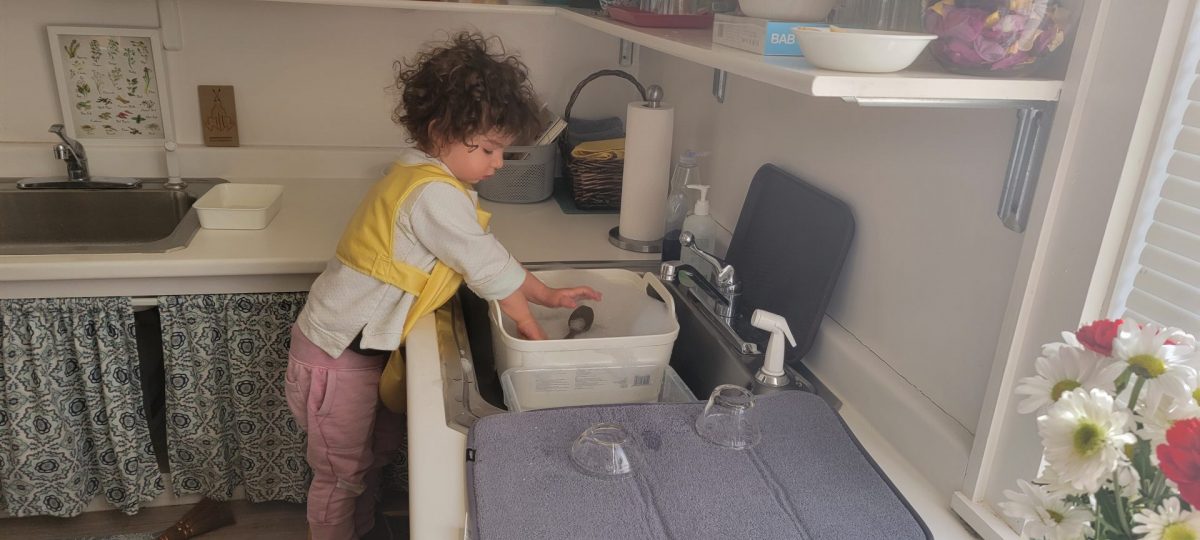
  1. Ditch the changing table and start changing your child in the bathroom area. This is important as it sends a clear message to the child that this is where we go to be changed and use the toilet.
  2. Prepare the environment. You may use a potty to start if you feel your child needs some more balance or you may add a toilet seat to your regular toilet. If using the latter, please find a stable stool where your child will feel secure and encouraged to use the toilet. Add a basket with clean diapers and wipes and also a basket with books, so children are encouraged to sit on the toilet and wait when needed. If your child is showing signs of readiness, a basket of clean training underwear and a basket for wet underwear should be part of this area.
  3. Incorporate CONSISTENT toileting into your child’s routine. Offer the potty/toilet at times when the child normally urinates or has bowel movements (Ex. after waking up, before going outside, after coming in from outside, after lunch/before nap etc.)
  4. Say “It’s time to use the toilet,” rather than “Do you want to go to the toilet?” (The answer will usually be no.) As the child becomes more aware of their body they will be able to tell you, “No, I don’t need to go.” You can then say something like, “Of course, I know you will tell me if you need any help when you need to go.” You can also use an alarm clock set at regular intervals to remind them to go, “The clock says it’s time to use the toilet.”
  5. Never force a child to use the toilet or potty.
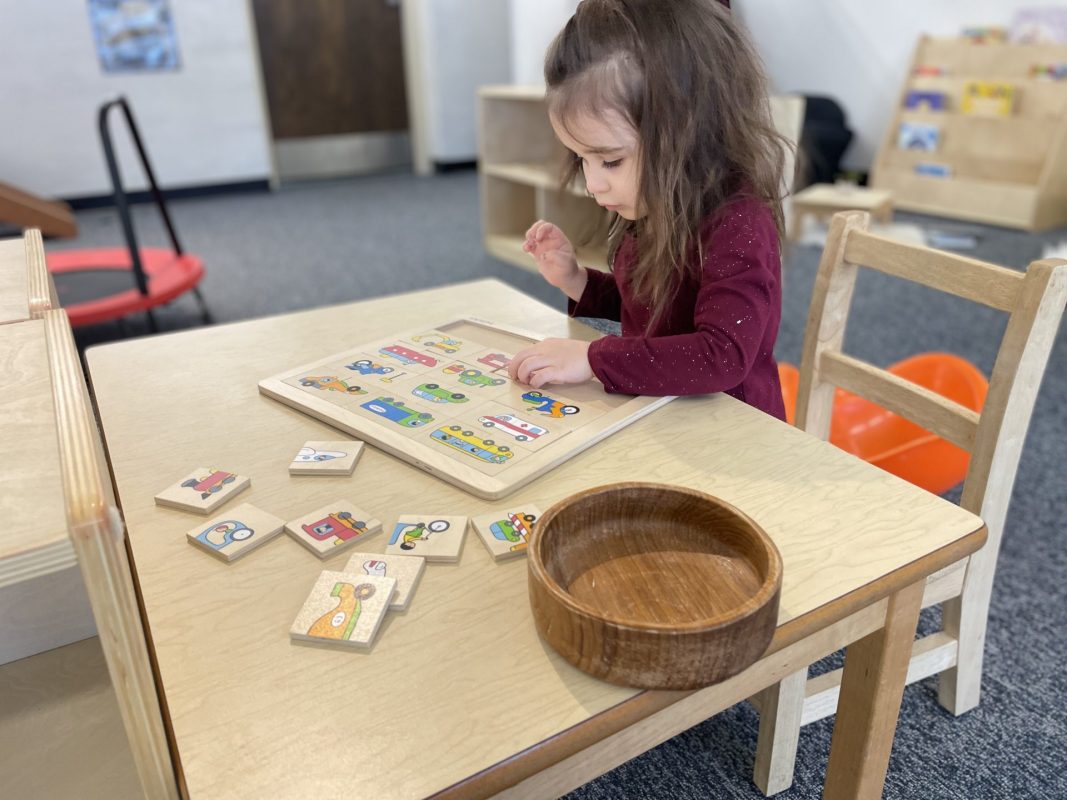
  6. Do not interrupt the child to use the toilet—for example, wait until they have finished their puzzle, etc. before offering the toilet.
  7. Focus on encouraging your child to be active part of the process by asking them to push their pants down, open the tabs of their own diaper, recognize if they have had a bowel movement or not (we always ask this as to teach the children that if they have had a bowel movement, they will need our support to remove the diaper), wipe (when having a bowel movement we provide a small stool where they can turn around and put their hands on it for stabilization and the adult will clean them), place diaper in the trash, pull their own pants up after receiving a new diaper and wash/dry hands. This is a daily routine in our environment. As soon as you incorporate this at home, we believe your child will increase their interest and signs of readiness will become more obvious.
  8. Provide clothing that supports the process. Avoid zippers, buttons, tight clothing, dresses, onesies, jeans, overalls, rompers, etc.

Reminder: Please avoid this type of clothing on your child for school as well.

When should my child transition into wearing underwear?

When your child is staying dry for long periods, telling you when they are wet or soiled and they are having consistent success using the toilet at home and at school, it may be time to transition into underwear. The thick, quilted training pants work best as they allow the child to feel the wetness, and are more absorbent than the thinner cotton underwear. When circumstances allow, you may let the child go bare-bottom at home. This can help them see and understand what is happening. Please be aware that toddlers usually show signs of readiness at home first and as they become more confident in the process, the transition into school life usually is peaceful and successful.

Communication between home and school is vital in this process. Please always reach out with any questions you may have! We will be more than glad to assist you!

We can’t wait to share more information about this, related to your specific toddler in our parent-teacher conference next Thursday, February 17th.

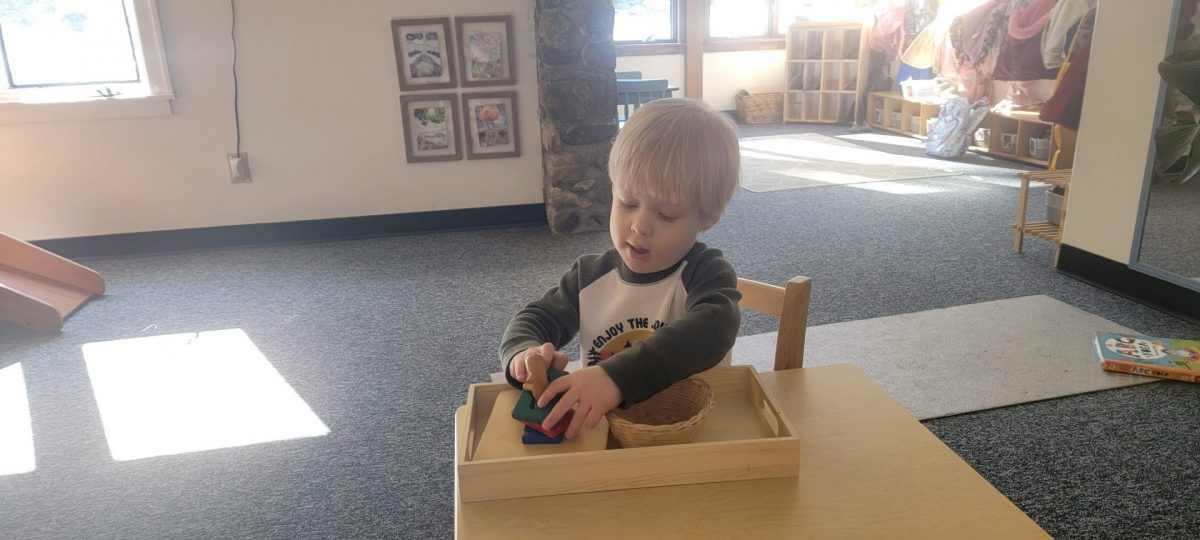
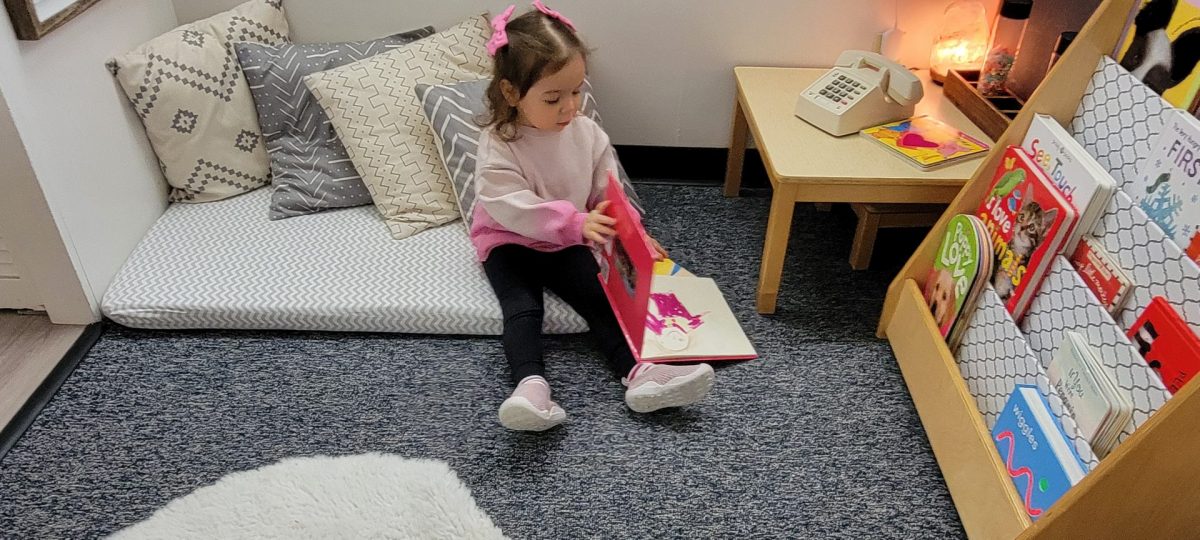
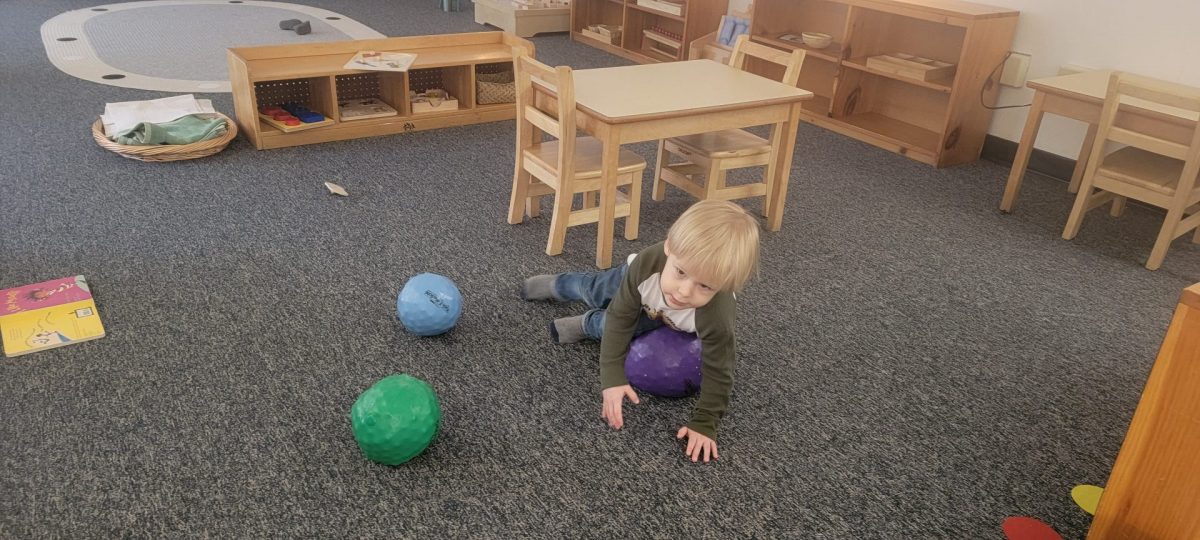
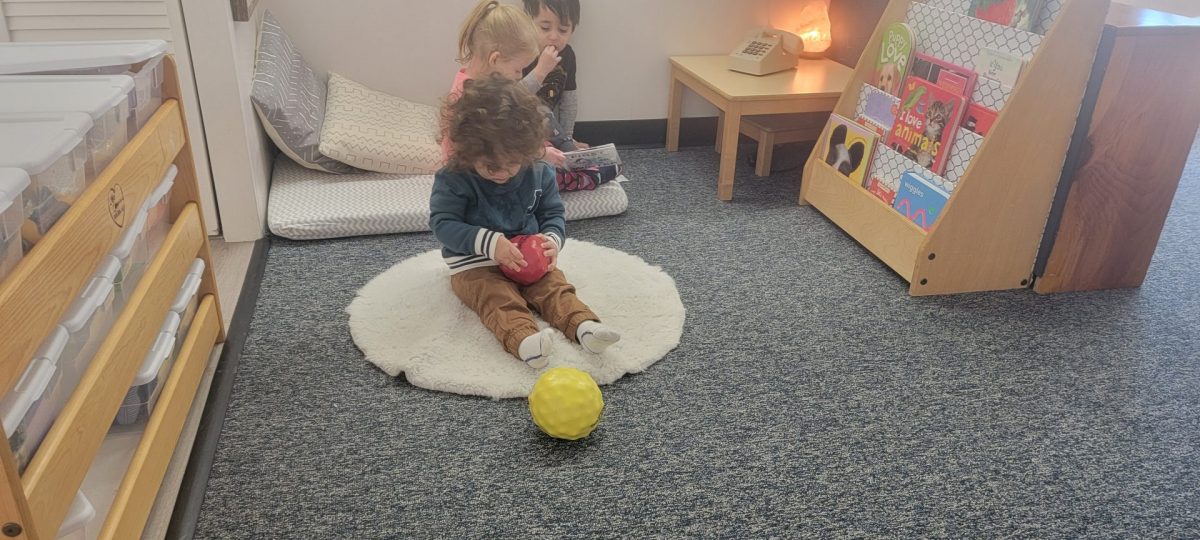
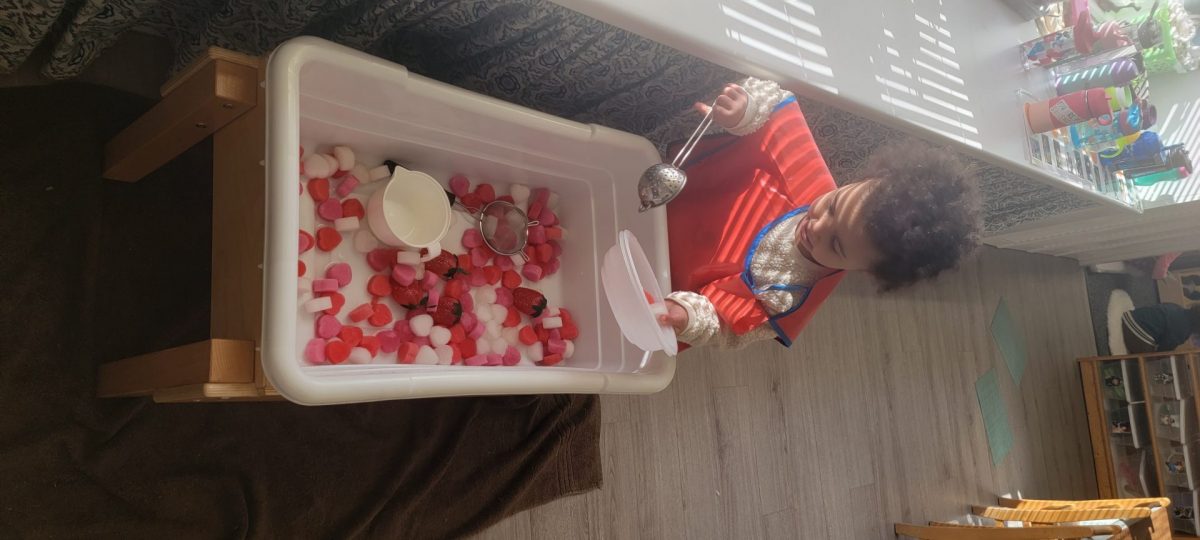
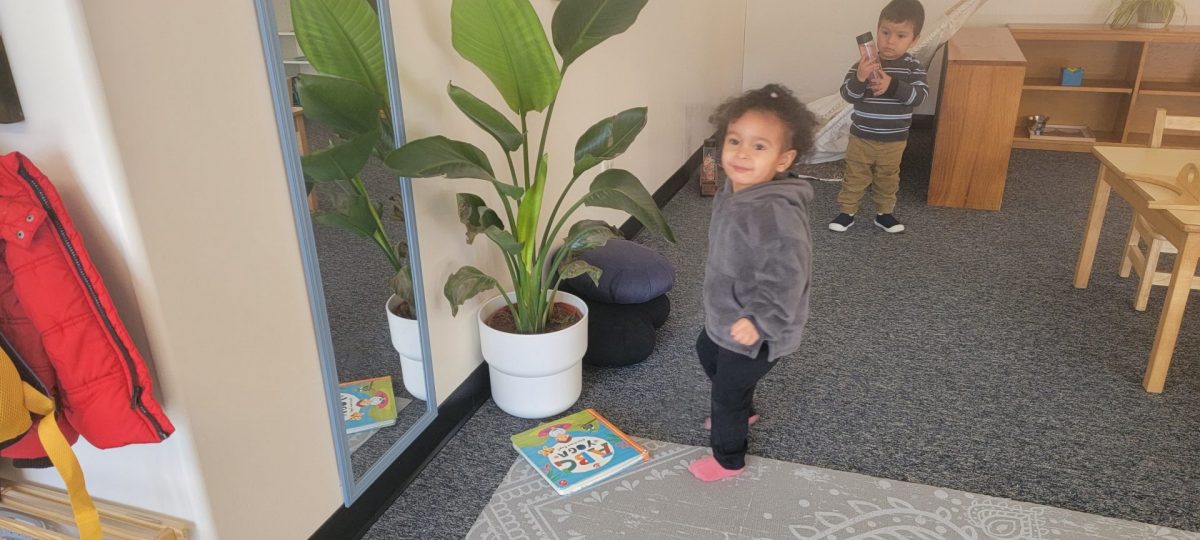
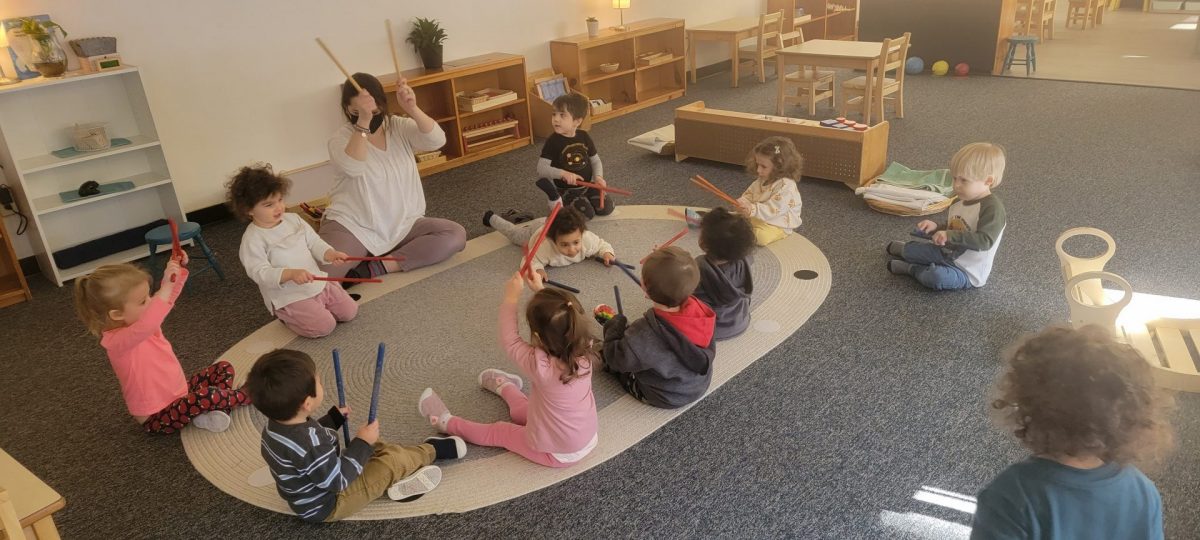
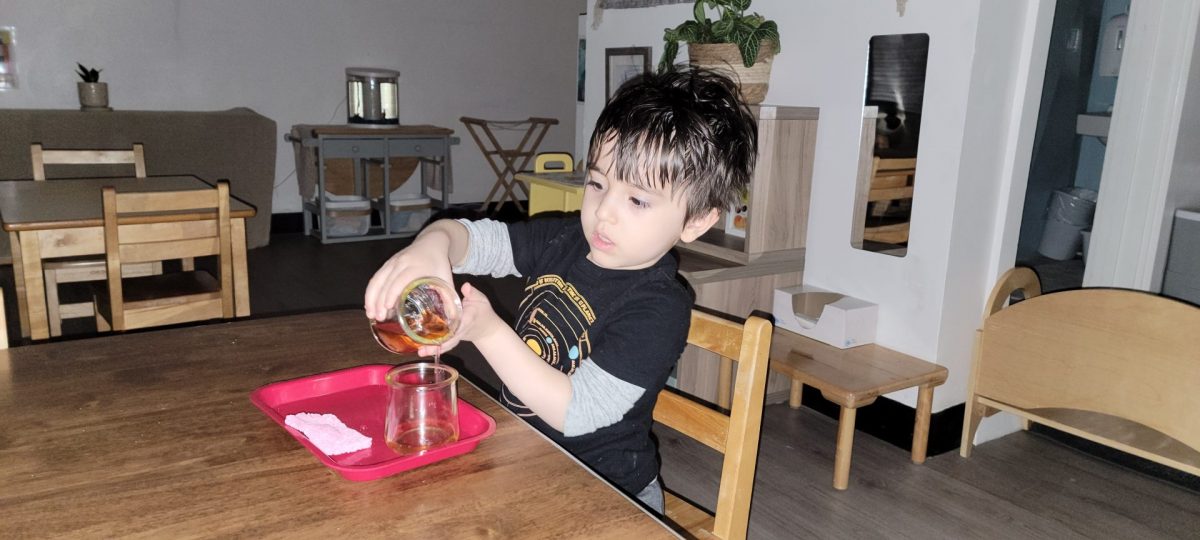
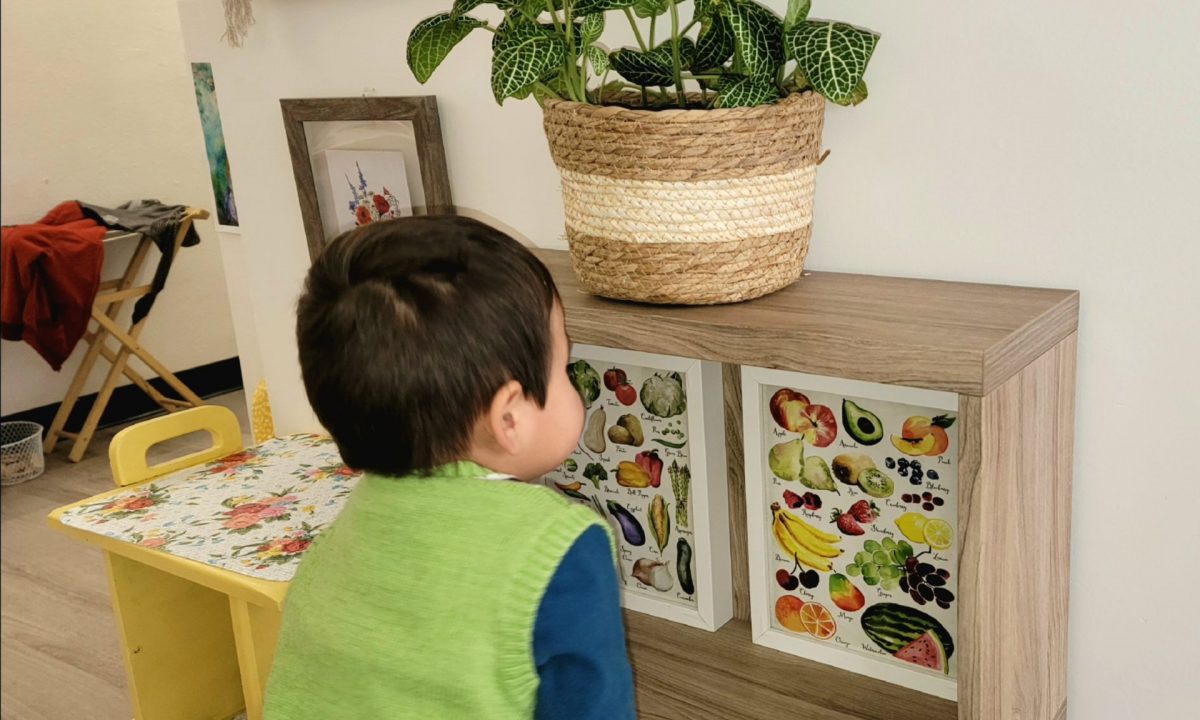
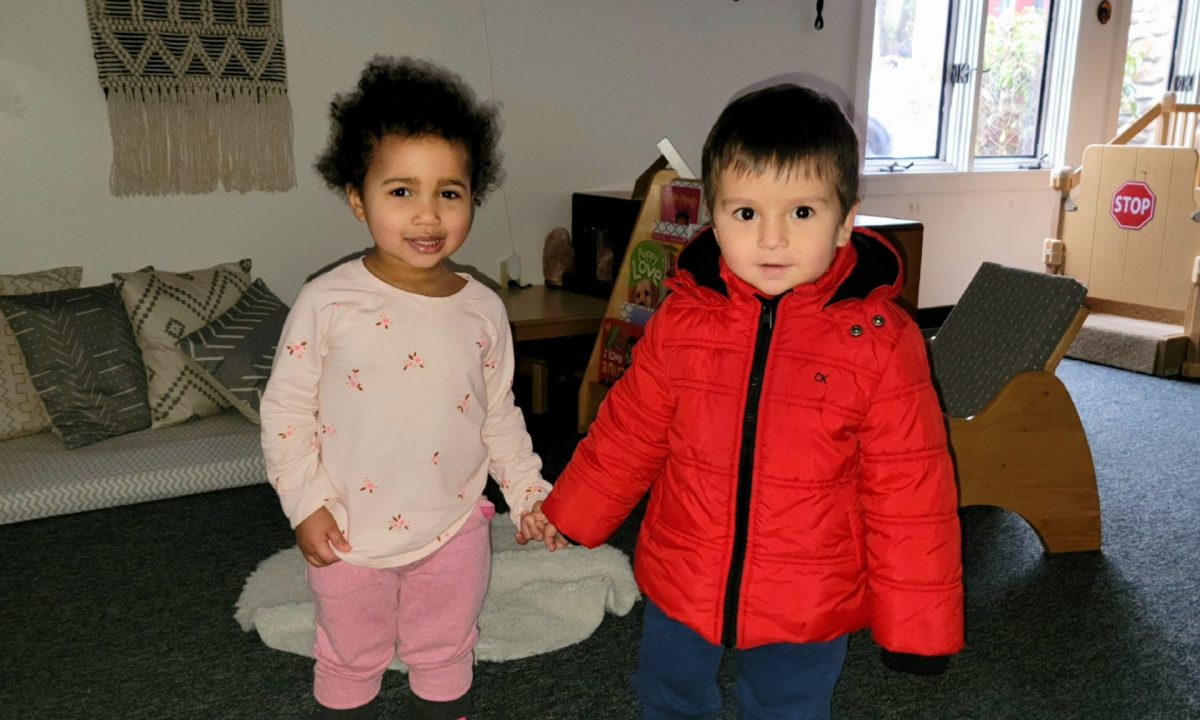
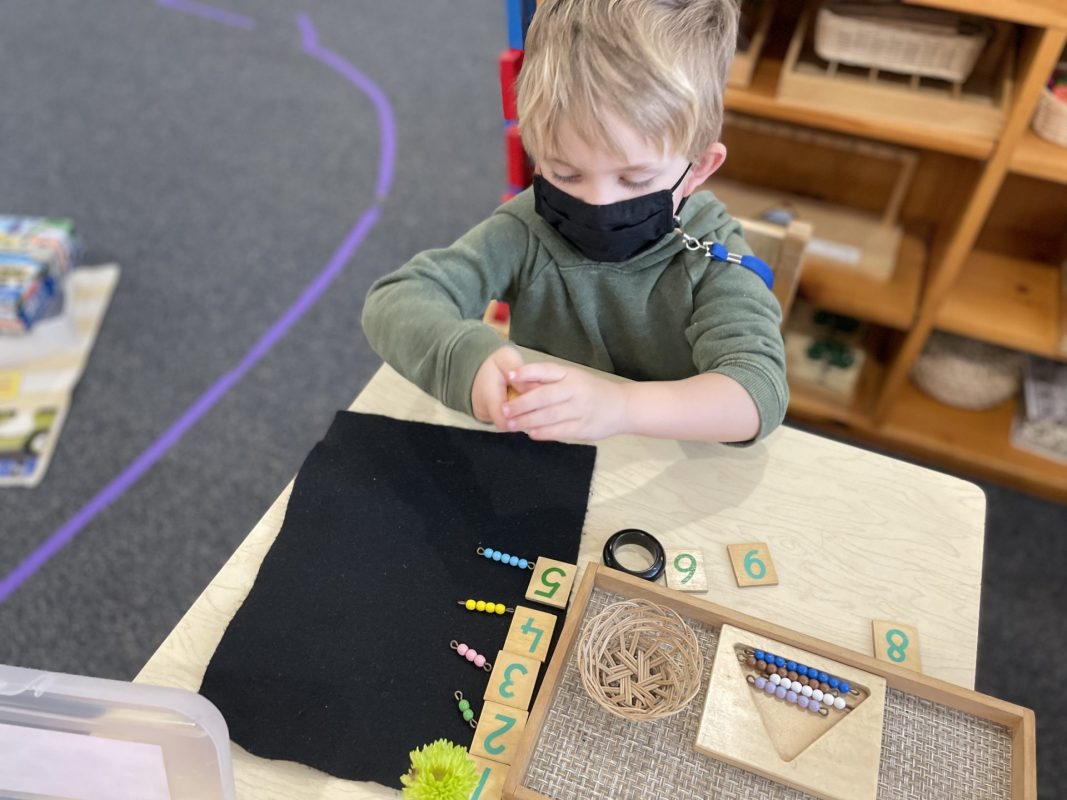
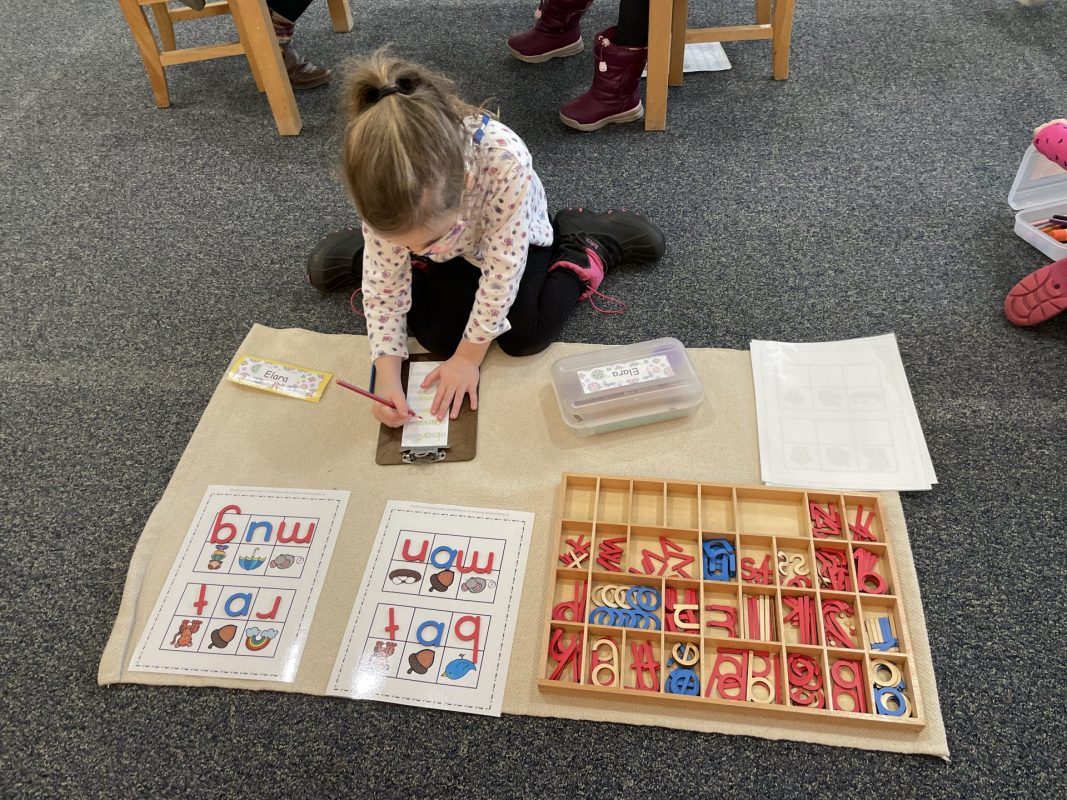
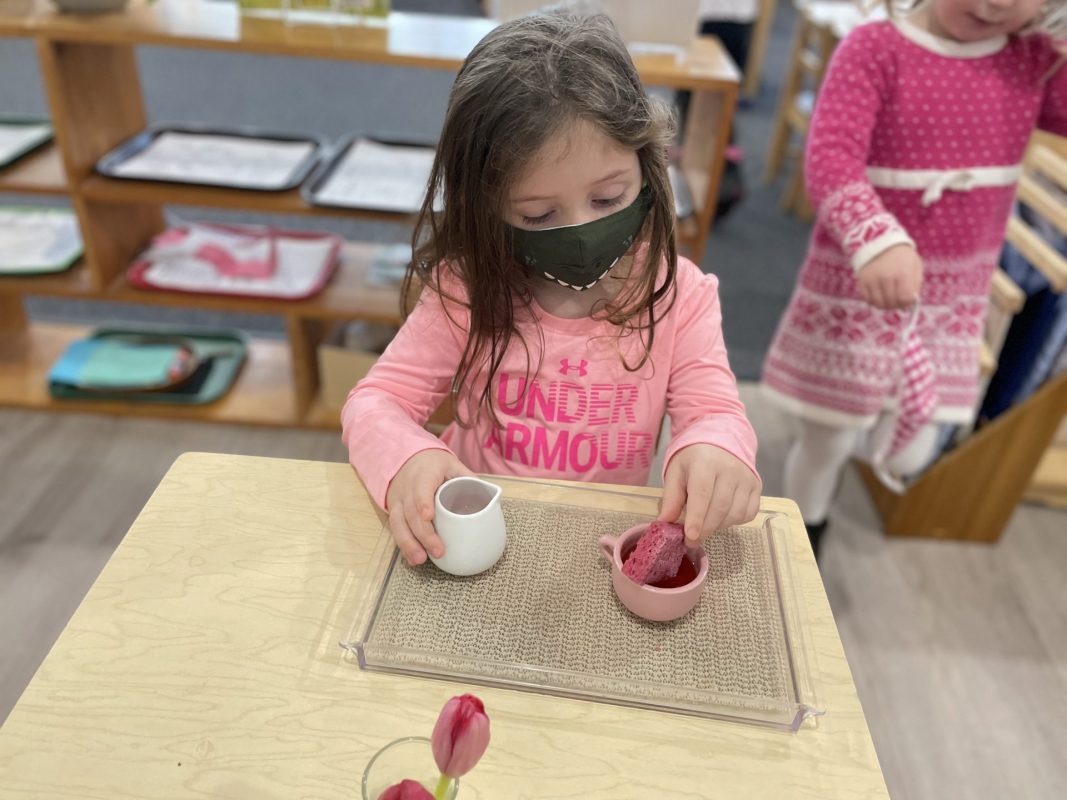
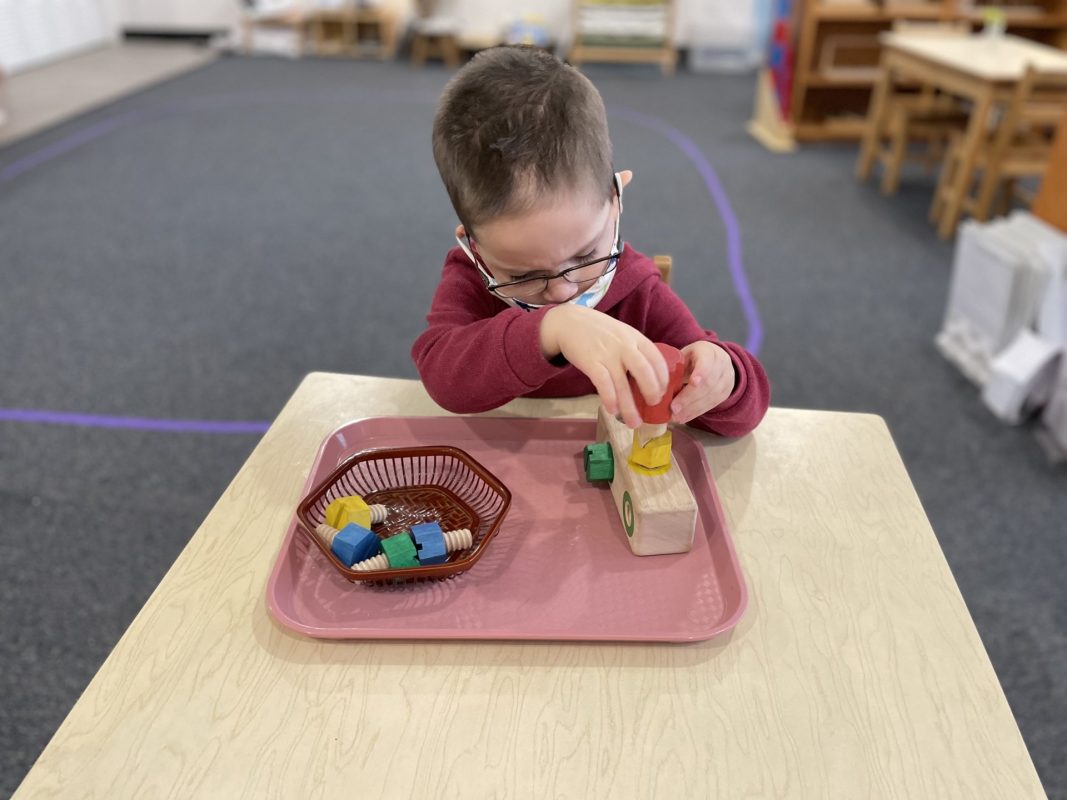
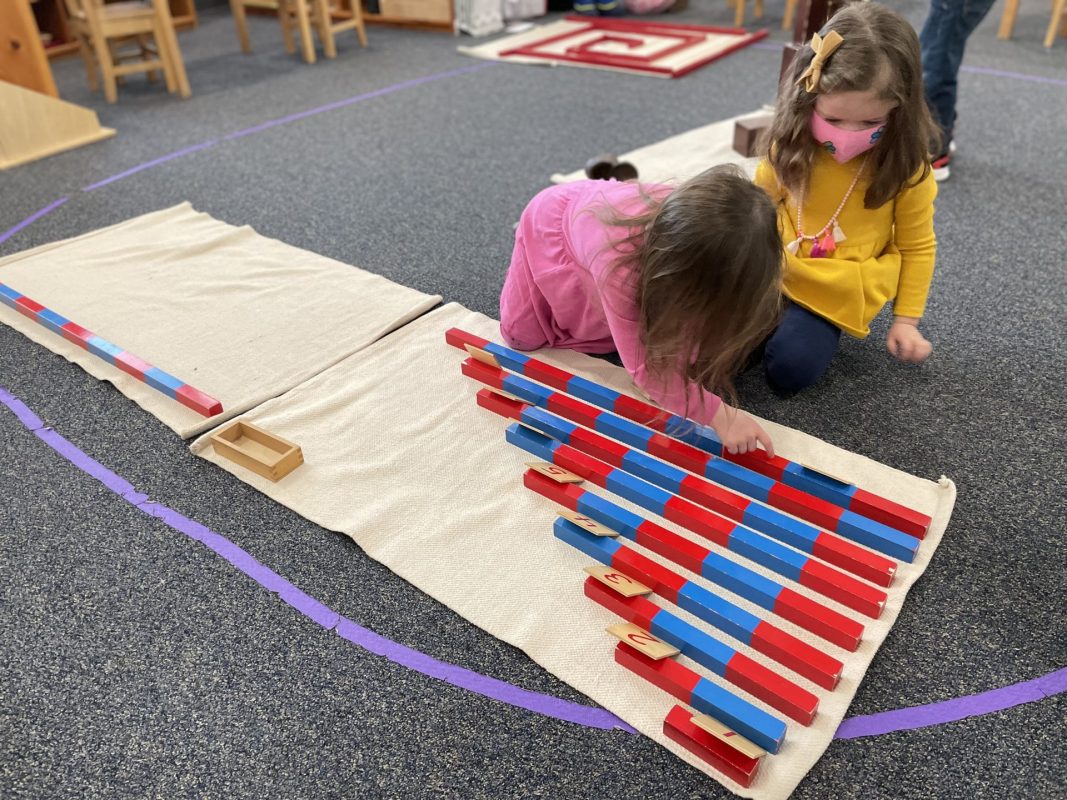
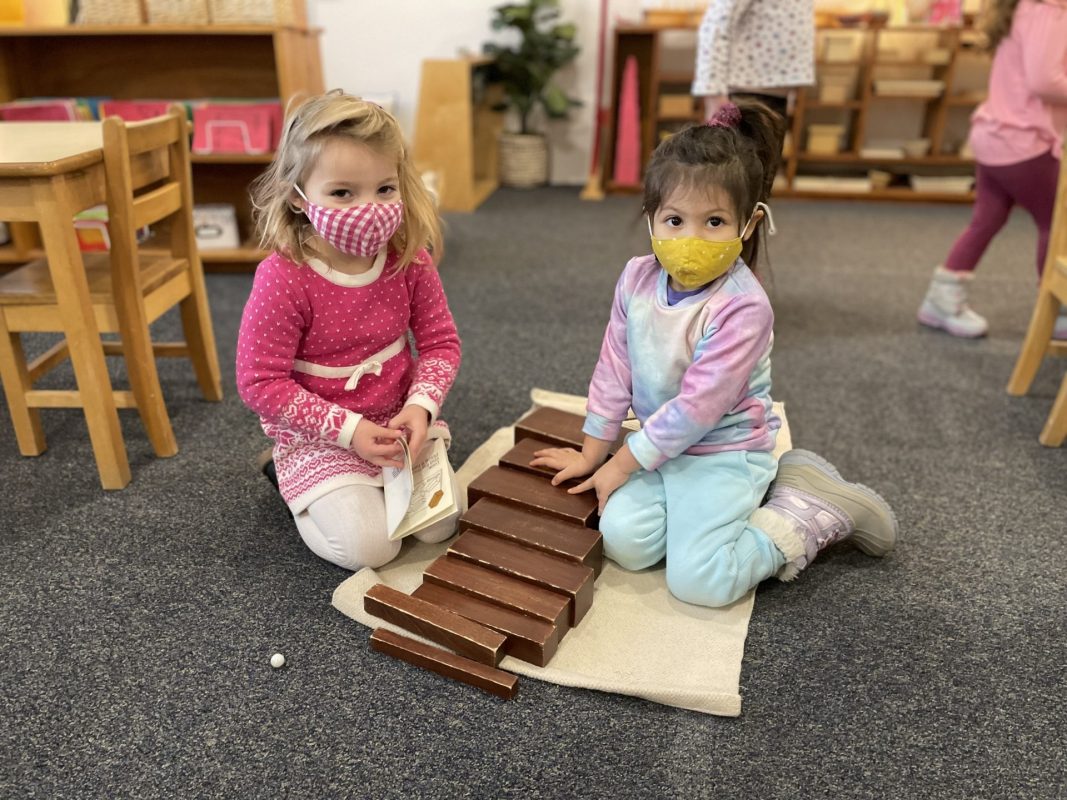
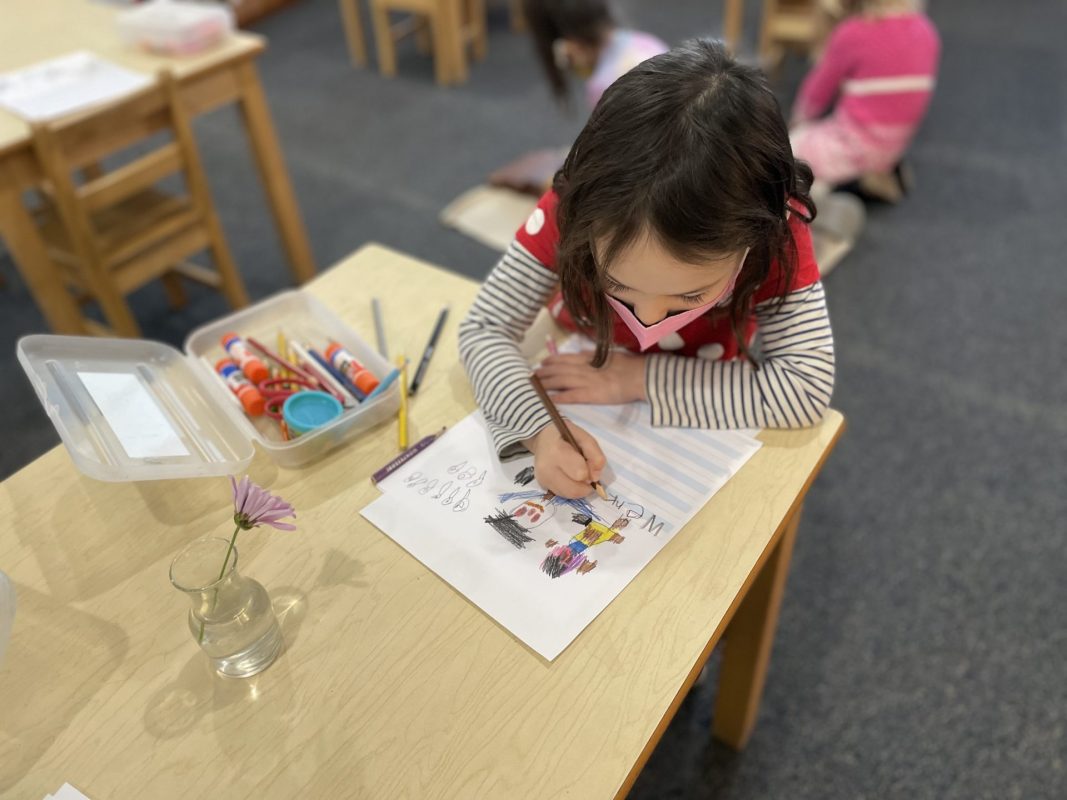
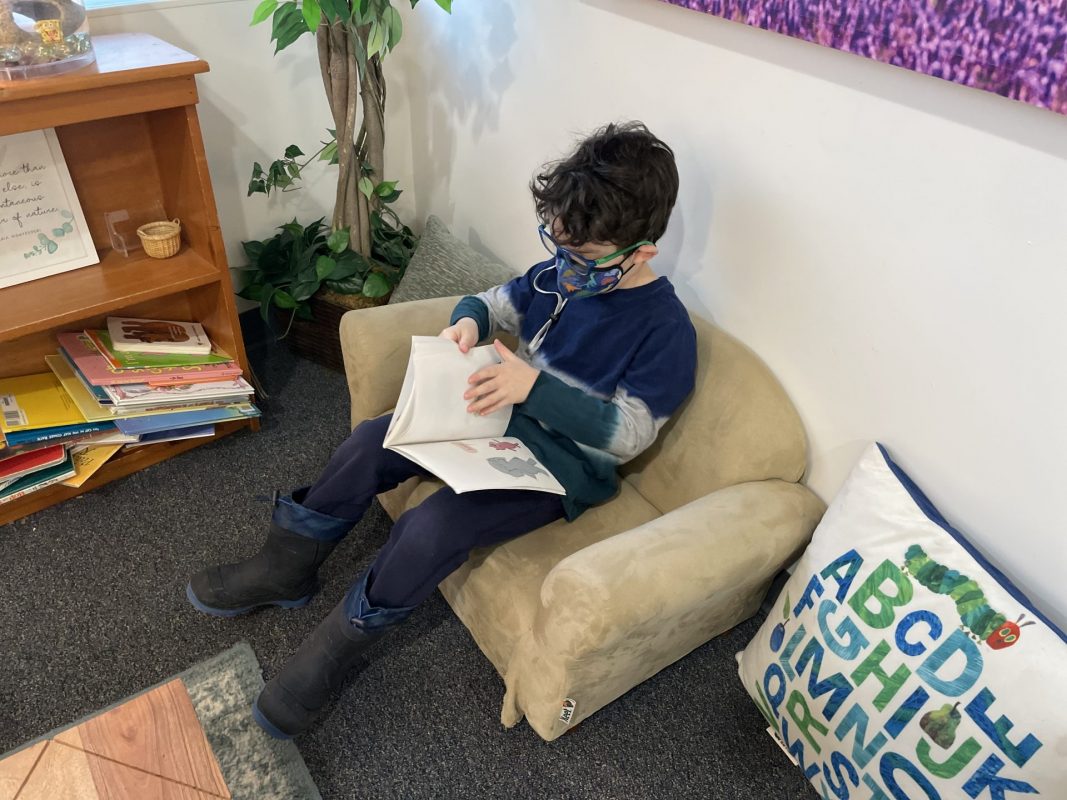
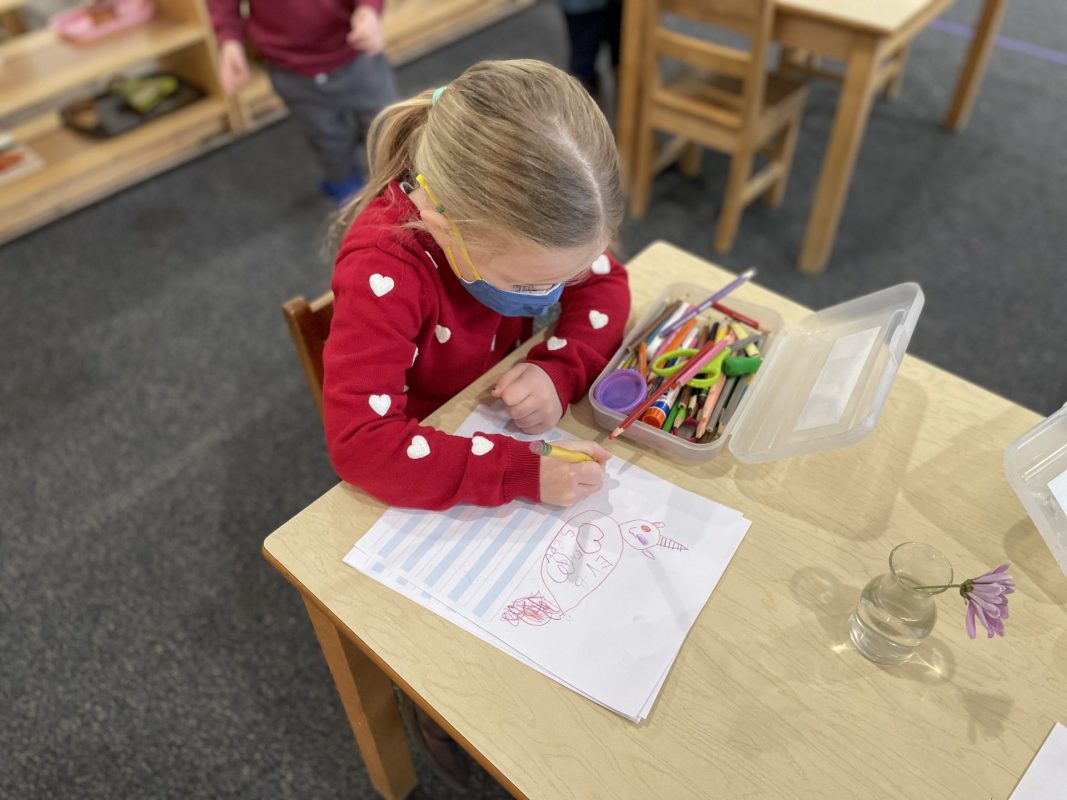
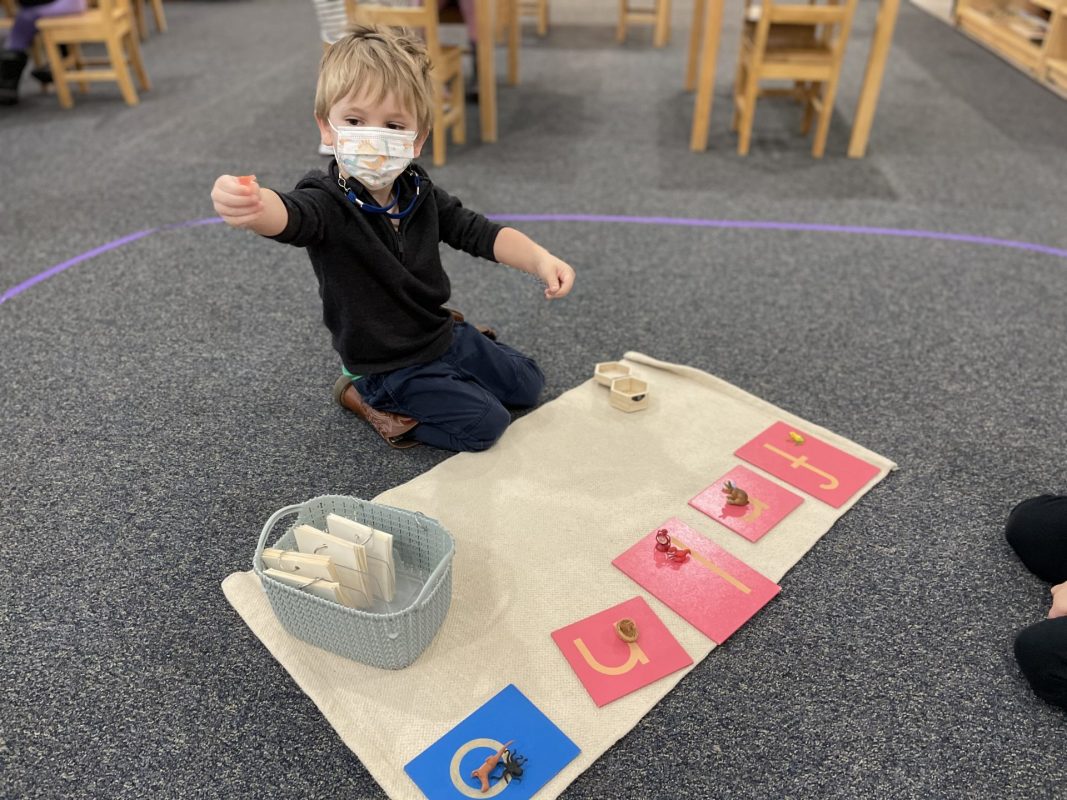
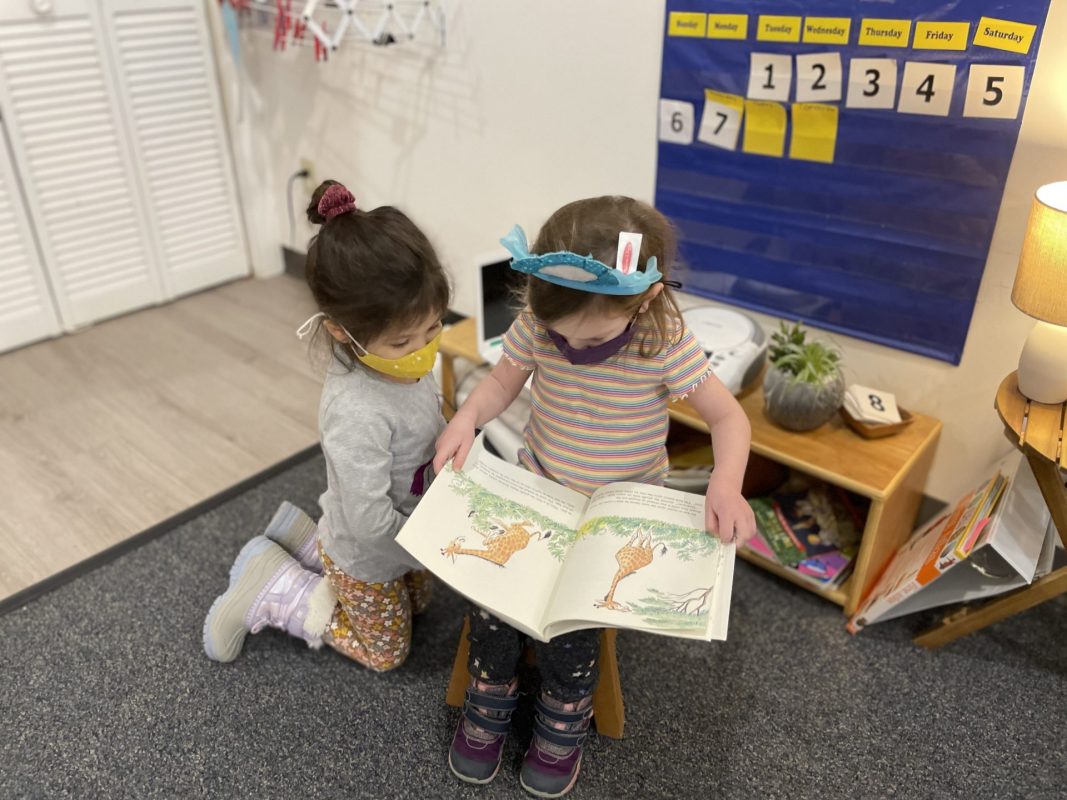
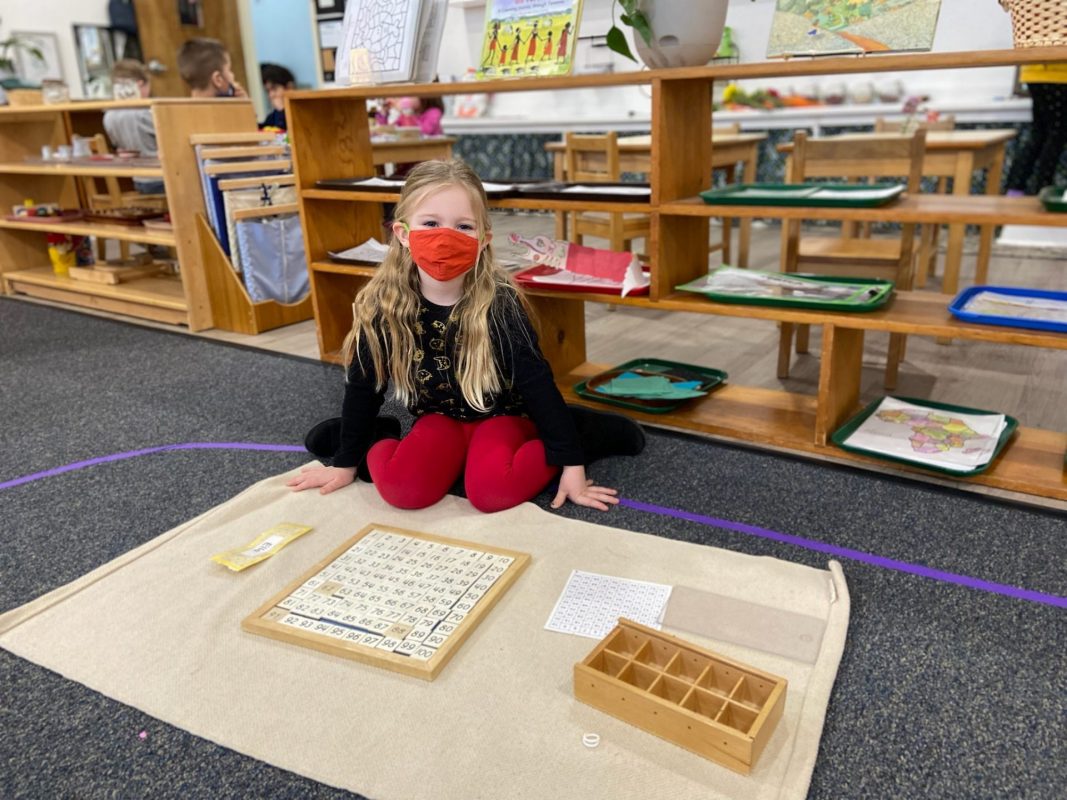
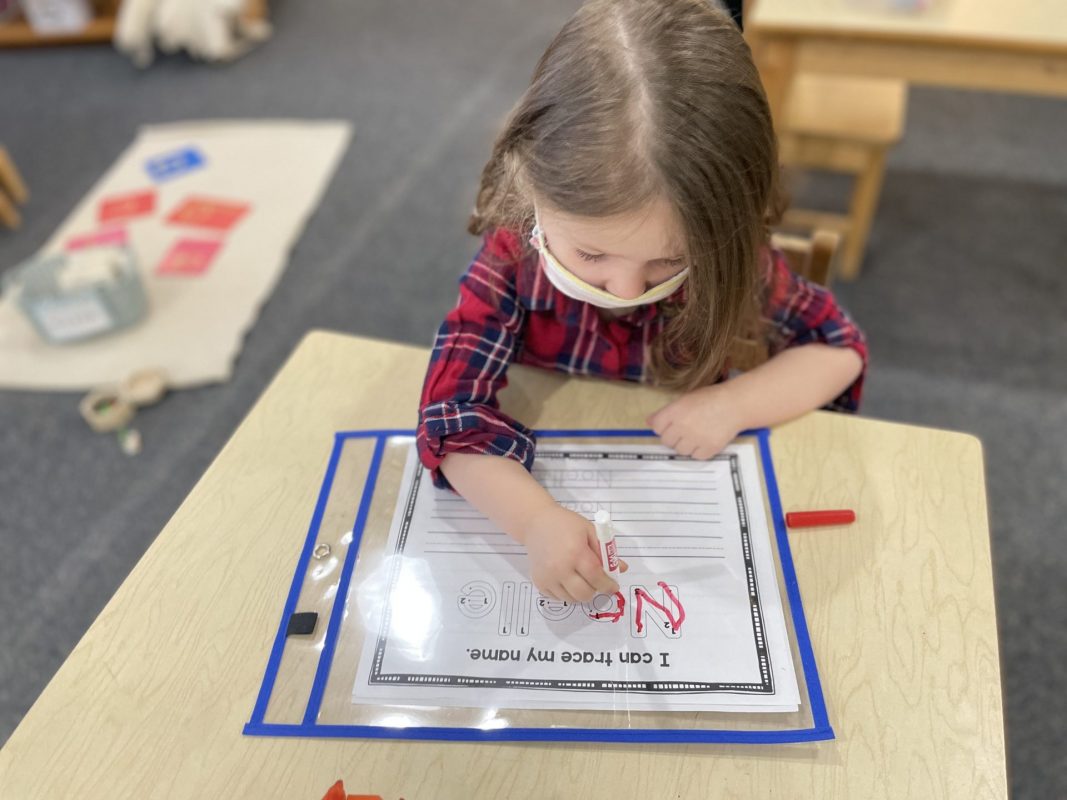
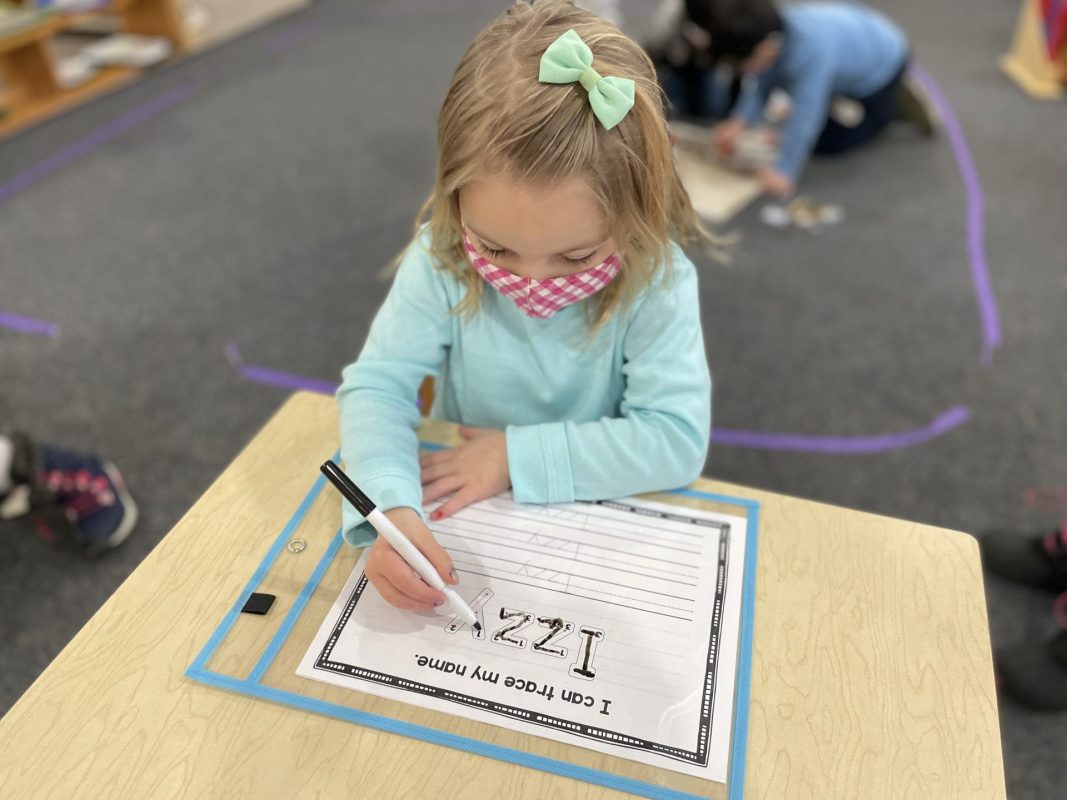
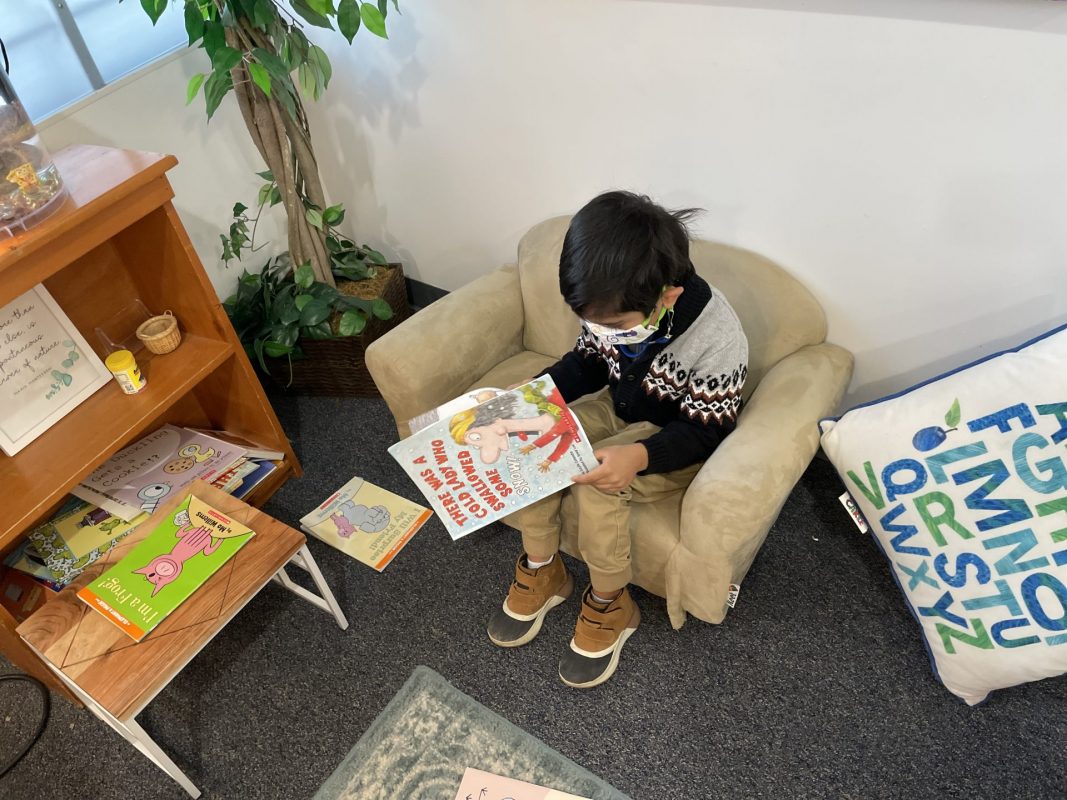
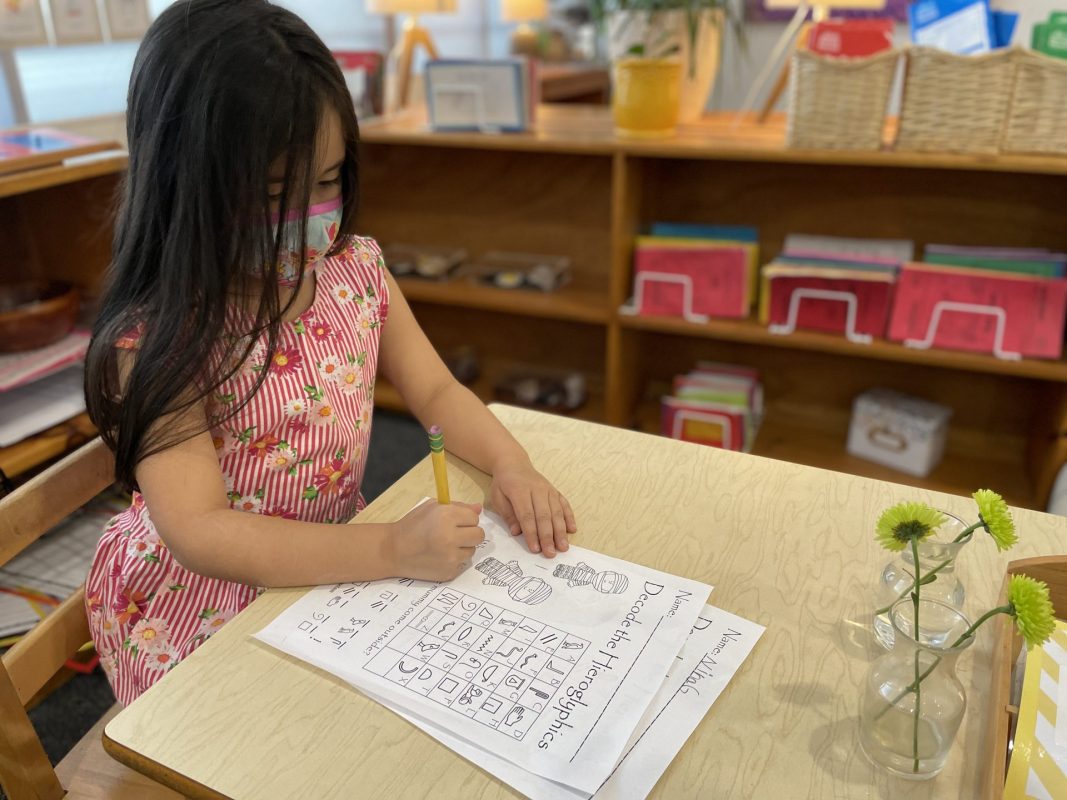
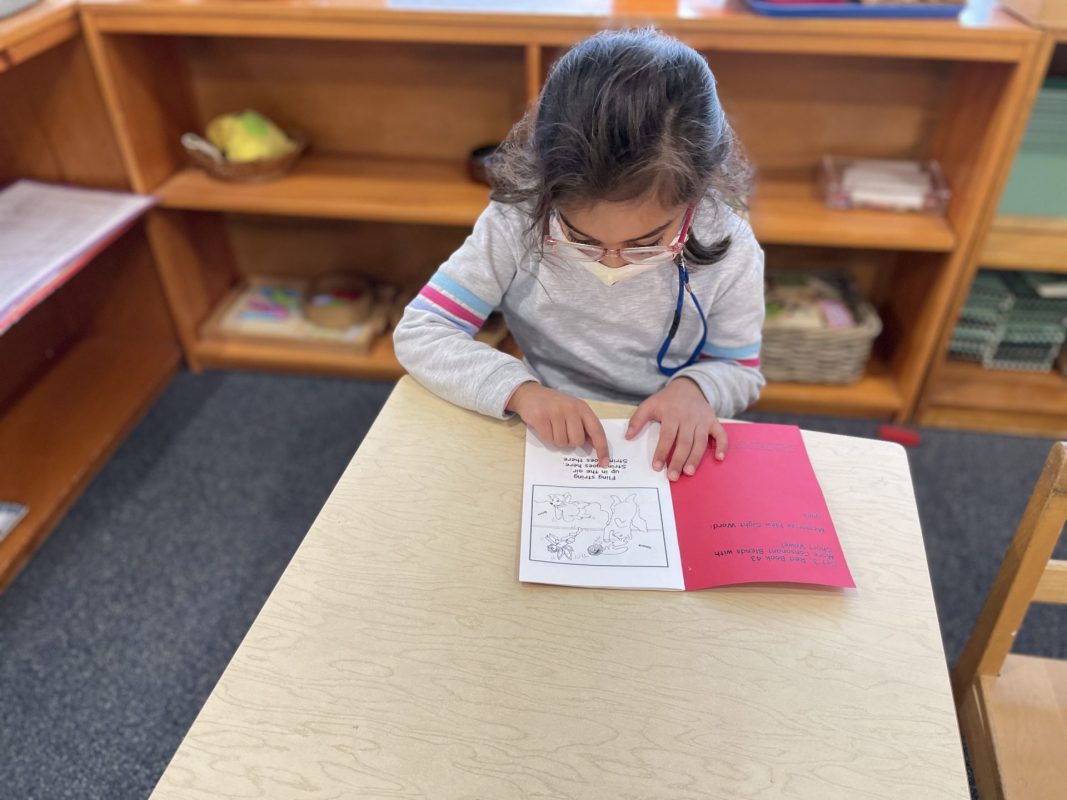
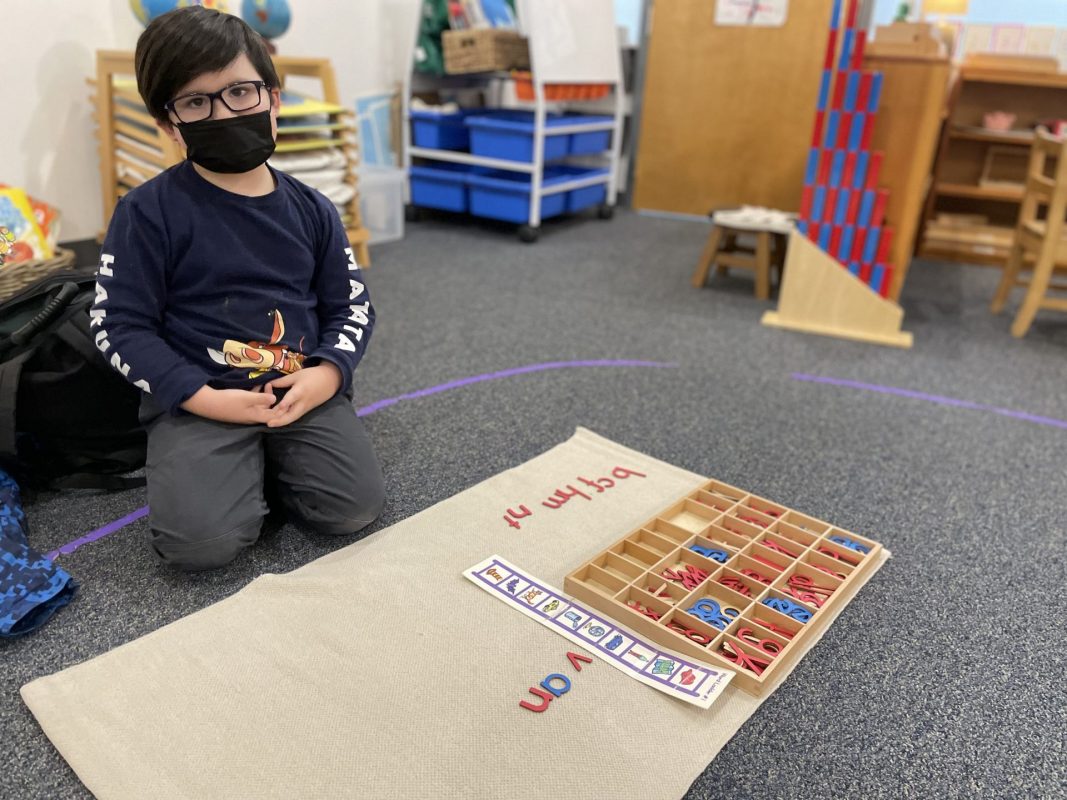
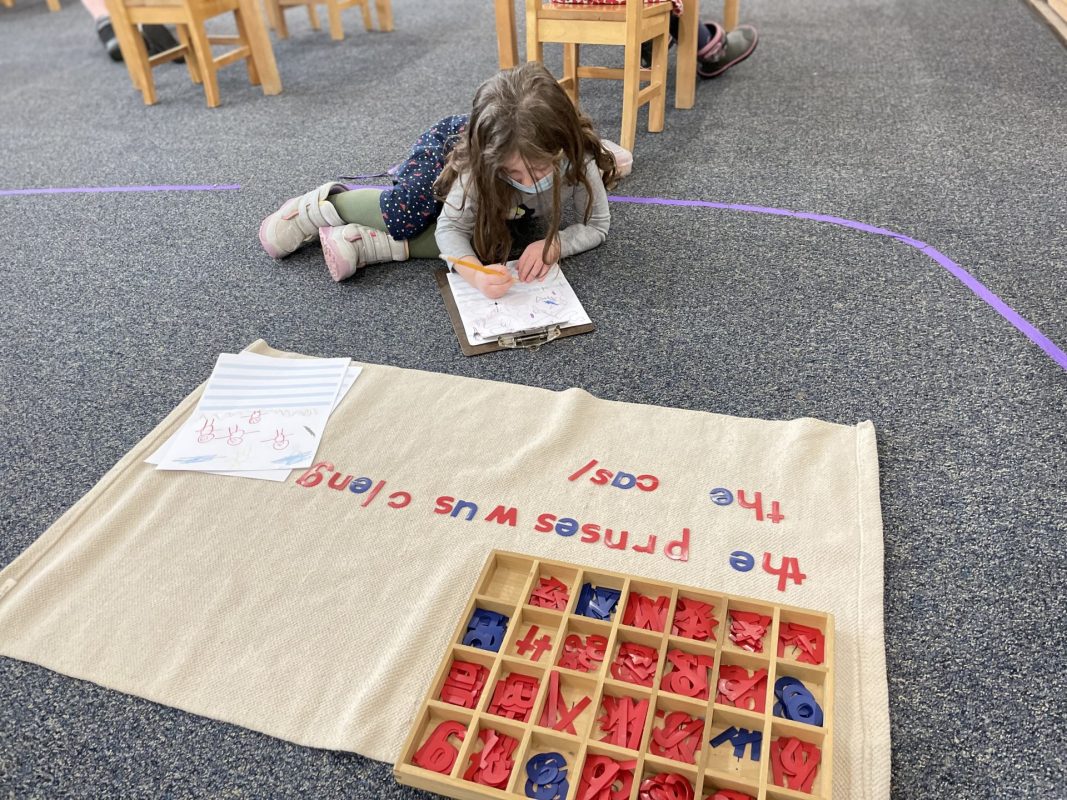
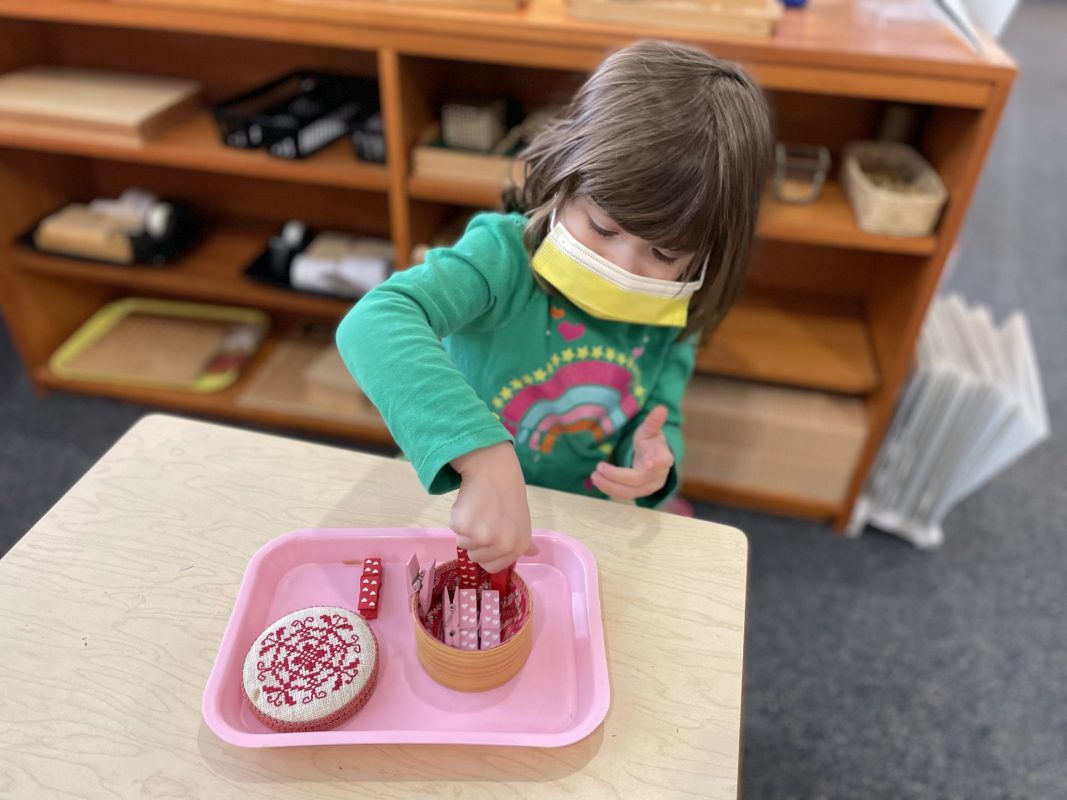
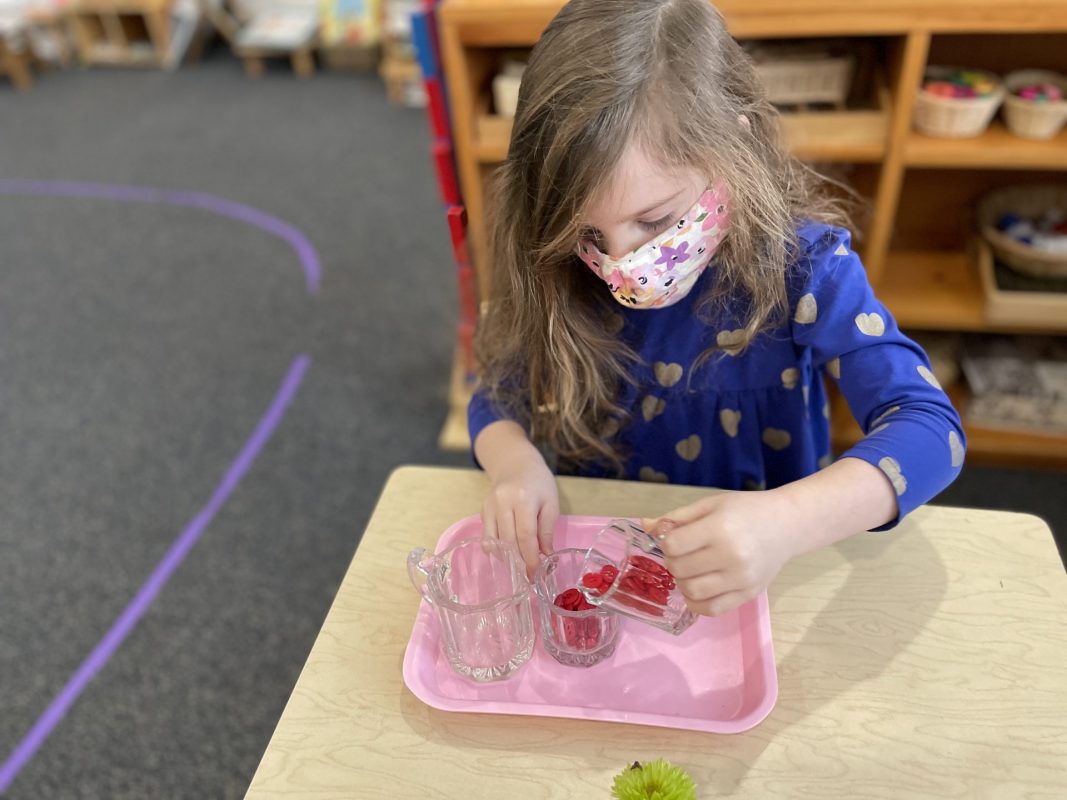
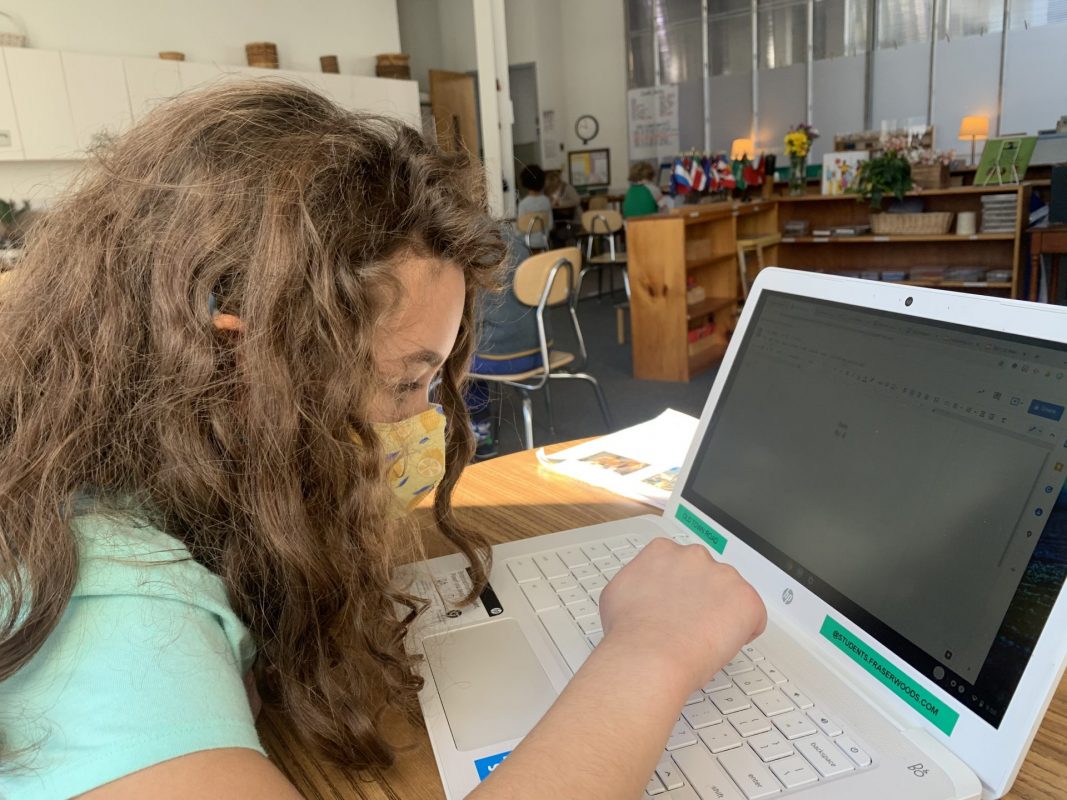
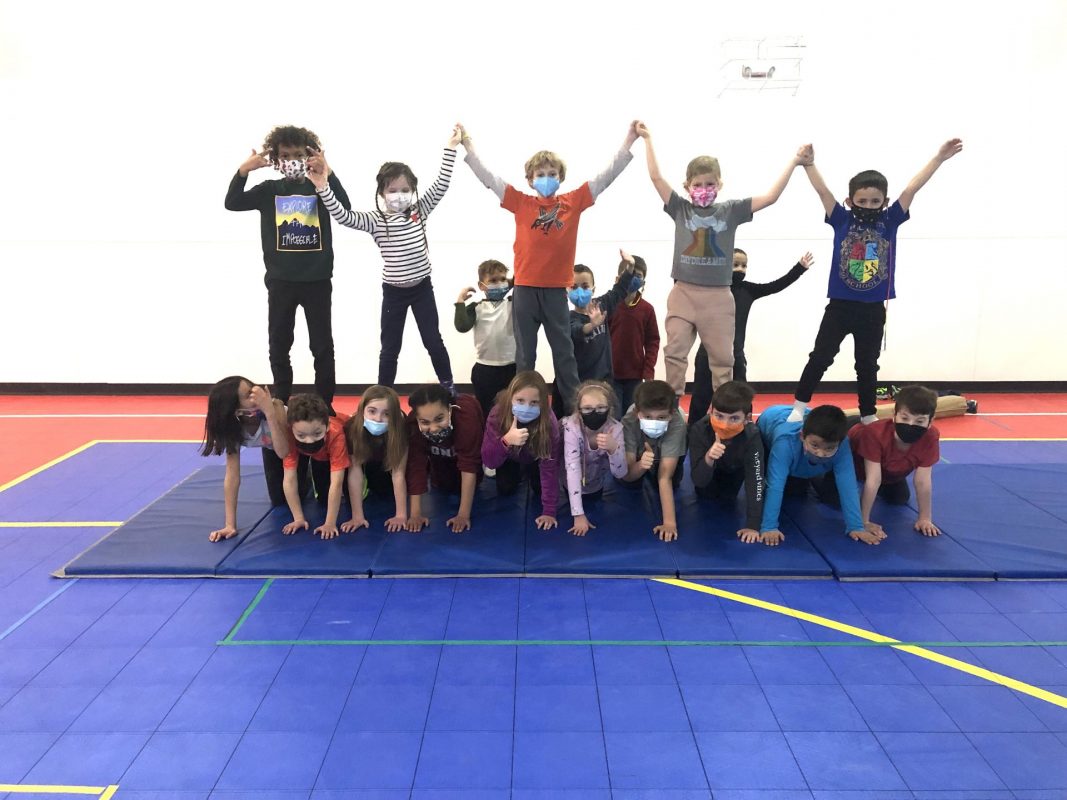
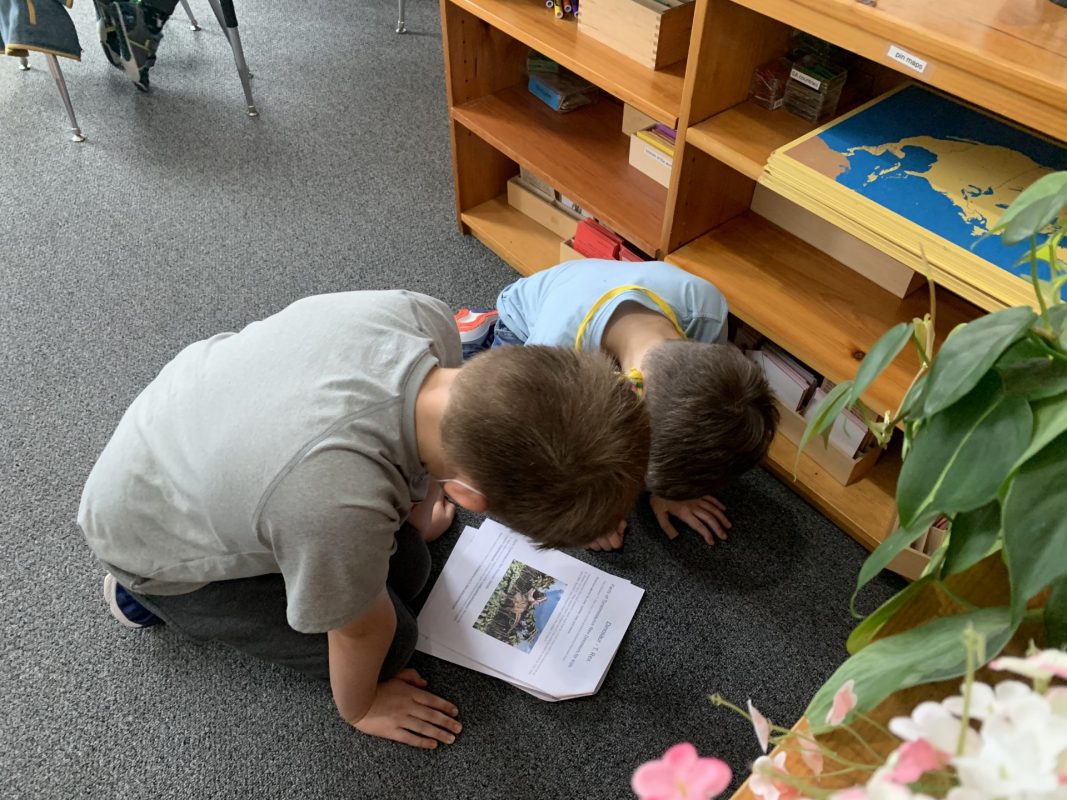
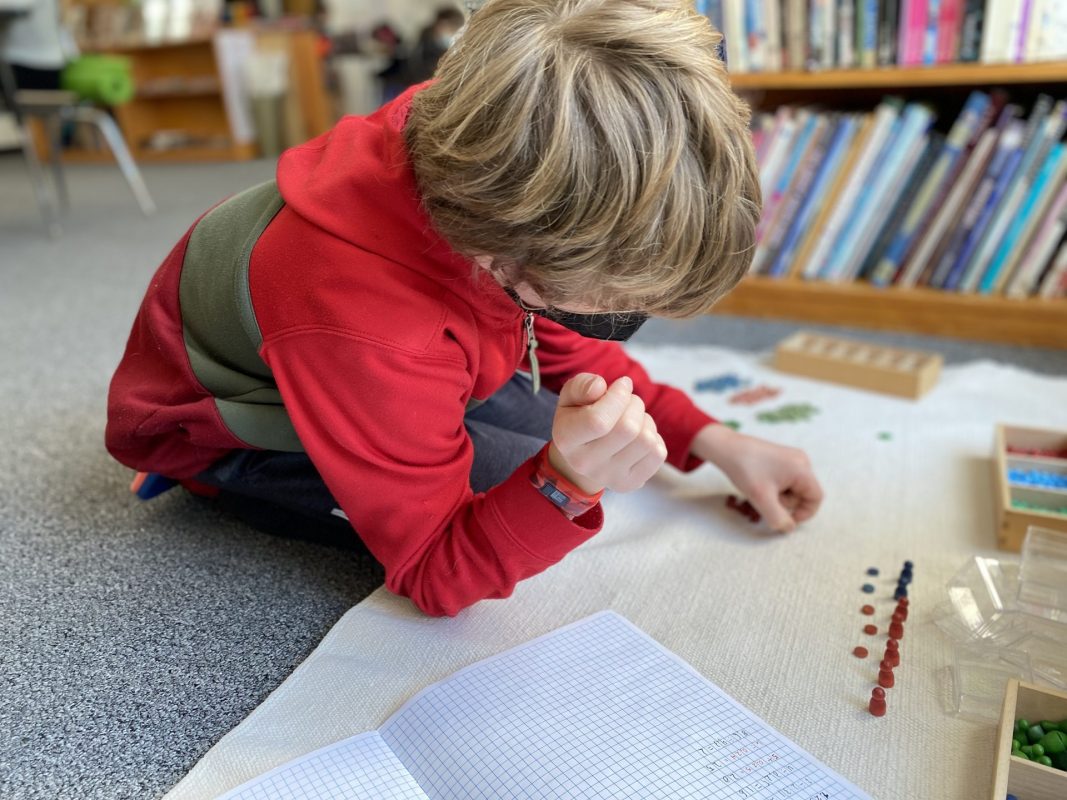
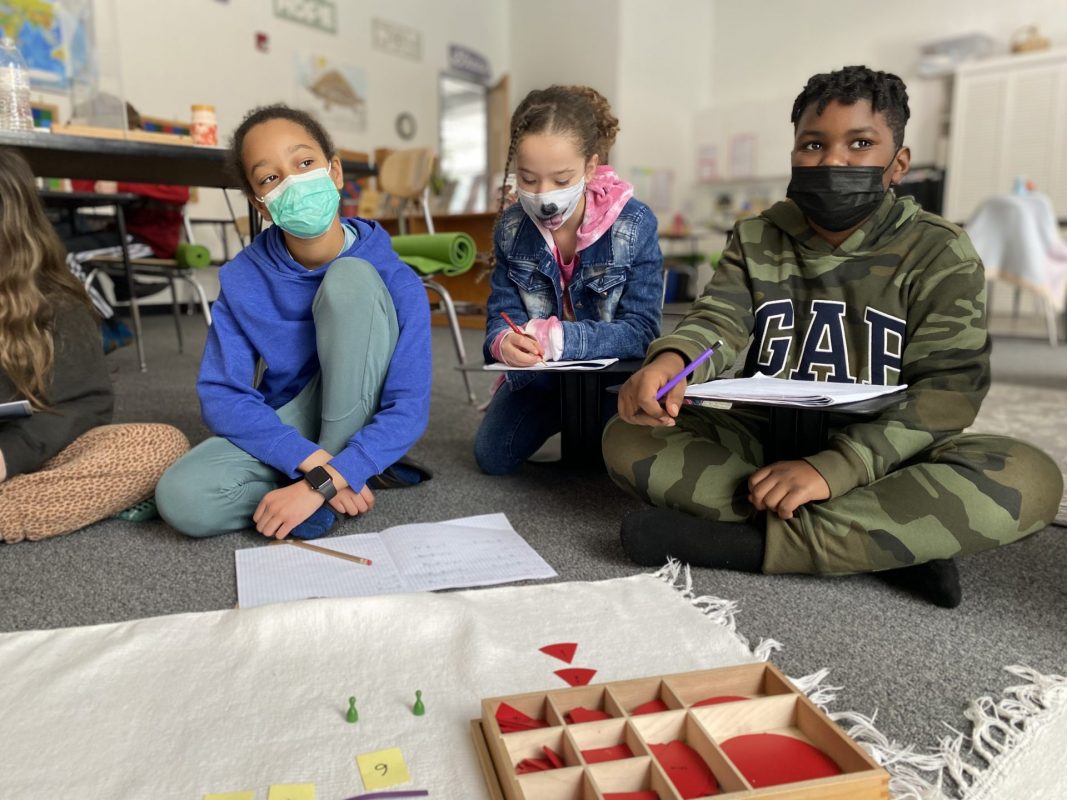
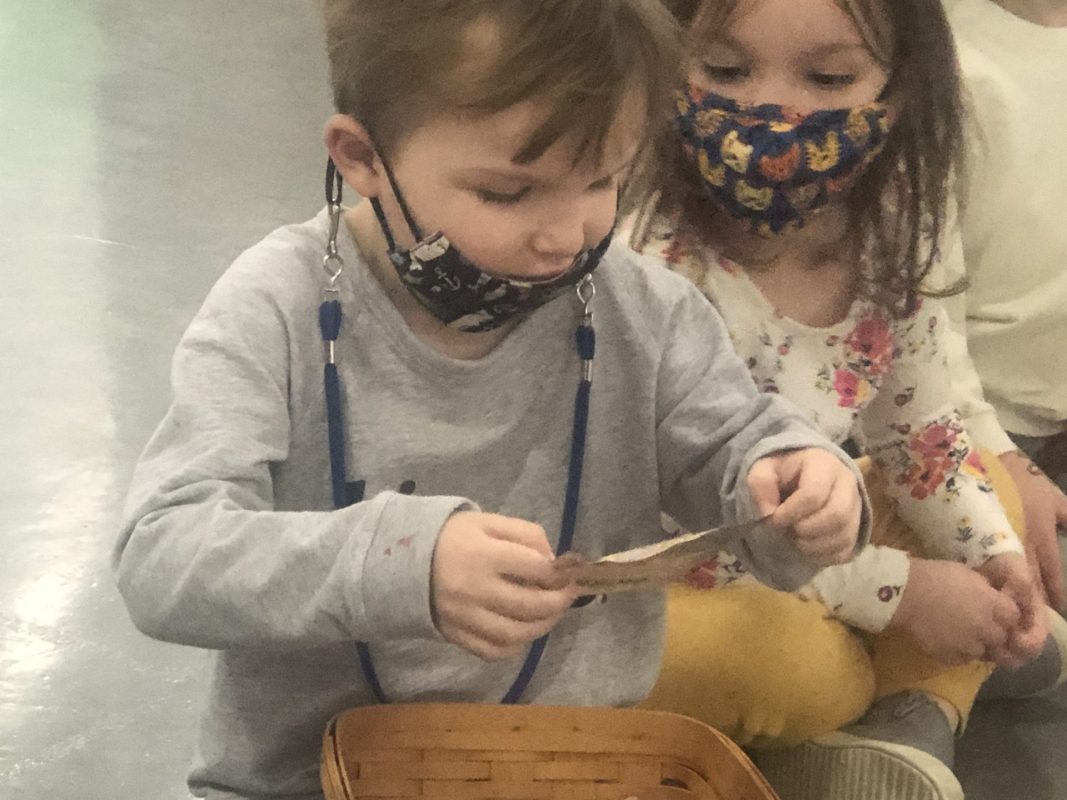
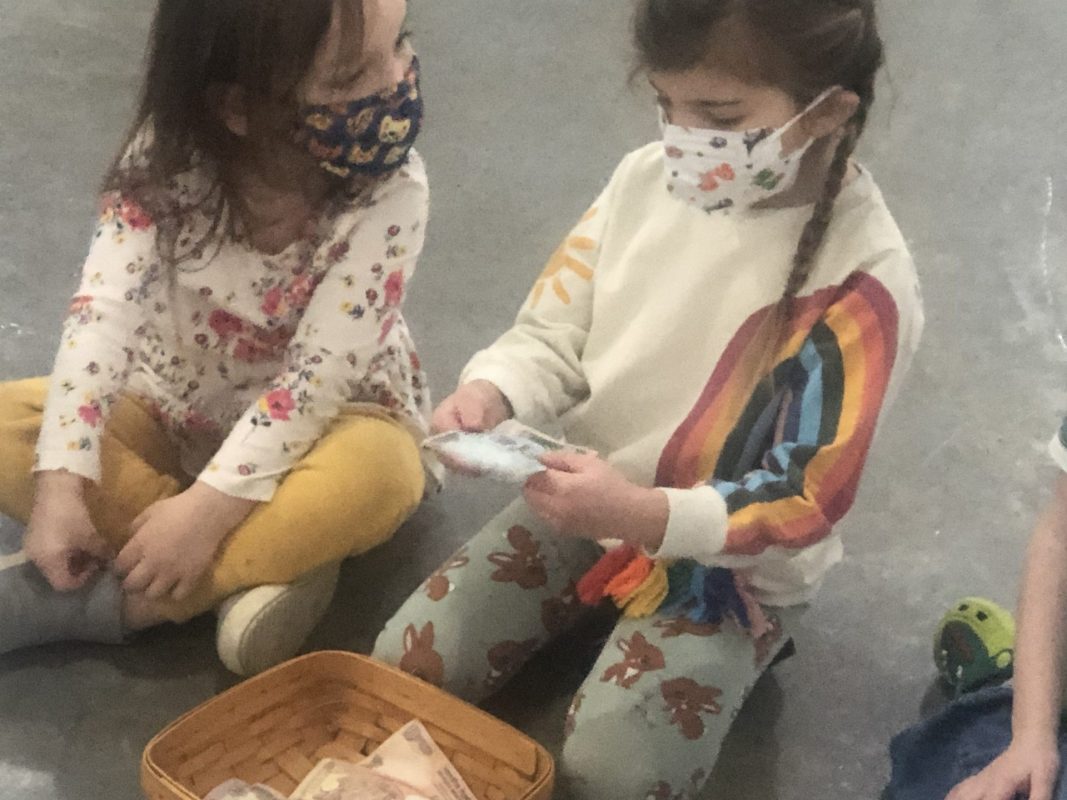
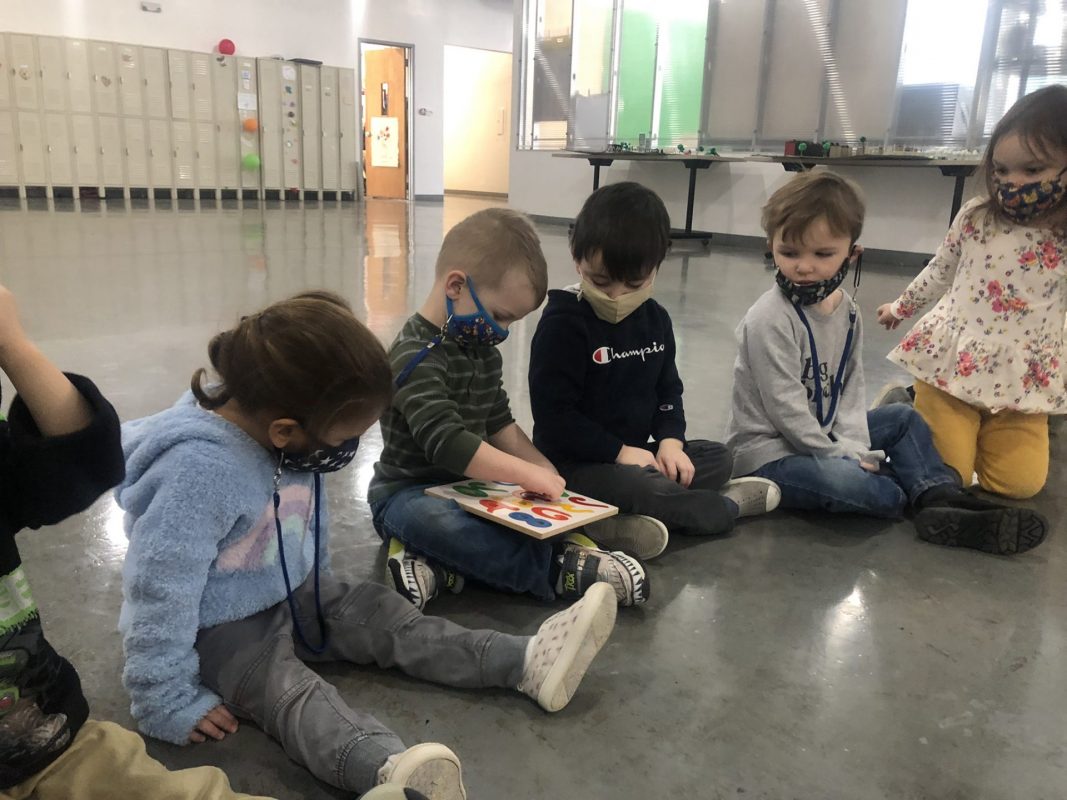
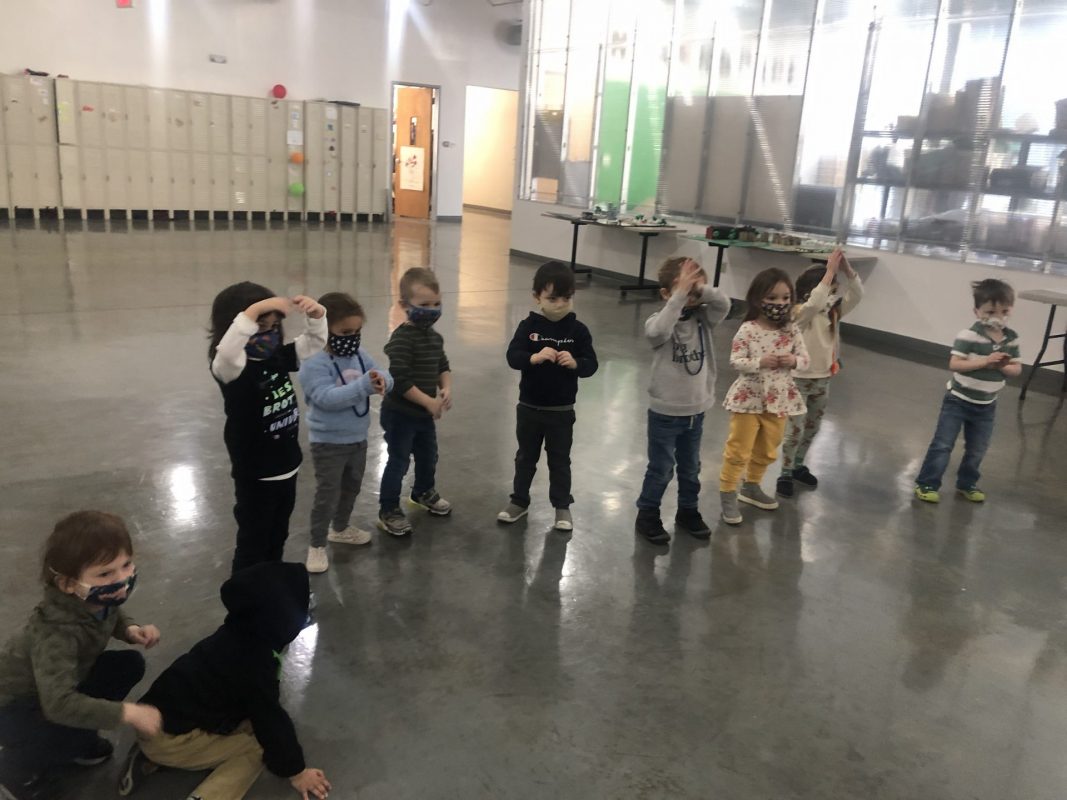
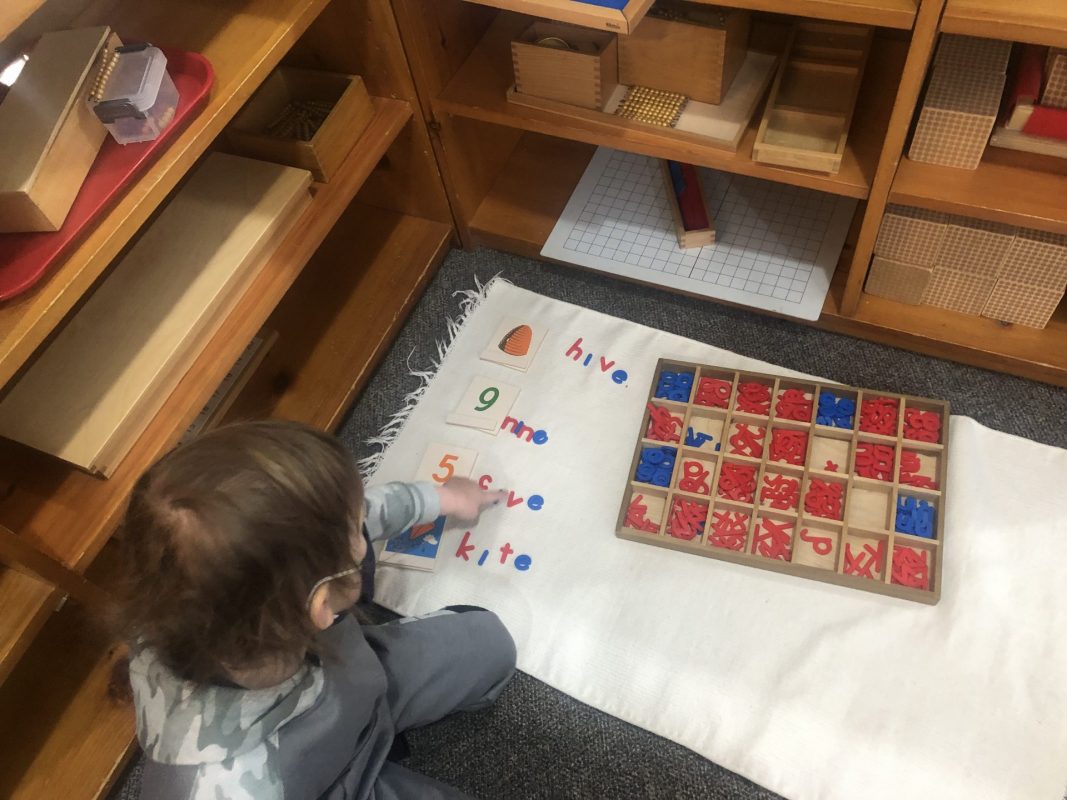
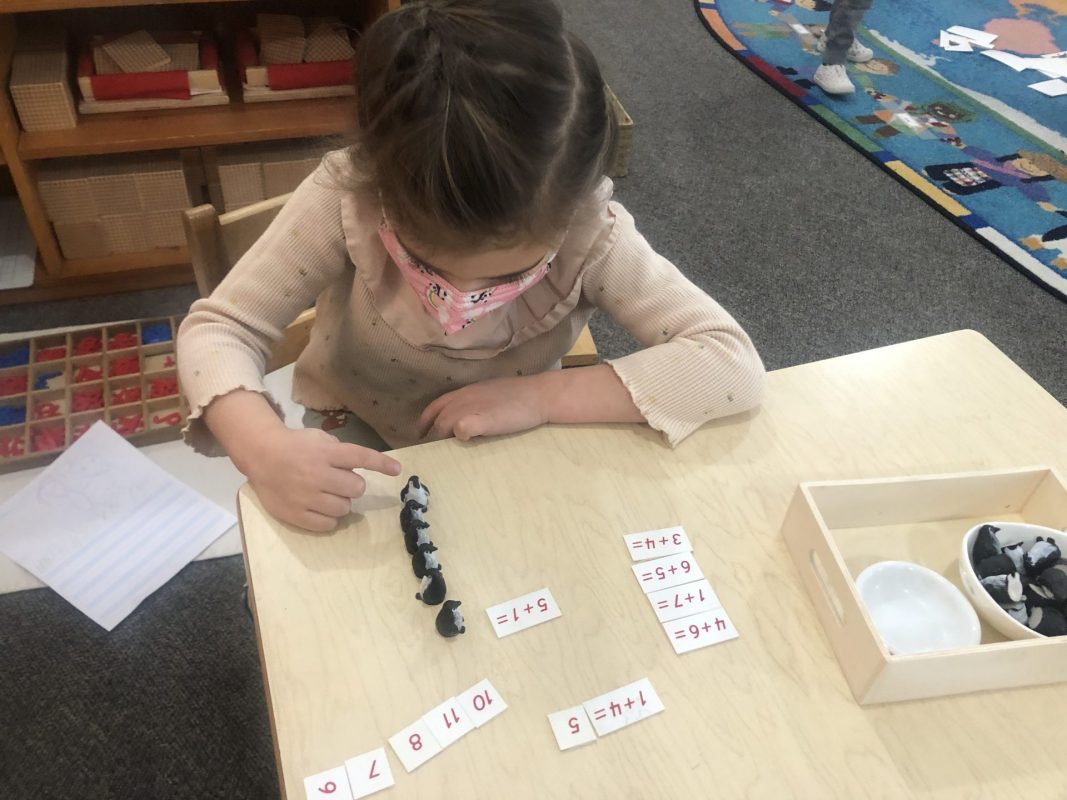
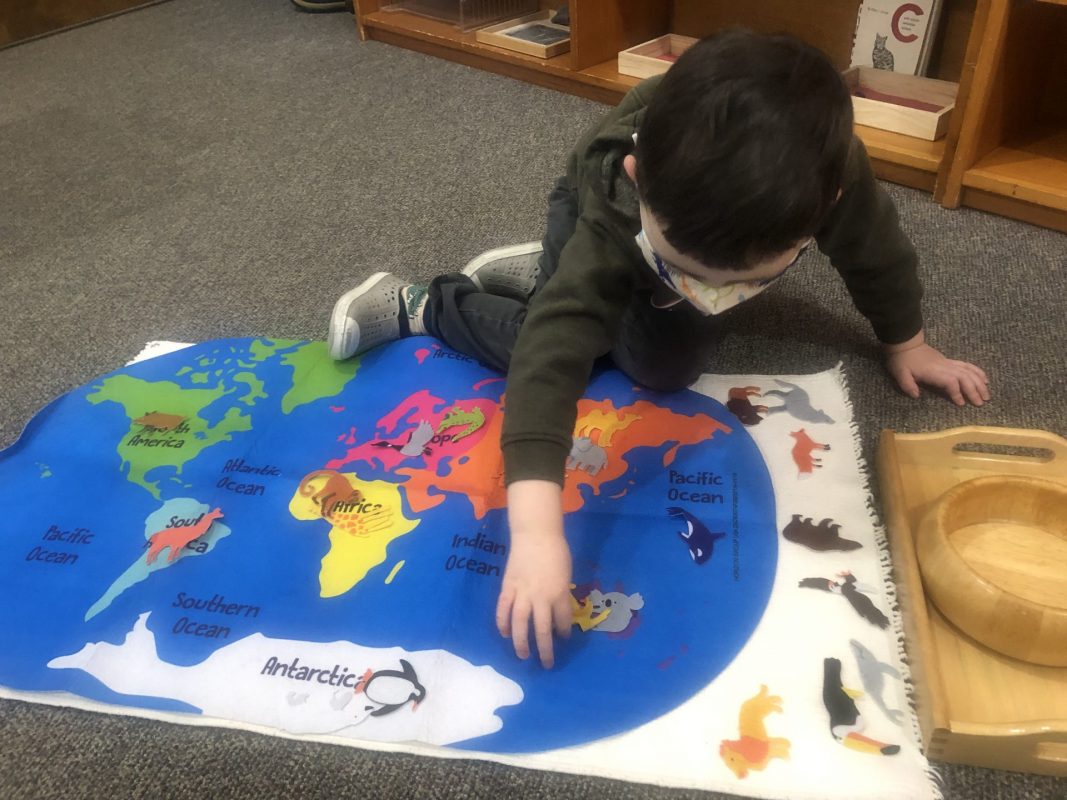
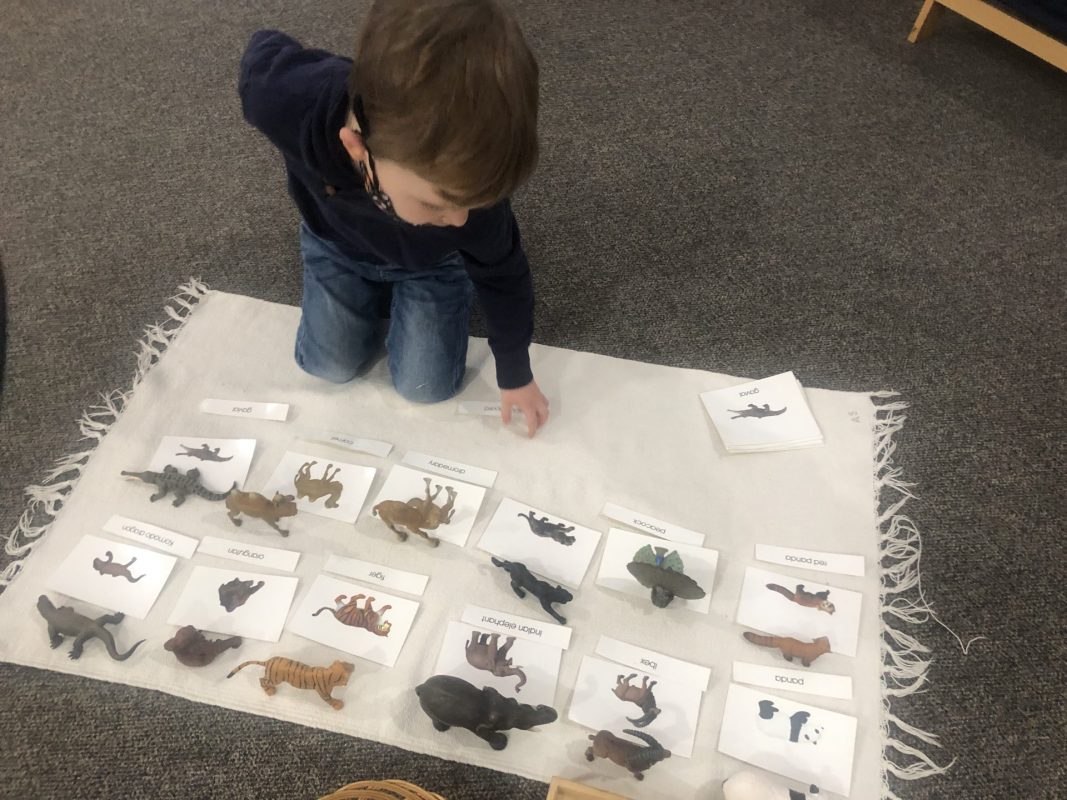
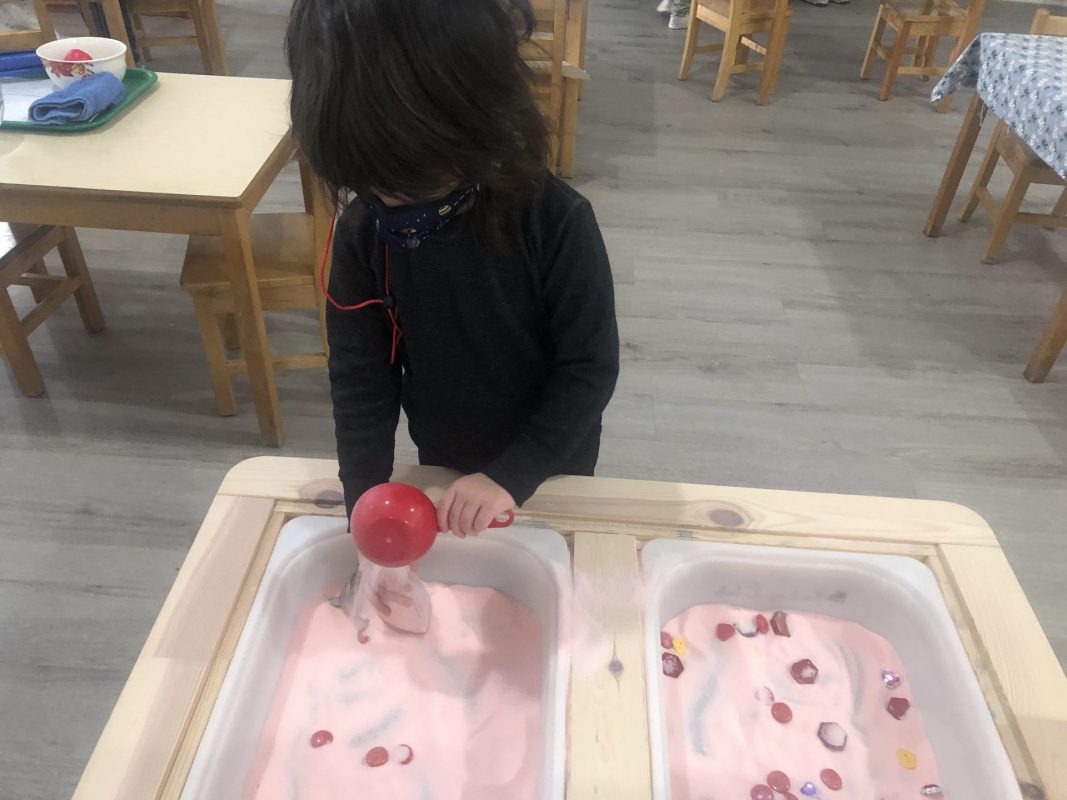
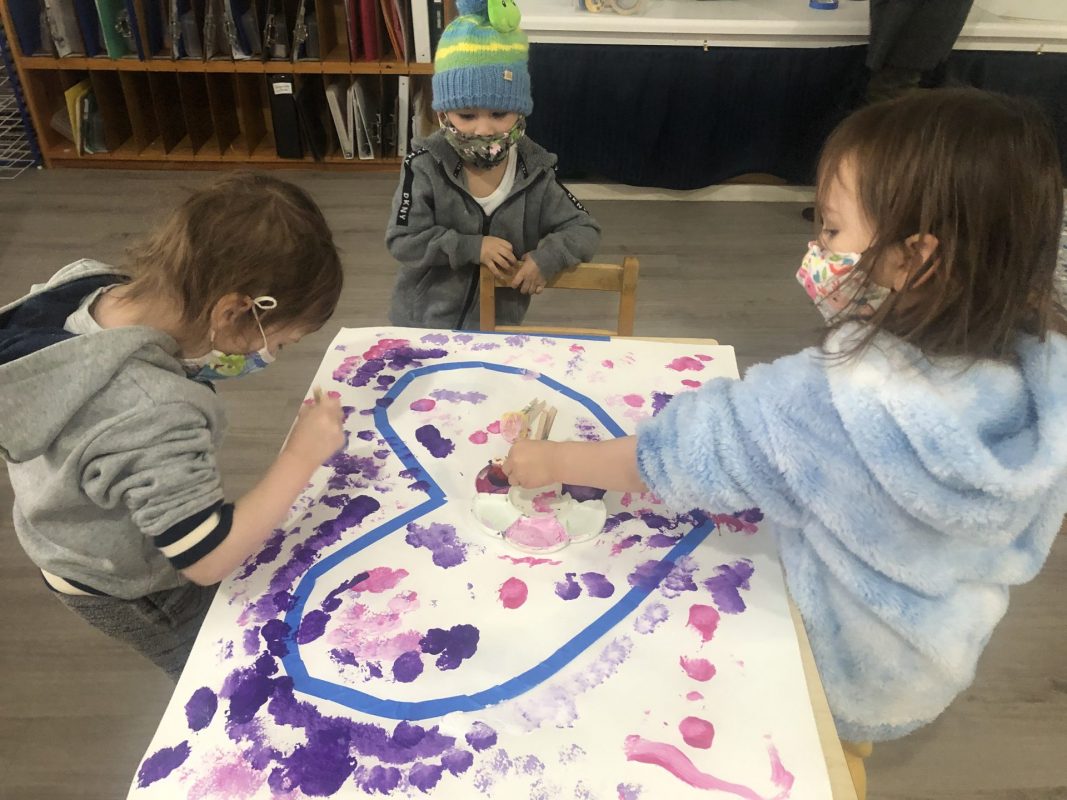
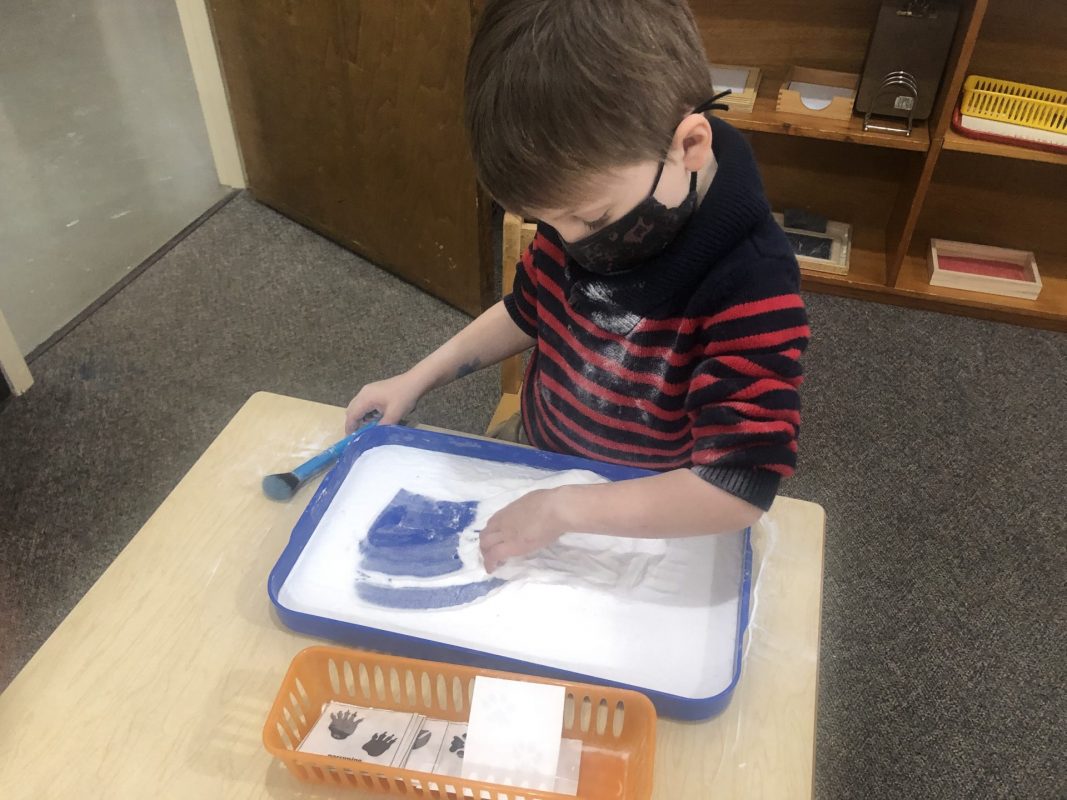
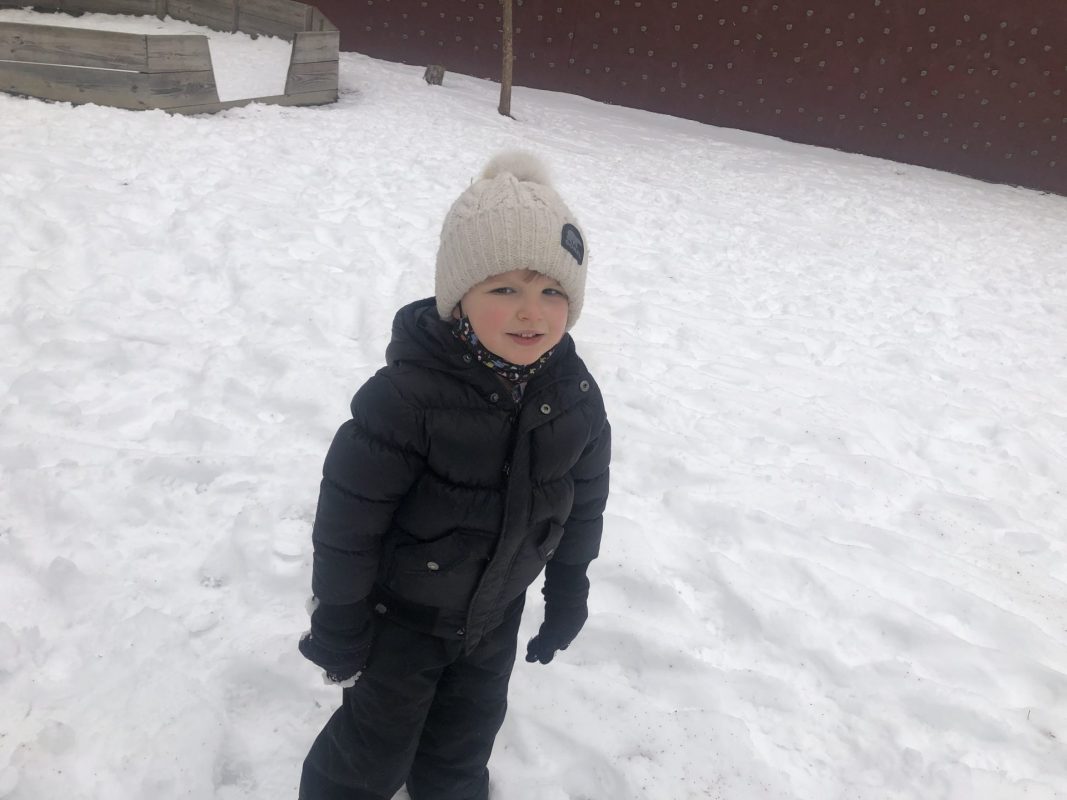
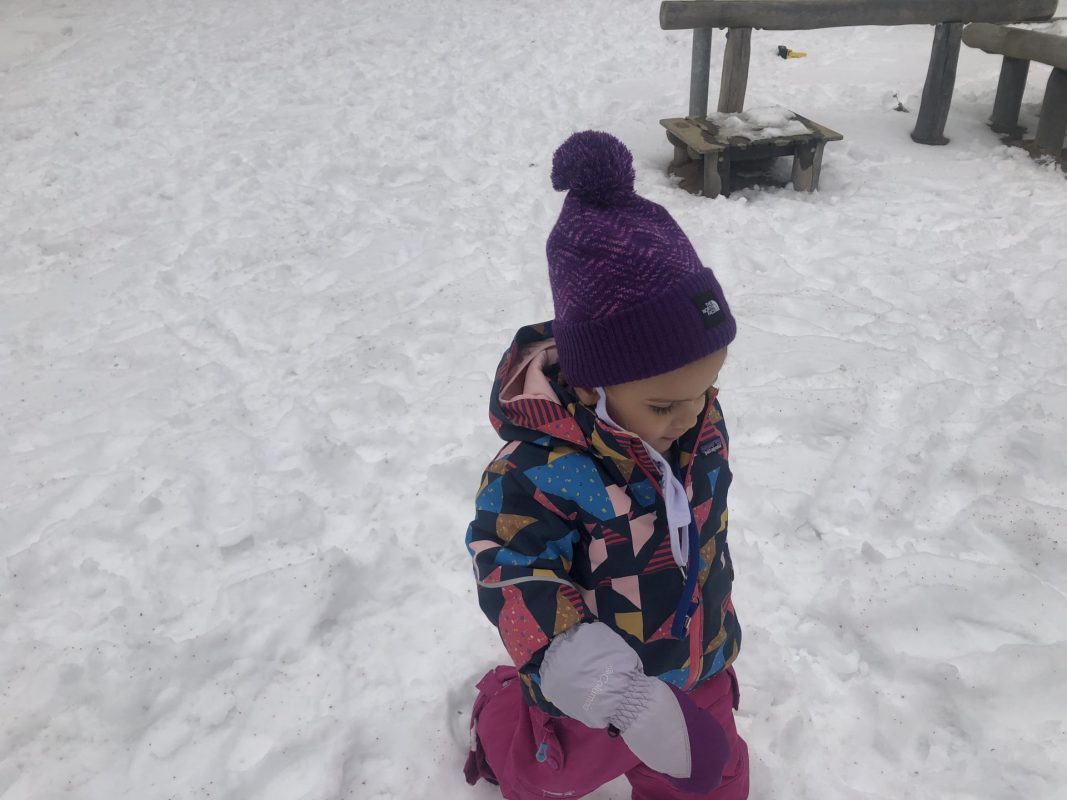
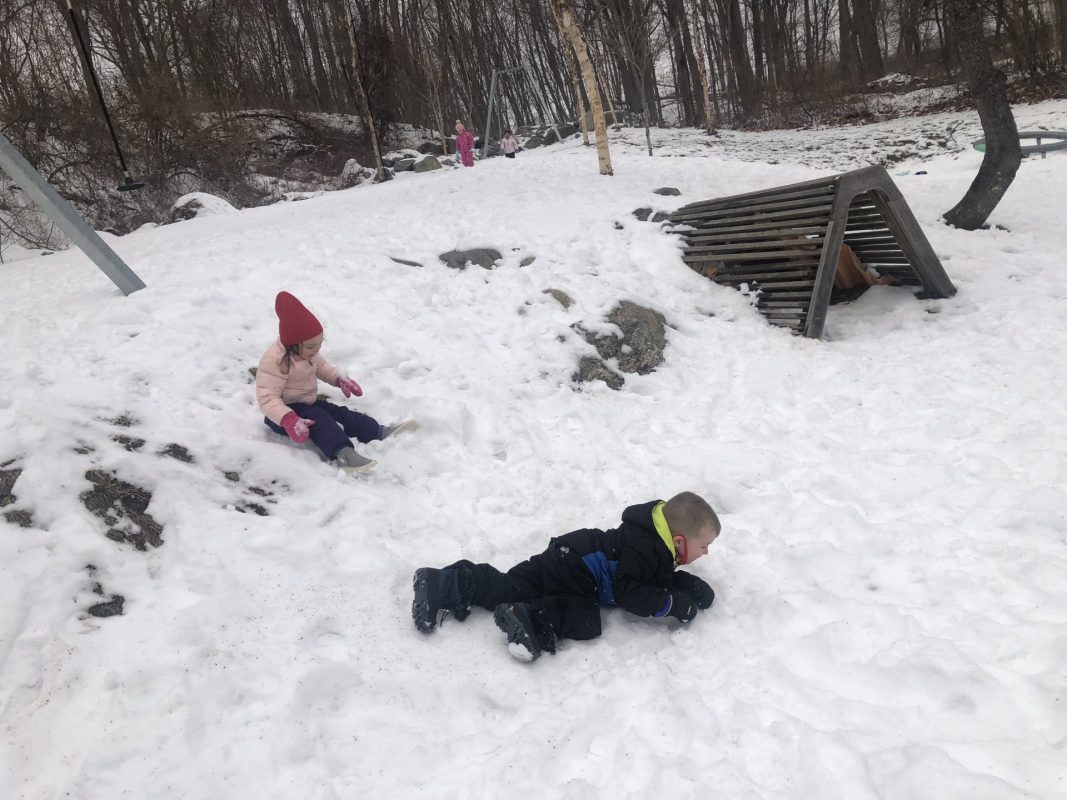
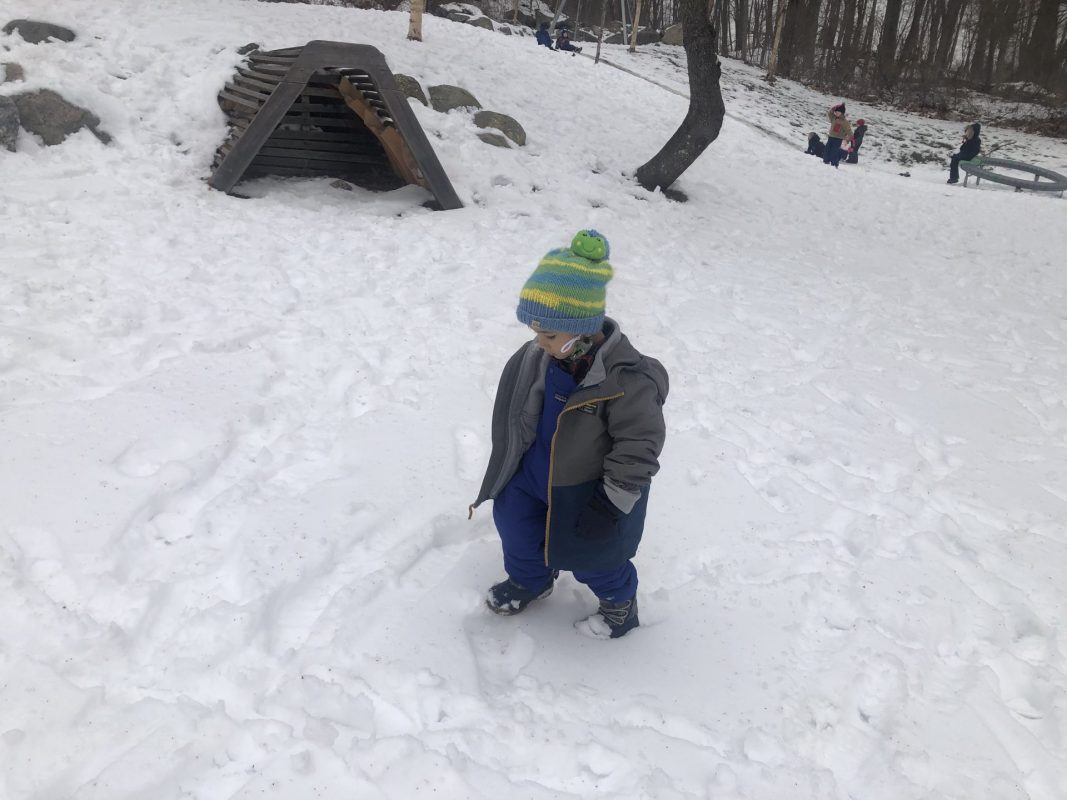
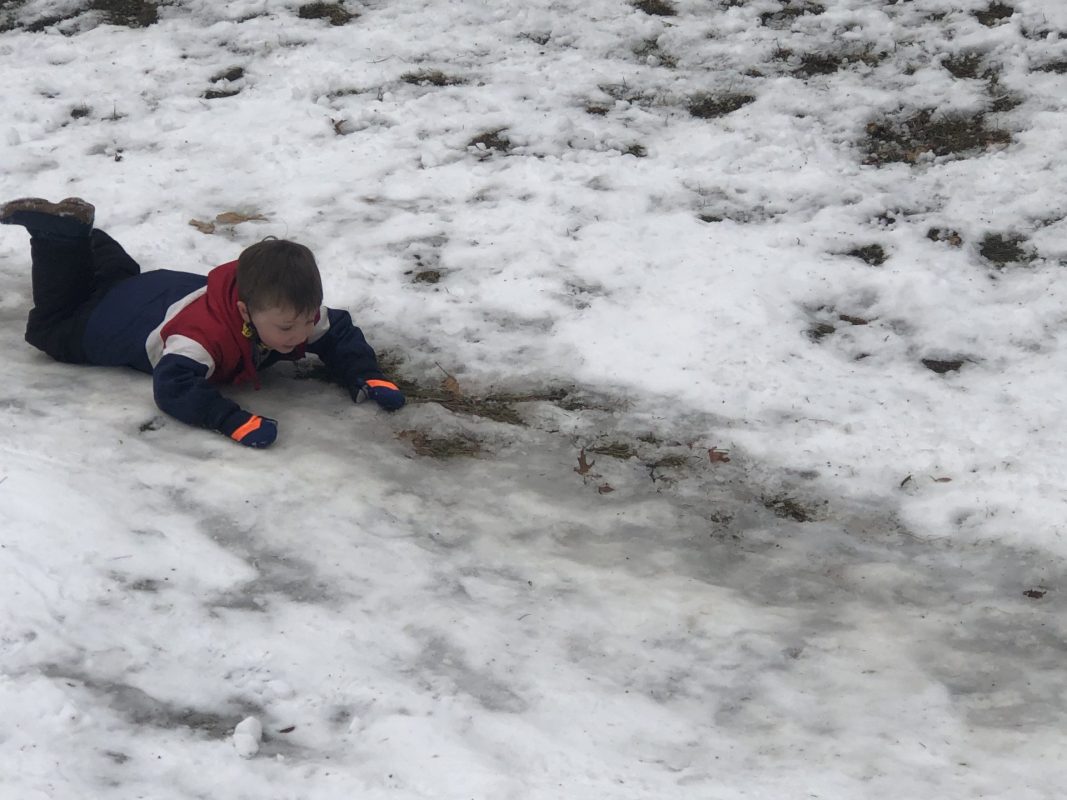
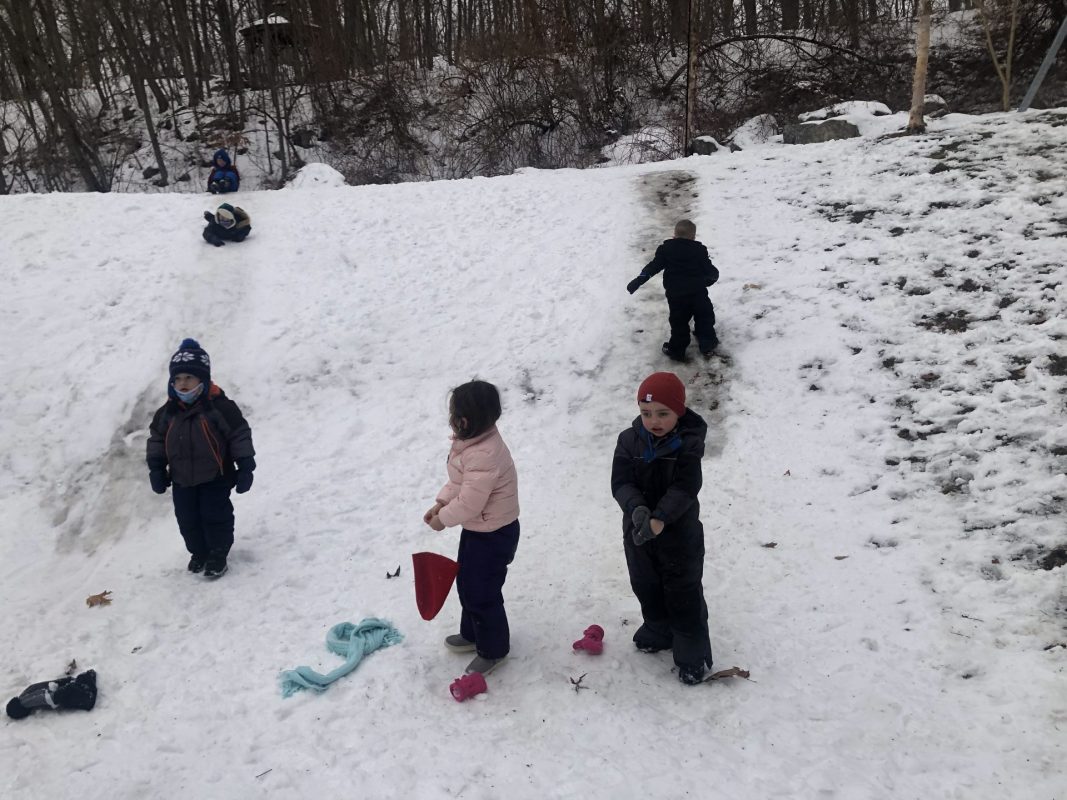
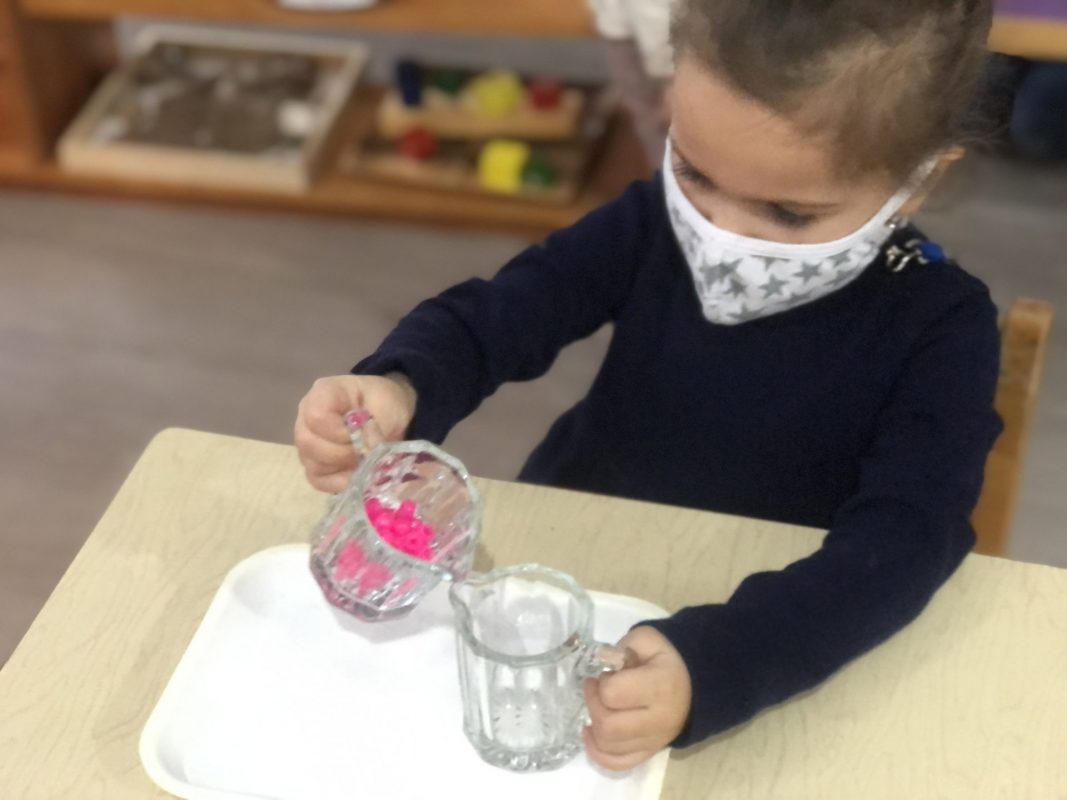
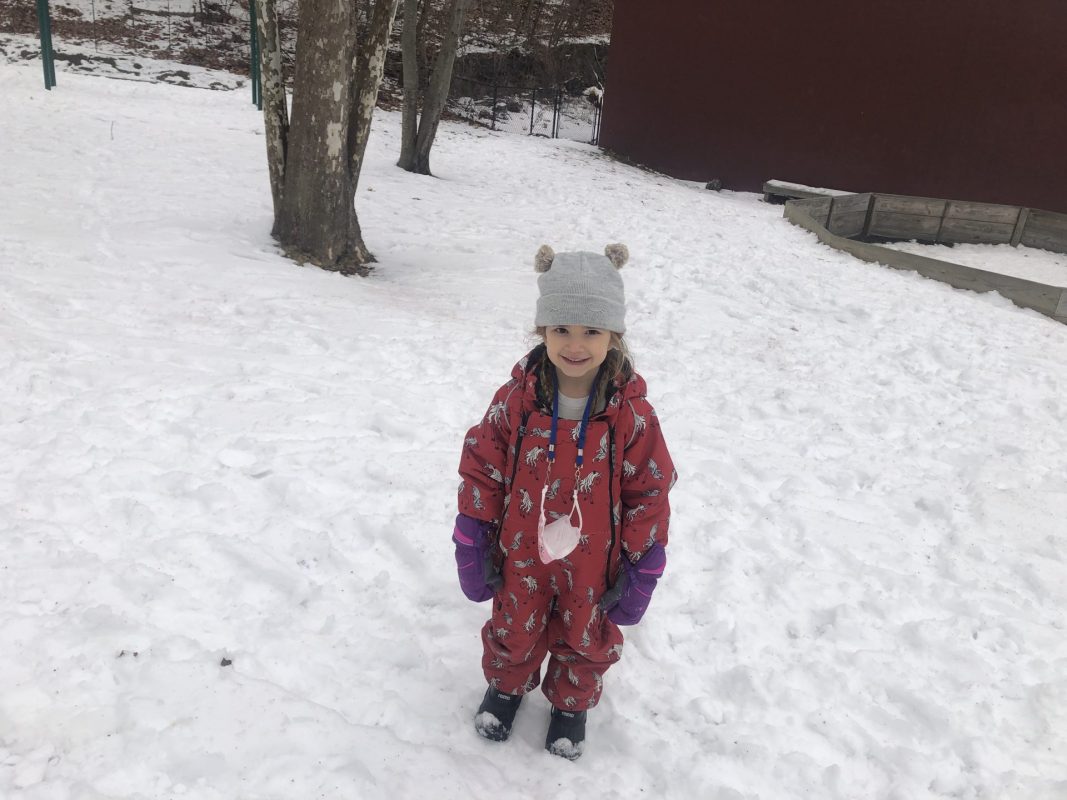
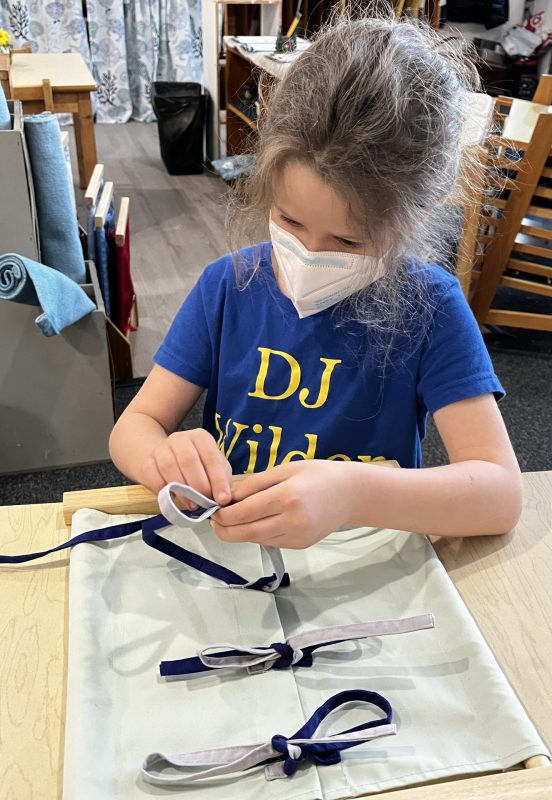
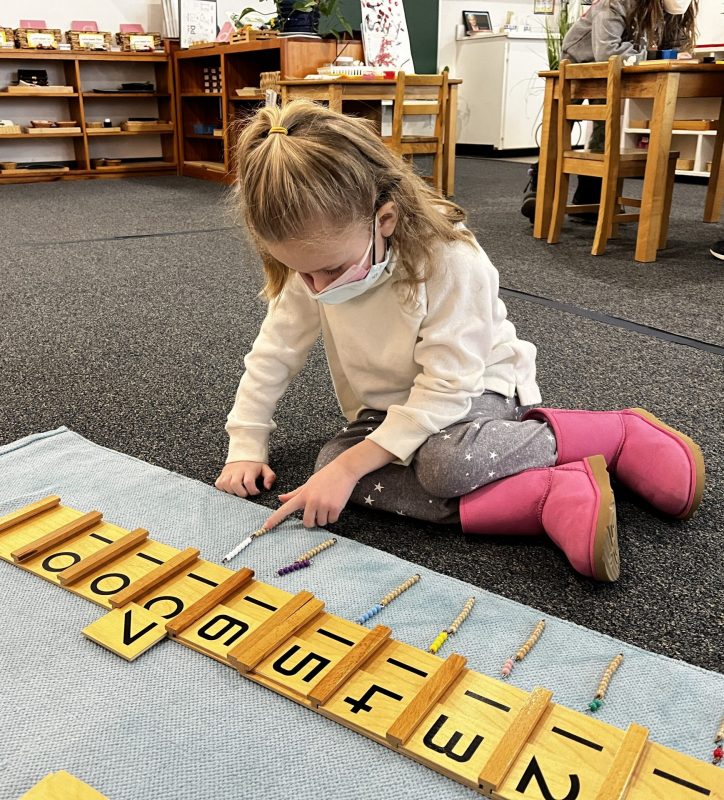
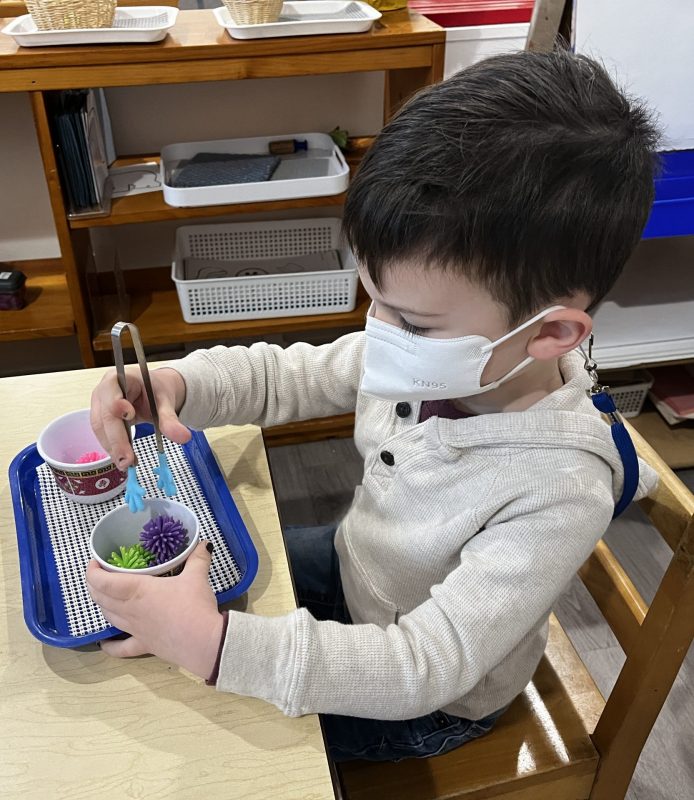
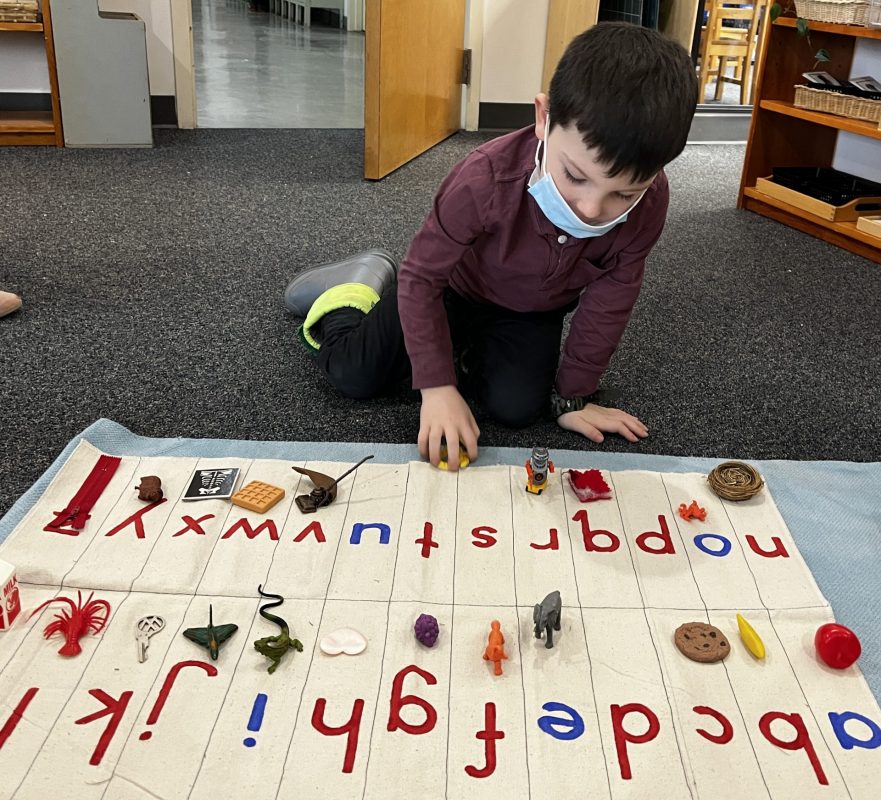
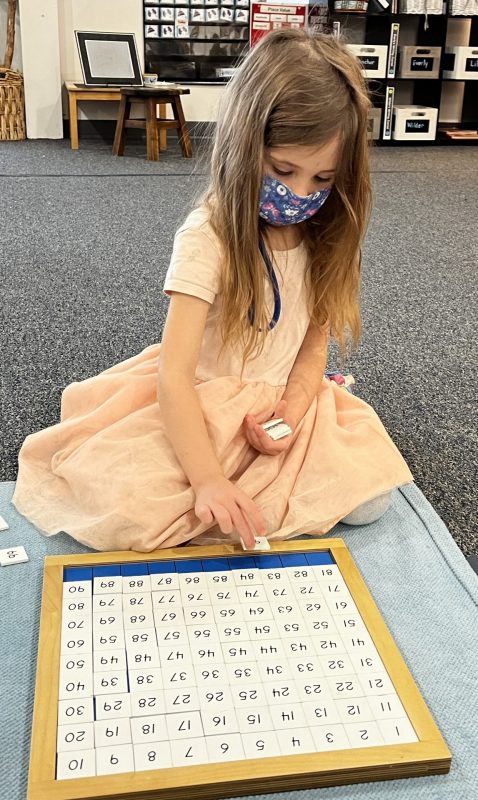
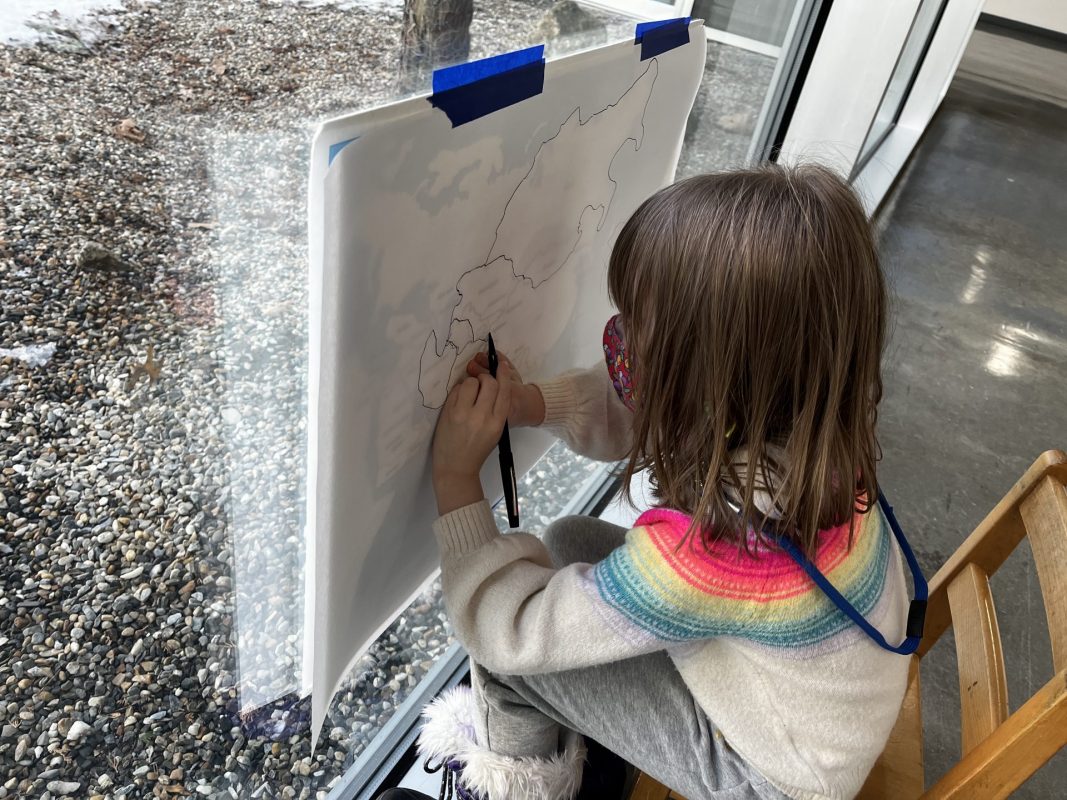
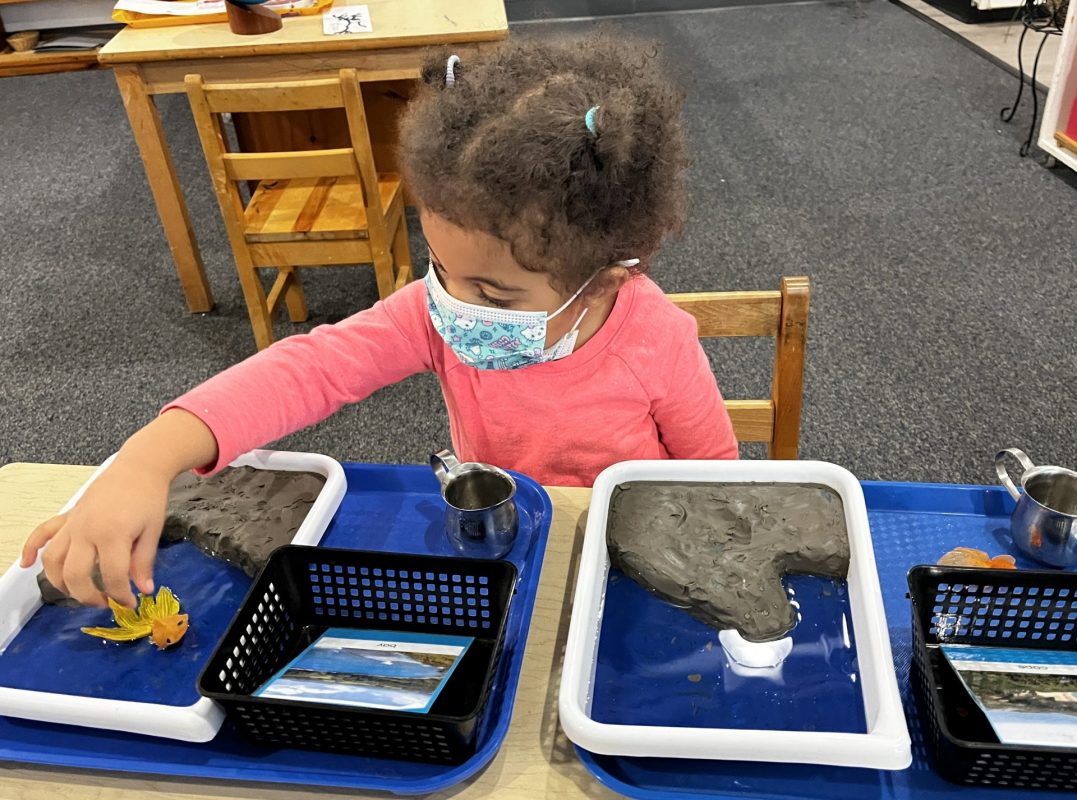
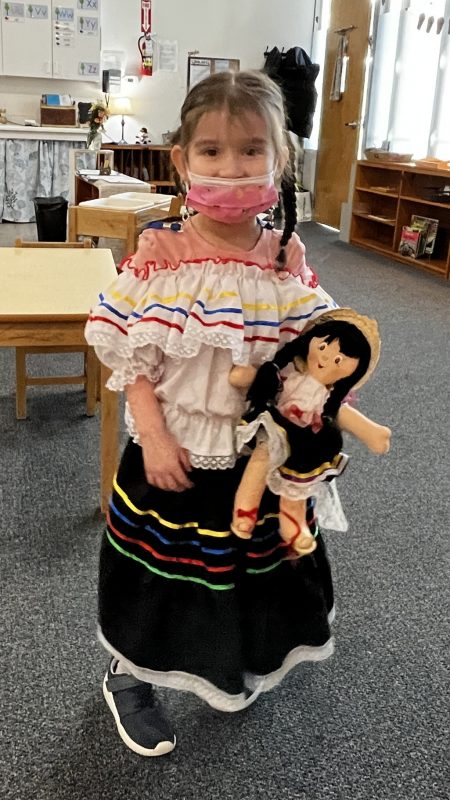
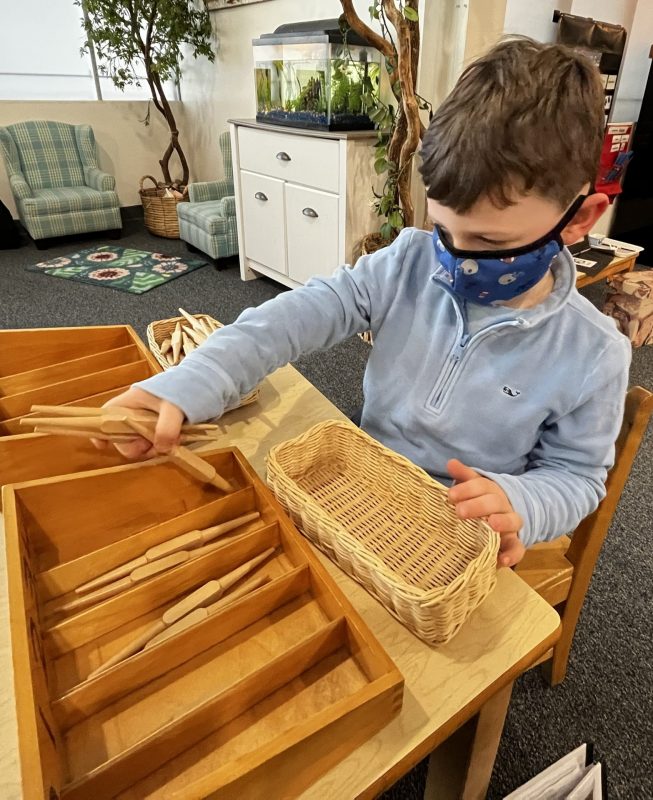
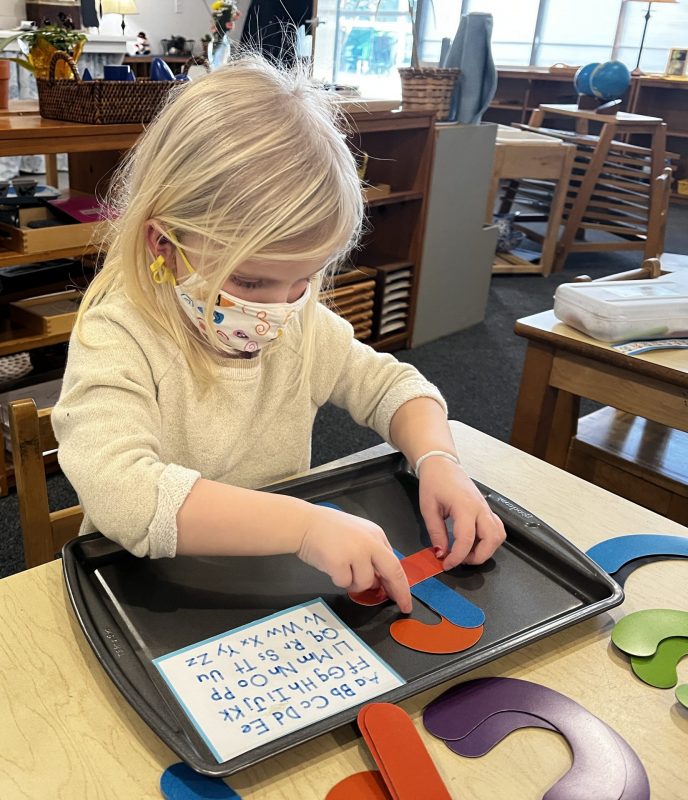
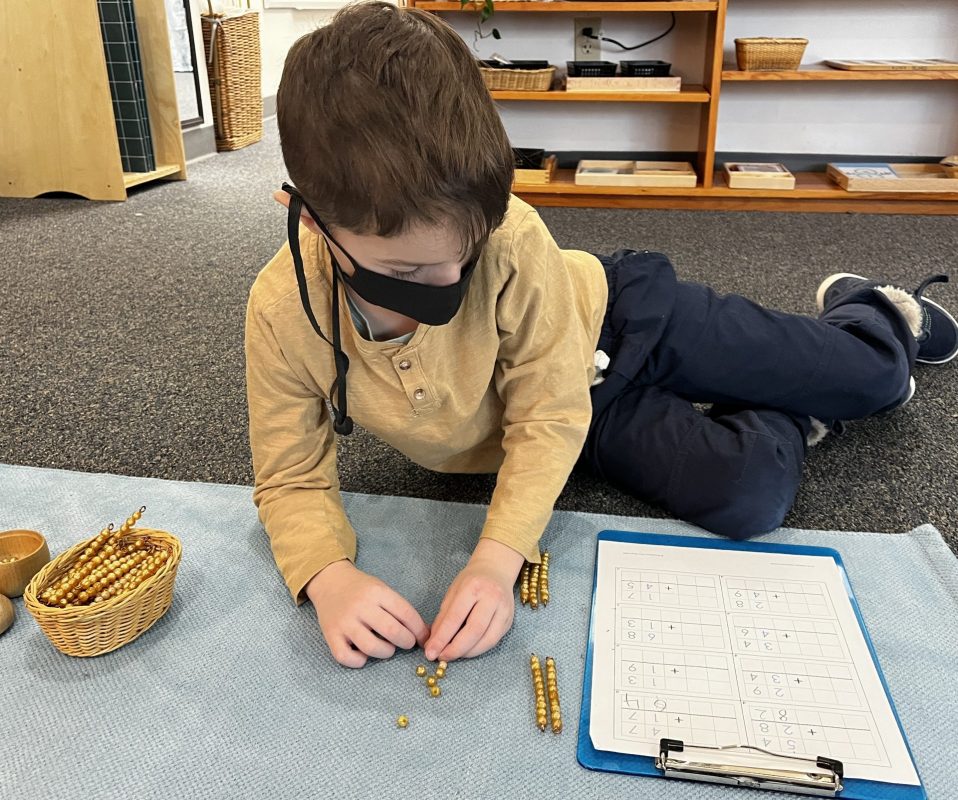
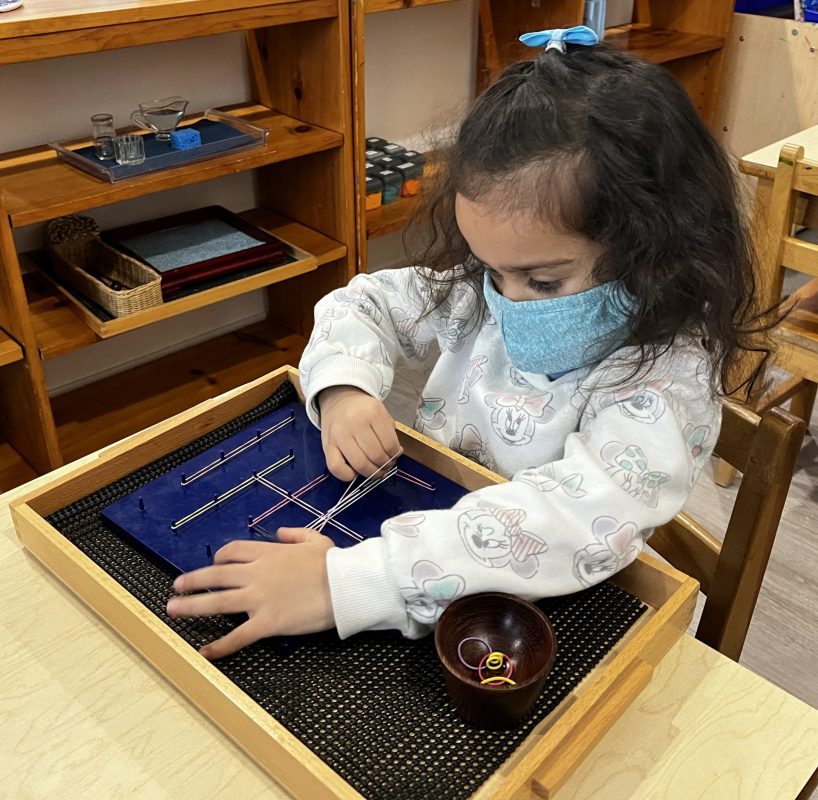
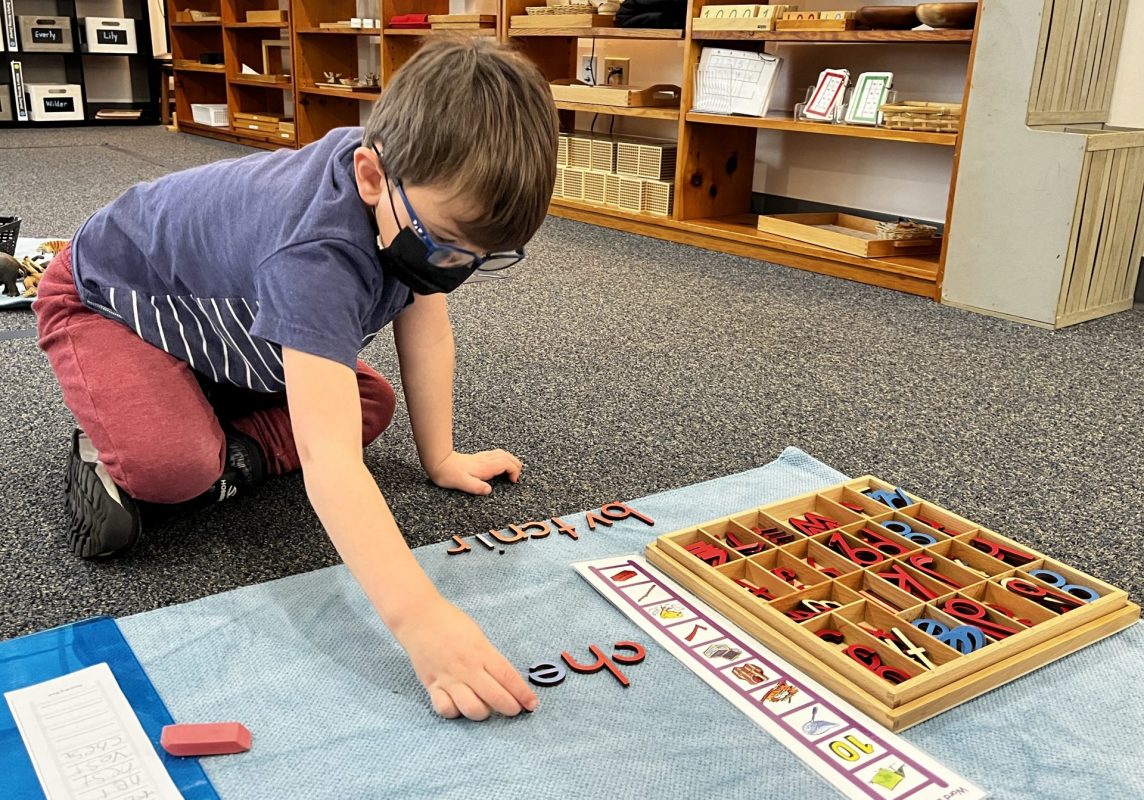
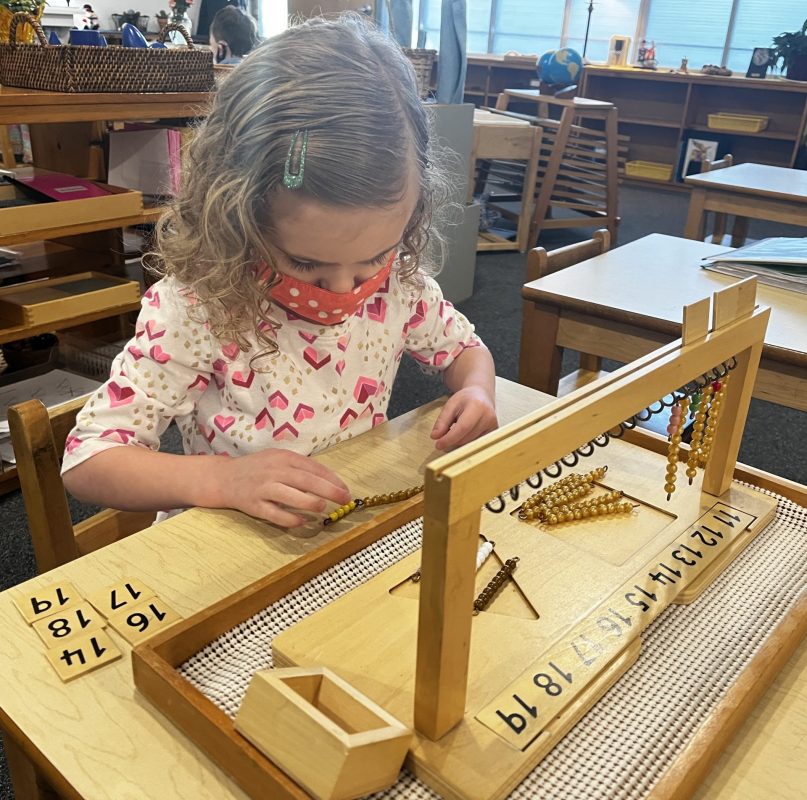
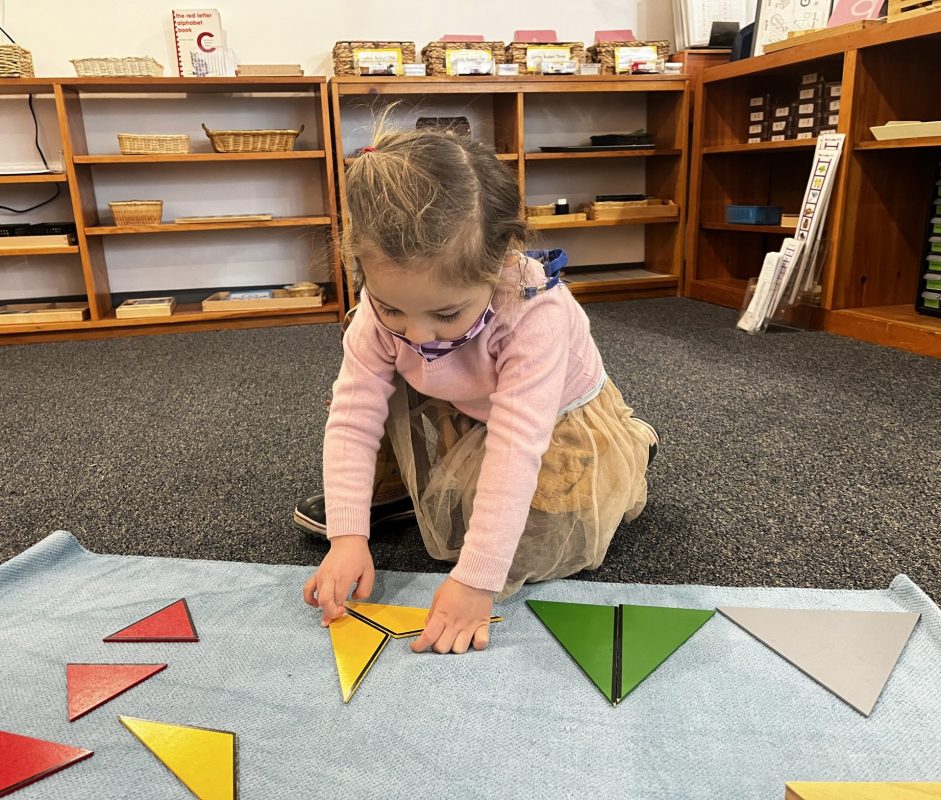
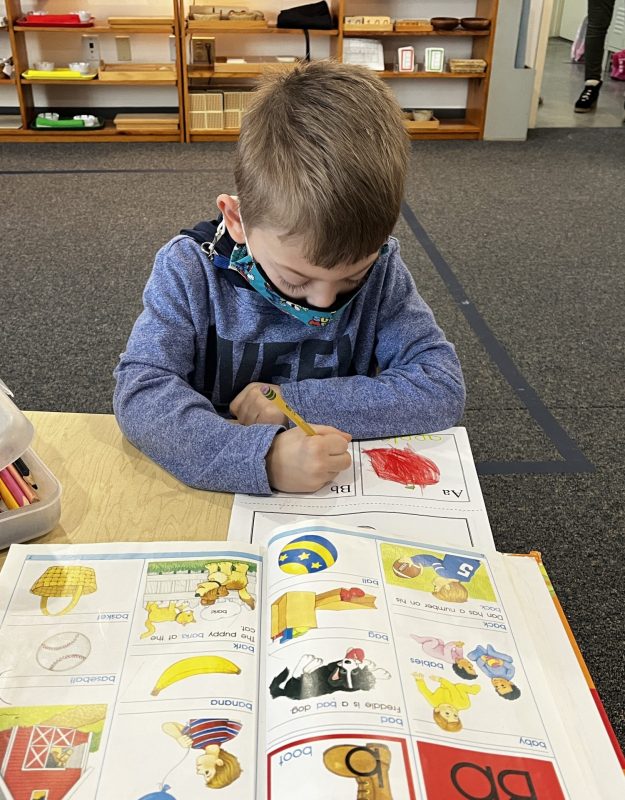
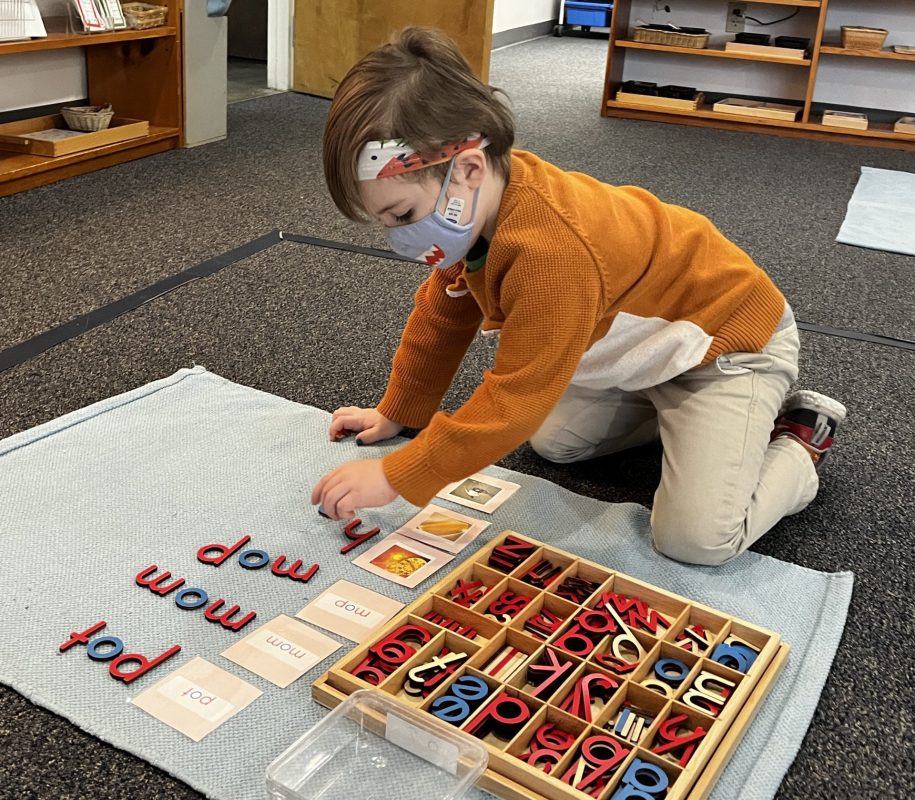
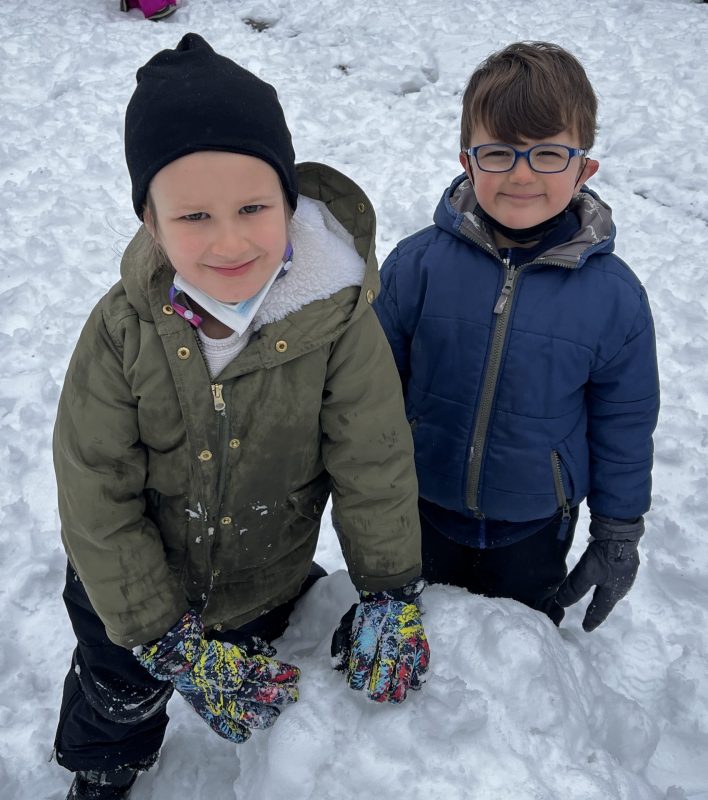
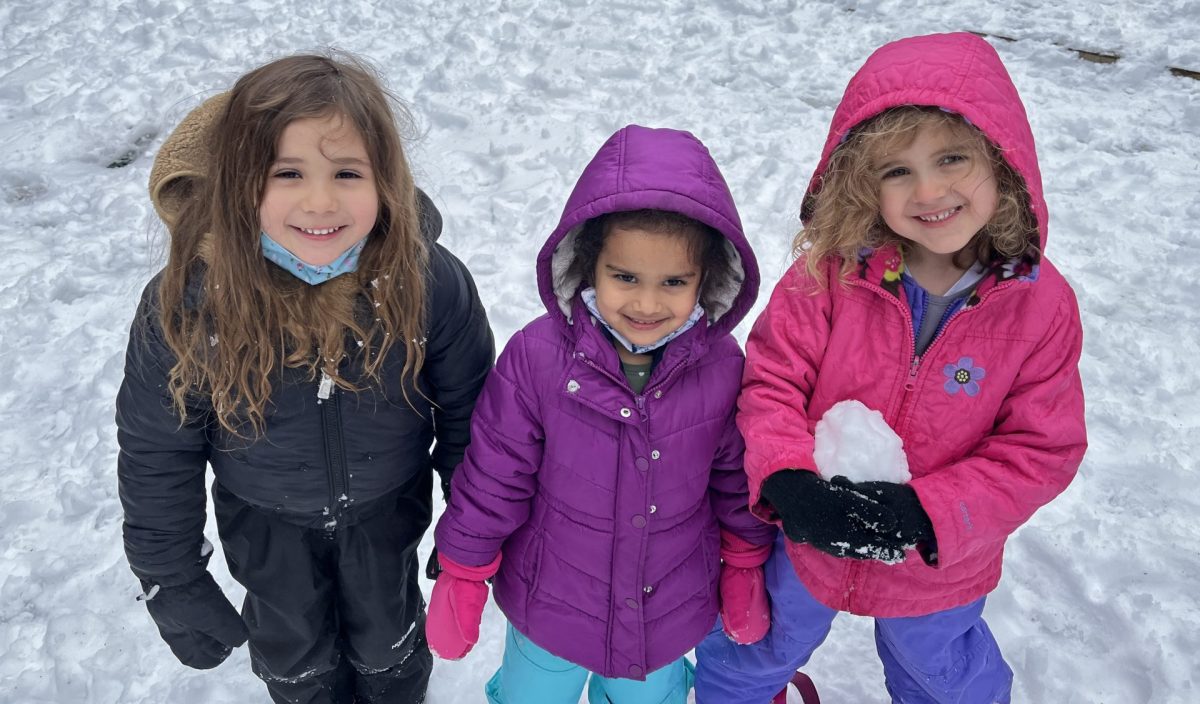
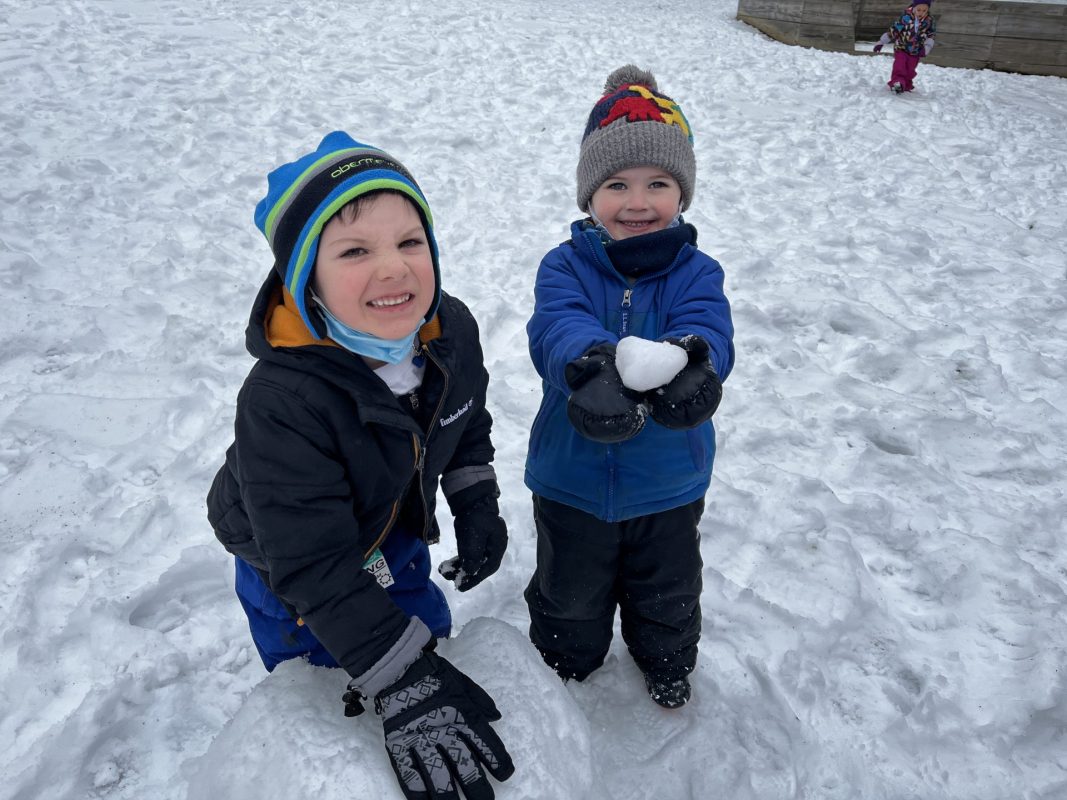
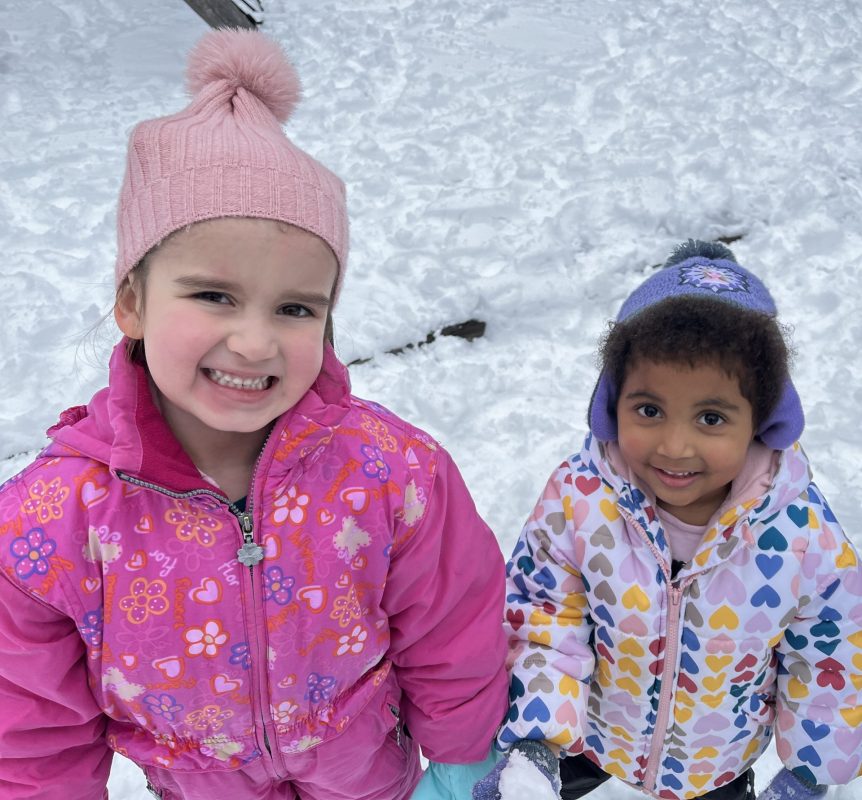
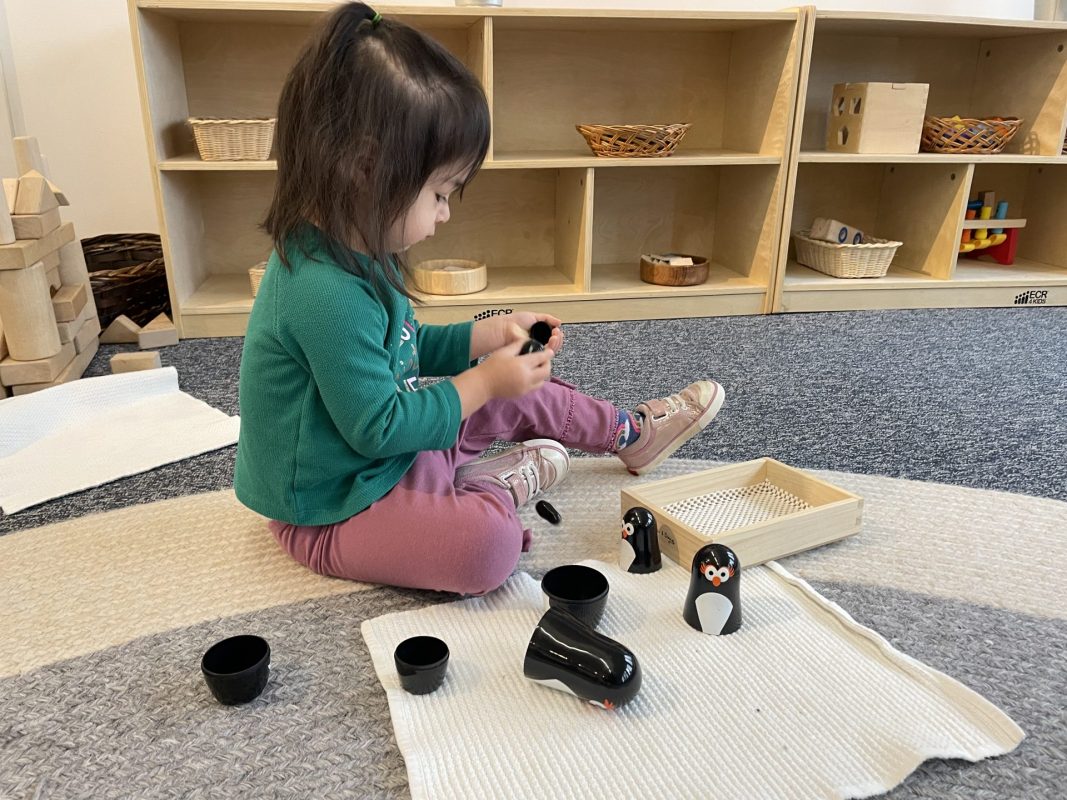
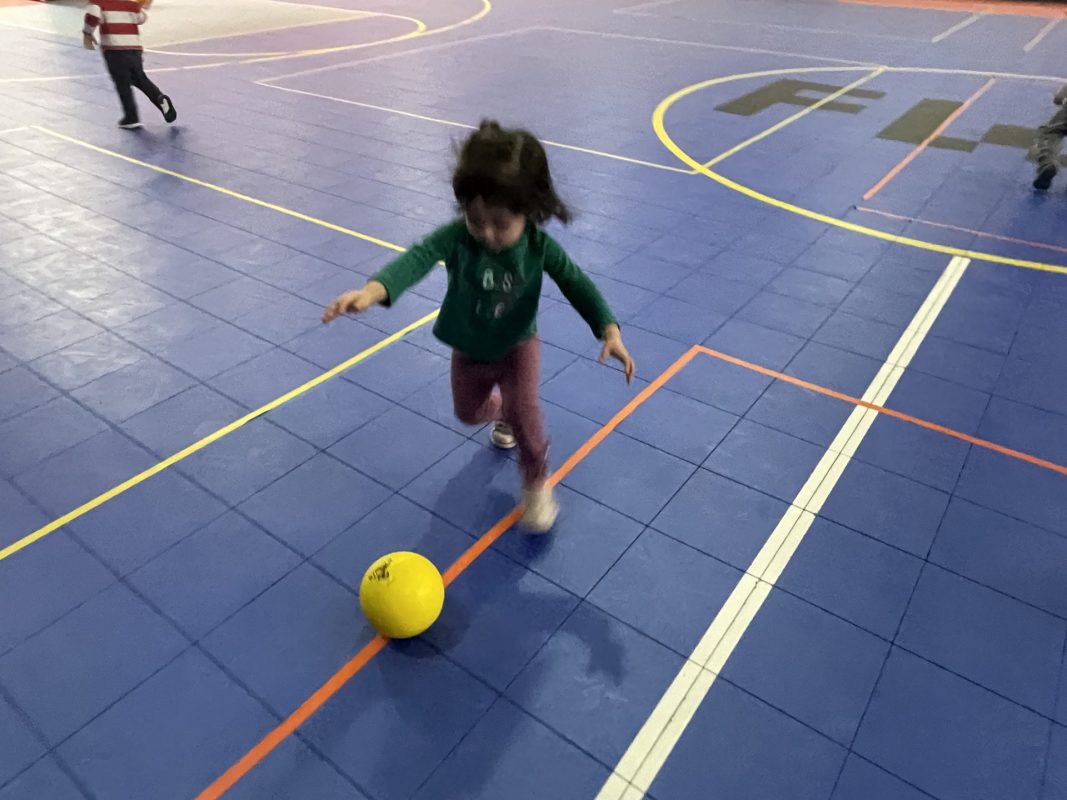
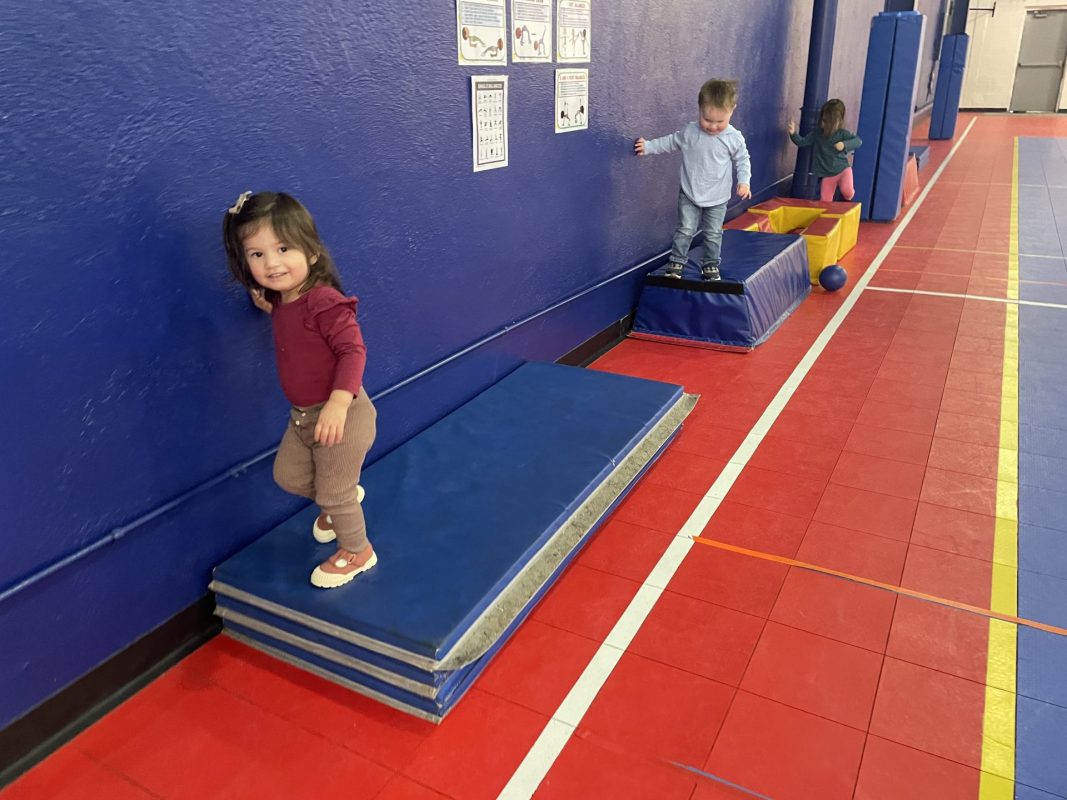
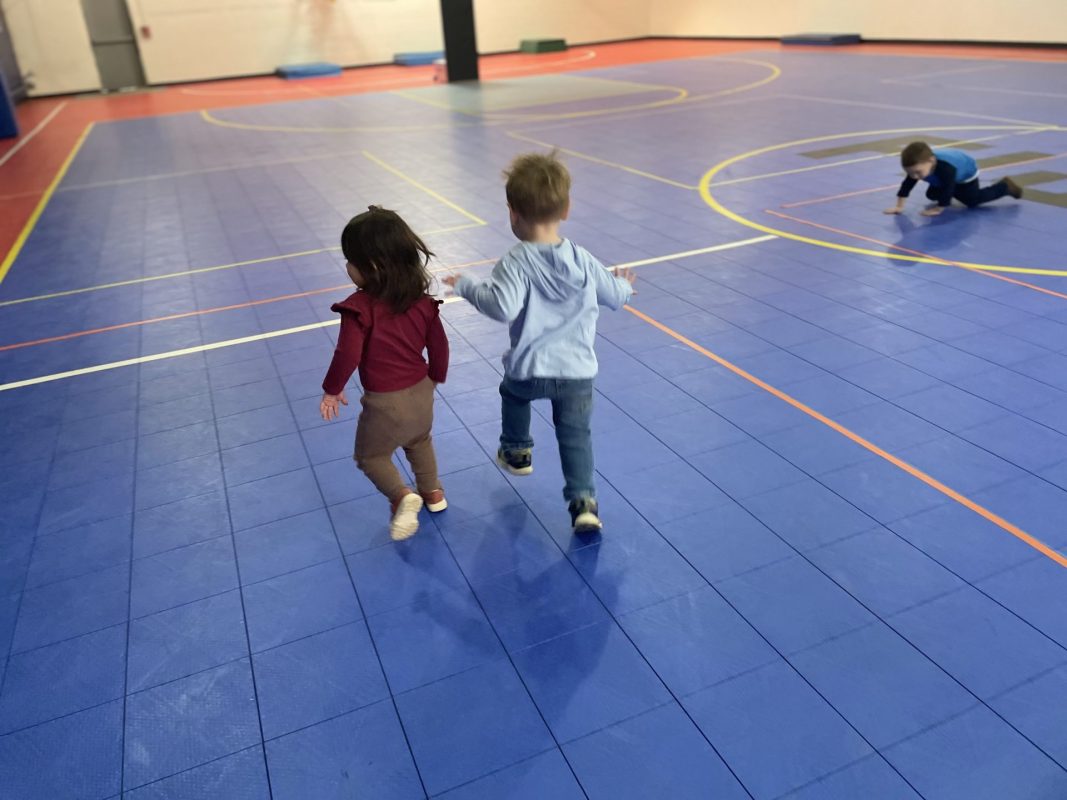
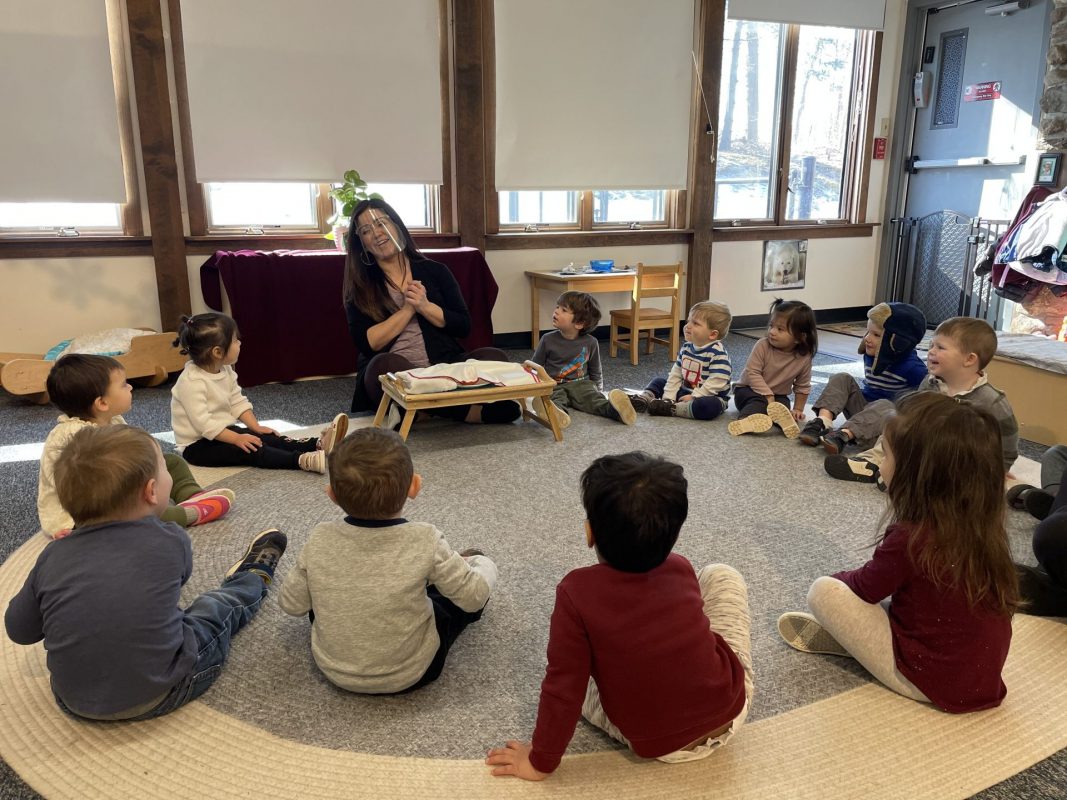
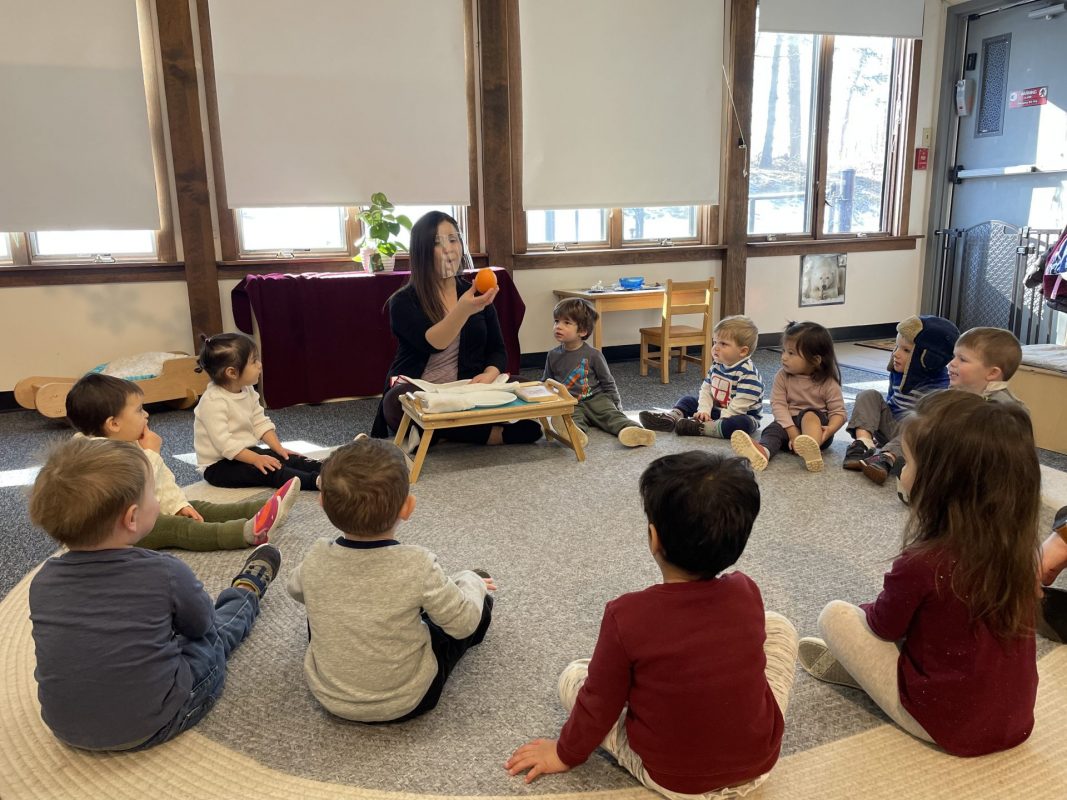
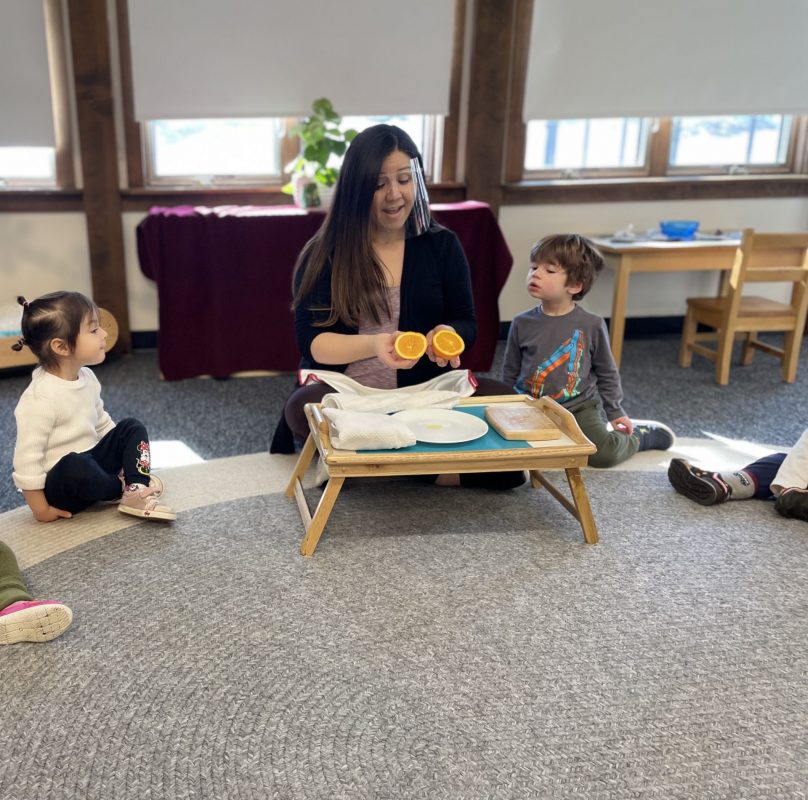
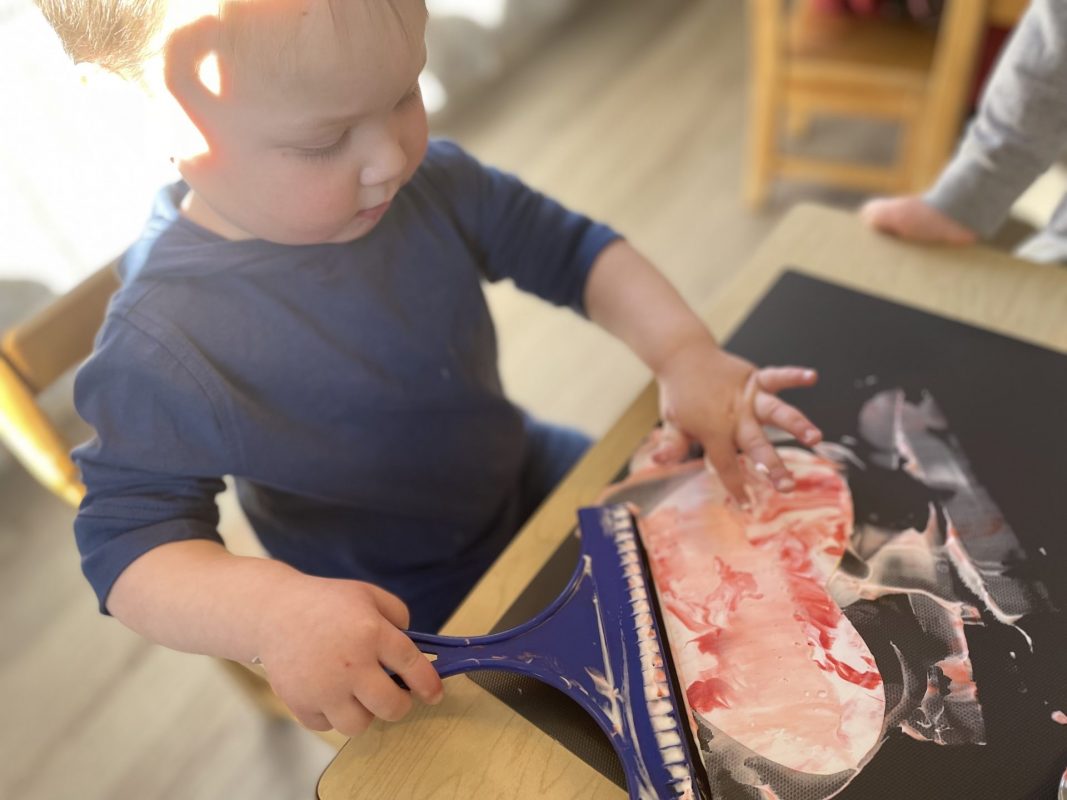
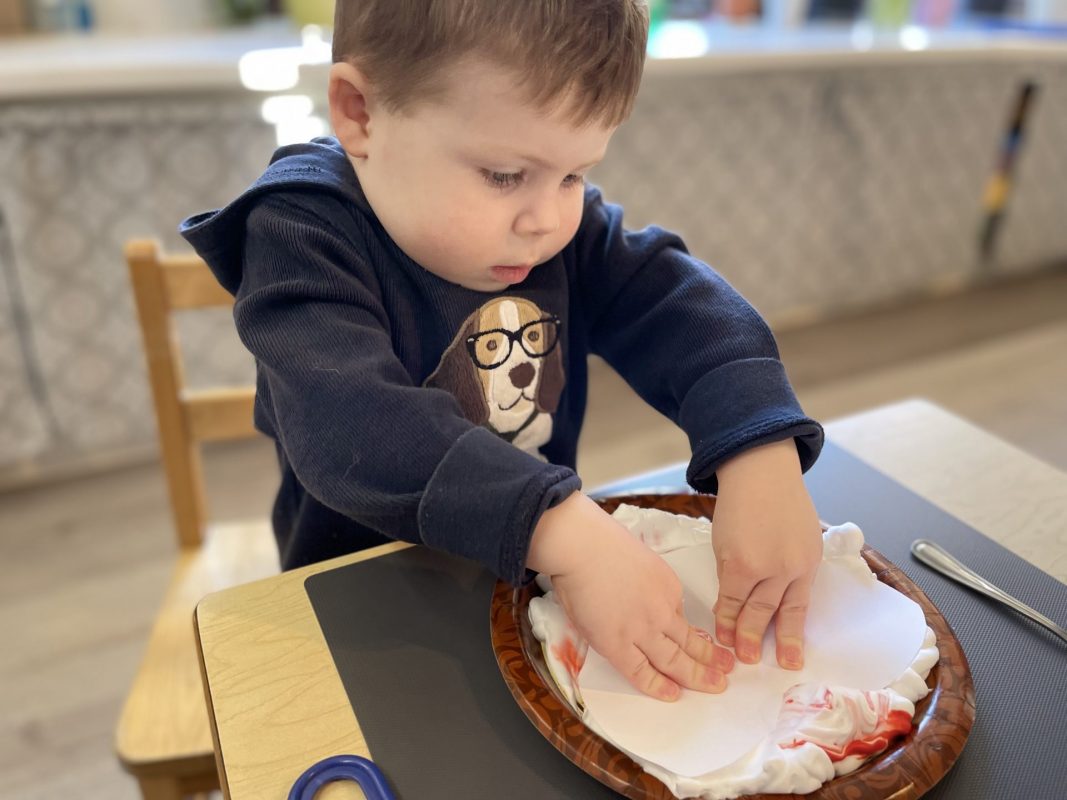
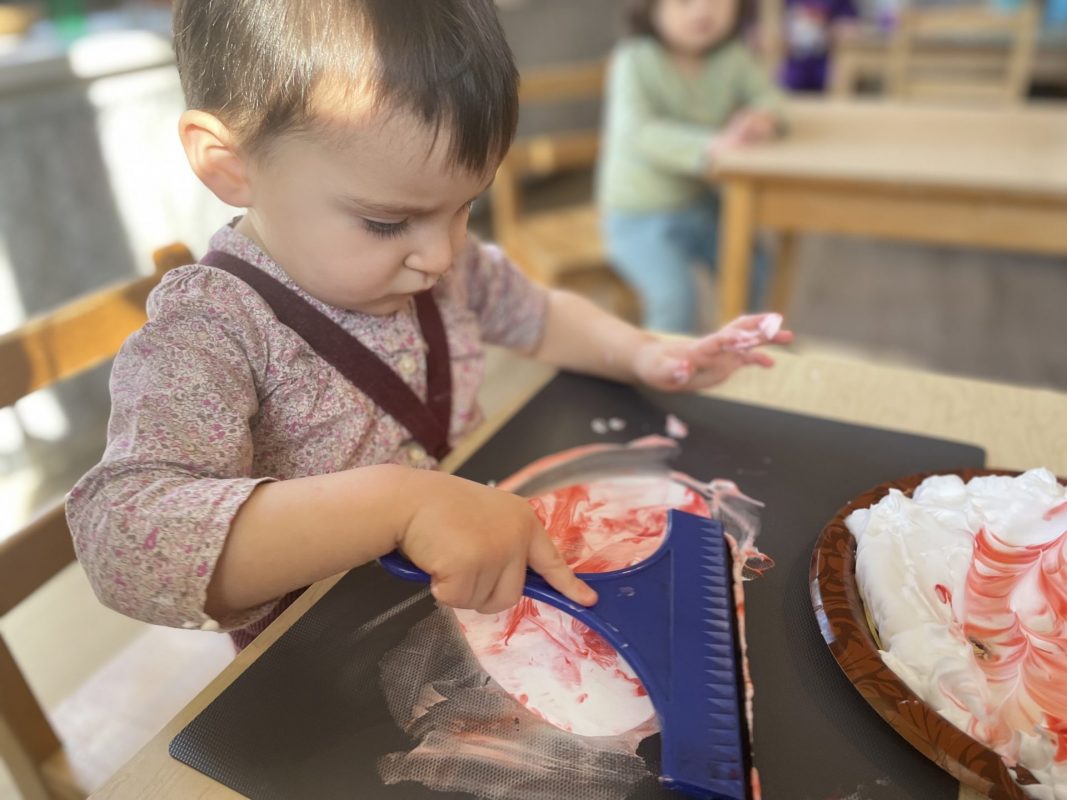
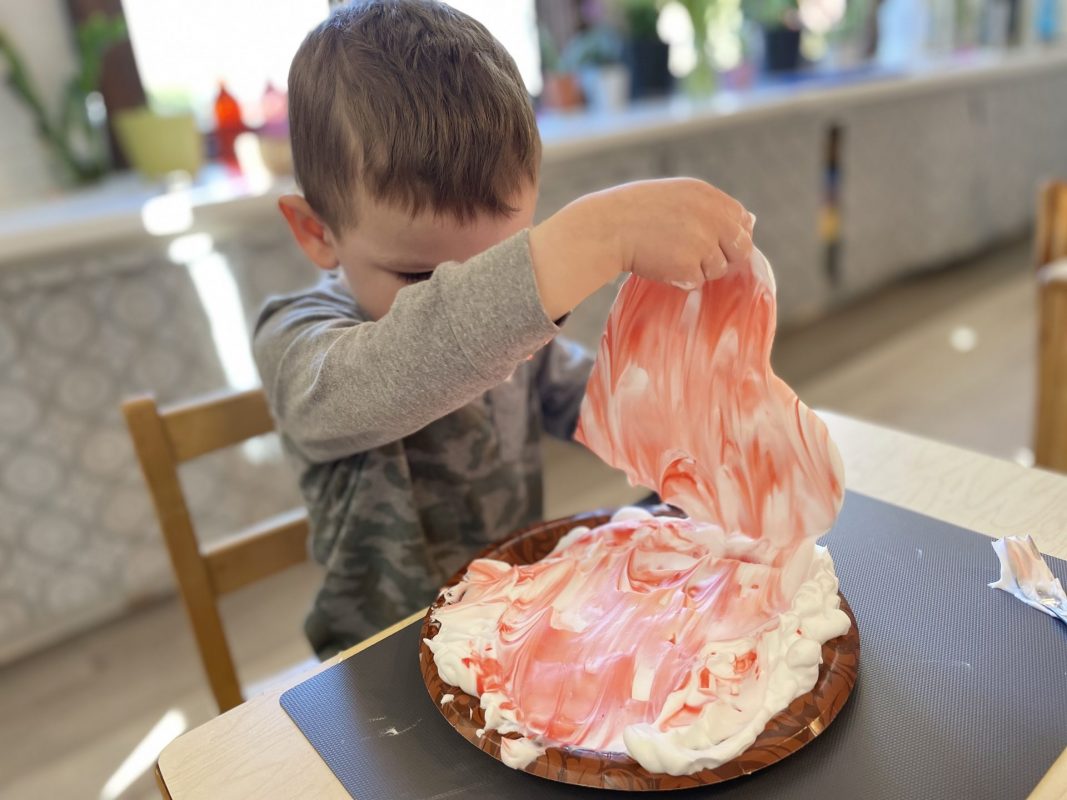
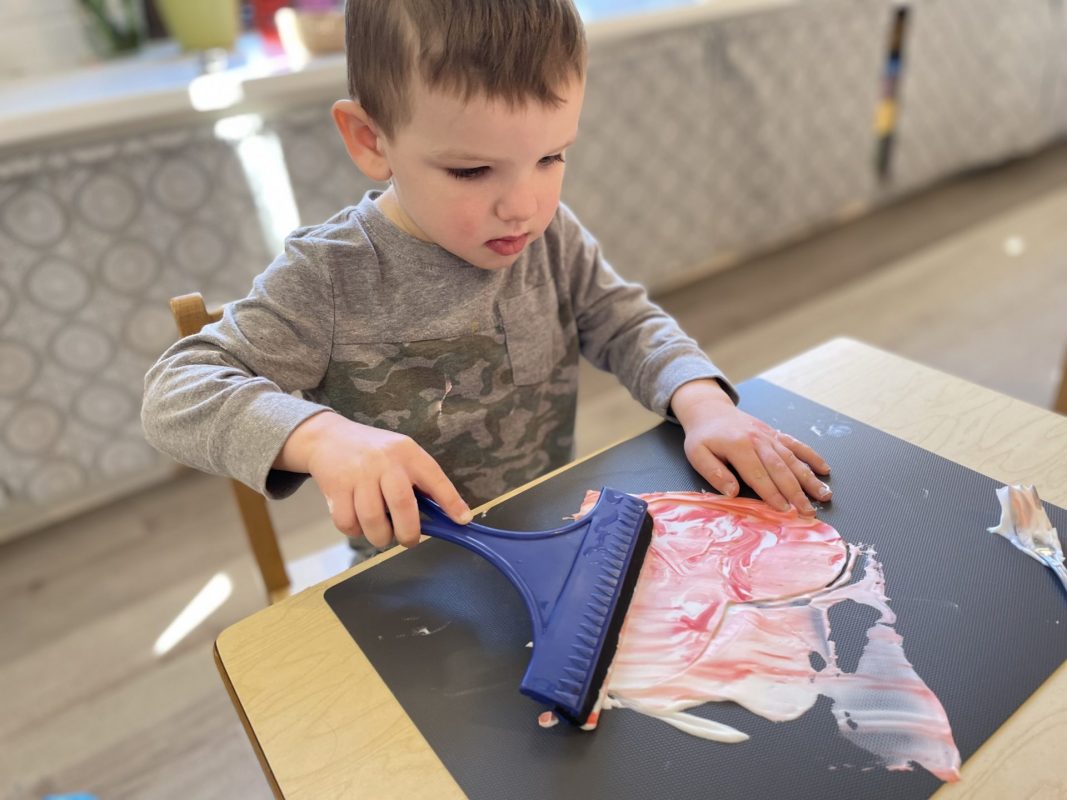
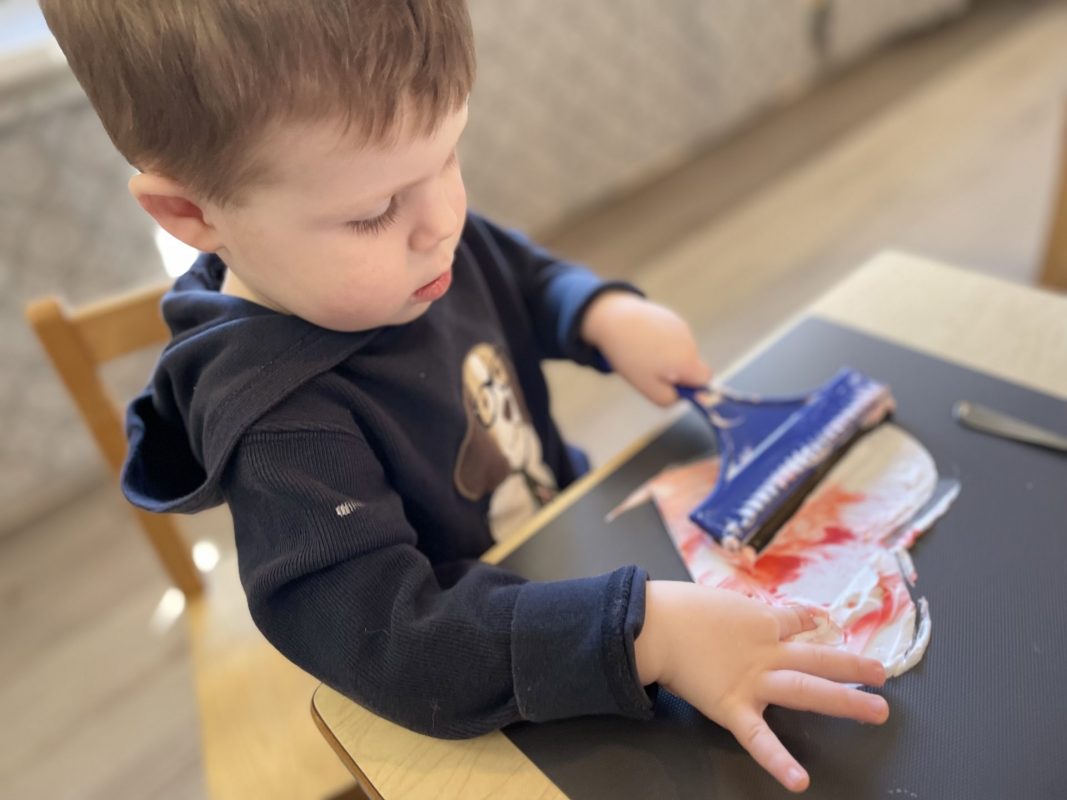
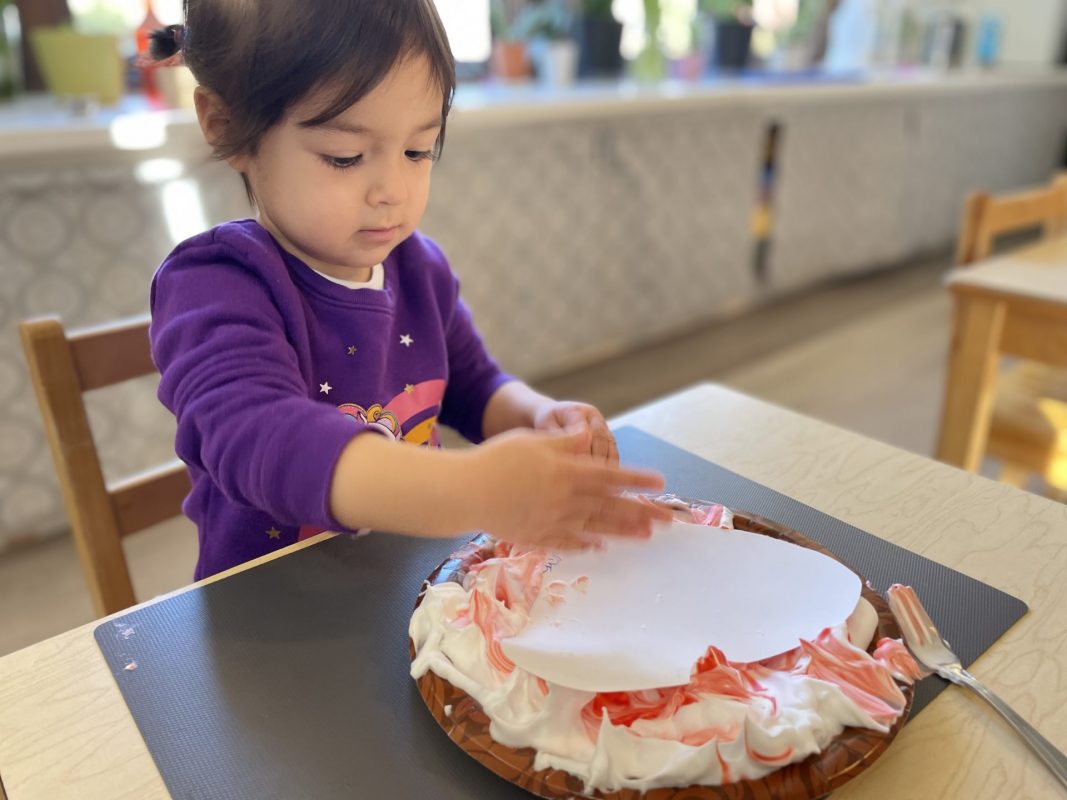
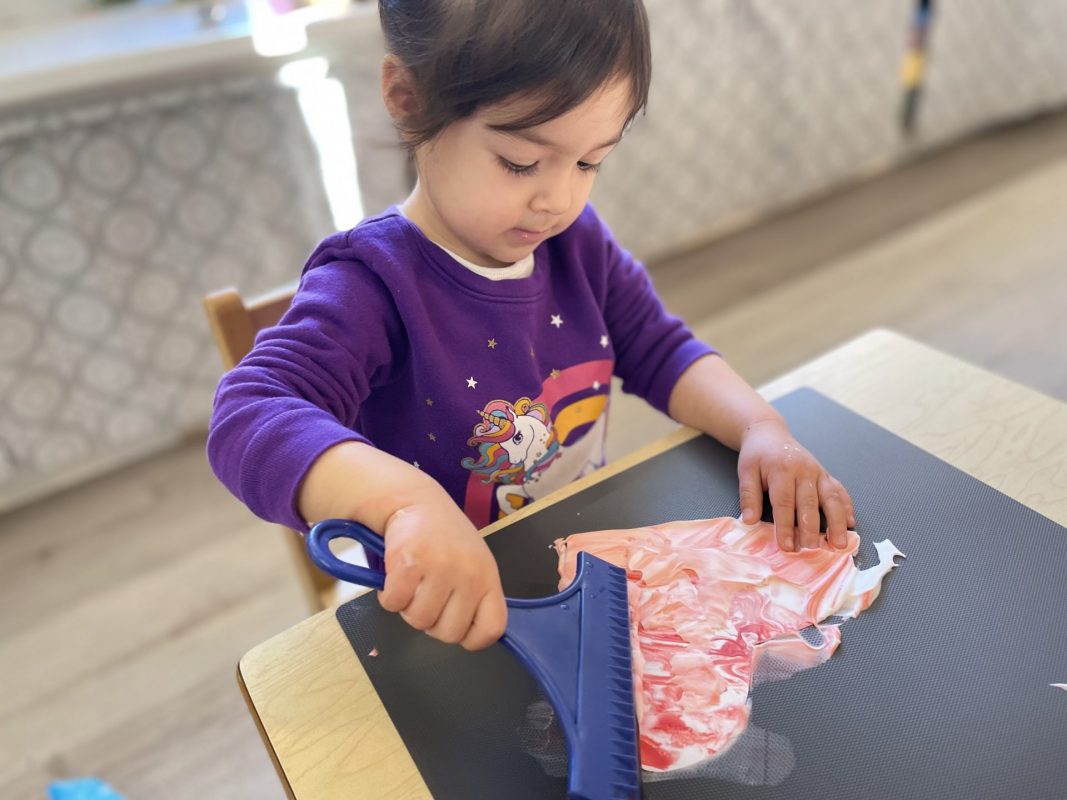
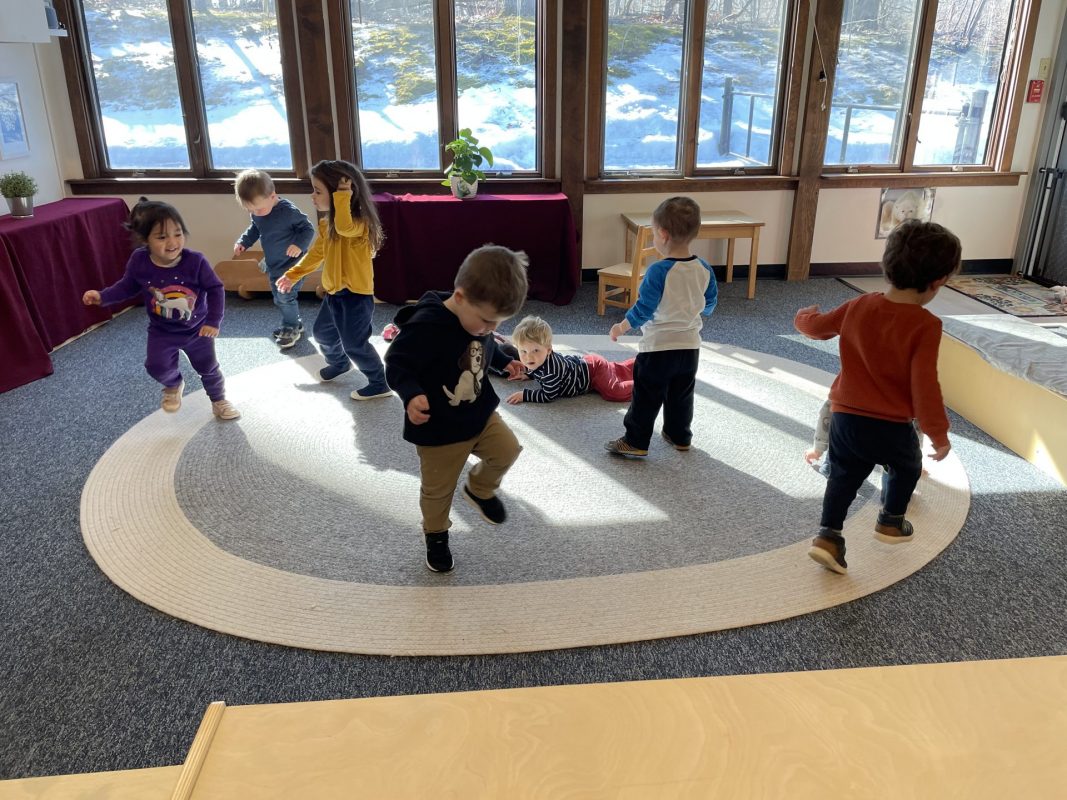
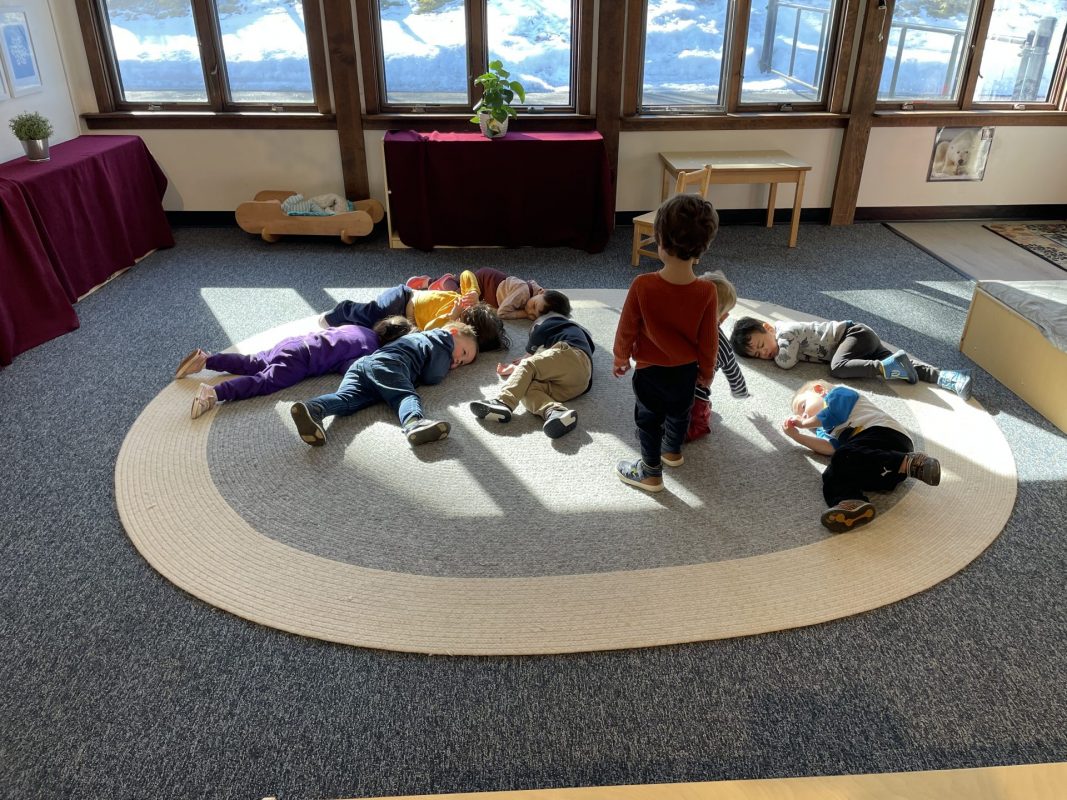
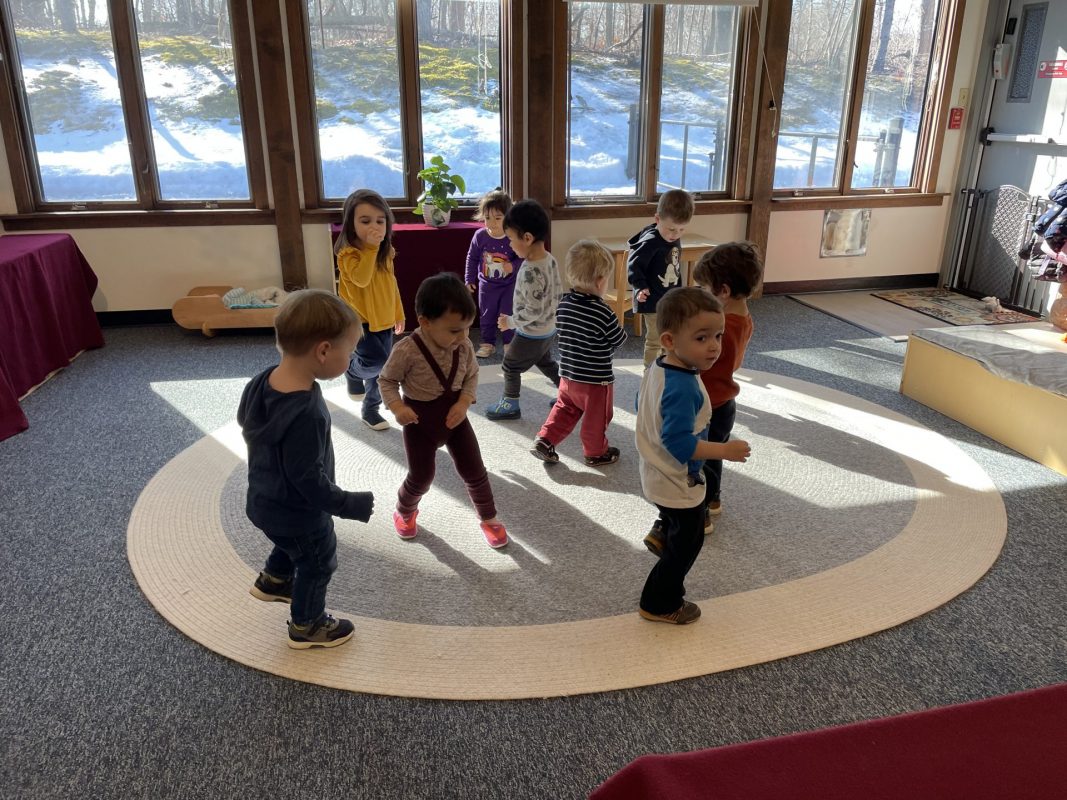
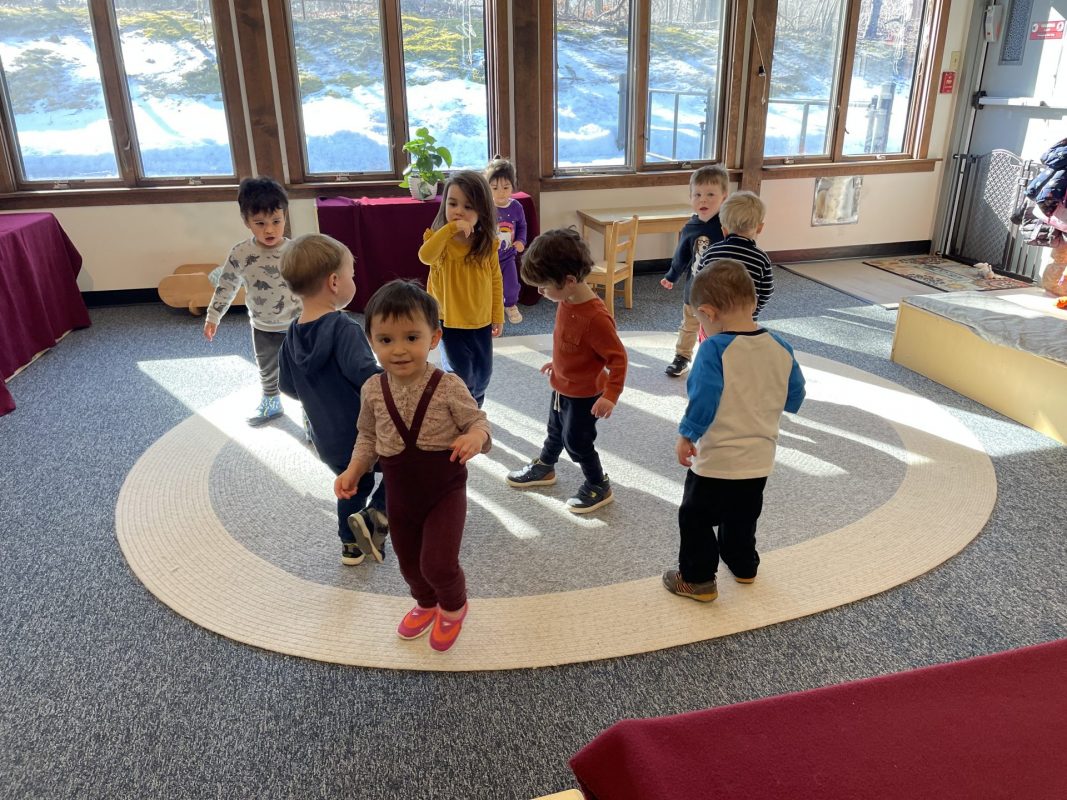
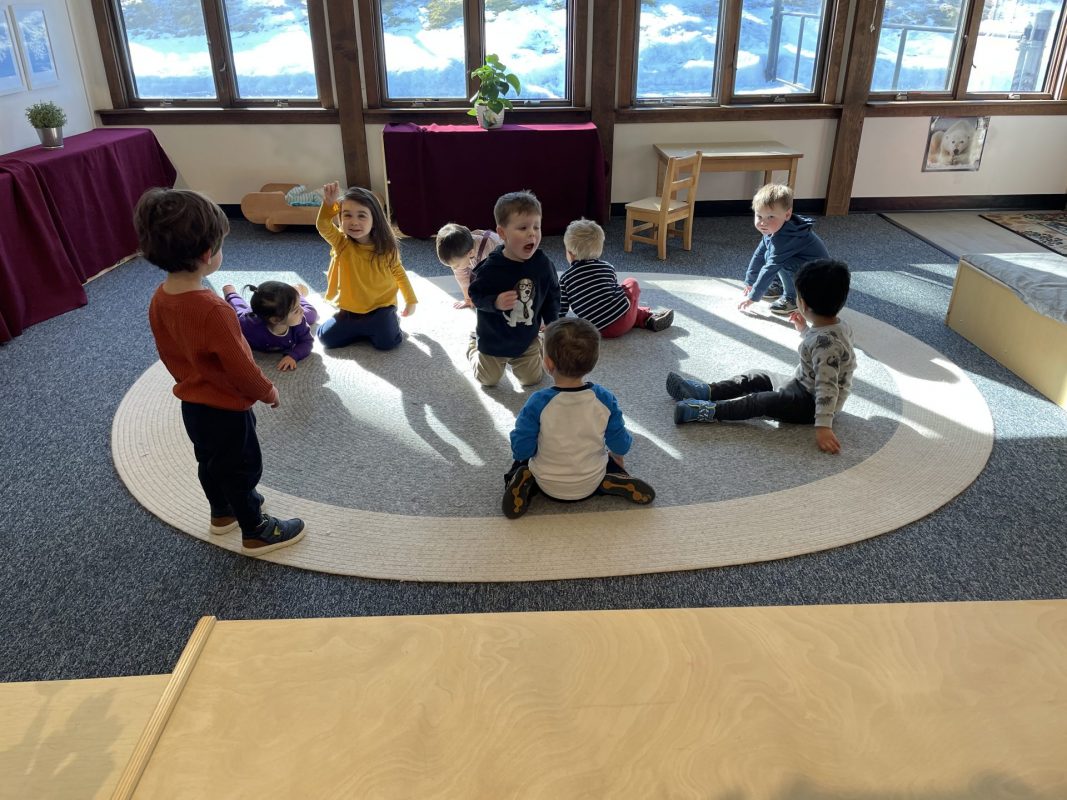
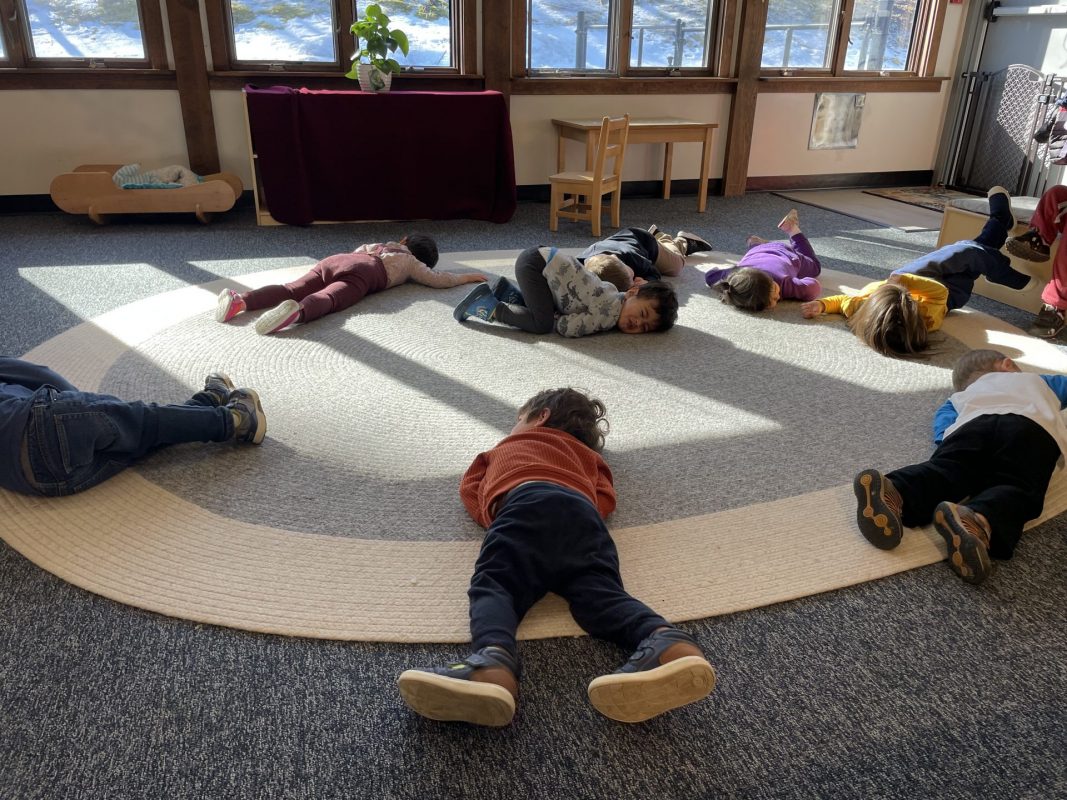
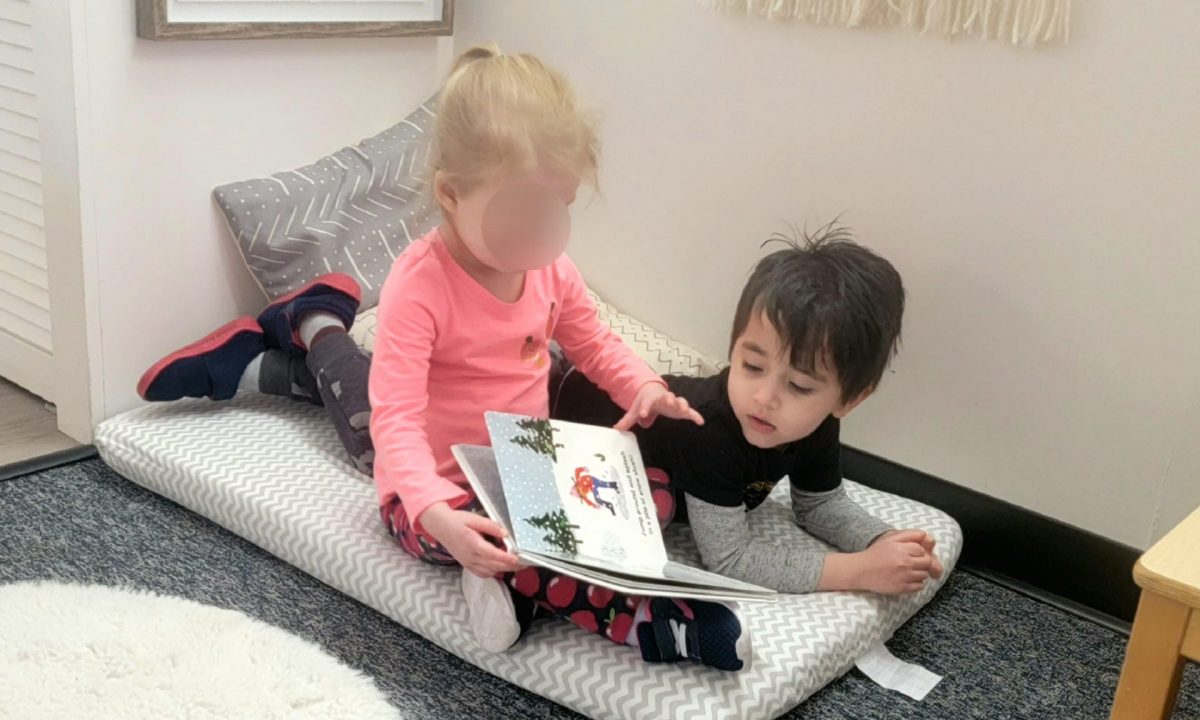
Enjoy some of the pictures of your busy bees this week!

Have a great weekend,

Mrs. Hood and Ms. Maria 

“There should be no pressure, no reward or punishment, no adult deciding when the child should learn to use the potty. The environment is prepared and the child is free to explore and imitate in these natural developmental stages.” (The Joyful Child)
Mrs. Wilson: Literacy, Beyond The Books


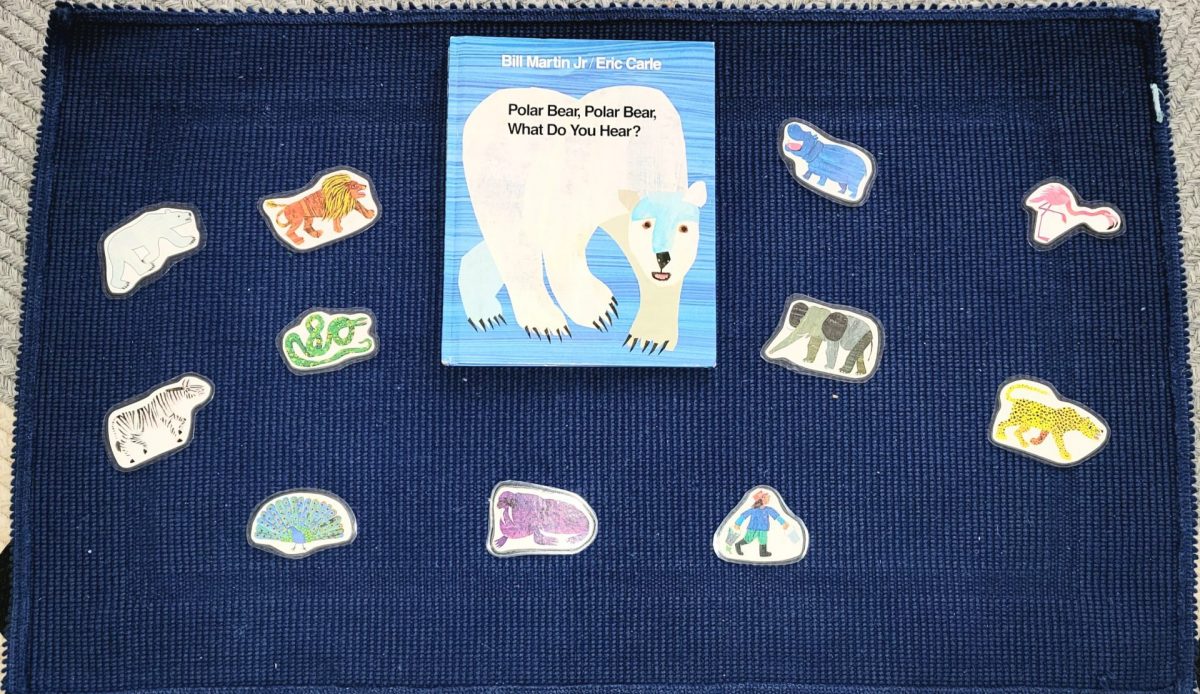
For the past month we have been reading Polar Bear Polar Bear, What Do You Hear by Eric Carle.
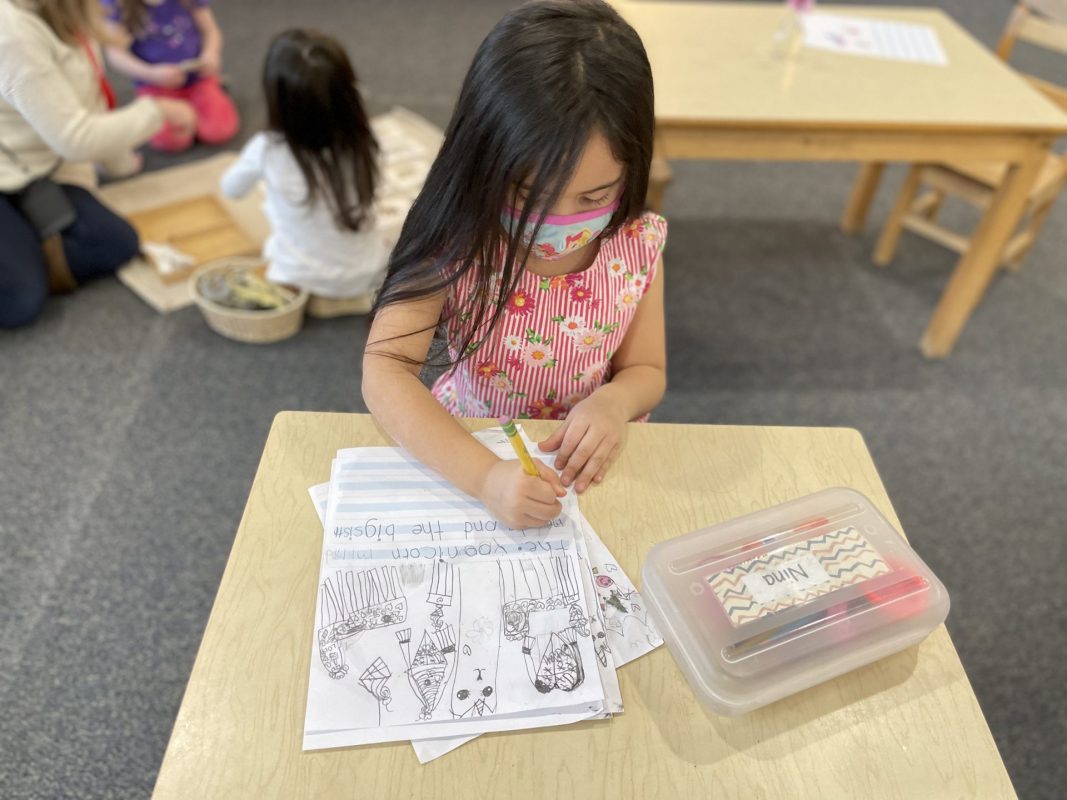
This is a great book for children due to the repetitive language used. The children start to memorize the story and will start to recite the words back. This week I have taken this book beyond a storytime favorite and created a work that the children will be free to use starting next week. I created laminated images to match the animals and the zookeeper in the book. The children can use these images to recite the story, to match the animals on each page, or to create their own version of Polar Bear, Polar Bear What Do You Hear.

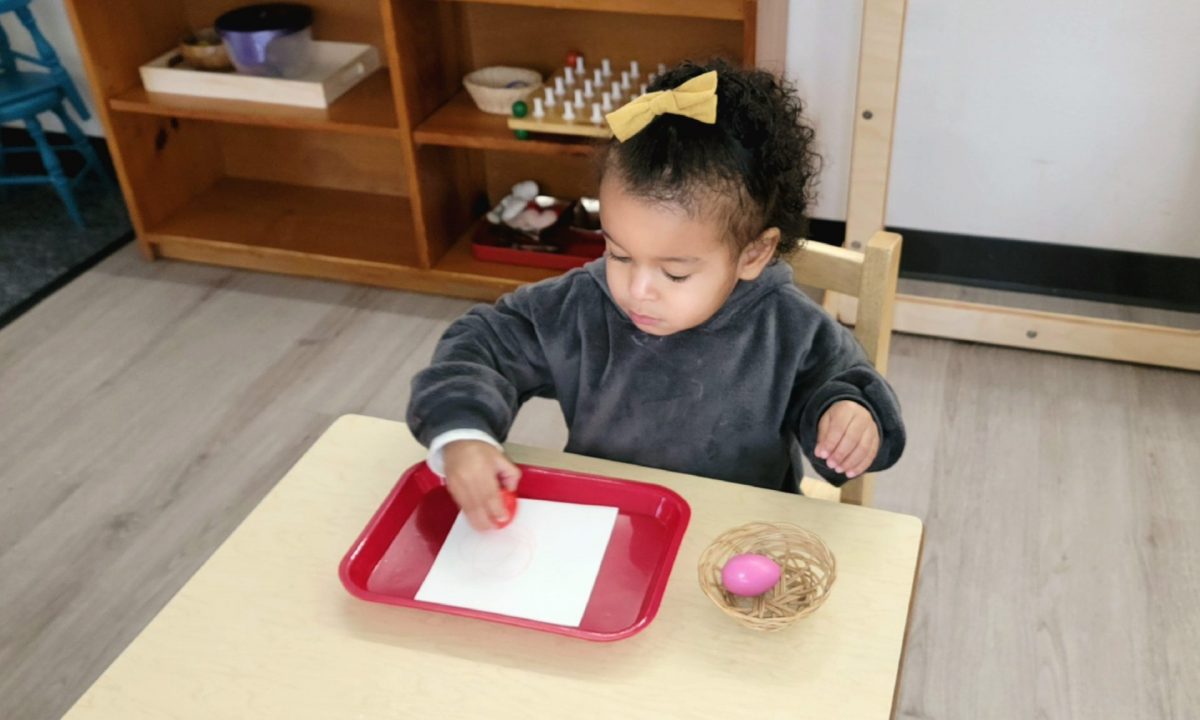
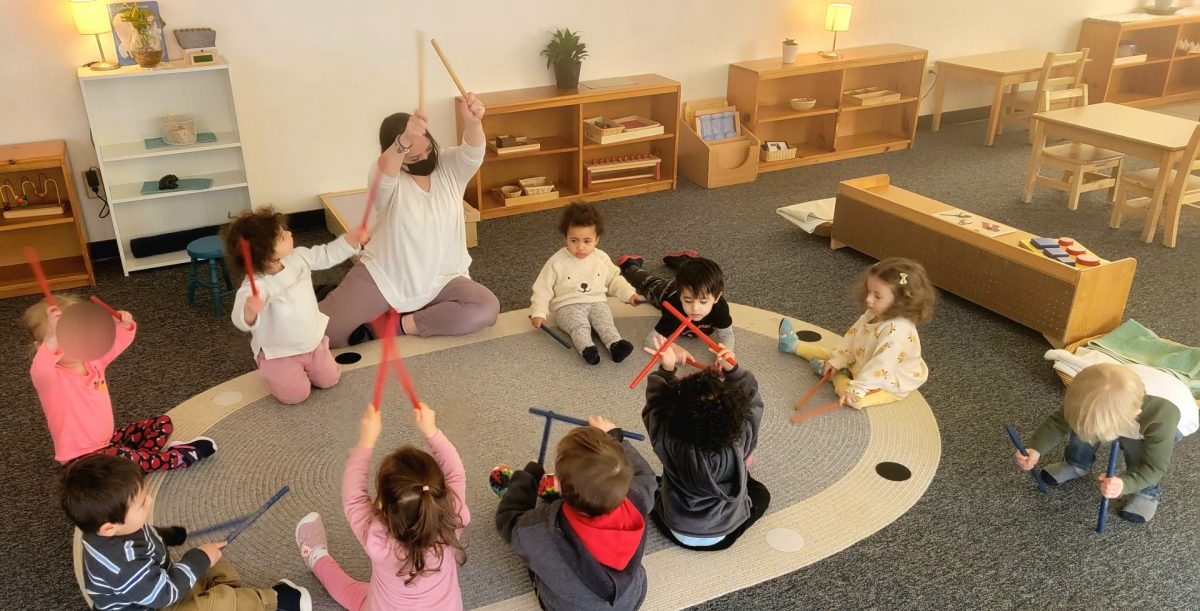
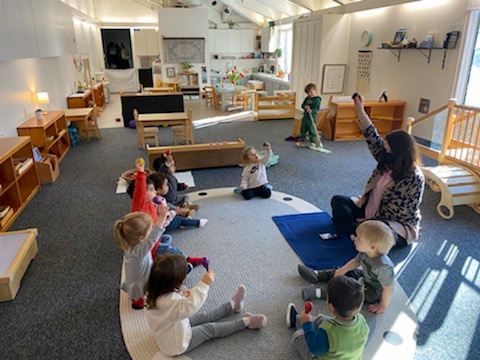
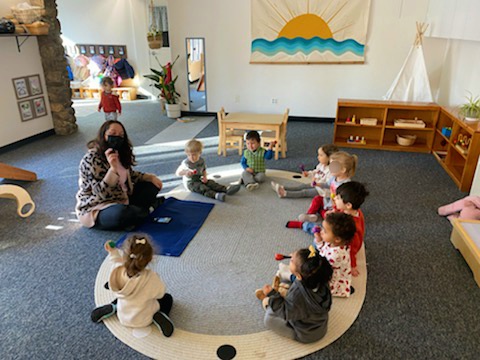
Along with this, we have been practicing listening and following directions with music, rhythm sticks, and egg shakers. These types of song activities help the children follow directions, develop hand-eye coordination, and enhance language skills. These exercises will provide the children with the tools they will need for reading readiness down the line.

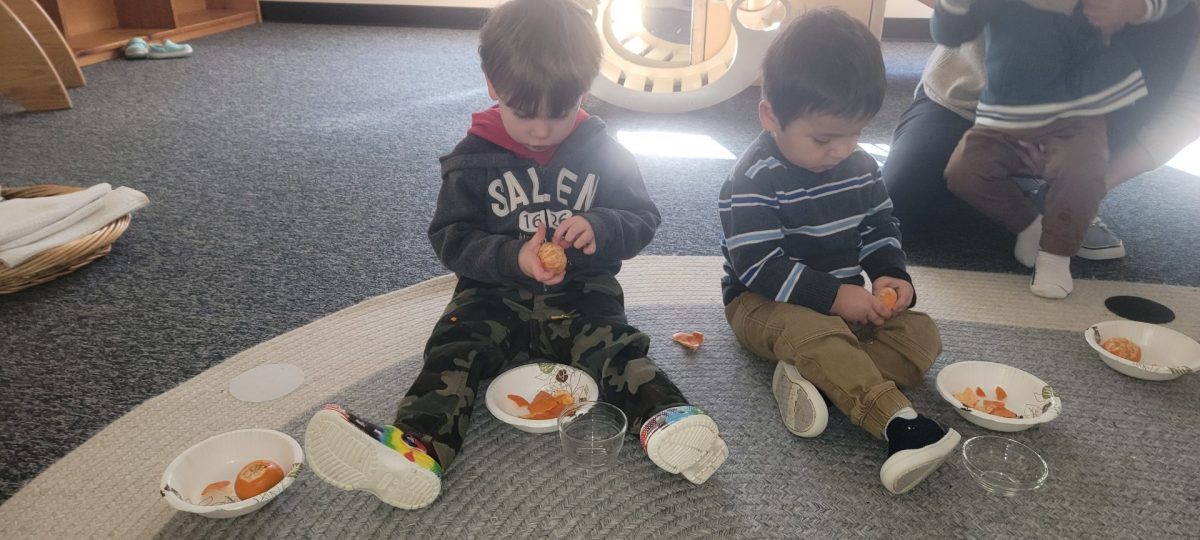
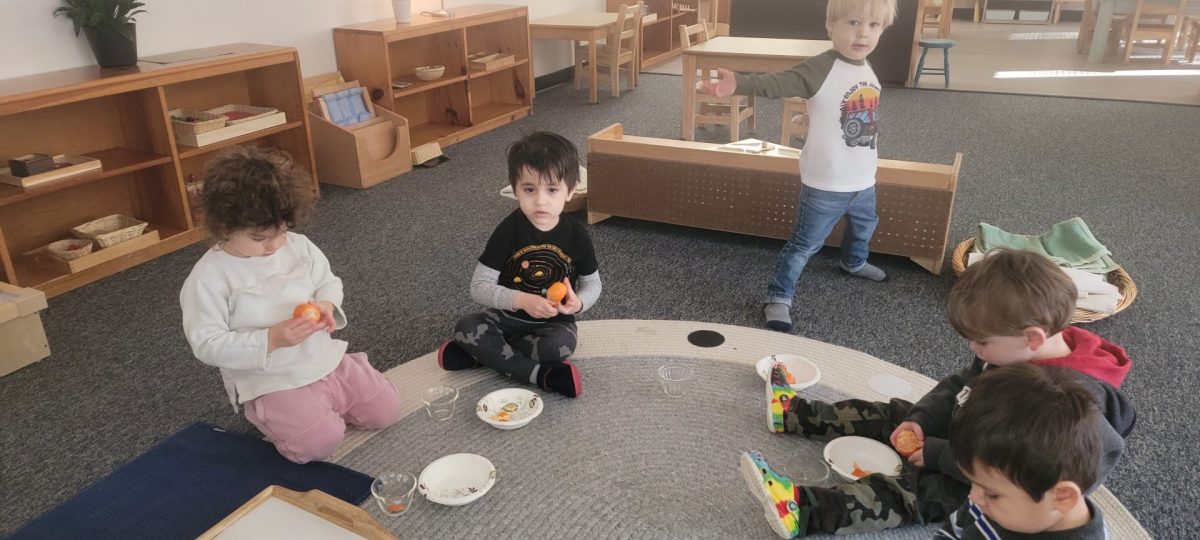
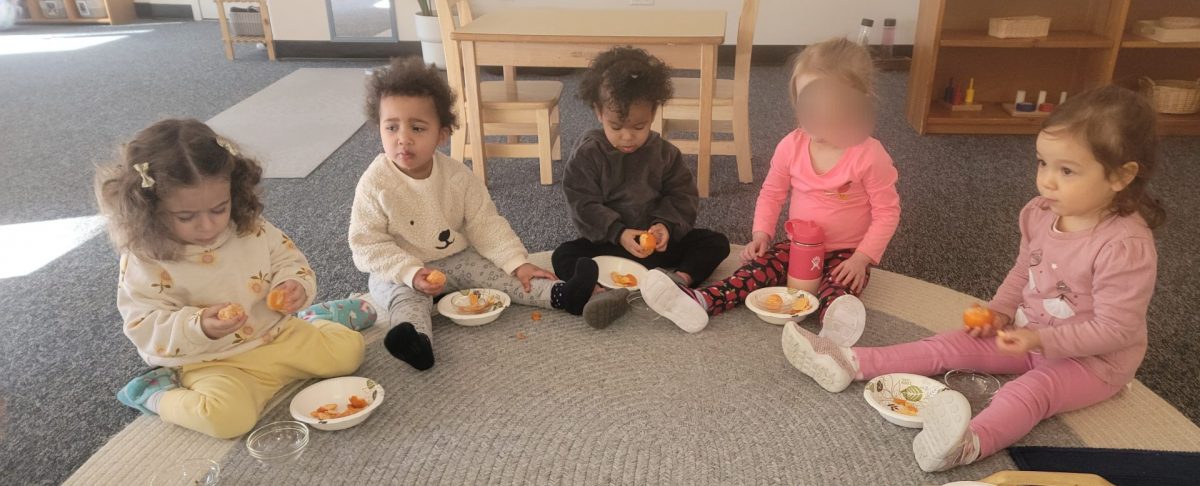
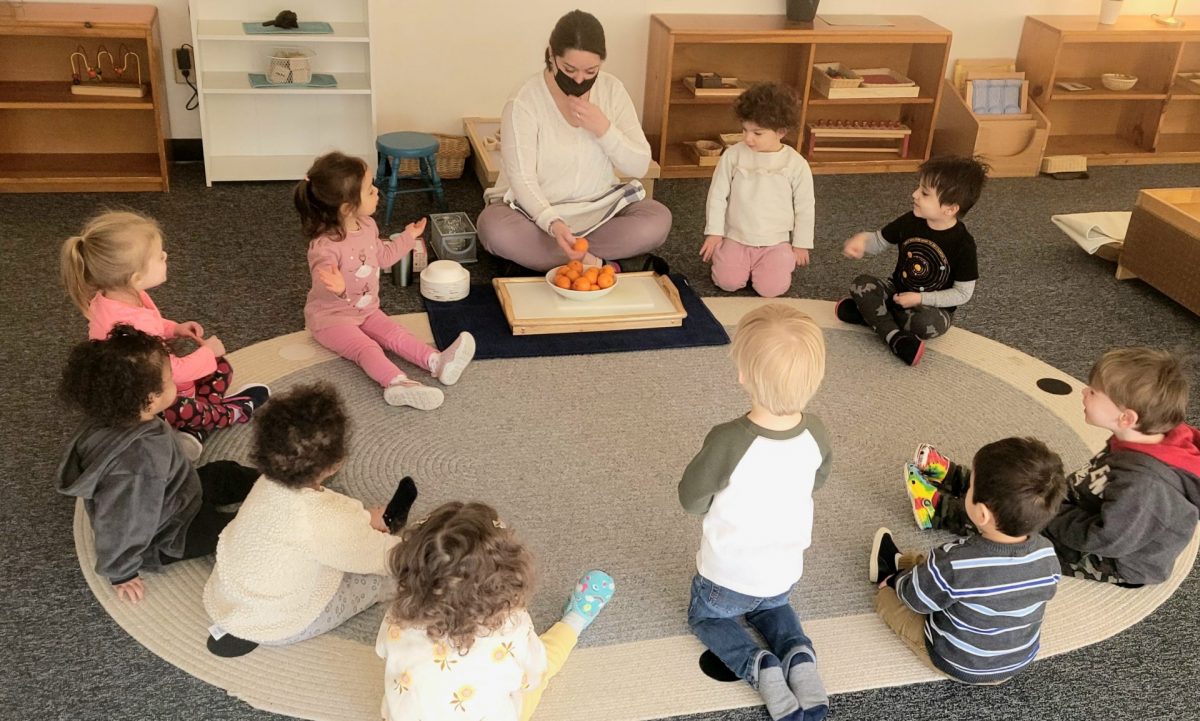
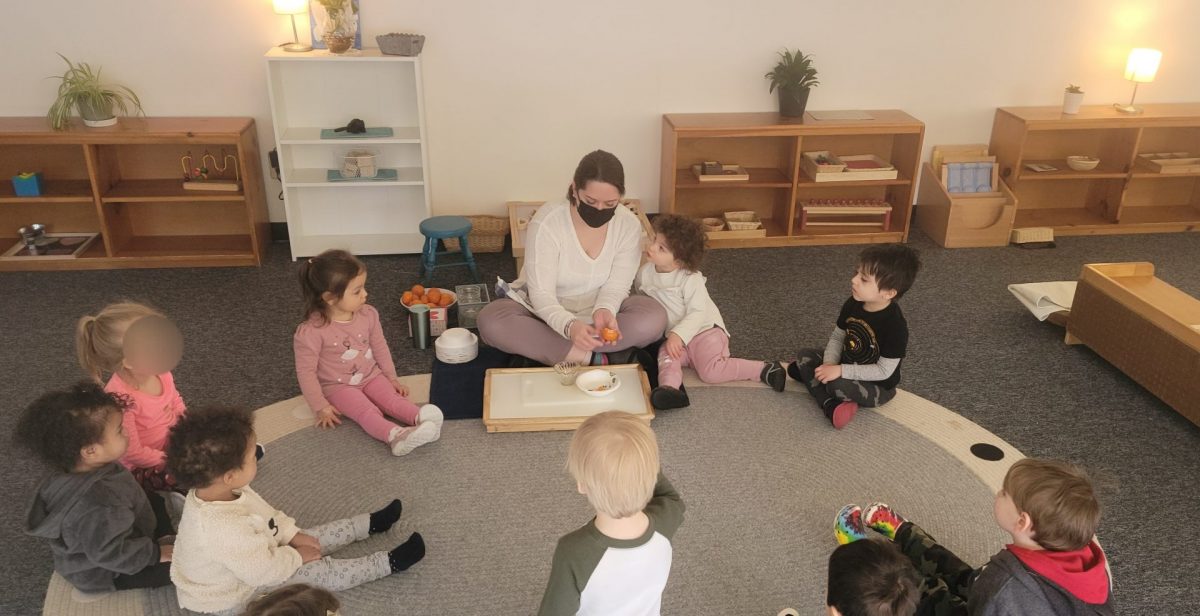
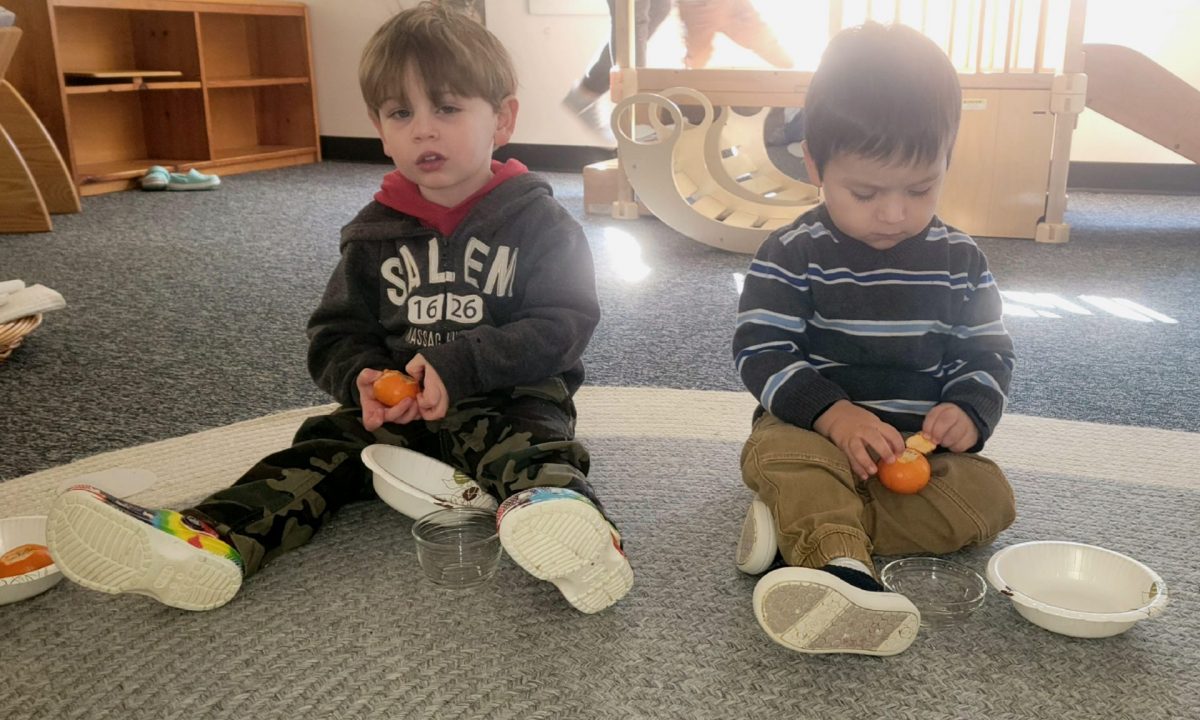
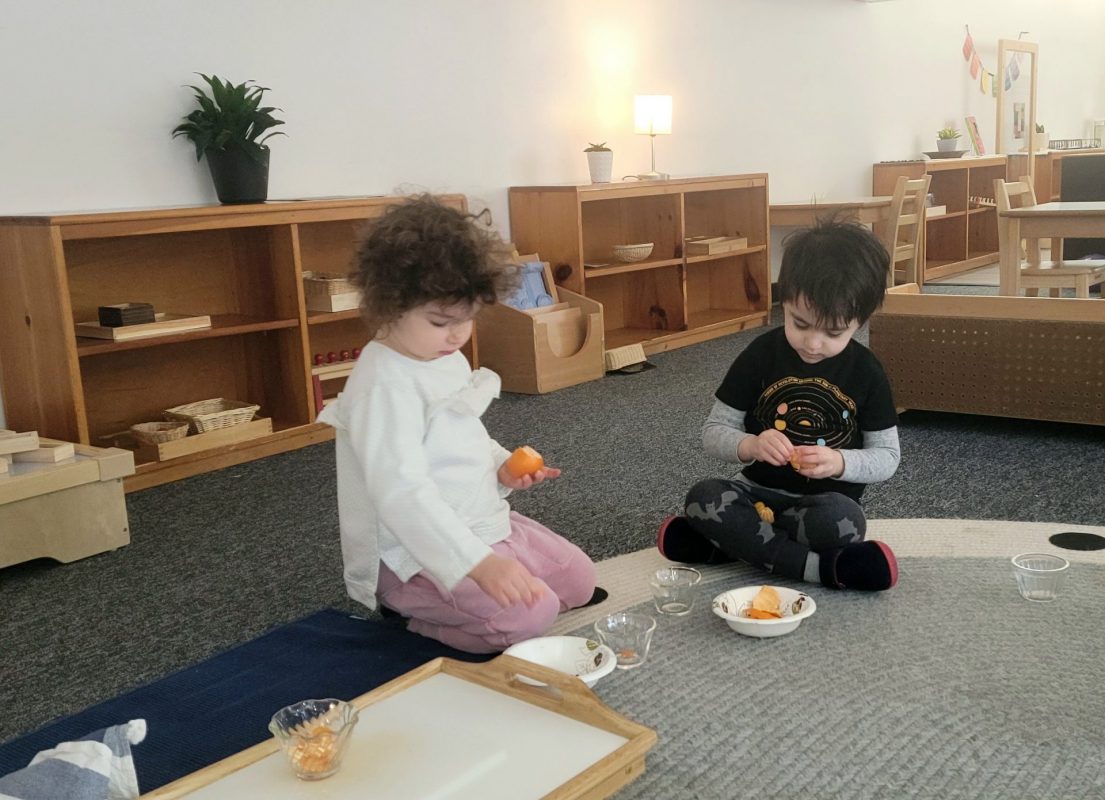
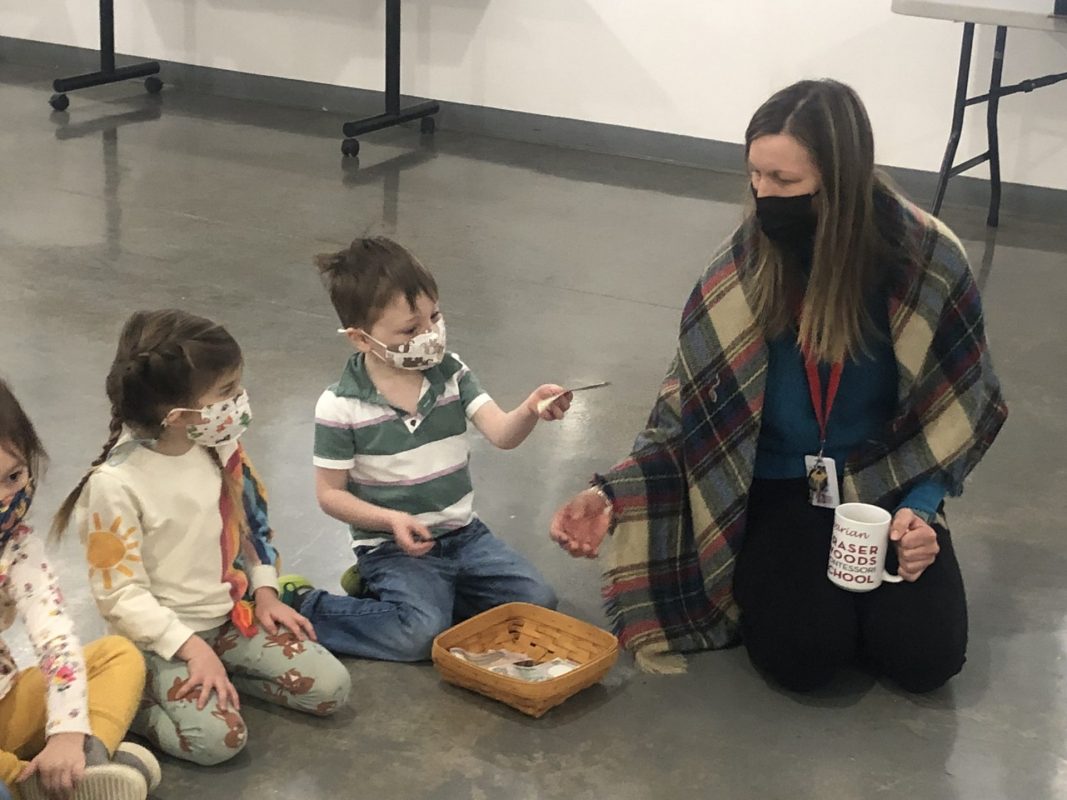
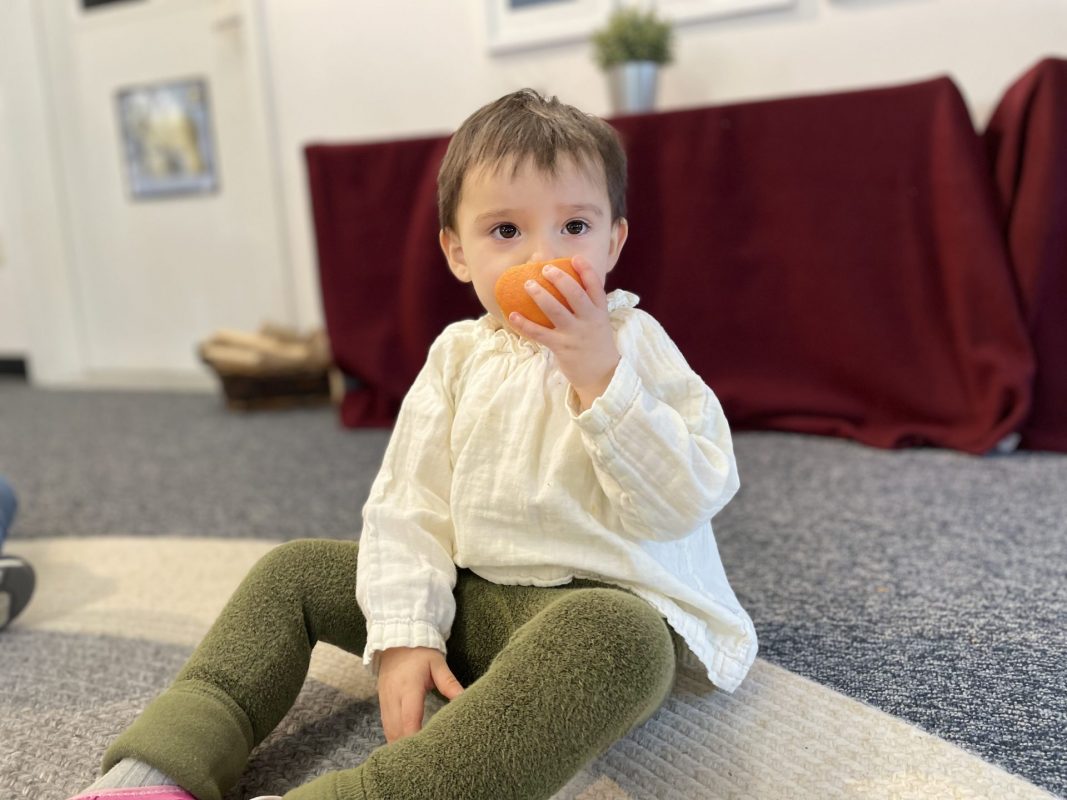
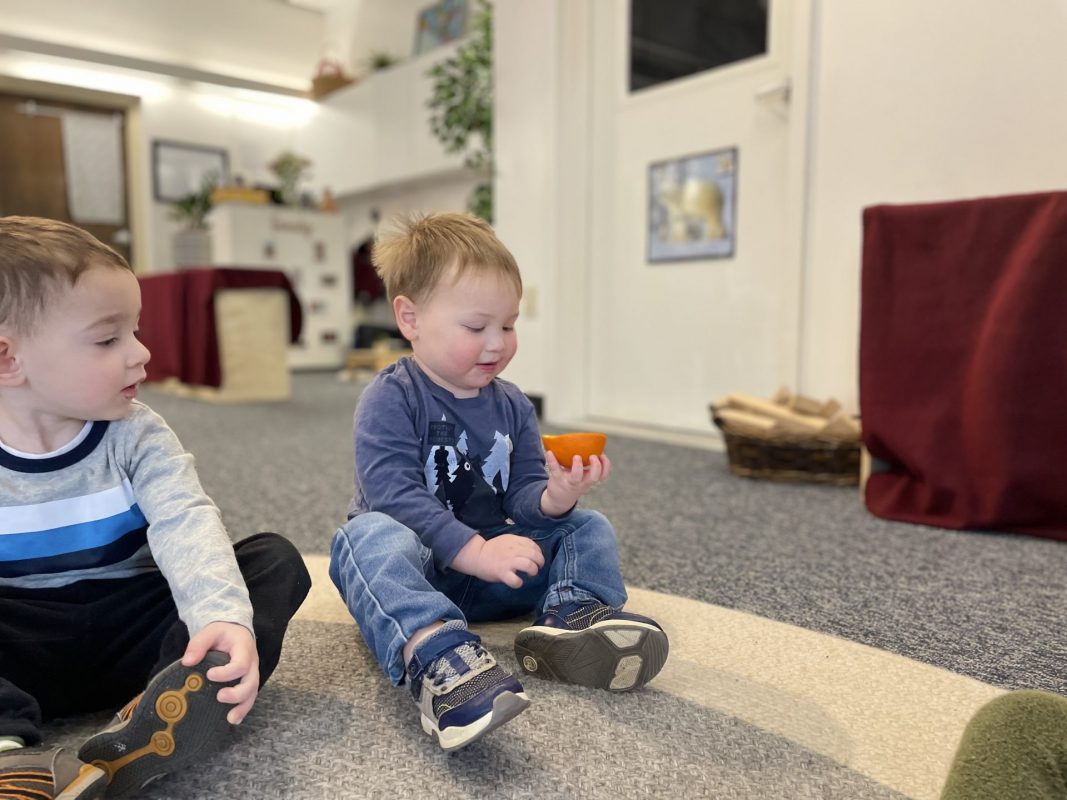
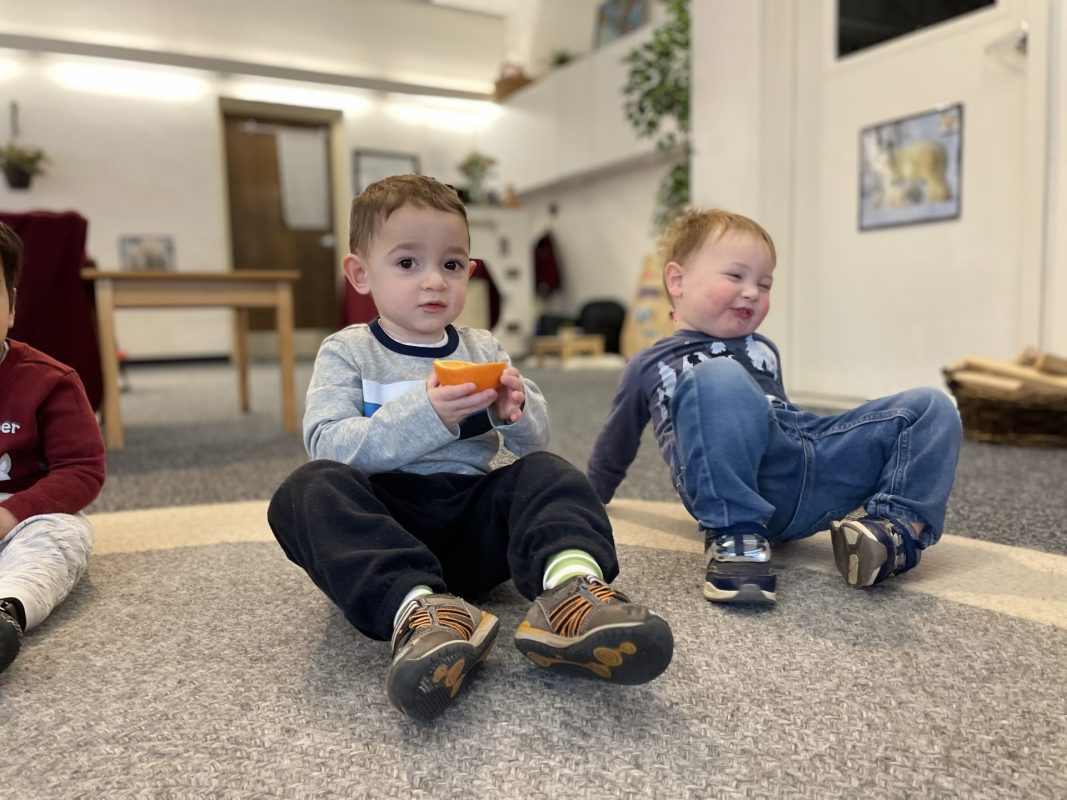
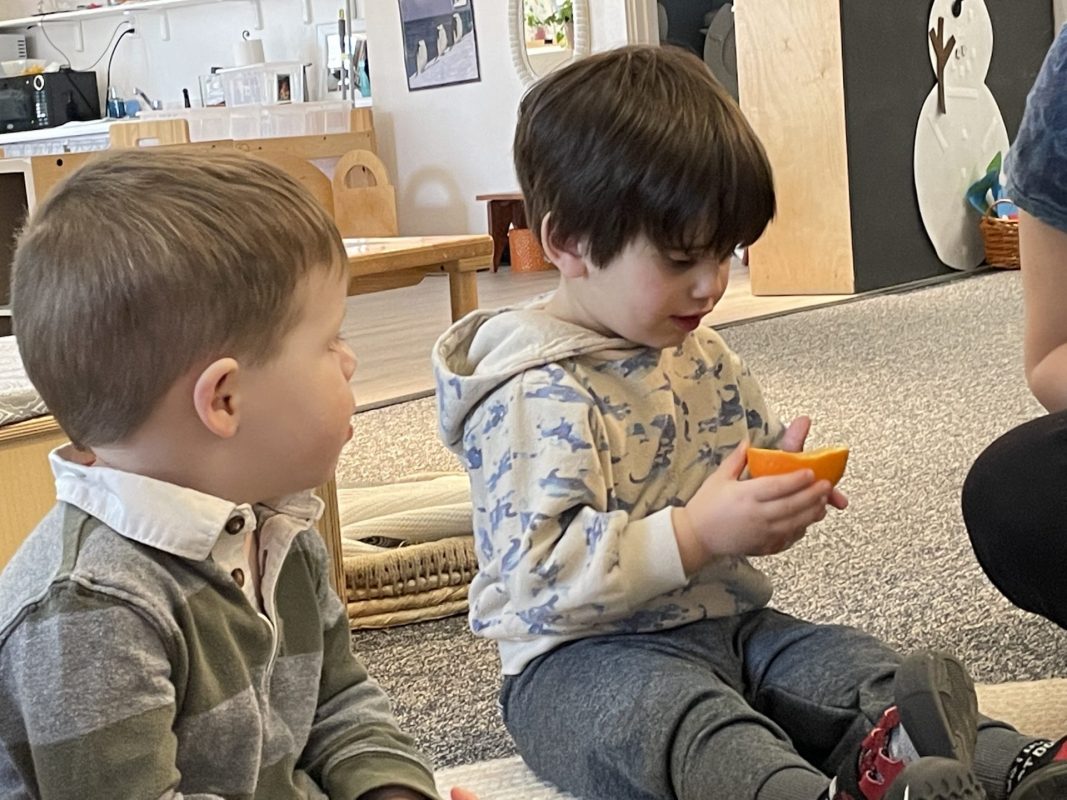
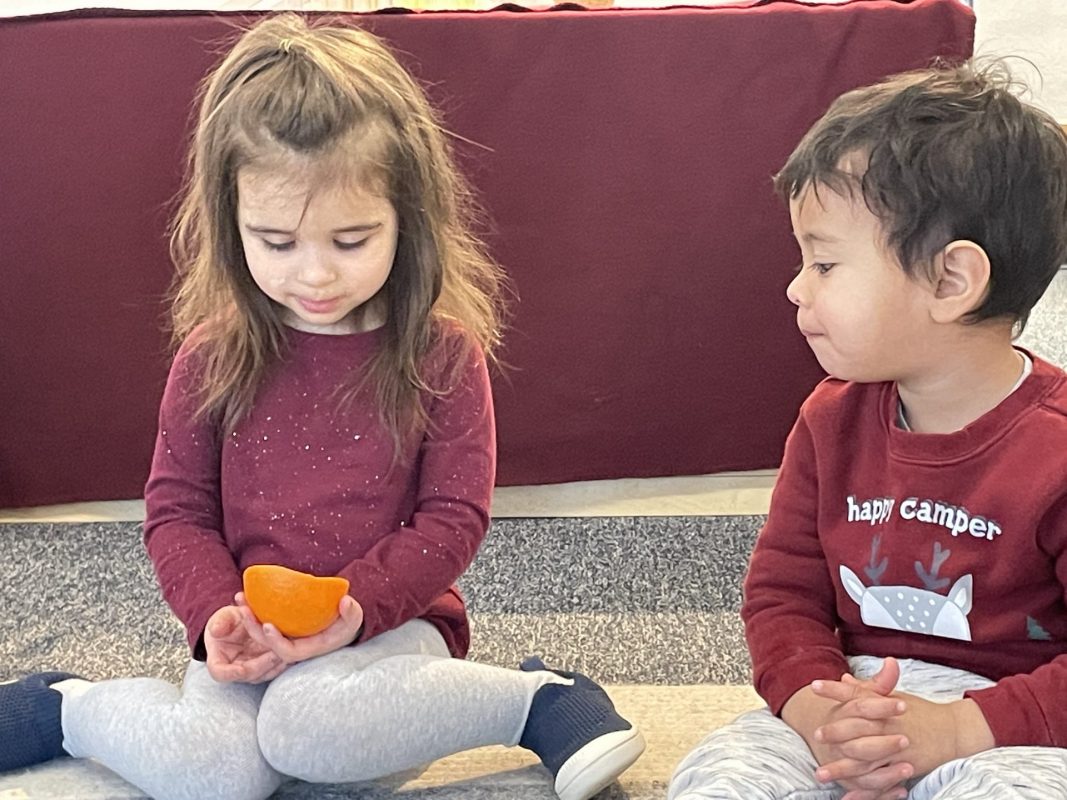
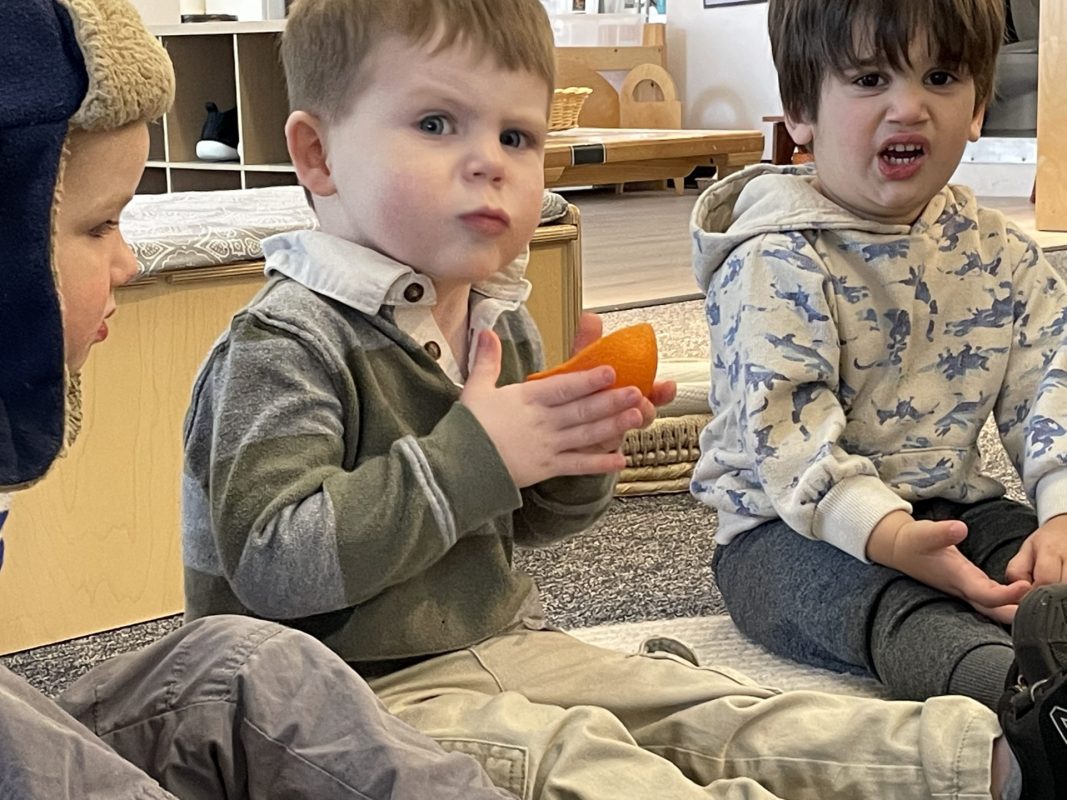
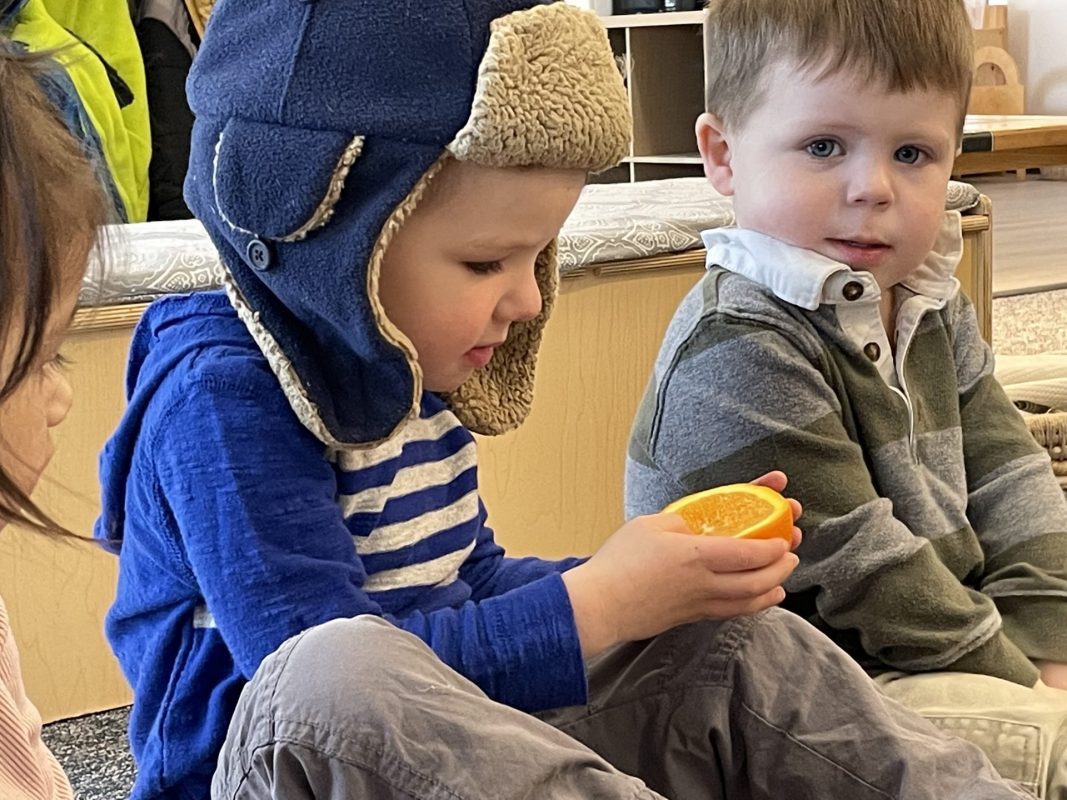
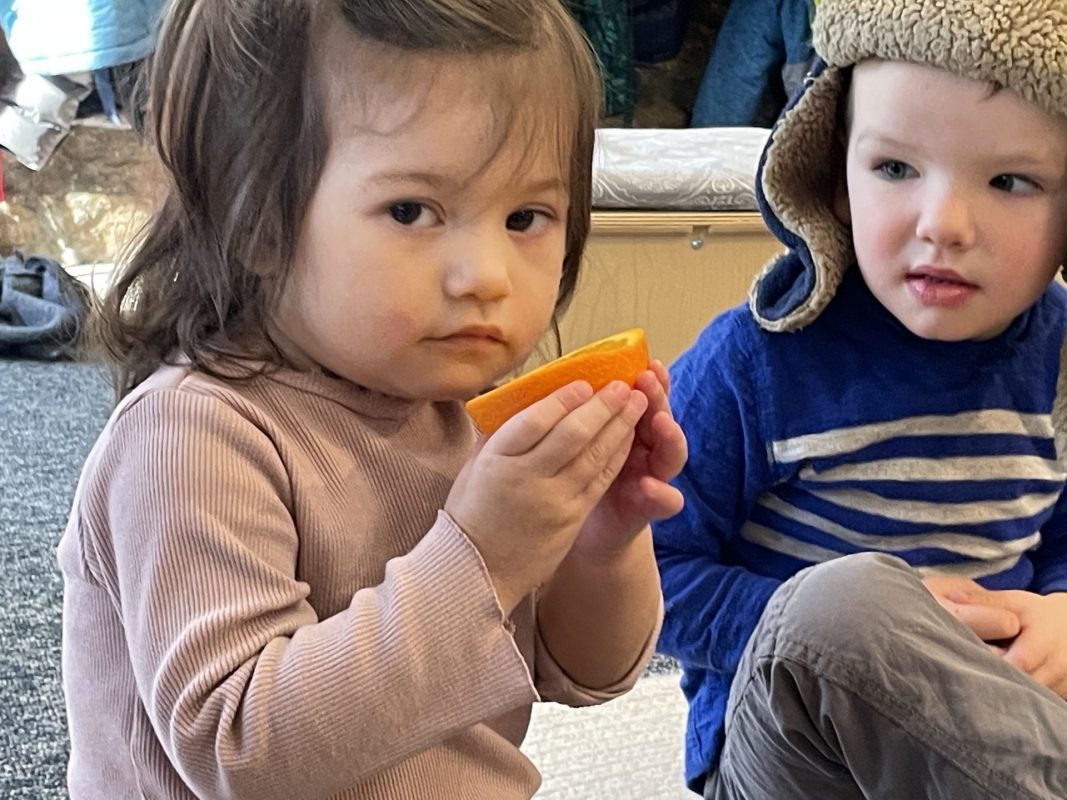
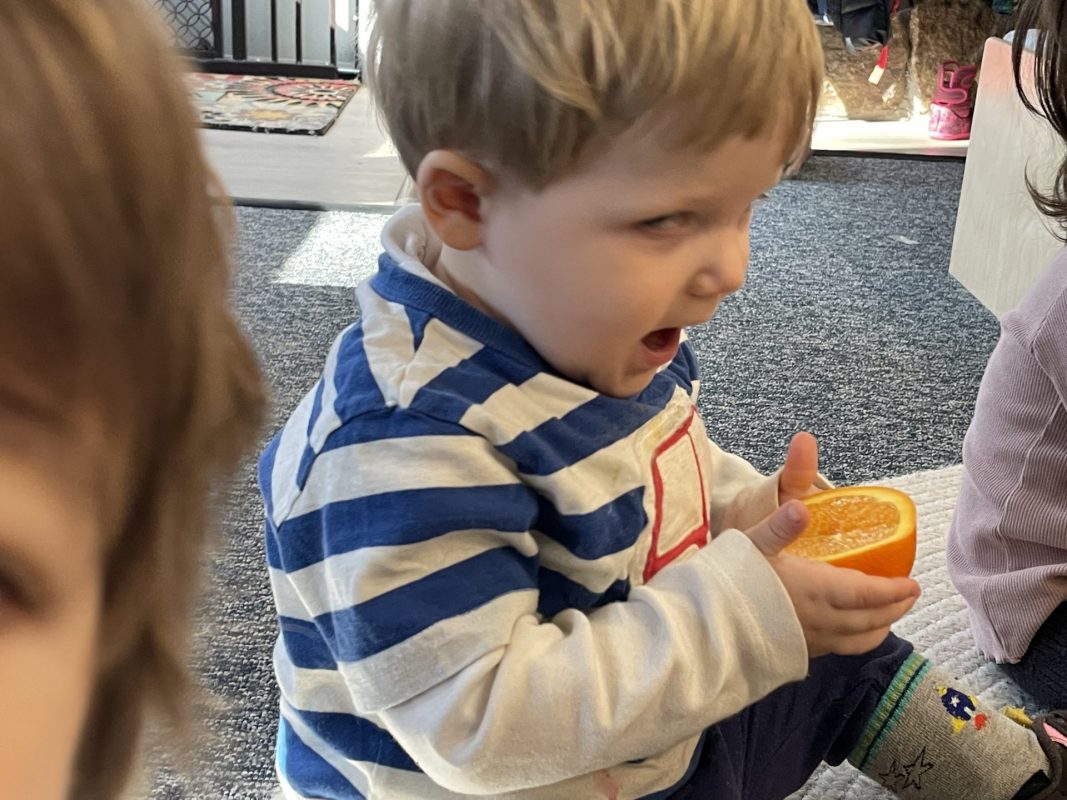
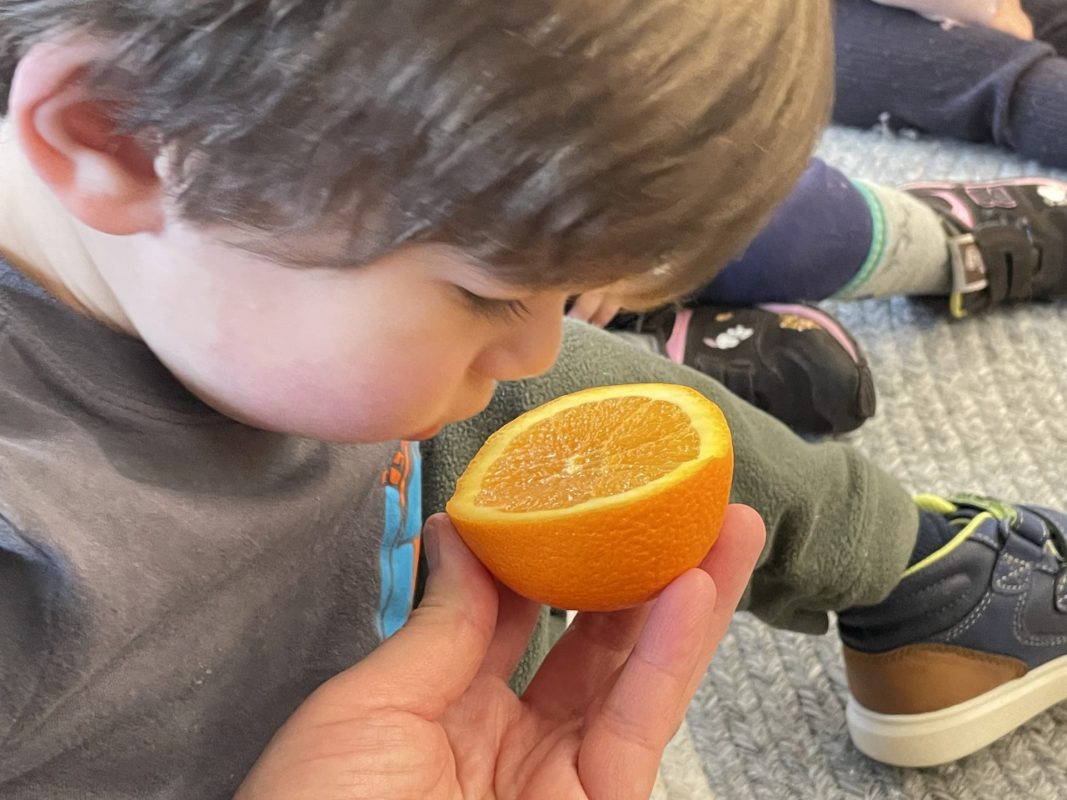
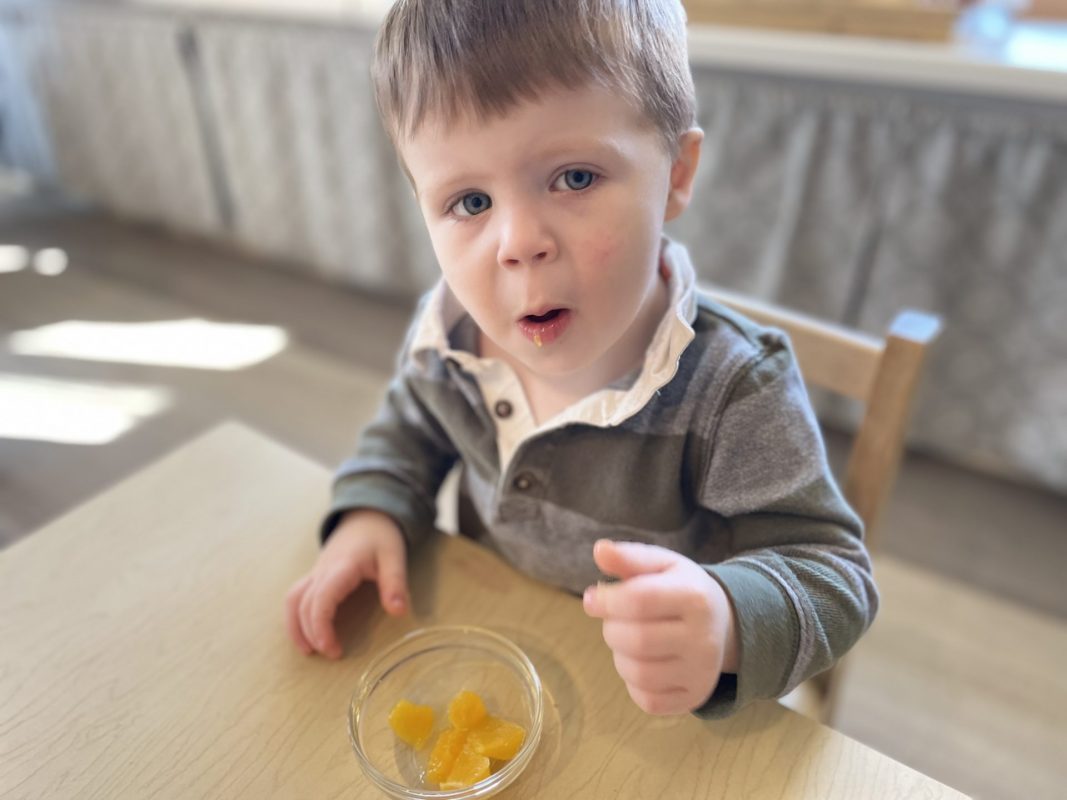
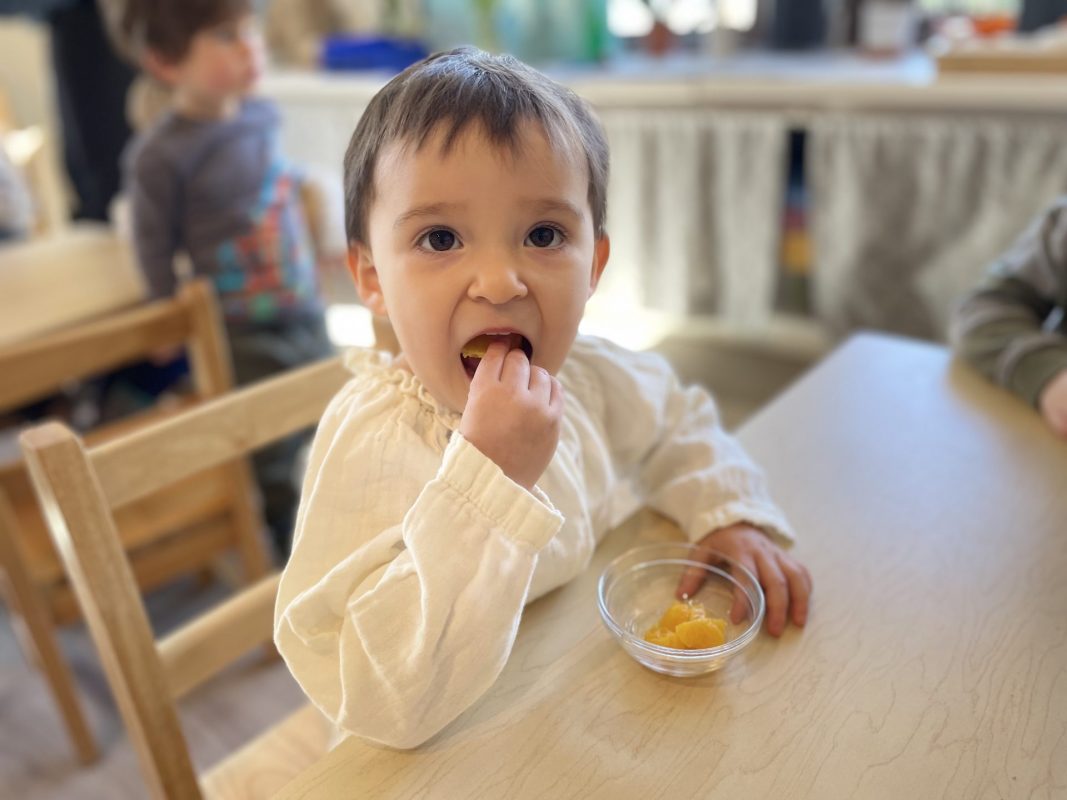
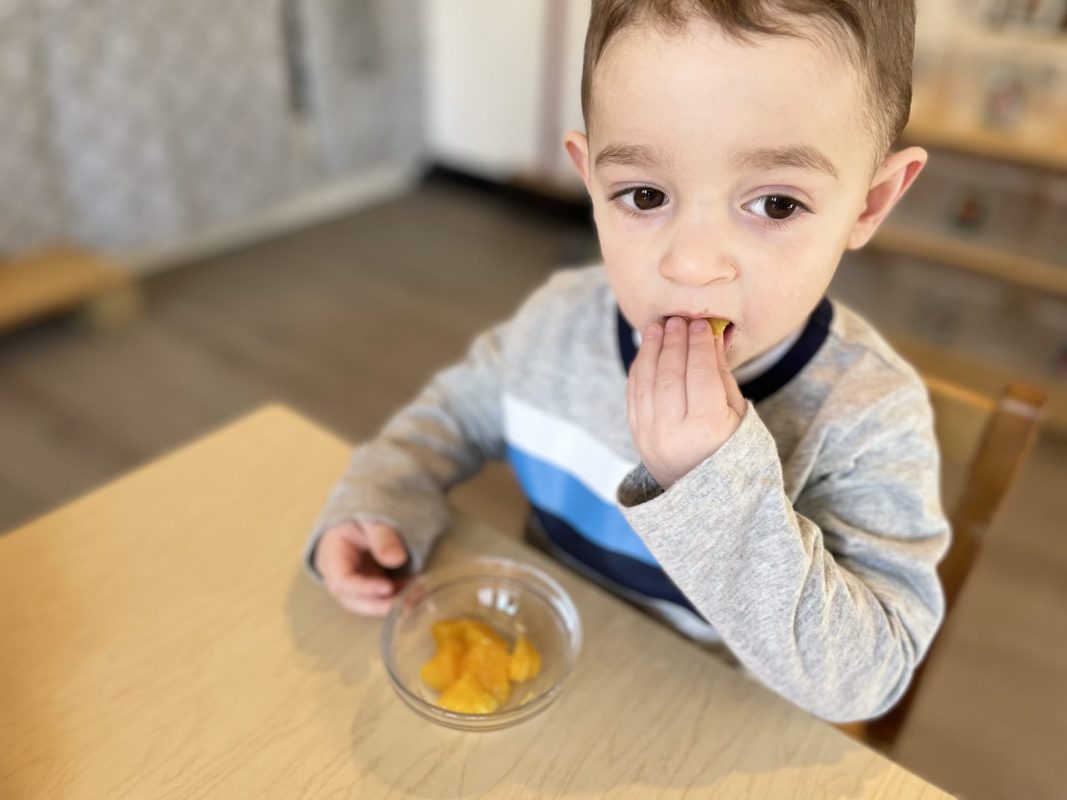
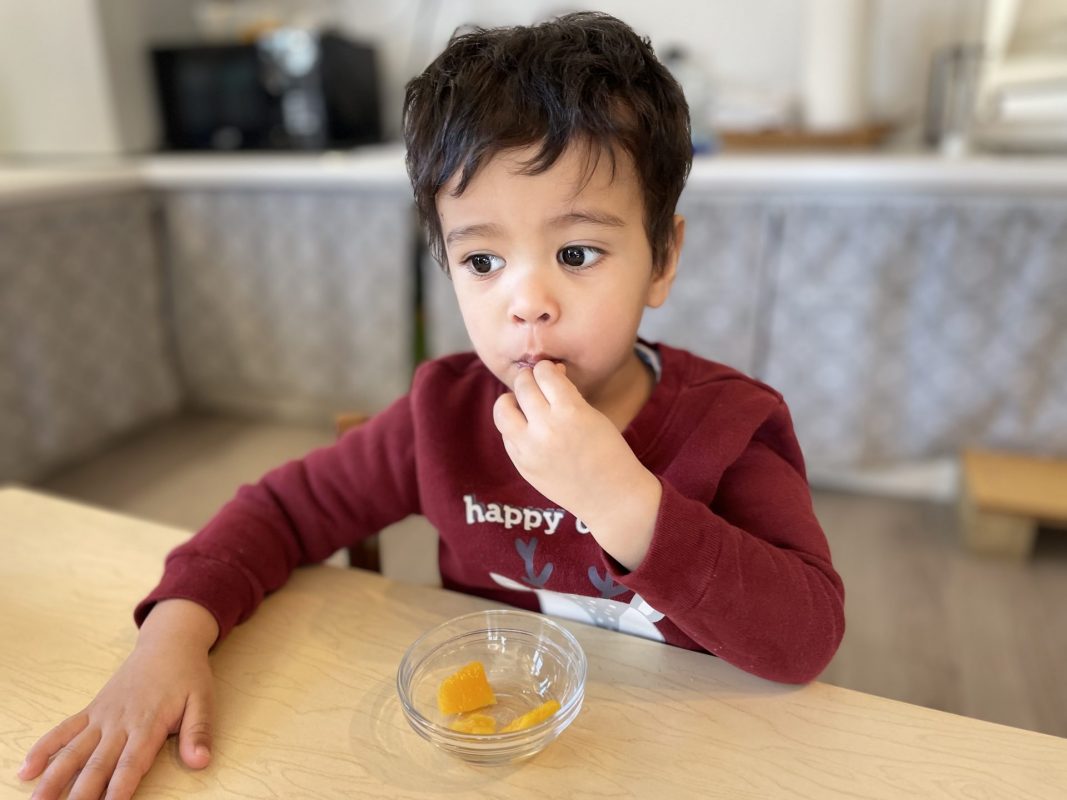
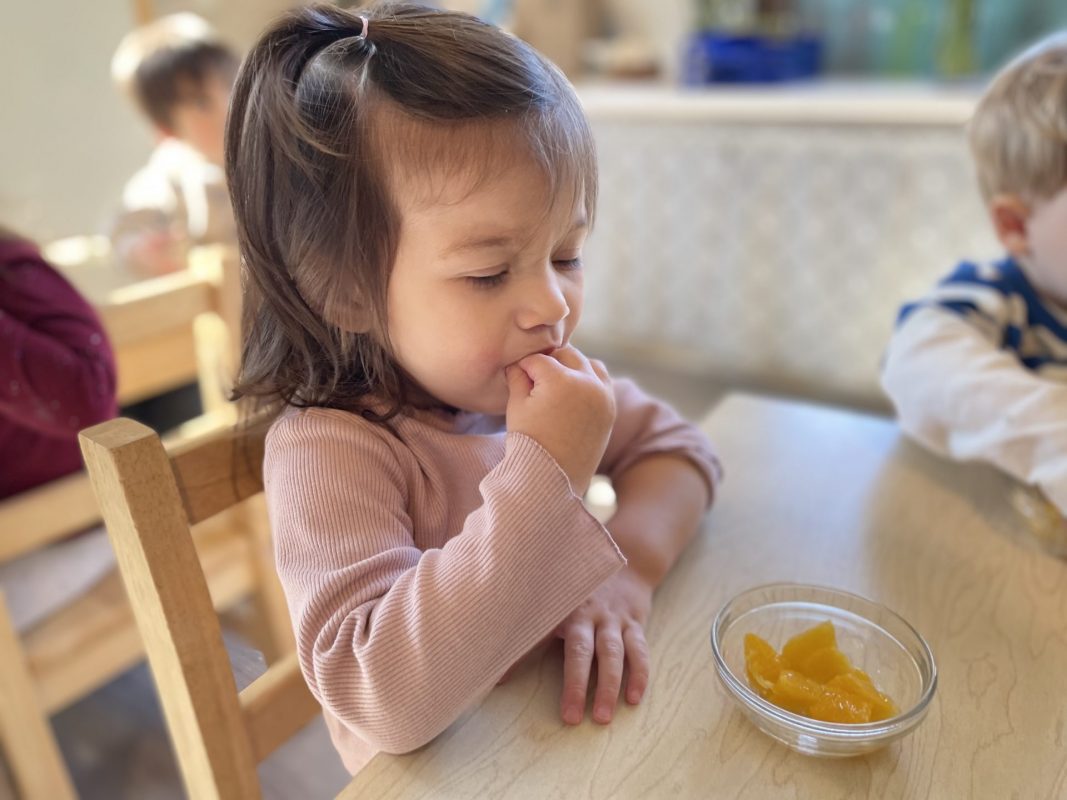
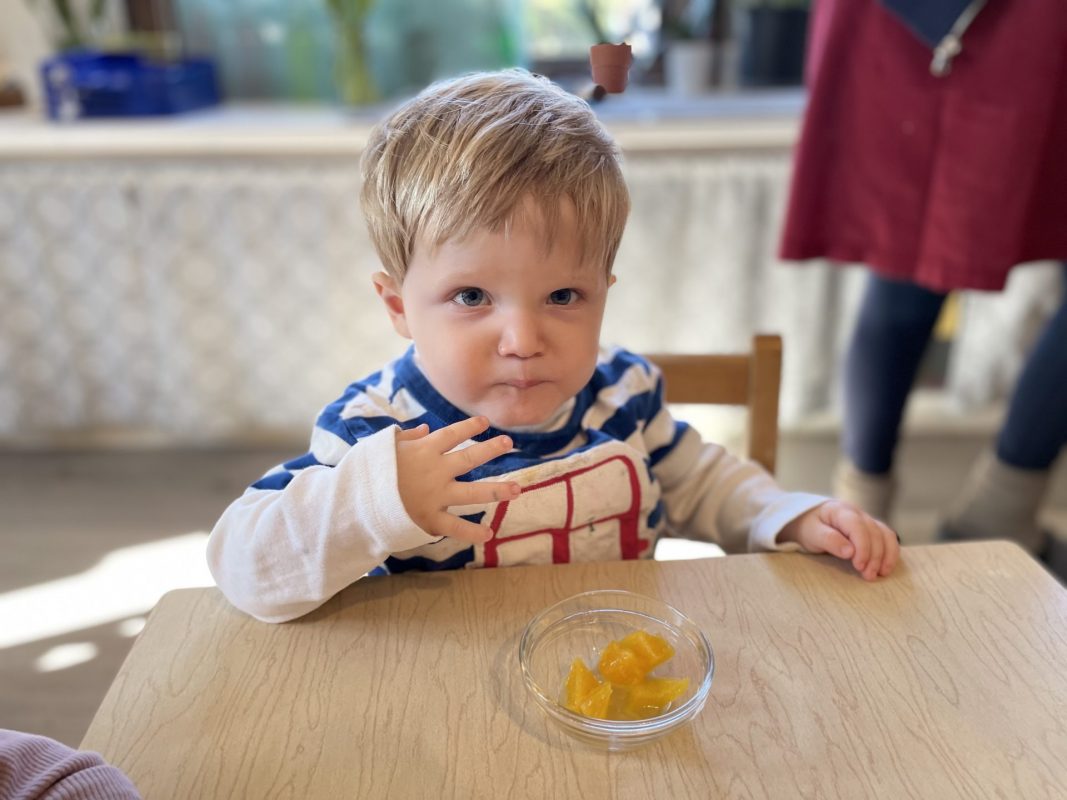
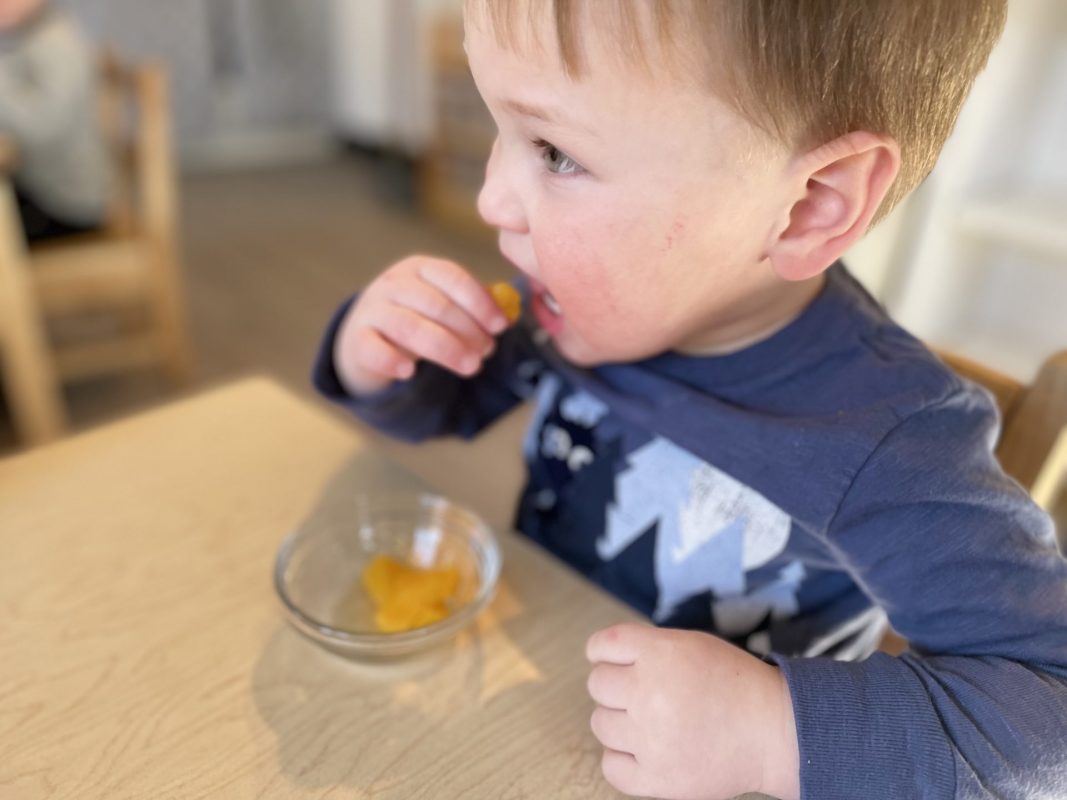
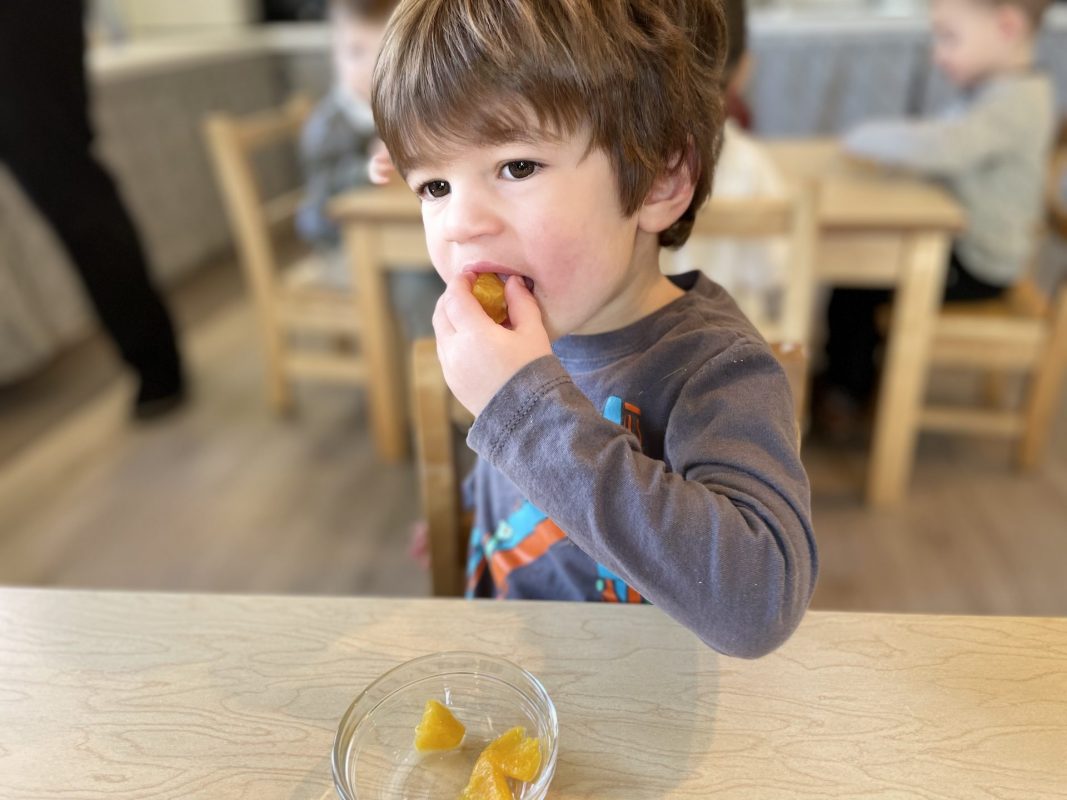
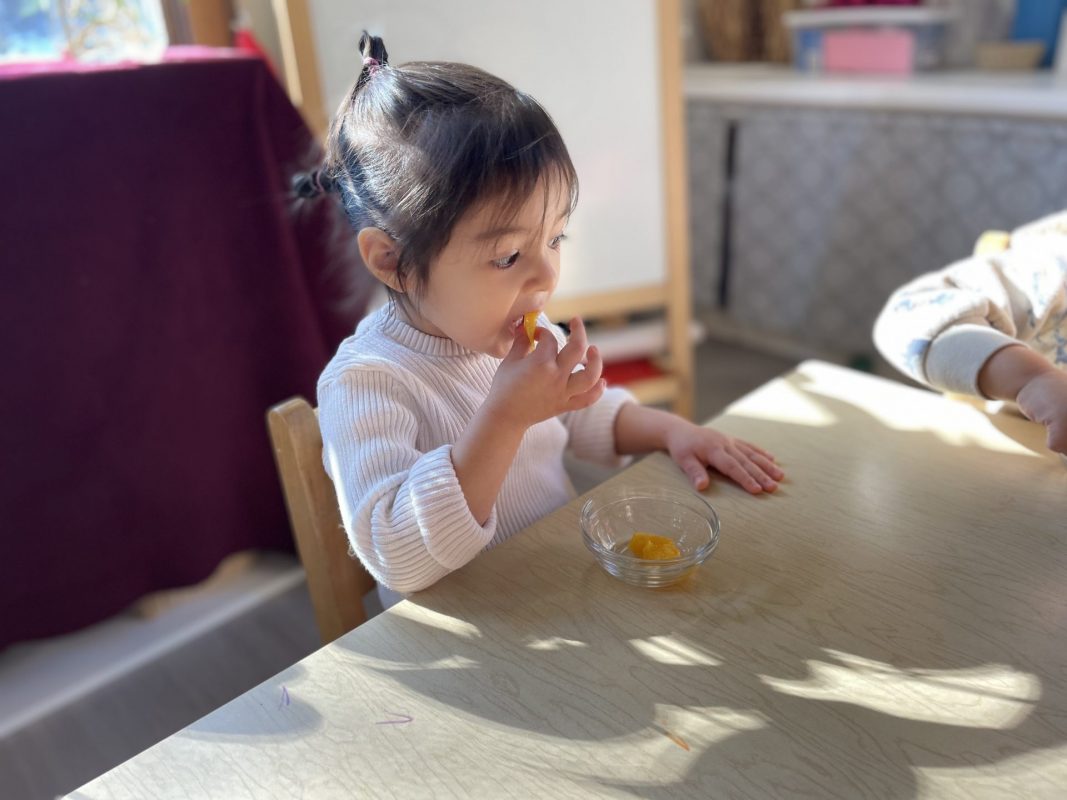
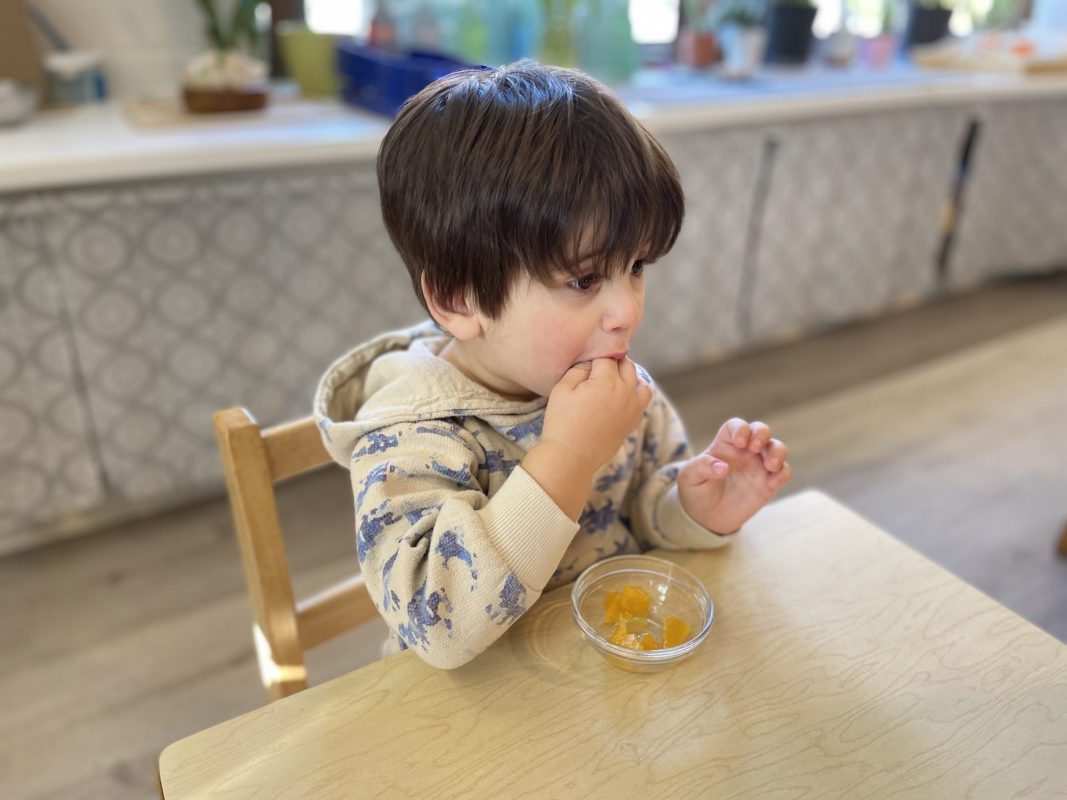
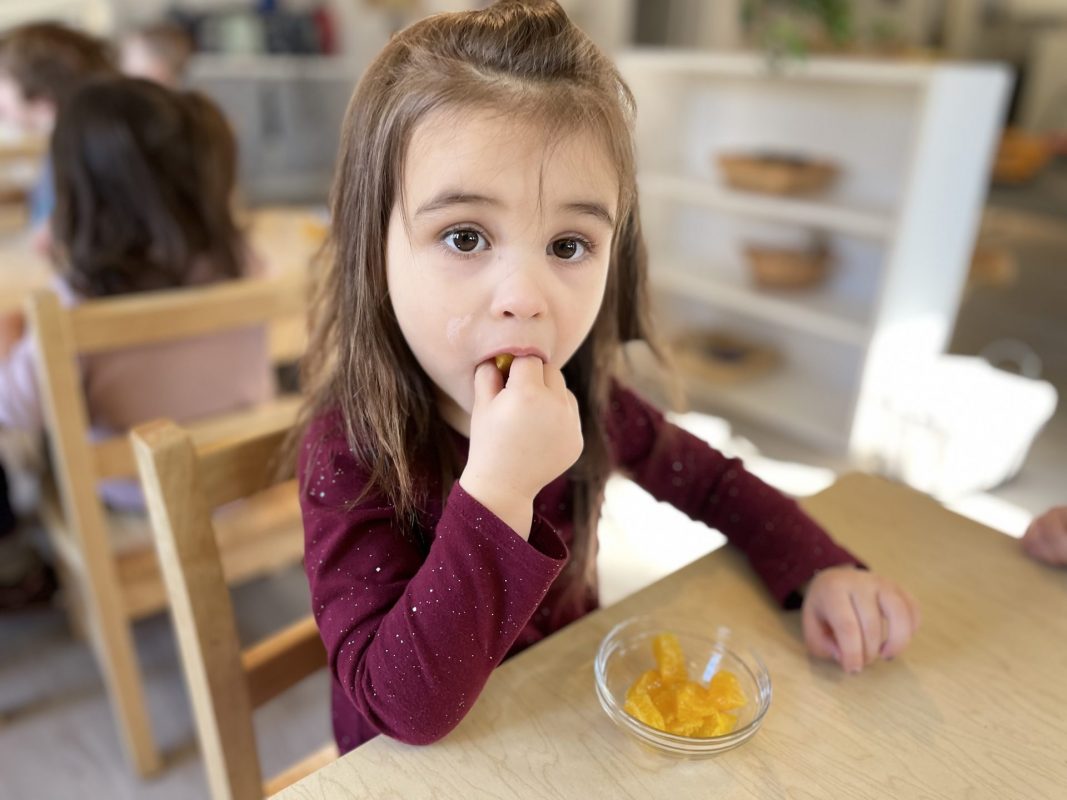
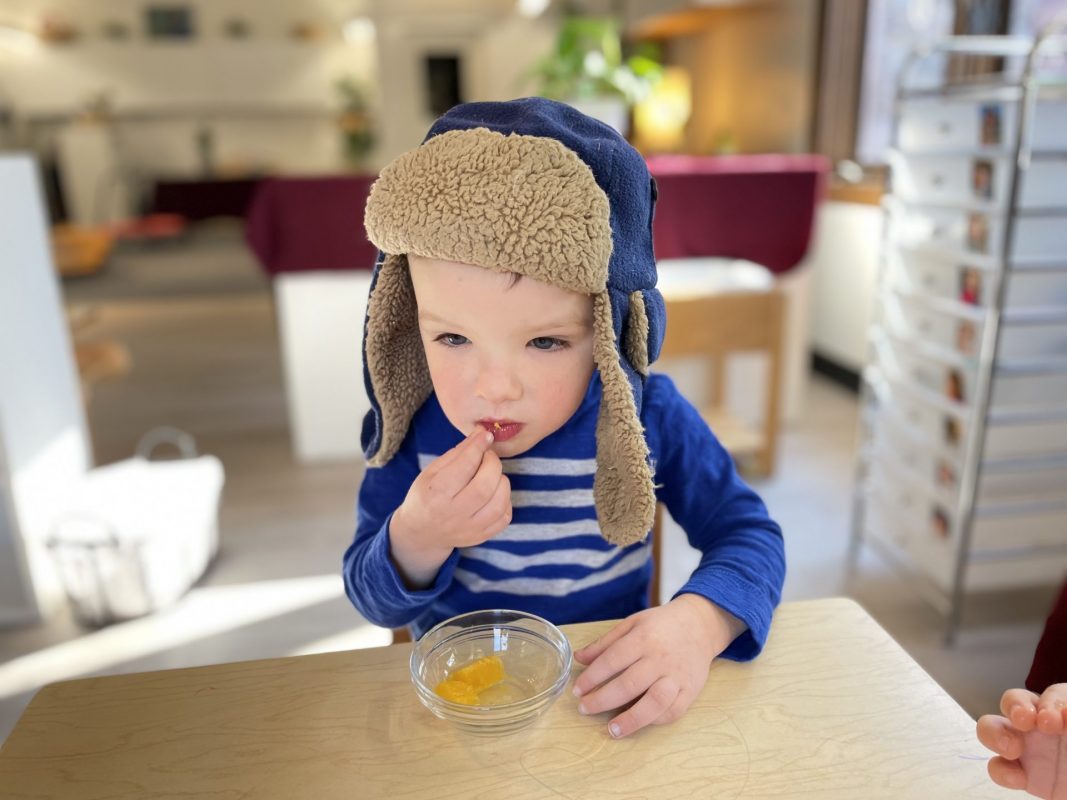
Food tasting was a clementine. Although most children have already tasted clementine, we took this opportunity to create a food prep activity. I demonstrated how to peel and separate the segments. The children all received their own to practice with.
Fun Fact: Clementines have ten segments.


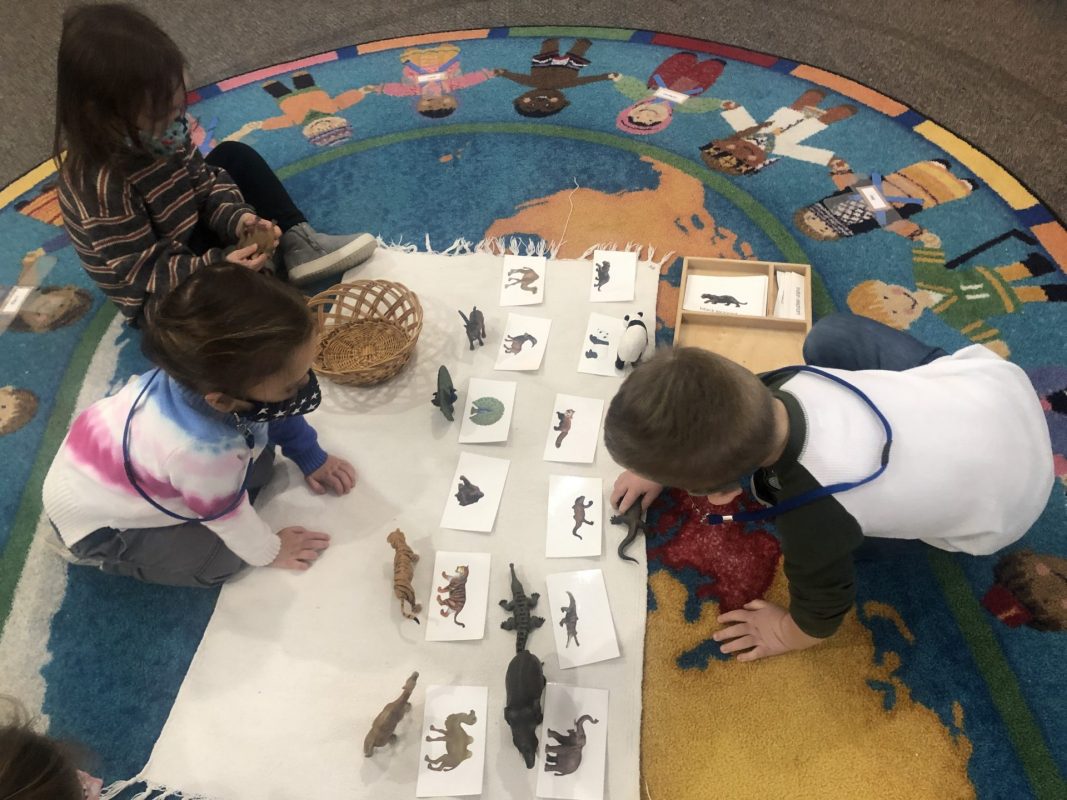
Mrs. Lopes: Traveling to Africa

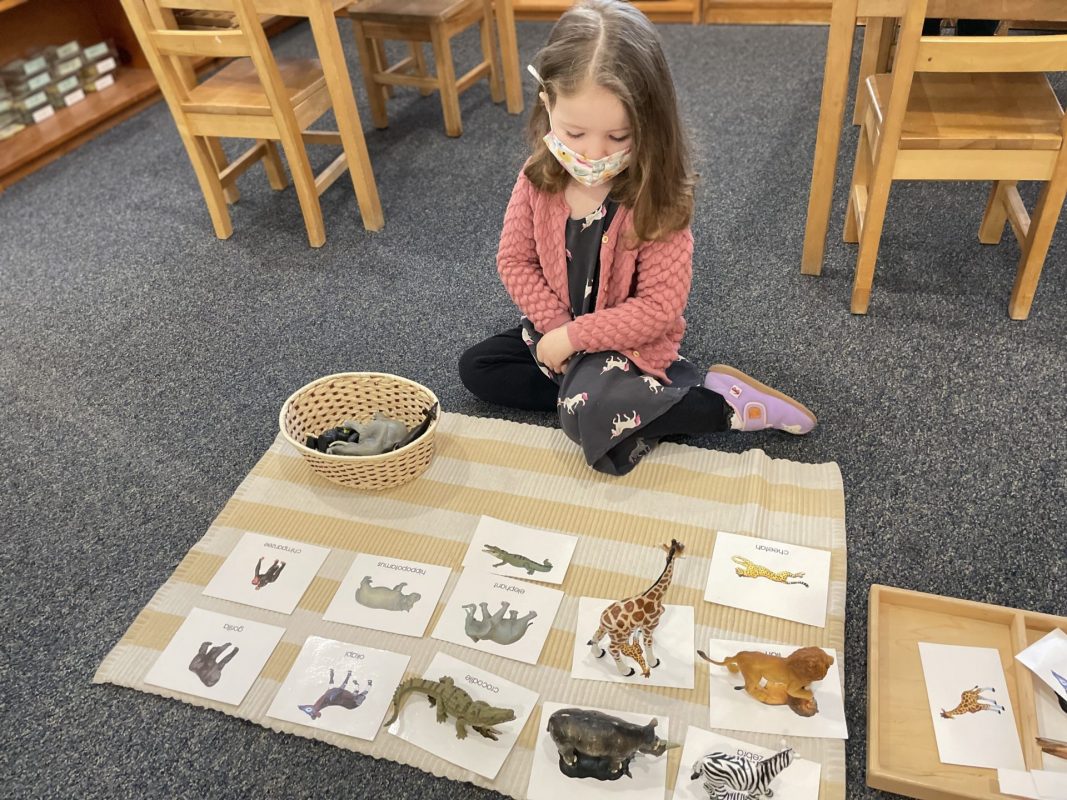
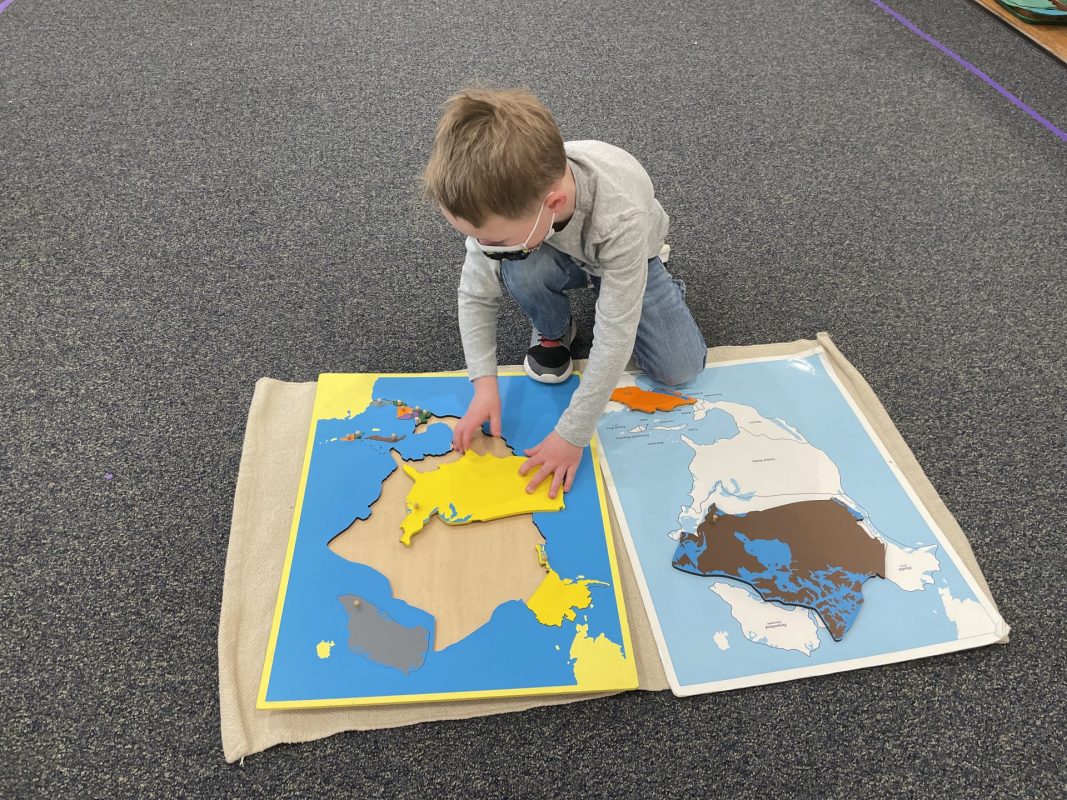
This week we began our continent study of Africa.  Each time we begin a new continent study, we first find the continent on the map.  We then discuss what makes this continent different from the others.  We learned:

  • Africa is the second-largest continent in the world, both in size and population.
  • Both of the world’s tallest and largest land animals come from Africa. They are the giraffe and African elephant, respectively.
  • The world’s longest river — the Nile — and the world’s largest desert — the Sahara — both are home in Africa.
  • The world’s hottest place — Ethiopia — is in Africa, and Africa is the hottest continent on earth.

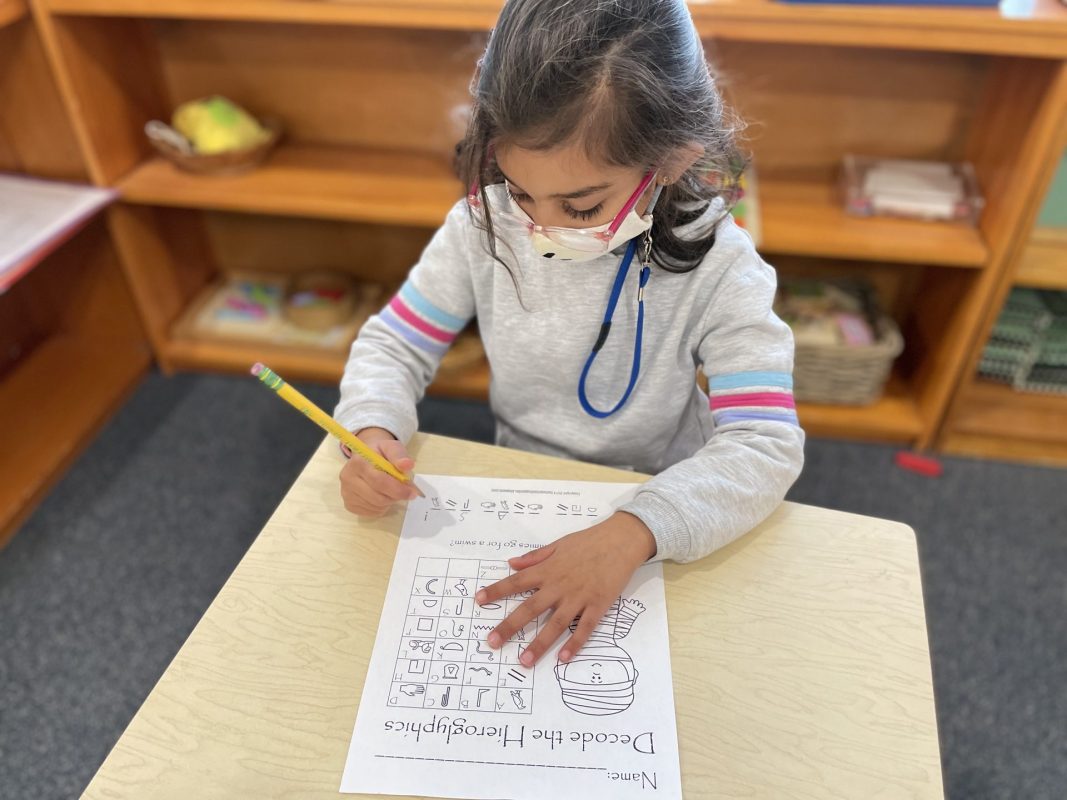
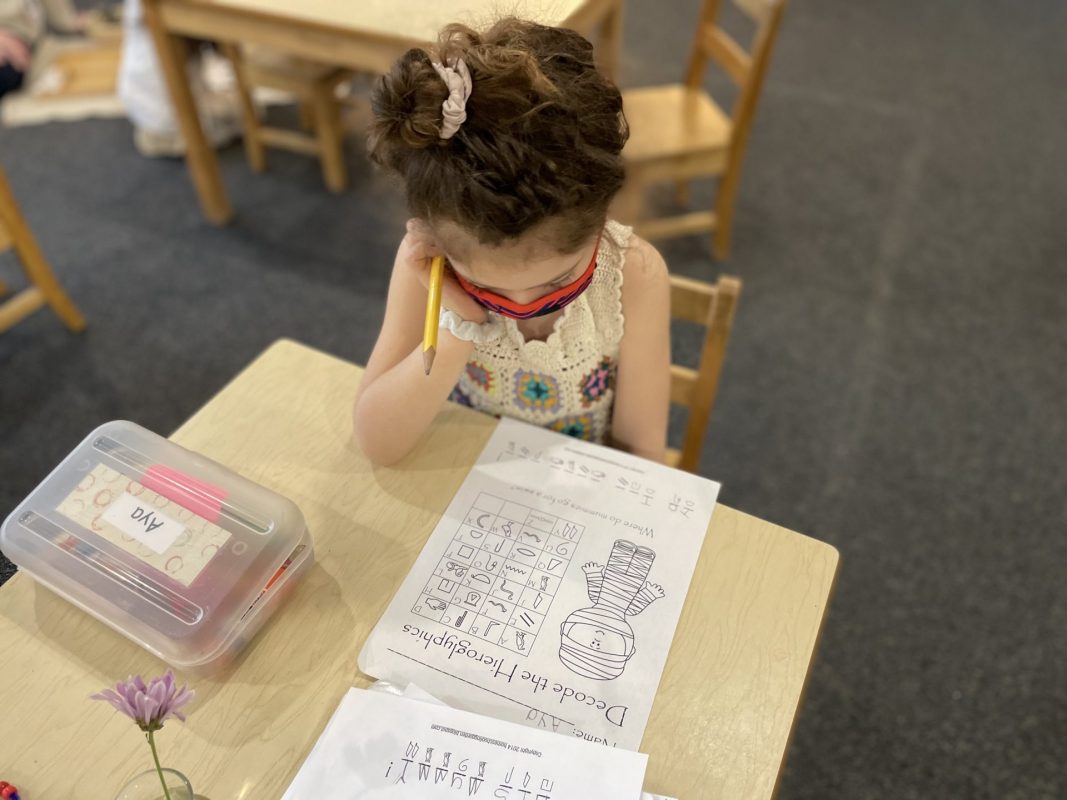
The children enjoyed learning about the interesting animals that live in Africa, the colorful art and music, and we read an African folk tale.  The Kindergarten children learned about Ancient Egypt and their unique form of writing, hieroglyphs.  We will continue to explore Africa next week!

If you have not yet signed up for a time to meet on our virtual Parent/Teacher conference day please take time to do so by clicking the link below. We look forward to “seeing” everyone soon!

Conference Sign Up

Best,

Amanda and Heather


Lower Elementary Researchers

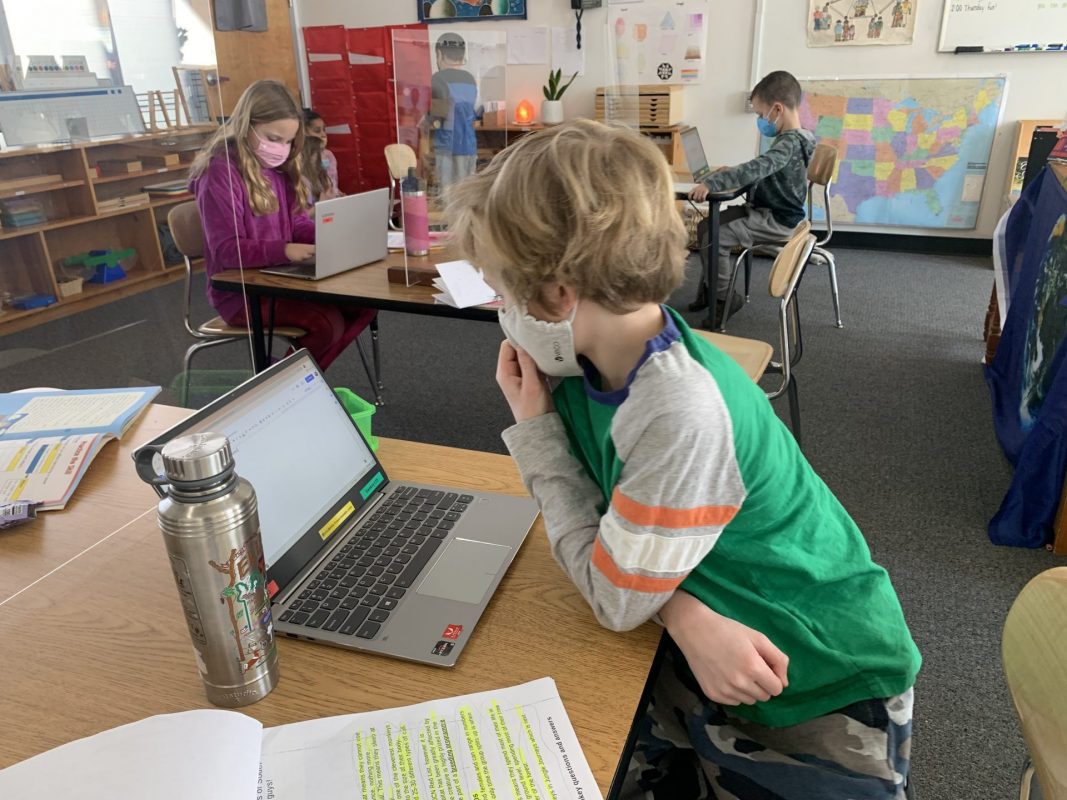
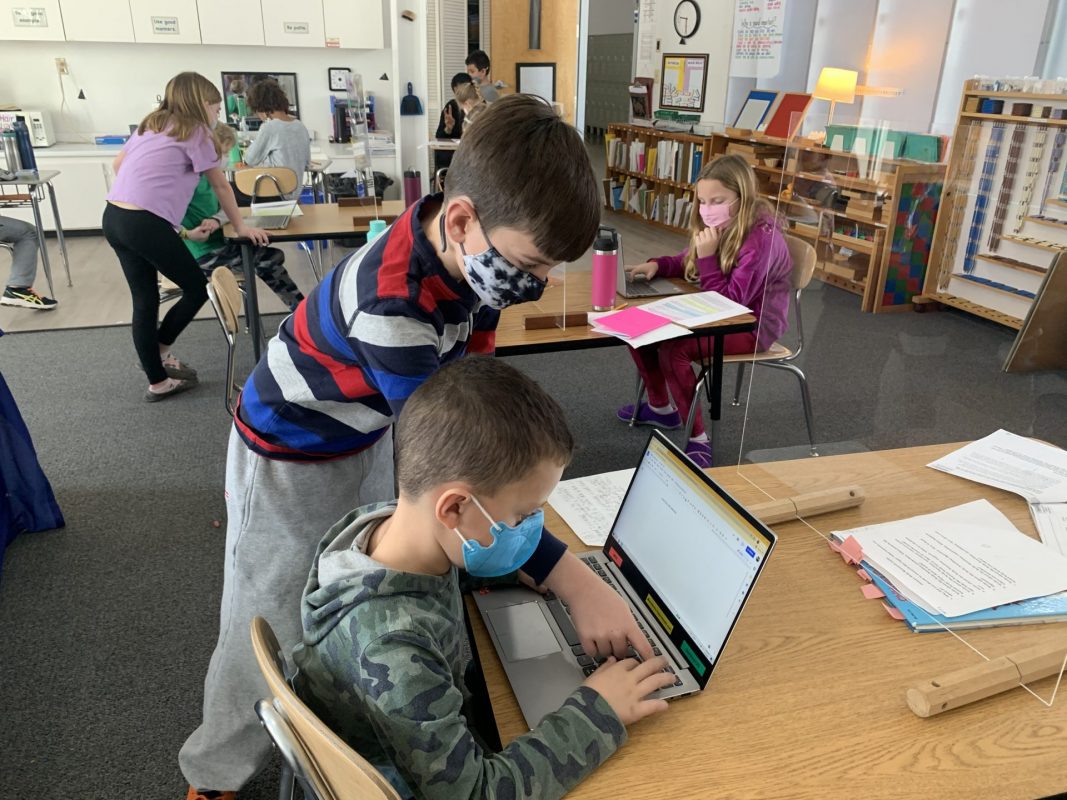
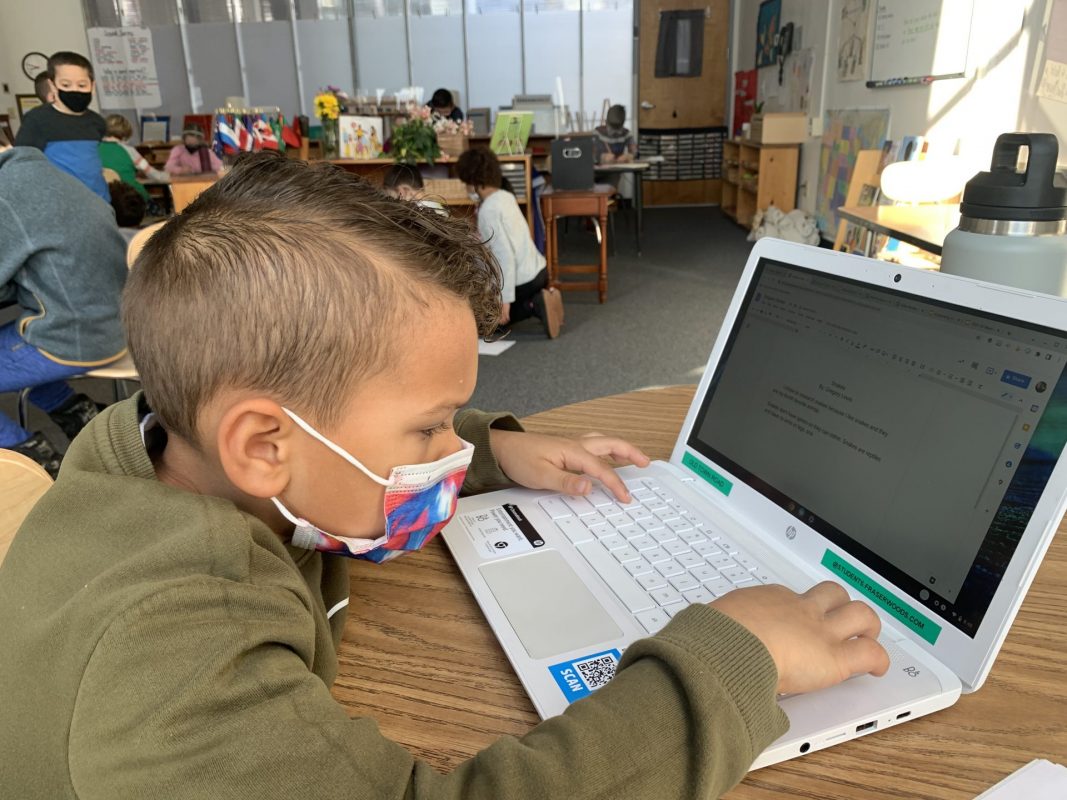
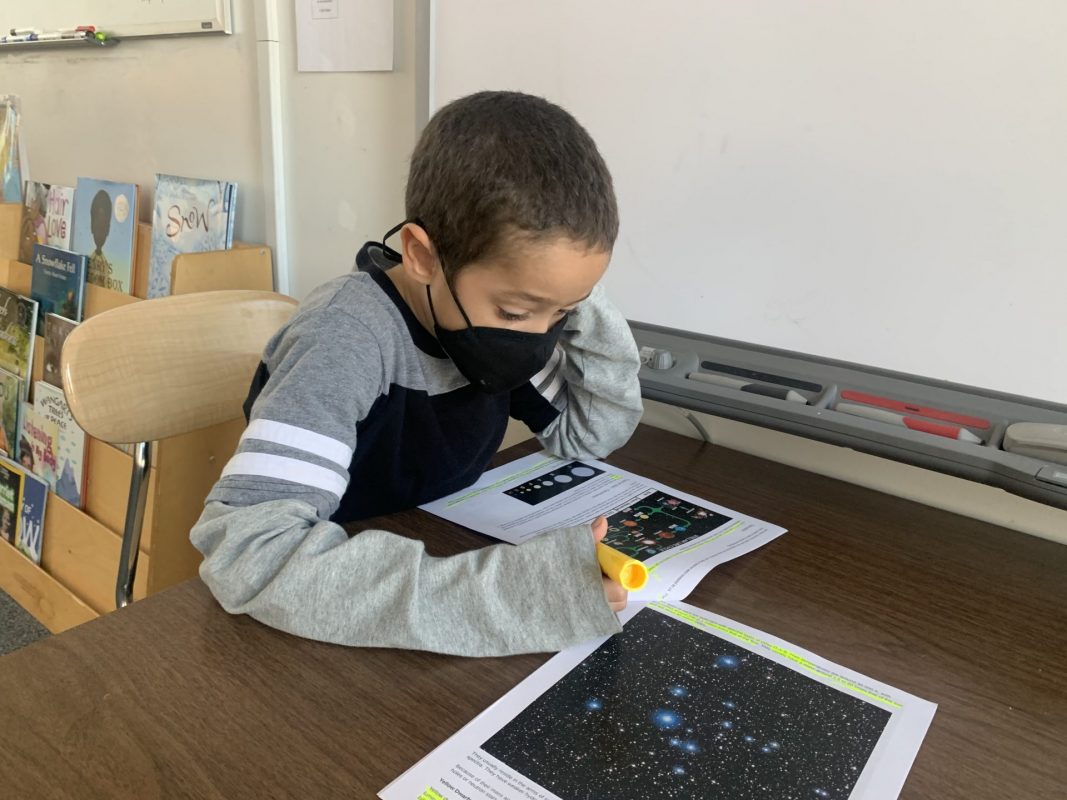
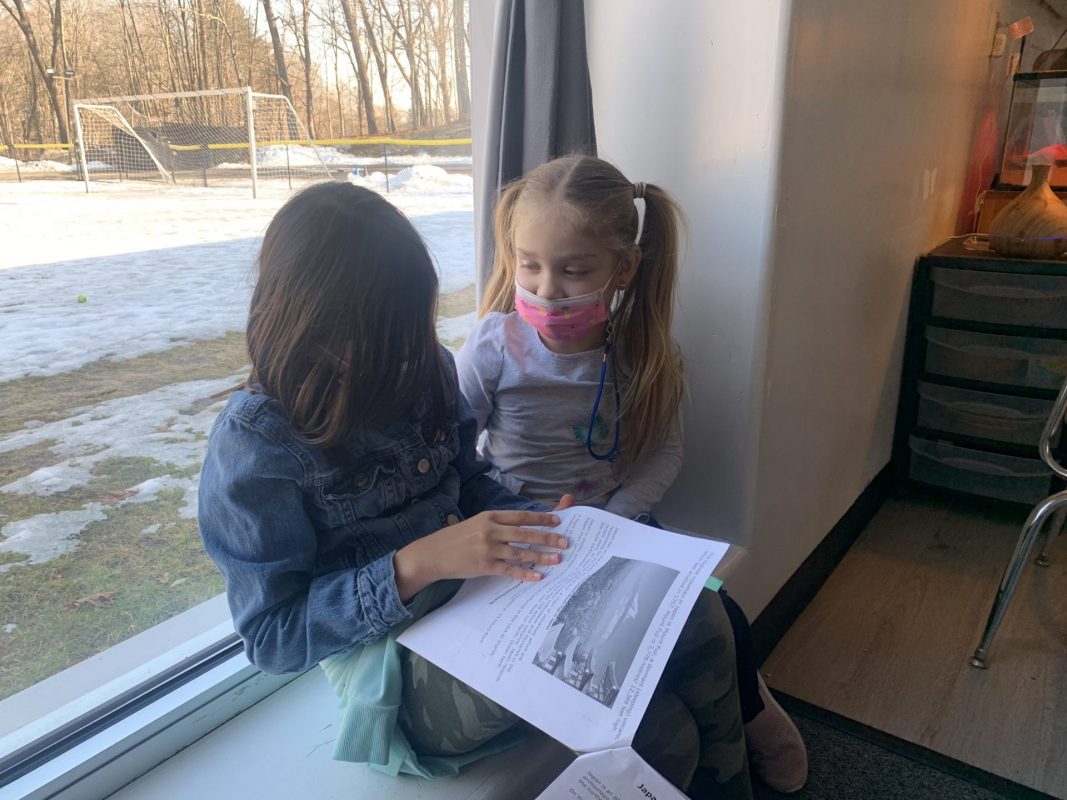
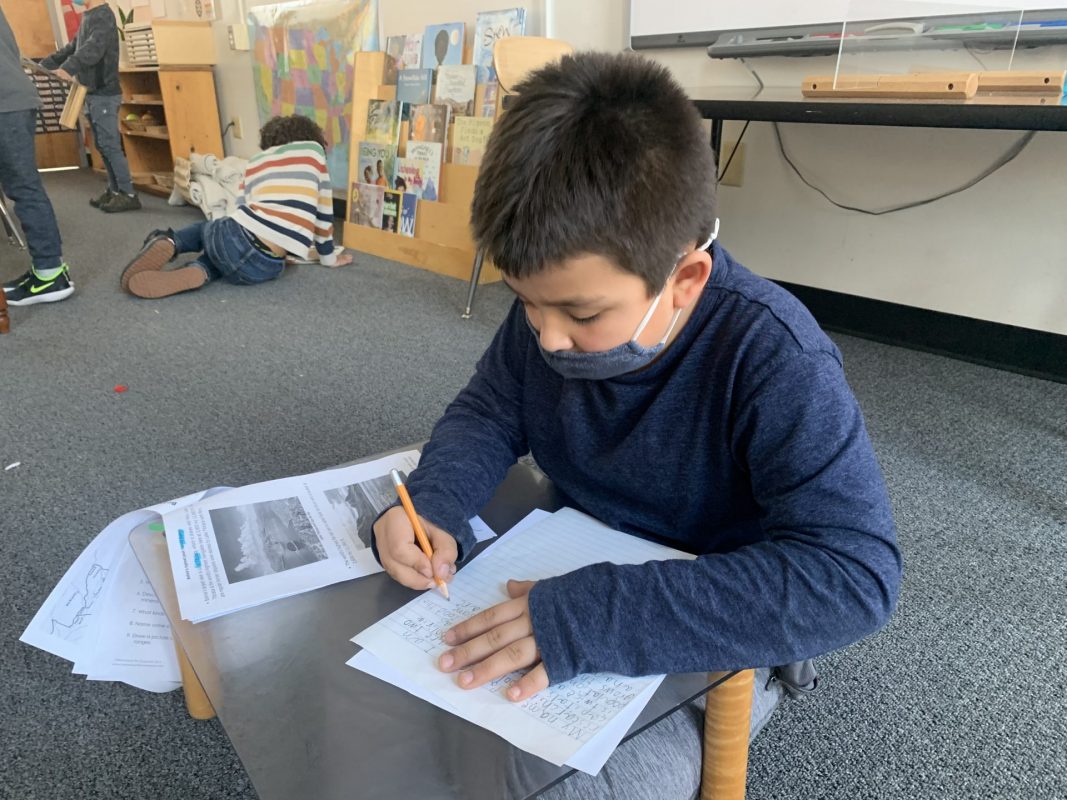
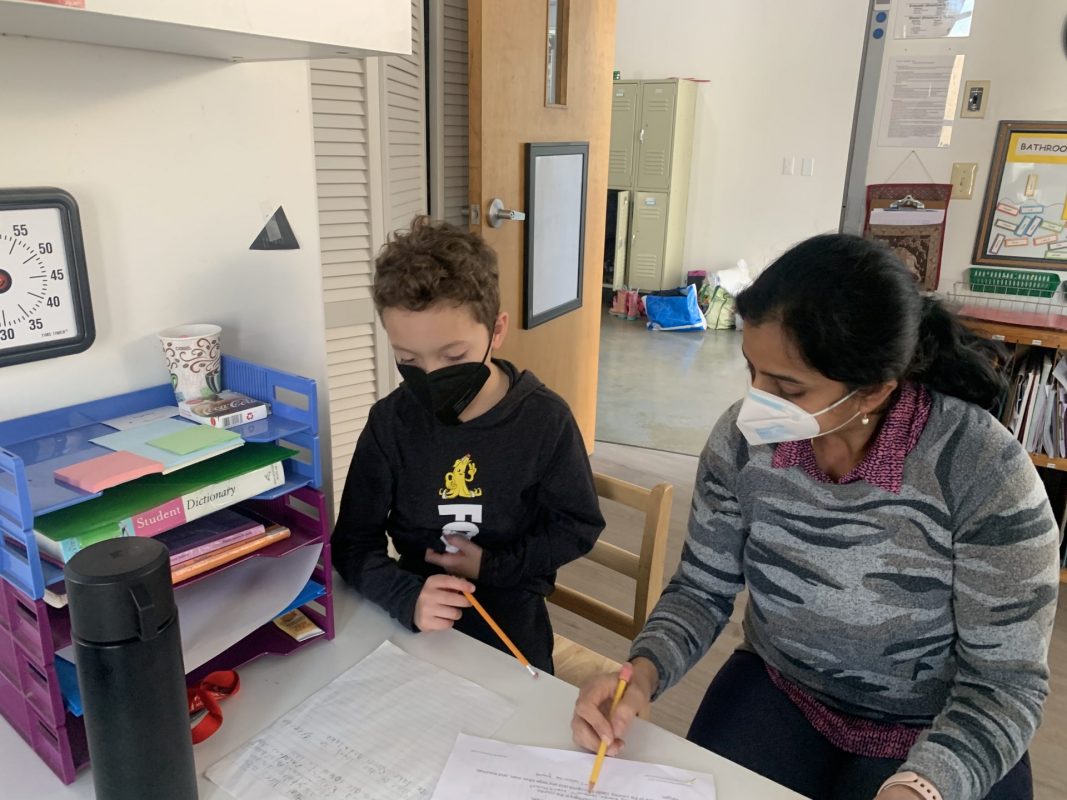
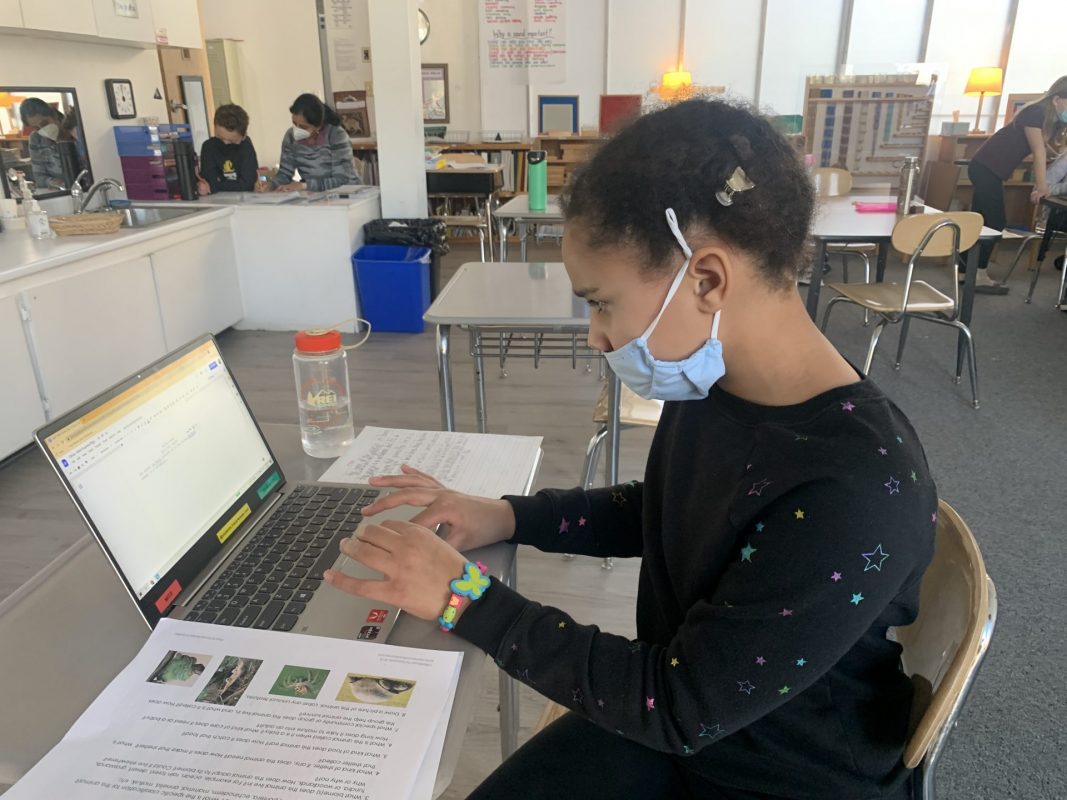
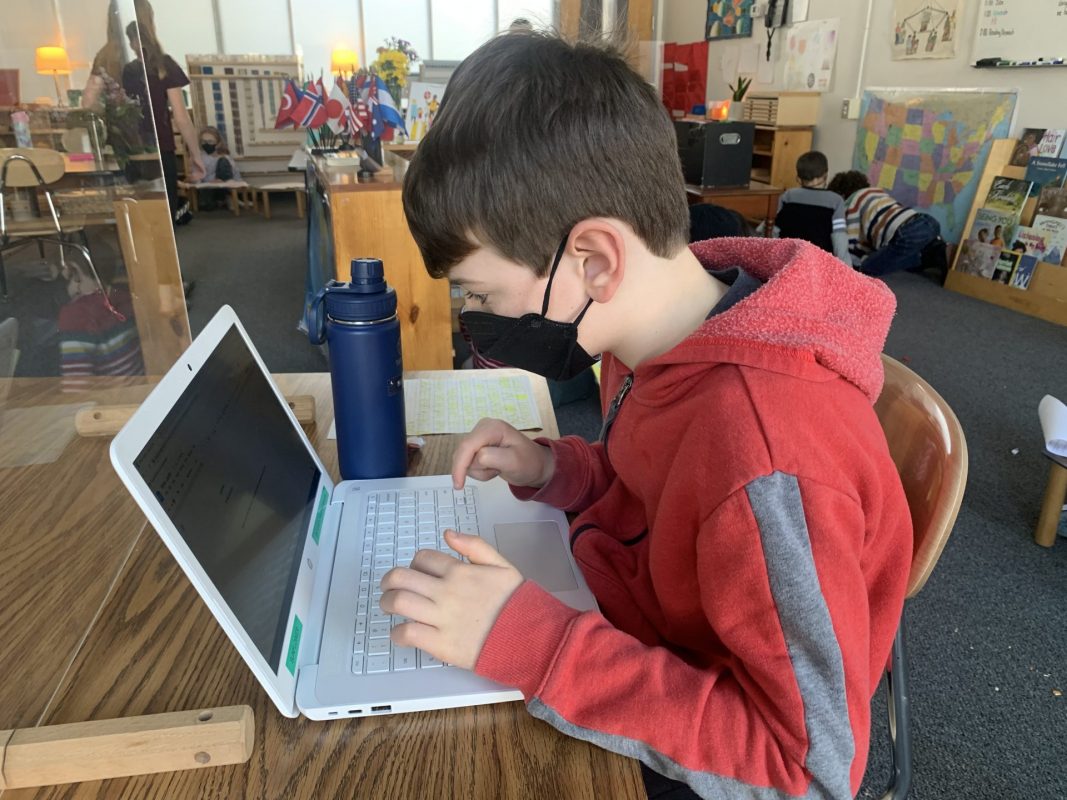
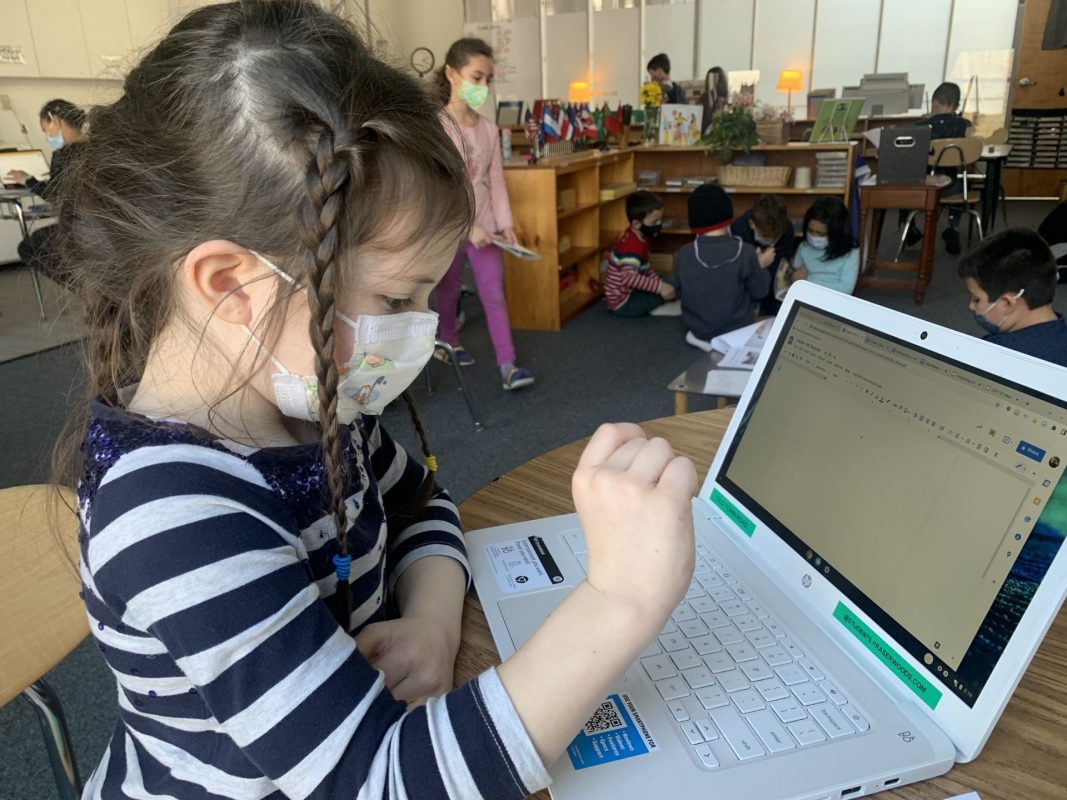
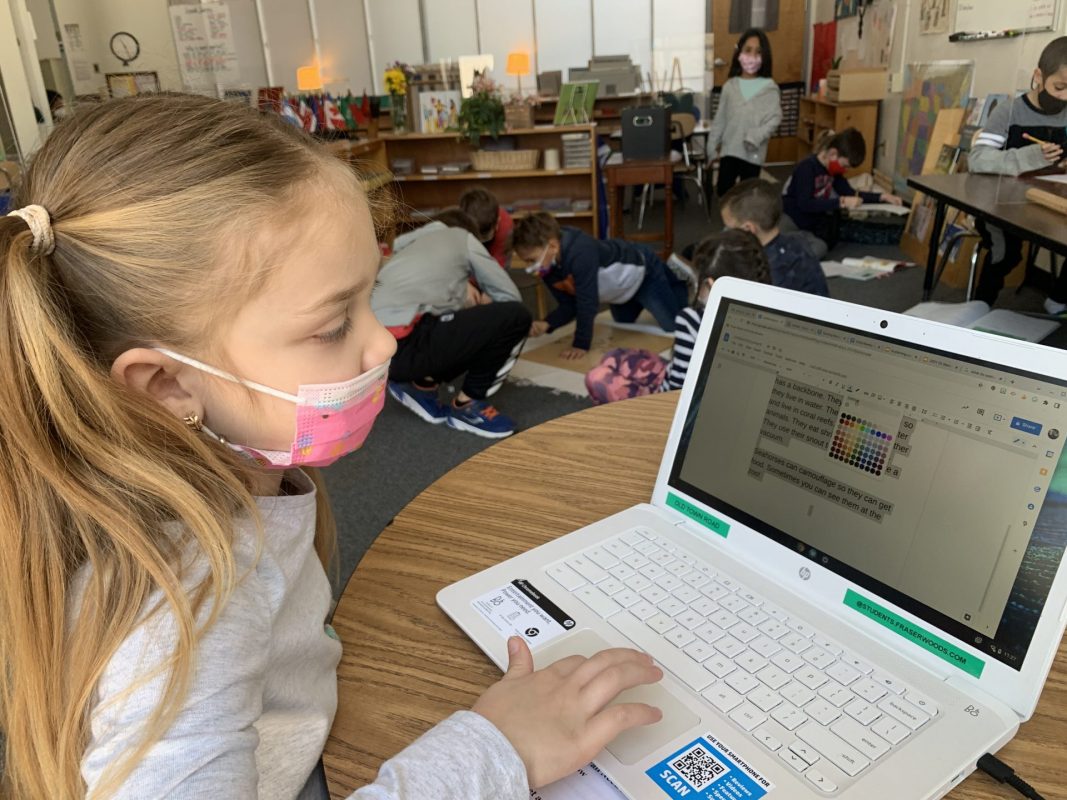
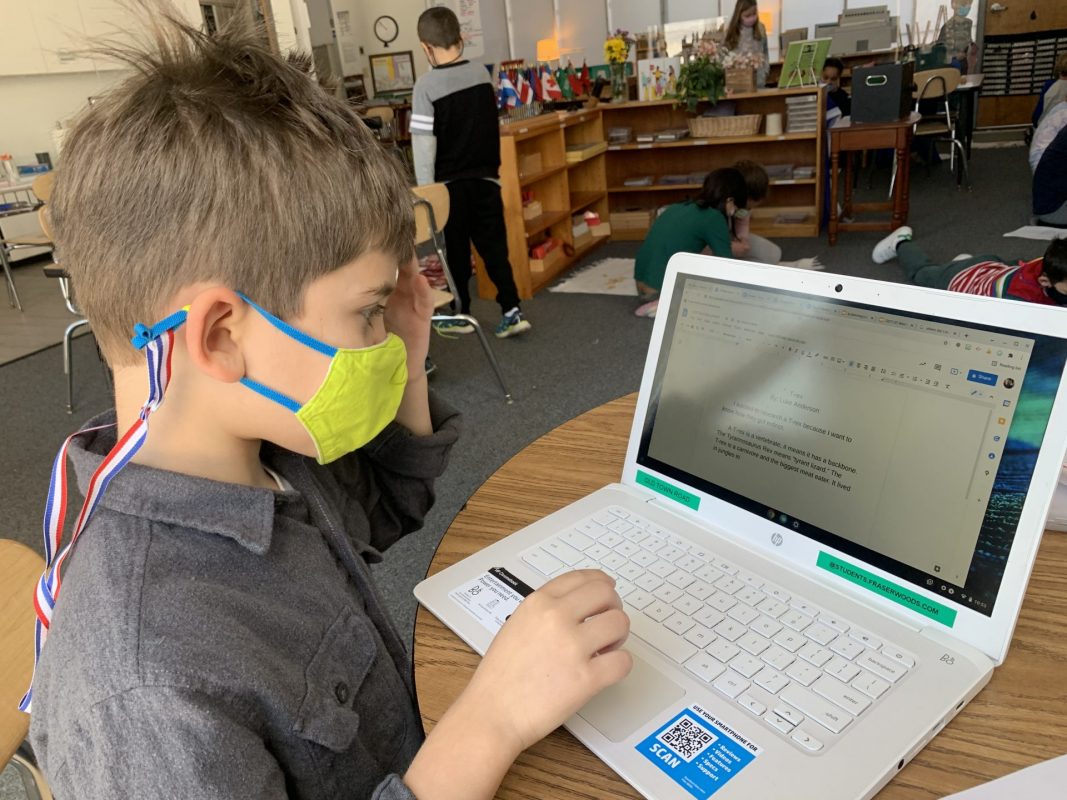
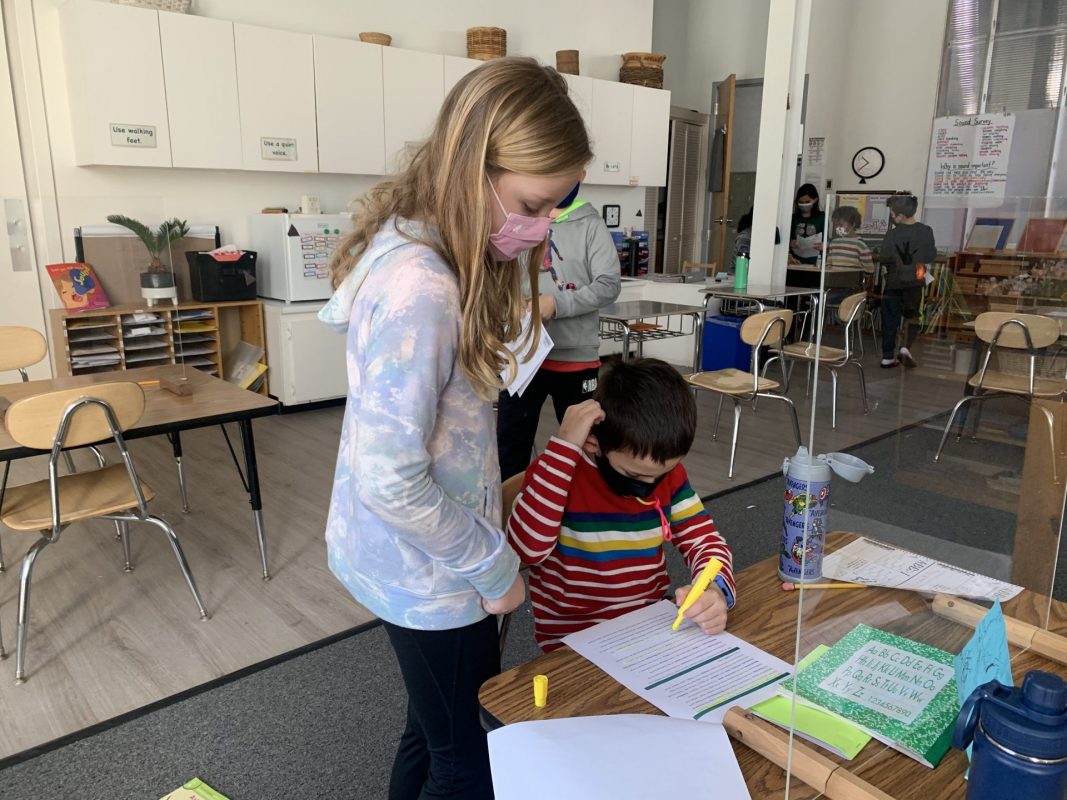
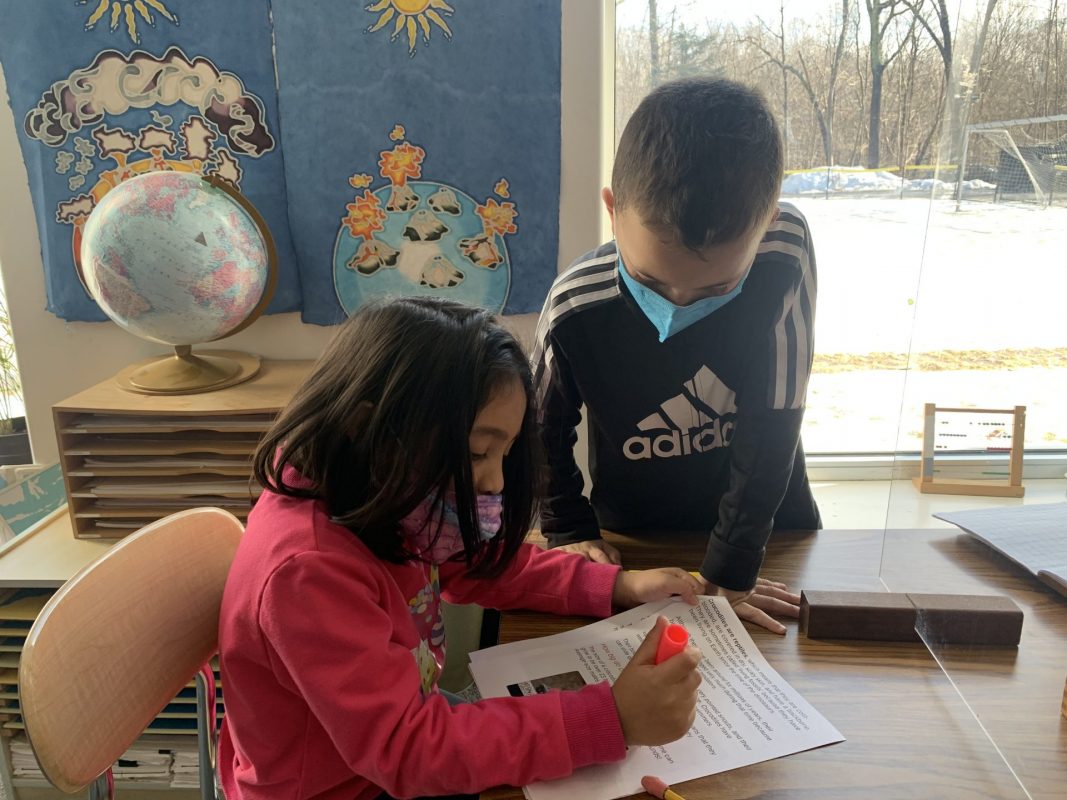
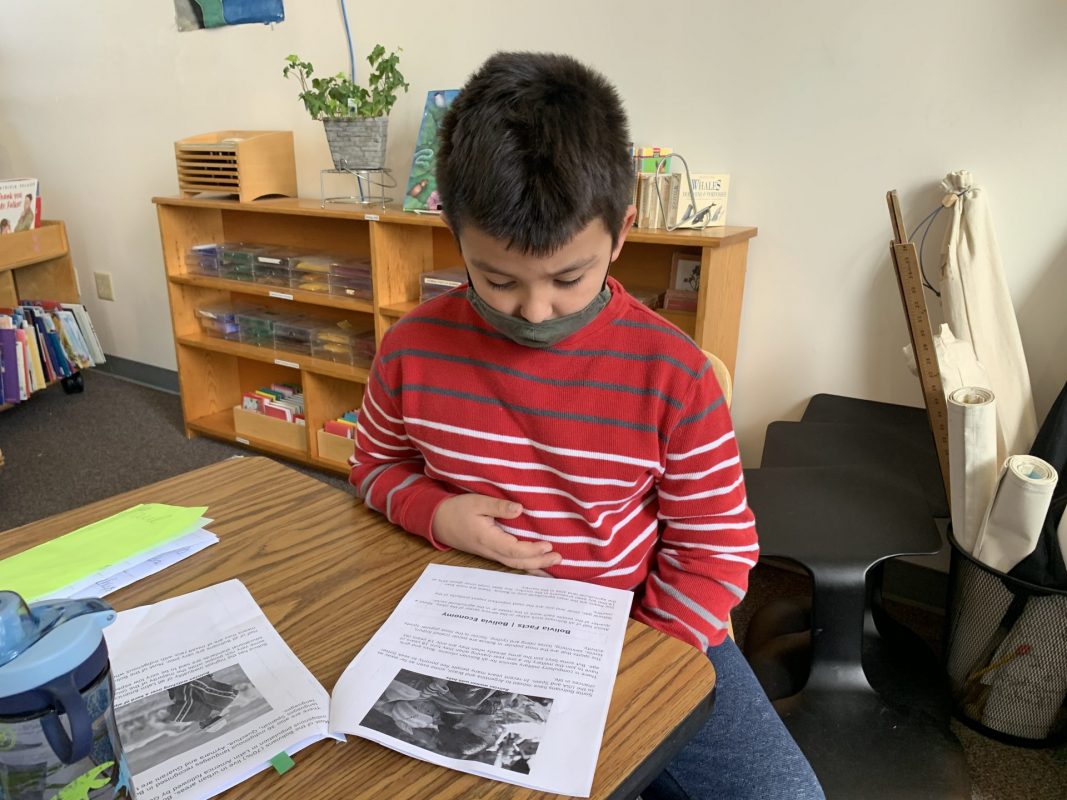
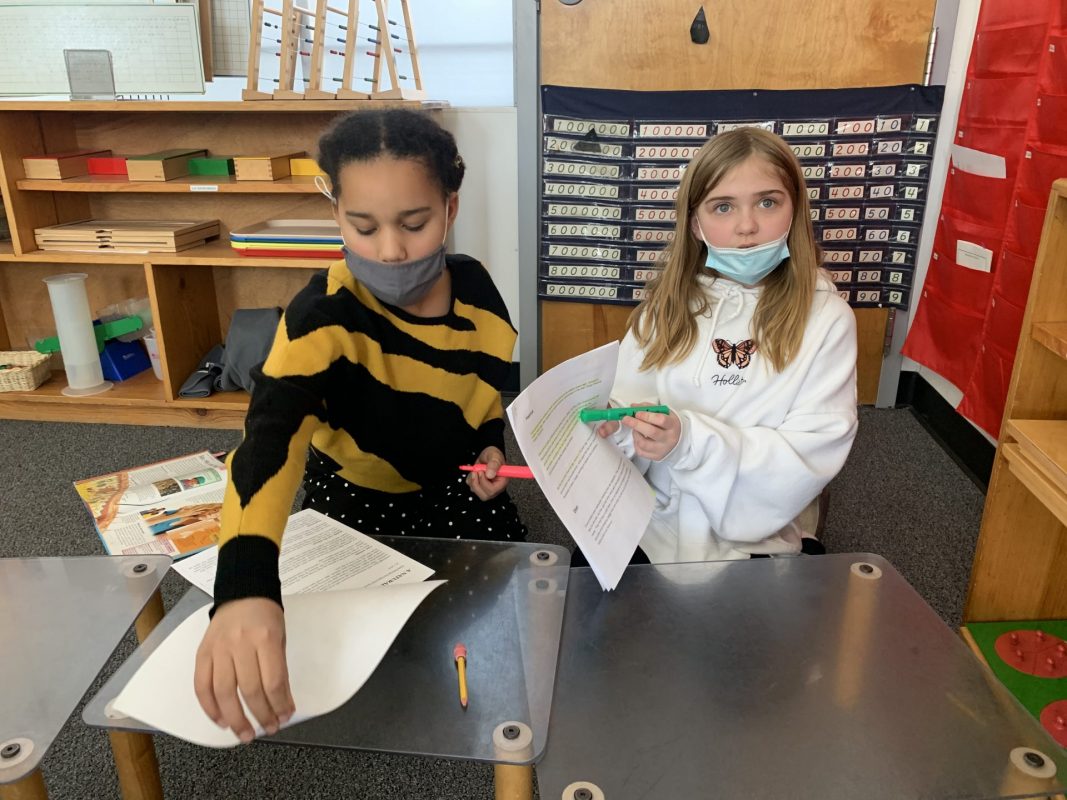
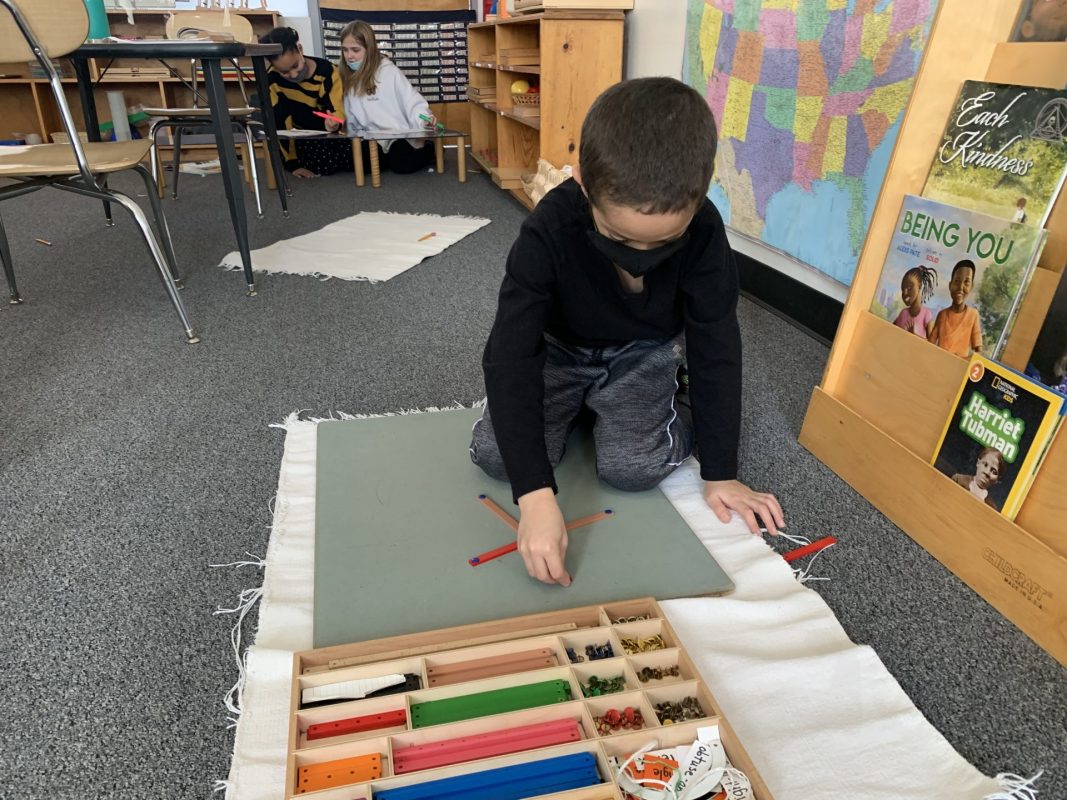
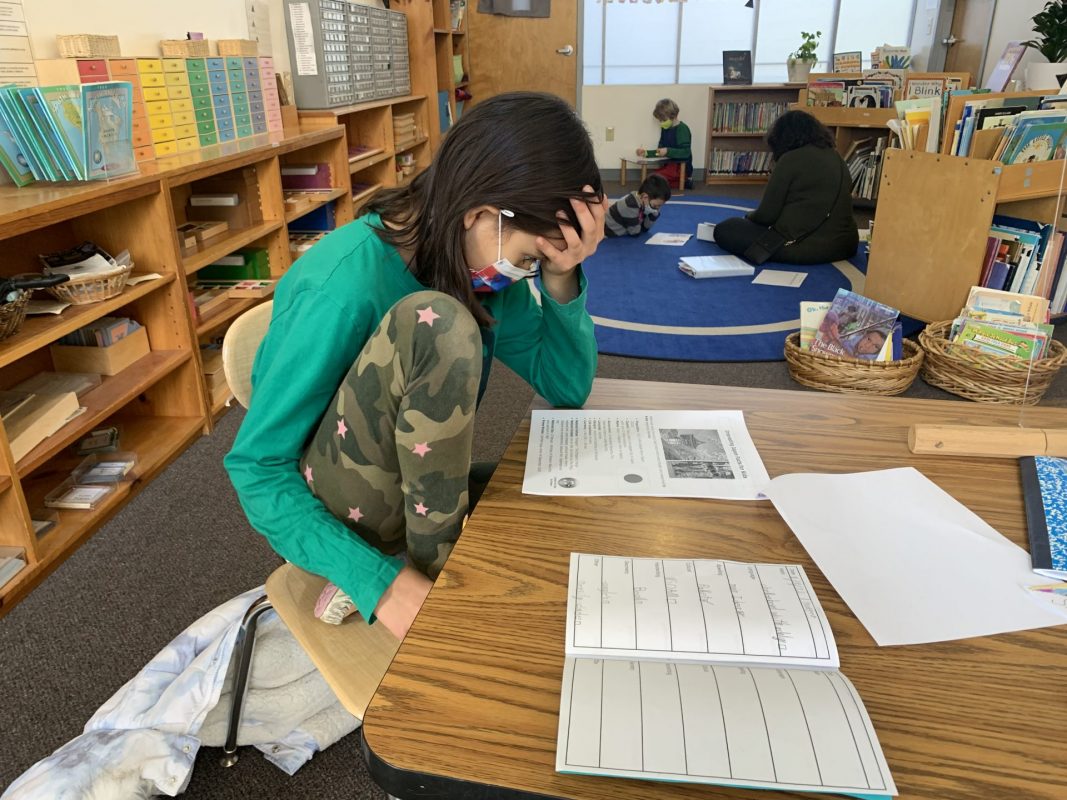
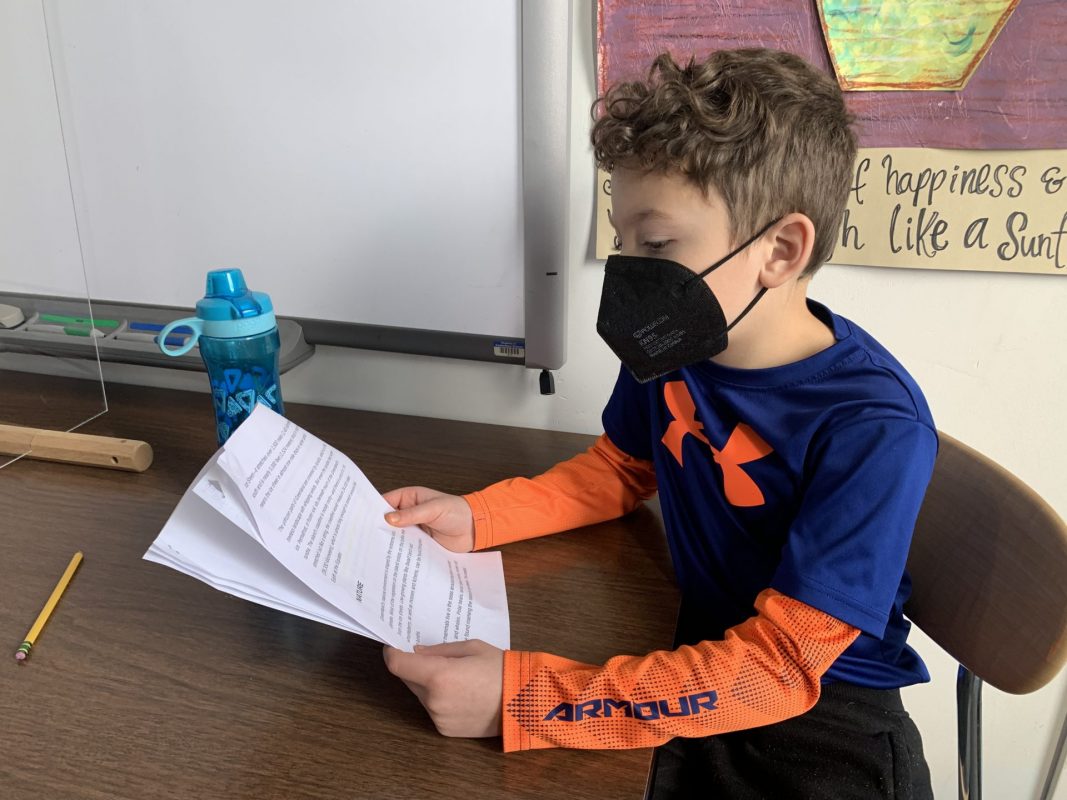
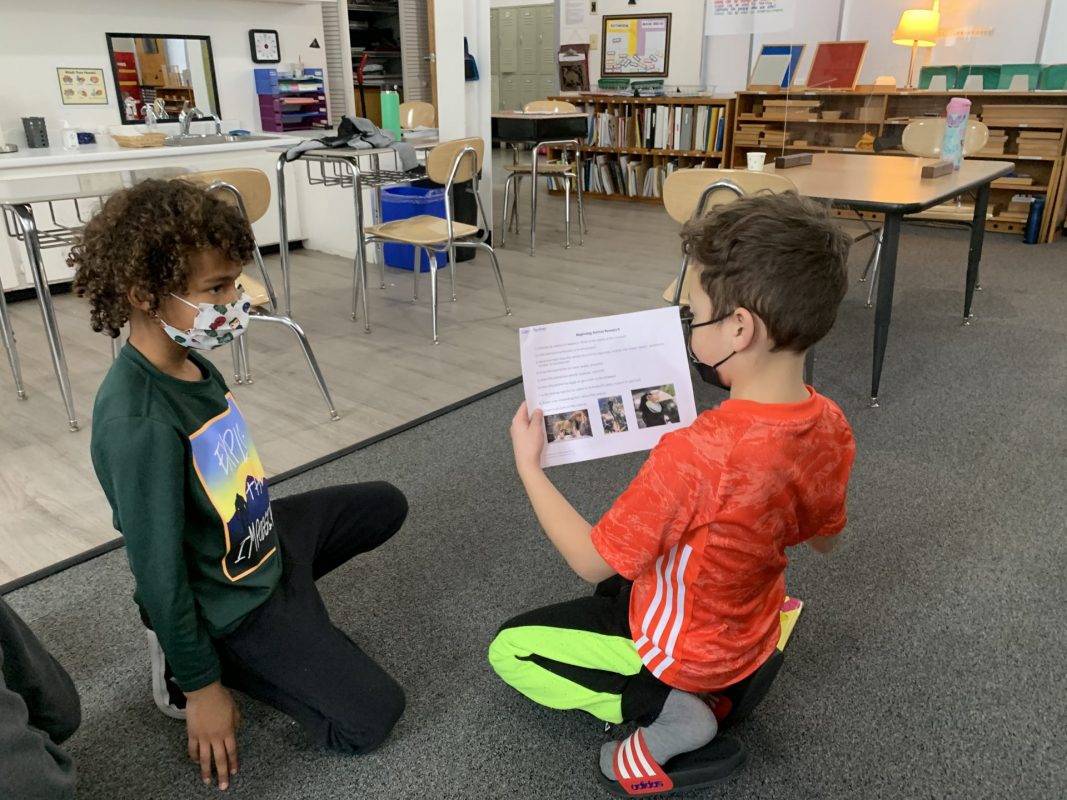
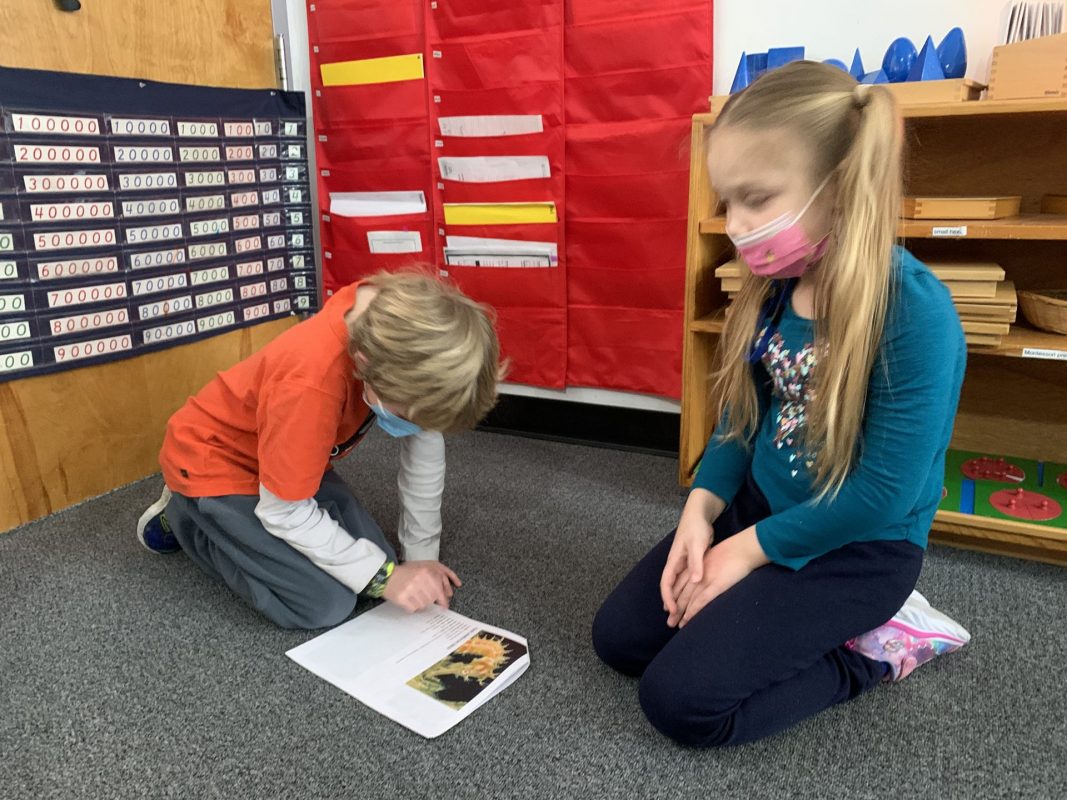
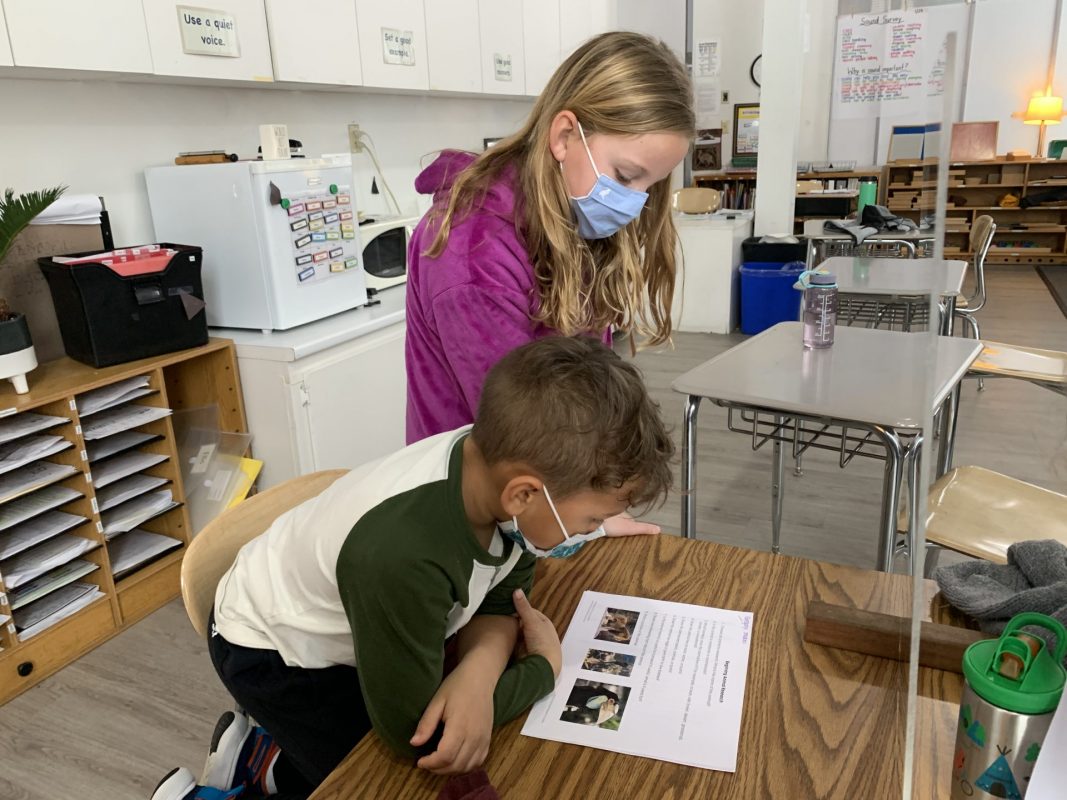
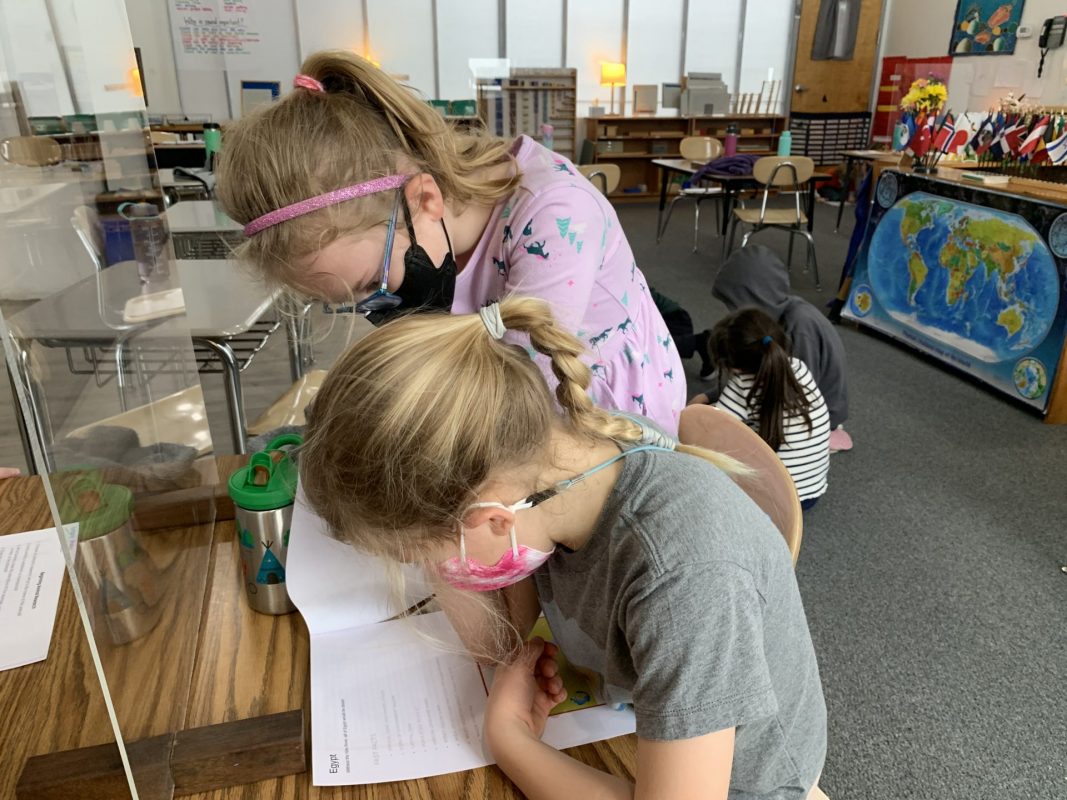
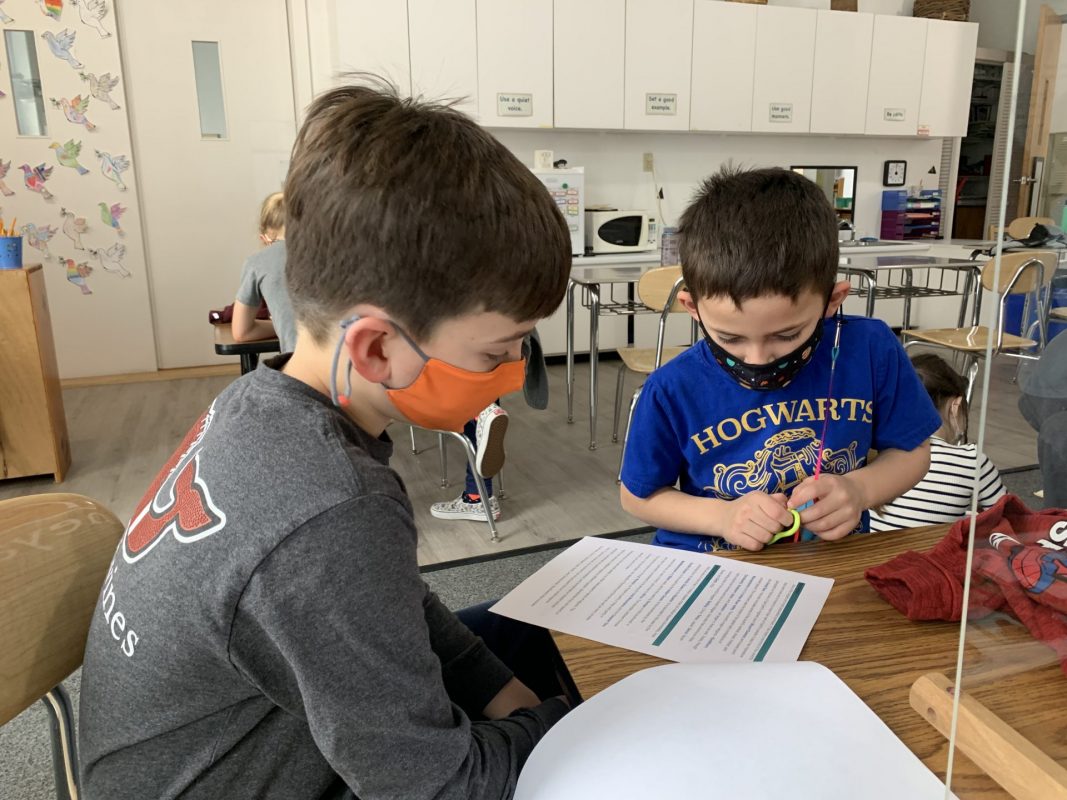
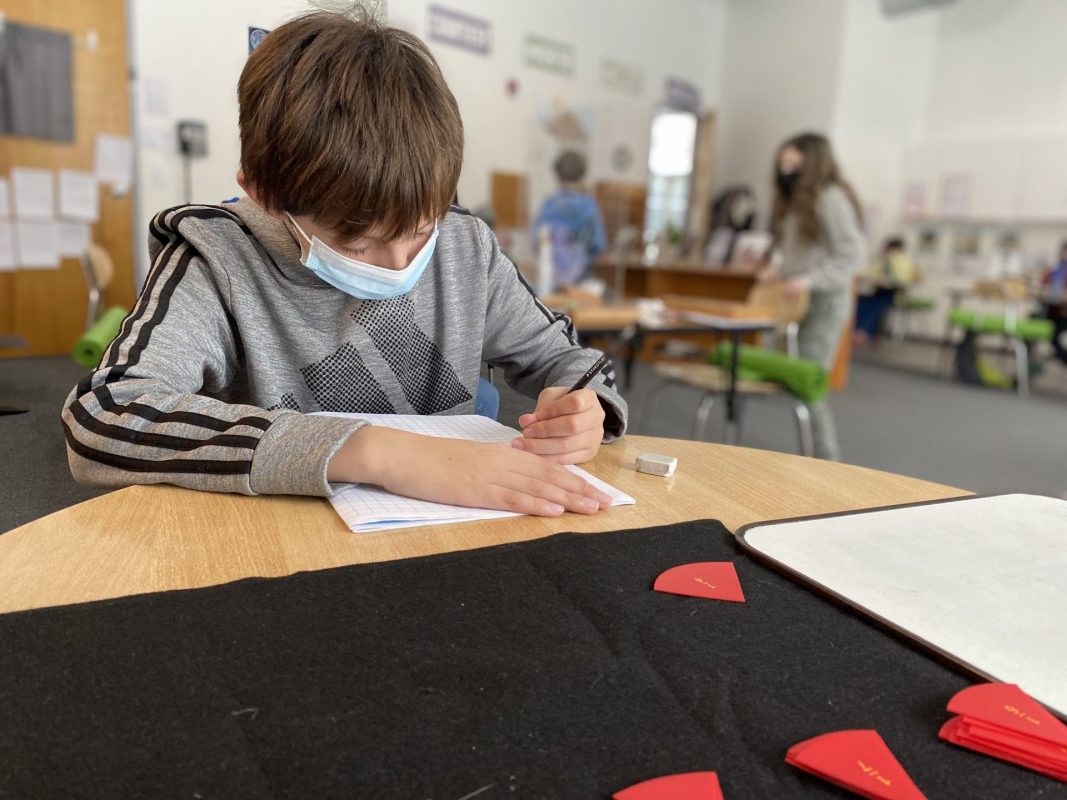
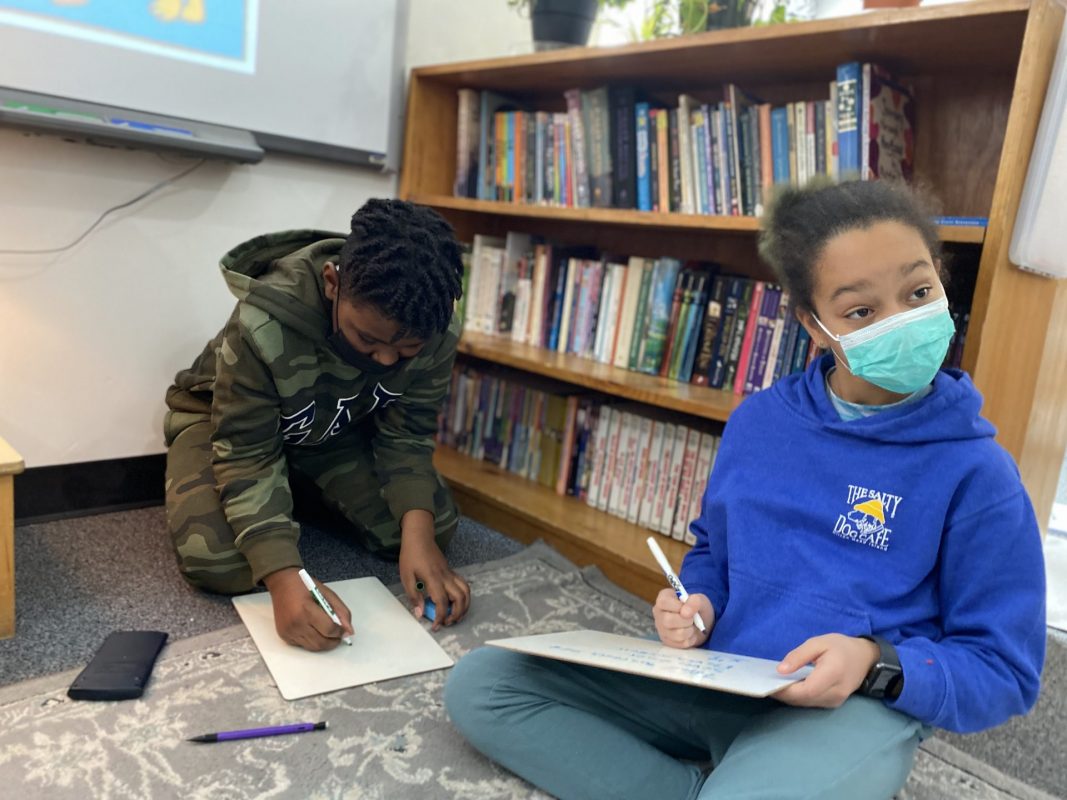
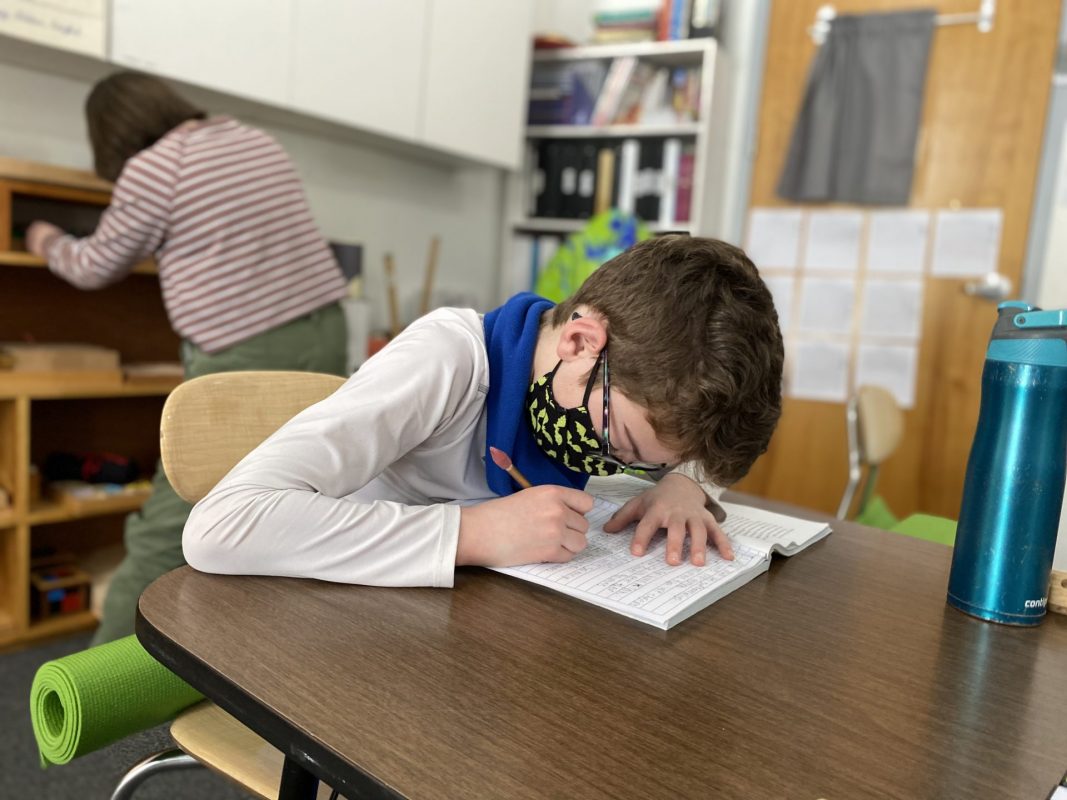
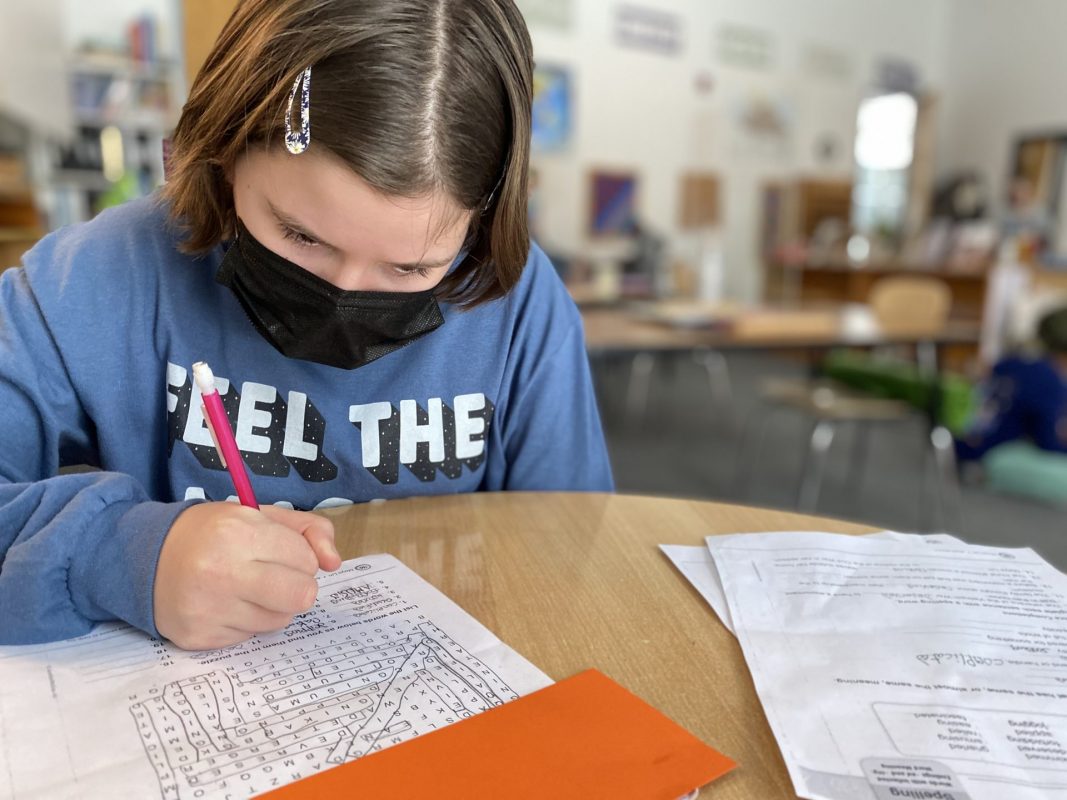
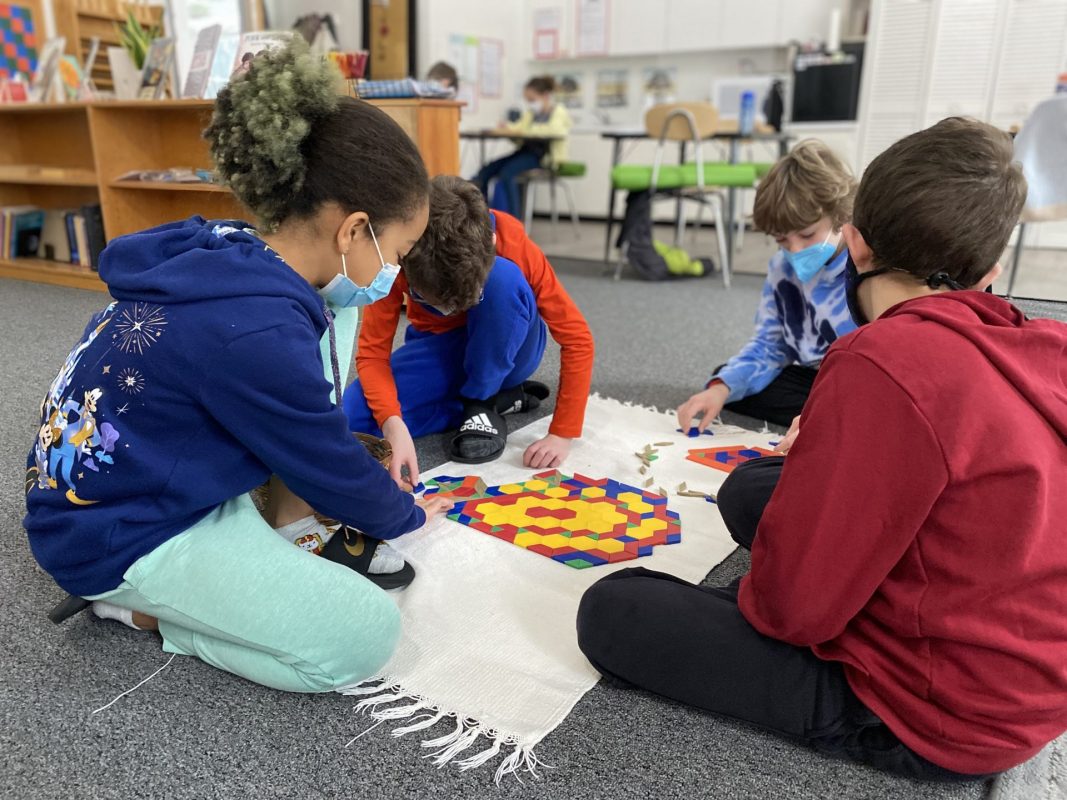
If you walk into our Lower Elementary classroom you will find children working on independent and group research throughout the year. The children absolutely love researching topics of their choice as one of their work options during our work cycle. Although research is a frequent occurrence, this time of year is special because the entire class is focused on one common goal, completing their research projects. This common focus connects us as a class and allows opportunities for the older children to take a mentoring roll and help the younger children who are new to research.

The third graders did an outstanding job mentoring the younger children and teaching them about the research process. Each child was patient, kind, and very helpful as the younger children got acclimated to the new process.

The children are exhilarated to share their research projects and posters with their classmates and families within the next couple of weeks!


Why Montessori Matters

If you talk to a Montessori teacher, you are going to hear a song of praise for the Montessori Method. Montessori teachers are inspired and passionate about the work they do. I always say Montessori bestows gifts upon learners that you can’t find in any other learning environment.

If I had to choose, I would start with this: A Montessori education allows for children to work, develop and learn at their own individual pace. Teachers present lessons, activities and materials that build upon the child’s skill set—children progress in their development as an individual. In addition, these materials, used independently by the children, provide students with the opportunity to develop their concentration and coordination in addition to academic learning.

A Montessori education offers enhanced social interaction. Have you ever noticed the way children are fascinated by what their peers are doing? Montessori capitalizes on that by grouping children of different ages together in the same learning environments to encourage children to learn from one another, teach one another, and develop important life skills such as inclusion and acceptance.

Montessori fosters independence. Since part of the learning process is self-directed, children gain a sense of independence and confidence in their abilities, they learn to manage themselves and think independently.

Montessori cultivates a love of learning; meaning learners remain curious about the people and the world around them and view learning as an enjoyable life-long process rather than a task that ends when a school bell rings.

Montessori is inclusive of children with different learning profiles. Because children are grouped with peers of different ages and have the same teacher for three years at a time, students feel less pressure to keep up with their peers and more freedom to learn and grow at their own pace. Your child’s Montessori teacher presents a lesson that may have every student’s name on it, but with different goals and expectations for each child’s unique learning style.

With Parent-Teacher Conferences coming up on Thursday 2/17, spend time with your child’s teacher and explore why Montessori matters to you and your child.


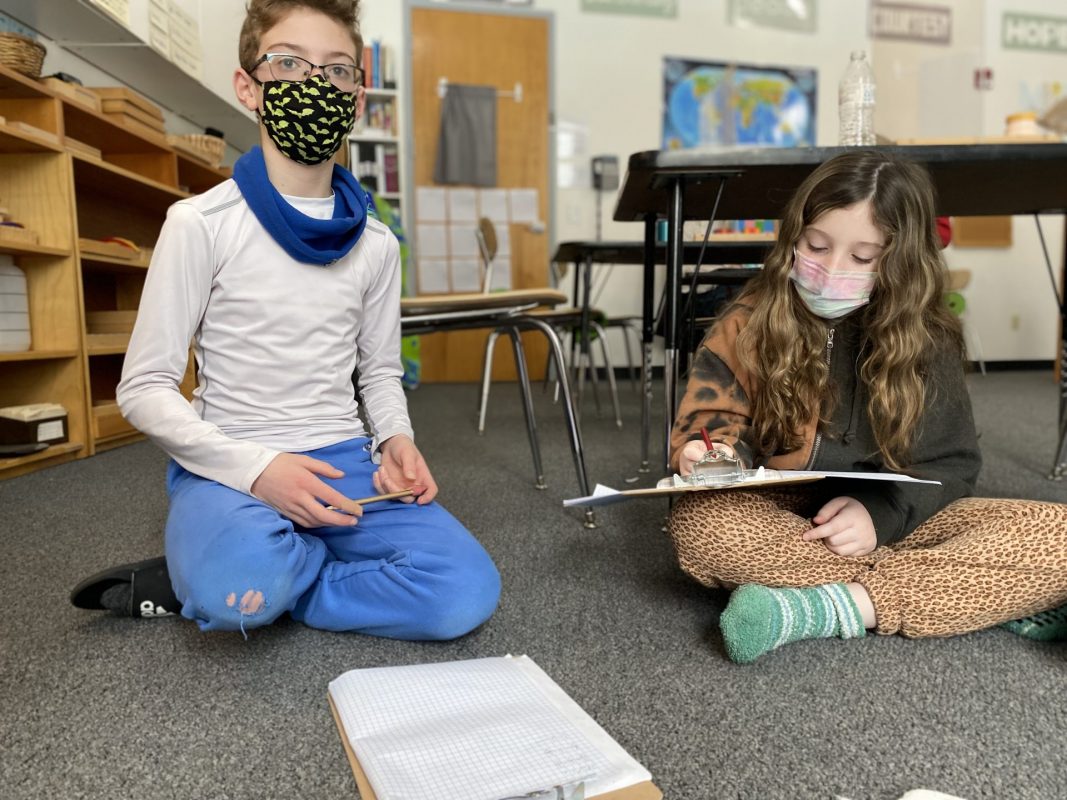
Upper El Mathematicians

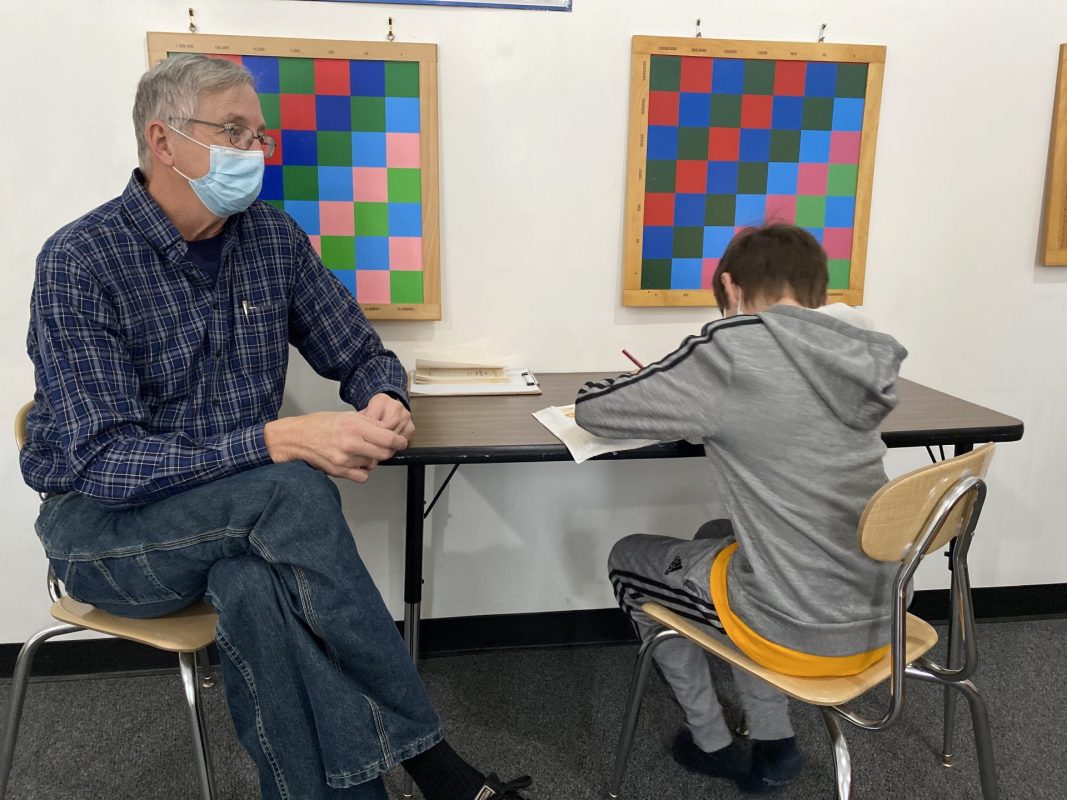
We welcomed a new friend to our class this week! Jim Reagelan is a retired elementary Montessori teacher who is certified in Lower Elementary and is an experienced assistant in Upper Elementary. He will join us during work cycle two to three days a week to help where needed. We are fortunate to have Jim’s help and the students are already enjoying having the extra attention during work cycle.

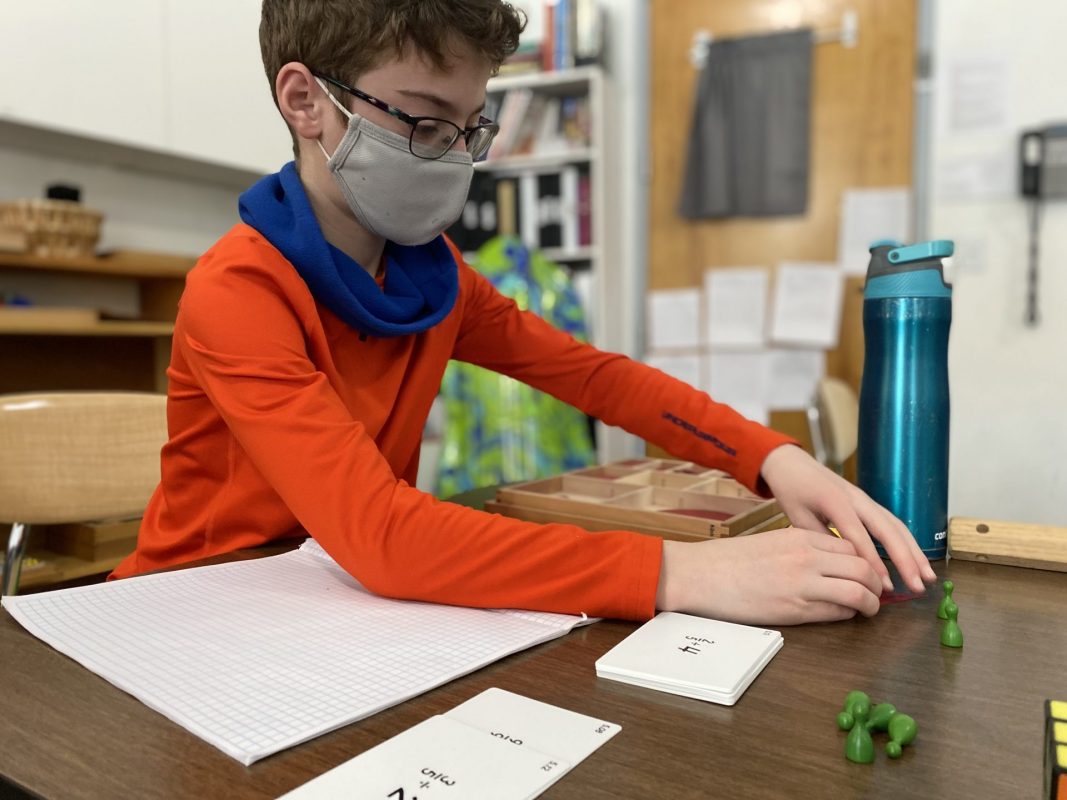
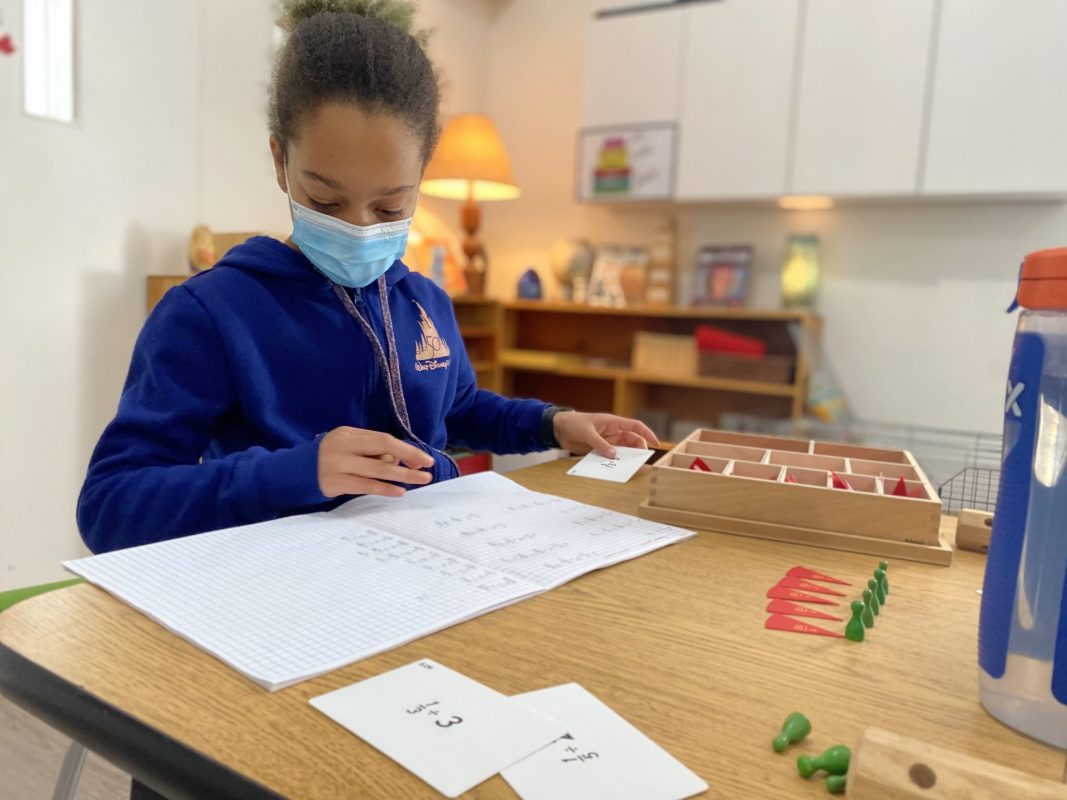
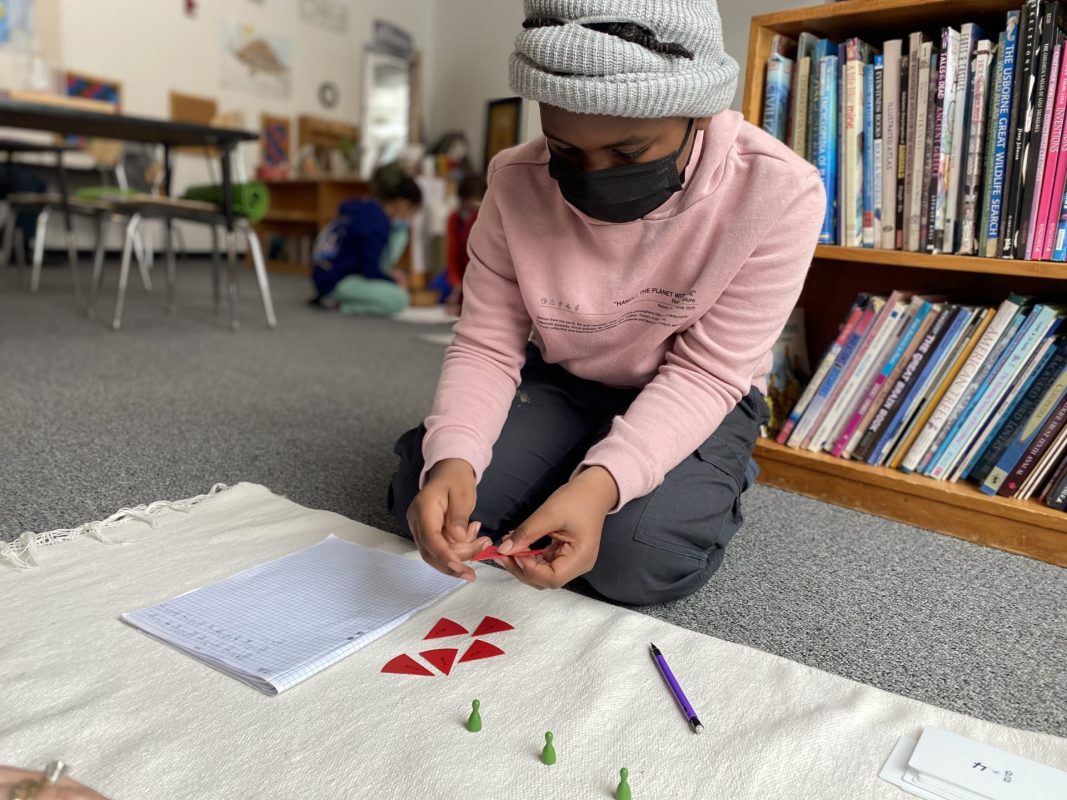
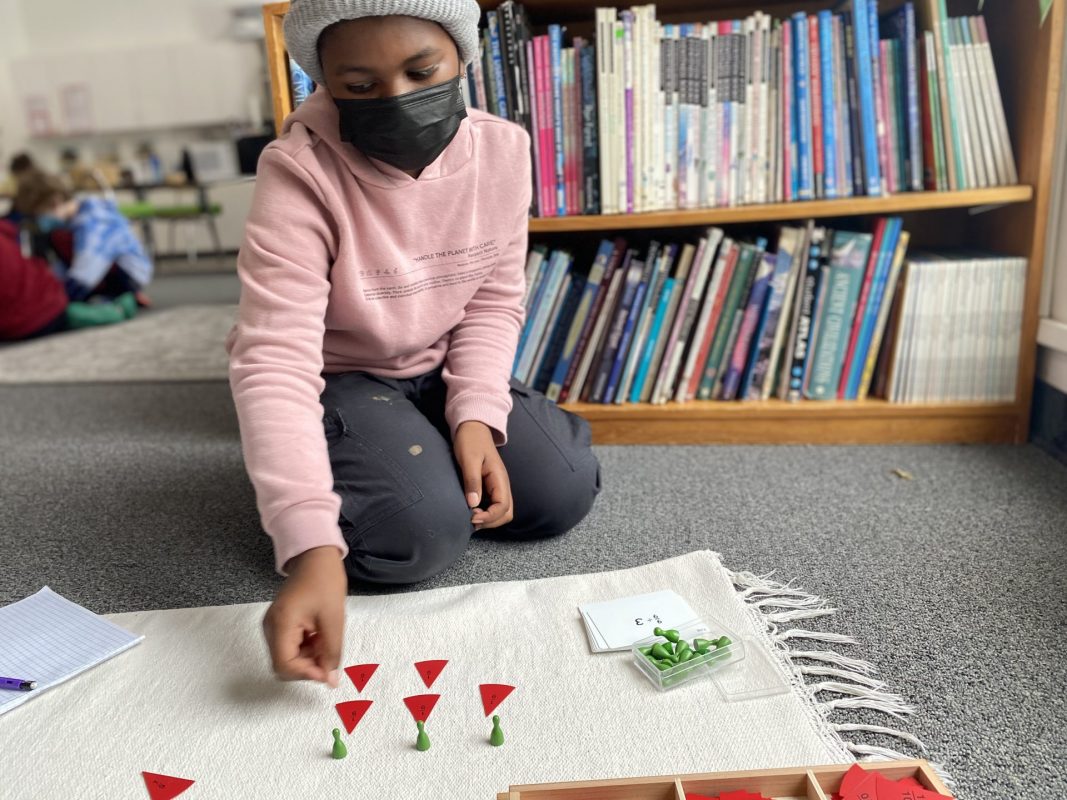
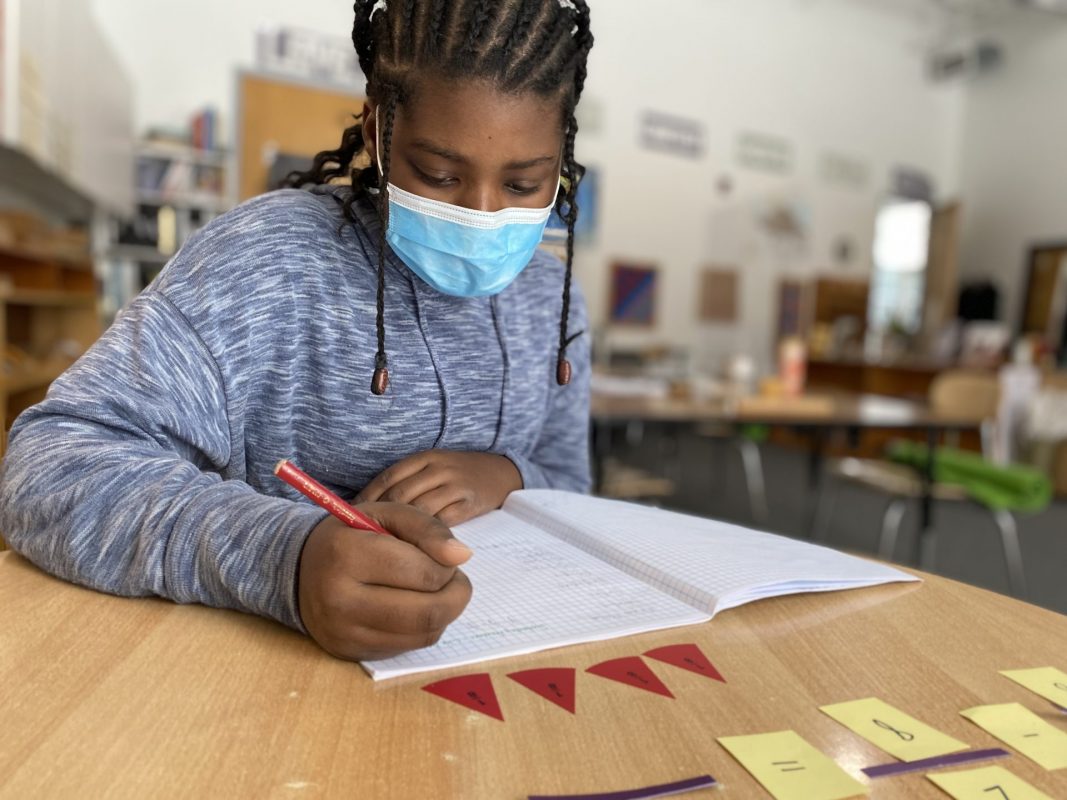
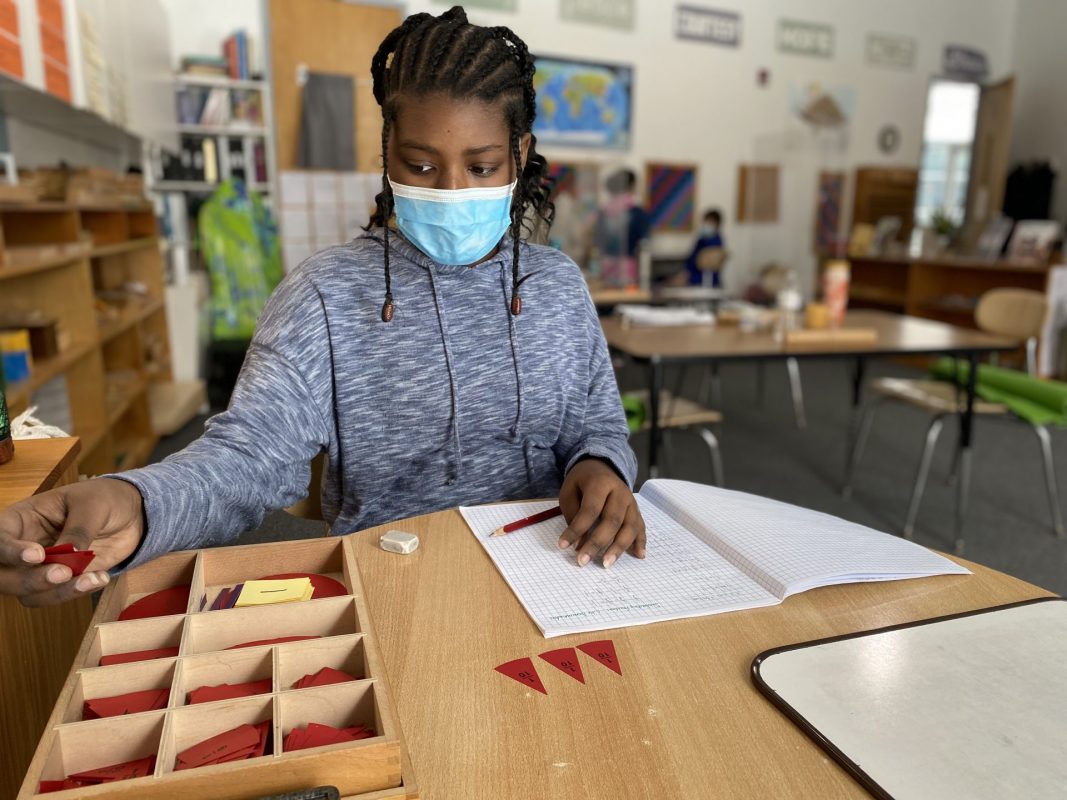
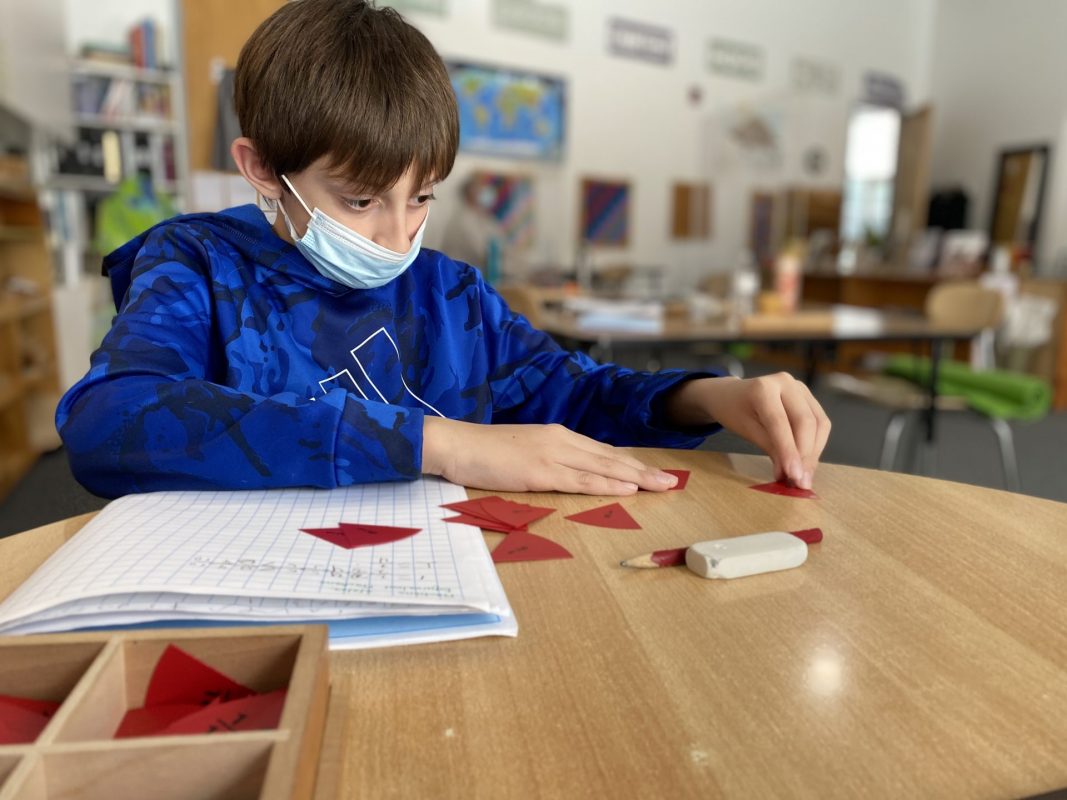
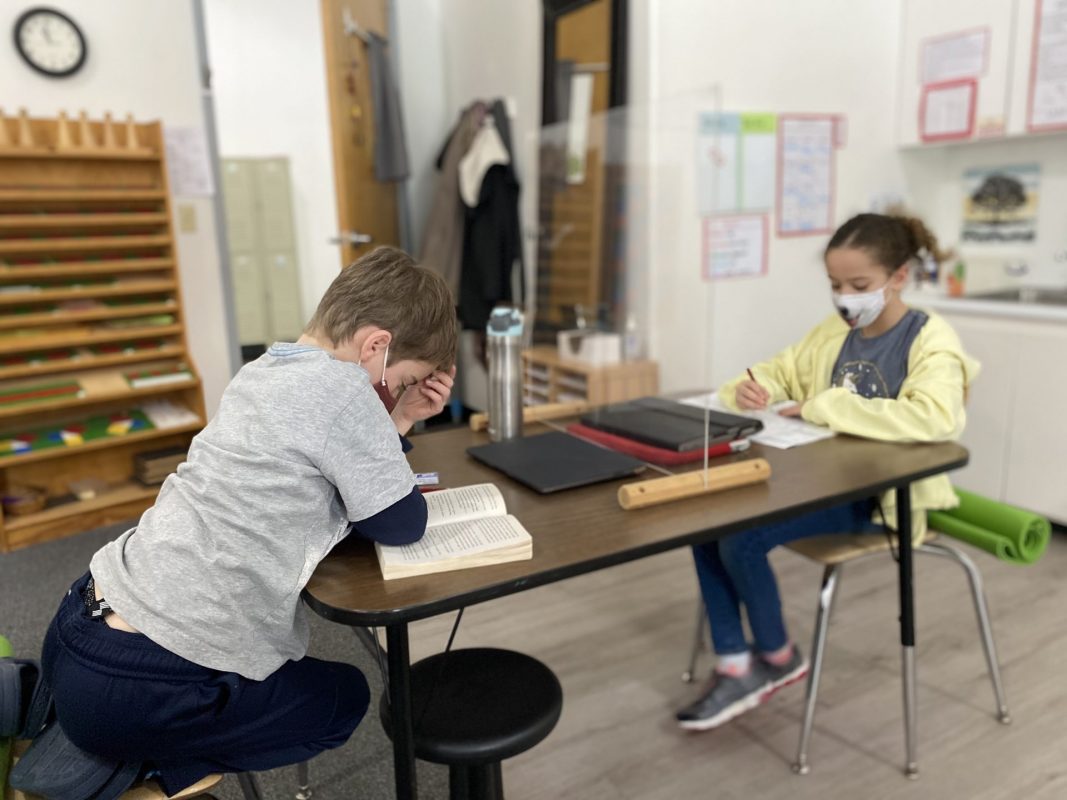
We have been immersed in math work this week with individualized and small group lessons on whole numbers, fractions, and decimals. Students are working on lessons including fraction numeration and equivalence as well as fraction addition, subtraction, multiplication, and division. We also have some decimal work going on with decimal division. In addition to our work with fractions and decimals, students are working with the whole number operations of abstract compound multiplication and long division.

I’m looking forward to sharing your child’s progress with you during Parent-Teacher Conferences on February 17th. Please look for an email from me today with a link to sign up for your slot. If you don’t seen any dates and times that work for your family, I am happy to schedule something separately.

Students have been doing a great job remembering boots, warm coats, and snow pants for our daily outdoor play. They should also have gloves or mittens and hats with them each day. Some only want to wear their hoods, but those don’t tend to stay on during their joyful, rambunctious play.

Have a wonderful weekend!

Karen


Mrs. Semmah: Asia Bengali Culture

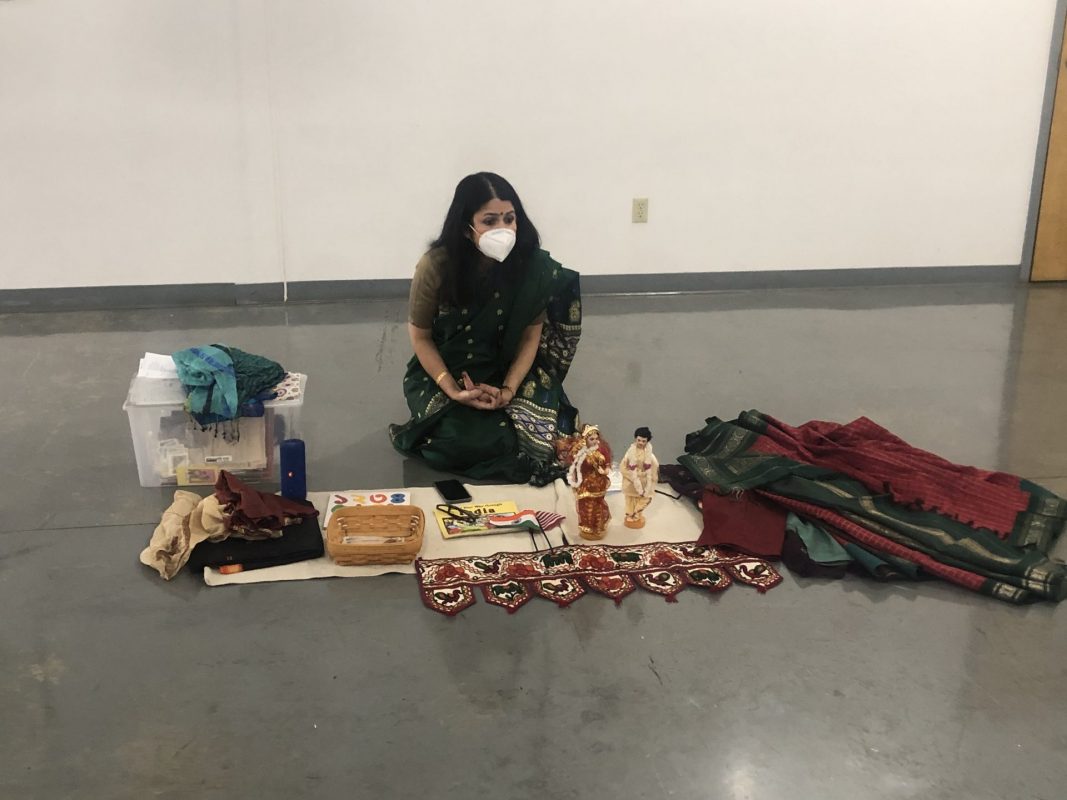
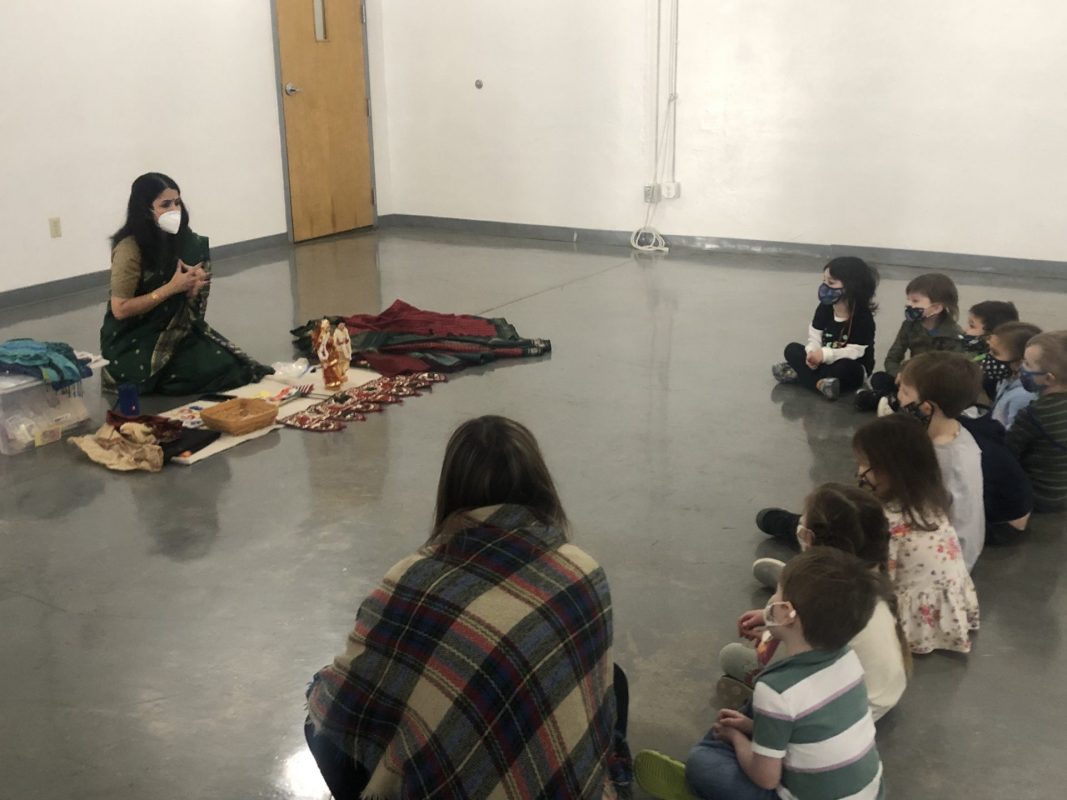
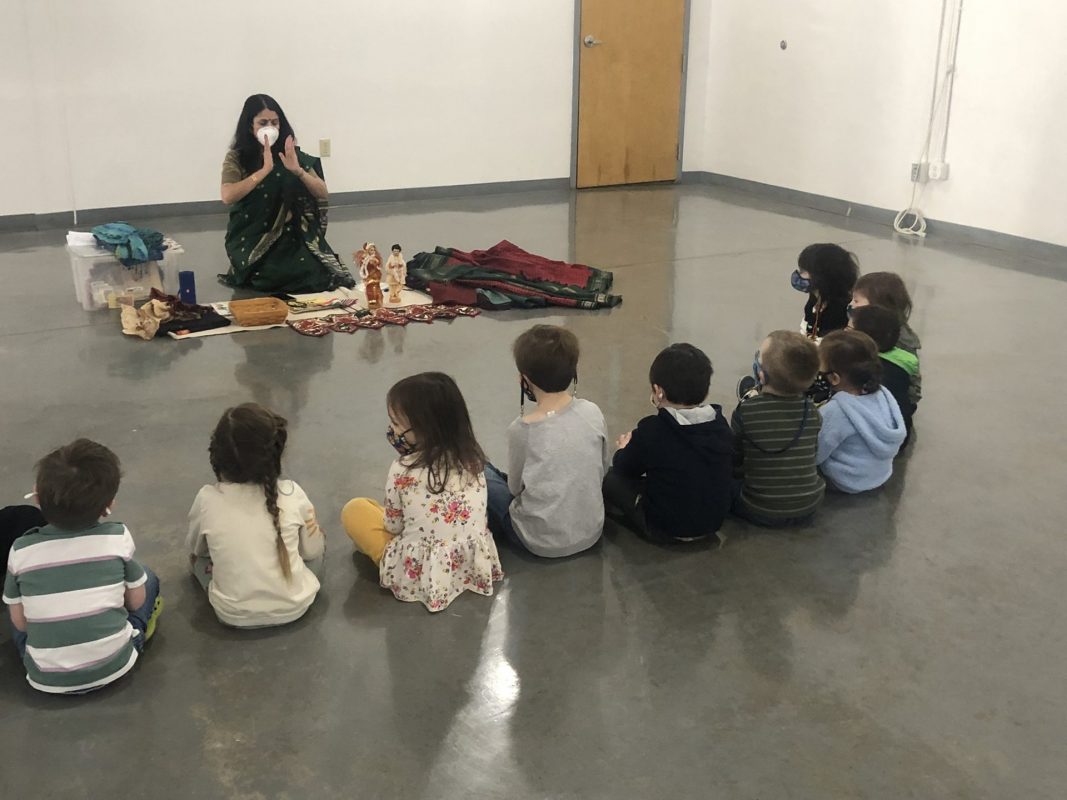
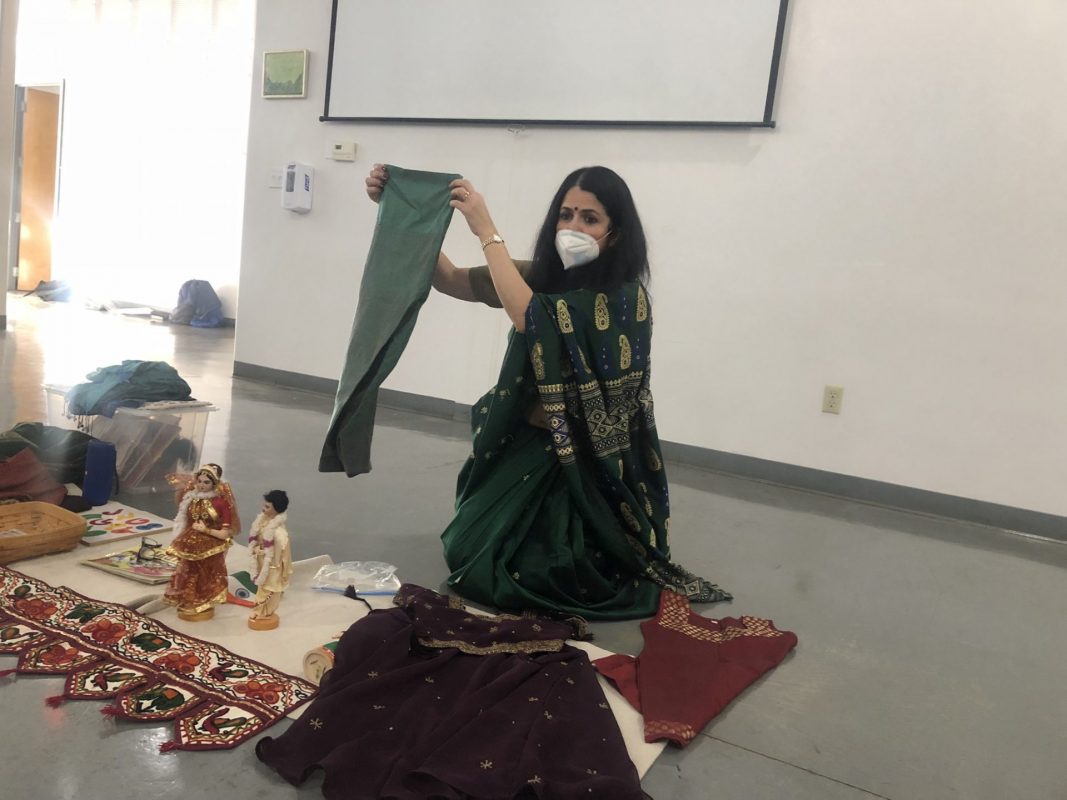
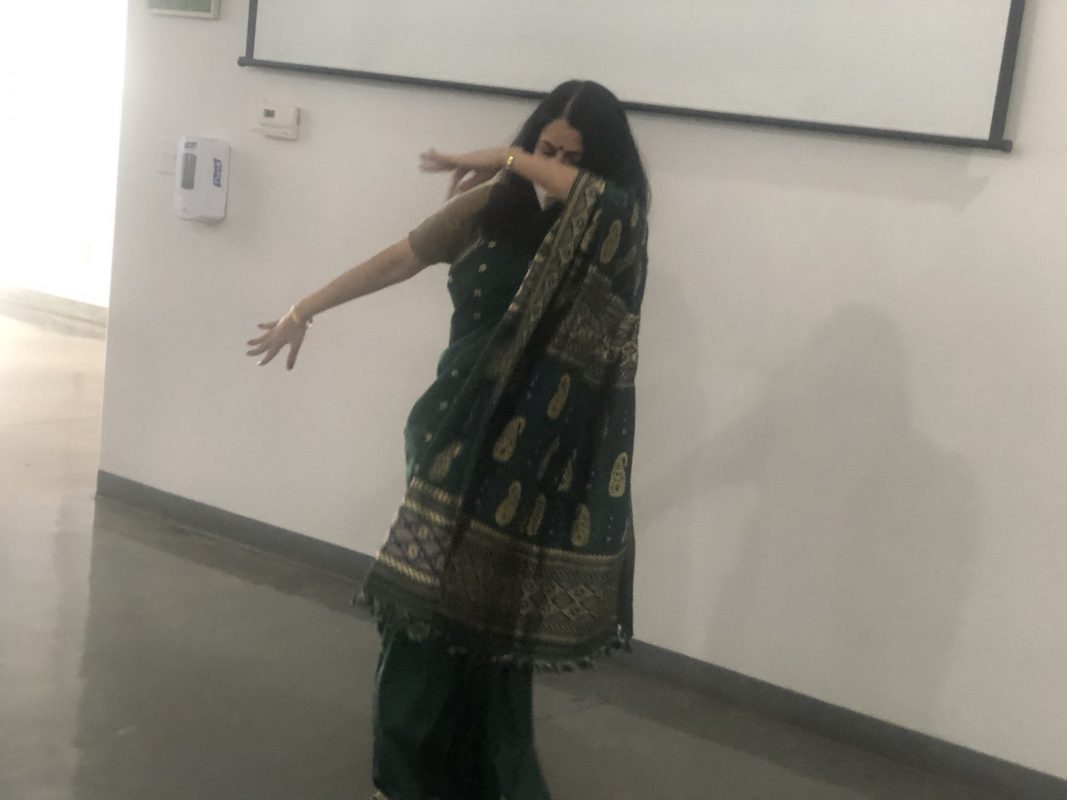
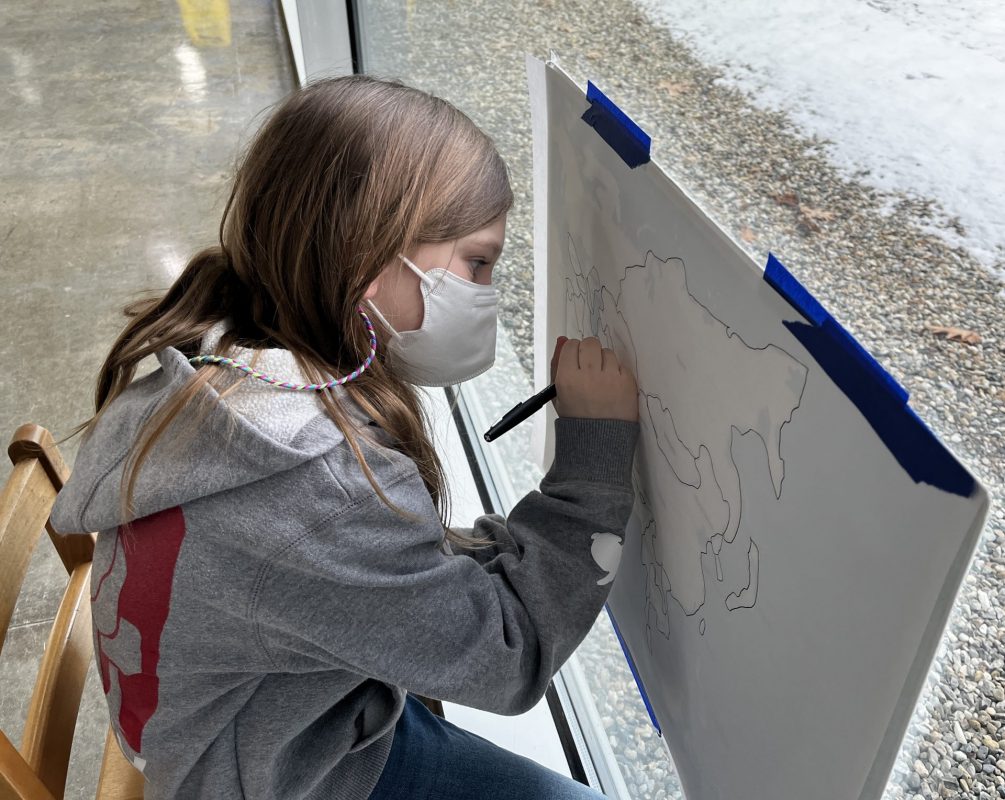
Last month we studied one of the largest continents, which is Asia. We learned about flags, animals, and read books about Asia in general. It was a delight to have our Director of Admissions and Parent Relations, Mrs. Paromita, share some insights with the children about the culture of India, especially the state of West Bengal. This region of India Kolkata which is the capitol of West Bengal is inhabited by people who speak Bengali as their primary language in addition to the Hindi and English.

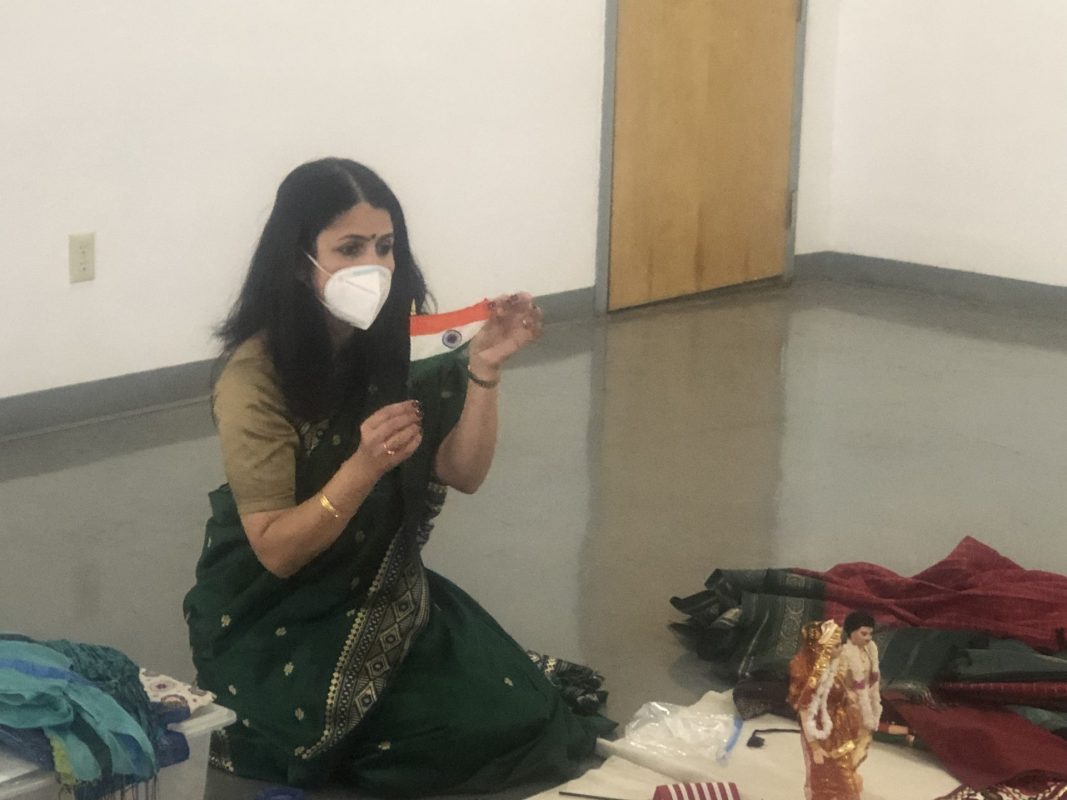
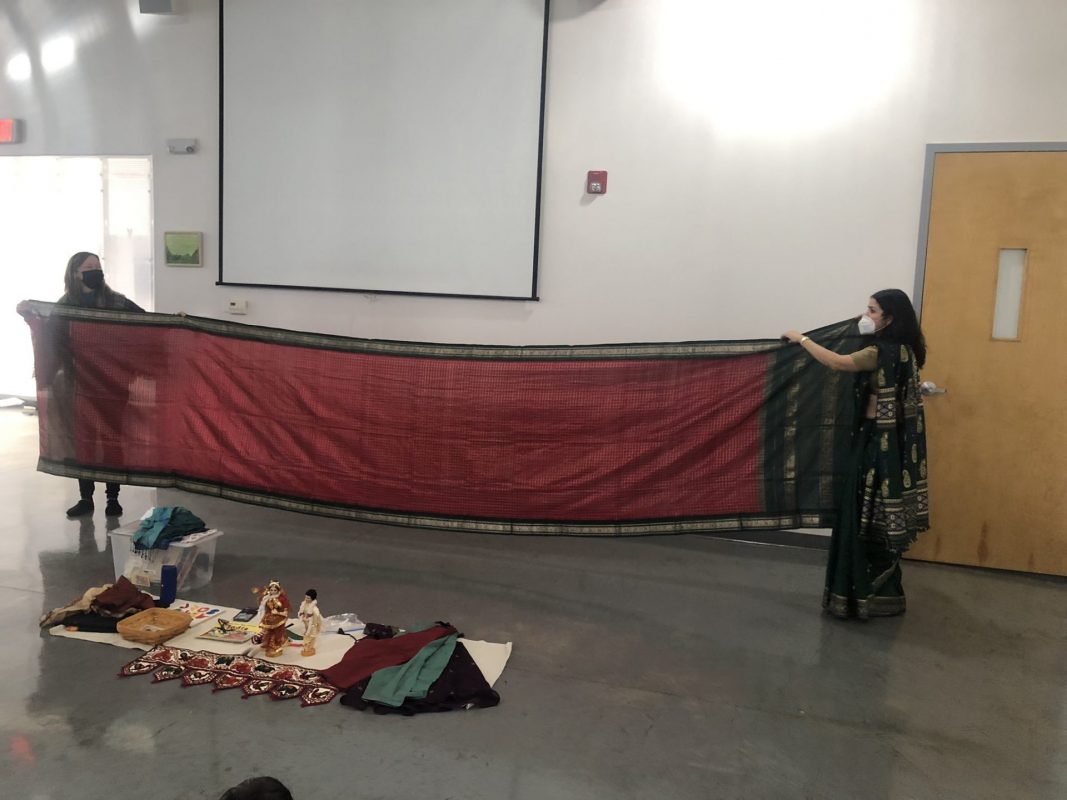
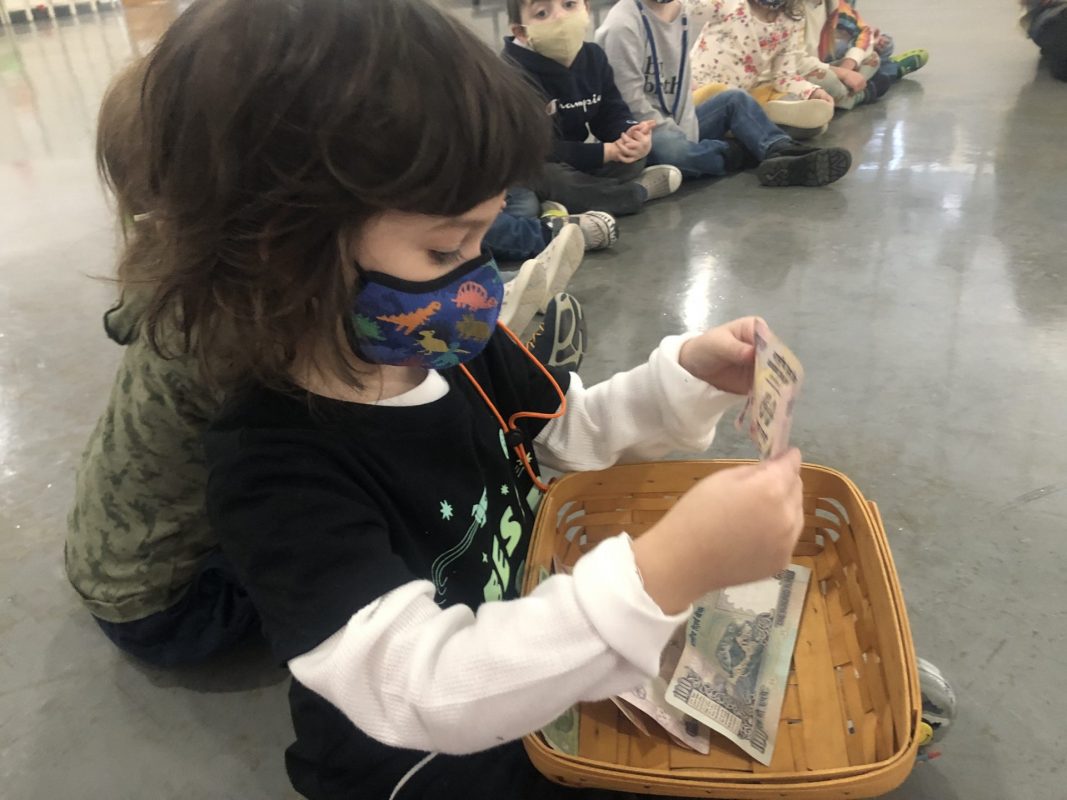
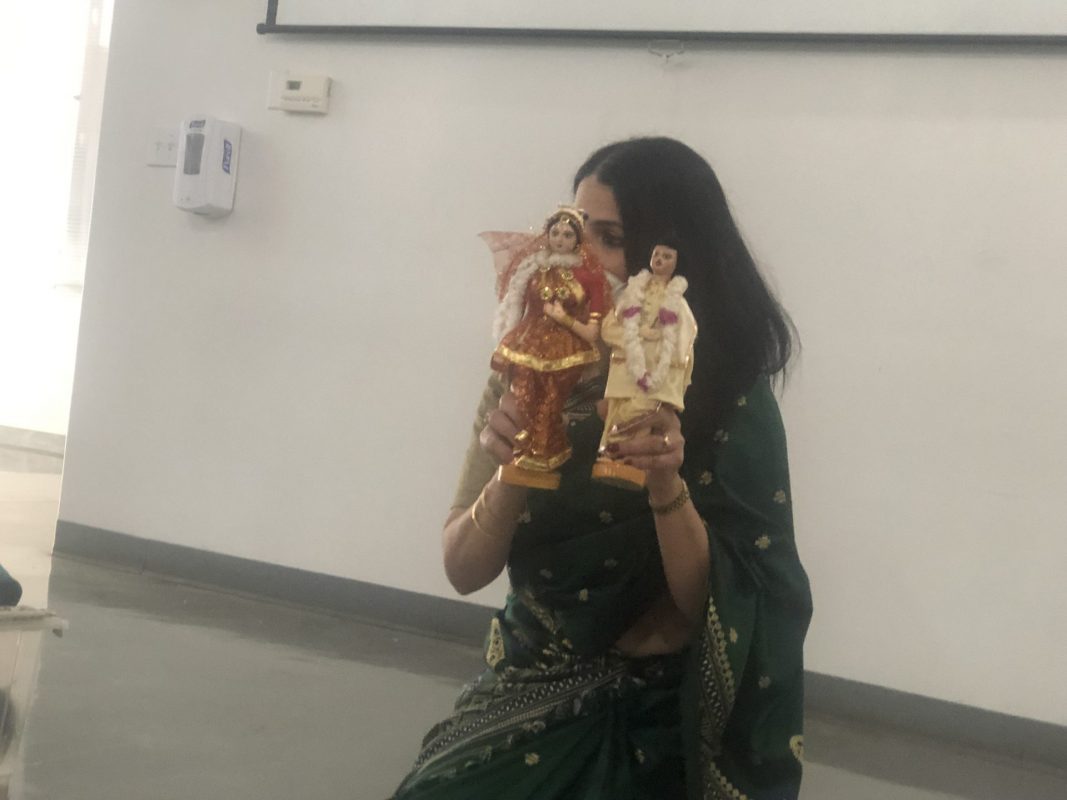
Mrs. Paromita talked to us about the symbolism of the Indian flag. The three colors are: saffron which stands for strength and courage, white which indicates peace and truth, and green symbols refer to the fertility and growth of the land. A blue wheel in the center is known as the Dharma Chakra. Mrs. Paromita also showed us a long piece of sari which is a traditional dress worn every day in India and other Asian countries like Sri Lanka, Pakistan, and Nepal. She also showed the children “ghagra choli” and kurta pajamas.  It was fascinating to know that Indian brides have been wearing red for their weddings for centuries.

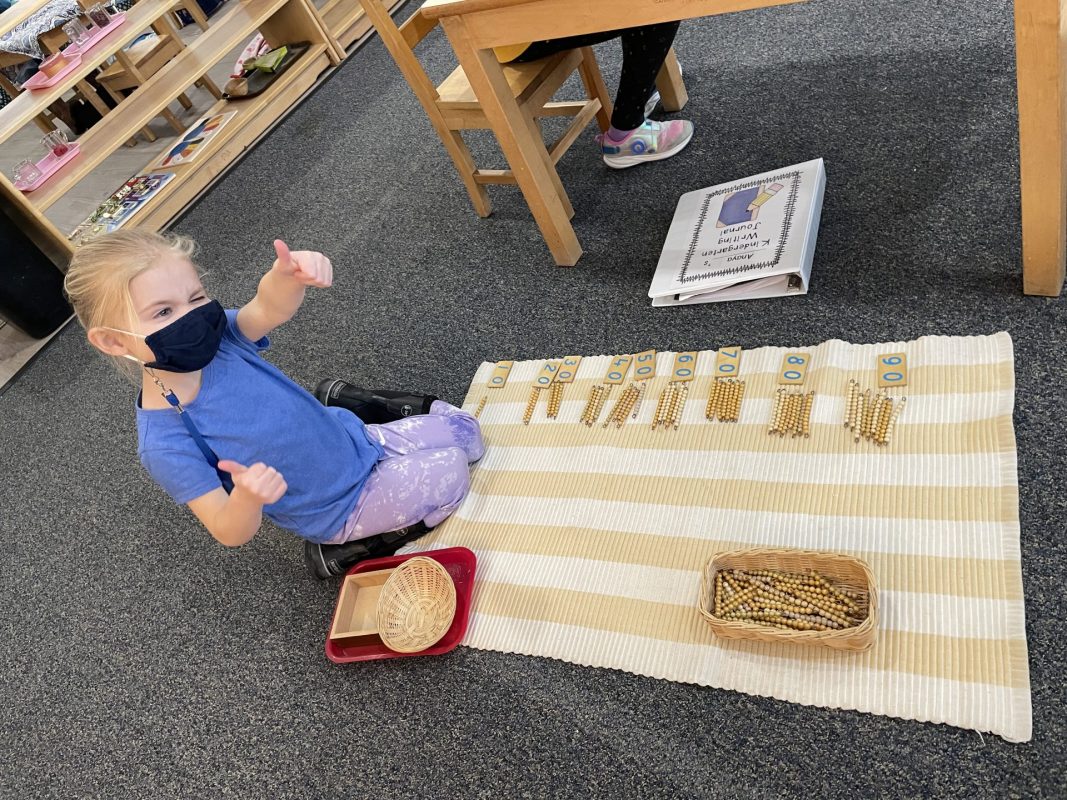
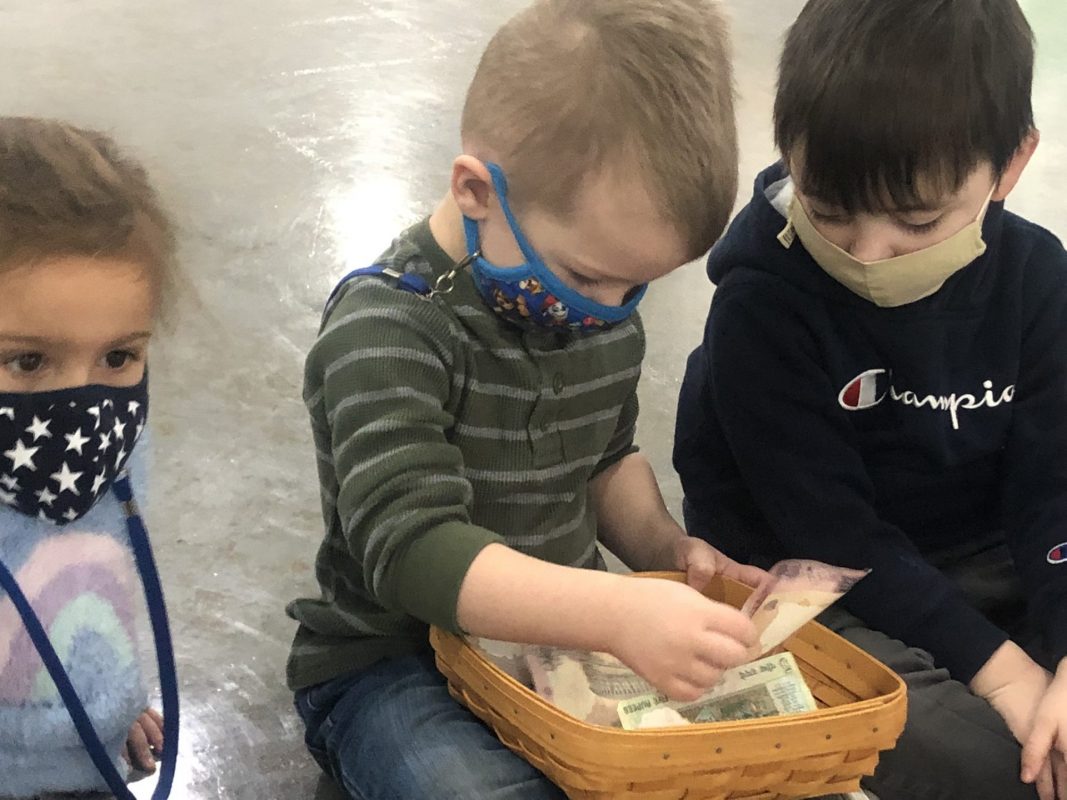
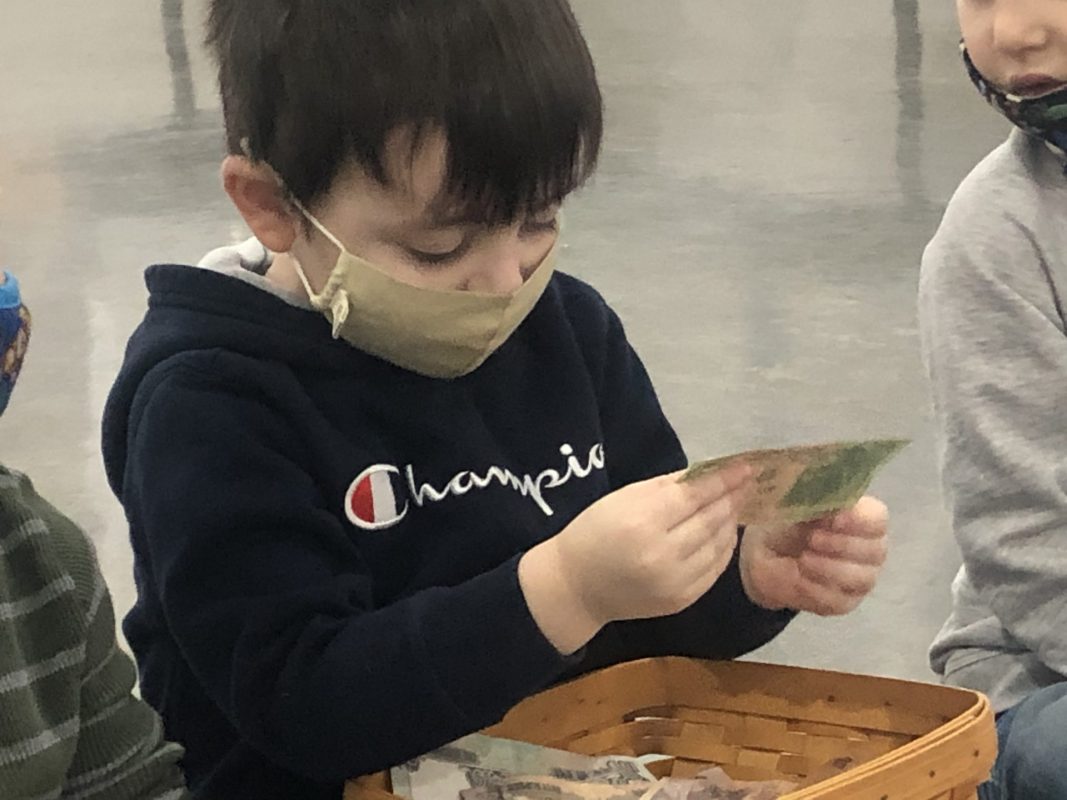
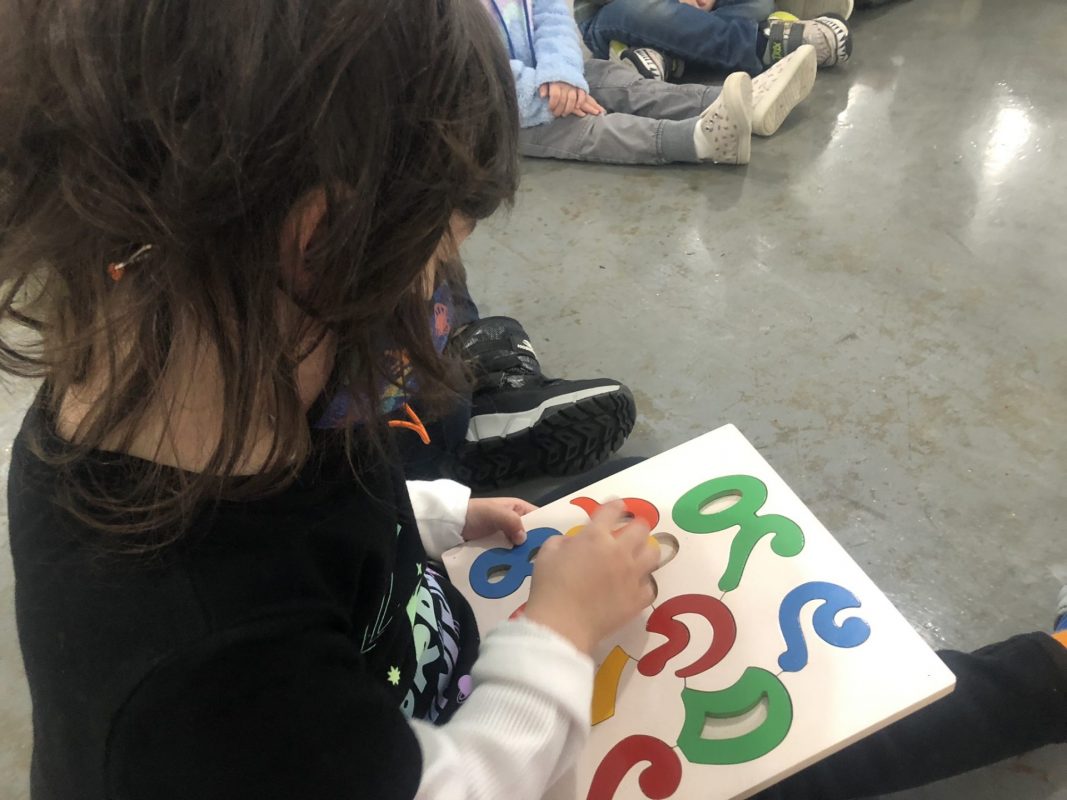
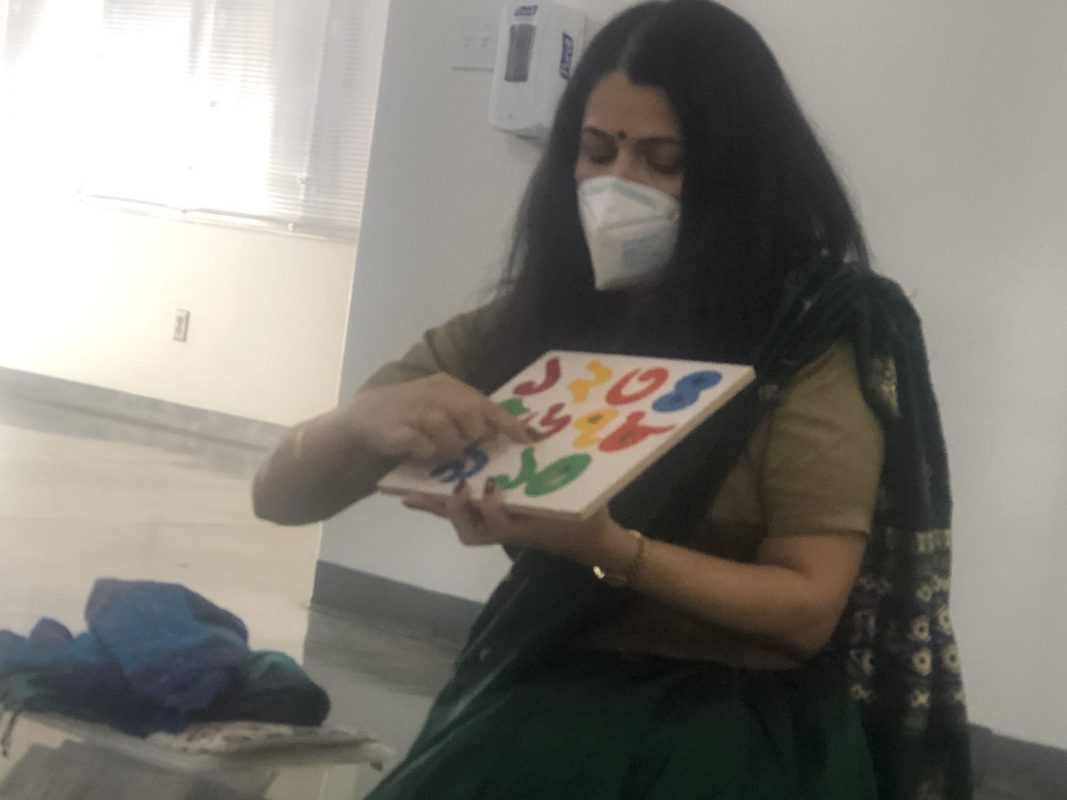
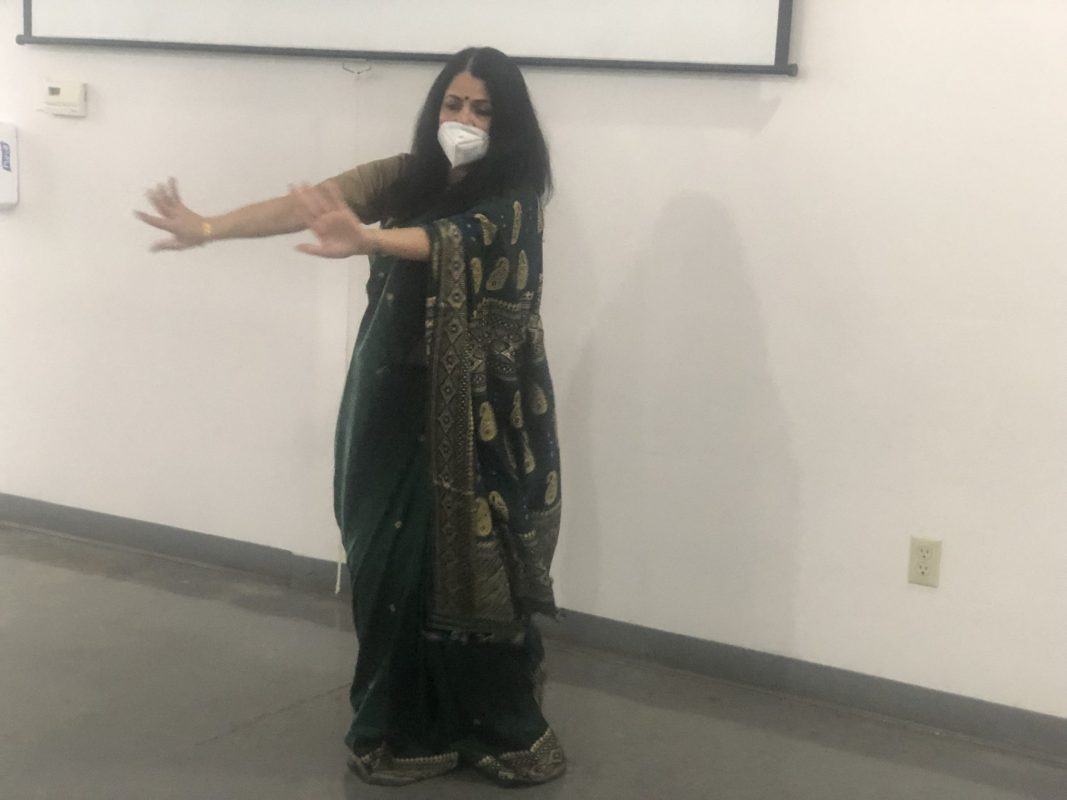
Mrs. Paromita also presented the Bengali numbers that had different symbols from the international numerals. One interesting fact is that the number 8 is also a Bengali symbol referring to the number 4 in Bengali culture. And in the end, Mrs. Paromita delighted the class with her dance to Bengali music. She was moving in the classroom space so rhythmically and beautifully and sharing a joyful piece of the Bengali culture.

I am looking forward to meeting with your during Parent-Teacher Conferences on Thursday, February 17th. Please use this link to access the sign up for your conference.

Peace and love.

Kaoutar and Sara


Mrs. Doyle: Animals In Winter

Over the course of the last few weeks, we have been learning that winter can be very harsh for animals. The weather and lack of food can make their survival difficult. To help ensure their survival, animals hibernate, migrate, or adapt to their surroundings.

Animals that hibernate for the winter go into a deep sleep. Their body’s temperature drops, their heartbeat and breathing slow down and they use very little energy. We’ve learned what animals hibernate as well as where they hibernate.  Places that animals hibernate can be above ground such as a cave, nest, or den or they can be below ground such as a burrow, a hole, or deep down in the mud.  We explored which animals migrated or traveled to other places where the weather is warmer and they will be able to find food. We also examined why animals would migrate and where they may go. Animals that adapt, remain and stay active in their environment. They adapt to the changing weather and their behavior and bodies may change too. We talk about what changes animals may make to ensure they will have enough food for the winter.

So, as the cold weather is becoming more frequent, how many of us are thinking about hibernating or migrating?

Parent/Teacher conferences are on Thursday, February 17th.  Please click here to access the sign up genius and choose a time slot.

Wishing you a week filled with peace and love.

Michelle & Liset