Blog

Mrs. Lopes: The Absorbent Mind

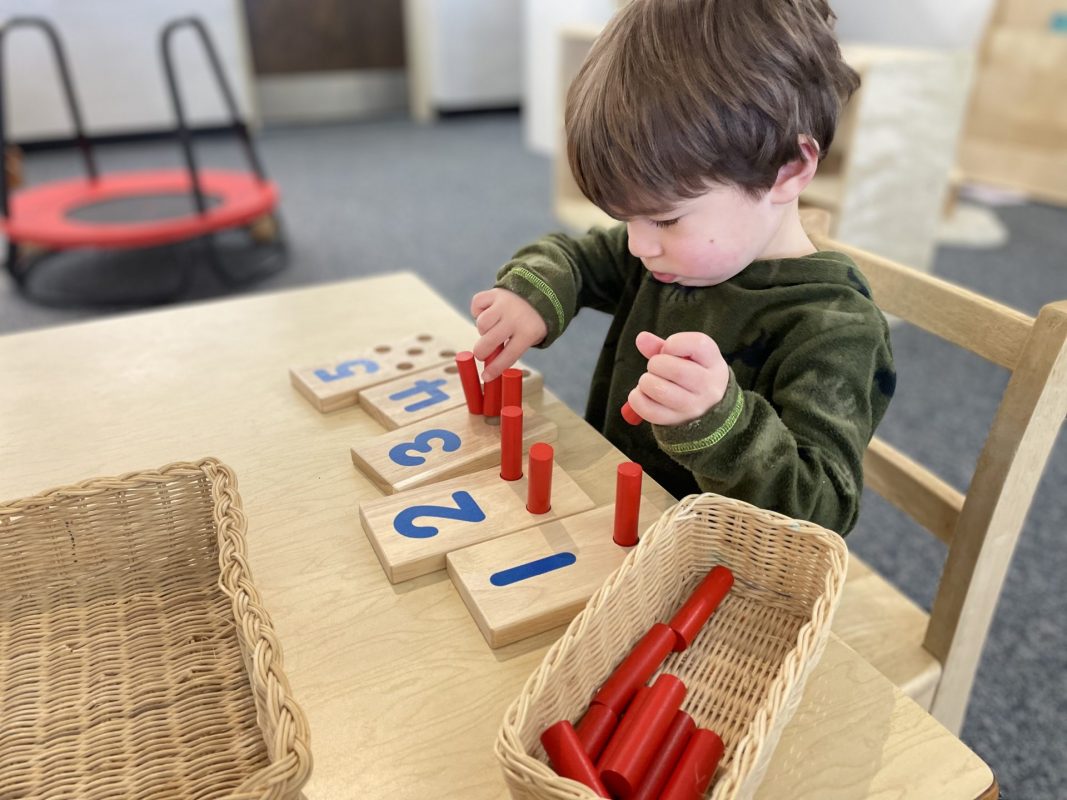
There exists in the small child an unconscious mental state which is of a creative nature. We have called it the “Absorbent Mind.” The tiny child’s absorbent mind finds all its nutriment in its surroundings…Especially at the beginning of life. We must, therefore, make the environment as interesting and attractive as we can. -Maria Montessori

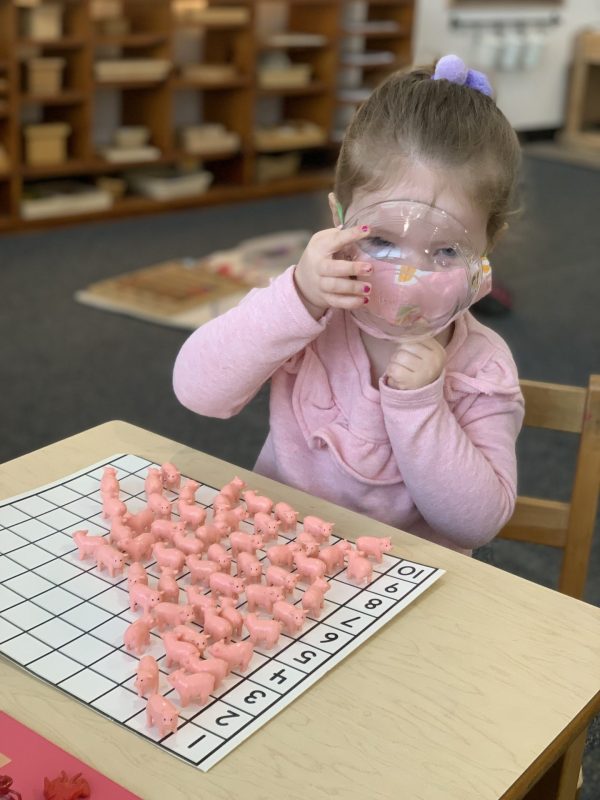
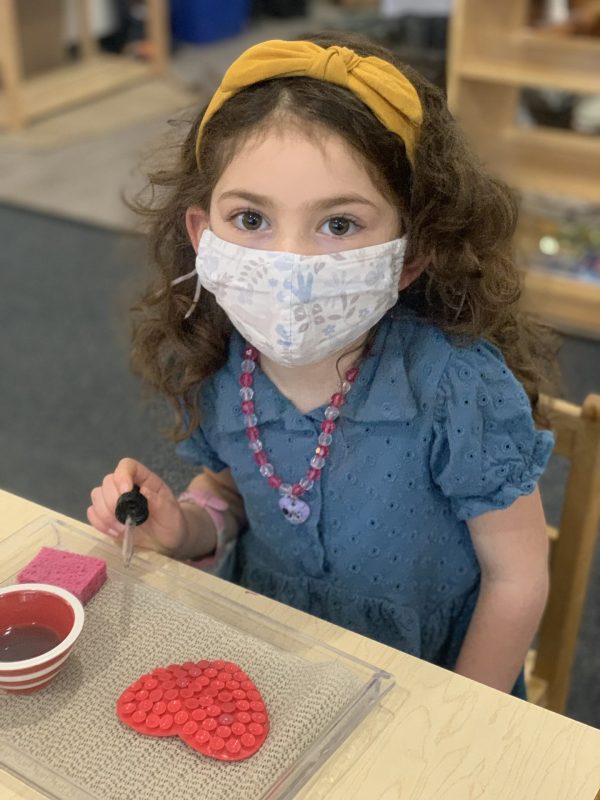
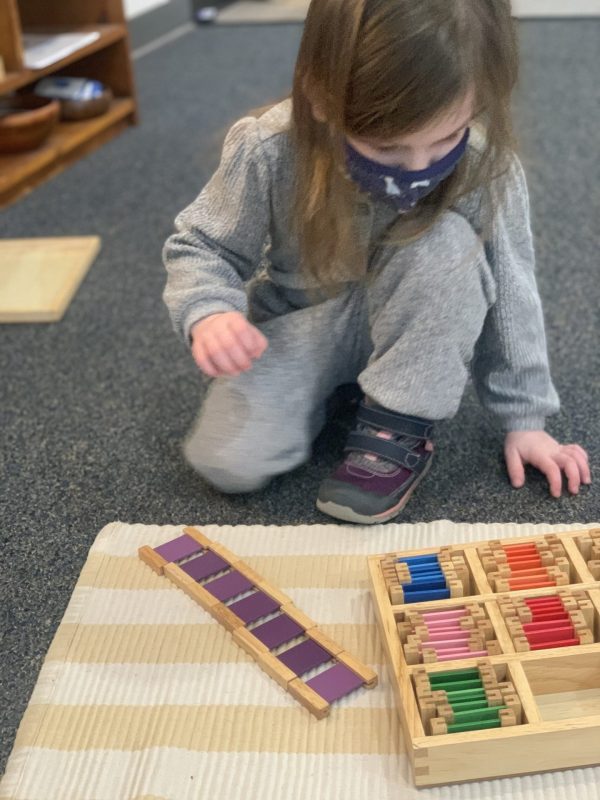
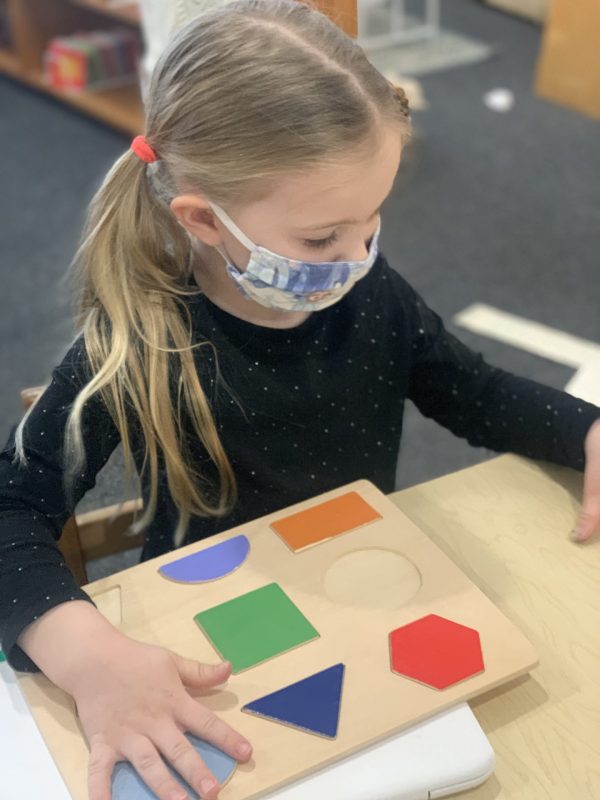
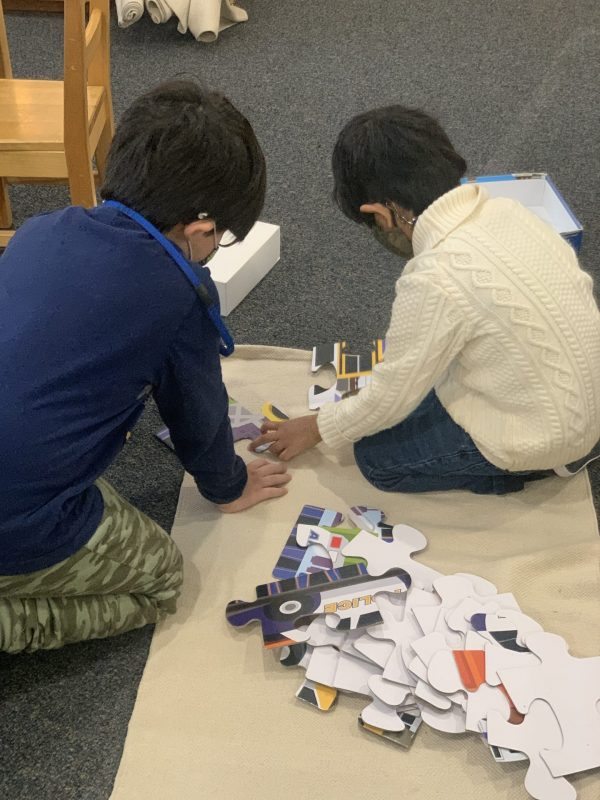
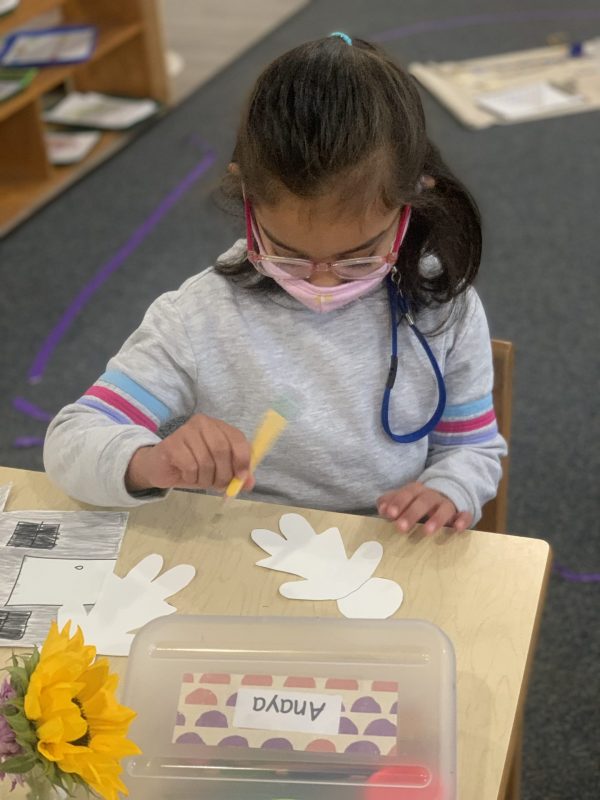
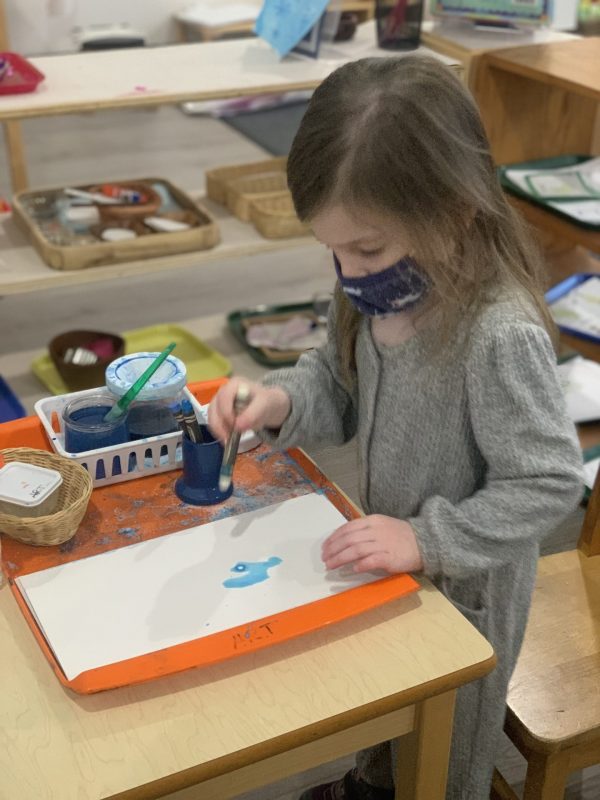
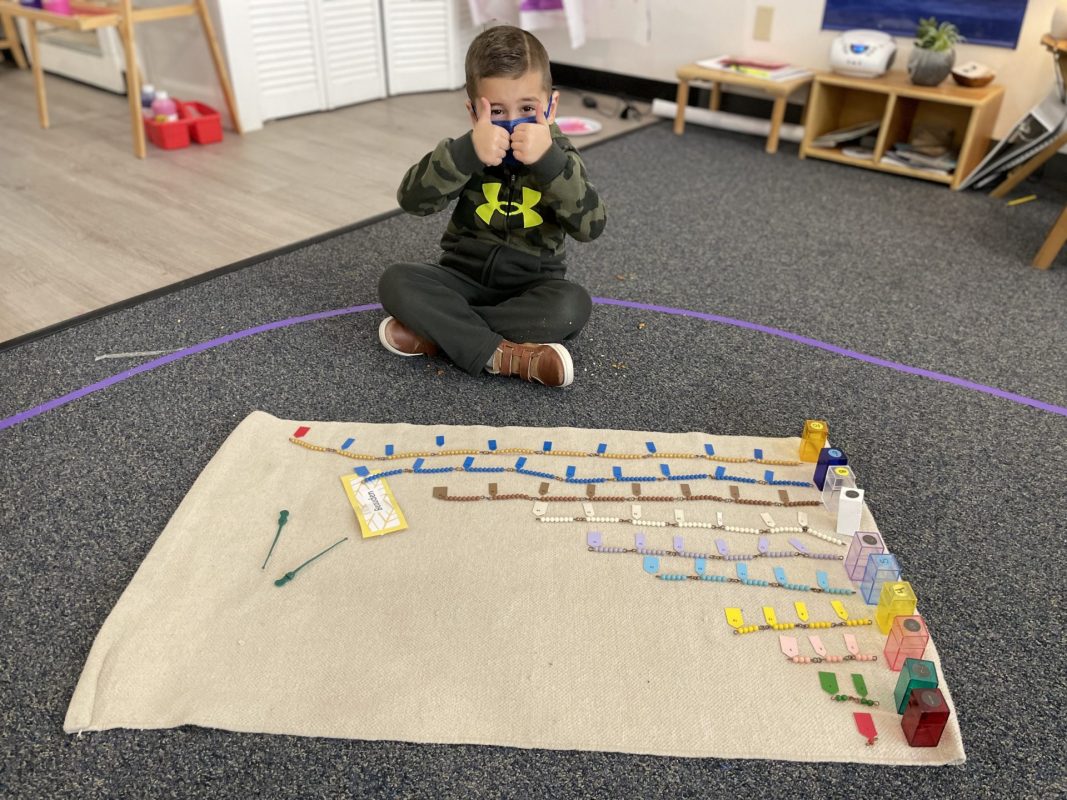
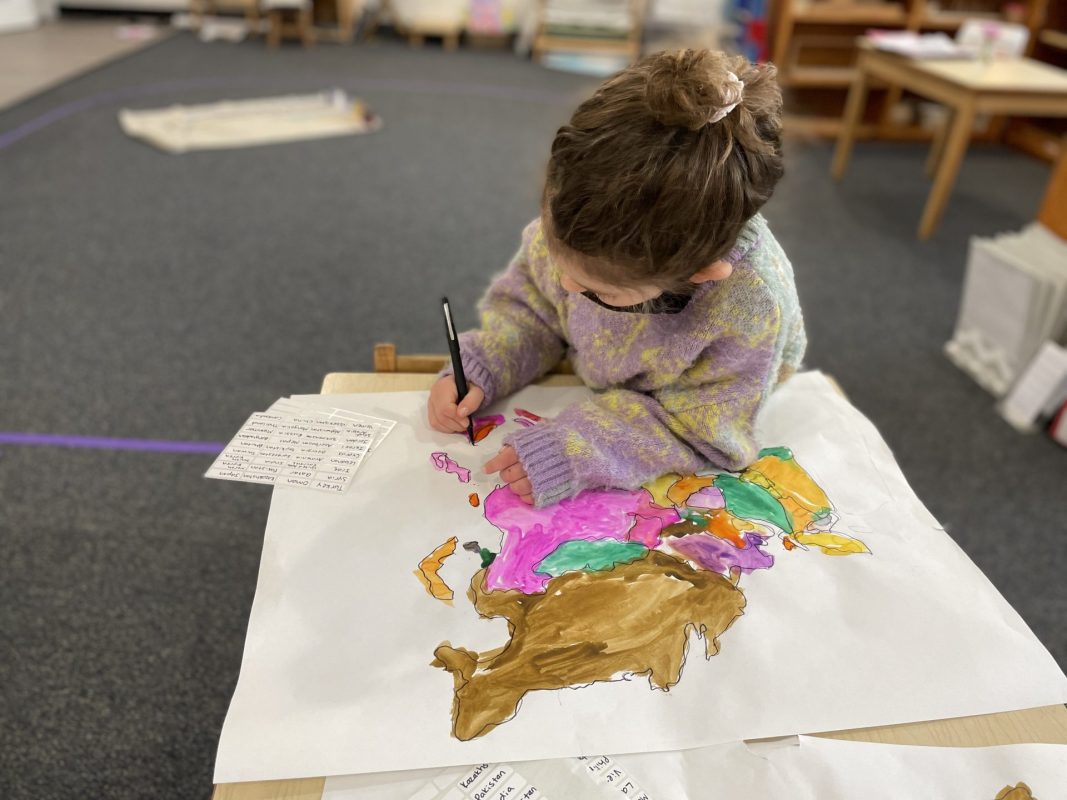
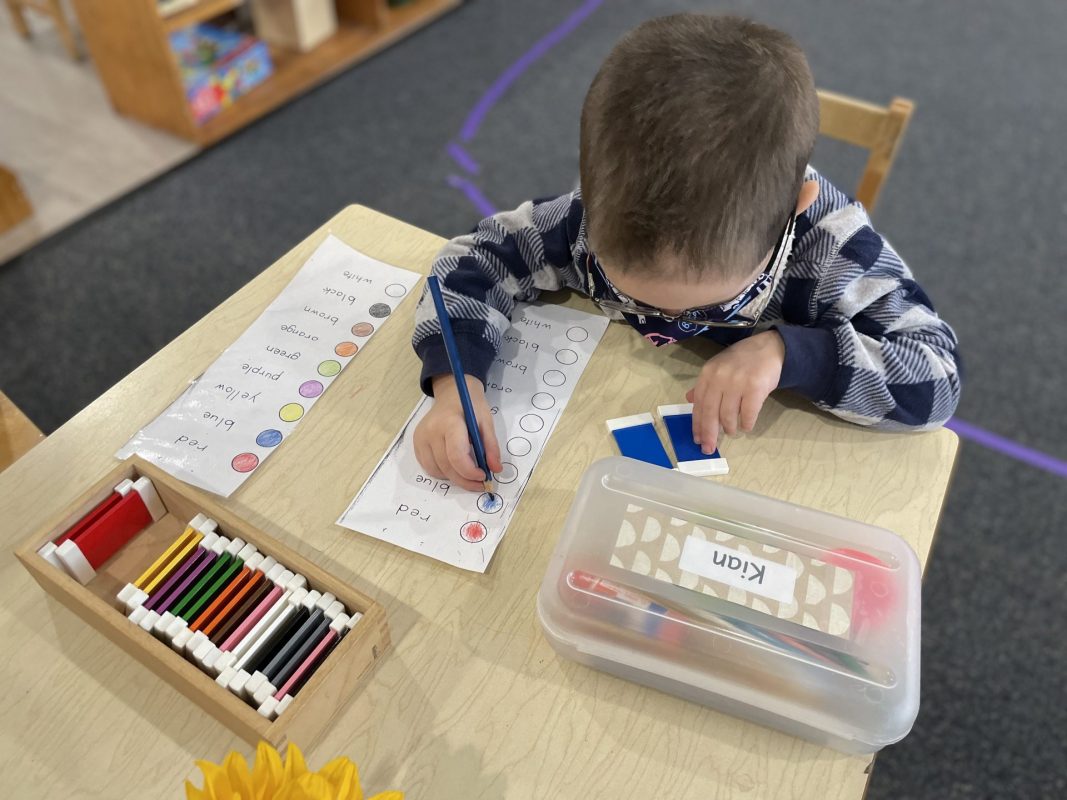
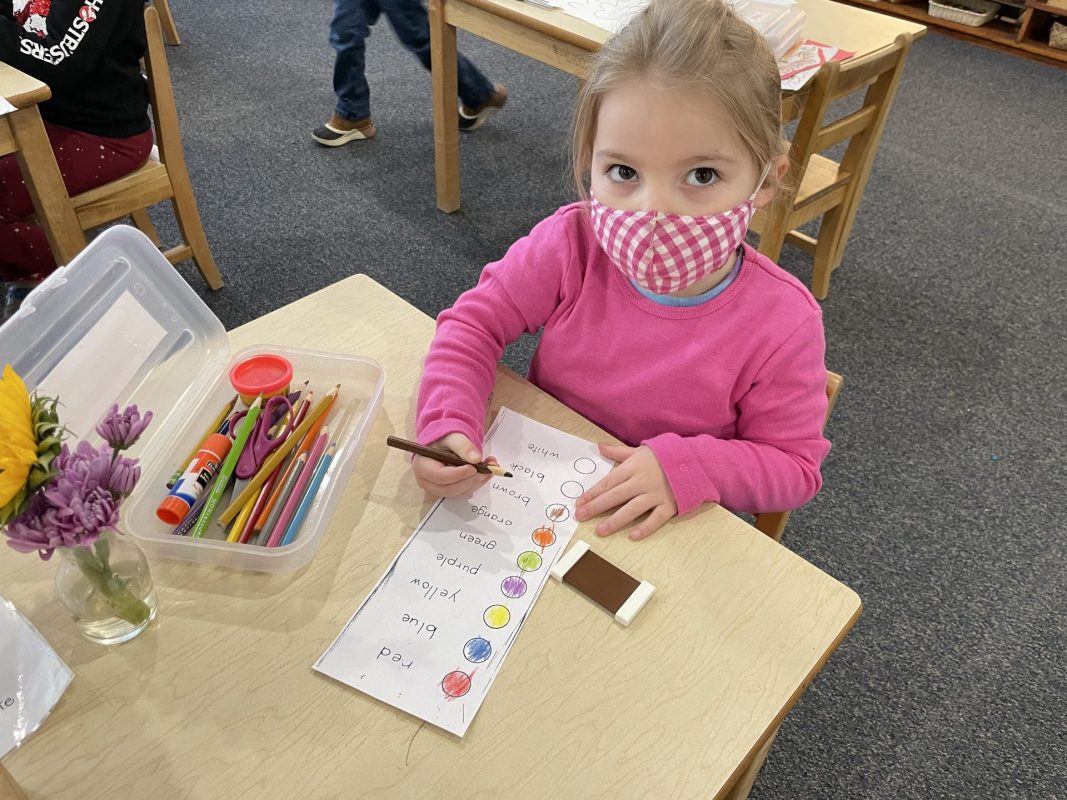
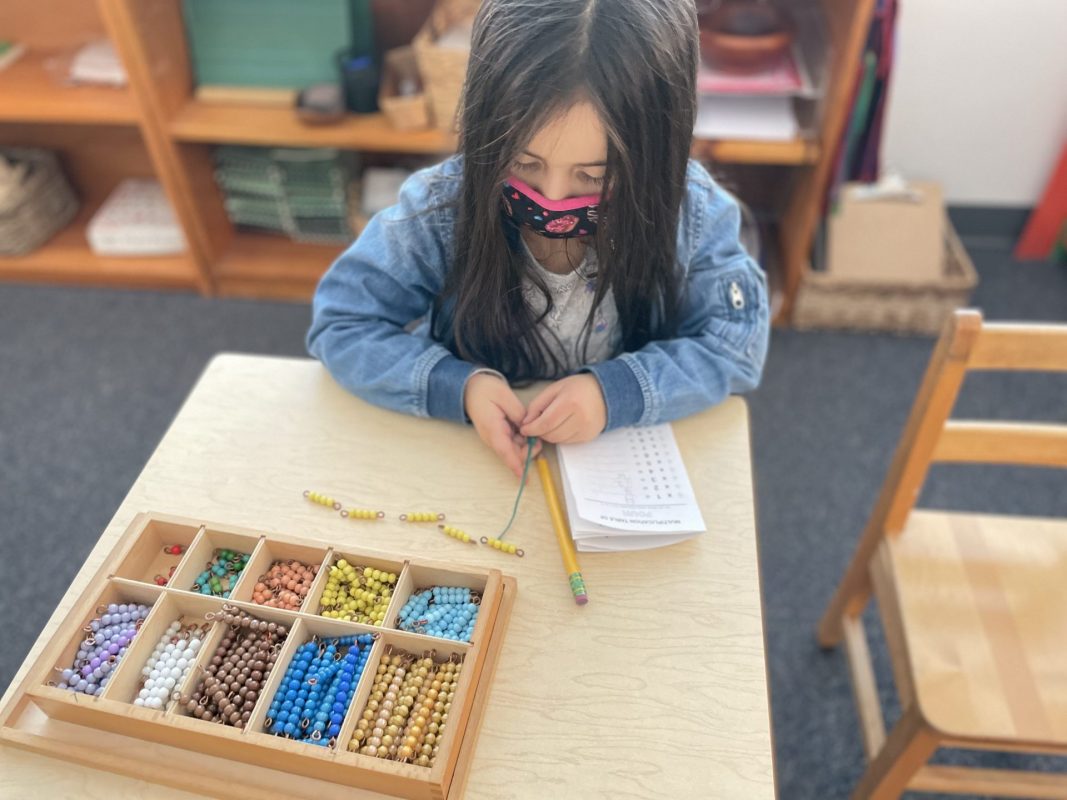
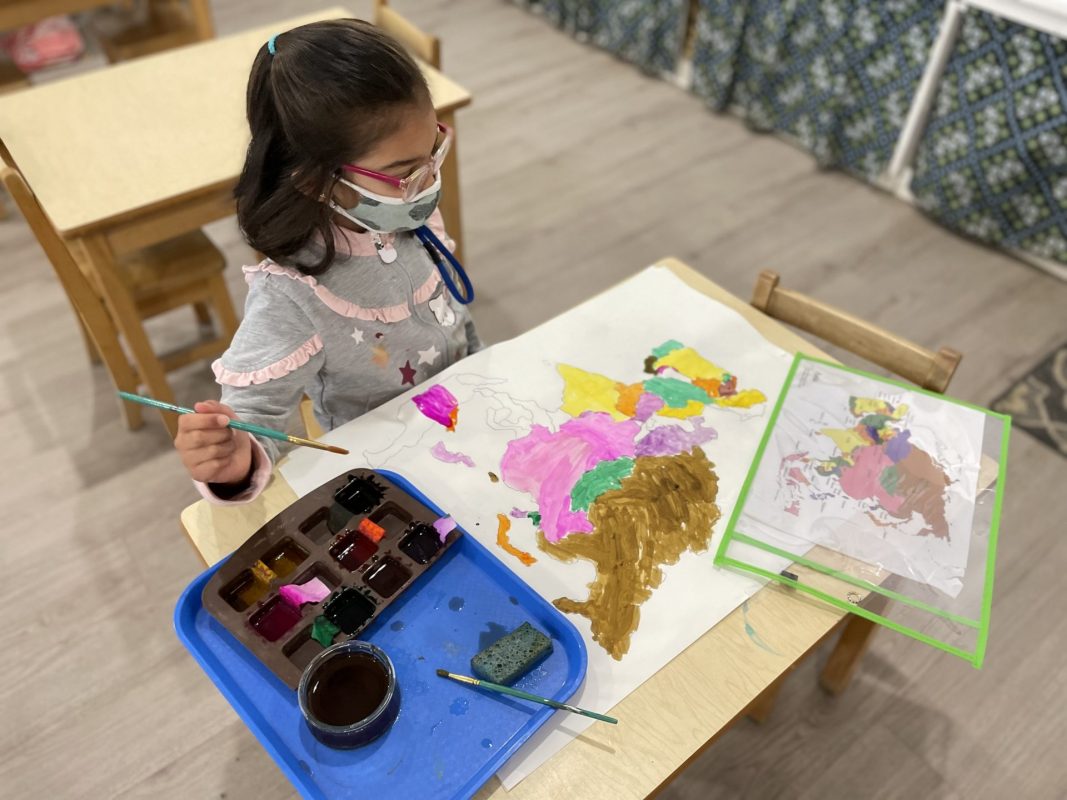
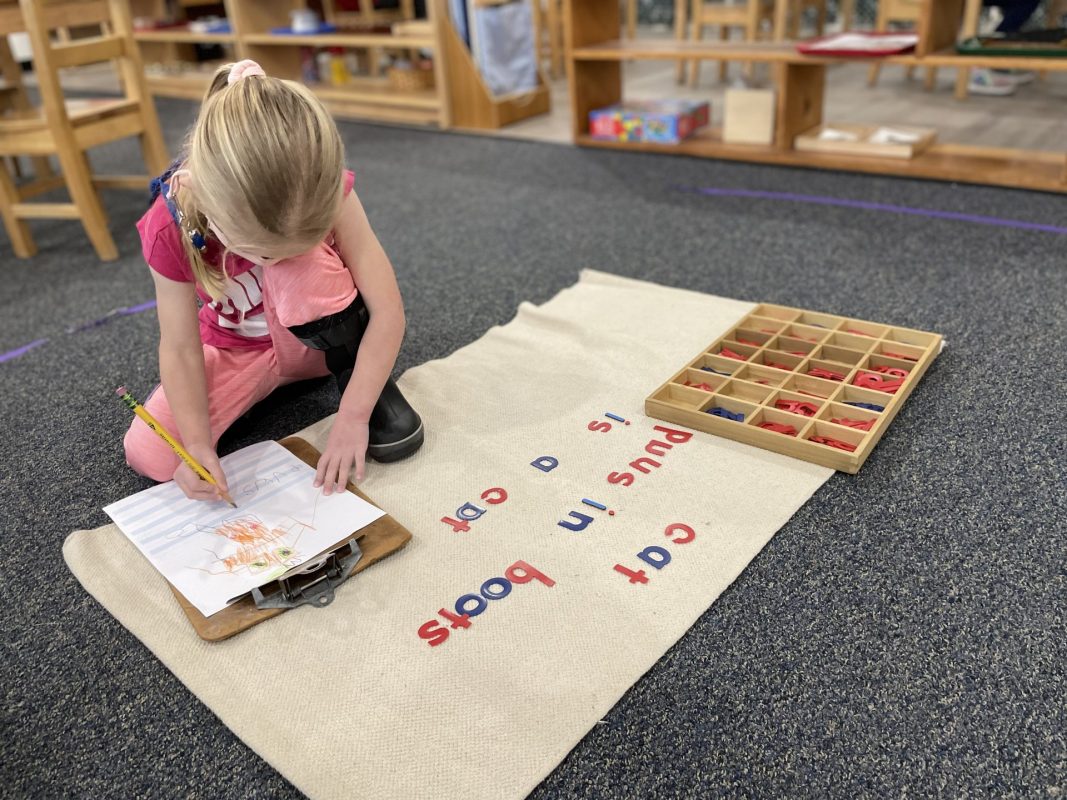
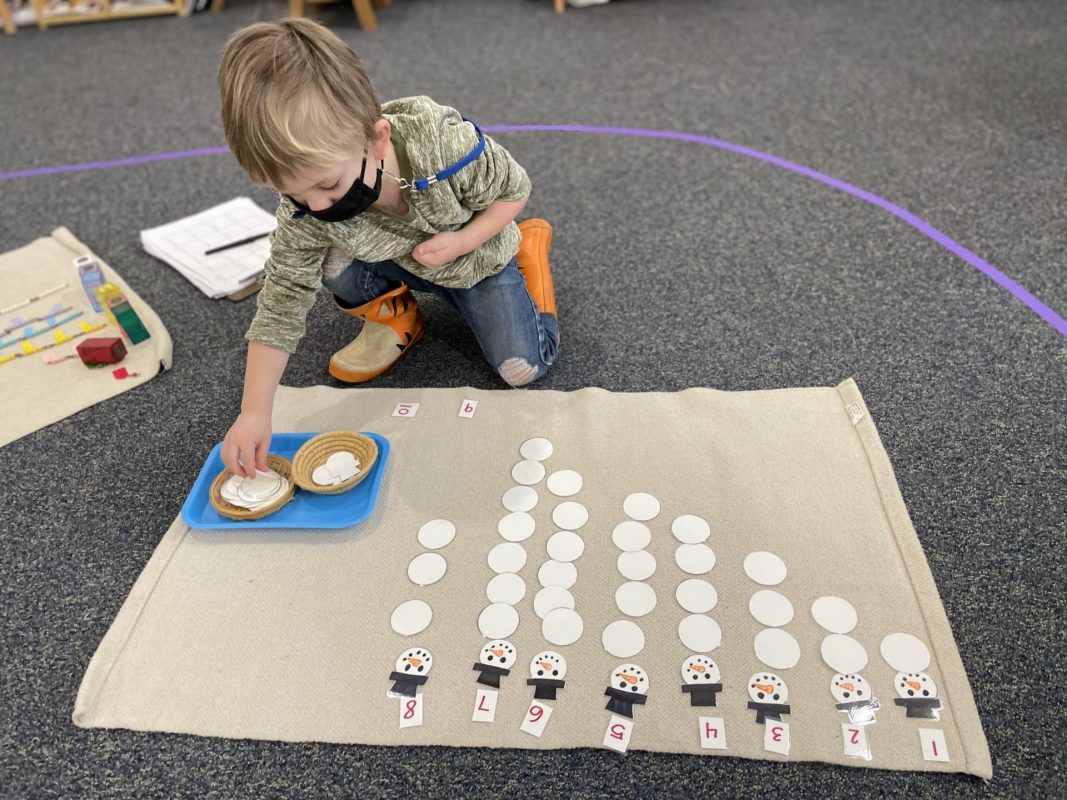
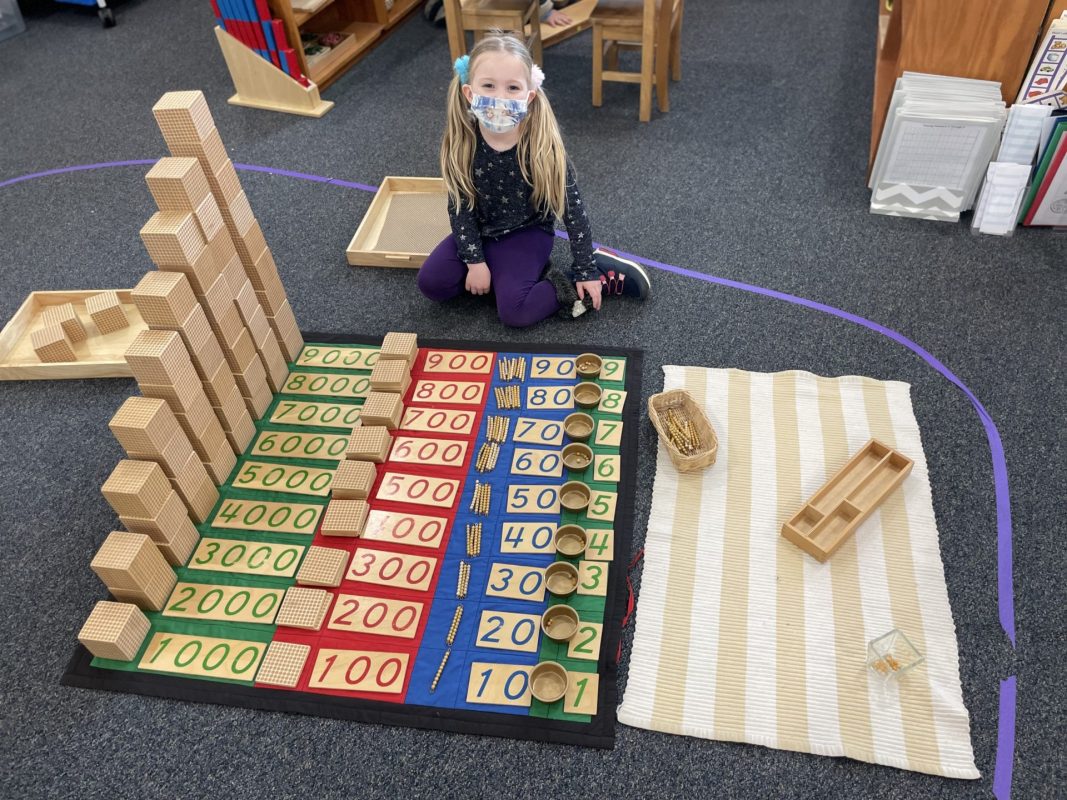
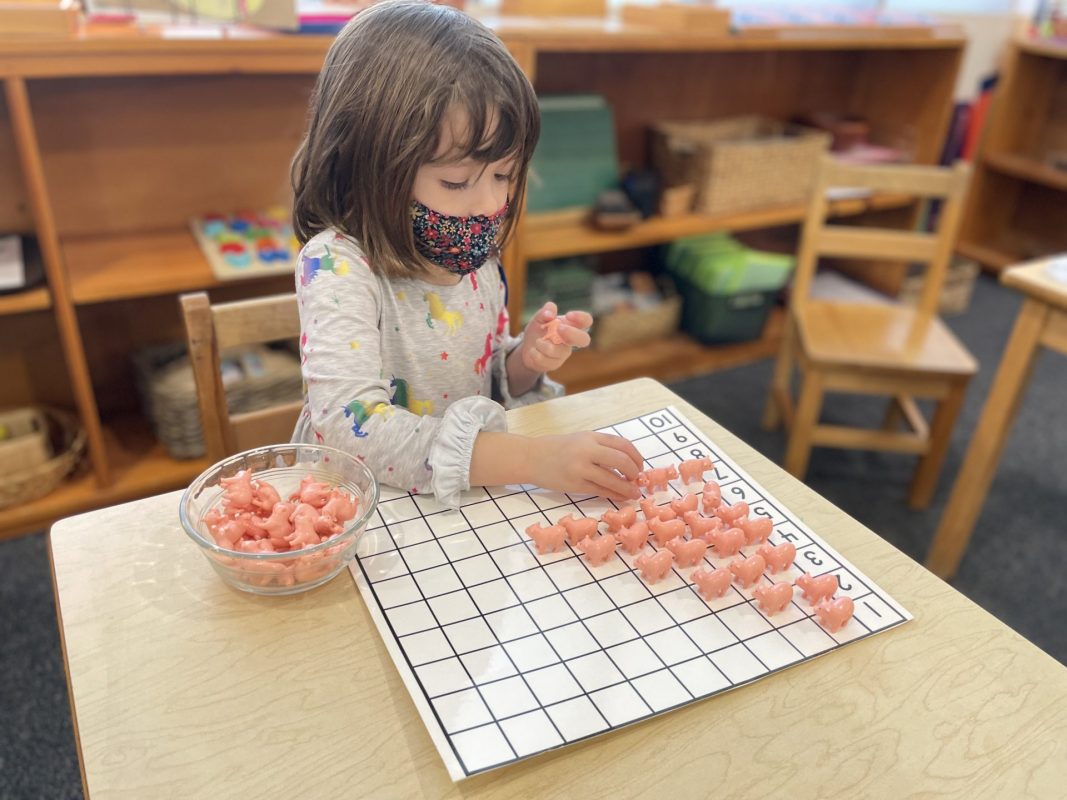
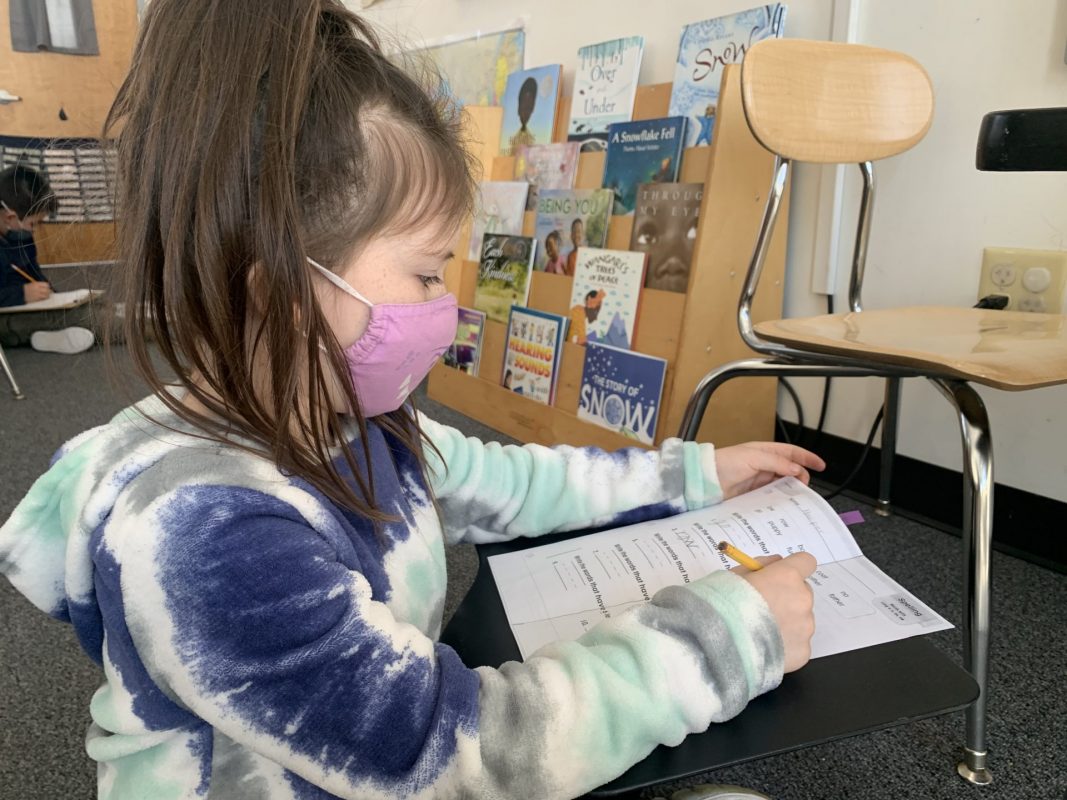
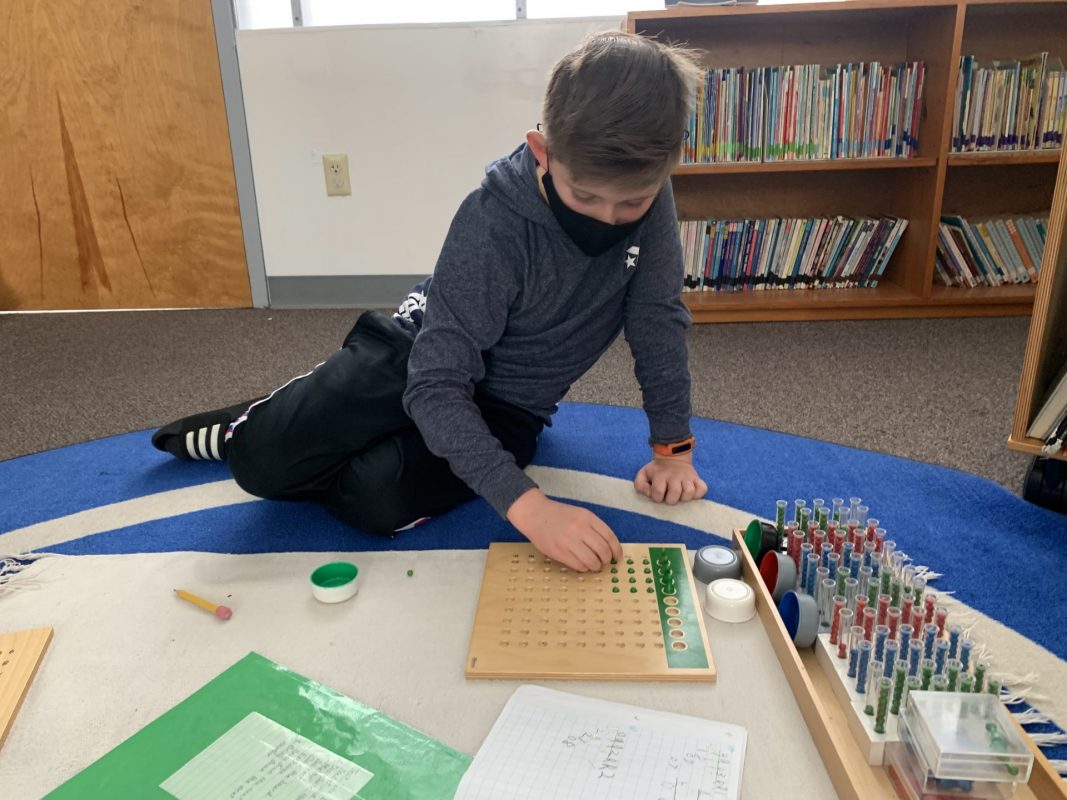
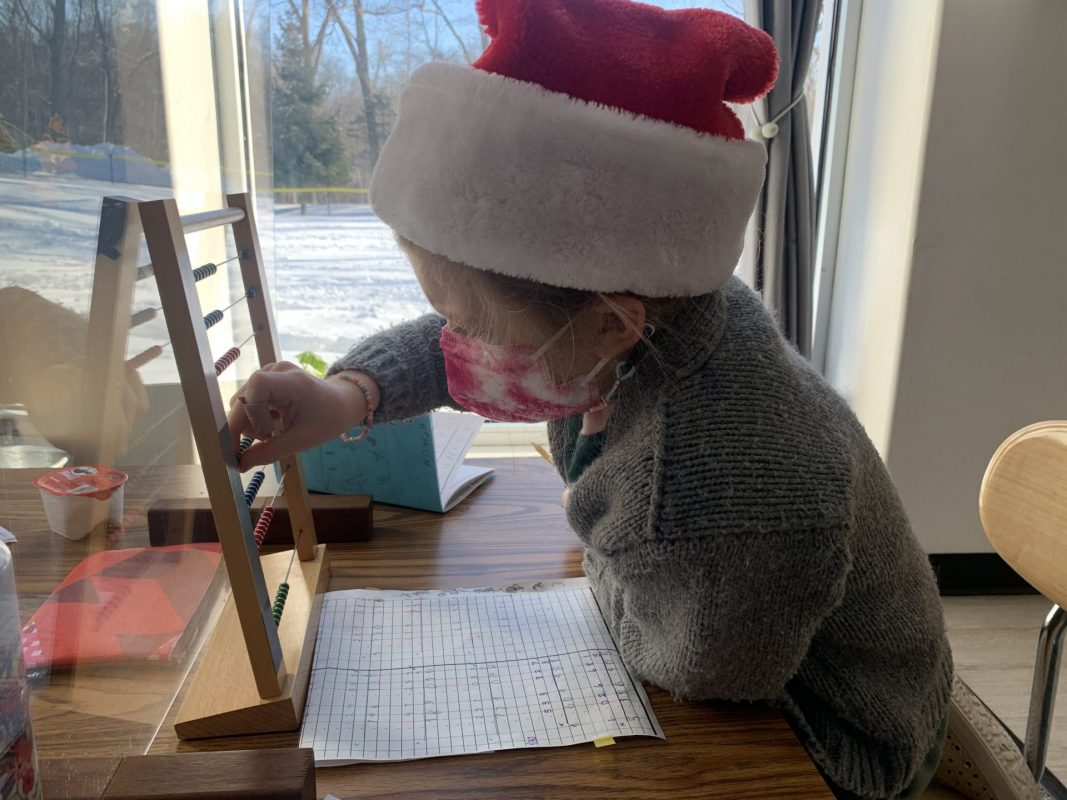
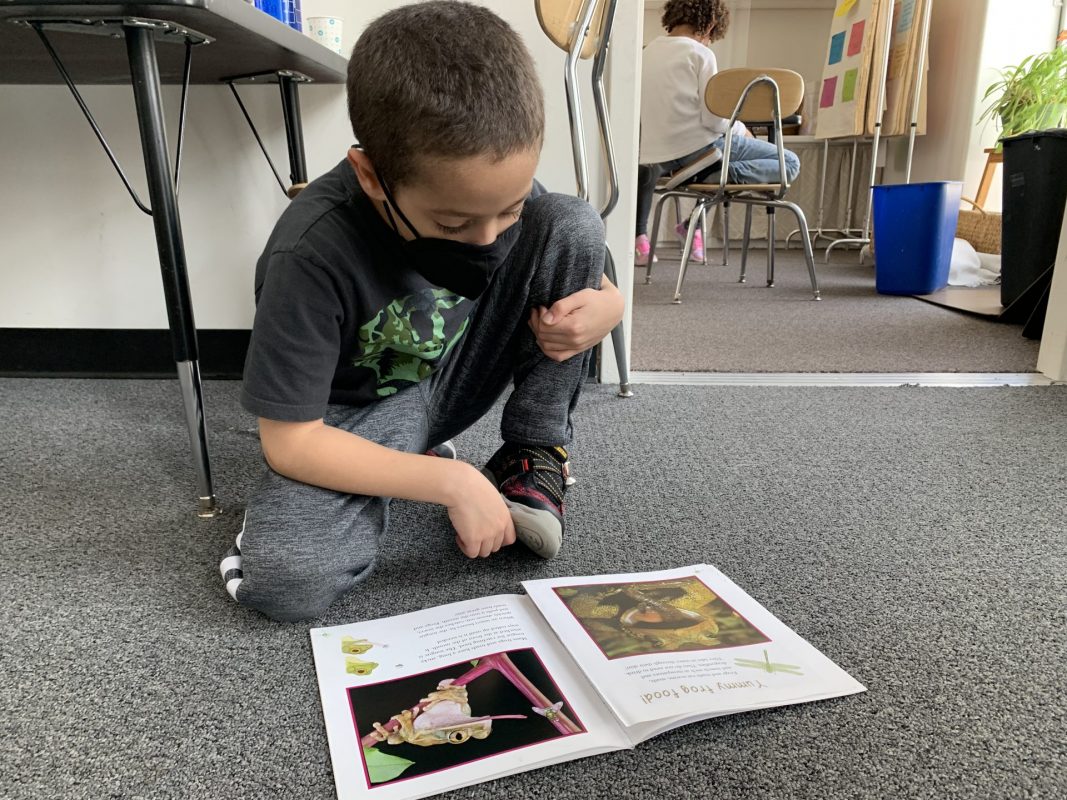
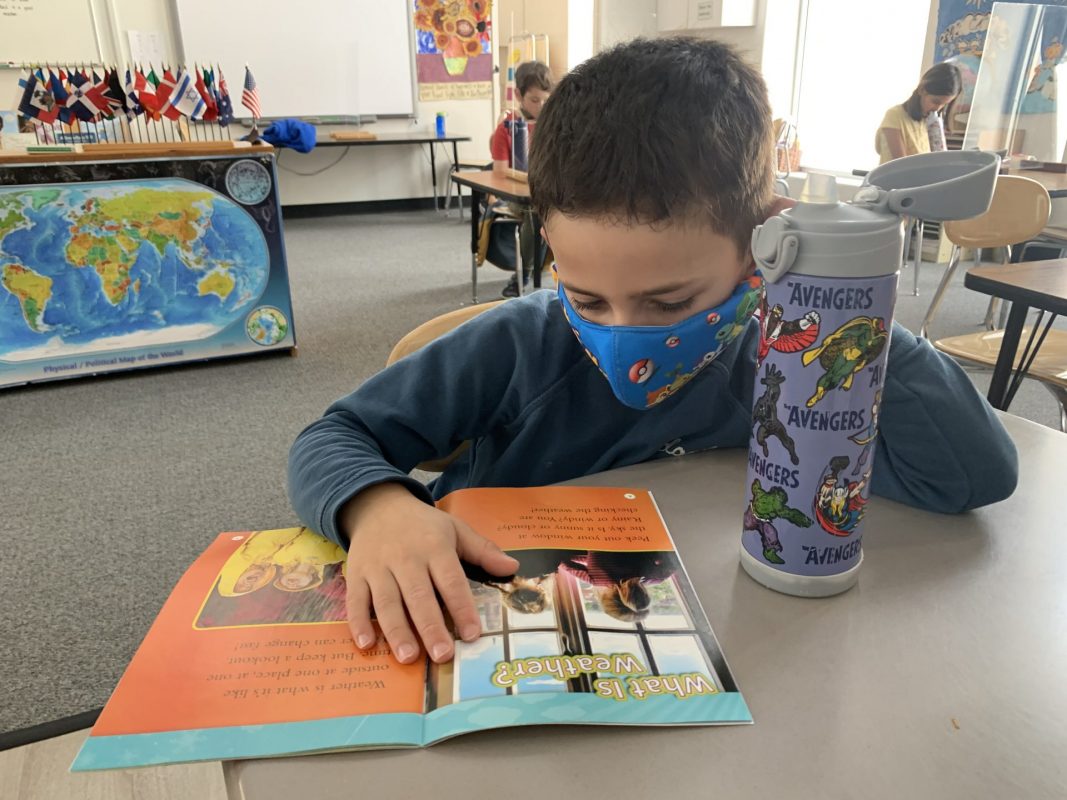
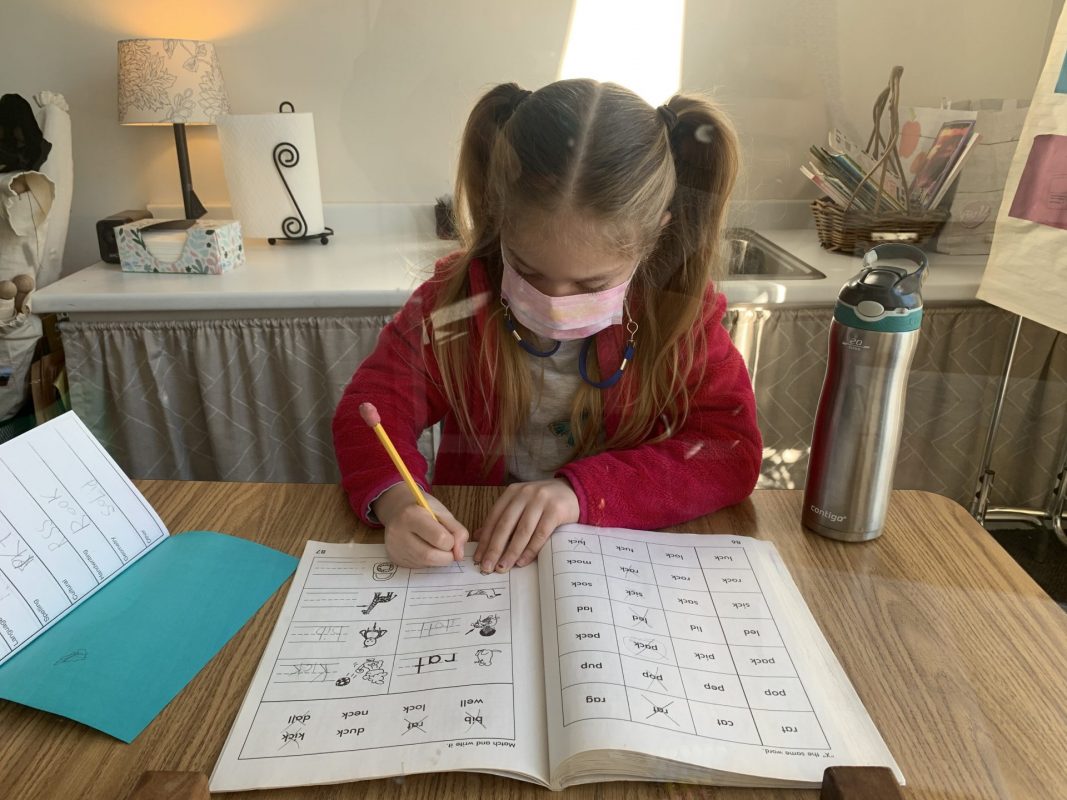
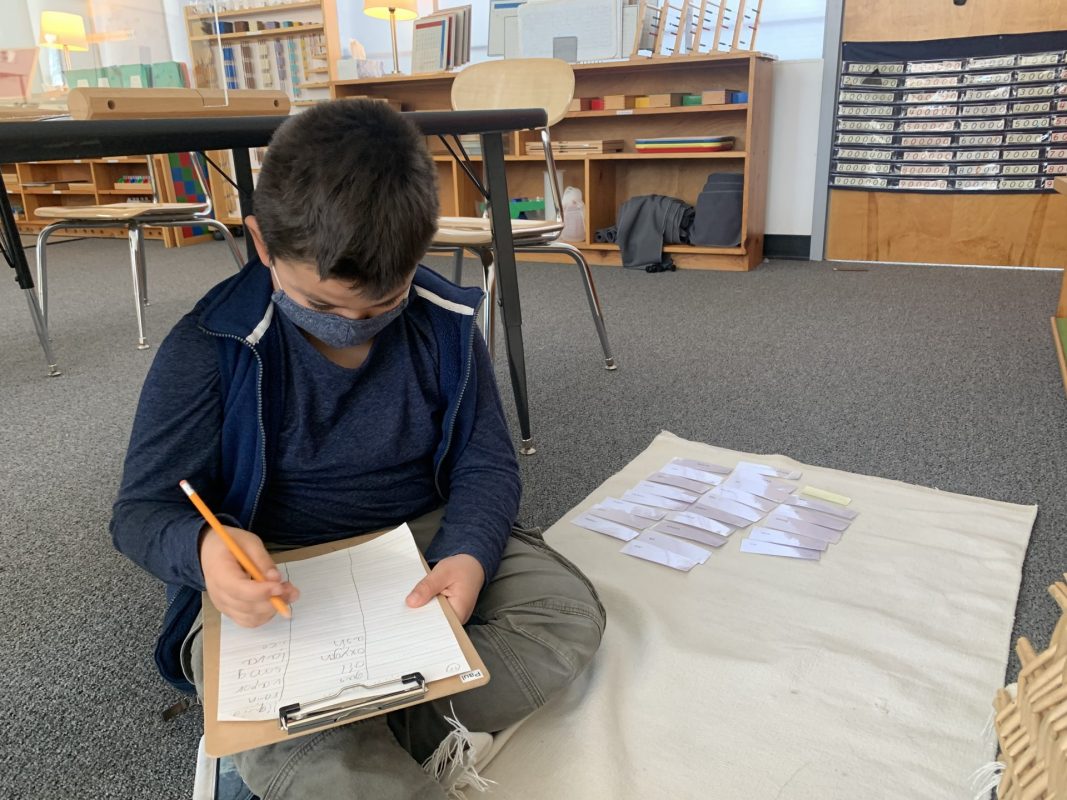
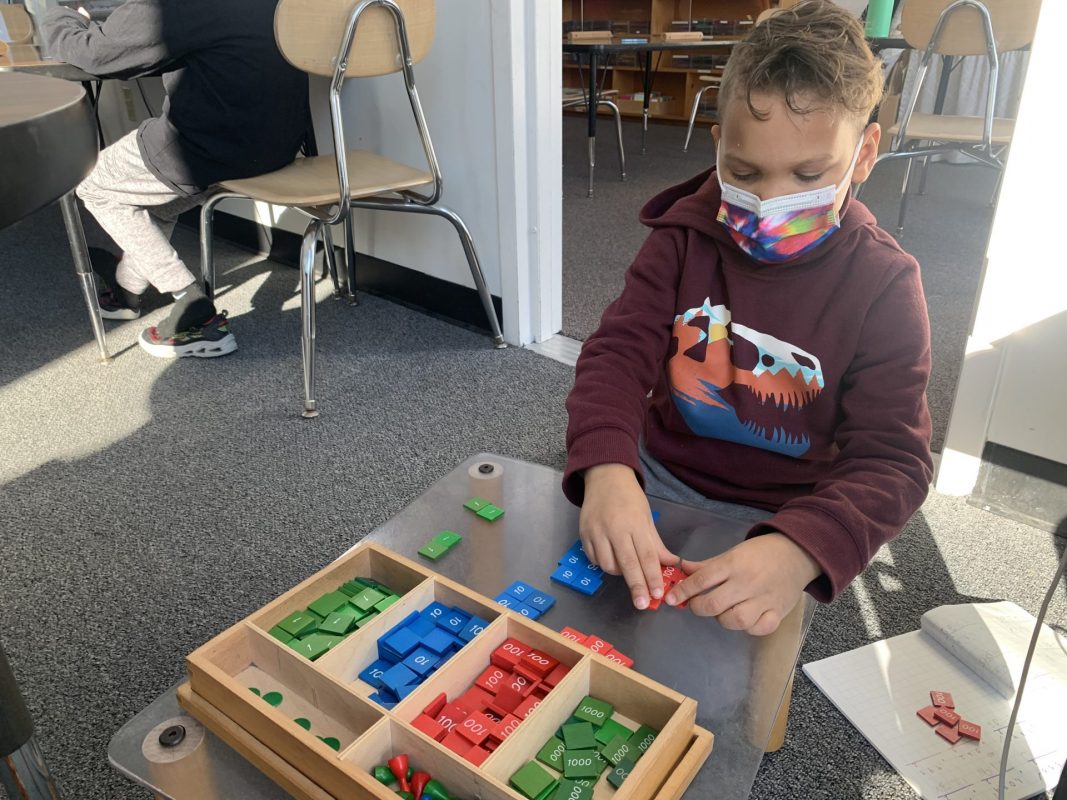
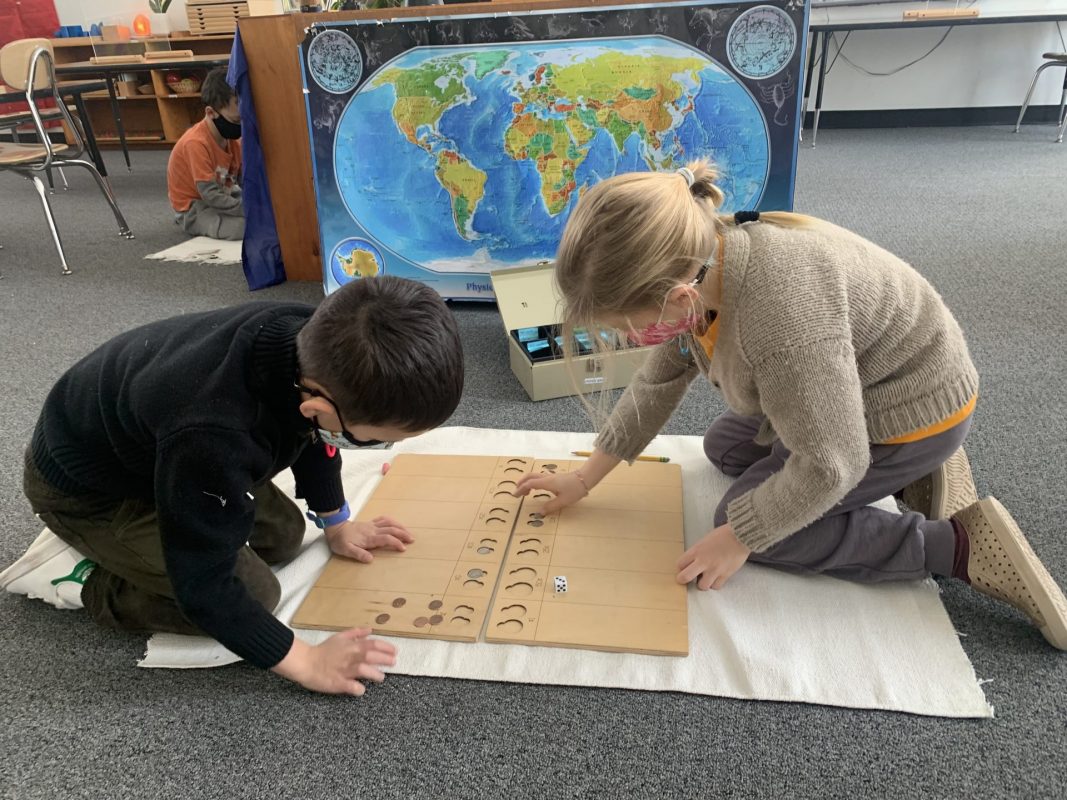
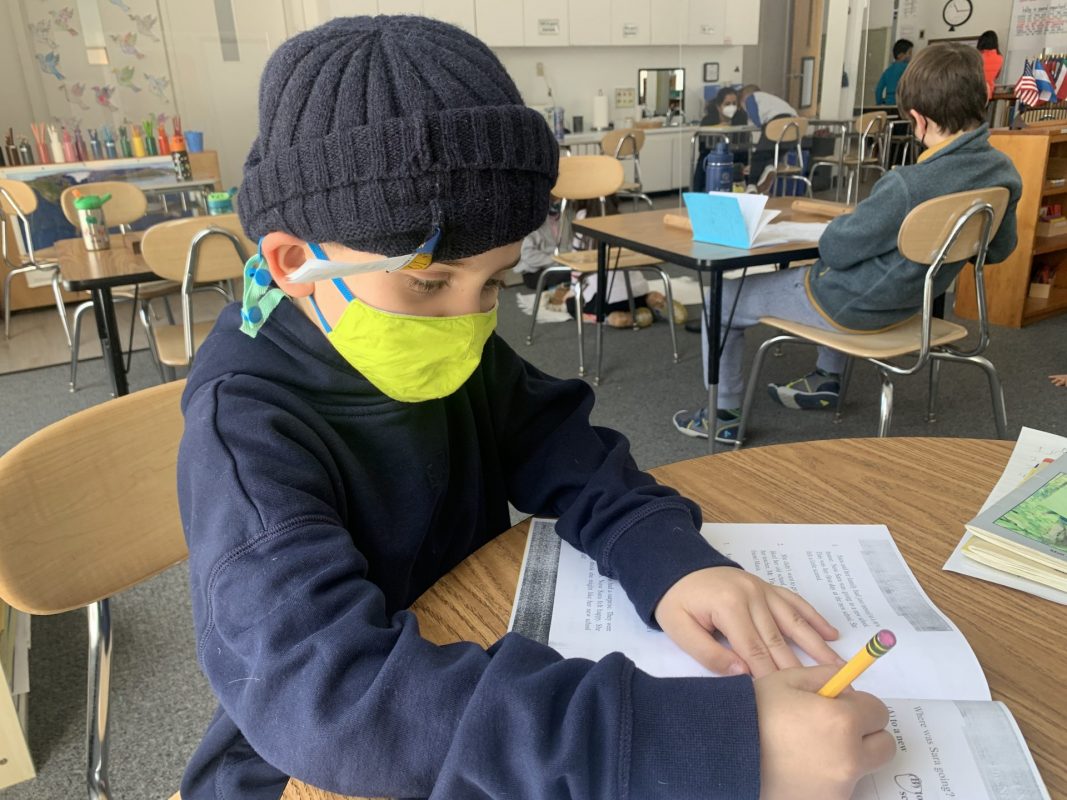
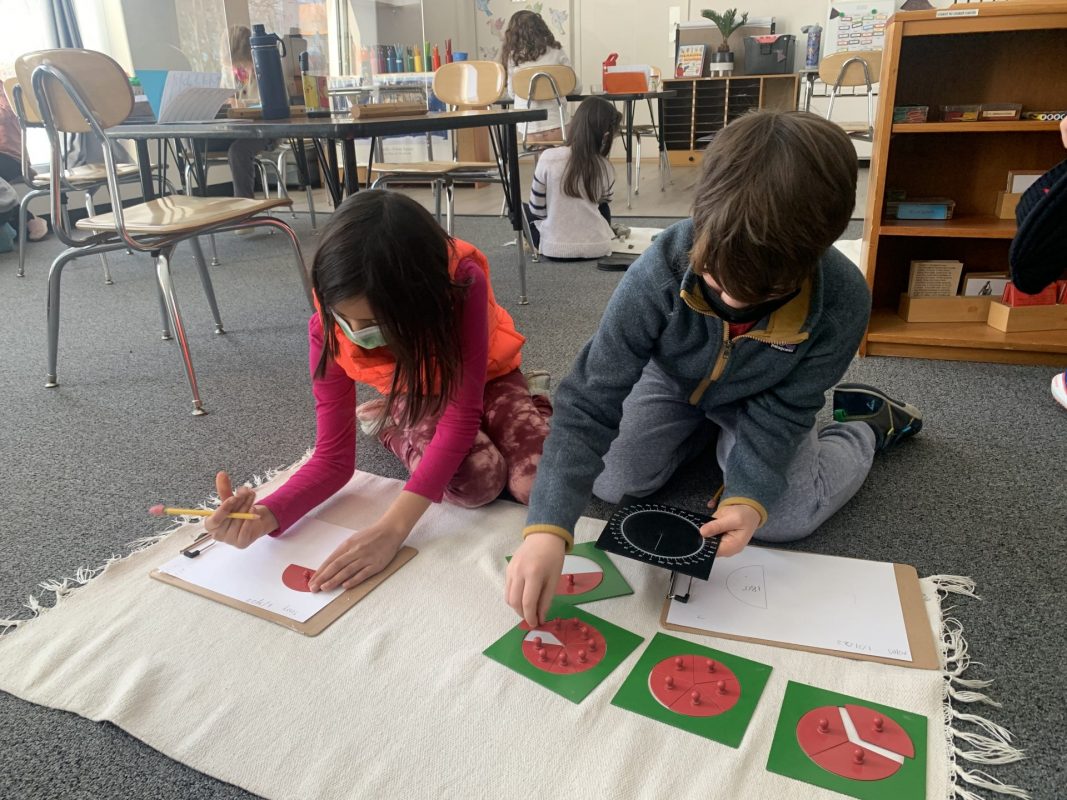
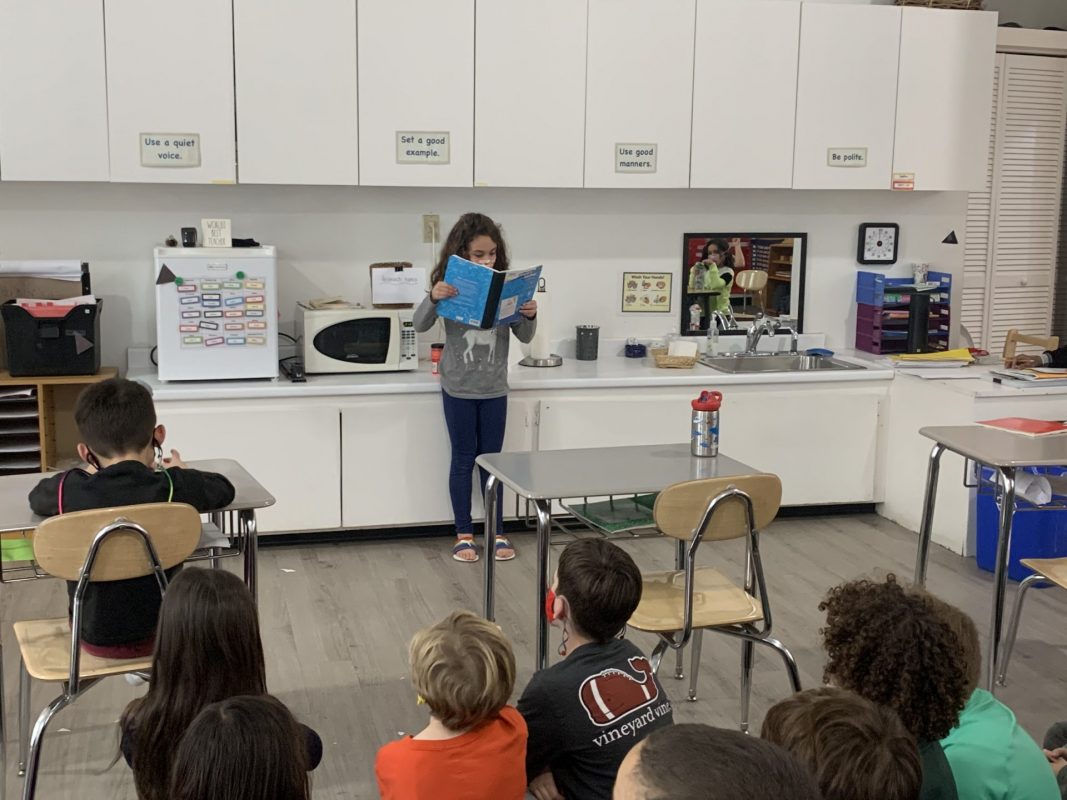
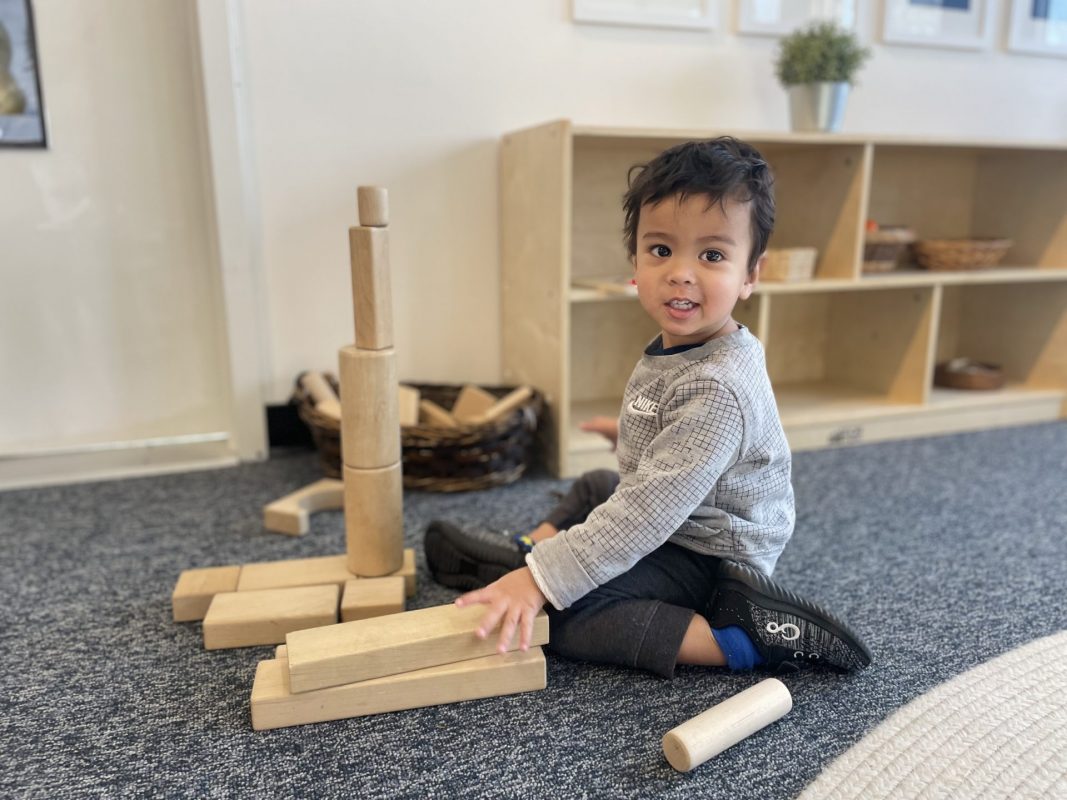
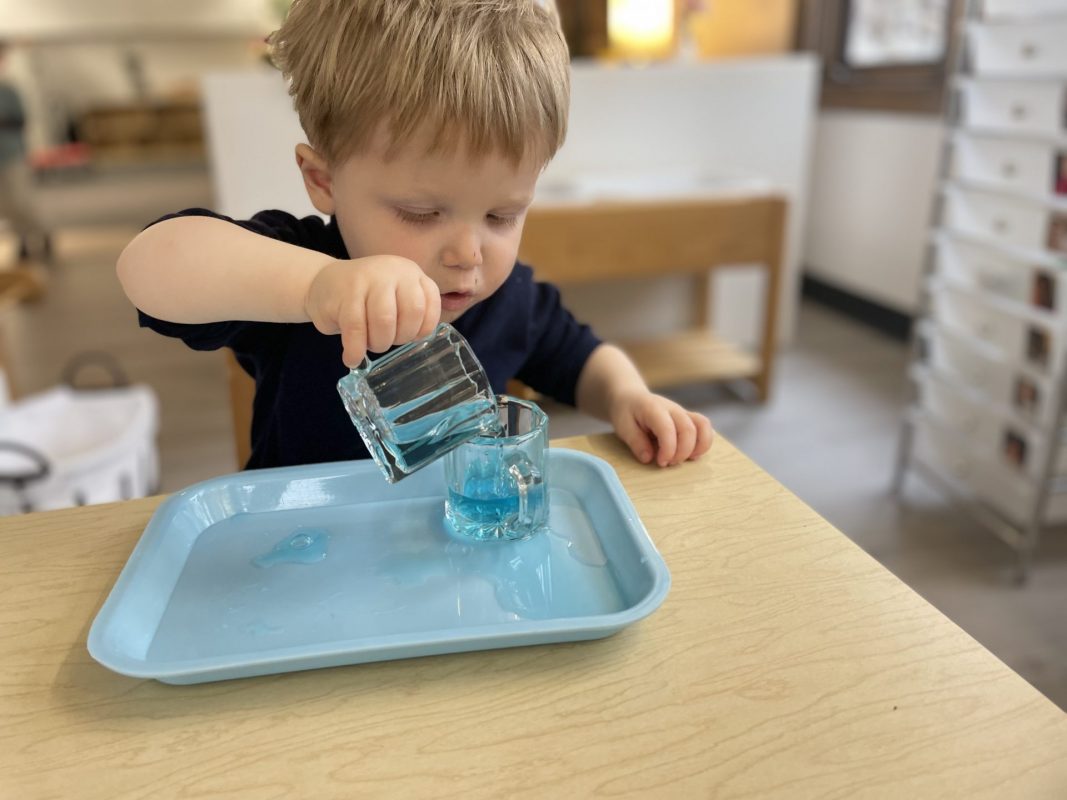
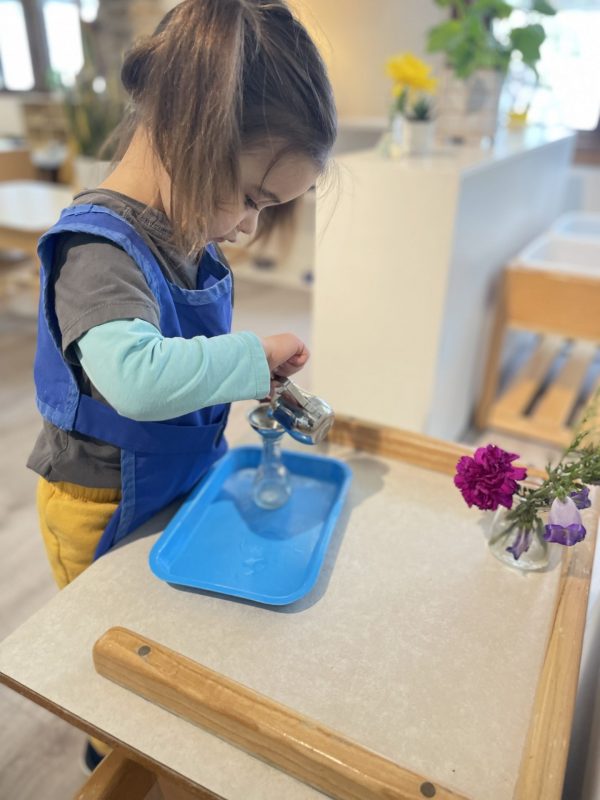
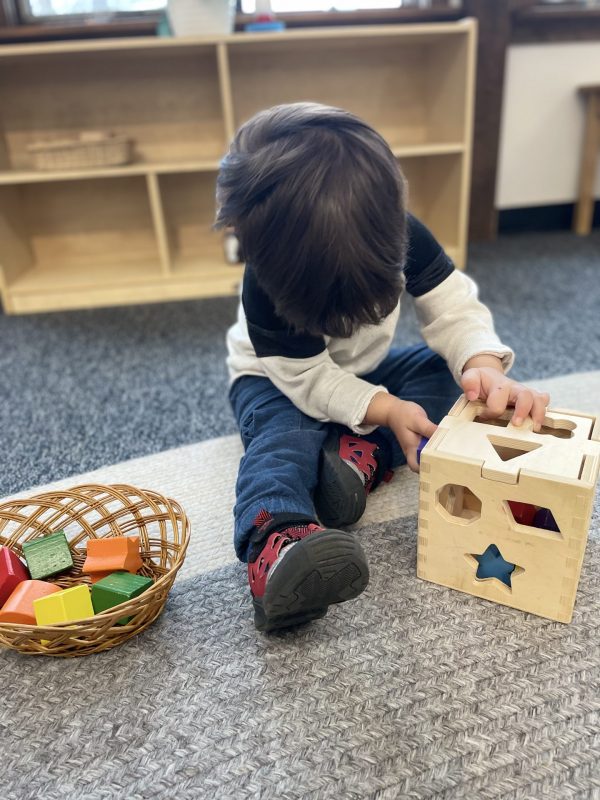
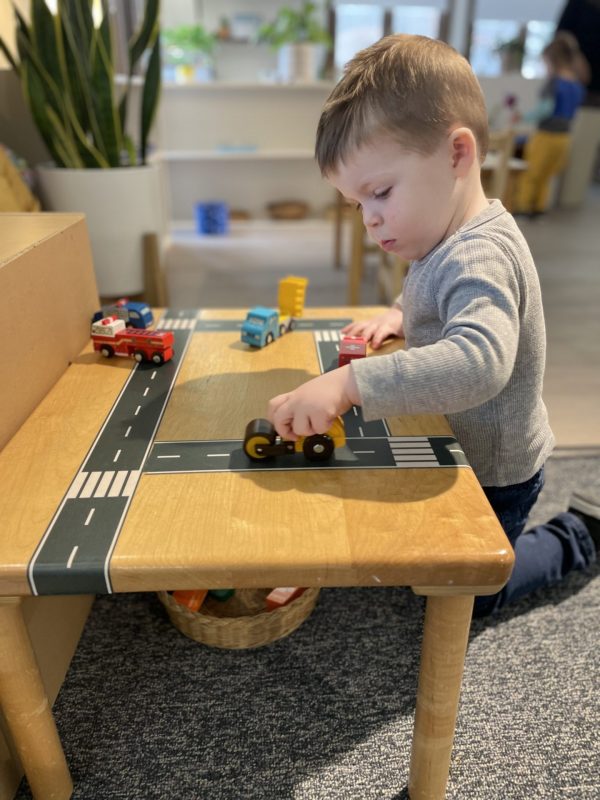
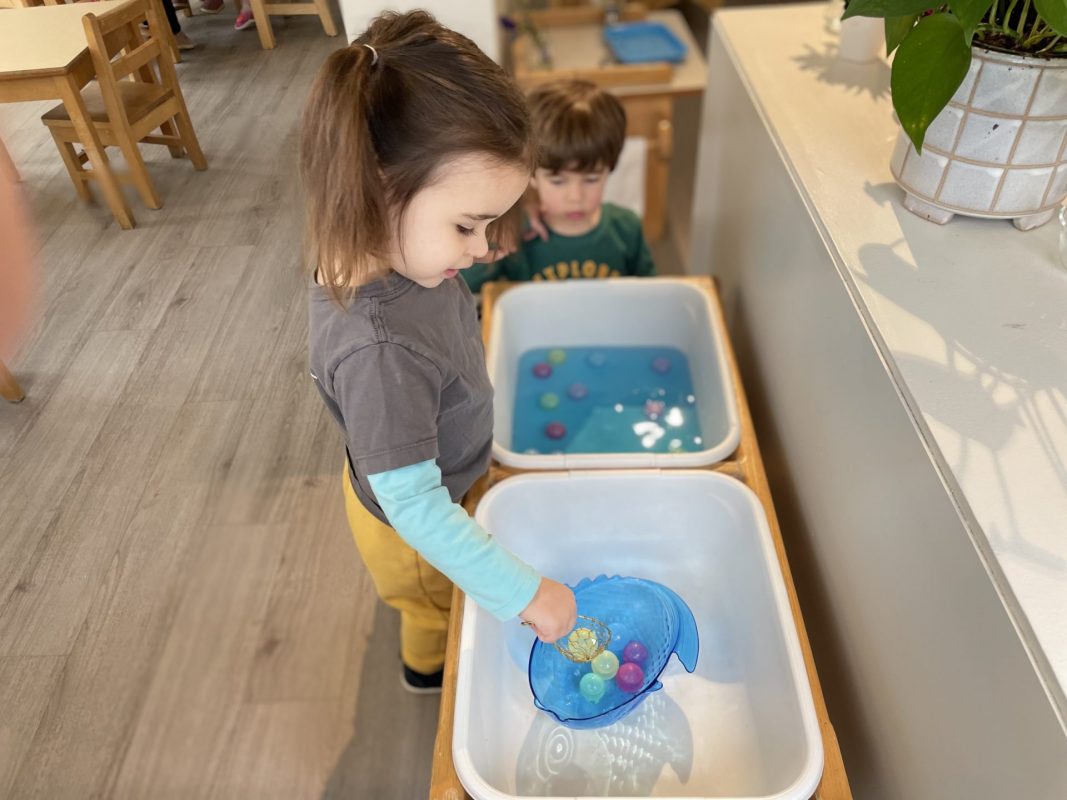
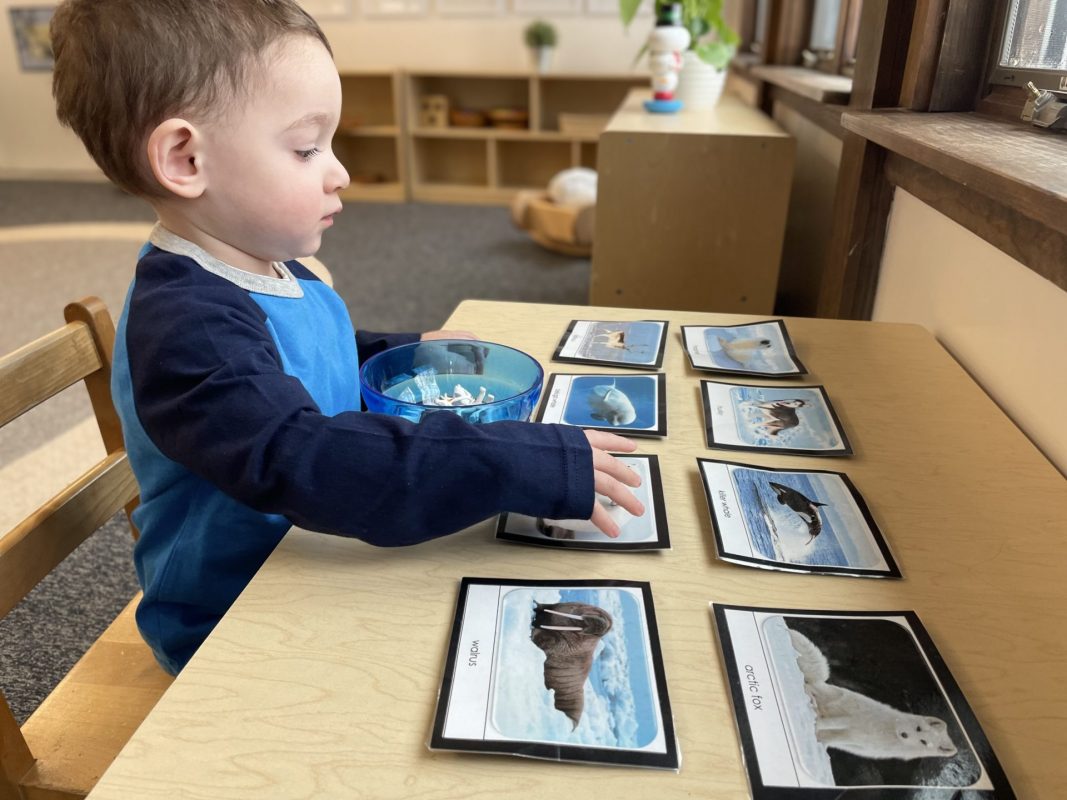
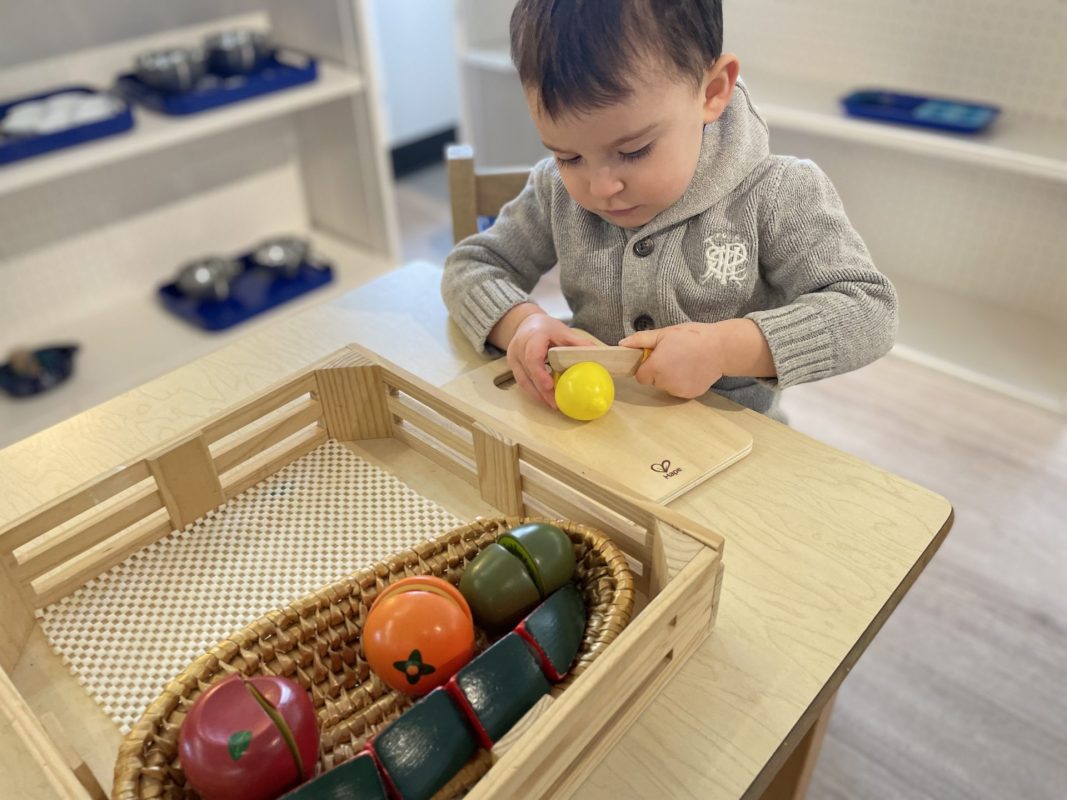
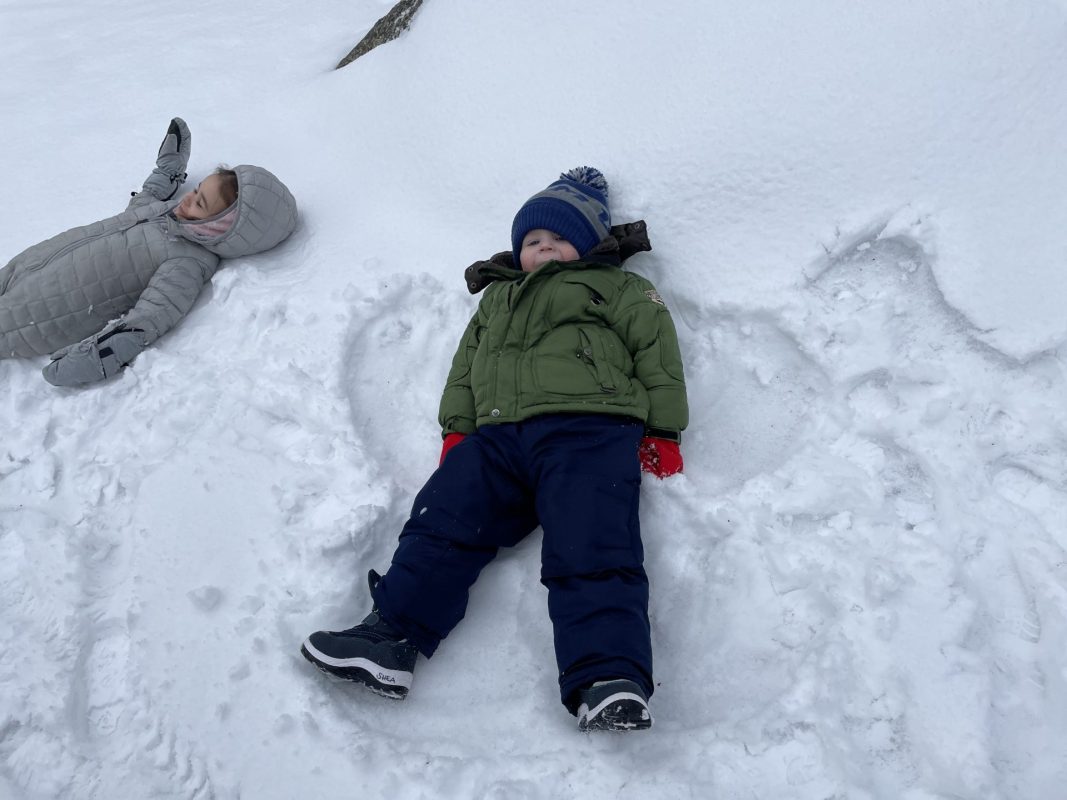
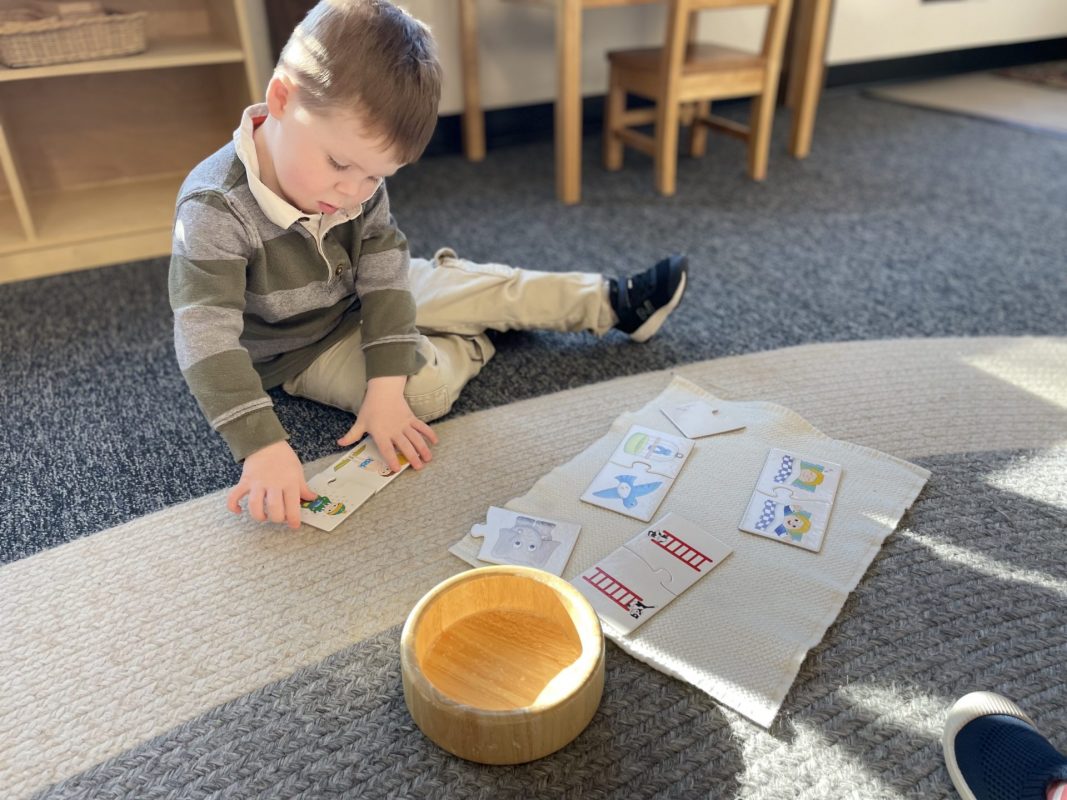
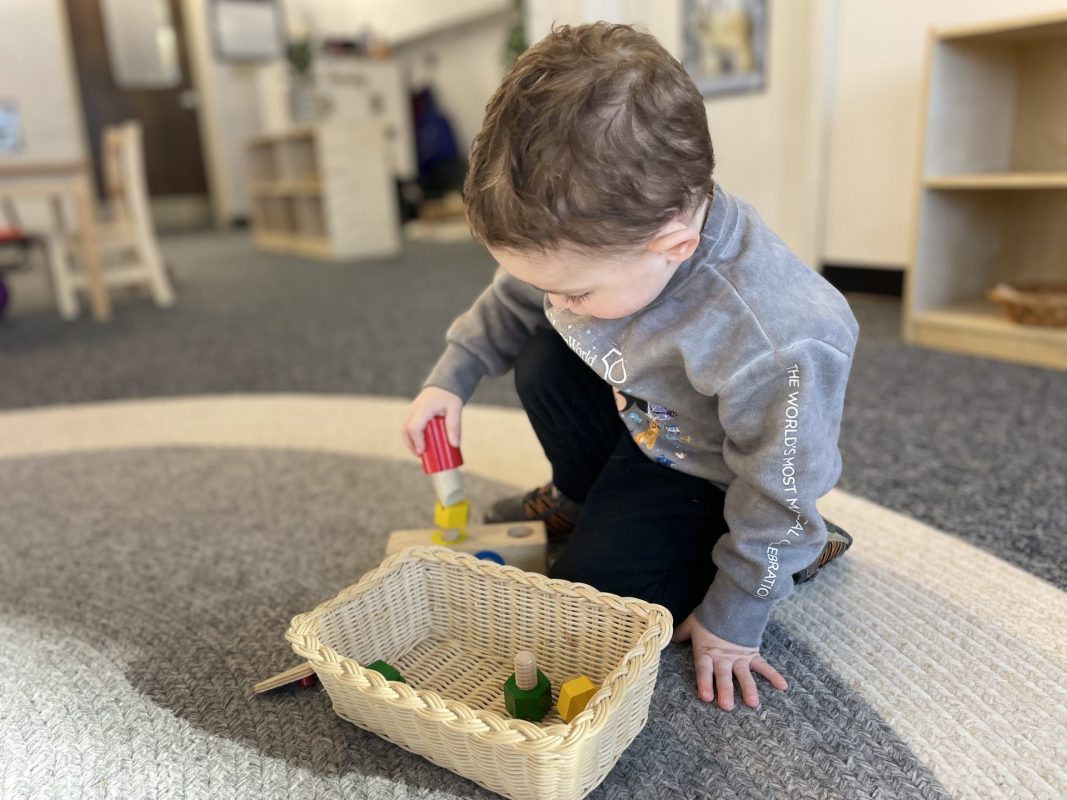
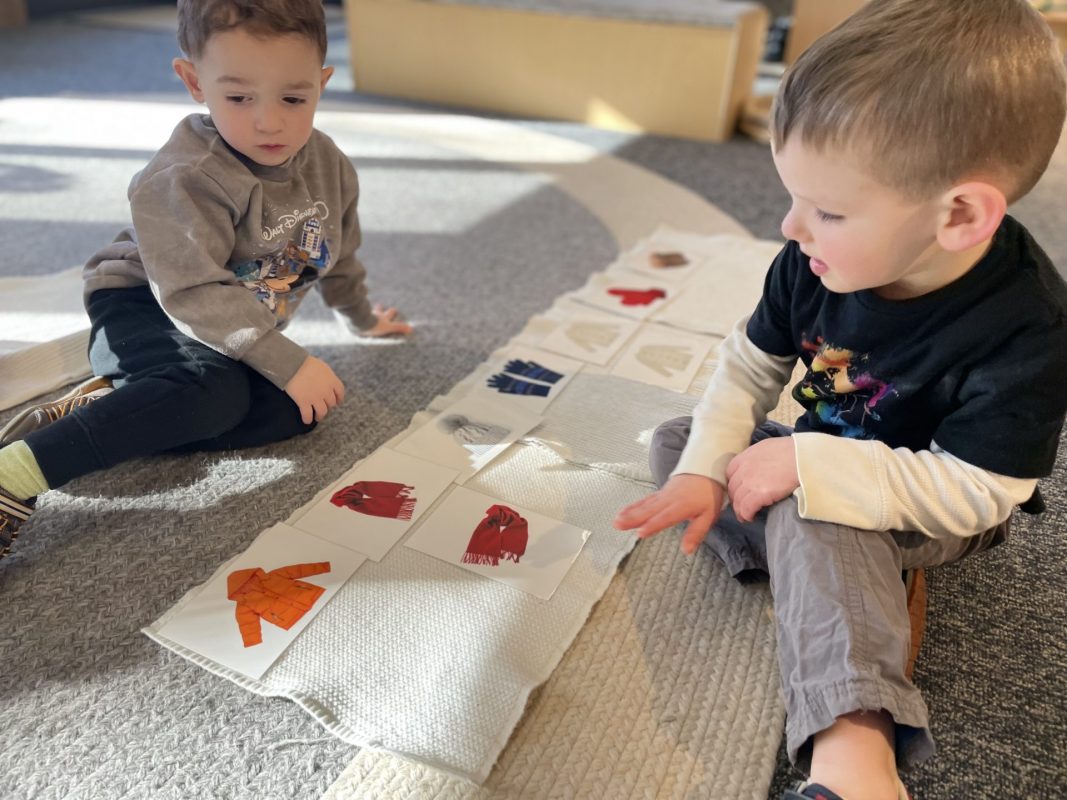
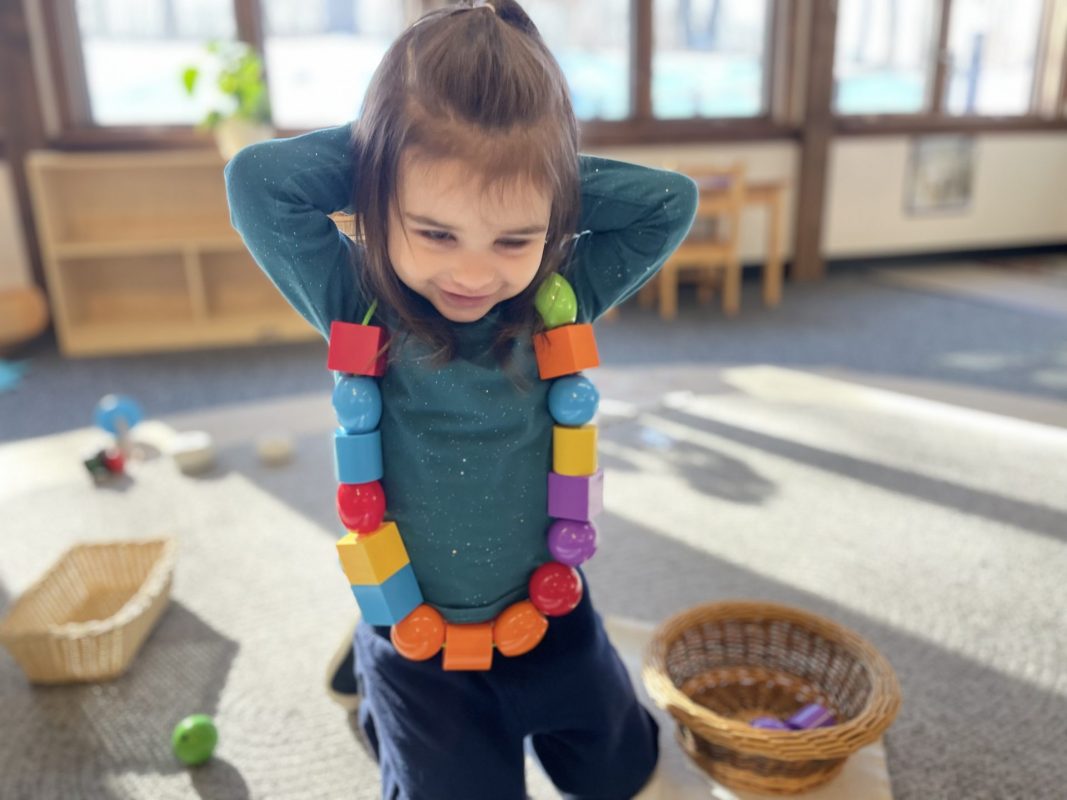
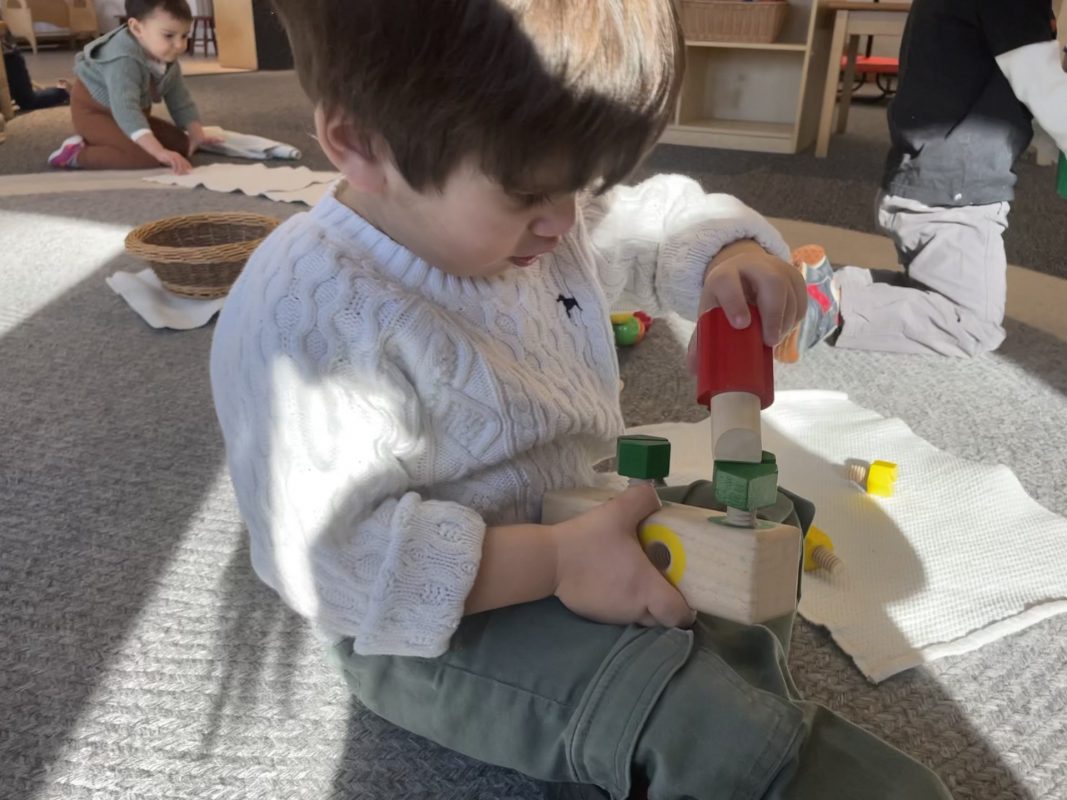
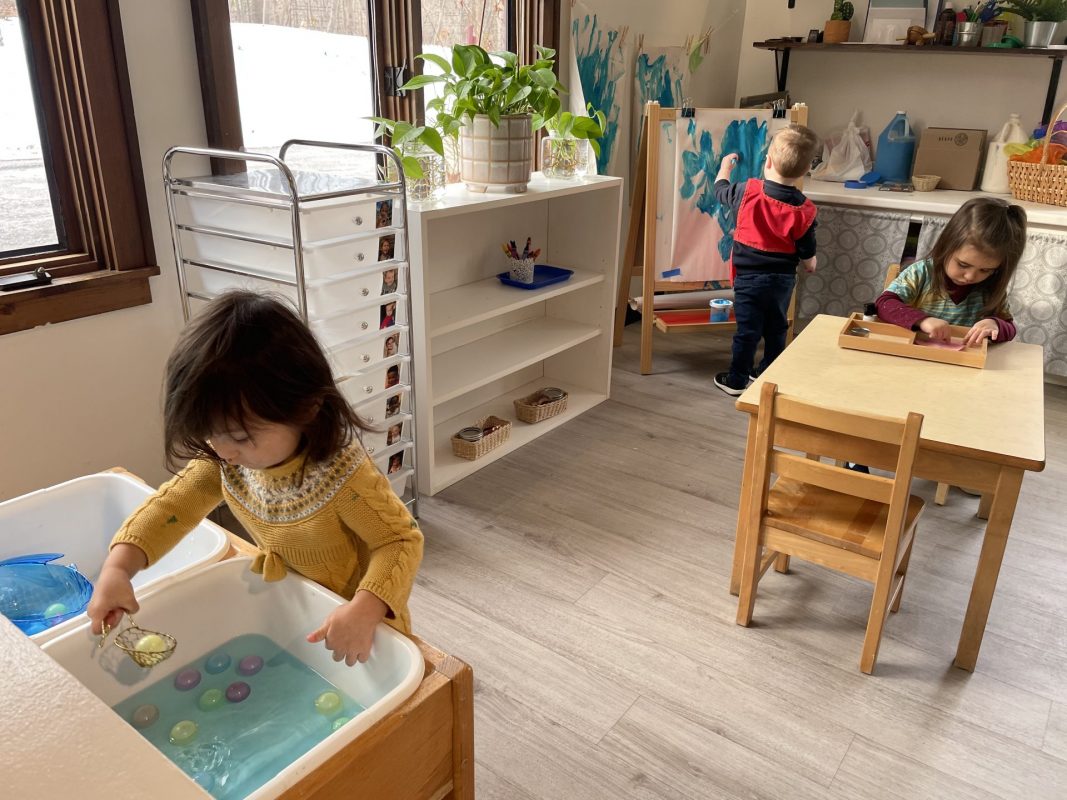
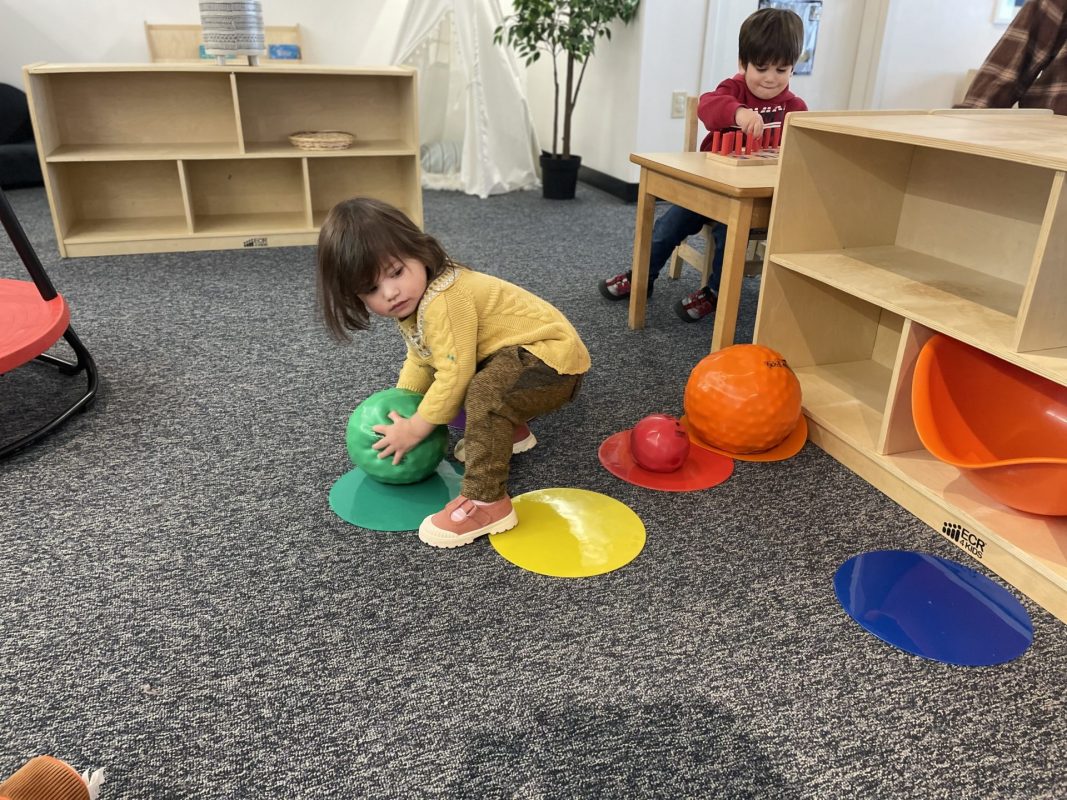
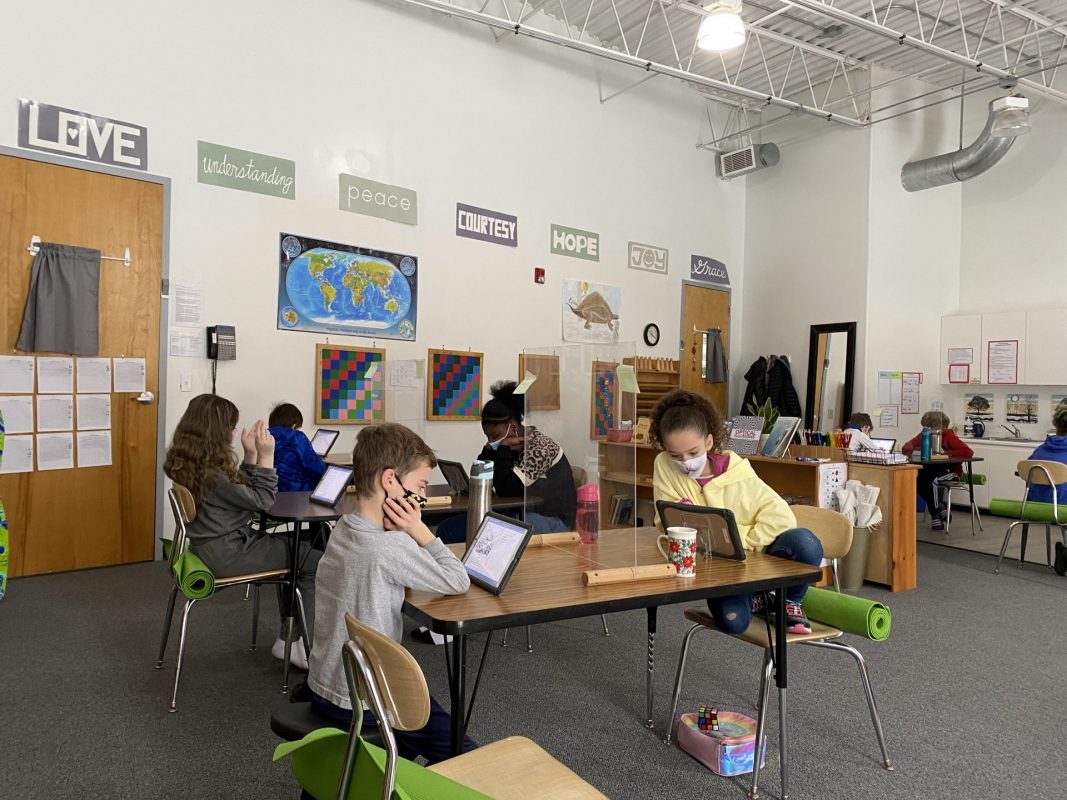
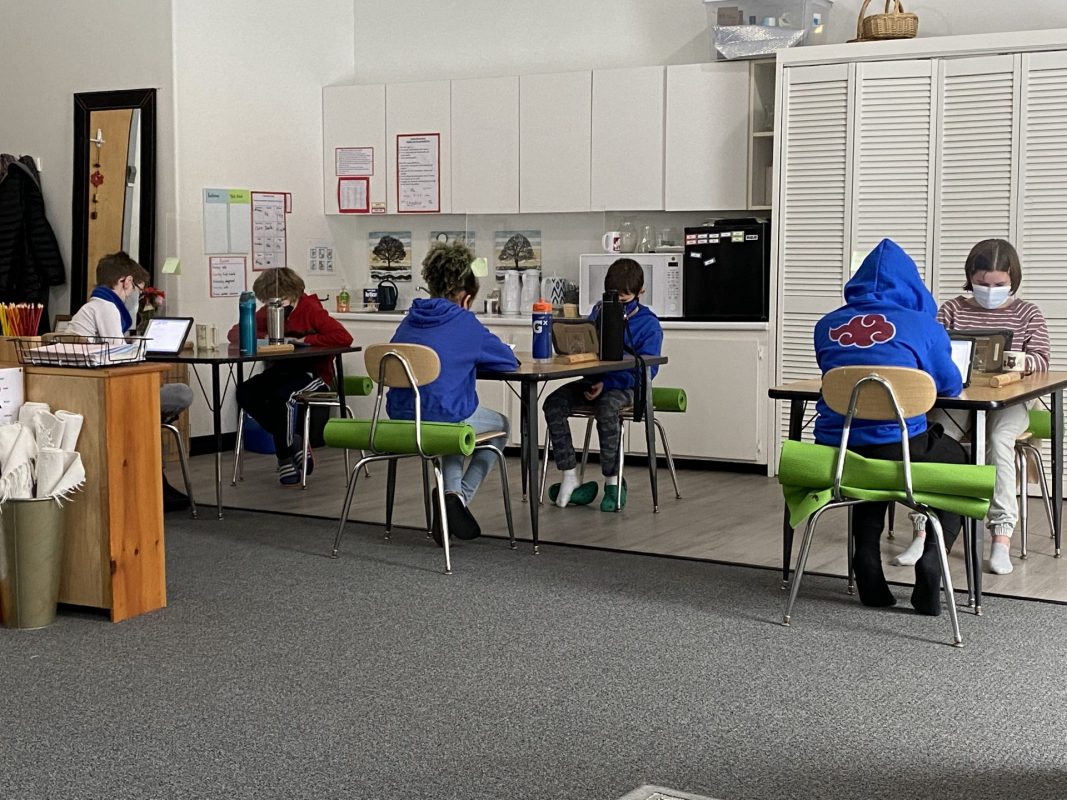
The Montessori Method is based on self-motivation to learn. Children are considered to be at work during the day, but they have fun doing it. They do go beyond life skills, learning geometry, geography, phonics, and much more. Young children have the capacity to absorb, learn, and do so much. They just need a controlled, creative environment to allow them to pursue their interests.

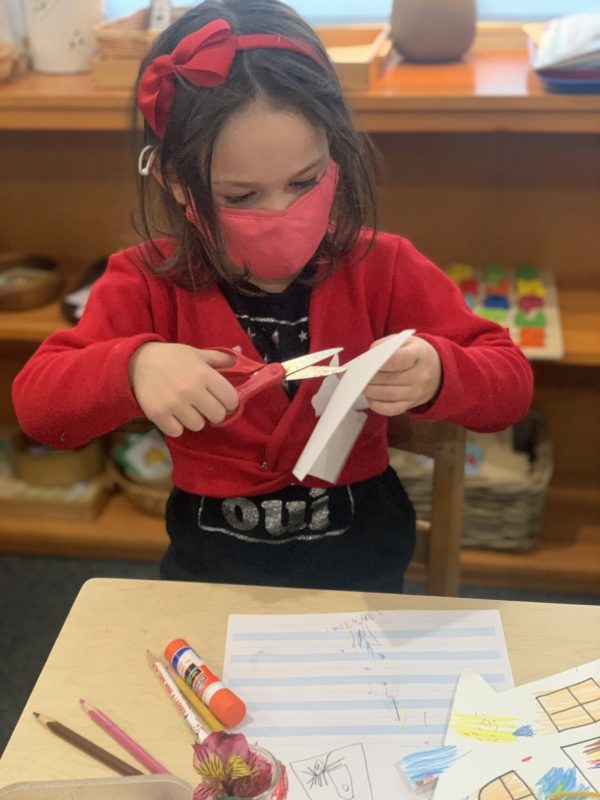
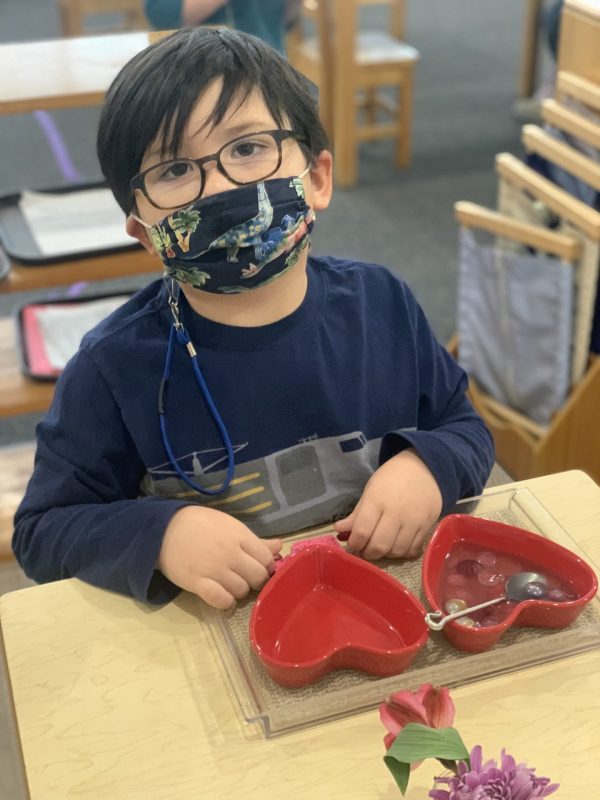
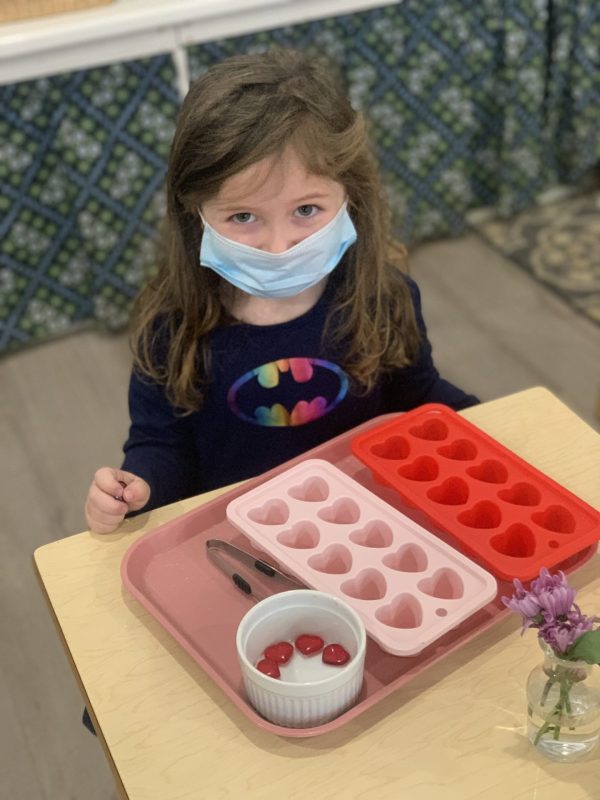
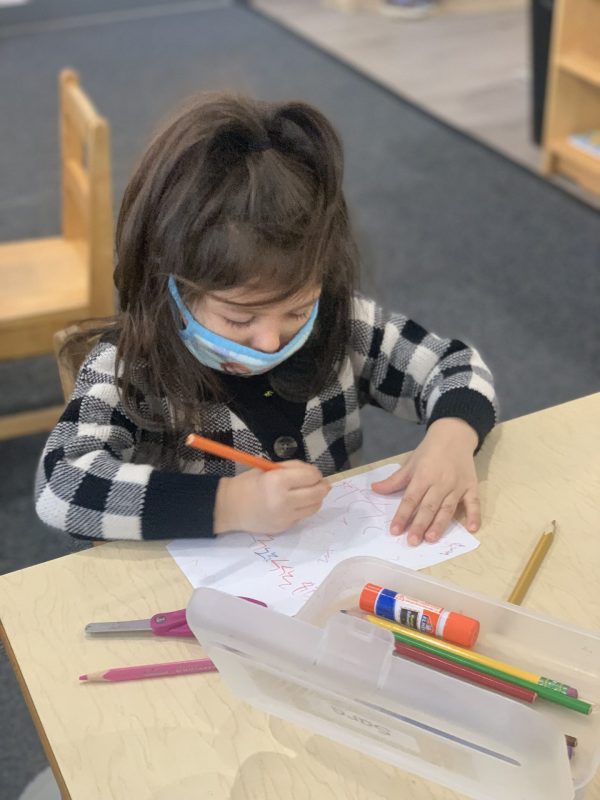
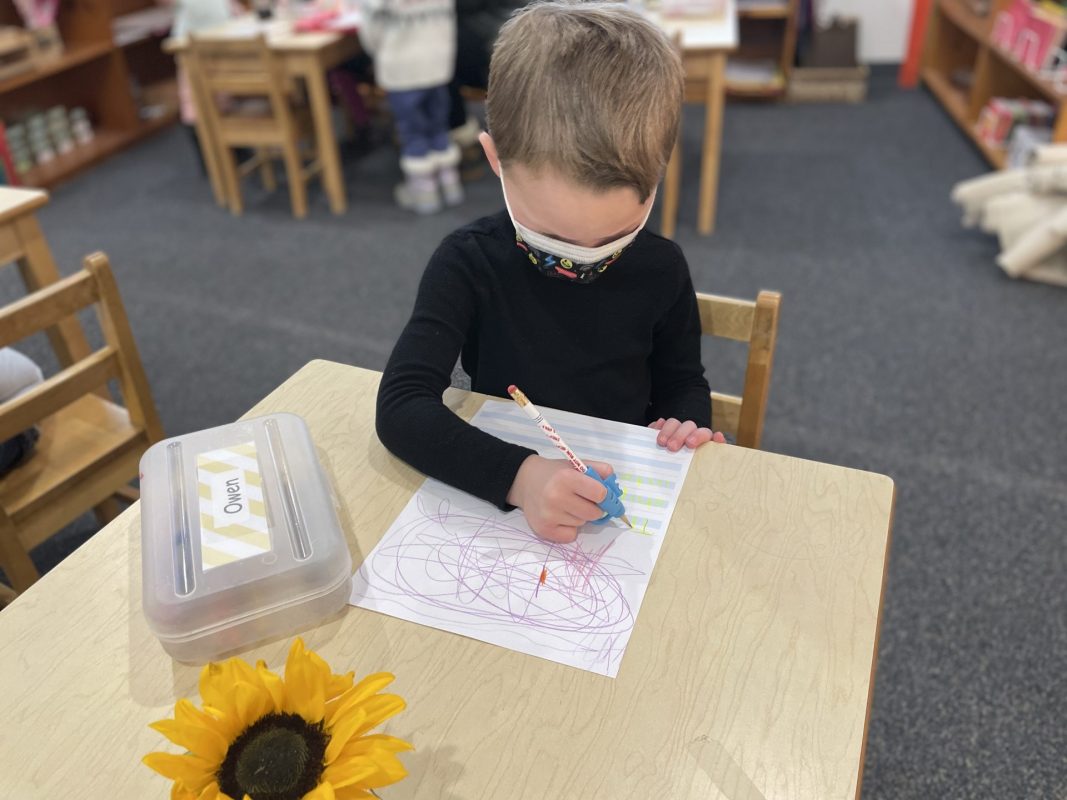
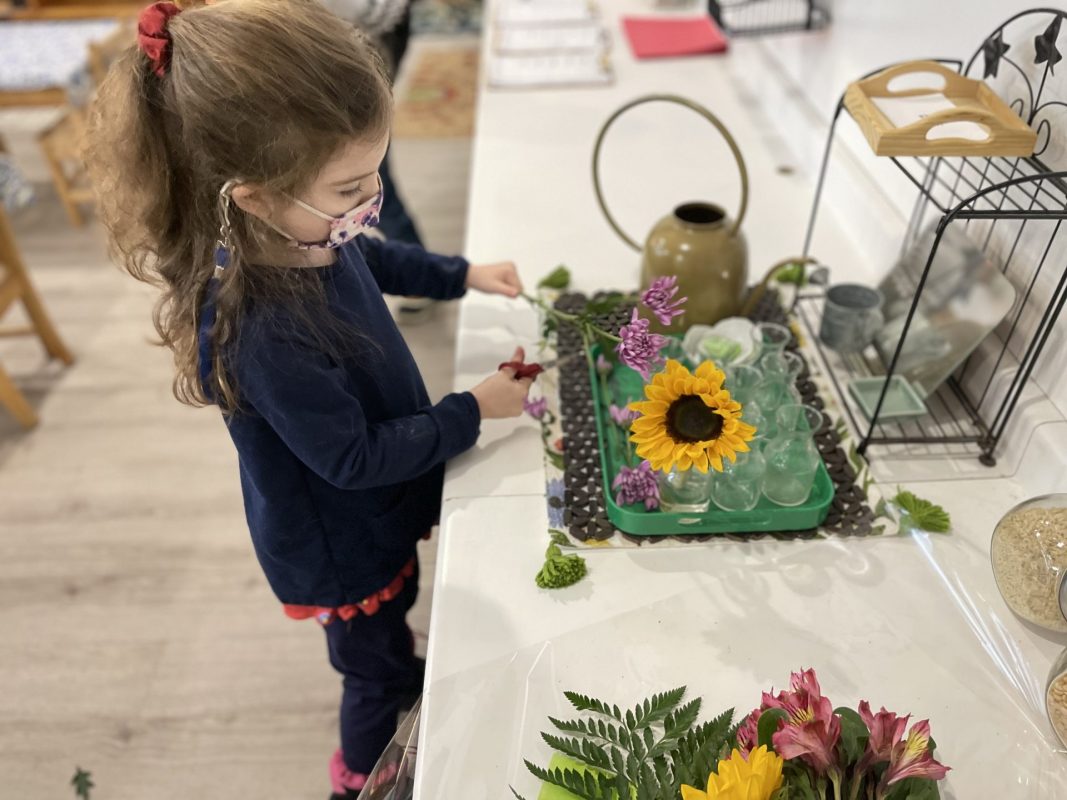
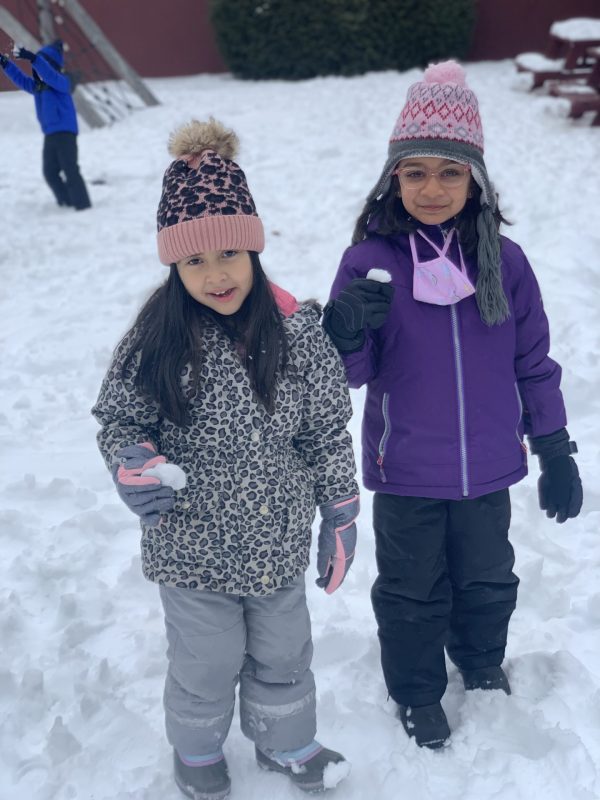
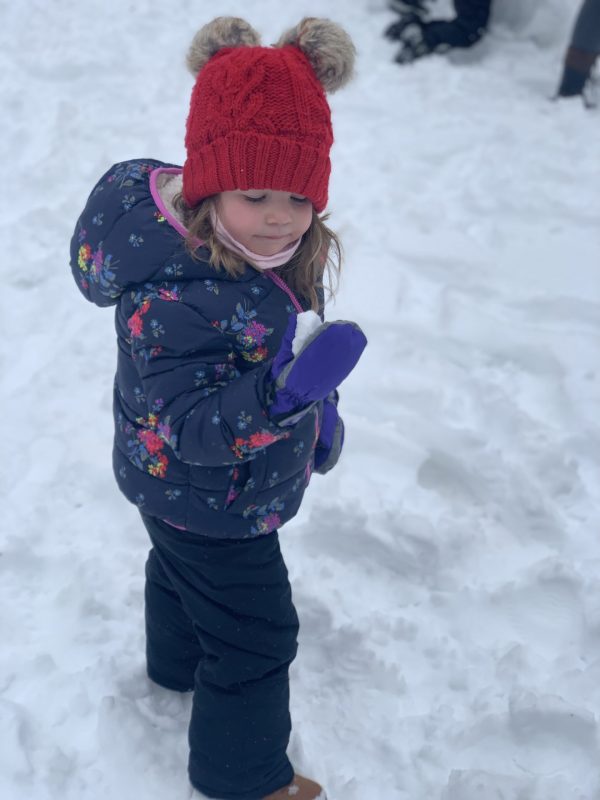
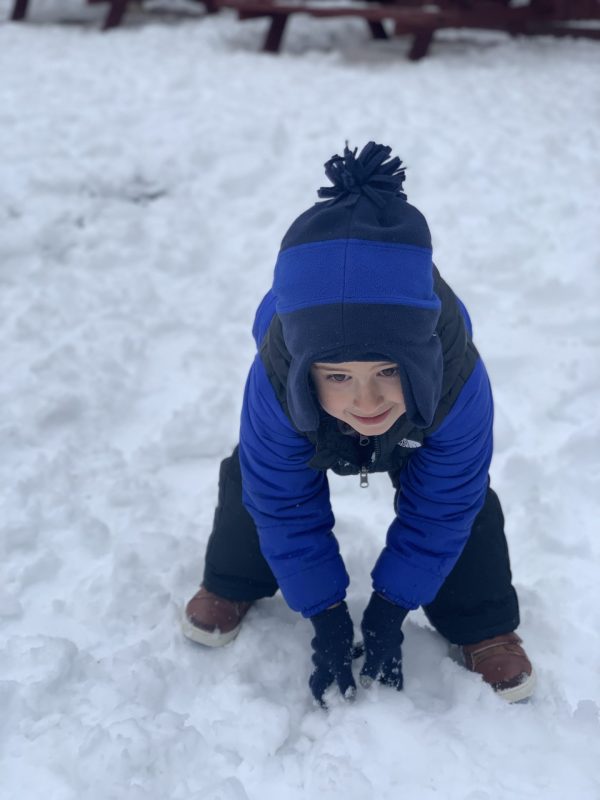
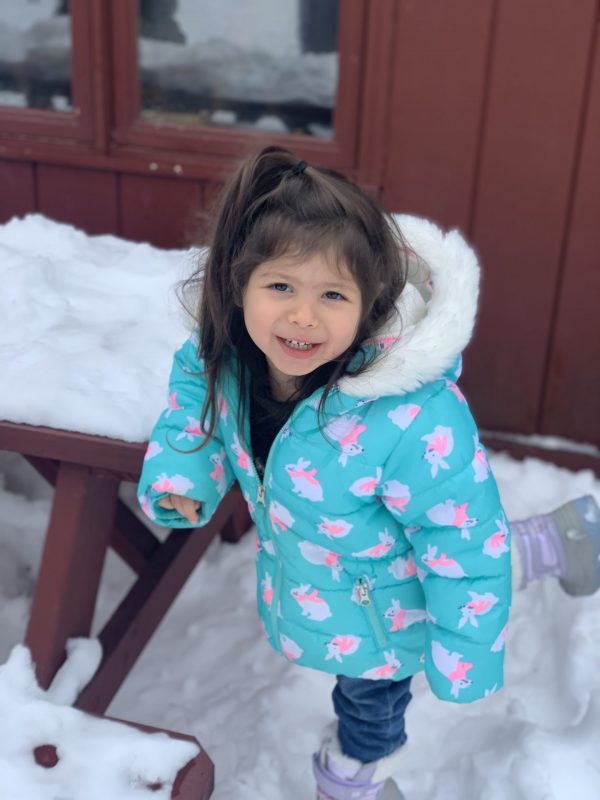
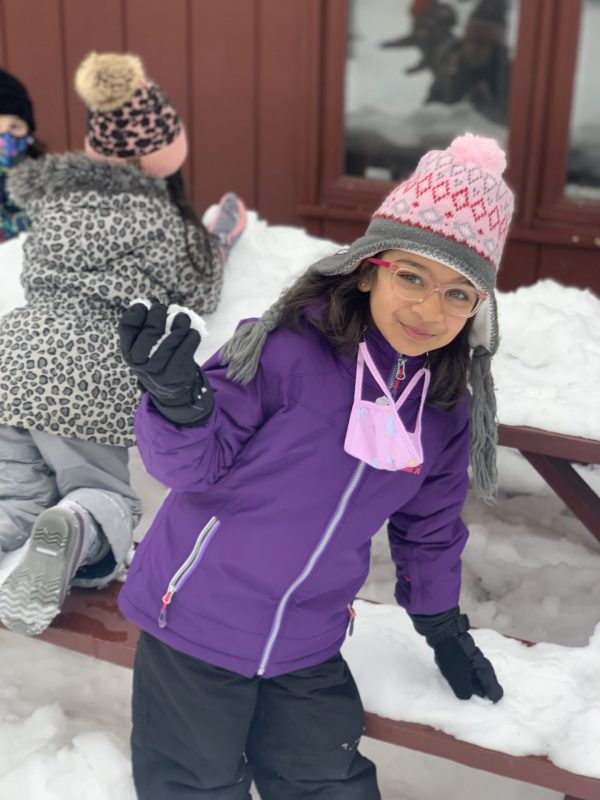
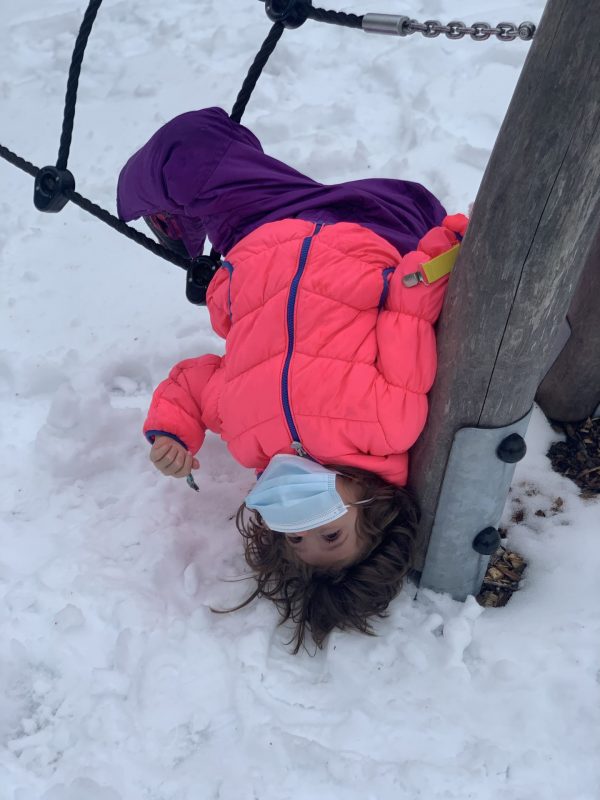
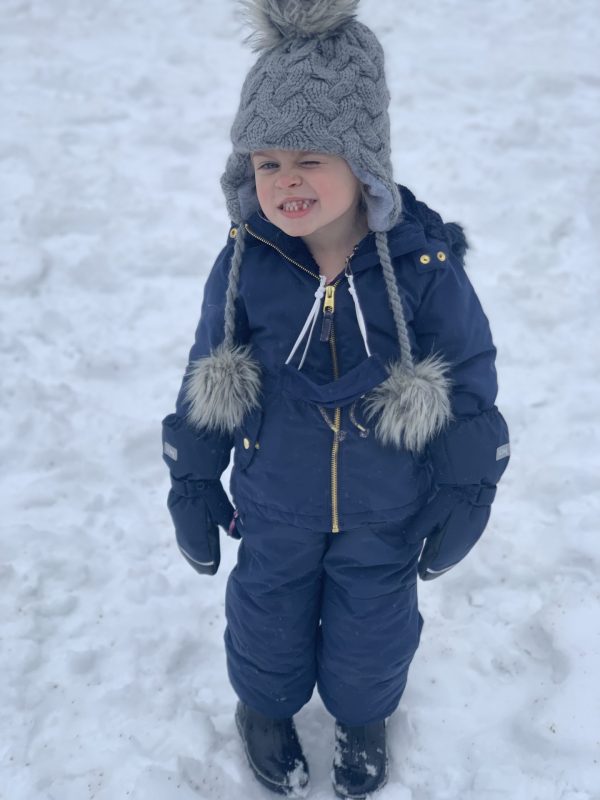
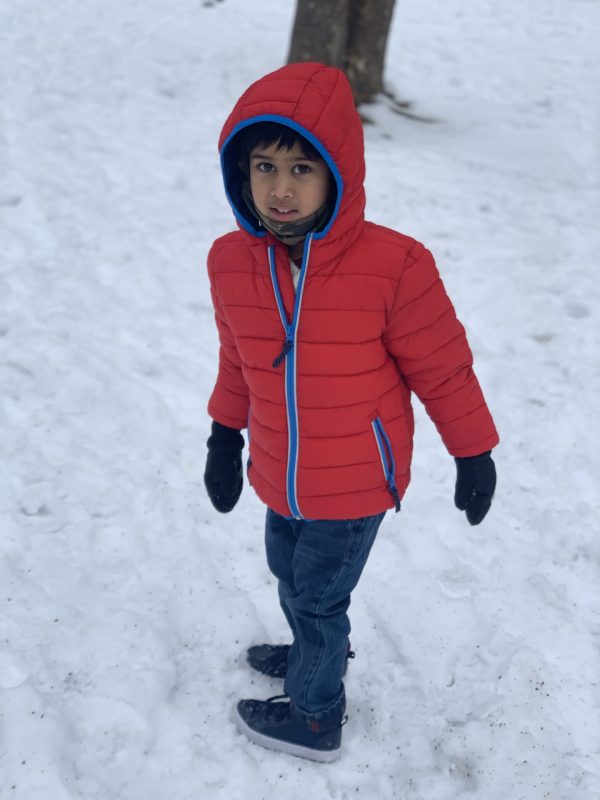
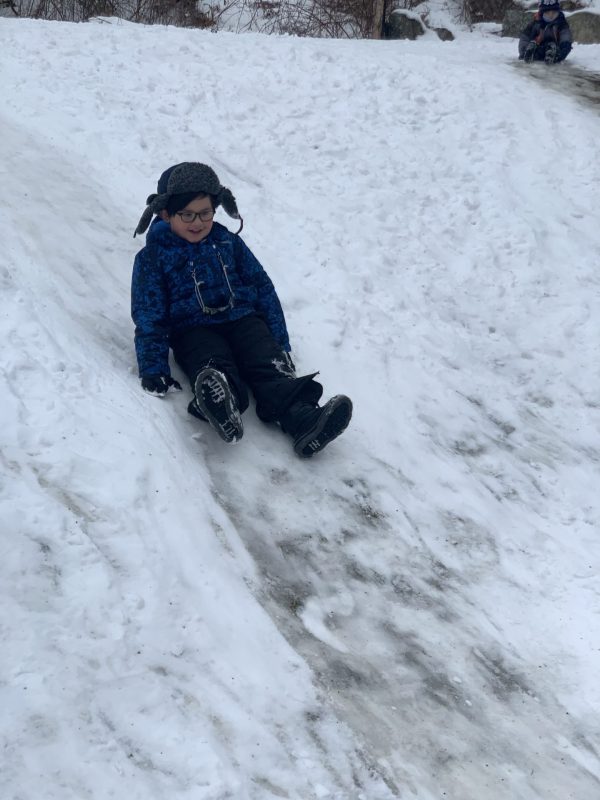
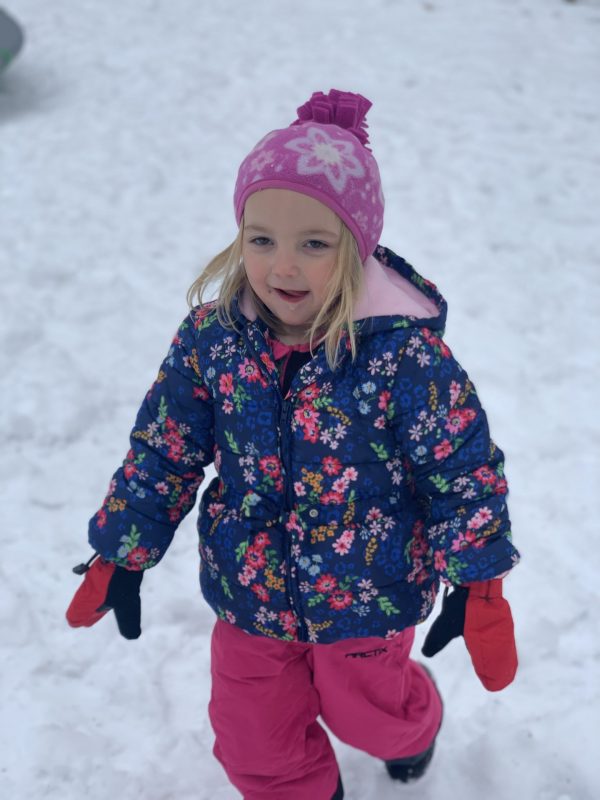
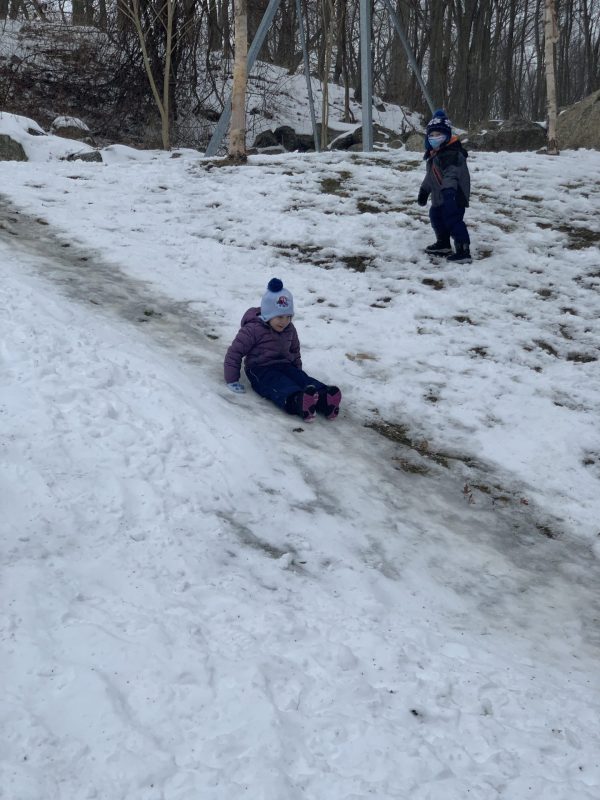
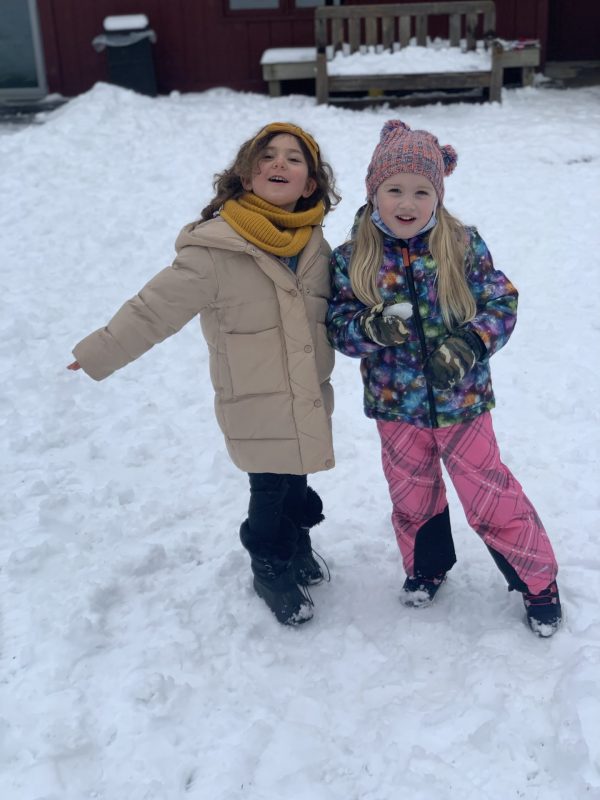
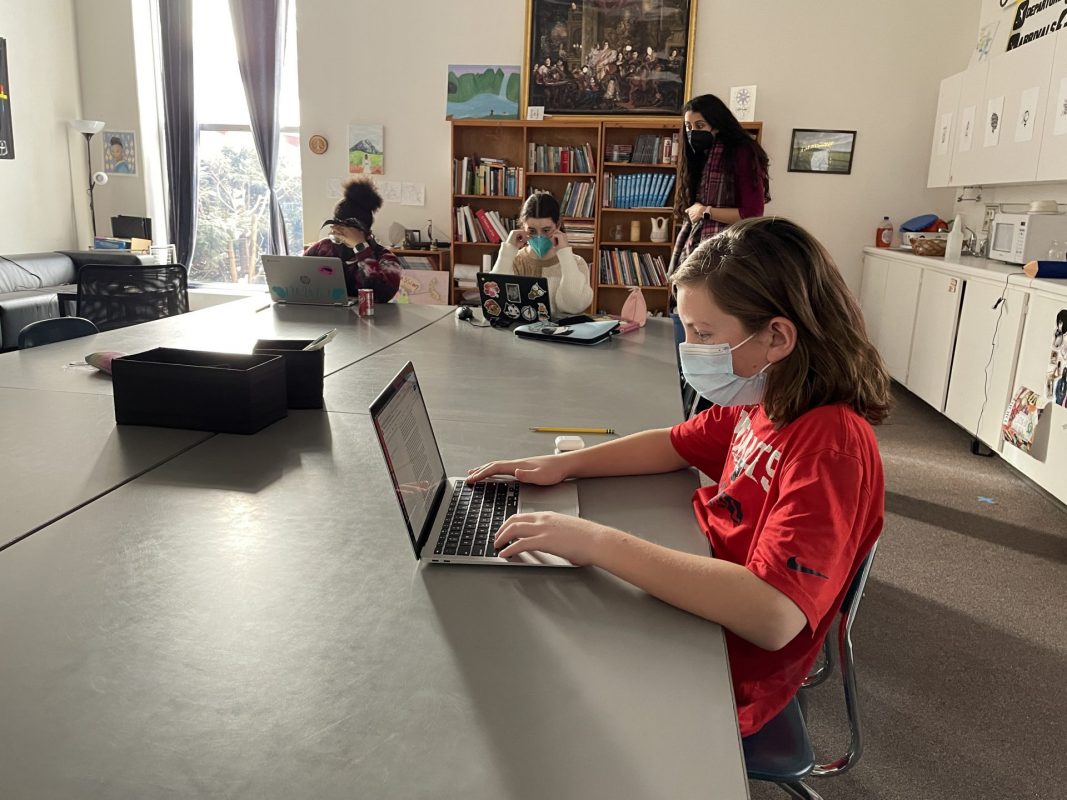
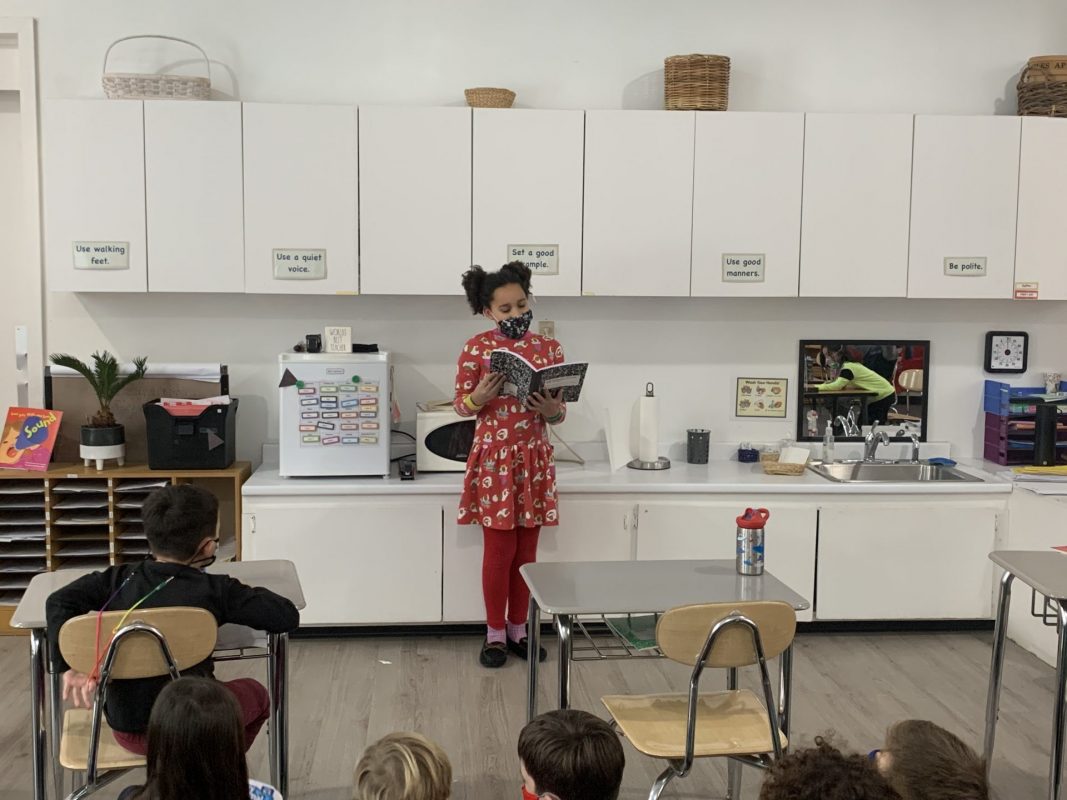
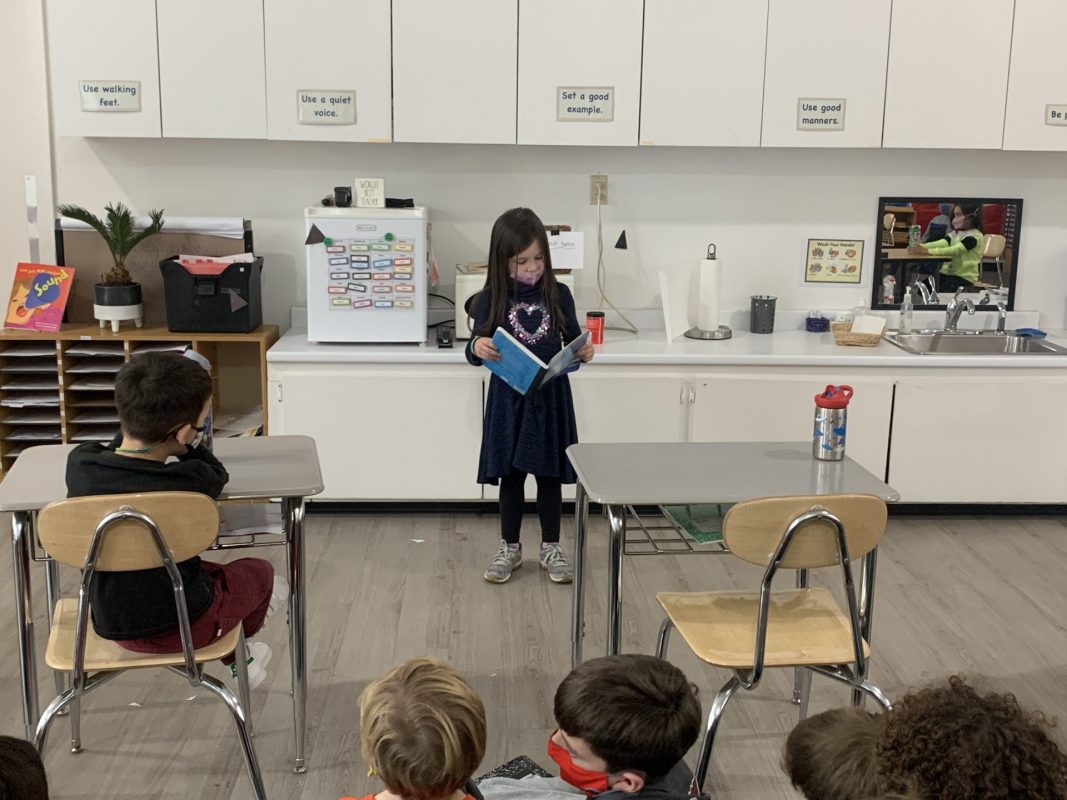
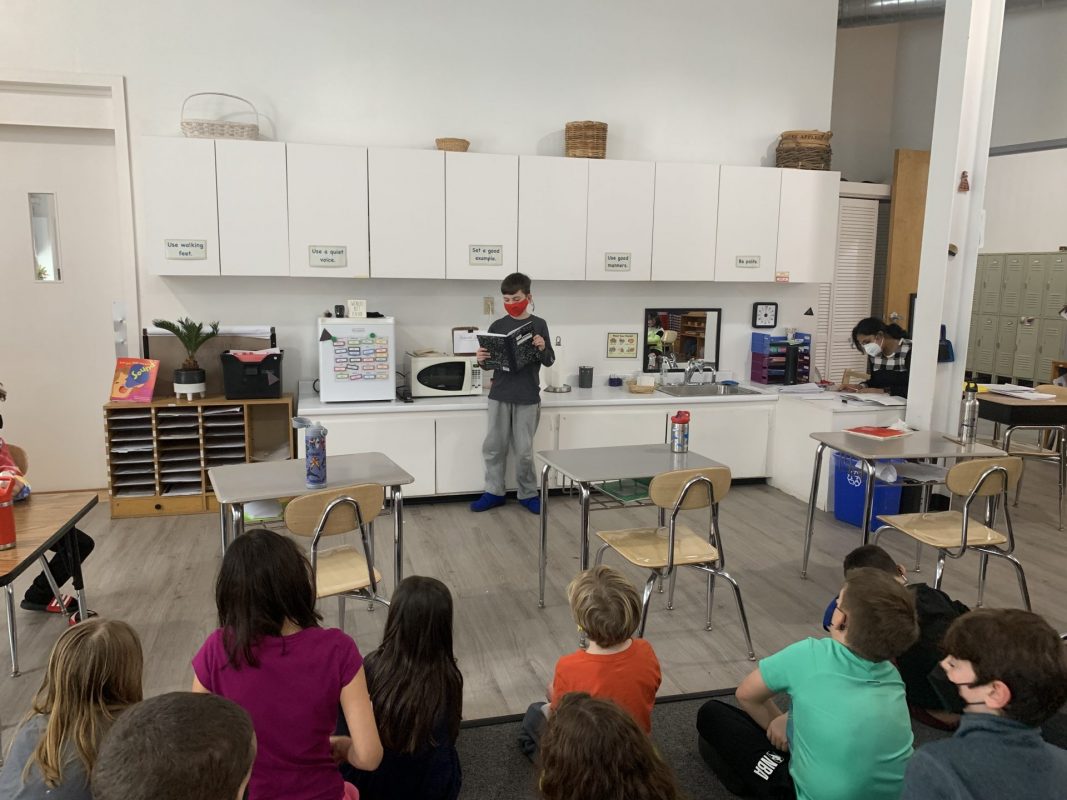
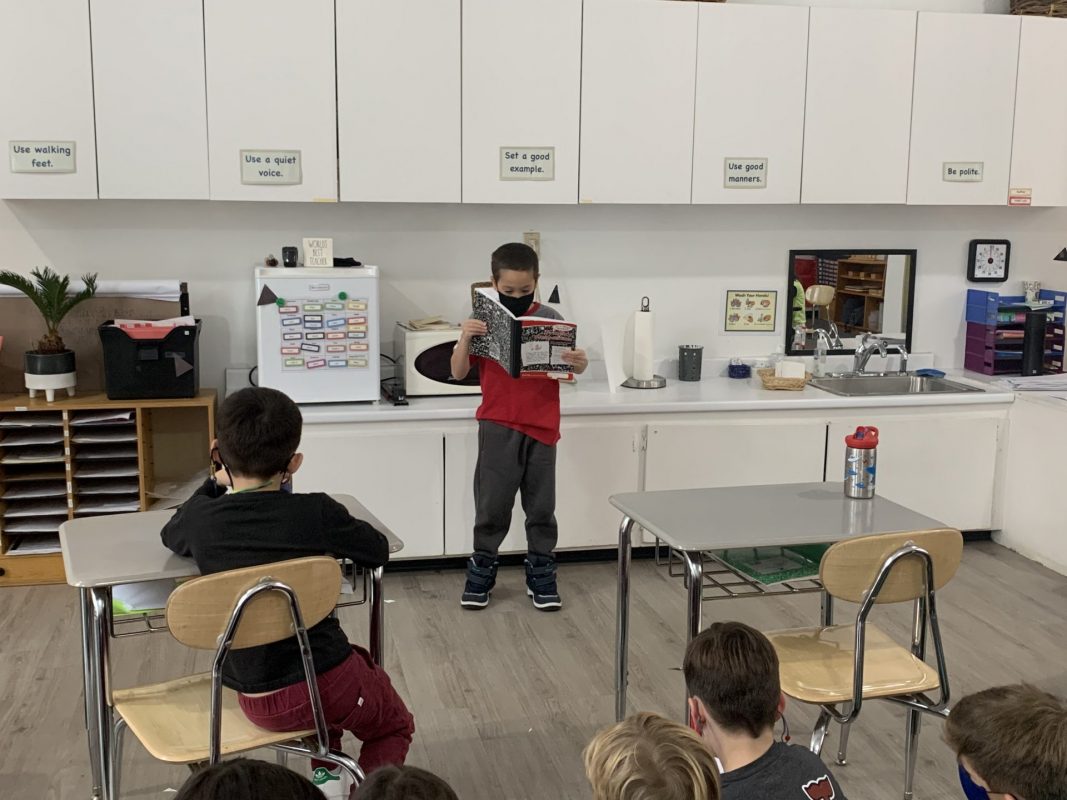
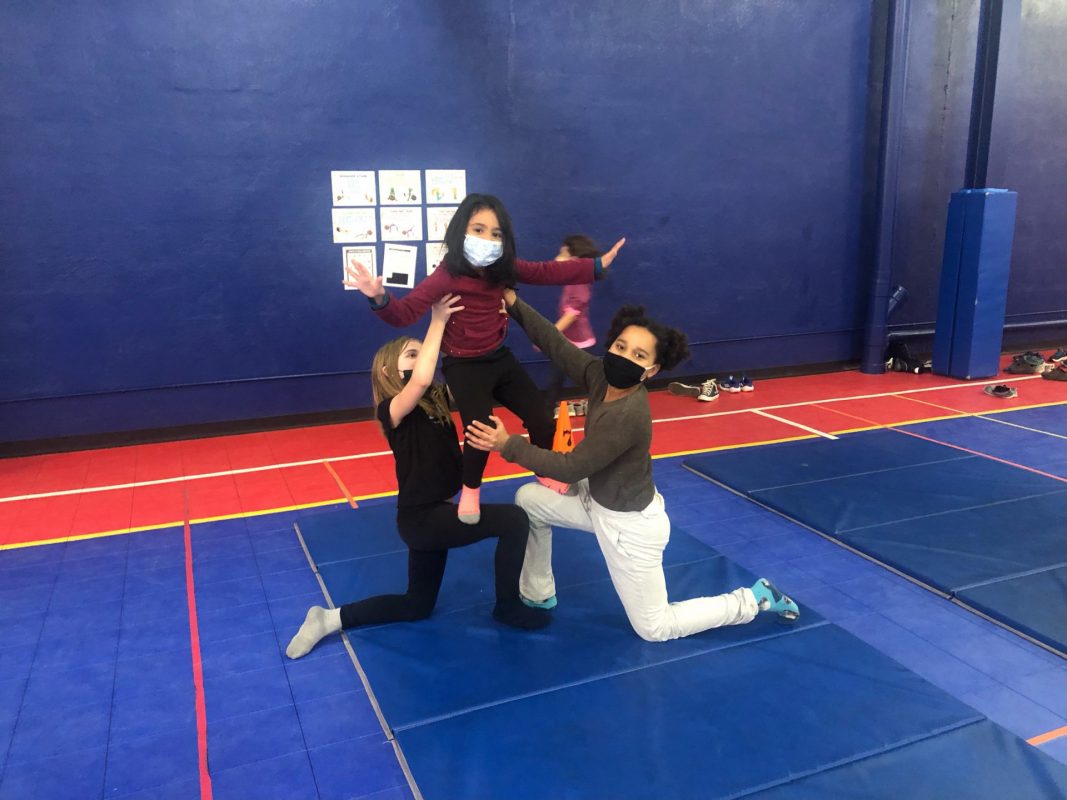
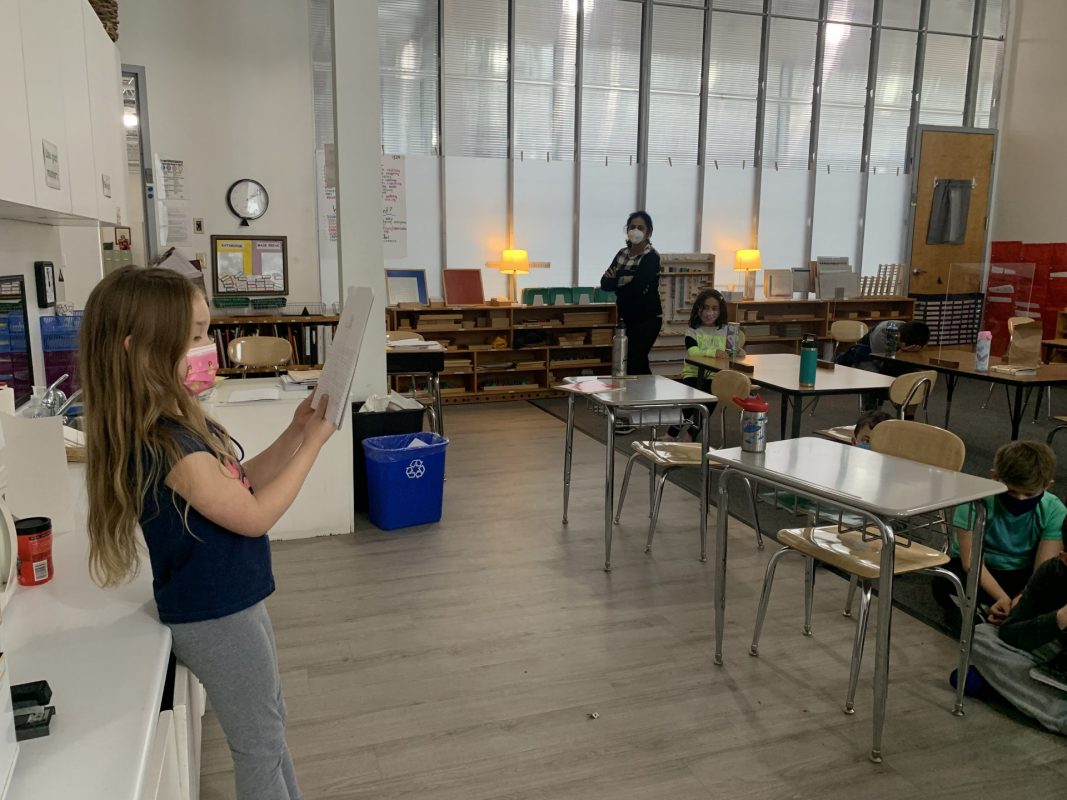
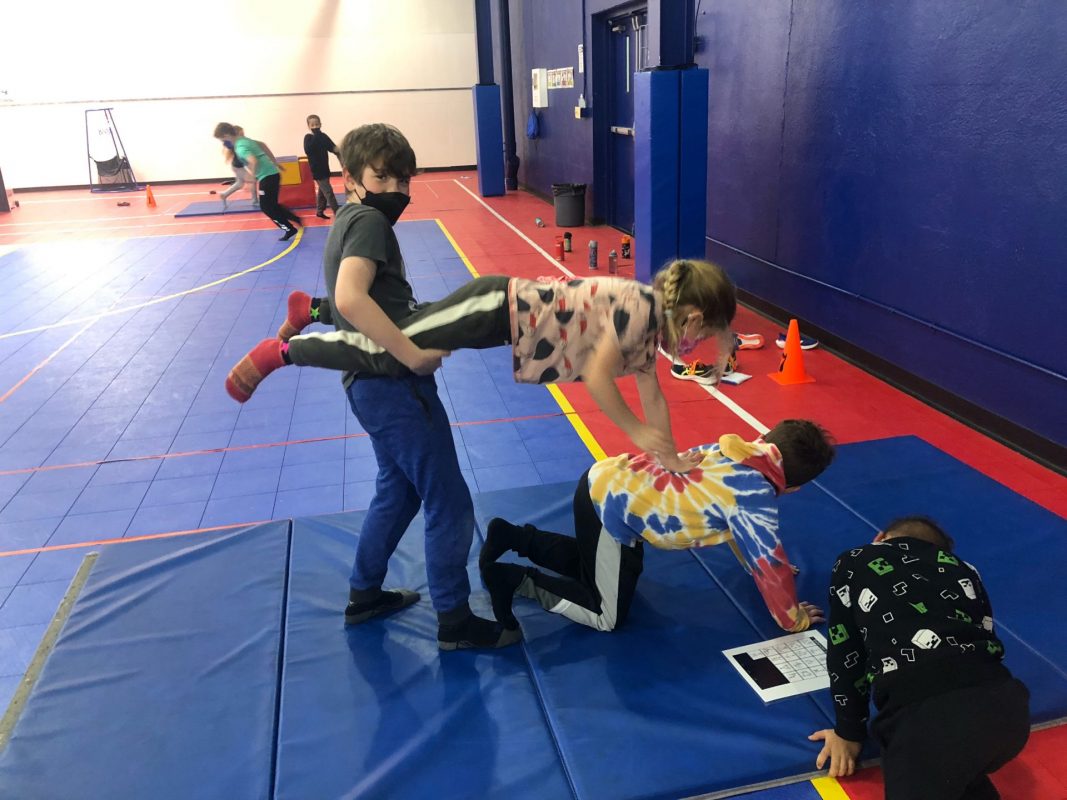
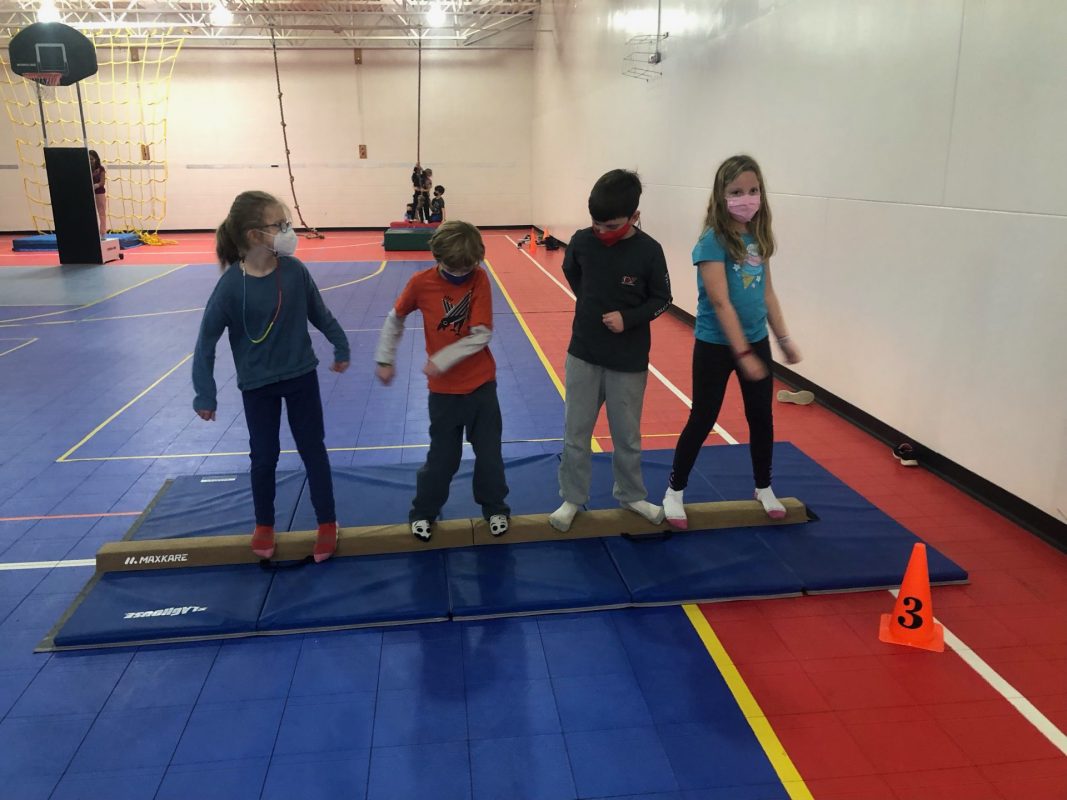
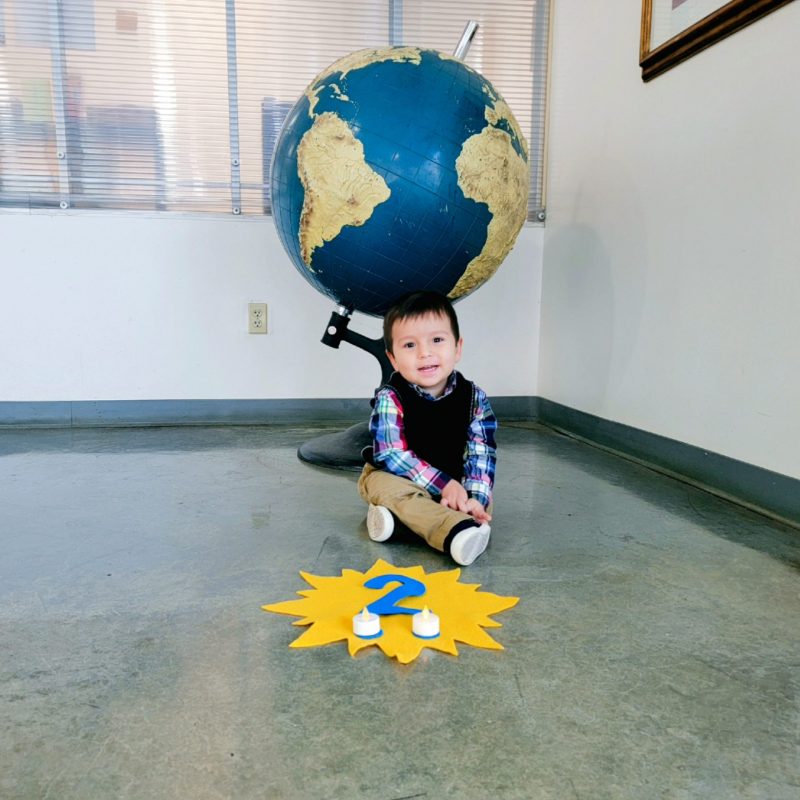
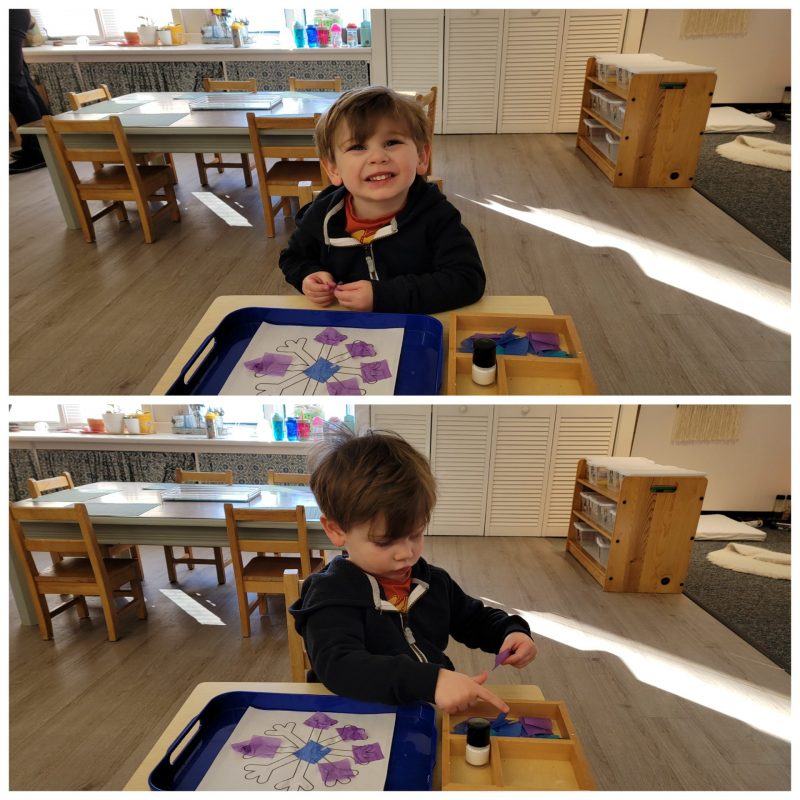
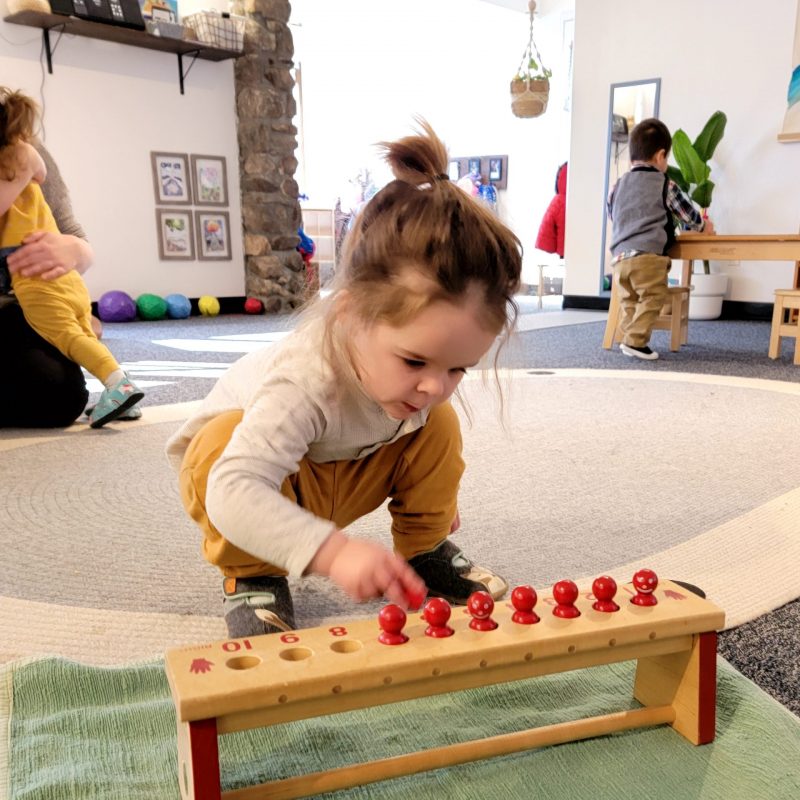
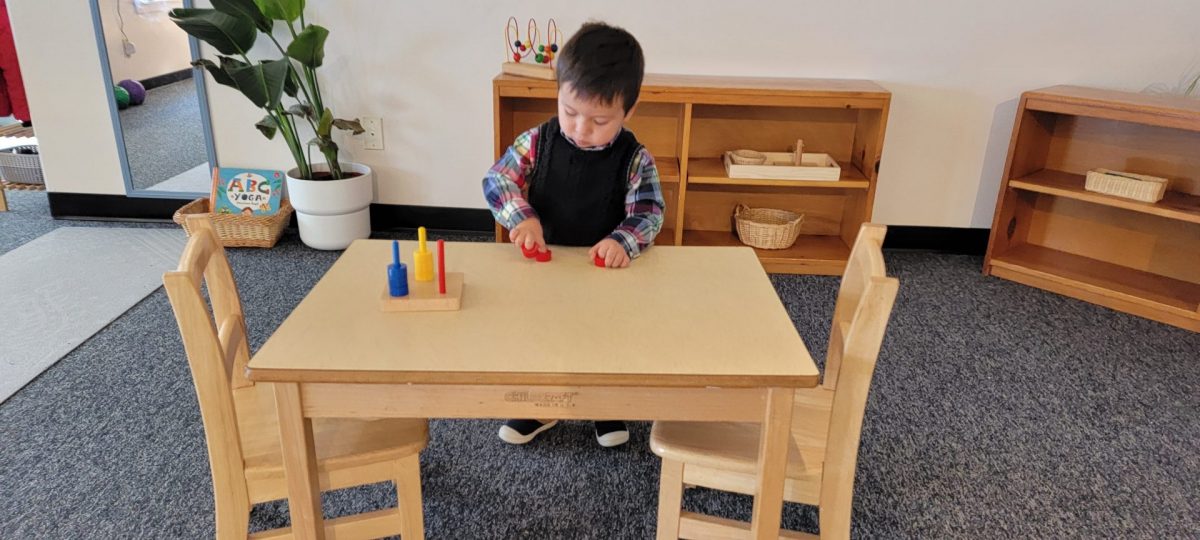
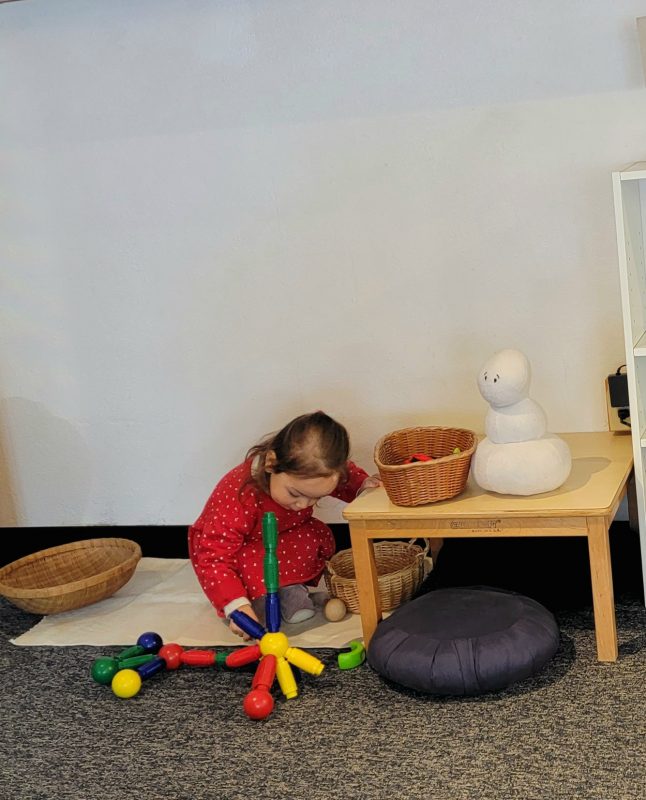
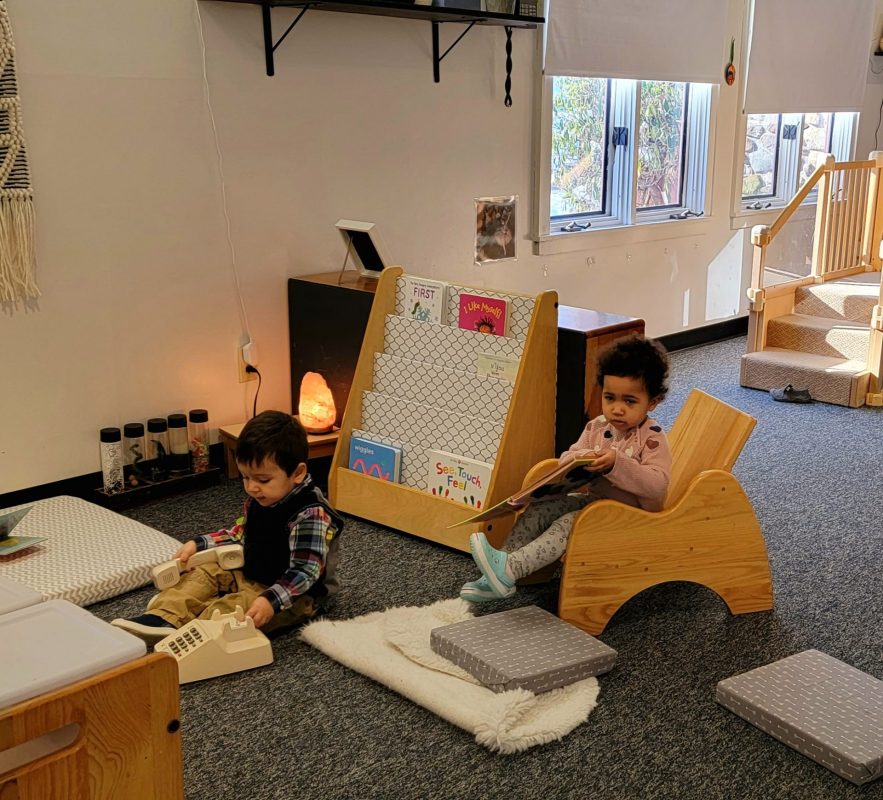
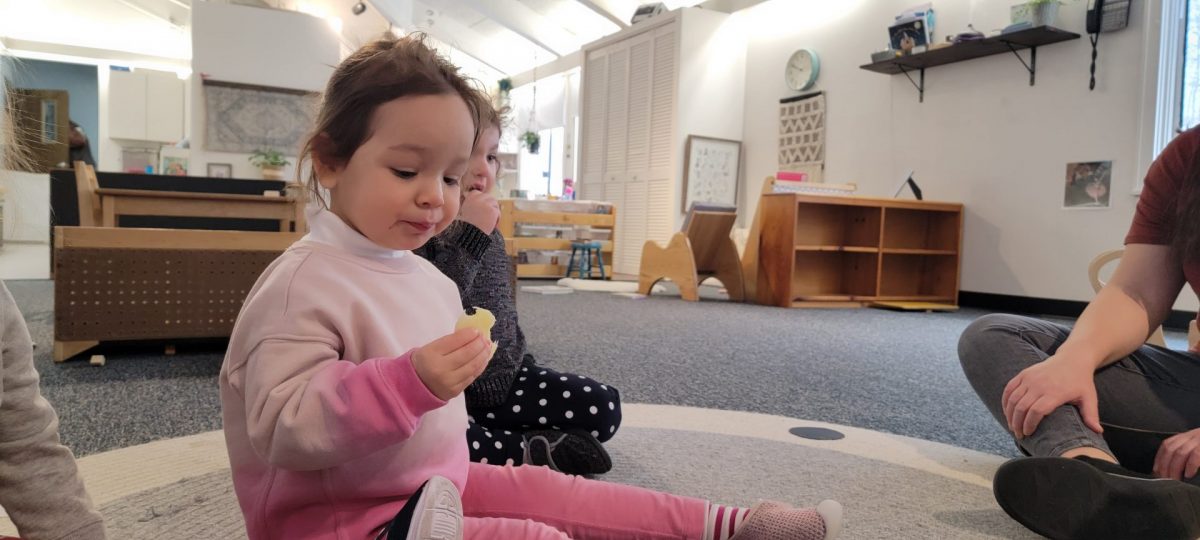
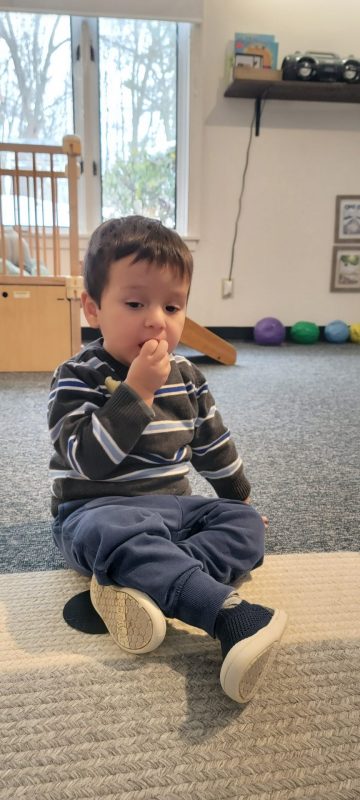
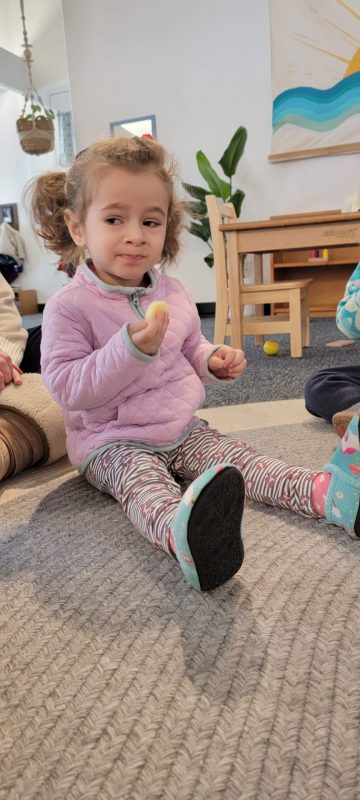
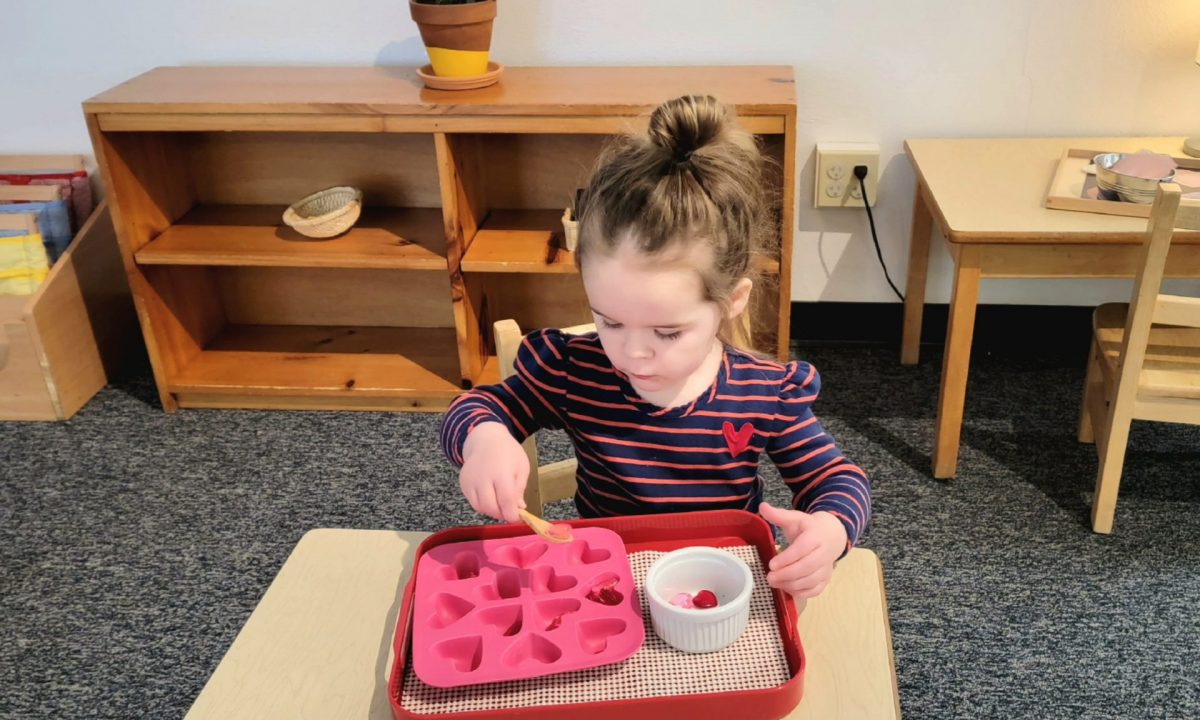
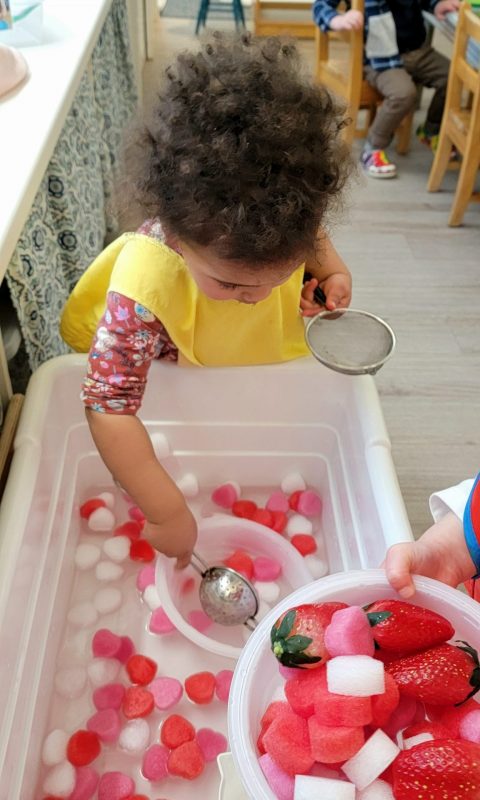
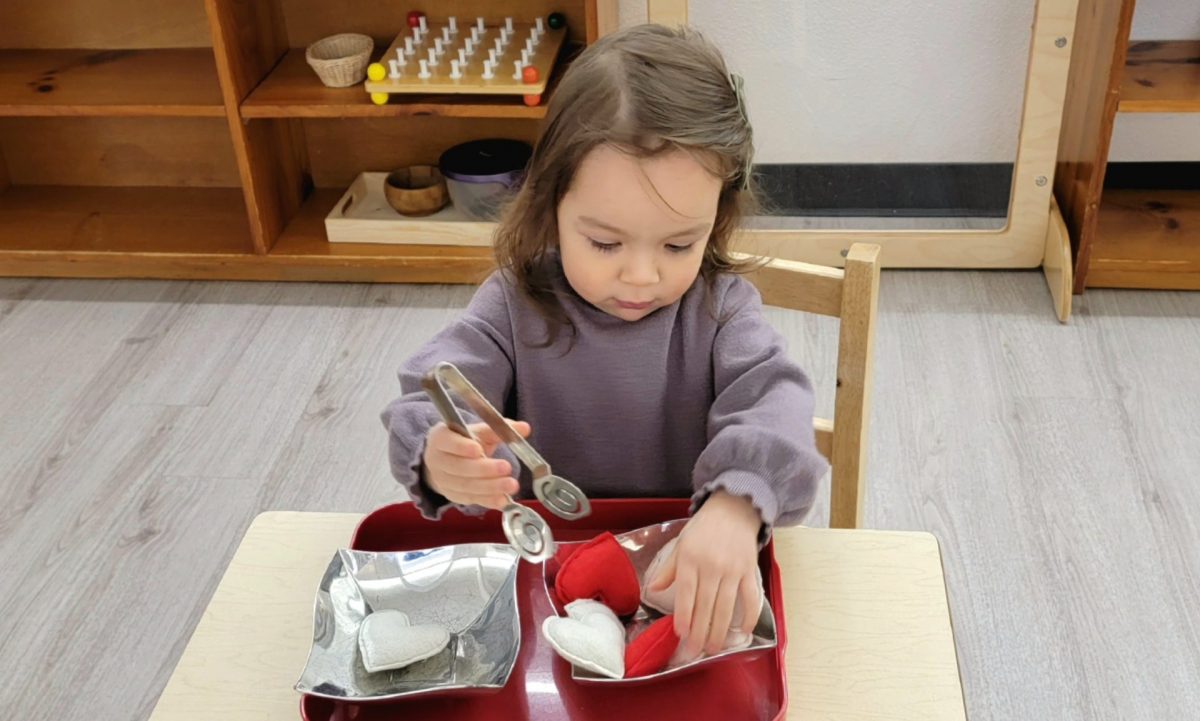
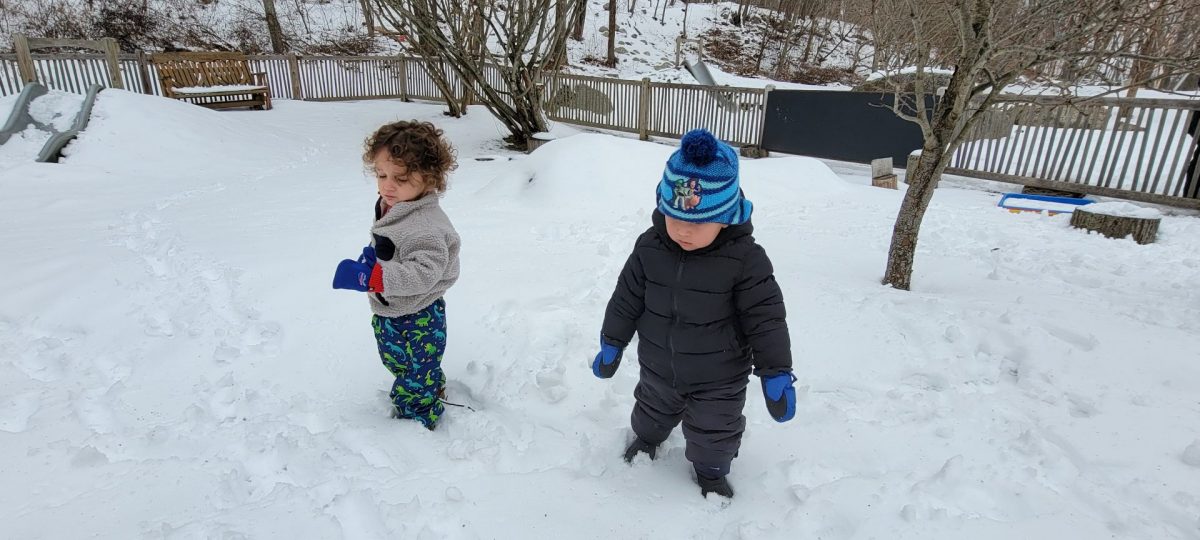
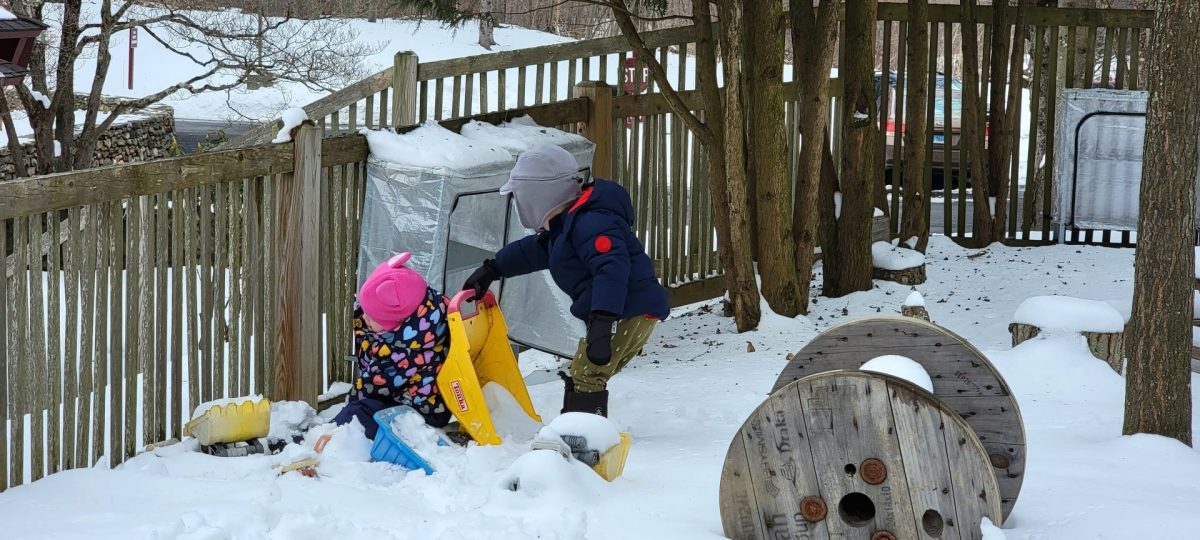
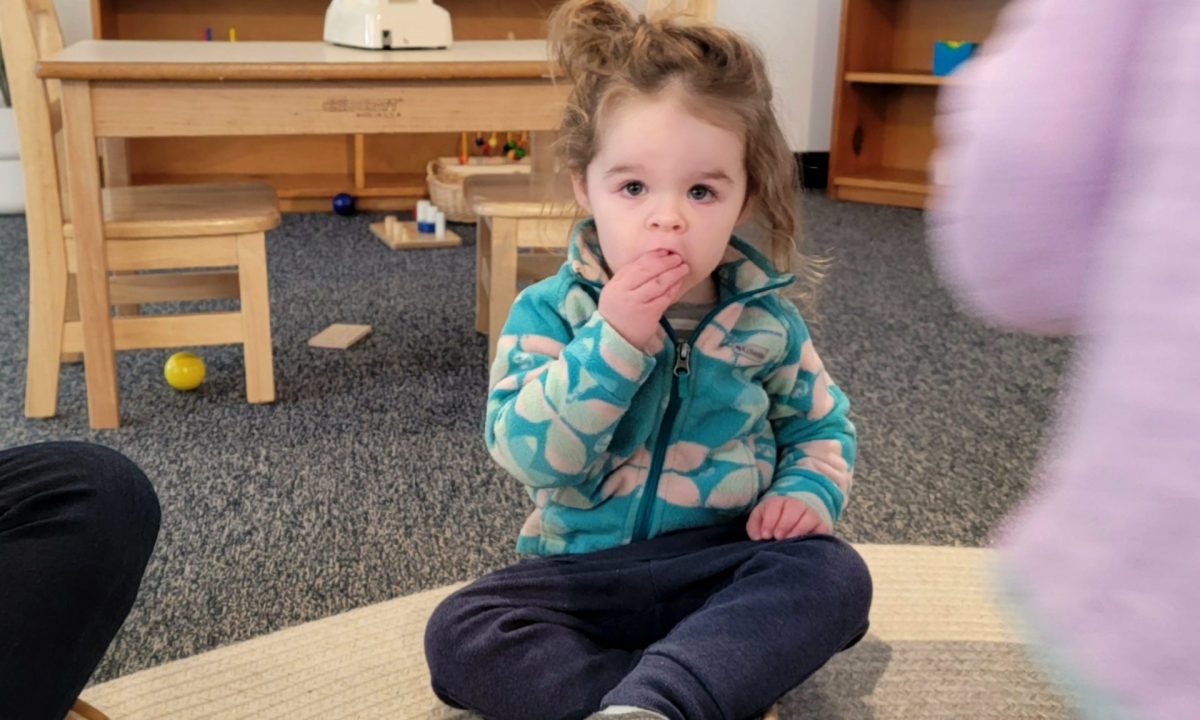
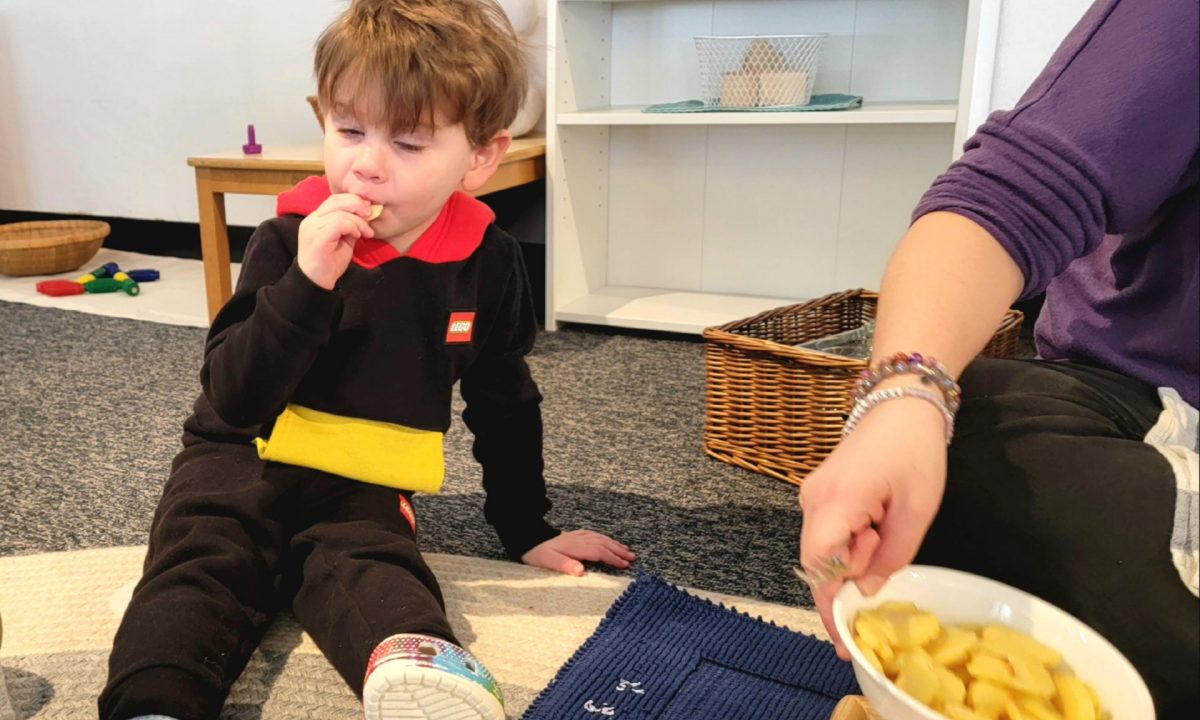
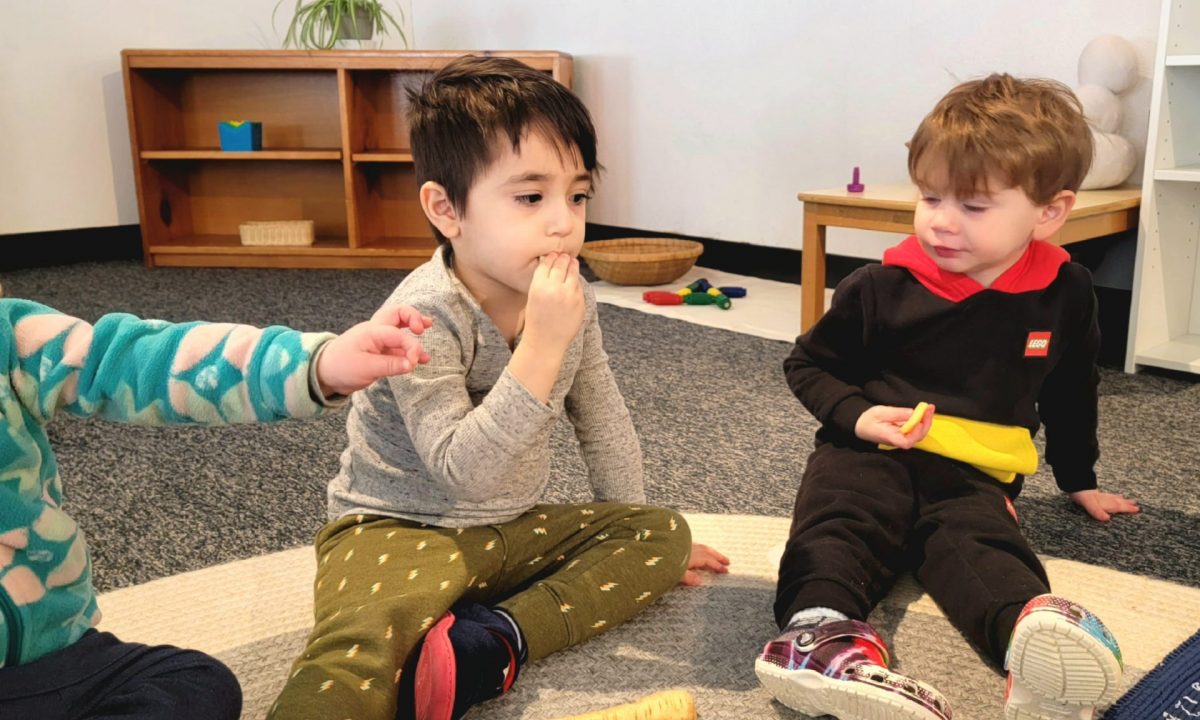
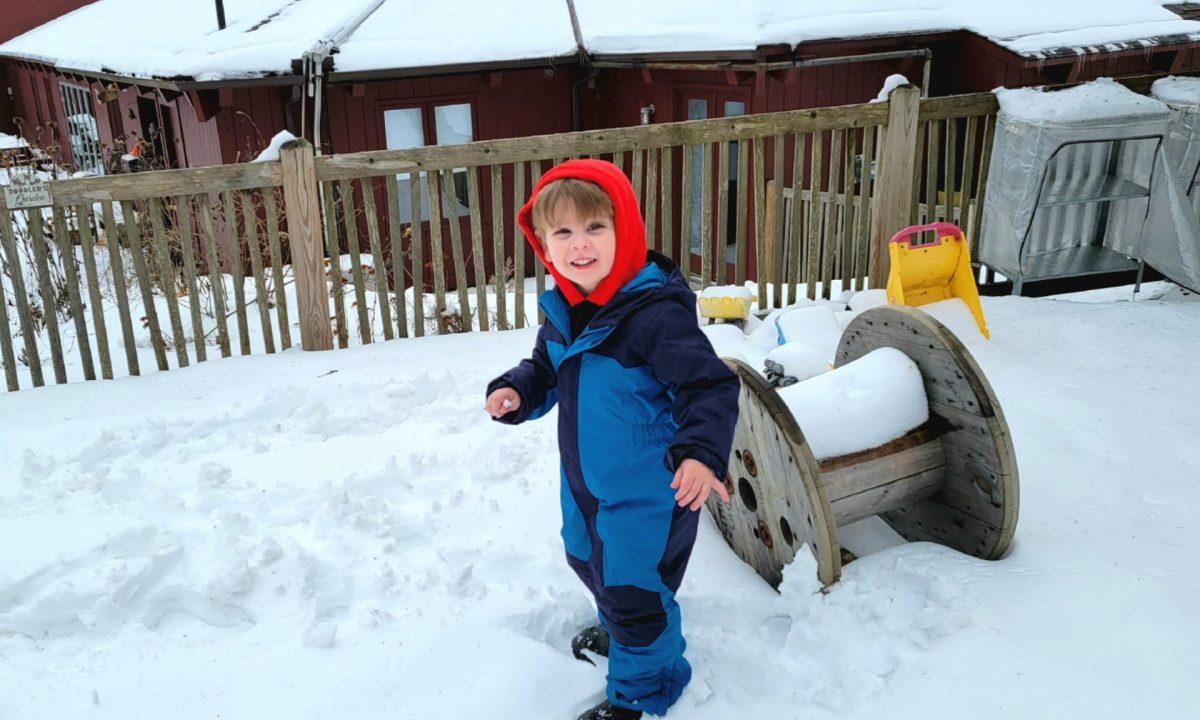
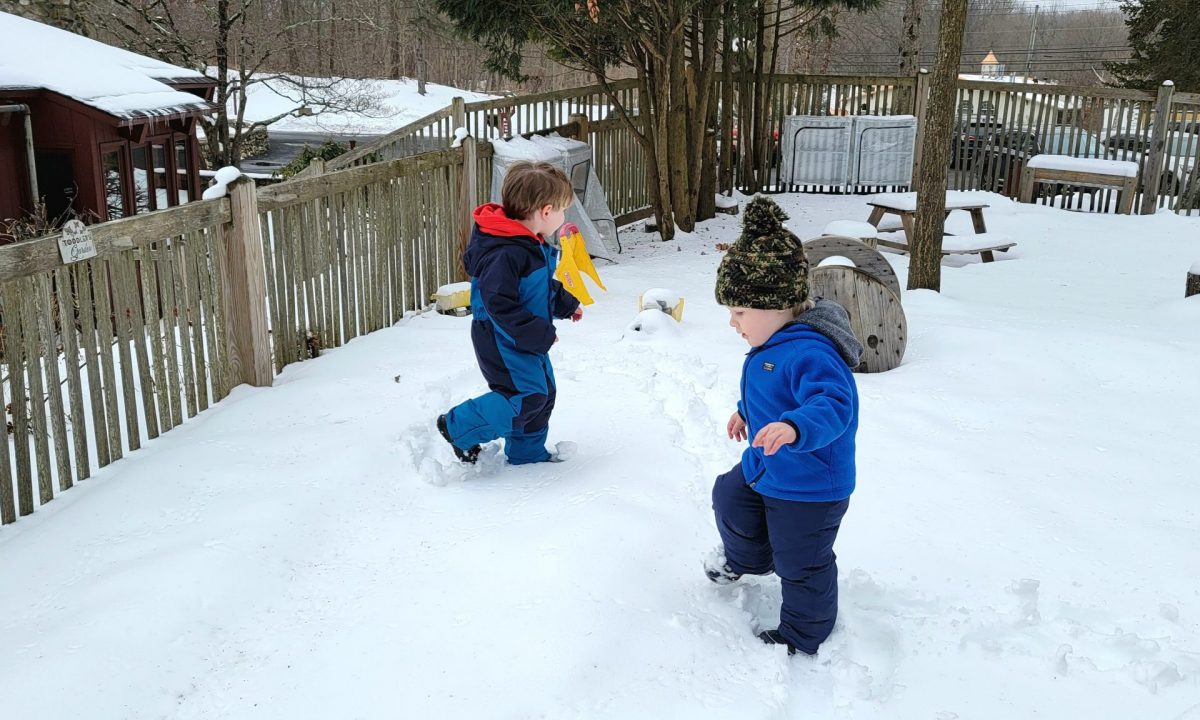
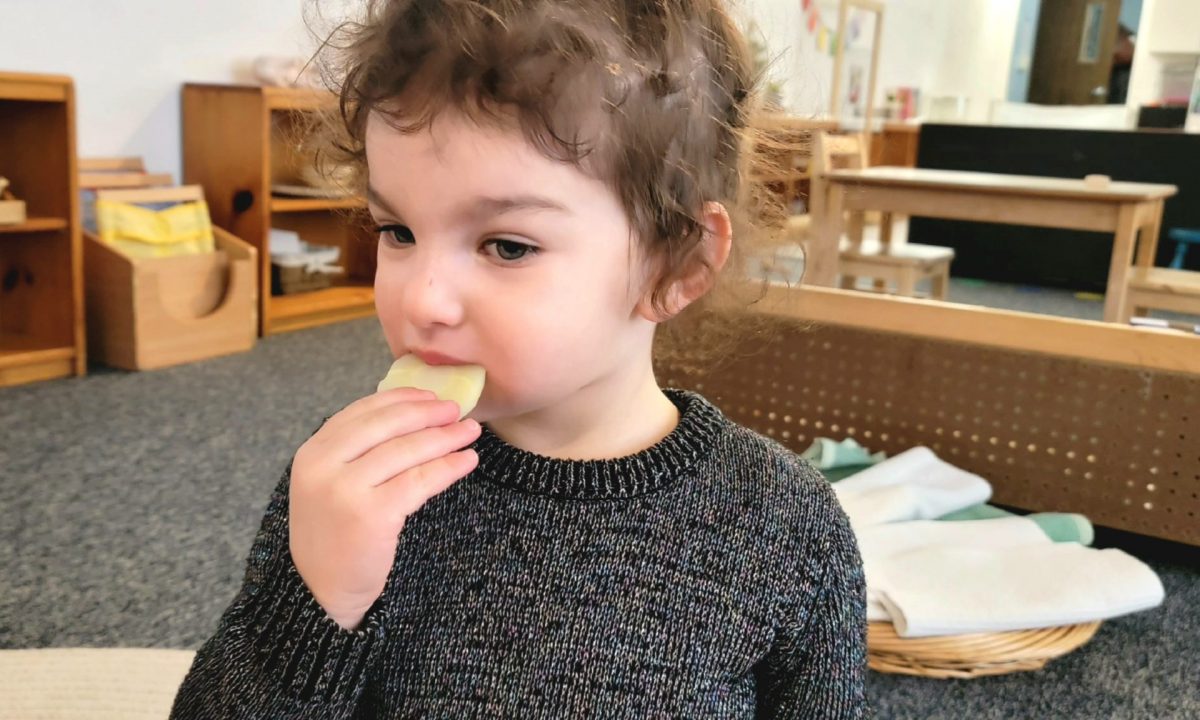
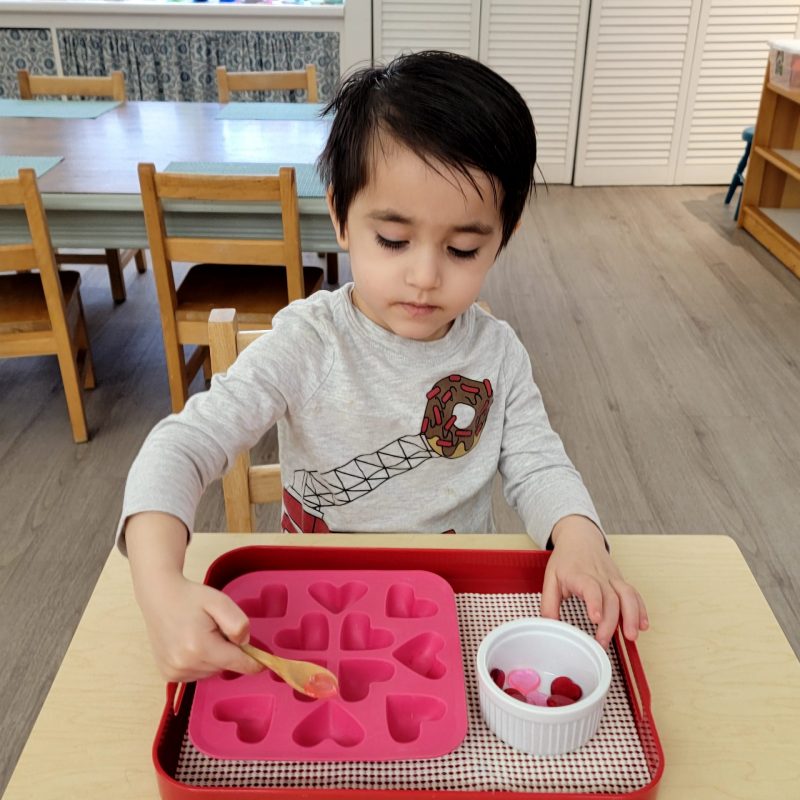
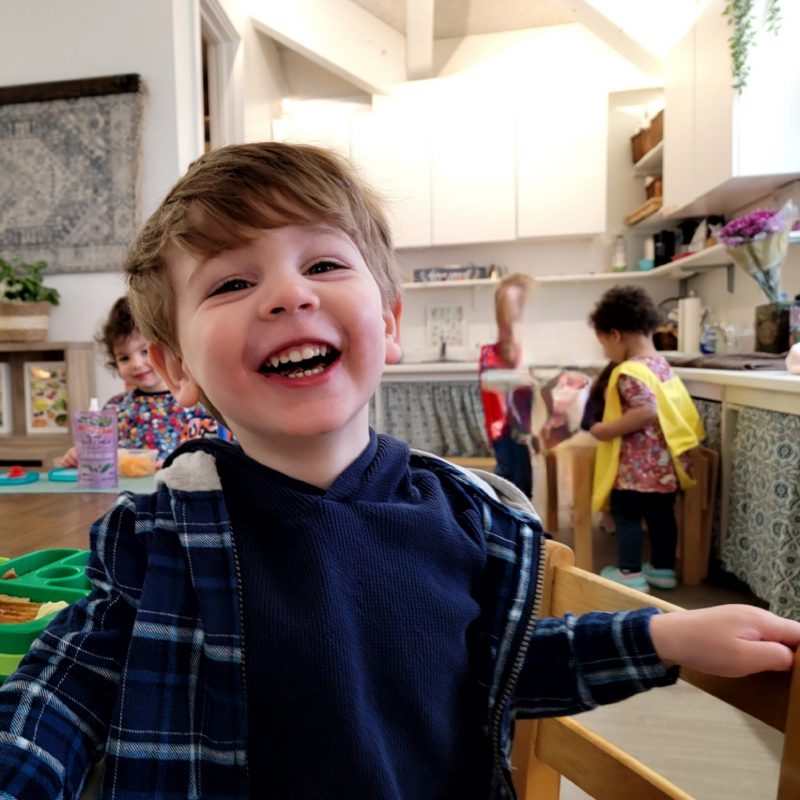
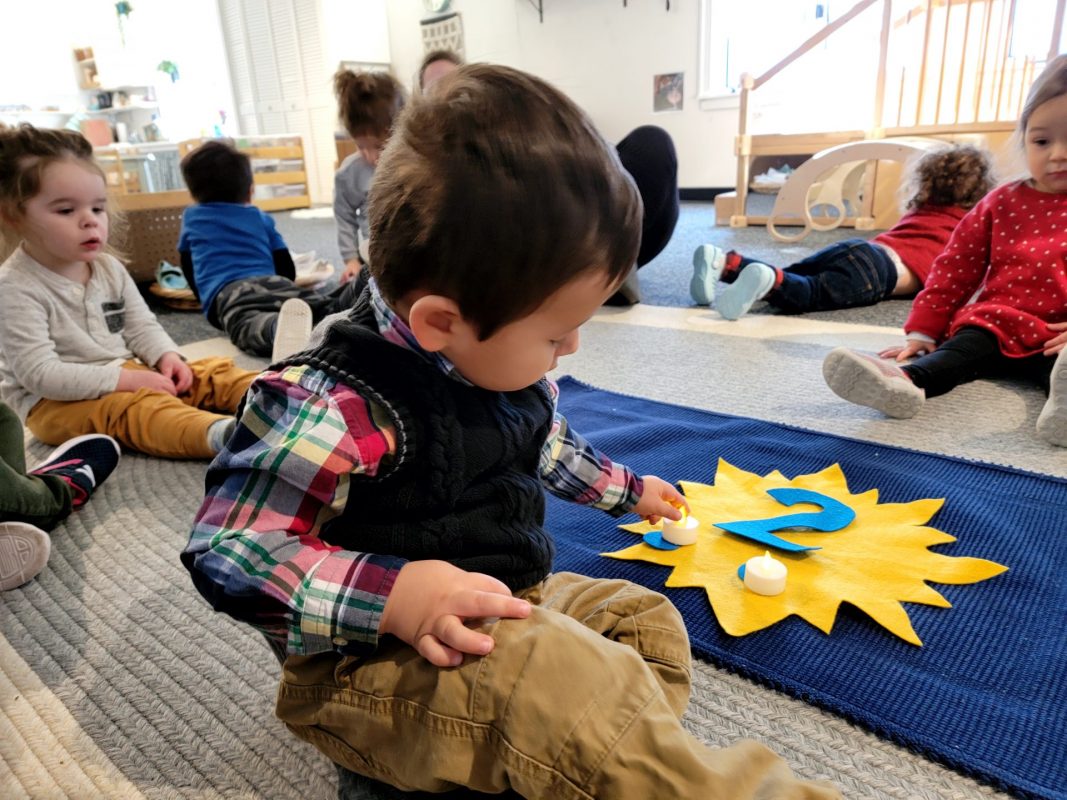
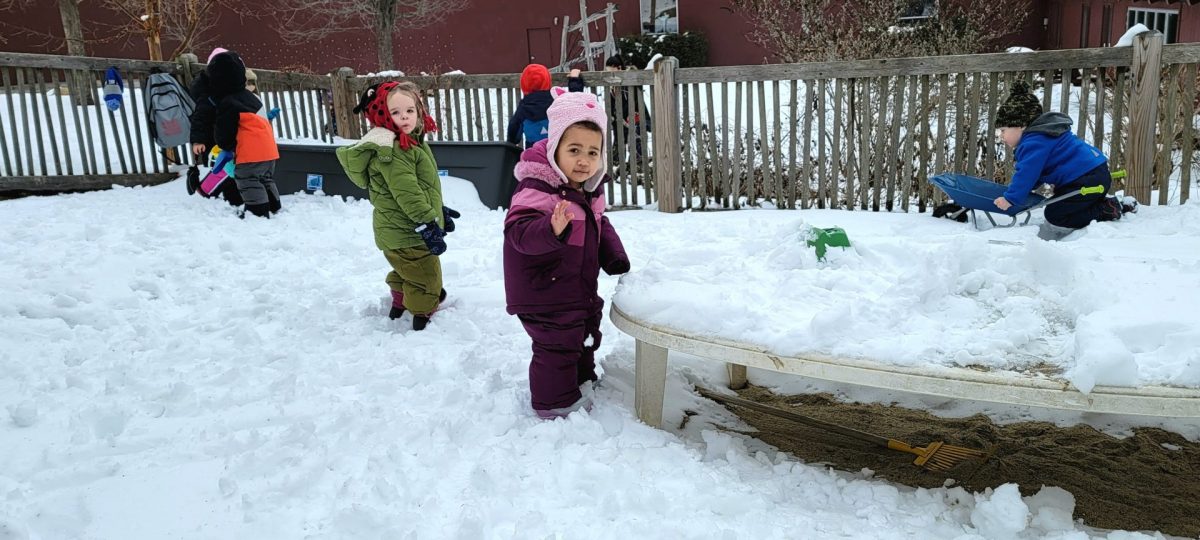
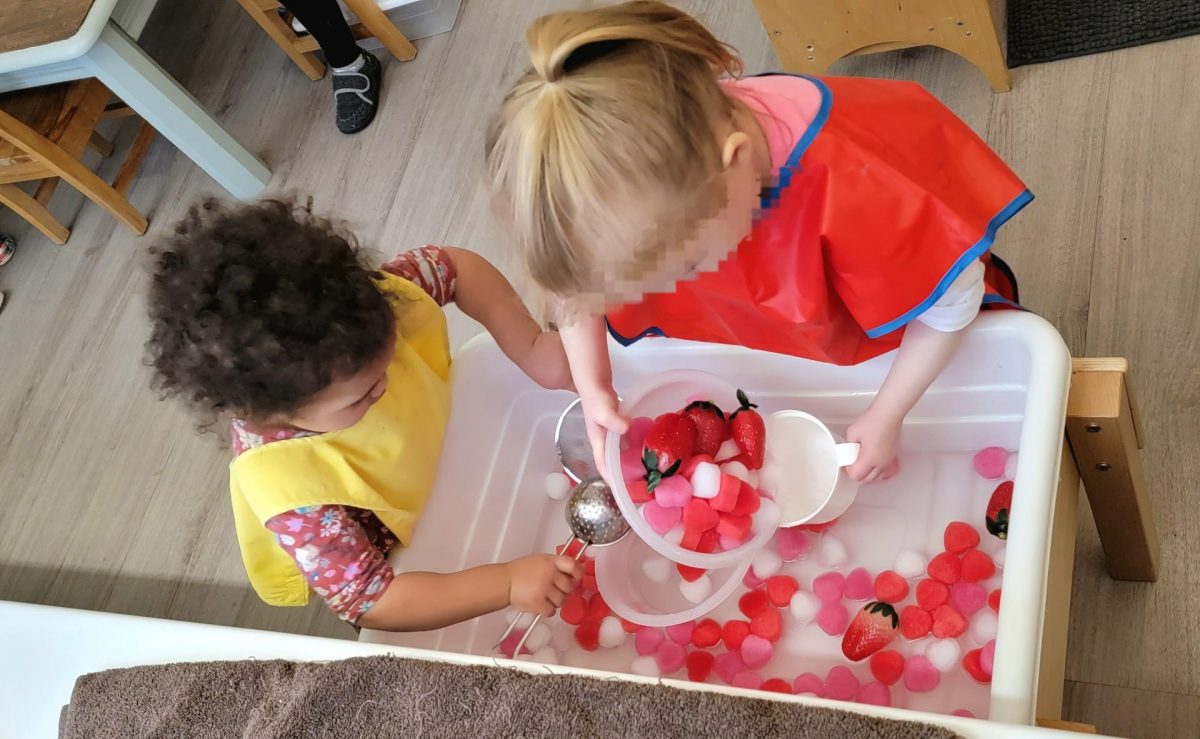
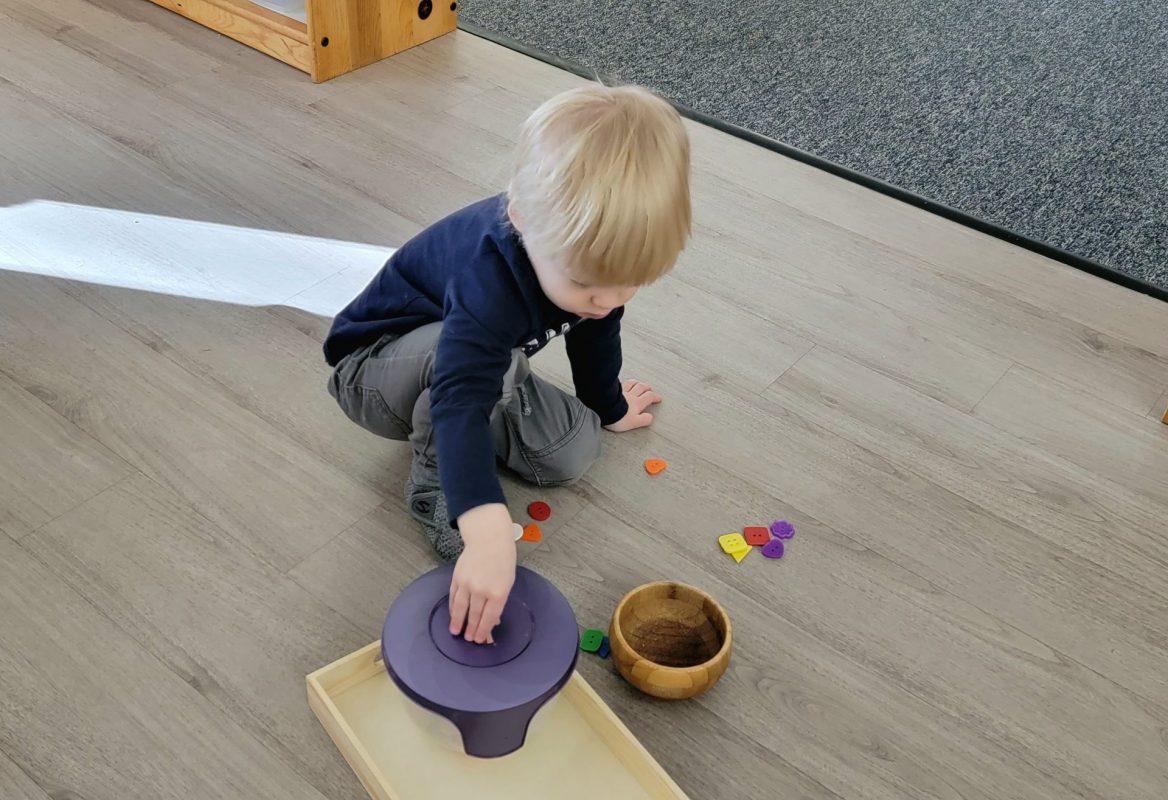
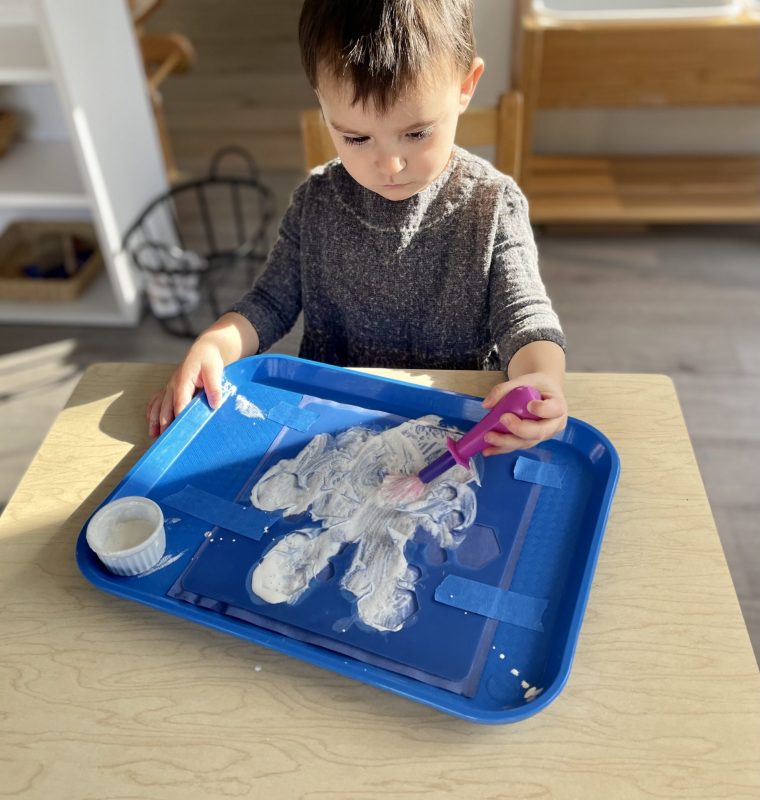
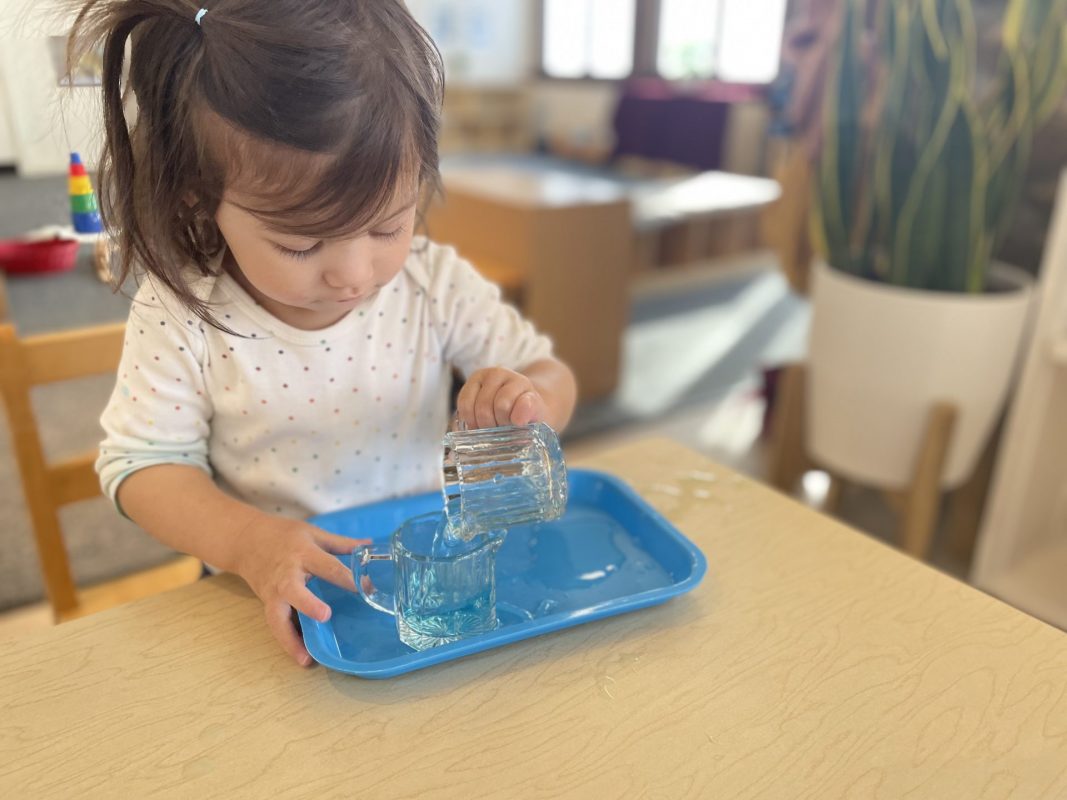
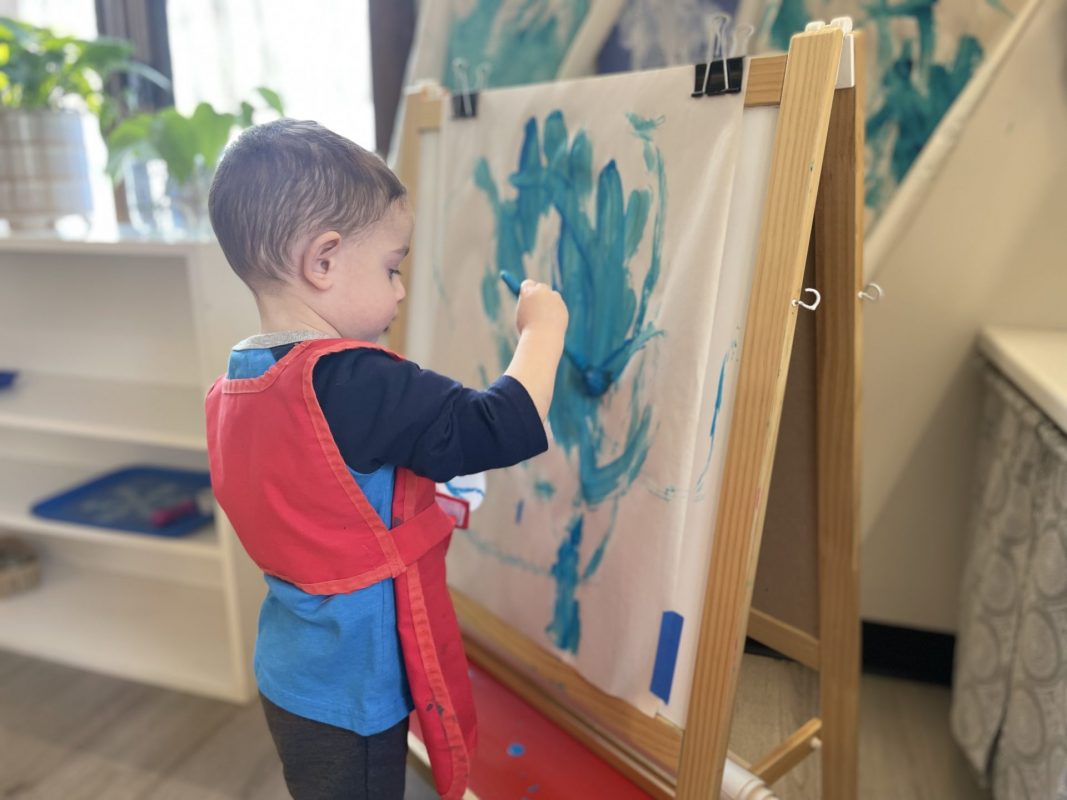
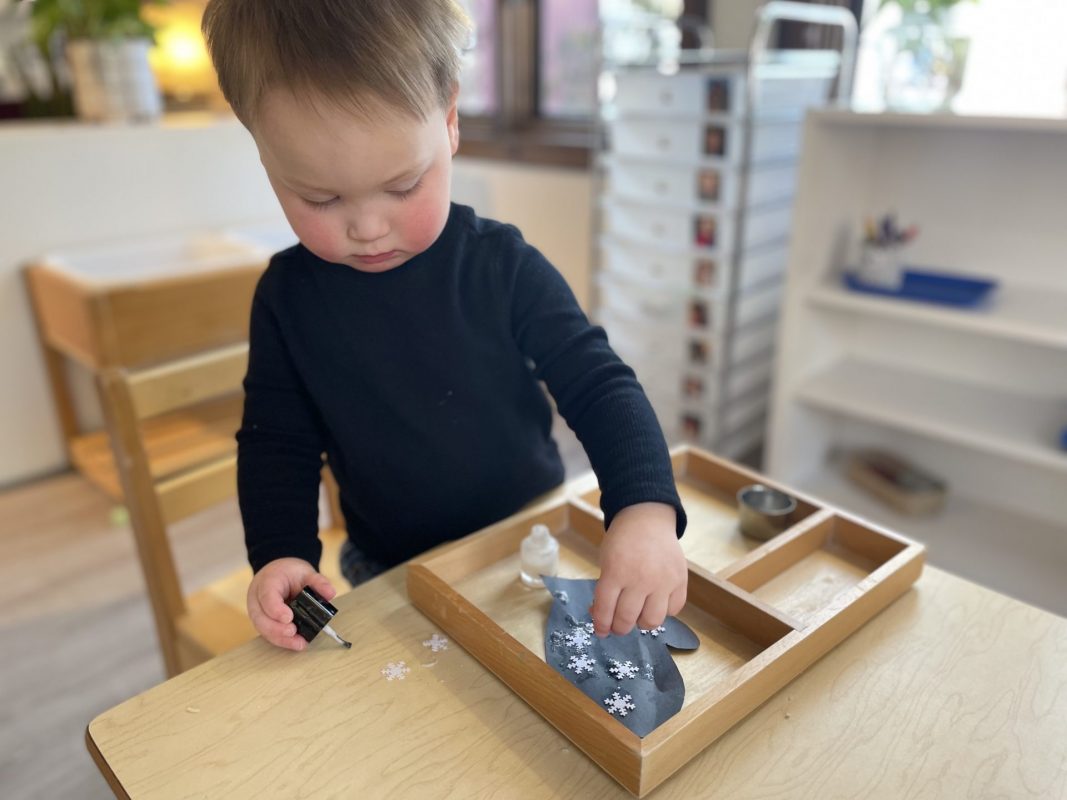
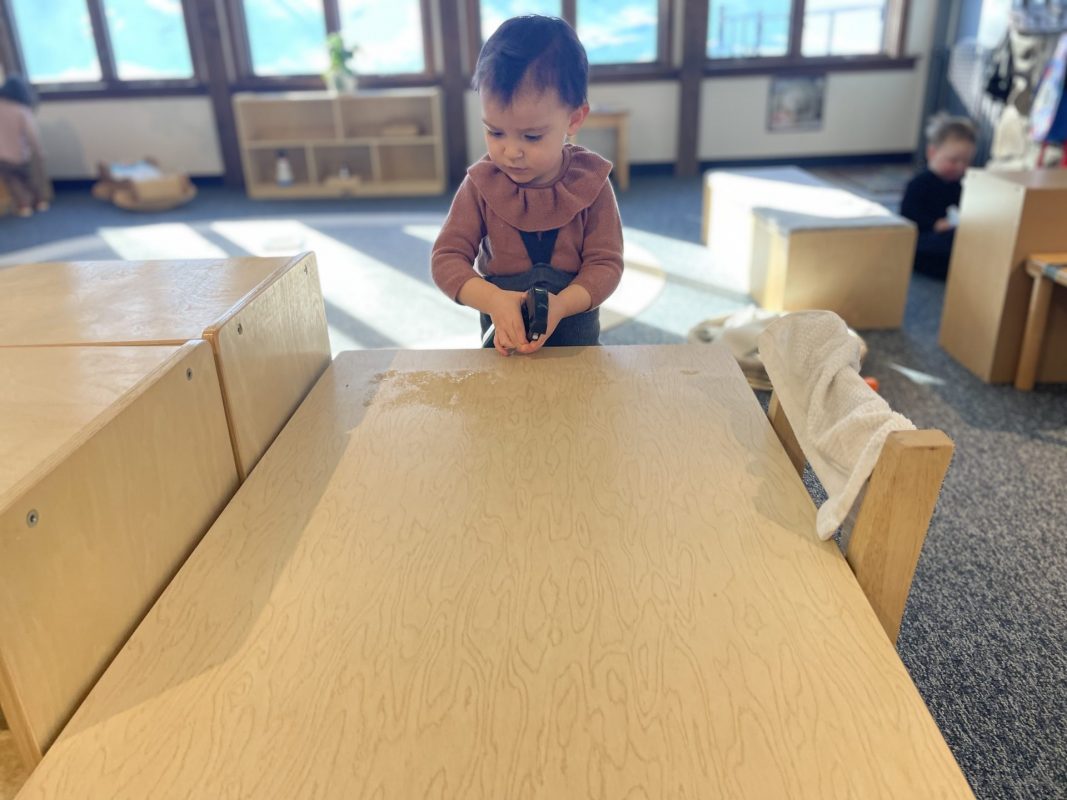
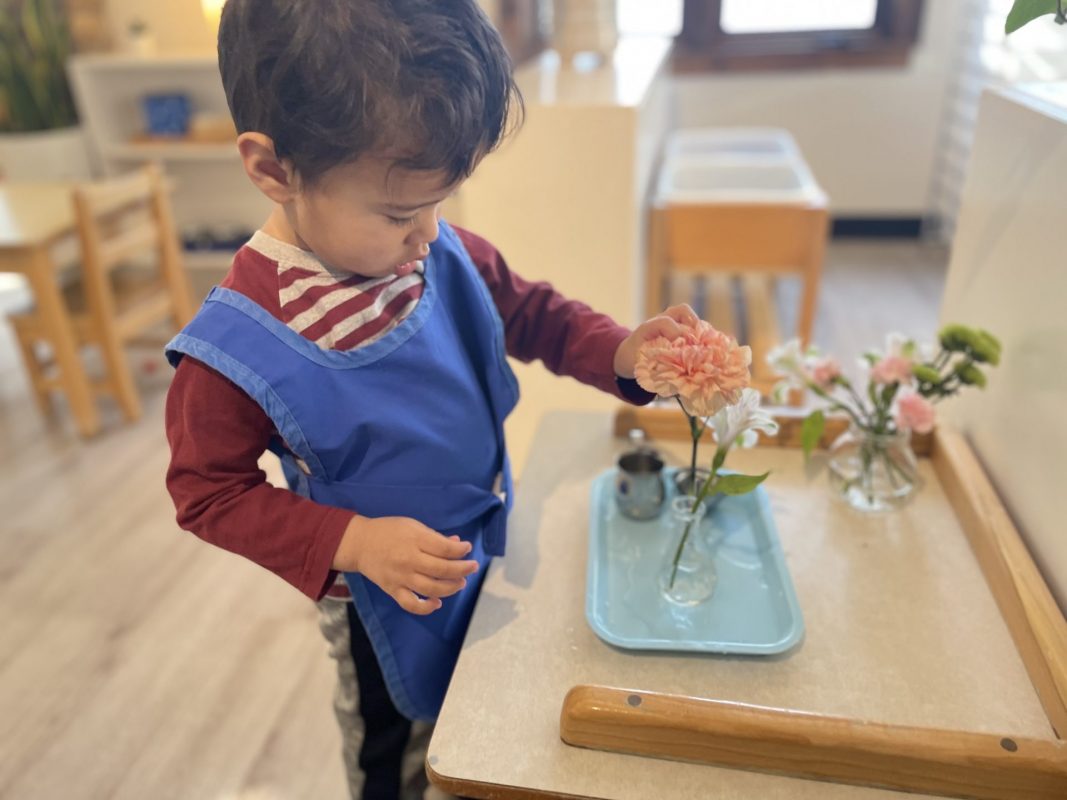
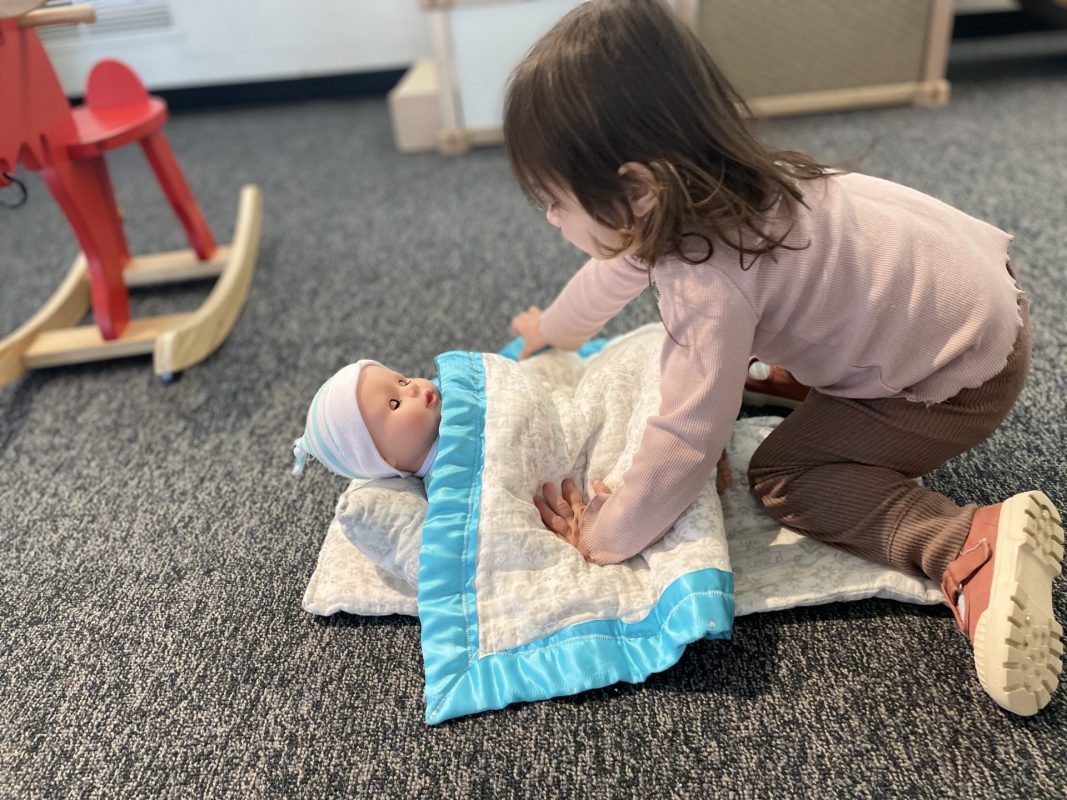
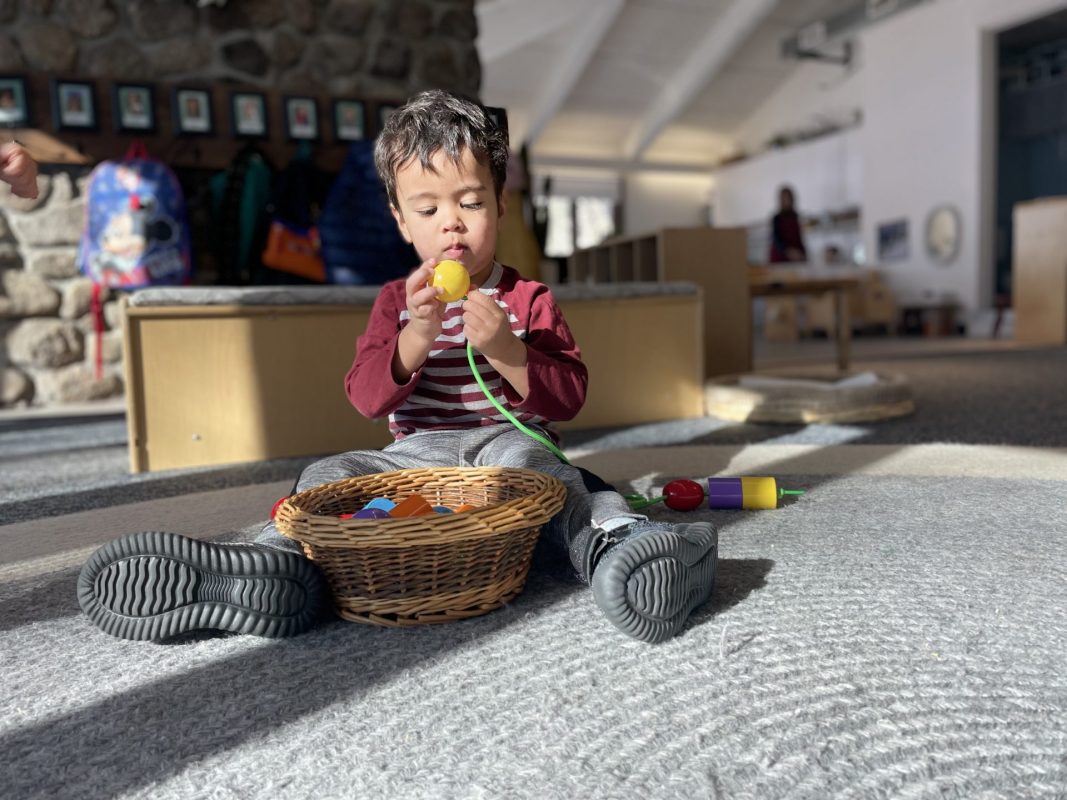
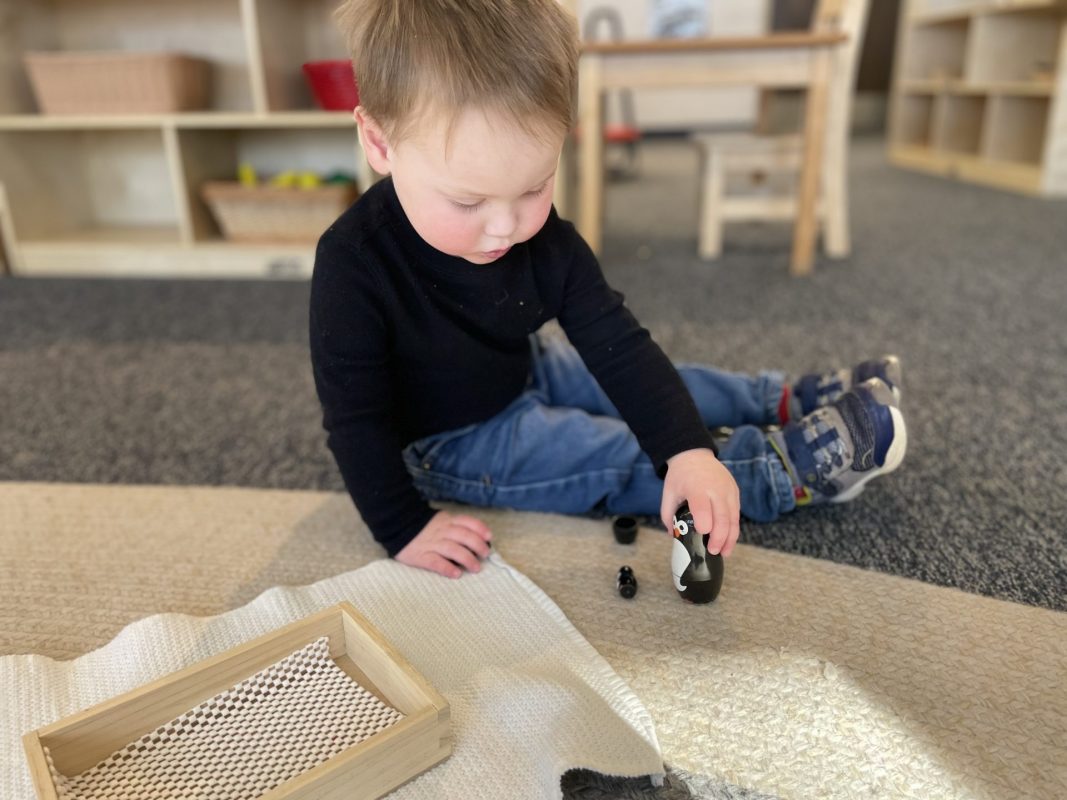
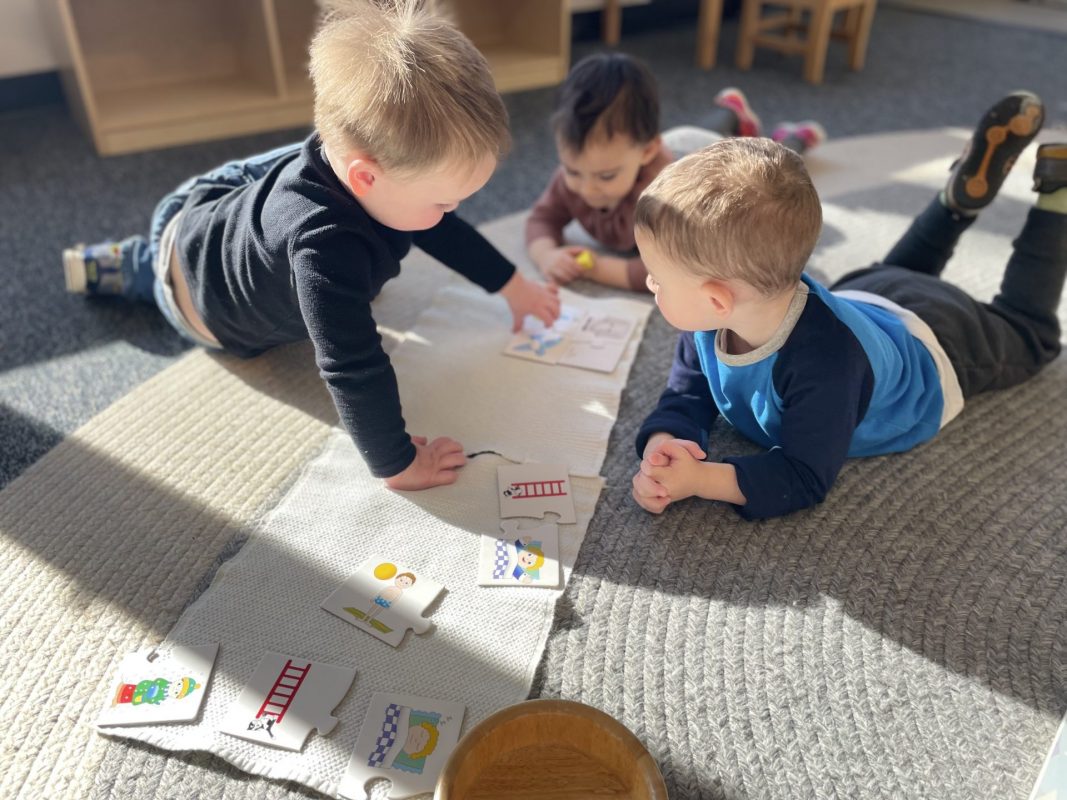
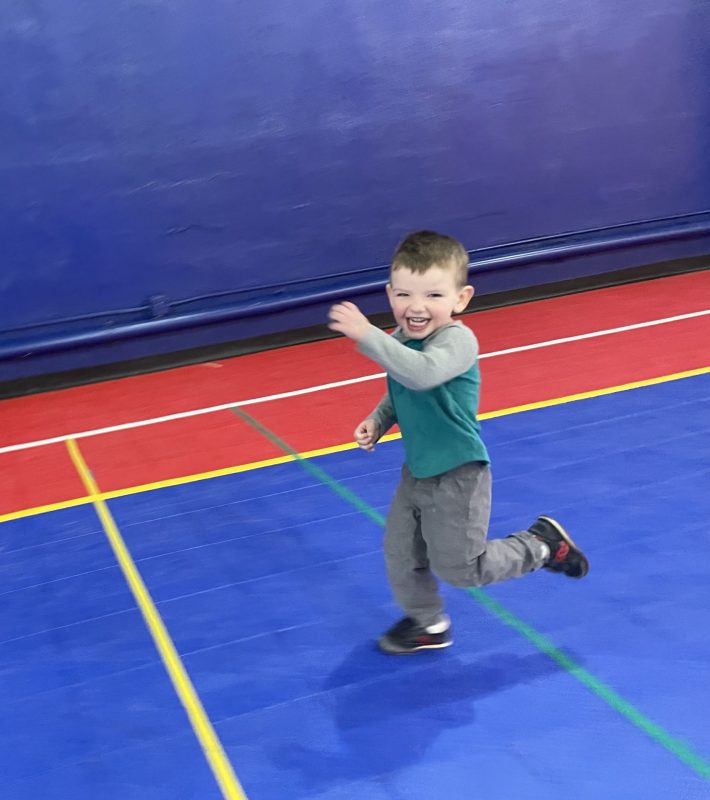
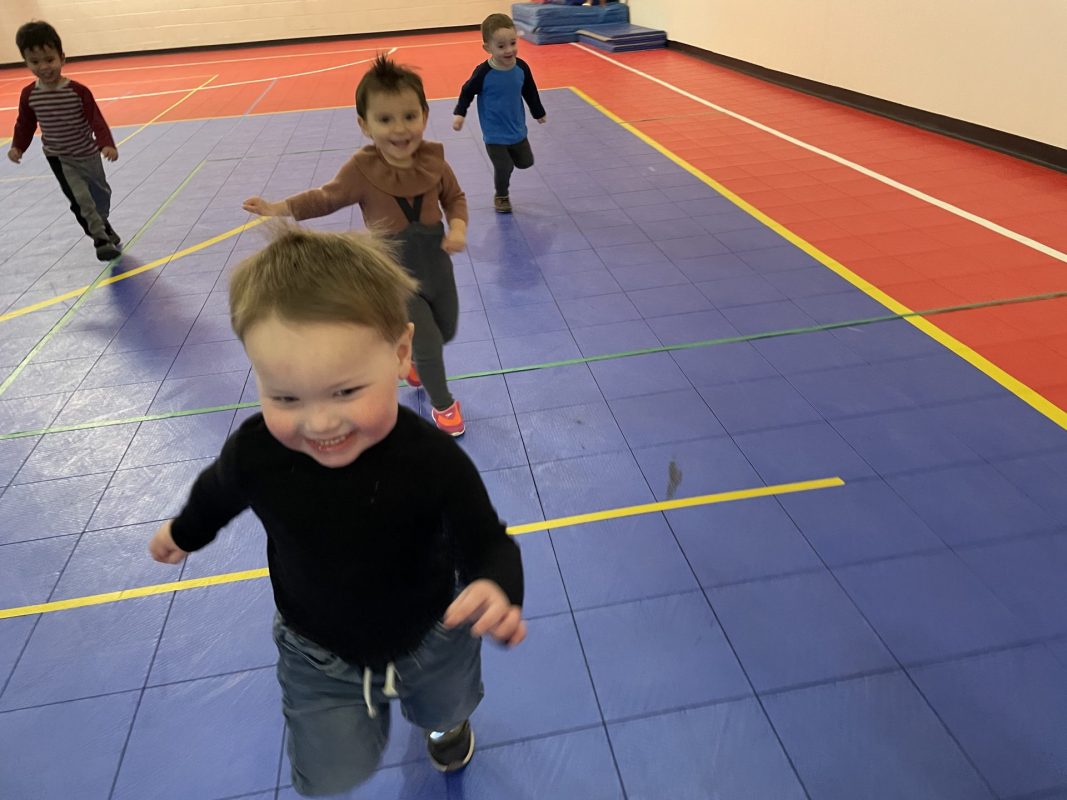
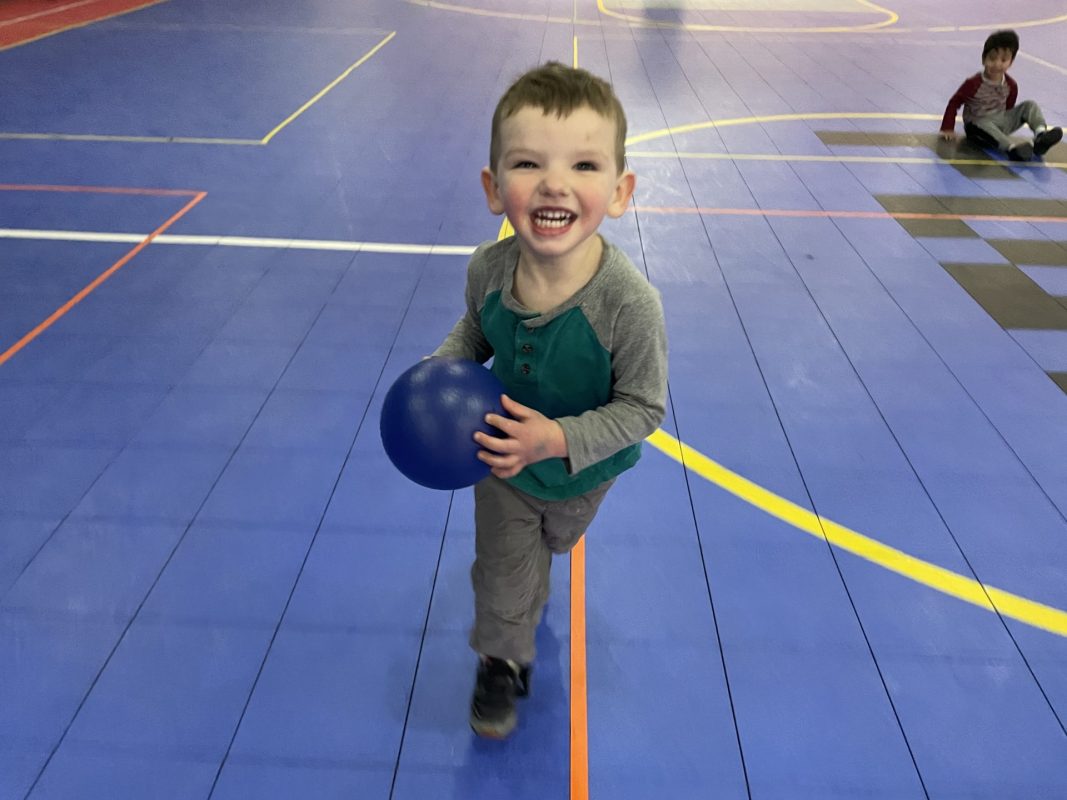
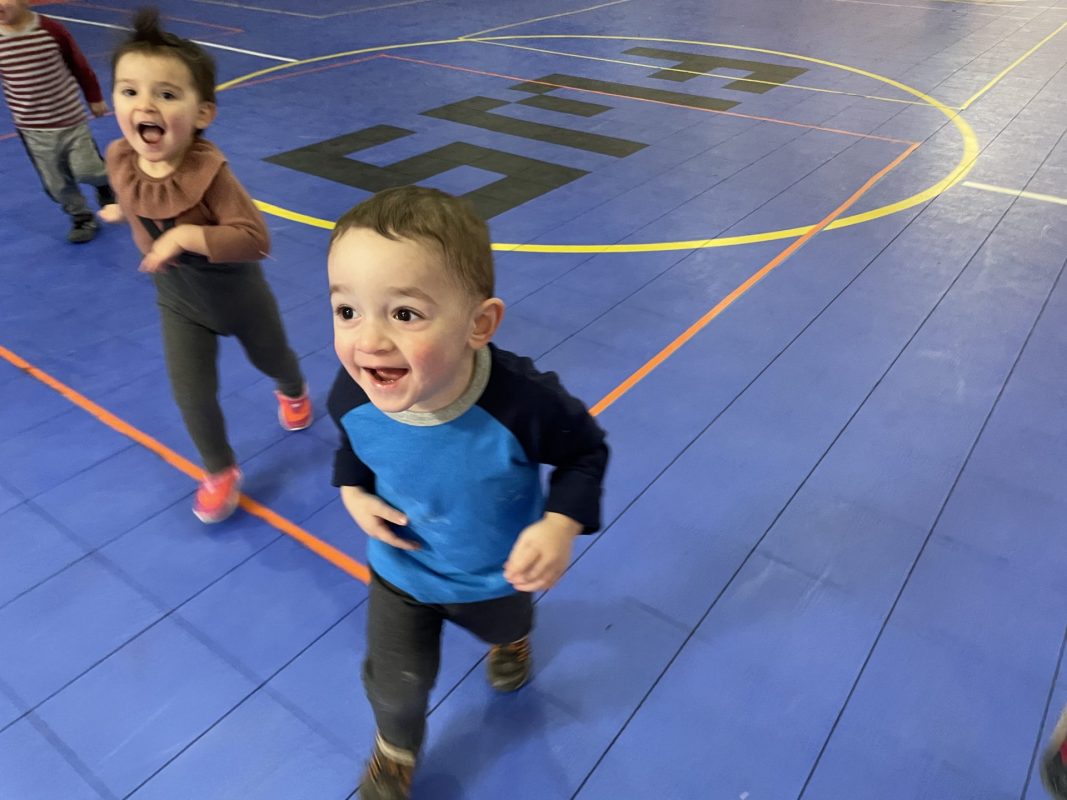
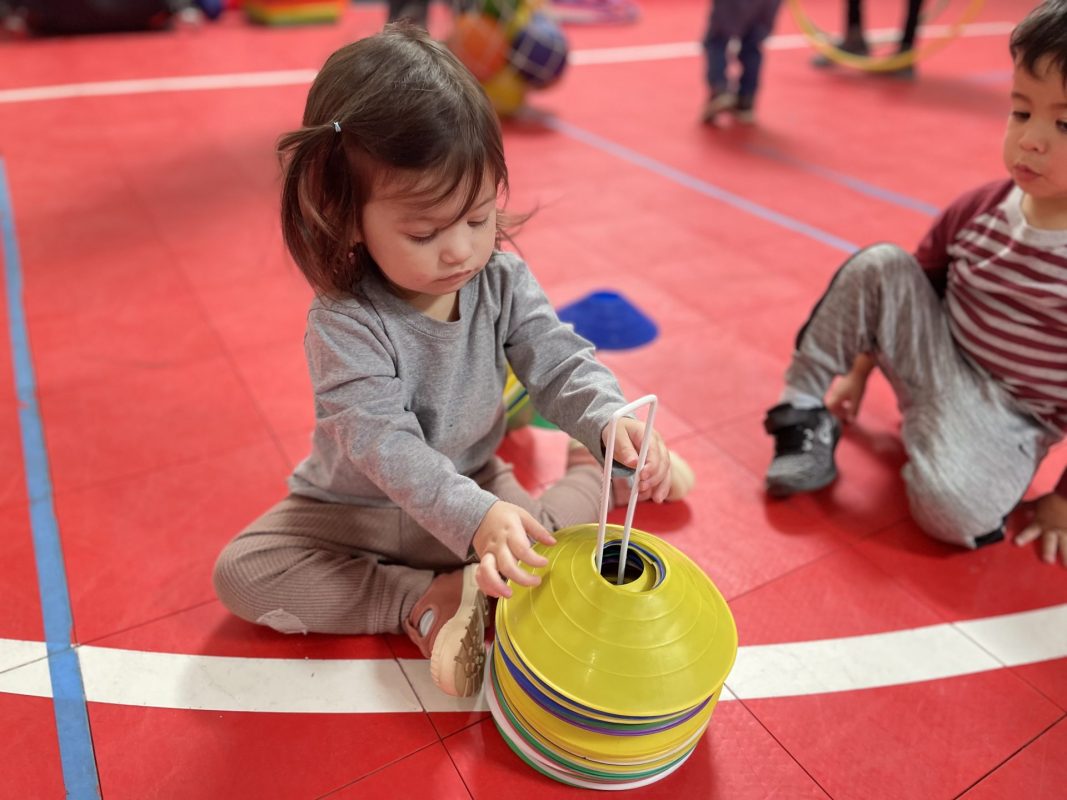
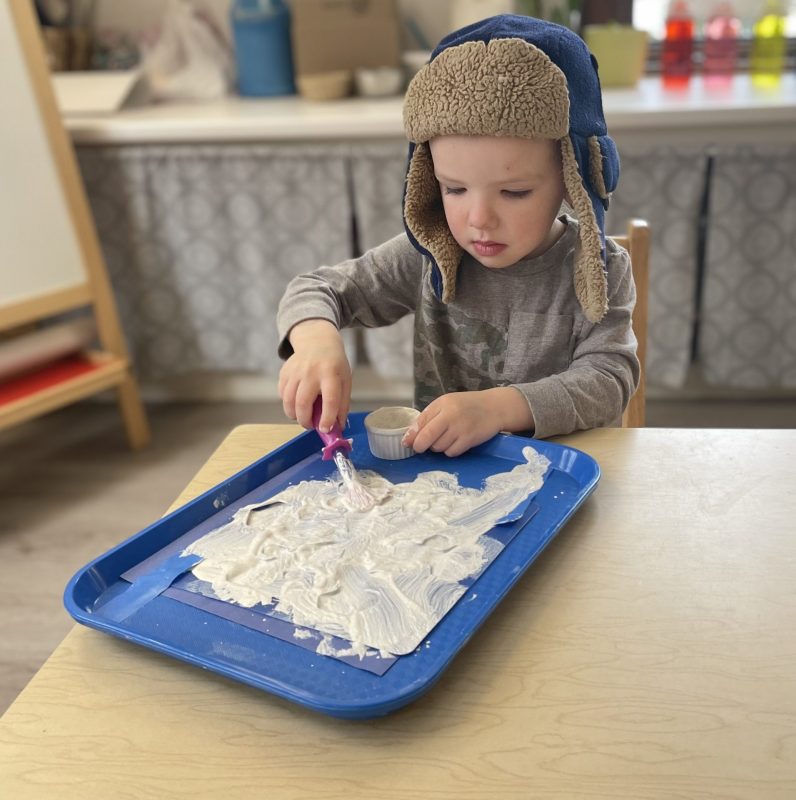
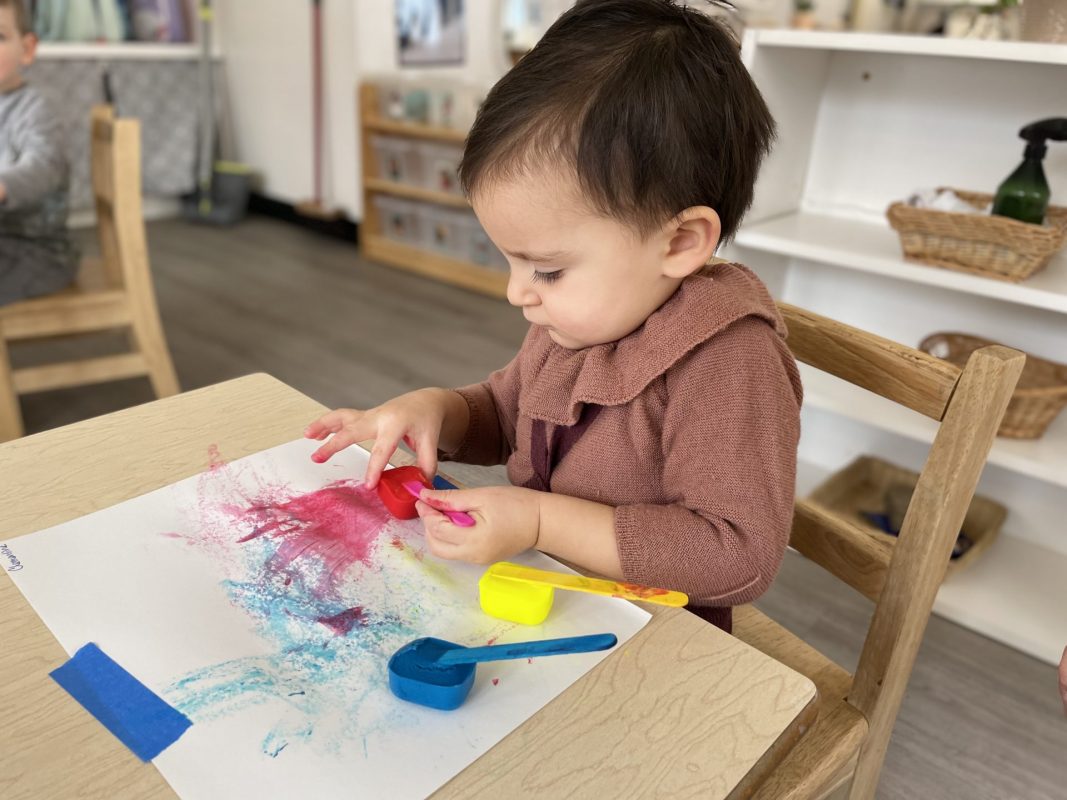
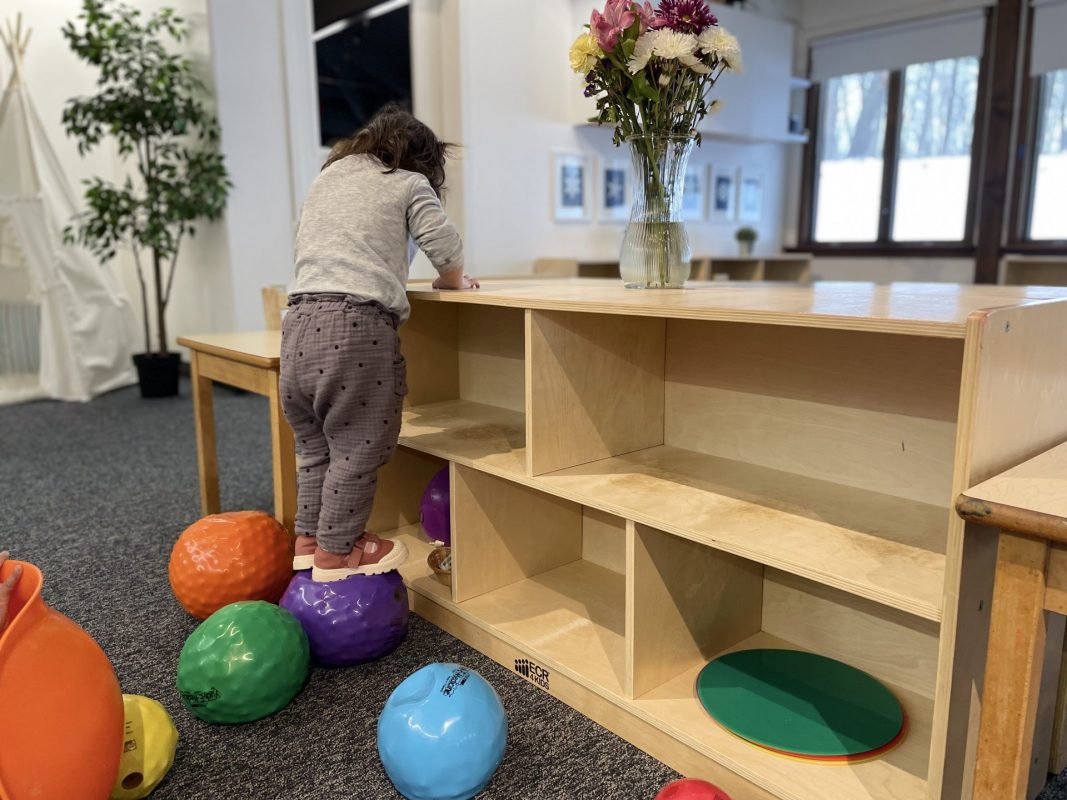
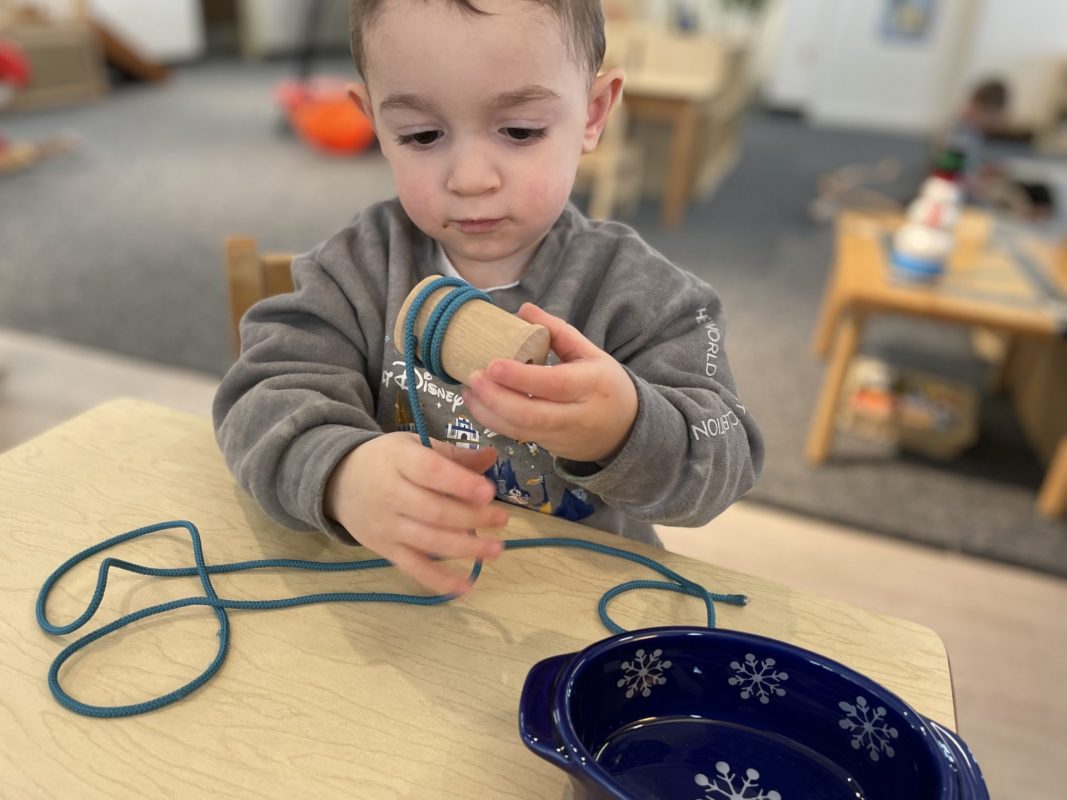
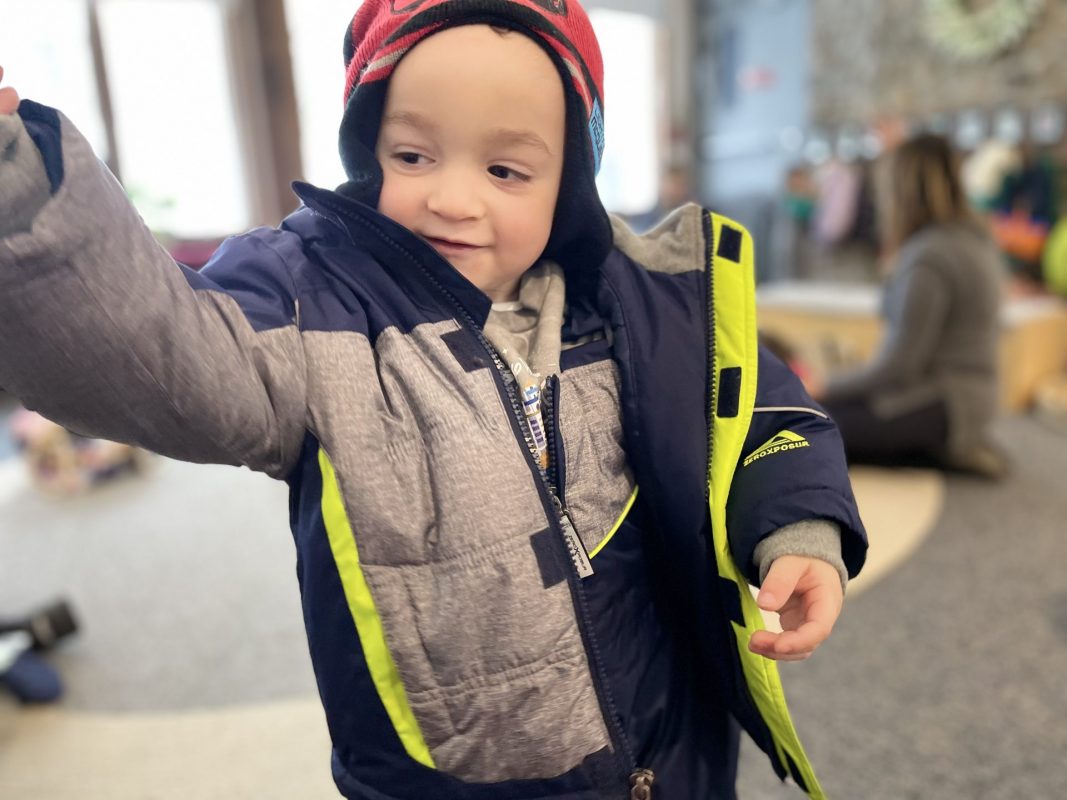
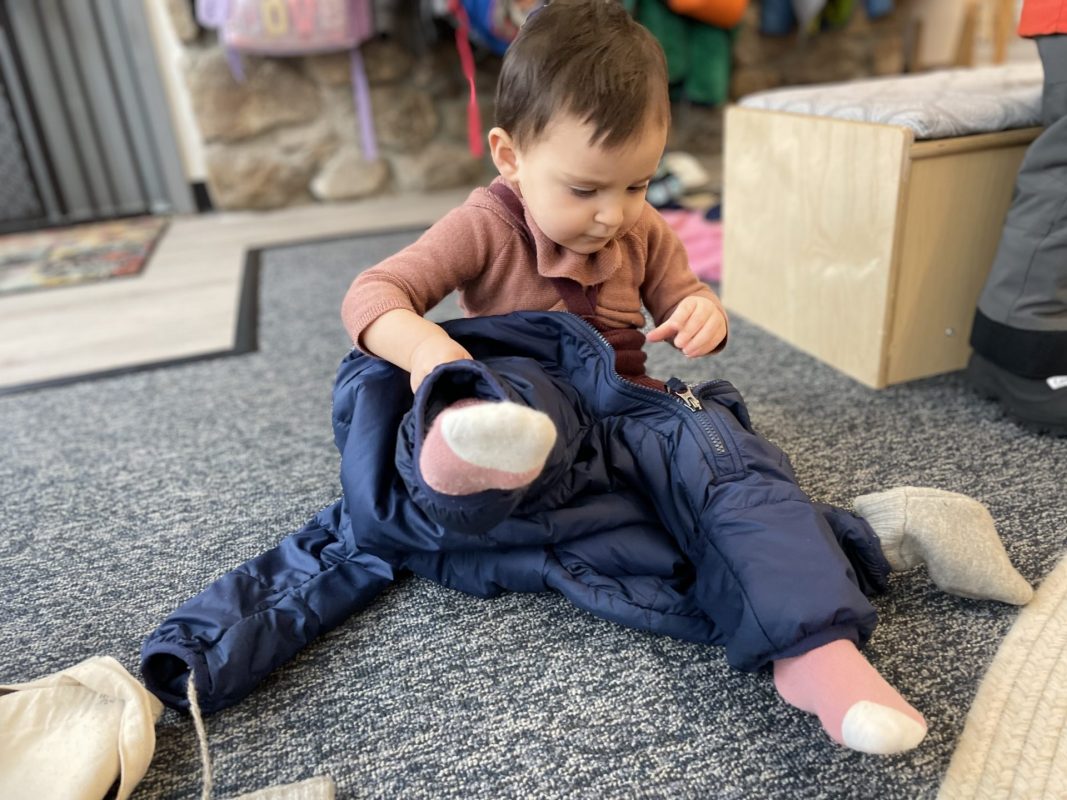
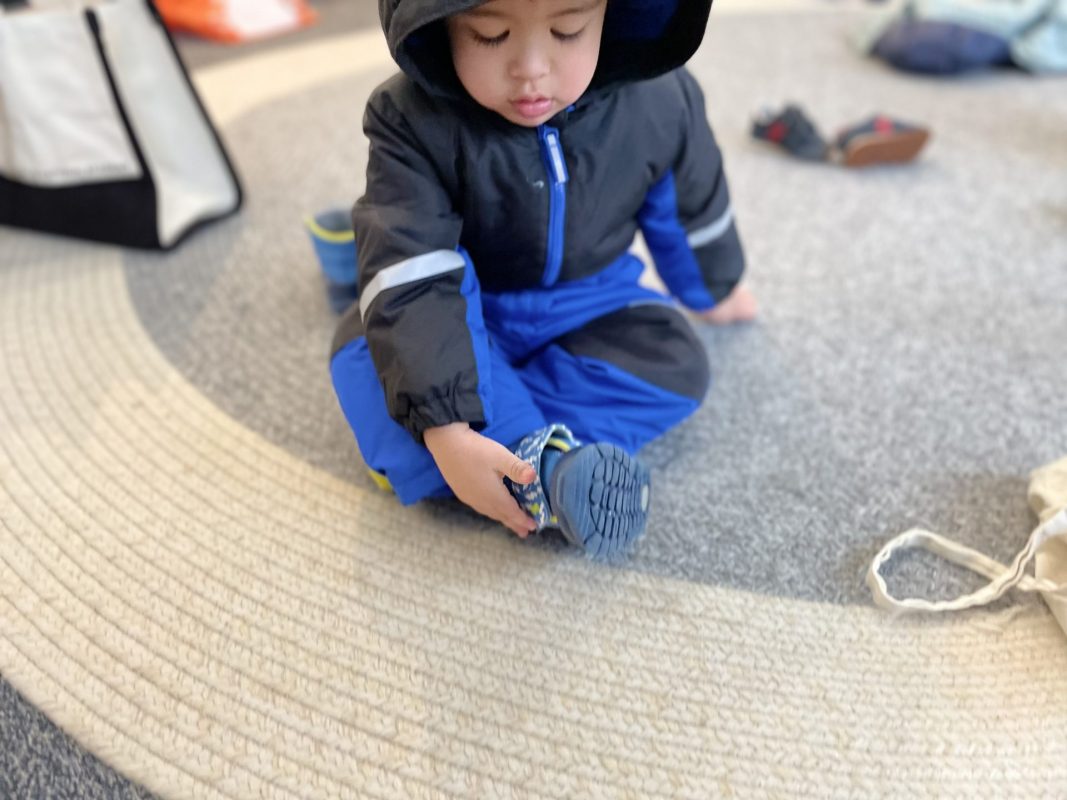
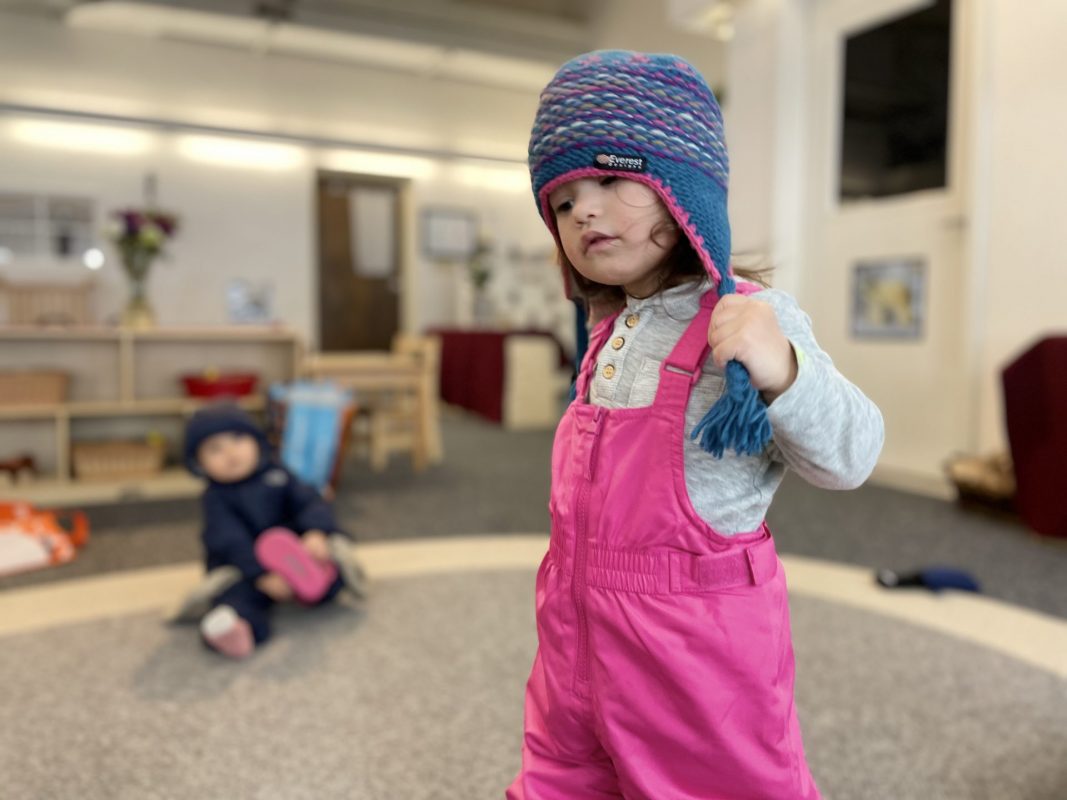
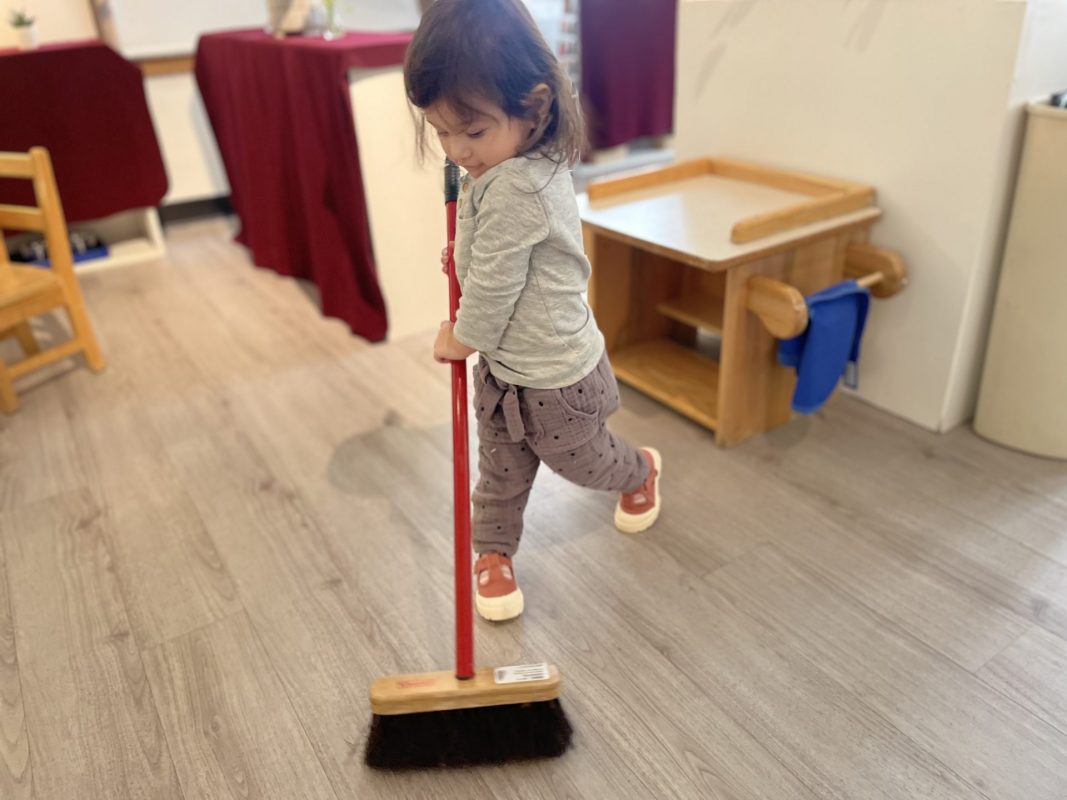
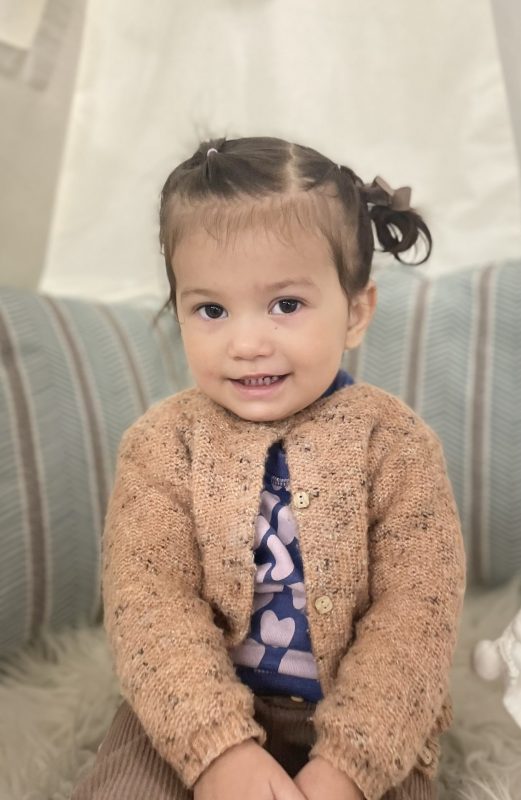
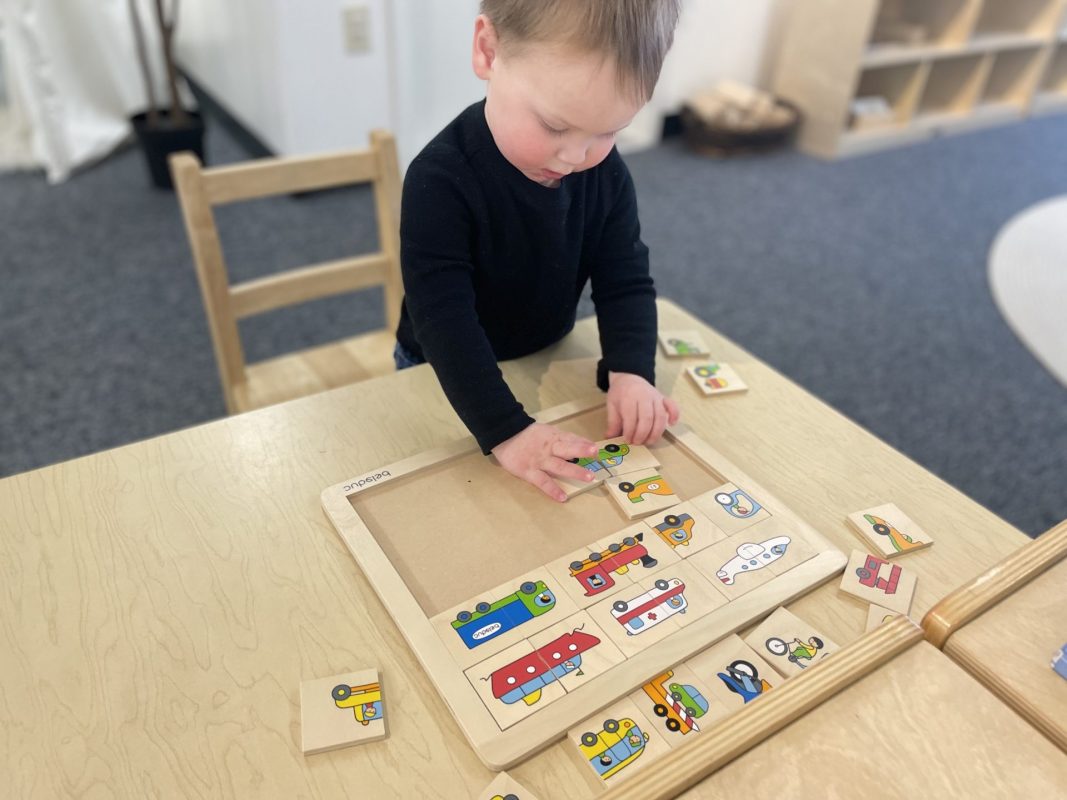
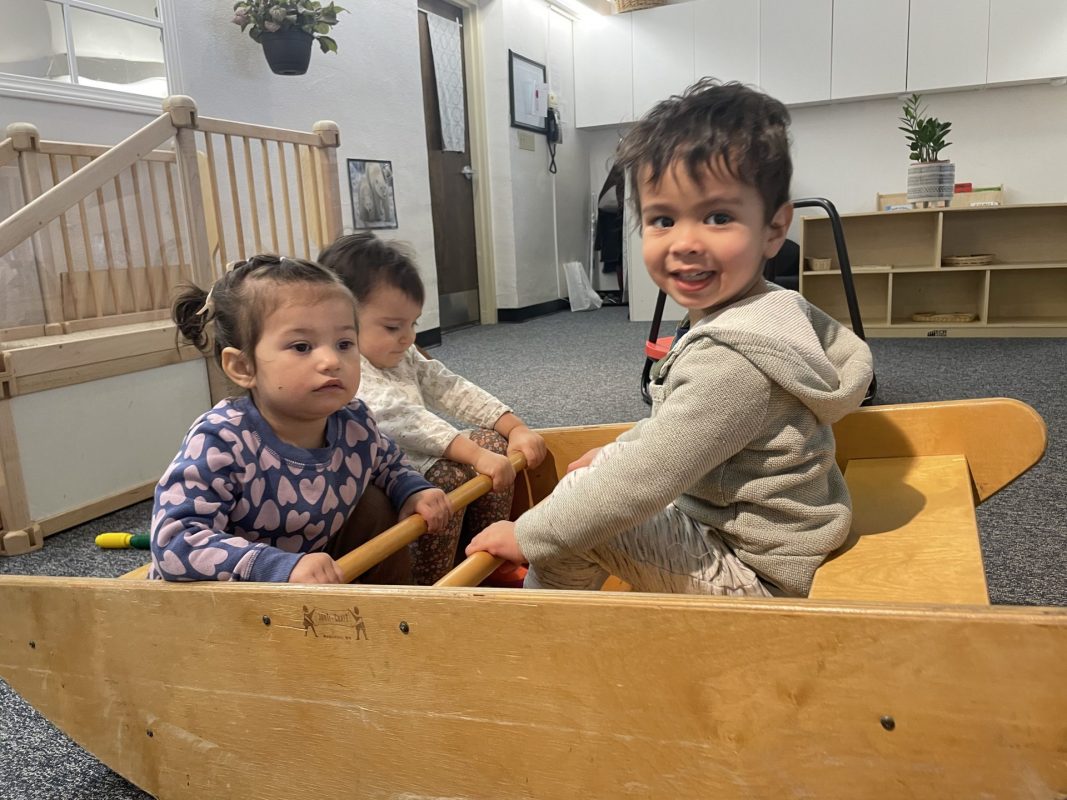
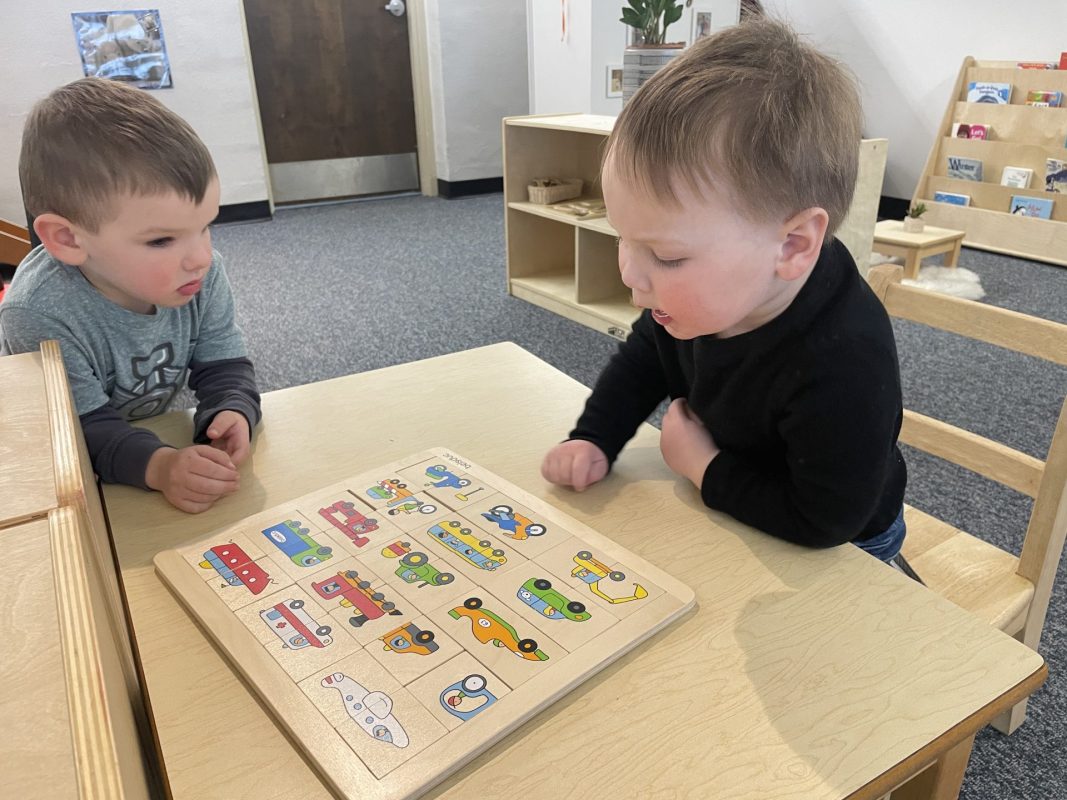
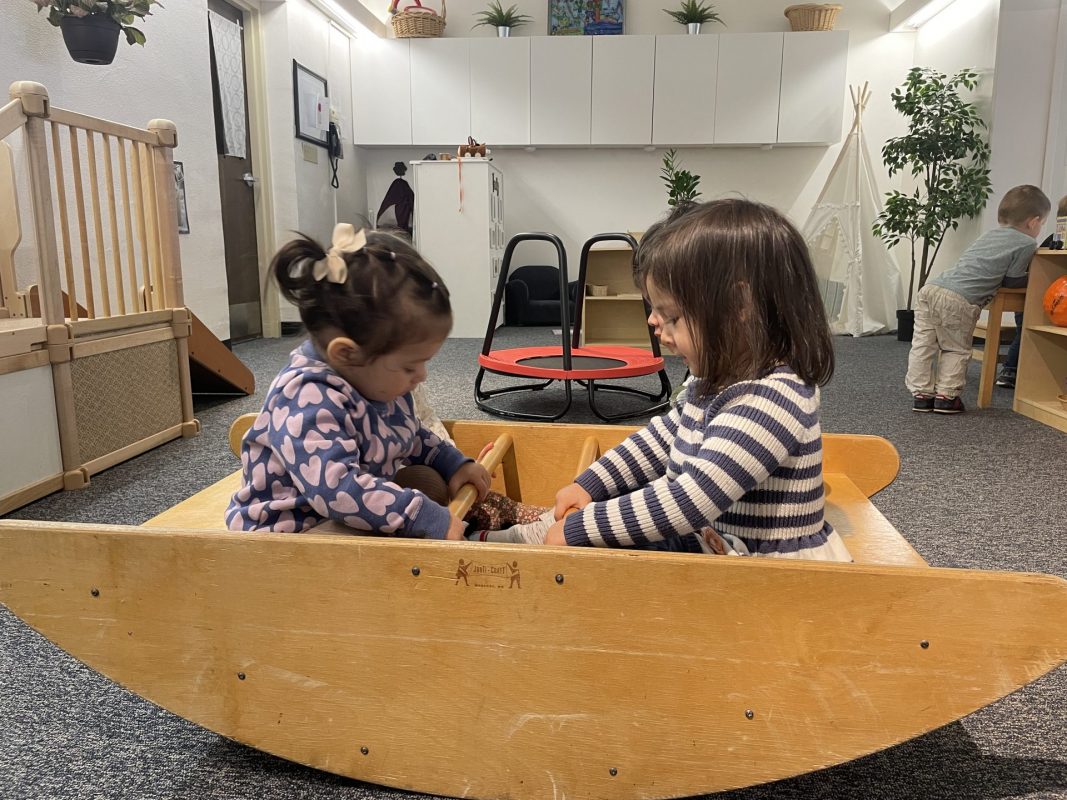
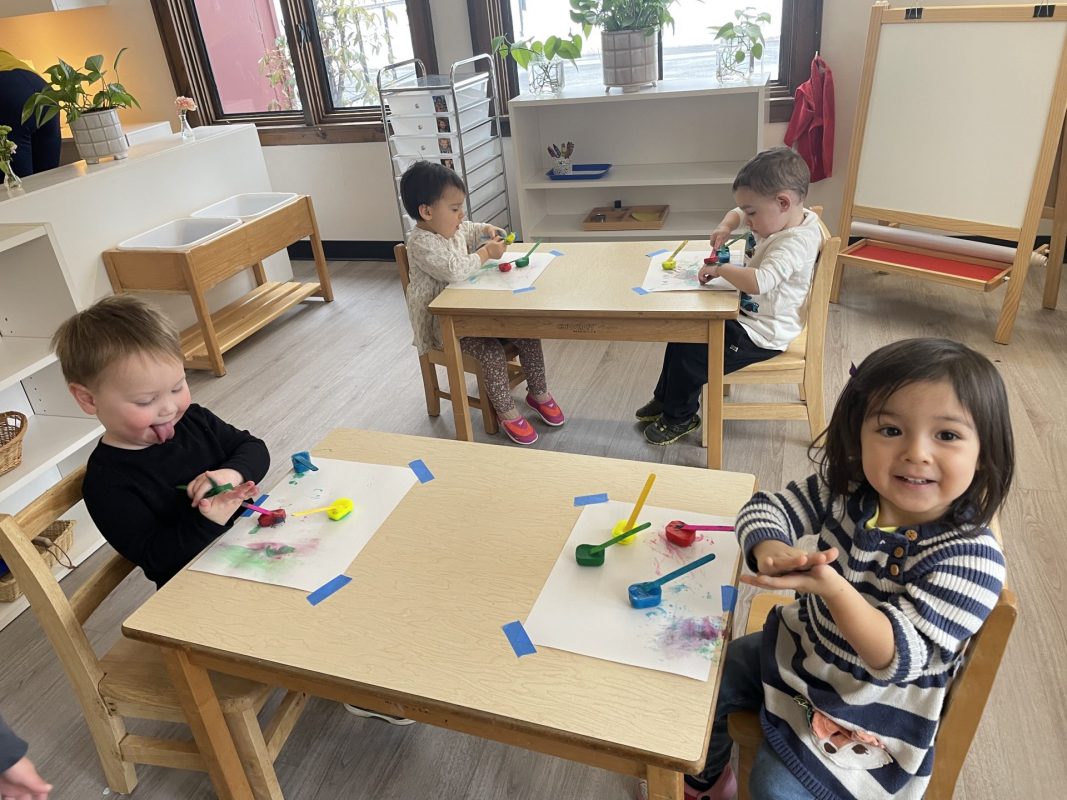
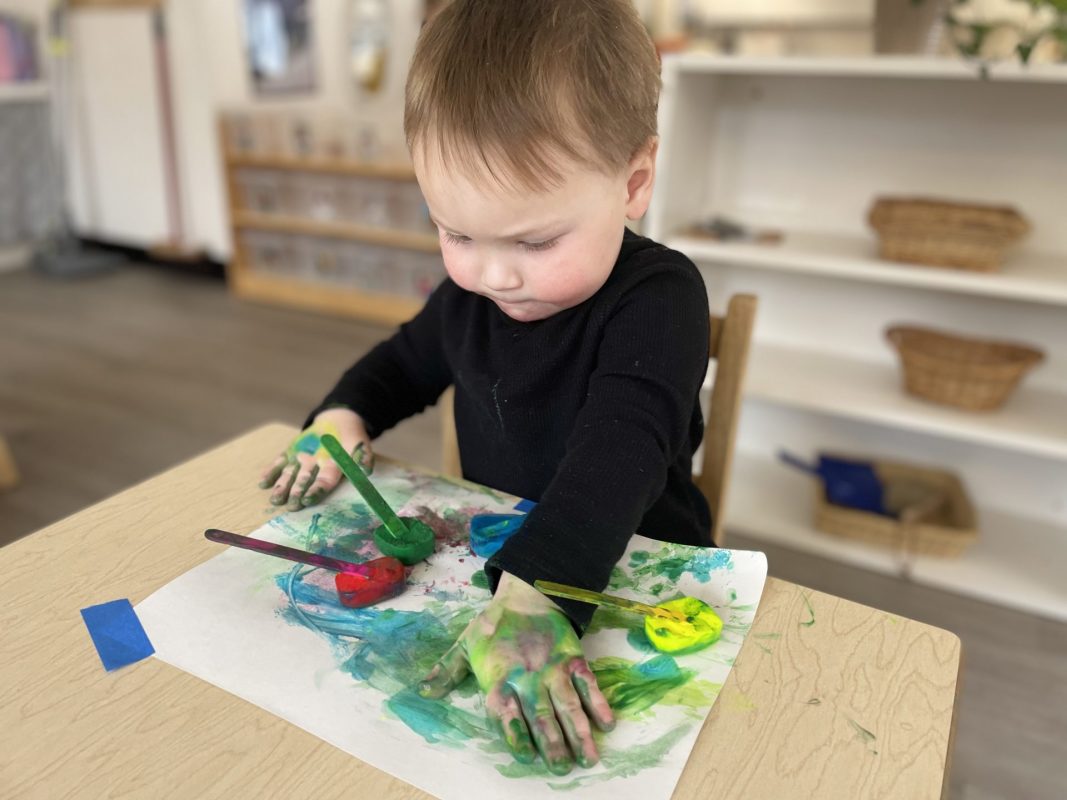
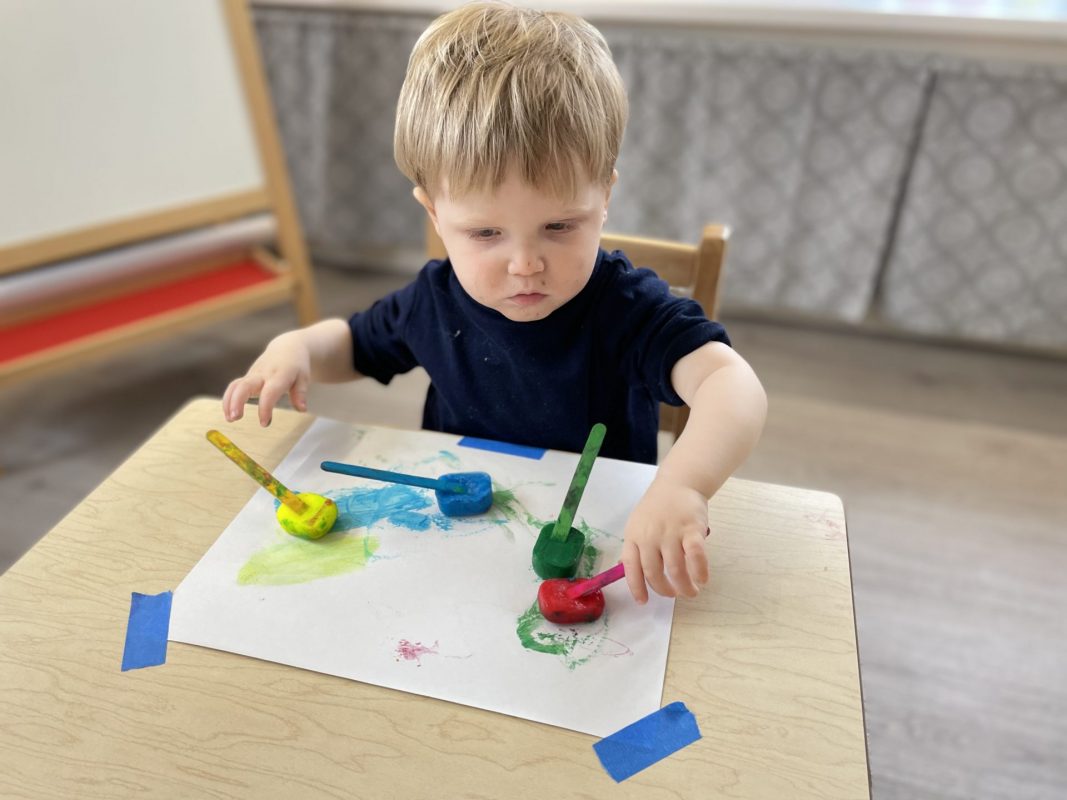
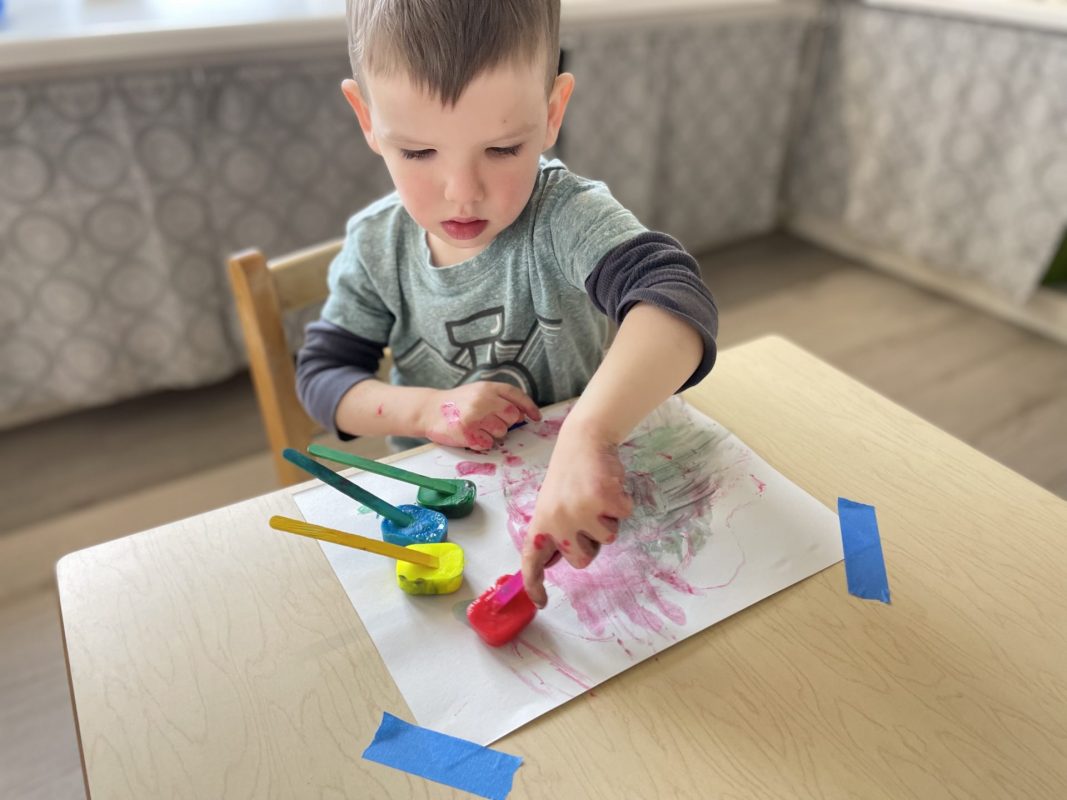
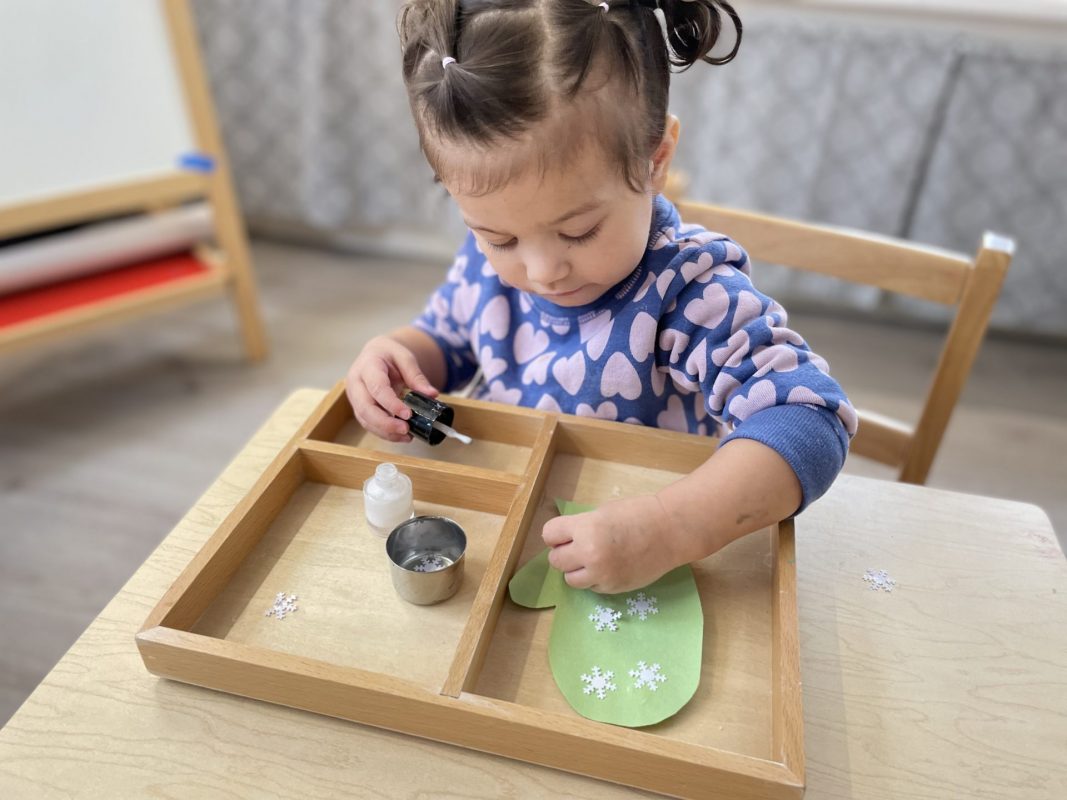
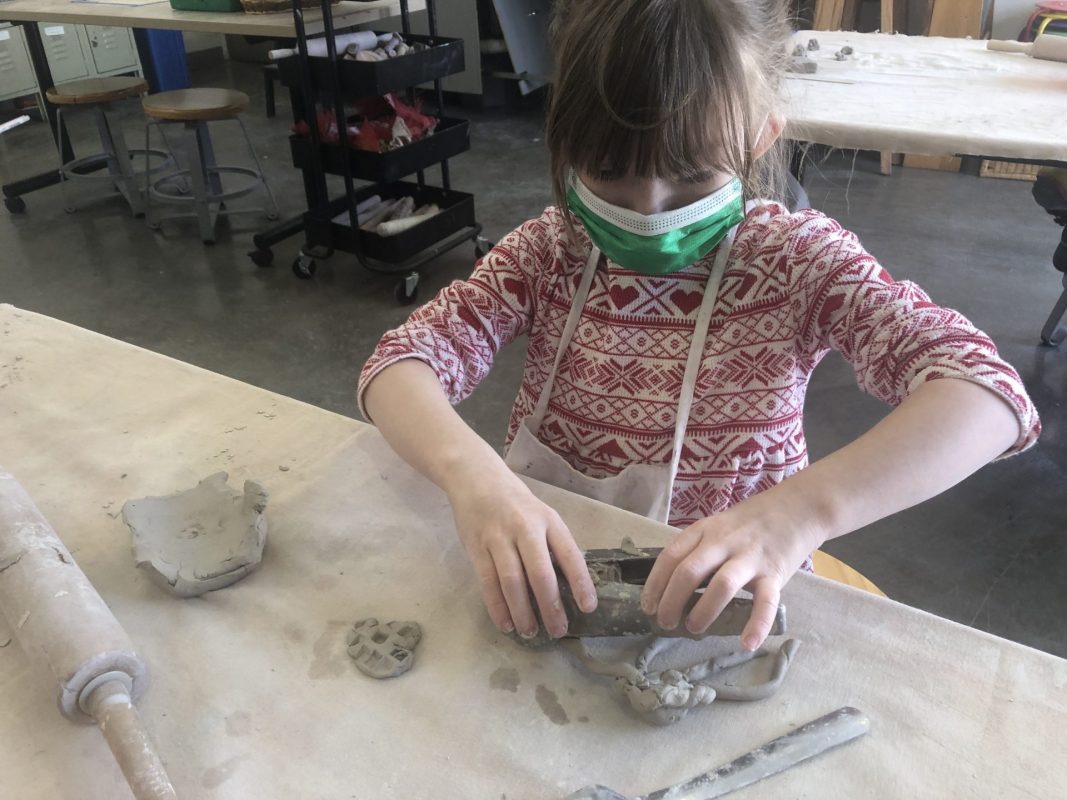
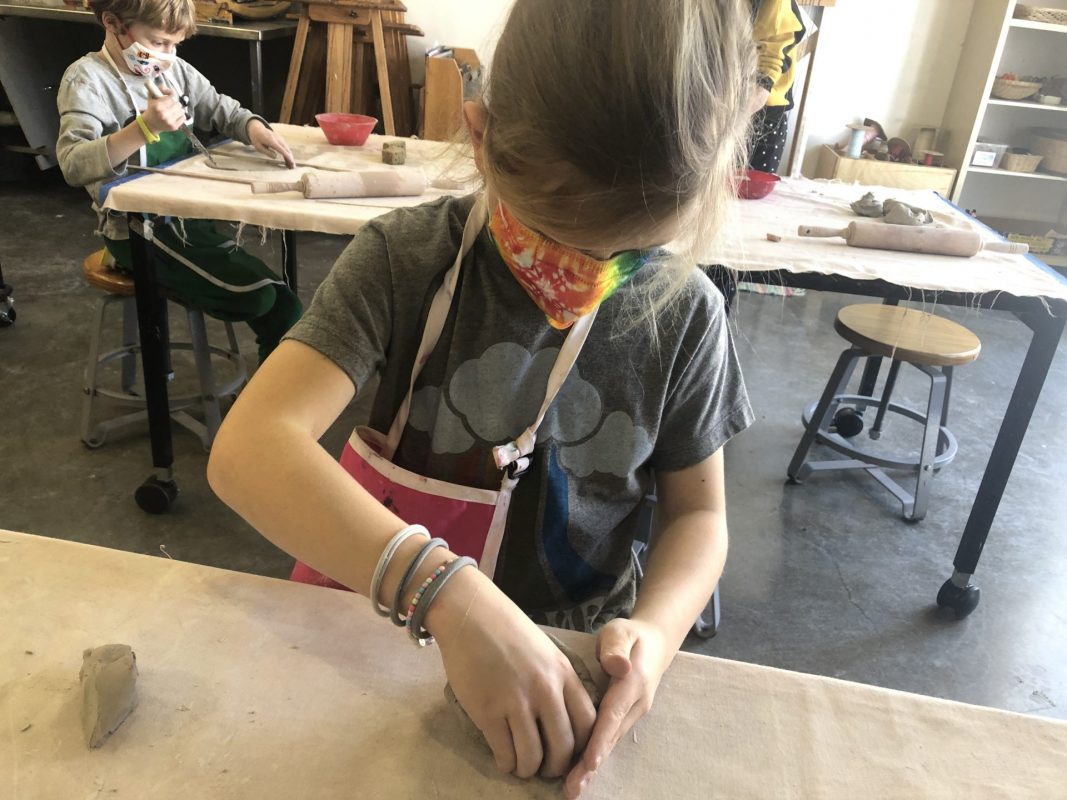
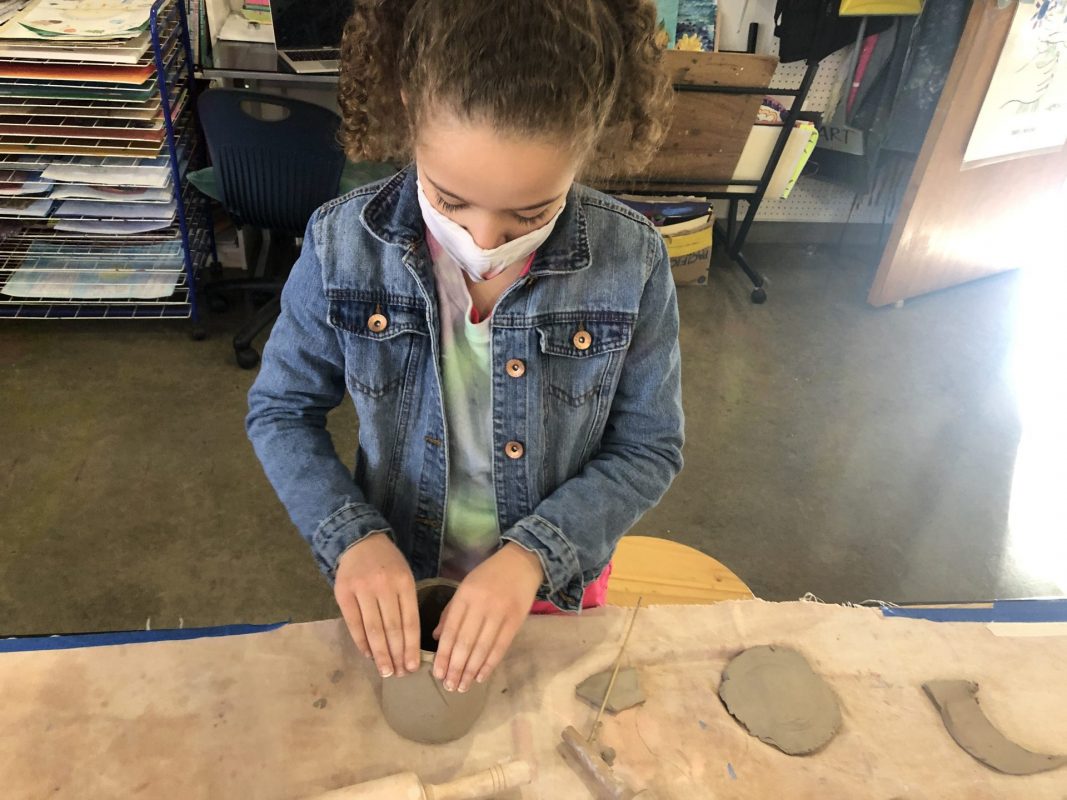
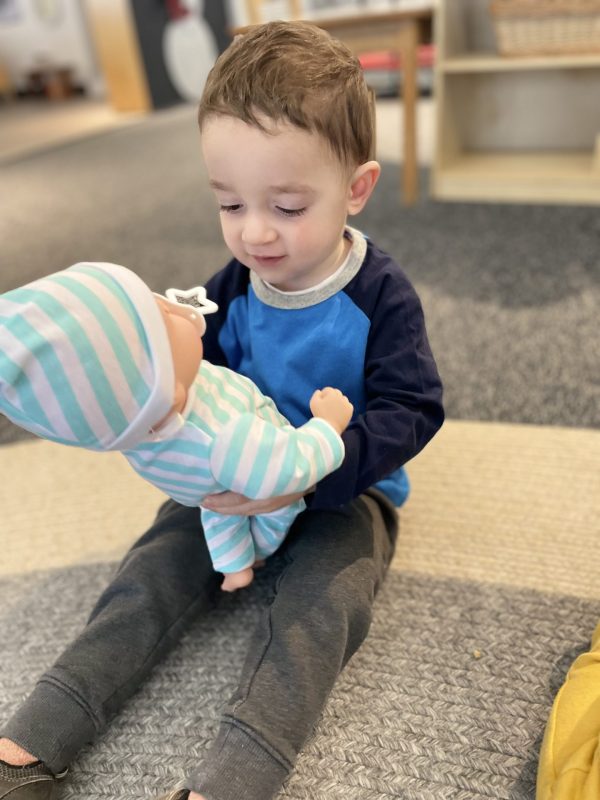
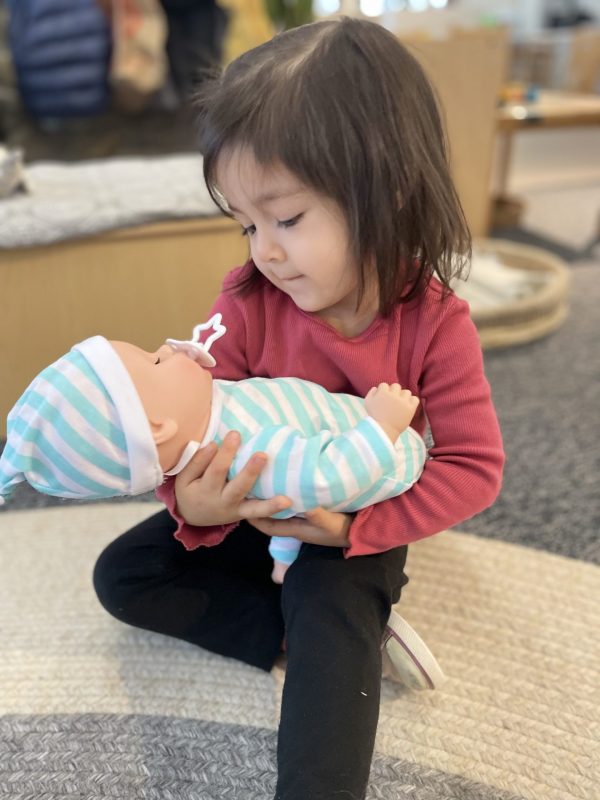
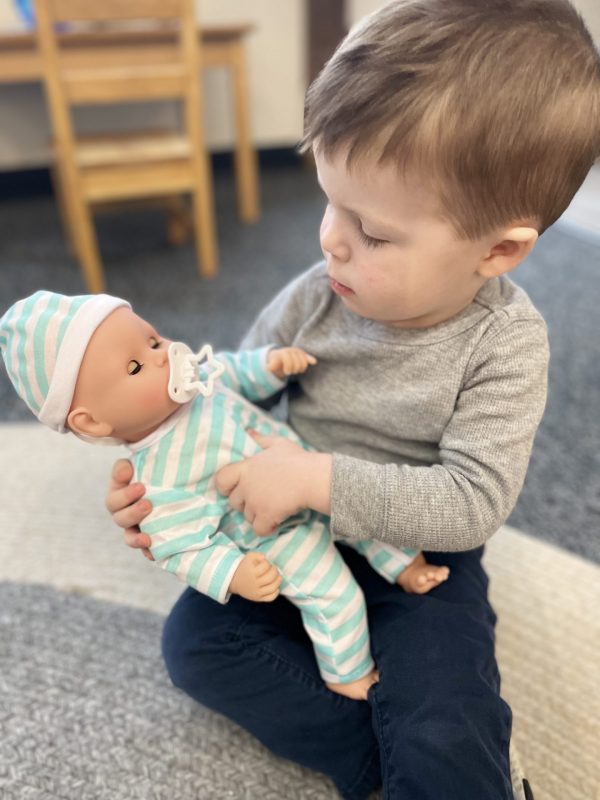
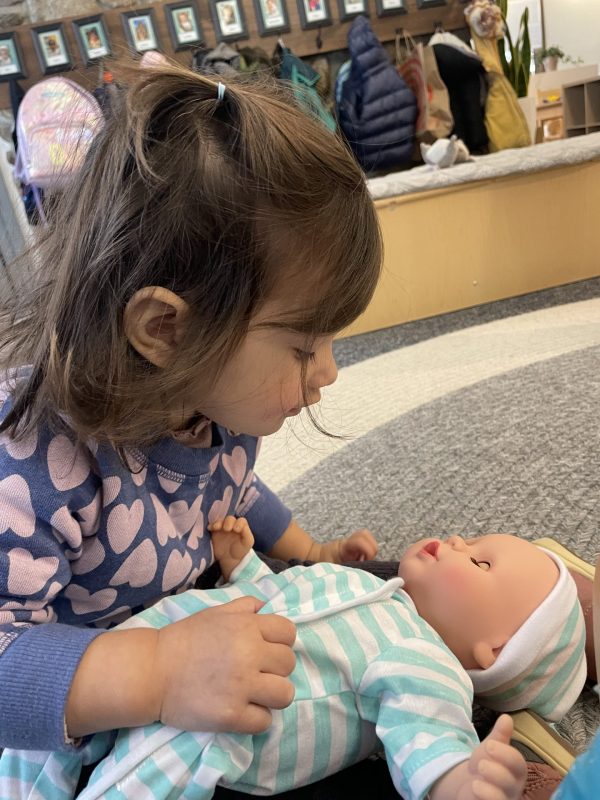
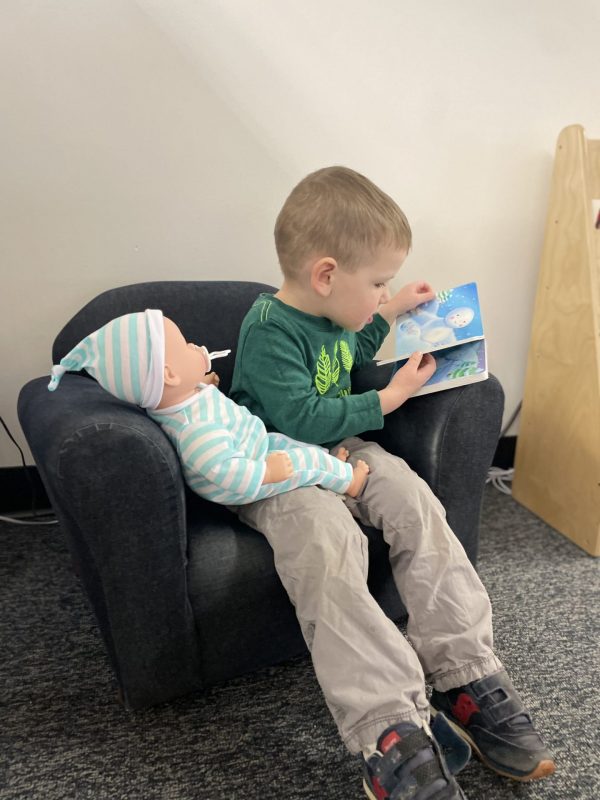
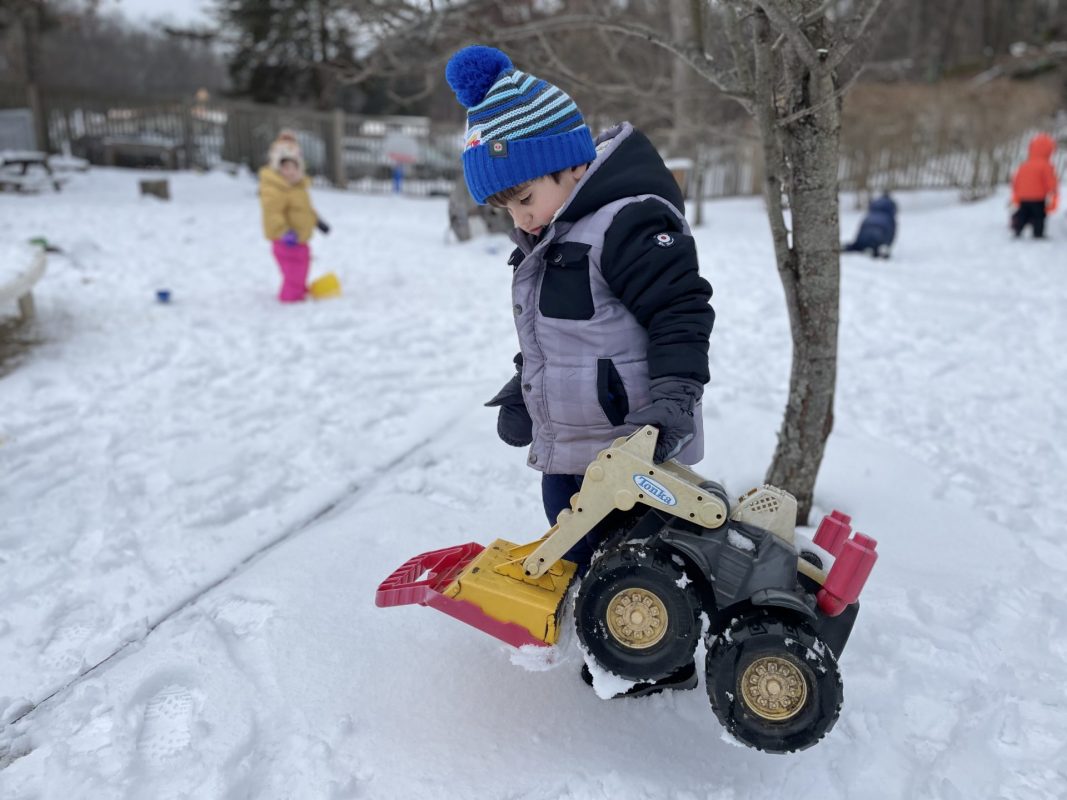
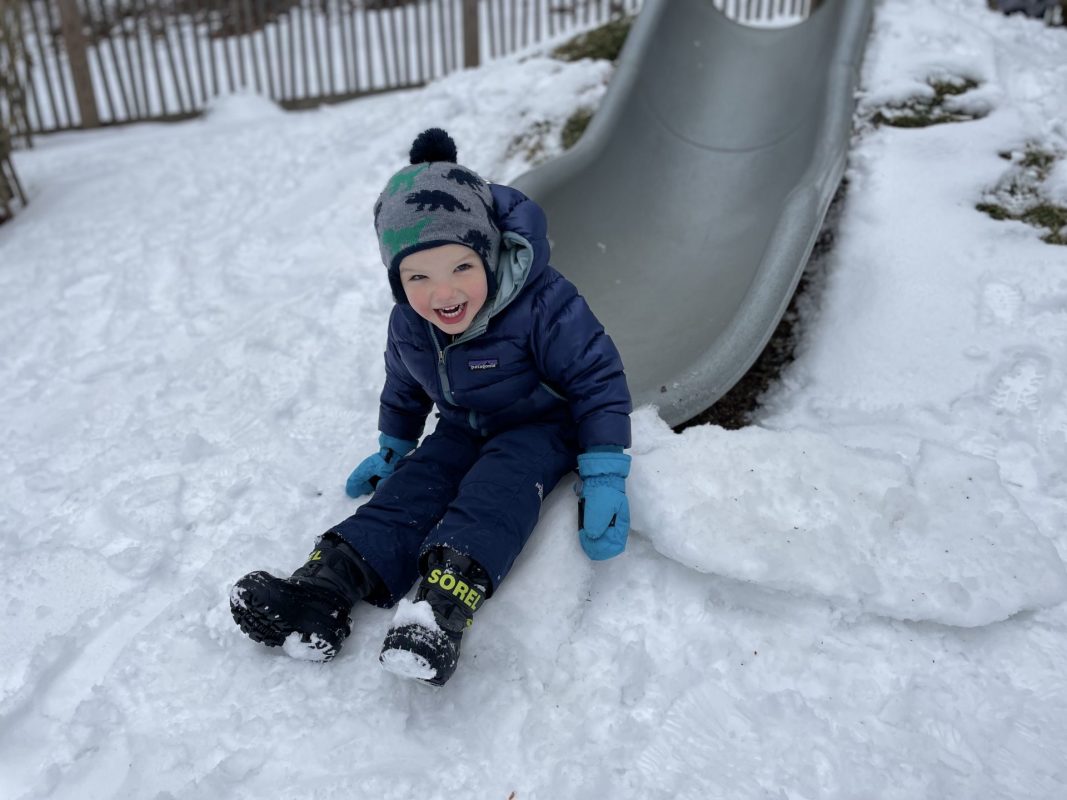
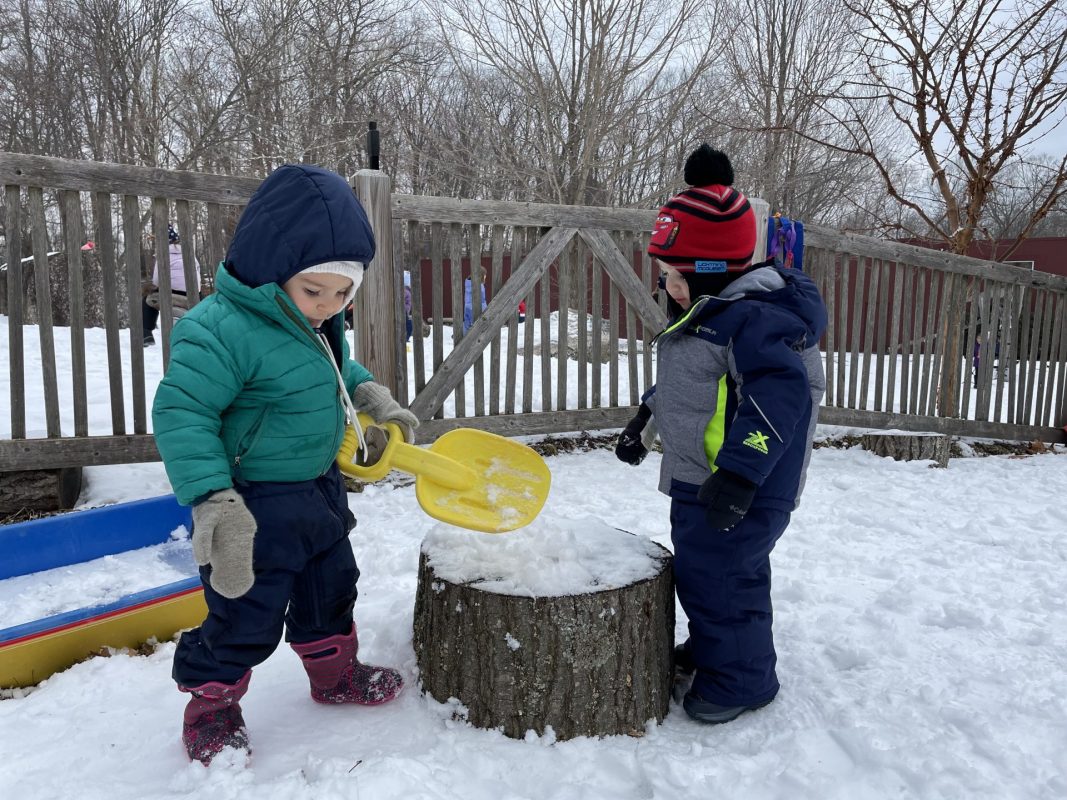
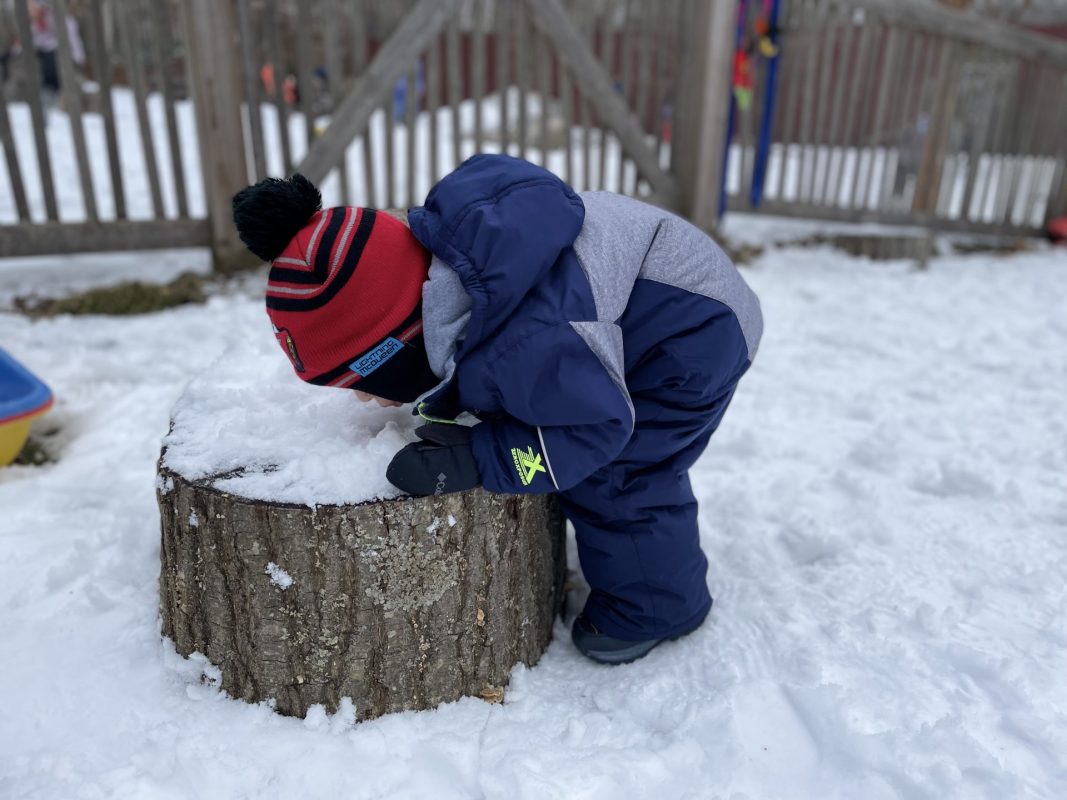
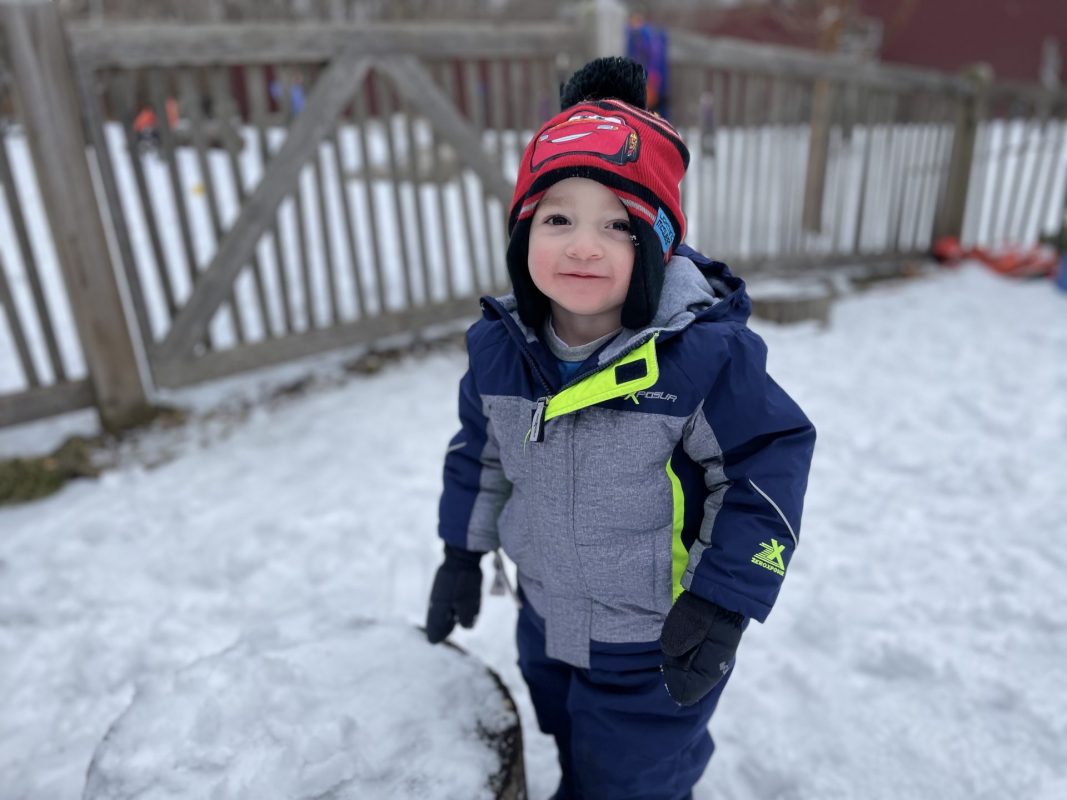
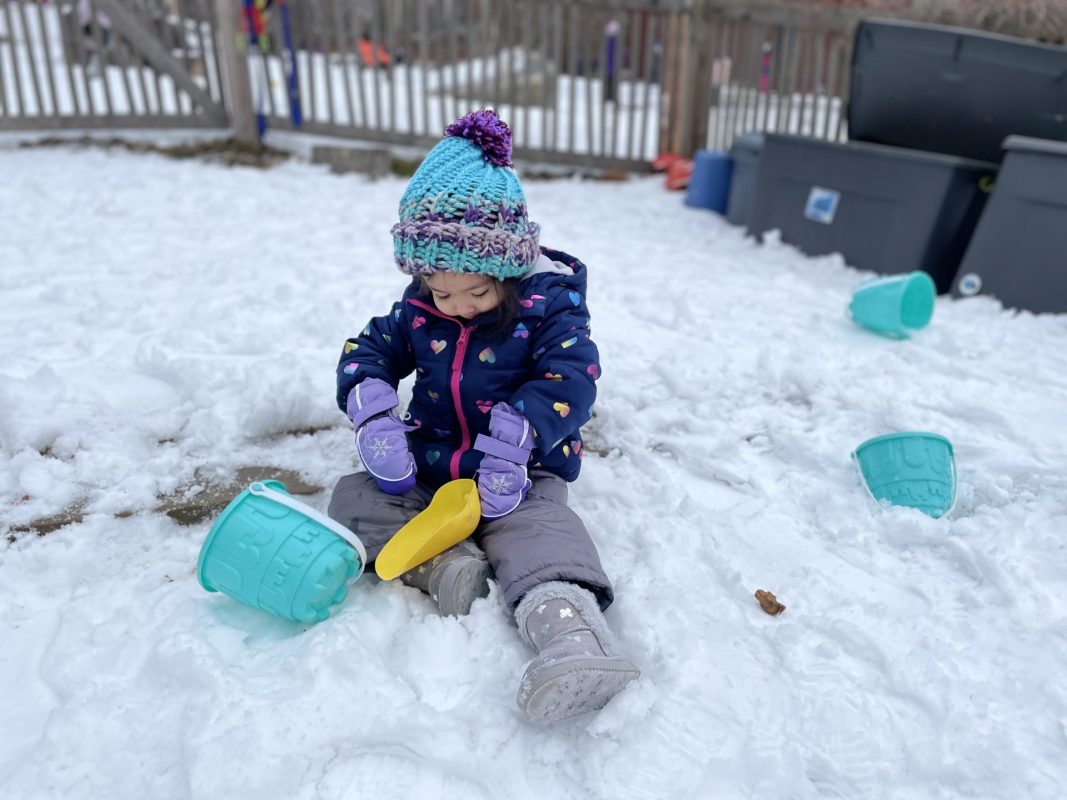
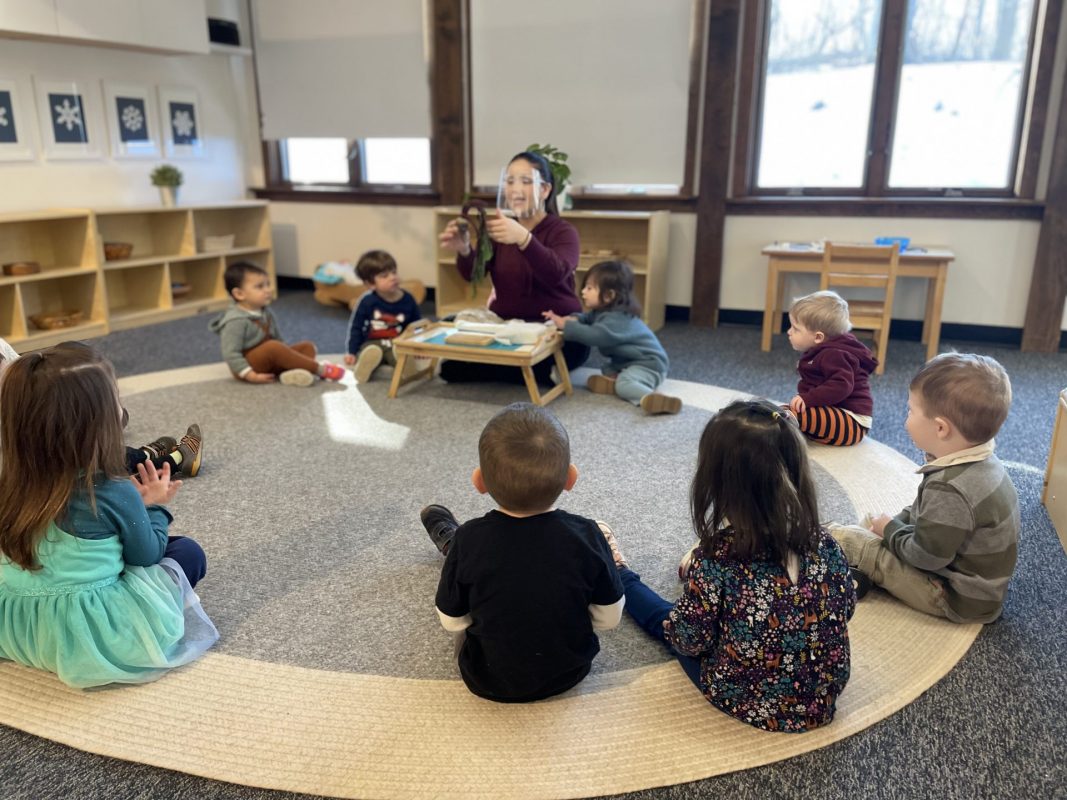
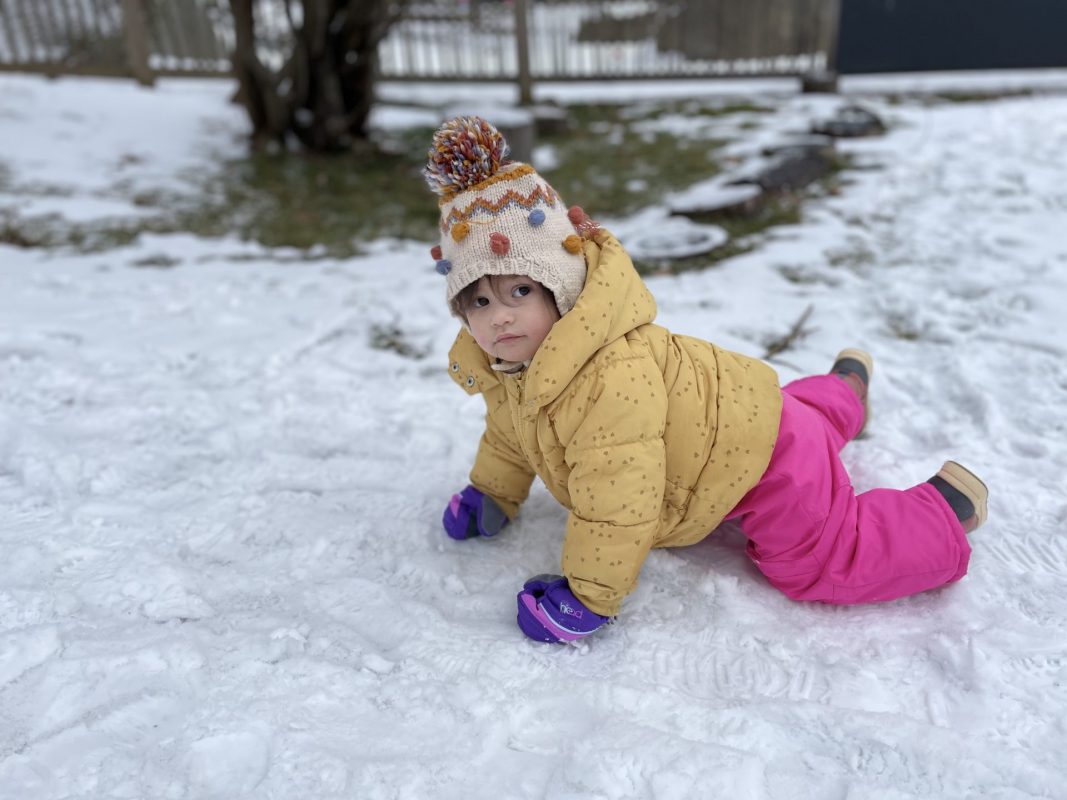
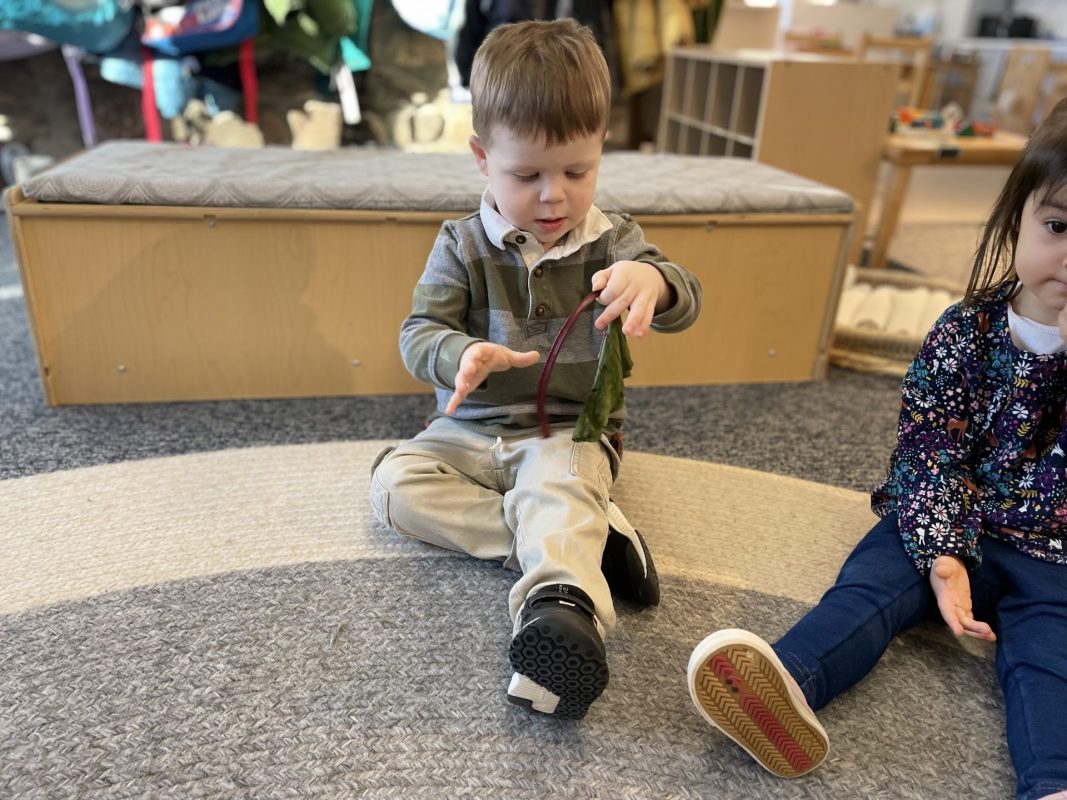
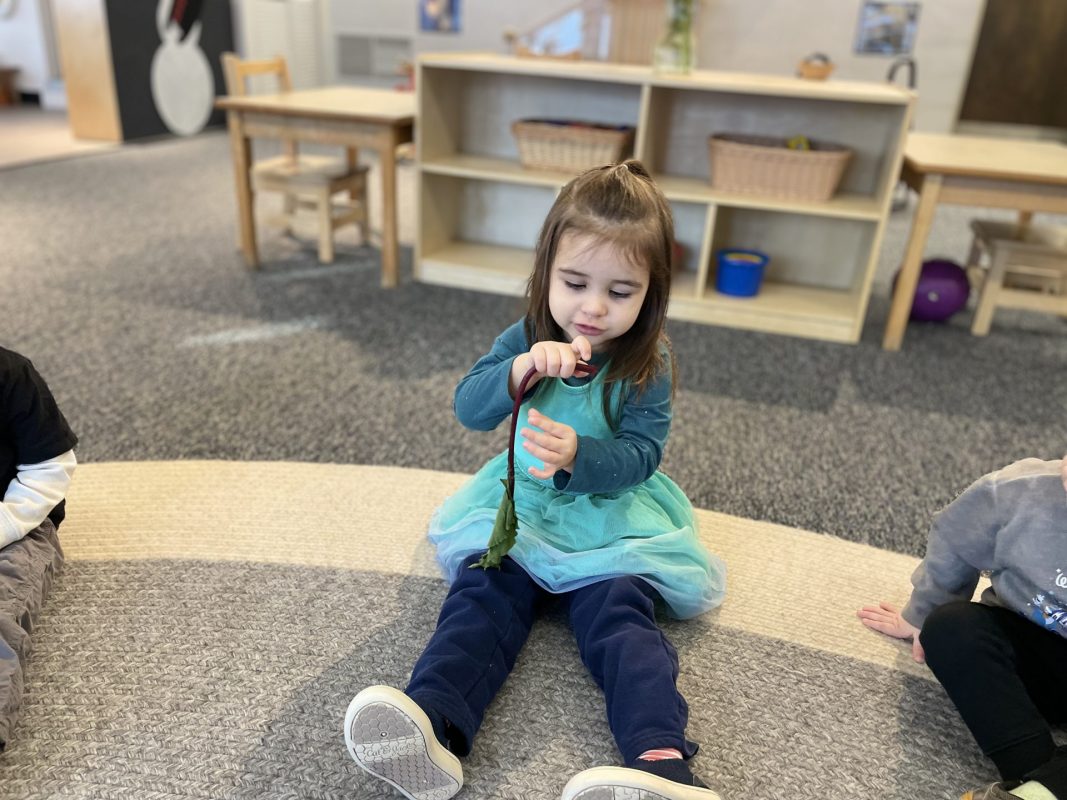
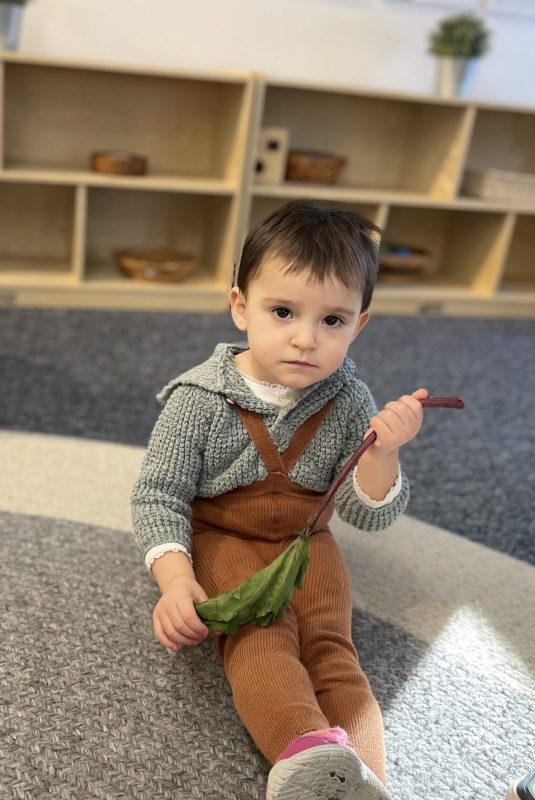
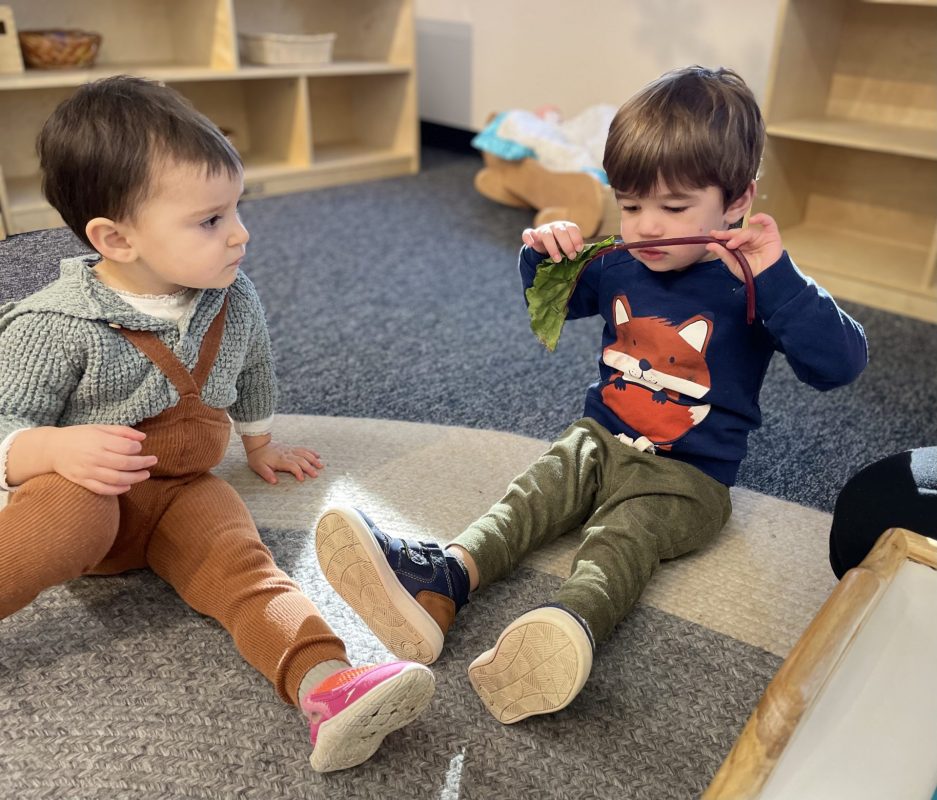
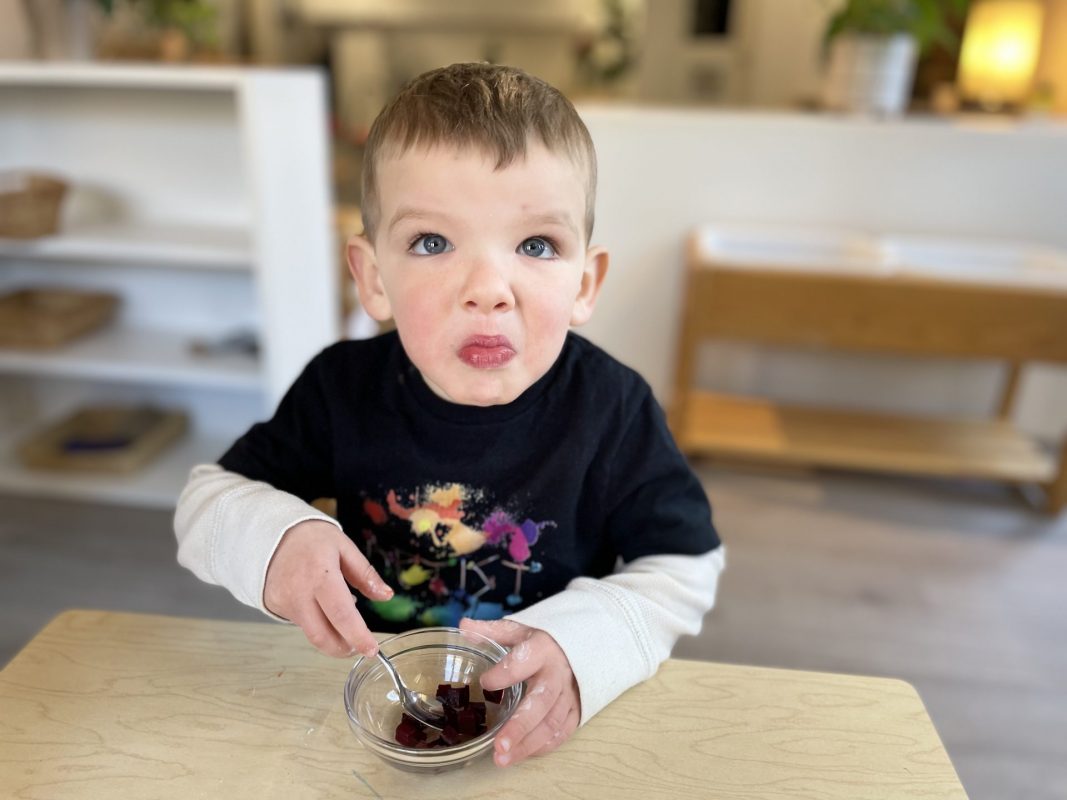
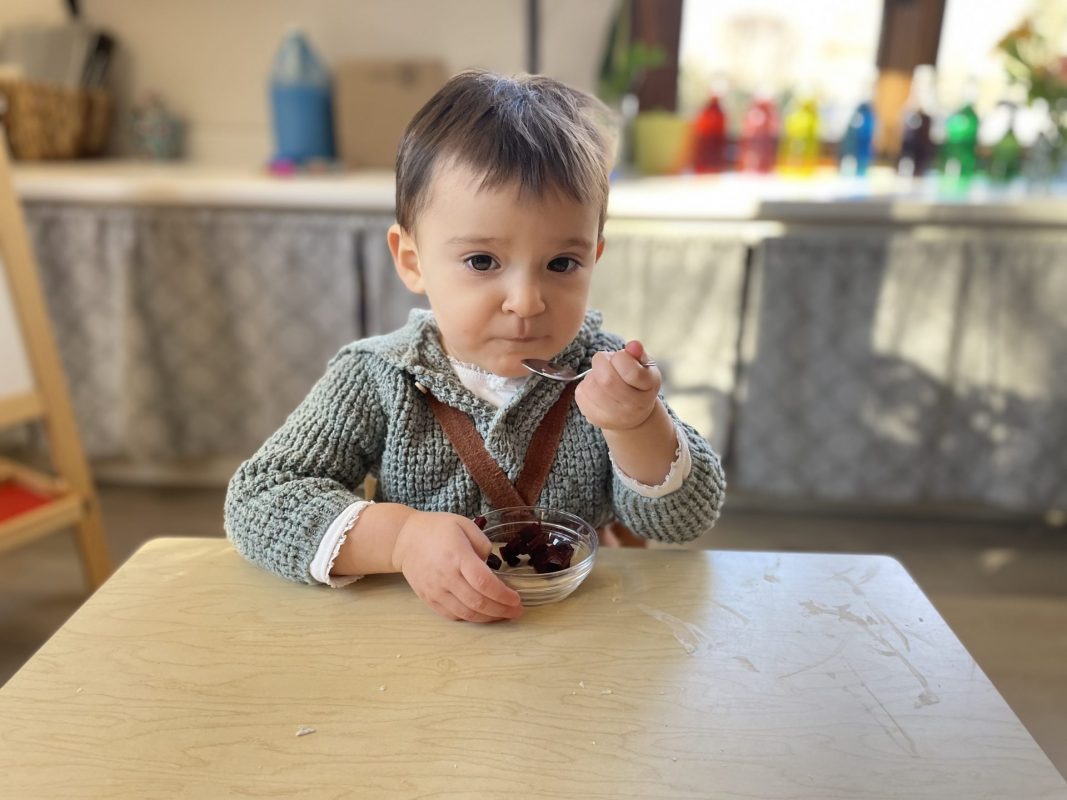
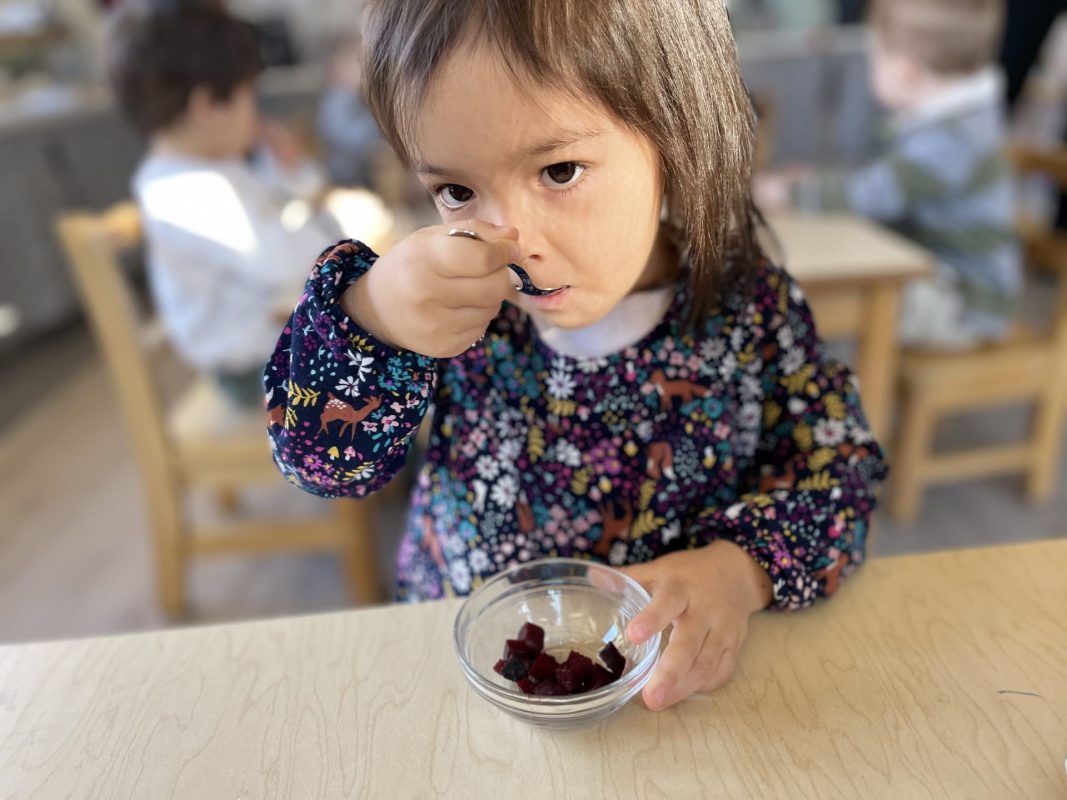
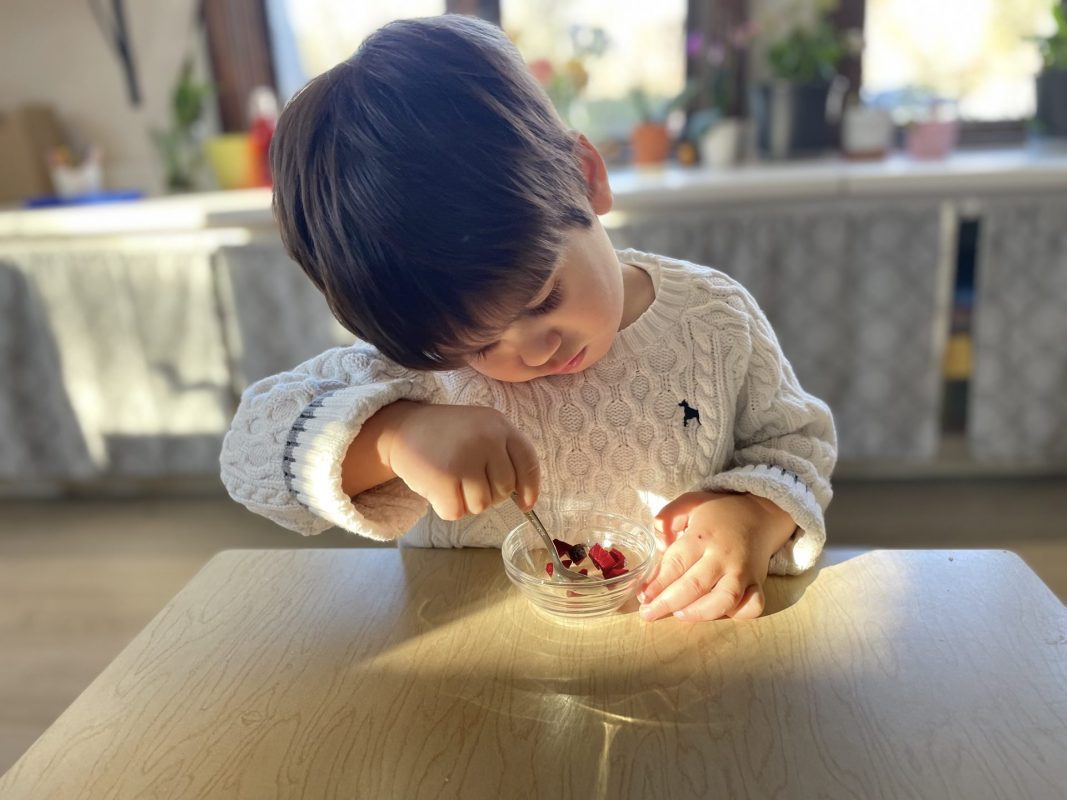
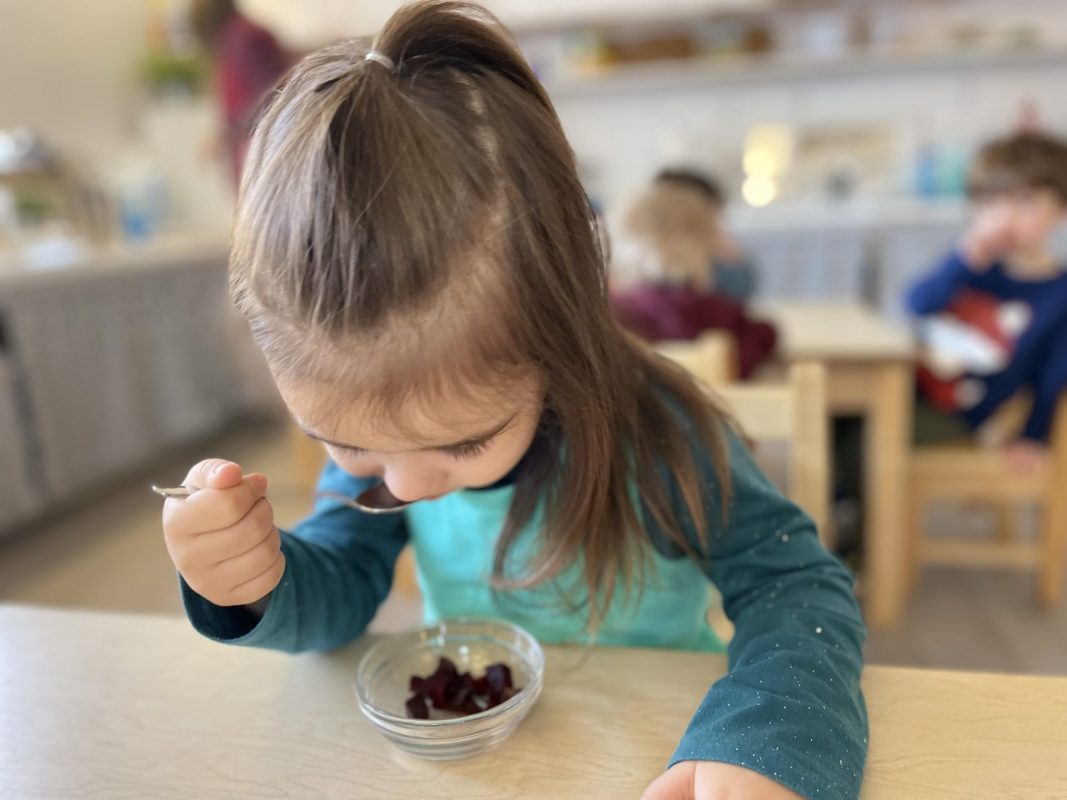
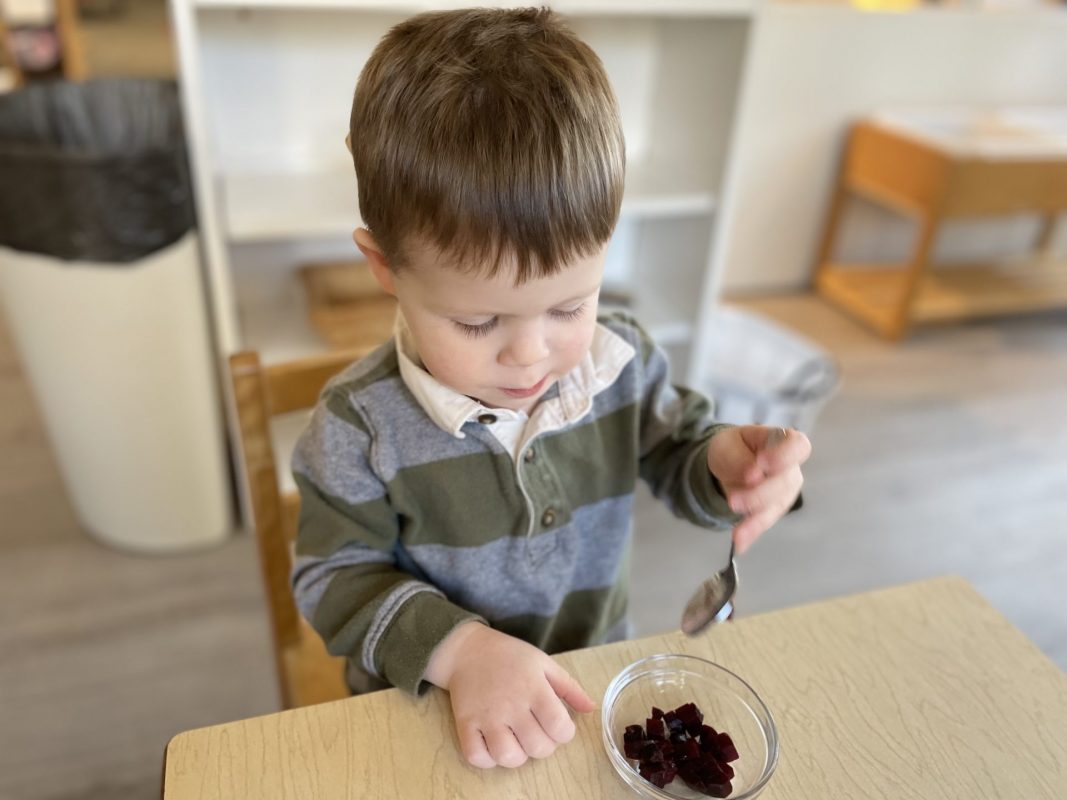
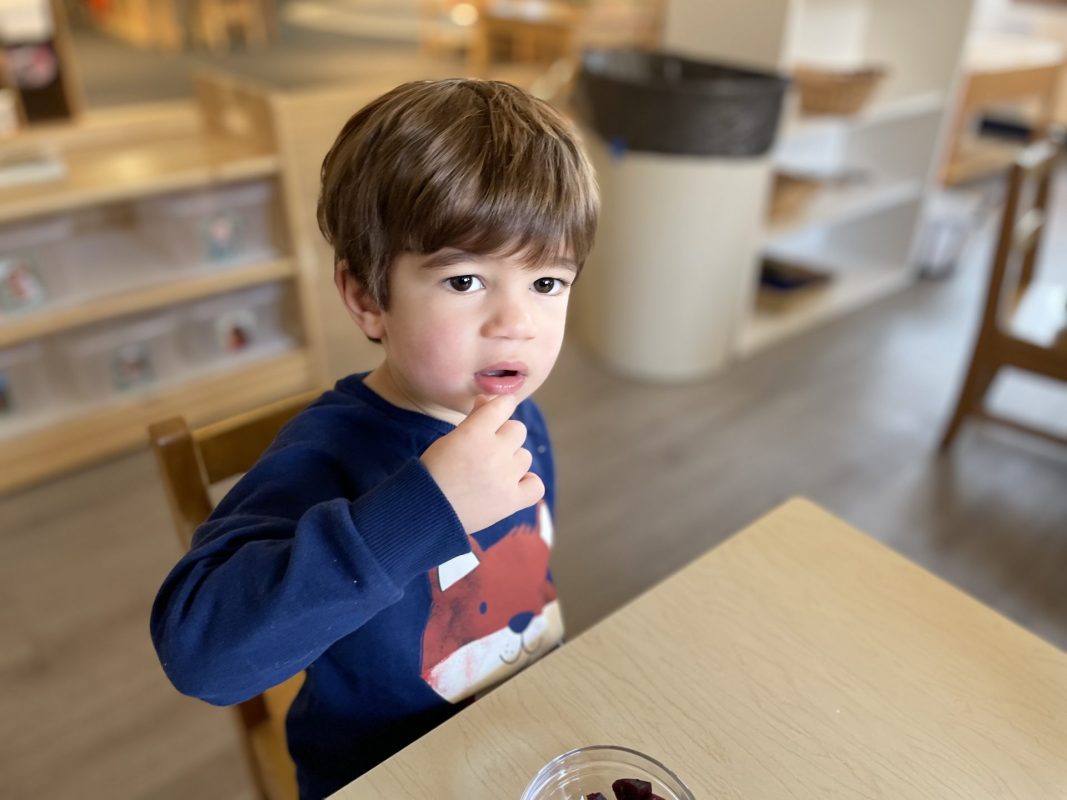
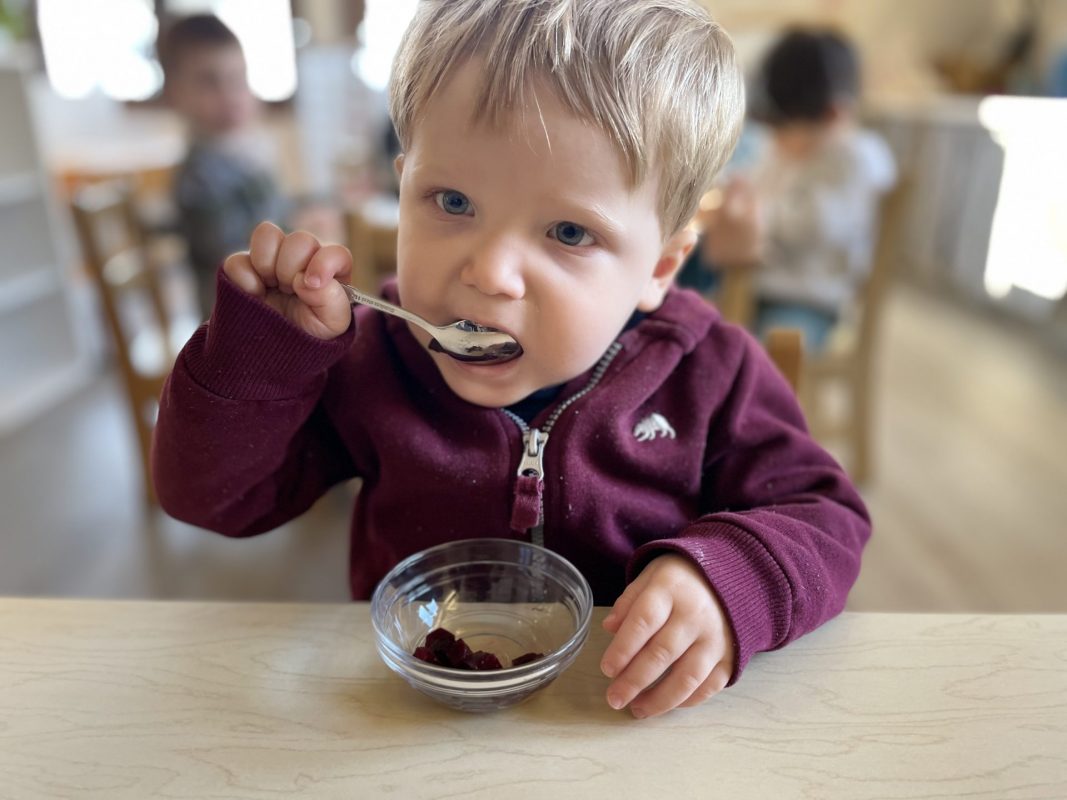
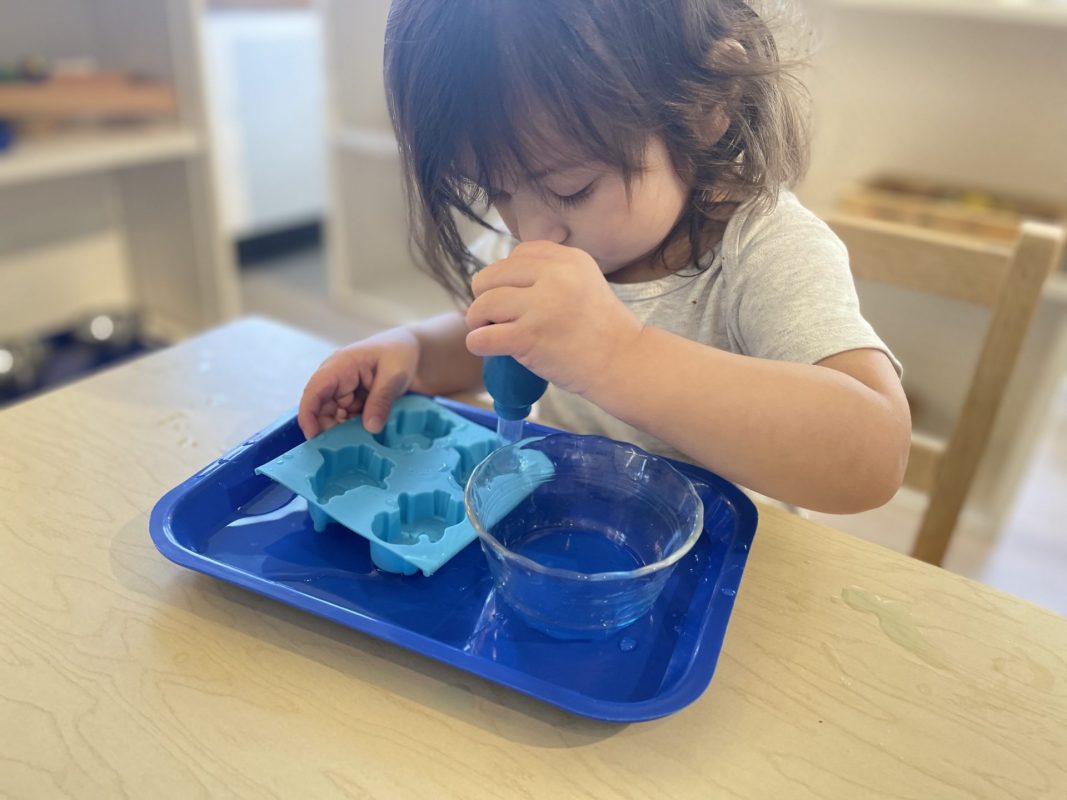
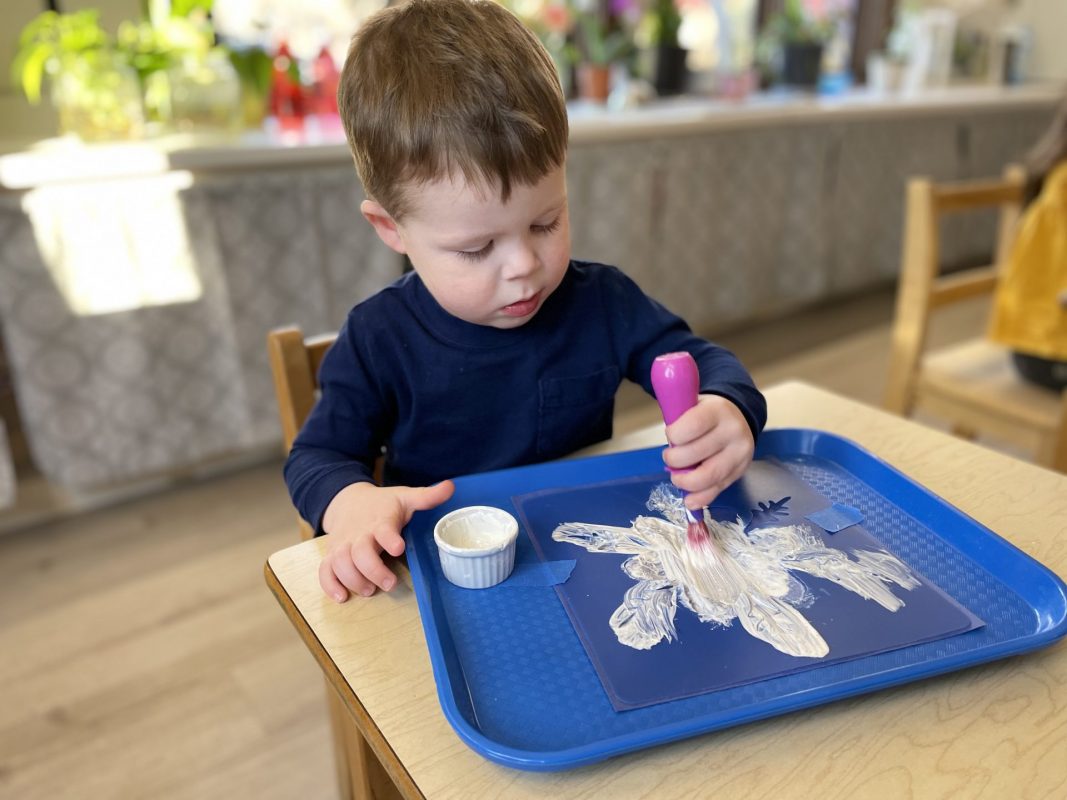
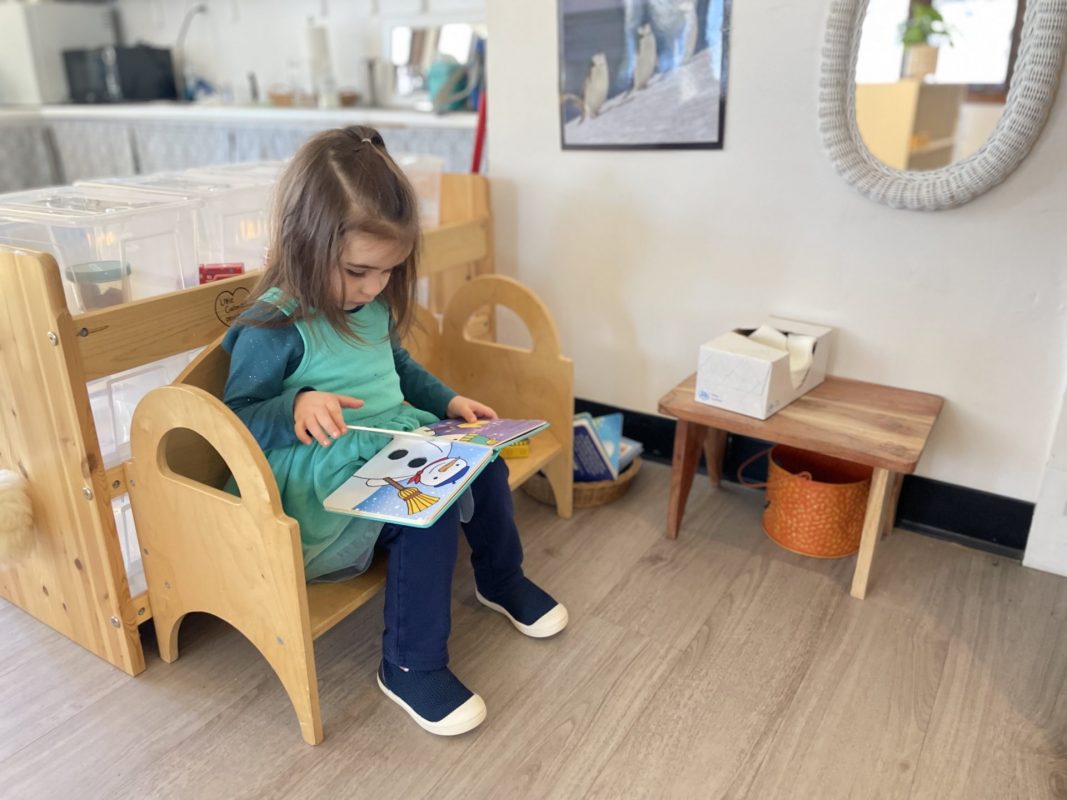
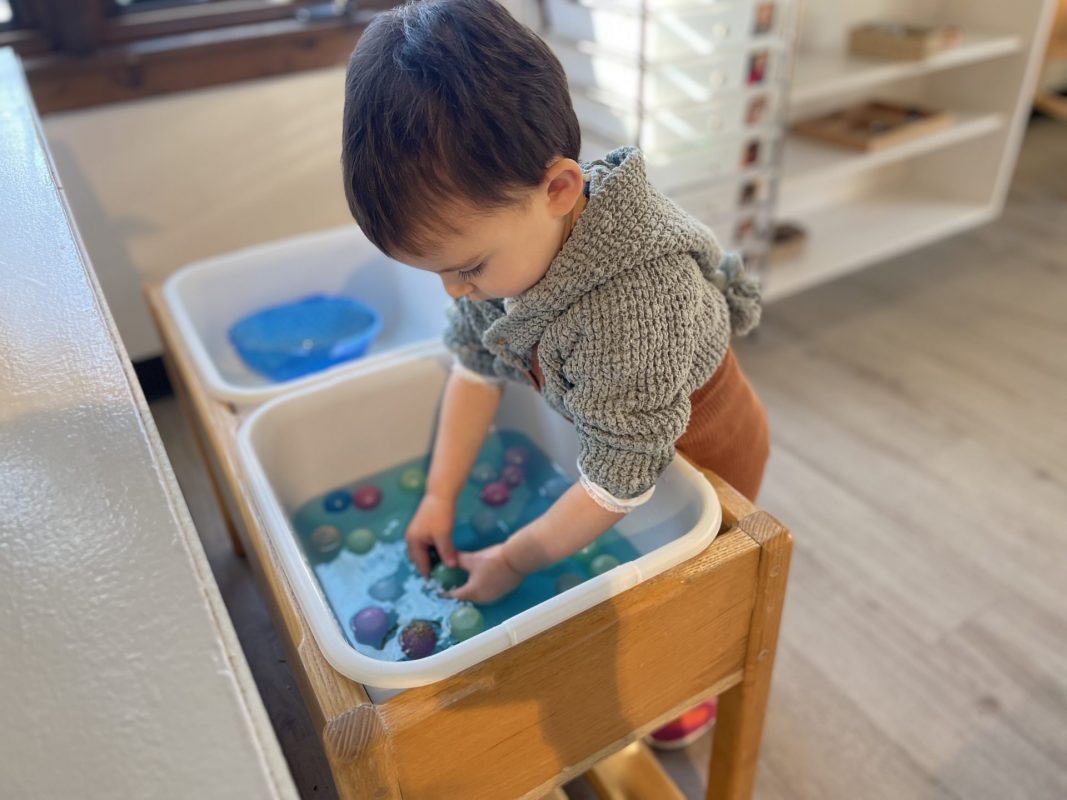
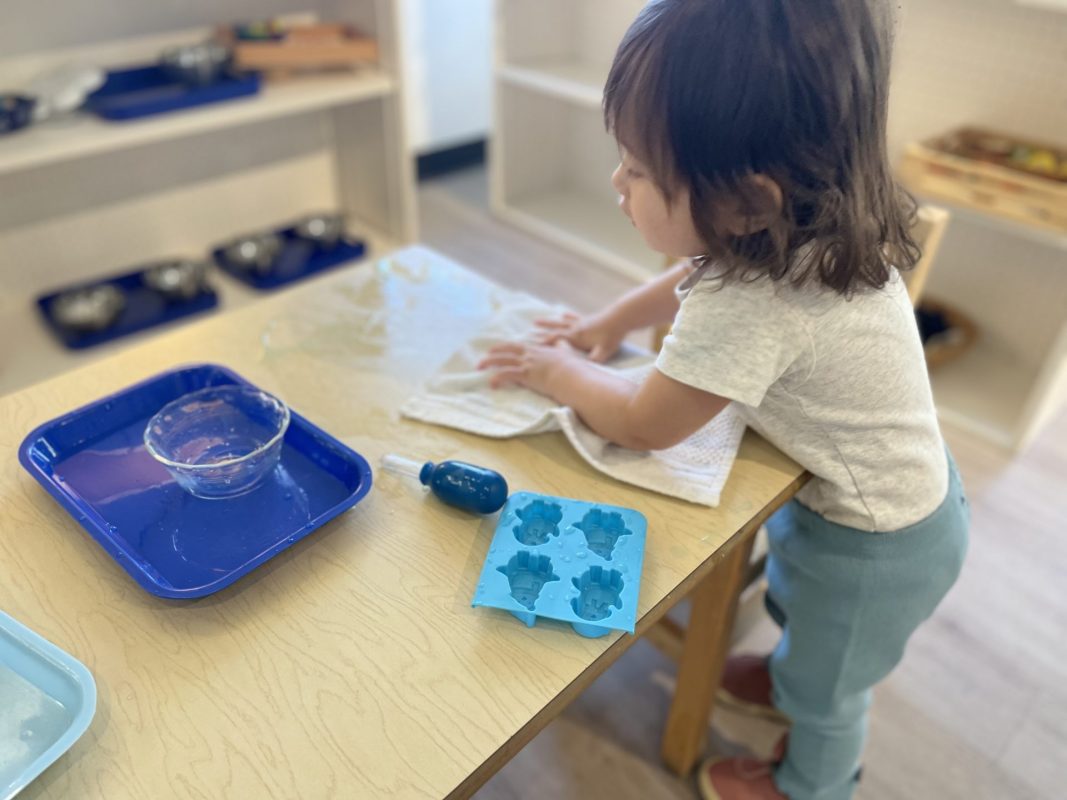
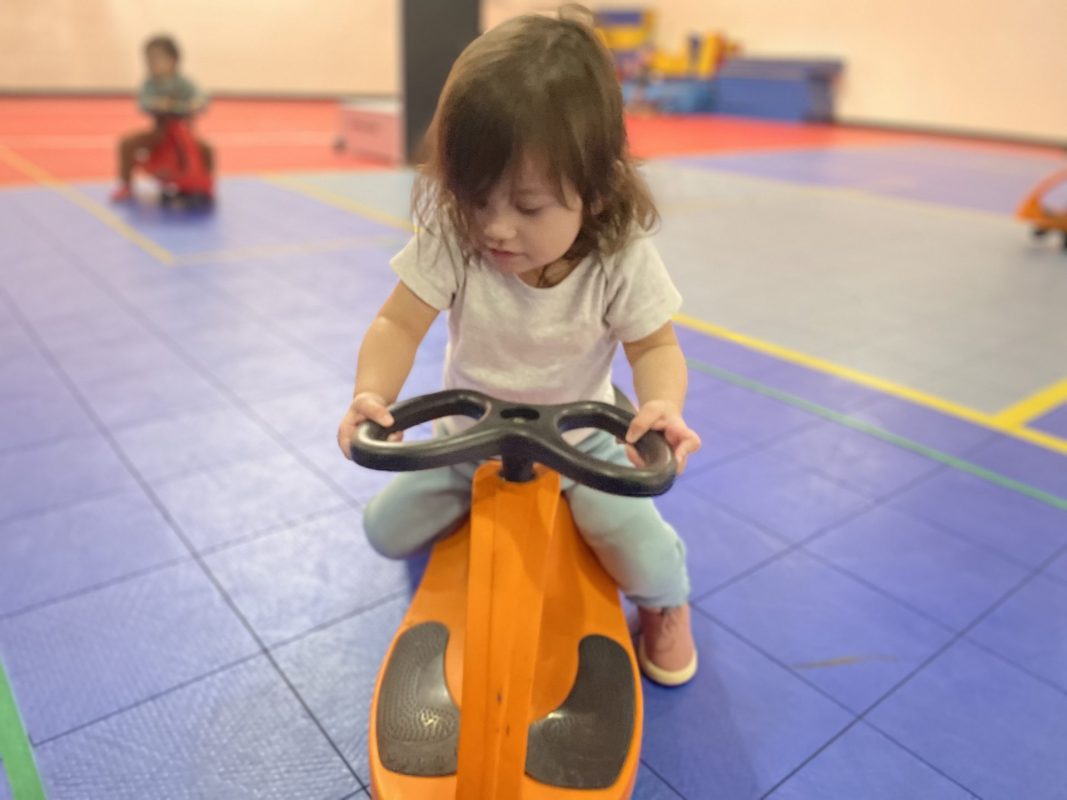
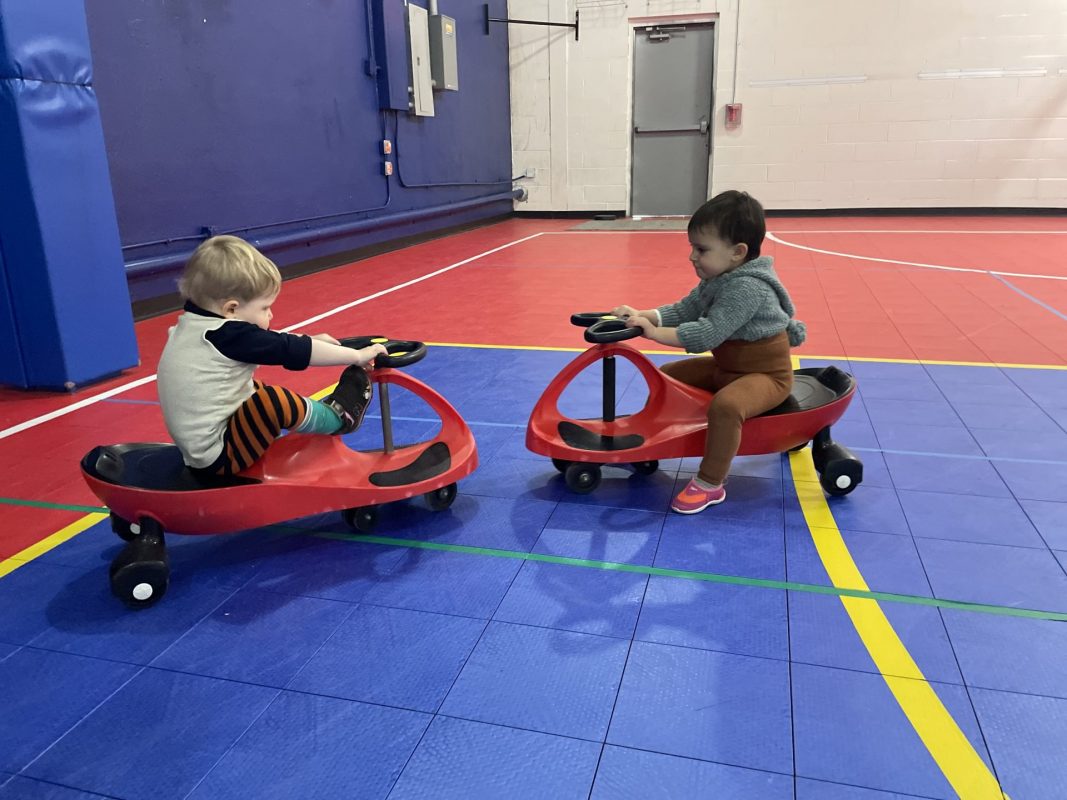
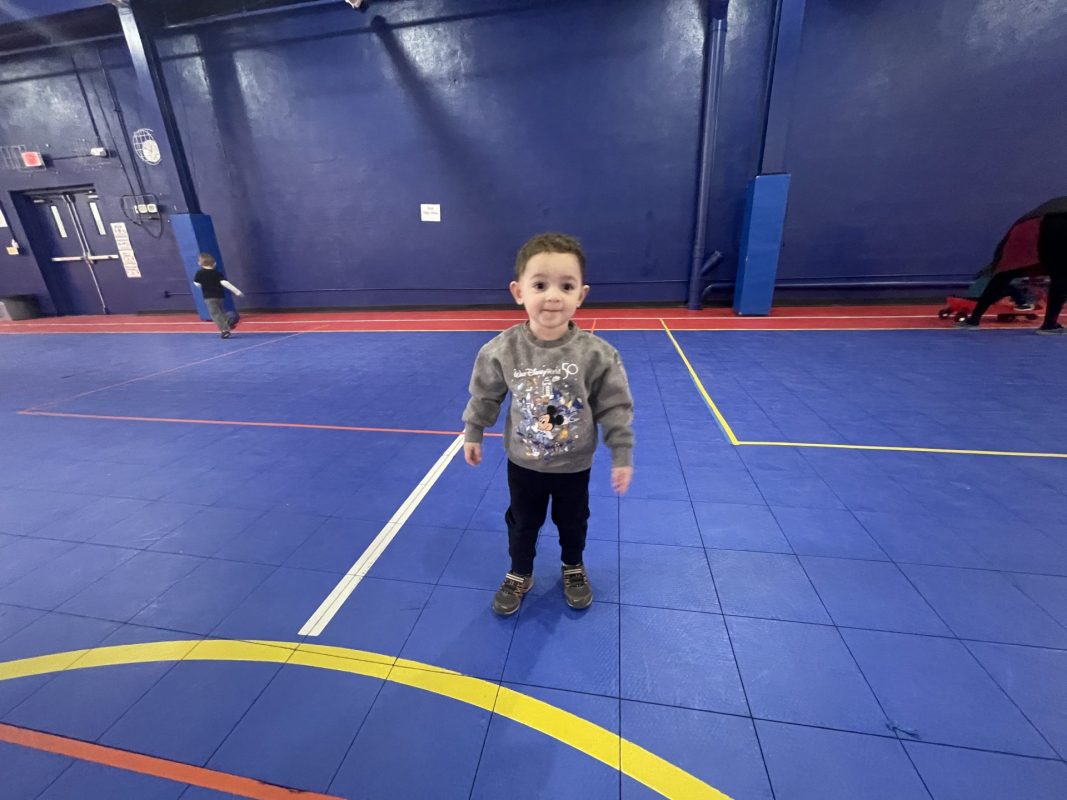
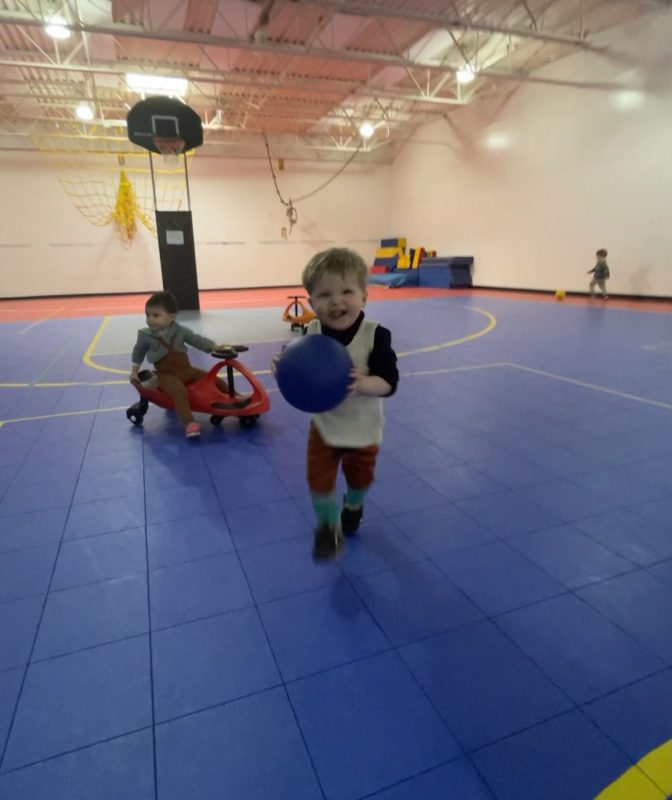
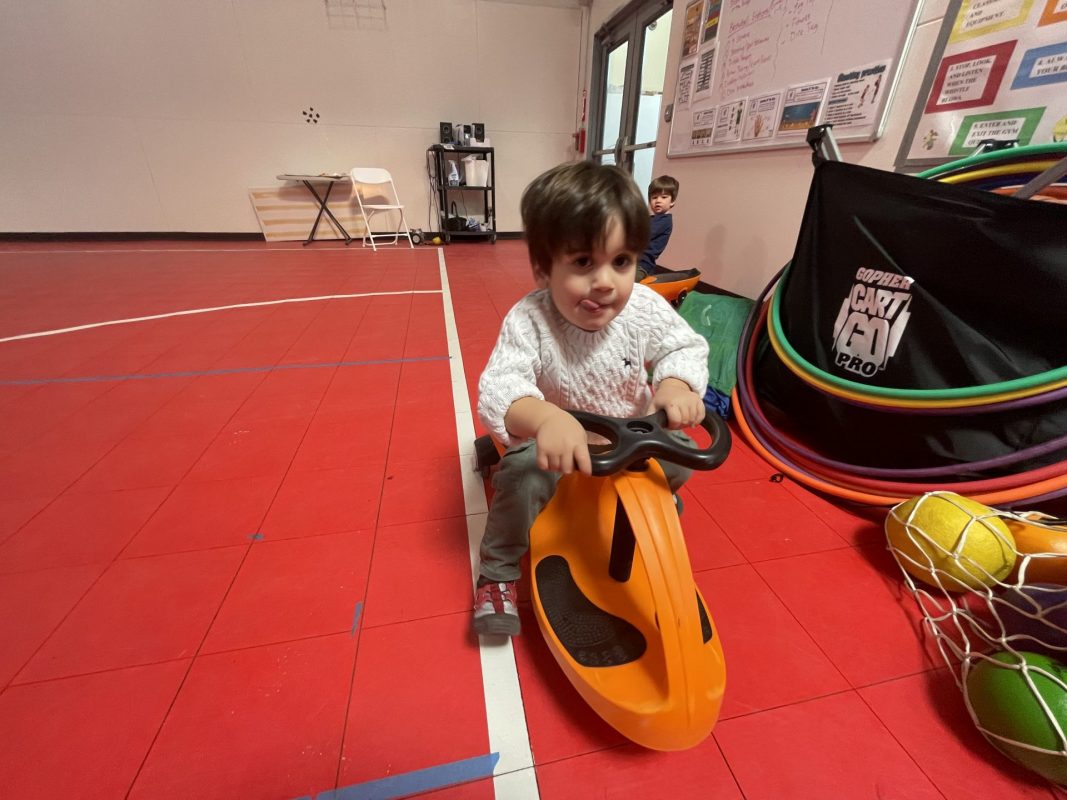
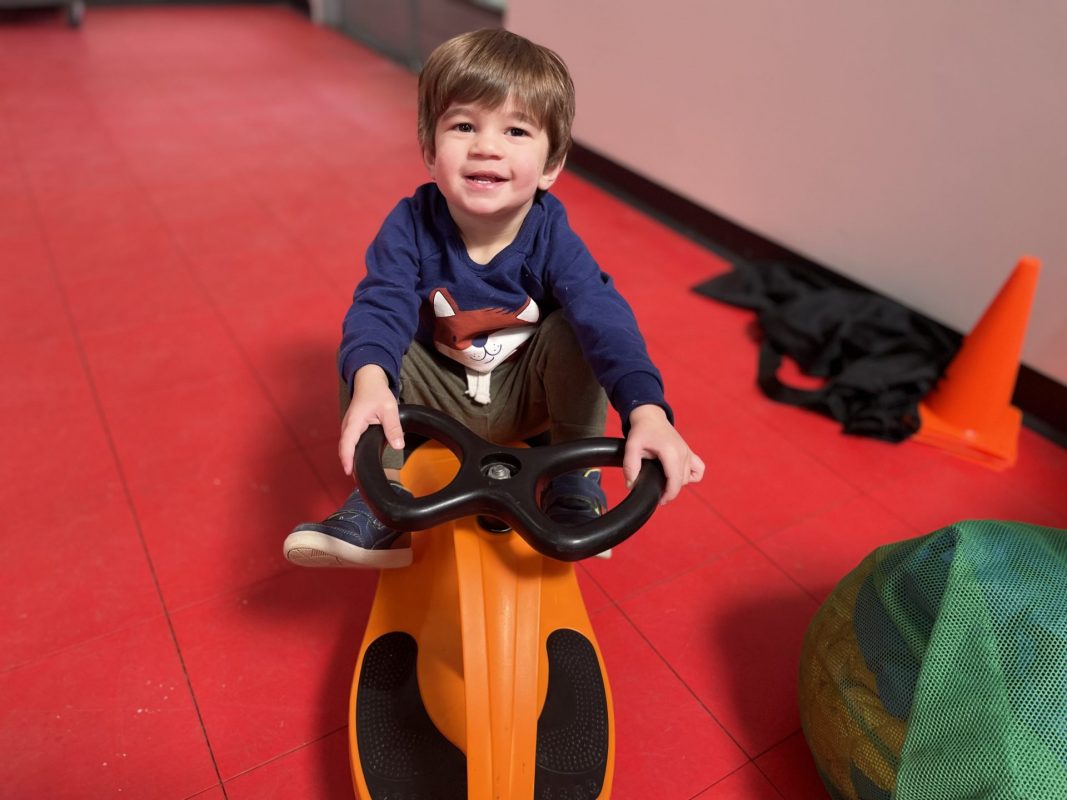
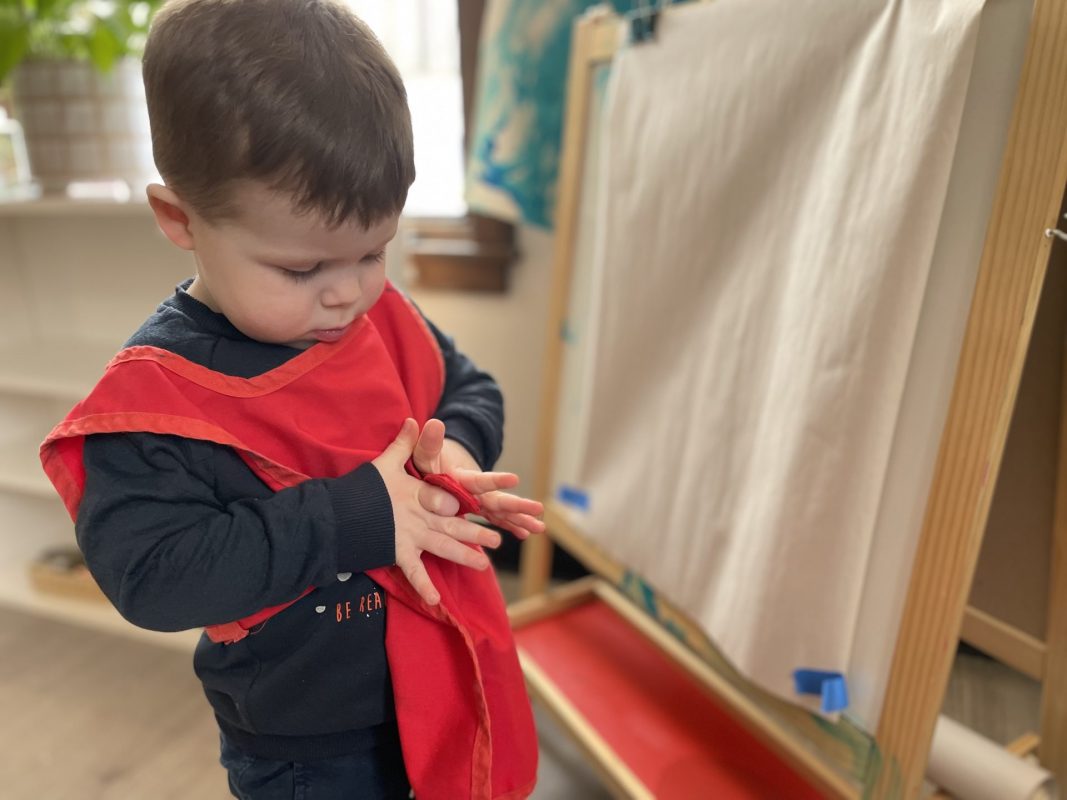
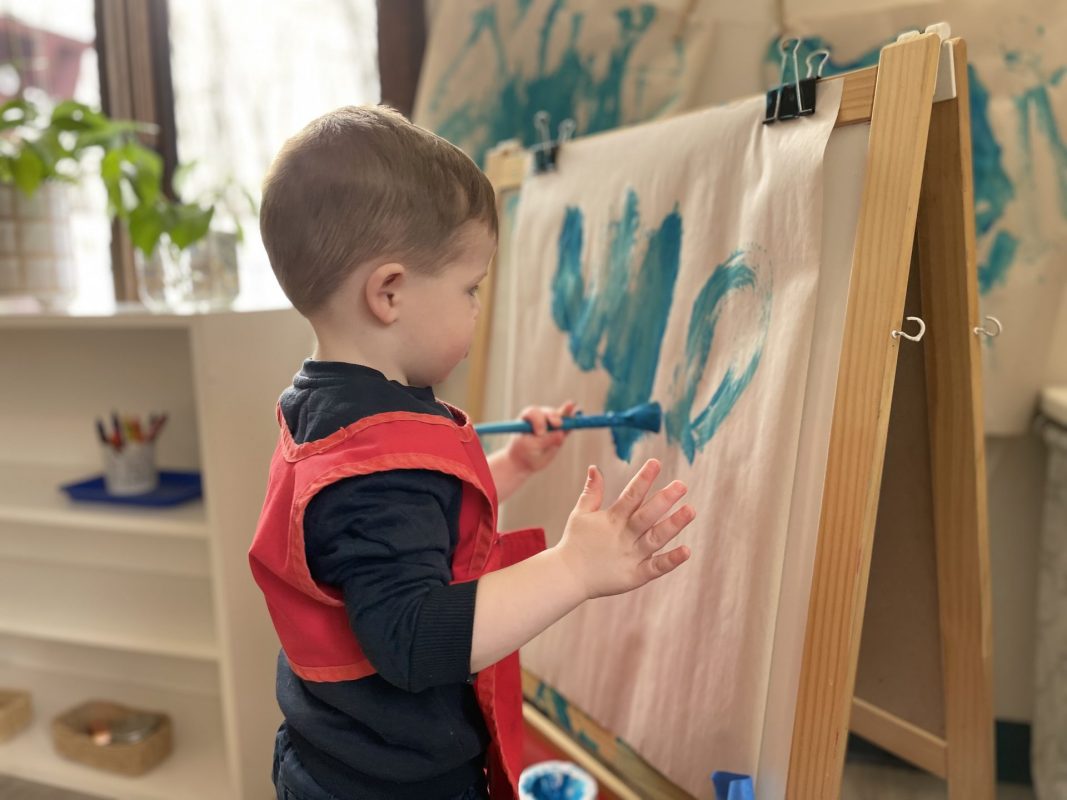
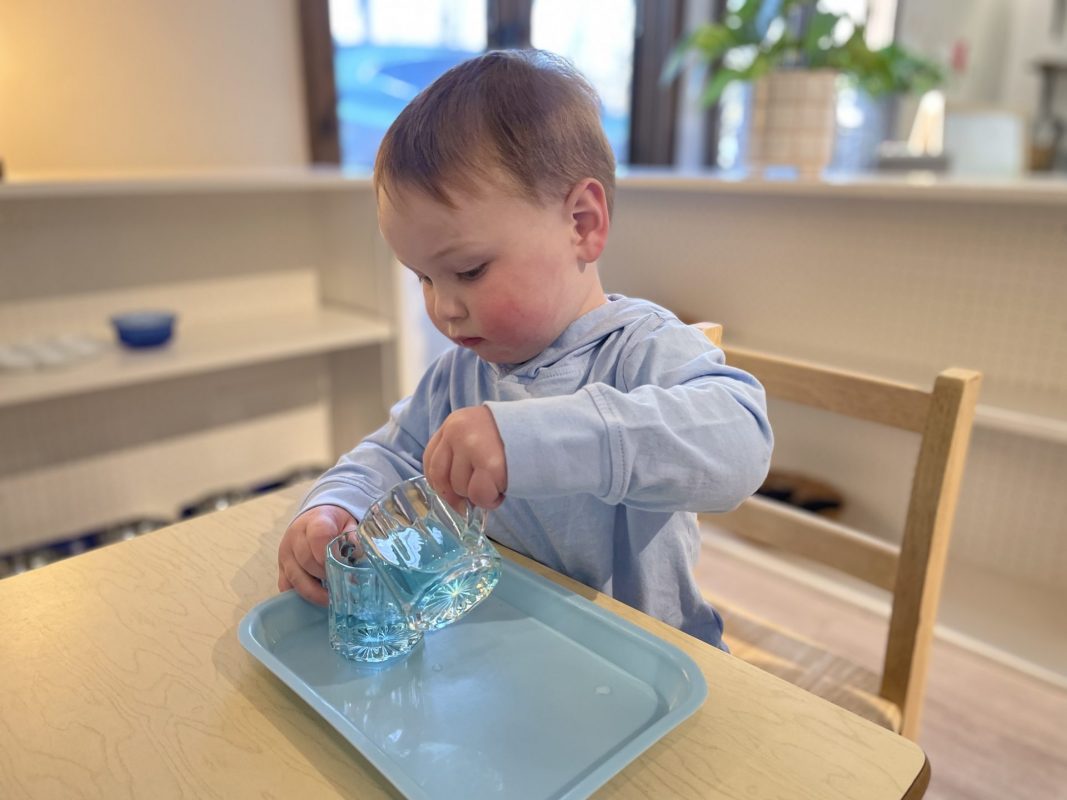
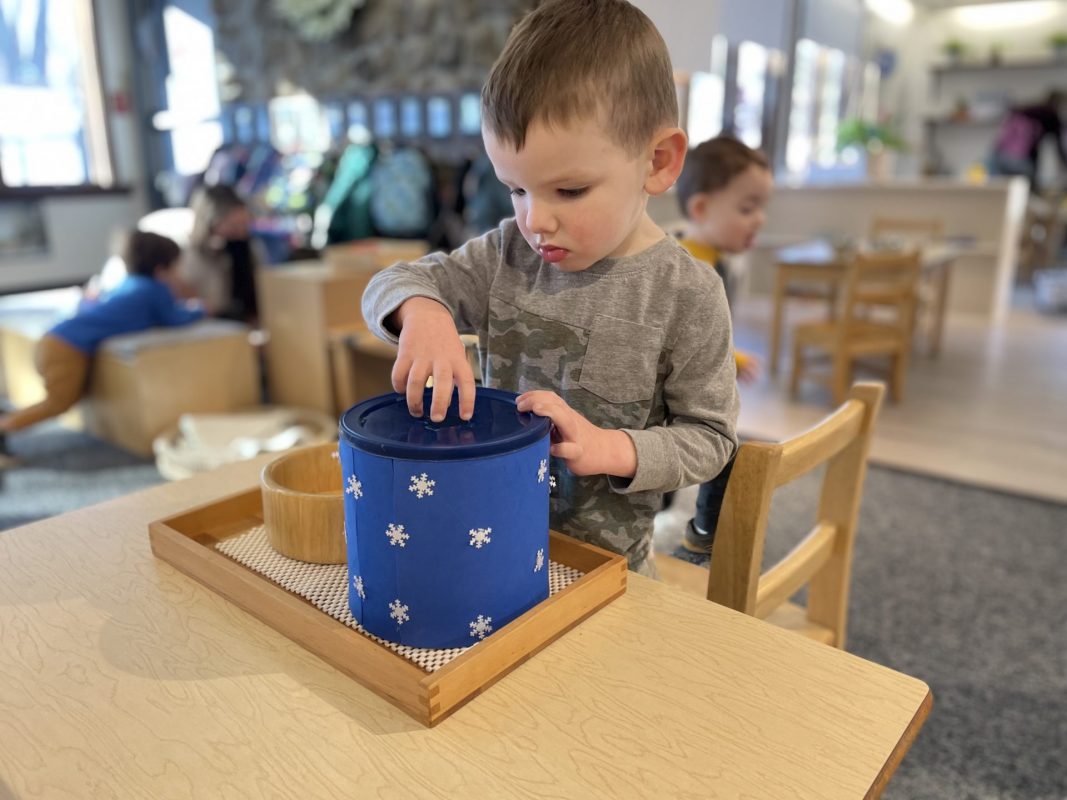
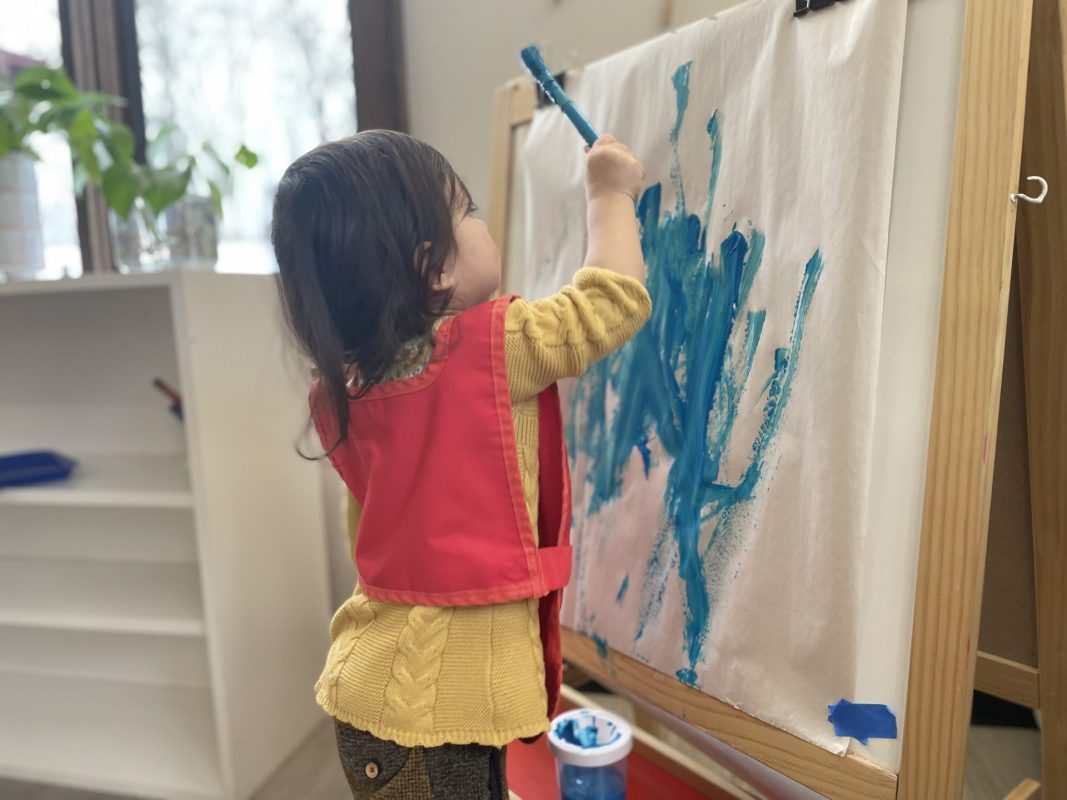
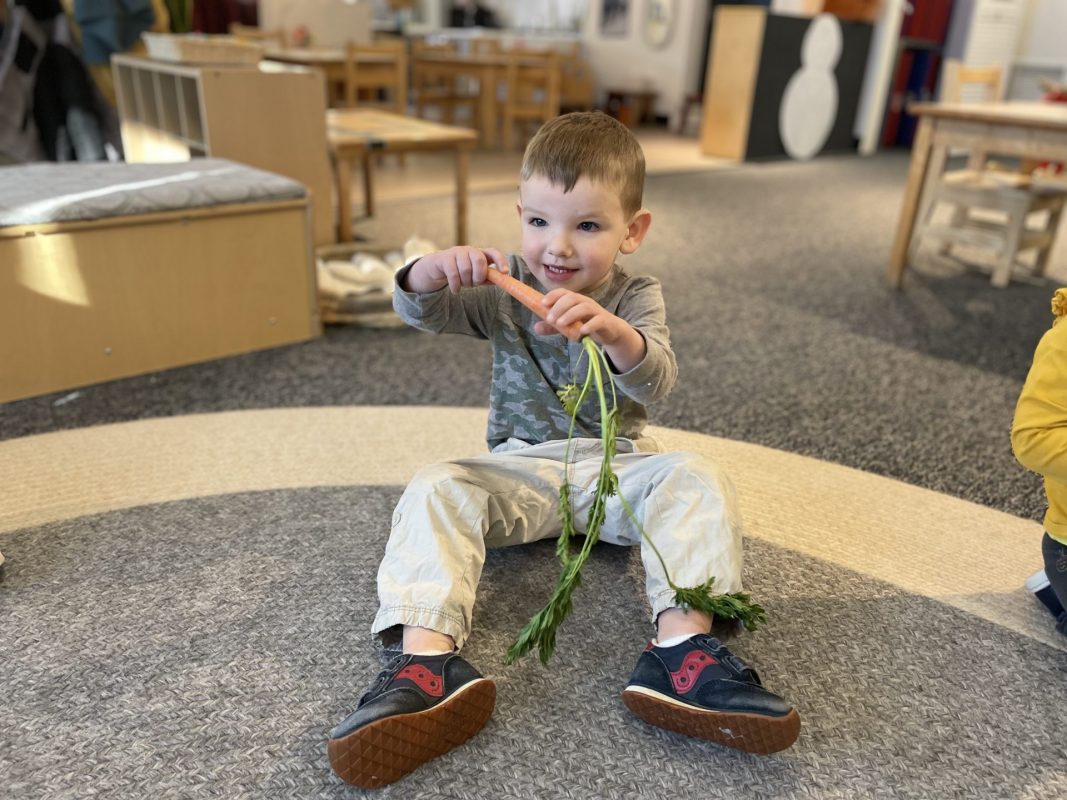
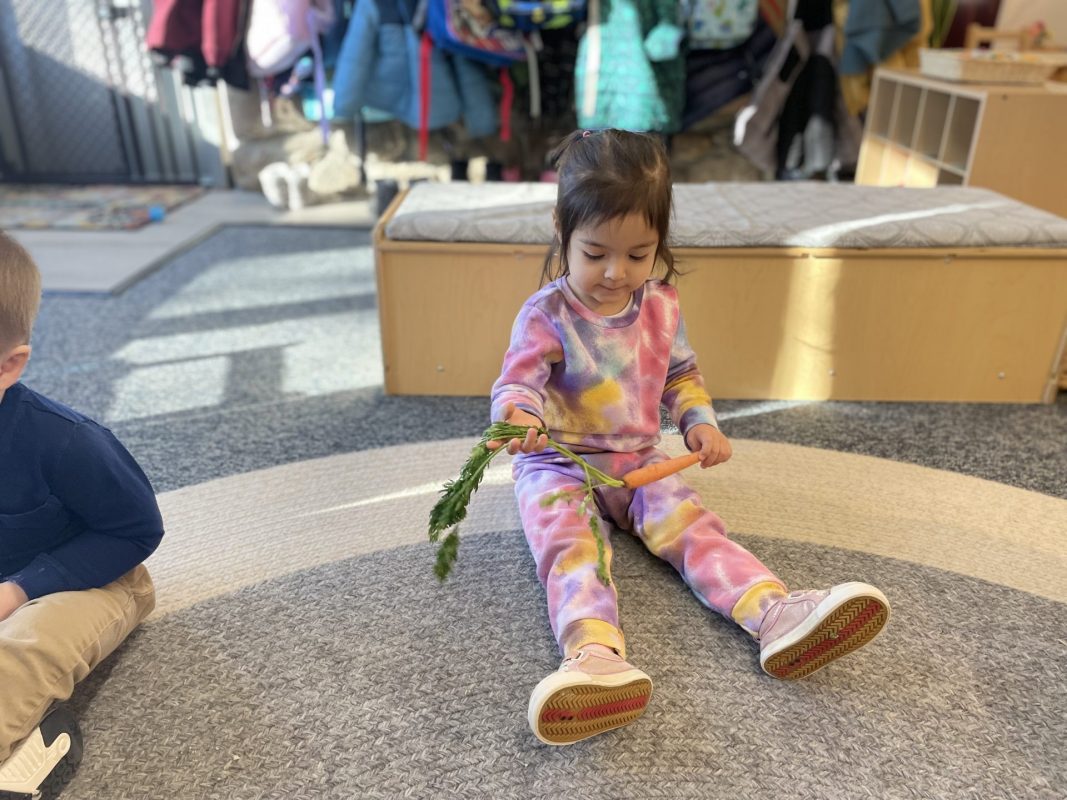
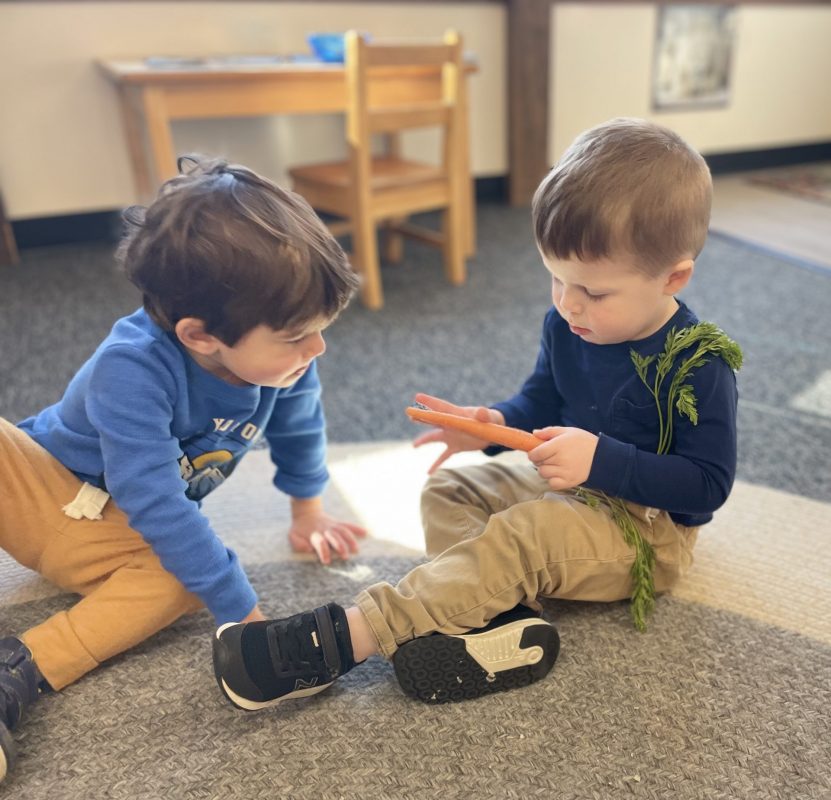
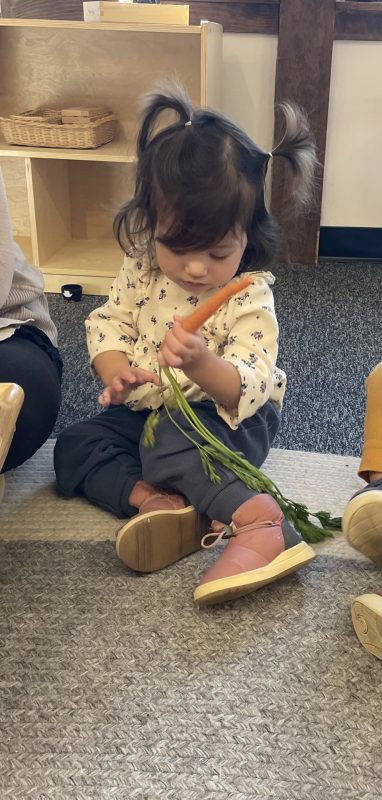
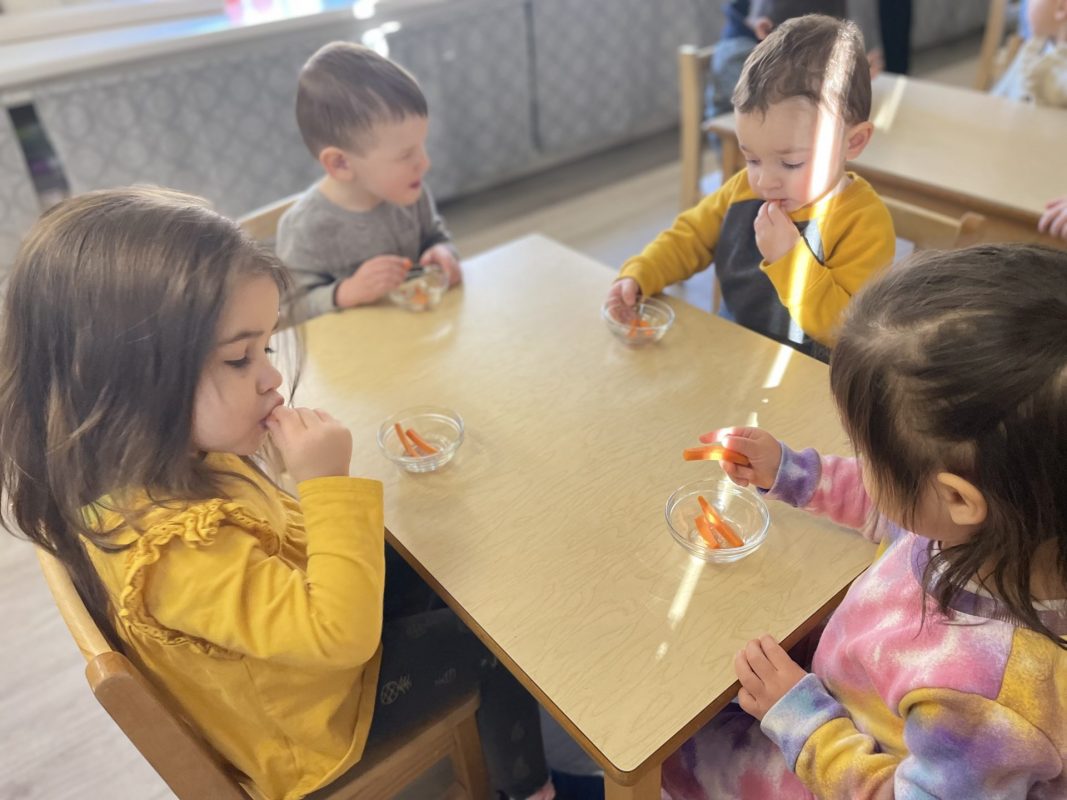
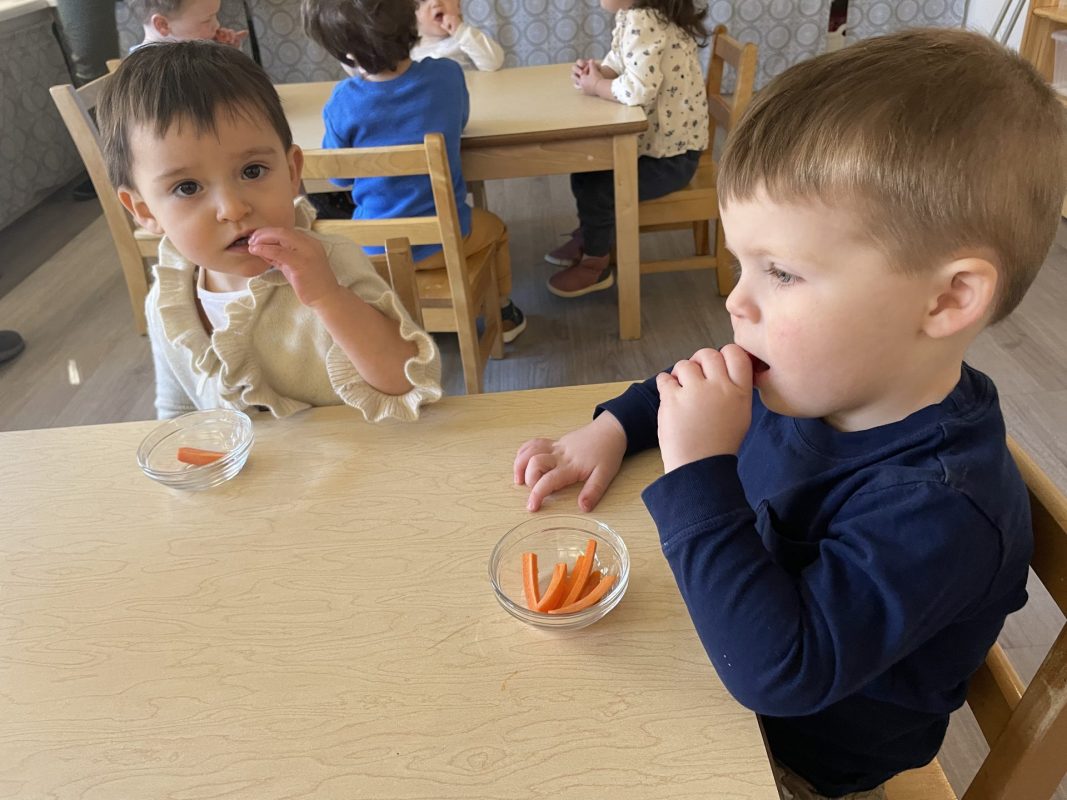
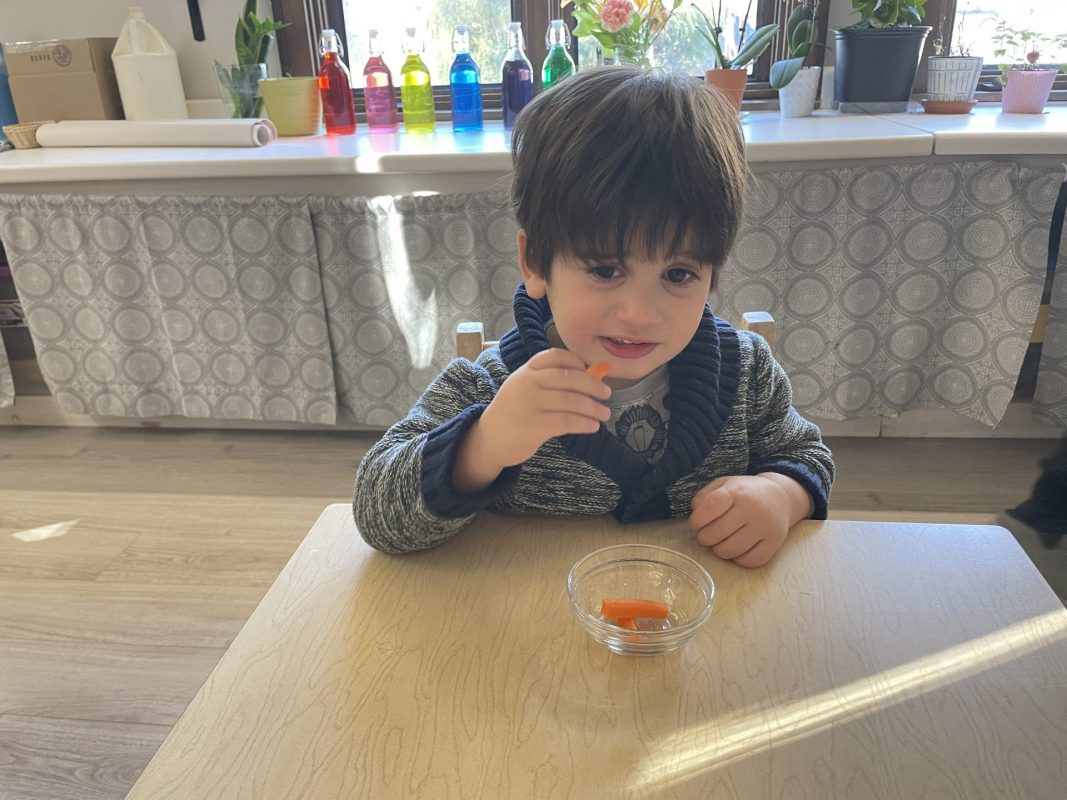
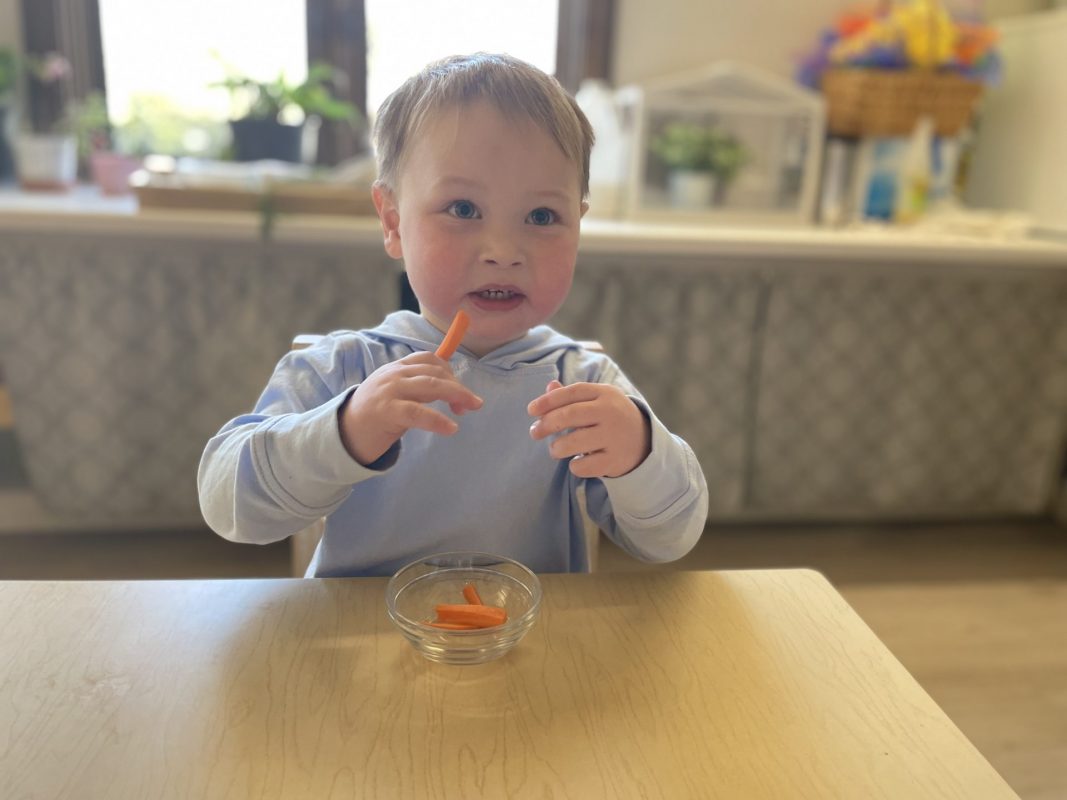
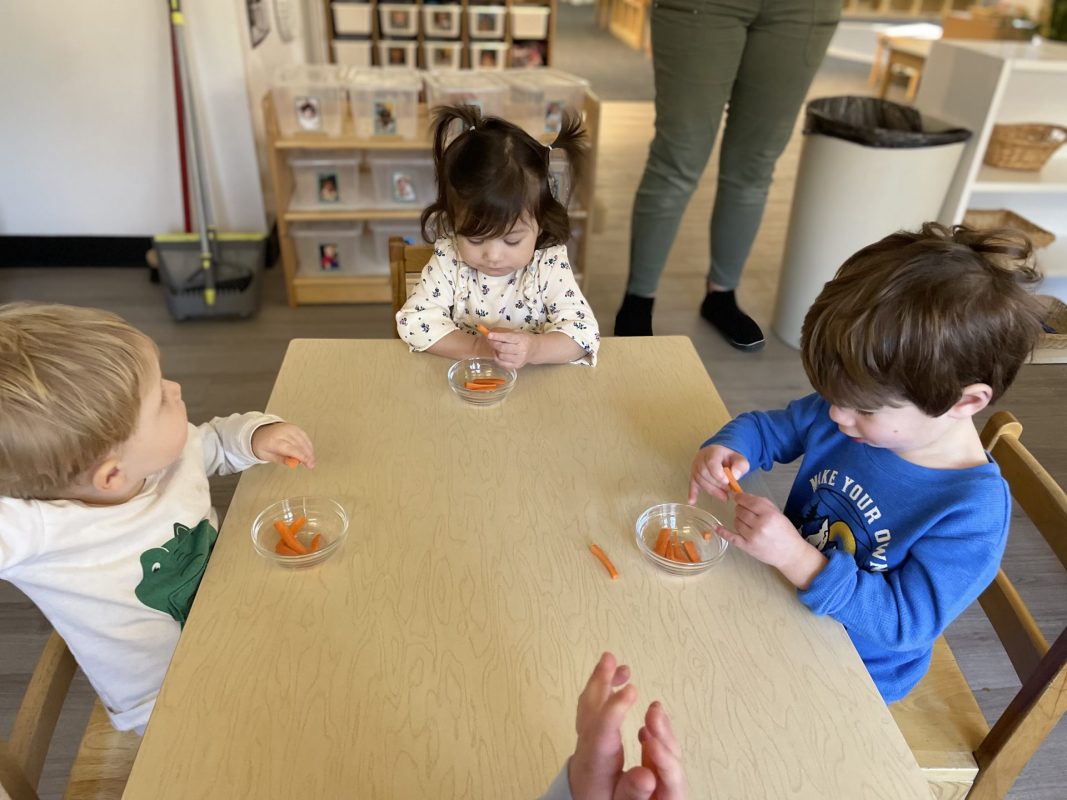
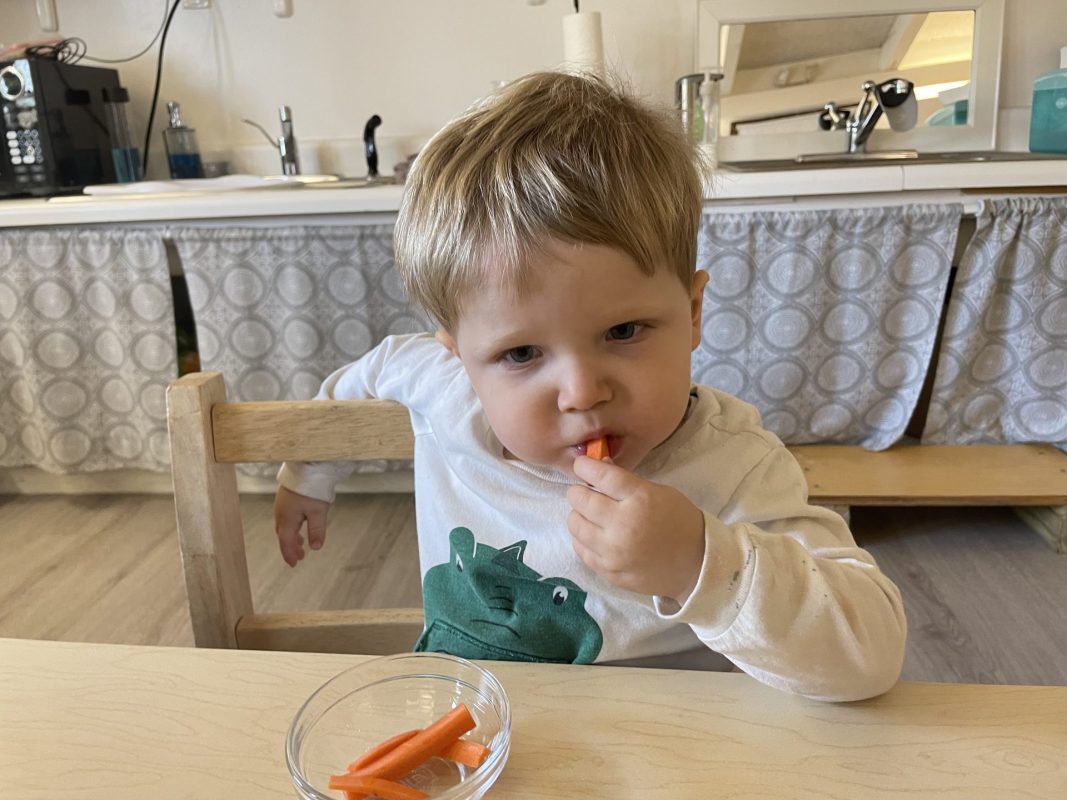
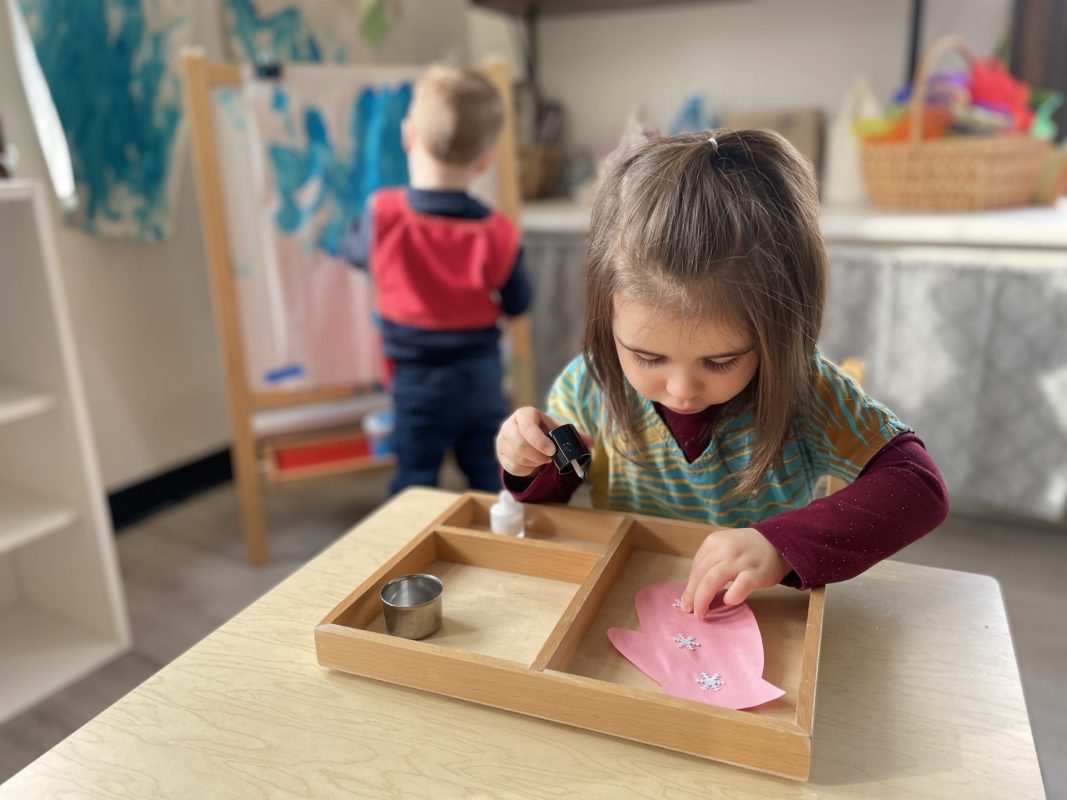
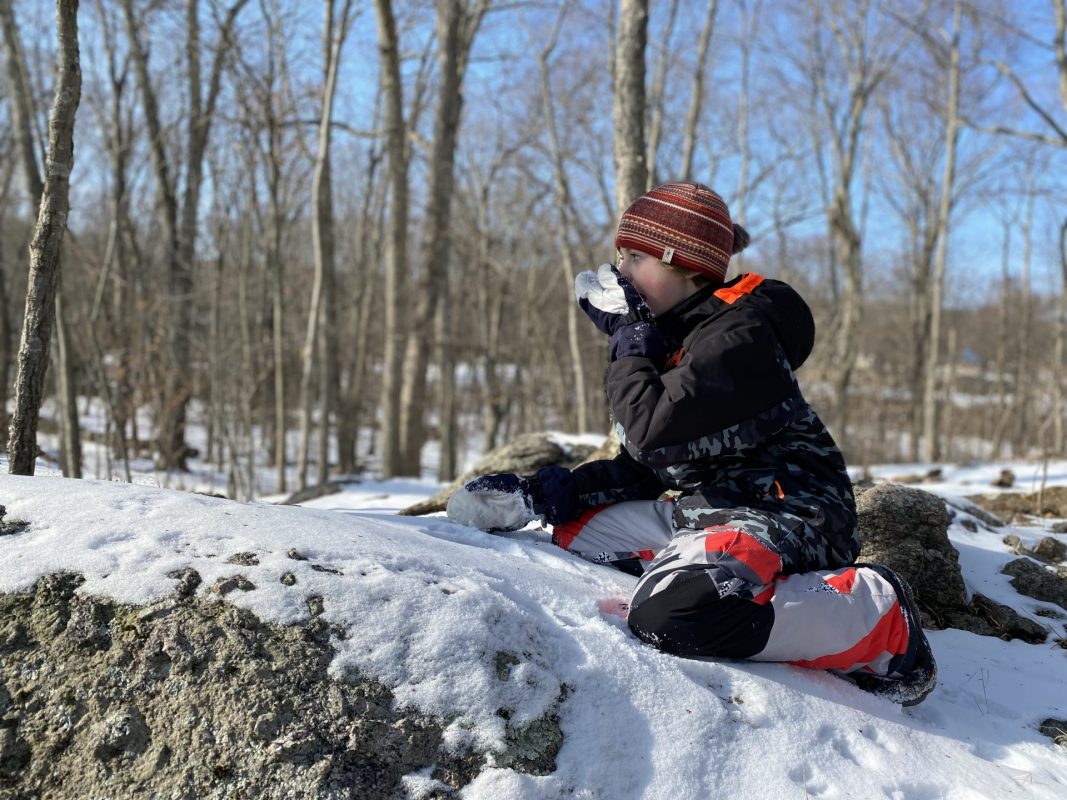
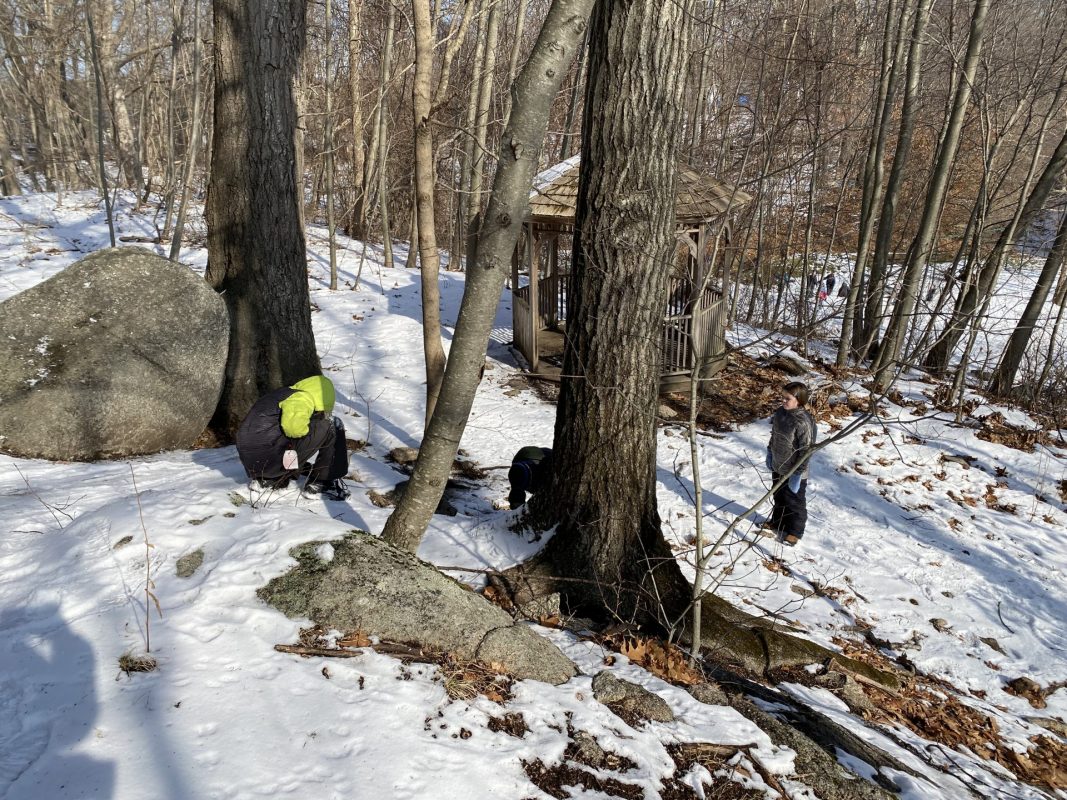
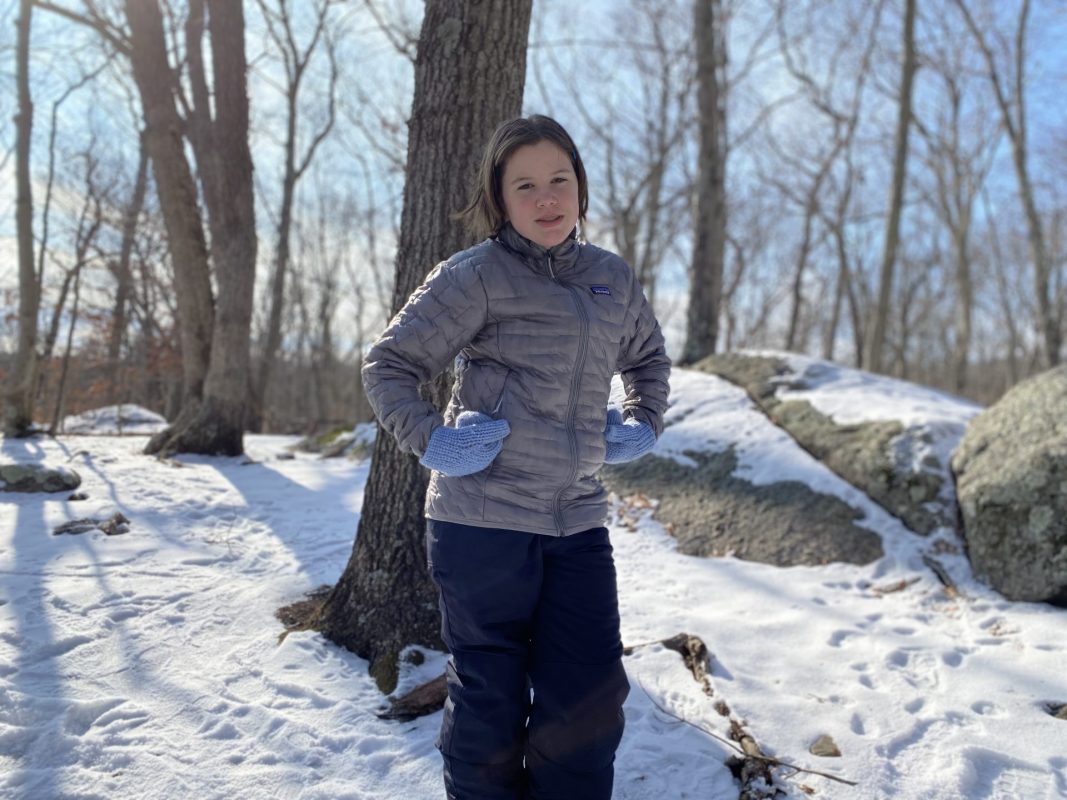
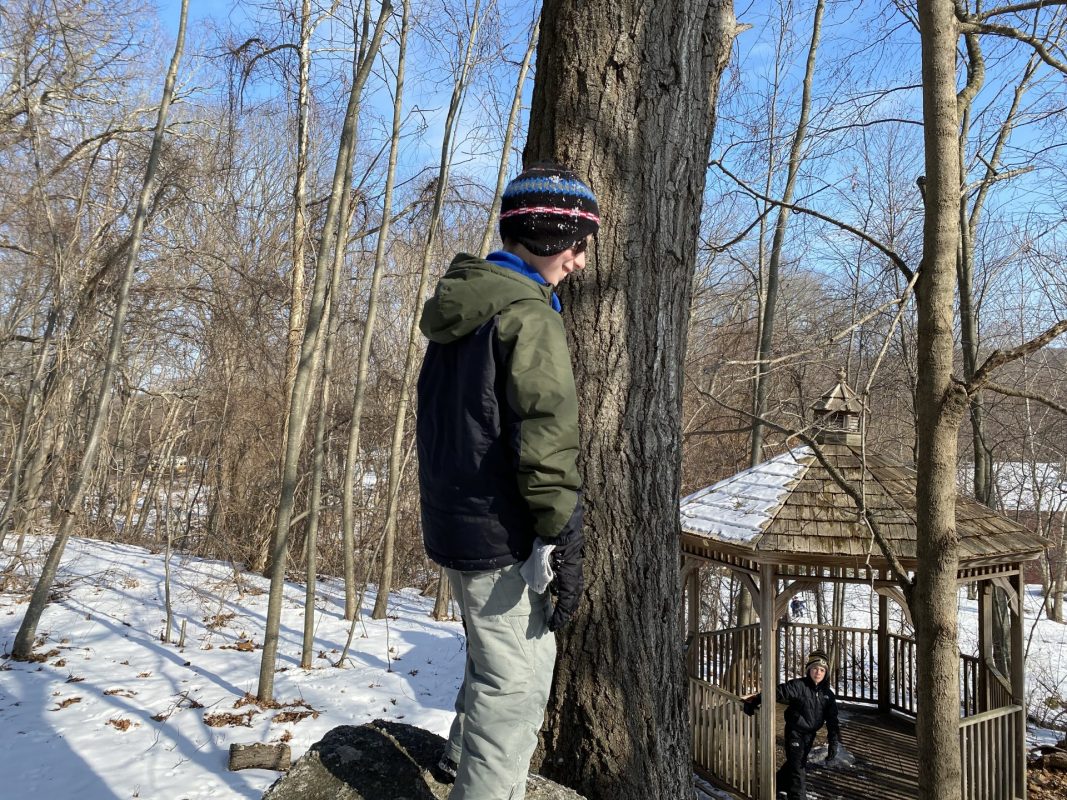
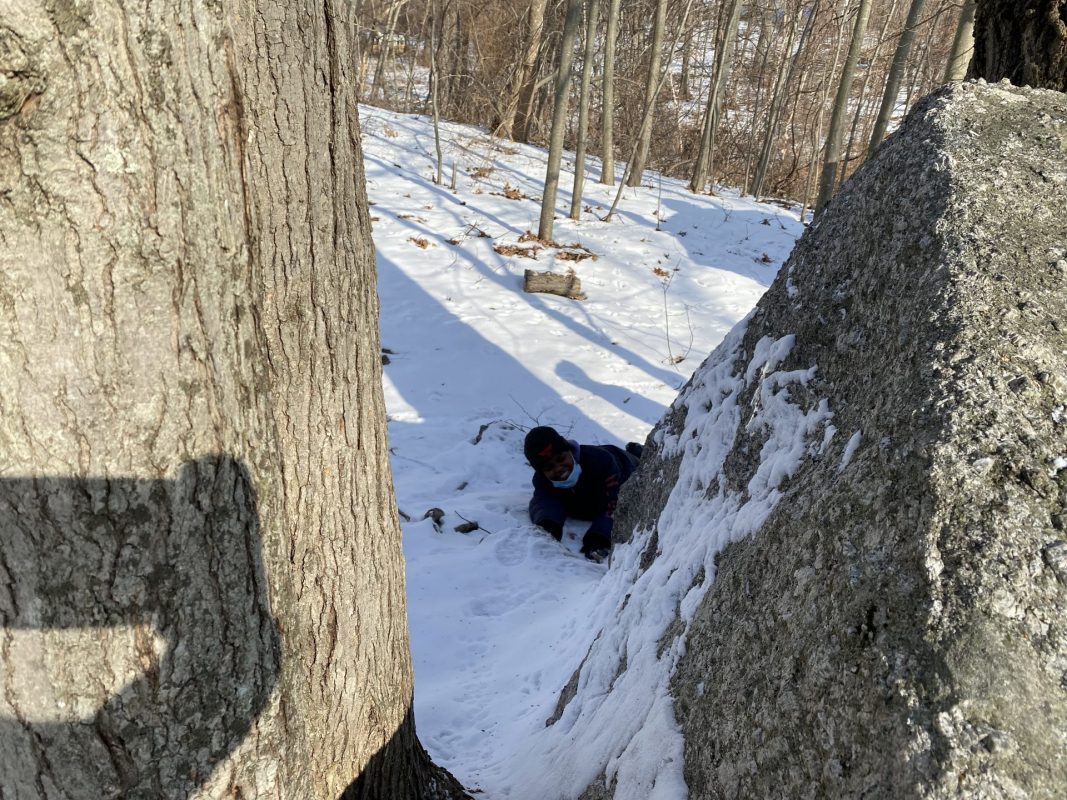
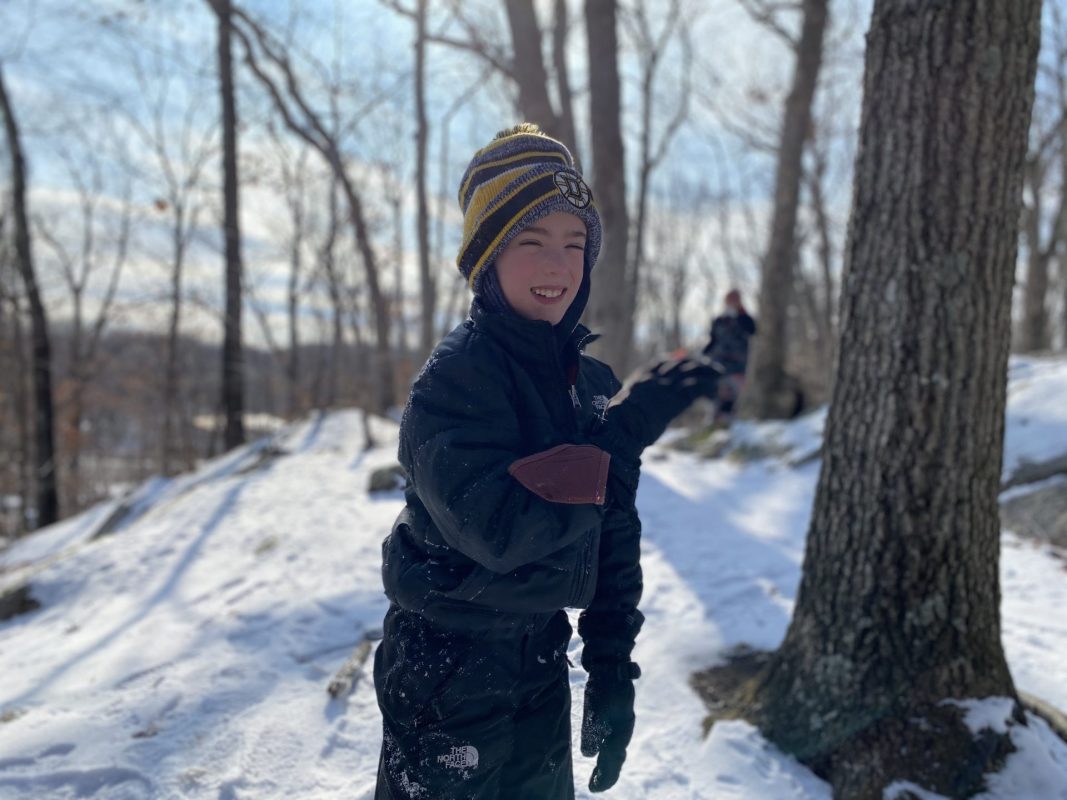
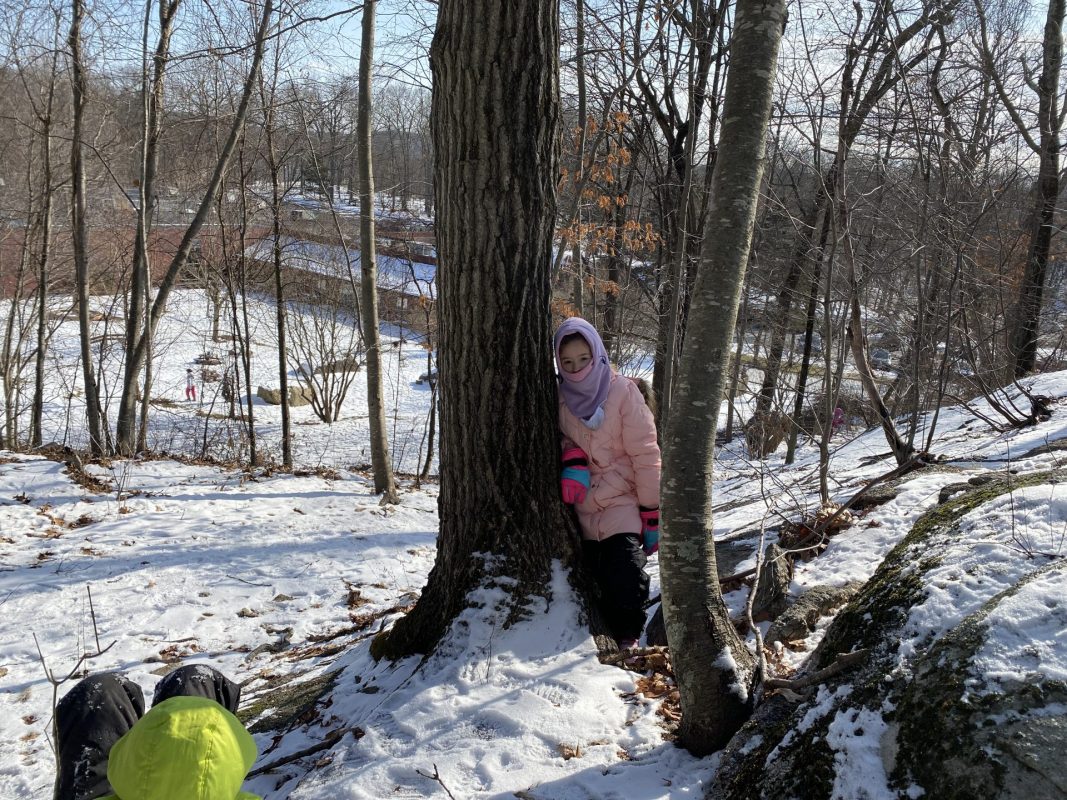
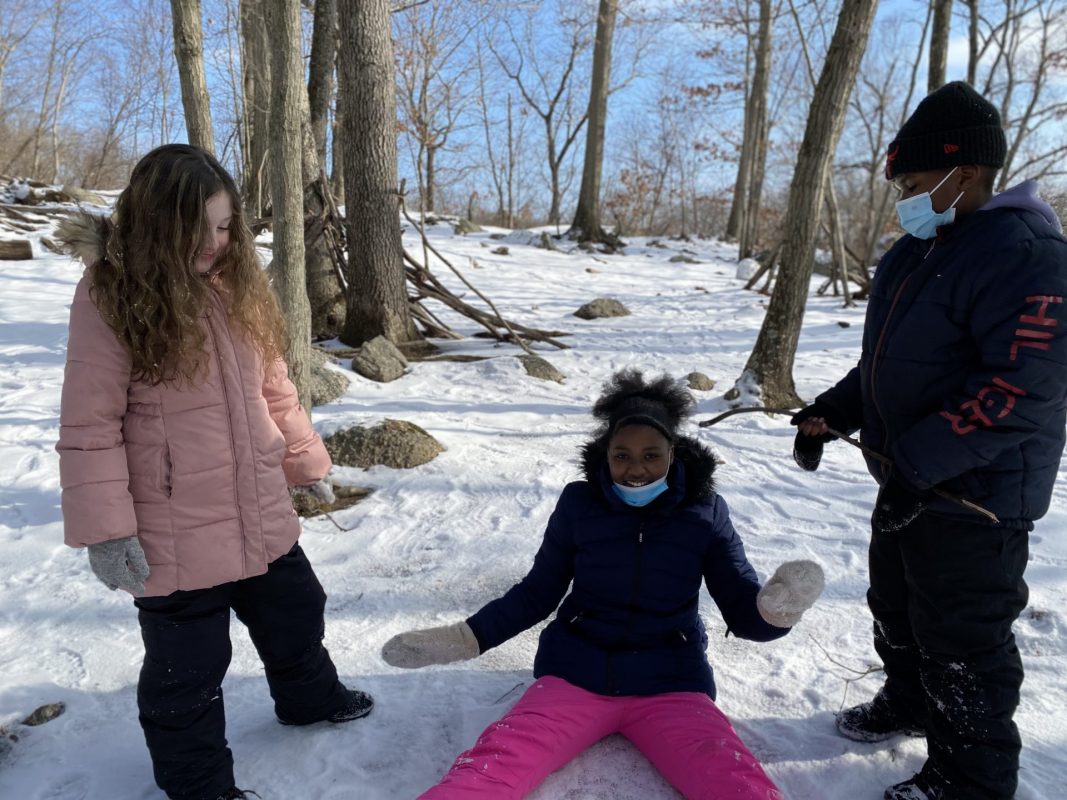
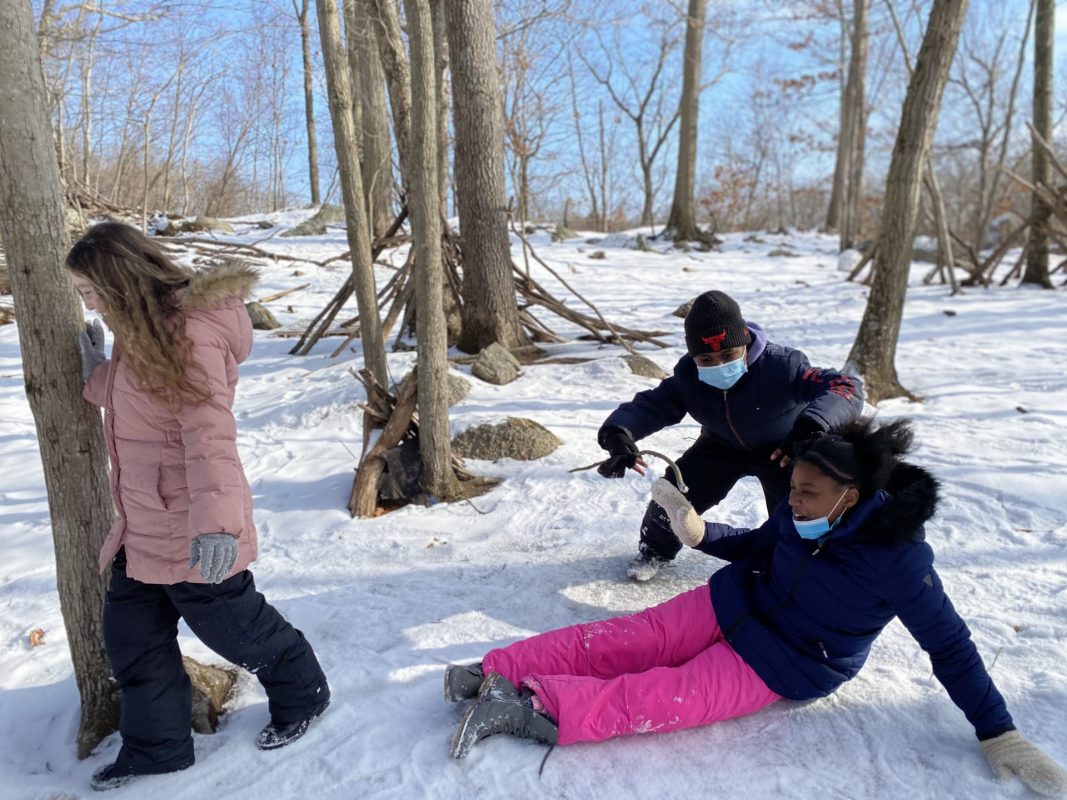
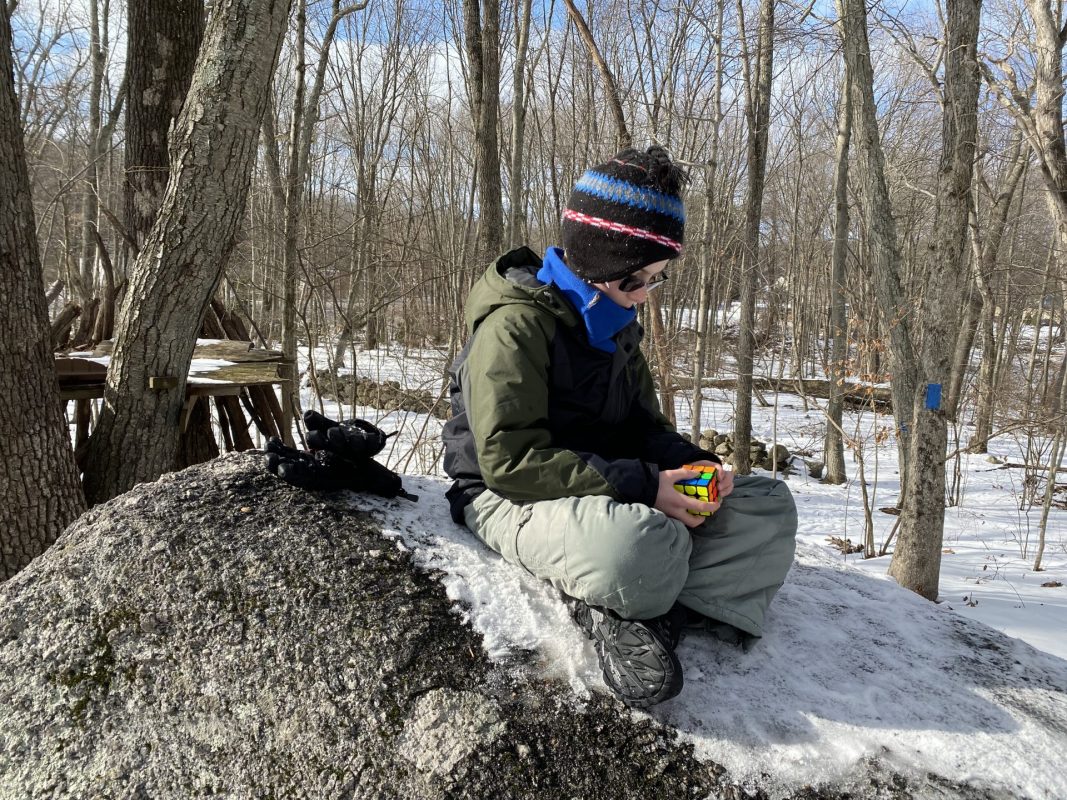
Enjoy these images of your children at “work”!

I would also like to say a big thank you for all the beautiful flowers and birthday cards I received this week!  The children made me feel special and truly loved, thank you for all you do!

If you have not yet signed up for a time to meet on our virtual Parent/Teacher conference day please take time to do so by clicking the link below. I have set up a few evening conferences for 2/15 and 2/16, in addition to the full day conference schedule on 2/17, so hopefully you can find a time that works best for you!  We look forward to “seeing” everyone soon!

Conference Sign Up

Have a peaceful week,

Amanda and Heather


Middle School: A Week in Review

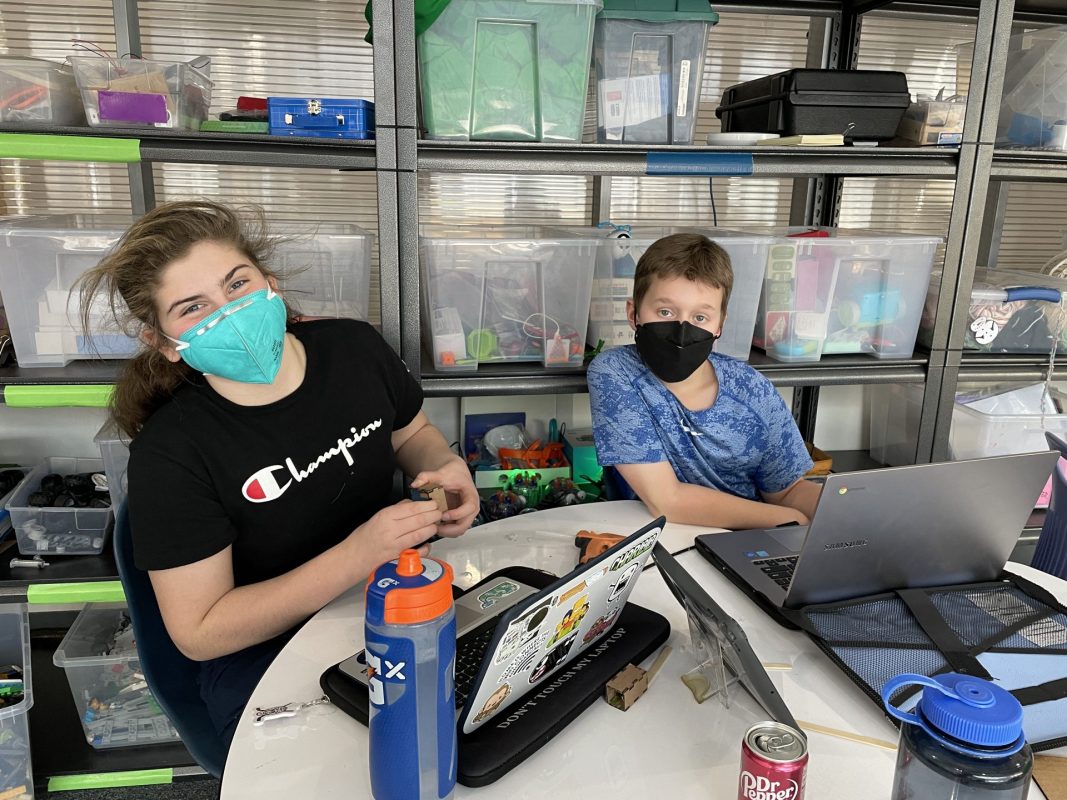
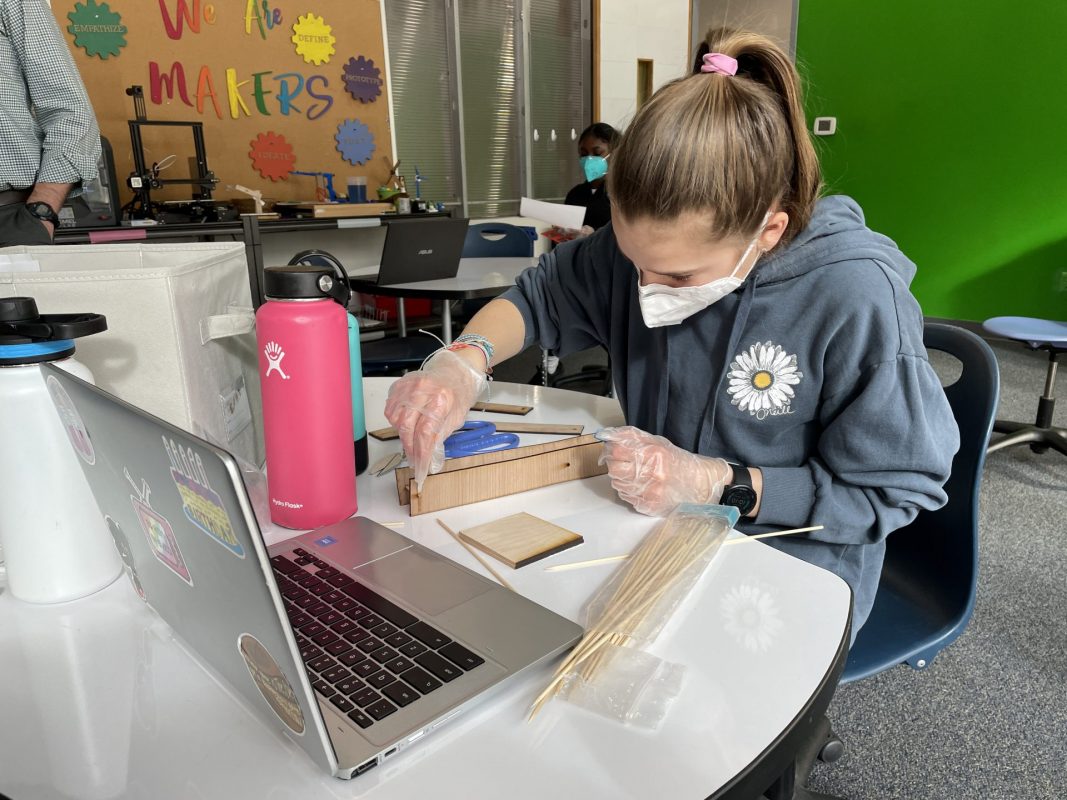
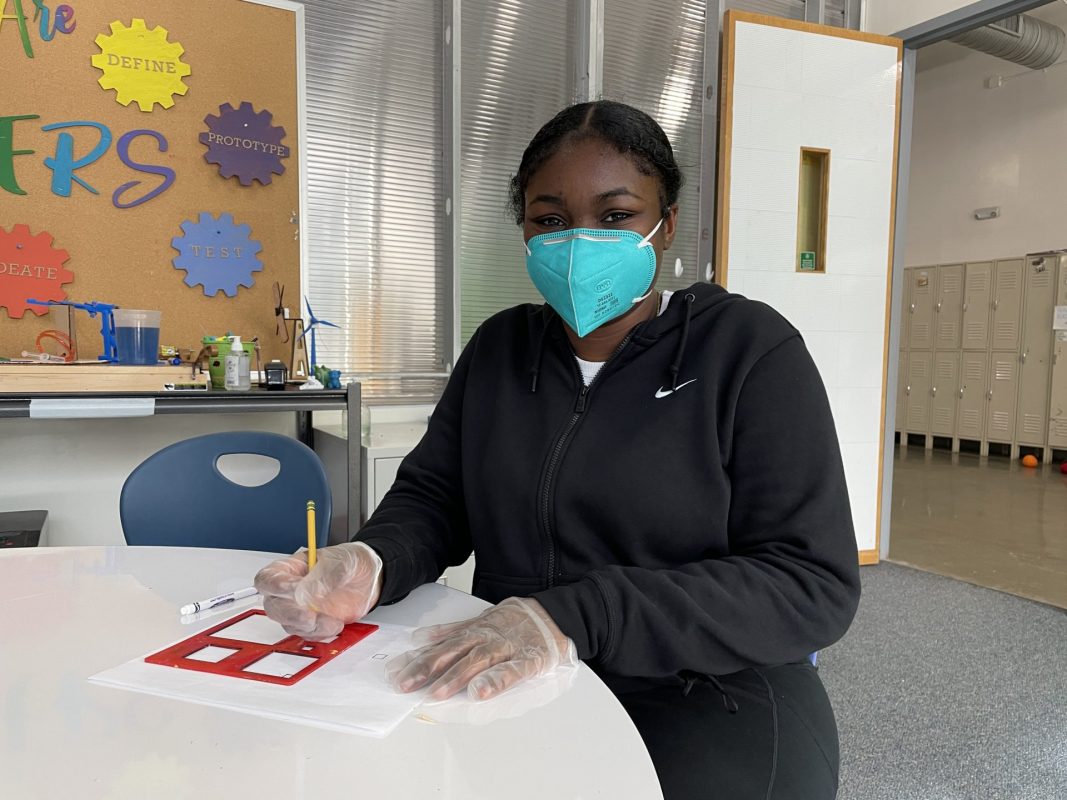
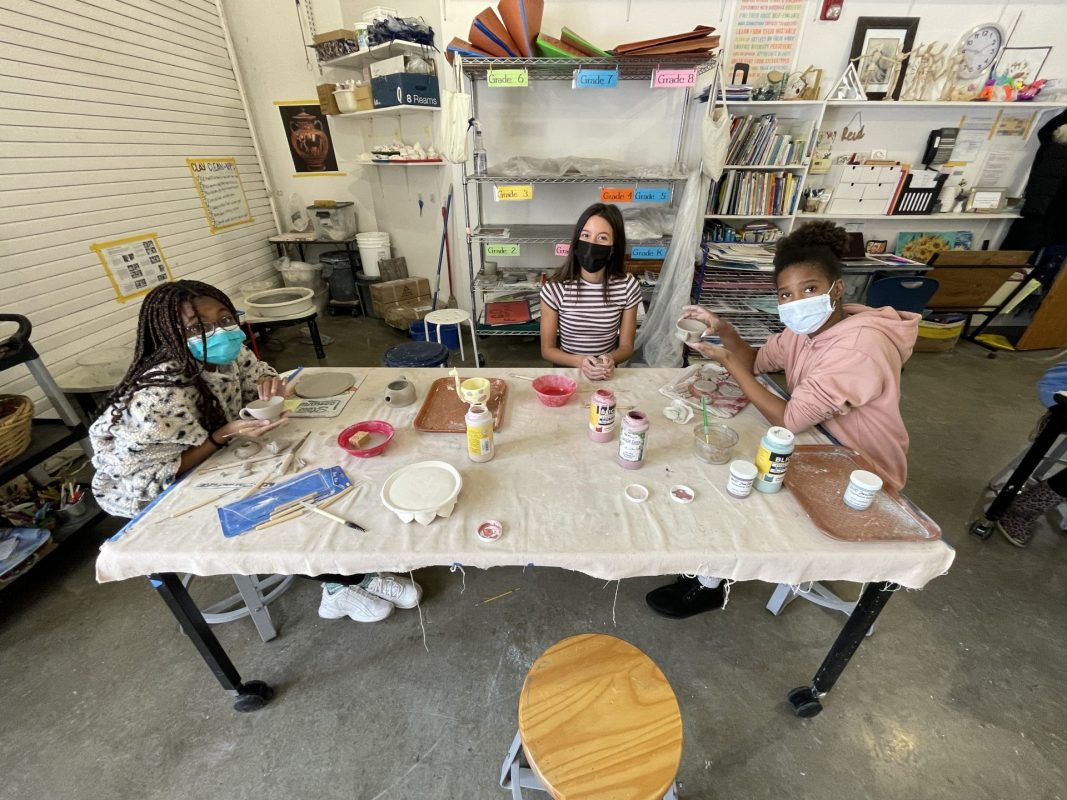
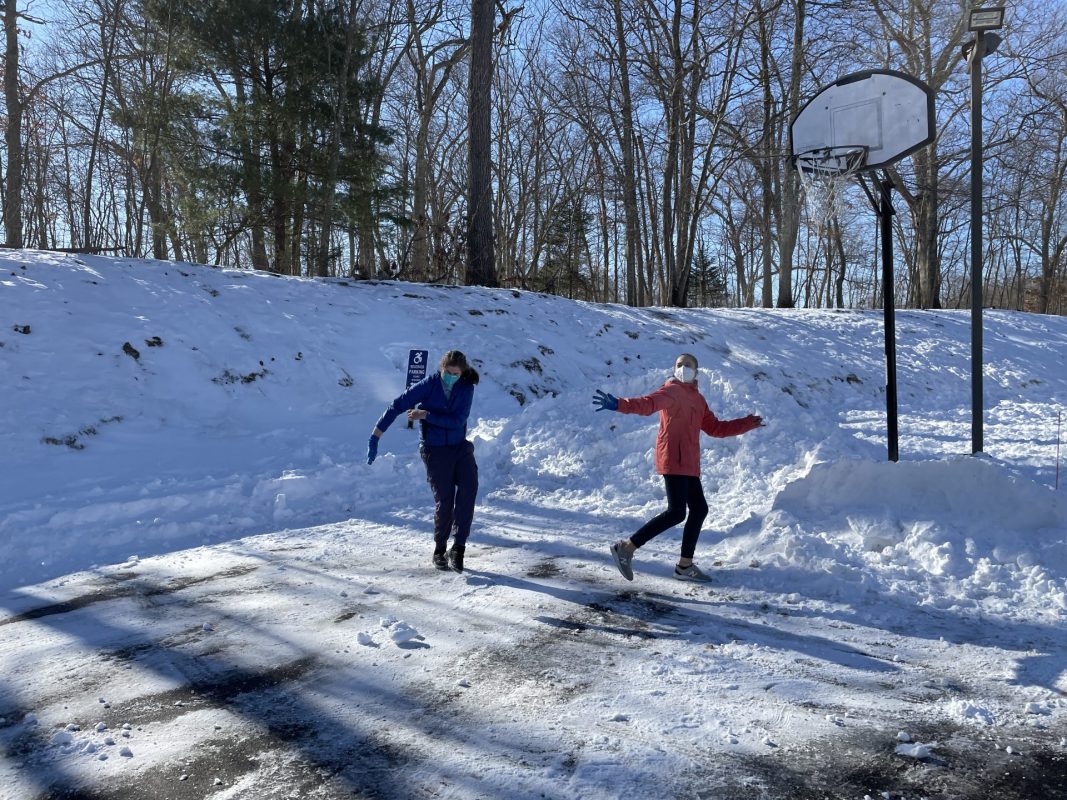
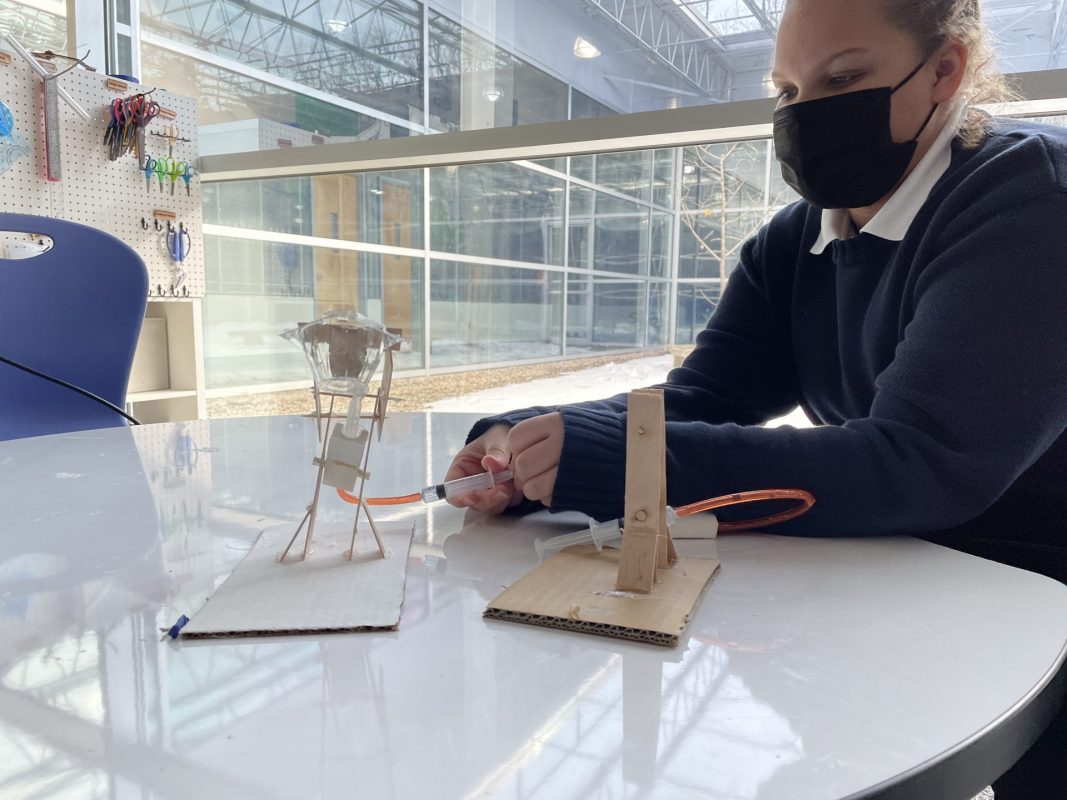
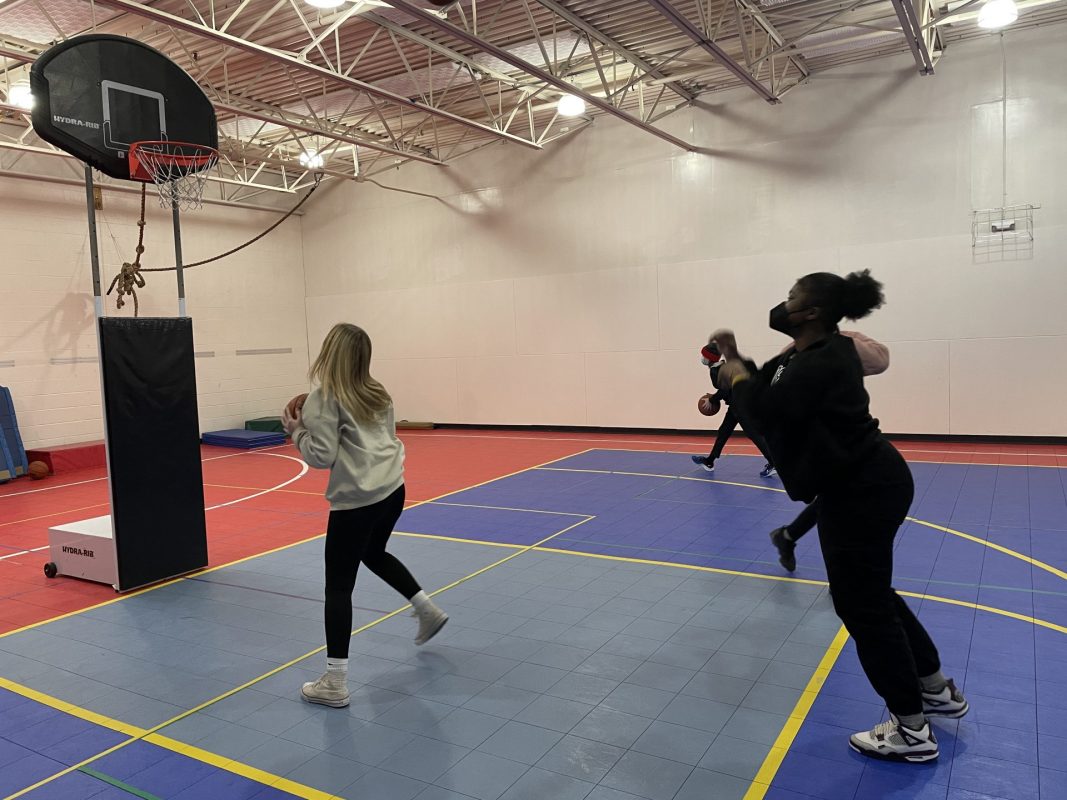
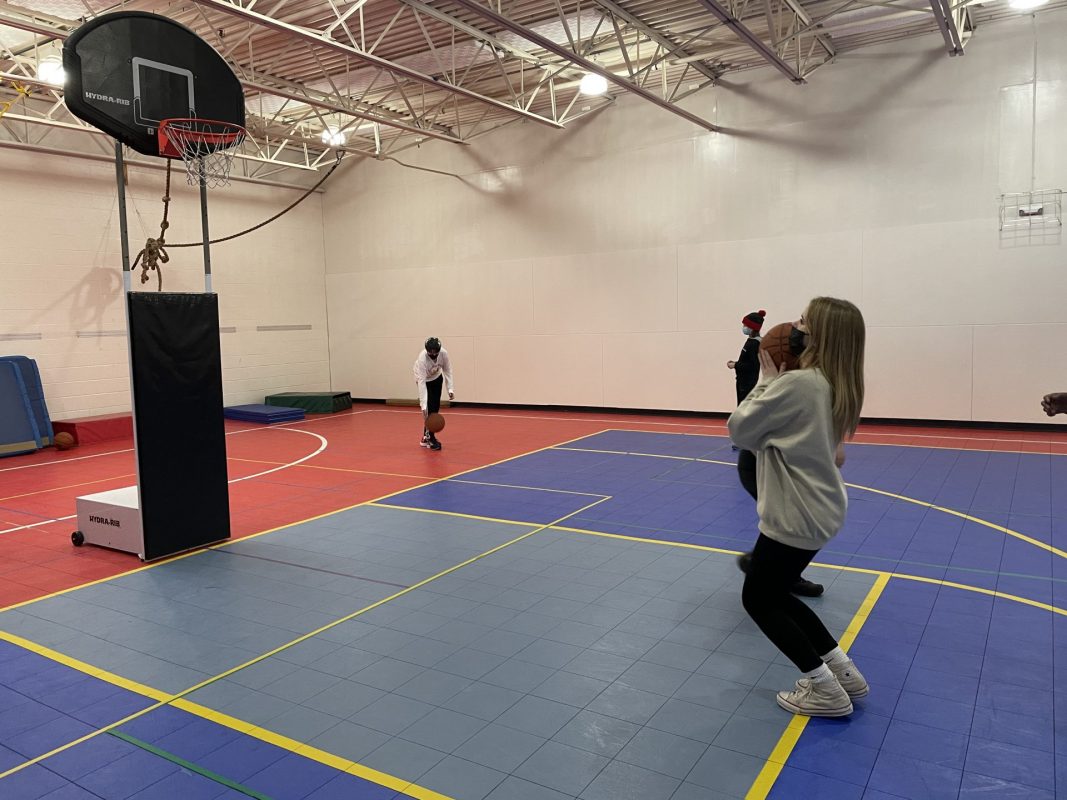
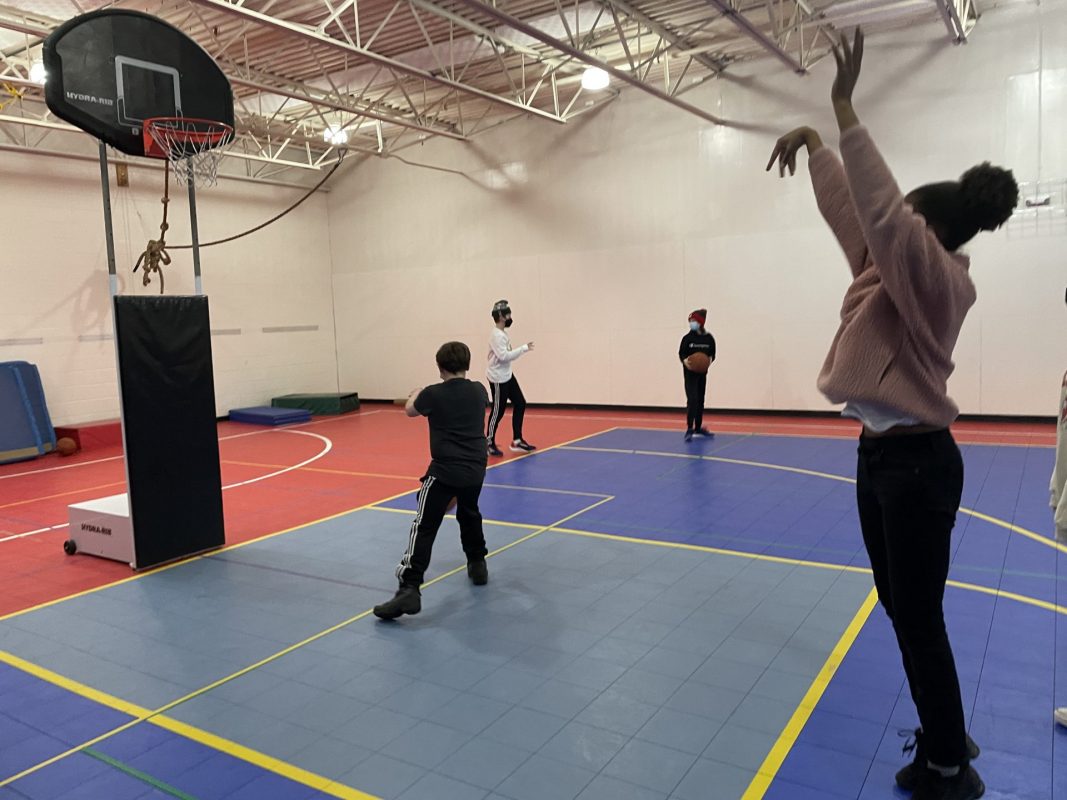
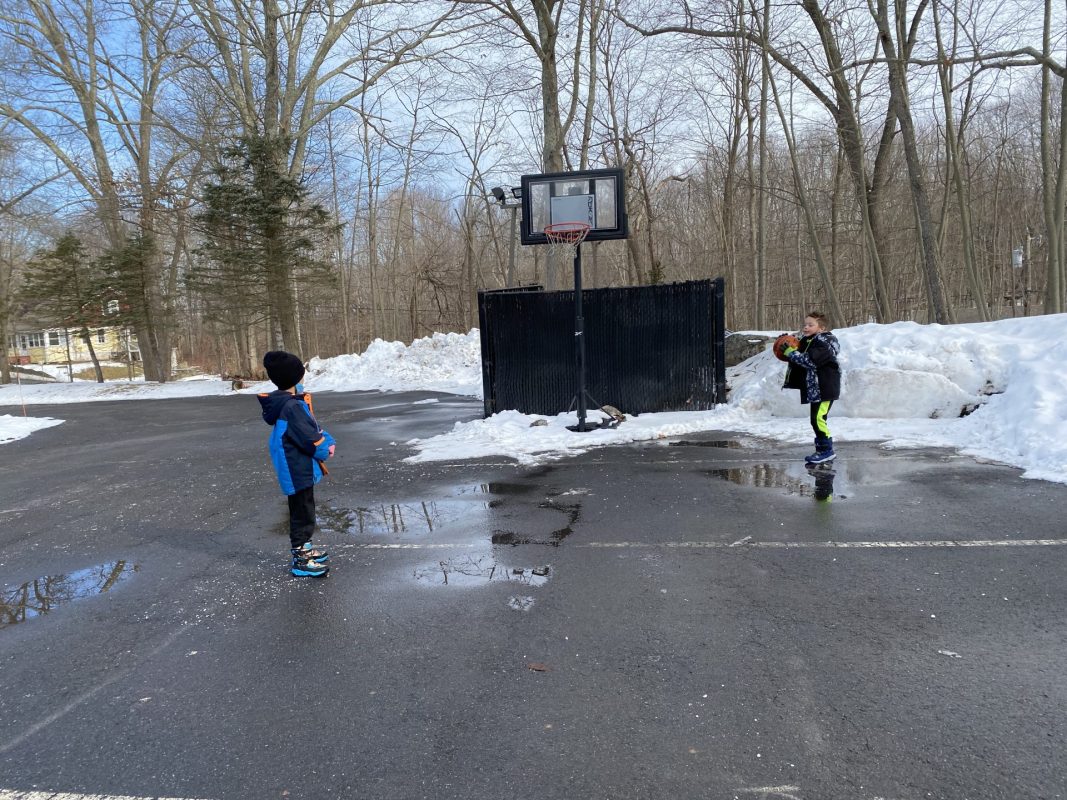
We had an exciting week in Middle School to begin the month of February. Students were busy working on their “un-selfie” projects in MakerSpace, creating unique clay sculptures in Art class, and practicing their basketball skills in P.E. As a reminder, please have all students bring appropriate winter clothing to school as we want to enjoy an outdoor recess when the weather permits.
Science

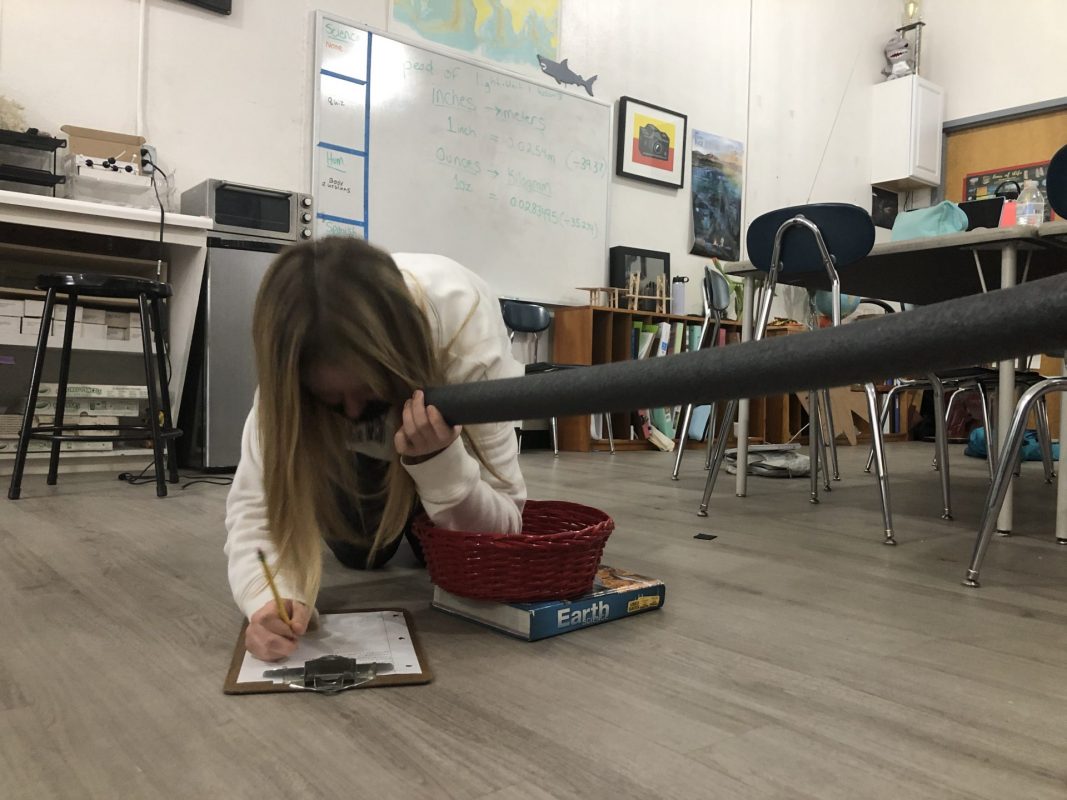
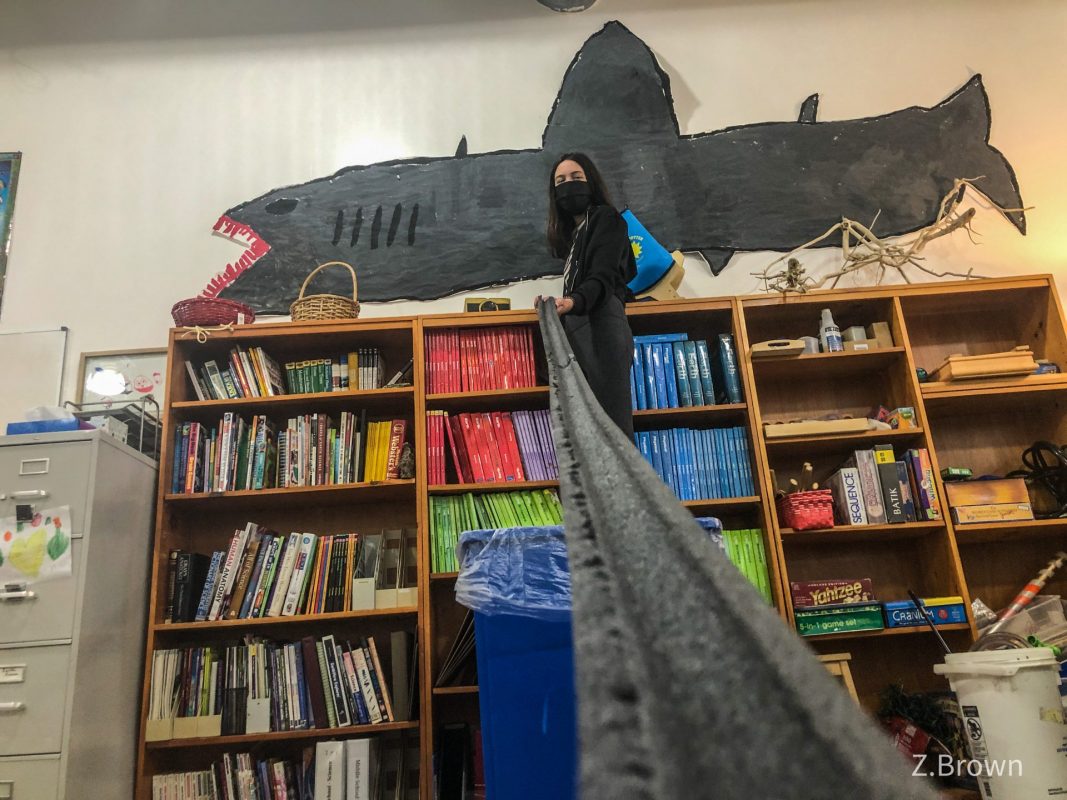
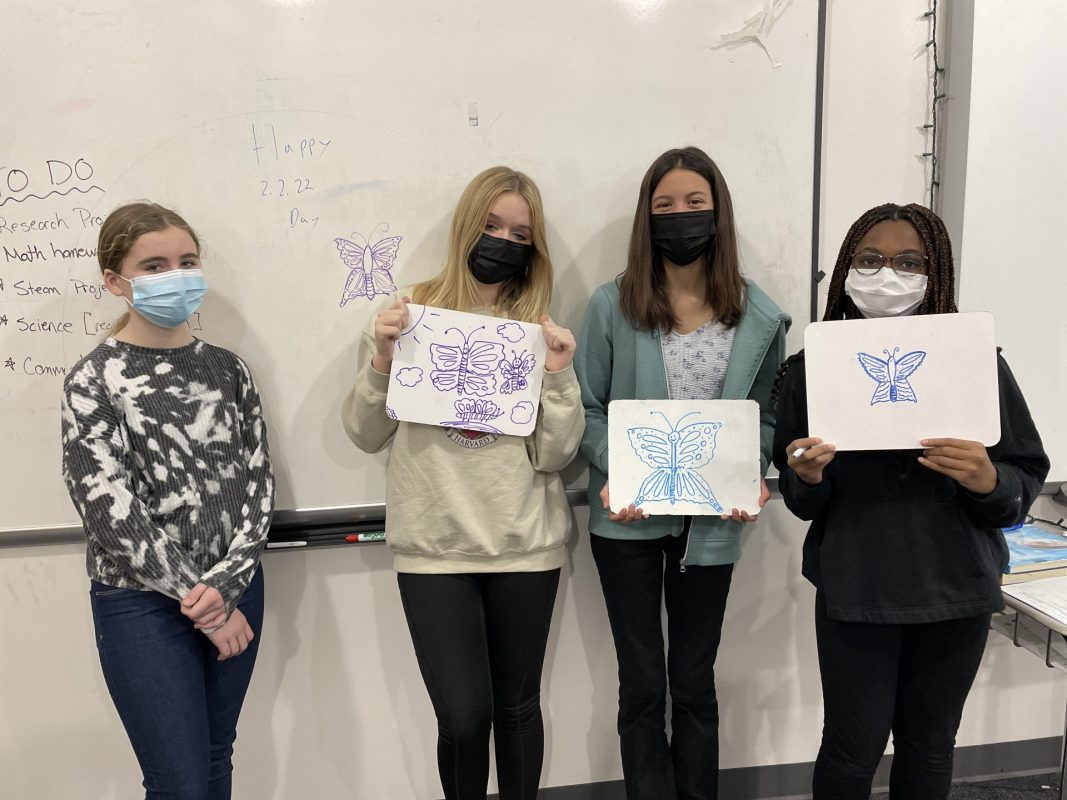
6th year Earth Science students are presently working on the unit “Renewable and Nonrenewable Resources.” The objective of this unit is to distinguish between renewable and nonrenewable energy resources, compare the advantages and disadvantages of renewable and nonrenewable energy resources, and explain the interconnection between science and technology in using energy resources. Students have identified the advantages and disadvantages of both renewable and nonrenewable energy through artistic formal presentations.

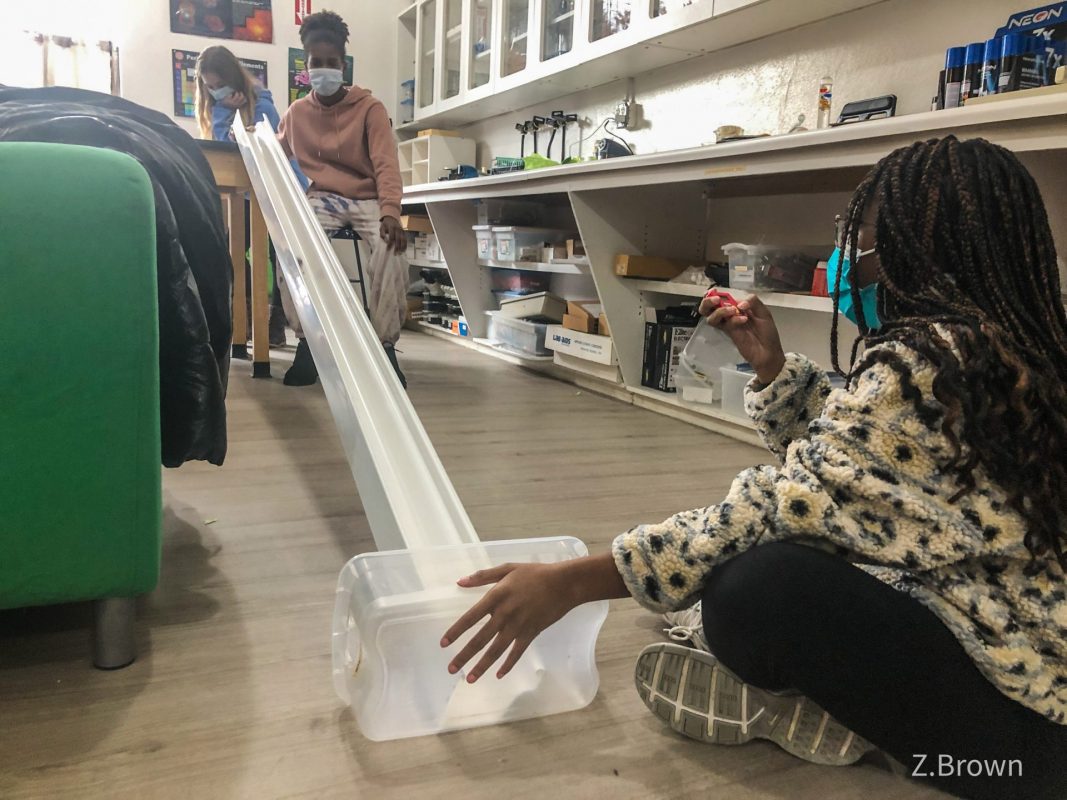
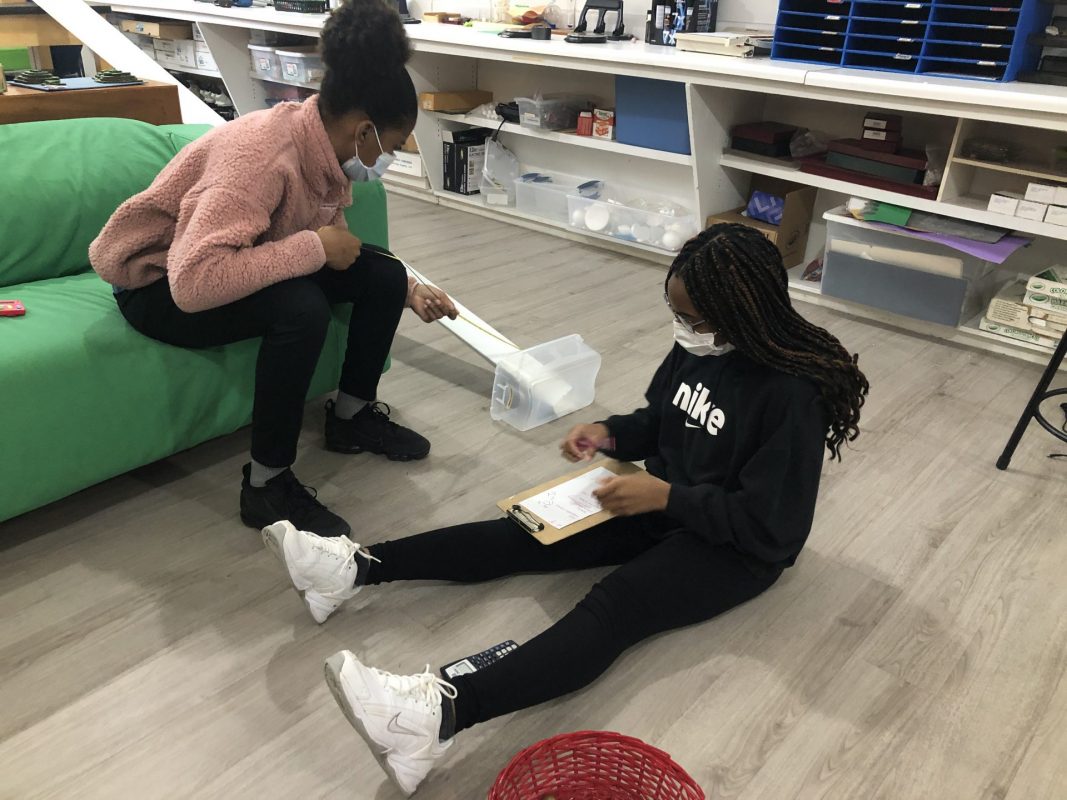
7th year Physical Science students began their new unit this week, “Kinetic Energy.” The objective of this unit is to explain how the kinetic energy of an object depends on its mass and velocity, generate examples of kinetic energy, compare kinetic energy to potential energy, model how kinetic energy can be transformed into potential energy, and how potential energy can be transformed into kinetic energy. This week students have been able to identify how mass affects the kinetic energy of an object by conducting trials of dropping a ball of known mass at different heights.
8th year Life Science students finished their unit on “Gene Mutations” and have begun their new unit on “Influencing Inheritance.” The objective of this unit is to distinguish between two categories of genetic engineering, explain how humans can influence certain characteristics of organisms by selective breeding, explain why gene modification, animal husbandry, and gene therapy are examples of artificial selection, and evaluate the impacts of human use of technology to influence the desired traits of organisms. Students will be asked to look at themselves to determine what they might have inherited from members of their family naturally. We will also take a look at Gregory Mendel’s work on dominant and recessive genes using cross breeding of pea plants.
Humanities
**A reminder that grades 6 & 7 Research Presentations will be Tuesday, 2/15 @ 7 pm.**
Humanities 6 classes are continuing their study of Ancient Civilizations of the Middle East & North Africa. They completed maps of the Fertile Crescent and are now venturing into Ancient Egypt. They are defining terms they will hear and read about in their studies and in their next novel, The Egypt Game.  6th grade students also completed drafts of their research essay. Mrs. Lamb is excited to continue working with them on the next step, which is the presentation.
Humanities 7 students have completed their class novel, A Long Walk to Water, and are continuing to learn about Sudan, South Sudan, and The Lost Boys. 7th grade students also completed drafts of their research essay. Mrs. Lamb is excited to continue working with them on the next step, which is the presentation.
Humanities 8 students have been reading and discussing their class novel, If I Ever Get Out of Here. They are in the last portion of the novel and will be looking at current comparisons of reservation life. Students are also immersed in their research for their expert projects. It is exciting that they are so enthusiastic and eager in these first stages. Finally, 8th grade students completed a unit of vocabulary.
Math
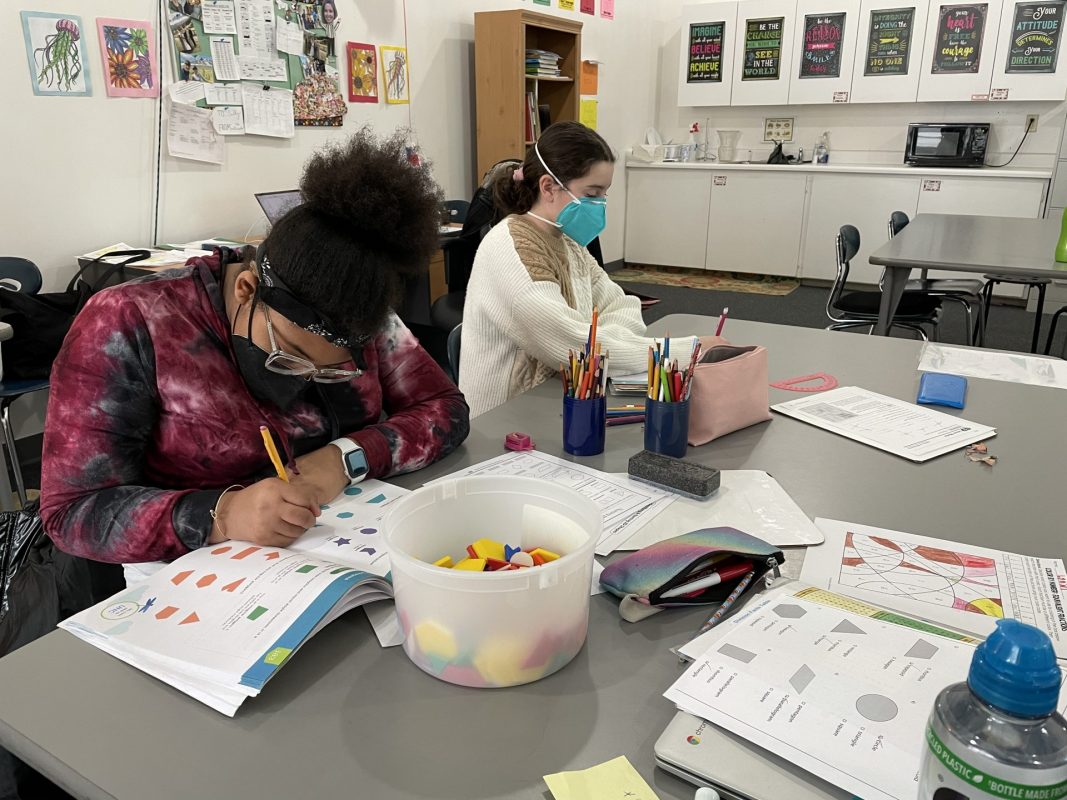
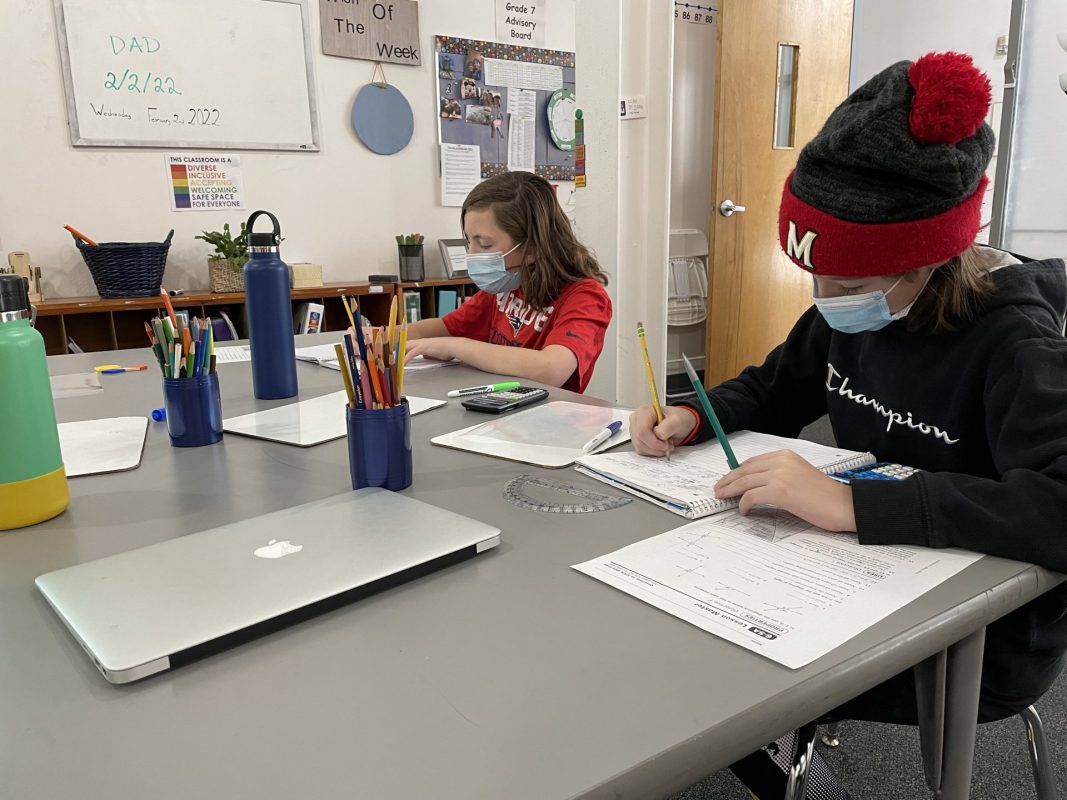
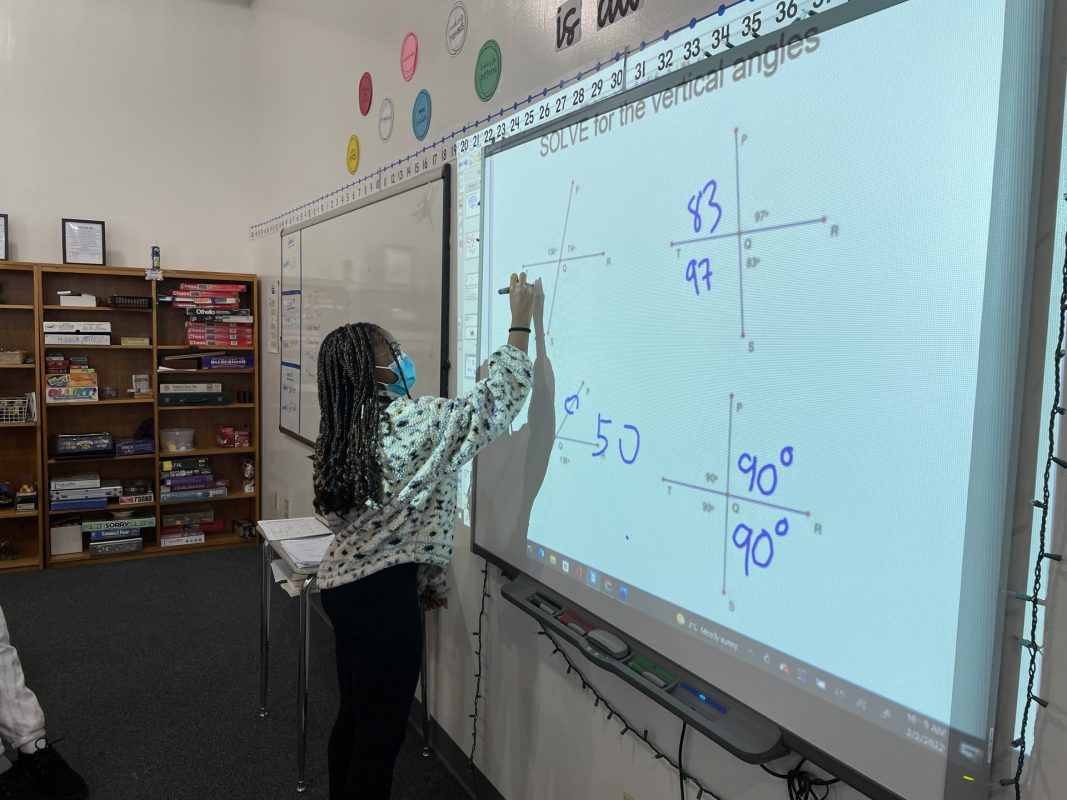
In Transition class, students continued to learn about transformations of figures. This class finished creating their unique tessellation art projects and practiced their skills with properties of polygons and finding unknown angle measurements in a shape. Students should continue to complete both the lesson master assignment and textbook questions each day in order to feel prepared for upcoming assessments.
In Algebra class, students concluded their learning of slope and rates of change. This class can successfully graph inequalities on a coordinate grid, find the equation of a line from two ordered pairs, and can identify the difference between the standard form and slope-intercept form of an equation. Students will begin exploring Chapter 7 next week and learn about function notation.
In Geometry class, students mastered their understanding of quadrilaterals and properties of regular polygons. This class can draw polygons given a condition, find congruent sides and corresponding angles in a figure, and calculate the n-fold rotational symmetry in a shape.
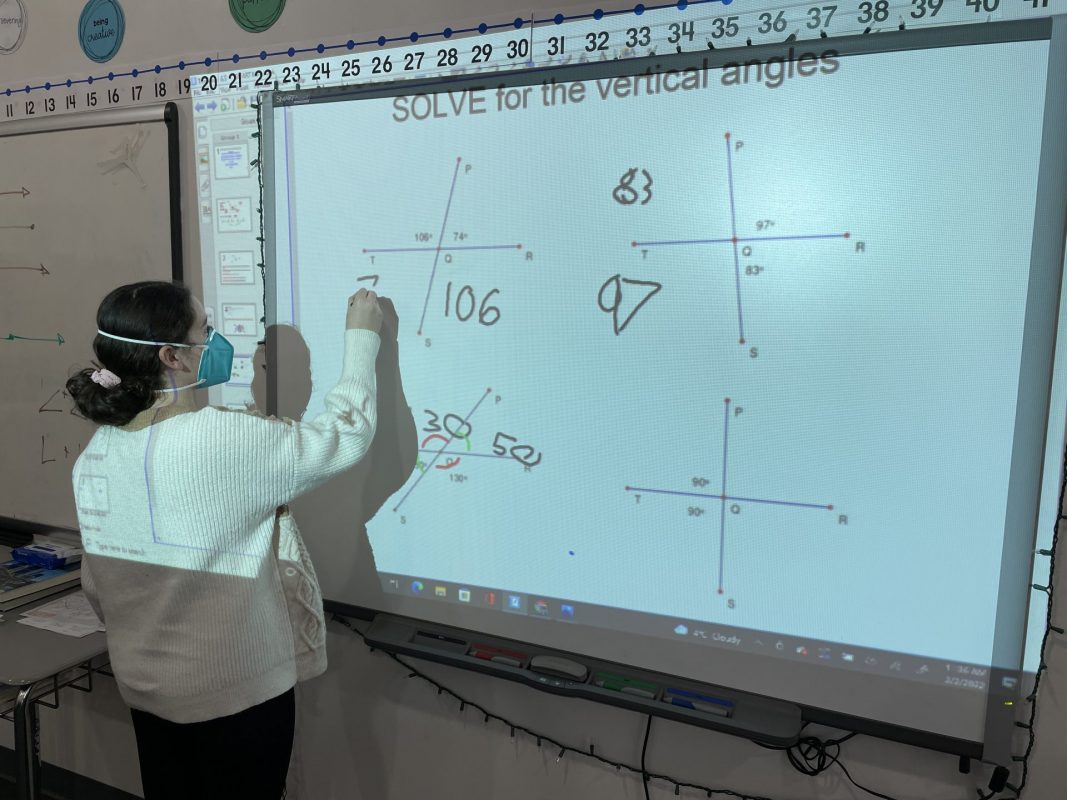
Math Joke: What do mathematicians do after a snowstorm? Make snow angles!!!
Lower El: Enthusiastic Learners

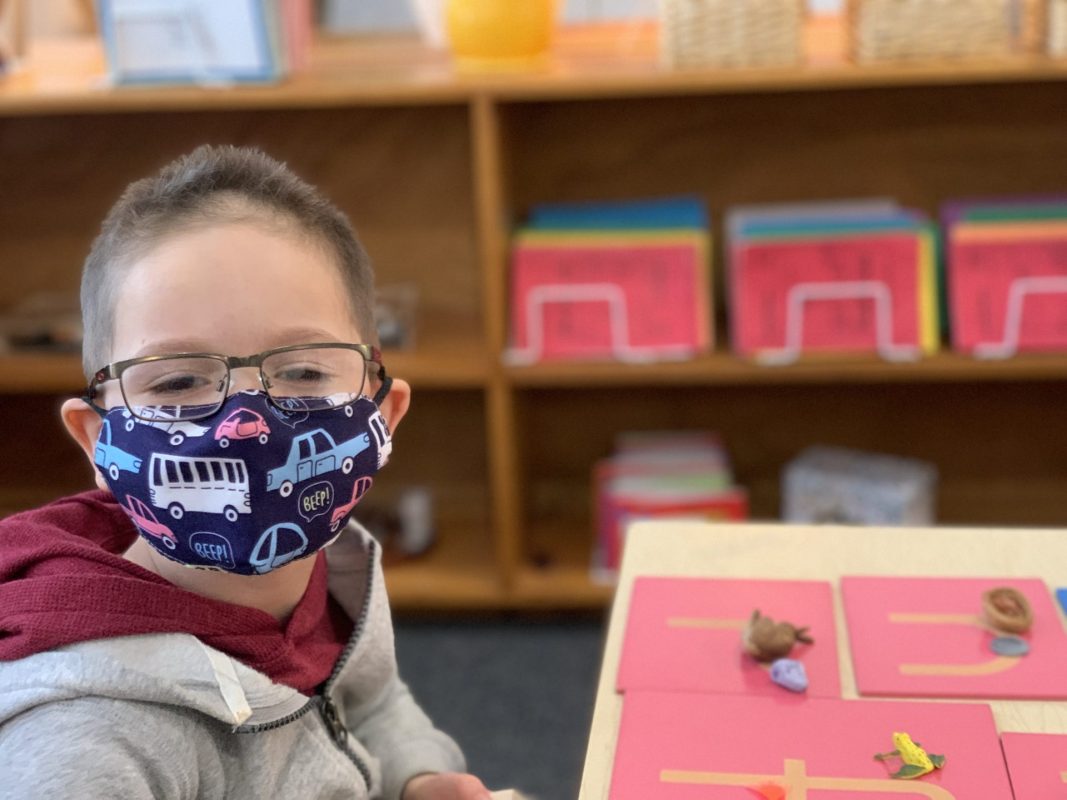
The students were hard at work this week working on their geography assignments. The first graders enjoyed their follow up work, making a peninsula and gulf out of clay and water. The second years explored a Montessori material called lands end. With this material they learn about capes, peninsulas, promontories, isthmus, and spits. The third grade group was intrigued about the parts of a river.

The children are in the process of choosing a topic of interest within some categories we provided them. Children will work together with us to do all of their research at school. First year students will make posters with information about their topics, second year students will make posters and write research papers, and third year students will make presentation boards, write papers, and give oral presentations. We will provide all of the information and resources for the children to complete this process successfully.

Thank you for sending your children in with appropriate snow gear (snow pants, gloves, hats, jacket). Children at this age are learning to keep track of their belongings. To help support their independence, it would be great if their names were written inside their clothing!

Mrs. Wilson: Love Is In the Air

With February now here, we took away all winter-themed materials and replaced them with Valentine-themed materials. The “refinement of the hands” shelves have materials in the colors red and pink, heart-shapes, and Xs & Os. The sensory bin is filled with lots of heart sponges and strawberries for scooping, pouring, and squishing.

Food tasting this week was a parsnip. The children recognized its shape and called it a carrot. We talked about how it looks like and grows like a carrot but it is not a carrot. We described the parsnip on how it feels, its weight, smell, color, and how it is thick on one end and thin on the other. We tasted the parsnip two different ways, boiled and air fried with olive oil and salt. Can you guess which version was preferred? Add some air-fried parsnip to your menu!
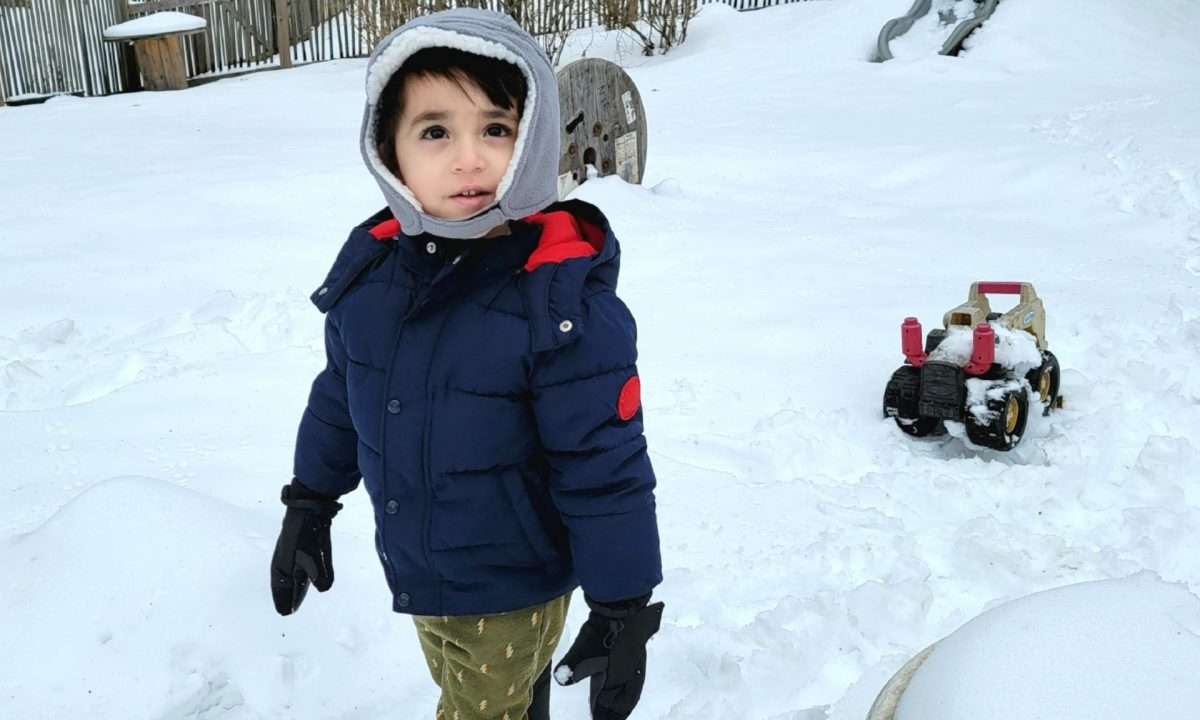
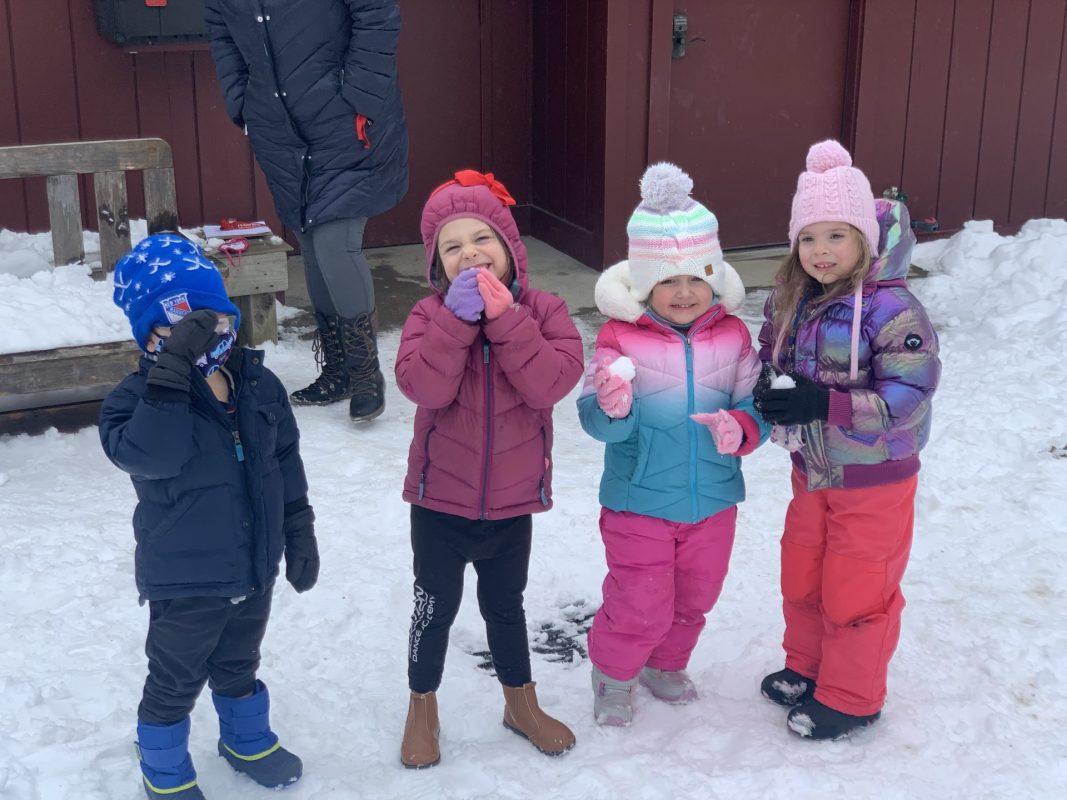
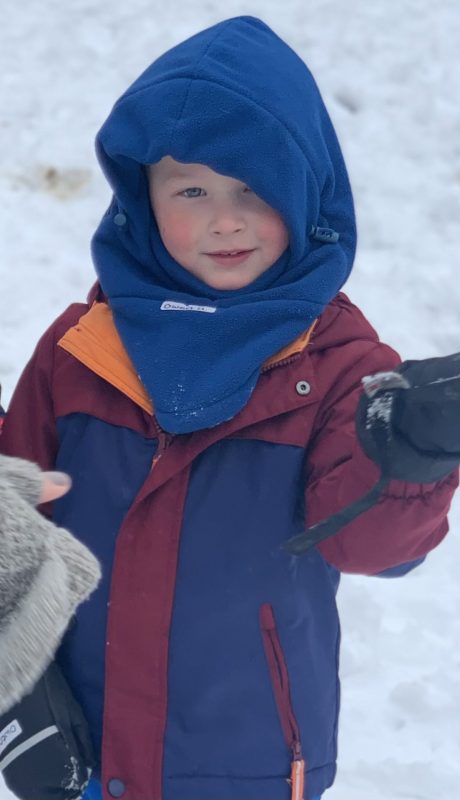
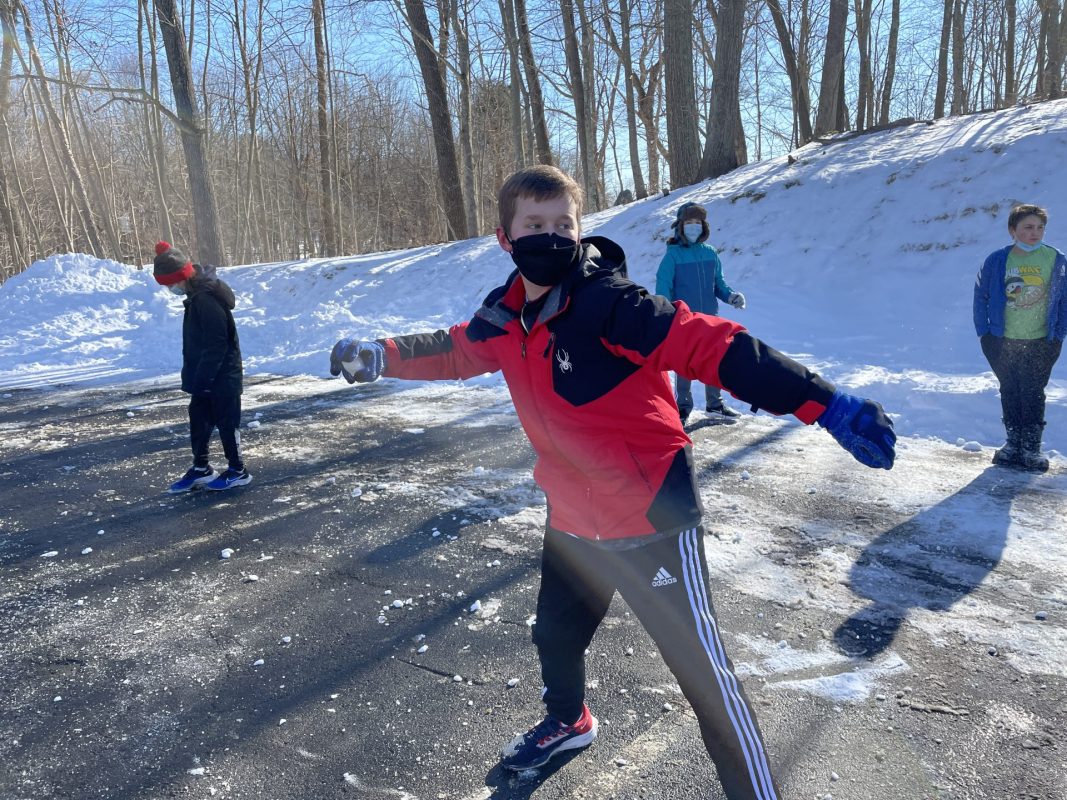
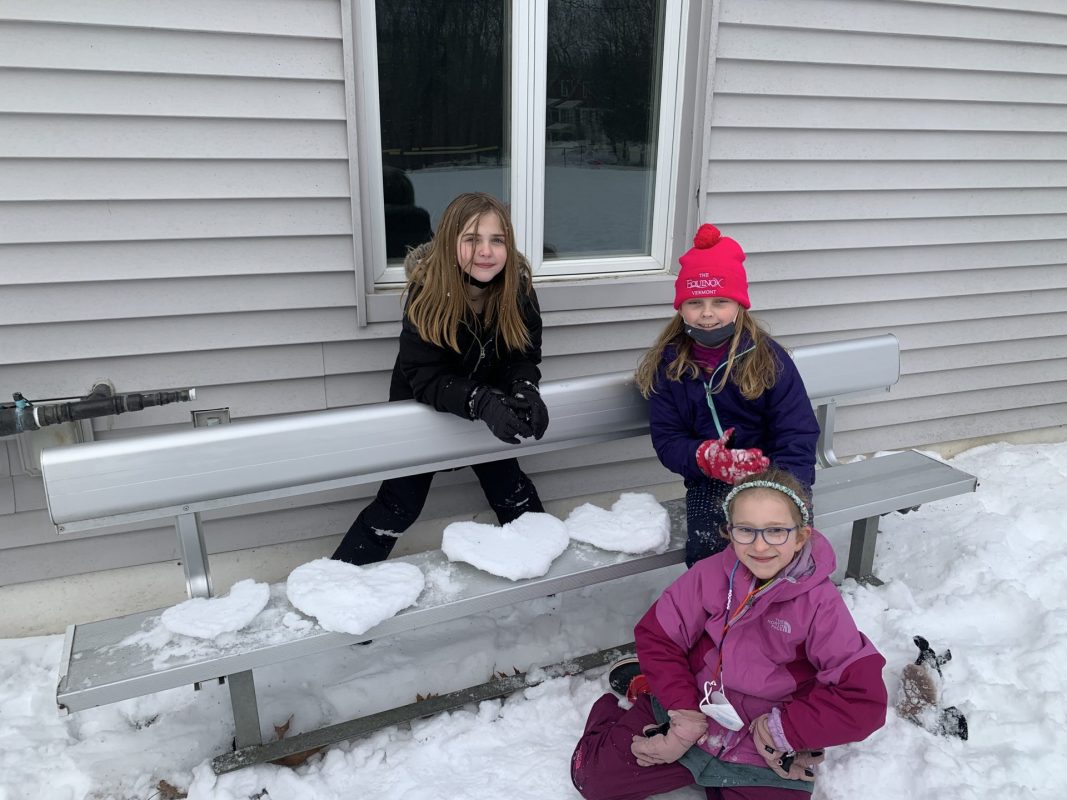
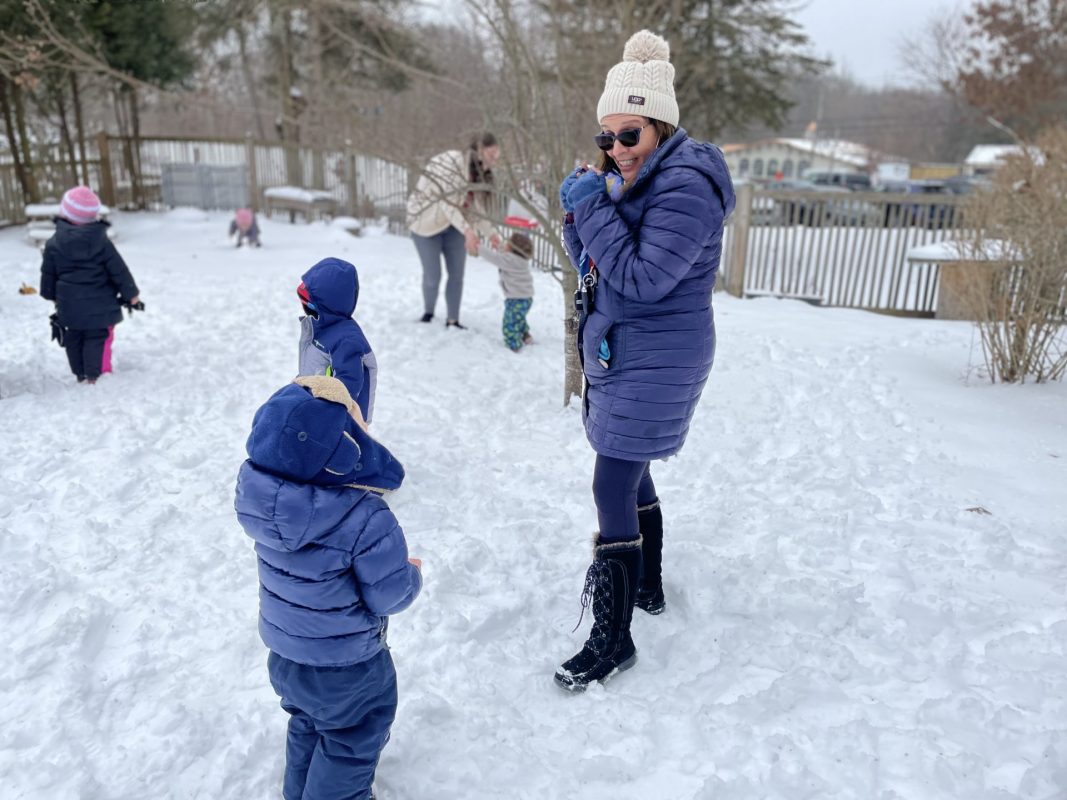
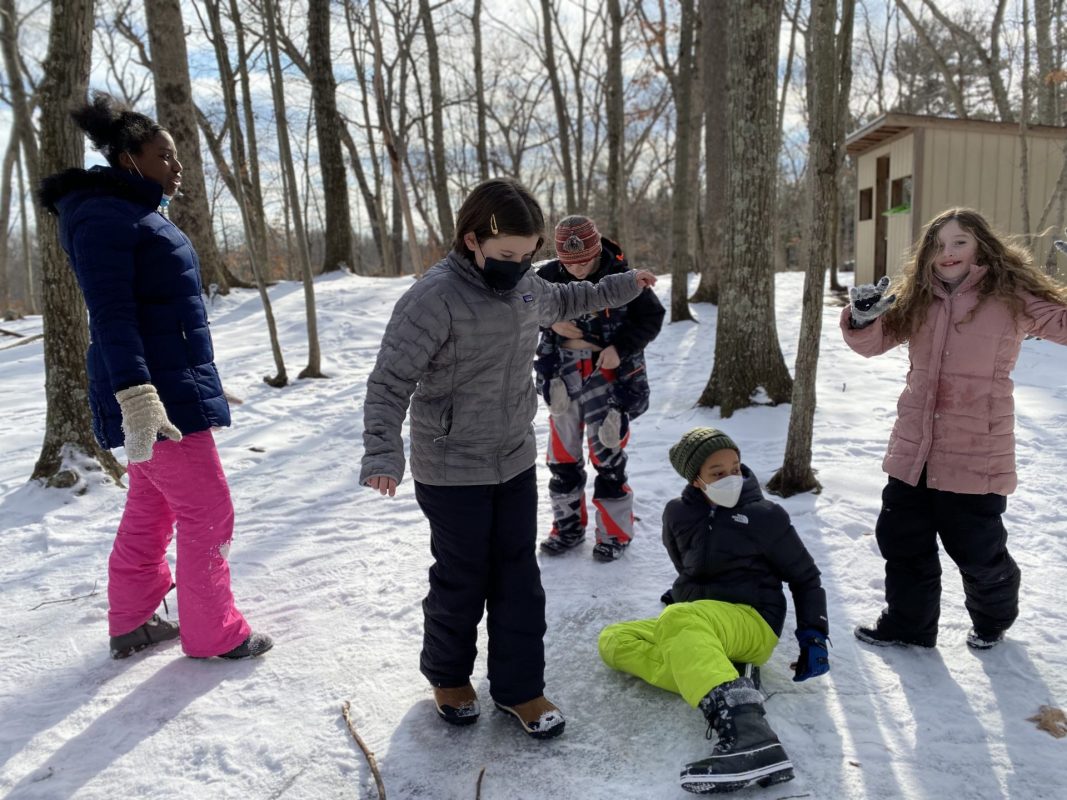
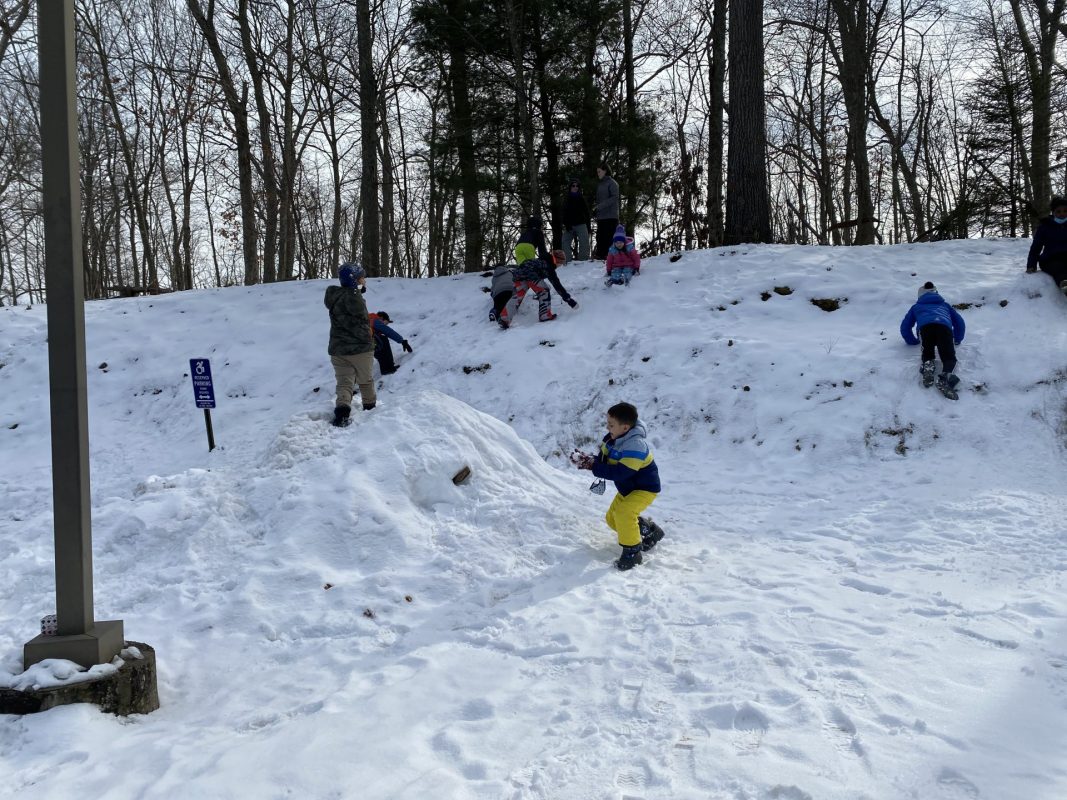
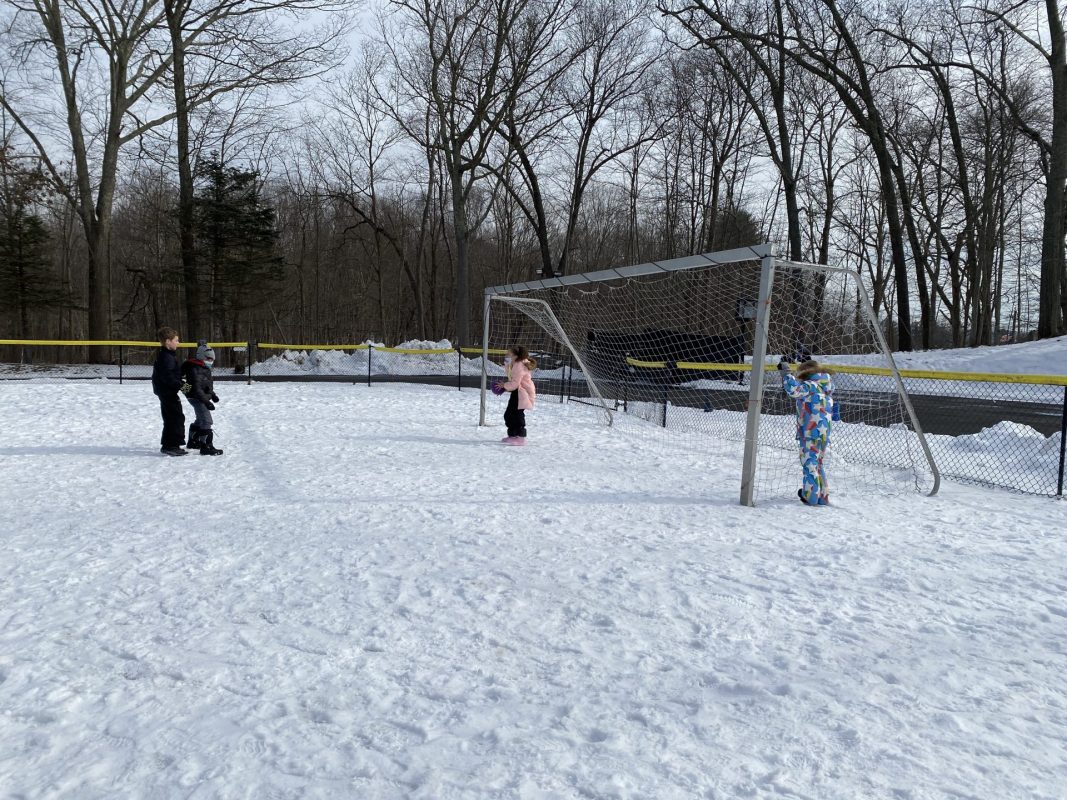
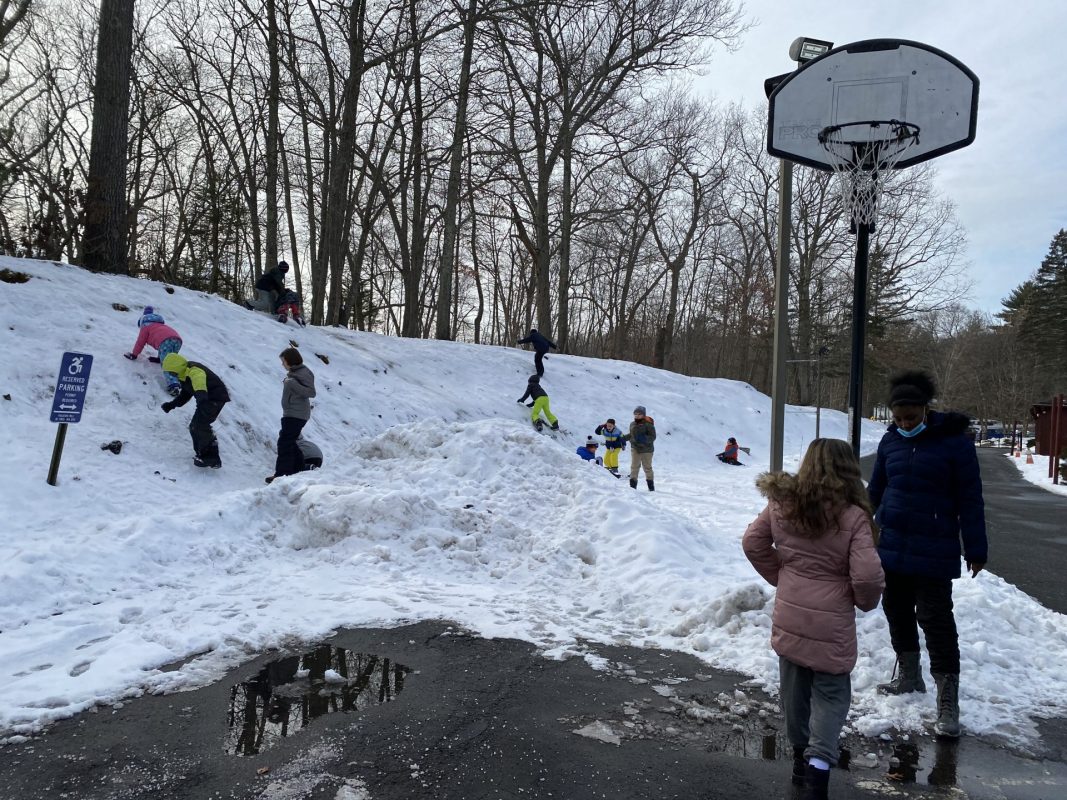
On Wednesday we gathered all the children into their snow gear and headed outside. Finally! The temp was perfect to spend a half-hour in the fresh air. The teachers and children had fun playing in the snow, having a REAL snowball fight. There were lots of smiling faces and laughter coming from the adults and children as we chased each other in the snow.

Mrs. Wilson


Mrs. Hood: Process vs. Product

“The human hand allows the mind to reveal itself.” – Maria Montessori

Art is one of the many ways children express themselves. When it comes to art, it is the process not the product that is important to the child. As adults our goal is to produce a product, but the child interacts with the world differently. The child works to develop self. The focus is on the process not the product. Once a child creates something, they do not feel the need to keep the product. It is the process that gives them satisfaction and inner joy.

In our Montessori environment, art materials teach each skill separately so that the children can combine them on their own: line drawing with crayons, holding and managing colored chalk, cutting without and with a guideline, stamping, working with clay, painting with watercolors, etc.  All of these skills will be mastered independently and then combined at the child’s discretion in some grand piece of artwork later on in their  development.

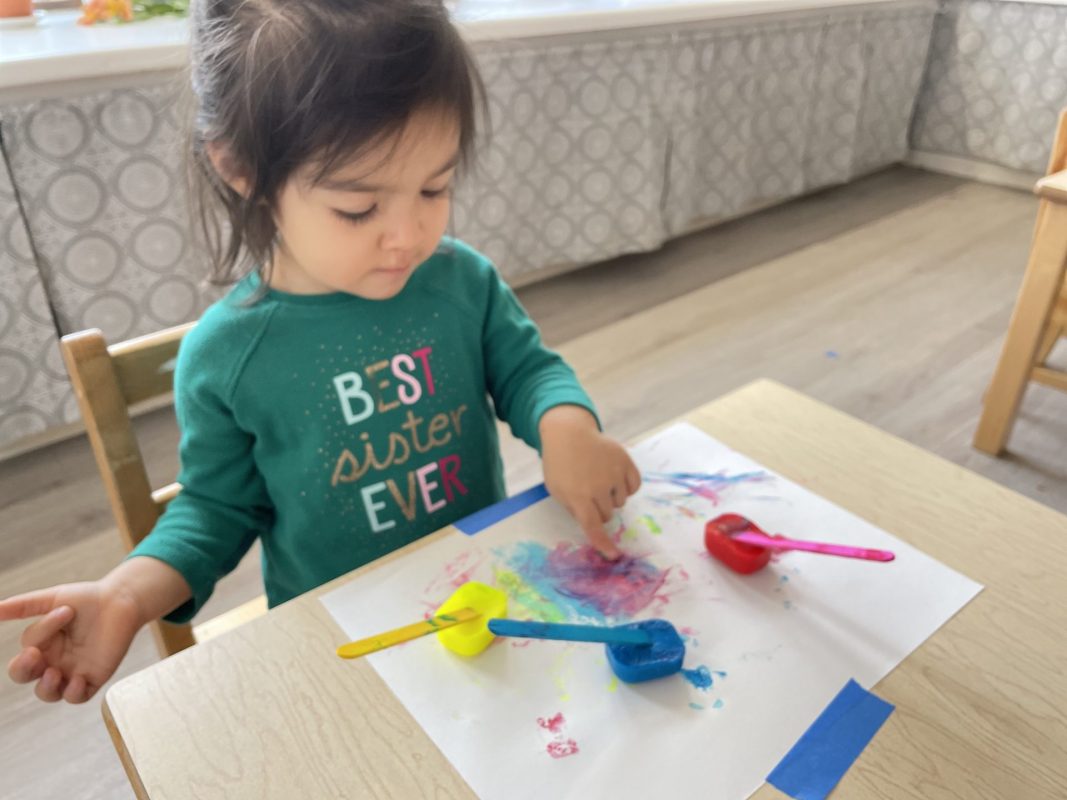
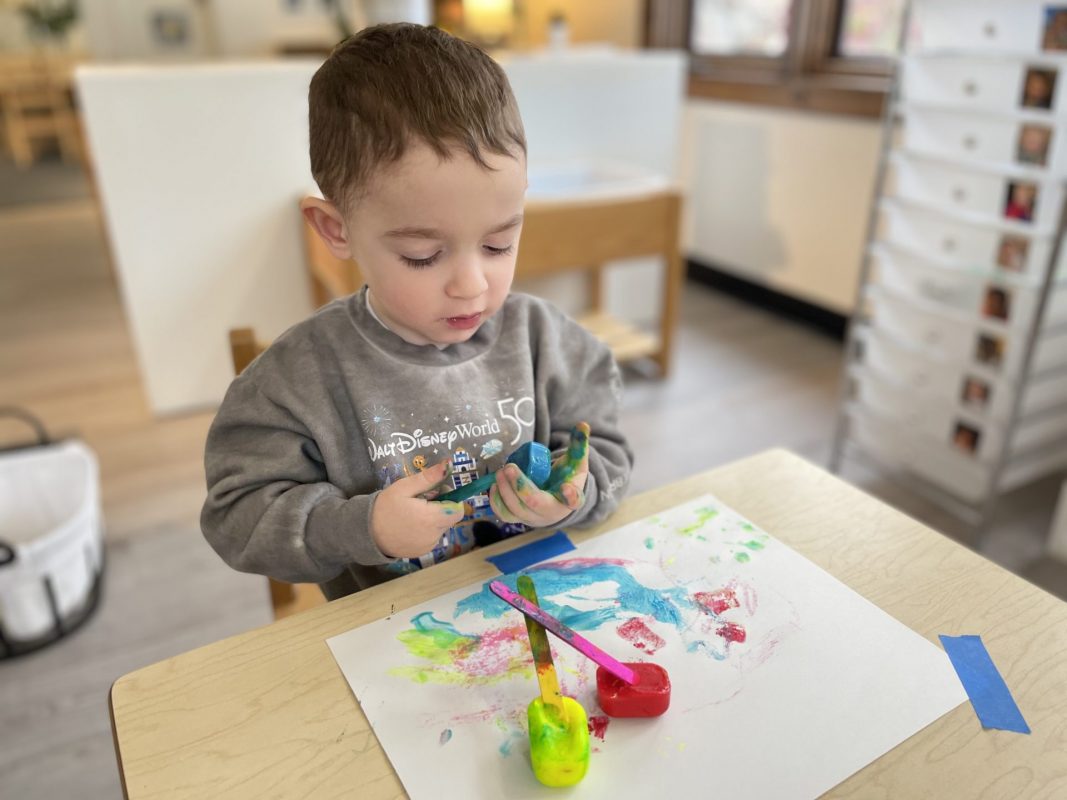
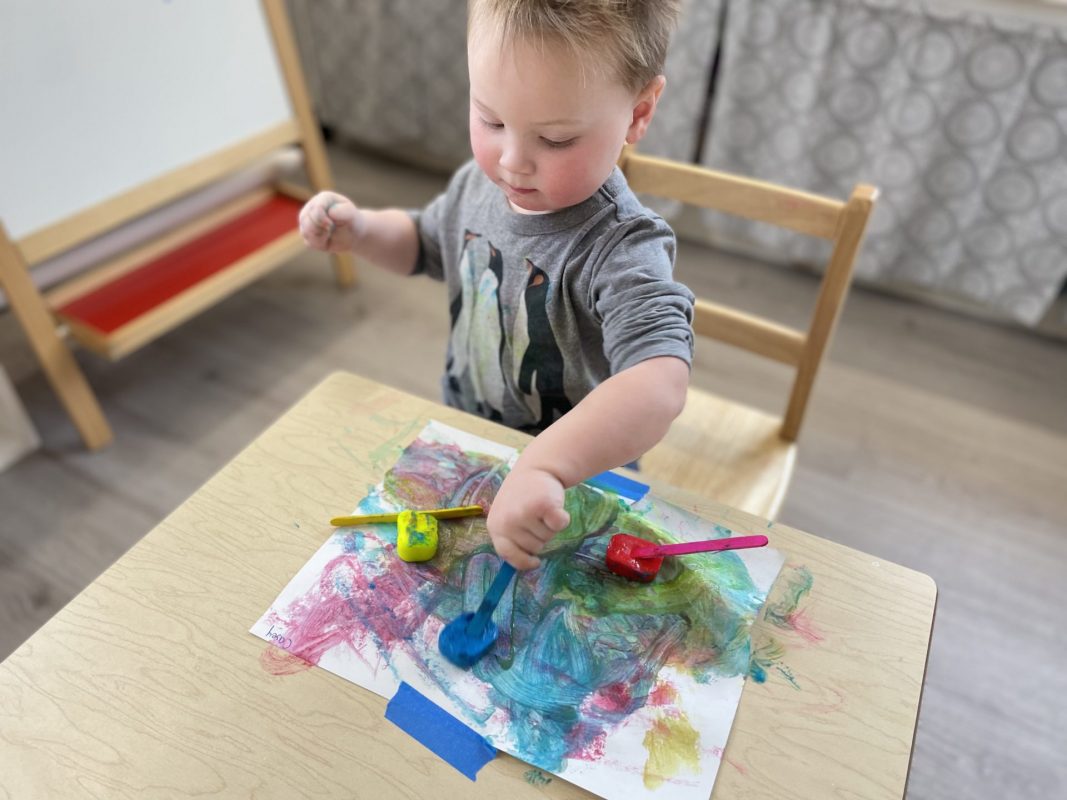
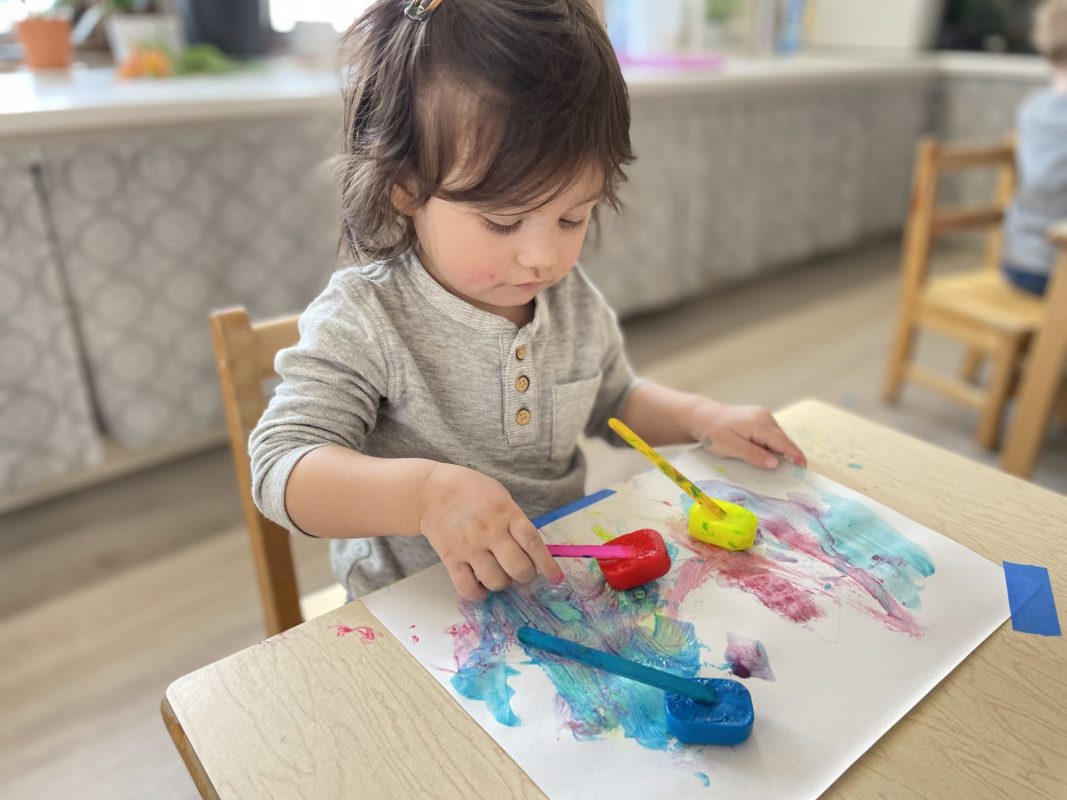
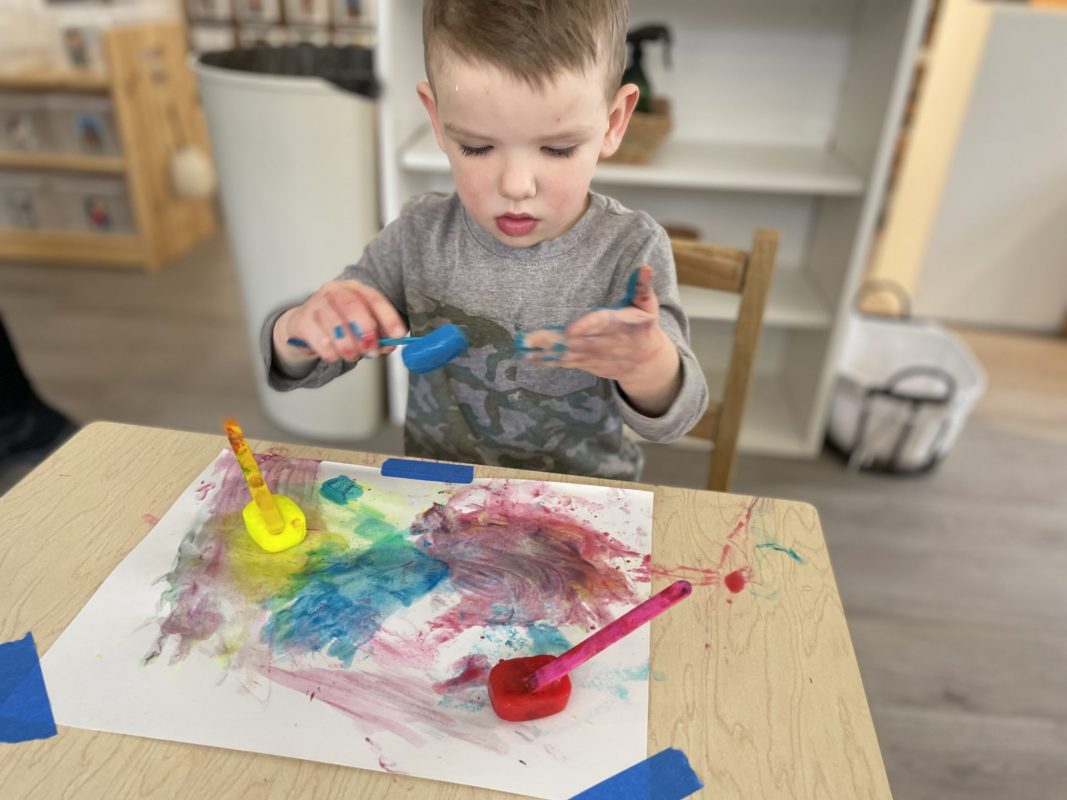
Apart from painting on the easel, we added a fun sensorial experience this week to tie in with our winter studies: ice cube painting! Children enjoyed creating different pieces of art work while combining colors, but the truly big point of interest of this exercise was to feel the coldness of the paint! They LOVED painting their hands and were mesmerized for long periods of time by the sensation on their hands!

Gluing is also a very popular work in our environment! Learning to use glue develops hand-eye coordination and fine motor planning skills. It also helps your child understand the sensory concept of stickiness.

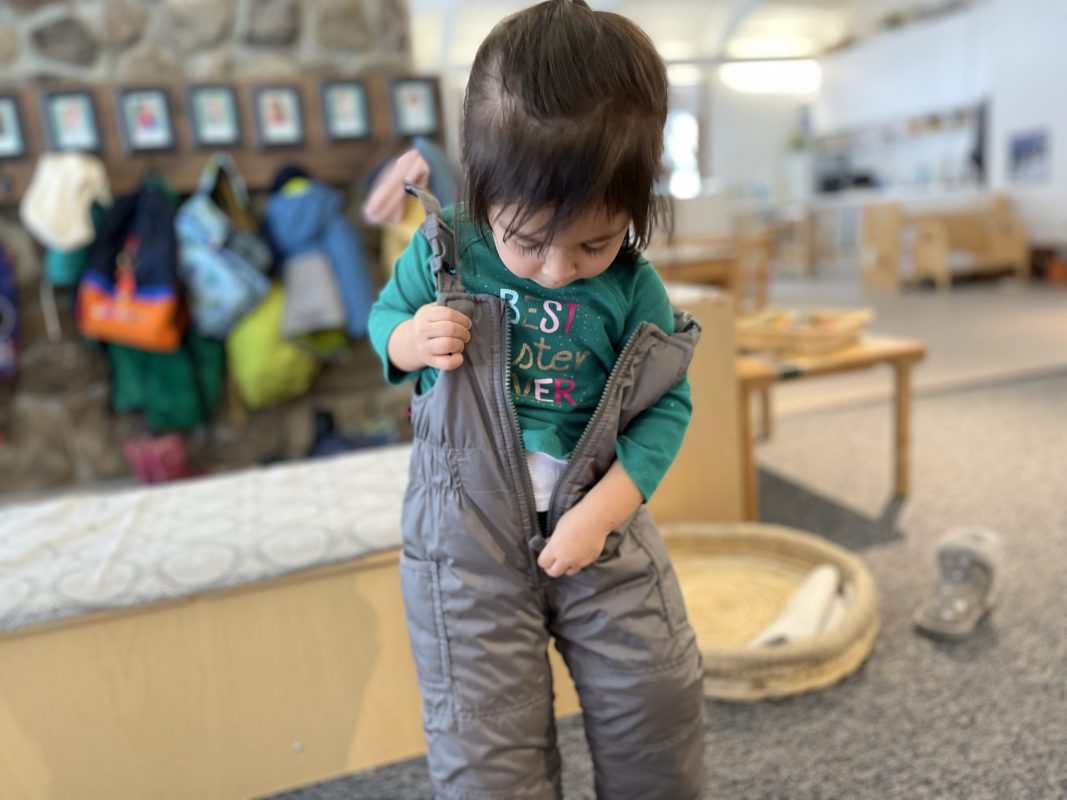
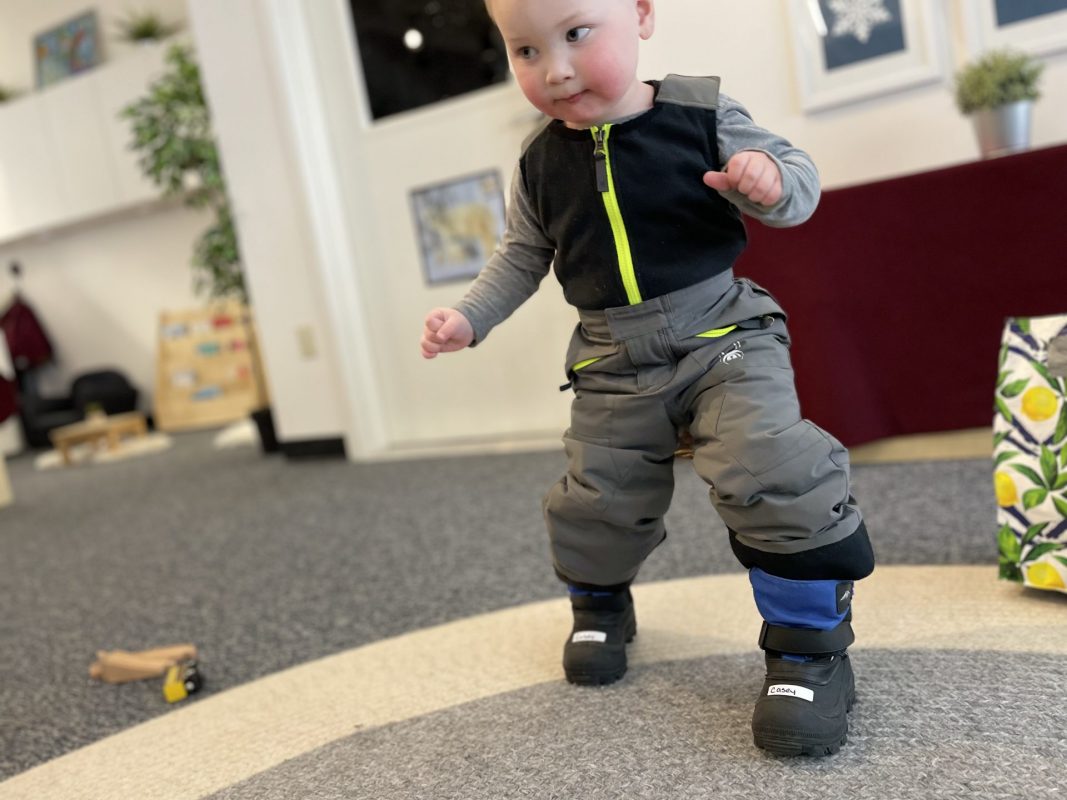
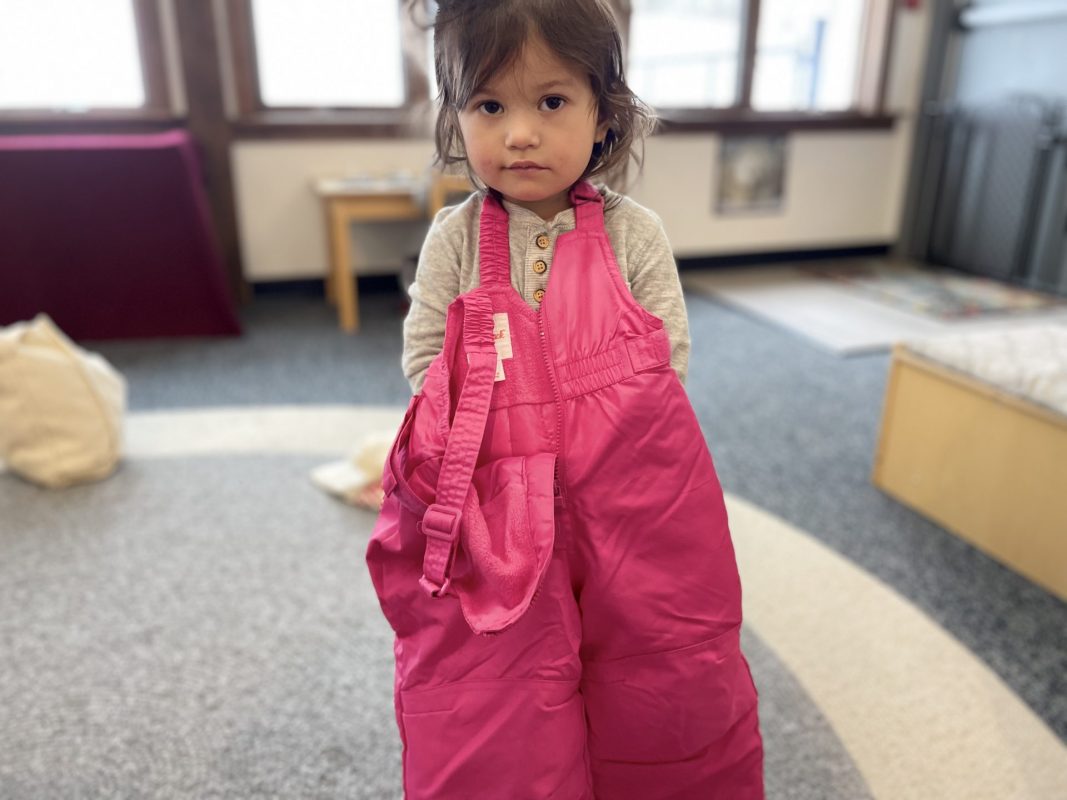
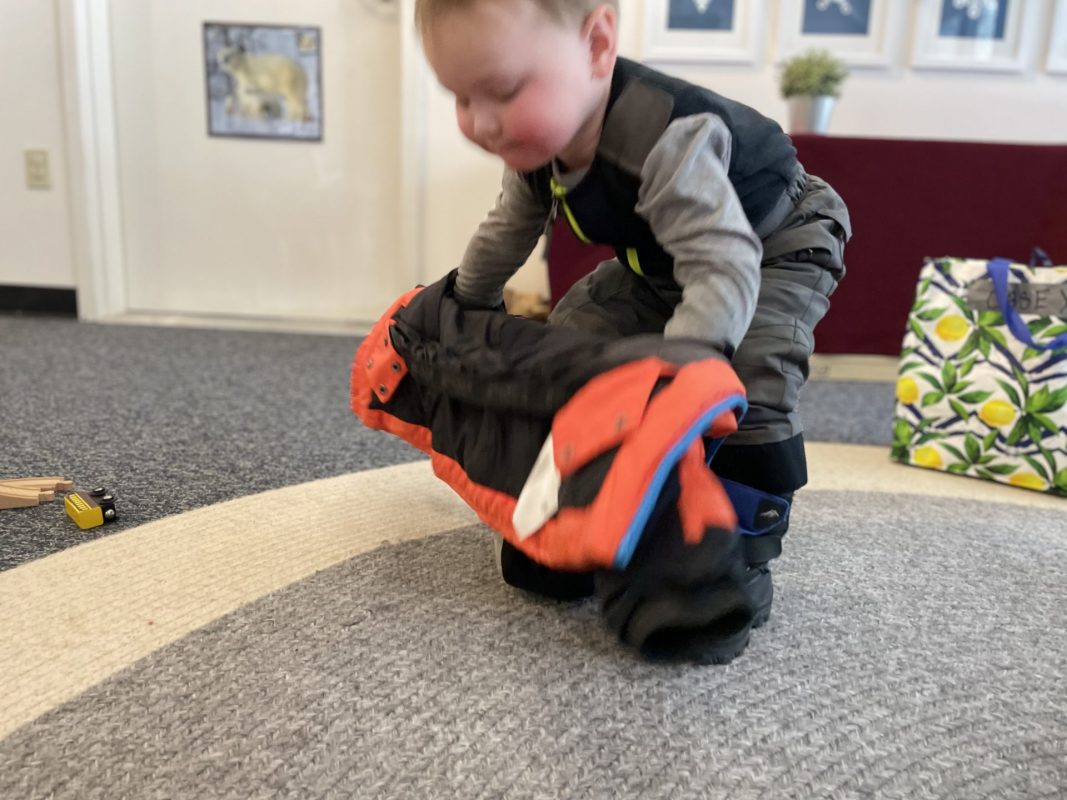
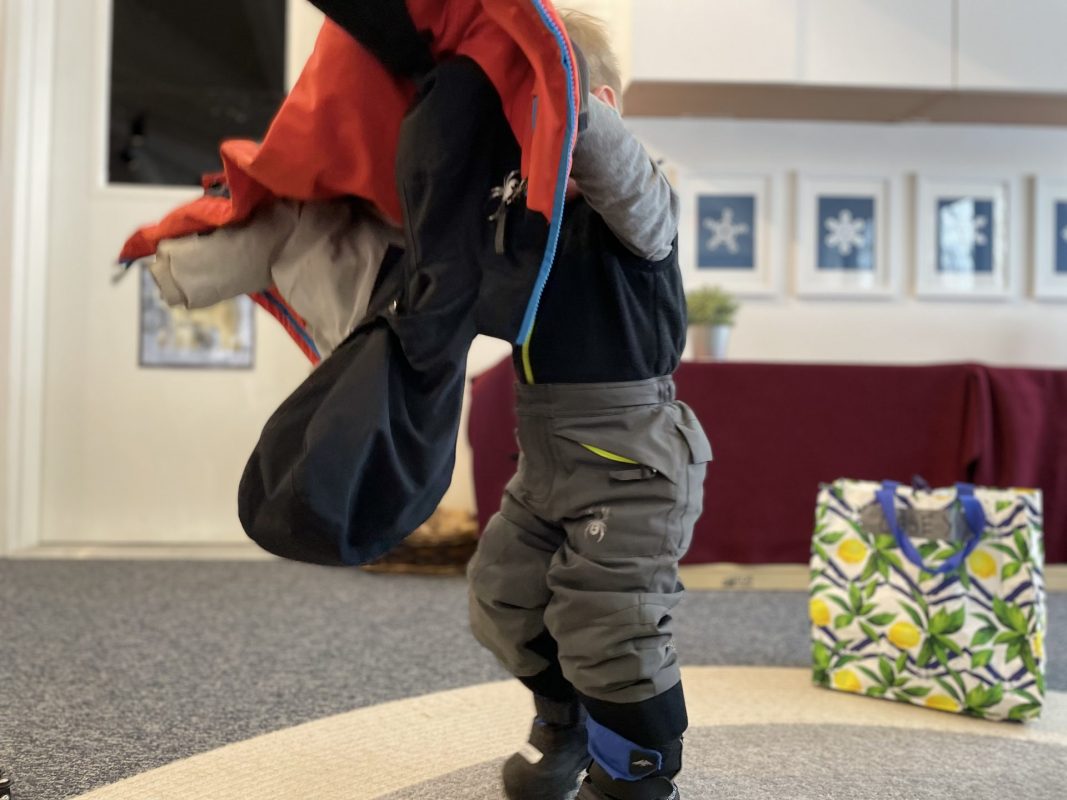
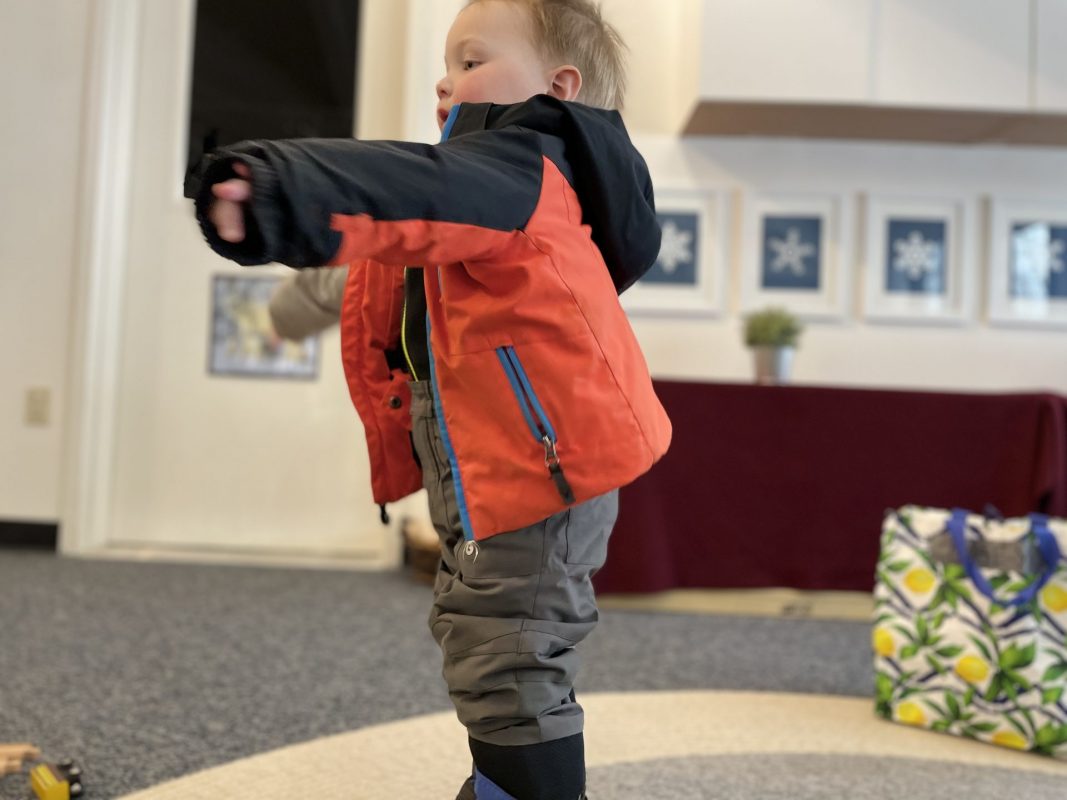
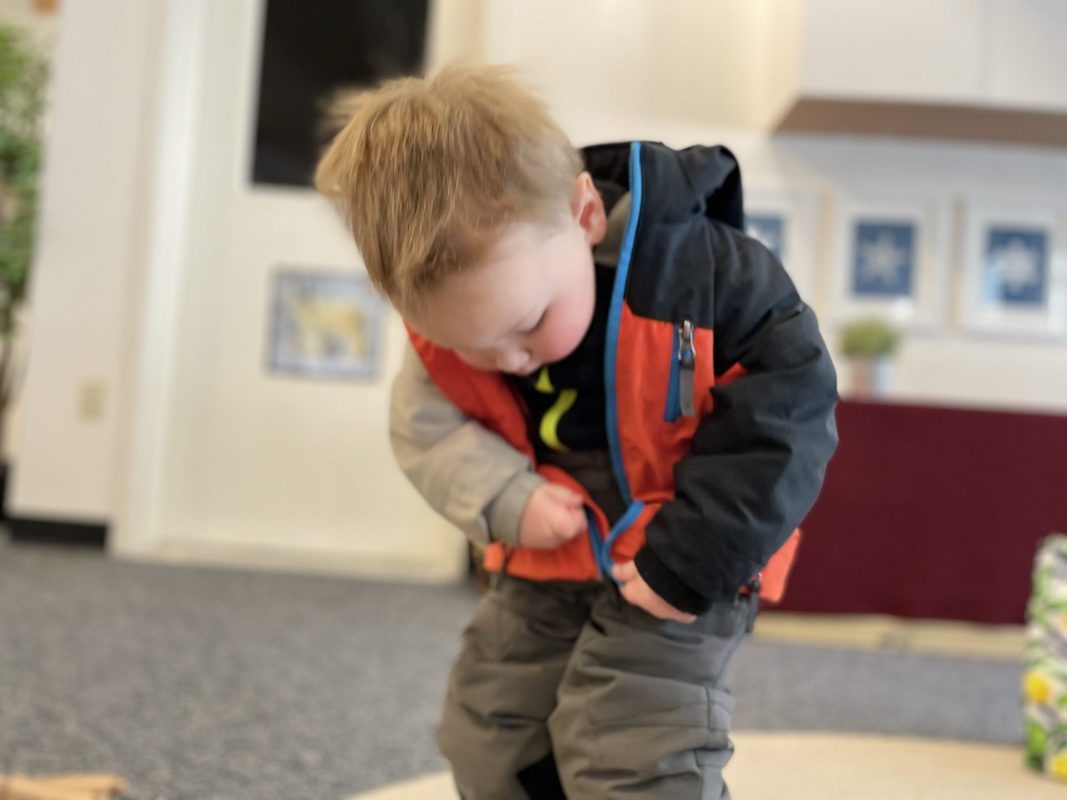
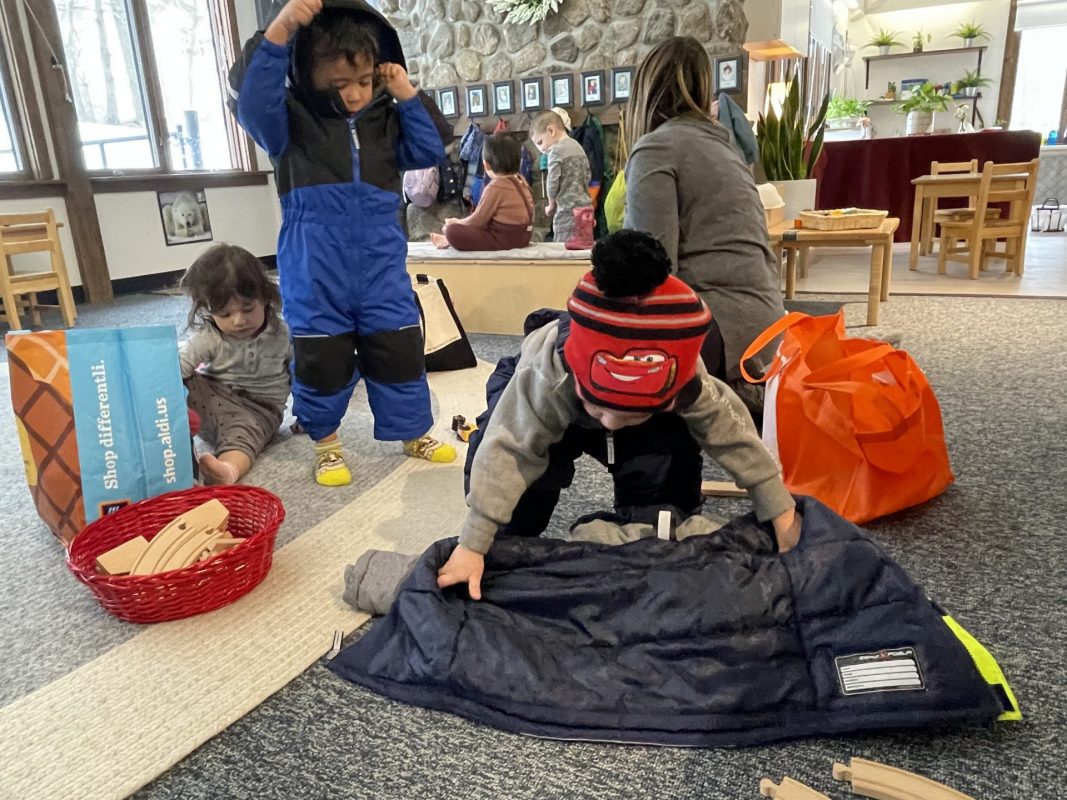
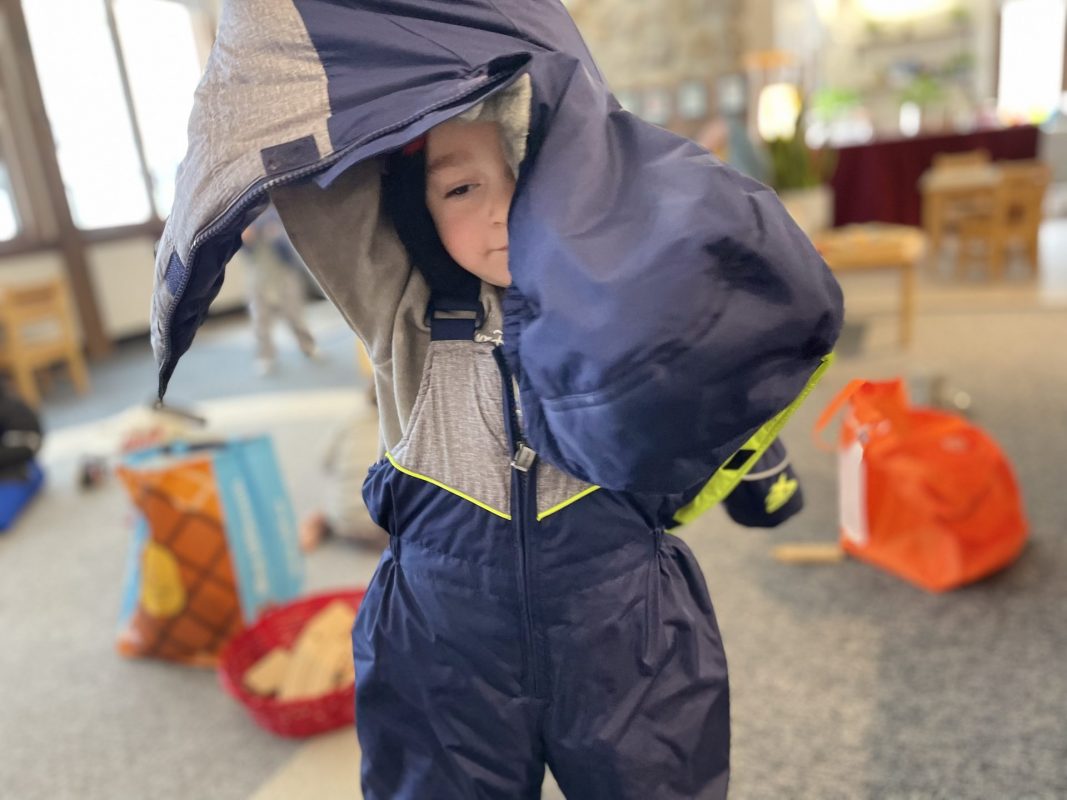
On another note, we just want to express how very proud we feel to see how far your children have come (and keep working) on their independence, especially in the area of self care. Dressing oneself  into winter gear can feel overwhelming for any toddler but your children work with such focus on mastering the necessary skills, it’s just so great to witness! Keep encouraging this at home as well; you will be amazed at how much they can do.

In case you don’t know, I’ll leave you here with a demonstration on how we have taught your children to put on their coats all by themselves. We hope it comes in handy in those moments where your little one wants to “do it myself”.

Have a great weekend,

Mrs. Hood and Ms. Maria


The Pottery Wheel and More!

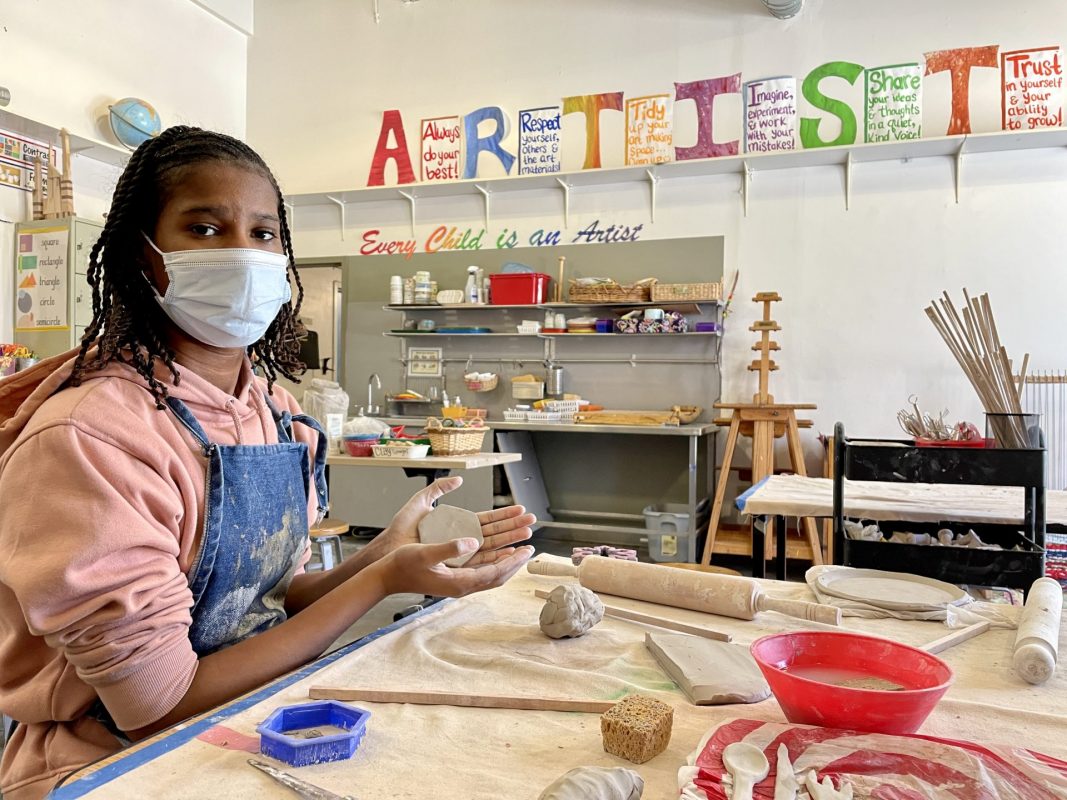
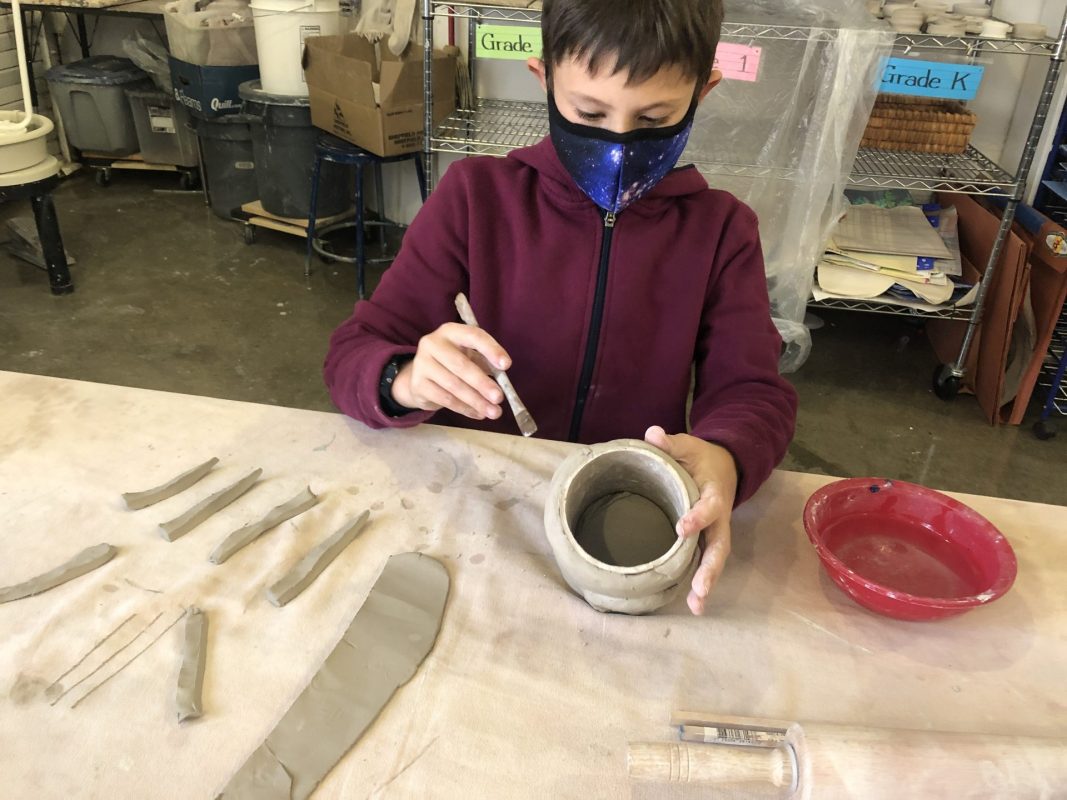
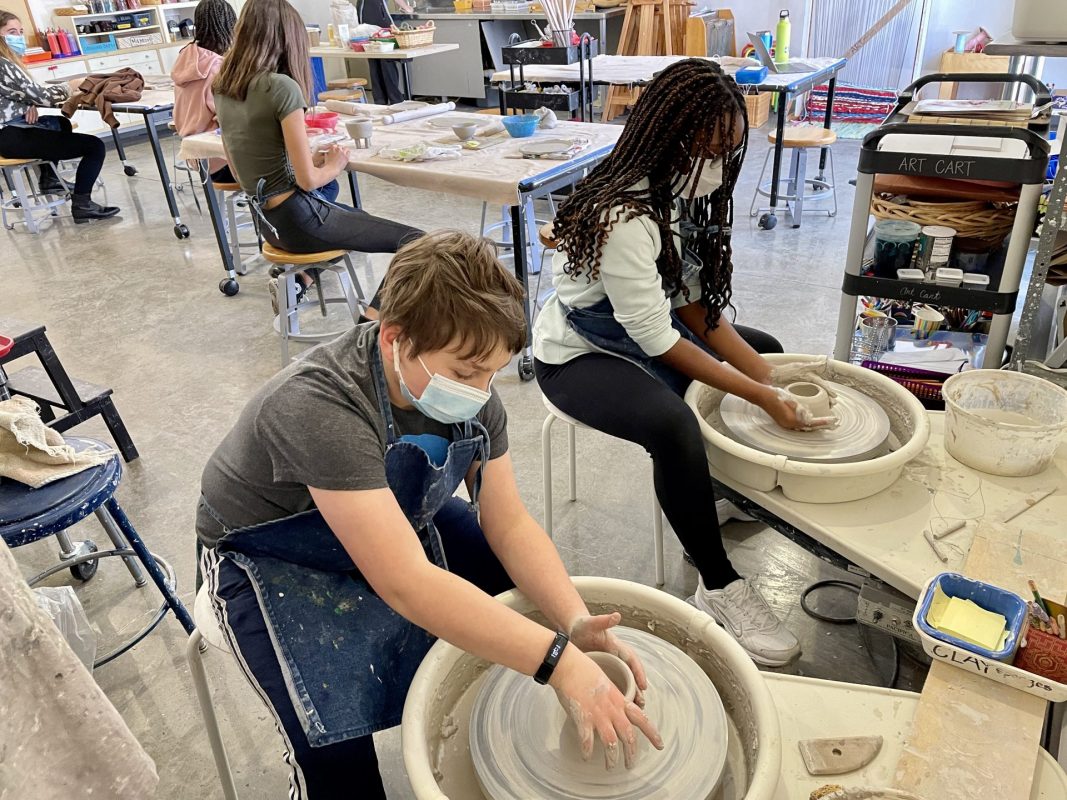
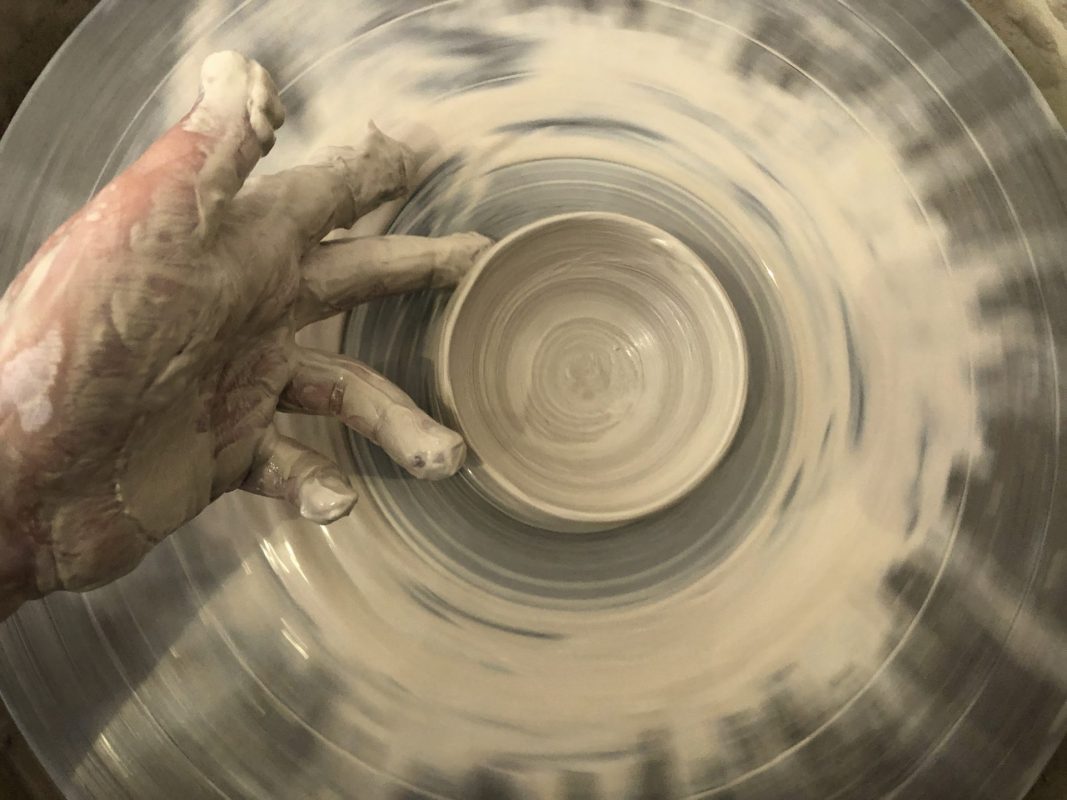
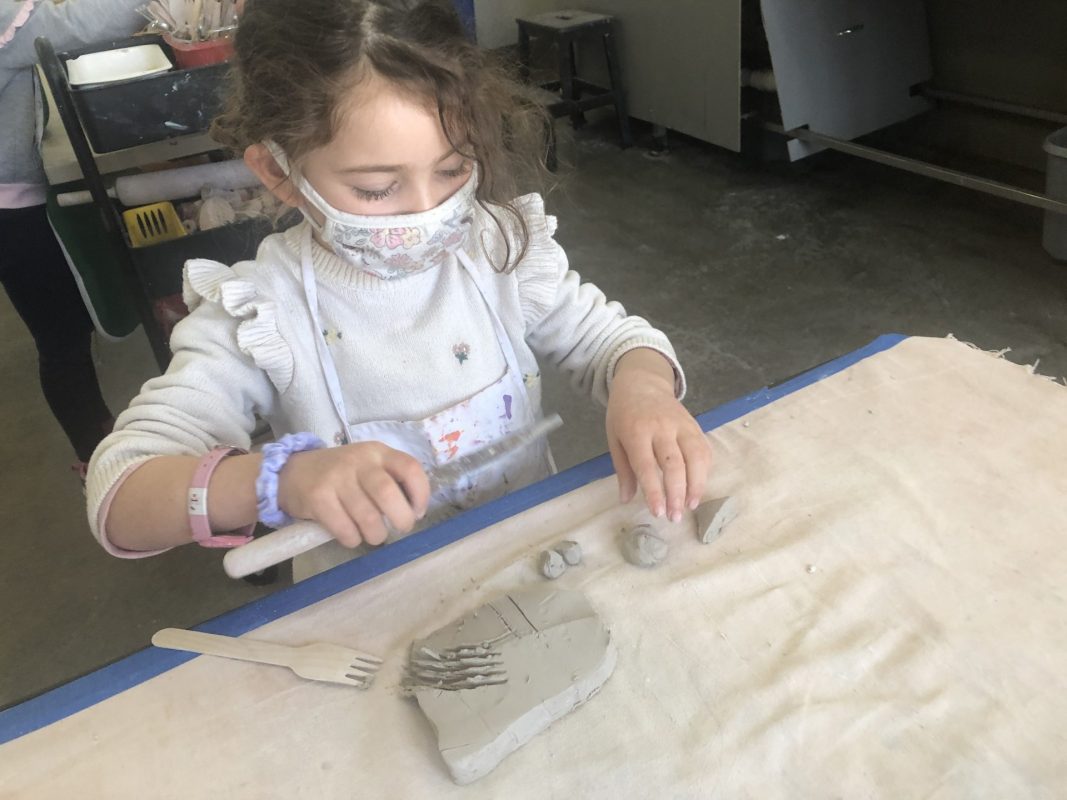
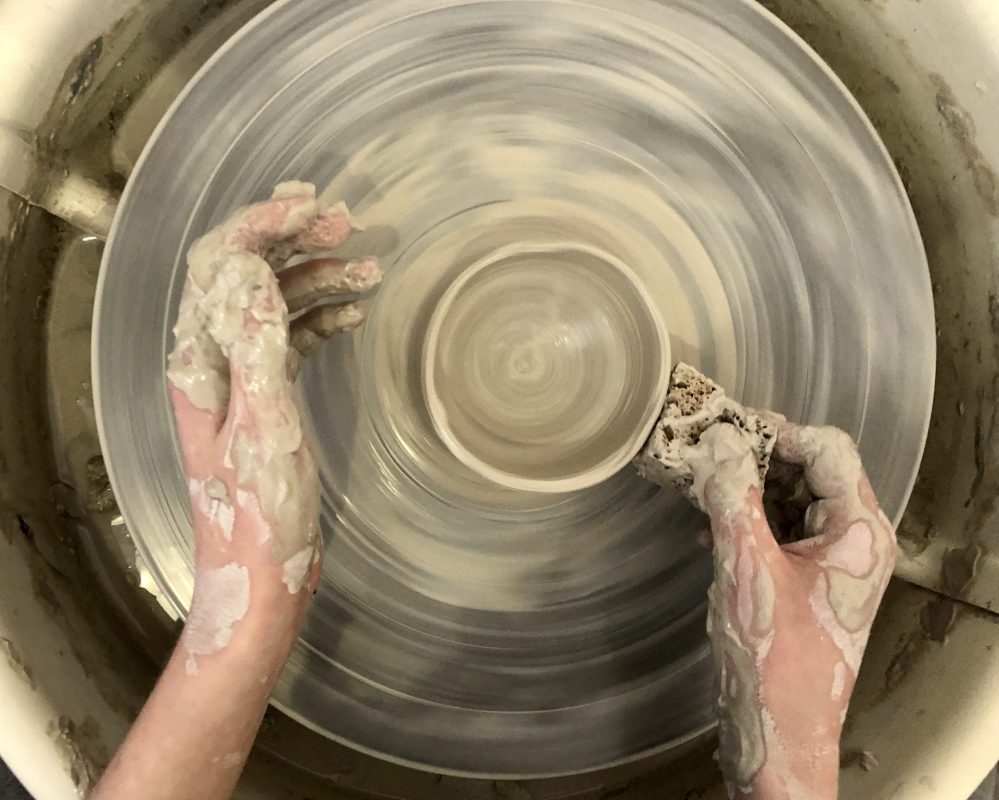
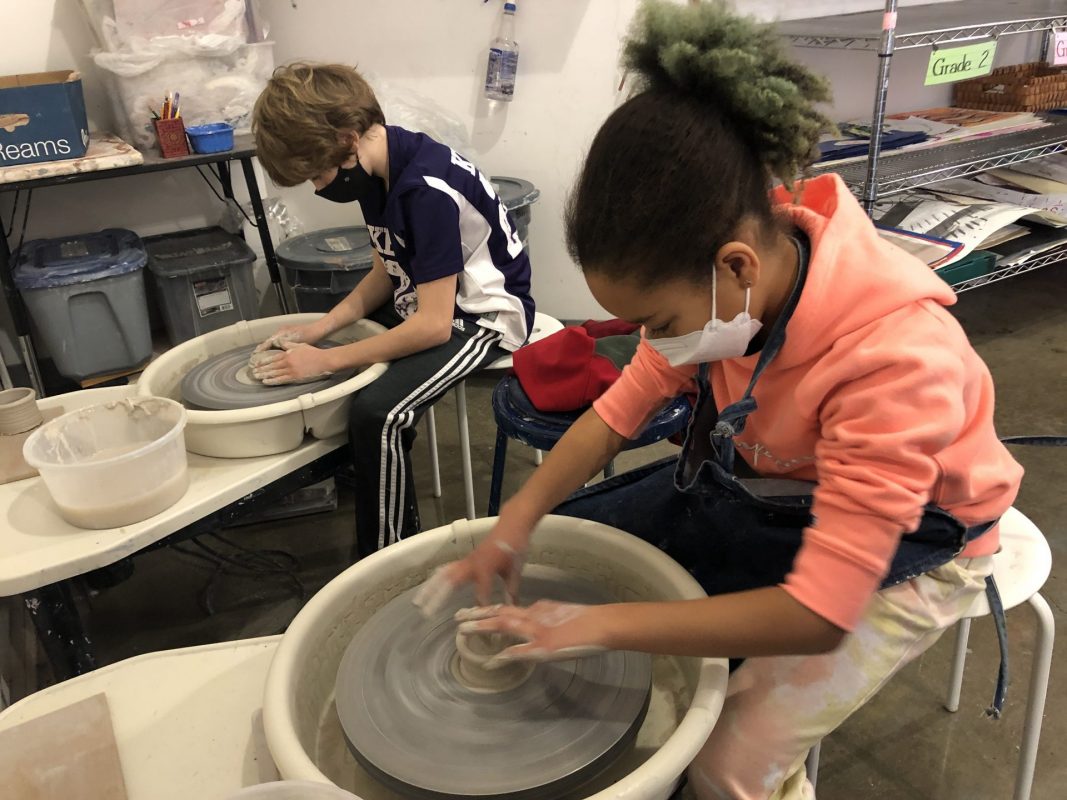
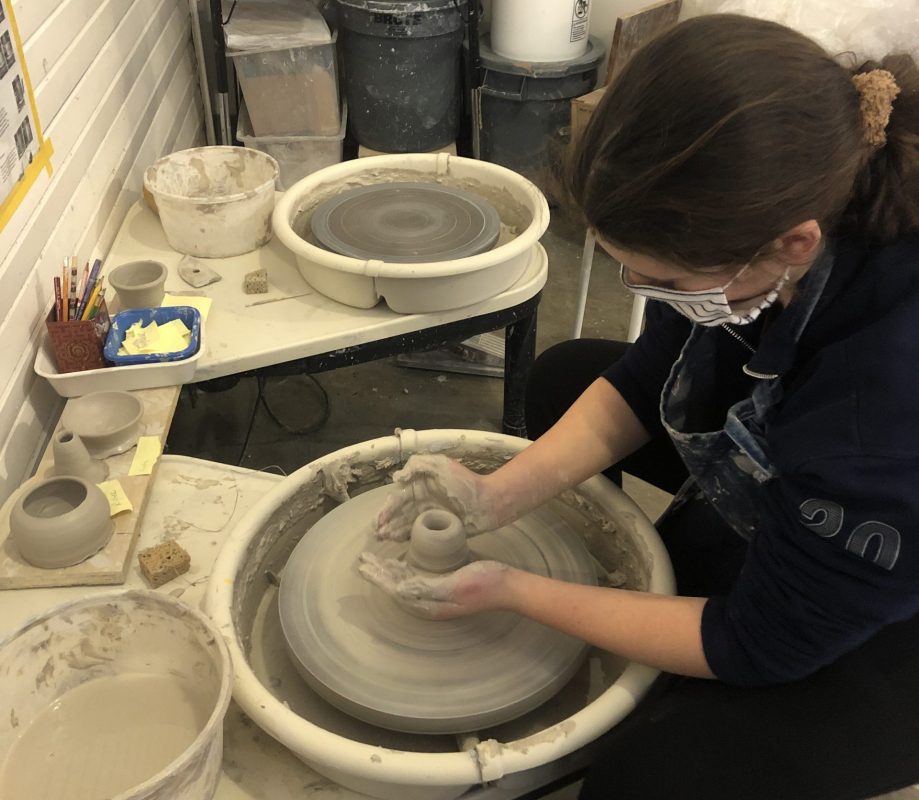
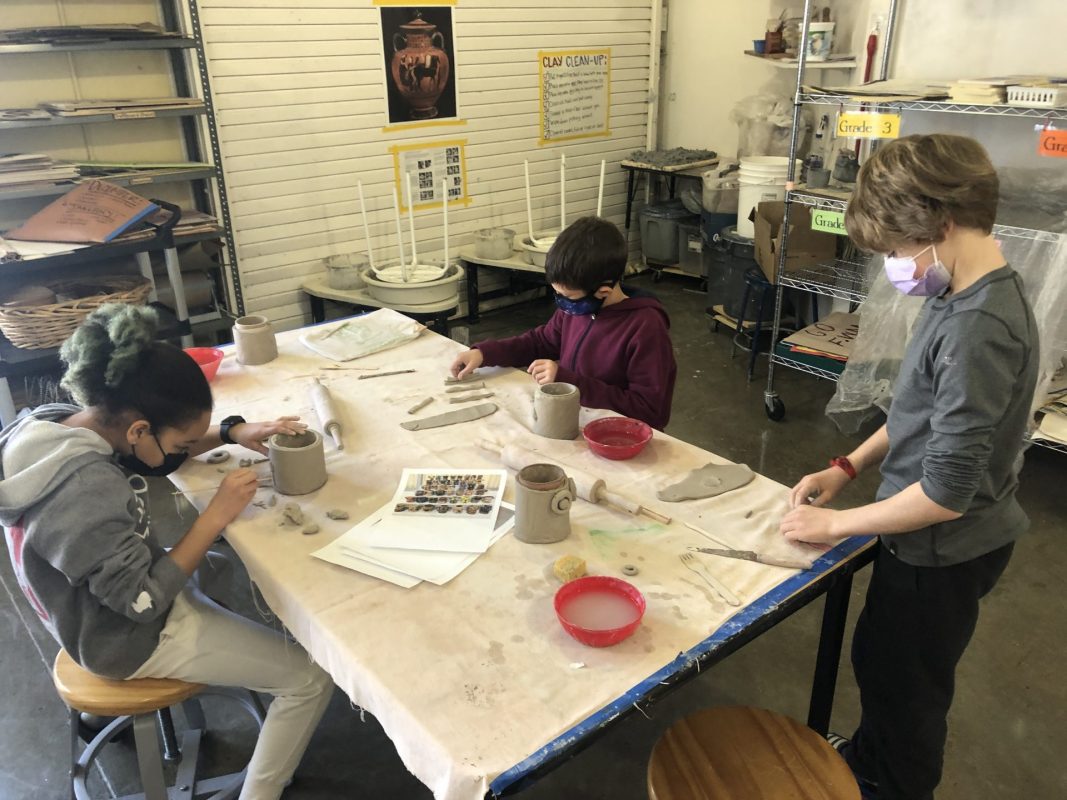
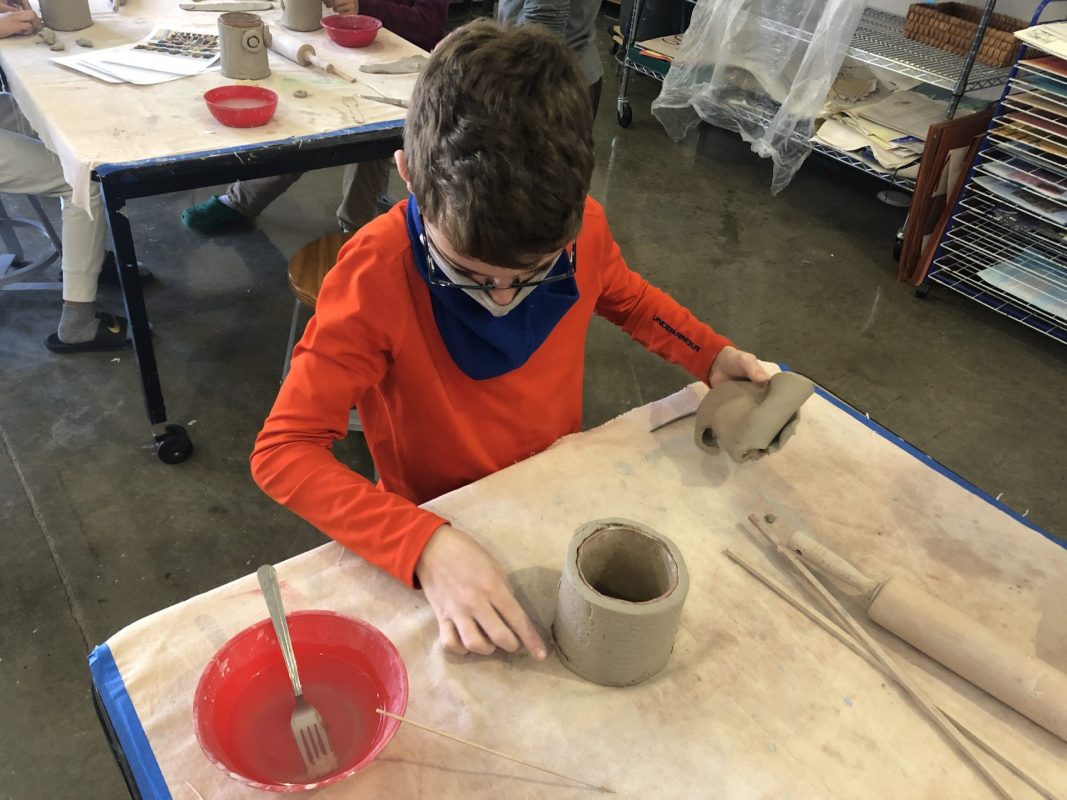
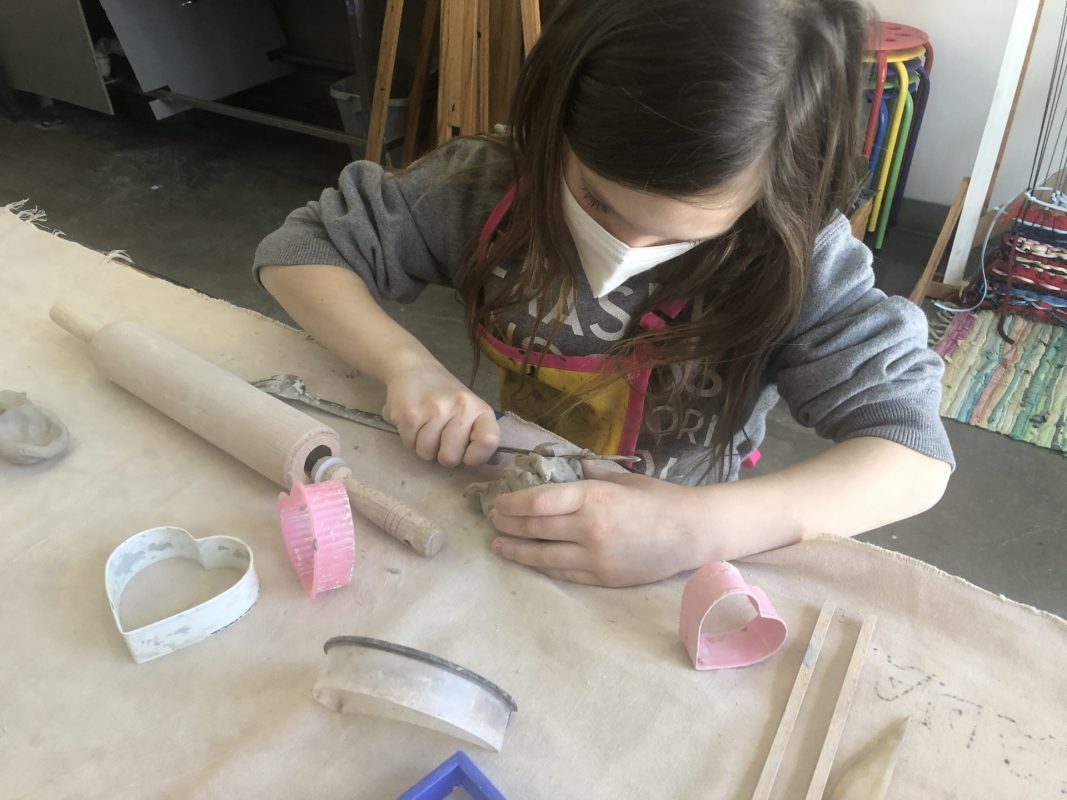
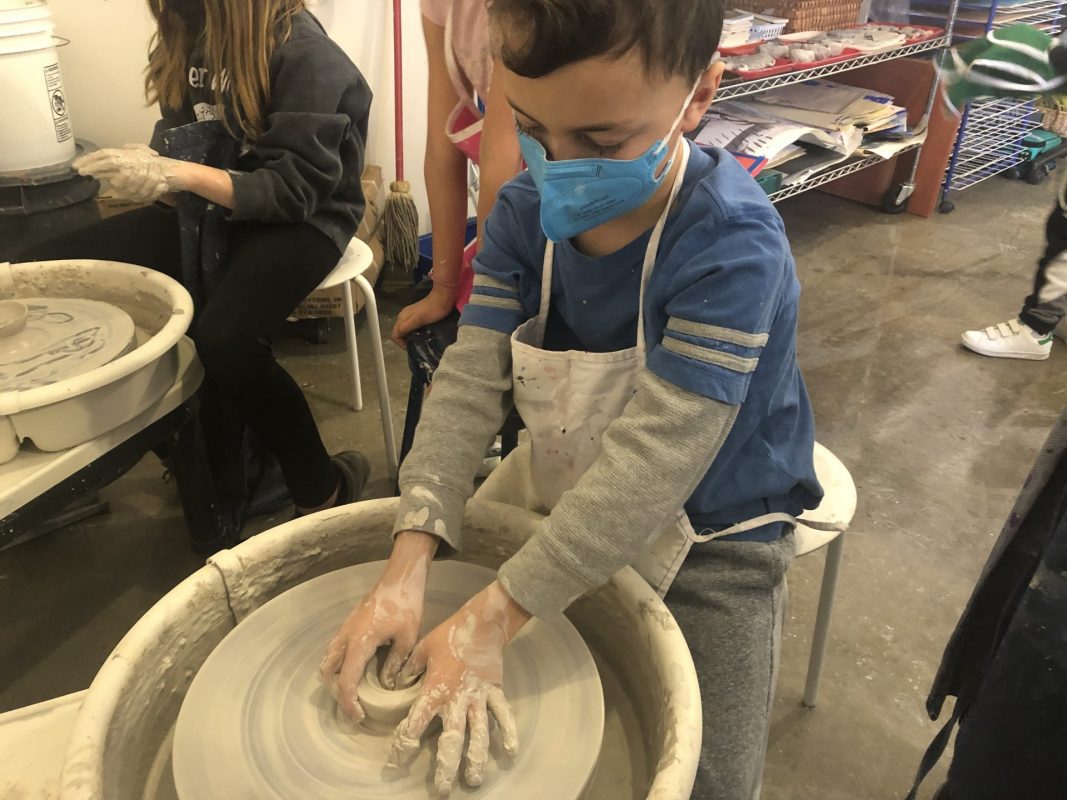
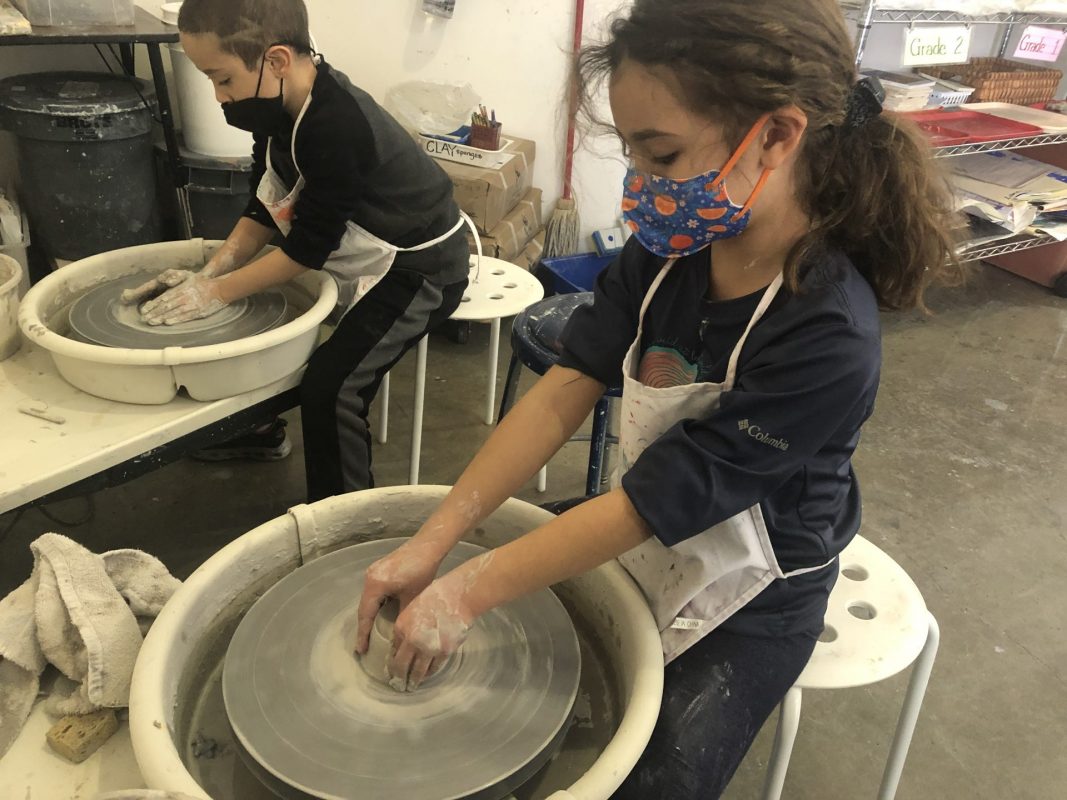
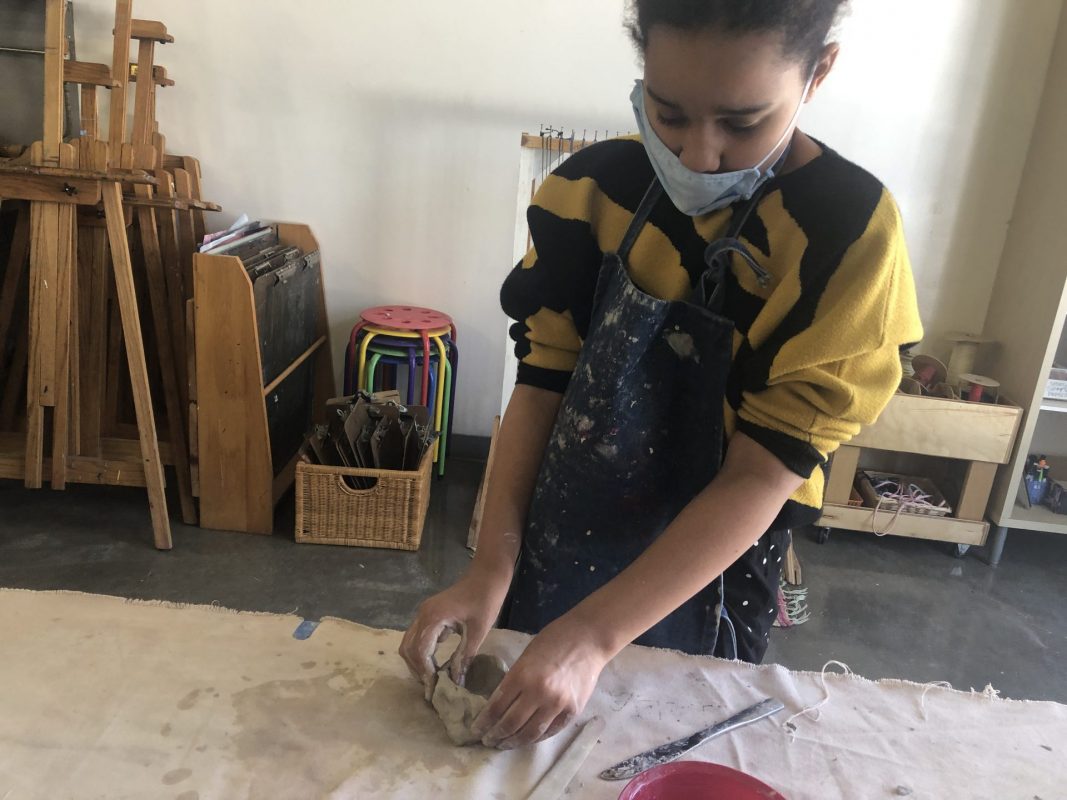
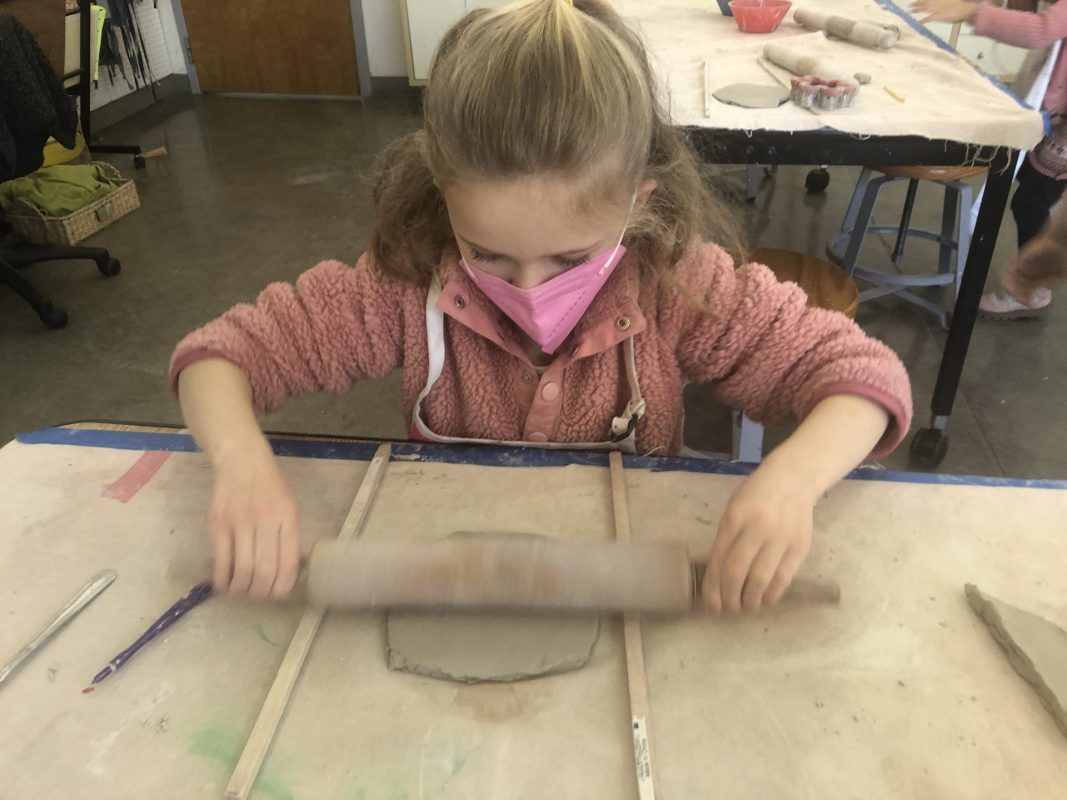
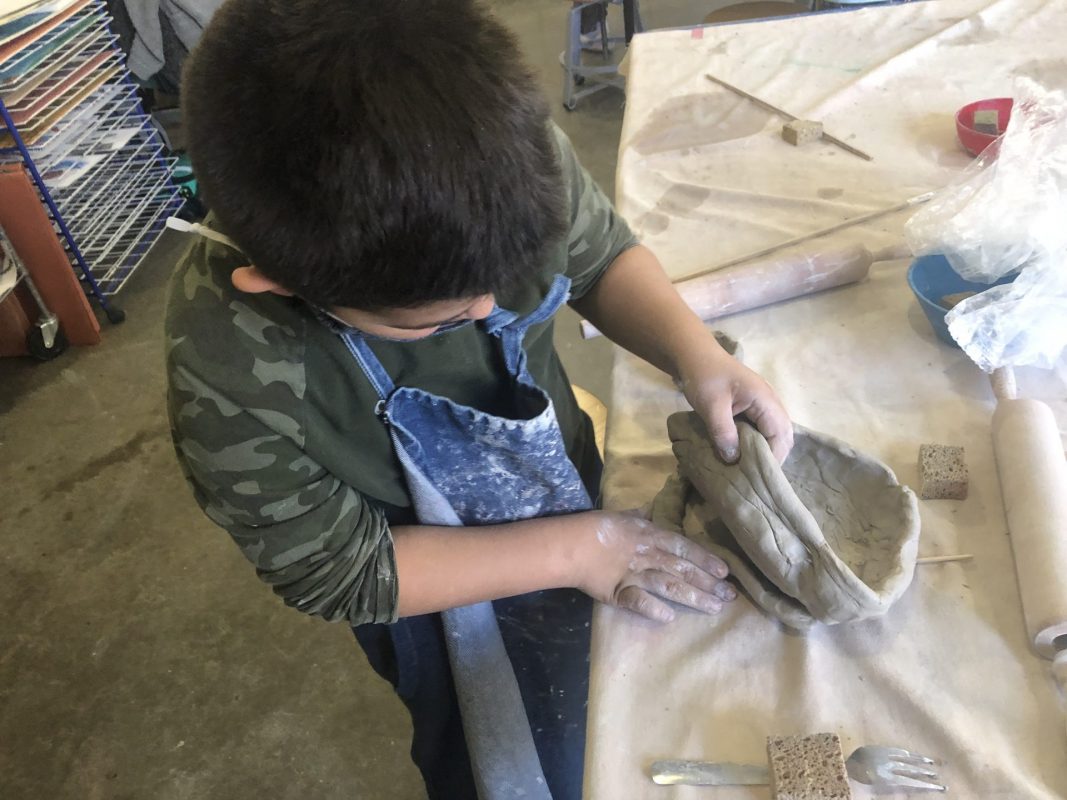
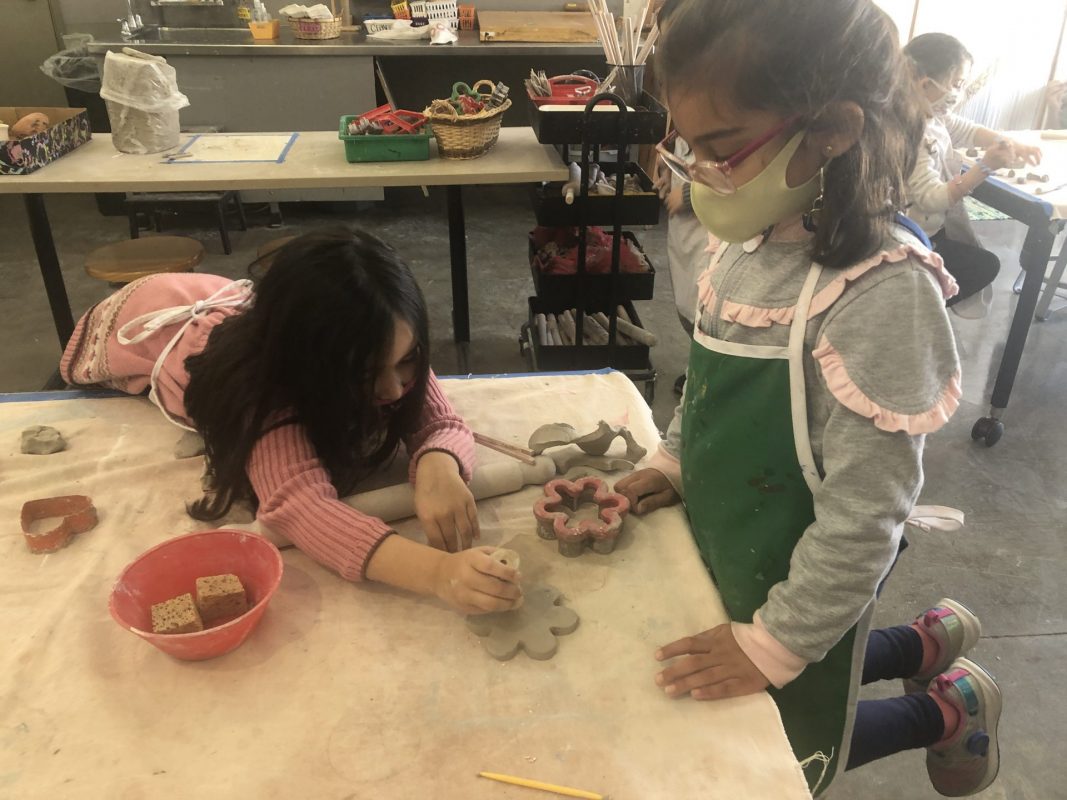
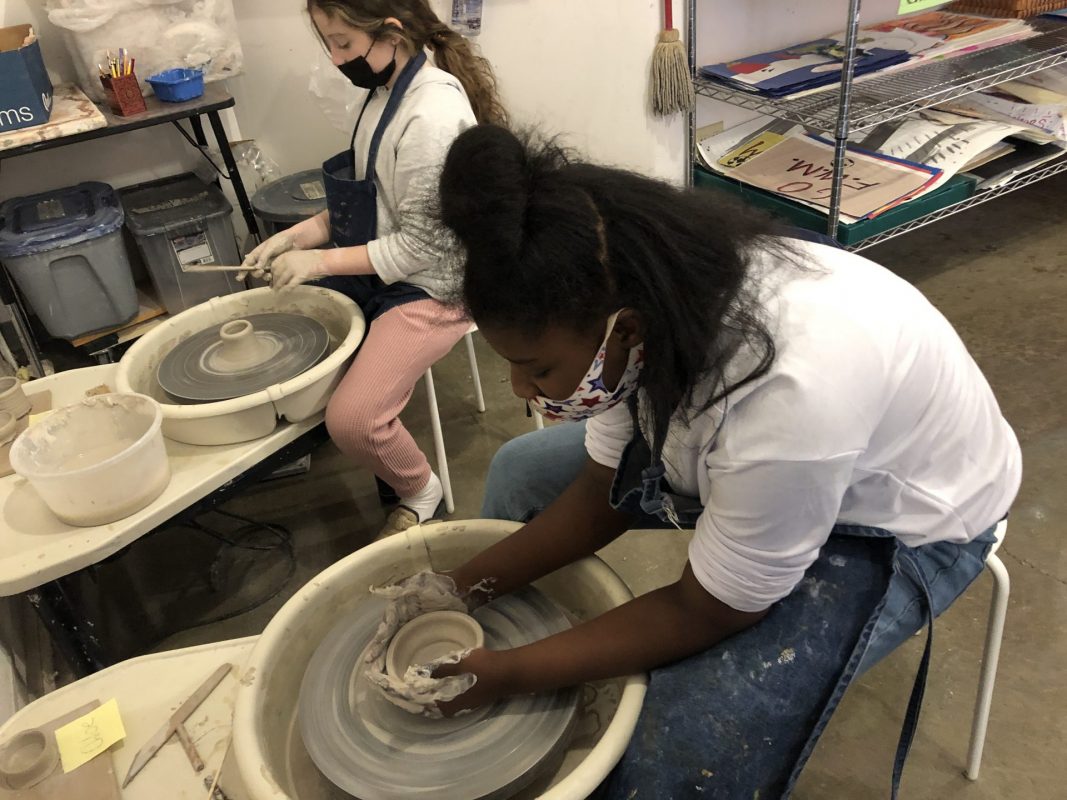
The Art Studio has been buzzing lately with lots of wonderful clay work from students Kindergarten through Middle School! Students have been exploring a range of clay processes and techniques such as coil building, slab rolling, pinching, and throwing on the pottery wheel.

Working with clay has many benefits for children of all ages. It is a complex sensory experience that encourages self-expression, helps promote self-confidence, and develops problem-solving and motor skills. Because clay is highly responsive to touch, children become engrossed in their work: they are able to express and articulate their ideas through shaping clay and learning to repair mistakes. Clay is different from other art mediums in that it requires an understanding of the three dimensional world. While working on their projects, students must move around to see their creation from all sides. From this, they begin to understand shape, form, and perspective, and gain knowledge of planning methods and problem solving as they map out their creation.

Students in each class have particularly enjoyed creating bowls, cups and vases on the pottery wheel. The first step is to center the clay on the wheel by applying water and pressure to the clay with our hands. Once the clay is centered, students then open it up and slowly form it into a bowl, cup, or vase. Working on the potter’s wheel is a physical activity that aligns with the Montessori philosophy of encouraging freedom within limits: children focus on specific forming techniques and hand positioning, while being free to move the clay into a desired shape. Each step of the wheel throwing process engages both the body and the mind.


Mrs. Hood: The Process of Normalization

In Montessori education, the term “normalization” has a specialized meaning. “Normal” does not refer to what is considered to be “typical” or “average” or even “usual.” “Normalization” does not refer to a process of being forced to conform. Instead, Maria Montessori used the terms “normal” and “normalization” to describe a unique process she observed in child development.

Dr. Montessori observed that when children are allowed freedom in an environment suited to their needs, they blossom. After a period of intense concentration, working with materials that fully engage their interest, children appear to be refreshed and content. Through continued concentrated work of their own choice, children grow in inner discipline and peace. She called this process “normalization” and cited it as “the most important single result of our whole work (The Absorbent Mind, 1949).”

The children in our environment are on a great path to “normalization.” Every morning we get to see its signs! We also watch with joy how children have internalized the routines, and transitions are more peaceful! They recognize their friends and feel comfortable sharing and working together. Deep friendships are developing, and expressions of love and care for each other are more evident.

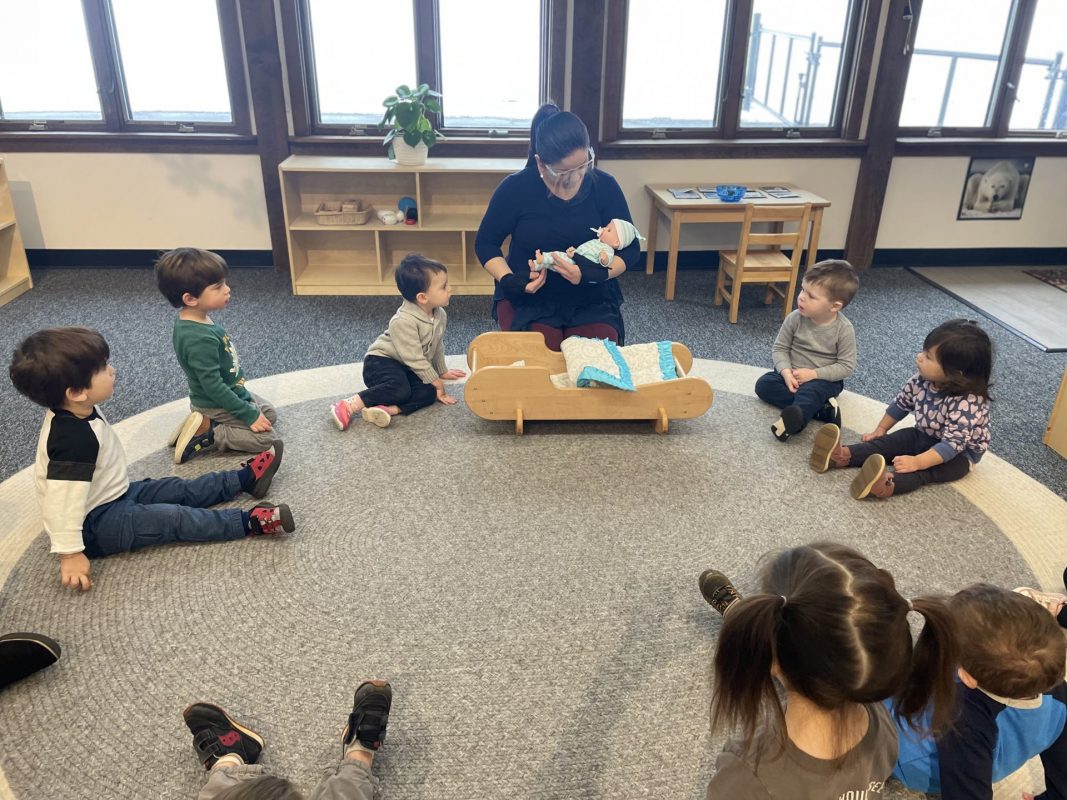
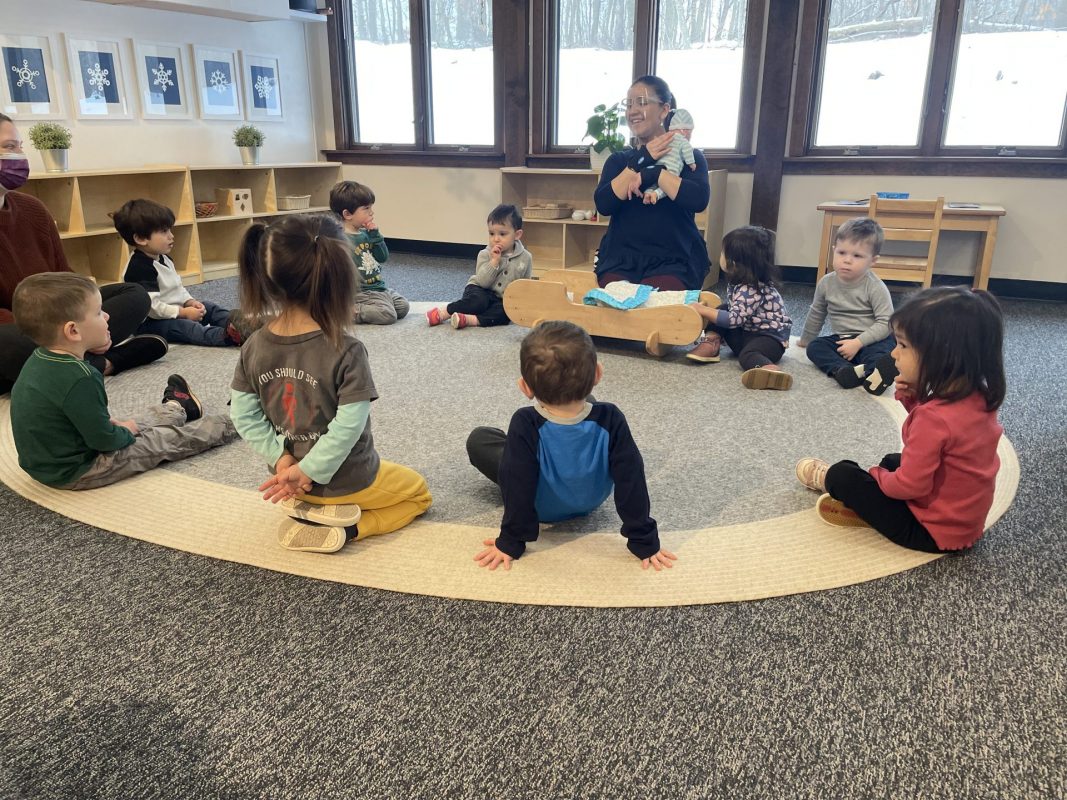
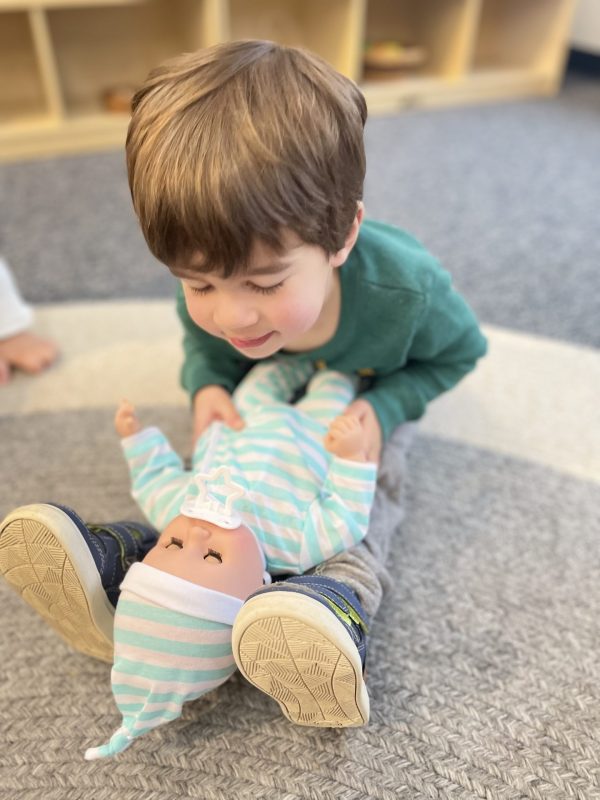
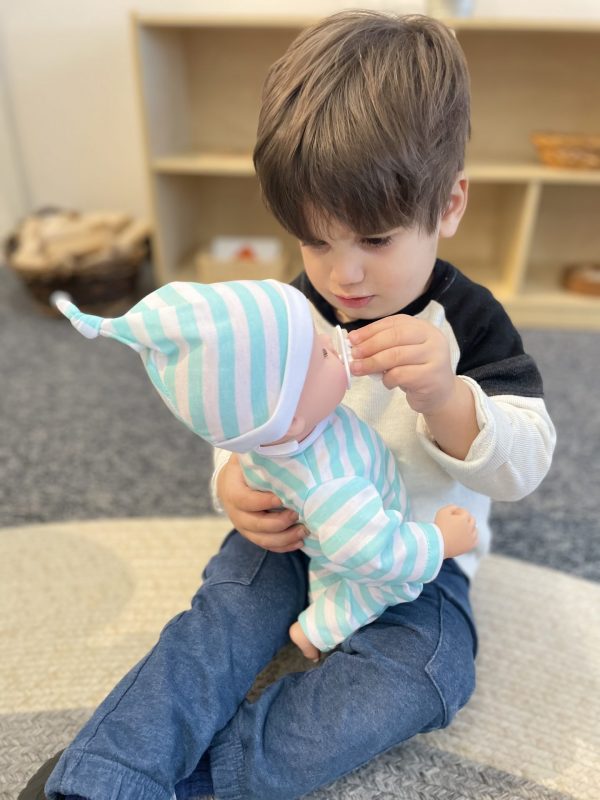
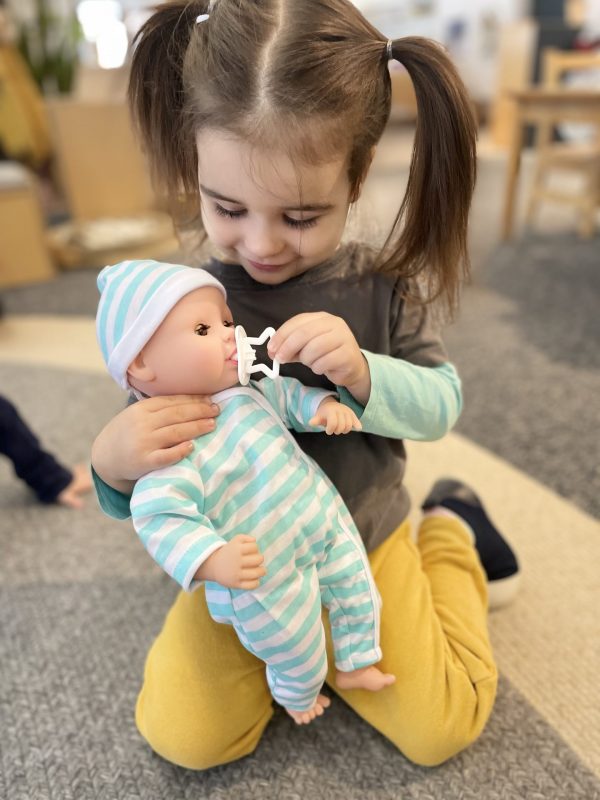
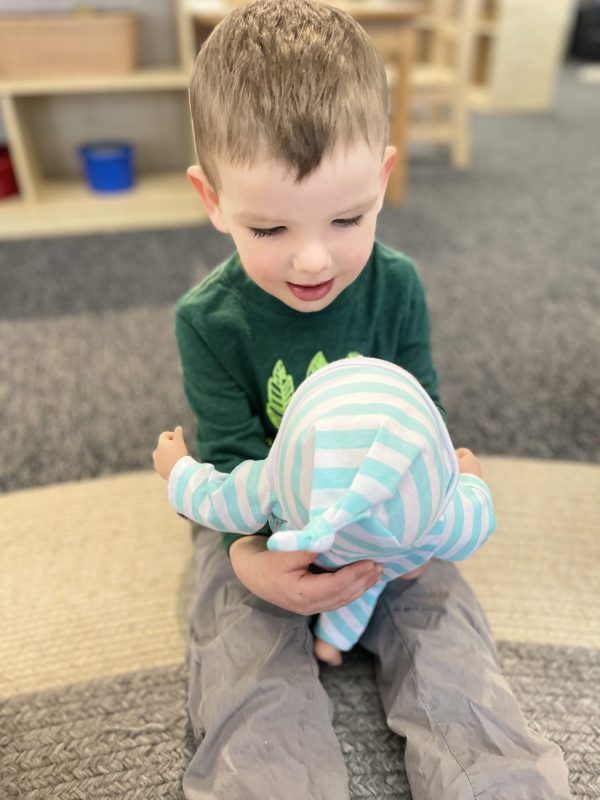
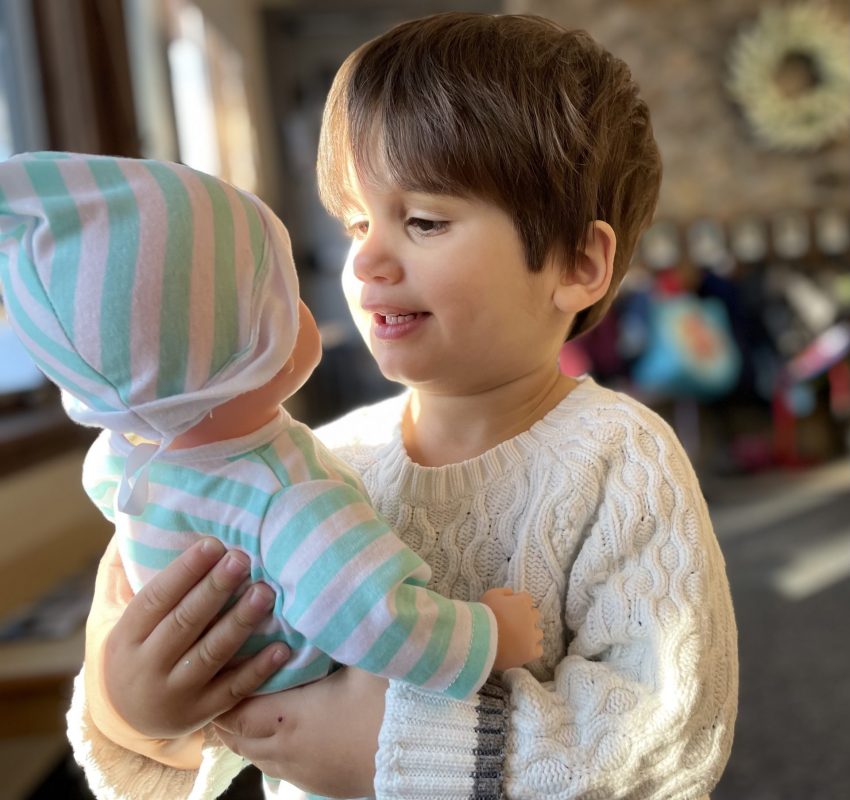
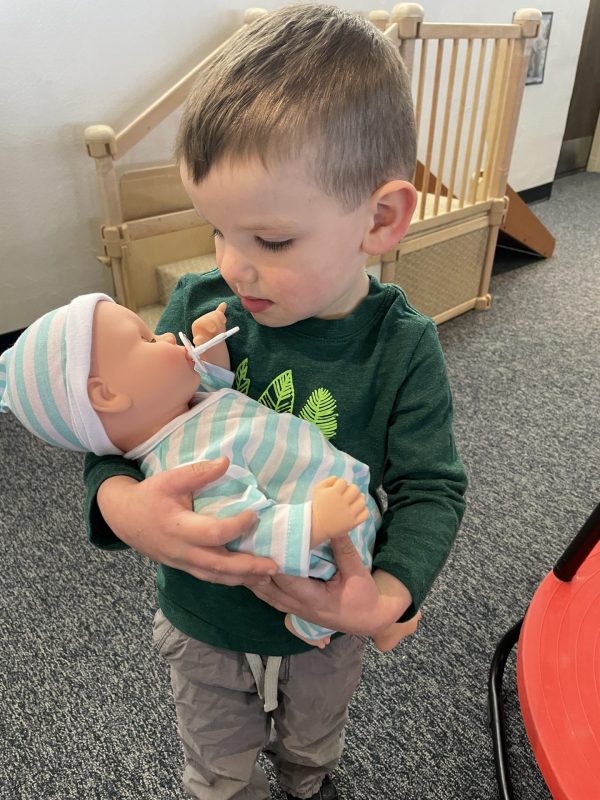
On another note, we introduced a beloved work by all the children: a baby doll. His name is Juanito.  Through this work children practice grace and courtesy, gentleness, and a lot of patience since everybody wants to take care of the baby. Children enjoyed this work so much! Some of them cuddled Juanito with such care, others explored his body parts using it as an enrichment of vocabulary work. The fact that the baby can open and shut his eyes was a point of interest for many of the children. They worked together to make sure Juanito felt loved. They read, sang and kissed him. They walked him around and showed him the environment. He was even shown how to dance to “We Are the Dinosaurs” during our dancing time. Juanito is a busy baby! 

Another highlight is that the big easel is now in the environment and children have had a good time painting freely while working their hand-eye coordination, fine/gross motor control and creative independence! 

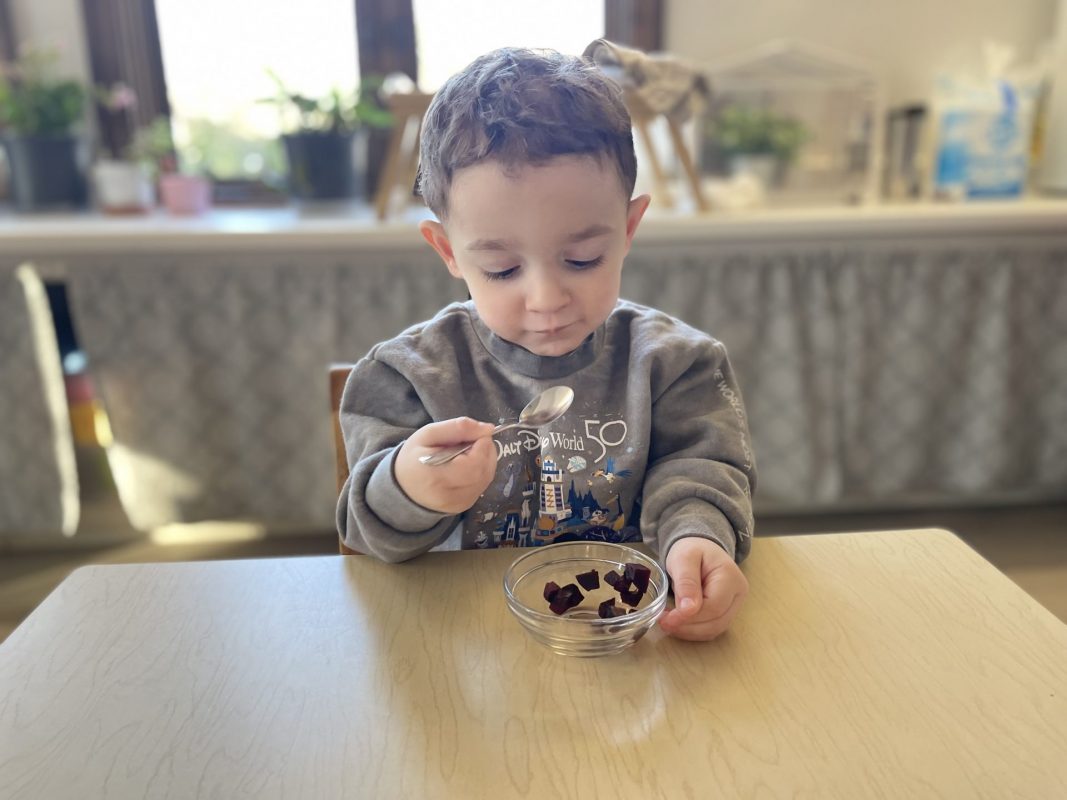
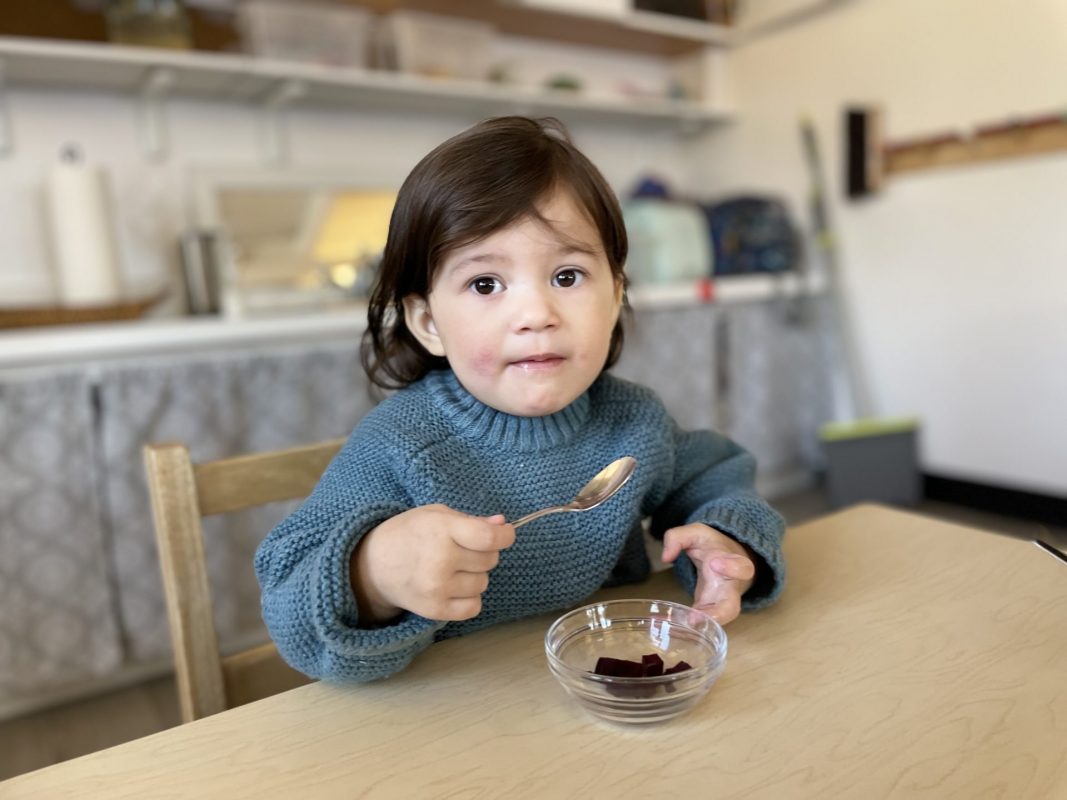
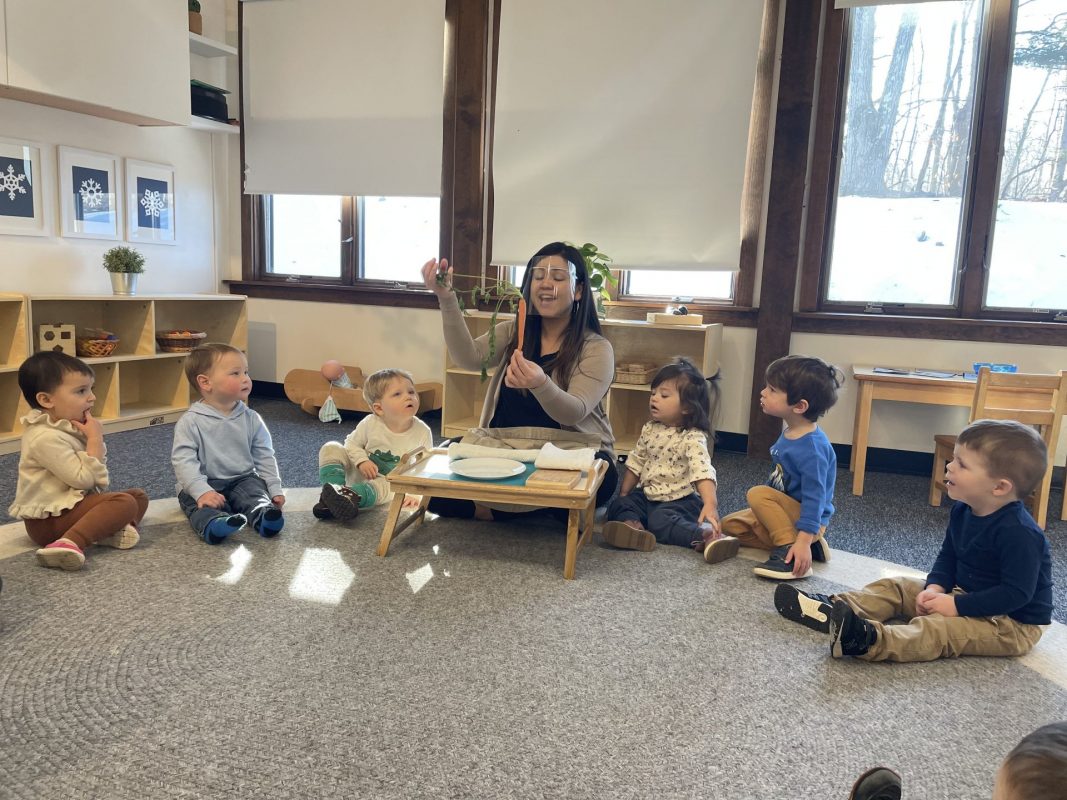
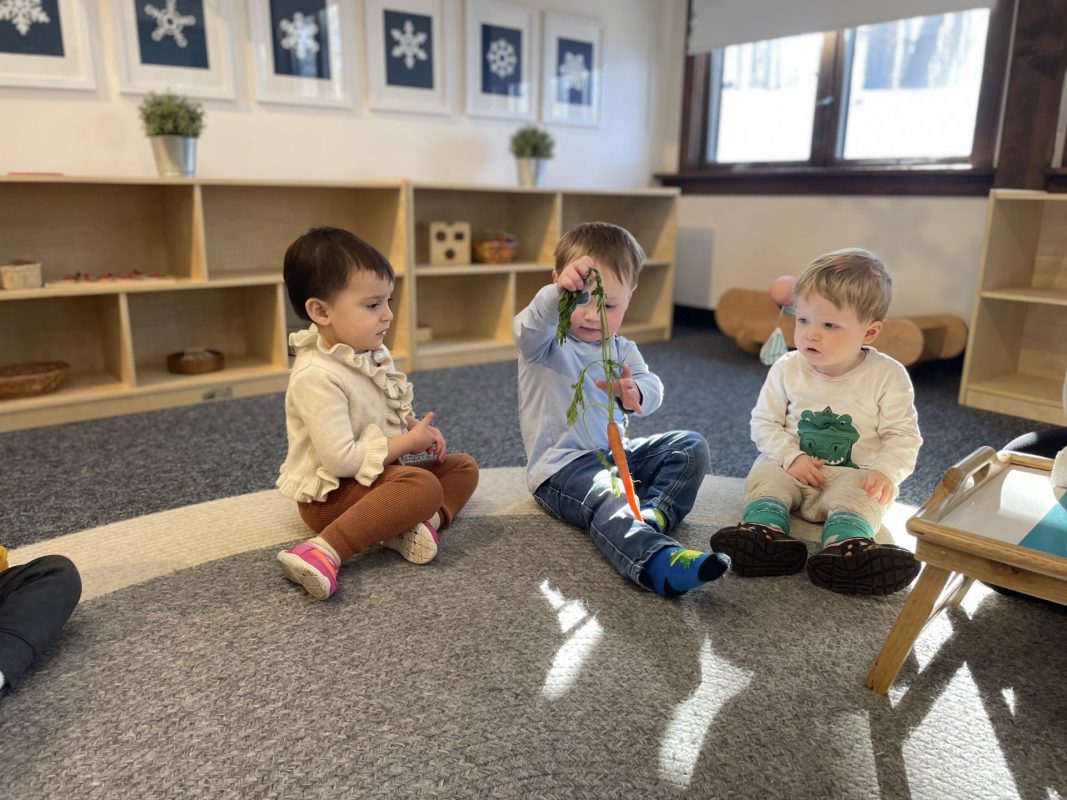
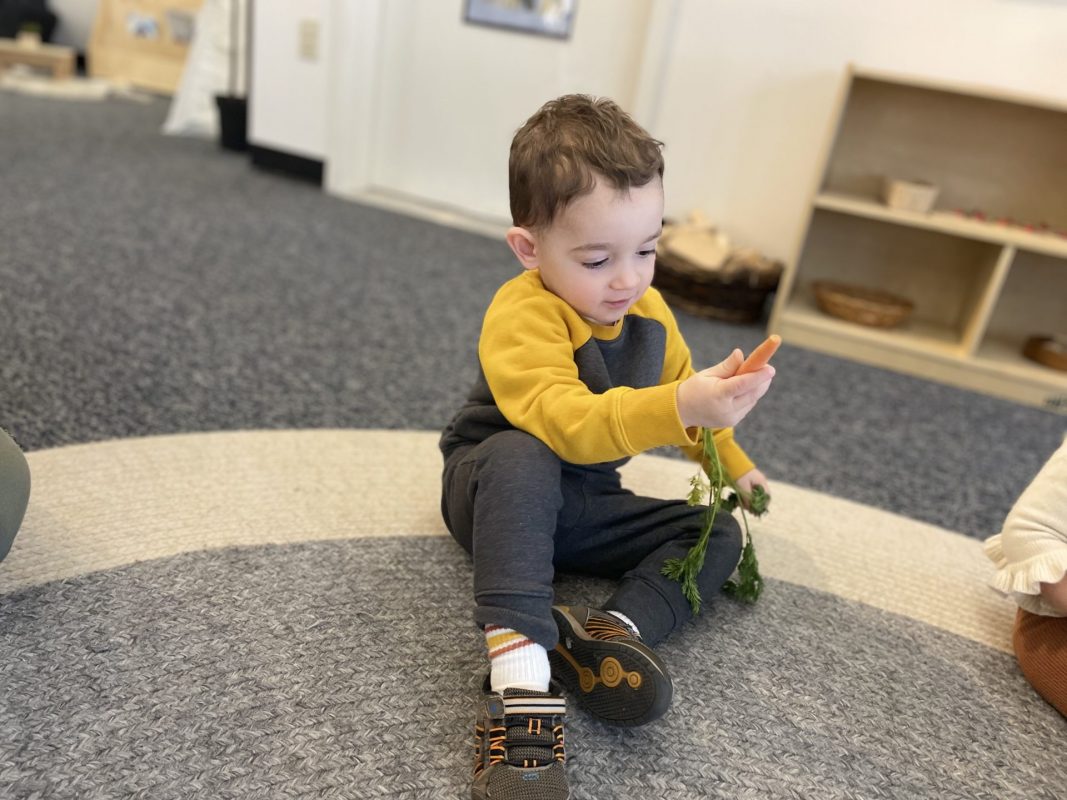
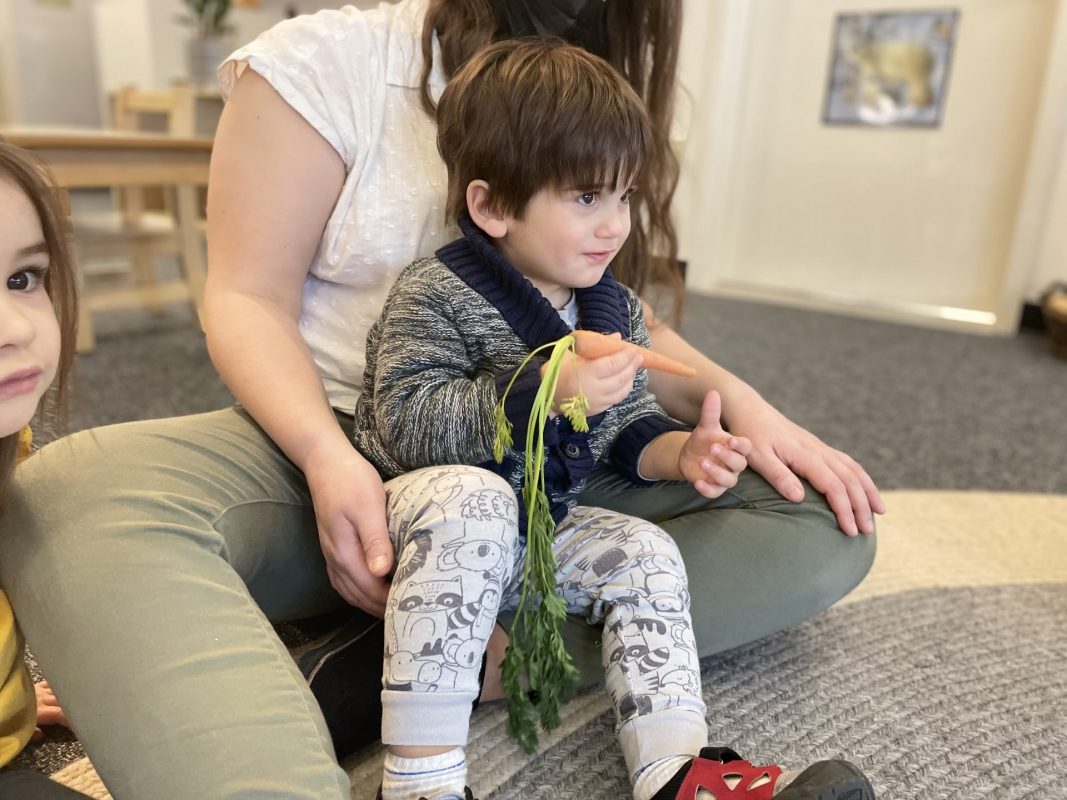
This week we explored two vegetables in our food tasting lesson: Beets and Carrots! With both, children were surprised about how long their stems and leaves were and how these vegetables grow underground! 

It was indeed a fun and busy week and that’s how we love it over here! 

Mrs. Hood and Ms. Maria 


Upper El: Hard Work and Good Fun

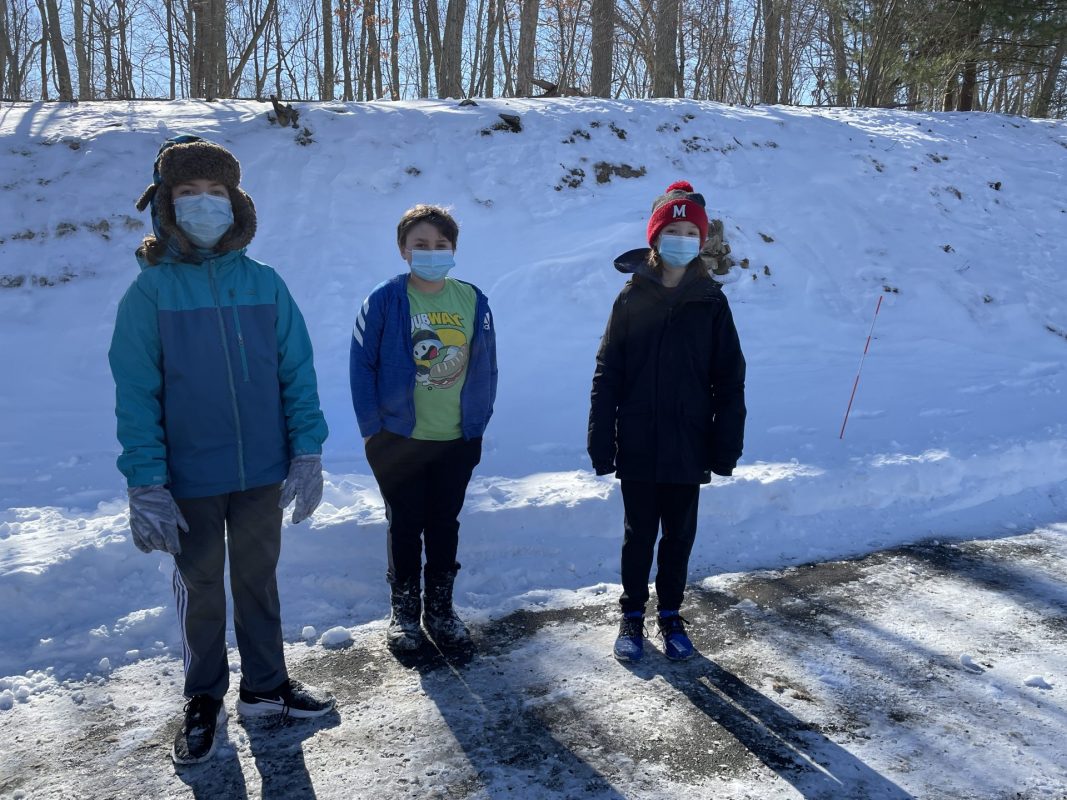
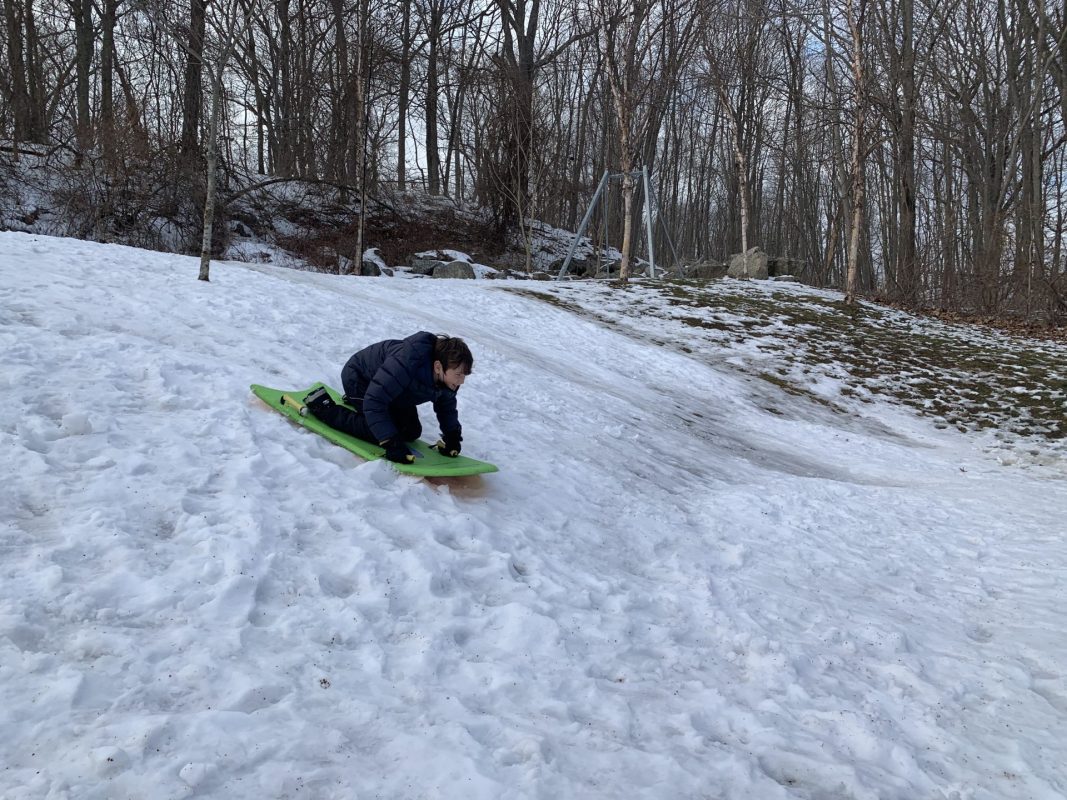
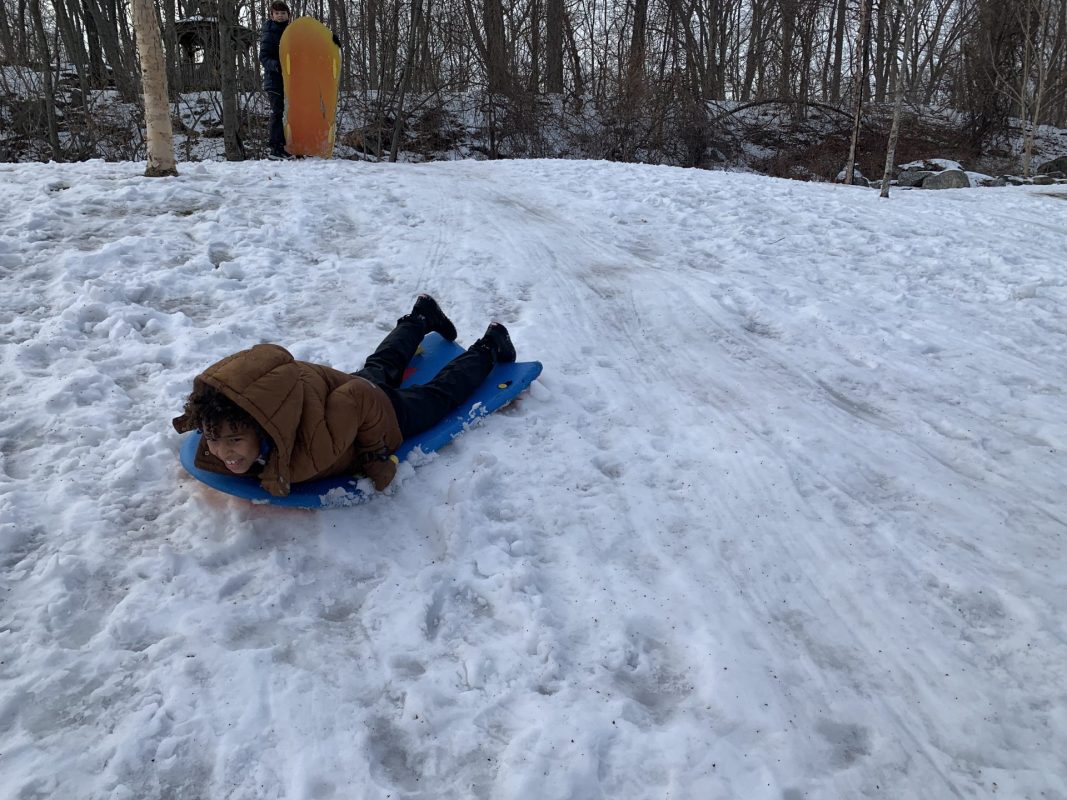
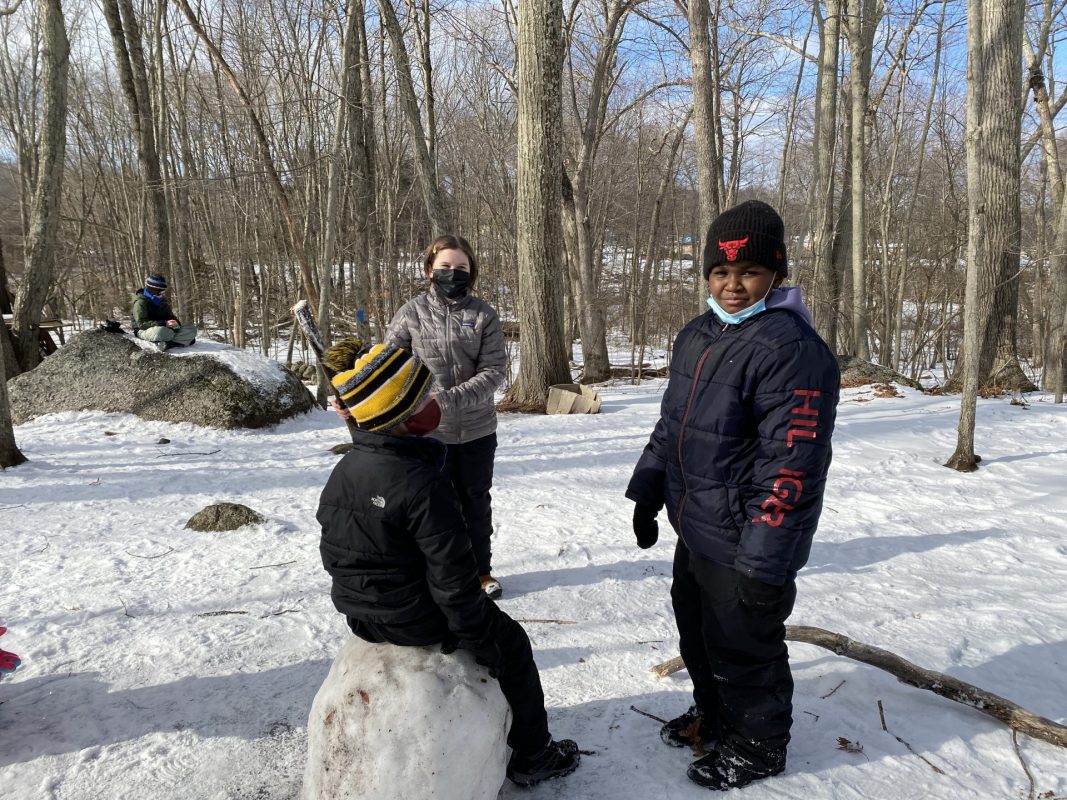
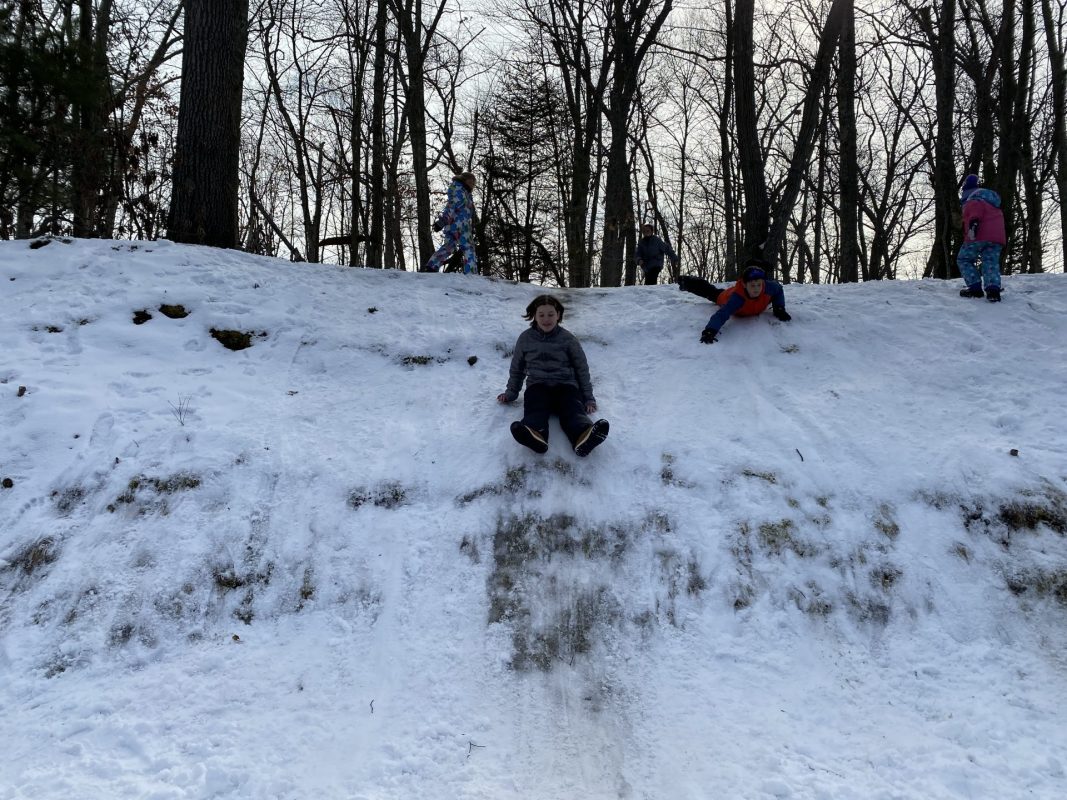
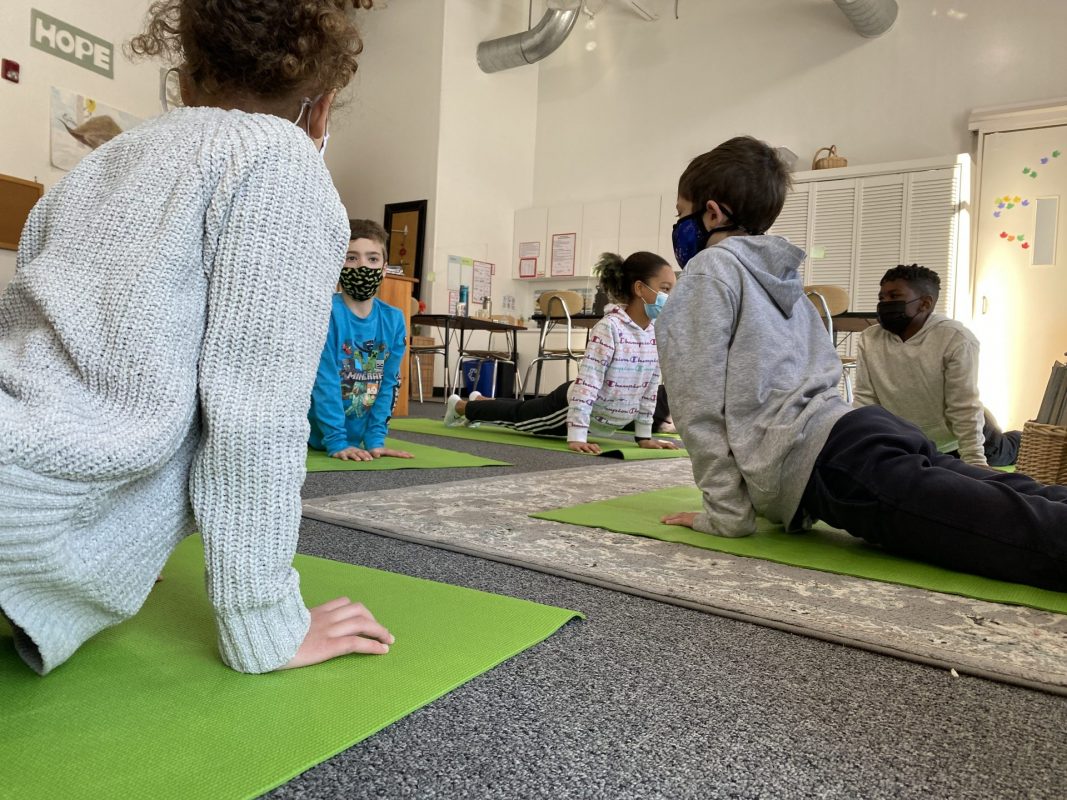
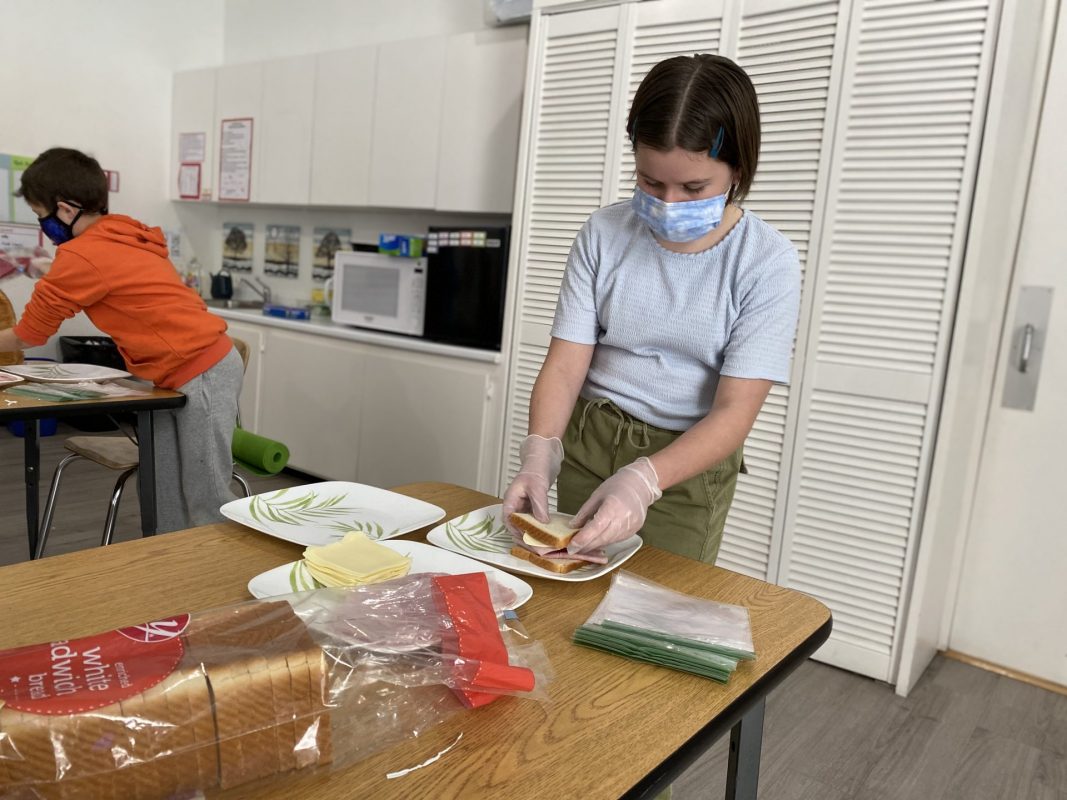
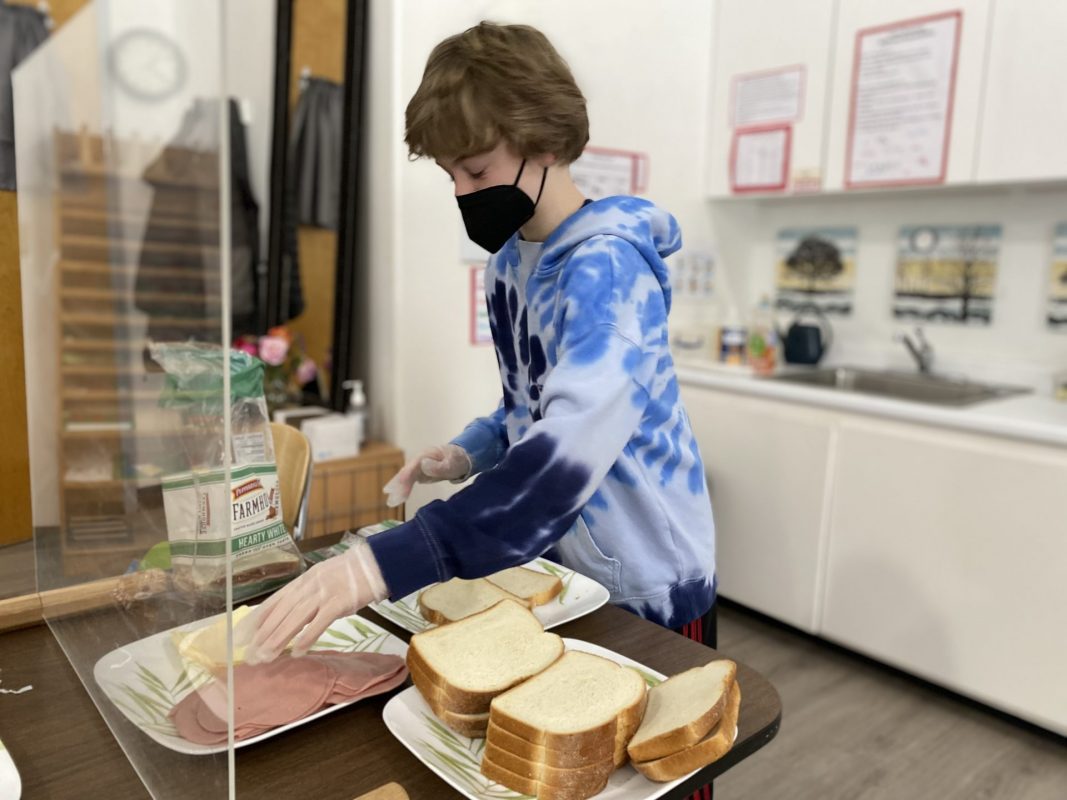
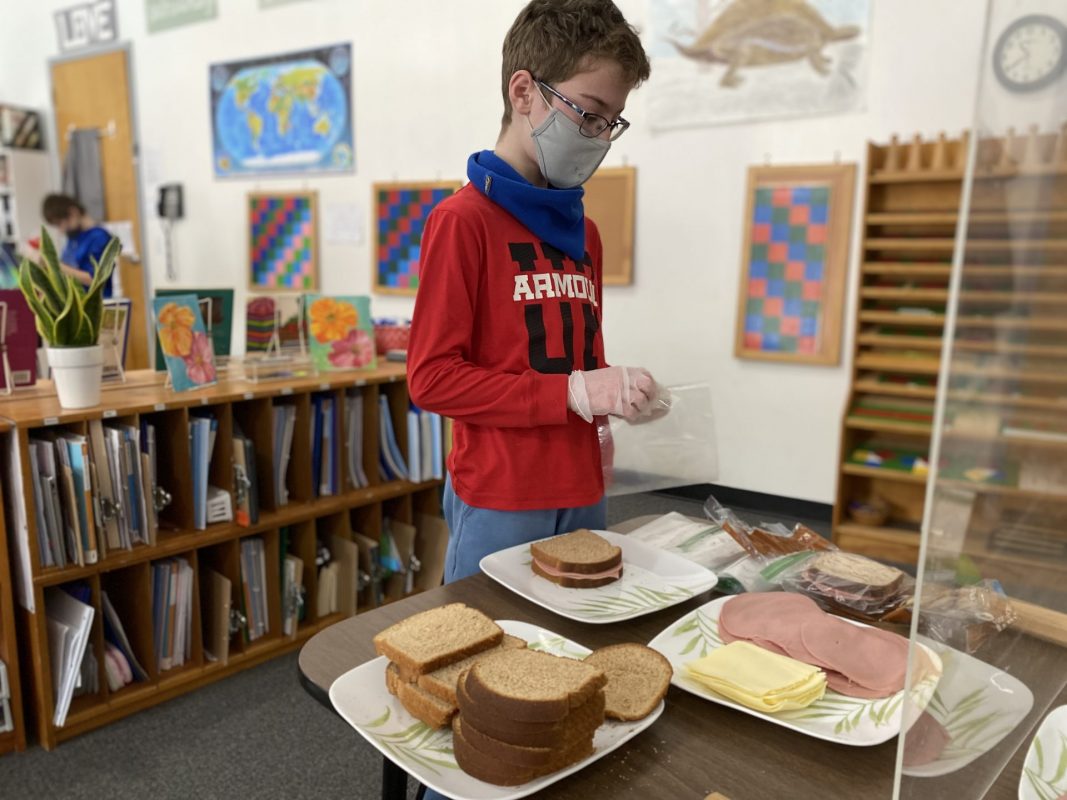
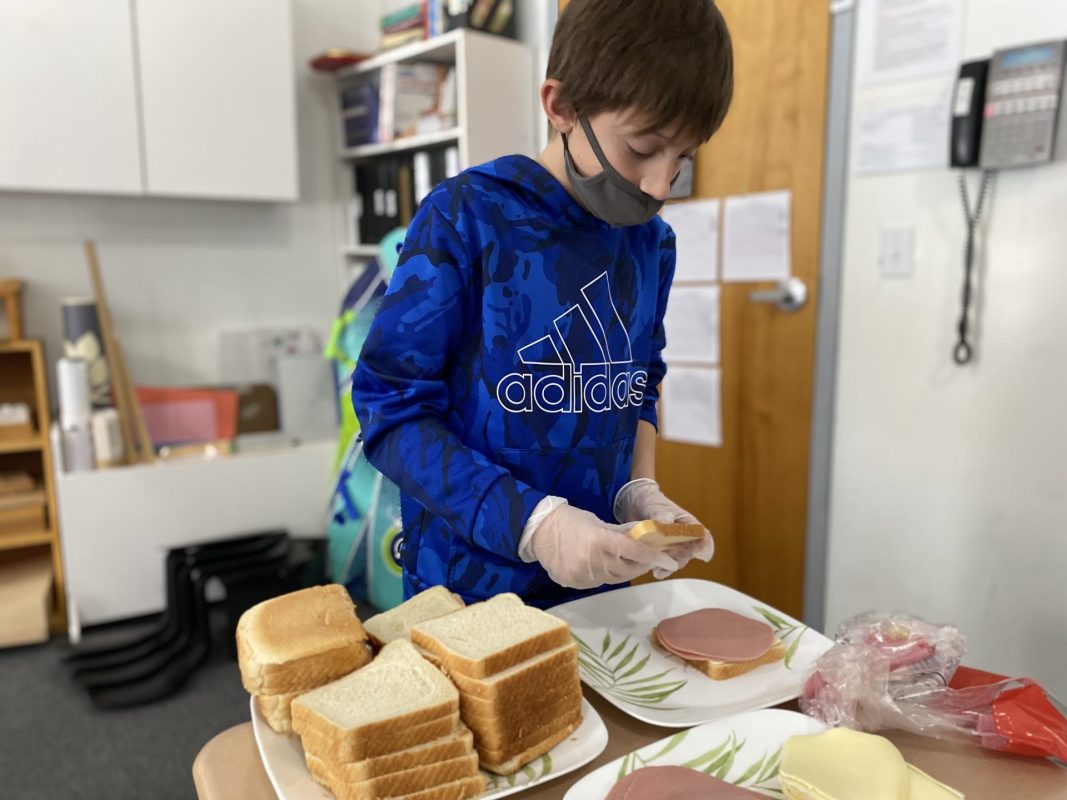
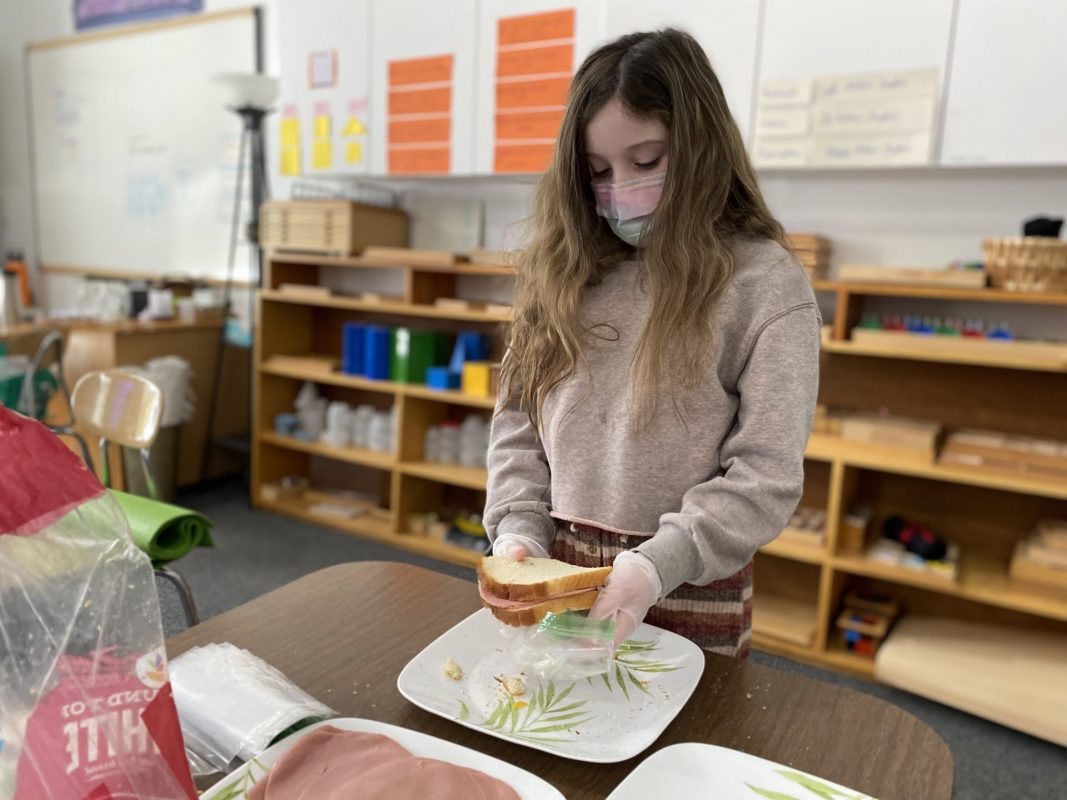
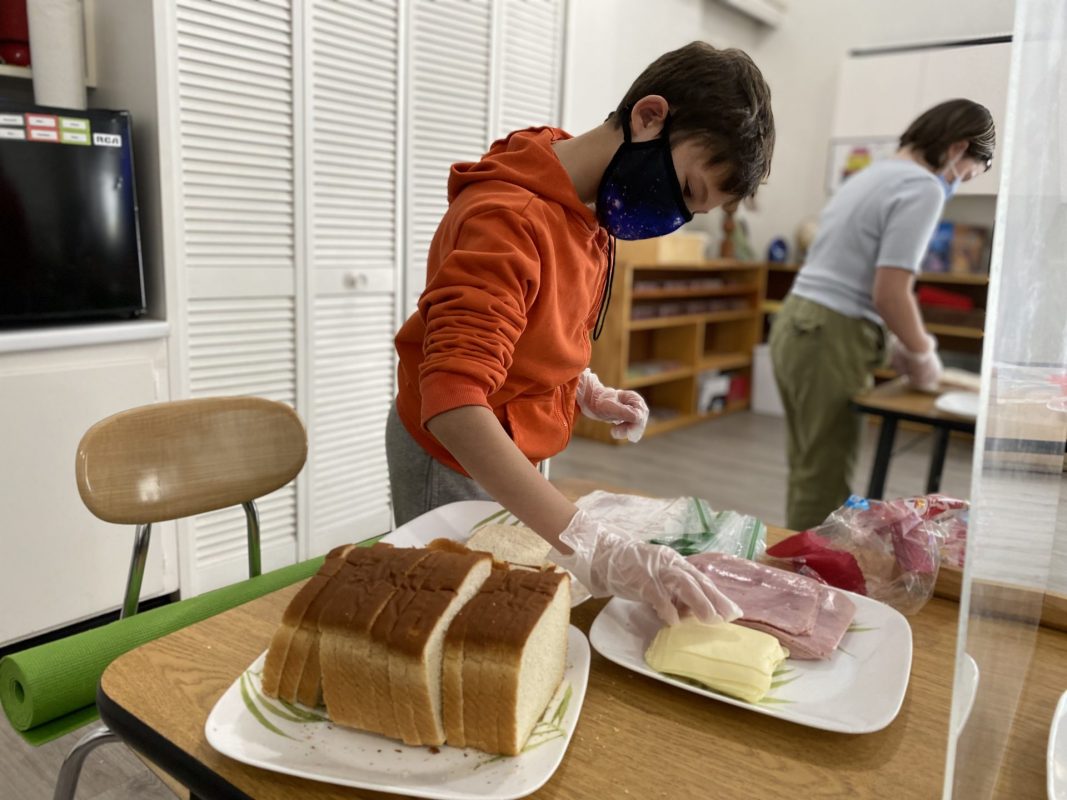
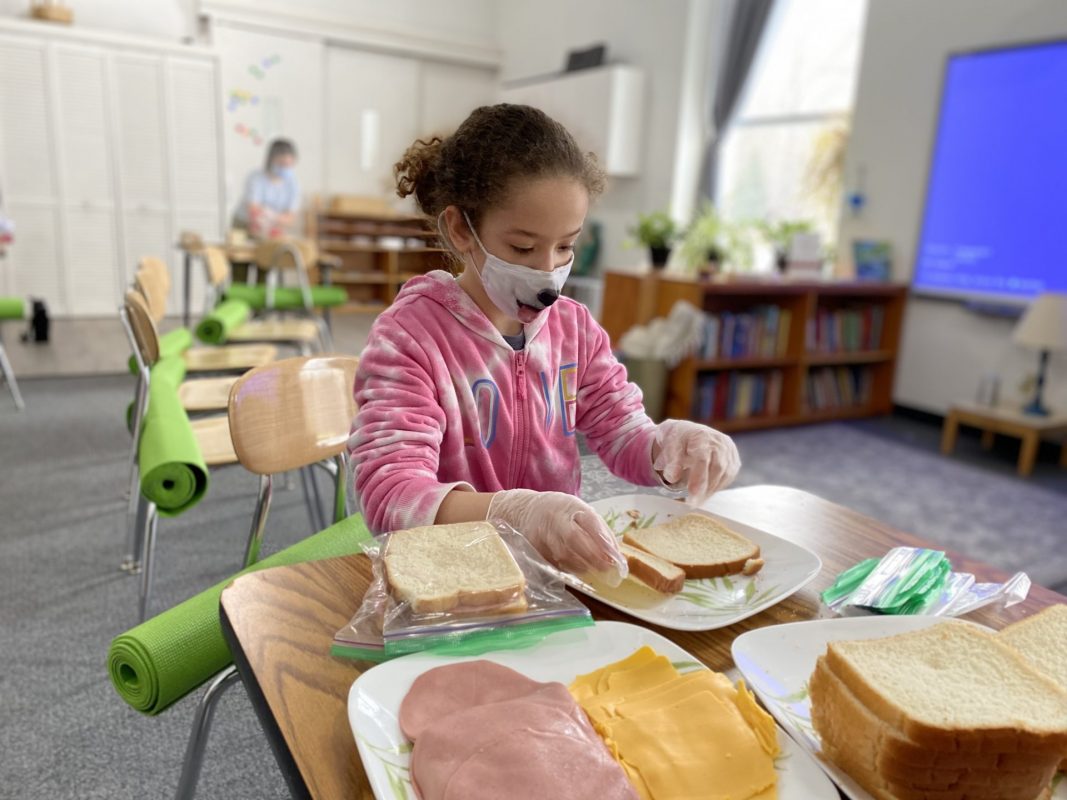
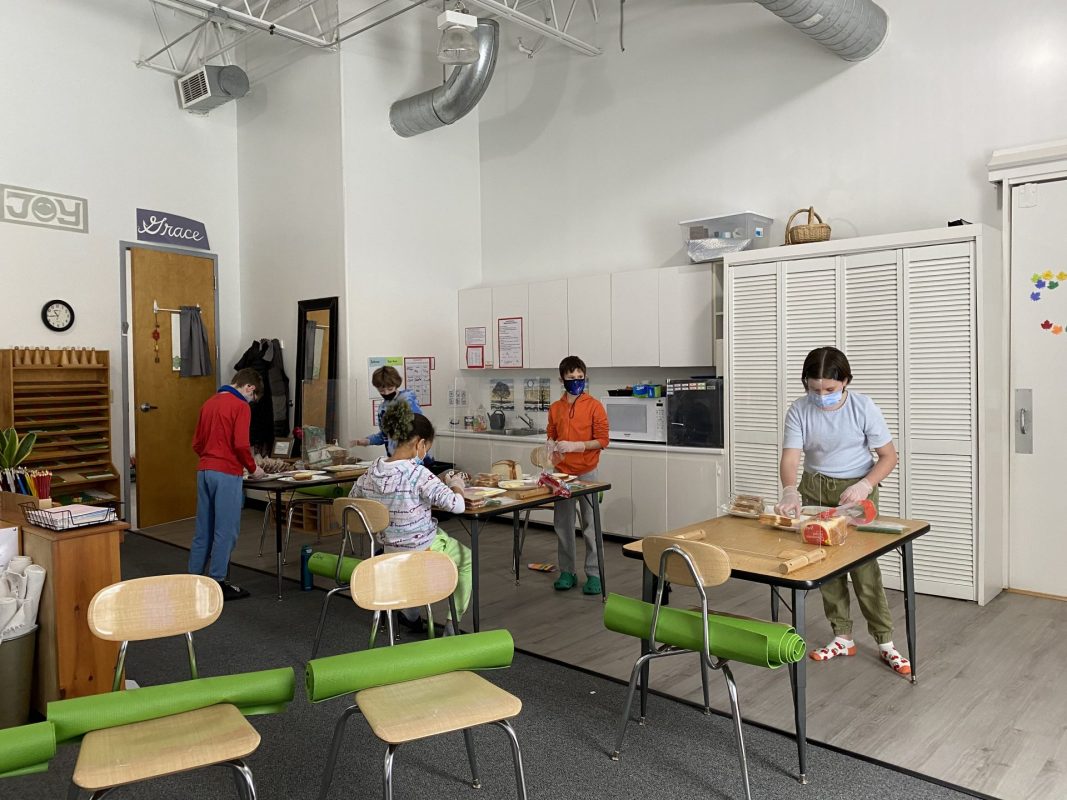
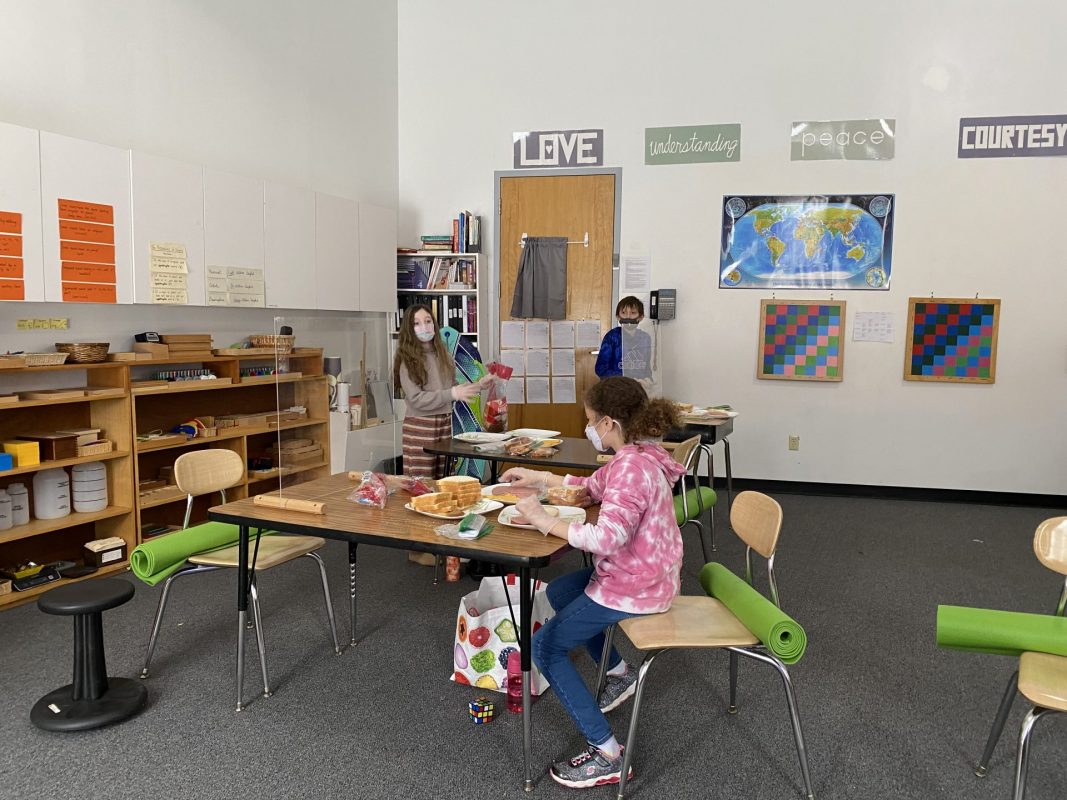
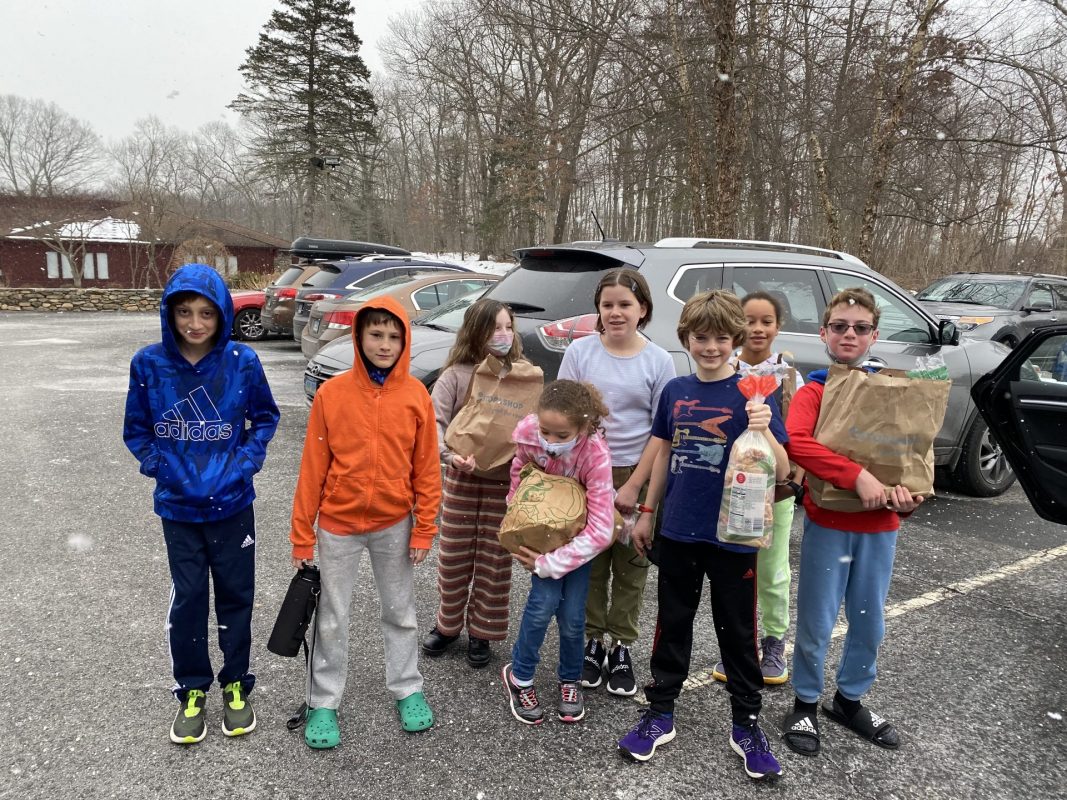
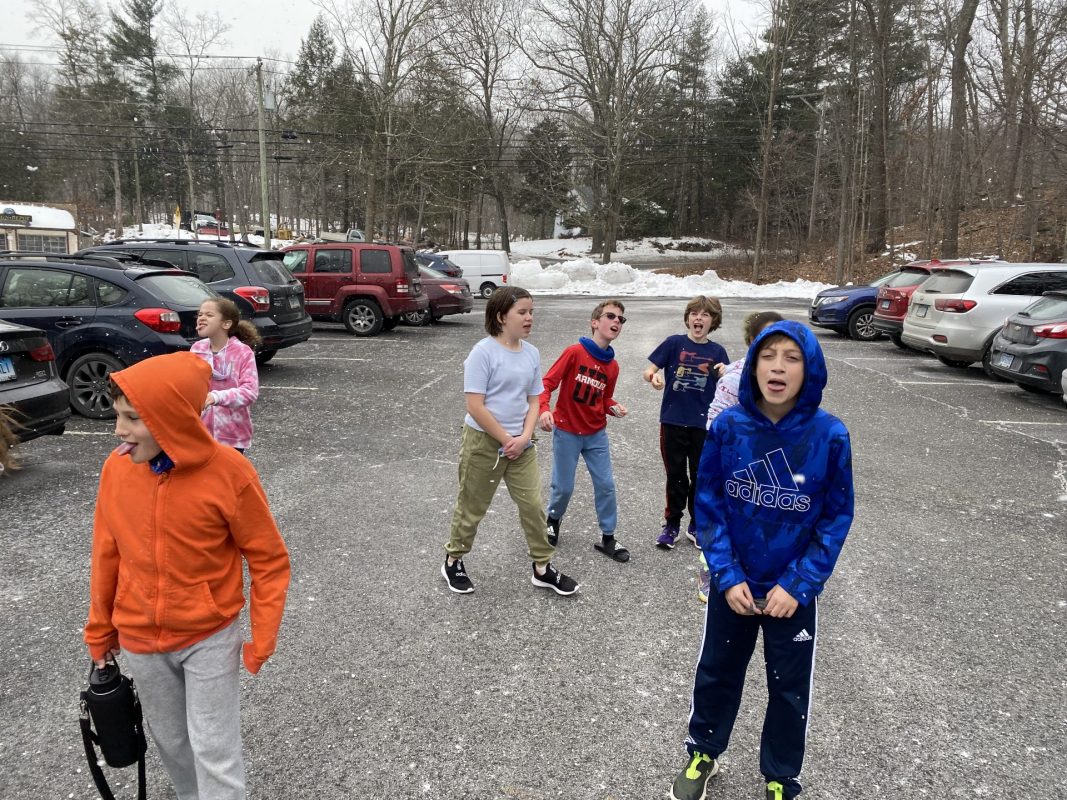
We had a very full week in Upper Elementary. Our mornings – after yoga, tea, and our chapter book read aloud – were spent taking the ERB standardized test. Although test taking is something our Upper El students do only once a year, they handled it like pros. They stayed positive throughout the entire process and embraced the change in routine like the incredible students that they are. In between test taking sessions we enjoyed our time with each other, outdoors playing in the snow or indoors engaged in a Connect Four tournament. On Tuesday we invited the Lower El students to play with us outdoors at recess and the larger group had a great time sliding down the hill together. We wrapped up our week by giving to others as we made over 125 sandwiches for St. Vincent DePaul Mission in Waterbury. Thank you for your donations of our sandwich making ingredients!

I hope you stay warm and cozy this weekend and enjoy the snowstorm!

Karen