Blog

Mrs. Doyle: It All Adds Up With Montessori Math!

“Children display a universal love of mathematics, which is par excellence the science of precision, order, and intelligence.”~ Dr. Maria Montessori

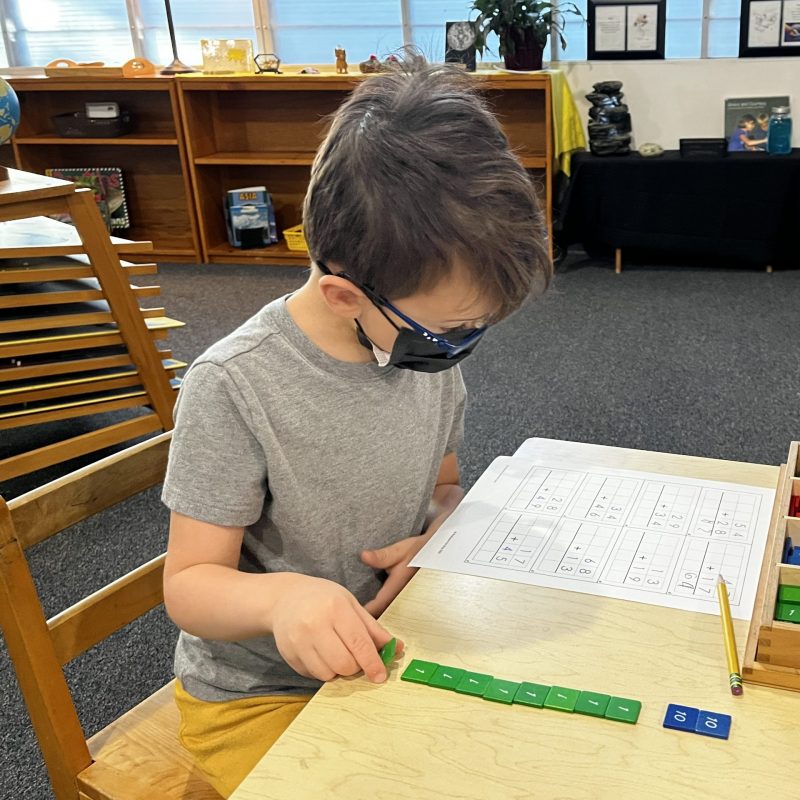
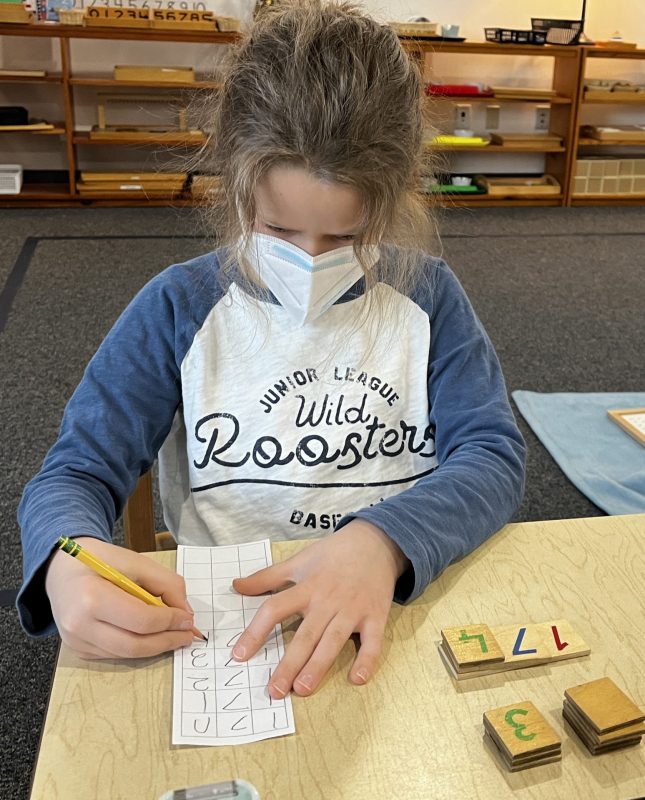
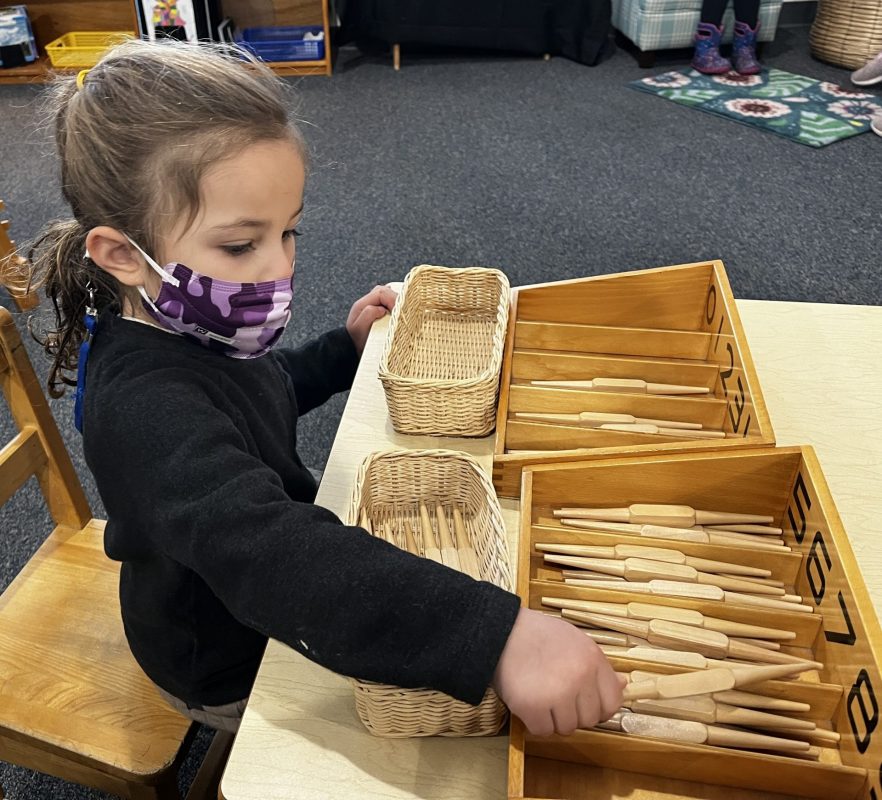
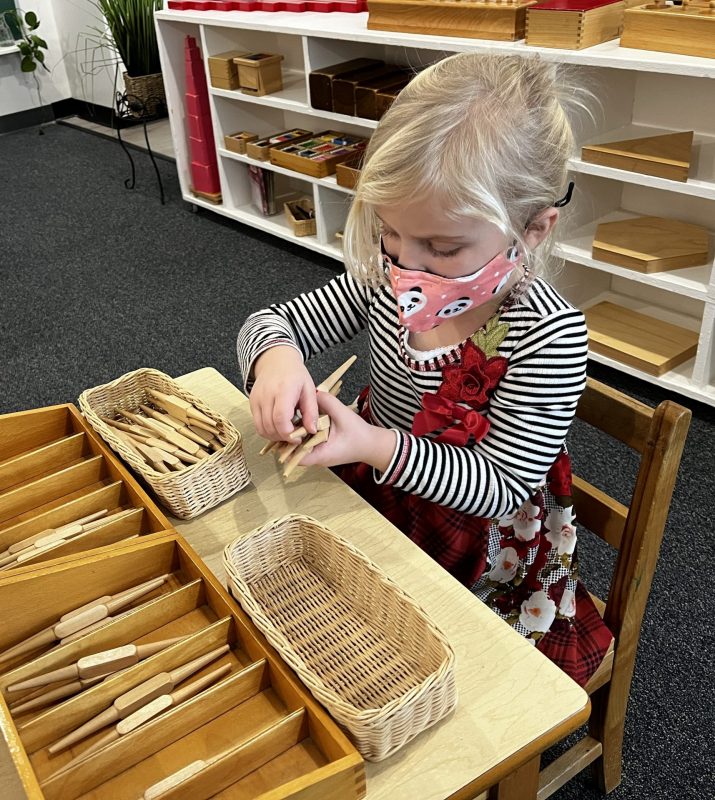
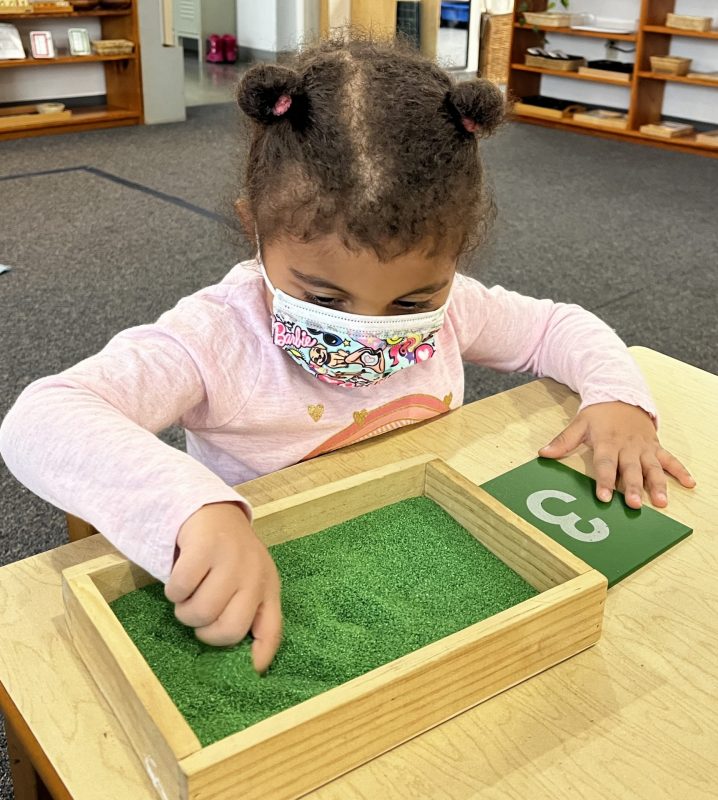
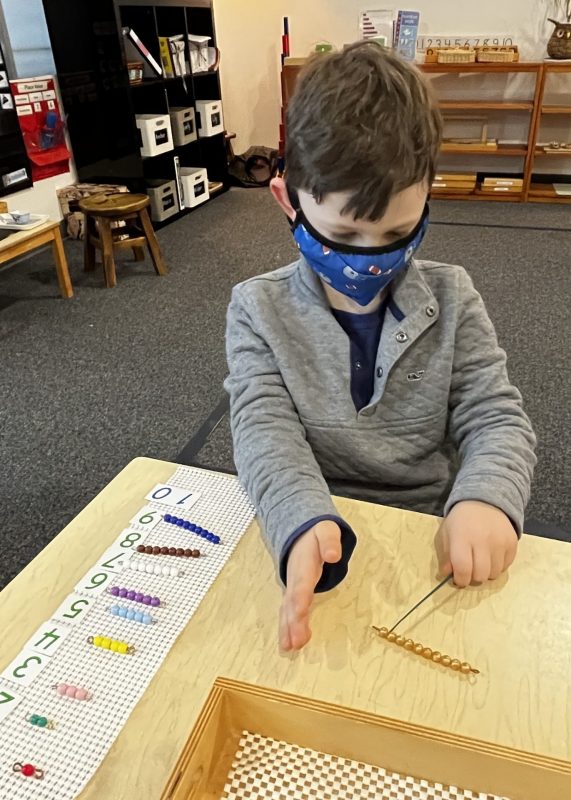
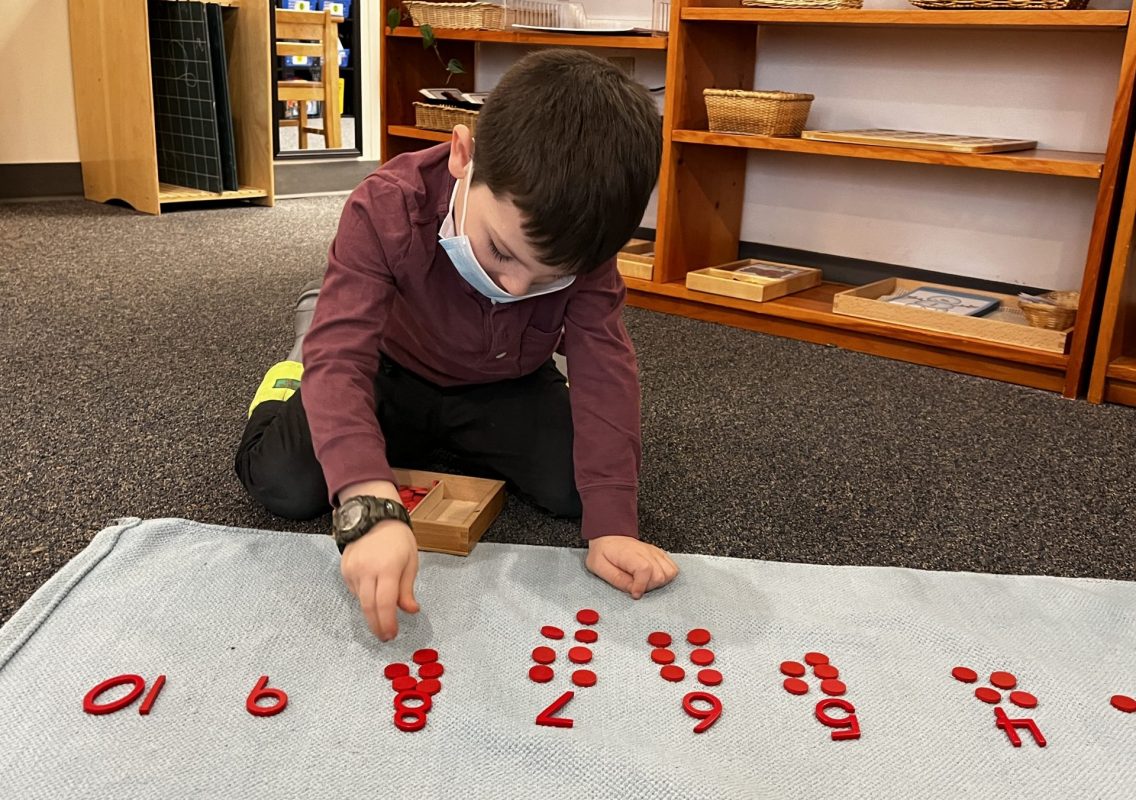
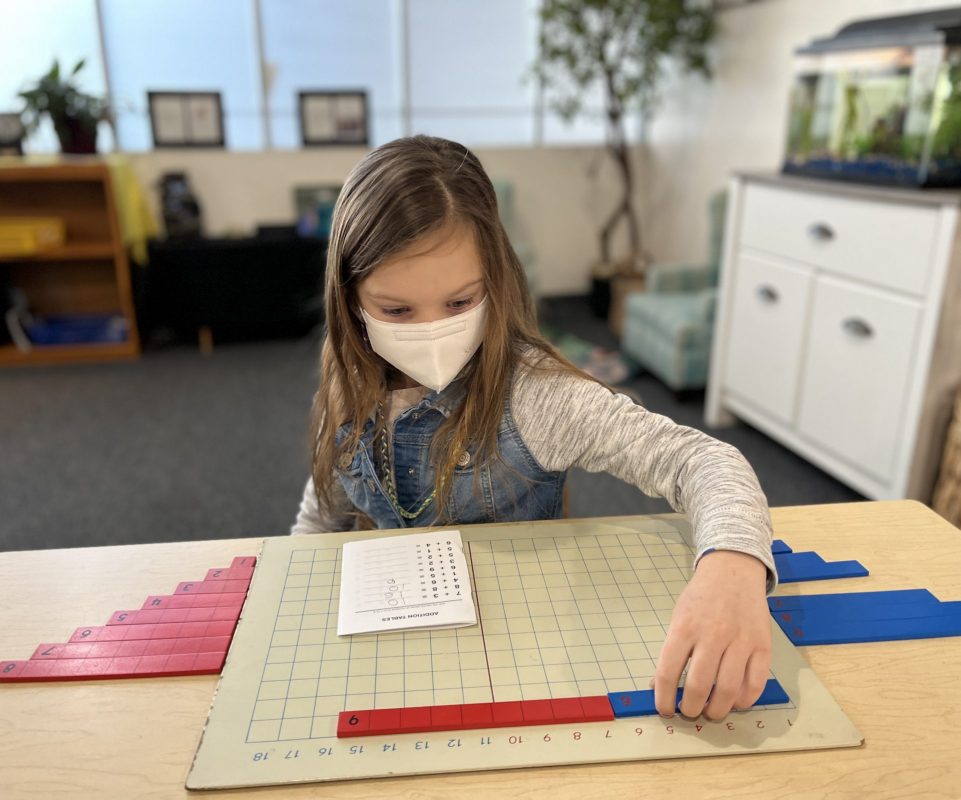
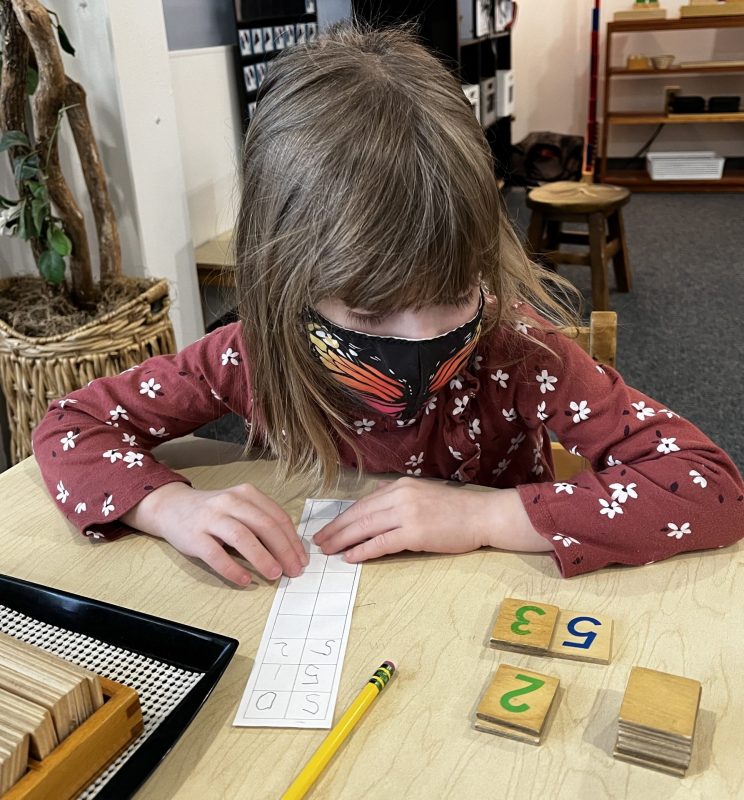
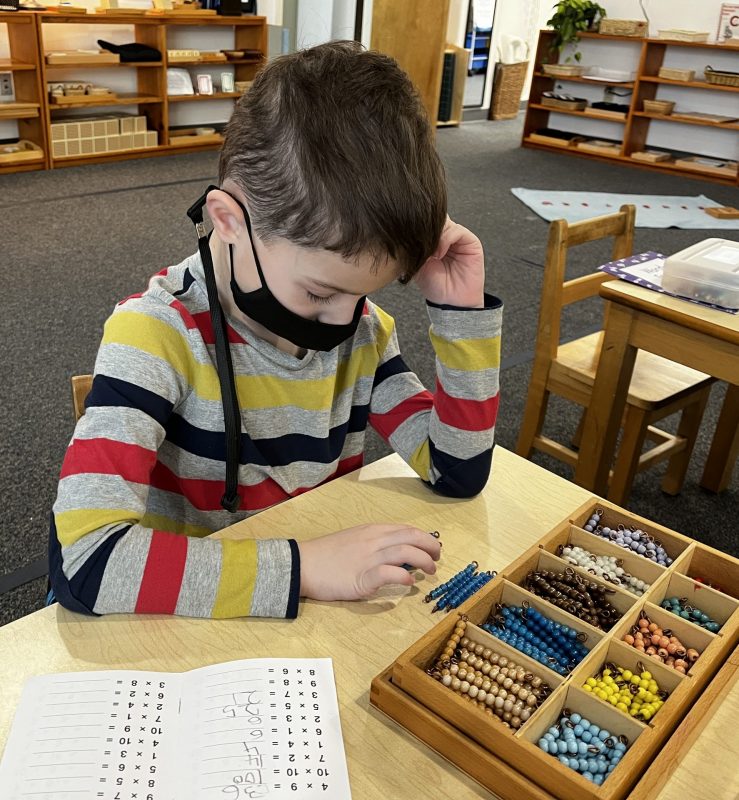
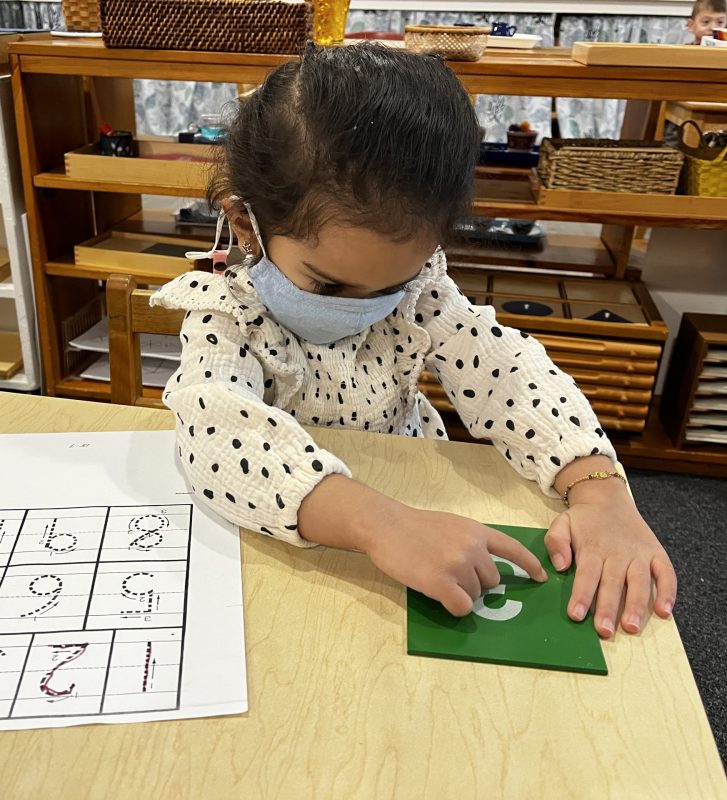
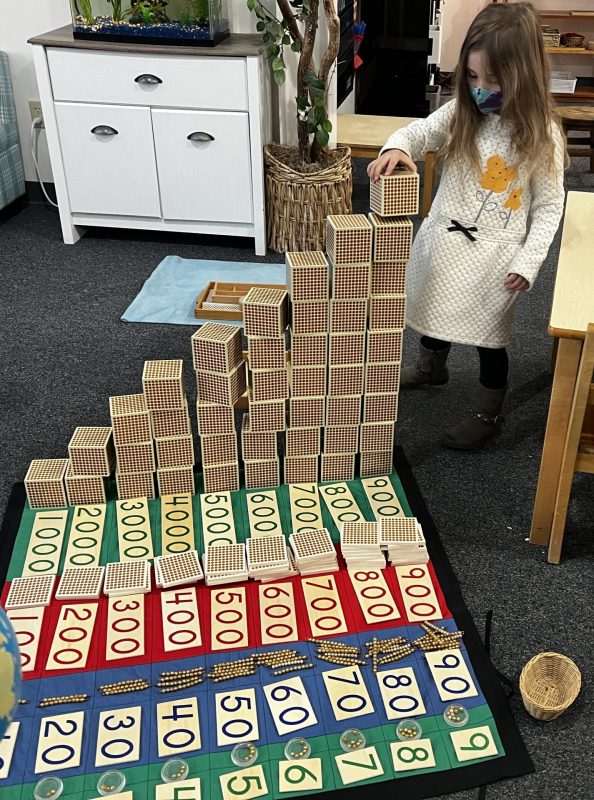
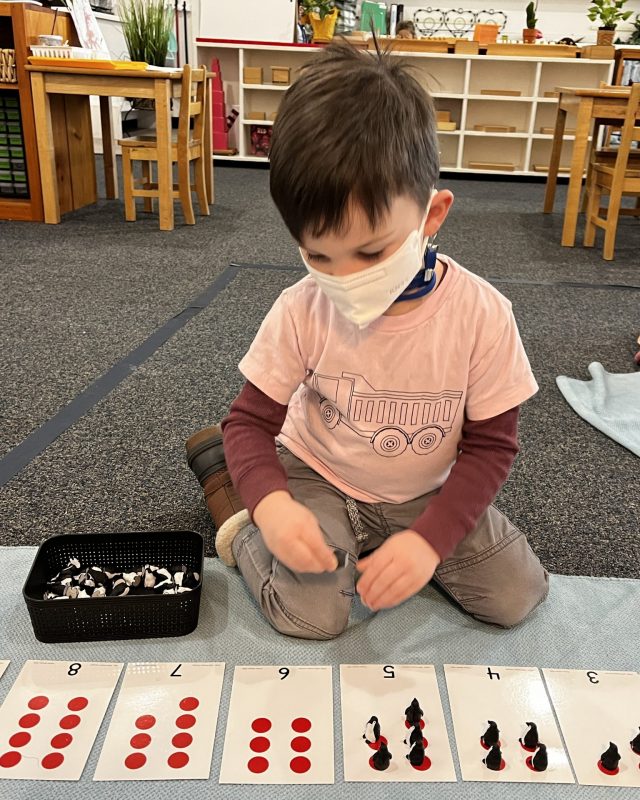
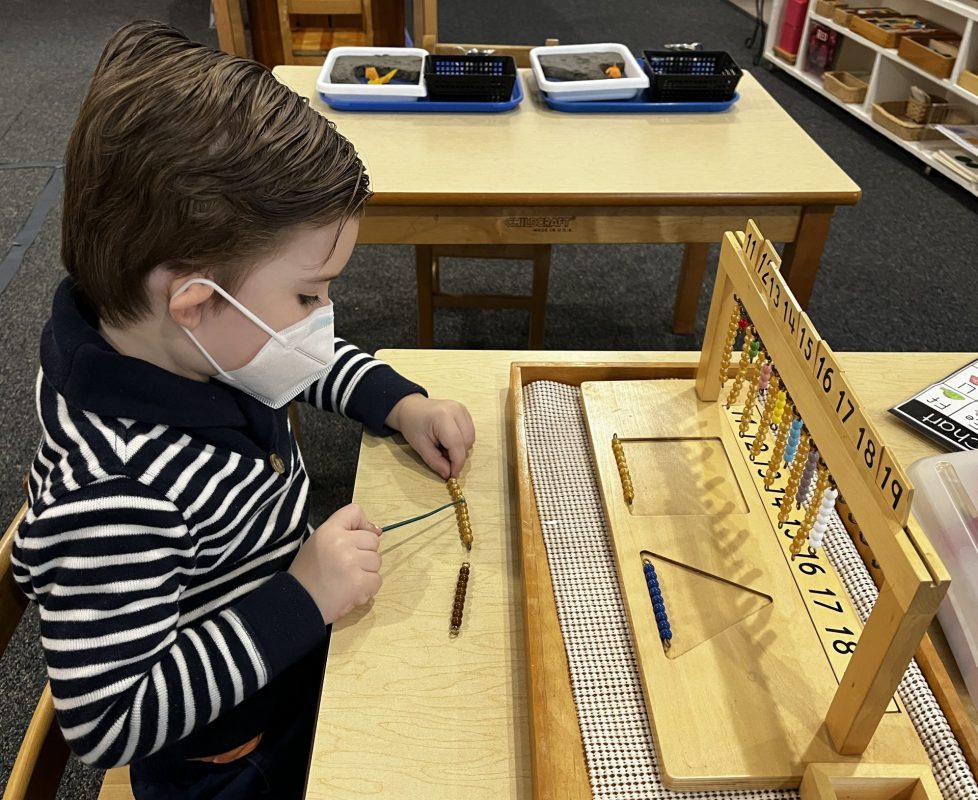
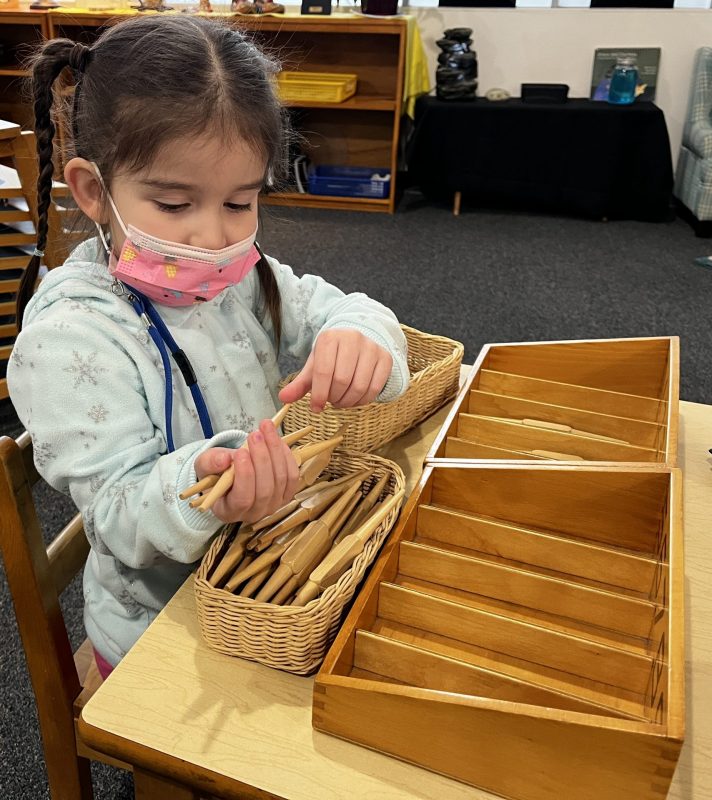
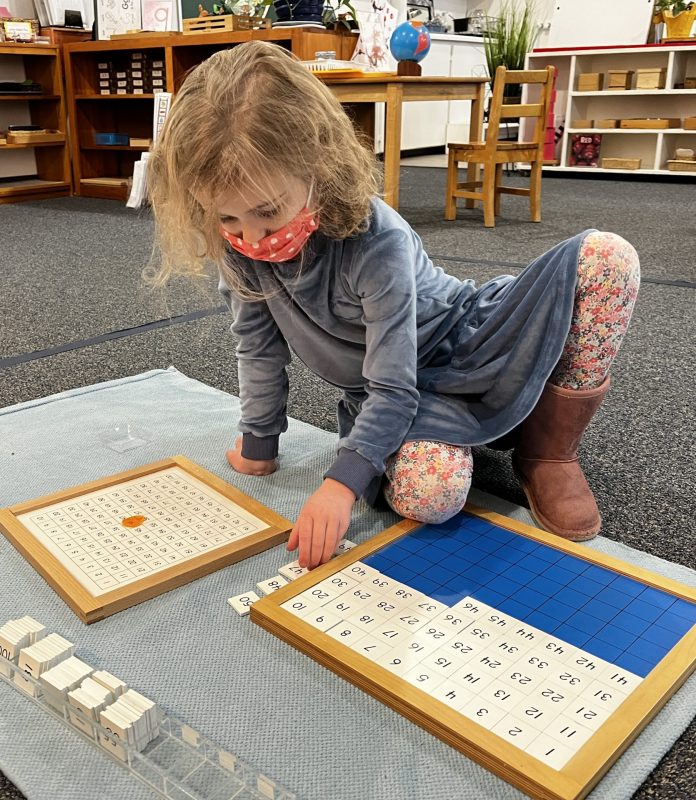
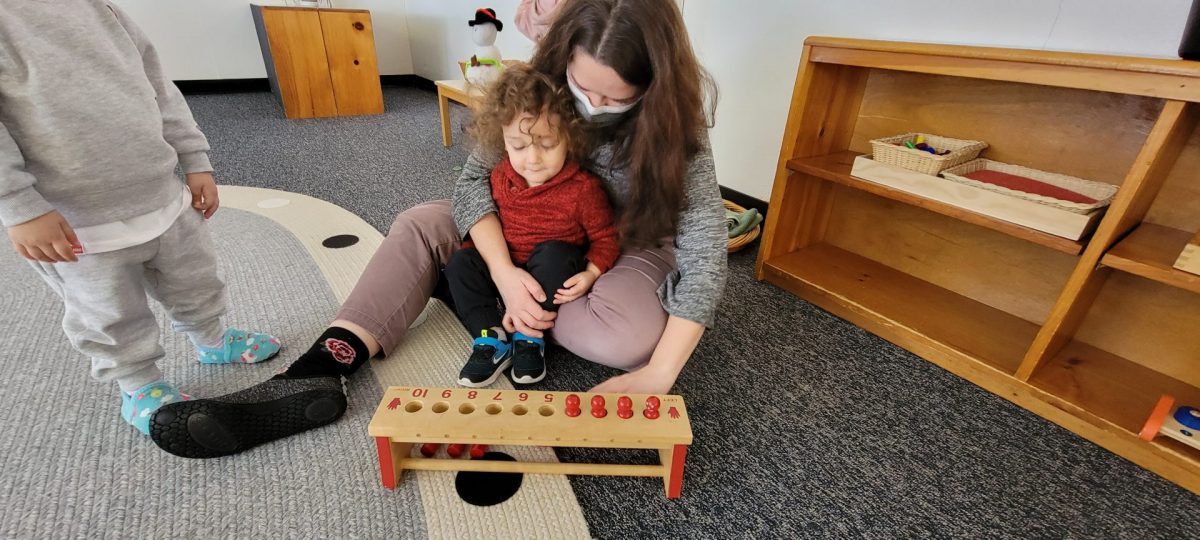
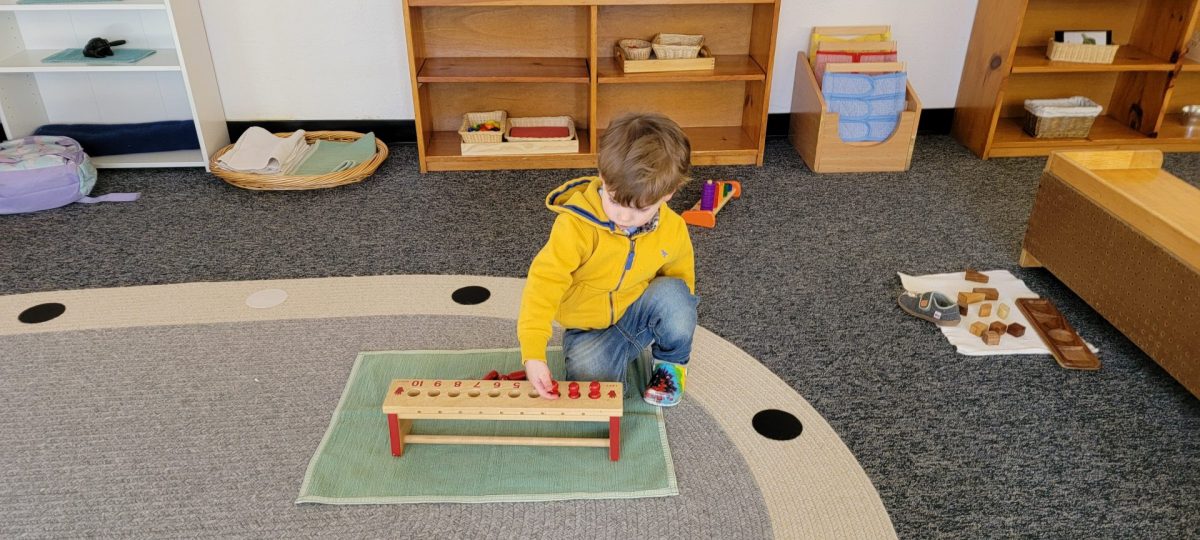
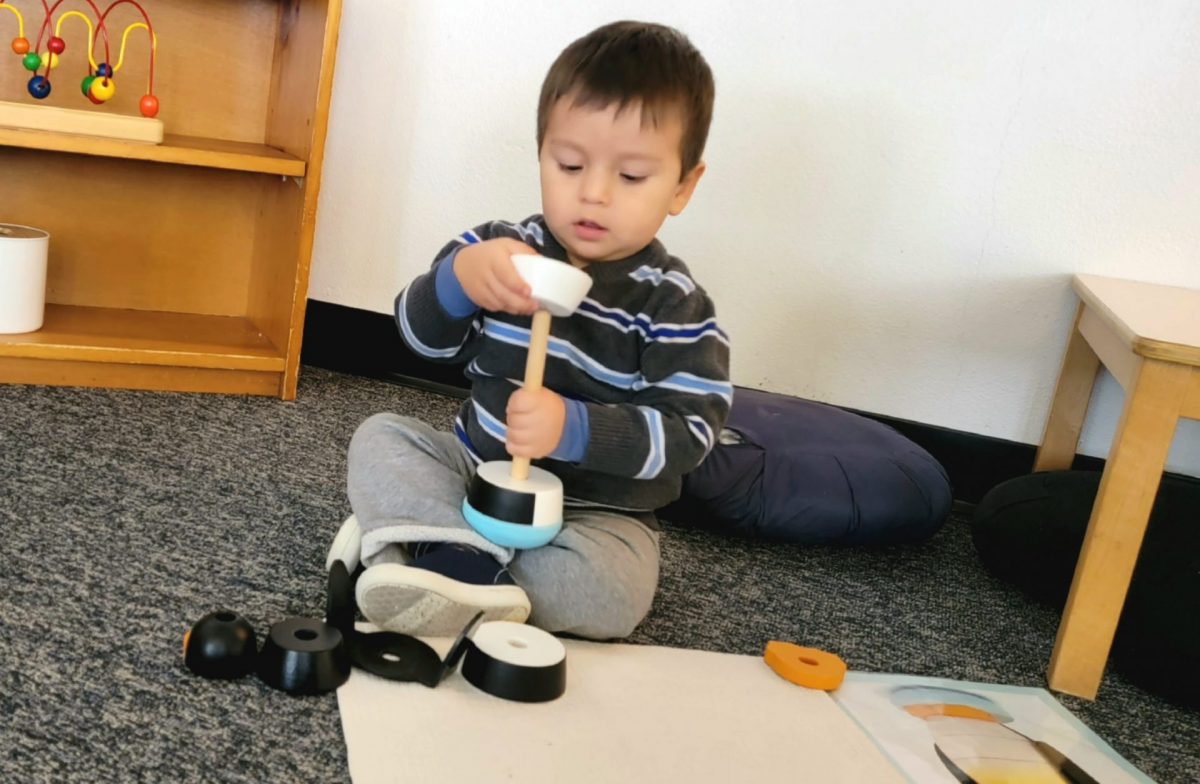
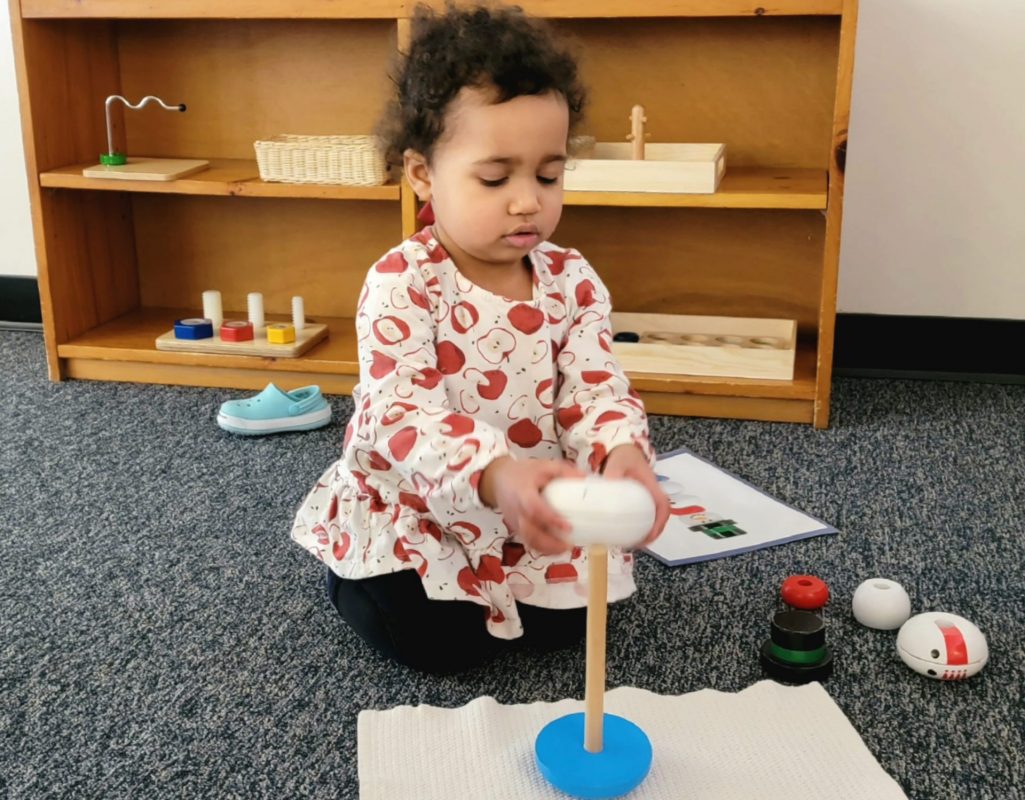
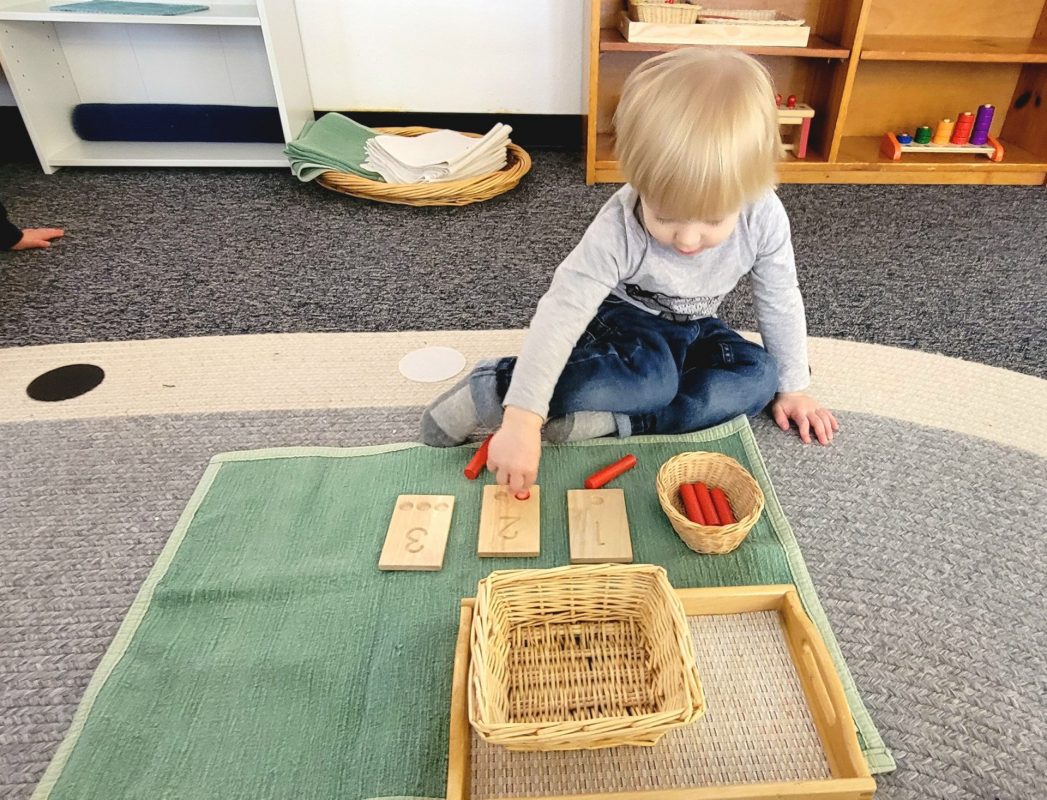
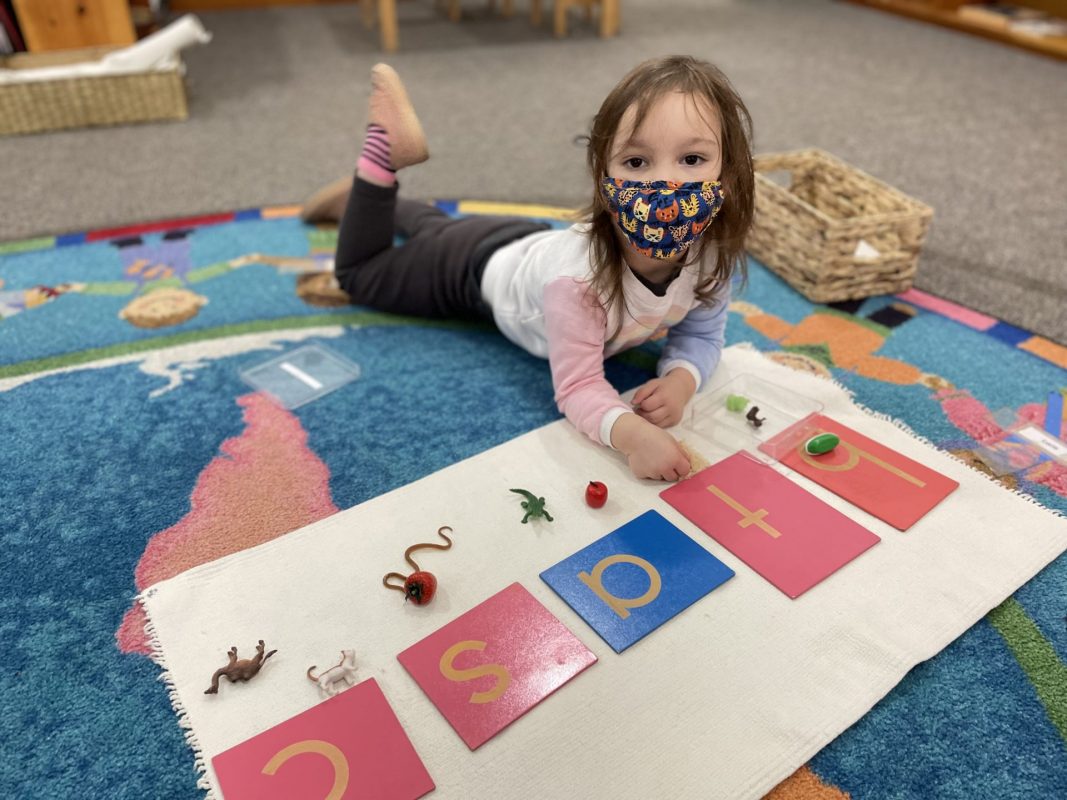
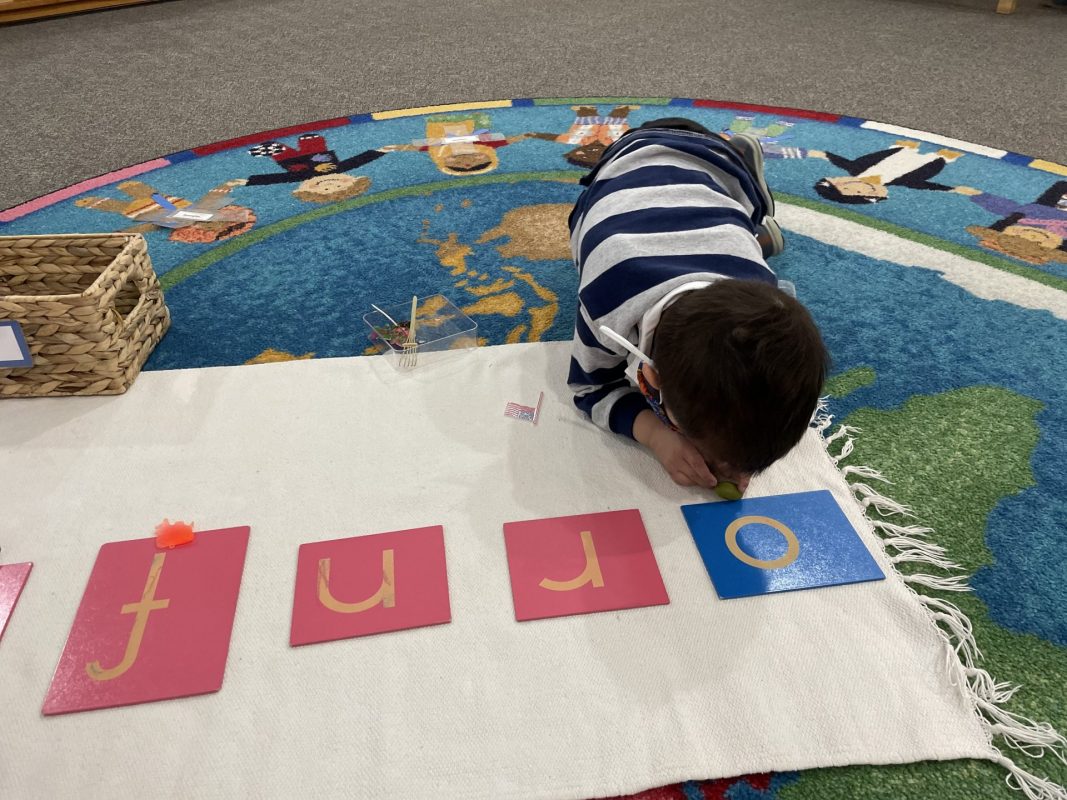
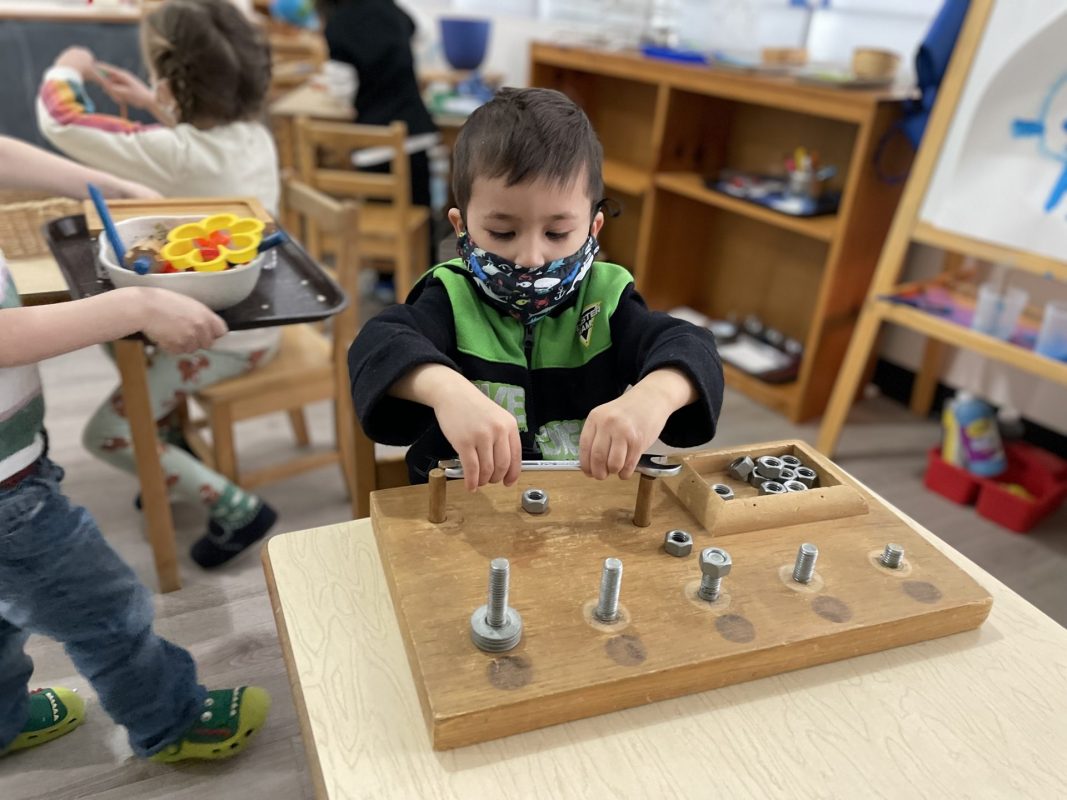
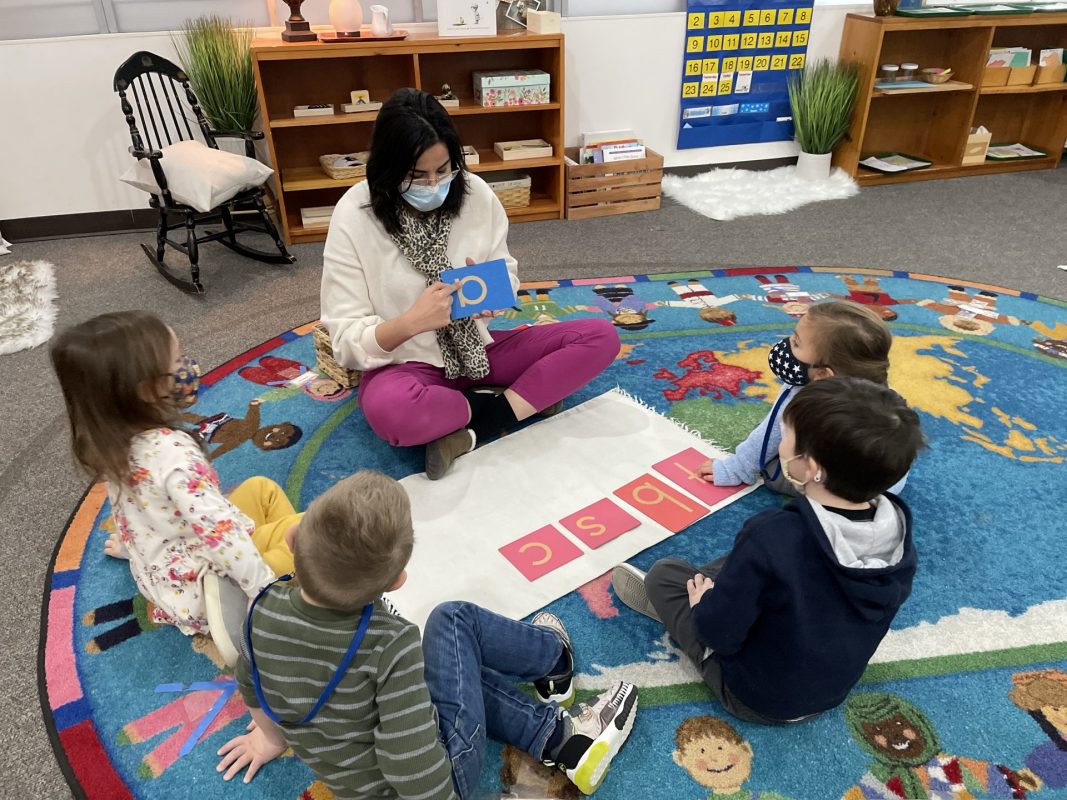
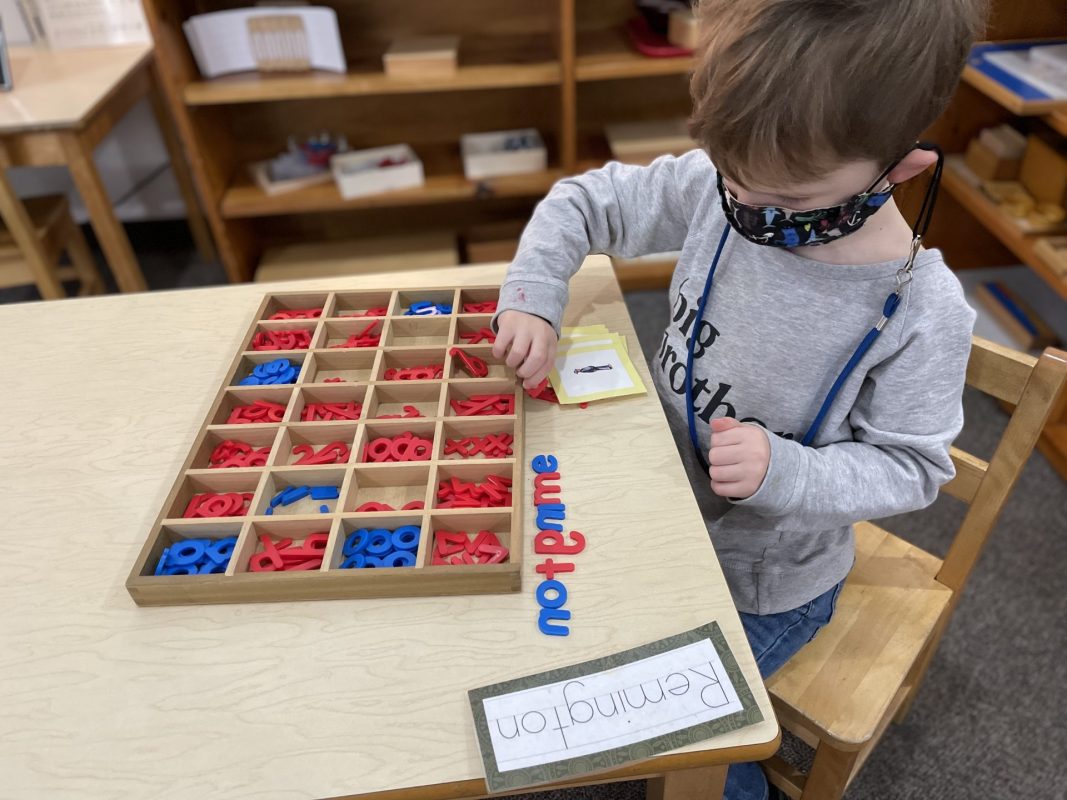
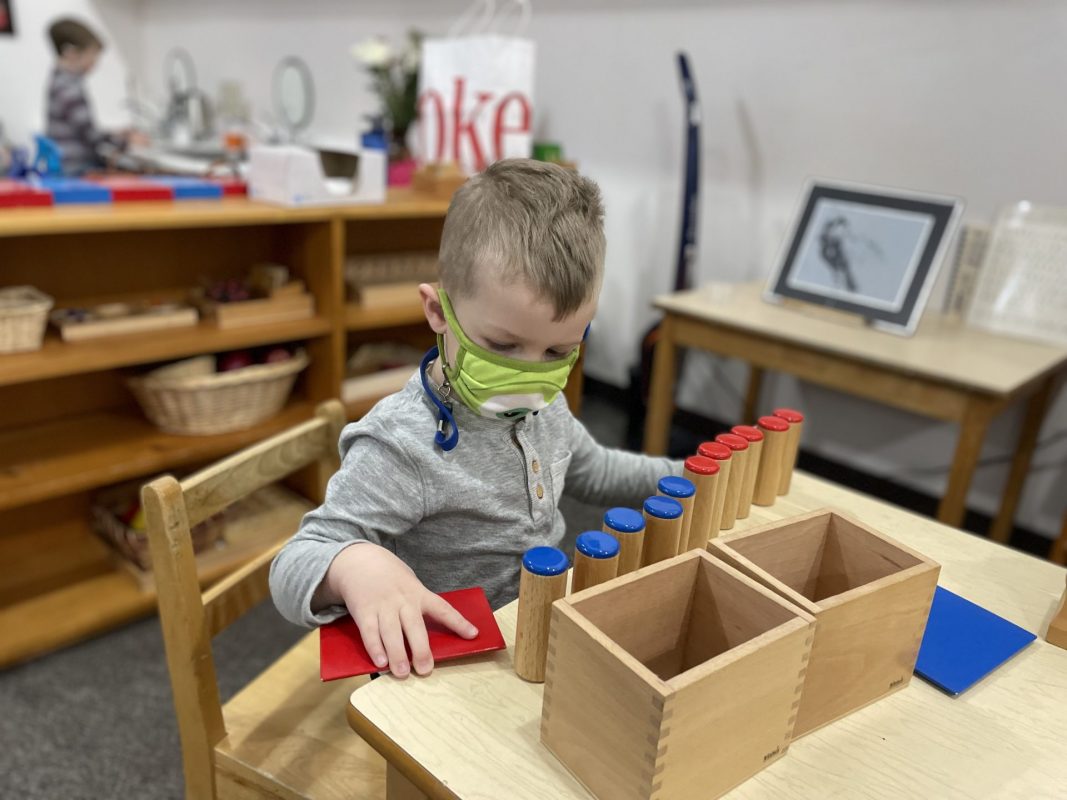
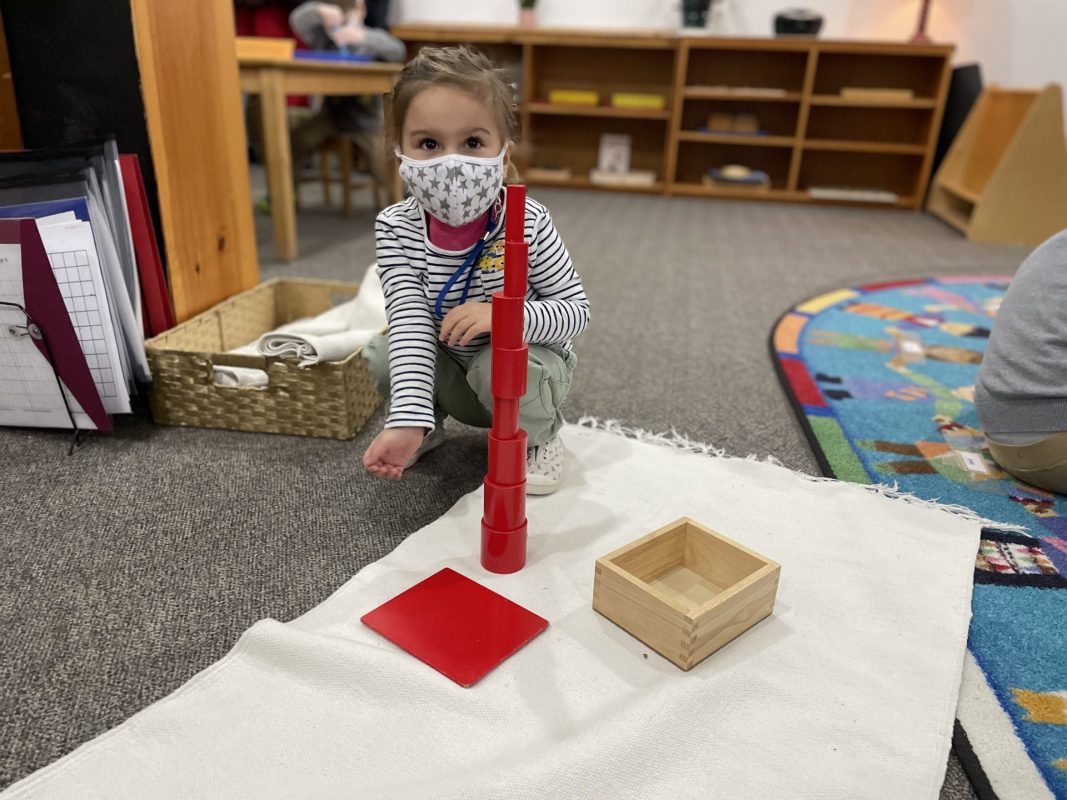
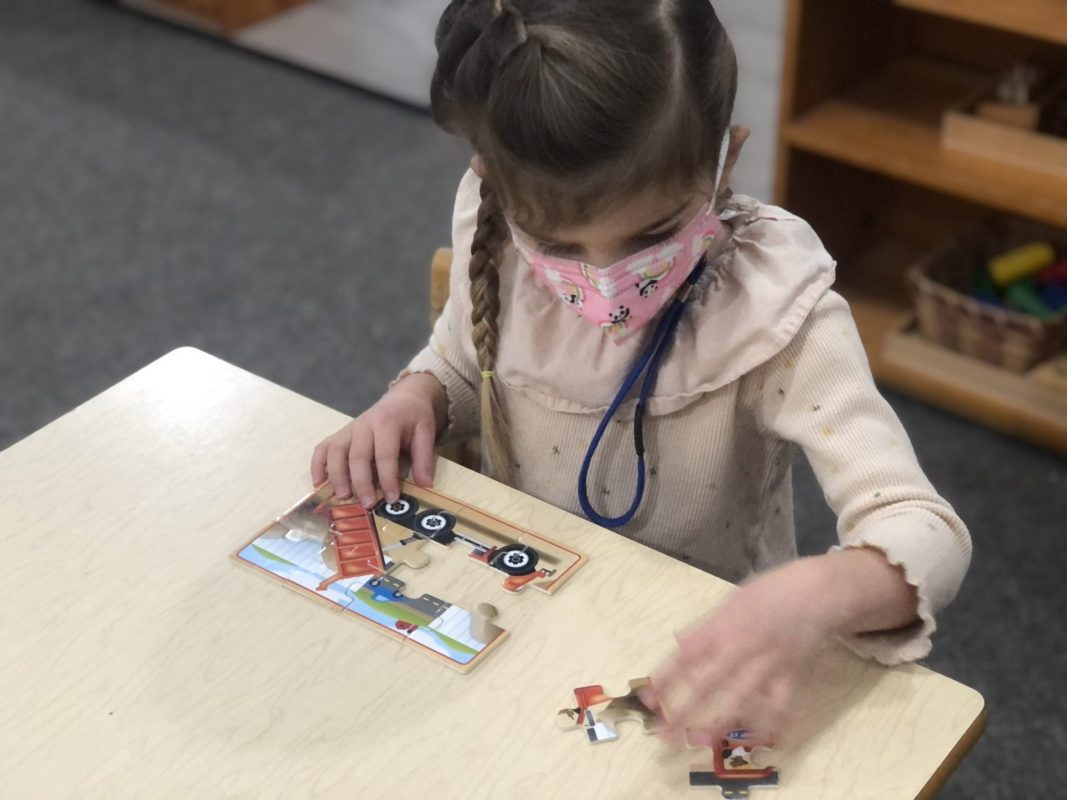
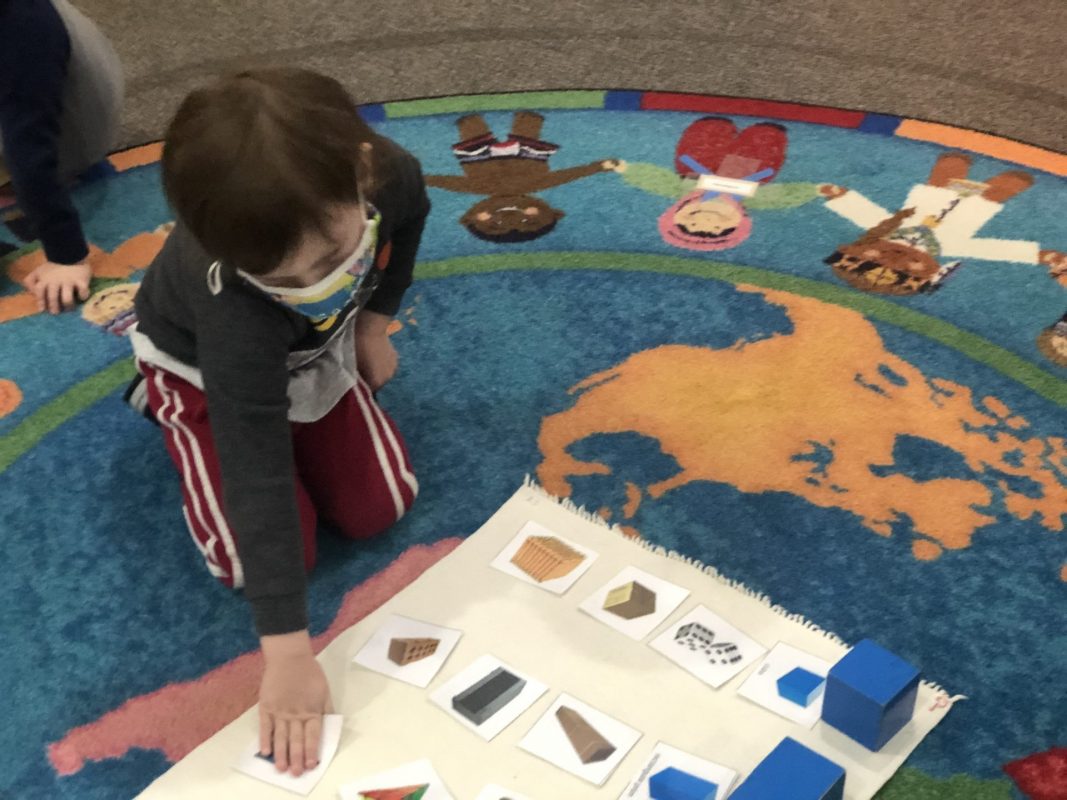
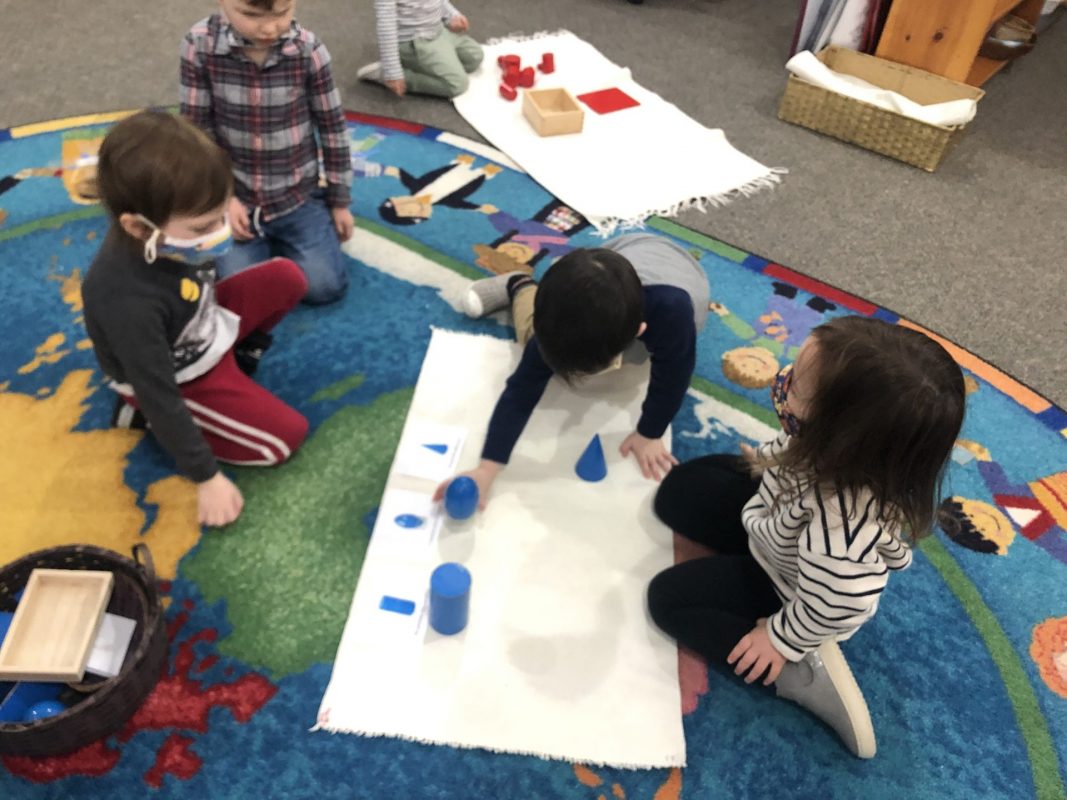
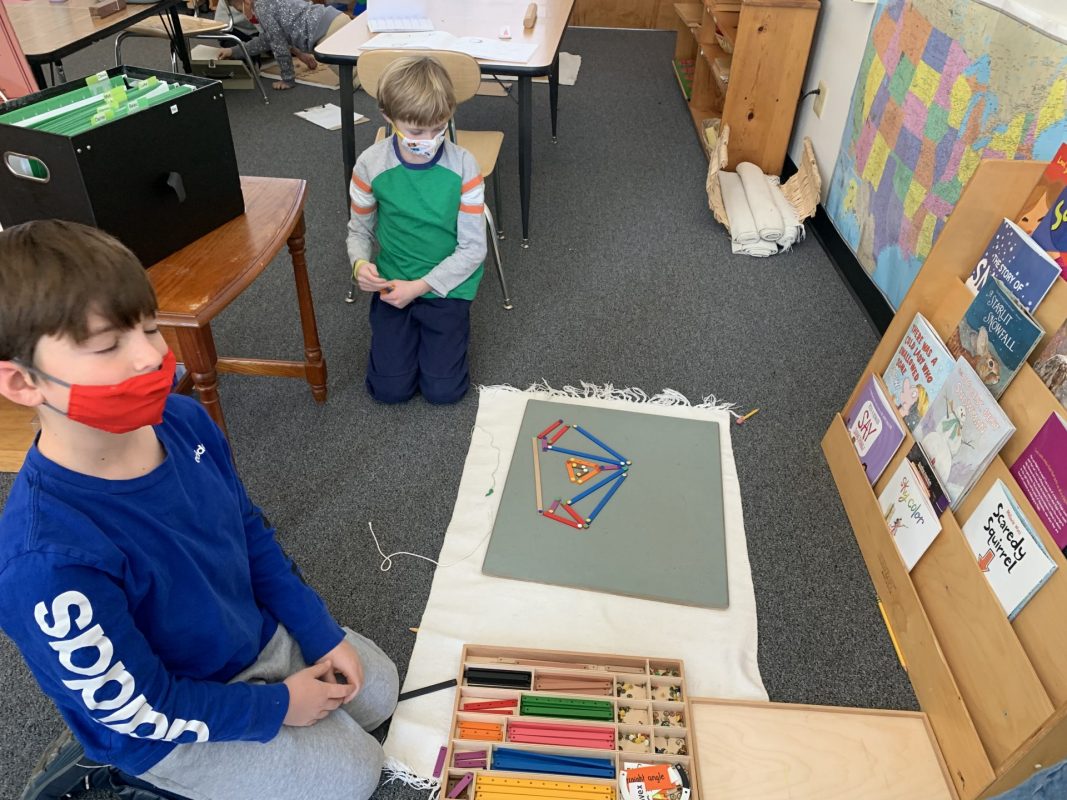
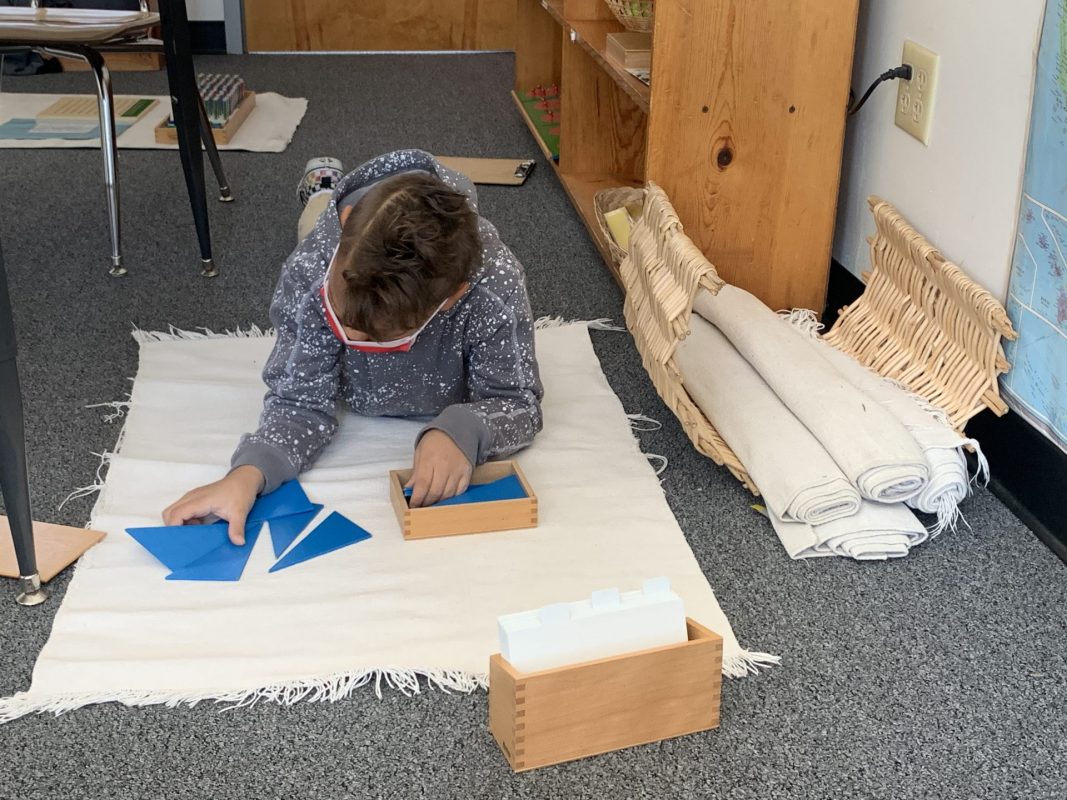
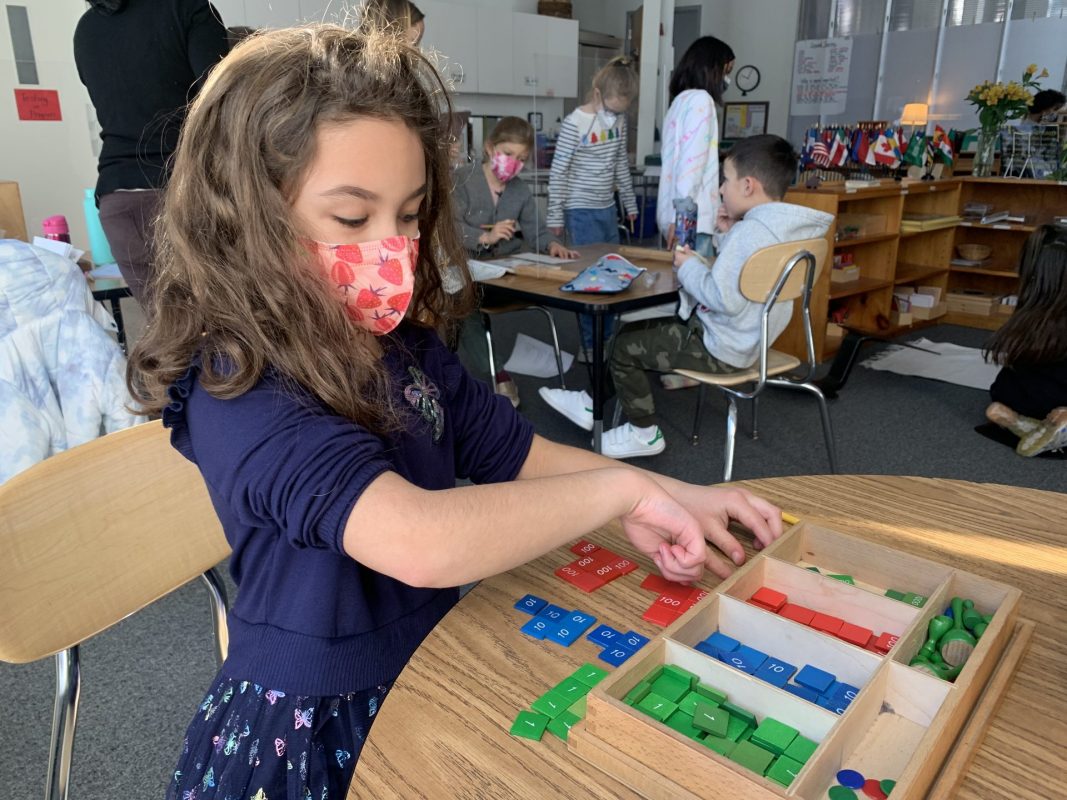
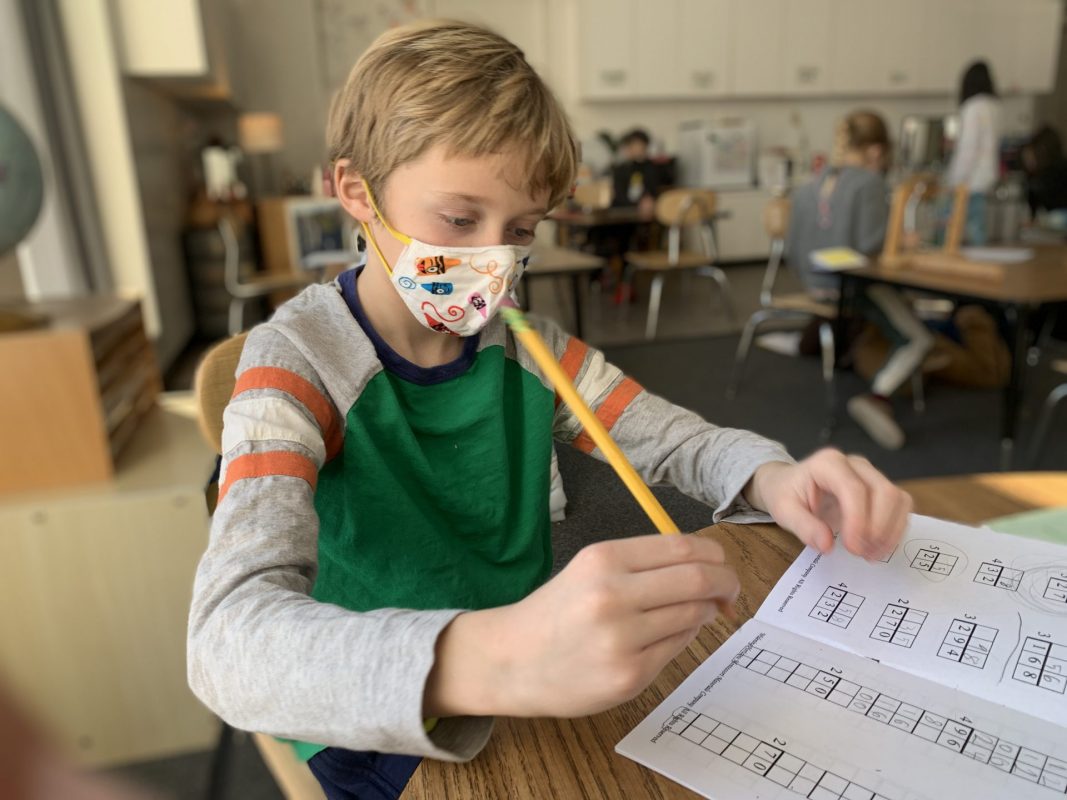
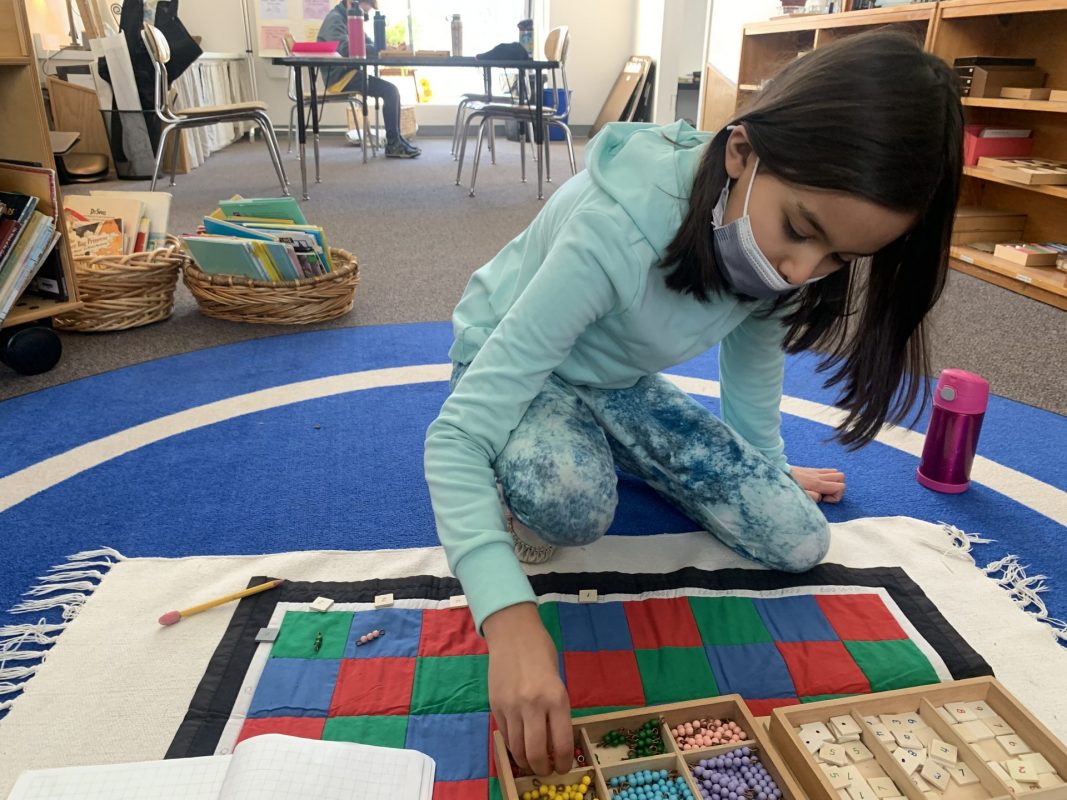
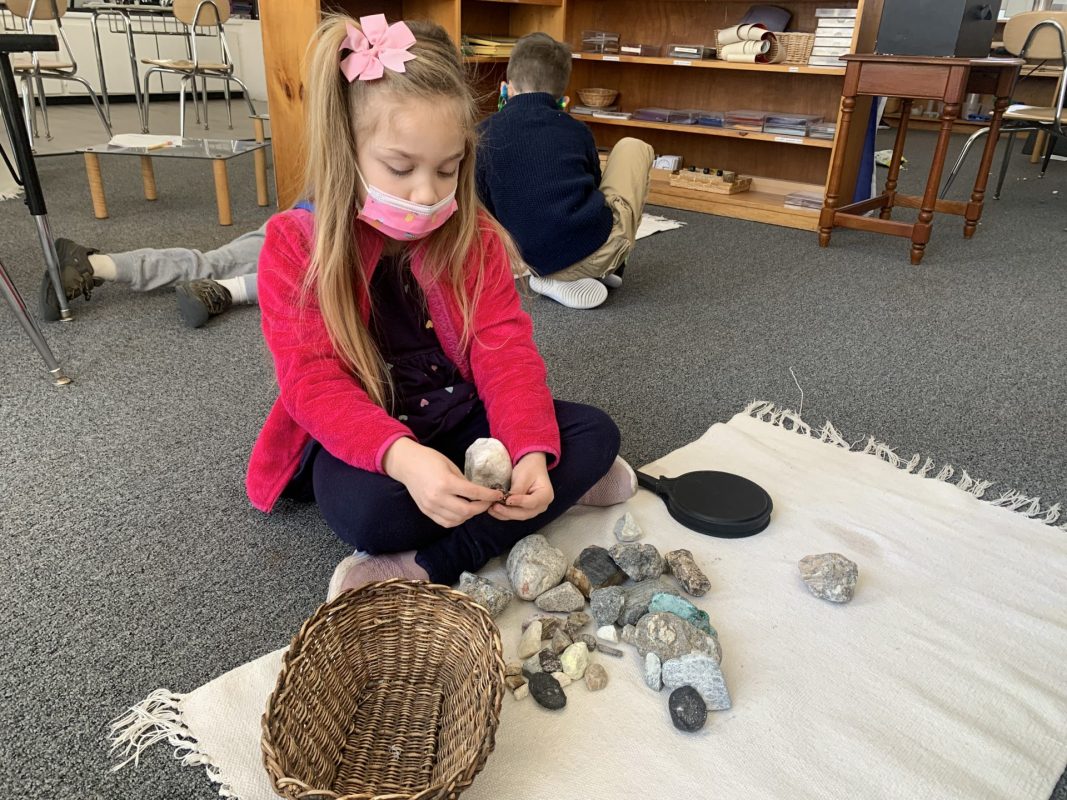
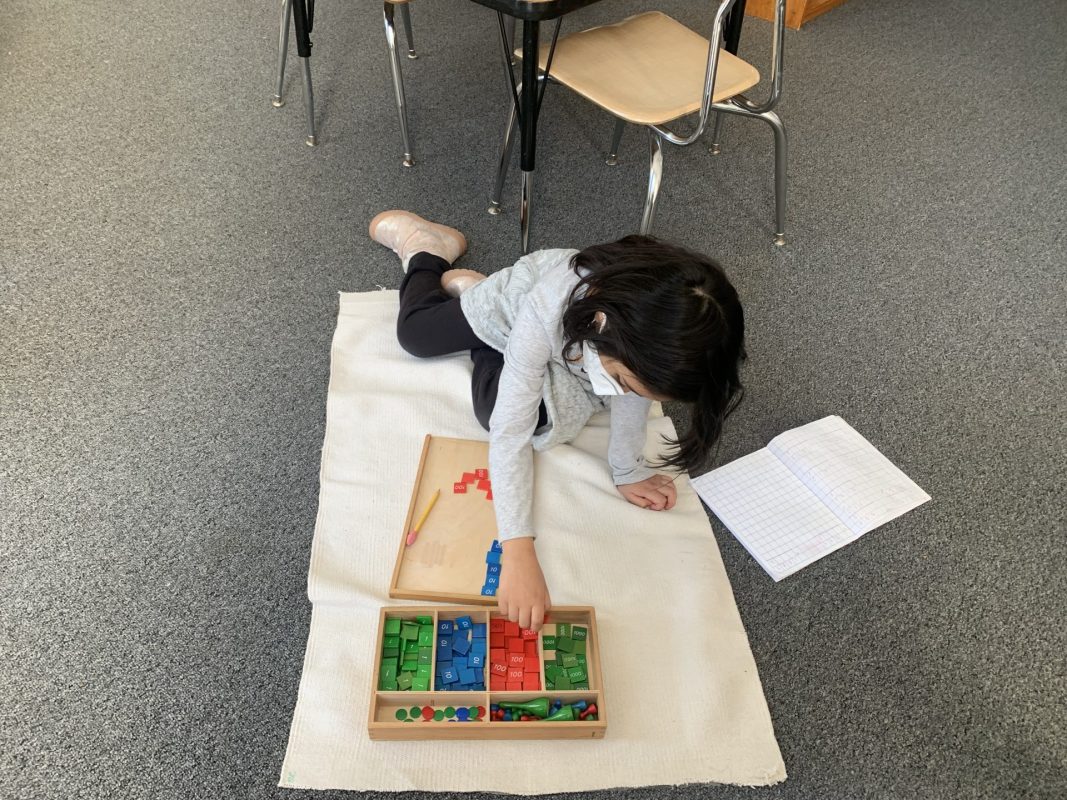
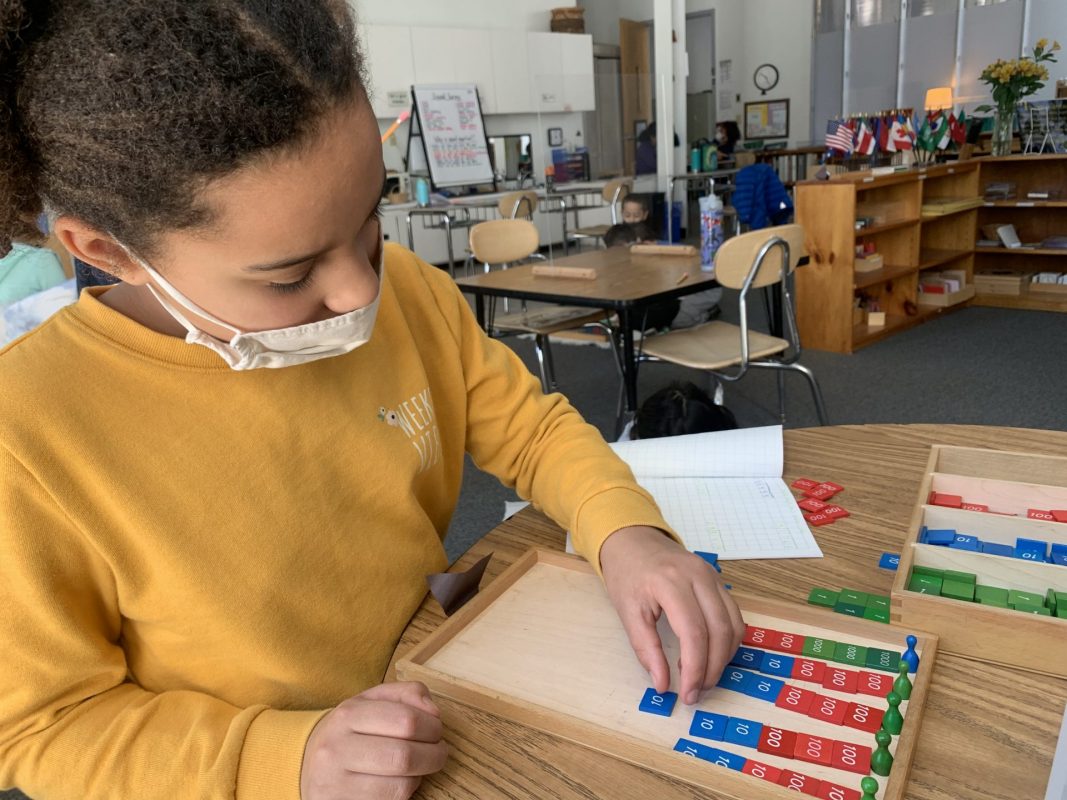
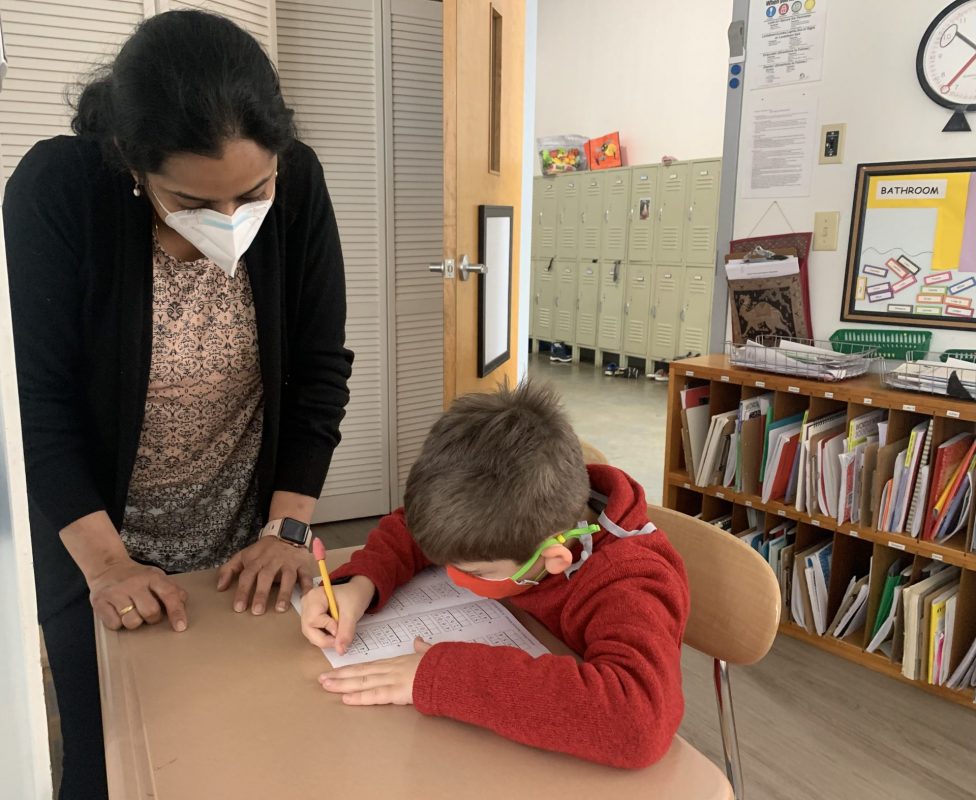
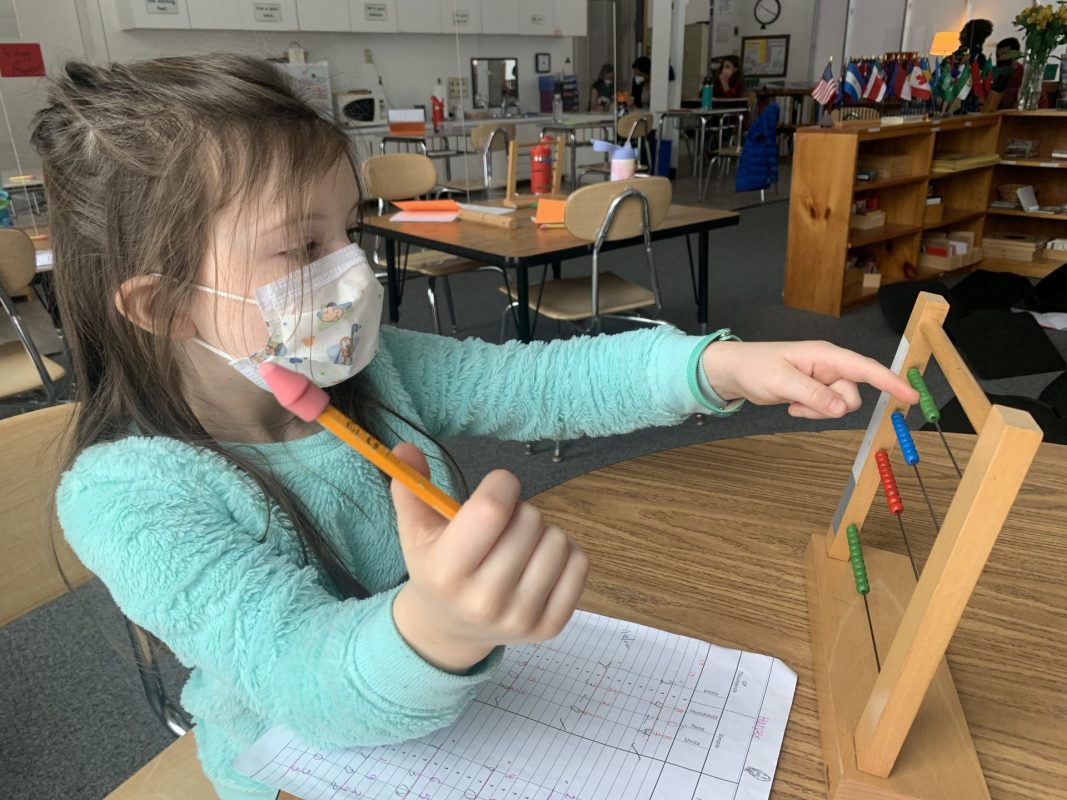
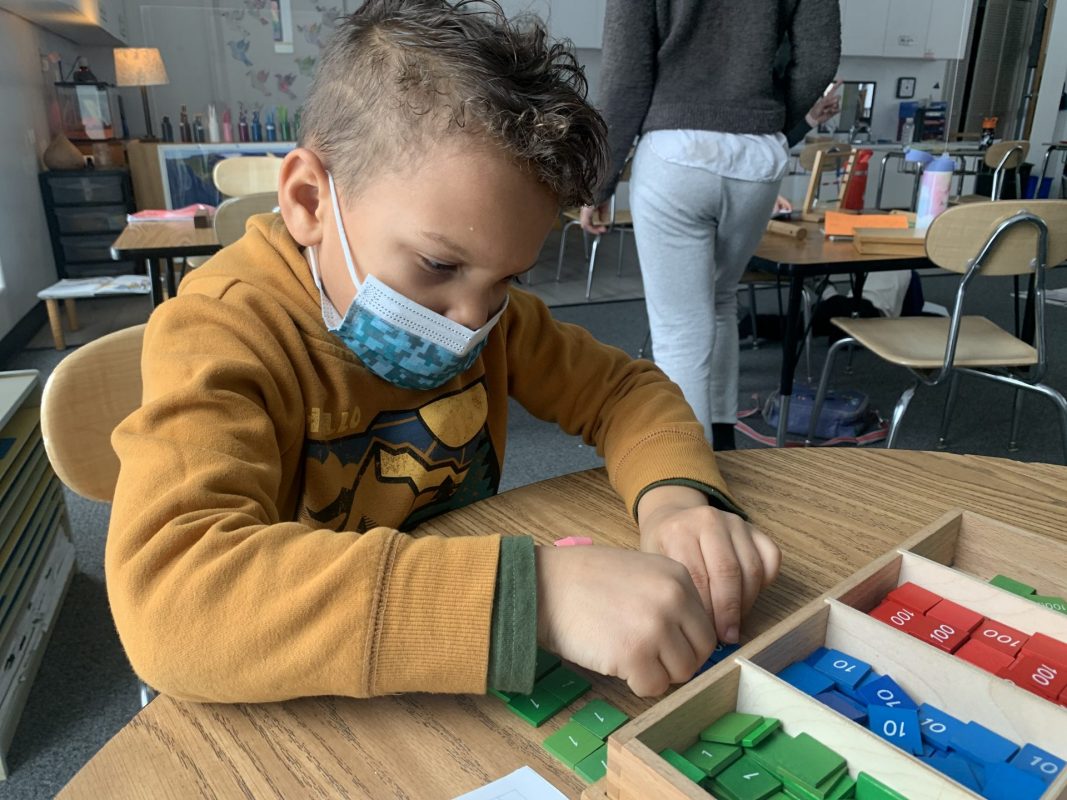
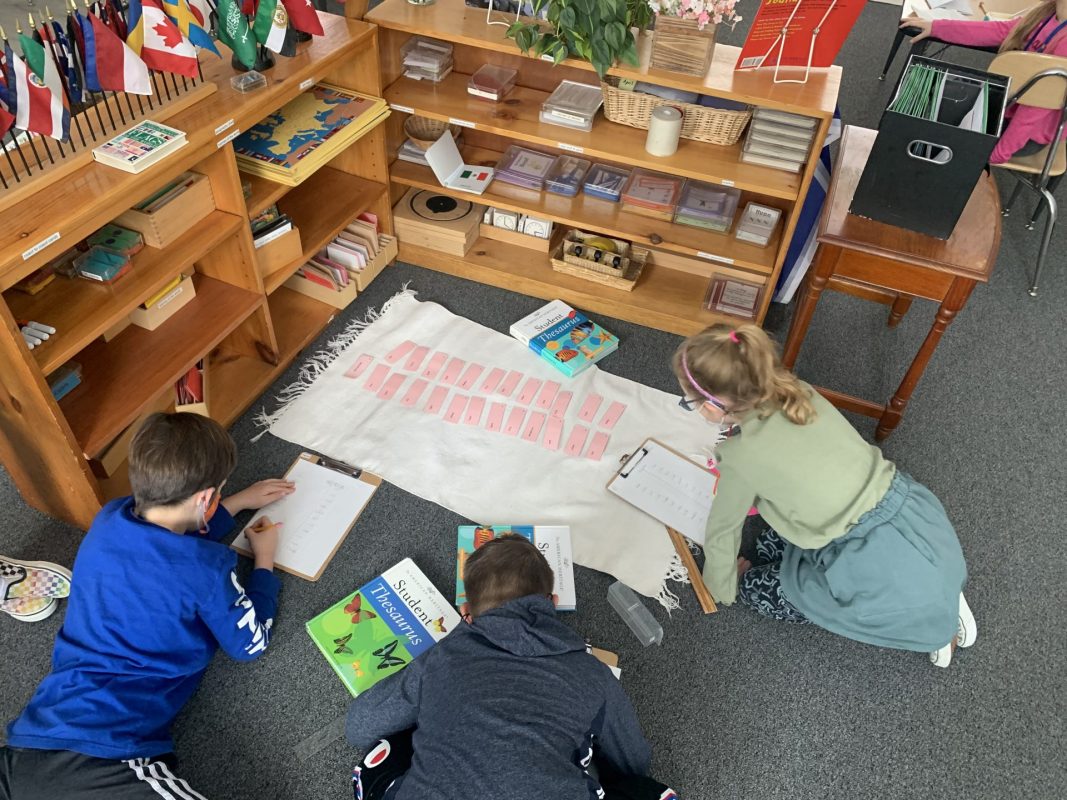
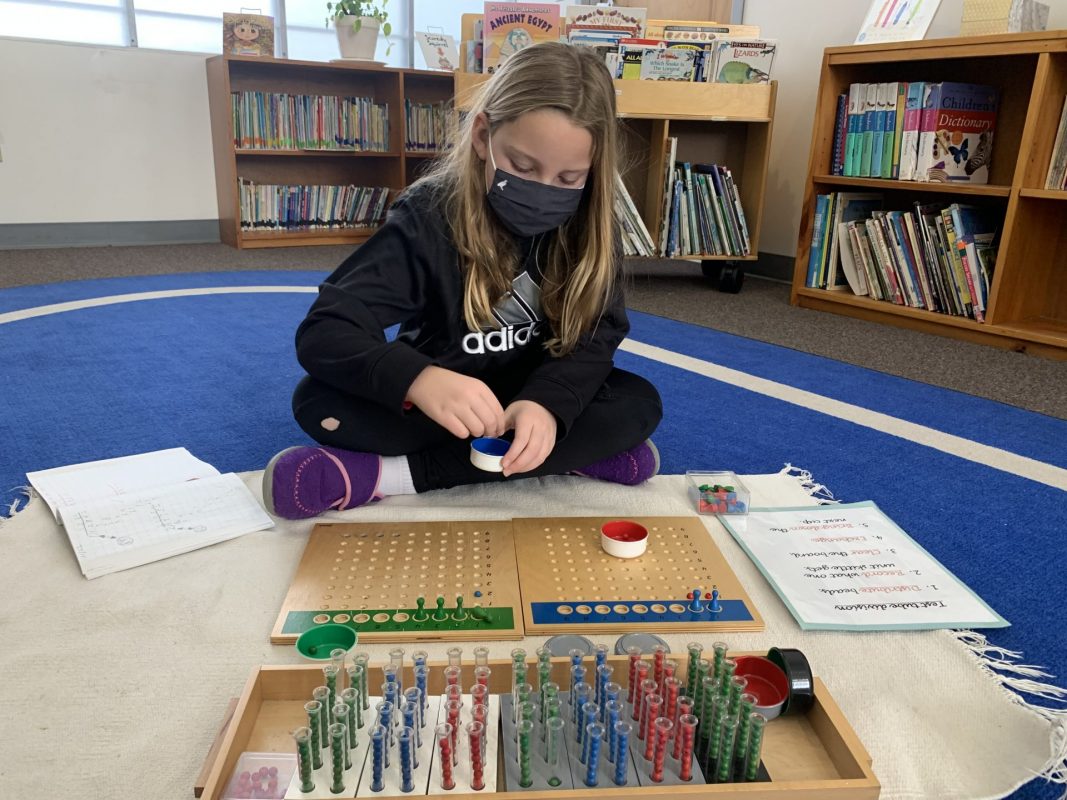
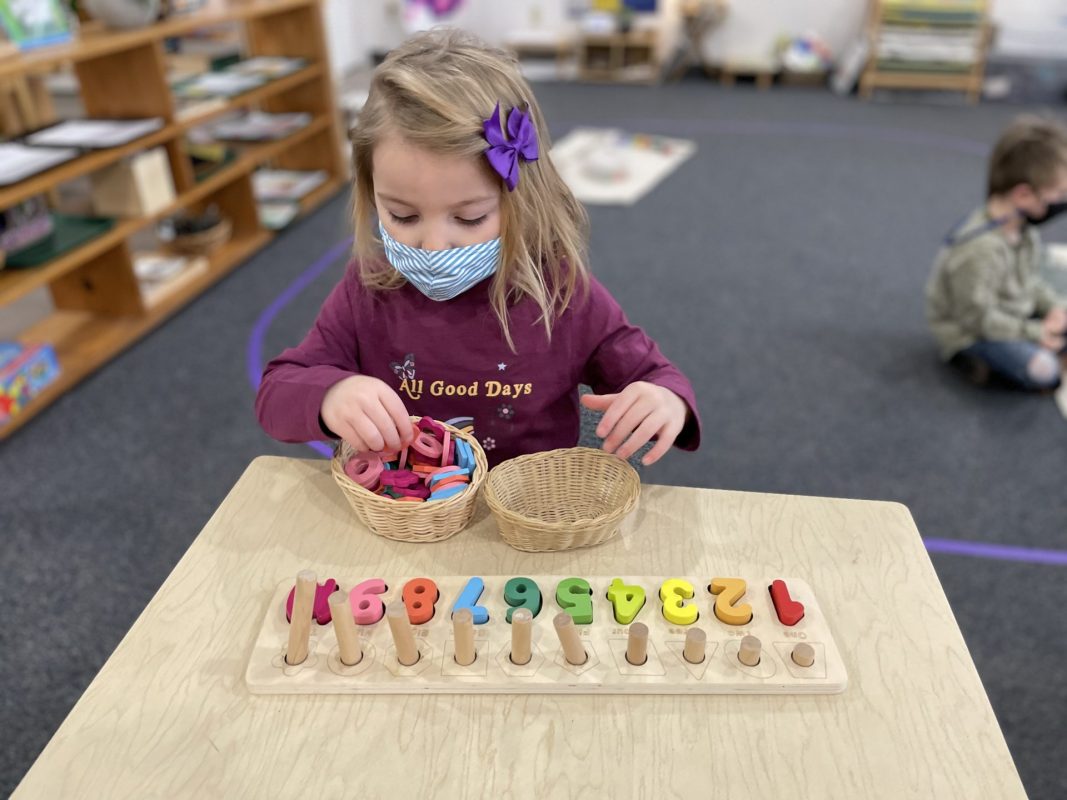
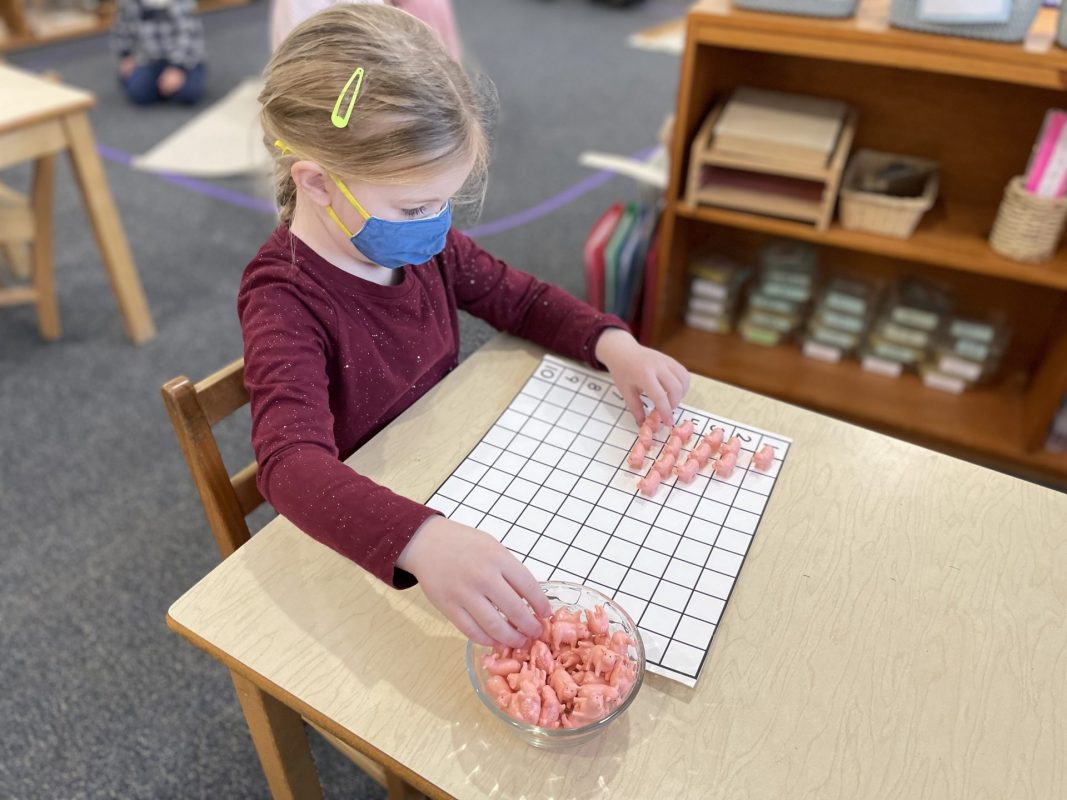
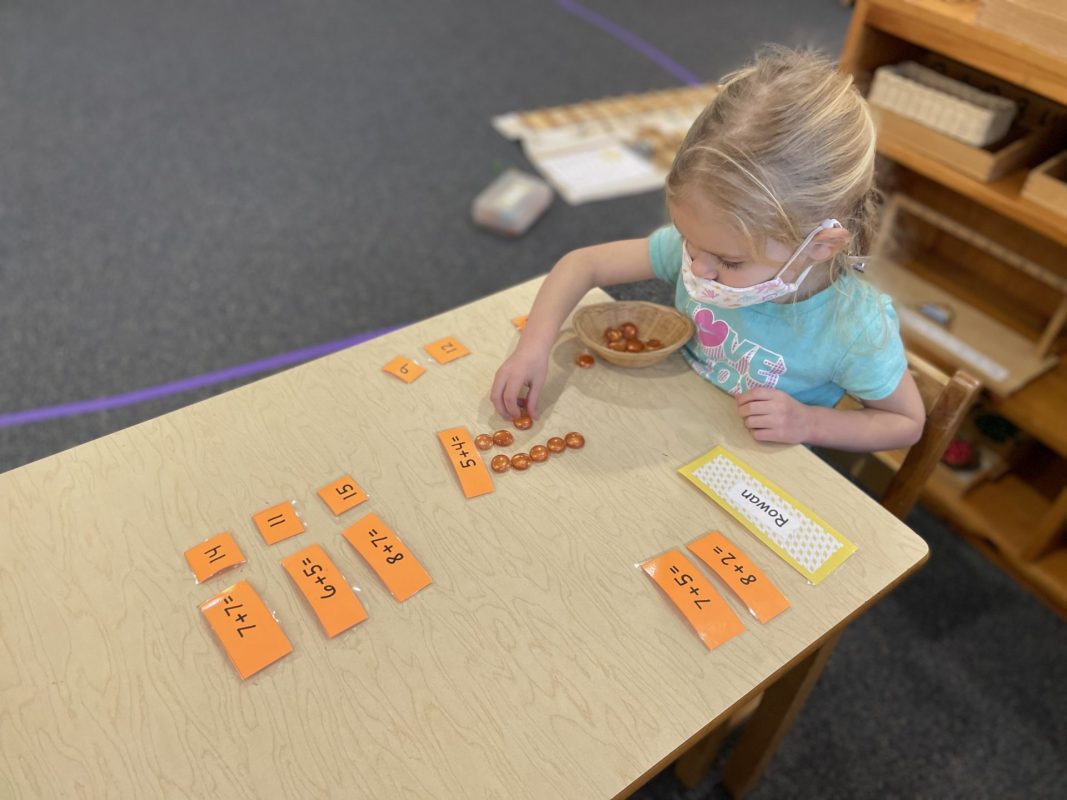
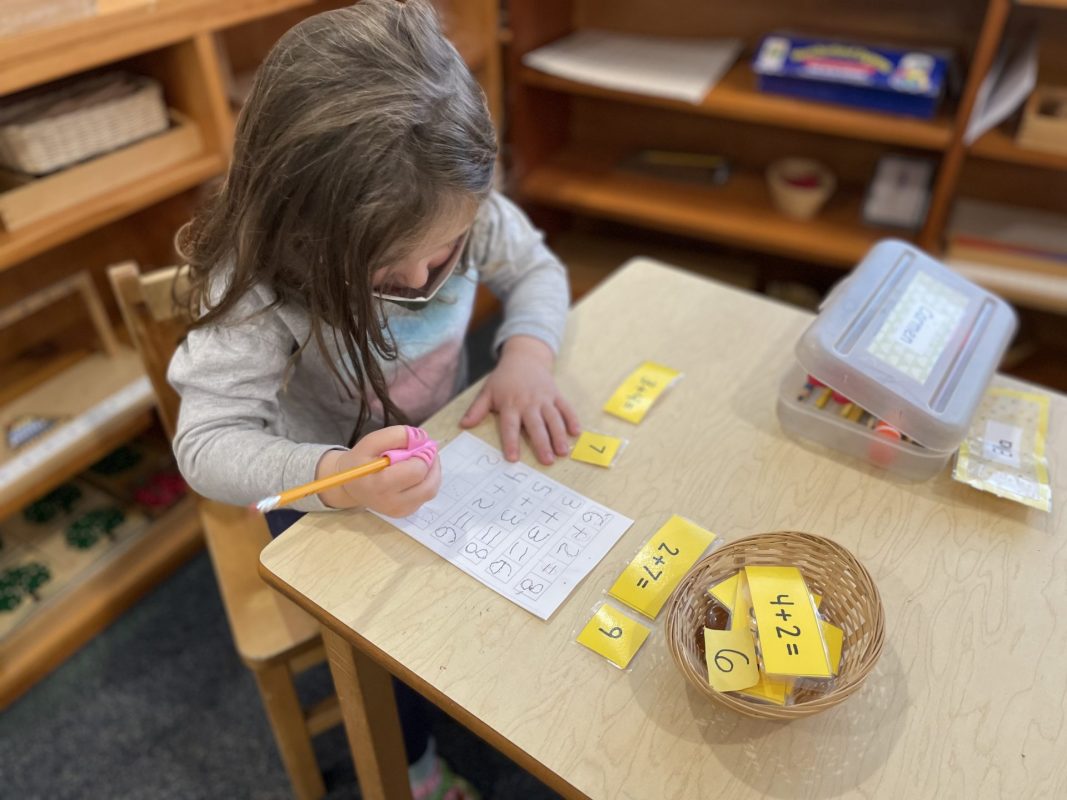
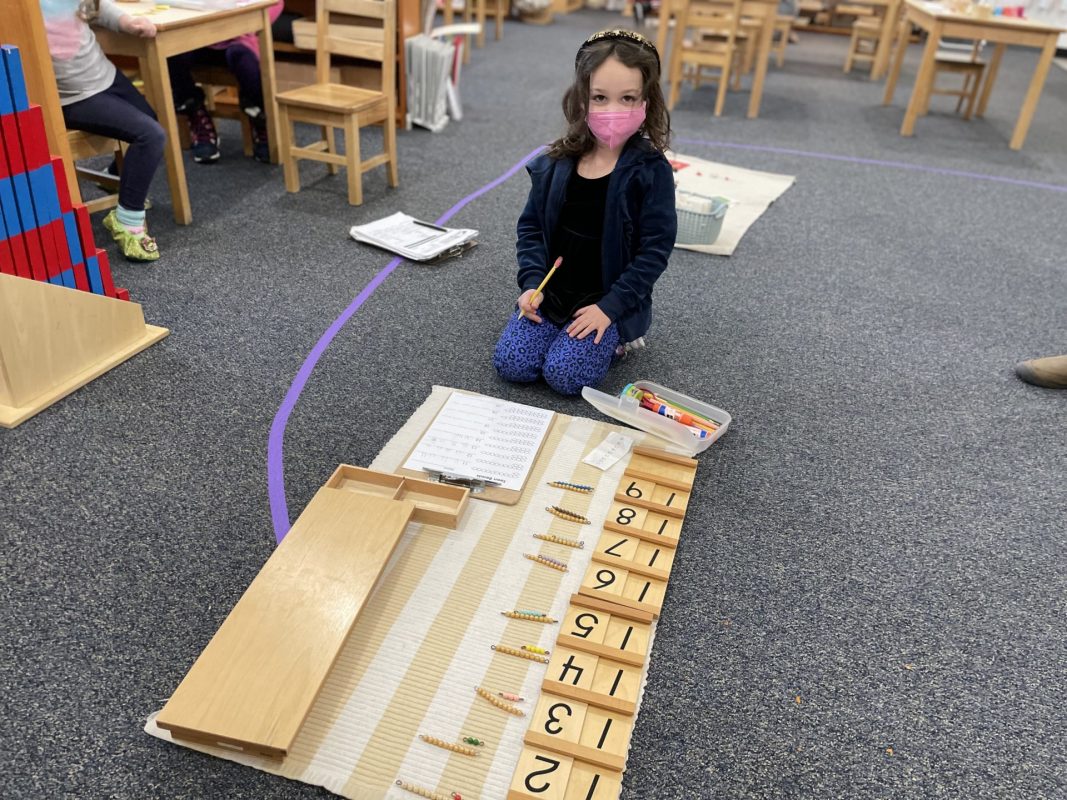
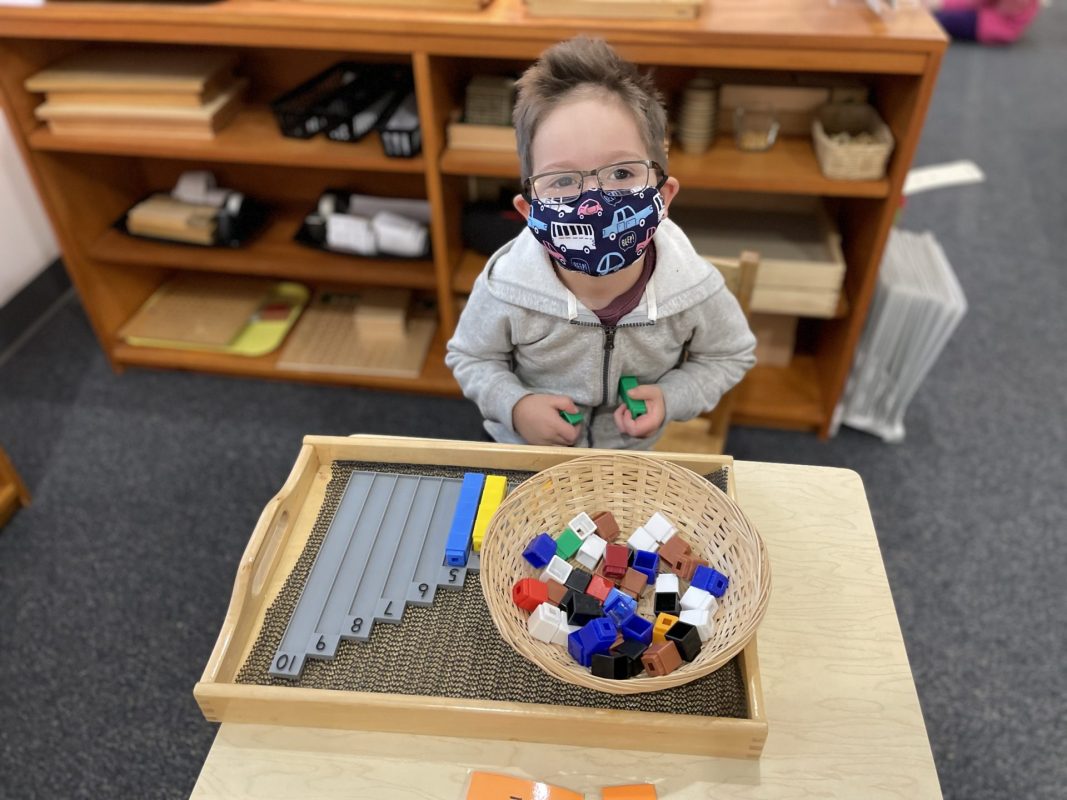
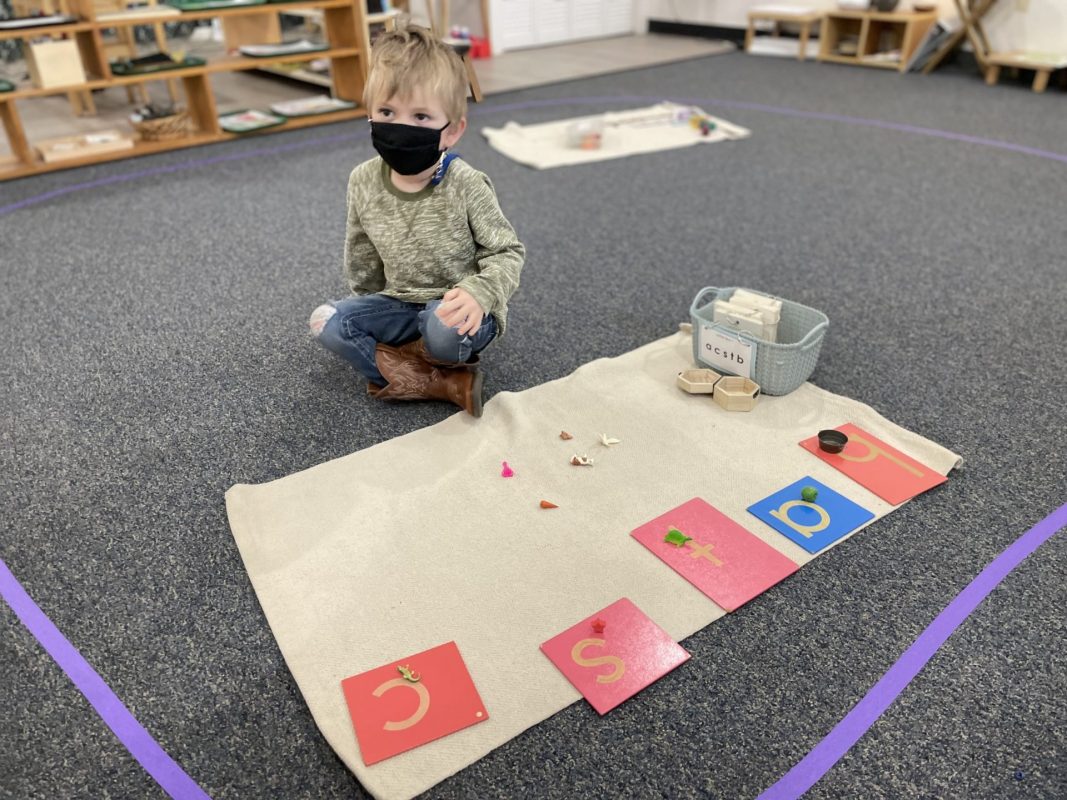
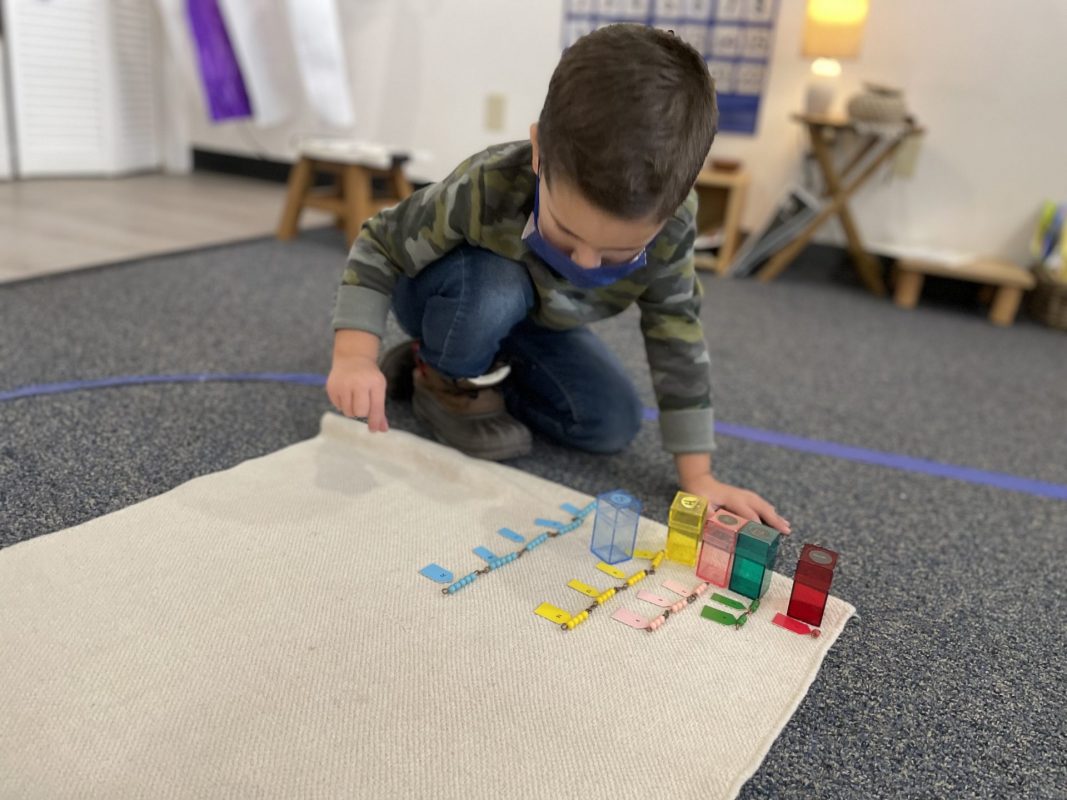
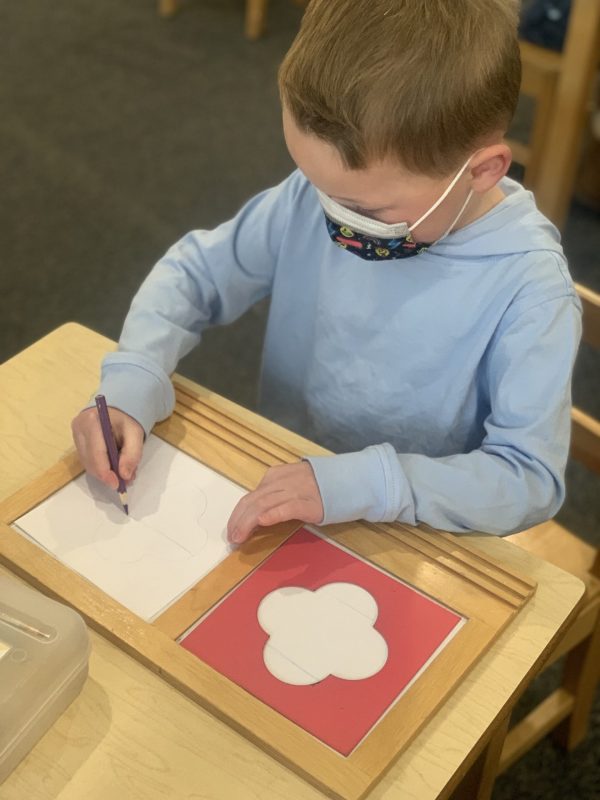
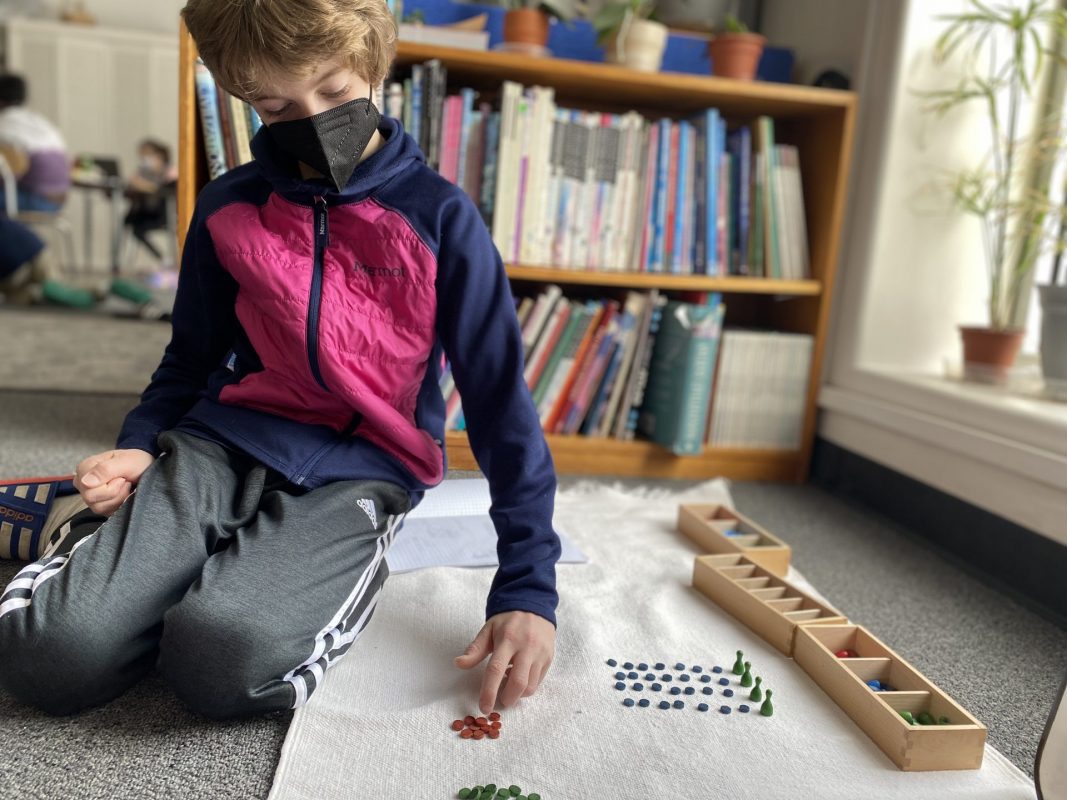
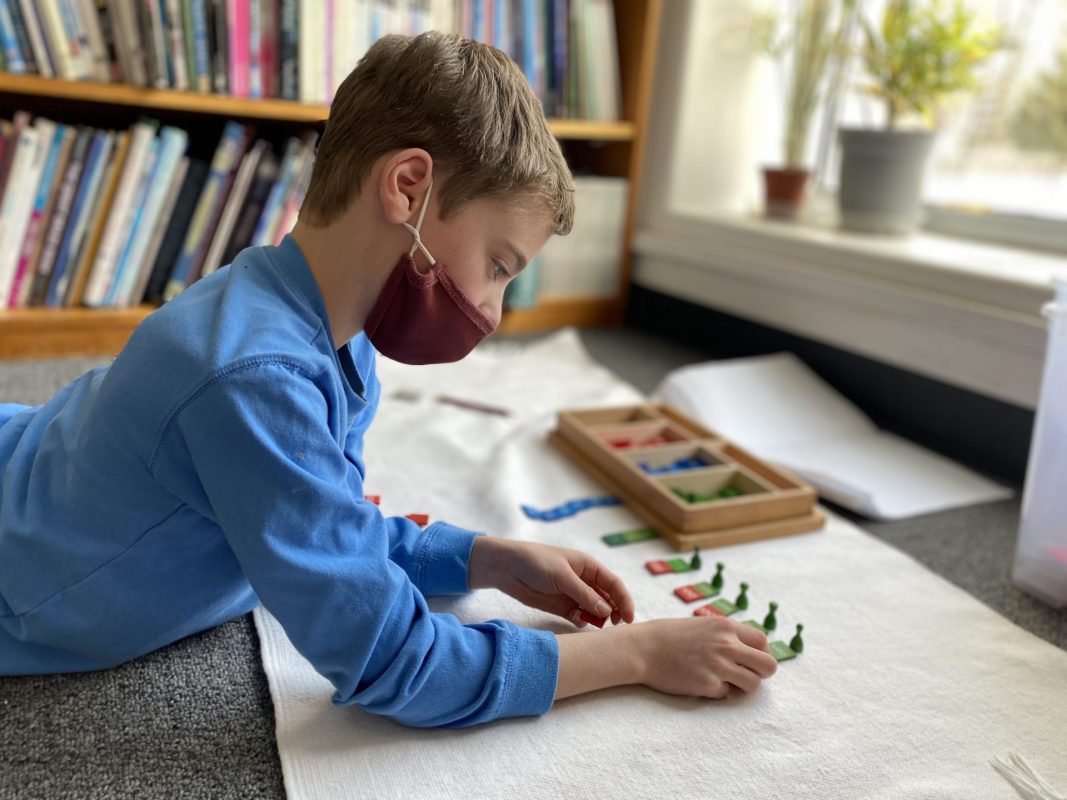
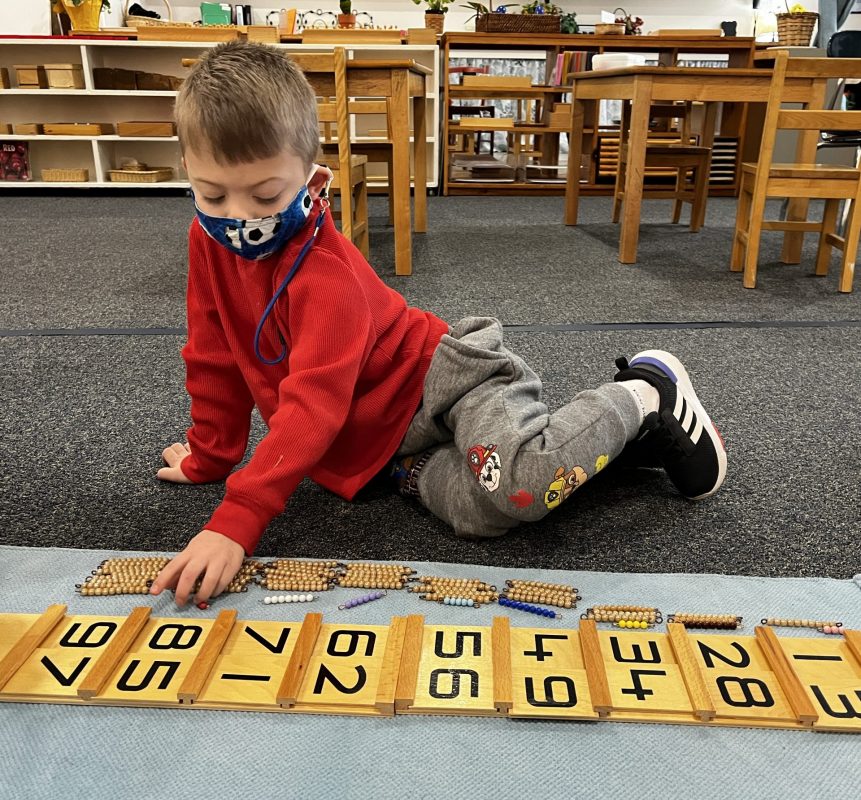
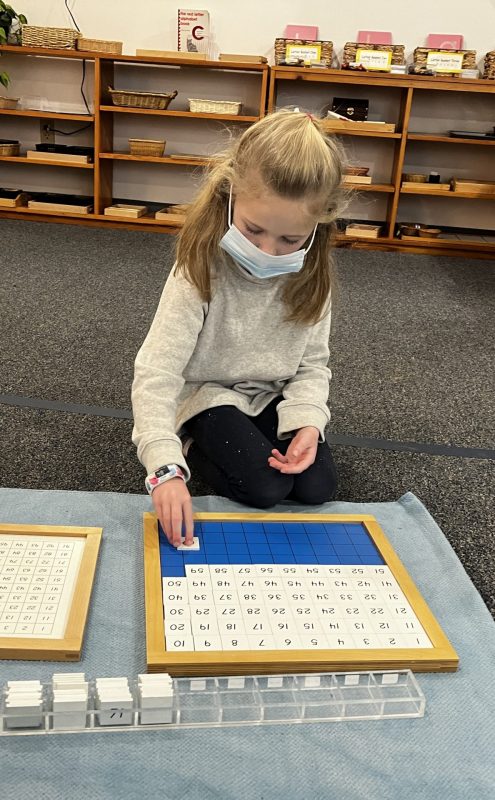
The Montessori math materials are visual and hands-on manipulatives, aiding in the ability of a child to concretely  understand mathematical concepts. After much repetition and when the child is ready,  we introduce the more complex and abstract concepts. We teach the process first because the goal is to develop a true understanding of mathematical concepts and not simply memorization. The materials are sequenced in a way that each success a child experiences is a building block for the next concept to be introduced.

Maria Montessori believed that all children have a mathematical mind and an internal drive to understand the environment around them. We know that the Montessori math materials are exact and precise and allow the child to have positive experiences in math right from the beginning.  We also know that the Practical Life activities have helped the child to develop order, concentration, coordination and independence.  Likewise, the Sensorial materials have allowed the children to recognize and extend patterns.  Here’s the real secret behind the success of the Montessori math materials though, the children truly enjoy them.

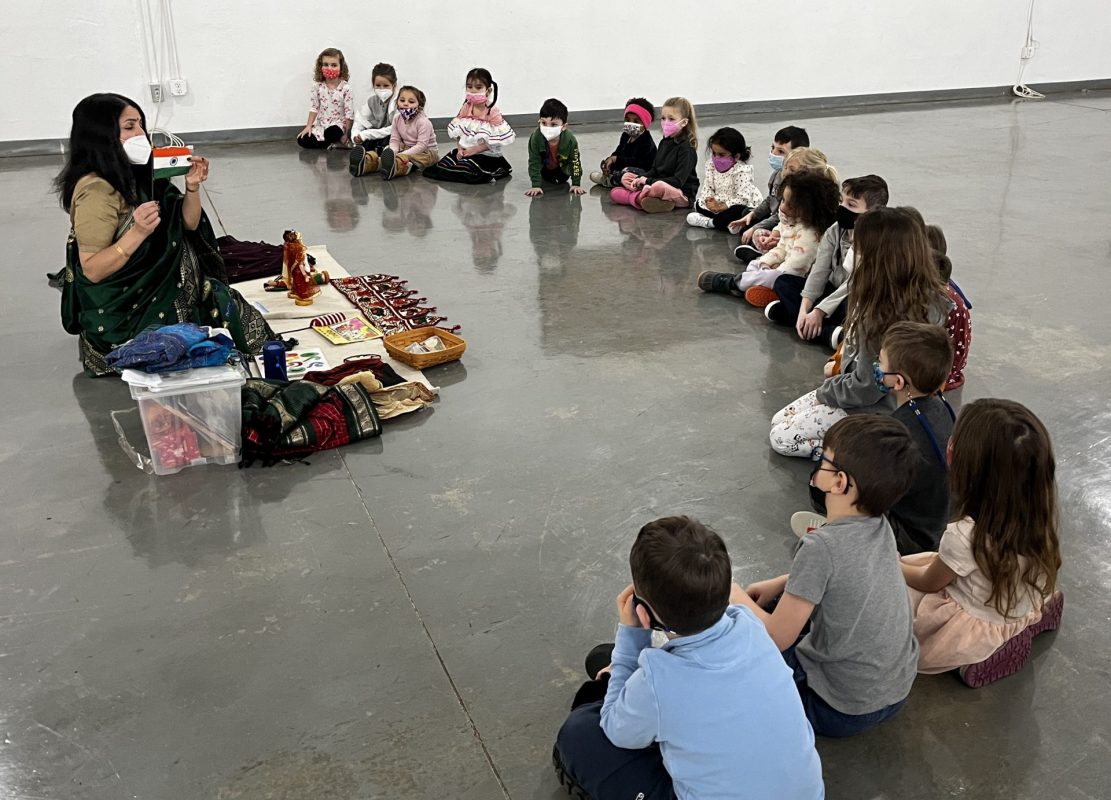
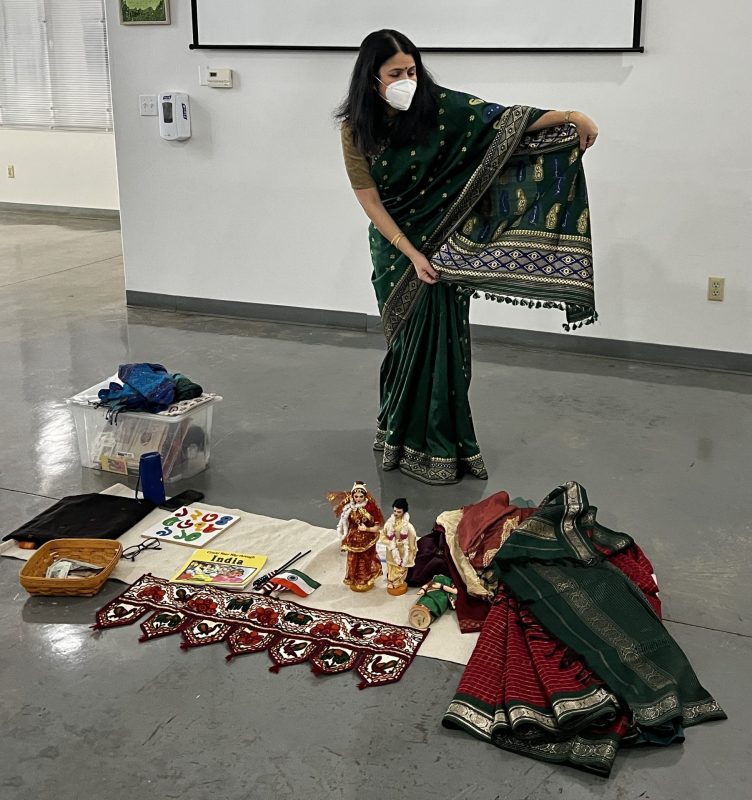
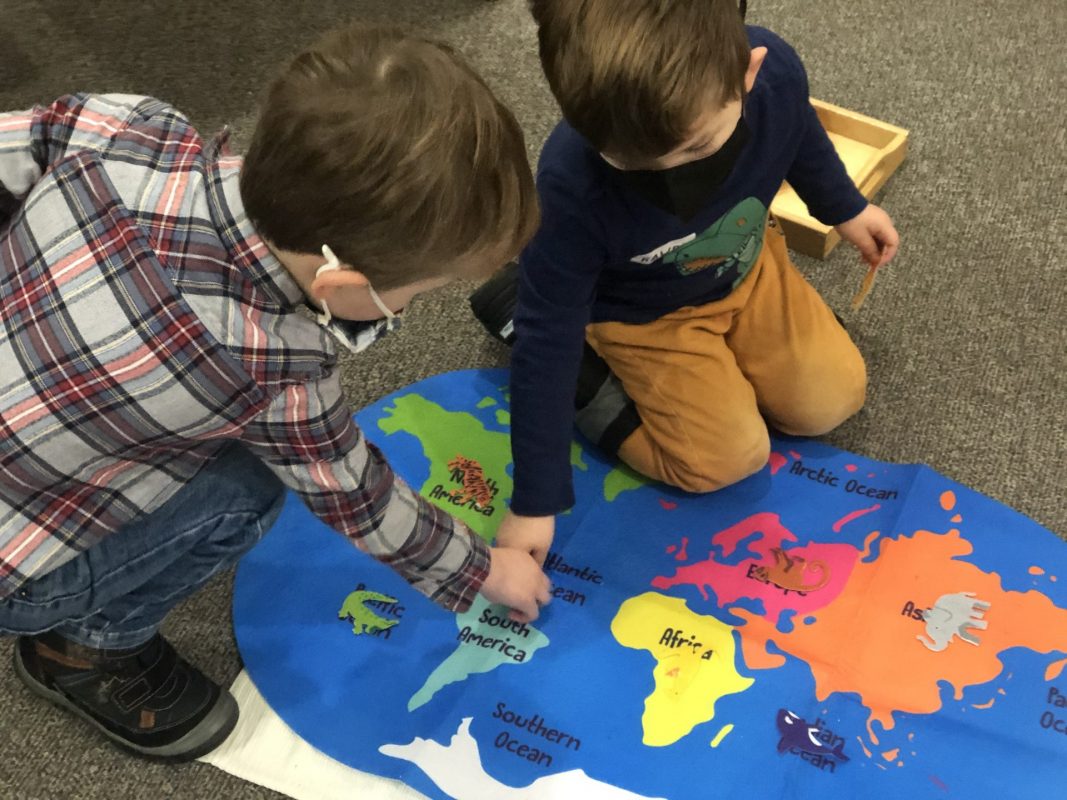
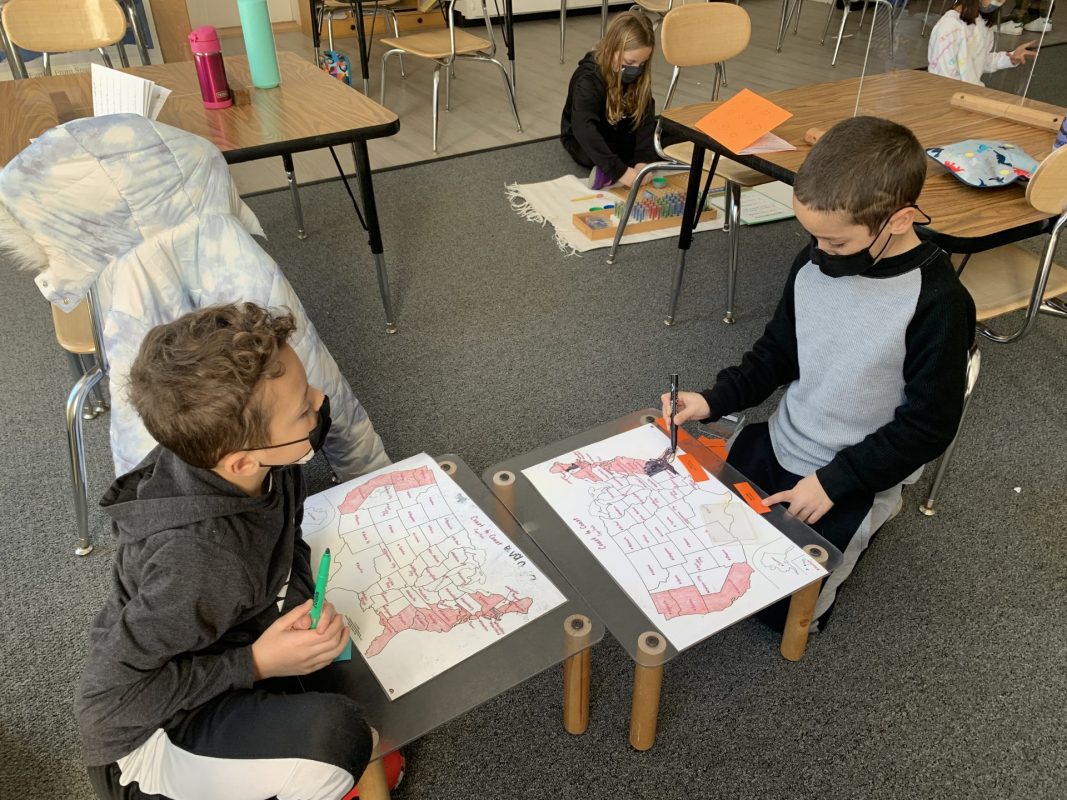
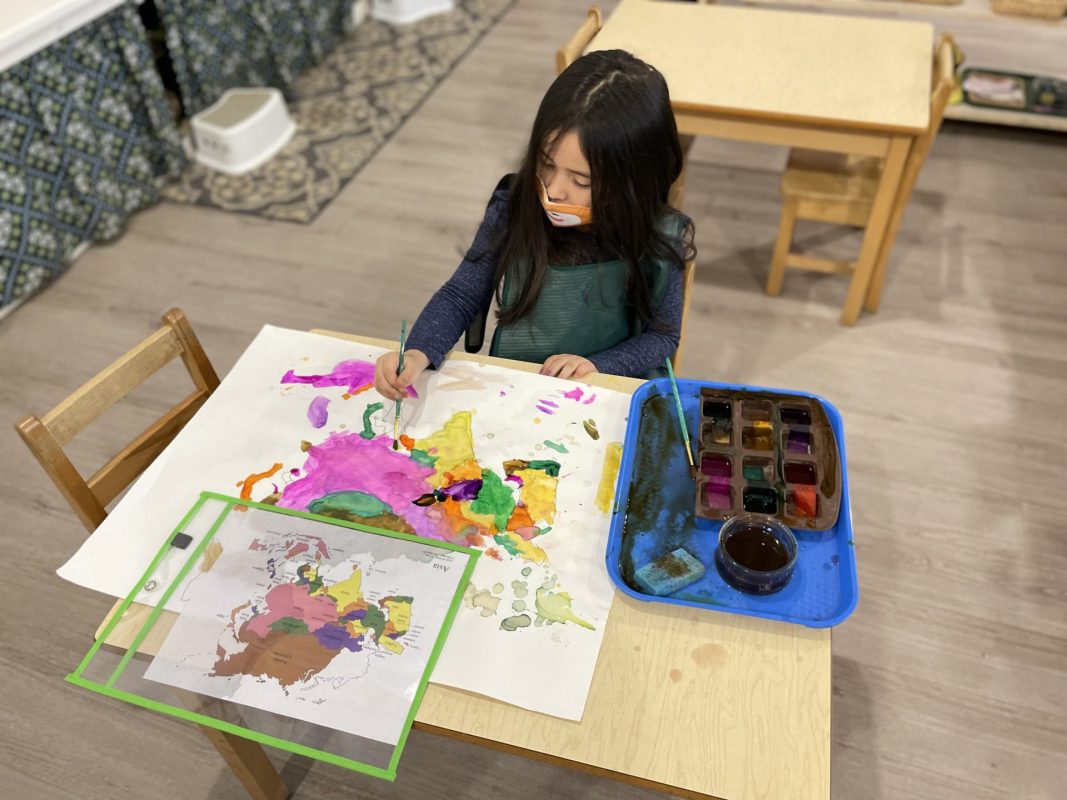
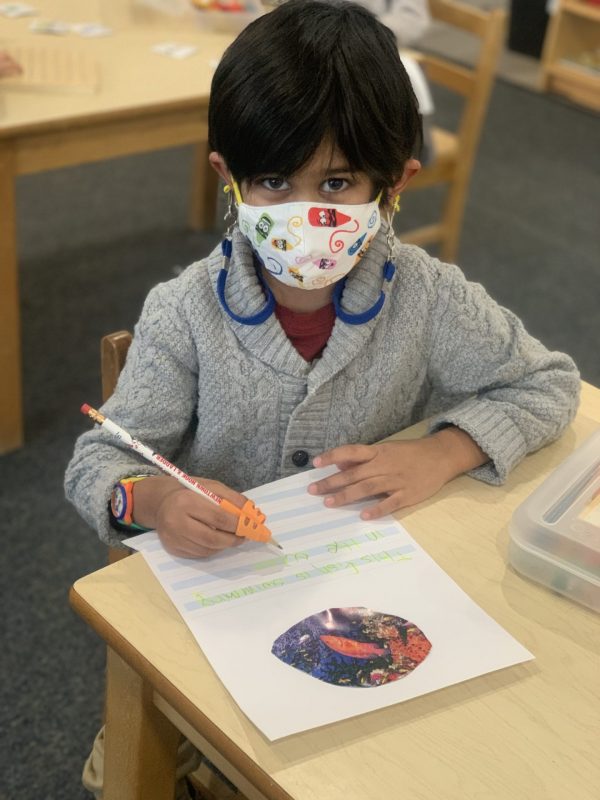
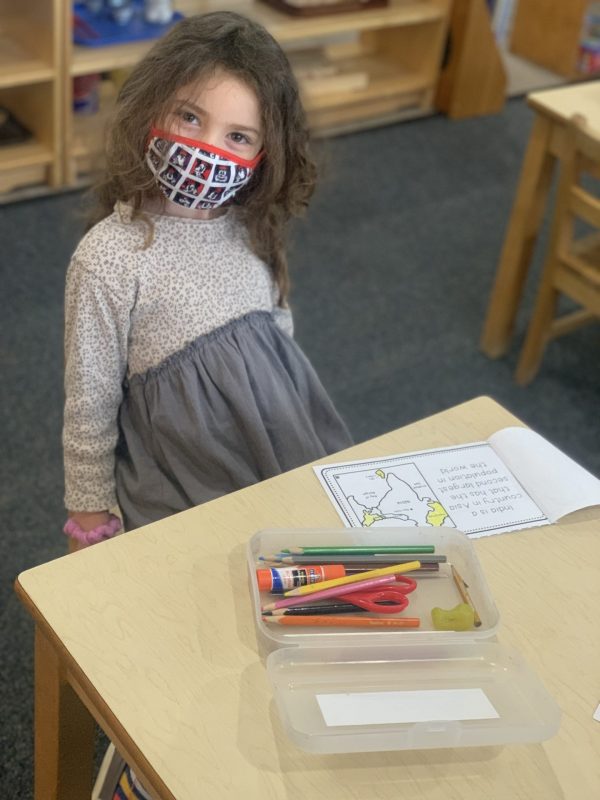
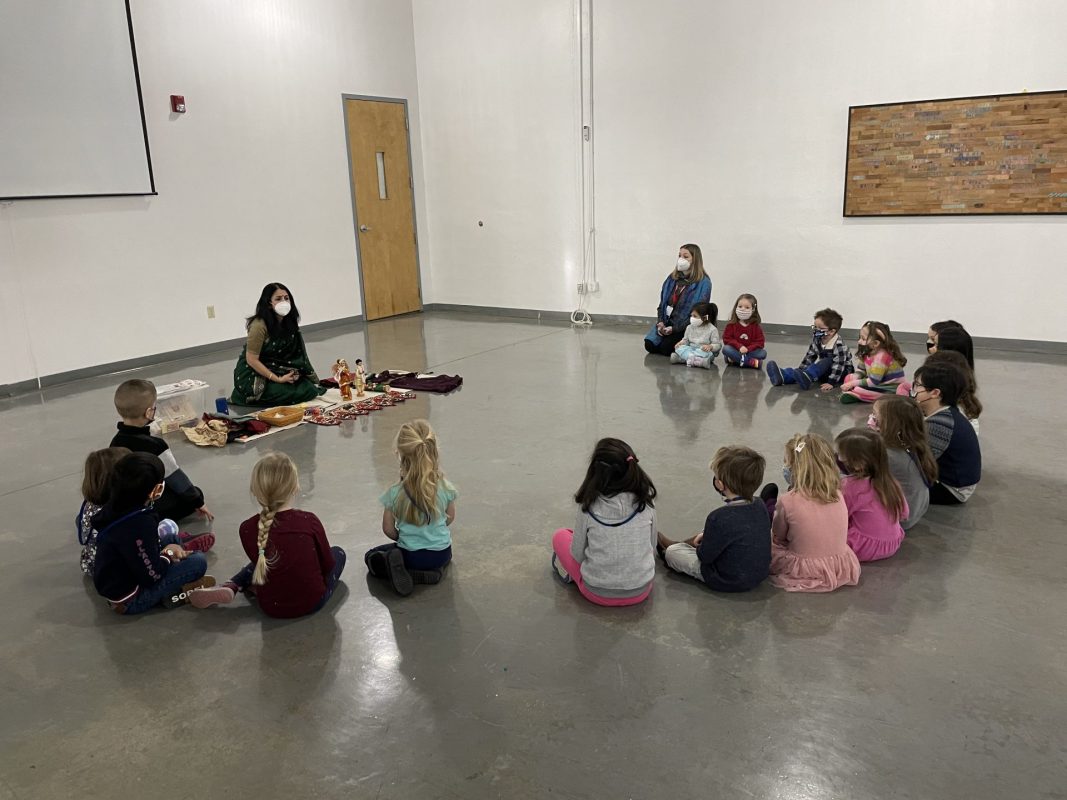
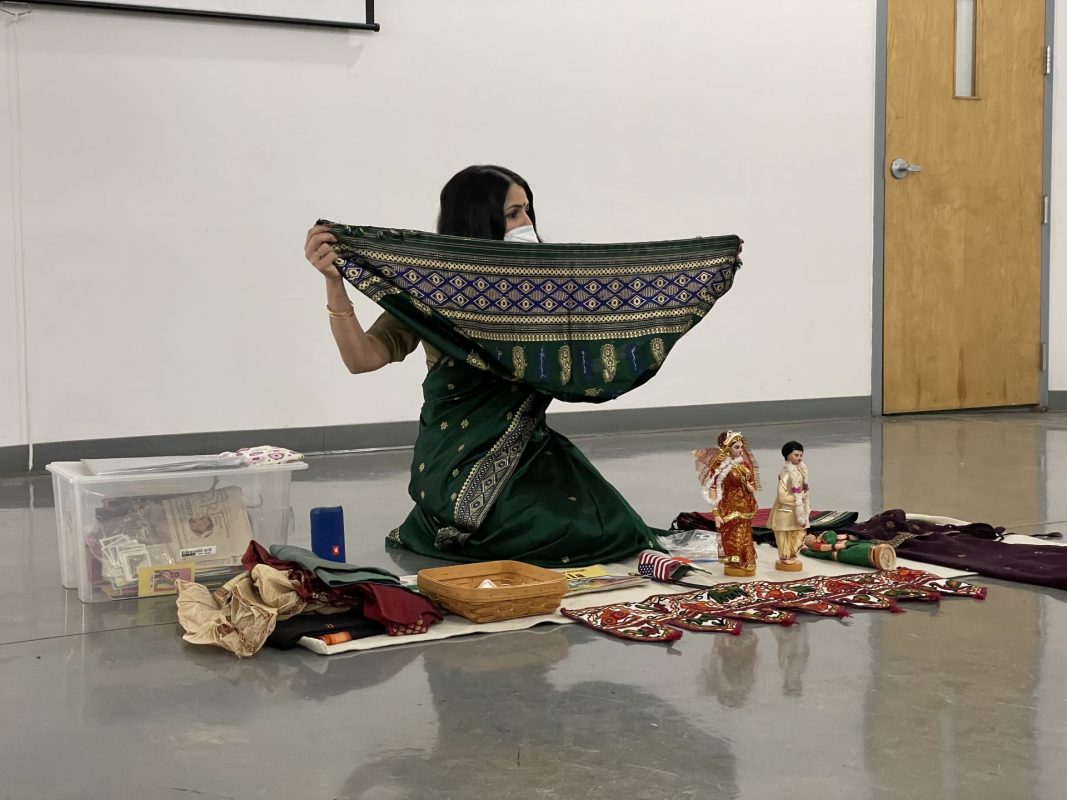
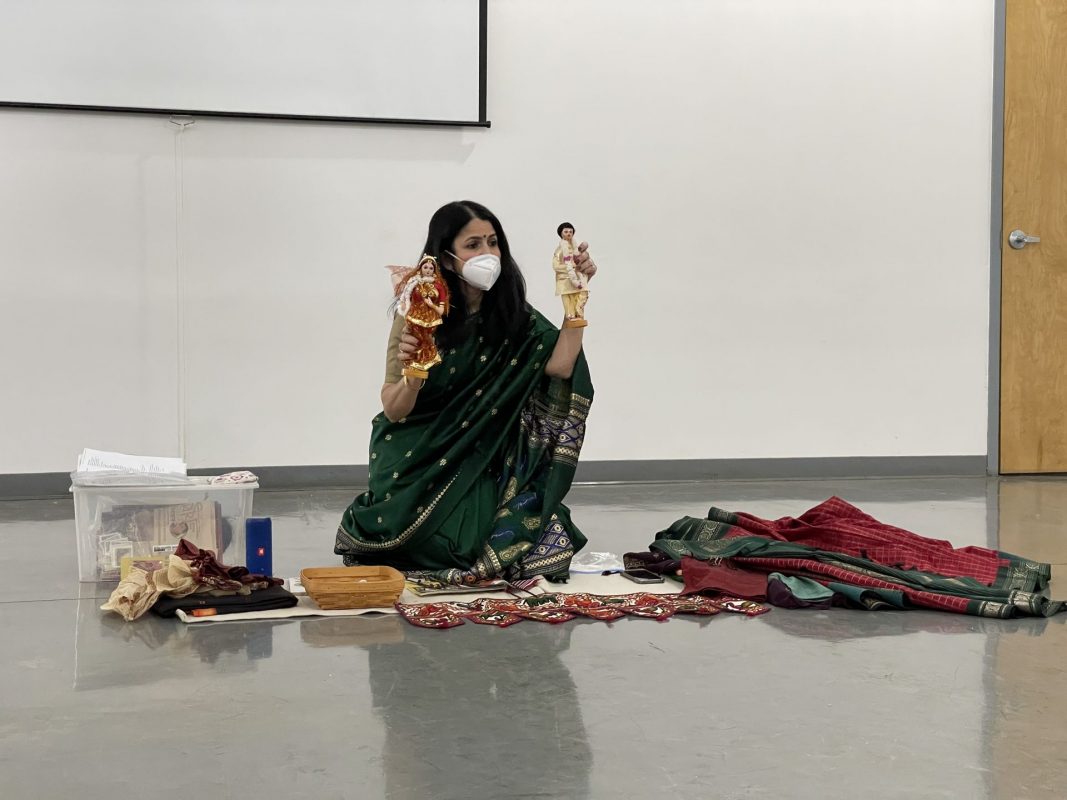
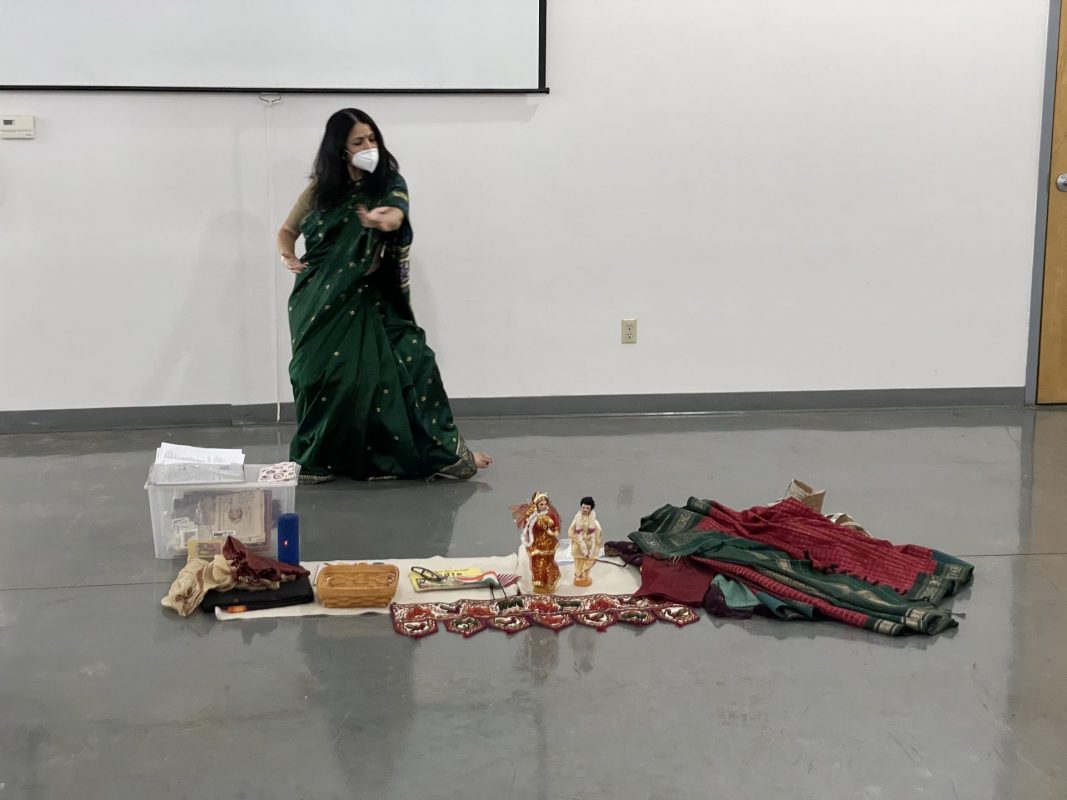
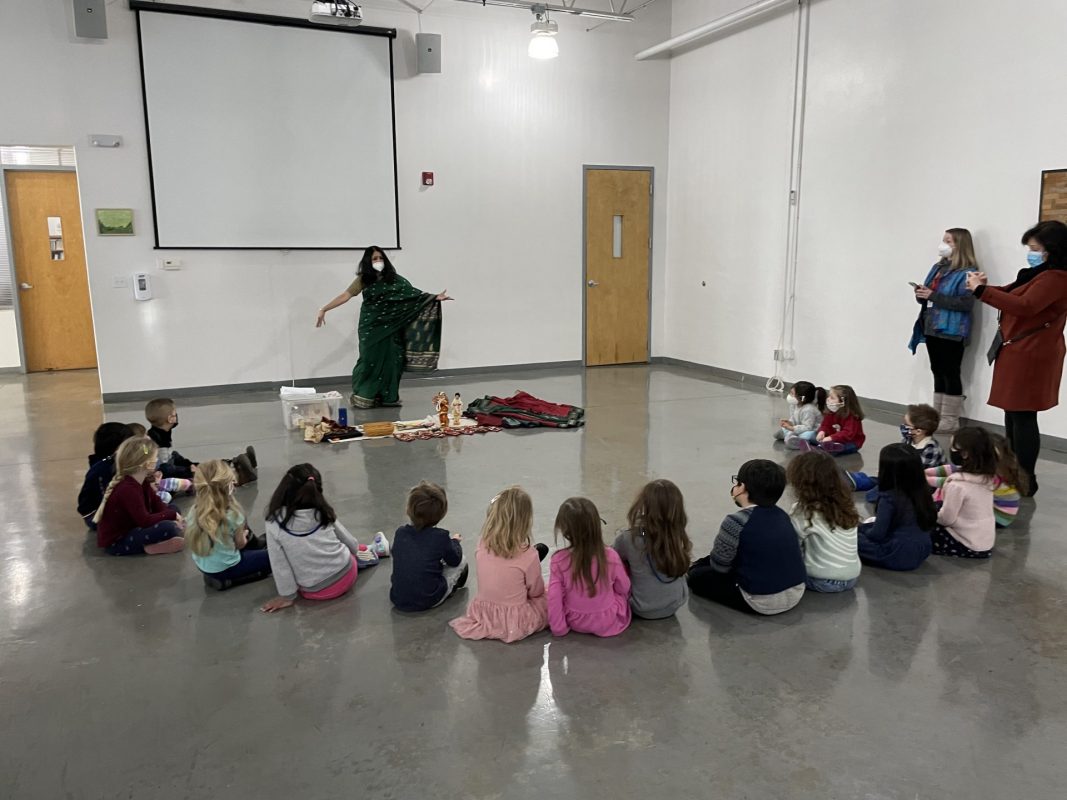
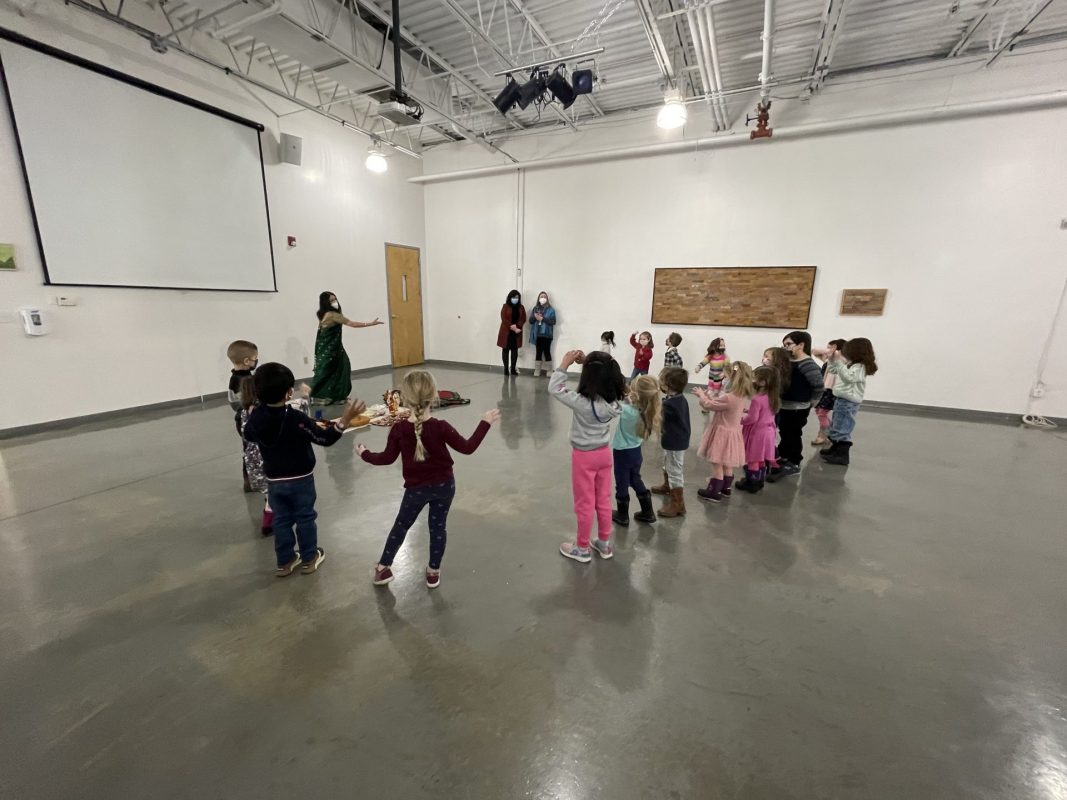
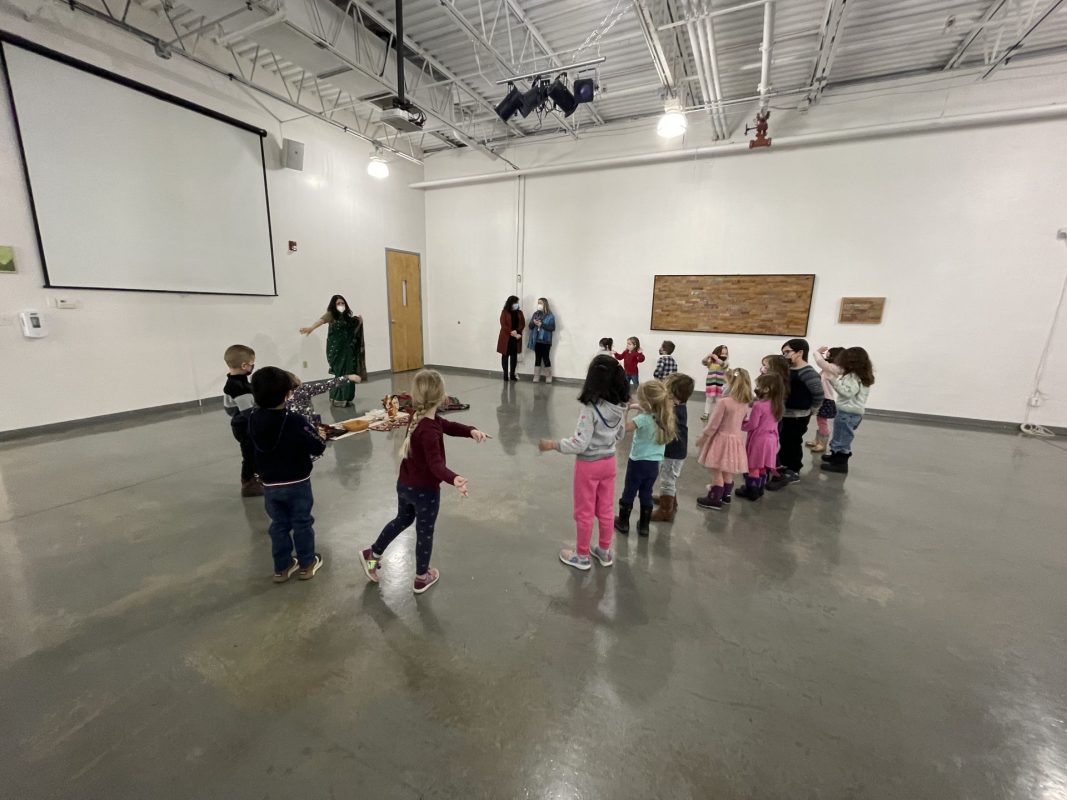
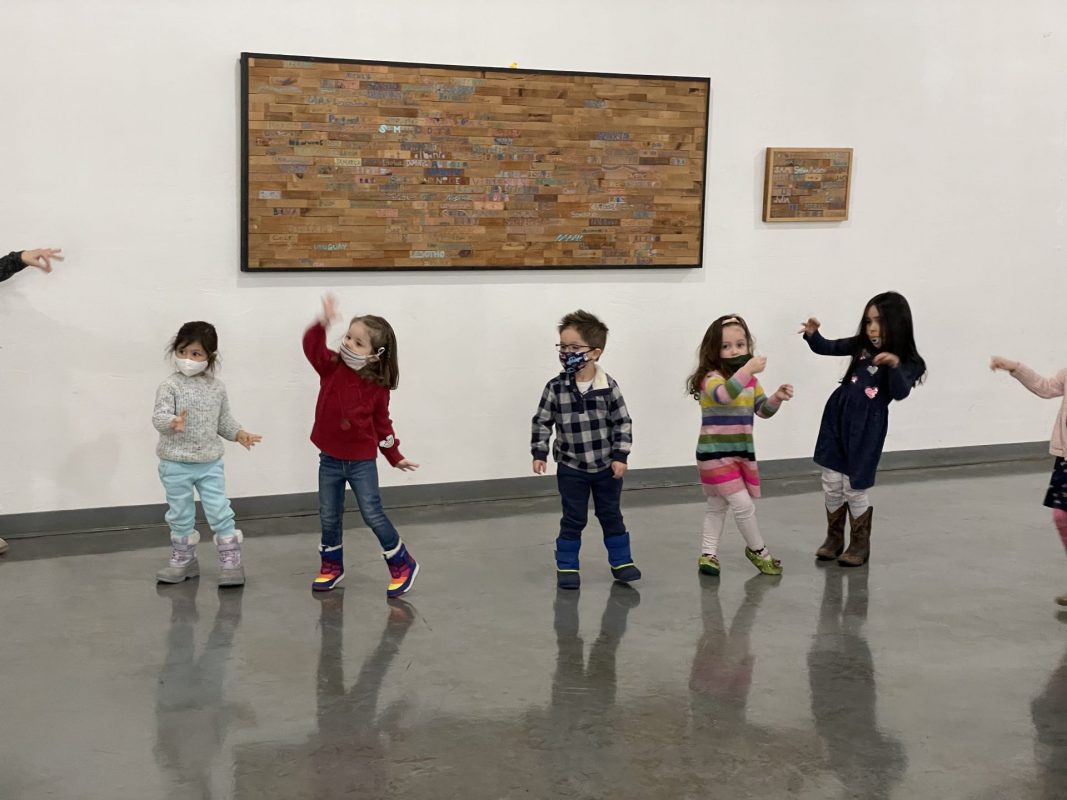
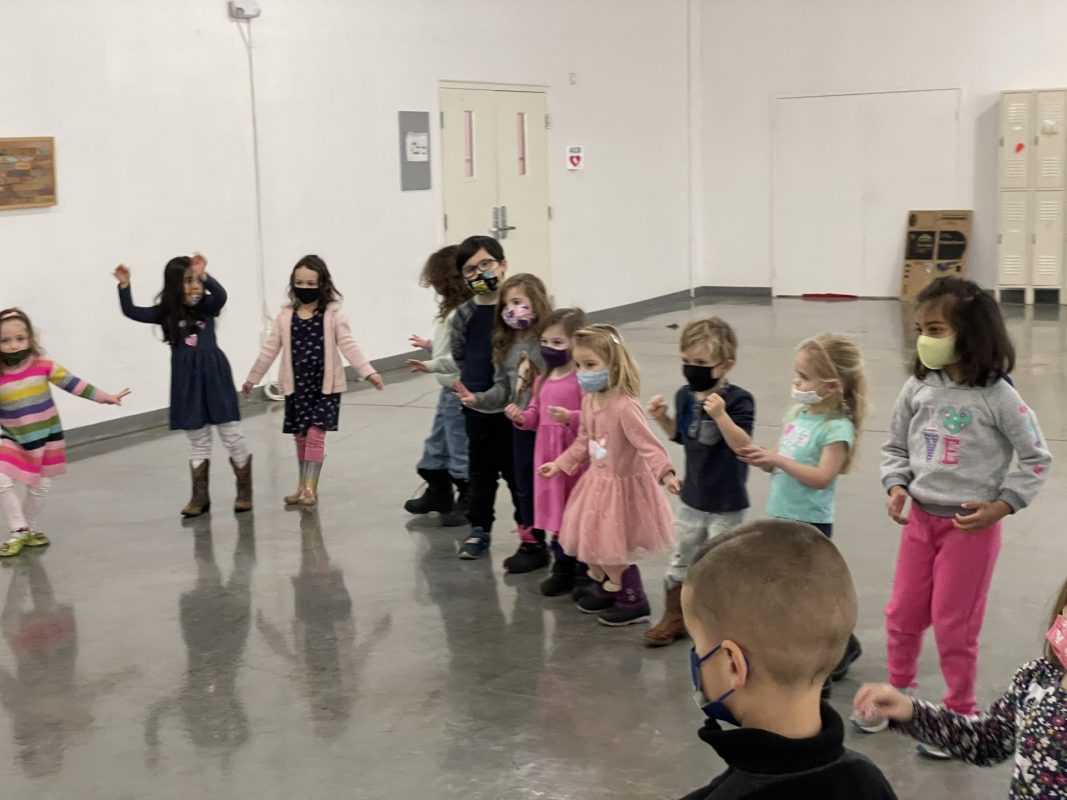
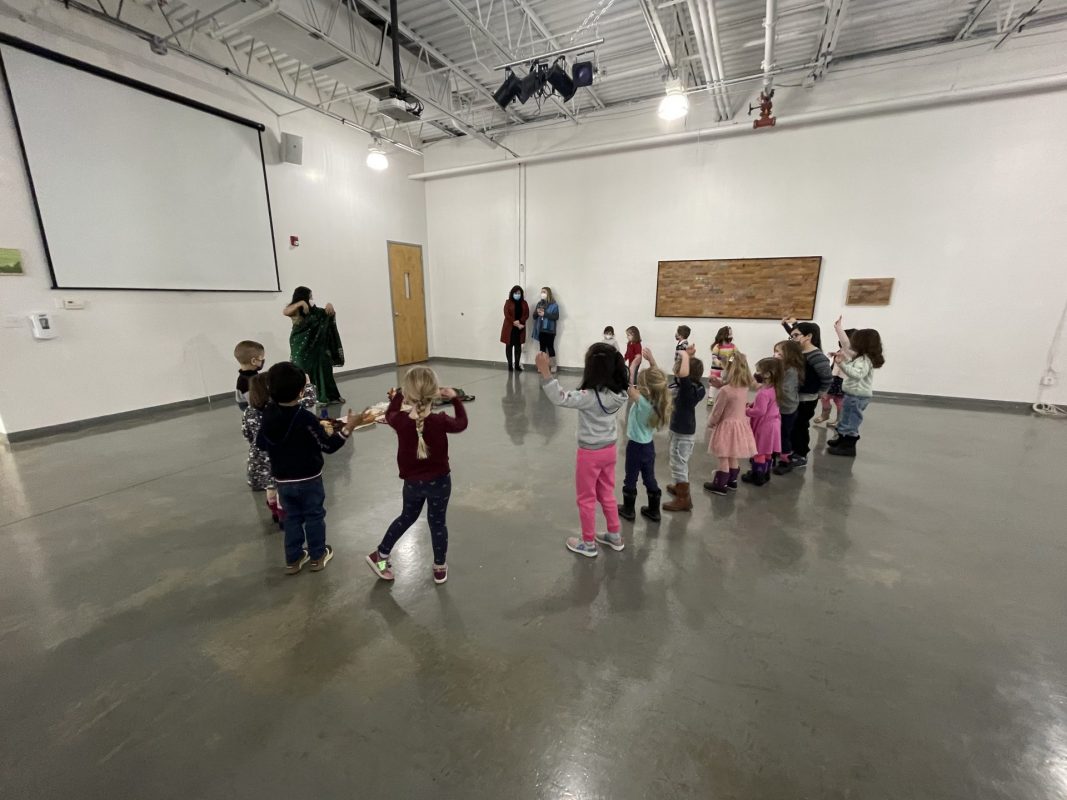
On Wednesday, to connect with our study of Asia this month, our Director of Admissions and Parent Relations, Ms. Paromita did a wonderful presentation to teach us about her home country of India.  We learned the significance of the colors in the India flag, counted in Hindi, and even got to learn an Indian dance.  Thank you so much to Ms. Paromita for organizing this for us!

As we are nearing the end of January, we are beginning to prepare for our February parent teacher conferences on Thursday, February 17th.  Be sure to look out for an email with the link to sign up for a conference time. We look forward to meeting with you all soon to share how your children have been growing and progressing since our last conference!

Wishing you all a week filled with peace and love!

Michelle & Liset


Mrs. Wilson: Play is The Child’s Work


We started the week celebrating a birthday! The children enjoyed a special treat of berries and homemade whipped cream.

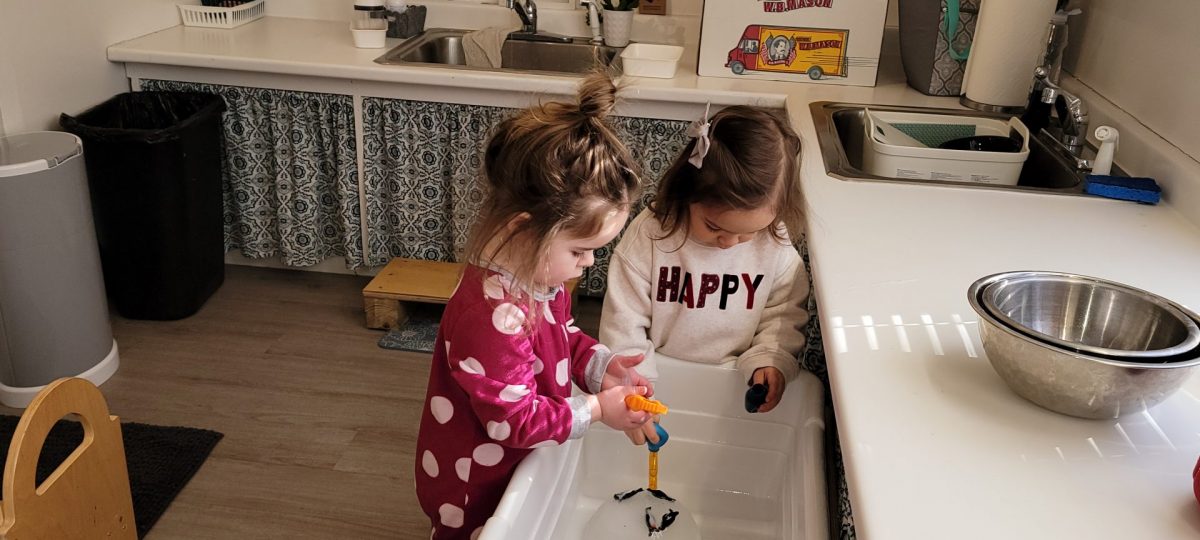
In the sensory bin, we froze penguins in bowls of water. The children use tongs and a water dropper to try to save the penguins from the frozen ice. It is so very sweet when they are able to get one out. The children are so proud that they excitedly announce it to the class, “I saved a penguin!”

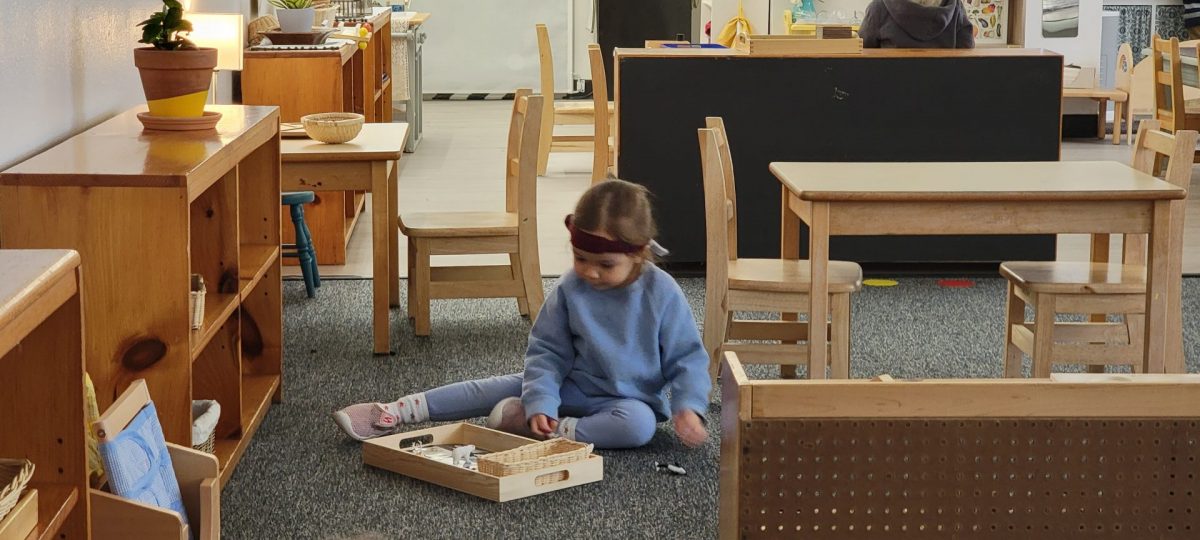
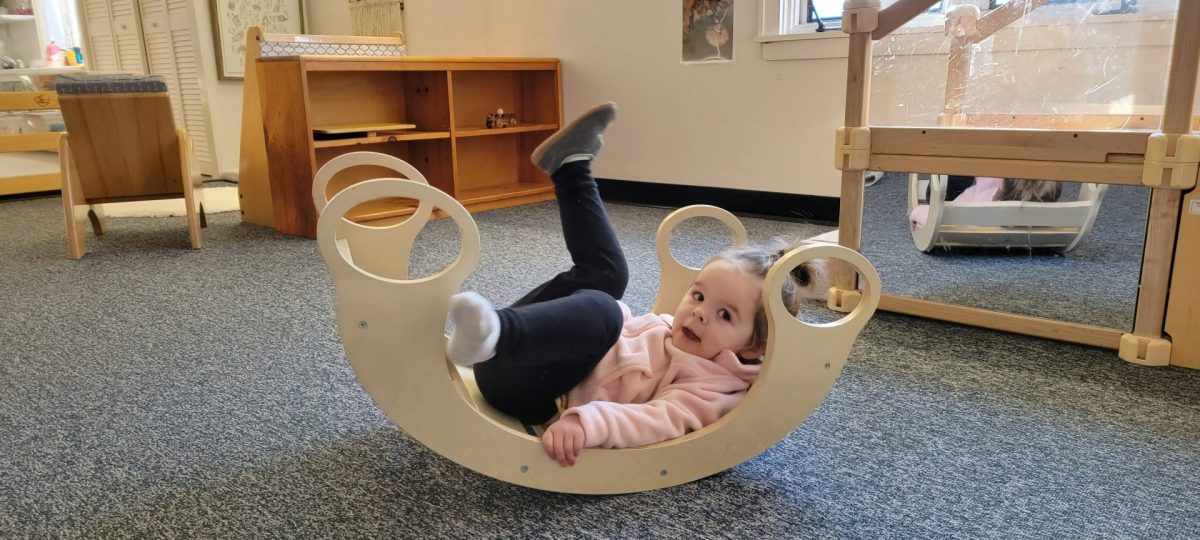
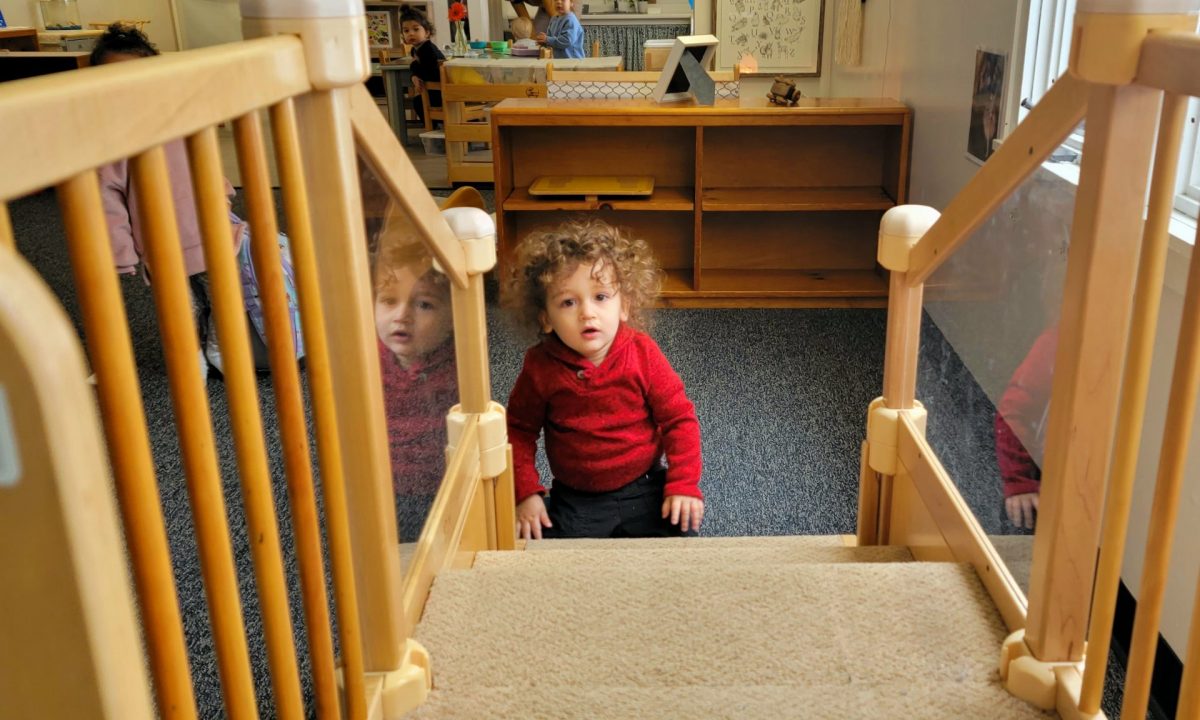
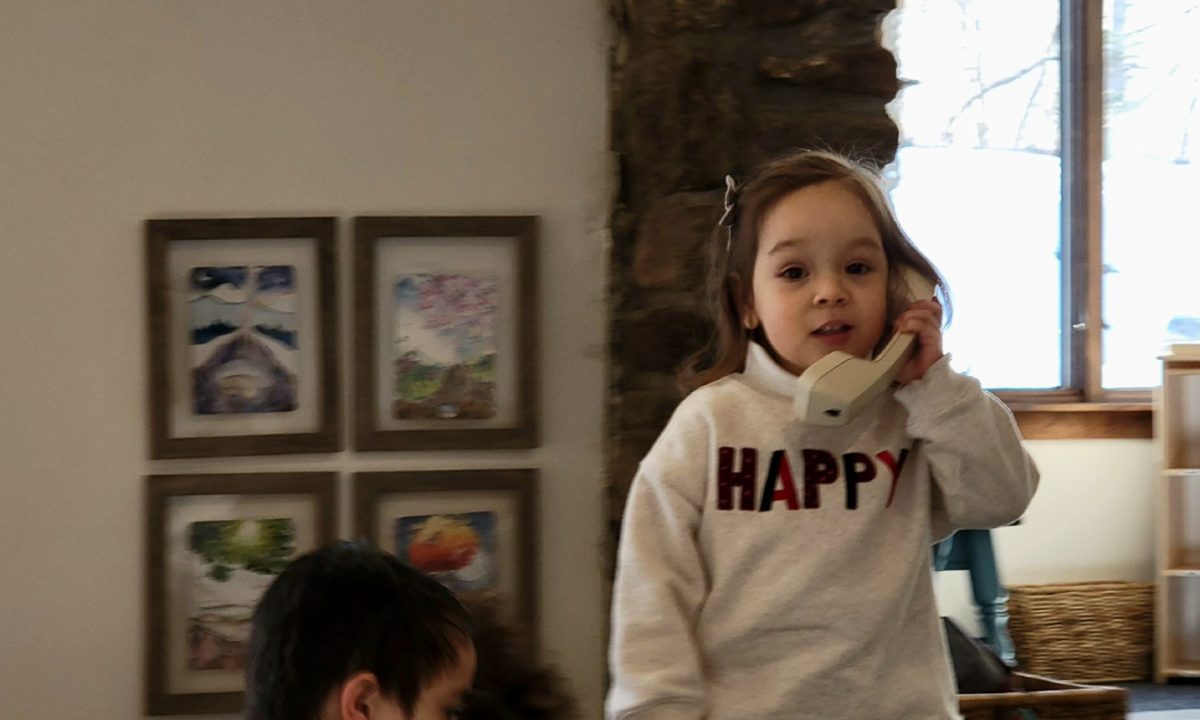
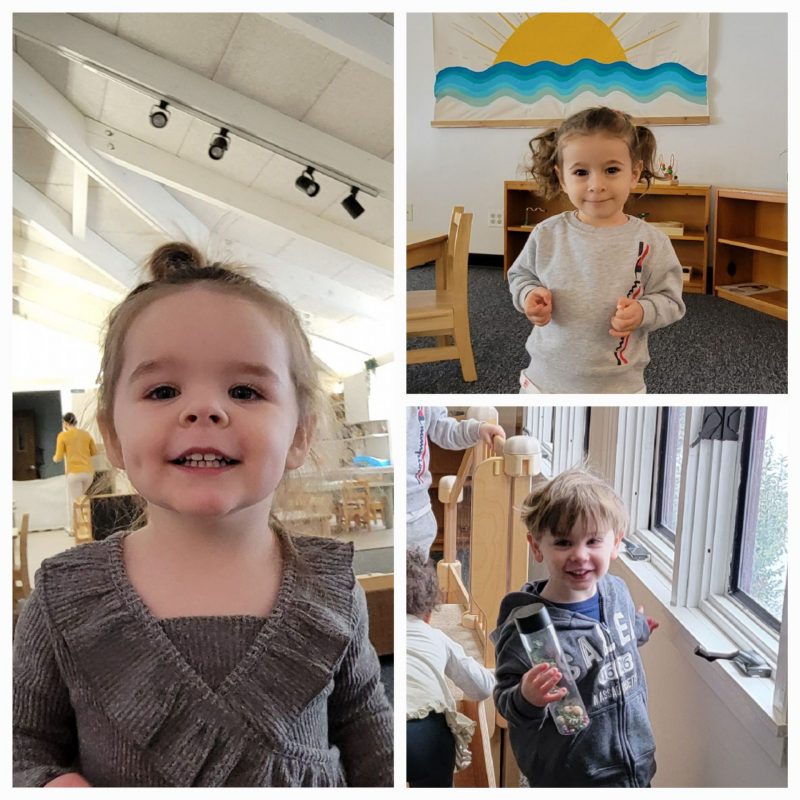
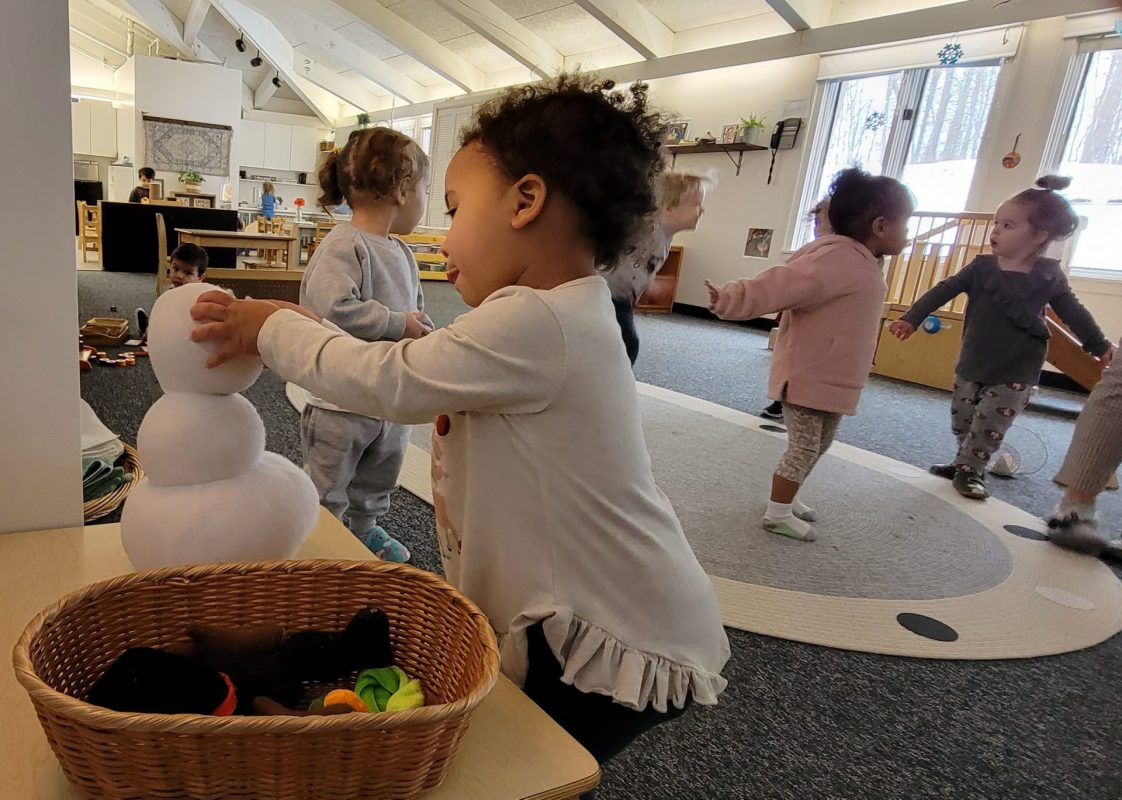
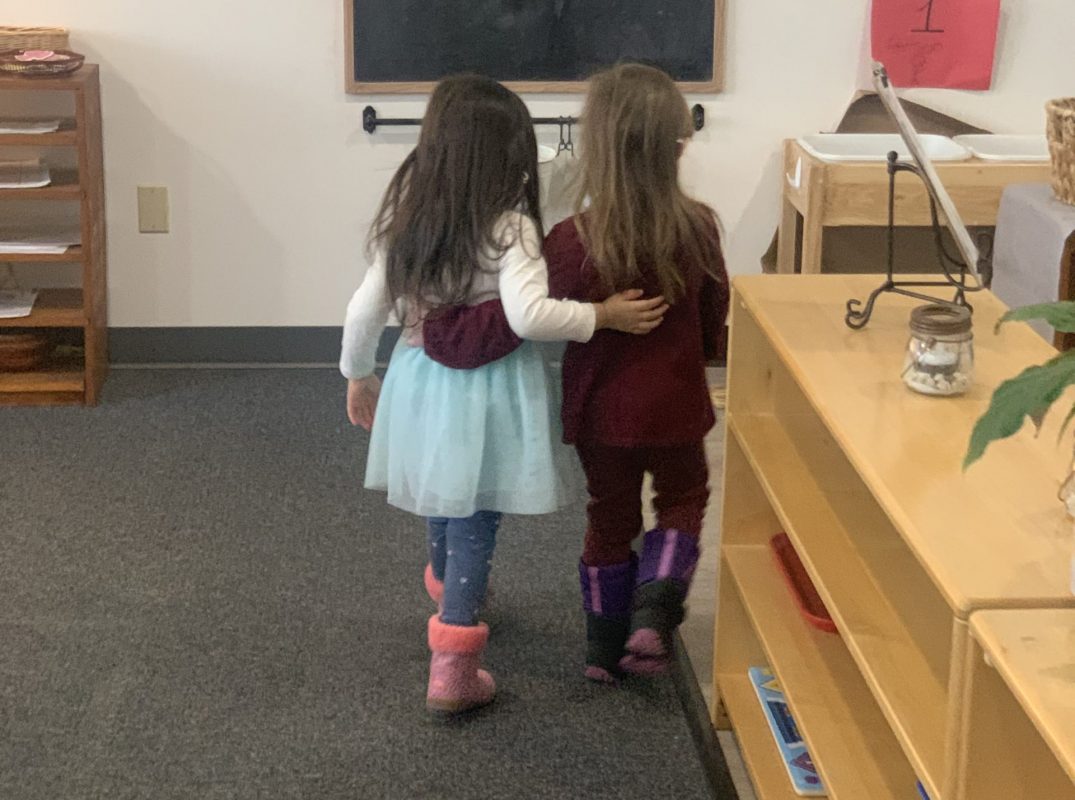
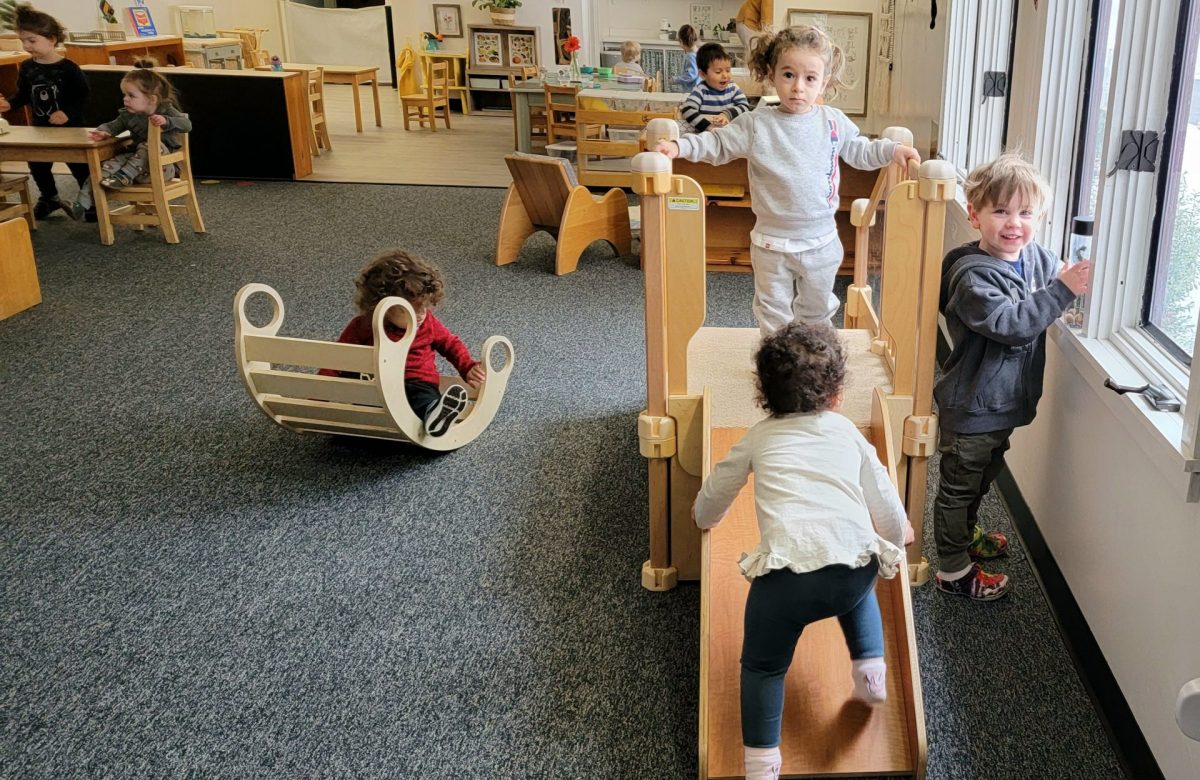
I can start to see a shift in the children and how they are forming more of a connection with each other. Some of the children have brought into the environment a sense of symbolic play. With these new adventures, the other children have become intrigued and want to join the fun. Some of the children are shifting from parallel play to more associative play. This is another beautiful reason why Montessori believes in mixed-age groups. The younger children are learning by watching their older peers and how they interact with each other.

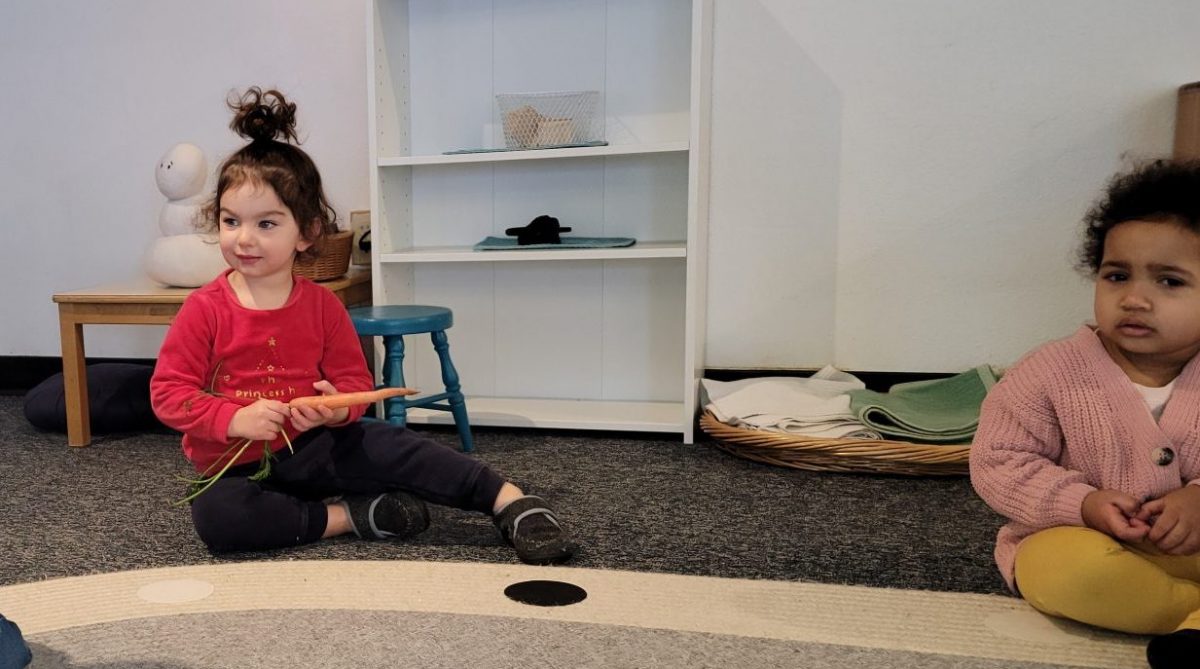
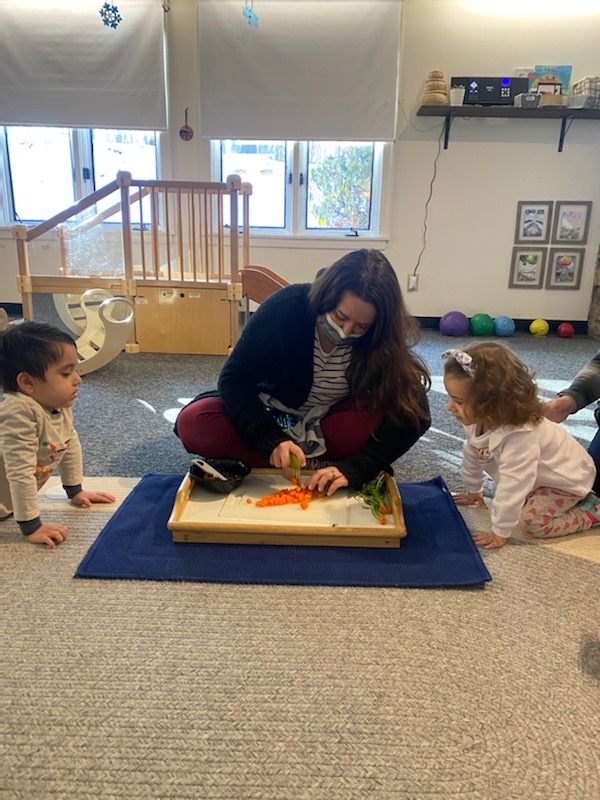
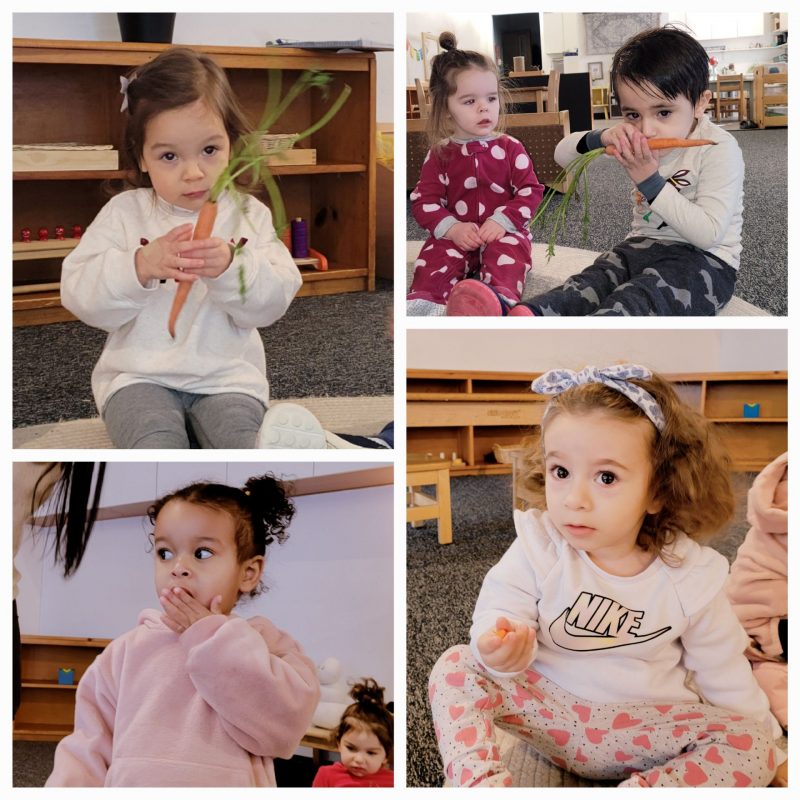
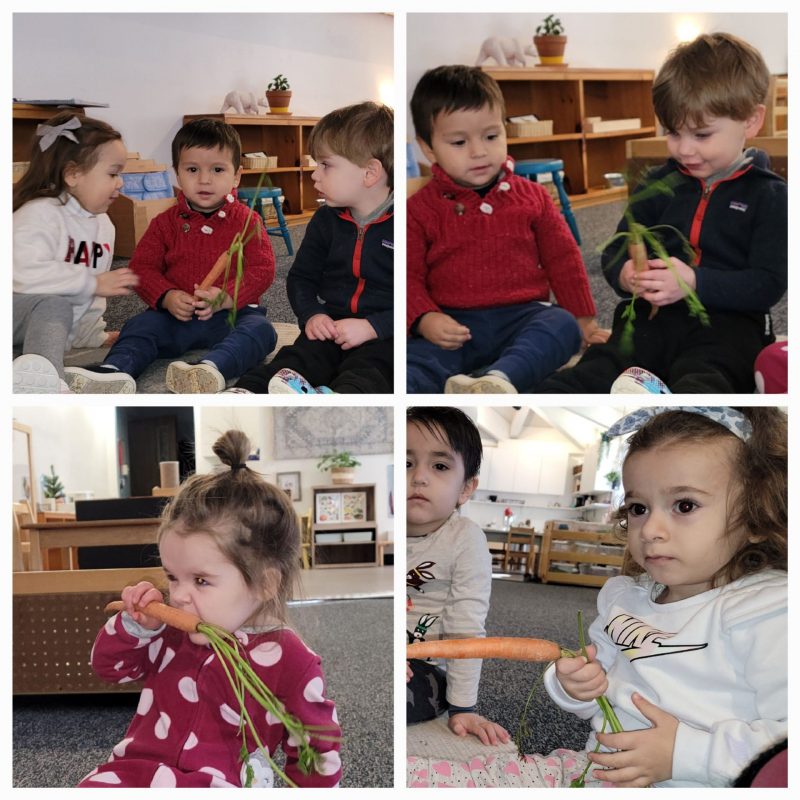
Food Tasting: Carrots are crunchy, sweet, and yummy! The children explored a raw carrot with the tops. We talked about how they are root vegetables, the “orange” grow under the soil and the tops “green” grow above the soil. We then took the top and placed them into a shallow dish with water to see if we can make them regrow.


Virtual Parent Teacher Conferences Coming Up On Thursday, February 17

Dear Parents,

Parent Teacher conferences are a wonderful platform for communication, building the bond between home and school so that together we can foster the success of each child. Although much of a student’s learning and instruction happens here at school, we believe the connection between home and school should be fluid. The relationship between parents and teachers, and the flow of information between them (each sharing their knowledge of the child at home and at school) can only serve to benefit the children.

Virtual Parent Teacher Conferences will take place on Thursday, February 17th. We have no school on this day.

Your child’s teacher will send a Sign-Up Genius on Friday, February 4th with a variety of times available for you to schedule your parent teacher conference.

In addition, if any parent would like to have a conference with one of our enrichment teachers, please email them directly to set up a time to meet virtually.

Enrichment team emails:

Please don’t hesitate to contact me with any questions. We look forward to talking with you about your child’s progress at school.

Warm regards,

Gina


Mrs. Semmah: Science Around Us


The children are intense explorers and they absorb their entire environment using their senses. When it comes to science, these are the most important tools children use to observe the world around them. This week I created a science activity that stimulates the children to think and ask questions about the world.

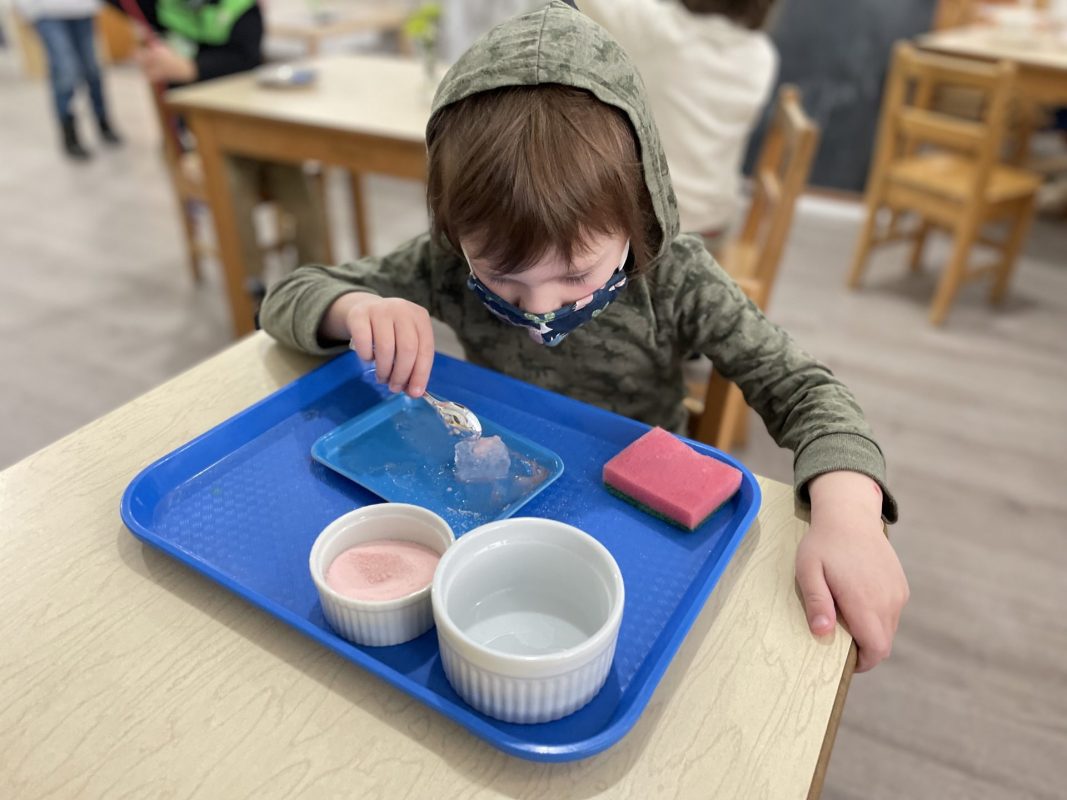
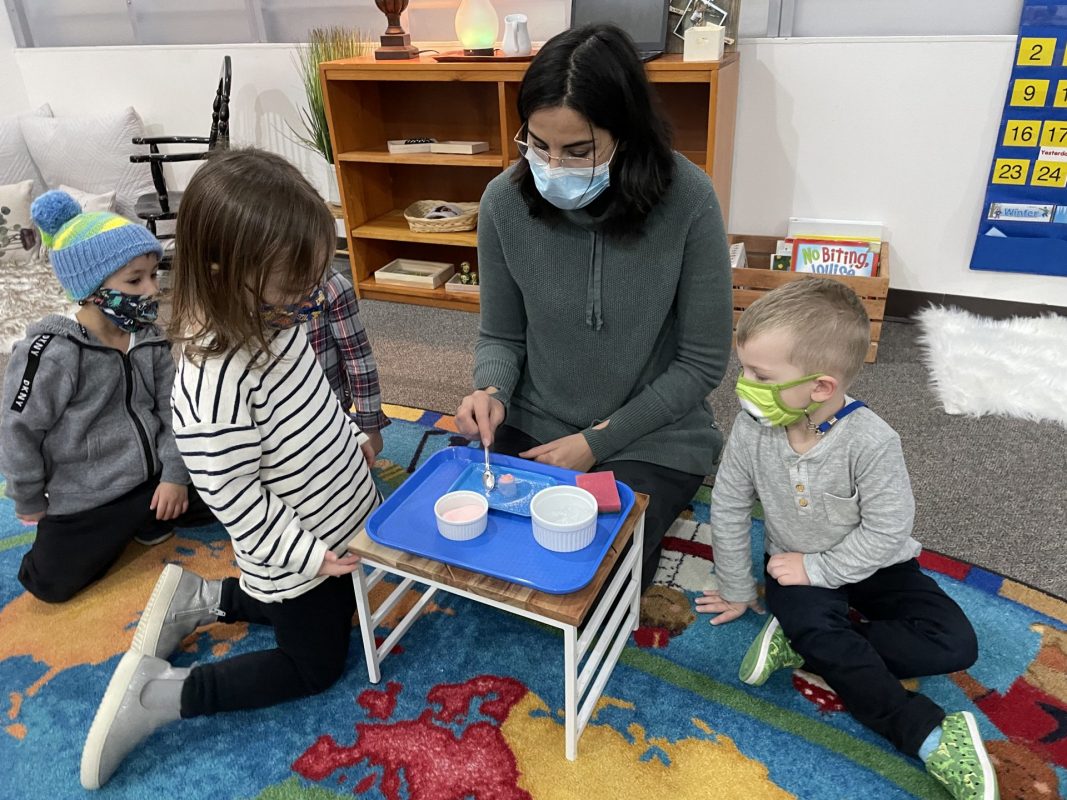
I introduced an ice melt tray for an experiment. It includes a bowl of ice, a small bowl of salt, a teaspoon, and a little tray for adding salt to the ice cubes. Then I asked a question: What happens when I add salt to the ice? The children thought about different responses. Some said the ice is melting, others said it is frozen. The children were very fascinated to observe the ice melting when it is mixed with salt. They go further with their thinking to make connections between what they have observed in the class and their home. After shoveling the snow parents throw some salt on the ground to help the ice on the ground melt.   

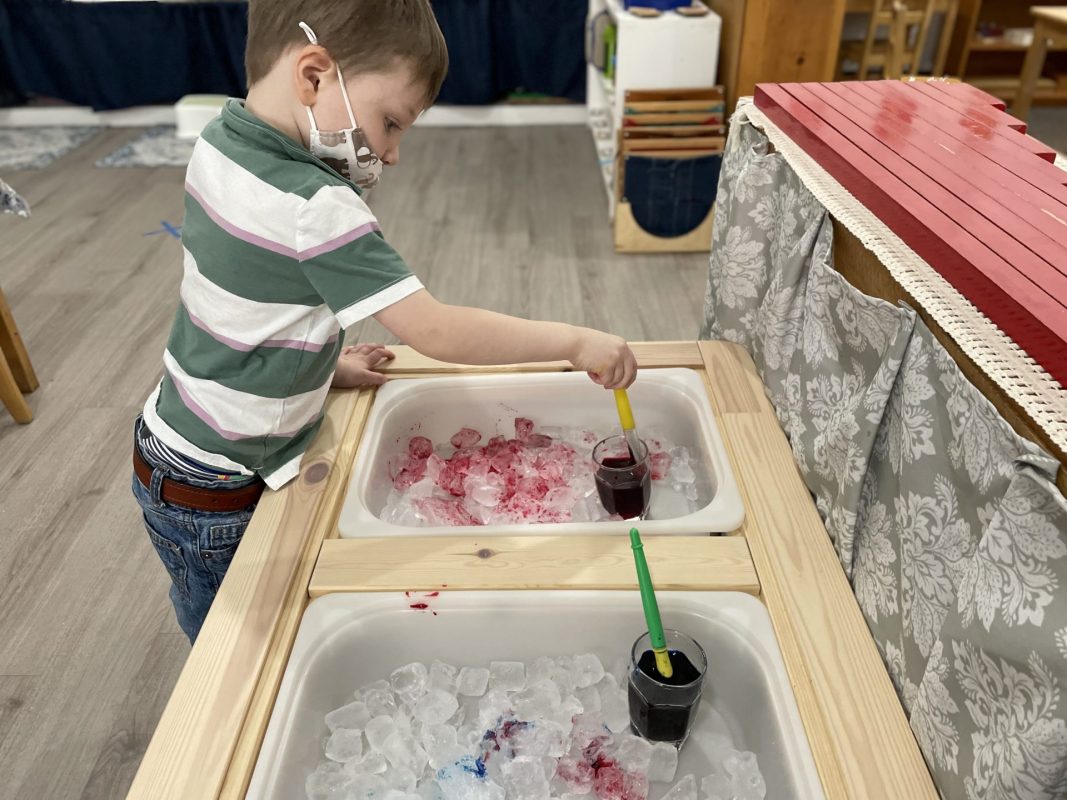
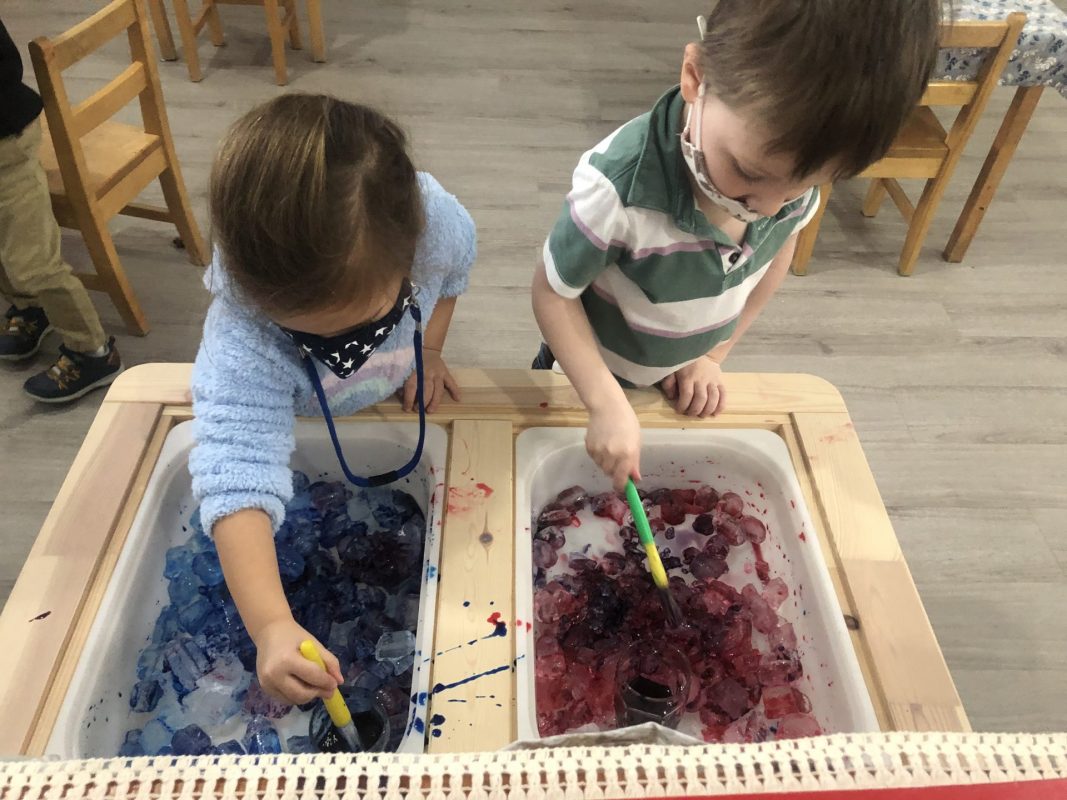
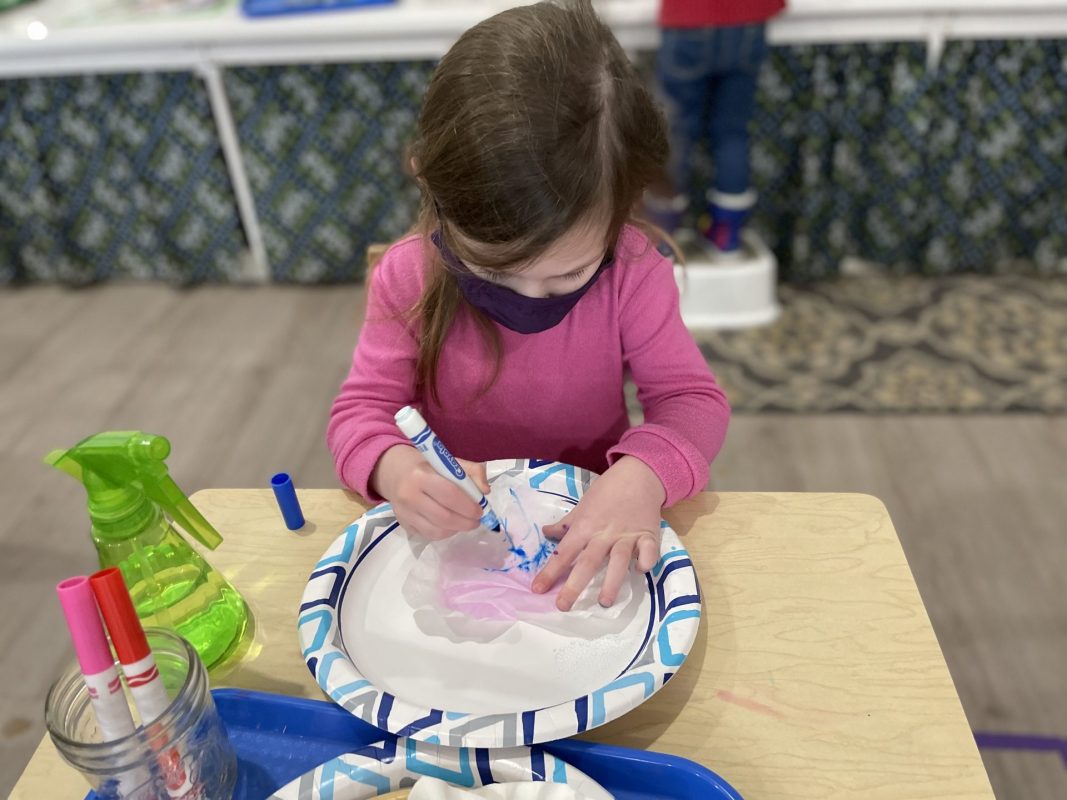
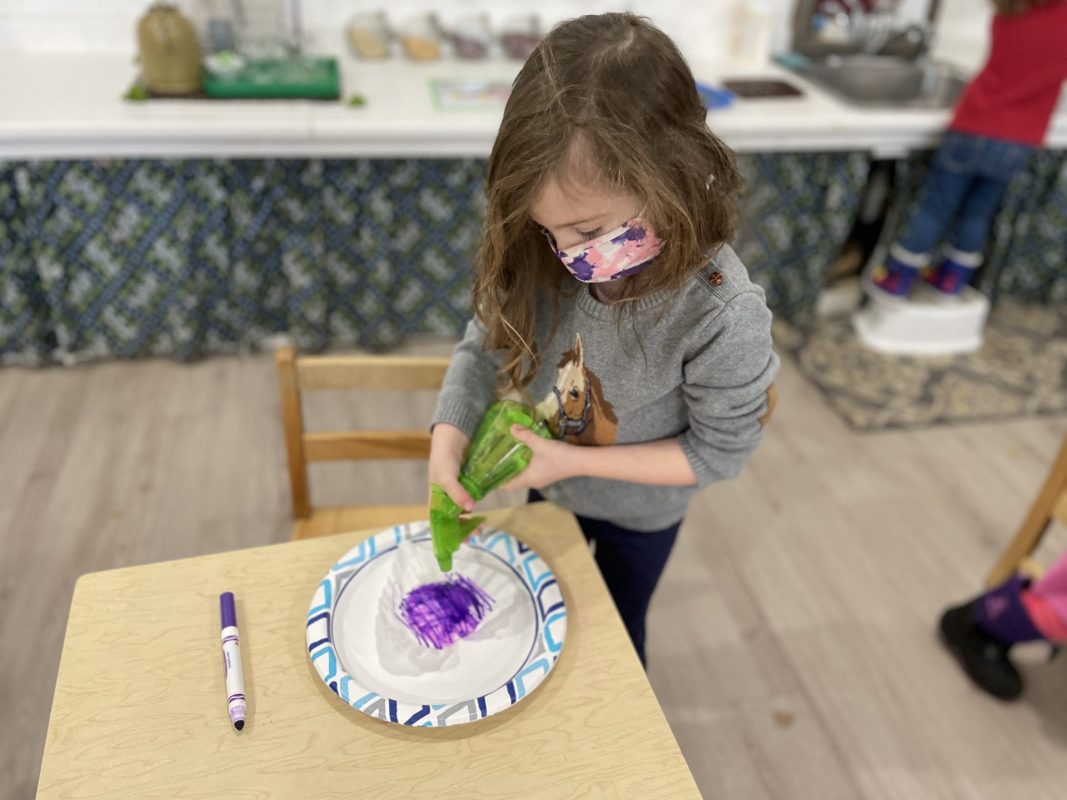
While ice fits nicely into our science winter theme, it is also a fun sensory activity. We added some ice in the bin, a jar of watercolor, and paintbrushes. The Children love to see the magic paint on the ice and how the ice takes different colors. They also observe how this activity doesn’t last for a long time because of the warm temperature of the room that causes the ice to melt quickly. It is an inviting way to paint on a surface other than paper and a way to stimulate children’s sense of touch and think about the change of the ice.

Wishing you a peaceful weekend.

Kaoutar and Sara


Sound Scientists!

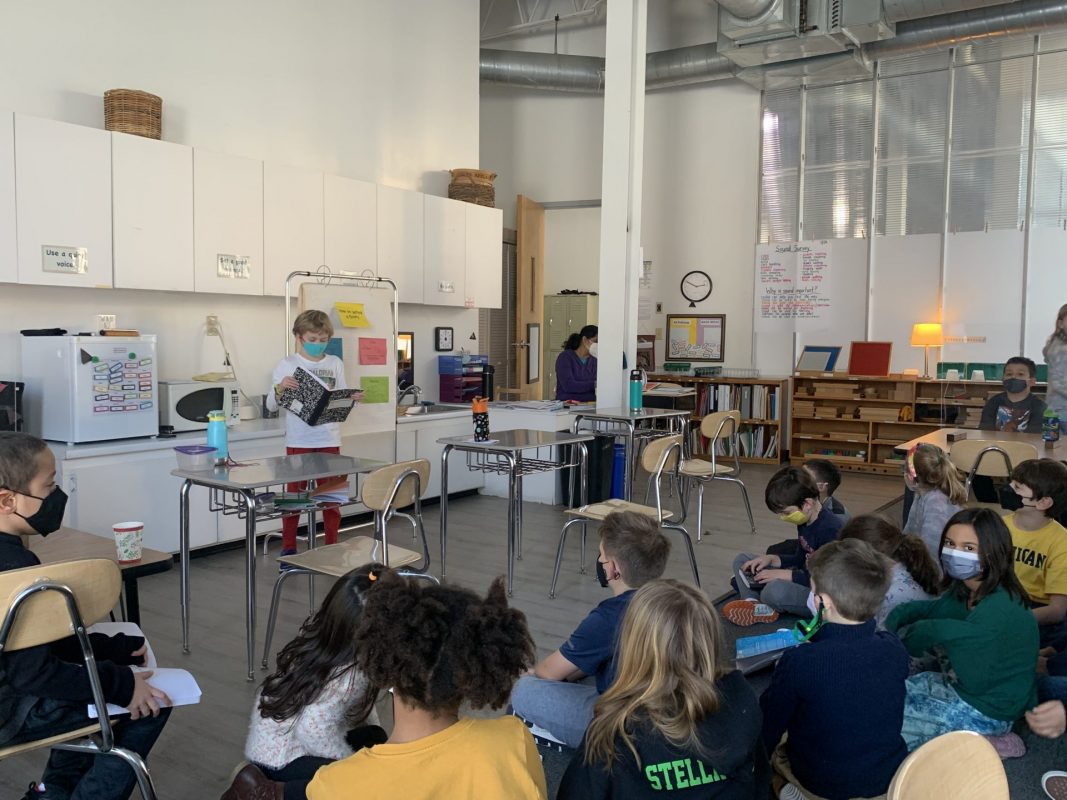
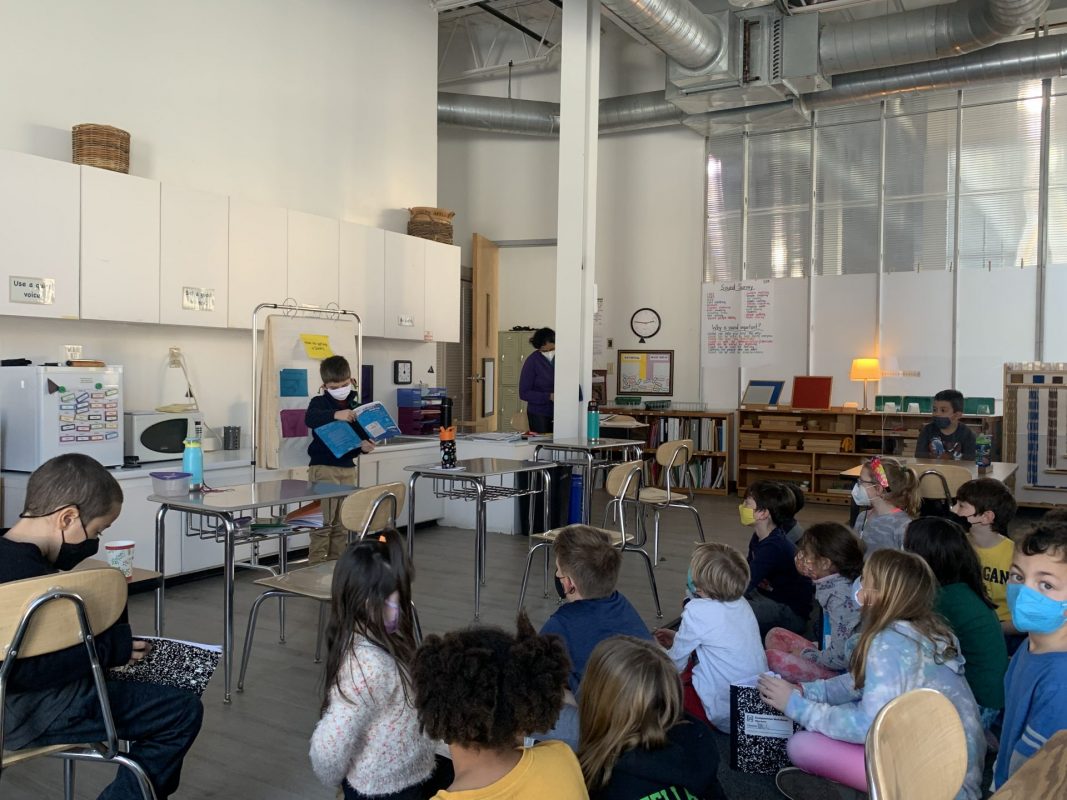
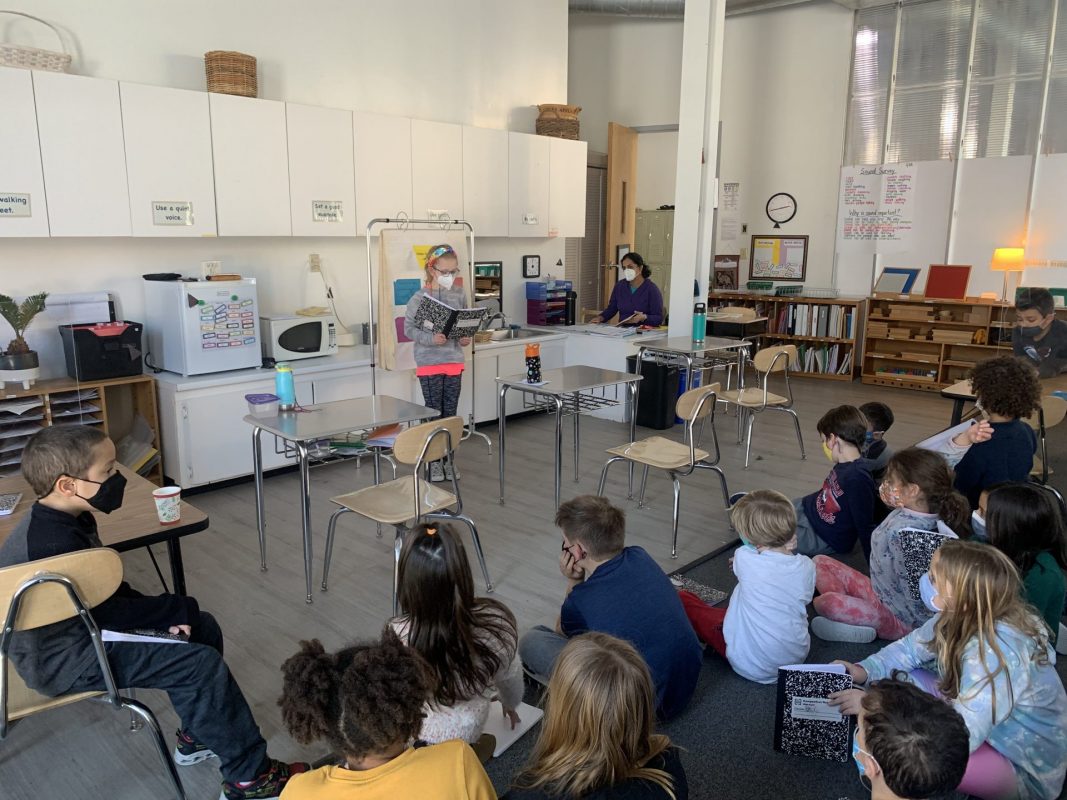
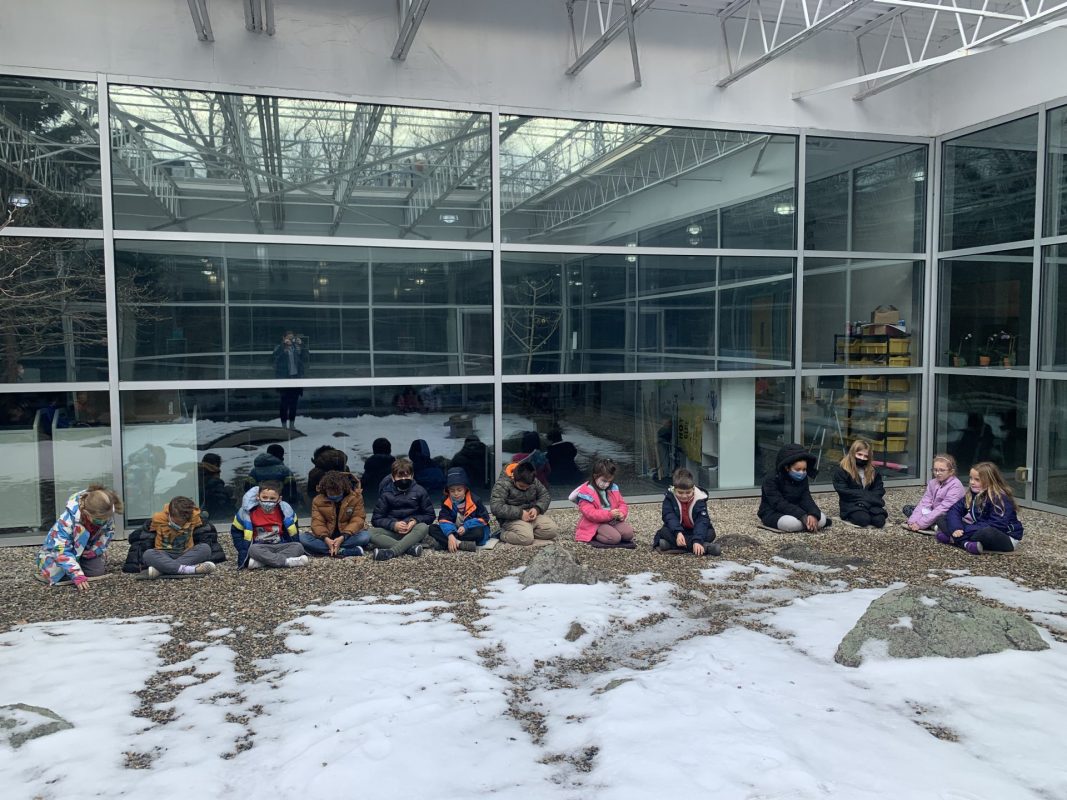
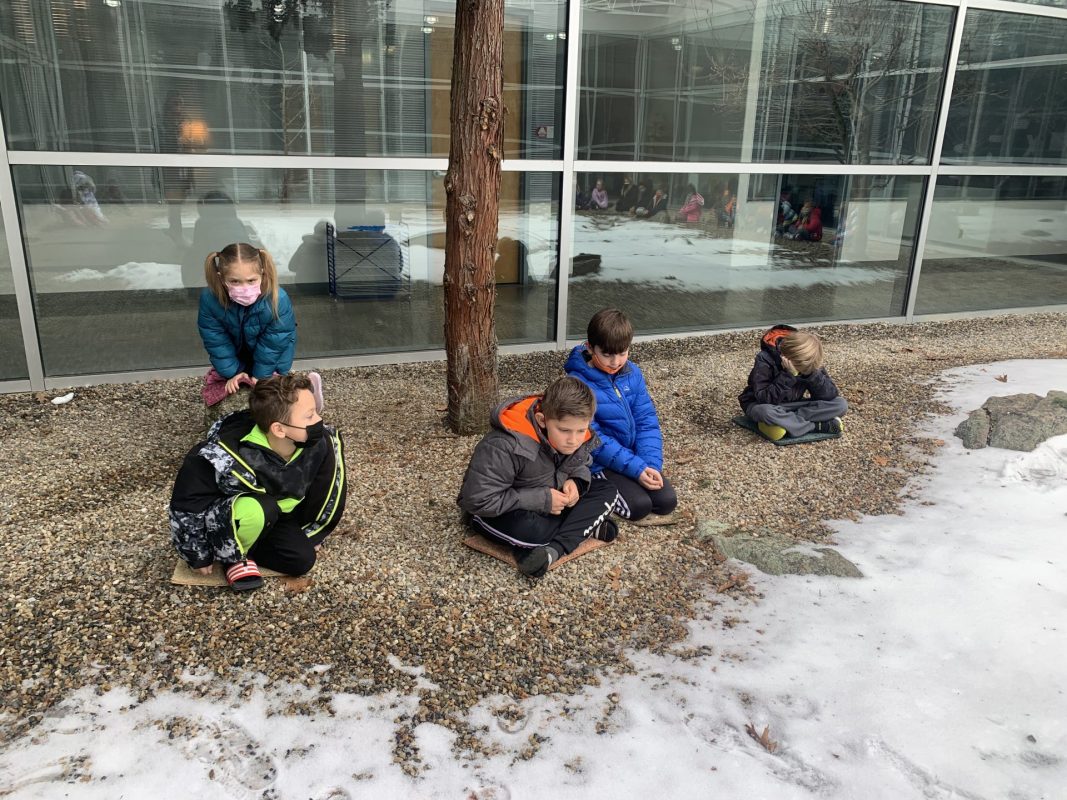
This week we started our physical science unit on sound. To begin, the children sat quietly outside for two minutes. Afterwards, we created a sound survey and listed the sounds we heard. Here are some of the sounds we discovered below:

  • Jackets rustling
  • Cars driving
  • Crunching snow
  • Airplanes
  • Animals scurrying
  • Wind blowing
  • Dropping water

Afterwards, we brainstormed uses for sound and why it is important. I was very impressed with some of the uses the children came up with.

  • Used for communication
  • Protection from danger: fire alarms, horns, radio/TV
  • Entertainment/pleasure
  • Used for directions

The children have such enthusiasm for learning! It is a joy to watch!


Middle School: Week in Review

Another busy week in Middle School has gone by, and it was our first 5-day week since December! As a reminder, we enjoy having flower arrangements in our classroom environments weekly, so please check out our schedule for flowers at the end of this week’s photo slideshow!

Science

6th year Earth Science students were able to test their bridge and building construction as part of their unit, Why Earthquakes Occur. Students performed a payload (weight) test on the bridge using rocks until their design succumbed to the weight. Students tested their building design in a pan of Jello, representative of seismic waves traveling through Earth’s crust. Each demonstration was able to be reviewed and discussed about how a redesign would result in either a stronger capacity to hold more or withstand a greater shake/tremor.

7th year Physical Science students are currently on the unit, Chemical Reactions and Equations. Students have been working on Antoin Lavosierre’s Law of Conservation of Mass which states, “Matter can neither be created nor destroyed.” Students were able to represent and balance equations using molecular manipulatives to show how a chemical reaction results in the same number of atoms on the product and reactant side. Students also represented this law by performing a laboratory activity using an open and closed system when combining vinegar and baking soda.
8th year Life Science students are currently on the unit, Genes and the Impact Mutations Have on Organisms. Within this unit, students have represented DNA and genes using a variety of tools. Following this project, students discussed what characteristics they felt were inherited from their parents. They also discussed how geneticists are able to look at an individual’s DNA, and determine the likelihood of a particular disease from the presence, or lack thereof, of a certain gene.
Math
In Transition class, students began learning chapter 6 and are excited to work with transformations. This class is able to translate (slide) an ordered pair on a coordinate grid, they can correctly reflect (flip) a figure over a line, and determine rotational (turn) symmetry of a shape. This class concluded the week by creating unique tessellation art projects that ultimately demonstrated their understanding of translations, reflections, and rotations.
 
In Algebra class, students are continuing to explore new concepts about slope. This class can find the equation of a line given the slope and a point, they can determine if an equation has a negative or positive slope, as well as graph a linear equation in slope-intercept form. This class will have their chapter 6 unit test next week, and Ms. Sutherland encourages all students to prepare well in advance.
 
In Geometry class, students are focused on their rigorous study of polygon shapes. This class can draw polygon shapes given various conditions, they know the properties of quadrilaterals, and they can apply theorems to prove angle measures or side lengths. This class will conclude their learning of chapter 6 next week.
 
Math Joke: Why should you eat the number 9?……Because you should always have 3 square meals a day!
Humanities
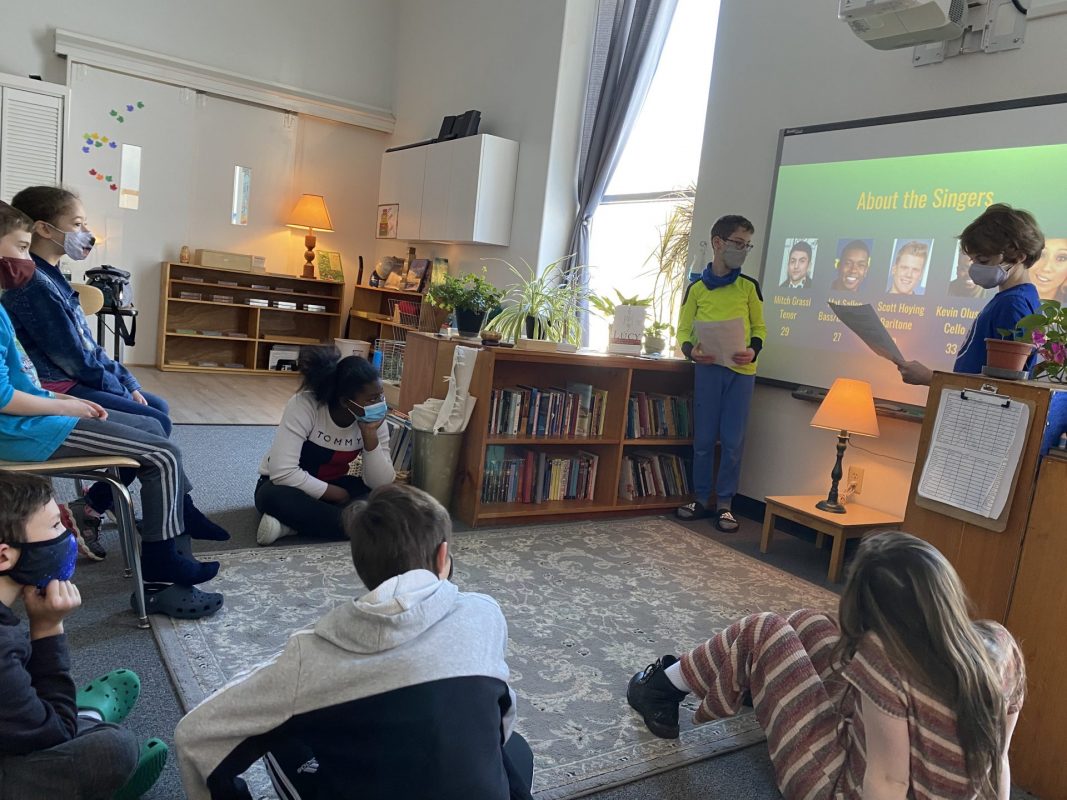
6th year Humanities students learned how to write a great introduction for a research paper. They understood the goal, the structure, and the strategy of making it interesting. Students reviewed many ways to hook a reader and used that to draft and then revise their paper introductions. Each student’s work was reviewed in a workshop with their peers: writing was presented for all to see on Chromecast, students read their drafts, identified the type of hook they used, and they expressed where they felt they had challenges. Then, the class came together to support each other with those challenges and edit/revise together. In the end, the 6th years have great starts to their research papers, which are due Wednesday.
Similarly to the 6th years, 7th year Humanities students reviewed how to write a great introduction for a research paper. Students discussed the many ways to hook a reader and used that to draft and then revise their paper introductions. Each student’s work was reviewed in a workshop with their peers: writing was presented for all to see on Chromecast, students read their drafts, identified the type of hook they used, and they expressed where they felt they had challenges. Then, the class came together to support each other with those challenges and edit/revise together. Mrs. Lamb was especially impressed with this group’s ability to support each other to use strong words and vary sentences for fluency. In the end, the 7th years have great starts to their research papers, which are due Wednesday. Additionally, this group has continued to read the journey of Salva Dut in A Long Walk to Water.
8th year Humanities students have completed Expert Project Proposals! They also drafted, edited, and revised their thesis statements to guide their research and reflect their goals for the project. Each student shared their thesis statement drafts with the class, and together, students offered feedback to enhance them. Topics are exciting and will be revealed soon. Additionally, the 8th years are in the planning process of a big fundraising initiative for our community through Alternative Gifts International. Students have selected a few causes they feel strongly about supporting and will be doing additional research into the organizations, using the money and what is going on in the field. We are hoping to “Give a Little Love” on Valentine’s Day!
Thank you families for your continued support and positivity towards our Middle School! We are excited for our winter projects and learning.
Mrs. Lopes: Exploring Science and Geography This Week
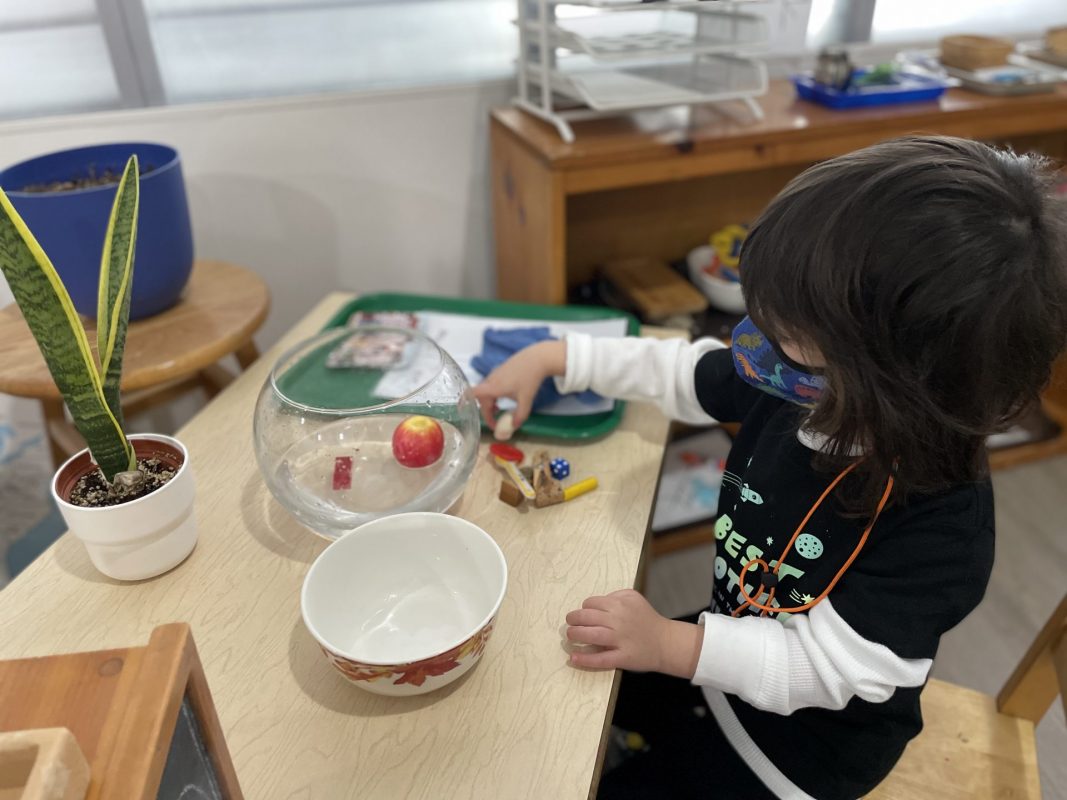
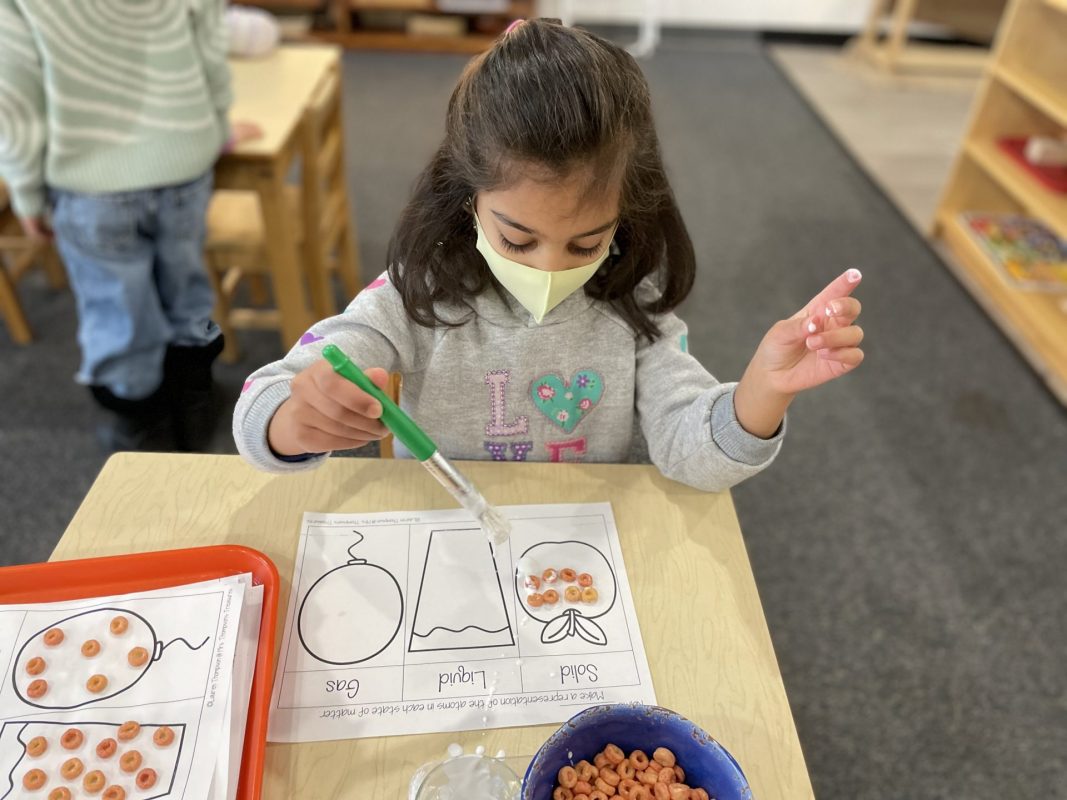
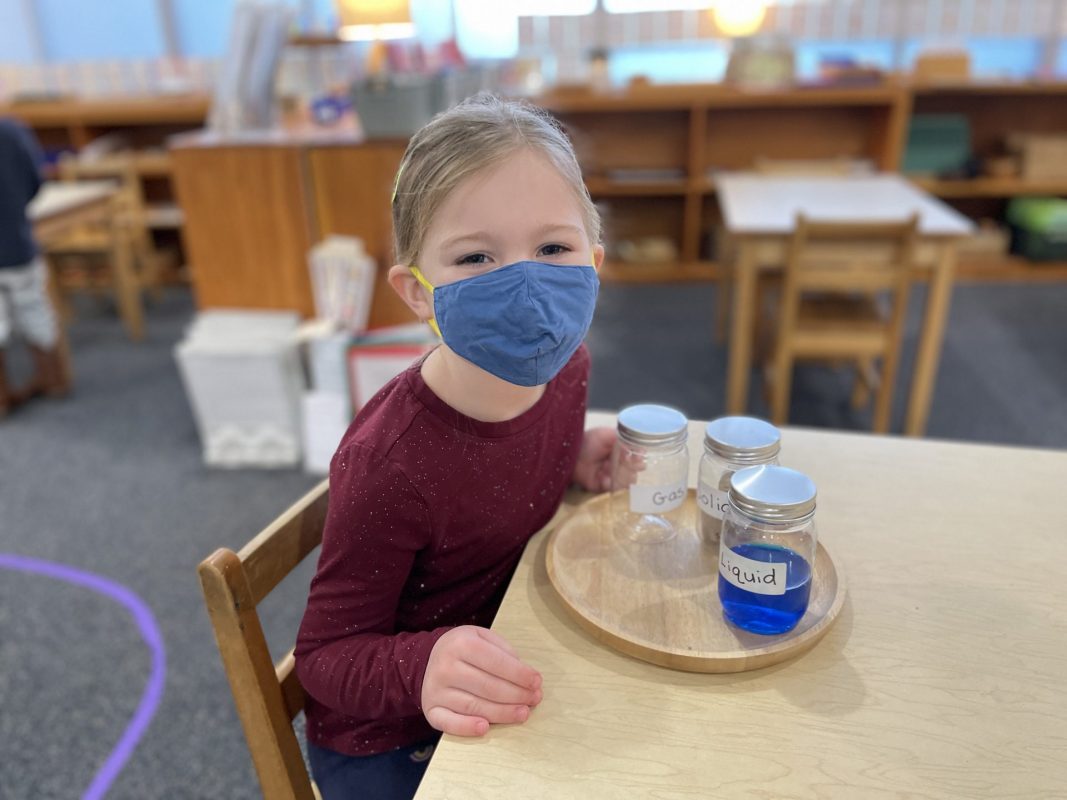
We cannot believe how quickly these weeks have been flying by and in the blink of an eye we are reaching the end of January already!  This week we continued our science unit on solids, liquids, and gases with a few experiments.  We inflated a balloon using a chemical reaction of vinegar and baking soda in a bottle.  We also watched raisins “dance” up and down in a glass filled with seltzer water.
On Wednesday, to connect with our study of Asia this month, our Director of Admissions and Parent Relations, Ms. Paromita did a wonderful presentation to teach us about her home country of India.  We learned the significance of the colors in the India flag, counted in Hindi, and even got to learn an Indian dance.  Thank you so much to Ms. Paromita for organizing this for us!

As we are nearing the end of January, we are beginning to prepare for our February parent teacher conferences on Thursday, February 17th.  Be sure to look out for an email with the link to sign up for a conference time. We look forward to meeting with you all soon to share how your children have been growing and progressing since our last conference!

All the best,

Amanda and Heather


Upper El: Educating for Peace

“It really boils down to this: that all life is interrelated. We are all caught in an inescapable network of mutuality, tied together into a single garment of destiny. Whatever affects one directly, affects all indirectly. We are made to live together because of the interrelated structure of reality…Before you finish breakfast in the morning, you’ve depended on more than half the world. This is the way our universe is structured, this is its interrelated quality. We aren’t going to have peace on Earth until we recognize the basic fact of the interrelated structure of all reality.” -Dr. Martin Luther King, Jr

Maria Montessori’s life spanned two world wars, and after the start of the second world war, although she was already a promoter of peace, she became determined to educate the world about the important connection between peace and education. She believed that if children grow up with a great respect for humanity, they won’t live in ways that destroy that humanity. They will develop a conscience and a feeling towards life and will be incapable of cruelty. Montessori is known throughout the world for her contribution to peace between nations; she spent many years of her life laying the foundations of peace through education. This is a reason Montessori classrooms must be nurturing, respectful, and inclusive places which celebrate our diversity.

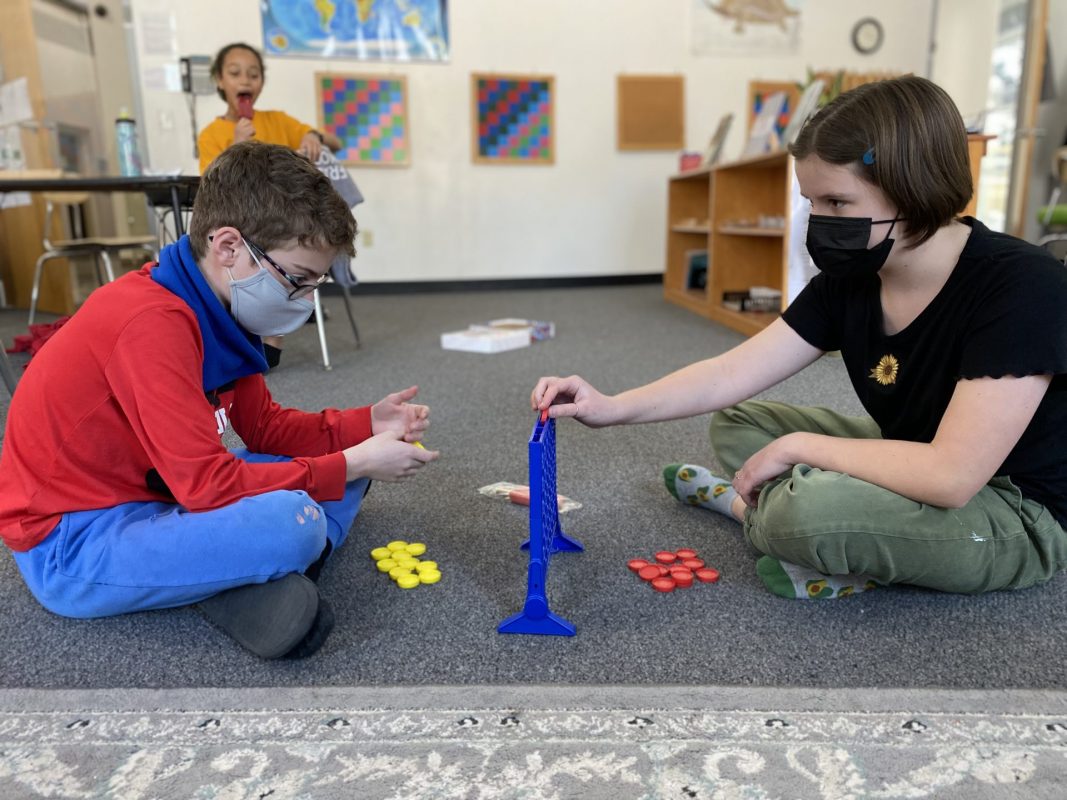
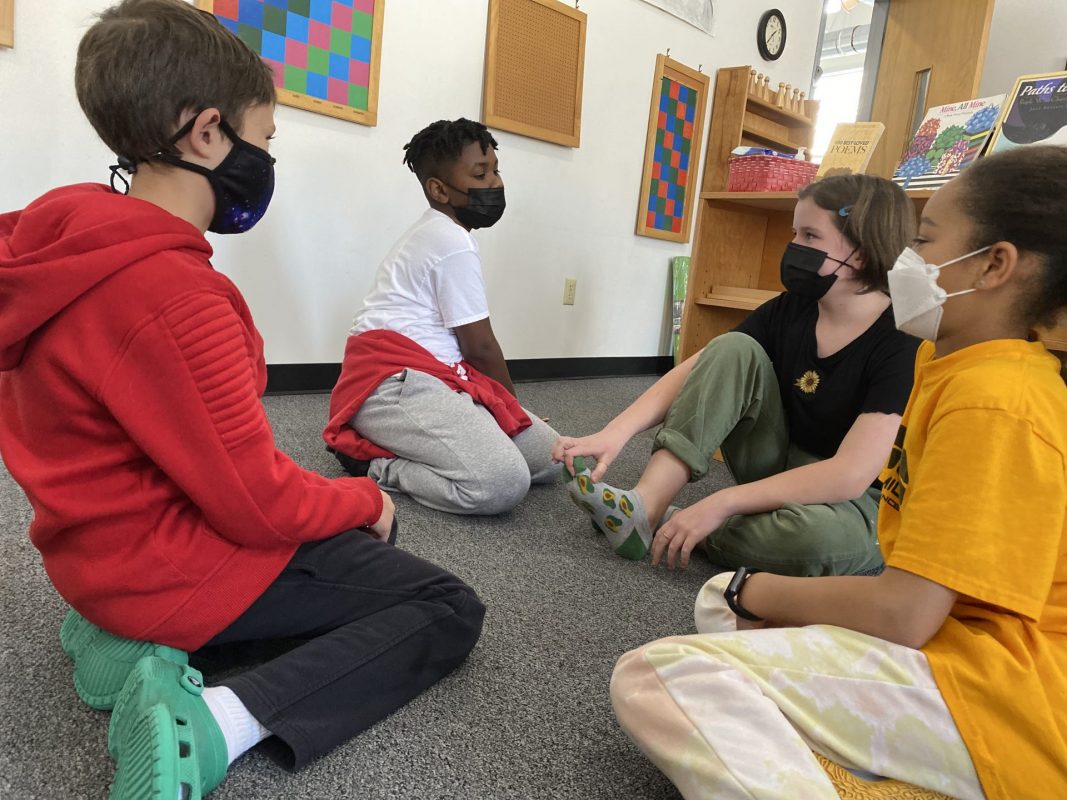
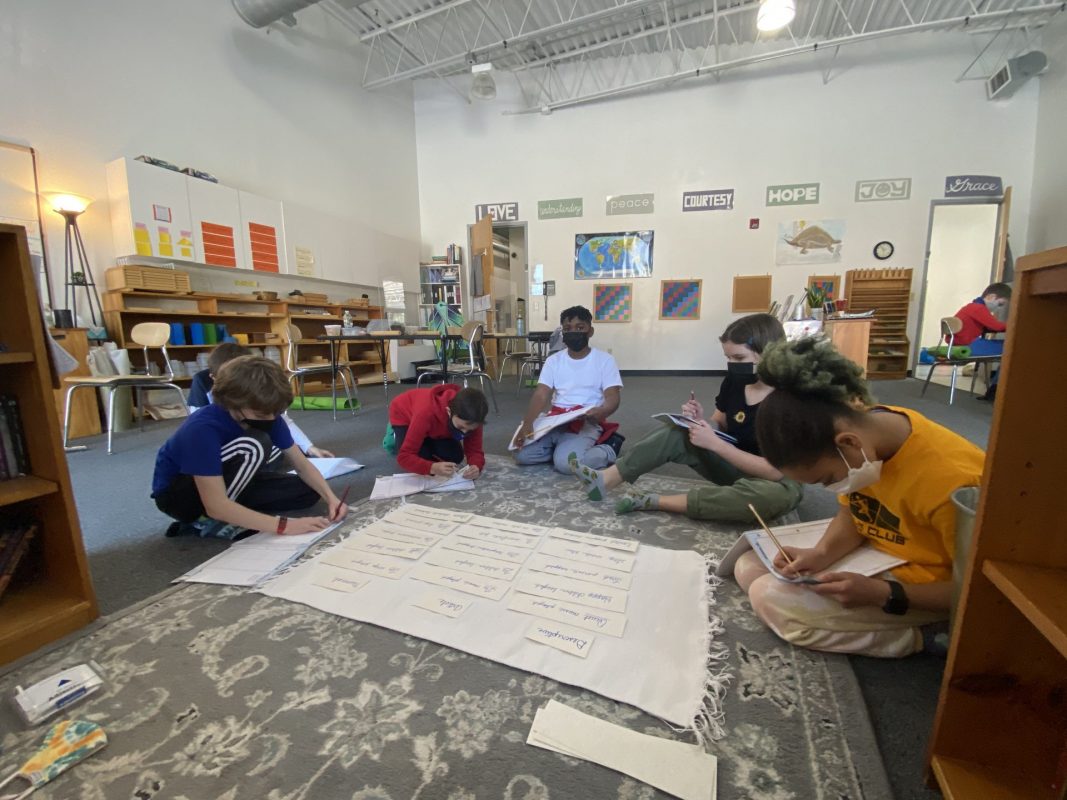
I can honestly say that this diverse group of students would be a good model for many to follow in how to work together respectfully, peacefully, and productively. Peace education isn’t a separate curricular area for them. As they move through each day, they are learning continually how to respect their peers’ physical space and collaborate respectfully. They have a very strong sense of peace and social justice at this age and they are learning to view conflict as an opportunity for growth and leadership.

Wishing you a peaceful weekend,

Karen