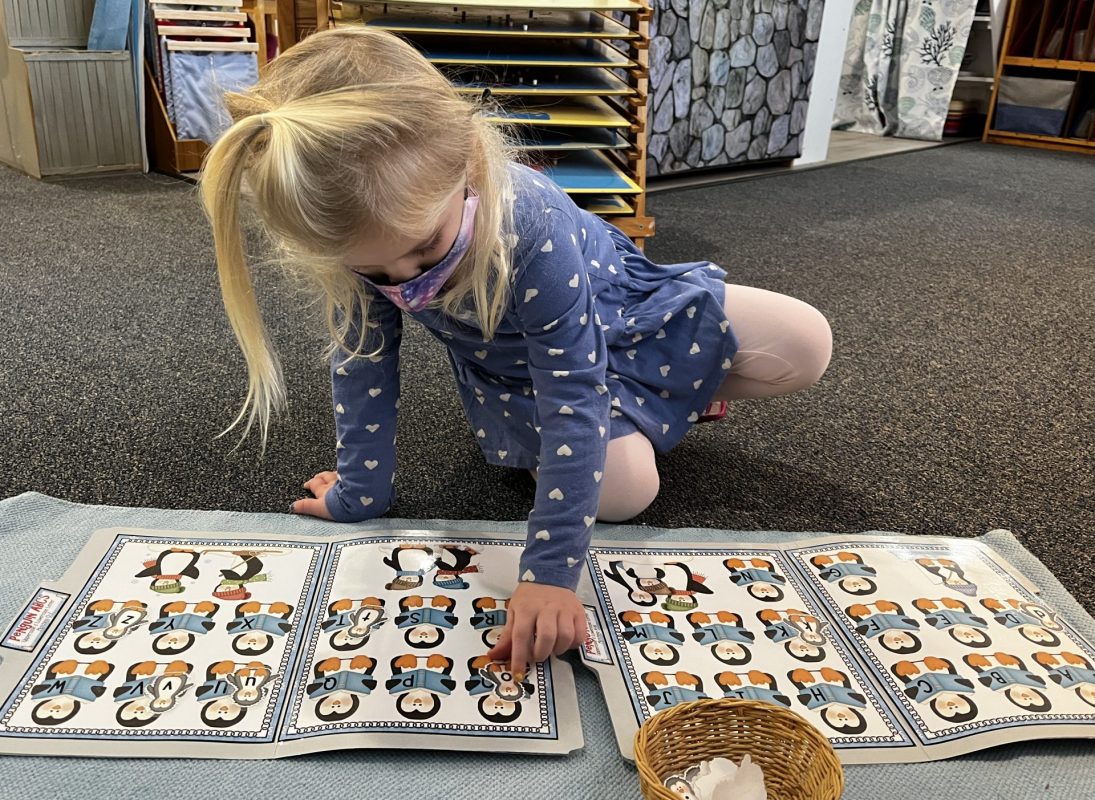
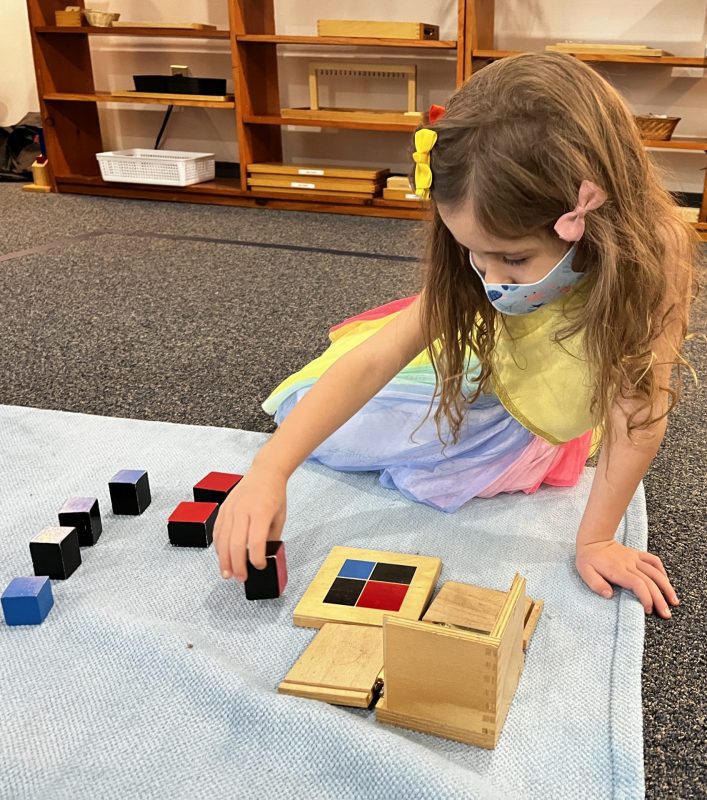
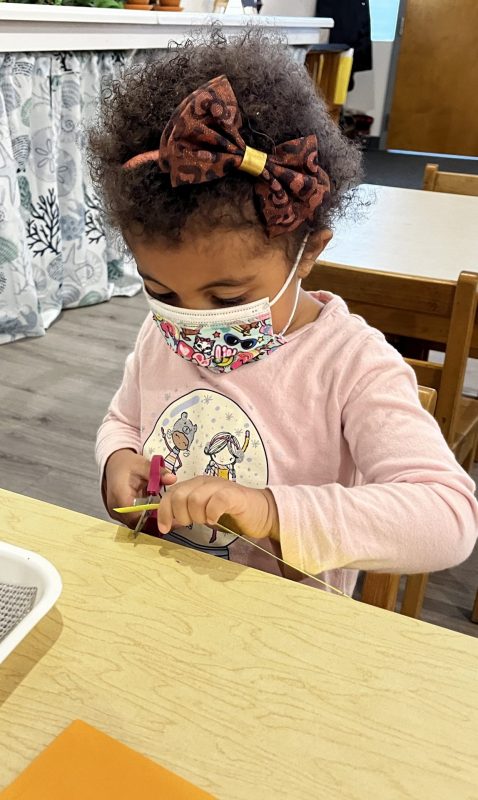
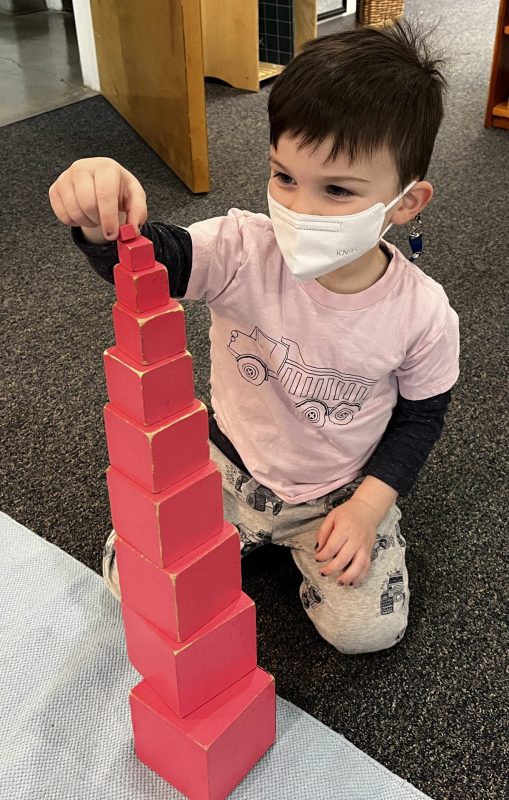
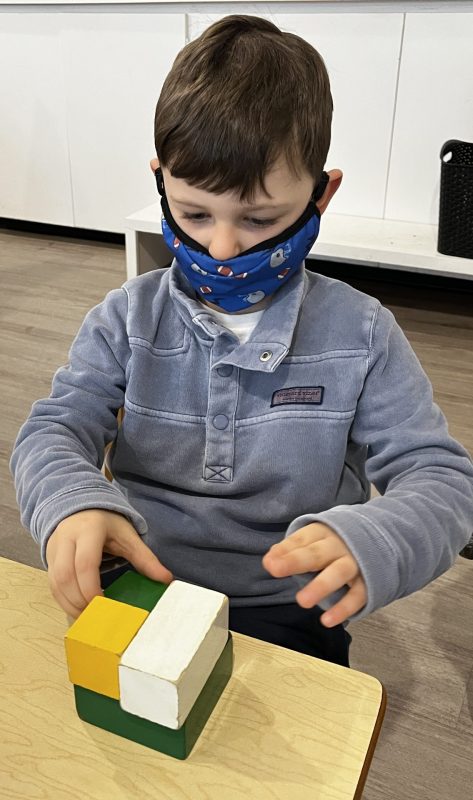
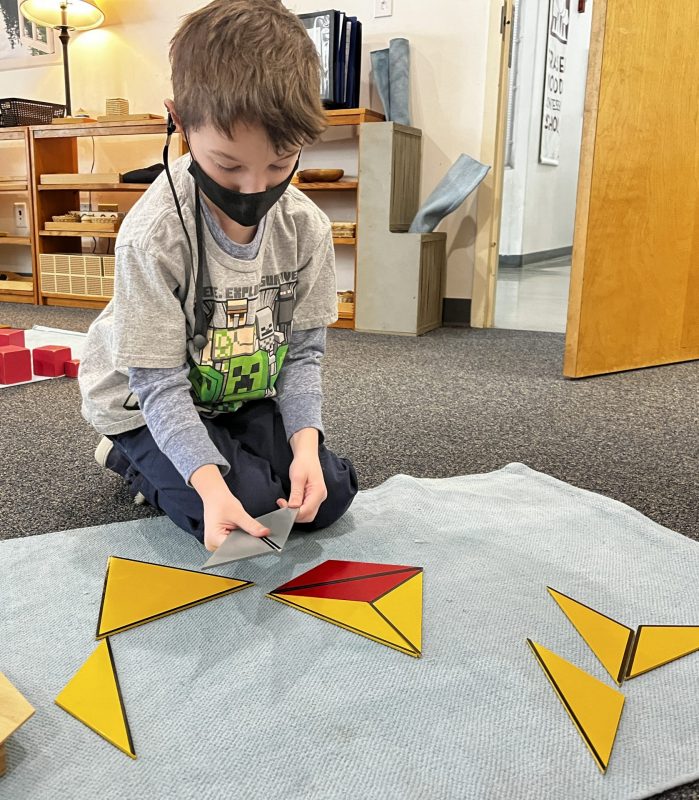
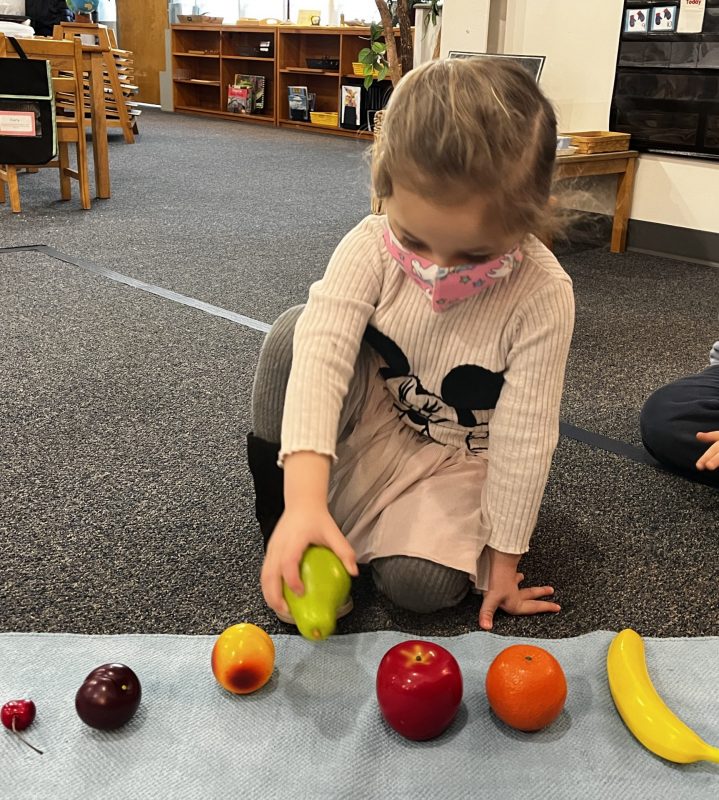
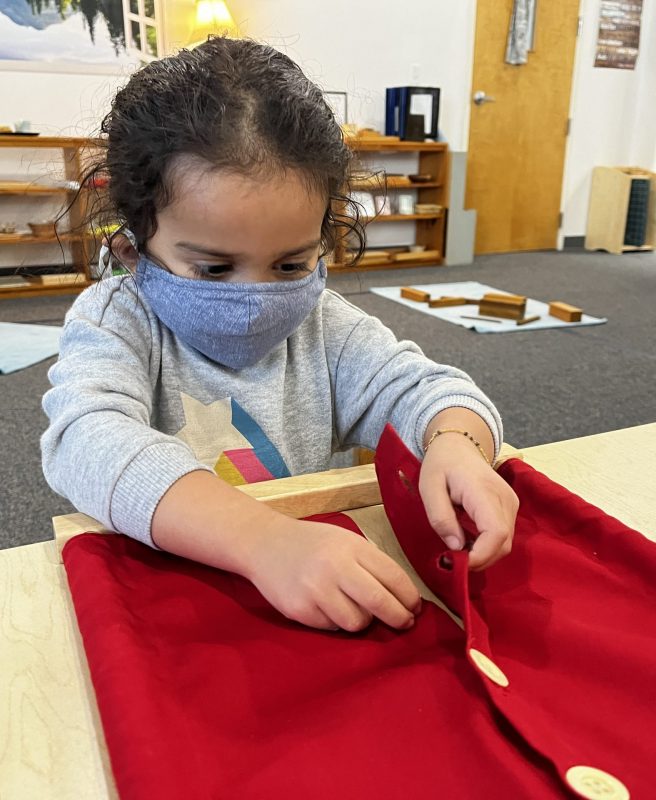
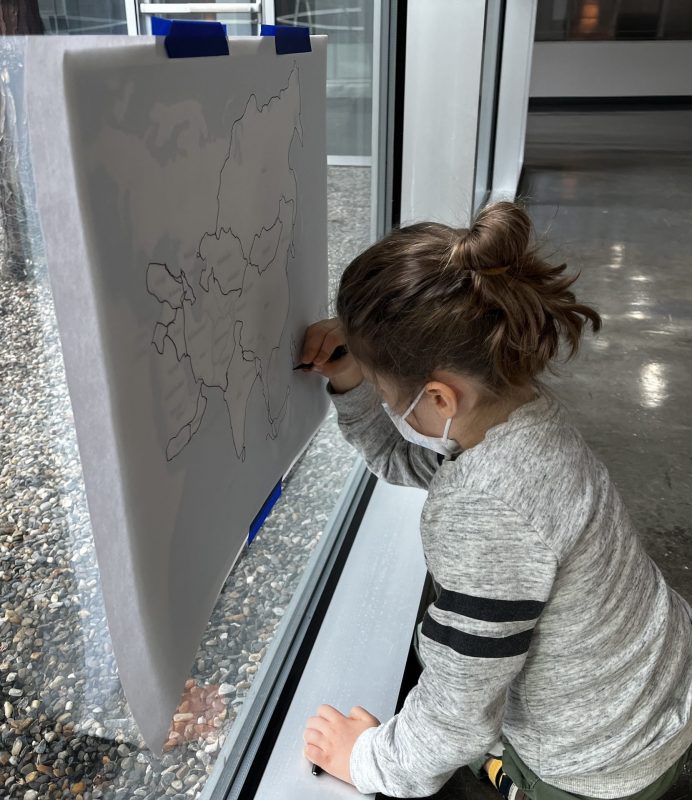
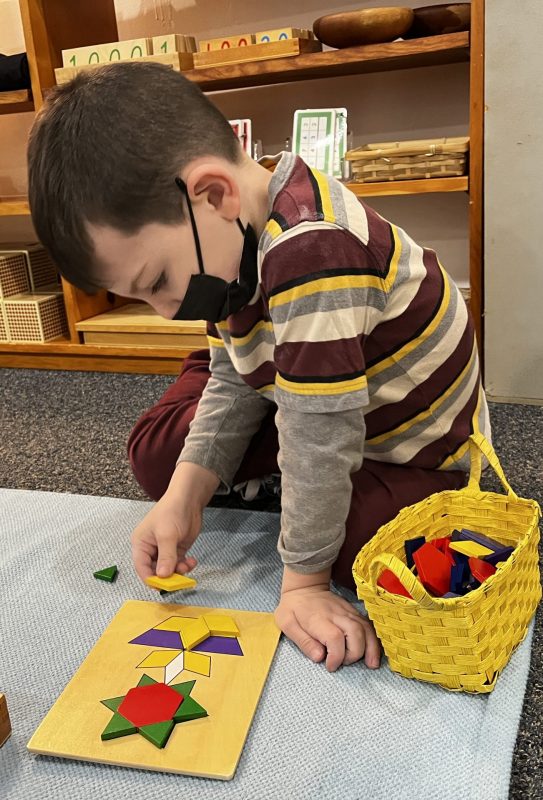
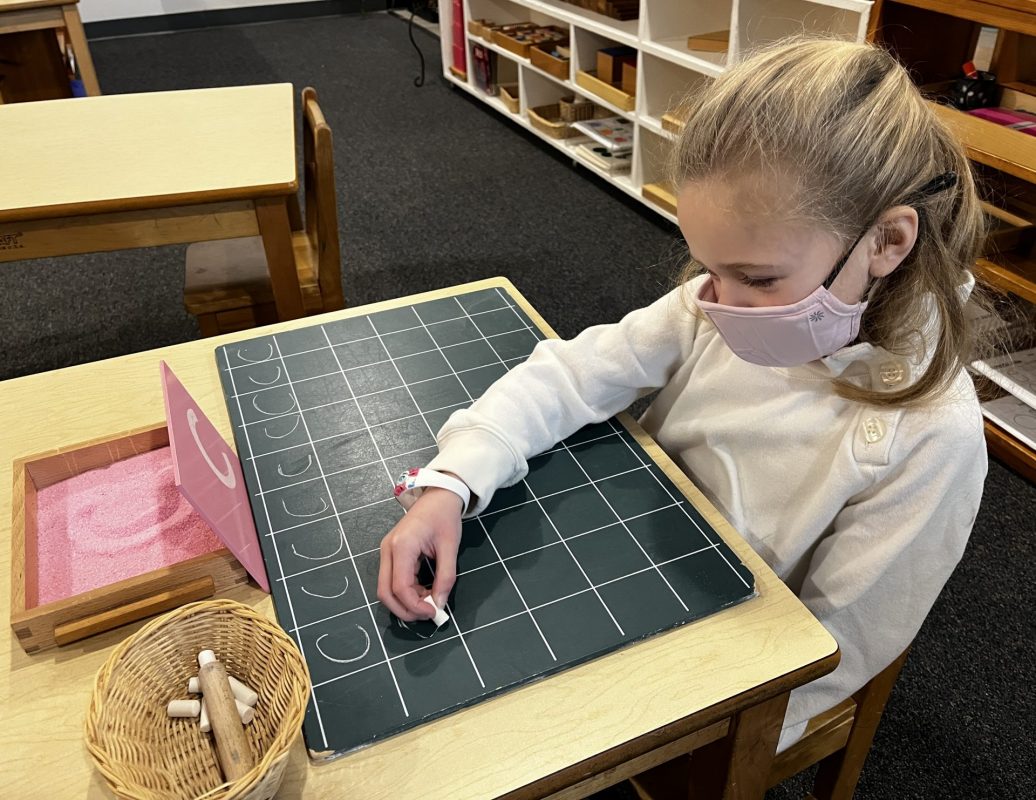
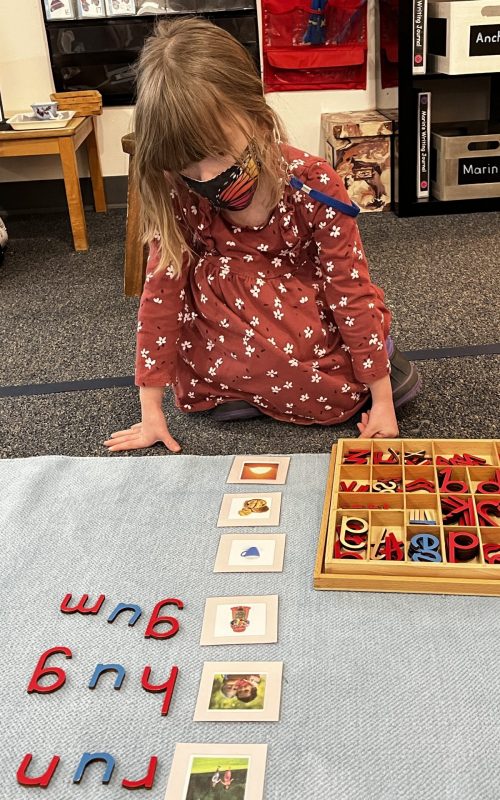
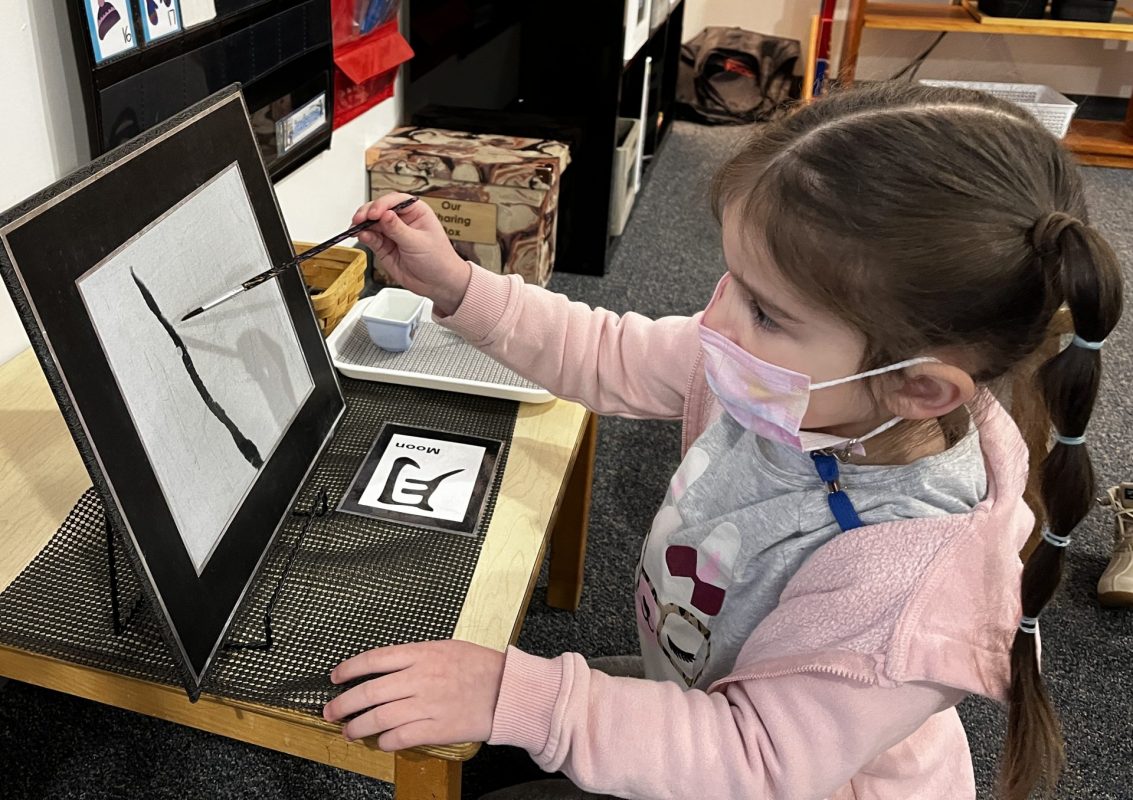
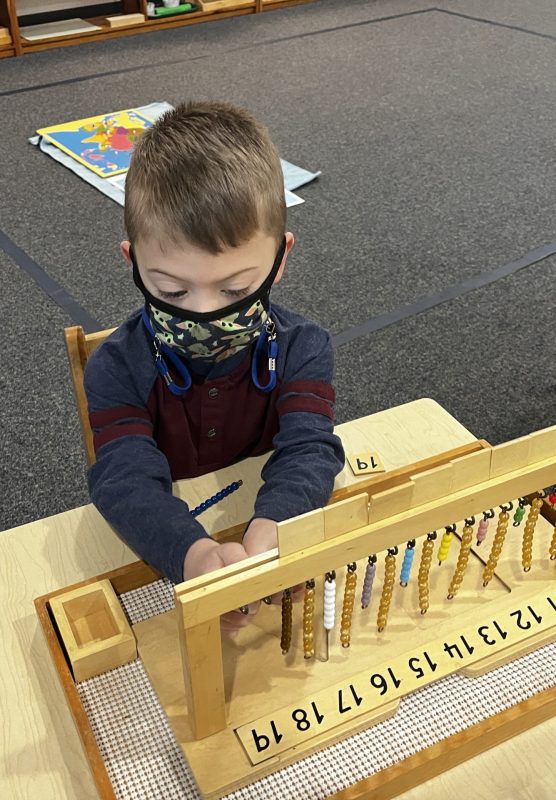
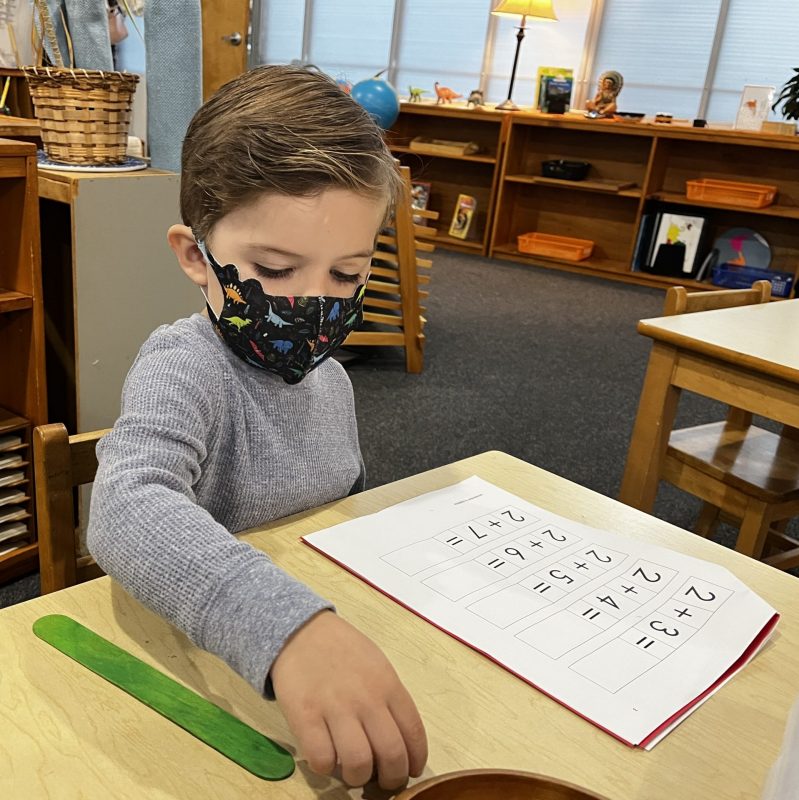
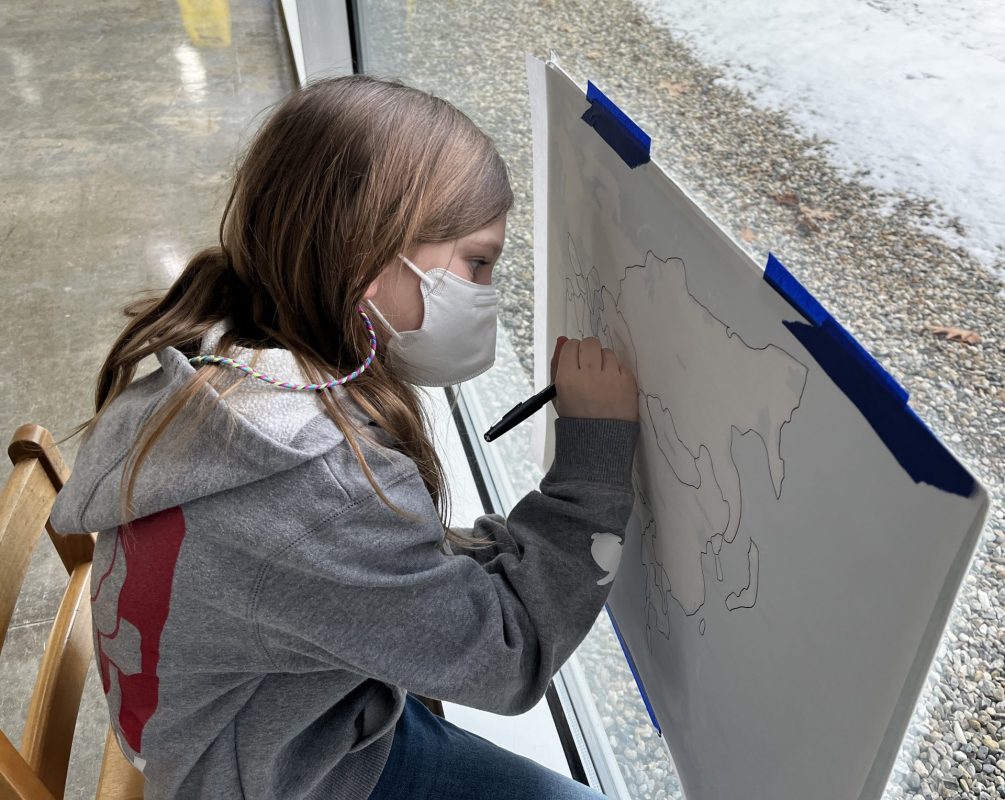
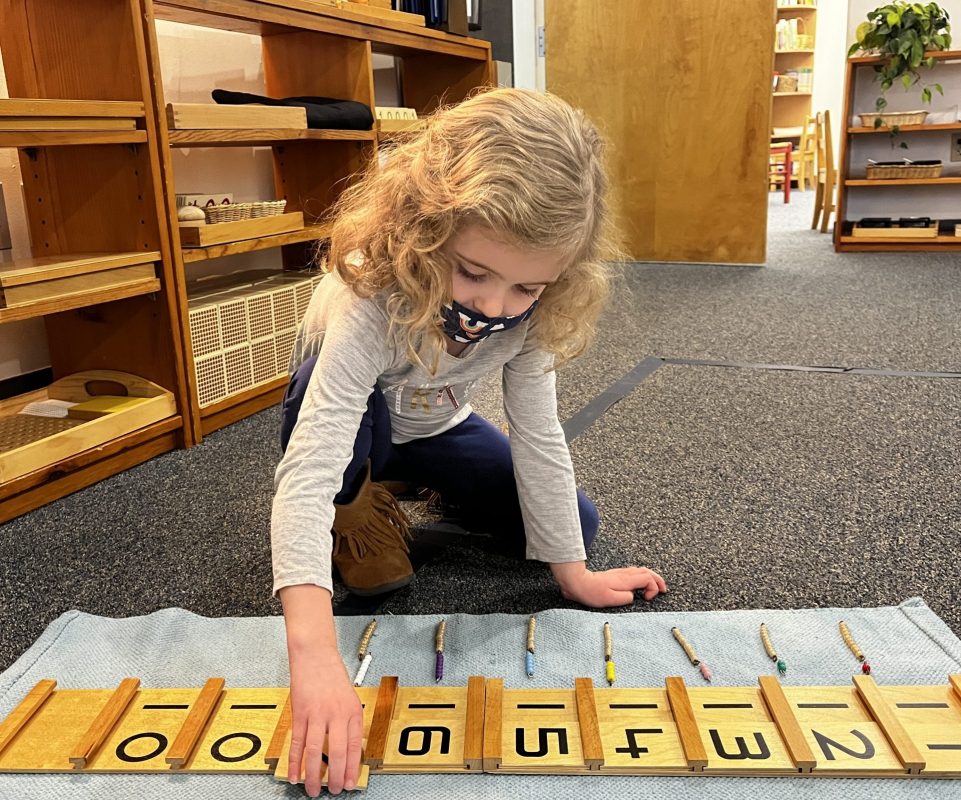
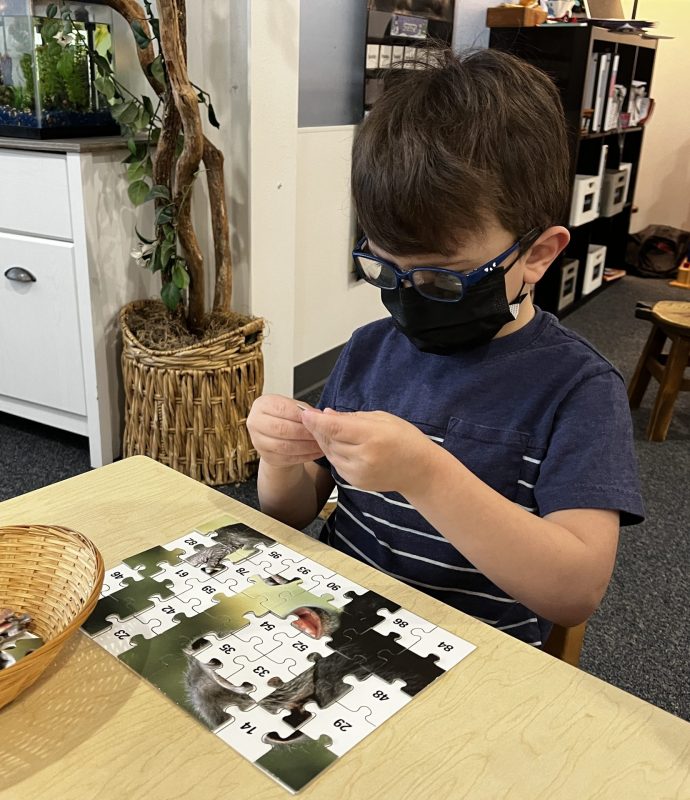
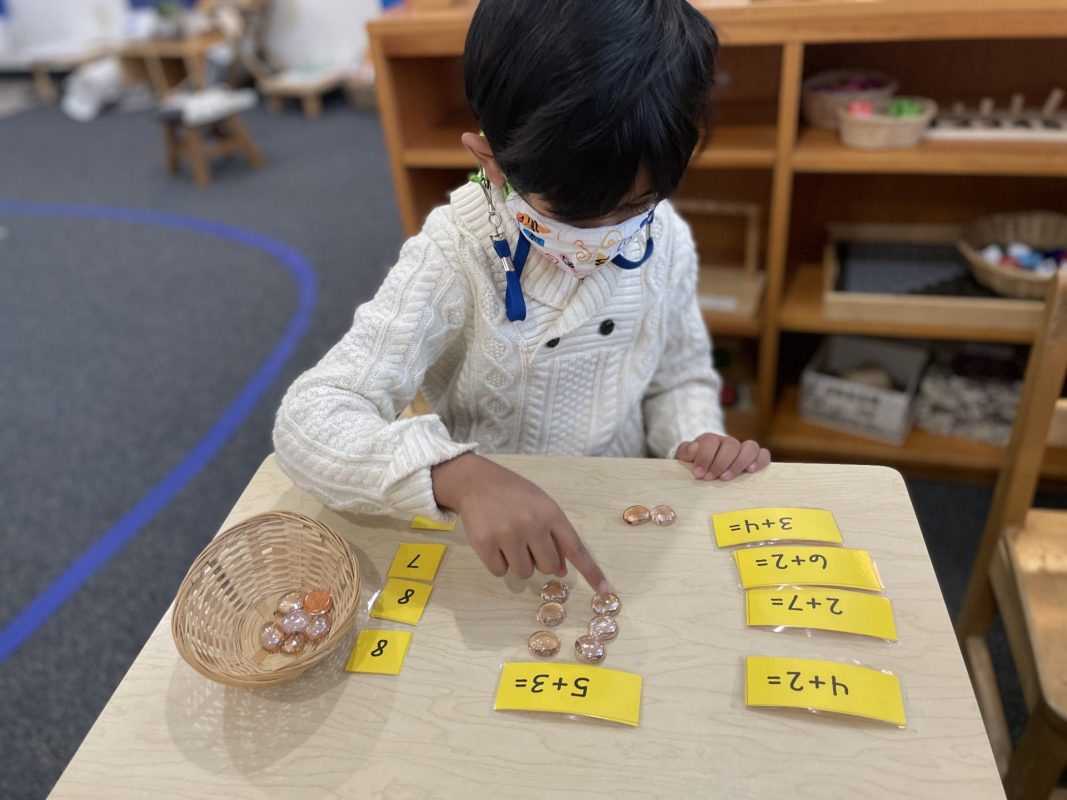
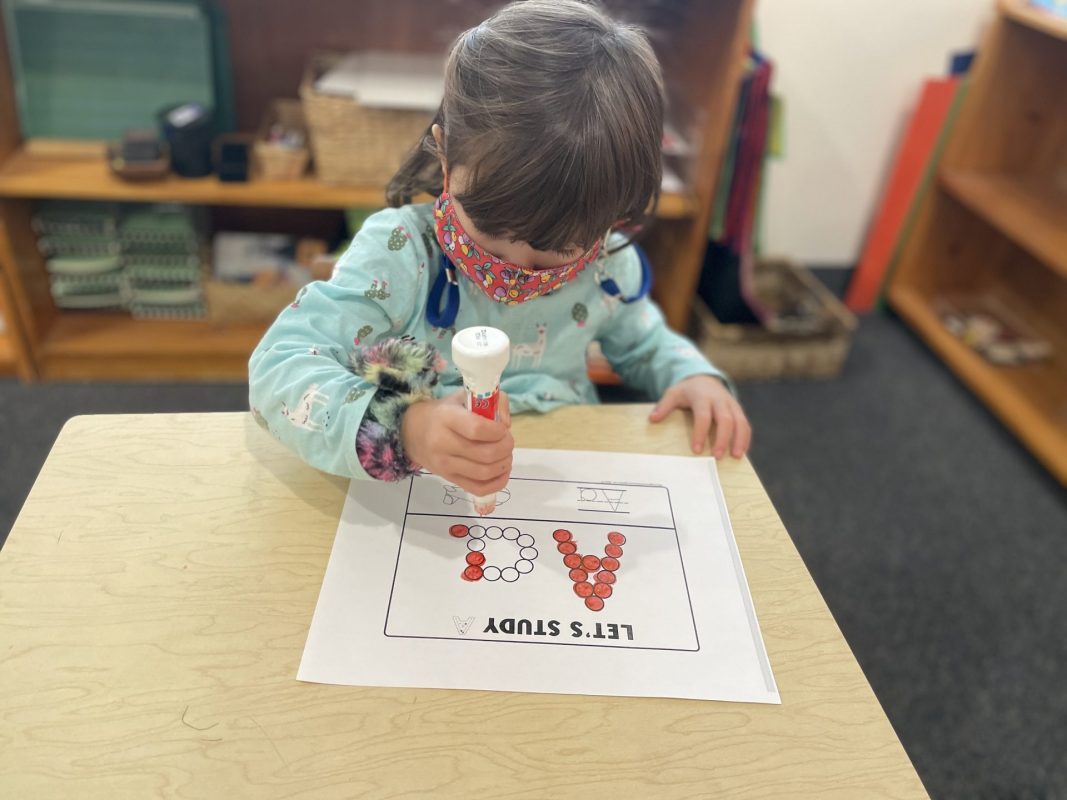
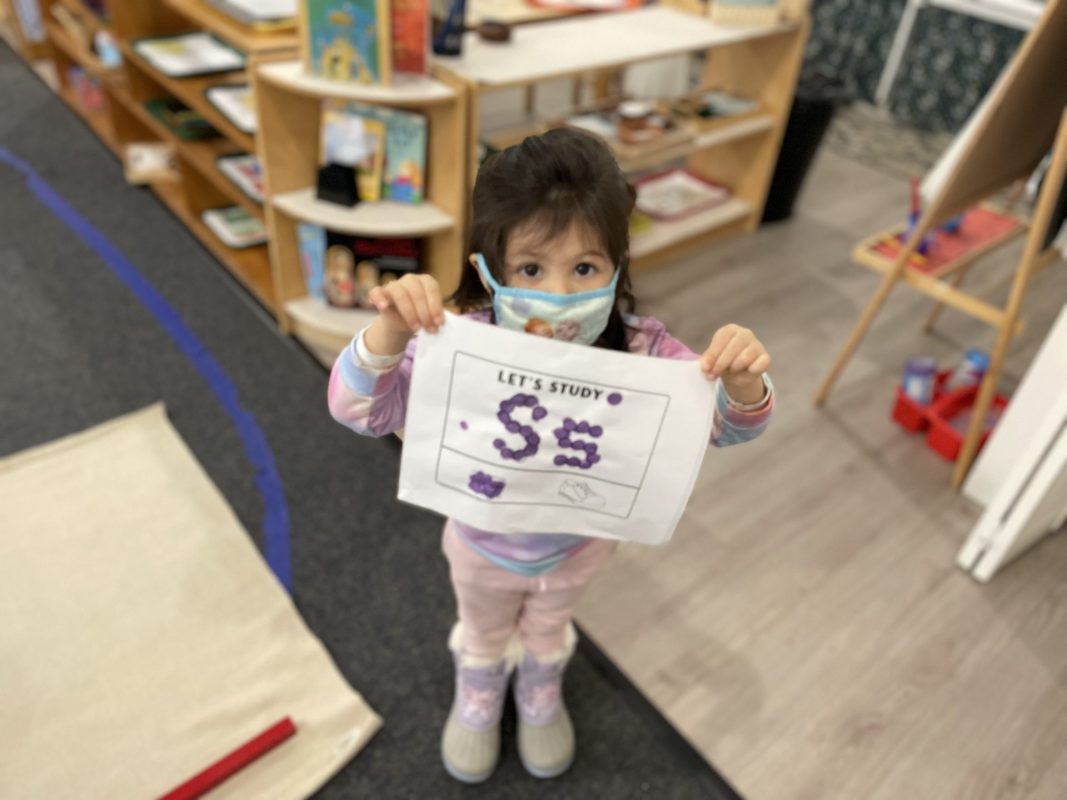
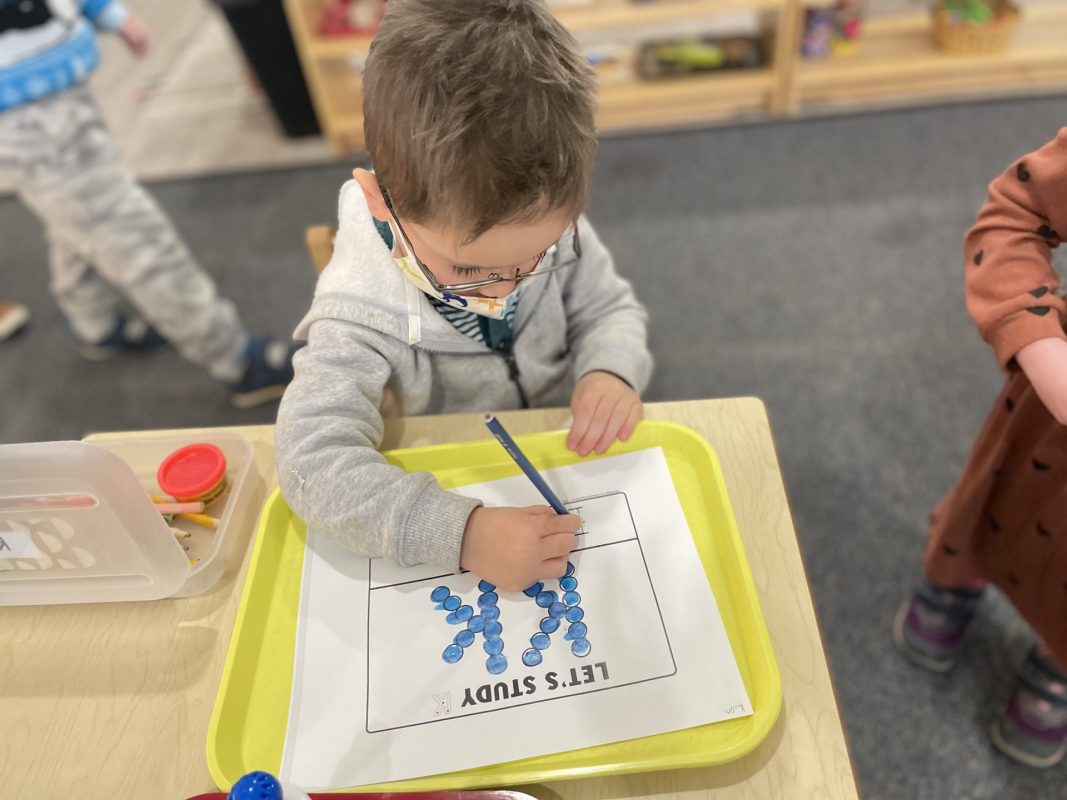
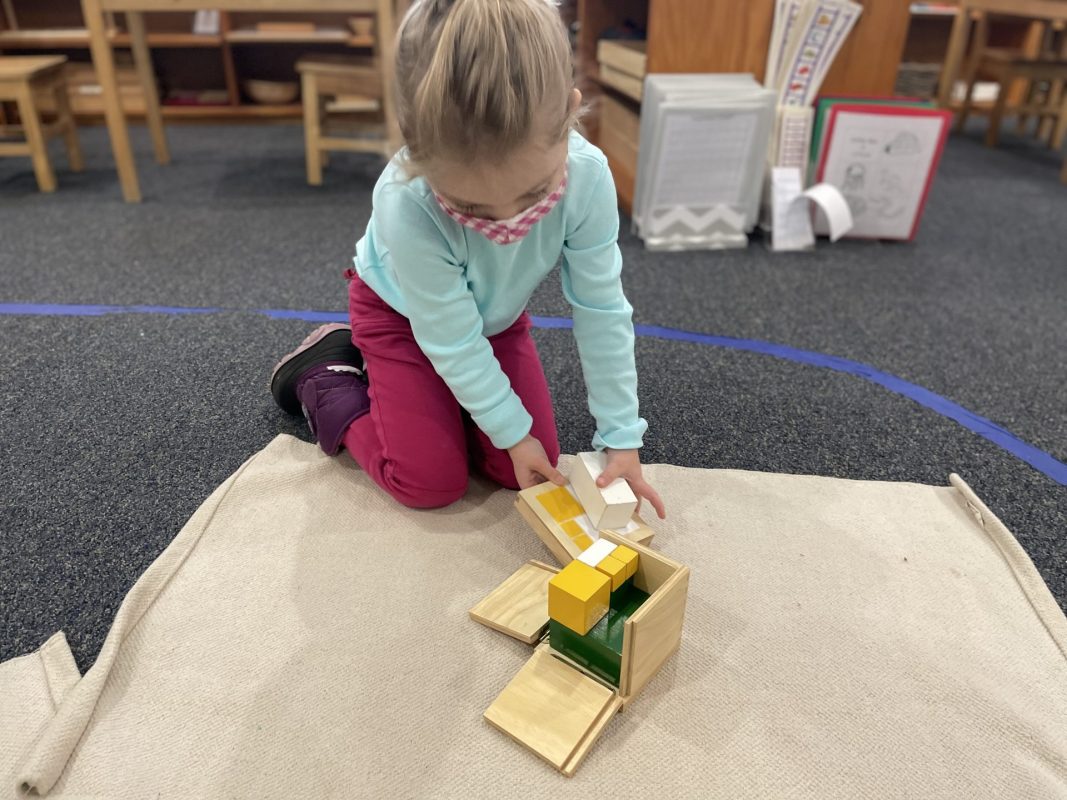
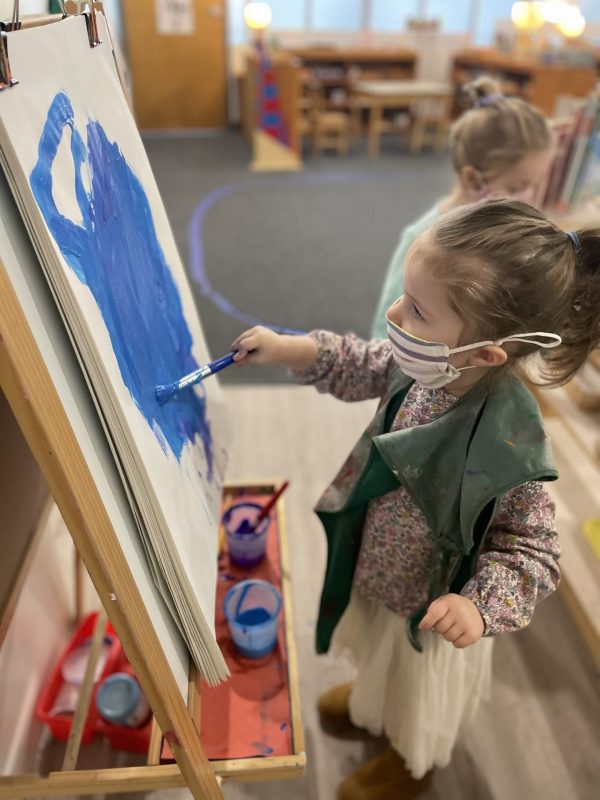
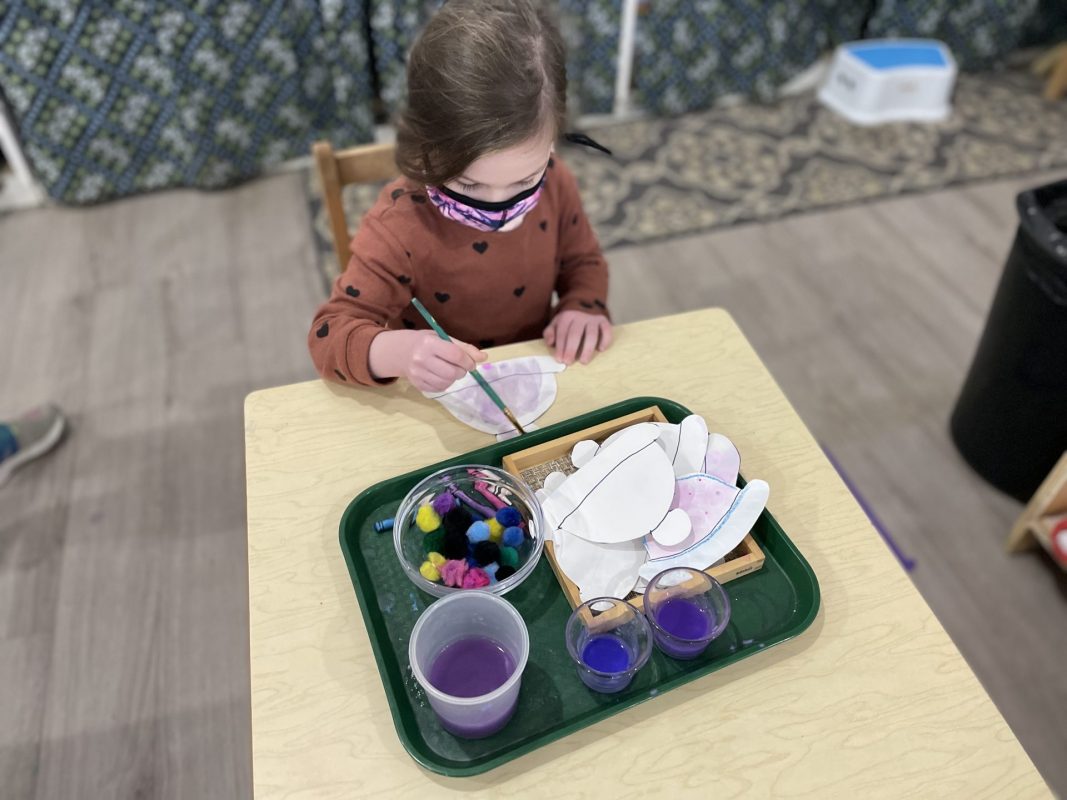
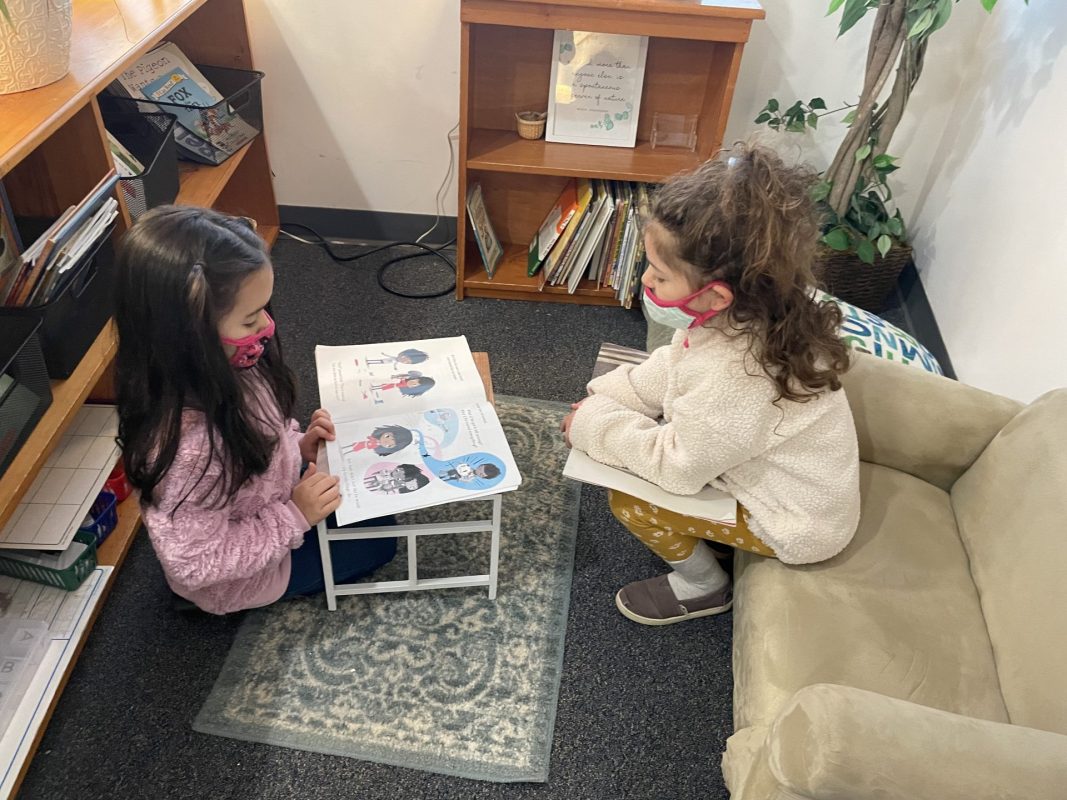
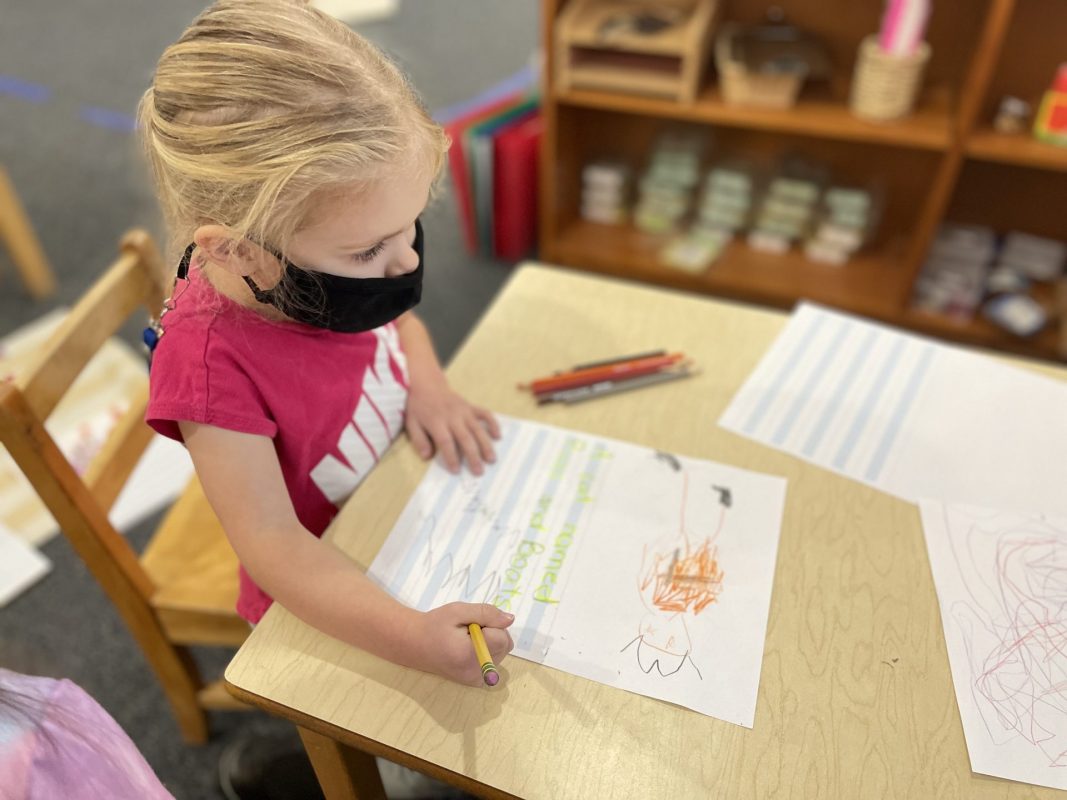
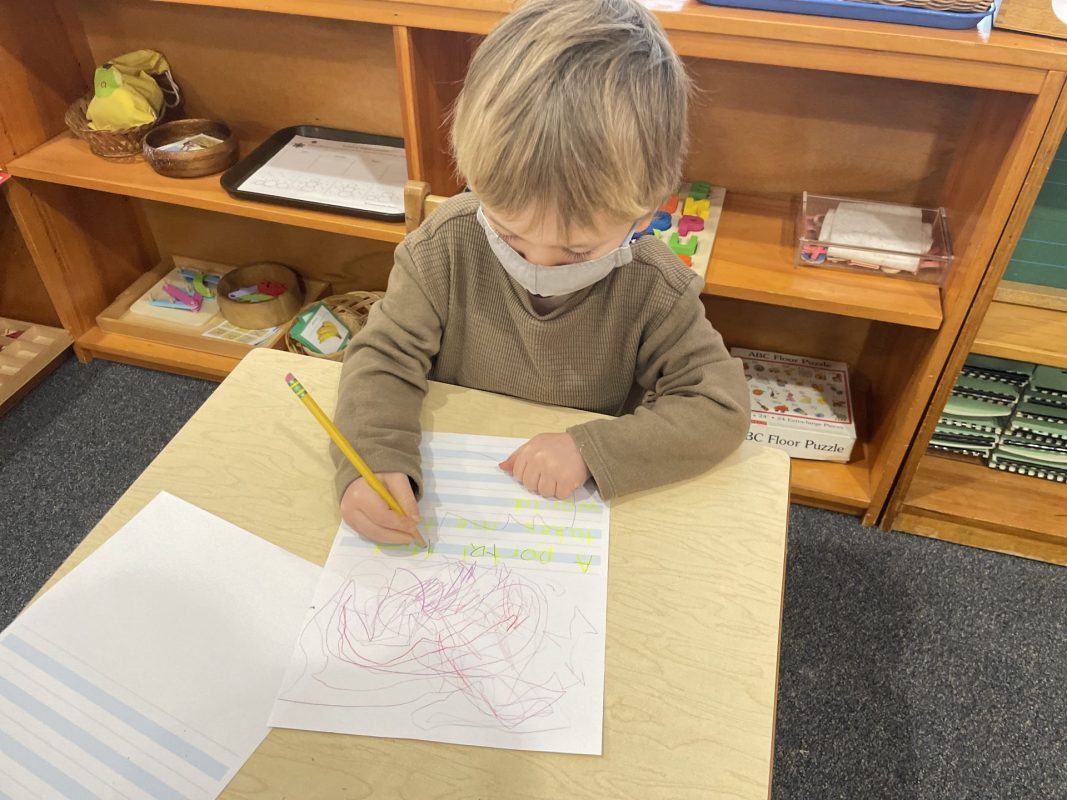
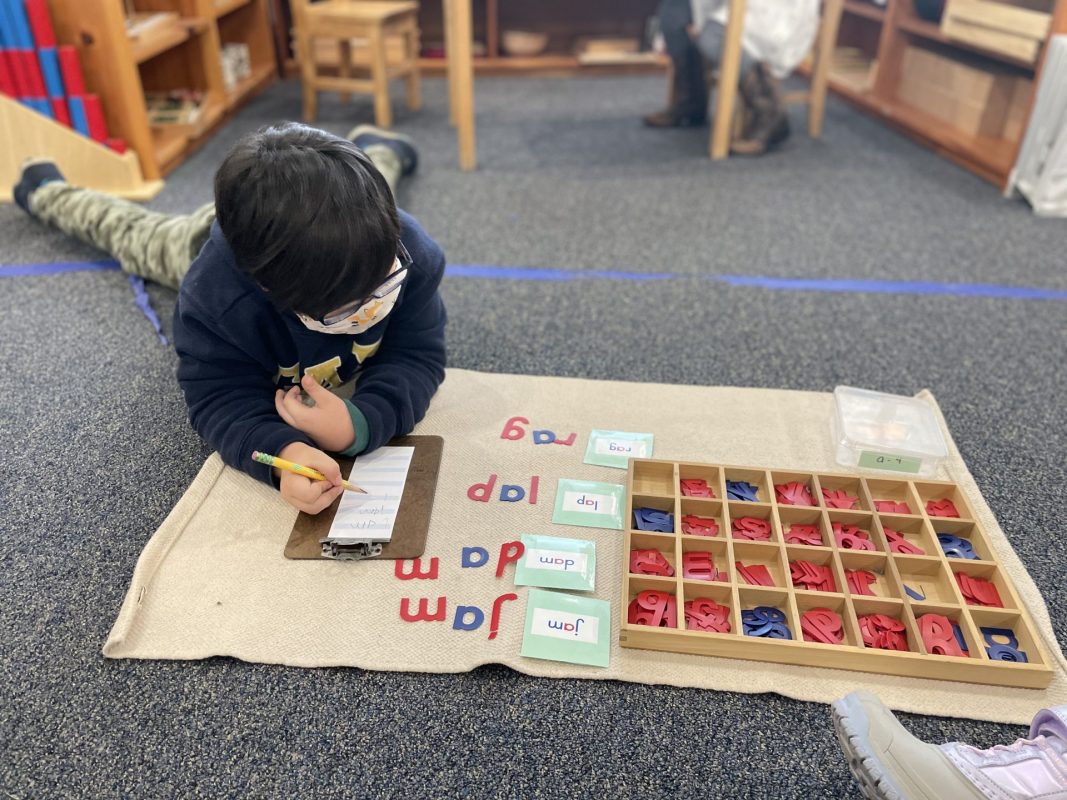
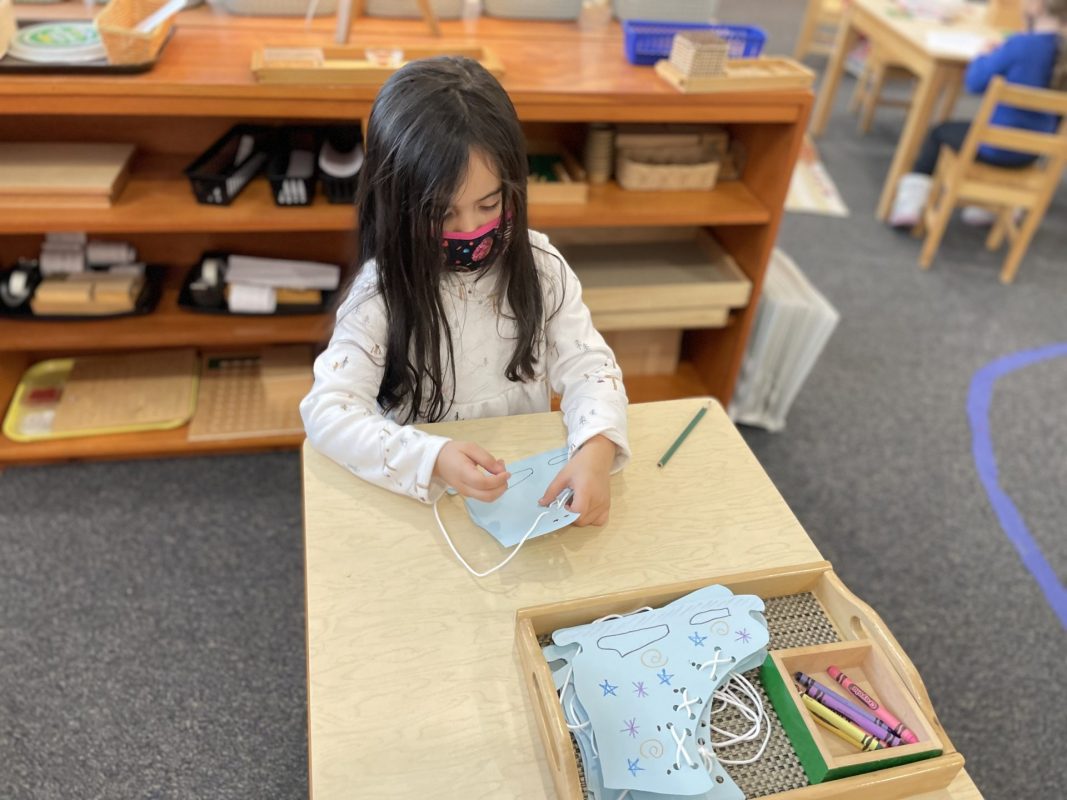
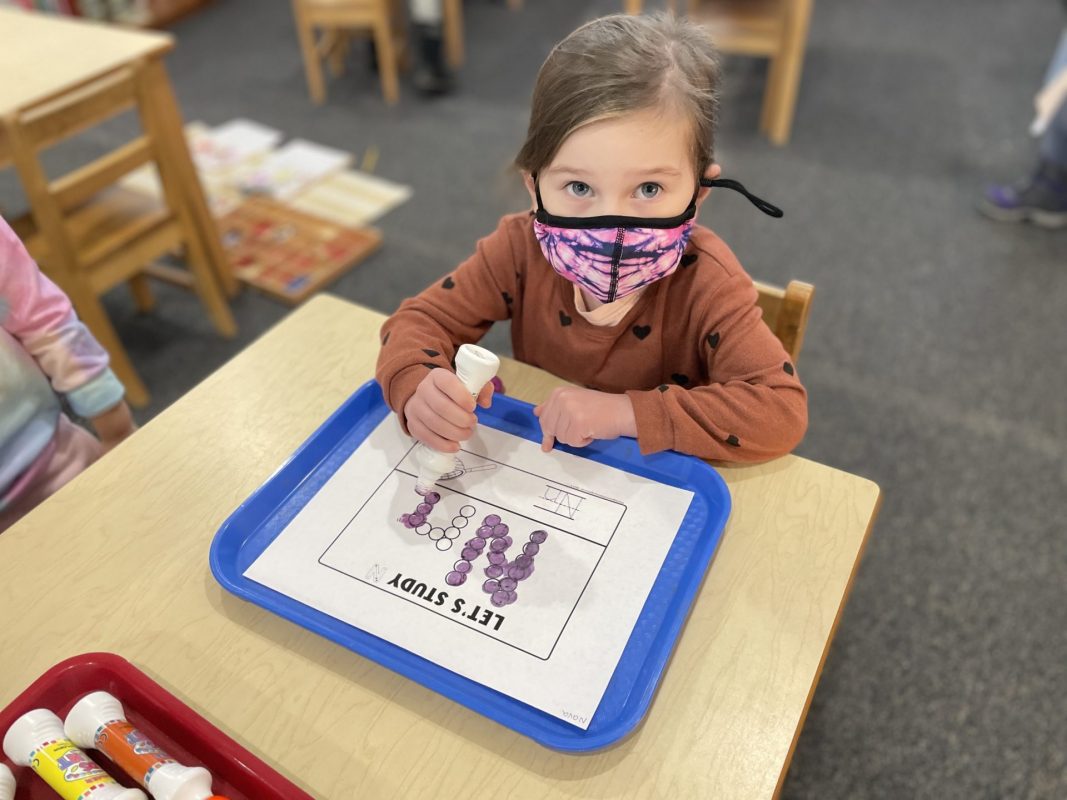
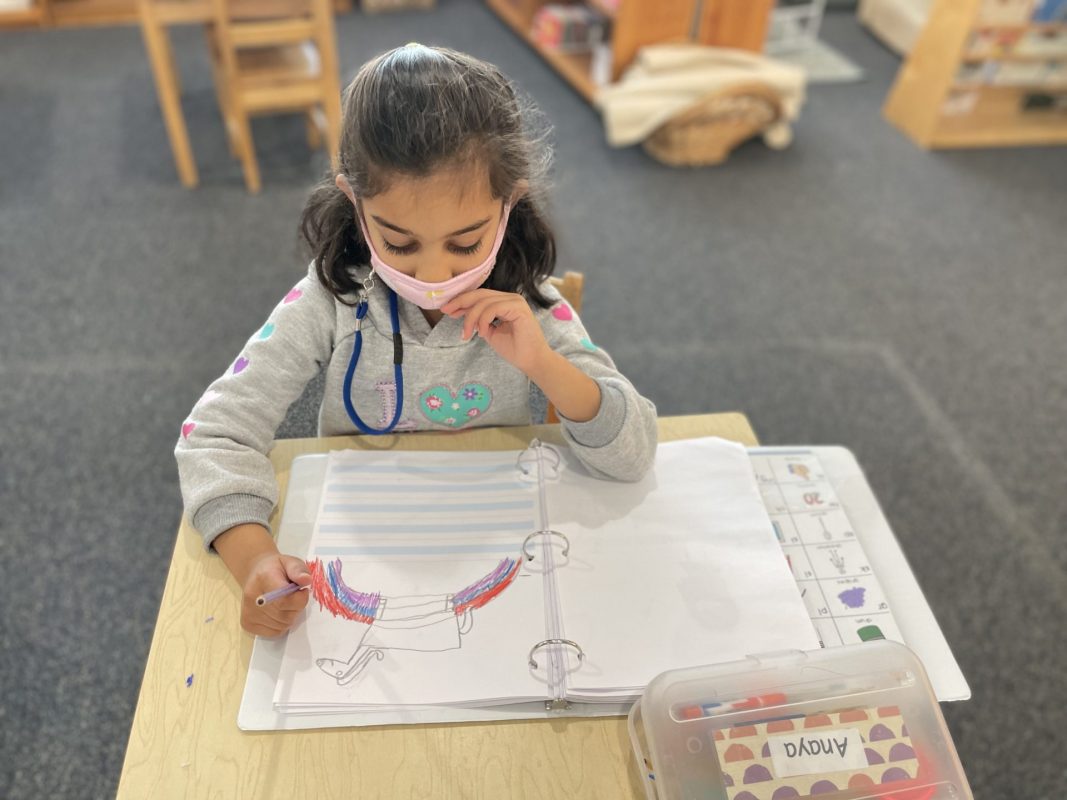
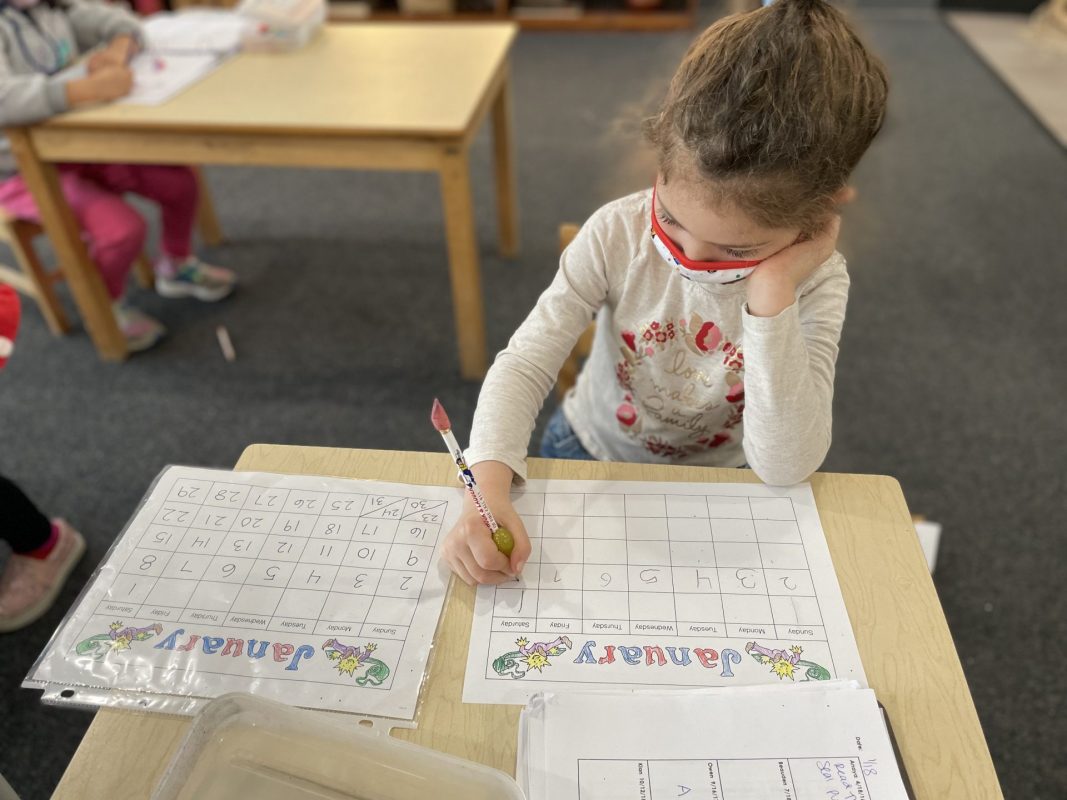
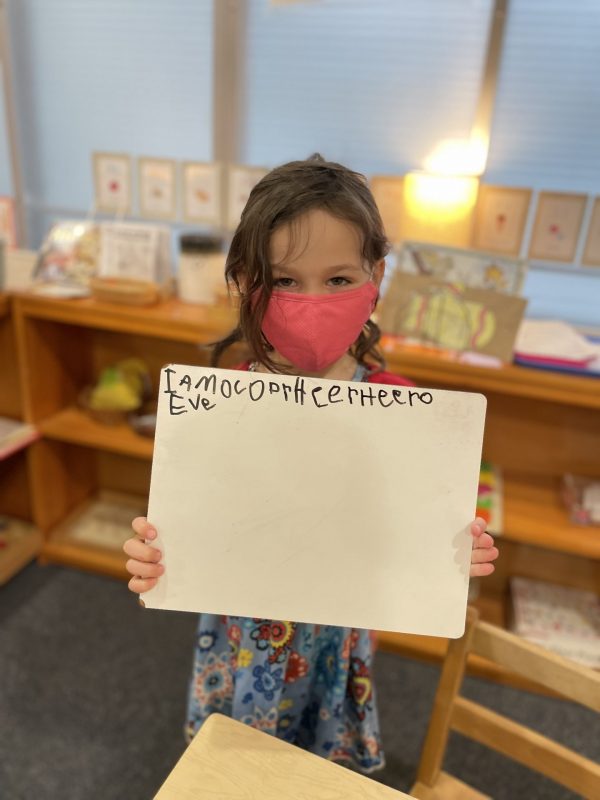
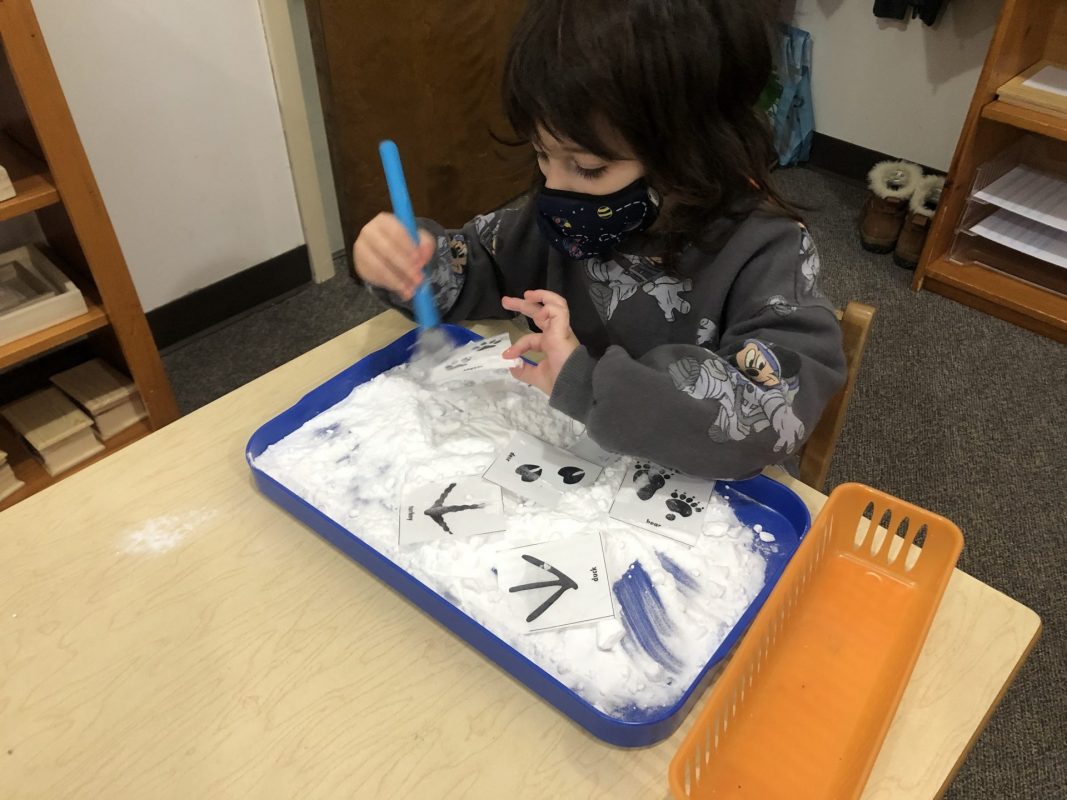
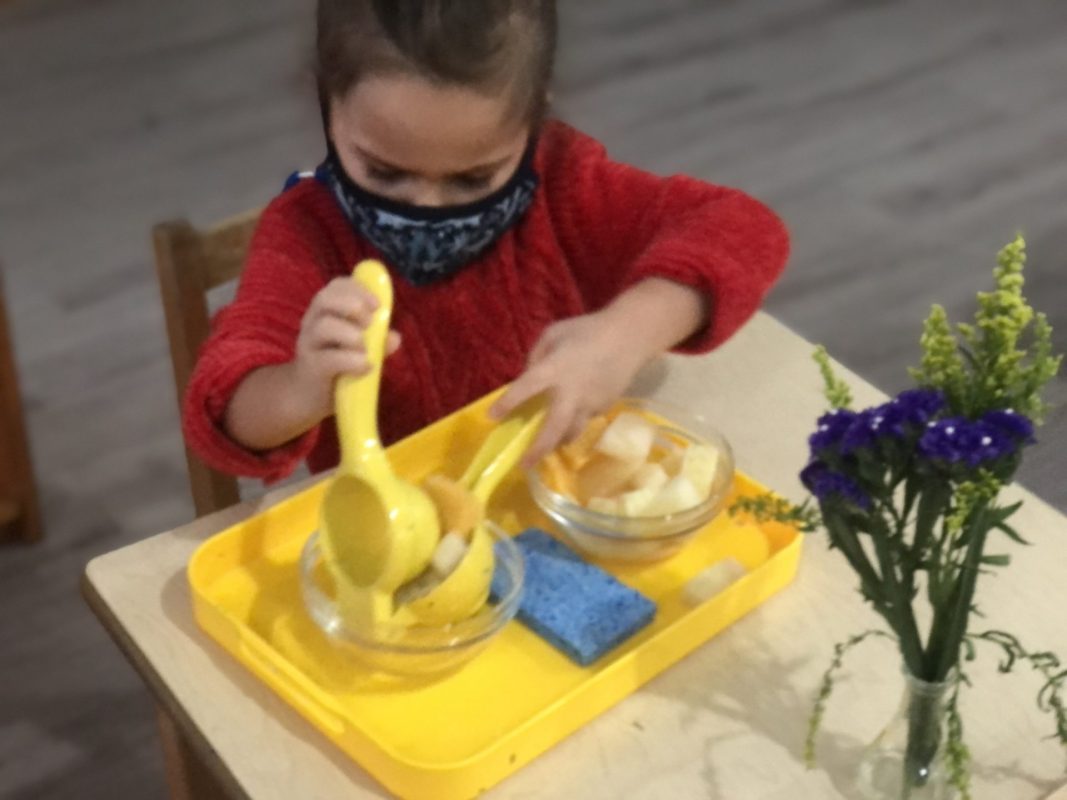
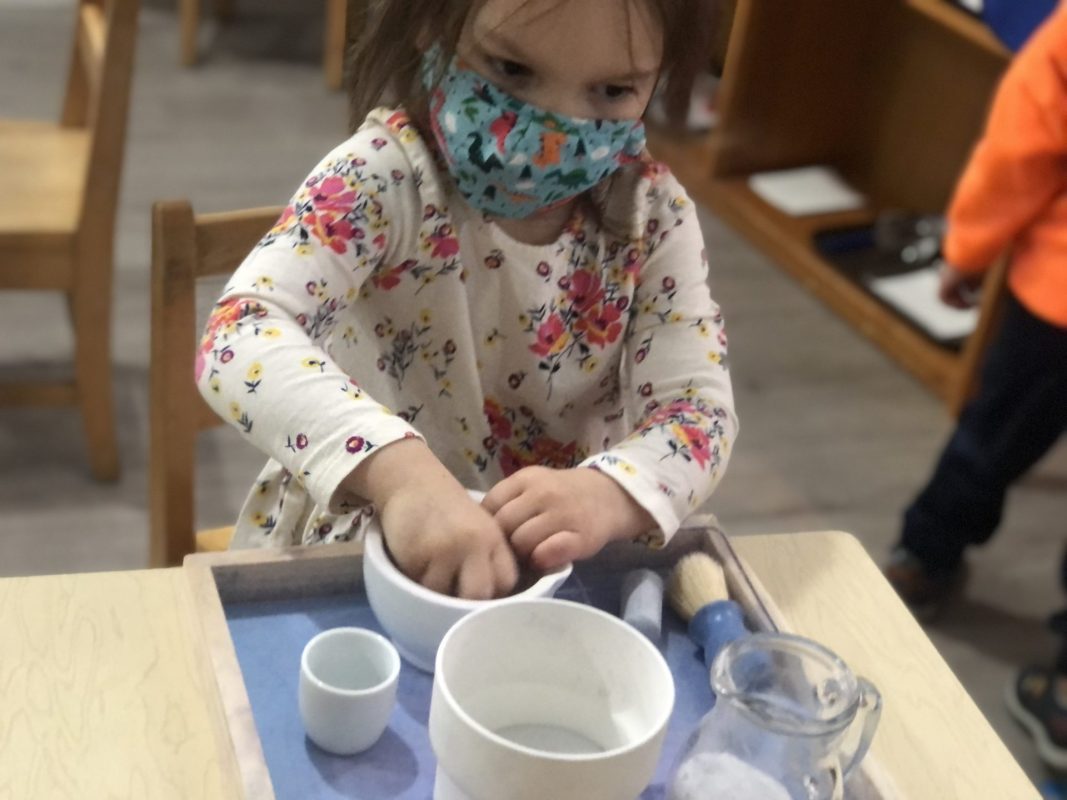
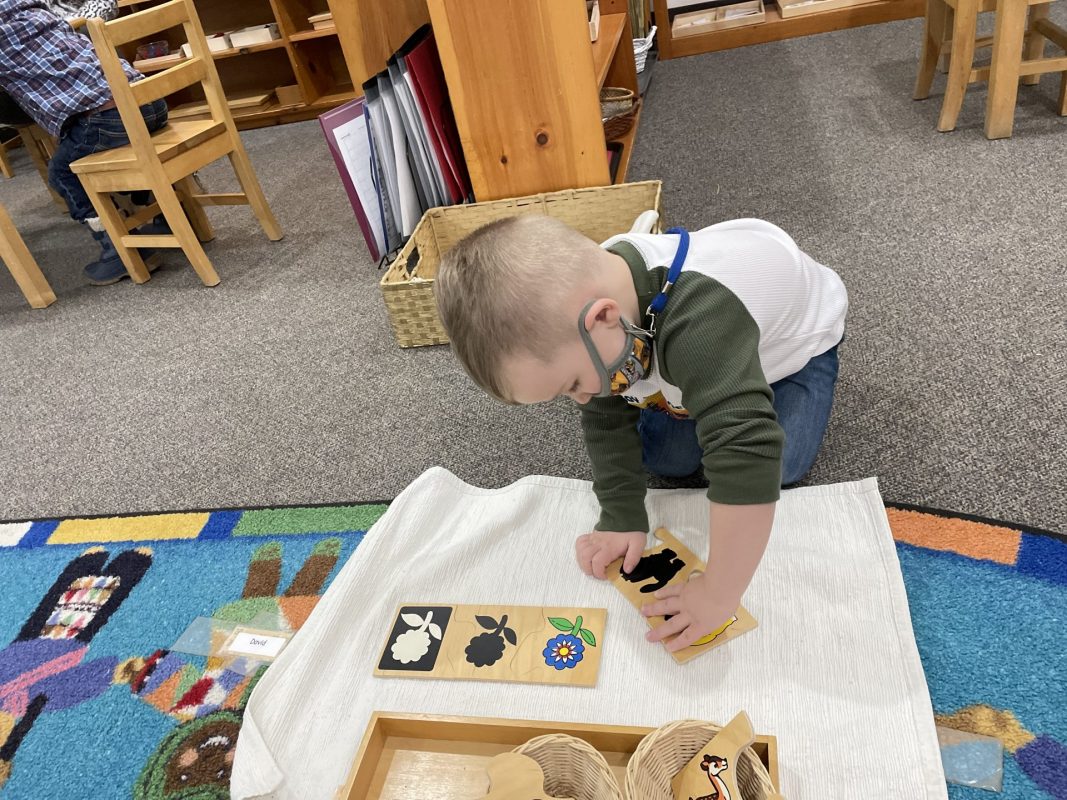
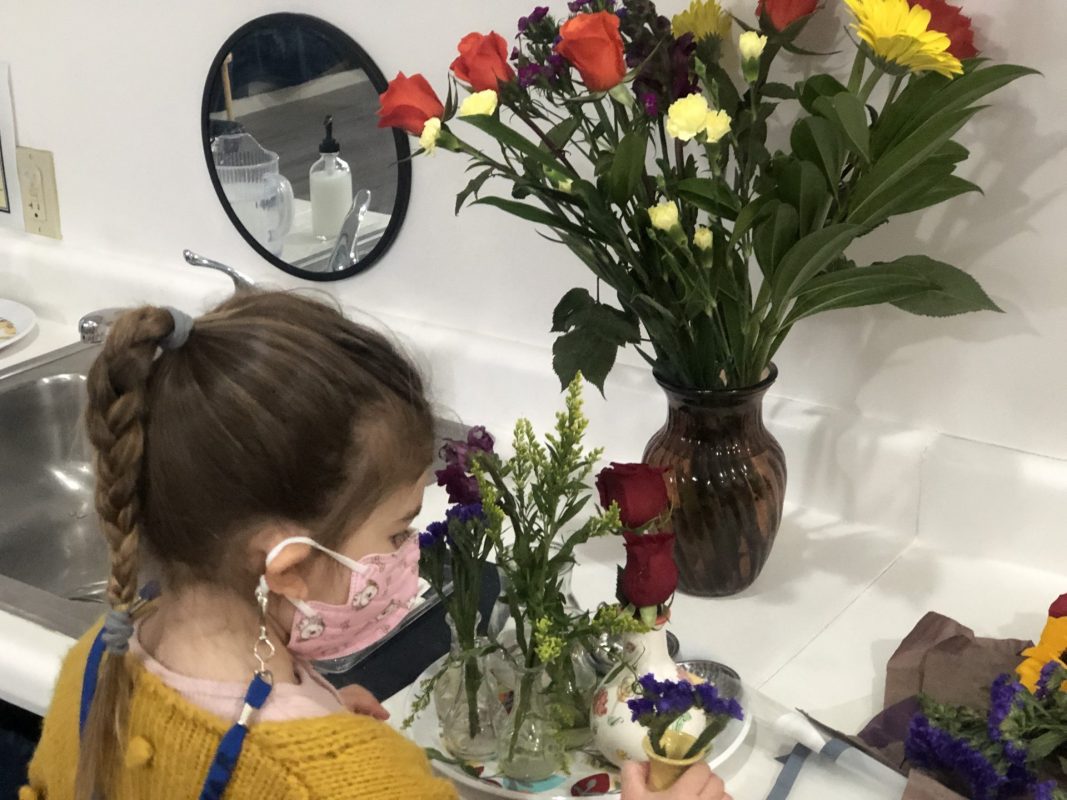
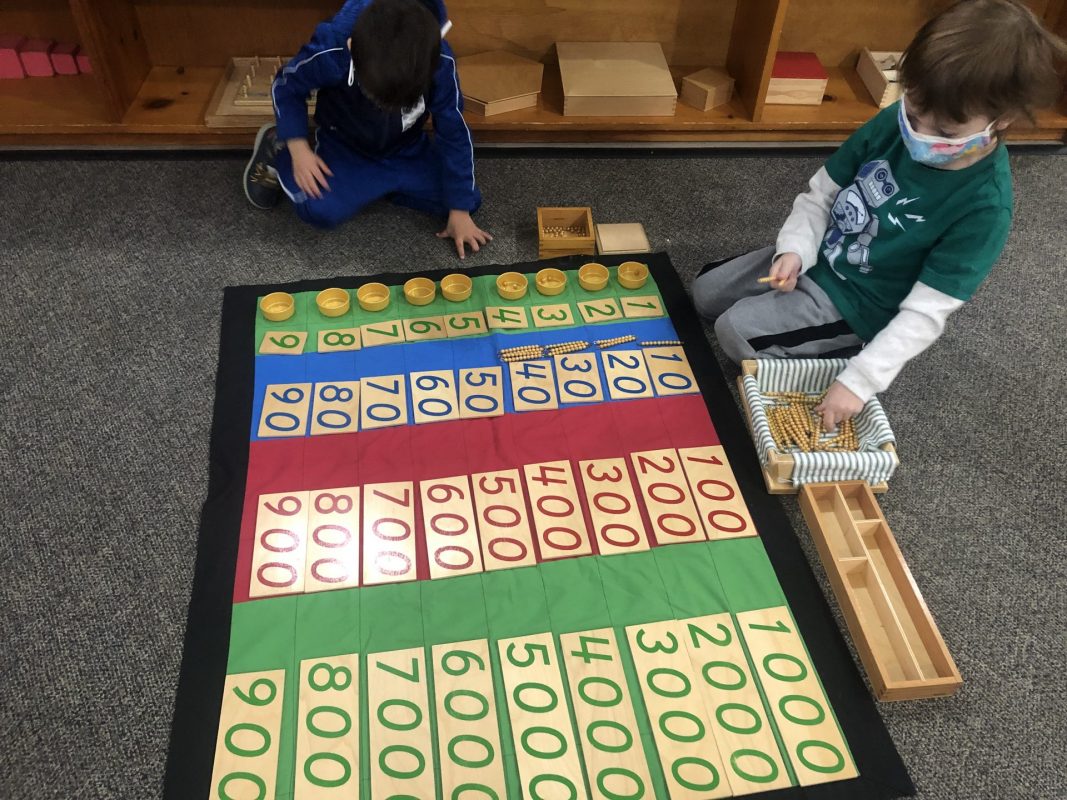
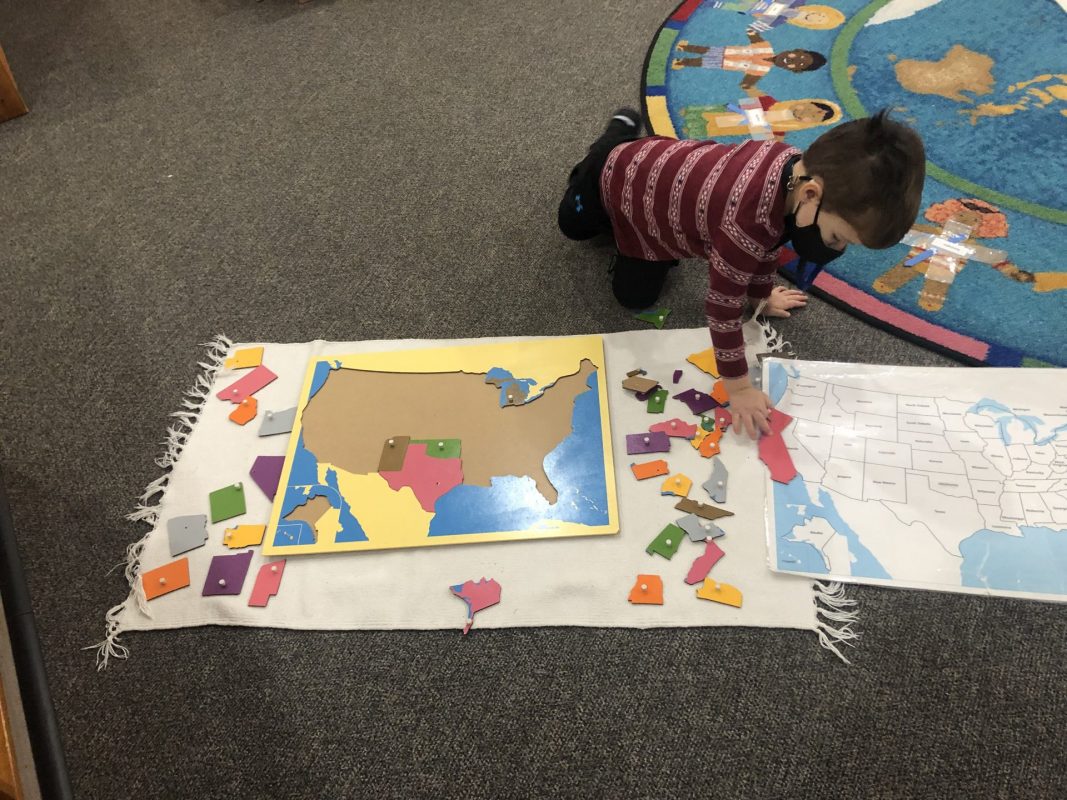
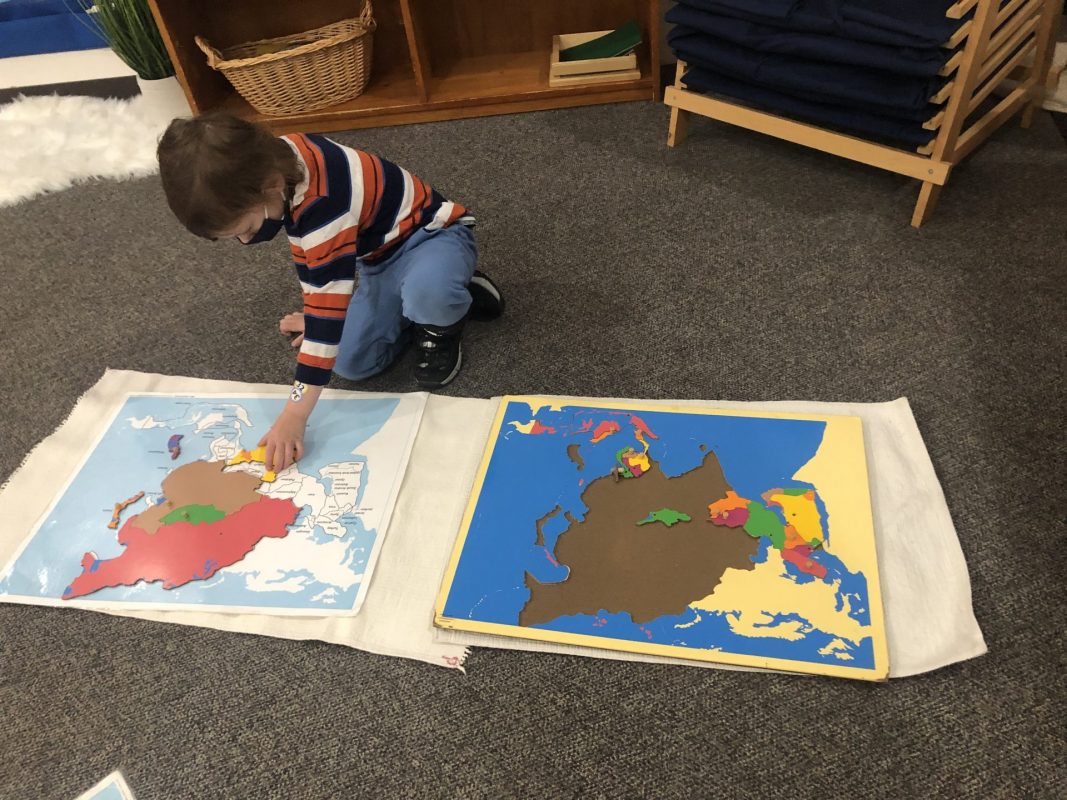
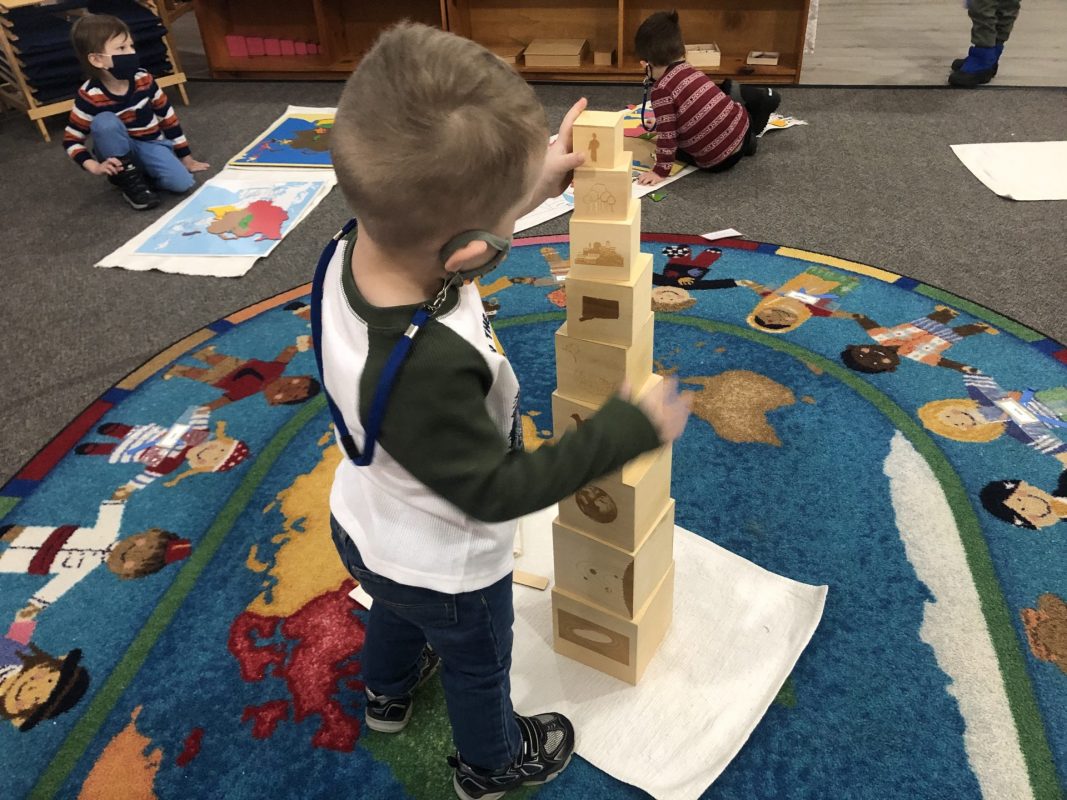
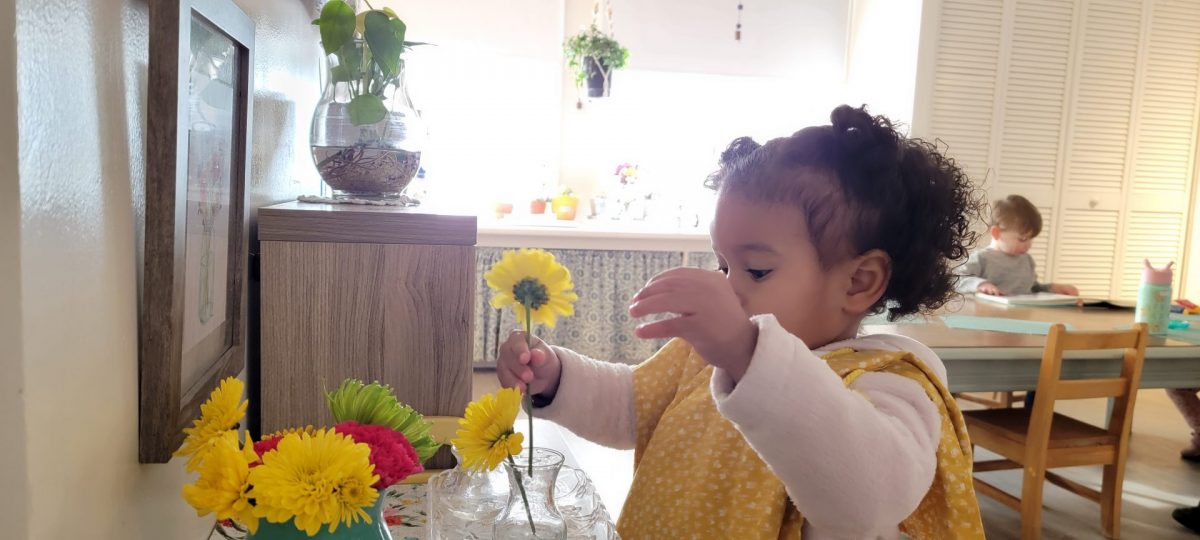
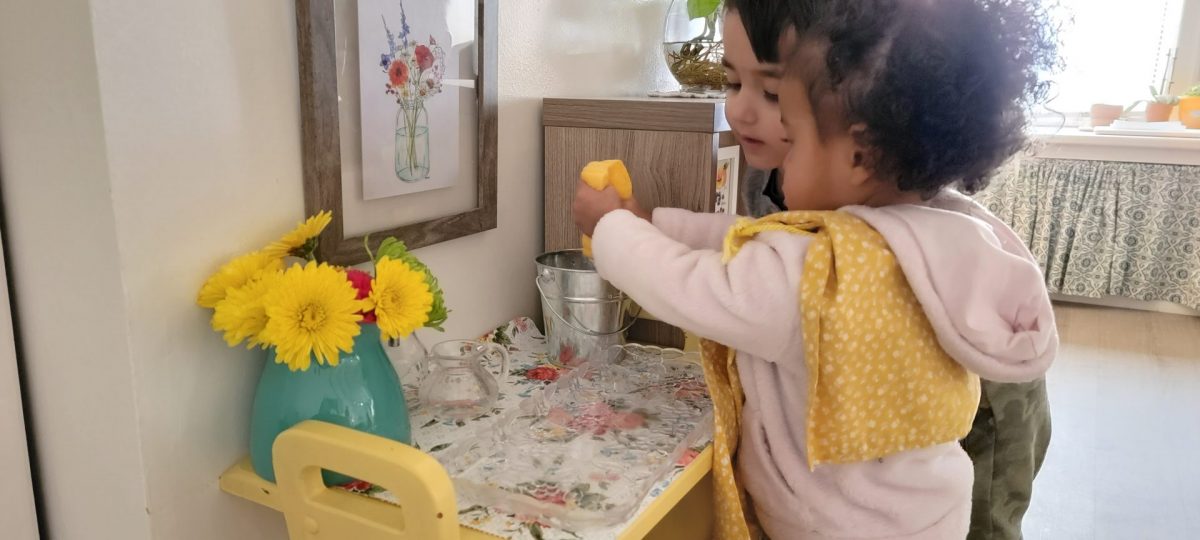
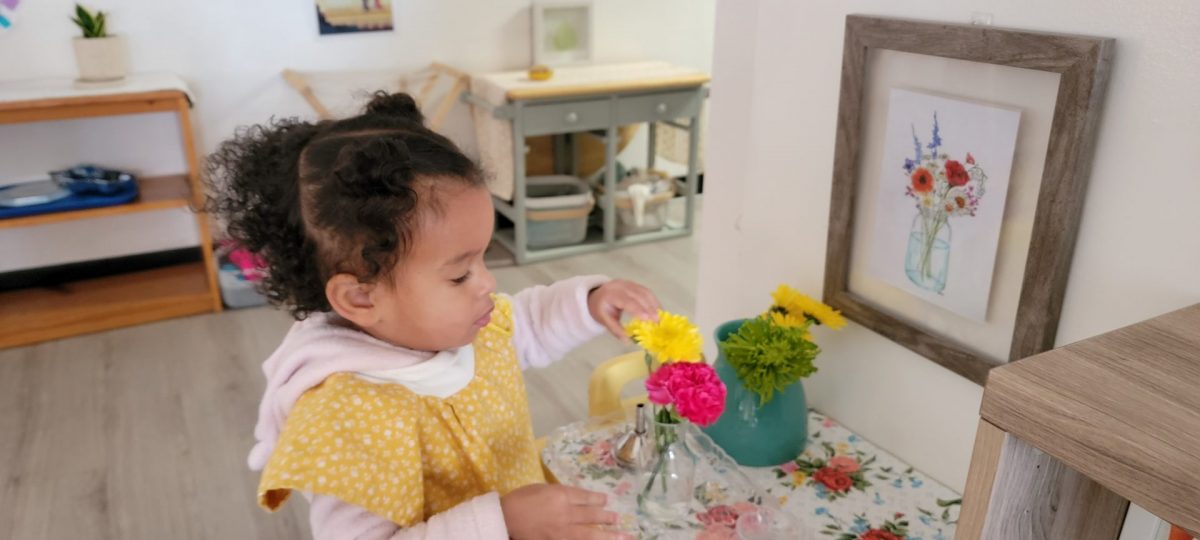
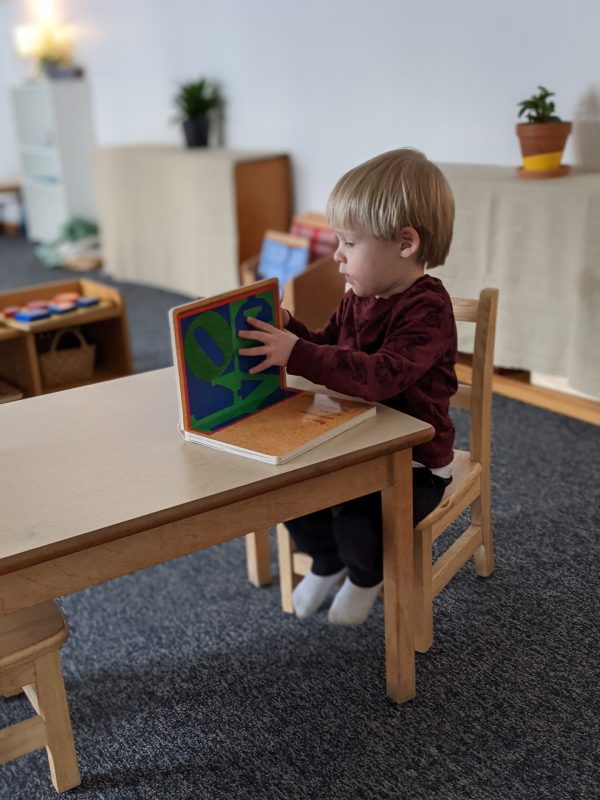
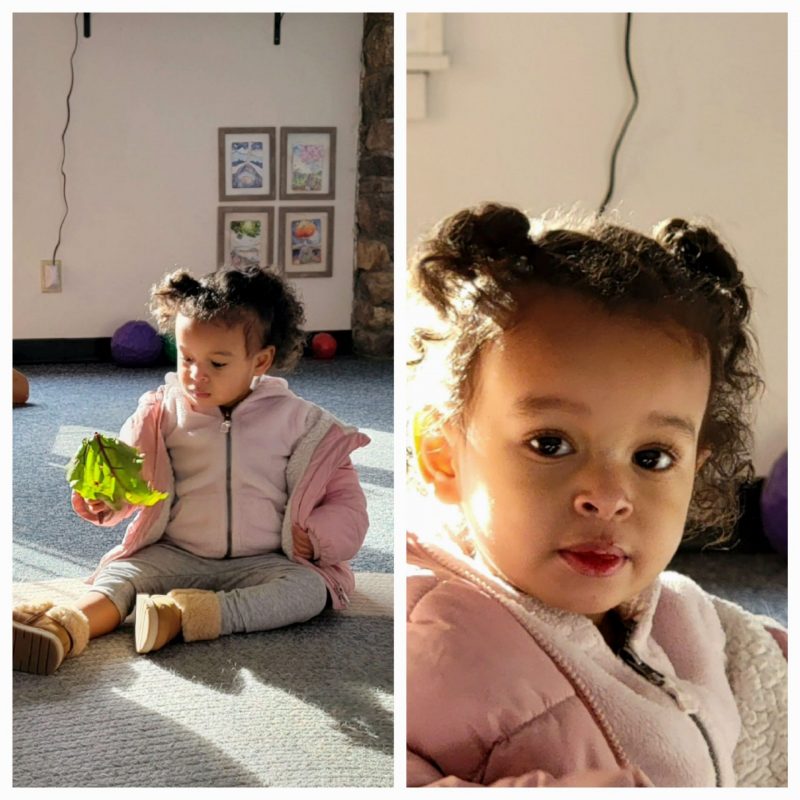
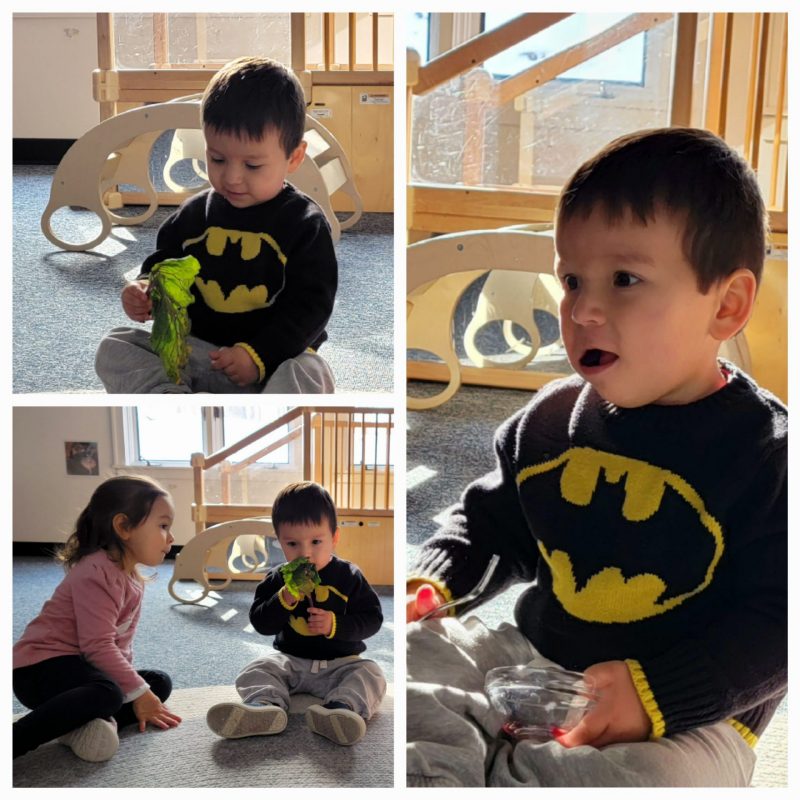
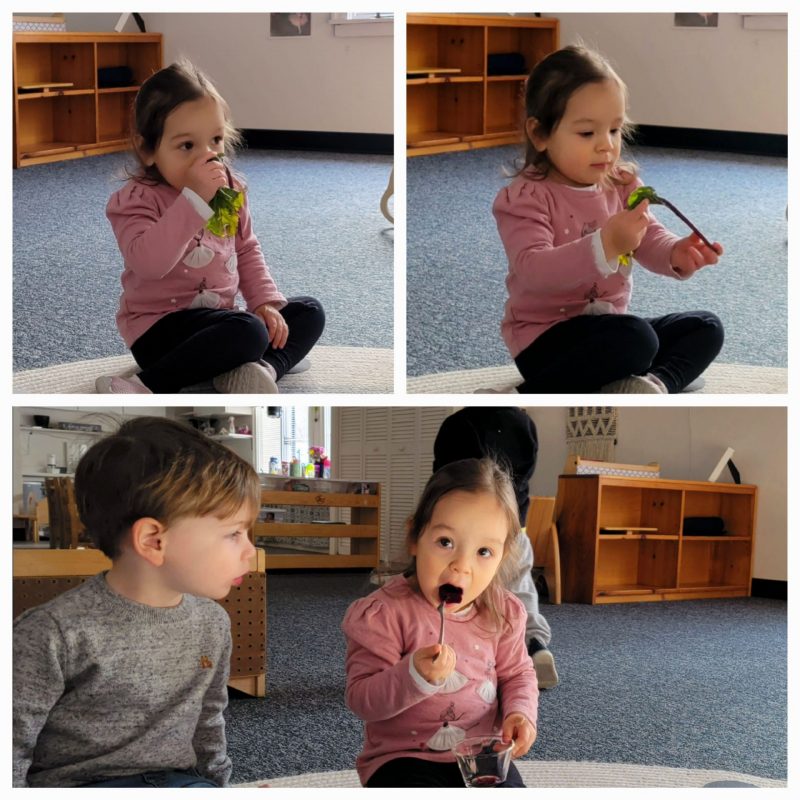
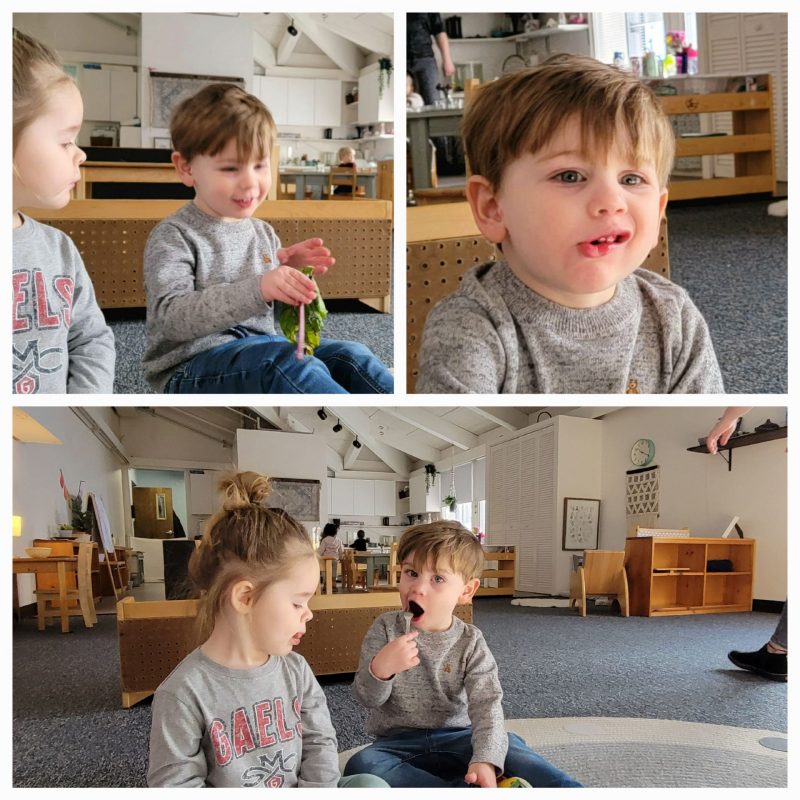
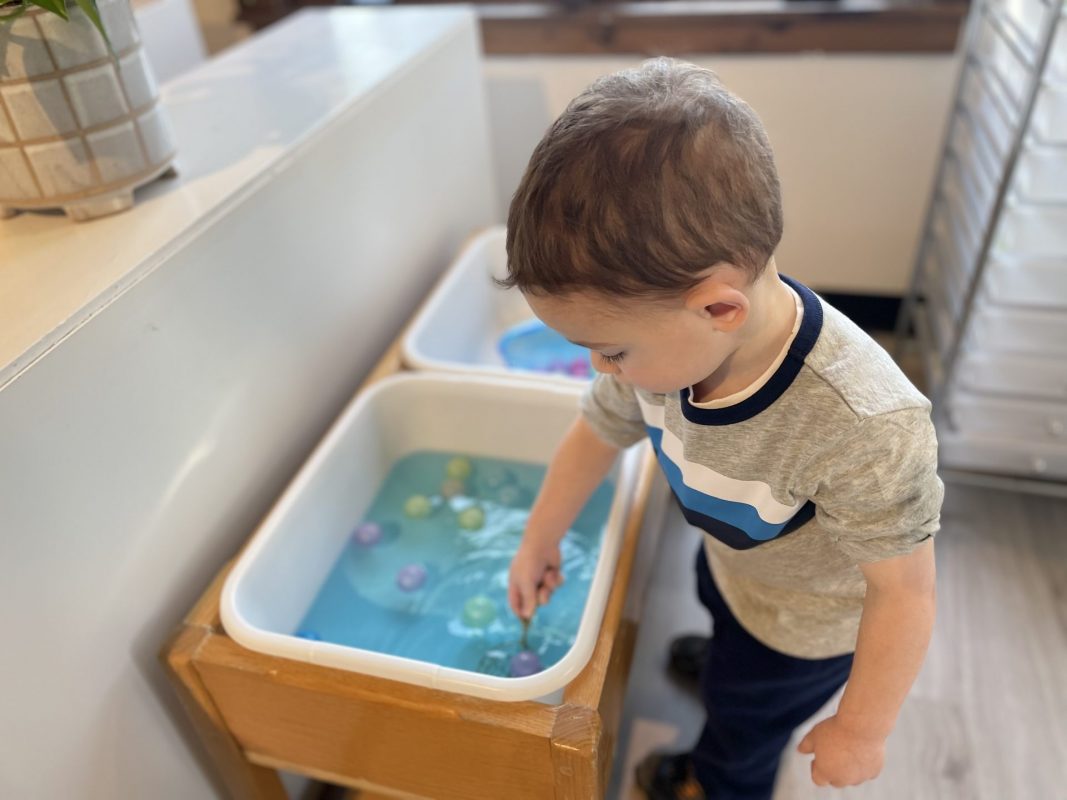
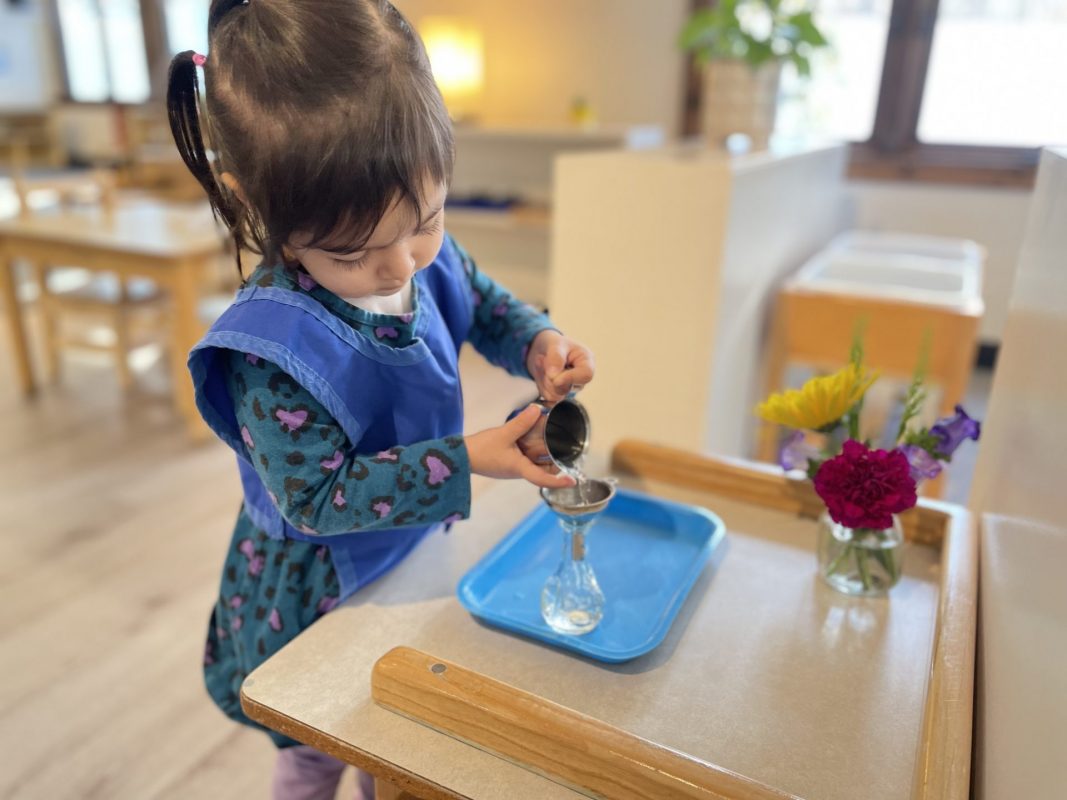
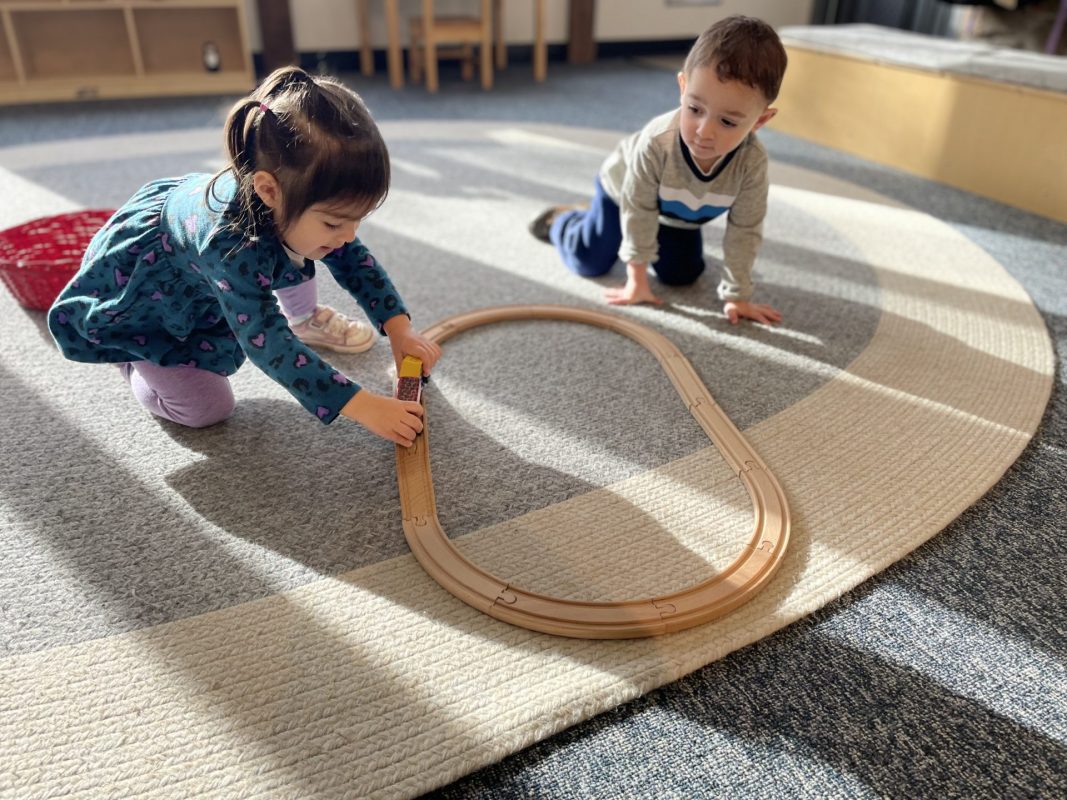
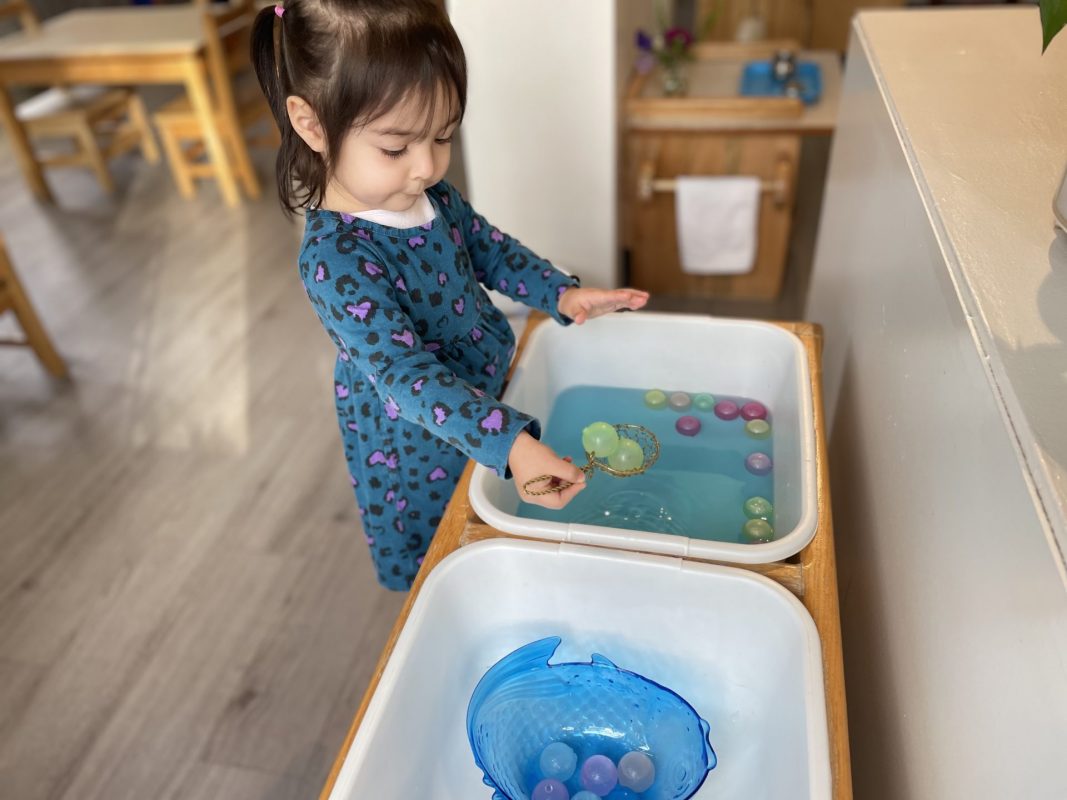
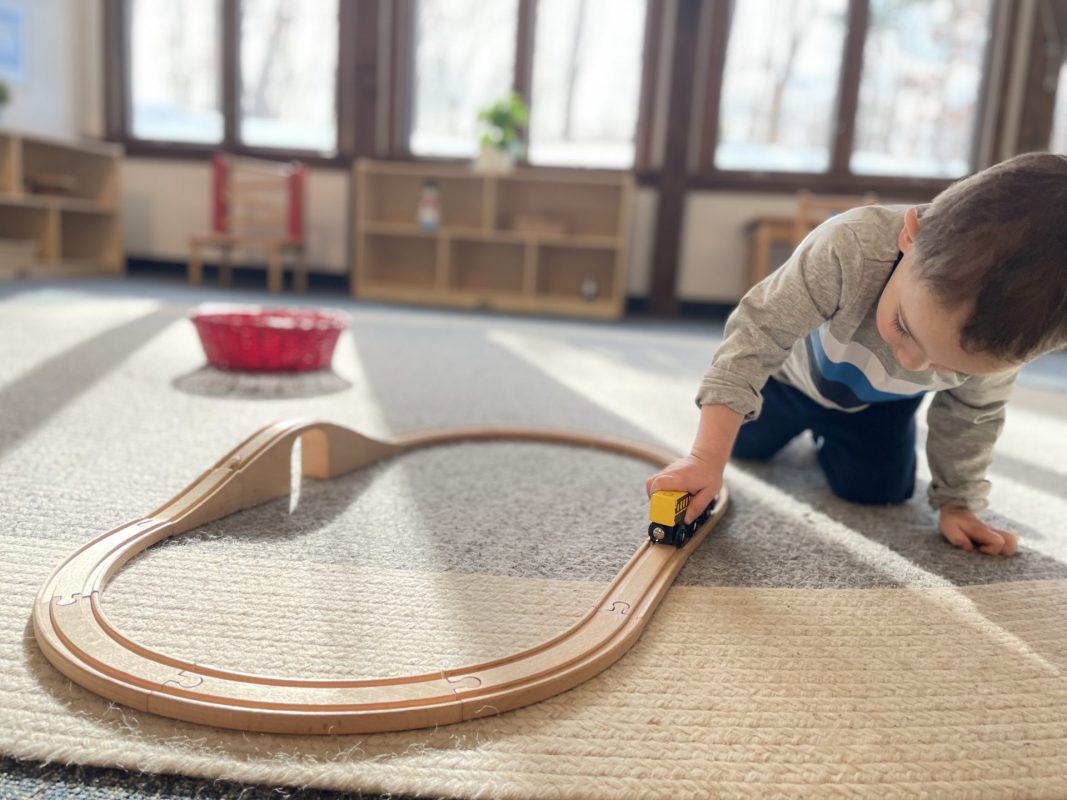
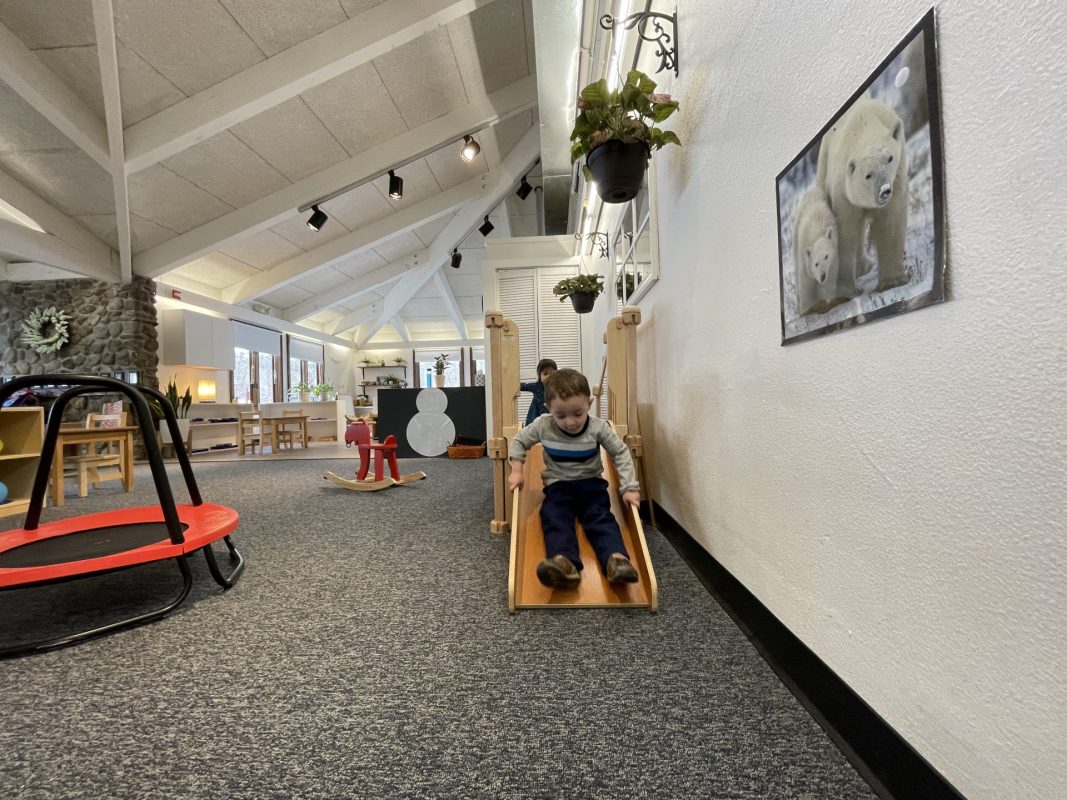
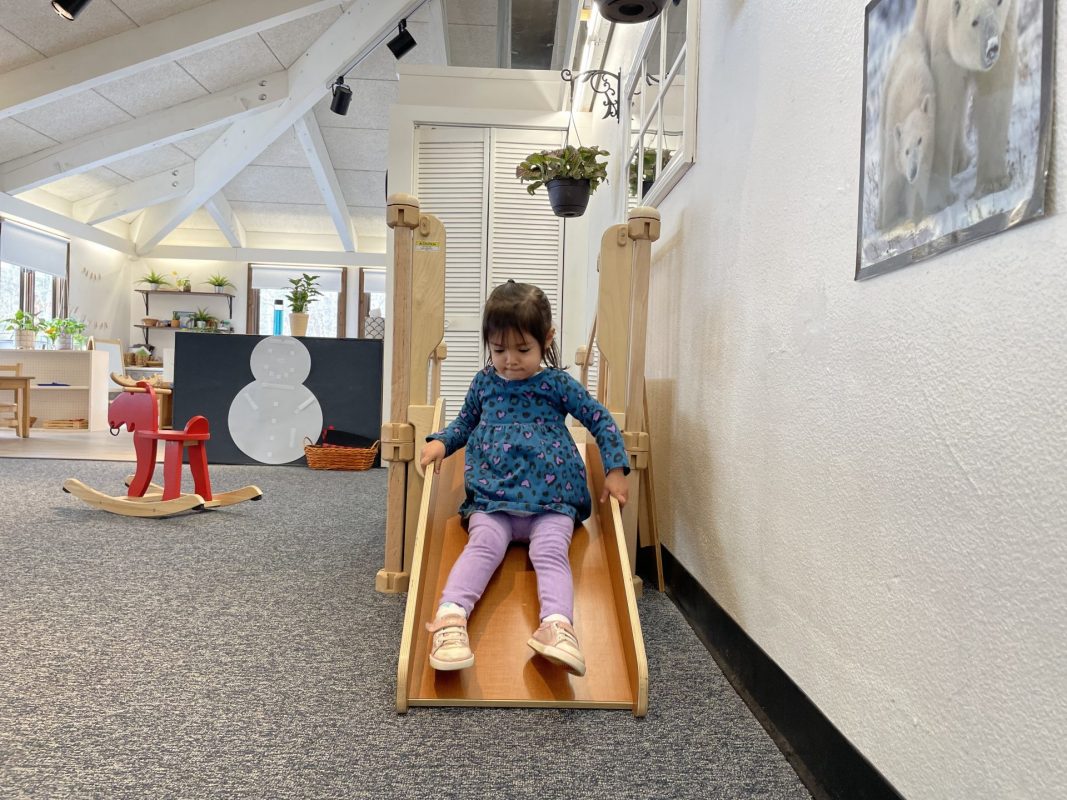
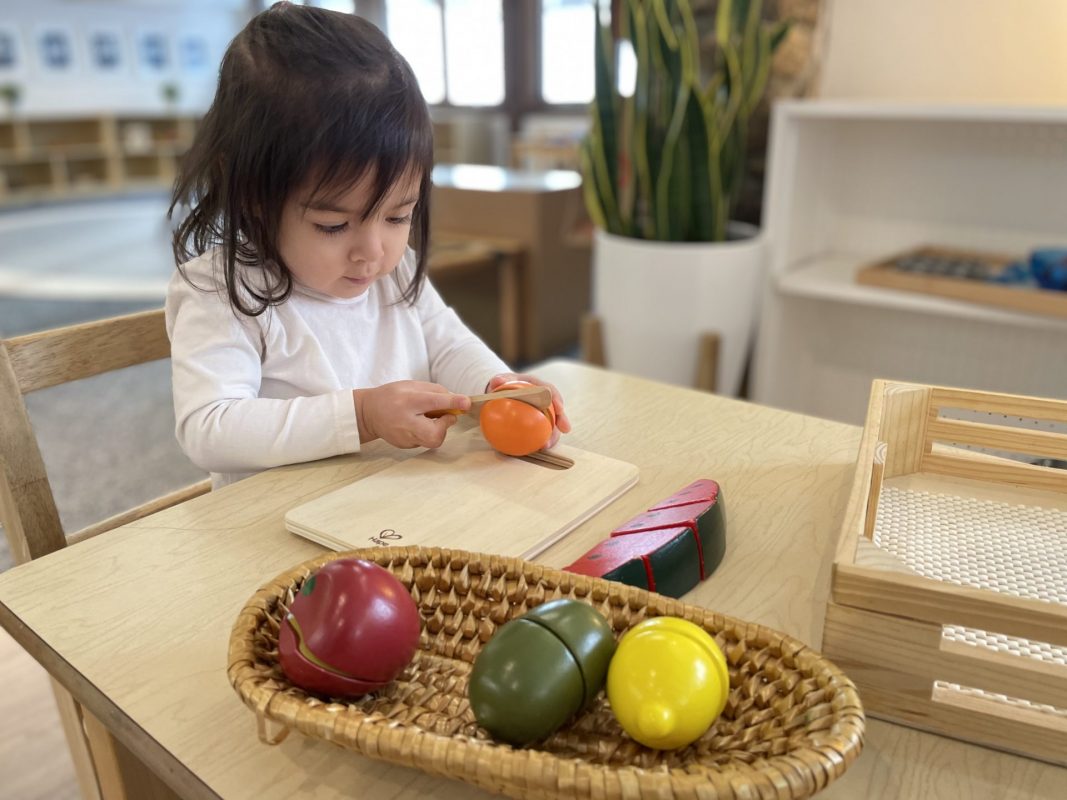
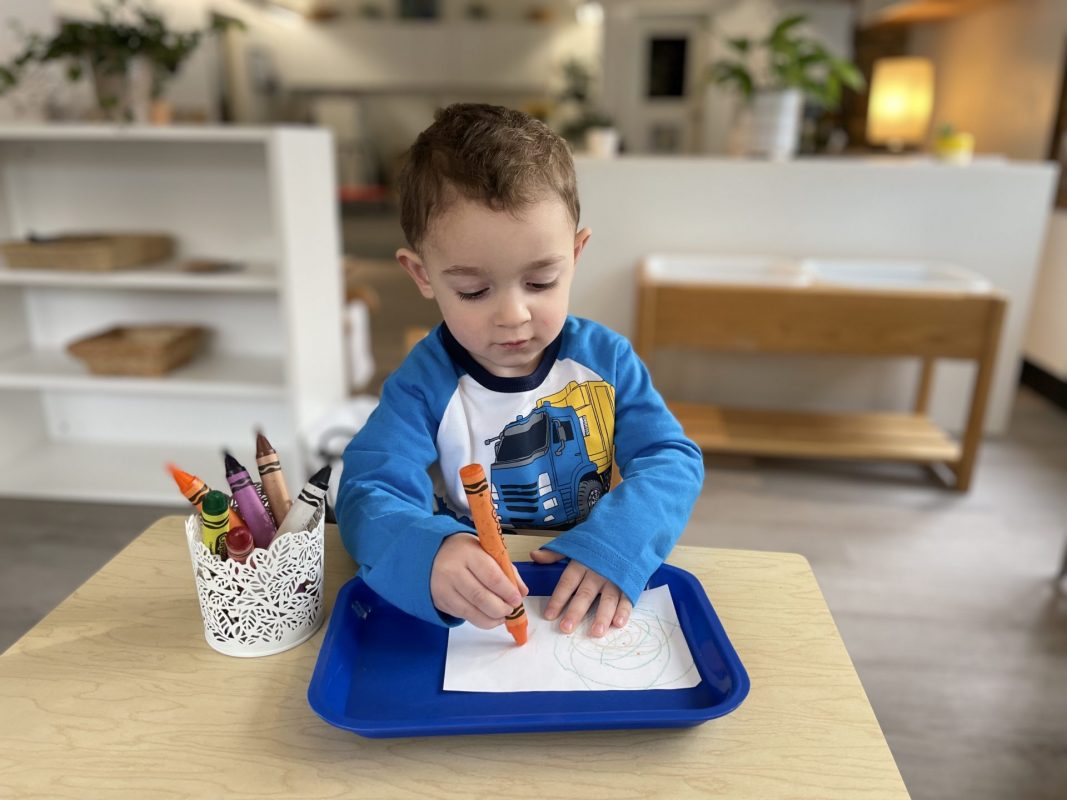
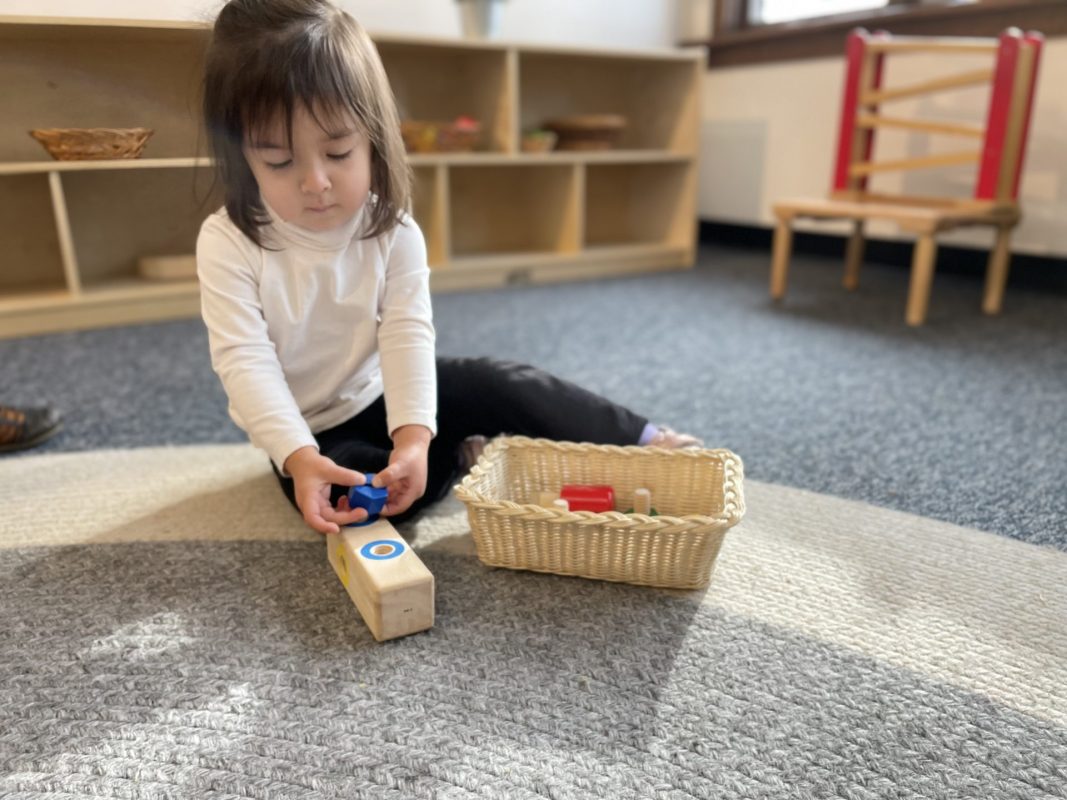
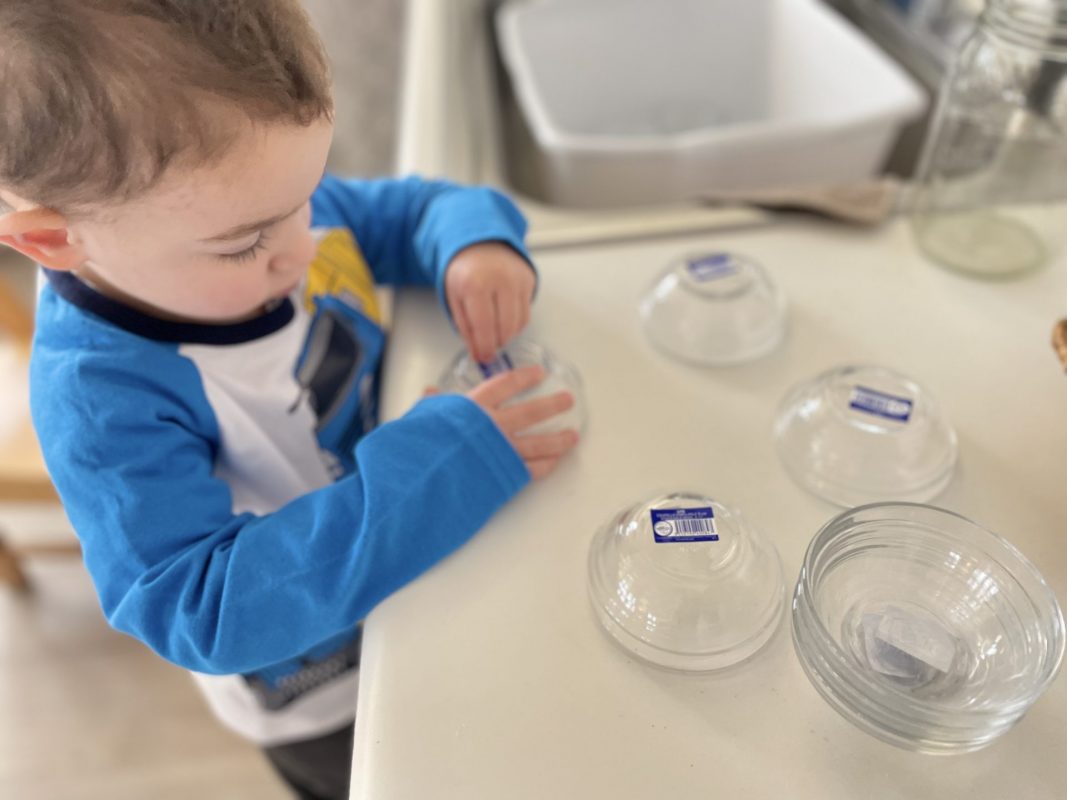
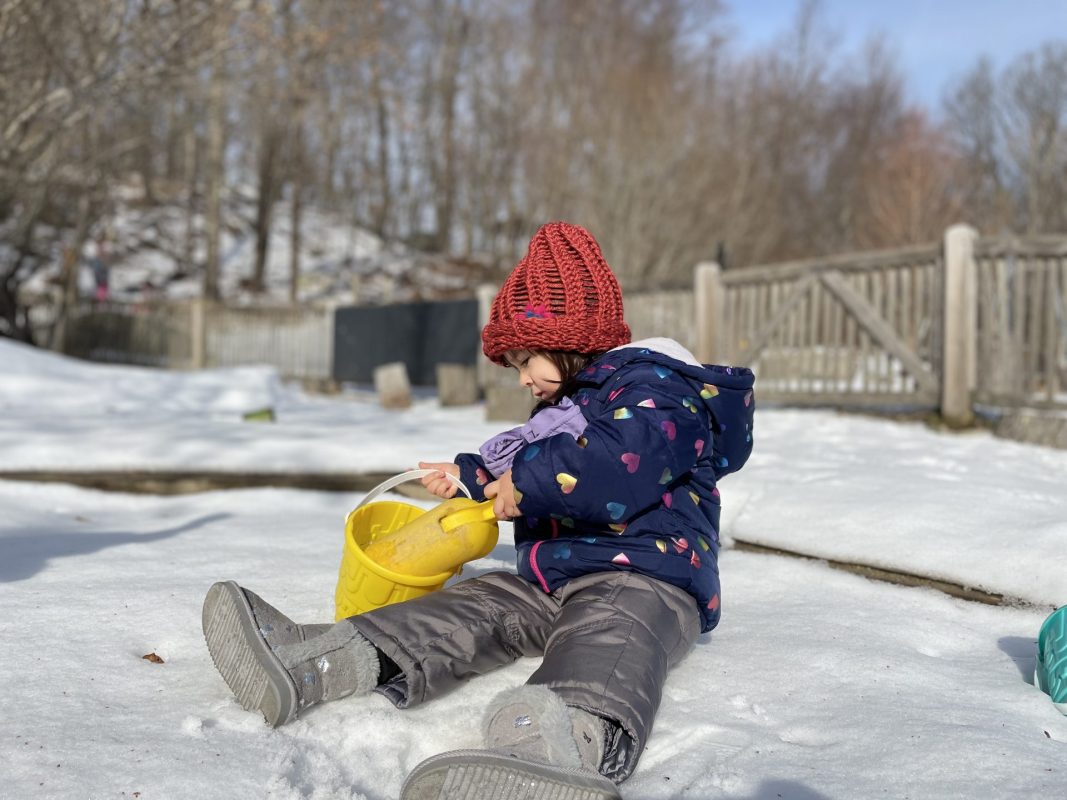
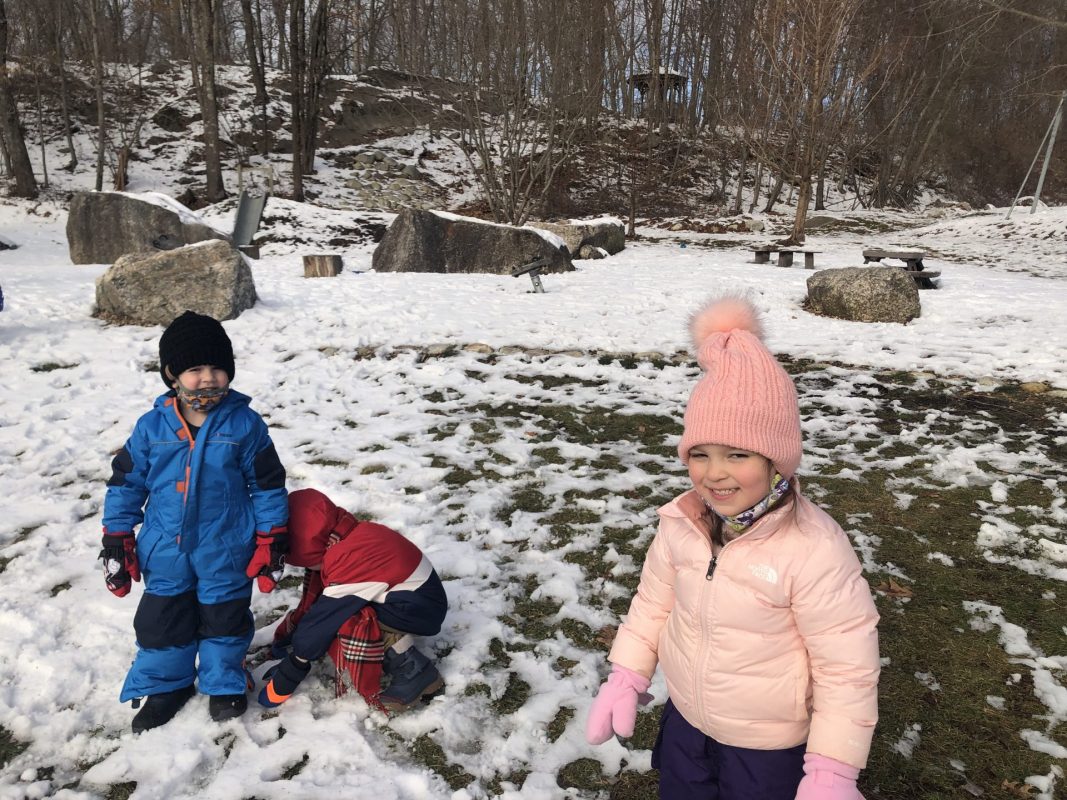
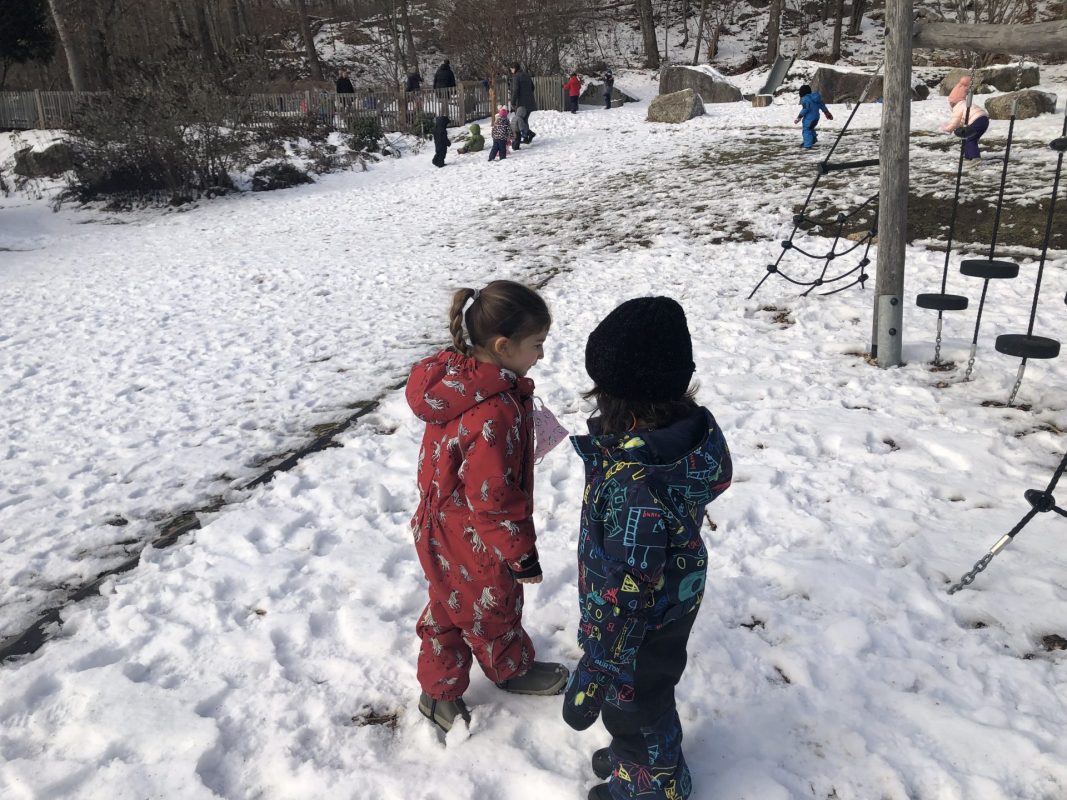
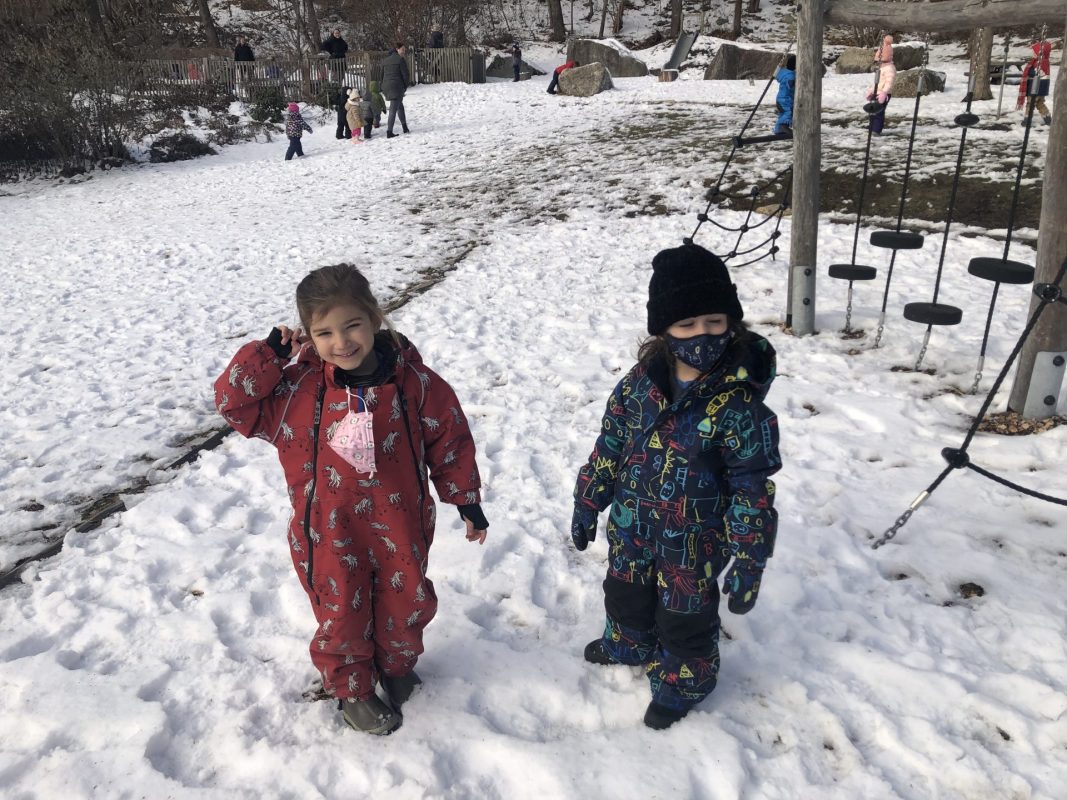
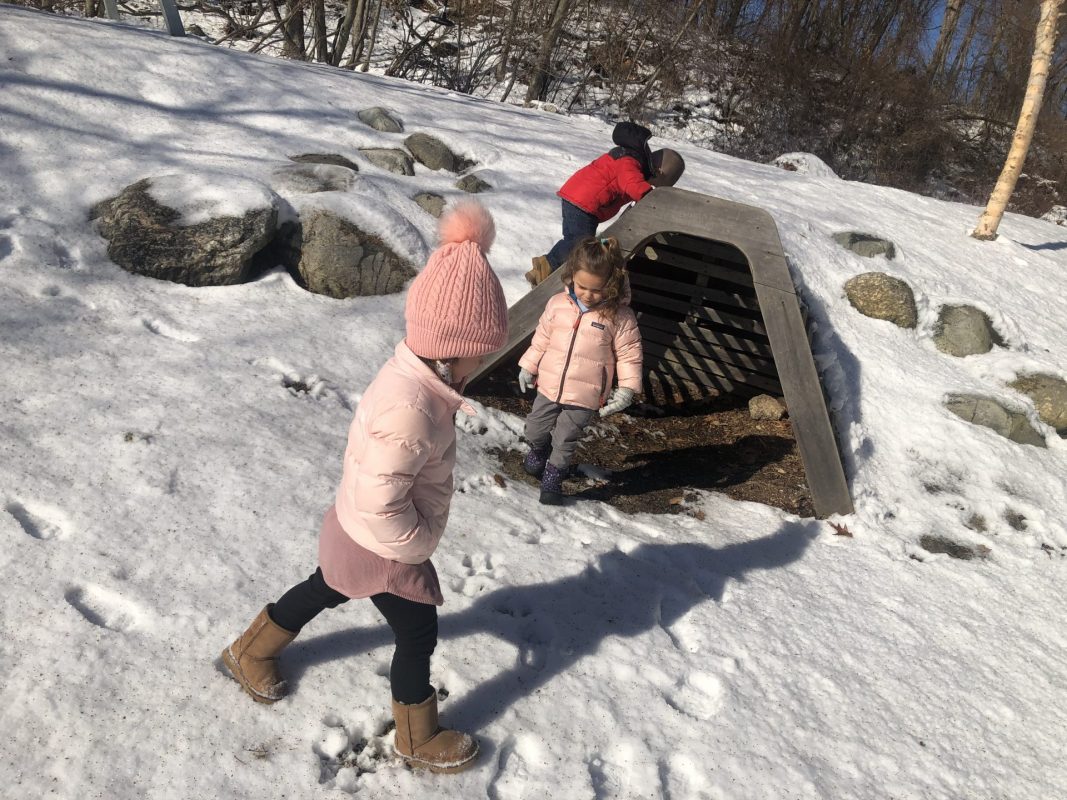
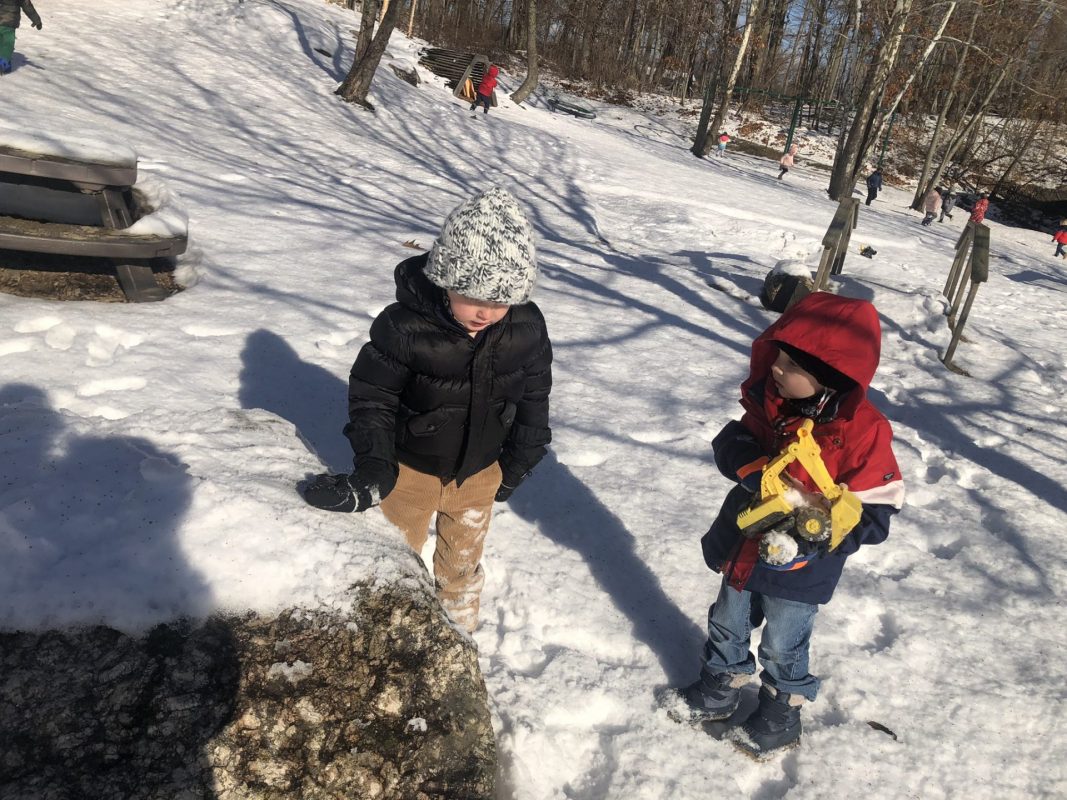
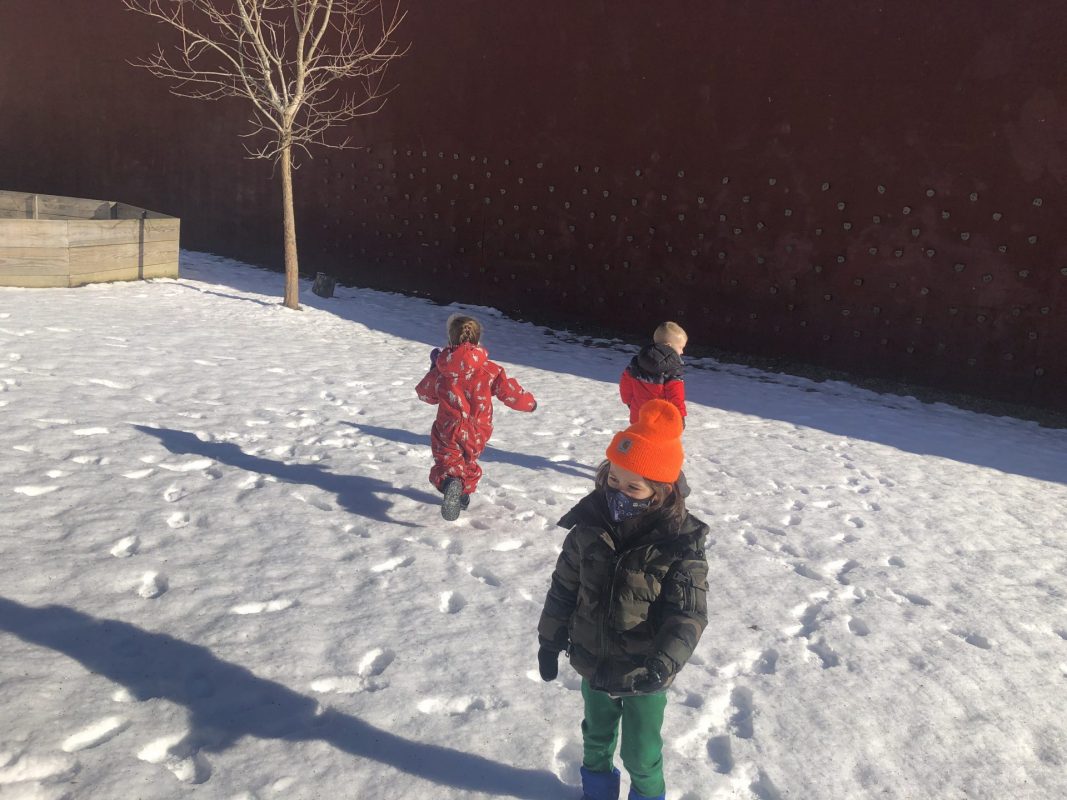
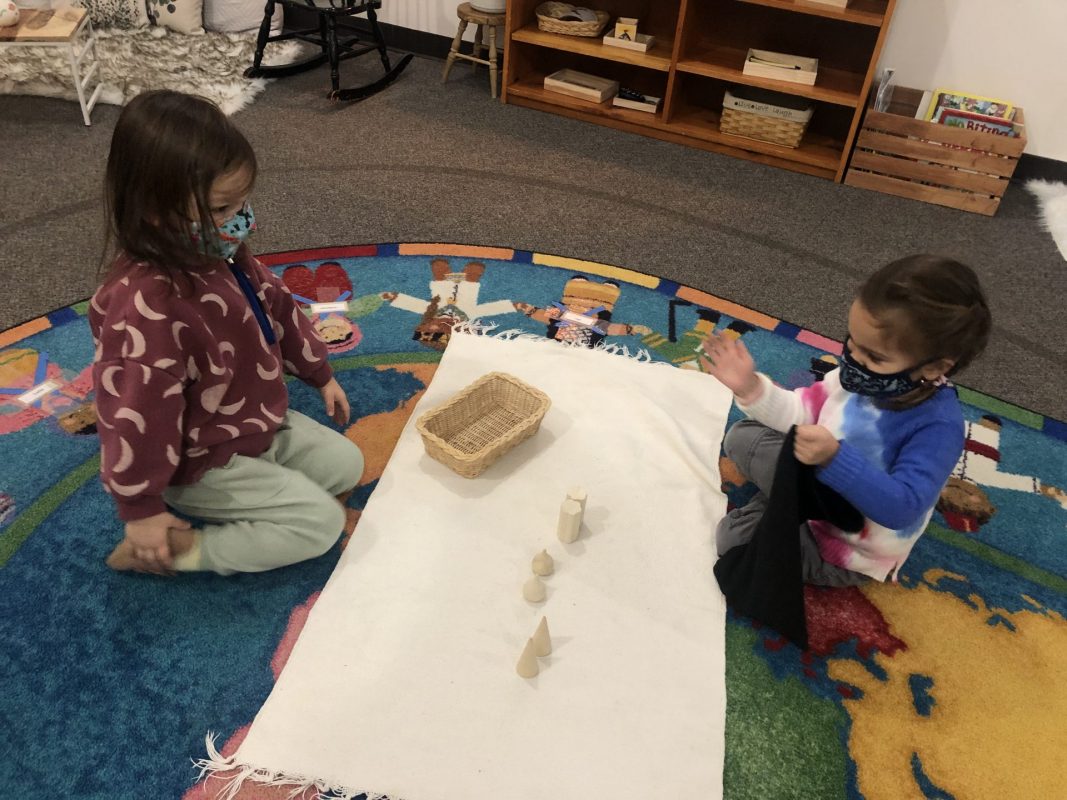
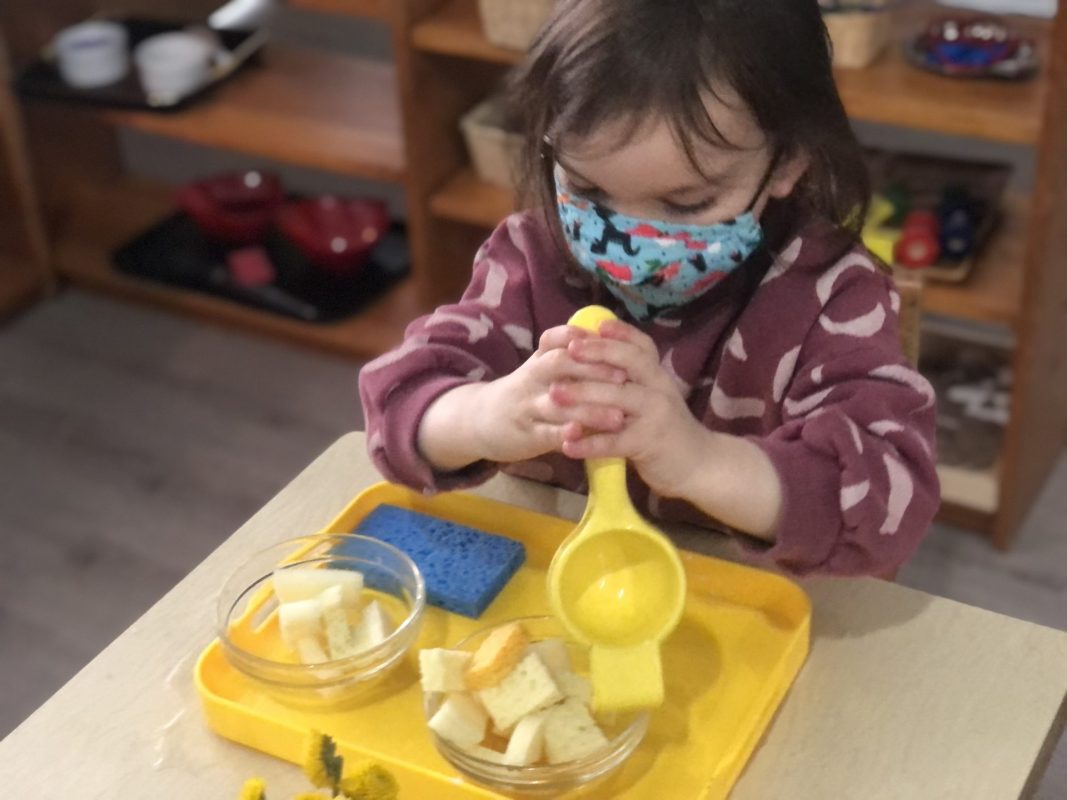
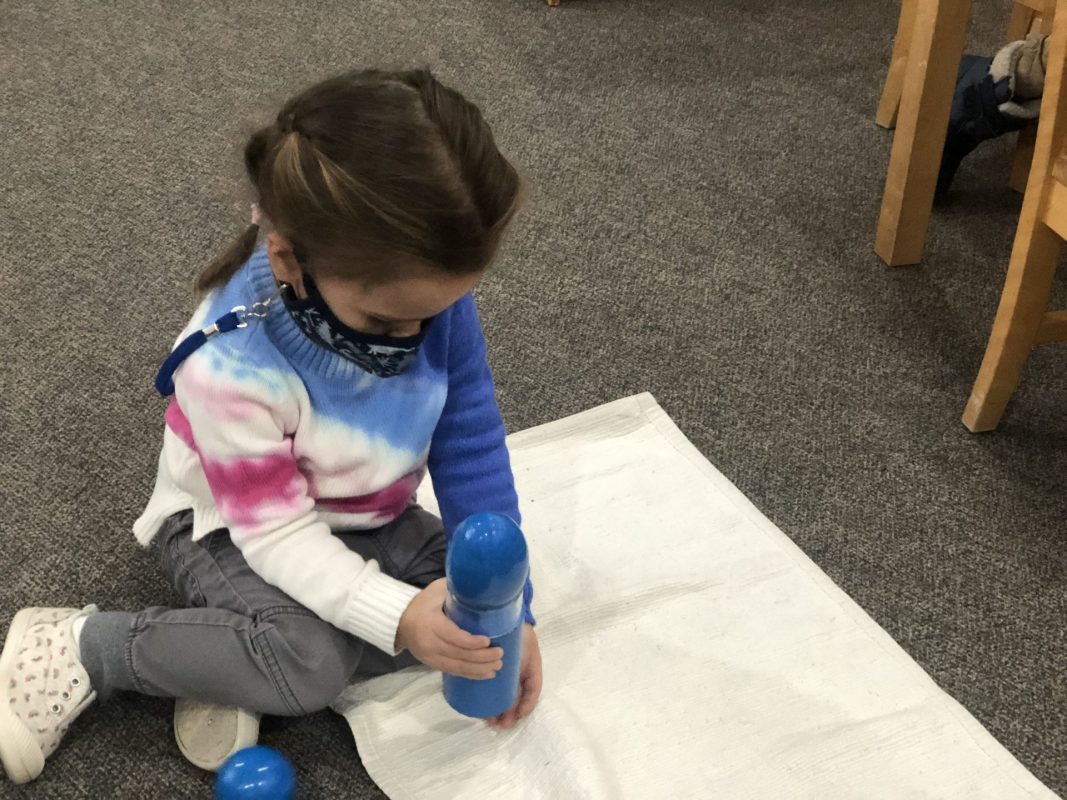
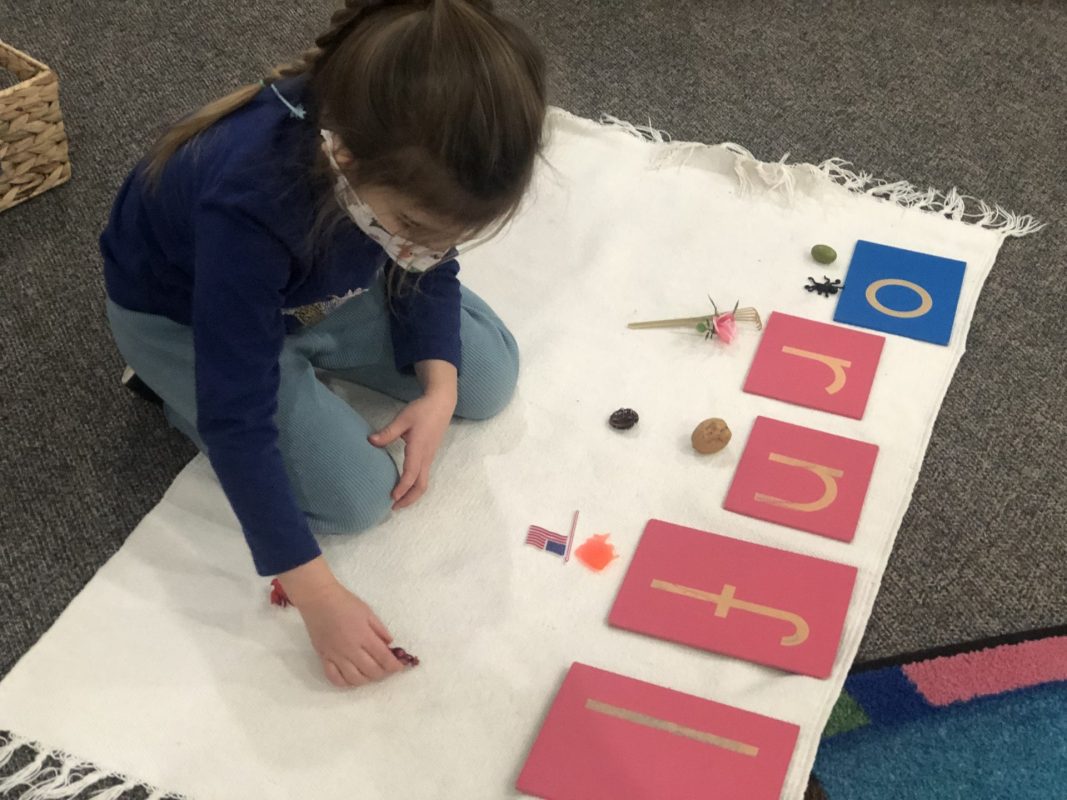
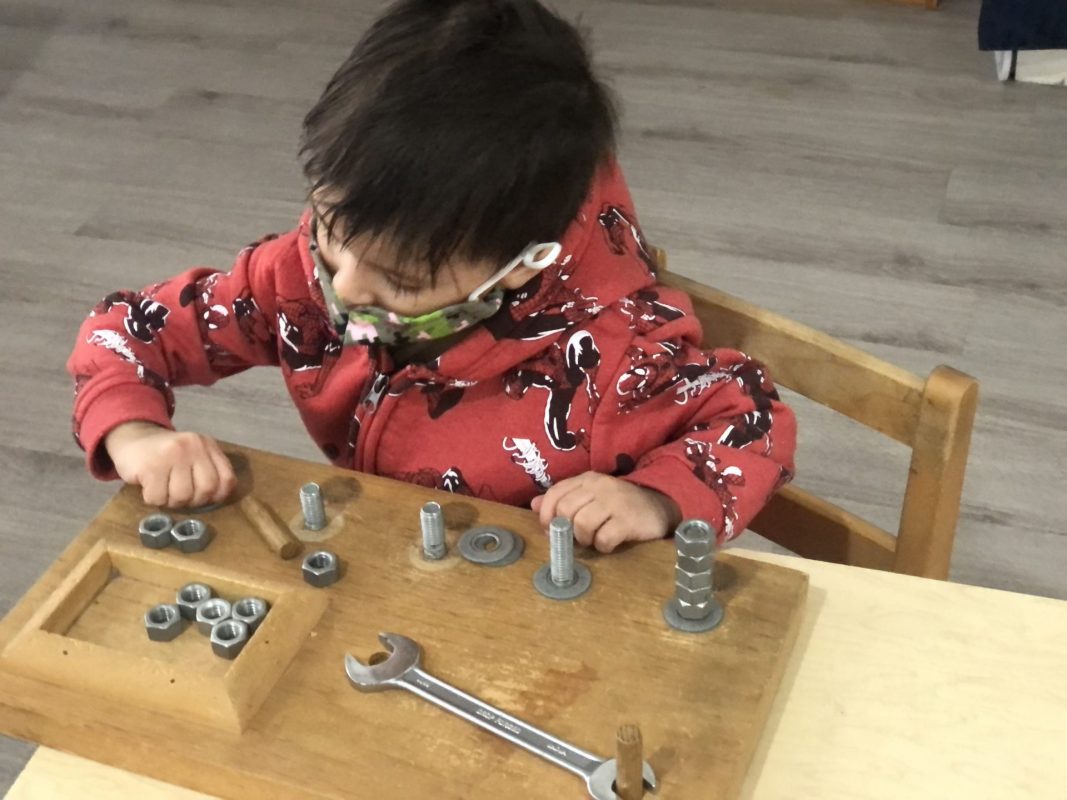
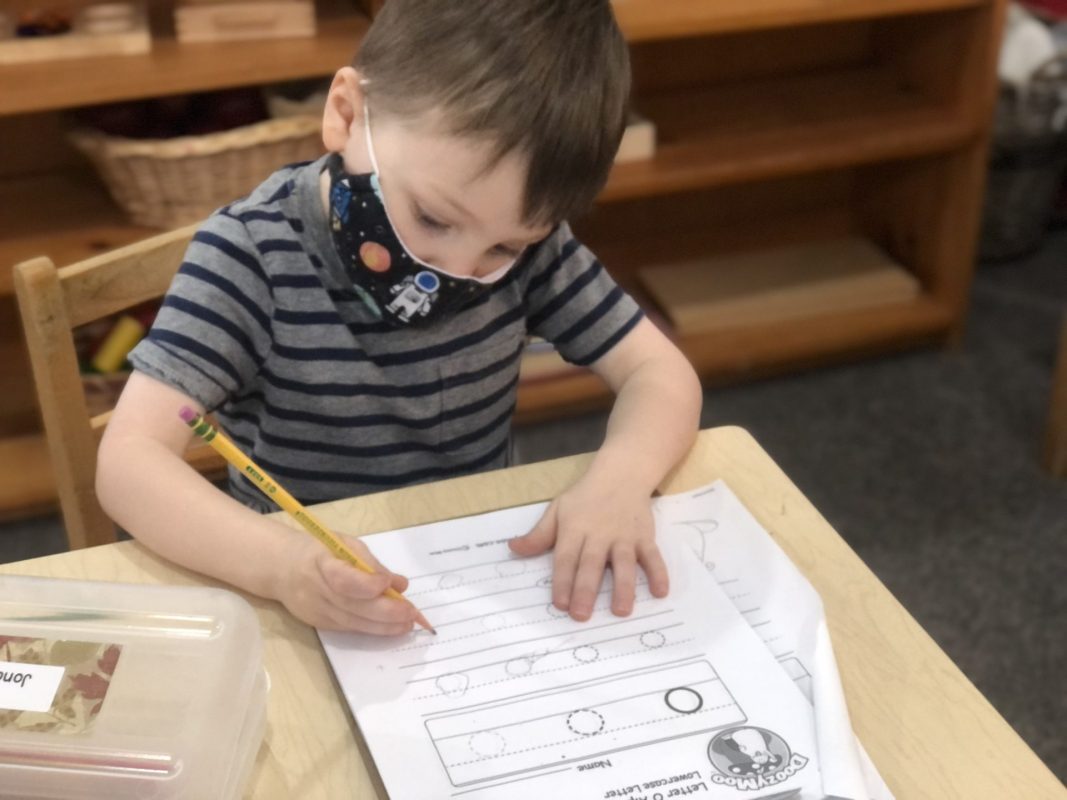
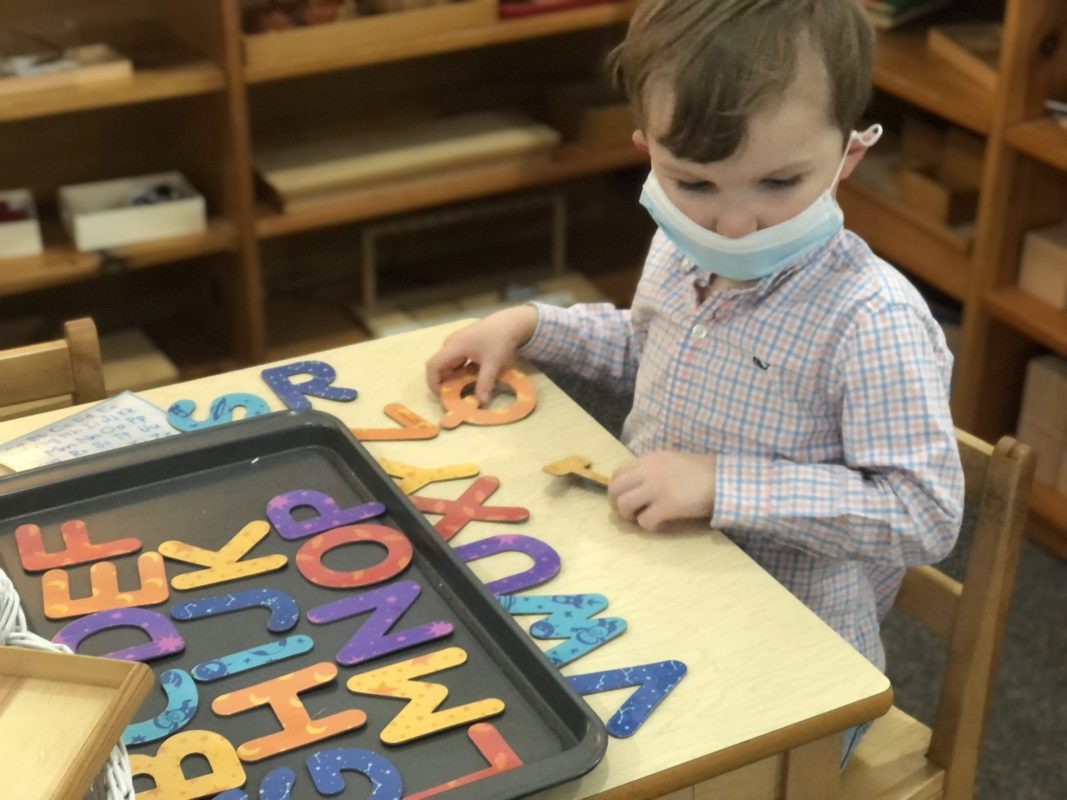
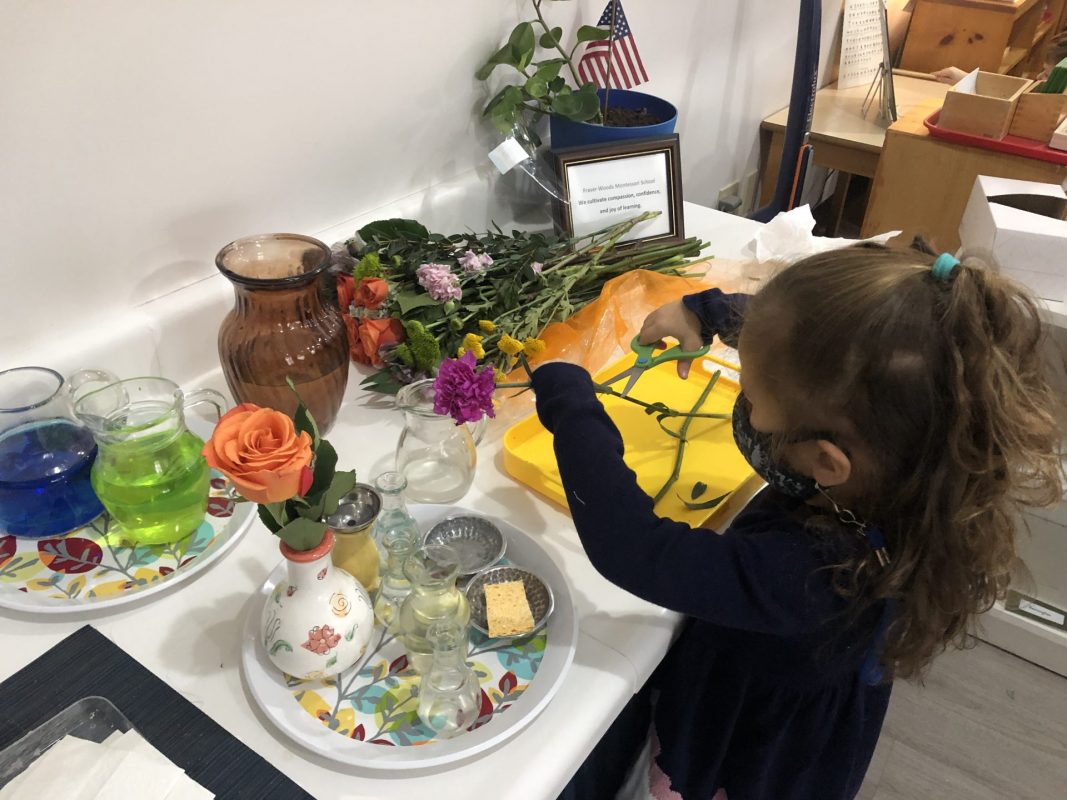
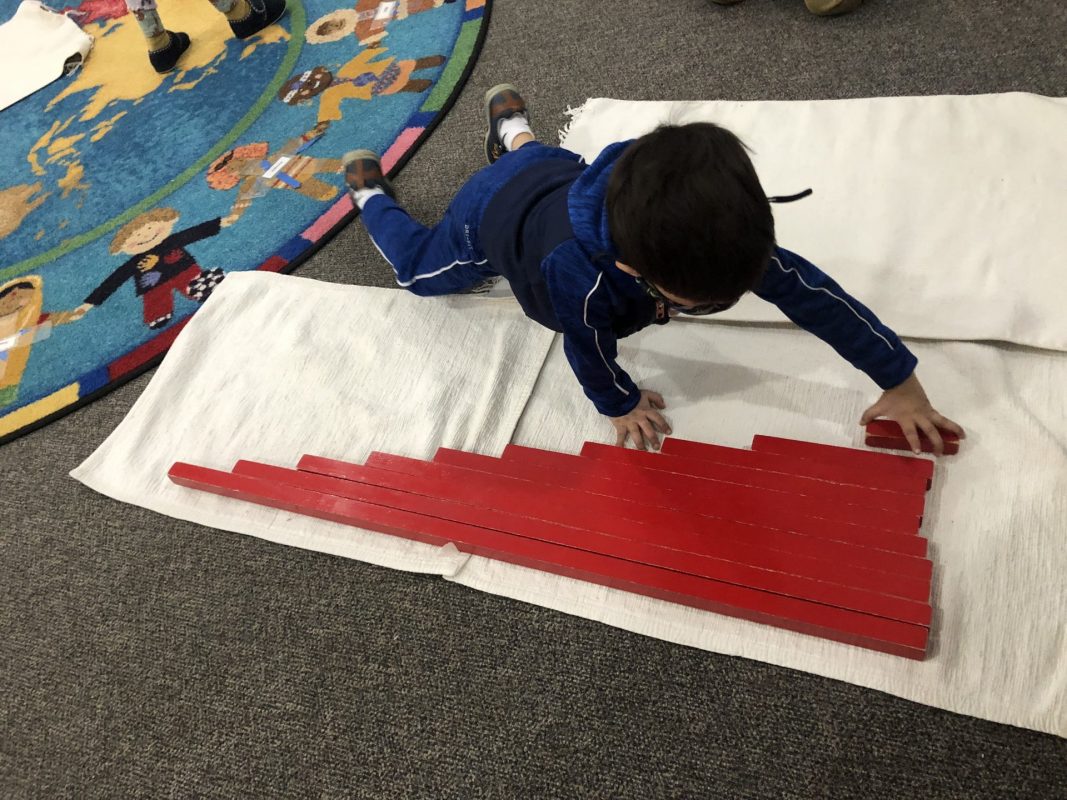
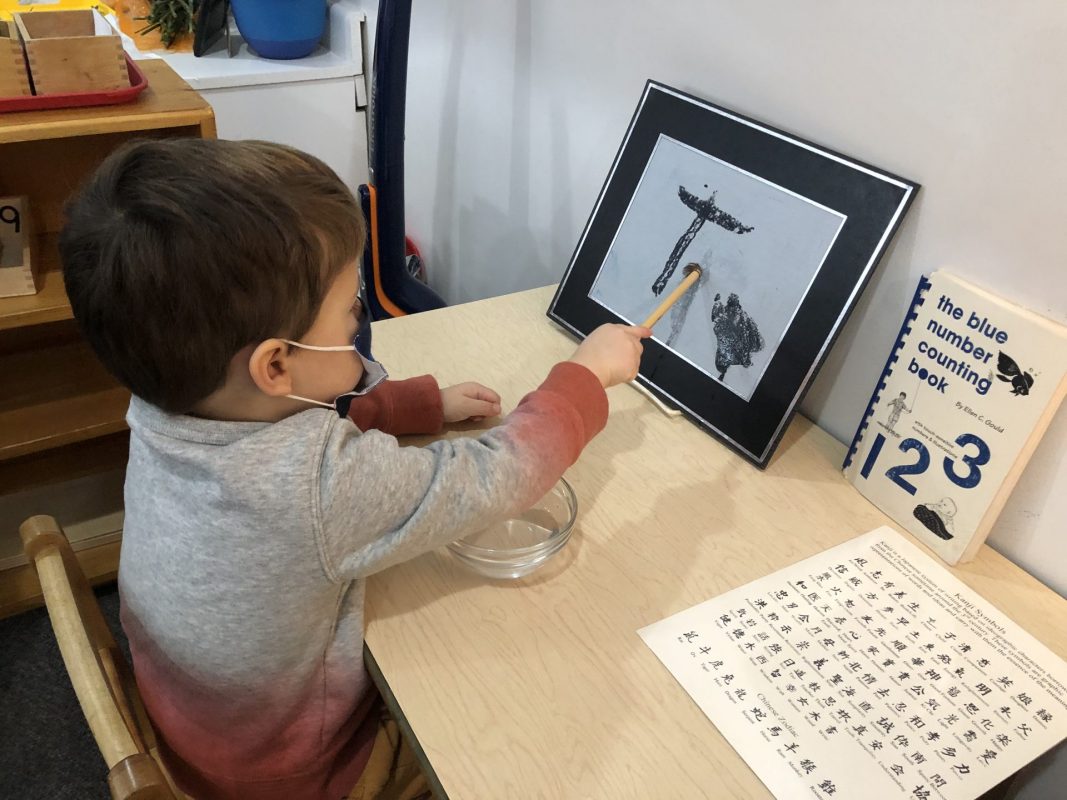
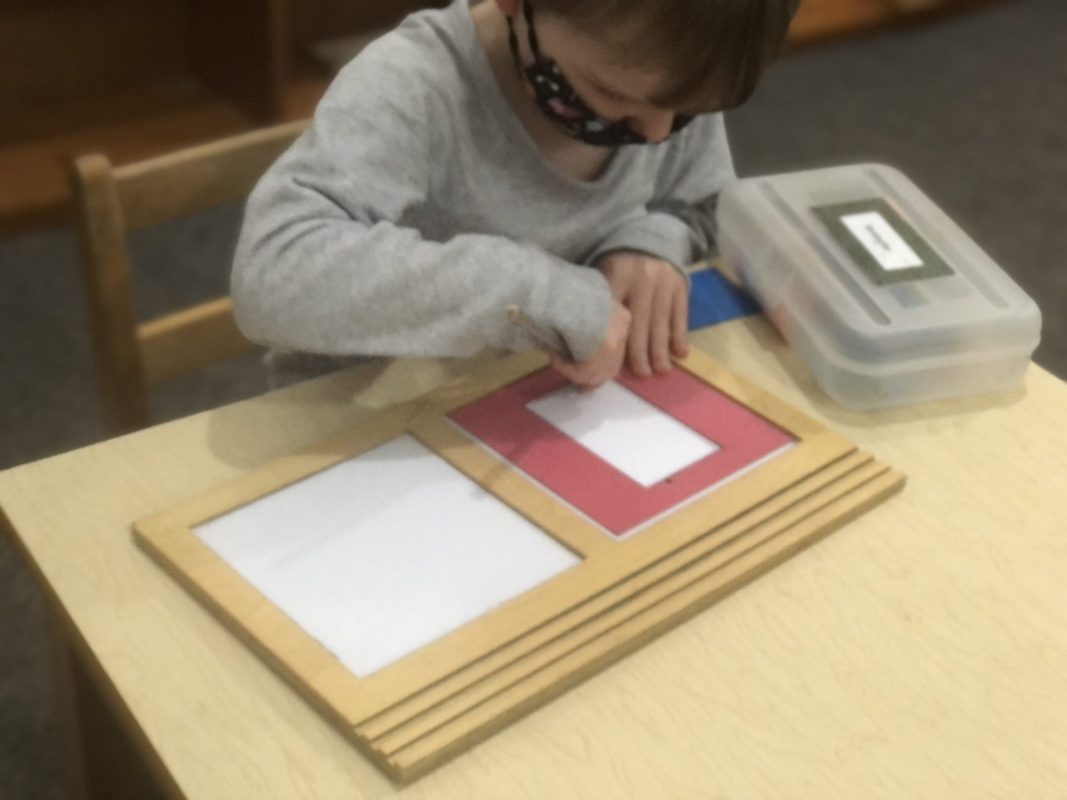
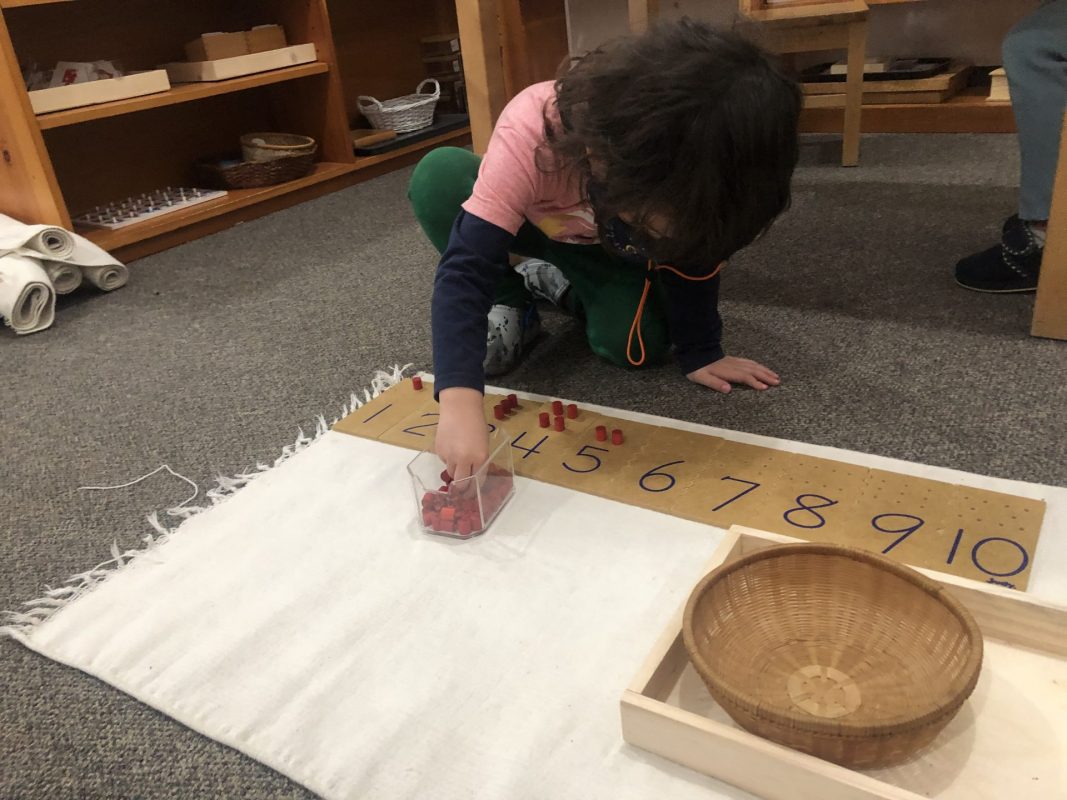
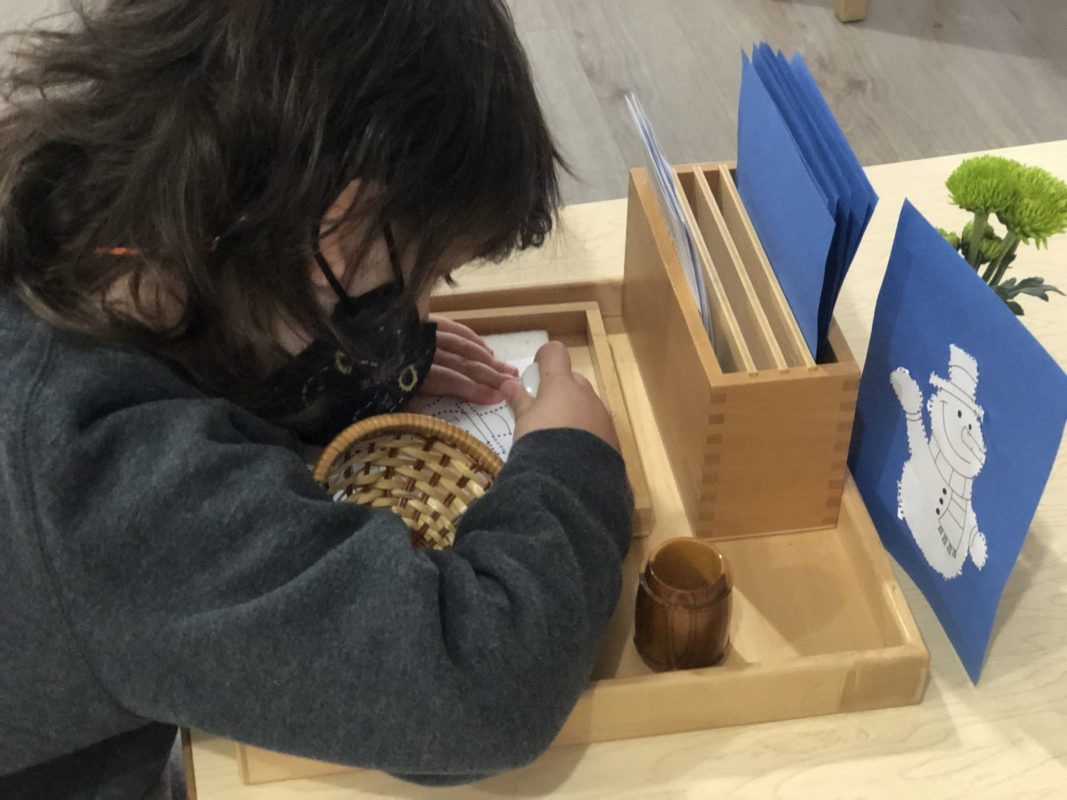
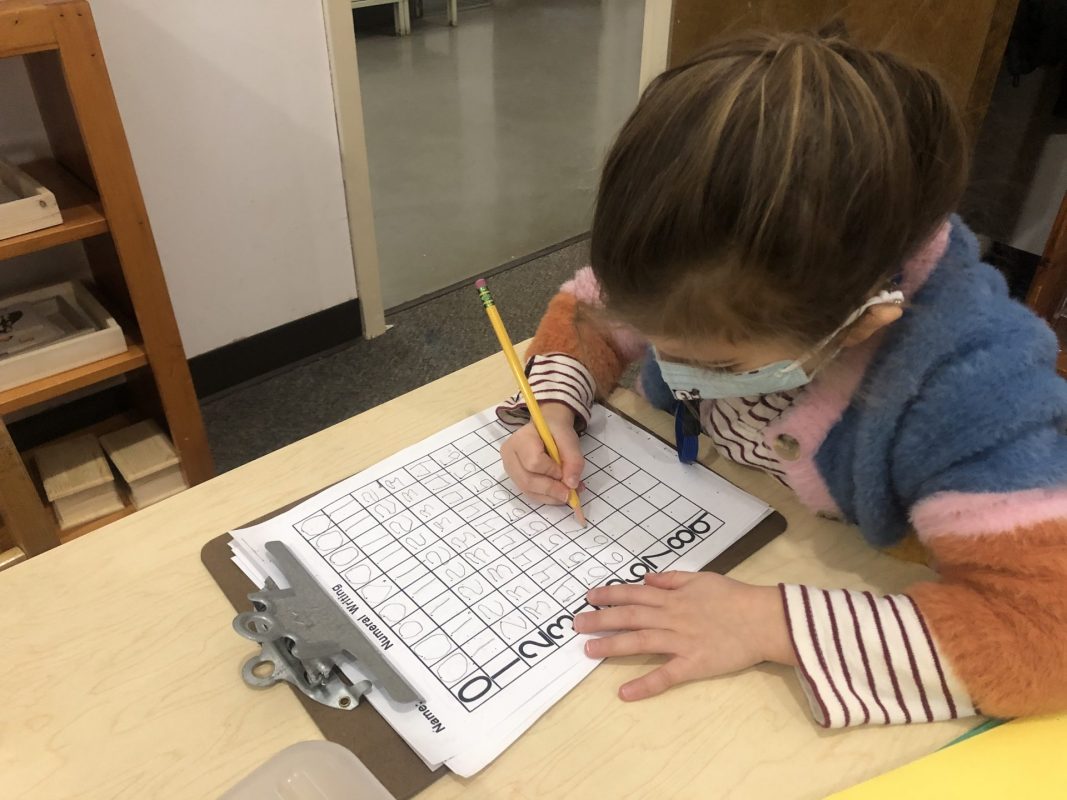
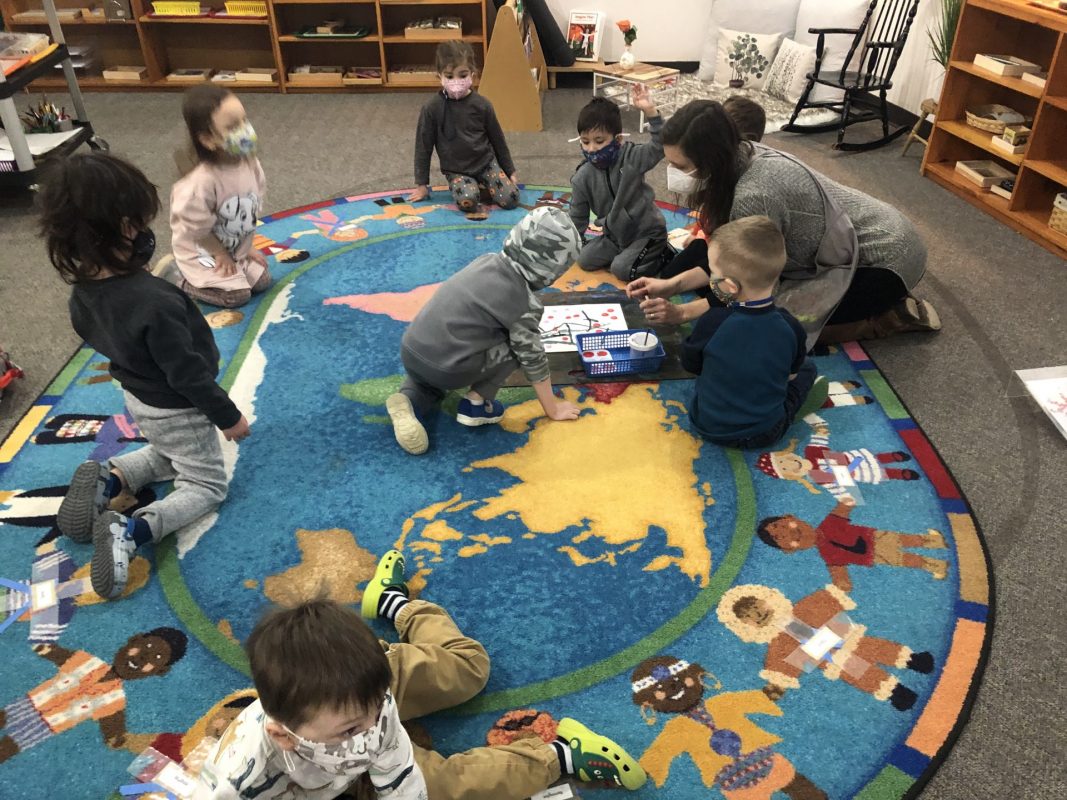
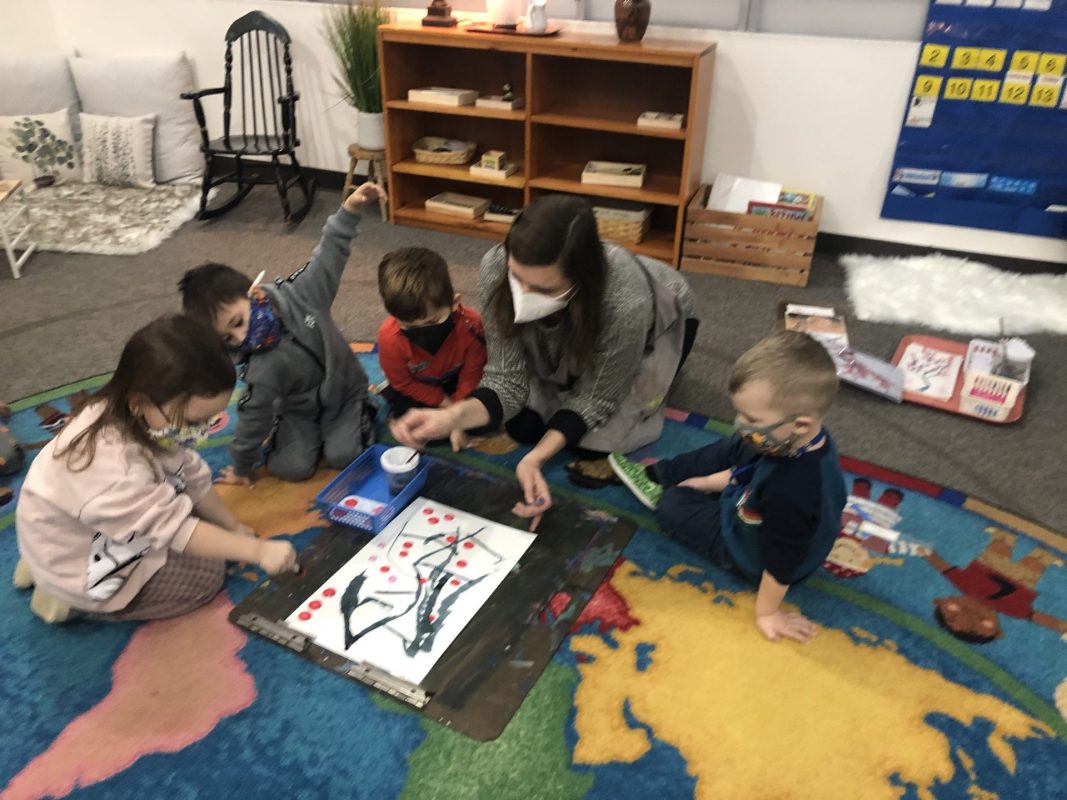
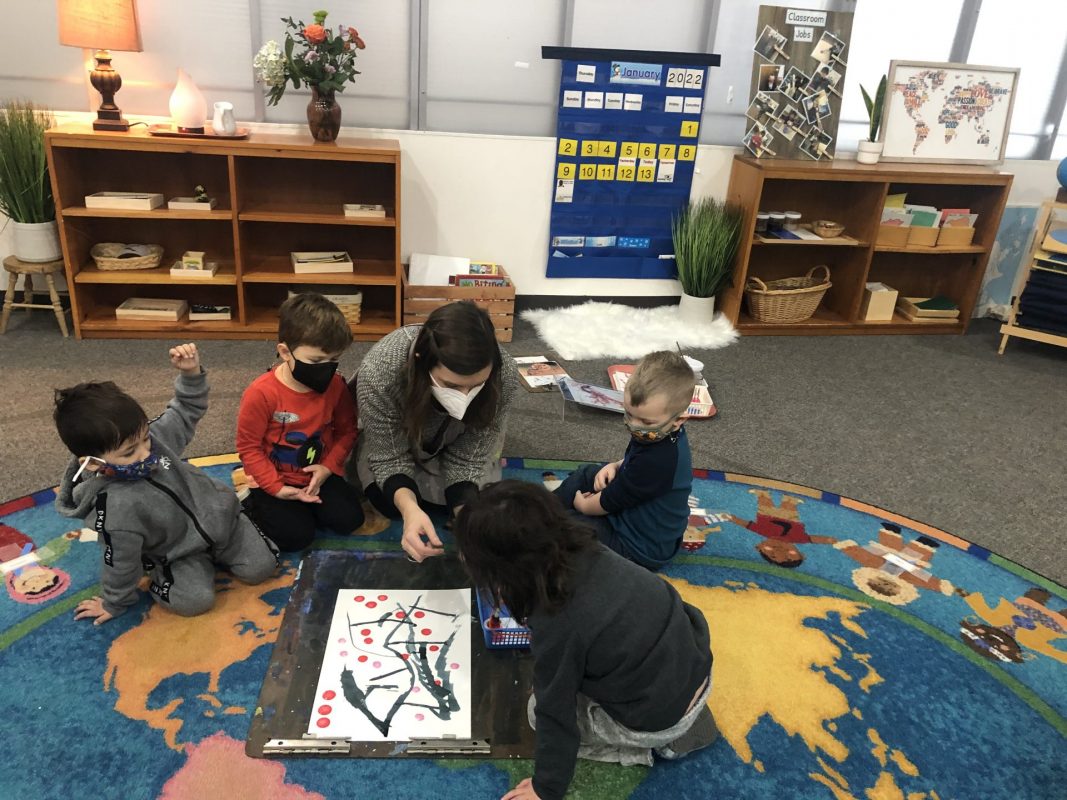
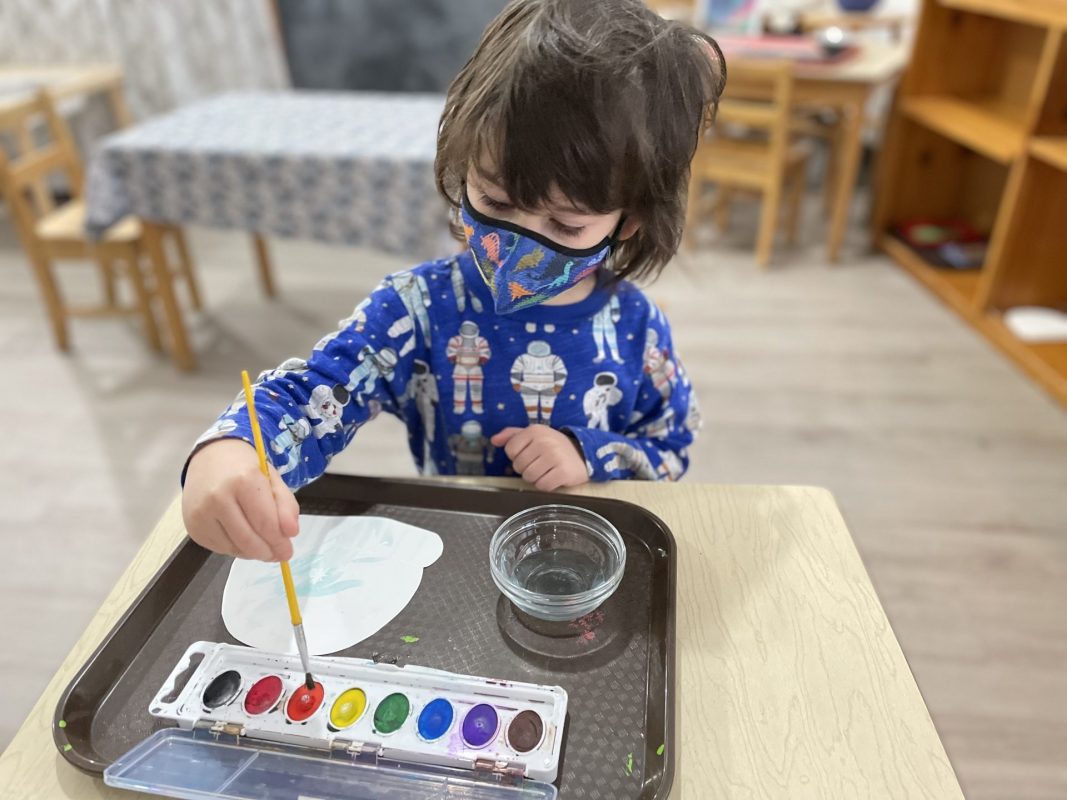
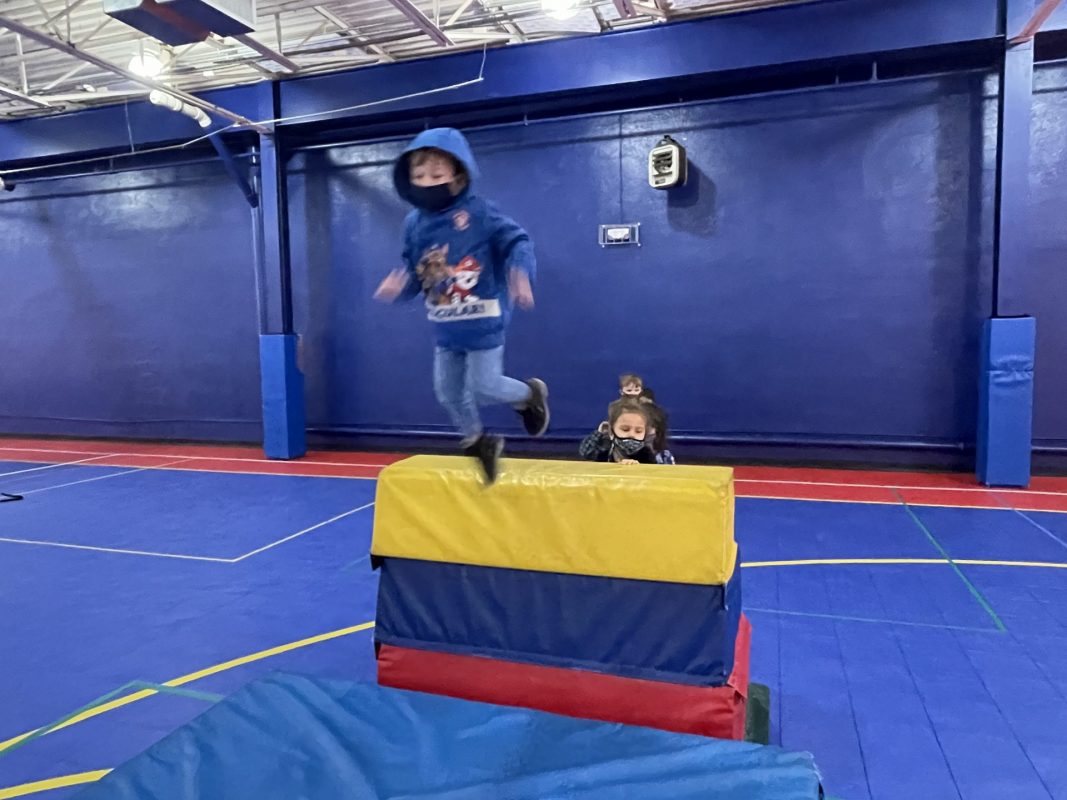
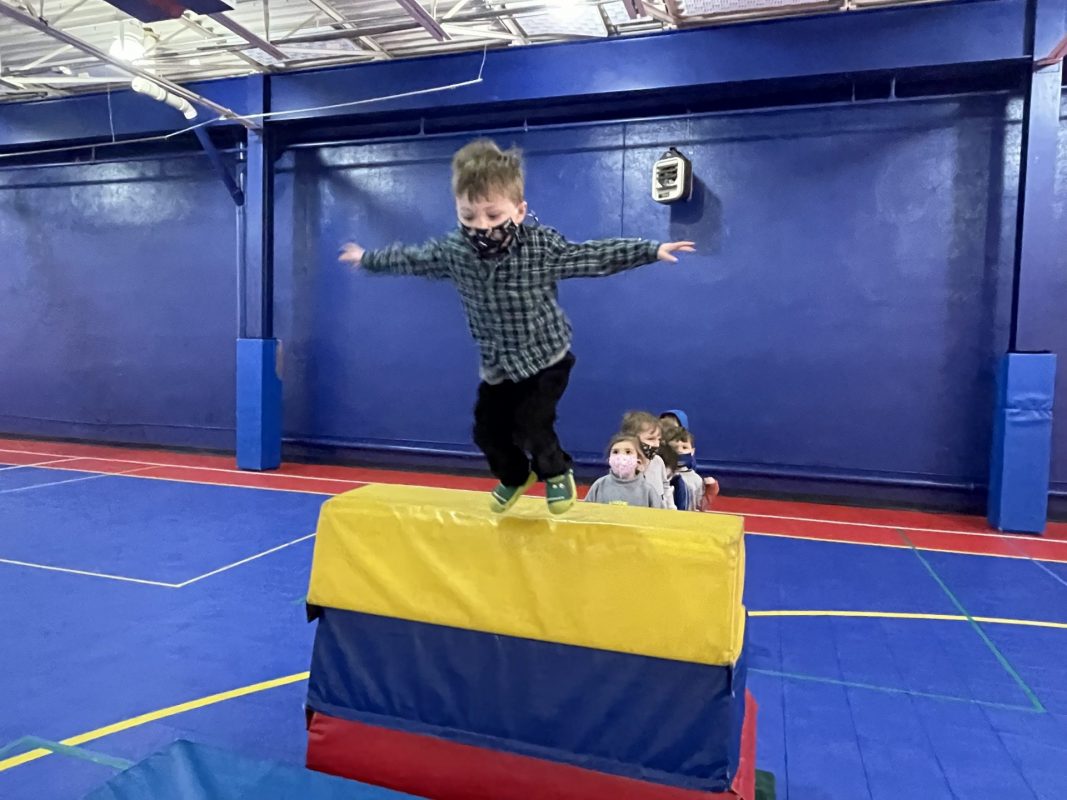
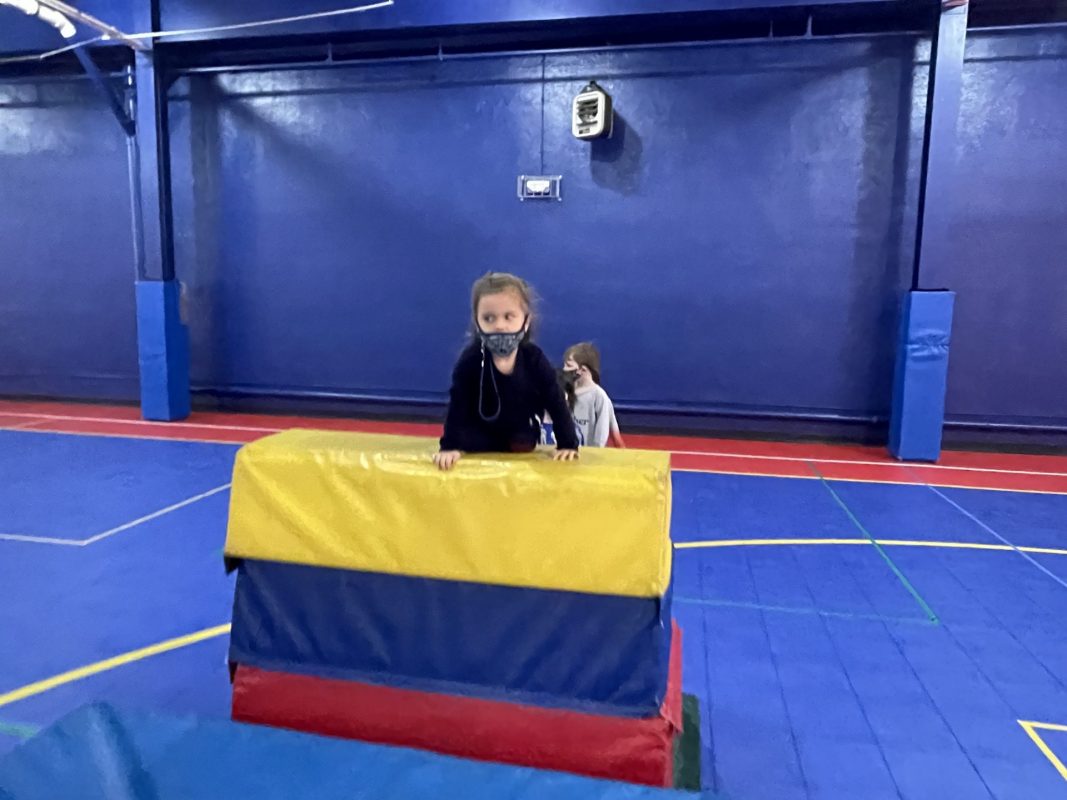
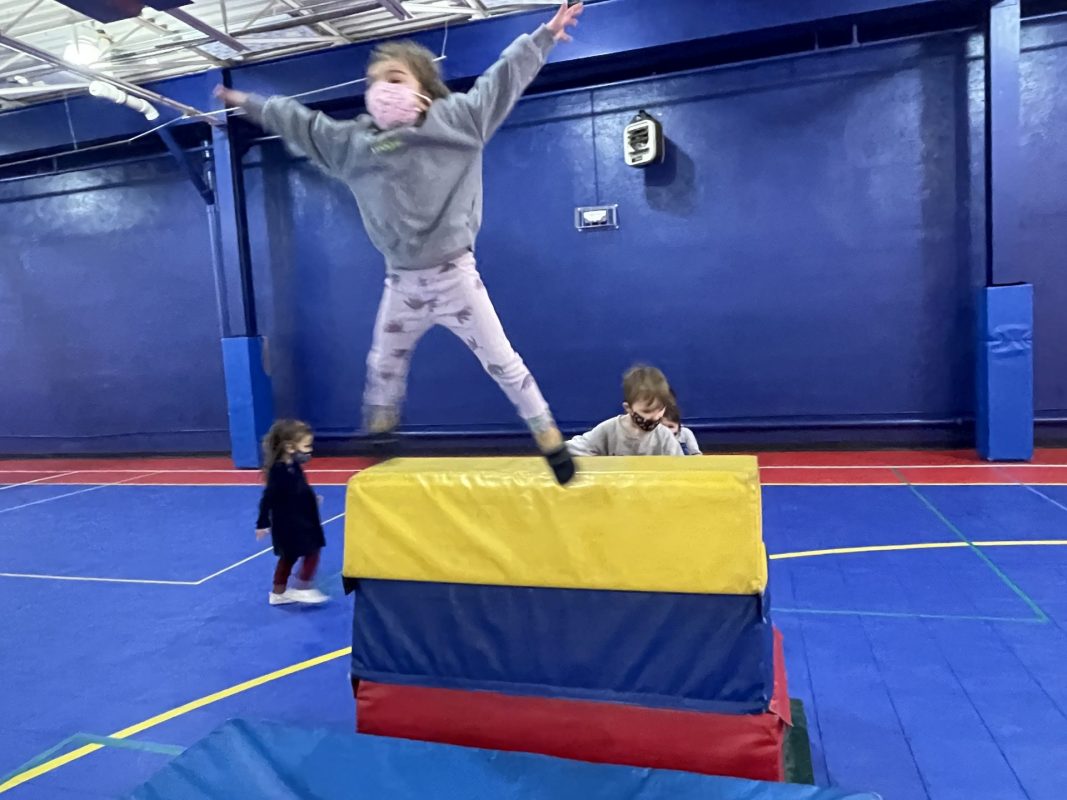
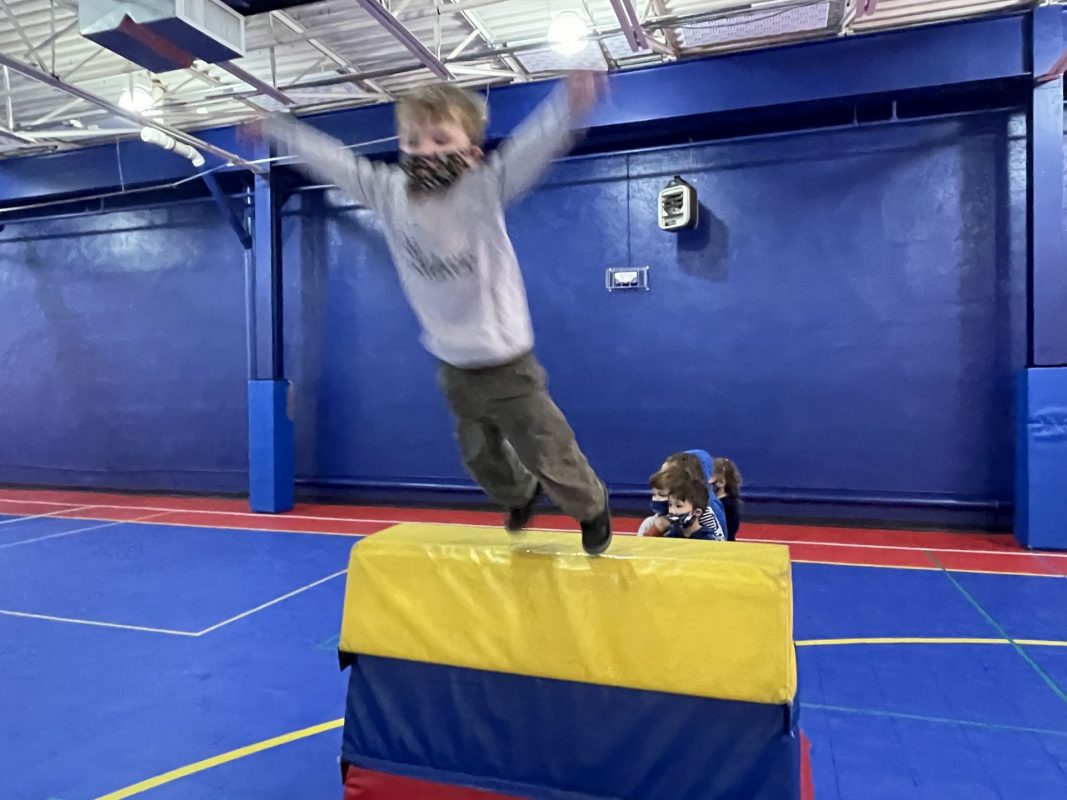
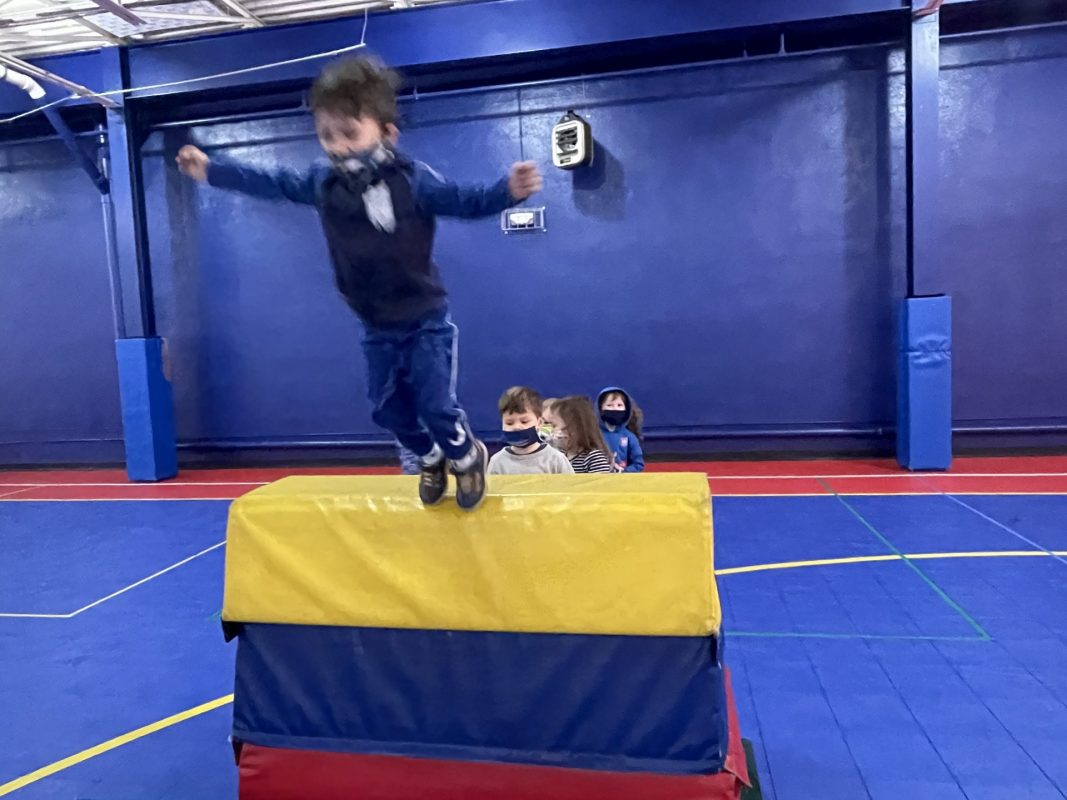
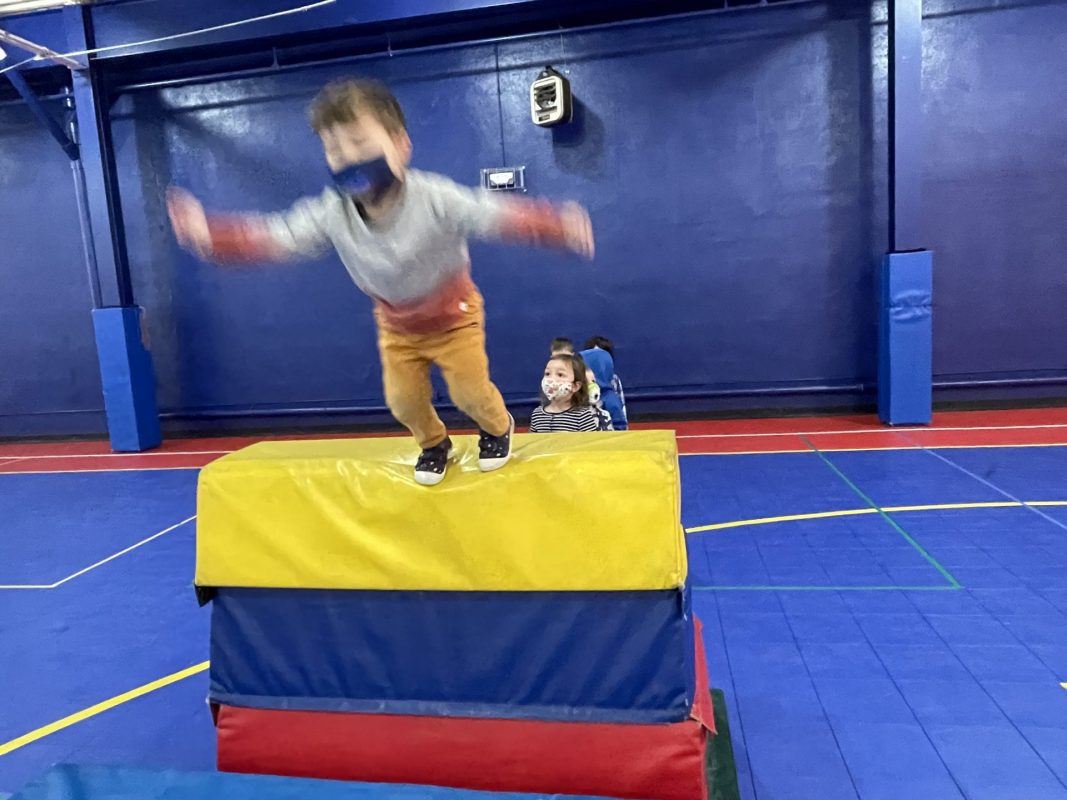
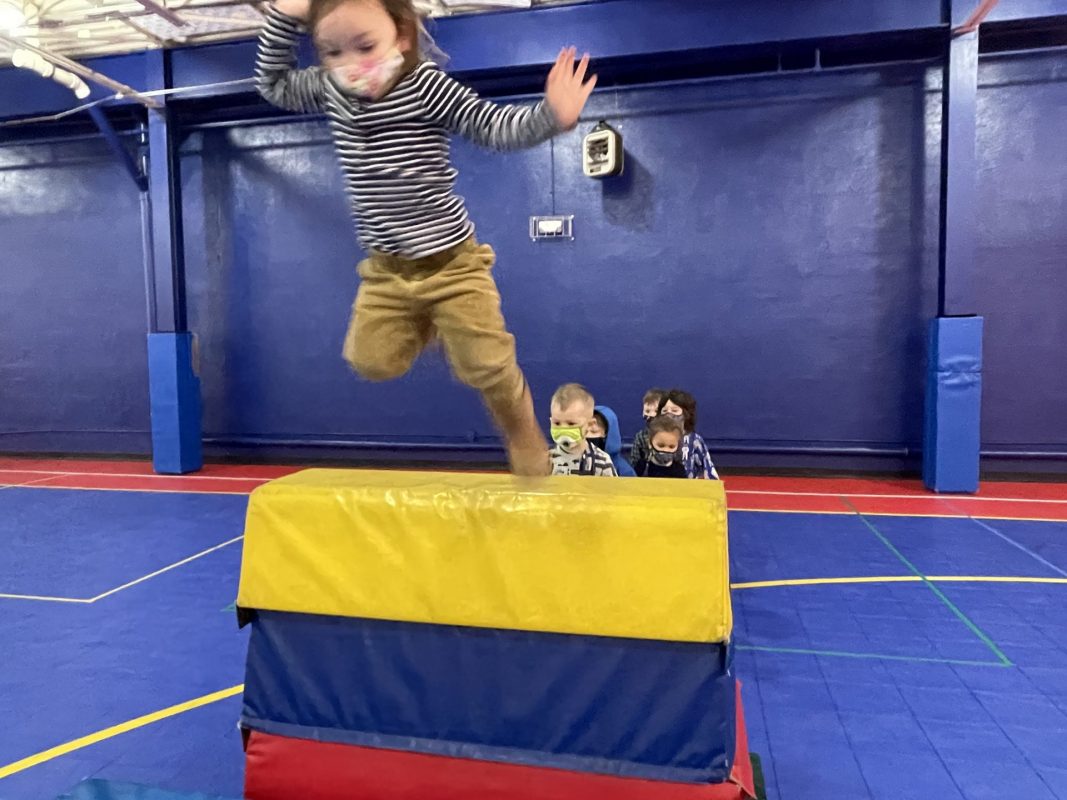
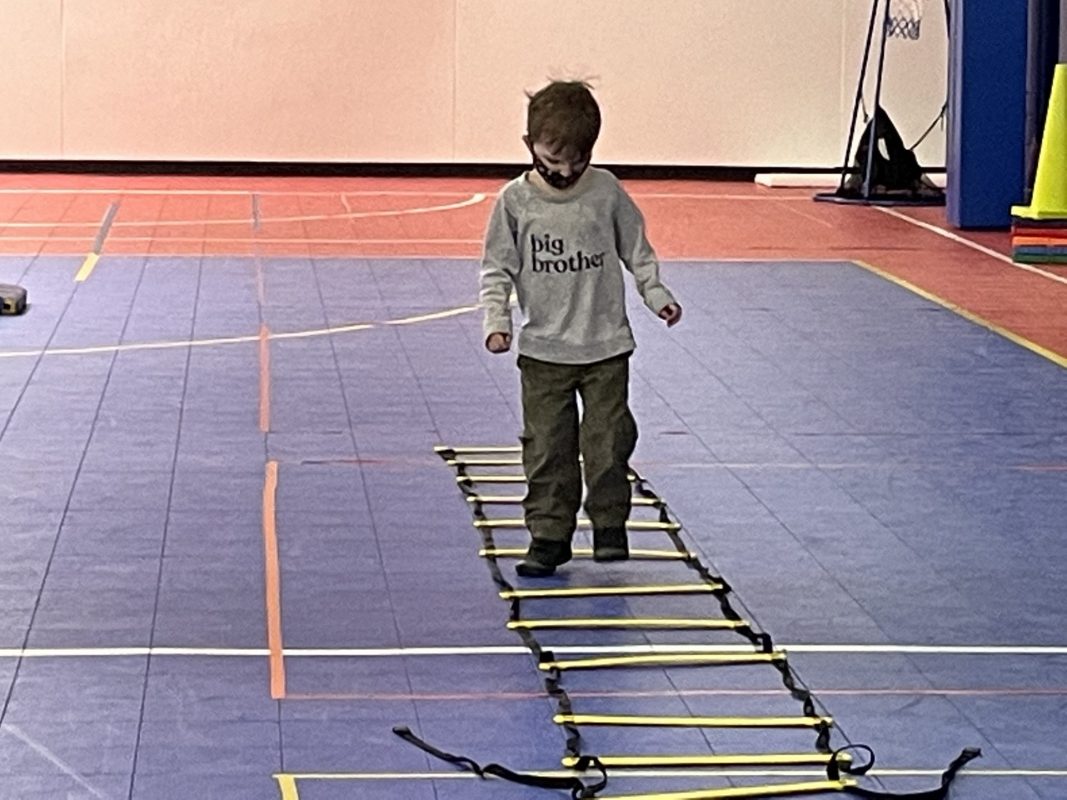
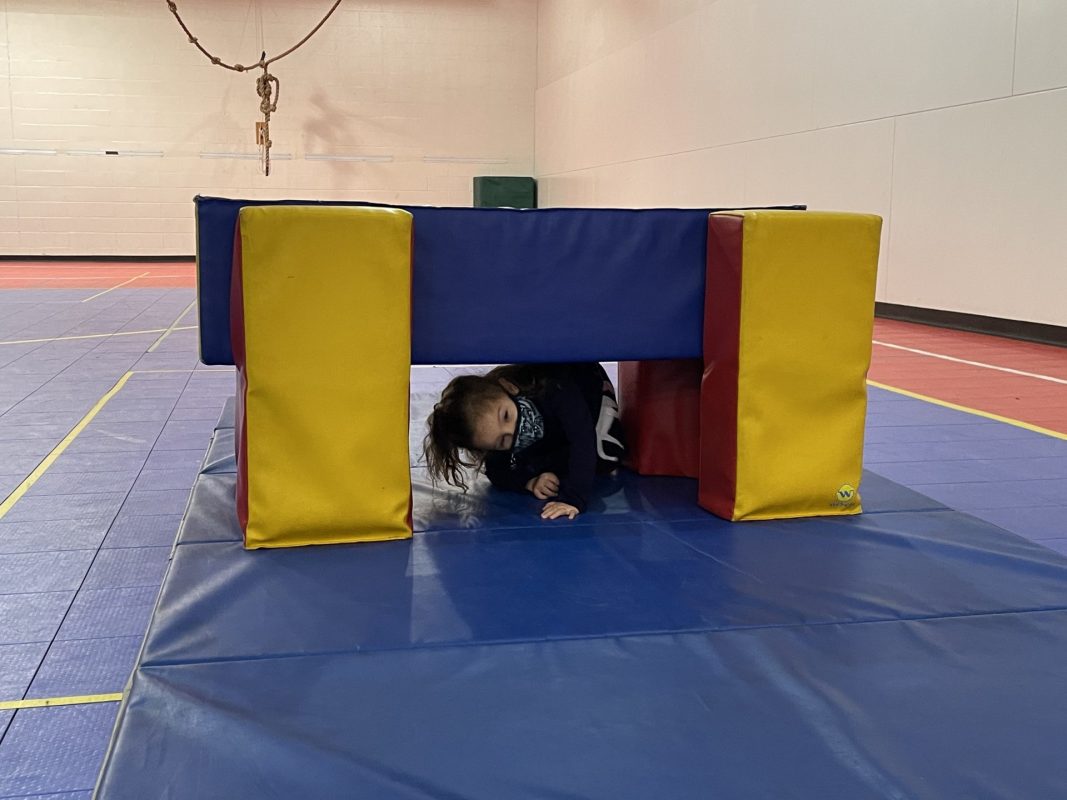
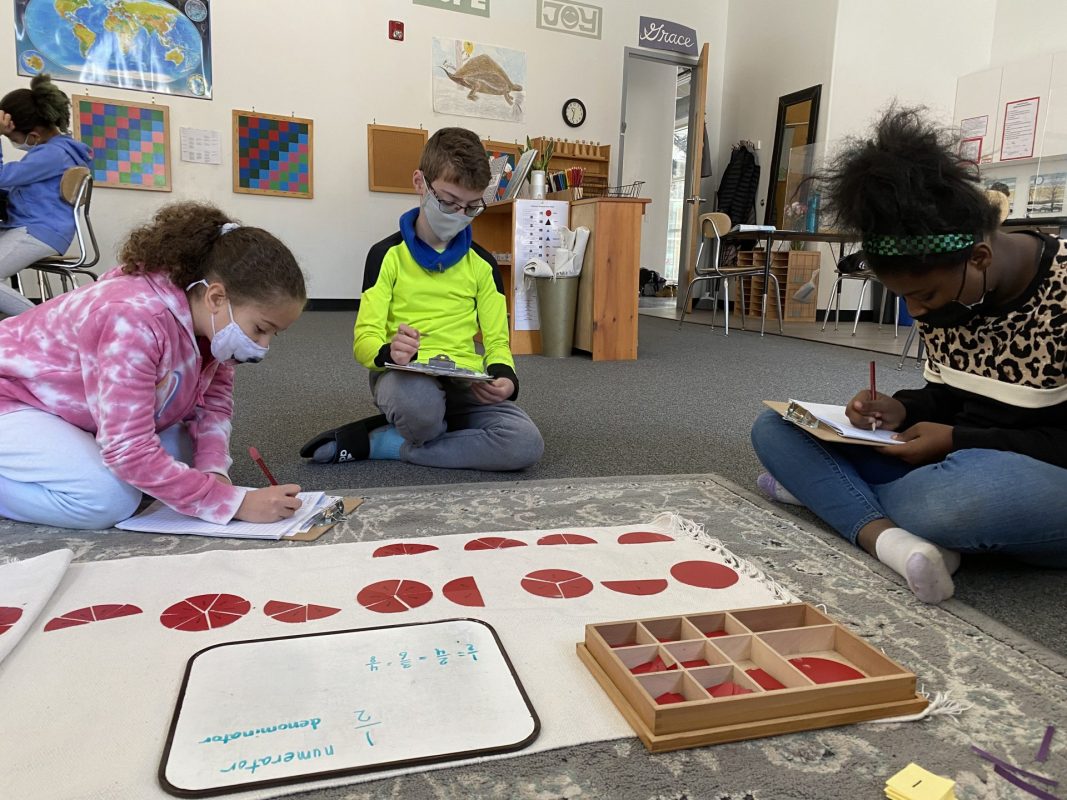
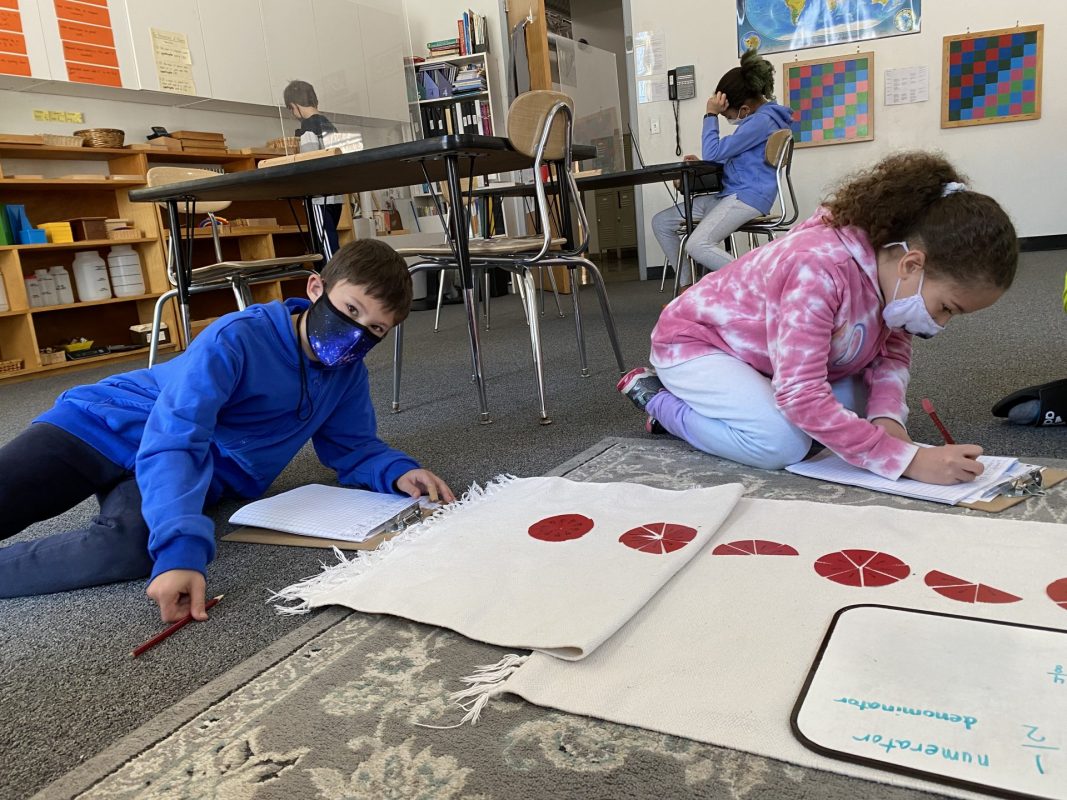
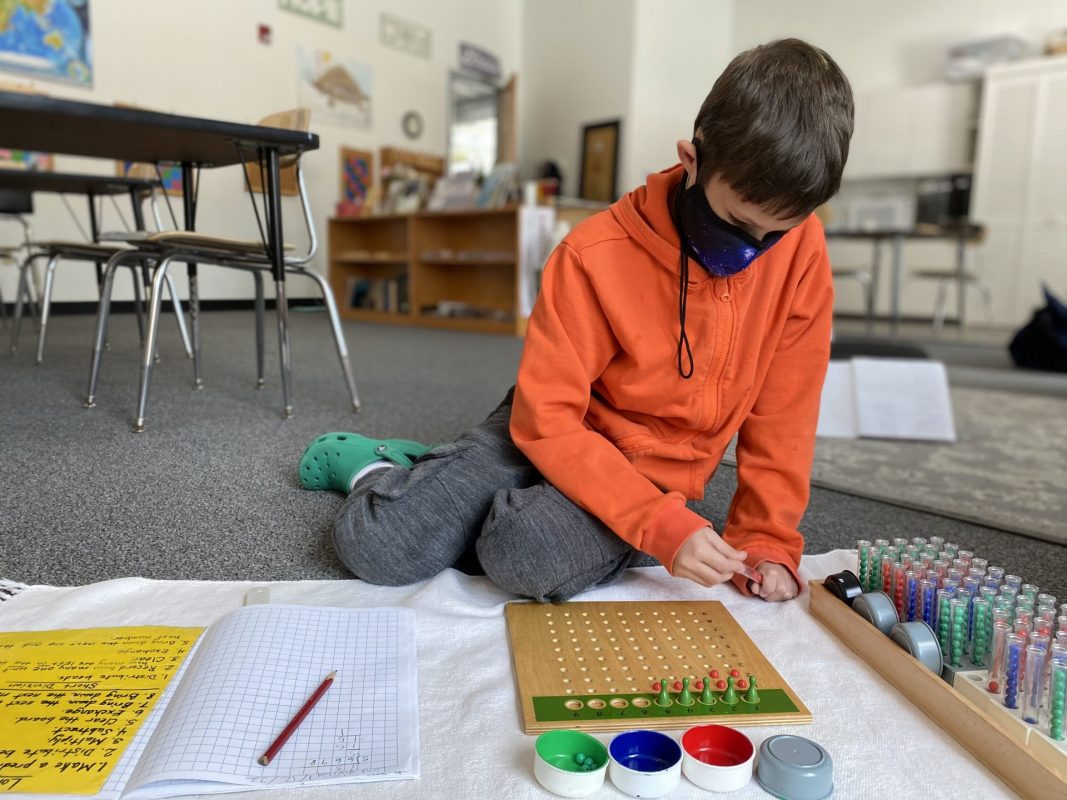
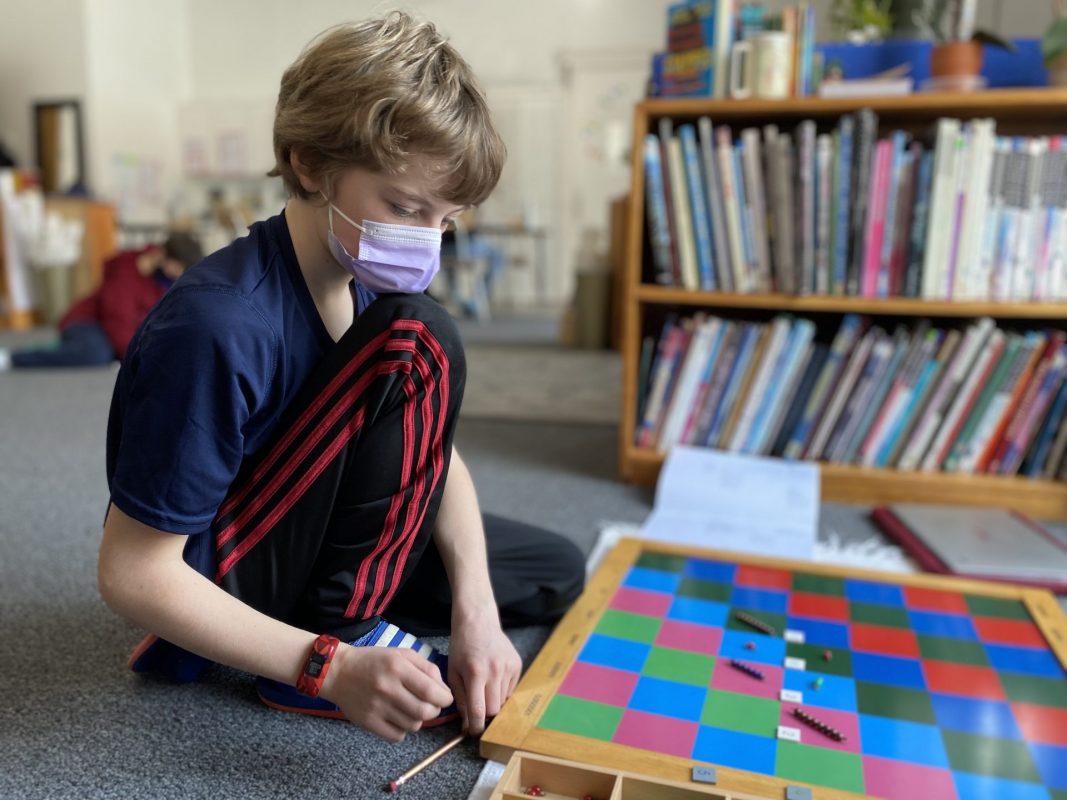
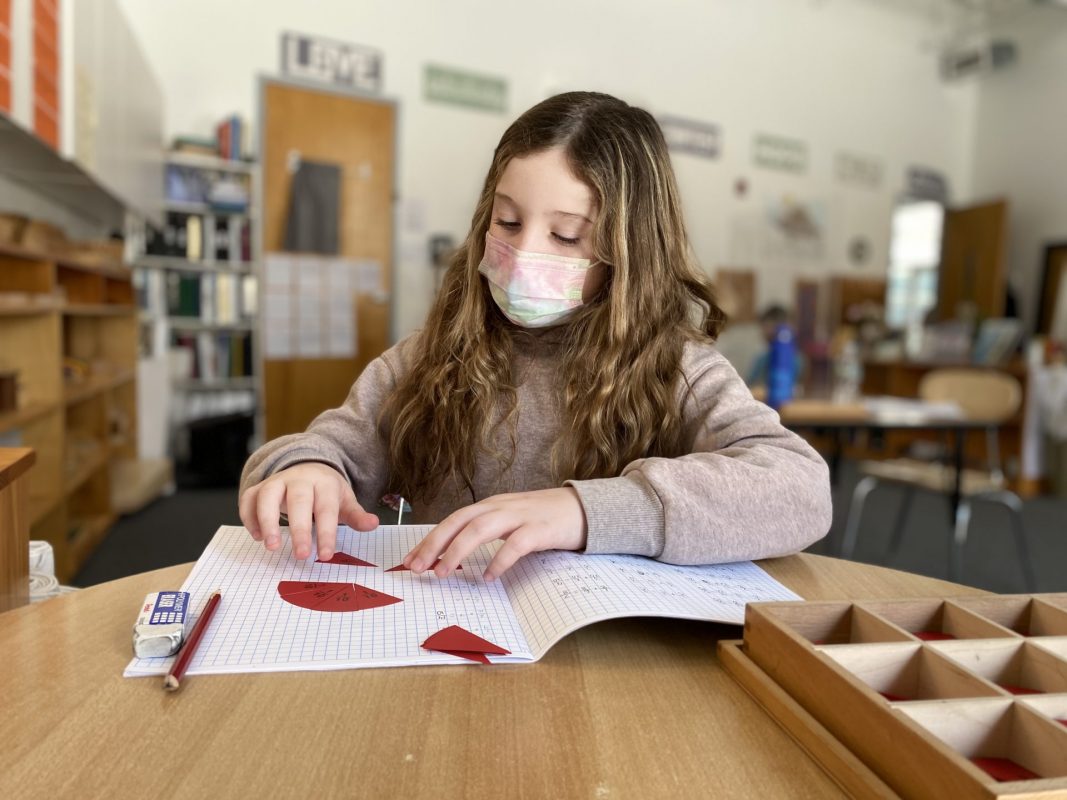
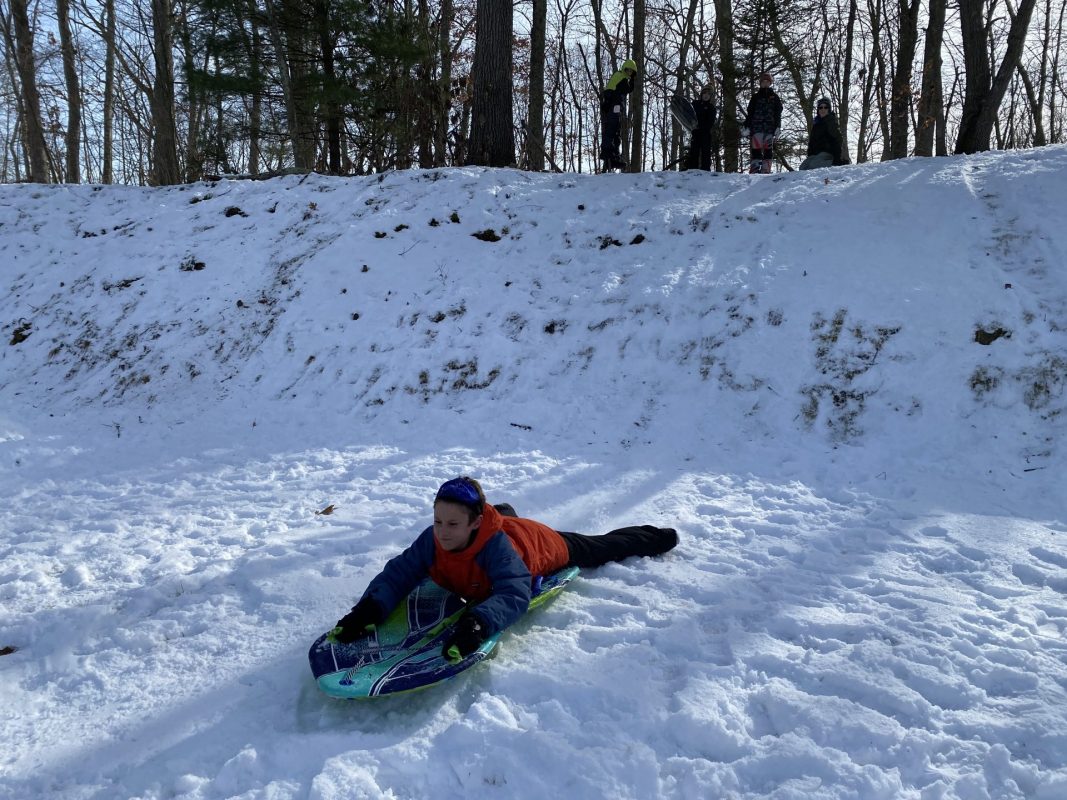
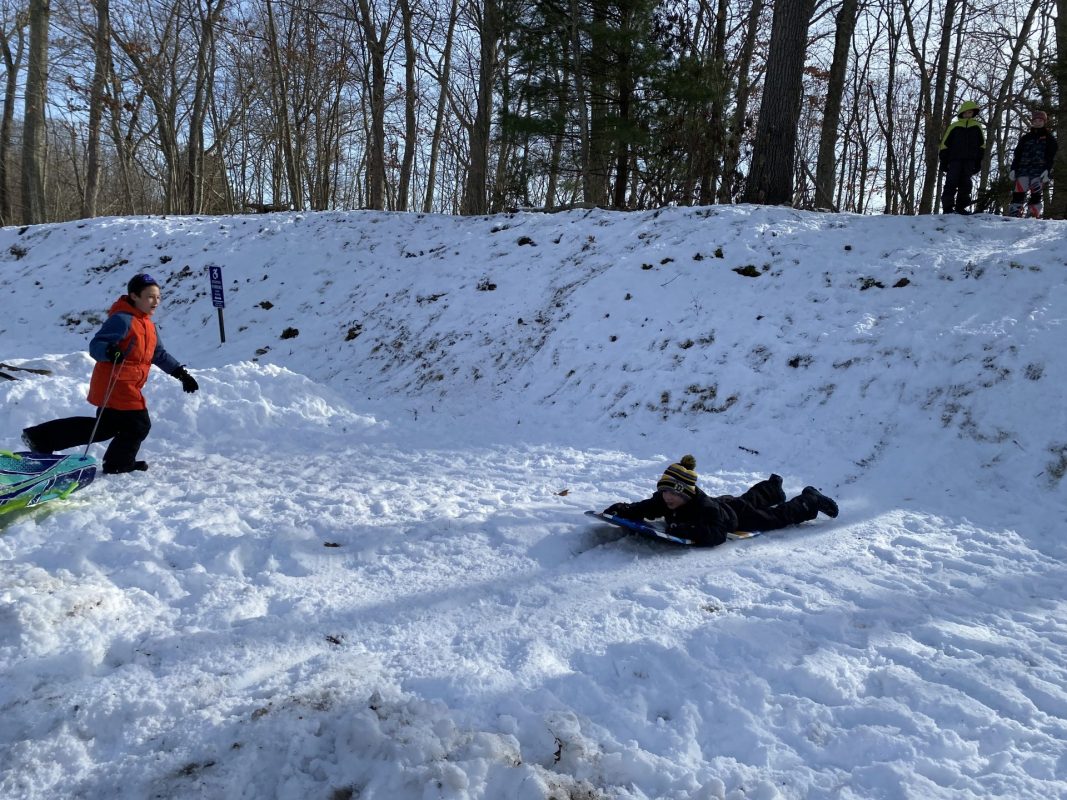
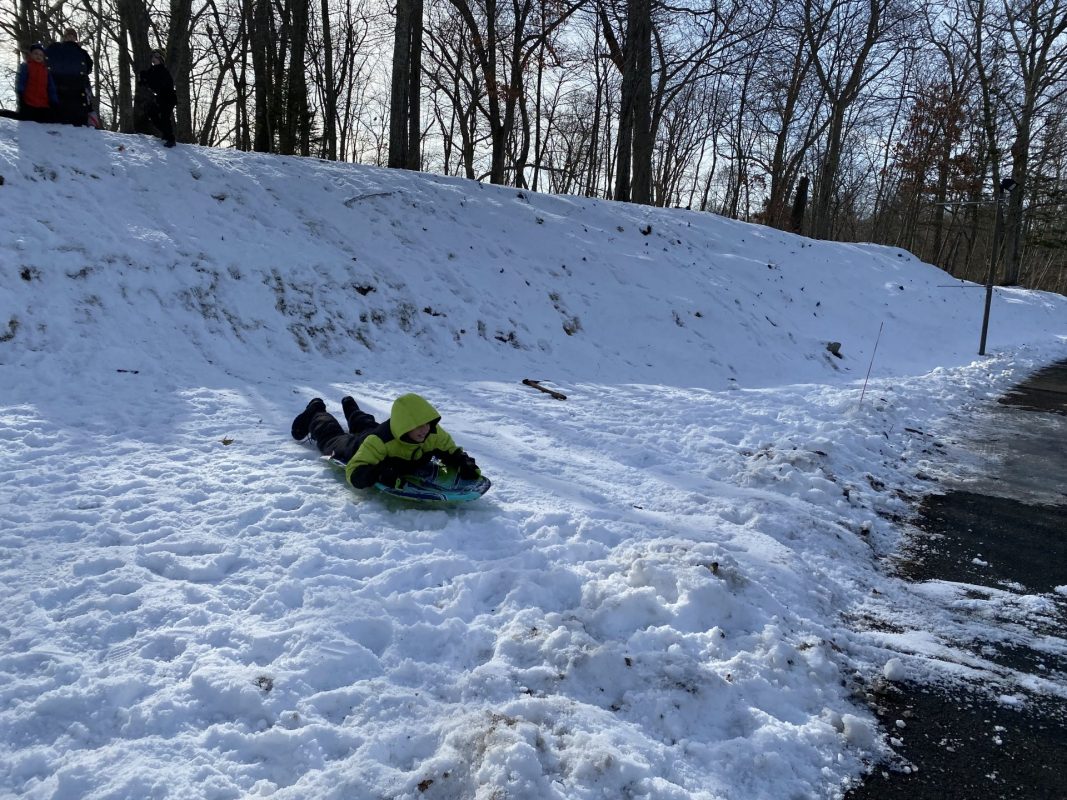
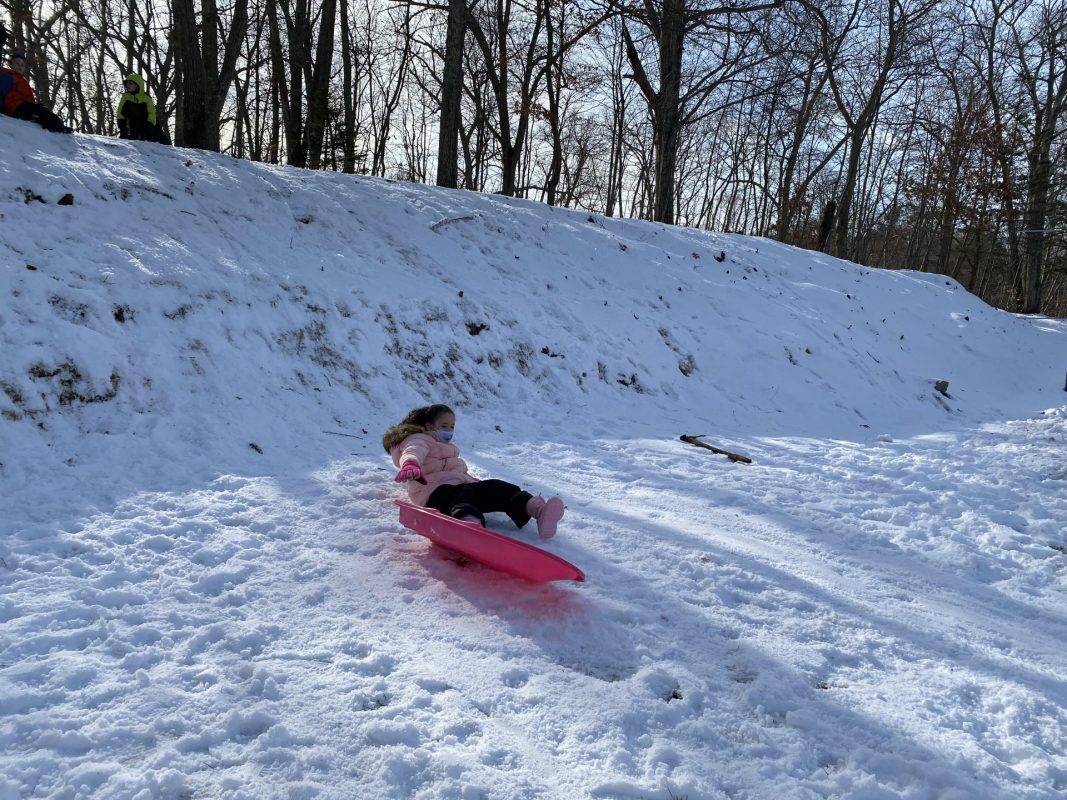
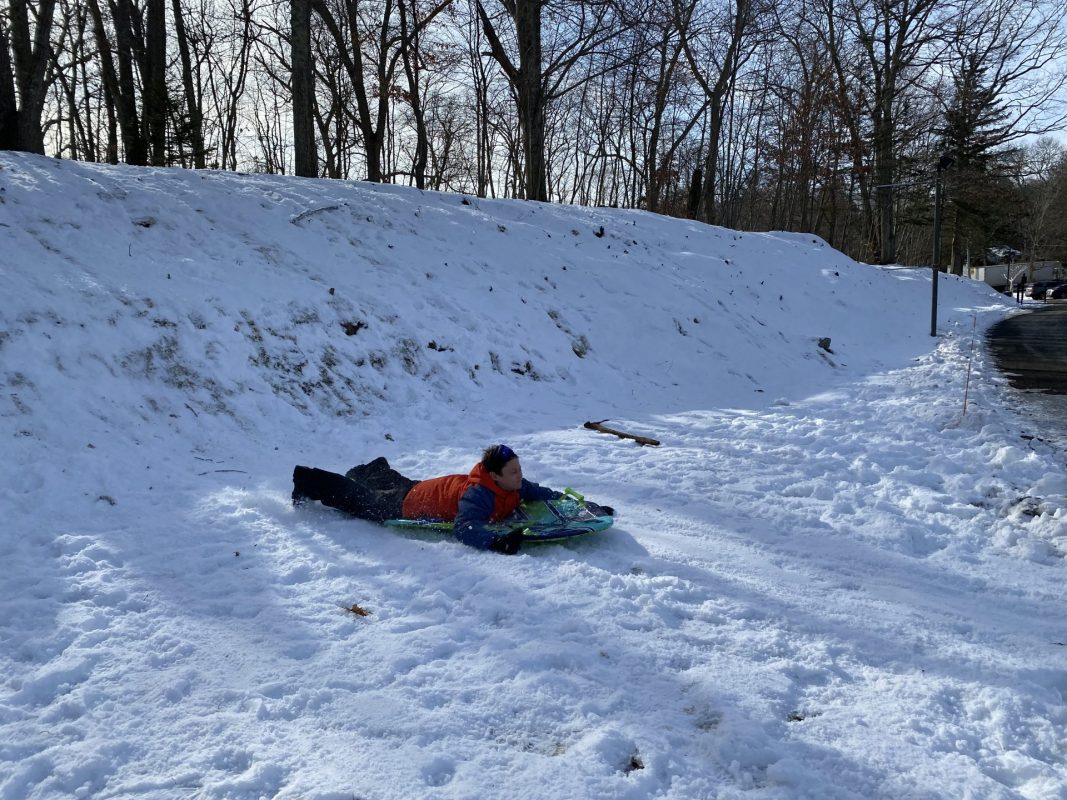
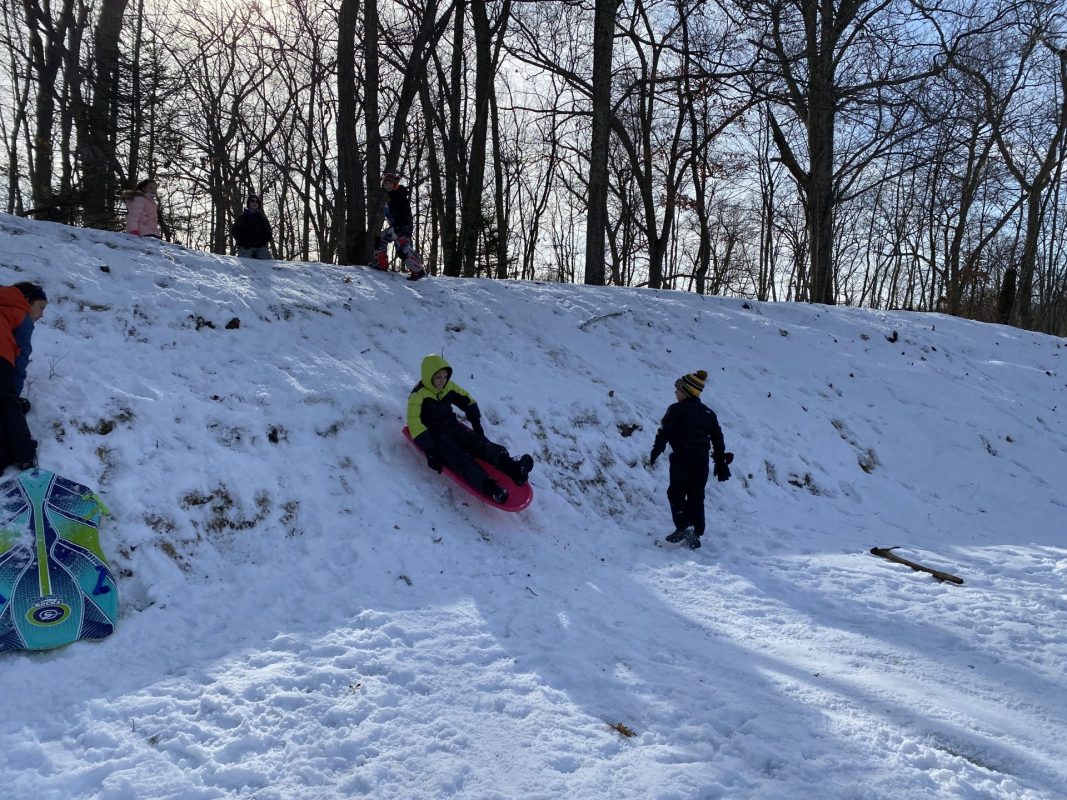
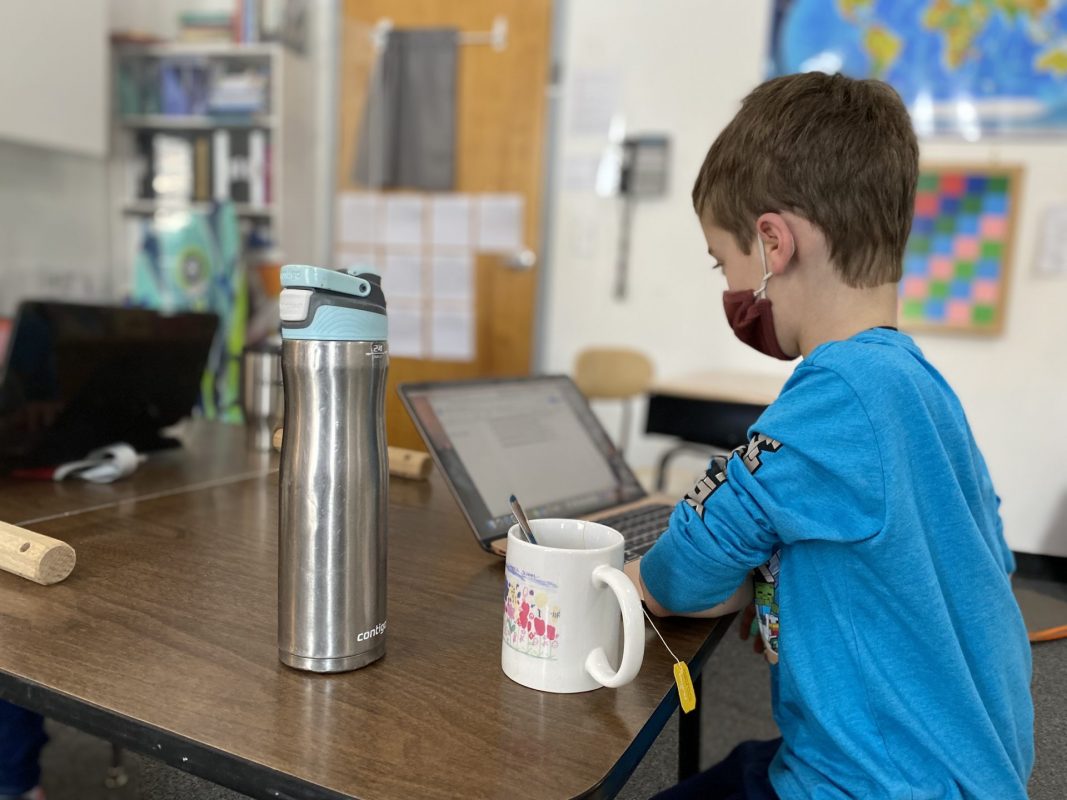
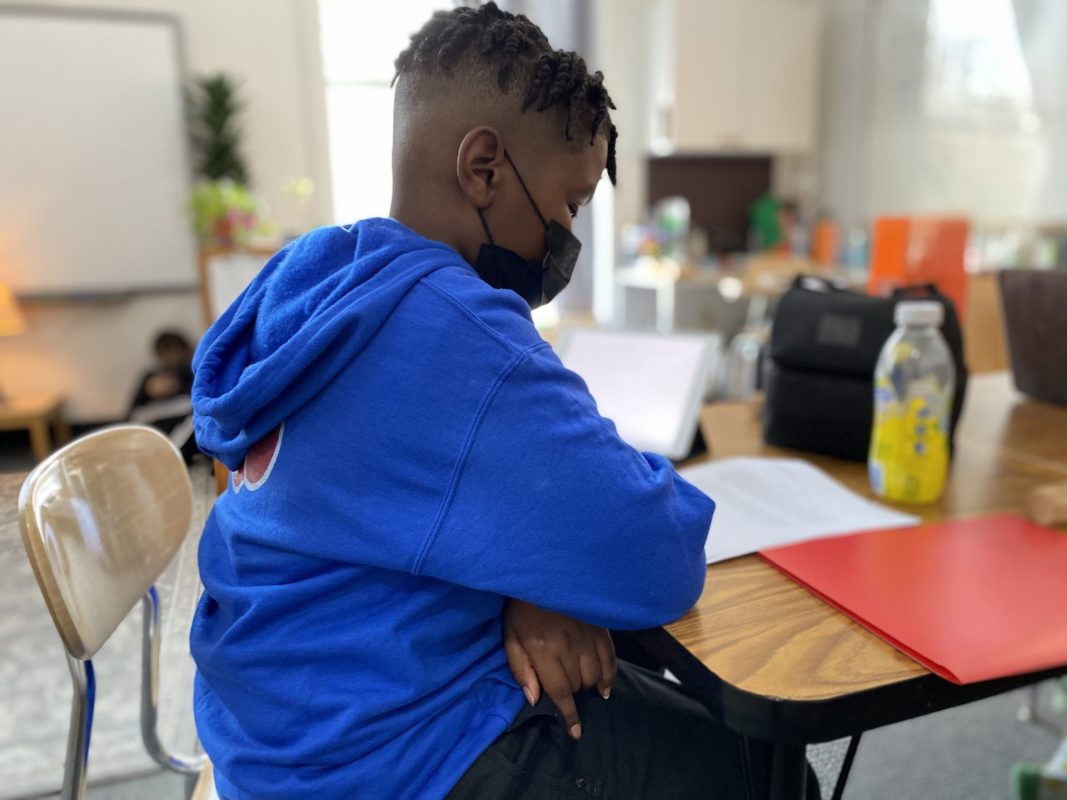
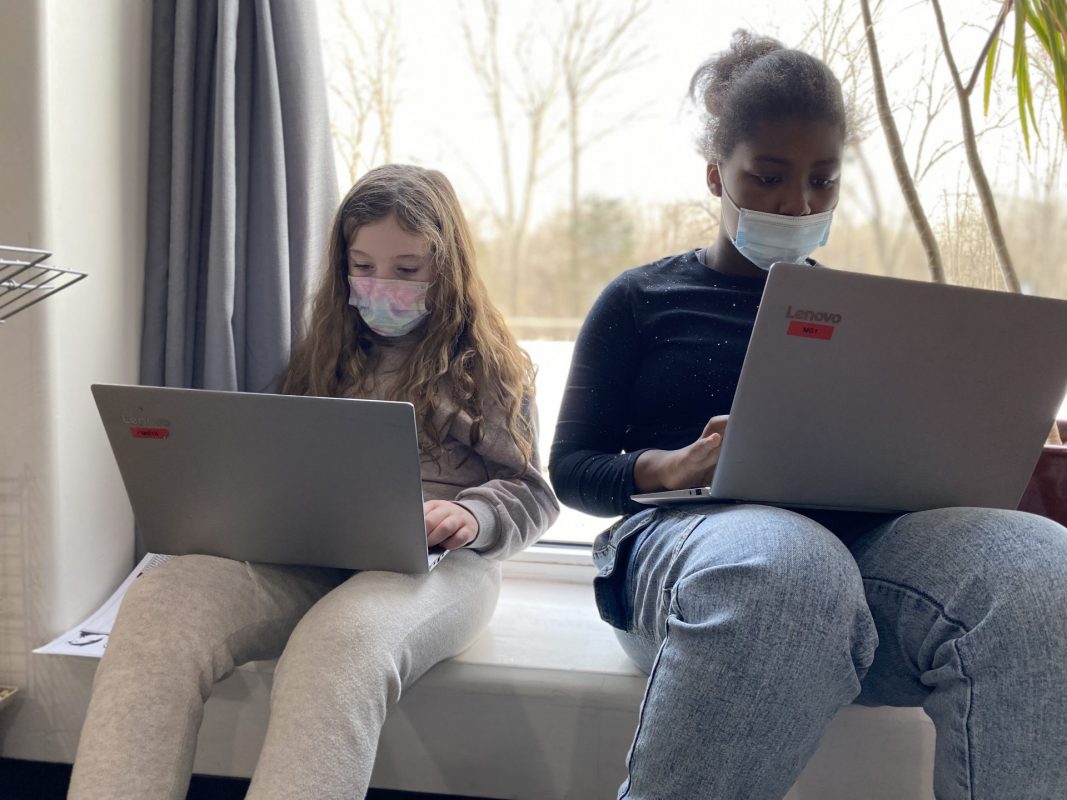
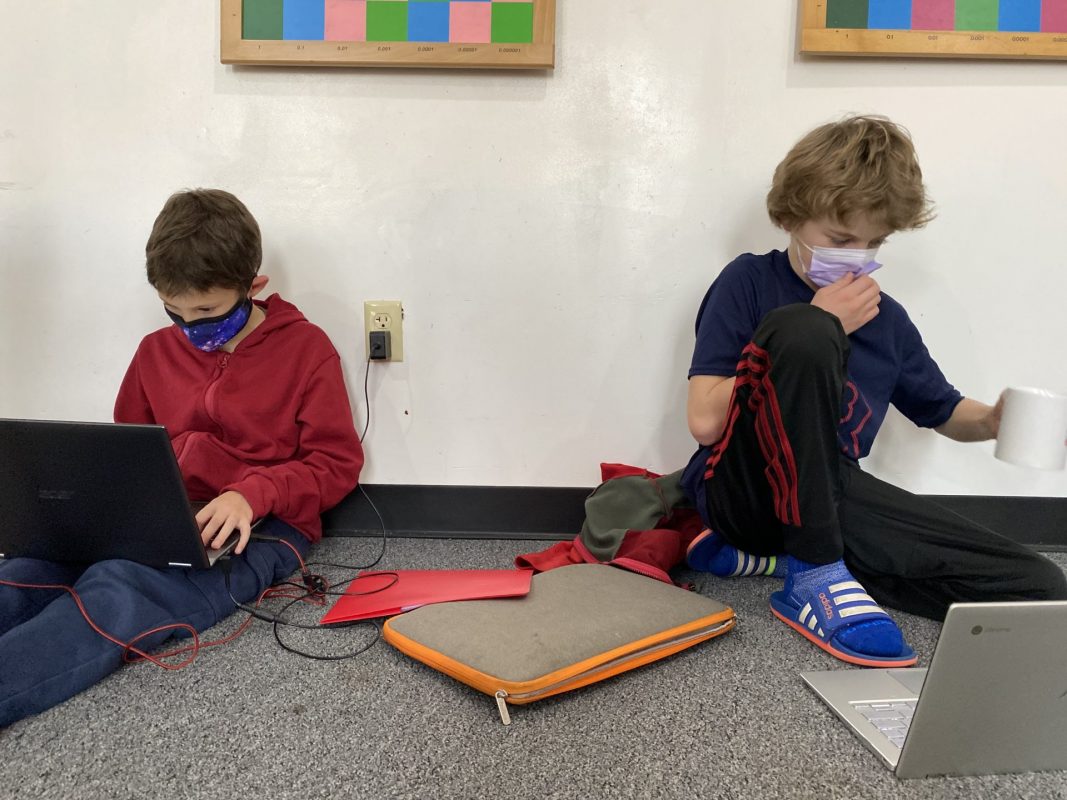
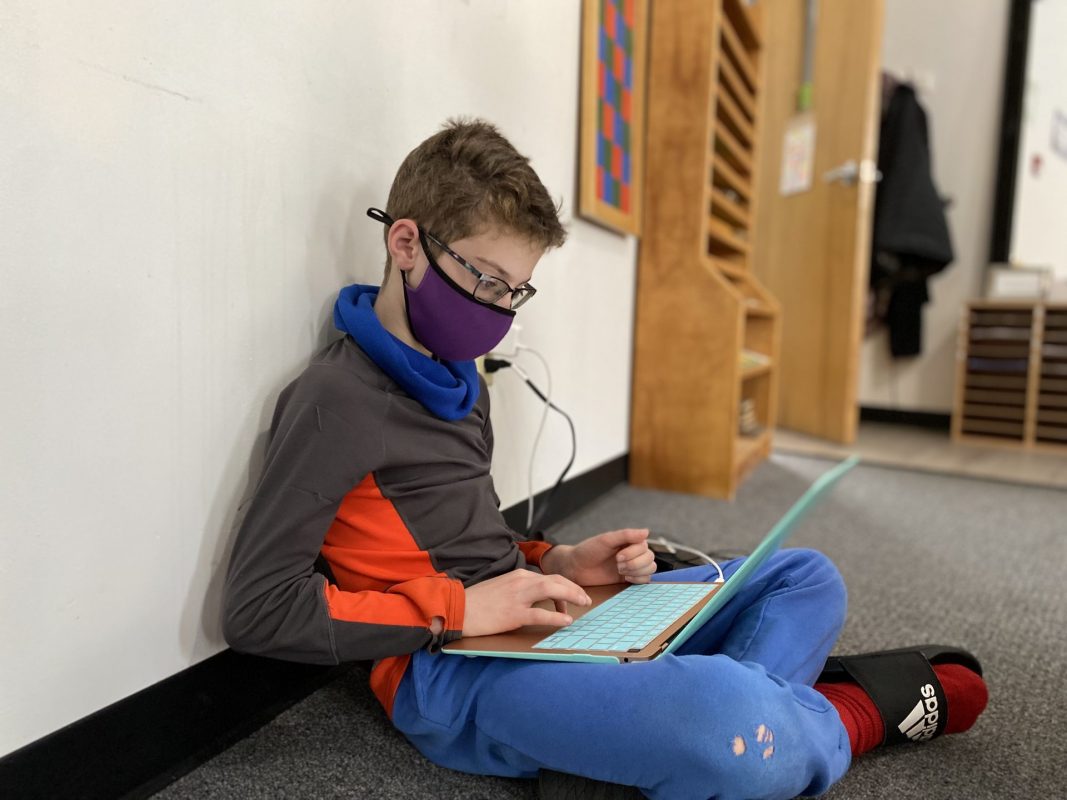
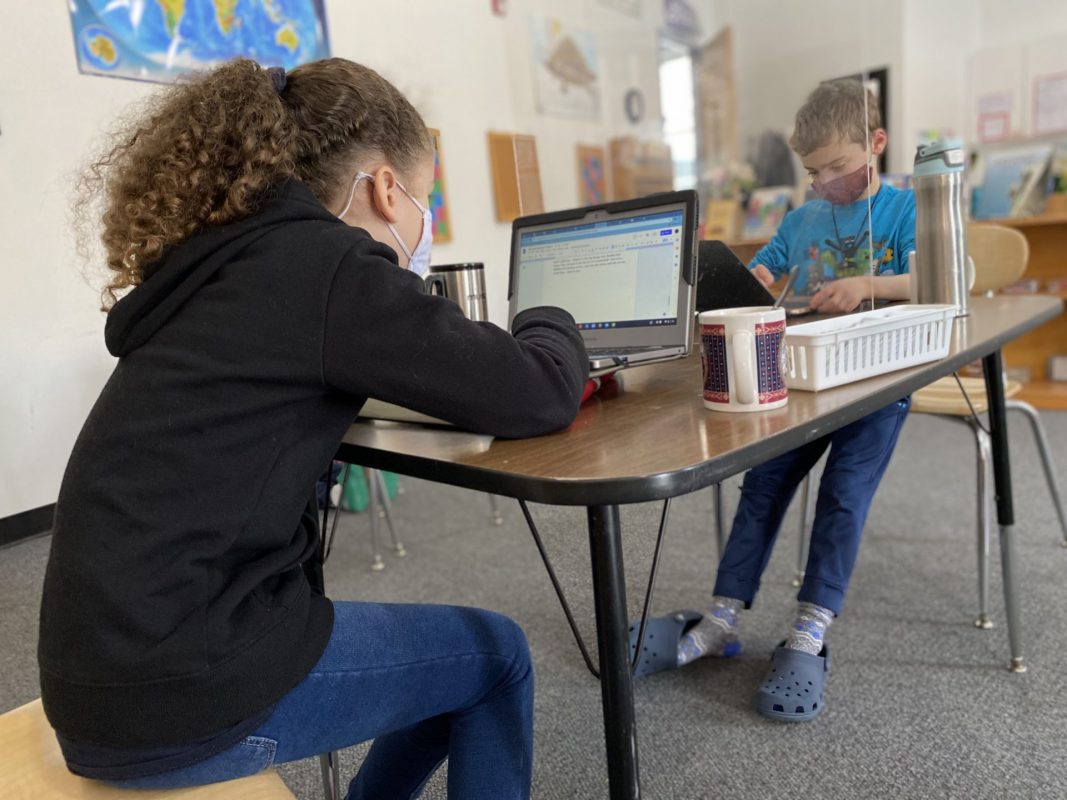
Another hallmark of a Montessori classroom is the education or learning cycles at each level.
Maria Montessori recognized that there is a range of development for children. The (two or) three-year cycle at each level, matches the range of development of the children they serve.
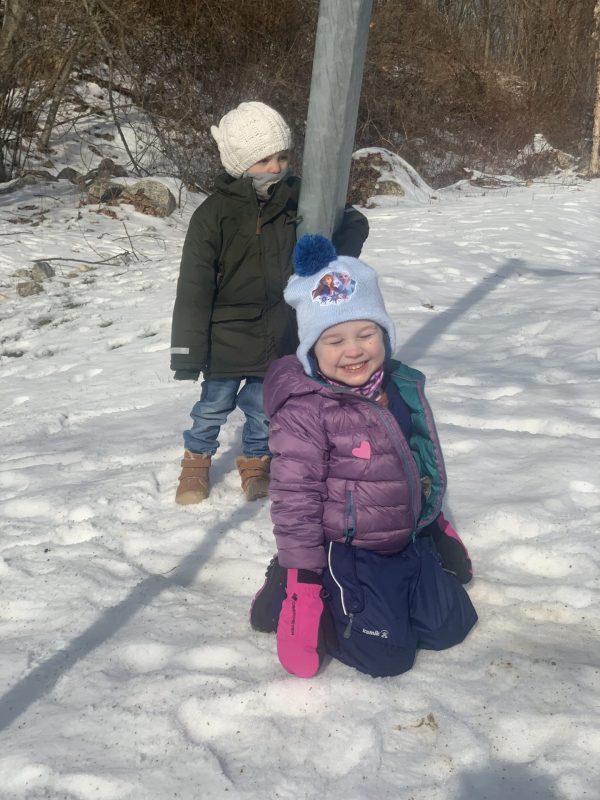
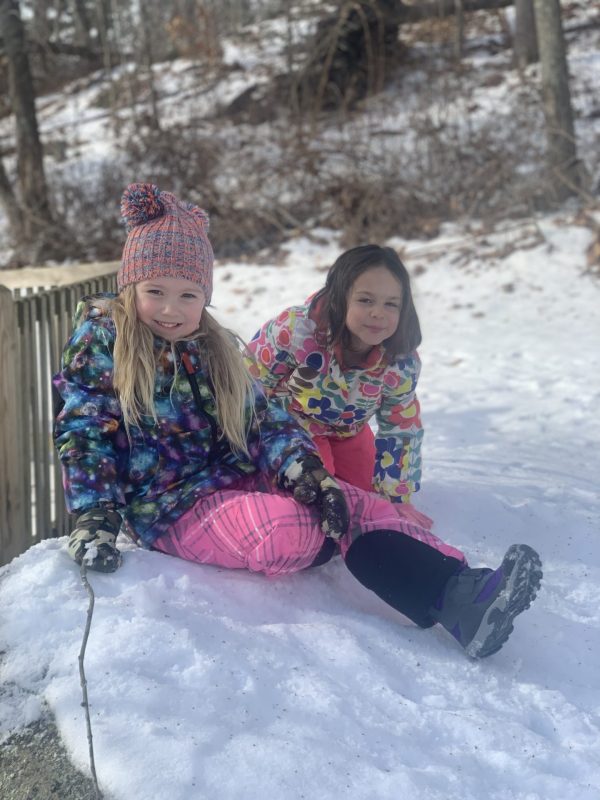
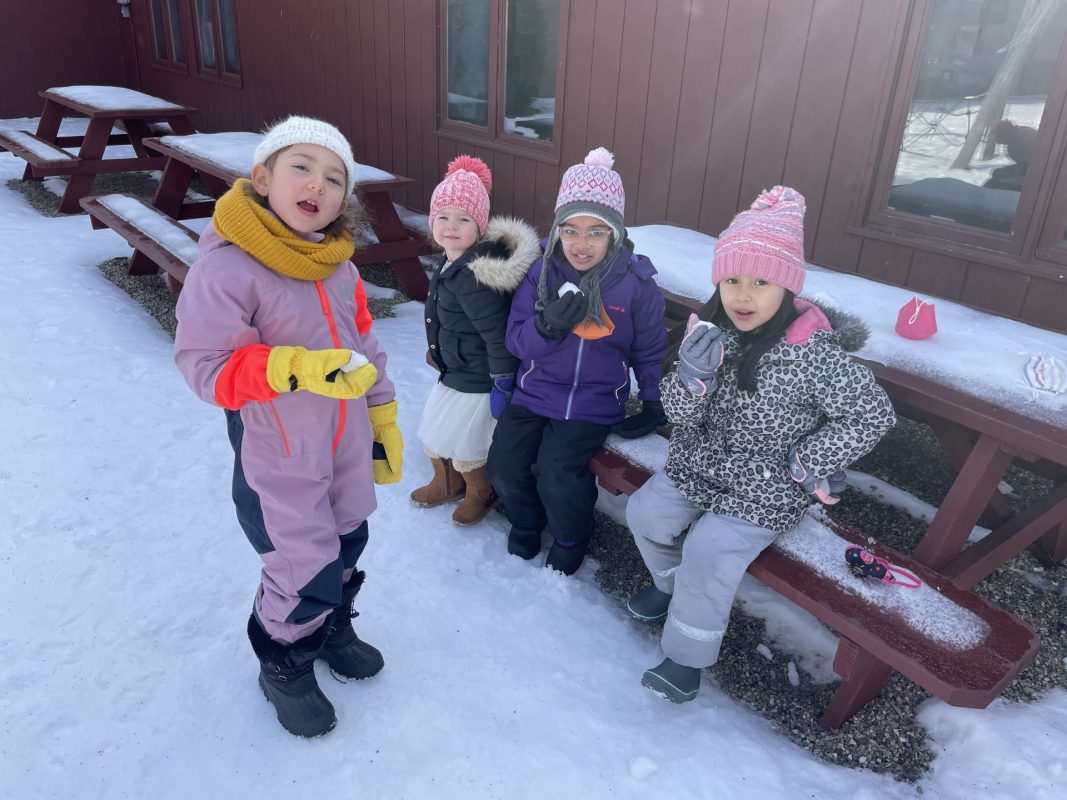
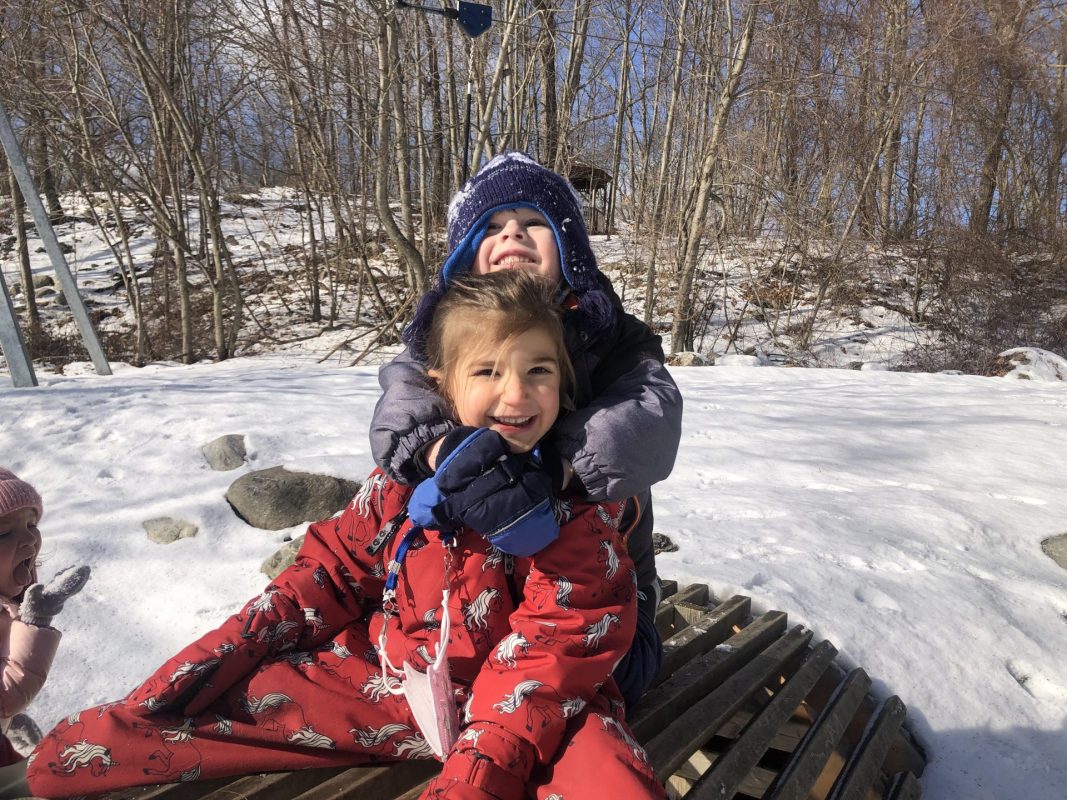
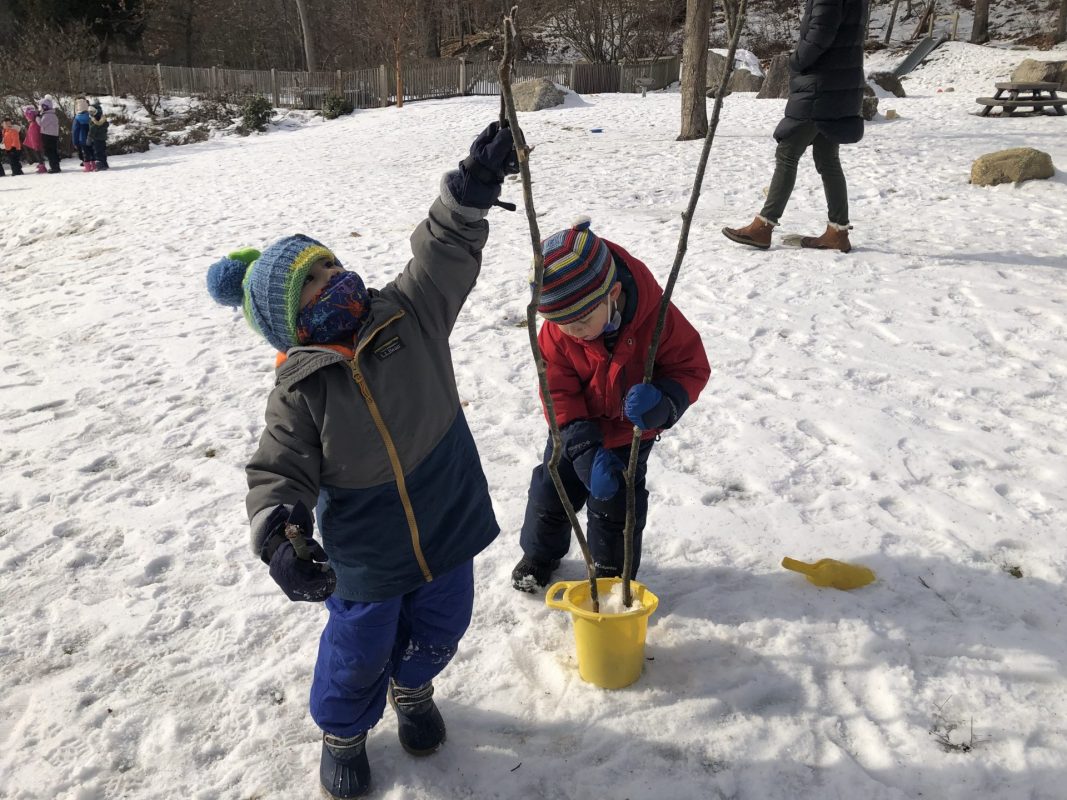
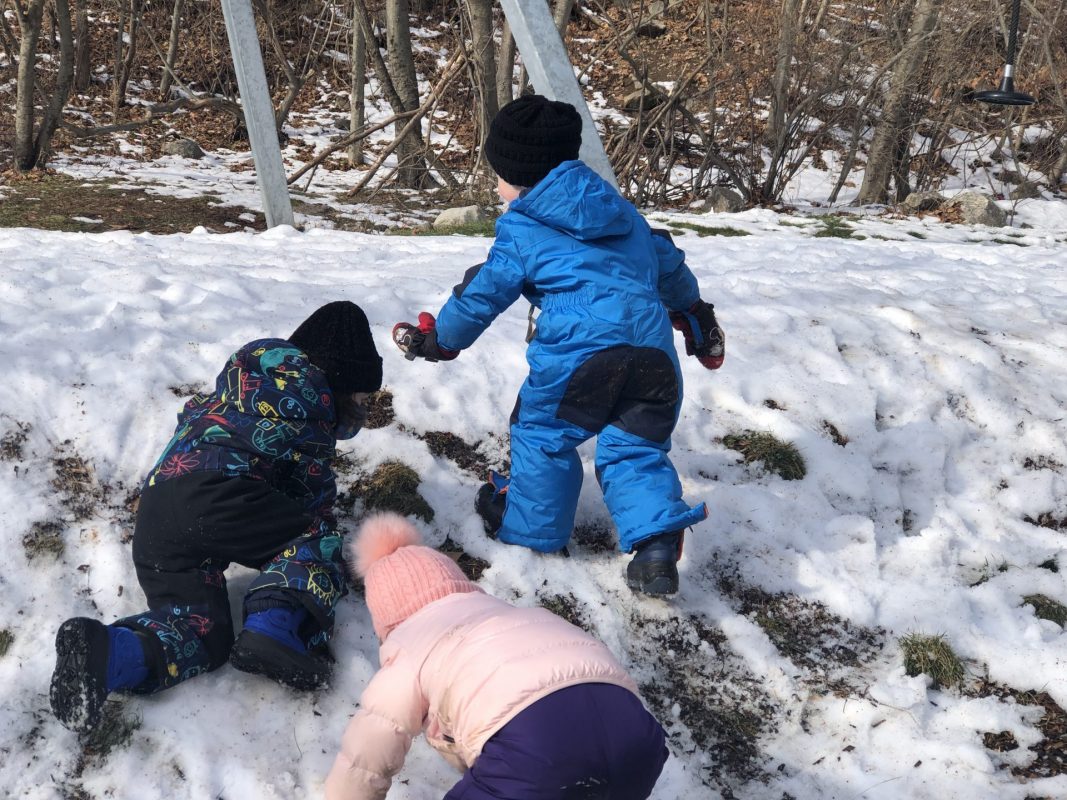
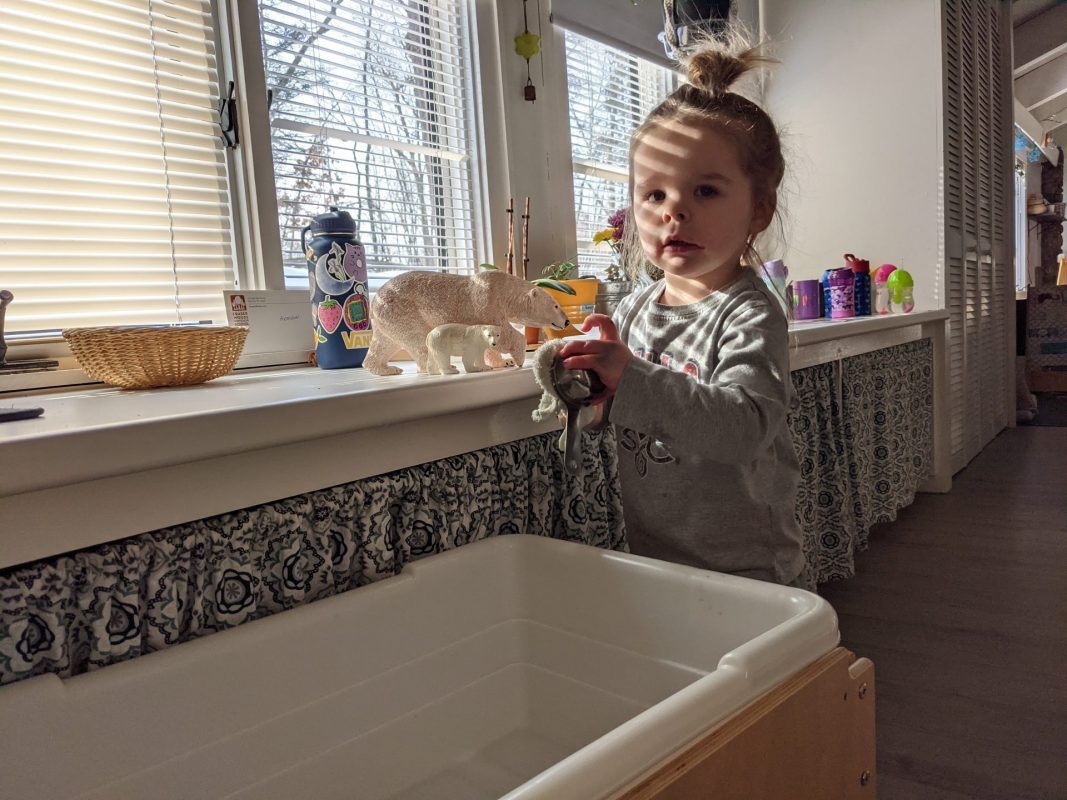
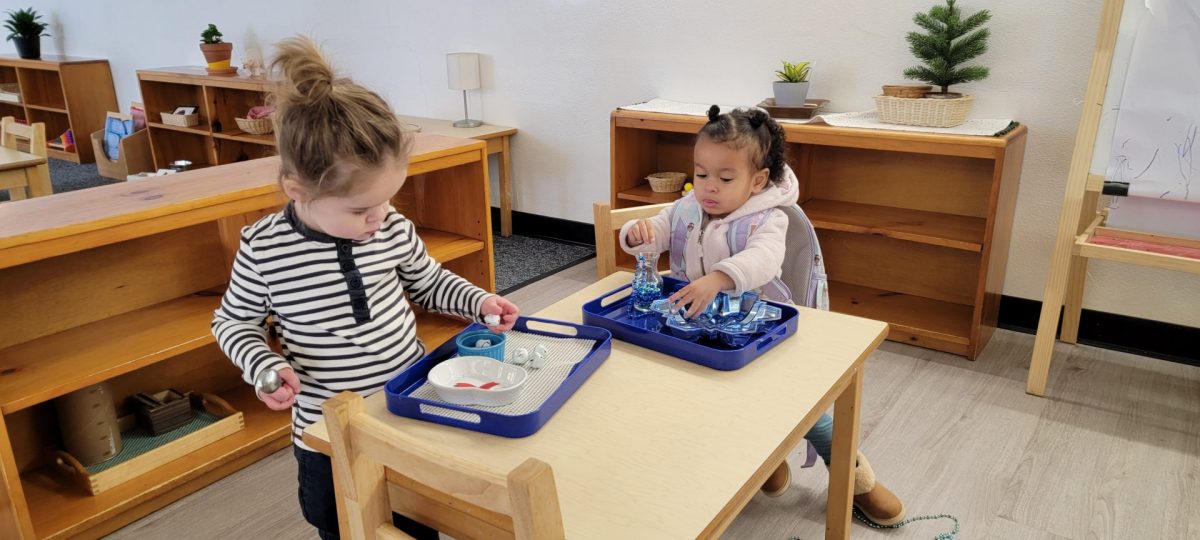
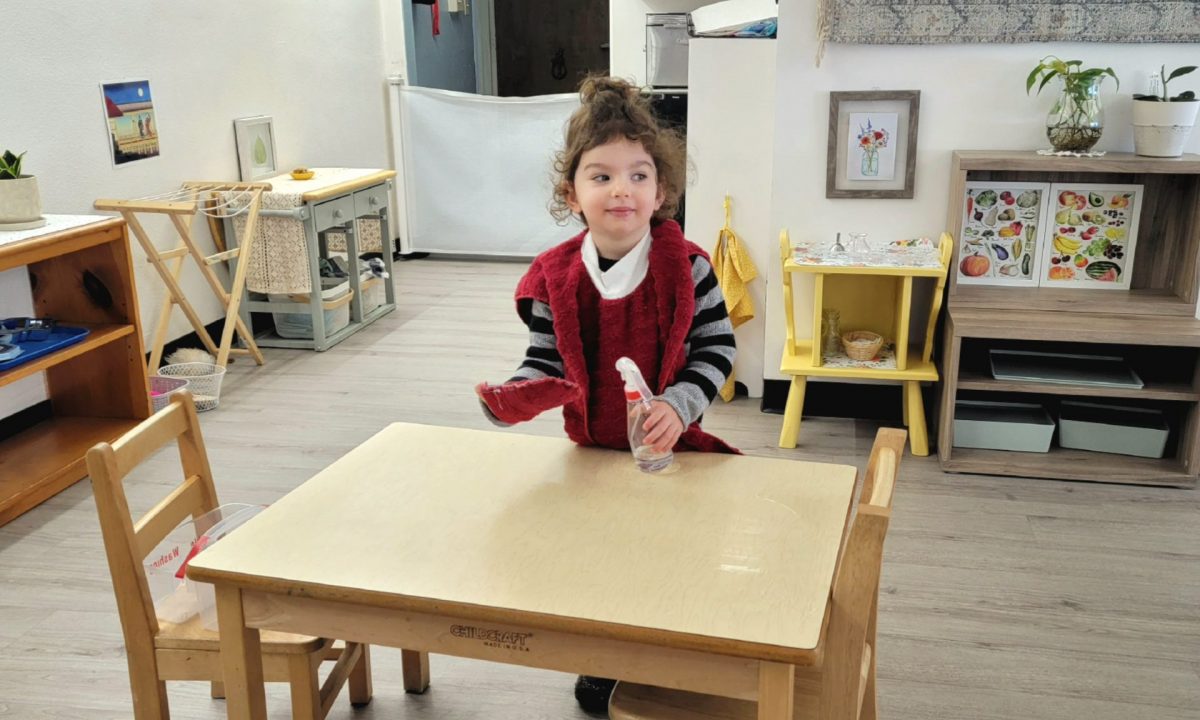
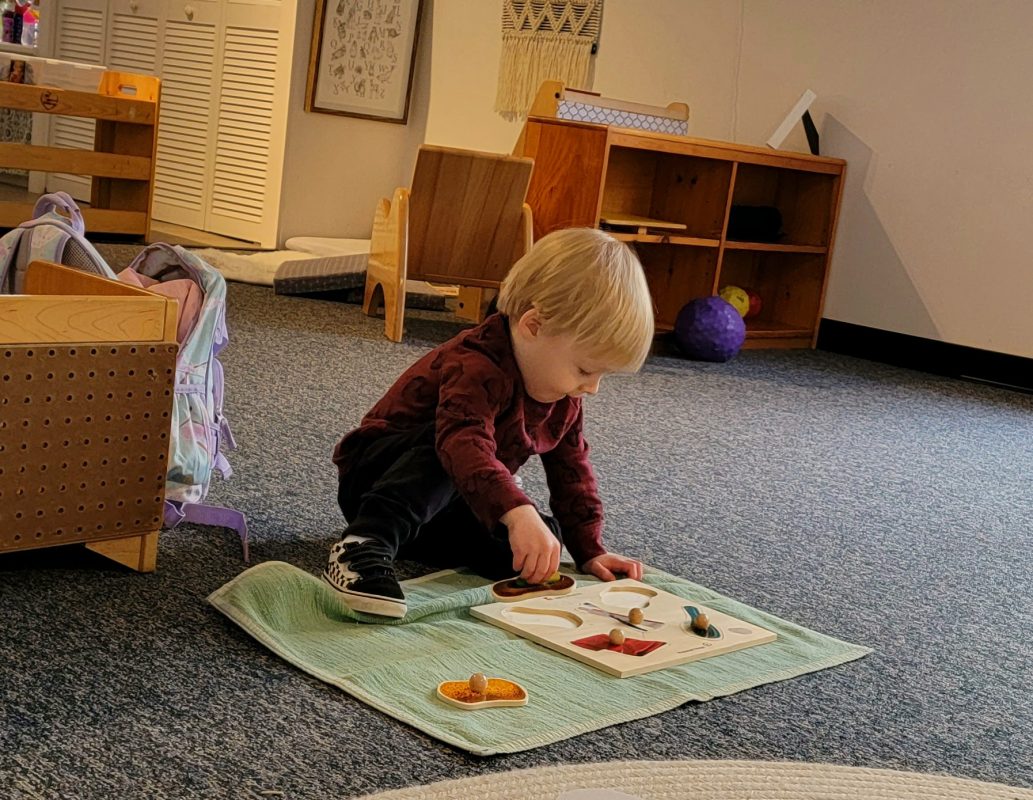
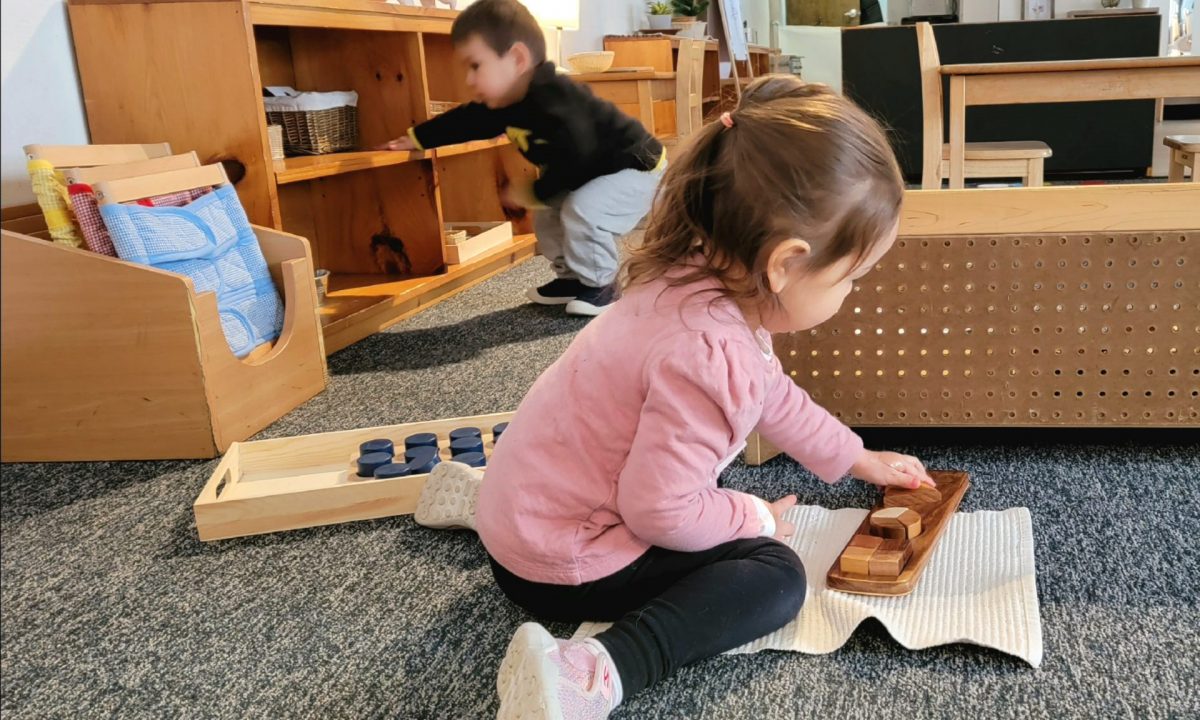
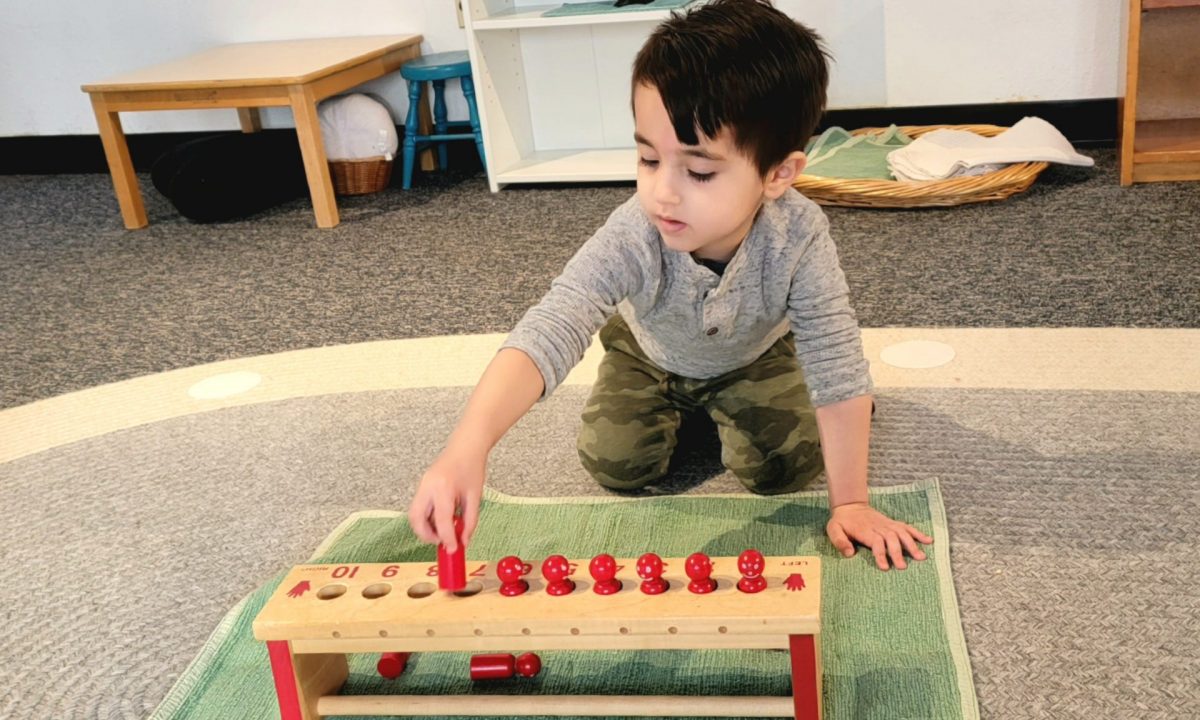
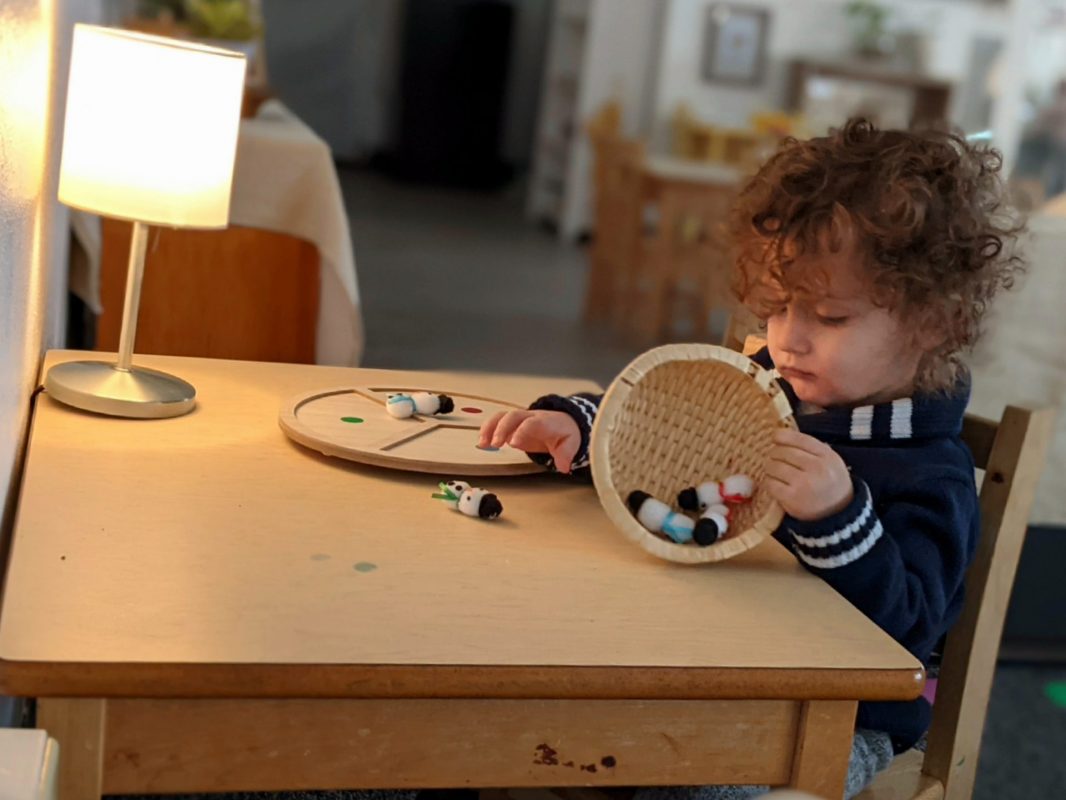
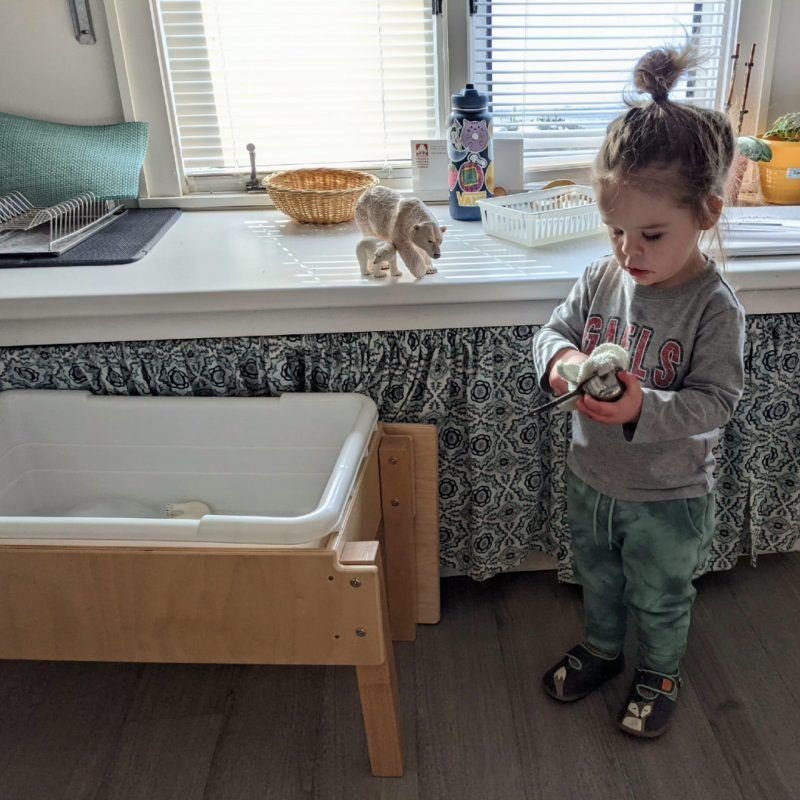
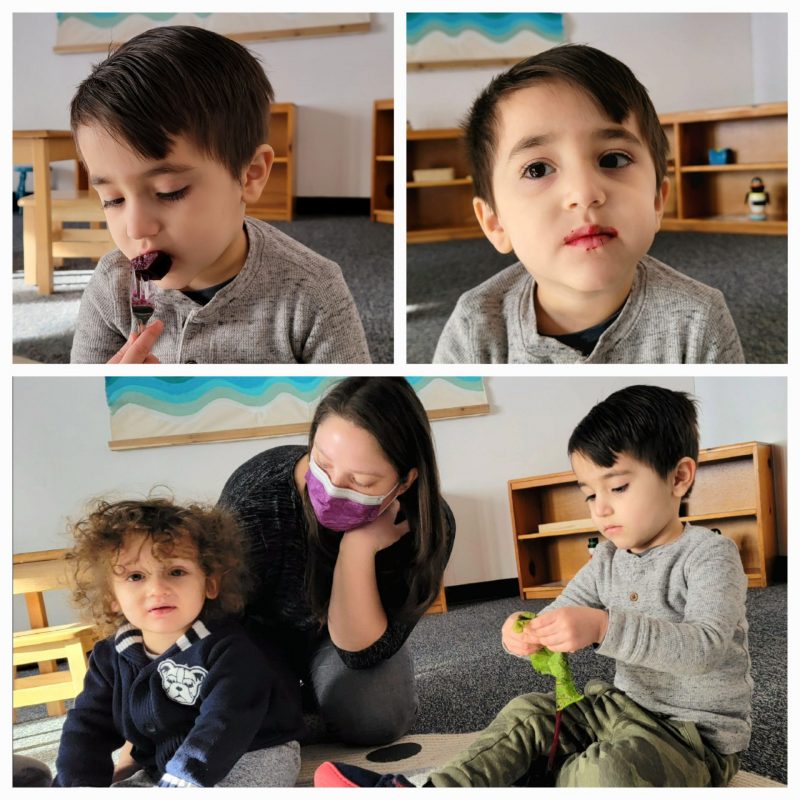
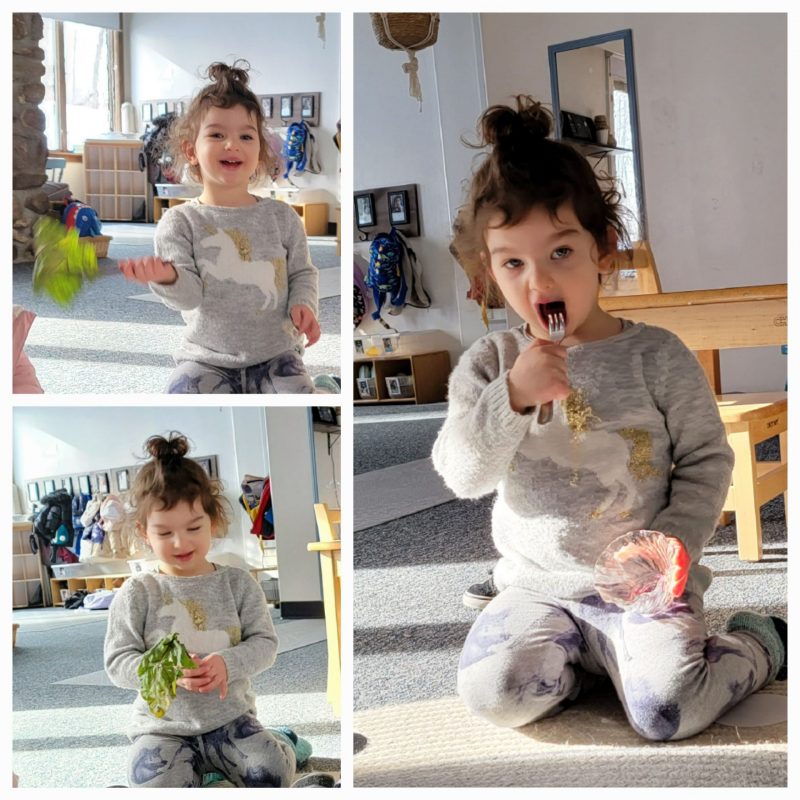
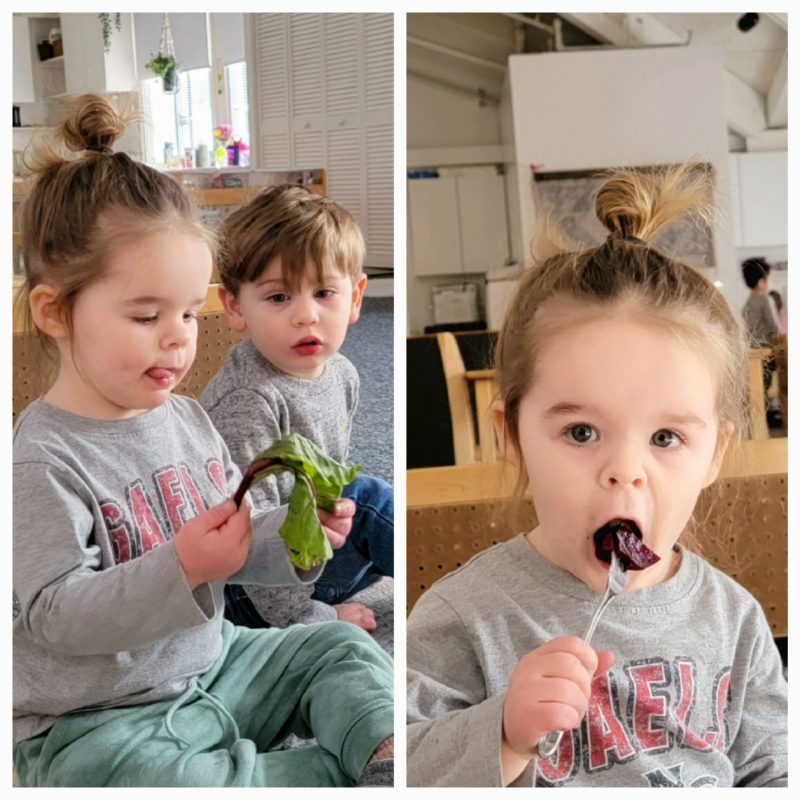
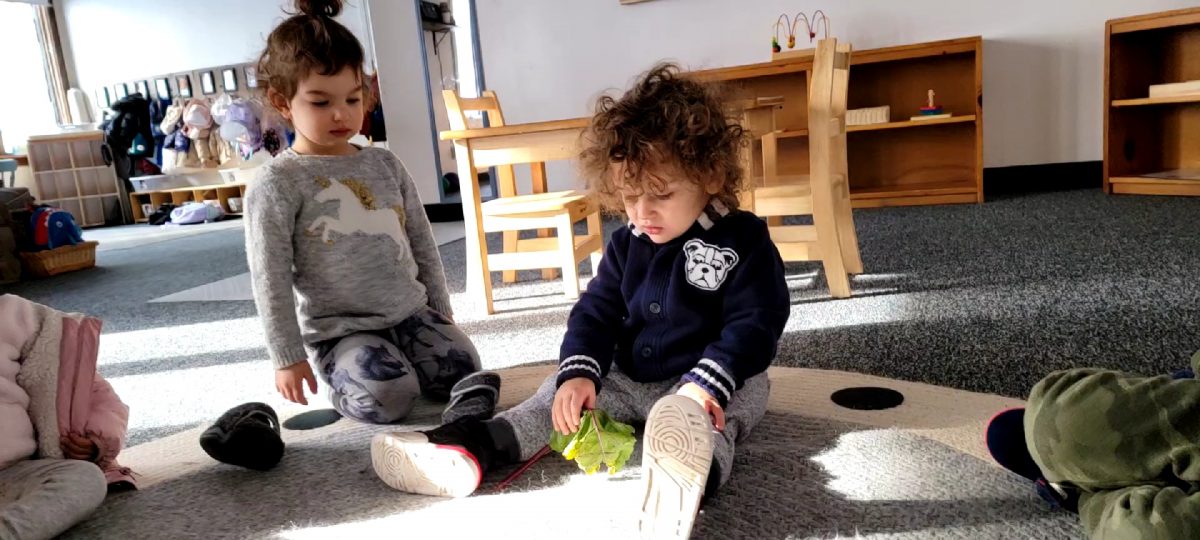
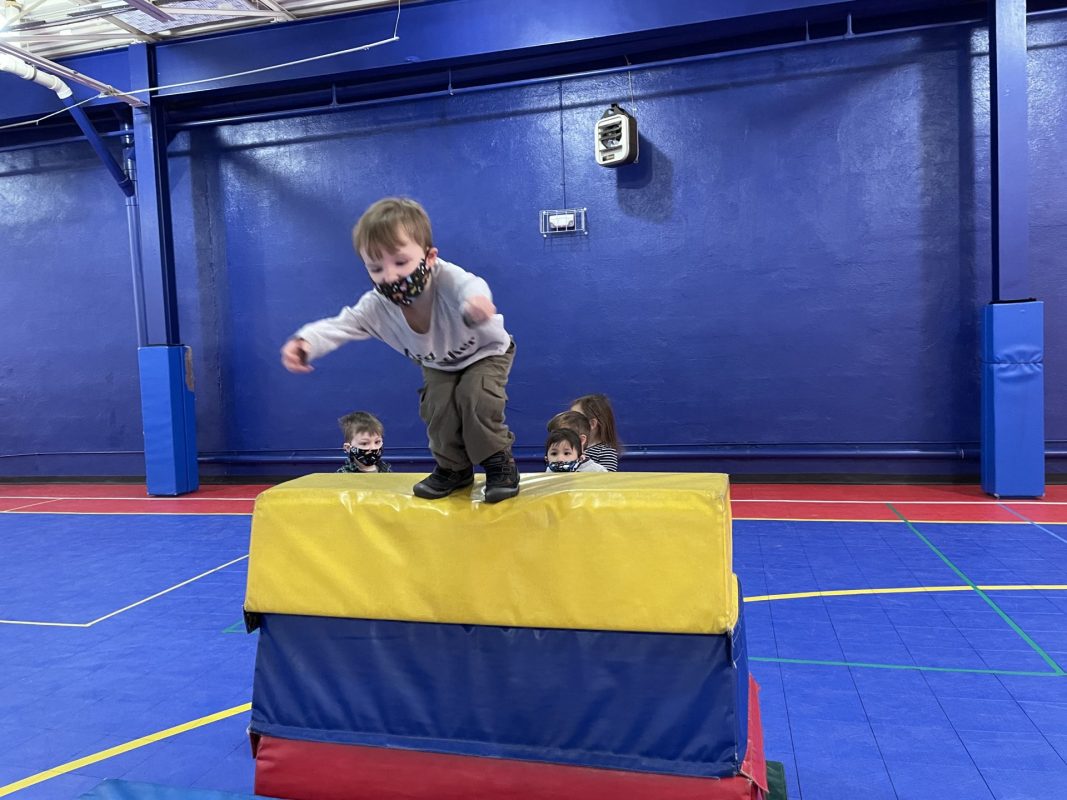
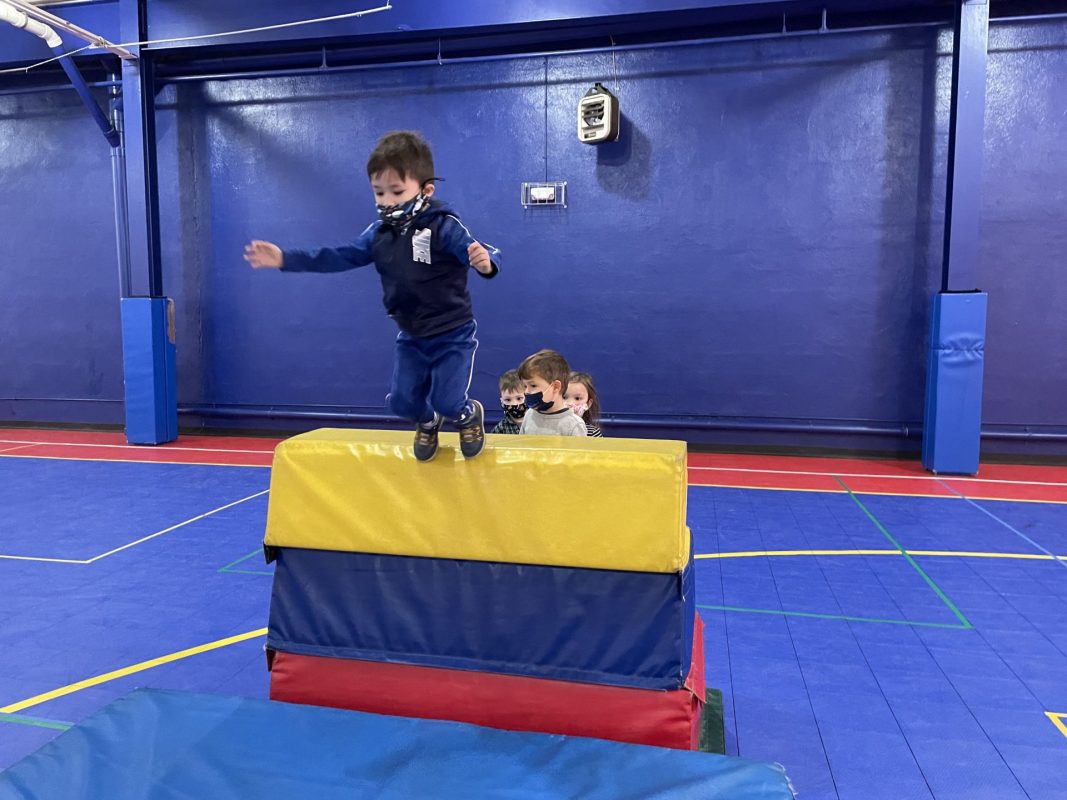
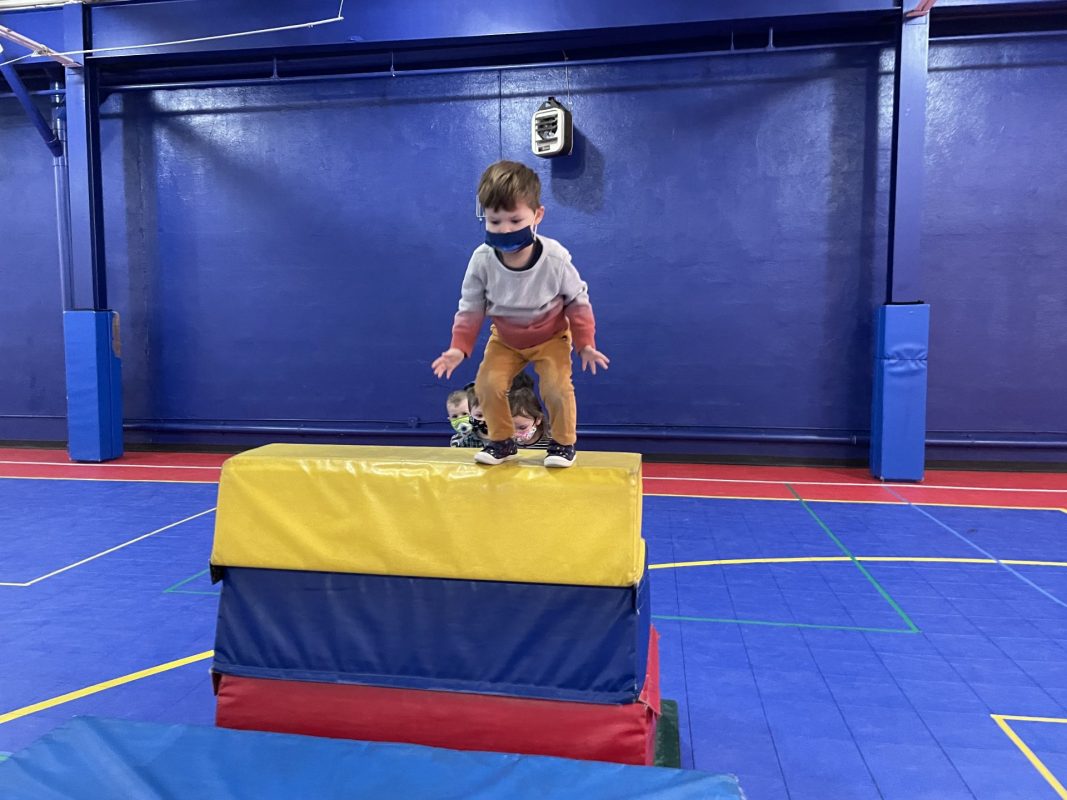
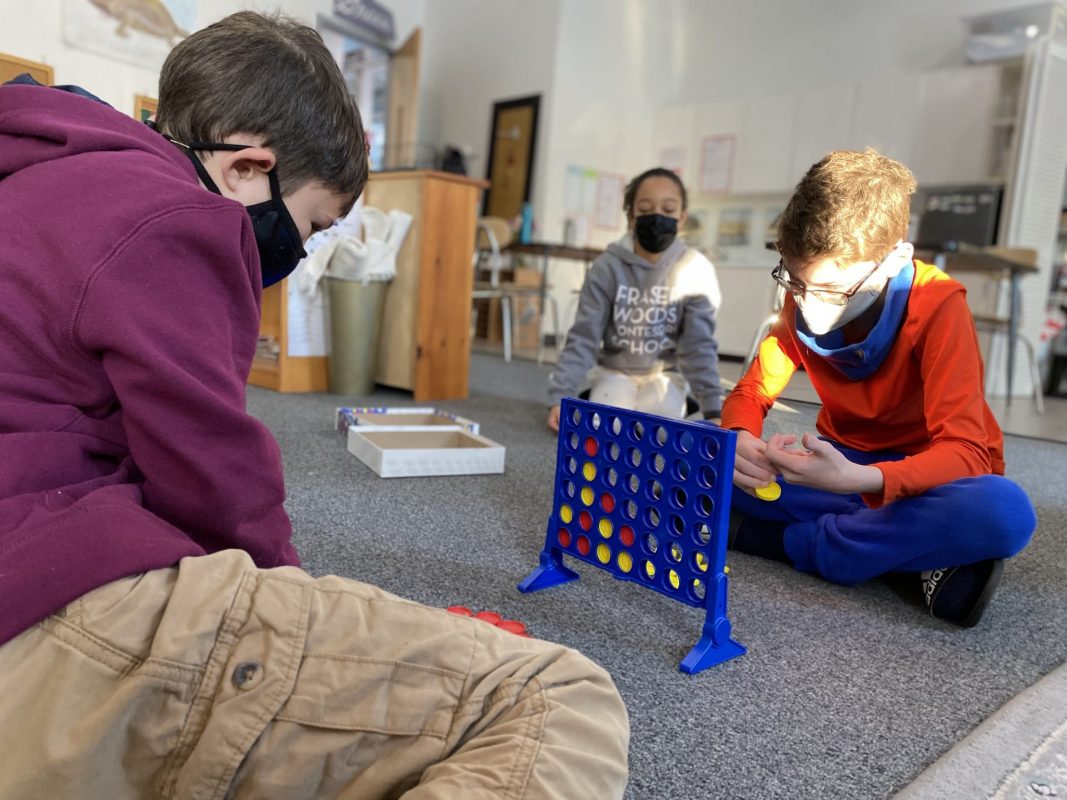
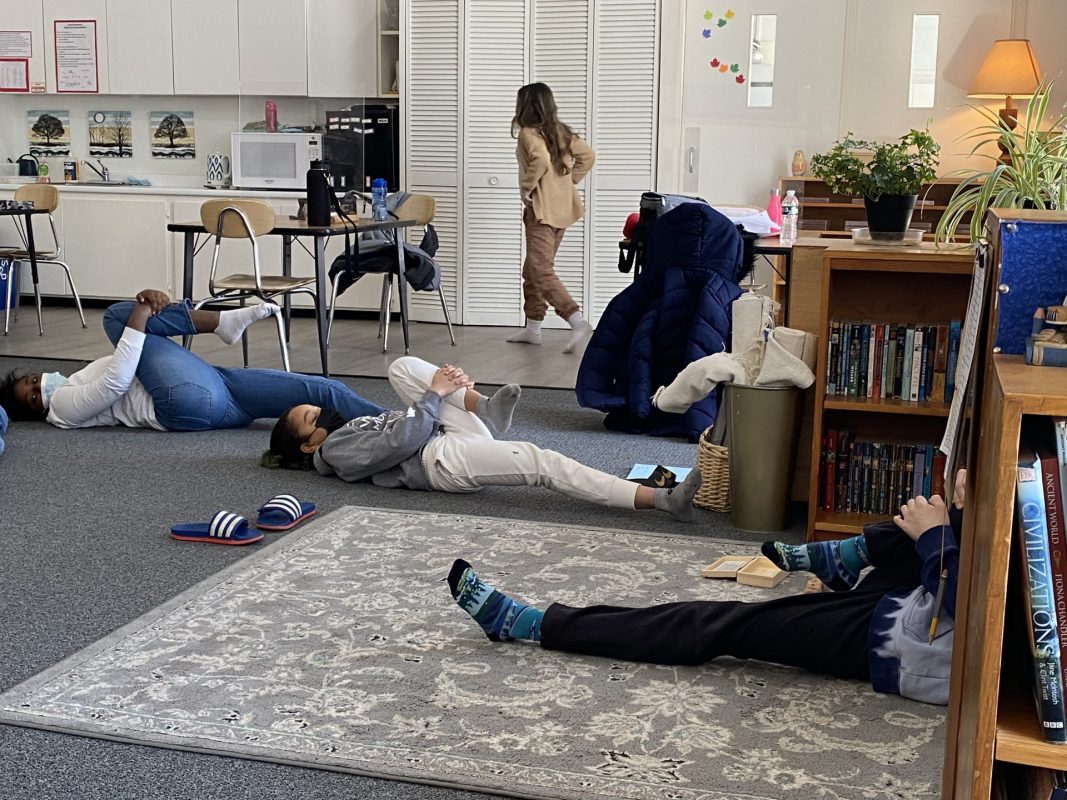
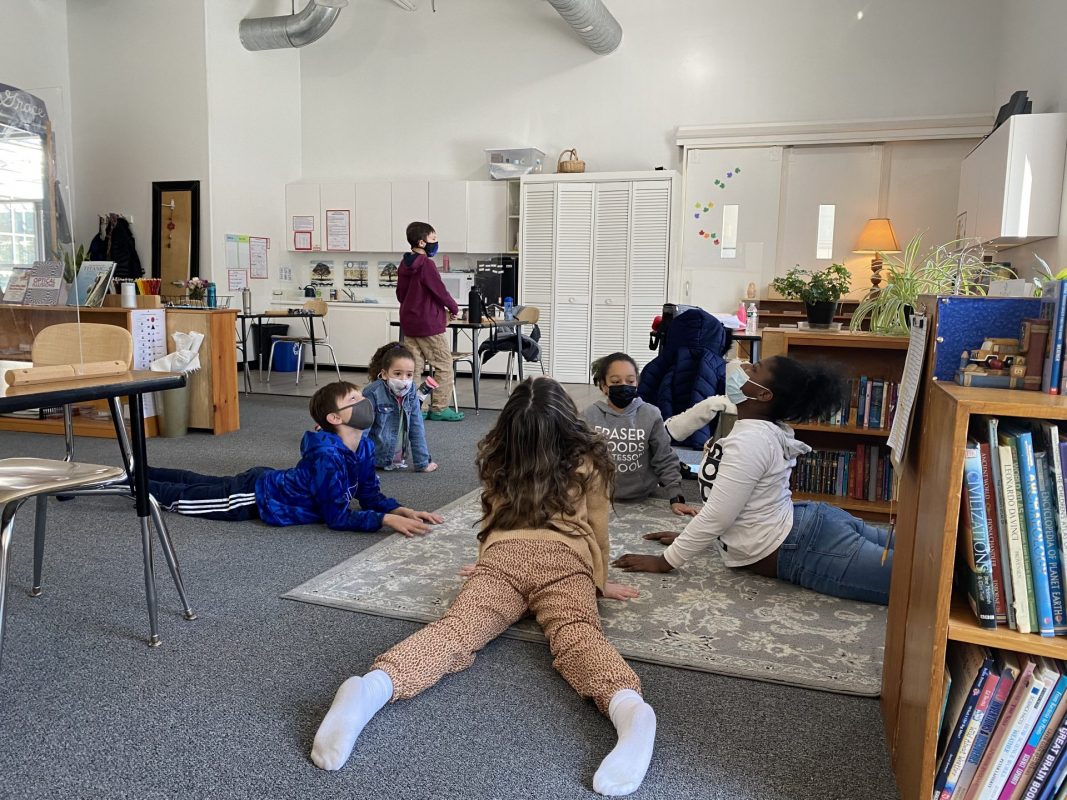
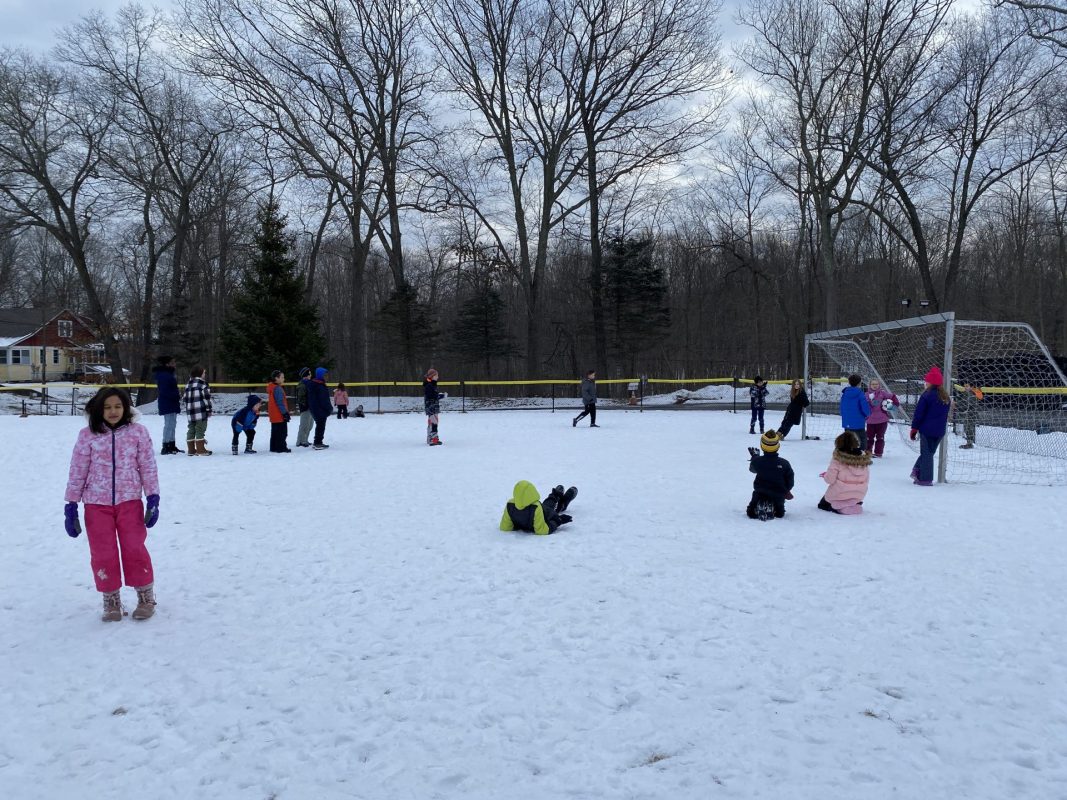
We know that children in each of these multiage classrooms will generally be in the same developmental range. We witness, every day, the benefits of the interaction of children of multiple ages and multiple stages in their growth and development. Our students are able to experience each social role–the novice, the generalist, and the expert. They are able to explore their own potential at their own pace, noticing the examples of other children and practicing leadership as they are ready.
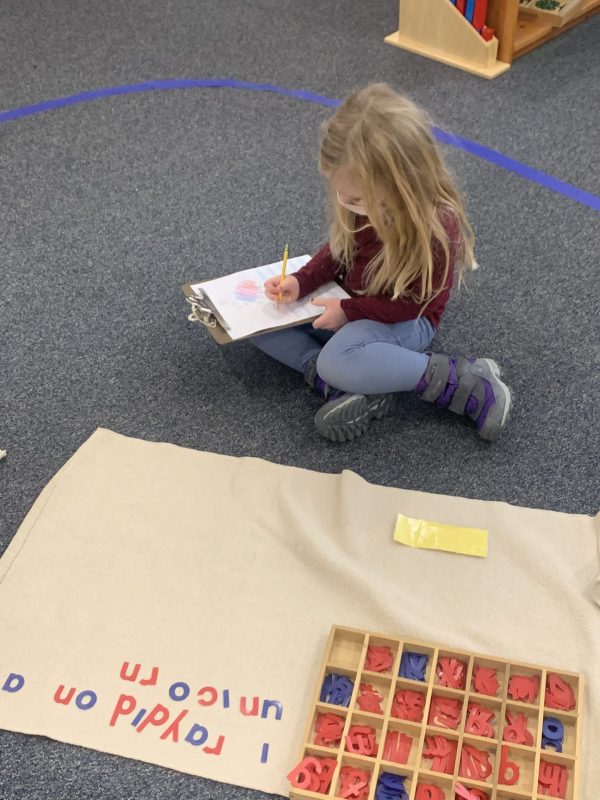
The fact that the curriculum in Montessori is a continuum (rather than a finite prescription according to grade level) provides a wealth of opportunities for a child to continuously be challenged academically. While the age span in a Montessori classroom is typically 3 years, this does not limit a Montessori teacher’s ability to help a child reach their fullest potential.
In addition, Montessori teachers create additional lessons, bring in materials from the next program level to the environment, and we arrange for children from one program level to visit the next program level to receive one-on-one lessons from the teacher.
The education cycle in a Montessori classroom is the ideal. The multi-age environment offers children the space and the time to develop, to explore, to integrate, and to master before moving on to the next challenge on the horizon.
For those of you who attended Moving Up Information Night, I hope you enjoyed learning about the next level of your child’s experience at FWM.
We’re here to answer any questions.