Blog

Mrs. Lopes: The Beauty of a Normalized Classroom

Normalization “is the most important single result of our whole work.” ~Maria Montessori, The Absorbent Mind

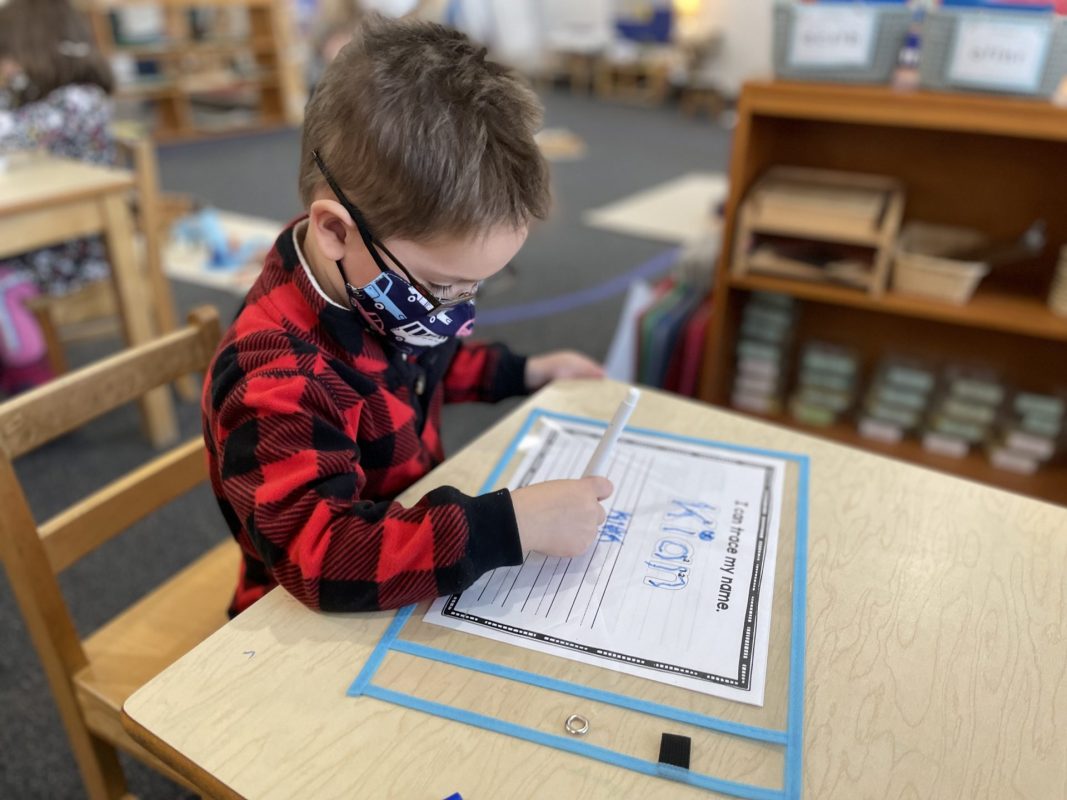
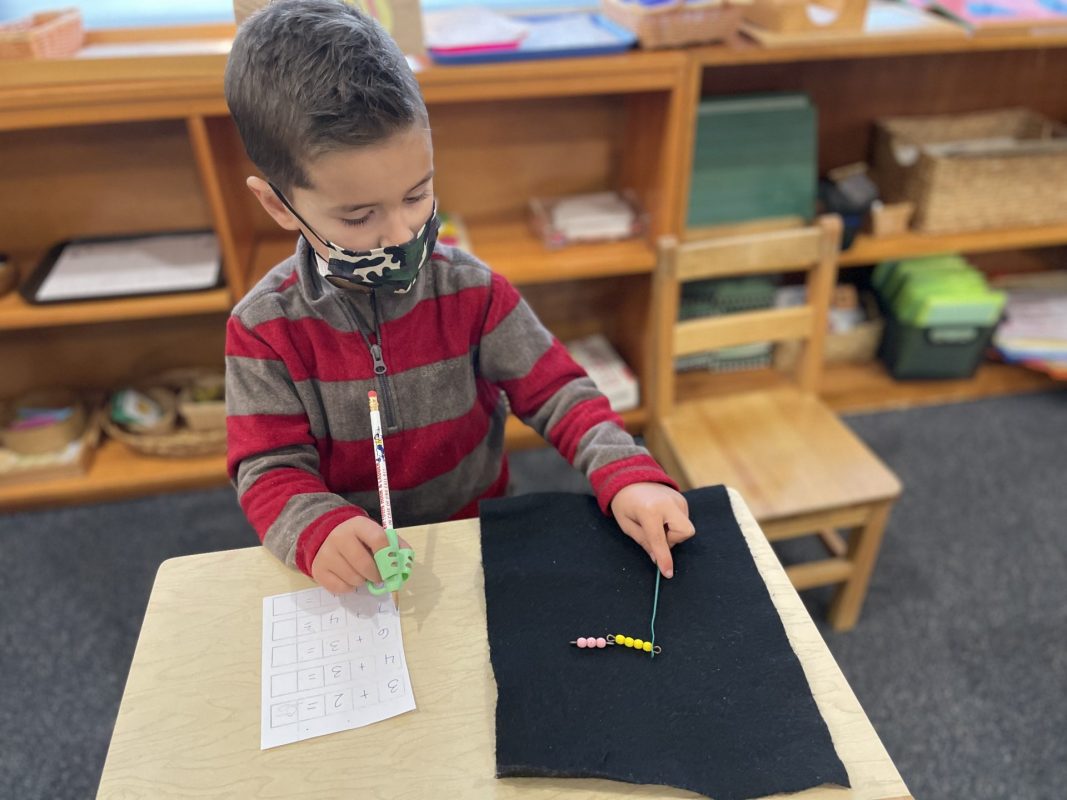
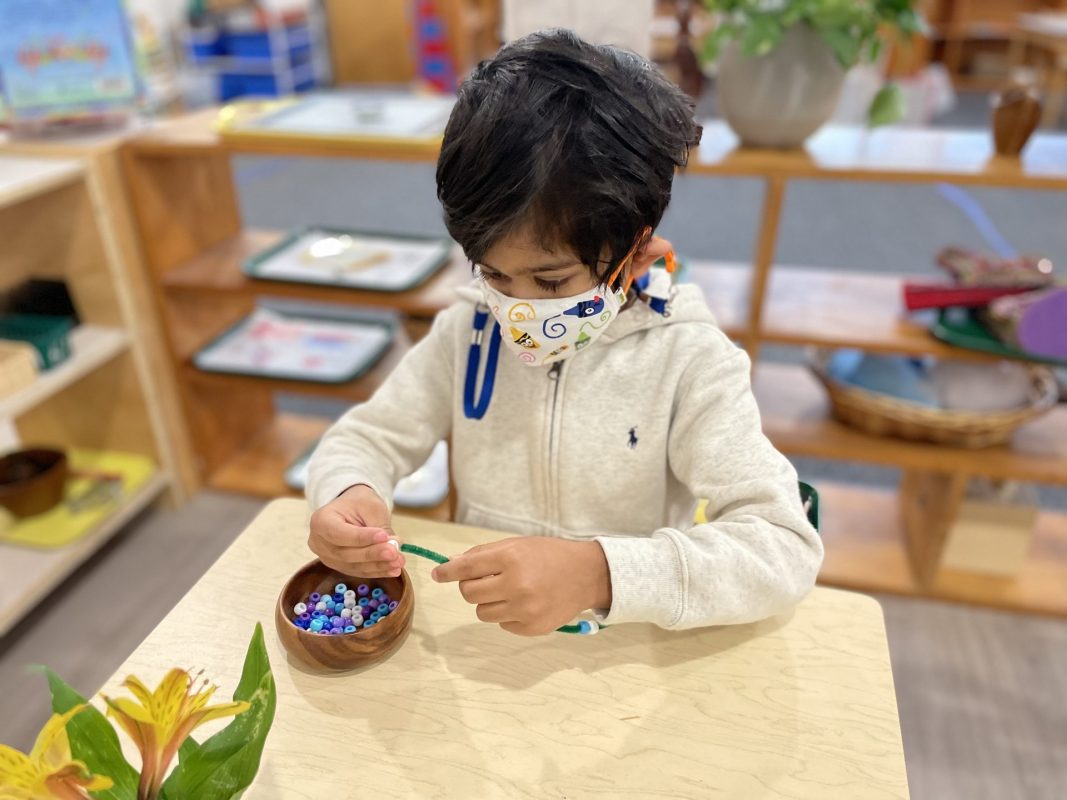
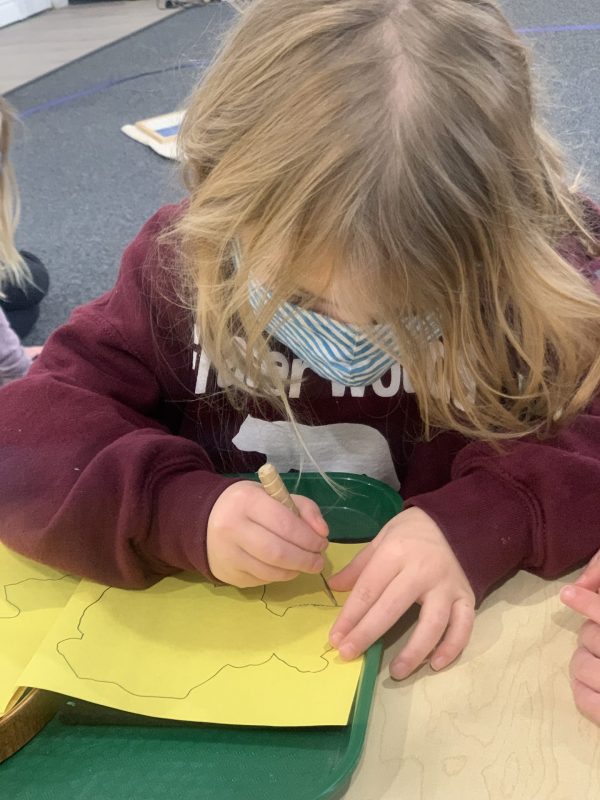
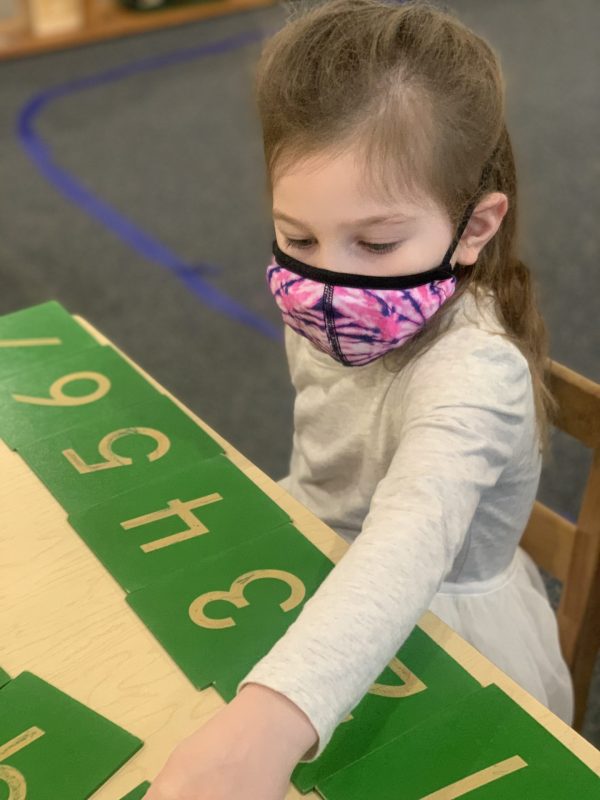
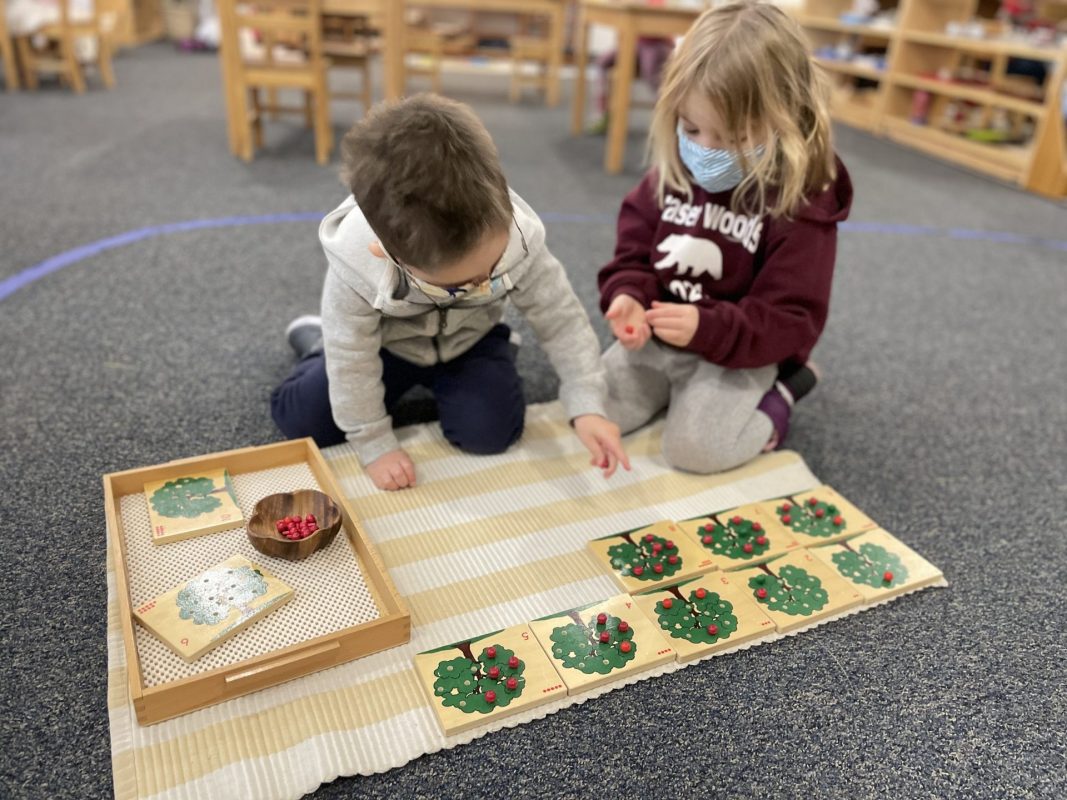
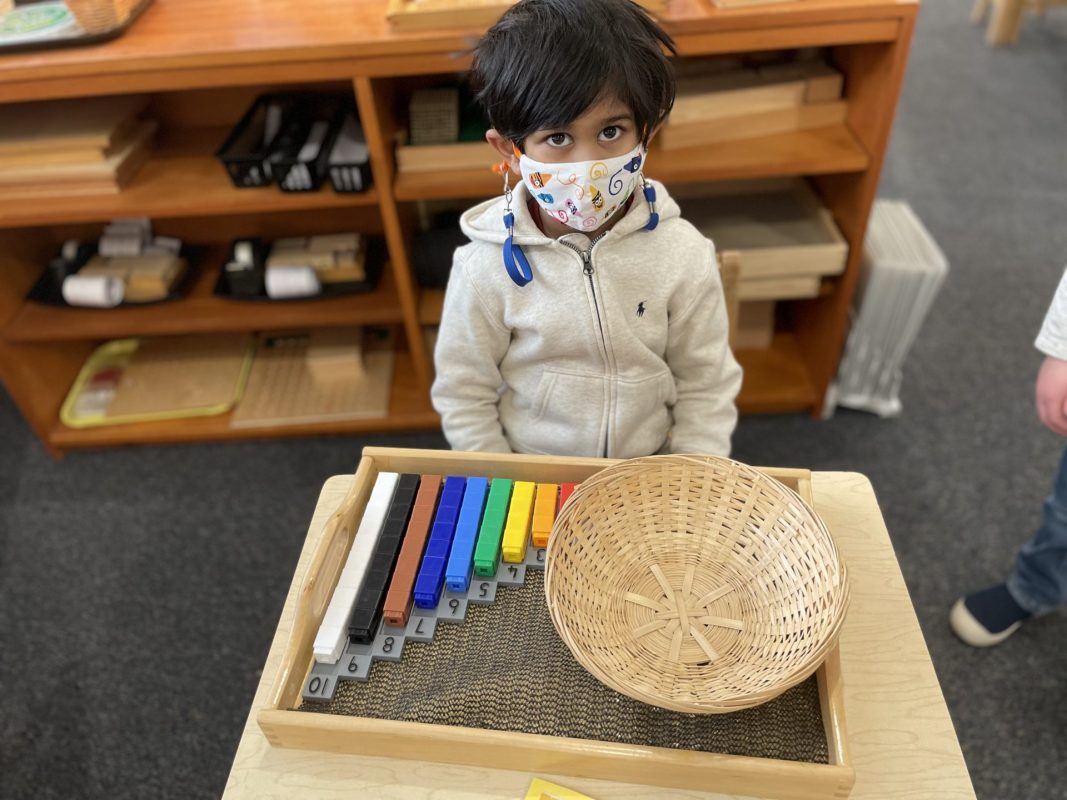
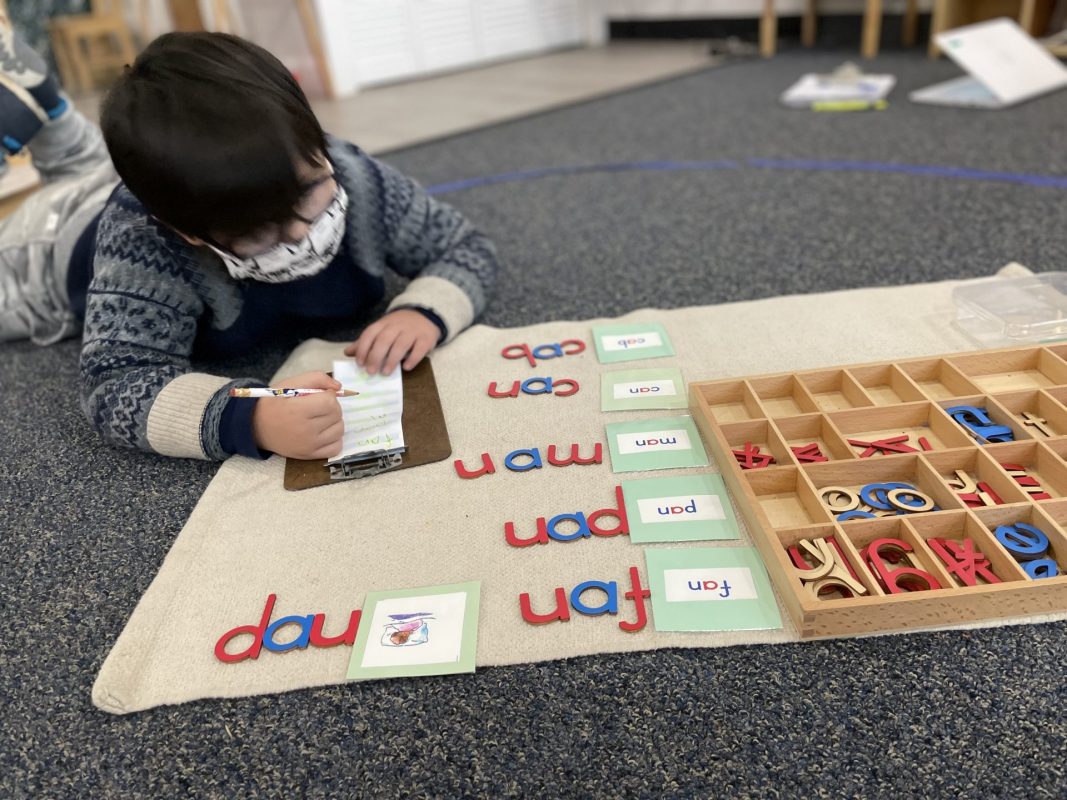
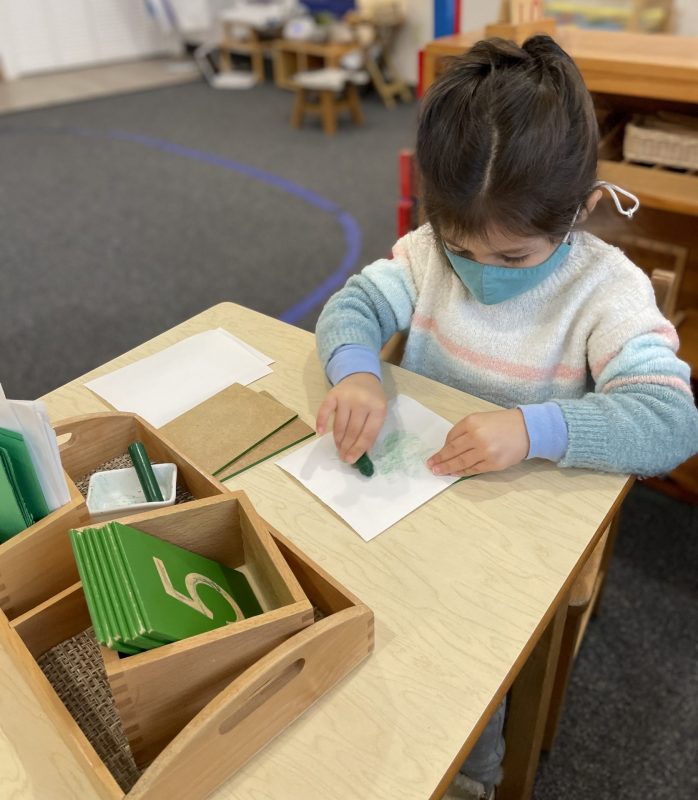
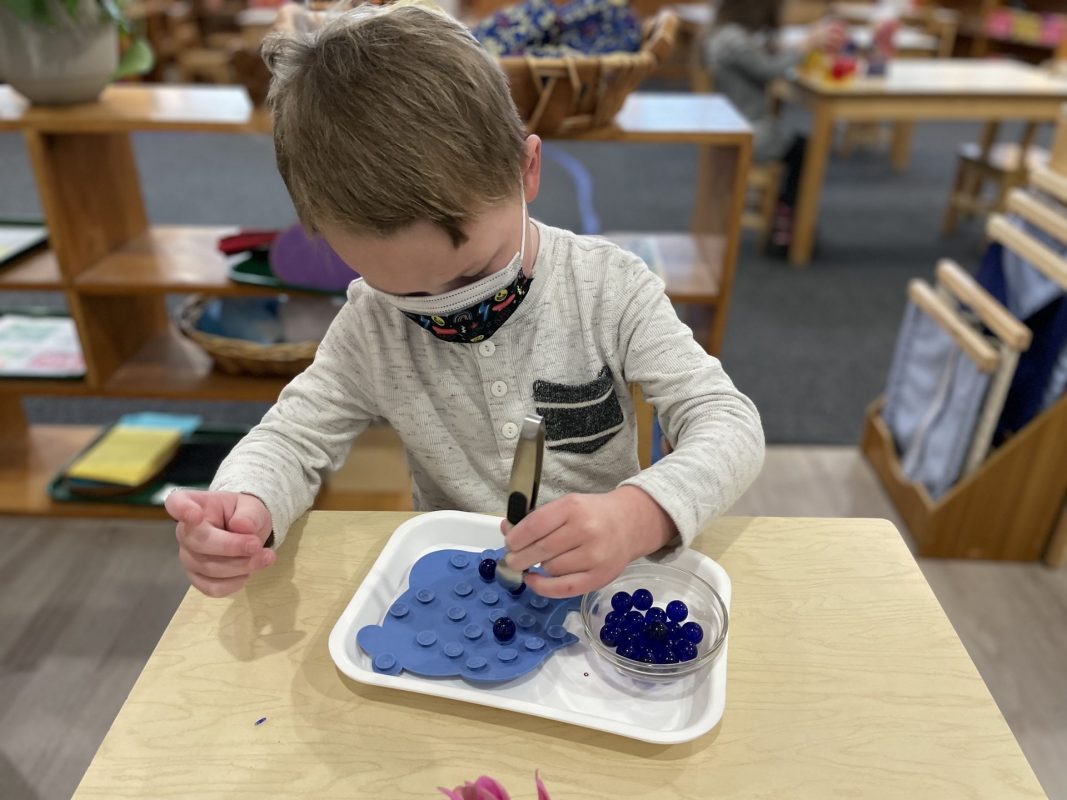
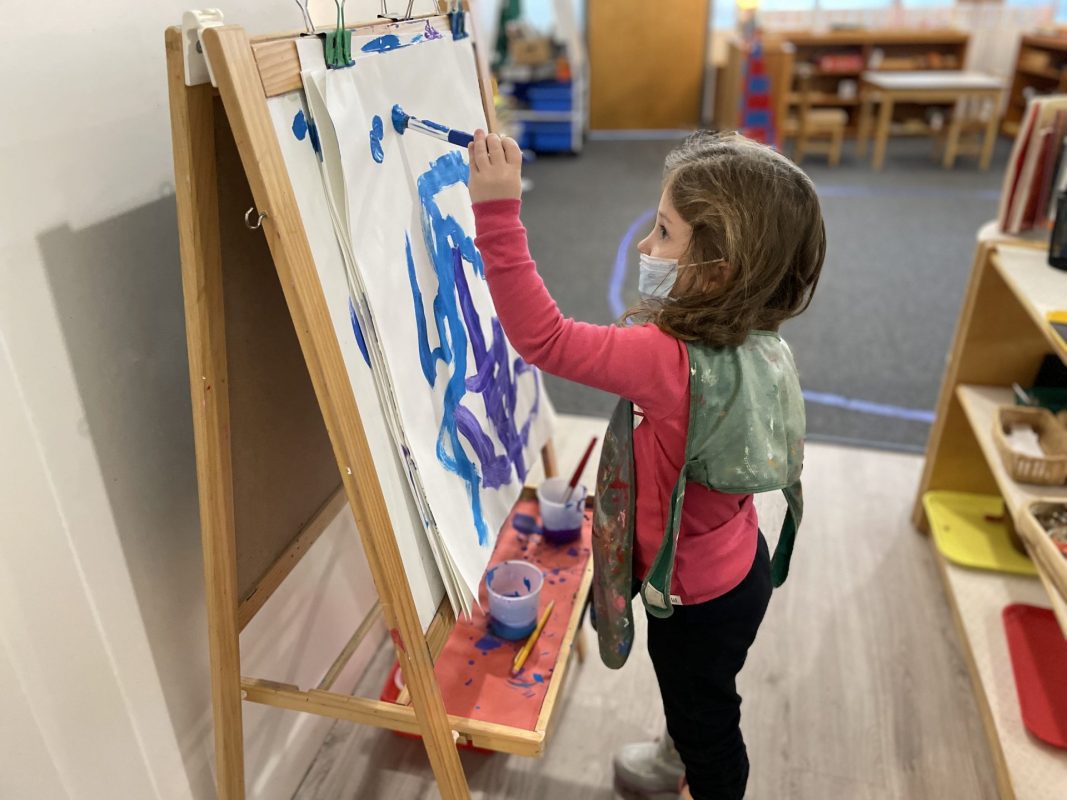
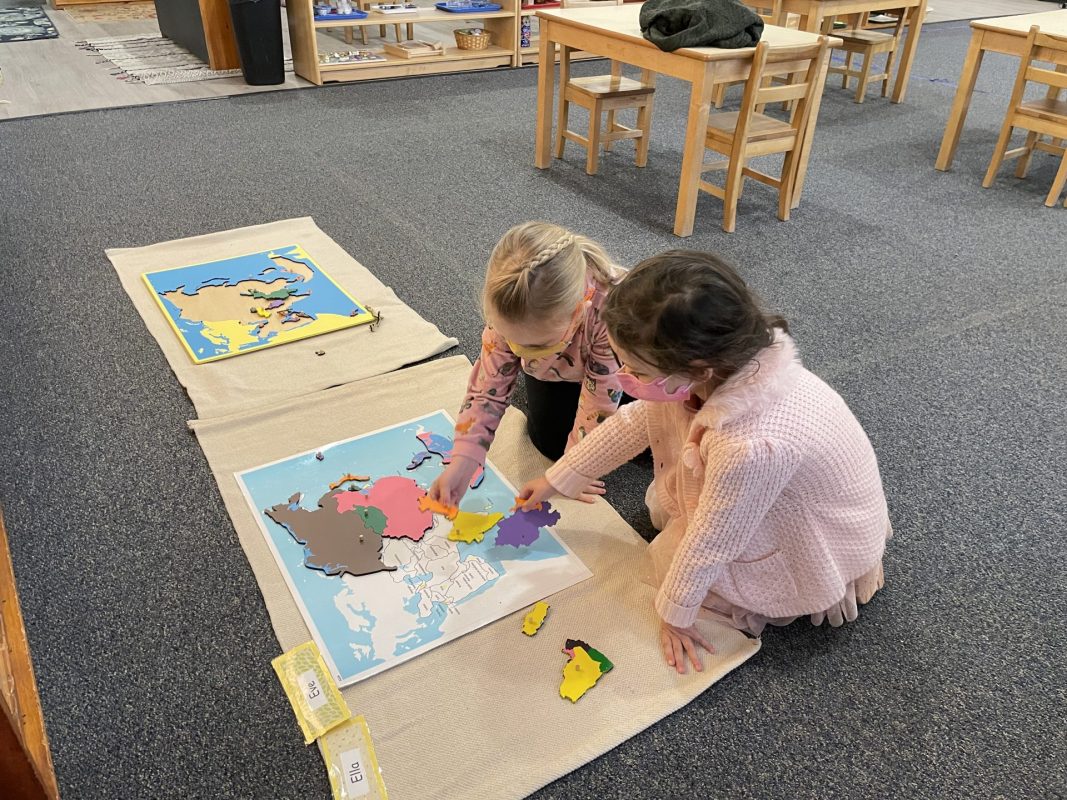
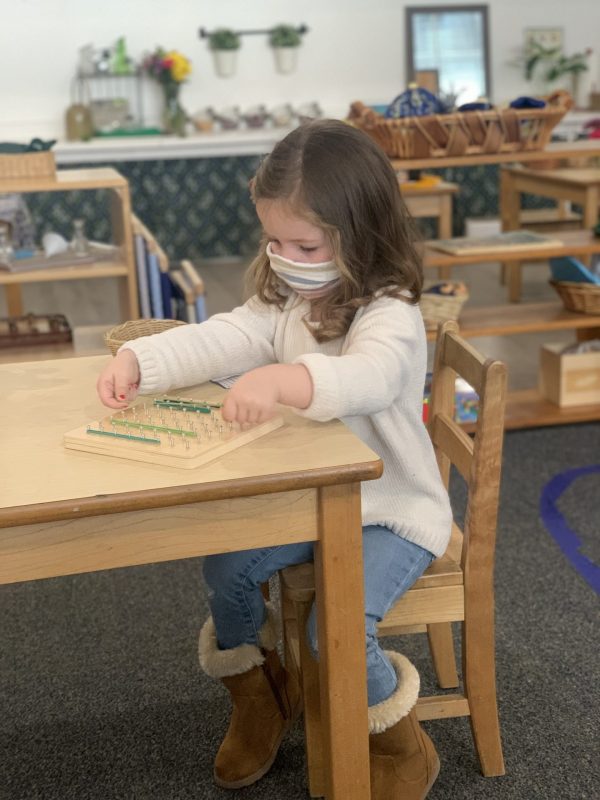
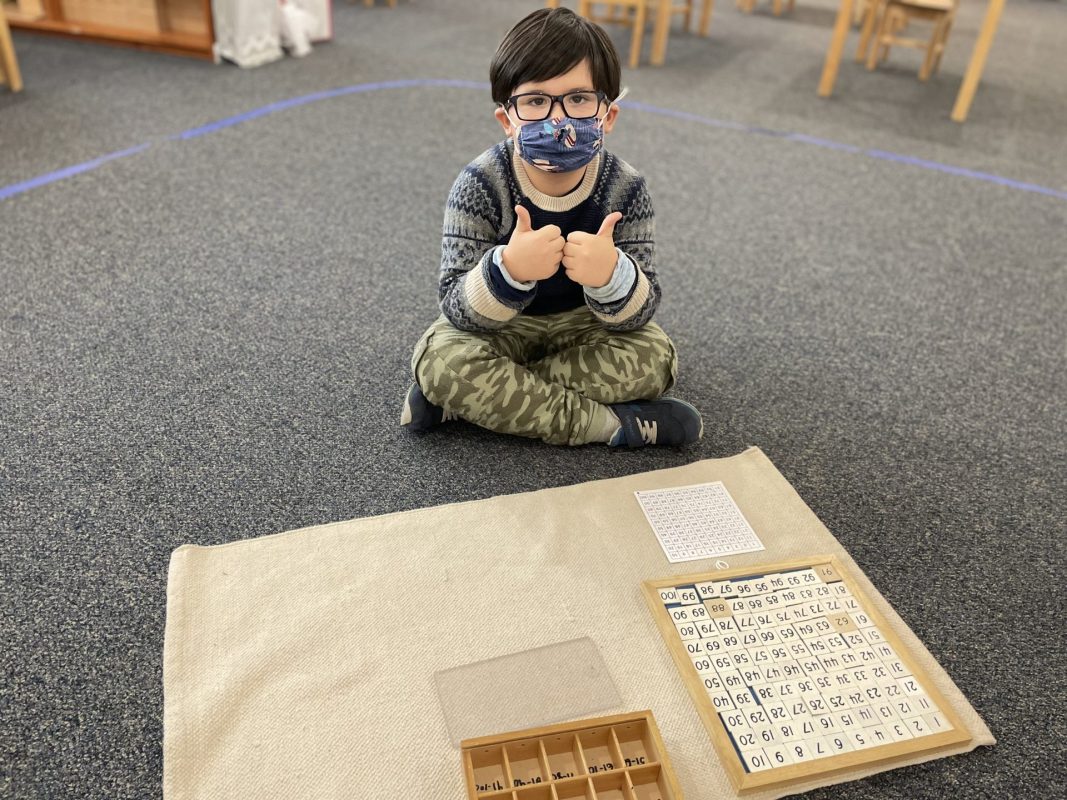
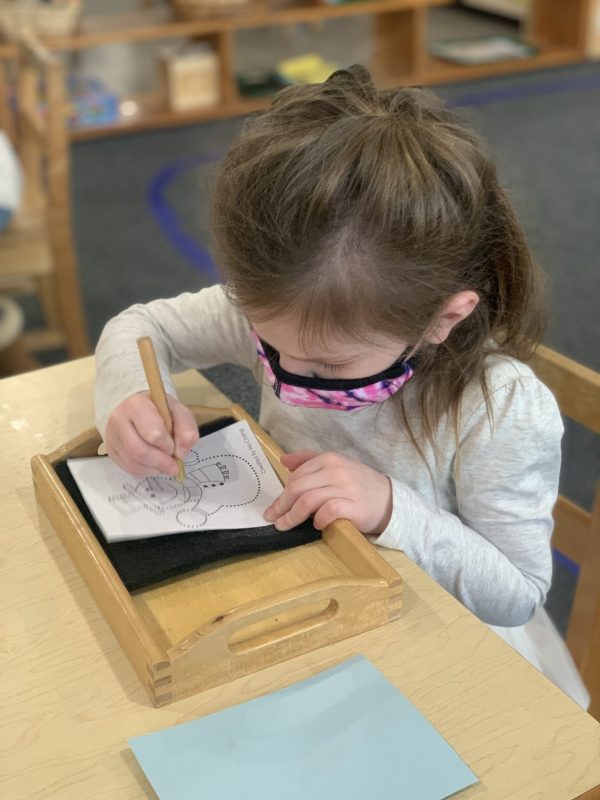
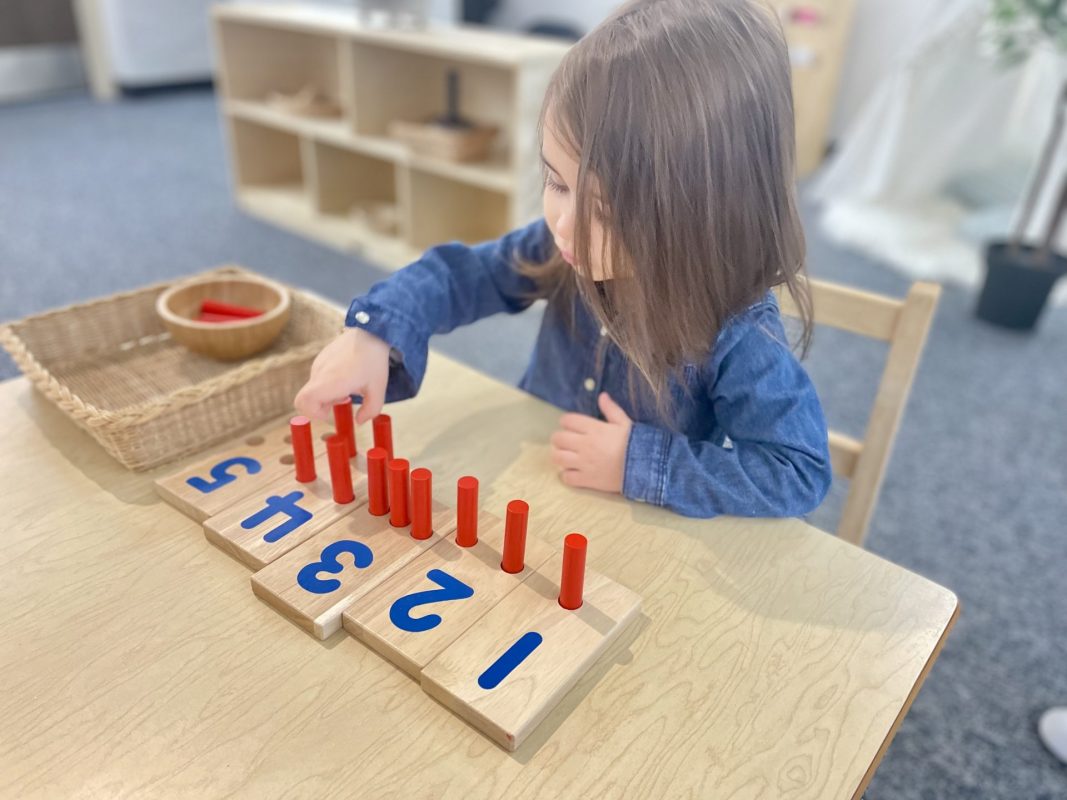
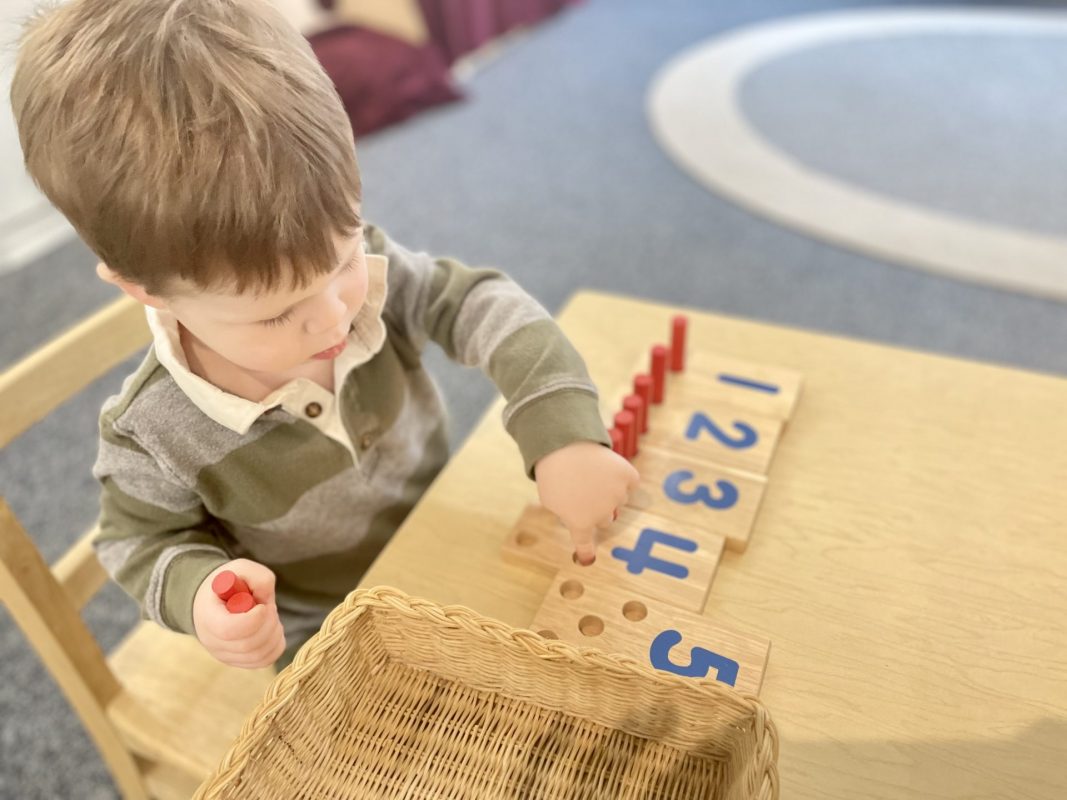
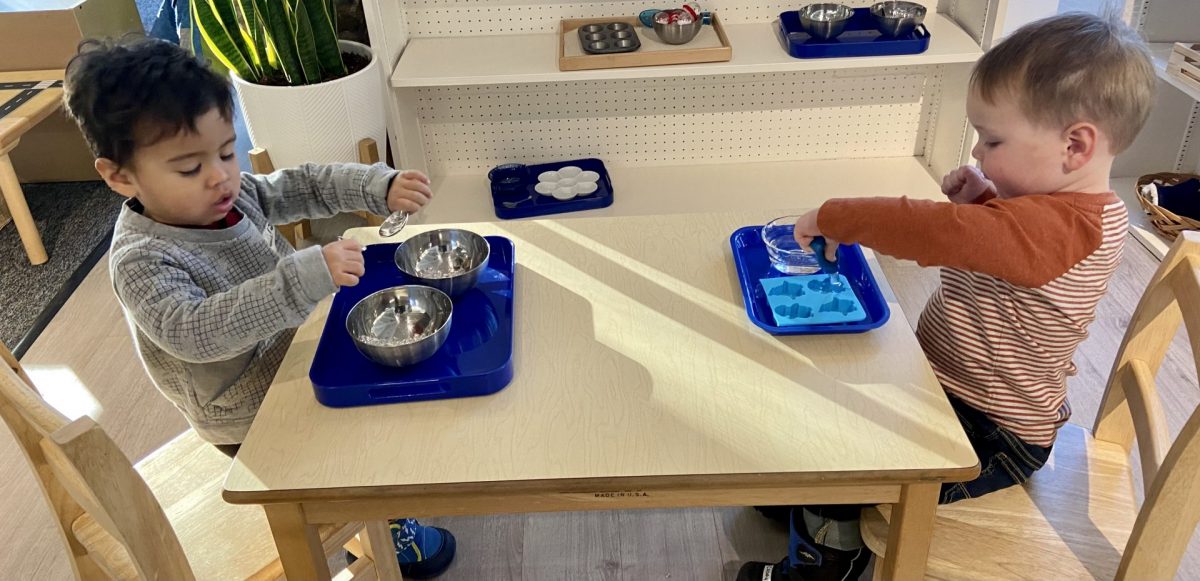
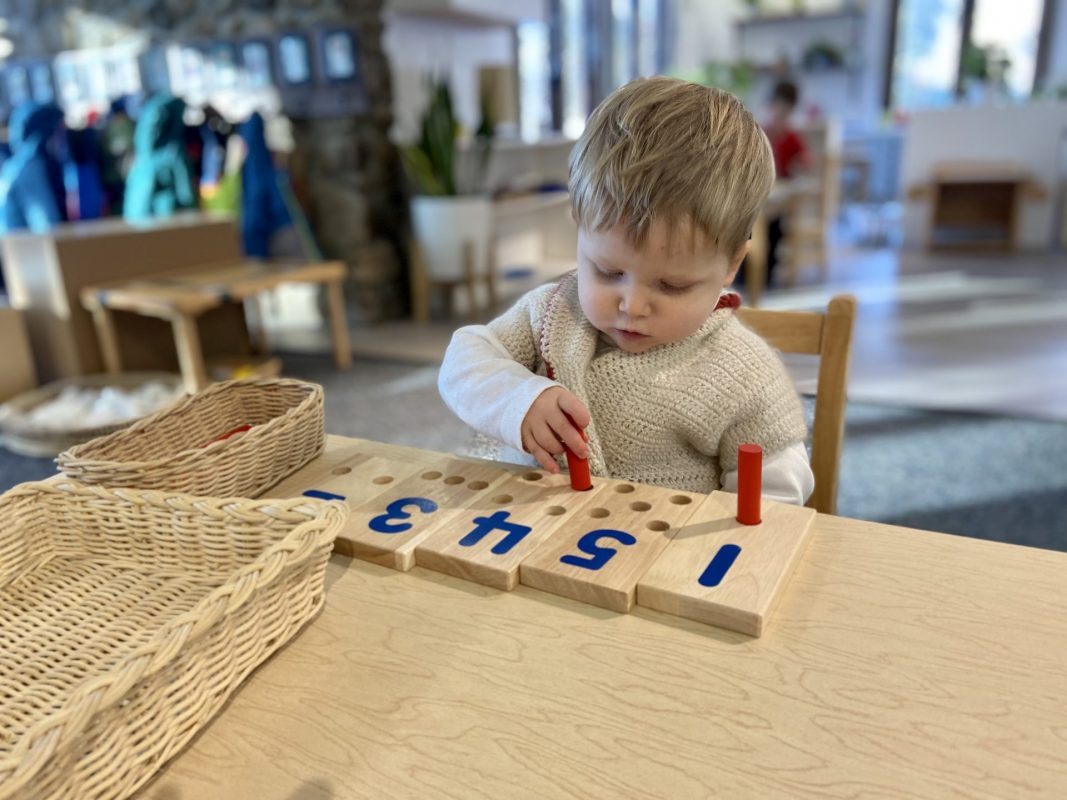
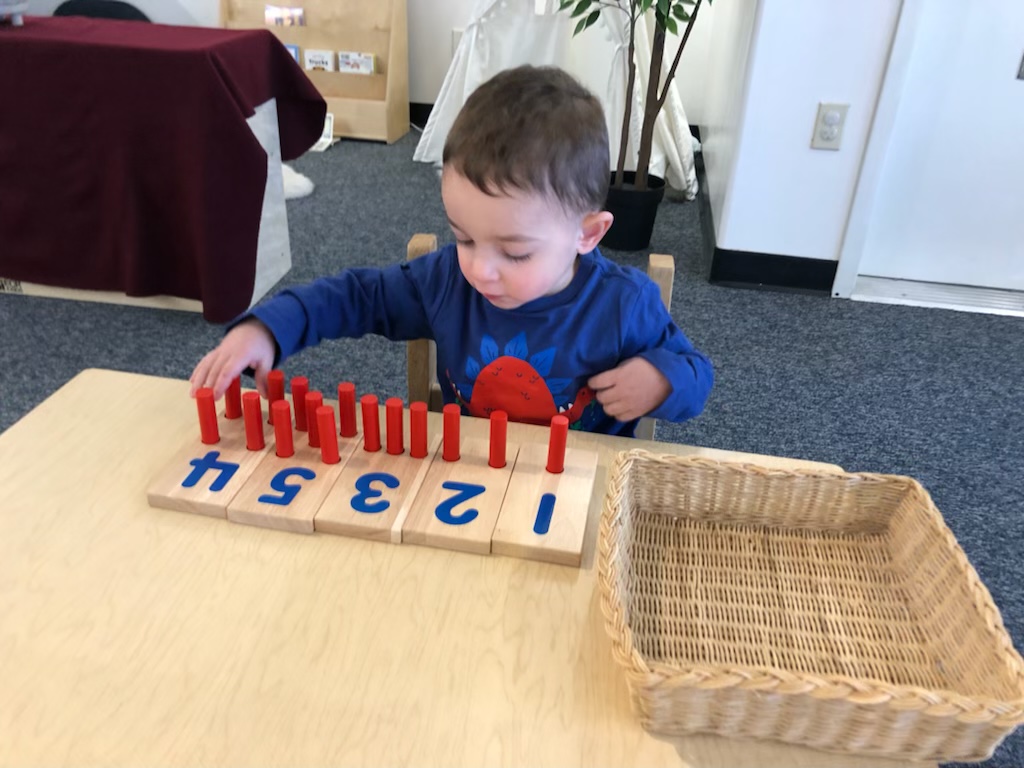
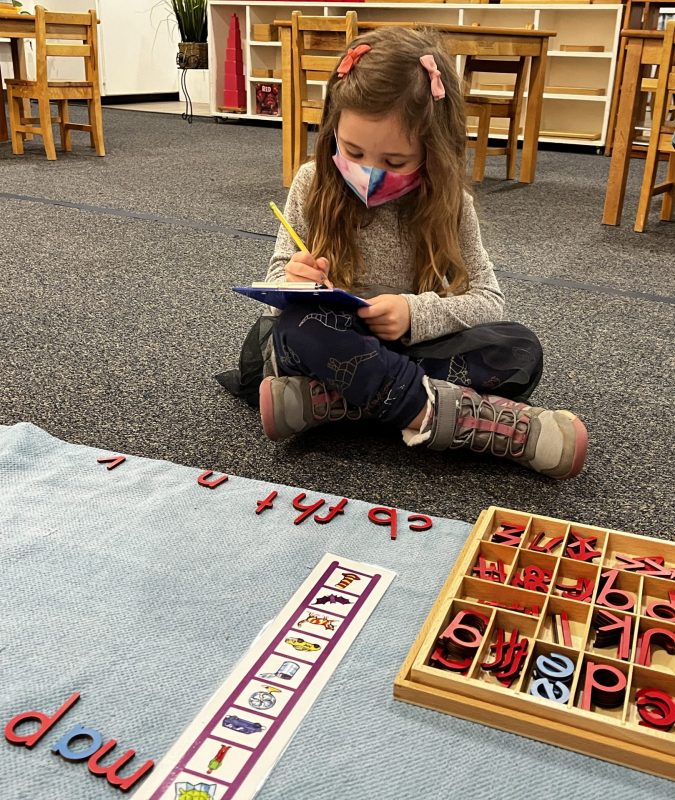
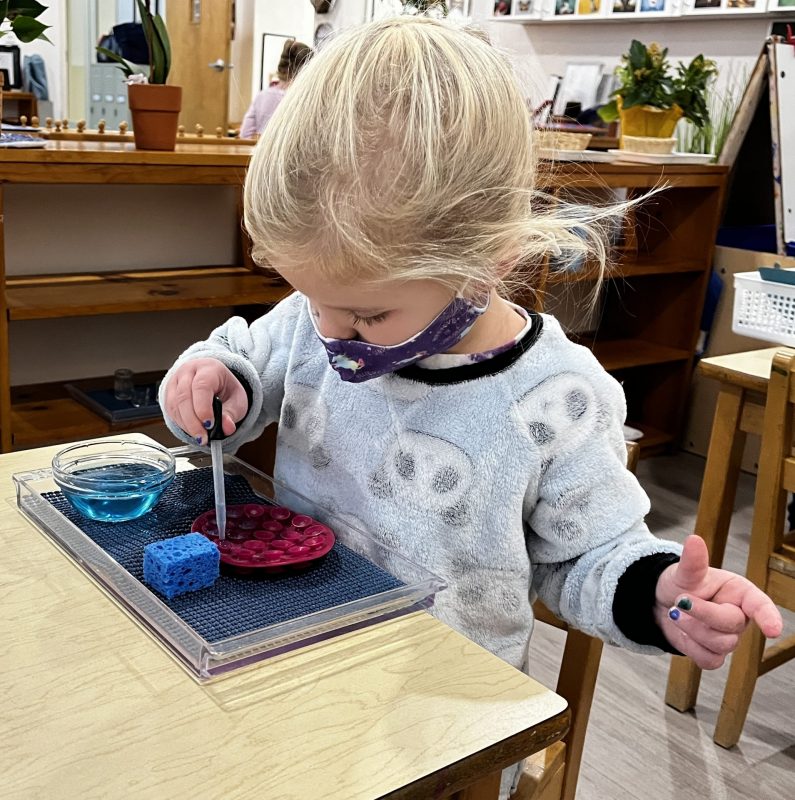
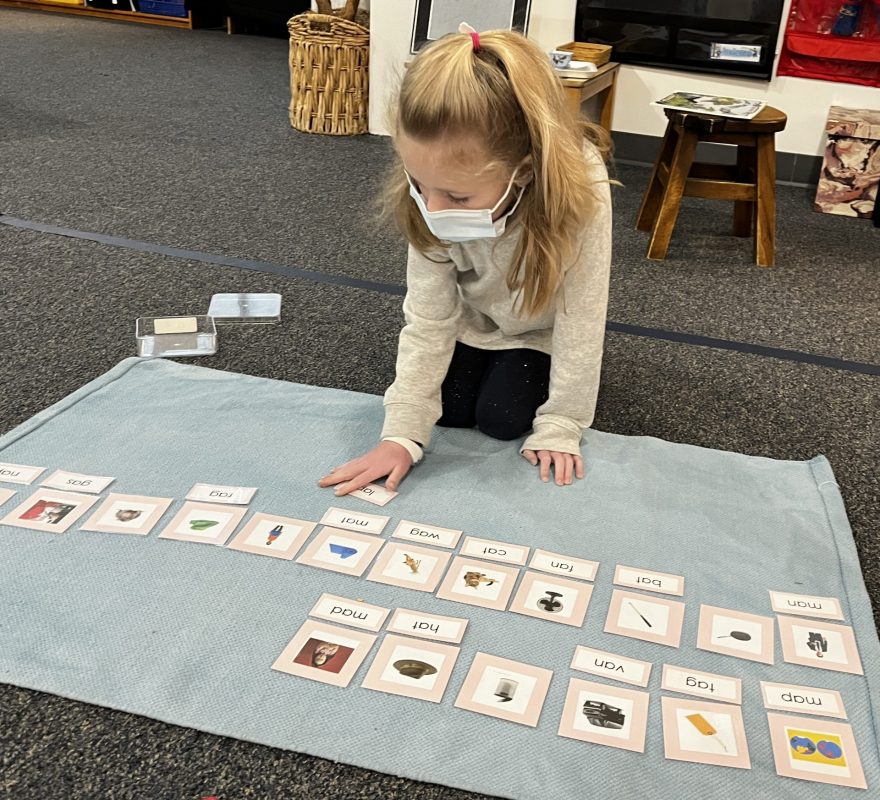
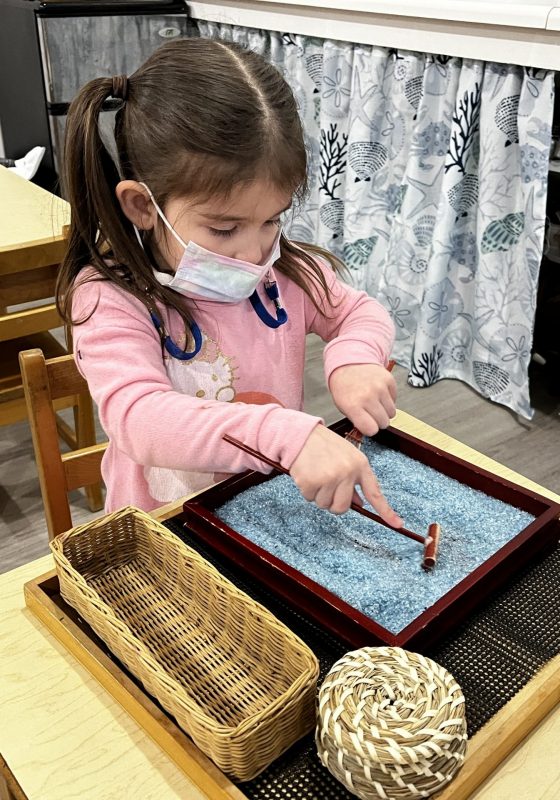
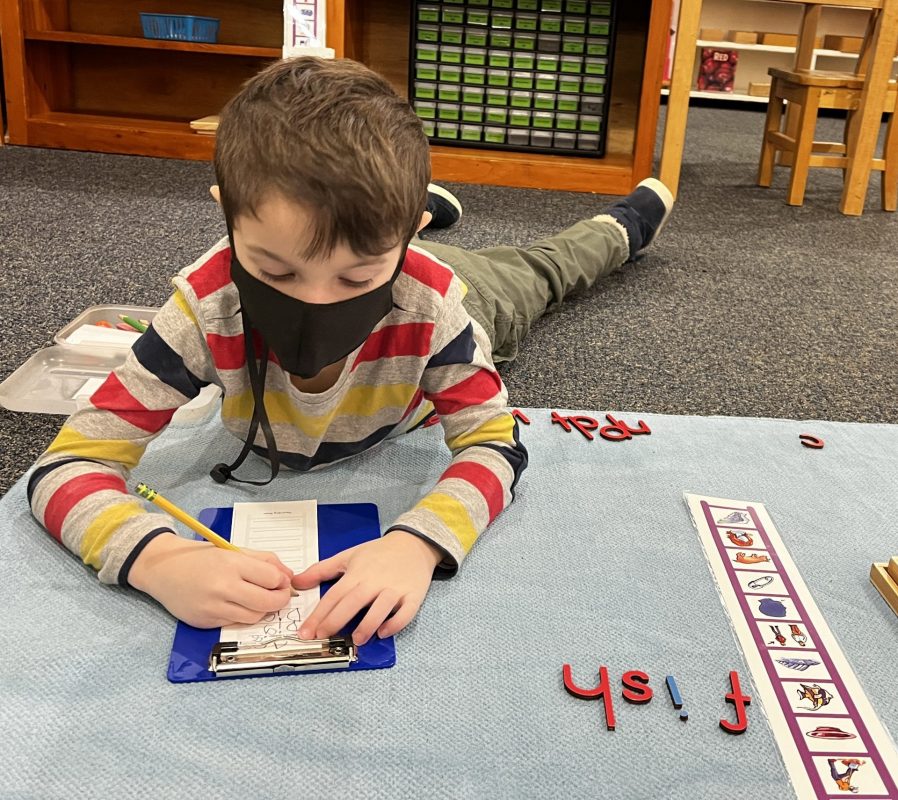
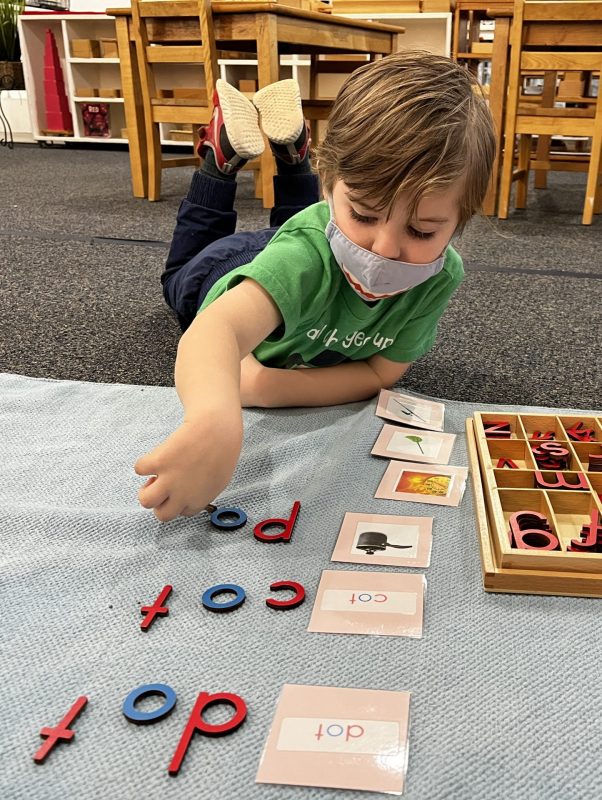
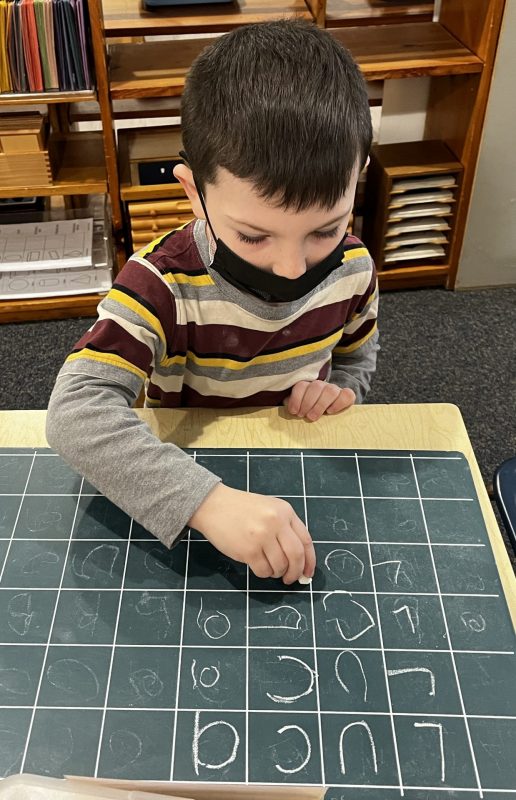
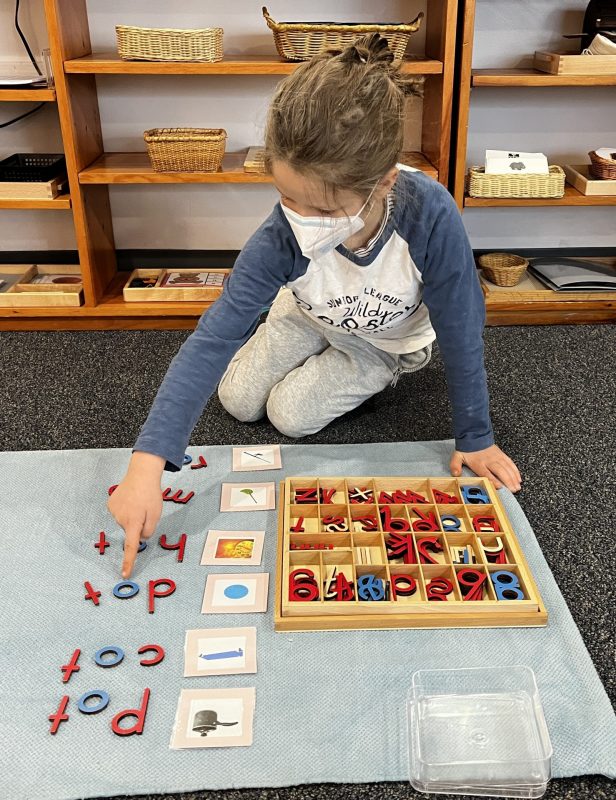
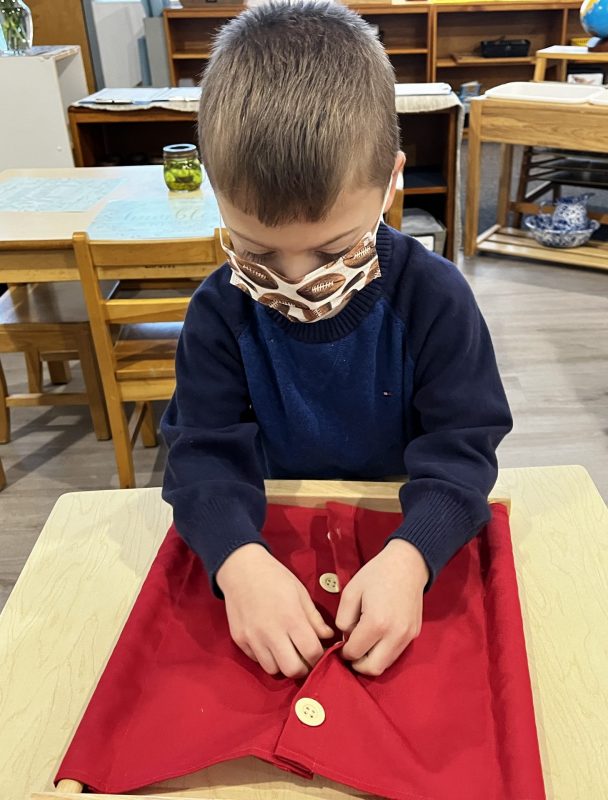
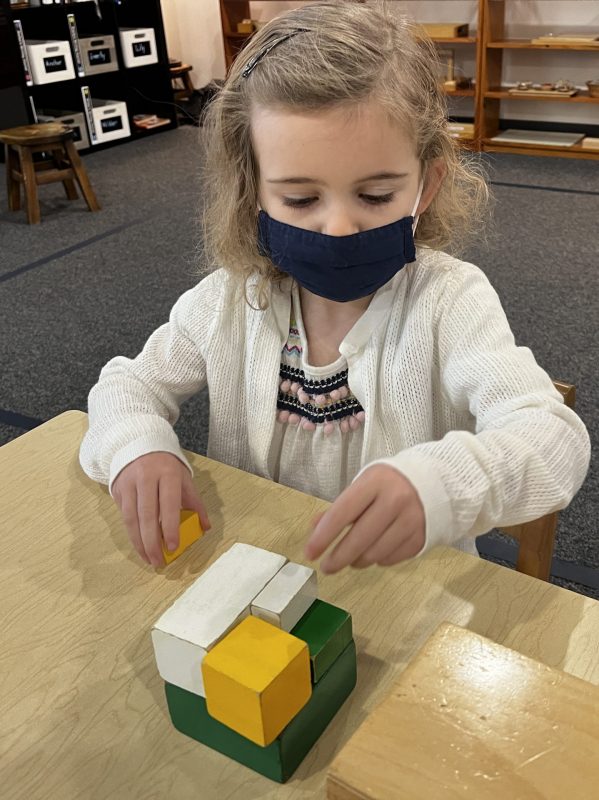
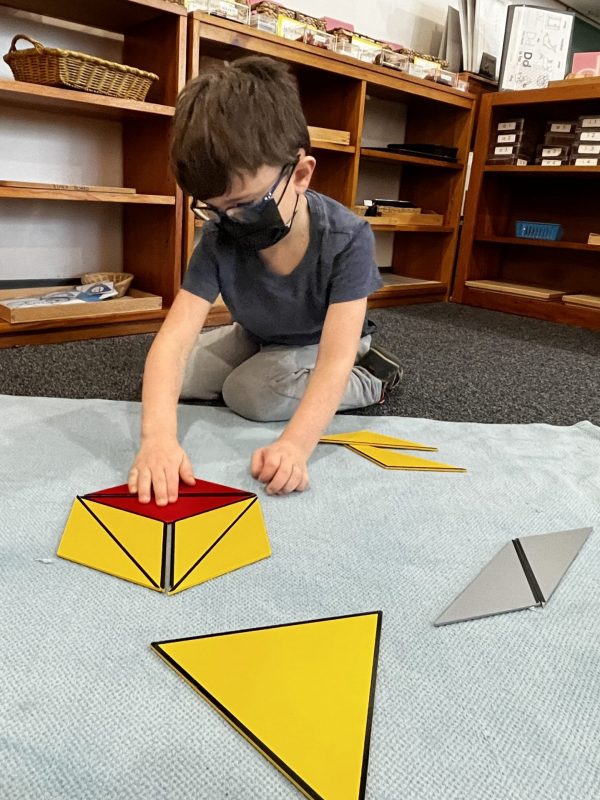
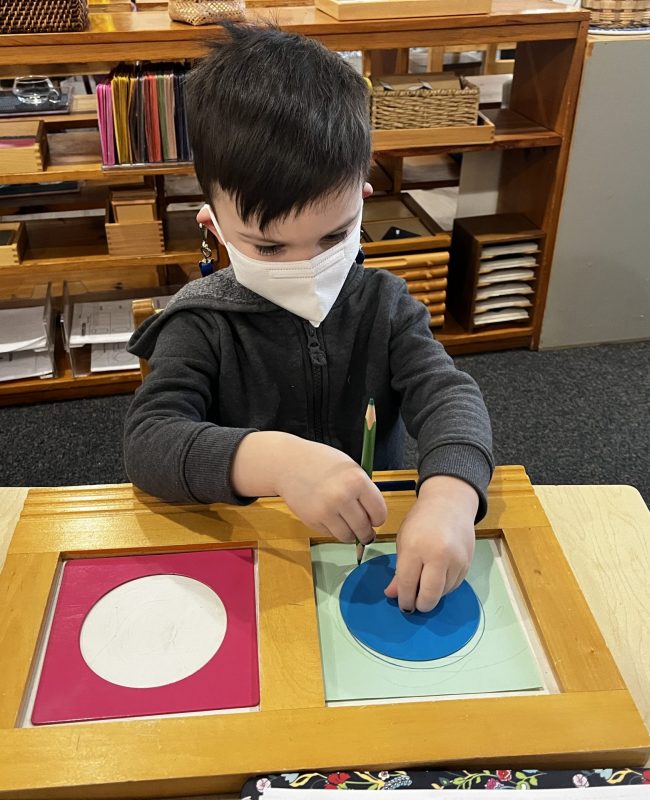
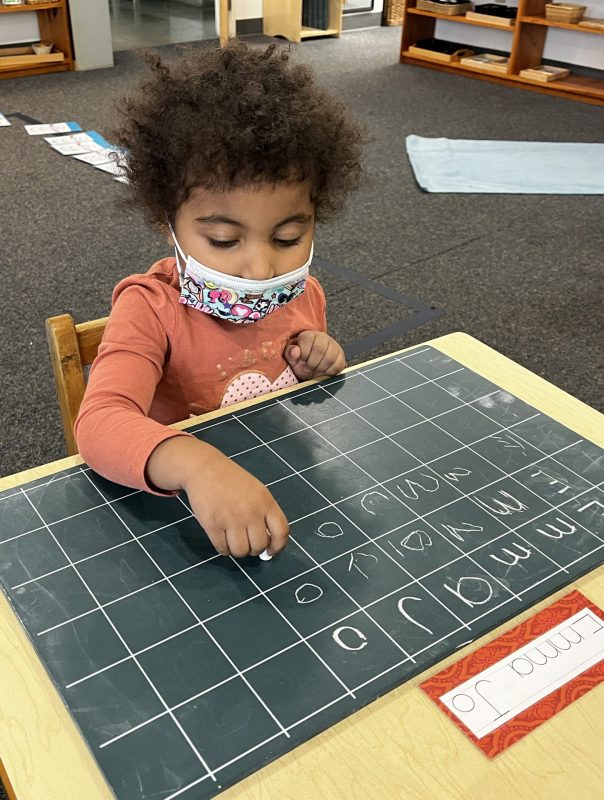
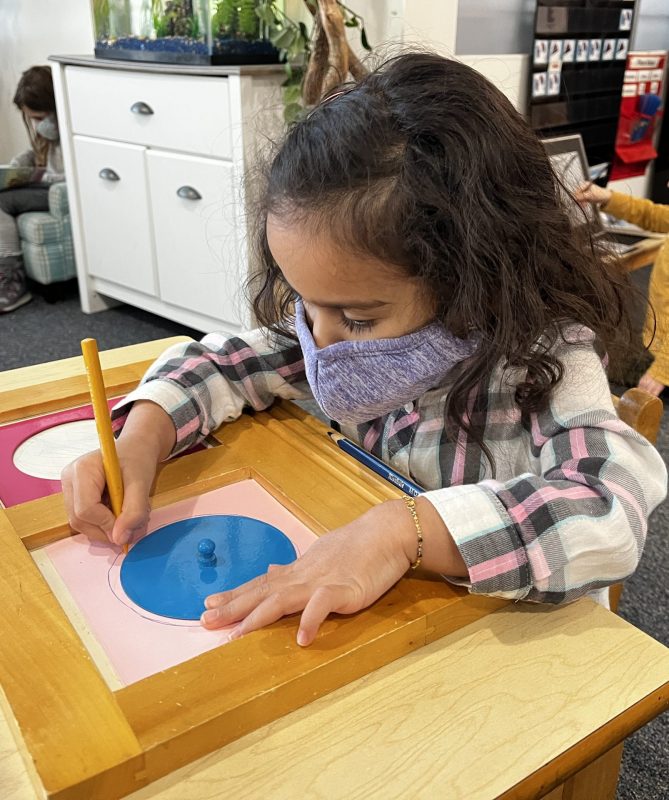
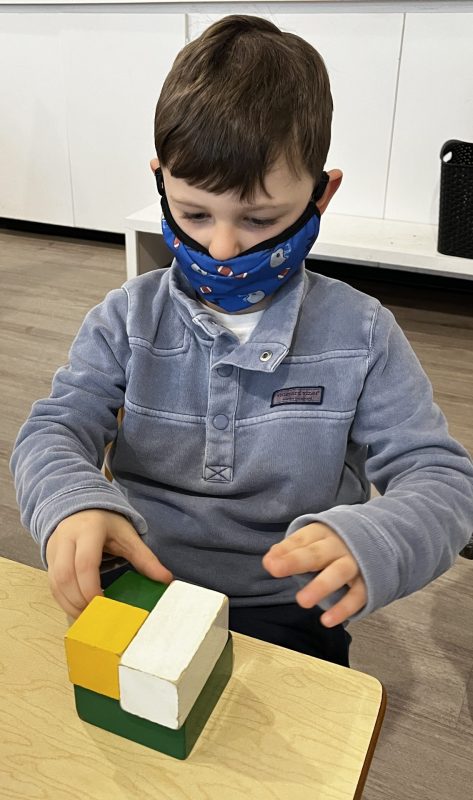
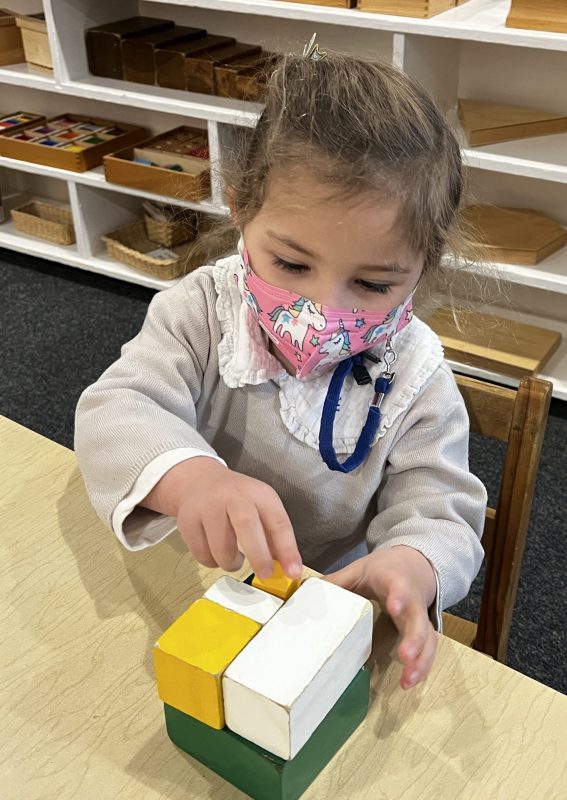
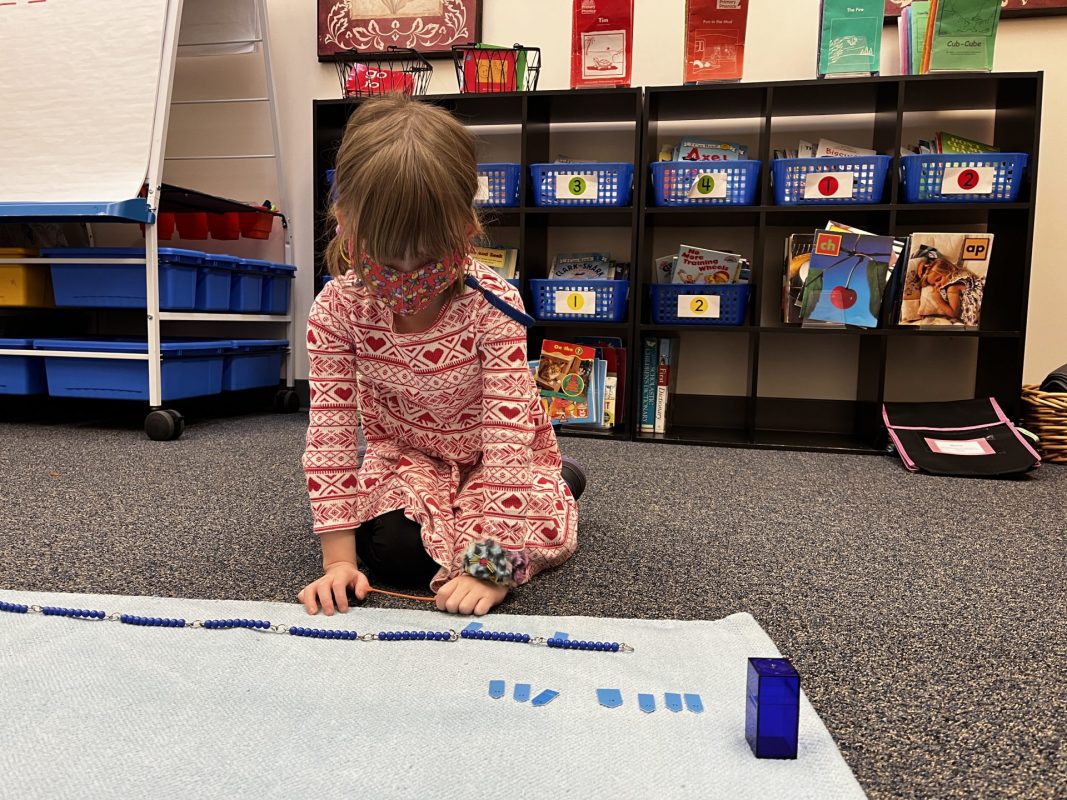
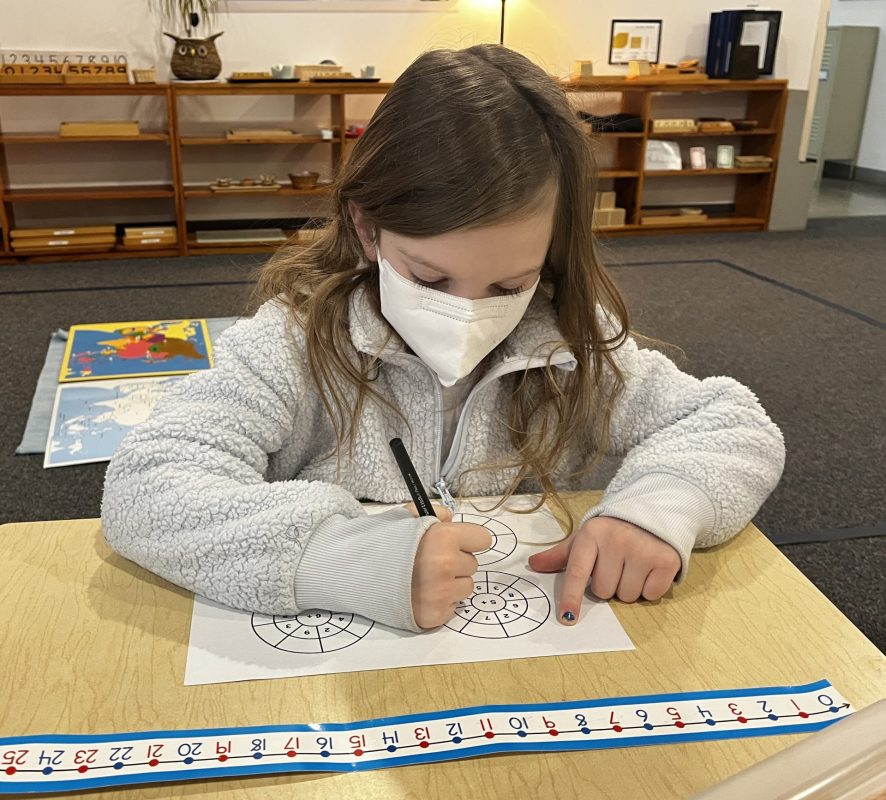
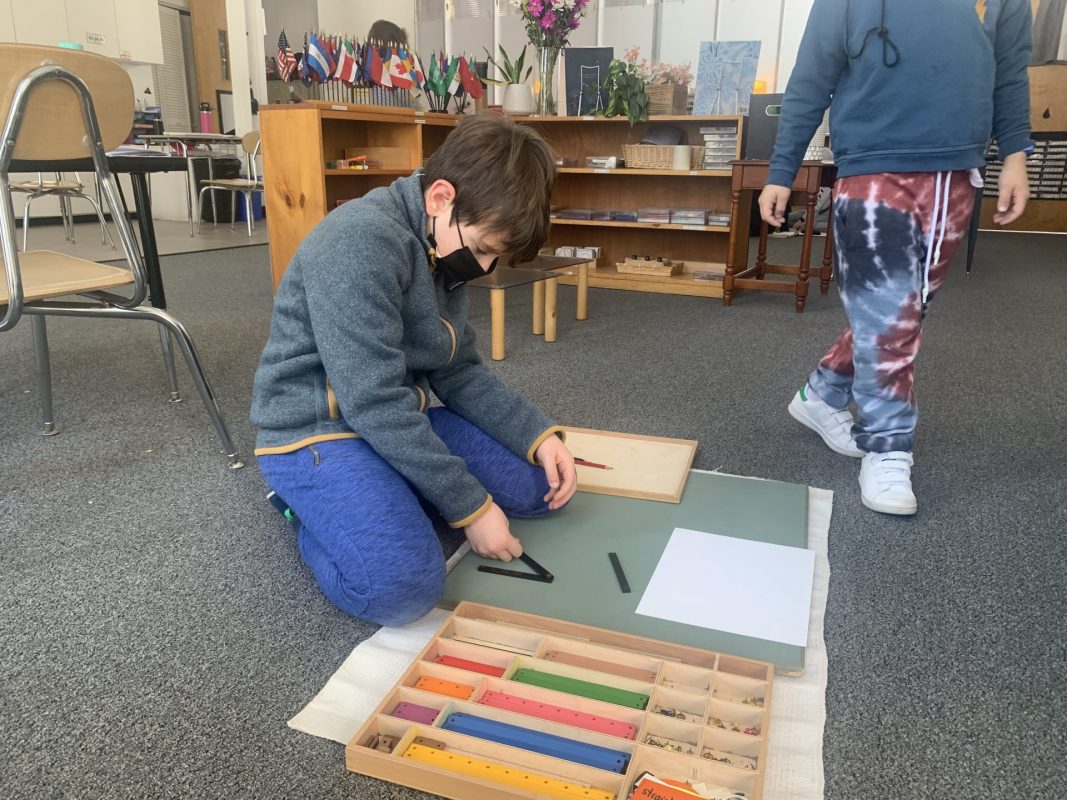
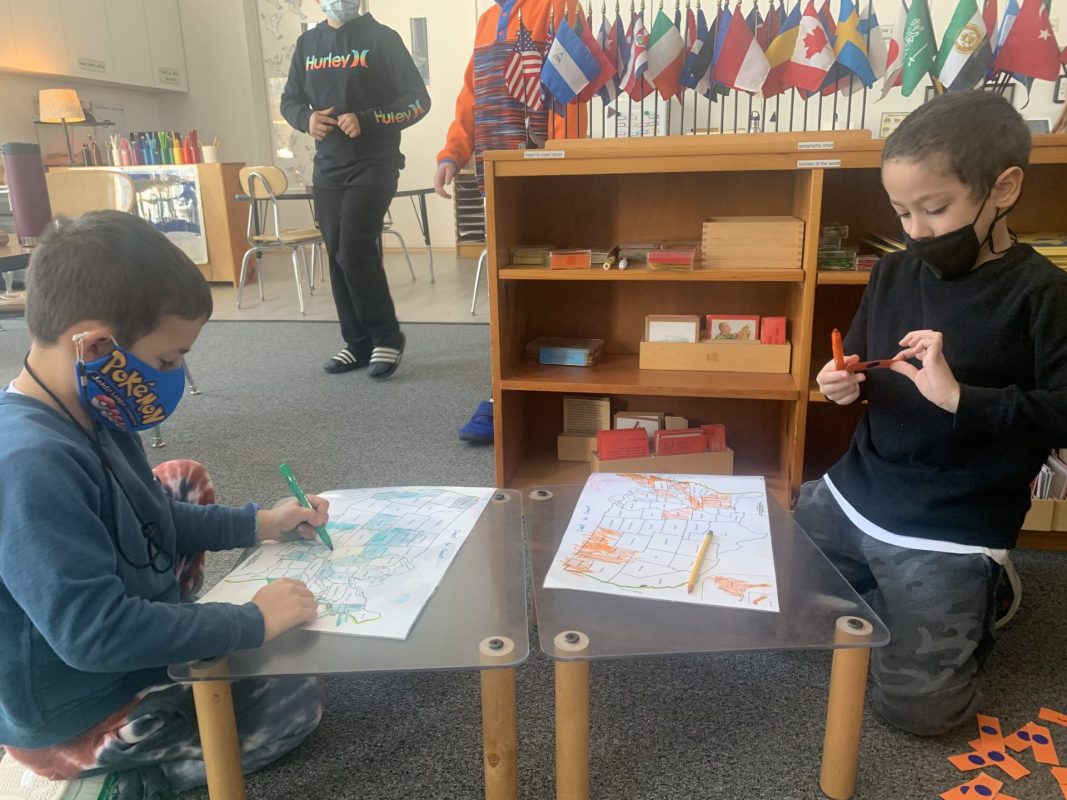
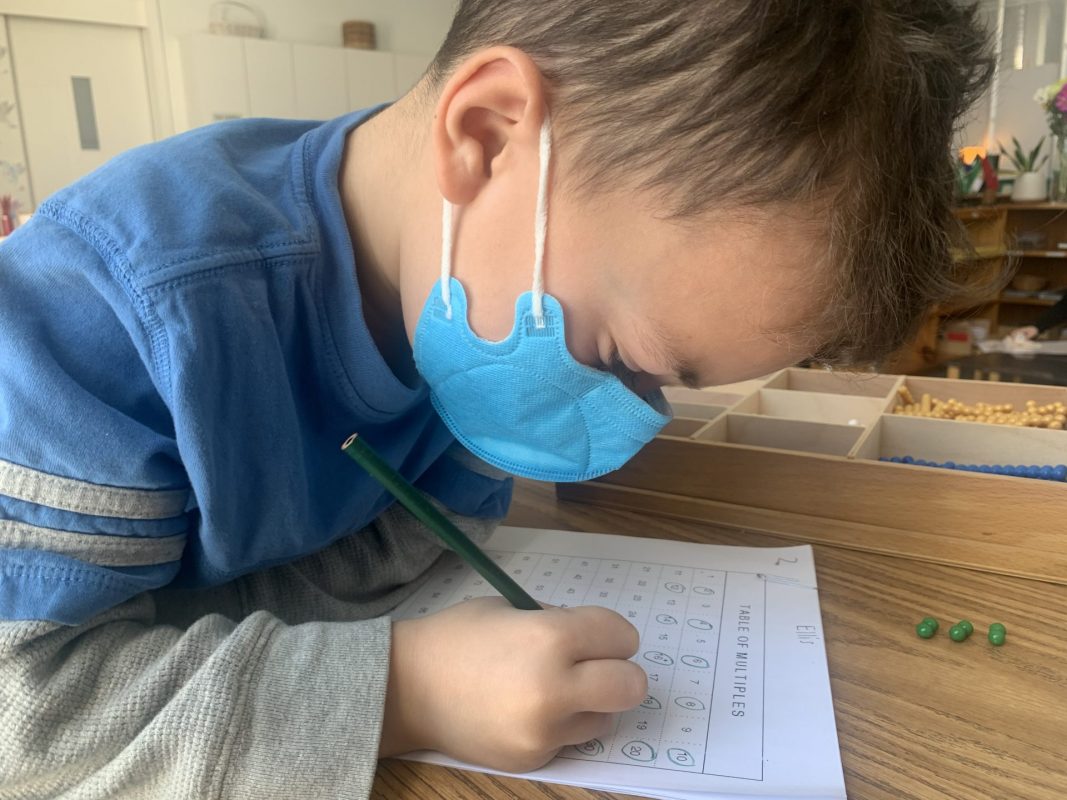
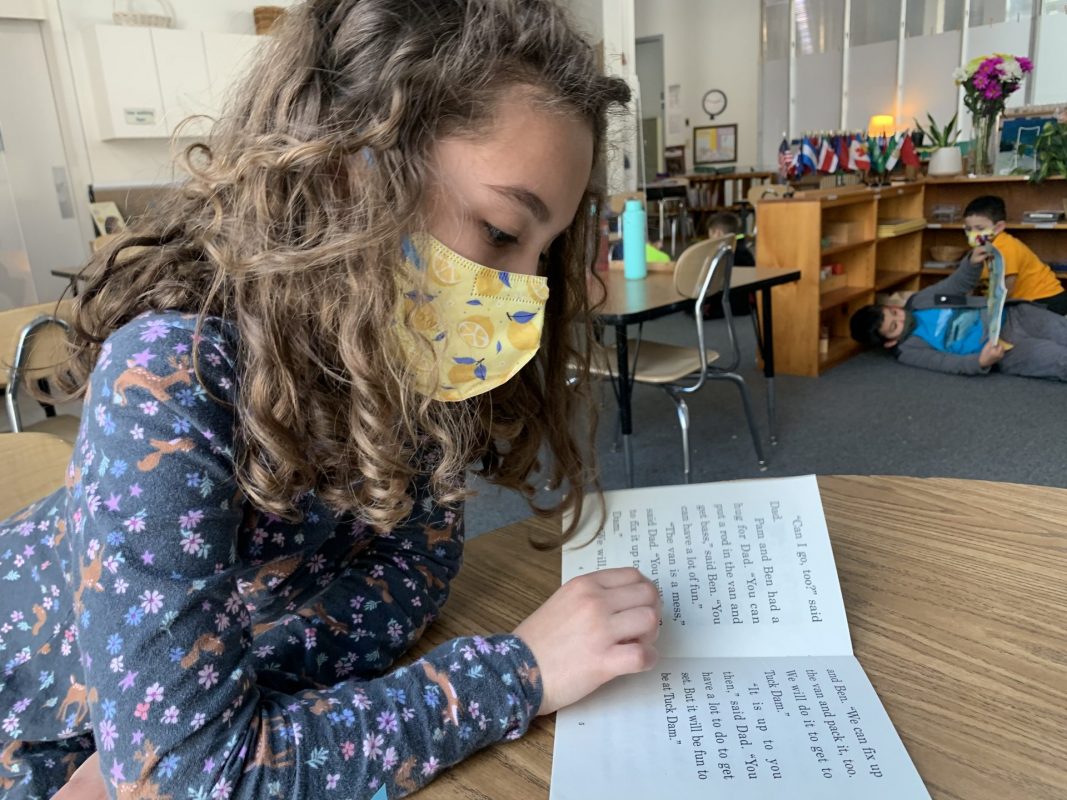
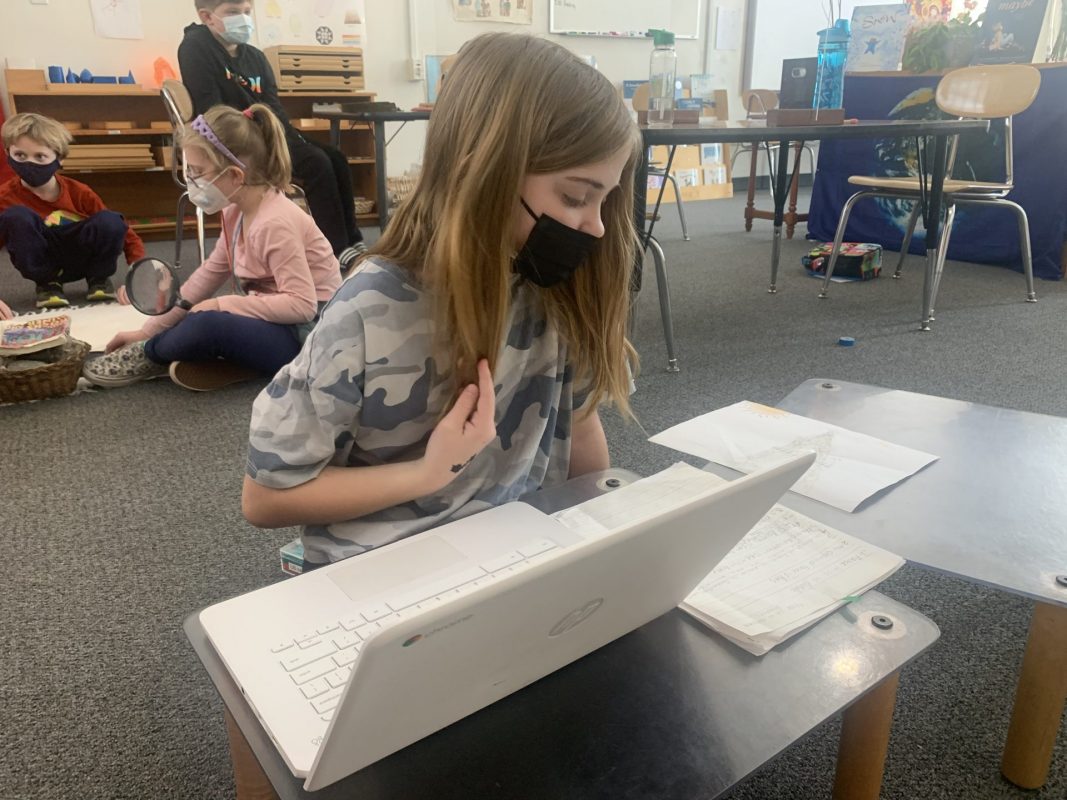
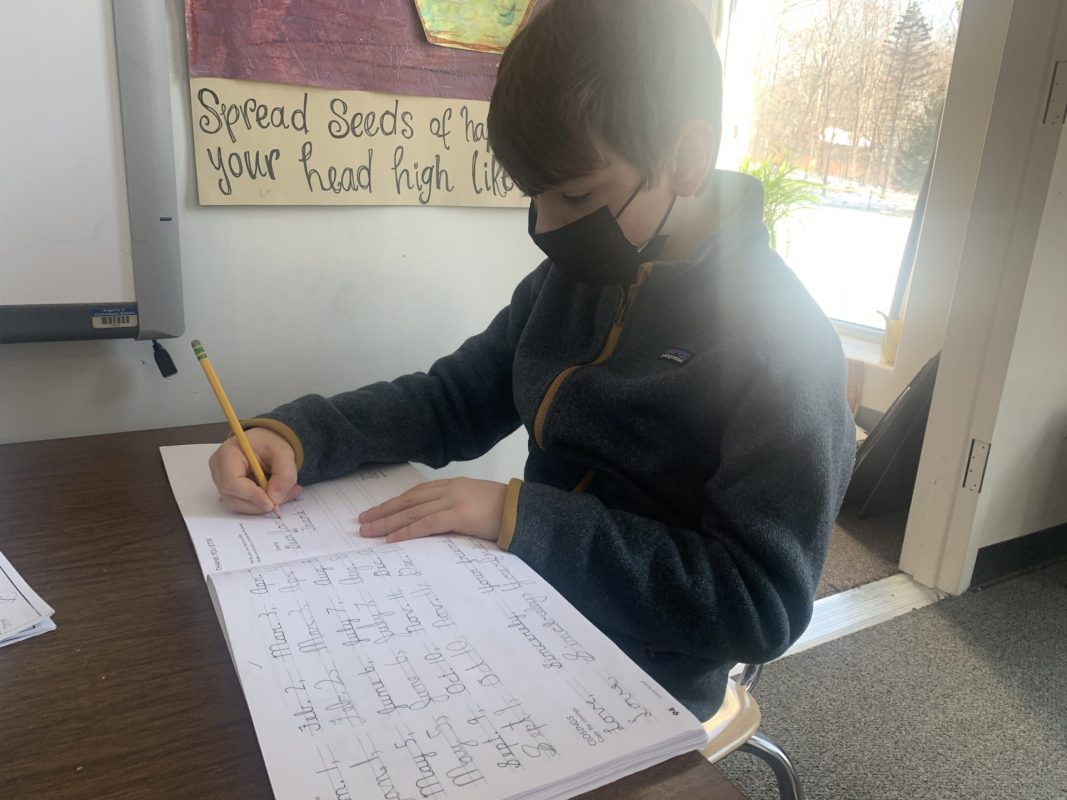
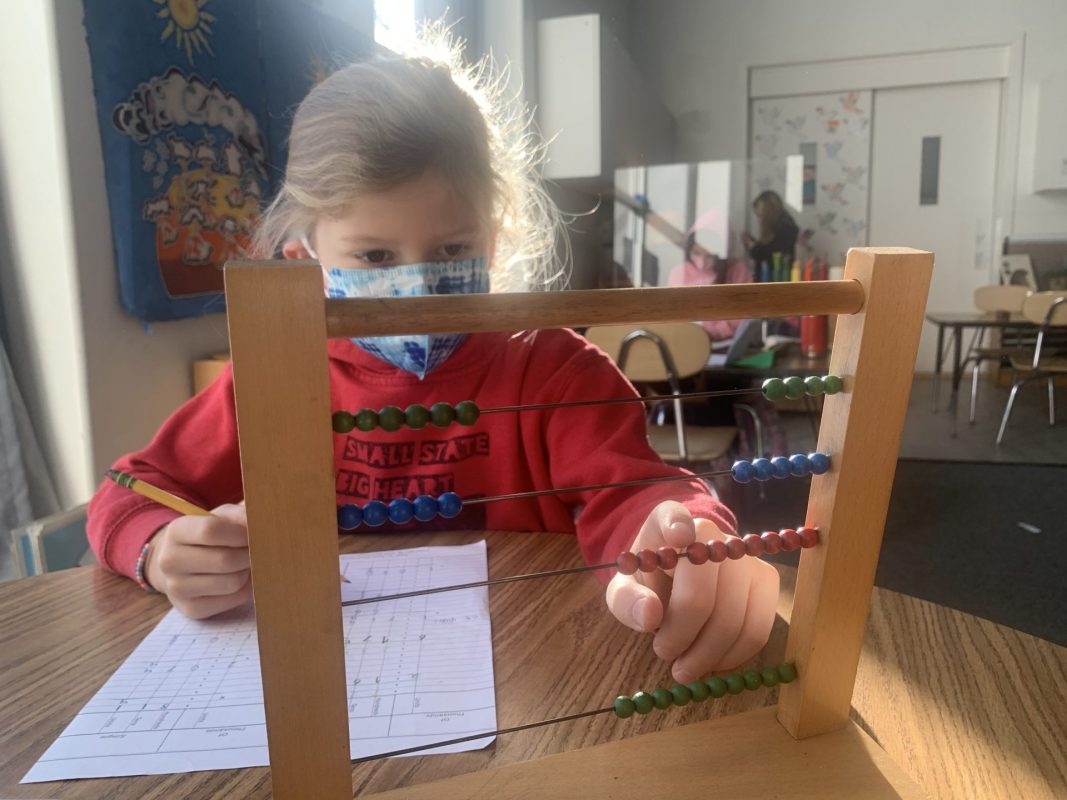
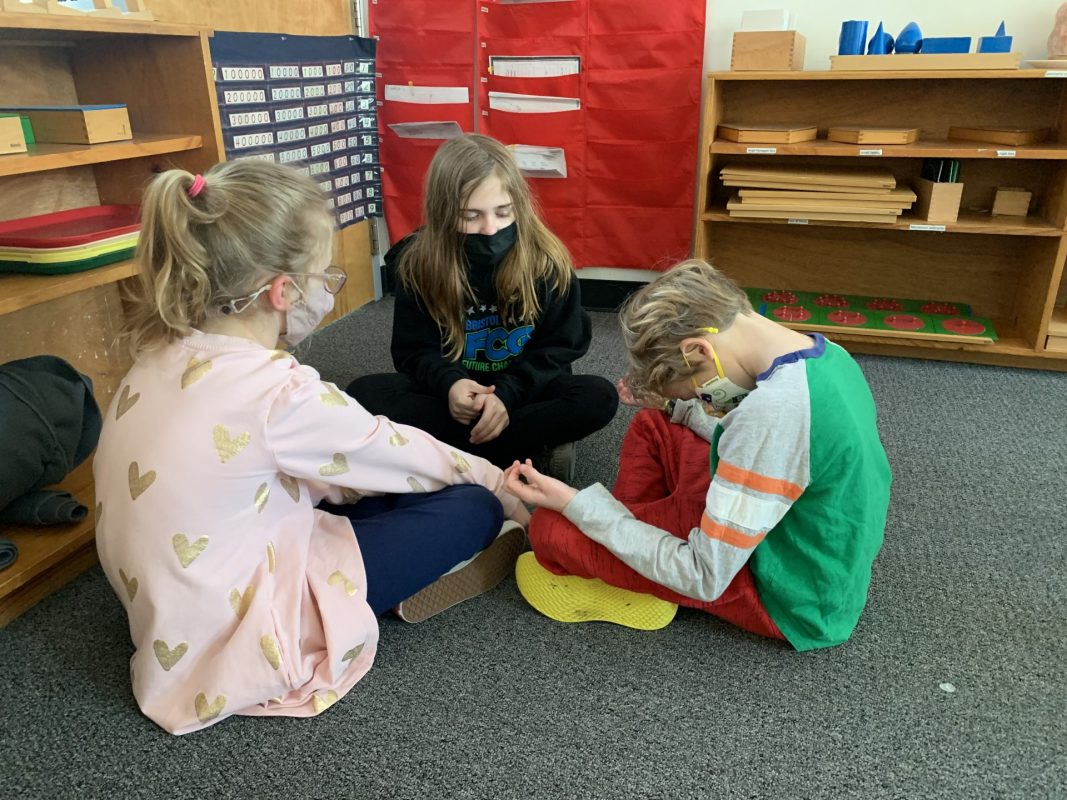
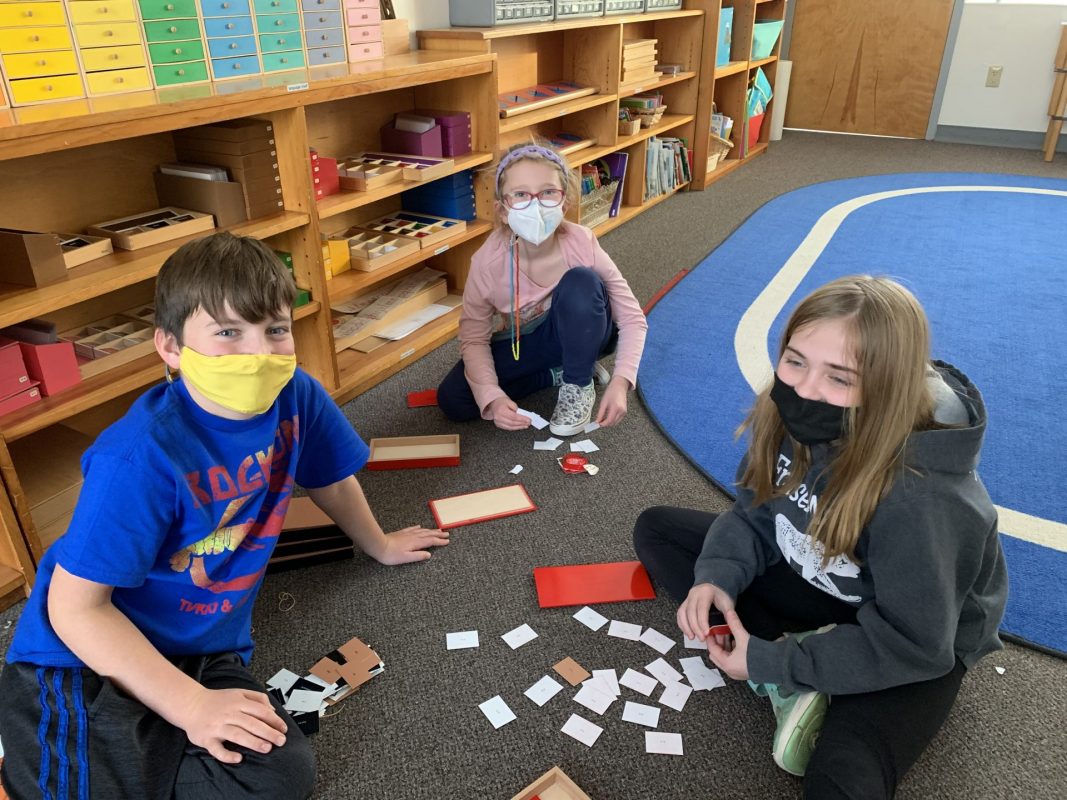
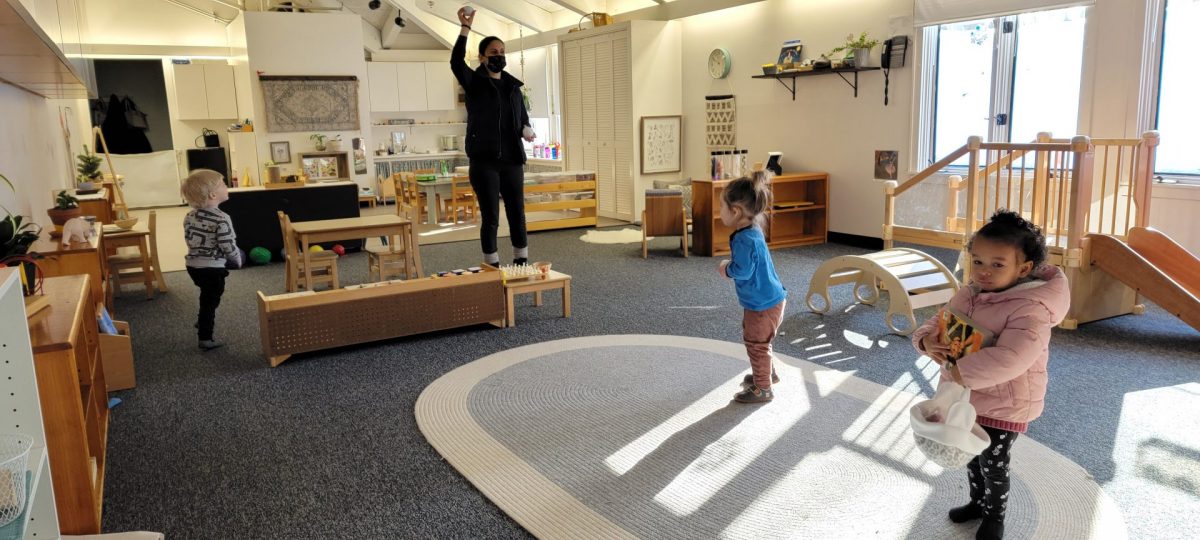
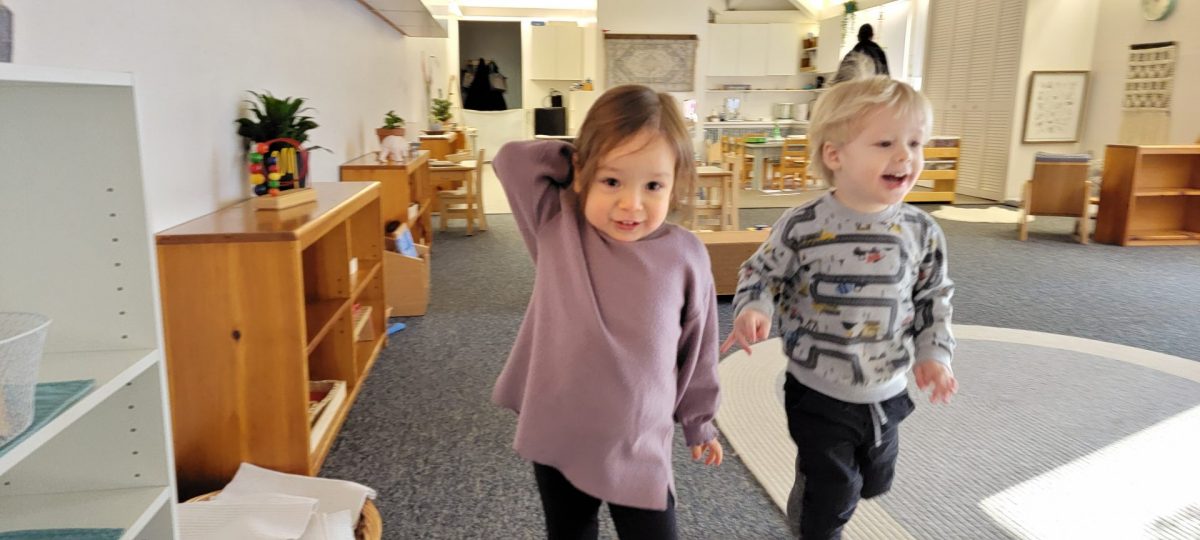
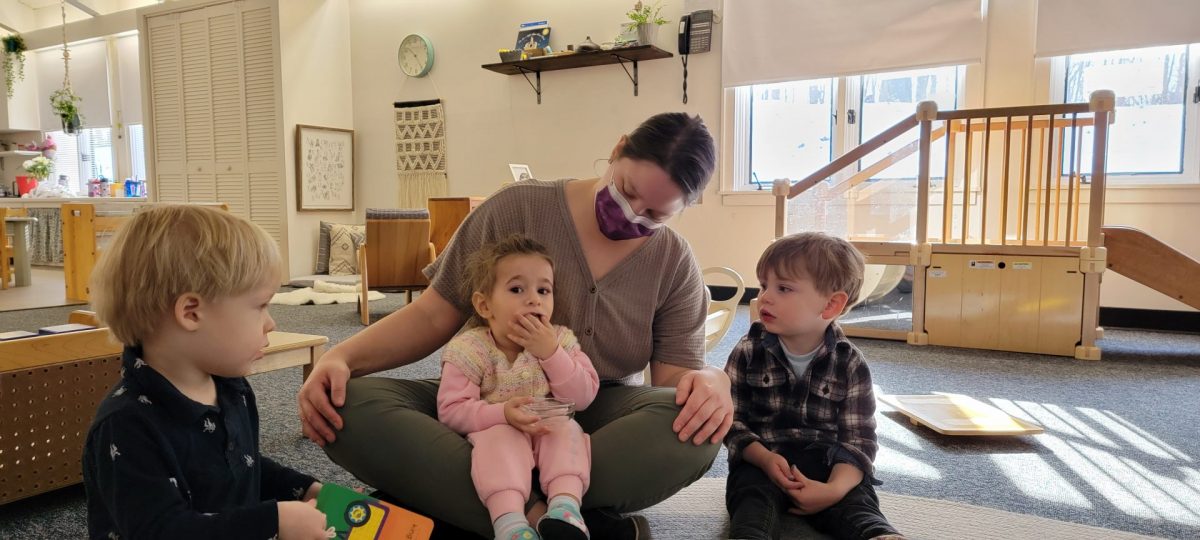
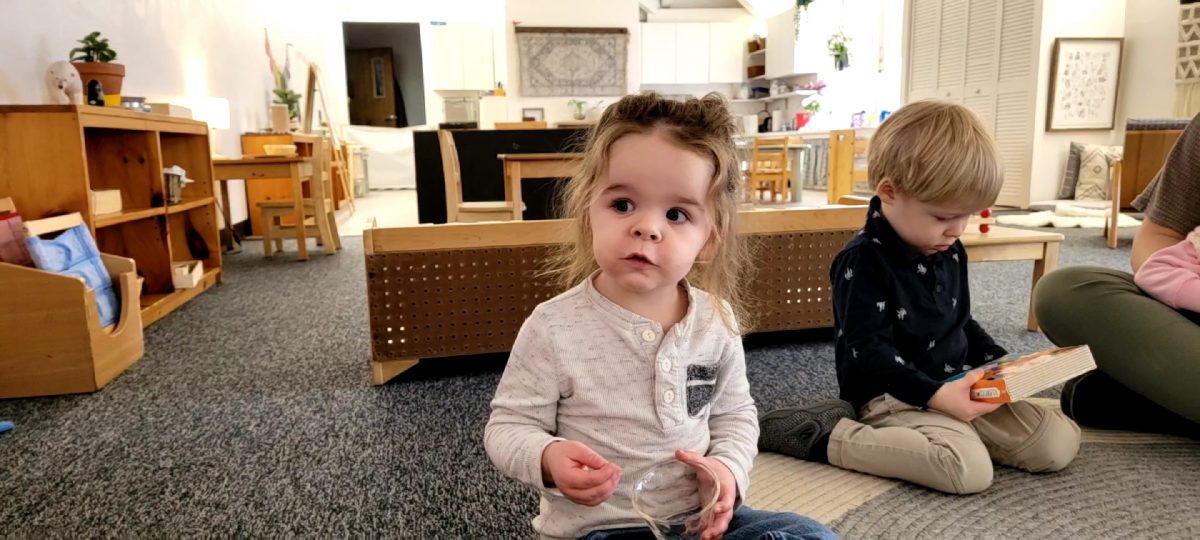
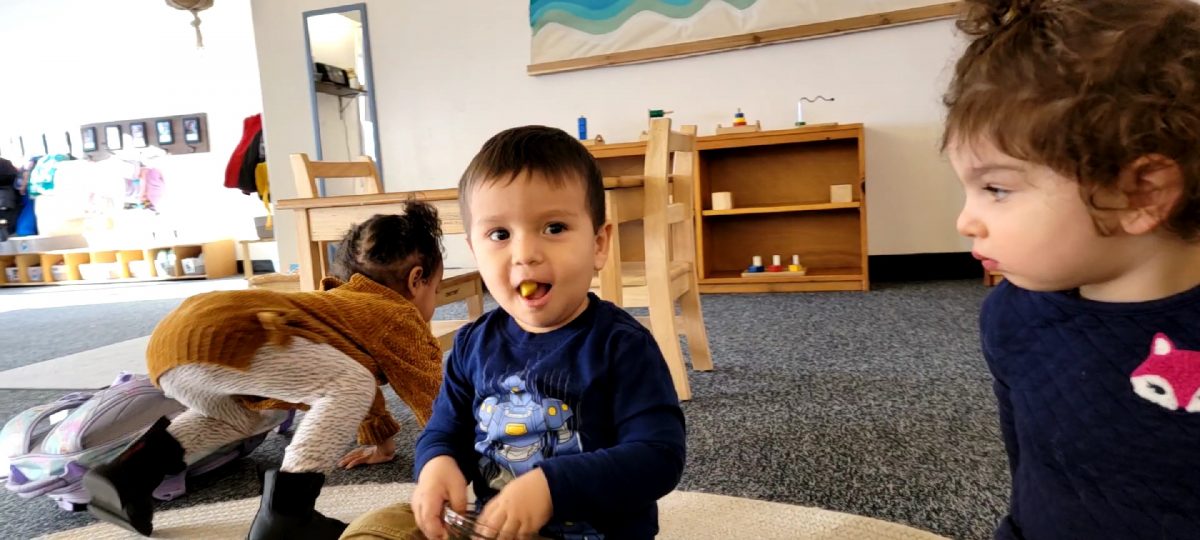
When hearing the term “normalization” for the first time, most people cringe, “What do you mean my child isn’t normal?”  The word normalization is actually a term borrowed from anthropology and means “becoming a contributing member of society.” As a Montessori teacher, we are constantly working toward this goal of a normalized classroom.  So what is a normalized classroom? When children in a Montessori environment demonstrate deep concentration, self-discipline, social skills, and a true love of work, we describe this as a normalized classroom. Normalization is achieved by consistent and clear ground rules that everyone is familiar with. It is our job to make sure the environment is always well prepared and designed to meet the needs of the children. As Montessori teachers, we are confident that if we do our part, coupled with the opportunities provided by the environment and Montessori materials, our children will thrive.

After the winter break and upon our return in January we often see noticeable growth in the children’s social and emotional development. They come back eager to learn and raring to go! The first half of the year they have become comfortable and confident with our classroom routines and expectations. They have developed deeper relationships with their peers and teachers. It is always an exciting time and sets the groundwork for the second half of the school year.

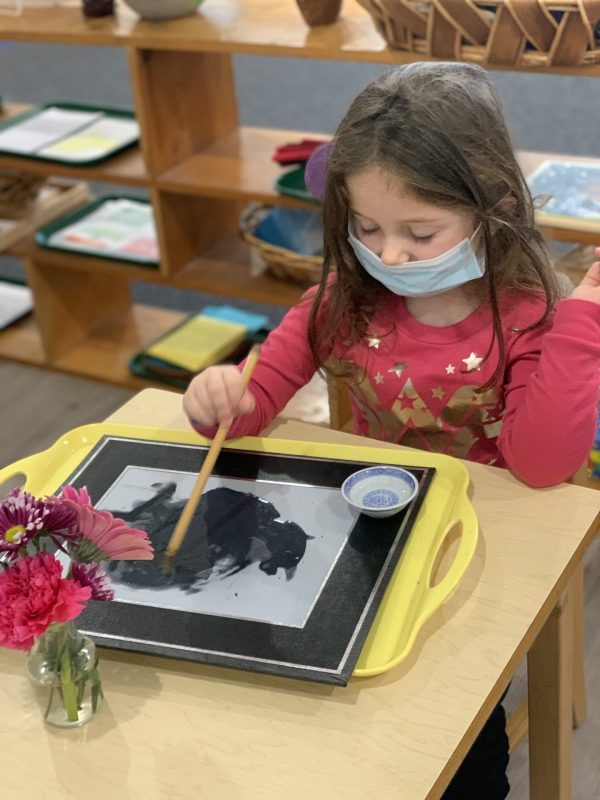
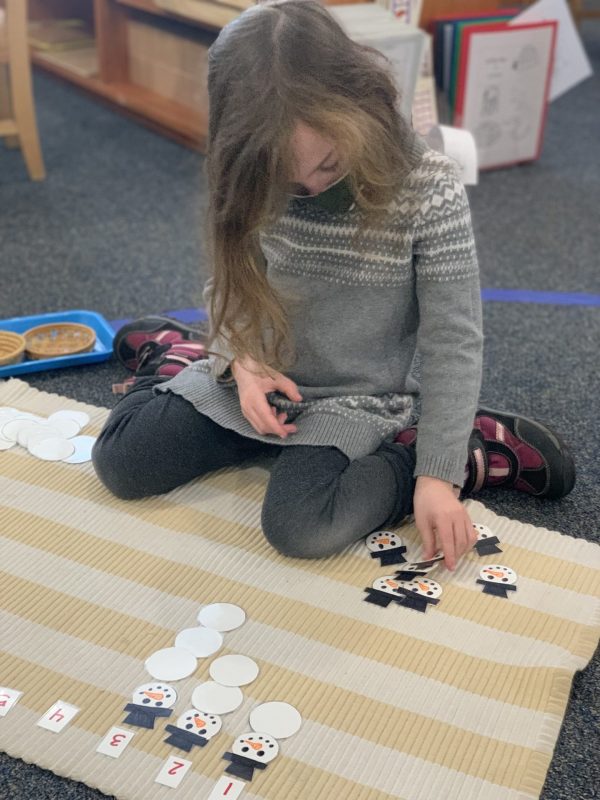
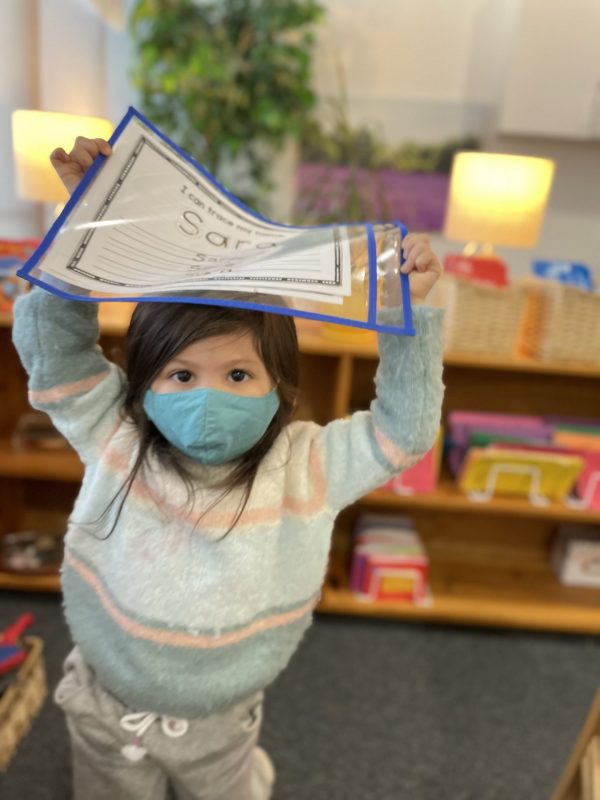
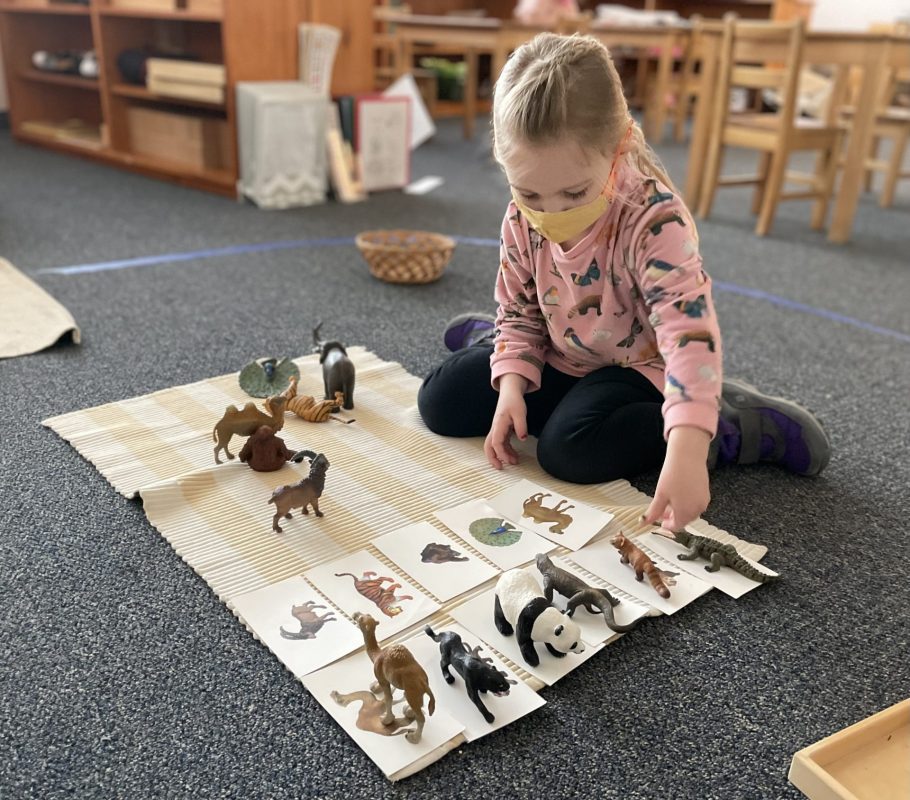
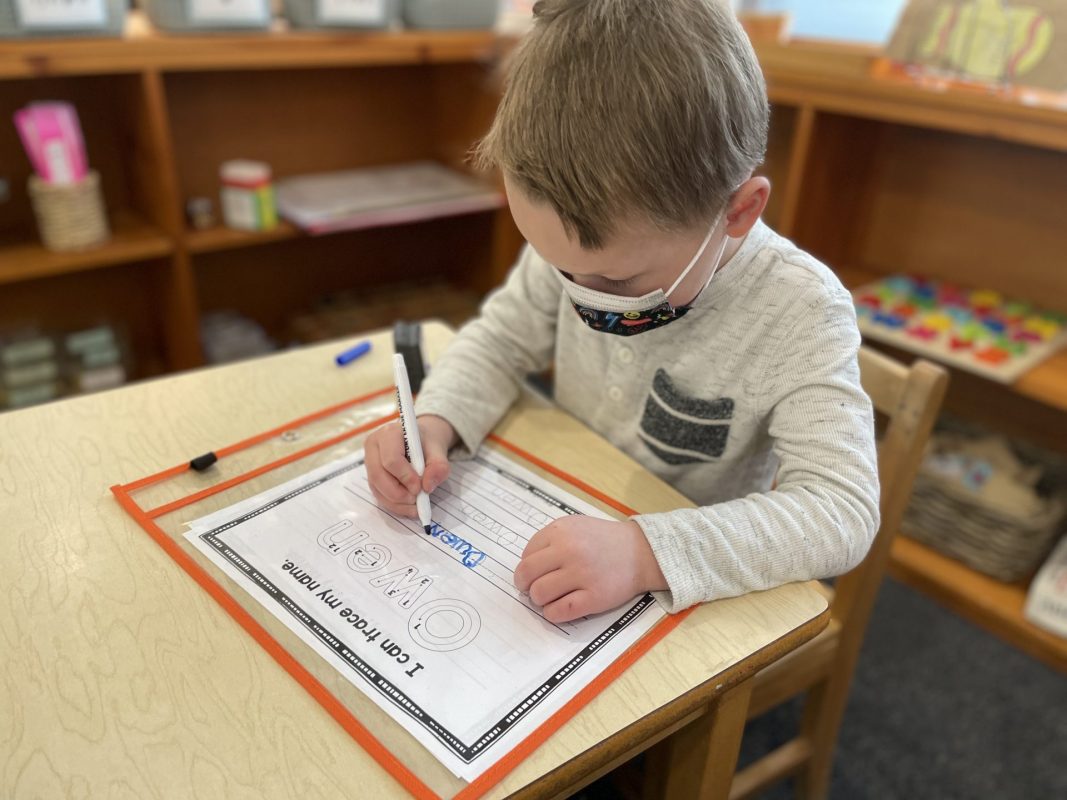
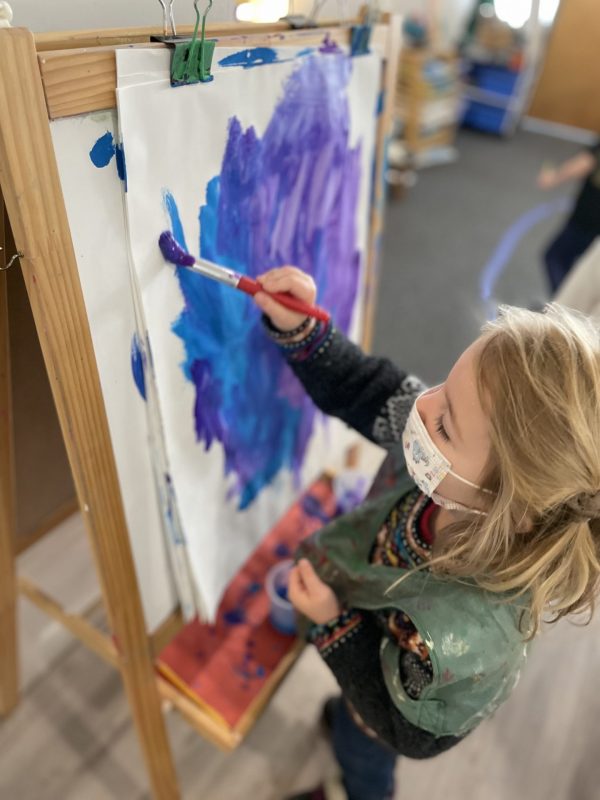
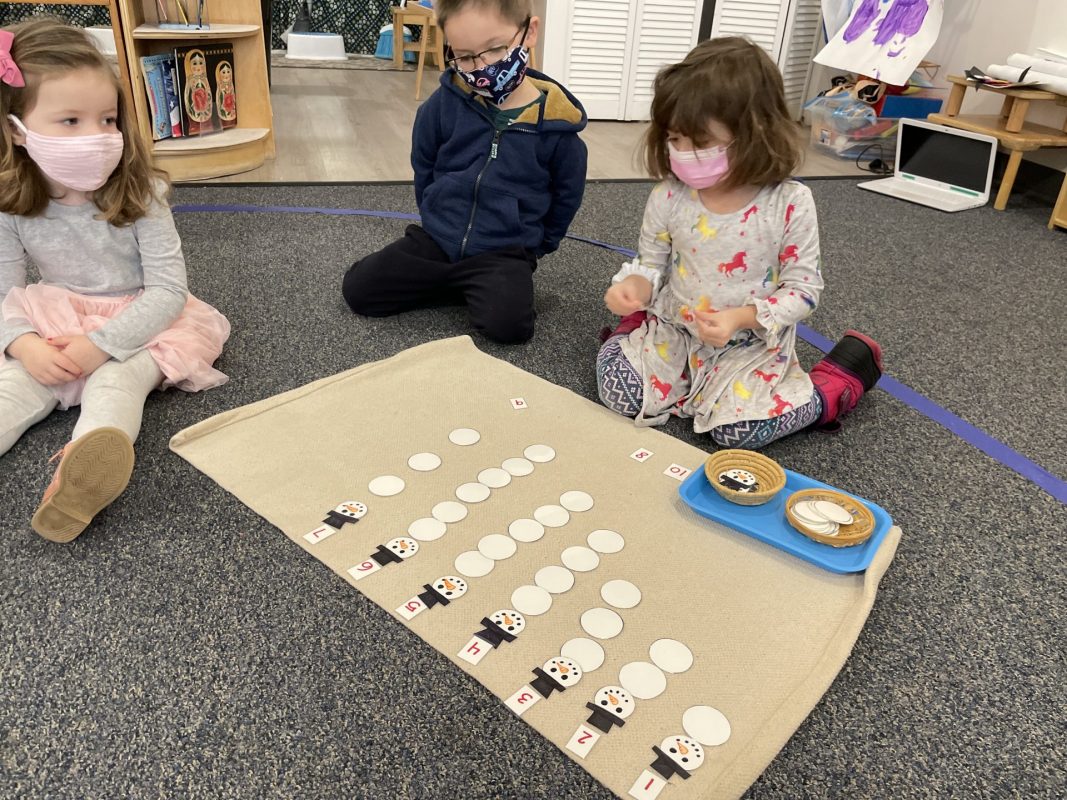
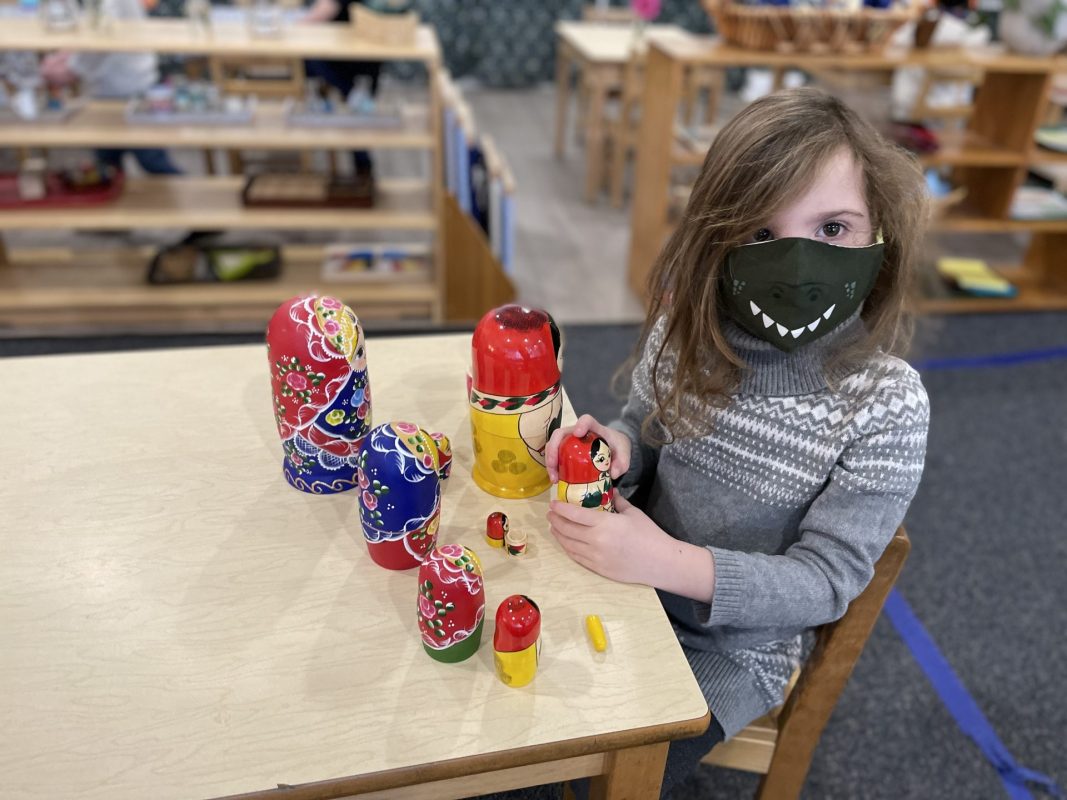
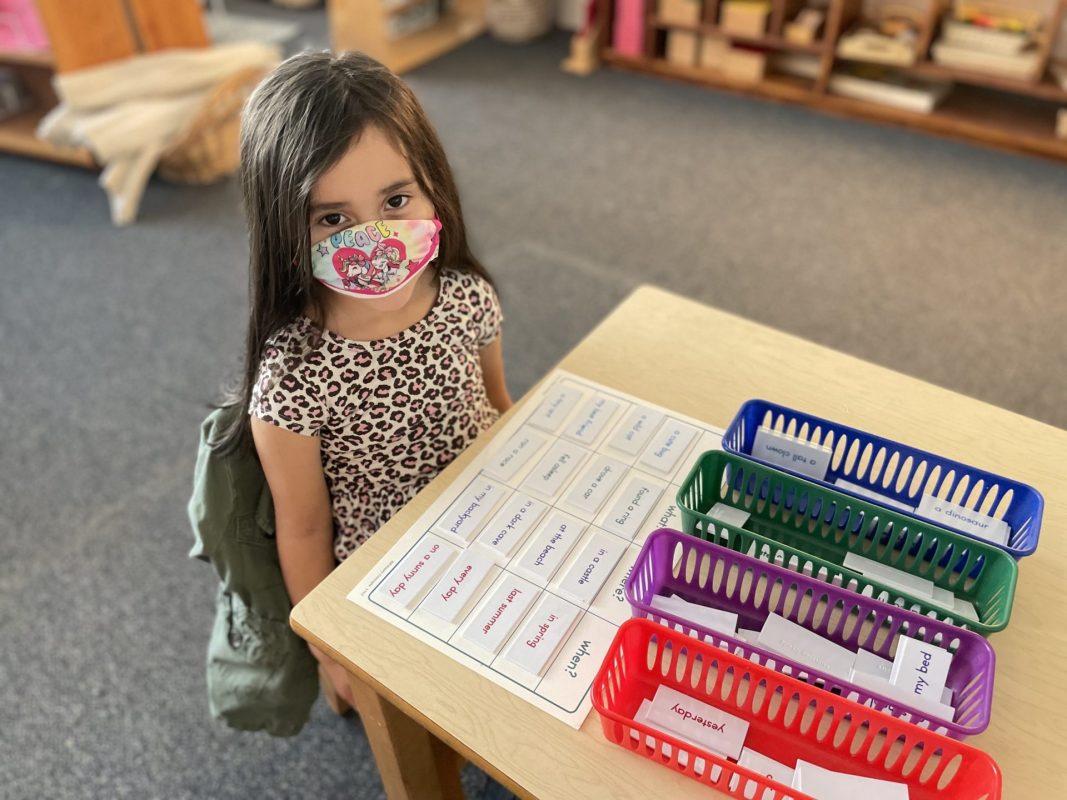
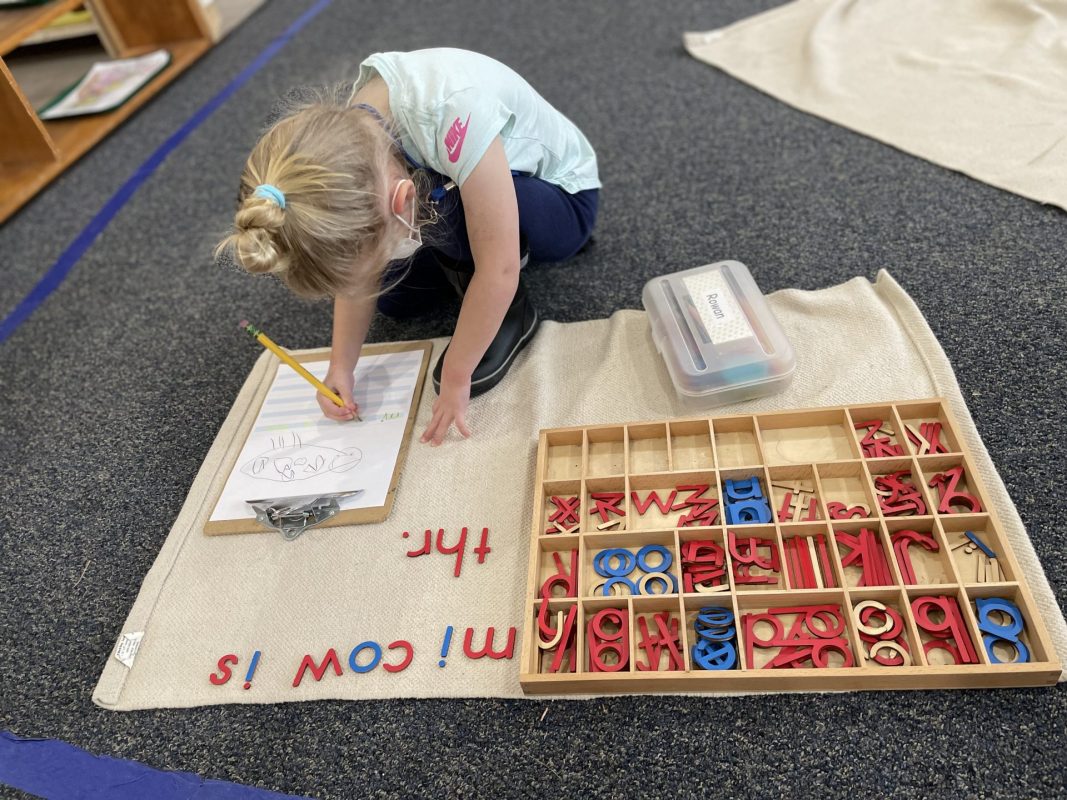
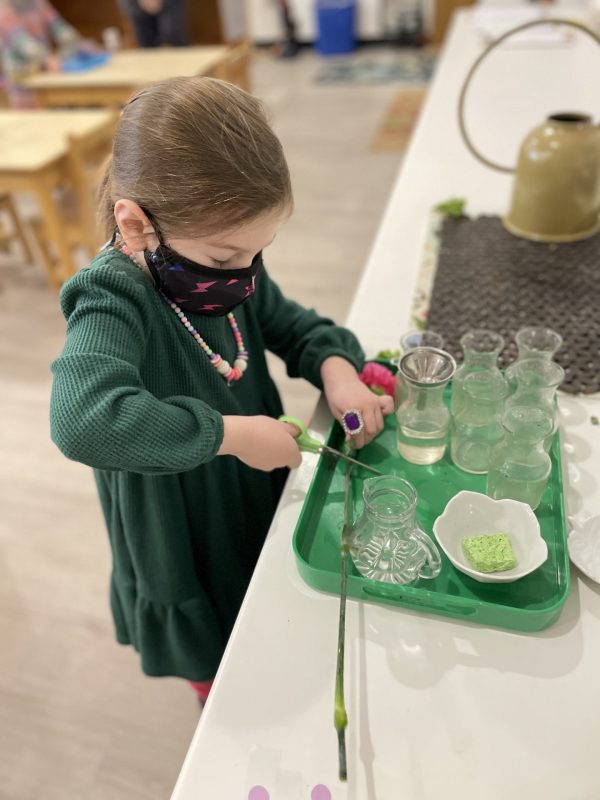
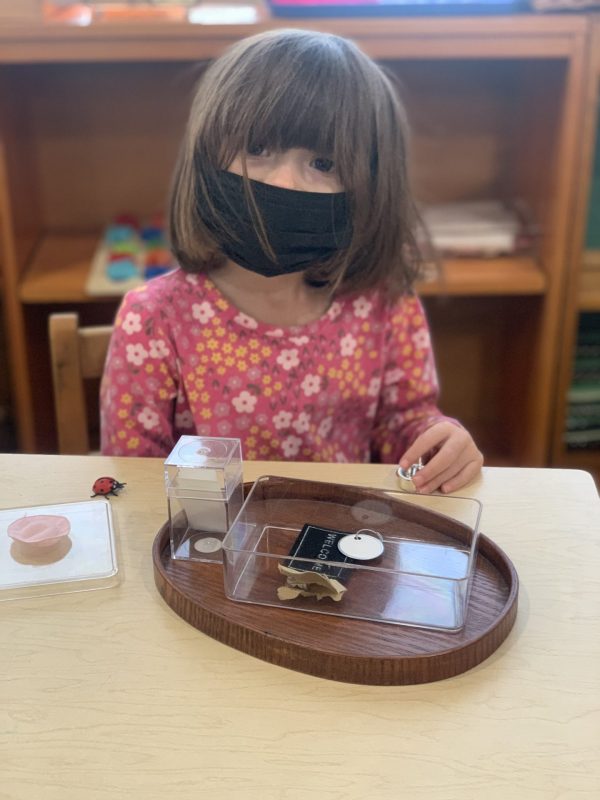
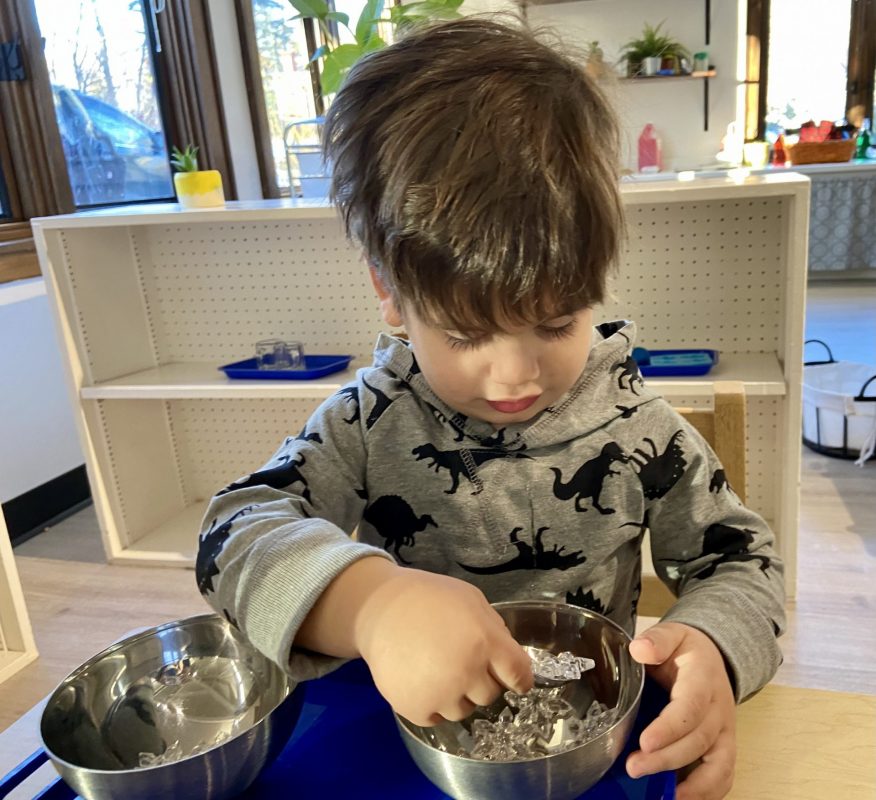
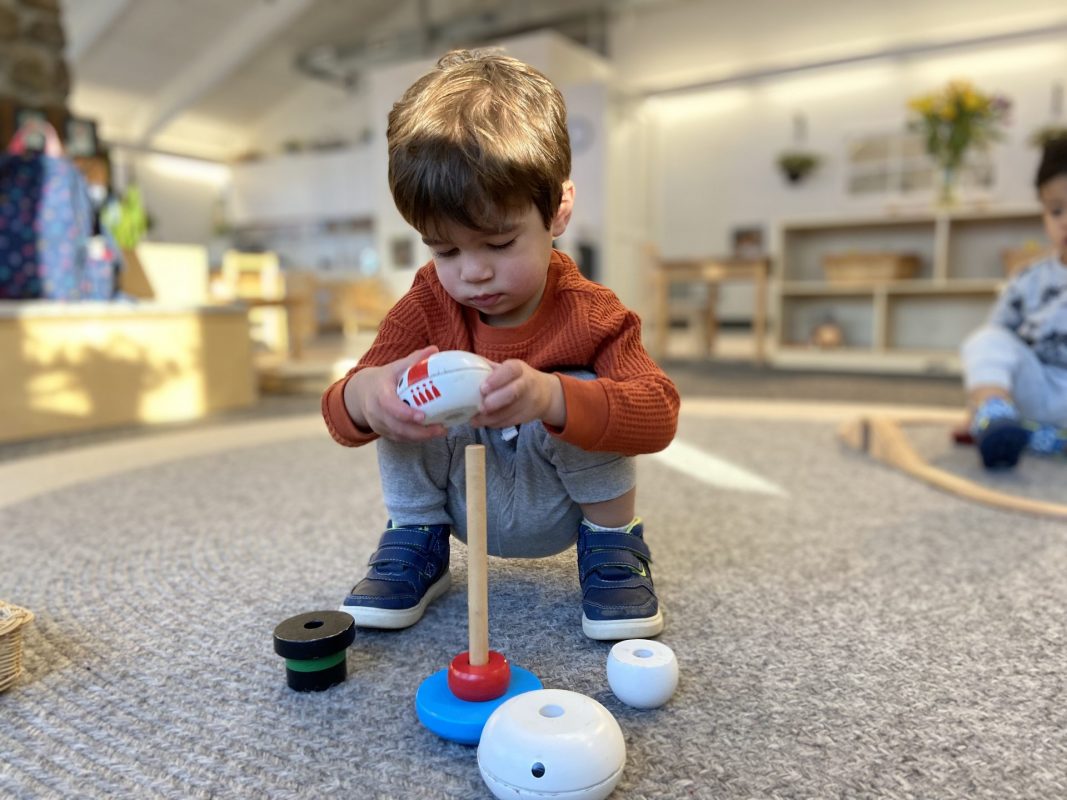
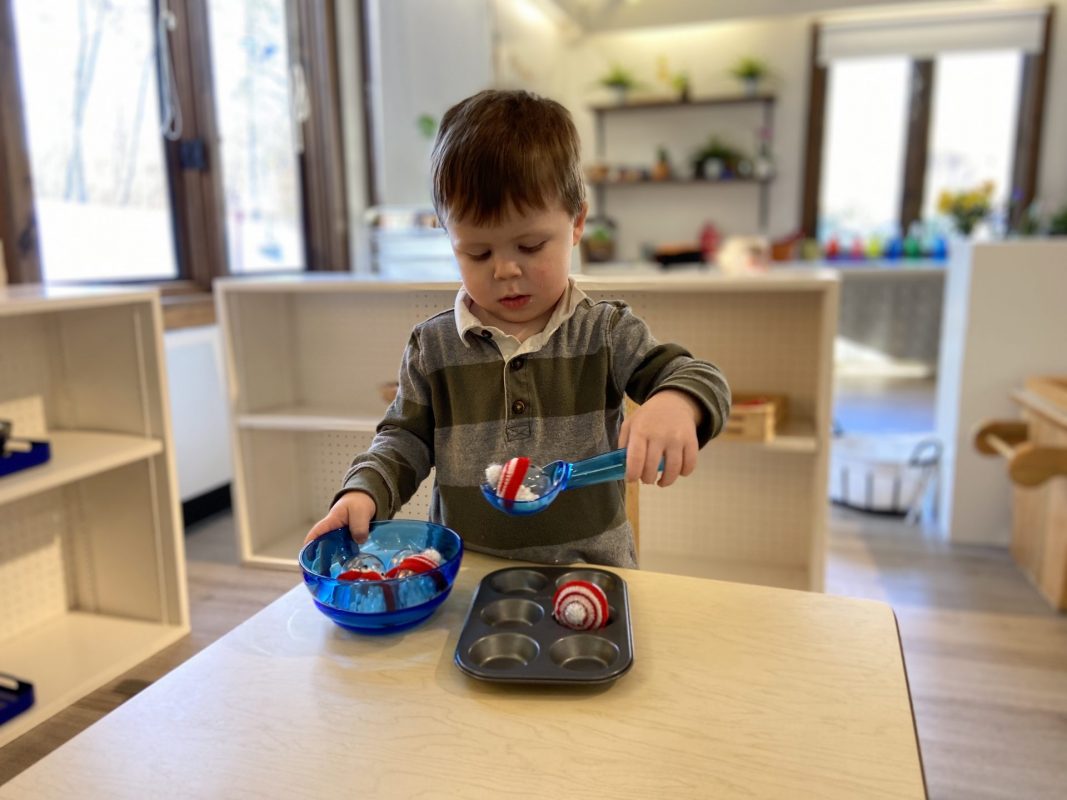
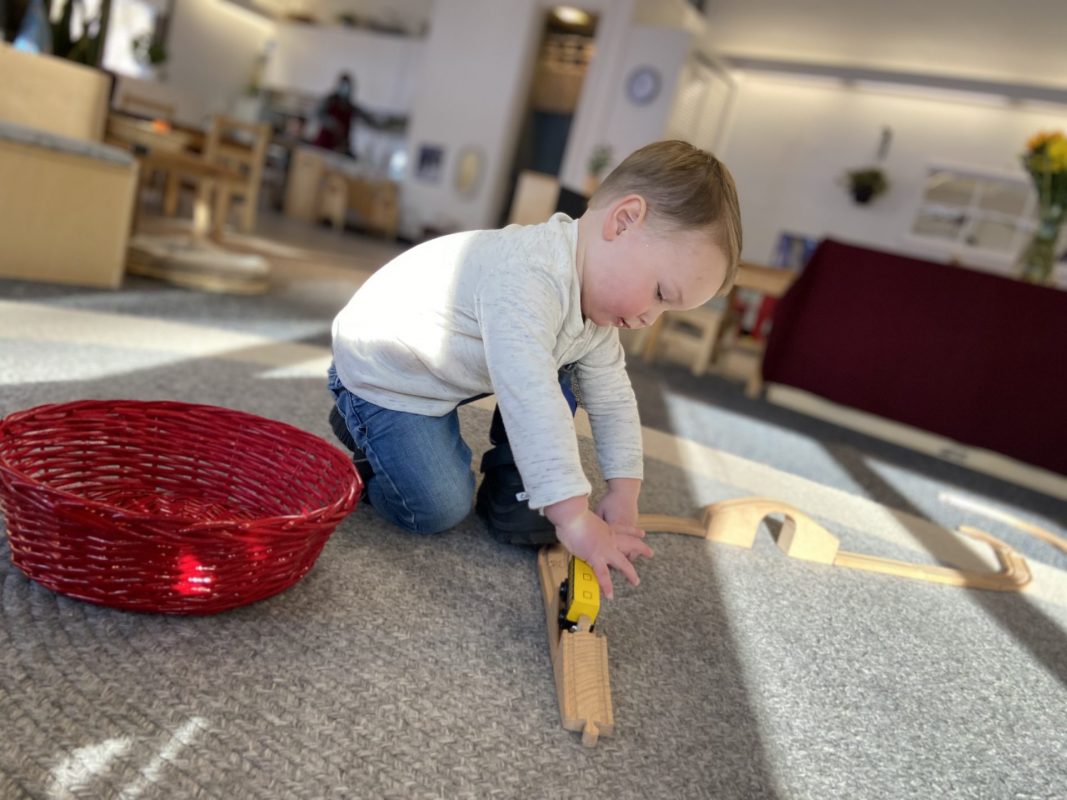
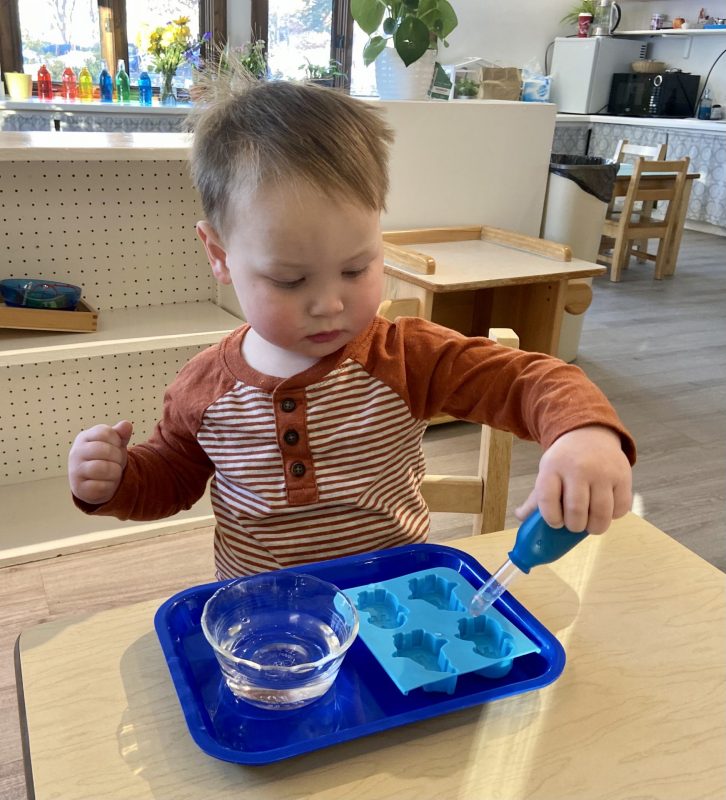
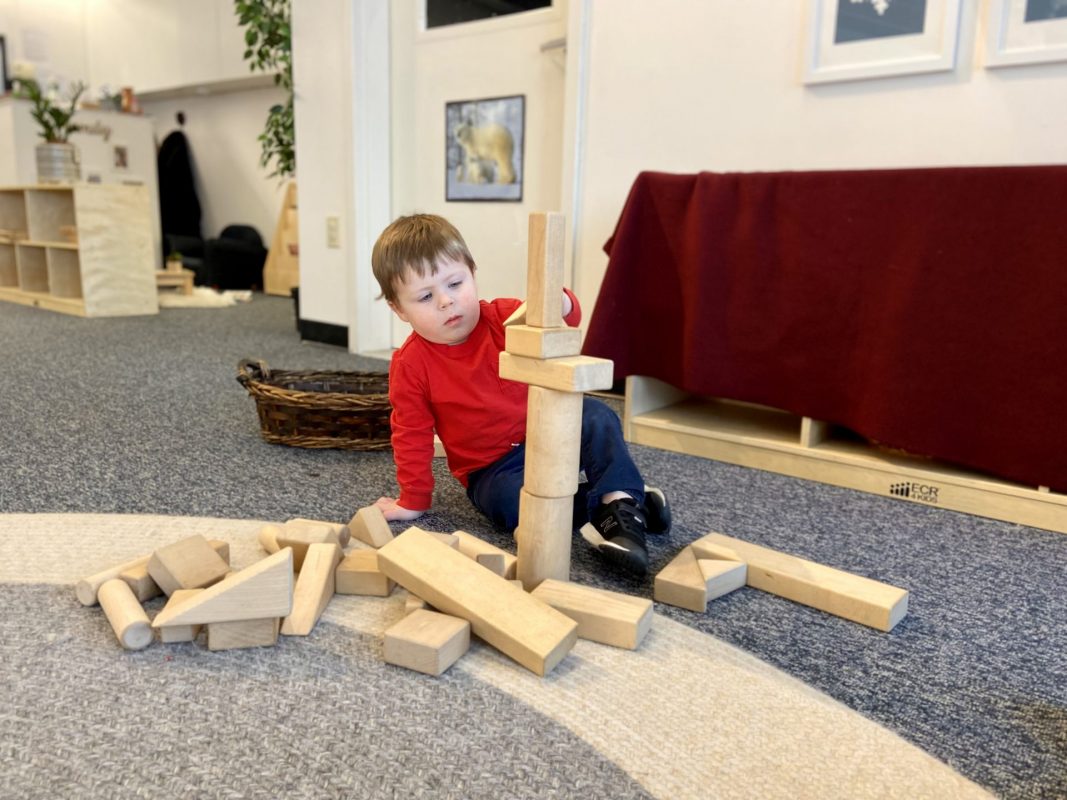
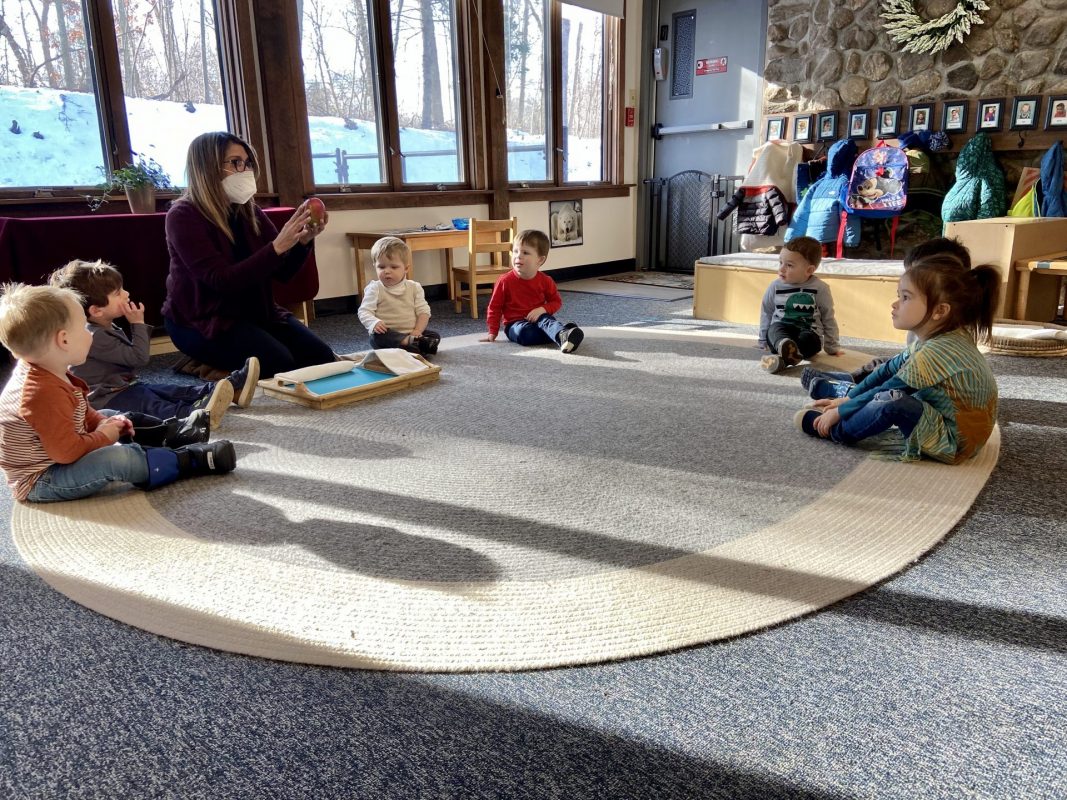
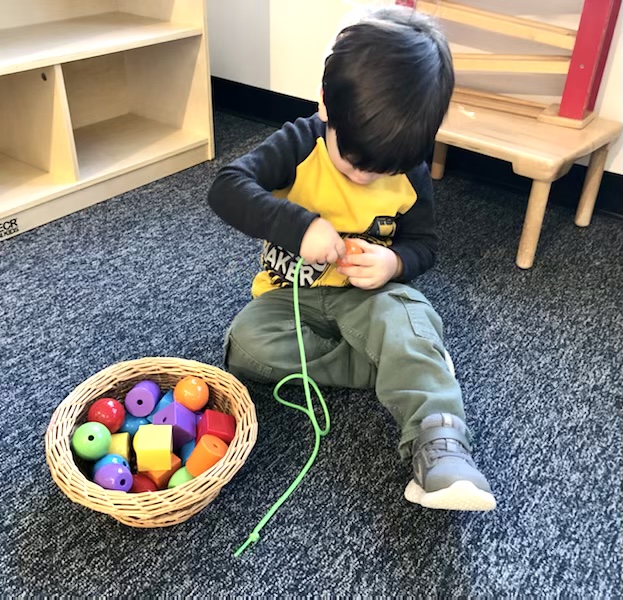
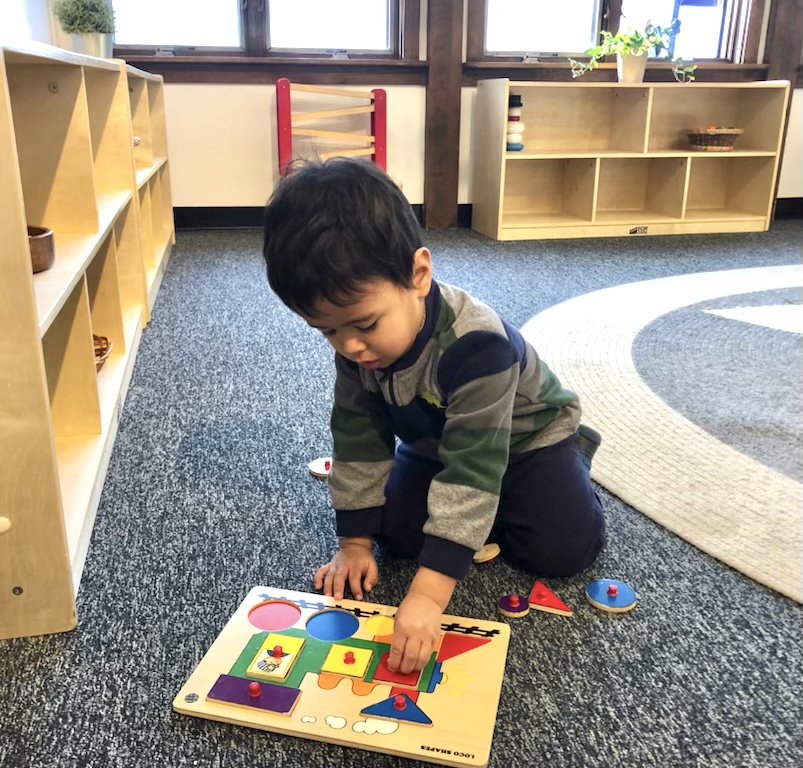
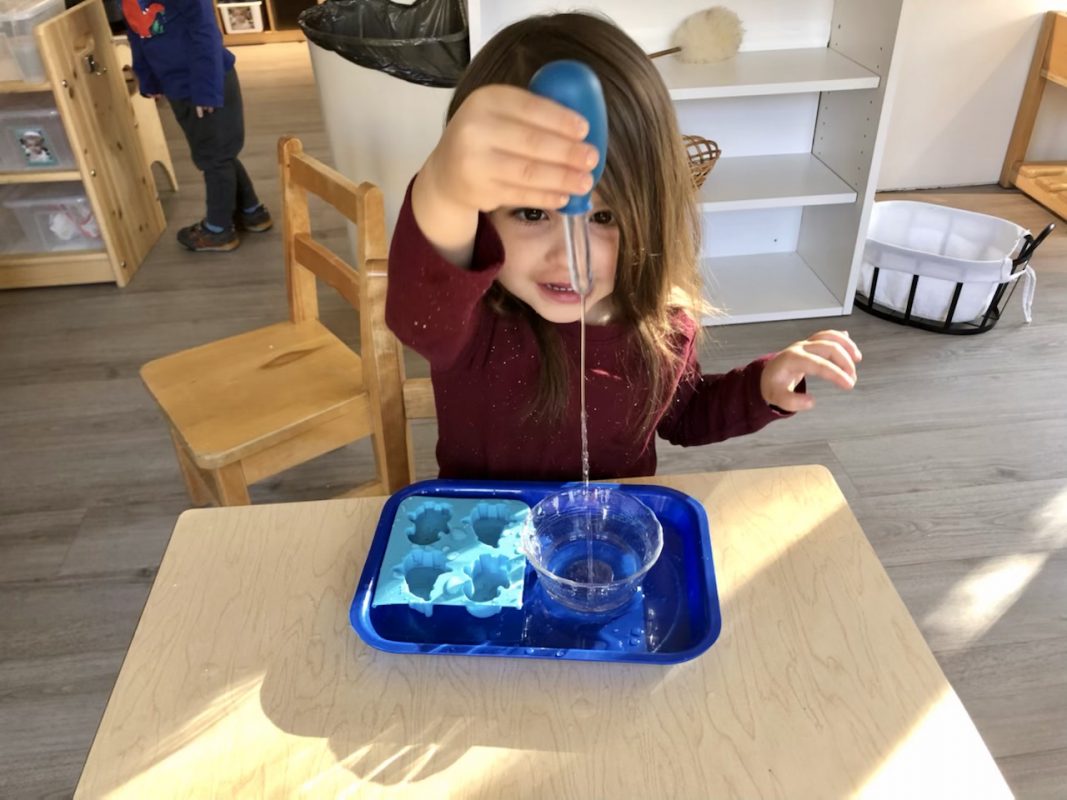
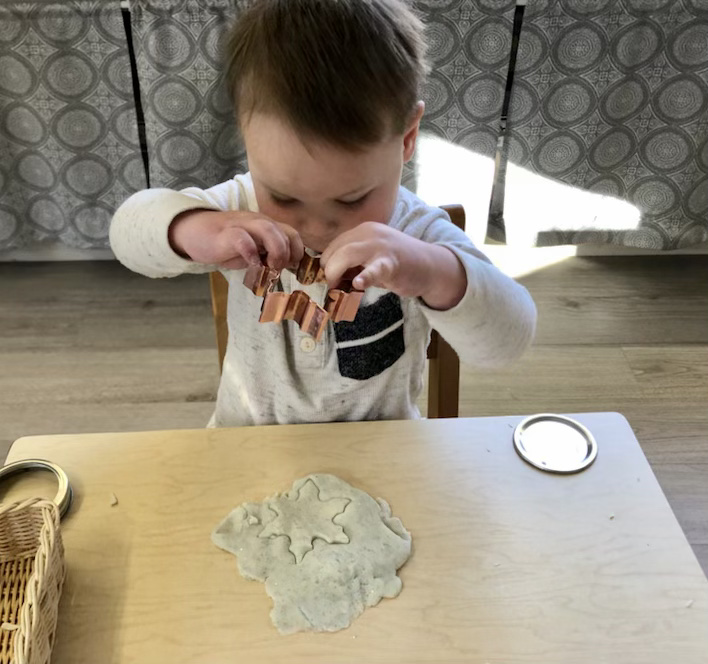
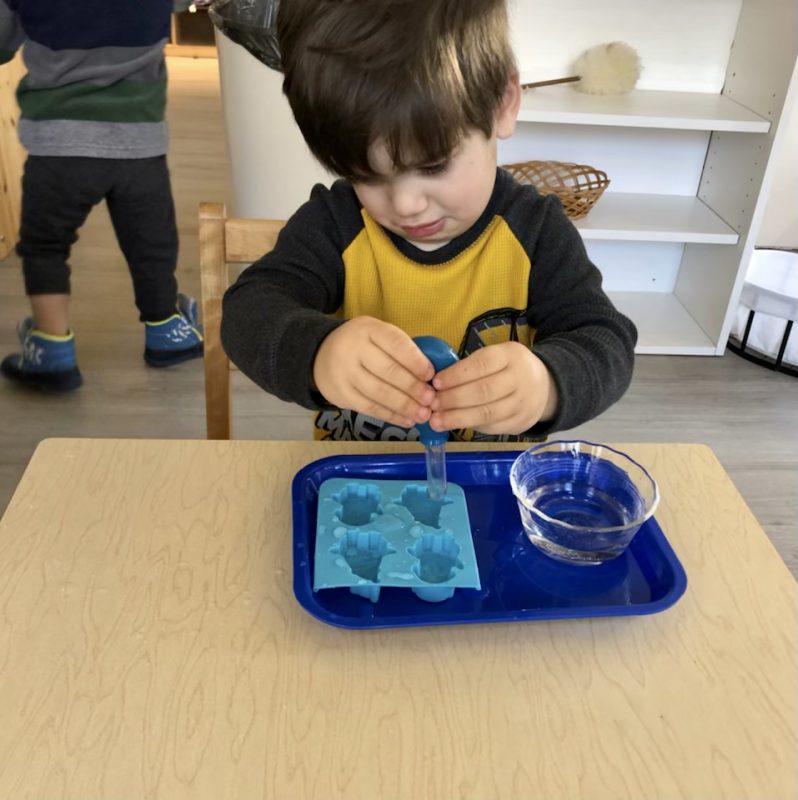
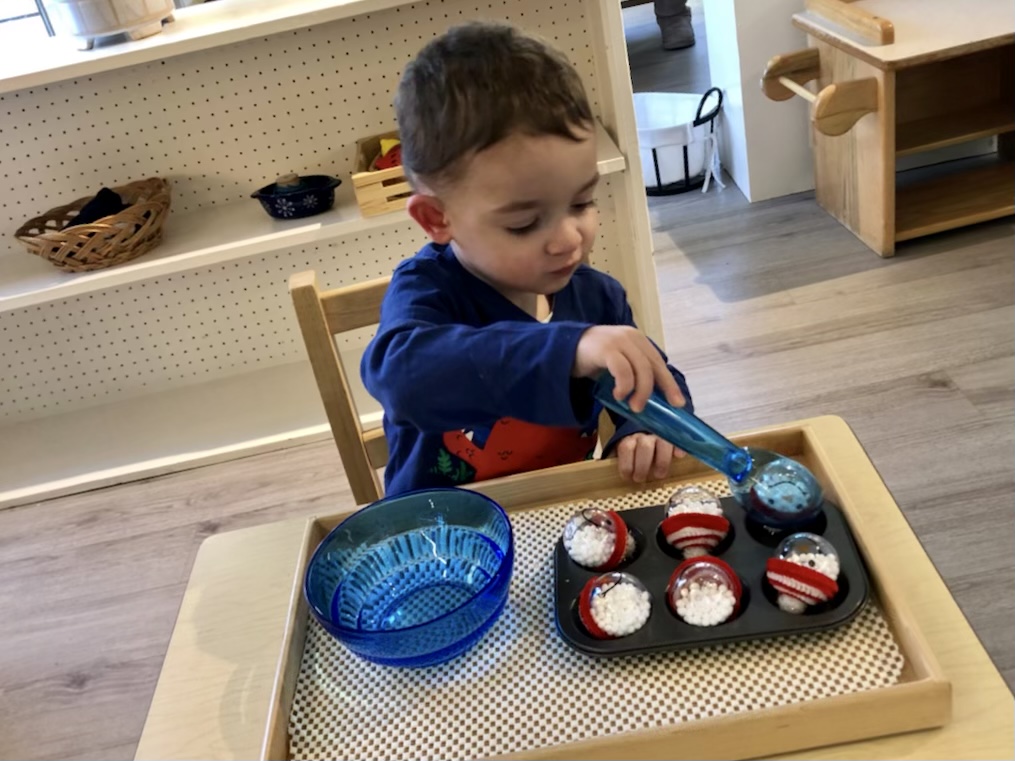
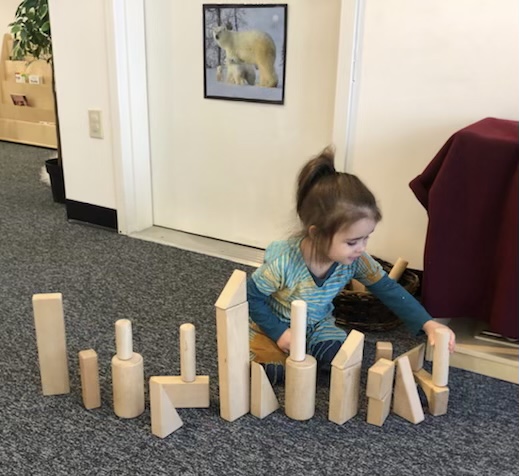
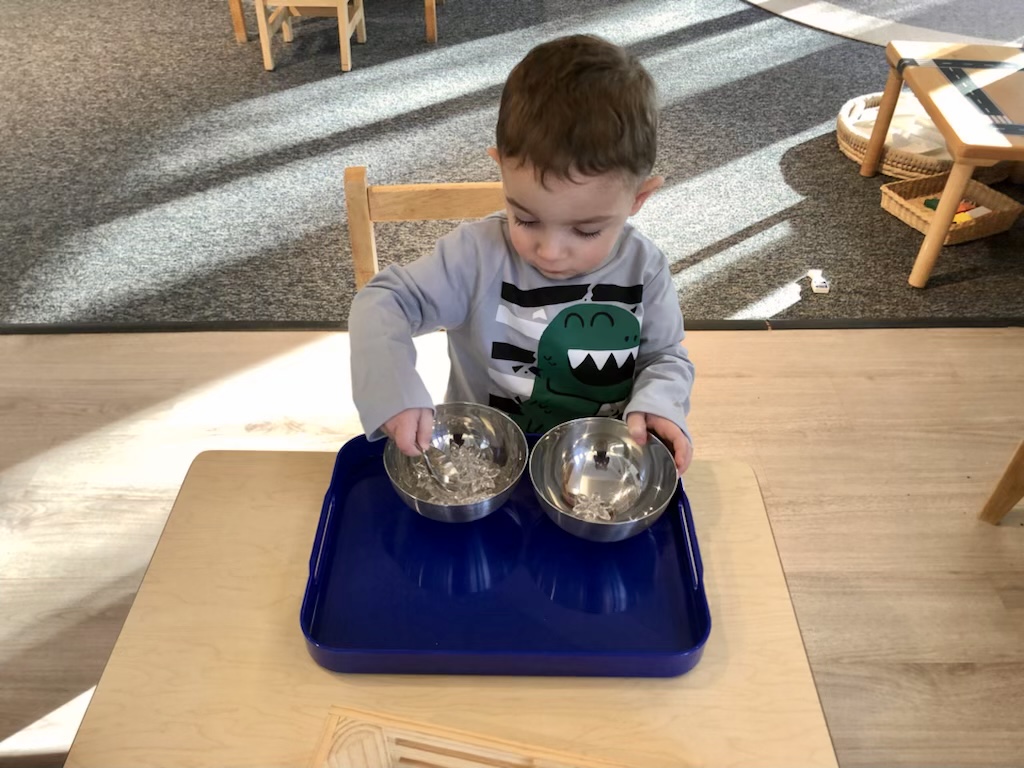
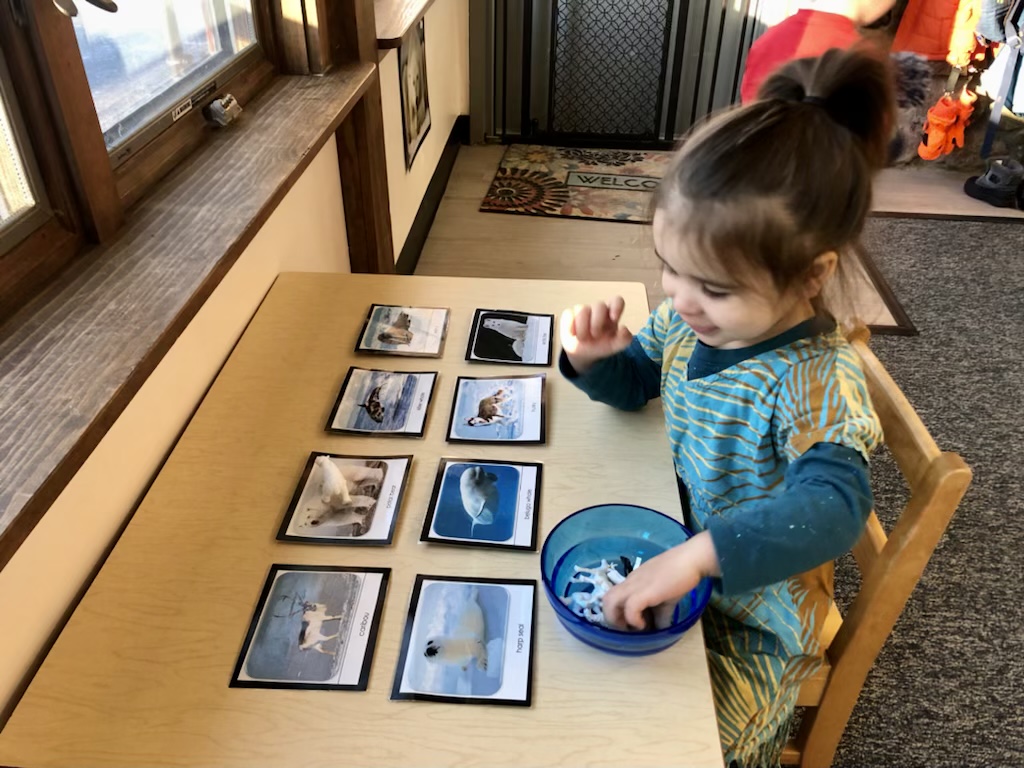
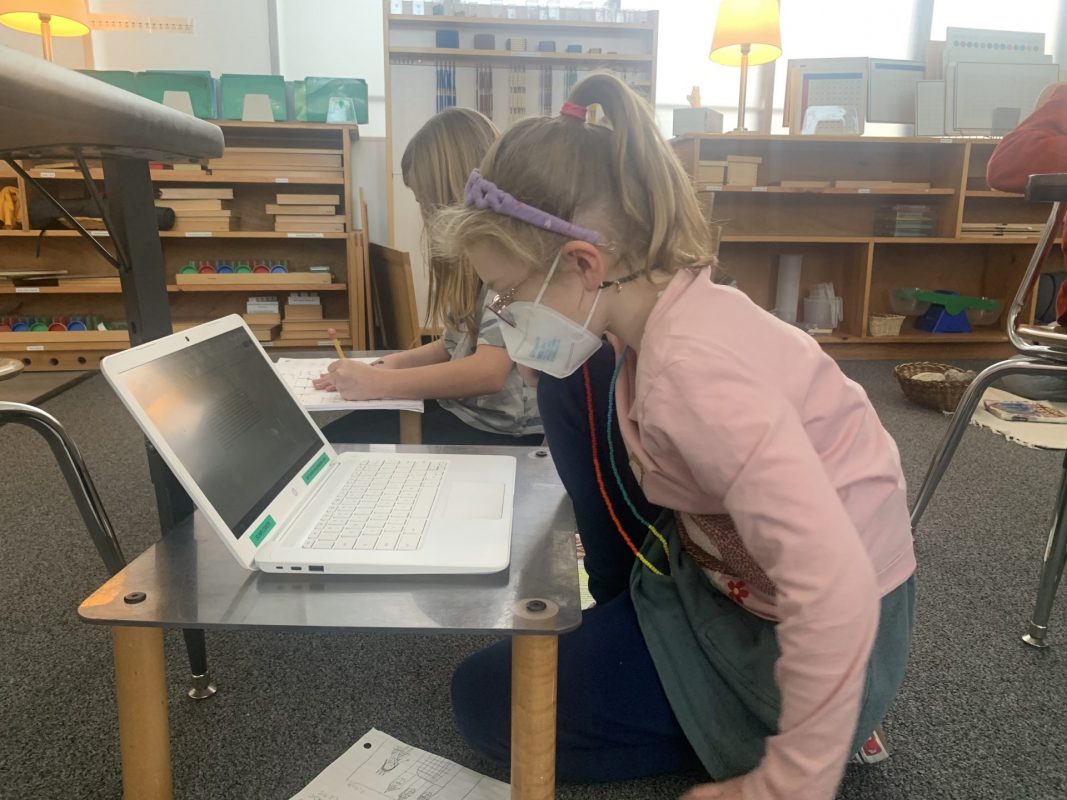
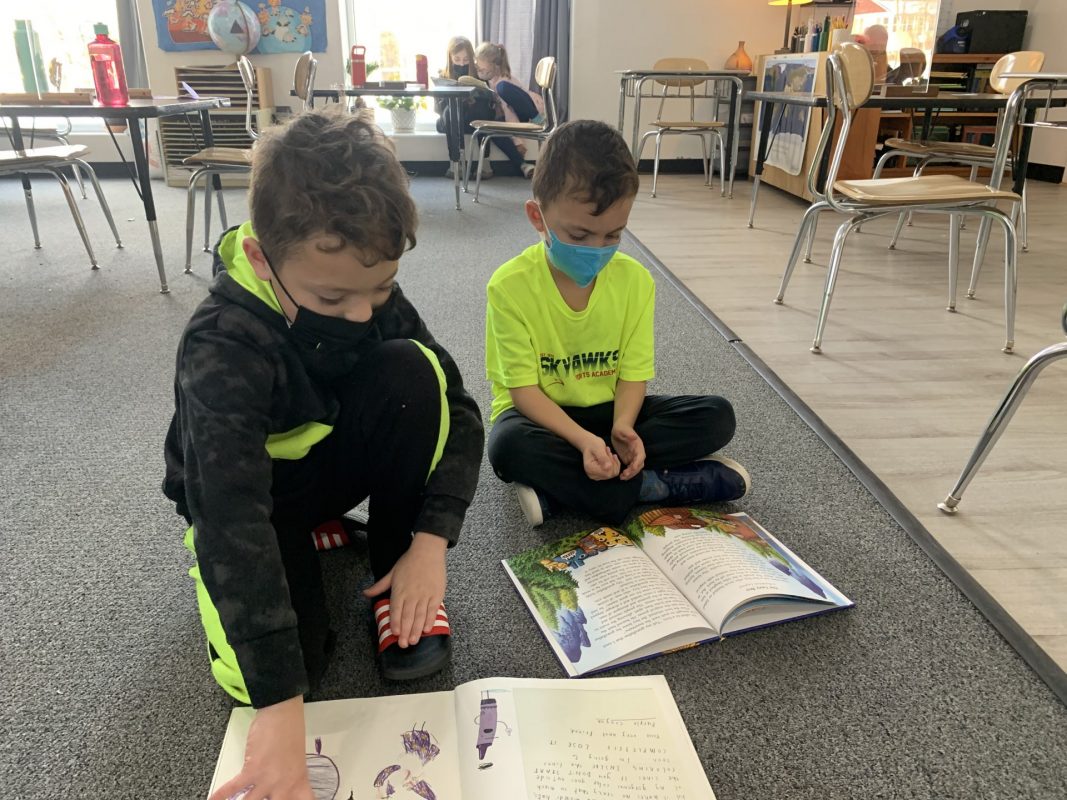
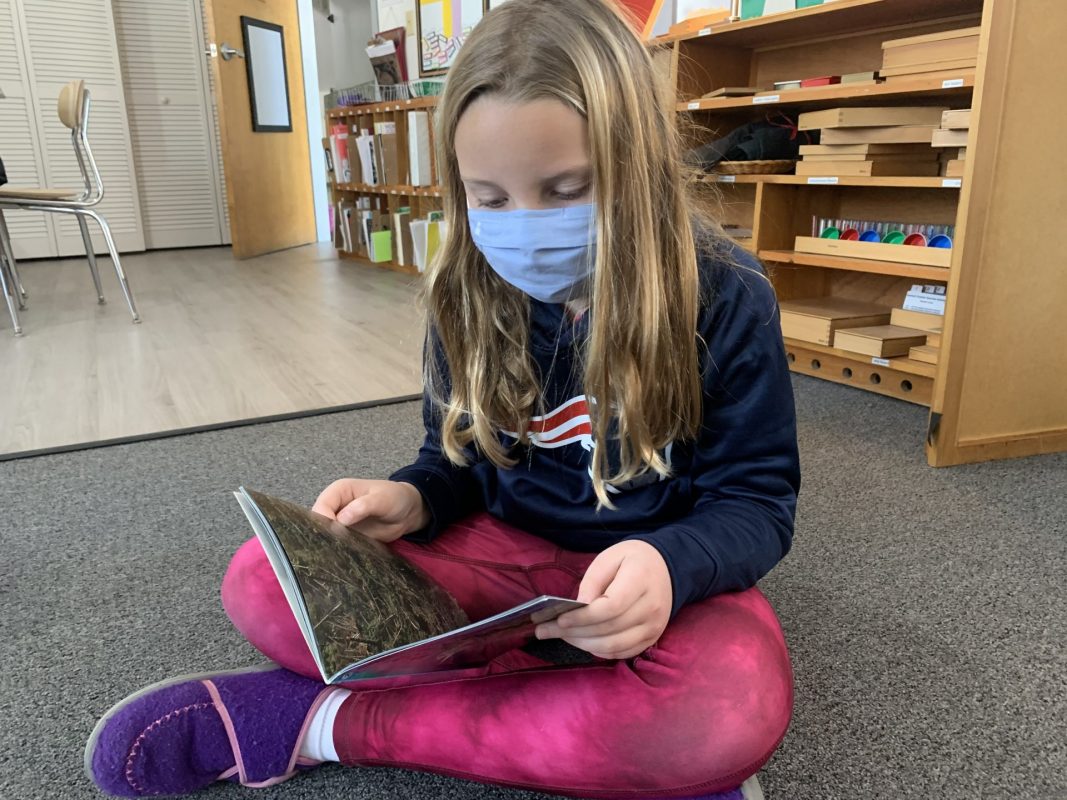
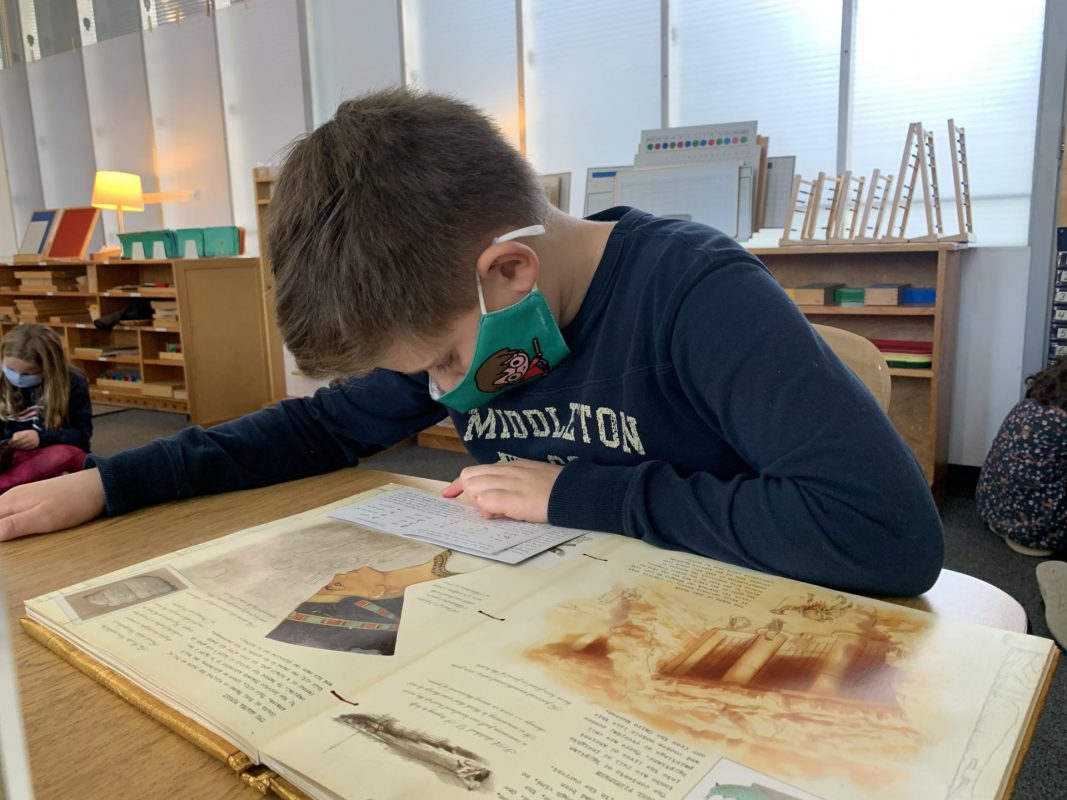
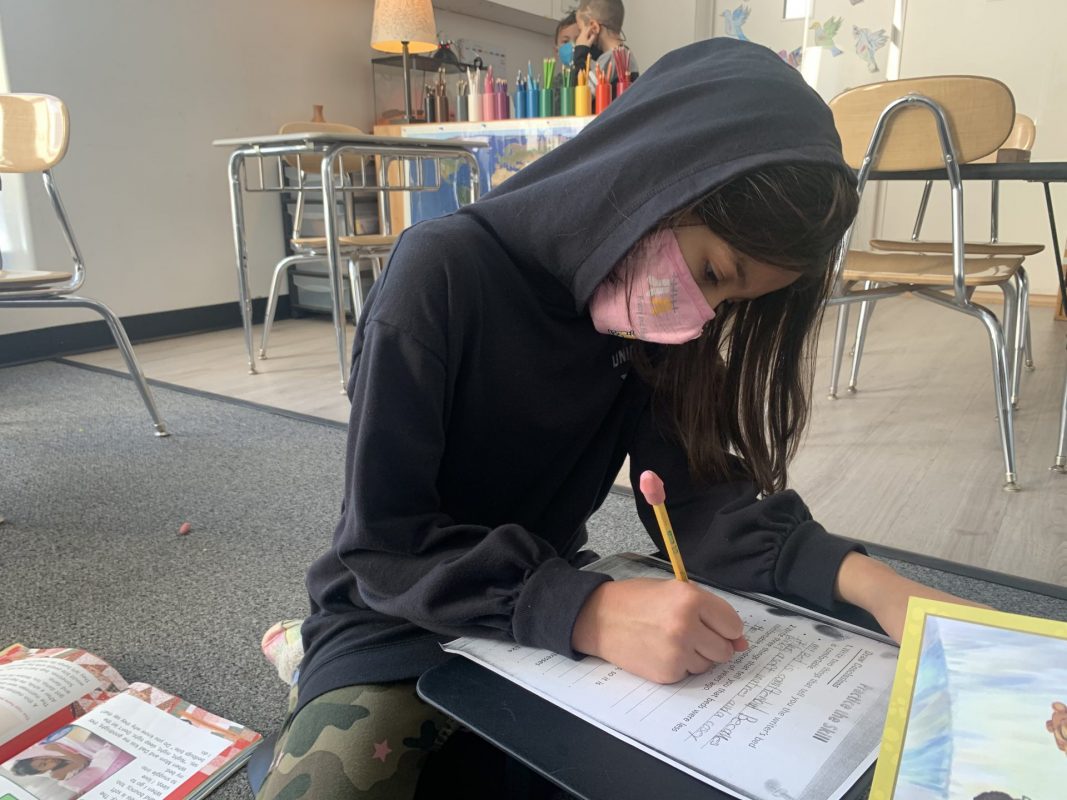
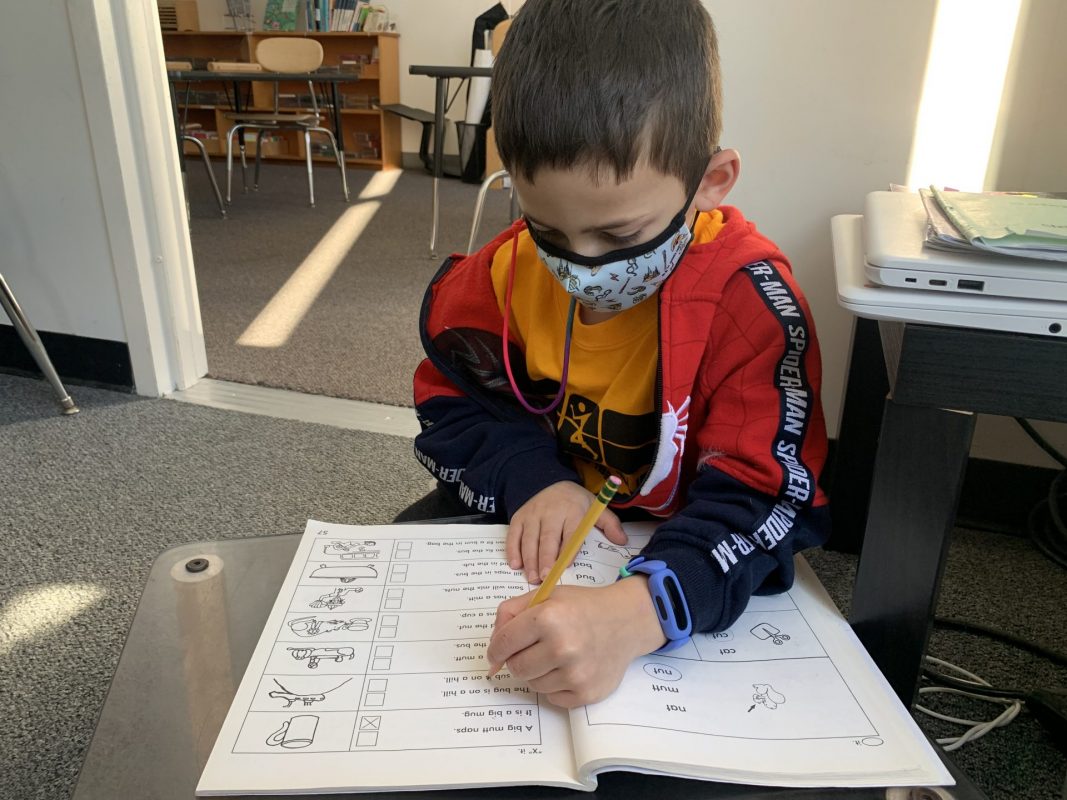
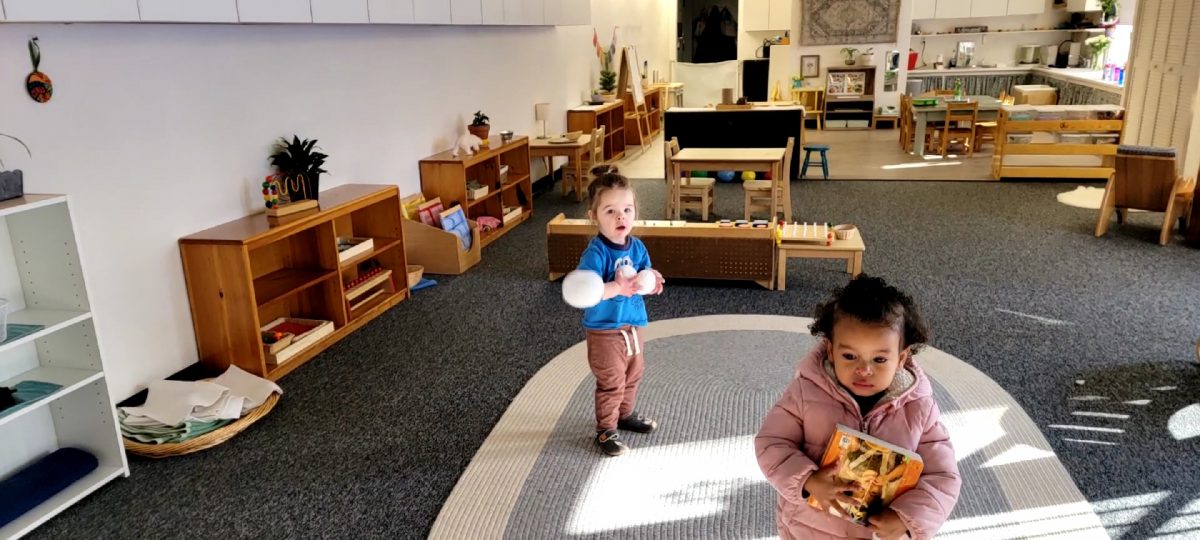
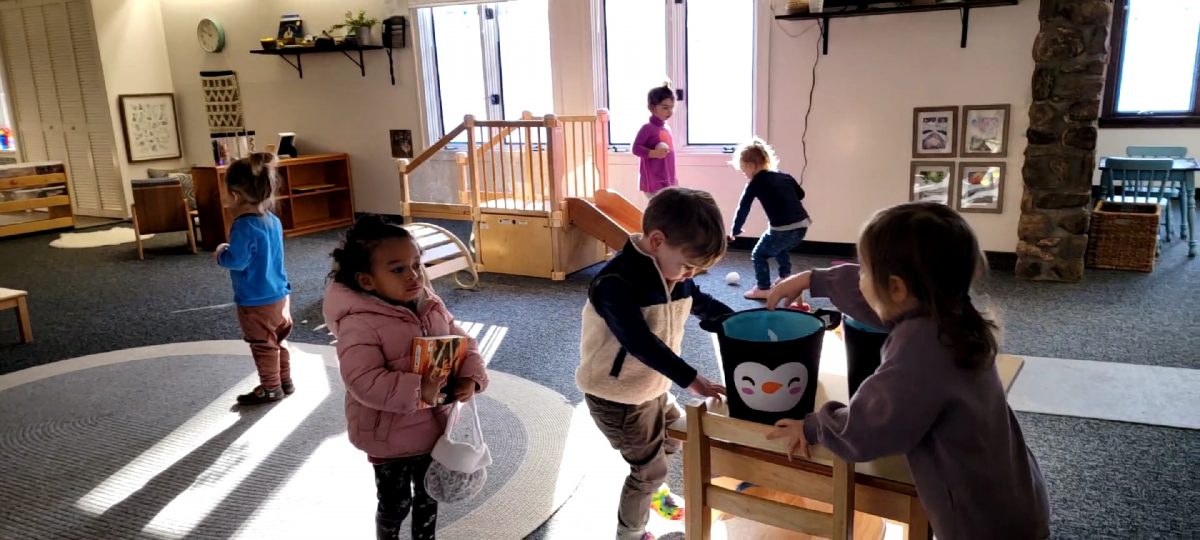
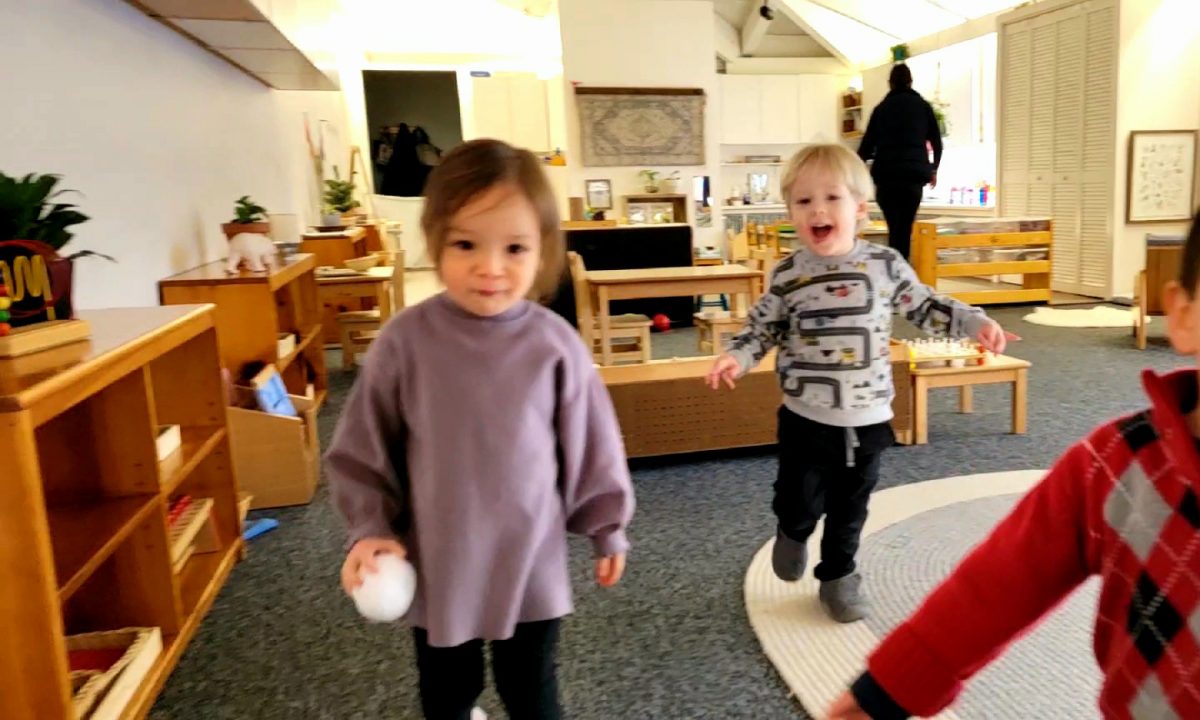
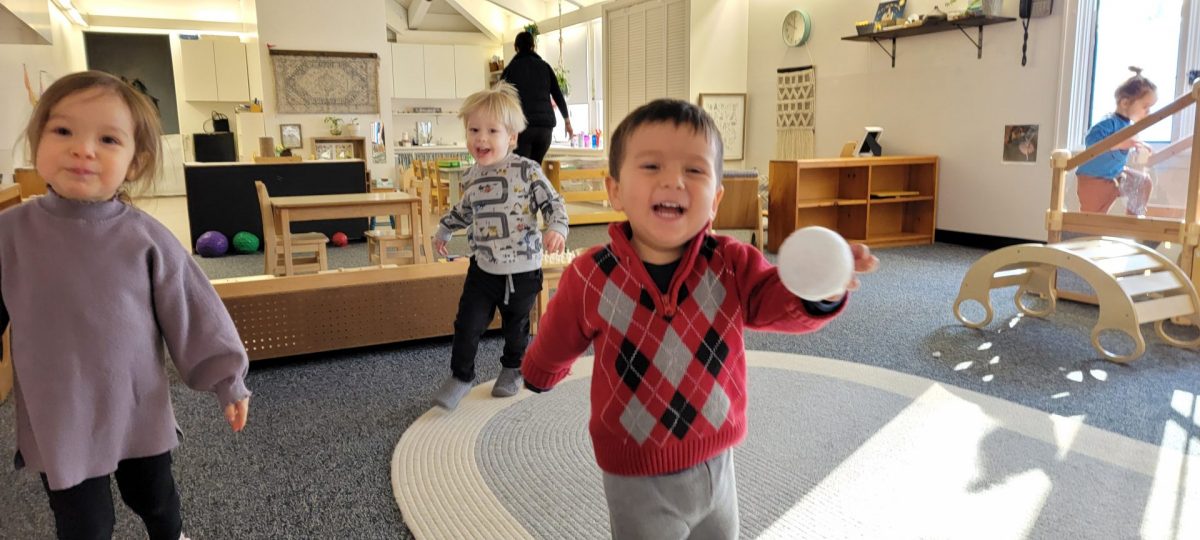
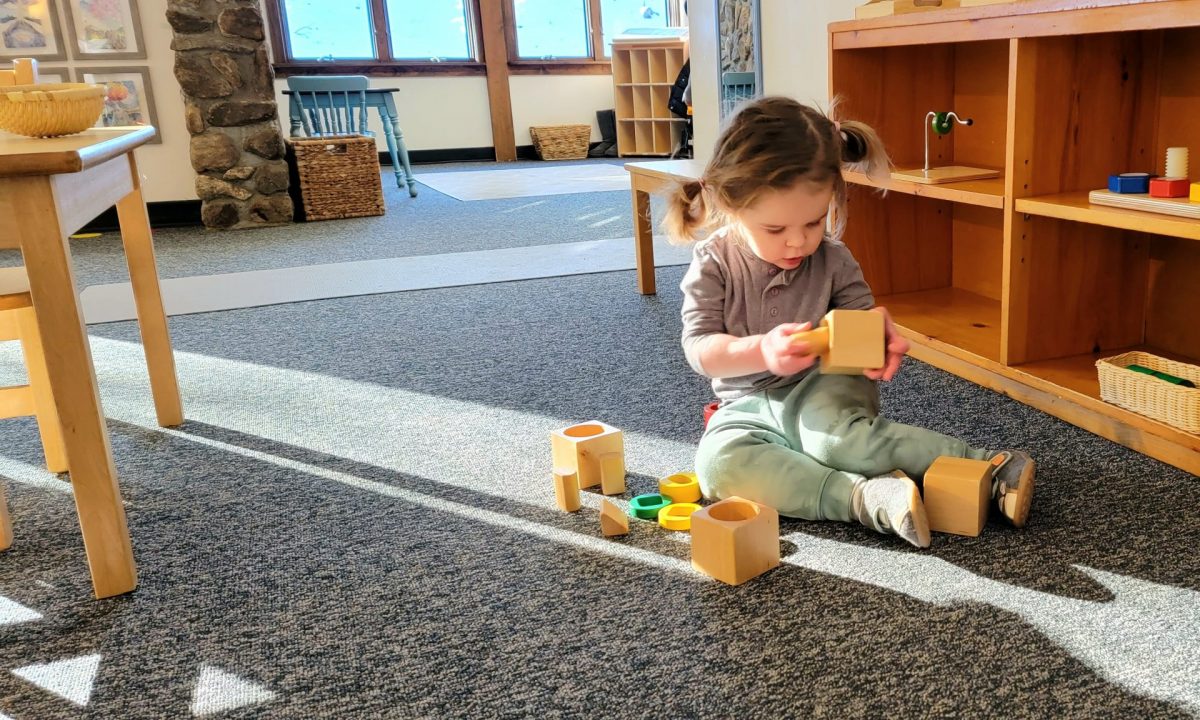
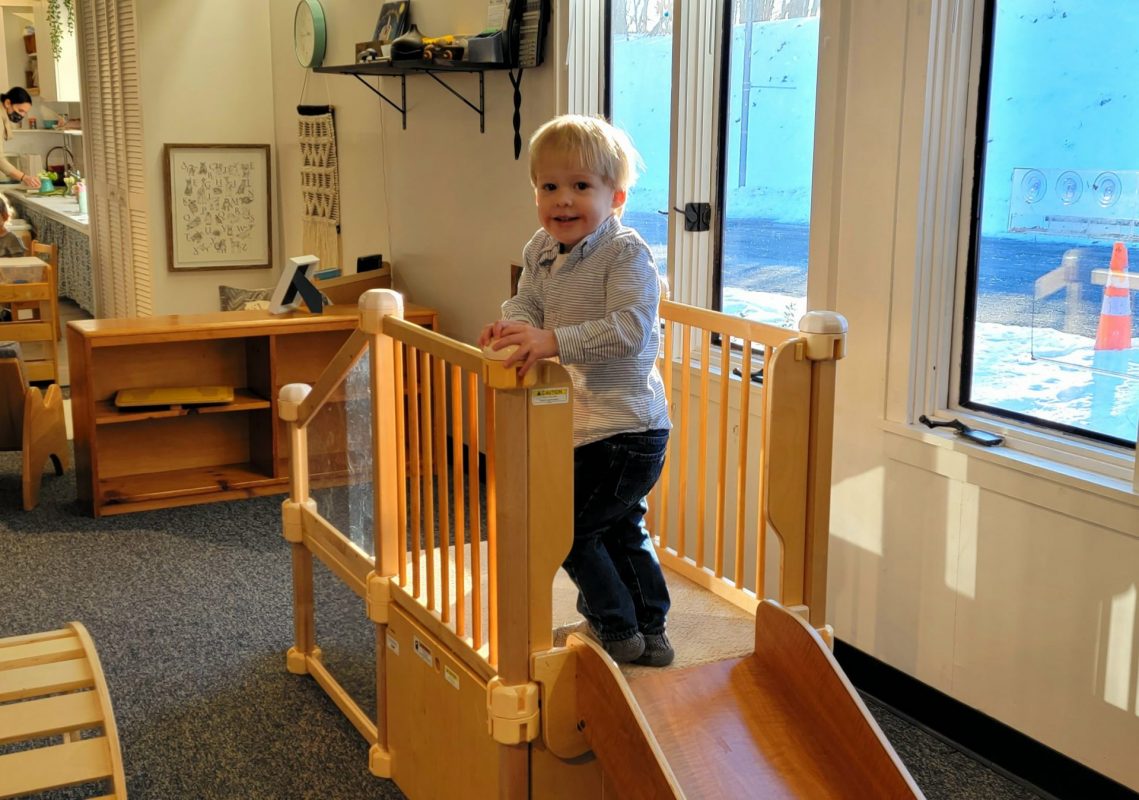
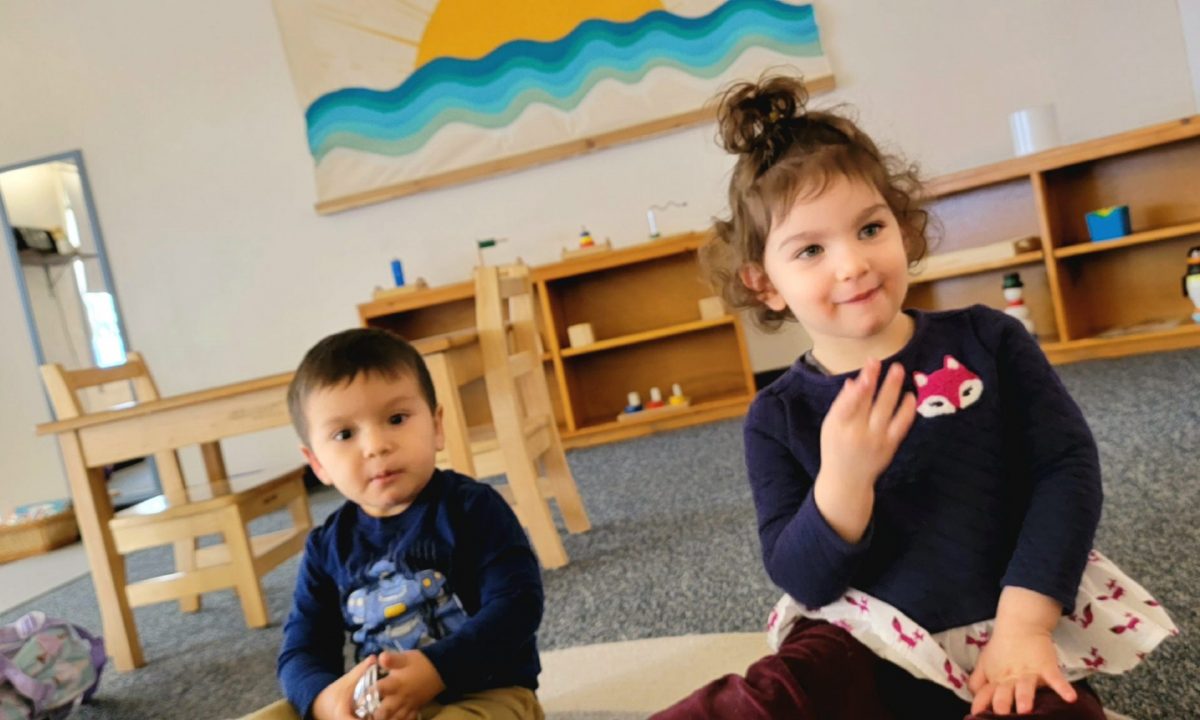
Enjoy these pictures of your children hard at work!

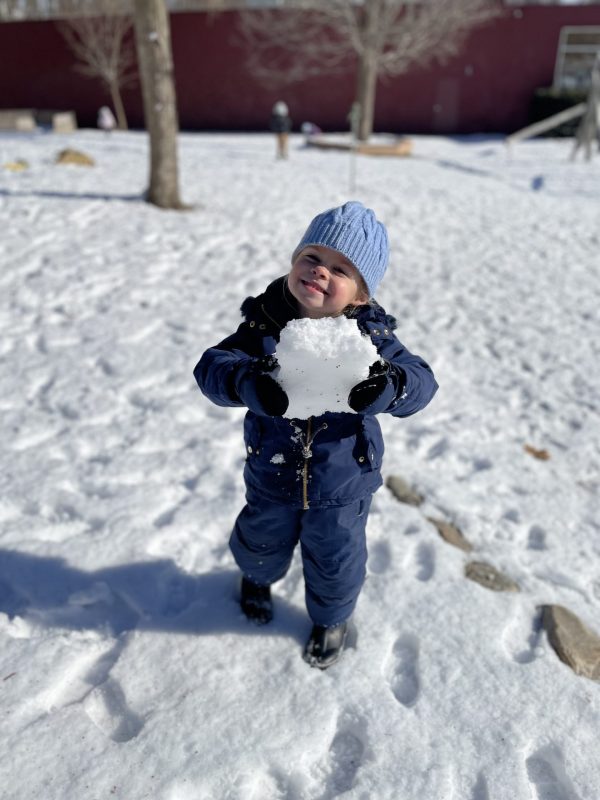
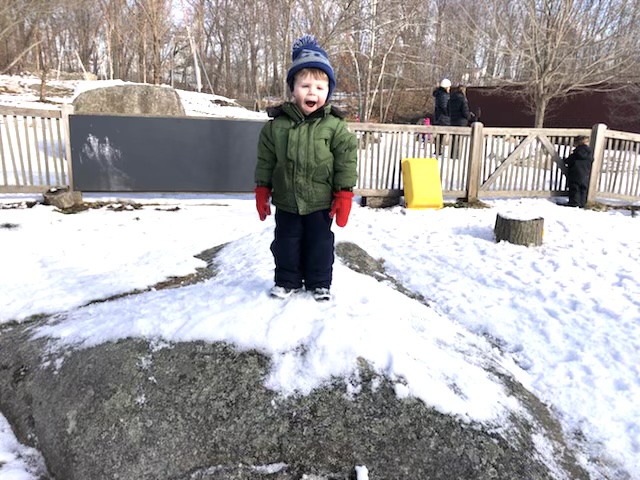
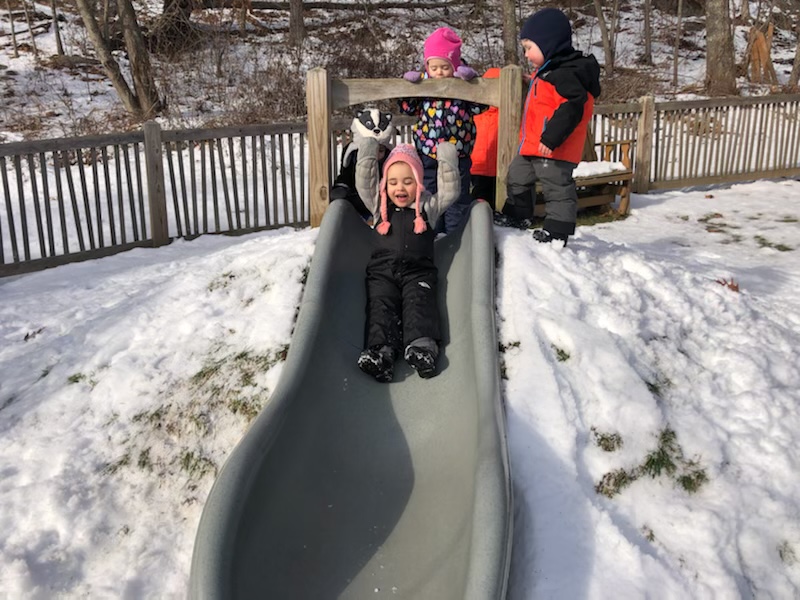
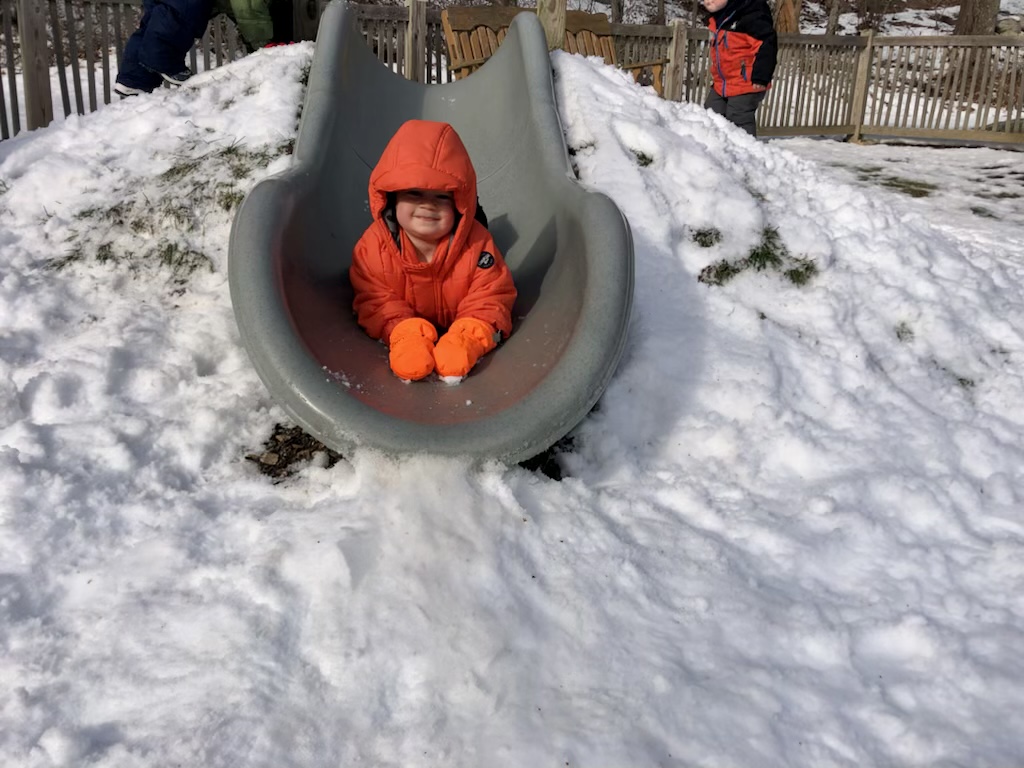
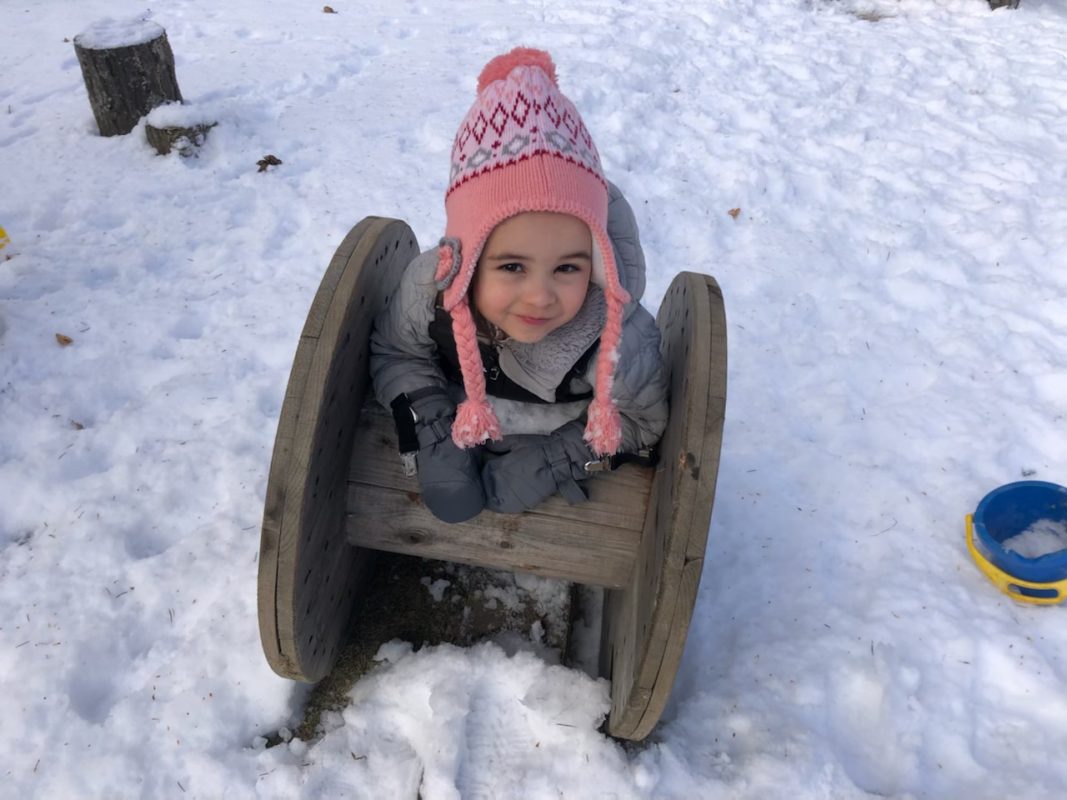
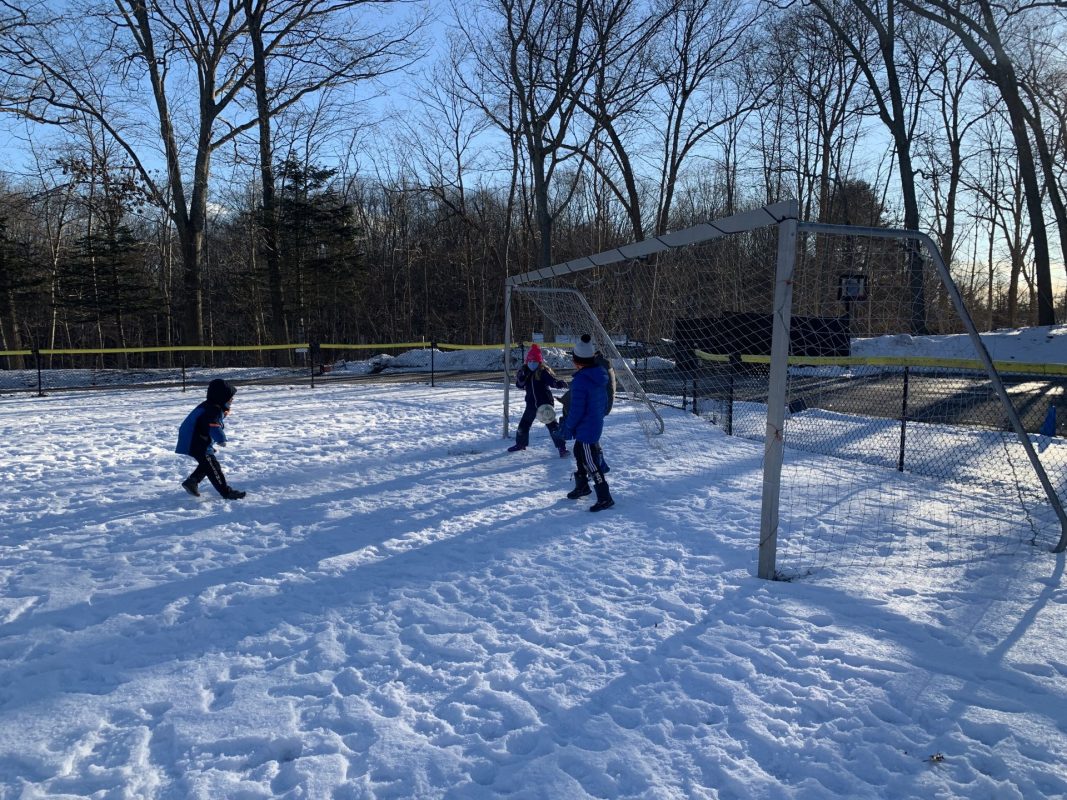
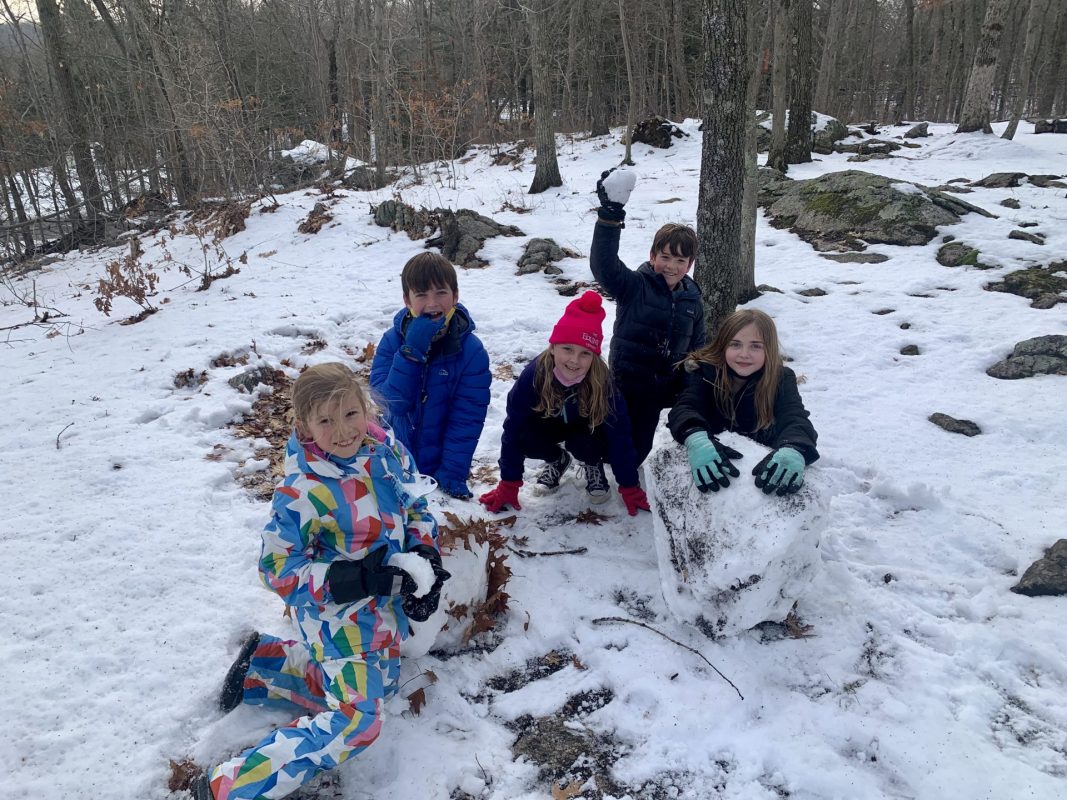
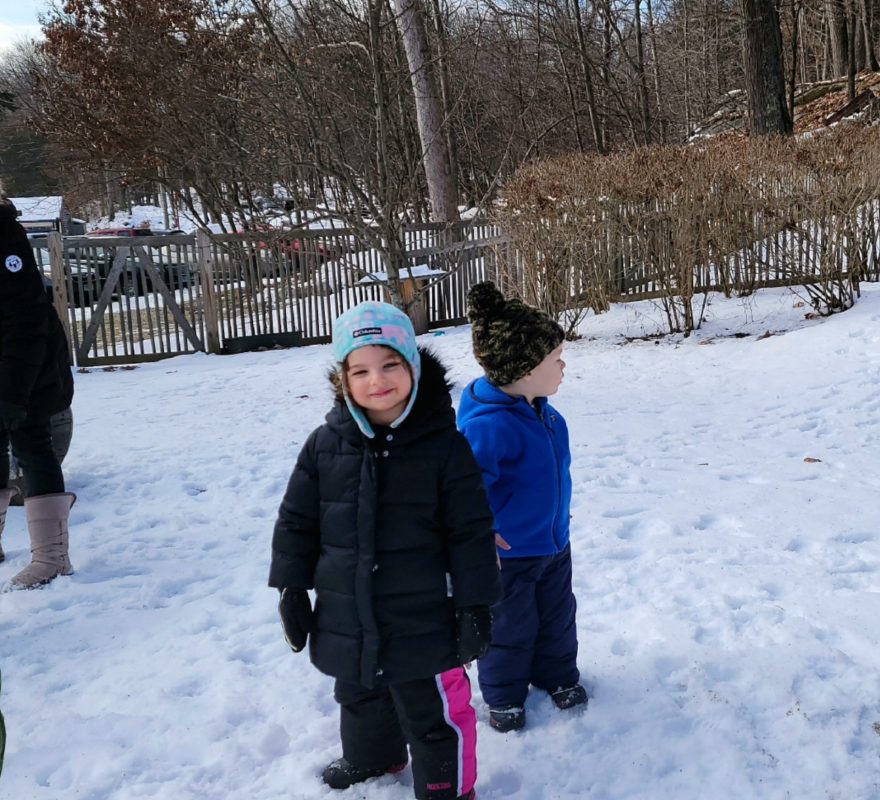
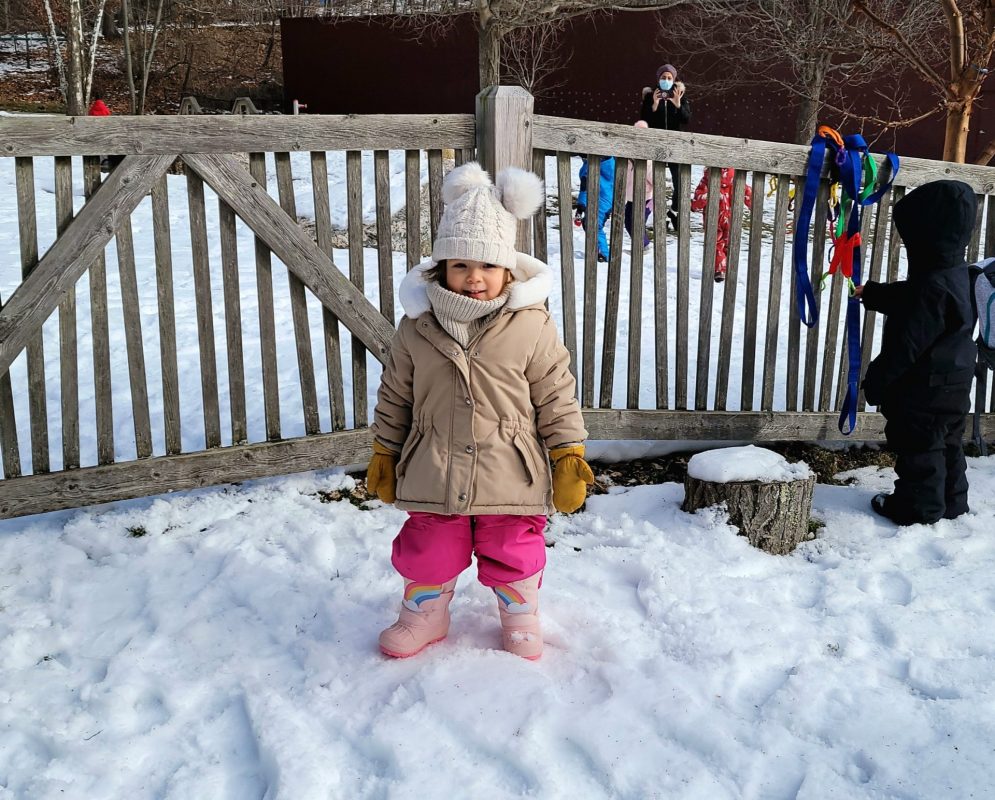
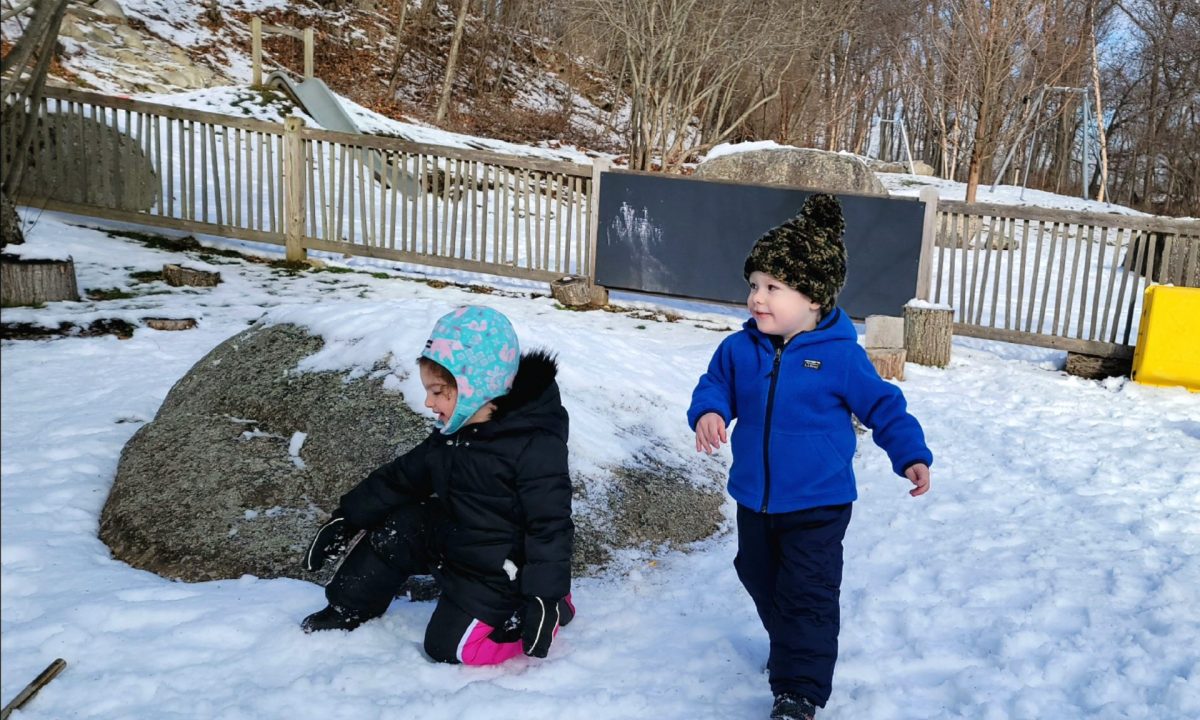
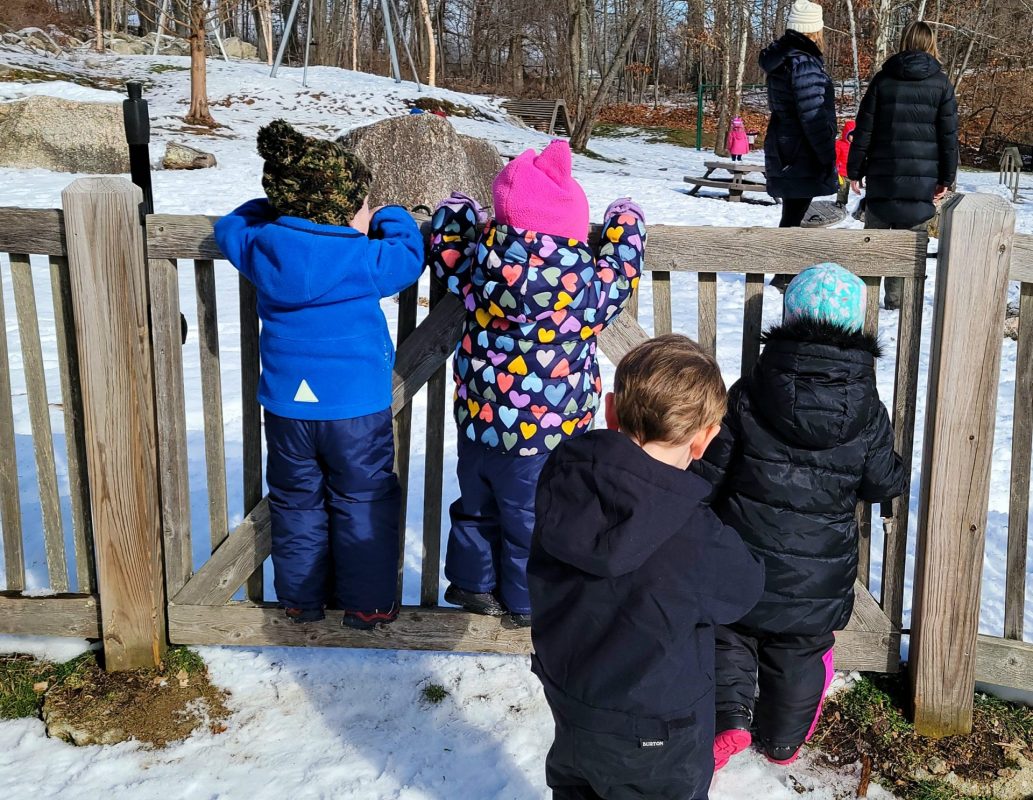
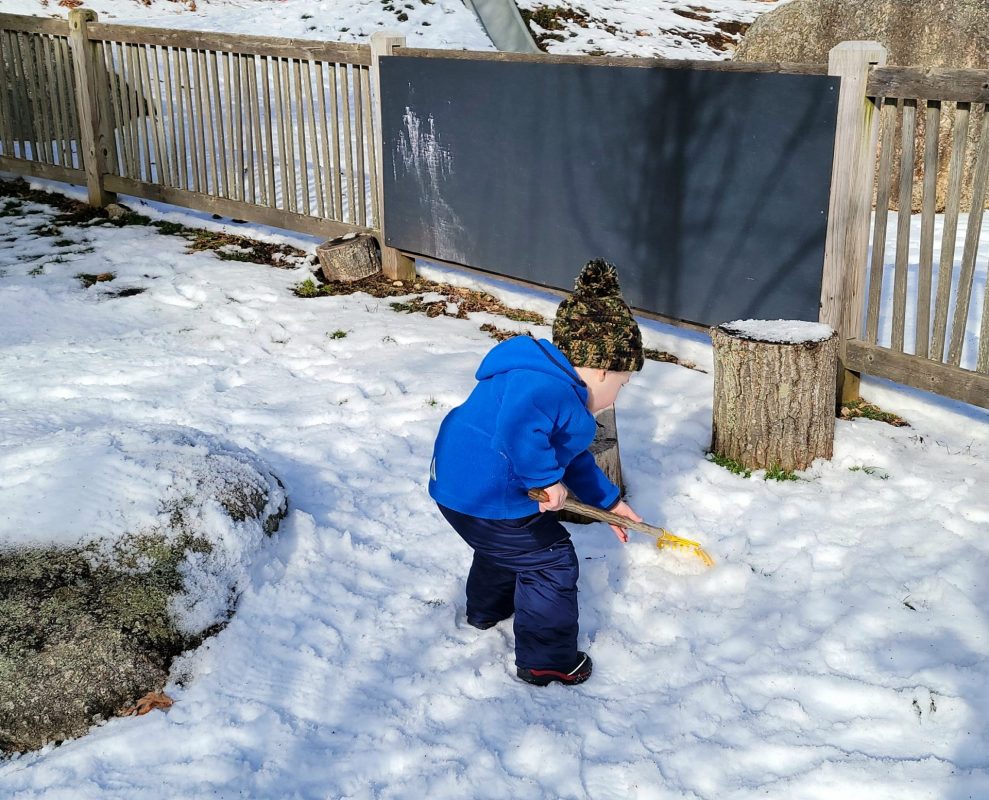
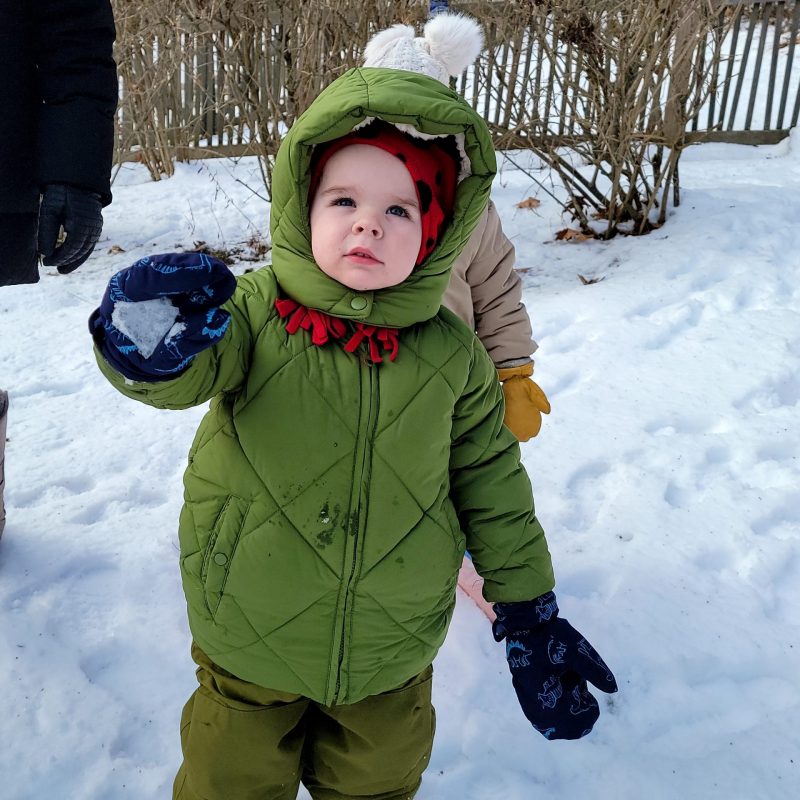
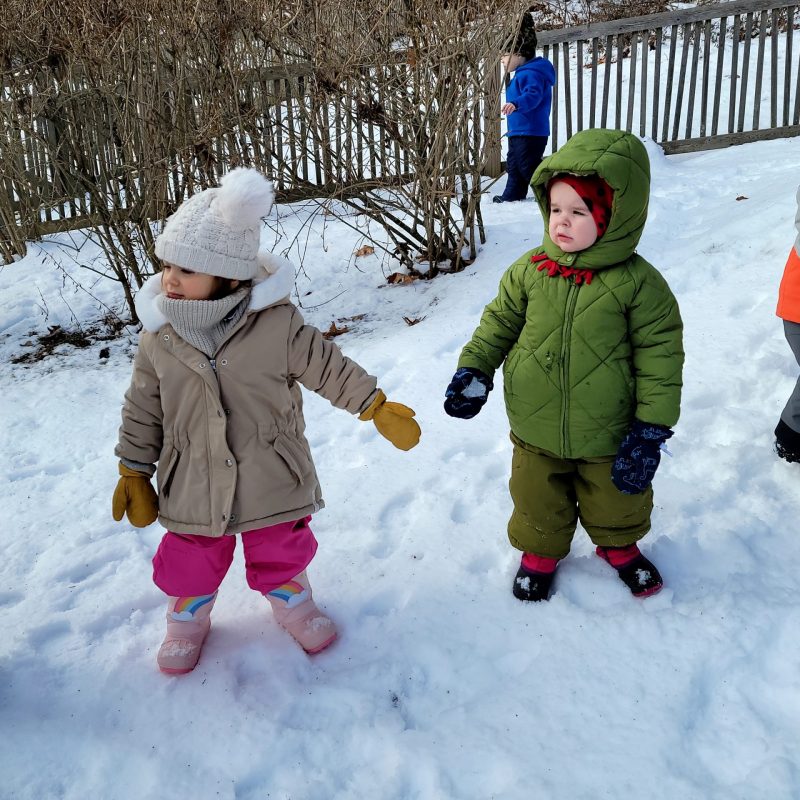
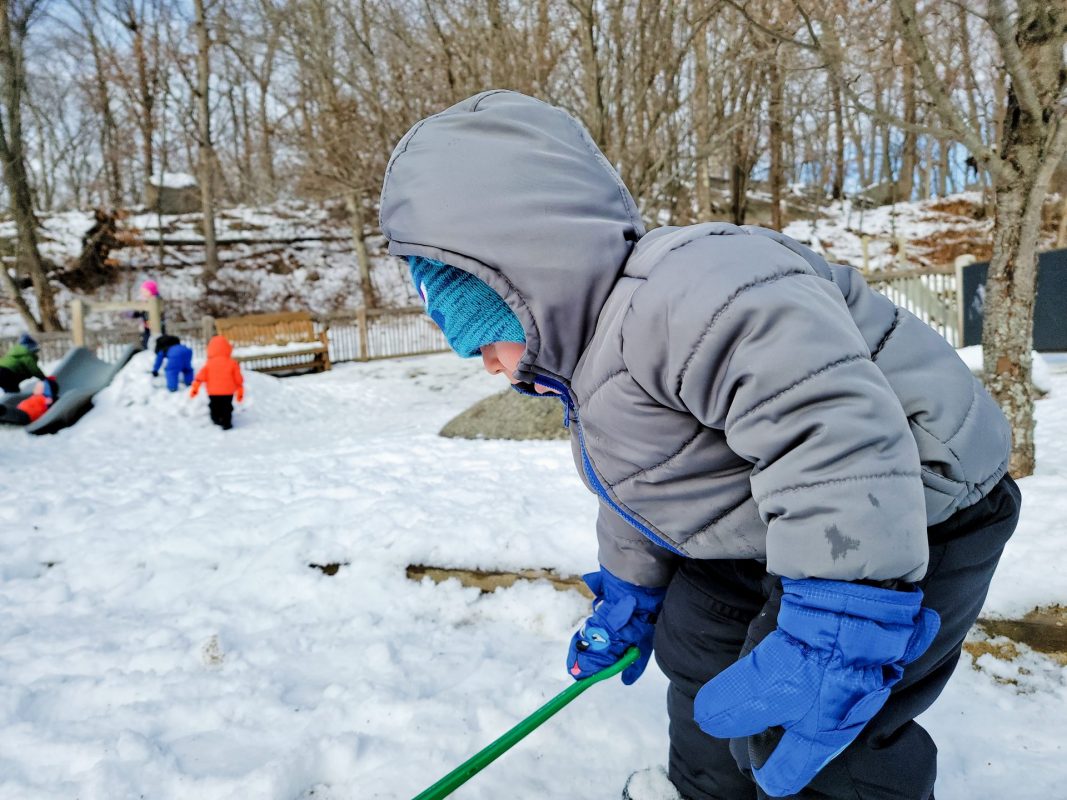
Also a gentle reminder, winter is here and the temperature is dropping.  We do go outside as the weather permits, even in snow, so please be sure your child has a set of gloves, hat, boots, and snow pants-if necessary.  

Best,

Amanda & Heather


Mrs. Hood: Winter is Here!!

Happy New Year, families! We hope you had a wonderful holiday break and you got some relaxation and meaningful time with your families!

Your children transitioned peacefully after the break and they arrived eager and ready to explore the environment and all the new works on the shelves. As we have officially entered the winter season we will be focusing on bringing it into the environment and enjoying different aspects of it.  Water and its different stages will be a main object for conversations and Sensorial experiences during this month.

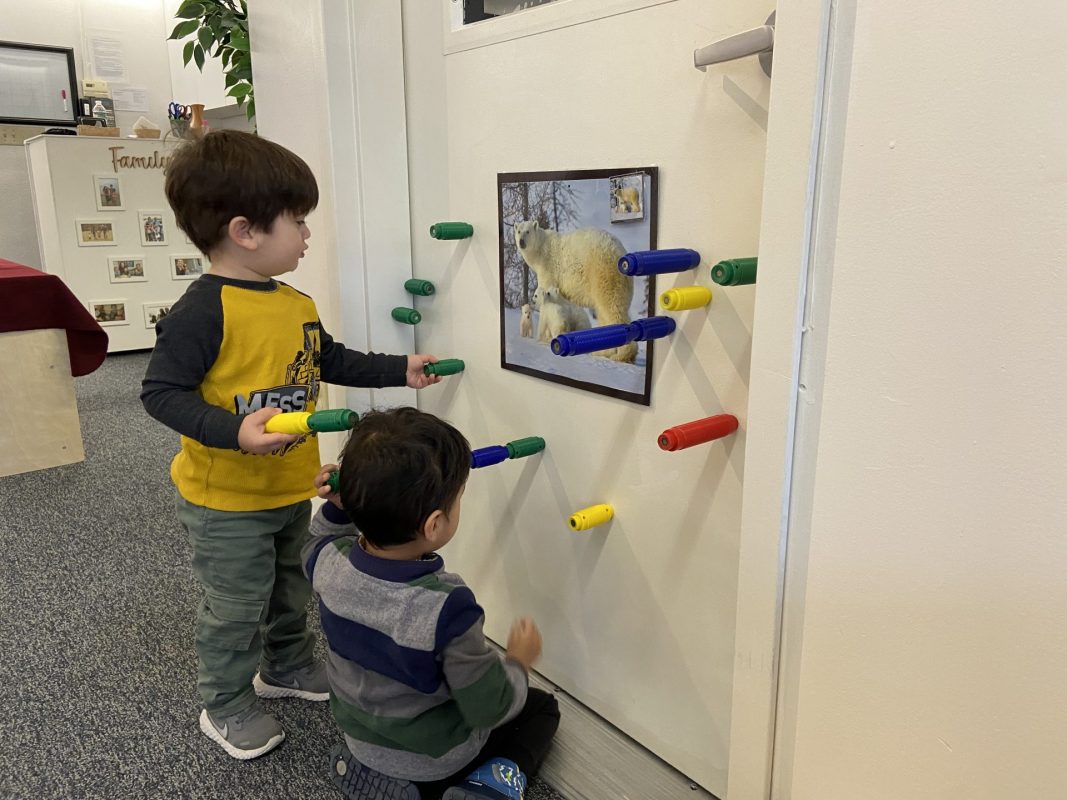
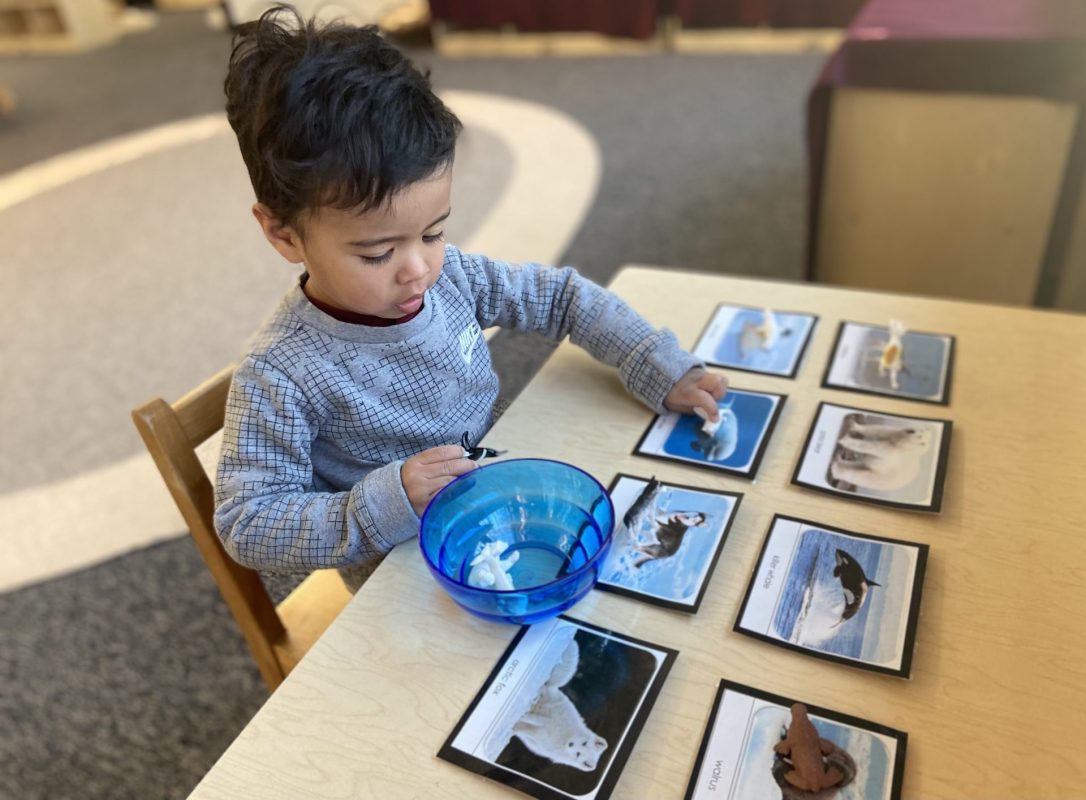
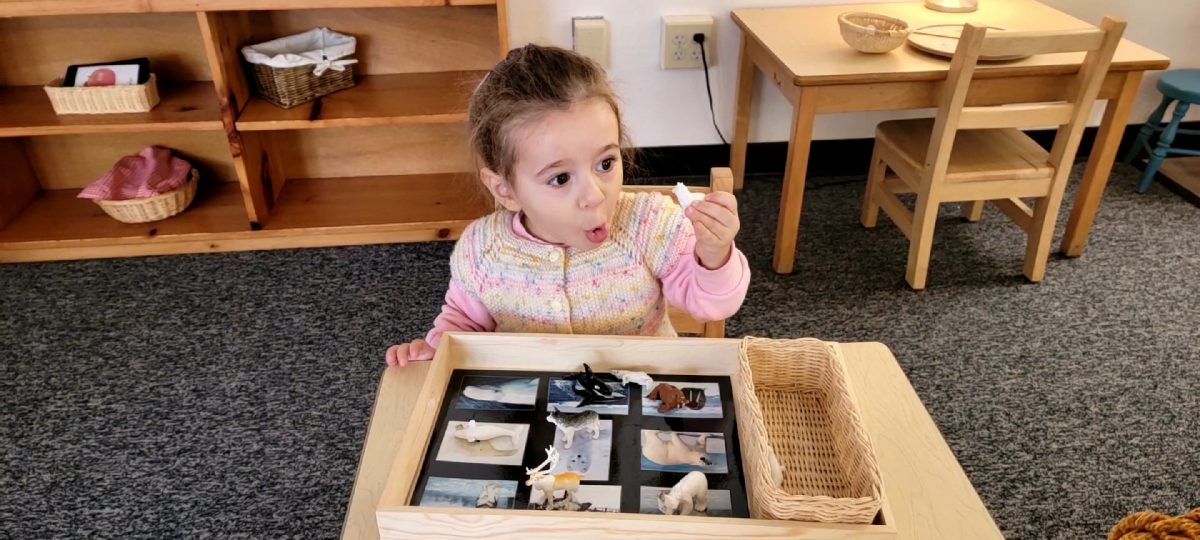
In the language area younger toddlers were introduced to an object to picture matching work, focused on arctic animals. Children learned to recognize a harp seal, an arctic fox, a killer whale, a walrus, a husky, a caribou, a beluga whale, and a polar bear. Second year students continue using this material to remember animal names and explore other new details about them.

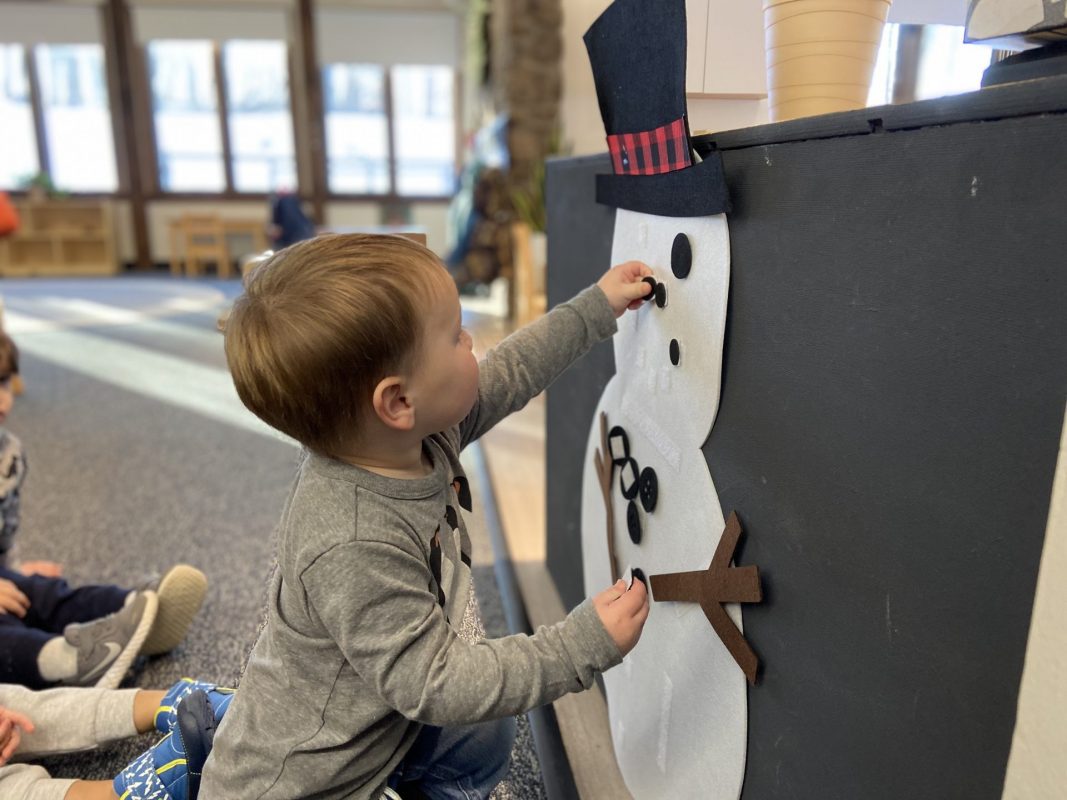
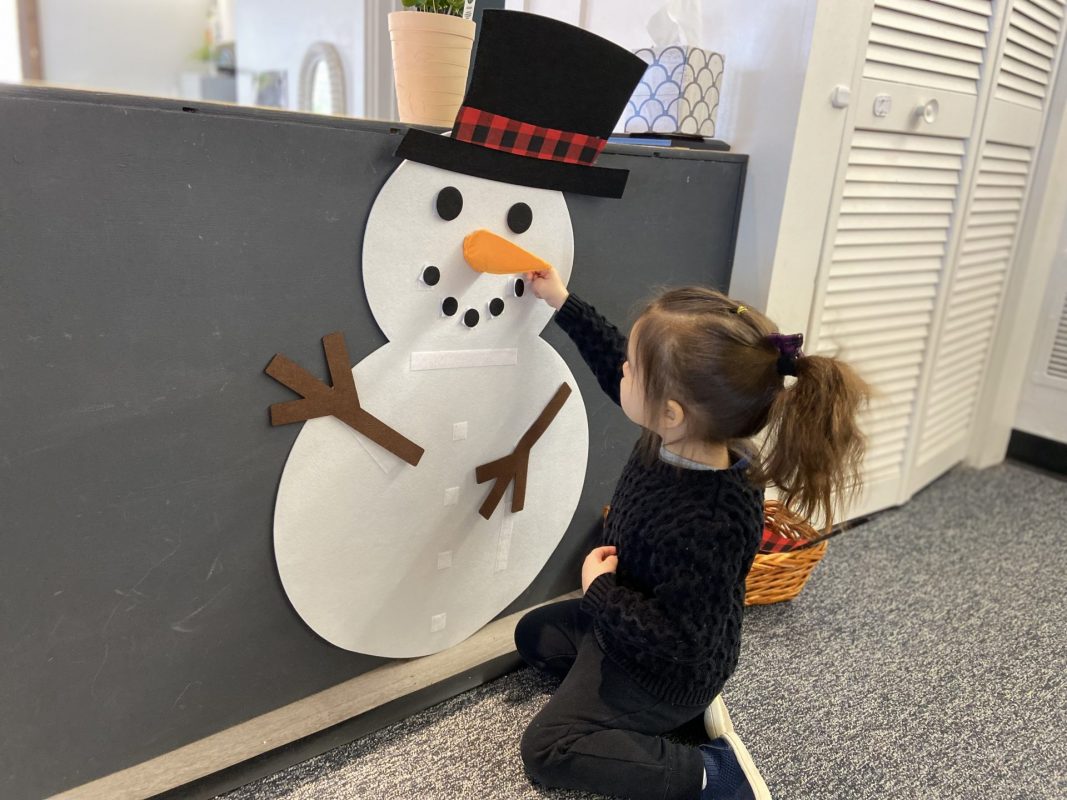
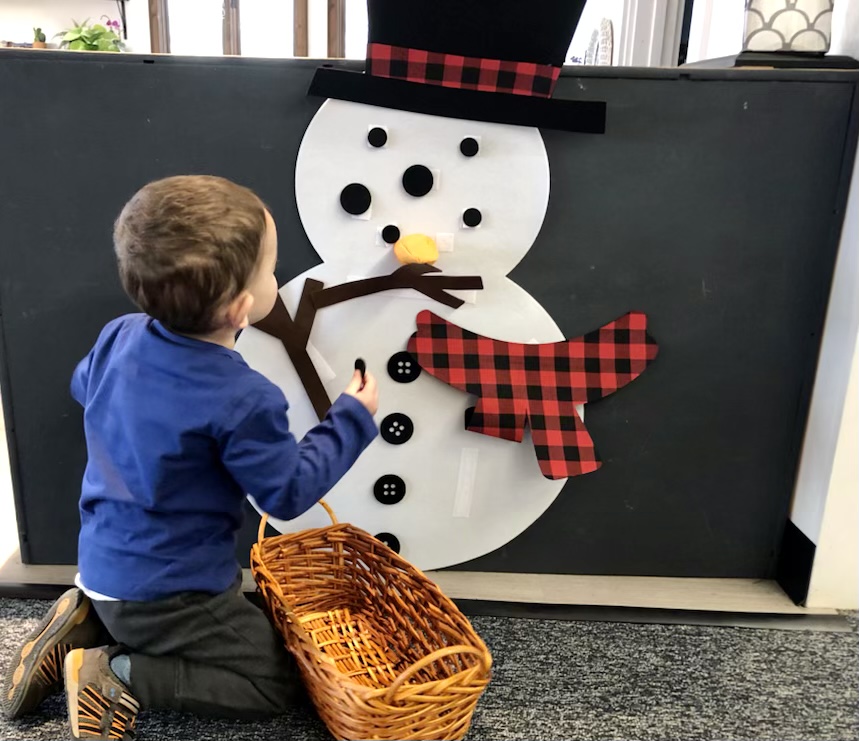
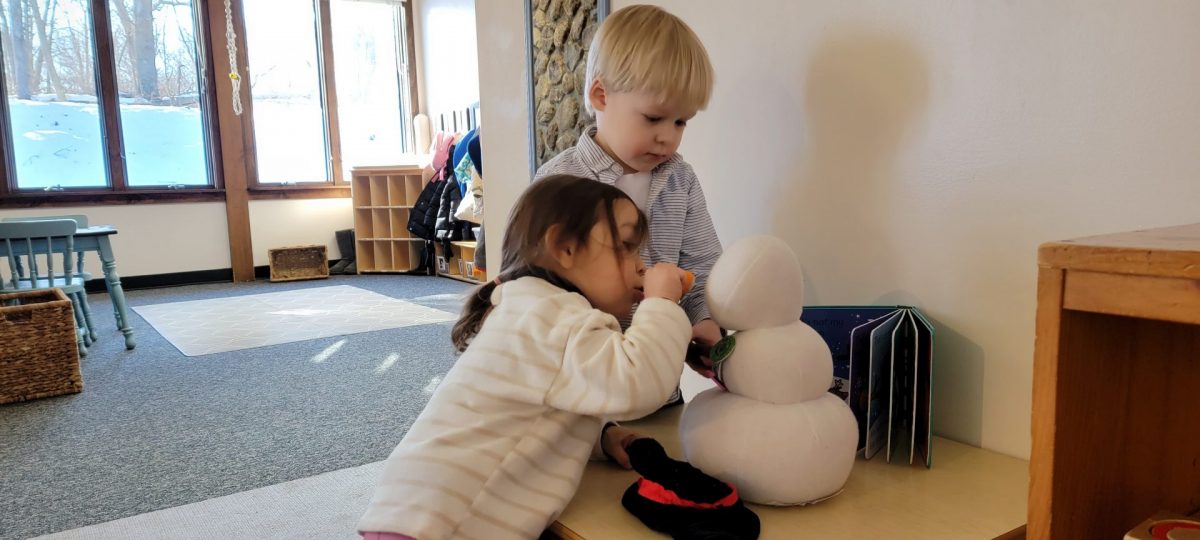
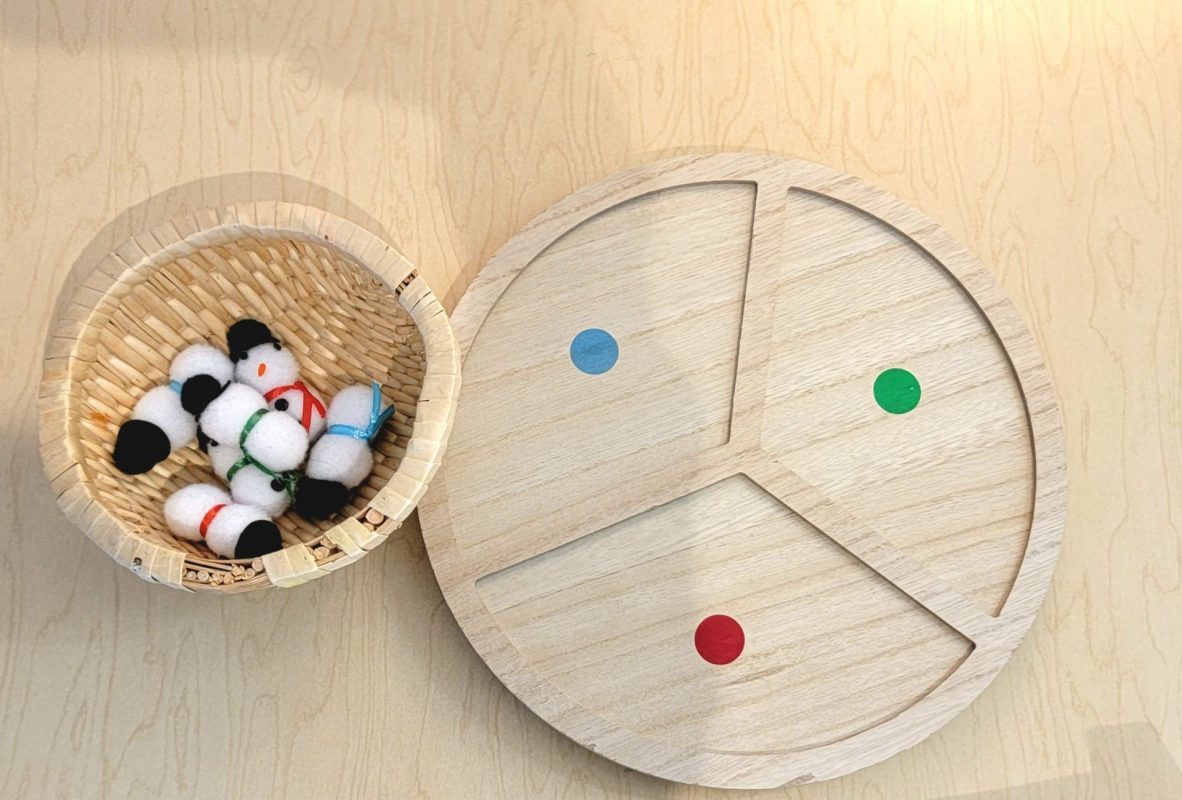
Another of the popular works this week was building up a snowman out of felt. Through this exercise children review body parts,winter clothing names and enhance their critical thinking skills deciding where these parts belong on the snowman.

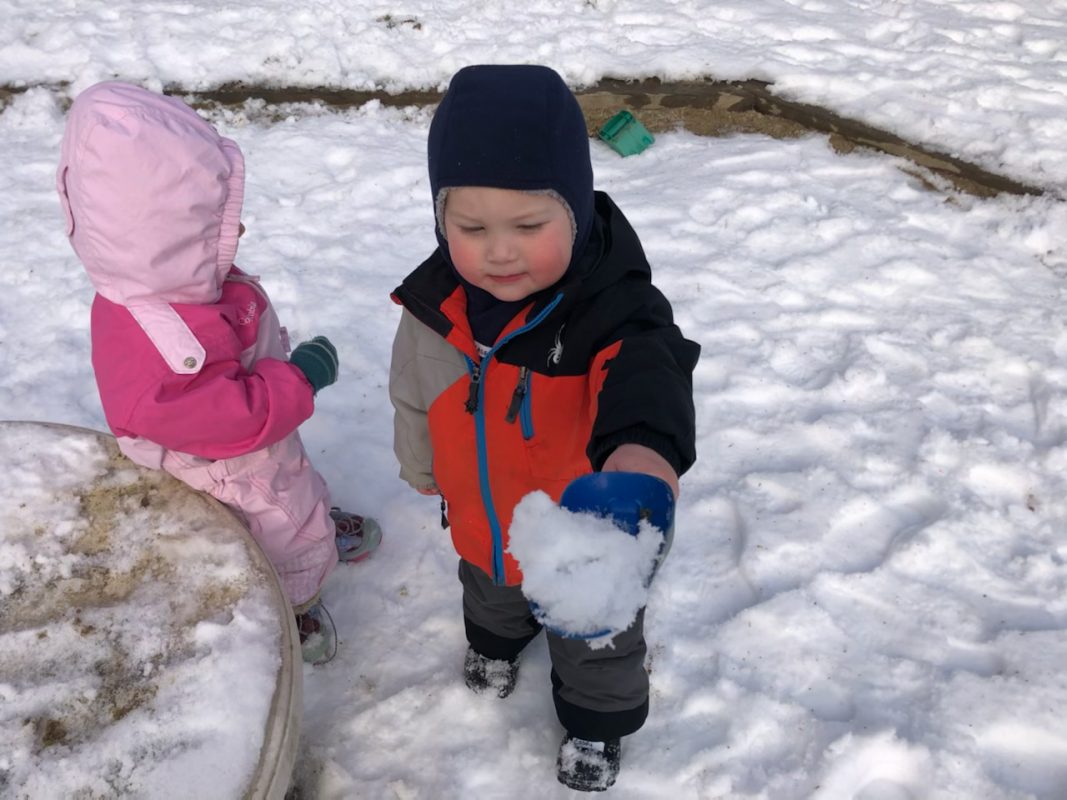
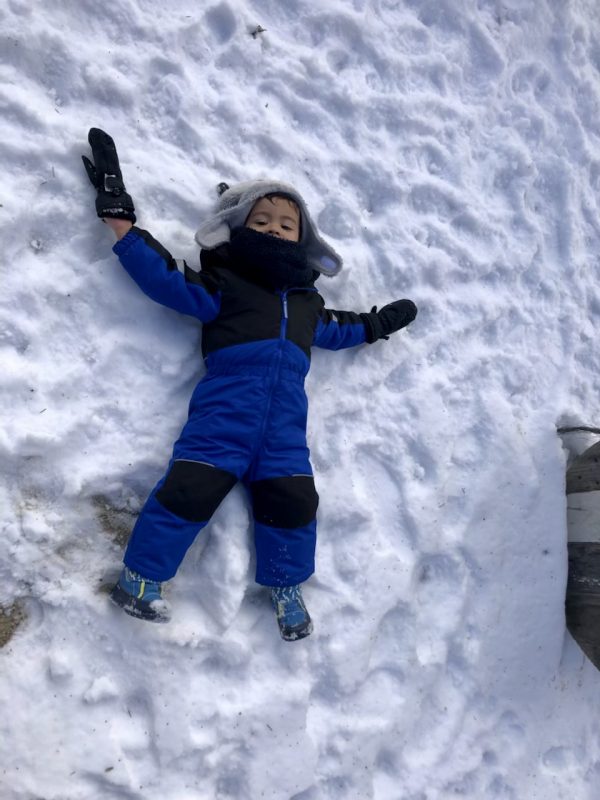
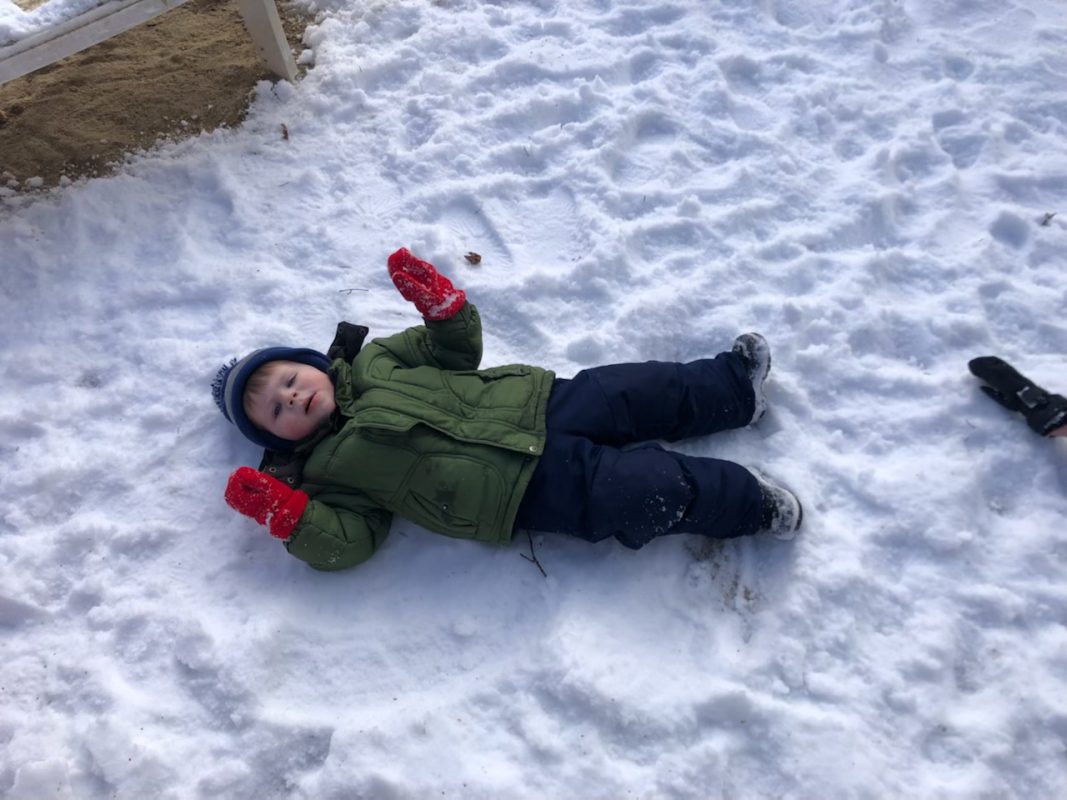
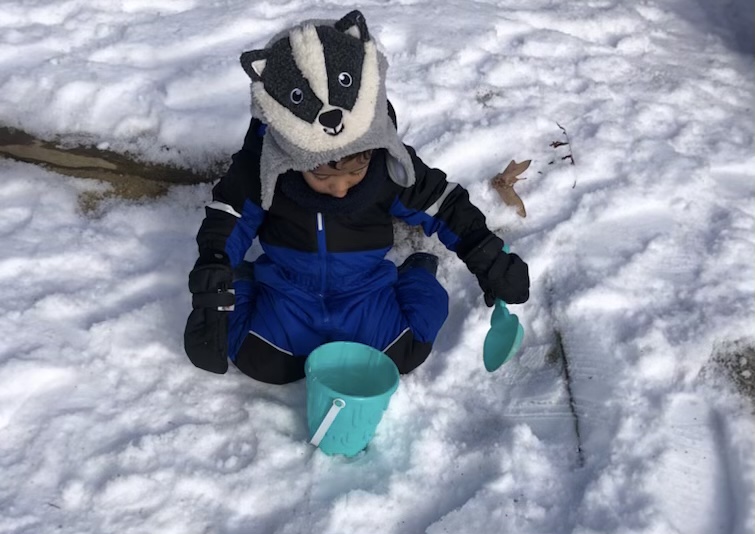
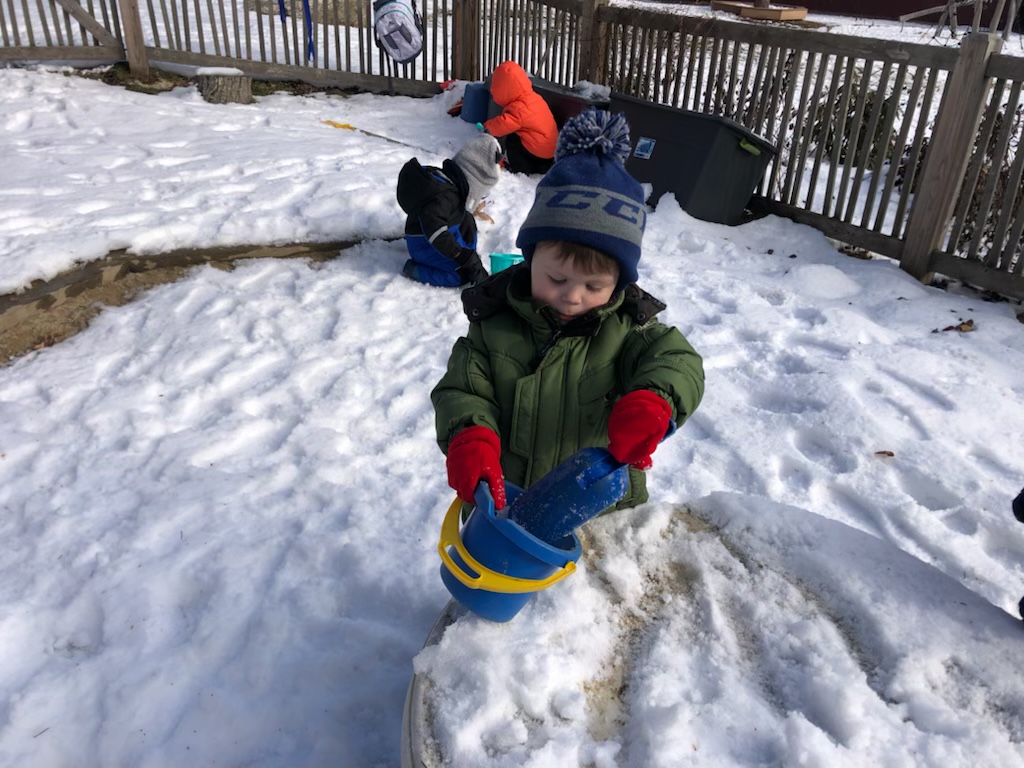
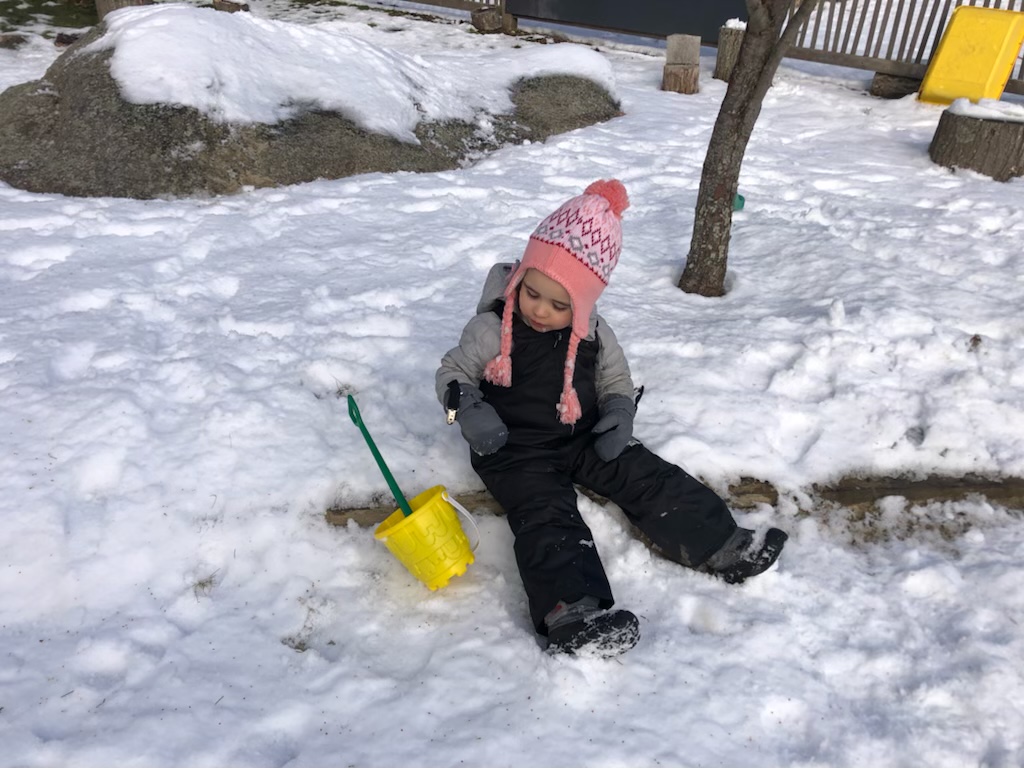
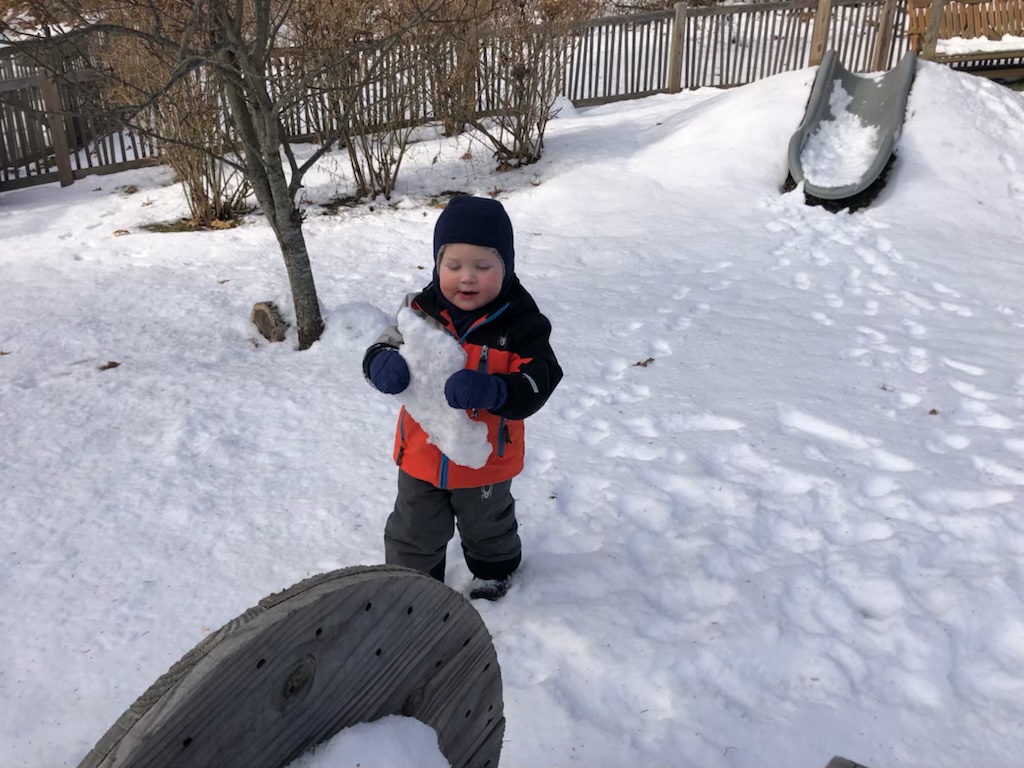
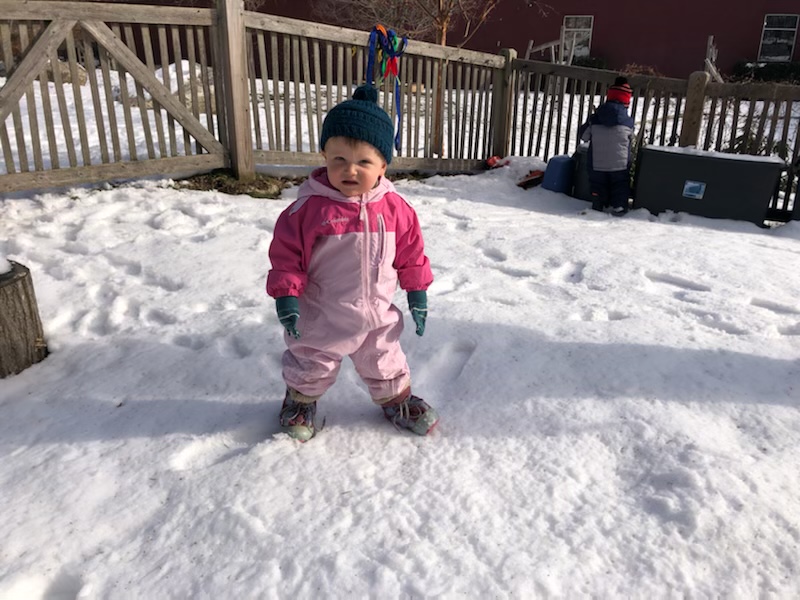
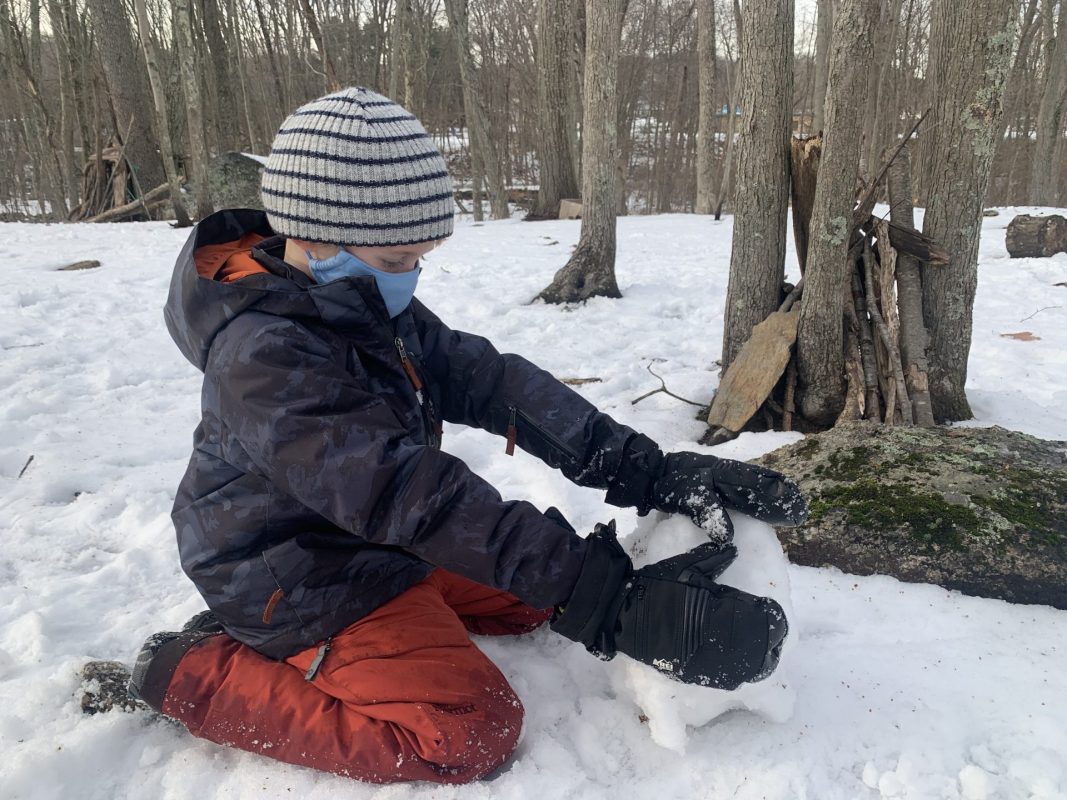
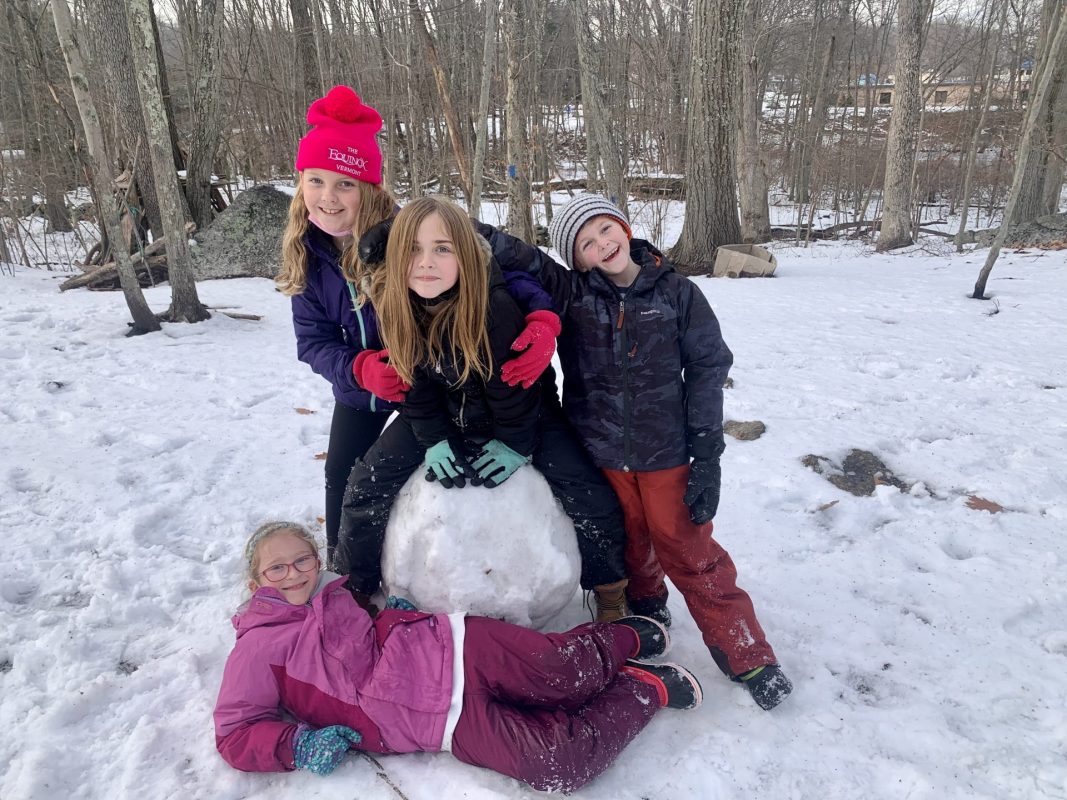
We were also thankful for temperature to rise a little so children  had a blast playing and exploring outdoors! We can’t wait to be able to have good snow to build a real snowman together!

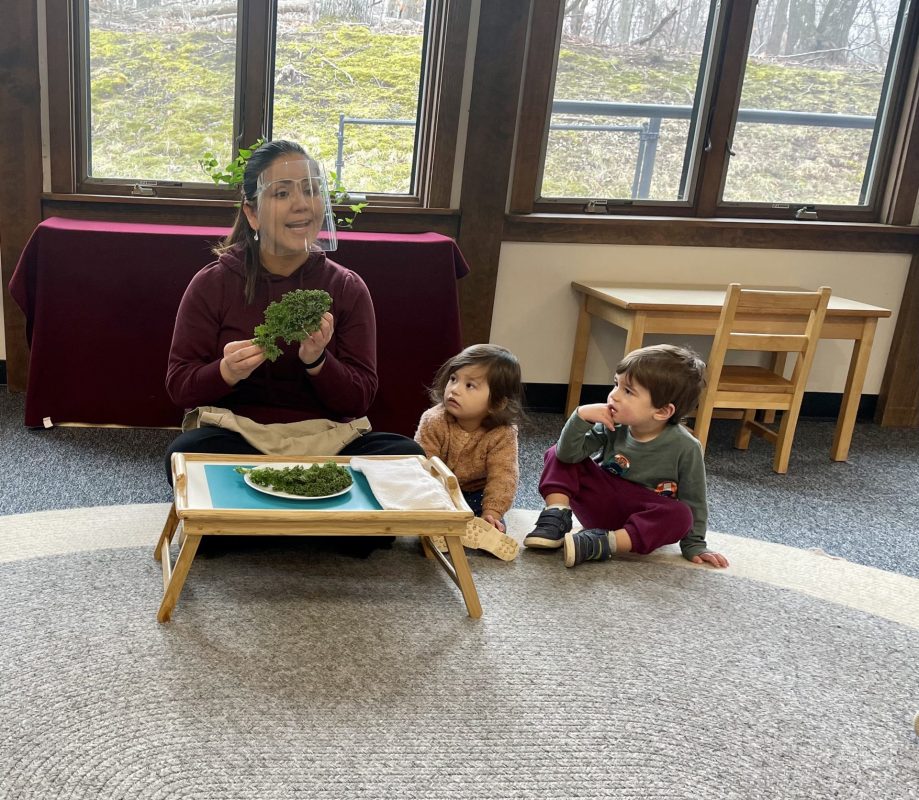
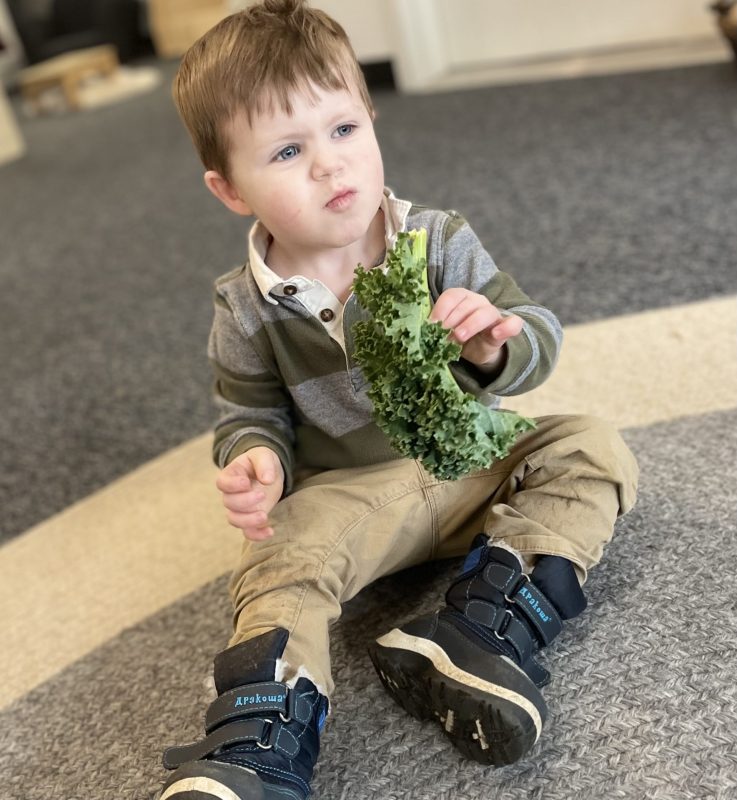
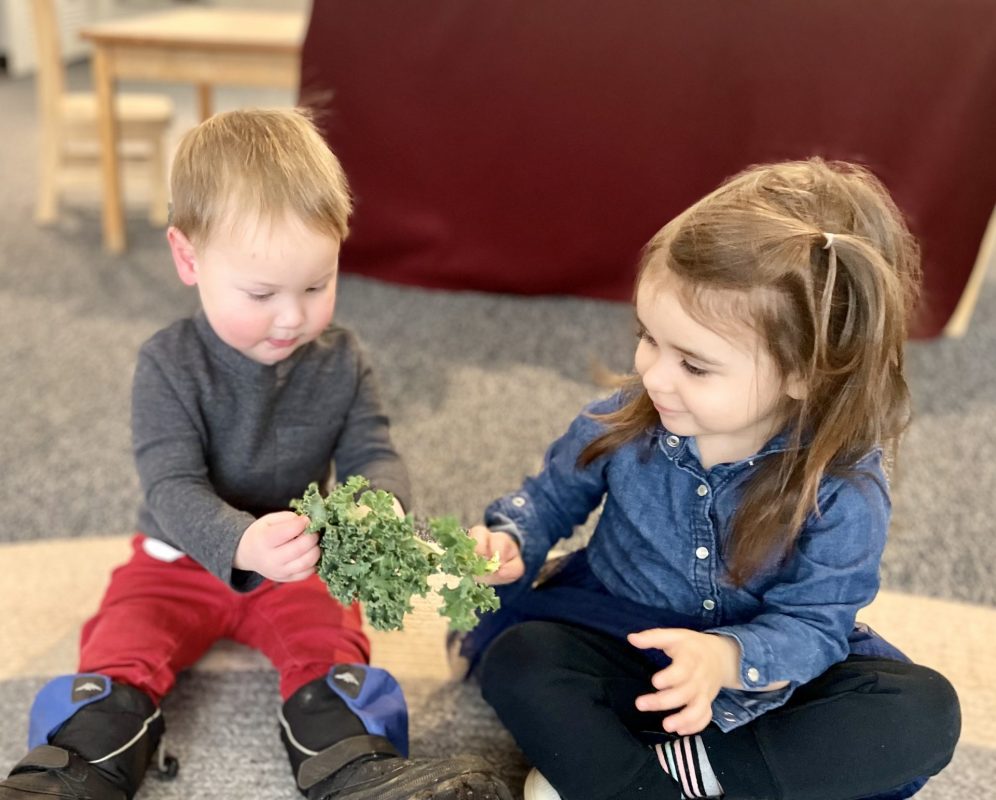
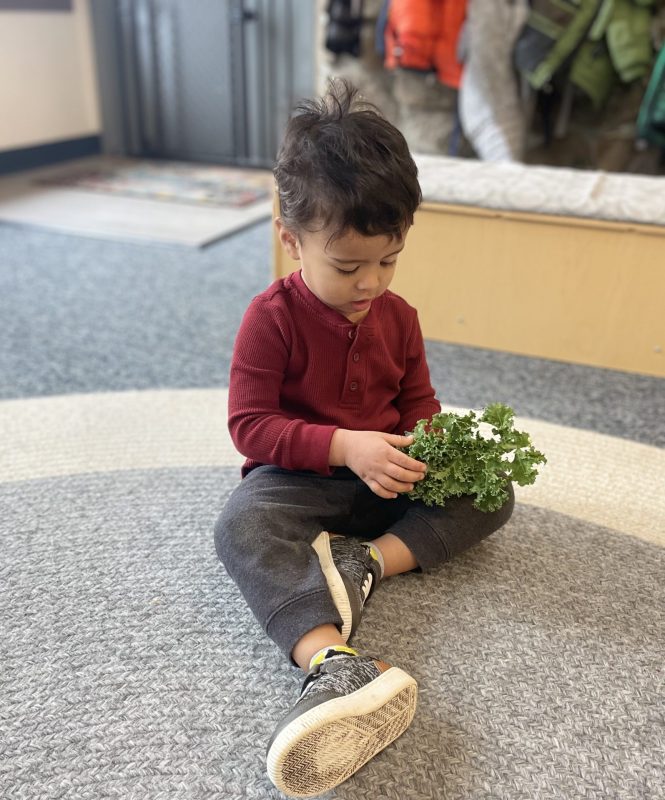
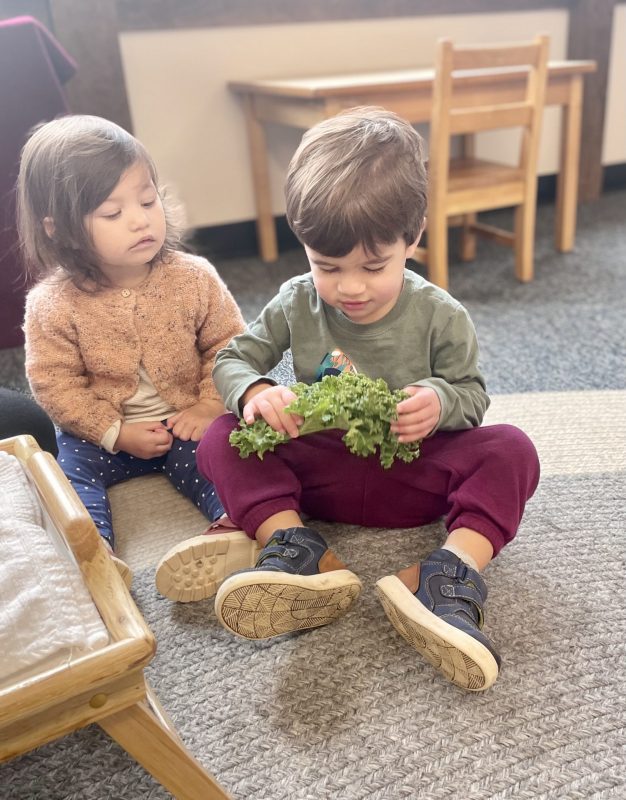
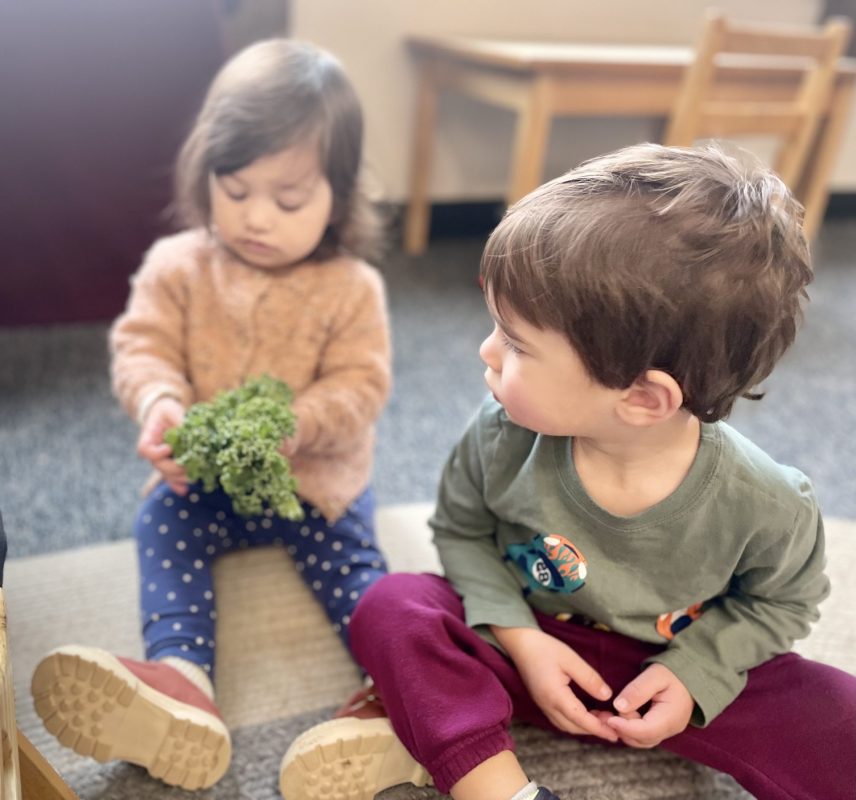
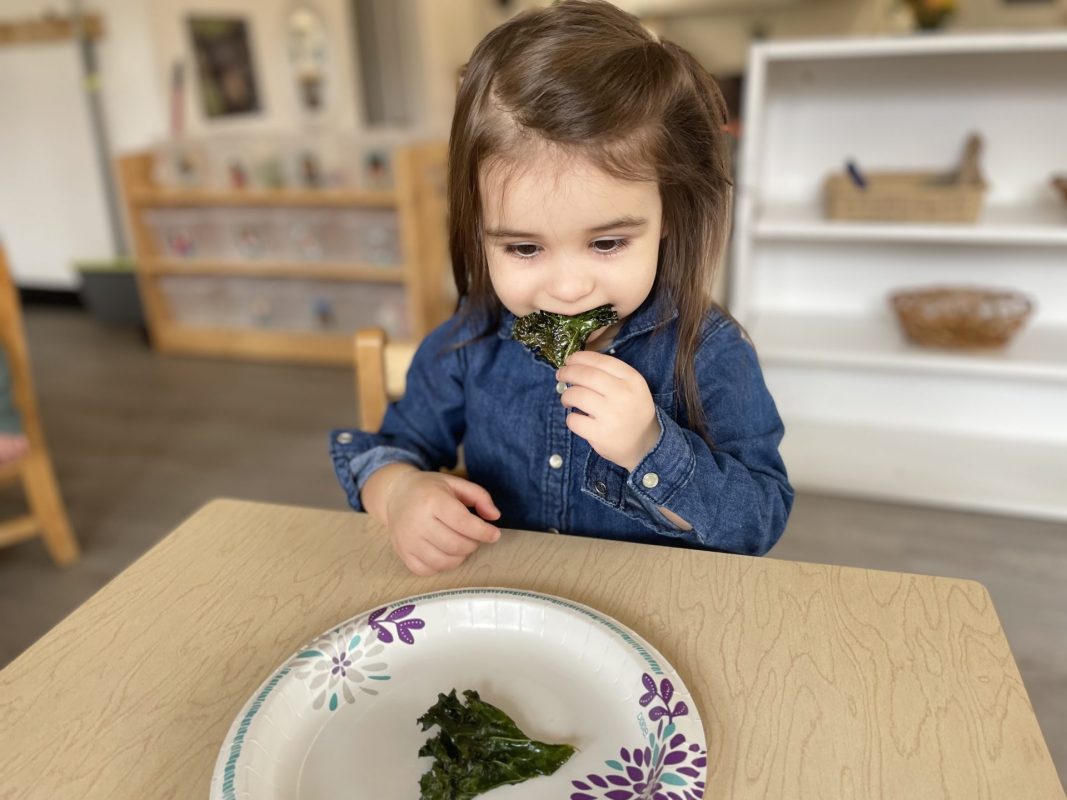
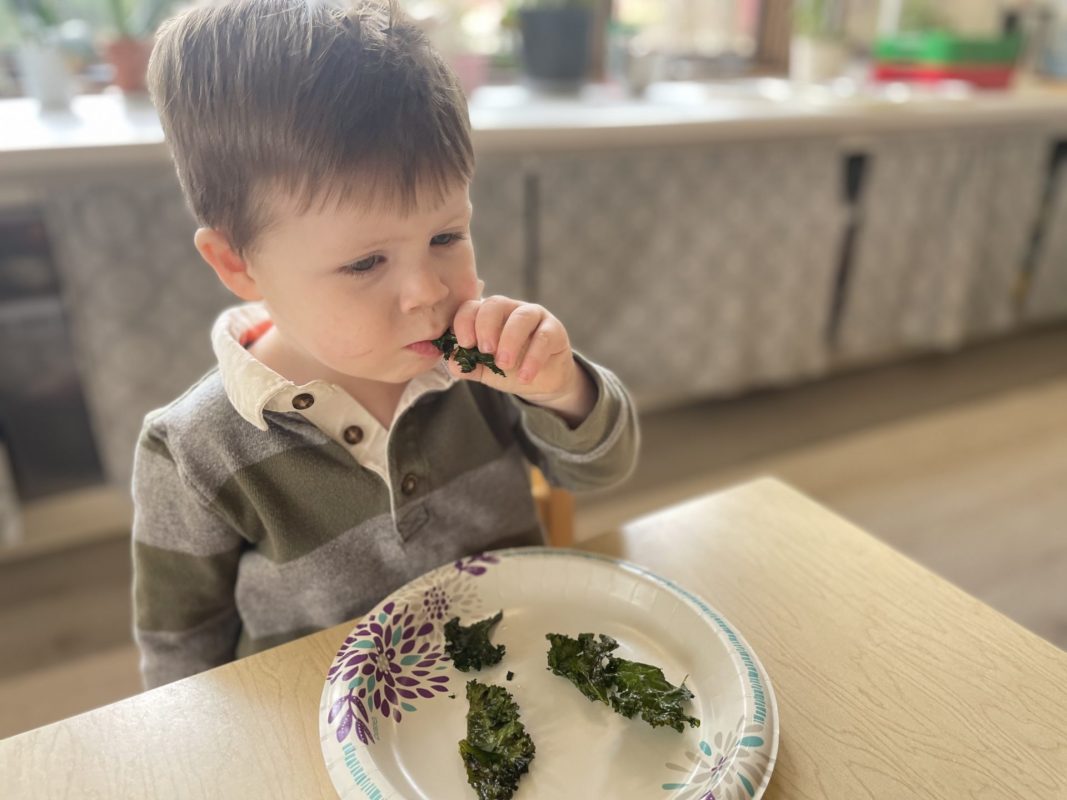
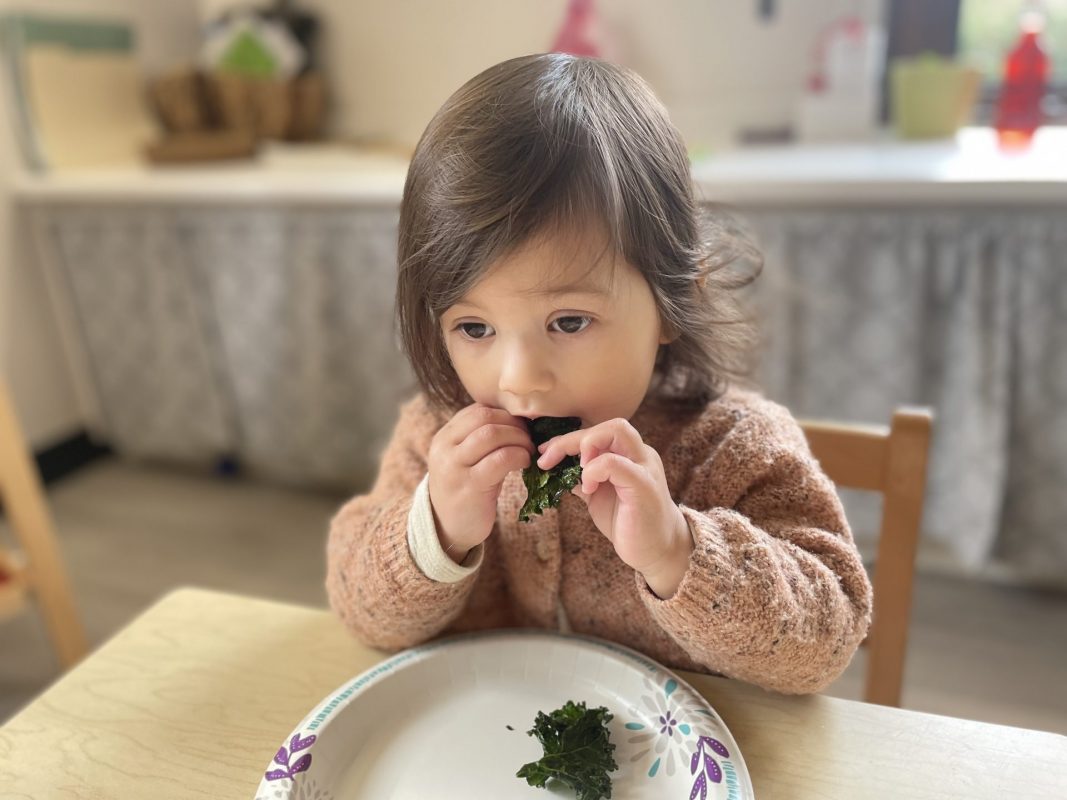
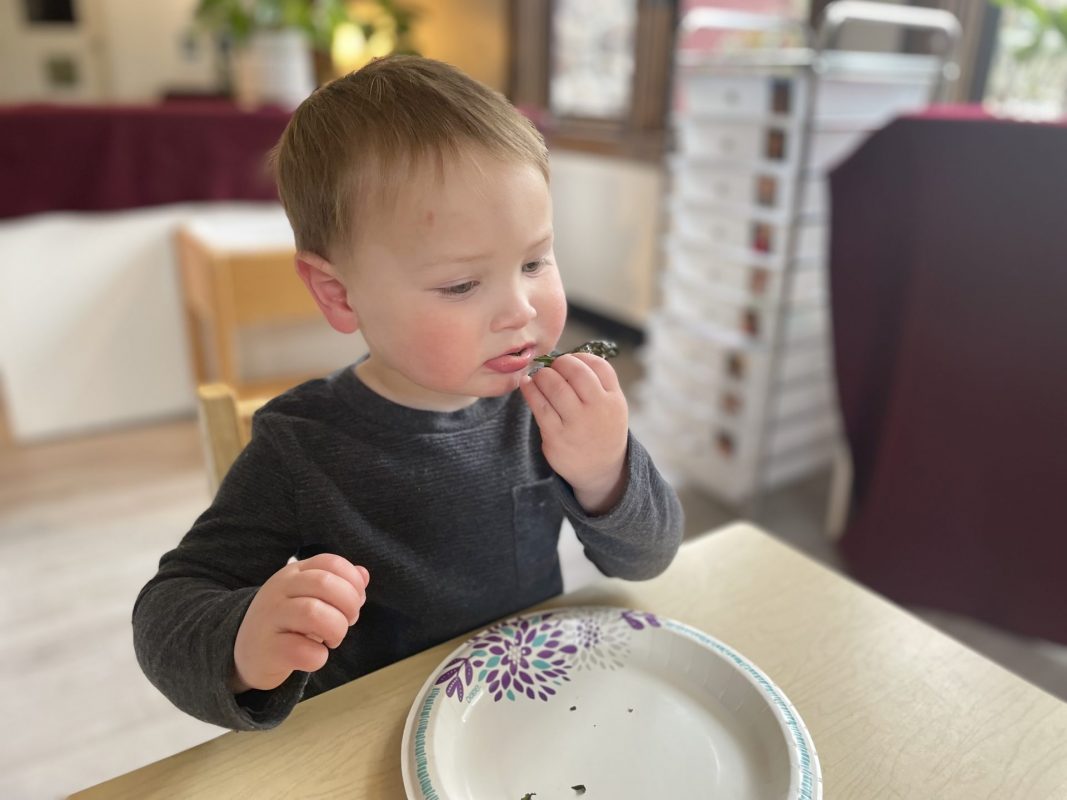
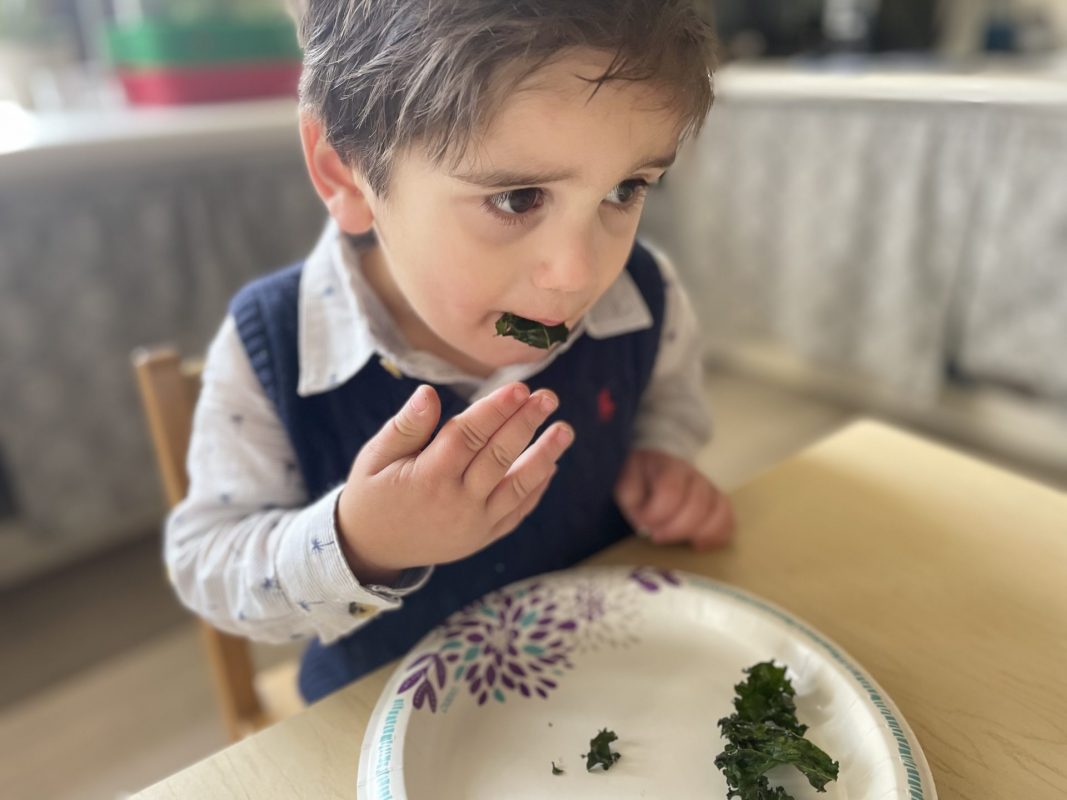
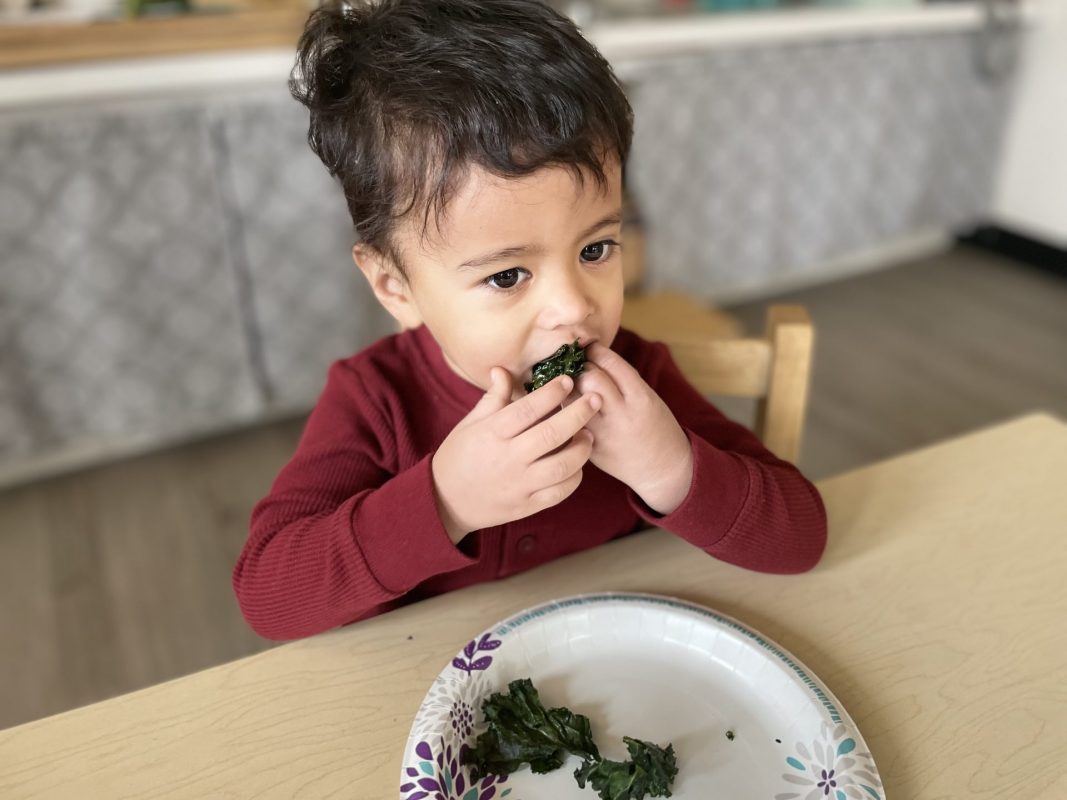
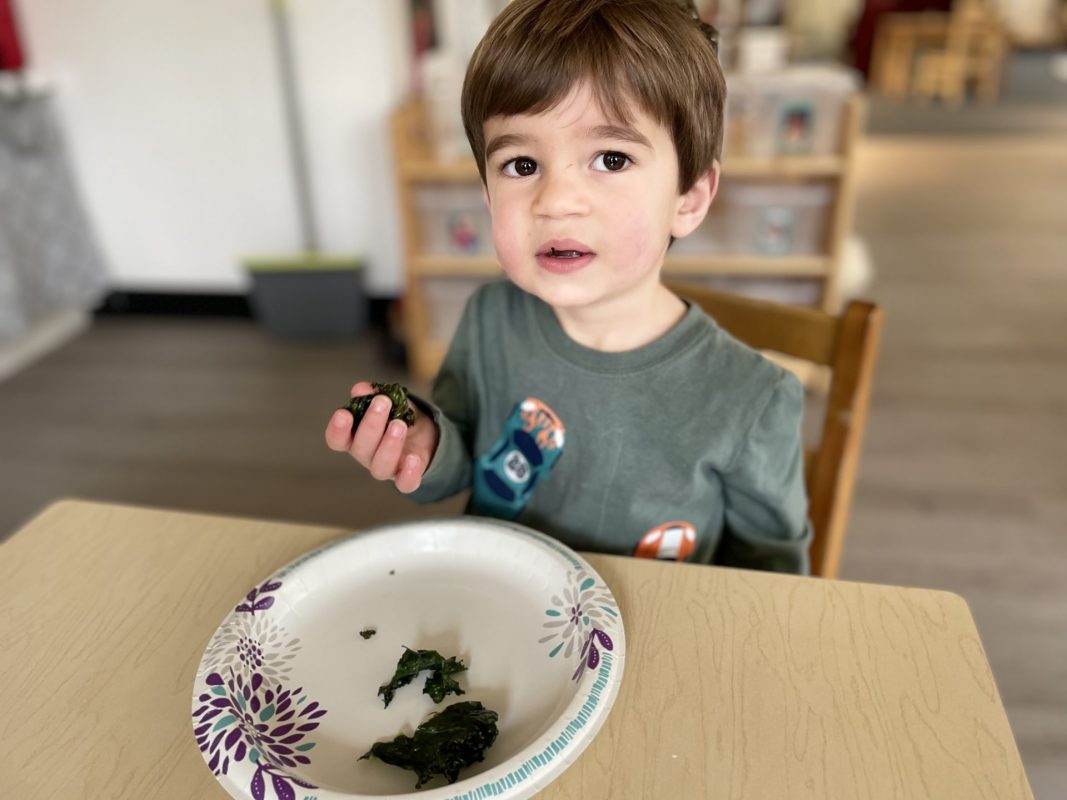
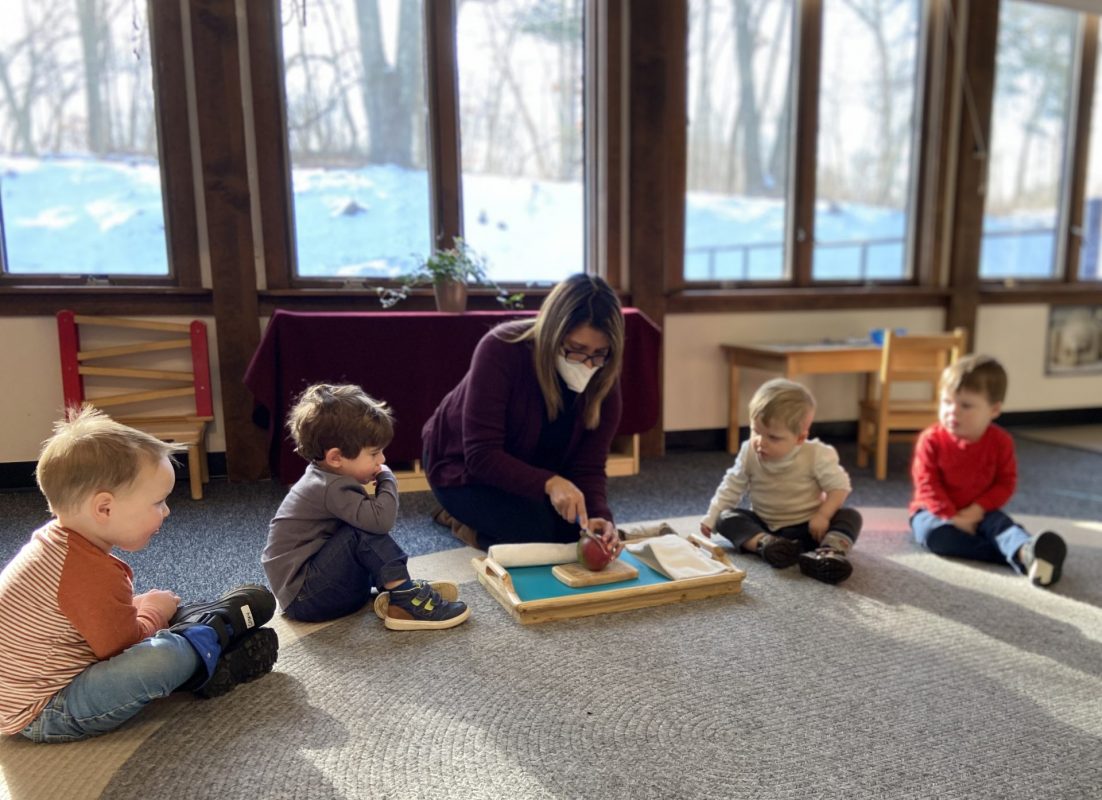
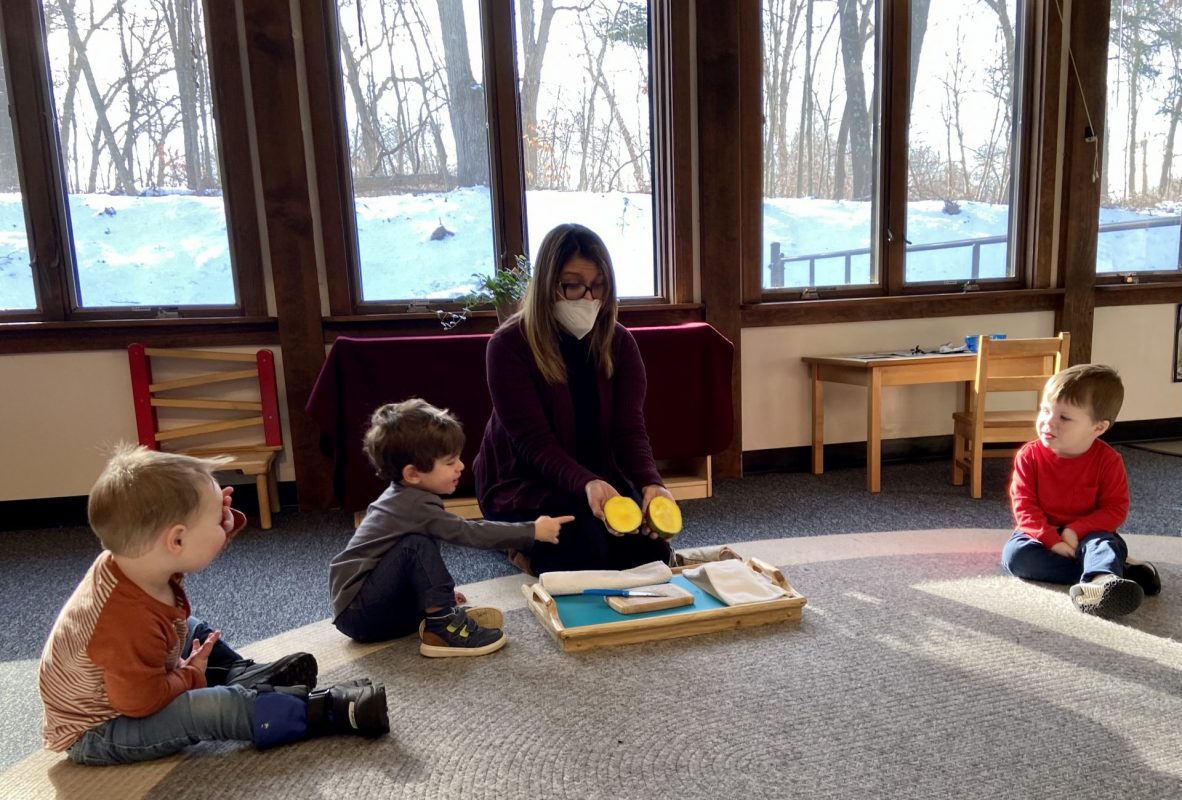
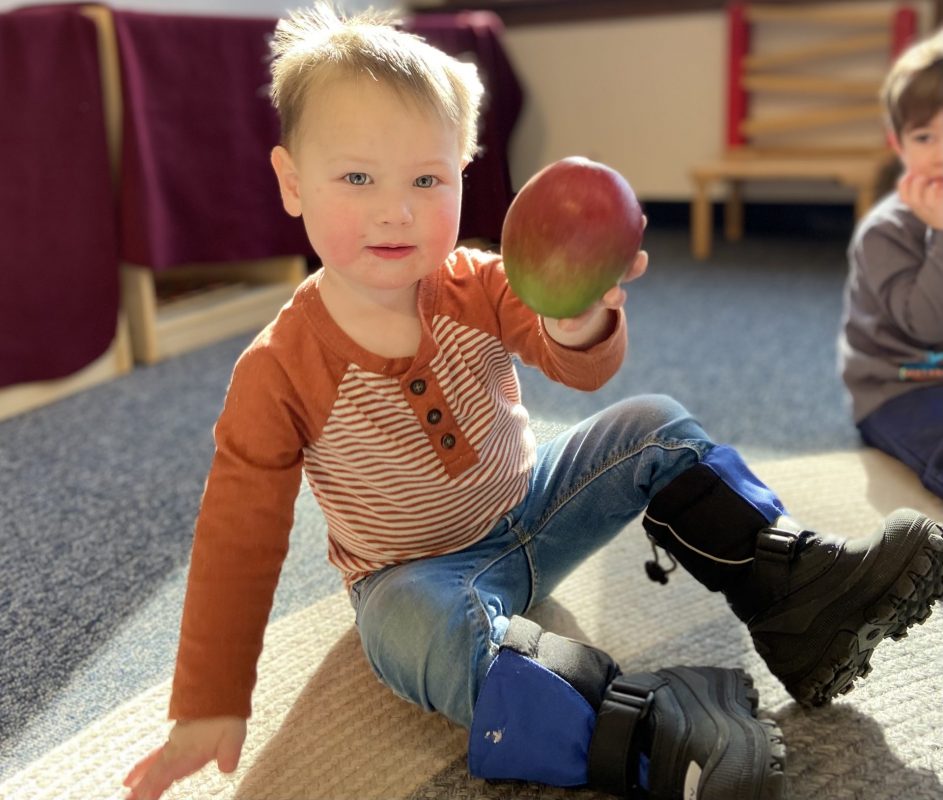
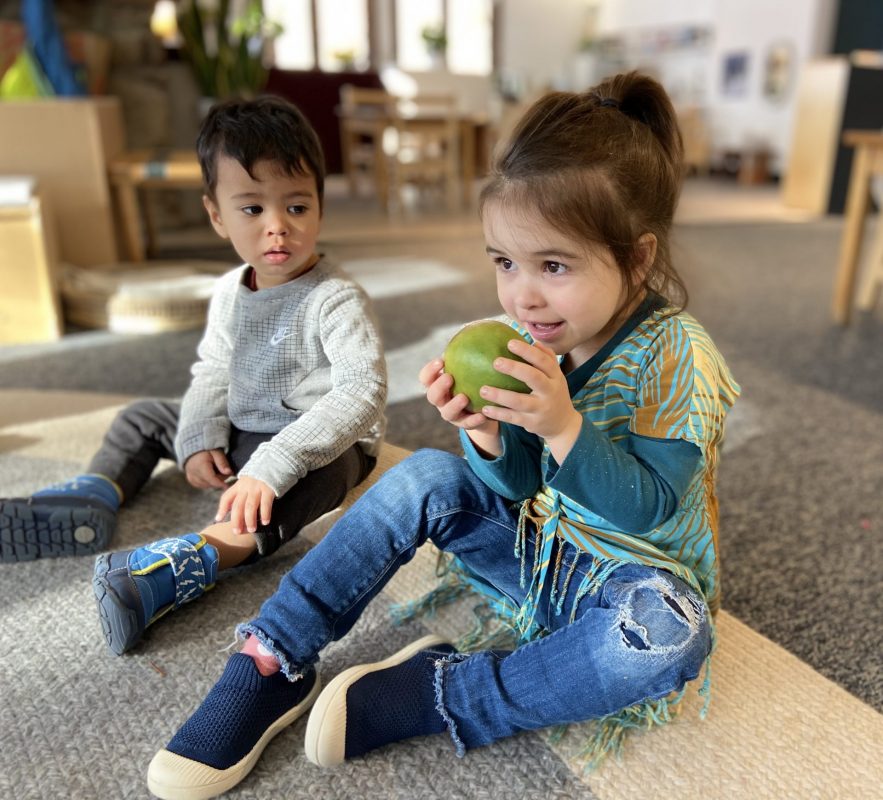
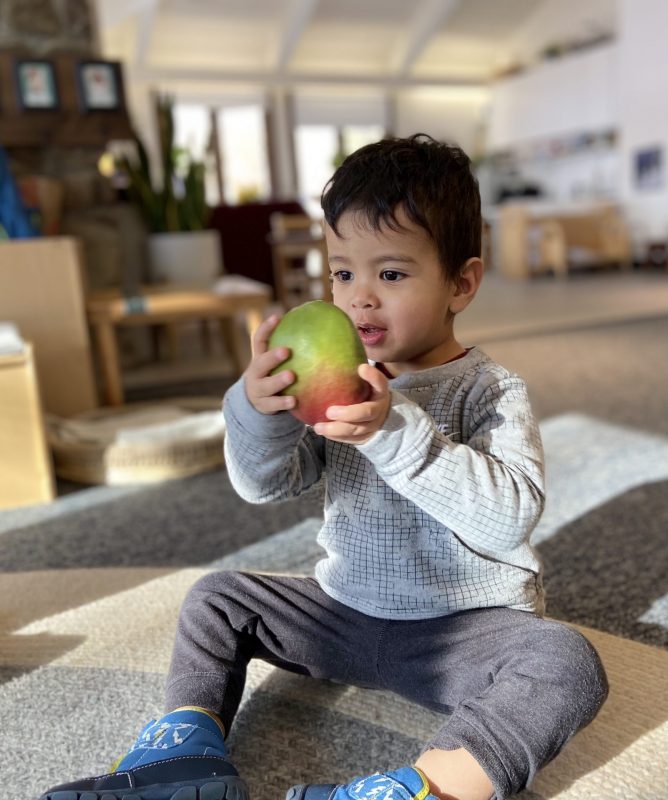
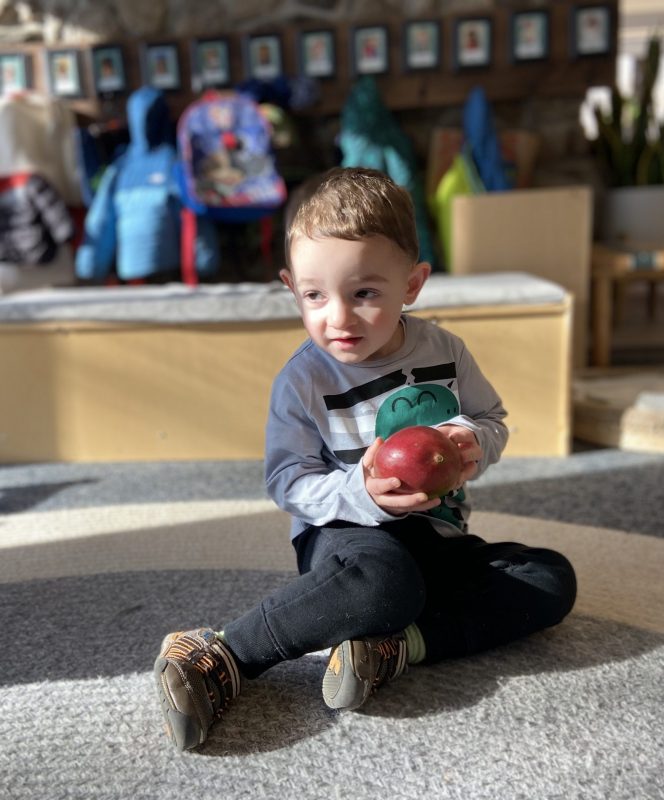
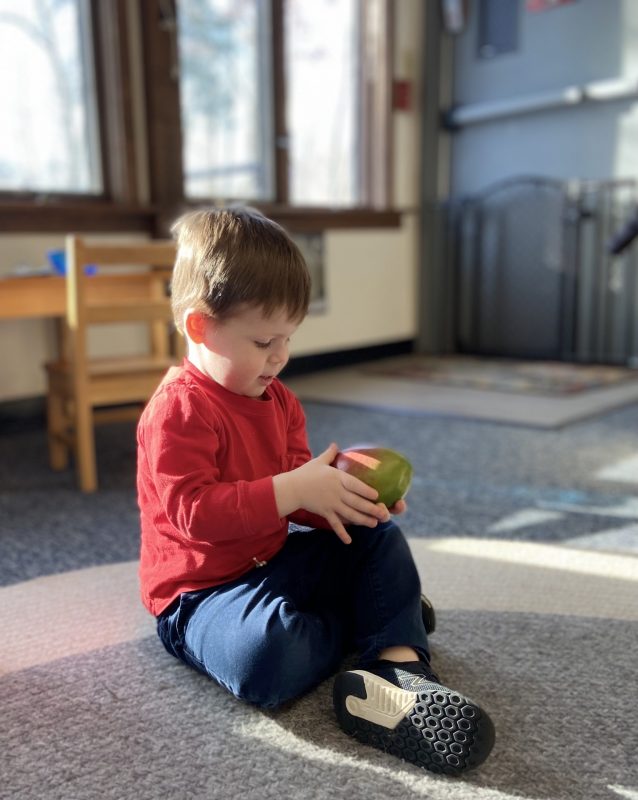
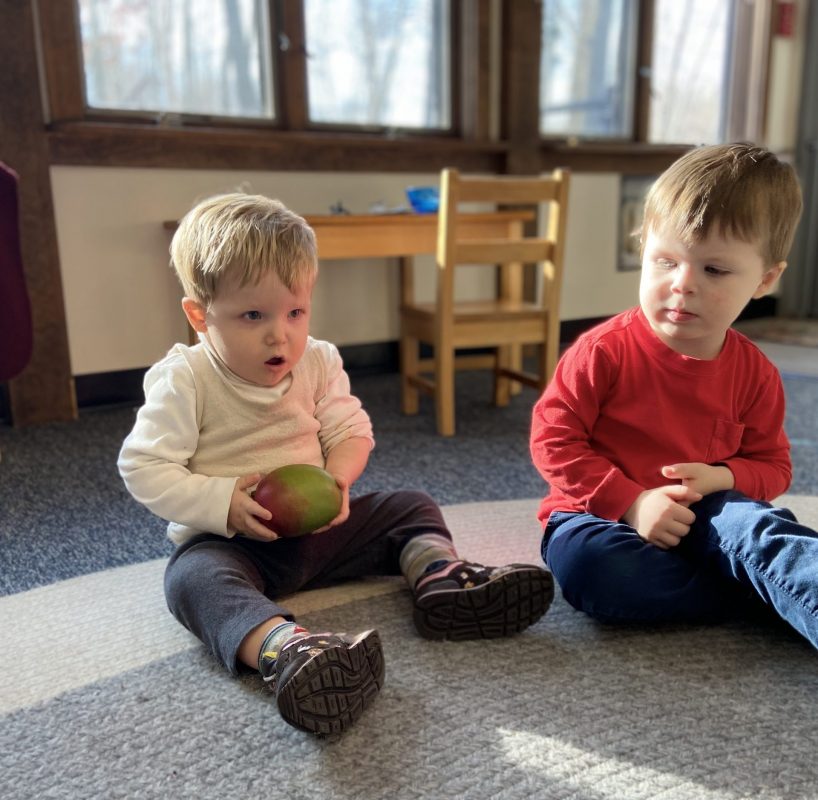
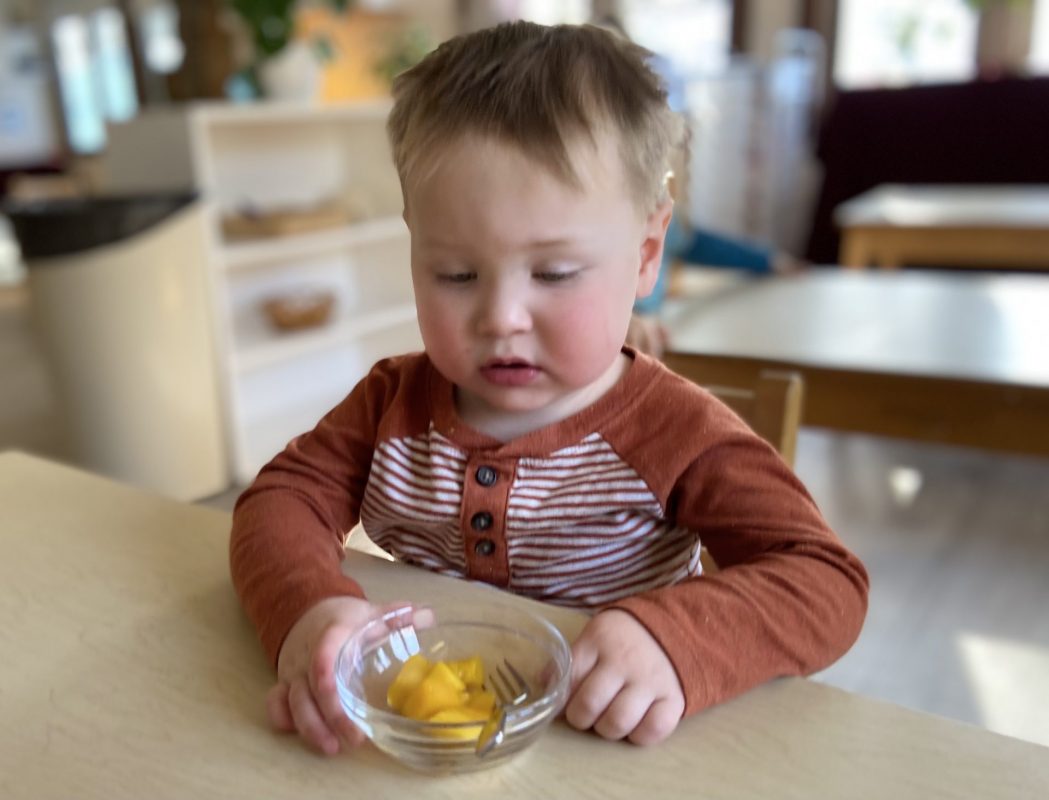
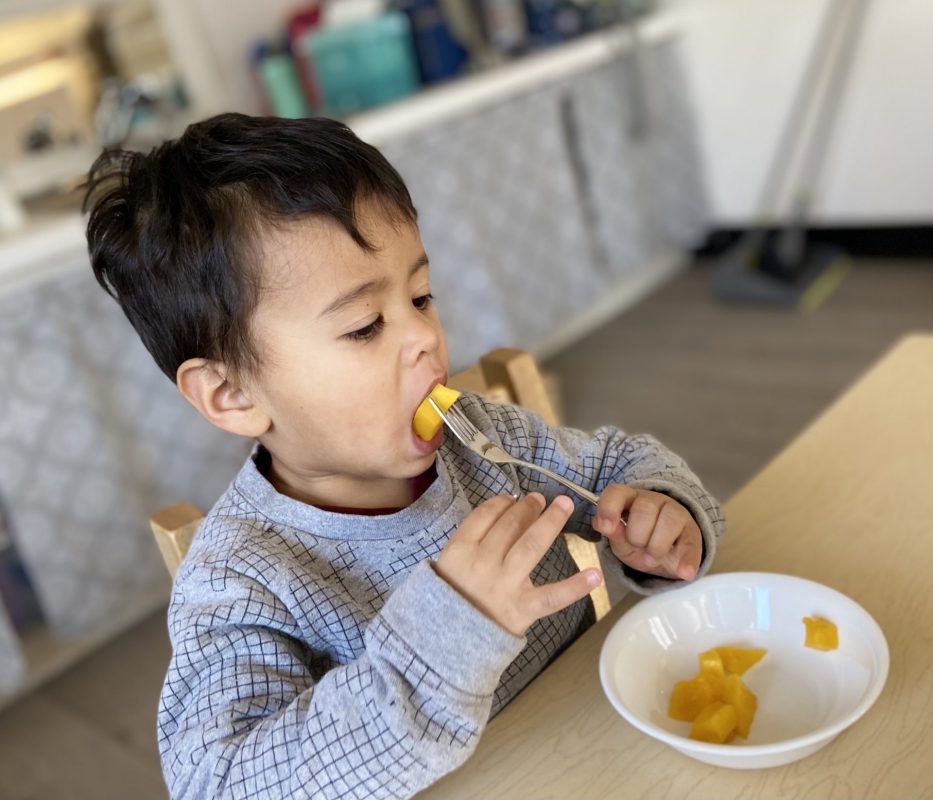
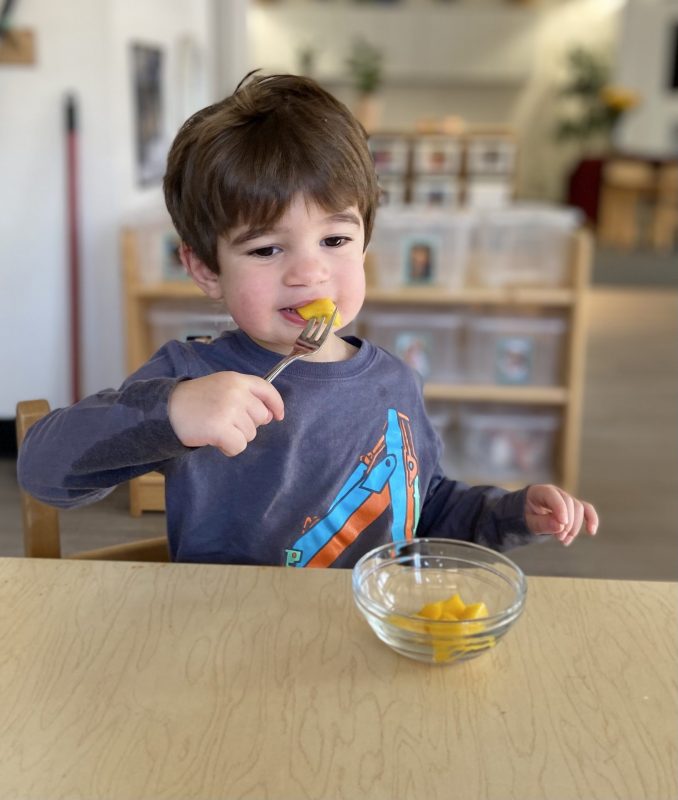
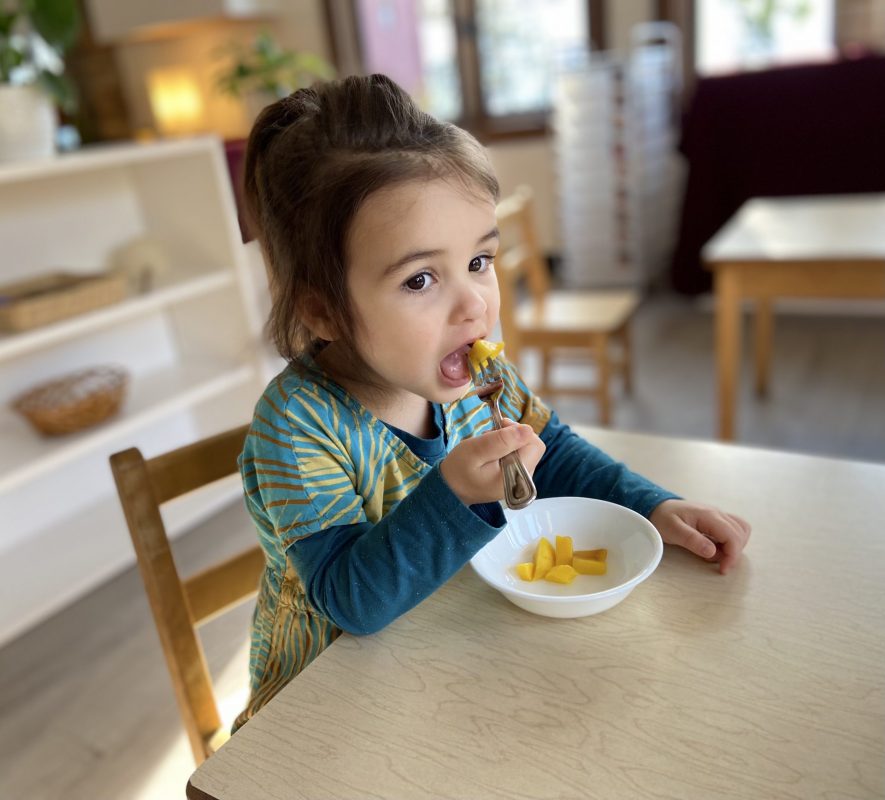
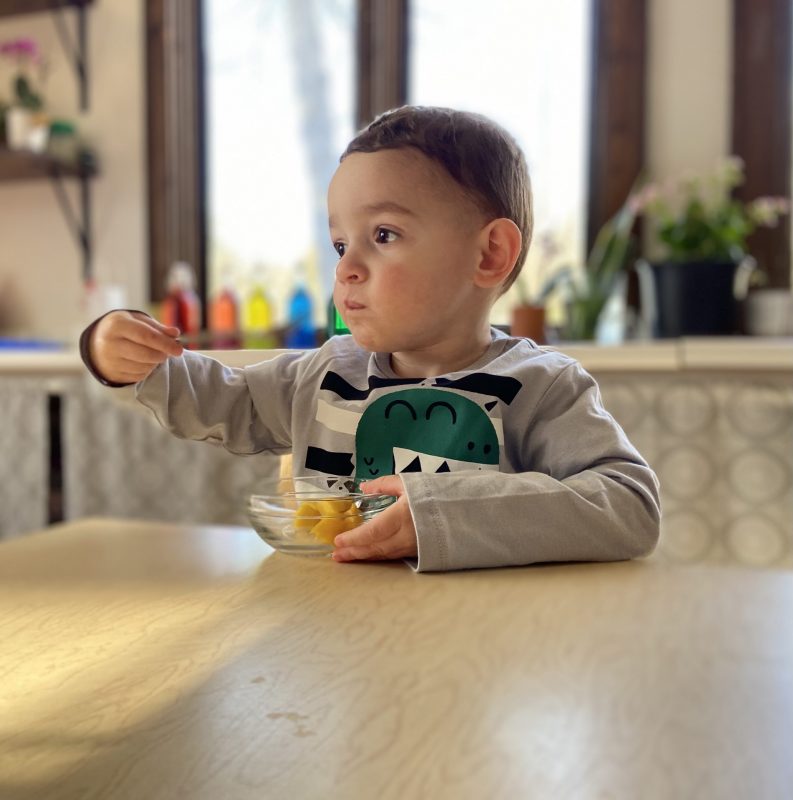
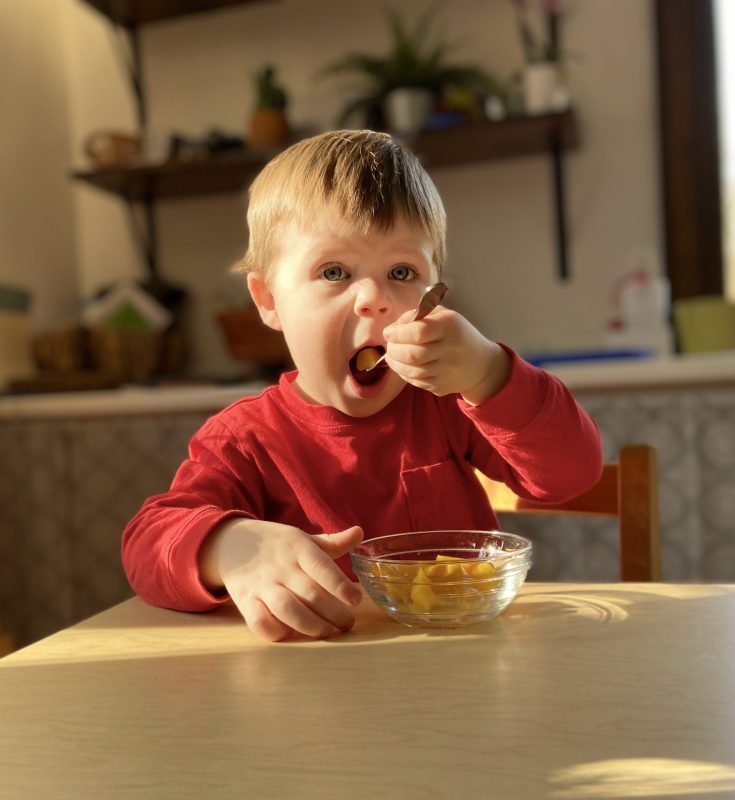
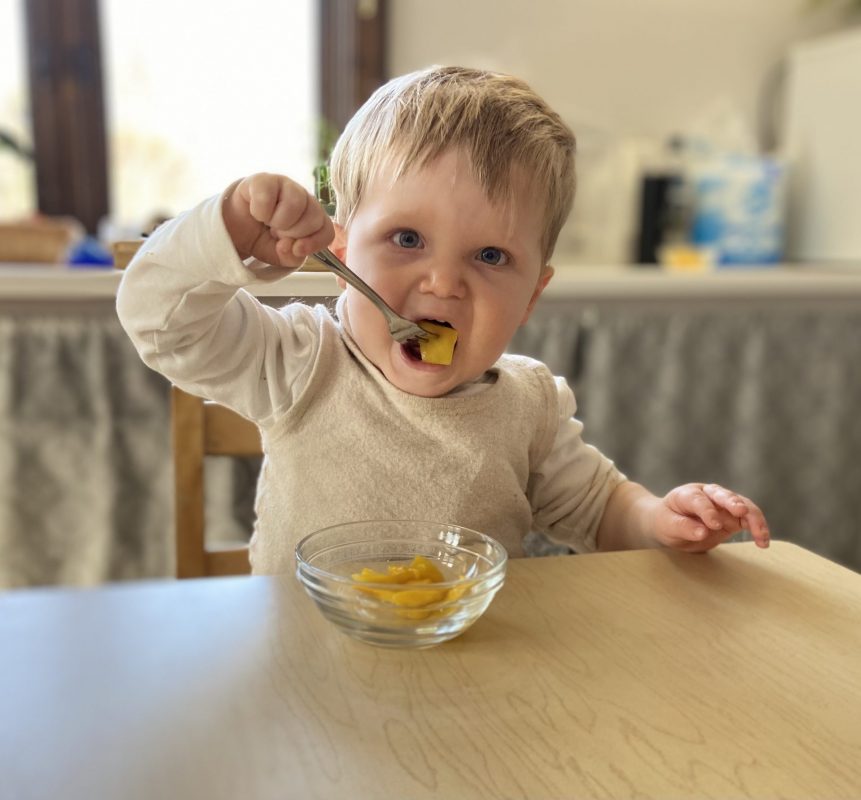
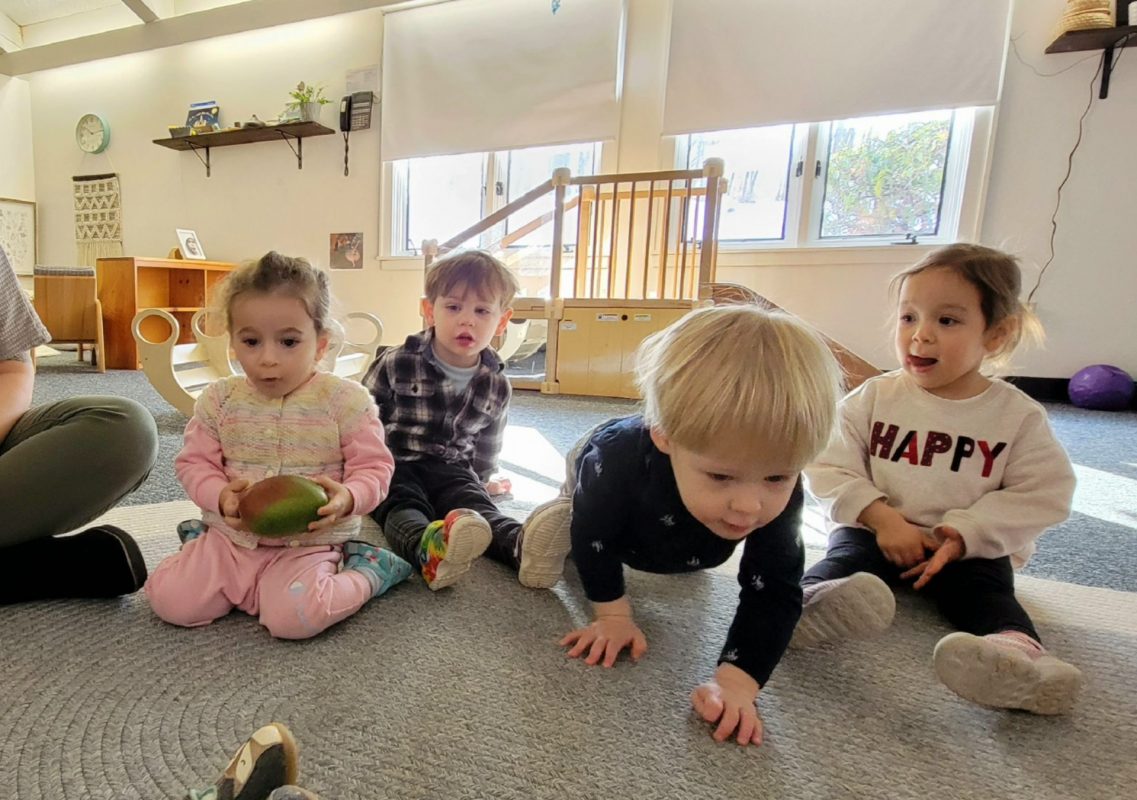
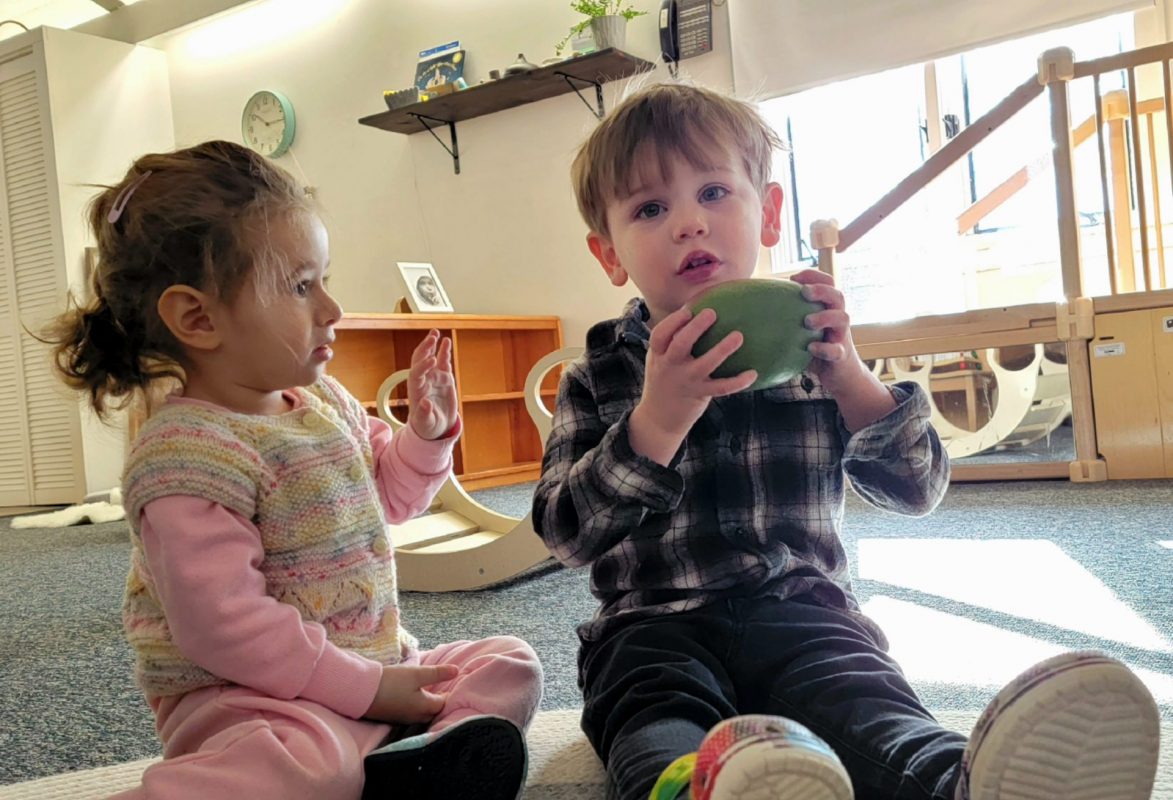
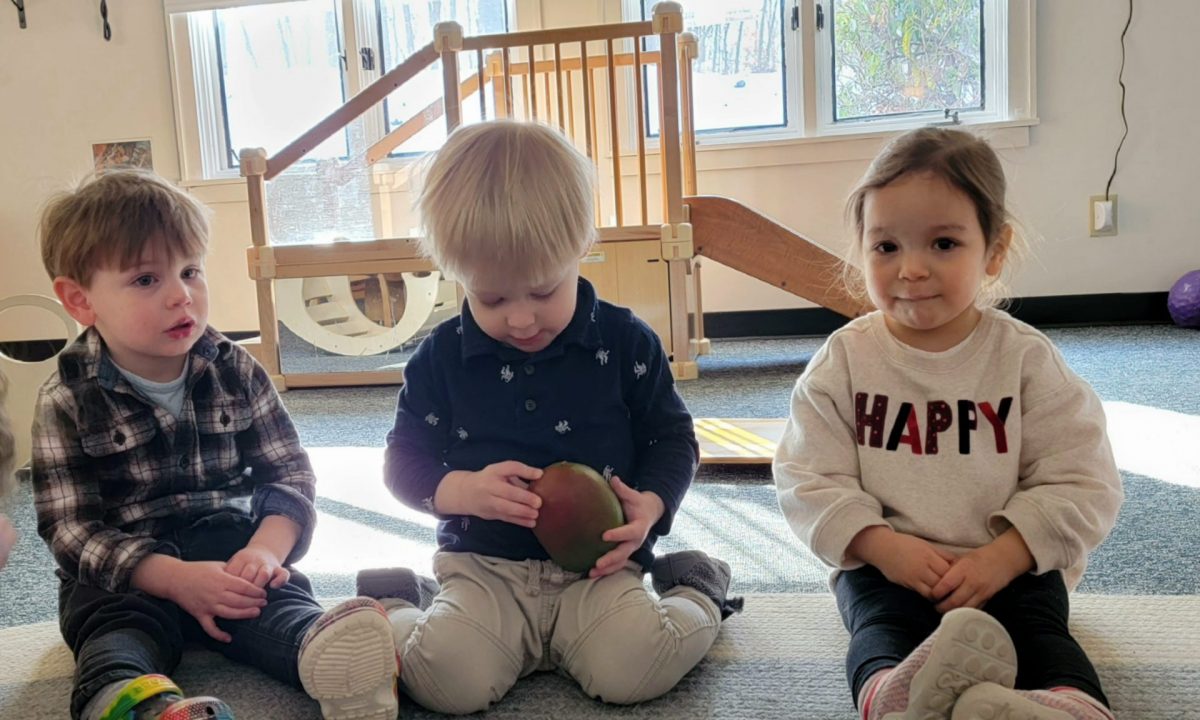
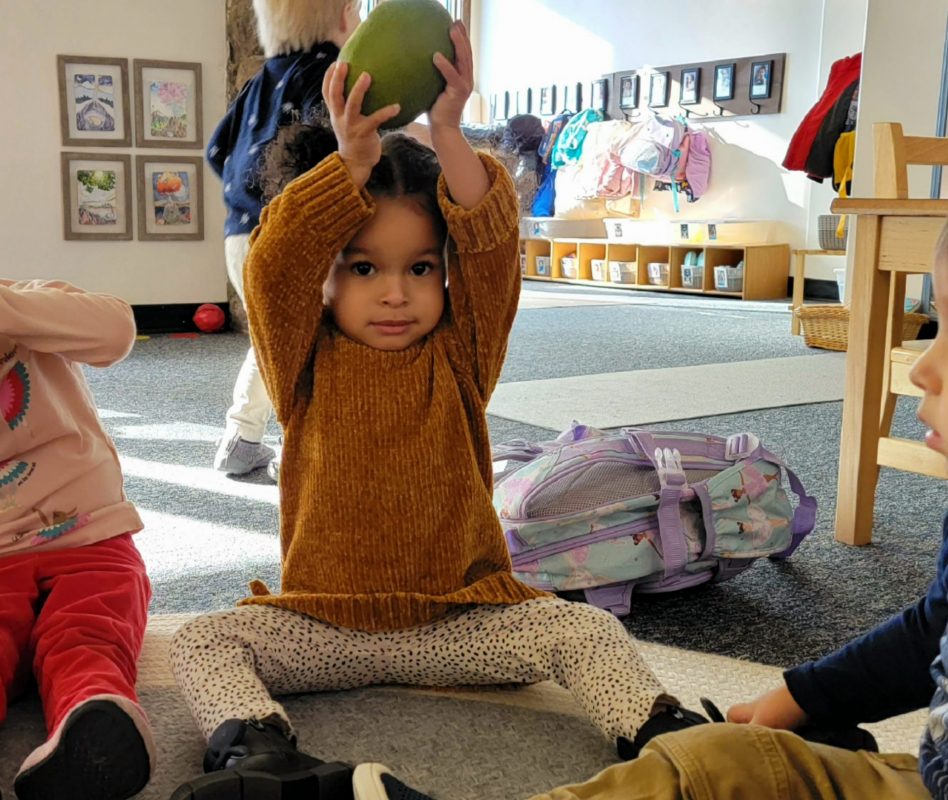
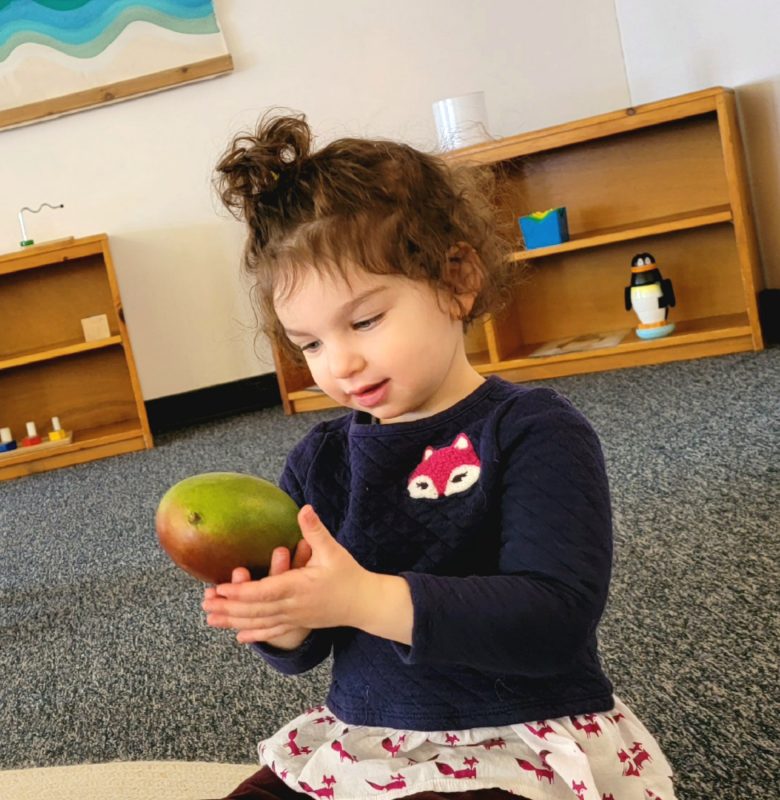
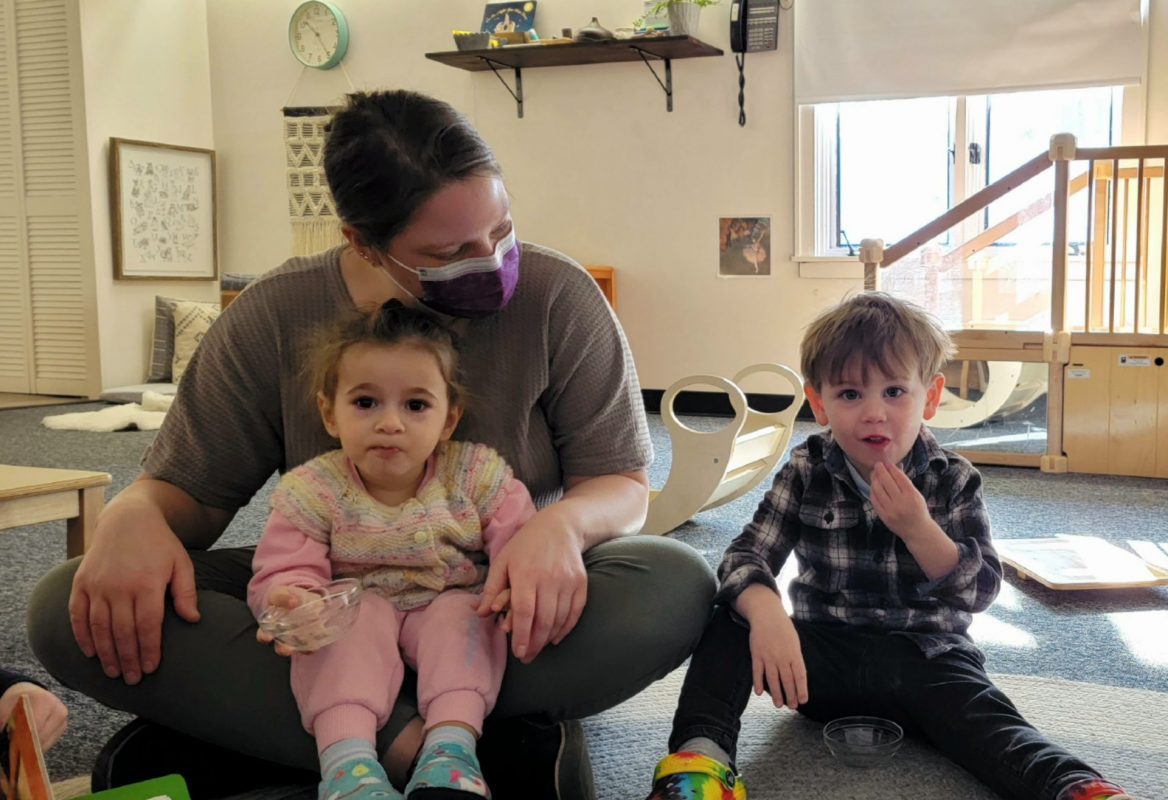
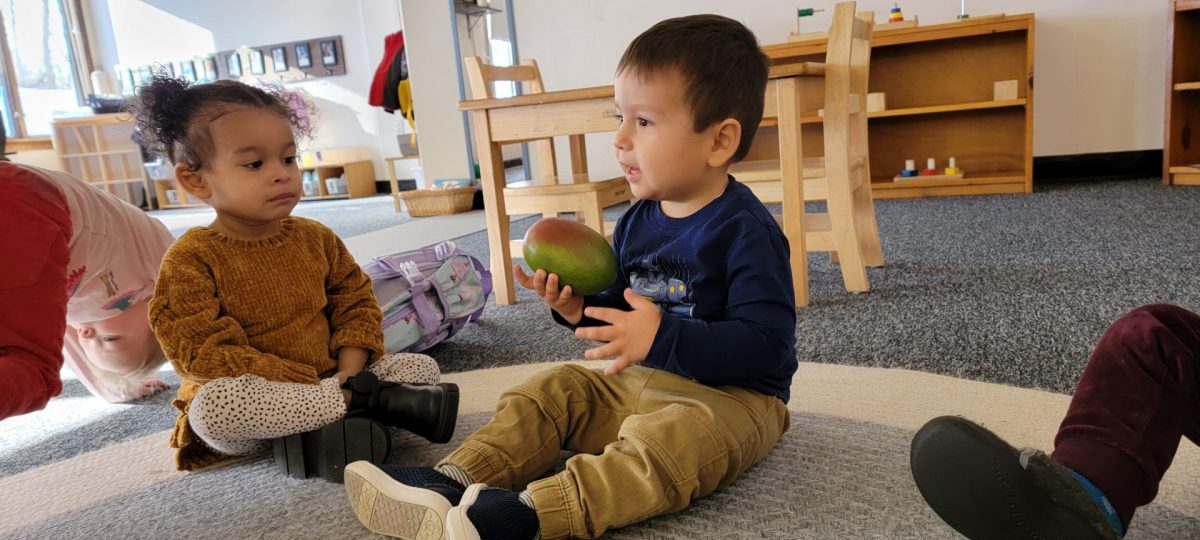
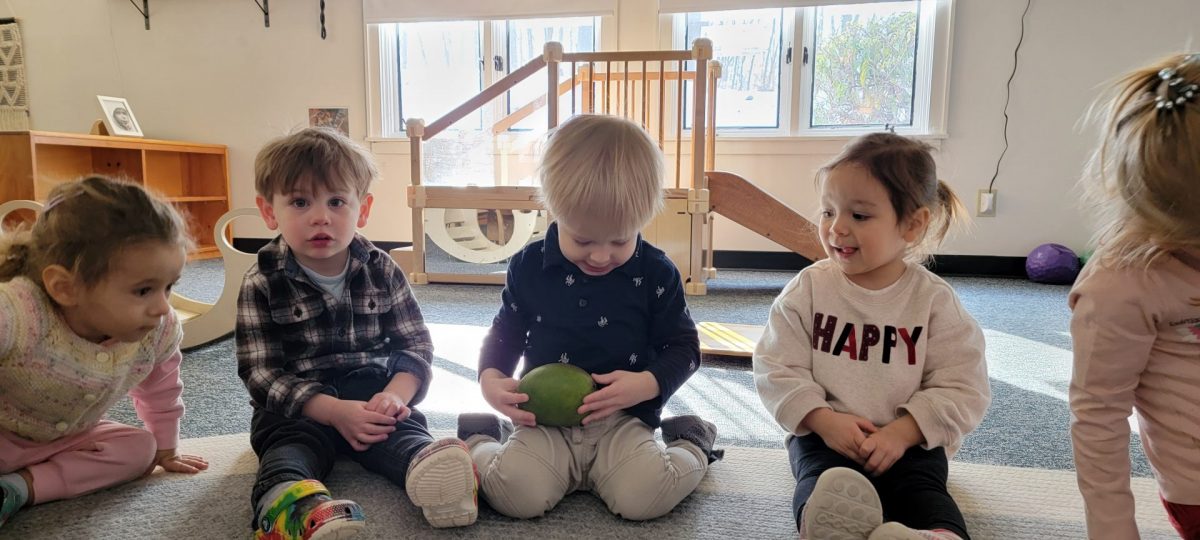
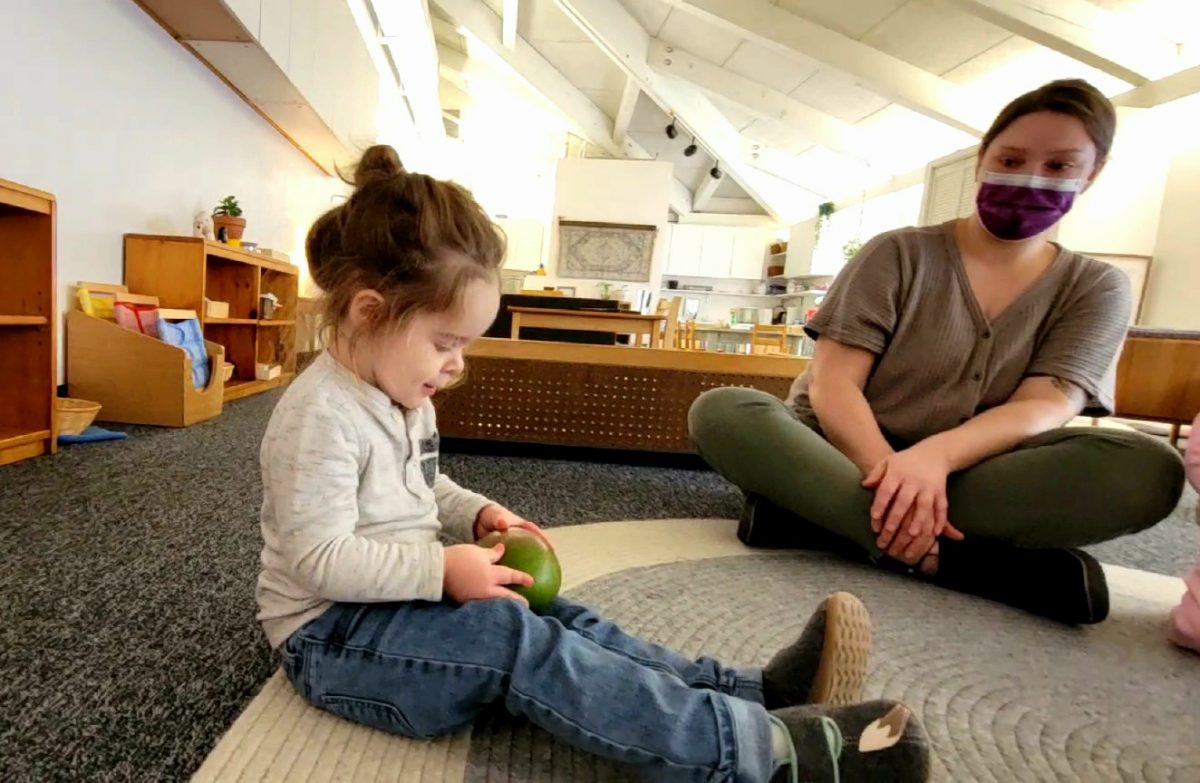
For food tasting, children explored Kale and Mango! We were so happy to see all our toddlers enjoy some natural kale chips and asking for more. Mango was also a hit among the majority of the class.

We can’t wait to have all our class back together!

Mrs. Hood and Ms. Maria


Middle School: Week in Review

It’s Friday, and we ended the week with the Math Carnival! Students and teachers had fun playing these creative games and can’t wait to do it again next year. Great work, Middle School math students!

Math
In Transition class, students concluded their learning of Chapter 7 and reviewed key concepts such as finding the area of a triangle, trapezoid, and rectangle. This class can successfully multiply fractions, calculate the perimeter of a circle, and use the distributive property to simplify number sentences. The class will begin their learning of Chapter 6 next week and cover topics like supplementary and complementary angles.
In Algebra class, students are excited to be learning about the slope of a line and can successfully calculate the rate of change when given a set of data. This class can find the slope of a line given two coordinate points, they can graph the line of an equation, and they can determine if the slope has a negative or positive trend. Next week, students will continue to practice writing equations in slope-point form and slope-intercept form.
In Geometry class, students began learning Chapter 6 in the UCSMP textbook this week. This class is able to describe the reflection and rotation symmetry of a figure, write proofs using properties of triangles and quadrilaterals, as well as, calculate the measure of inscribed angles within a circle. This class will continue to study the properties of a kite, parallelogram and trapezoid next week.
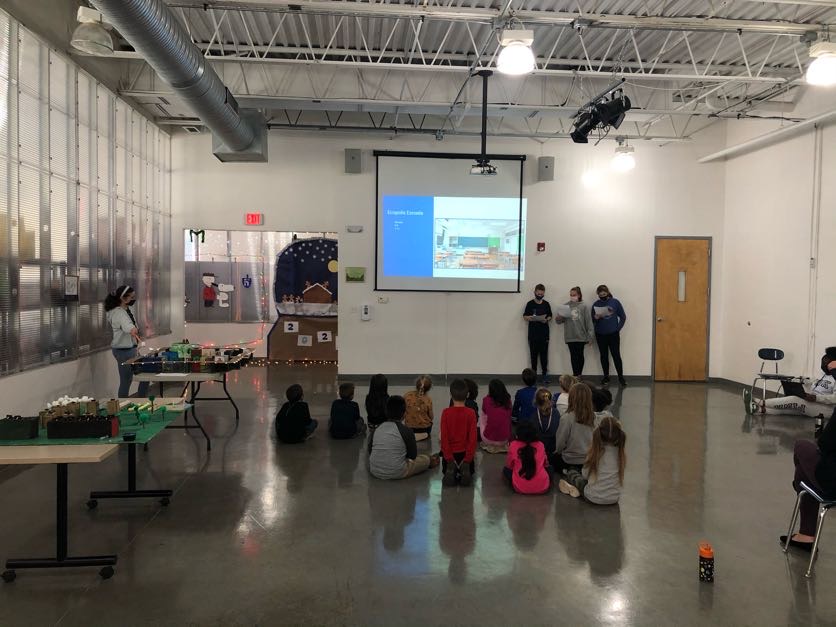
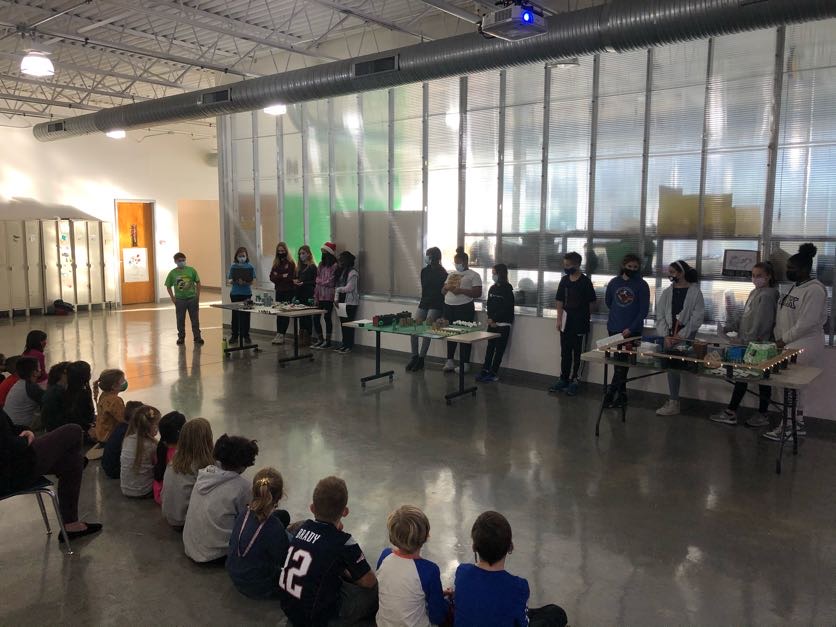
In addition to this work, the Middle School students presented their probability carnival games on Friday, January 14th. This was a fun morning where students got to explain the inspiration behind their game and play together with the hopes of winning prizes. All students collected the experimental data from their carnival games and are responsible to analyze their findings. This final write up is due on Tuesday, January 18th.
Math Joke: Did you hear the one about the statistician?………..Probably
Humanities
The Humanities 6 class is immersed in their research projects. They have chosen topics under the theme of Overcoming Obstacles and written their thesis statements to focus their research. 6th grade students also created questions that will guide their research. Before the class began to do research they learned about finding reliable resources and how to keep their paraphrased notes organized by topic and source. Additionally, students began their study of Ancient Civilizations with a written discussion and map work.
Humanities 7 also began their research project and selected their topic under the theme, Overcoming Obstacles. Each member of the class wrote their thesis statements, guiding questions for their research, and a review of using reliable resources. Also, 7th year Humanities students began the novel, A Long Walk to Water, by Linda Sue Park. This memoir follows the trek of Salva Dut, a Lost Boy, who travels from Sudan to escape rebel militant groups. The history of Sudan and South Sudan as well as current events will also be topics in the coming week.
Humanities 8 students have just about finalized their Expert Project Topics! They are about to begin their final research project, which will be presented in May. Additionally, students continued their American history lessons with learning about the lost colony of Roanoke, the Virginia Company and the settlement of the Virginia Colony, and the effects of the settlement on the local Powhatan tribal nation. They are also continuing to read the novel, If I Ever Get Out of Here, which follows a teen living on the Tuscarora Reservation in the 1970s. Finally, 8th grade students completed a unit of vocabulary.
**The Makerspace is in need of empty 2-liter bottles and gallon milk containers. If you have any, please send in ASAP.**
Montessori- The Application of Knowledge and Virtual Moving Up Information Night

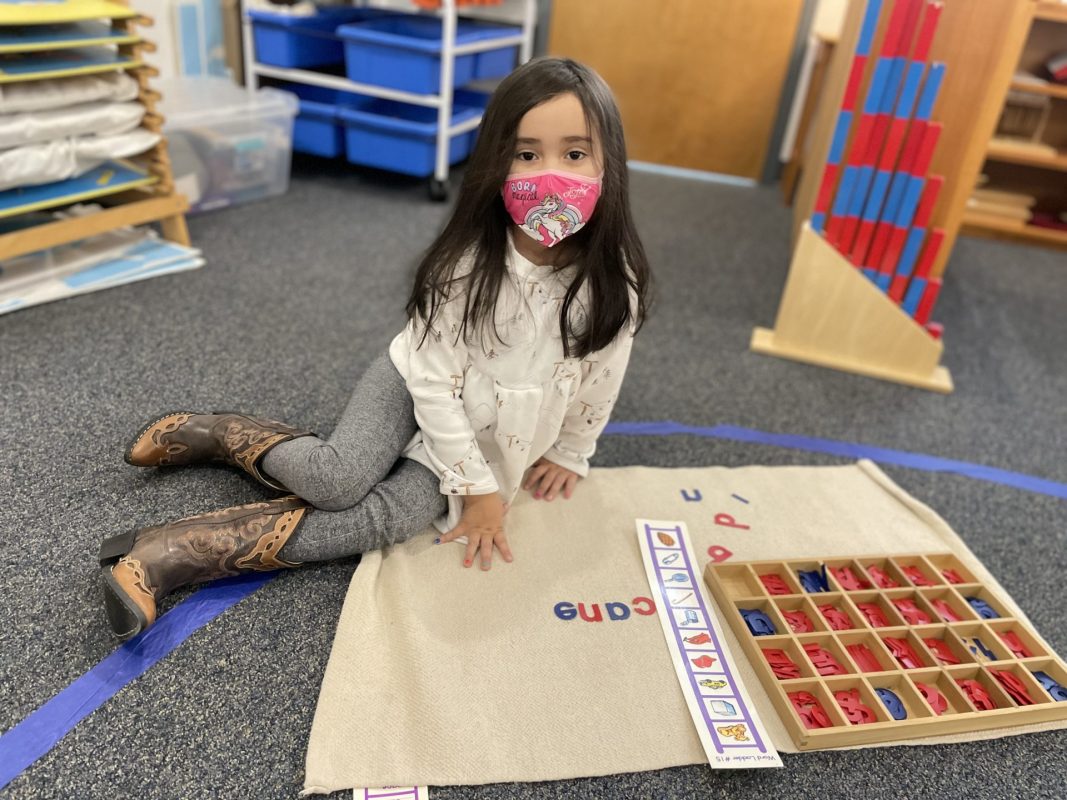
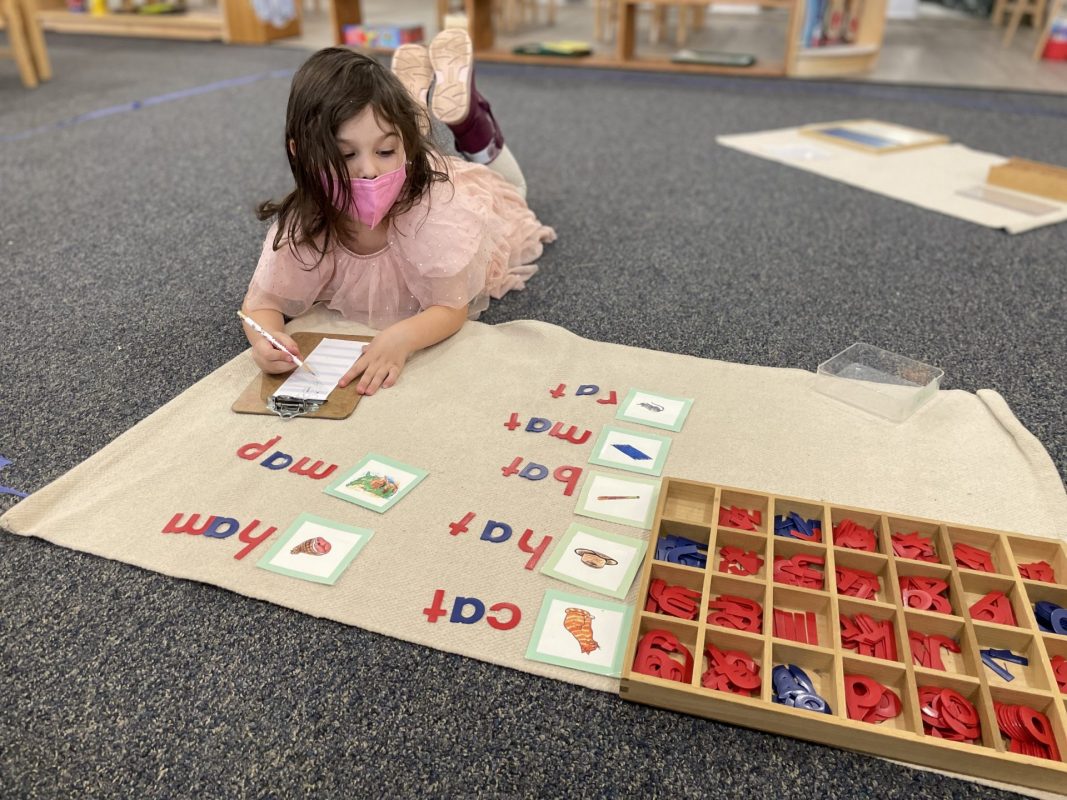
As I visited each classroom this week, I observed one of the hallmarks of a Montessori Education – The Application of Knowledge.

Each child is provided with learning opportunities that continue to organize their thinking through work with the Montessori materials. This is most easily observed in mathematics. As a student moves from the concrete to the abstract, you can see the application of their knowledge to real-world experiences. This organization of information, making sense of facts and figures and applying them to arrive at a solution, prepares the child for the world of adolescence. As children move into adolescence, thought and emotion evolve into understanding more abstract, universal concepts such as equity, freedom, and justice.

“… the child’s individual liberty must be so guided that through [their] activity [they] may arrive at independence … the child who does not do, does not know how to do.” —The Montessori Method

Join us for Moving Up Information Night to learn what the next level of learning at FWM has in store for your child! Moving Up Information Night will take place over four evenings starting on Tuesday, January 18 and ending on Tuesday, January 25. 

  • Toddler 2 – Thursday, Jan. 20 6:30-7:30
  • Primary 4 – Thursday, Jan. 20 6:30-7:30
  • Kindergarten – Tuesday, Jan. 25 6:30-7:30 
  • Lower Elementary 3rd – Wednesday, Jan. 19 6:30-7:30
  • Upper Elementary 5th – Tuesday, Jan. 18 6:30-7:30

Wishing you all a wonderful long weekend!


Mrs. Doyle’s Class: Hidden Treasures


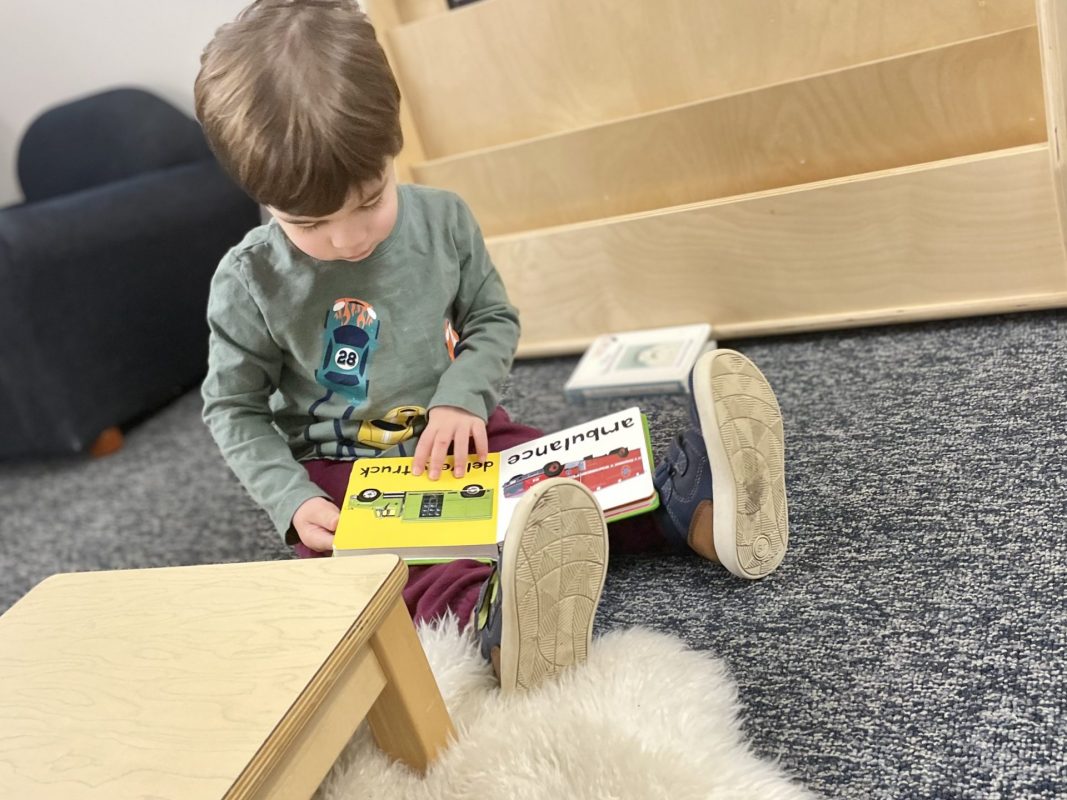
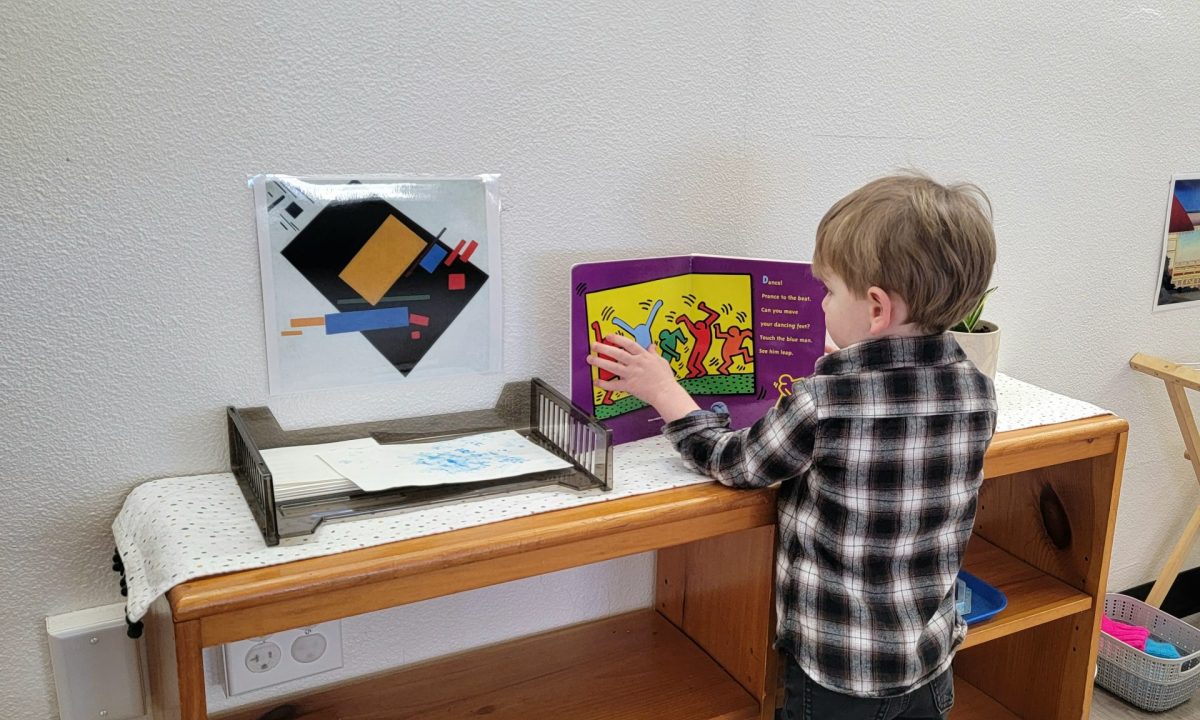
Children’s literature is a passion of mine.  I truly hope that each child who spends time in our classroom will quickly absorb not only how important literature is, but also how much enjoyment it brings.  Each month we do an author study, learning about the author and reading their books. Books are everywhere in our classroom and we read throughout the day. We have a book corner in our classroom, a wonderful spot for a ‘brain break’ or to spend quiet time with a beautiful story. We read a chapter (or two, or three) each afternoon from a chapter book.  Our older friends have both private reading and partner reading built into their day. When a child says “I don’t know what to do,” I just give them that well practiced teacher look and usually they say, “I know, I know, I can read!”

In our classroom, we call books ‘treasures‘ and we speak about how important it is to take care of our books.  The children love to hear how so many of the books I bring to class are the very same ones from my childhood.  I saved them and shared them with my own children and now I am sharing with each of them.  It is an absolute joy to witness the impact of literature on every child.

We asked the children to share the title of one of their favorite books.

  • Anchor:  Toy Dance Party and Pete the Cat Robo-Pete
  • Bodie:  Truck Trouble
  • EmmaJo:  All my animal books, especially the Panda one.
  • Emma:  Little Blue Truck
  • Everly:  Otis
  • Greyson:  Lifesize
  • Isla:  Moon
  • Landon:  This Is Miles Morales
  • Lily:  Pete the Cat
  • Luca:  Five Little Monkey’s
  • Marin: When The World Is Ready for Bed
  • Michaela:  The World of Peppa Pig
  • Olivia:  The Case of the Hungry Stranger
  • Saanvi:  Frozen Unicorns
  • Stephen:  The Polar Bear Wish and my Snoopy book.
  • Theo:  Harry Potter and The Sorcerer’s Stone
  • Virginia:  Elsa
  • Wilder:  Mercy Watson books
  • Zara:  The Bible

Wishing you a week filled with peace, love and happy reading!

Michelle & Liset


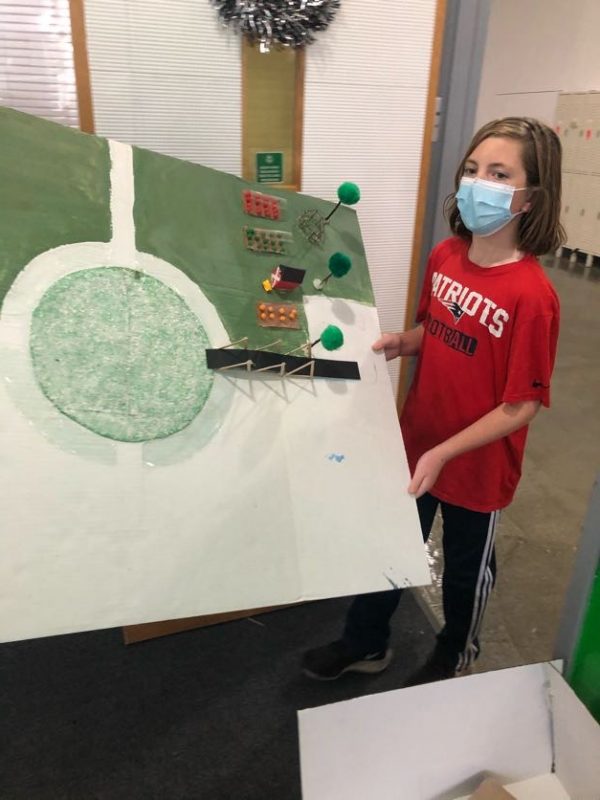
Going Green in the Maker Space

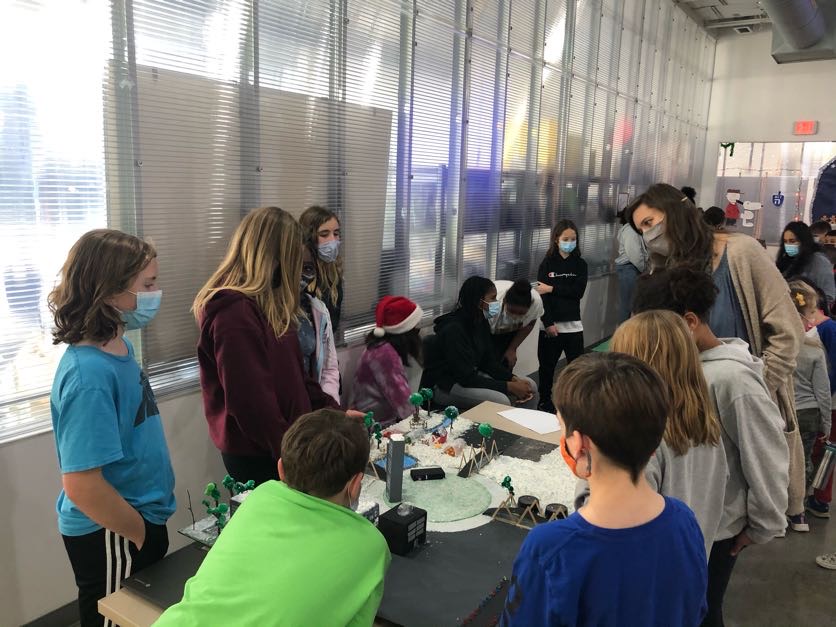
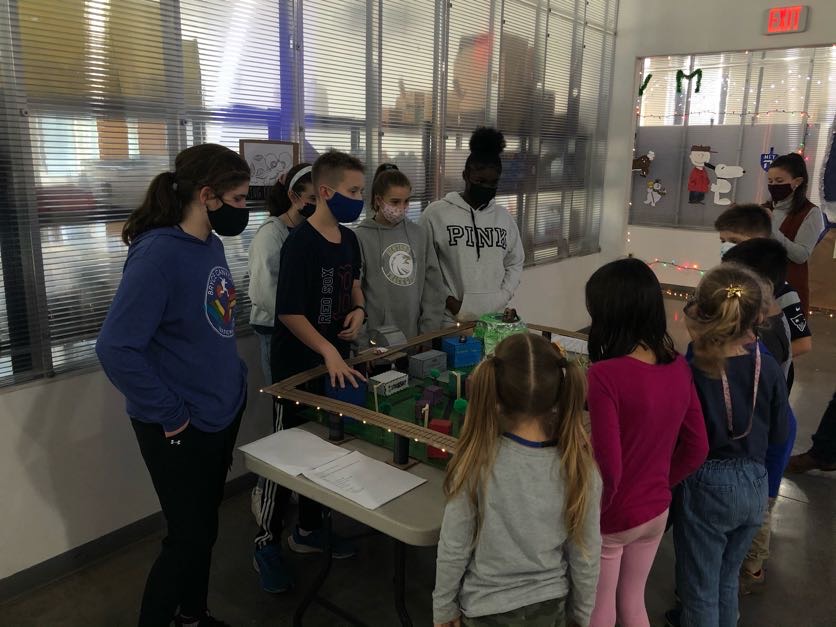
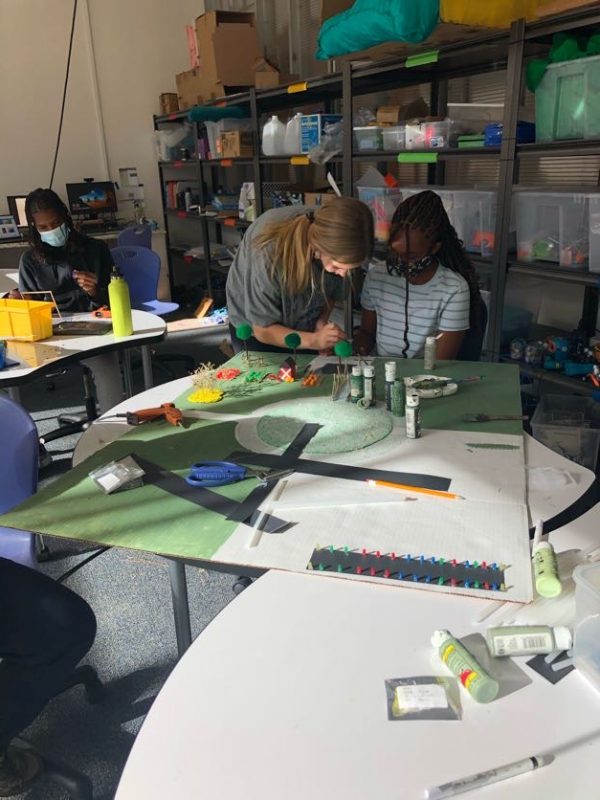
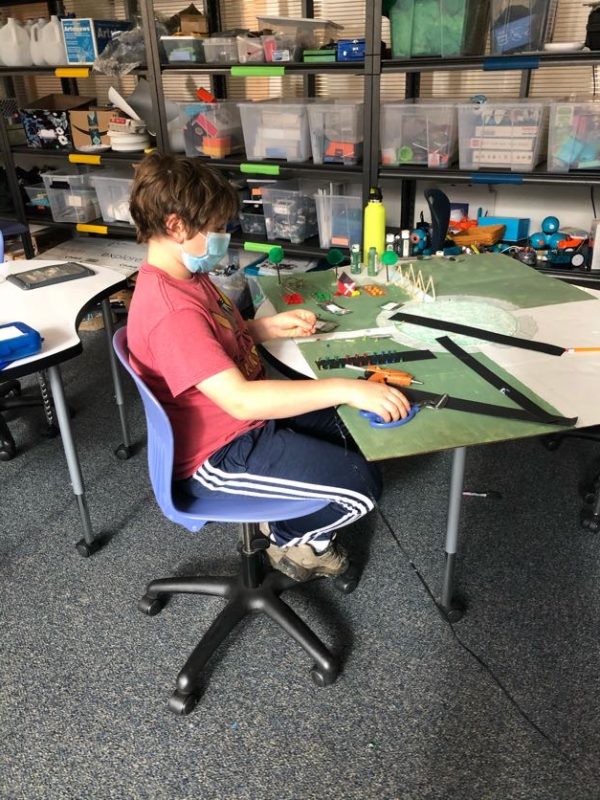
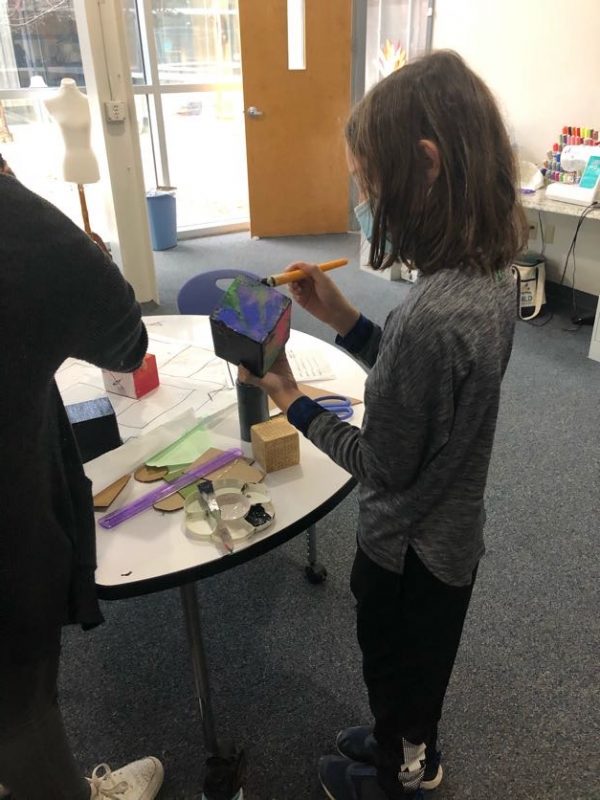
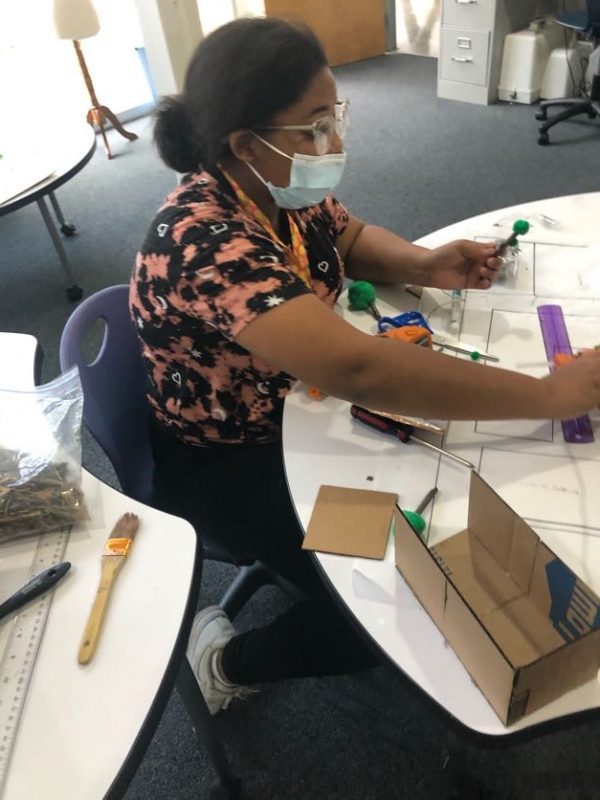
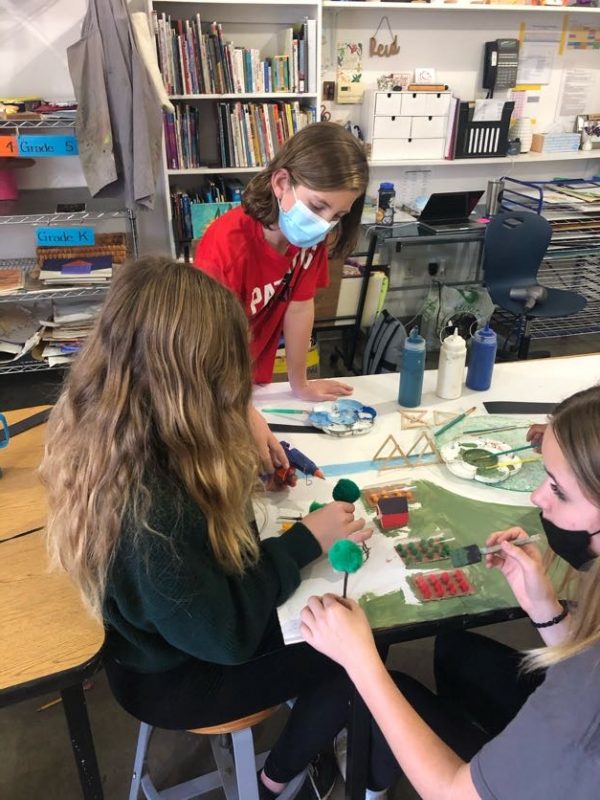
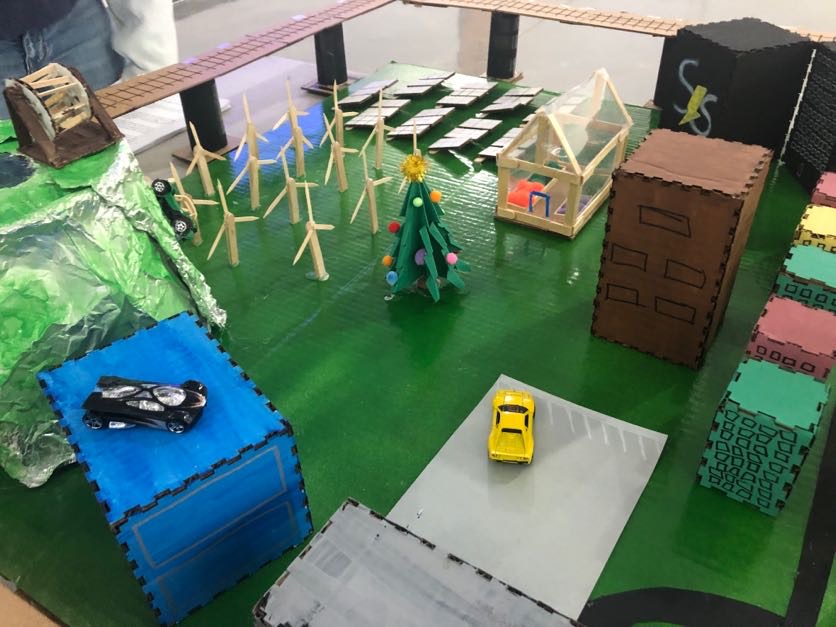
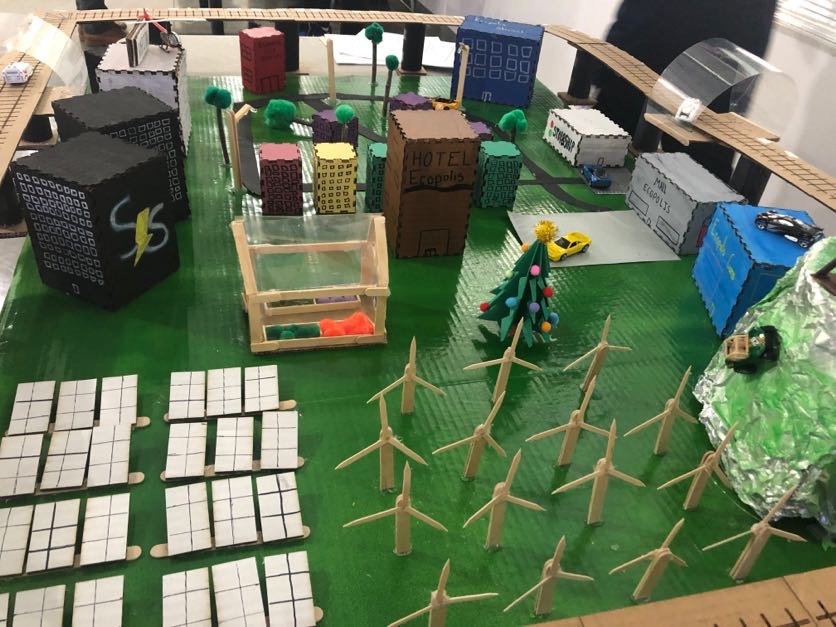
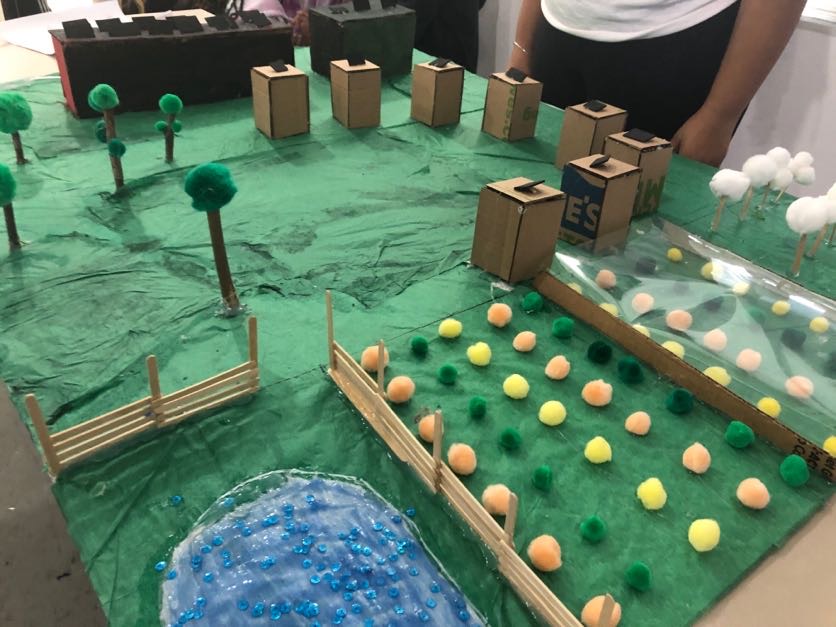
As global citizens, being conscious of how interconnected we are to the environment and our world is so important to our future. Our middle school makers have been hard at work building a greener future by taking part in the STEAM “Future City” challenge to design and build a green, efficient city of the future. In teams of 4 to 5 students, our makers are asked to focus on the major issues facing our cities today such as how to make transportation more efficient, how dwellings of the future can be designed to use less energy, and what types of foods we can supply while being environmentally conscious.

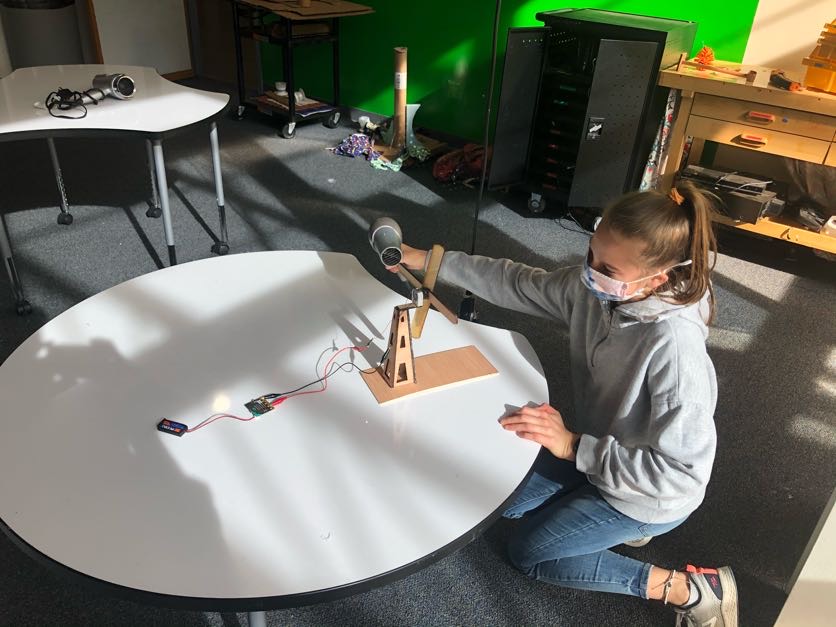
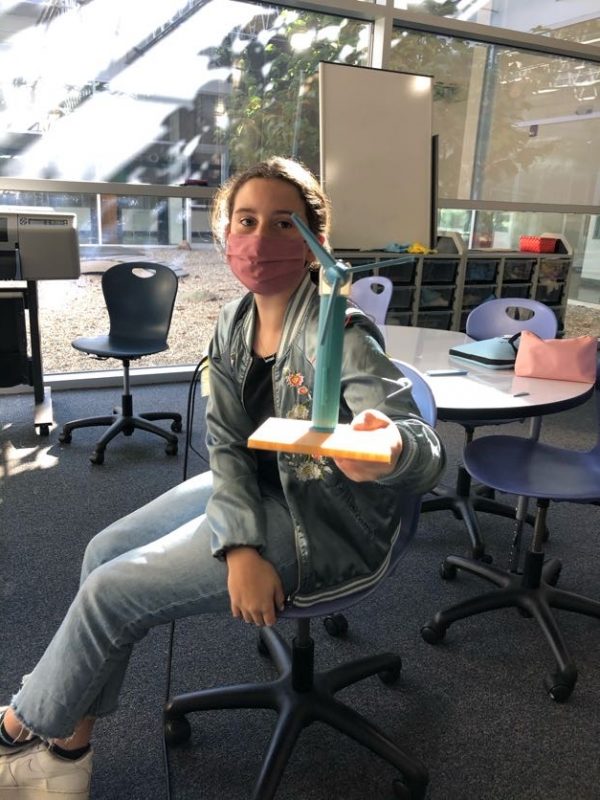
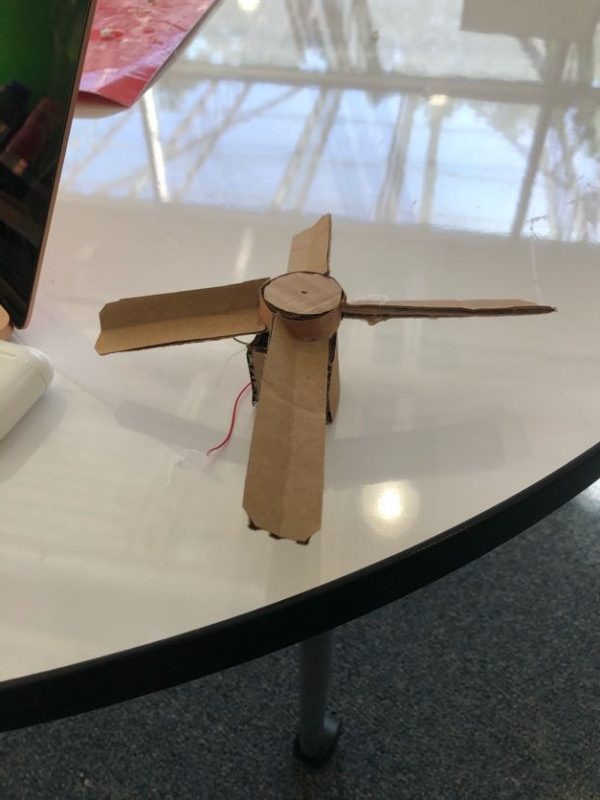
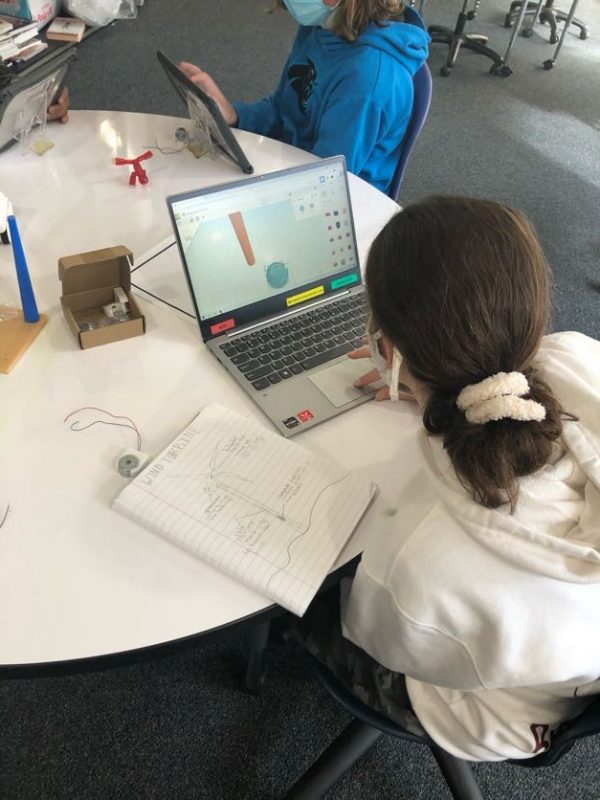
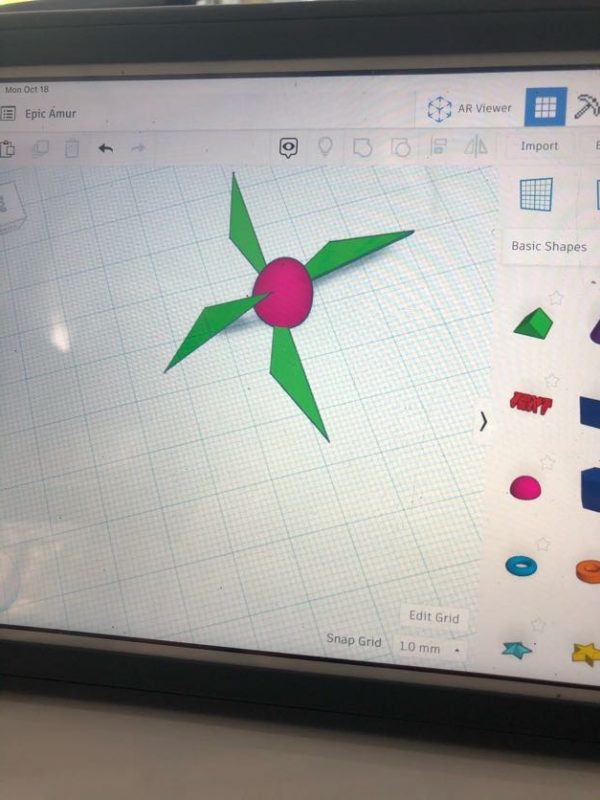
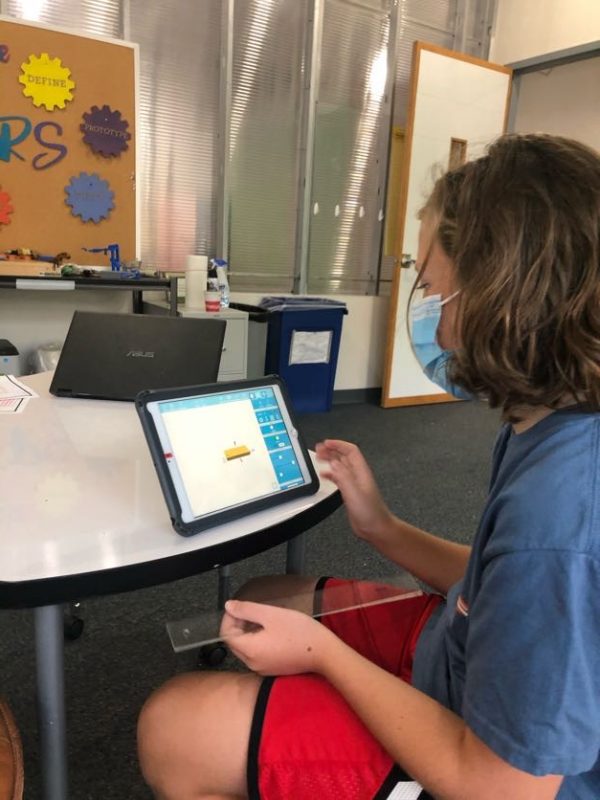
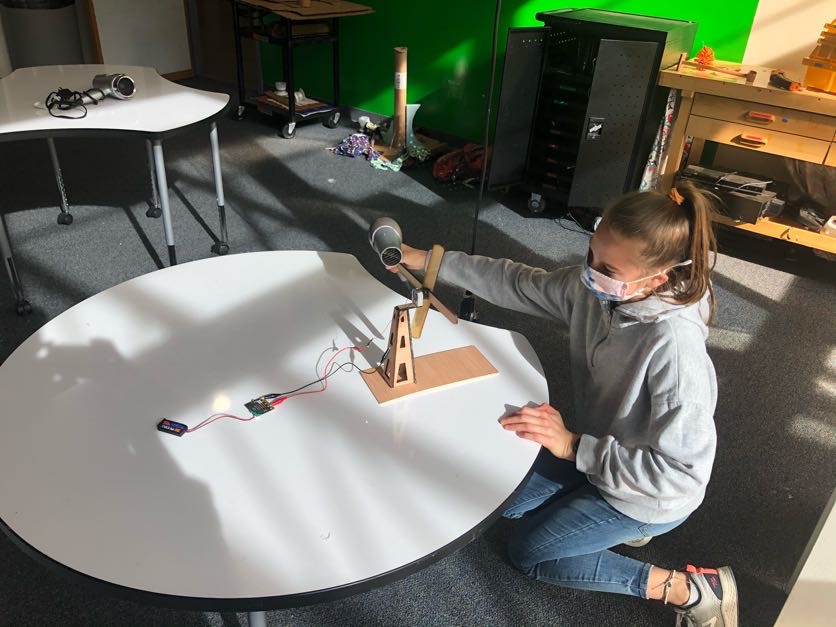
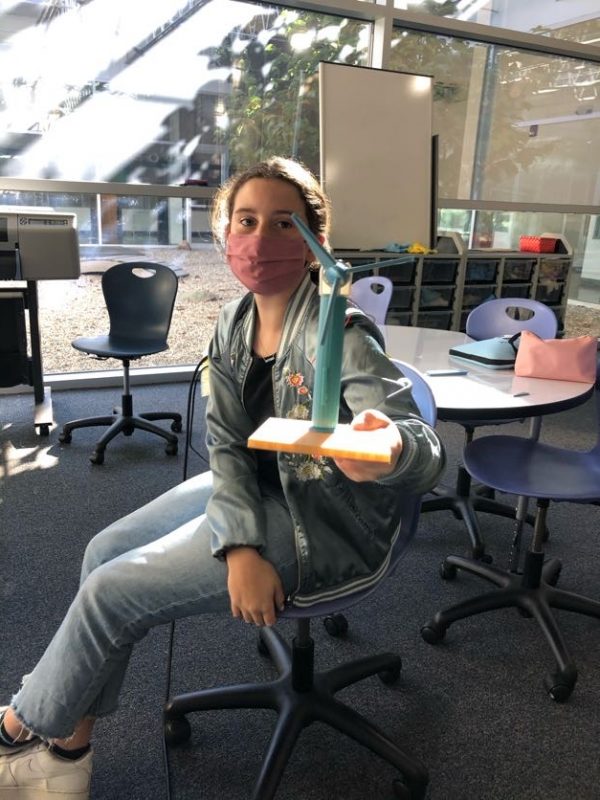
Aligned with building our green cities, the middle schoolers were tasked with designing and building wind turbines from scratch in the Makerspace. After doing research into the designs they thought would be the most efficient, students got to work using the 3D printer and laser cutter to generate their own components to create a wind turbine. Students then measured the amount of electricity being produced using a potentiometer and could work to improve their design and generate more energy in repeated iterations of their work. Our efforts always come back to the iterative design process, and how lucky we have been to work on our design and building processes with such an innovative challenge. 


Lower Elementary -Non Fiction Fun

It has been a quiet yet busy week in Lower Elementary. We started a new unit in Readers and Writers Workshop on nonfiction. In Writing, the students kicked off the unit by partnering up and teaching each other all about something they are experts in. In reading, the children are exploring how nonfiction readers learn facts while reading. The purpose of non fiction is to learn information. They are learning to slow down and absorb each page, using close observation skills when reading non fiction texts.

Next week, Tuesday through Thursday, the third year students will take a practice standardized test called the CTP5. This test is given to third through eighth grade students and is scored and reported to parents starting in fourth grade. We treat the third grade year as a true practice  year so the children have the chance to take the test with a little more help learning to navigate it this first year. For this reason, we don’t score and report it in third grade. As a Montessori school, we give this test to give our students the practical life experience of taking a test, to prepare them for future years in school.

Have a wonderful long weekend!


Mrs. Wilson: Snow Much Fun!

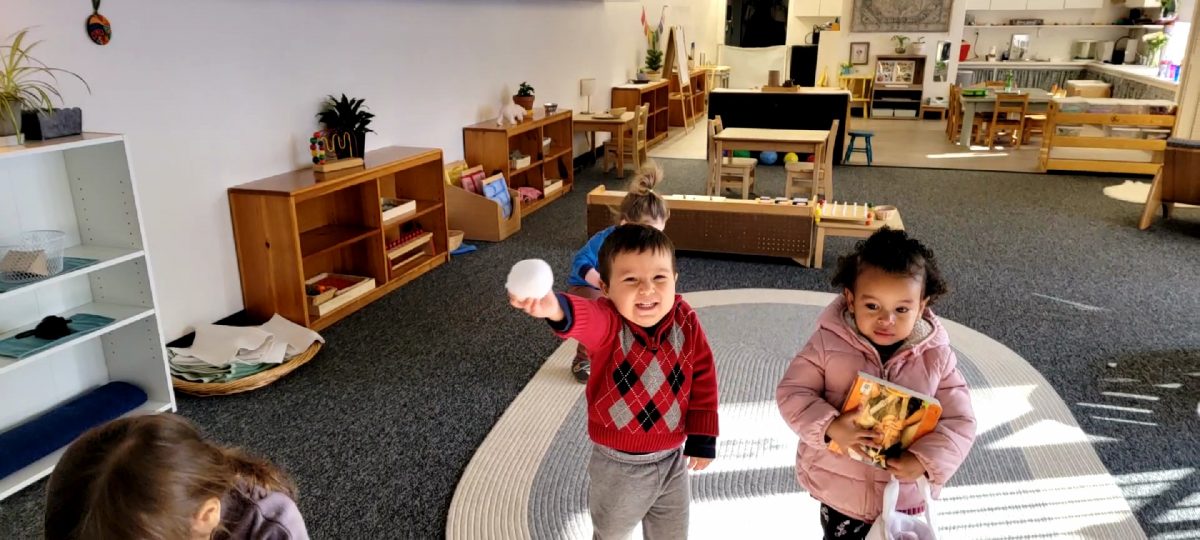
The frigid temperatures outside kept us in for the first half of this week. That did not stop us from having fun and getting our energy out. When we can not go outdoors we will spend some time doing music and movement, take a walk around campus or run around the gym. This week I took out the fake snowballs and we had a spontaneous snowball fight. This brought so much joy to the children, especially when it was all of them against me. There is something special that happens to a child’s spirit when they see the adult engaged in an activity with them.

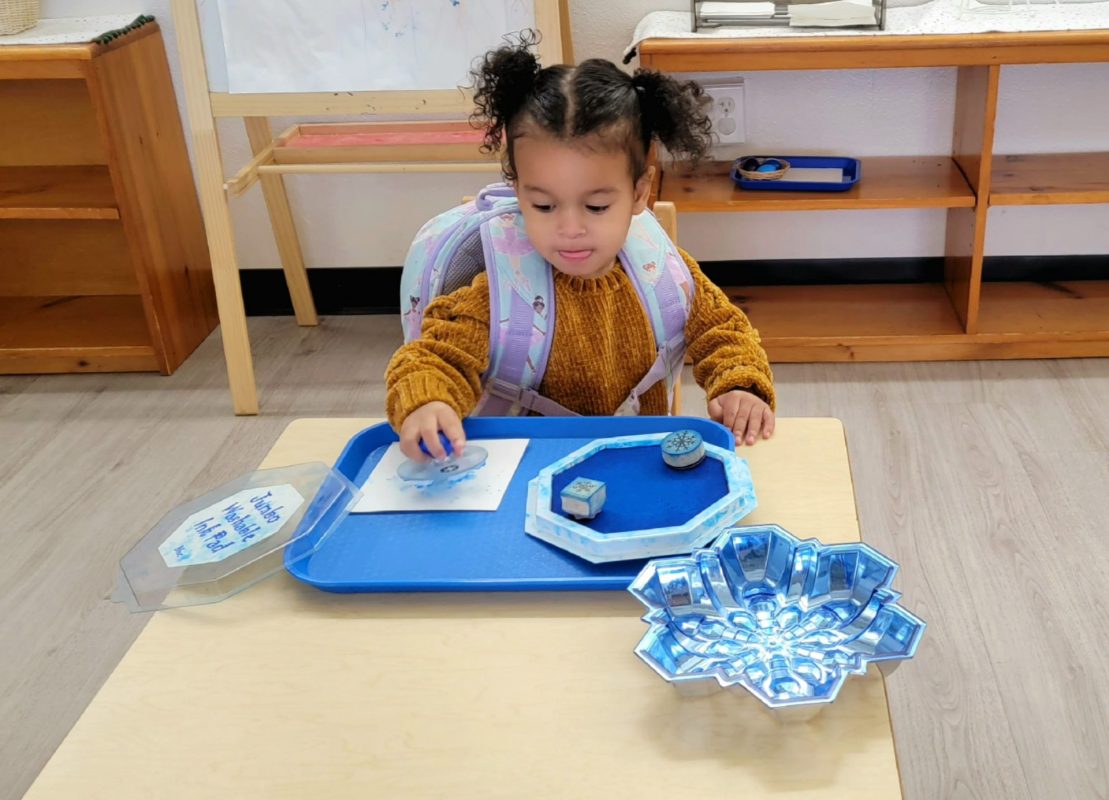
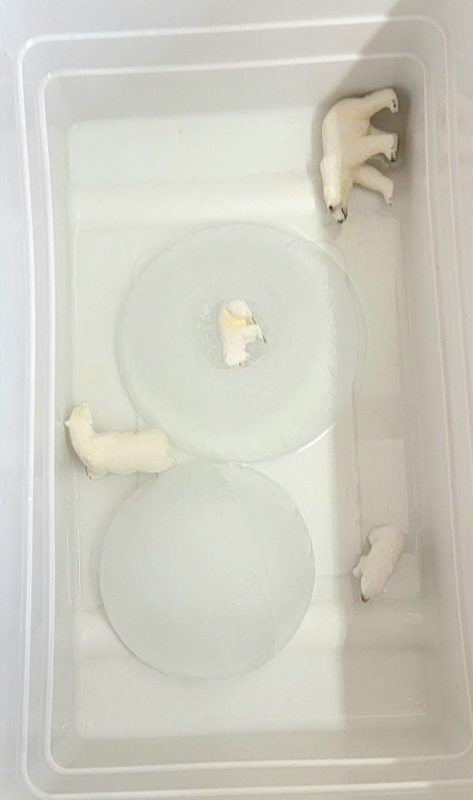
The children are continuing their exploration with winter weather-related lessons. I introduced the arctic animals object to picture matching in the language area. We have a polar bear family in the sensory bin with two large blocks of ice and water. The art shelf has cool-toned color crayons and snowflake stamps.

Food Tasting was a mango this week. The mangos were the perfect ripeness. They were sweet and delicious.