Blog

Mrs. Lopes: North America

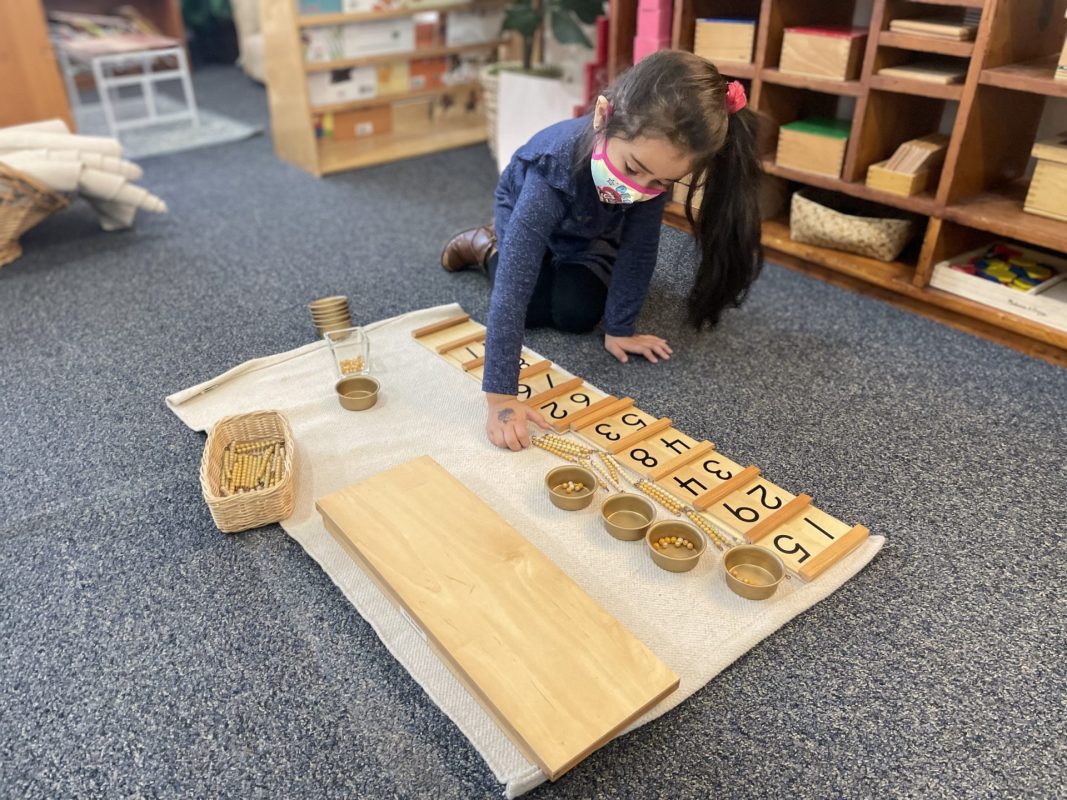
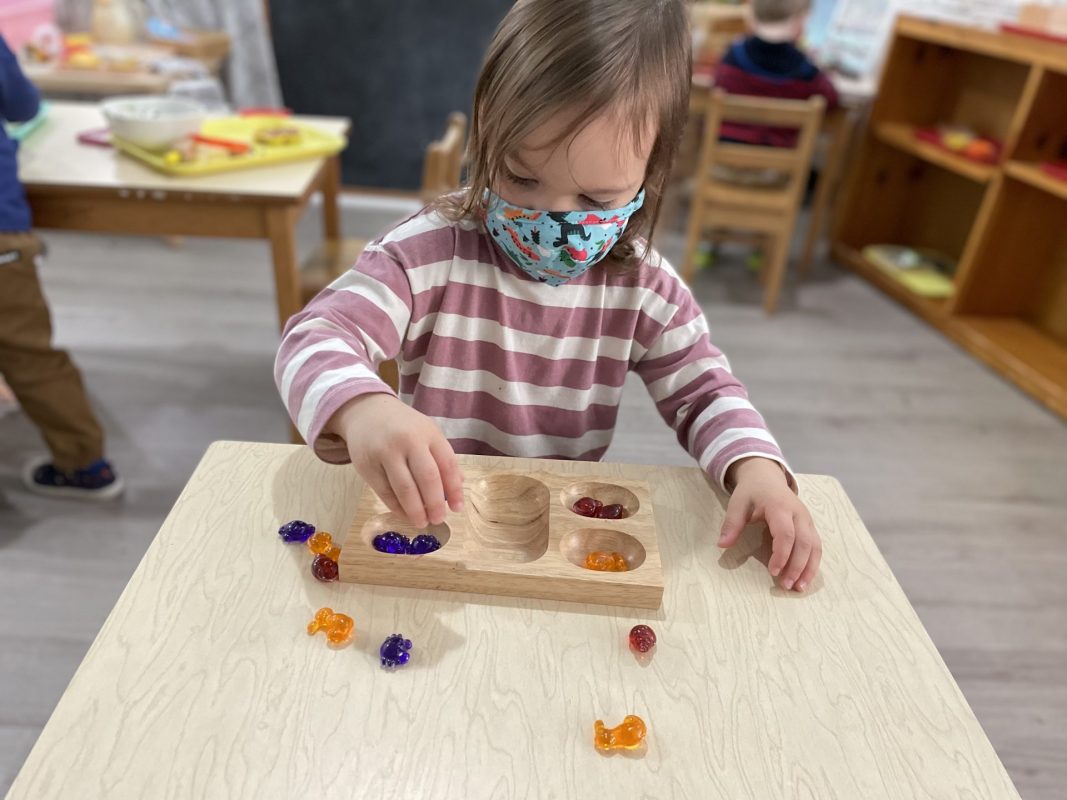
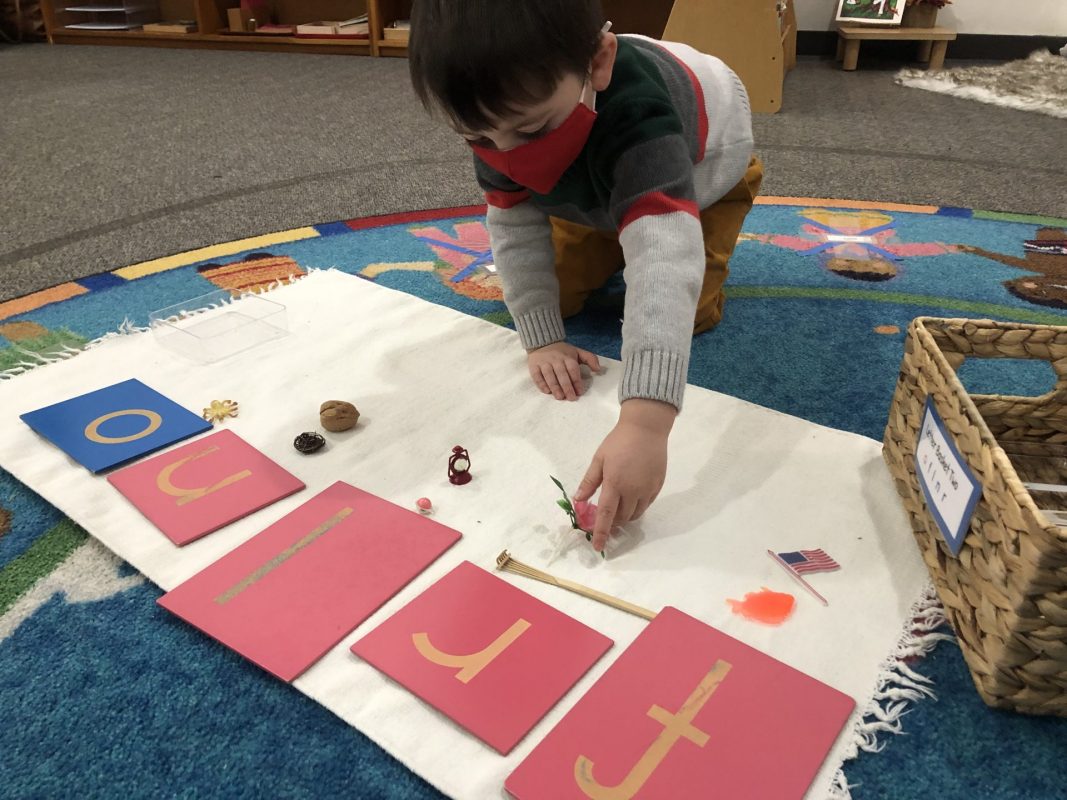
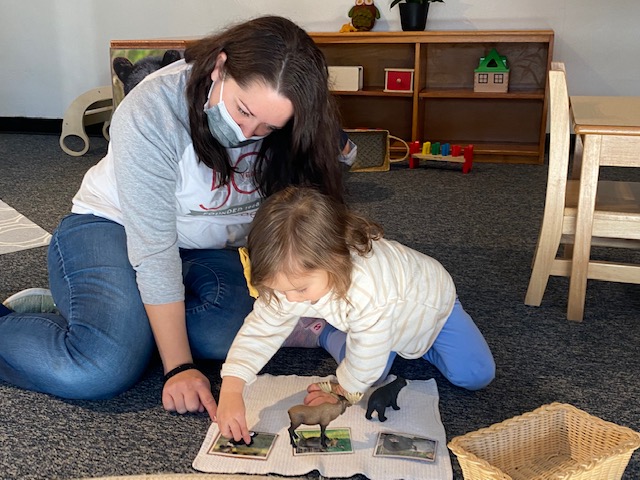
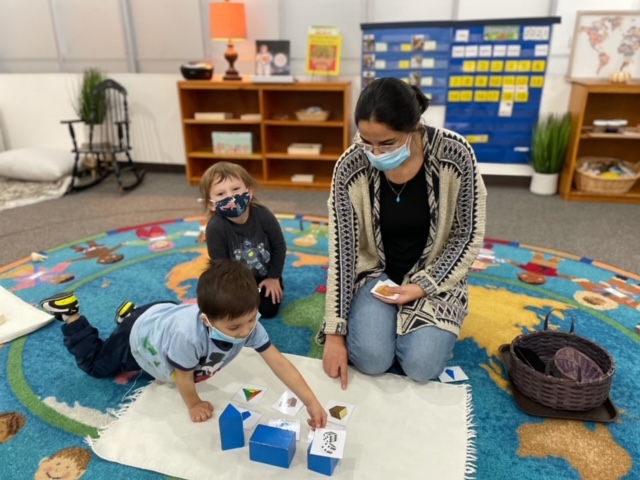
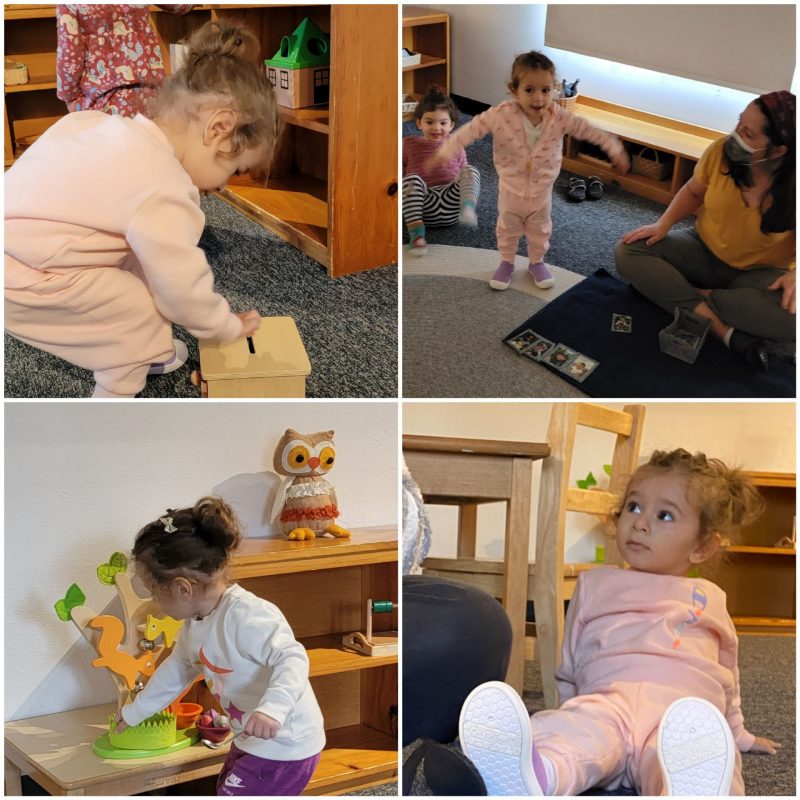
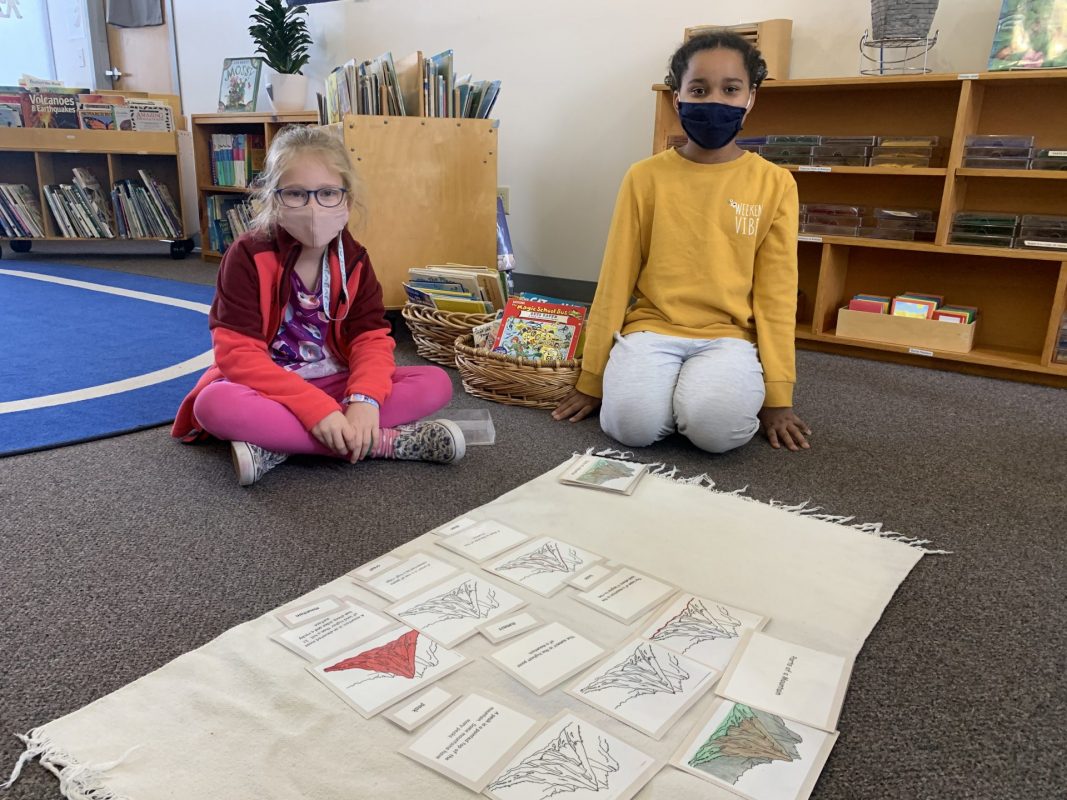
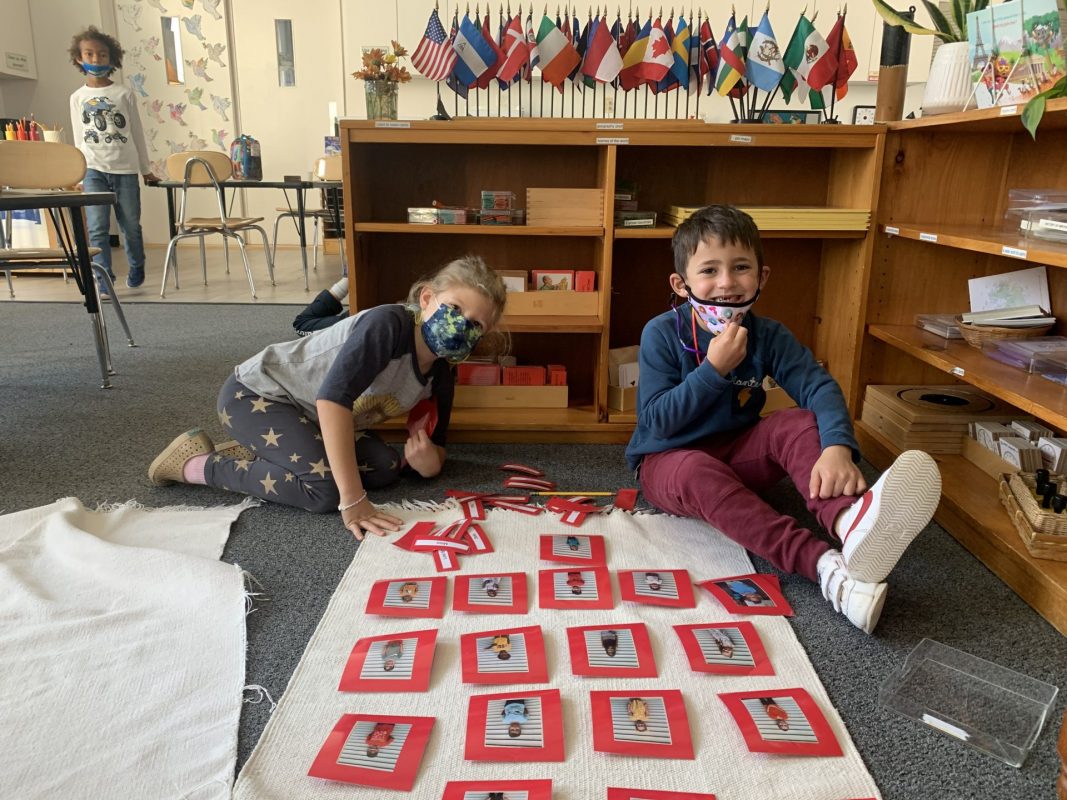
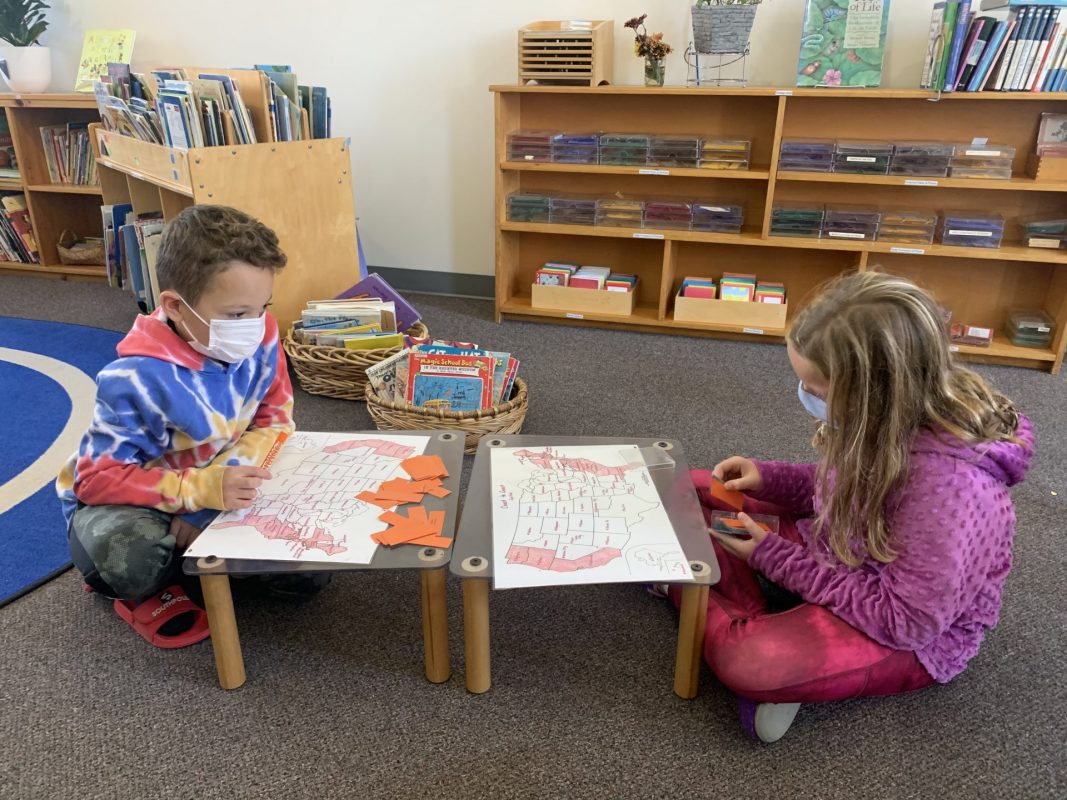
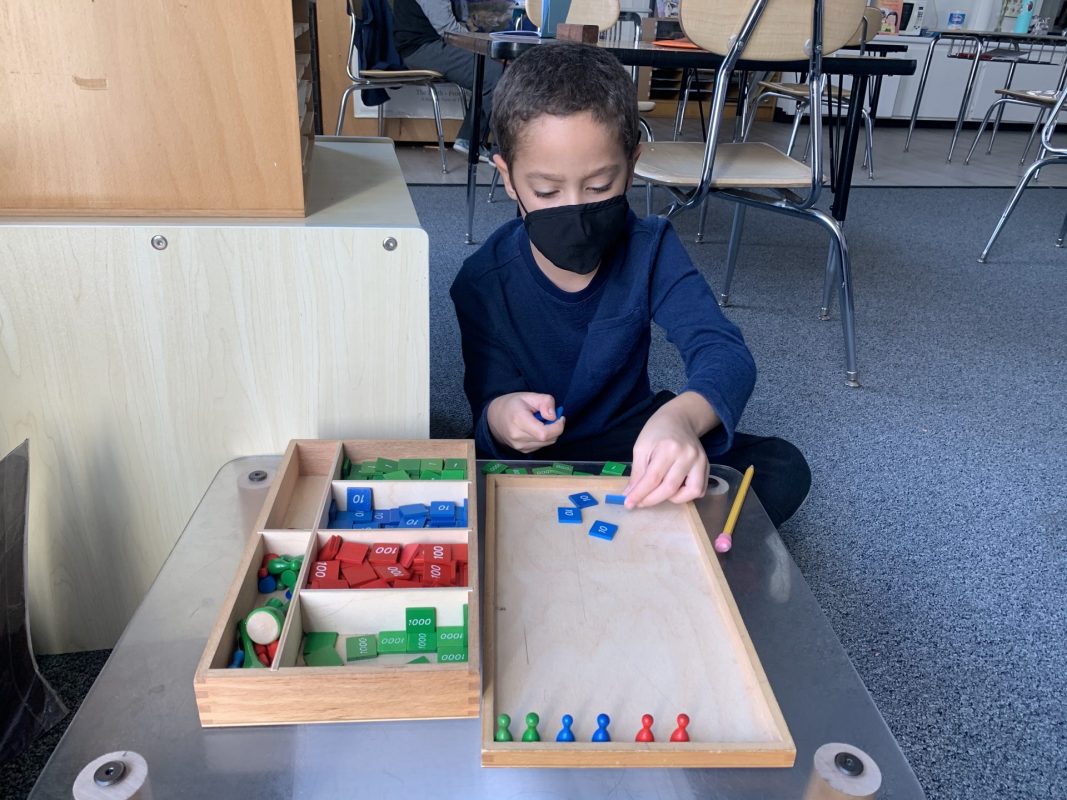
This past week, the children have been immersed in exploring the first of seven continents; the continent we live on, North America.  At the beginning of the week we introduced the continent of North America with our continent puzzle map. When using this lesson, children are taught to take one country out of the puzzle at a time and match it to the control map. The control map helps the child see where each country is located on the continent and helps the child to independently put the puzzle back together. The children also enjoyed engaging in our other North American themed works on the shelves, which included native animals, traditional clothing, topography, and flags of North America.

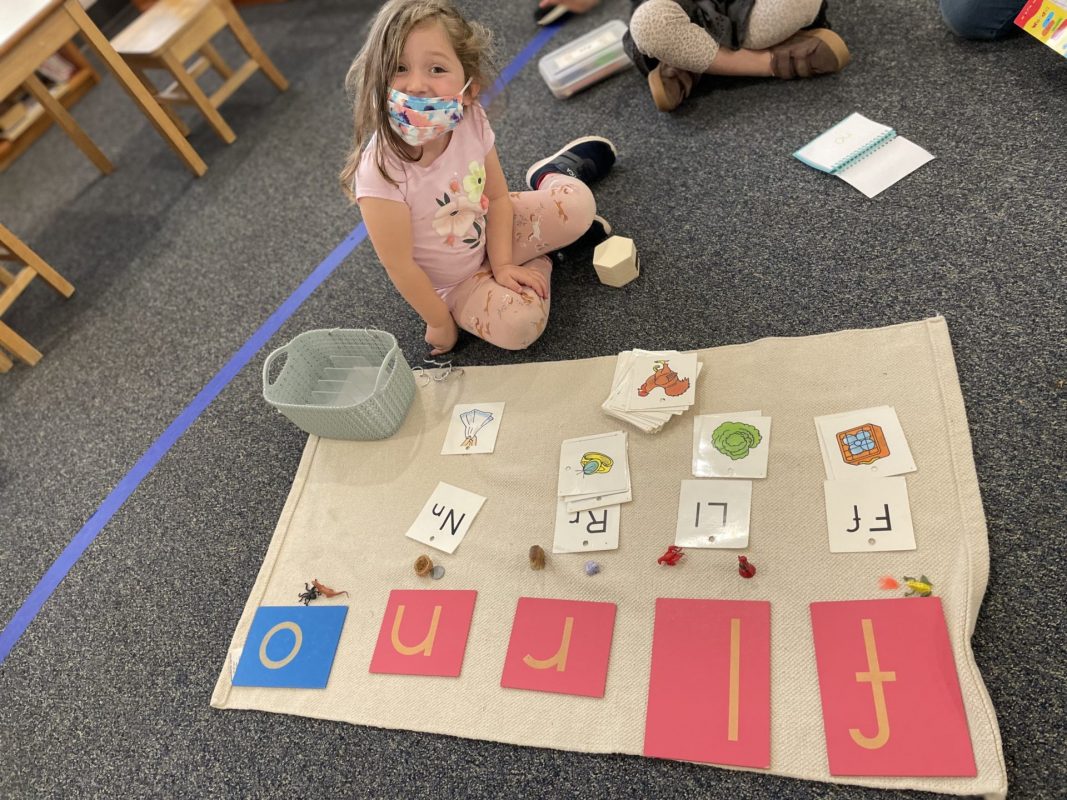
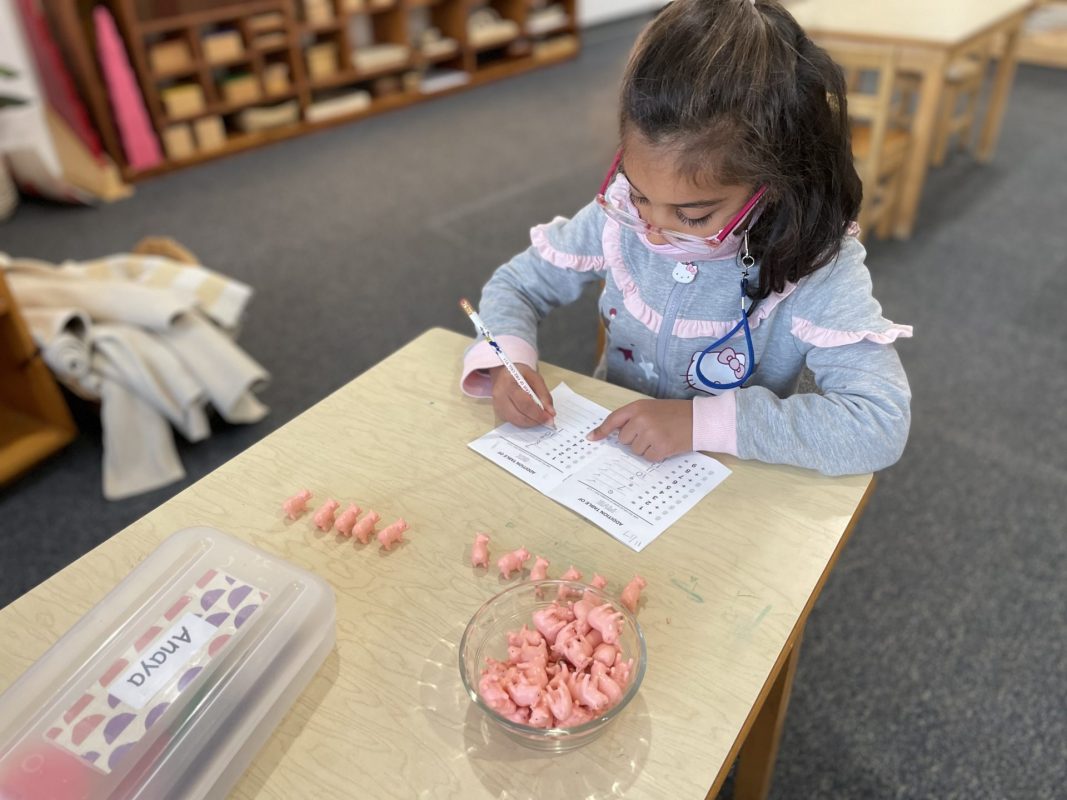
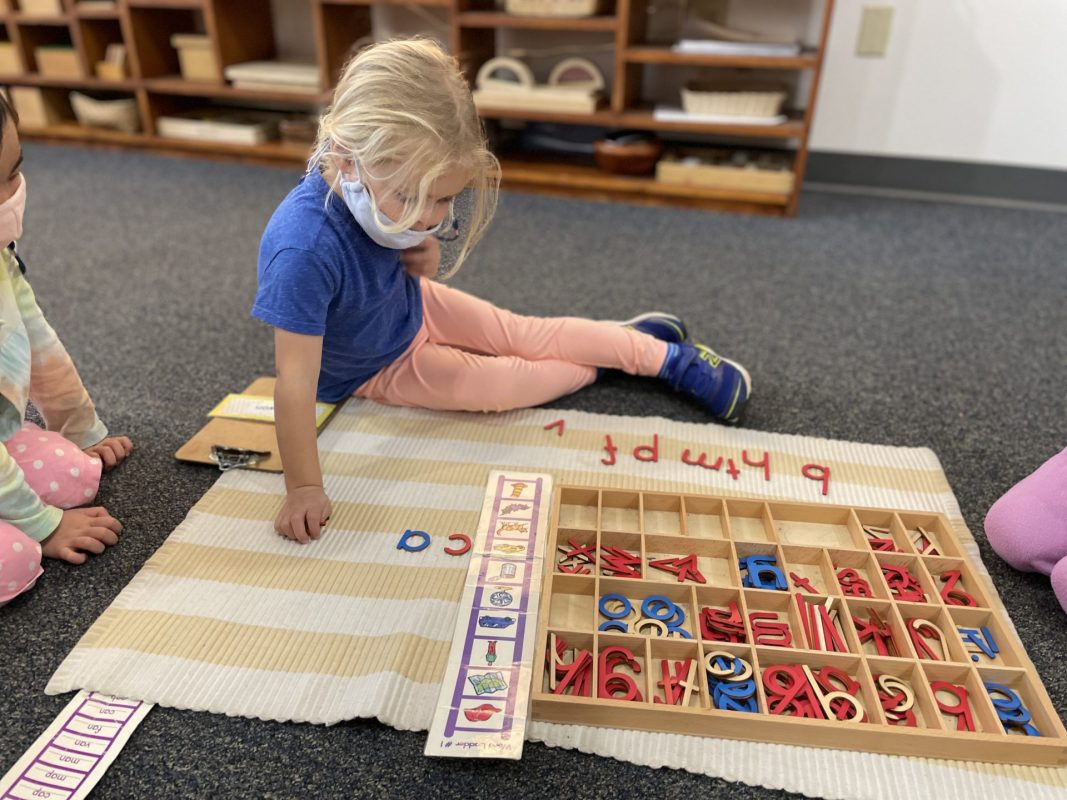
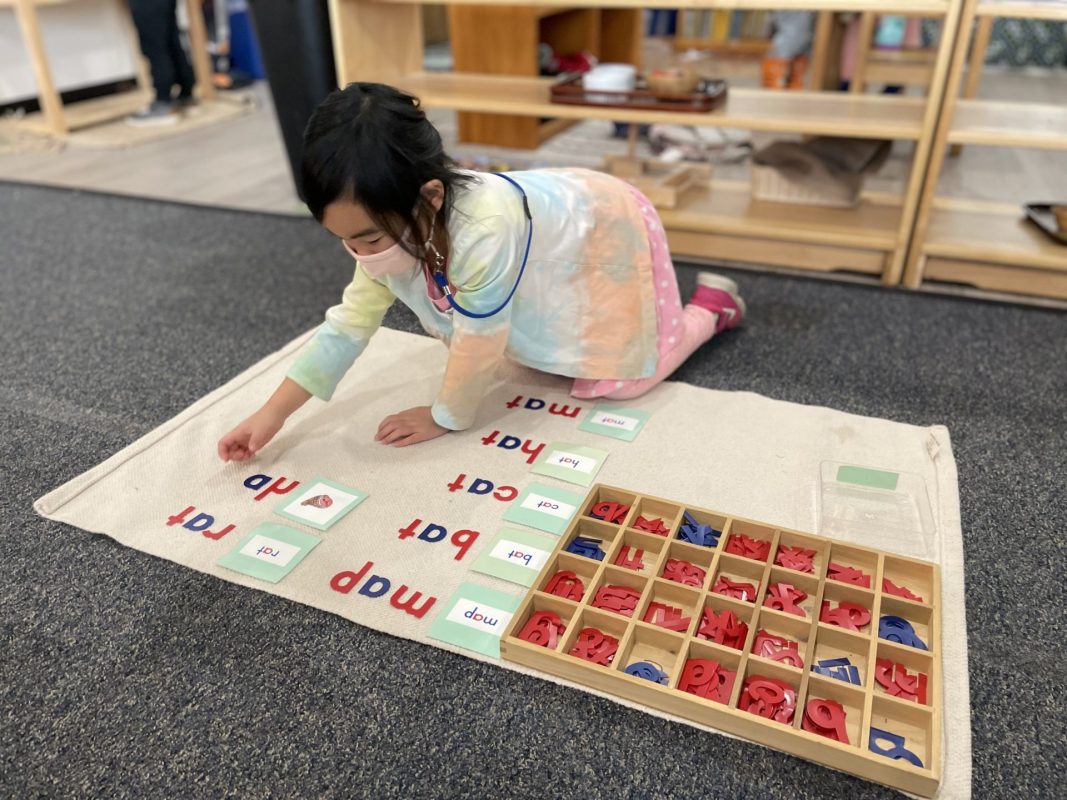
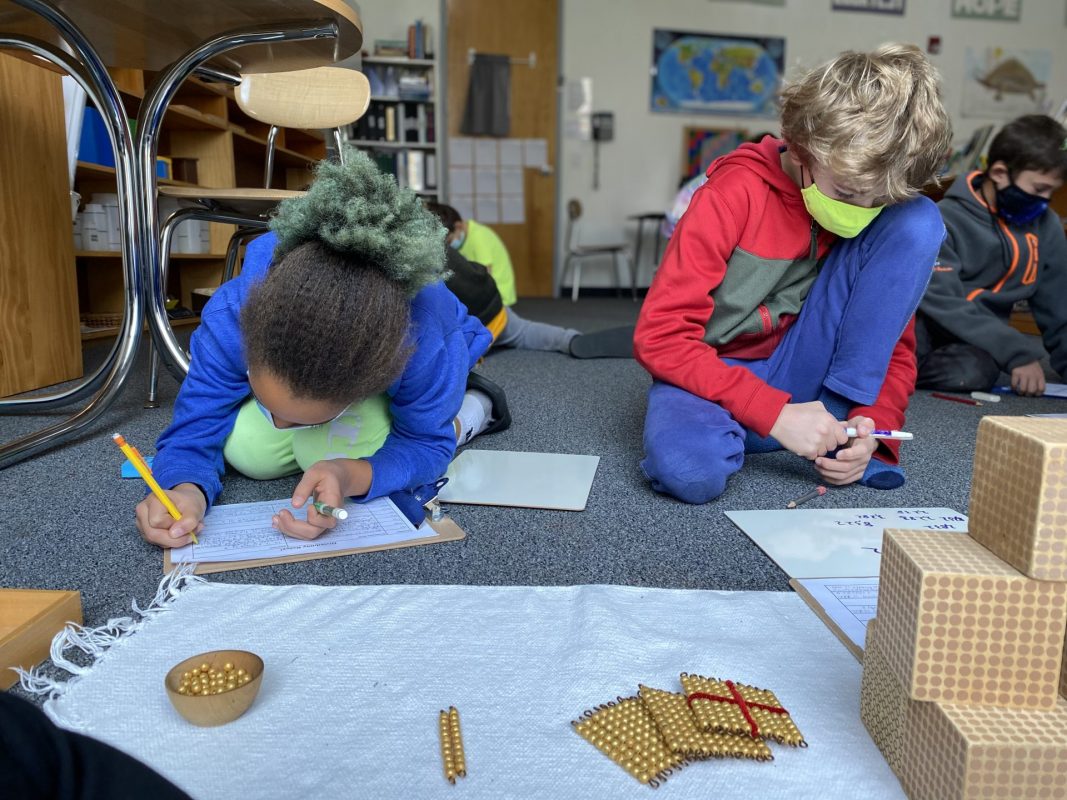
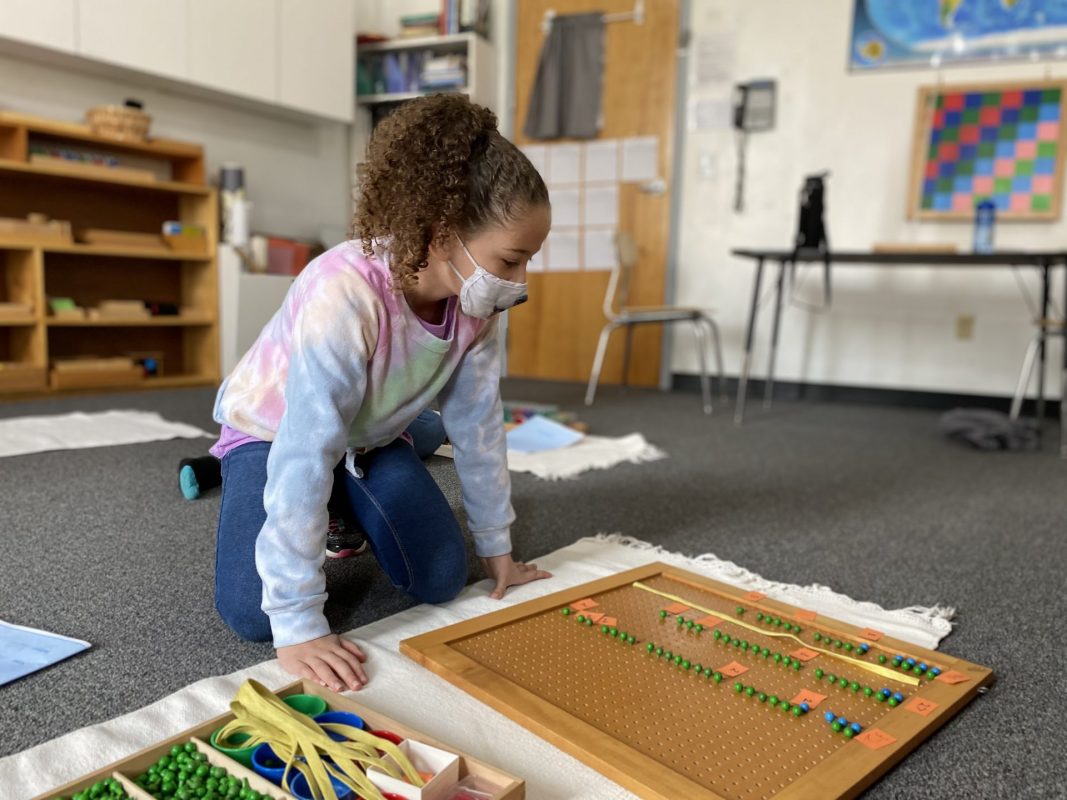
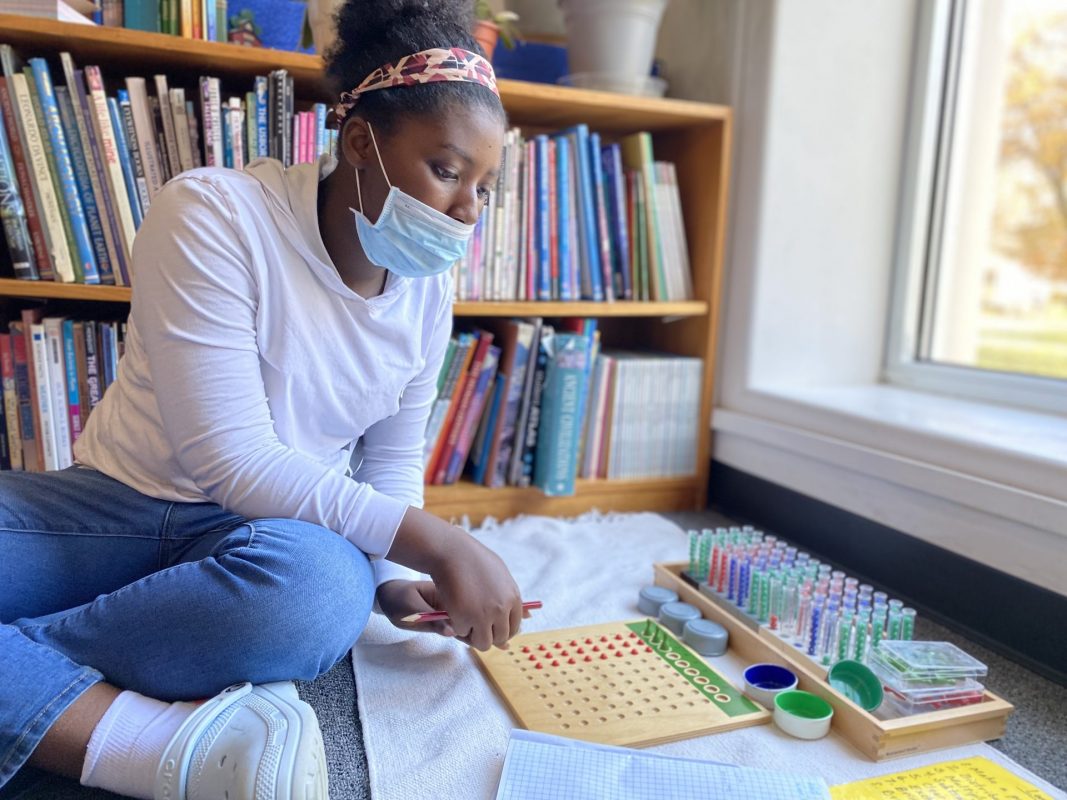
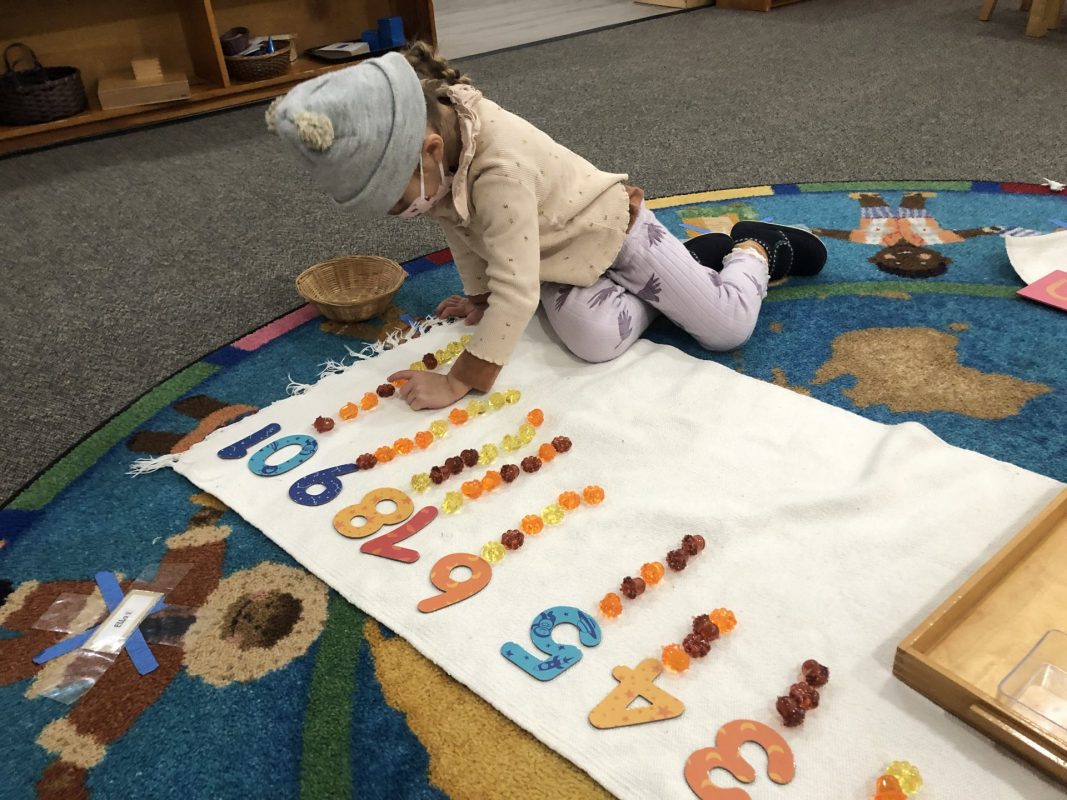
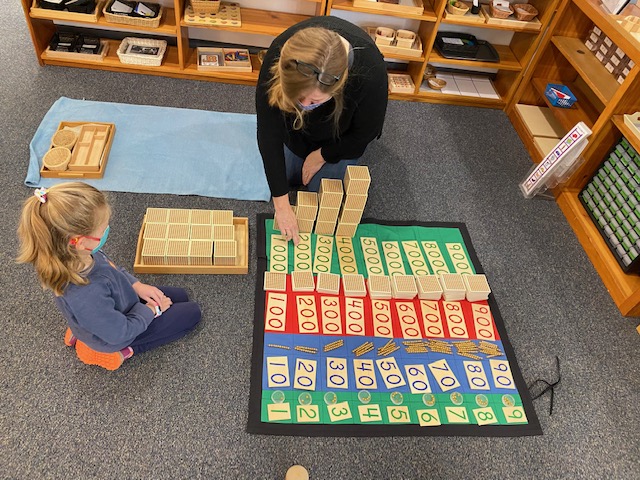
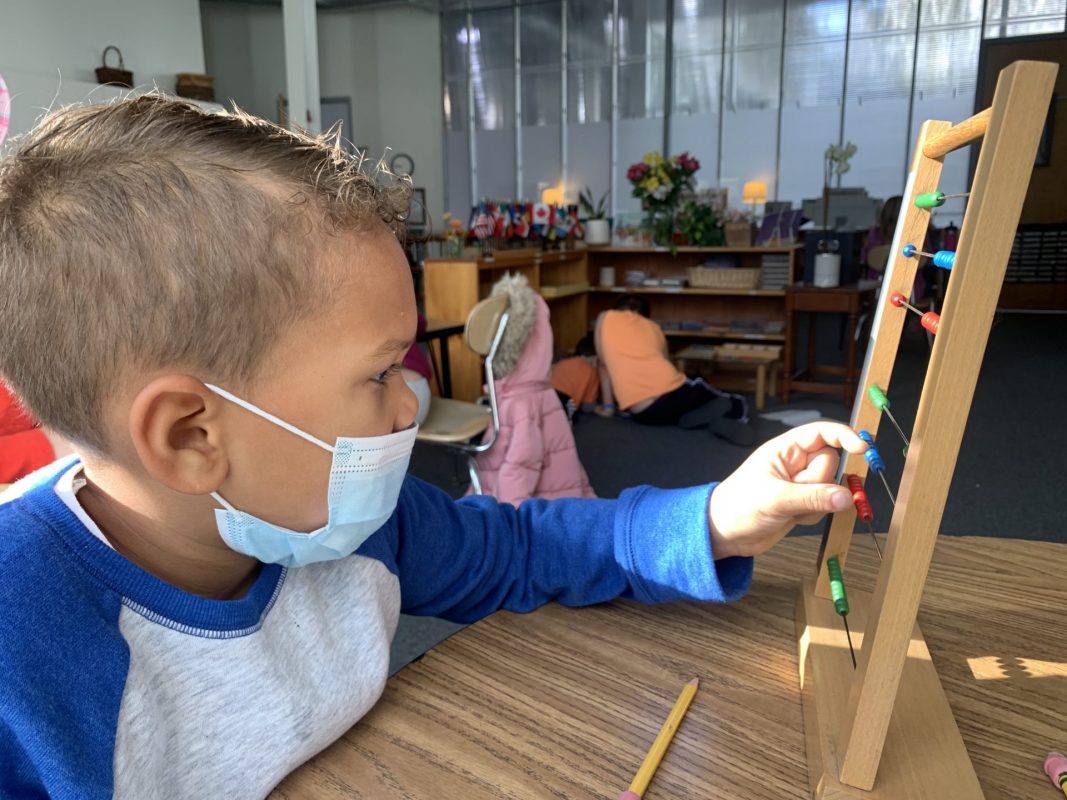
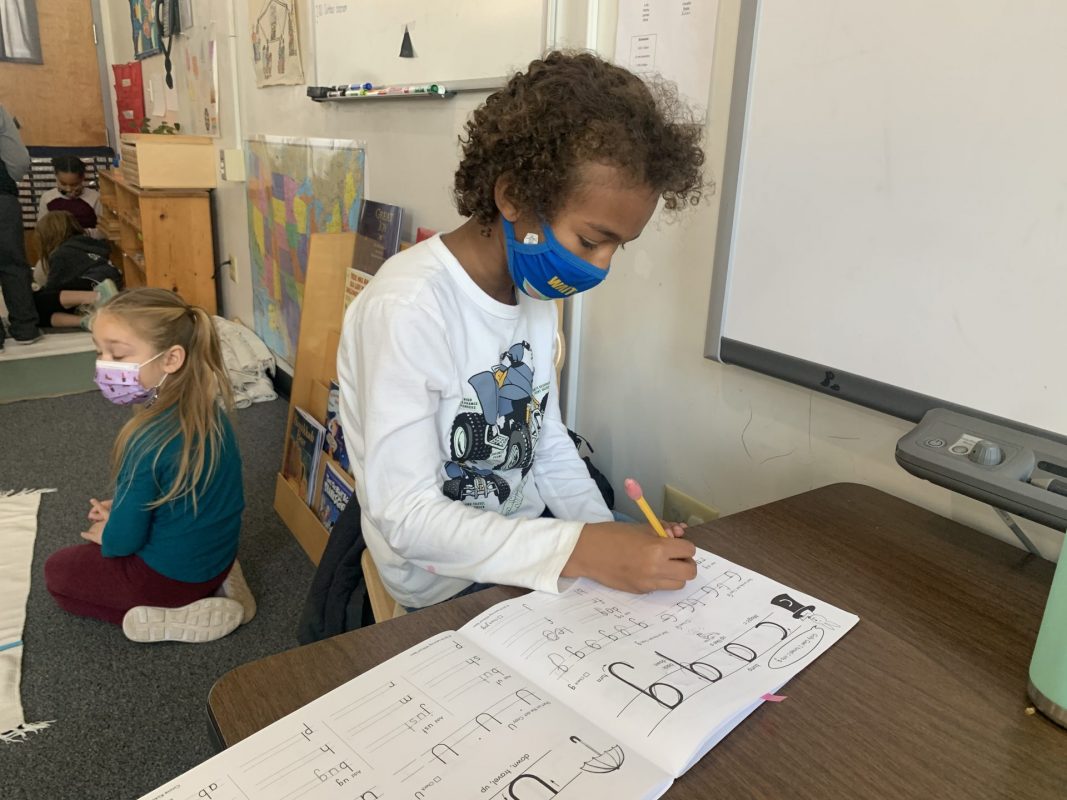
The Montessori cultural studies curriculum provides children with an opportunity to explore the whole world, including the continents, countries, people, animals, terrain, music, and arts. Children use didactic Montessori materials to familiarize themselves with the needs of all humans for such things as food, housing, and clothing. This early cultural awareness helps cultivate independent, joyful citizens of our world.

During our study of North America, we have been discussing the importance of Thanksgiving and the feeling of gratitude. We have enjoyed sharing with each other what we are all thankful for!

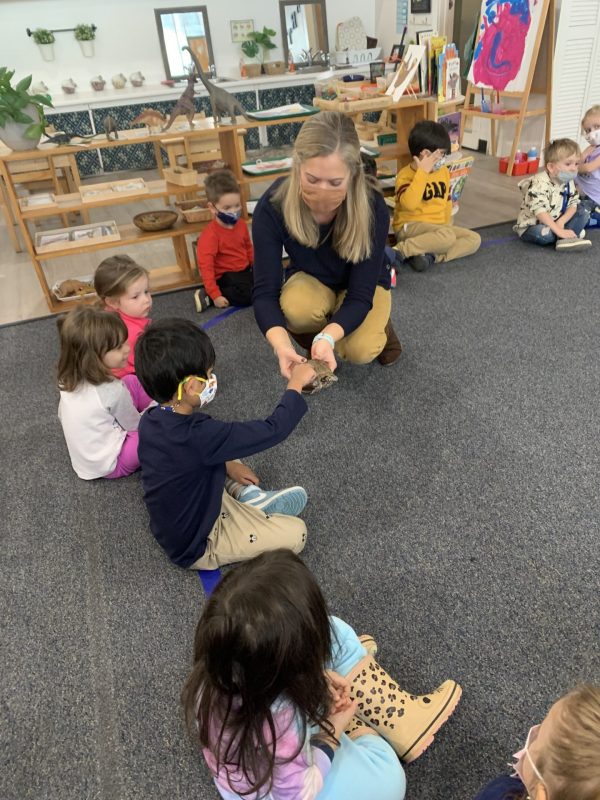
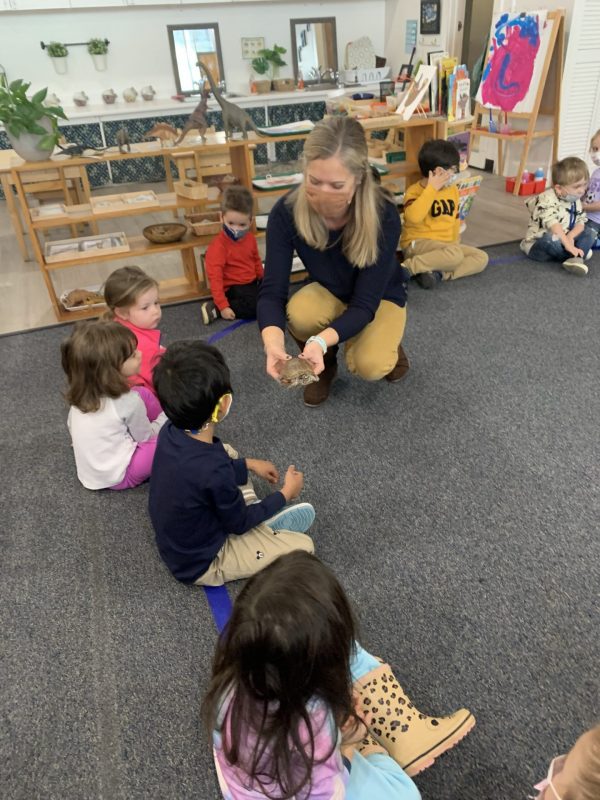
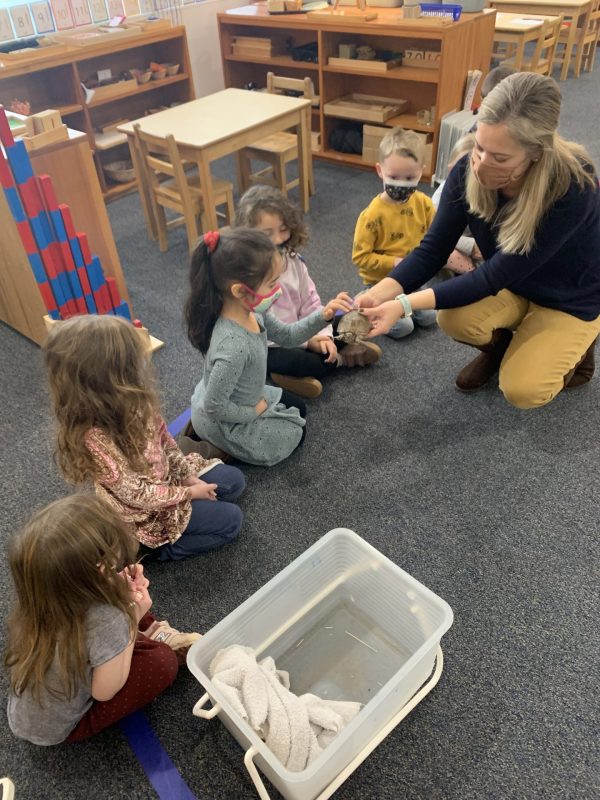
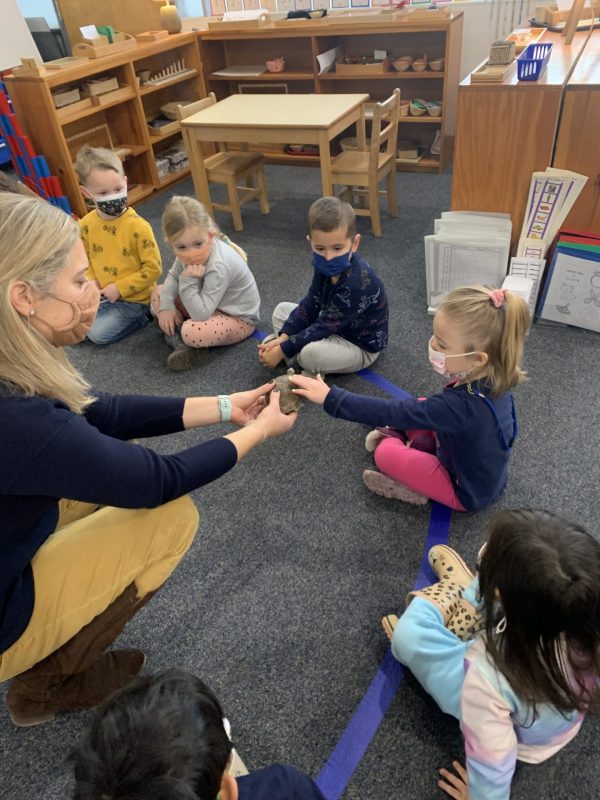
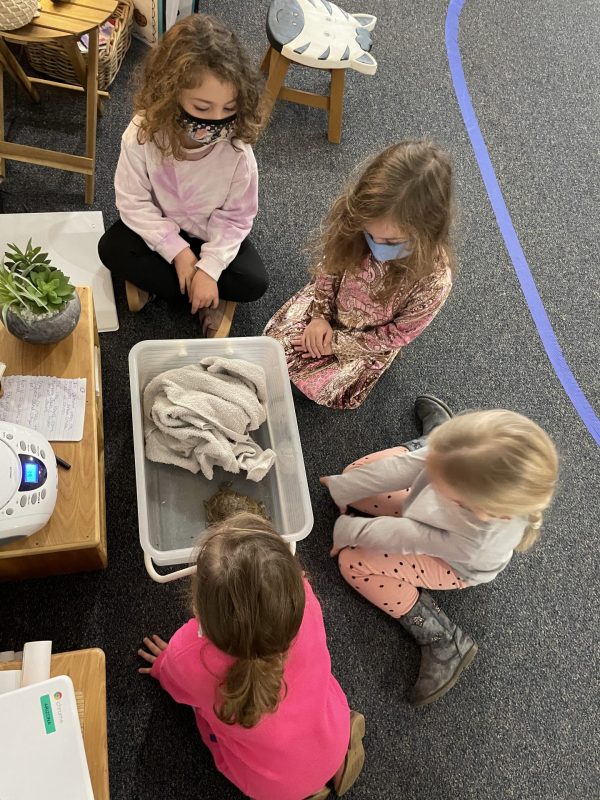
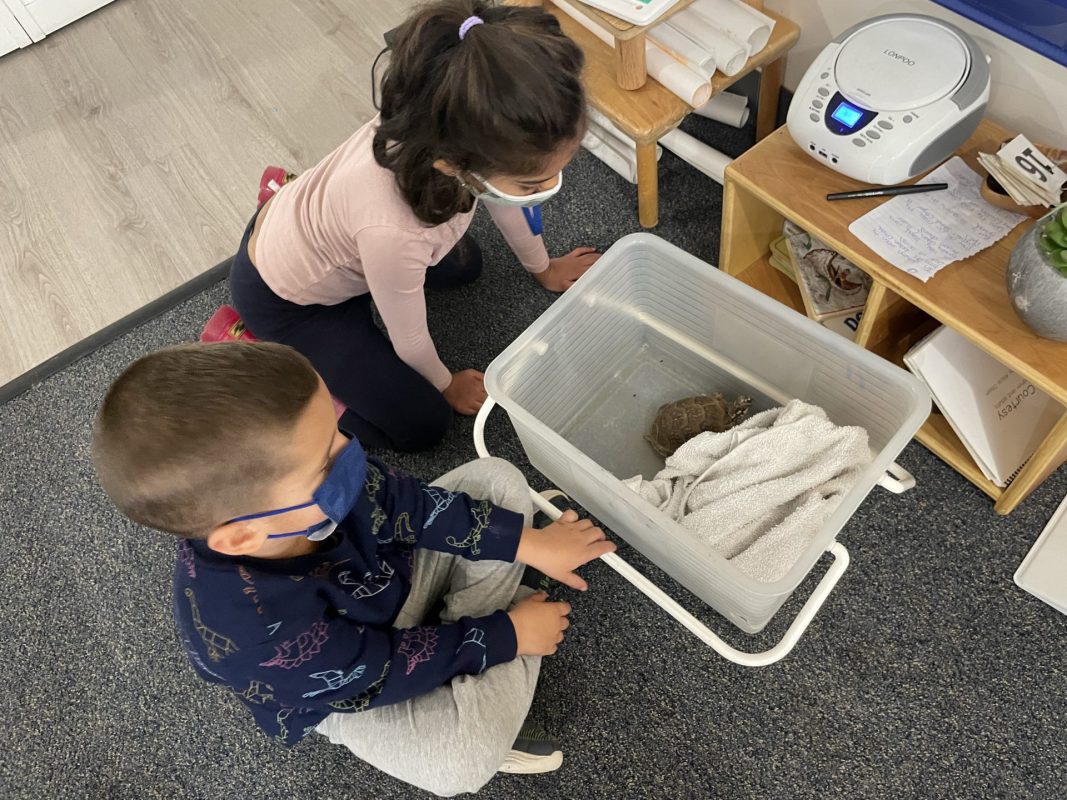
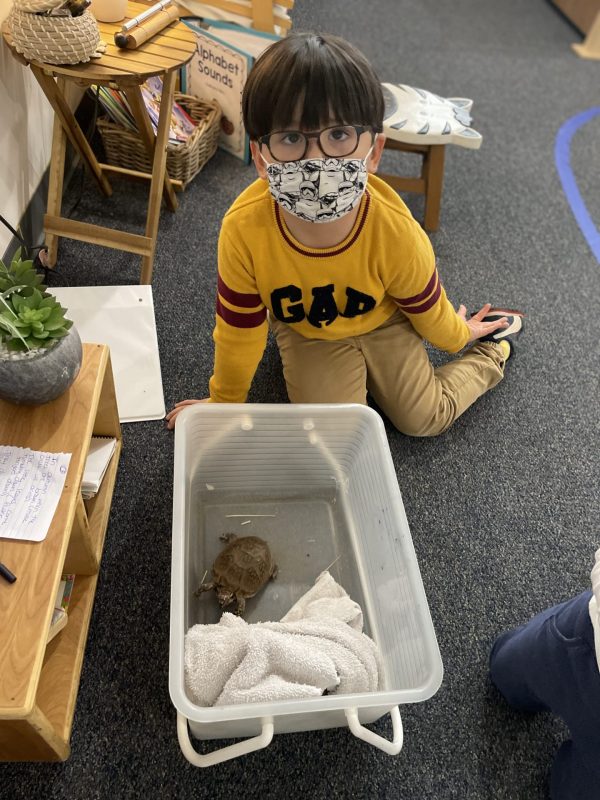
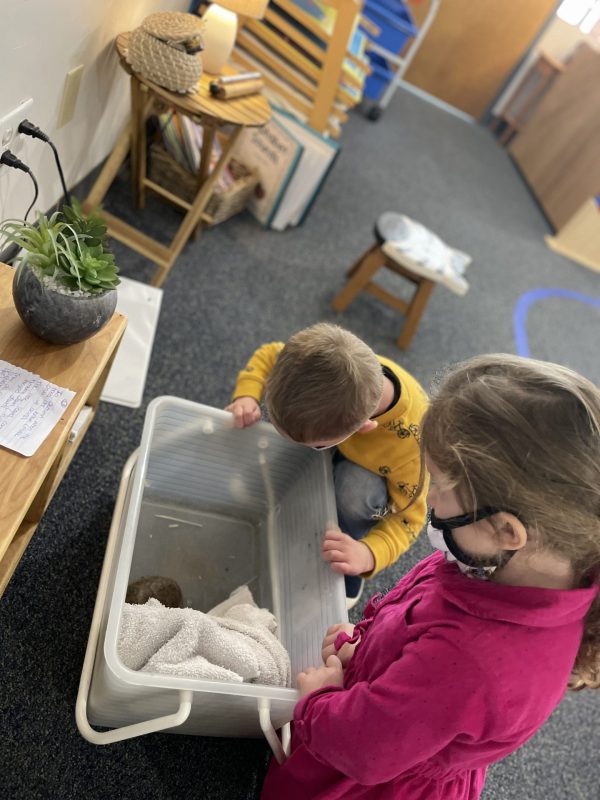
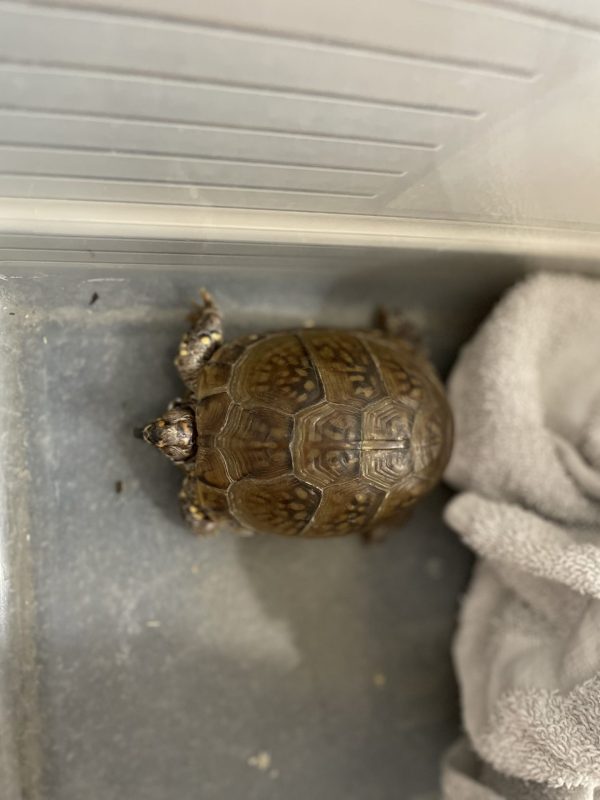
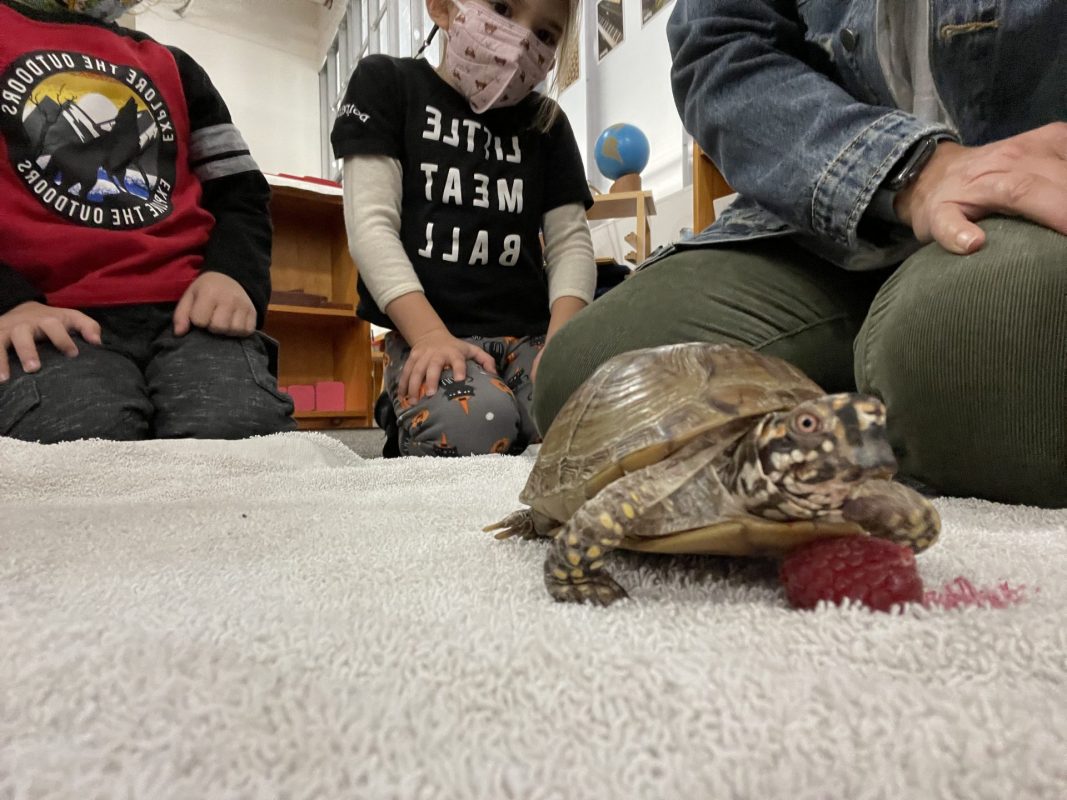
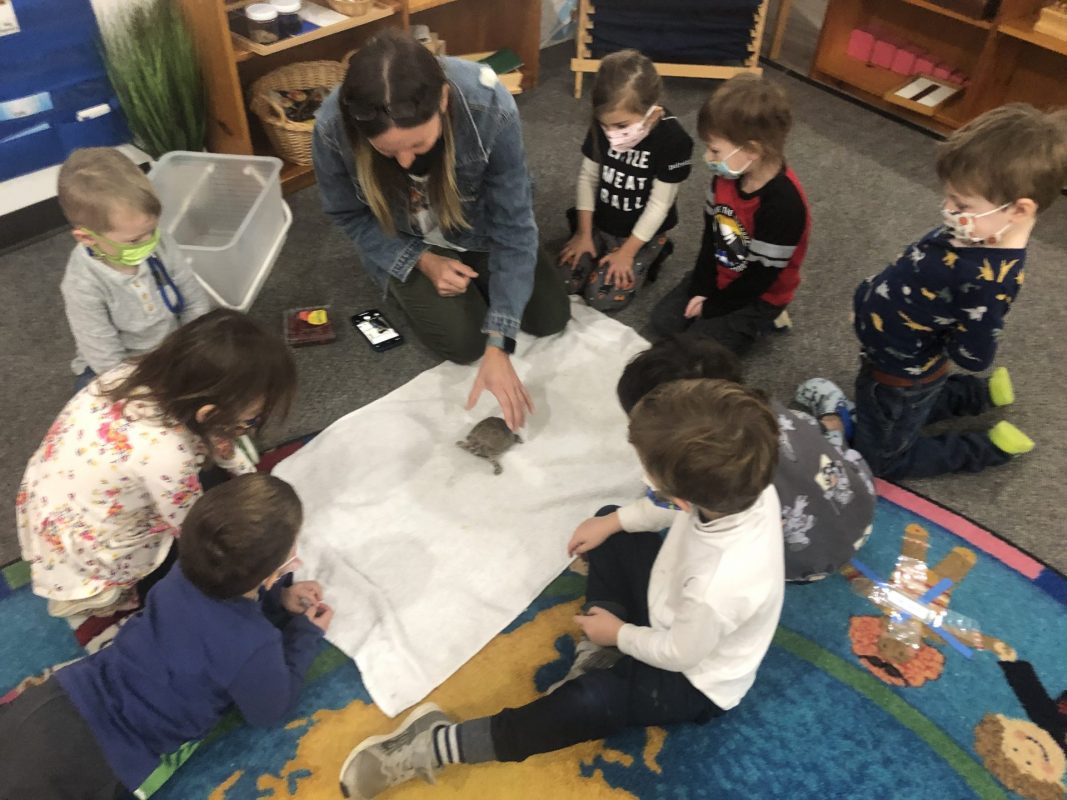
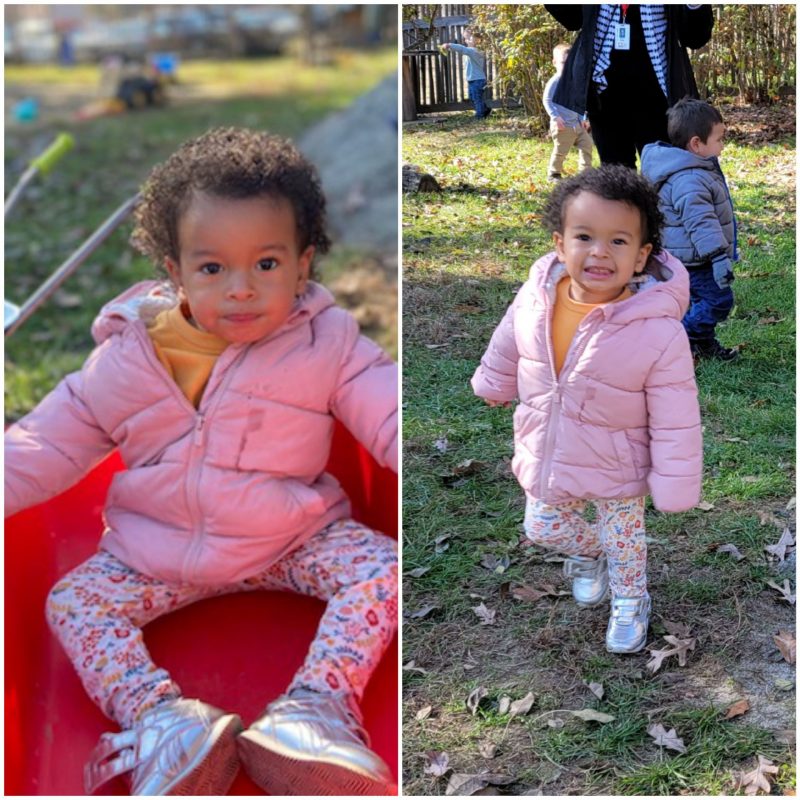
As a side note, we also had a special visitor in our classroom on Monday!  Elara brought in her pet turtle, Mrs. T, to share with us.

Some fun facts about Mrs. T:

– age: 37

– species: Eastern box turtle

– loves to eat strawberries, raspberries and meat!
We all enjoyed petting her and getting to observe her during our morning work cycle.  Thank you to Elara and her family for bringing her in!

Best,

Amanda & Heather


Upper El Week Ten

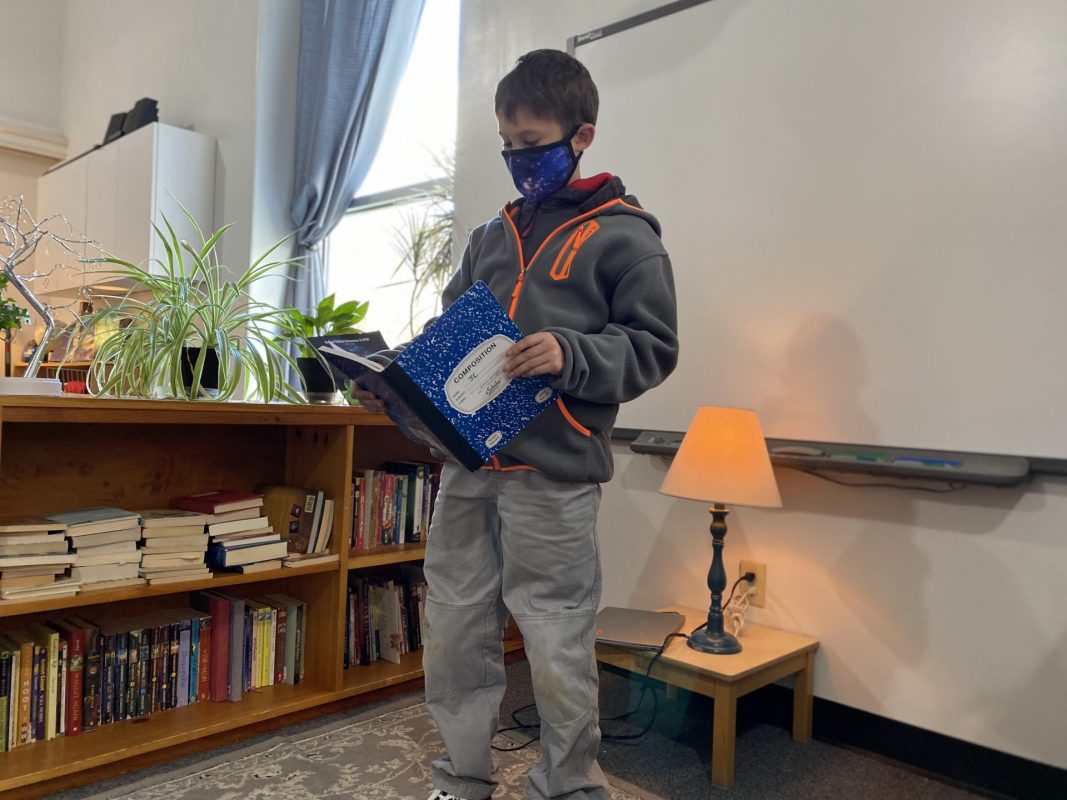
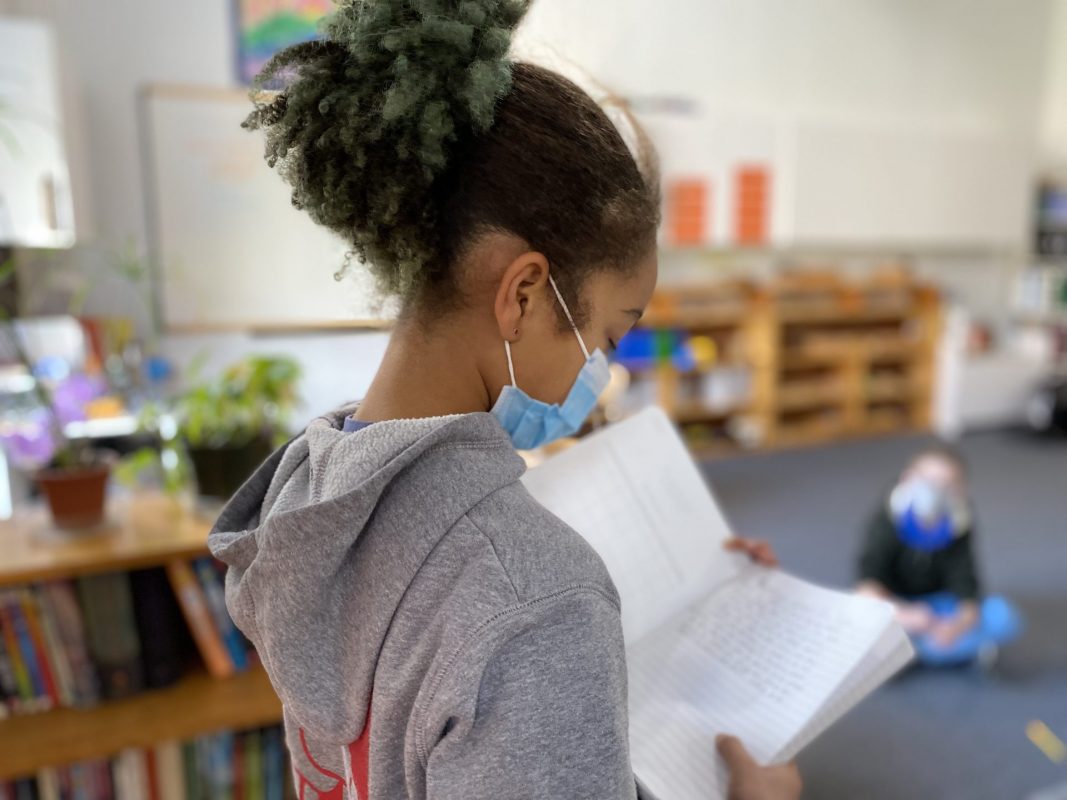
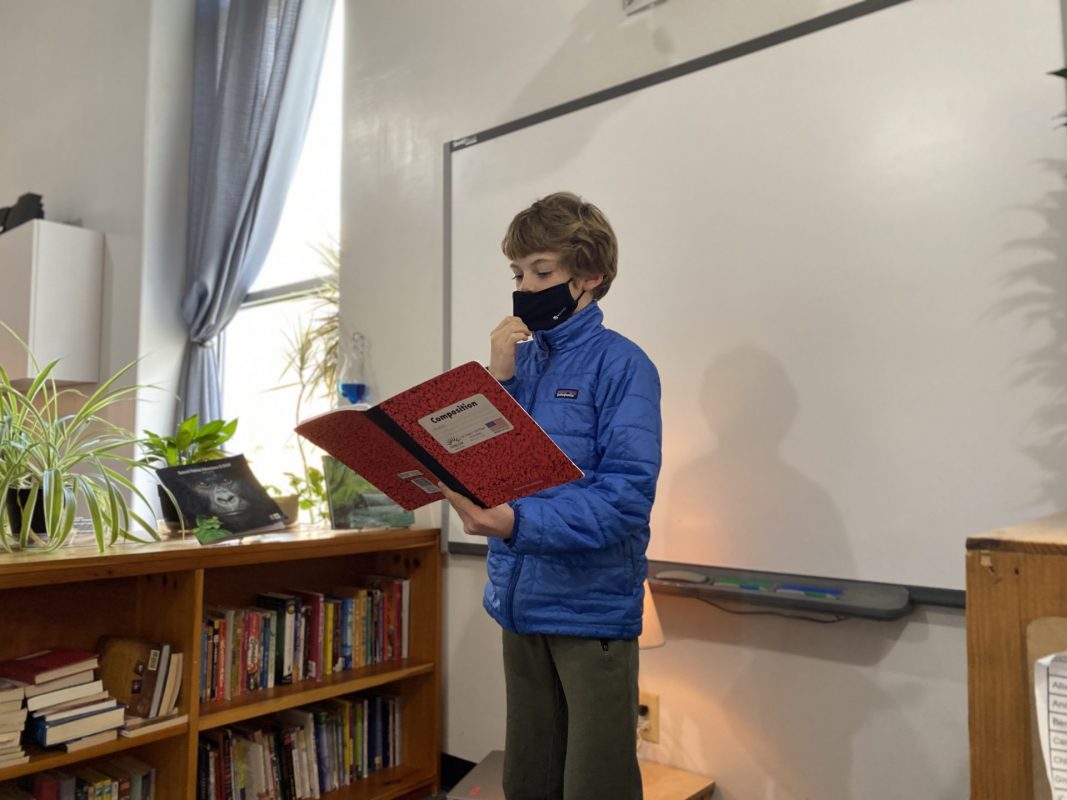
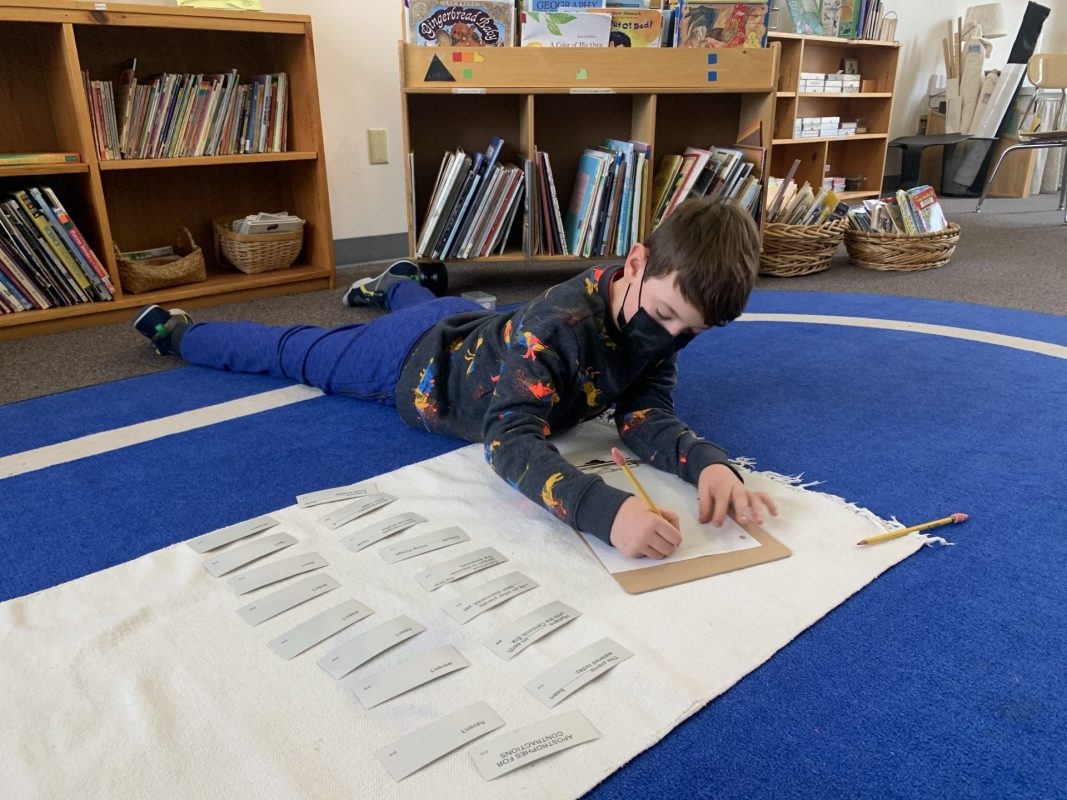
This week we wrapped up our first Lit Circle books of the year. Each group had a great final discussion of their book and they are anxious to get started on the next. We also enjoyed hearing some original creative writing shared by our class members this week. We heard a short story, a chapter book, and some poetry. We will continue to share our writing-in-progress each week.

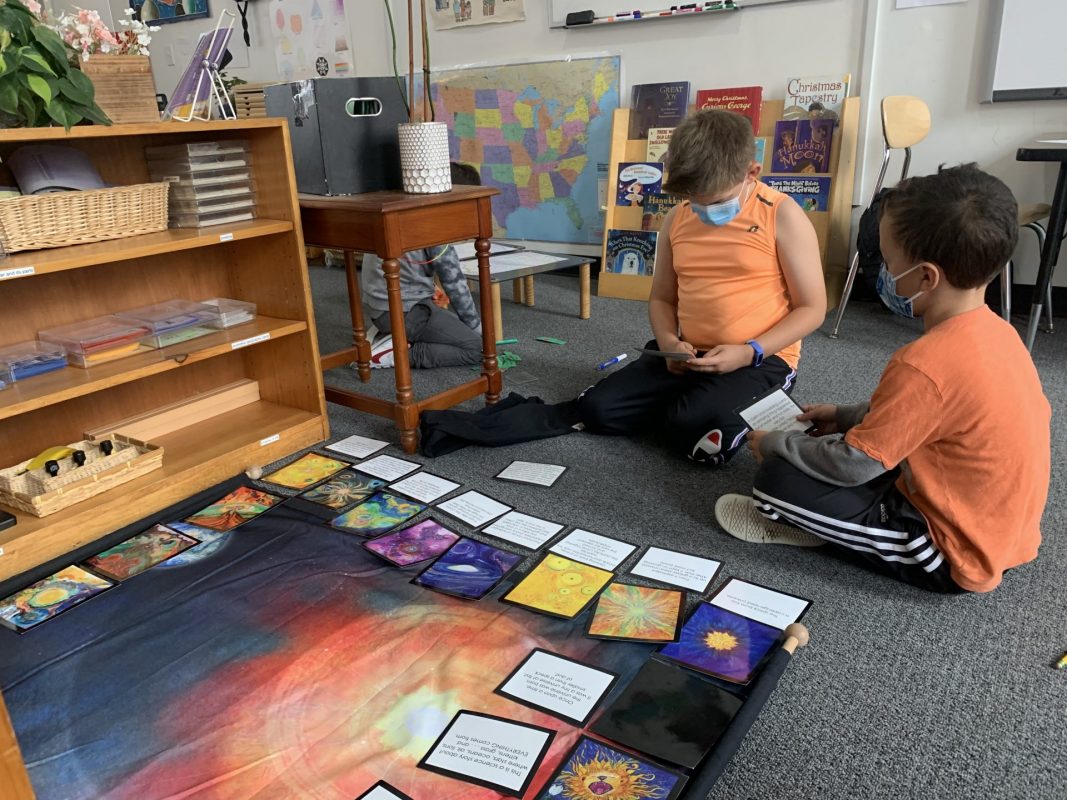
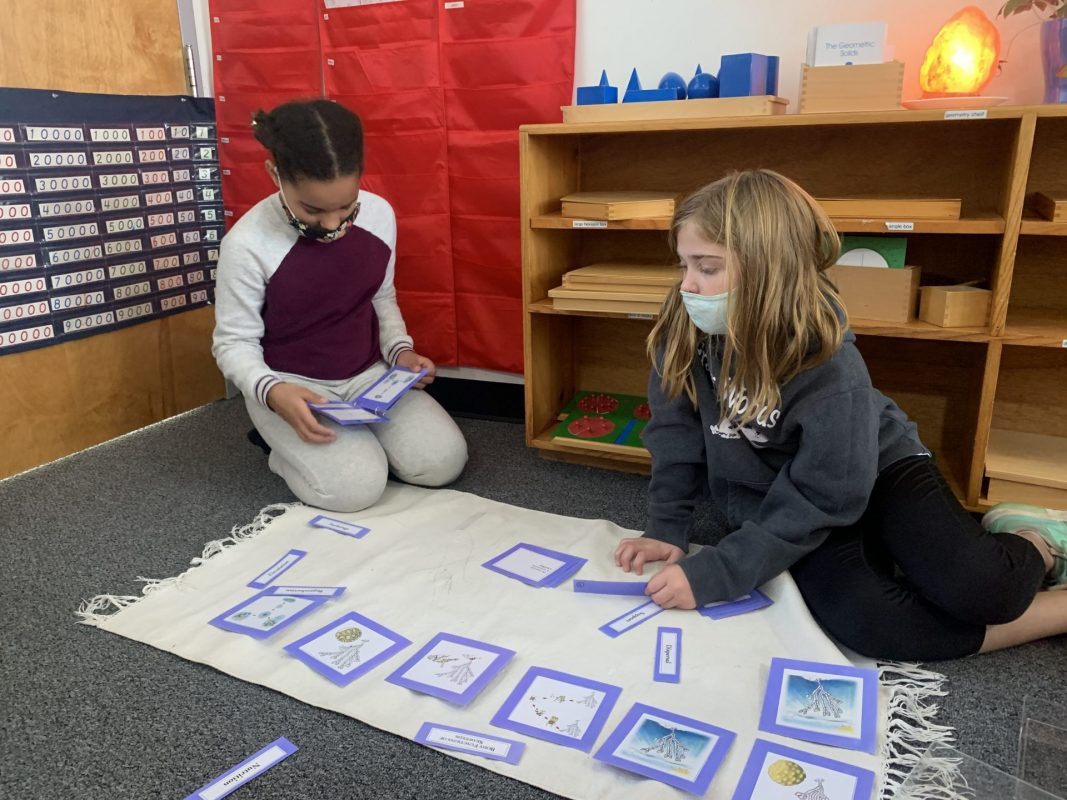
In biology this week we learned that the vital functions of animals fall into three categories: vegetative functions, functions of relationship, and function of reproduction. We learned that vegetative functions are what keep us alive. They are nutrition, respiration, and circulation. Functions of relationship move us around so we can get what we need to survive. They are sensitivity, movement, and support. The function of reproduction is different from the first two types in that it is a function of species instead of individual.

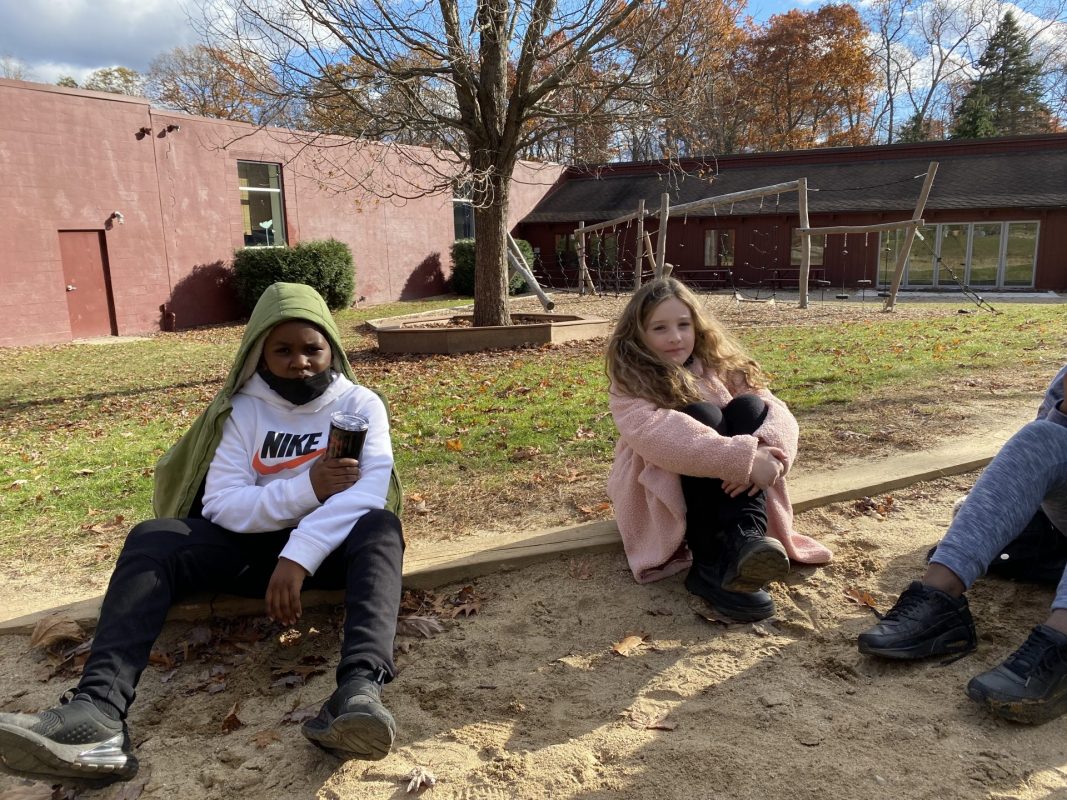
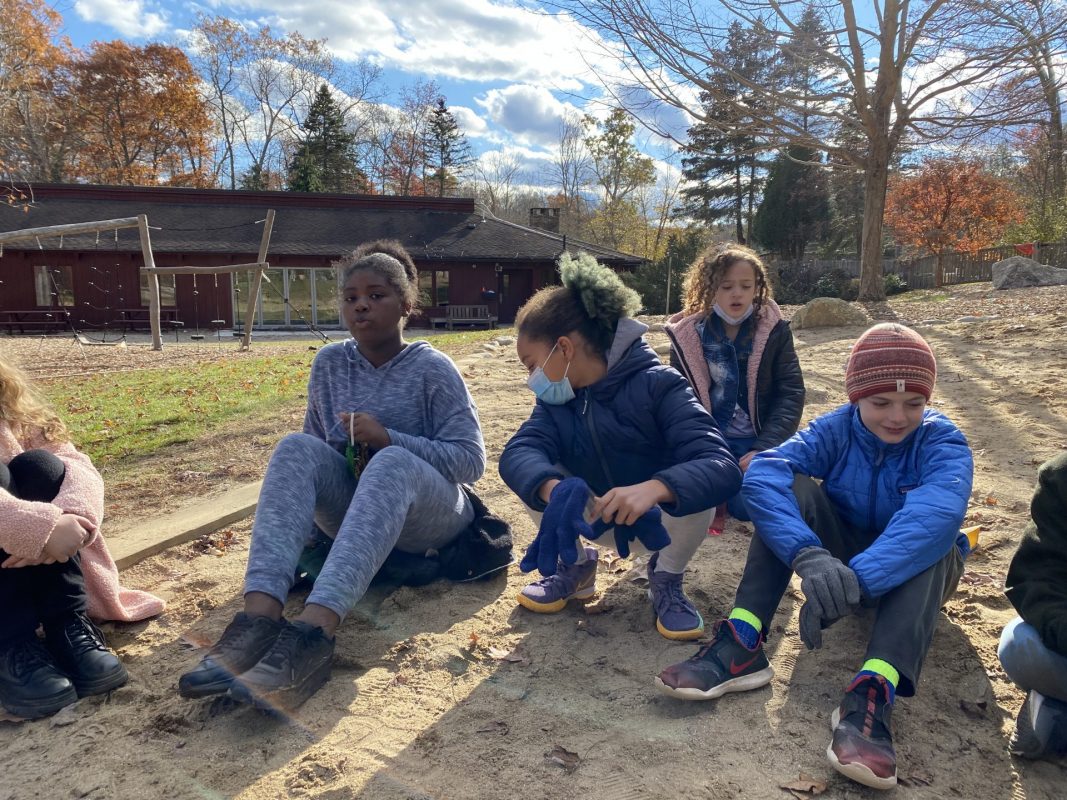
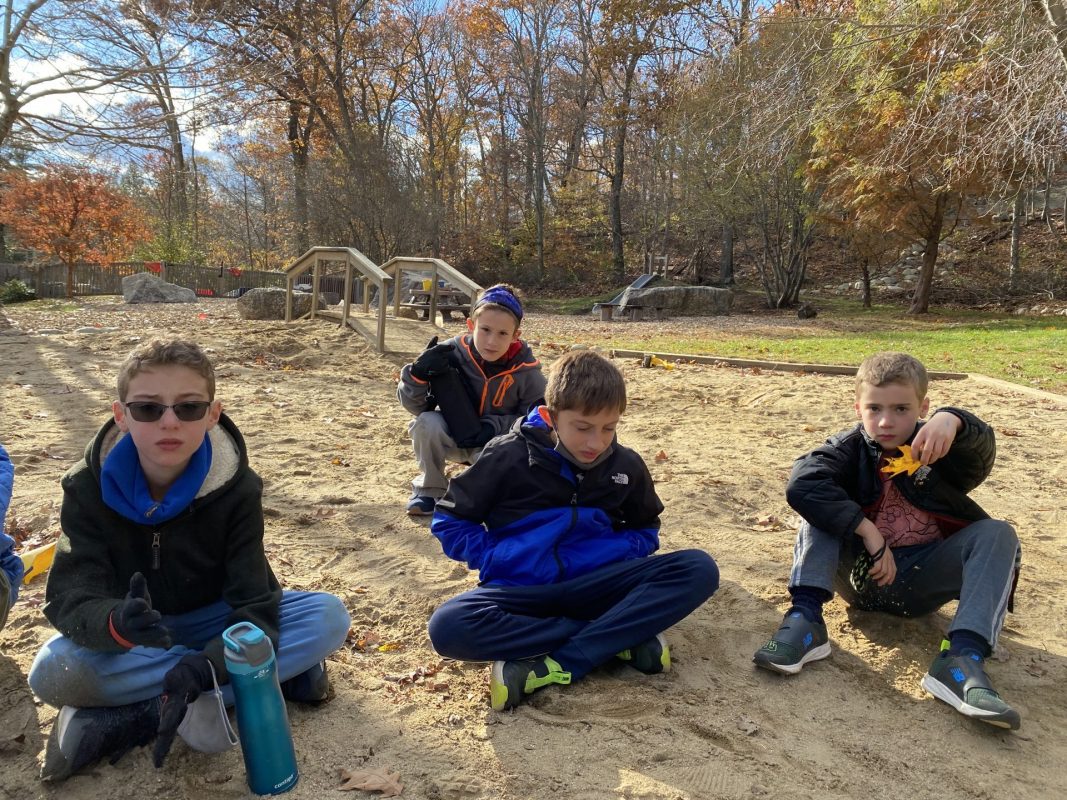
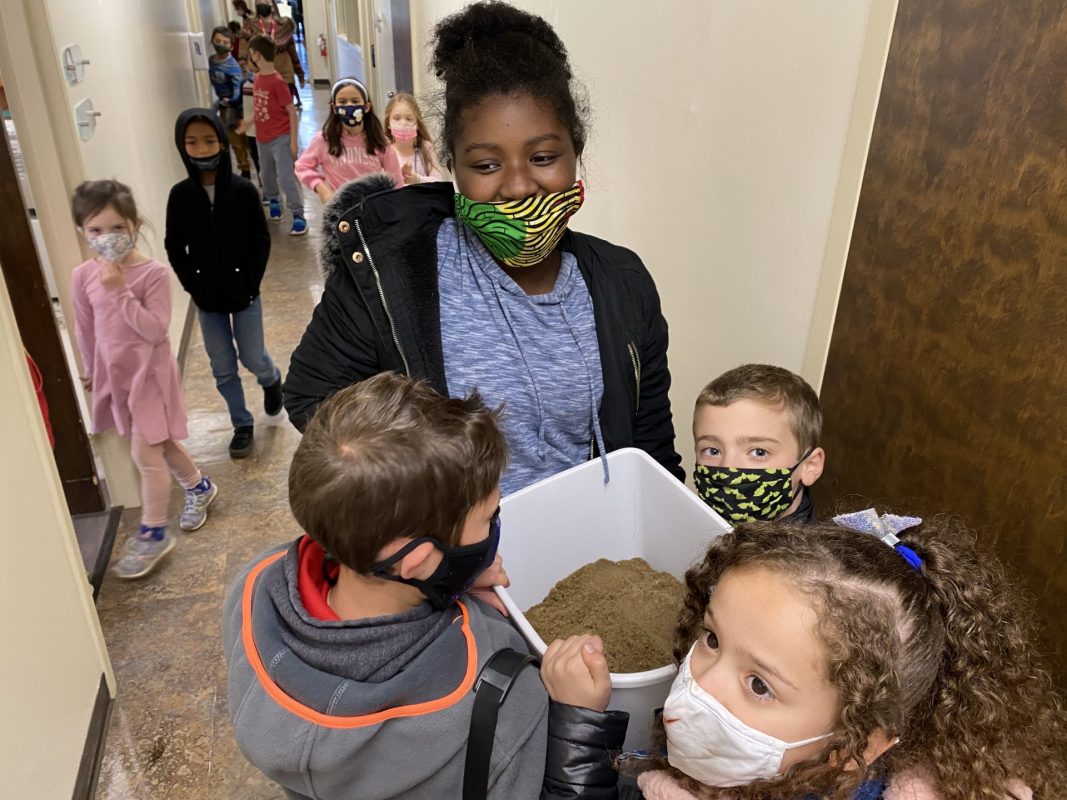
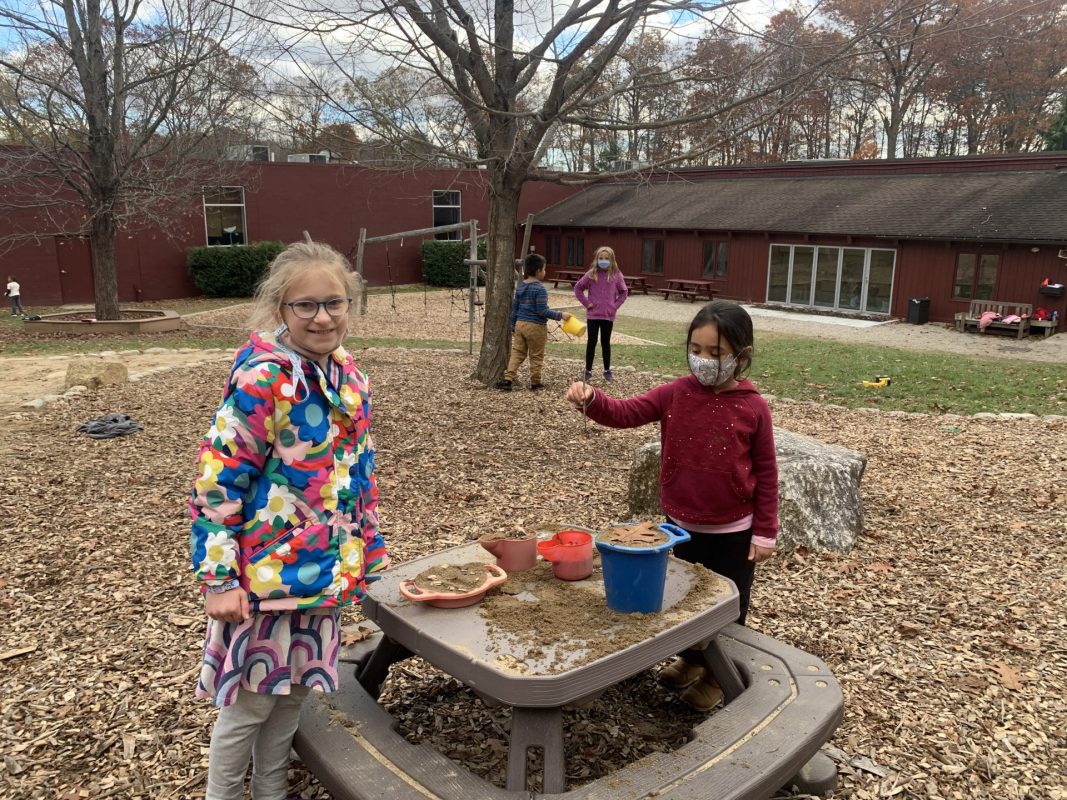
Our history lesson this week was called The Trash Heap. This is a lesson that gives an impression of the heritage of the artifacts we study when we are learning about human cultures. During this lesson I told a story of a sequence of cultures, all of which were located on the same site, each leaving behind “trash” artifacts. As I told the story, we placed the artifacts in a trash heap and covered each layer with a layer of sand. Upon completion of the story, we had a mound of sand, hidden within which were layers of artifacts representing the sequence of cultures we discussed.

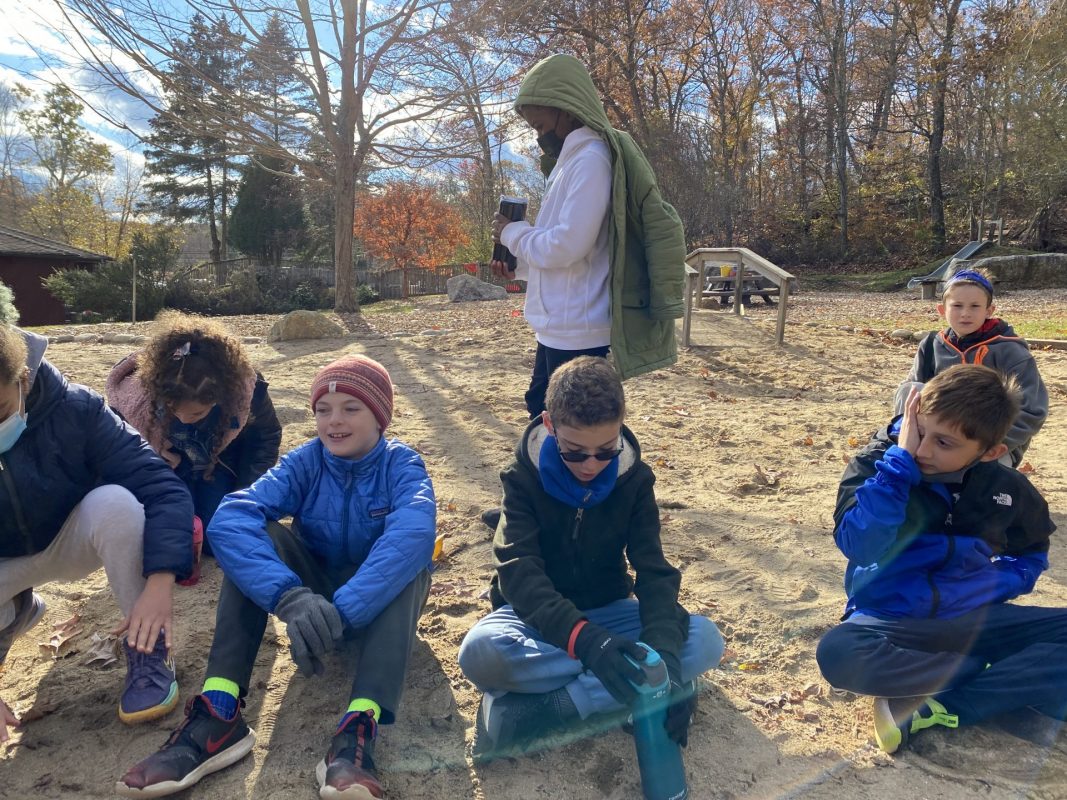
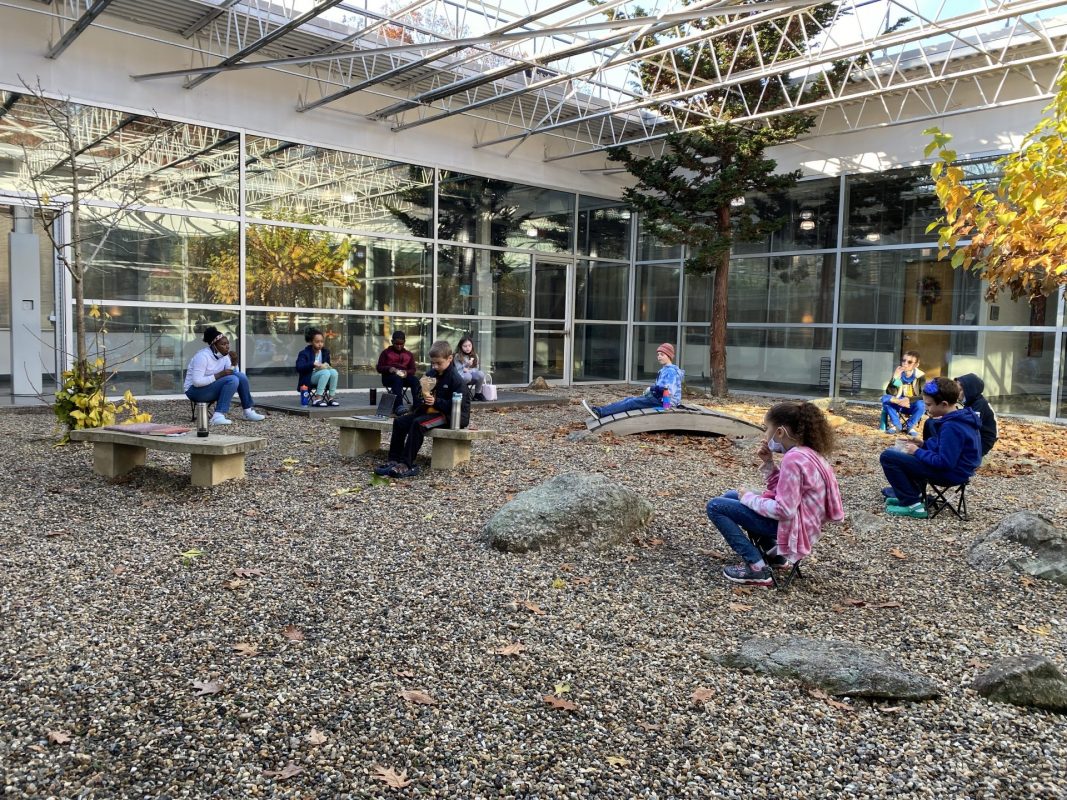
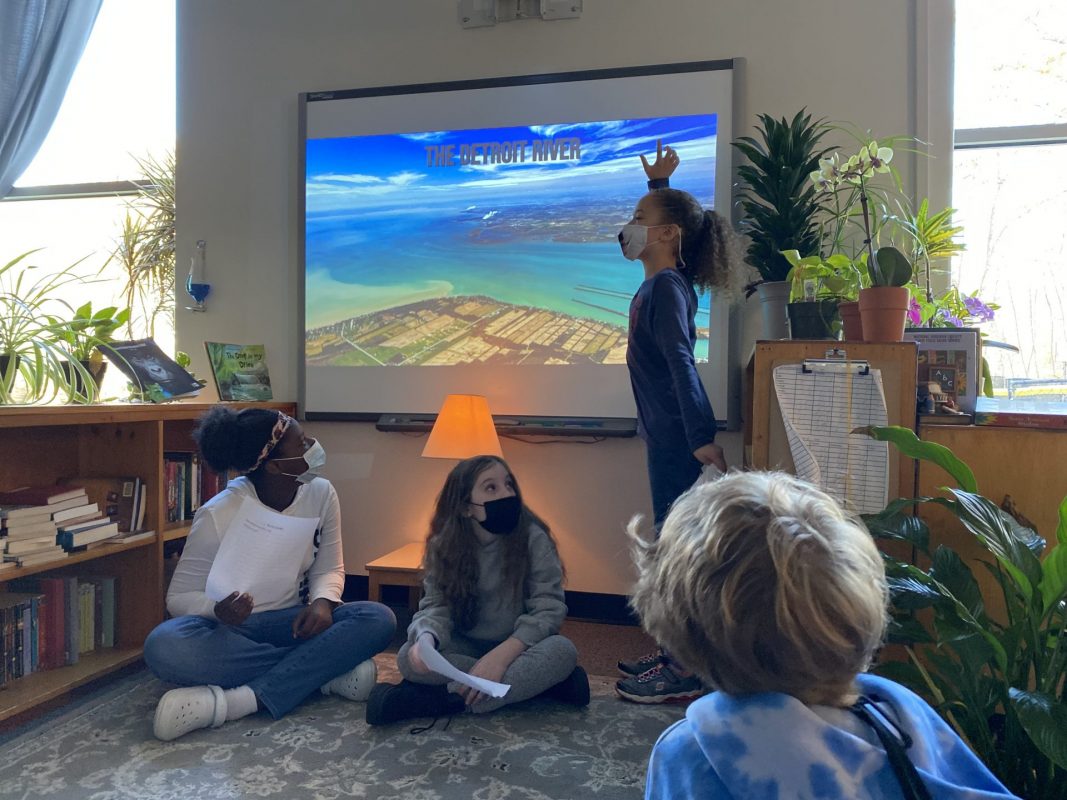
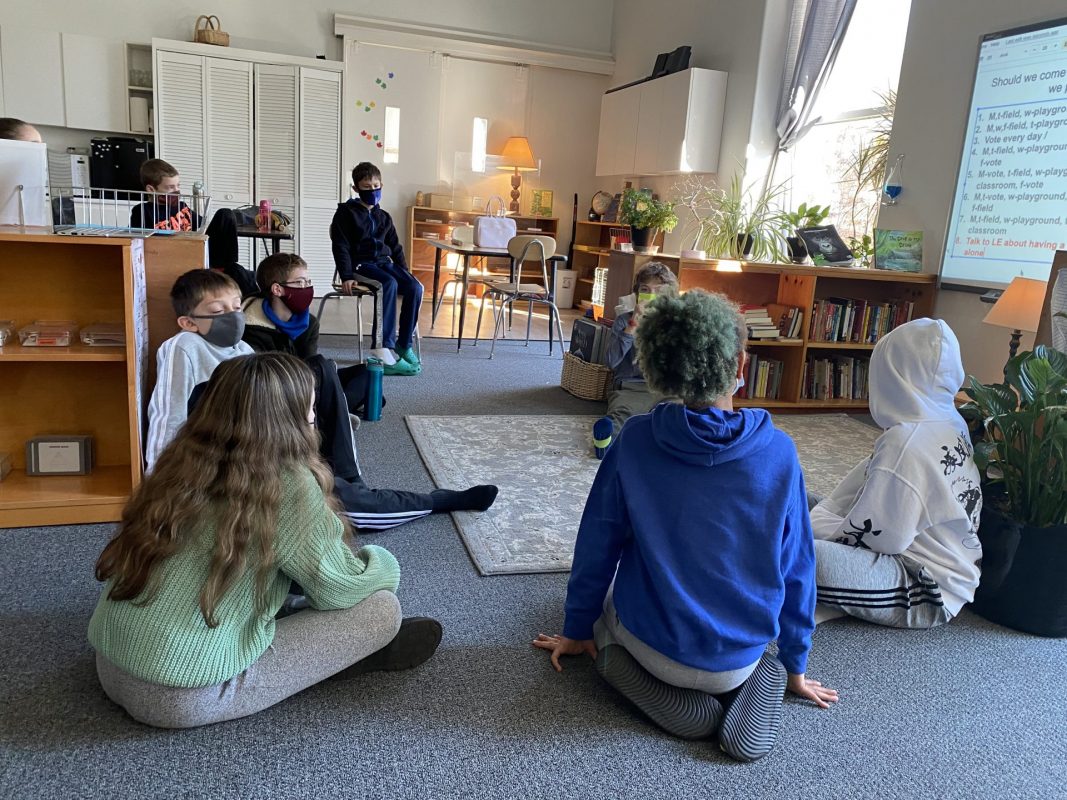
Our student-led, weekly class community meetings focus on concerns and topics brought up by students. This week our meeting was focused on where we should have recess. This topic was added to our agenda after a student reached out asking for a change from our daily recess on the field. The class brainstormed ideas, had a respectful, open discussion, and then voted. They decided we would go to the playground and outdoor classroom, each one day a week, and on the remaining three days, we will vote on where to go. I wish you could see the maturity and respect for each other these students have; they impress me every day.


Mrs. Semmah: The Silence Game

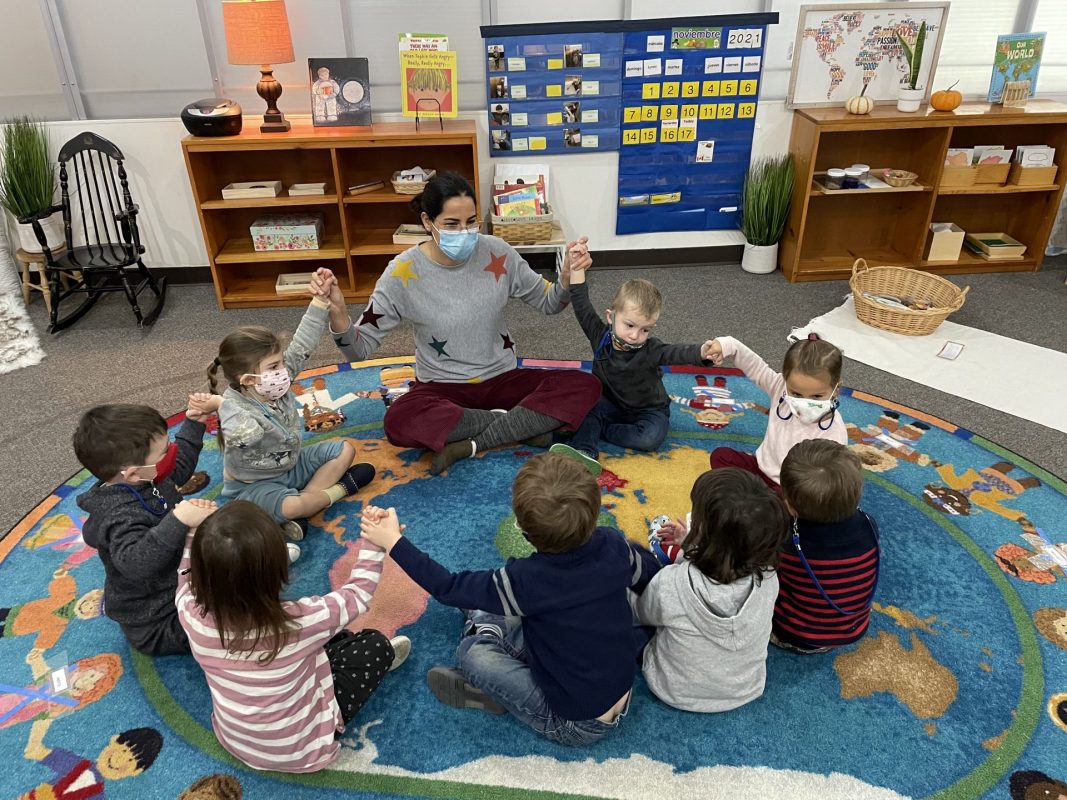
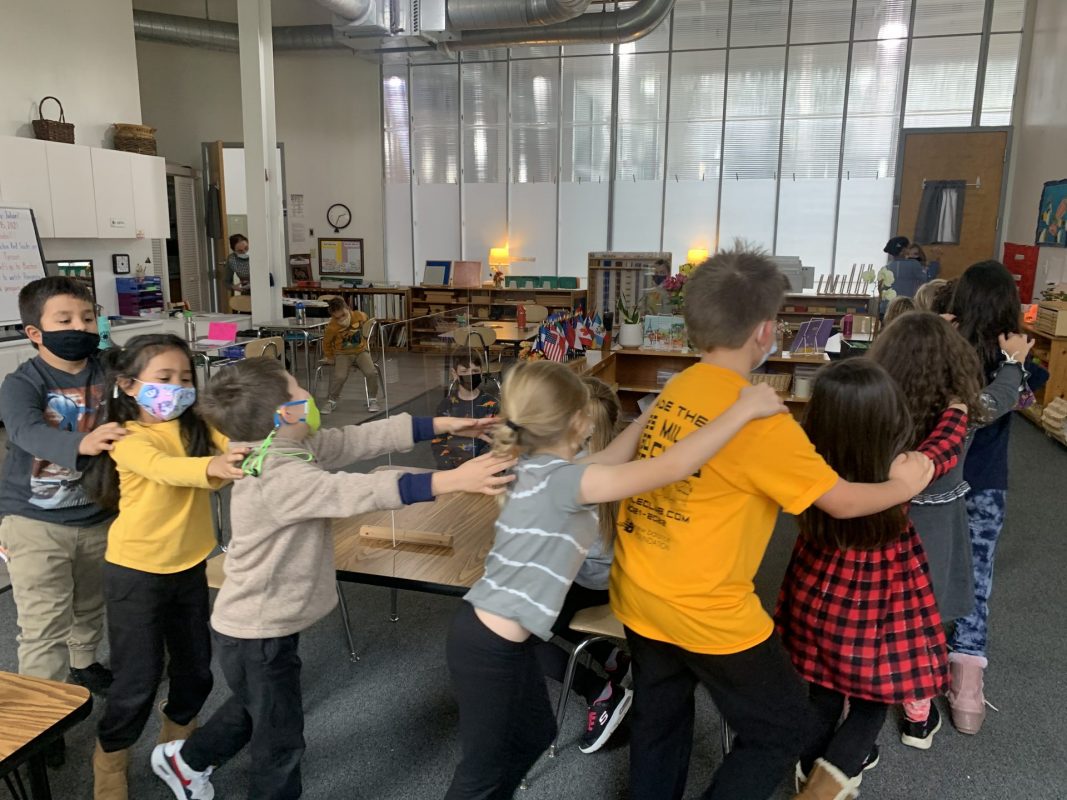
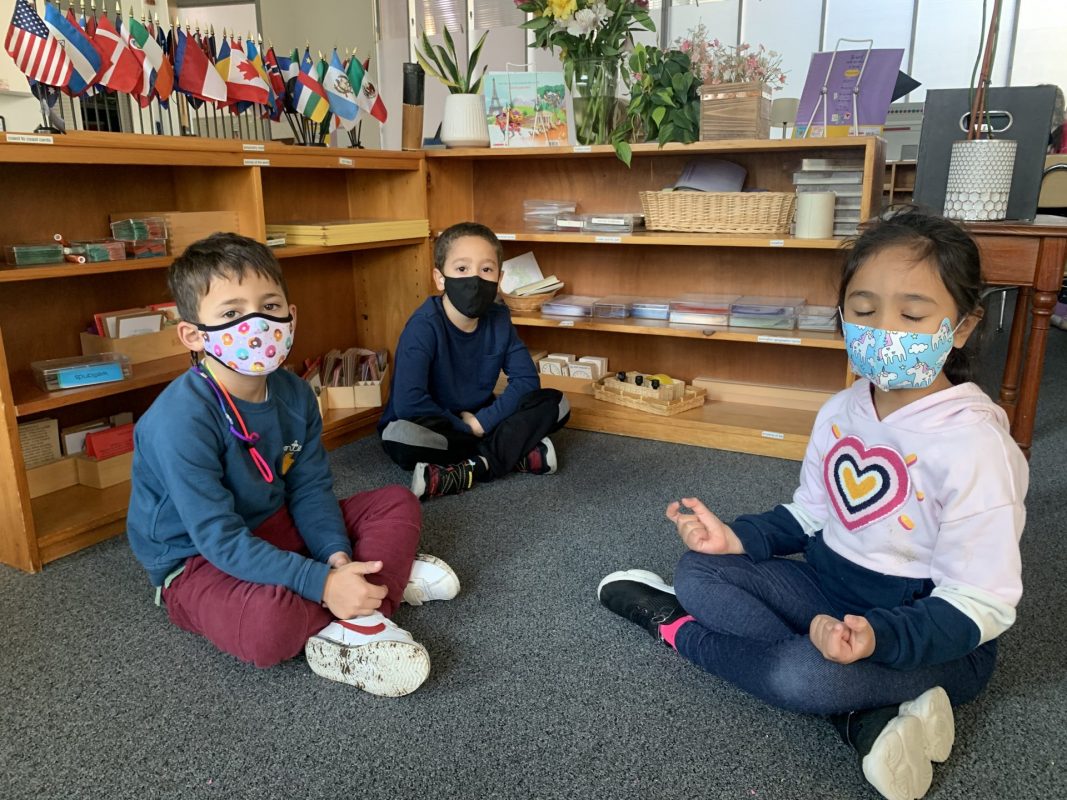
The Montessori Silence Game is a sensorial lesson that is introduced in the primary classroom. It is a calming activity and patience activity that can be implemented at home too. This week I introduced a Silence Game for our morning meditation before we start circle time. By this time of the year, children have been practicing other types of “control of movement” practices, such as walking on the line, scooping, pouring, and moving the chair quietly.

This is how we play the silence game in our classroom. I model for children how to sit crisscrossed without movement and close their eyes using my whisper voice.

We are going to do a morning meditation, stretch your body, move your neck, close your eyes, take a deep breath, and make silence. You may hear some sounds in our classroom or outside our classroom. Then, I take two deep breaths and I close my eyes. All the children take two deep breaths and close their eyes. We sit still quietly for a few minutes. Then I say: I open my eyes to you, I open my heart to you, together we open our hearts to the sun, to the cloud, together we join our hearts this Monday morning. We hold hands together and we raise them. After all the children open their eyes. I ask them if anybody heard something during the silence game. Remember when we read a book, you can make silence and quiet your body. You can make silence any time, isn’t that great. You can stop at any time and take a deep breath. It is very helpful to make silence when you are sad or tired.

This is a very wonderful peaceful activity that I have implemented through my years of teaching as a part of our daily routine. The children love the silence game, and it also contributes to” normalization”.

As a side note, we also had a special visitor in our classroom on Monday!  Remington brought in his pet turtle, Mrs. T, to share with us. Children loved Mrs. T’s company and  they were very nice and gentle with her. Thank you to the Muller’family.

Some fun facts about Mrs. T:

– age: 37

– species: Eastern box turtle

– loves to eat strawberries, raspberries and meat!

Wishing you all a happy Thanksgiving,

Kaoutar and Sara


A Montessori Teacher is…

A Guide, a Director/Directress, a Facilitator 

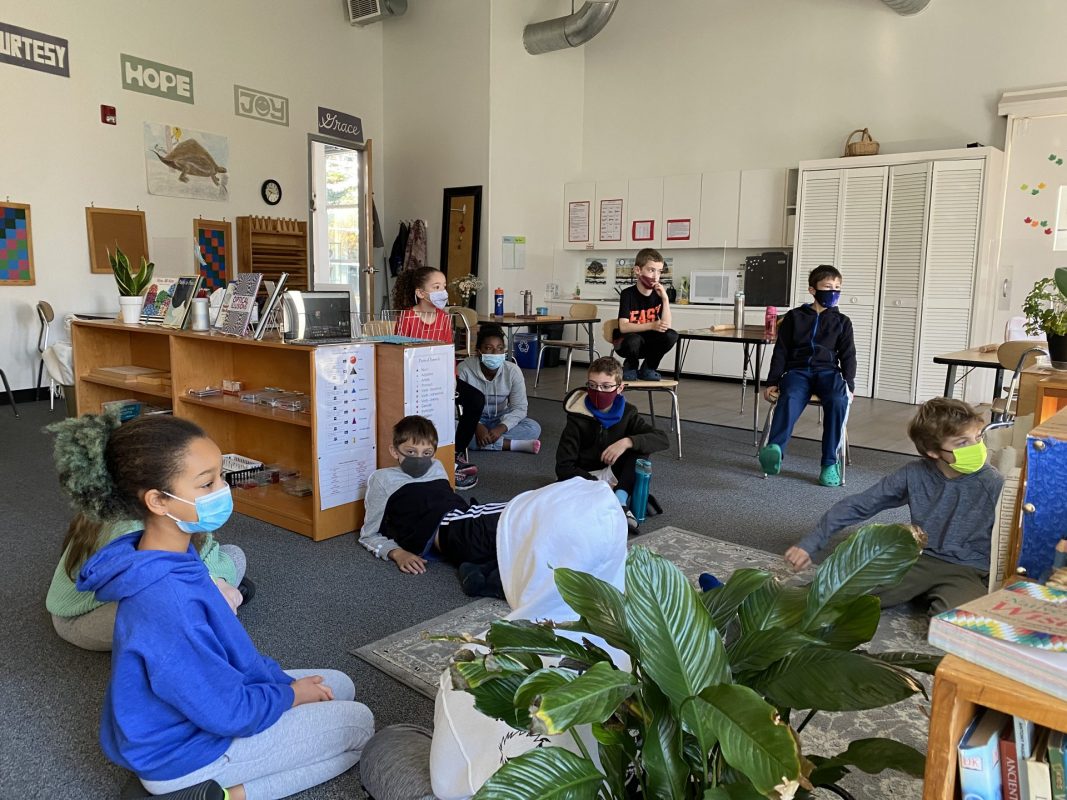
In the Montessori classroom, you will not see your child’s teacher standing at the front of the room lecturing. The focus of learning in Montessori is on the students, not the teacher. 

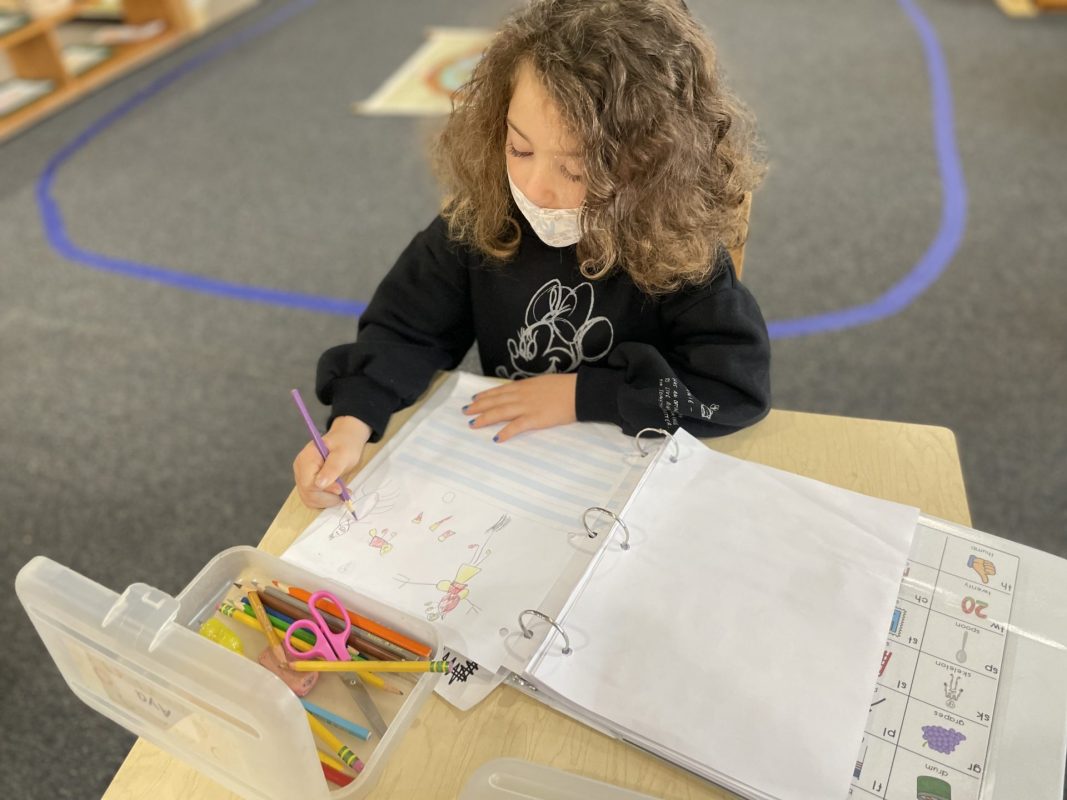
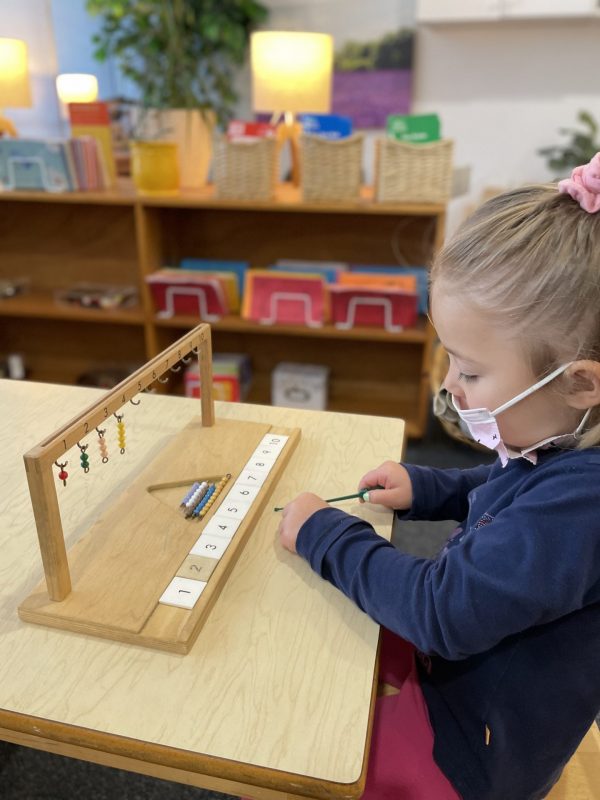
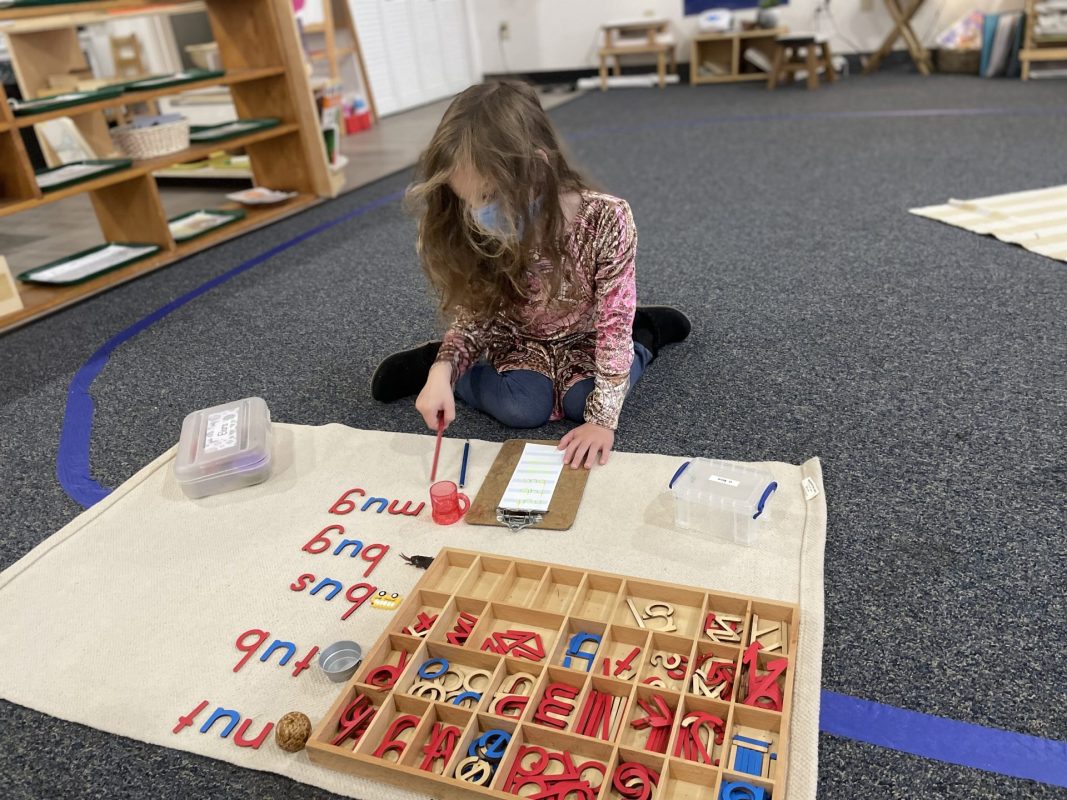
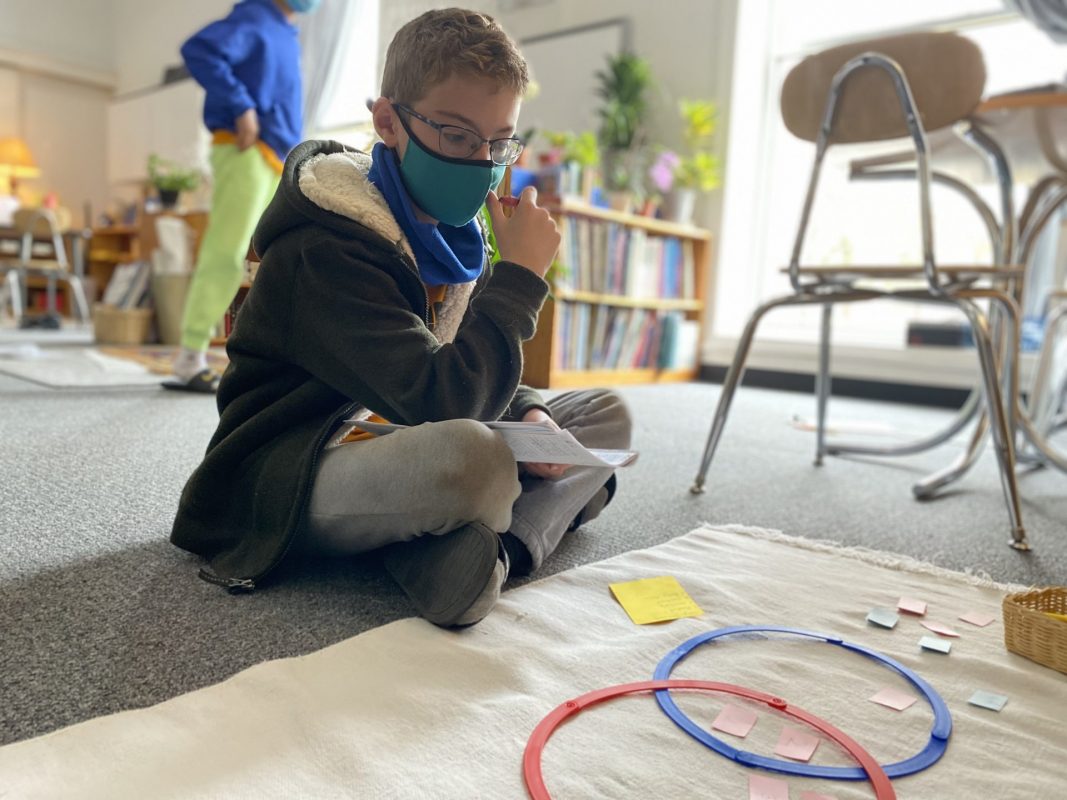
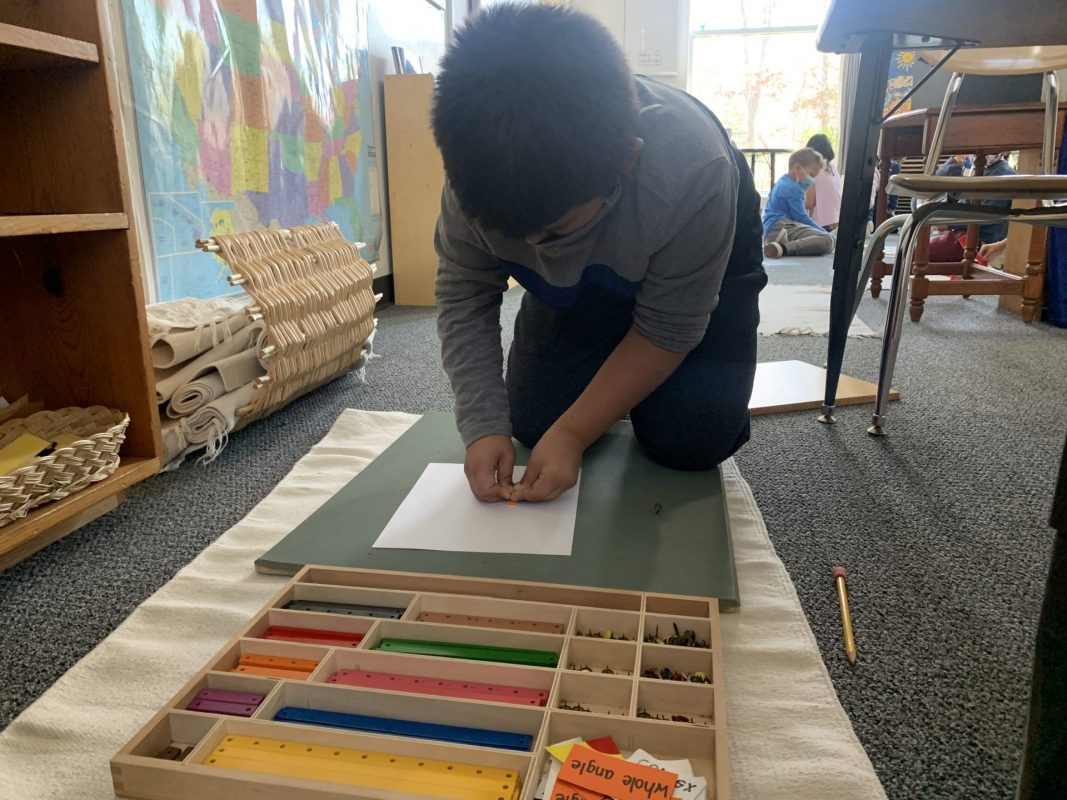
The teachers are not there to provide students with information they must learn, memorize, and bring up at the time of an assessment. Instead, Montessori teachers guide and support children as they pursue learning on their own. Teachers facilitate learning by designing deliberate, well-thought-out learning opportunities and guide individual children based on their observations of each child’s readiness and interests.


UE Collaborative Art!


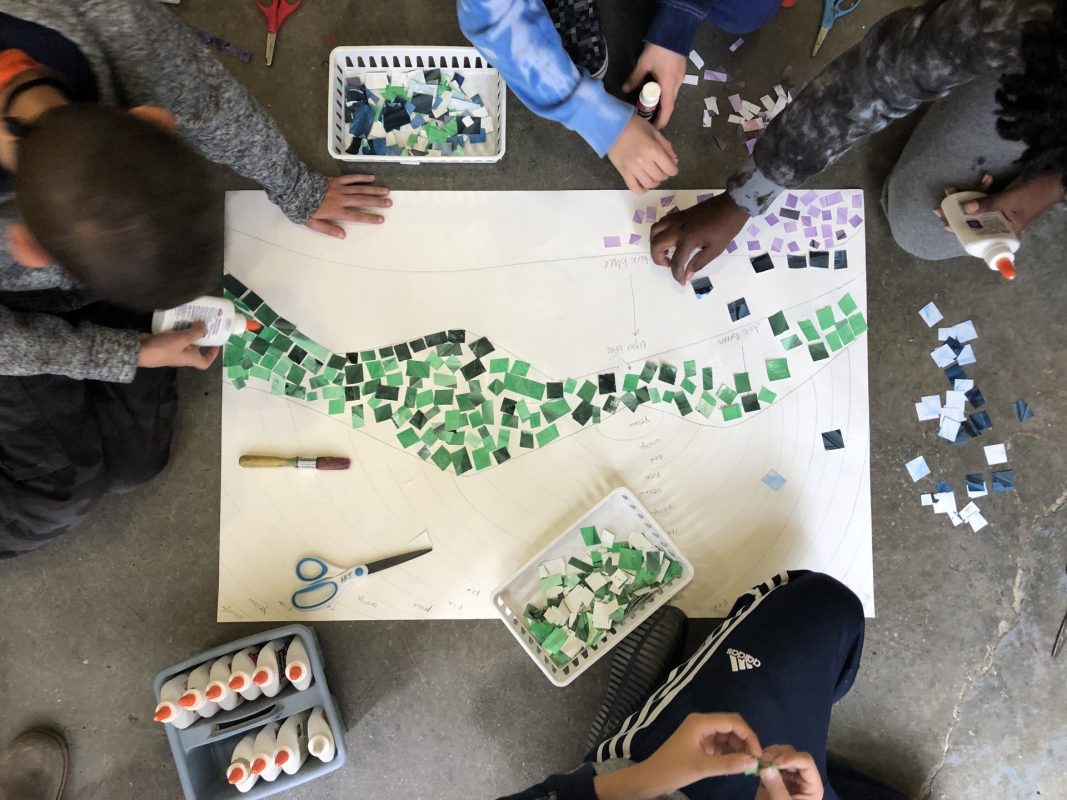
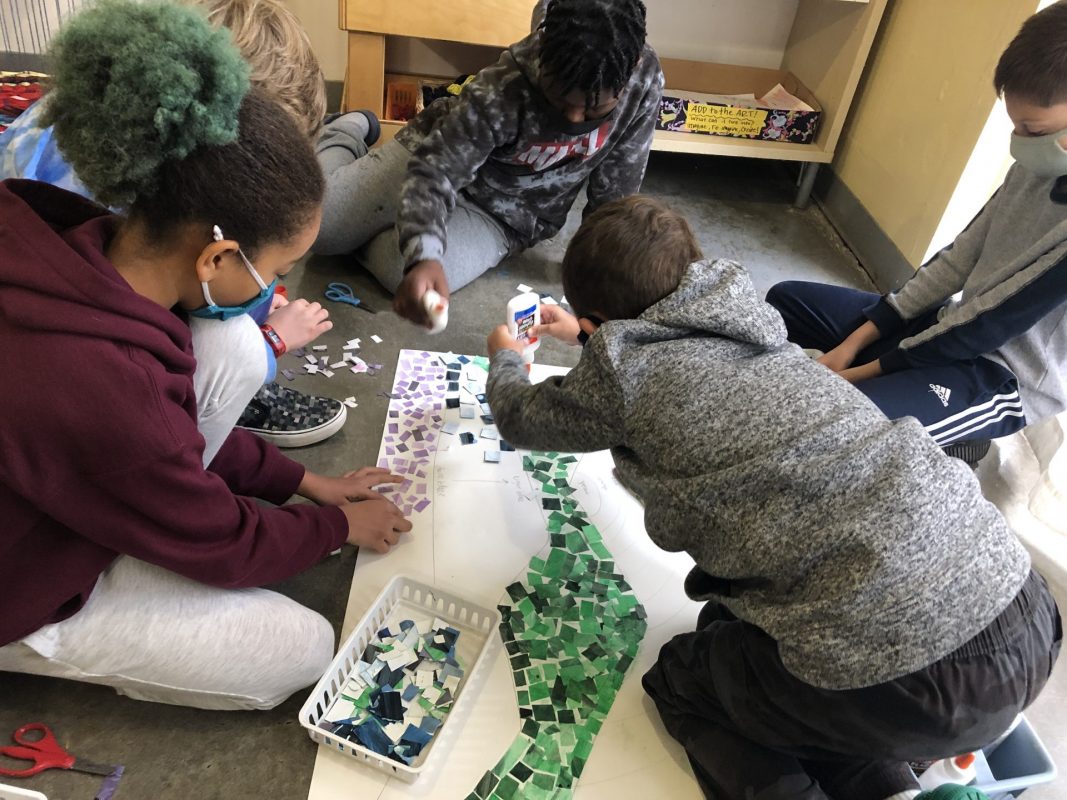
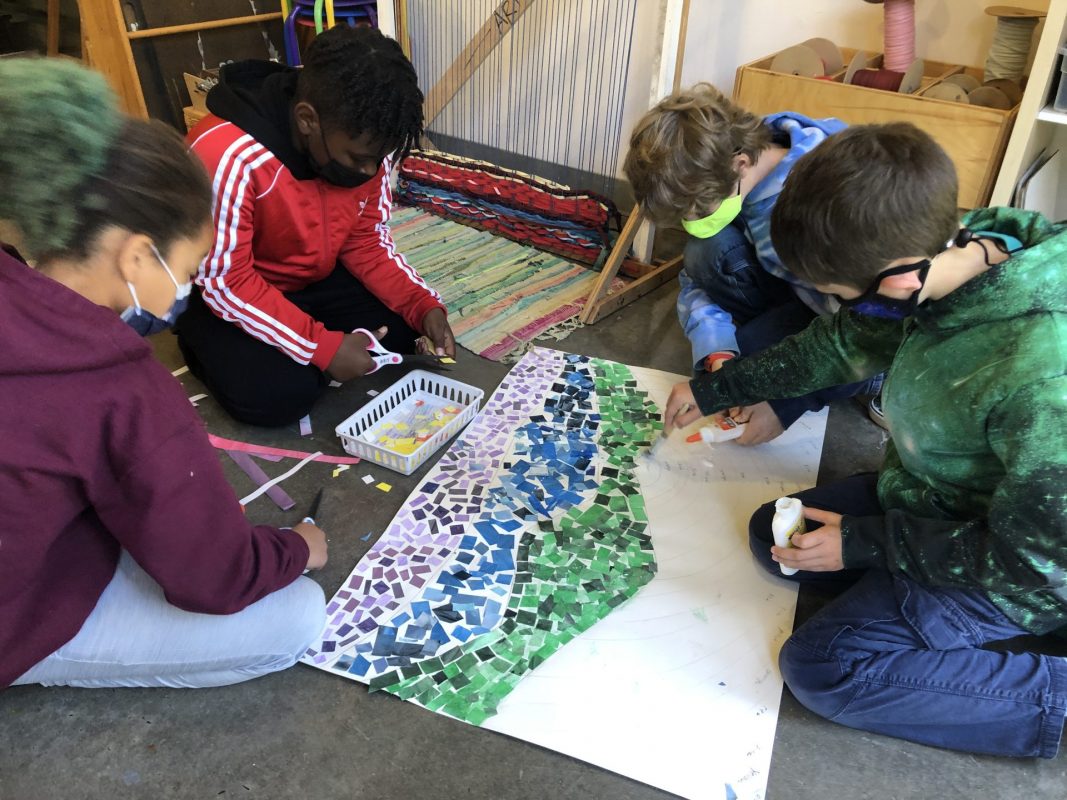
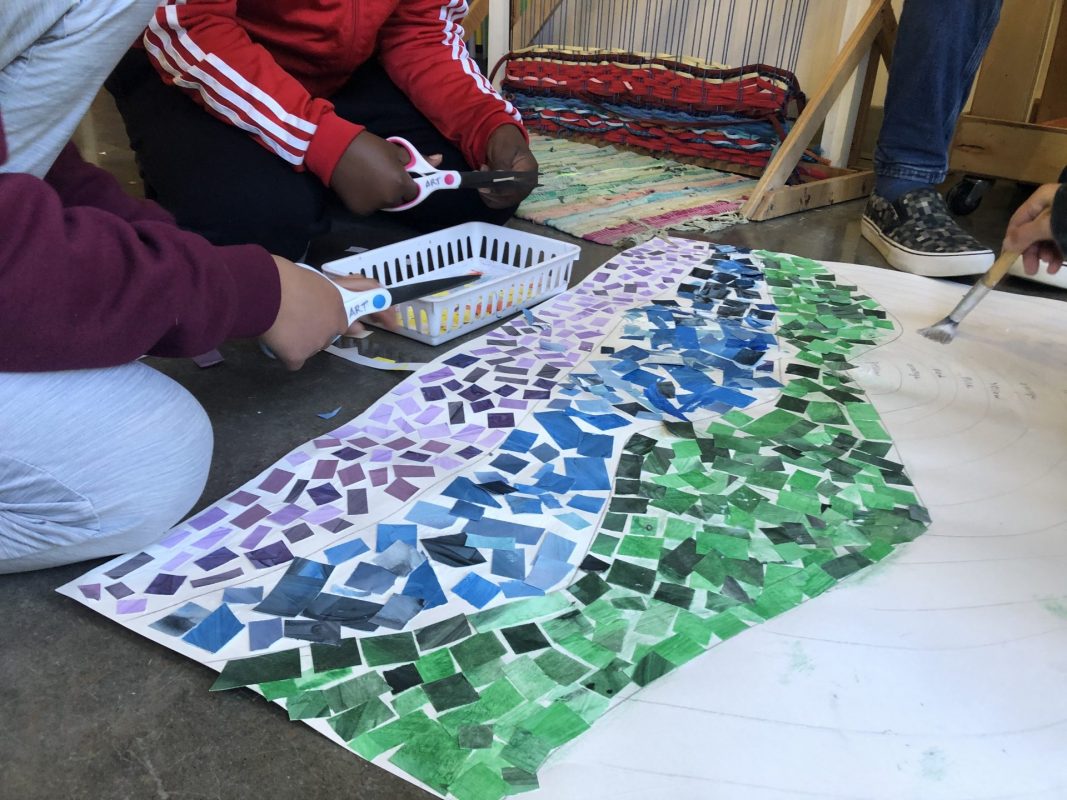
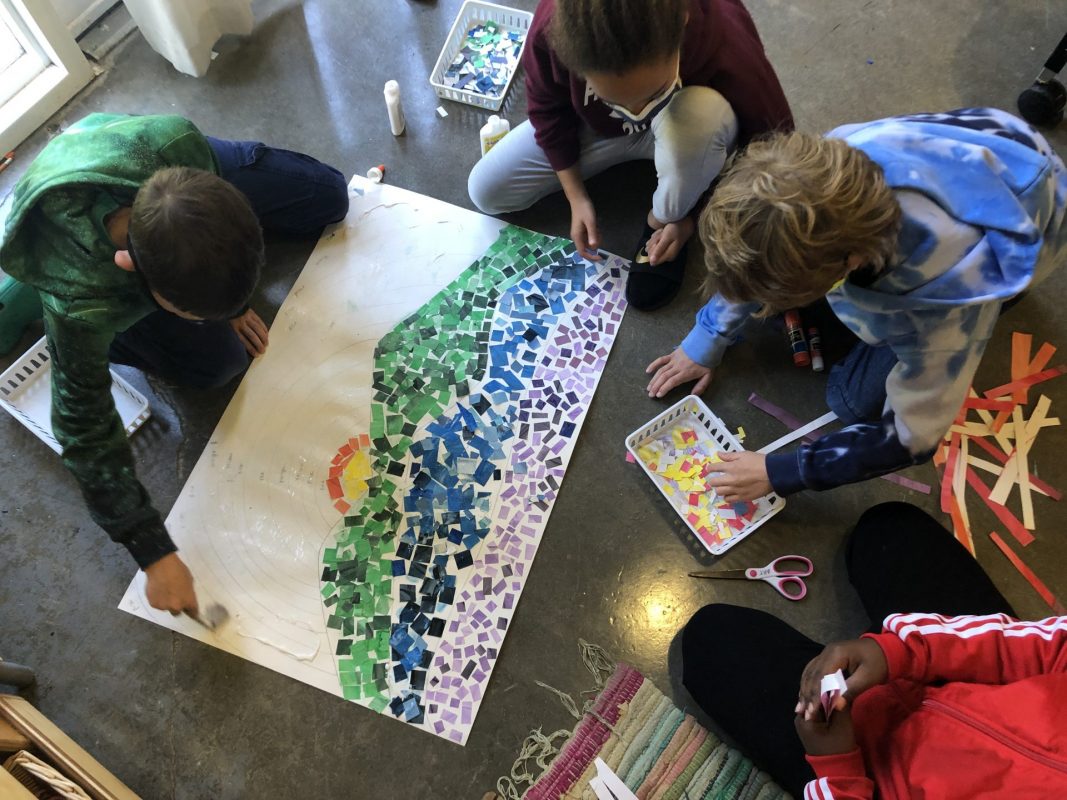
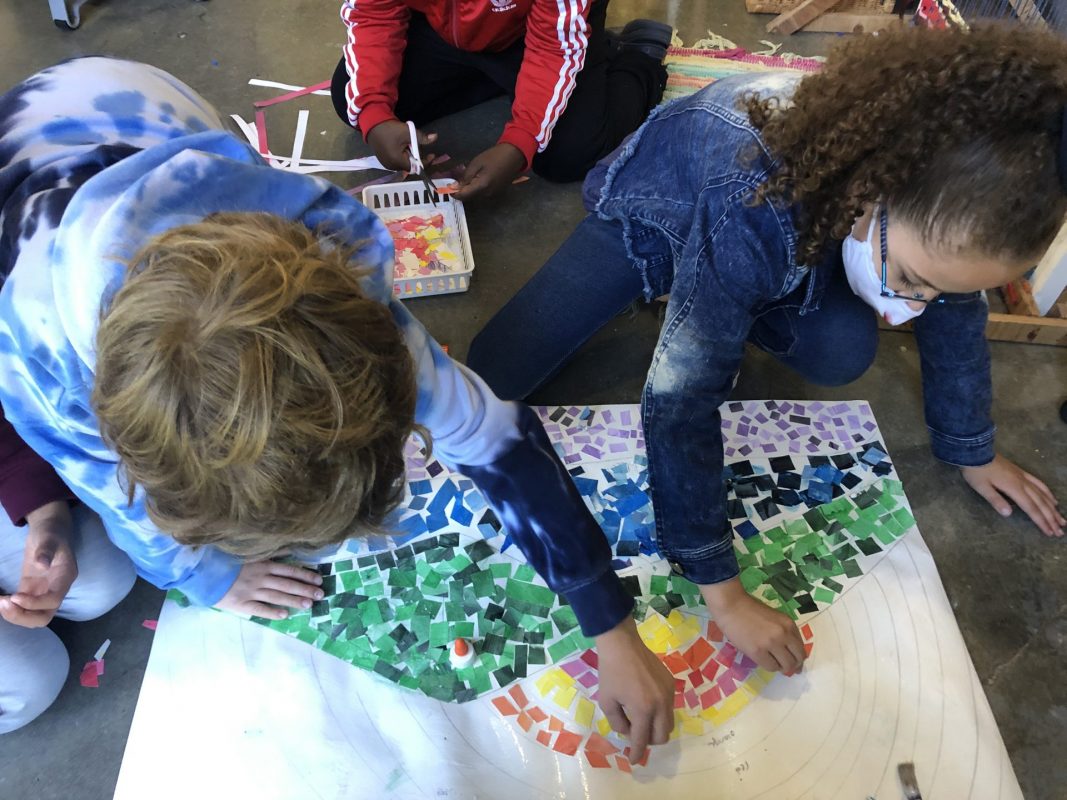
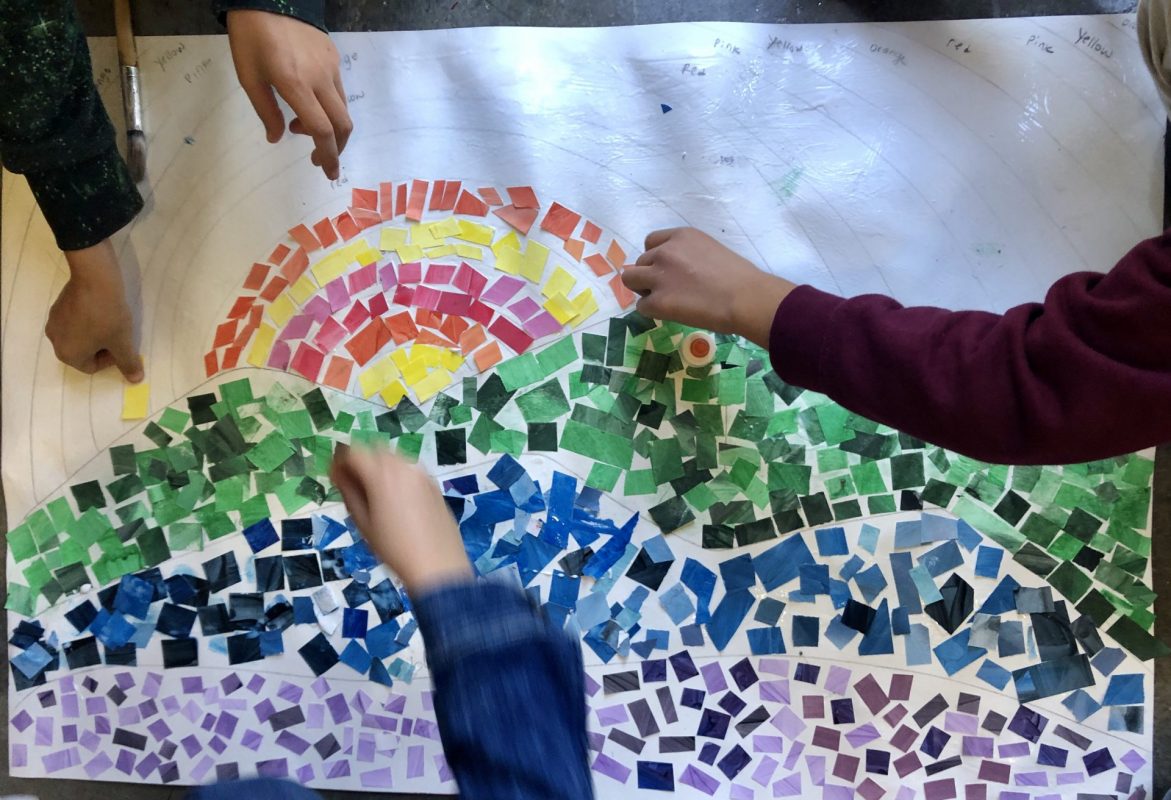
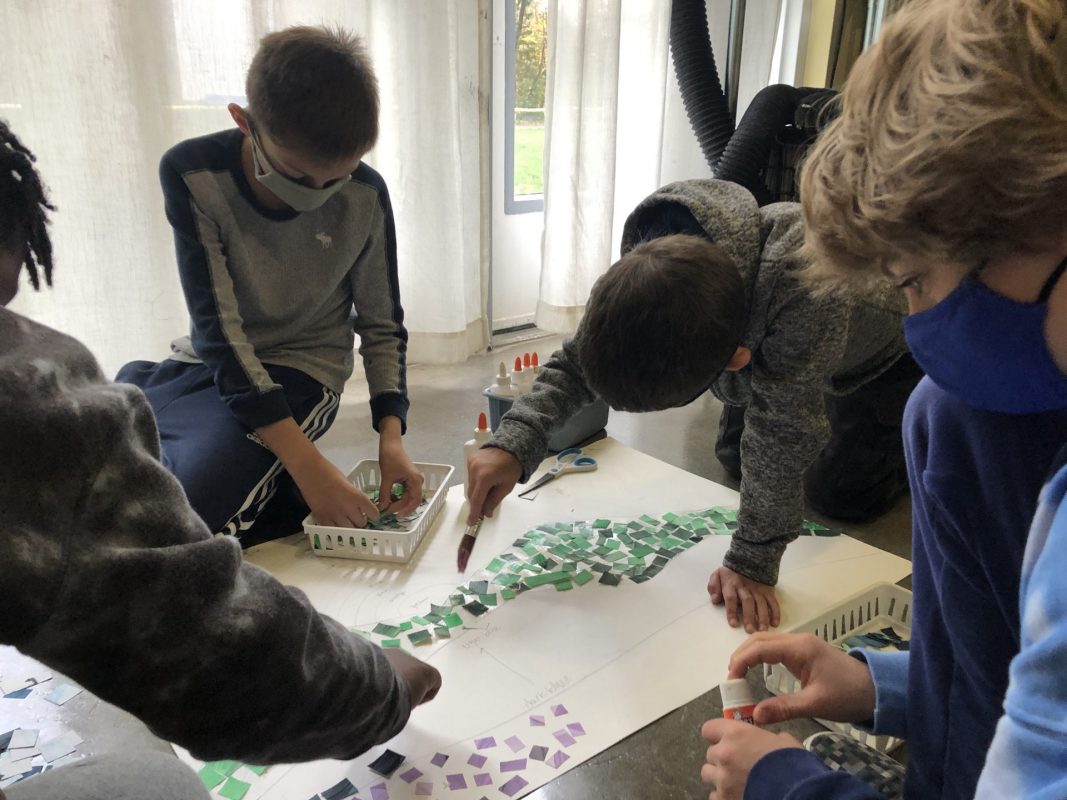
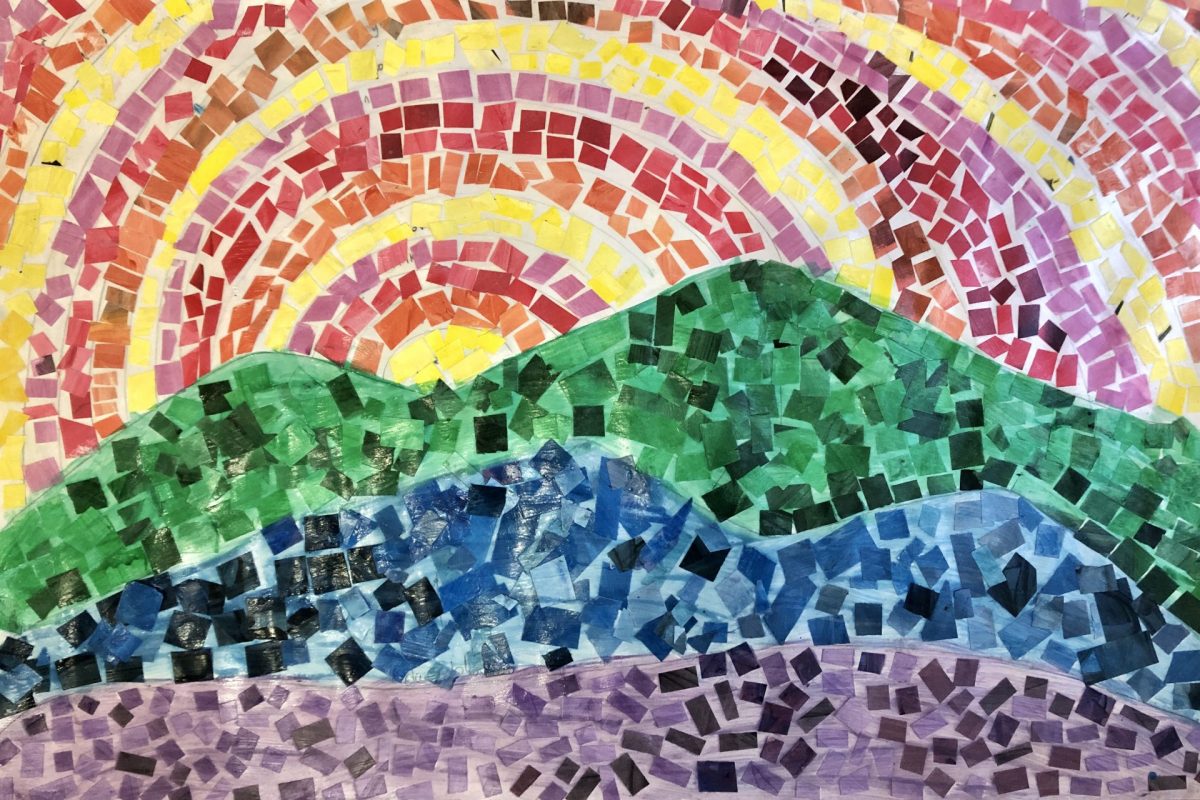
Collaboration is a frequent and natural current that flows through the Art Studio. Whether it is a planned collaborative Art project, or it happens naturally among students, collaboration helps students understand the subject matter in a deep, meaningful way and encourages students to think beyond themselves. In Upper Elementary, young artists worked collaboratively on a mural inspired by the artist Alma Thomas. 

Alma Thomas was born in Columbus, Georgia, 1891 and died in 1978. For 35 years and in a segregated city, she empowered art students at Shaw Junior High School to see beauty in the everyday and brought exhibition opportunities and cultural enrichment to Black youth. Throughout her career as an artist and teacher, she was a leader within her creative community. She created small watercolors, aerial landscapes, and brightly patterned large-scale abstractions that reflect her local surroundings and her fascination with space and the environment. Thomas made history in 1971 by becoming the first Black woman given a solo show at the Whitney Museum of American Art in New York at age 81, and again in 2015 by becoming the first Black woman to have a work of art acquired by the White House Collection.

After learning about Alma Thomas’ extraordinary career and viewing a range of artworks created by her, Upper Elementary students embarked on a large-scale  landscape mural using collage techniques. To begin, students painted a range of warm and cool colors on papers, allowed them to dry, and then cut them into small squares. Then, they mapped out their landscape with pencil and filled in each section with the colored squares according to a color scheme they chose together. When collaborating, the students were interdependent; their work became intertwined throughout the process, resulting in a unique work of art that many hands made together!


Mrs. Wilson: Welcoming a New Friend

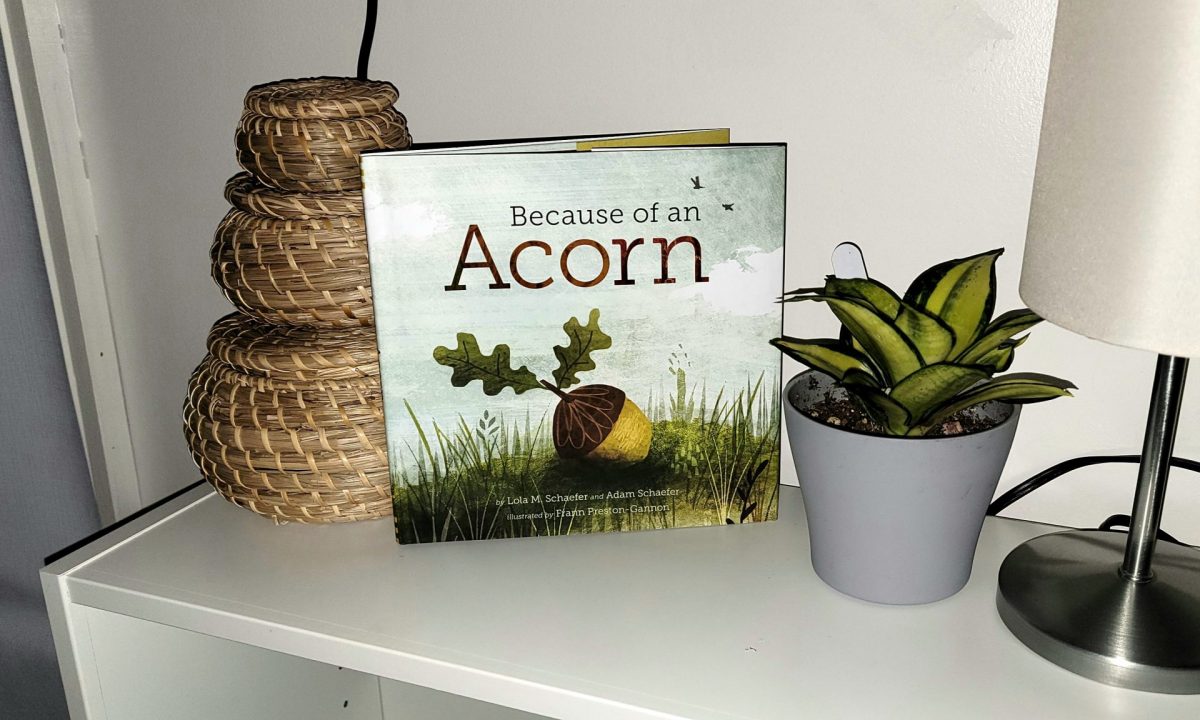
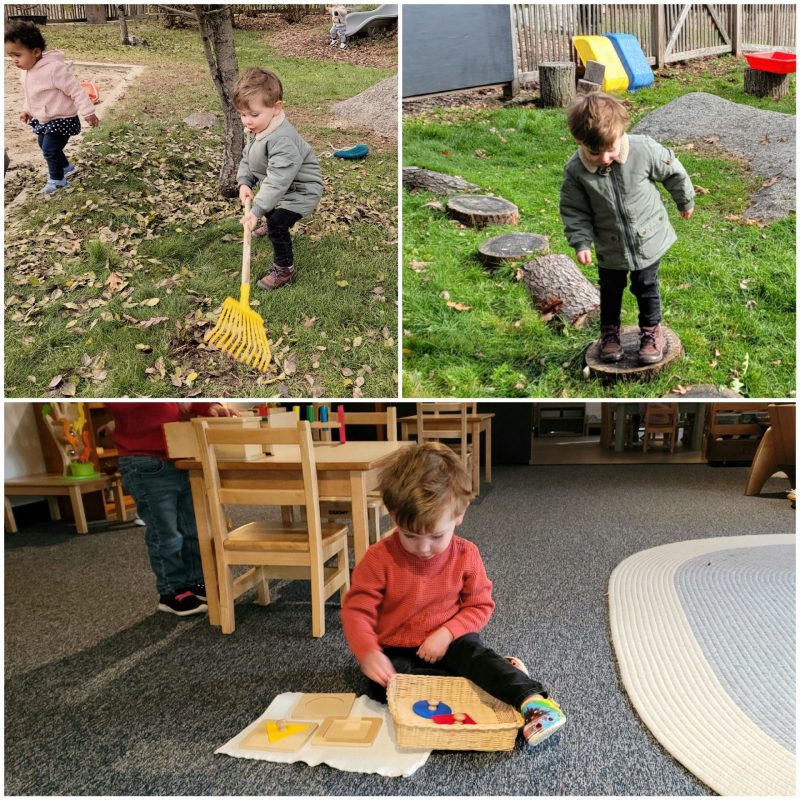
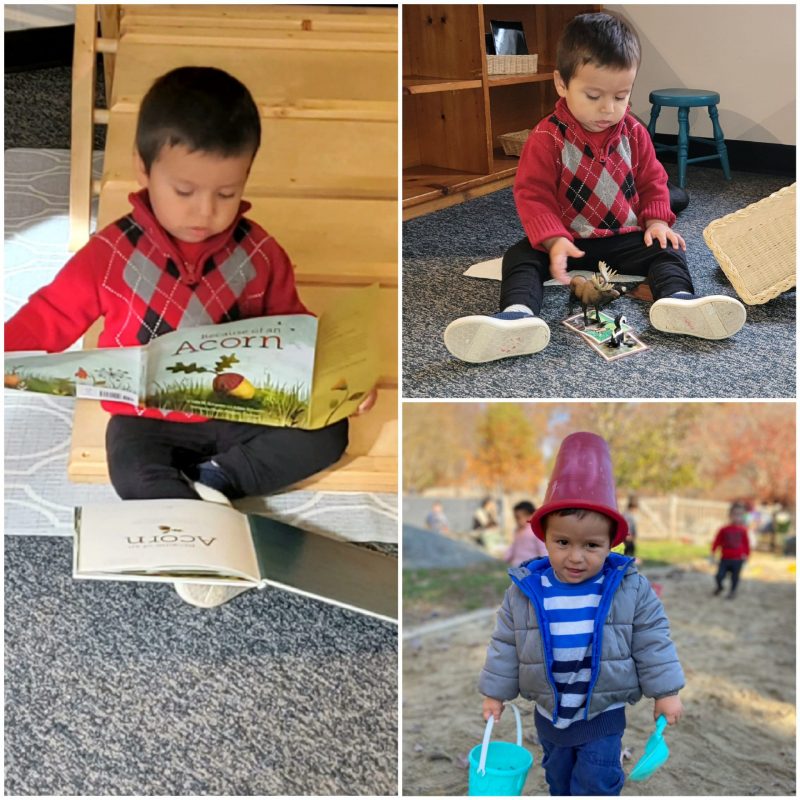
The children continued to explore all things fall, and woodland animals. We read the book: Because of an Acorn by Lola Schaefer and Adam Schaefer. The book told a simple story of the connections that happen because of an acorn– how every tree, plant, flower, and animal connect to one another.

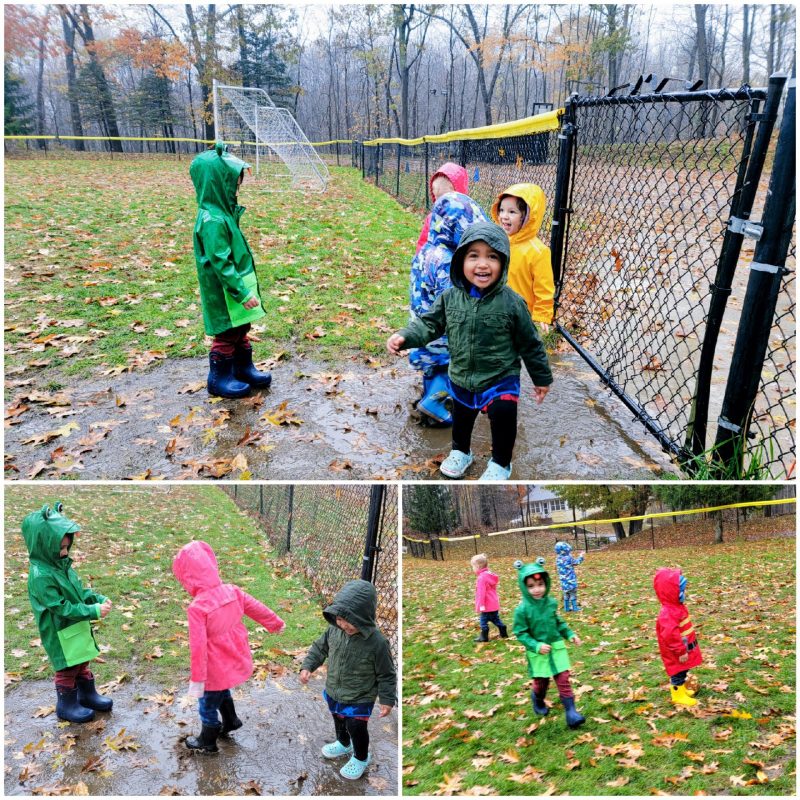
The children were in delight as they got to watch Mr. Manuel from the window. He was using a leaf blower to clear the grounds and lots of leaves flew up and around our window. This small moment brought so much joy and laughter to the children.

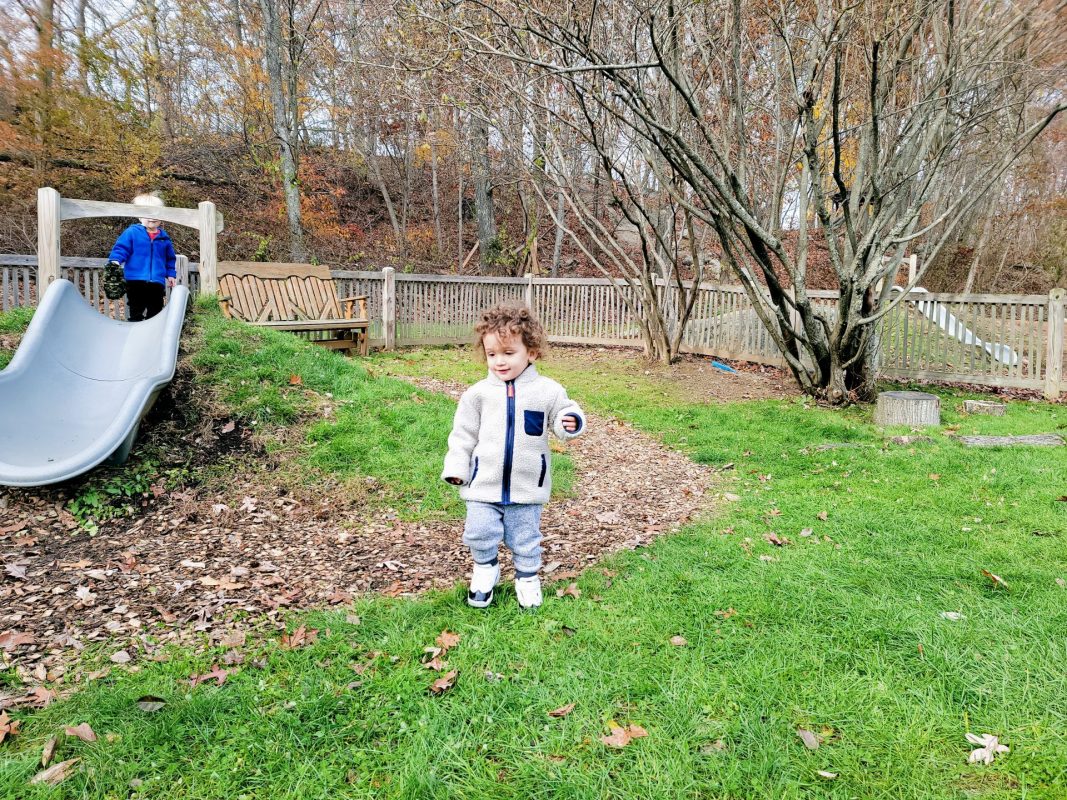
We would like to send out a very warm welcome to our new classmate and her family. We are so happy that you joined our community. The children were very welcoming and were happy to help her settle in.

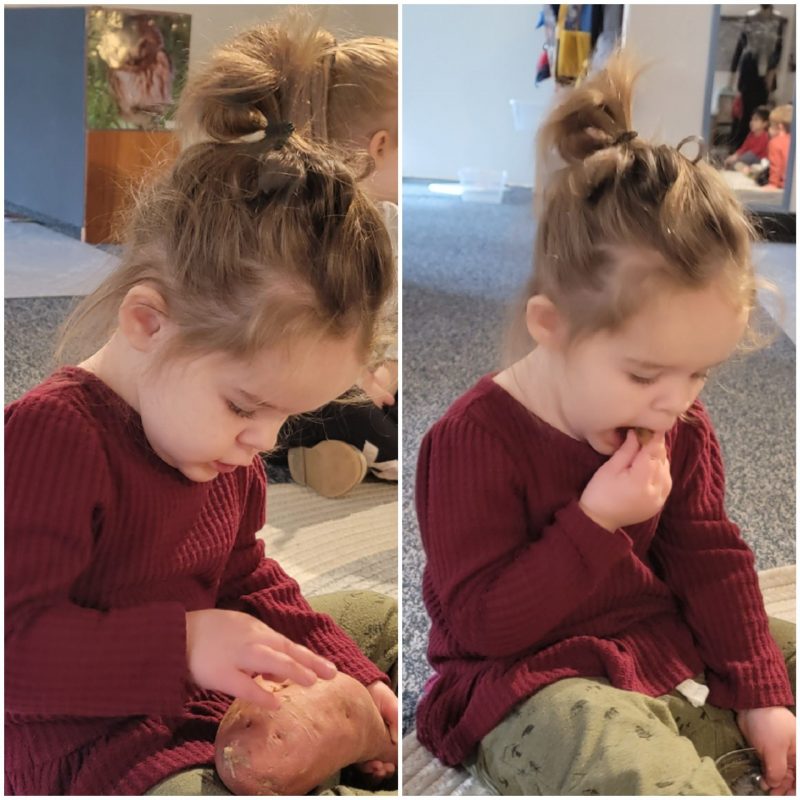
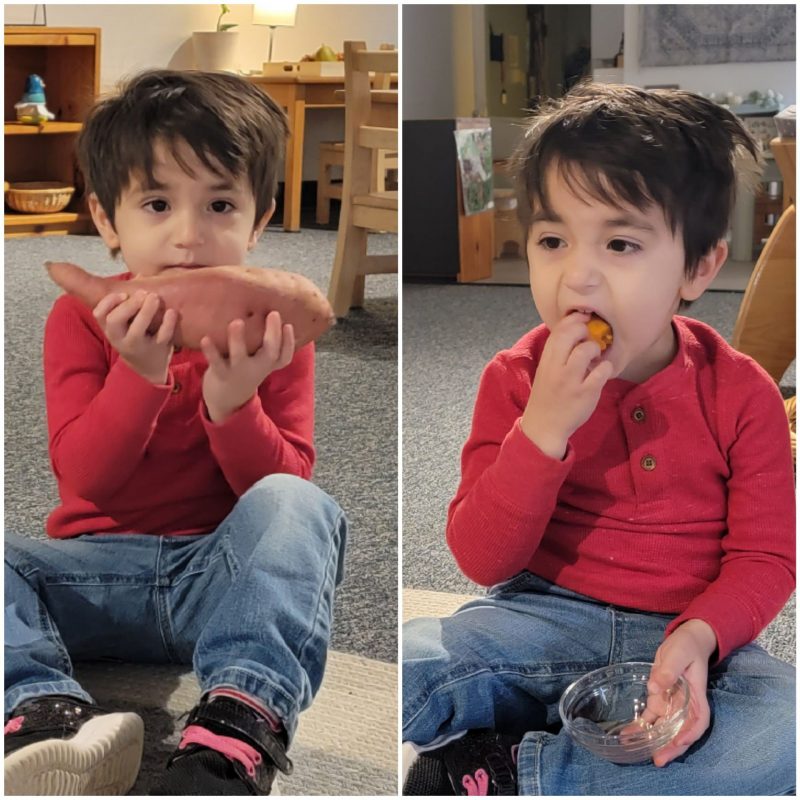
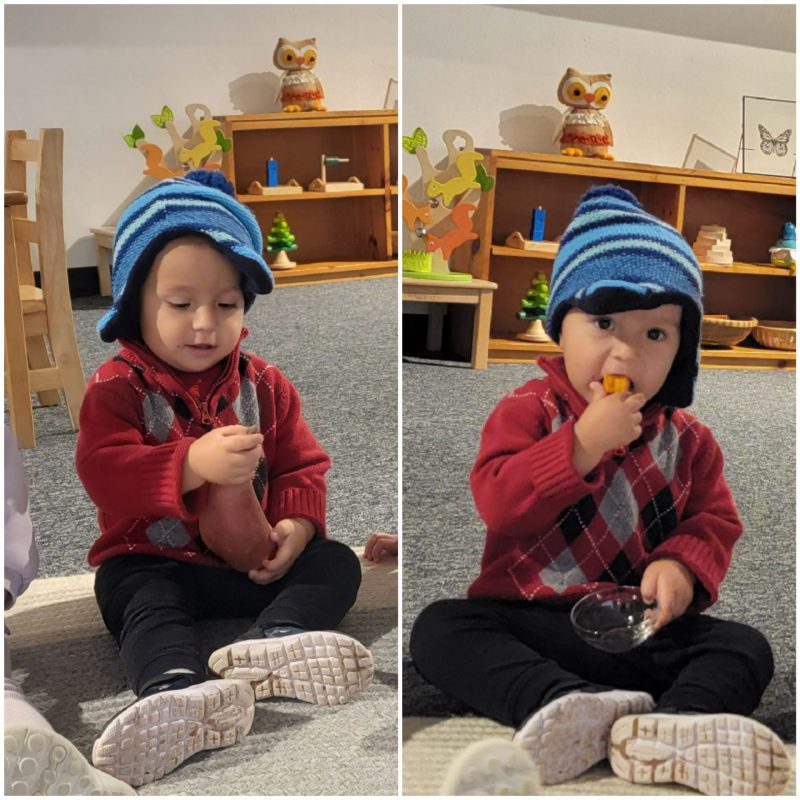
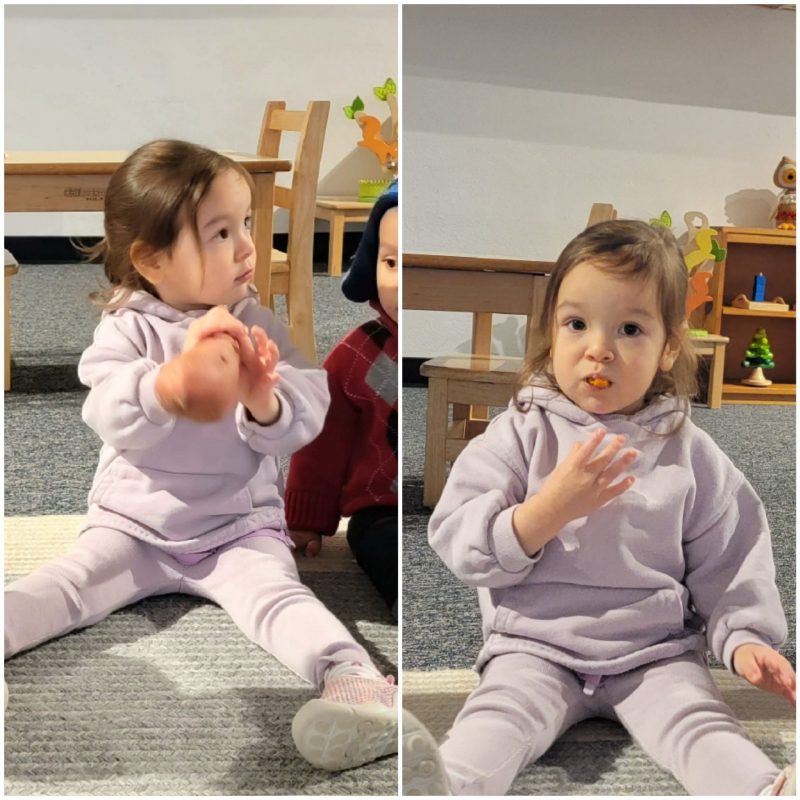
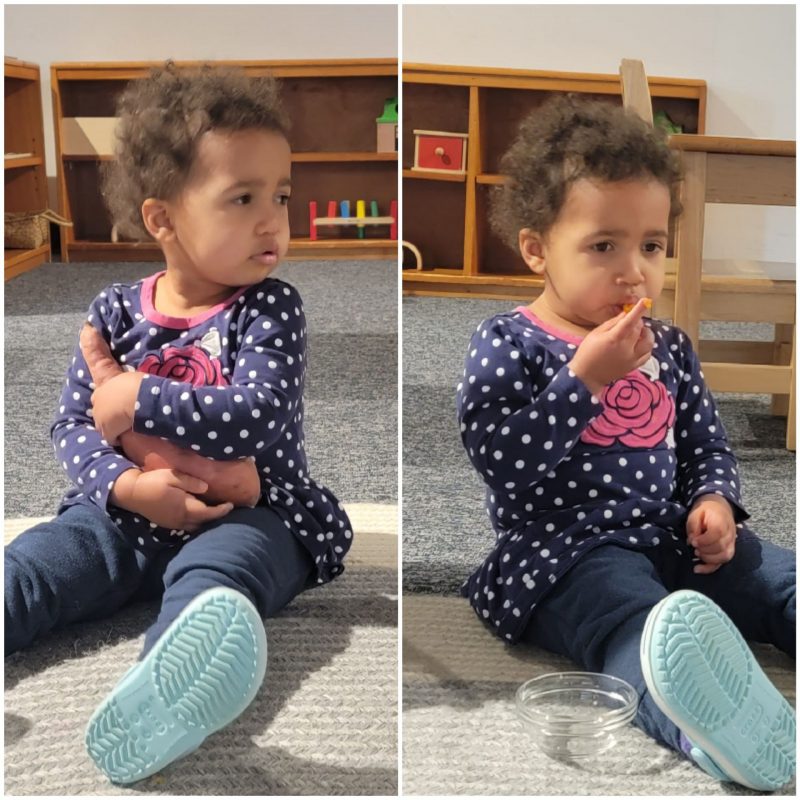
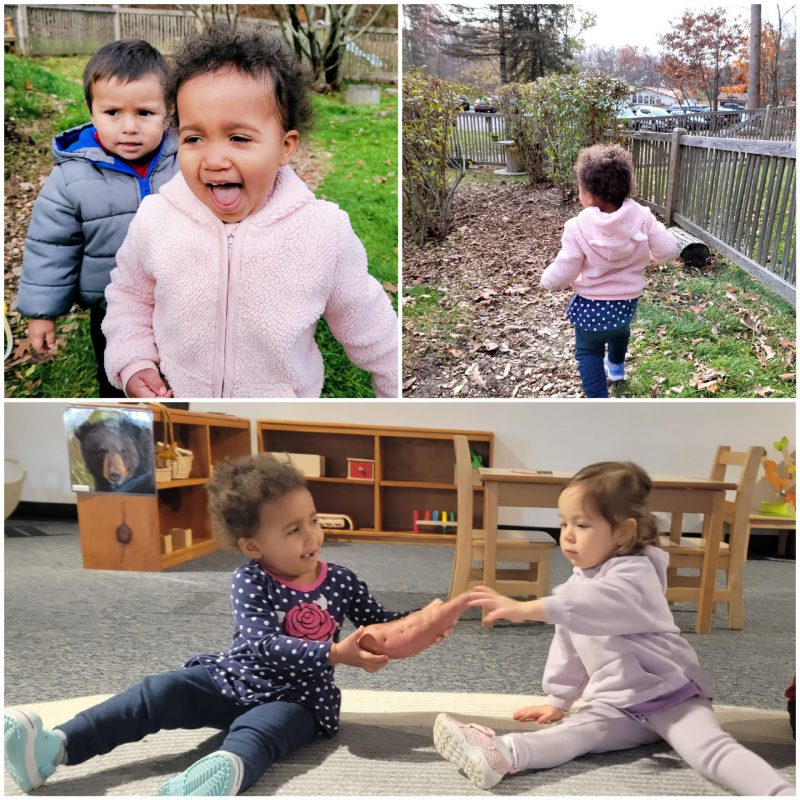
For food tasting this week the children tasted a roasted sweet potato. We explored the peels and the raw potato. We discovered that the raw potato didn’t have much of a smell and the cooked potato did. Also, the raw potato was heavy and firm, while the cooked potato was soft.

I have added our new friend to the food tasting schedule and that has been updated. A new schedule will be/has been sent home.

Mrs. Wilson


Middle School: Week in Review

The energy is up this week on the cusp of a short, Thanksgiving week coming up and some beautiful weather. Also, the 8th grade and the generosity of the FWM community is providing a holiday meal plus extra provisions for the season to a Newtown family in need. Lots of great moments happening!

Math

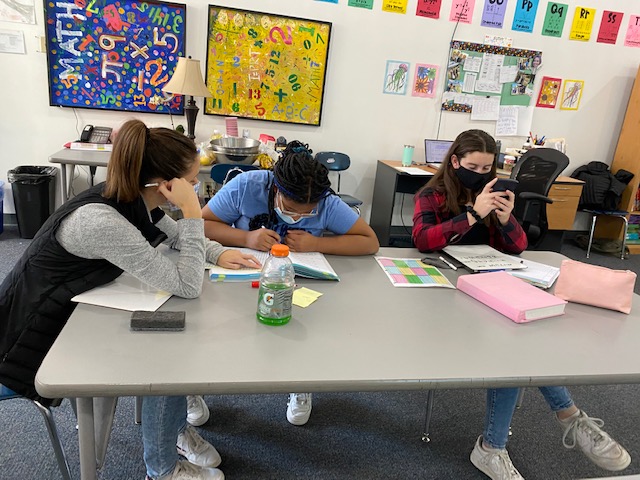
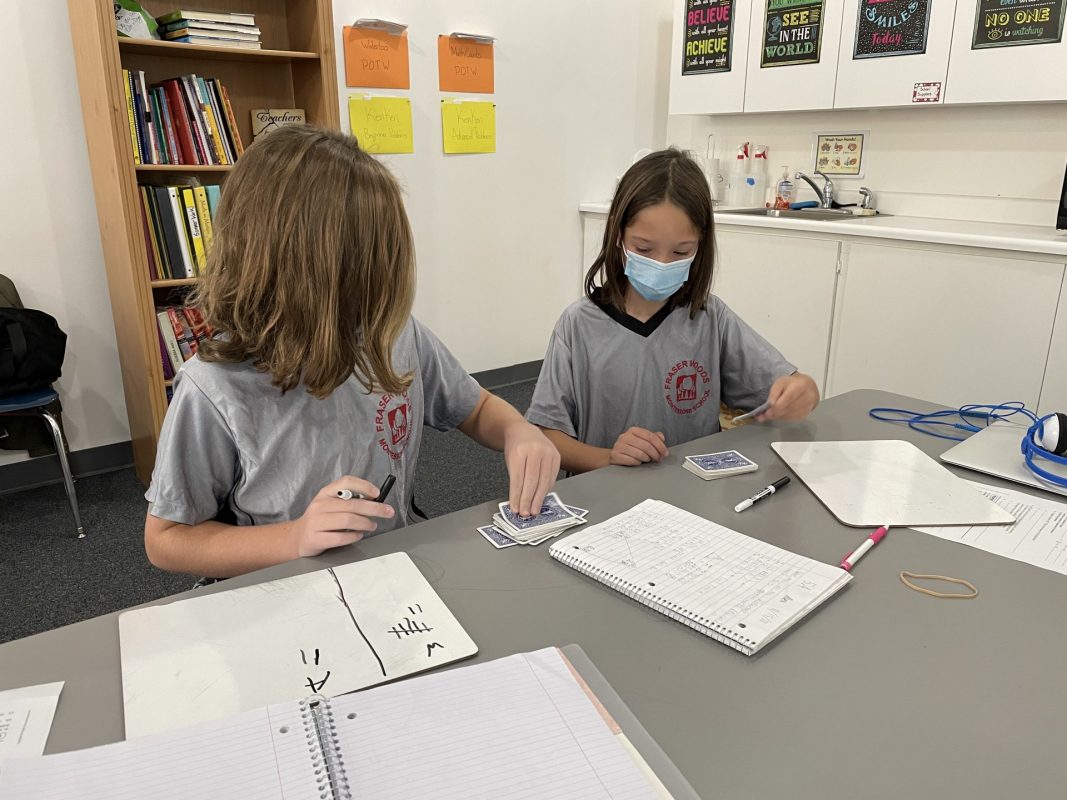
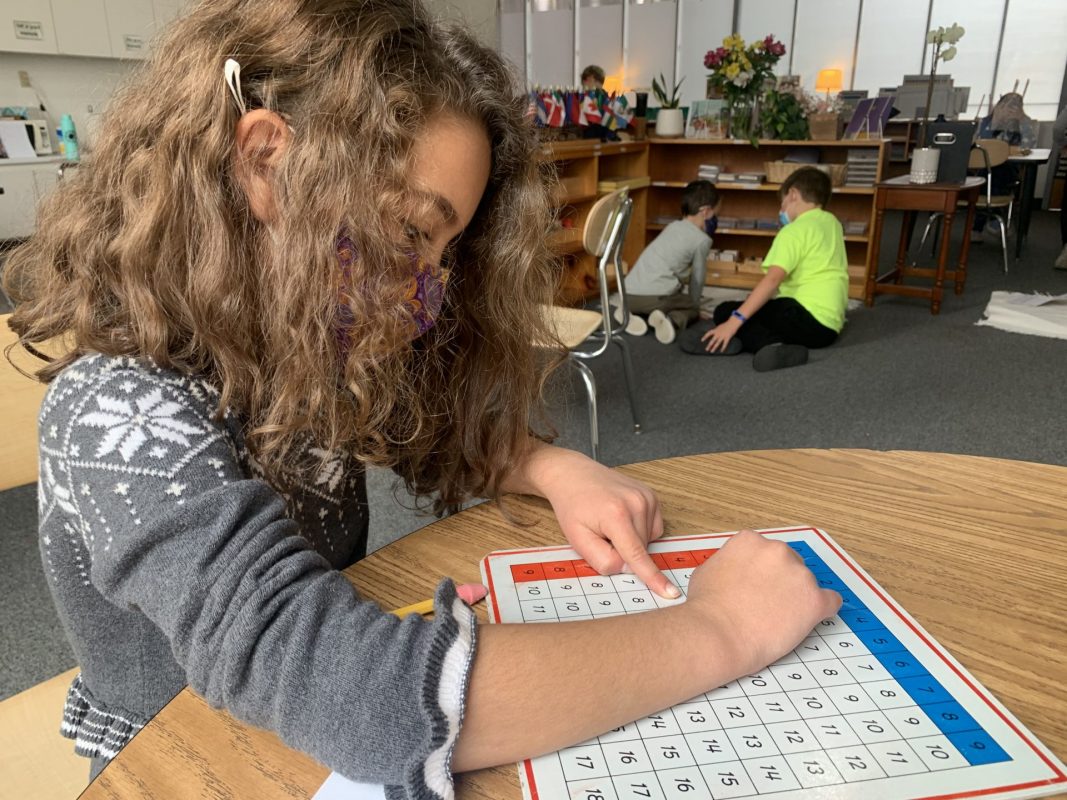
In Transition class, students are working through the second half of Chapter 5 in the UCSMP textbook. They covered new topics such as using fact triangles to find related number sentences and solving for unknown variables in an addition or subtraction question. This class is able to solve equations of the form x + a = b and understand how to isolate a variable using a single-step method.
In Algebra class, students can successfully solve for variables in the form ax + b = cx + d. This class can also write linear equations and inequalities based on a real-world problem. They are continuing to practice how to rearrange formulas for specific variables and recognize what equations have no real solution or all real solutions.
In Geometry class, students are concluding their learning for Chapter 4 about congruent transformations. This class is learning about reflection, rotations, translations, and magnifications of different figures on a plane. With great patience and practice, this class is able to draw composite reflections over intersecting lines and draw translations using a vector guide.
Math Joke: Why did the two 4’s skip Thanksgiving dinner?…….Because they already 8!
Humanities
Grade 6 Humanities worked on final writing and discussions relating to their class novel, Out of My Mind. They wrote reactions to the novel using guided questions and are now brainstorming for a creative writing piece that involves writing to the main character, Melody. 6th grade students also completed a poetry analysis for the poem, “Don’t Go Into the Library” by Albert Rios that discusses the notion of how spaces can evoke emotion. They will begin another descriptive writing piece next week!
Grade 7 Humanities students wrapped up culture discussion this week and moved into their next region of the globe: the SubSaharan African Continent. Geography work was done as well as gaining information regarding human geography as well as the industries of forestry, fishing, mining, and drilling and their impacts on the environment, the people, and the world.
Grade 8 Humanities students spent the week working on their career research project/internship. They have chosen a profession of interest and are doing research about what the job entails, what days are like, qualifications needed, and much more. They are also asked to interview or intern with an individual in the field as part of their research. The 8th years are doing great work!
Science
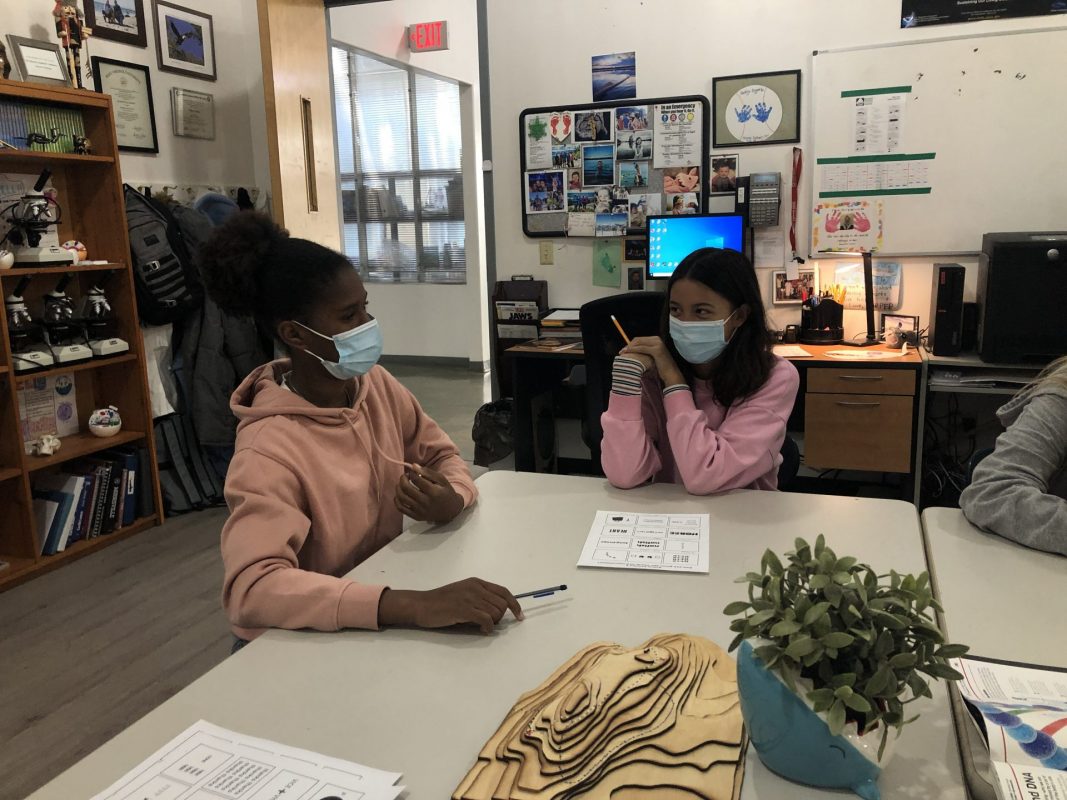
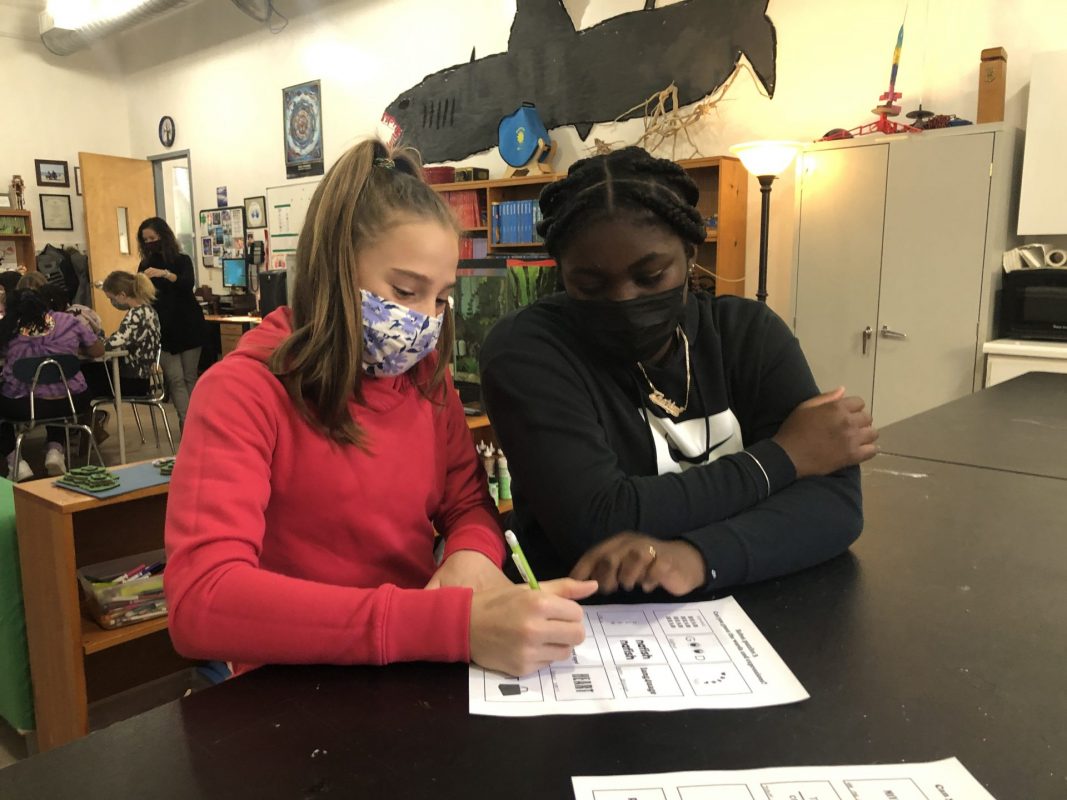
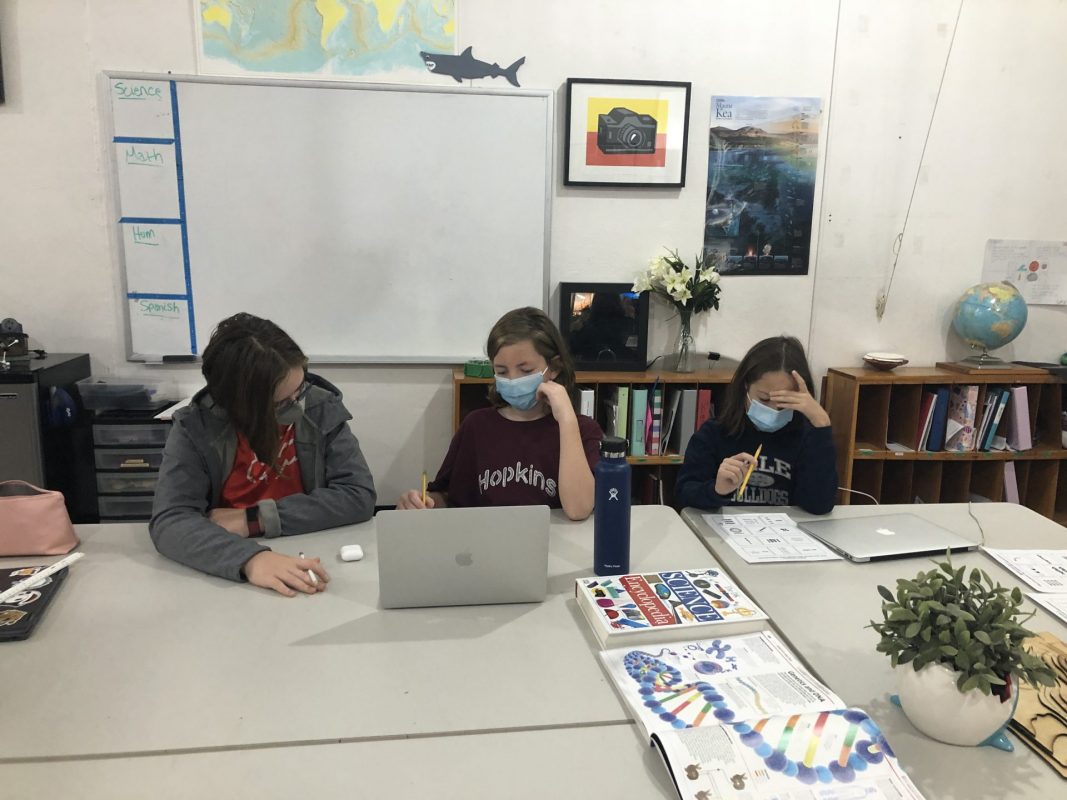
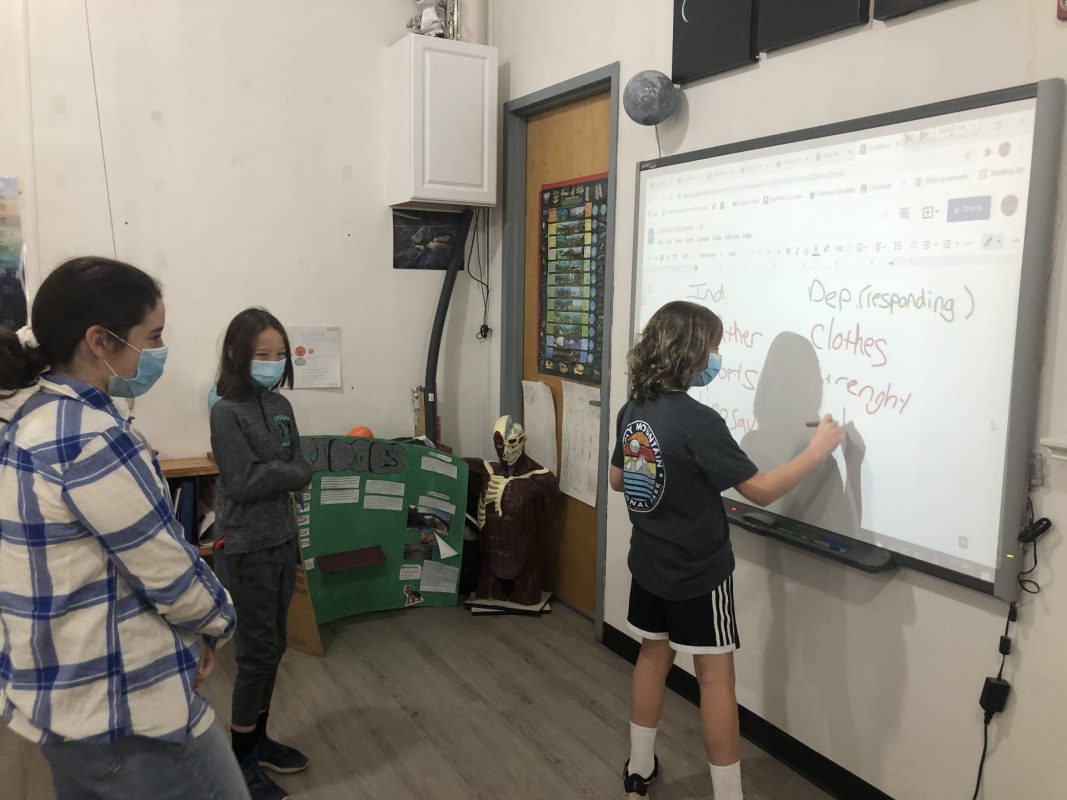
     This week all Middle School science students are working on the fundamentals of a scientific investigation. Students are exploring and identifying the differences between independent and dependent variables, what a control is within an experiment, how to format and carry out an experiment,  represent and analyze data, and build a logical conclusion. Throughout this process, students will be presented with a series of graphs that represent a variety of data. The students’ objective will be to deduce what the purpose (problem/question) of the experiment was that resulted in collection of data. From that purpose, they will analyze the results.  Through this practice, students will have a broader understanding into a scientific mindset.
Have a great weekend, everyone!


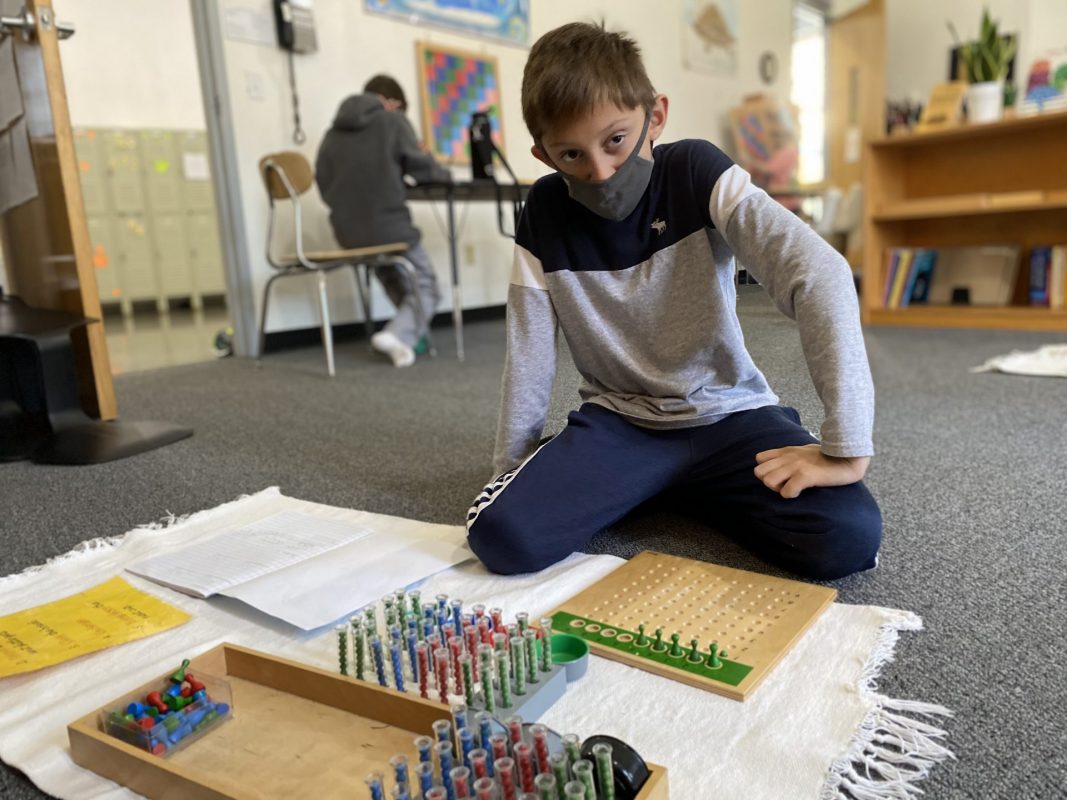
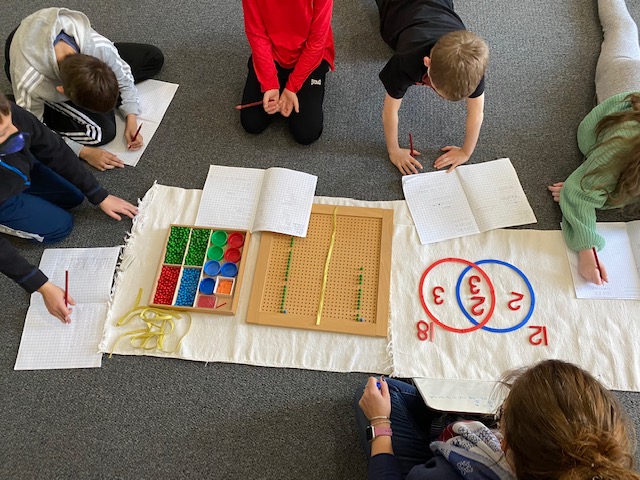
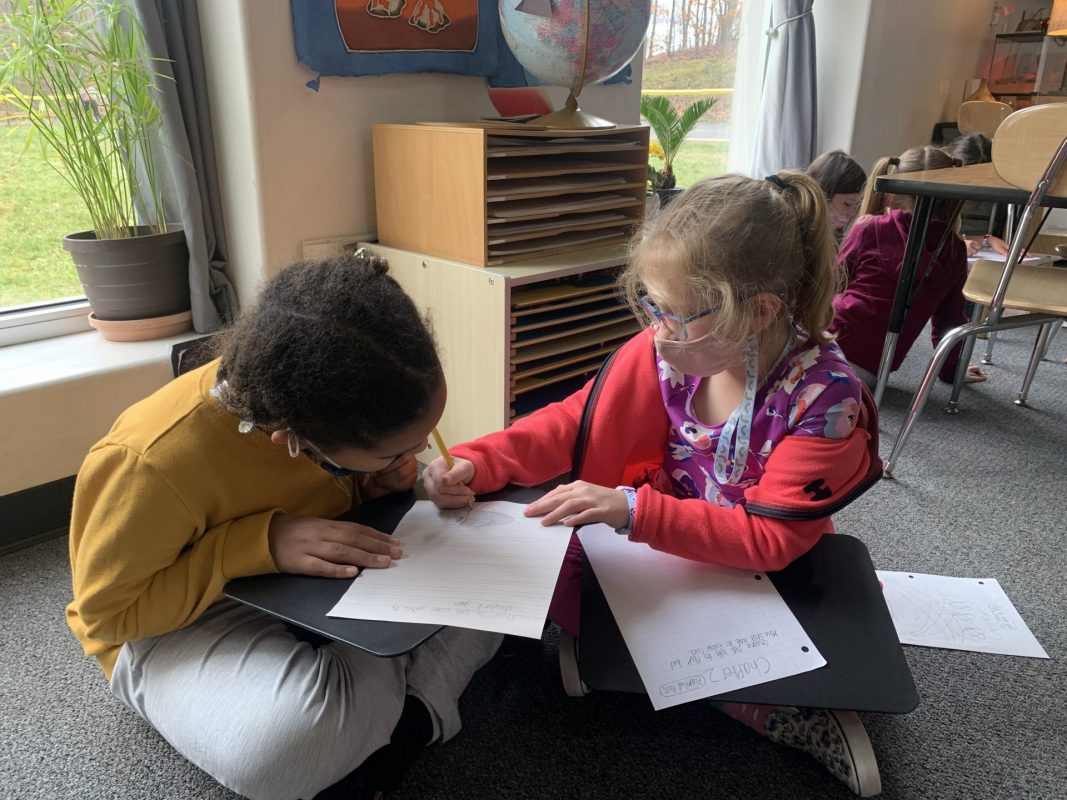
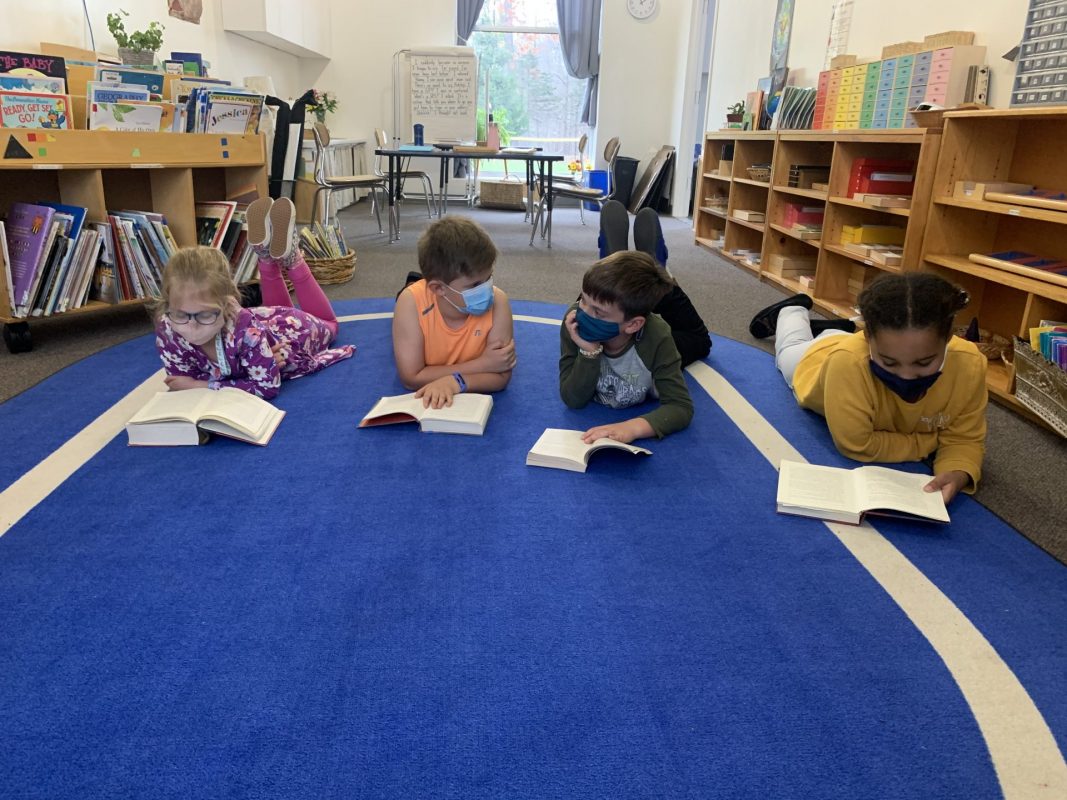
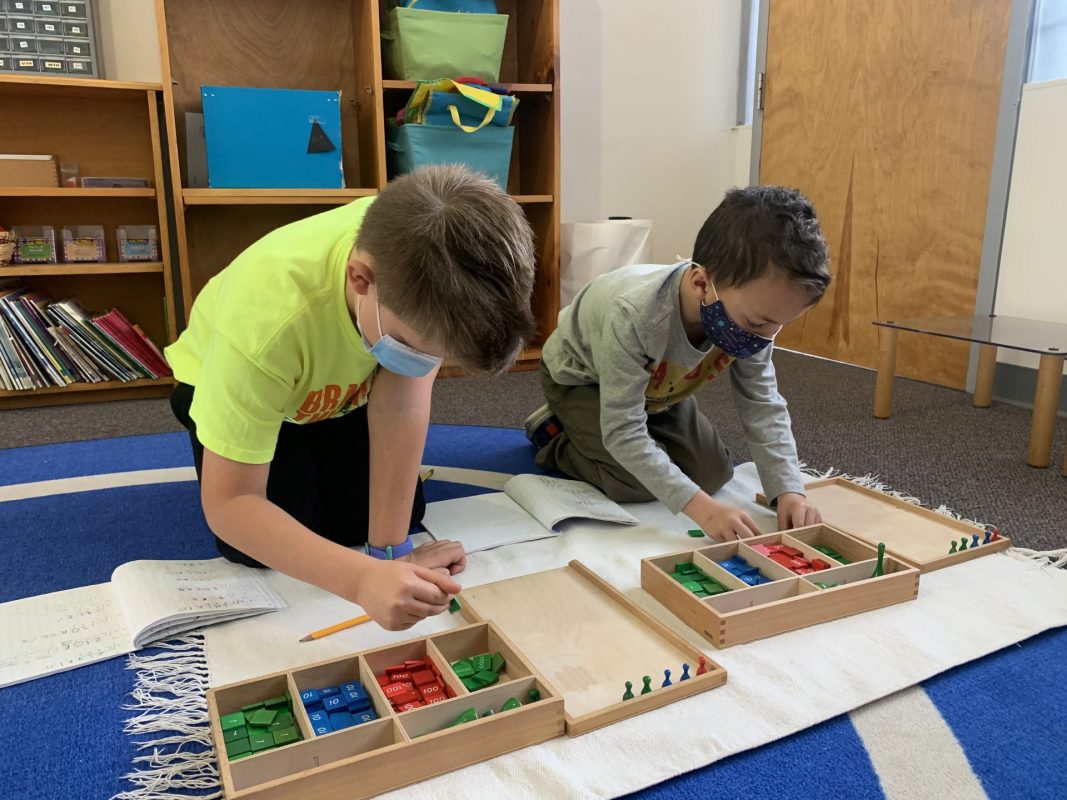
The Three Year Cycle

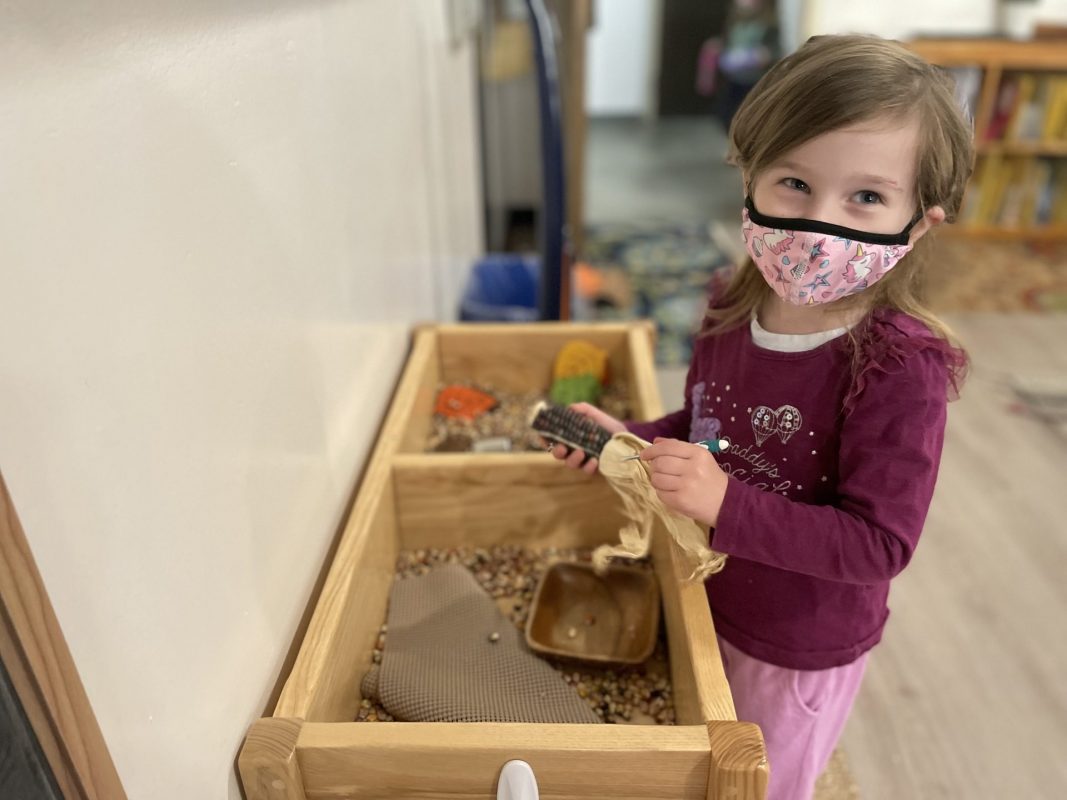
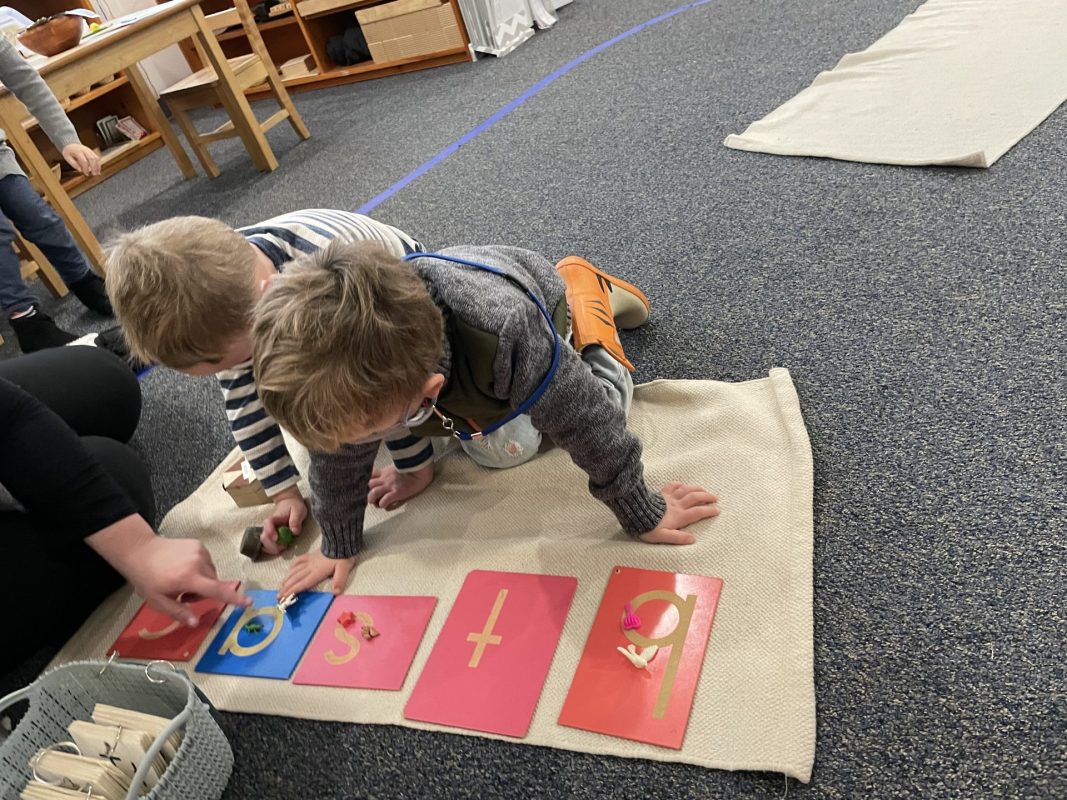
The Montessori three year cycle in Lower Elementary provides the space and time for children to develop interpersonal skills by interacting with and learning among children of different ages.  The children learn how to cooperate with one another and to respect each other. First year students are the observers, learning from the second and third year students. Second year students are no longer the youngest, but are still learning from the thirds, while practicing for next year by helping younger classmates. This second year of the three year cycle is as important as the first and third year of their time in the classroom. This is their growth year. The third year students are the leaders; teaching the younger children while also setting a good example for them. Throughout this three year process the children gain confidence, competence and learn how to interact with a diverse peer group. They gain great social skills, preparing them for success many years down the road.