Blog

An Orderly Classroom Prepared for Learning

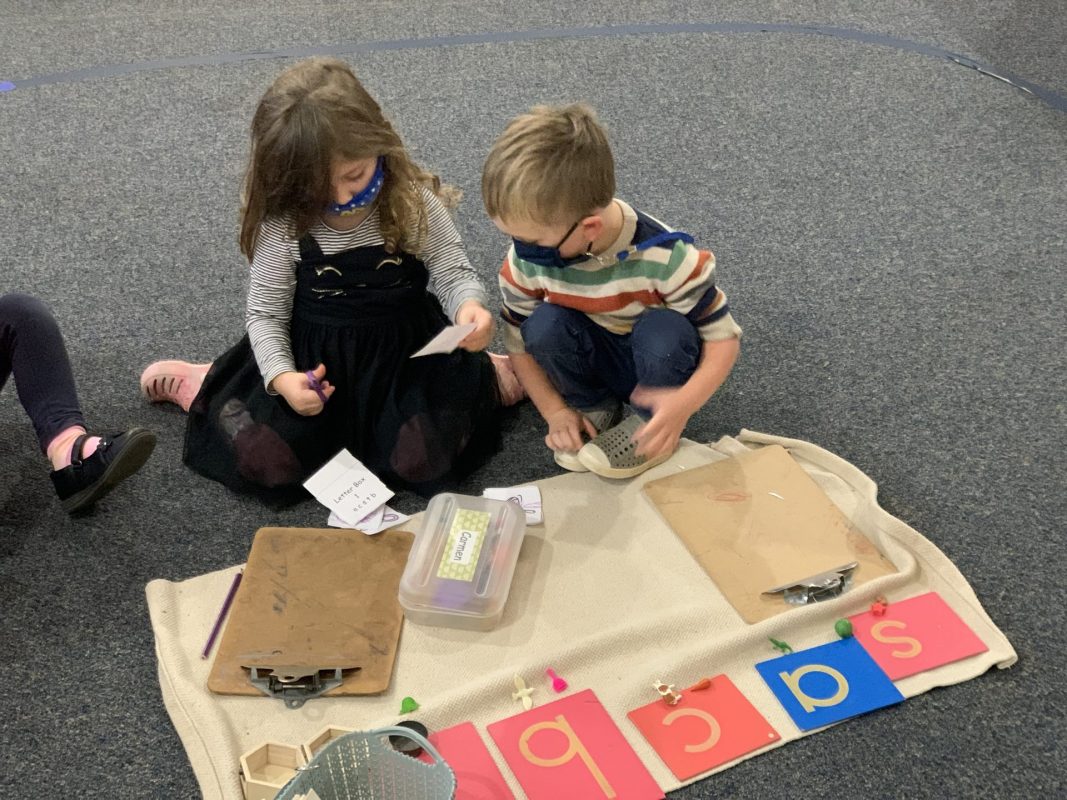
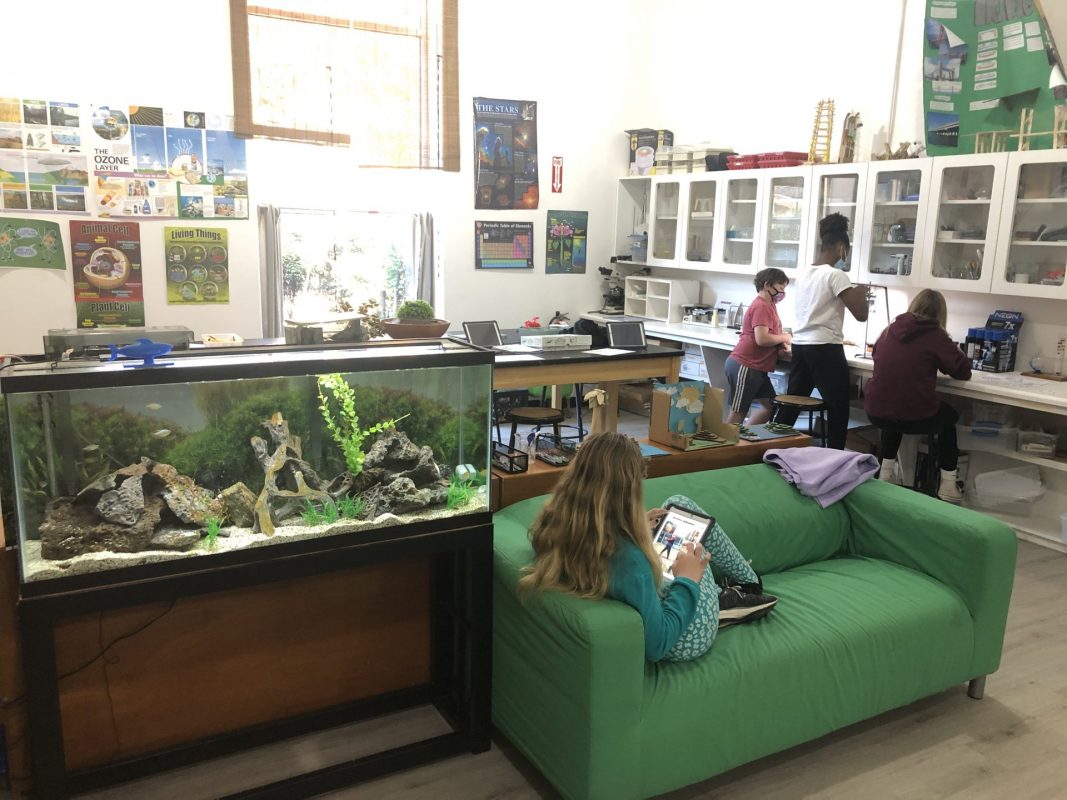
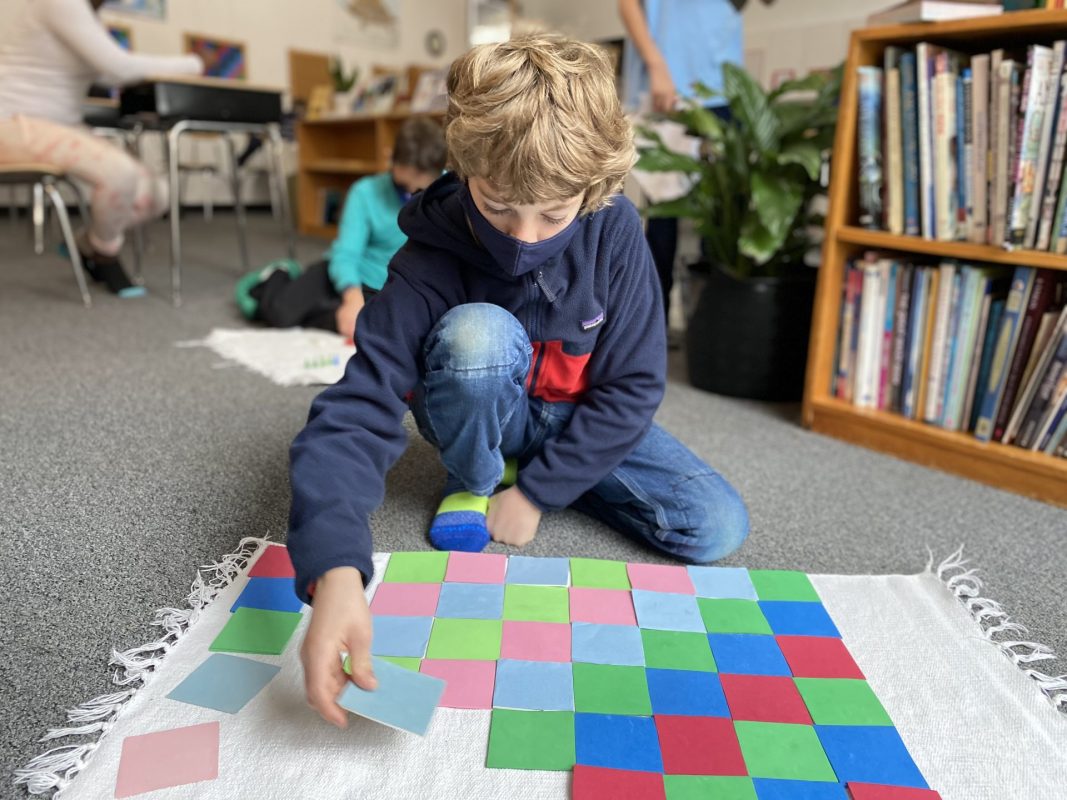
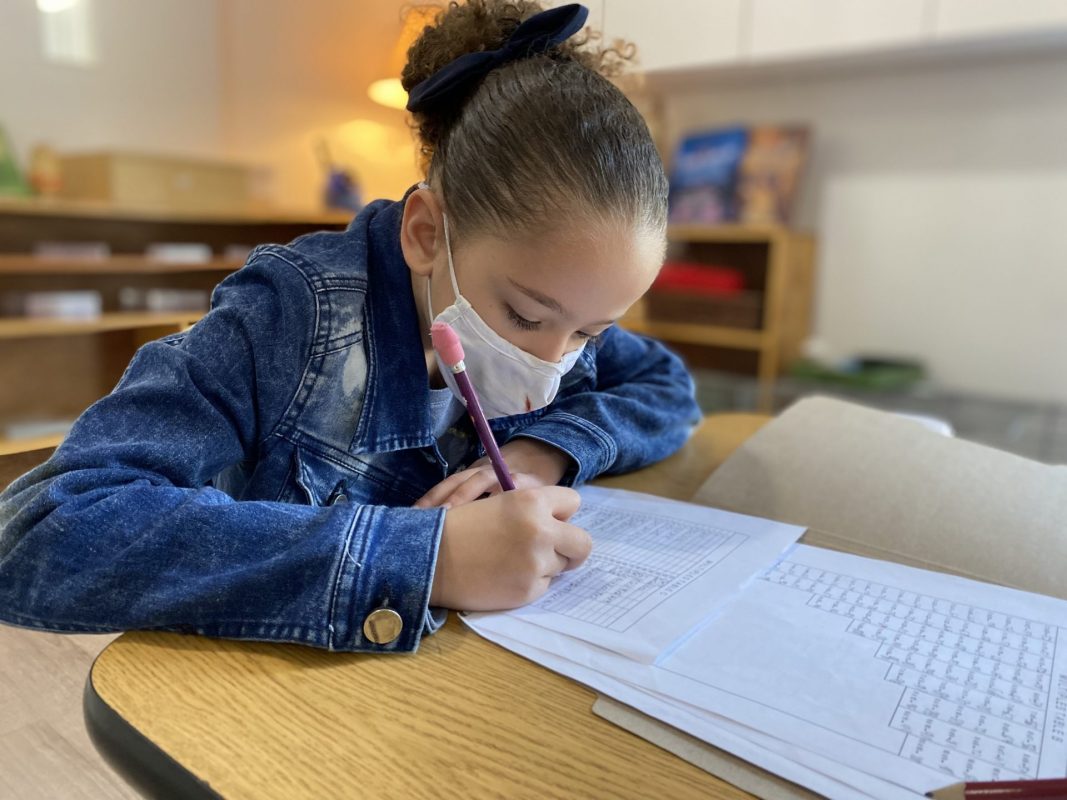
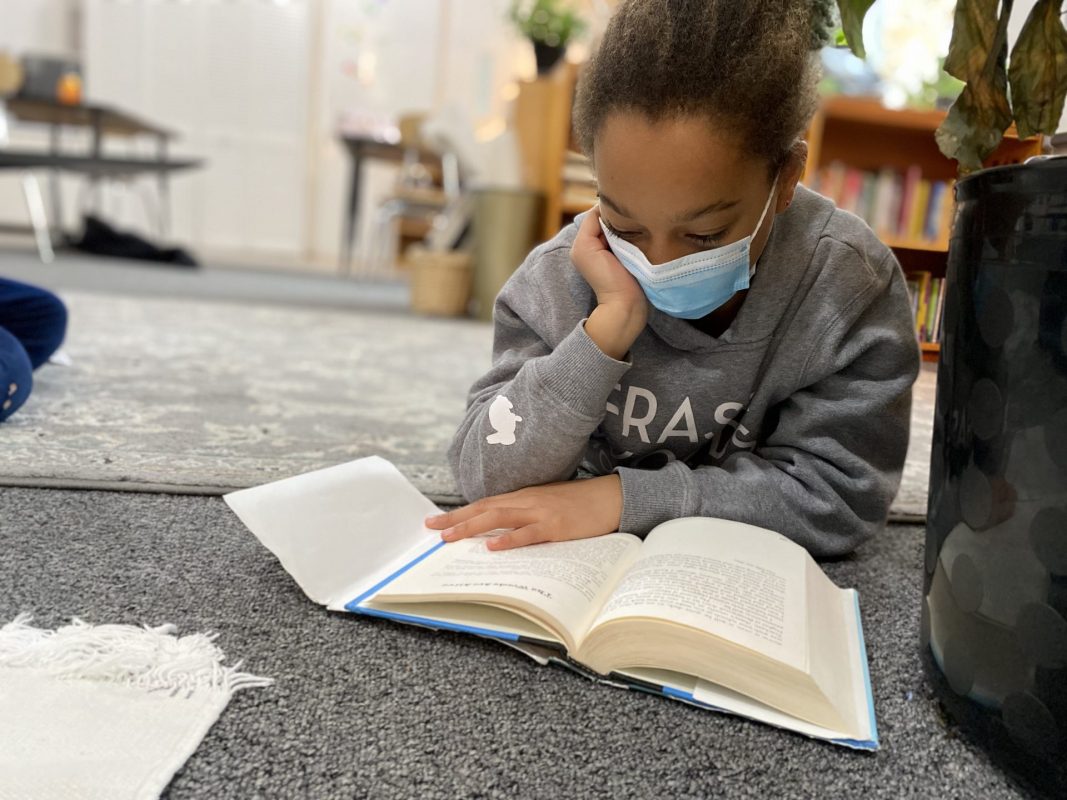
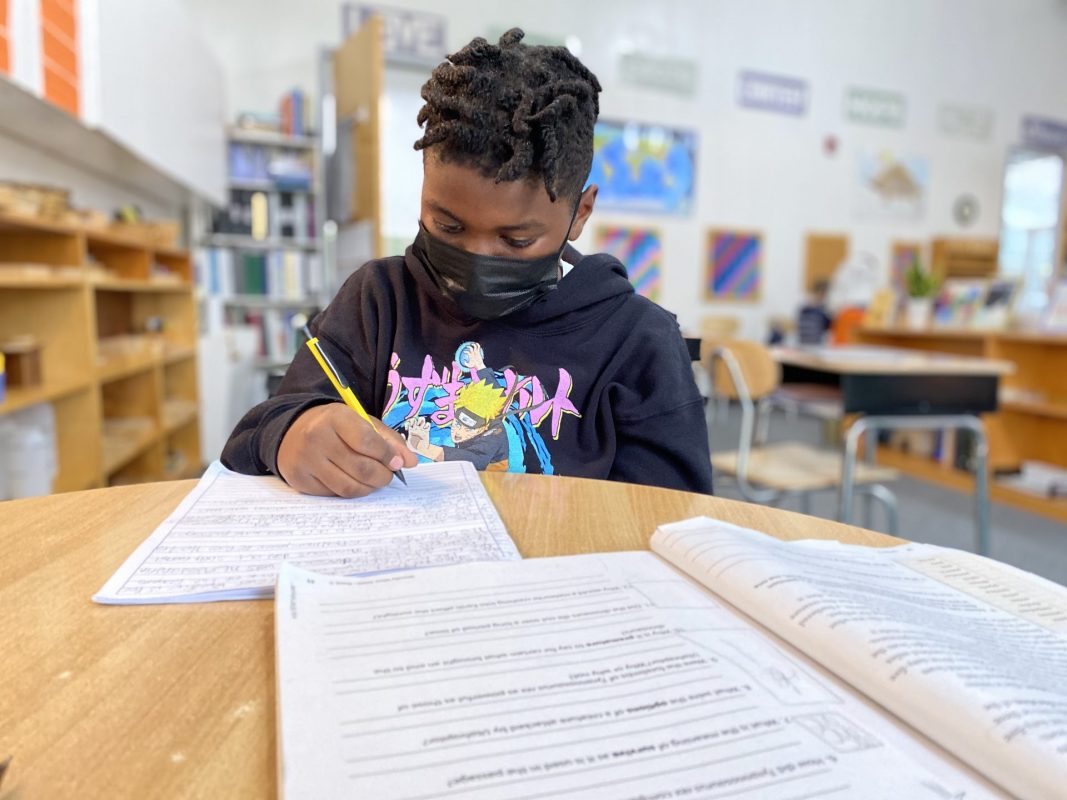
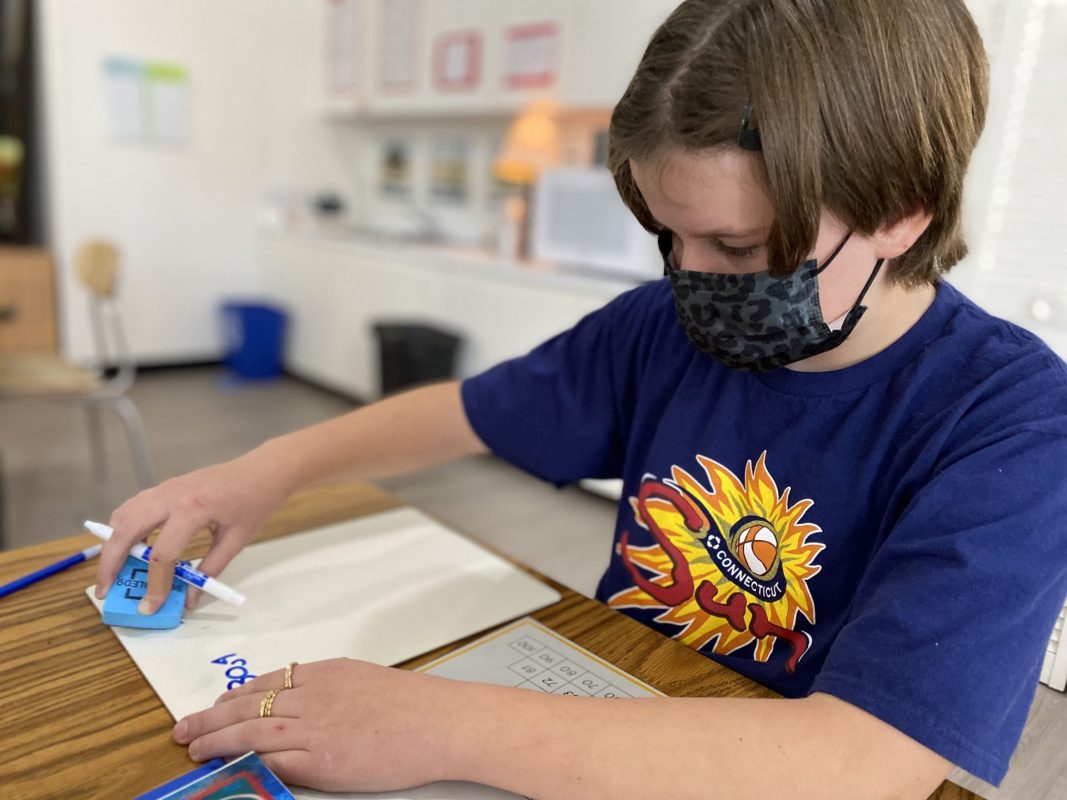
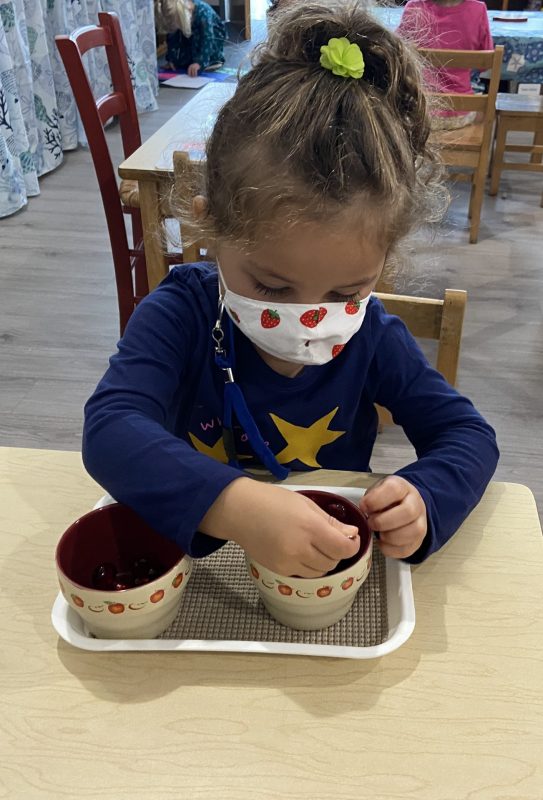
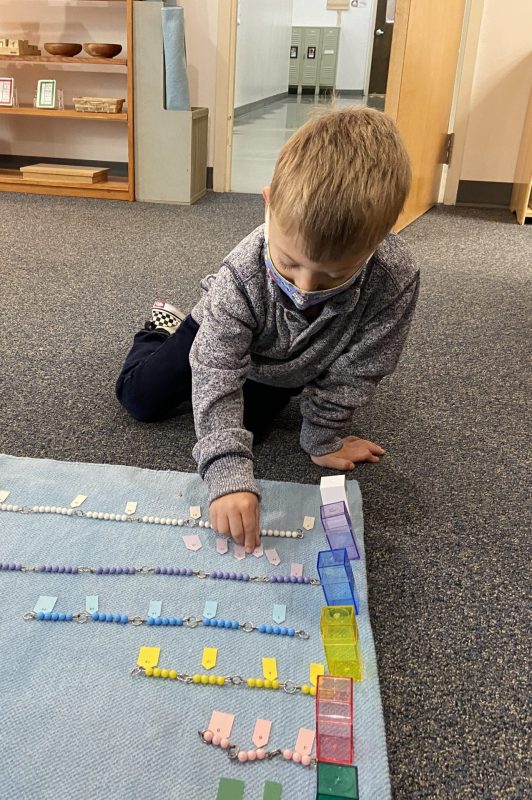
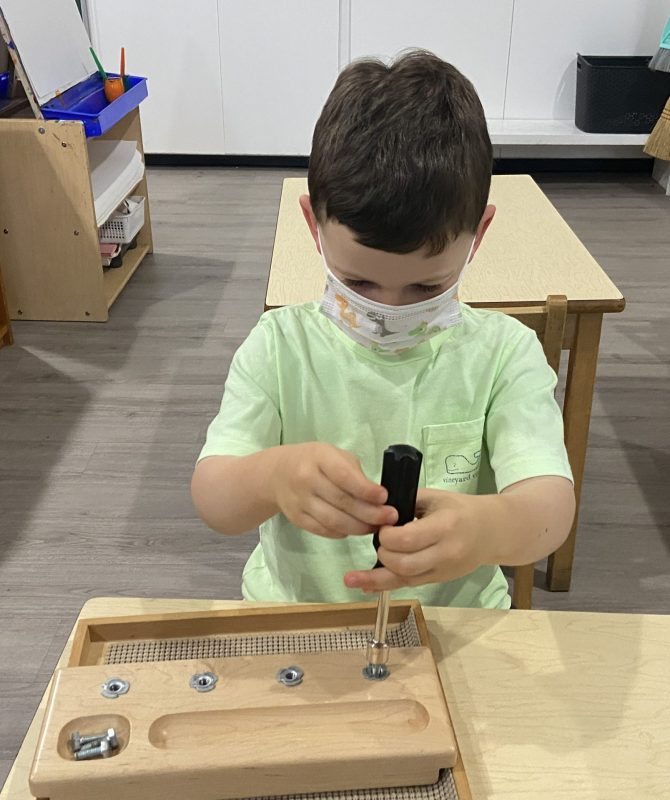
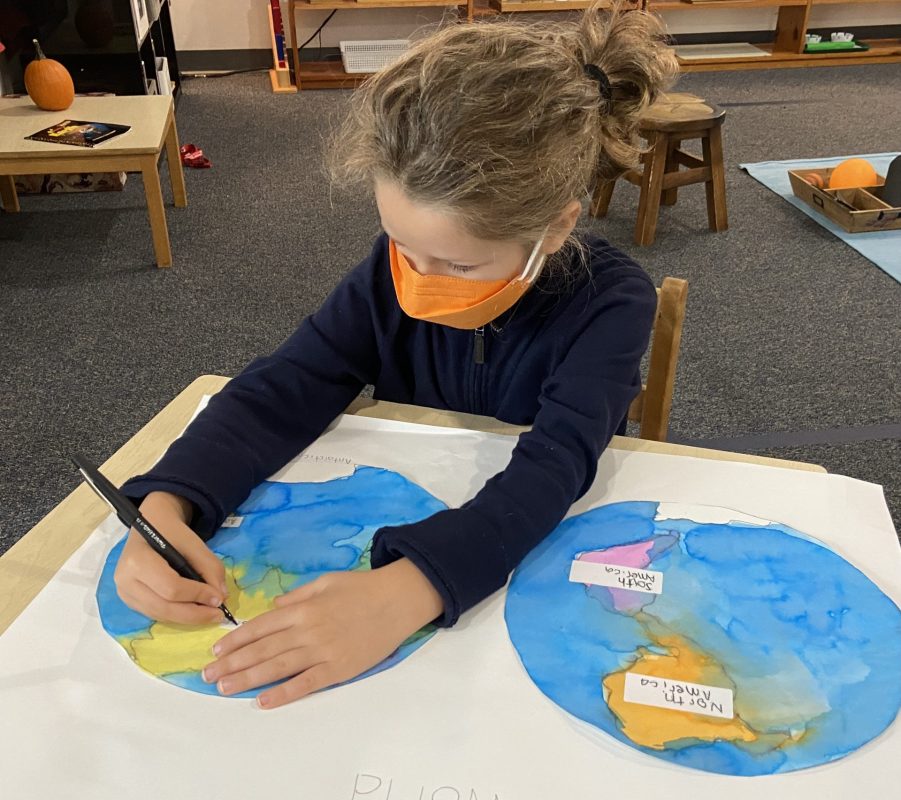
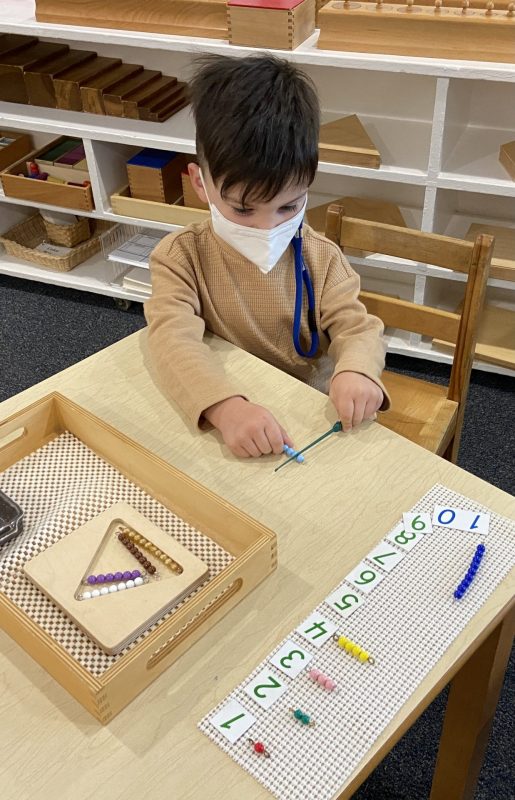
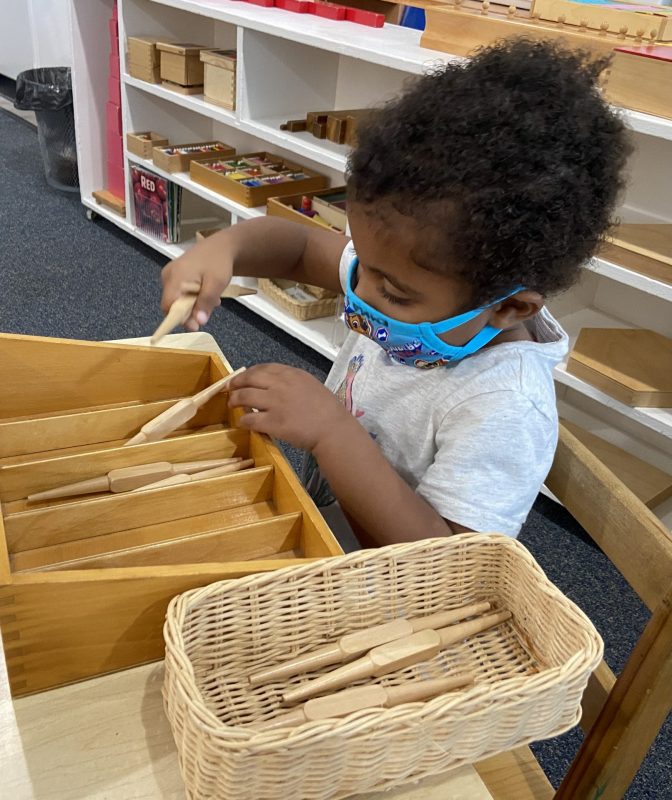
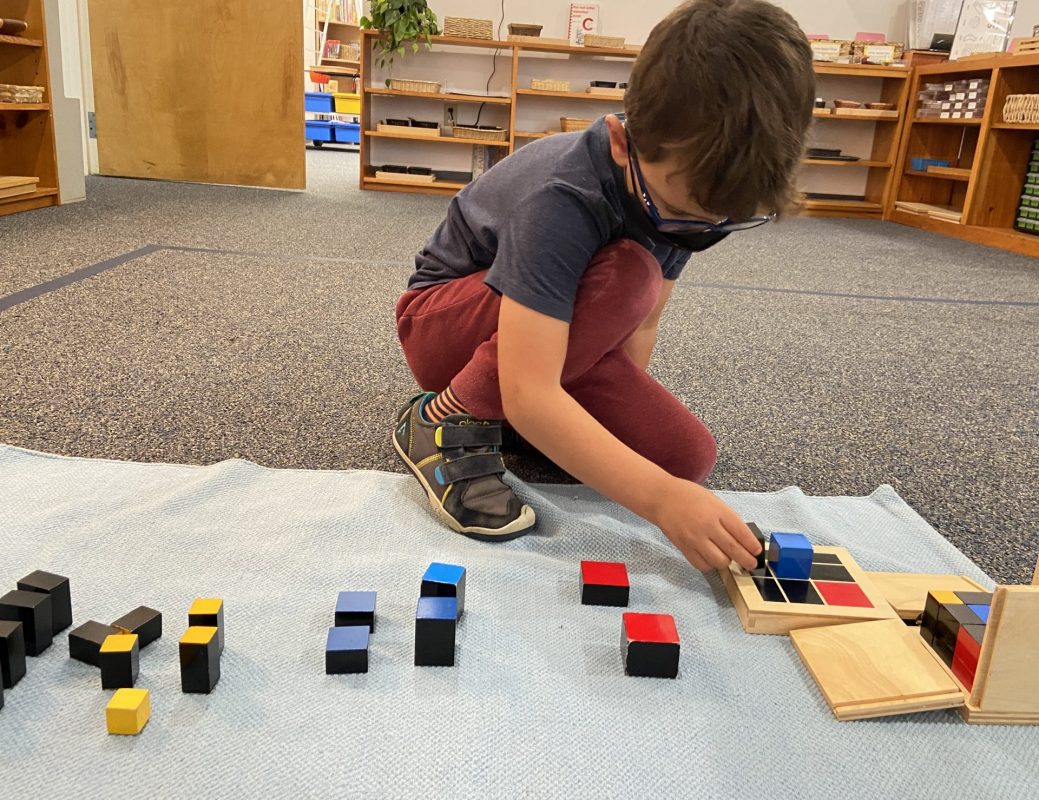
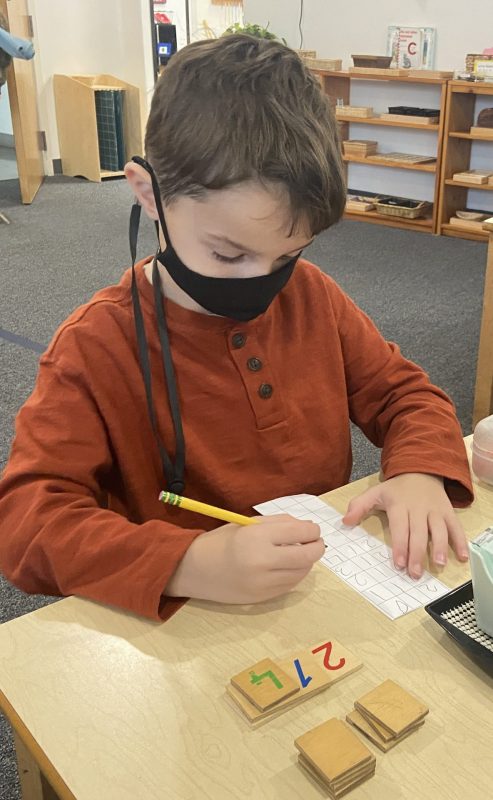
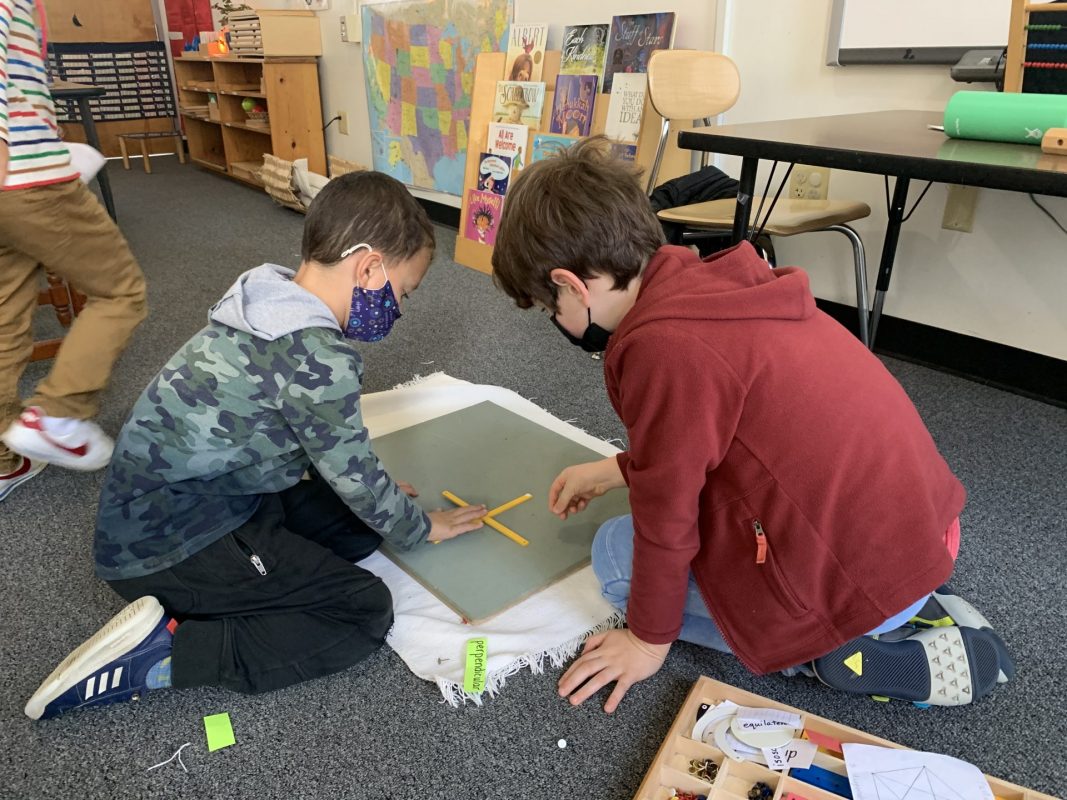
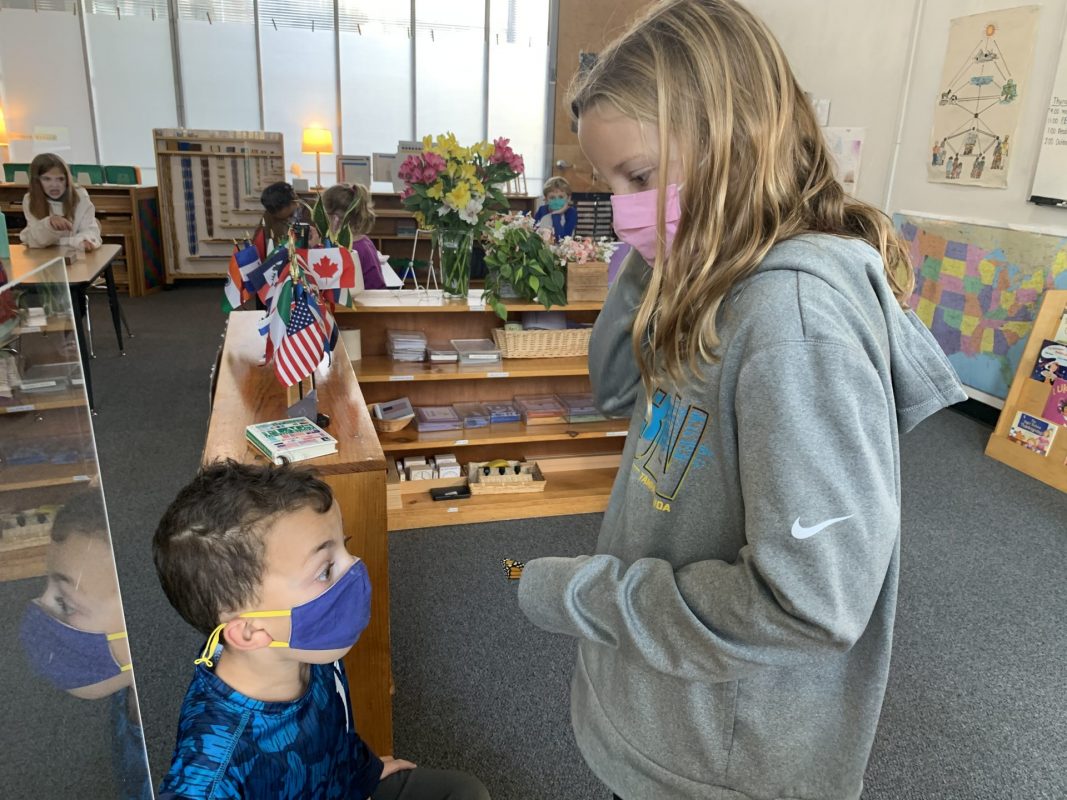
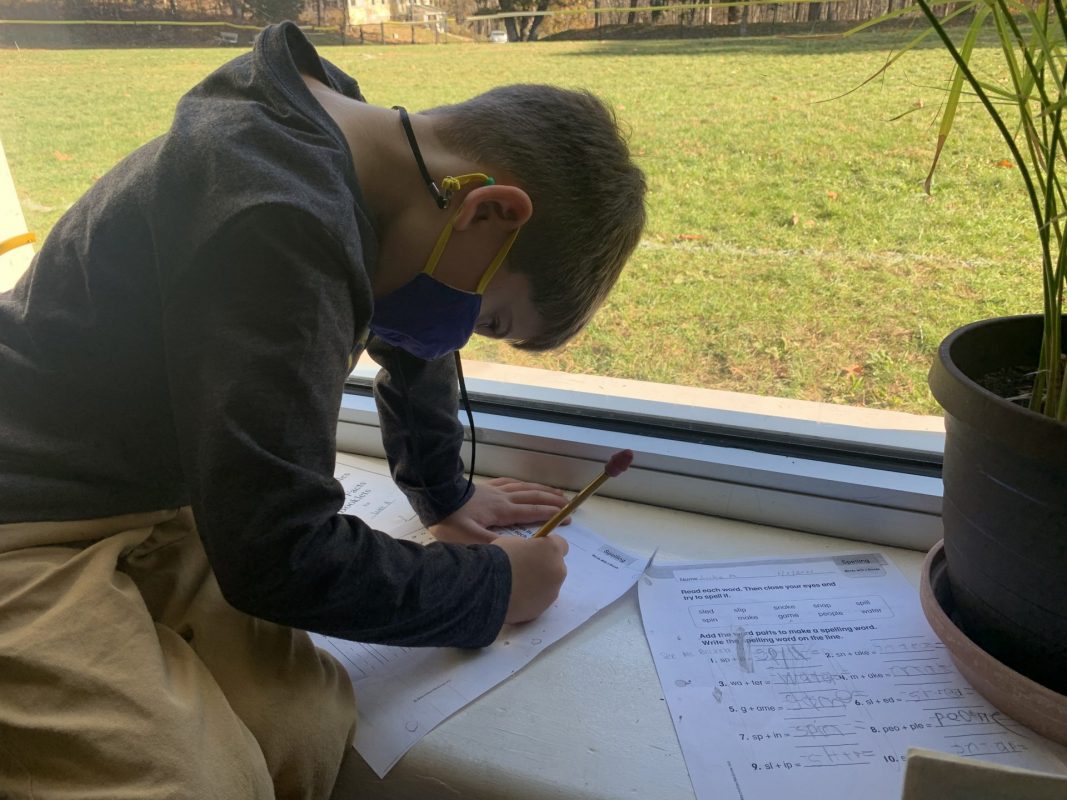
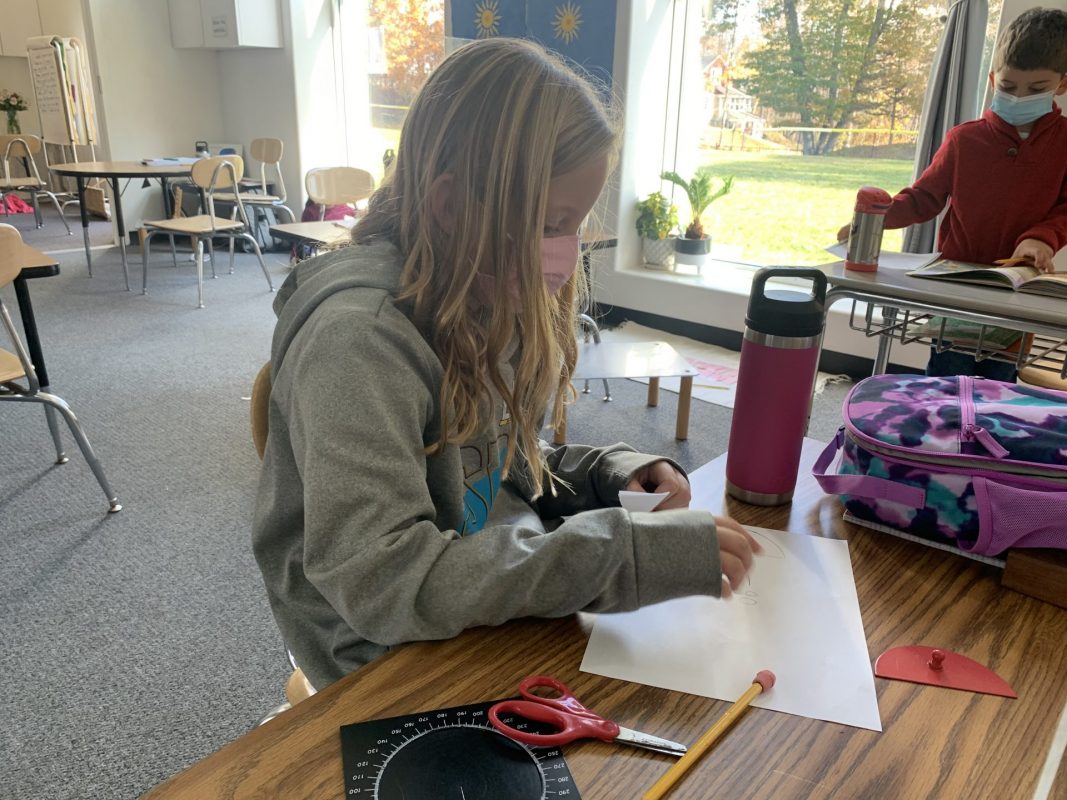
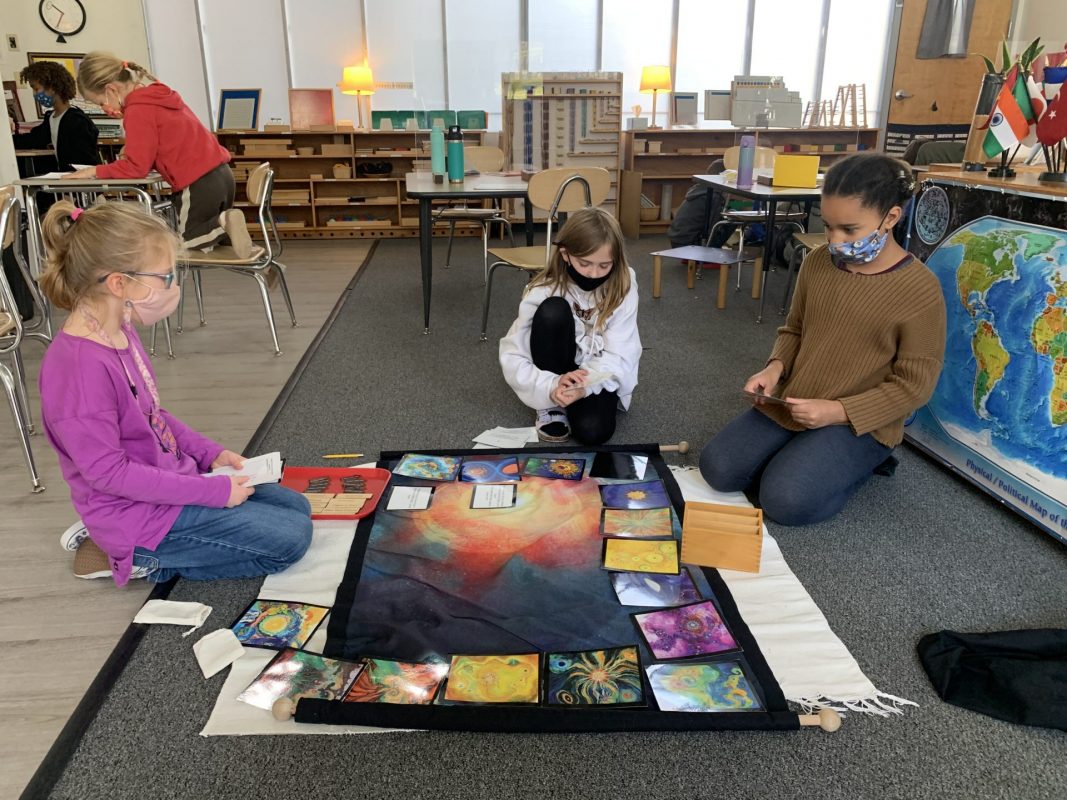
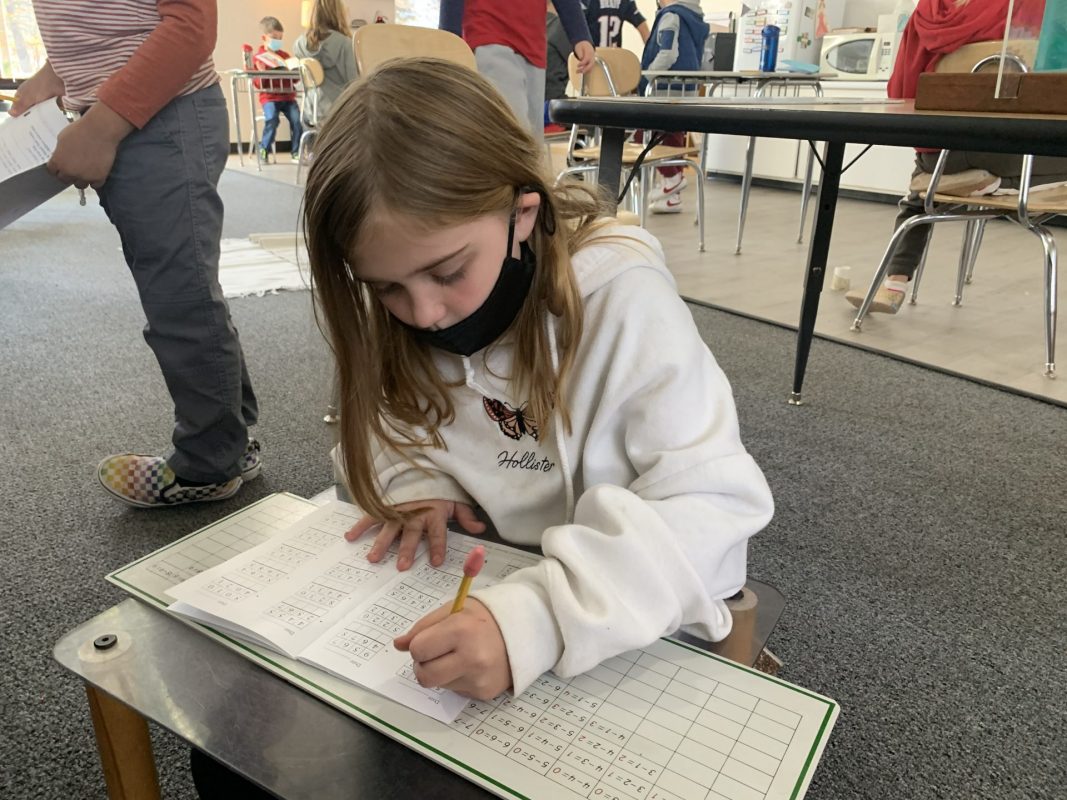
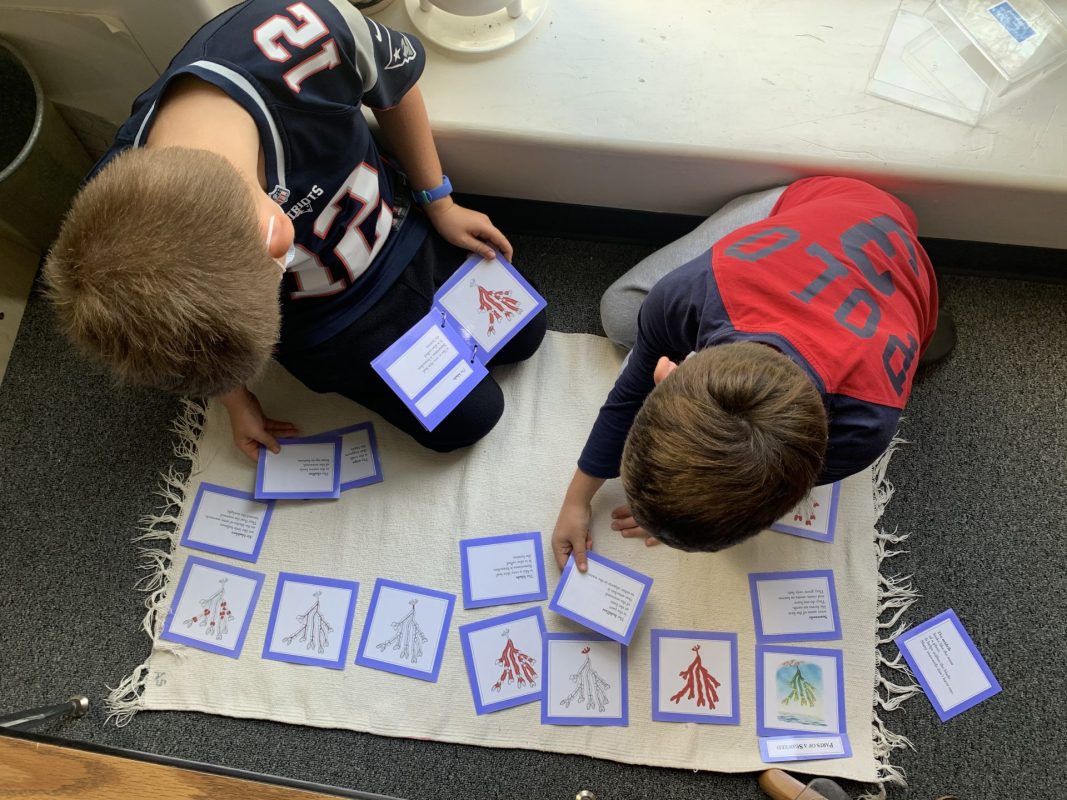
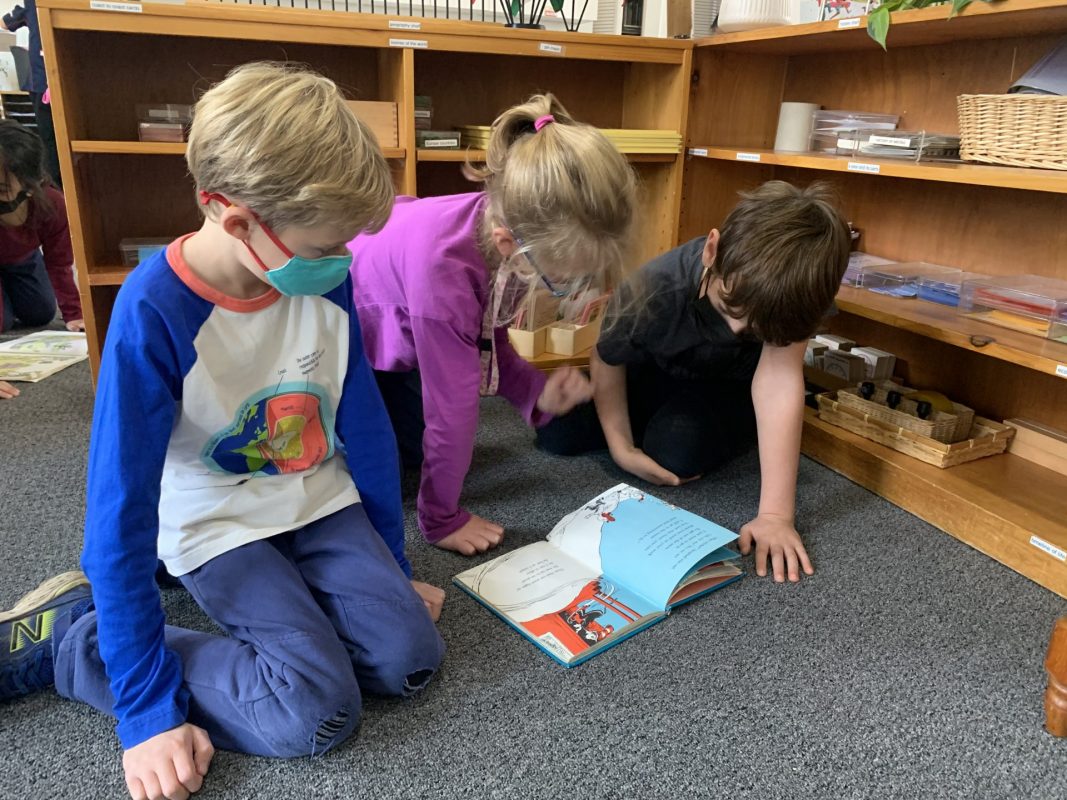
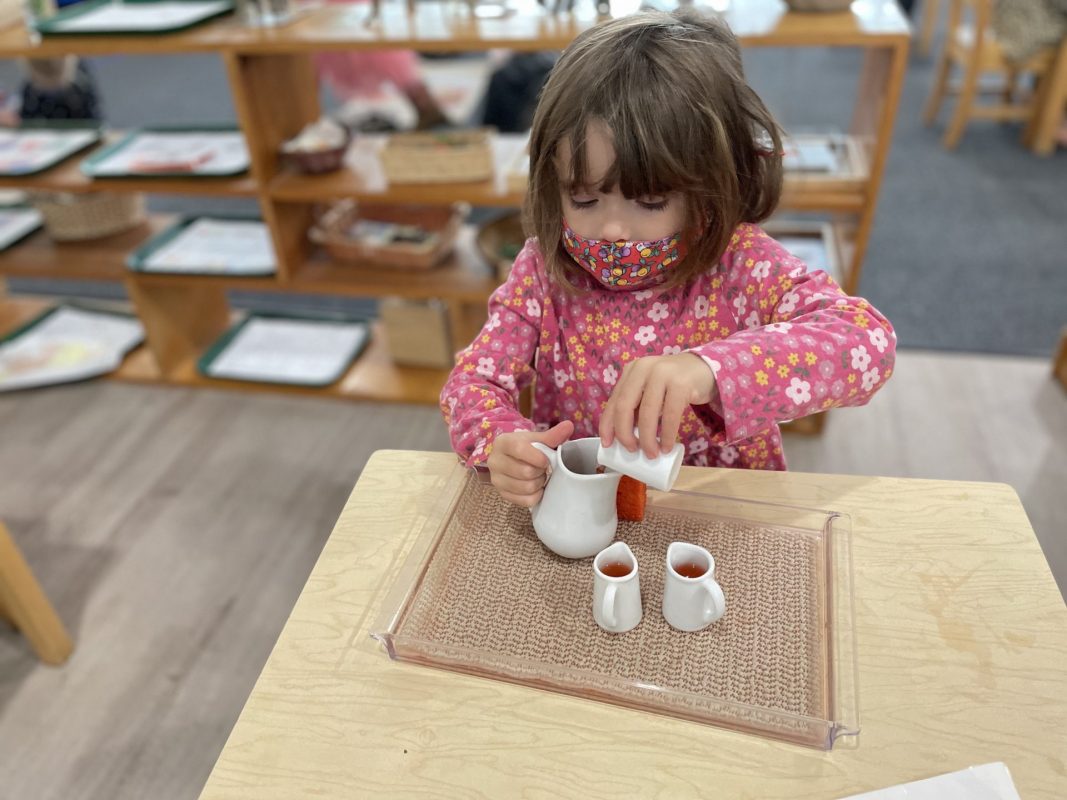
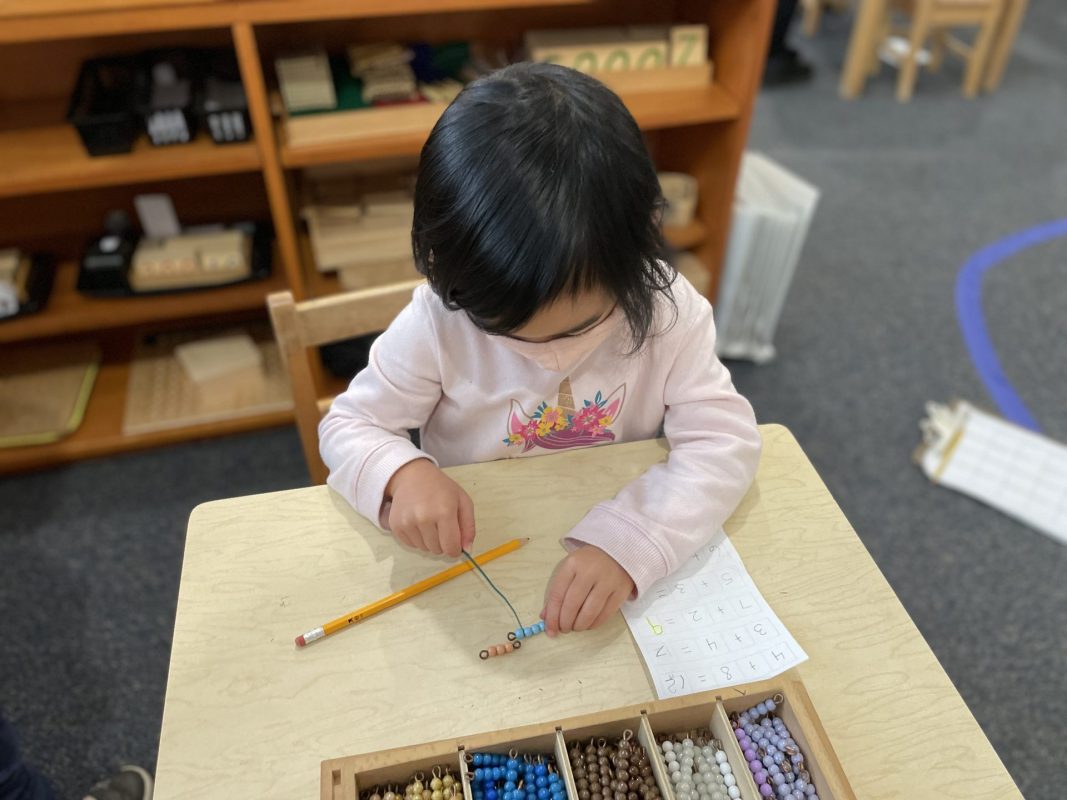
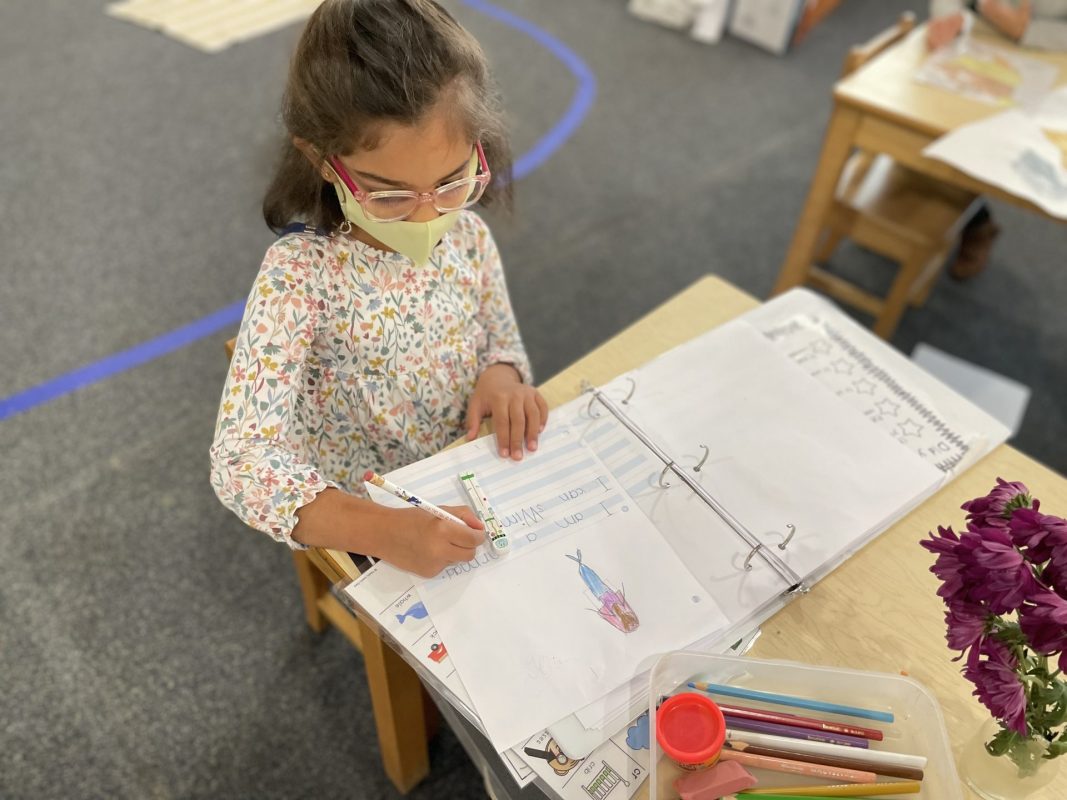
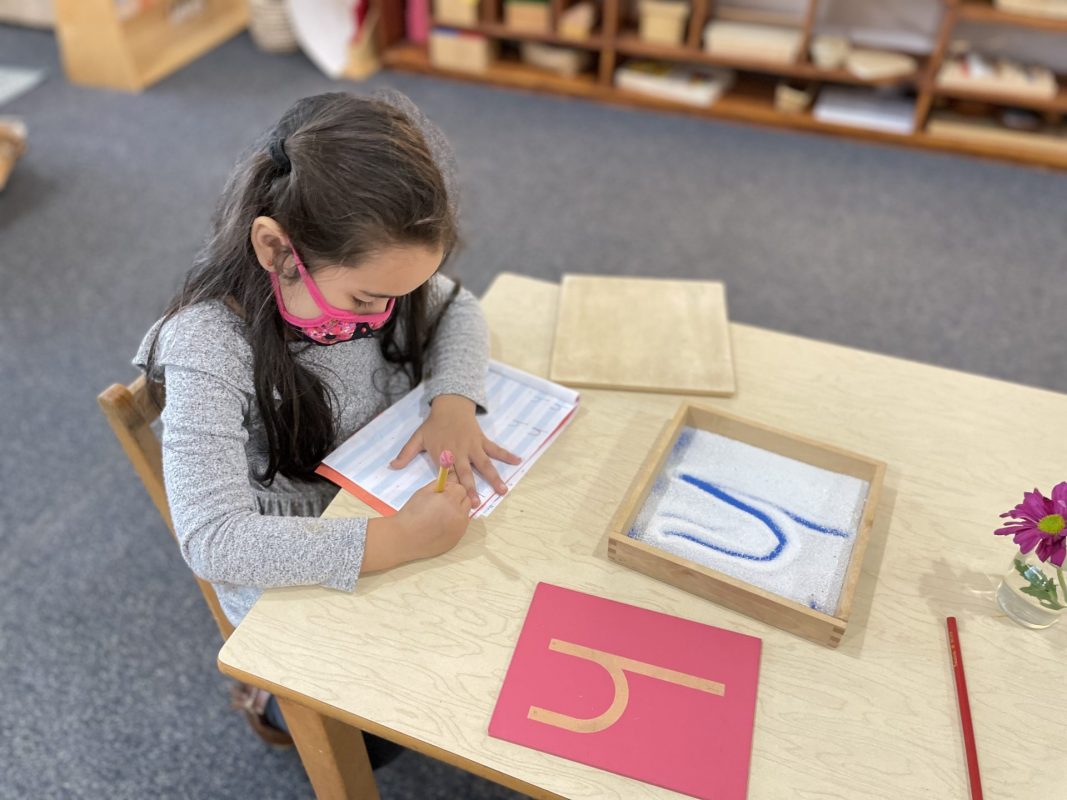
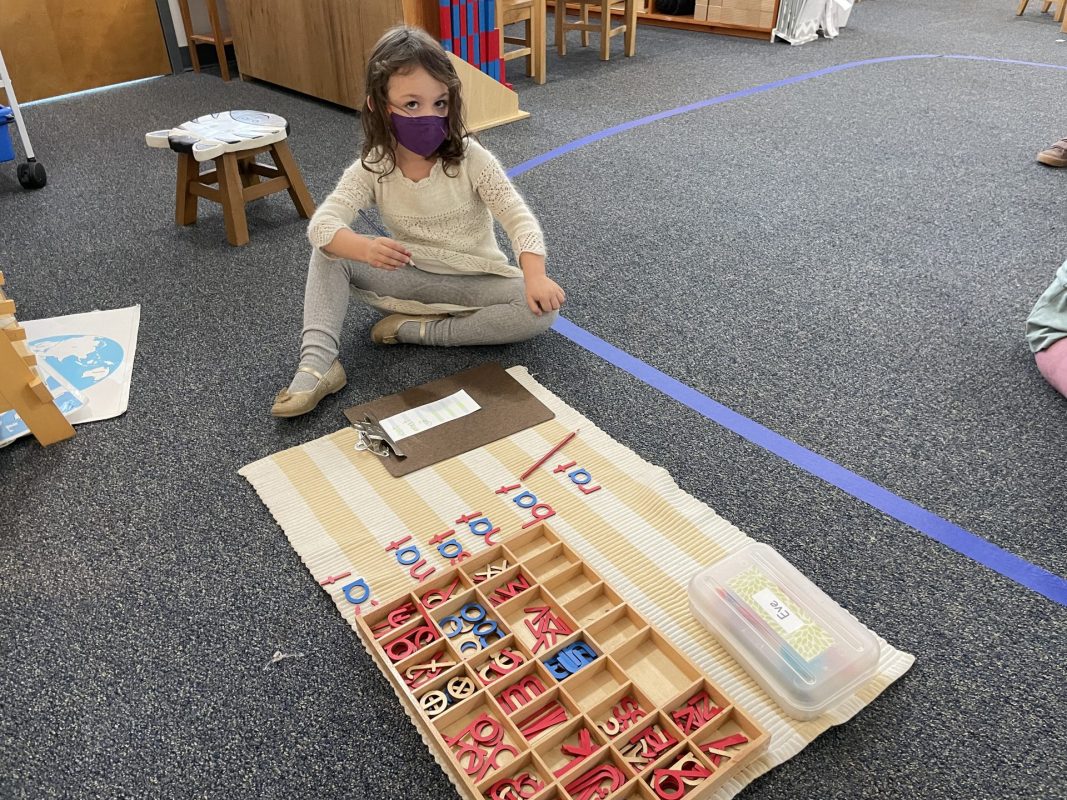
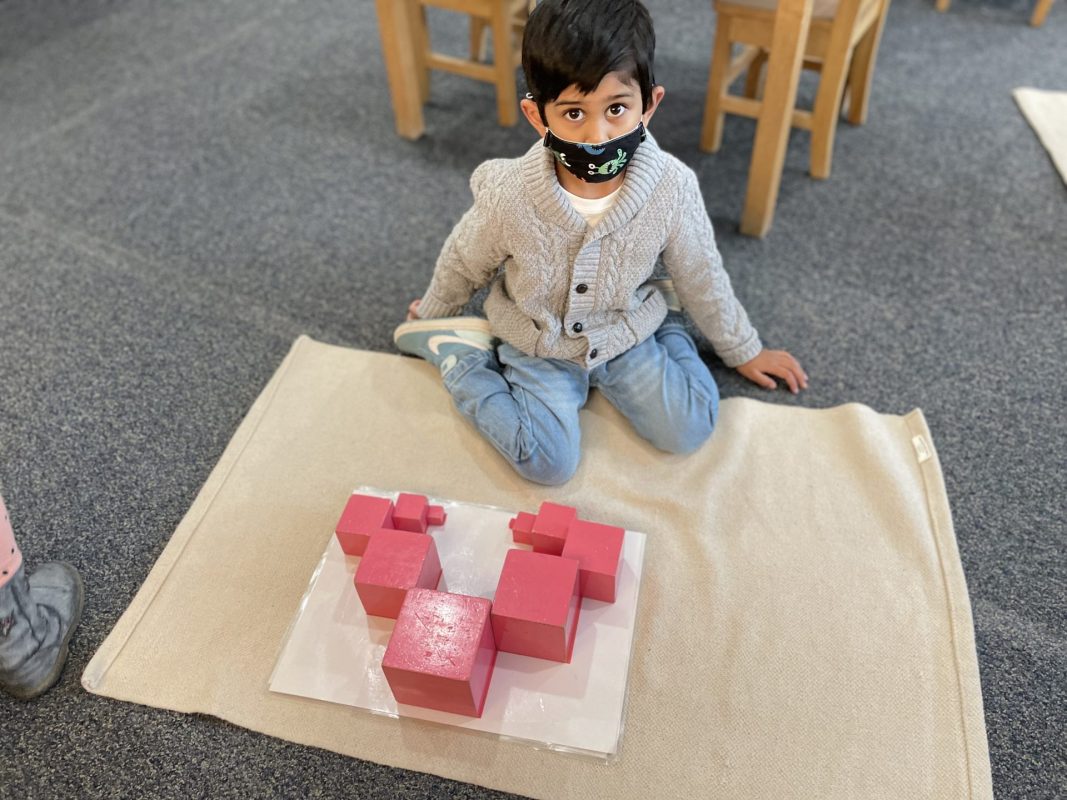
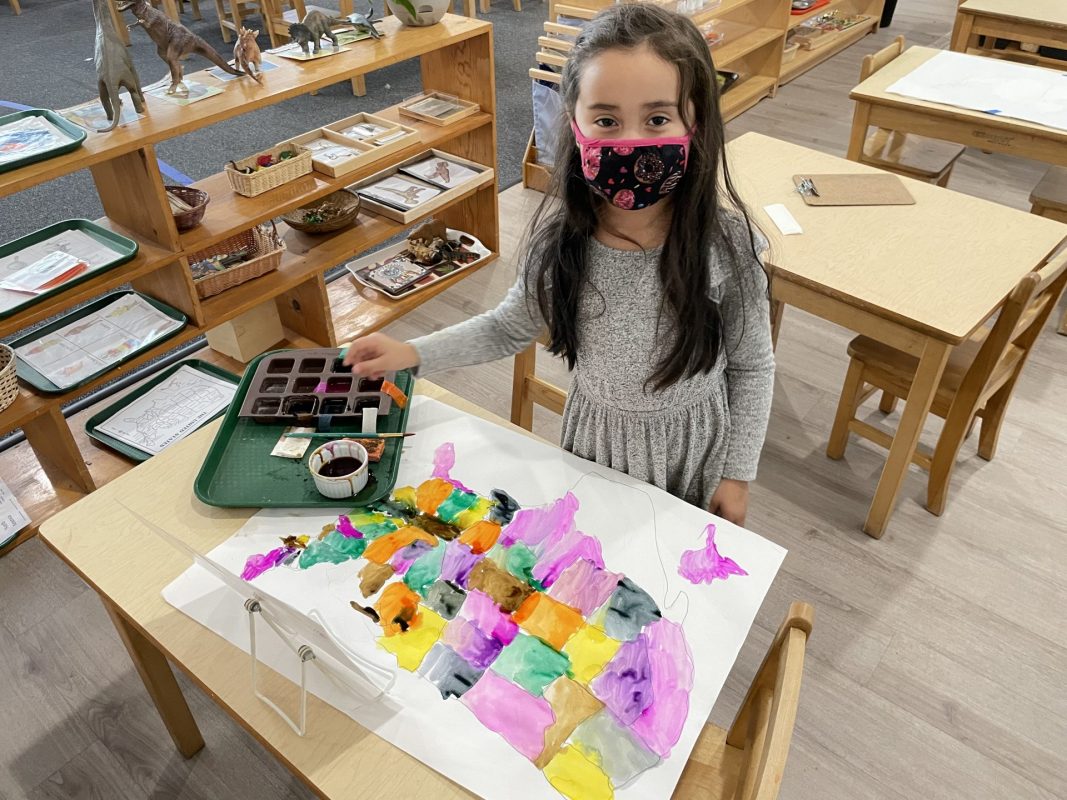
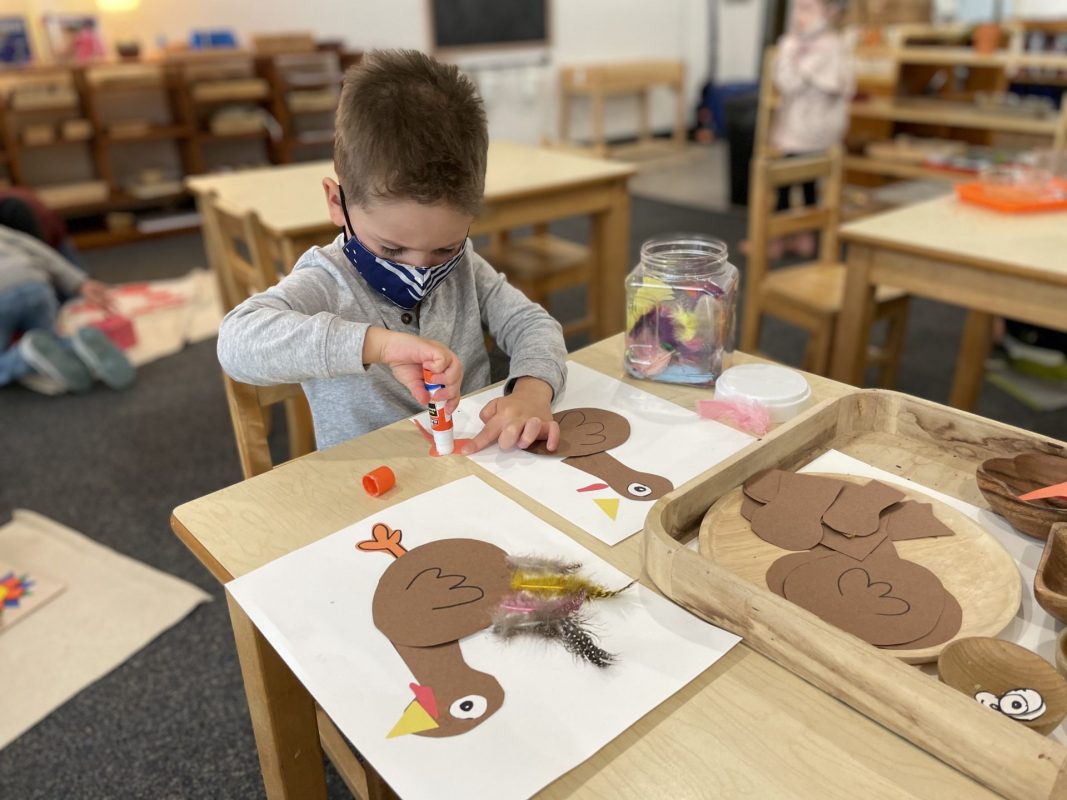
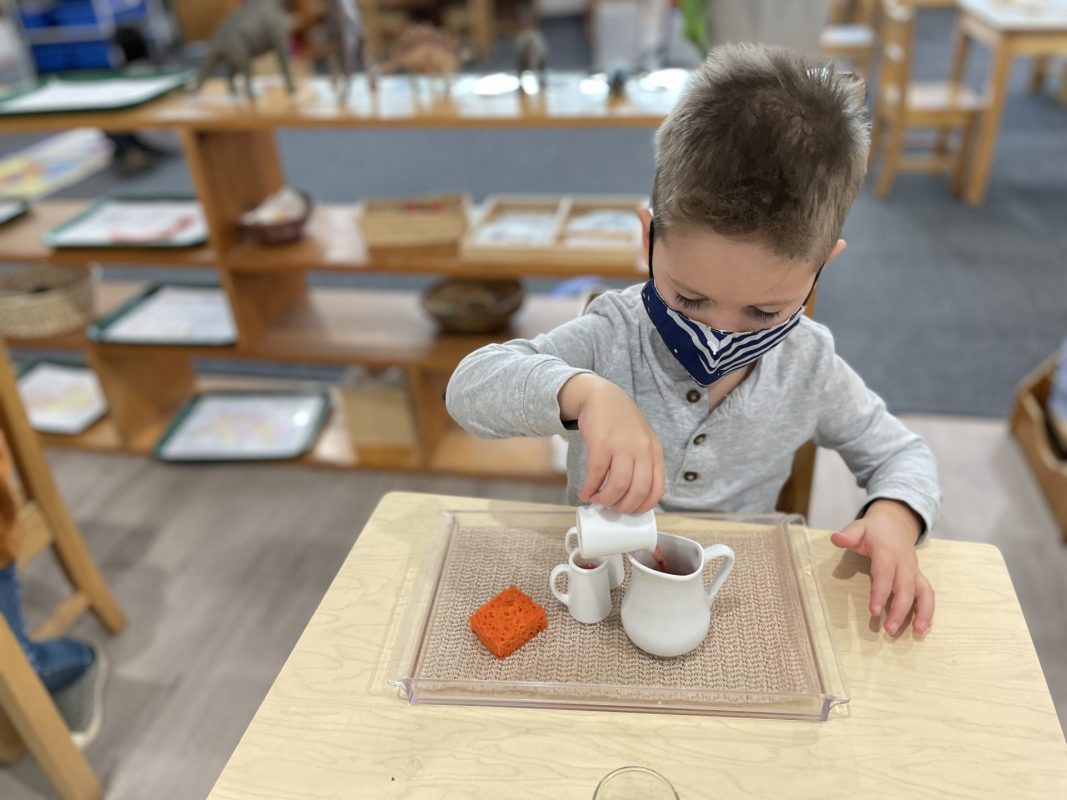
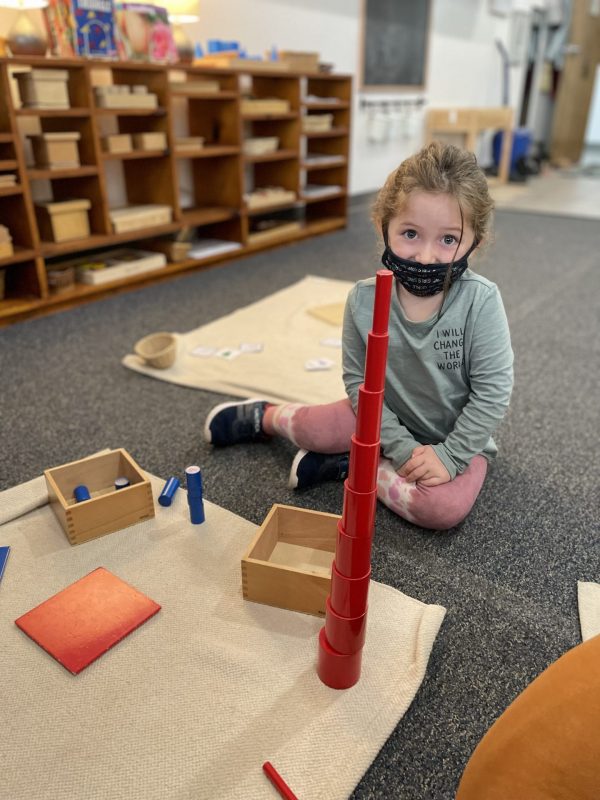
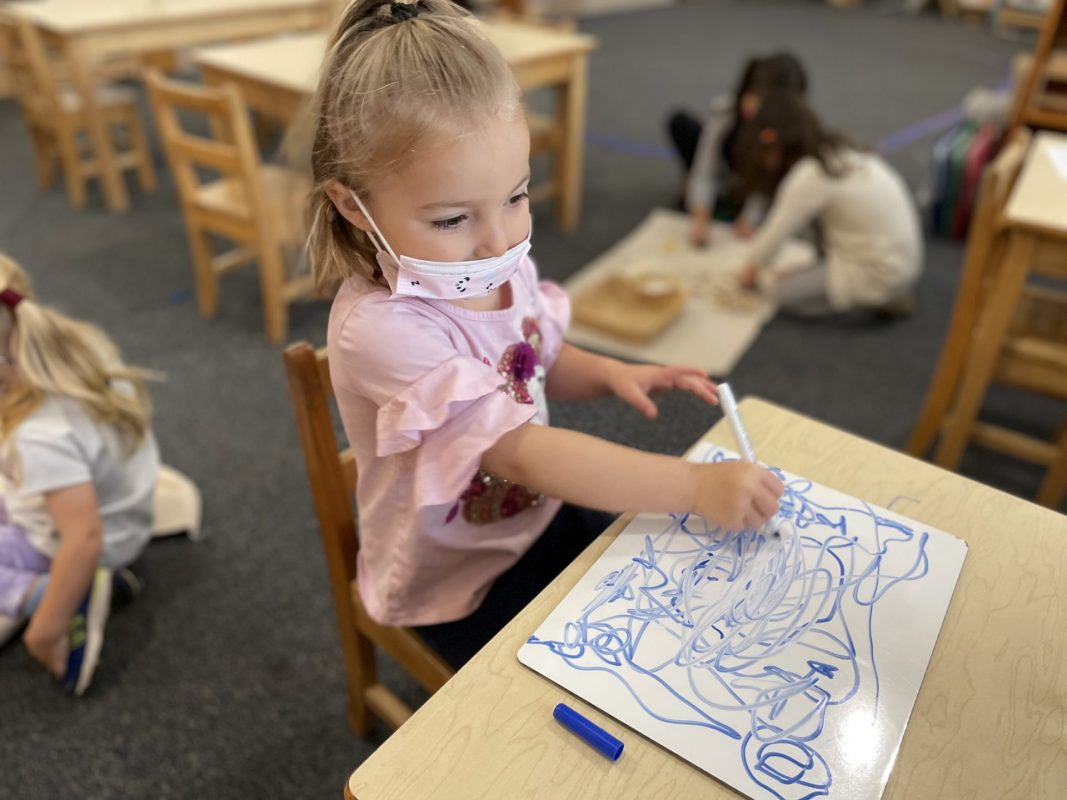
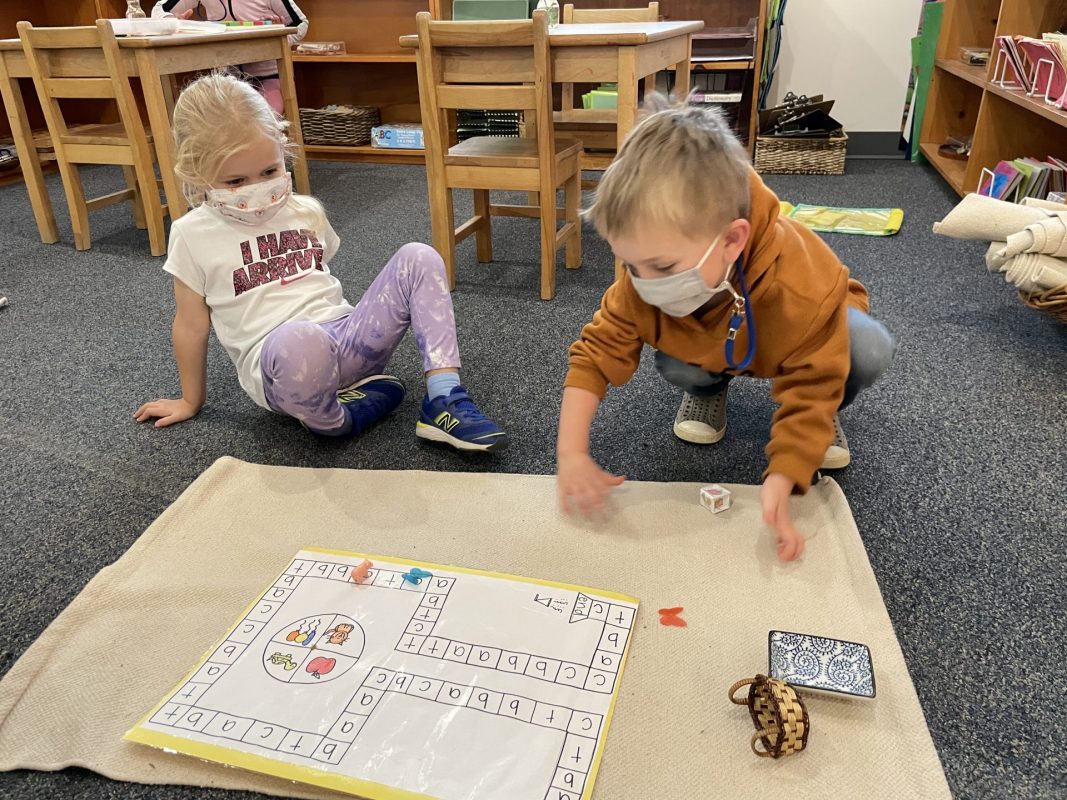
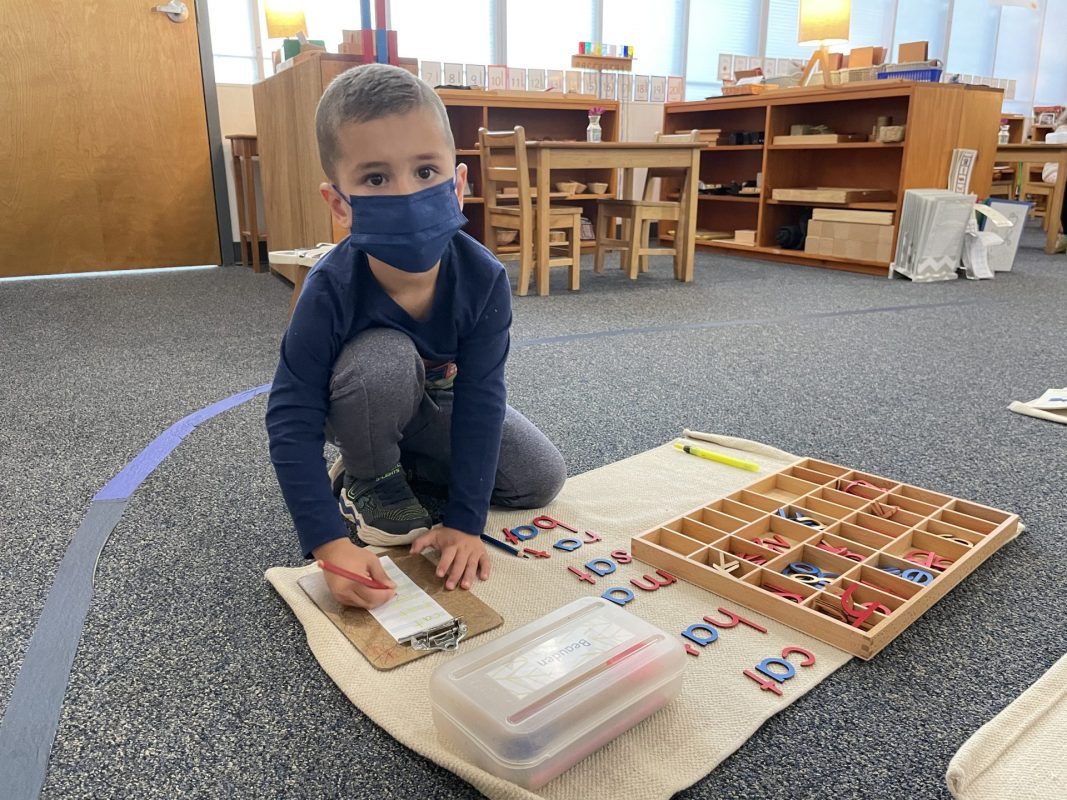
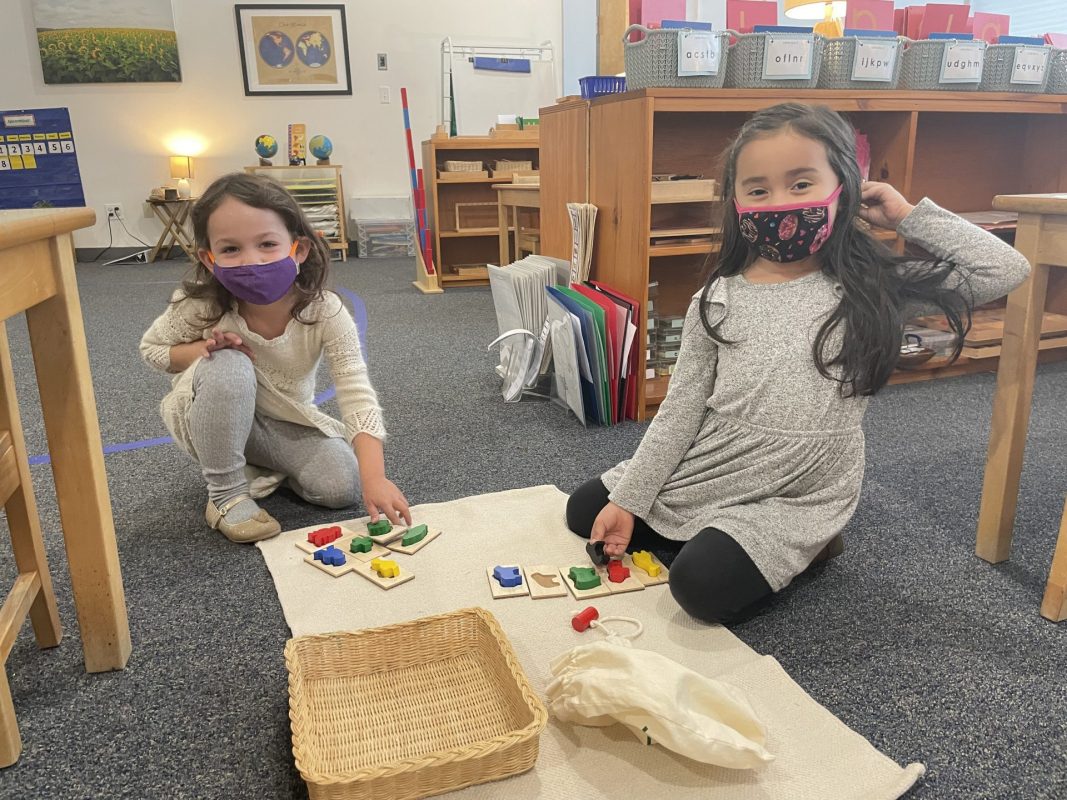
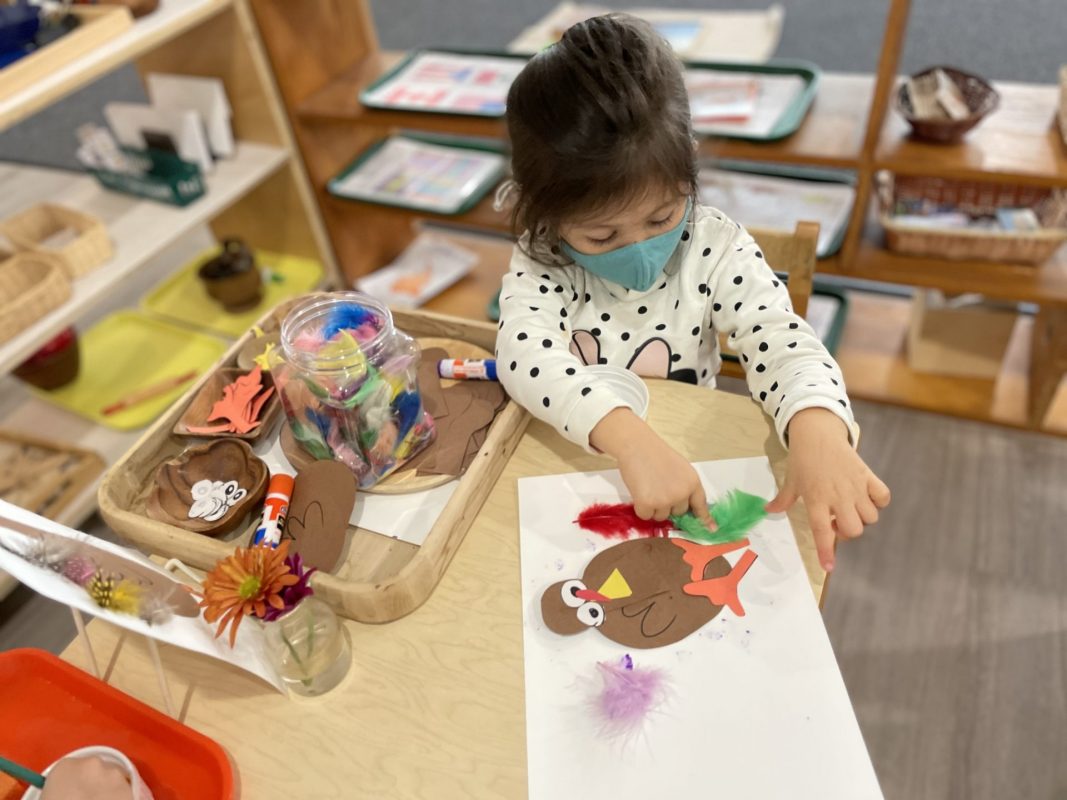
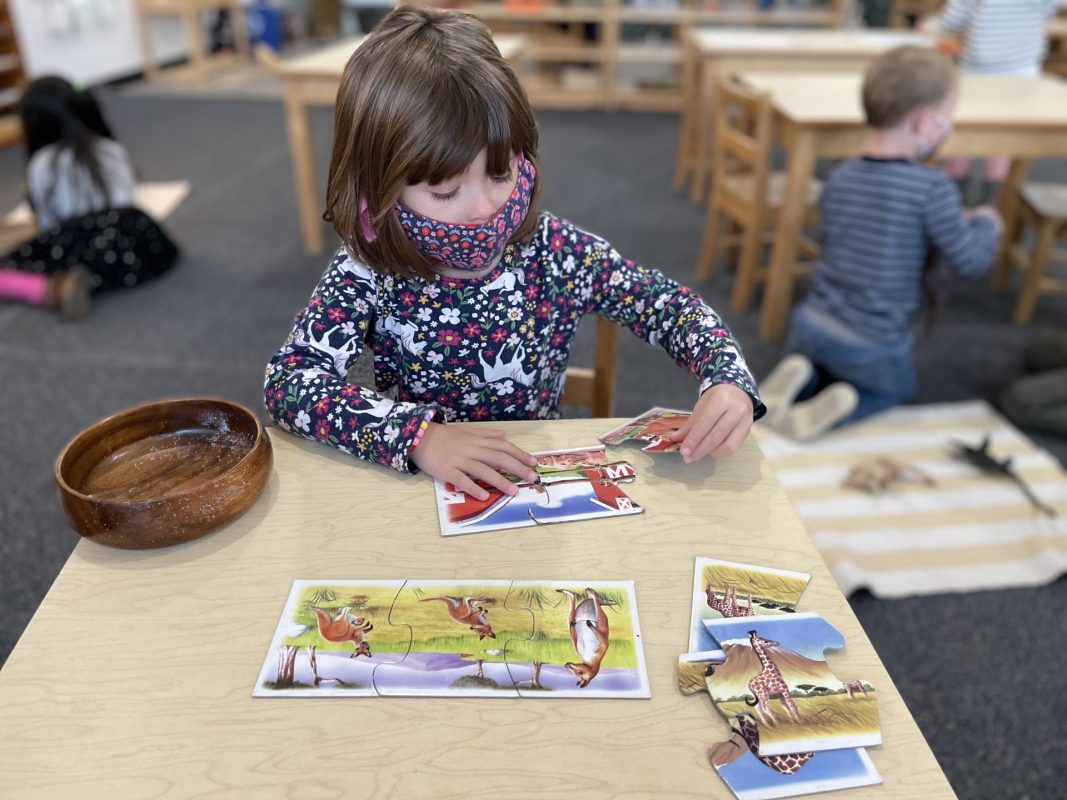
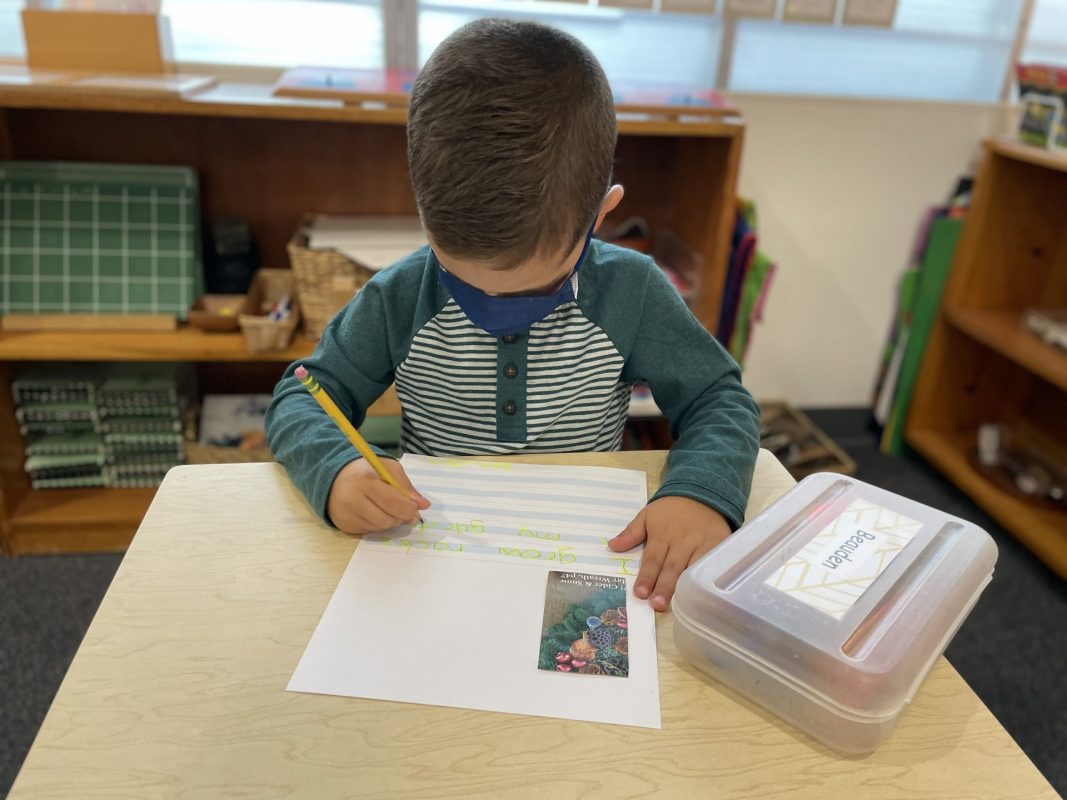
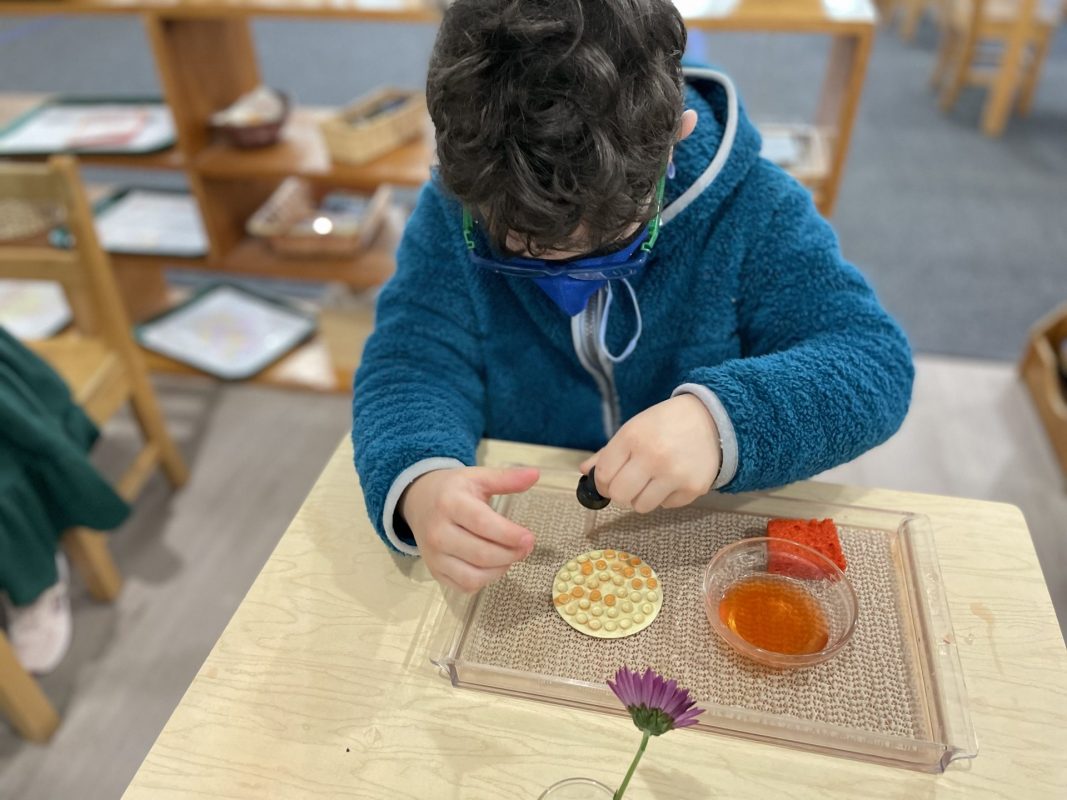
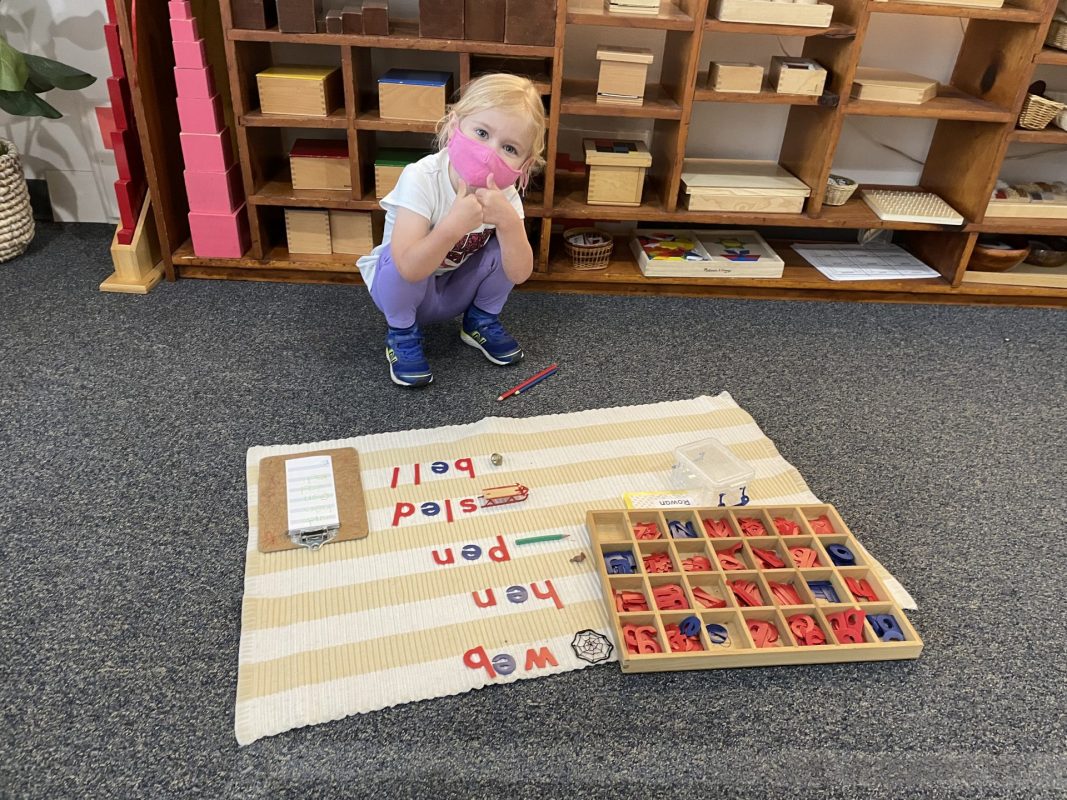
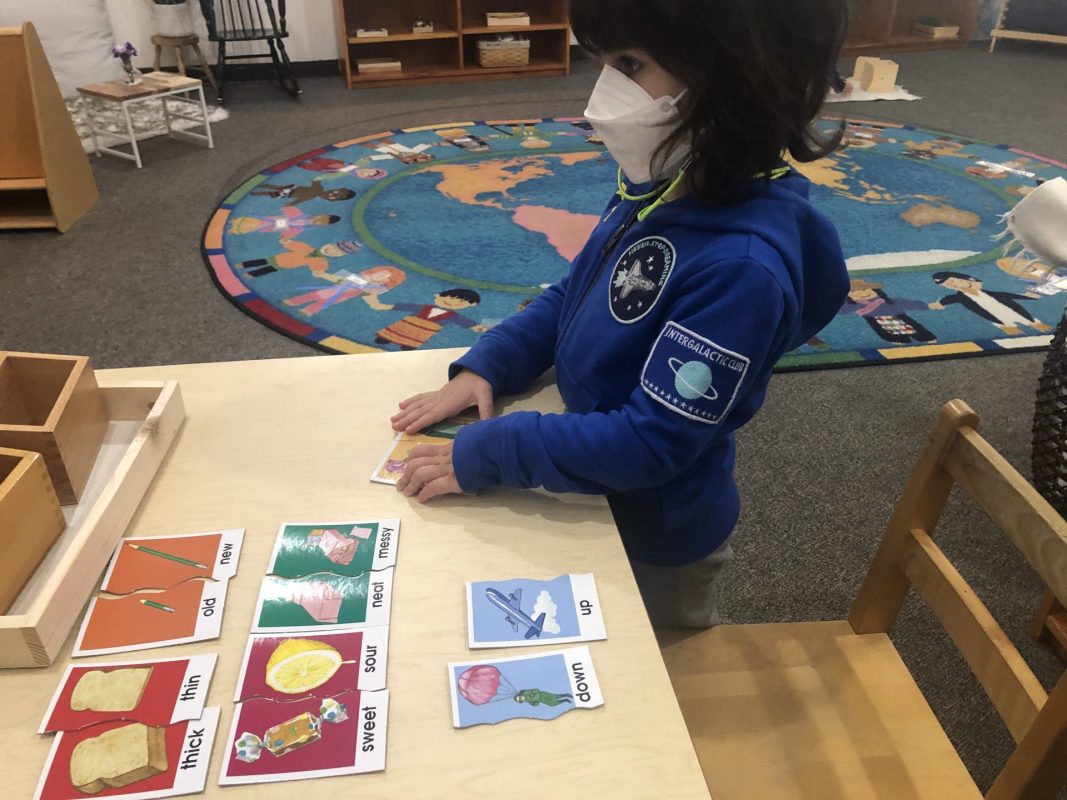
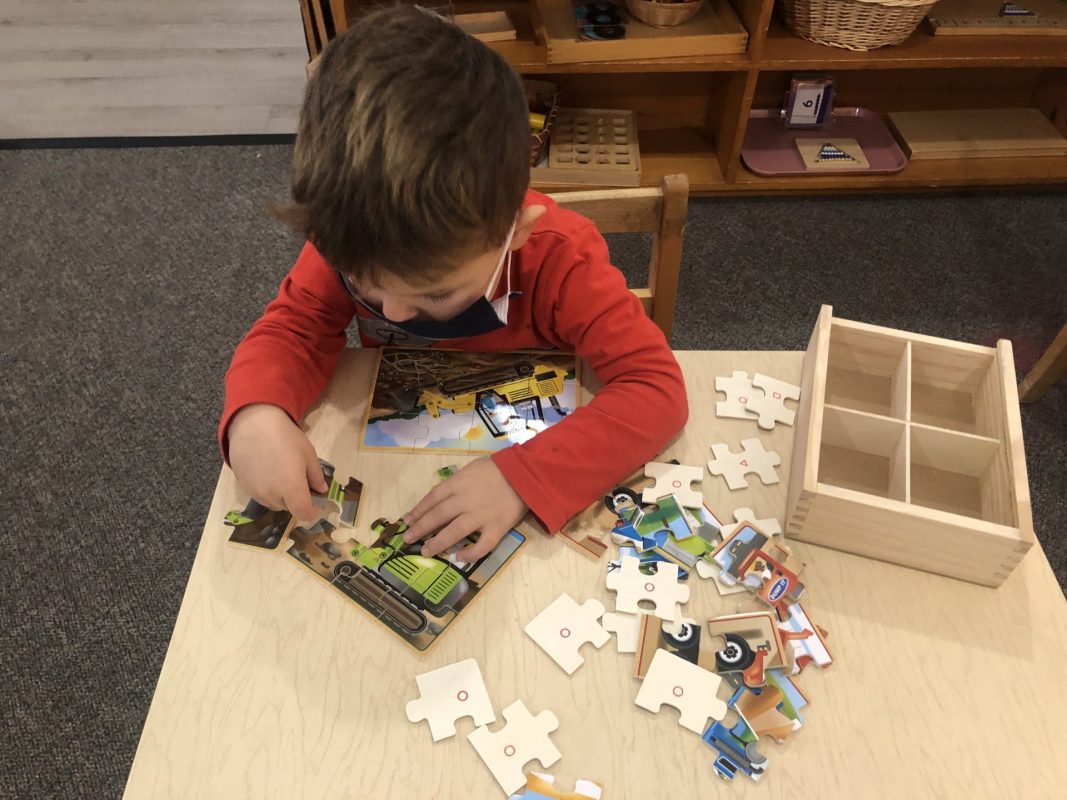
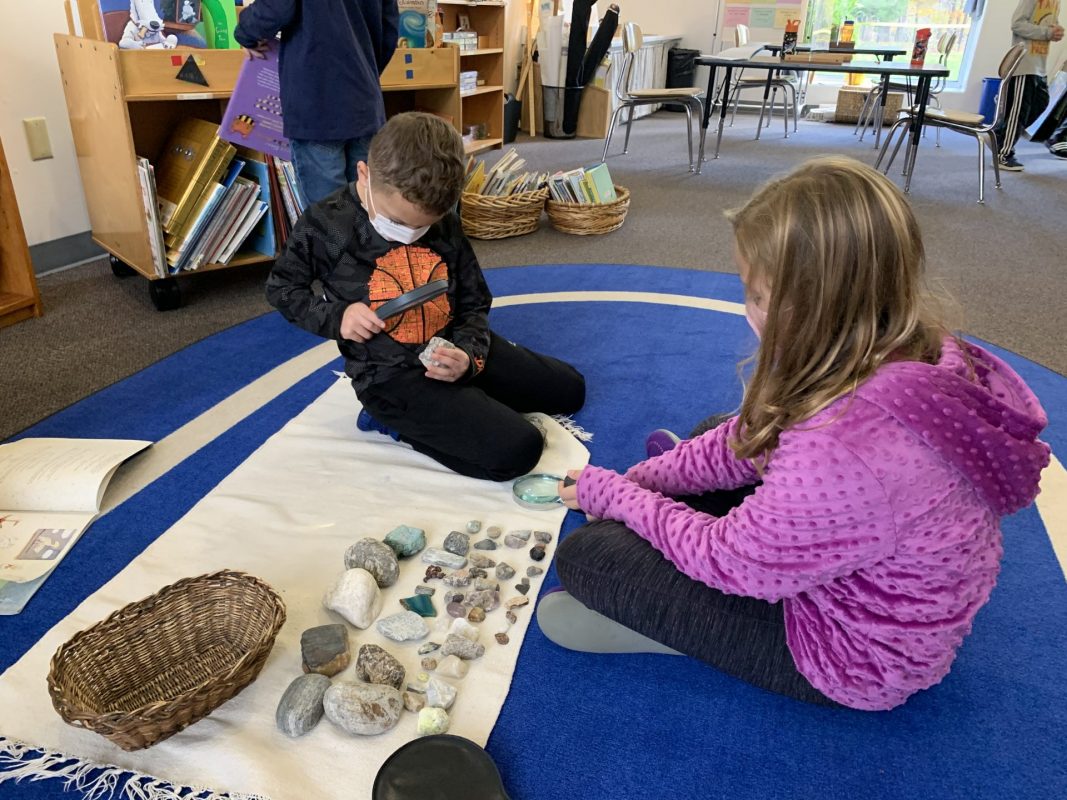
In a Montessori classroom, the teacher prepares a broad array of learning activities or “lessons” well before the children arrive.

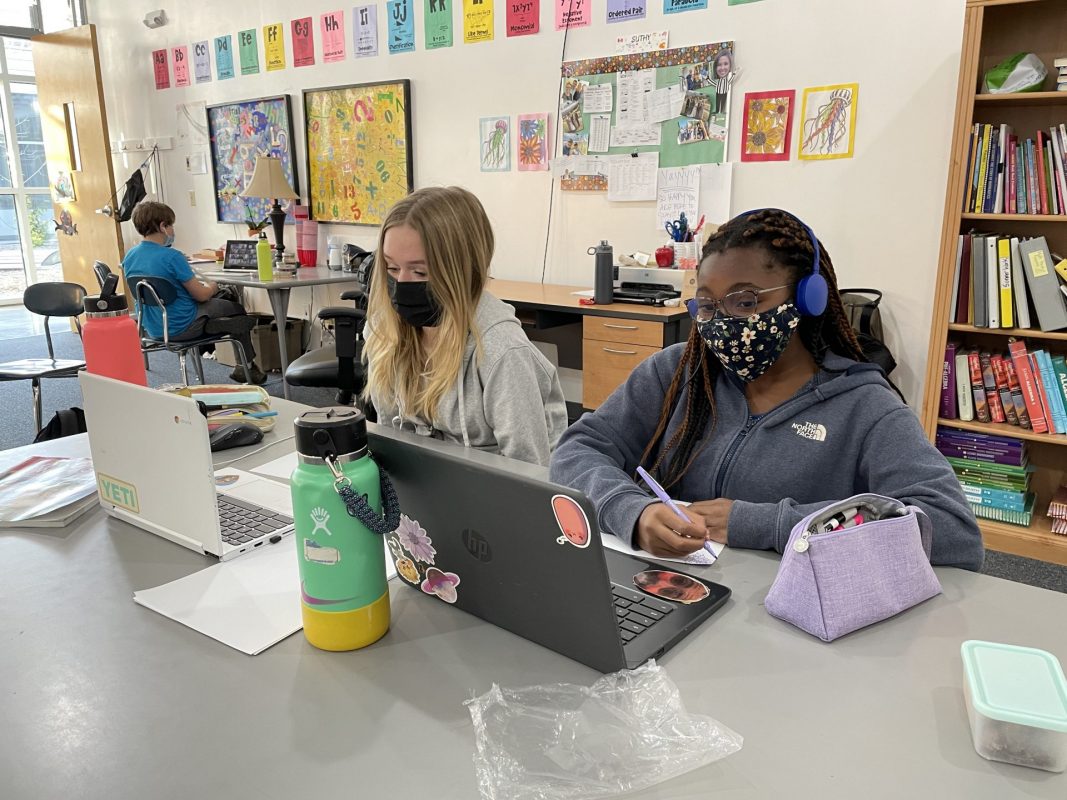
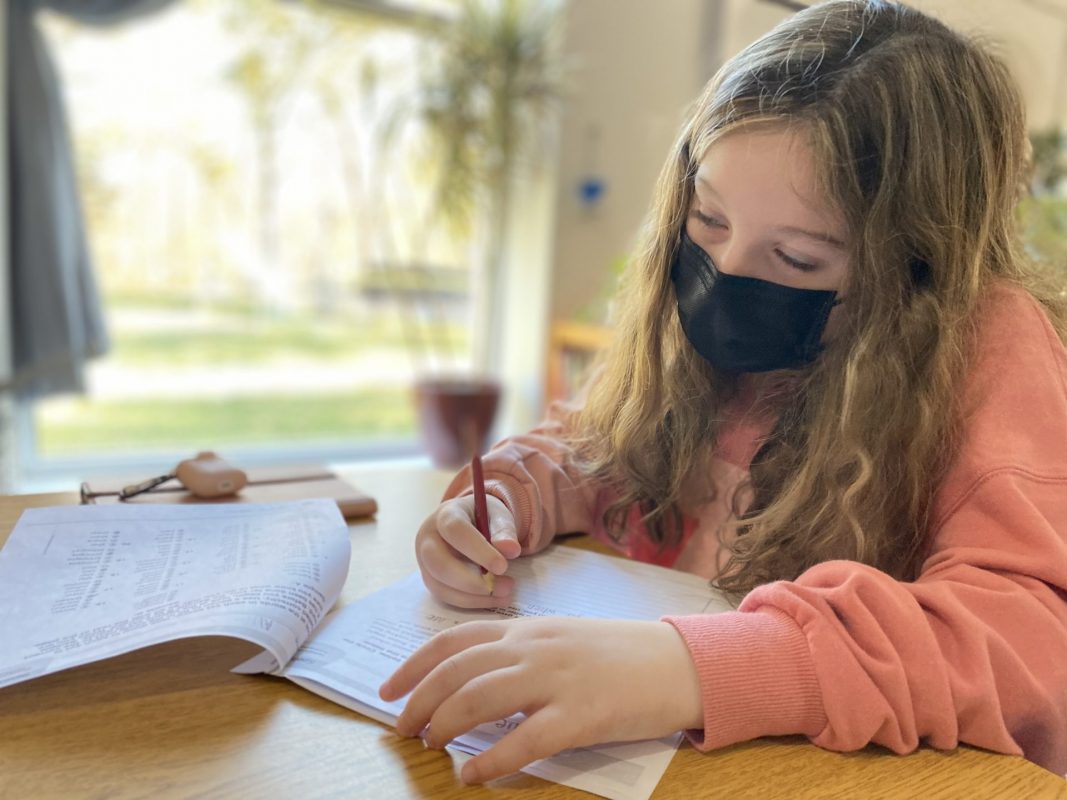
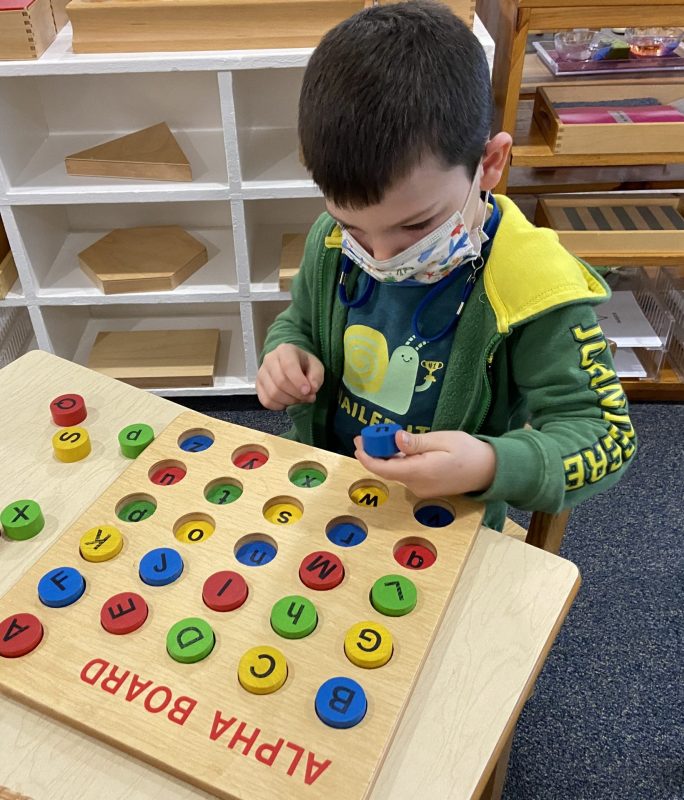
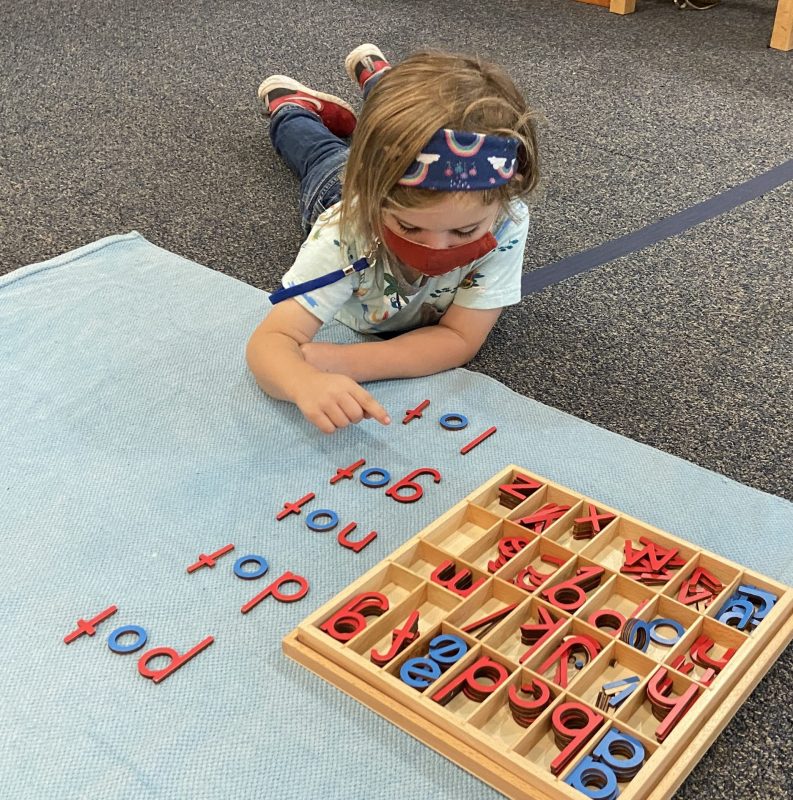
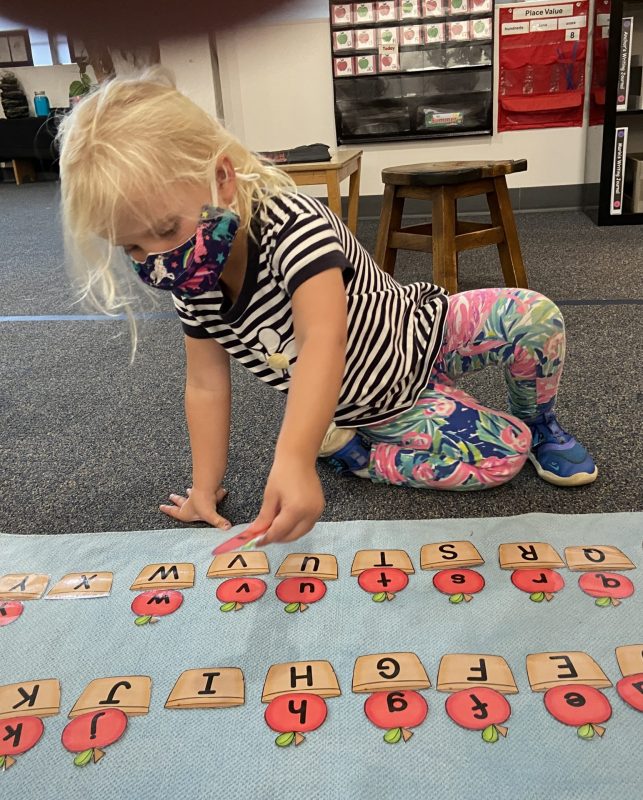
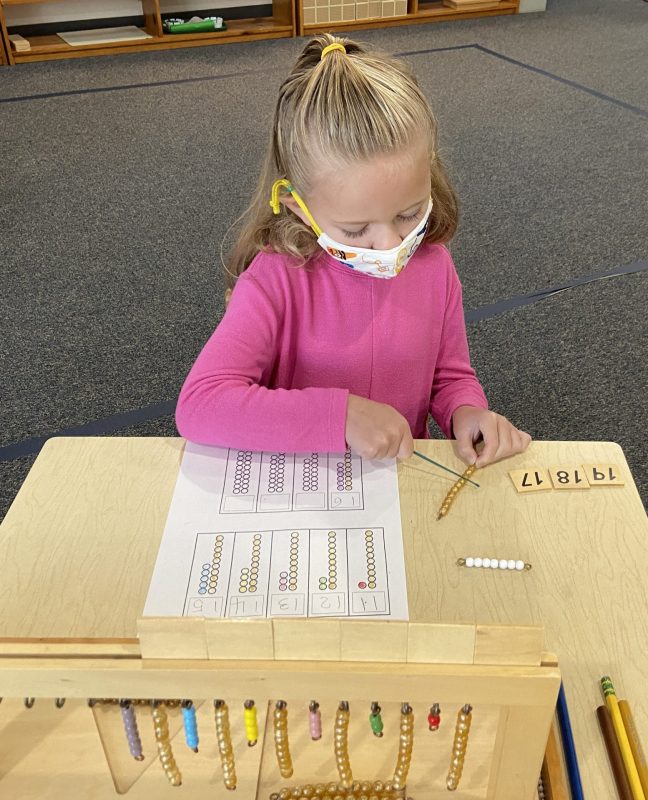
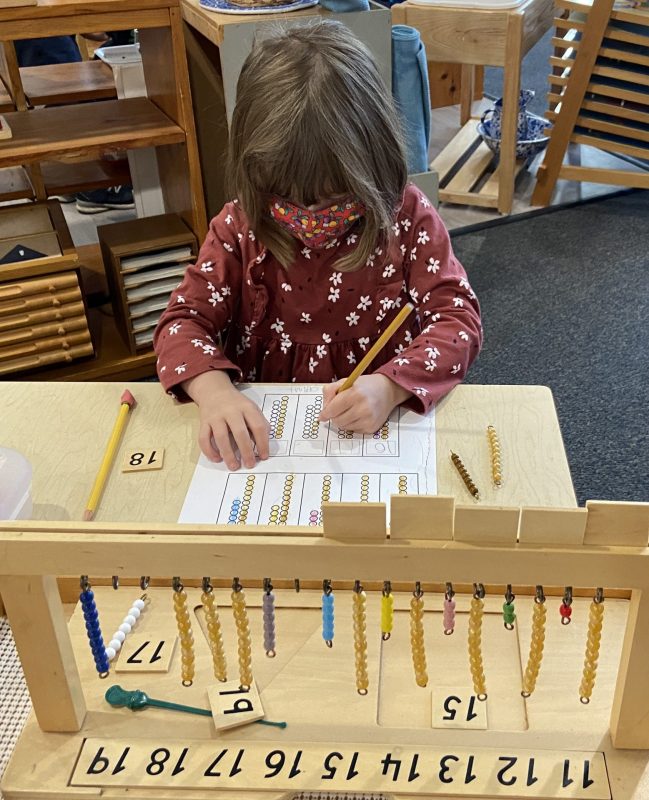
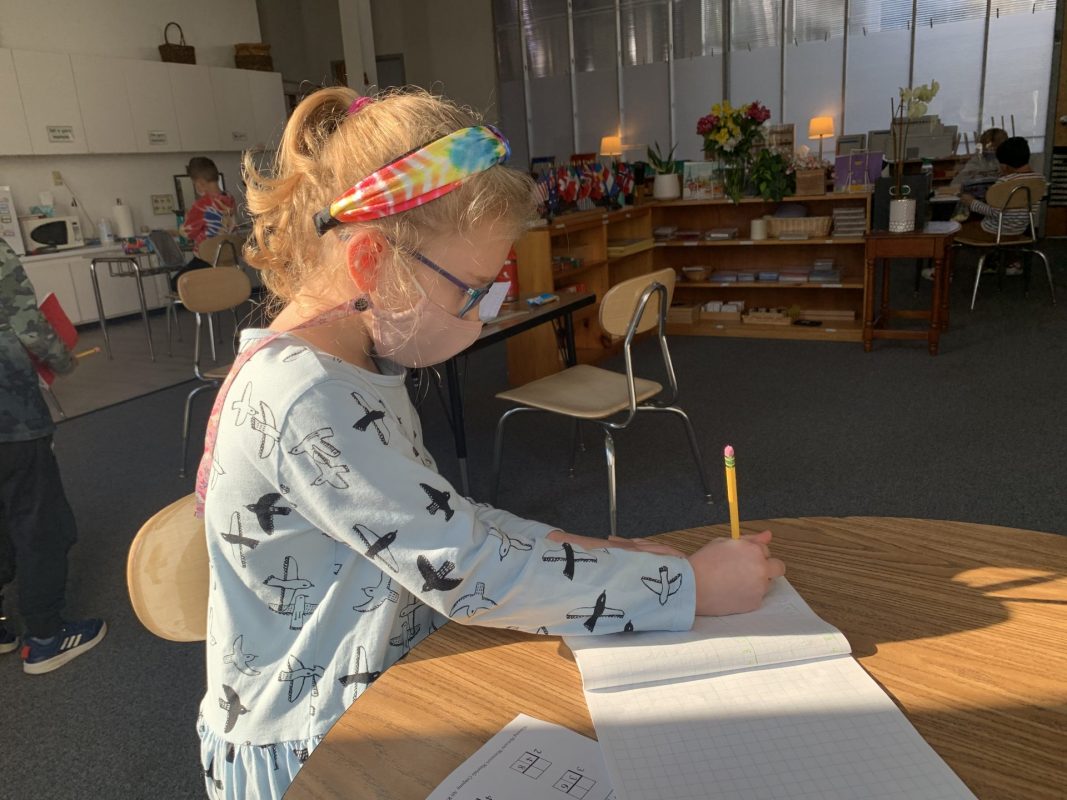
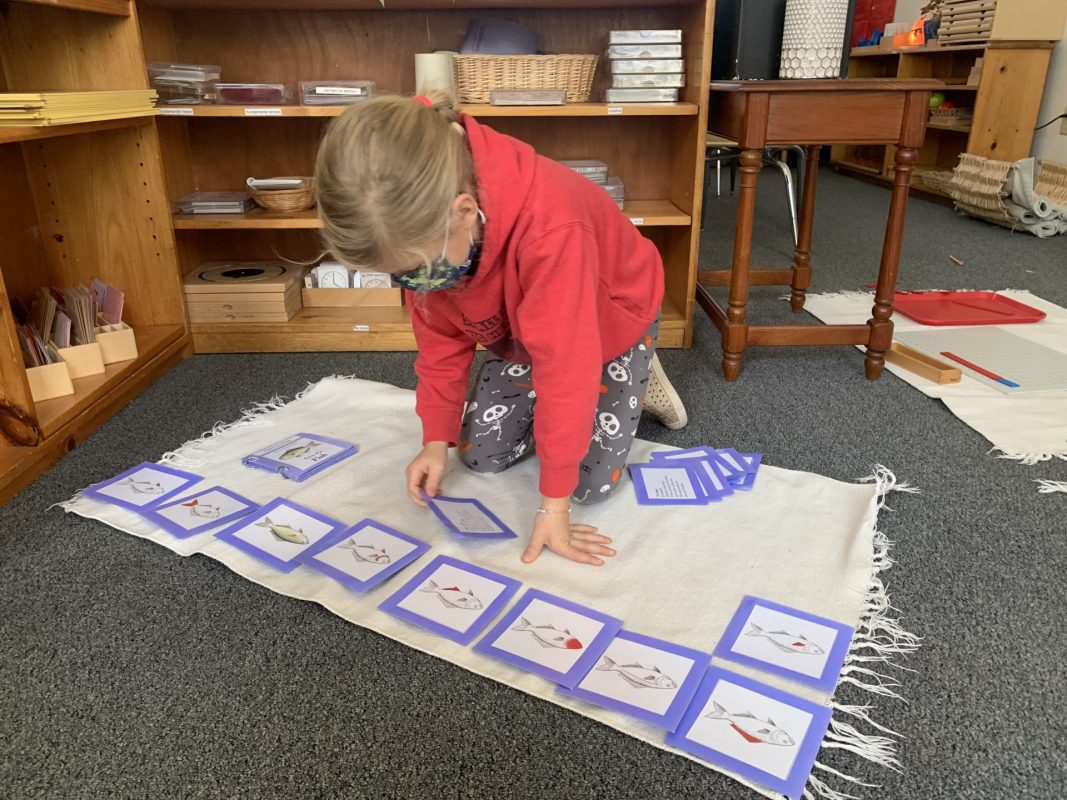
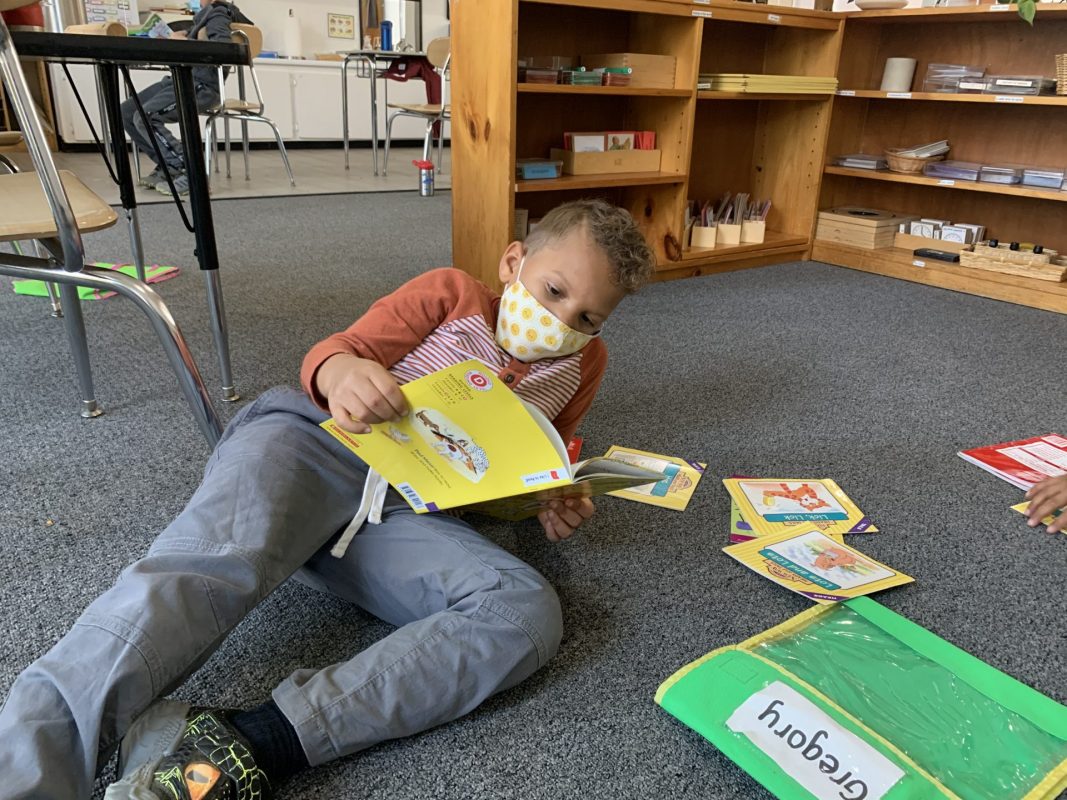
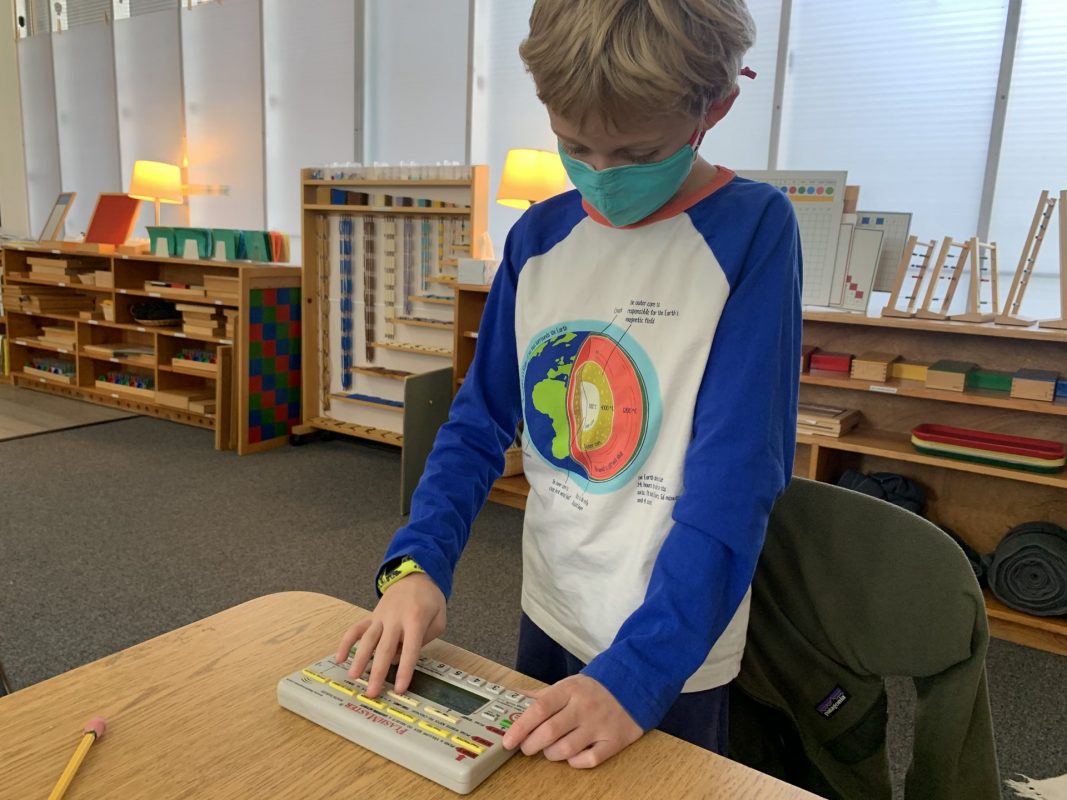
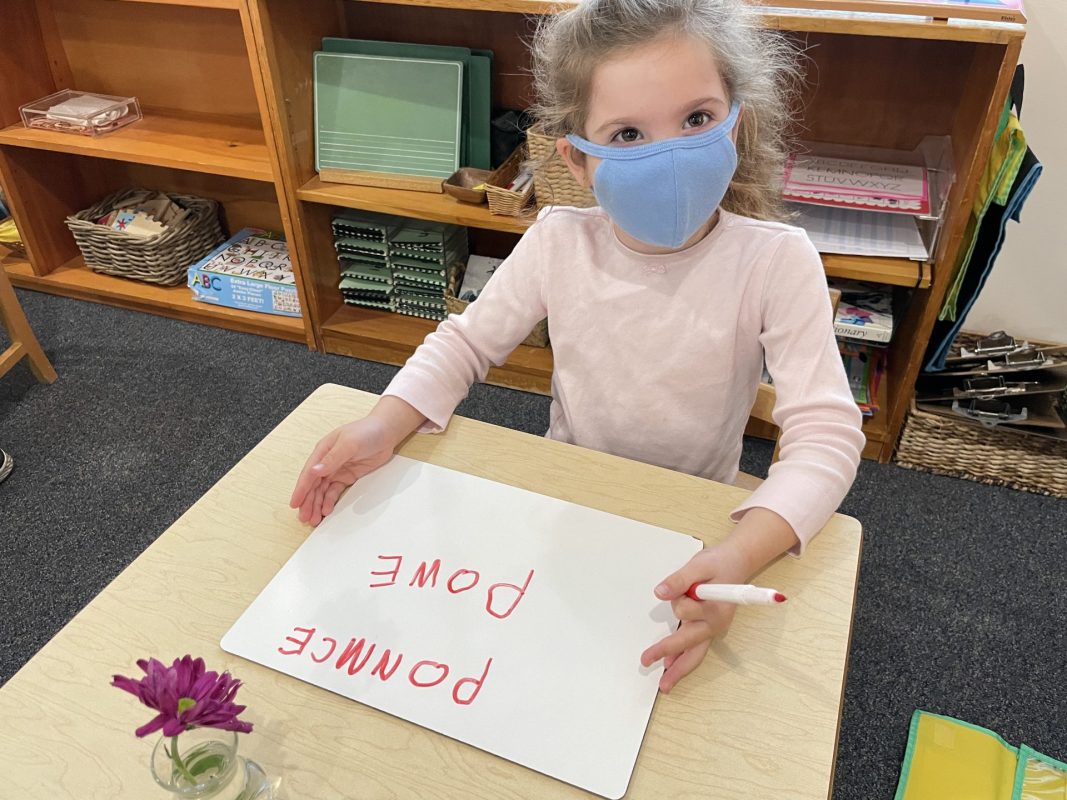
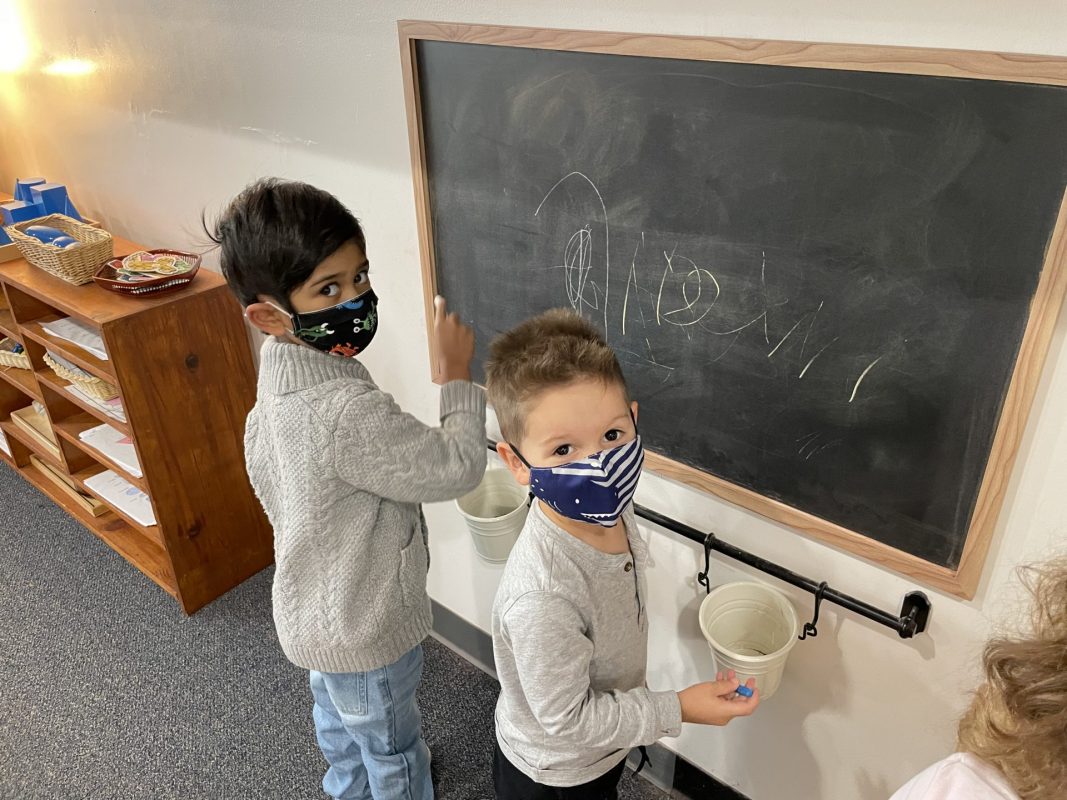
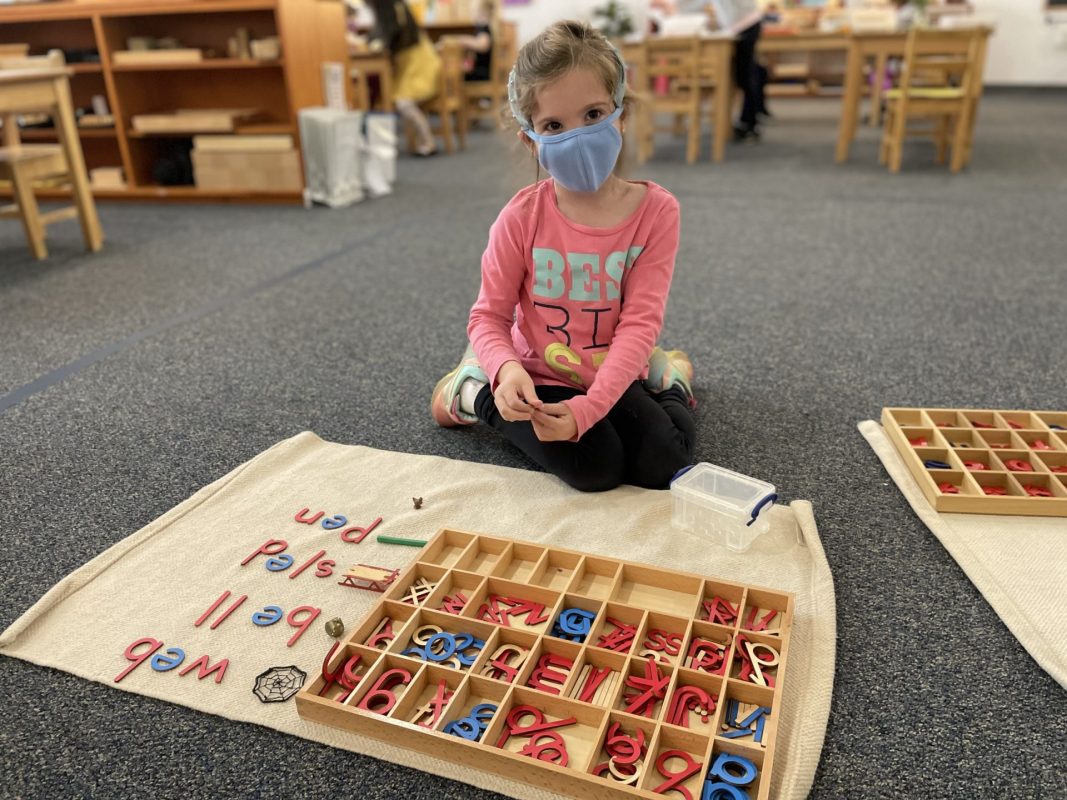
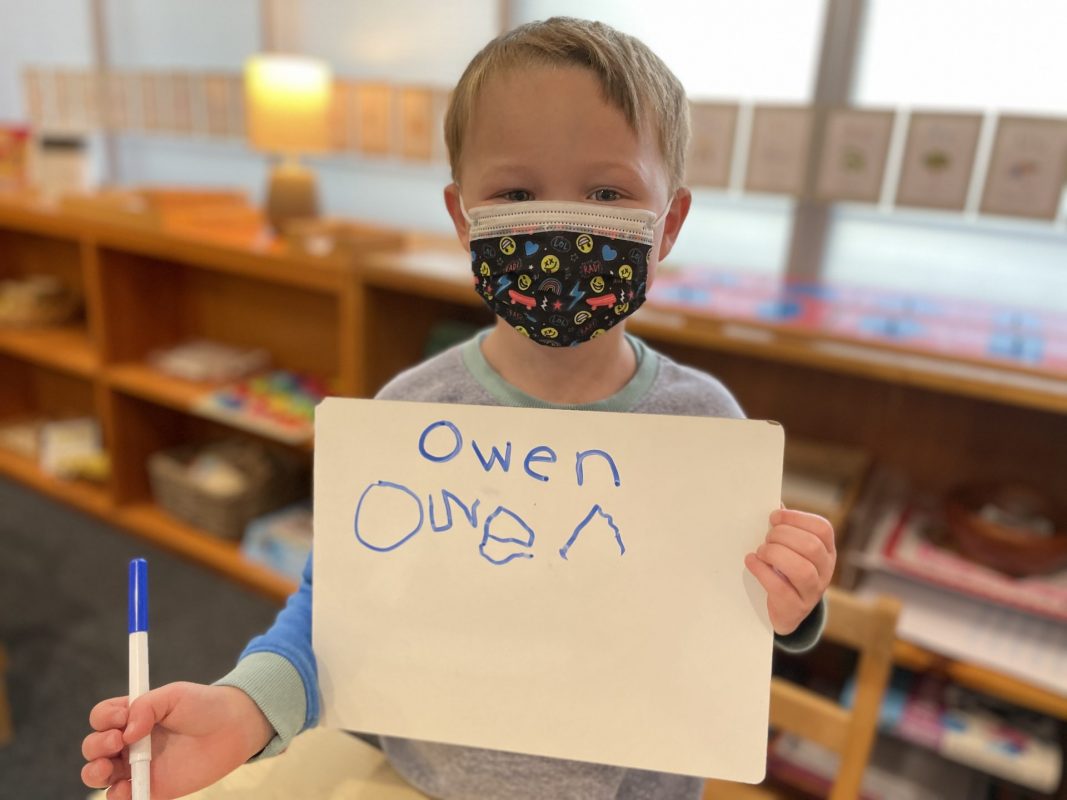
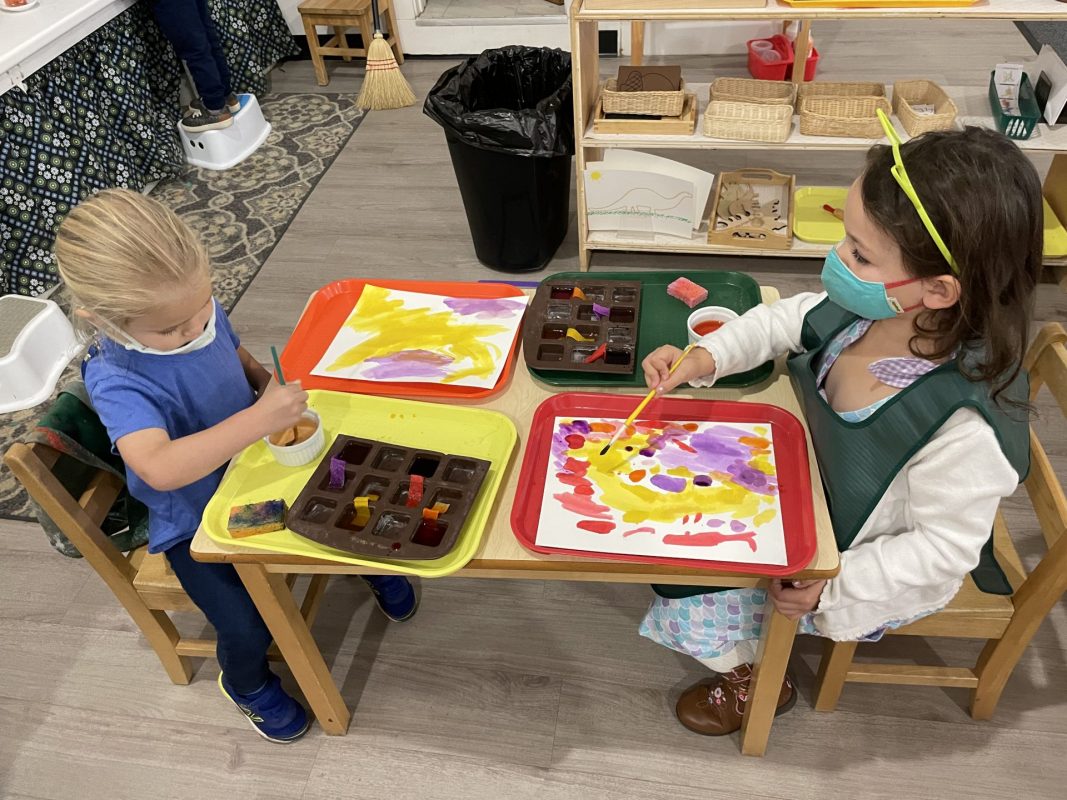
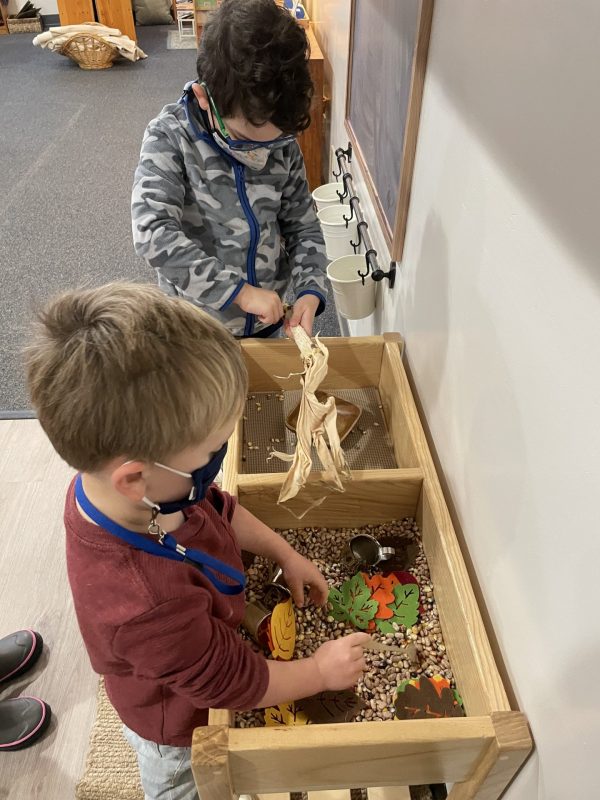
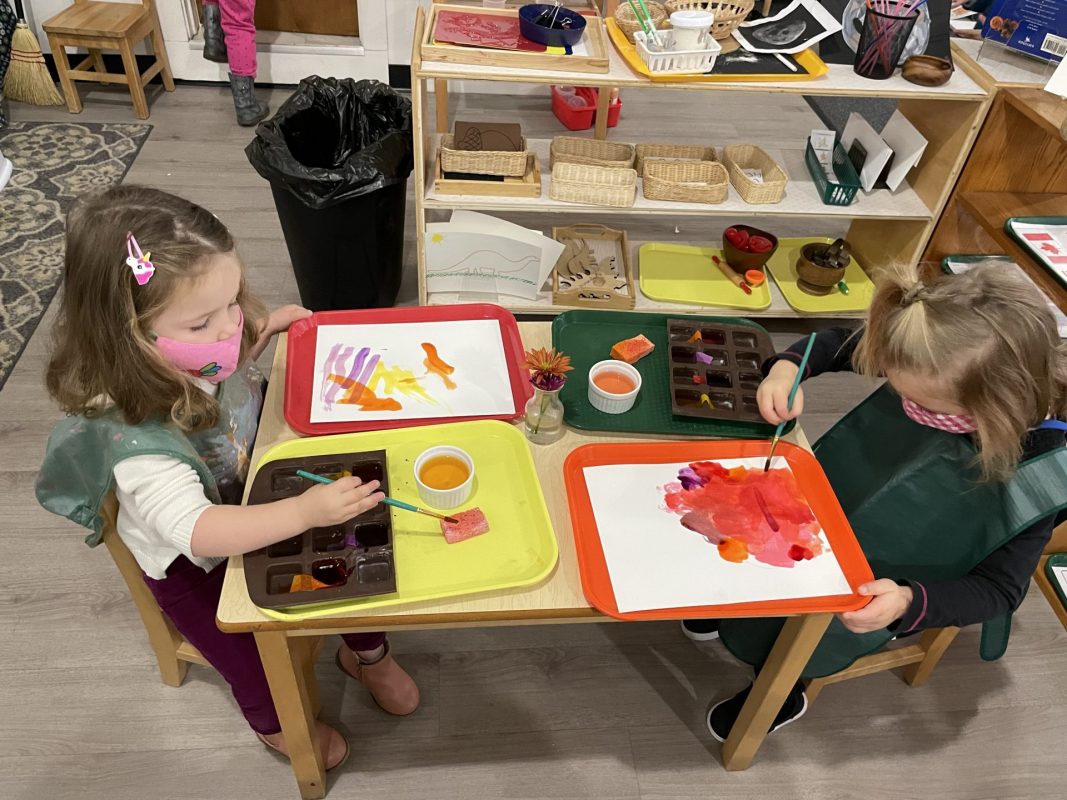
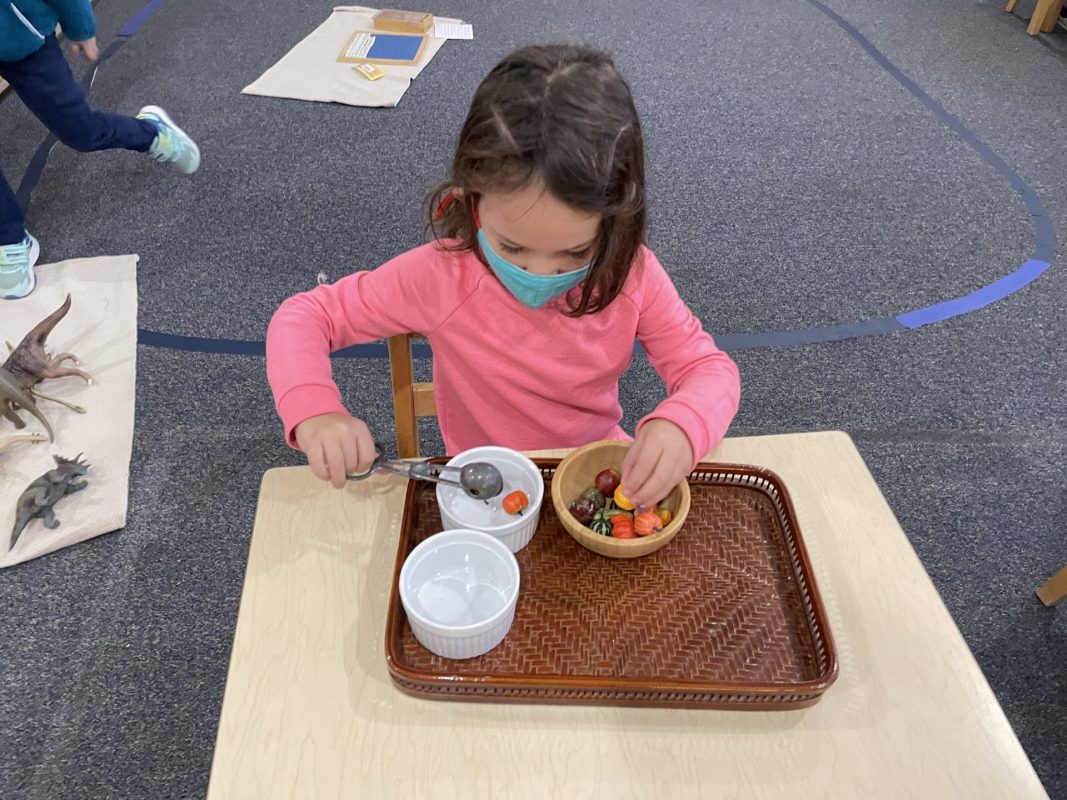
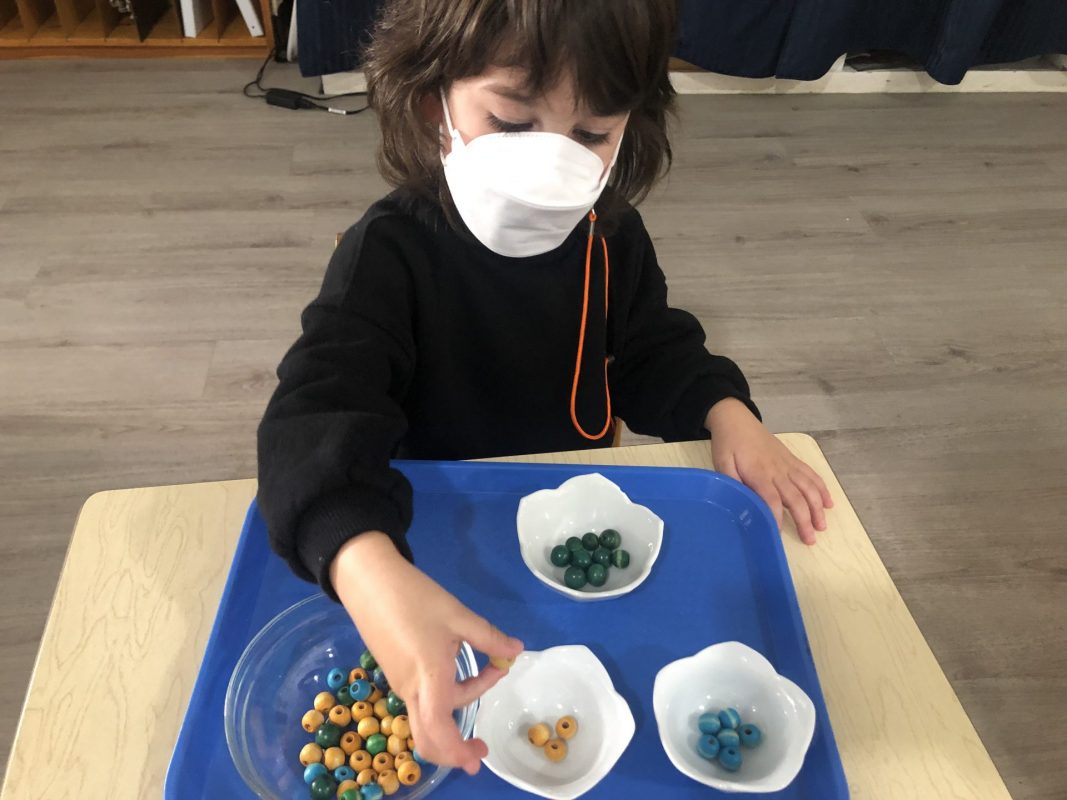
During “work cycle” children independently choose from among those “lessons” throughout the morning. The students are given an uninterrupted period of time to complete that activity and return materials to their proper place once they have finished working with it. The Montessori work cycle teaches children so much. During work cycle, children learn to focus their attention and learn how to complete a task independently or with minimal help. The outcome is children feel a sense of accomplishment with each work cycle they successfully complete.

Each area in a Montessori environment (Math, Language, Culture, Sensorial, and Practical Life) is designed specifically to provide differentiated learning with a curriculum that flows on a continuum so the learning suits the individual needs of each unique student.

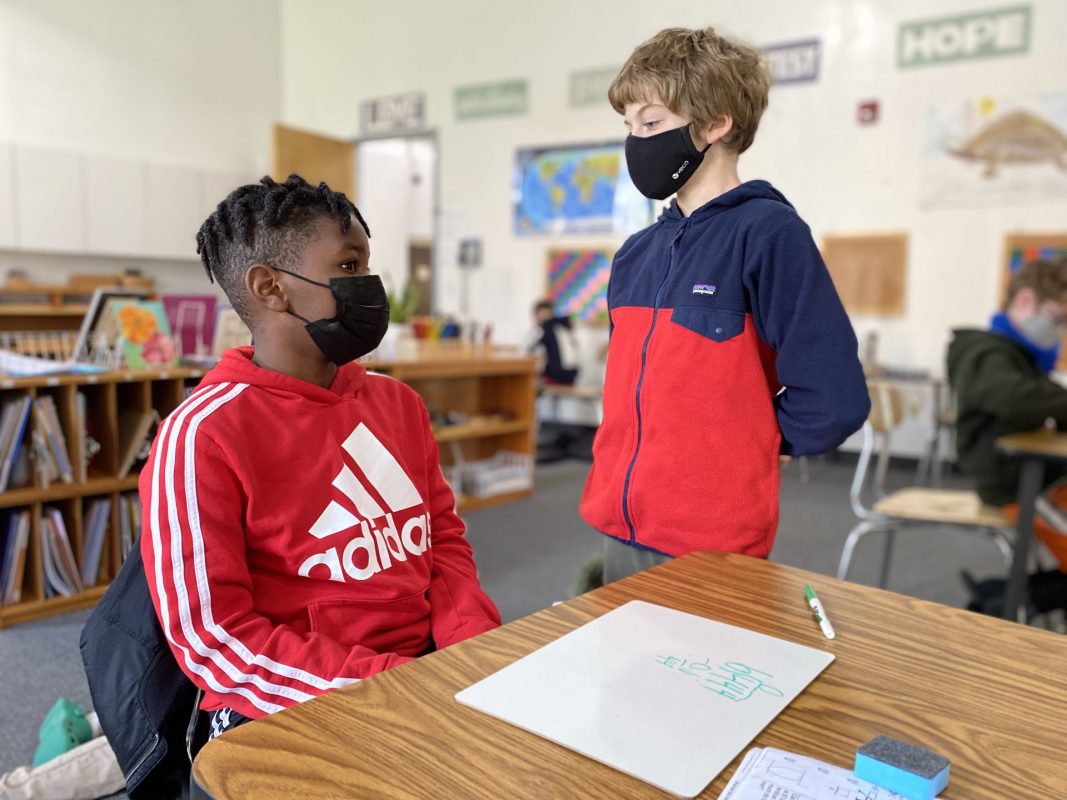
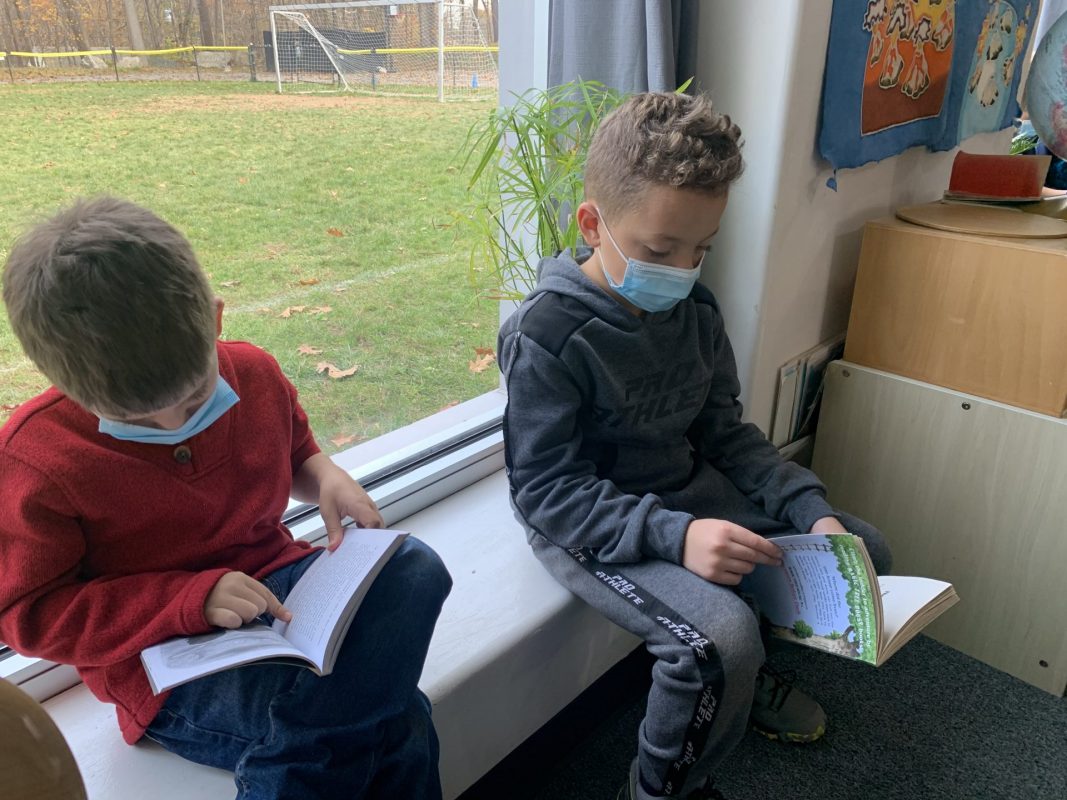
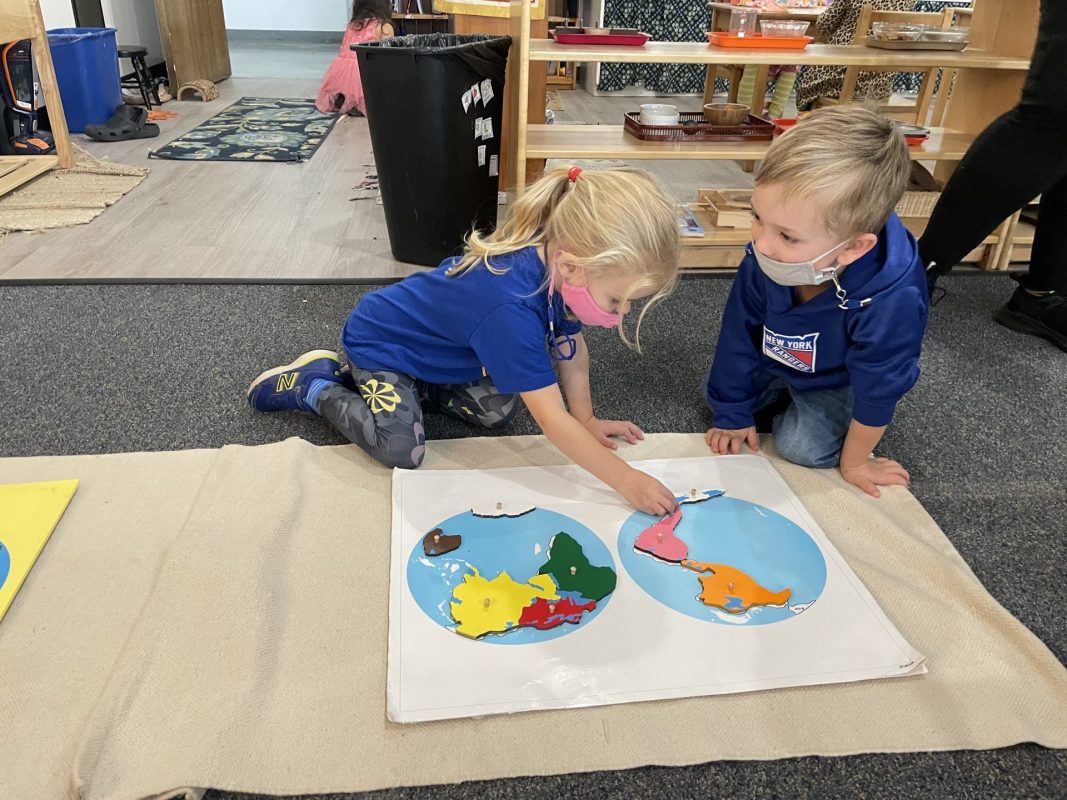
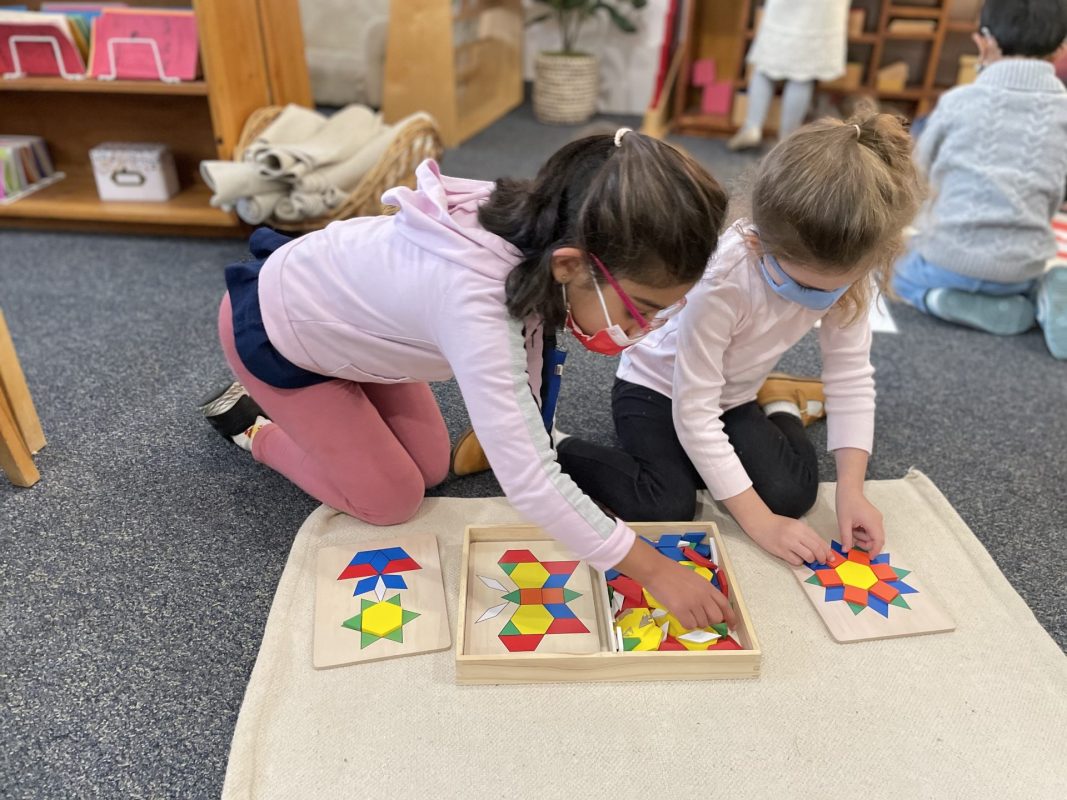
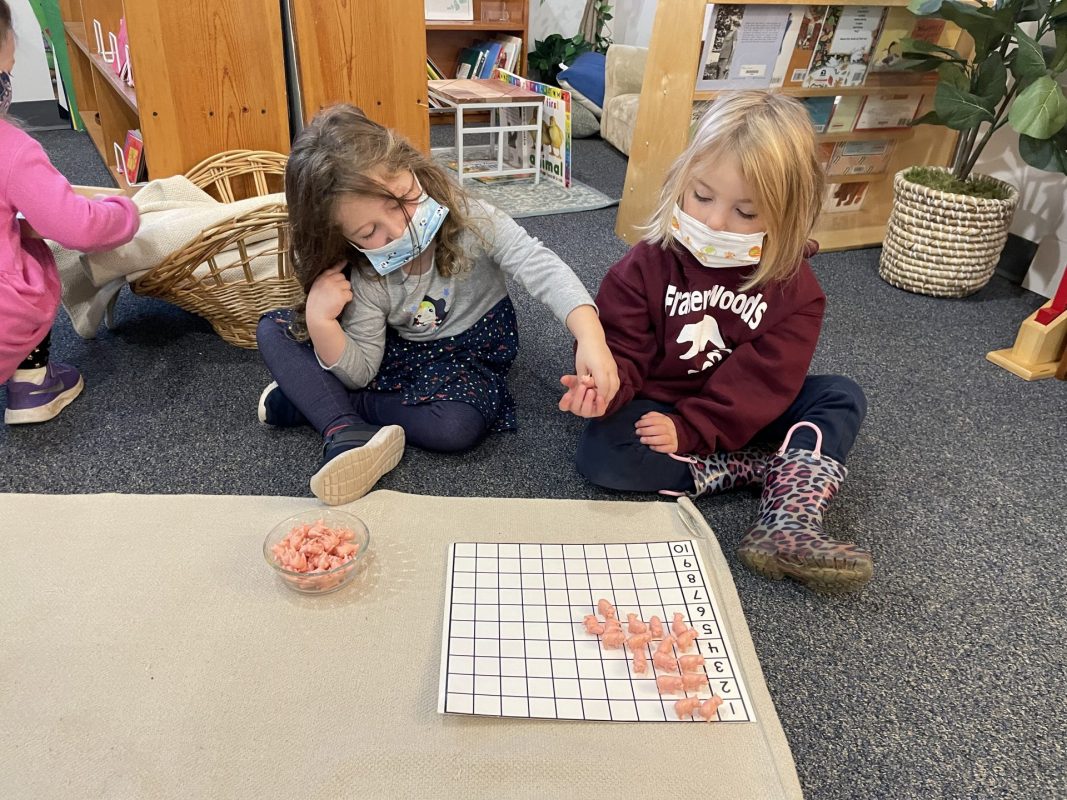
In some areas of the classroom, students conduct hands-on experiments, while other areas of the classroom require children to work together as a group to solve the learning activity. Still, other areas of the classroom are designed for children who prefer to learn independently. When children come into the environment, they are free to explore all areas of the classroom and choose lessons they are most drawn to.  Since all the lessons provide valuable learning opportunities, the children learn no matter which activity they choose.


Middle School: Week in Review

Happy Friday! We hope you enjoy reading about the full week of learning and great work by the Middle School Students!

Science

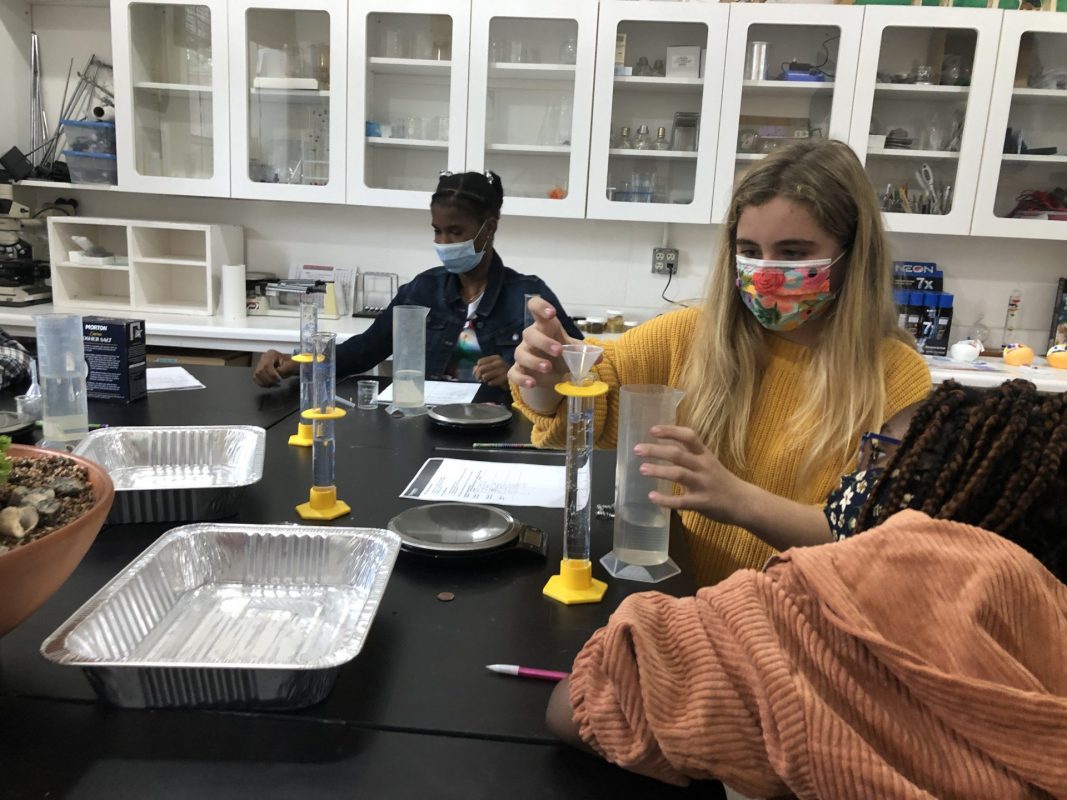
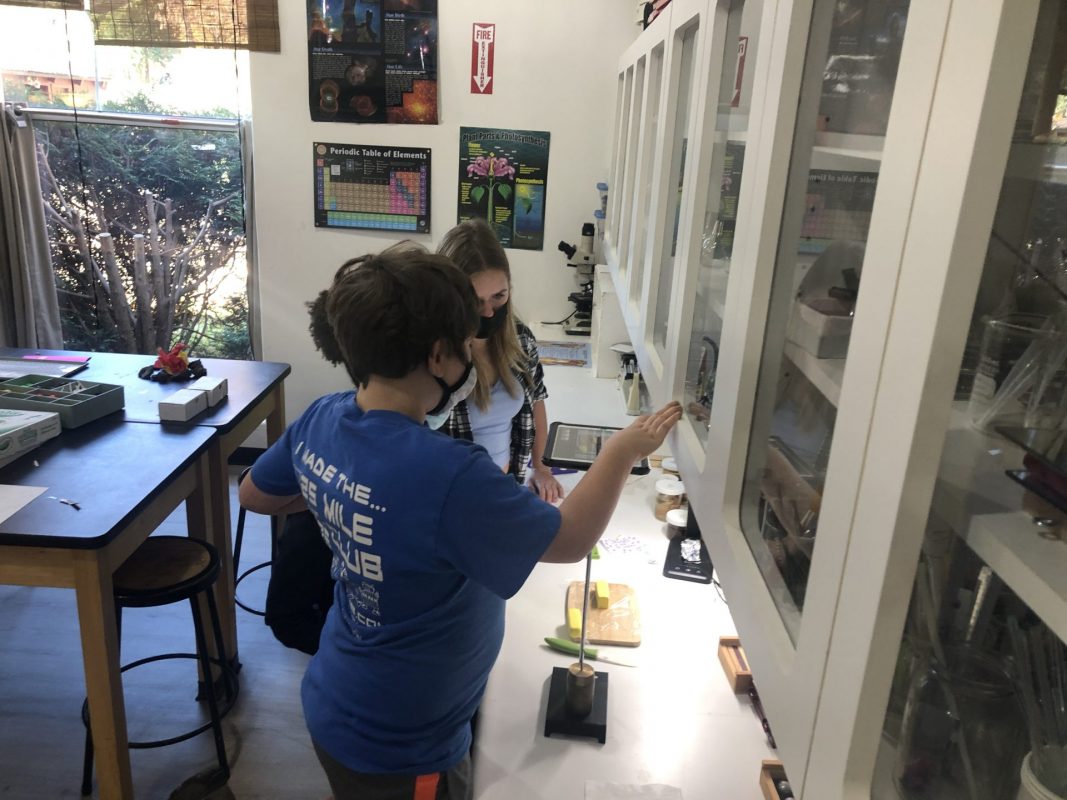
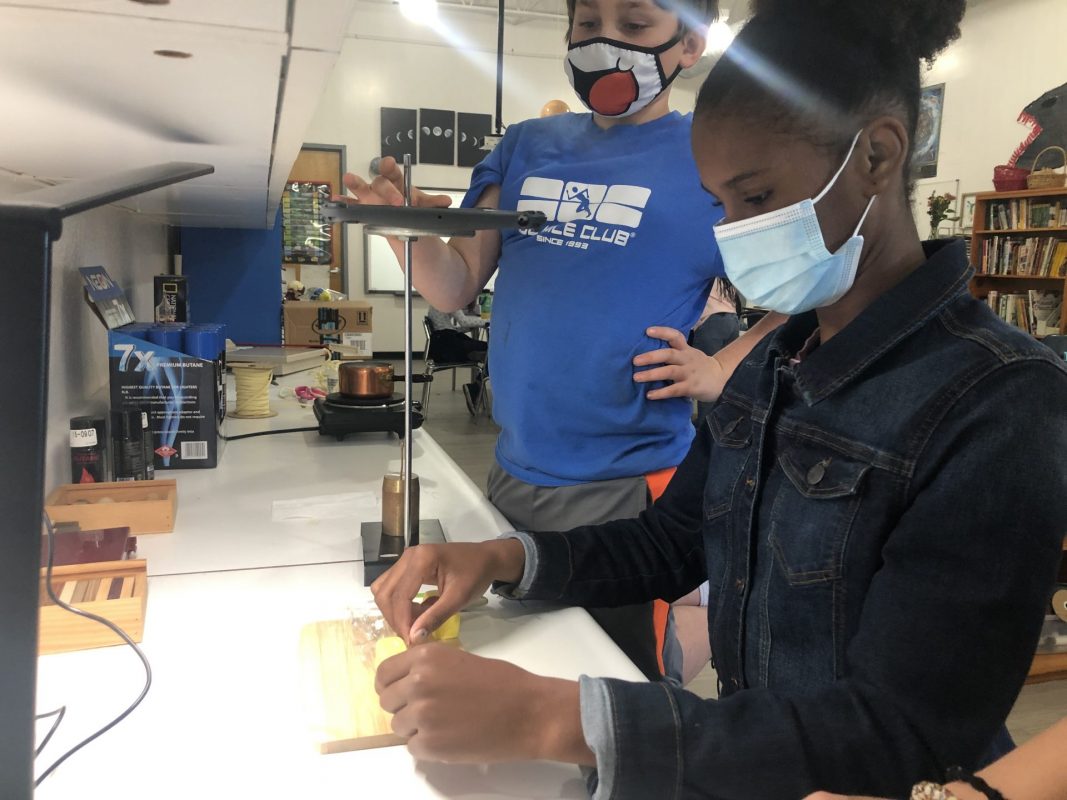
6th year Earth Science students are finishing their unit on Tectonic Plates. Throughout this week, students have continued to apply their knowledge of the rock cycle as it relates to tectonic plate activity. Students were asked to hypothesize how tectonic plates play a role in the development of the rock cycle. After sharing their hypothesis, each student conducted research to either support or disprove their own theory.

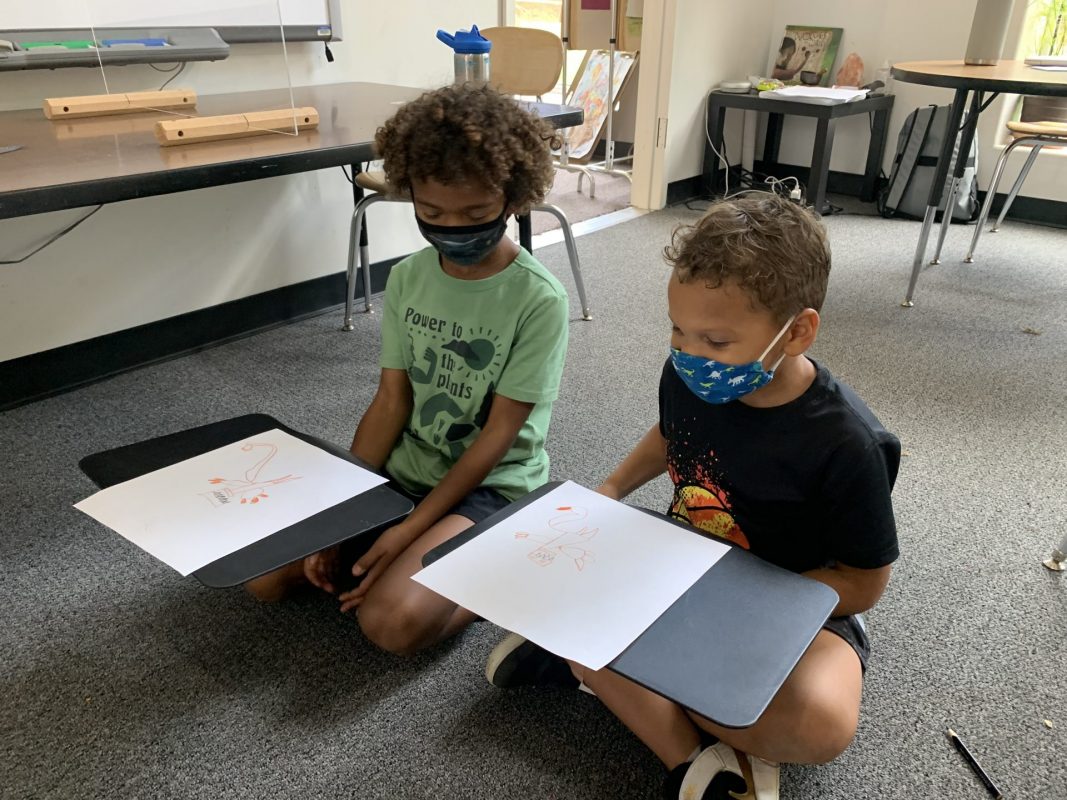
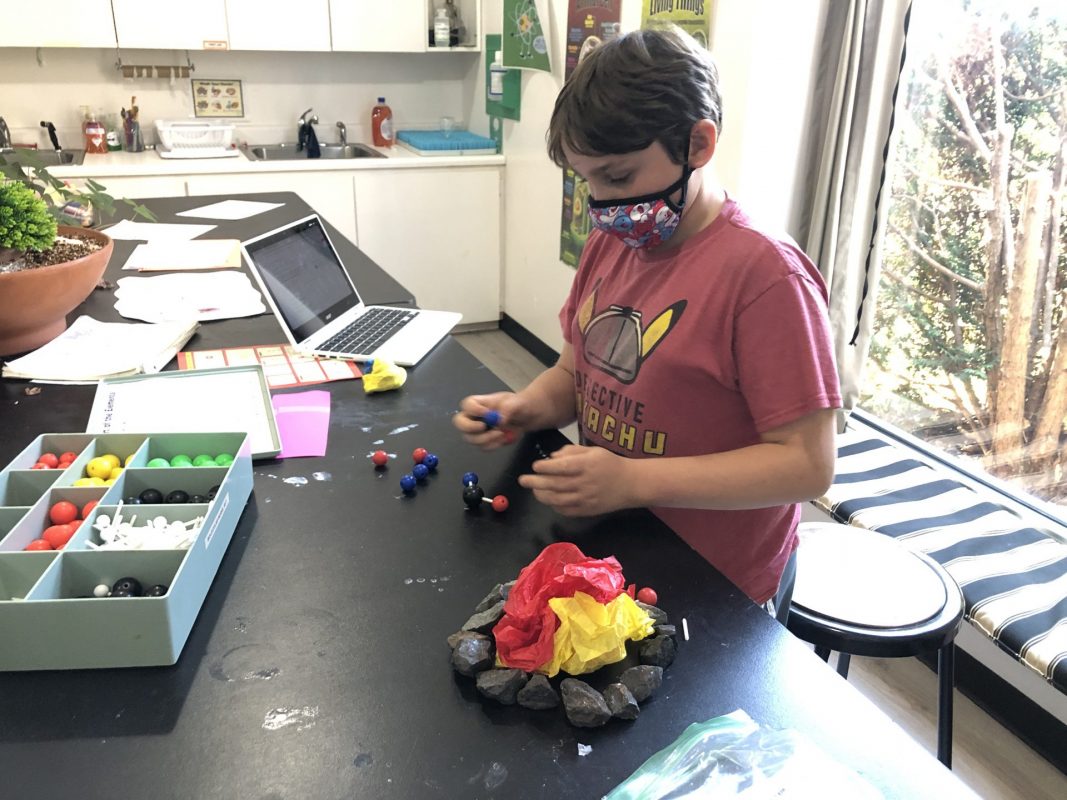
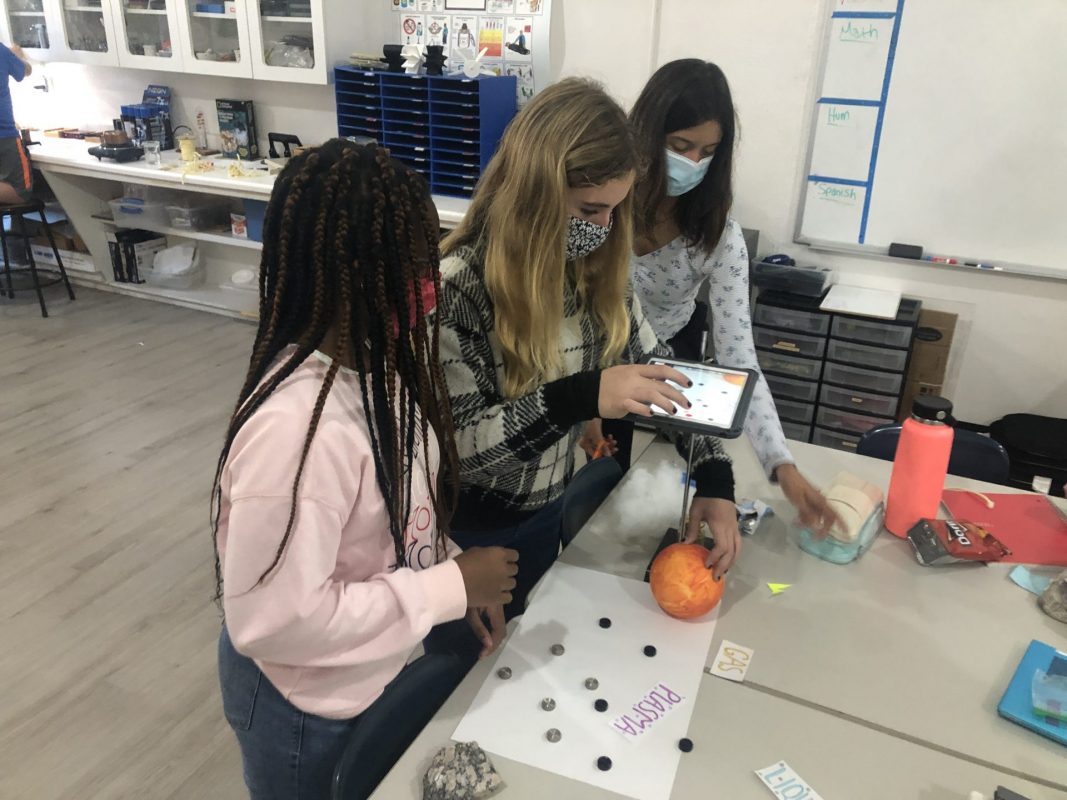
7th year Physical Science students have finished designing and producing their stop motion videos depicting States of Matter. Each group of students was required to plan and carry out their ideas which artistically represented the transition between solids, liquids, gases, and plasma. Students were to include each state’s molecular arrangement, thermal energy as it relates to potential energy, and whether or not a definite shape and volume are recorded. After students finished their videos, they reflected on areas of their work they felt went as planned and those that can be improved upon moving forward.
8th year Life Science students also finished their stop motion video on Cellular Respiration. With cellular respiration being a rather extensive sequence, the objective students were to represent in their video was the sequence of each phase transition between glycolysis, citric acid cycle, and electron transport chain. Each phase was to include the input and outputs of each. Our next unit will be Meiosis and Mitosis.
Math
In Transition class, students concluded their learning for Chapter 3 titled, Representing Numbers. This class has moved onto learning Chapter 5 and are excited to learn about absolute values, adding integers, and solving single-step equations.
In Algebra class, students continued to learn more about linear equations and linear inequalities. Students practiced graphing vertical and horizontal lines on a coordinate plane, solving equations with a variable on both sides of the problem, as well as finding percentages of a total quantity.
In Geometry class, students began working through Chapter 4 and are studying transformations in space. This class is continuing to practice how to draw a reflection over parallel and intersecting line segments. This group can also find the new coordinates of a figure after a reflection, rotation, or magnification is performed.
Math Joke: Why do plants dislike math?…….Because it gives them square roots.
Humanities
6th grade Humanities students finished their class novel, Out of My Mind. With an action-packed week of reading, they successfully participated in insightful book discussion and completed written work associated with the novel. It was great to have the students become so invested in their novel! They also completed a unit of vocabulary this week.
7th grade Humanities students began the week wrapping up their current events from last Friday. With such important topics and a class that has respectful and profound discussions, it is always exciting to watch and listen to them engage and learn from each other. Next, students have been discussing culture, specifically how it relates to our country and also China, as we finish up our learning about the country. What makes a culture? How does culture change? What happens when it does? We looked at traditional vs. modern culture. Additionally, they completed an assignment analyzing the poems, “A Prayer for the 21st Century” by James Marsden and the lyrics from Bob Dylan’s, “Forever Young”. Finally, students completed a unit of vocabulary.
8th grade Humanities class also began the week wrapping up current events presentations from last Friday. Similarly to the 7th grade class, they had excellent topics that elicited good discussion and inquiry.  Students had respectful conversation that was great to listen to. Next, students completed research to share with the class next week about a few Pre-Contact Civilizations from the Americas: Incas, The Mayan Empire, Aztecs, Mississippians, Ancestral Puebloans (Anasazi), and Olmec. Additionally, students began looking at the genre of personal narratives by reading and responding to two essays, “Plate of Peas” by Rick Beyer and “Mississippi Mud” by Jessica Piper. Finally, students completed a unit of vocabulary.
Have a wonderful weekend!
Upper El Week Nine

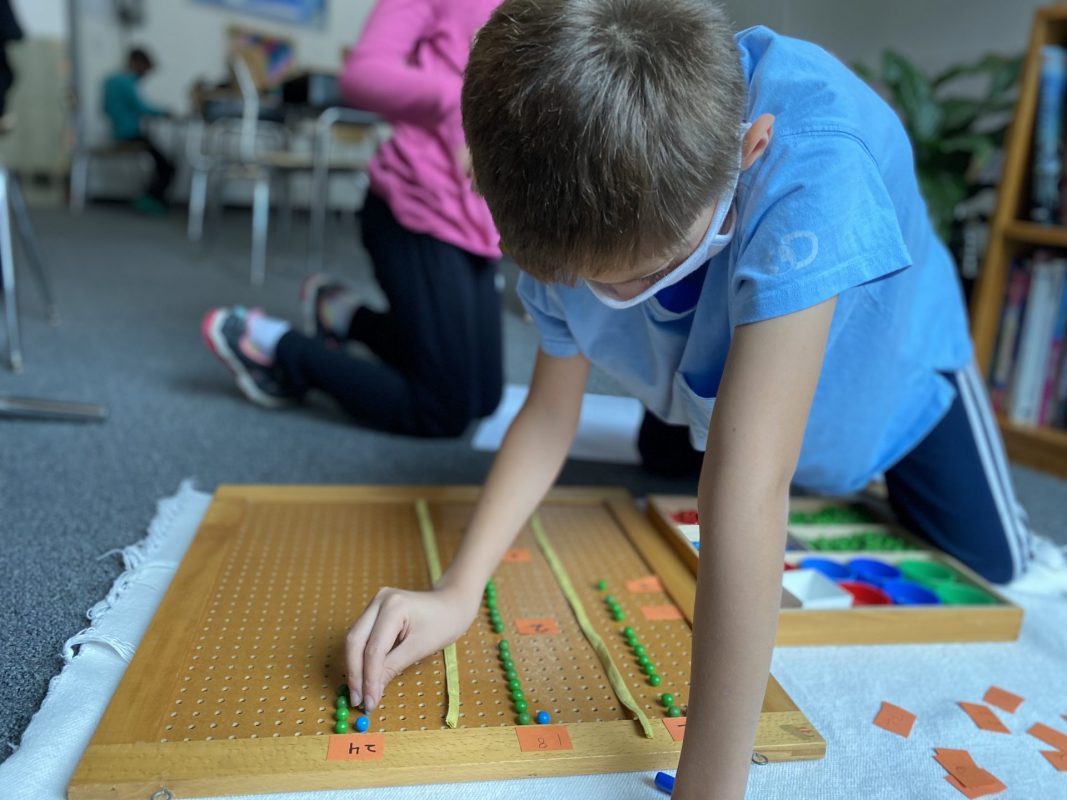
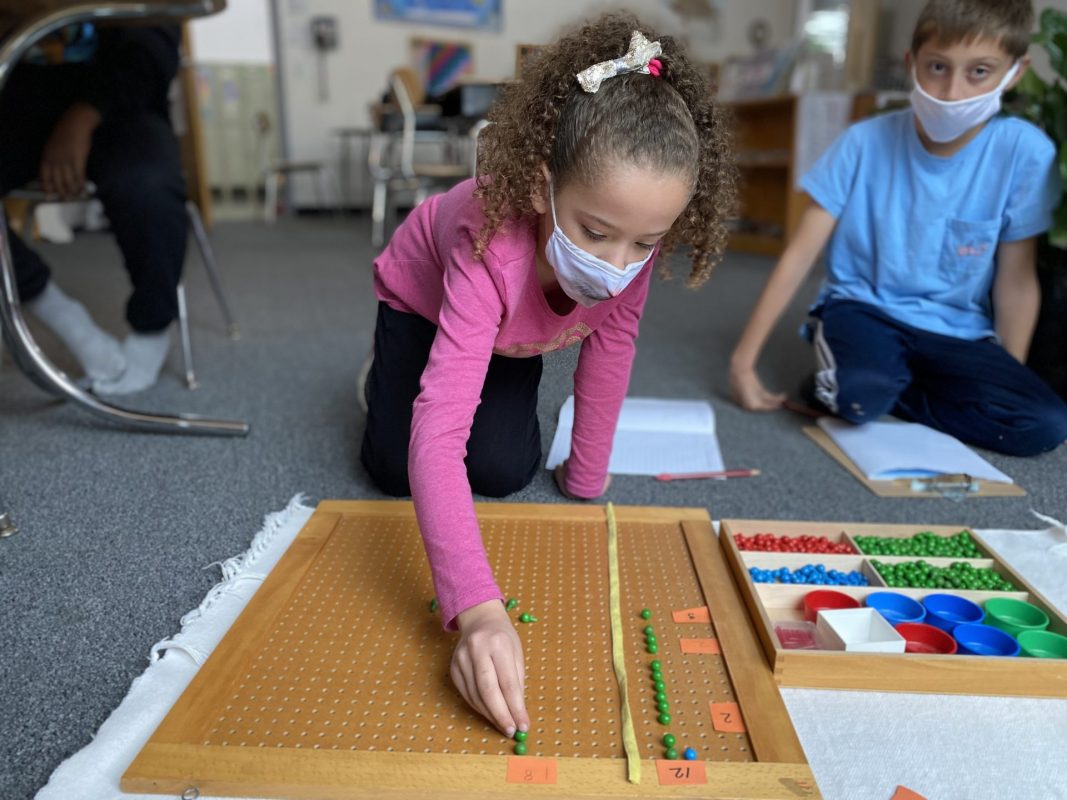
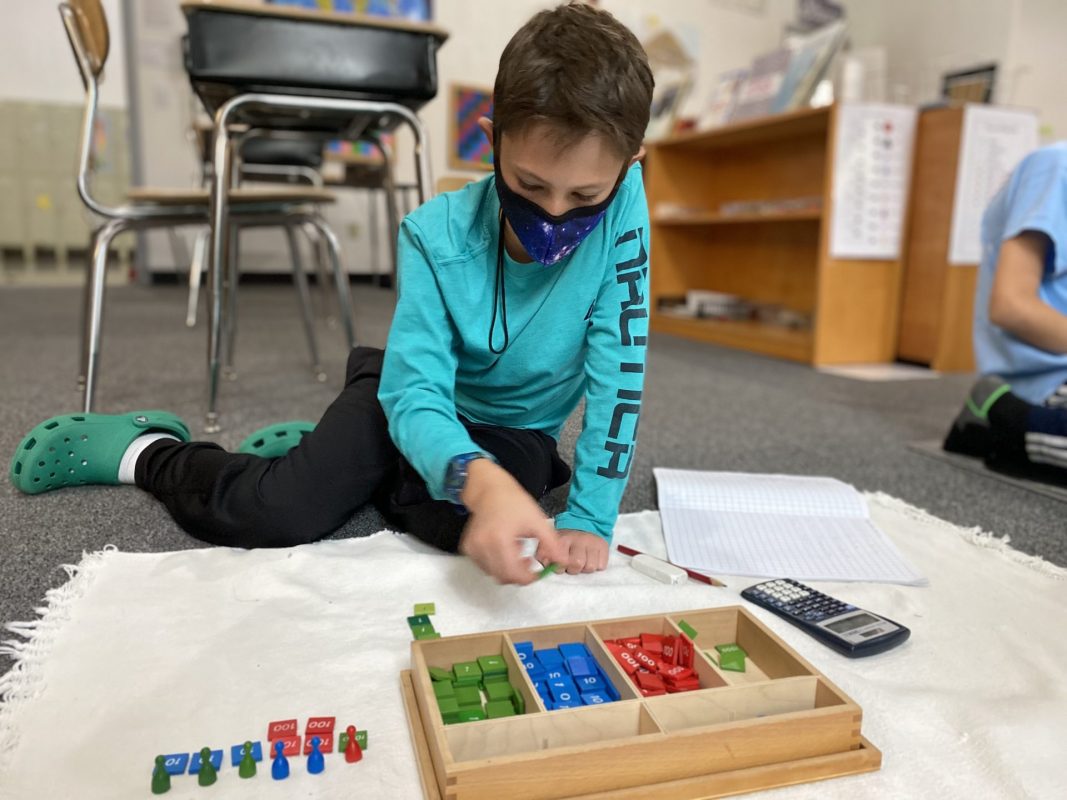
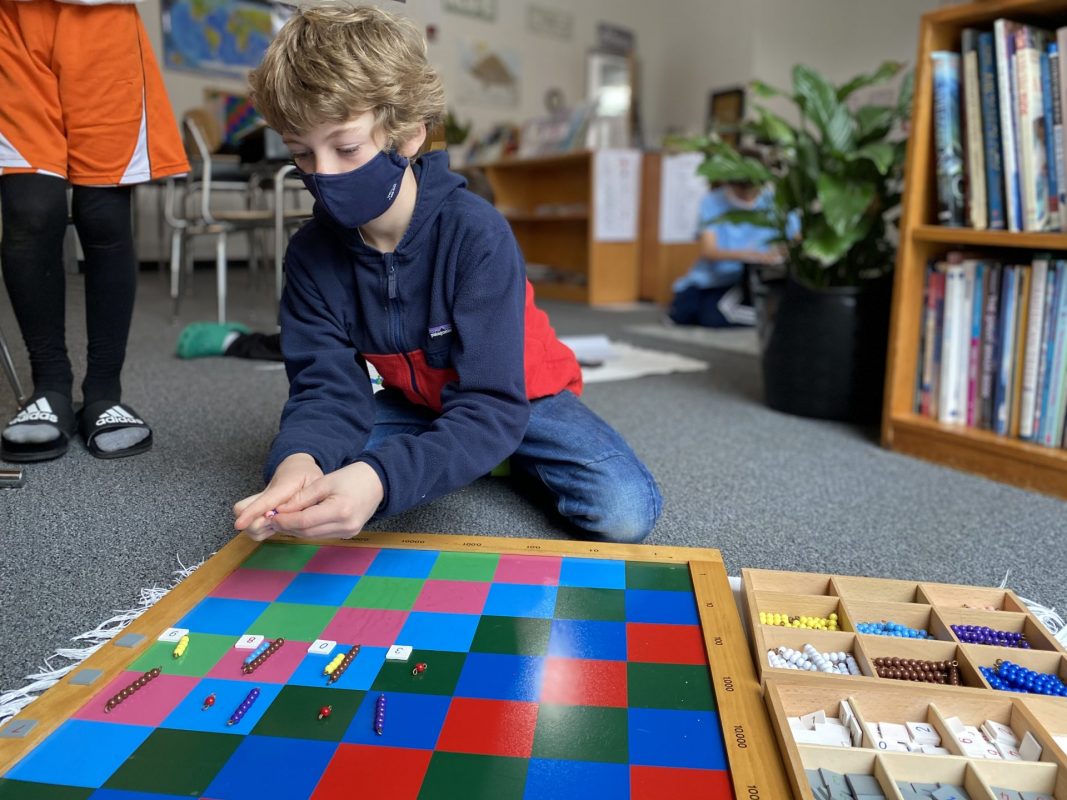
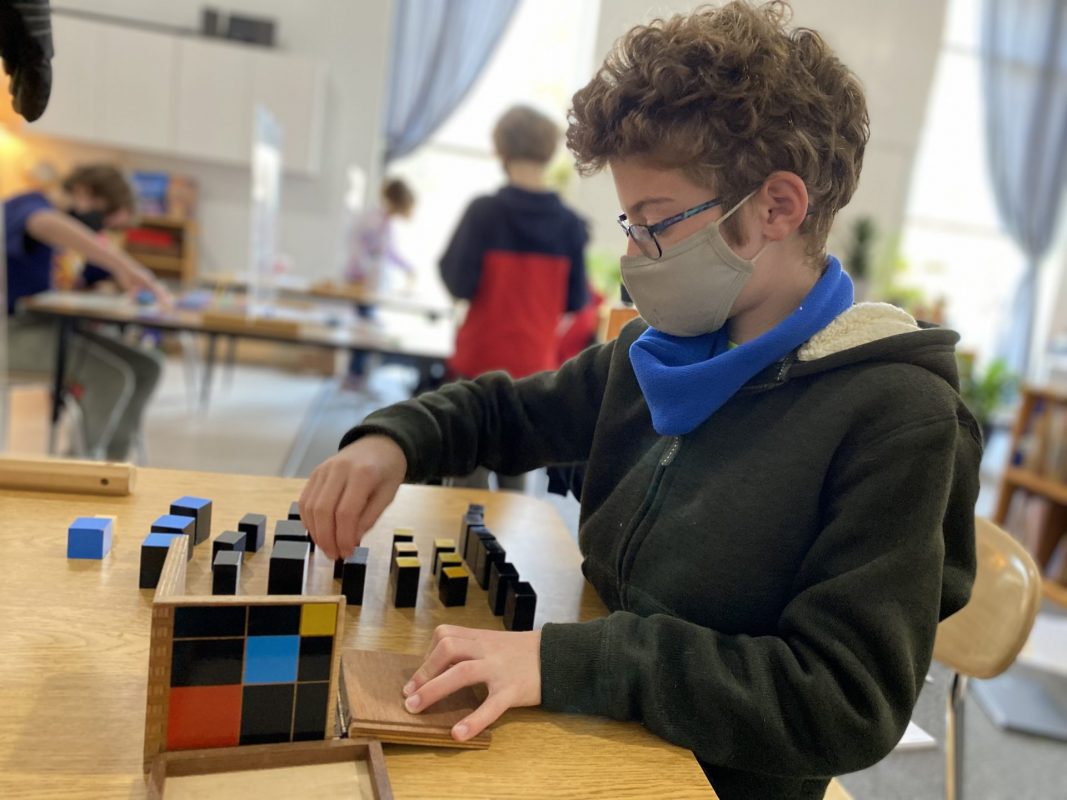
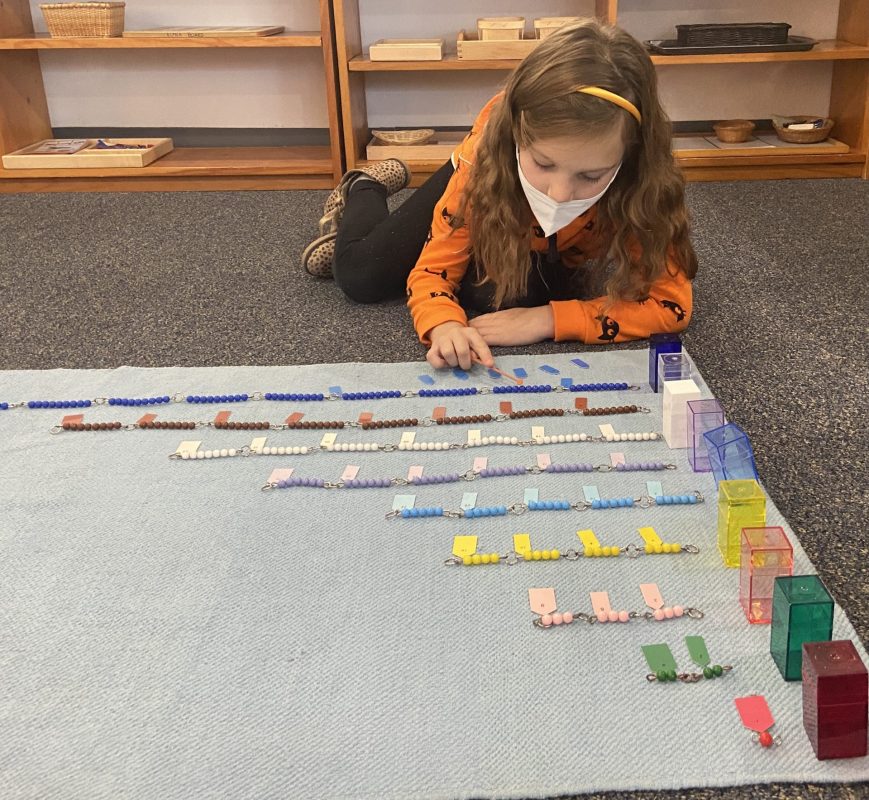
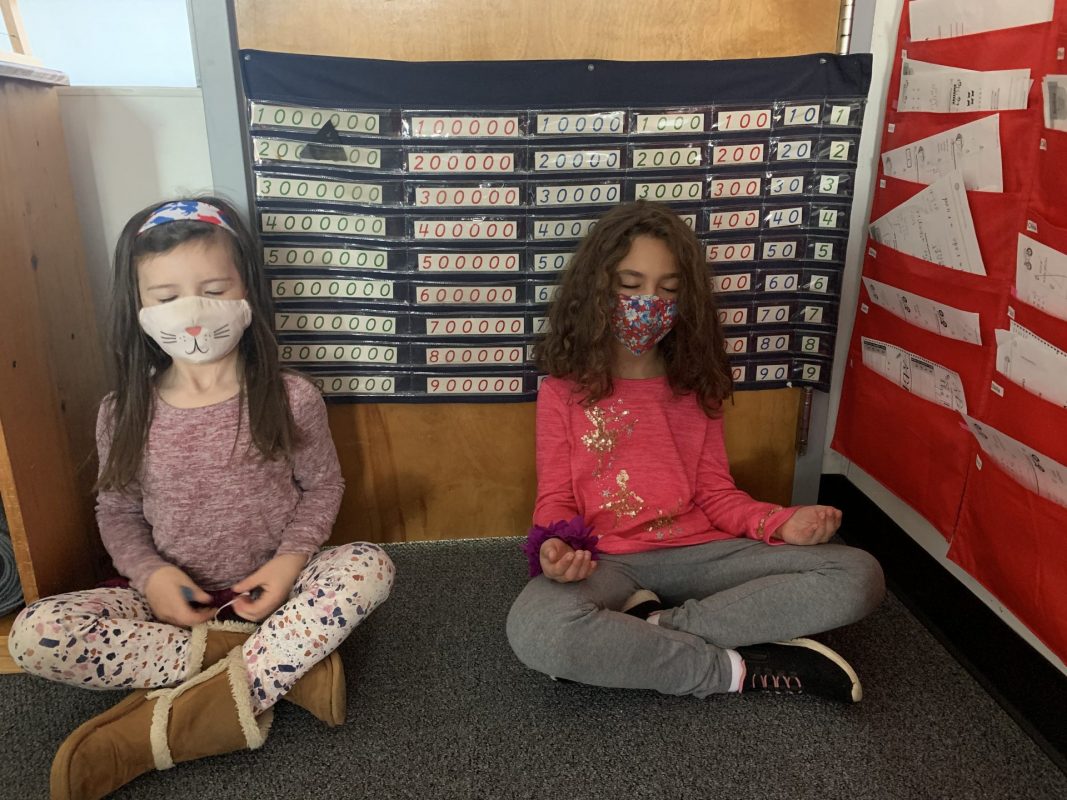
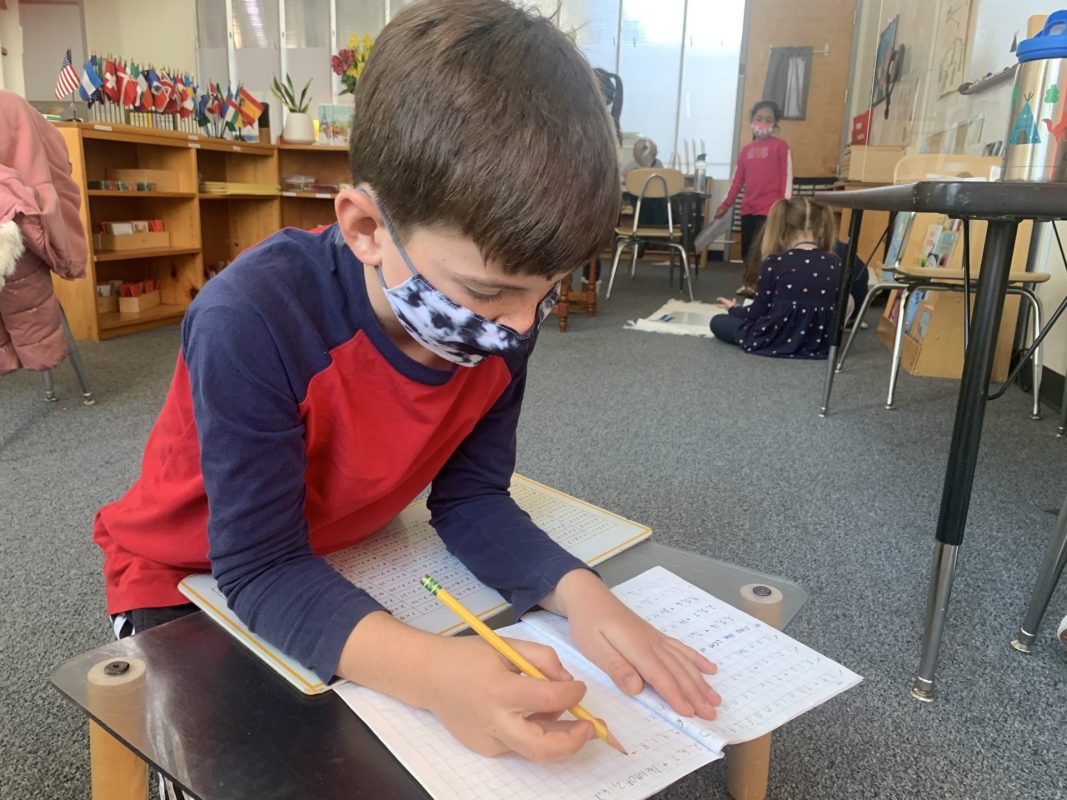
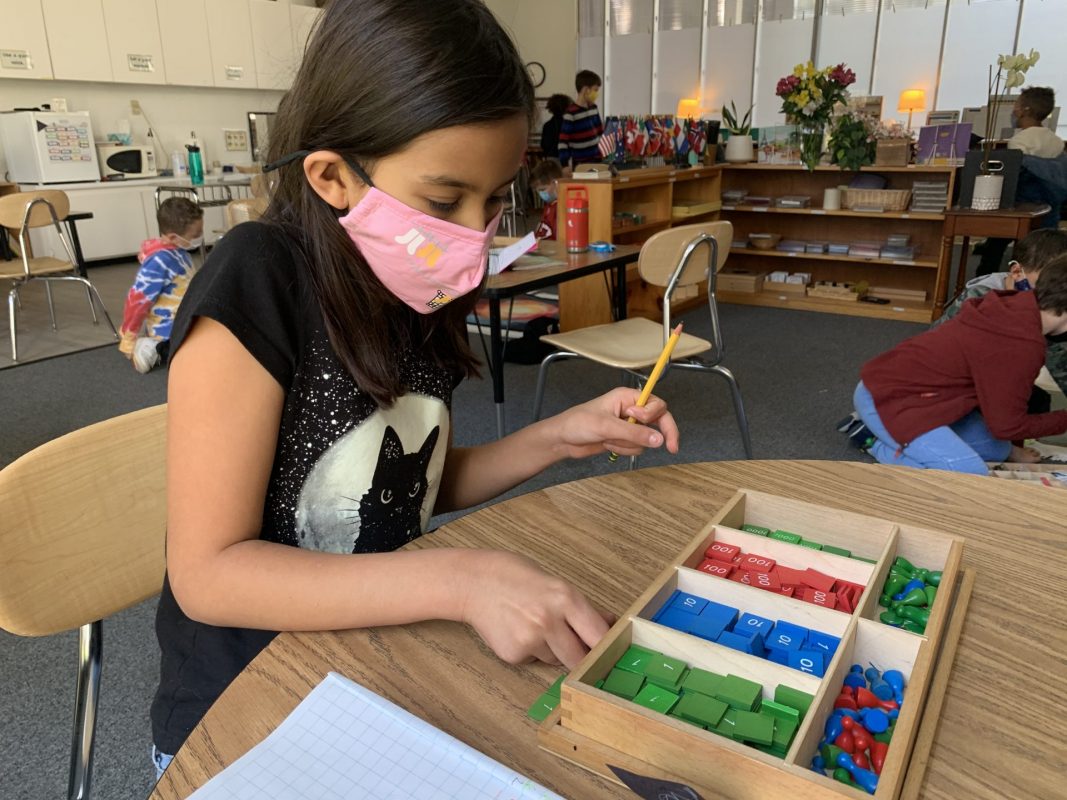
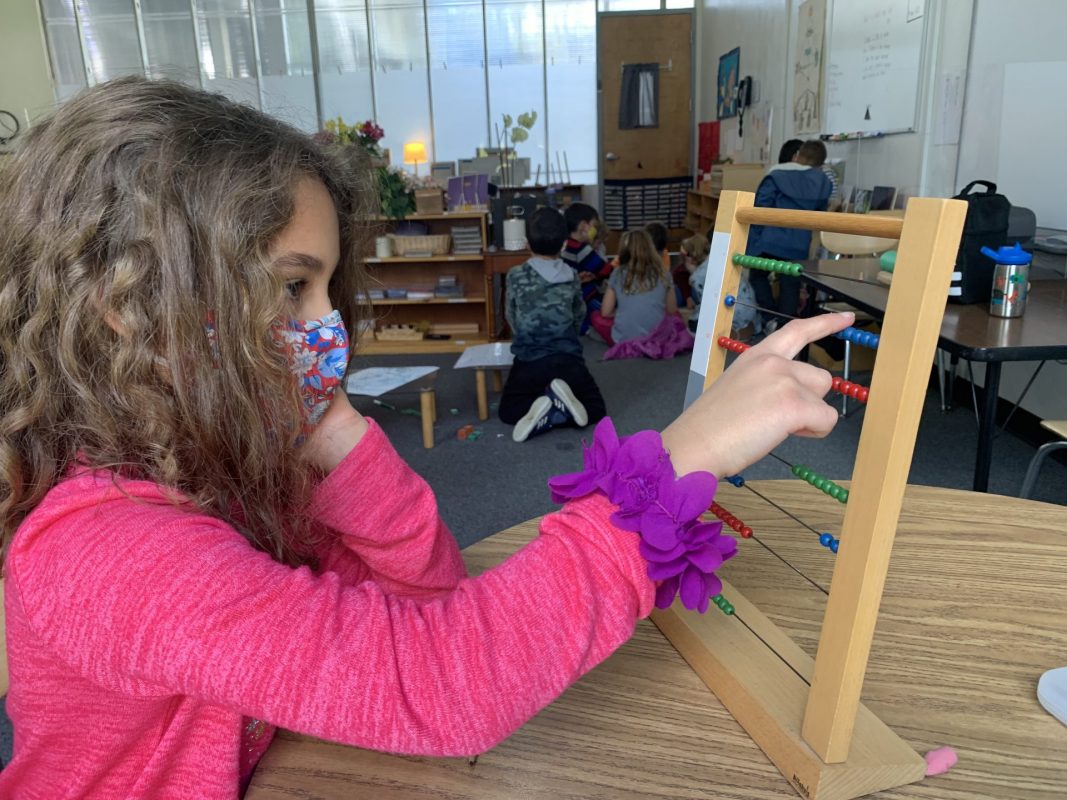
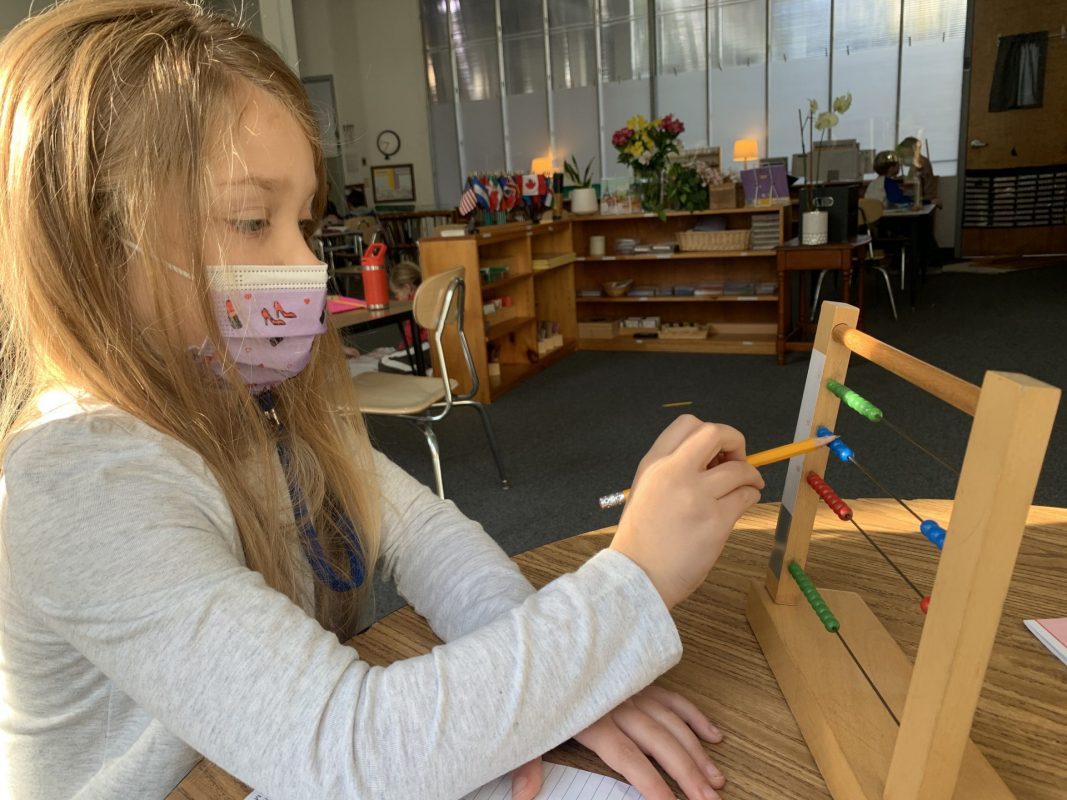
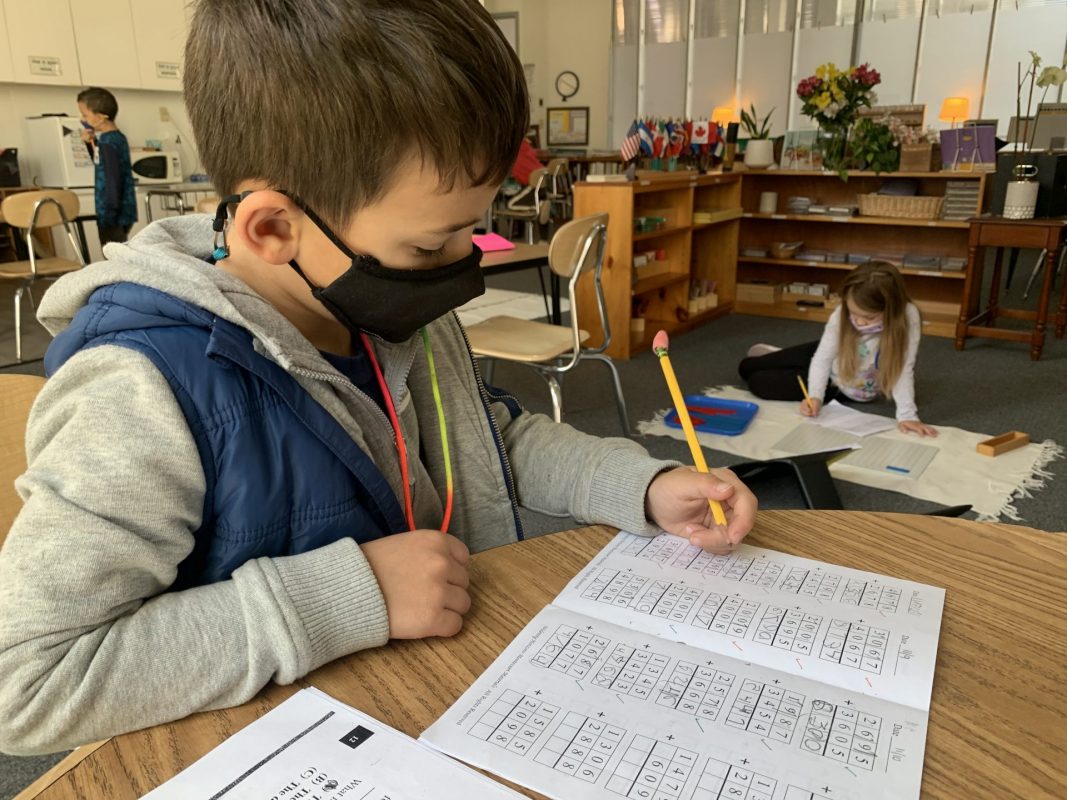
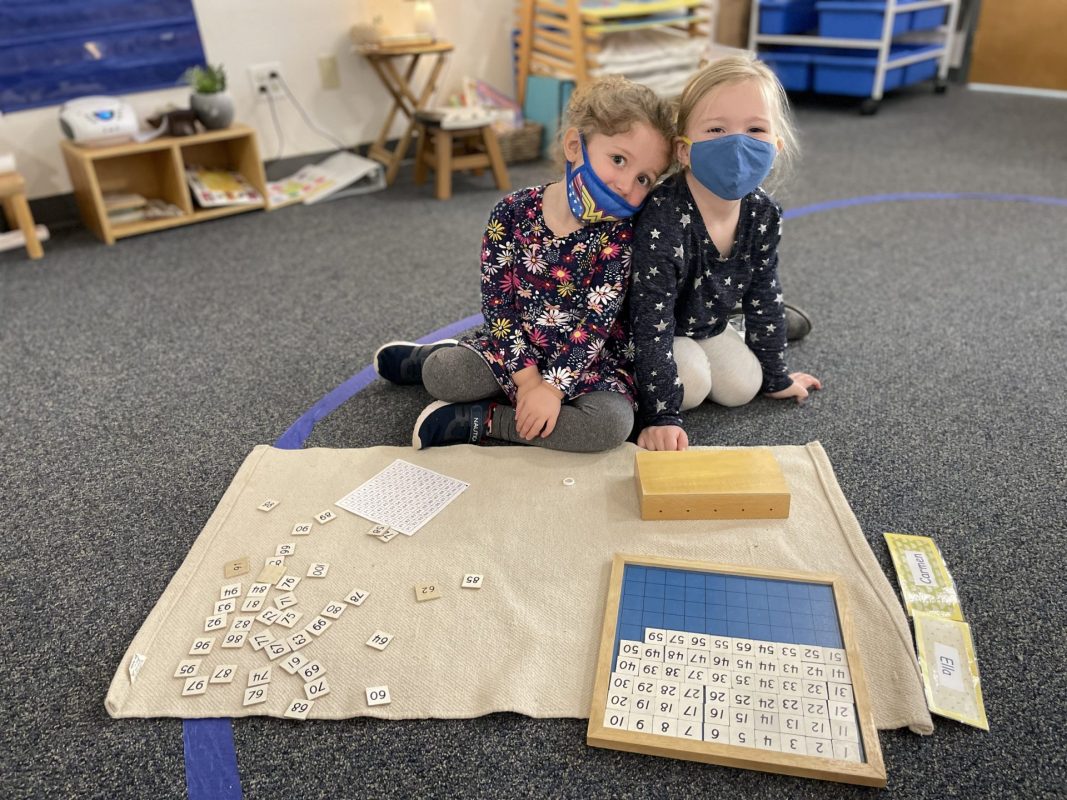
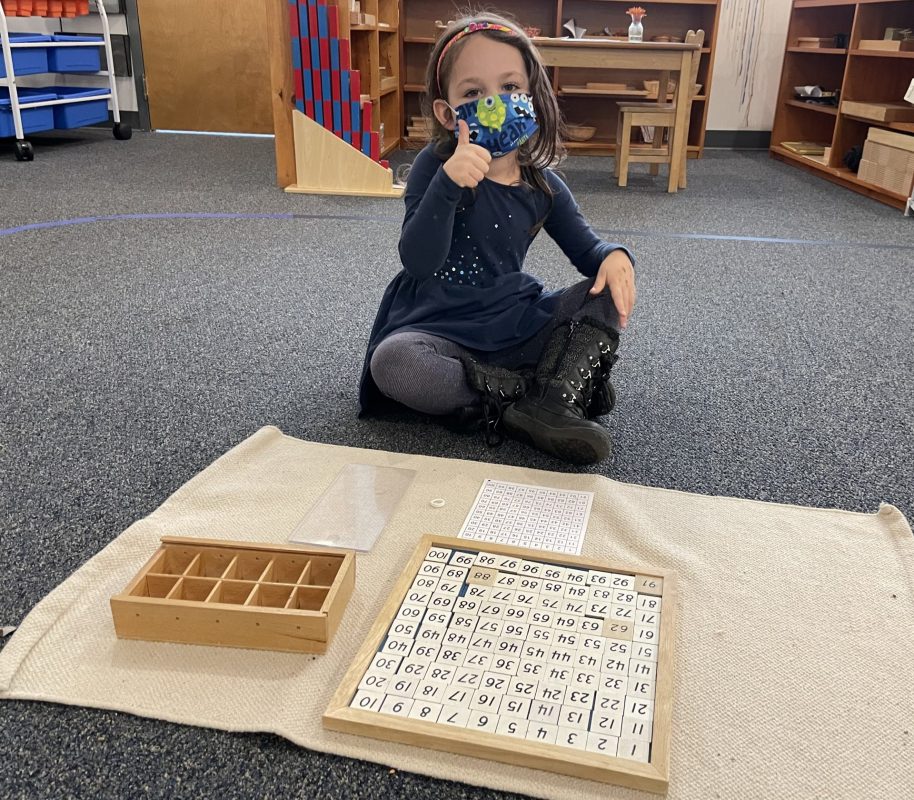
In Montessori math at the elementary level, concrete materials are used to introduce and practice concepts, leading students to understanding and abstraction. Instead of the focus being on the answer, it is on how students get to the answer. The Montessori math materials allow students to discover for themselves the algorithms that guide their work, instead of memorizing math rules given to them by their teacher in order to solve their problems.

The Upper El math curriculum builds on students’ previous learning and their work with whole numbers. Their main work, after mastering the four operations with whole numbers, is to learn to use the four operations with fractions and decimals. This is a familiar math curriculum for these grades, but in a Montessori classroom it is presented differently from the conventional approach, using materials and discovery, and focusing on understanding over memorization.

The learning sequences completed in Upper El help students build neural networks for problem-solving and logical thinking. This is great preparation for higher math, particularly for the understanding of Algebra. These lessons activate networks of neurons that allow students to hardwire their brains for higher thinking, helping them use their brains more efficiently, not only for math, but for life.


Mrs. Doyle: Traveling to North America

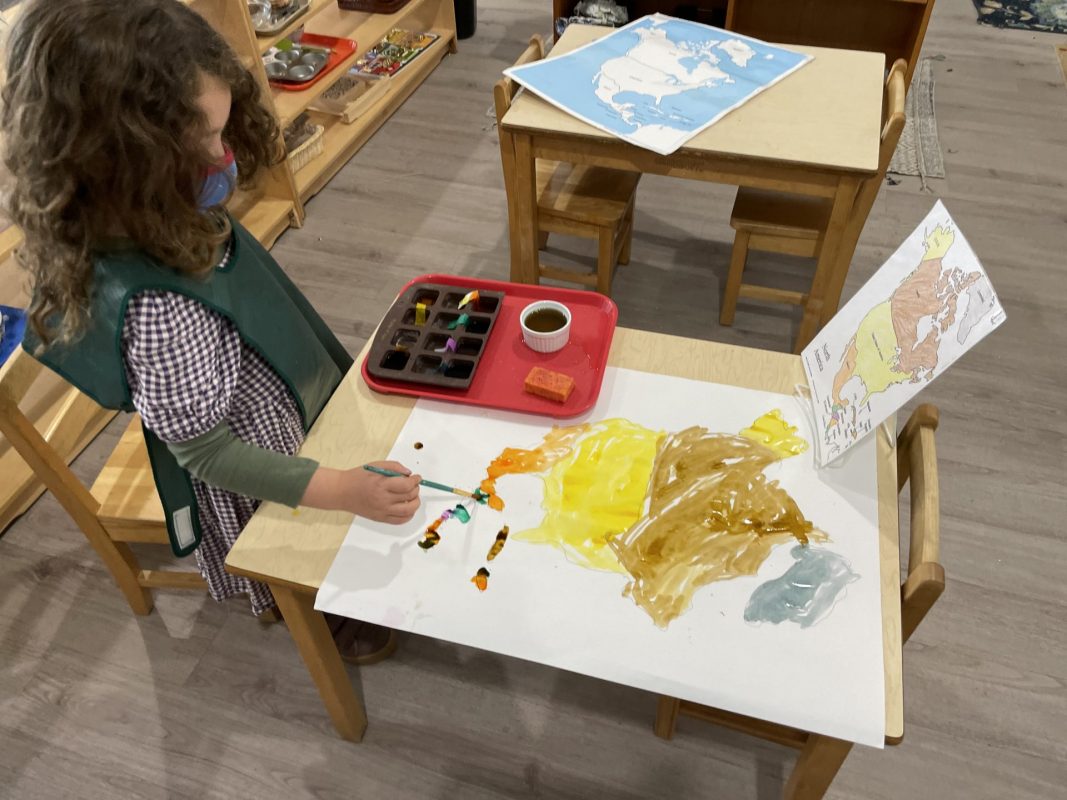
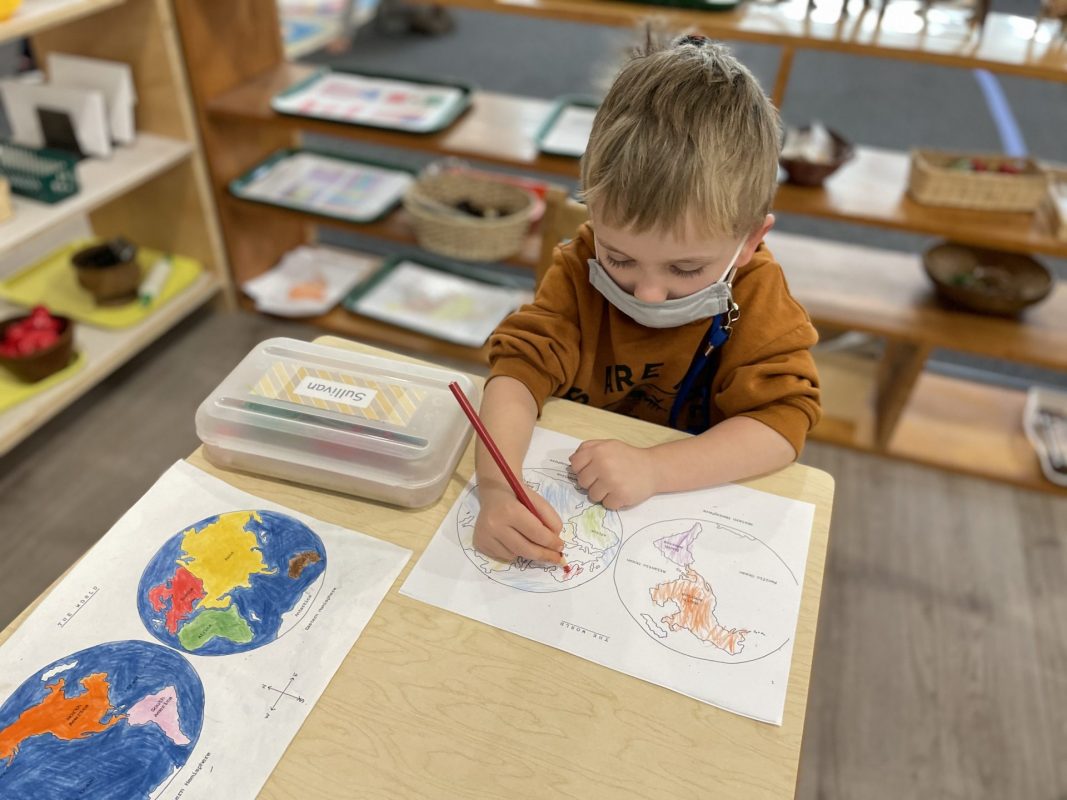
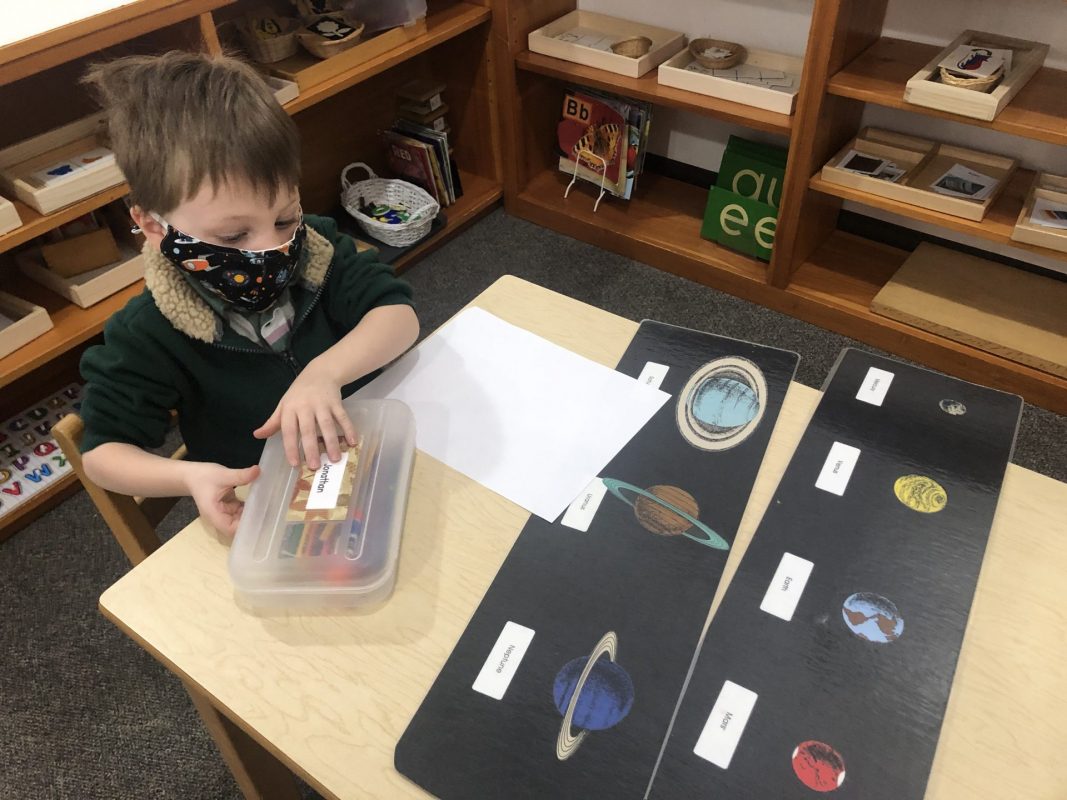
These last few weeks have been a particularly busy and exciting time with your children. We have traveled through space, explored the eight planets, discovered that the sun is a star, and rocketed back to planet Earth. We are now exploring the first of seven continents, North America.  You may hear your children call it the orange continent. This is because on the Montessori globe and map, North America is indeed orange. We will continue to explore the animals native to our continent, map North America’s countries, examine topography, and study how a continent’s proximity to the equator impacts its climate.

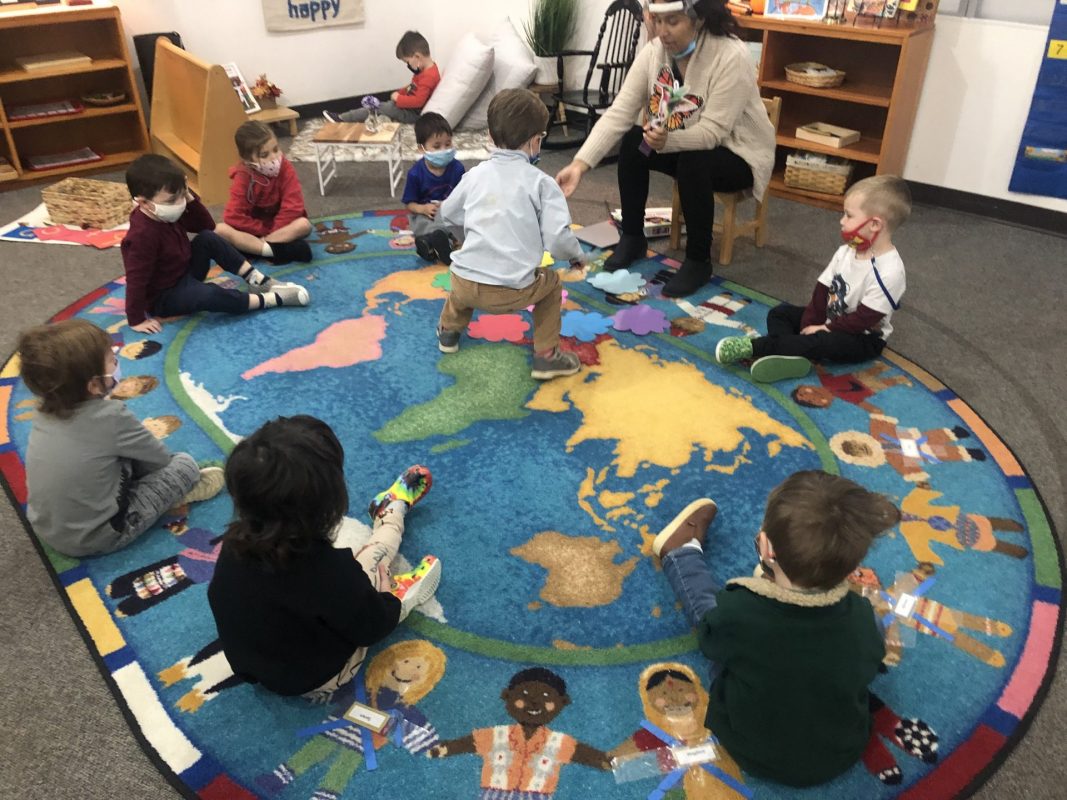
The Montessori cultural studies curriculum provides children with an opportunity to explore the whole world, including the continents, countries, people, animals, terrain, music, and arts. Children use didactic Montessori materials to familiarize themselves with the needs of all humans for such things as food, housing, and clothing. This early cultural awareness helps cultivate independent, joyful citizens of our world.

Wishing everyone a week filled with peace and love!

Michelle & Liset


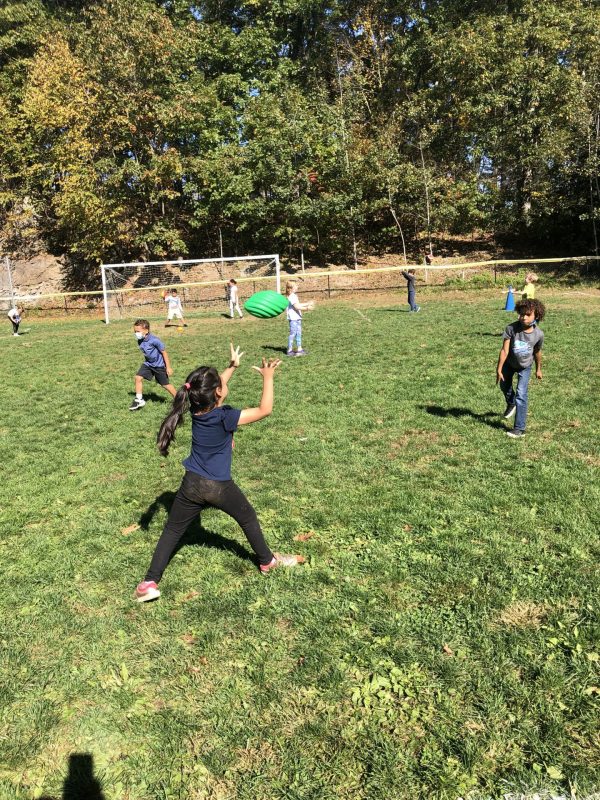
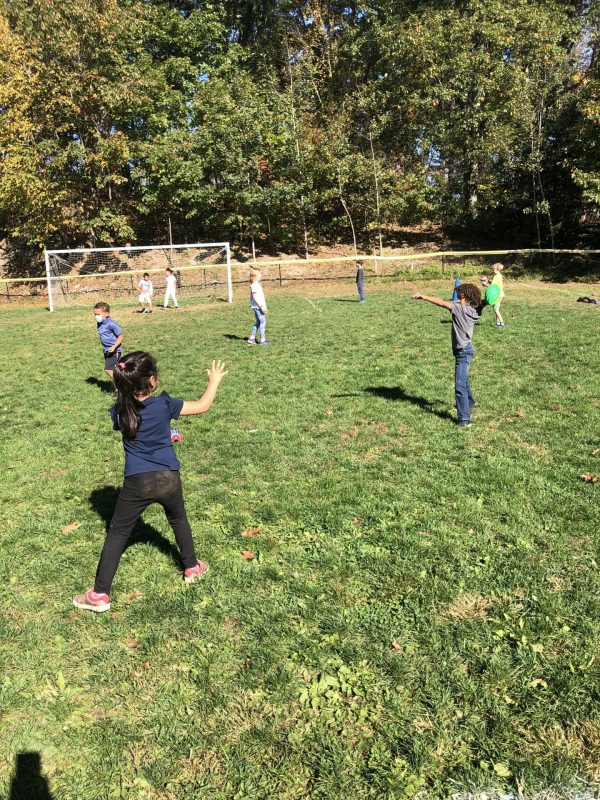
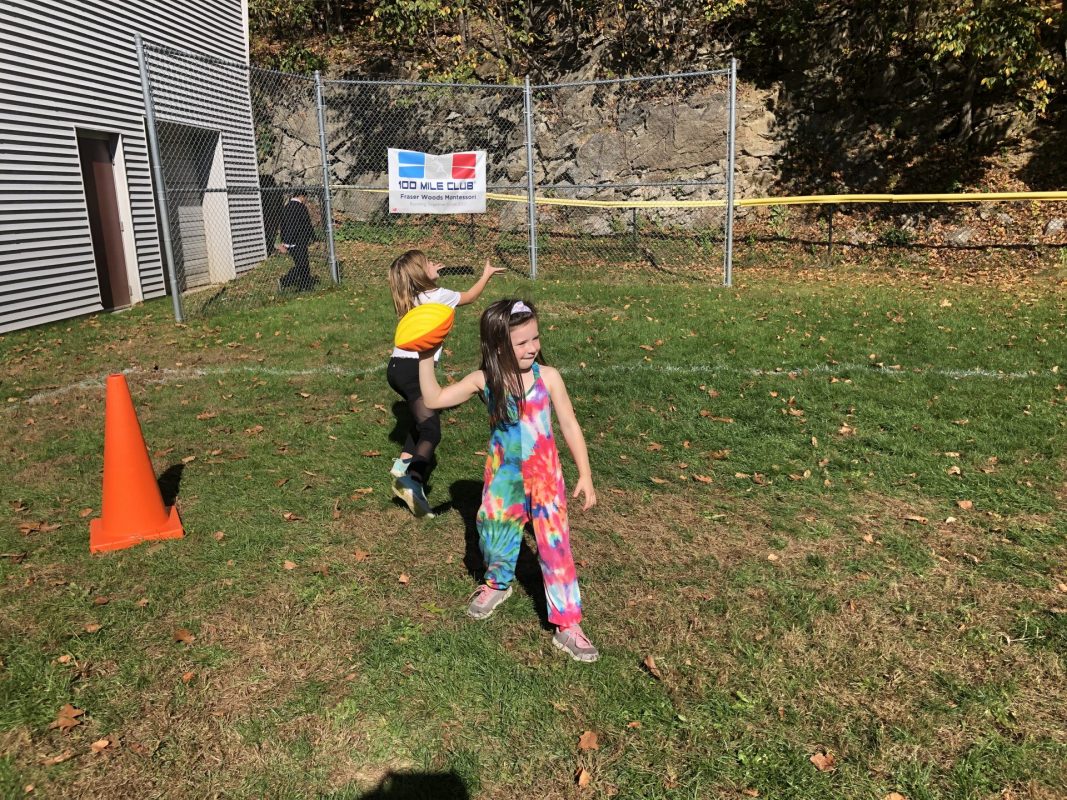
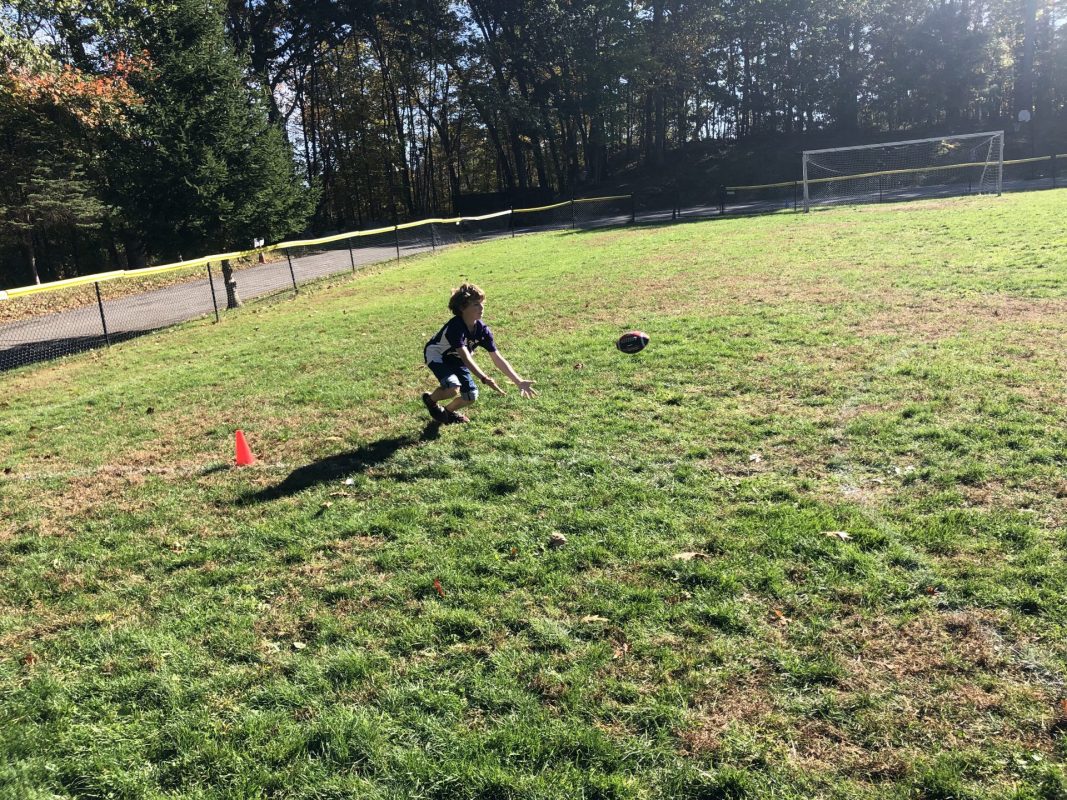
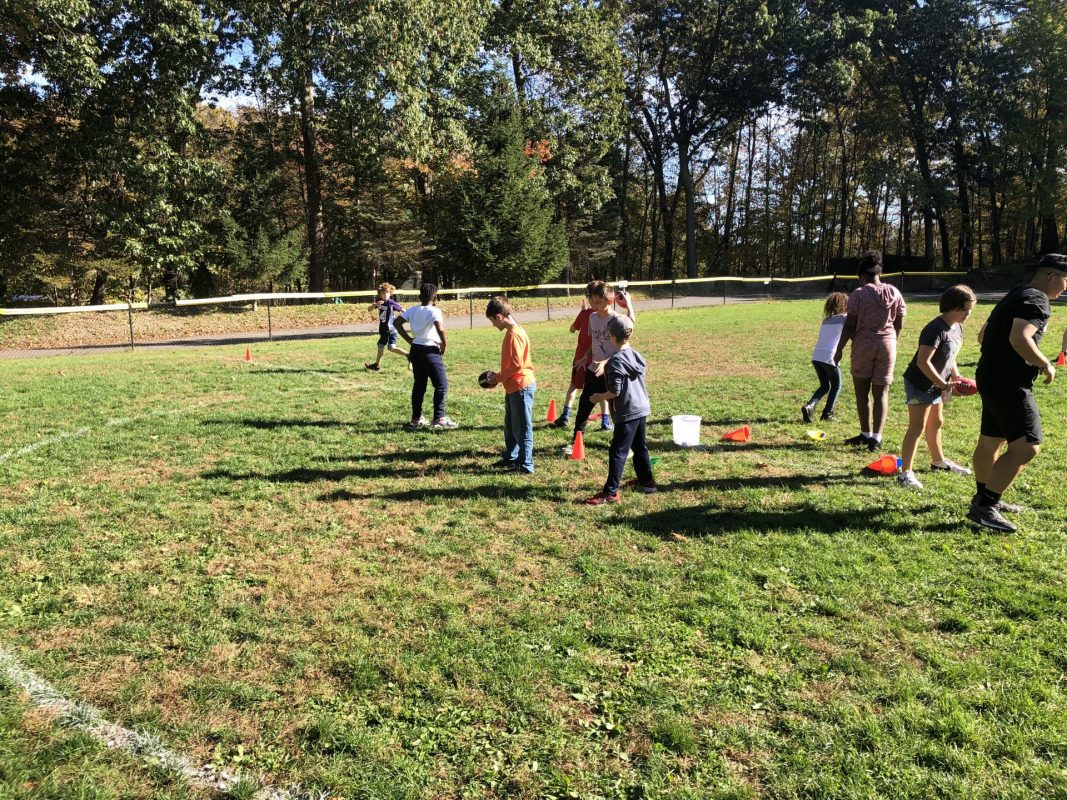
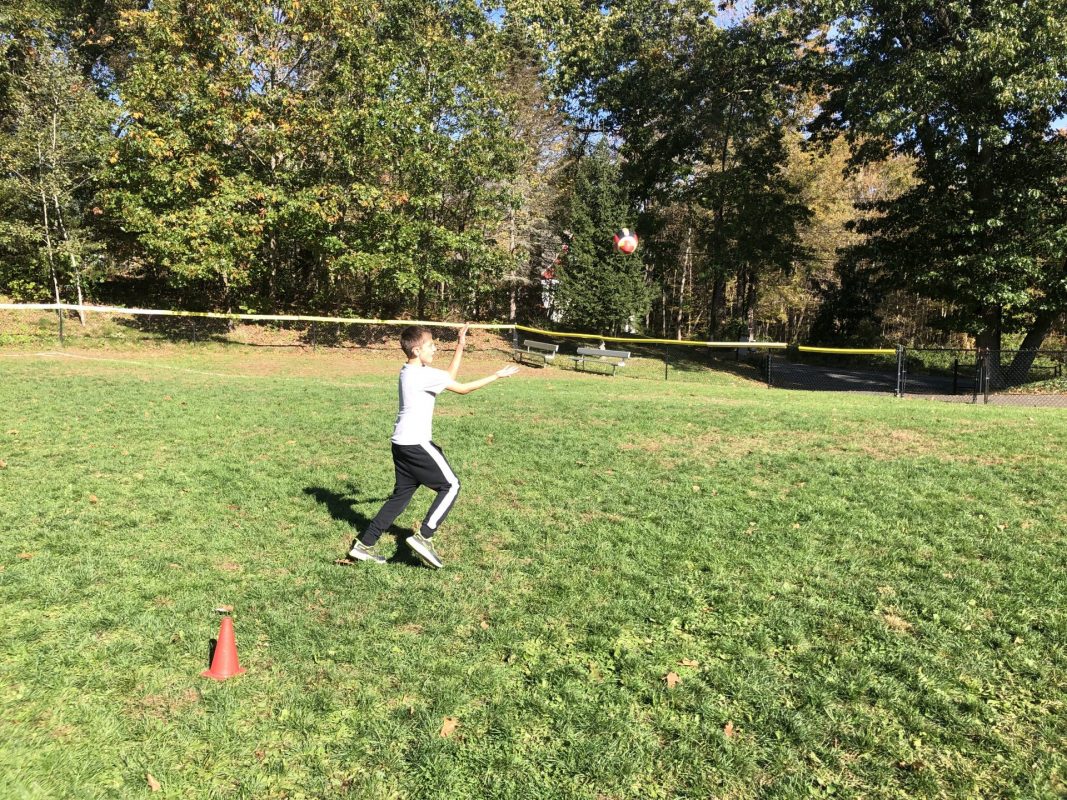
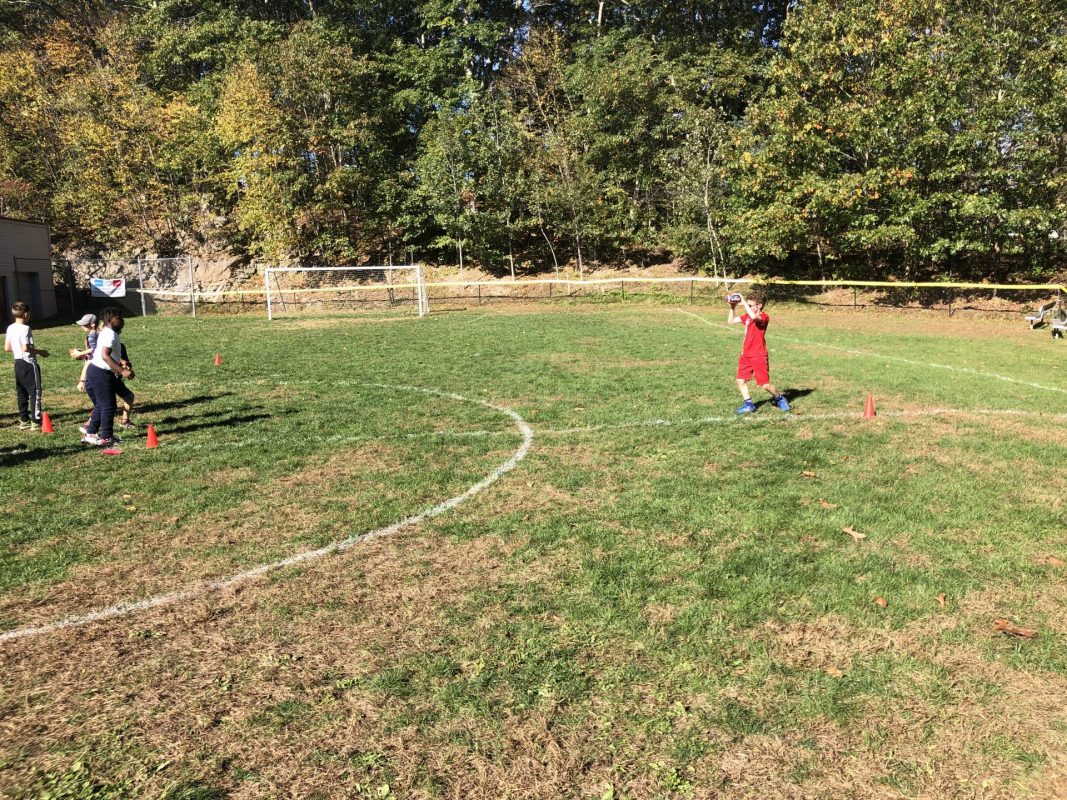
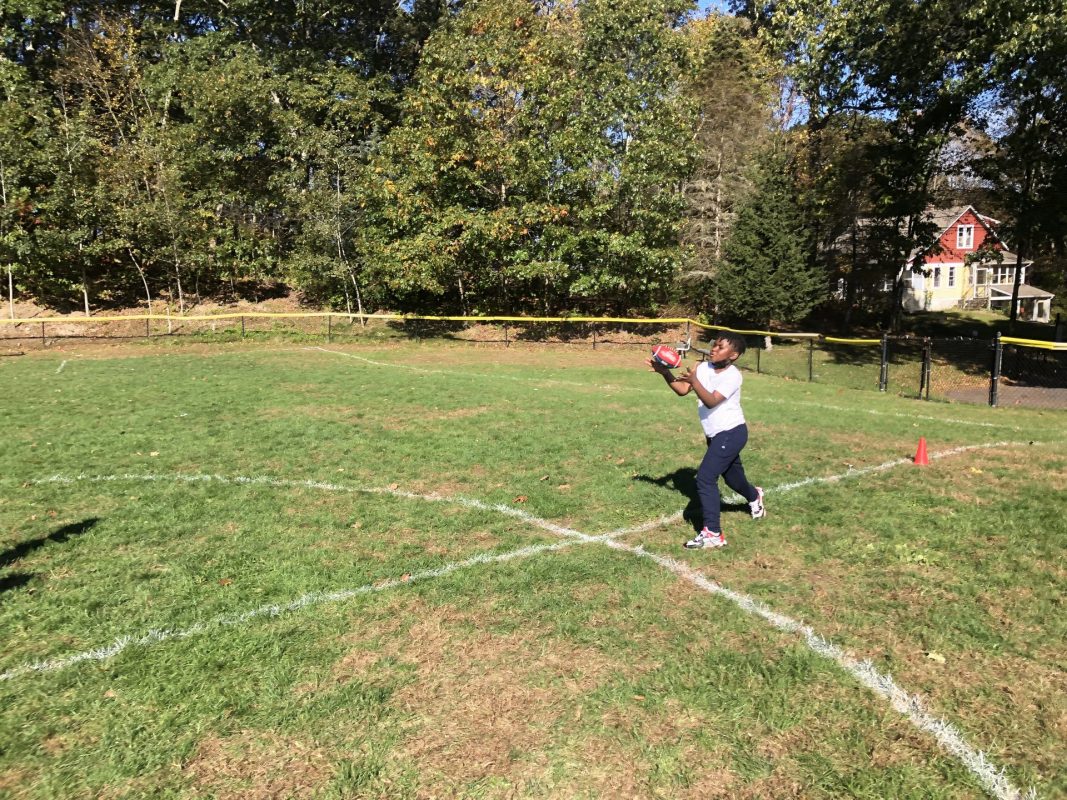
Throwing and Catching in PE

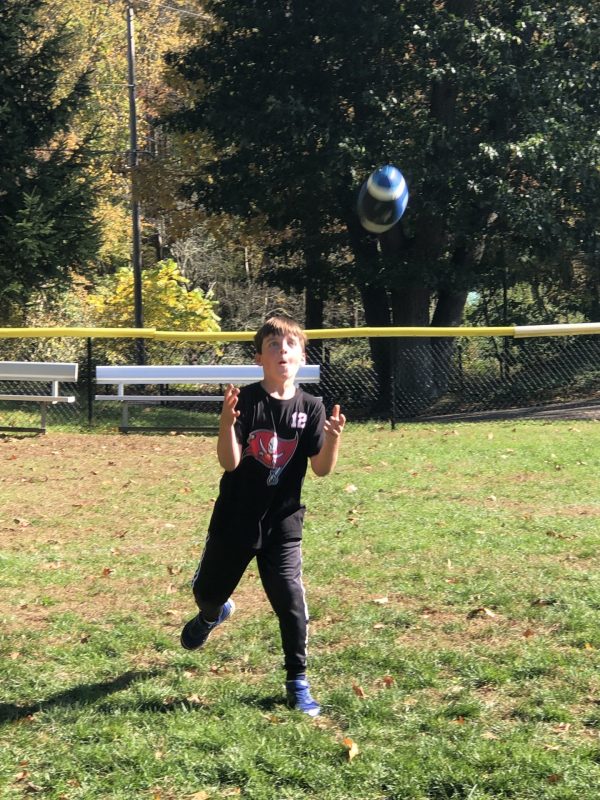
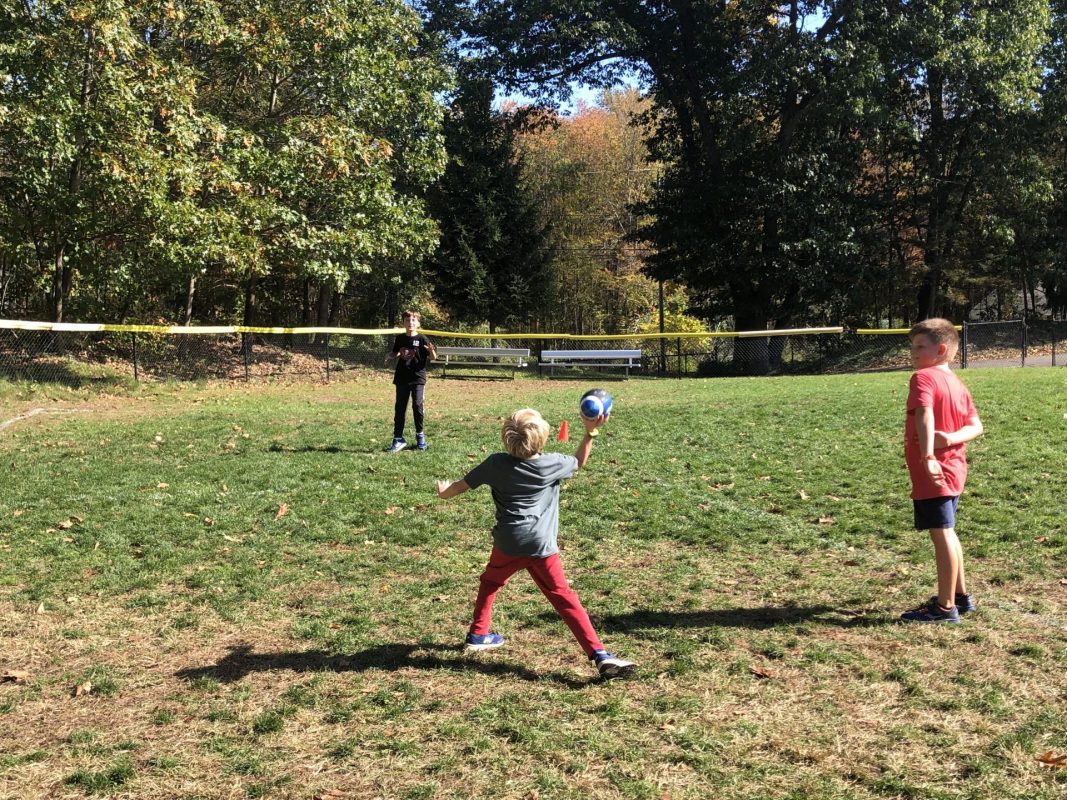
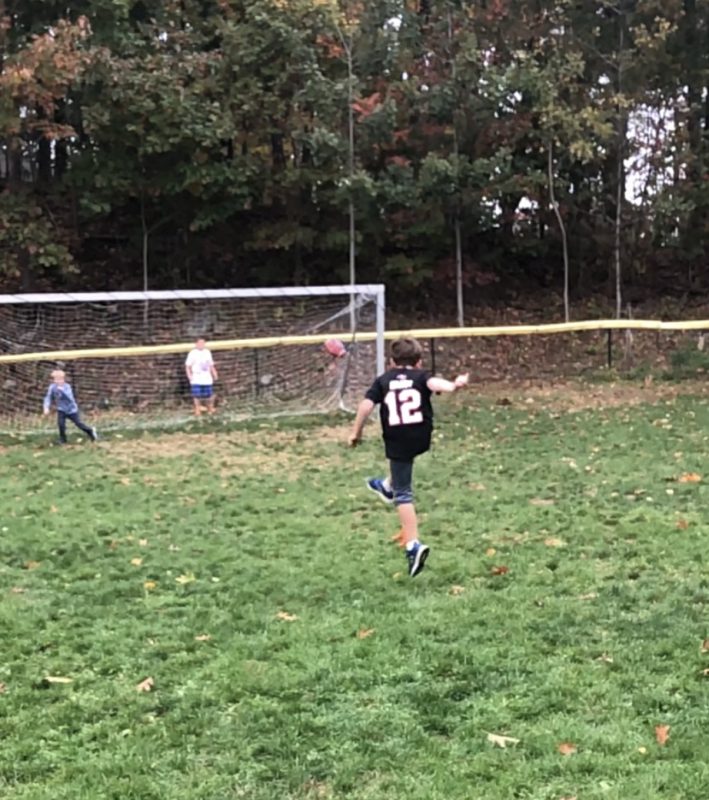
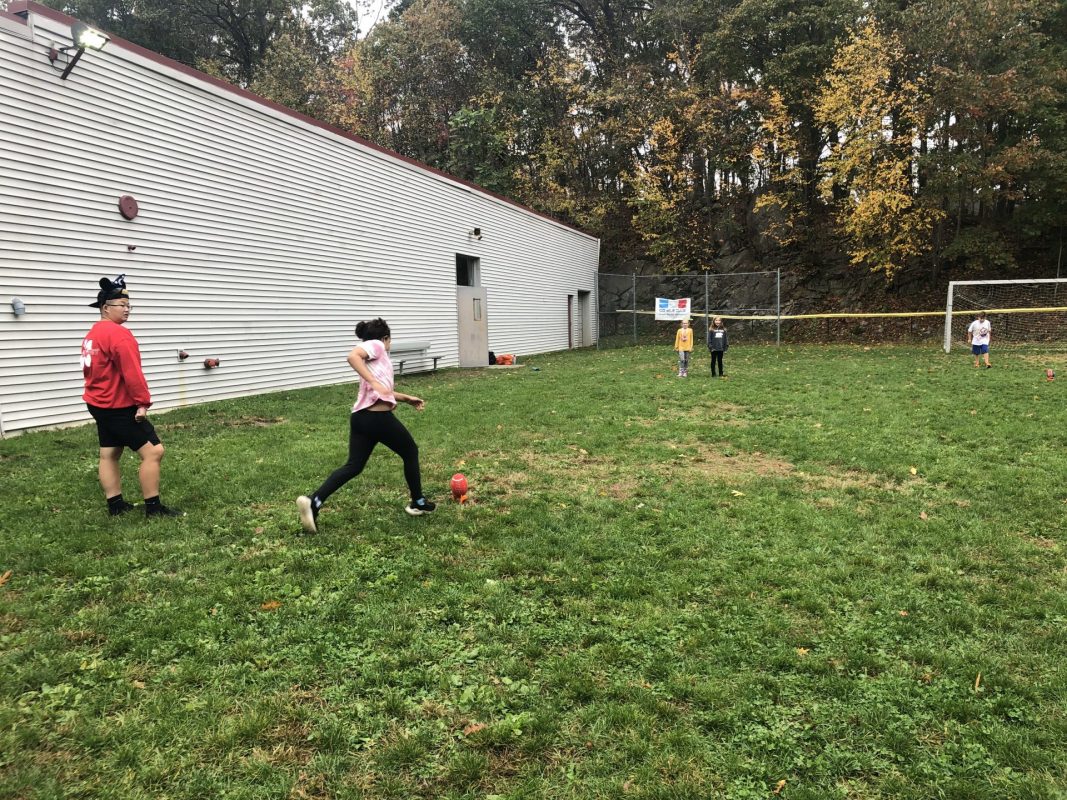
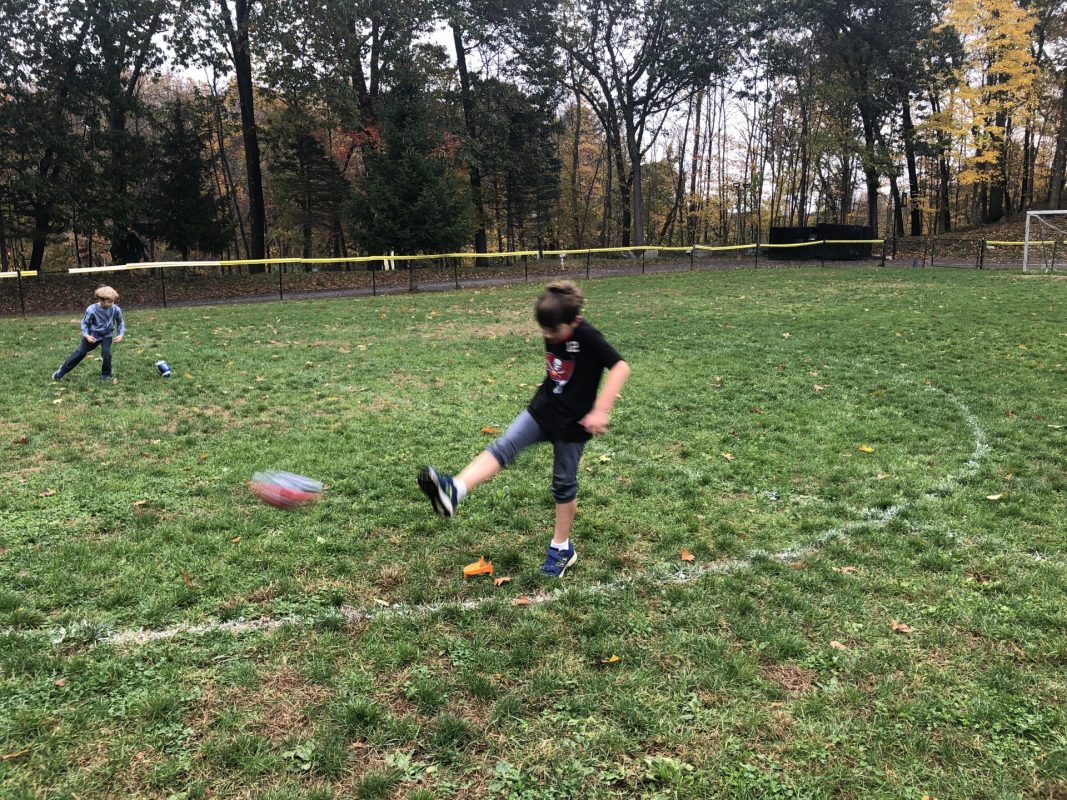
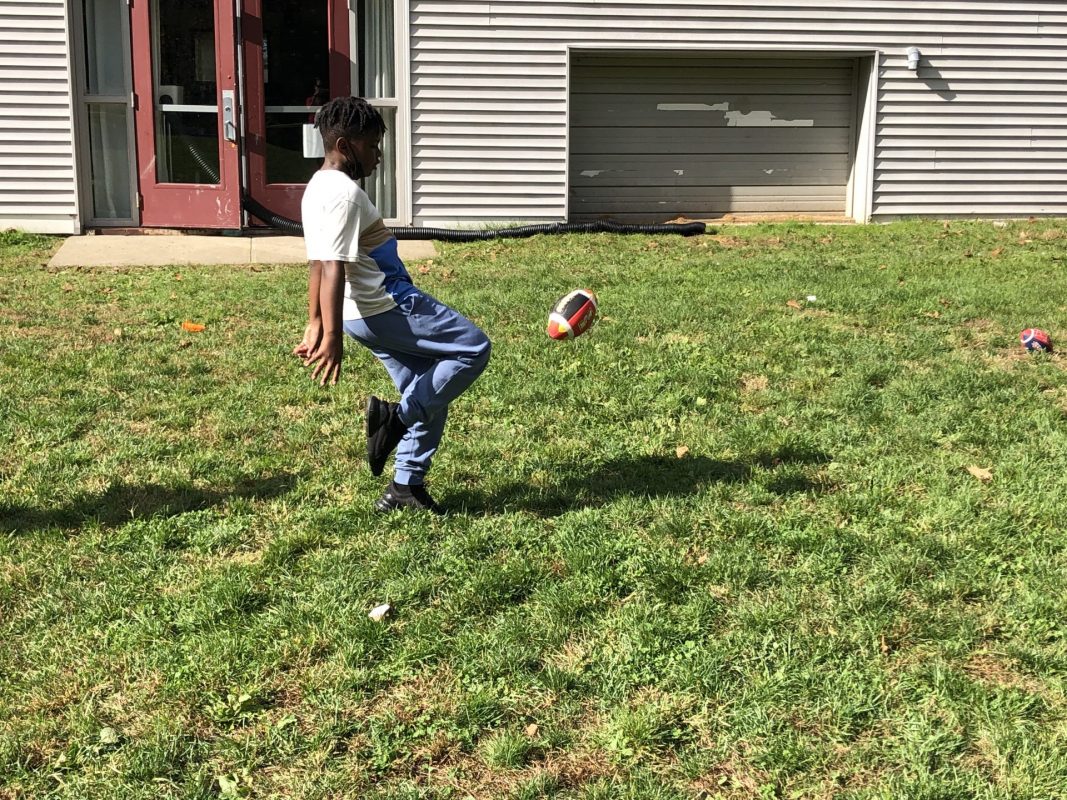
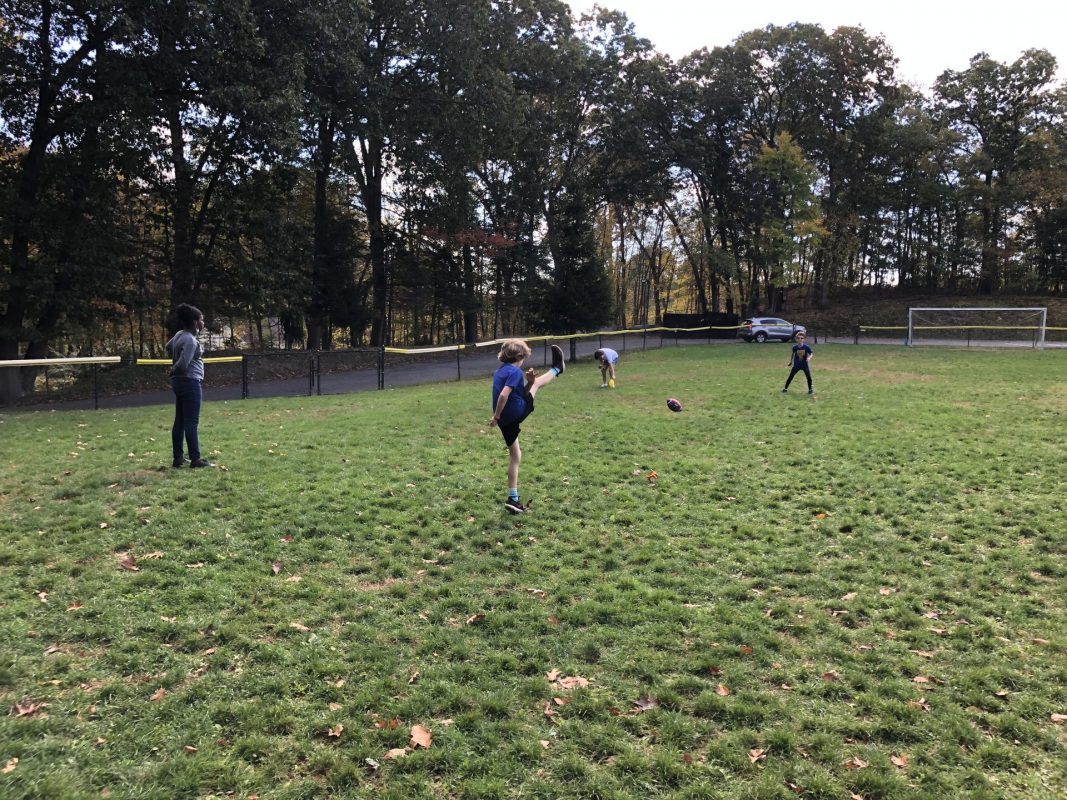
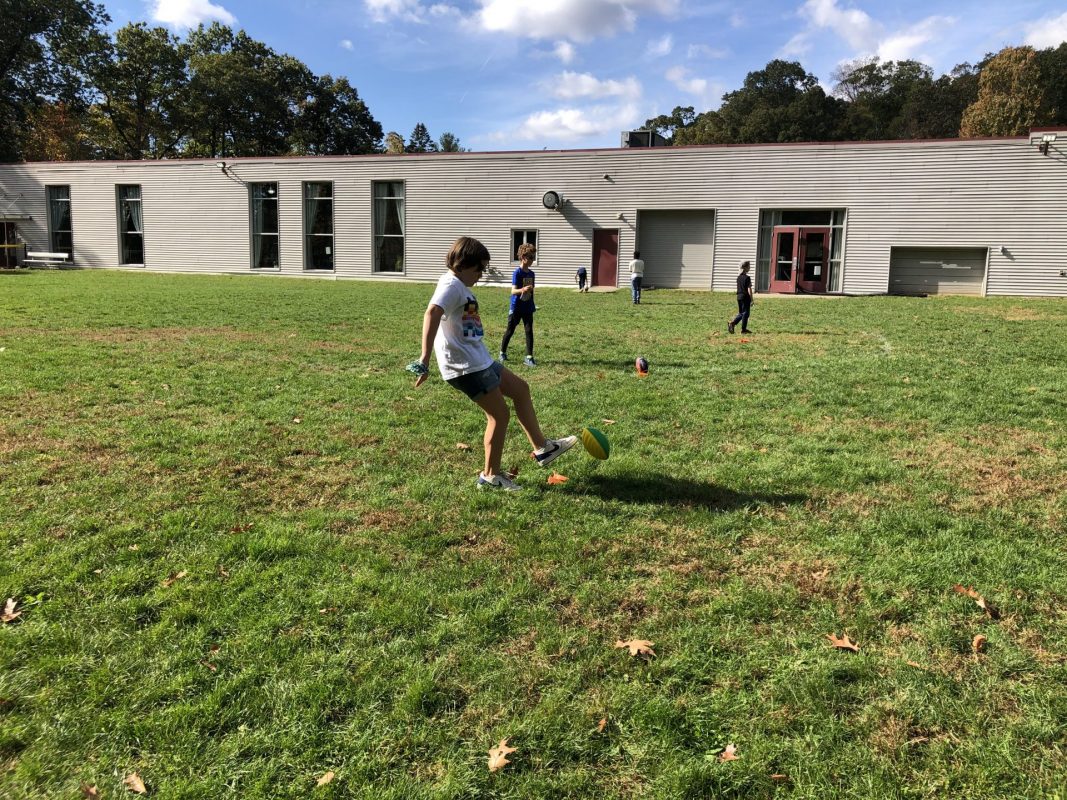
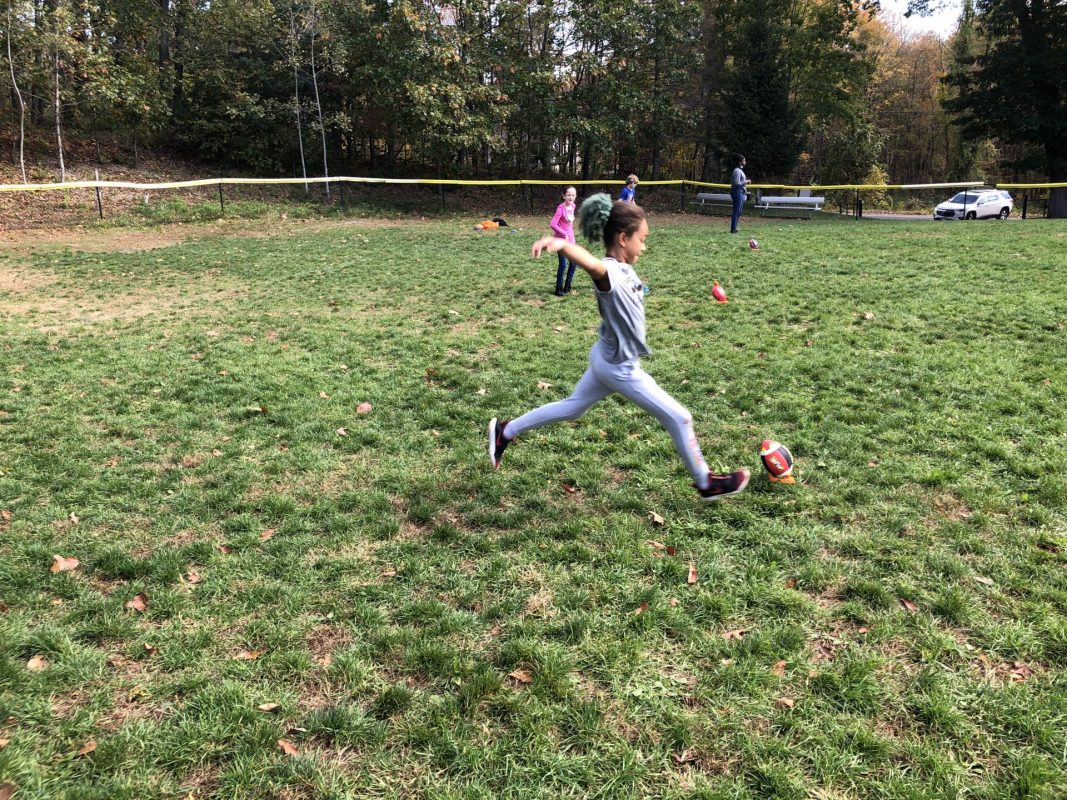
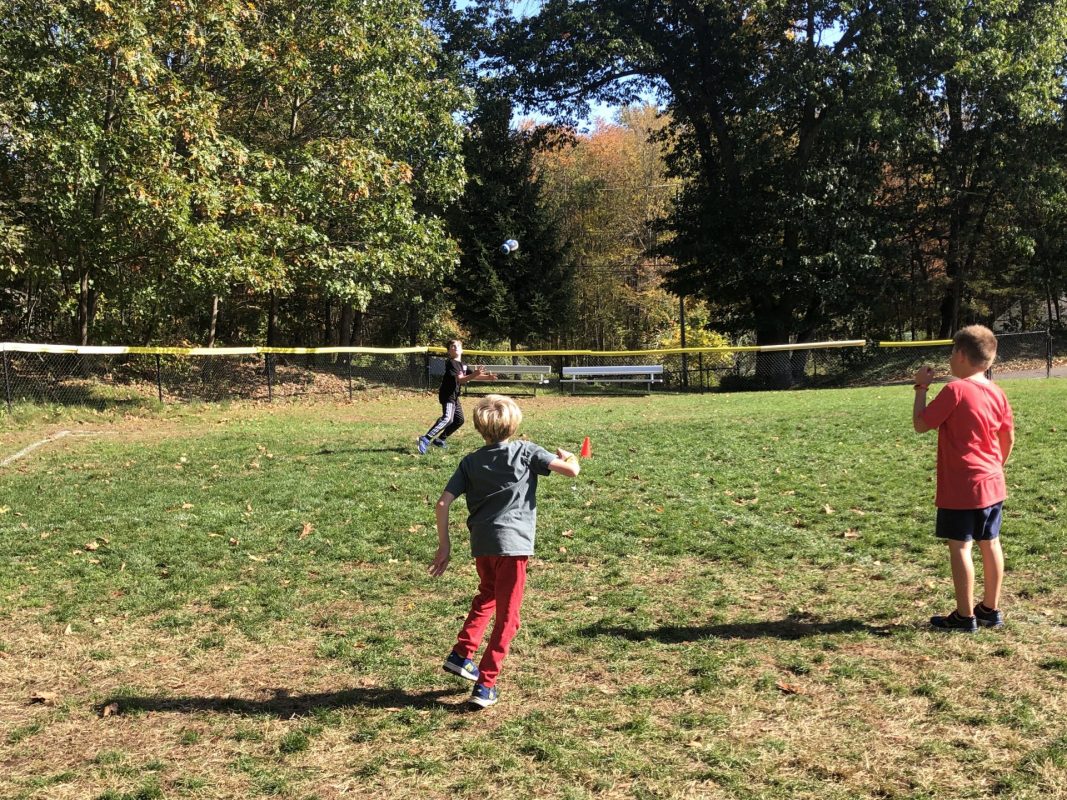
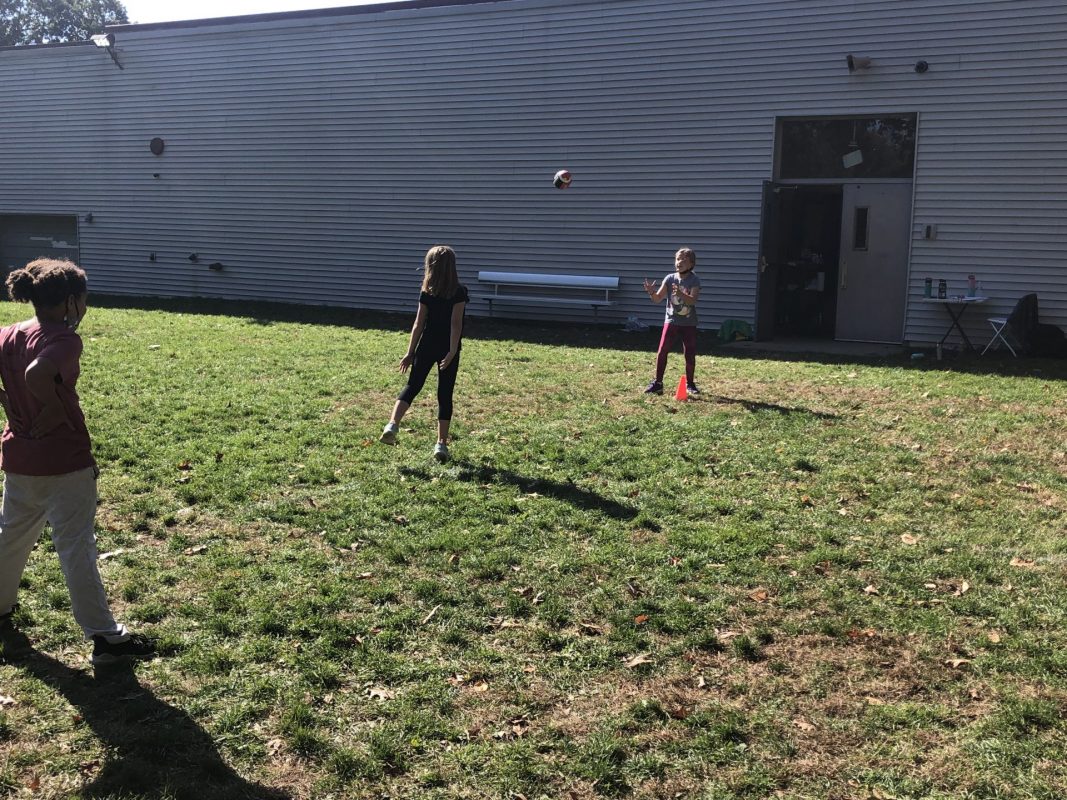
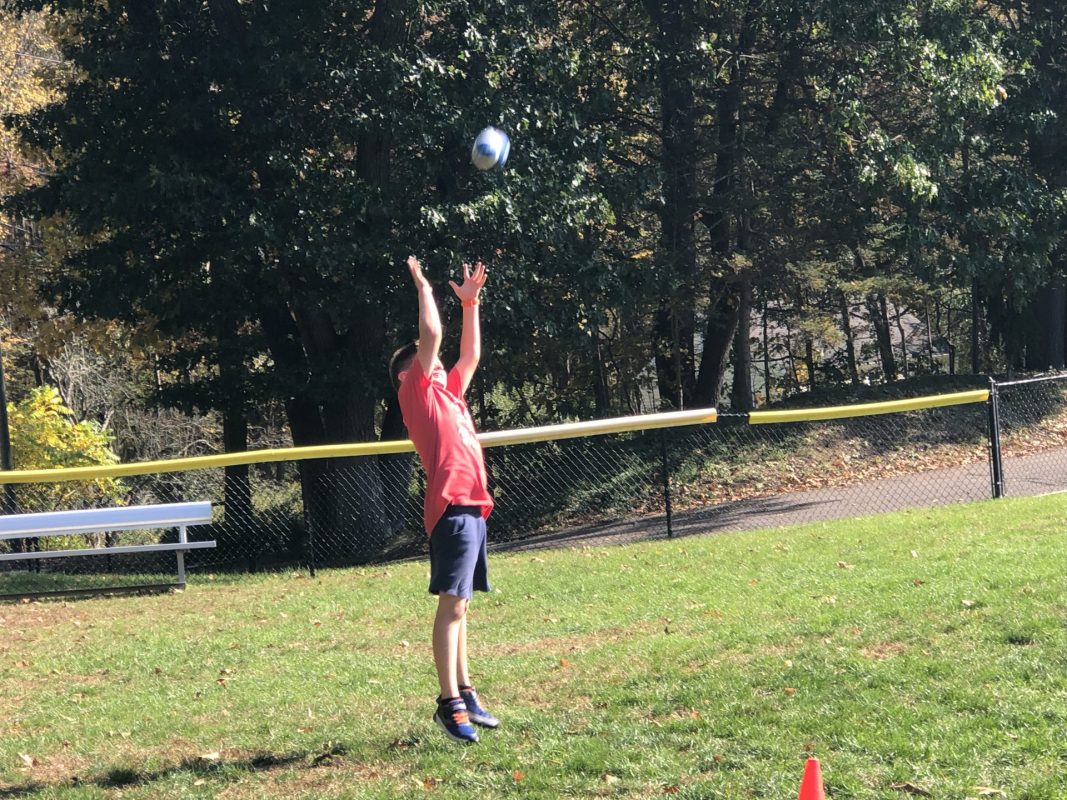
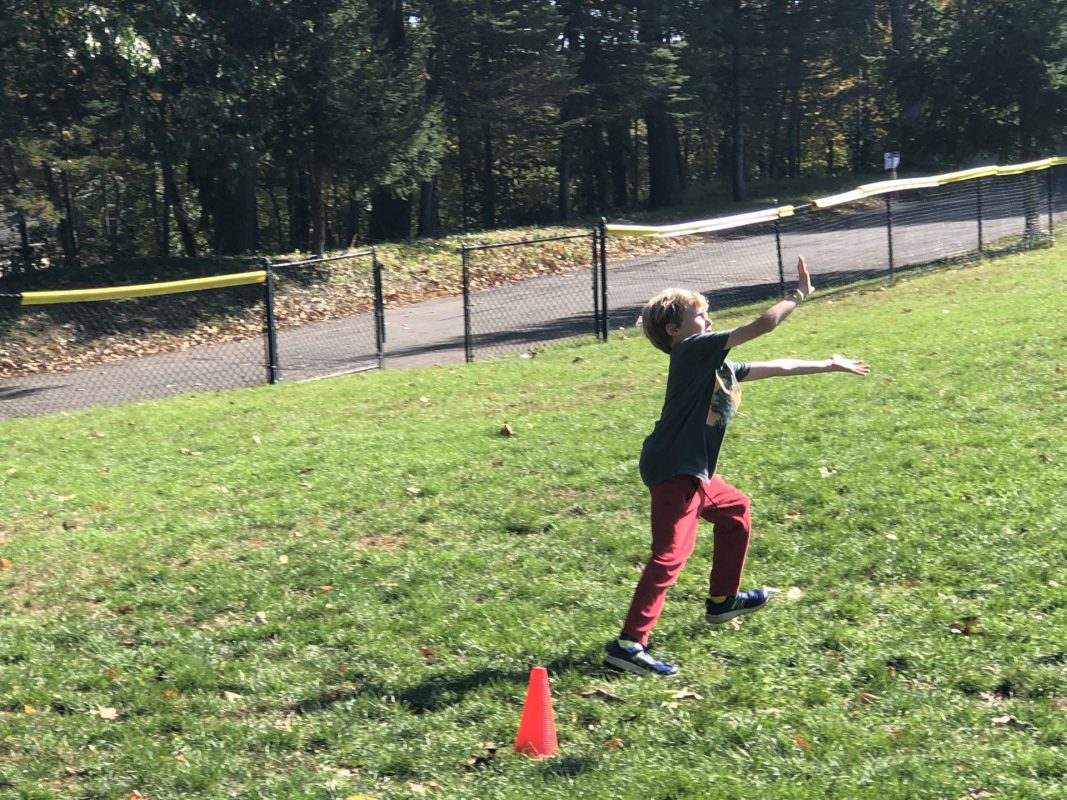
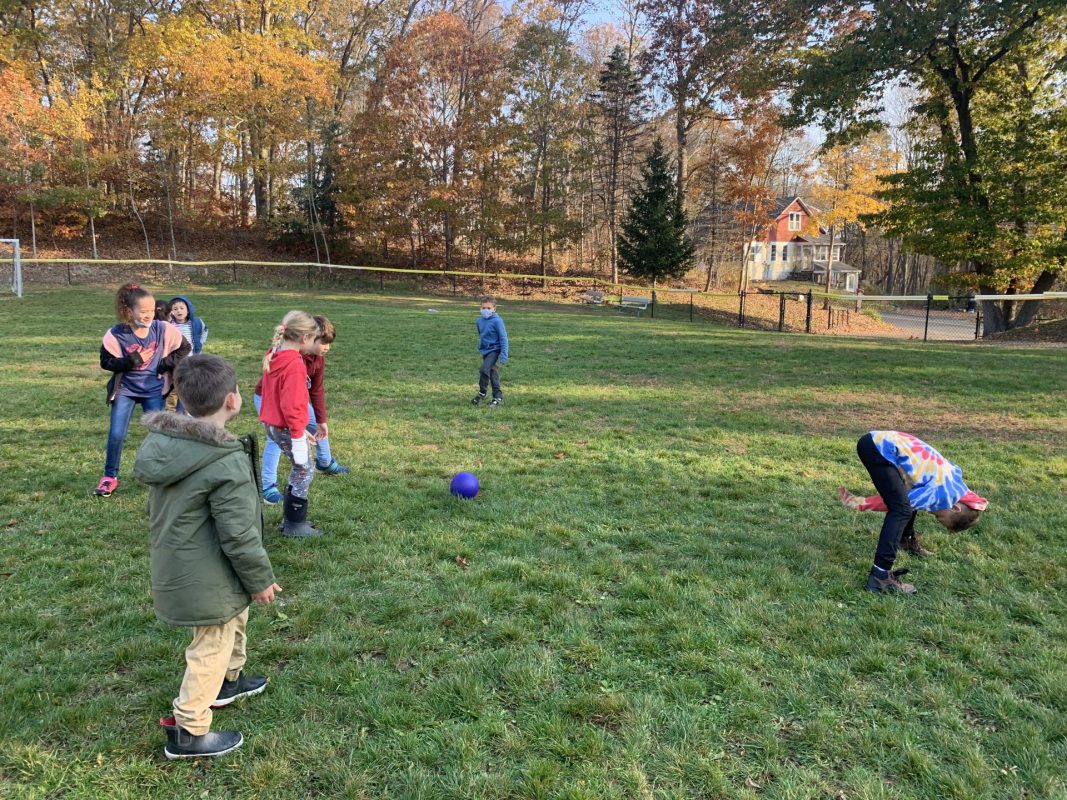
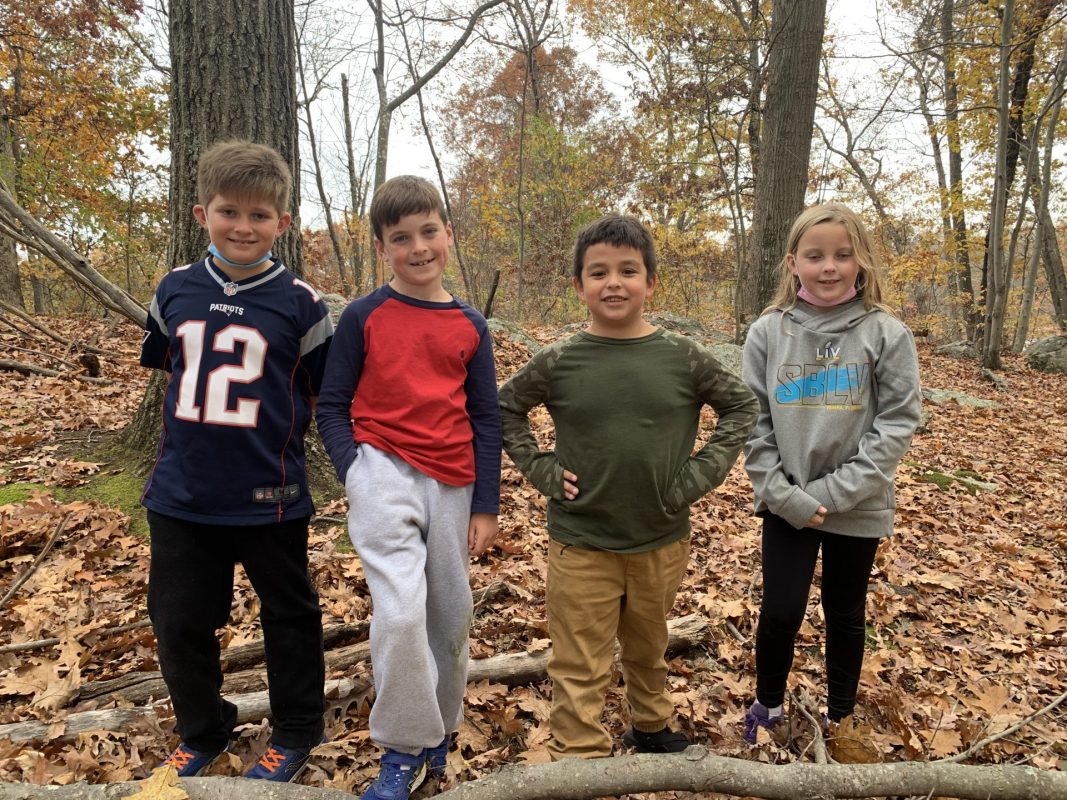
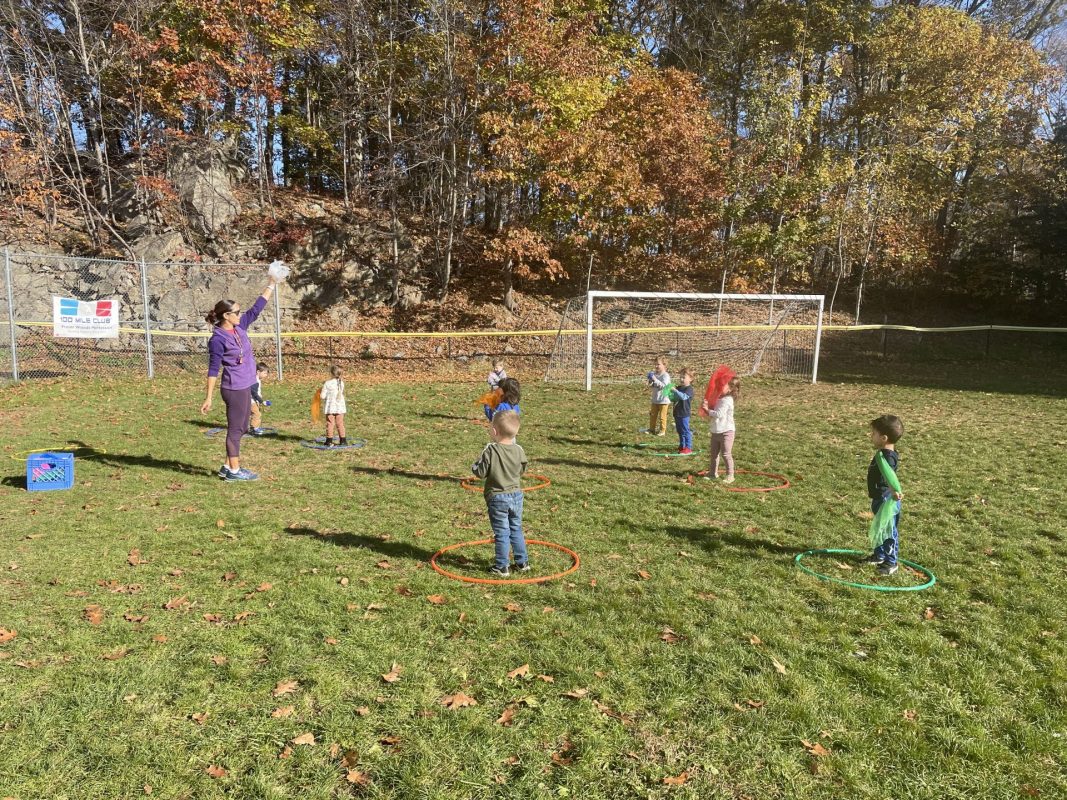
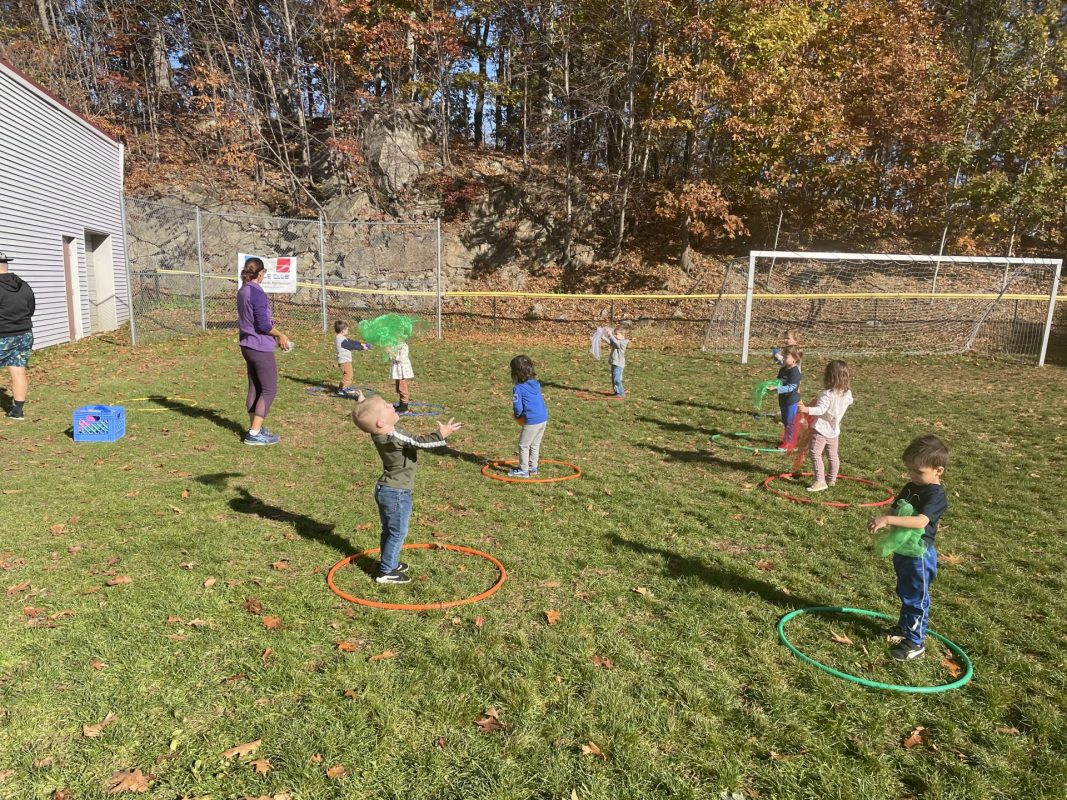
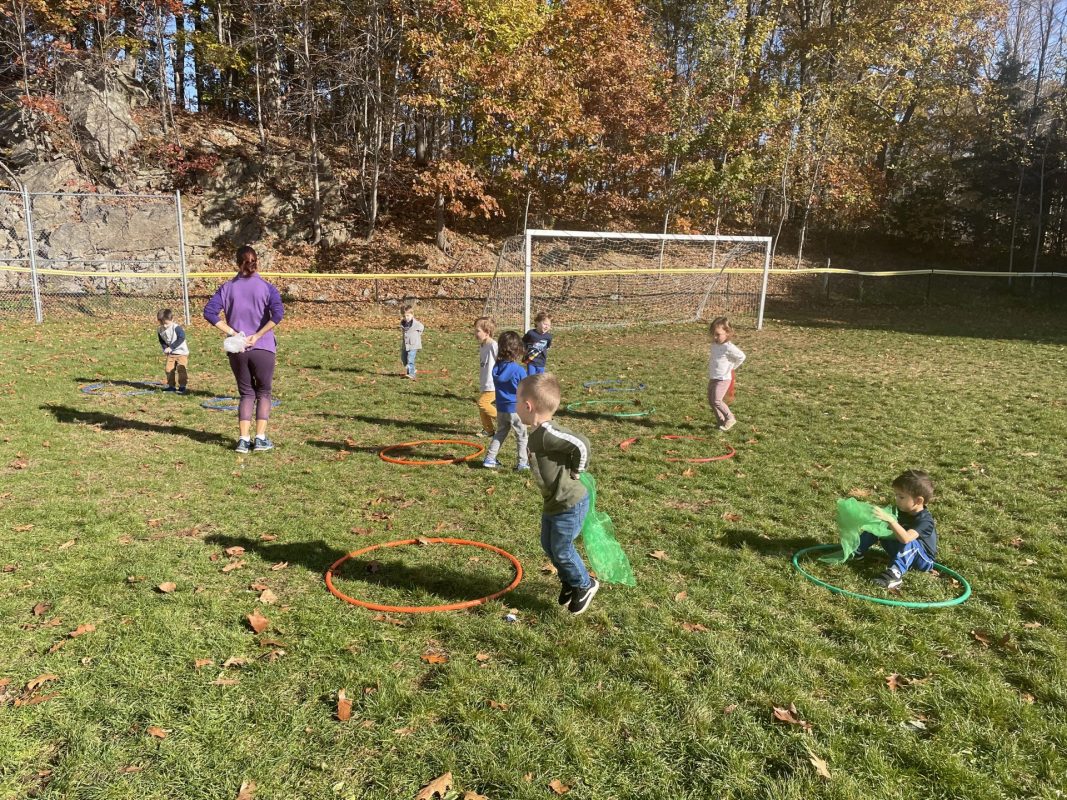
This past month, students in 1st through 5th grade have been practicing and participating in the team sport of football. Did you know that the Super Bowl is the most watched television event in the United States on an annual basis?  In grades 1 and 2, the unit focus was throwing and catching a ball. Learning to throw and catch a ball at a young age helps build hand-eye coordination, timing, motor planning, and attention. Playing throw and catch is a great way to share the day with someone and make new friends.

In grades 3 through 5, our football unit’s main focus was on developing hand-eye coordination and spatial awareness. Skills taught were: passing the football using the the proper grip (fingers on laces), taking a step with the opposite foot when throwing, passing with a partner about 10 feet away, catching a ball thrown to them (thumbs up for a high ball and pinkies down for a low ball), practicing the proper technique for kicking a football off a tee, punting the football, and understanding and using simple game rules. Students also learned that the quarterback is the person who throws the ball, the center is the person who hikes the ball, and the receiver is the one who catches the ball and runs with it.


Lower El: Culture is Important

We have begun learning about the lives of children from around the world. It is so important for children to appreciate cultural differences. One way we have been doing this is by reading books which allow the voice of the culture to be heard. It is imperative for children to learn about some of the unique and amazing things that come from other ways of life.

Another way of promoting diversity is learning songs from across the globe. One song that the children learned this week is called “Senjua.” This is originally a Ghanaian song/story about a boy named Senjua. This piece has been taken up by students in Ghana and other surrounding countries, being sung as a victory song.

Dancing and playing singing games has a powerful effect on children. When we dance and sing together we become more alert, creative, happy, and connected to one another. Singing games and dances enable joyful human connection and create community. When children are happy and physically engaged, they become better students.


Mrs. Lopes: Discovering Dinosaurs

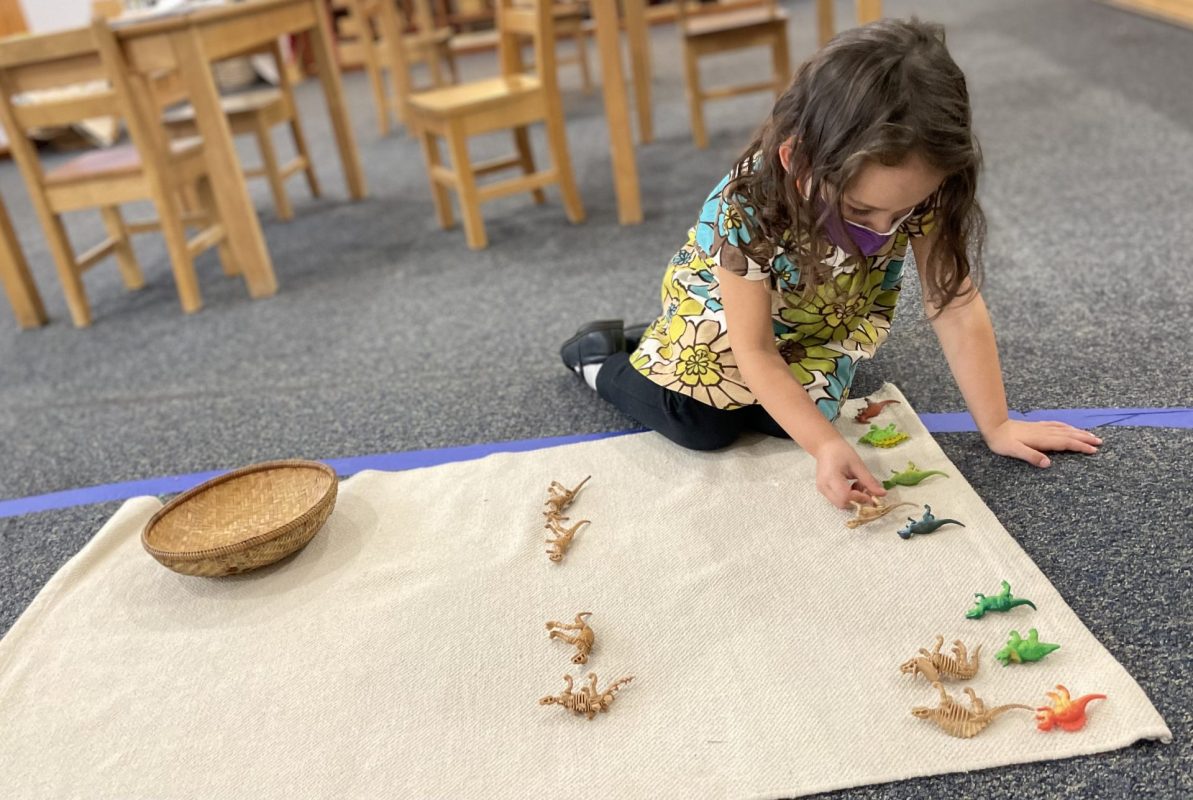
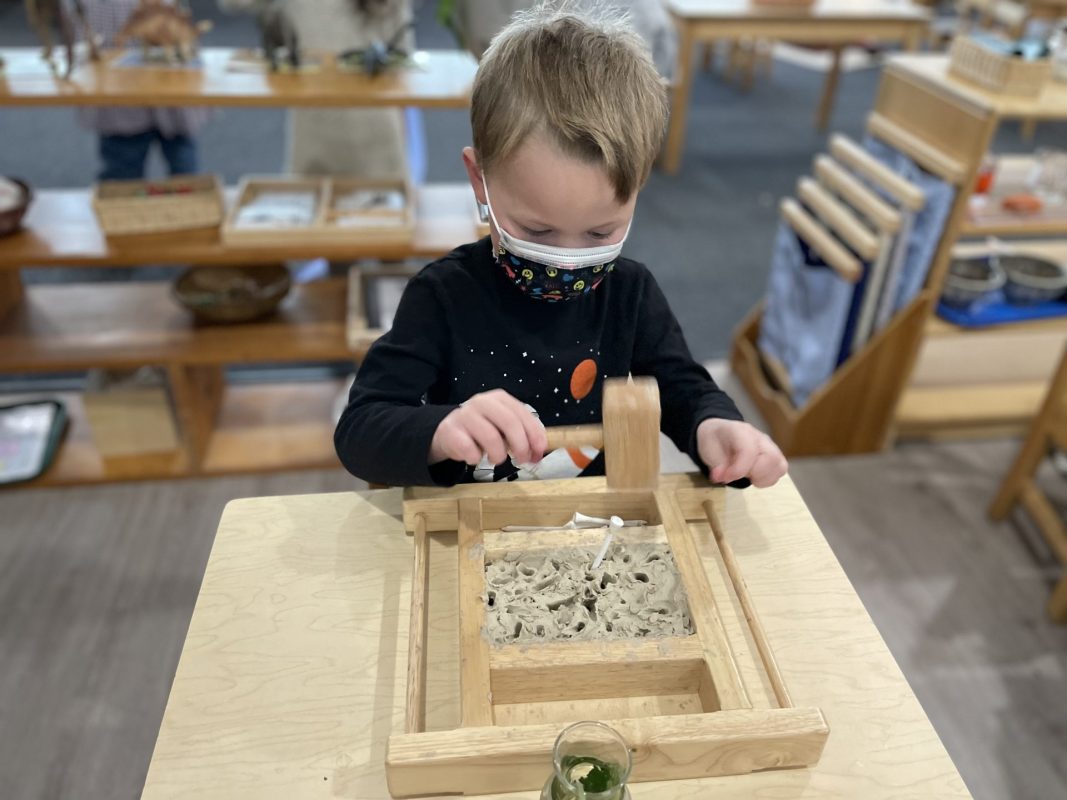
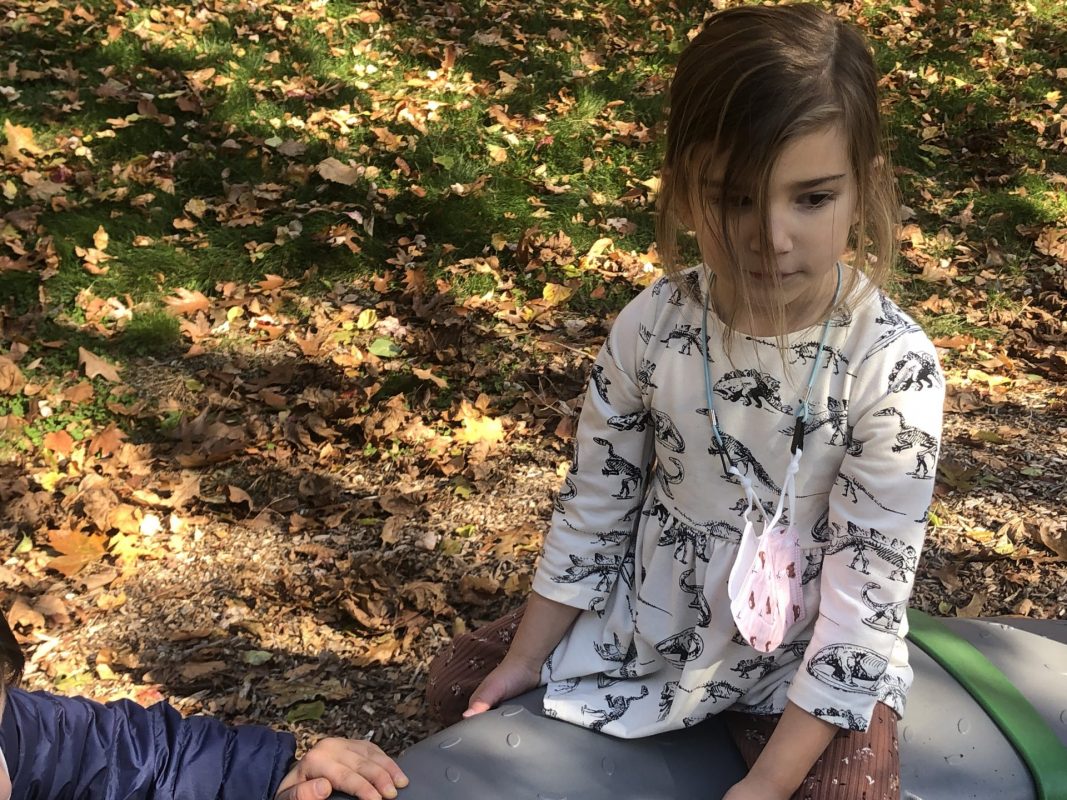
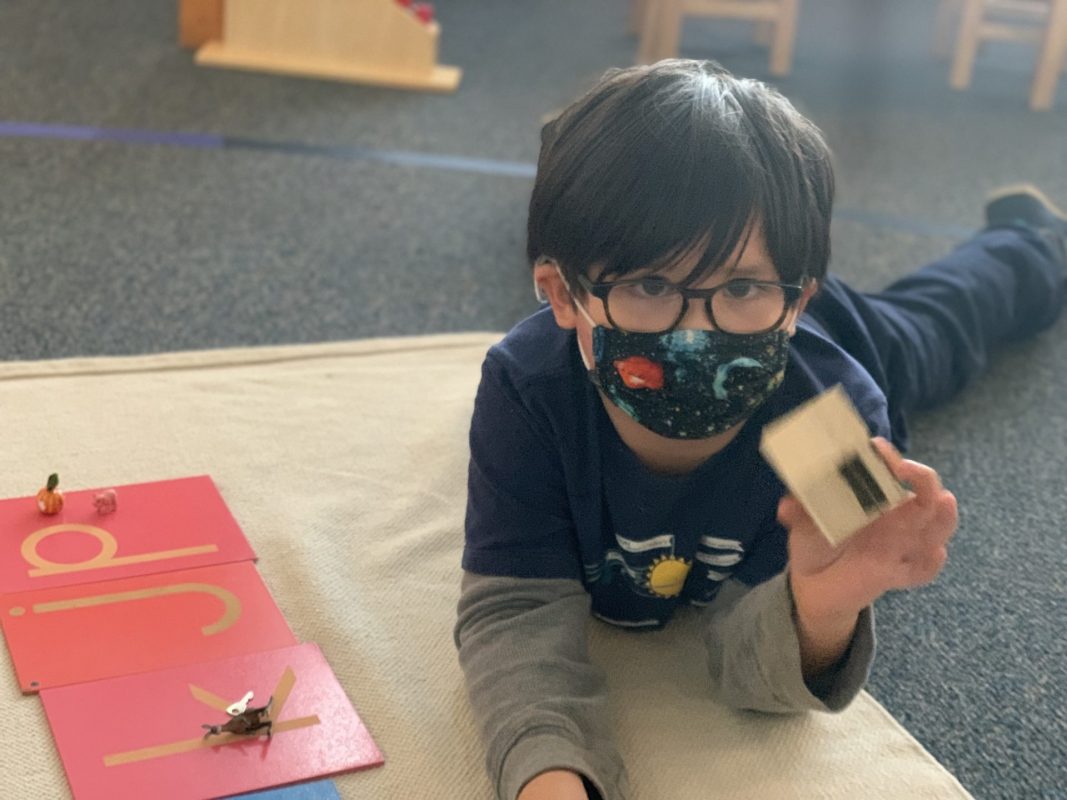
In our classroom these last few months, your children have been exploring the world around them by becoming biologists, astronauts, and now, paleontologists!  This month, your children have been immersed in the land of dinosaurs, learning all about what they looked like, where they lived, and what they ate. On our science shelf, the children have had an array of works that spark their creativity and curiosity about these giant reptiles from the past. They have been able to use crayons to make fossil rubbings, match dinosaurs with their fossils, and even sort dinosaurs according to if they walked on two feet or four feet. We have also been discussing the word “extinct” and possible reasons why the dinosaurs became extinct.  The children loved sharing their ideas about why they think there are no more dinosaurs.
Have a great week,

Amanda & Heather


Mrs. Semmah: Classroom Jobs

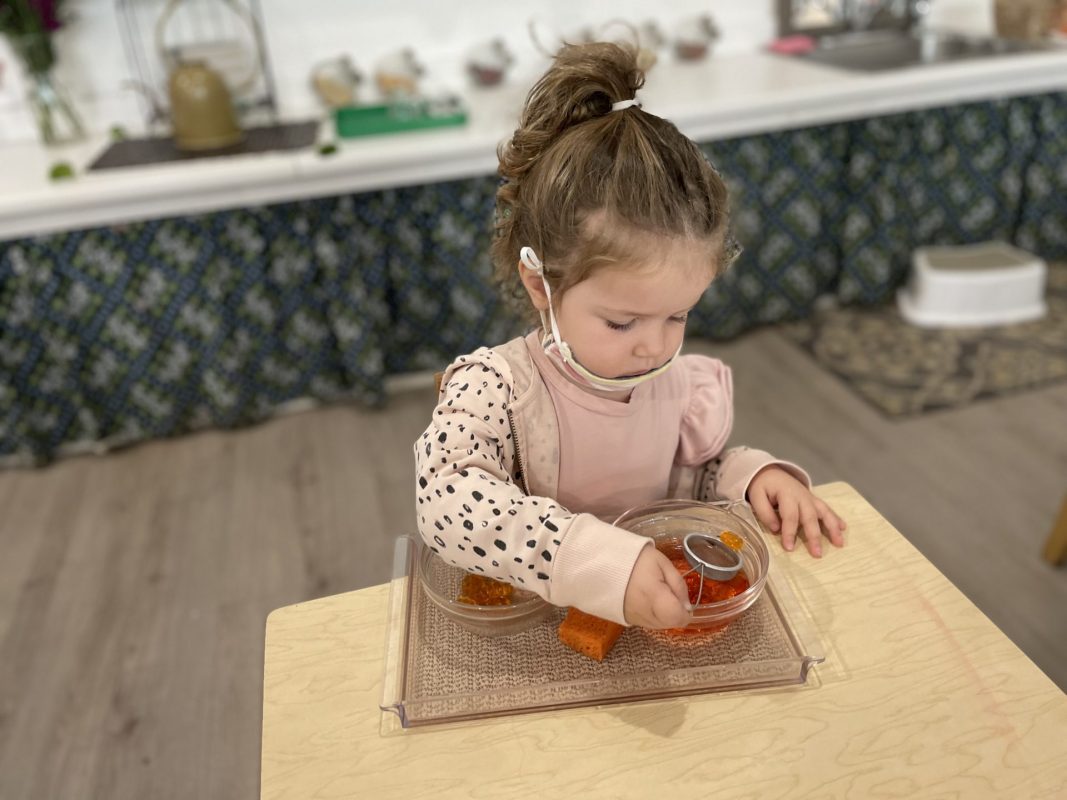
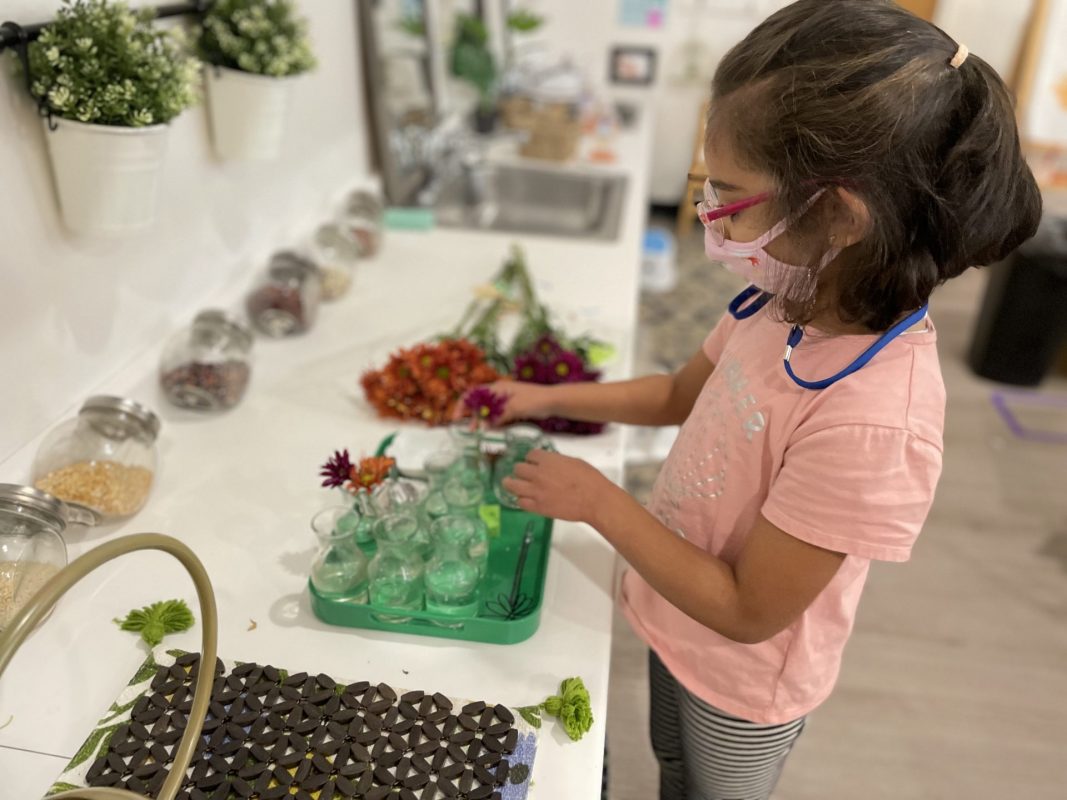
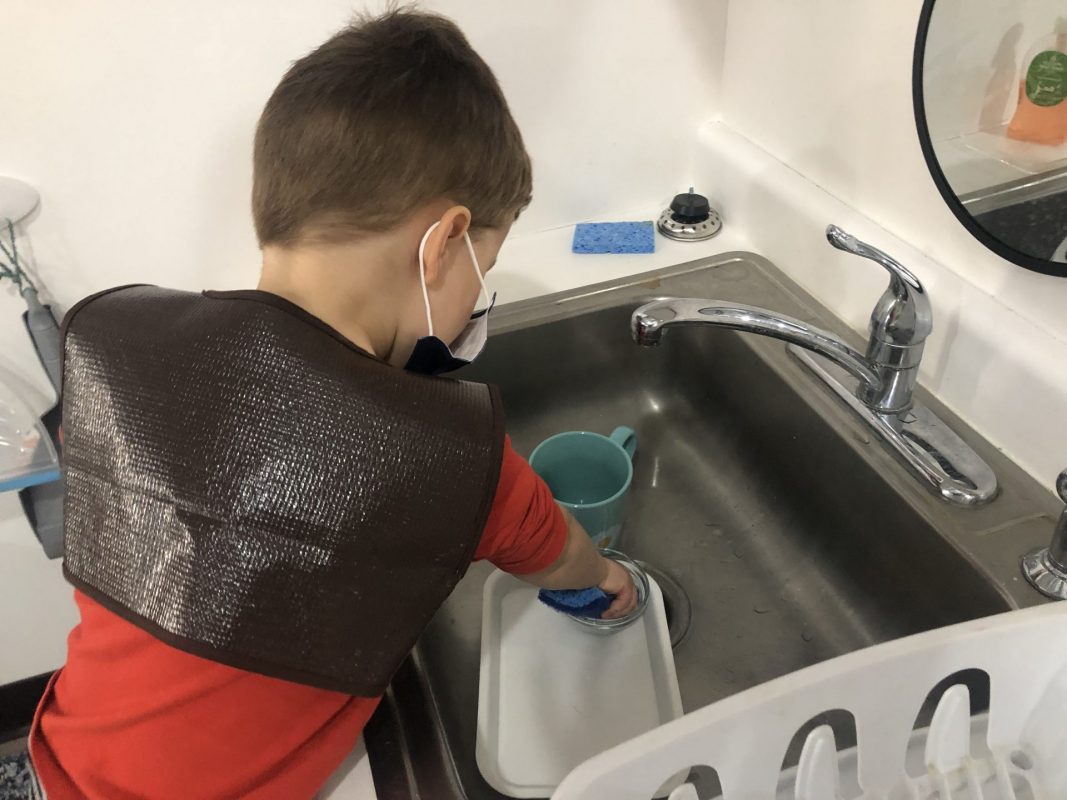
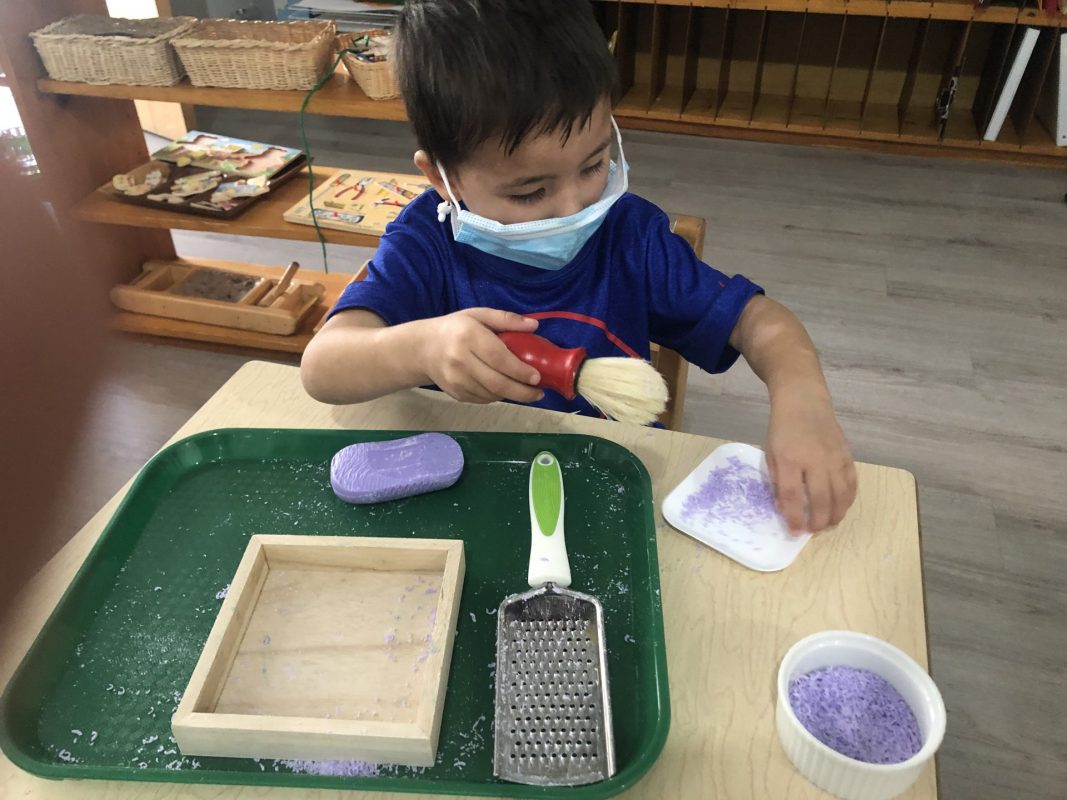
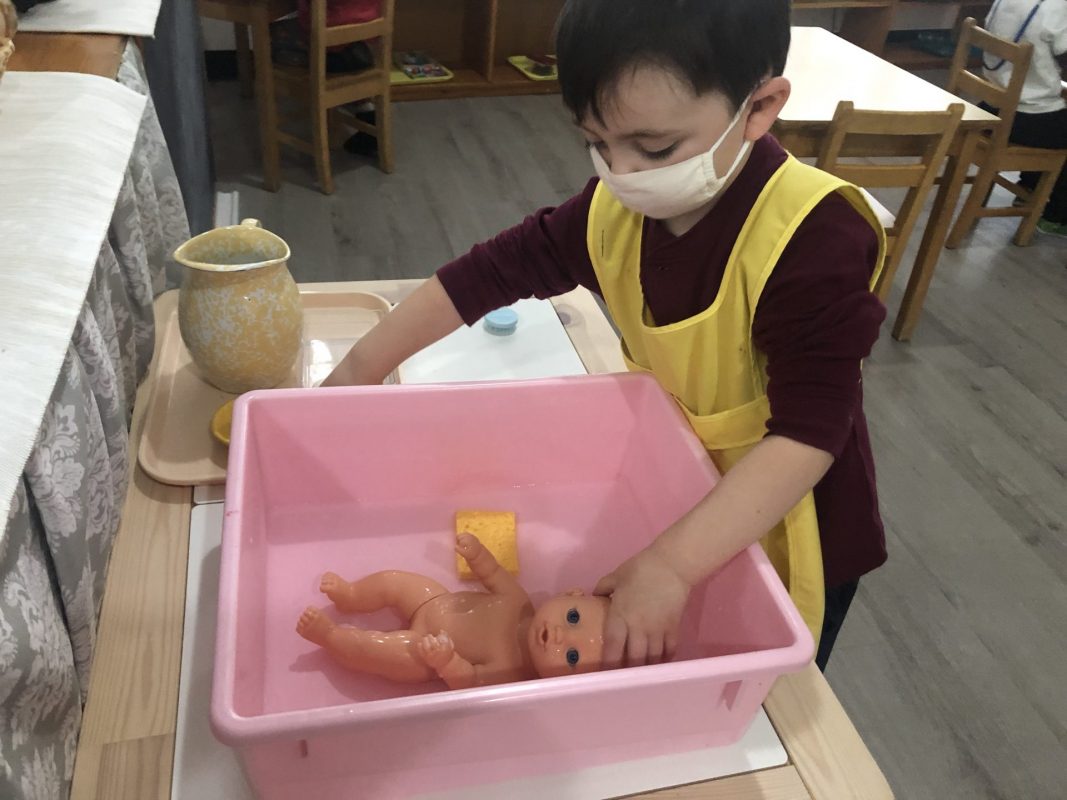
Practical life lessons are all everyday duties that are part of our life. These lessons help the children learn how to take care of themself and their environment. In addition to these activities, we added classroom jobs this week.

The children are naturally drawn to these jobs. They don’t see them as duties, they want to copy what they see us doing. They find meaning, fun, and satisfaction in having responsibilities in their classroom. It also helps the children gain self-confidence and be contributing members of the classroom. It encourages independence and a sense of responsibility in our children.

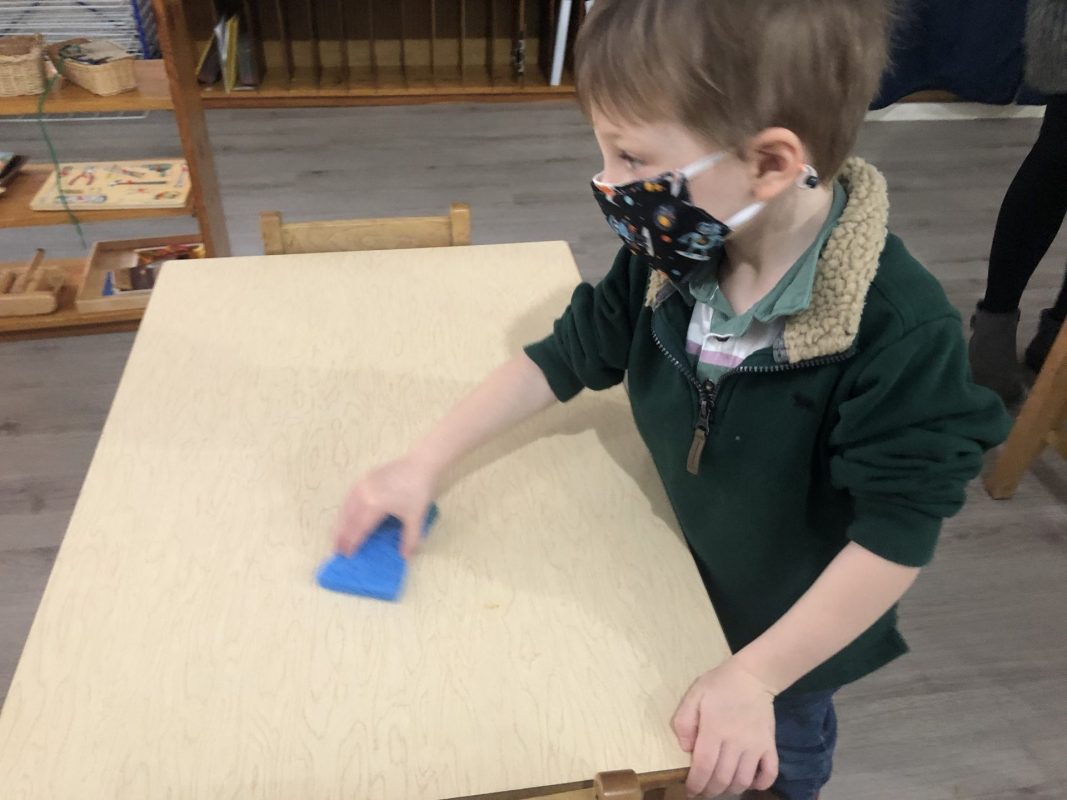
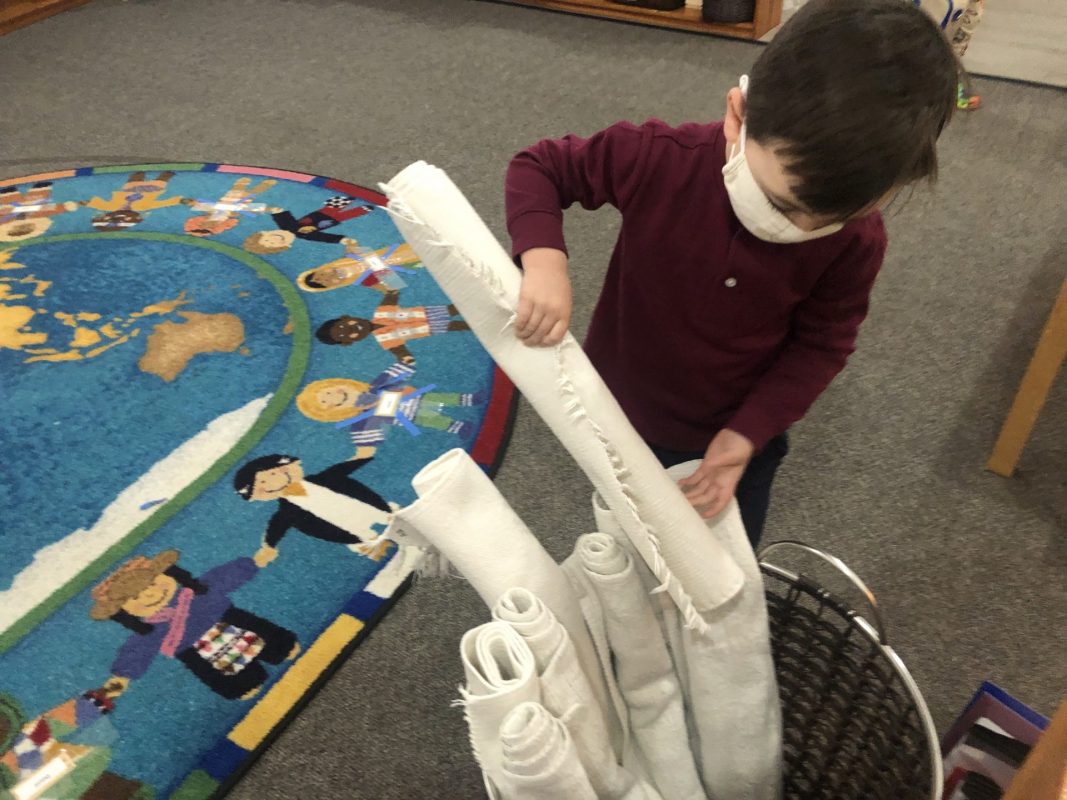
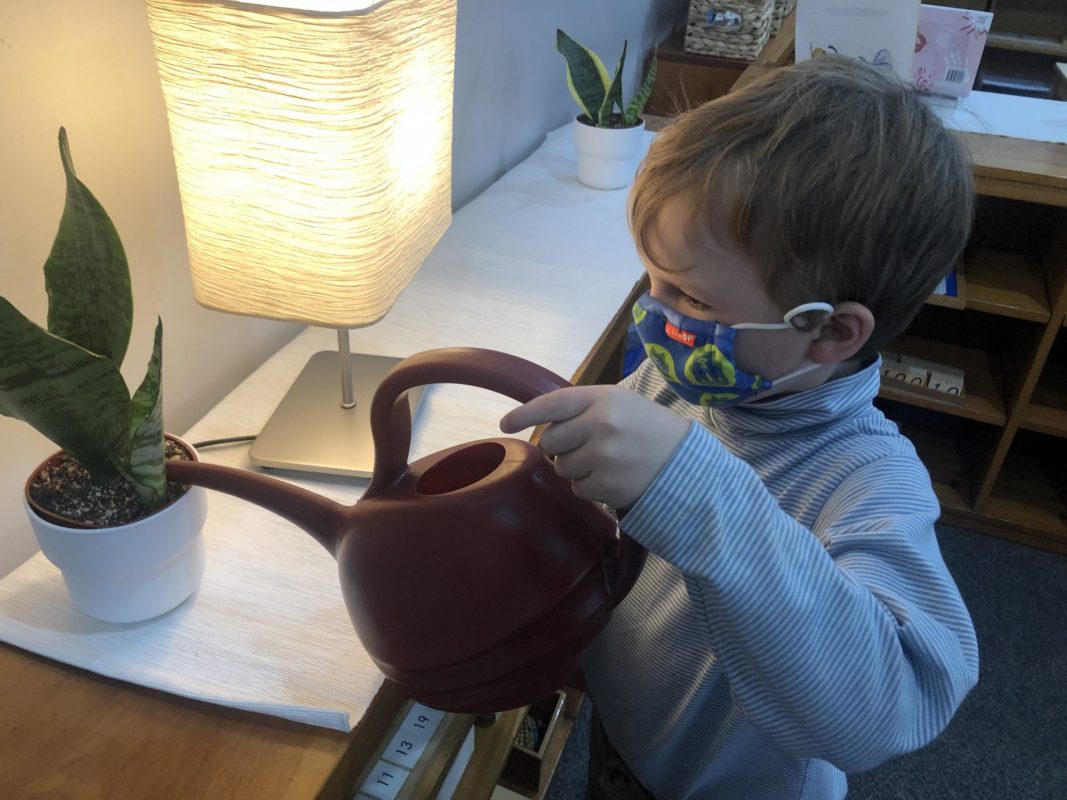
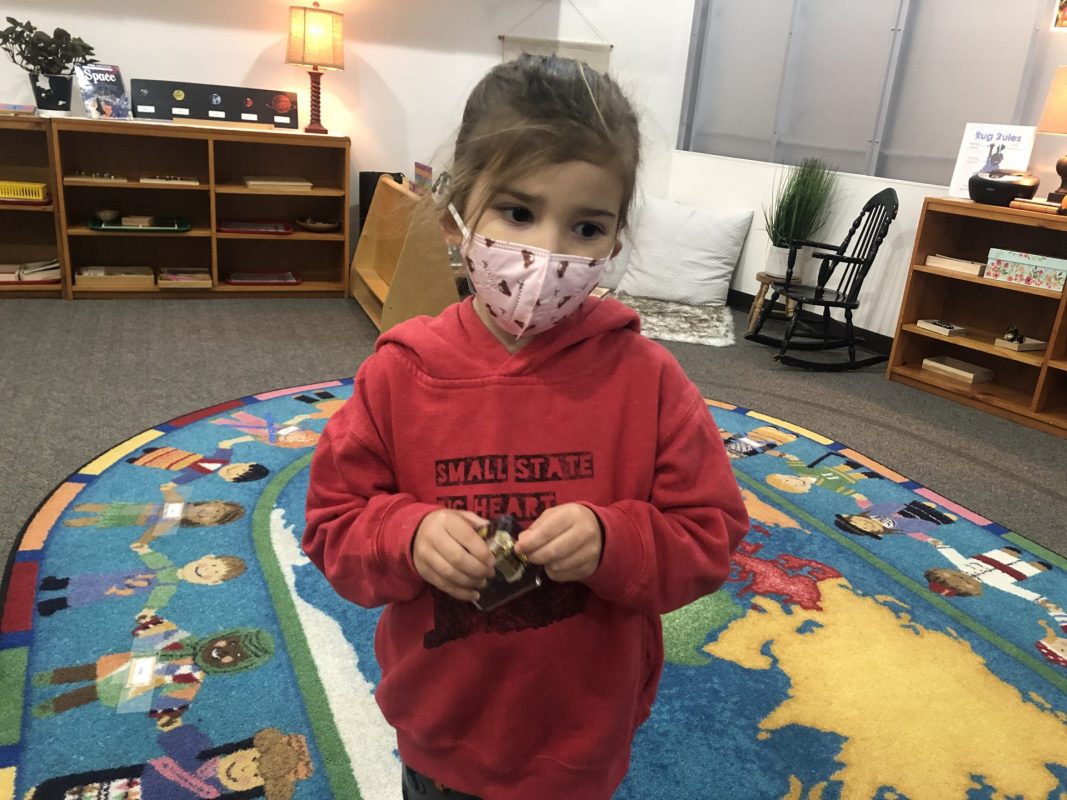
The job charts identify the classroom jobs that are completed every day to make it visual and easy to grasp for children. I take pictures of the children doing the jobs and I print them and laminate them. Using a pocket chart hung on the wall, a photo of each job title is placed in the pocket and the name of the child is placed in front of it. These are some examples of the jobs: playing the music box while walking on the line to transition from circle time to start a work cycle, the door holder, wiping the table, and watering the plants.

We introduce the classroom job chart on each Monday during circle time, announcing a job title for each child’s assigned week.

Wishing you a week filled with love and peace.

Kaoutar and Sara