Blog

Mrs.Wilson: Past Two Weeks


How are we already halfway through November? The past two weeks have come and gone so fast. Next time you blink it will be 2022 and when you blink again, June 2022.

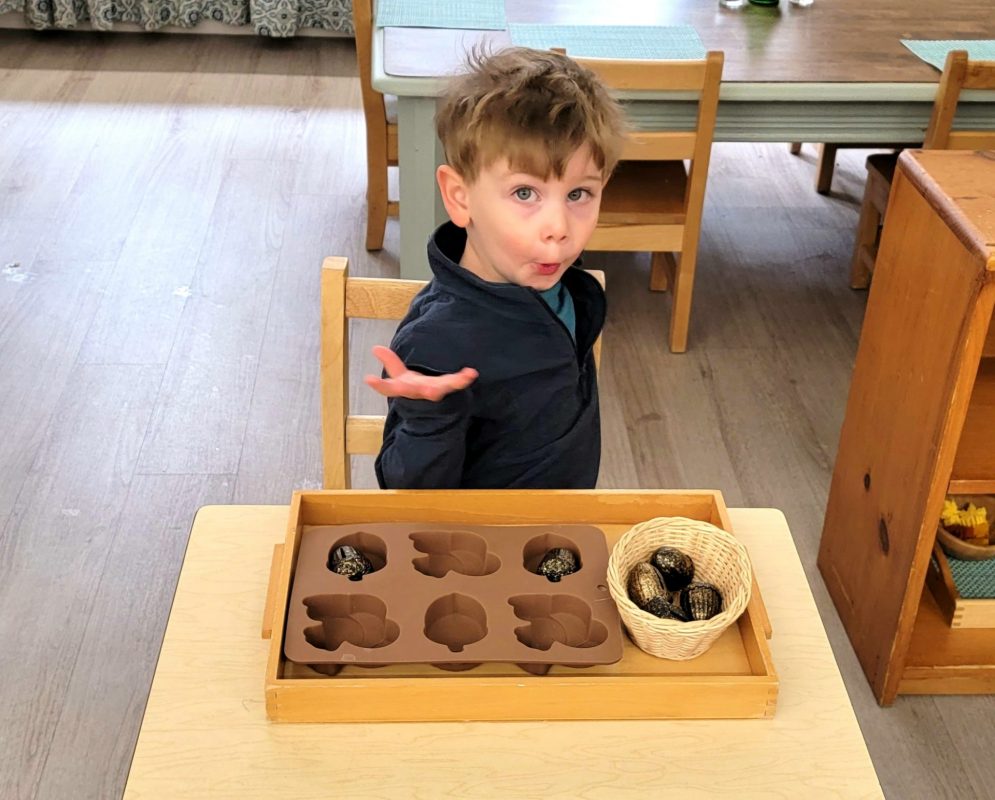
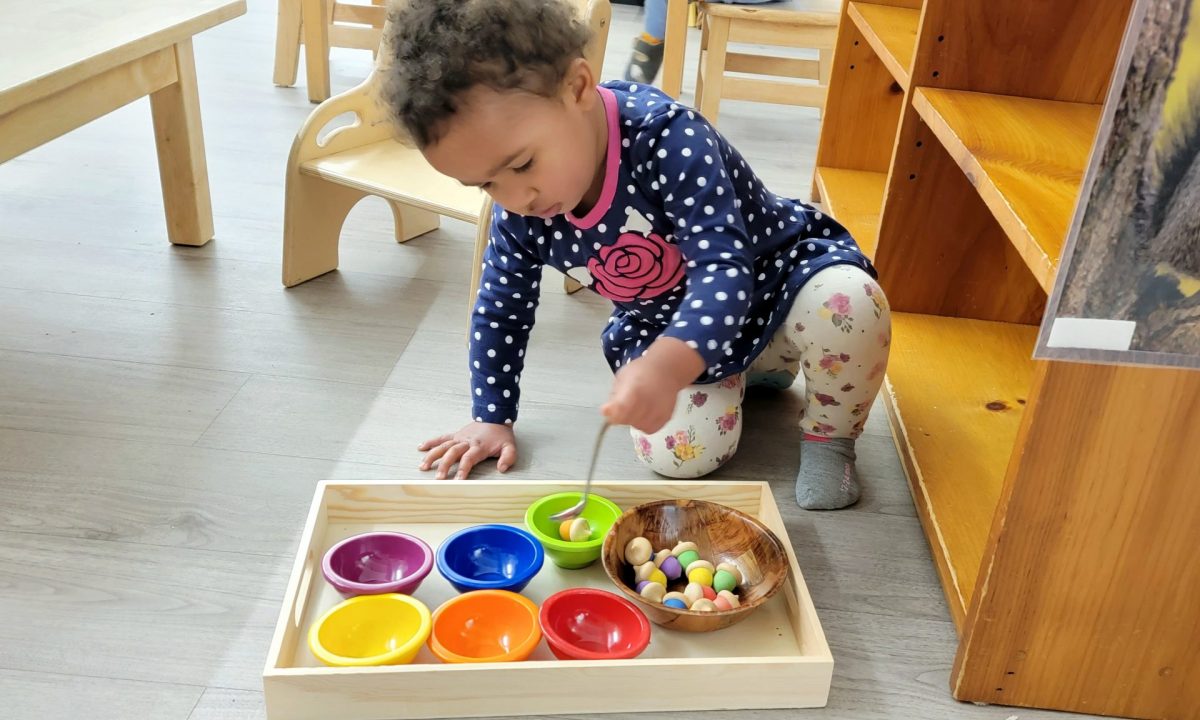
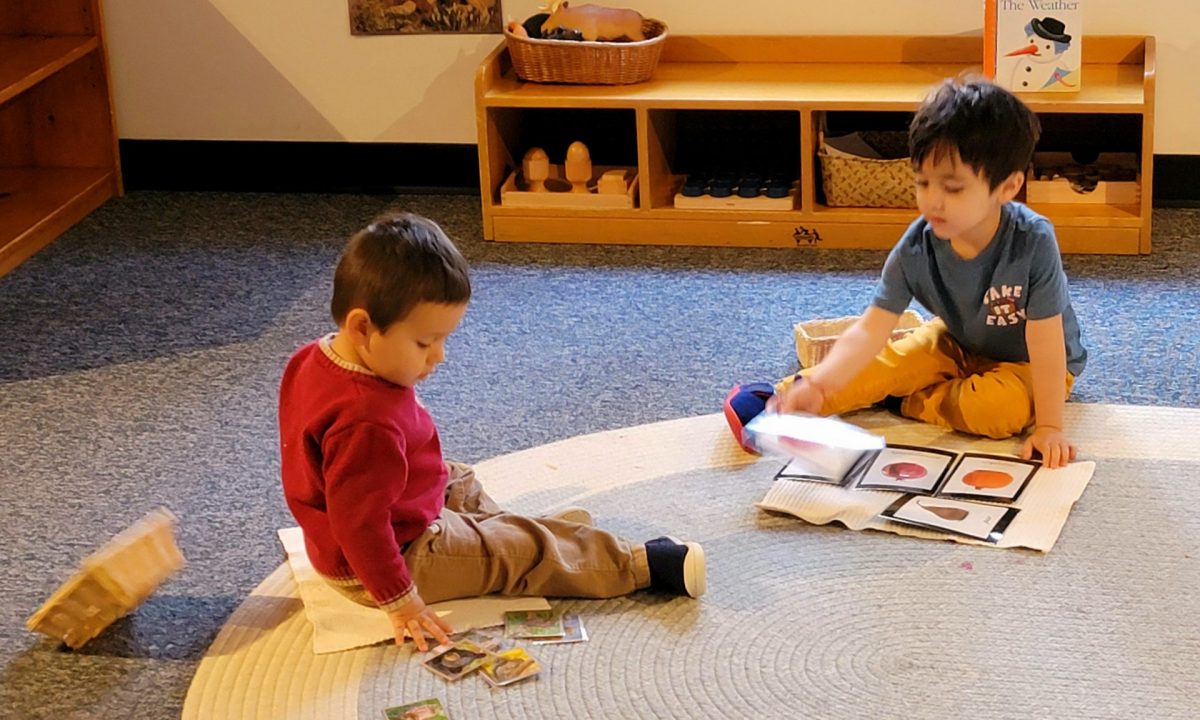
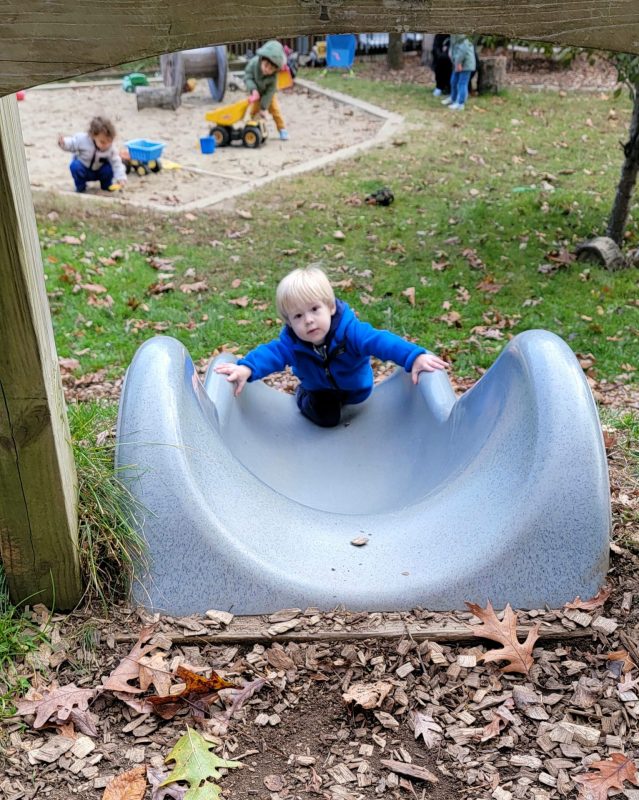
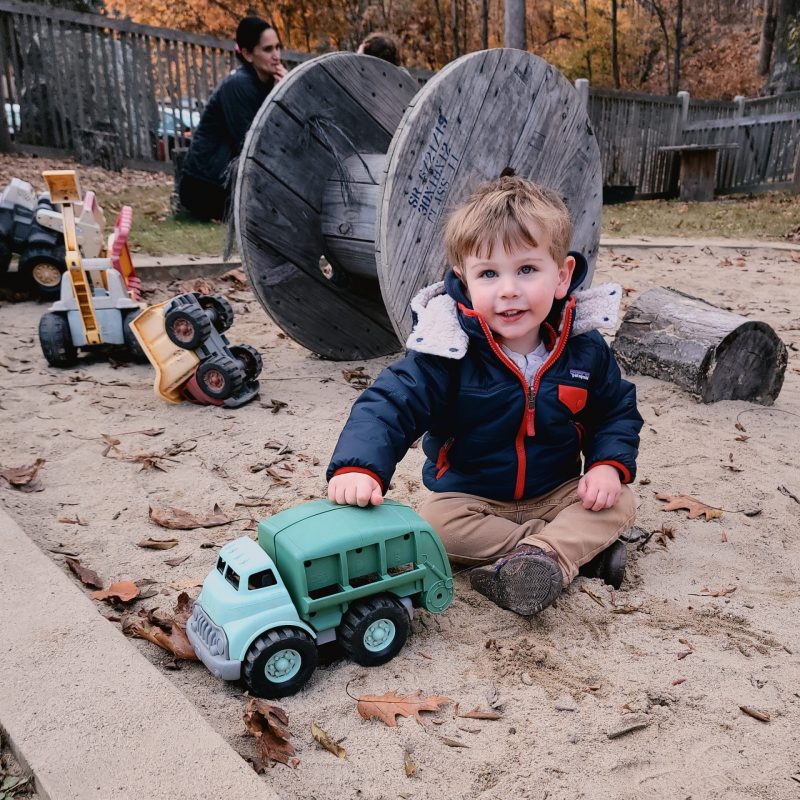
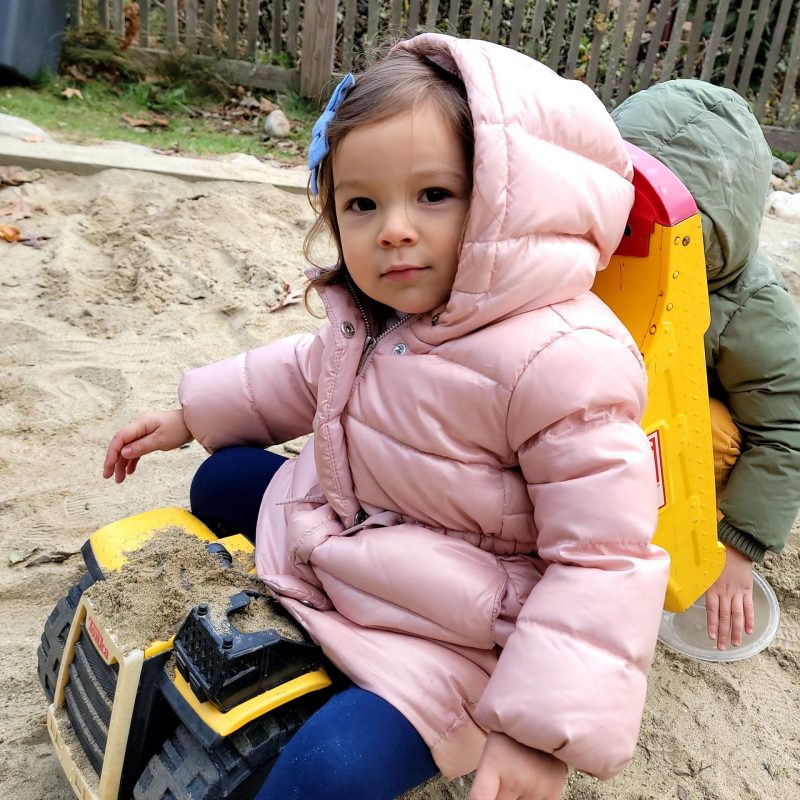
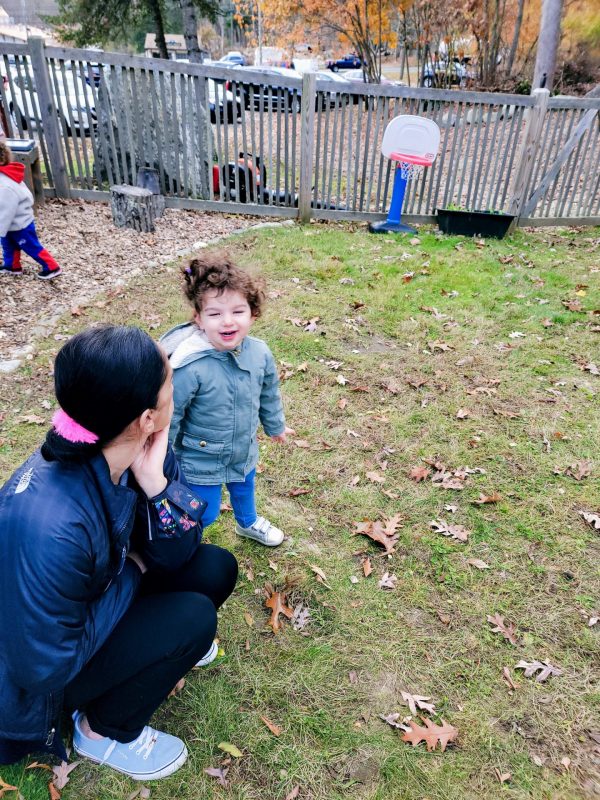
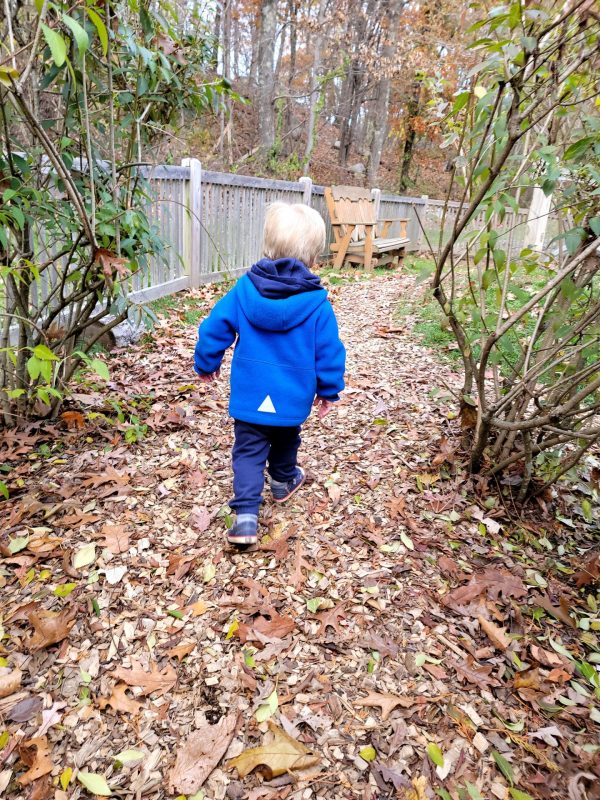
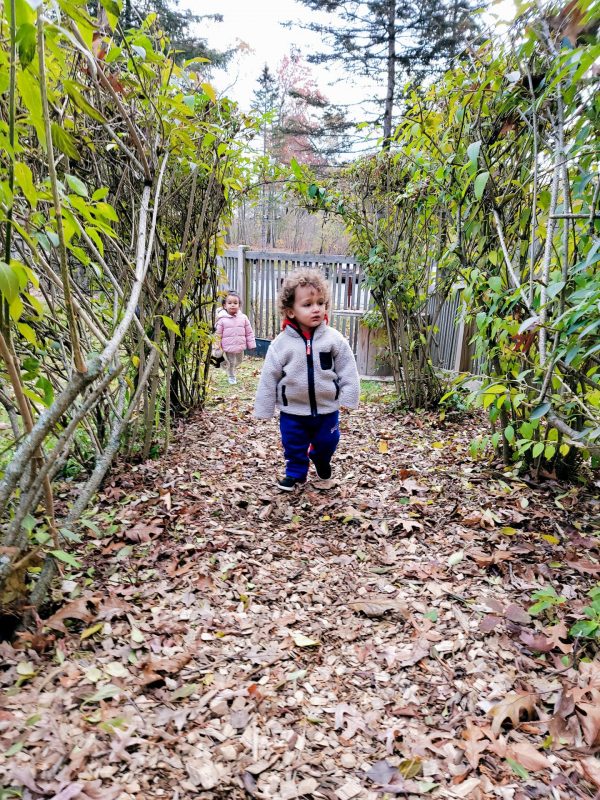
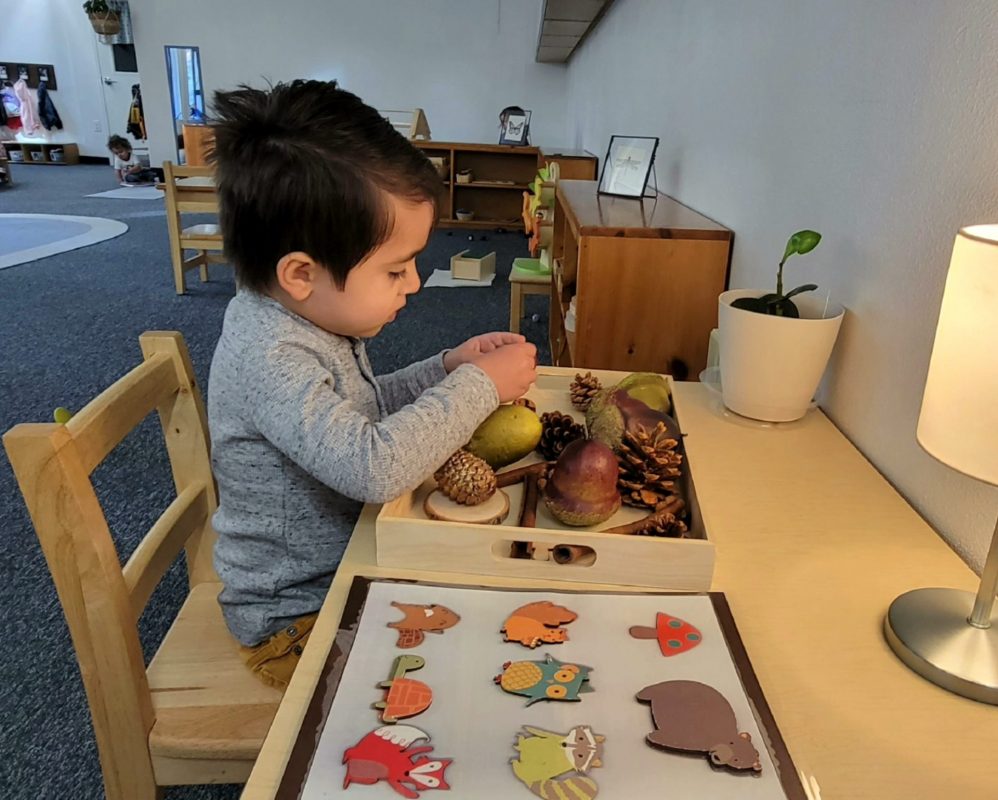
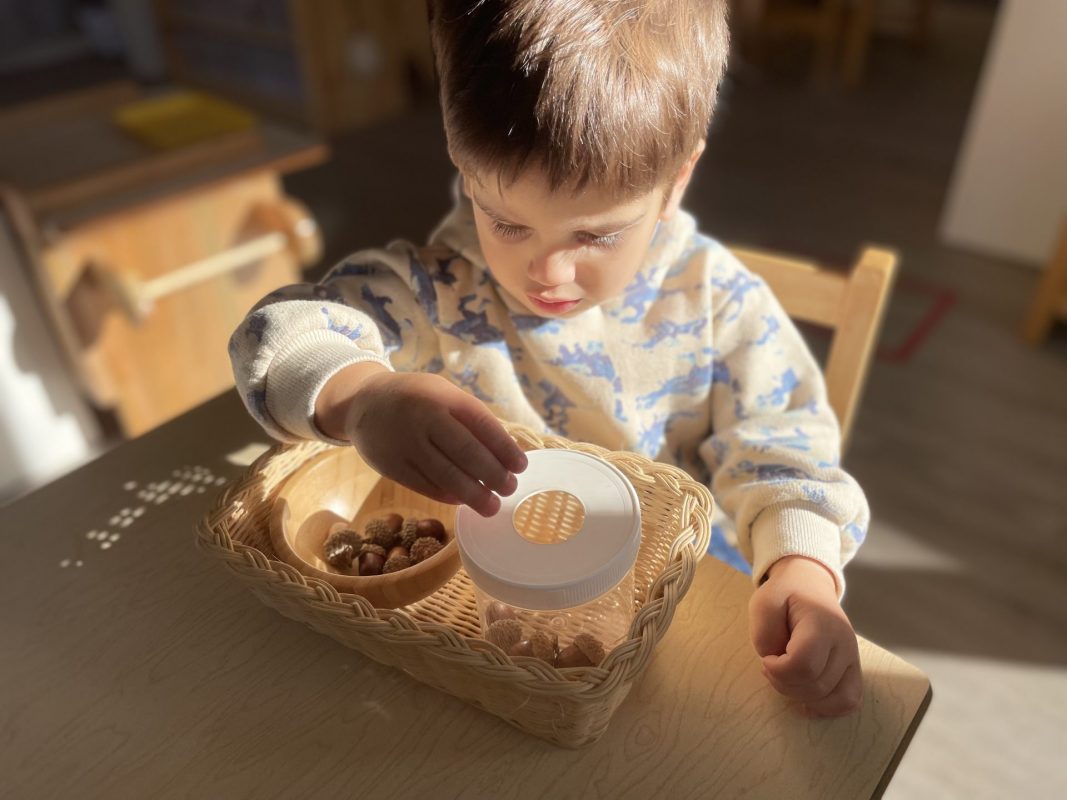
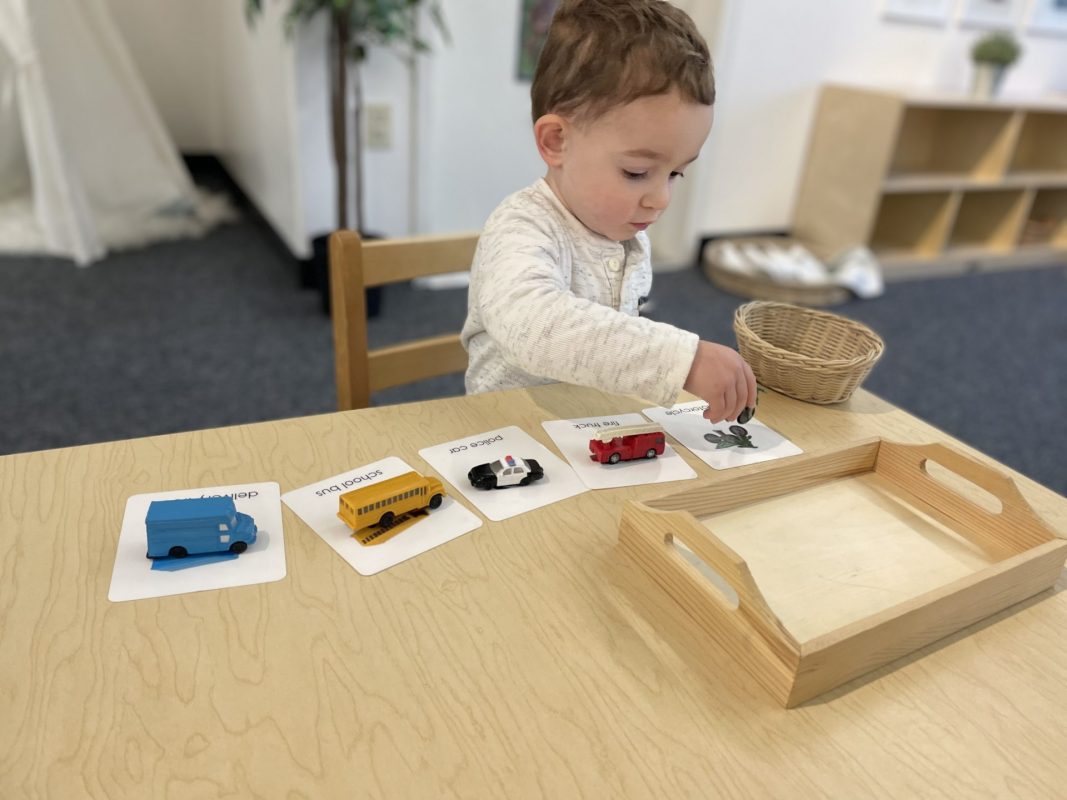
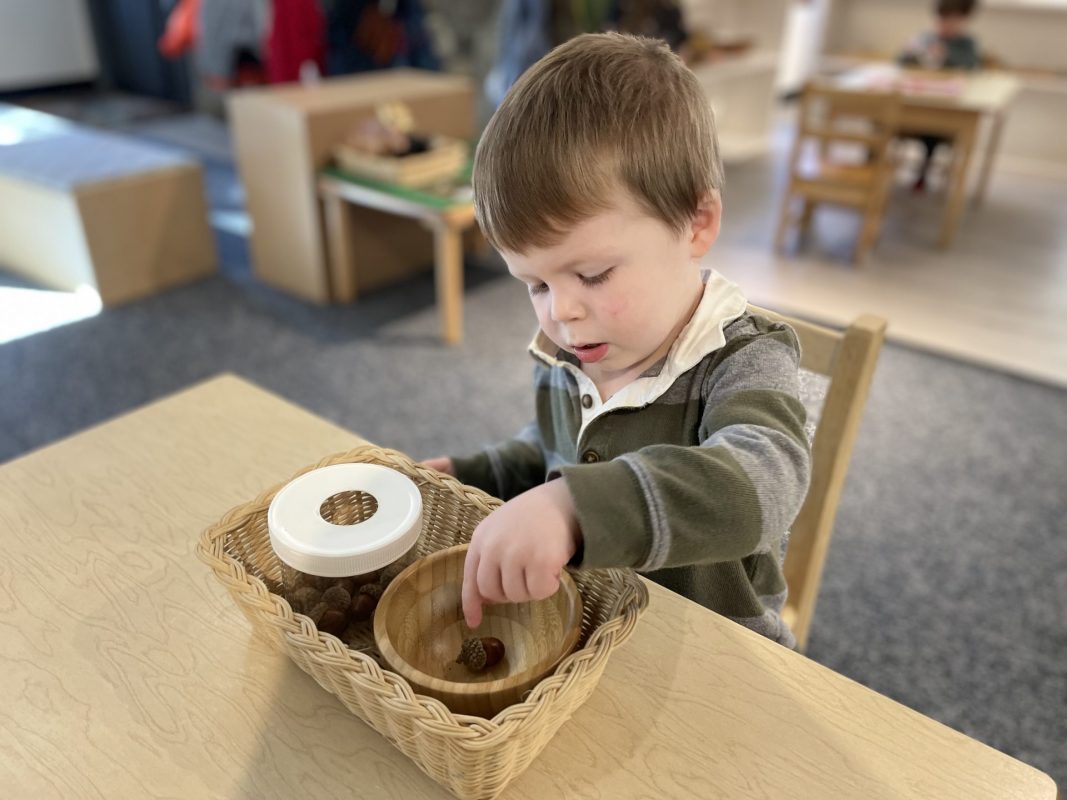
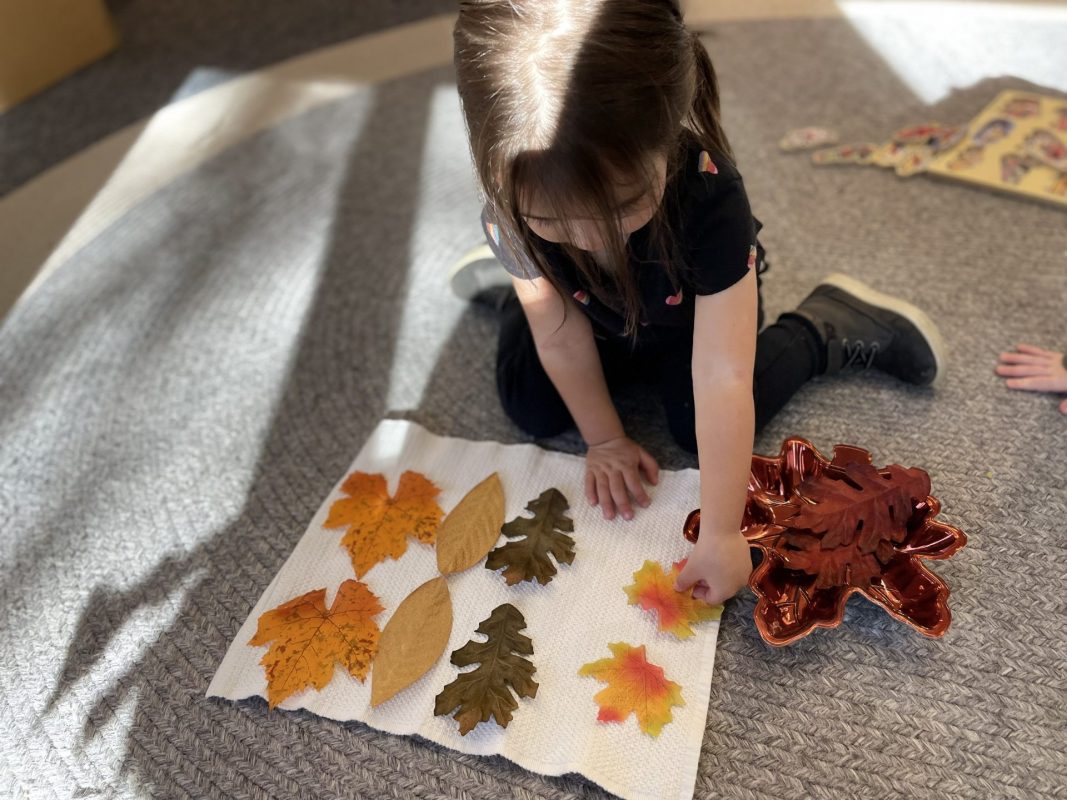
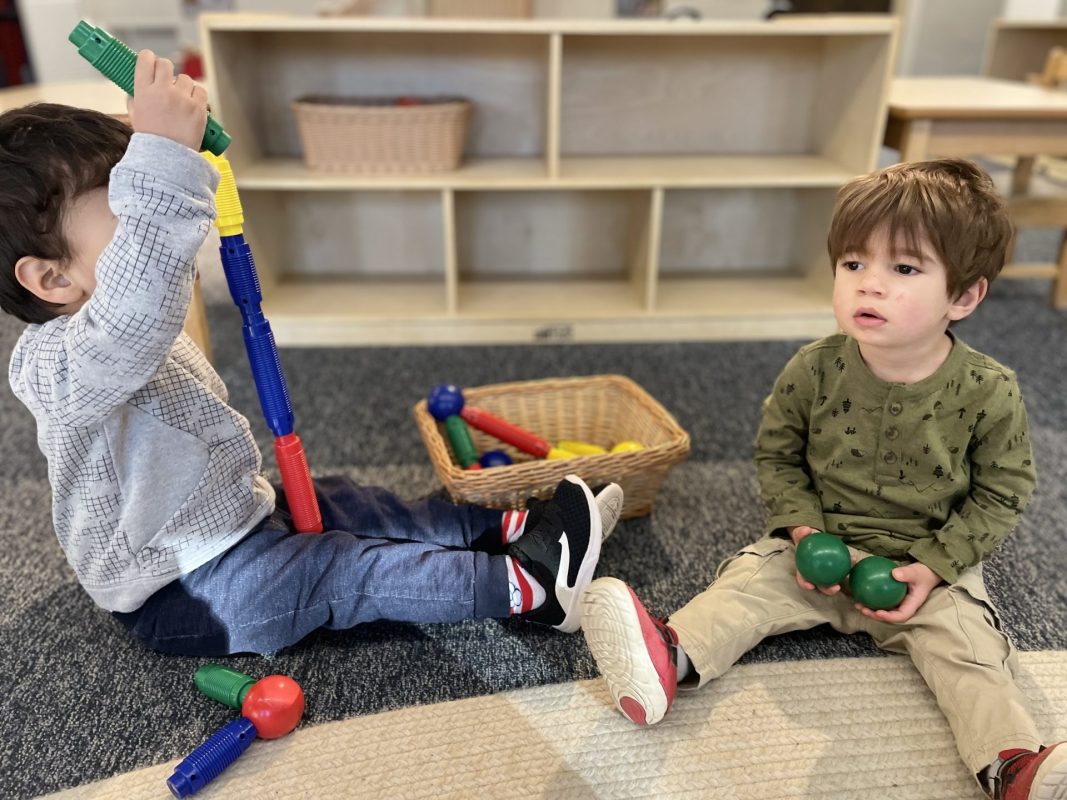
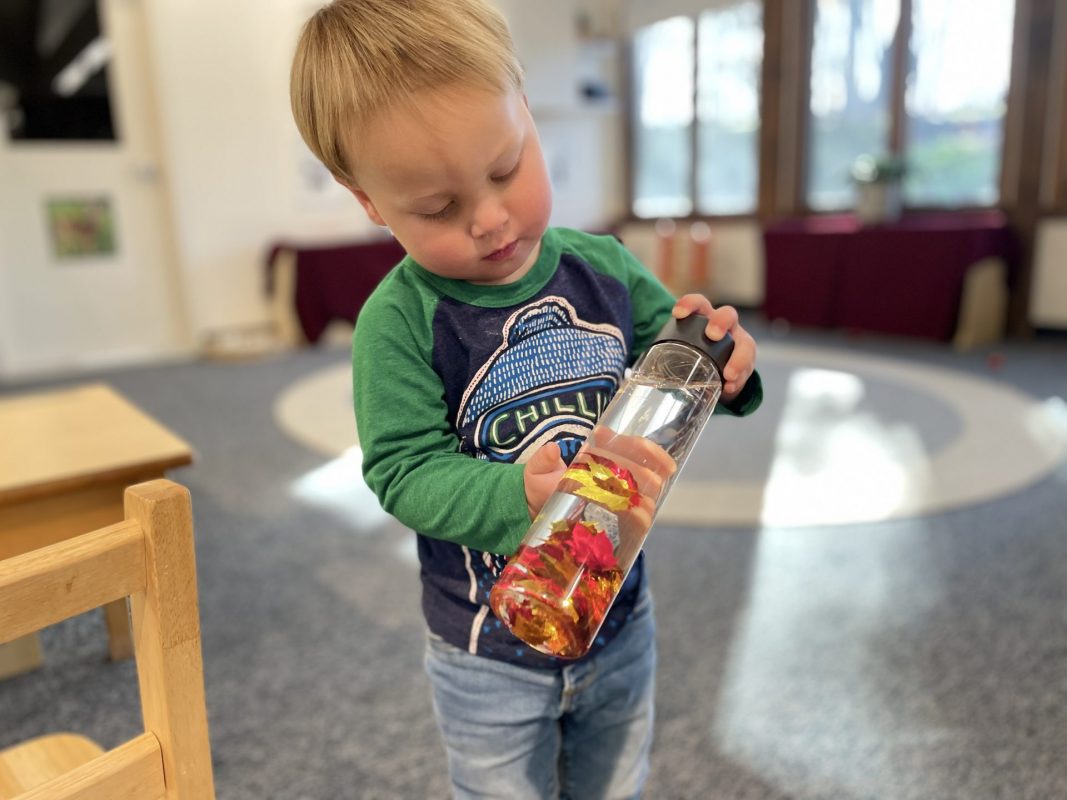
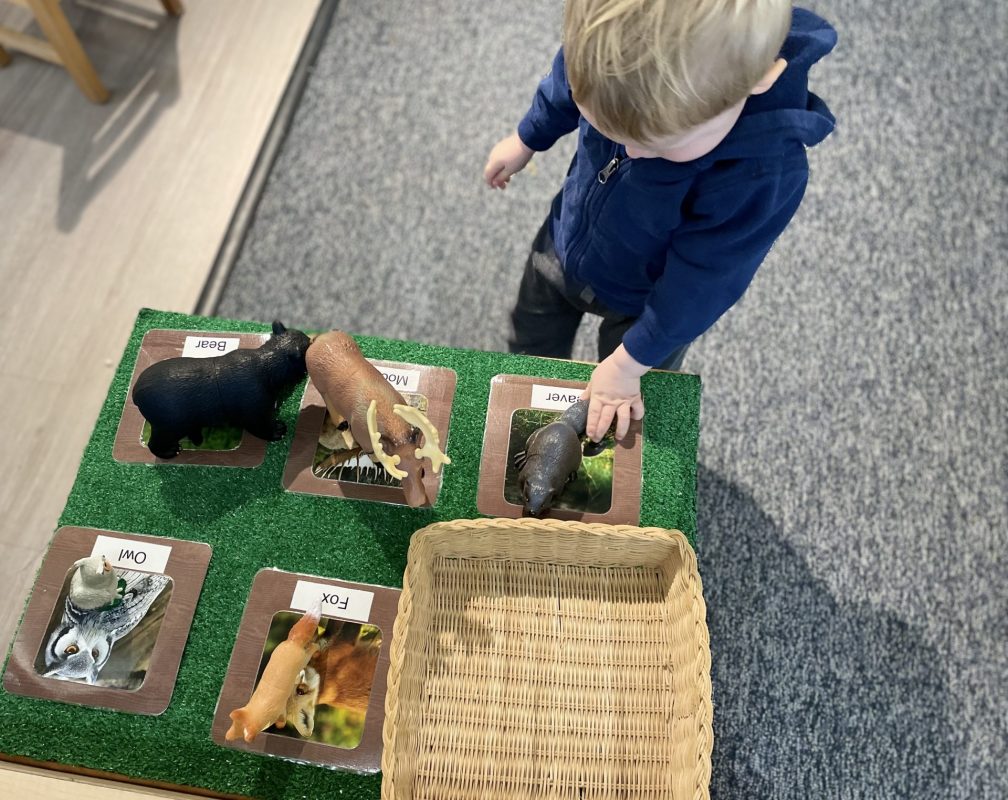
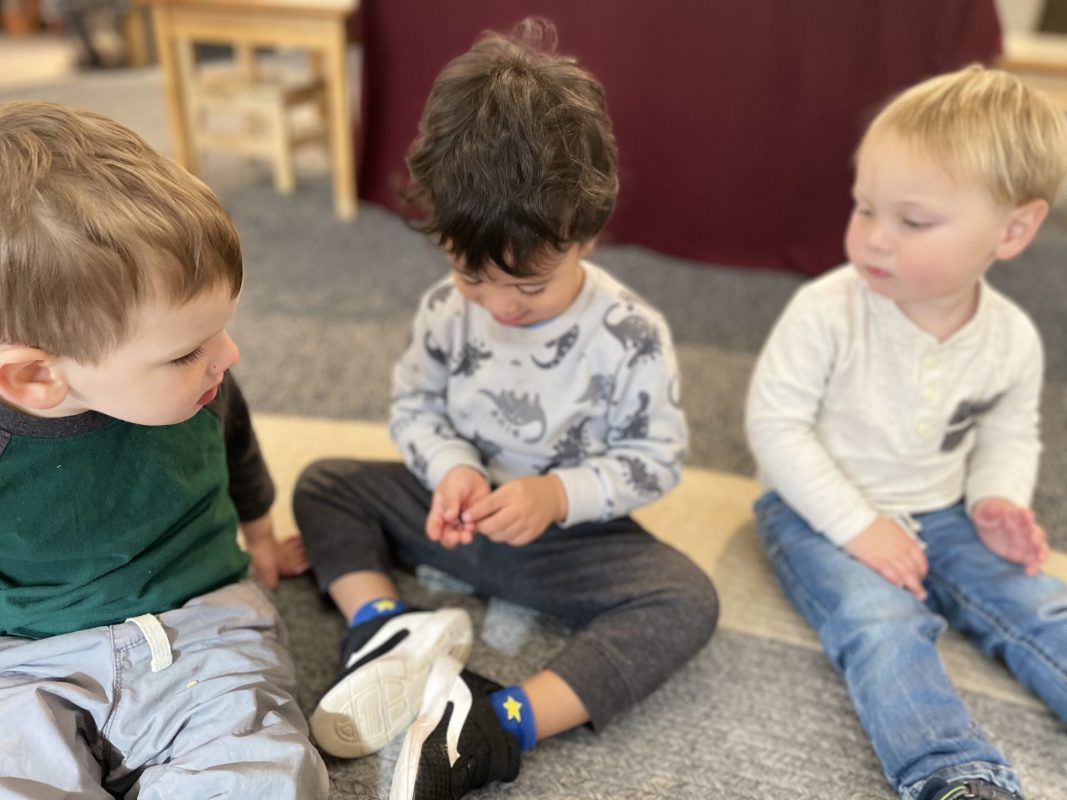
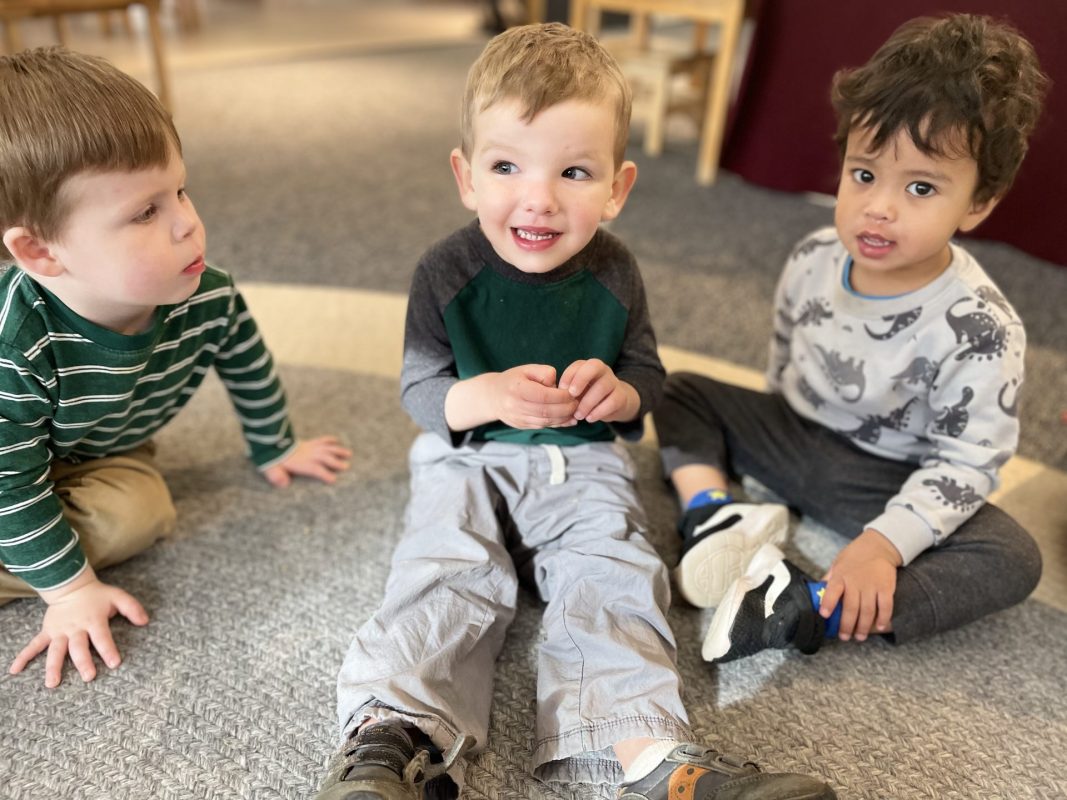
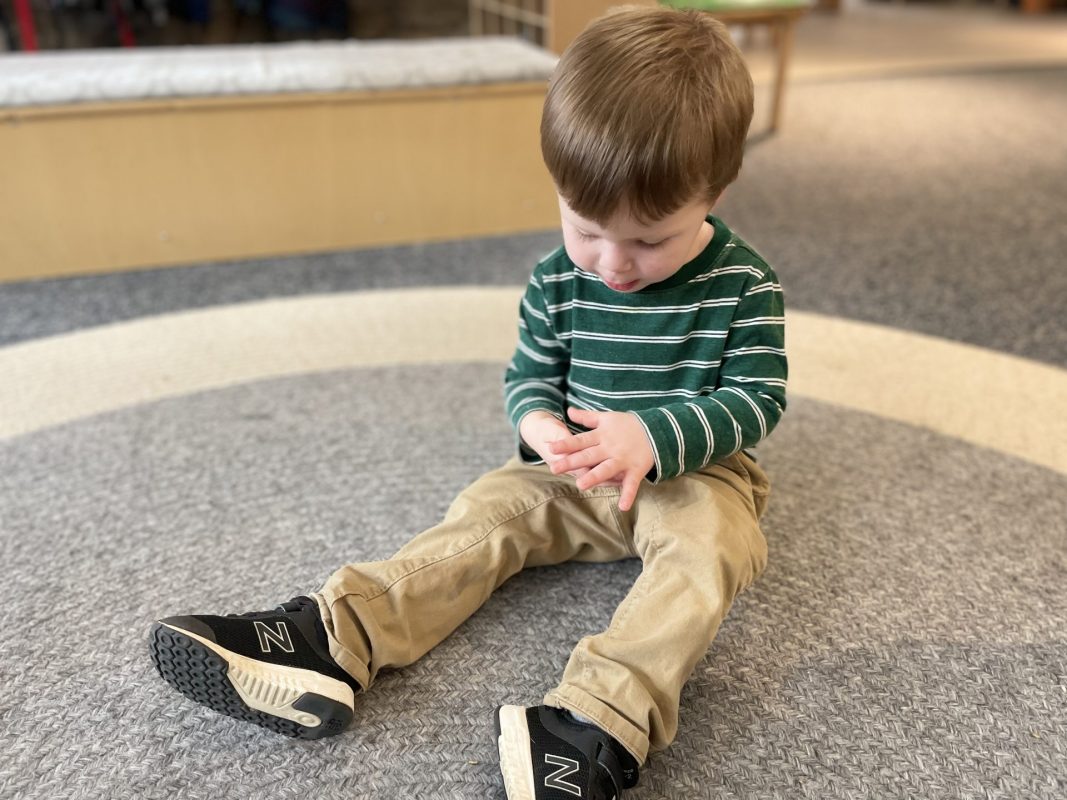
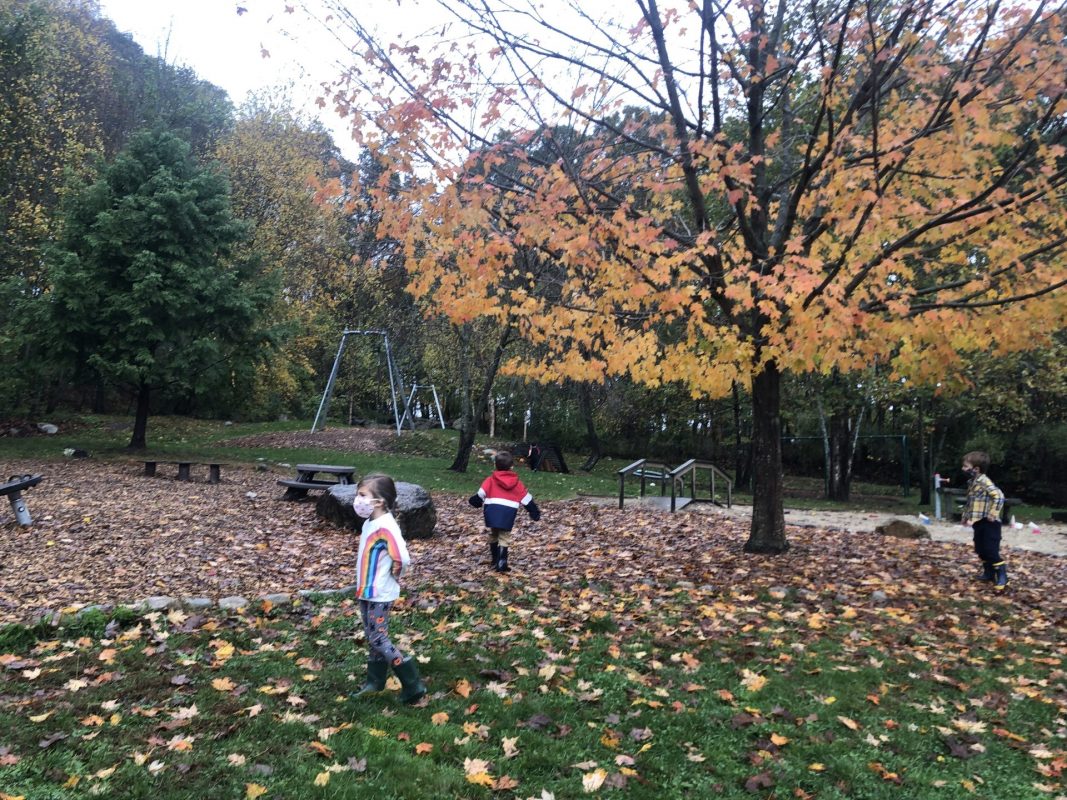
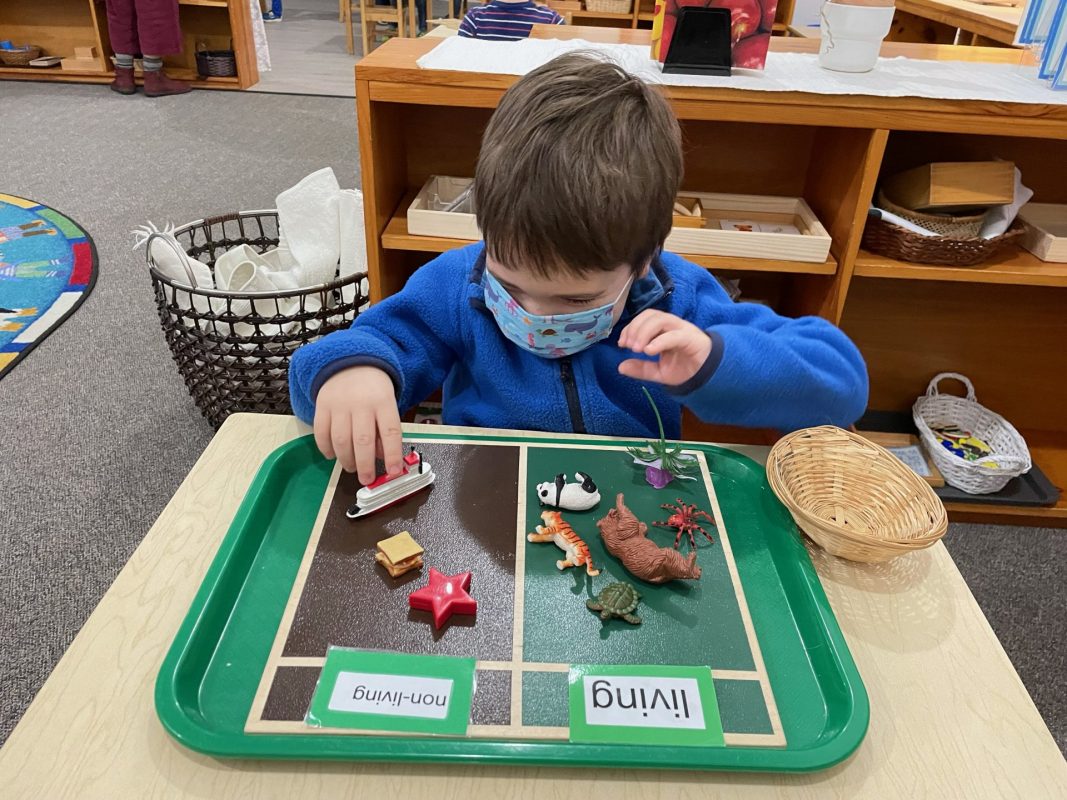
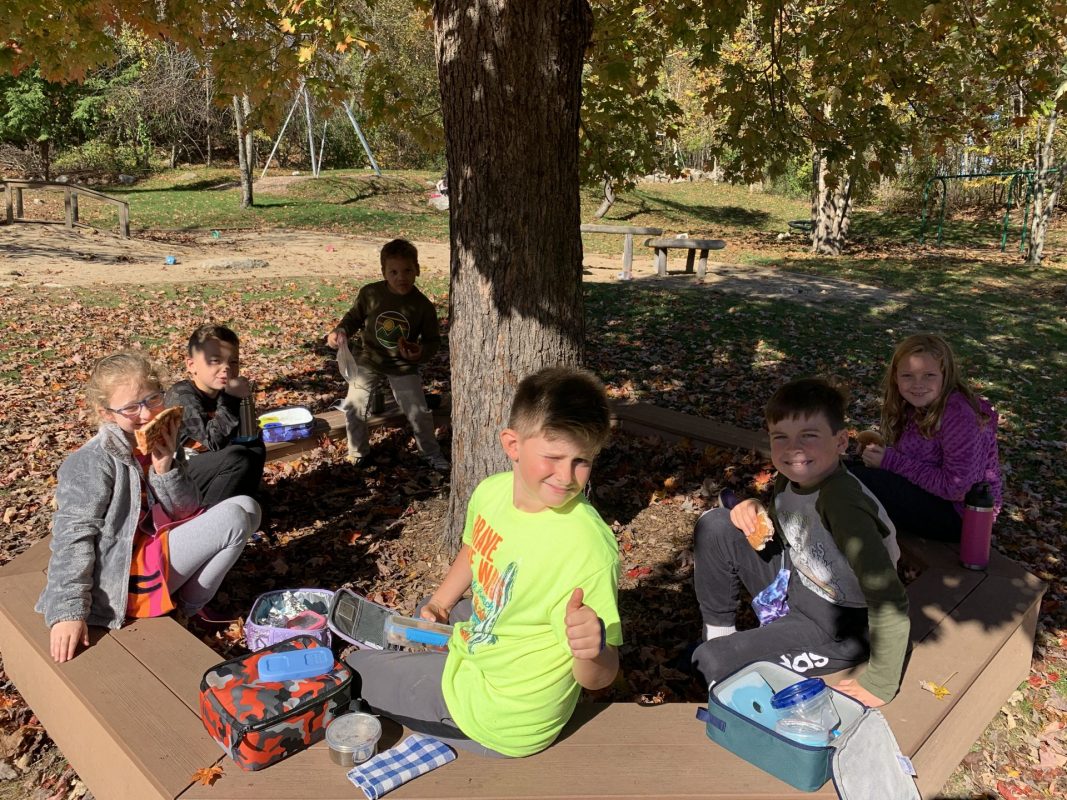
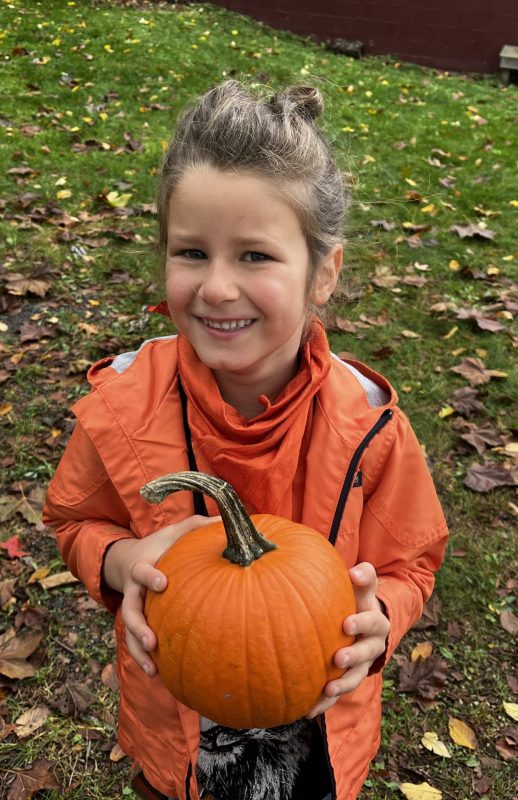
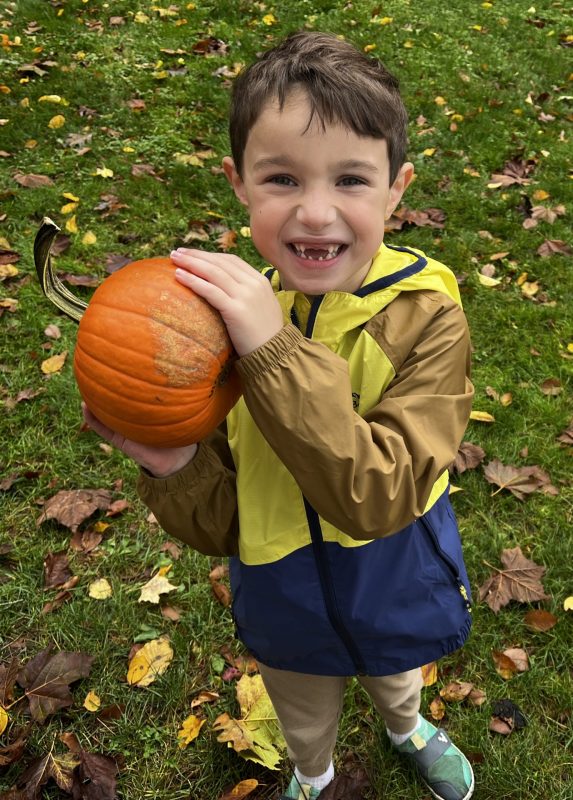
In the beginning of November we packed away our farm, farm animals, and pumpkins. We are now exploring woodland animals such as squirrels, deer, owls, and bears, “OH my!” Along with the animals, the children are exploring acorns, pinecones, and fallen autumn leaves.

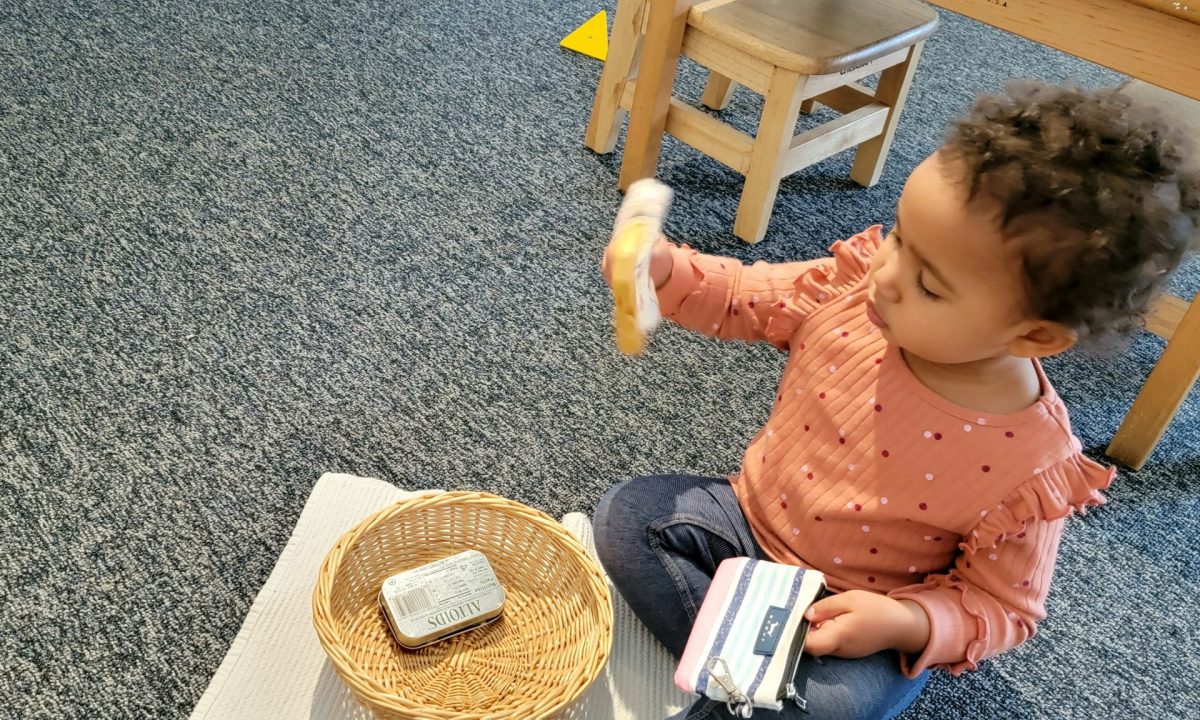
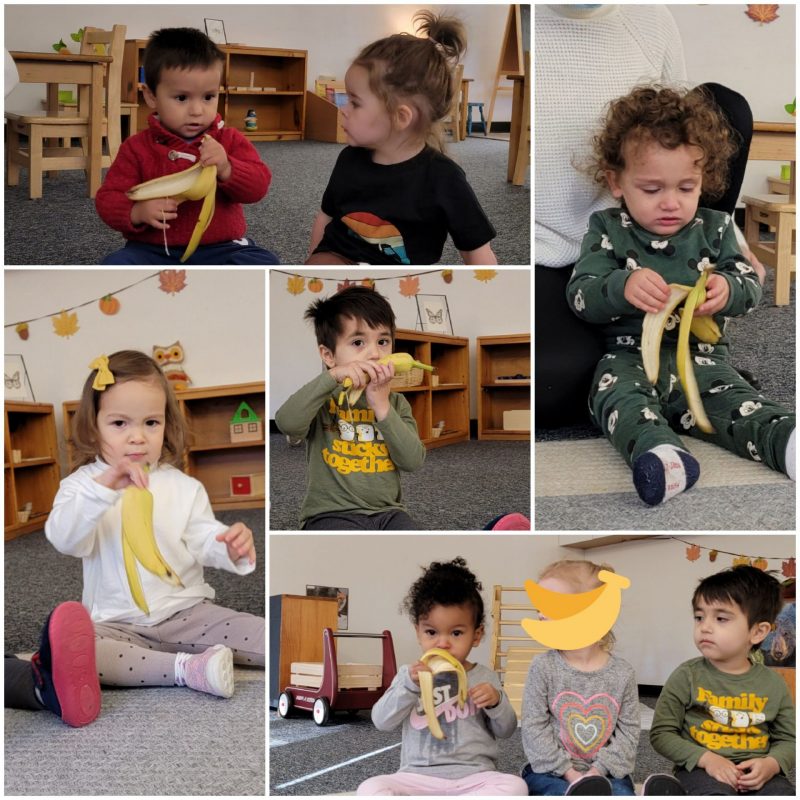
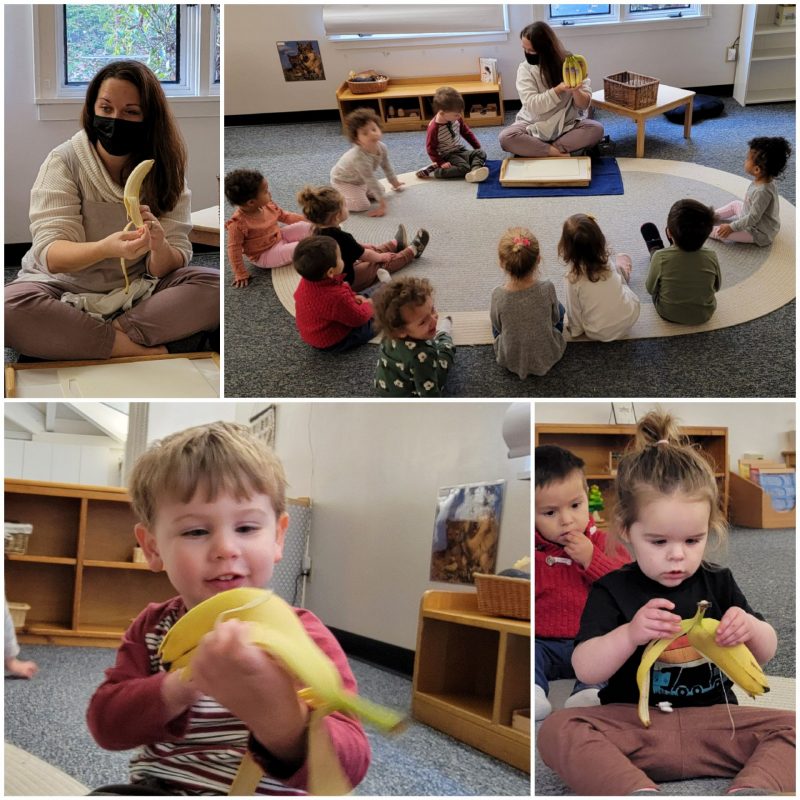
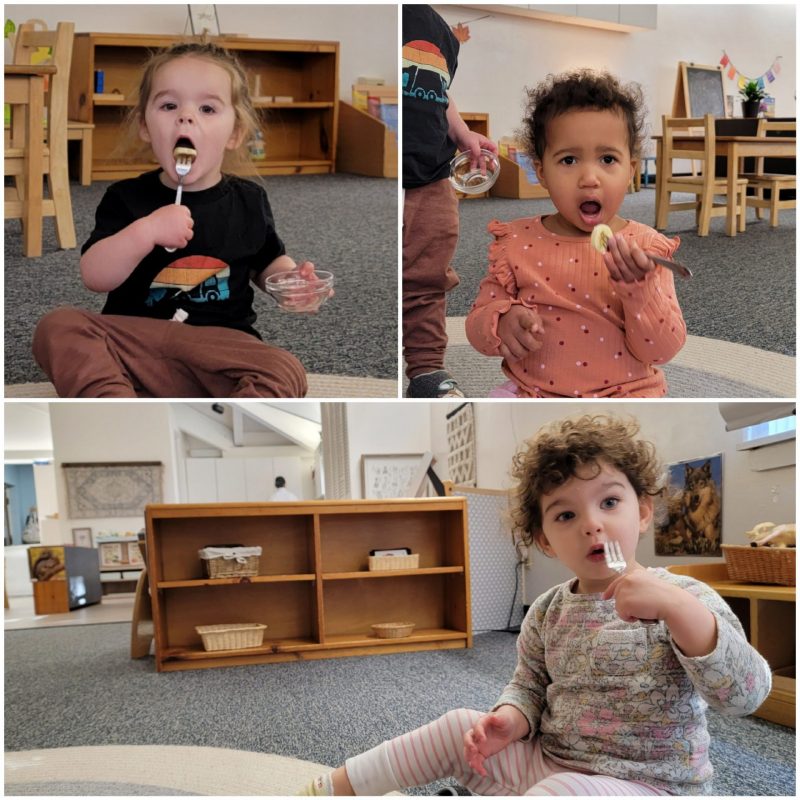
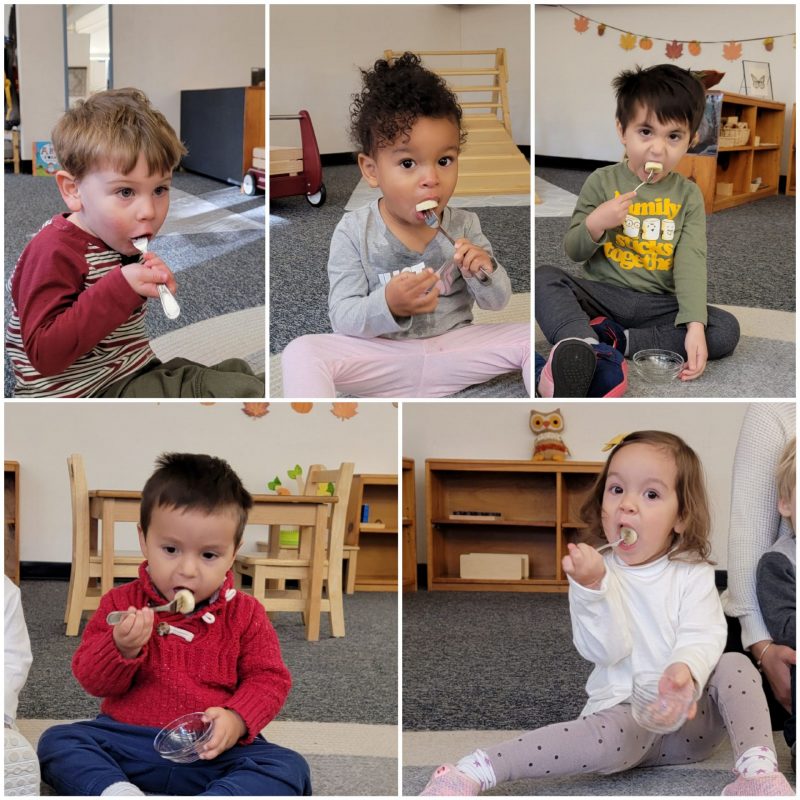
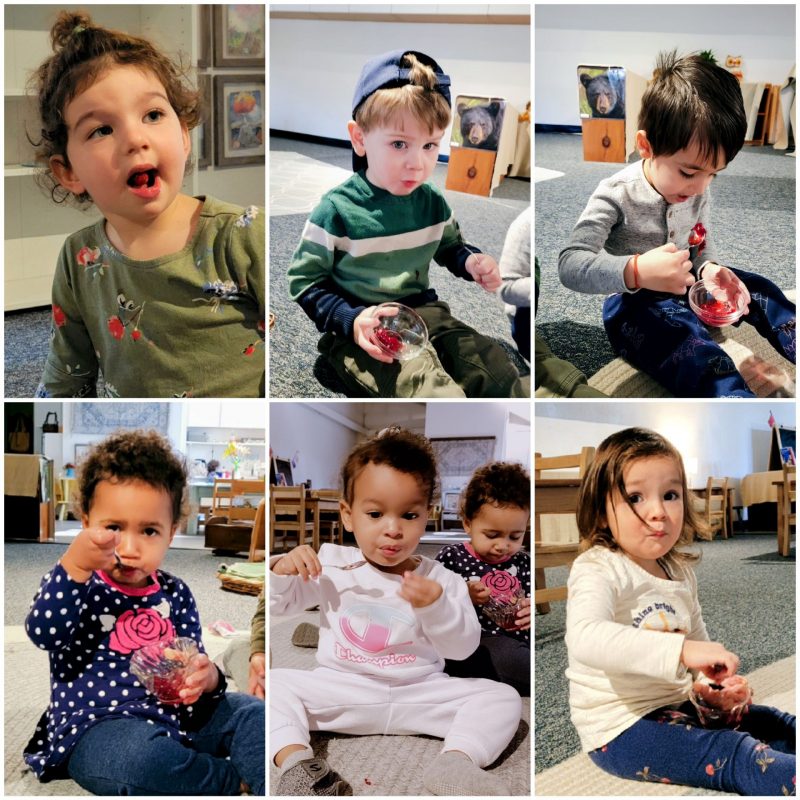
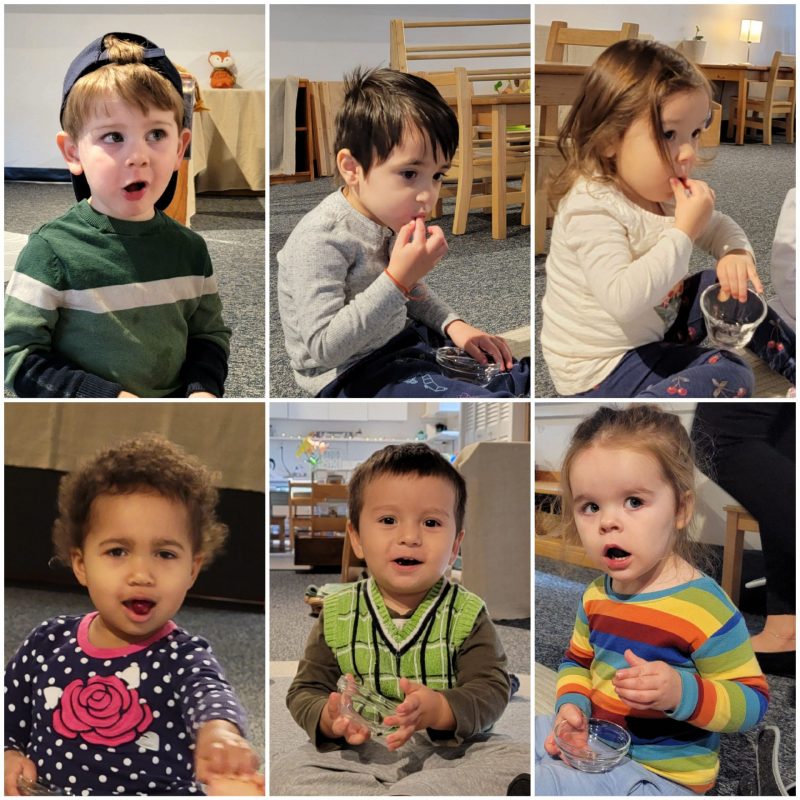
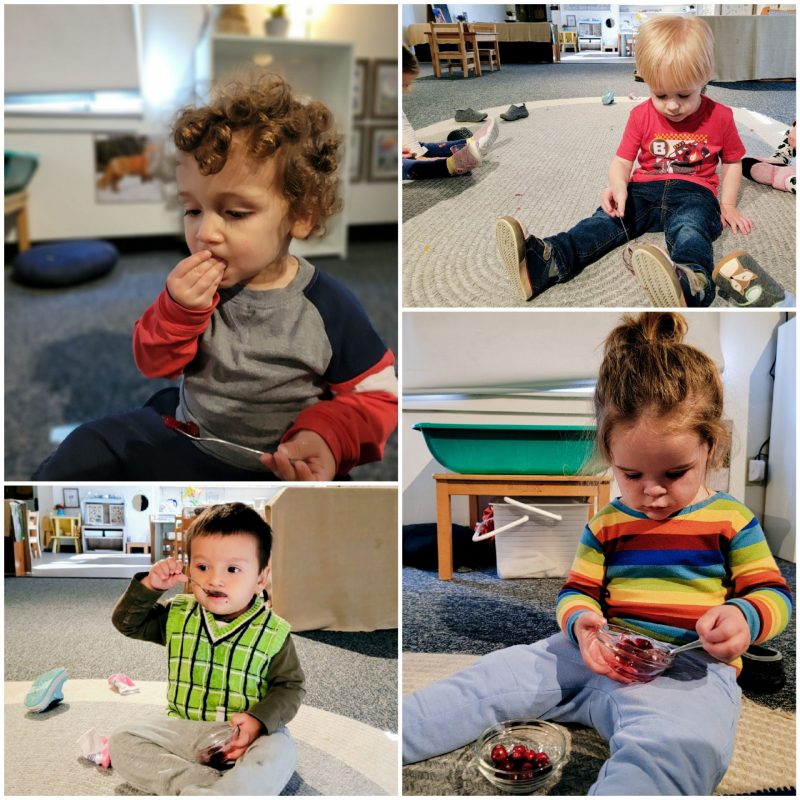
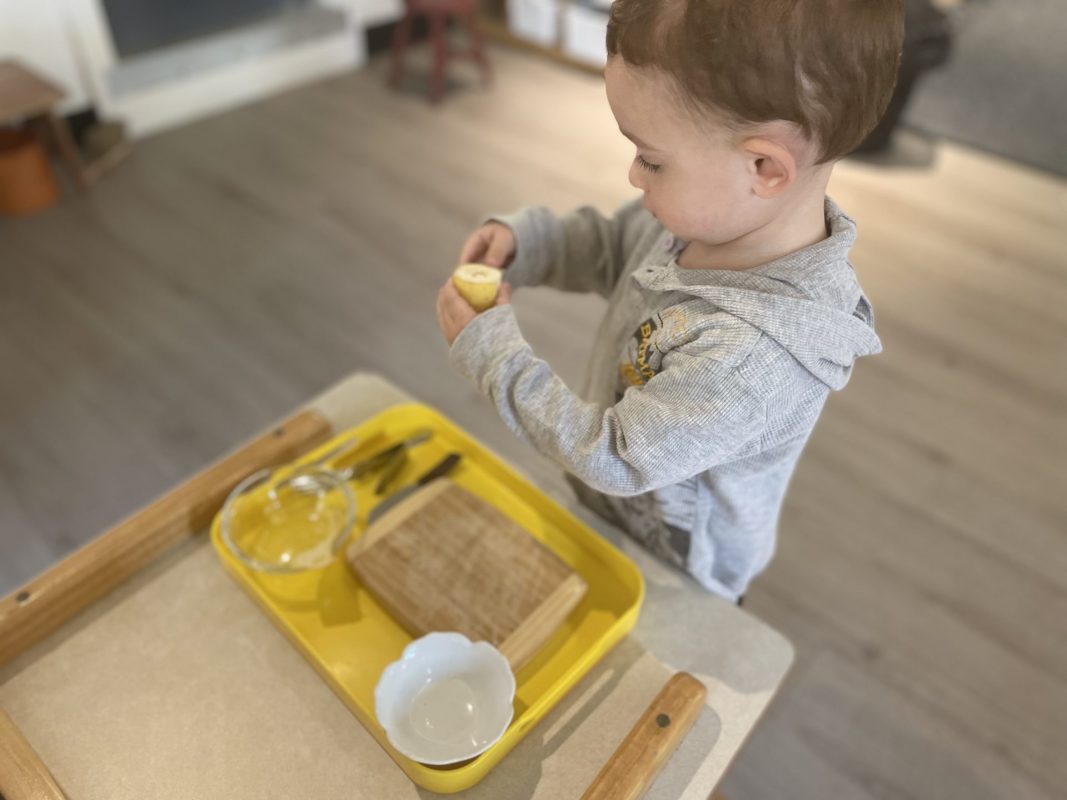
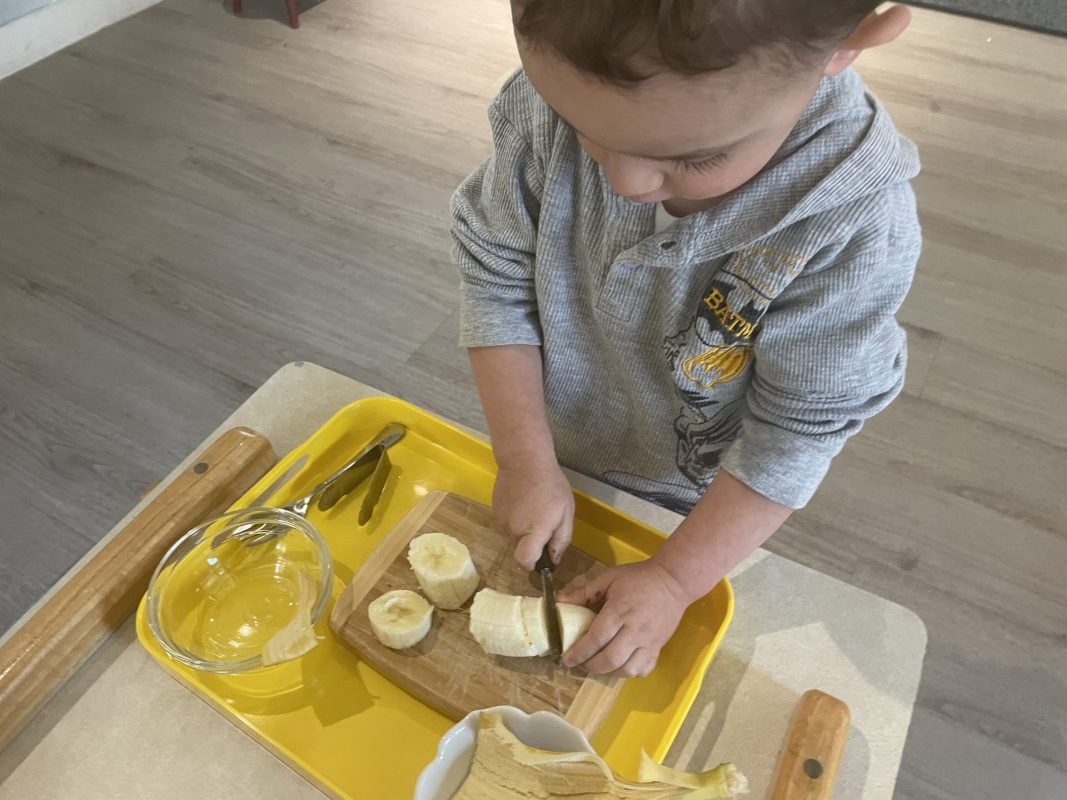
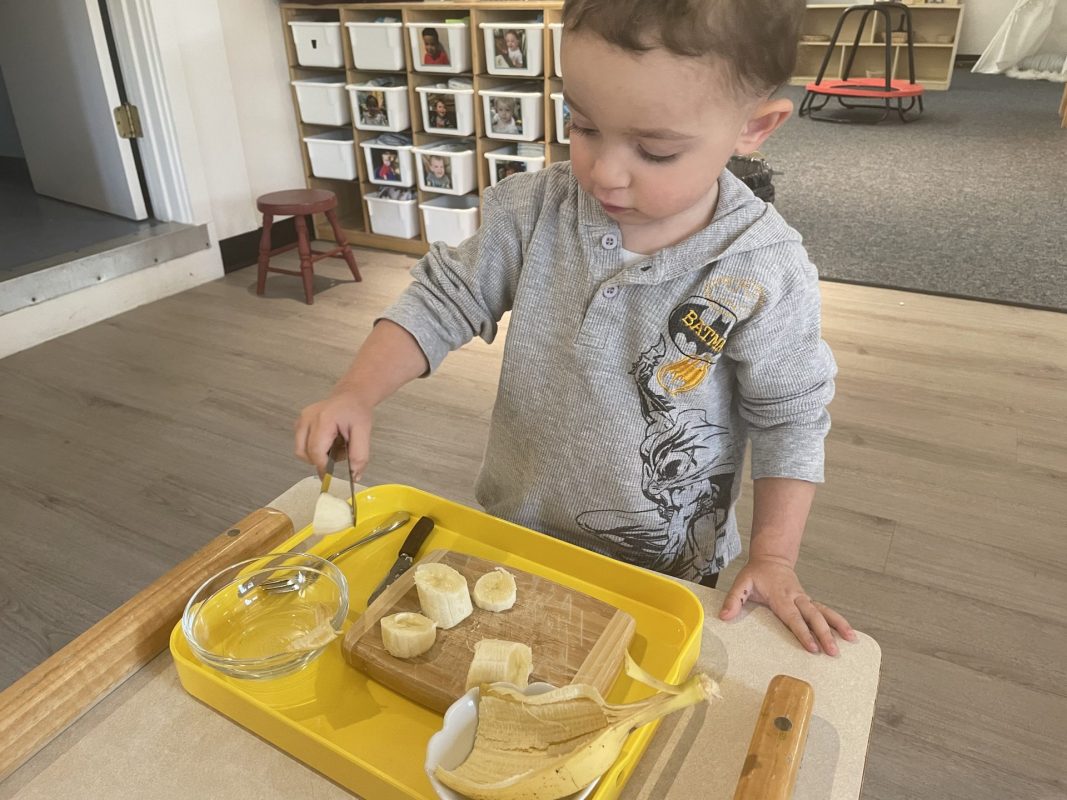
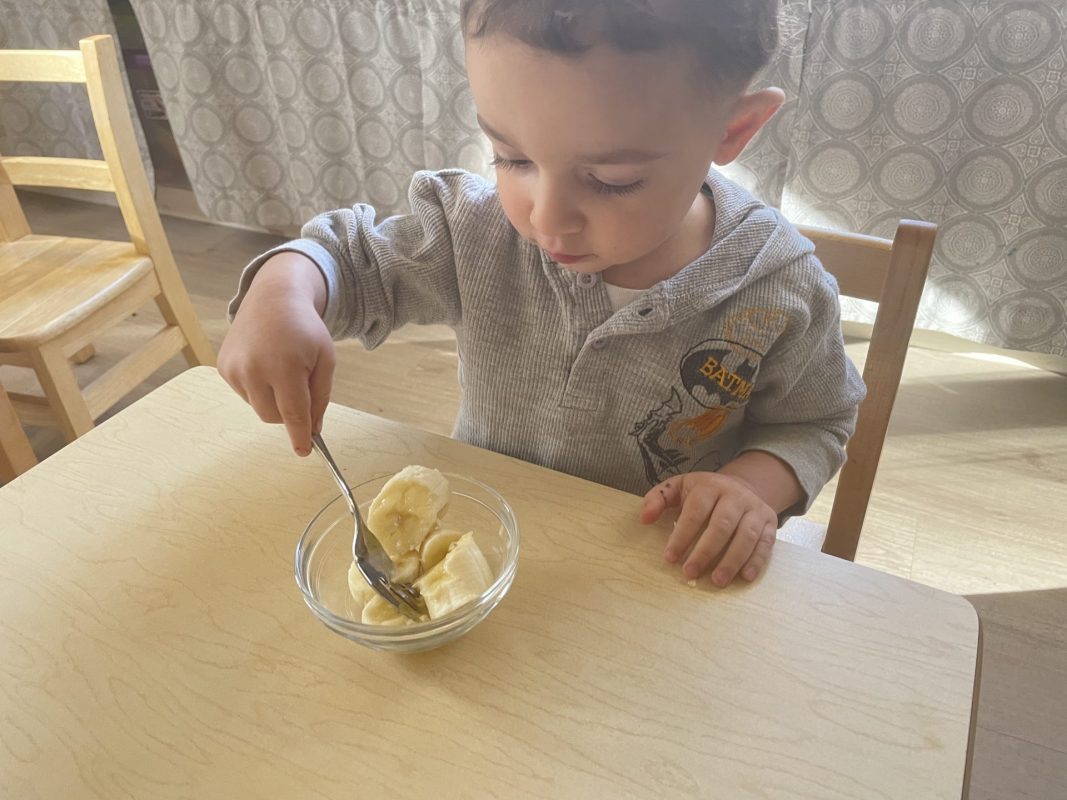
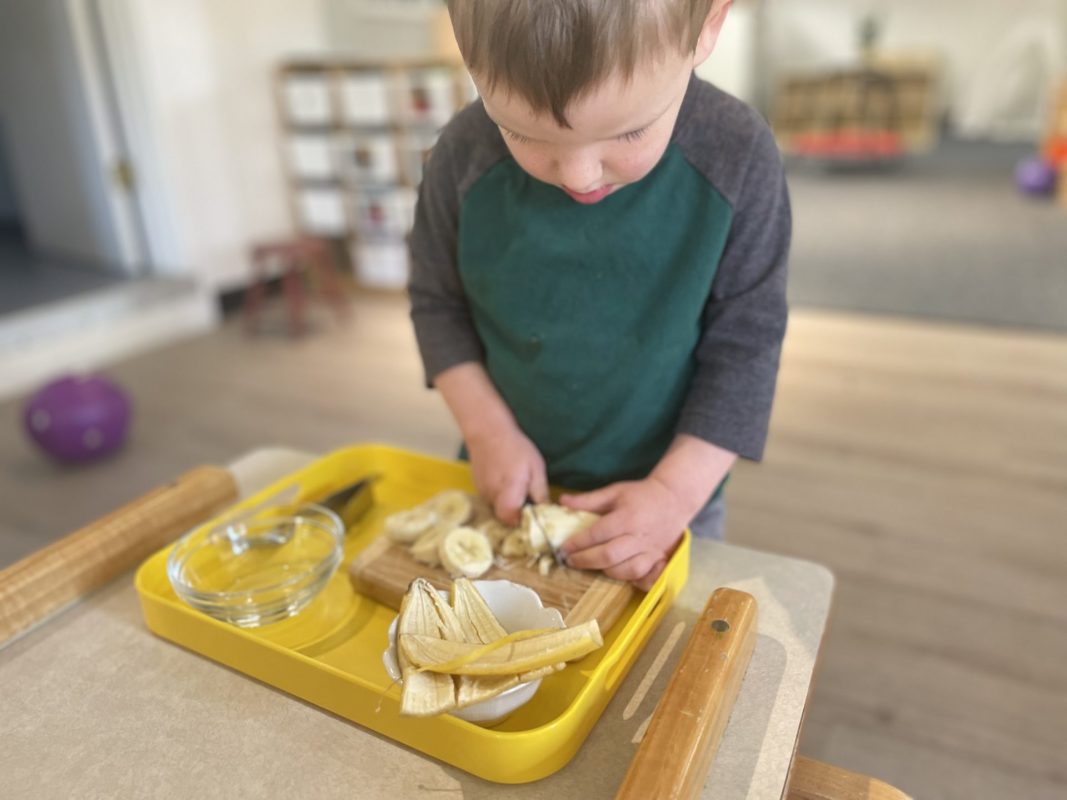
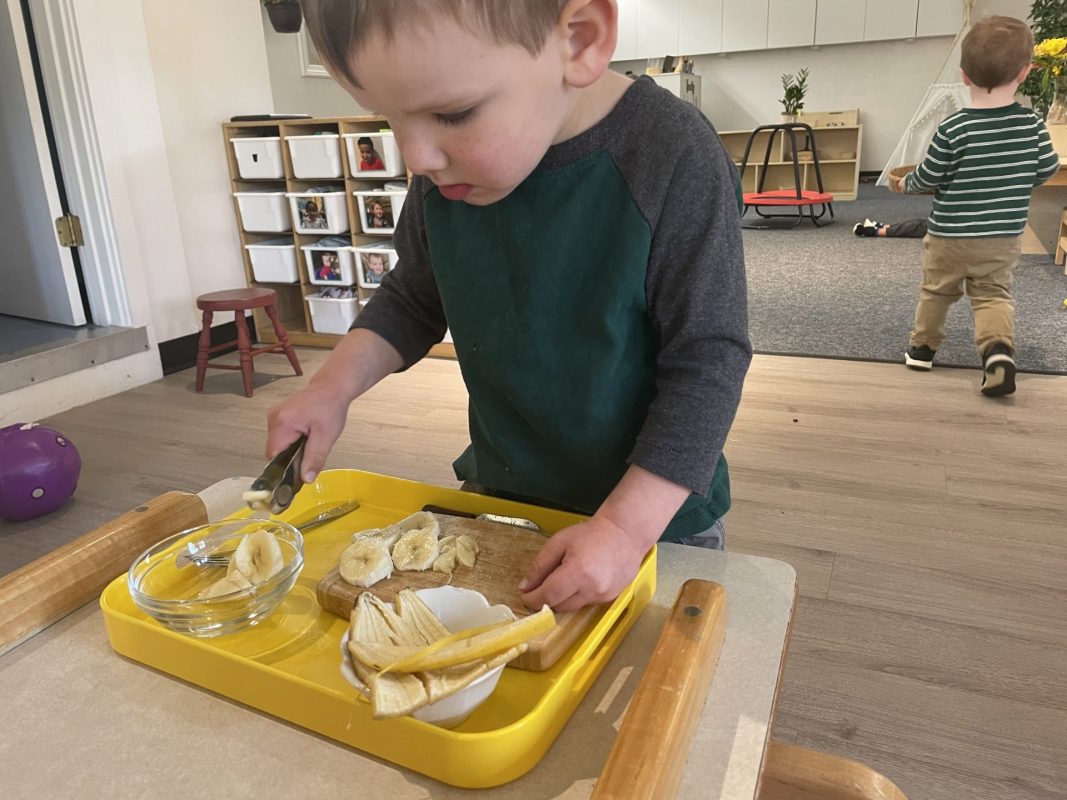
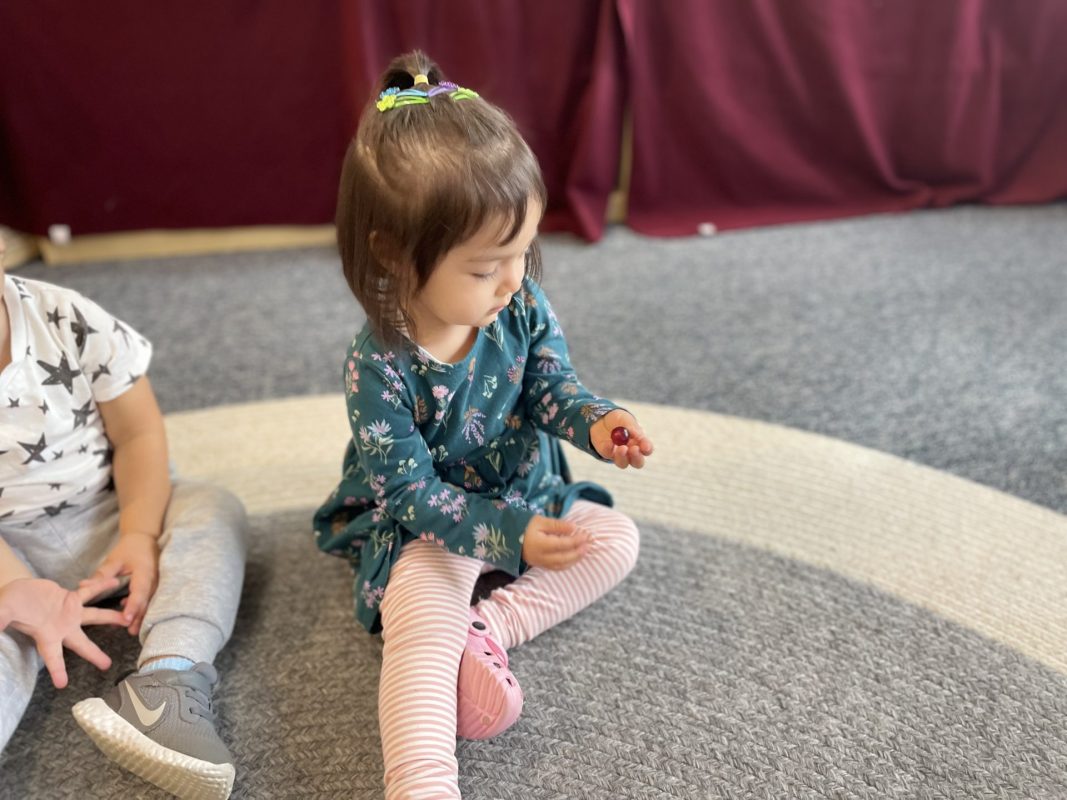
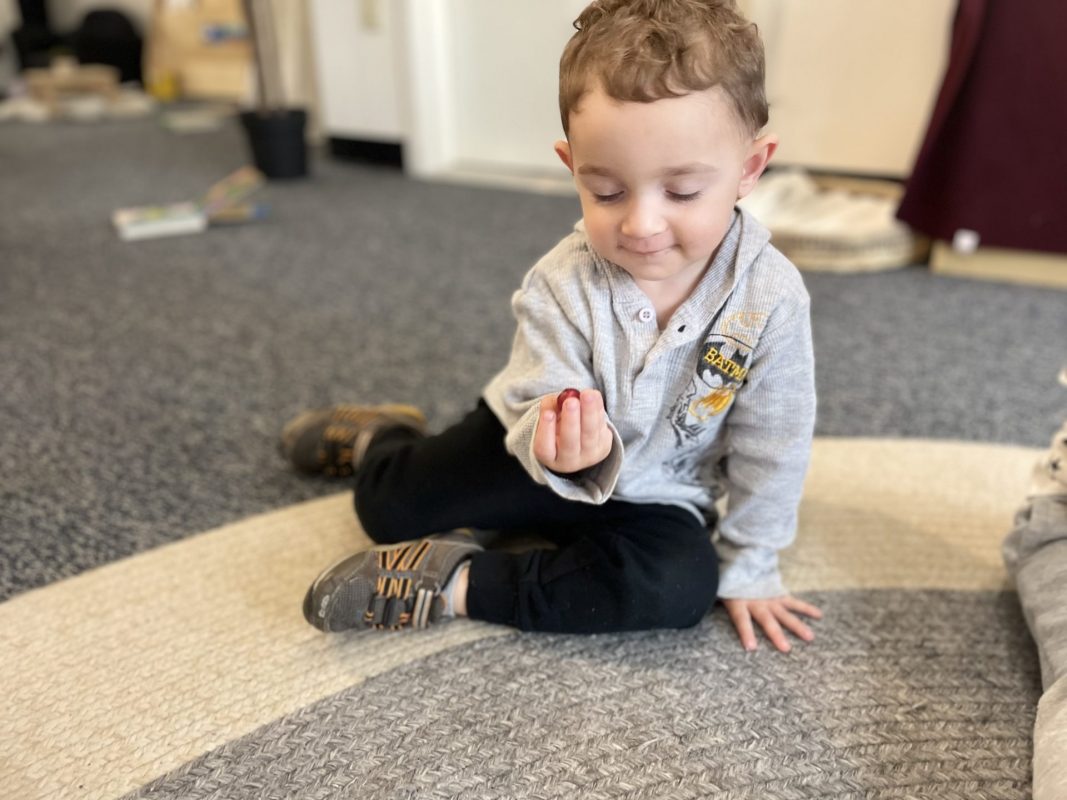
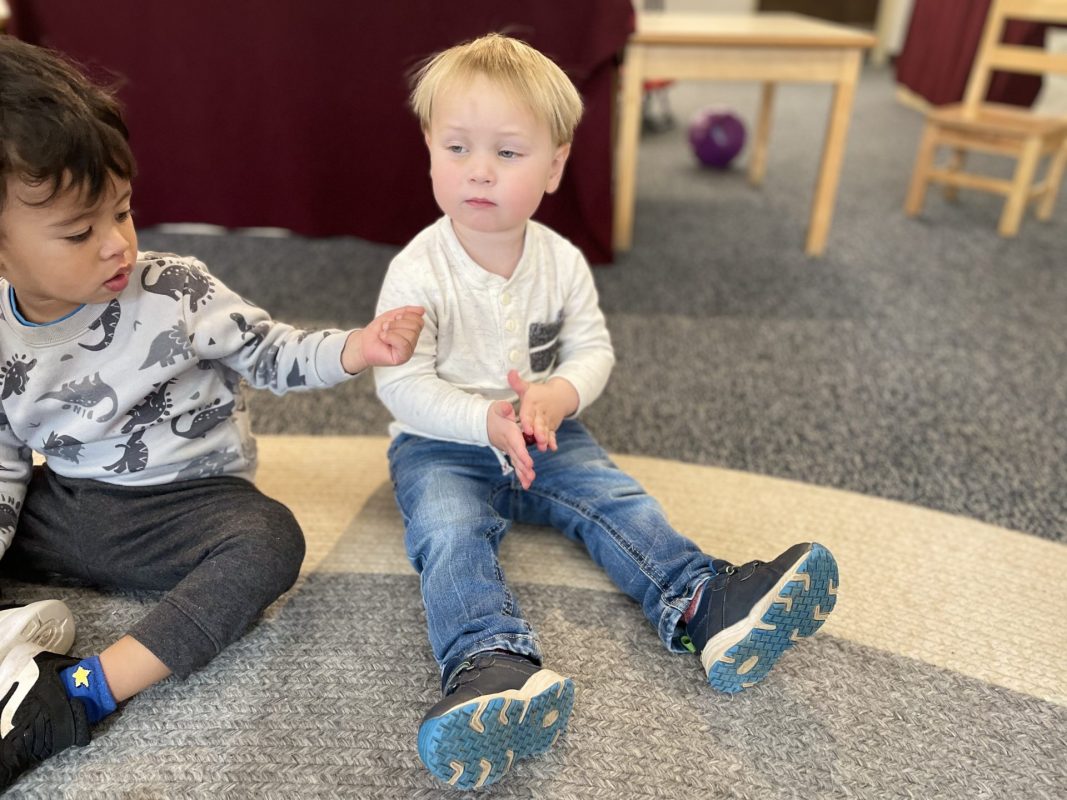
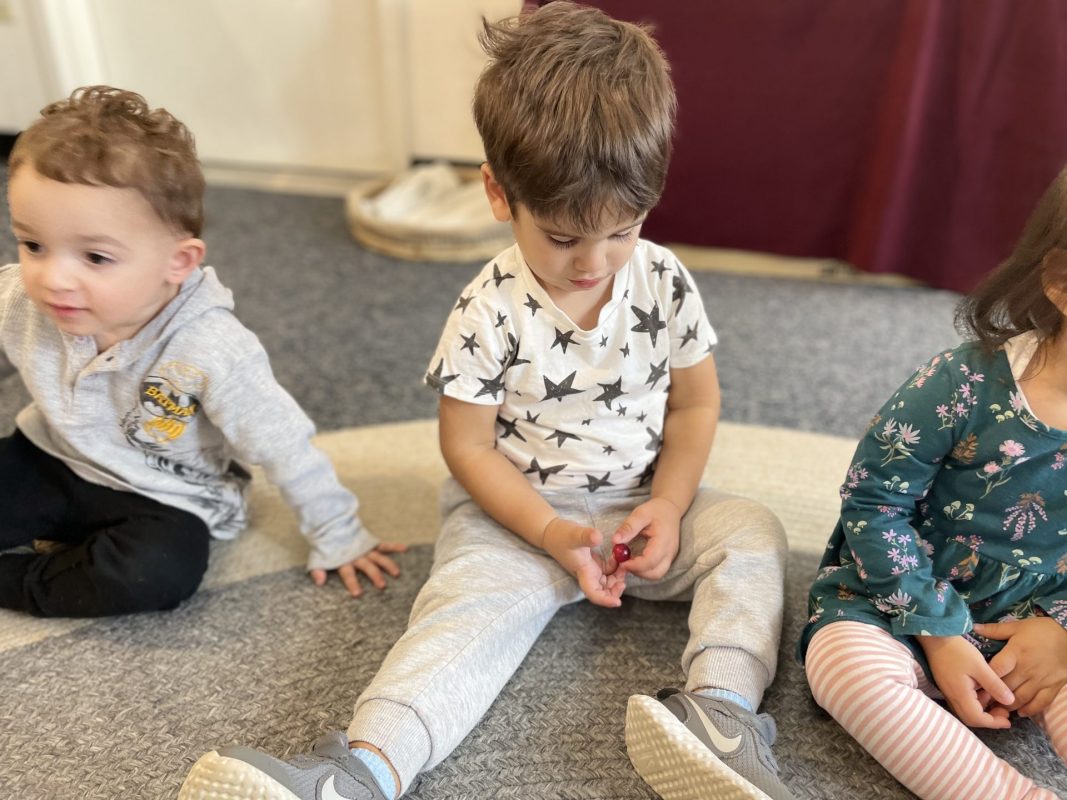
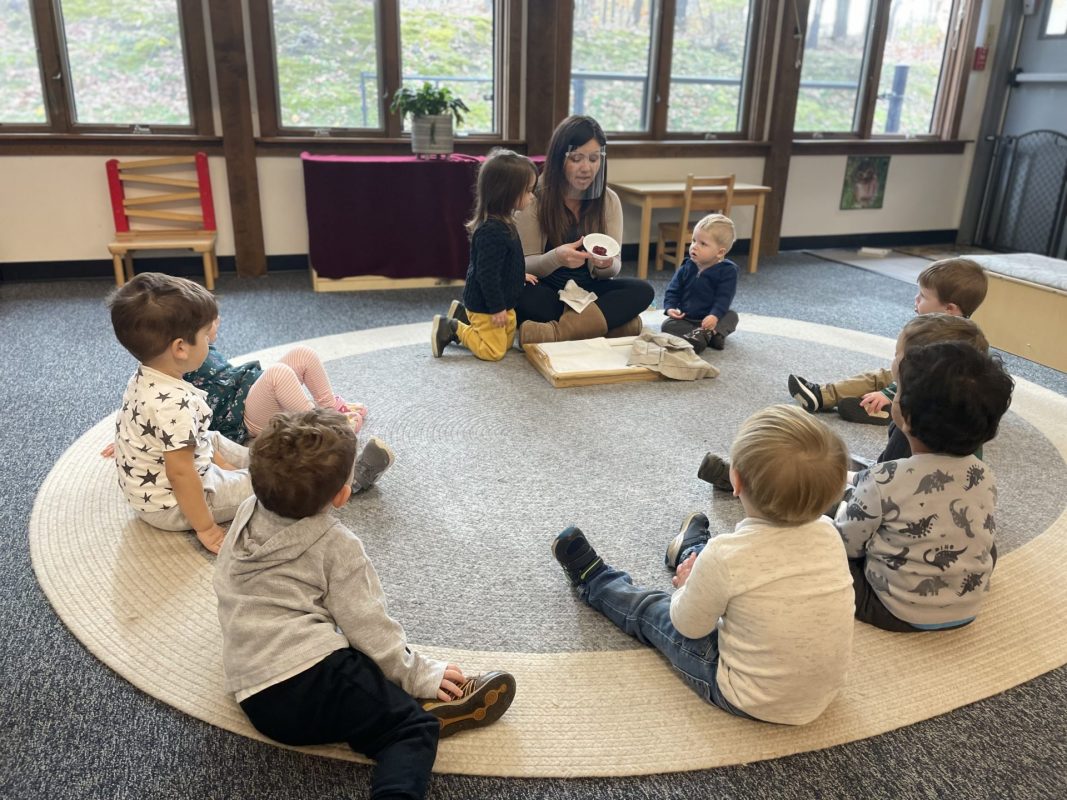
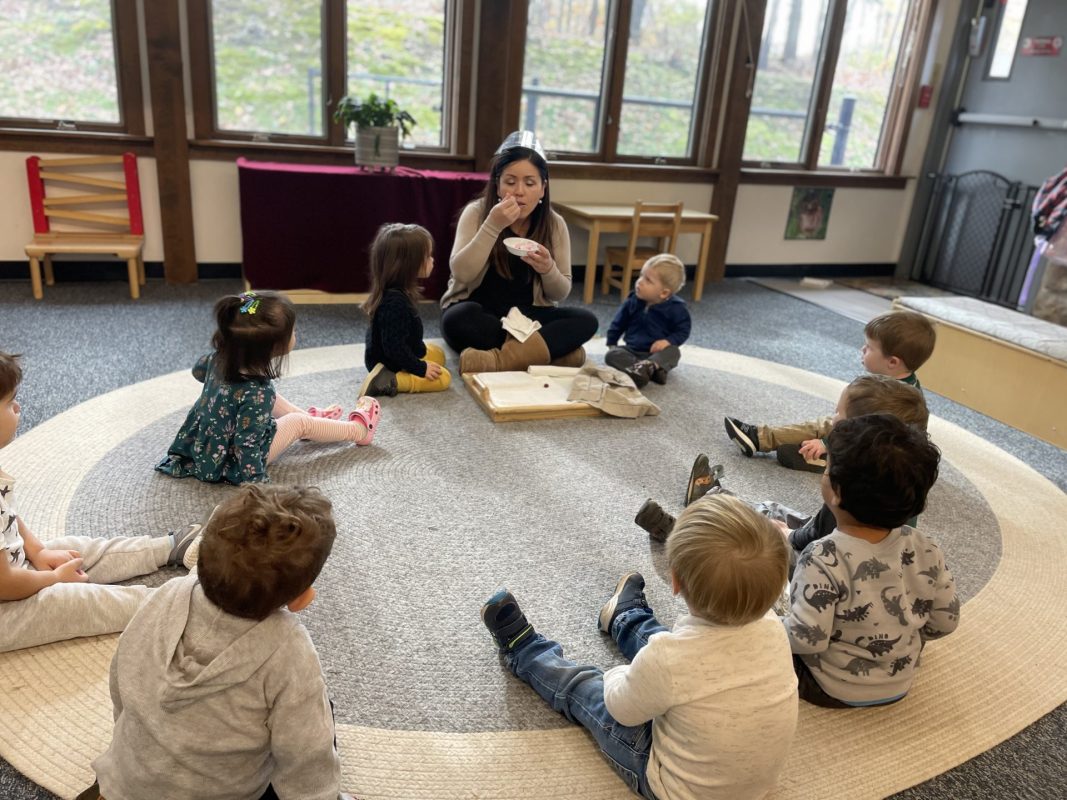
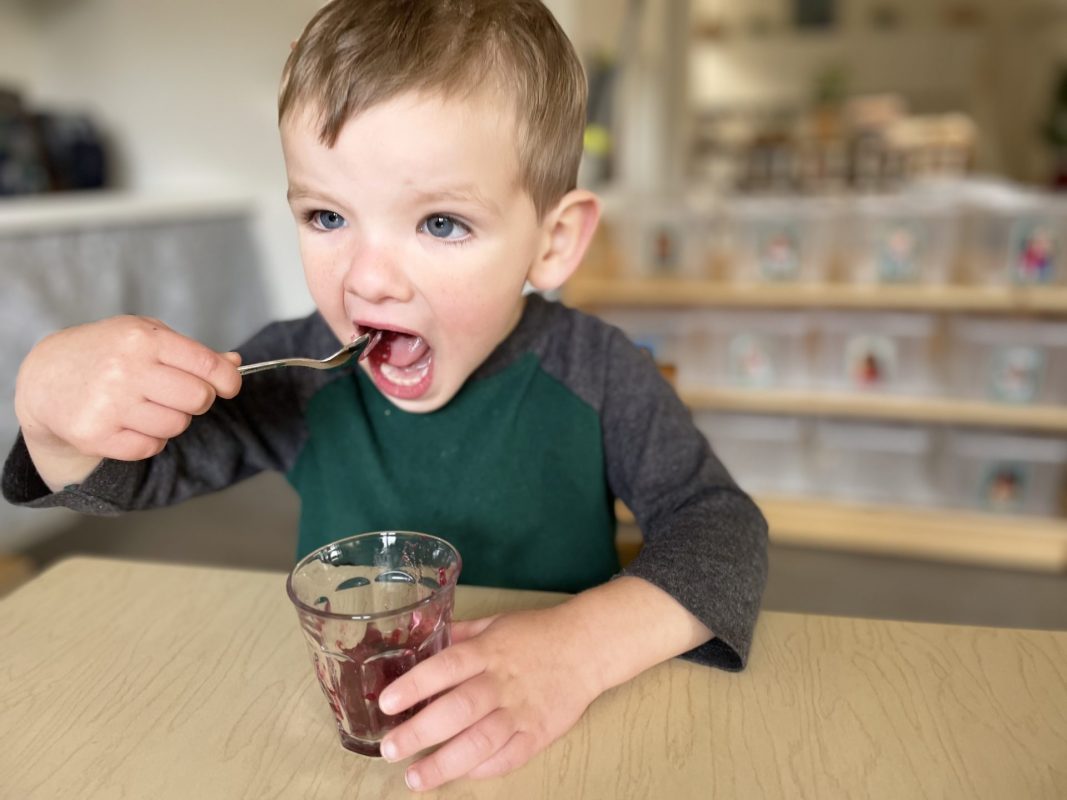
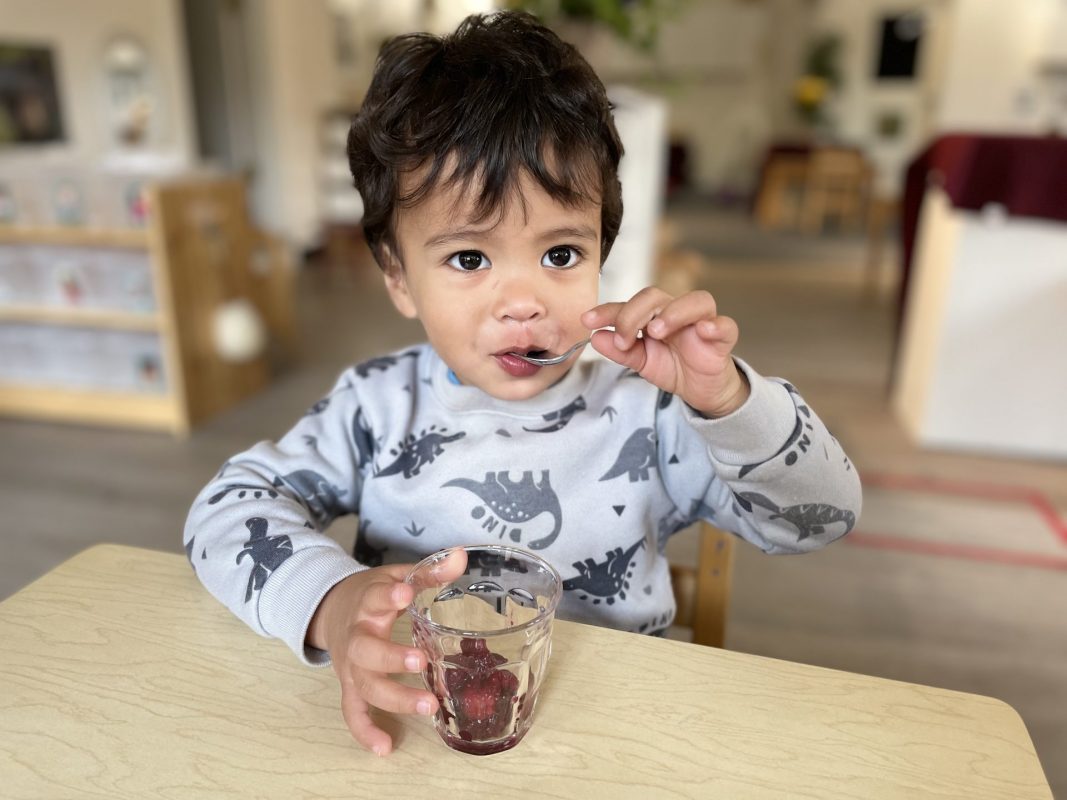
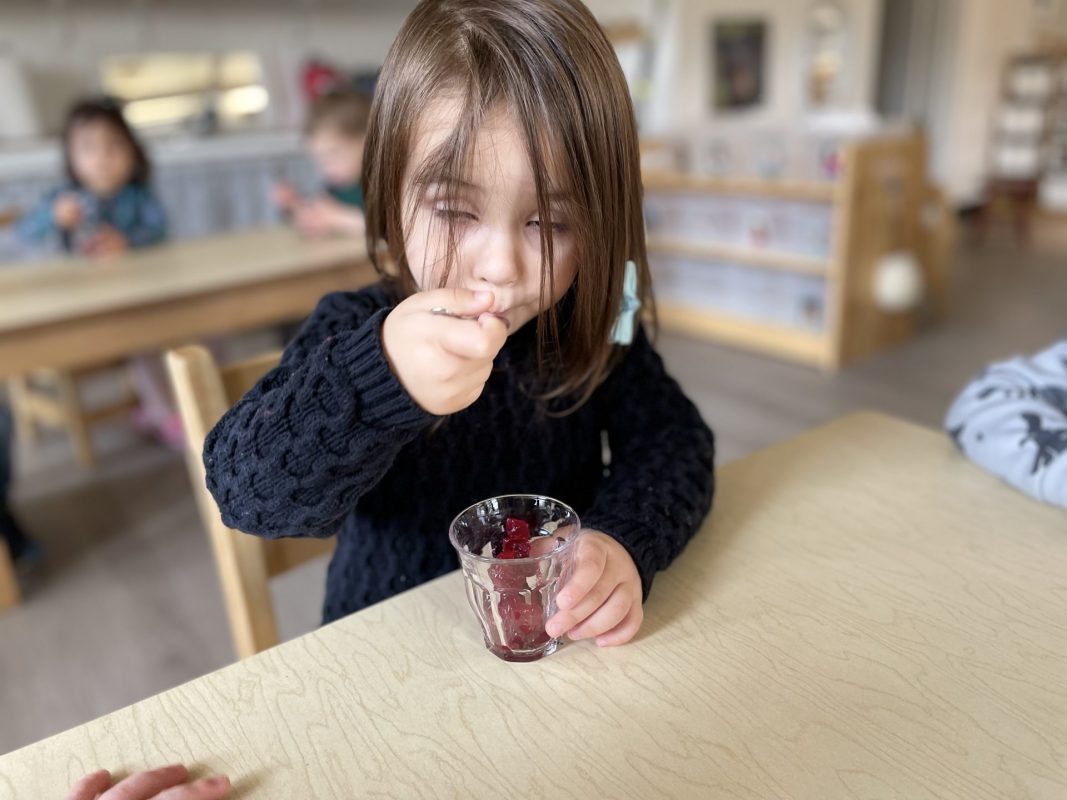
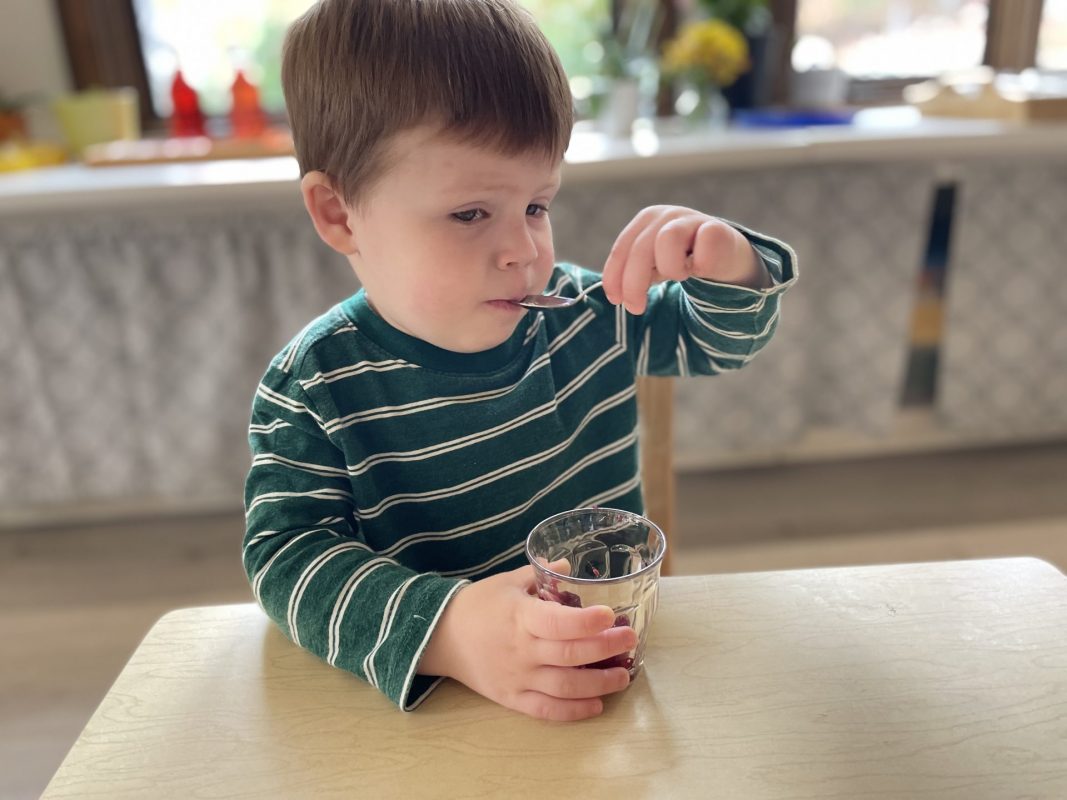
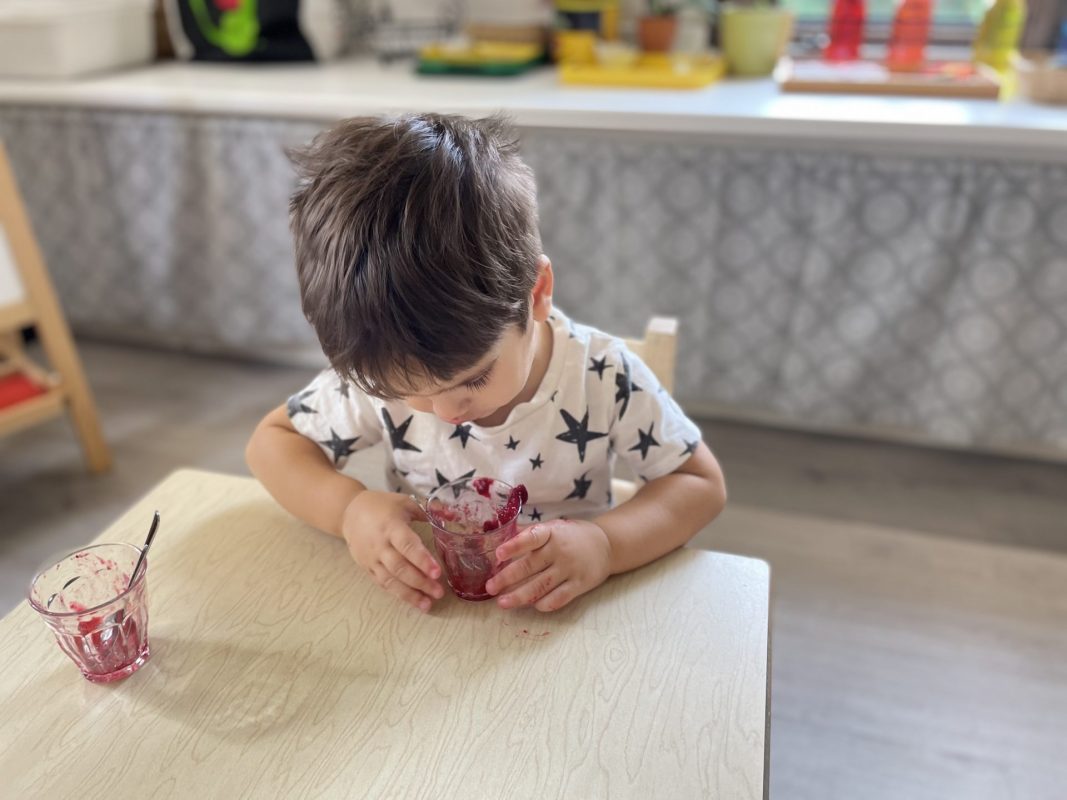
For food tastings in the past two weeks the children tasted bananas and cranberries.

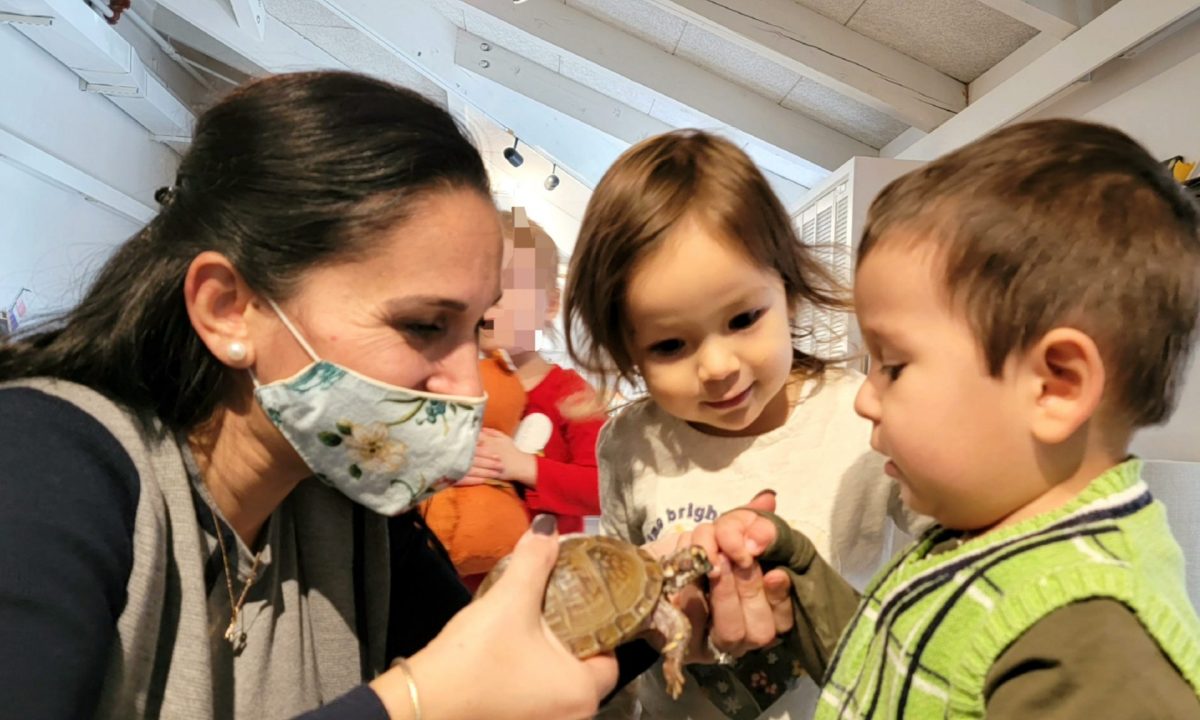
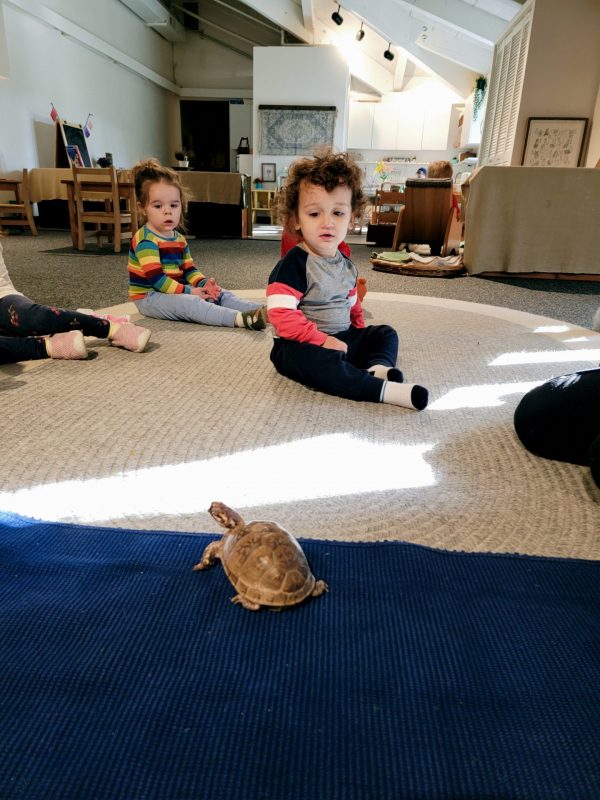
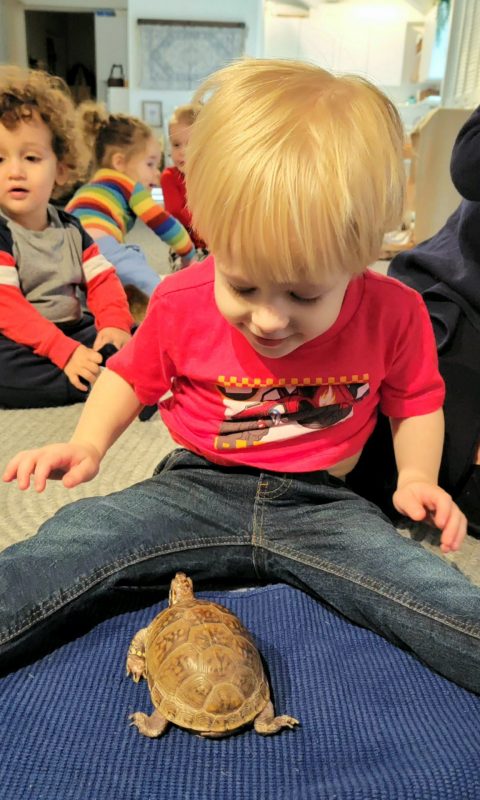
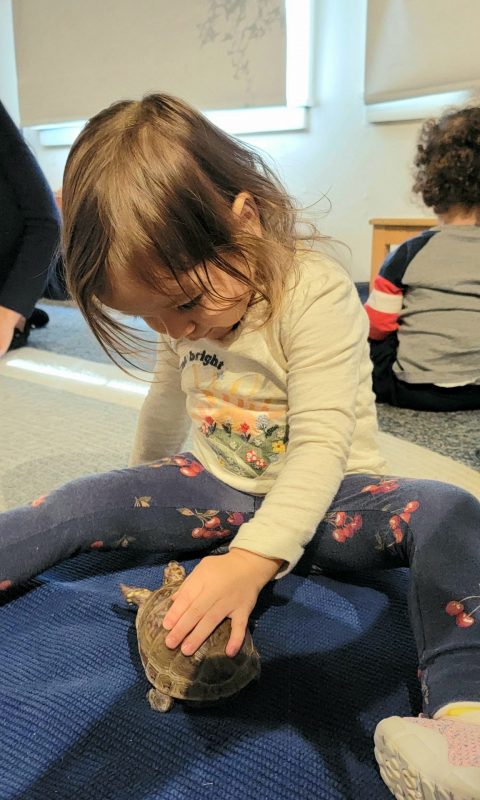
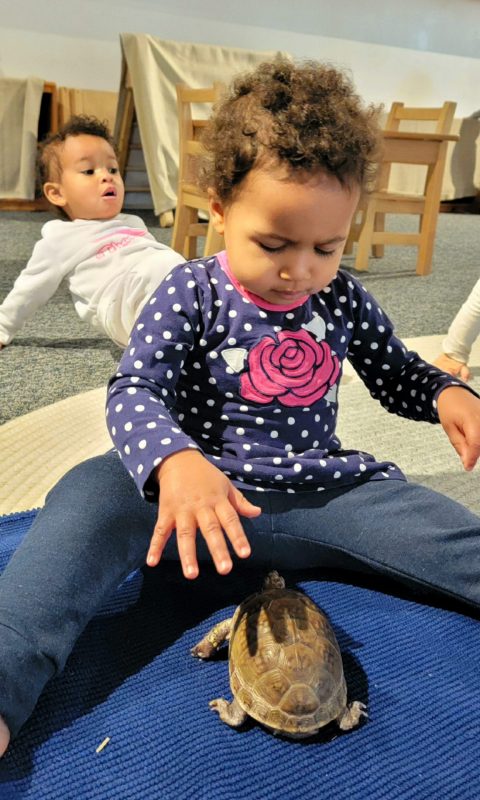
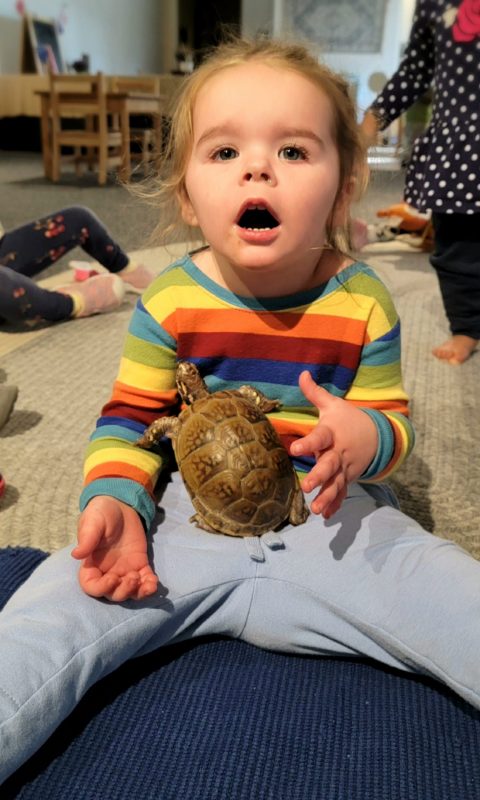
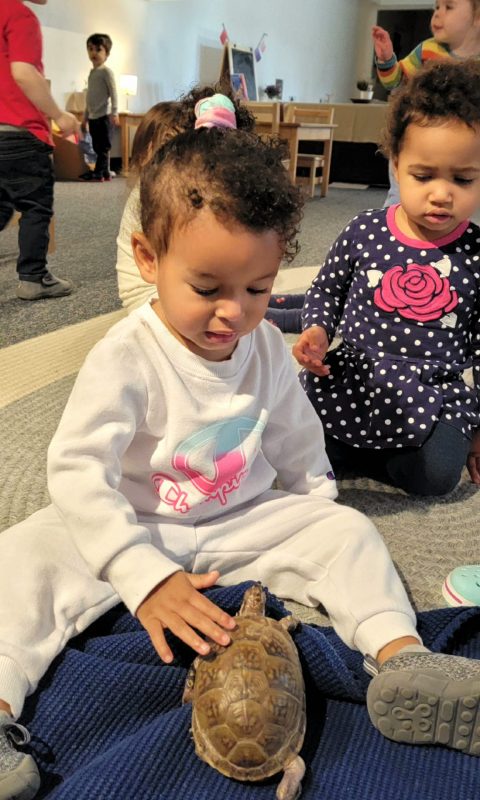
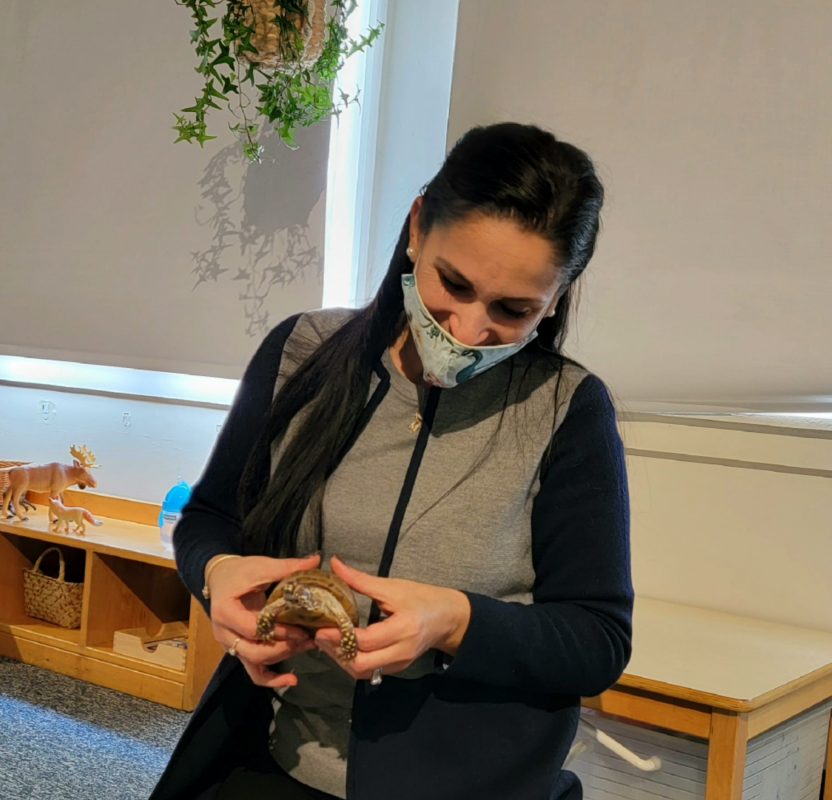
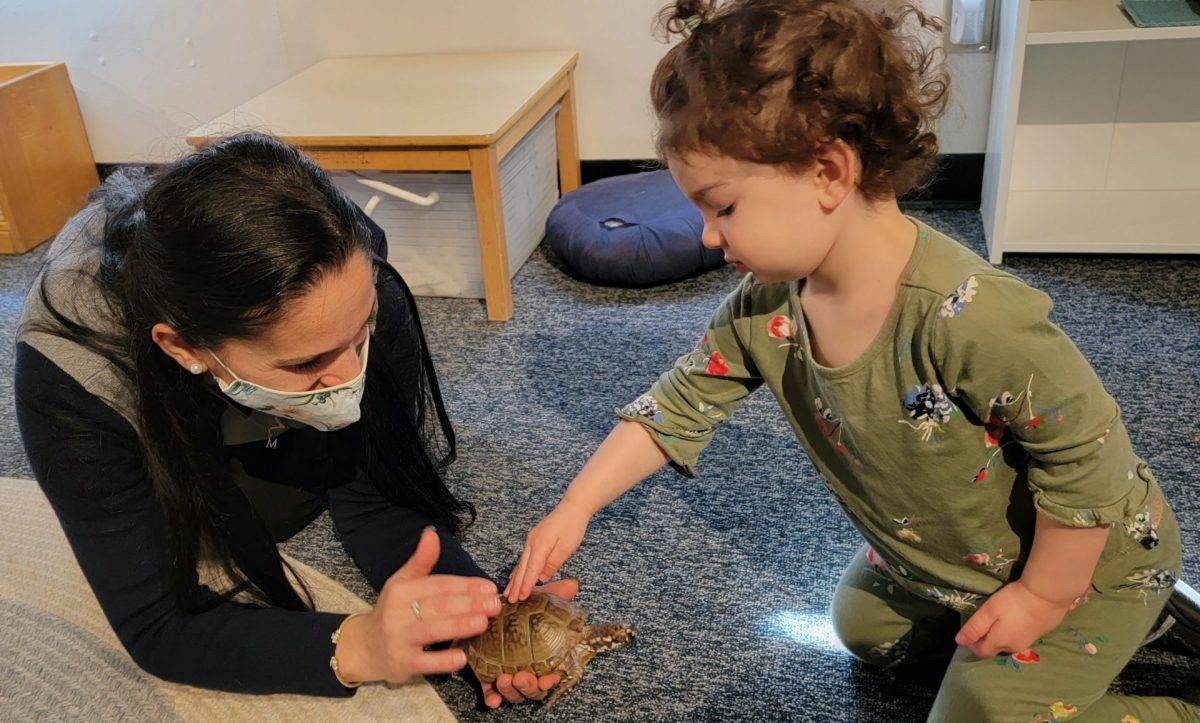
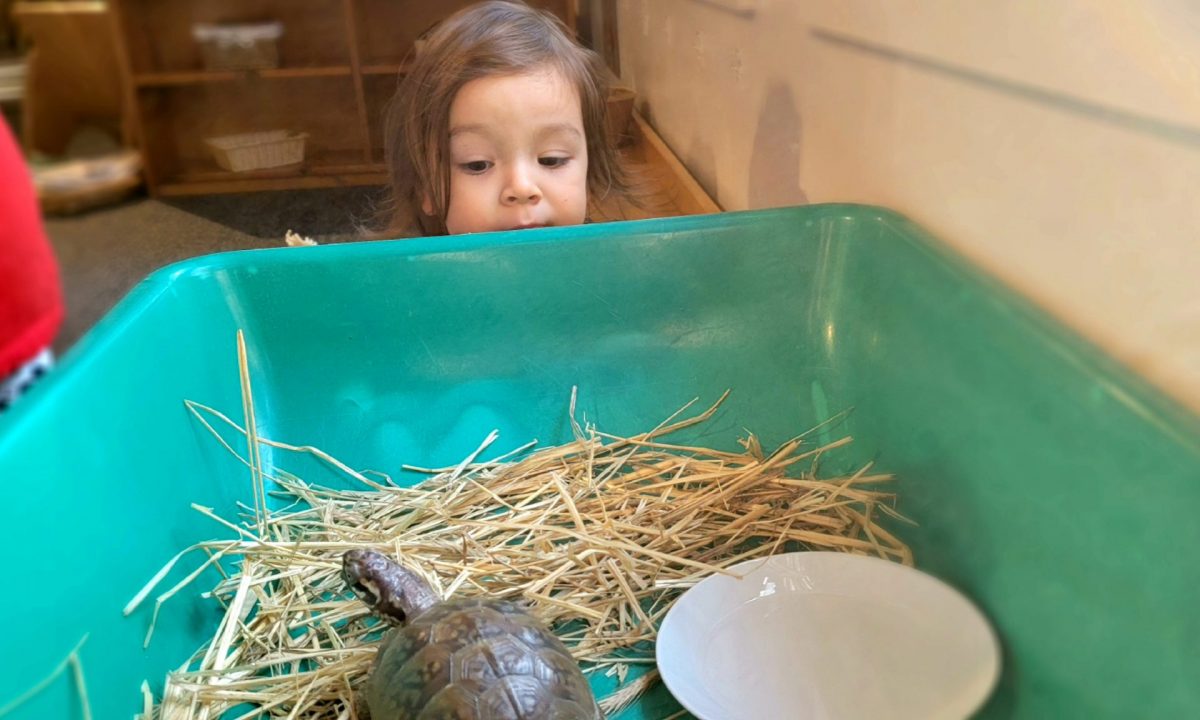
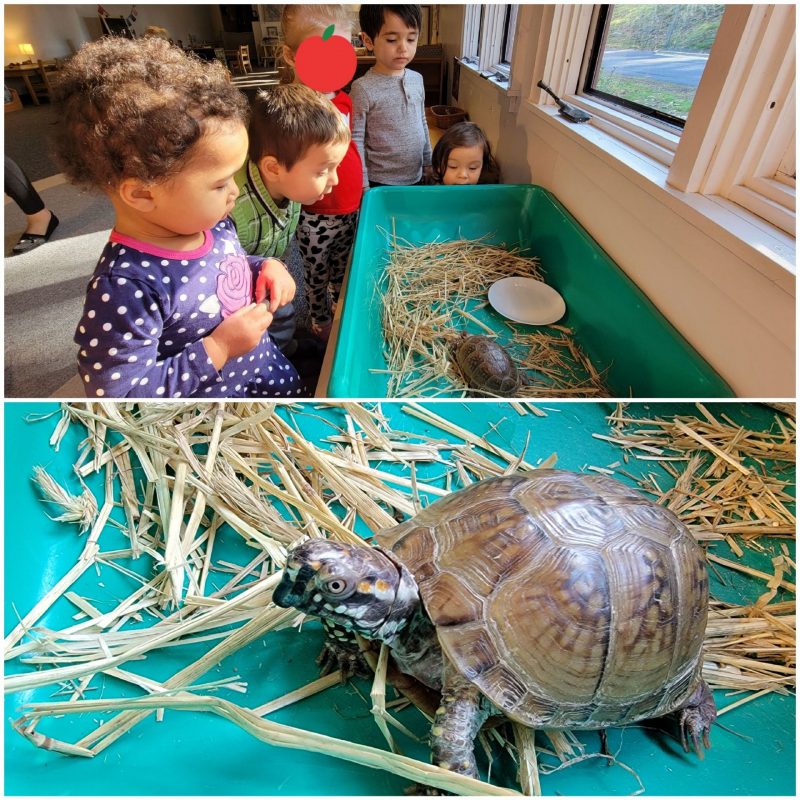
The children had a very special visitor, Mrs. T, a box turtle. Mrs. T is a family pet to one of my students from last year.

Enjoy the photos,

Mrs. Wilson


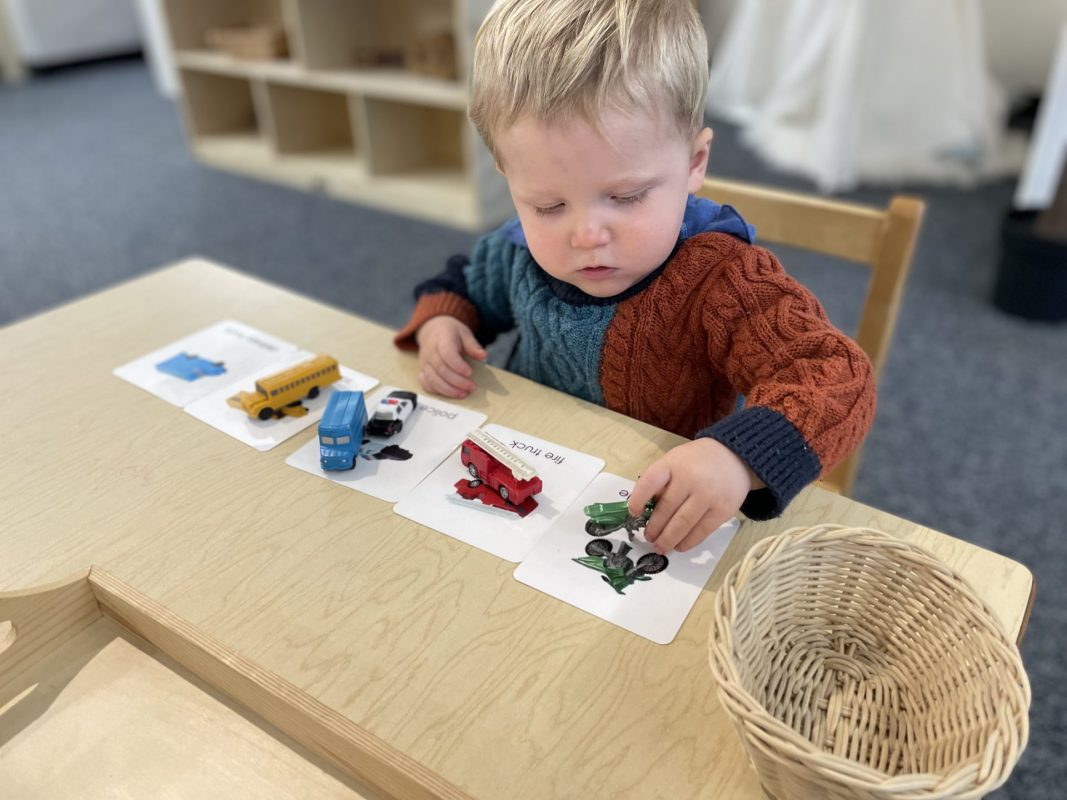
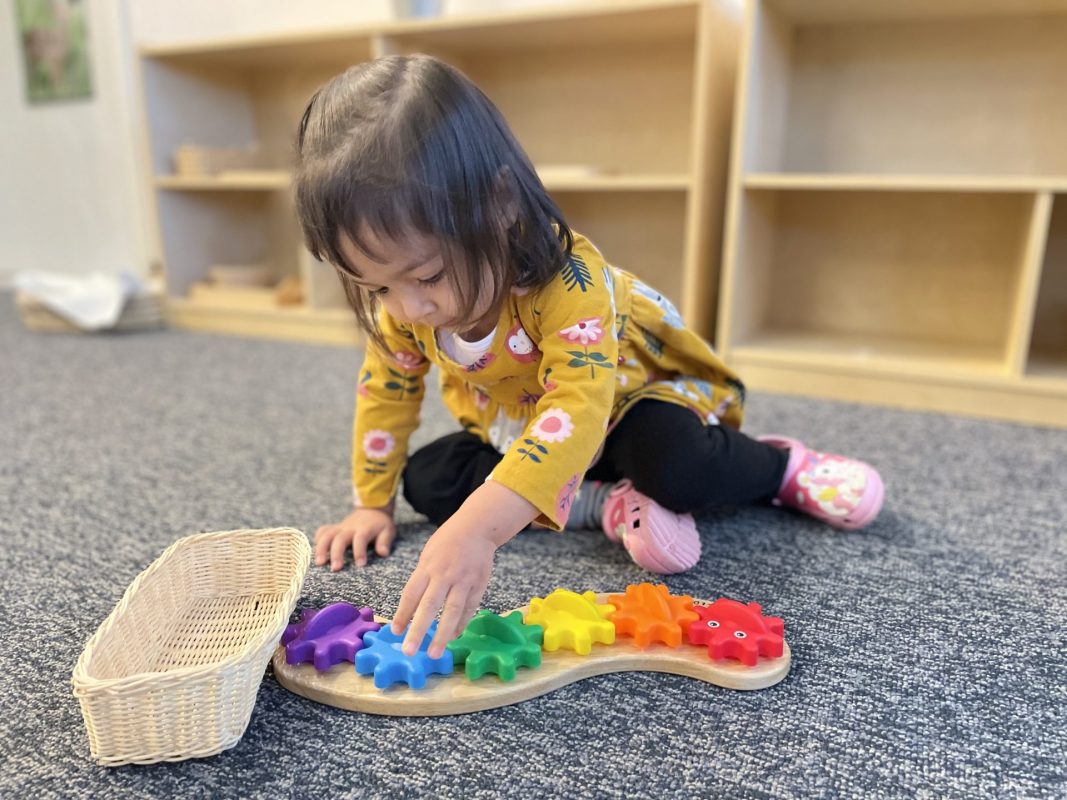
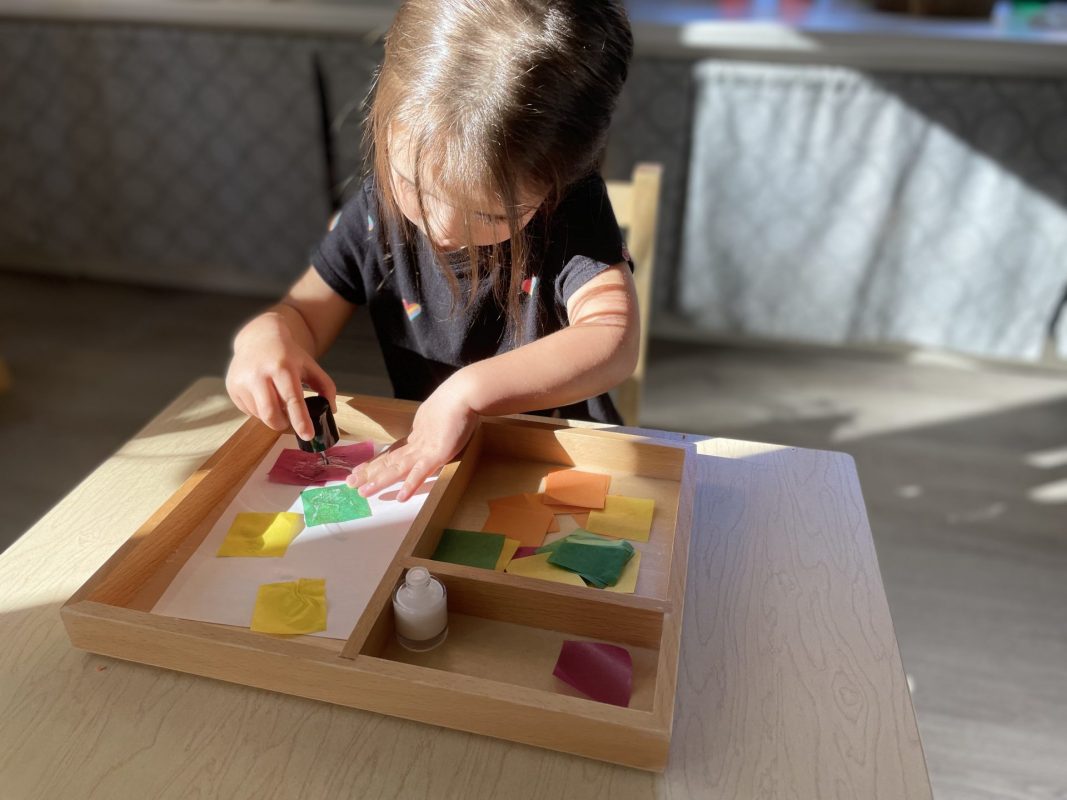
Mrs. Hood: Practicing Concentration!

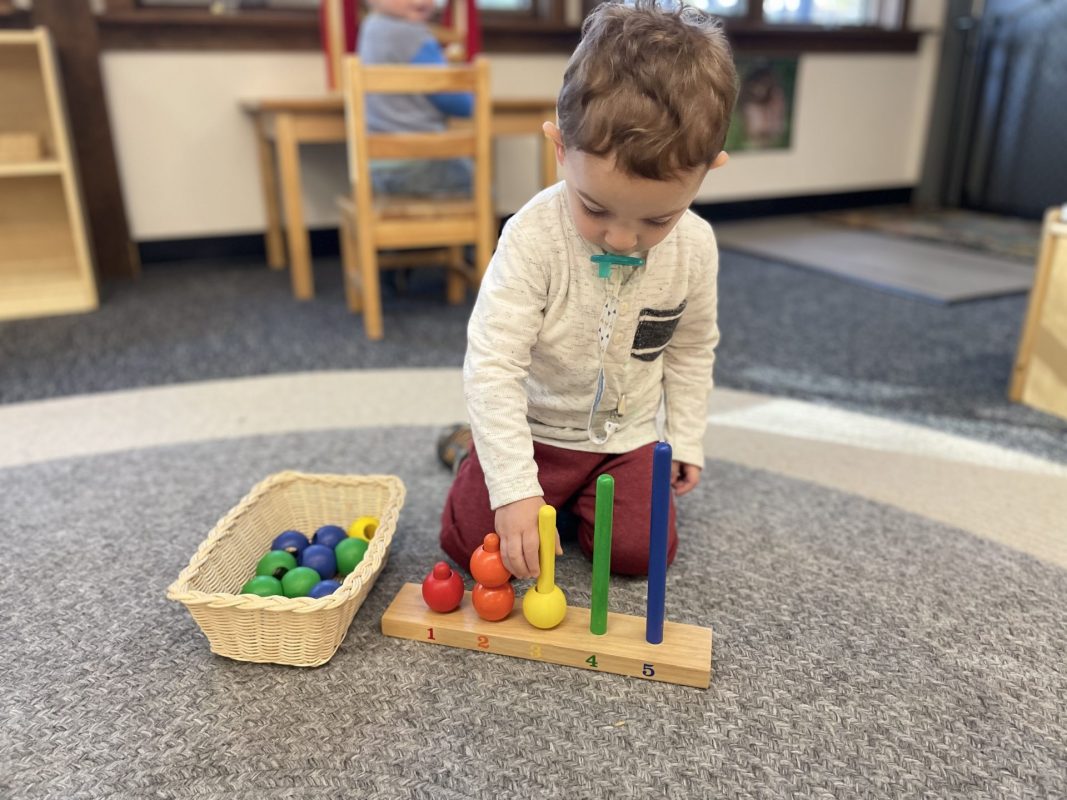
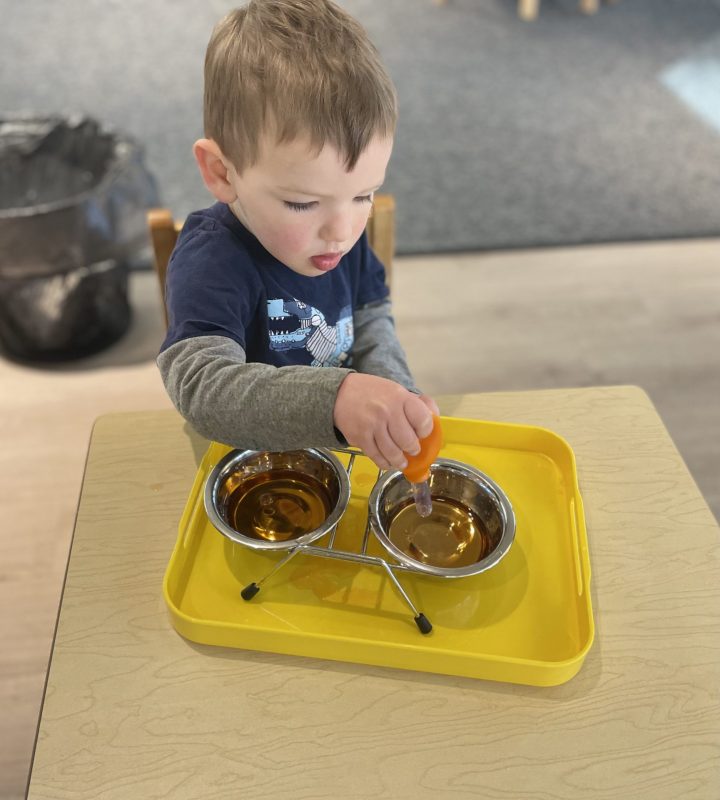
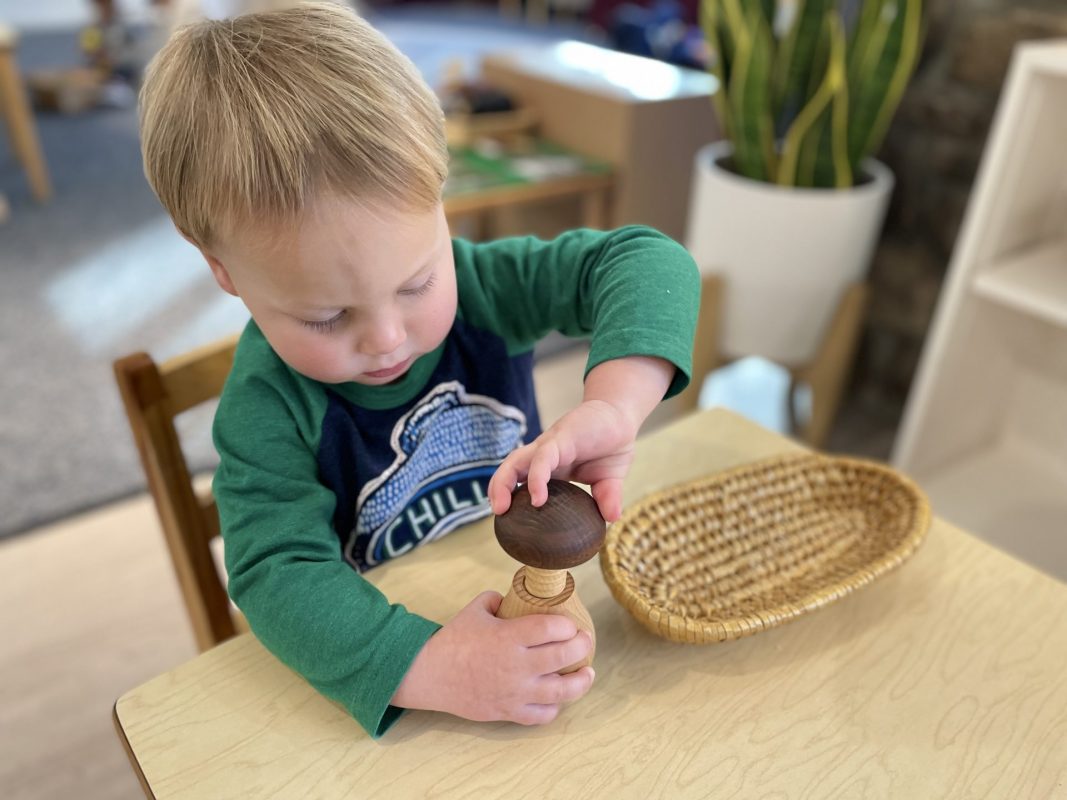
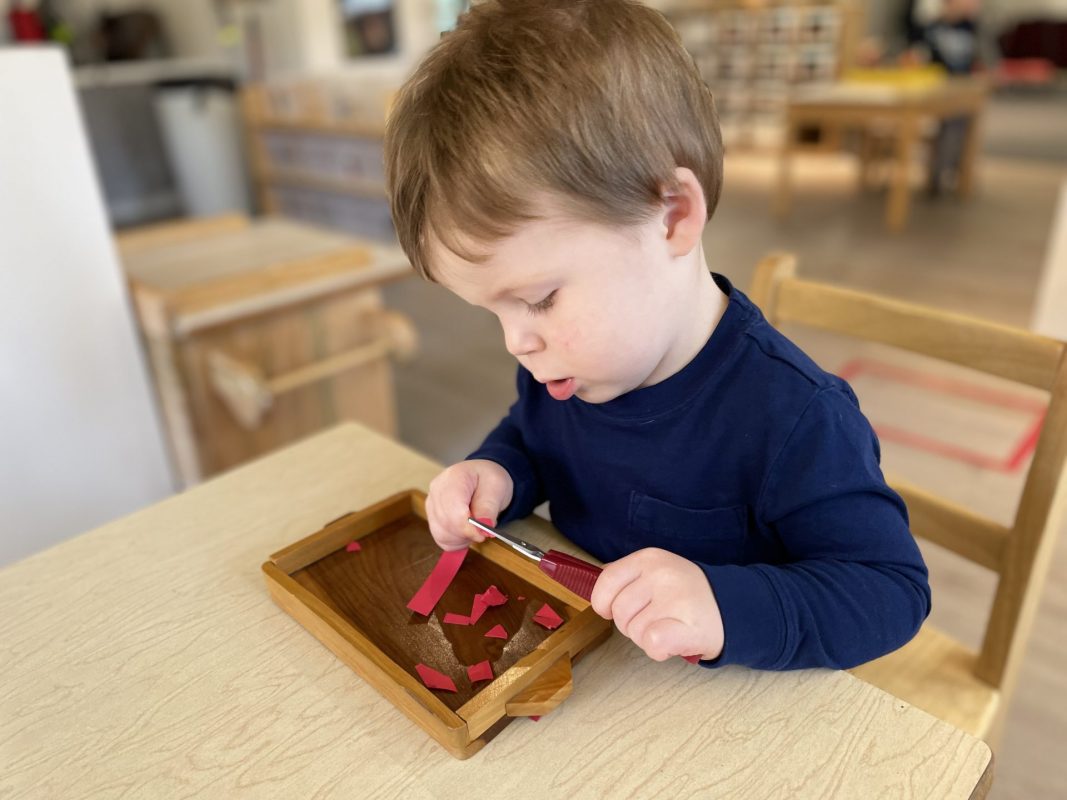
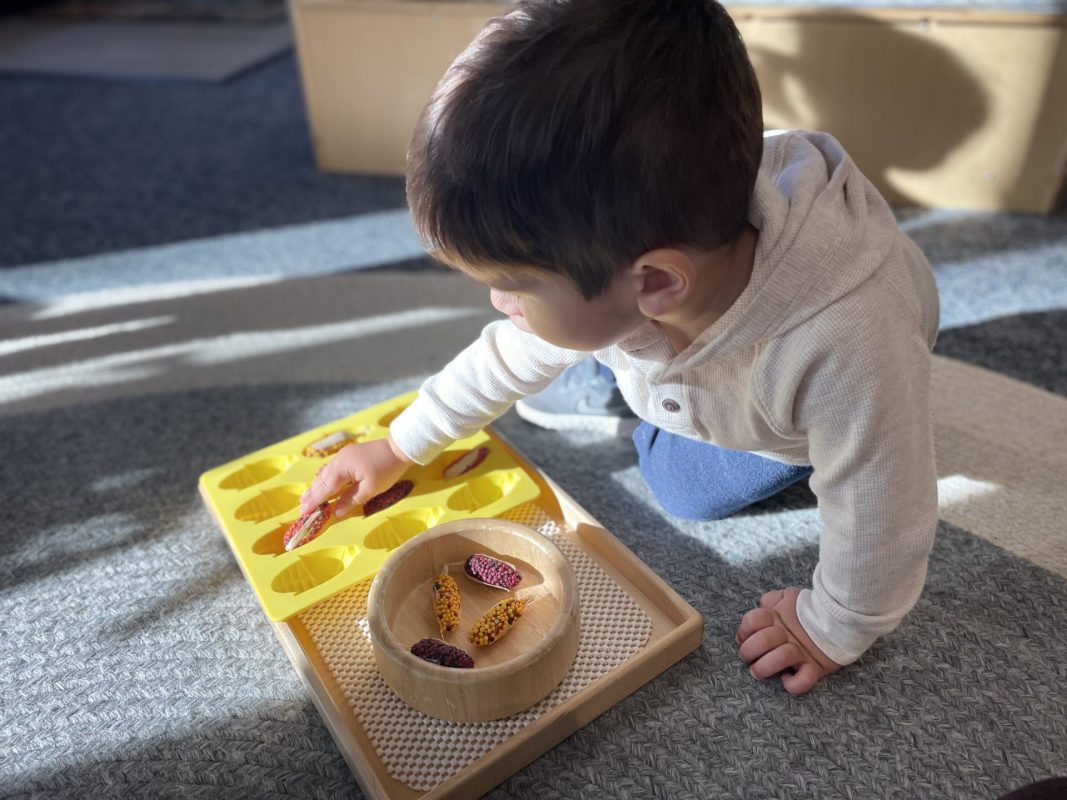
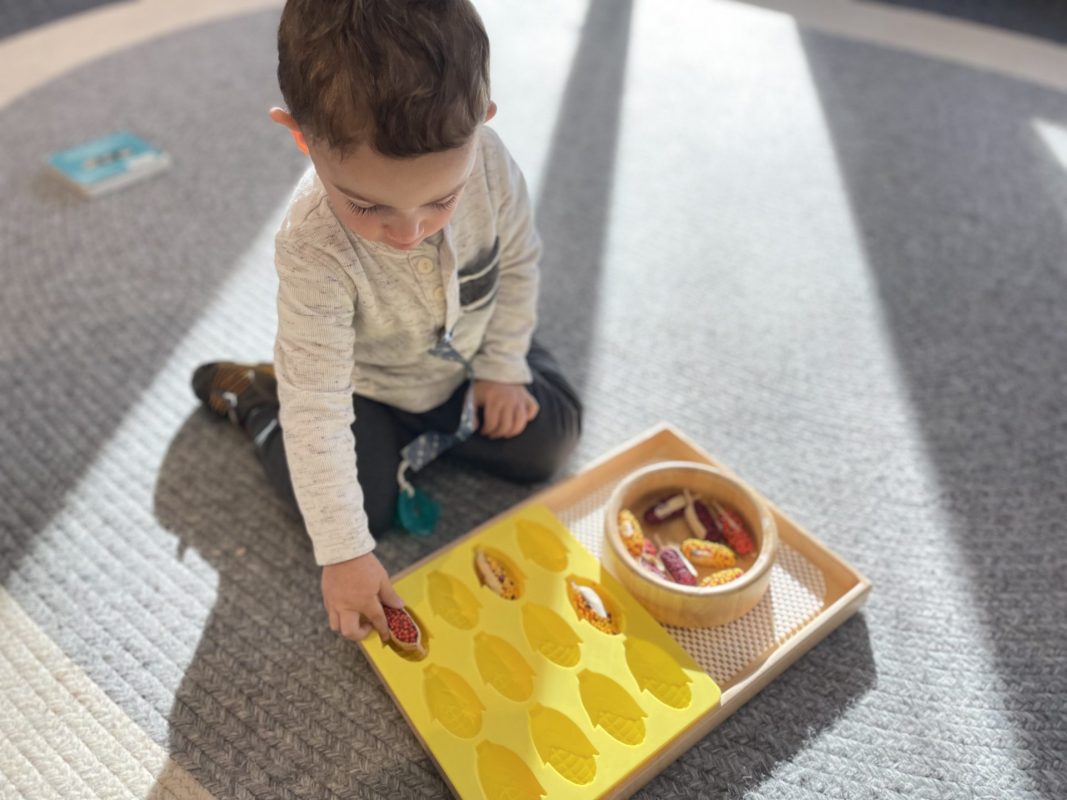
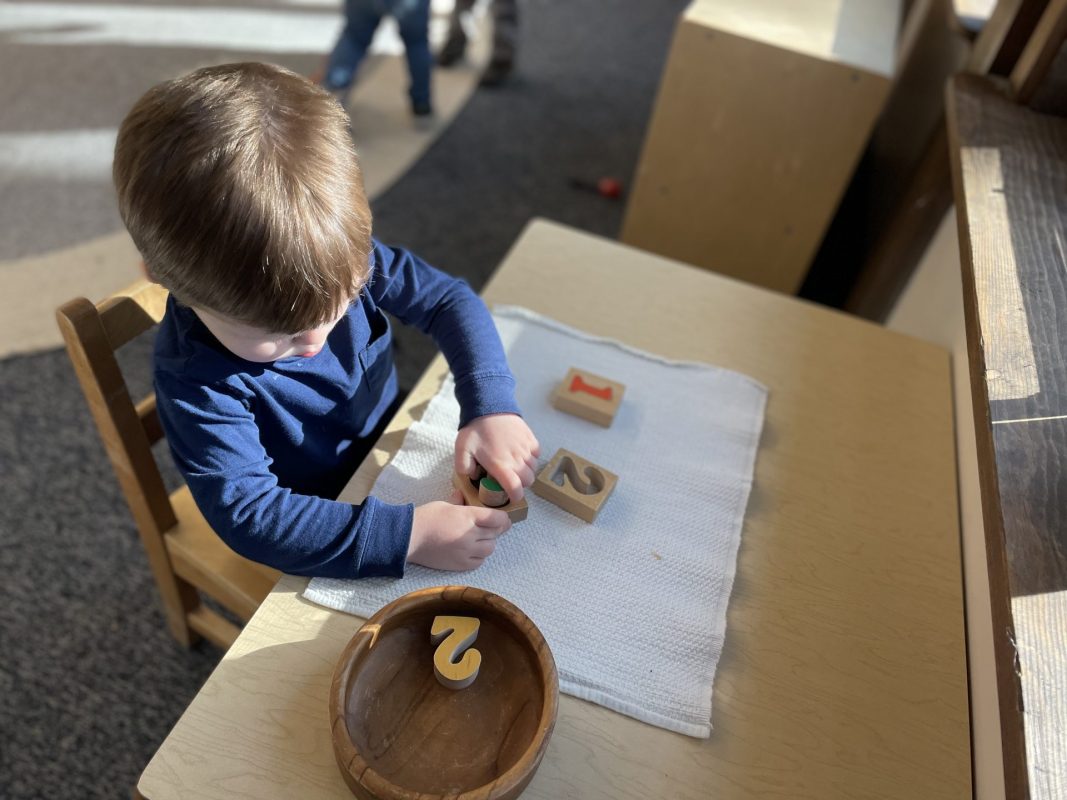
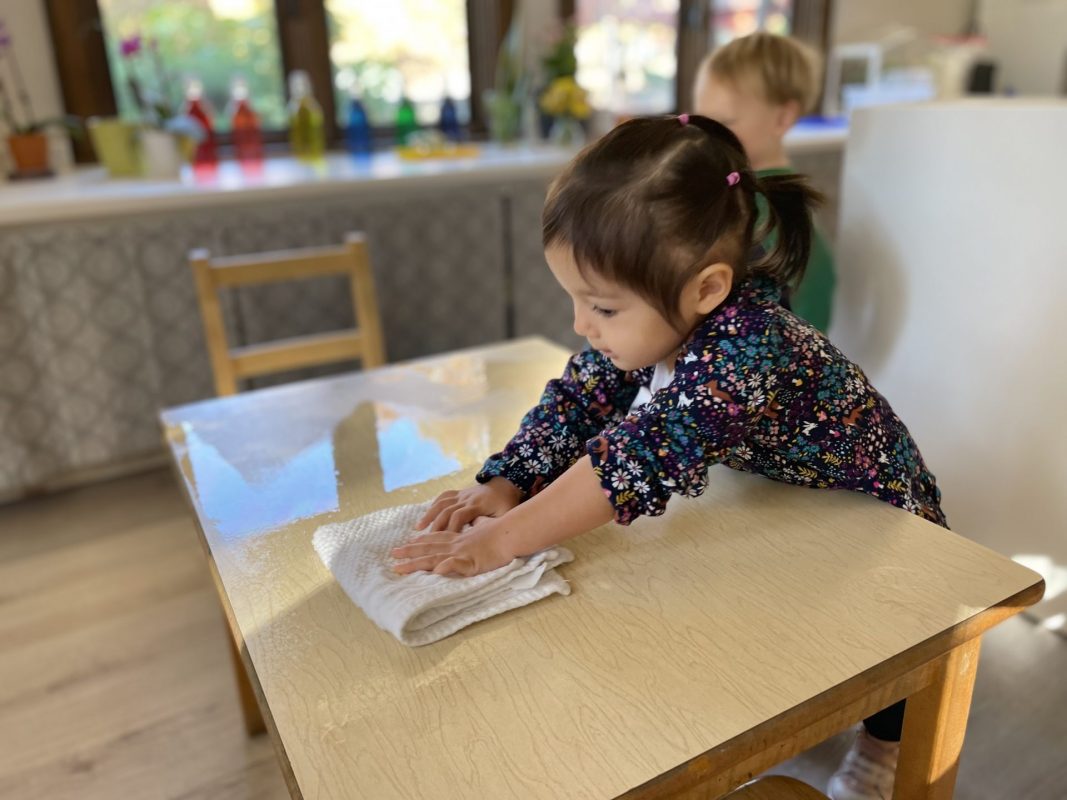
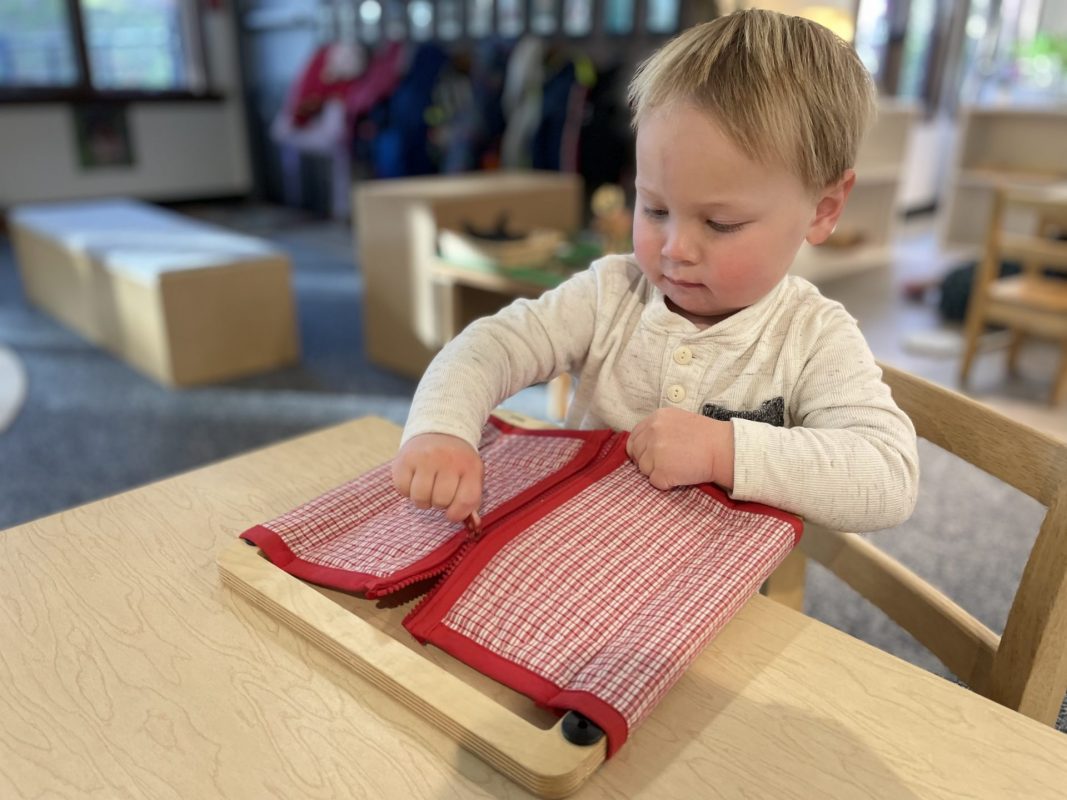
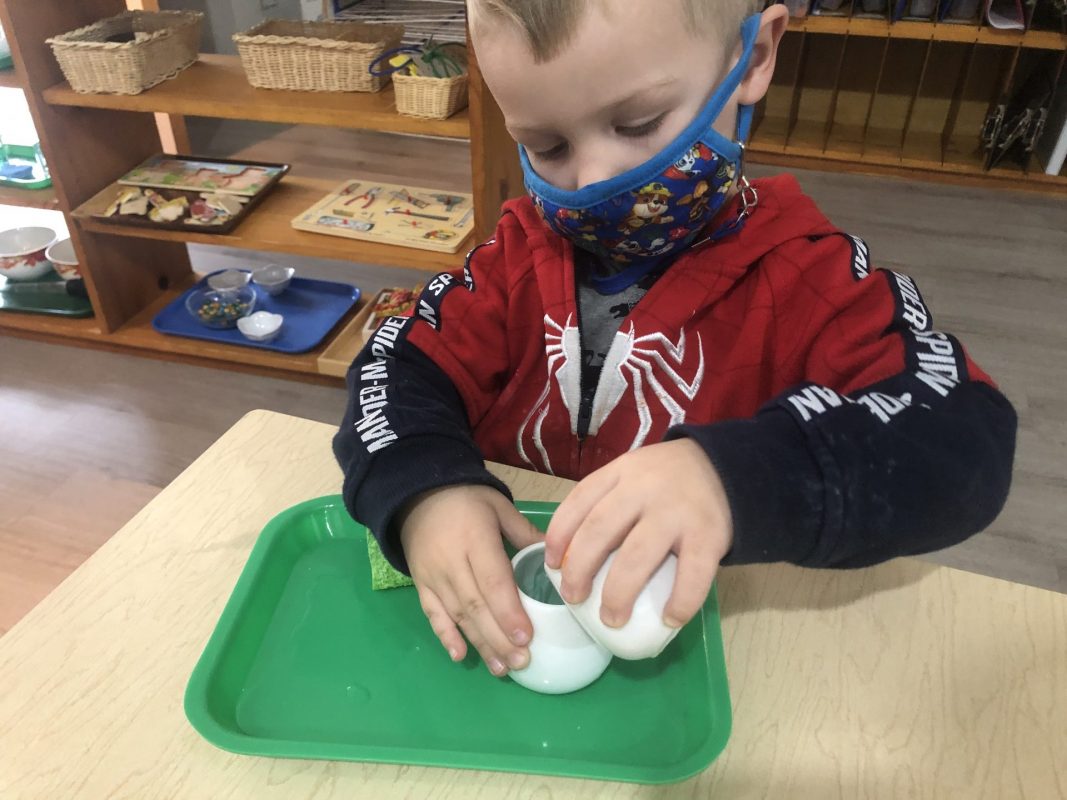
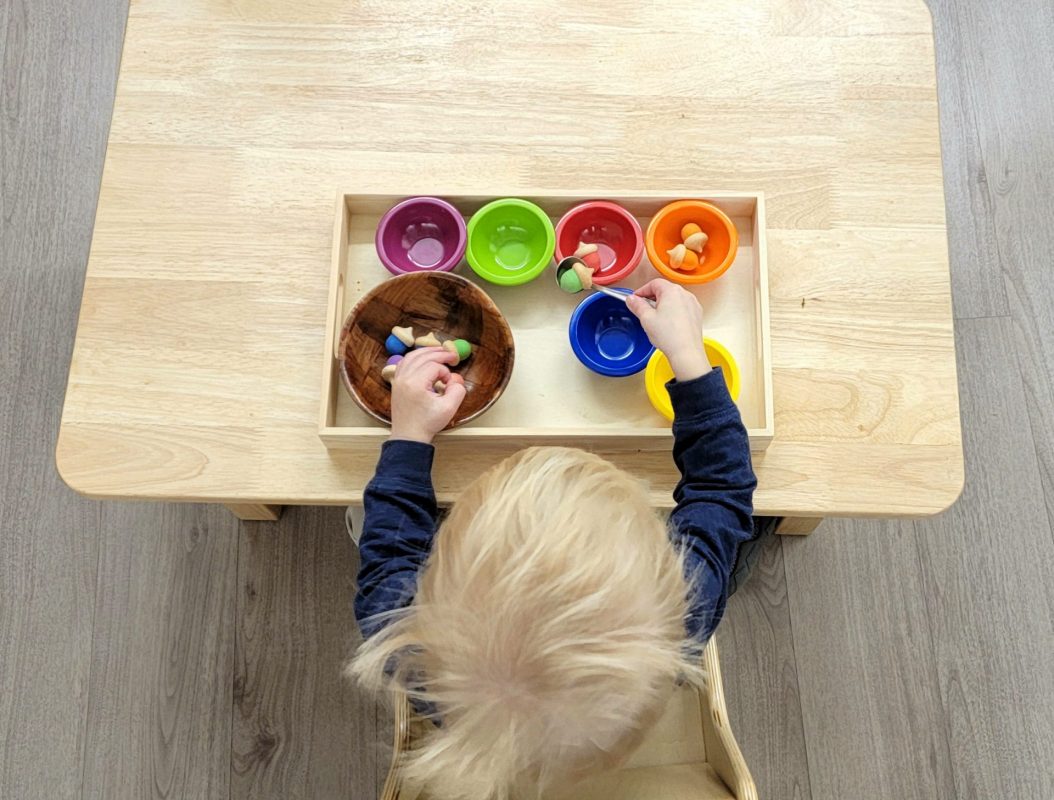
Learning cannot happen without concentration. Concentration cannot happen without interest. Whether we are learning to brush our teeth, write our name, bake a cake, or solve complex algebraic equations, there is intense concentration specific to the task at hand.

Concentration is a skill that needs practice to improve and develop.

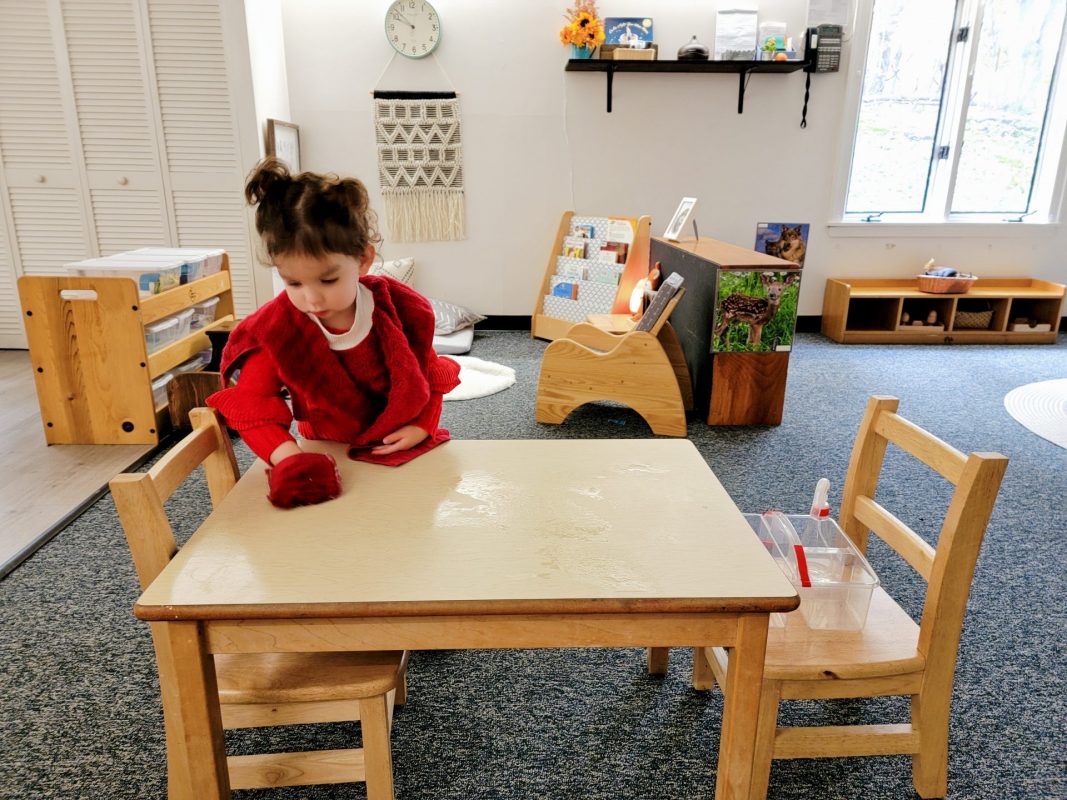
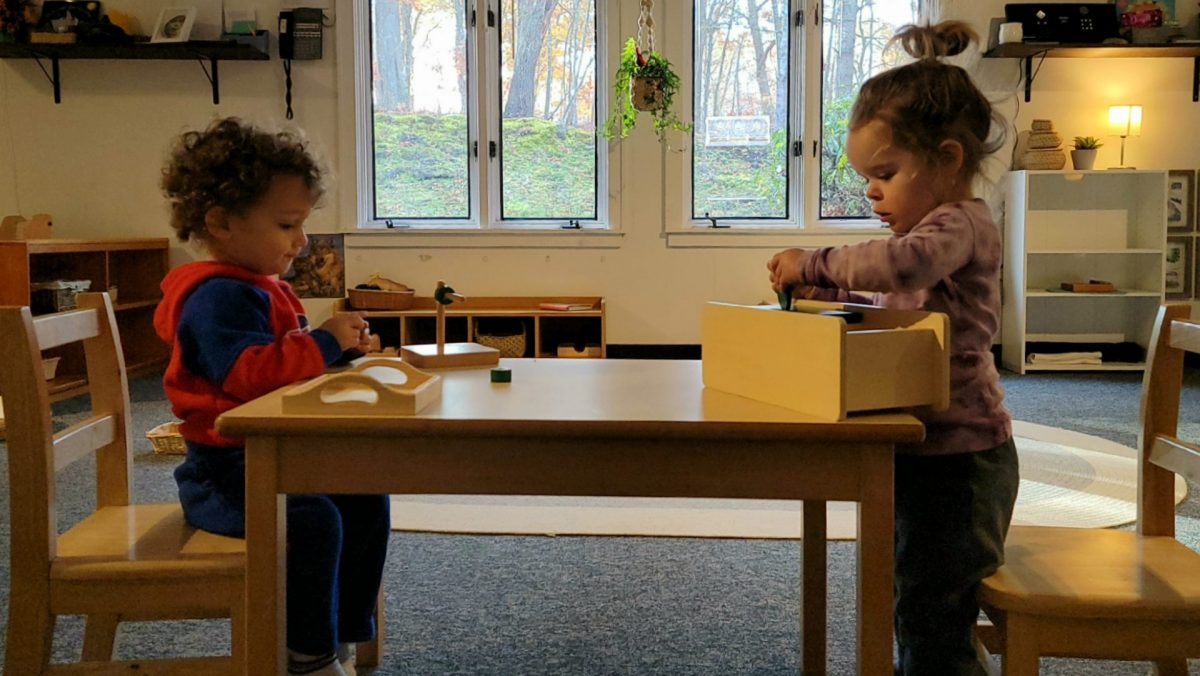
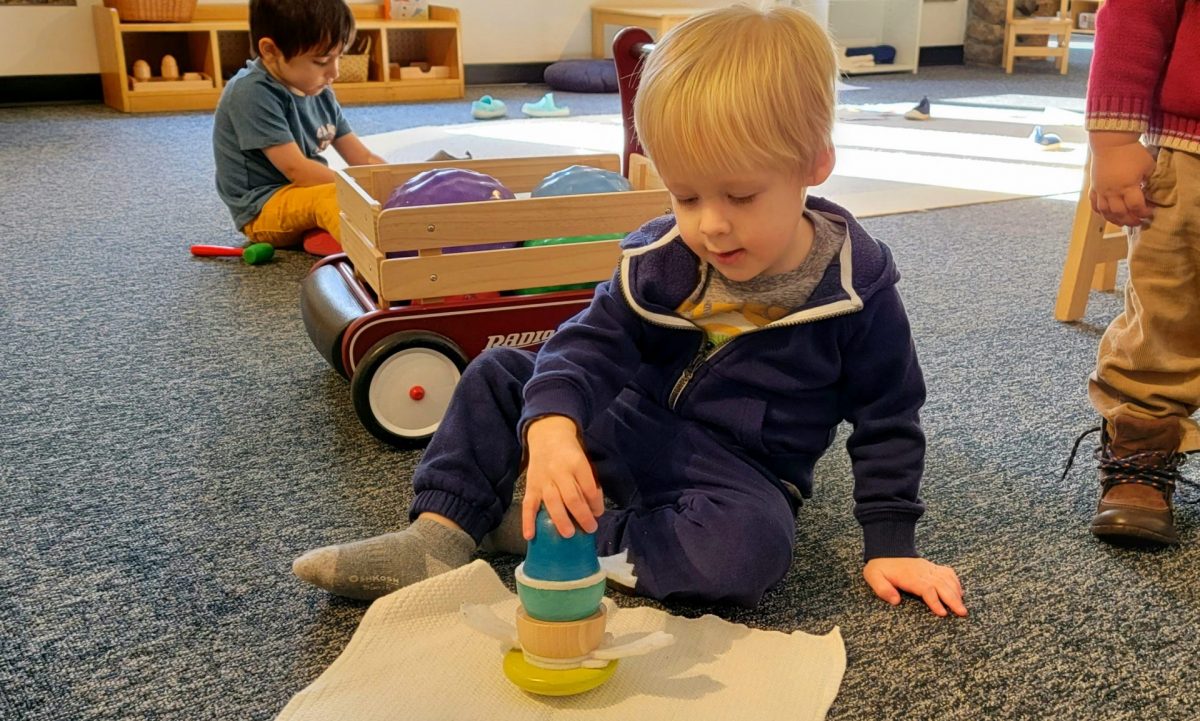
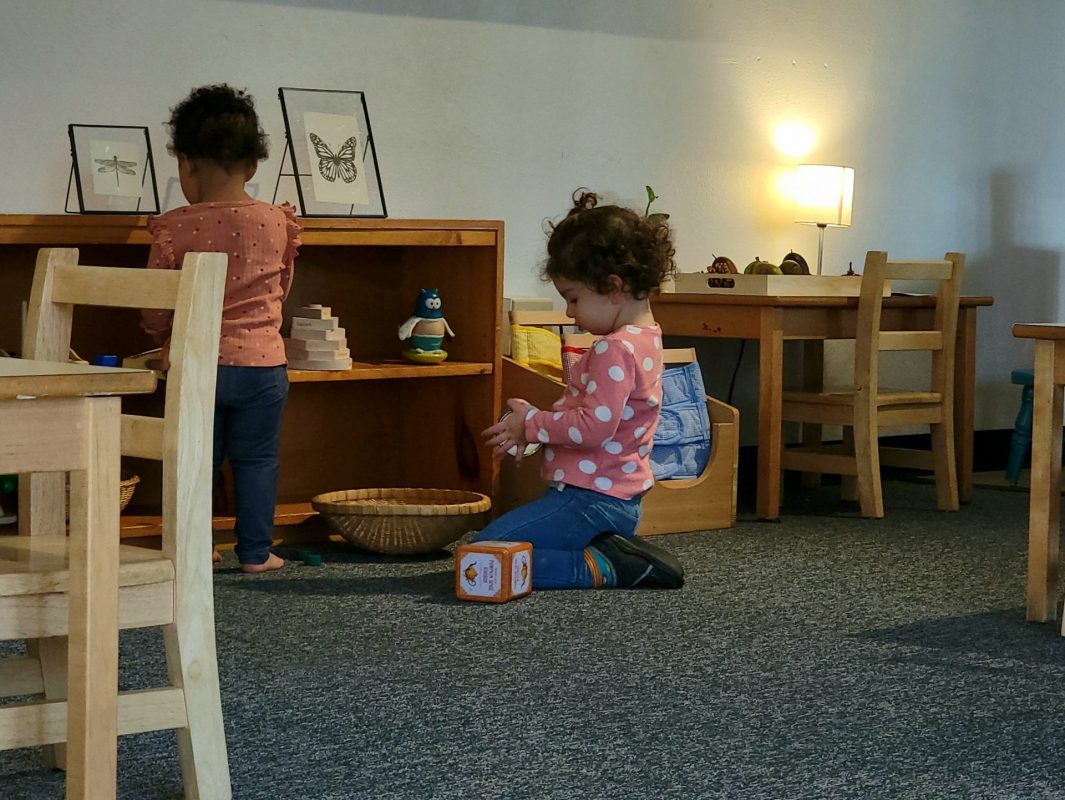
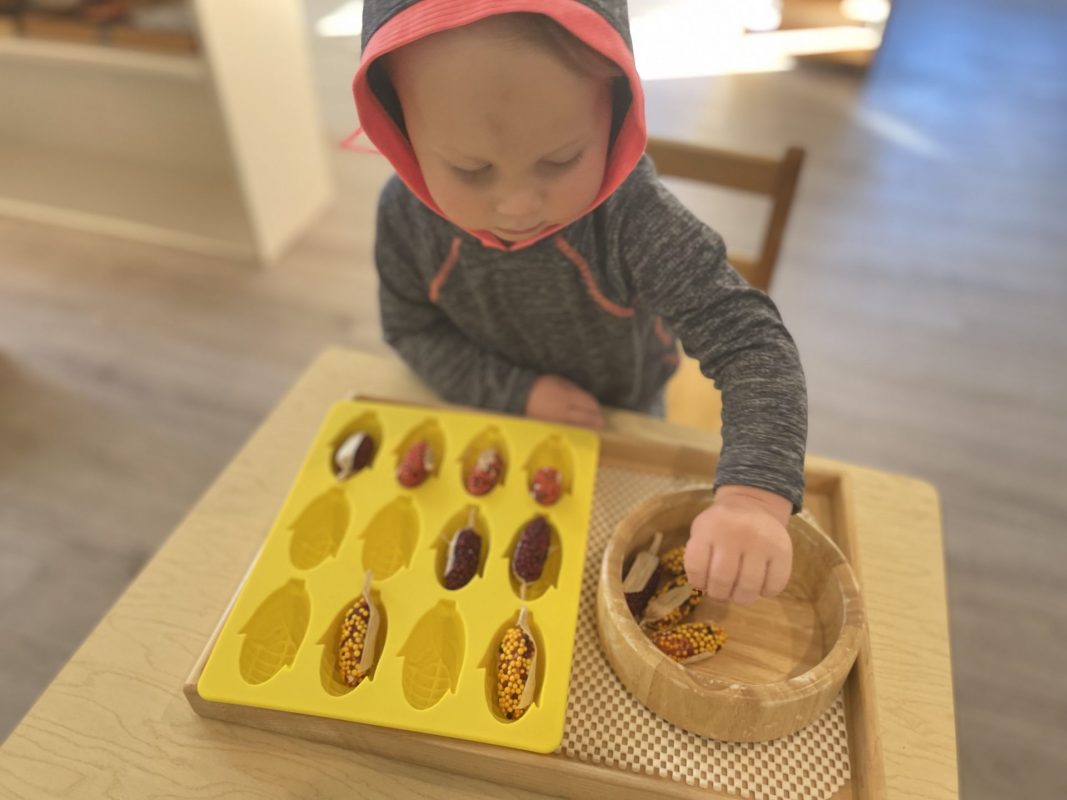
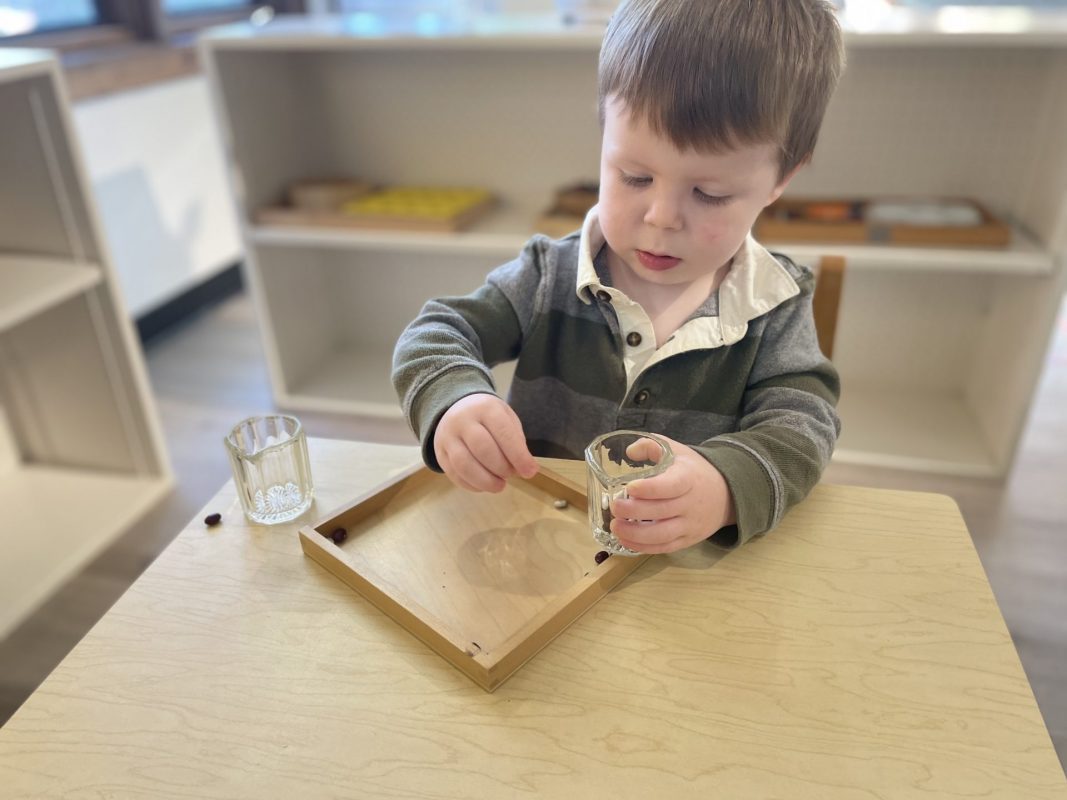
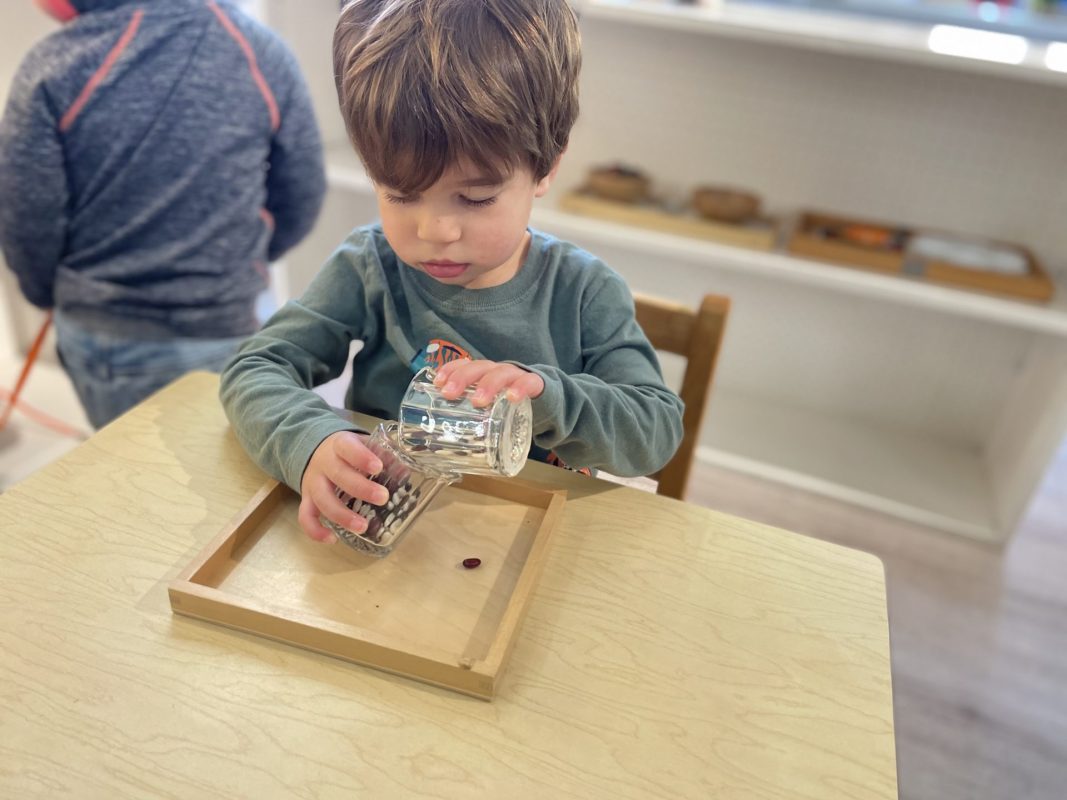
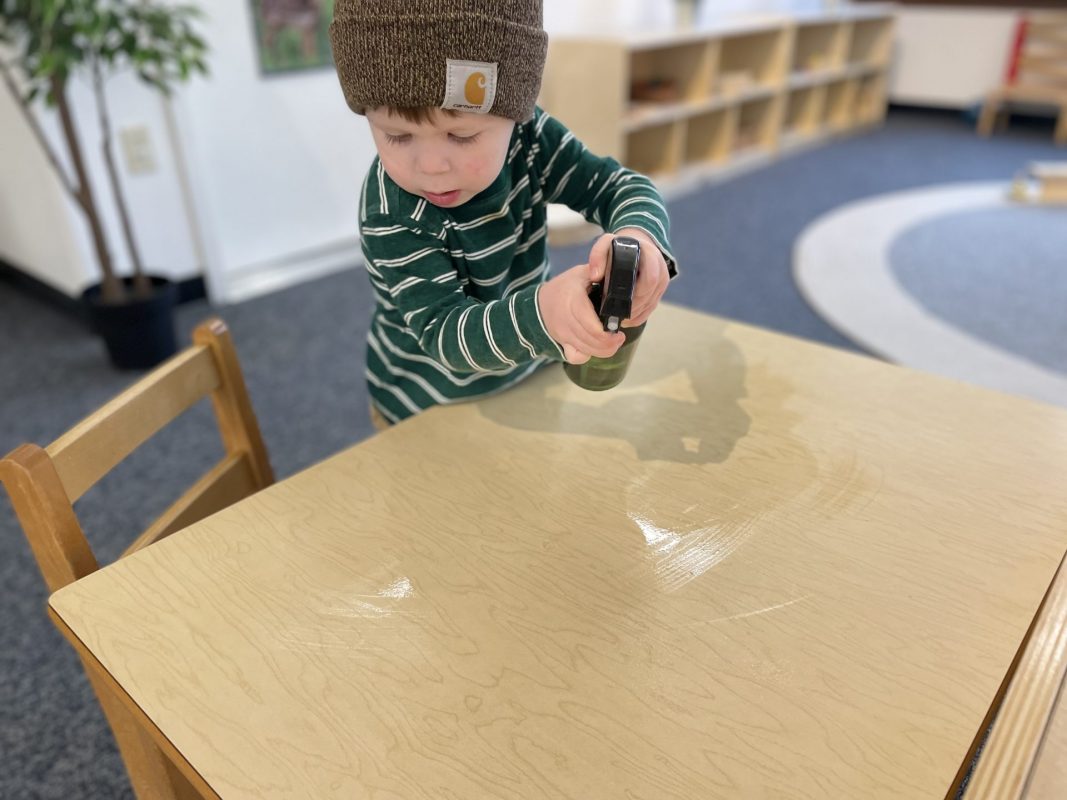
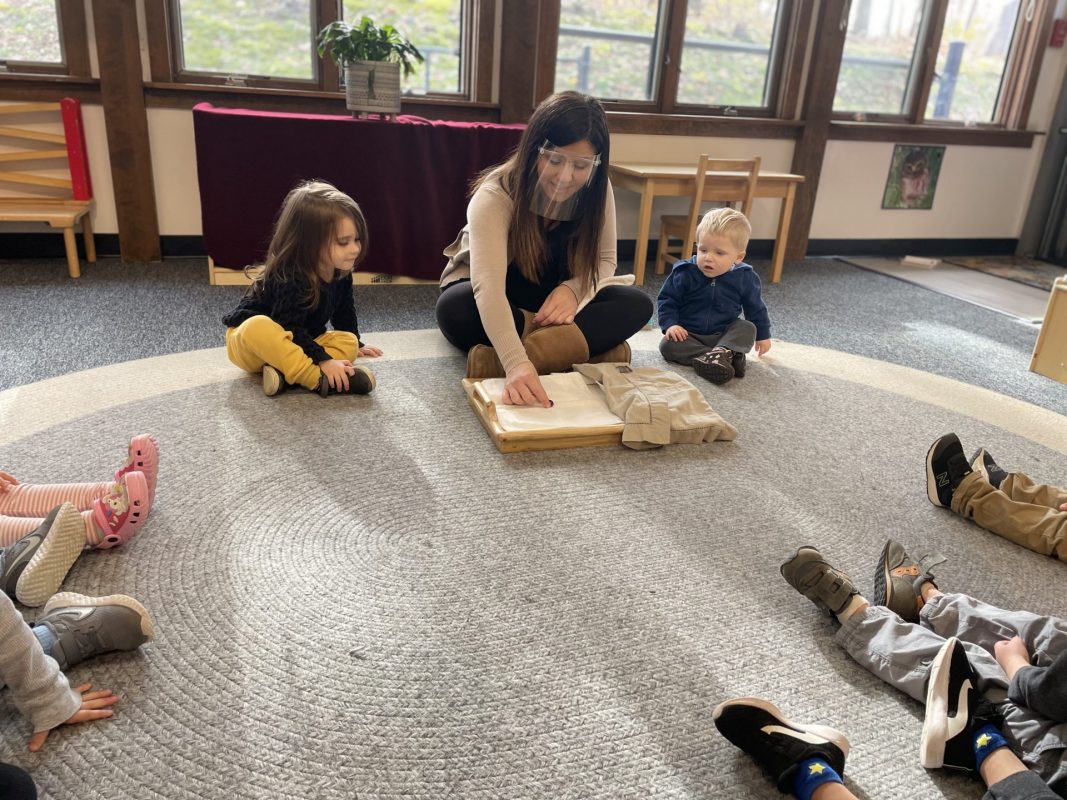
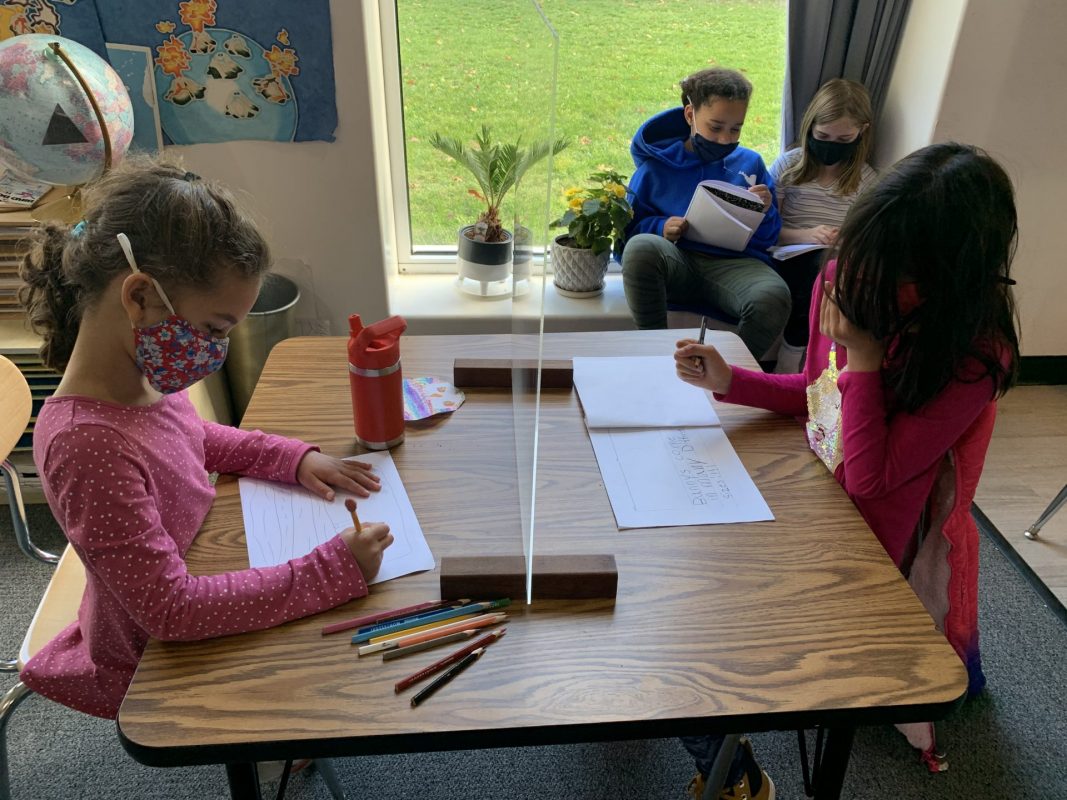
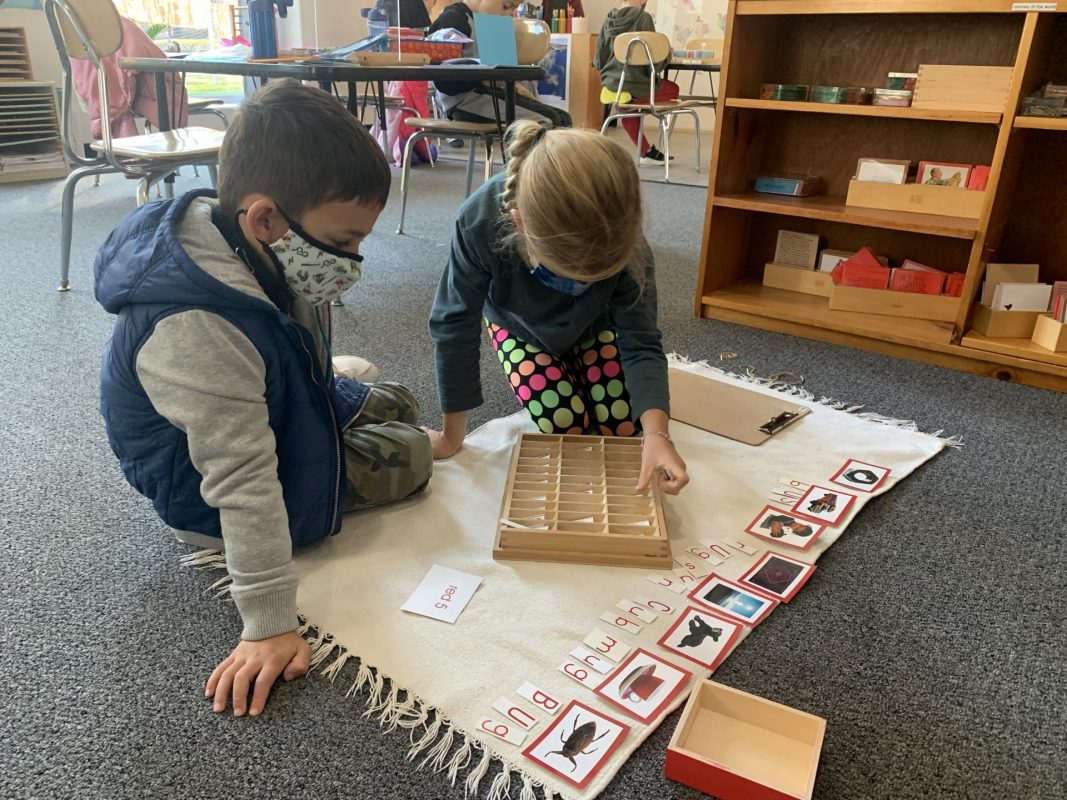
Our Montessori classroom provides an environment that offers the time and opportunity to practice deep concentration. The uninterrupted work period enables the children to focus on a task for as long as they wish without an adult-imposed schedule. The adult in the environment is cautious not to interrupt and break the children’s concentration. As the ability to concentrate improves, the children also develop better self-control and self-regulation.

What can we do to nurture and protect concentration at home?

In recent times there has been a strong social message for parents to spend lots of ‘quality time’ with children. This could be because of the increased amount of time typically spent away from the home. Parents sometimes fear their children may get bored and try to compensate for the loss of quality time by providing videos, iPads, and computer games that can keep children occupied.

It is important to spend meaningful time with your children interacting with them. It is just as important to offer children the opportunity for self-initiated play and the time to become bored. The best way to develop concentration is to practice it, and the best way to let children practice is to avoid interrupting when they are beginning to pay attention to something.

Here are some suggestions for you to do at home:

  • Observe your child and identify what it is that holds his attention.
  • Arrange the materials he uses so they are accessible and organized.
  • Nurture his creative endeavors.
  • Resist the urge to interrupt when he is deeply concentrating. Just supervise.
  • Be a good role model and show your child that you have work that needs concentration.
  • Provide uninterrupted time to complete his task or activity.
  • Ensure your child has opportunity to develop his gross motor skills through outdoor play.
  • Work on relaxation and introduce meditation or quiet time at the end of the day.

Adapting these practices at home will support your child to develop concentration, a skill essential to success in schooling and life.

“Concentration is a part of life. It is not the consequence of a method of education.” ~Maria Montessori

Best,

Mrs. Hood and Ms. Maria


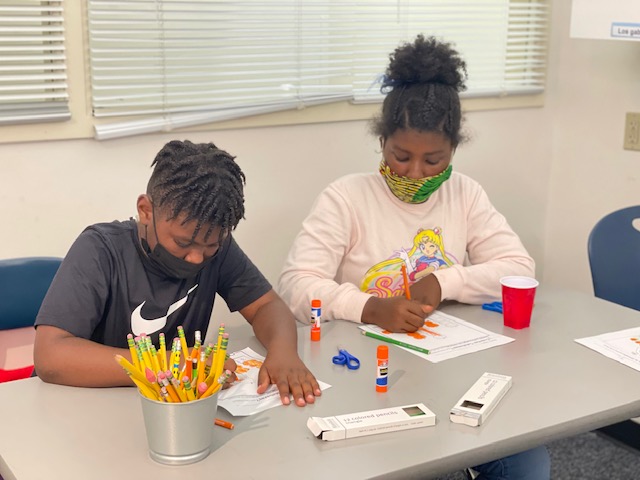
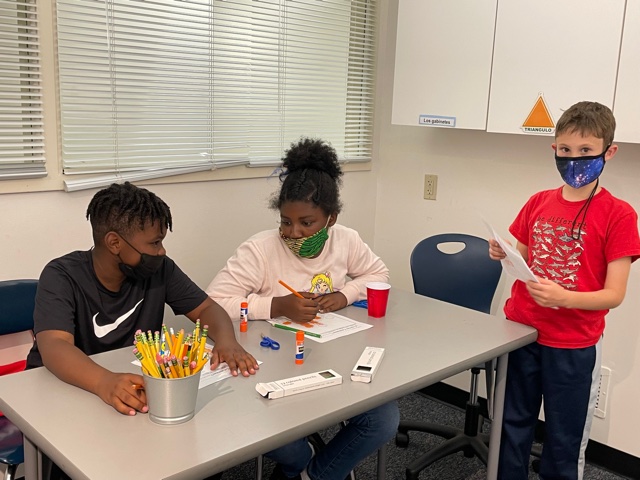
Middle School: Two Weeks in Review

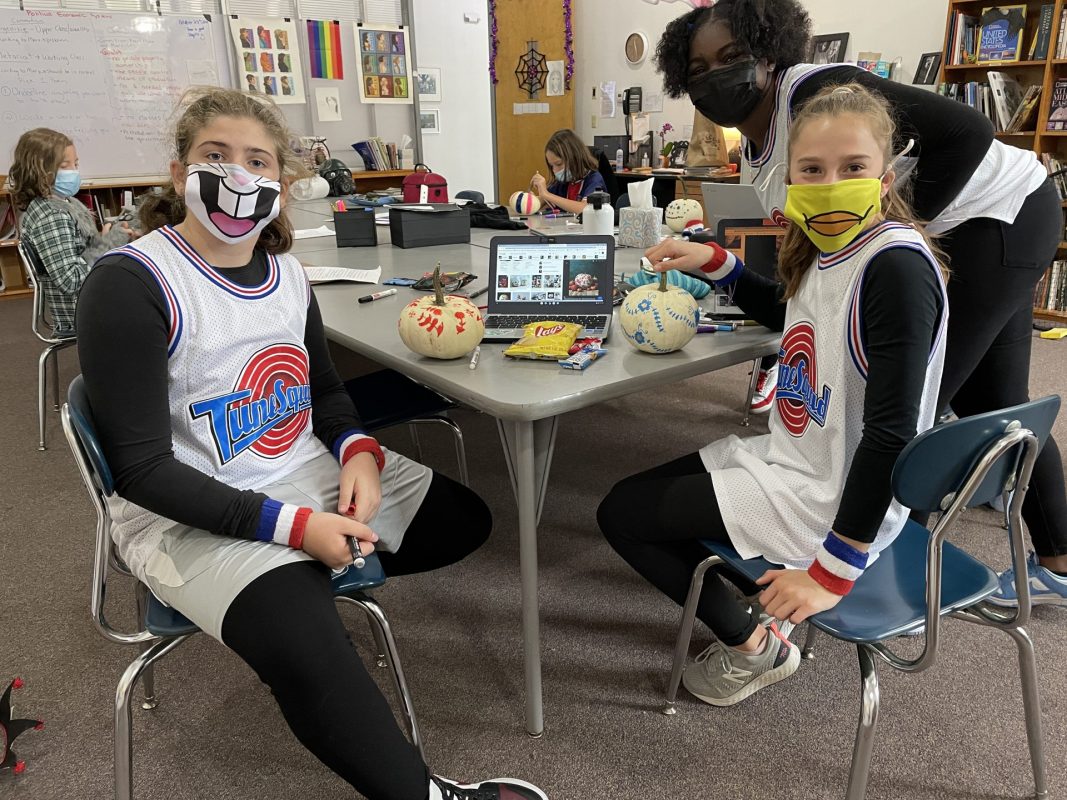
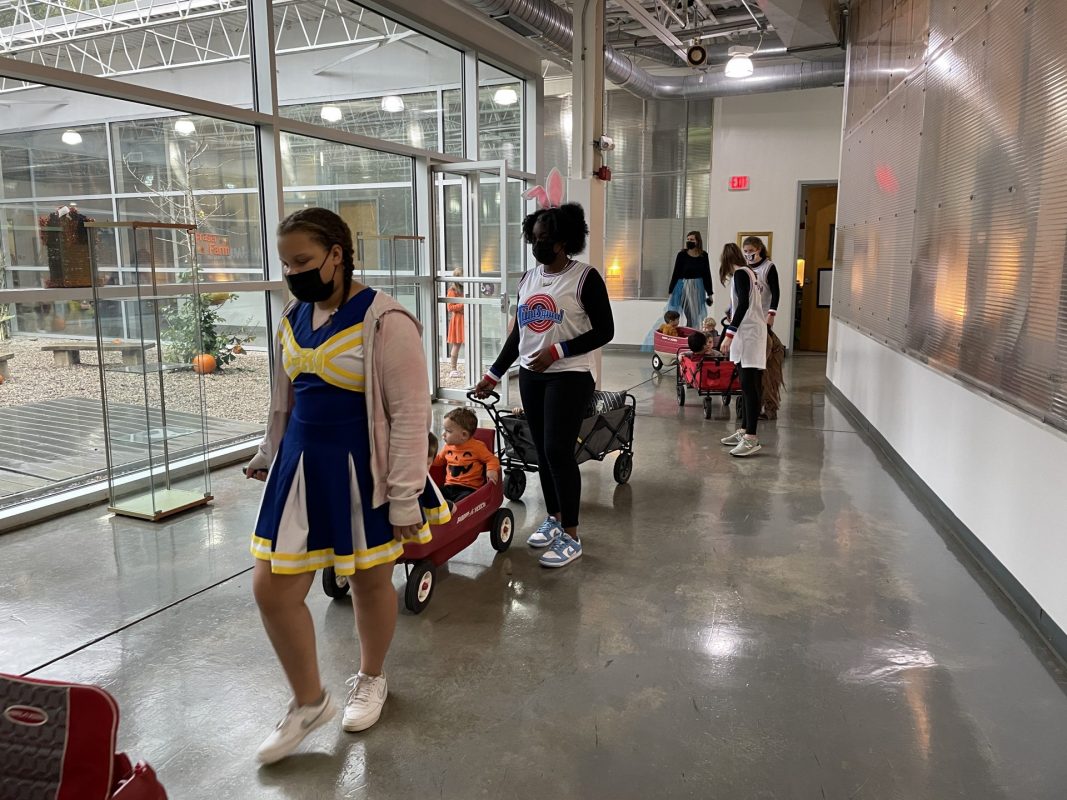
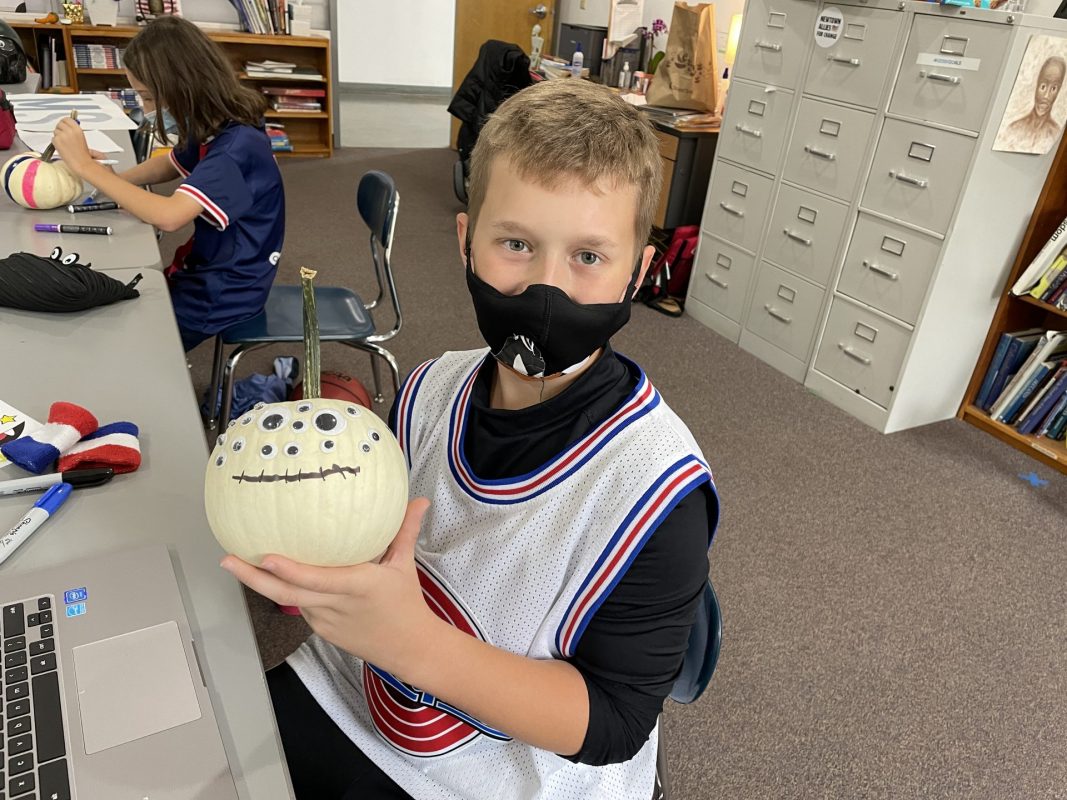
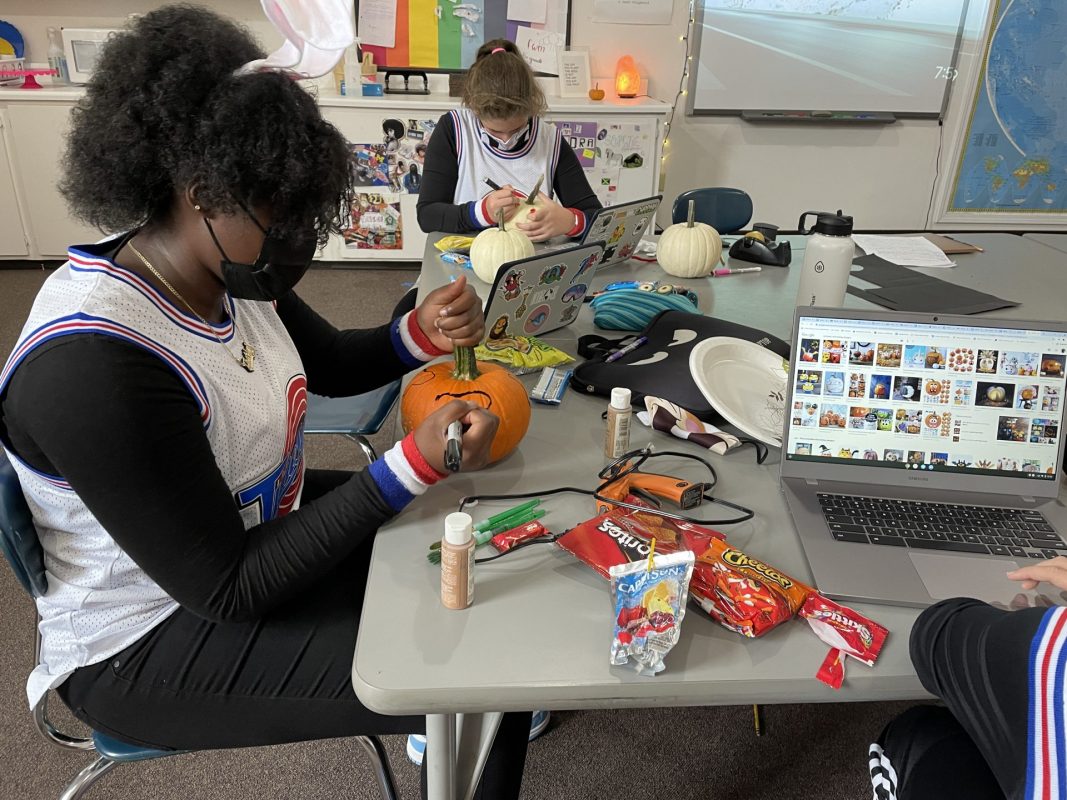
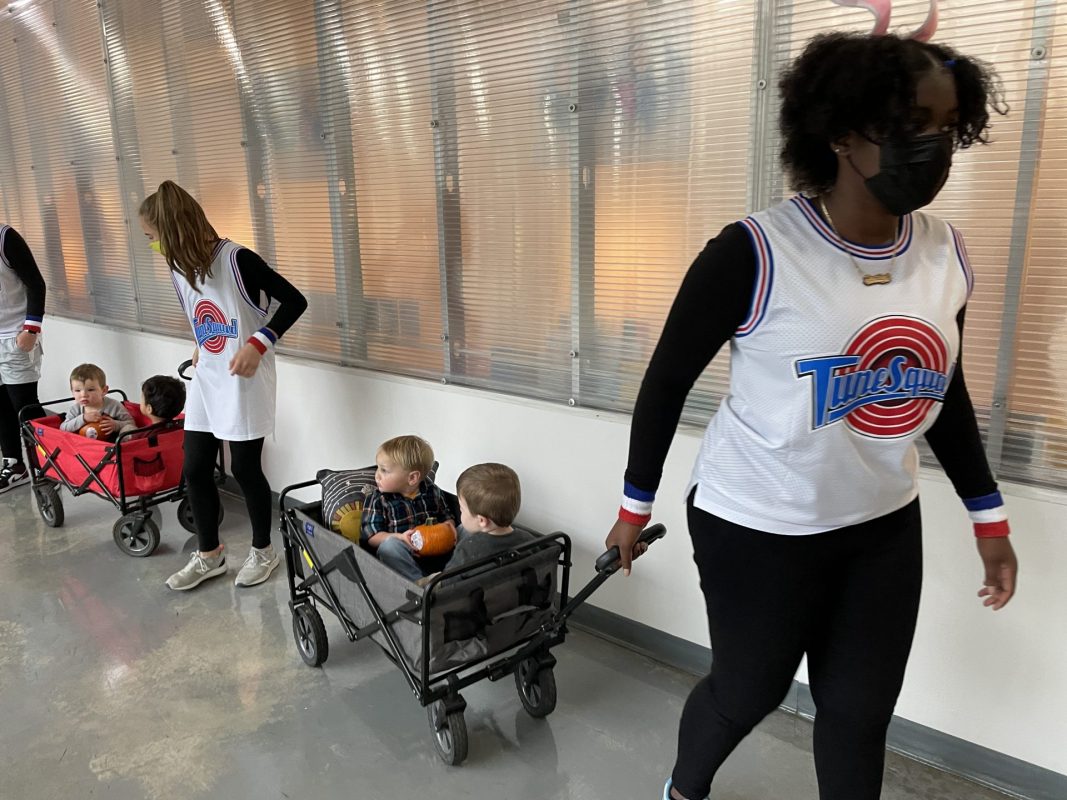
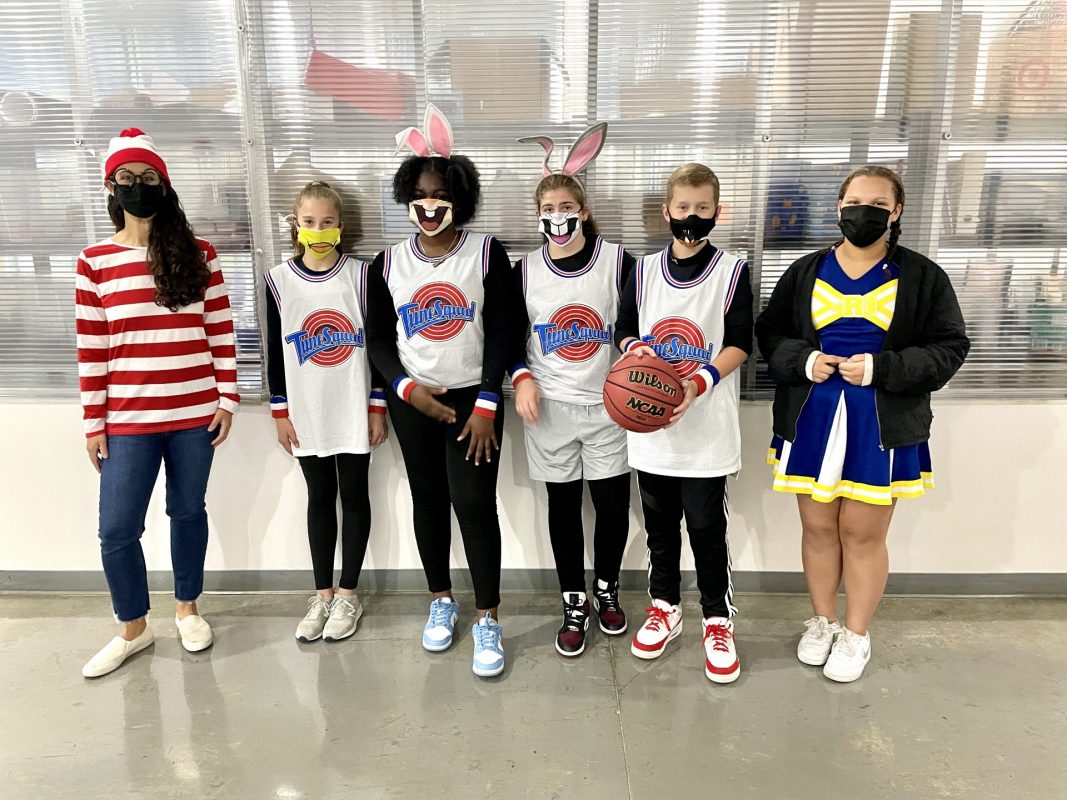
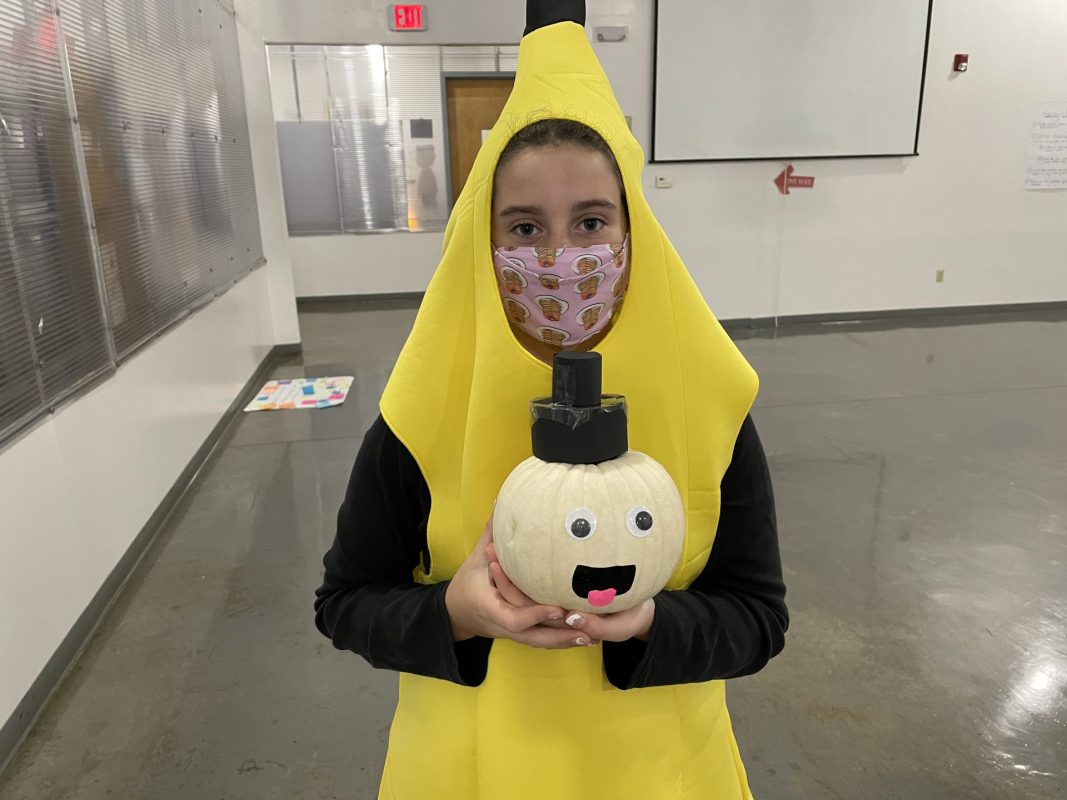
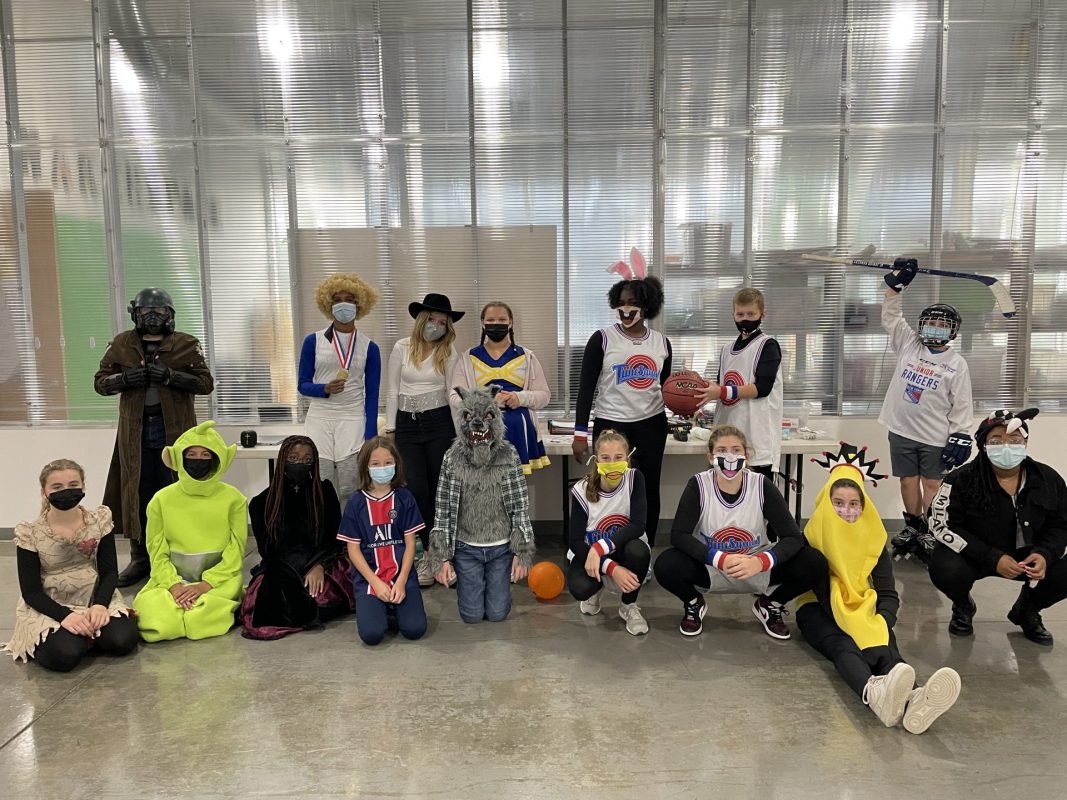
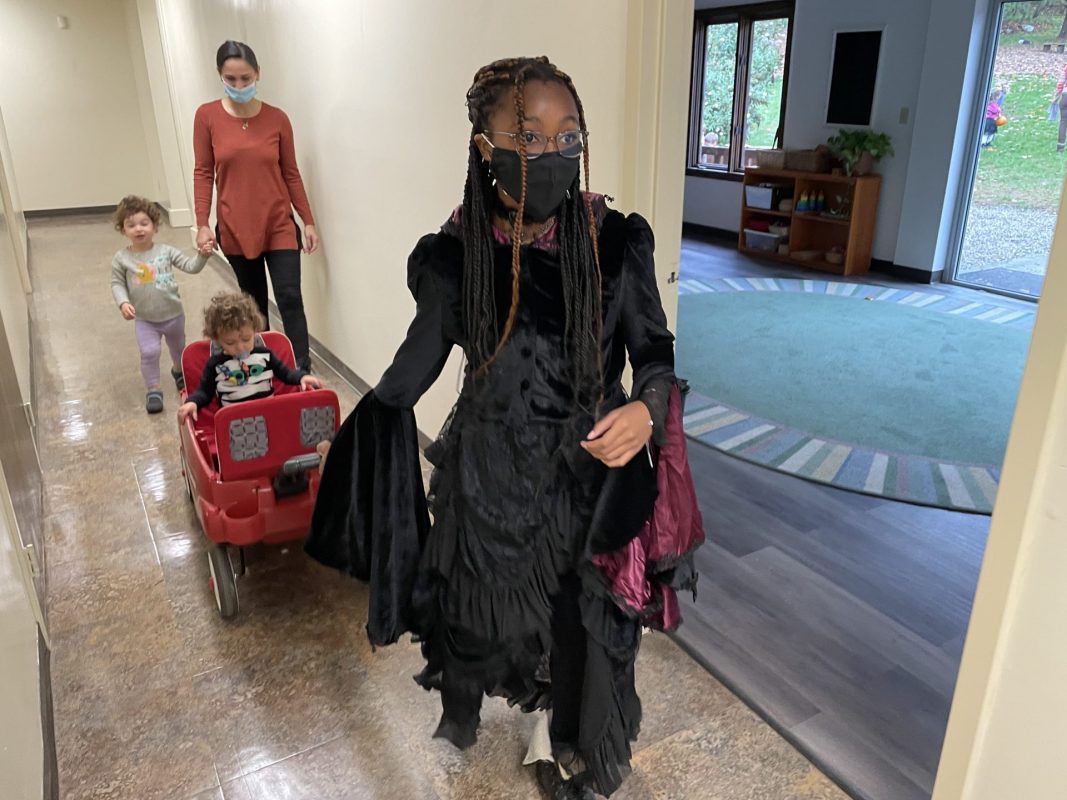
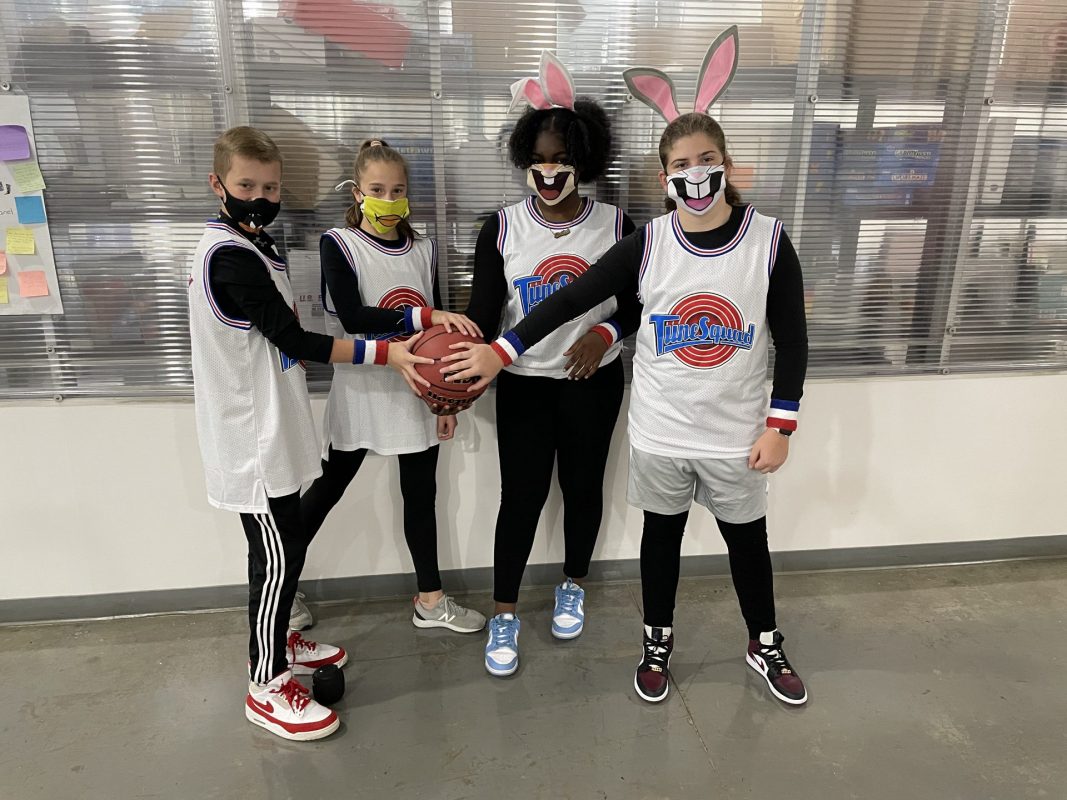
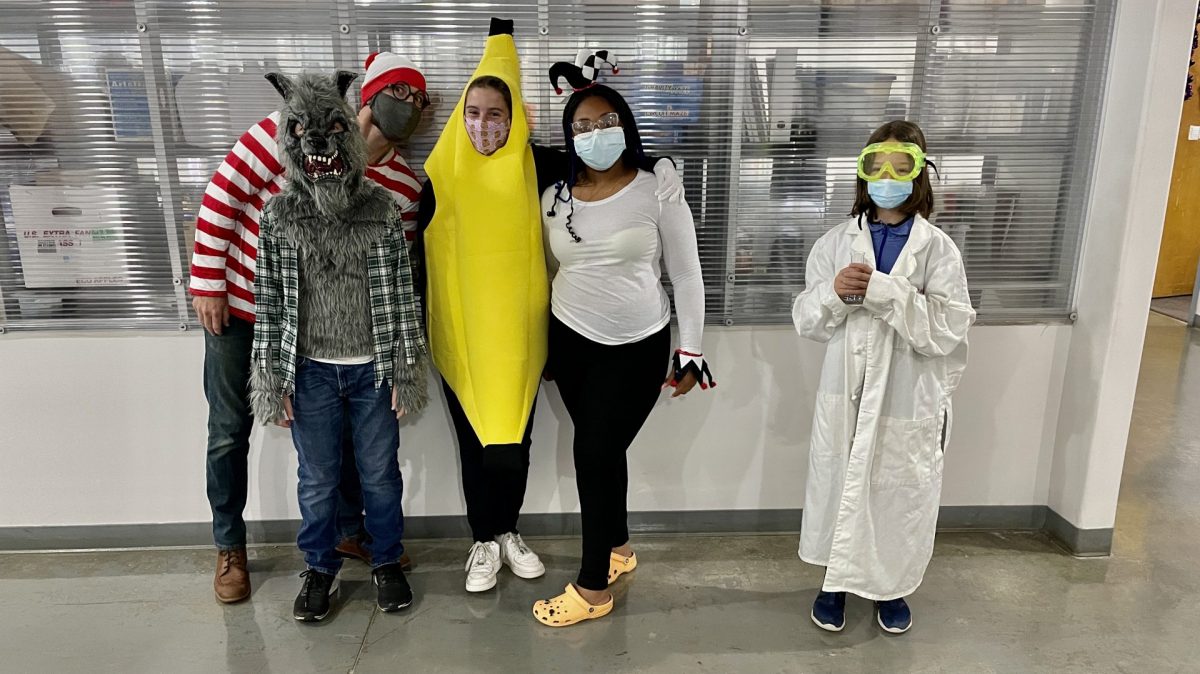
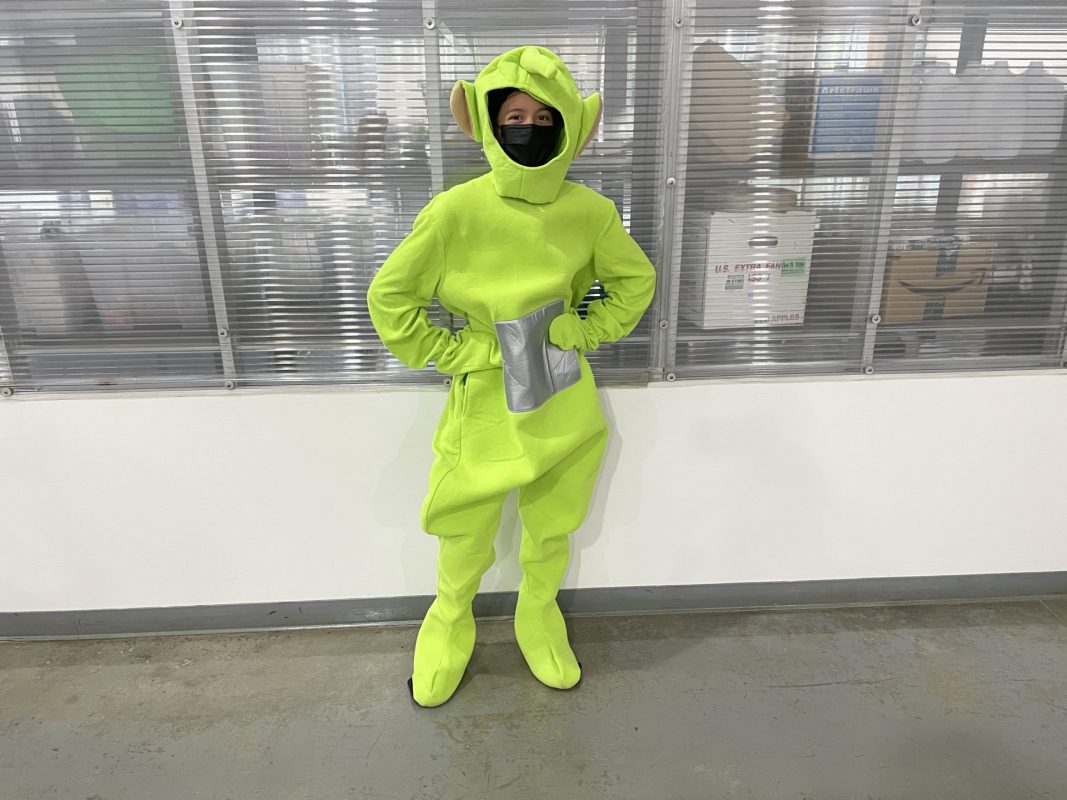
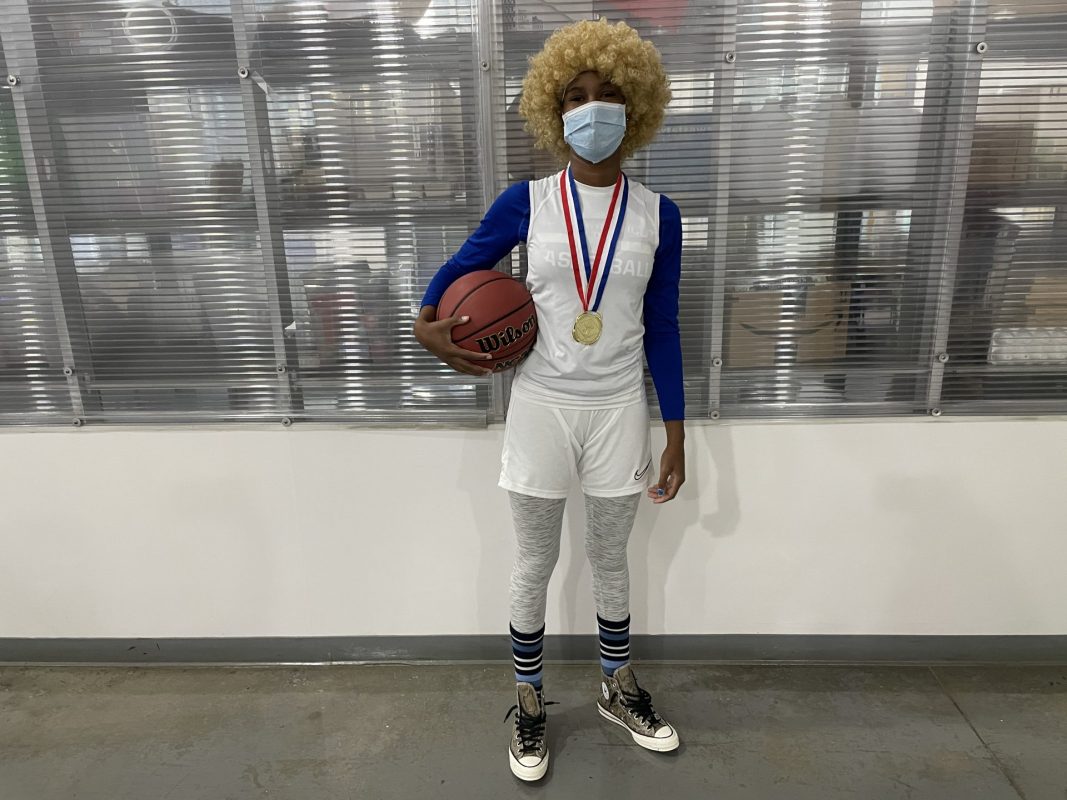
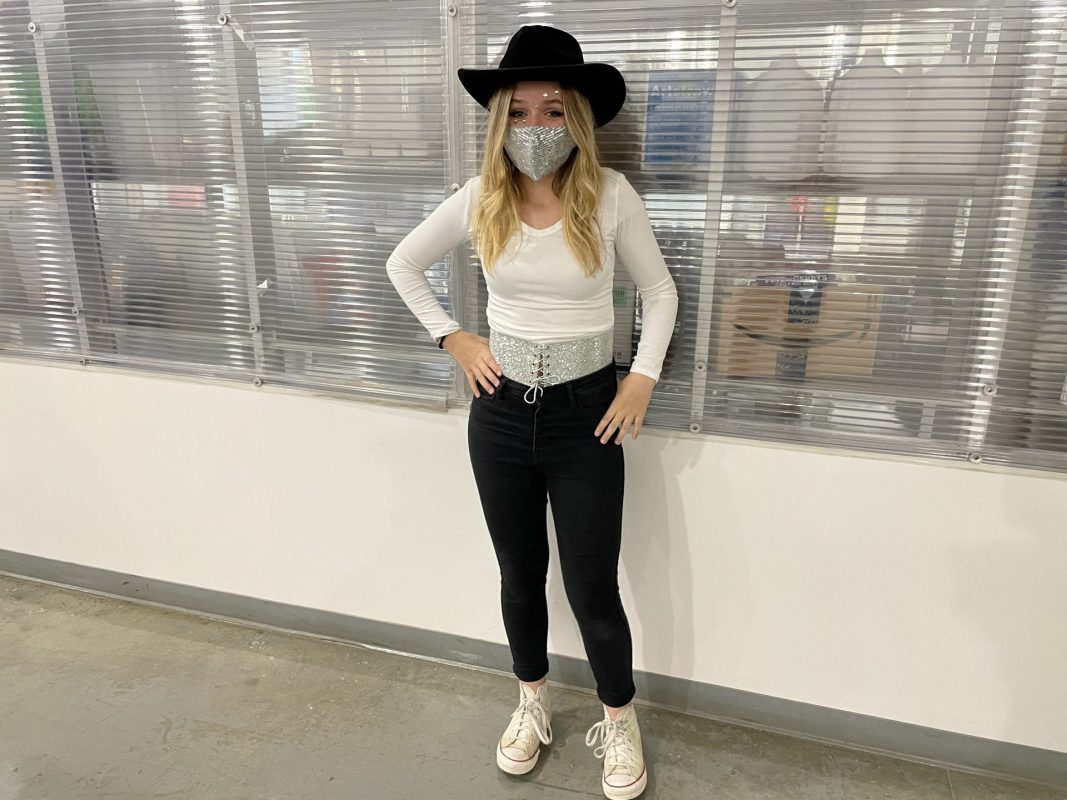
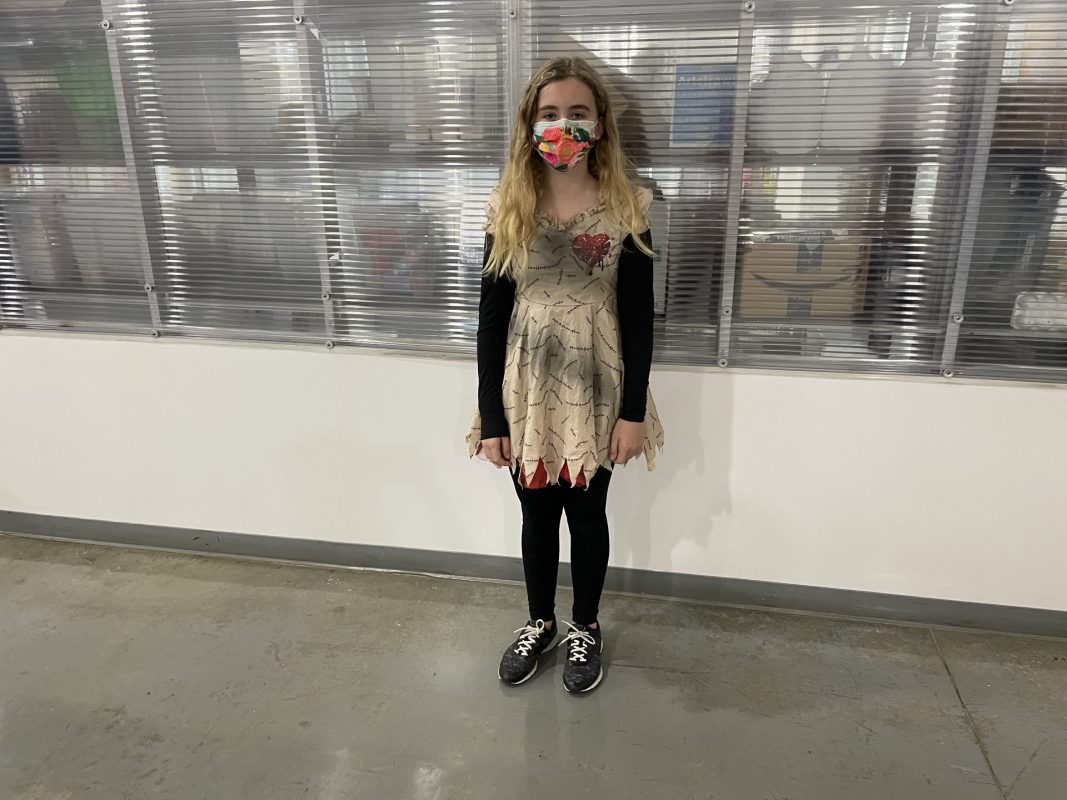
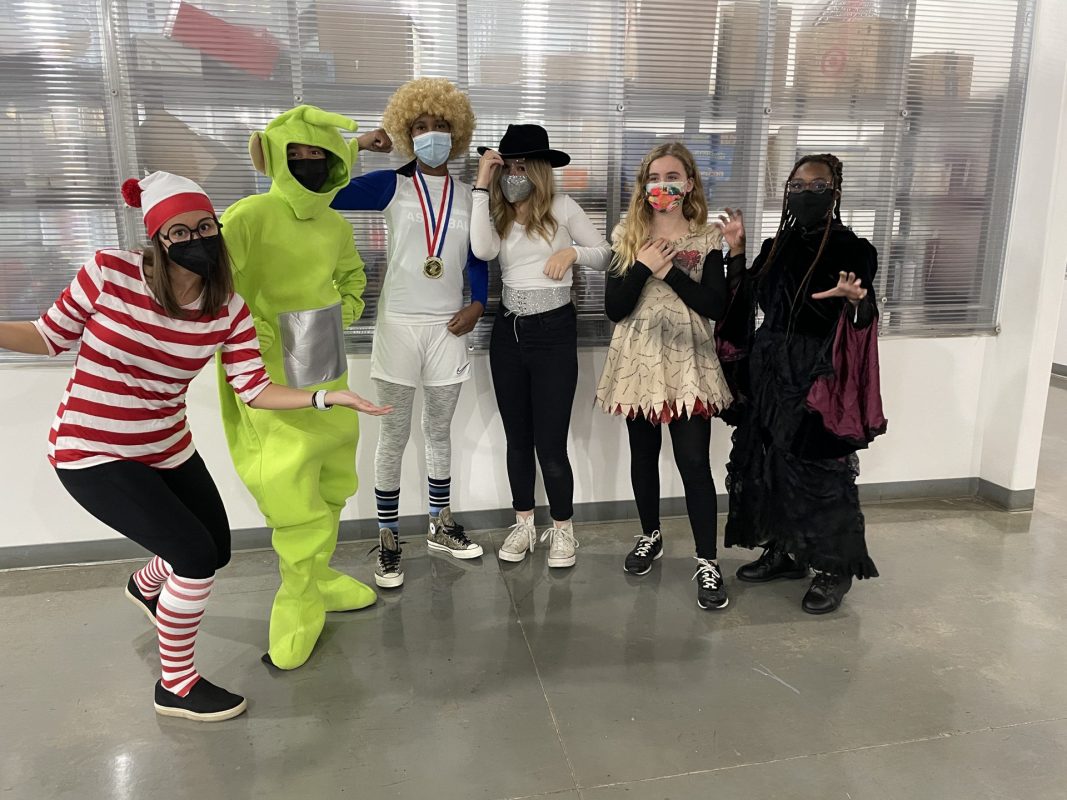
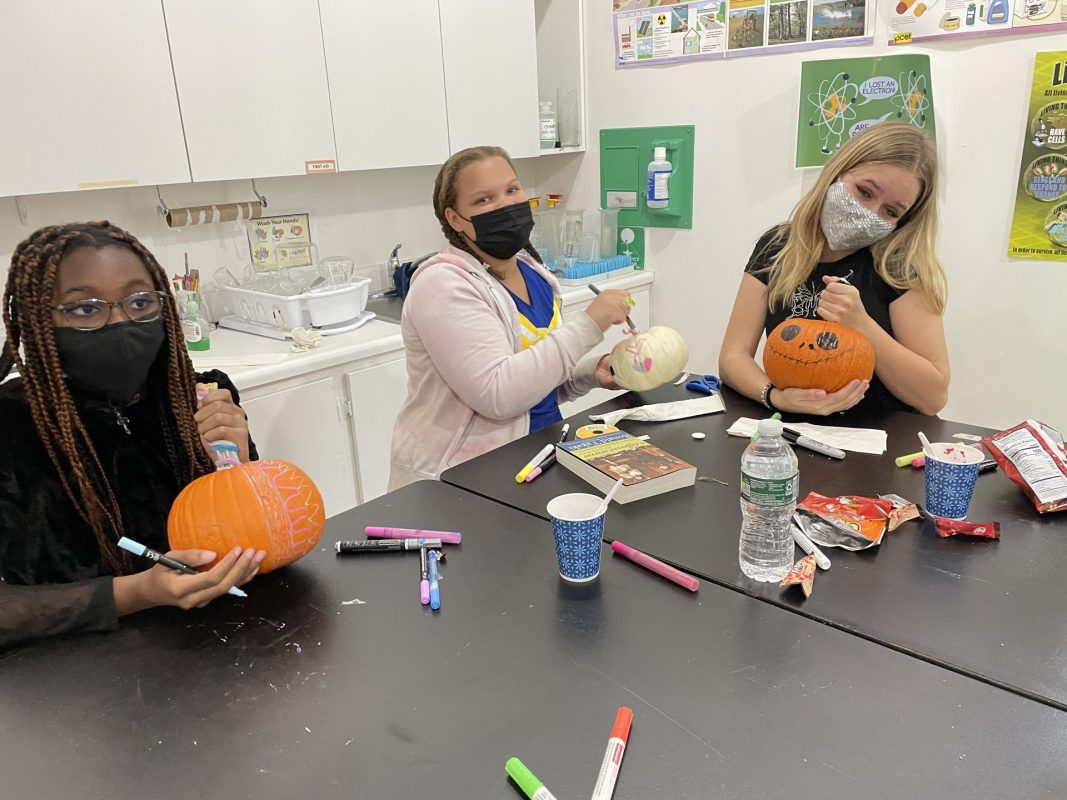
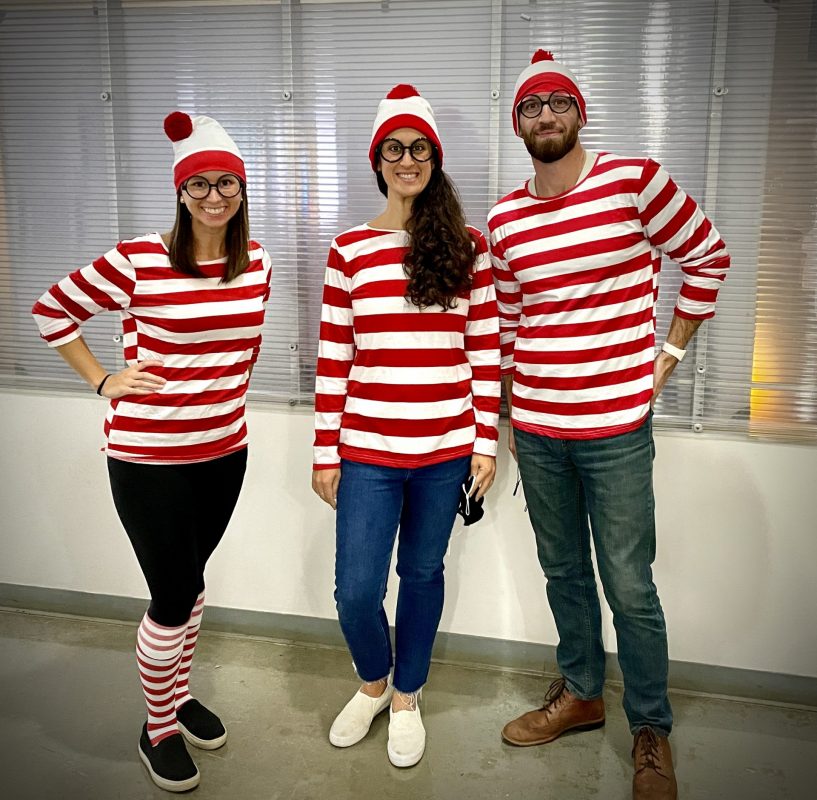
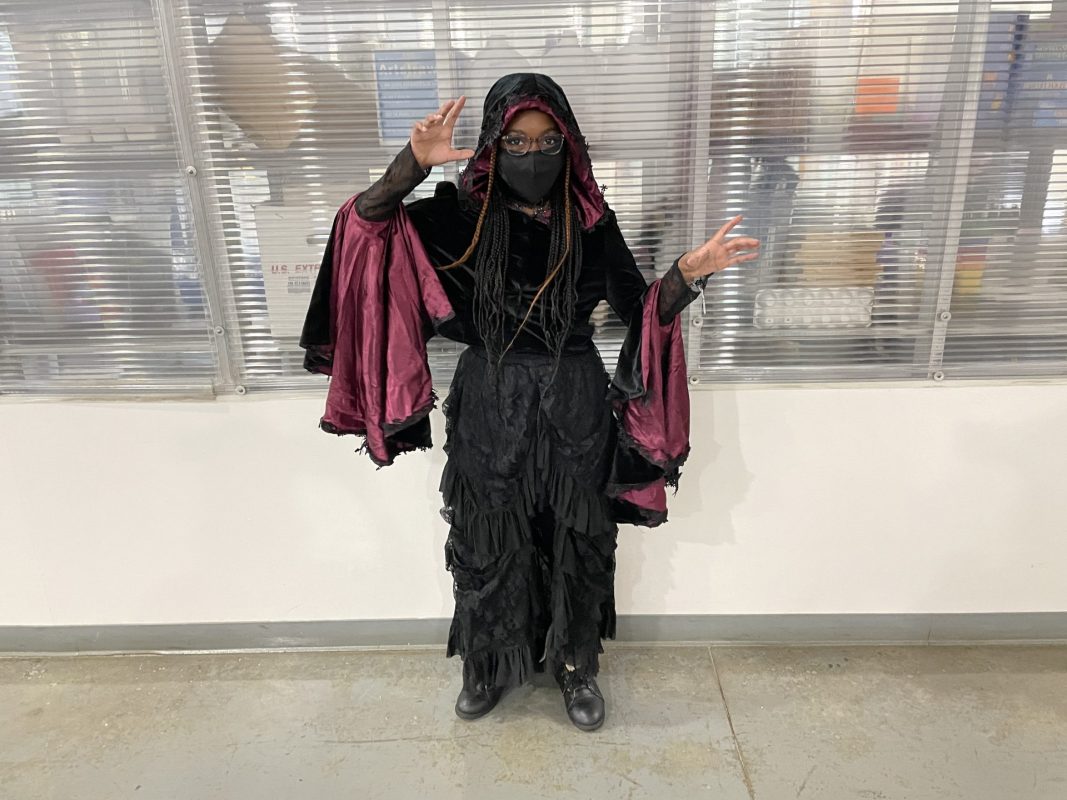
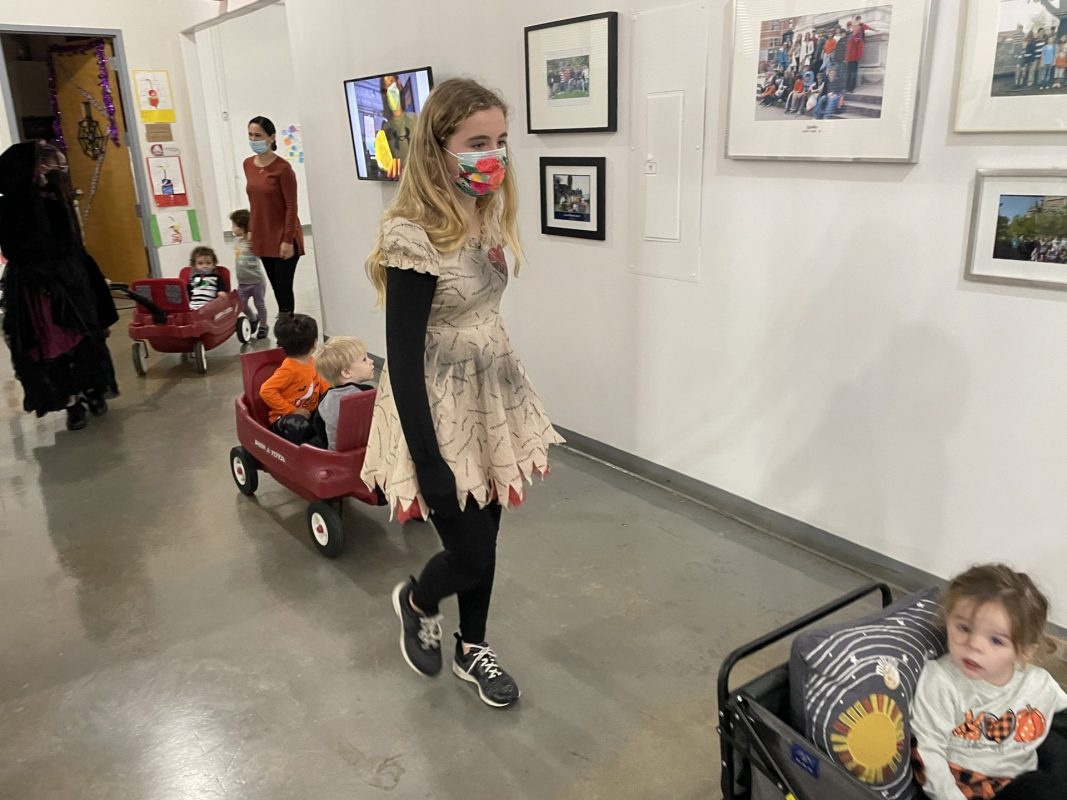
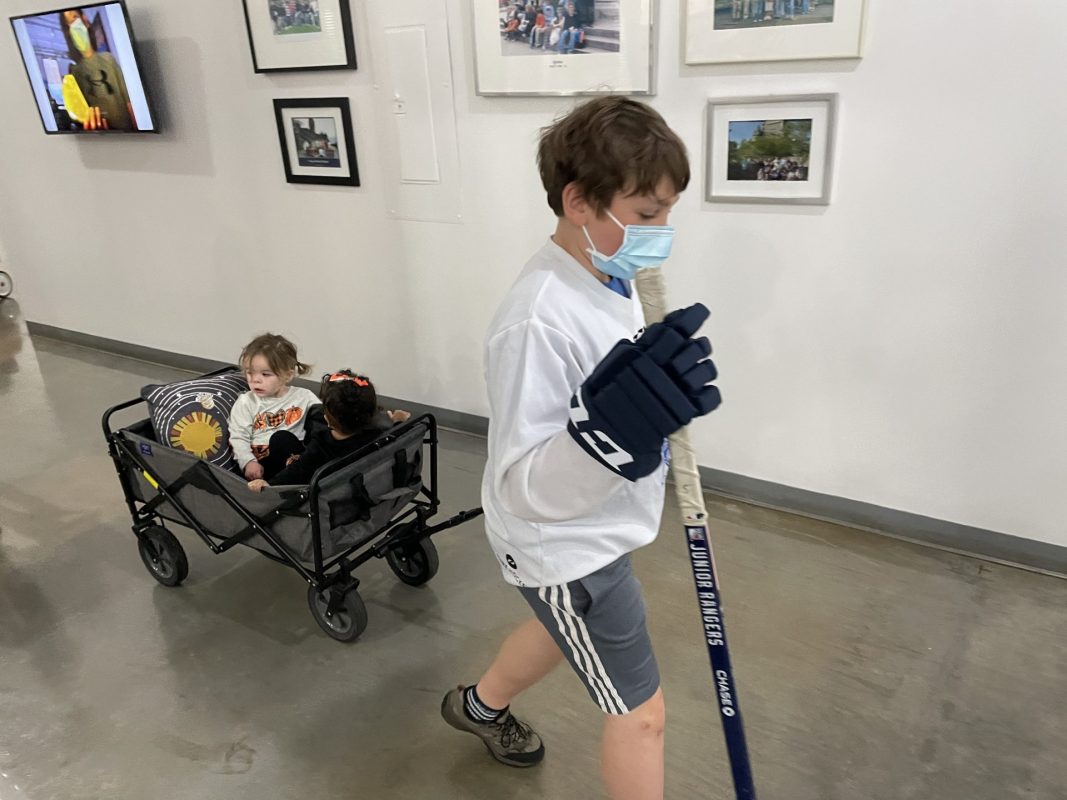
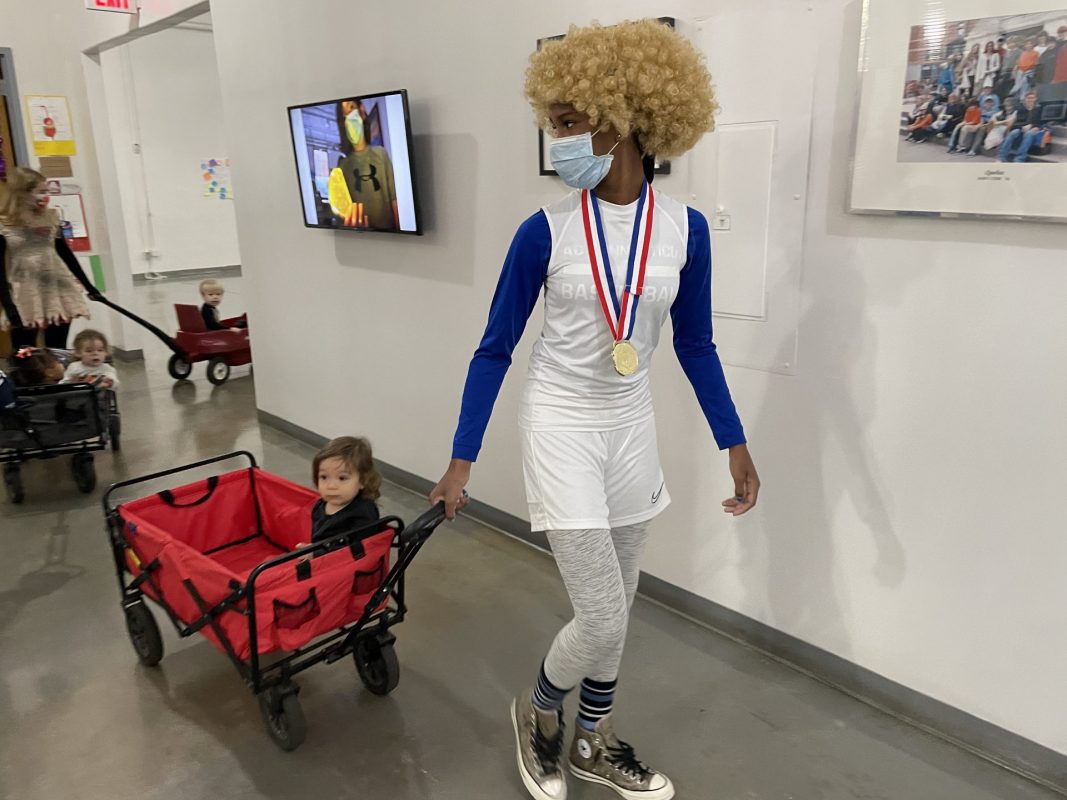
Happy Friday! We are going to backtrack to last week when we had our fun Halloween celebration. We enjoyed everyone’s costumes and had a great time together!

Also, thank you for your time meeting with us for conferences. The conversations were great, and we enjoy being on the same page with both students and parents. Please continue the conversations with us anytime!

Now, onto this week. It’s been a full and busy week in the Middle School.

Science

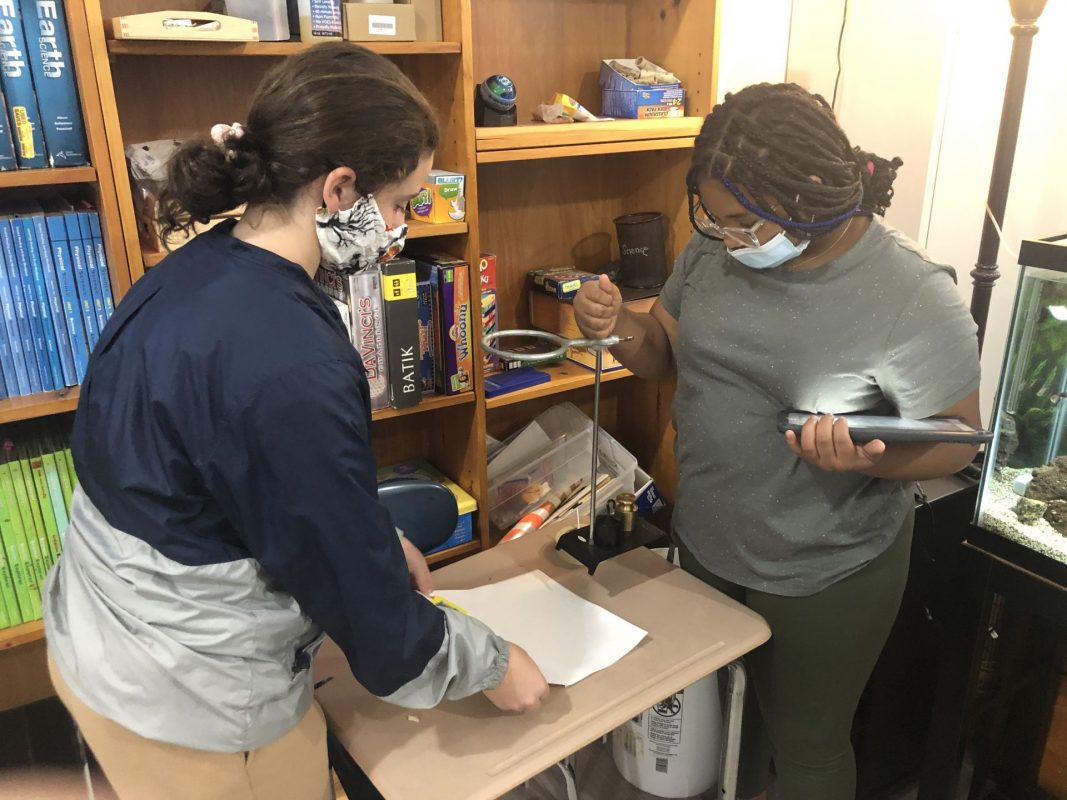
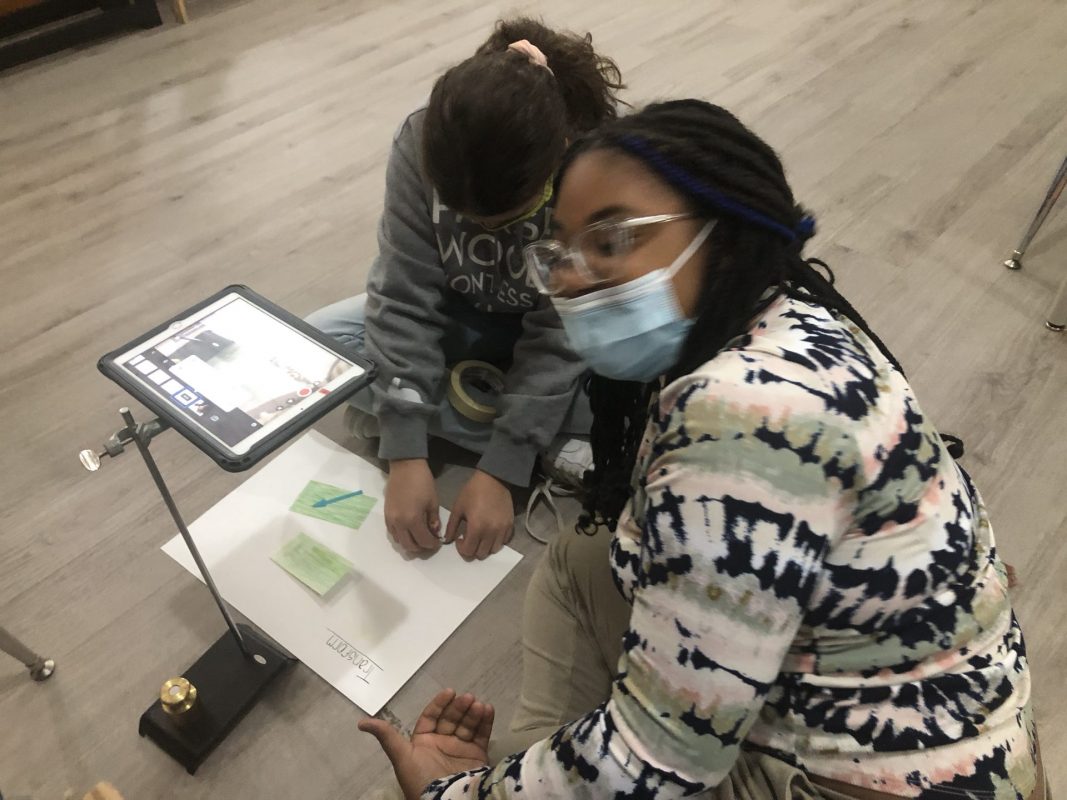
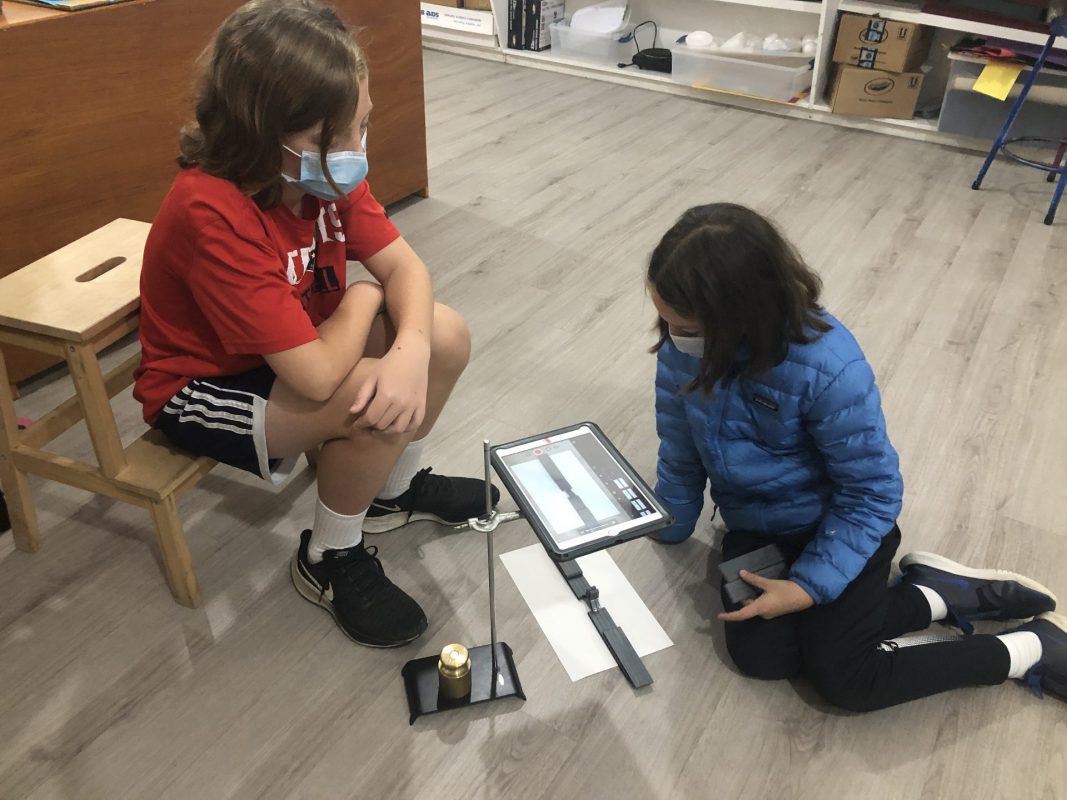
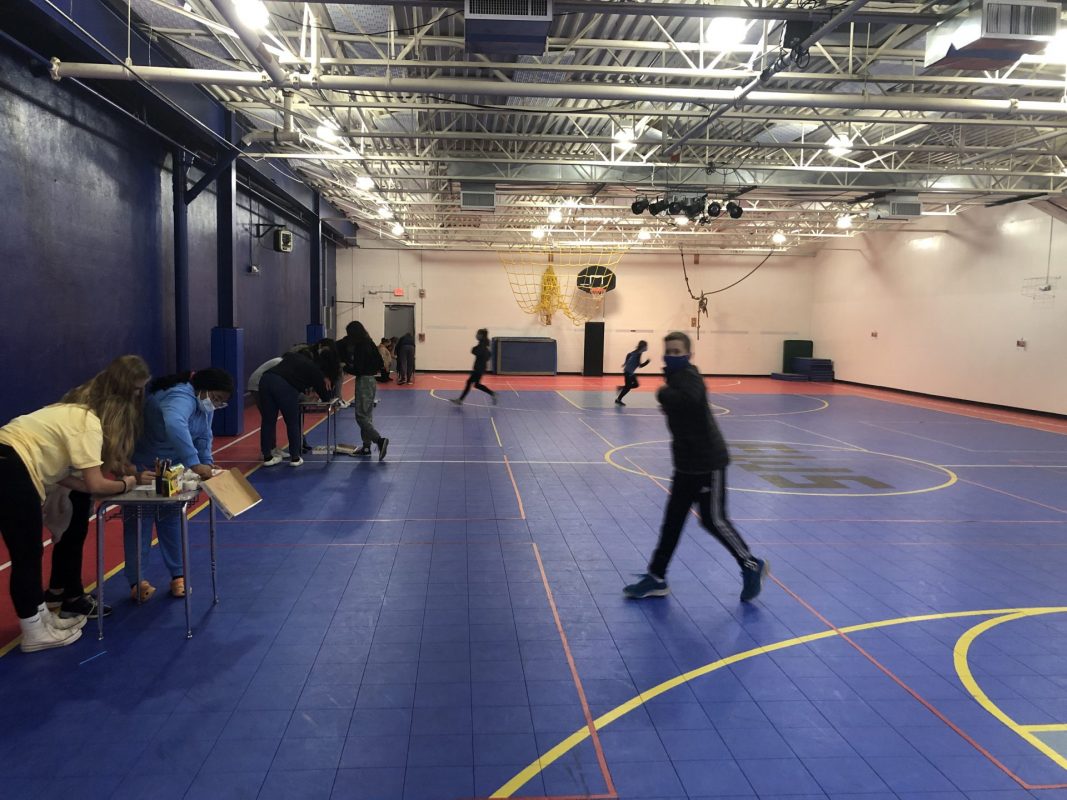
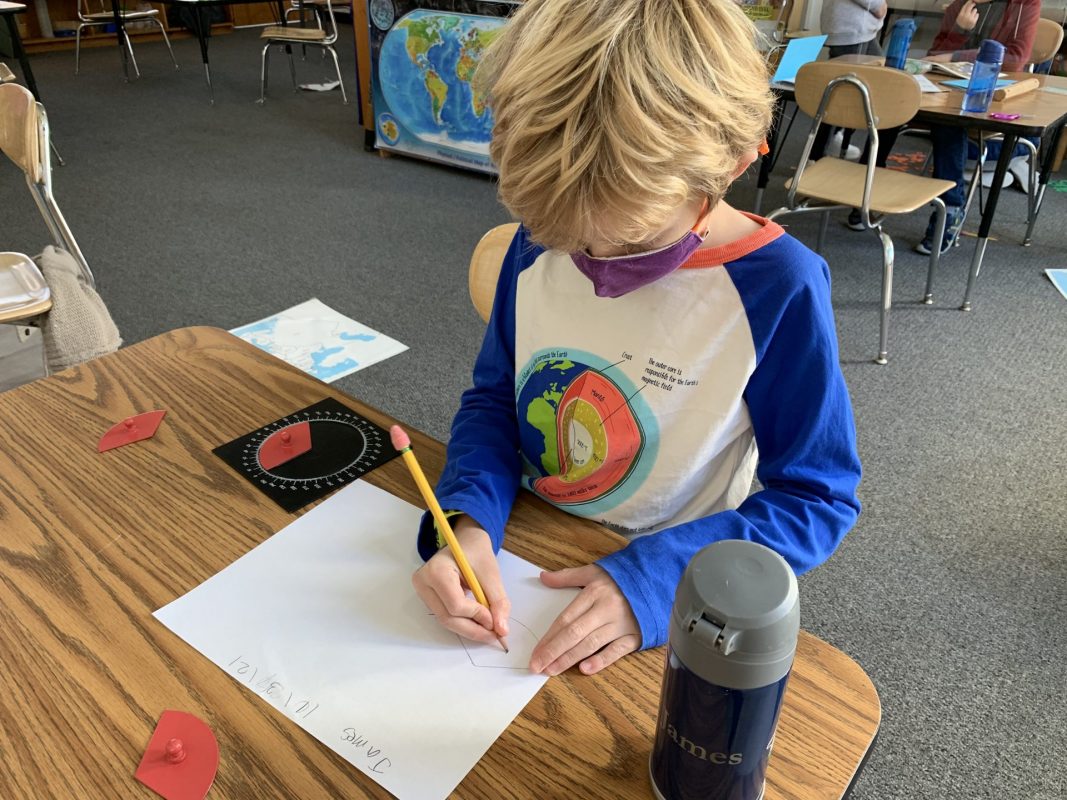
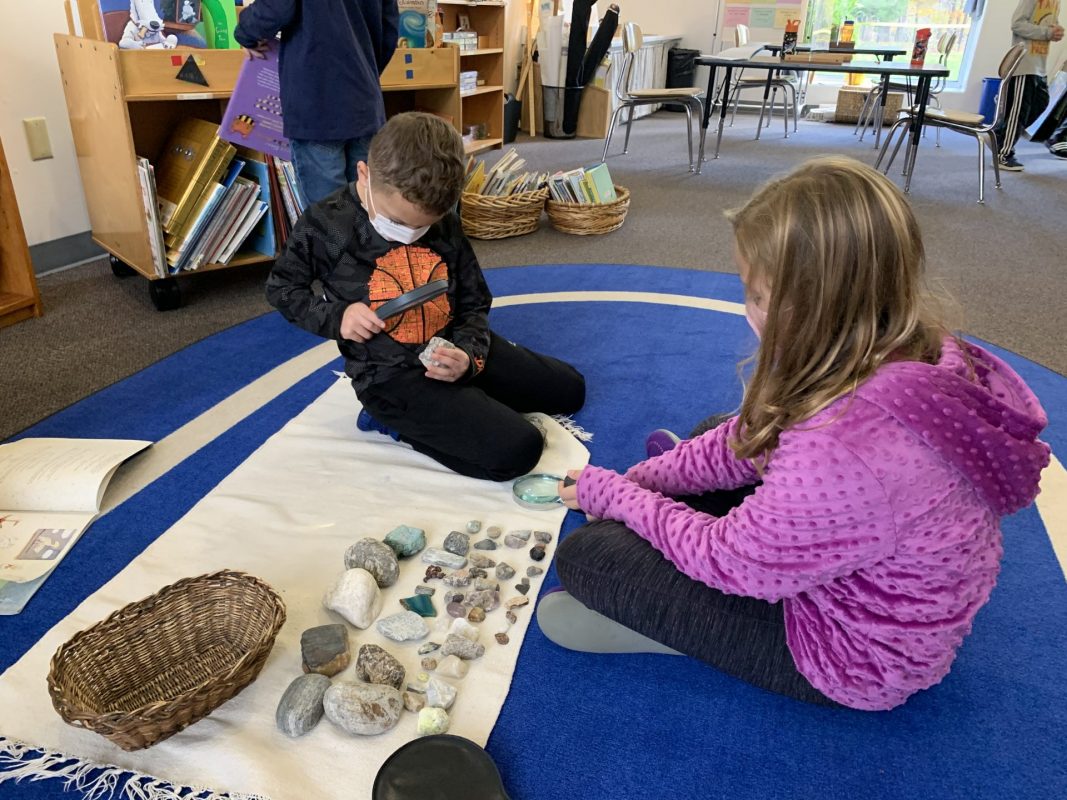
6th year Earth Science students finished creating their tectonic plate stop motion video. Each group of students was, asked to represent what exactly tectonic plates are, how convection currents cause plate movement, and what land formations are a result of these. This week, students are working on representing how tectonic plate movement is responsible for the rock cycle as it relates to the formation of igneous, metamorphic, and sedimentary rocks.

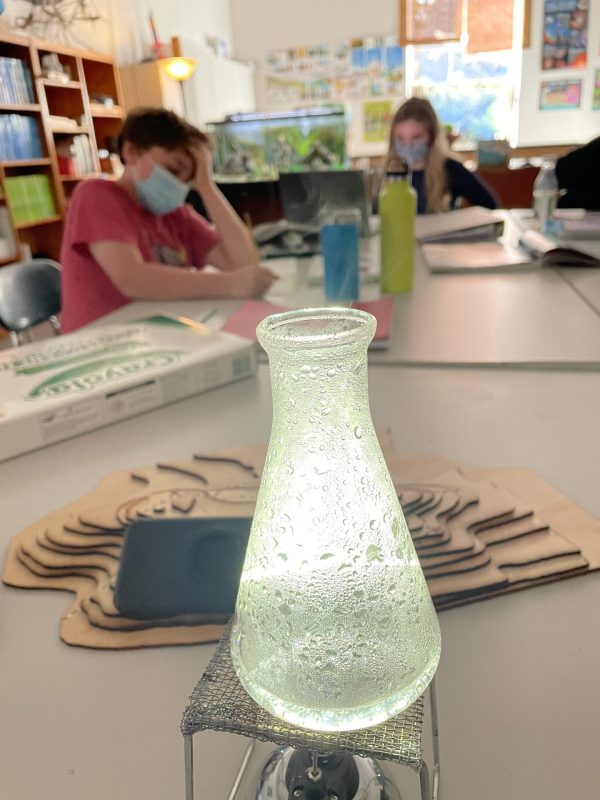
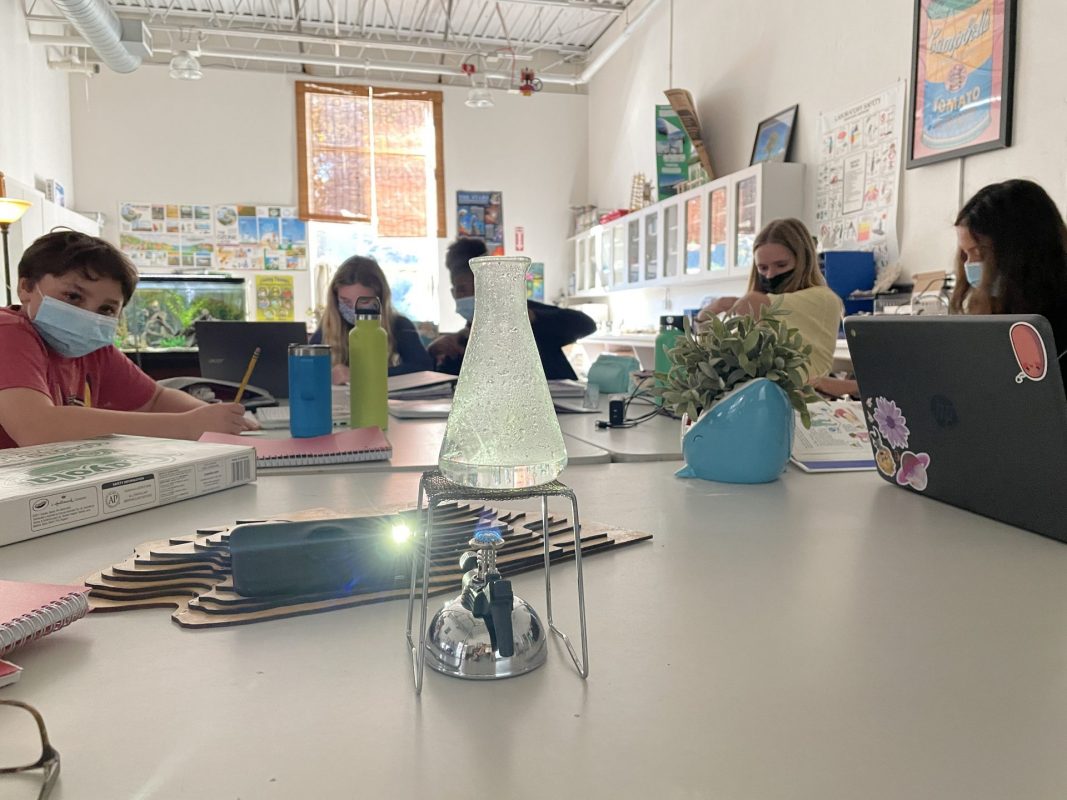
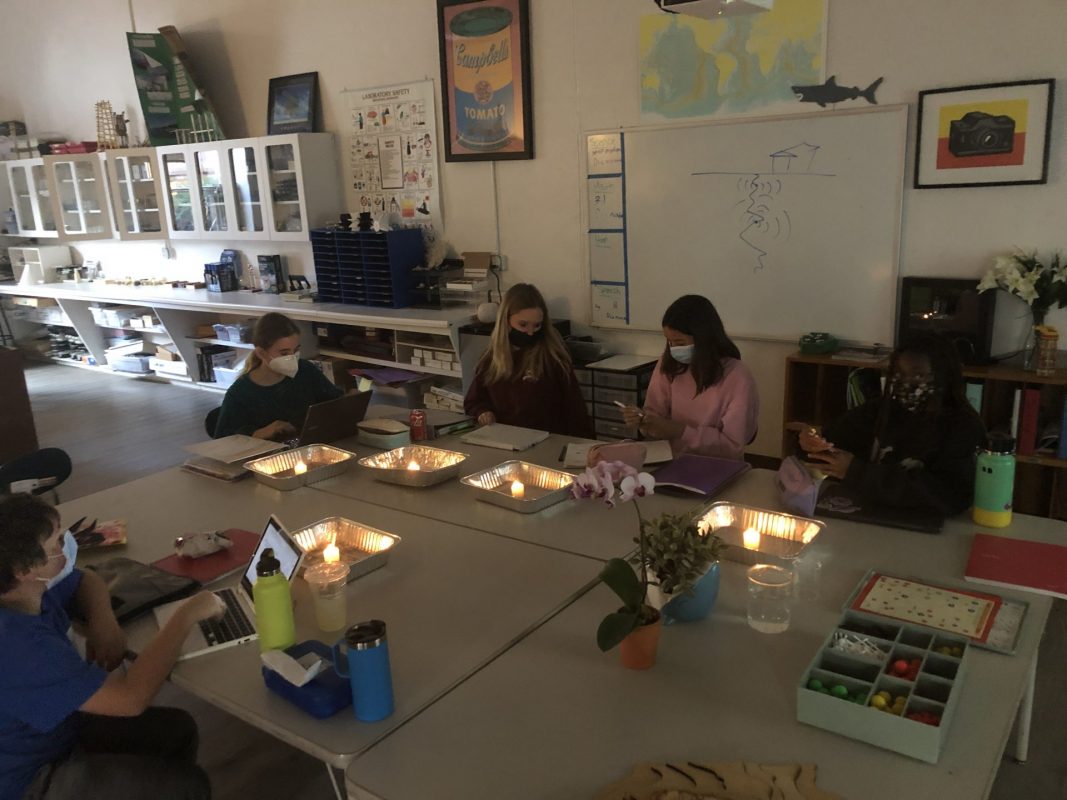
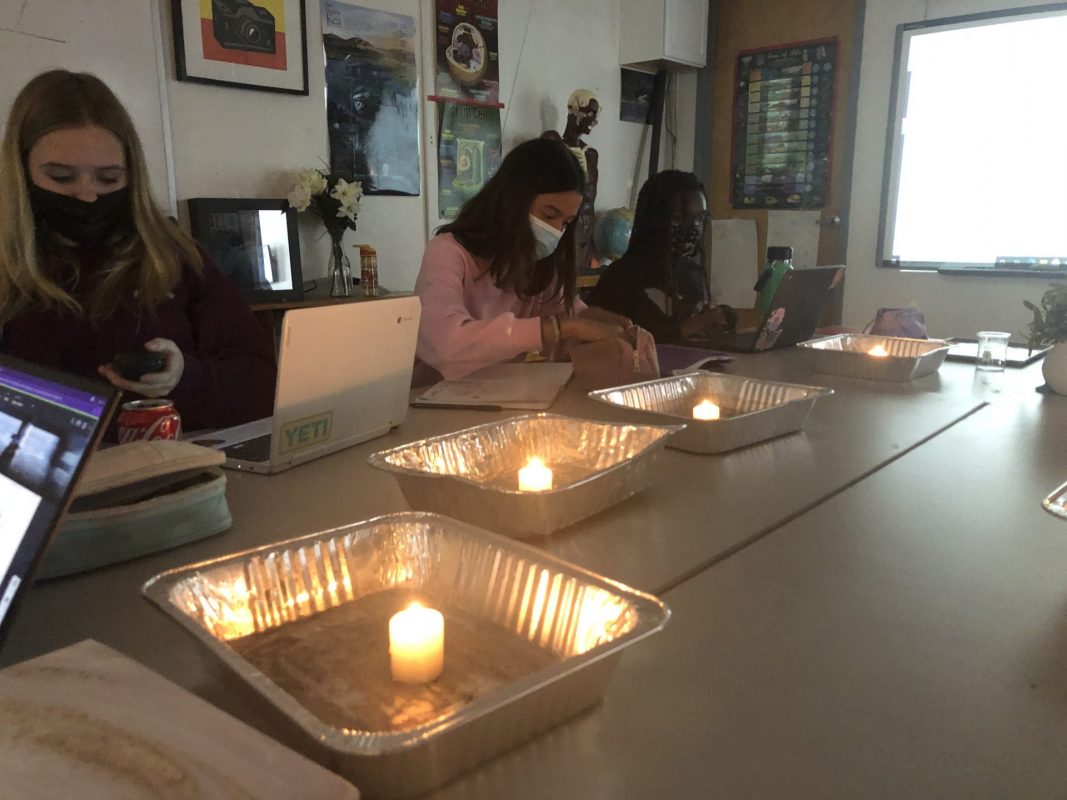
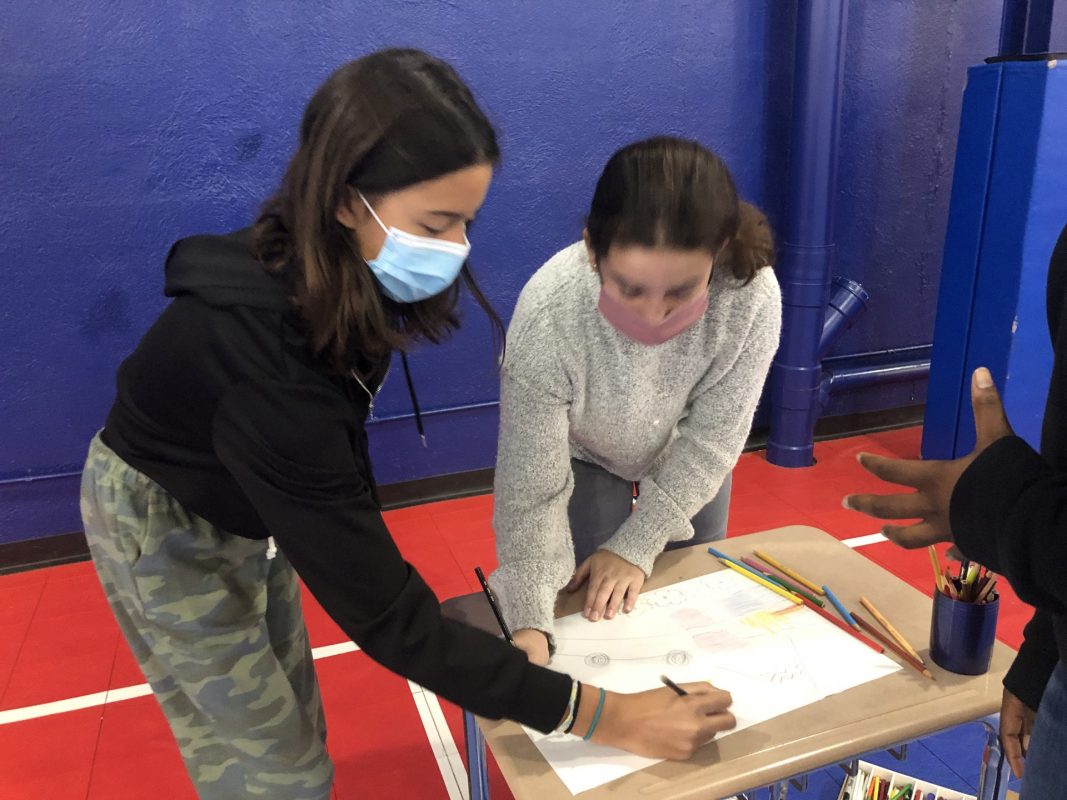
7th year Physical Science students began their unit, States of Matter. Students spent time observing and illustrating the physical changes of a candle, recording notes as it relates to a change in state of matter from solid – liquid – gas. From this unit, students will identify what similarities and differences are present in each state’s definitive shape, volume, spatial arrangement, and kinetic energy (temperature). Concluding this unit, students will create a stop motion video representing these phase changes.
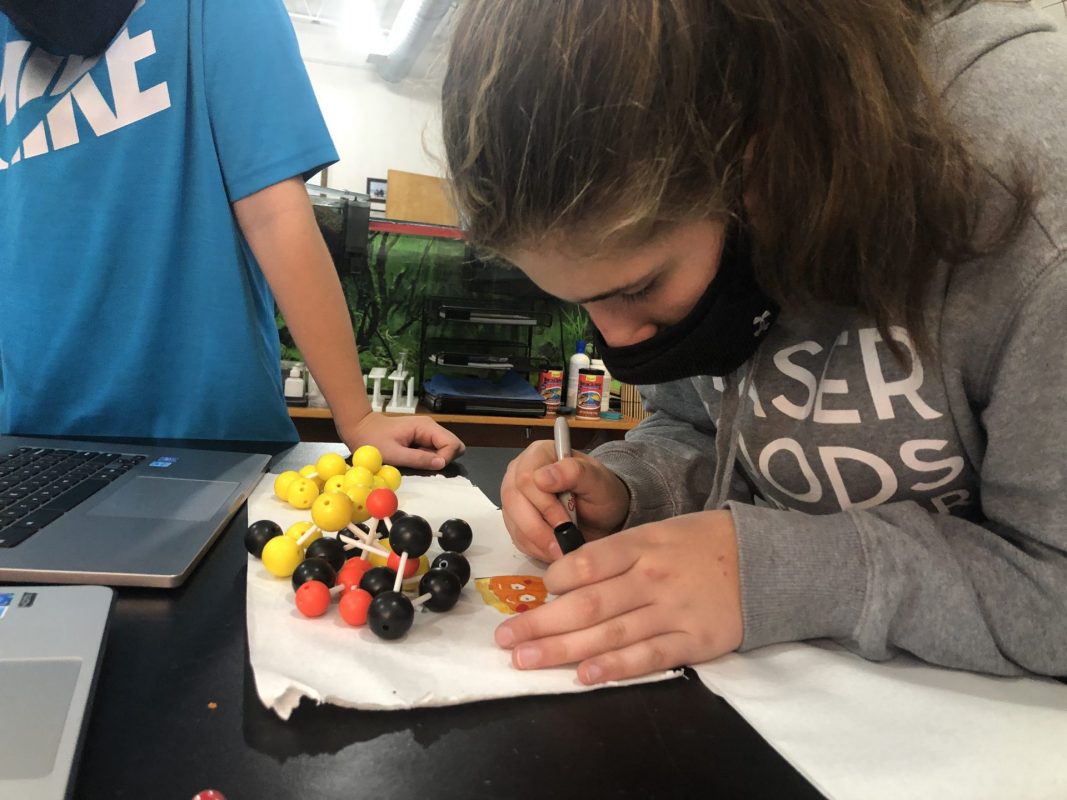
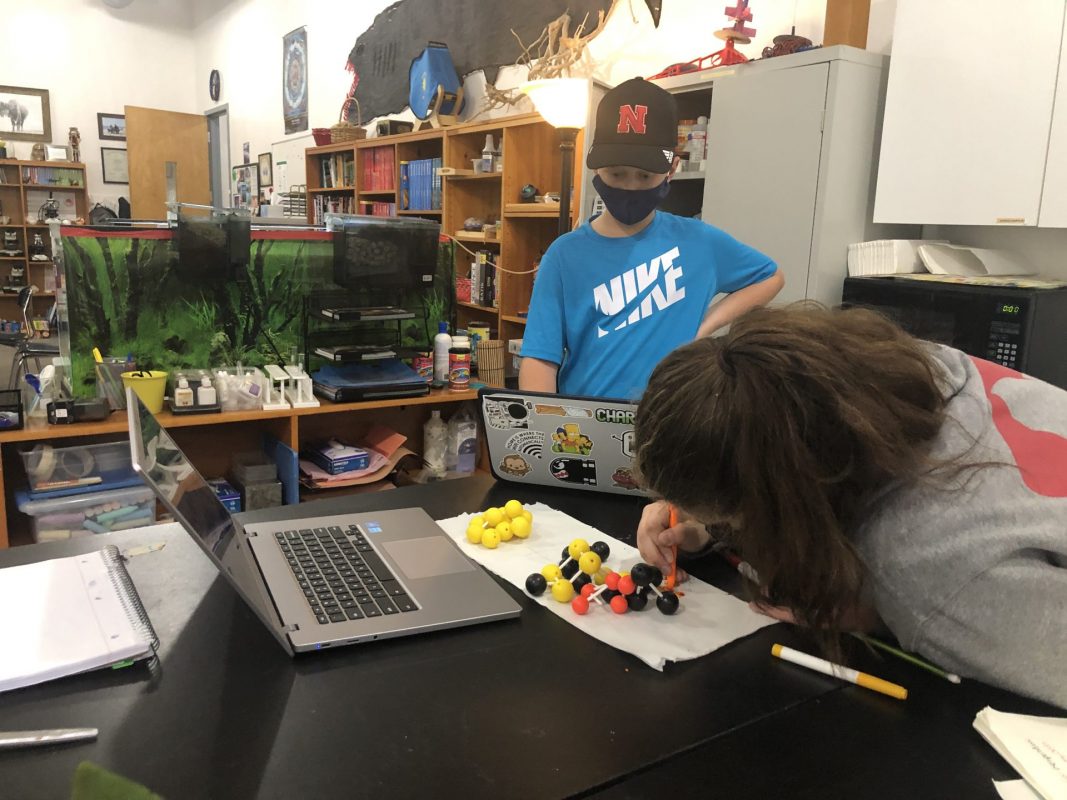
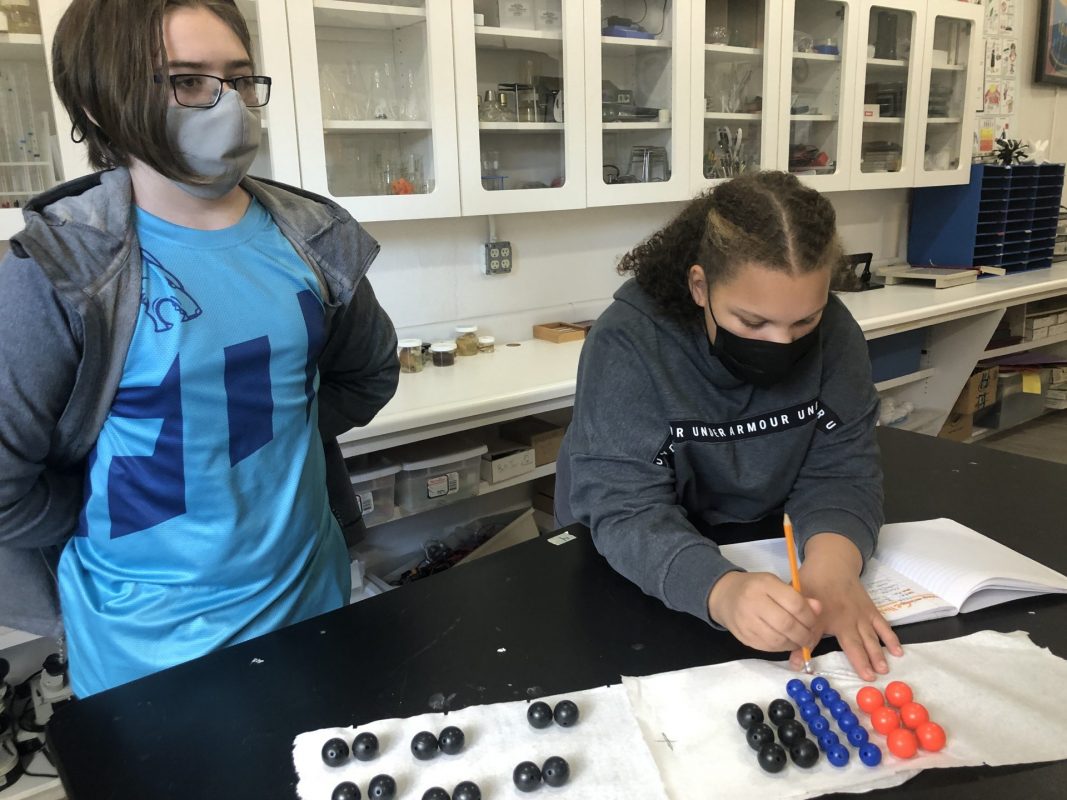
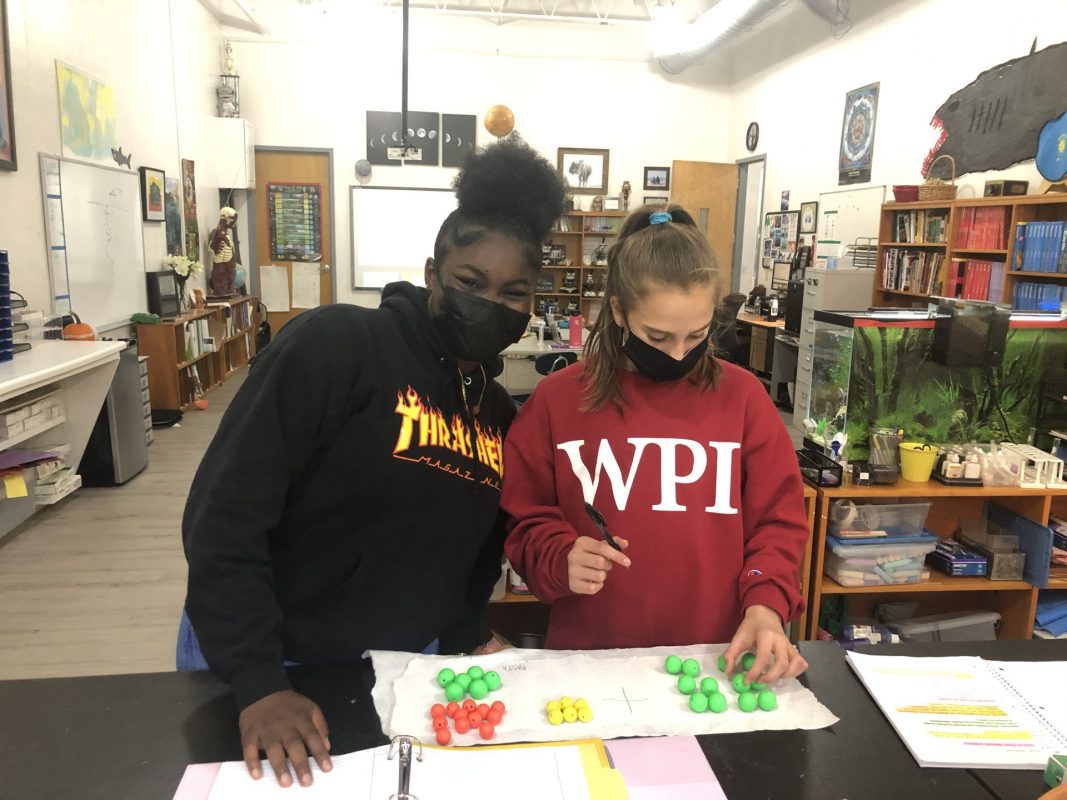
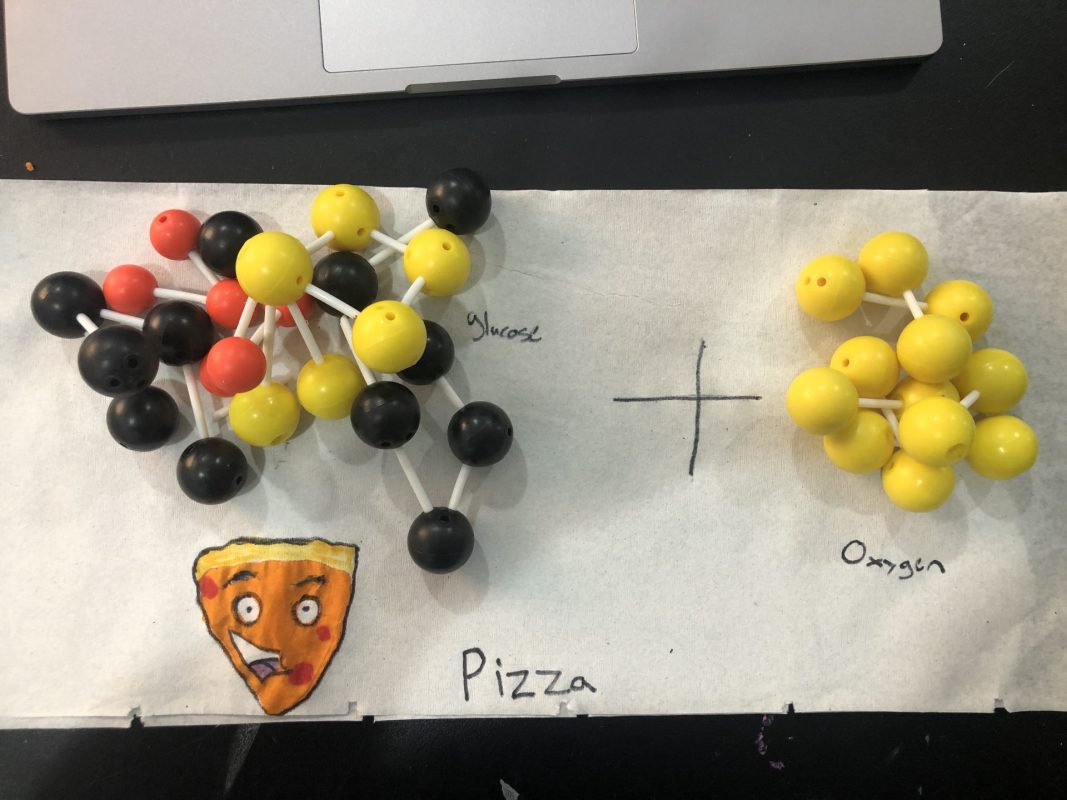
8th year Life Science students are currently learning about Cellular Respiration. This past week, students conducted experiments revealing the amount of stored energy in food by burning it. In order to obtain this data, students ignited several types of food (marshmallow, popcorn, and Pringles) while heating a known volume of water. Students recorded the initial and final mass of food before and after the burning and the beginning and final temperature of water. Students took the change in food’s mass and temperature change of water to determine the amount of energy released (kilojoules). Students have been able to model the chemical reaction that is cellular respiration by using a variety of manipulatives within class. This provided students an opportunity to see how within a chemical reaction, matter is neither created nor destroyed, only rearranged.
Math
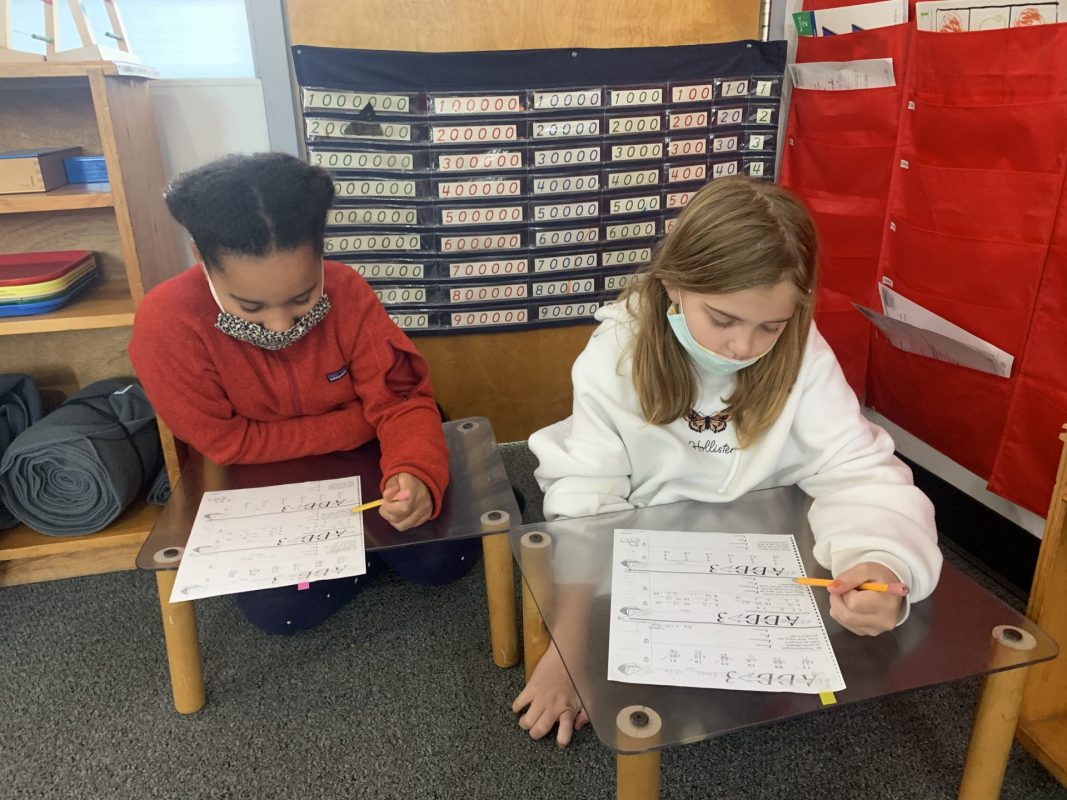
In Transition class, students are comparing decimals and fractions, they are understanding repeated decimal notation, and they are converting numbers between decimals, fractions, and percents. This class is practicing their skills with calculating the percent of a quantity, as well as using square roots in real world problems. They will be concluding Chapter 3 next week, and Ms. Sutherland encourages students to start long term studying in order to help prepare.
In Algebra class, students can use distributive property to simplify expressions, solve for linear inequalities, as well as graph linear equations on a coordinate grid without using technology. This class has been working hard to be more comfortable with algebraic statements and can now confidently collect like terms correctly.
In Geometry class, students are able to apply size transformations to a given figure as well as determine the measures of angles formed by parallel lines, perpendicular lines, and transversals. Students are able to identify the slope of parallel or perpendicular lines and are beginning to understand the purpose of a proof statement. This class concluded their learning of Chapter 3 this week and will begin studying Chapter 4 next week.
Math Joke: Why was the equal sign so humble?……………………..Because they knew they weren’t greater than or less than anyone else.
Humanities
Grade 6 Humanities students continue to work on descriptive writing. They wrote descriptive narration to a nature video of a shark leaping out of the water, eating a seal. They had to use figurative language including imagery, simile, metaphor, personification, and specific words. The end products were fun to read and had the students exploring the thesaurus. 6th grade students also continued to read their class novel, Out of My Mind by Sharon Draper, and complete accompanying work. Finally, students completed their monthly current events presentations.
Grade 7 Humanities students learned about the events leading up to China’s cultural revolution of the early 20th century. More specifically, they learned about the Opium Wars, Taiping Rebellion, and the Boxer Rebellion. They also discussed aspects of a culture, such as language, clothing, food, and roles of men and women. In particular they learned about Chinese Foot Binding, which was outlawed in 1912. They also finished learning about the political economic systems of capitalism, socialism, and communism. Finally, students completed monthly current events presentations.
8th grade Humanities students completed assessments on their sentence structure unit that focused on clauses as well as compound and complex sentences. They also began their history book, A Different Mirror for Young People: A History of Multicultural America by Ronald Takaki. Particularly, he begins the book by defining what it means to be American and what being American “looks” like. His main idea and the students’ discussion centered around that fact that there is no American “look” since we are a blend of cultures and people from all over the globe, each with different experiences. To echo what it means to be American, we analyzed two perspectives through poetry: Walt Whitman’s “I Hear America Singing” and Langston Hughes’s “I, Too”. Students answered written questions then had a group discussion. Next, we moved on to the movement patterns of humans from the start of homo sapiens and theories of human migration over time. We also learned about Pre-Contact America and the people that spread across the Americas. Finally, students completed monthly current events presentations.
Have a great weekend!
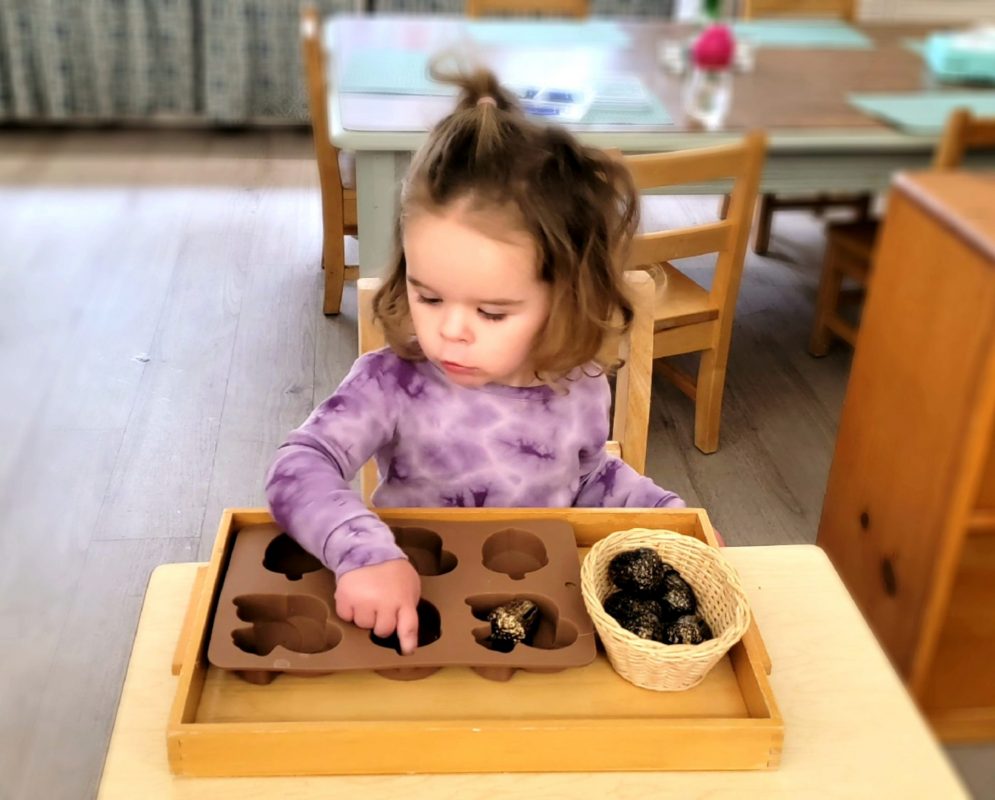
Broadening Our Minds!


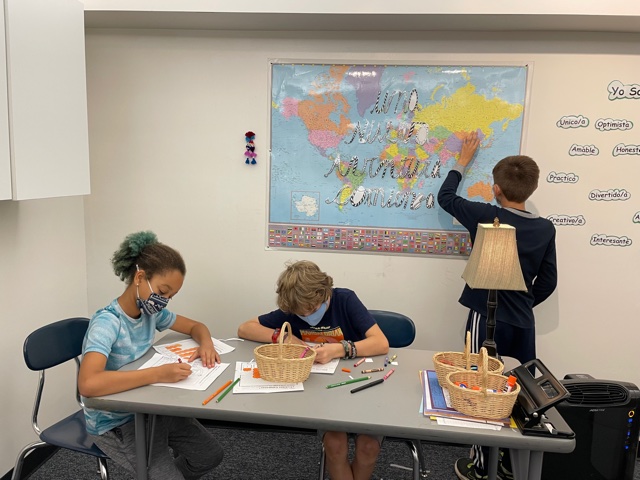
This past month we worked extensively on our different topics form greetings to feelings, and we were most excited about our exploration of the “Dia de los Muertos”

Day of the Dead (Día De Los Muertos) is a two day holiday that reunites the living and dead. Families create ofrendas (Offerings) to honor their departed family members that have passed. These altars are decorated with bright yellow marigold flowers, photos of the departed, and the favorite foods and drinks of the one being honored. The offerings are believed to encourage visits from the land of the dead as the departed souls hear their prayers, smell their foods and join in the celebrations!

Day of the Dead is a rare holiday for celebrating death and life. It is unlike any holiday where mourning is exchanged for celebration.

I’m pleased to be able to share my first hand experience with the children and to contribute with a grain of sand to the broadening of their minds. Understanding different cultures allows us to be more open, accepting, and tolerant of other people. By understanding different cultures we have an appreciation for our differences.

Lizette Z Guedes


Reflecting on Parent-Teacher Conferences

As a teacher, one of the school events I always looked forward to and really enjoyed was Parent-Teacher Conferences! I loved hearing the stories that parents would share about their children and truly appreciated the feedback that came as a result of those conversations.

Occasionally, I get questions about how we measure progress in a Montessori environment. Is there “traditional assessment”?

This is a great question! 

In a Montessori classroom from Primary through Upper Elementary, teachers are continually assessing where each student is on their own individual path of learning. We are concerned about where each child is at a specific point in time and how they are progressing, at their own pace, in their own way to meet the educational benchmarks we have set out for them. Concrete numbers often fail to provide the best perspective on the quality of a child’s true learning. It is in Middle School when our students start to receive “grades” in the traditional sense. 

Maria Montessori created a teaching methodology supported by instructive materials to help children build confidence and resilience to prepare them for their entire educational journey, not just the quiz or worksheet that is in front of them at a moment in time. I hope all of you enjoyed your conference time with your child’s teacher.

Please know I am available to talk with you anytime. I would love to hear all that you learned about your child’s experience at FWM.


Mrs. Semmah: Harvest Celebration

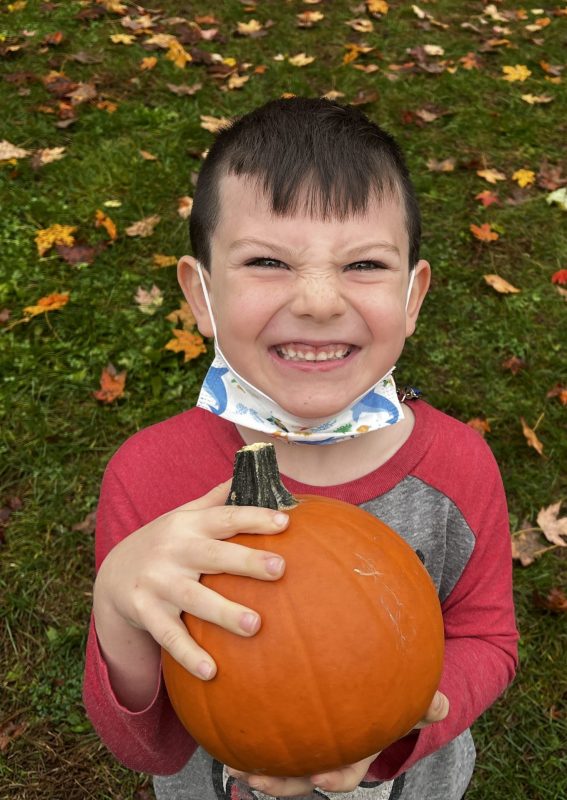
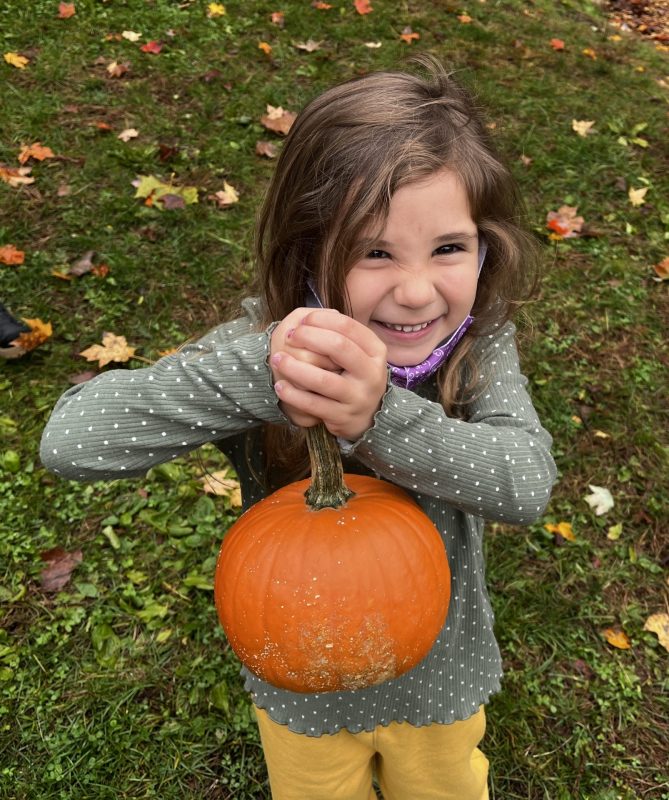
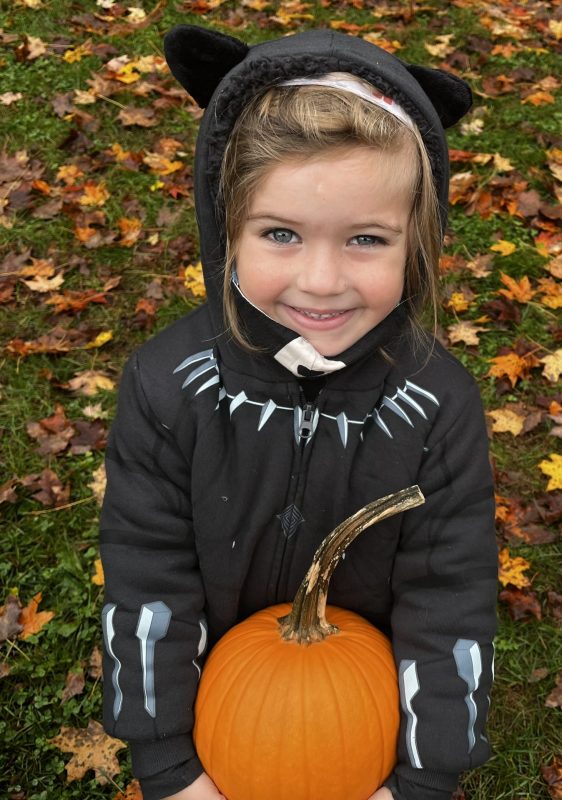
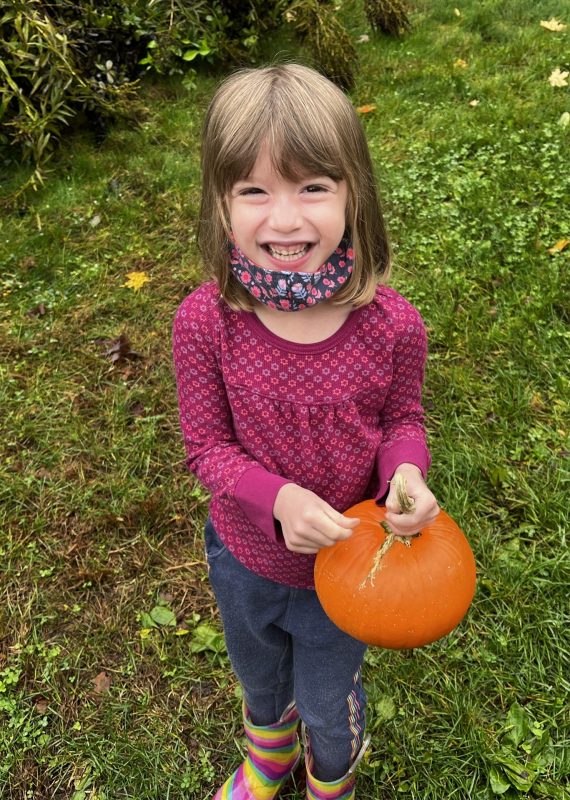
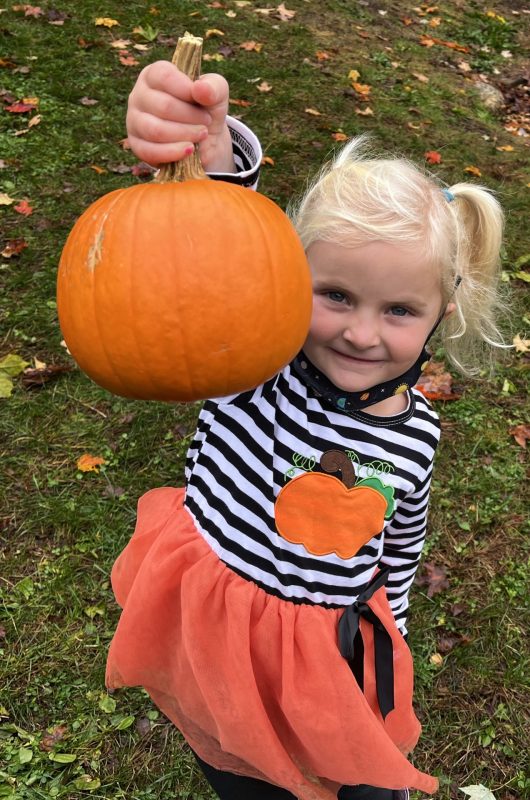
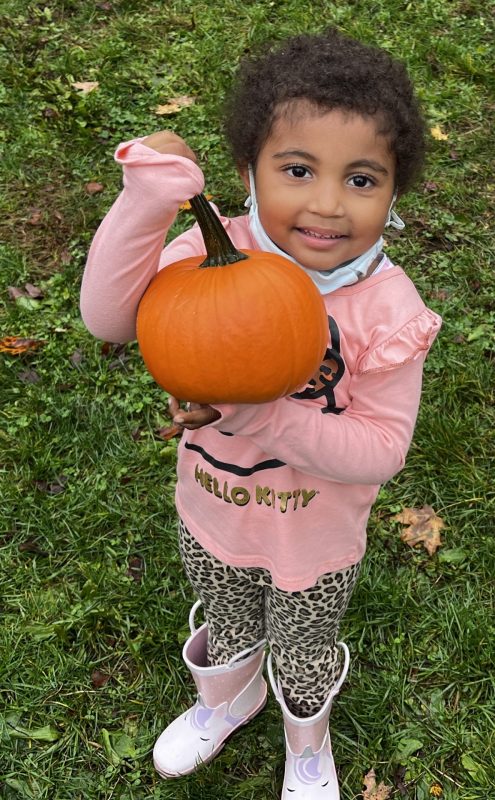
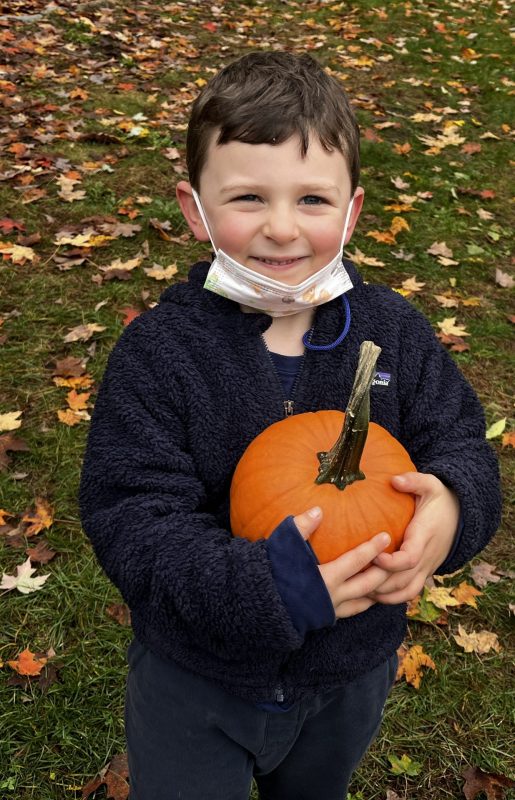
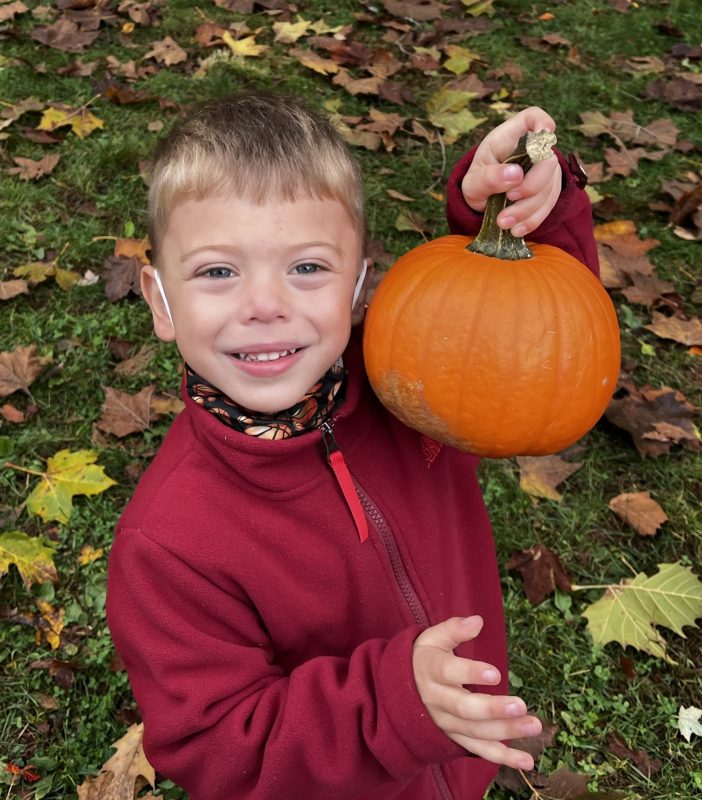
Hosting a fall Primary Harvest Celebration is one of the many ways to celebrate this beautiful season at Fraser Woods. Our Harvest celebration offers opportunities to have fun and experience the different smells and tastes of the fall season. It was very lovely to see the children coming on Wednesday morning full of joy and excitement to start their celebration day.

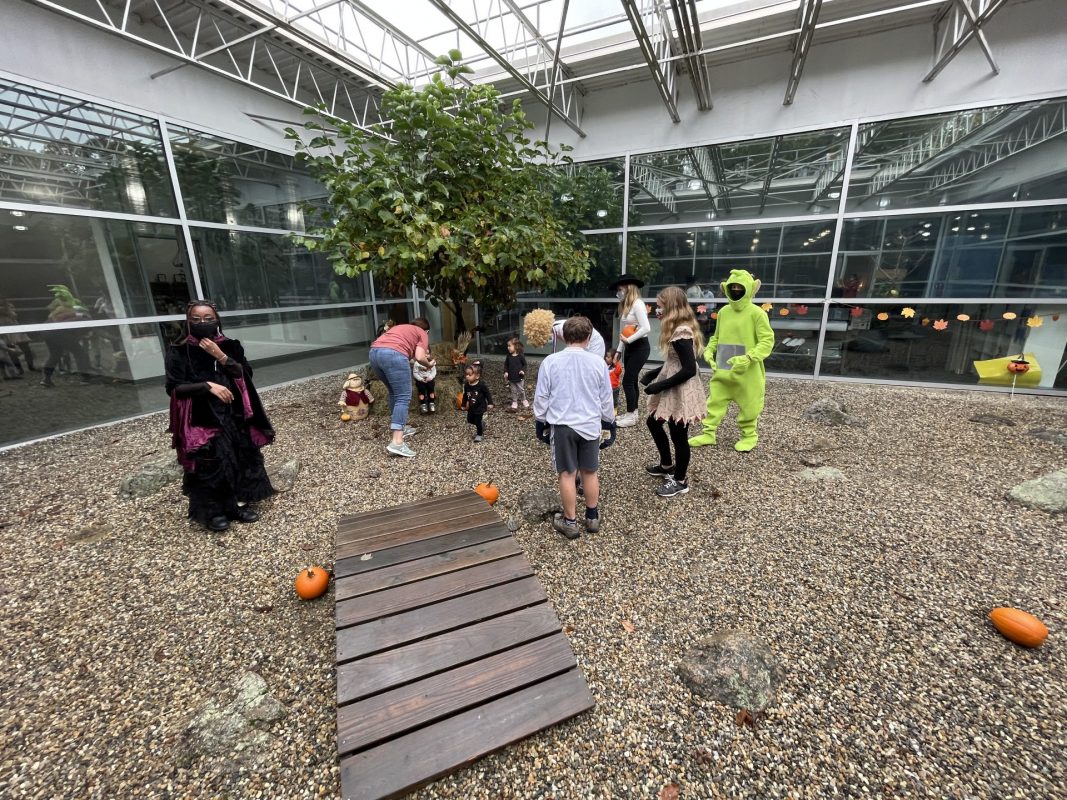
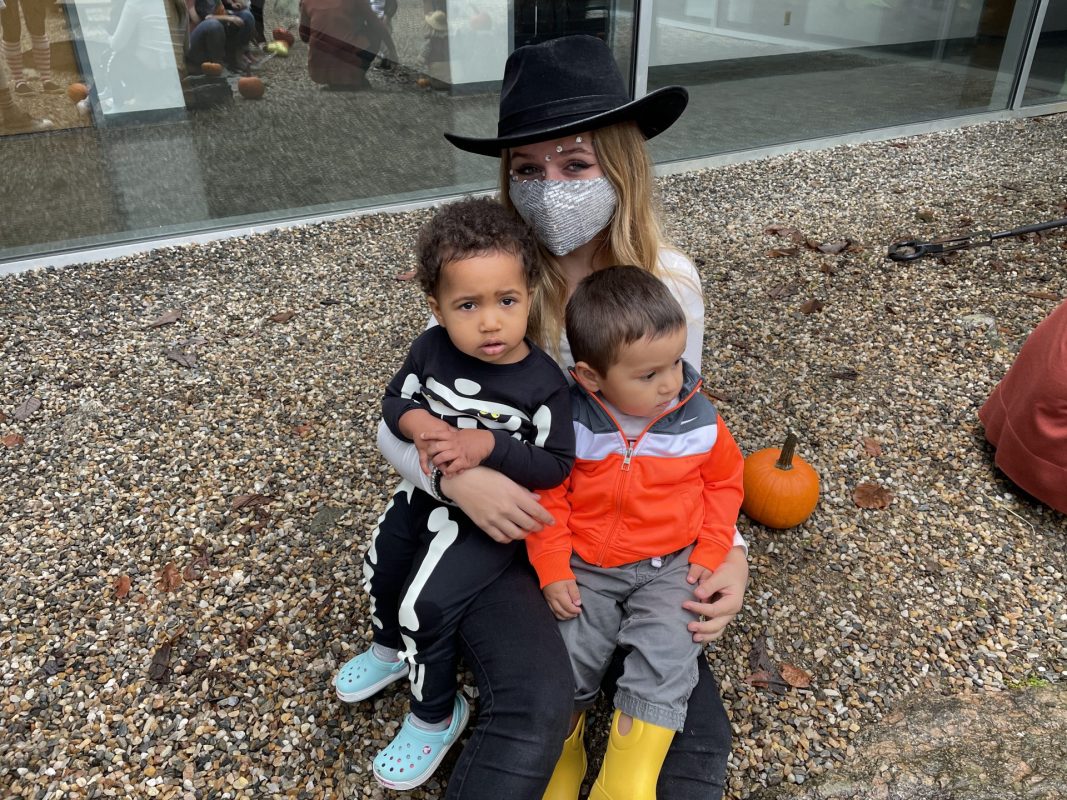
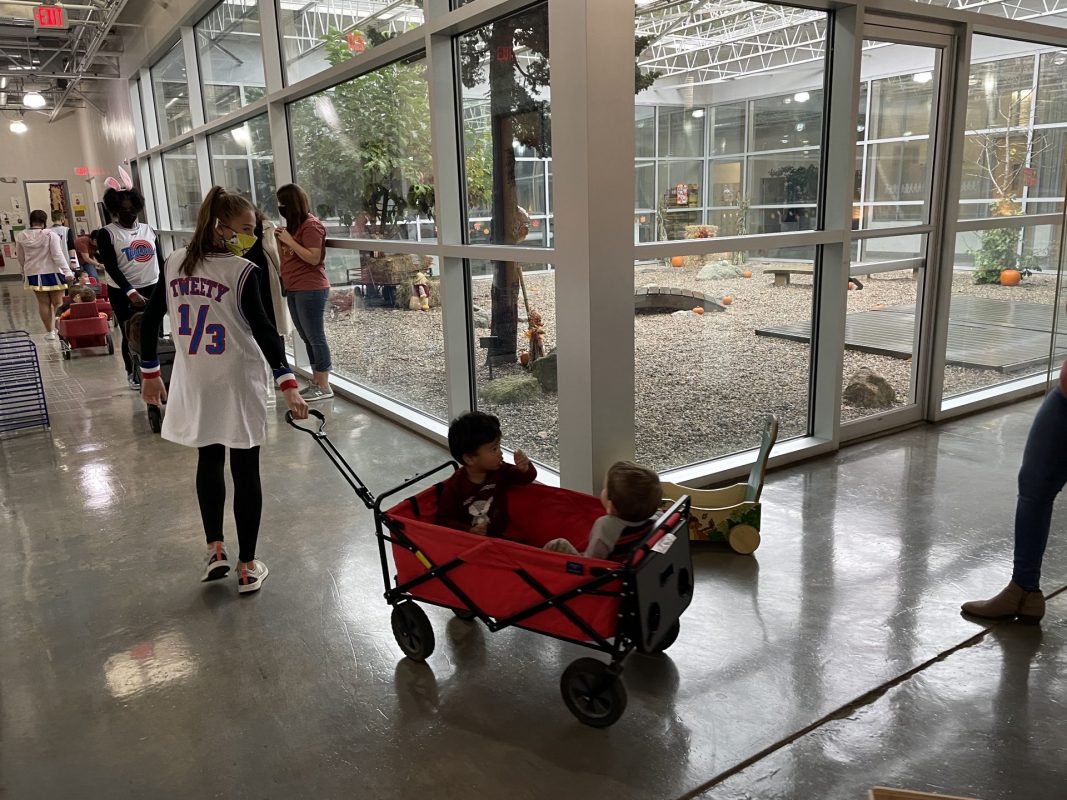
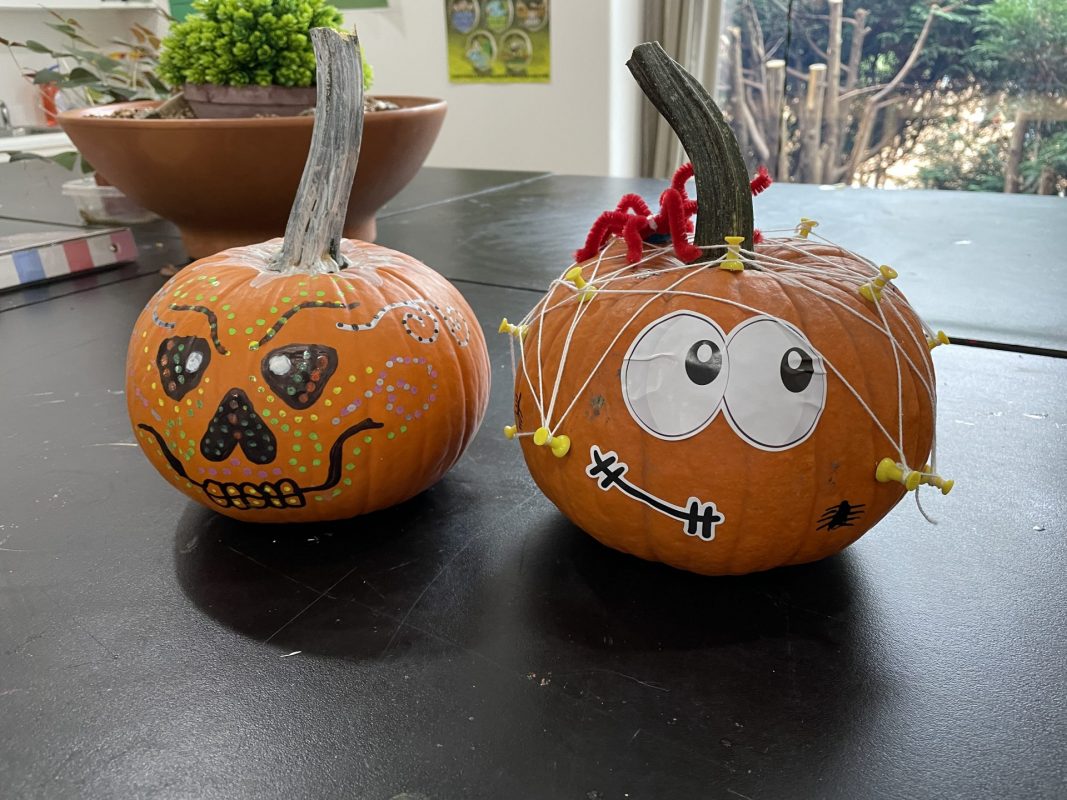
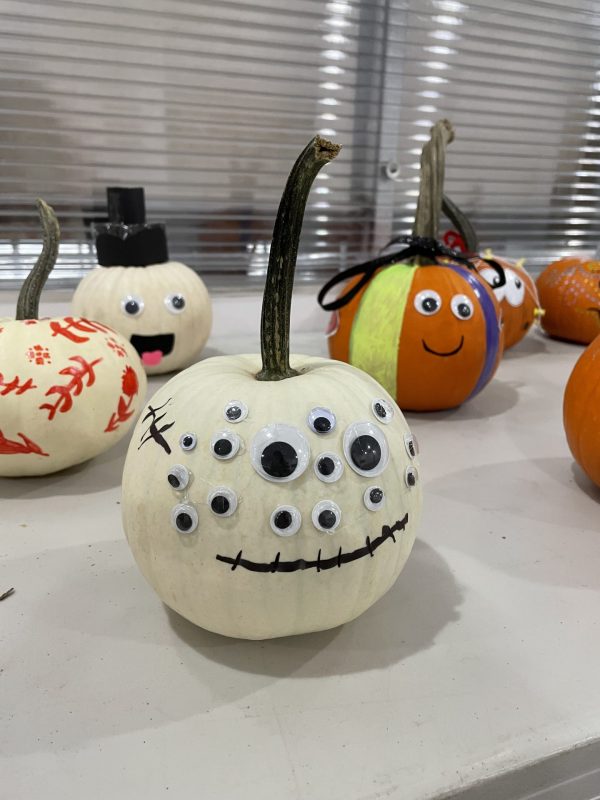
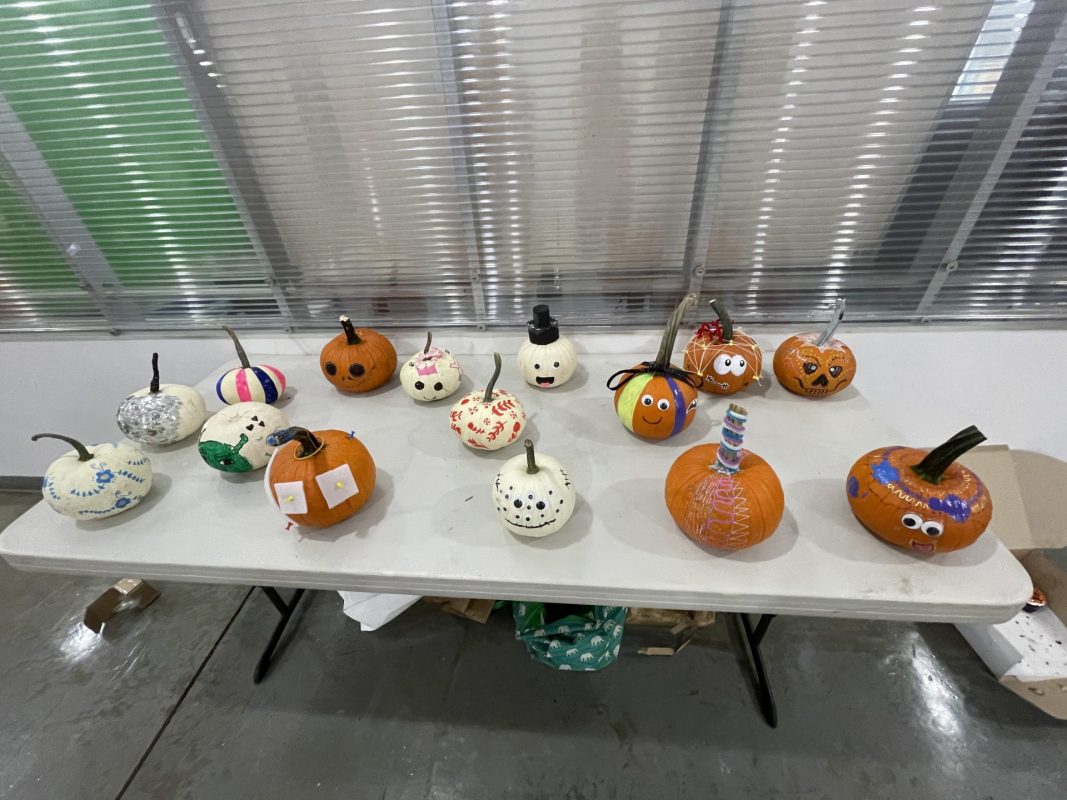
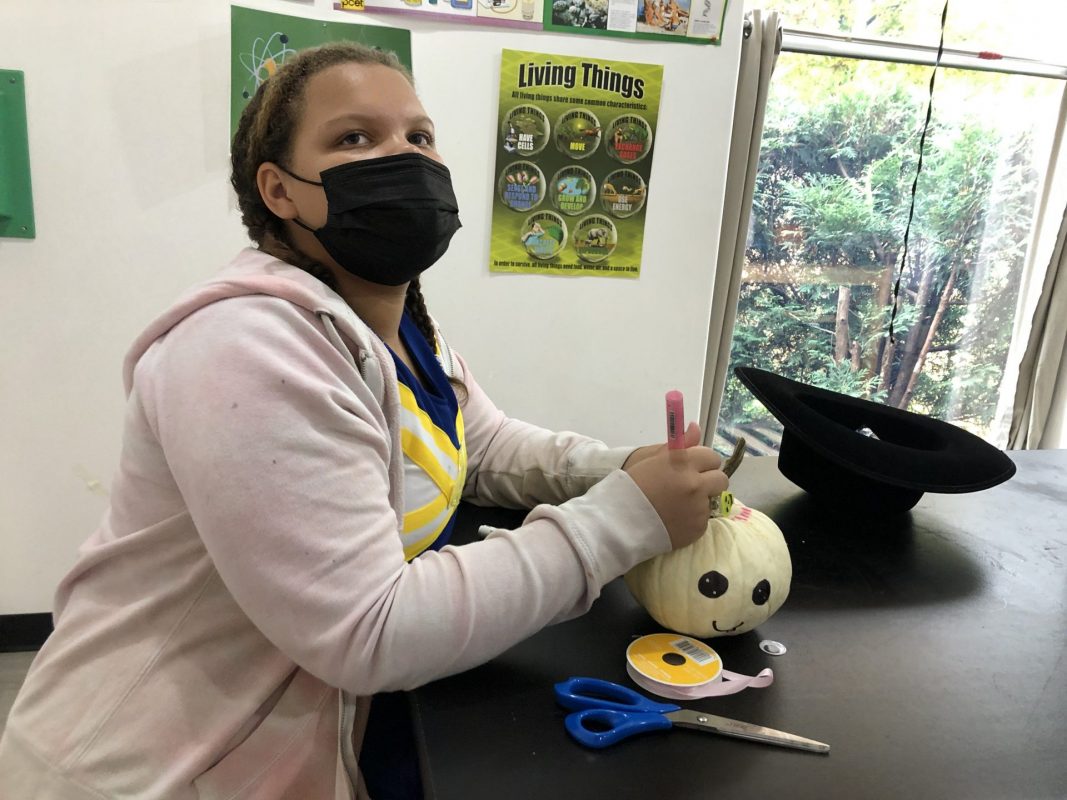
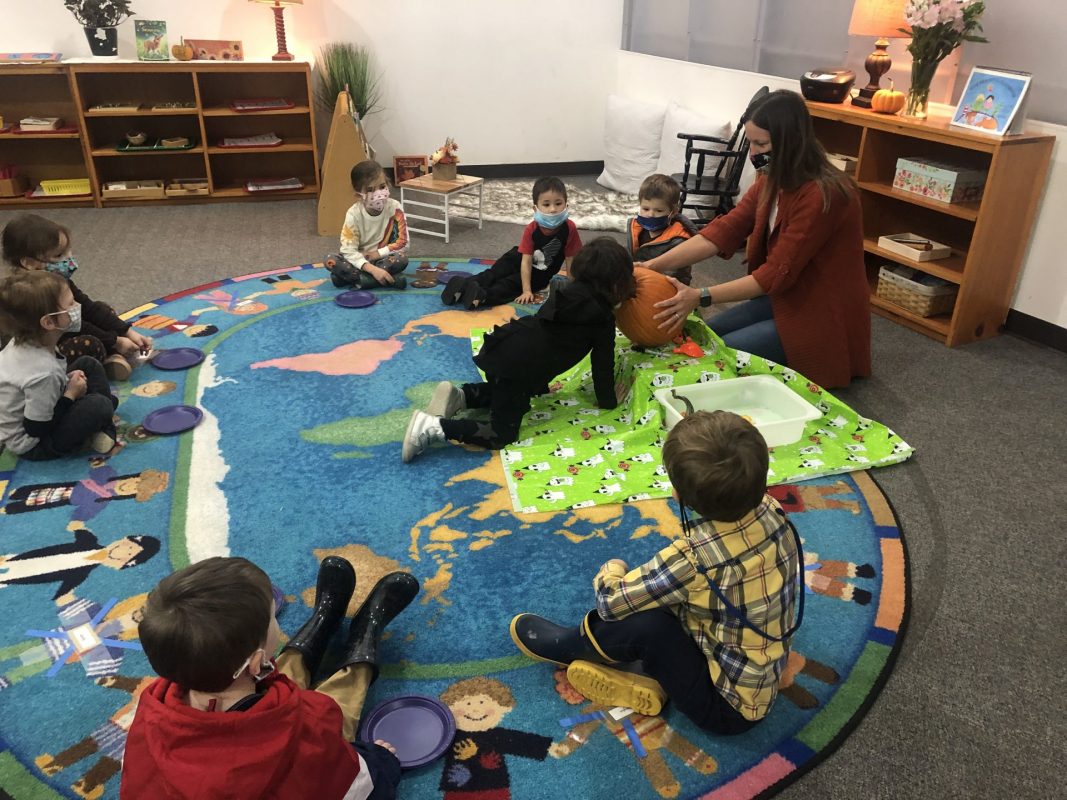
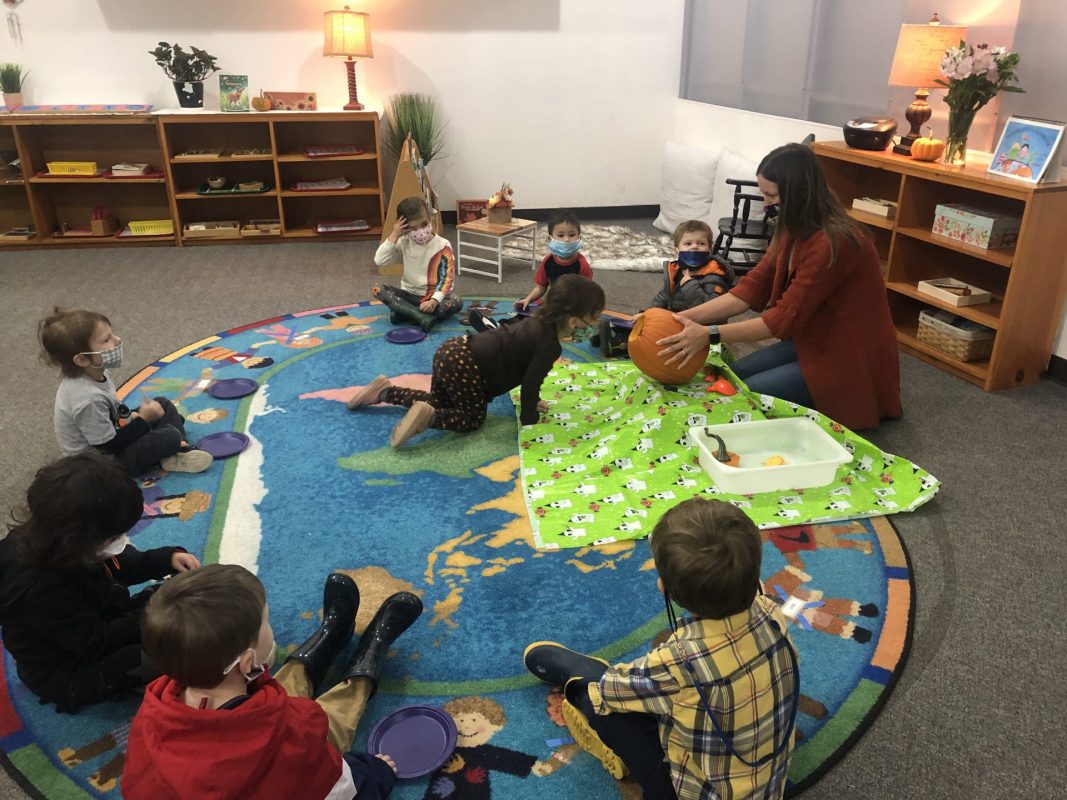
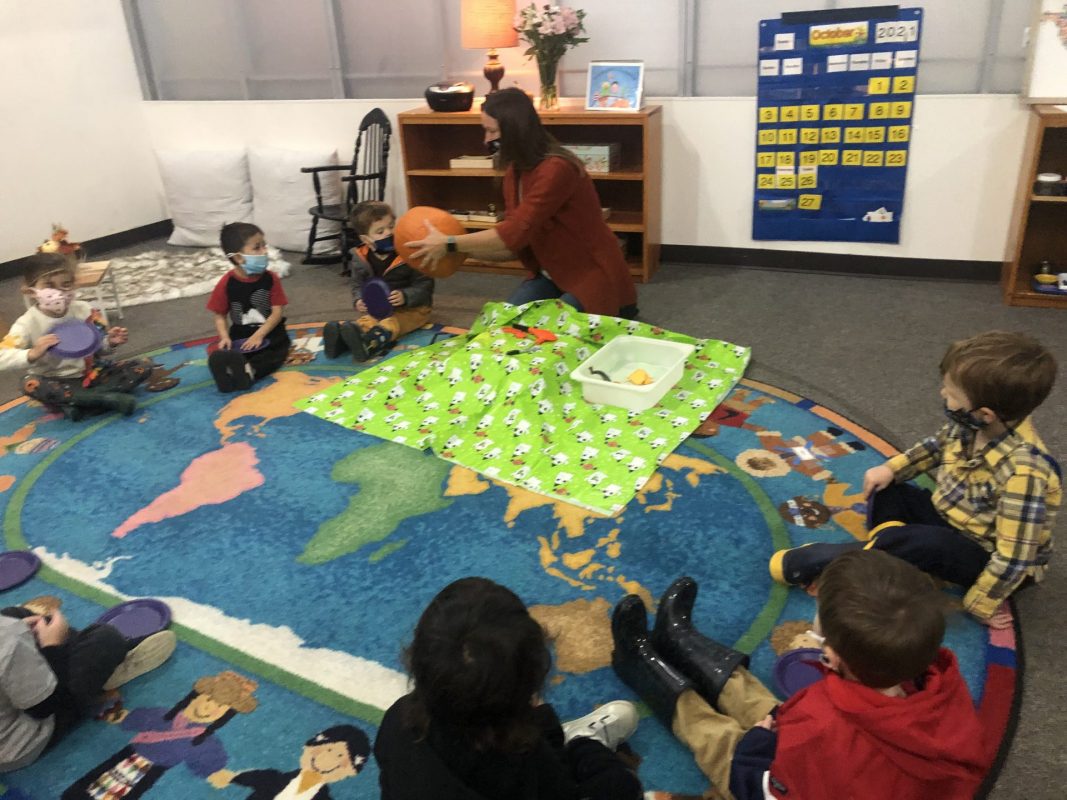
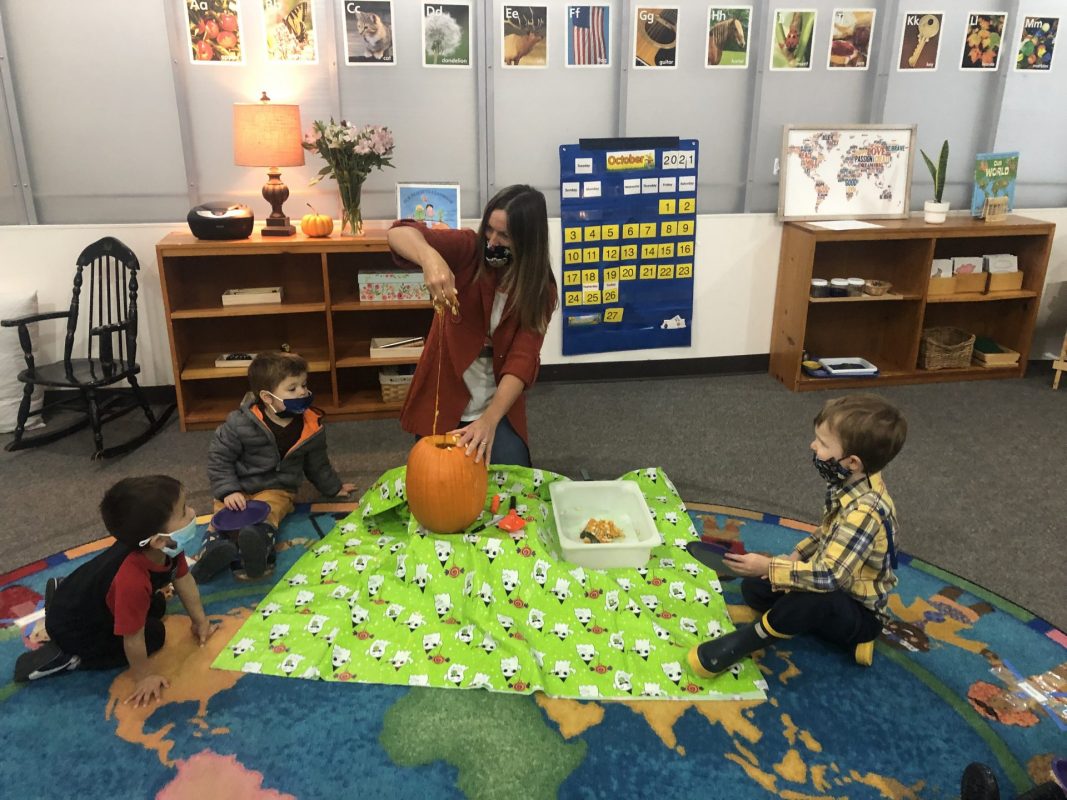
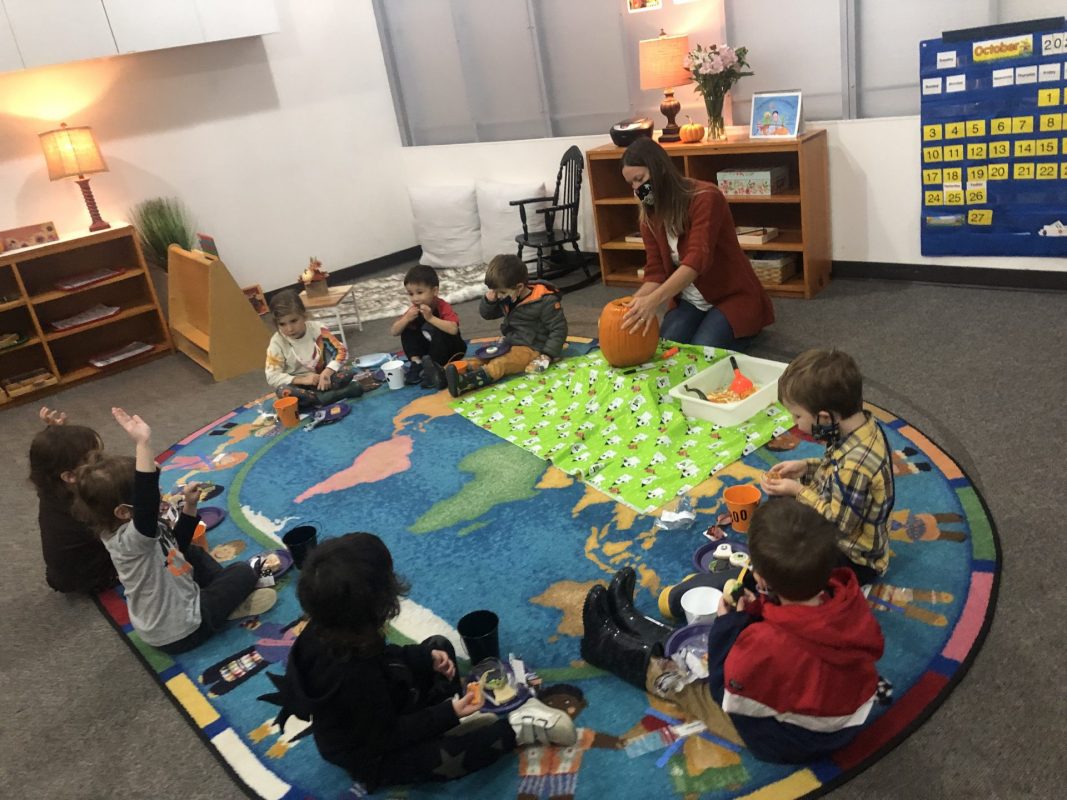
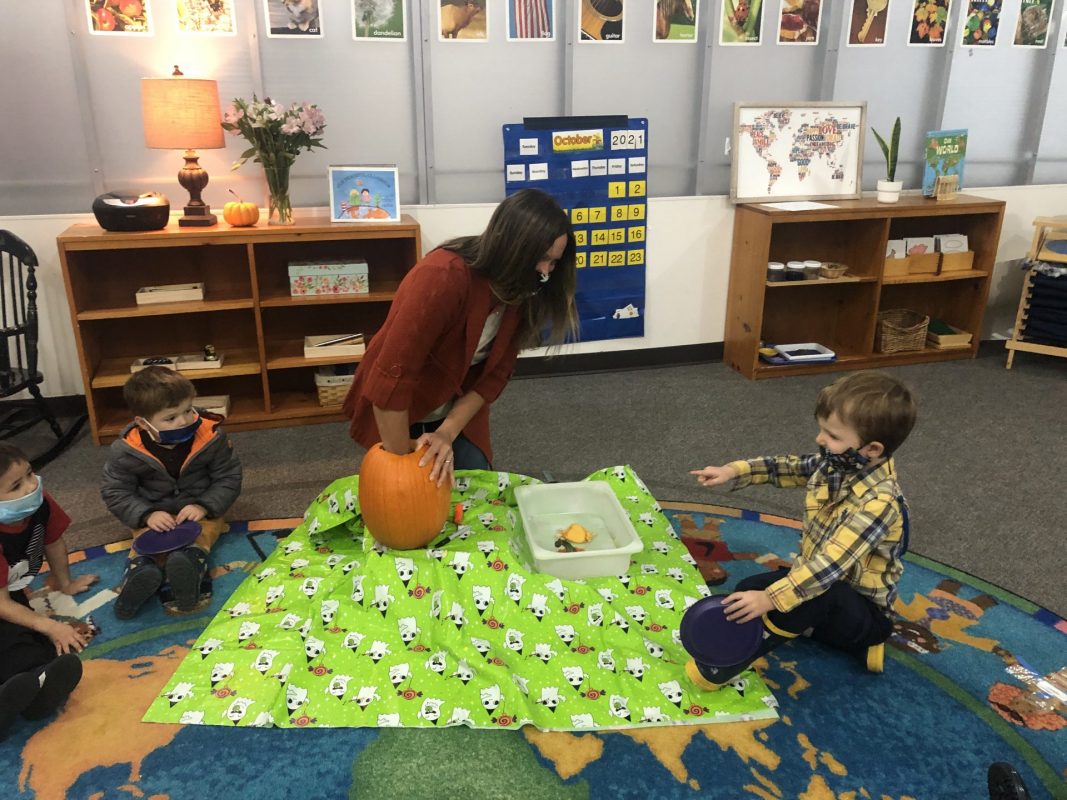
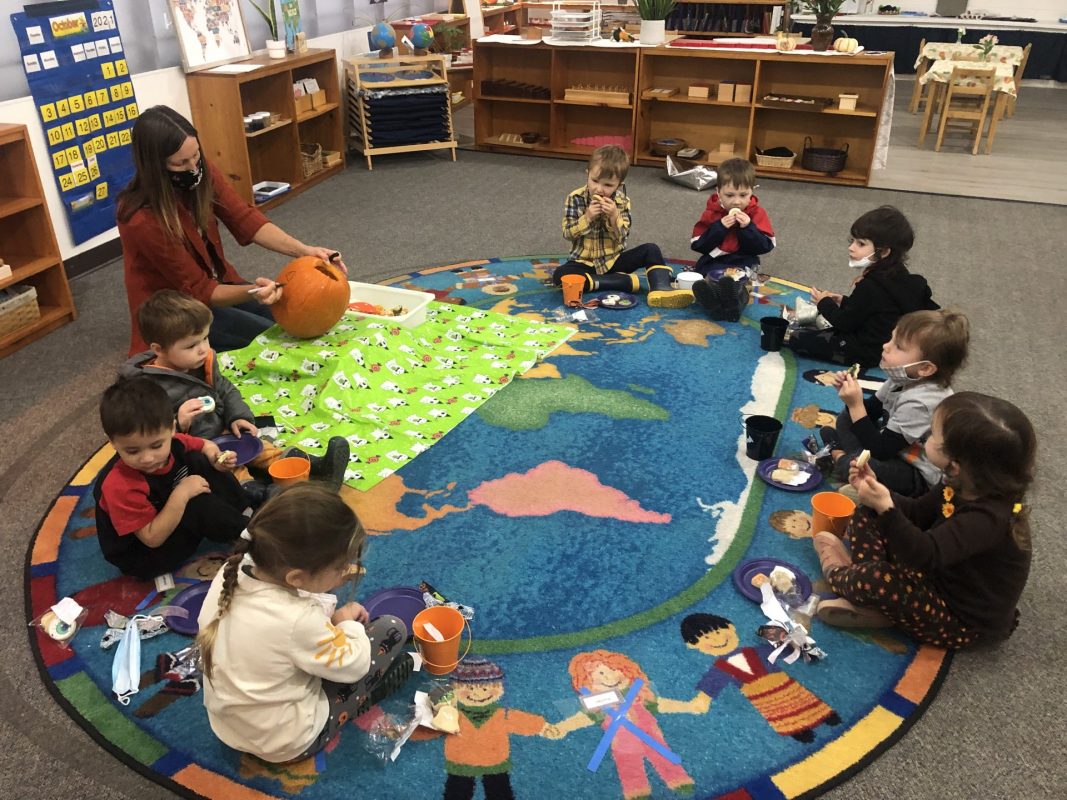
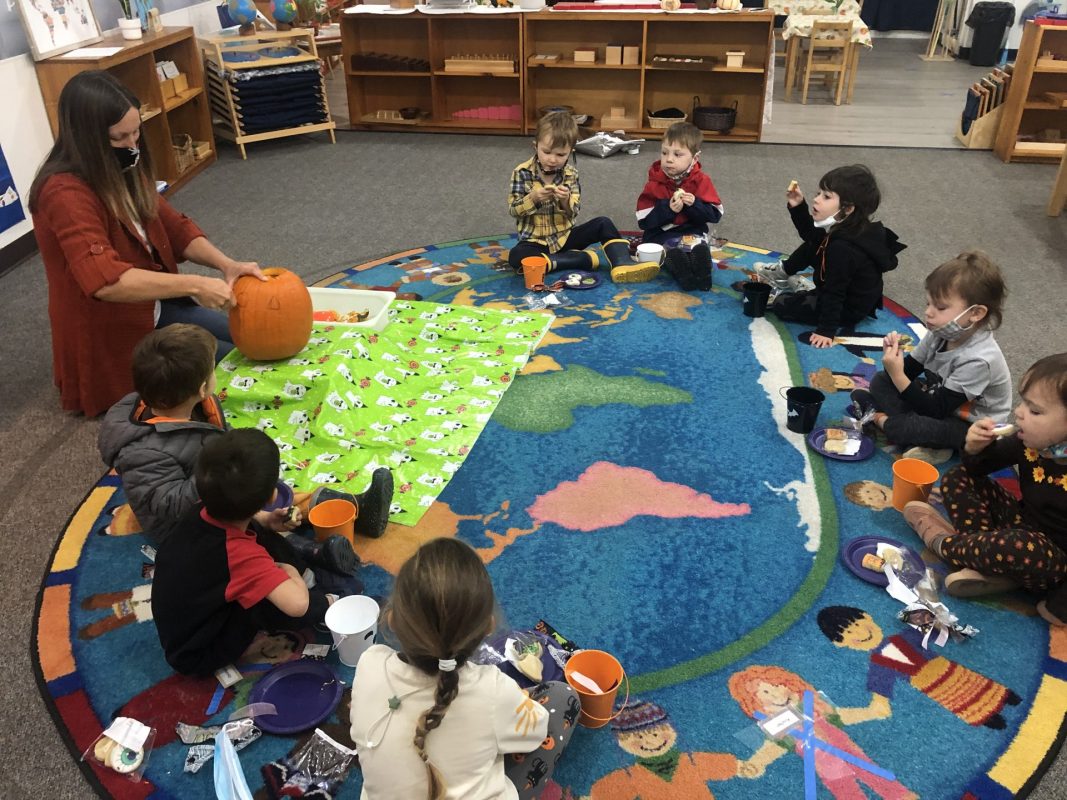
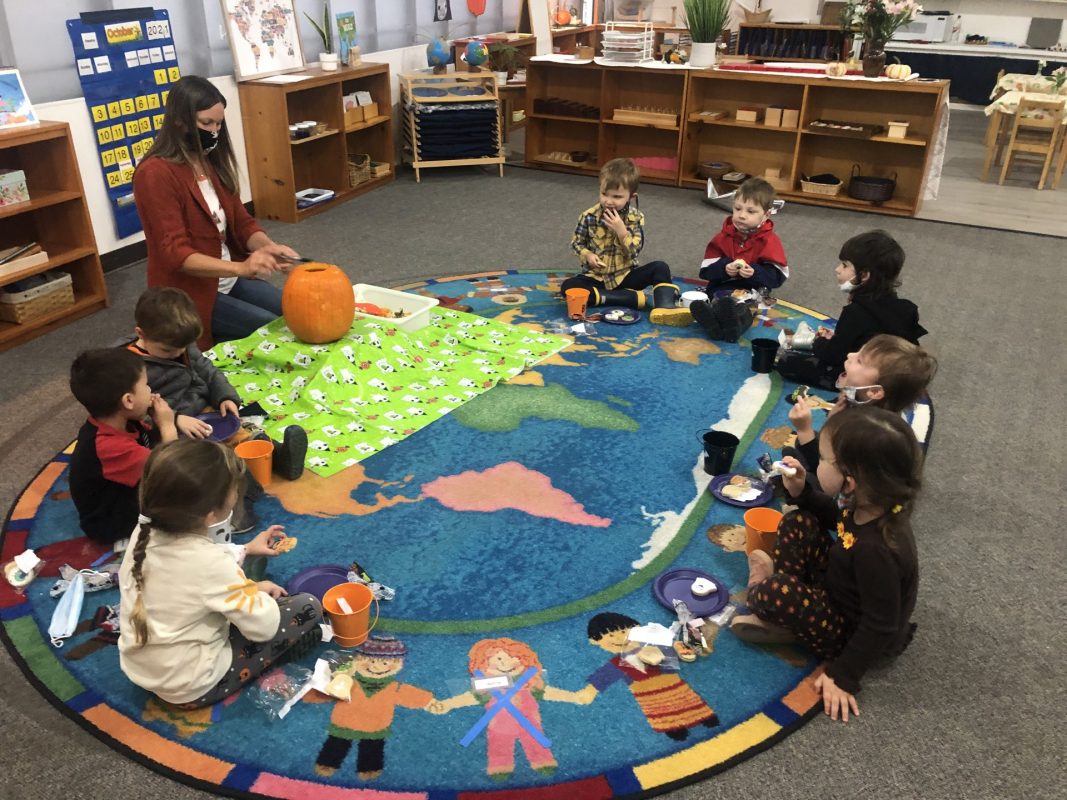
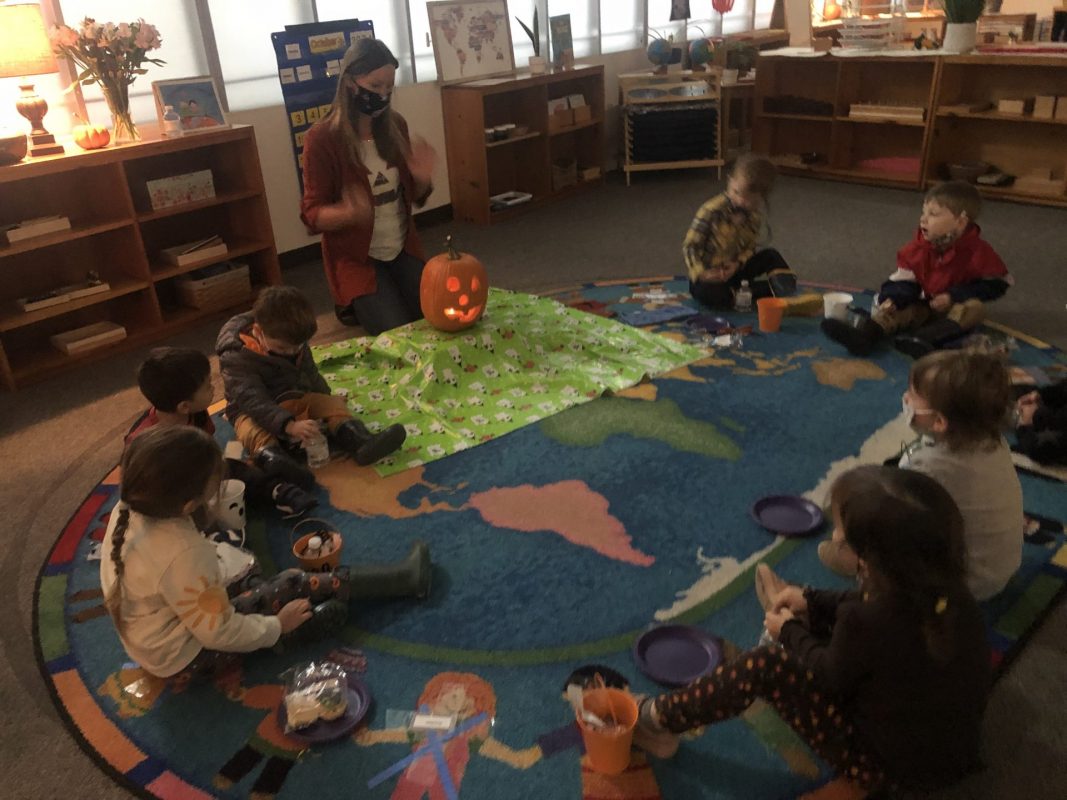
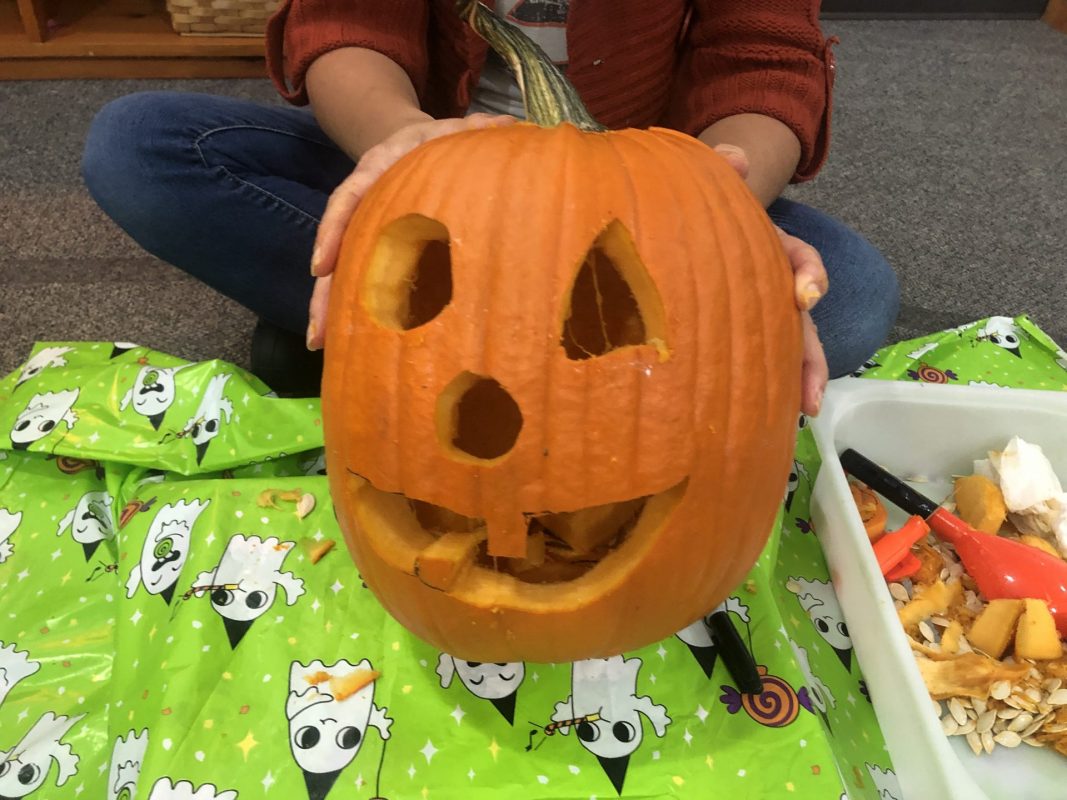
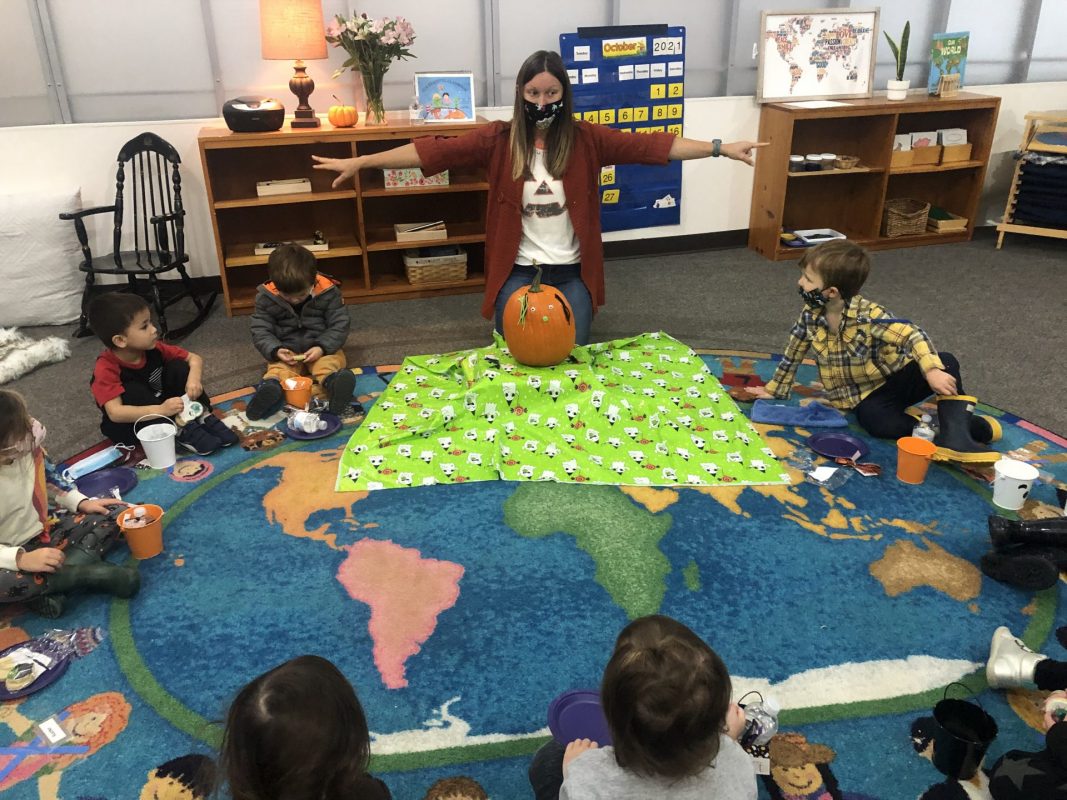
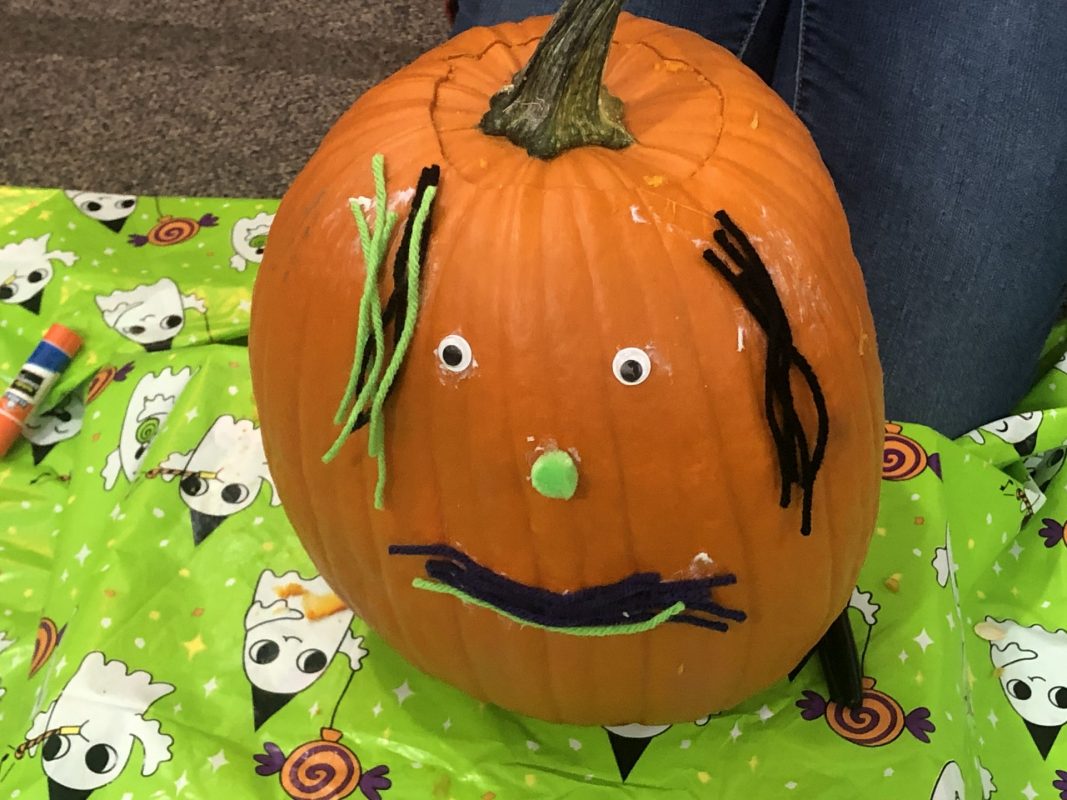
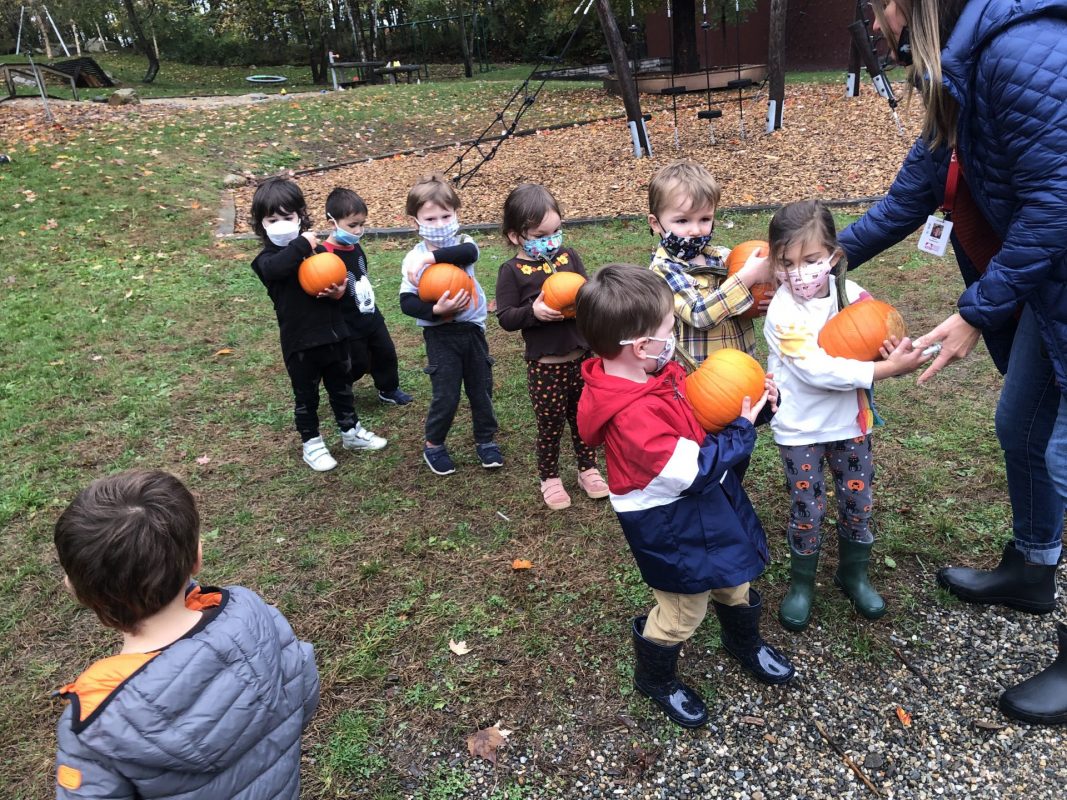
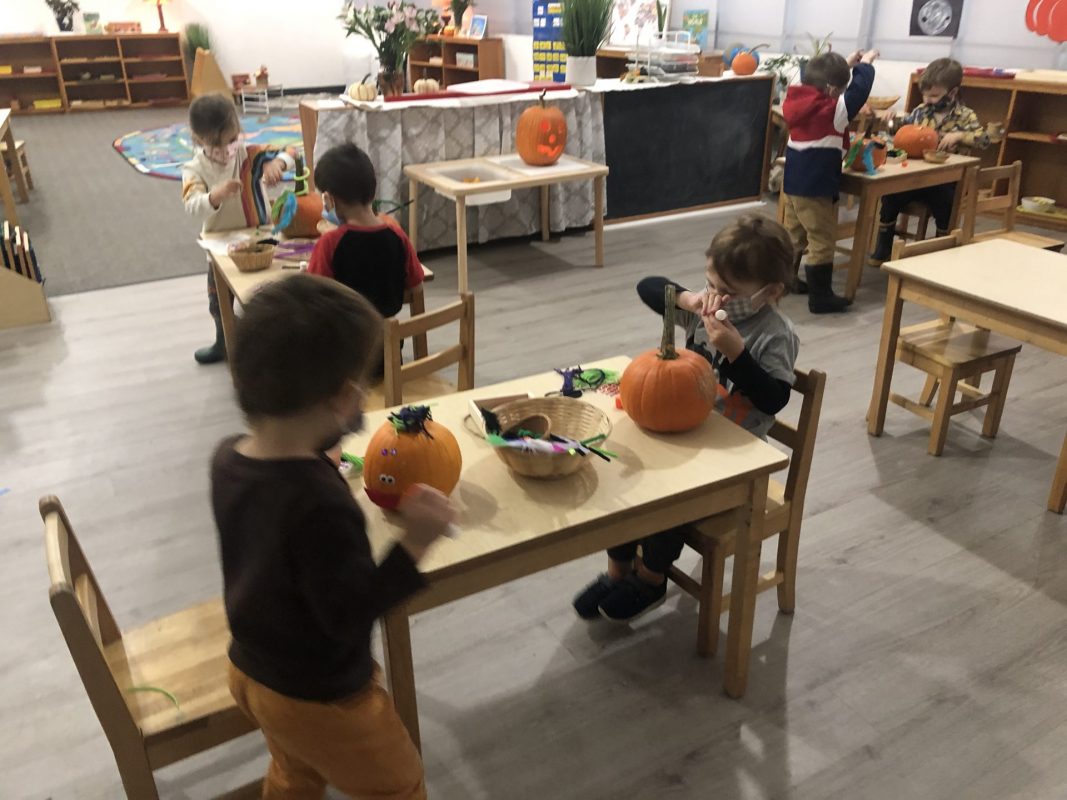
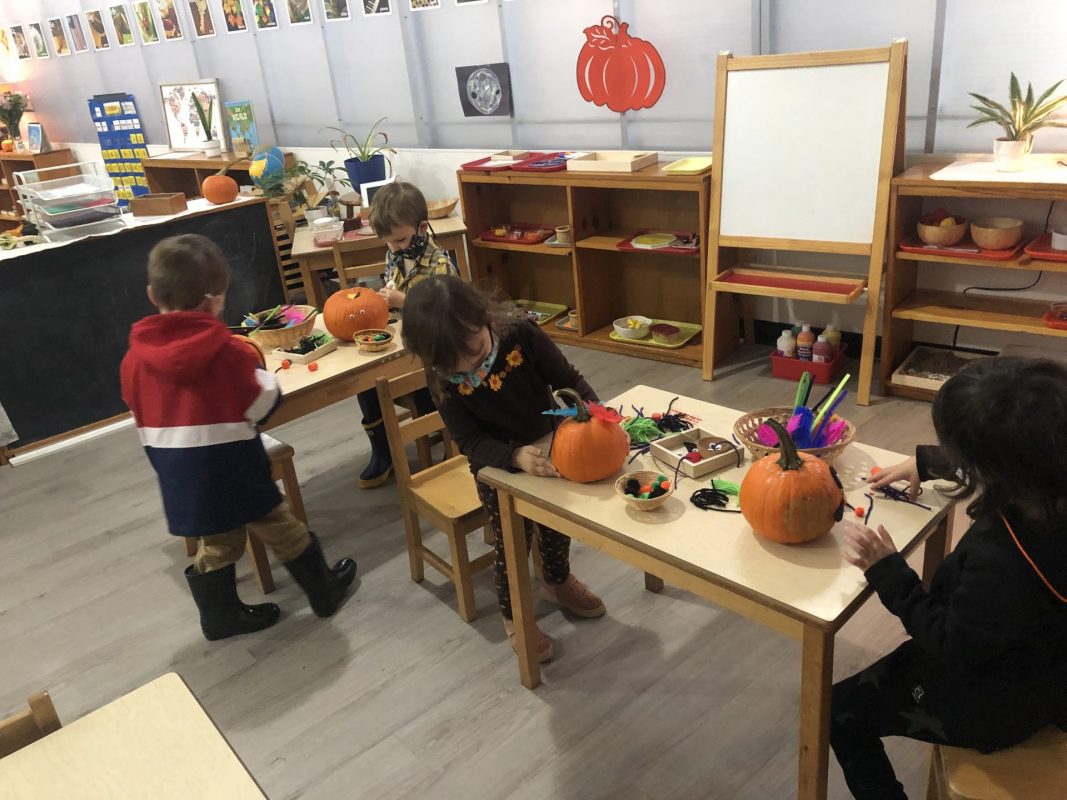
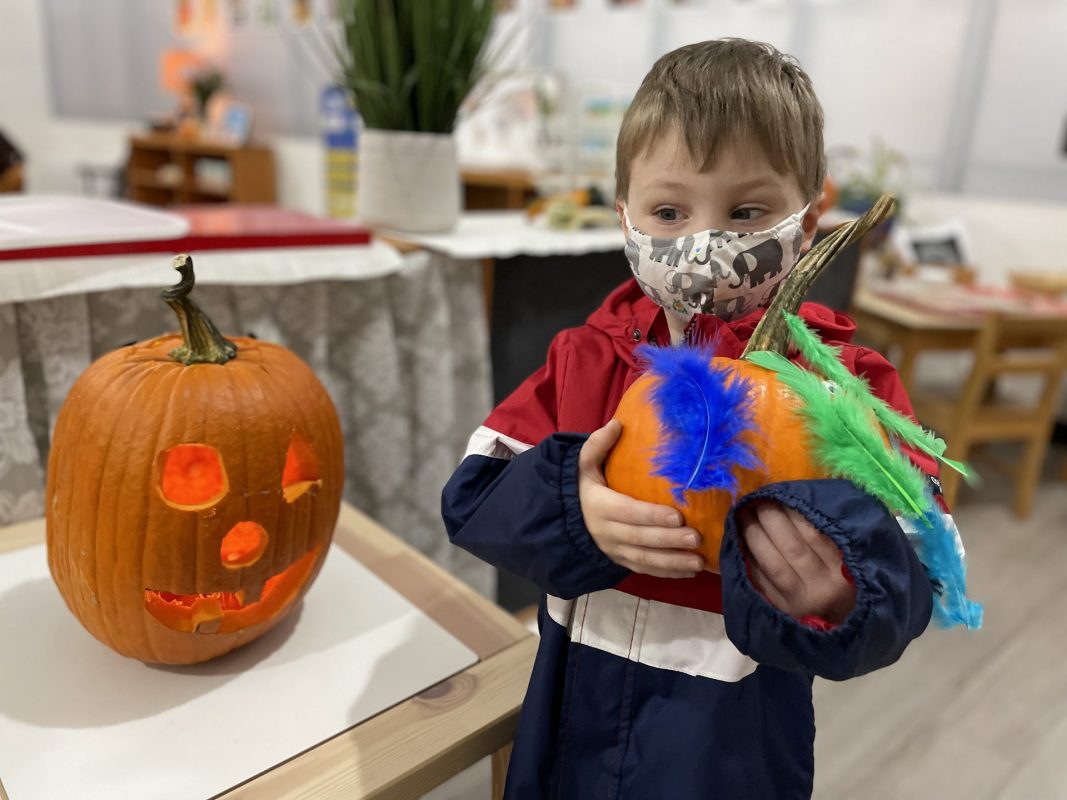
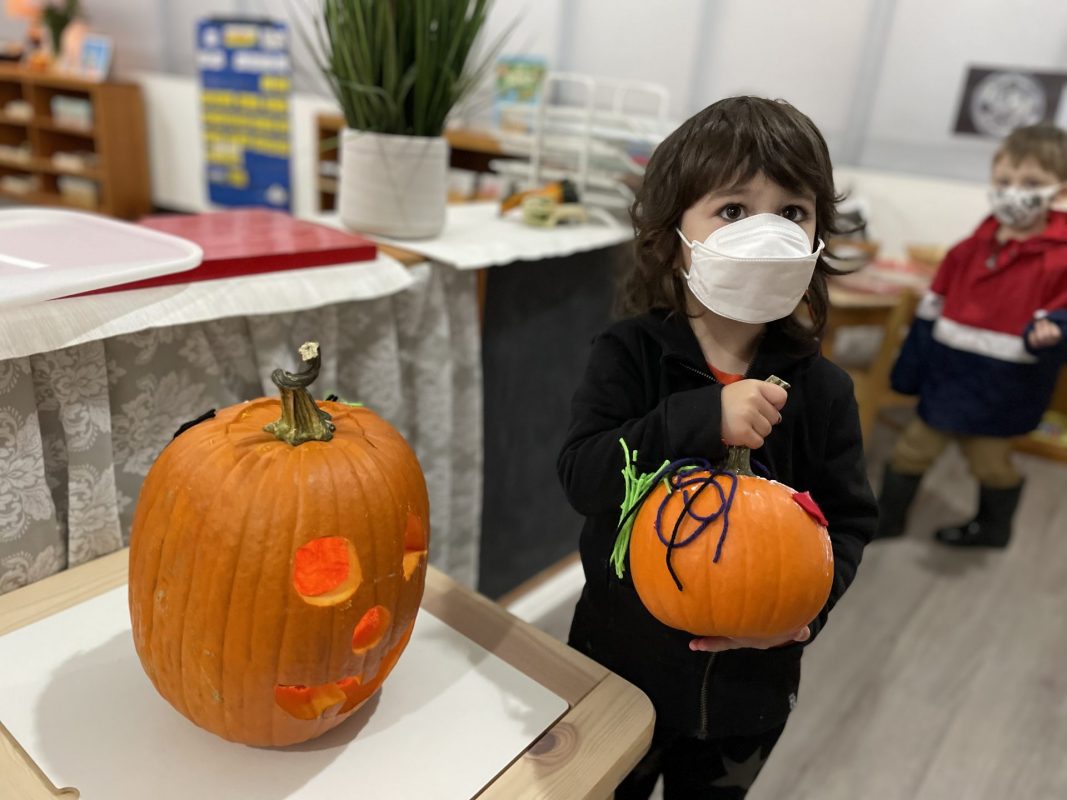
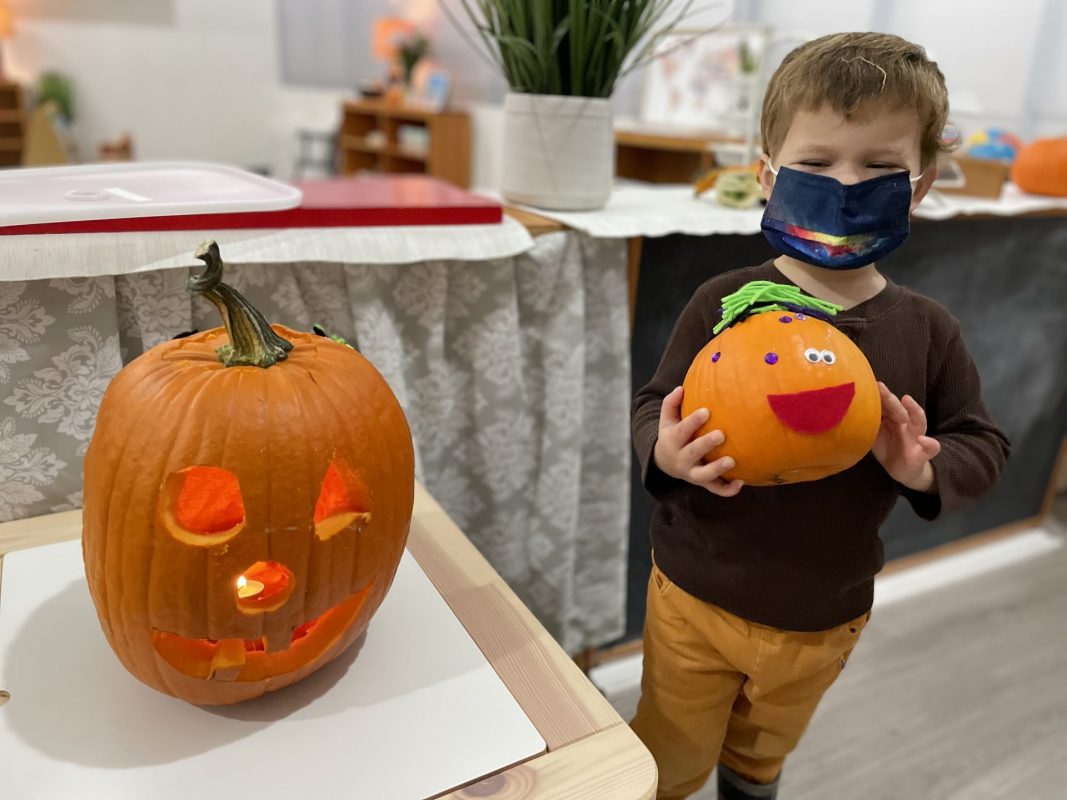
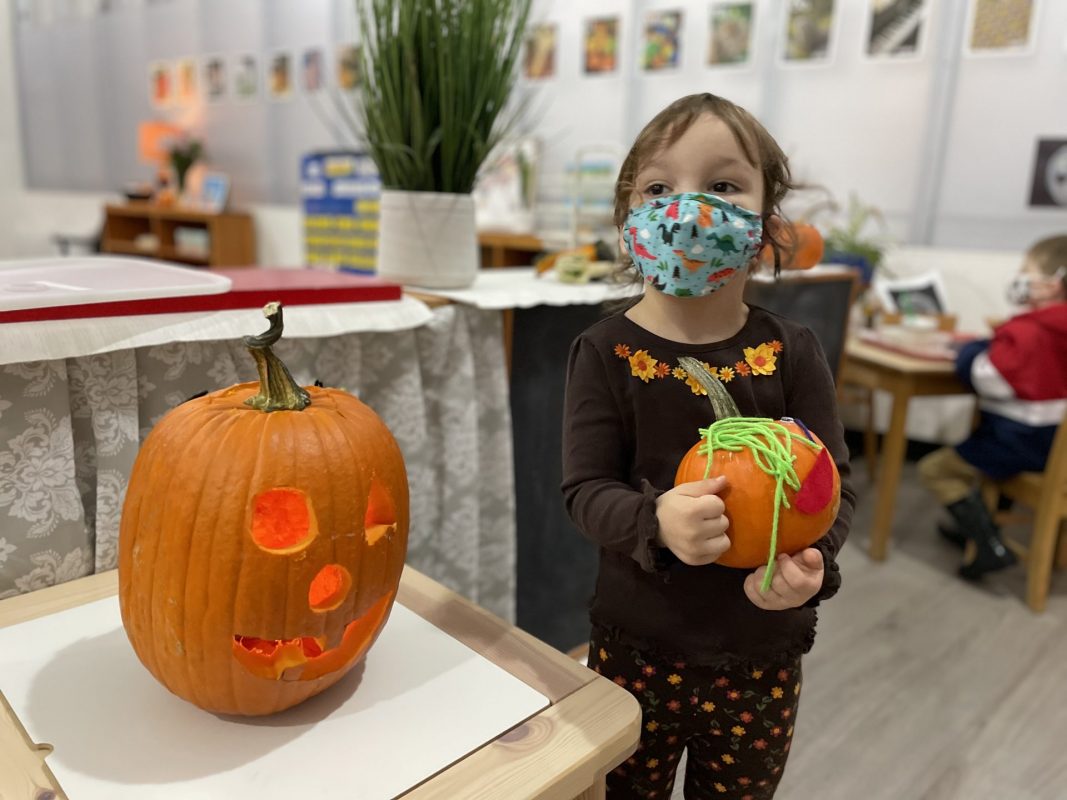
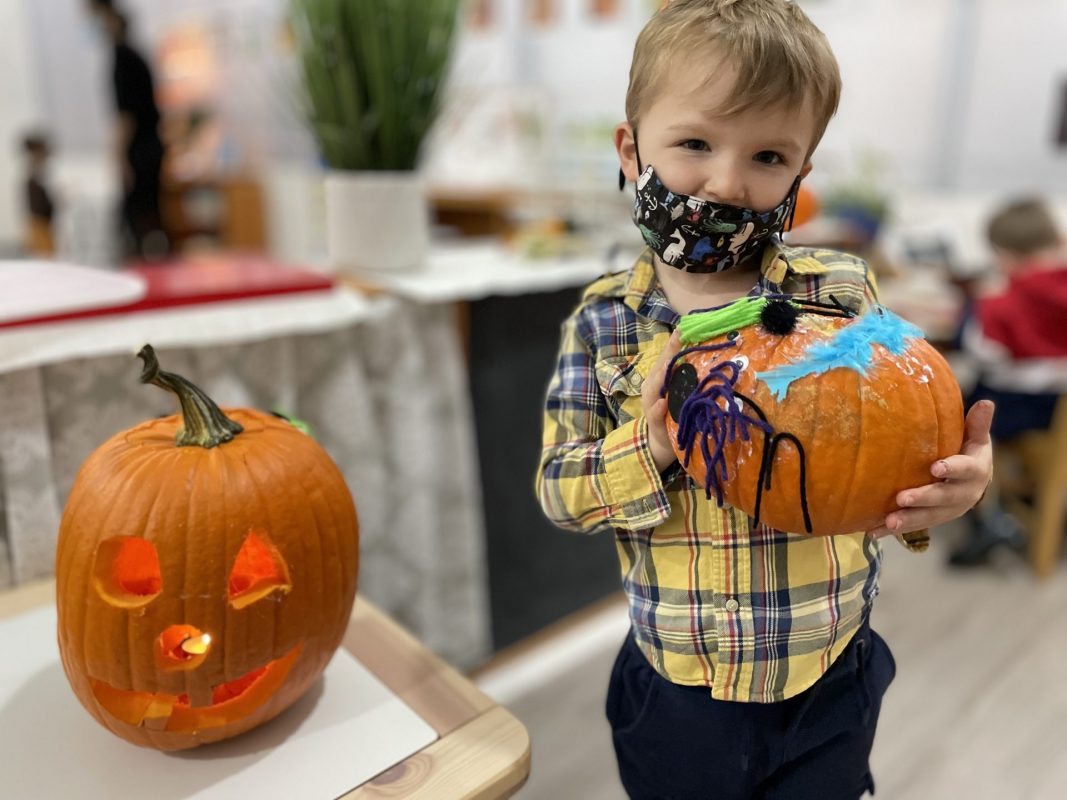
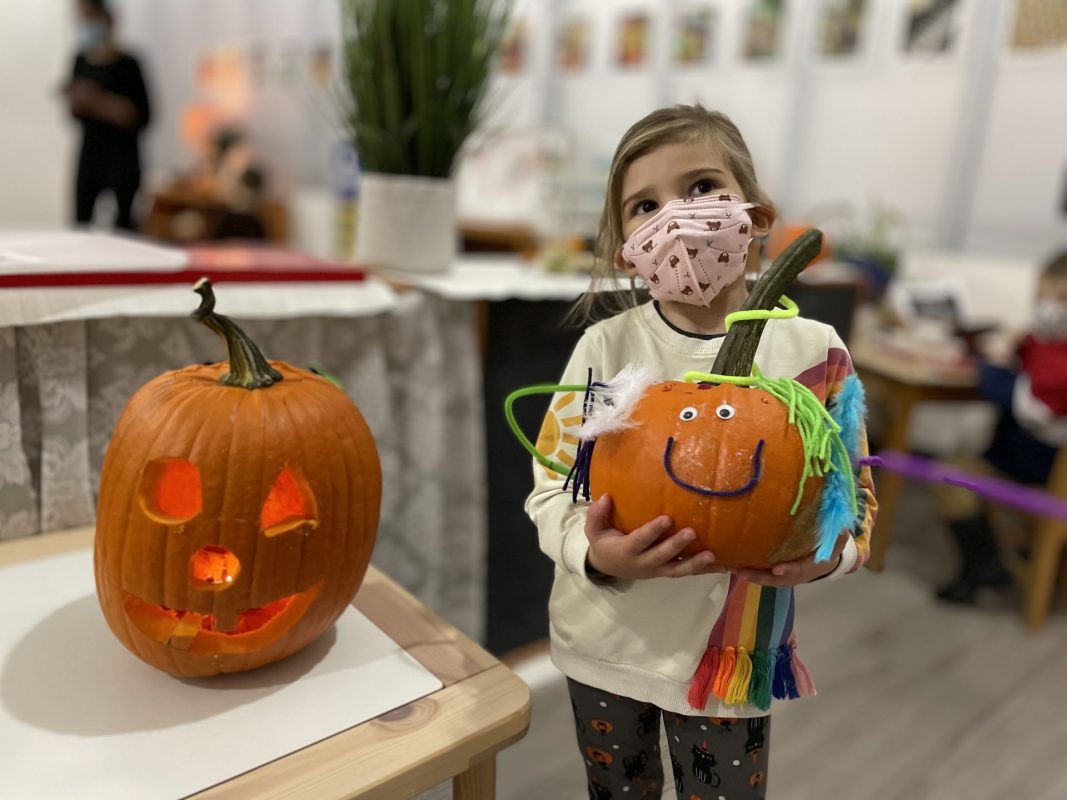
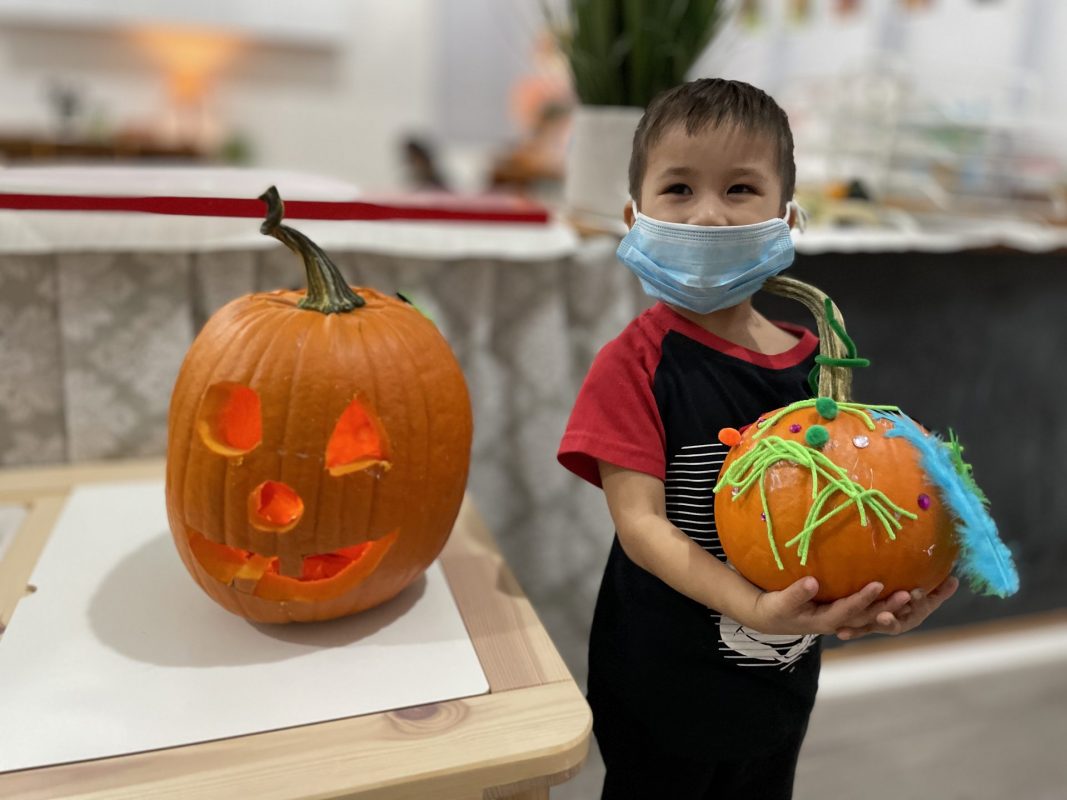
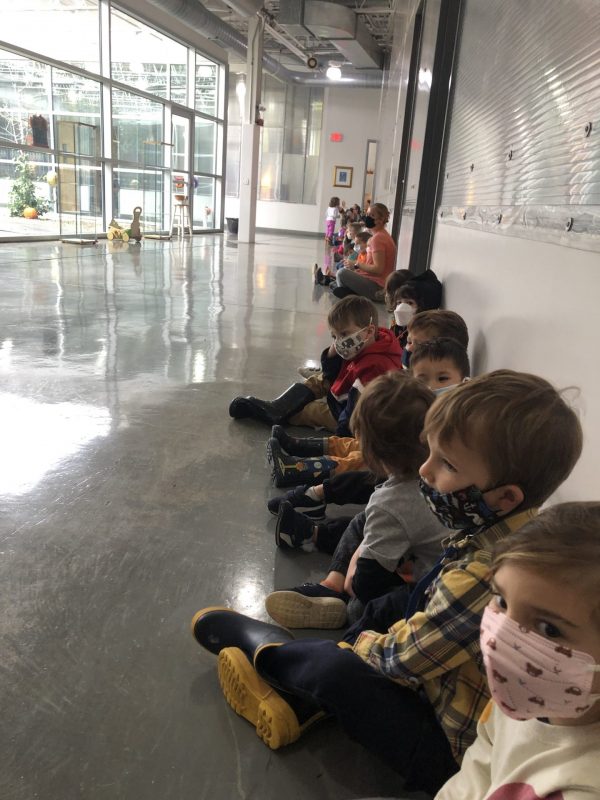
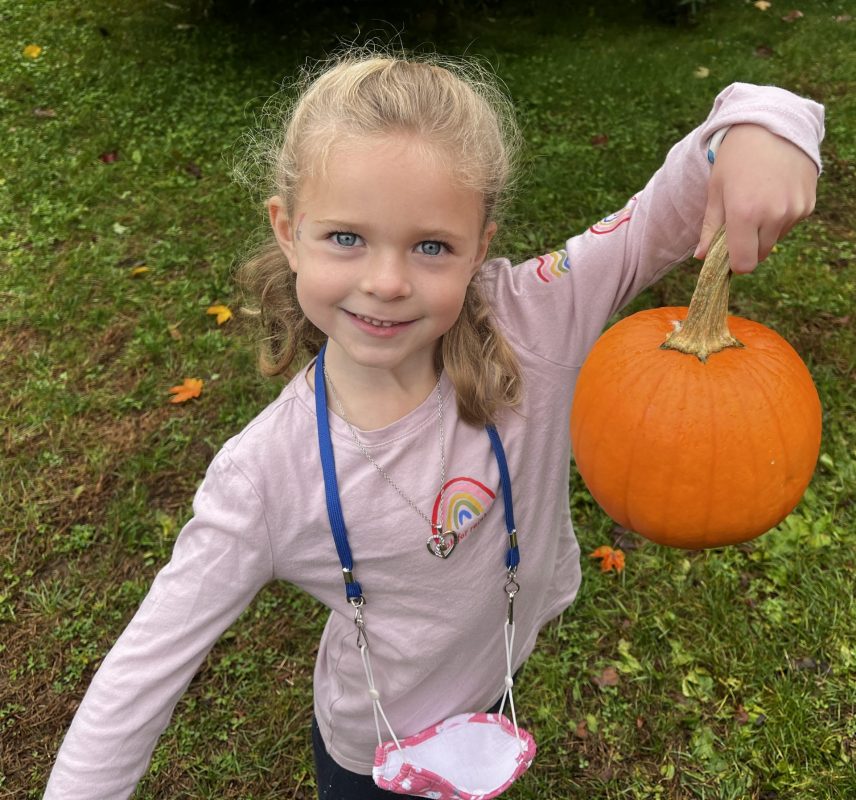
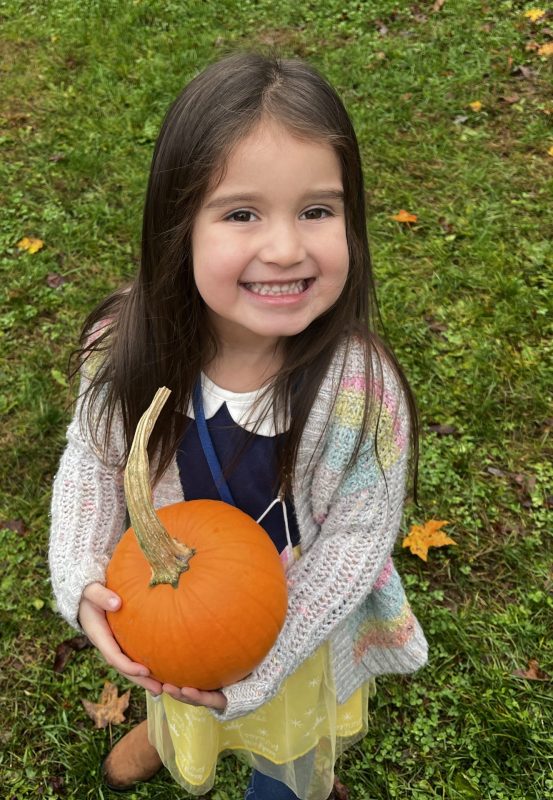
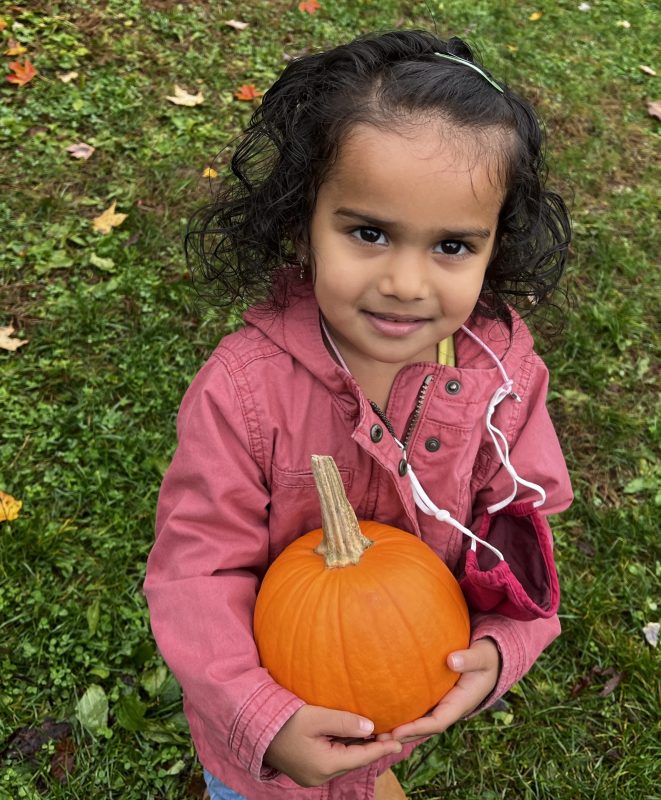
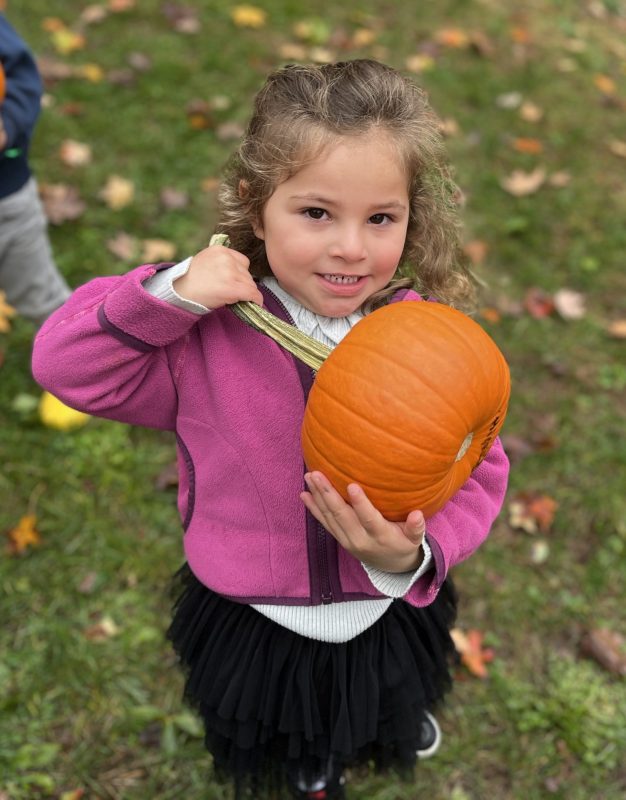
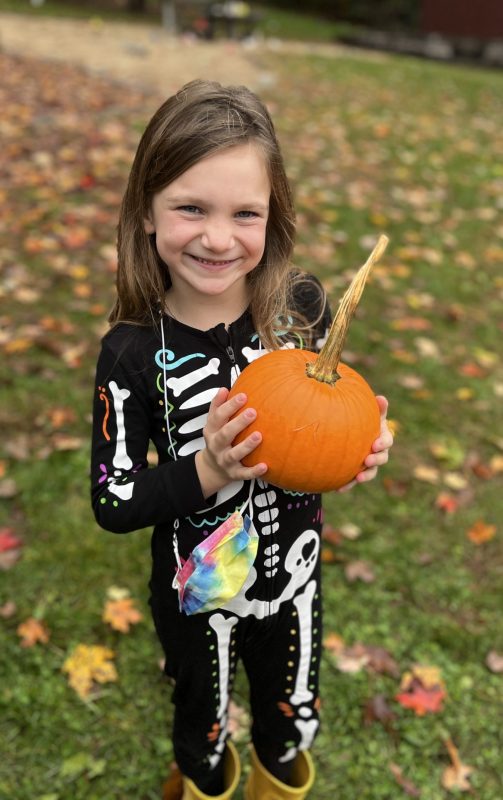
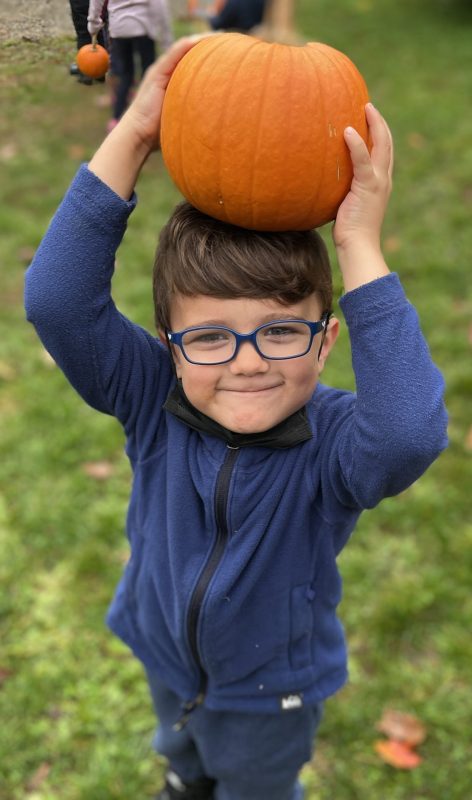
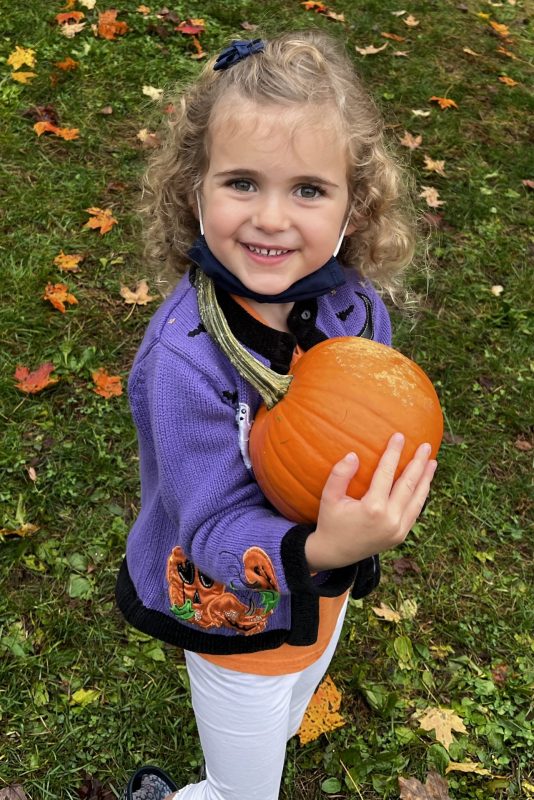
First, we set up the pumpkin station at circle time. Mrs. Sara carved the big pumpkin, while she talked about the smells, seeds, and ideas to carve the pumpkin. She also showed them how to personalize a pumpkin by adding hair, eyes, and a mouth. Then, she lit a little candle inside the carved pumpkin. Meanwhile, the children were enjoying their beautiful, delicious, and spectacular Halloween cookies with water. We also went outdoors for a pumpkin hunt. The children were very happy searching for their preferred pumpkin and bringing it back to the classroom for decoration. The children had a lot of fun decorating their sugar pumpkin with yarn, googly eyes, and felt. Then, we sat outside our classroom watching the Middle School and Elementary Halloween Parade. The children had a wonderful time during the Harvest Celebration. Thank you for all your donations and s special thanks to Lidia and Kenyon for organizing the event and thinking about every detail to make it an enjoyable experience.

It was very lovely to meet and connect with all of you for Parent-Teacher conferences via Zoom. Thank you for your open communication, our goal is always to work together for the benefit of our children. Please feel free to reach out at any time.

Wishing you a wonderful weekend.

Kaoutar and Sara


Lower El: Meaningful Workers

We are very excited to welcome a new third grade friend to our class this week! All of the children are being kind and helpful and are thrilled to have a new addition to the classroom.

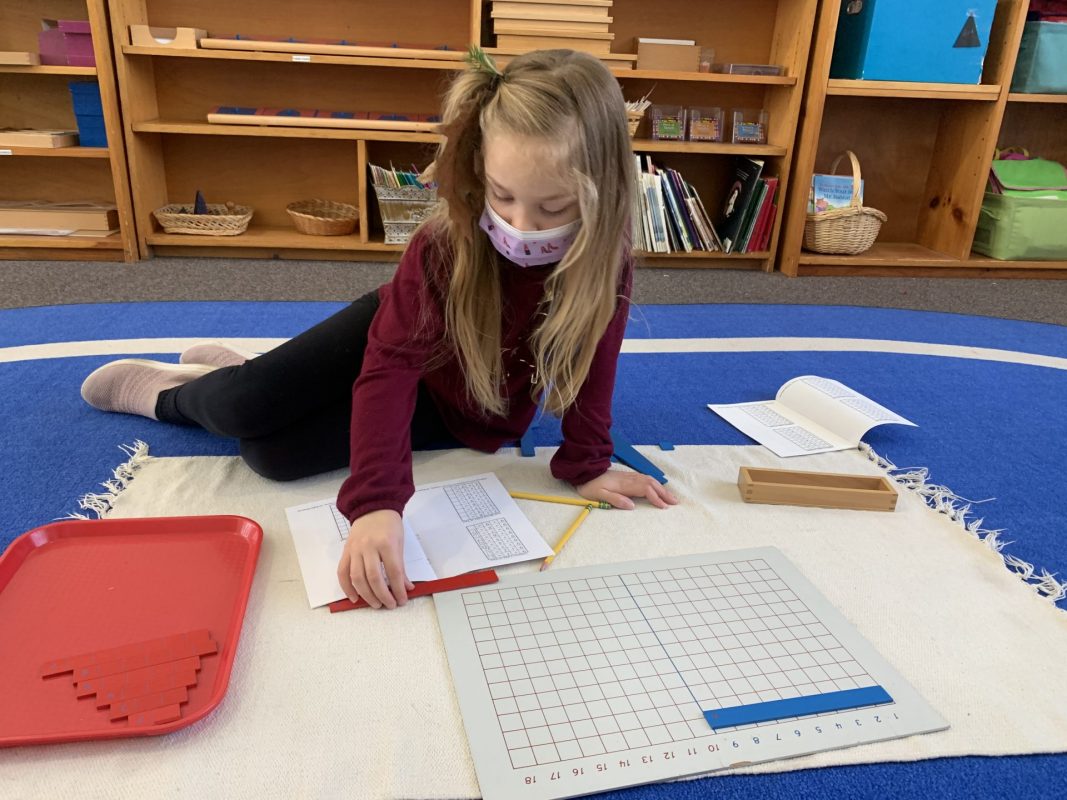
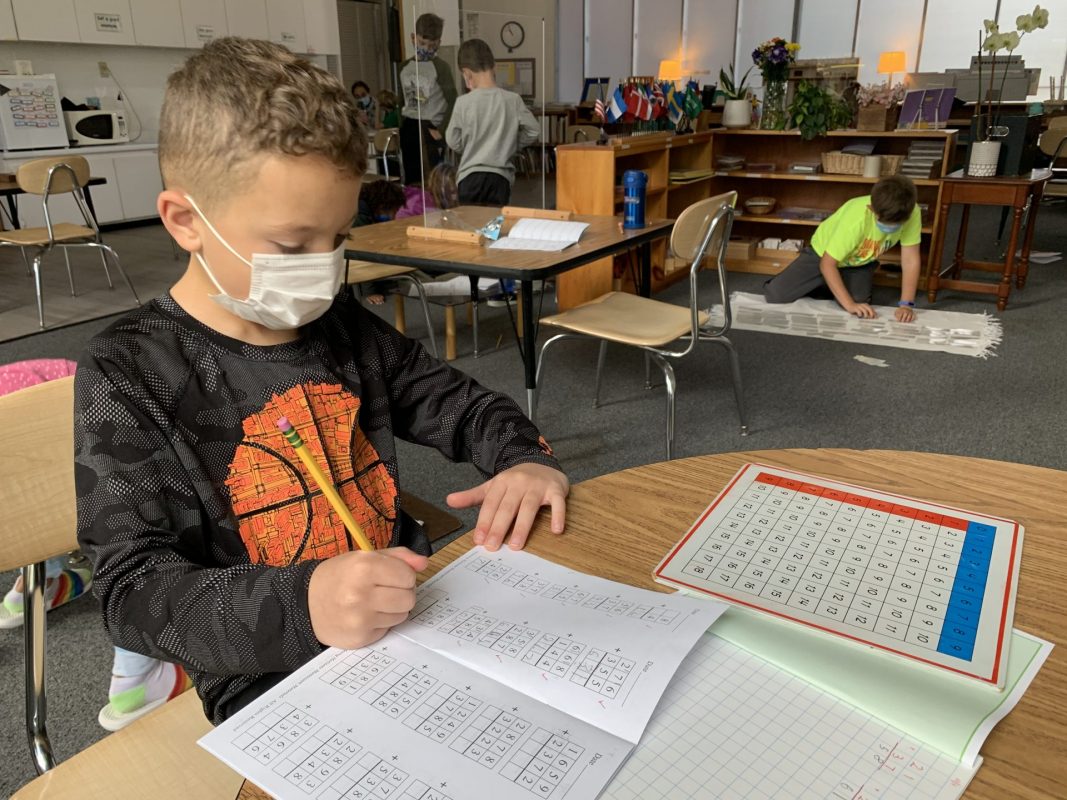
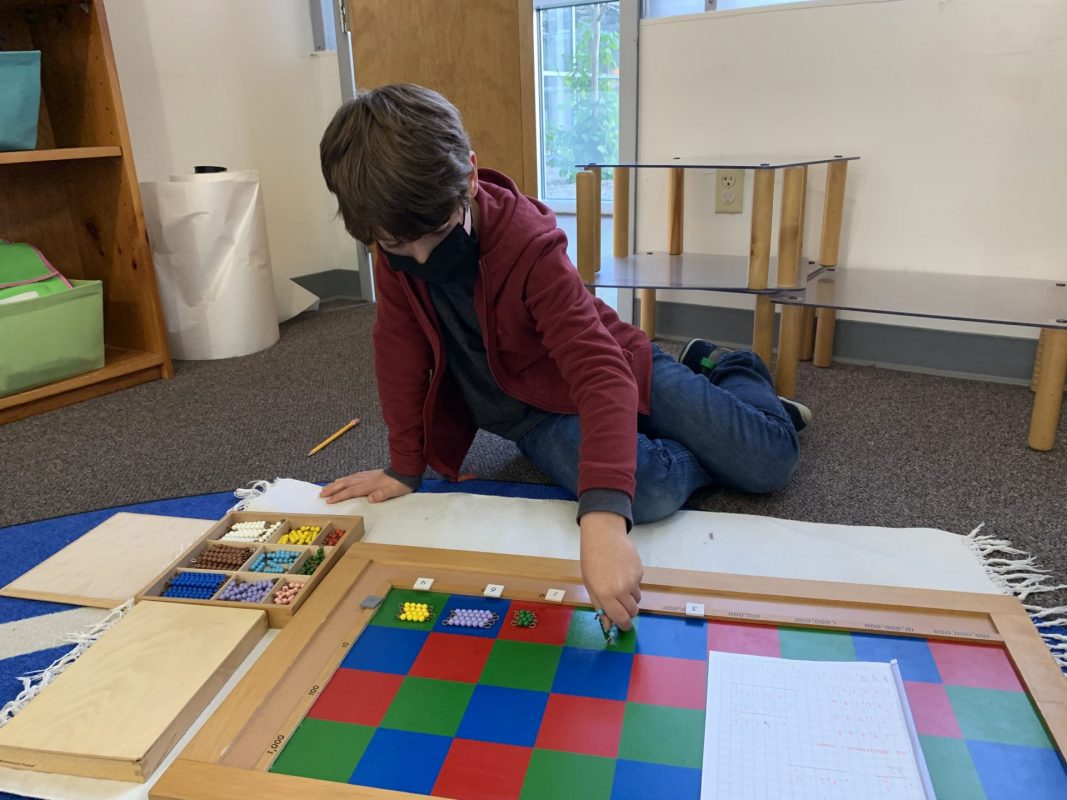
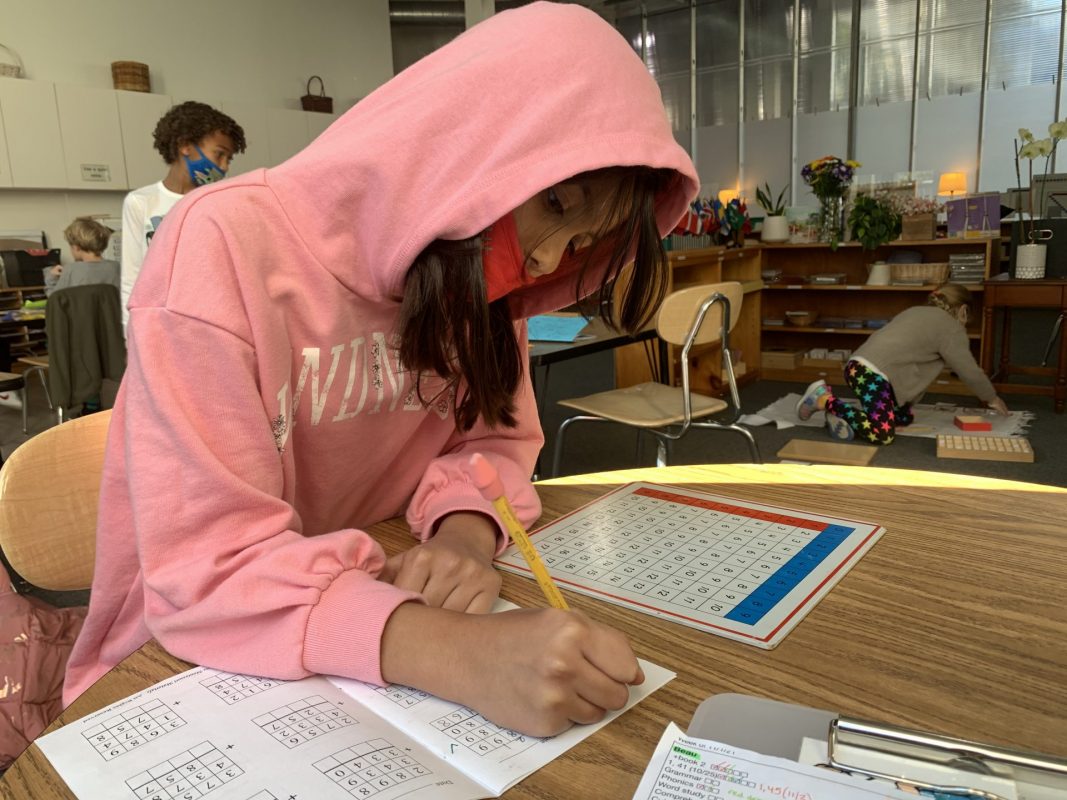
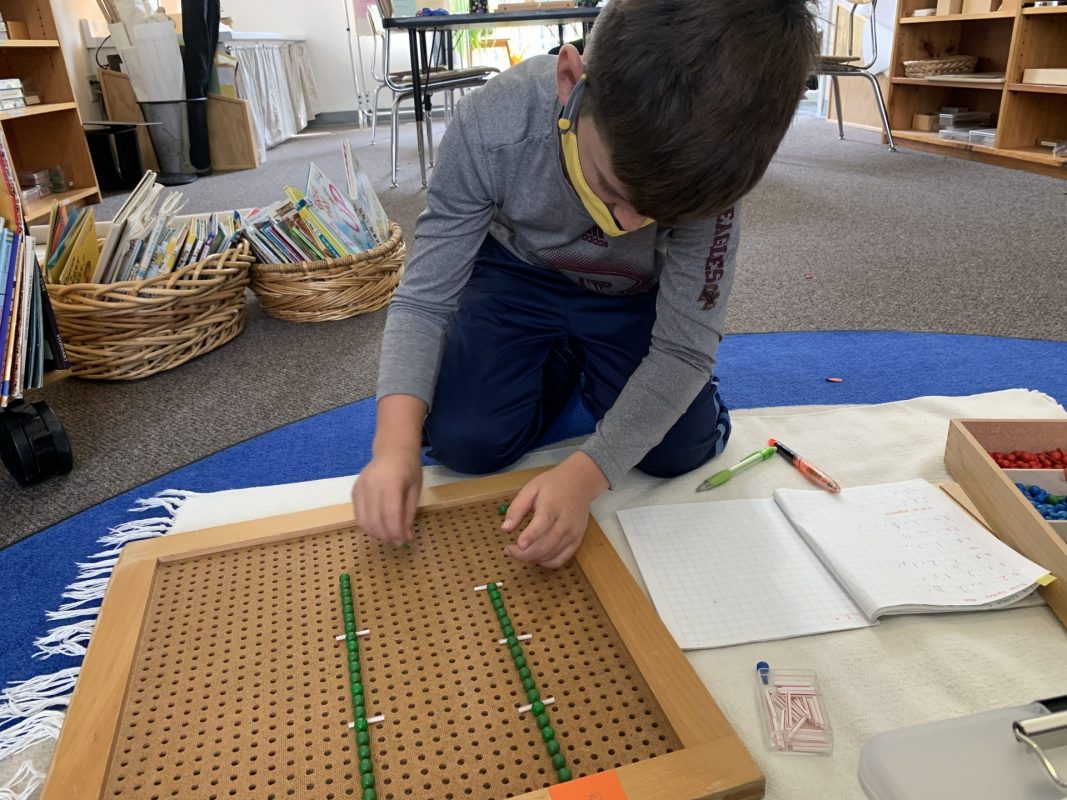
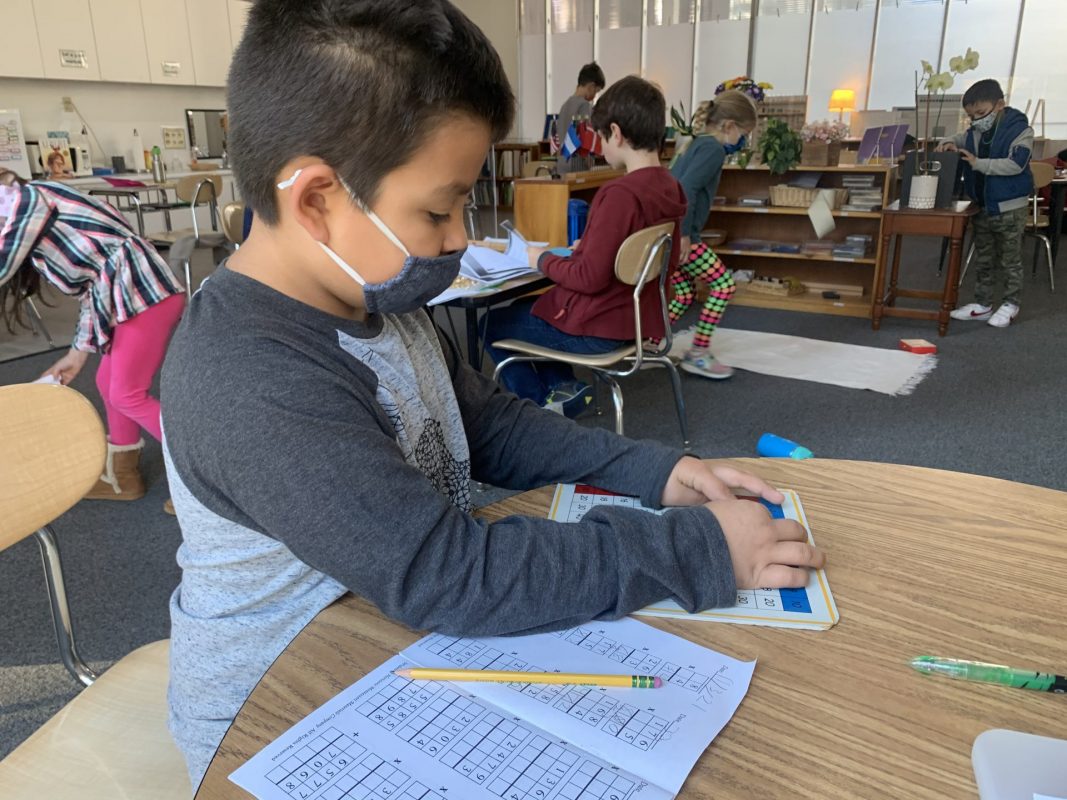
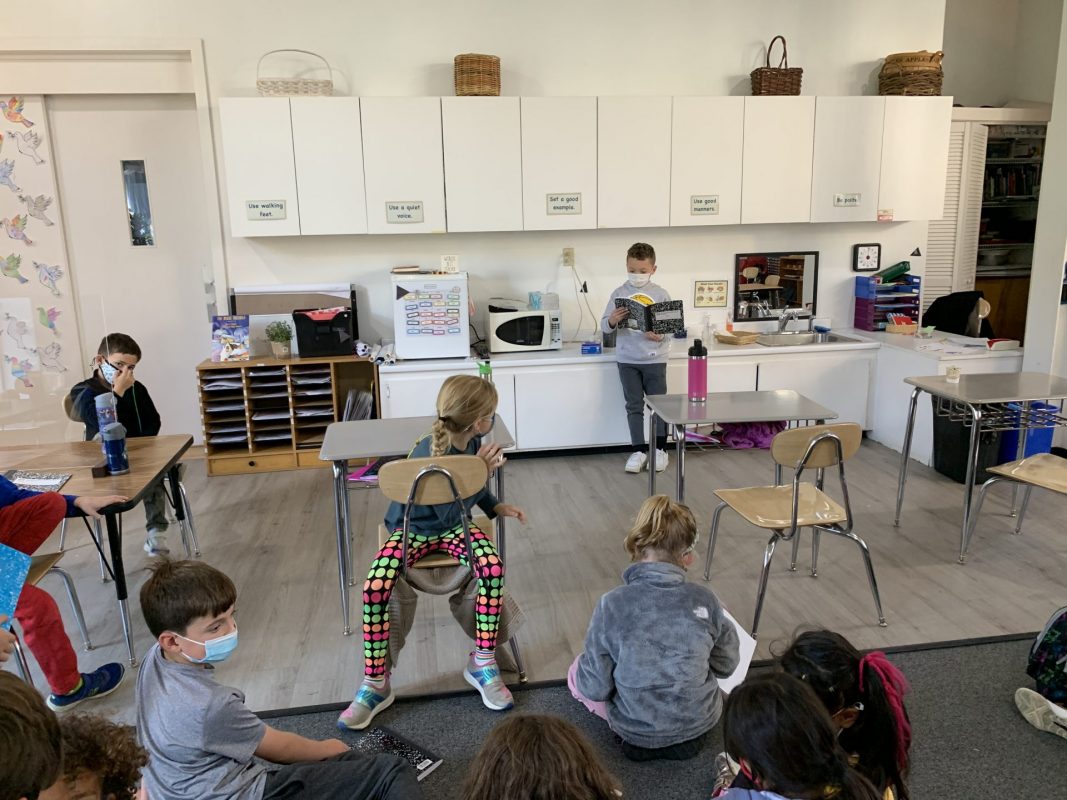
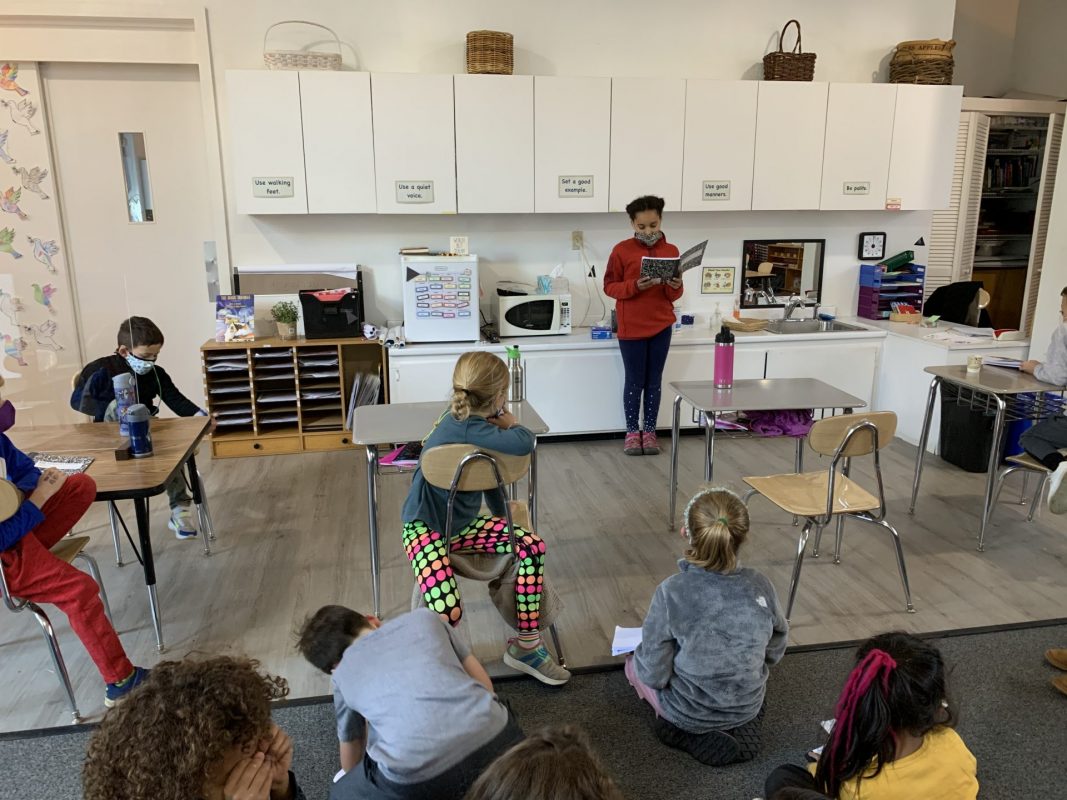
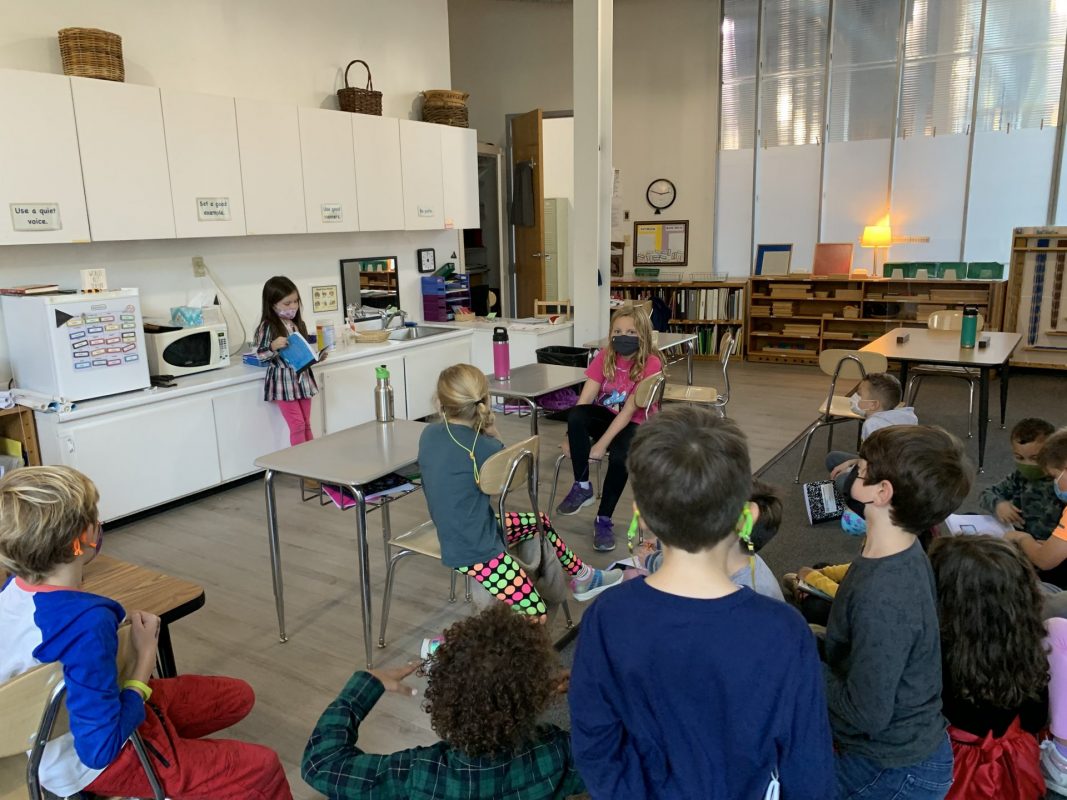
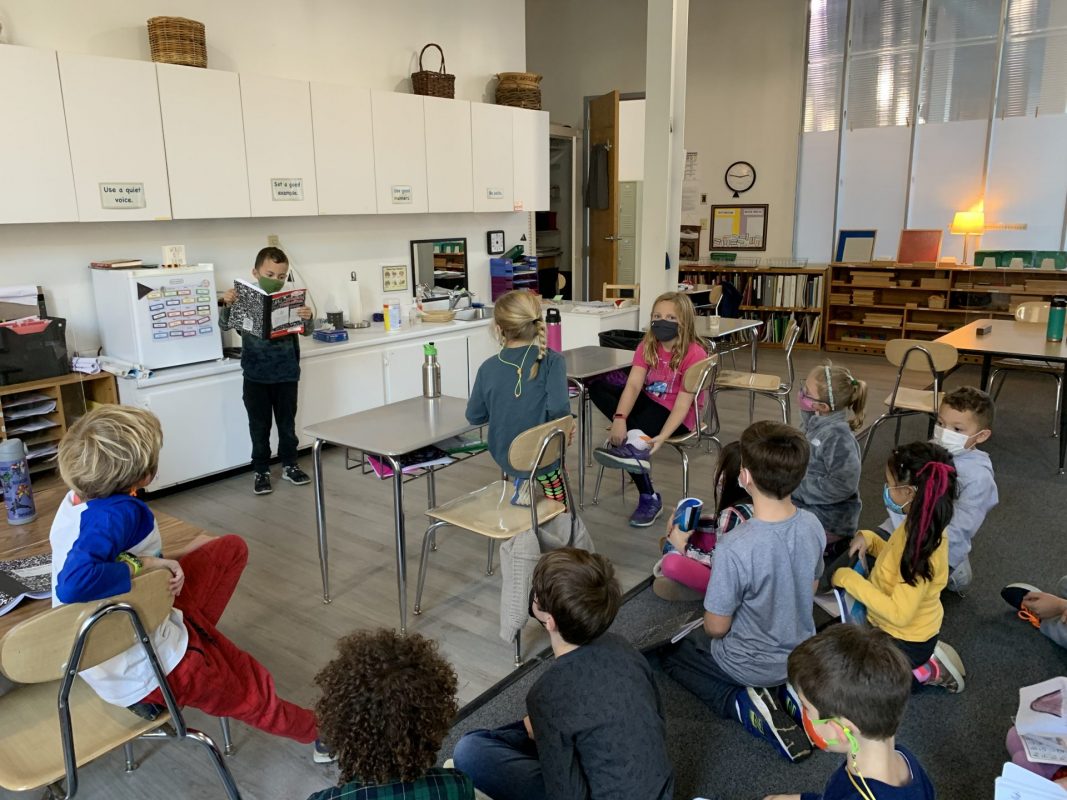
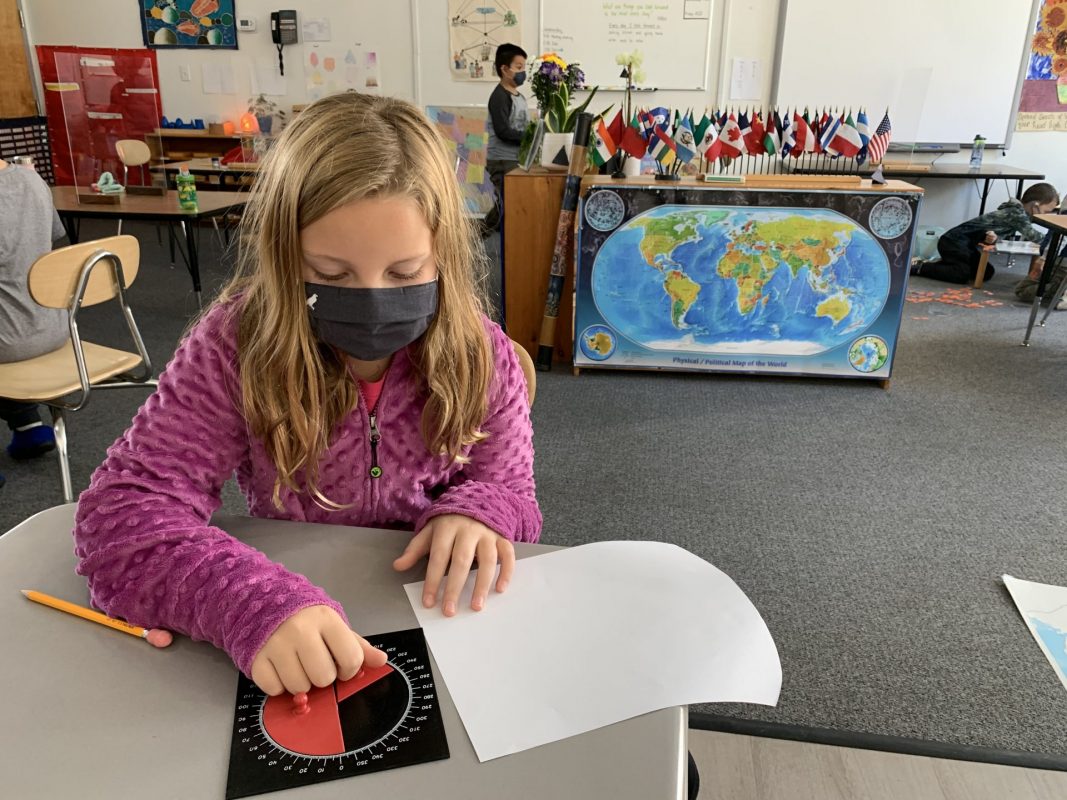
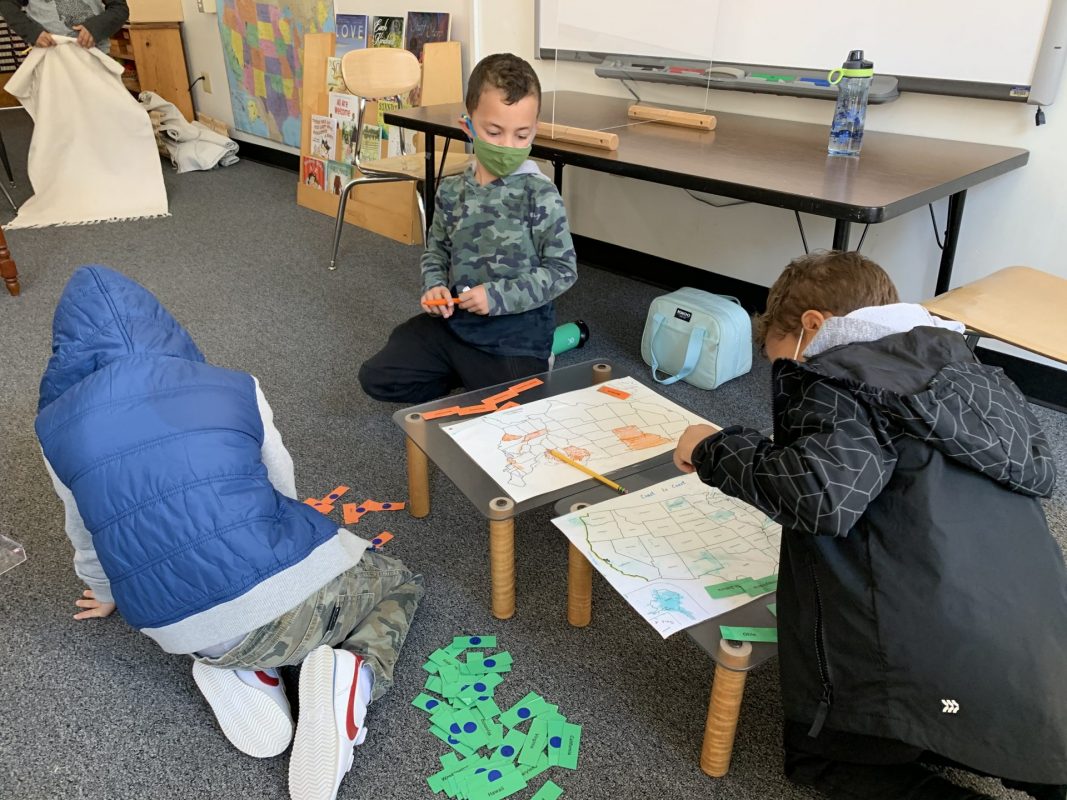
In Lower Elementary we place great emphasis on meaningful academic work for each individual child. During their two to three hour long work cycle,  the children are able to plan their work and then chose the order in which they would like to accomplish it. This creates a feeling of ownership and focus within the children.

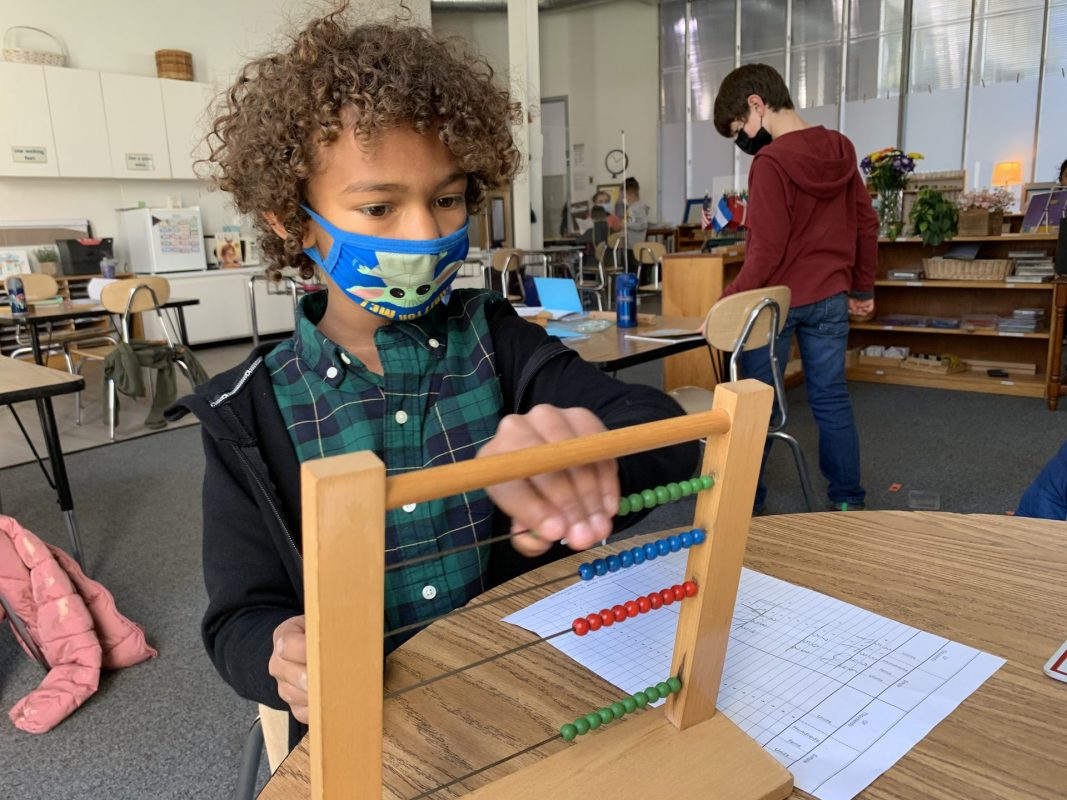
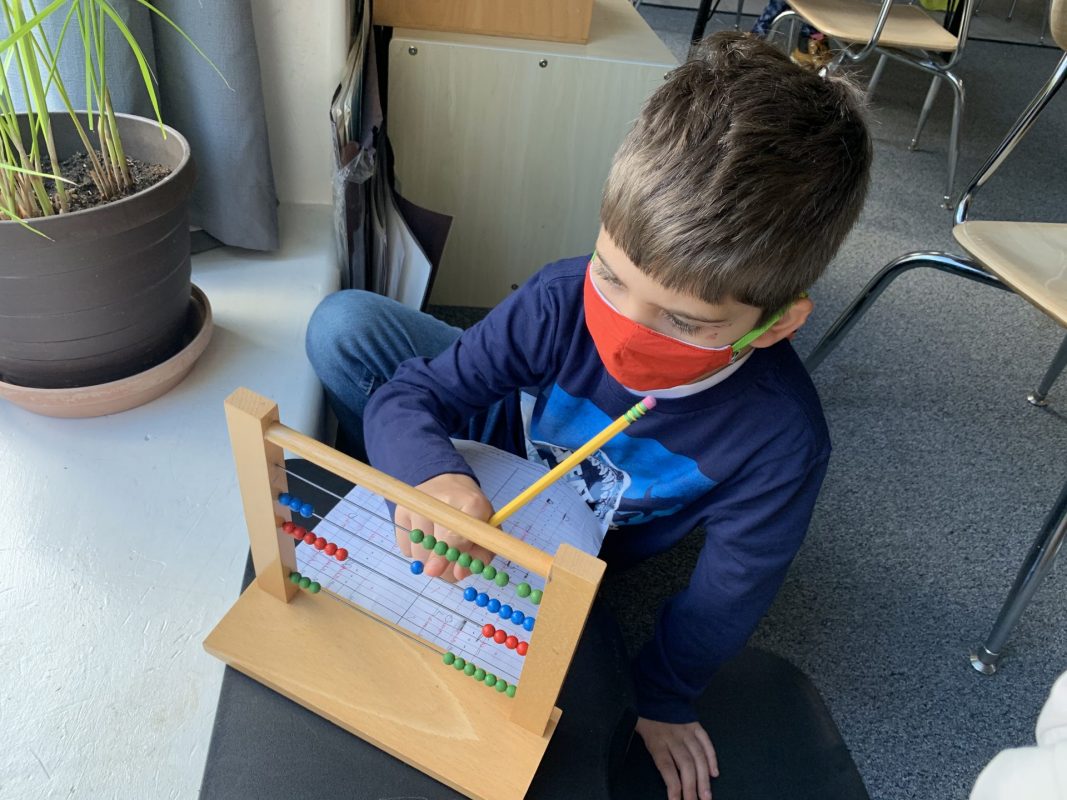
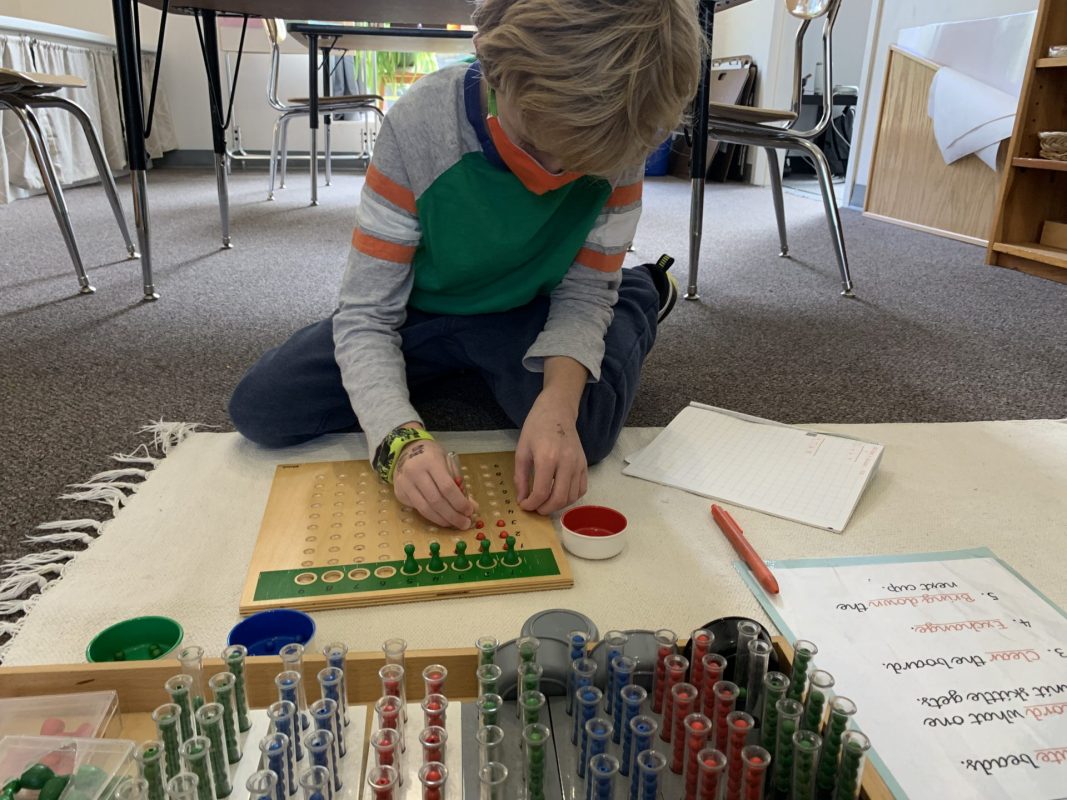
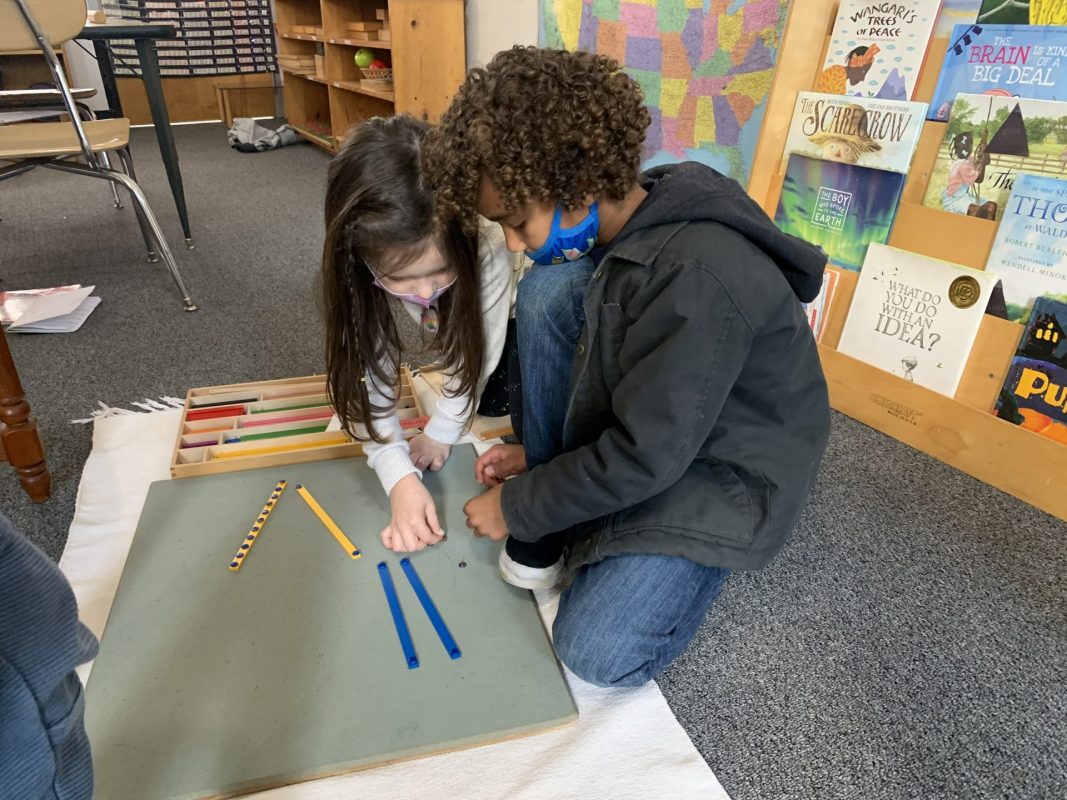
The small bead frame is a current classroom favorite! It is a math material which can be used to add, multiply, and subtract. Students use this before moving to abstraction when completing math problems for most operations. Another loved math material is test tube division. This material helps clarify the analytic procedure of the operation. Here, the result is not simply to find the answer, but also to find out the hierarchical value of the beads (the dividend) given to each single unit of the divisor.


Mrs. Doyle: Happy Harvest!

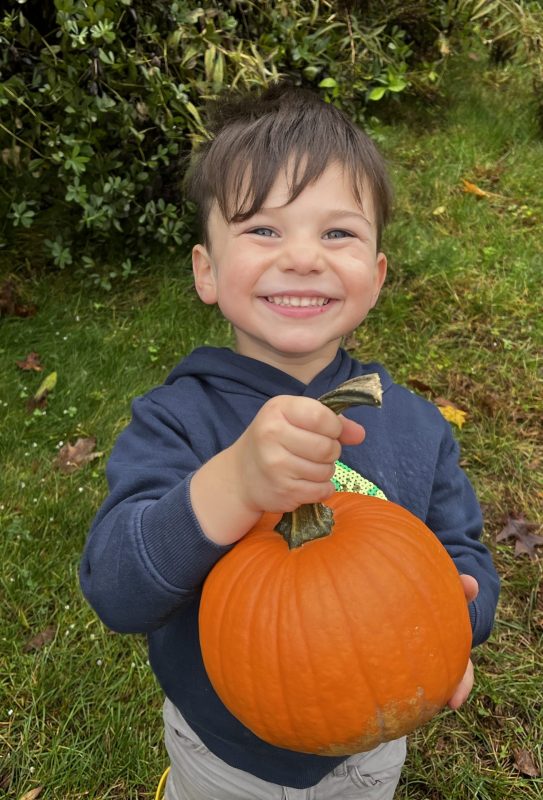
We hope everyone had a wonderful Halloween weekend!   On Wednesday, the children were able to head out to the FWM “Pumpkin Patch” and pick their own pumpkin.  We journeyed back inside to carve our newly named pumpkin, Boo, and enjoy a spooktacular snack.  The children then made spiders by filling a glove with popcorn. A fun time was had by all.   A huge thank you to Meg and Jackie for organizing everything and for Melissa and Punam for creating the pumpkin patch.  We know there is always a lot of behind the scenes work and we are thankful for our village.
While I dearly miss conferences being face to face, I am grateful that we can connect via Zoom.  Thank you all for your open, honest communication and ensuring that we have a strong home/school connection. As always, please feel free to reach out at any time.

Wishing you a week filled with peace and love.

Michelle & Liset