Blog

Mrs. Doyle: The Three Period Lesson


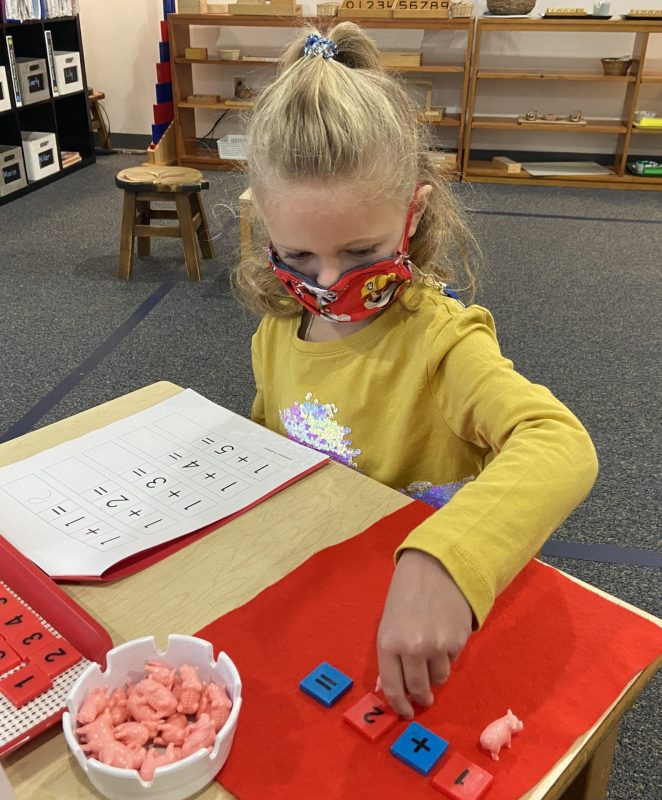
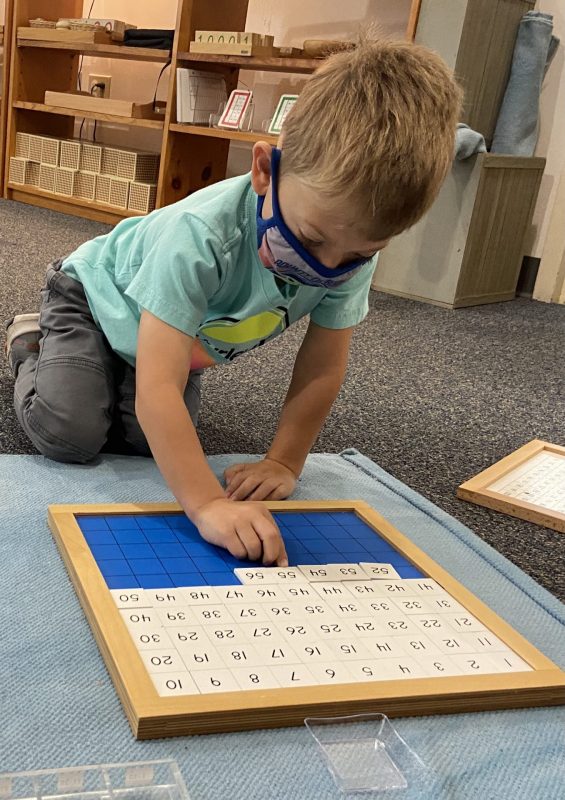
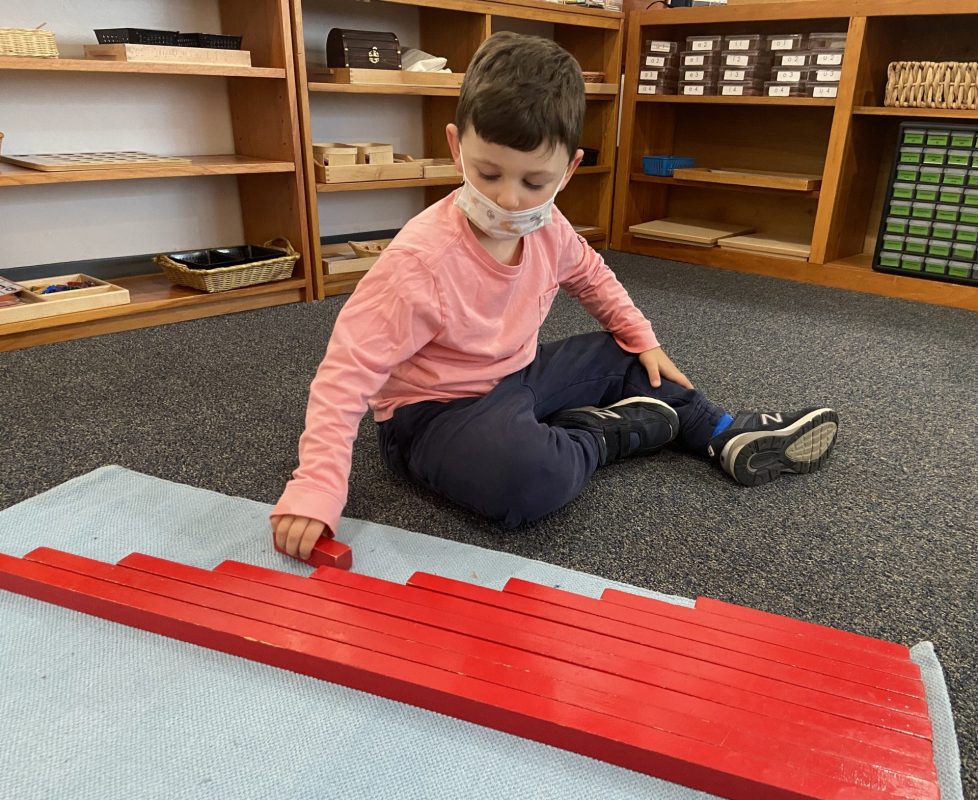
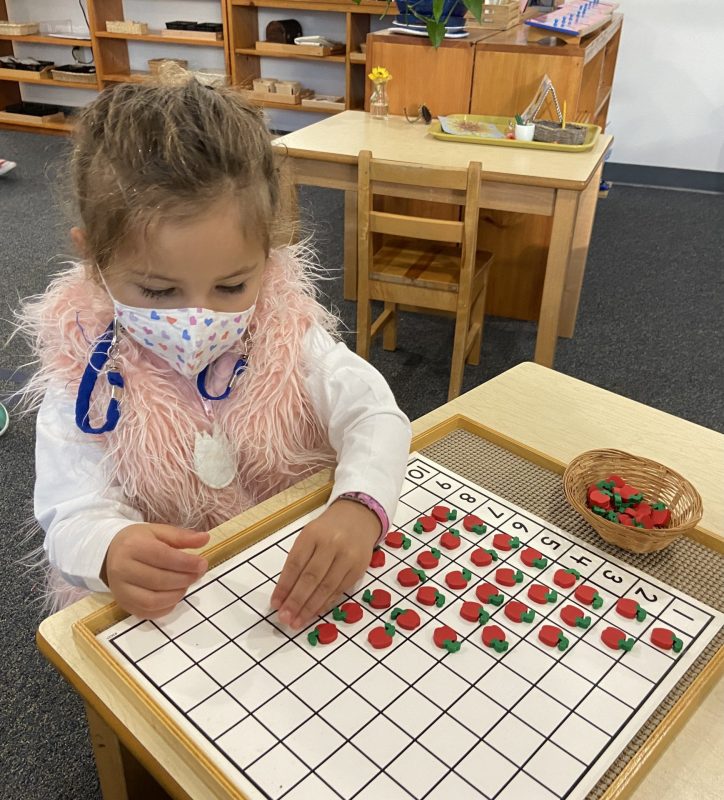
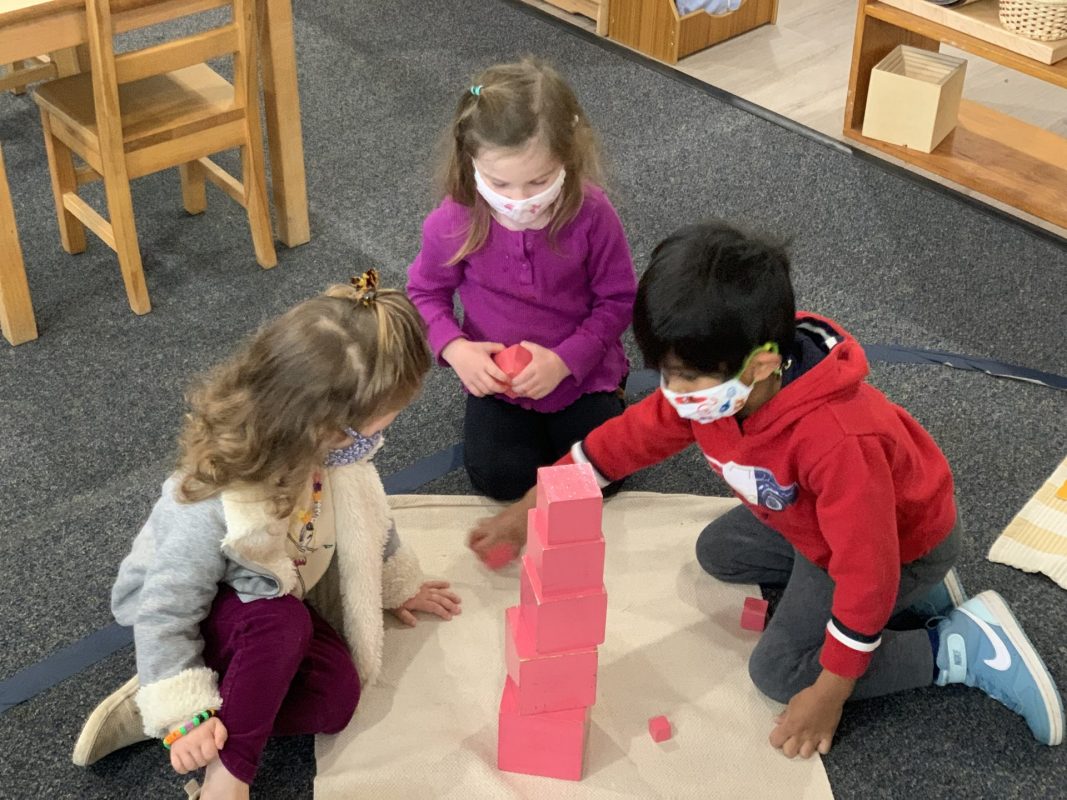
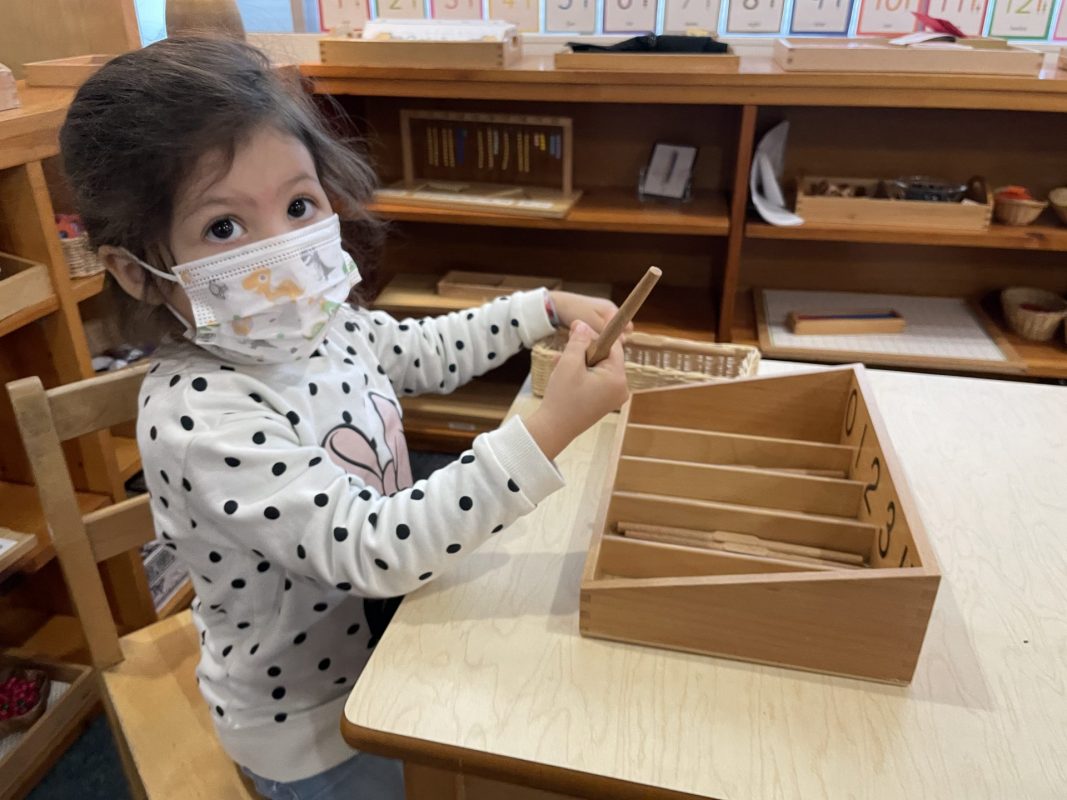
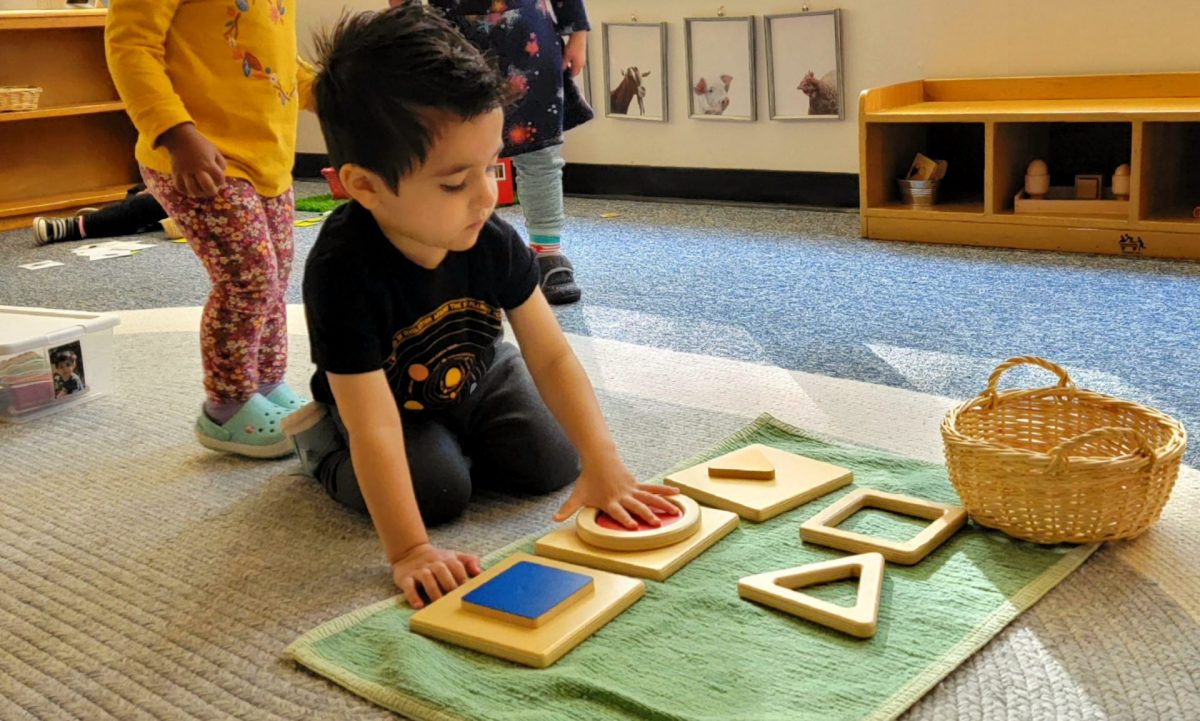
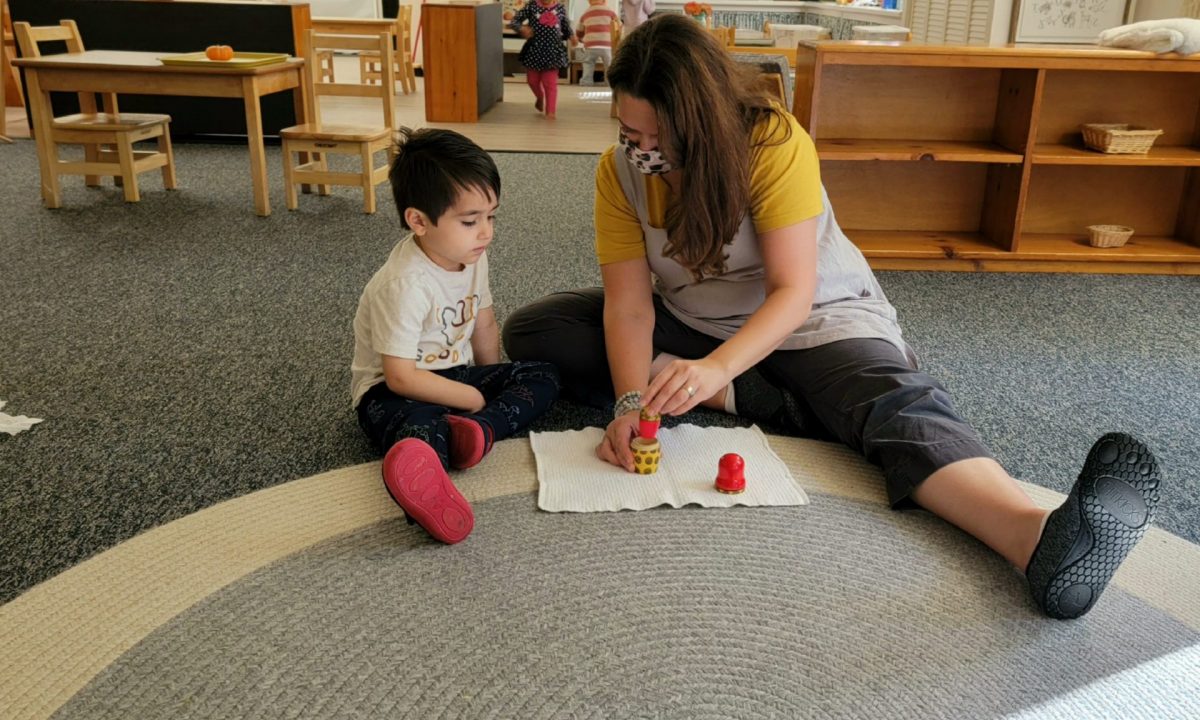
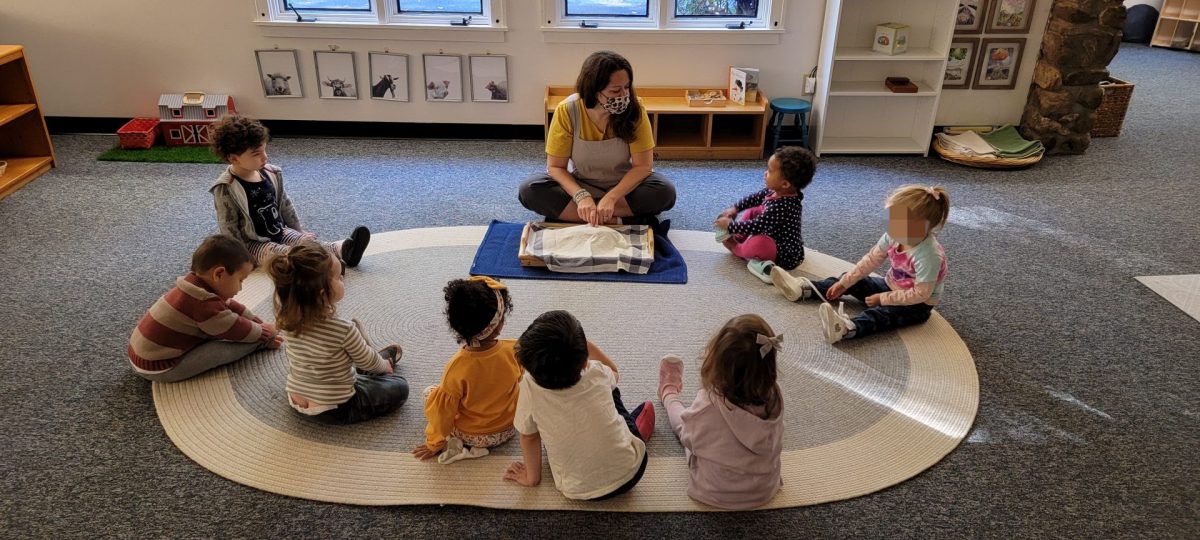
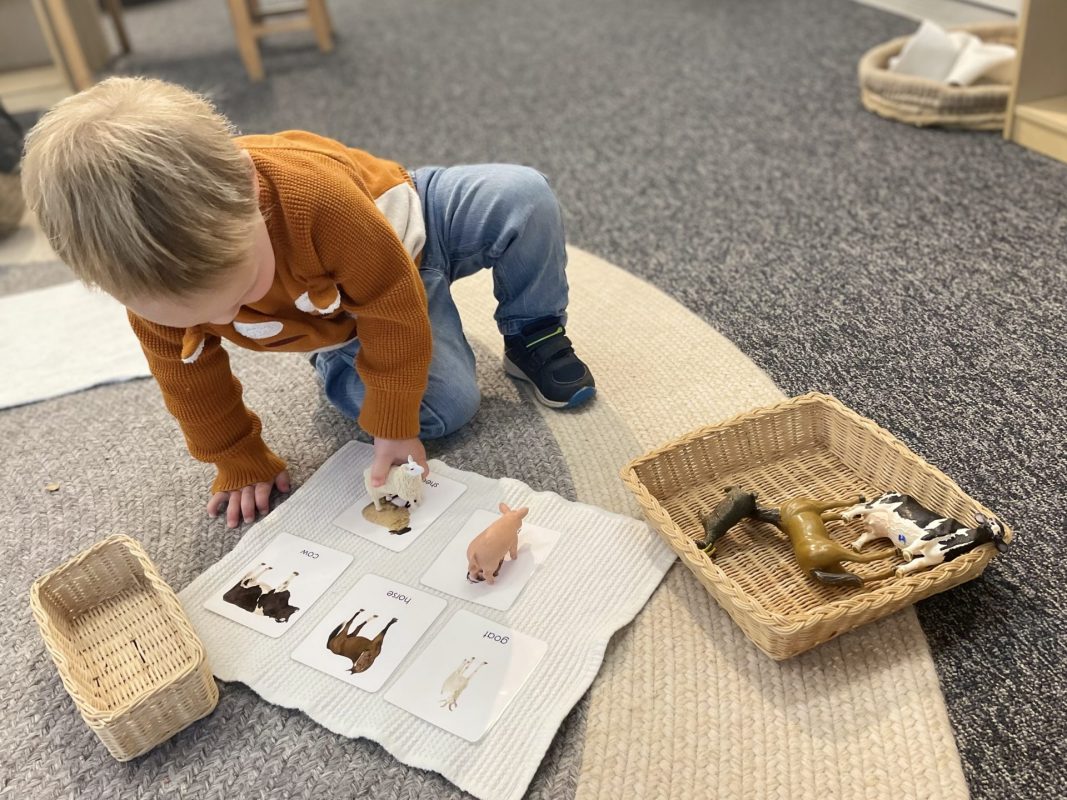
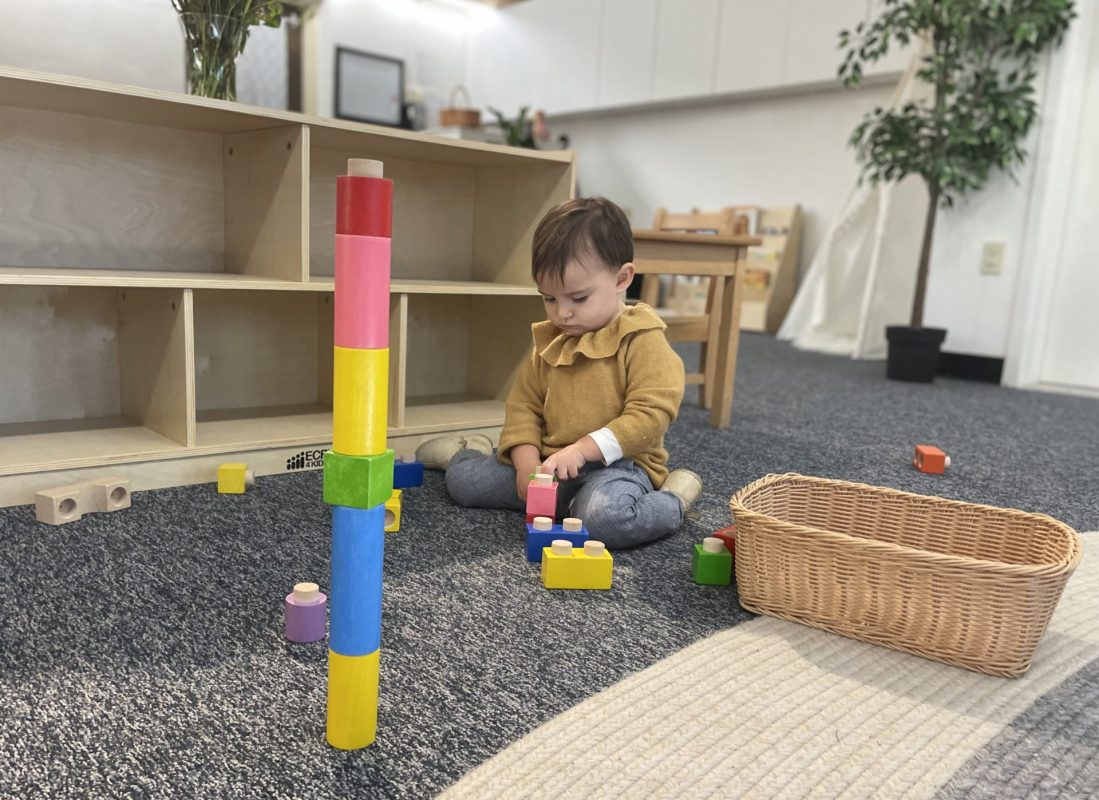
When we introduce new concepts or materials to the children, we often do so using a three-period lesson. This is an important tenet of Montessori education and it helps to move the child from basic understanding of a concept to mastery.

Period One is the introduction stage. In this stage we are isolating new vocabulary to the children. For example, if we are introducing the color tablets, we say, “This is blue.”  Repeating that statement and allowing the child to manipulate the blue color tablet are crucial during this stage.

Period Two is all about association and recognition. It is often a separate lesson. We do not ask the children to remember the vocabulary or recall the concept.  We are simply reinforcing the concept taught in Period One. We use words such as “Show me the blue tablet,” or “Can you place the blue tablet on your lap?”

Period Three is the recall stage and the first time we ask the child to remember the concept independently. We ask them, “What is this?” when showing them the blue color tablet. We are careful not to begin Period Three until we know they are ready for success.

Every time a child masters a new concept it paves the way to move towards another one.

Wishing you a week filled with peace and love!

Michelle & Liset


Middle School: Week in Review

Happy Friday! It was a beautiful fall week with the colorful foliage and temperatures cool enough for jackets. There is a lot of great work going on in Middle School that we are excited for you to hear about!

Also, if you haven’t done so already, please sign up for our fall conferences for a student-parent-teacher meeting with your child’s advisor. Sign Up Genius notifications were sent out on Tuesday, 10/12. Feel free to email your child’s advisor for the link if you need it!

Humanities

Grade 6 Humanities students are enjoying the novel, Out of My Mind by Sharon Draper. They have been reading, discussing, and writing about this piece of realistic fiction given in the point of view of a student with cerebral palsy. Before beginning, students defined and brainstormed qualities of compassionate and empathetic people. Before we dive into world history, it is important to highlight these qualities as they are vital to understanding different cultures and perspectives. 6th grade students have also been working on descriptive writing, in particular, figurative language and imagery. They can now identify these in literature and are working to use them in their writing. Finally, a unit of vocabulary was completed as well.

7th grade Humanities students gave presentations at the end of last week for the following religions: Buddhism, Taoism, Confucianism, Islam, and Christianity. While giving information regarding history, philosophy, and practice, they also researched their role in China/Chinese history. Students are now learning about the political economic systems of capitalism, socialism, and communism. As they discuss different areas of the world this year, as well as current events, it is important that they have a foundation for these terms. Finally, a unit of vocabulary was completed.

In 8th grade Humanities class, students are working on their revisions for their second draft of their literary analysis essays about irony in short stories. They also spent the week completing grammar lessons and work about dependent clauses, independent clauses, semicolons, commas, and conjunctions as they make up complex and compound sentences. They will have an assessment on this grammar work next week. Finally, 8th grade students completed a unit of vocabulary as well.

Math

In Transition class, students are concluding their learning for Chapter 2. This class was also able to start Chapter 3 titled, Representing Numbers. In this unit, students will gain a better understanding of ordering decimals, comparing fractions, and adding/subtracting mixed fractions.
In Algebra class, students are excited to start learning about Chapter 3 titled, Linear Equations and Inequalities. This class has been learning how to represent an equation in the form ax+b=c on a coordinate grid, as well as solving for the unknown variables using a two-step process.
In Geometry class, students are happy to learn about arcs, angles, and lines in Chapter 3. In this chapter, students have started to learn about finding missing angle measurements, drawing rotation images, and identifying major or minor arcs.
Math Joke:  Do you know what type of math birds like best? Owlgebra!
Science
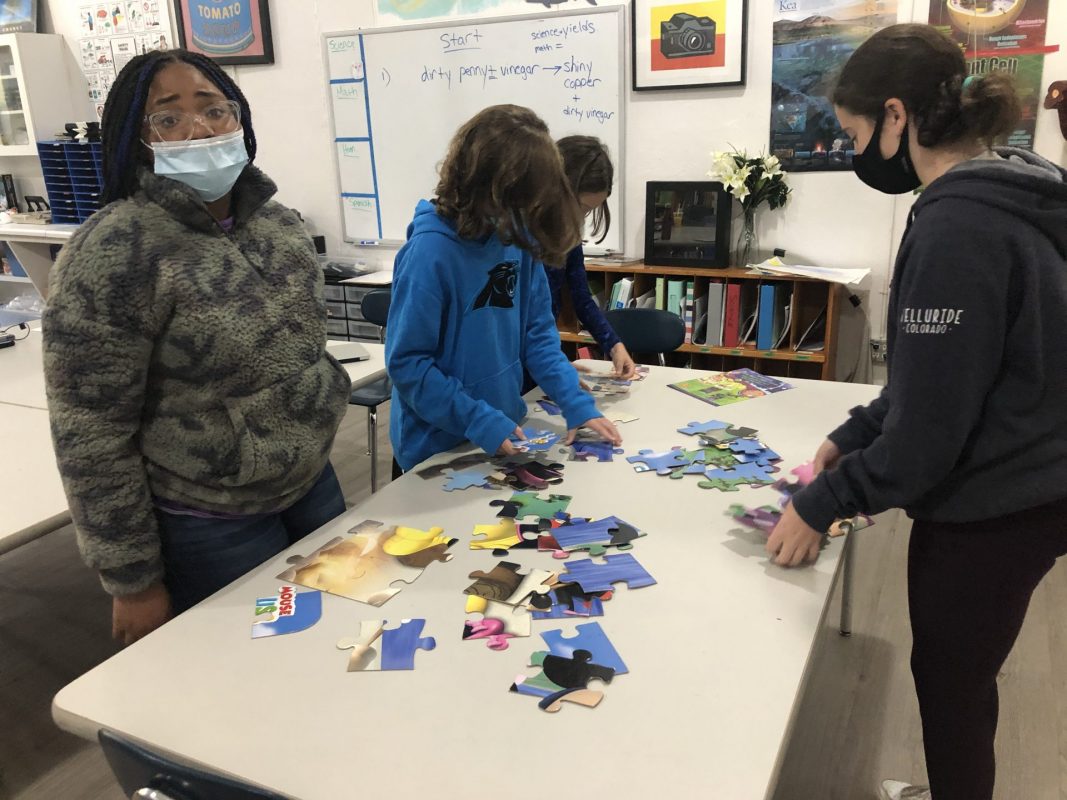
6th year Earth Science students have begun their plate tectonic stop motion video project. Each student is working with a partner to artistically represent what exactly plate tectonics are and how they influence our planet’s geography. As a class, we decided what aspects of the unit should be included in this project along with a reasonable time-frame for completion. After students have finished filming, each will write a script that will be applied to their video, explaining what action/process is being represented.
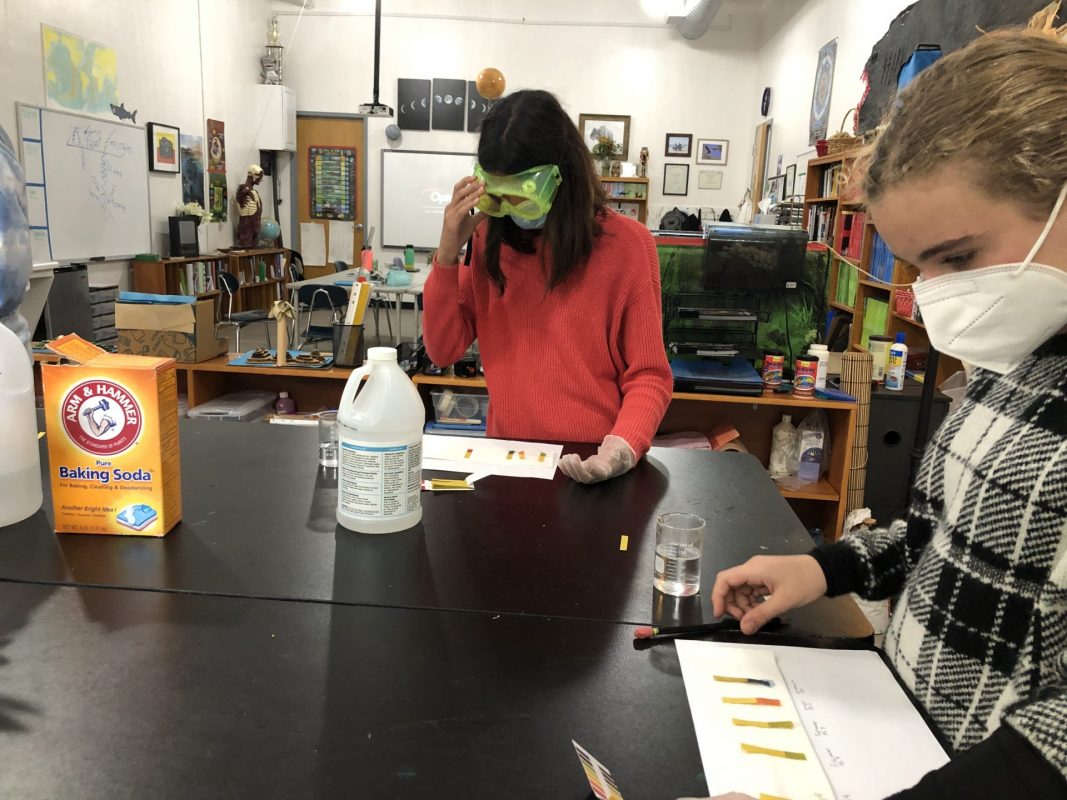
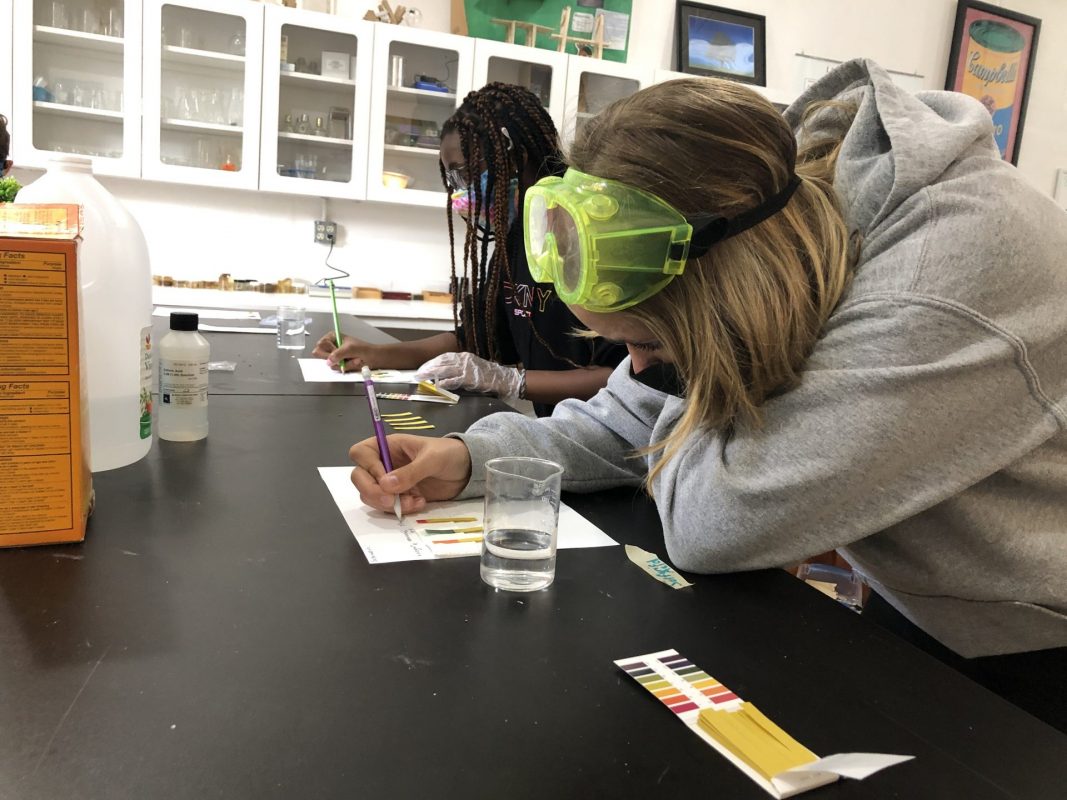
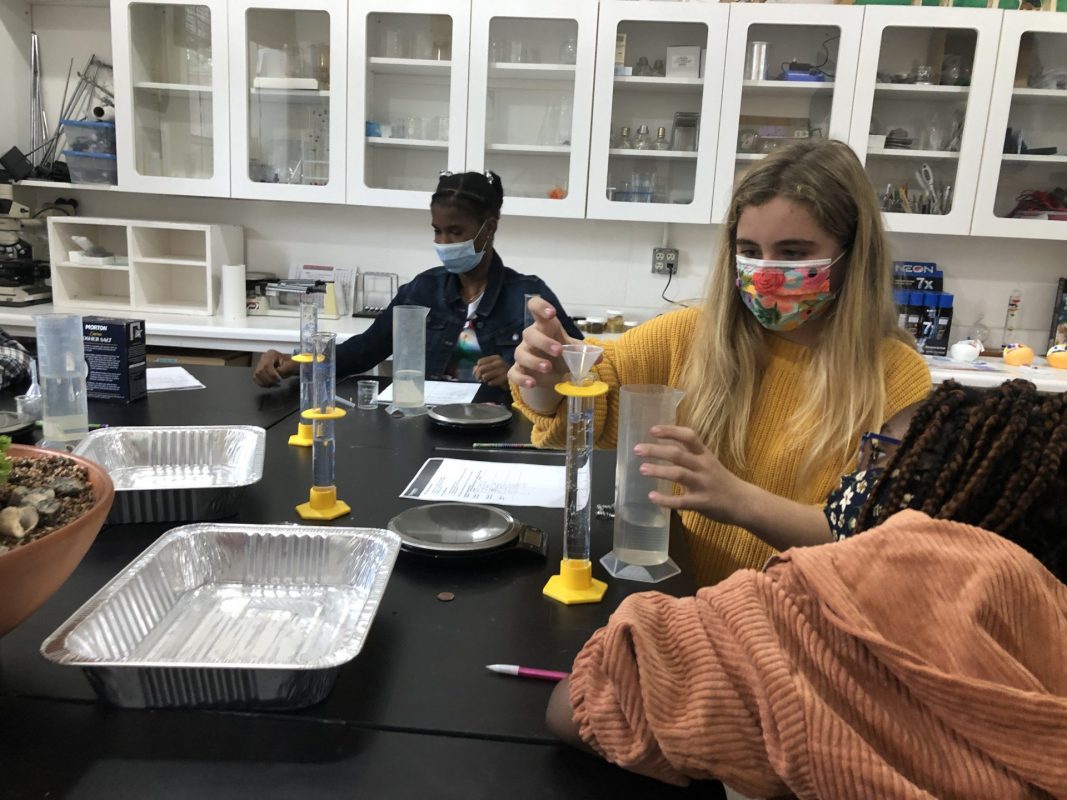
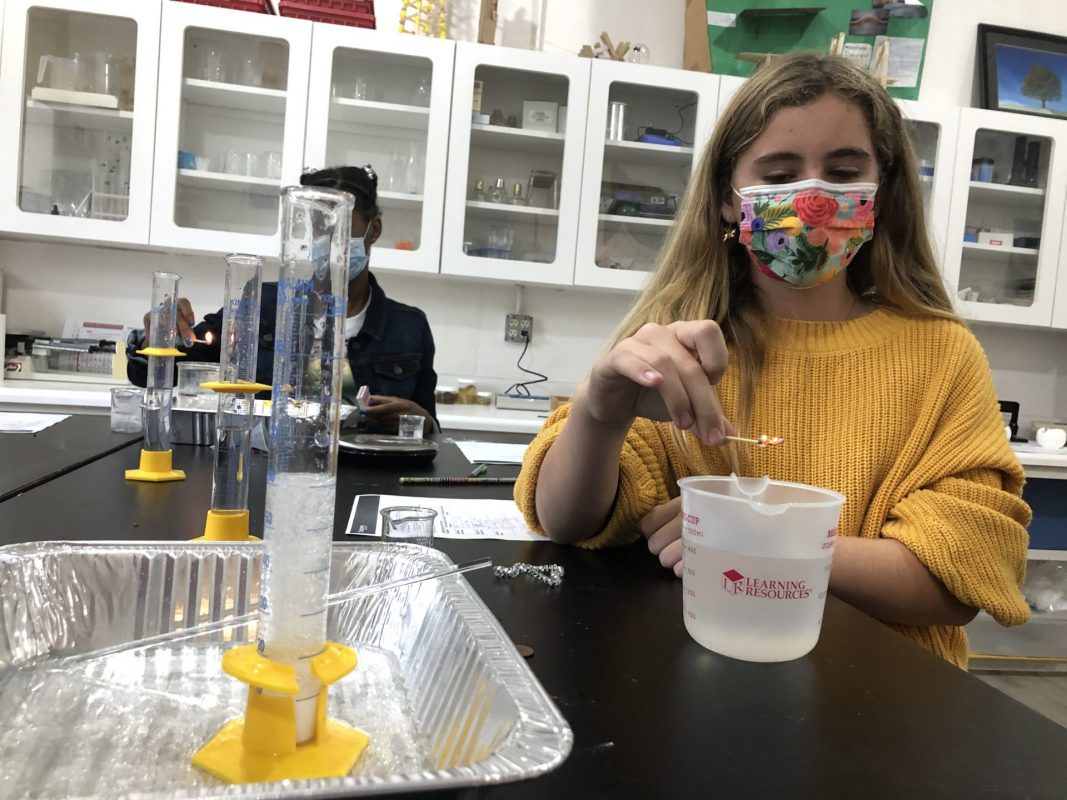
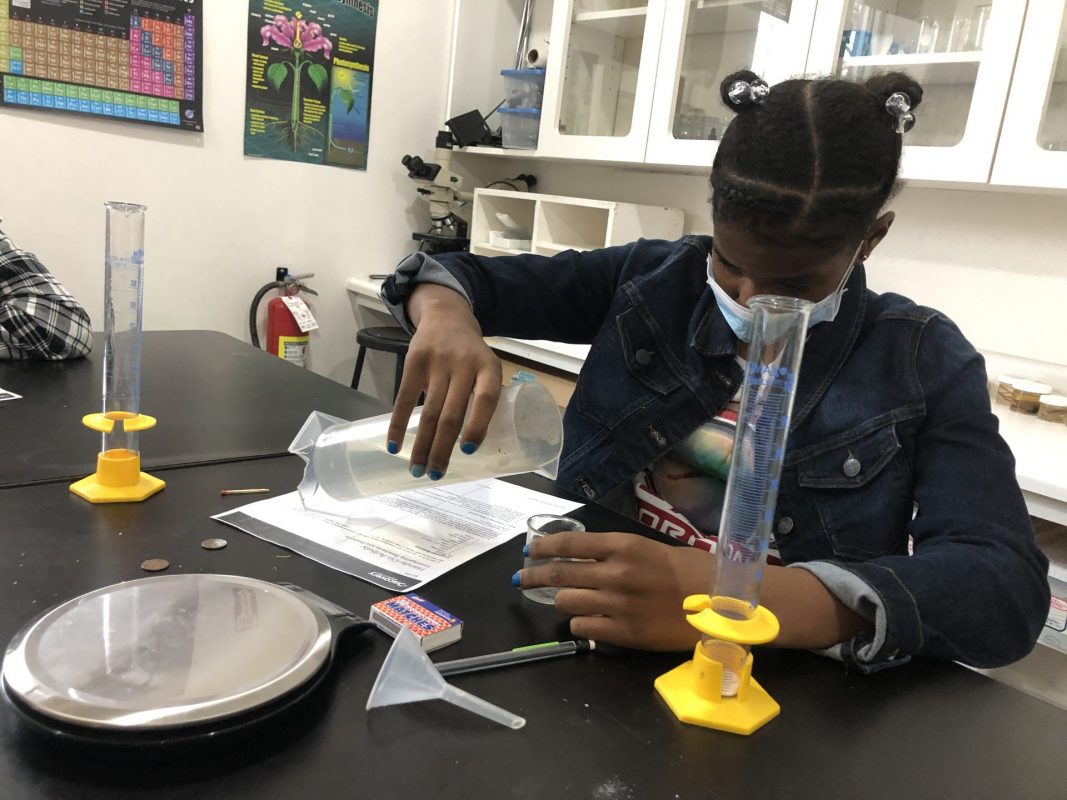
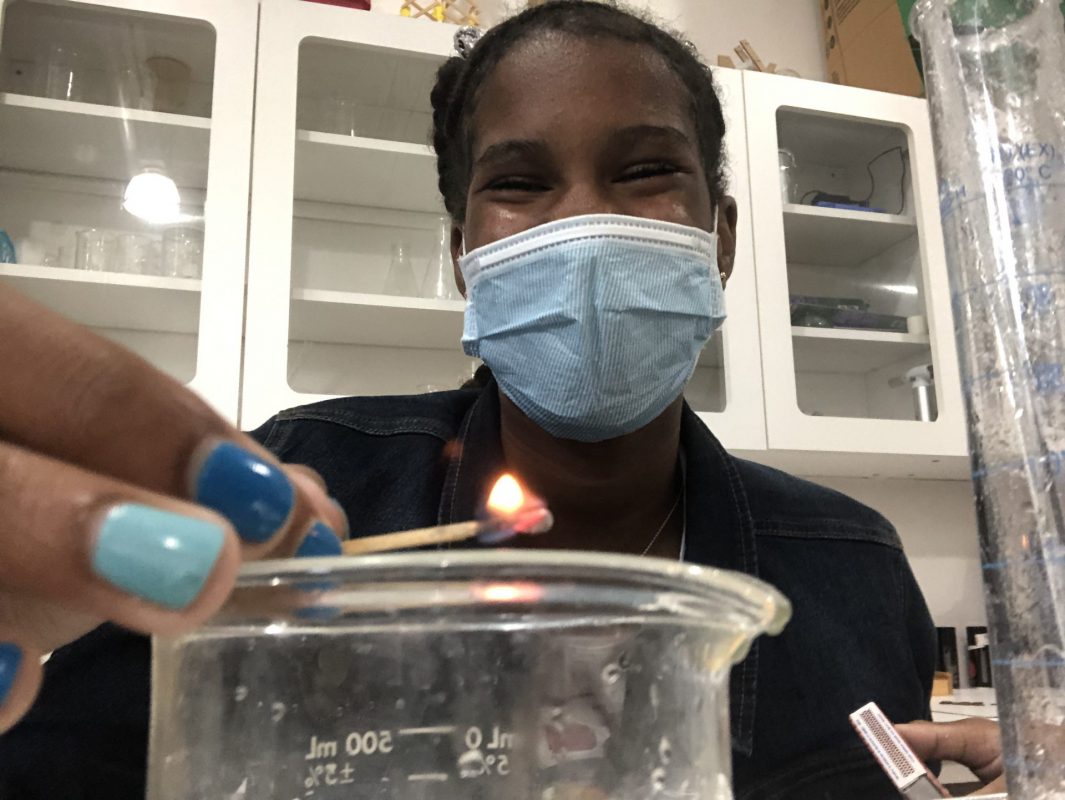
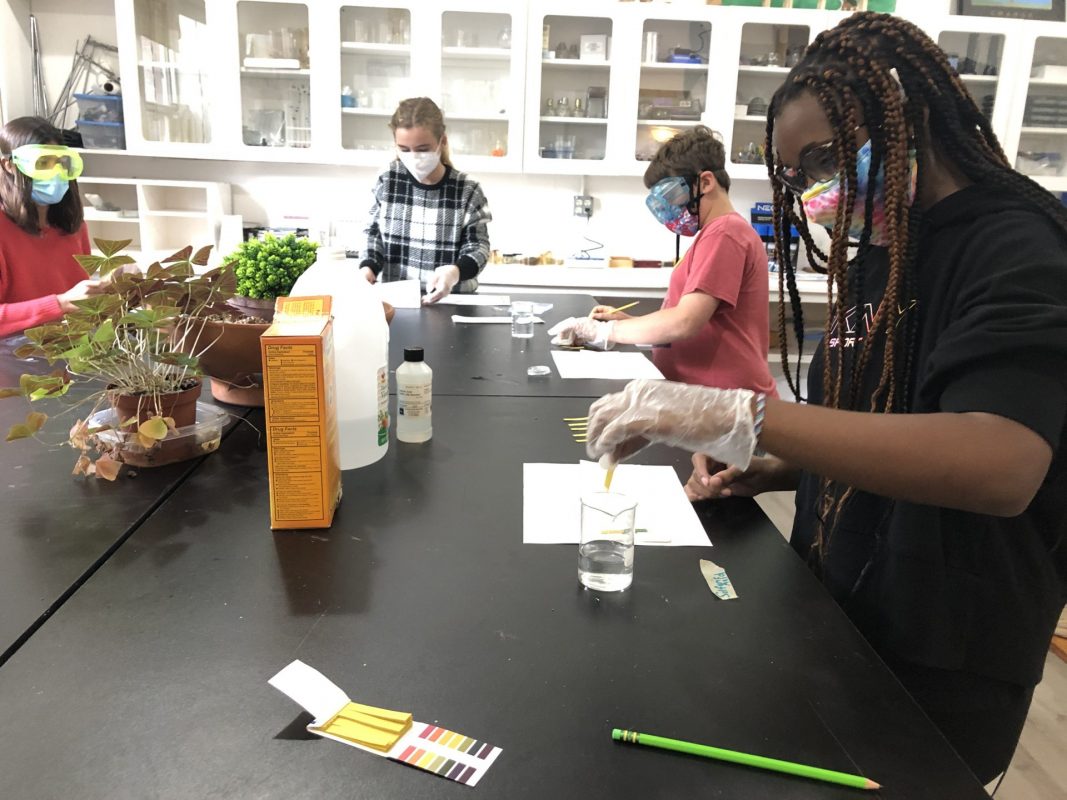
7th year Physical Science students have been busy conducting several hands-on experiments pertaining to their unit, Characteristic Properties of Matter. Students have tested electrical conductivity between salt and sugar water, tested the release of CO2 (carbon dioxide) by extinguishing a flame, and determining the pH of liquids. Each of these experiments was followed up with class discussion as it relates to becoming familiar with how certain tests can yield different results of similar items.
8th year Life Science students finished their unit on Structure of Life. Throughout the unit they had the opportunity to hold several in-depth discussions as they relate to present-day research related to cancer. Students became familiar with establishing the differences between a healthy tissue cell compared to a mutated cancer cell along with a variety of treatment possibilities currently in use. Our next unit, Cellular Respiration, will cover how the body is able to utilize energy from the food we take in.
Mrs. Lopes: Defining a Work Space

The love of one’s environment is the secret of social evolution. -Maria Montessori

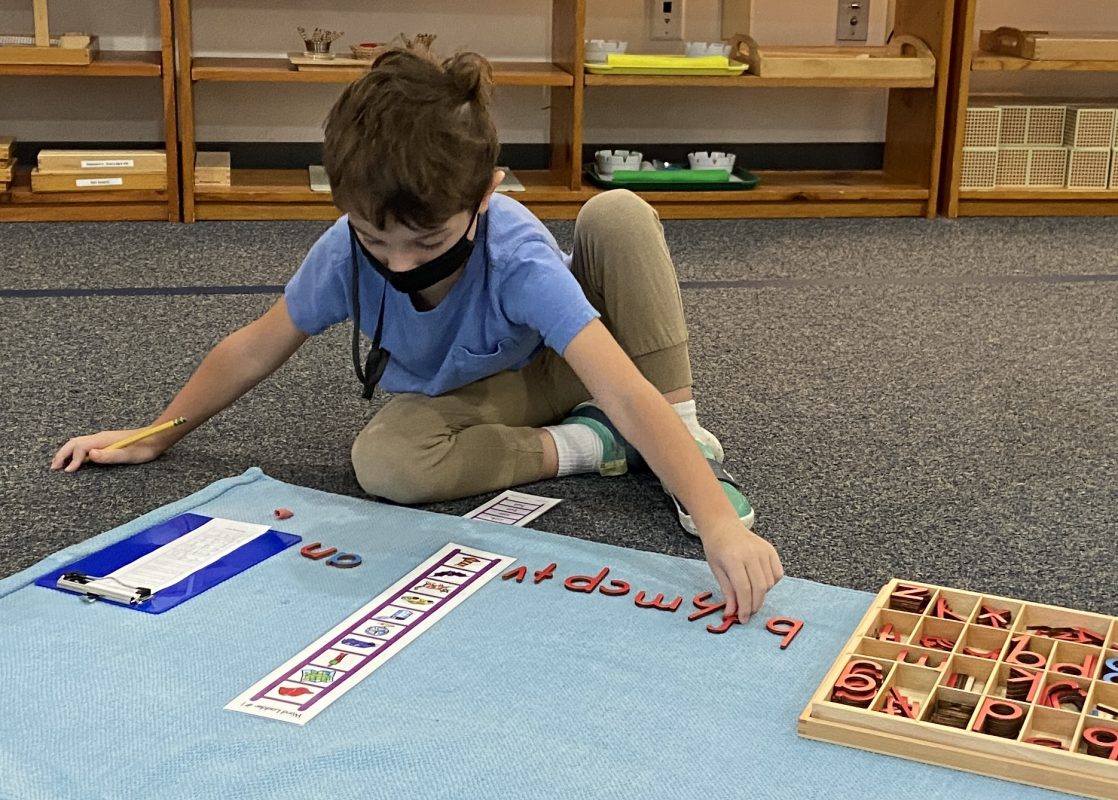
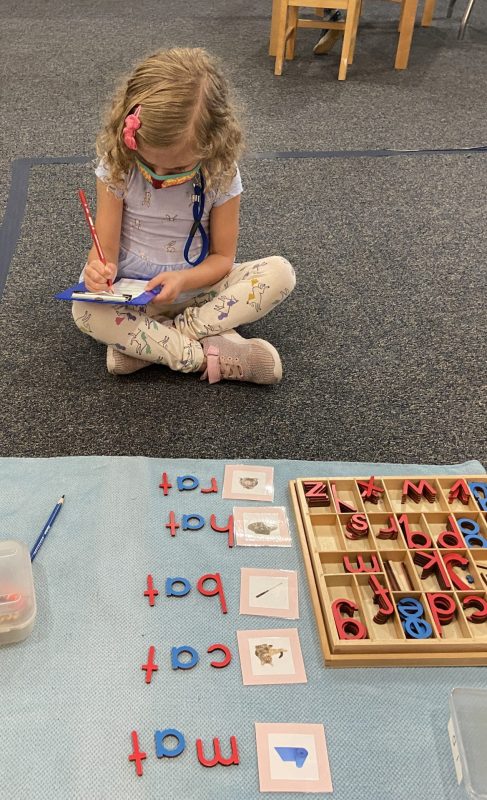
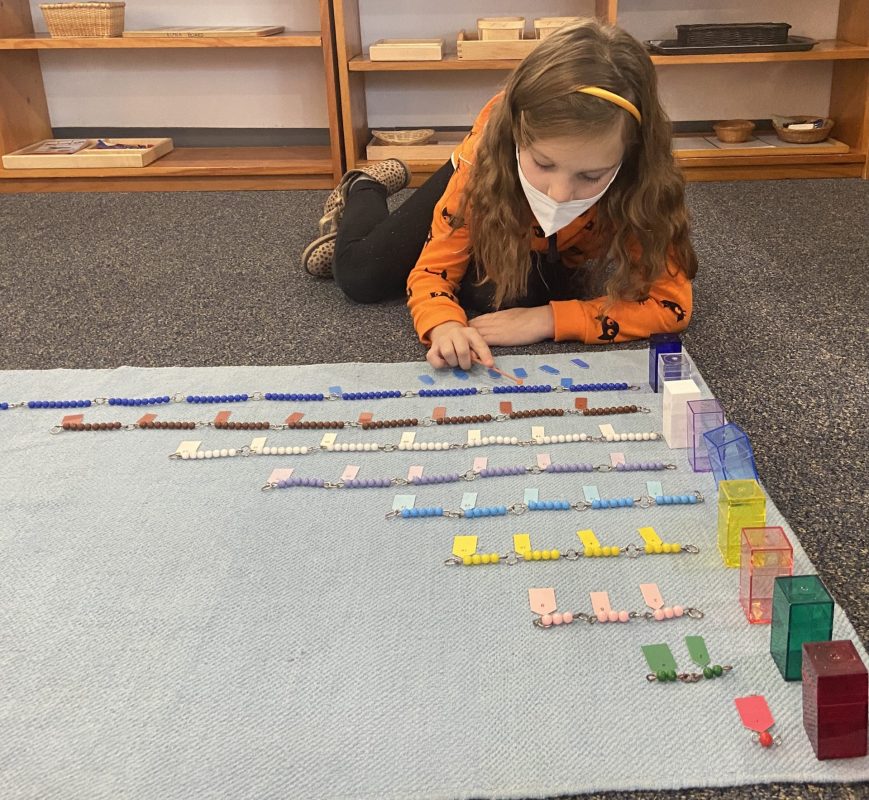
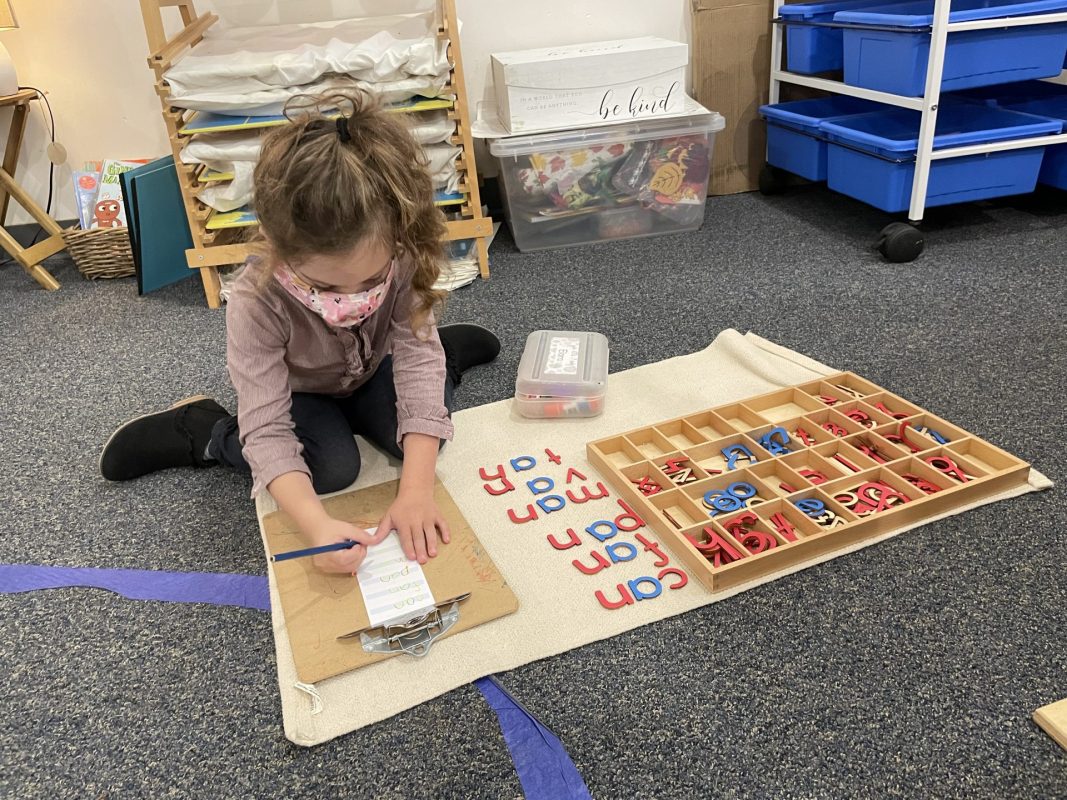
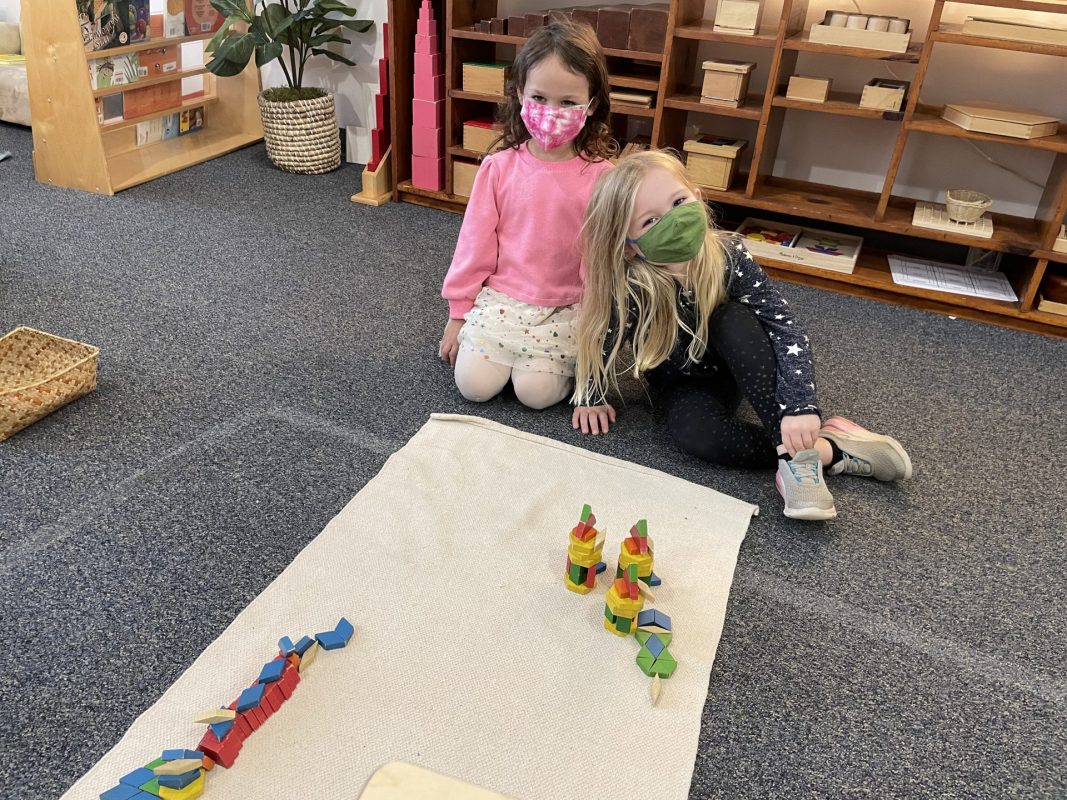
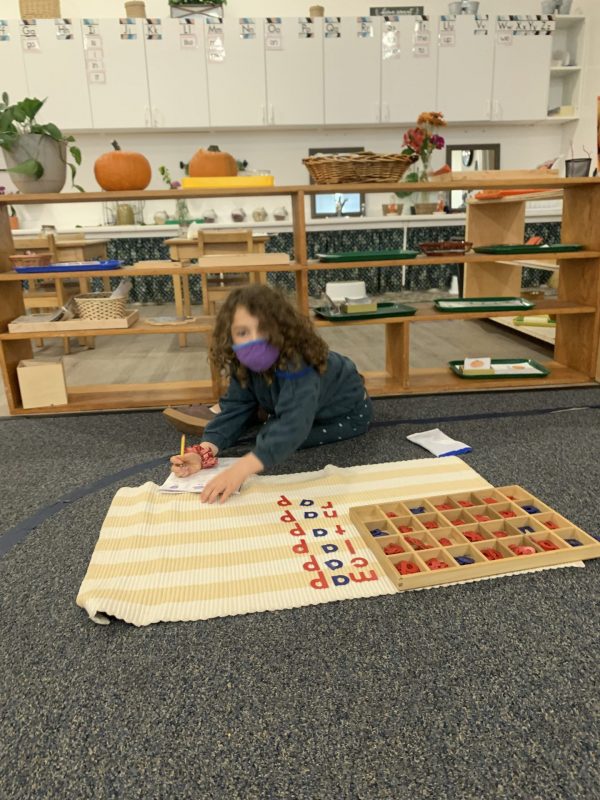
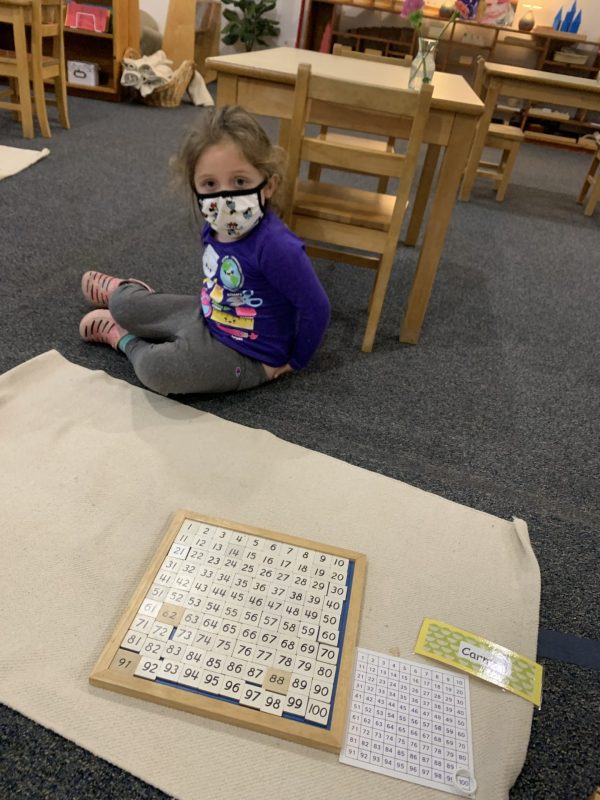
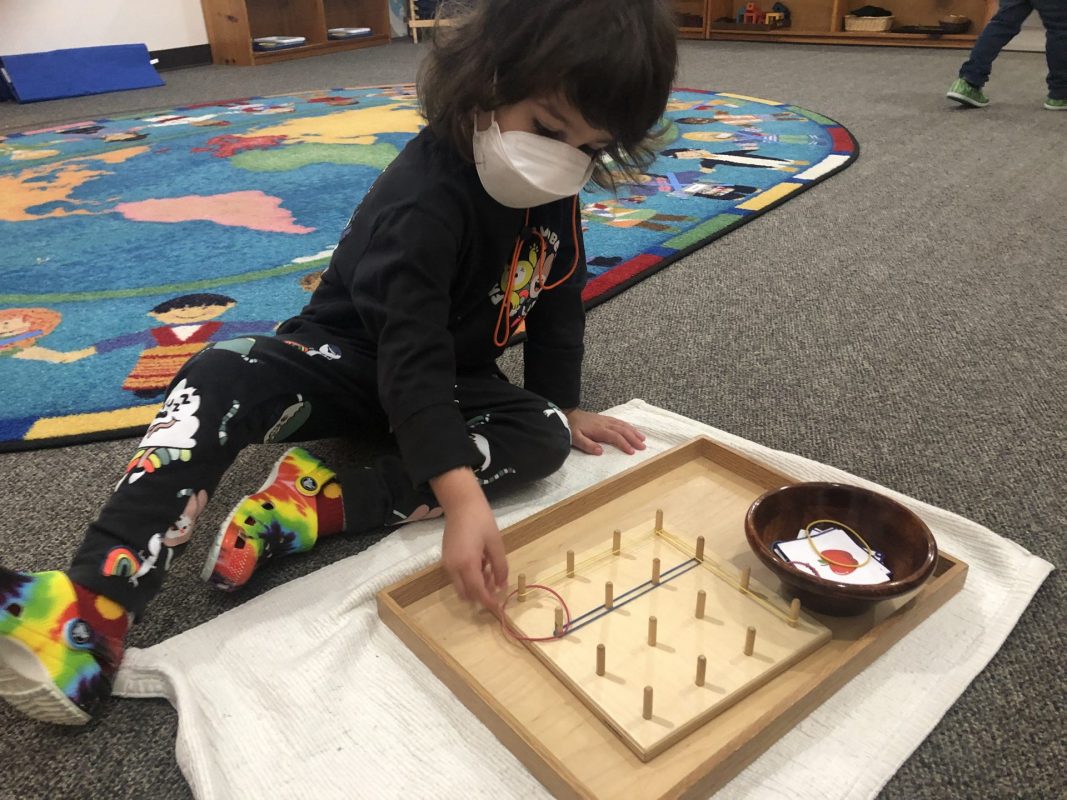
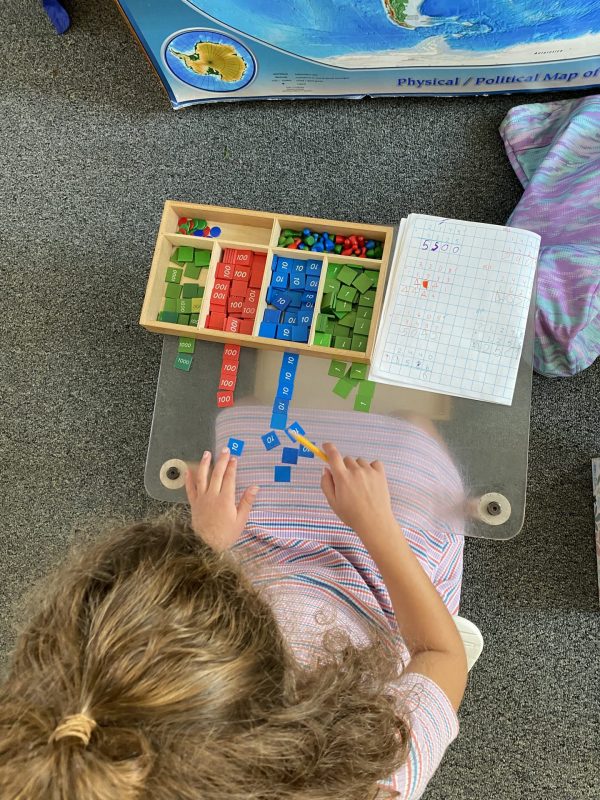
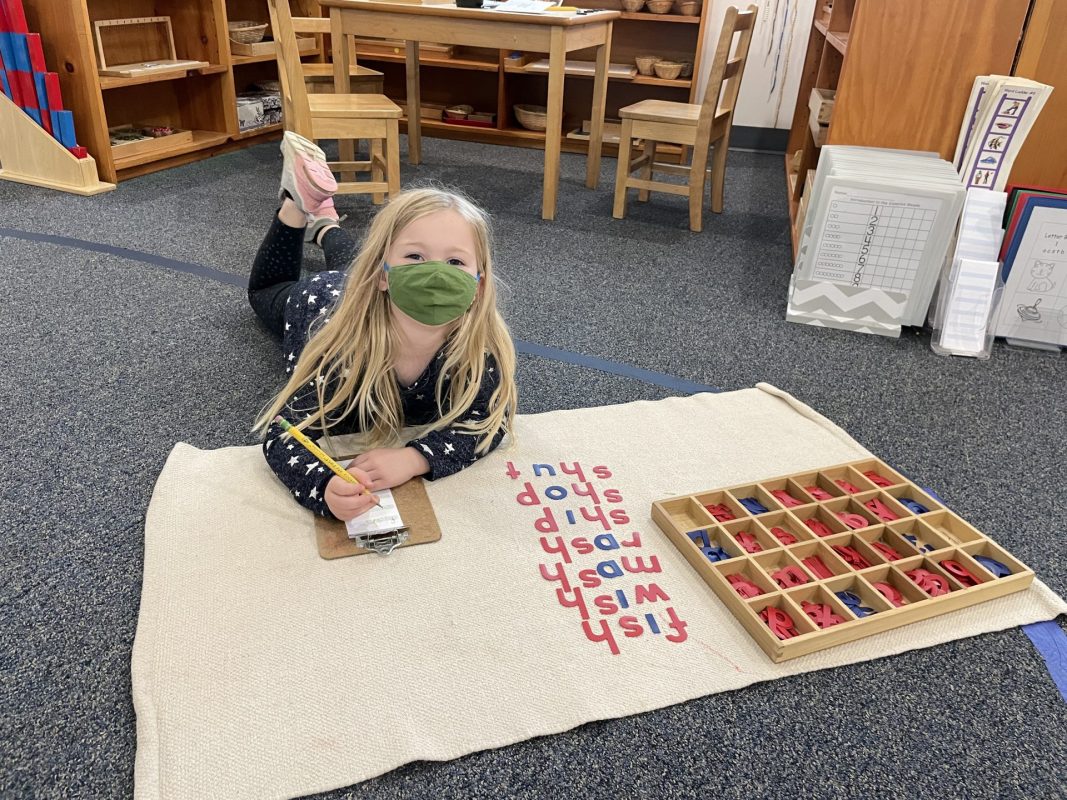
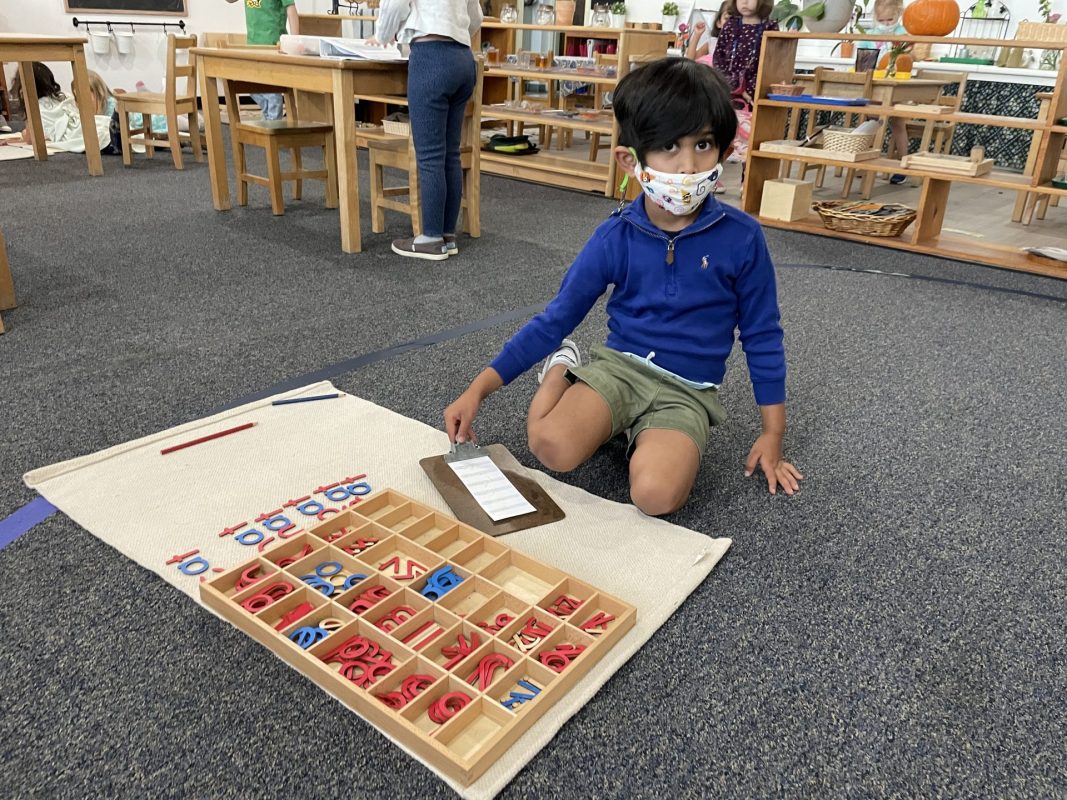
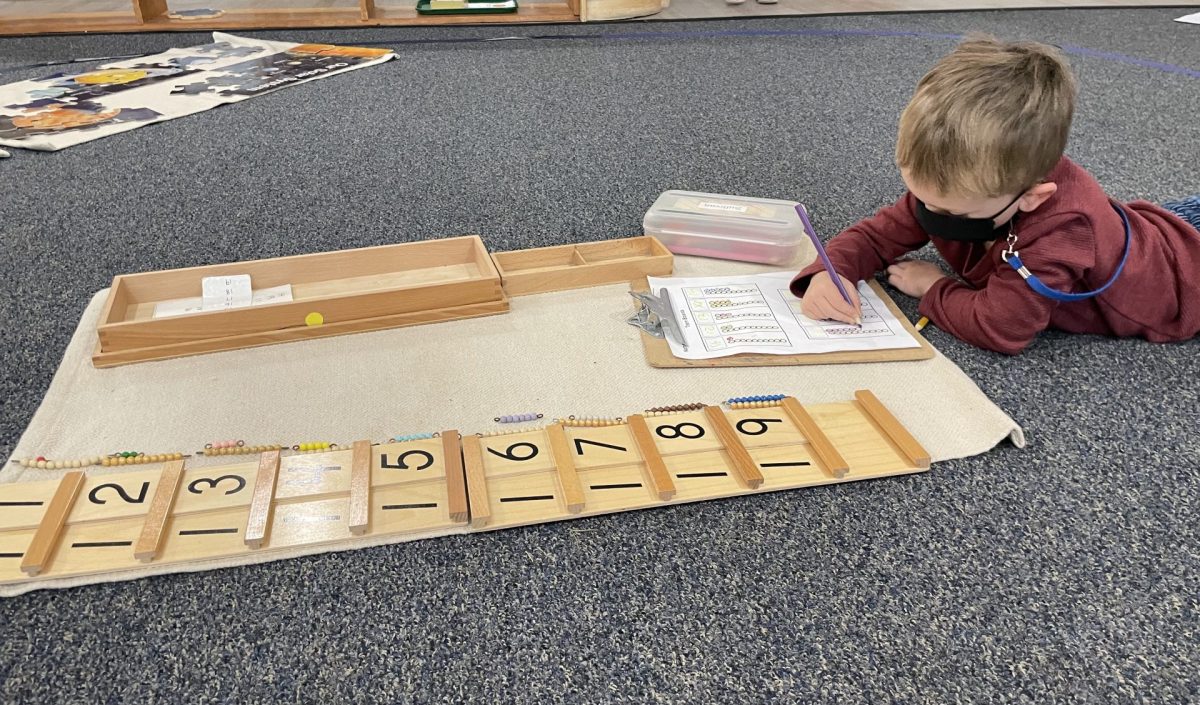
Walking to the basket to get a mat, picking it up carefully, finding the perfect spot to work, and rolling the mat out provides an opportunity to practice gross motor skills and body consciousness. Everything that gets placed on the mat thereafter becomes the responsibility (and privilege) of the child working on that mat.

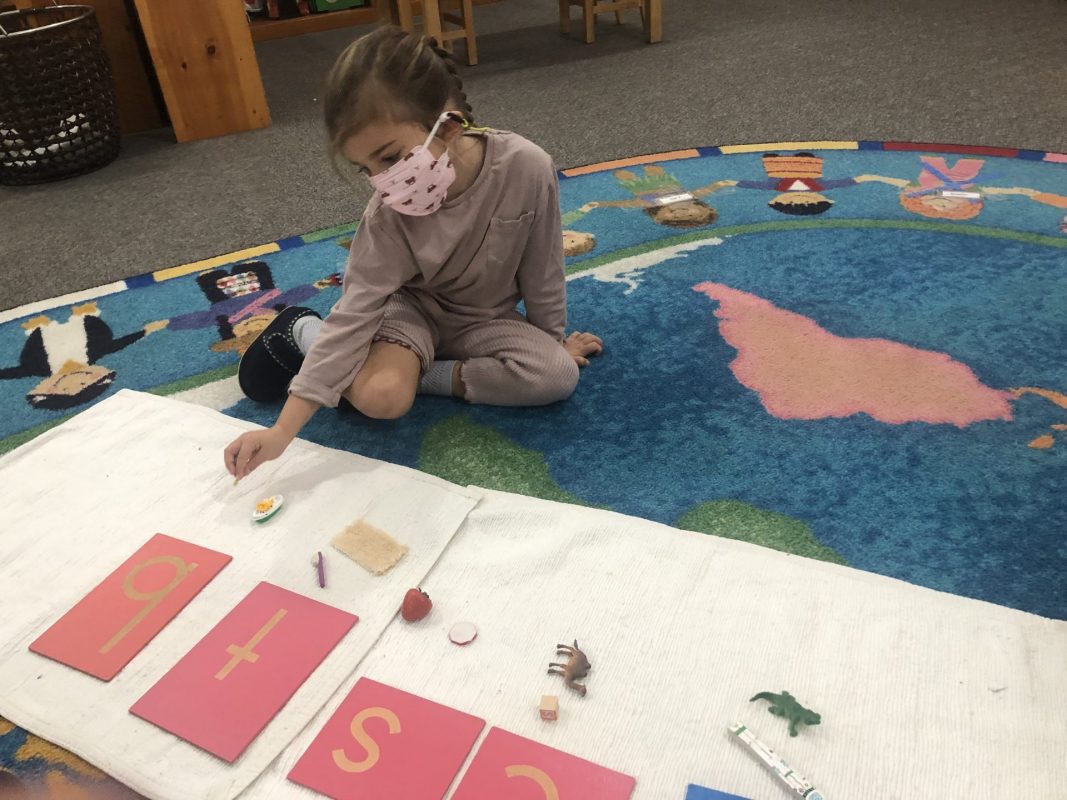
Montessori work mats define a work space as the child’s own and sets an intention to “work.” Not only does the child know that their lesson is exclusive to them (unless they invite someone to join them on their mat), they also have the responsibility to put their materials away when they are finished and to roll up their mat and bring it back to the basket.

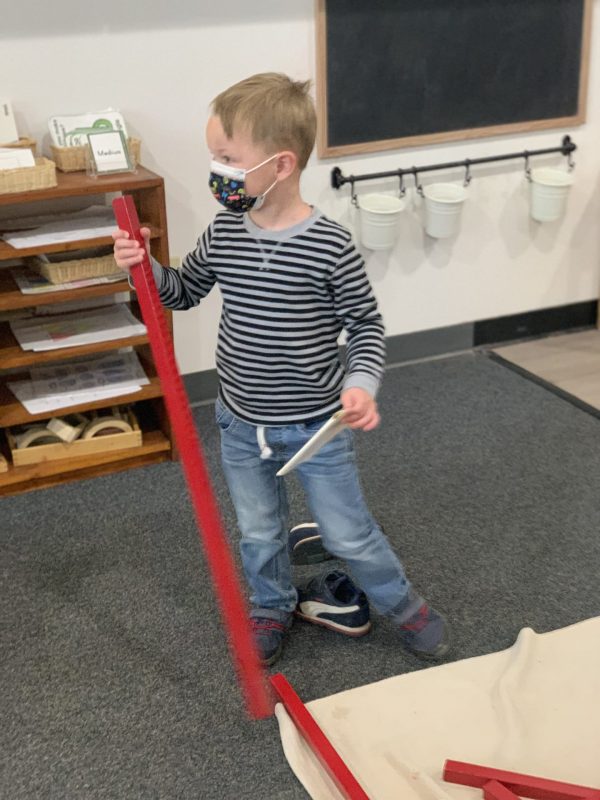
Our floors have been a sea of rugs! Your children are skillfully maneuvering themselves throughout the environment, careful not to disturb a friend’s work. I continue to be amazed at their growing control and respect for both friends and the environment.

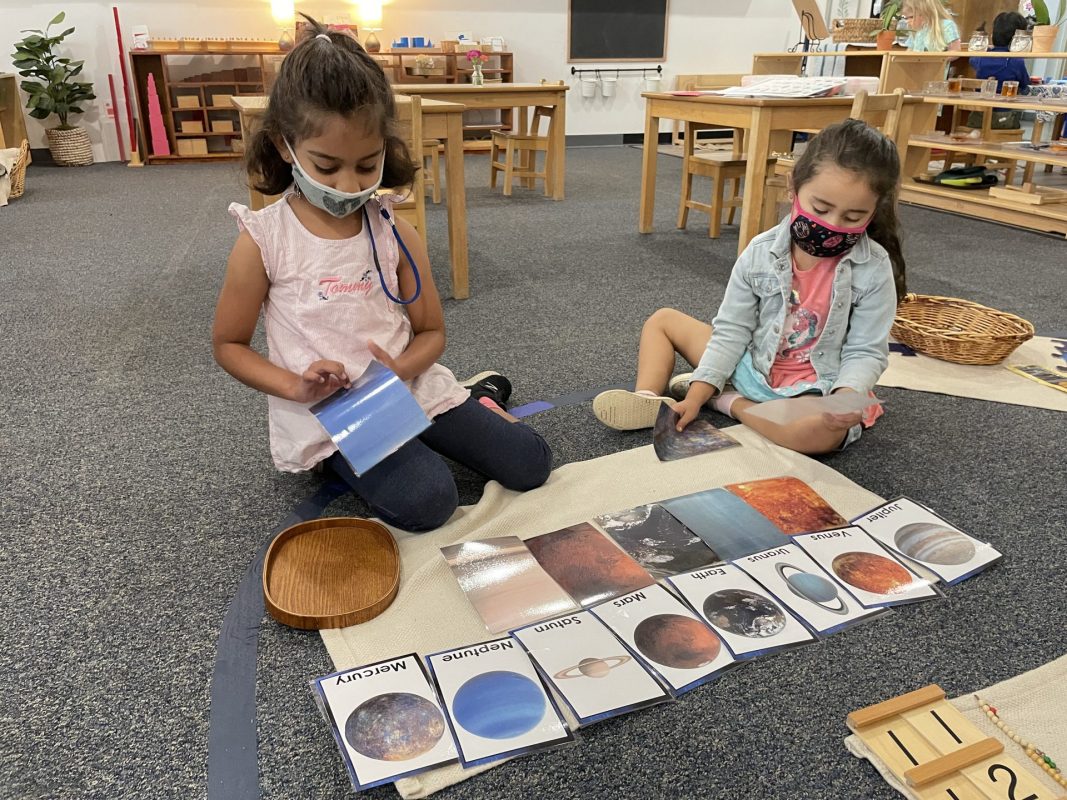
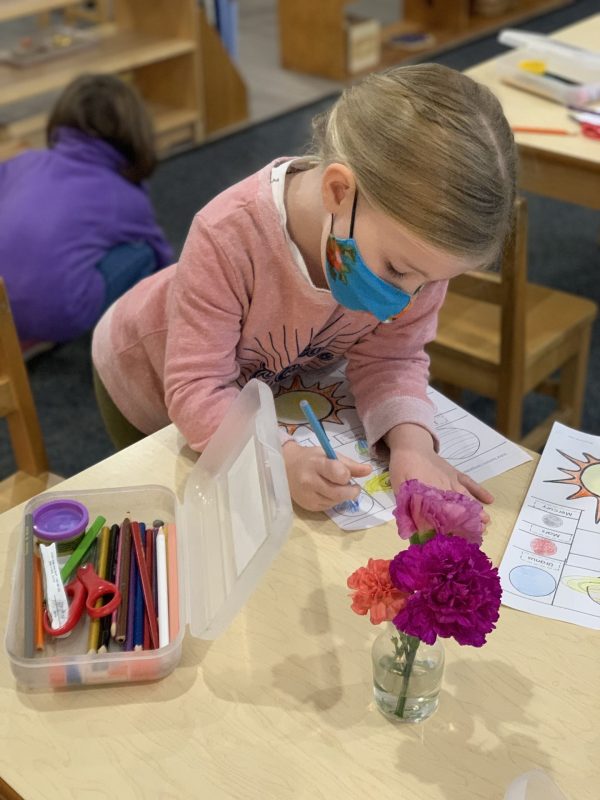
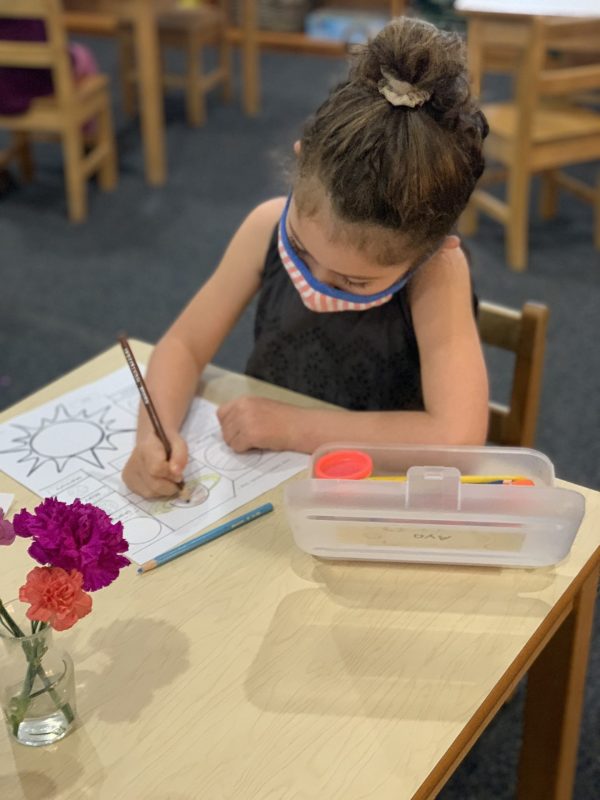
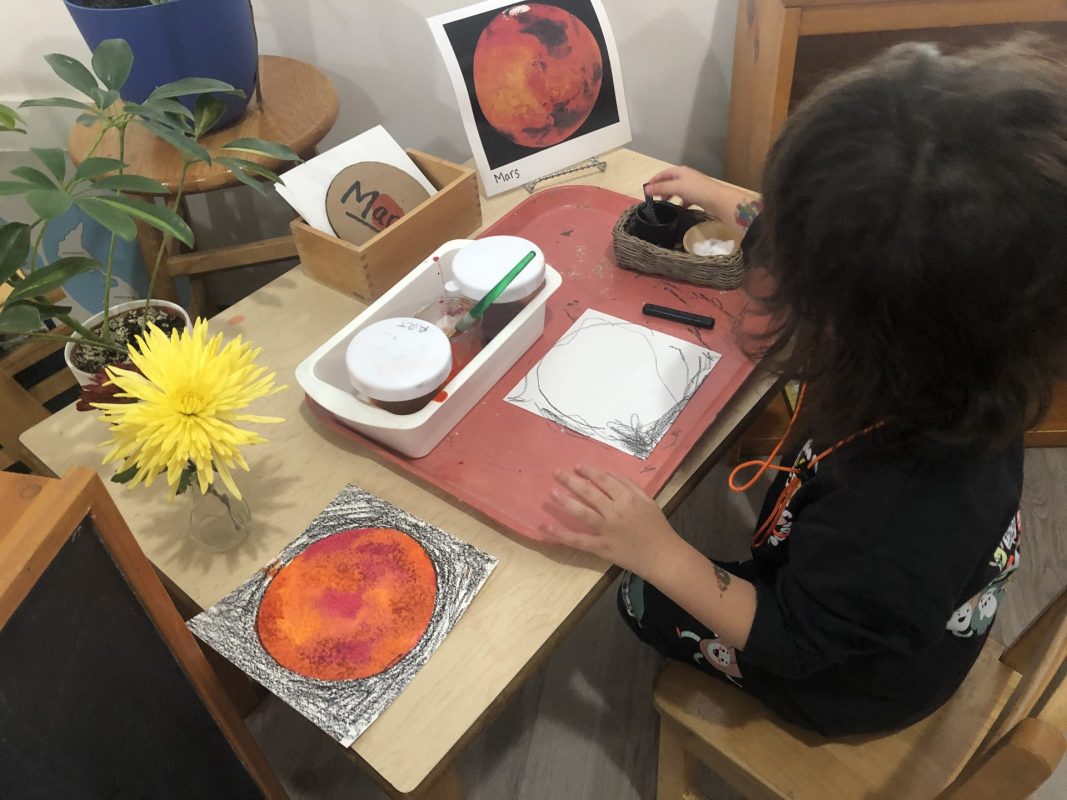
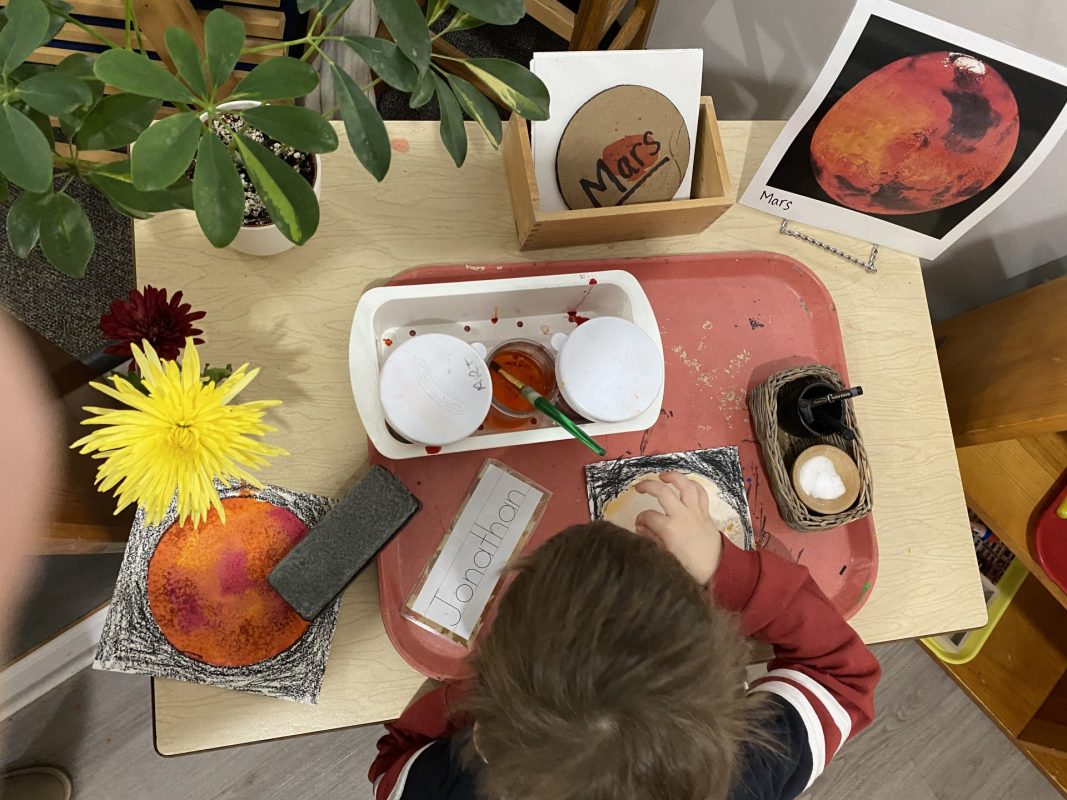
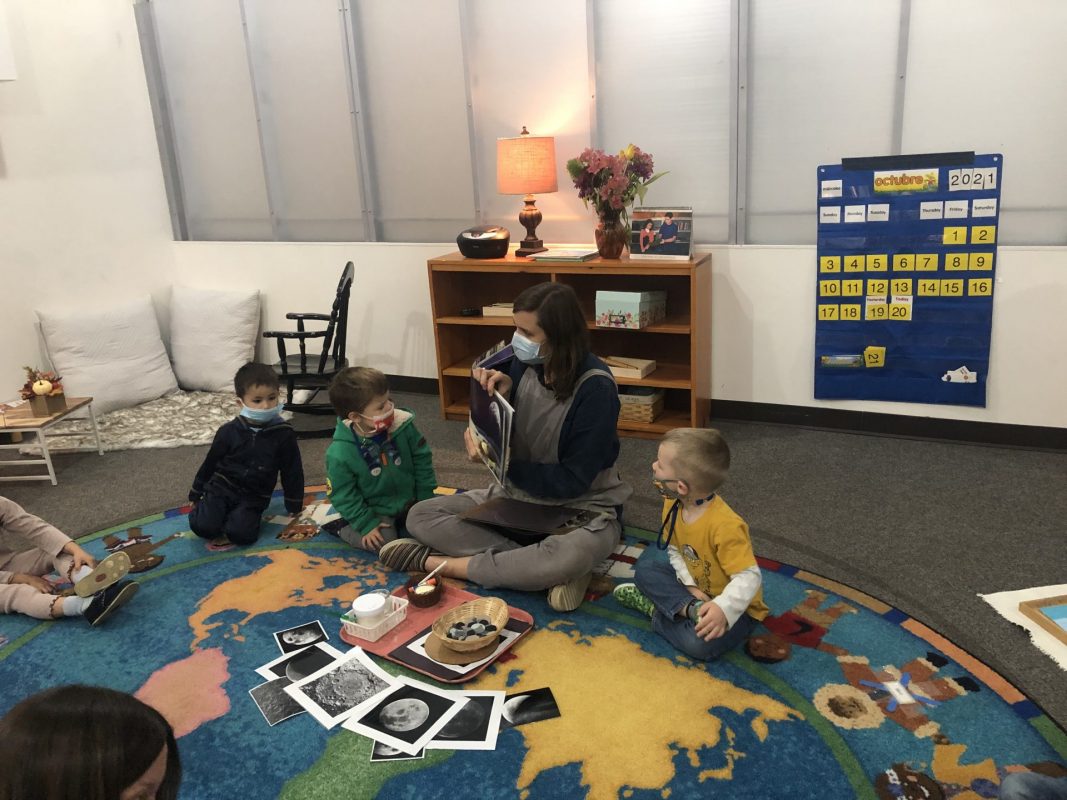
We continued our unit on the solar system this week; learning interesting facts about each of the planets, talking about our moon, and exploring concepts such as a black hole.  The children are enjoying exploring our solar system lessons on the shelf and have been asking great questions about our universe.

Have a wonderful weekend,

Amanda and Heather


Mrs. Semmah: An Introduction to Geography and Water Lessons

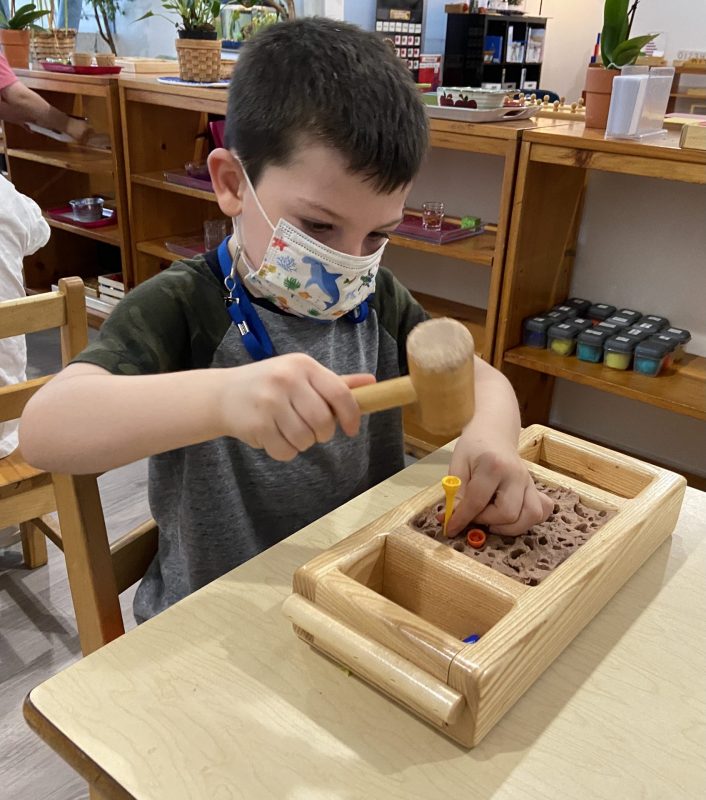
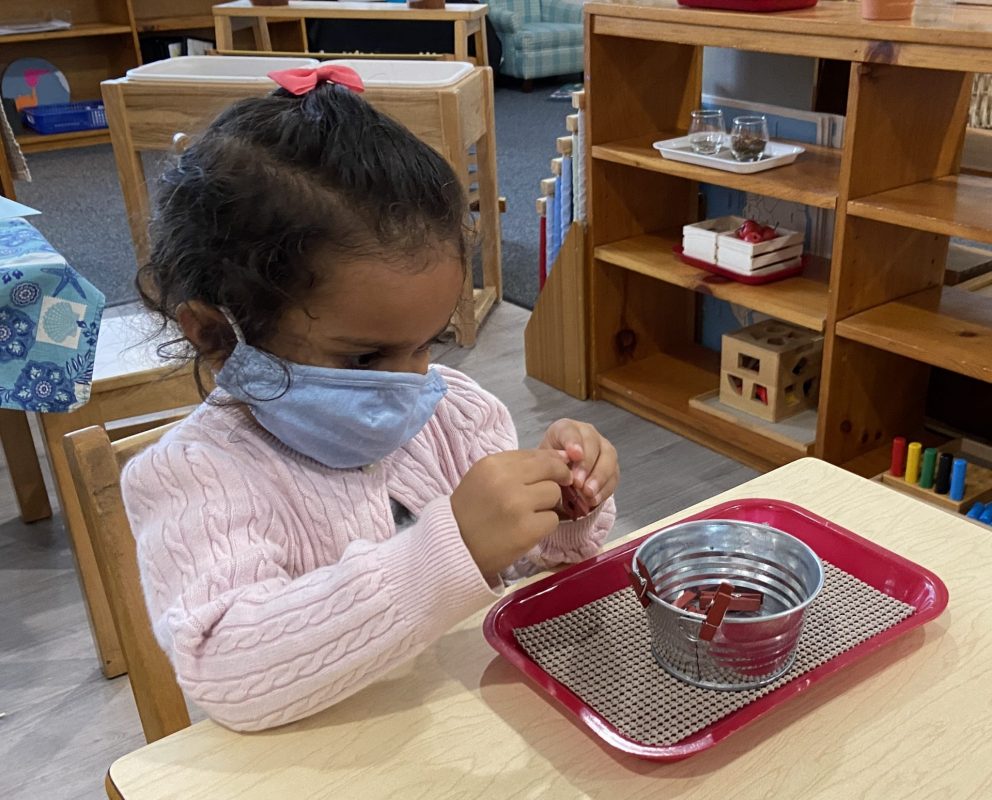
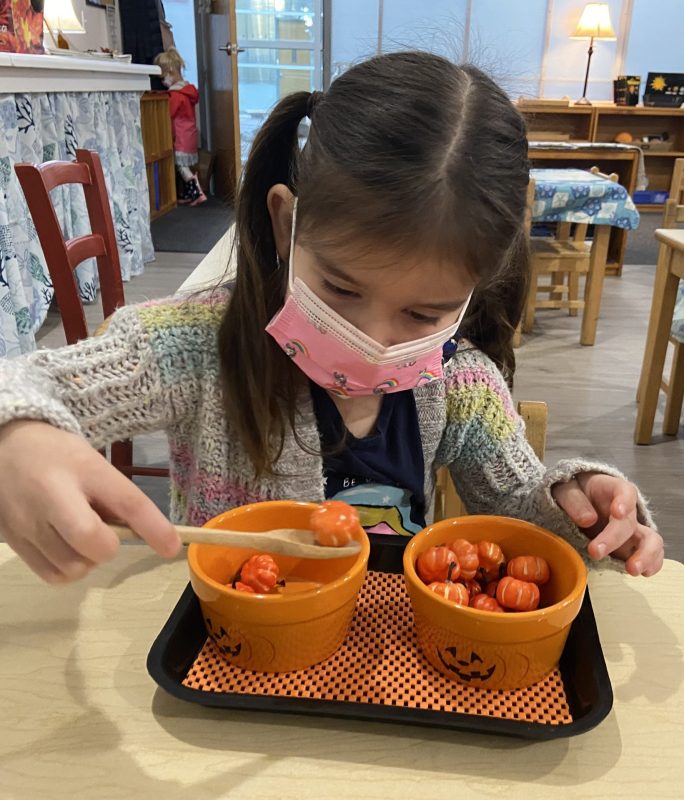
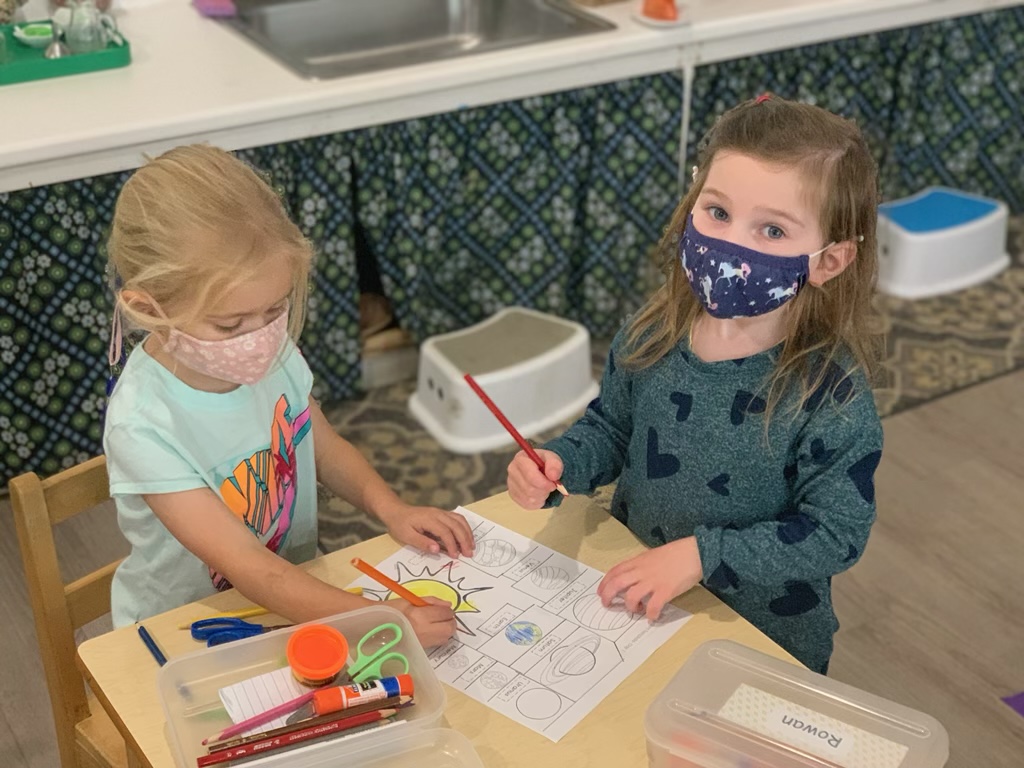
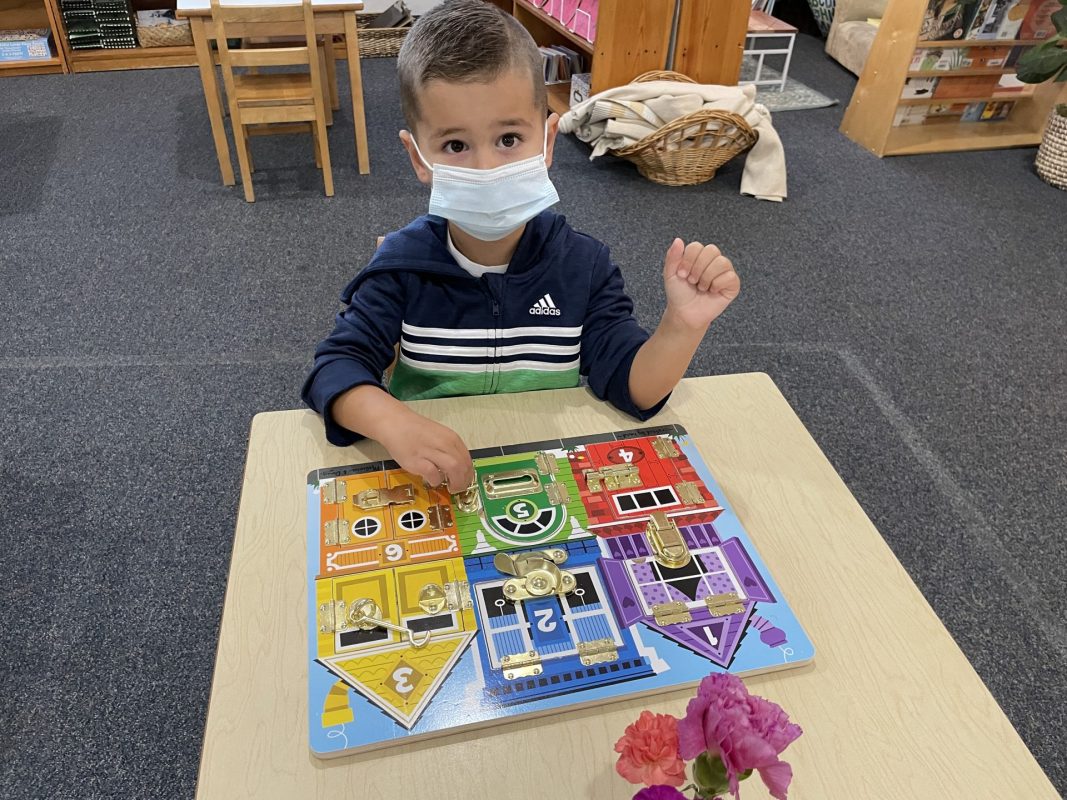
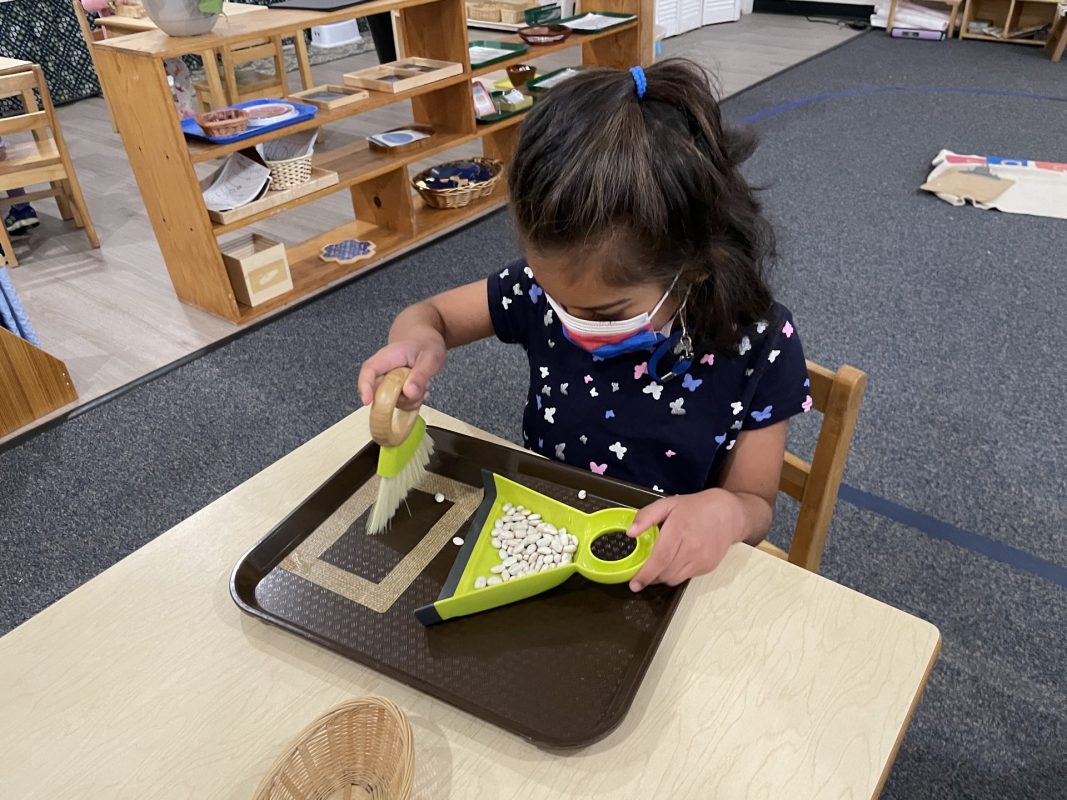
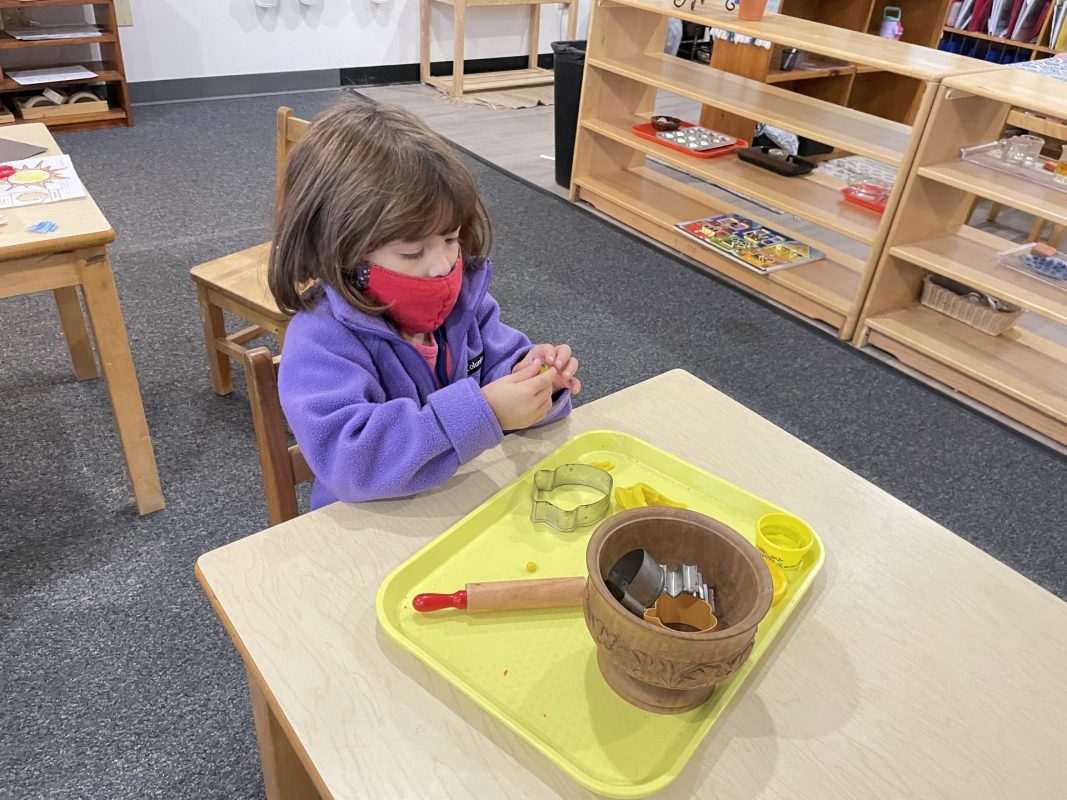
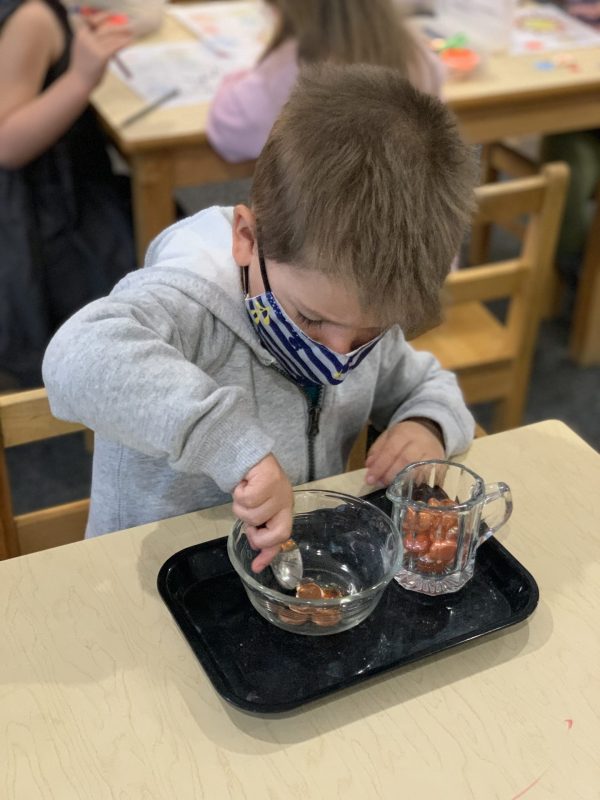
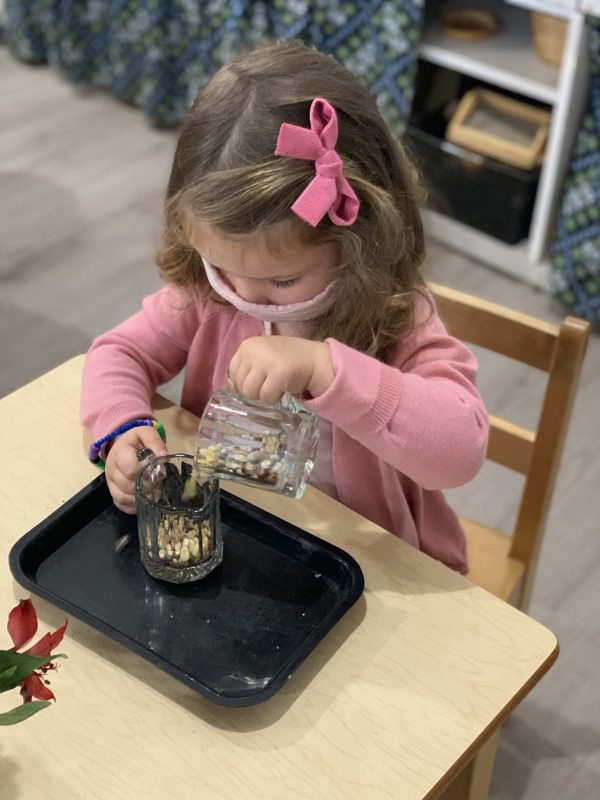
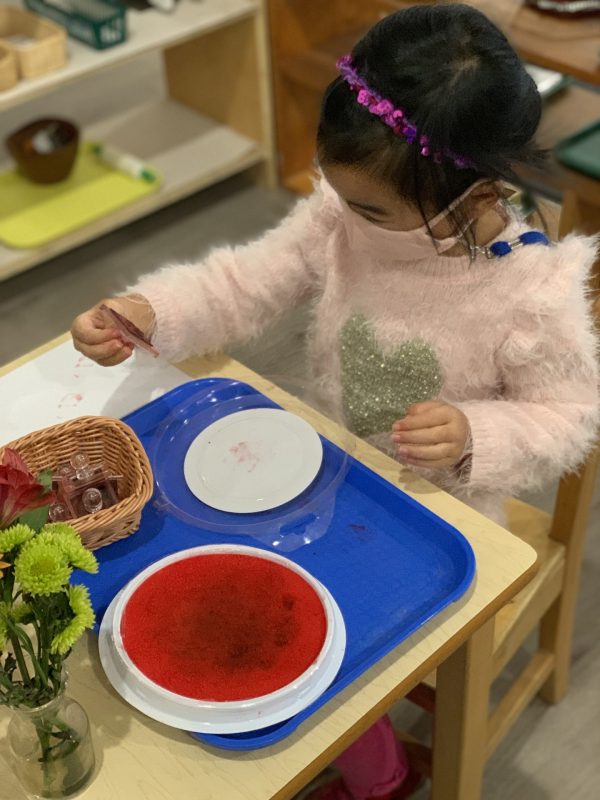
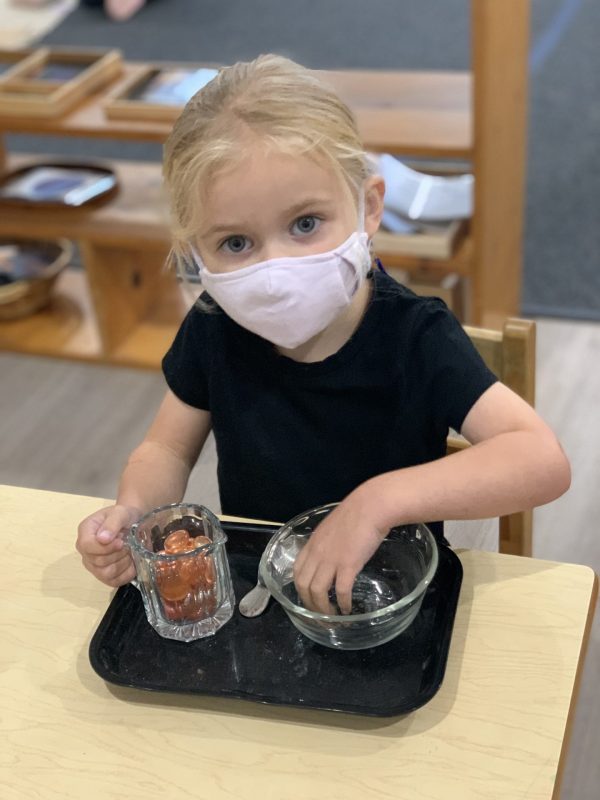
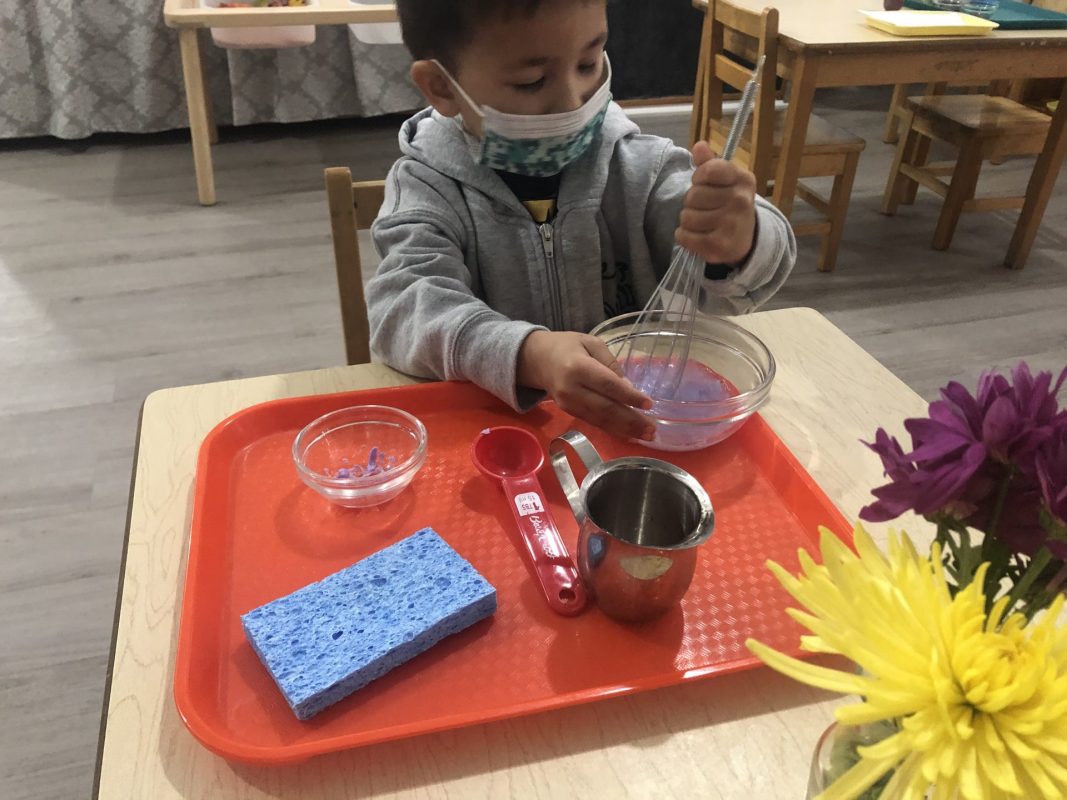
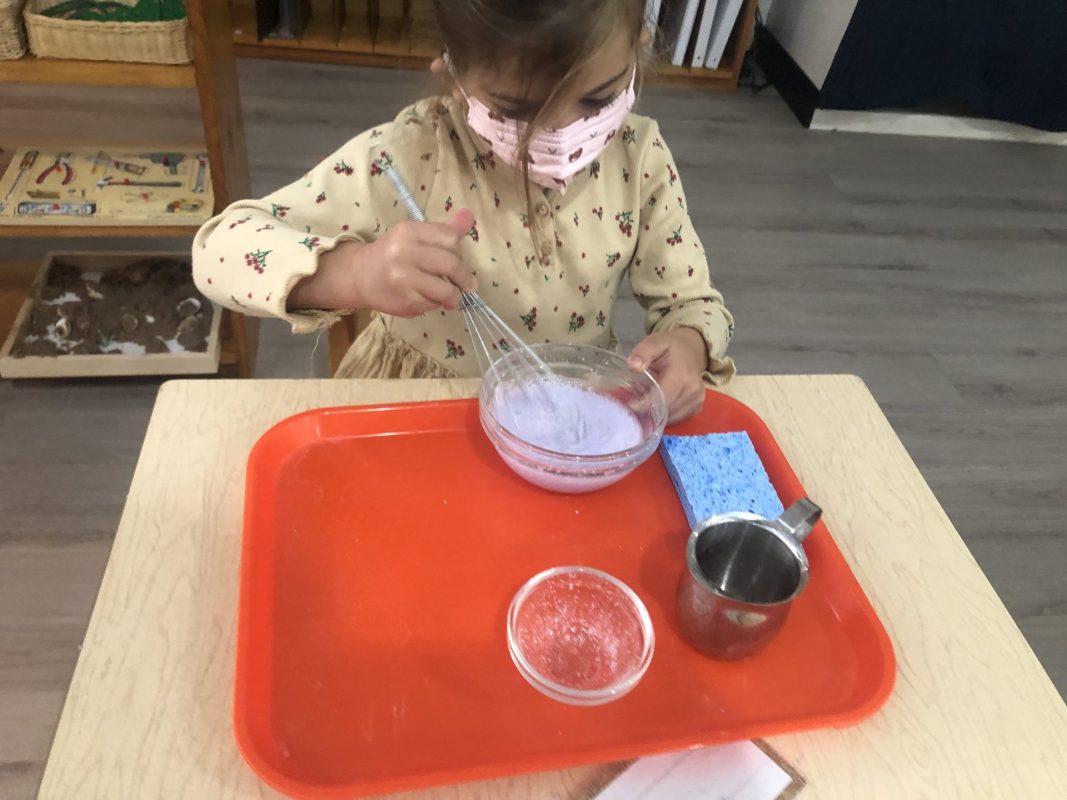
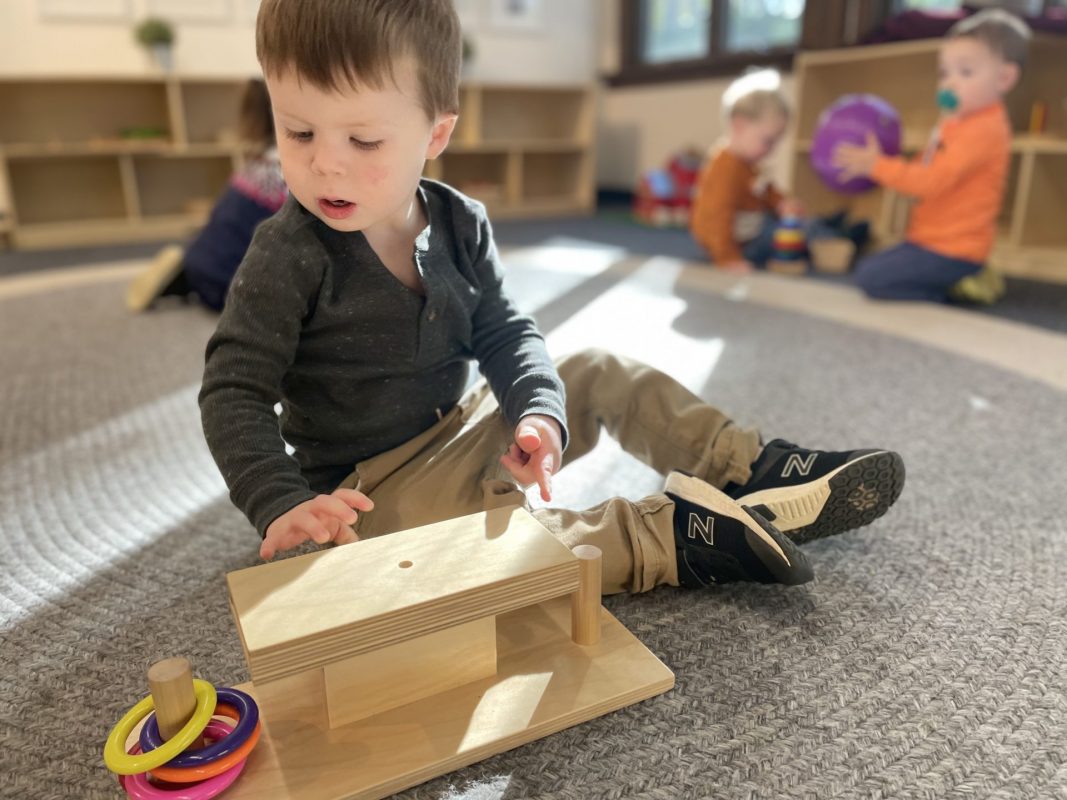
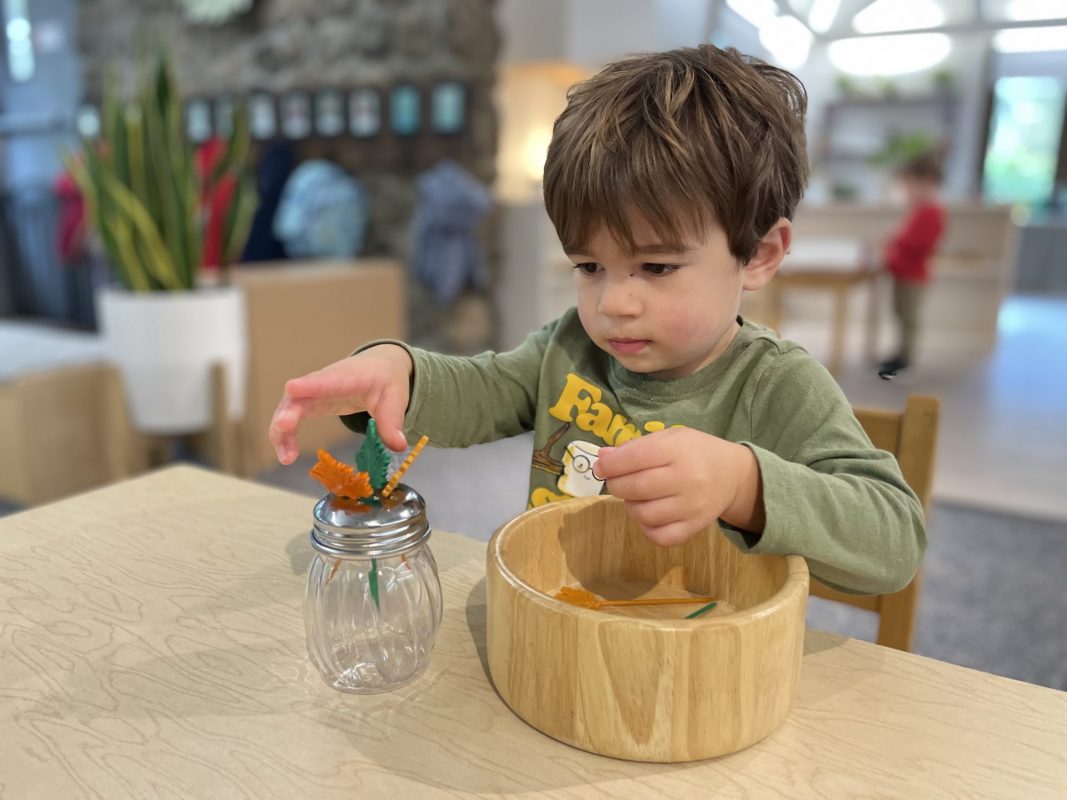
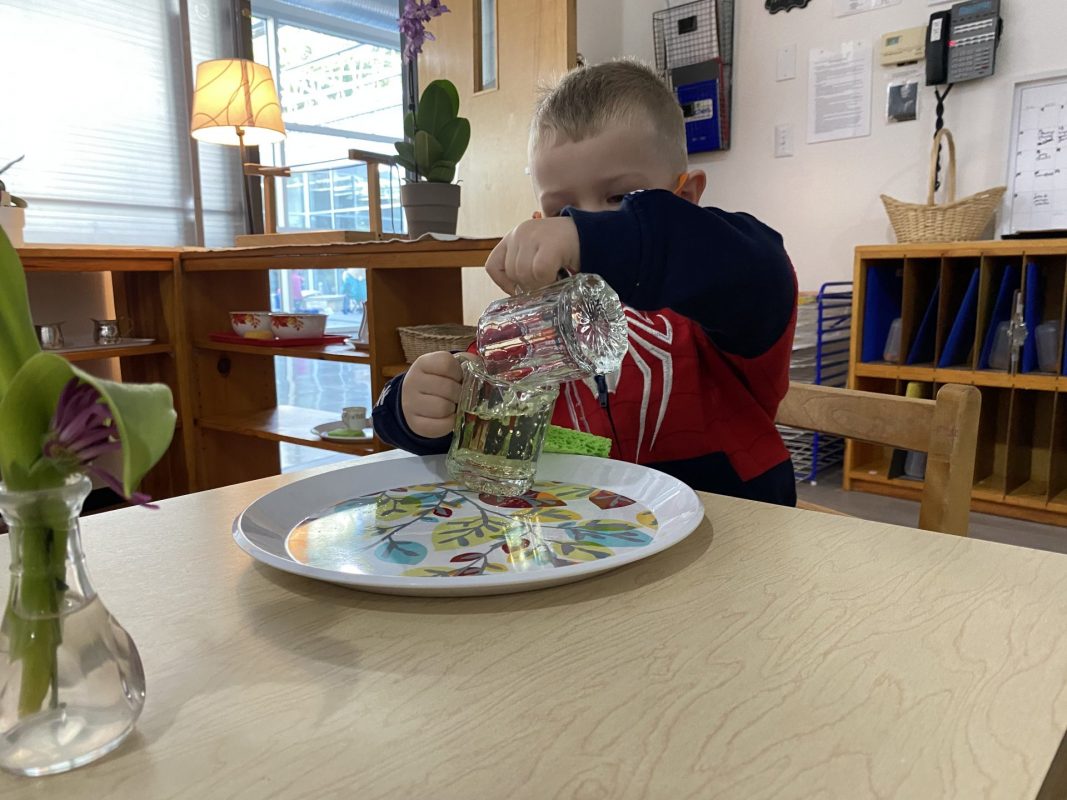
One of our main focuses at the beginning of the year is to introduce fine motor works in the practical life area. Practical life includes pouring, squeezing, and spooning. Adding to these lessons are the additional goals of helping the children increase their attention span and follow a sequence of steps. These indirect goals help the children to handle more complex work in other areas of the classroom.

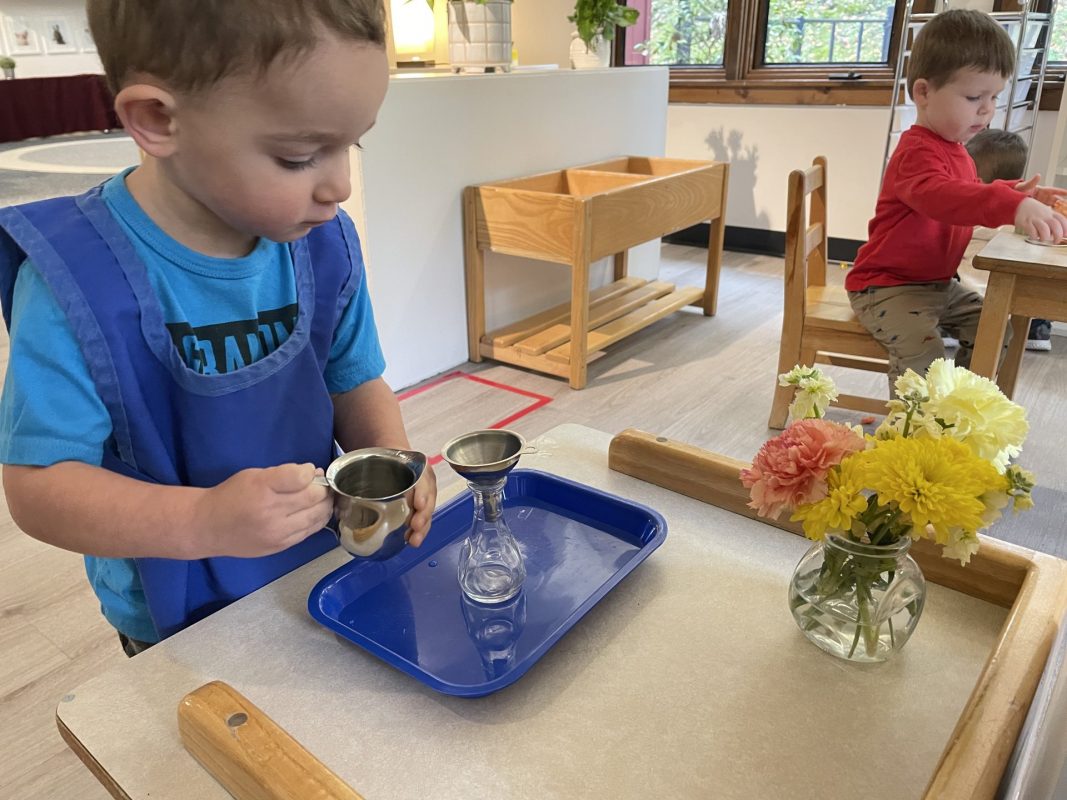
Last month we presented dry pouring and dry spooning. Those skills are taught in isolation until the child masters them. This month we introduced water pouring and water spooning or scooping. To make it fun and appealing for children we add yellow food coloring to the water. We showed them how to pour water by holding the handle of the pitcher with the dominant hand and putting the non-dominant hand under the pitcher and pouring slowly into another pitcher. In case of a spill, we use the sponge to wipe it.

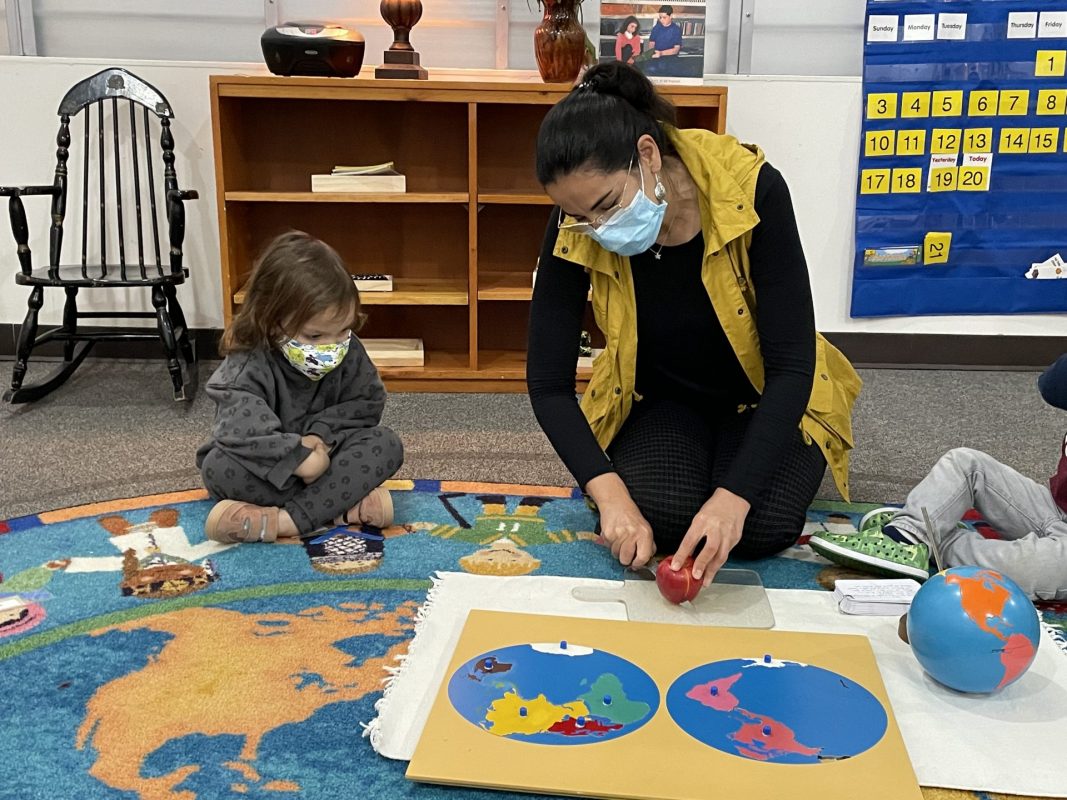
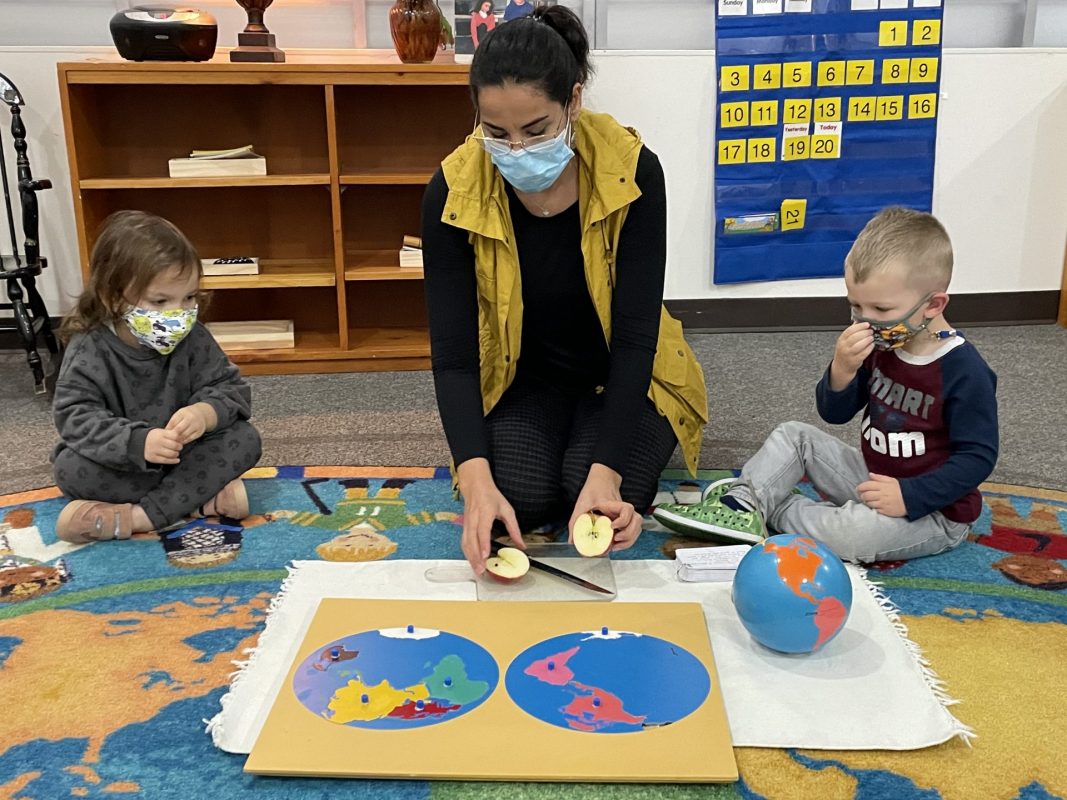
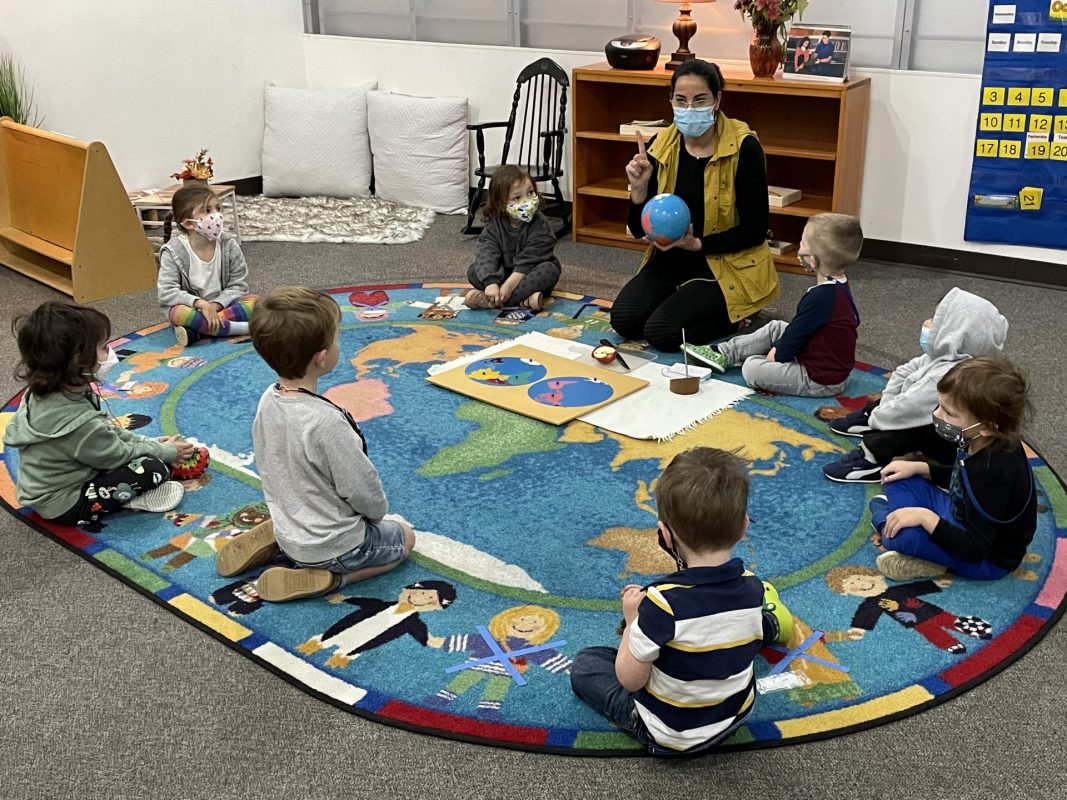
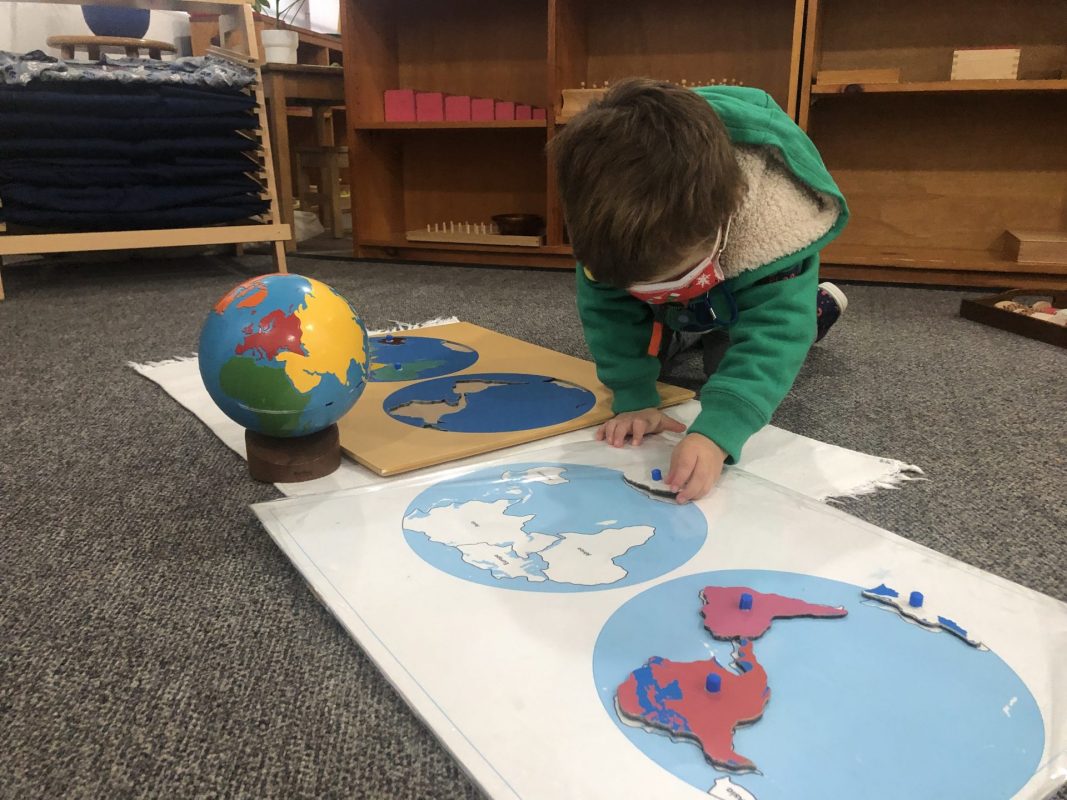
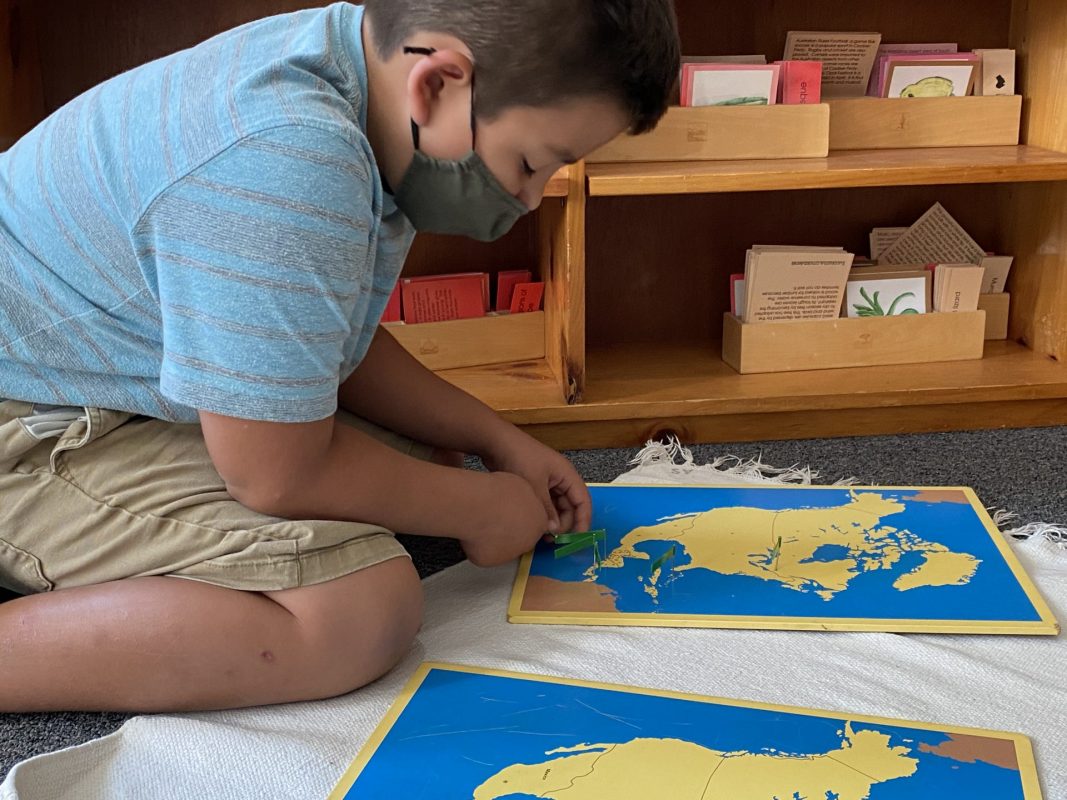
We also introduced the globe this week. Children love to learn about our planet Earth where we live. We find the best way for them to learn the names of the continents is by singing the continents song and pointing to each continent on the globe. As an extension of their understanding, we talk about the shape of our planet earth as a sphere. To transfer this to a large wooden map, we have to divide the sphere into 2 hemispheres. We showed them a visual example of this by dividing an apple in half, with each half representing a hemisphere, using the apple to represent the globe. Children are motivated with spontaneous interest and curiosity to know about the globe and North America. It is a very precious moment to hear three years old at circle time saying, “We live in North America.”

Wishing you a wonderful weekend!

Kaoutar and Sara


Mrs. Wilson: Introducing Practical Life


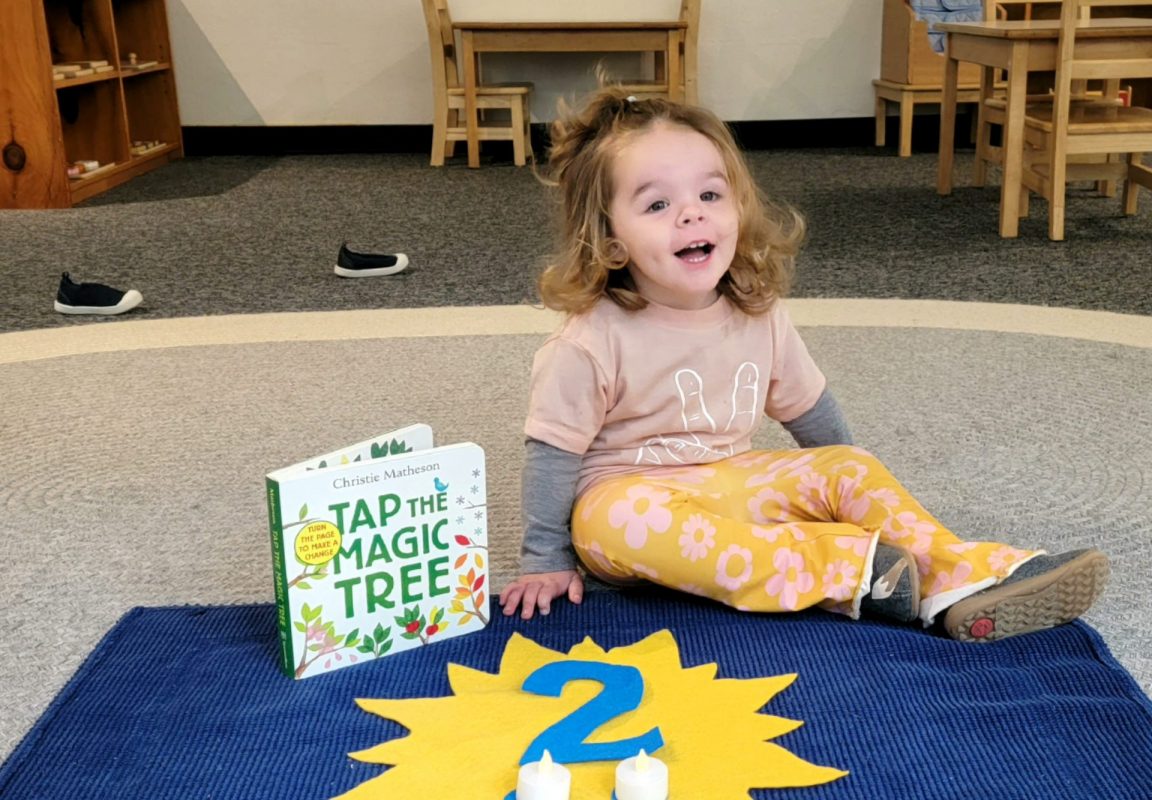
What a wonderful week we have had! The classroom was busy with lots of wonderful activities. We a started by celebrating another friend’s birthday. She gifted our class Tap The Magic Tree by Christie Matheson. This is a lovely interactive story that shows a tree throughout every season.

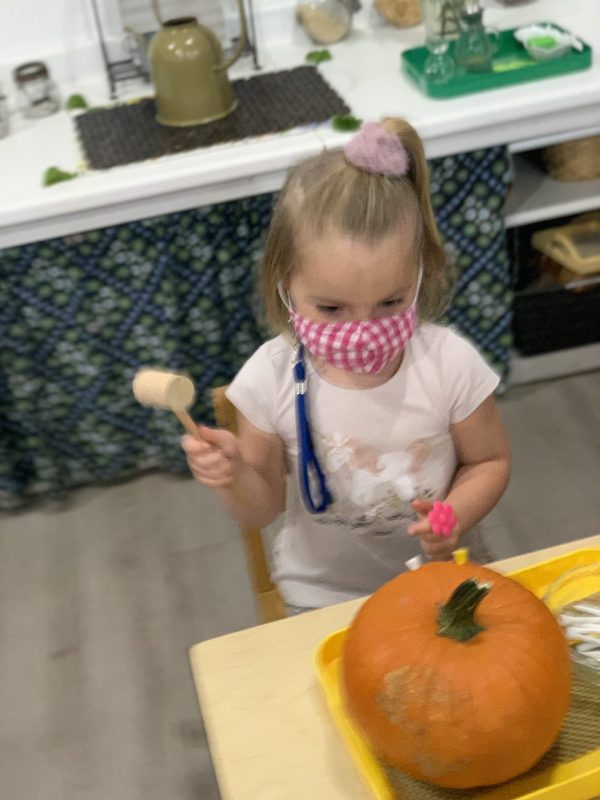
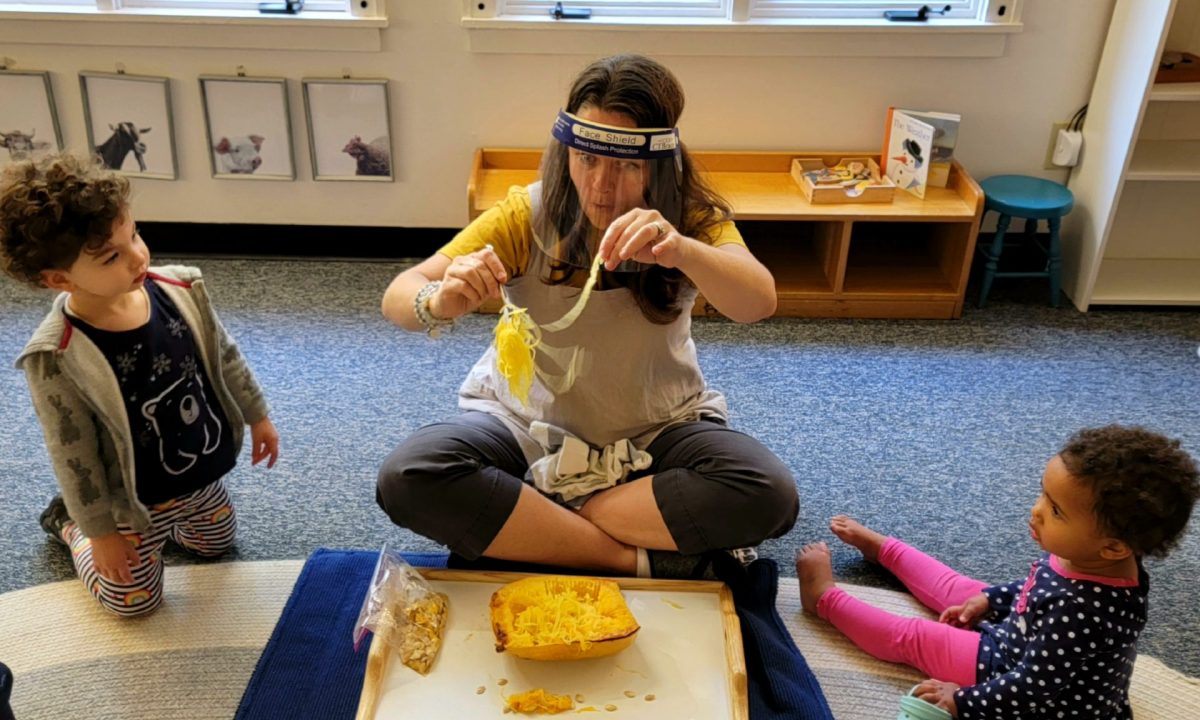
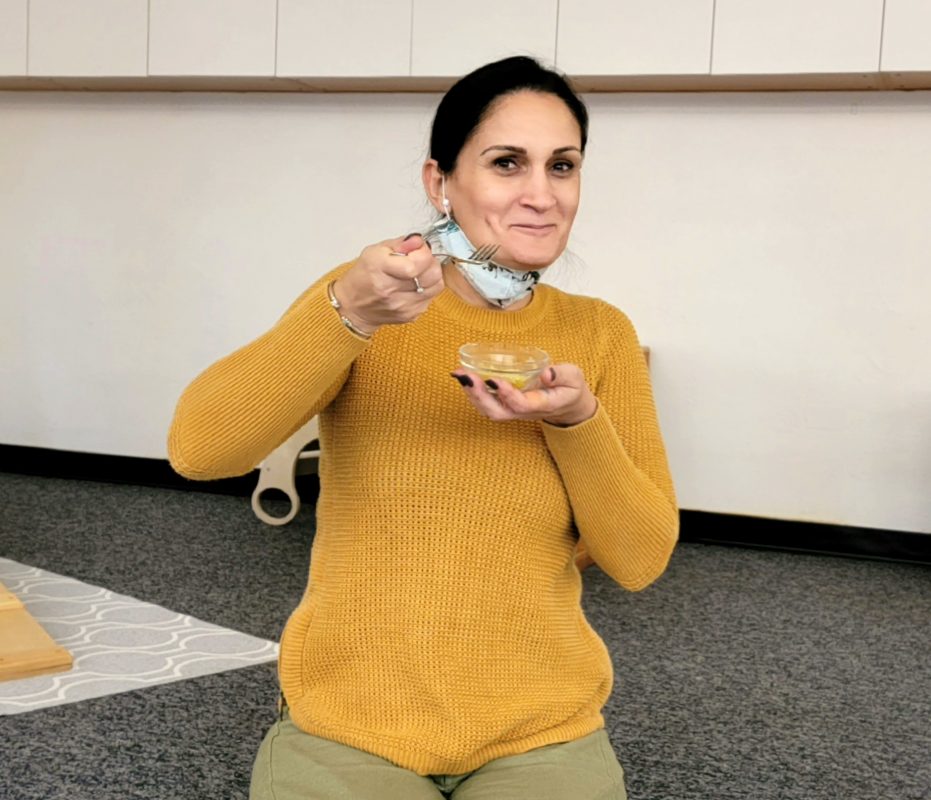
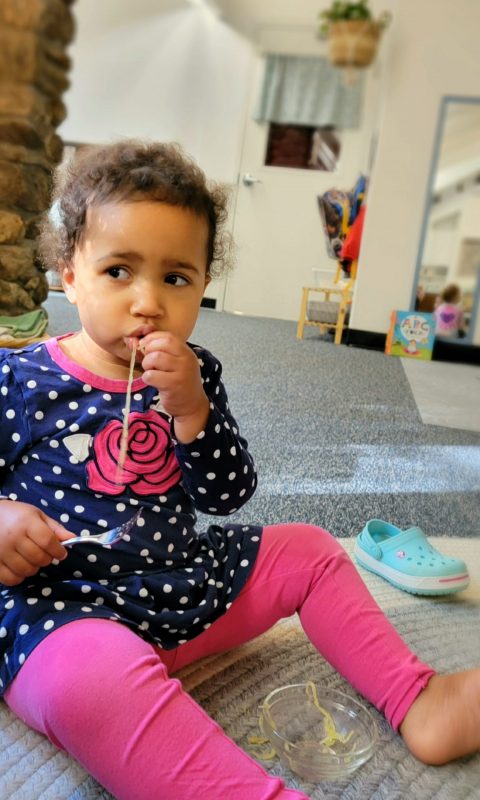
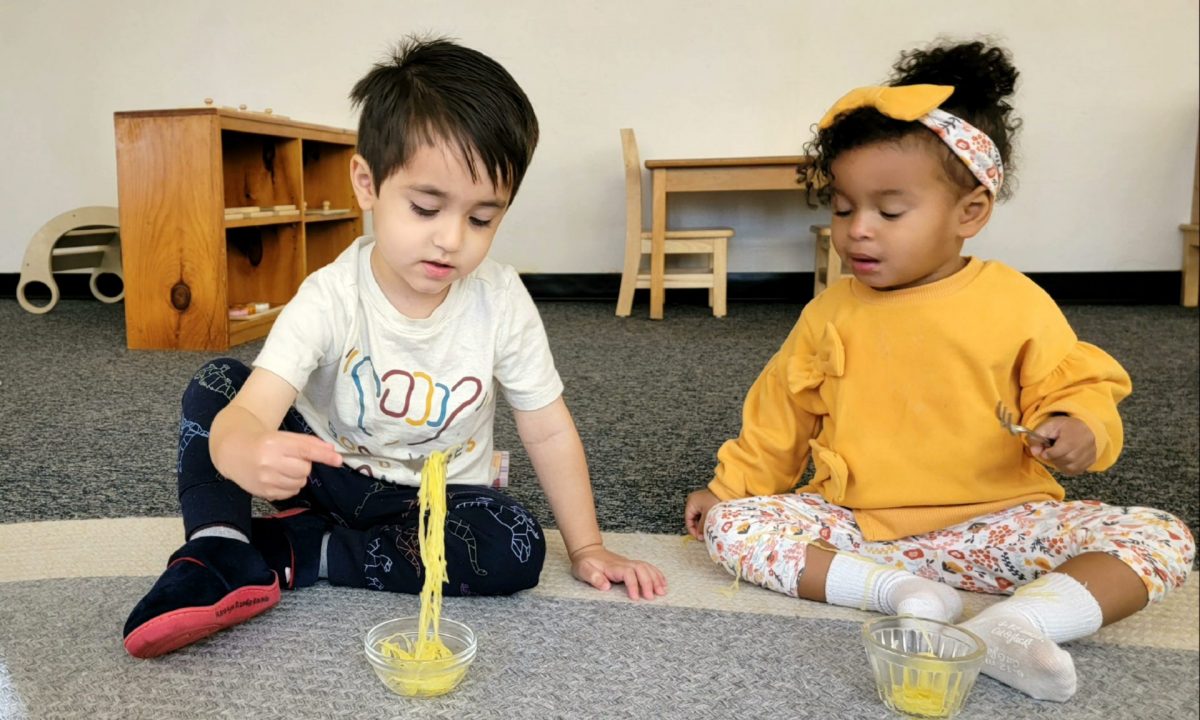
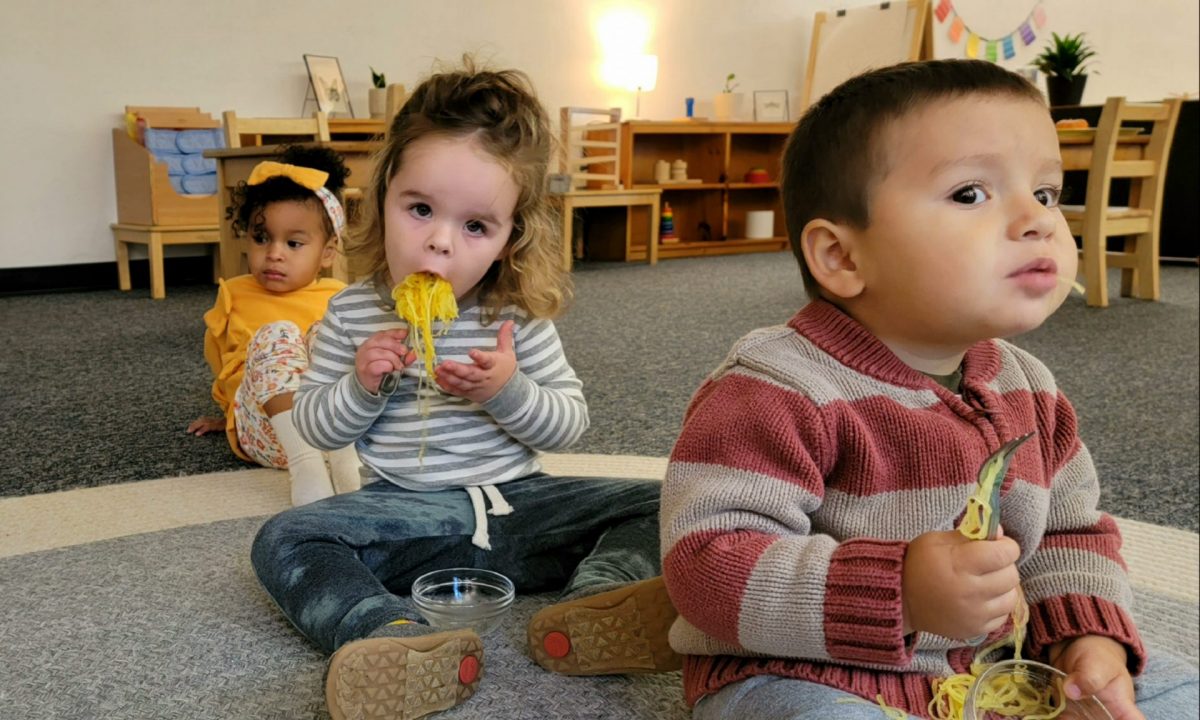
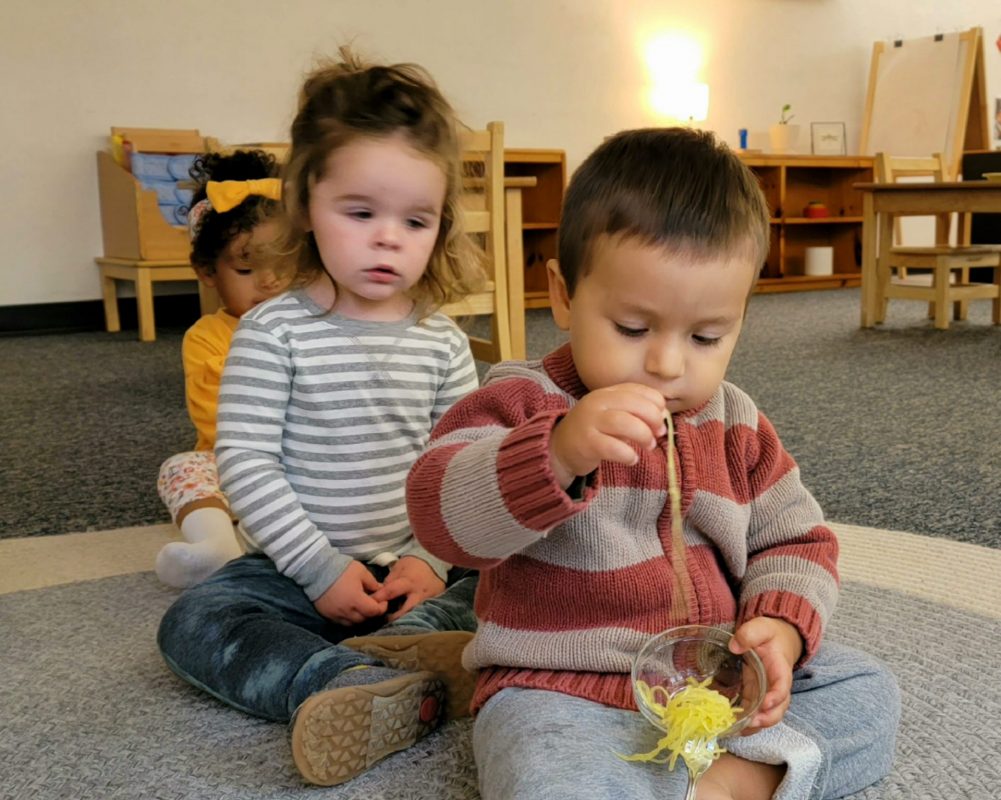
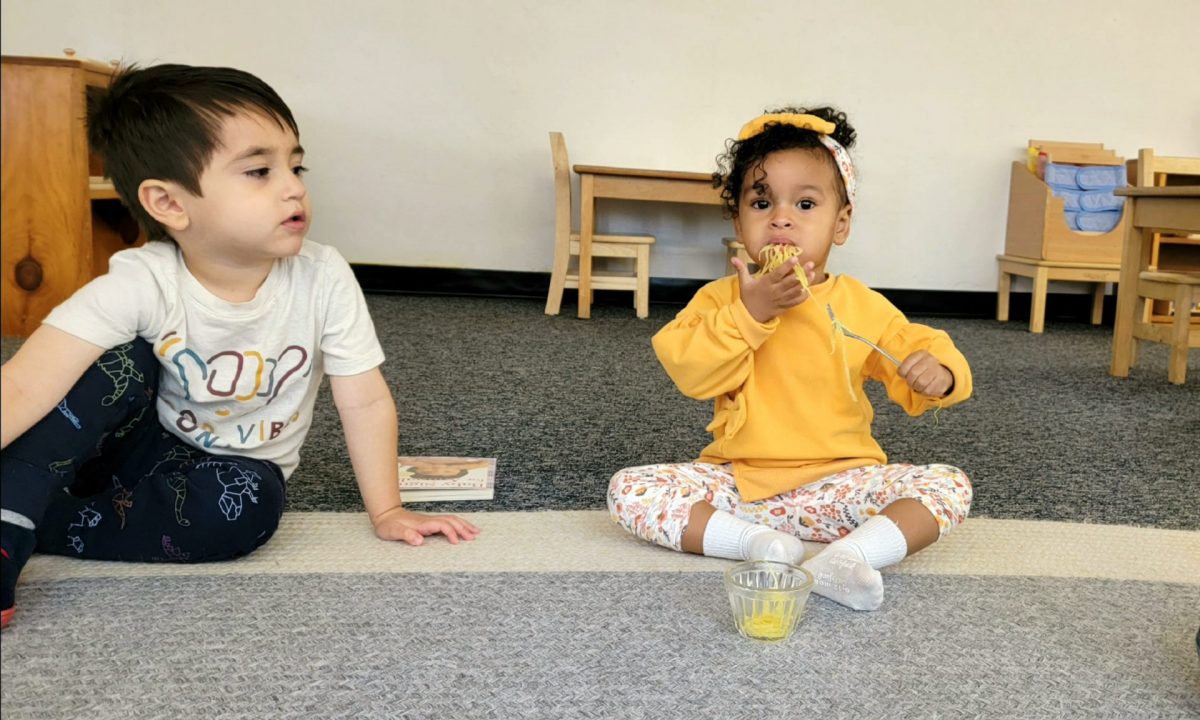
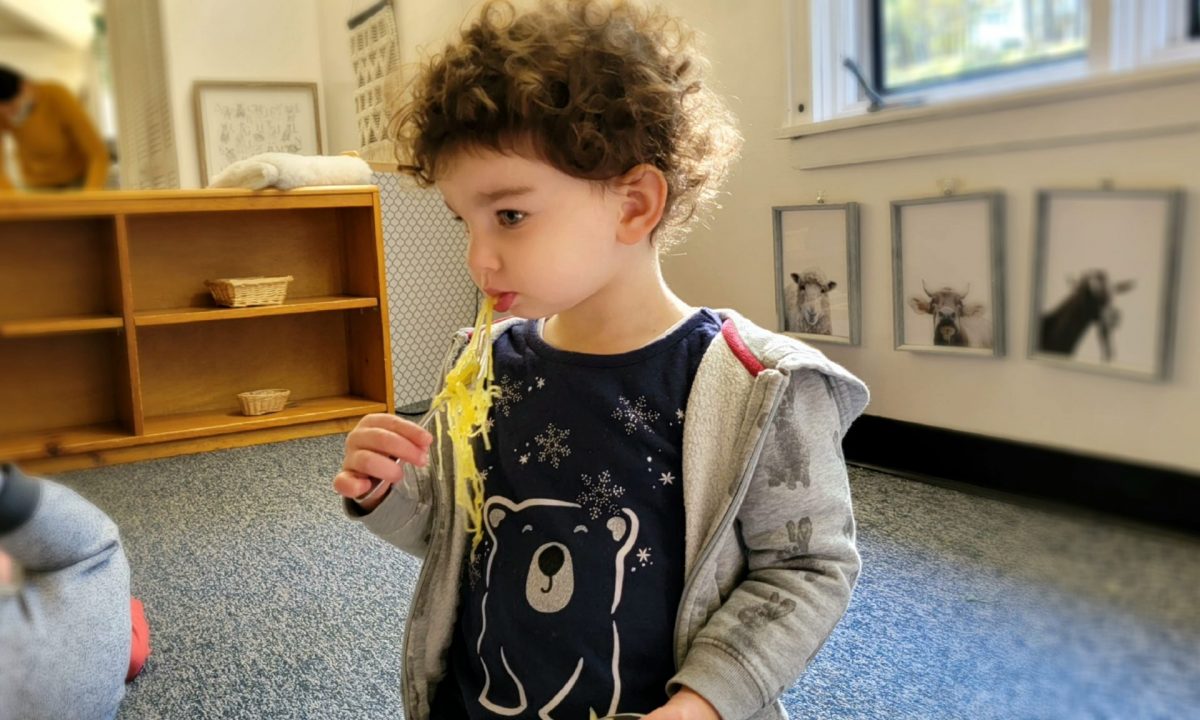
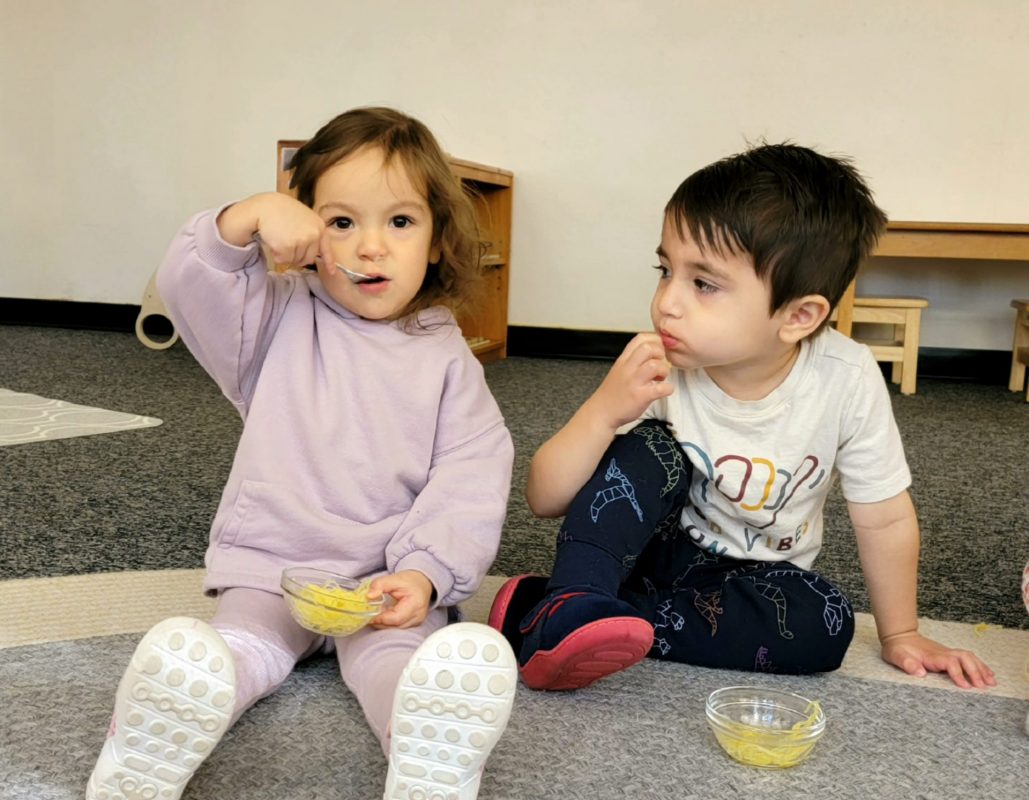
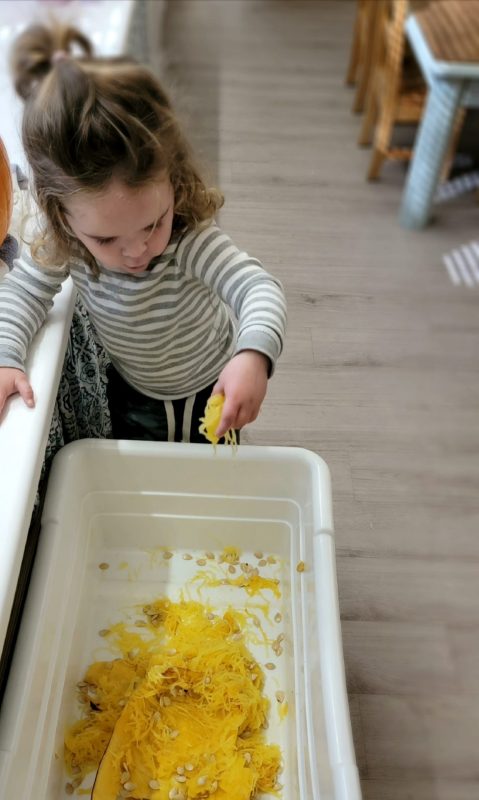
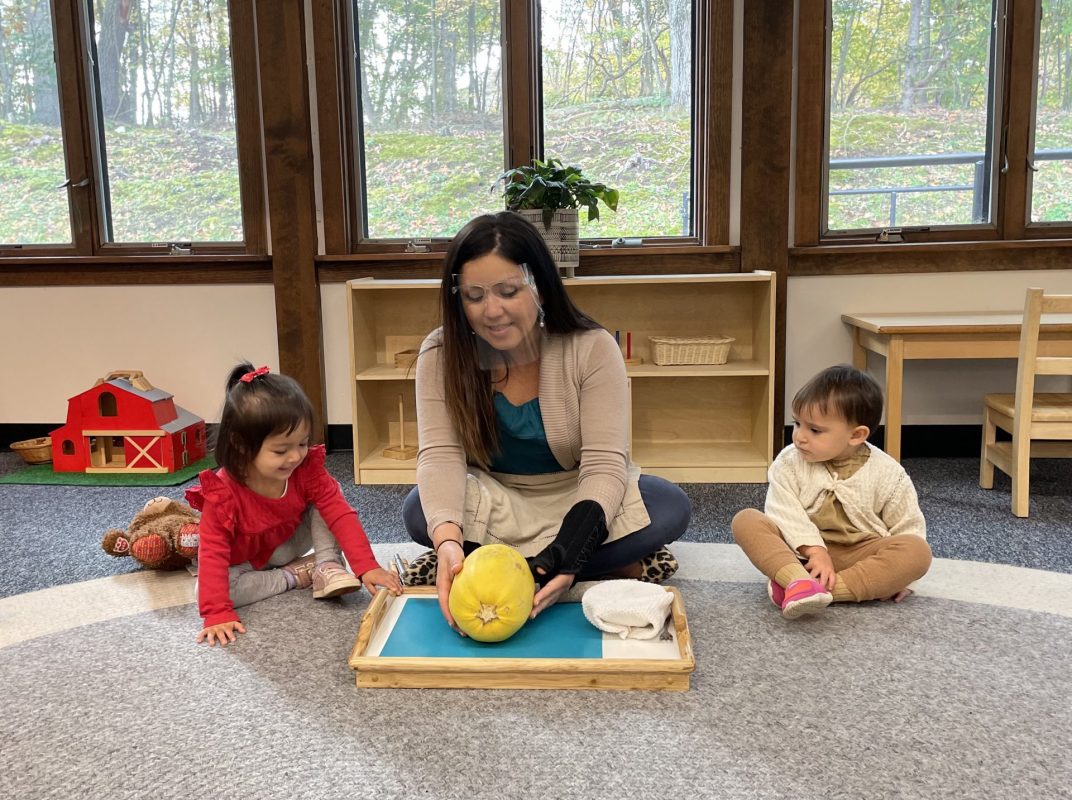
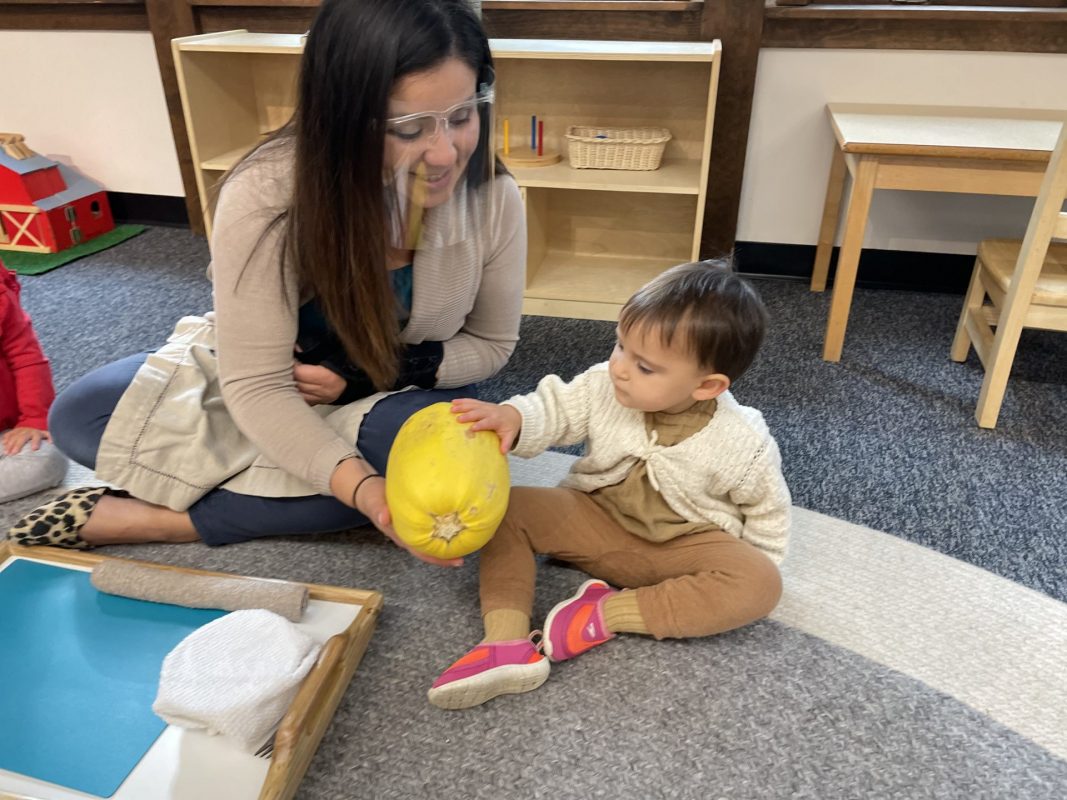
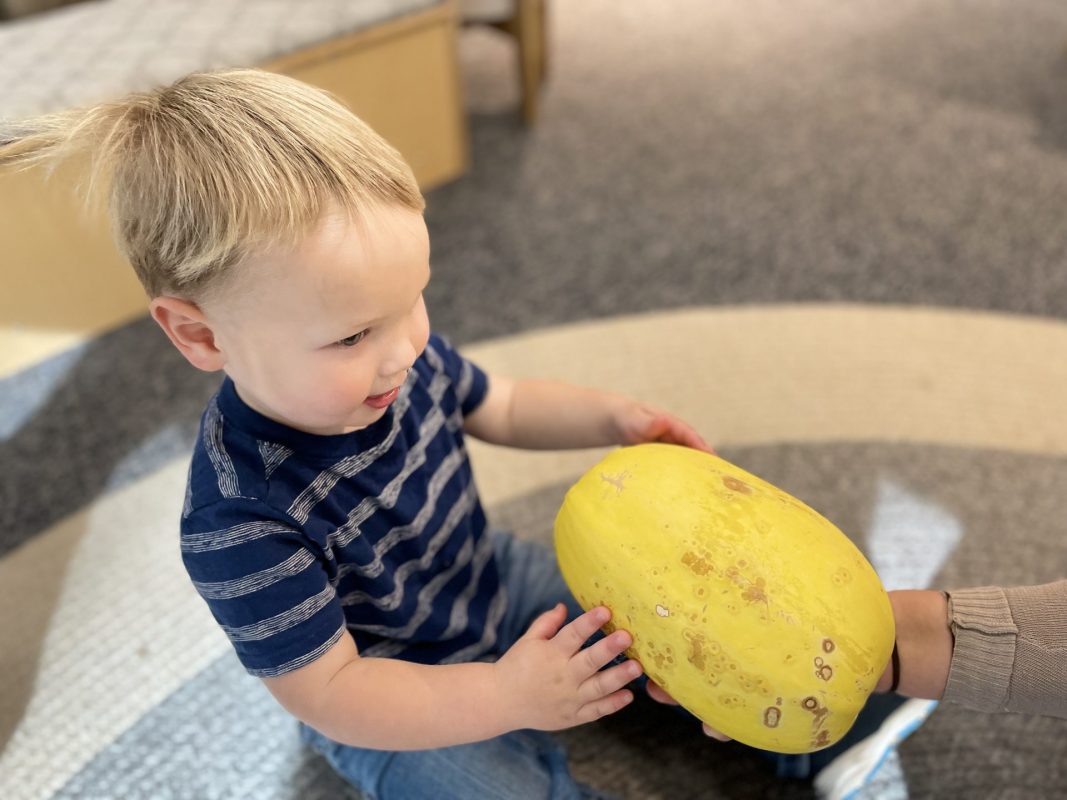
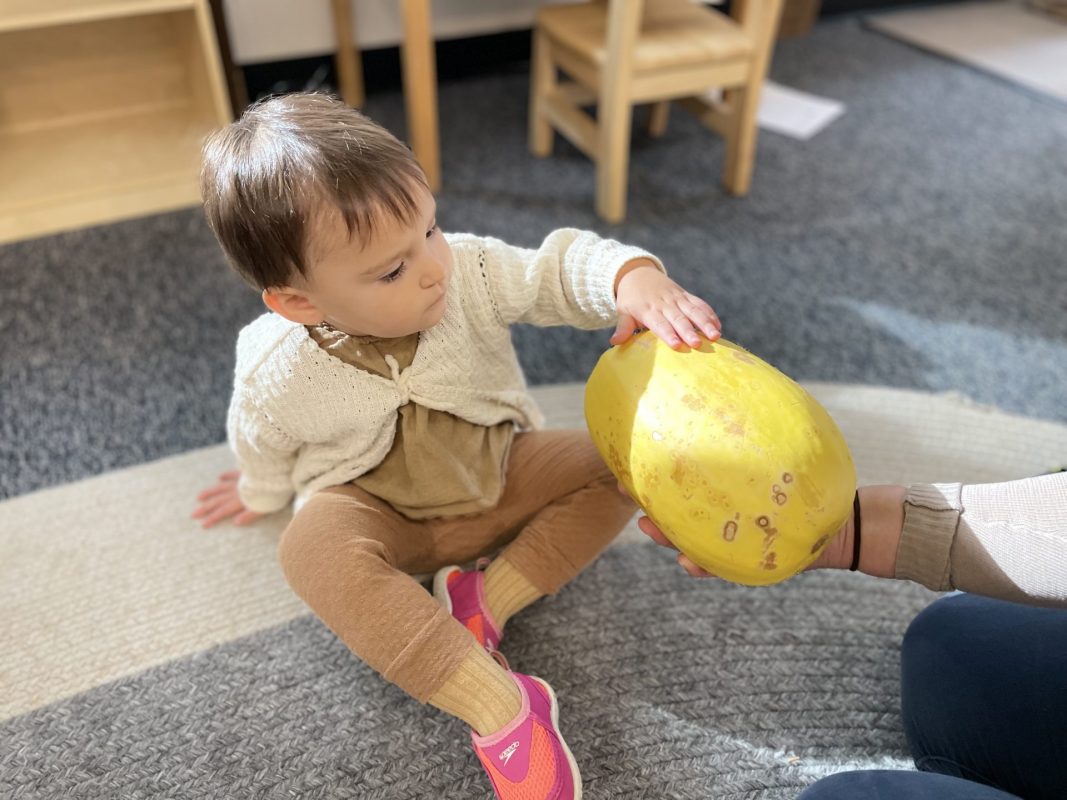
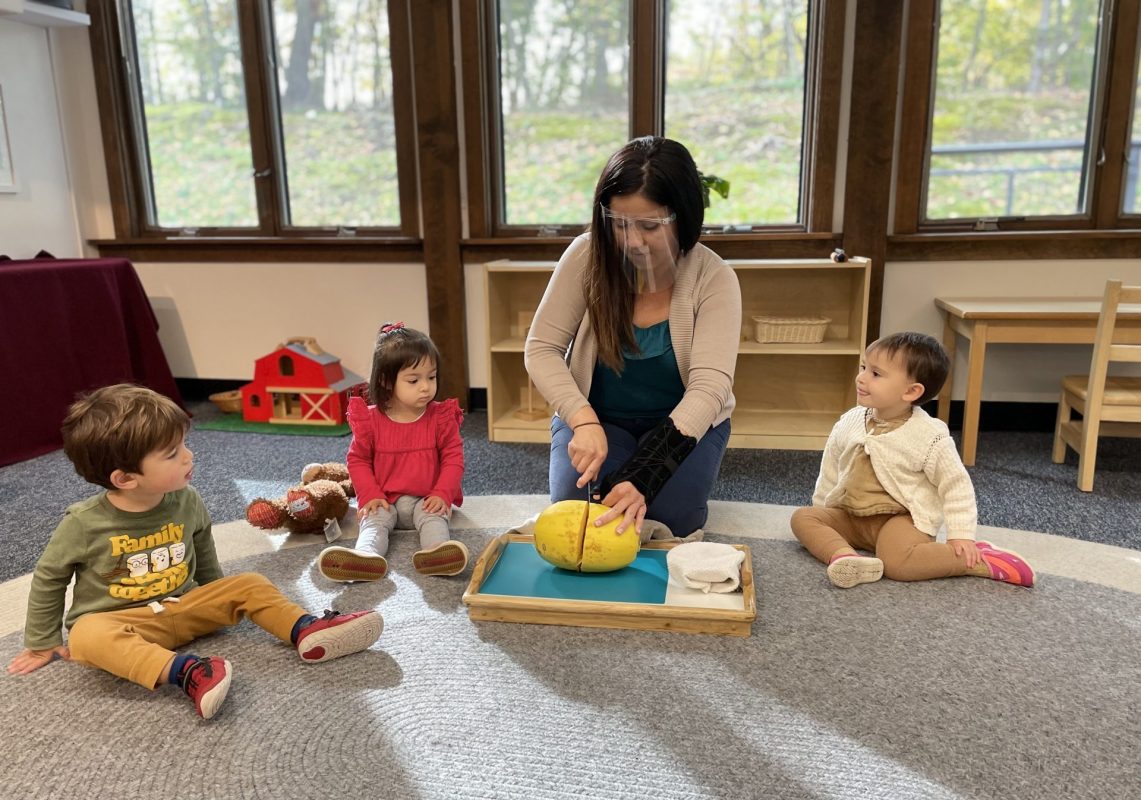
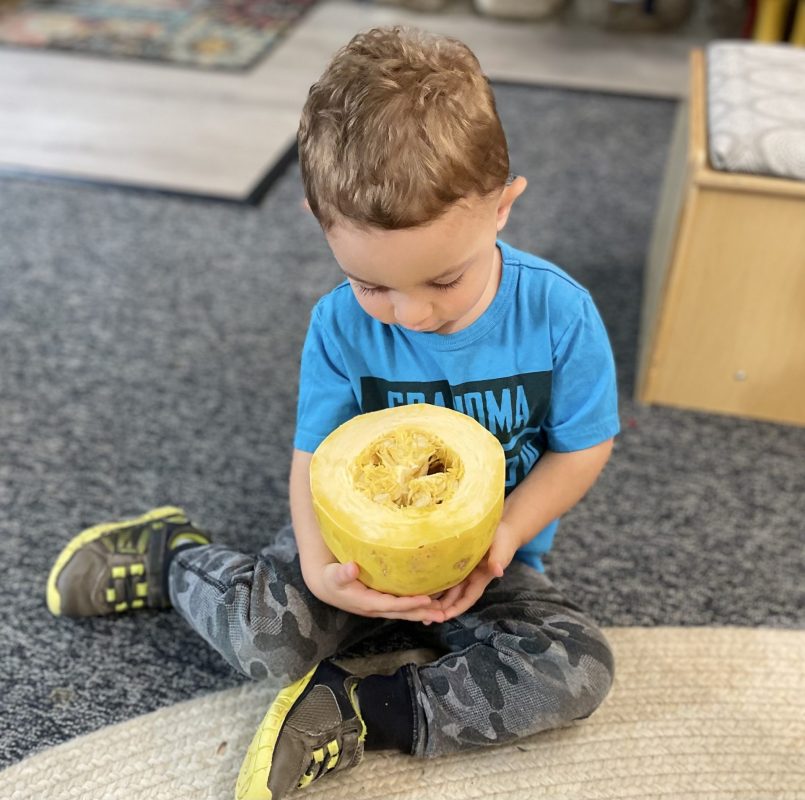
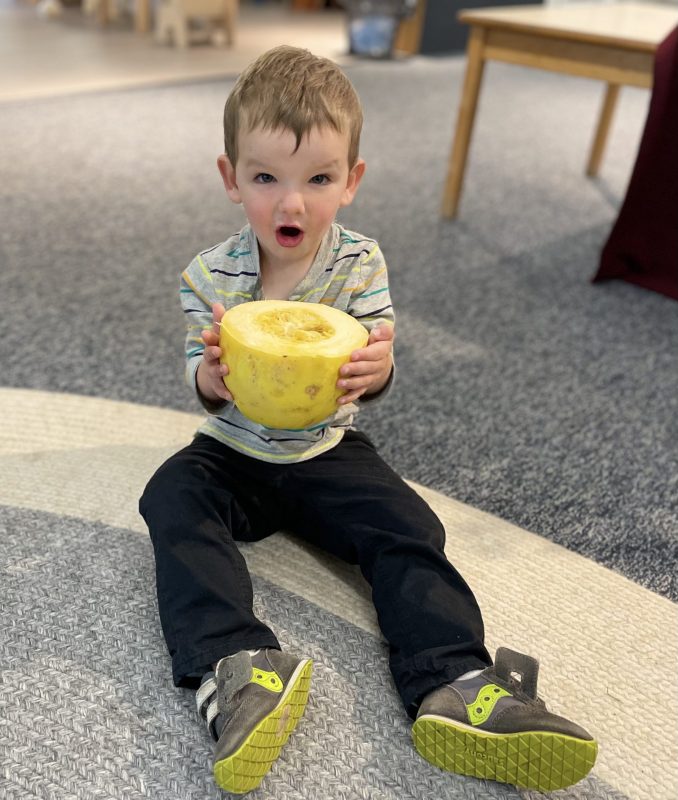
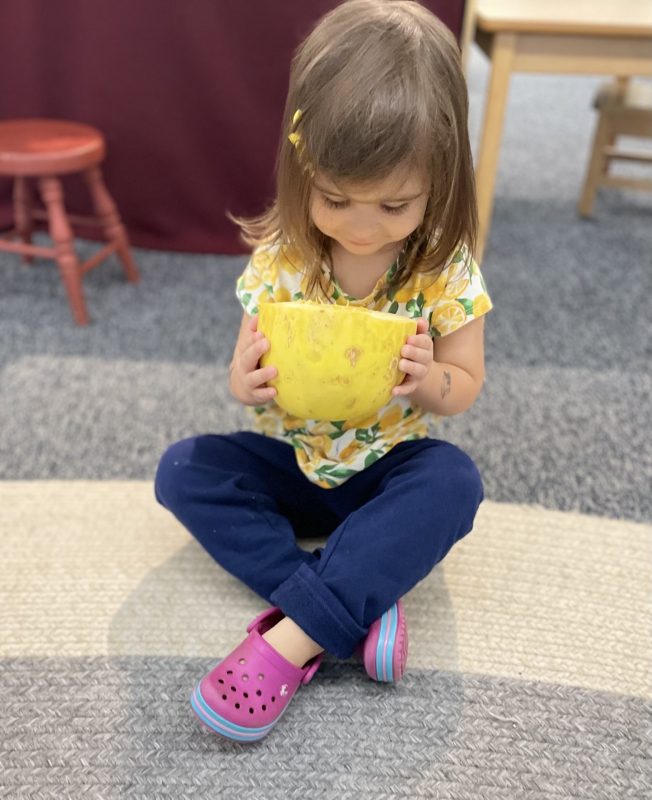
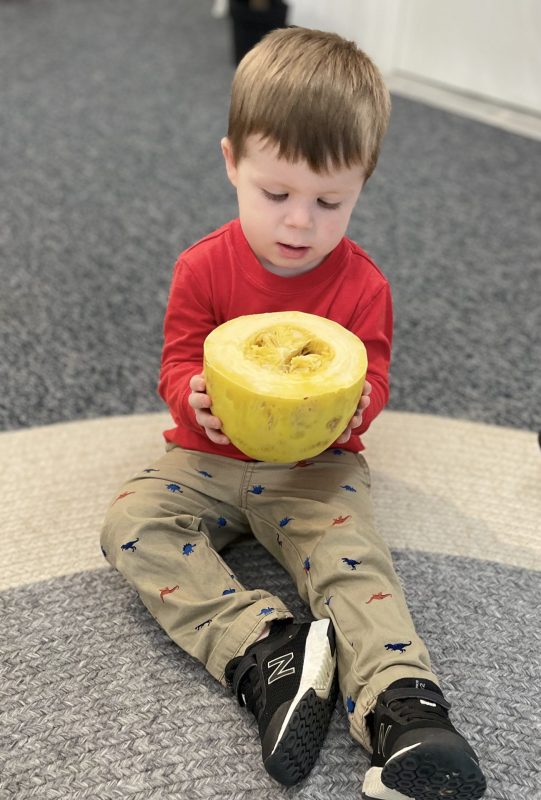
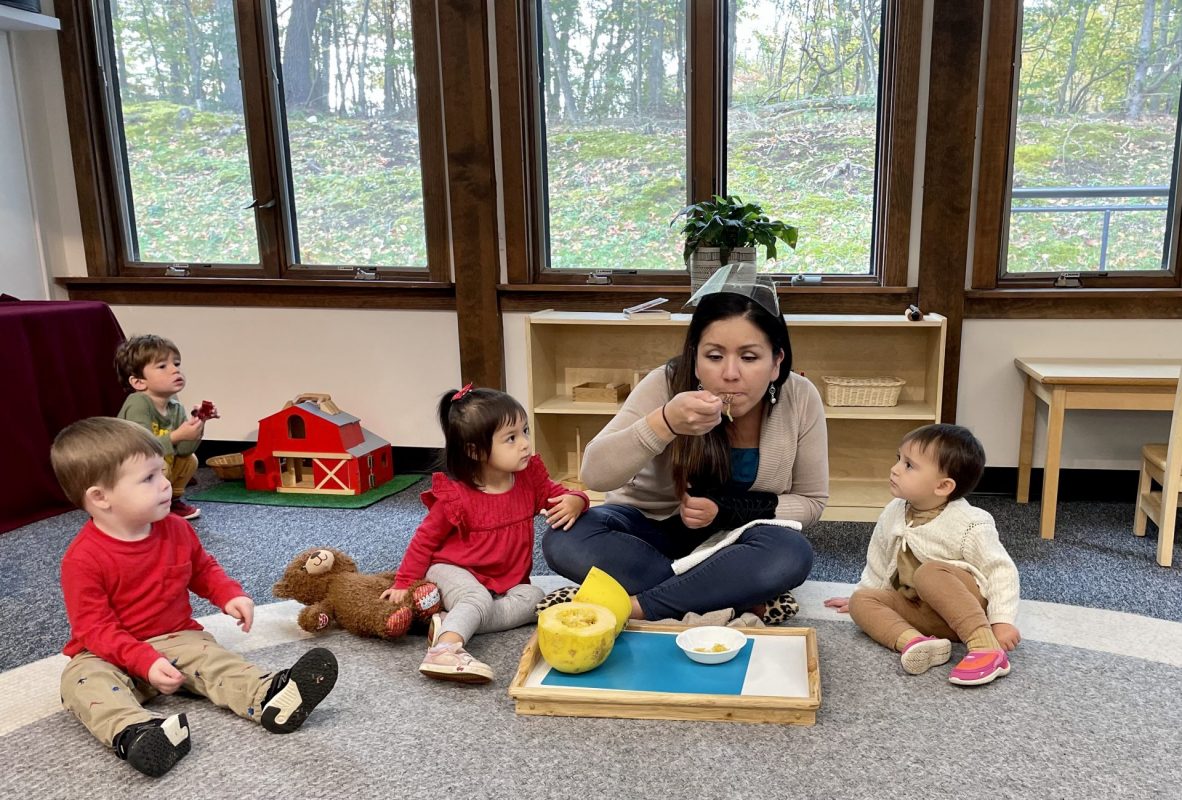
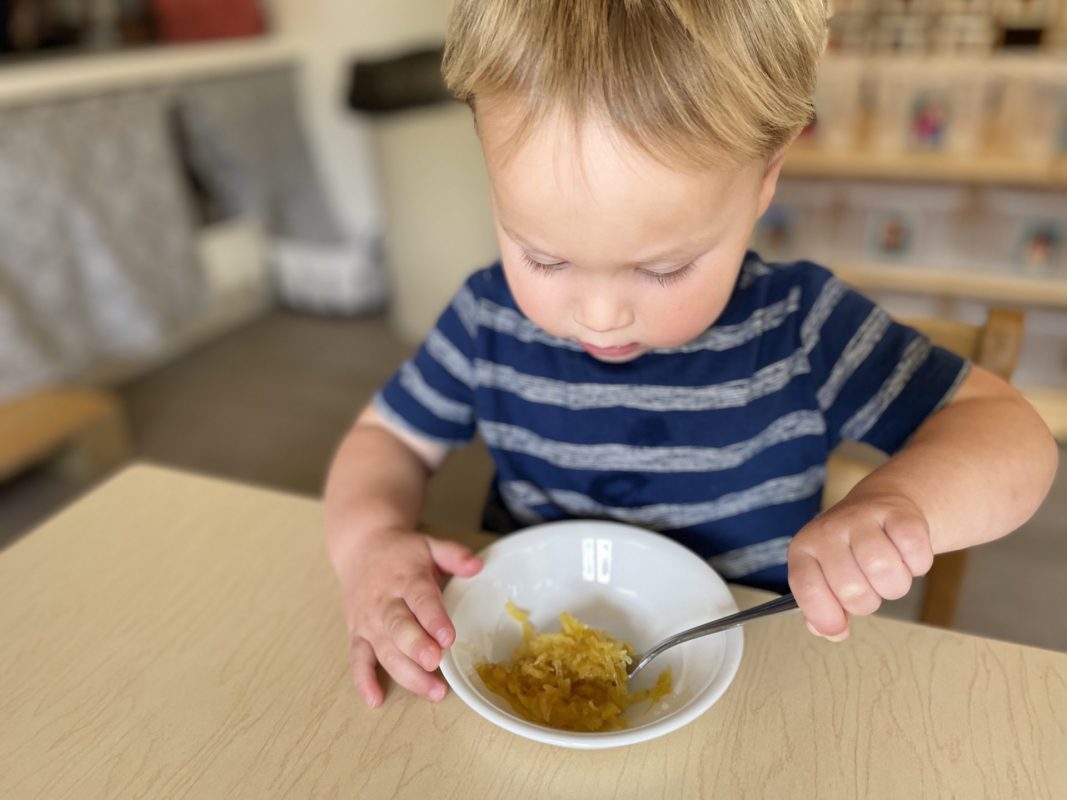
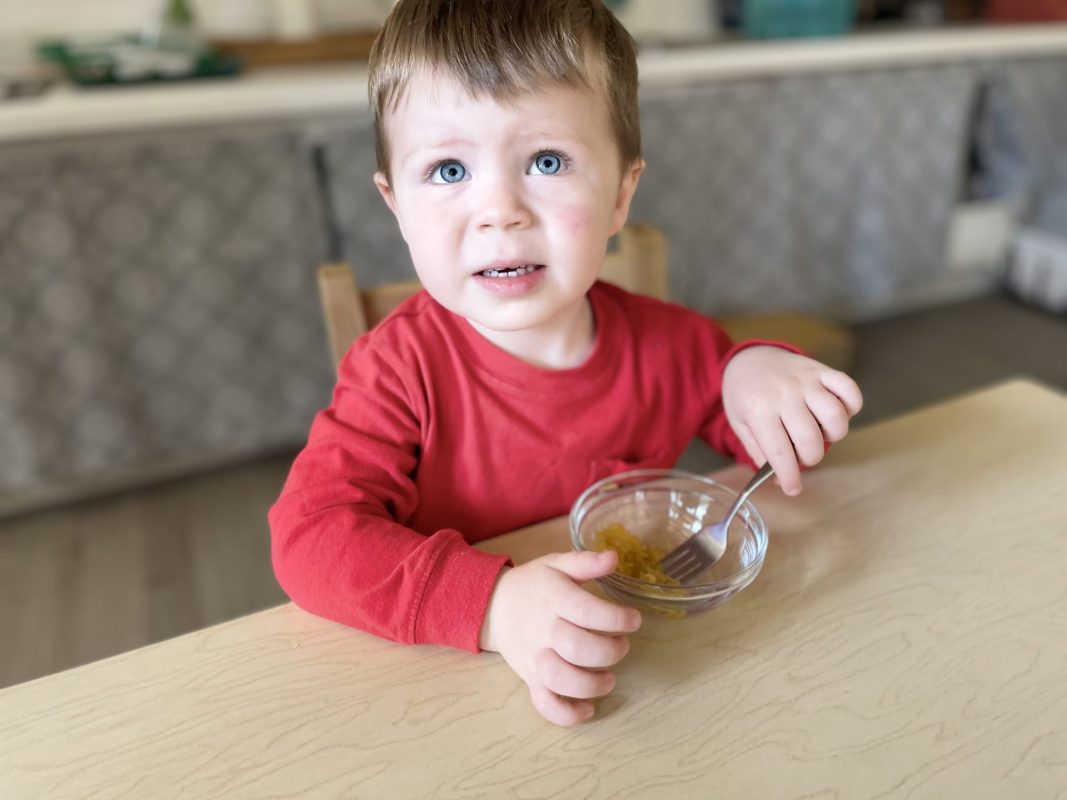
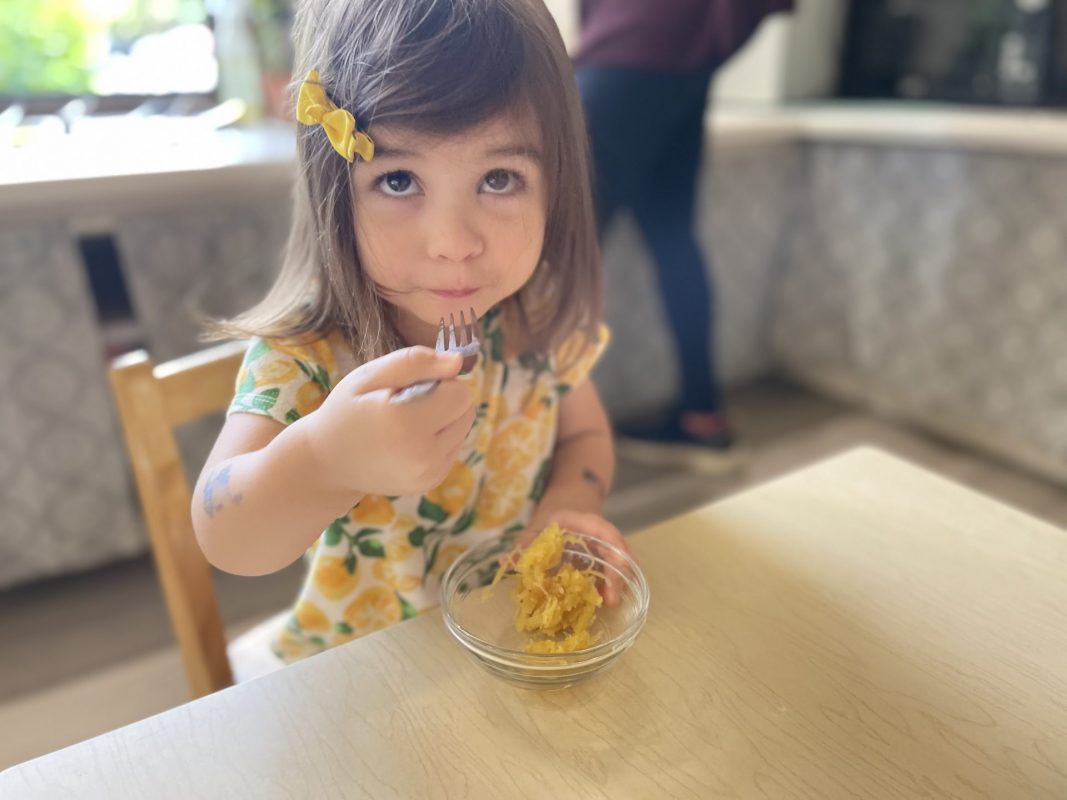
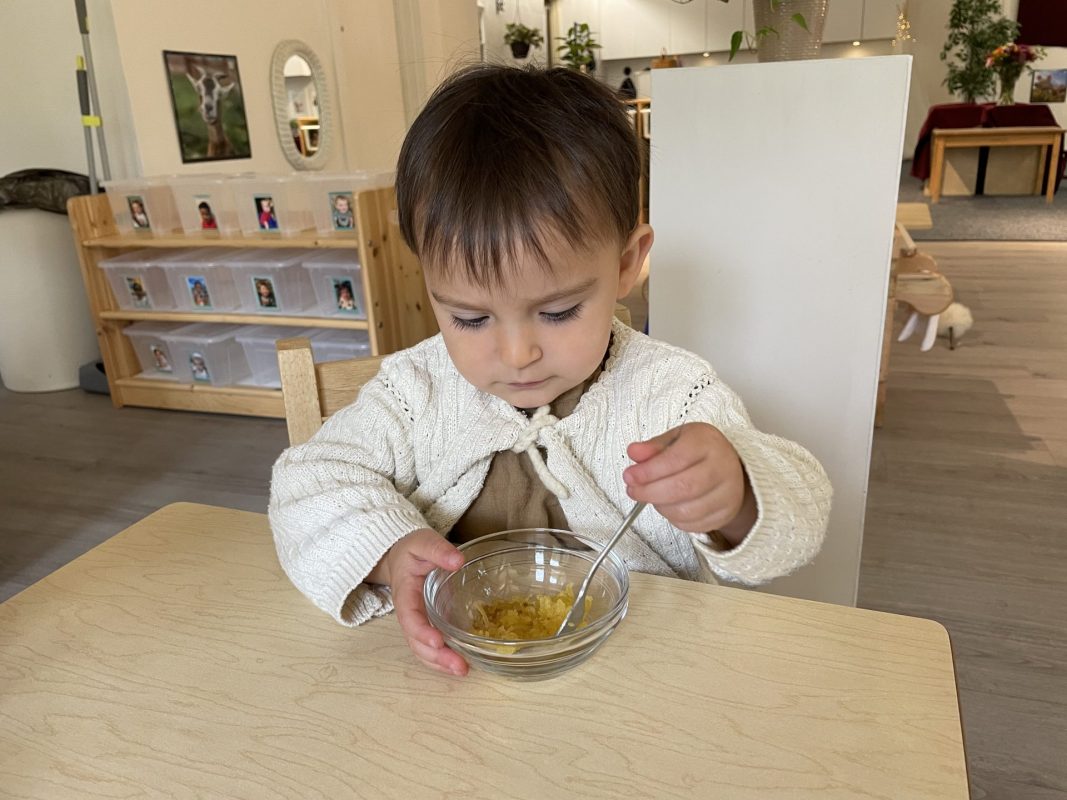
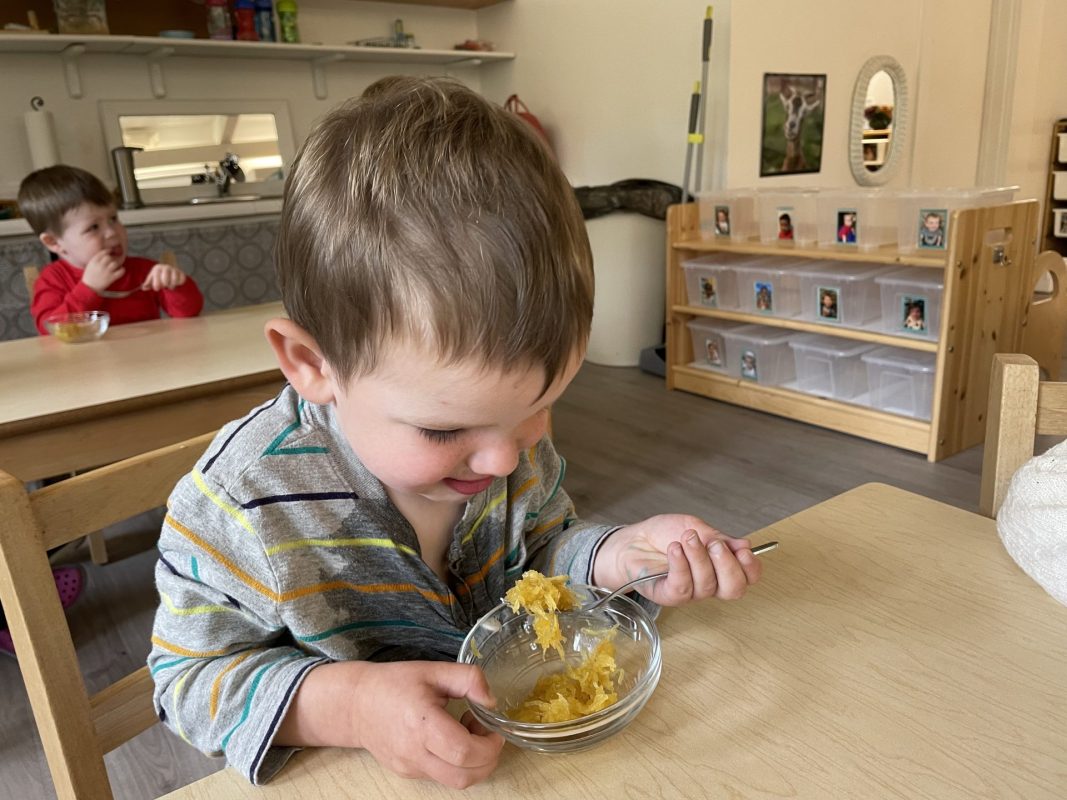
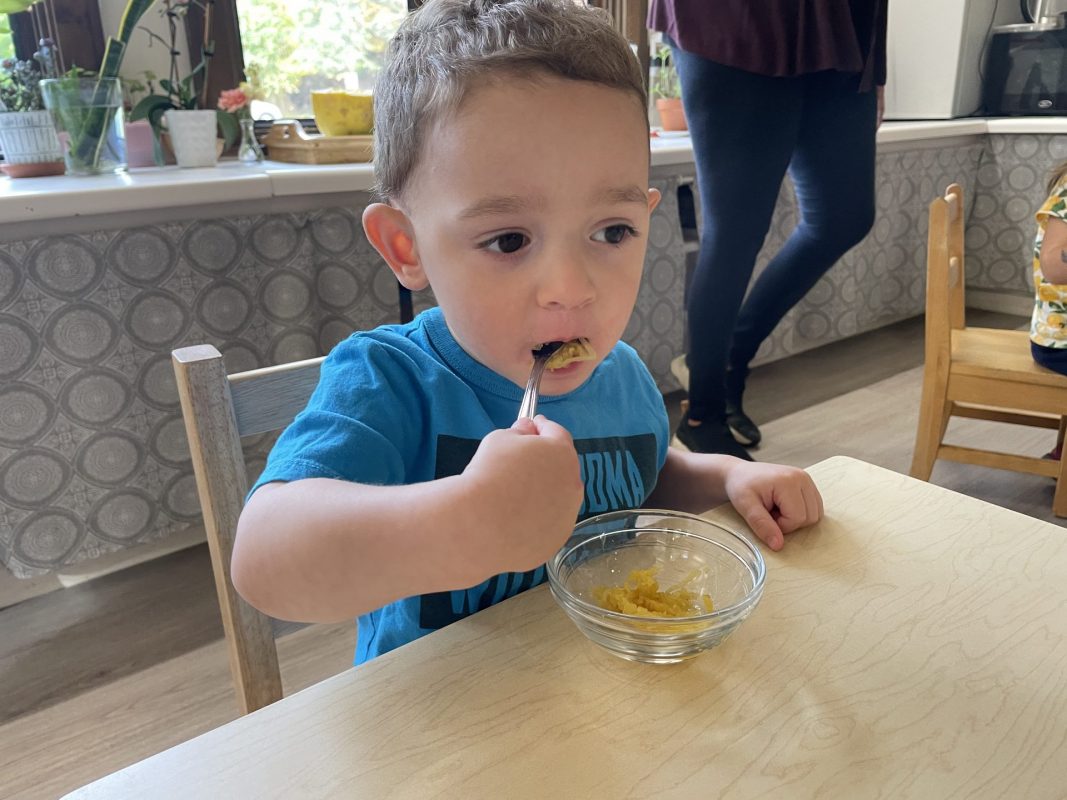
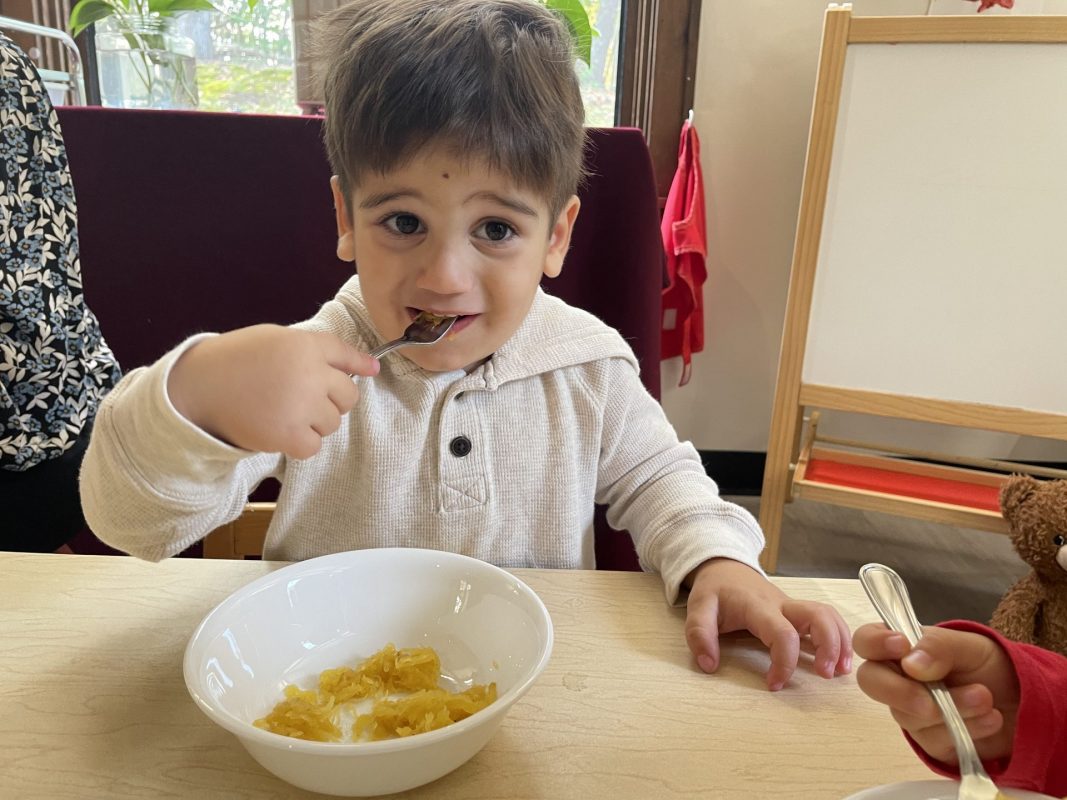
The children tasted spaghetti squash. This was a fun vegetable to taste, and was enjoyed by almost everyone. Even Mrs. Biba tasted the spaghetti squash for the first time. After tasting the squash (a few helpings for some) the children were welcomed to explore the squash, seeds, and skin inside our sensory bin.
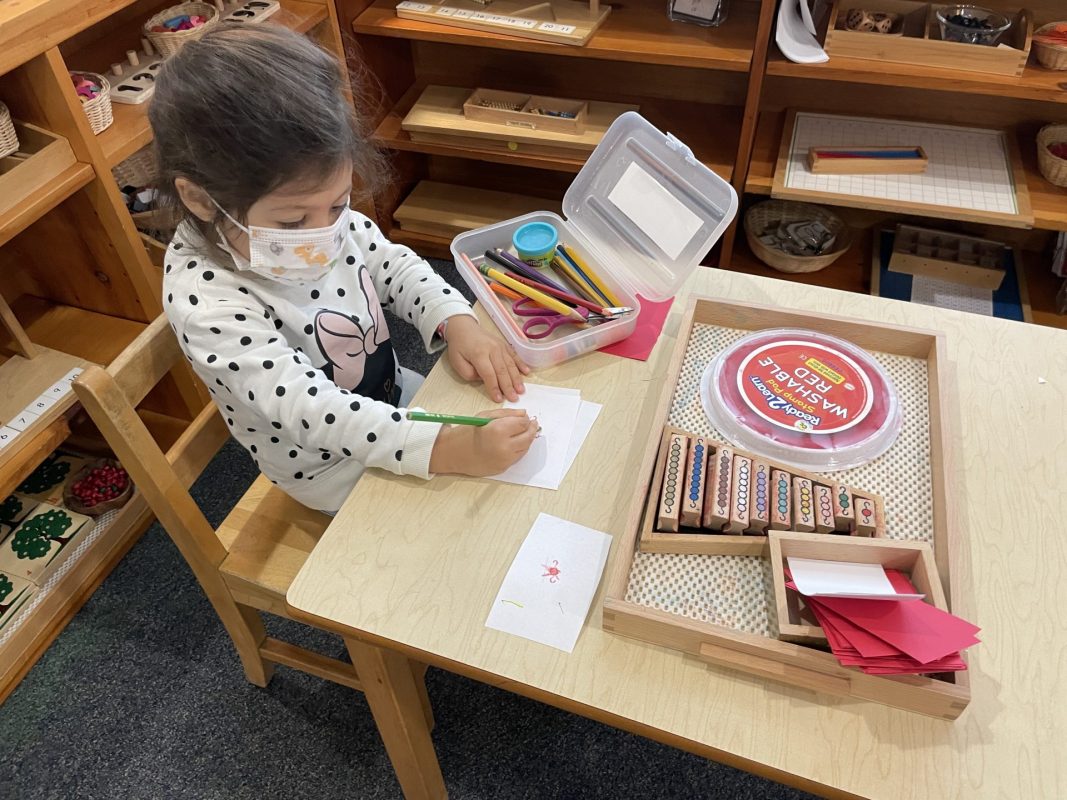
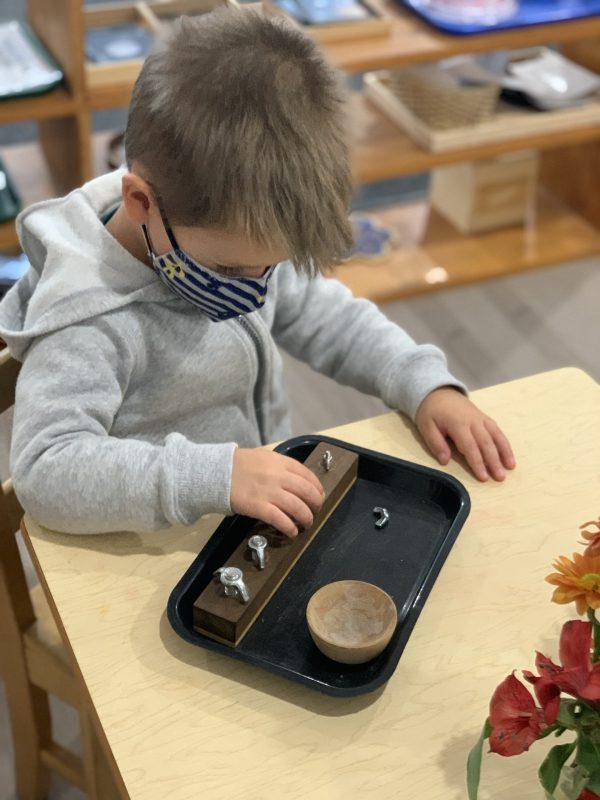
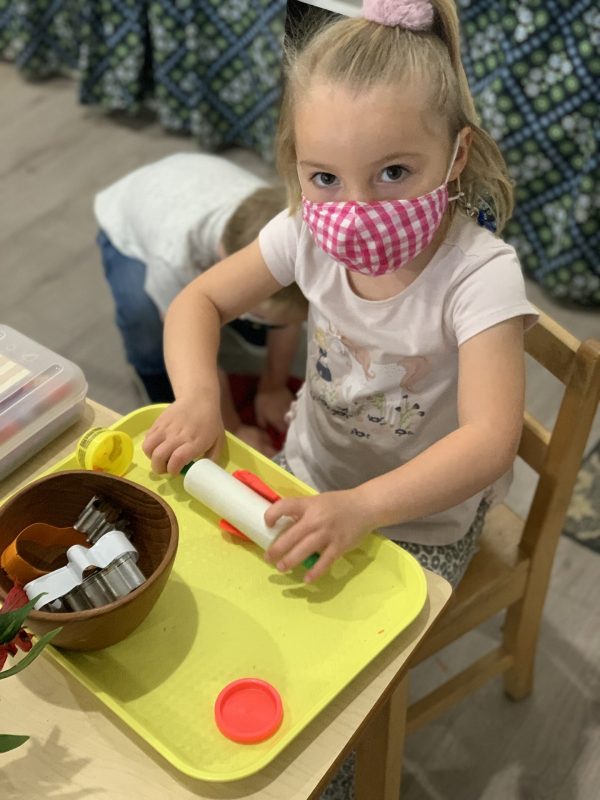
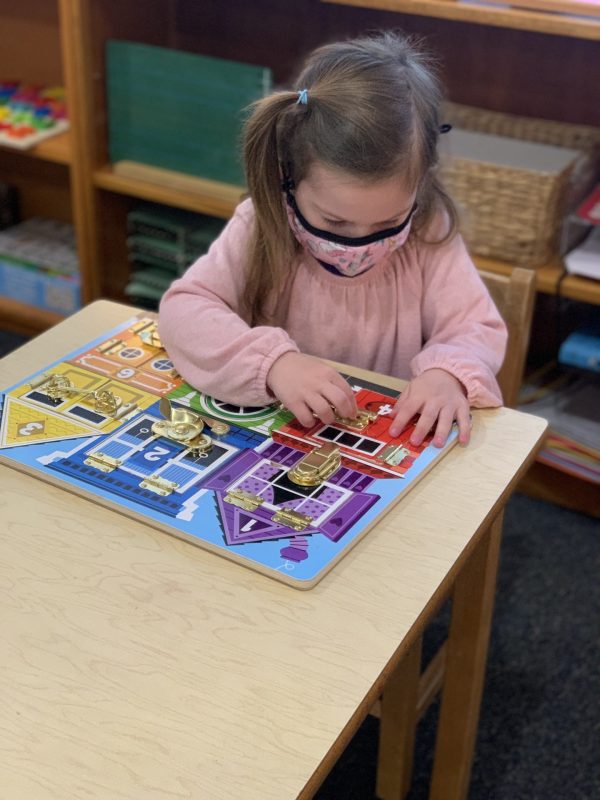
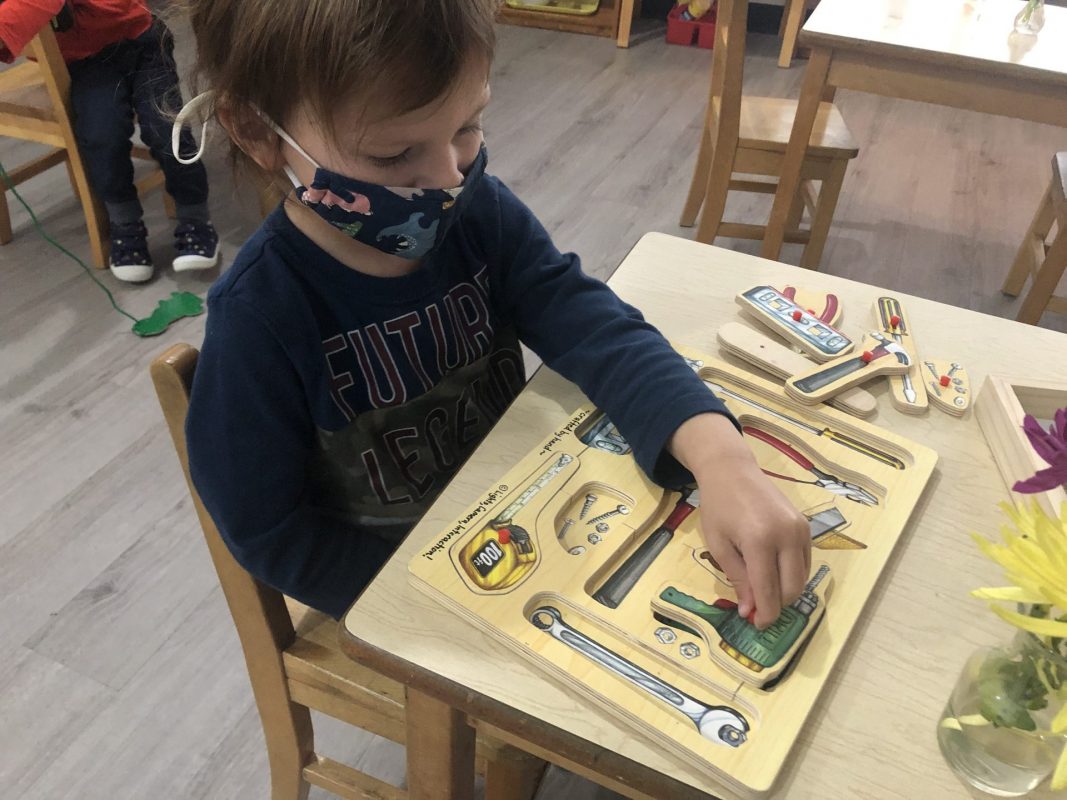
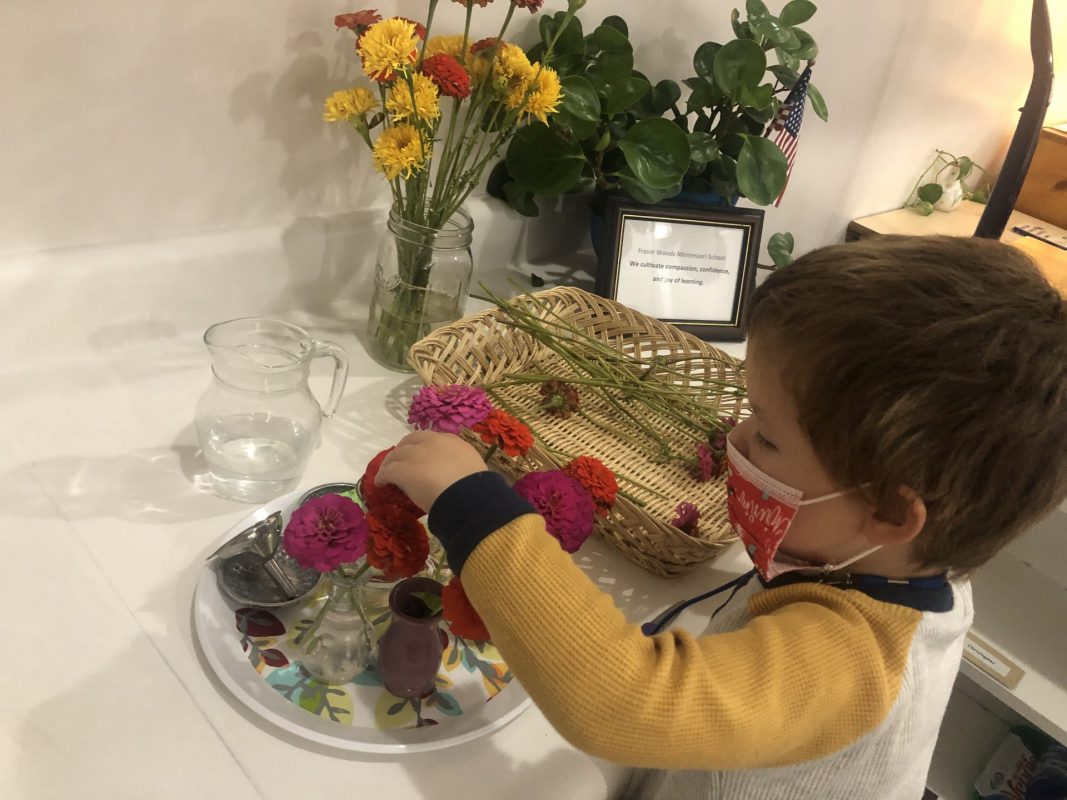
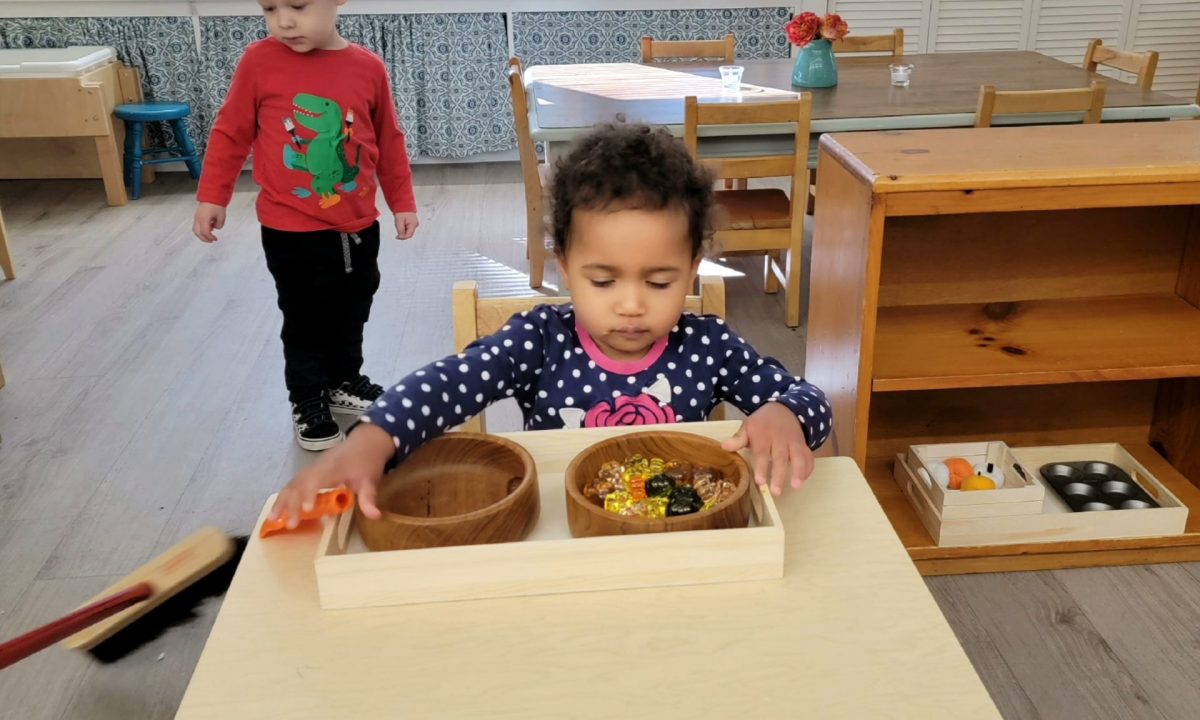
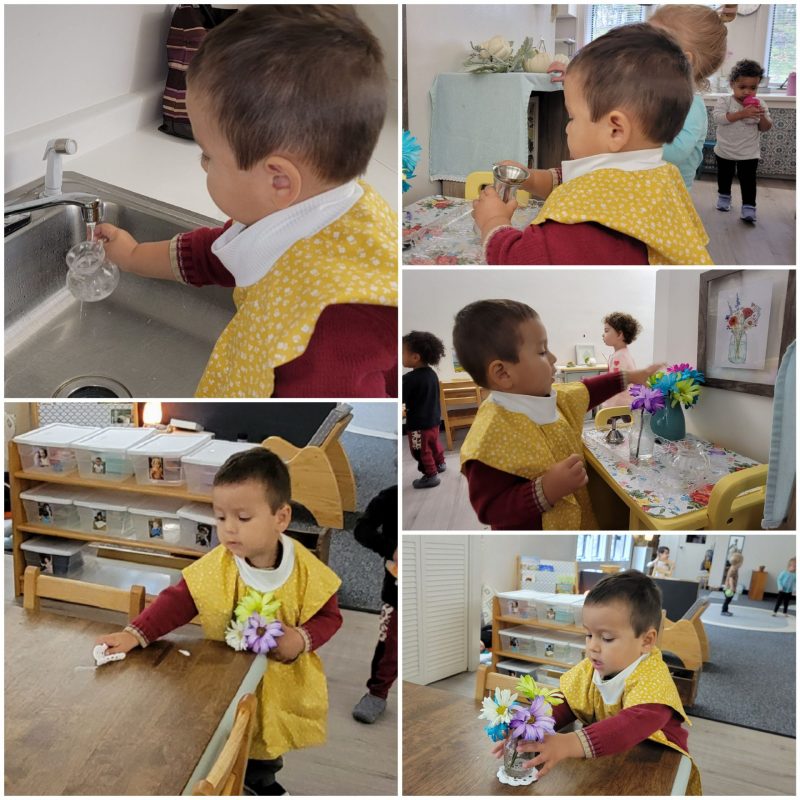
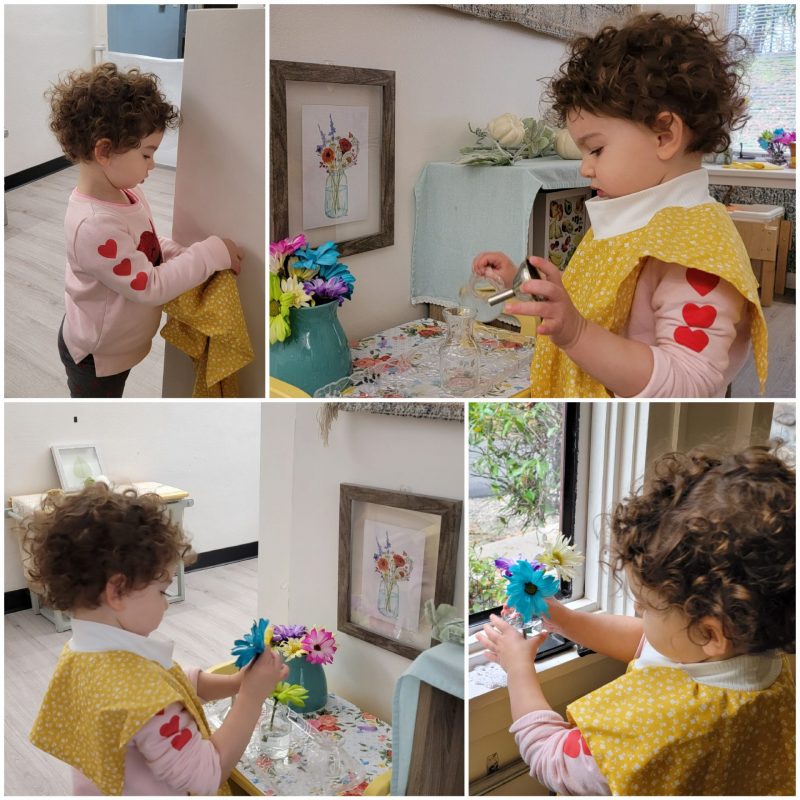
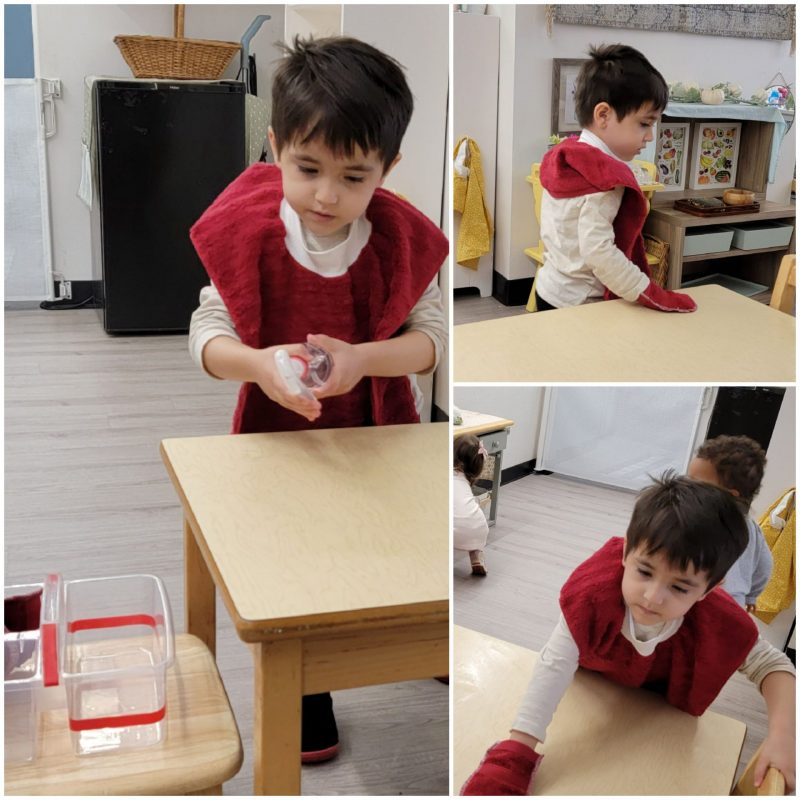
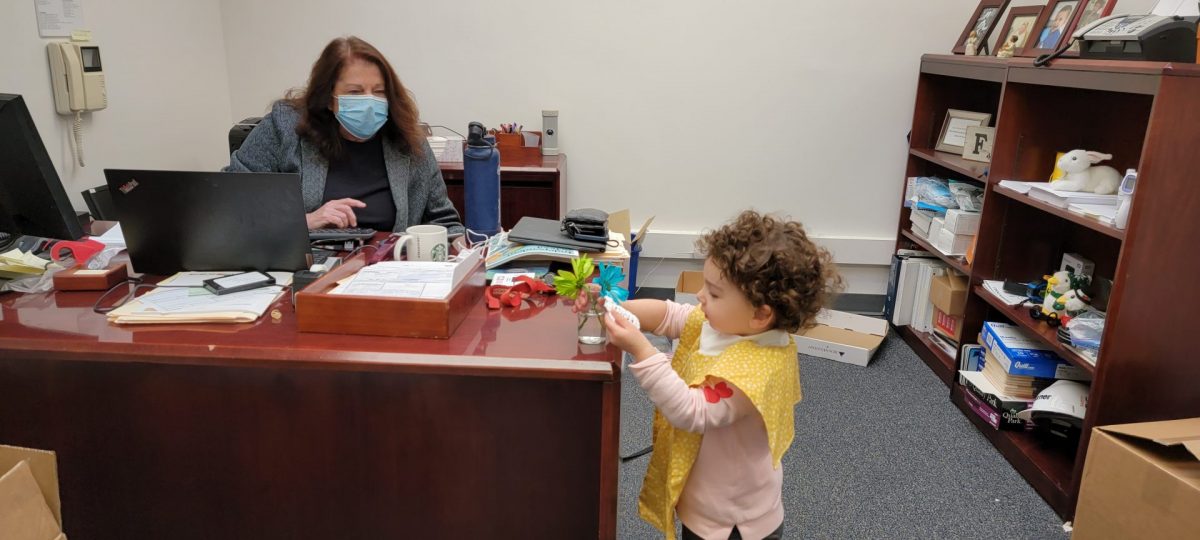
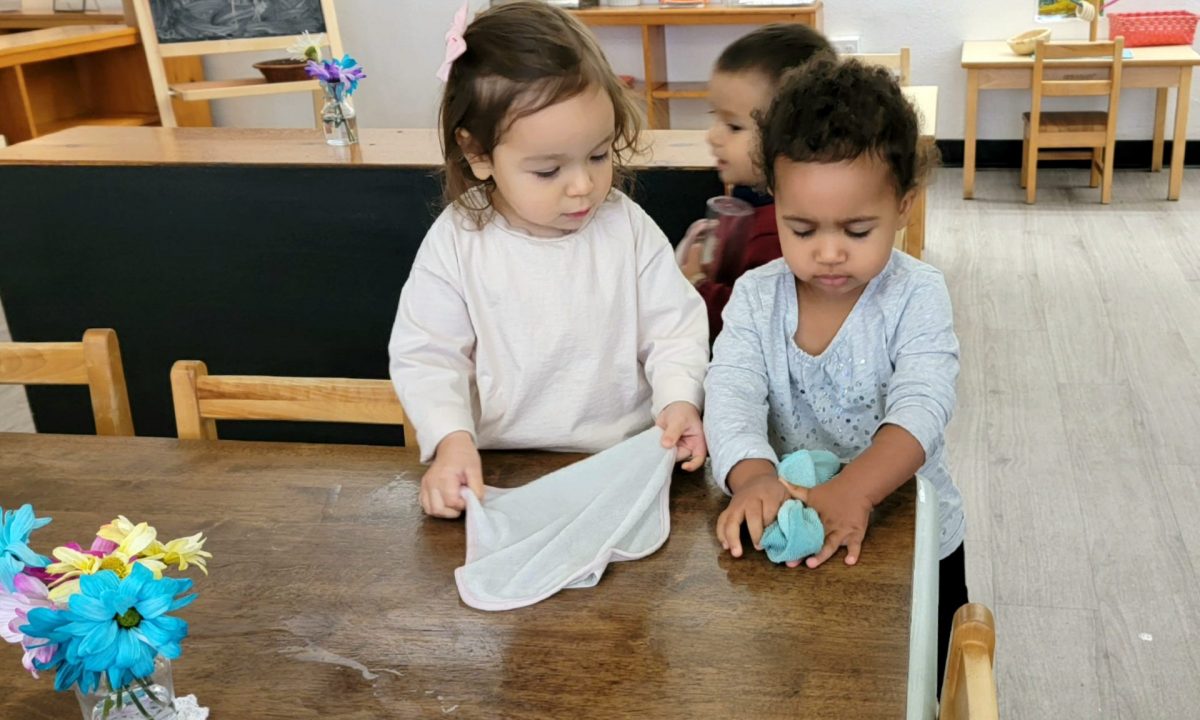
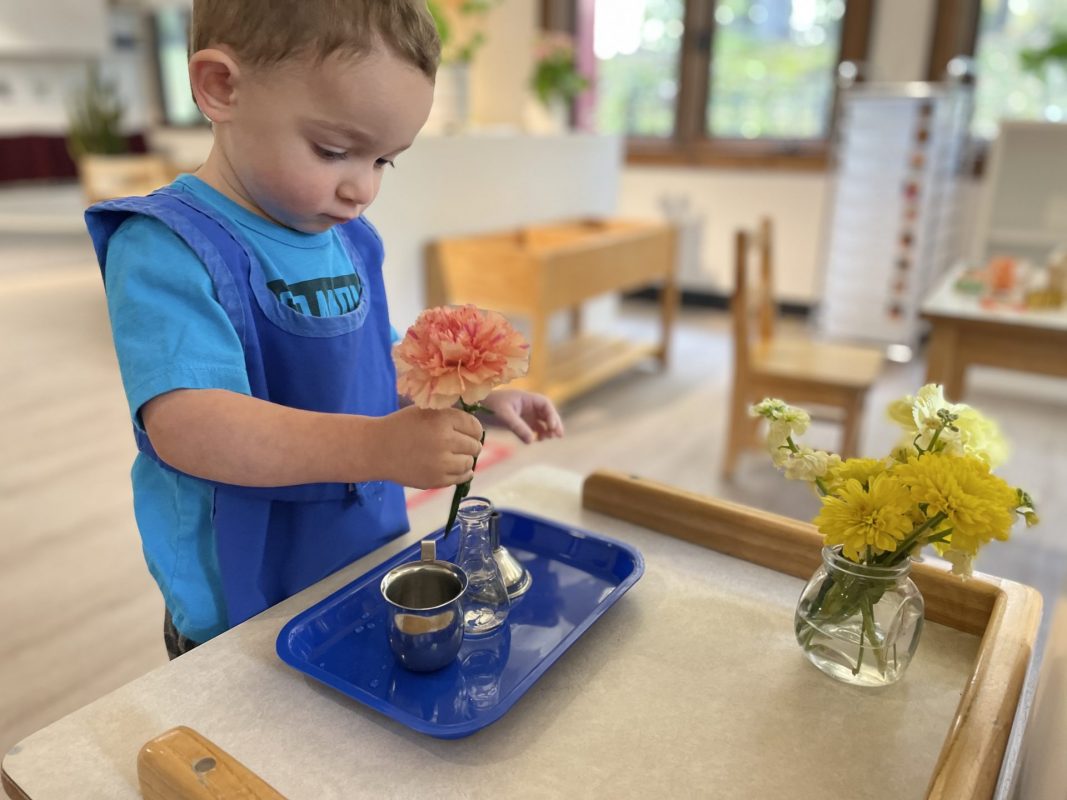
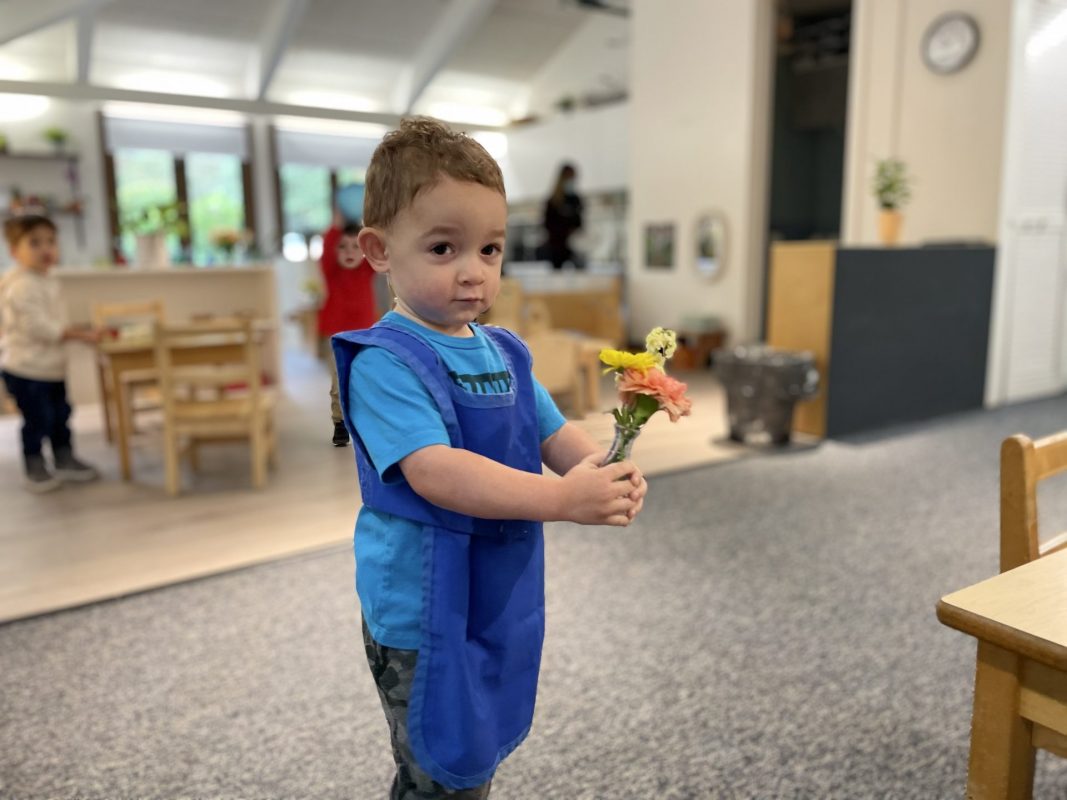
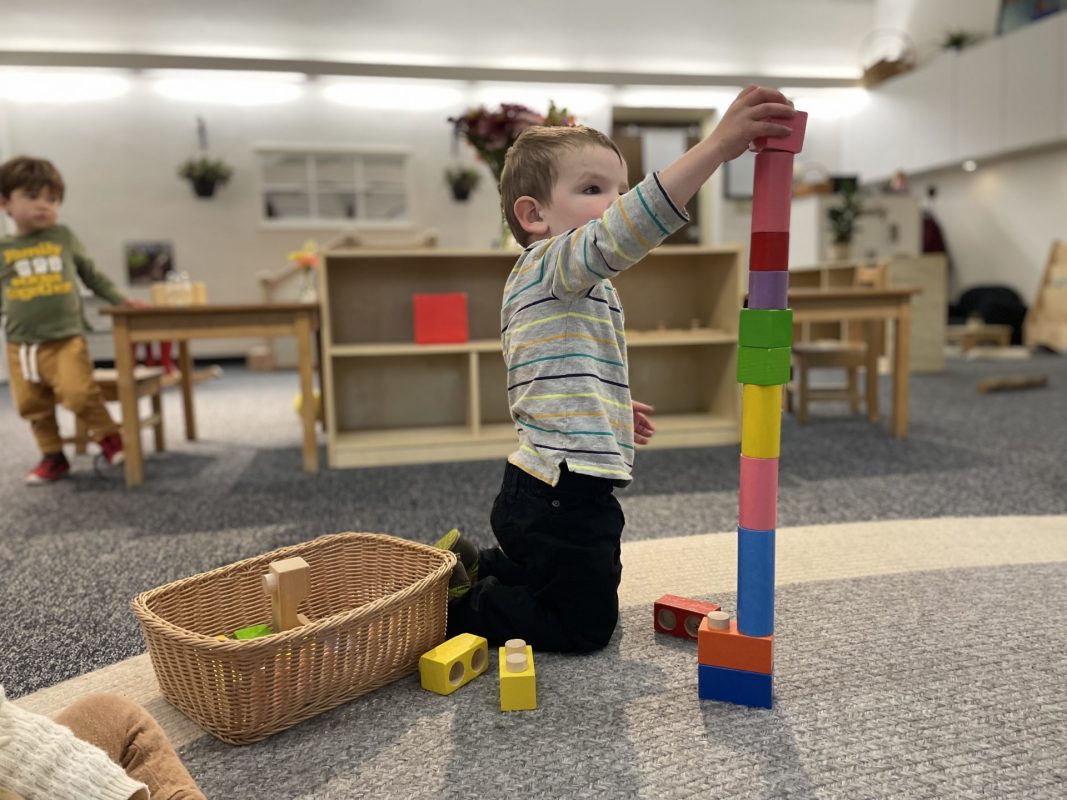
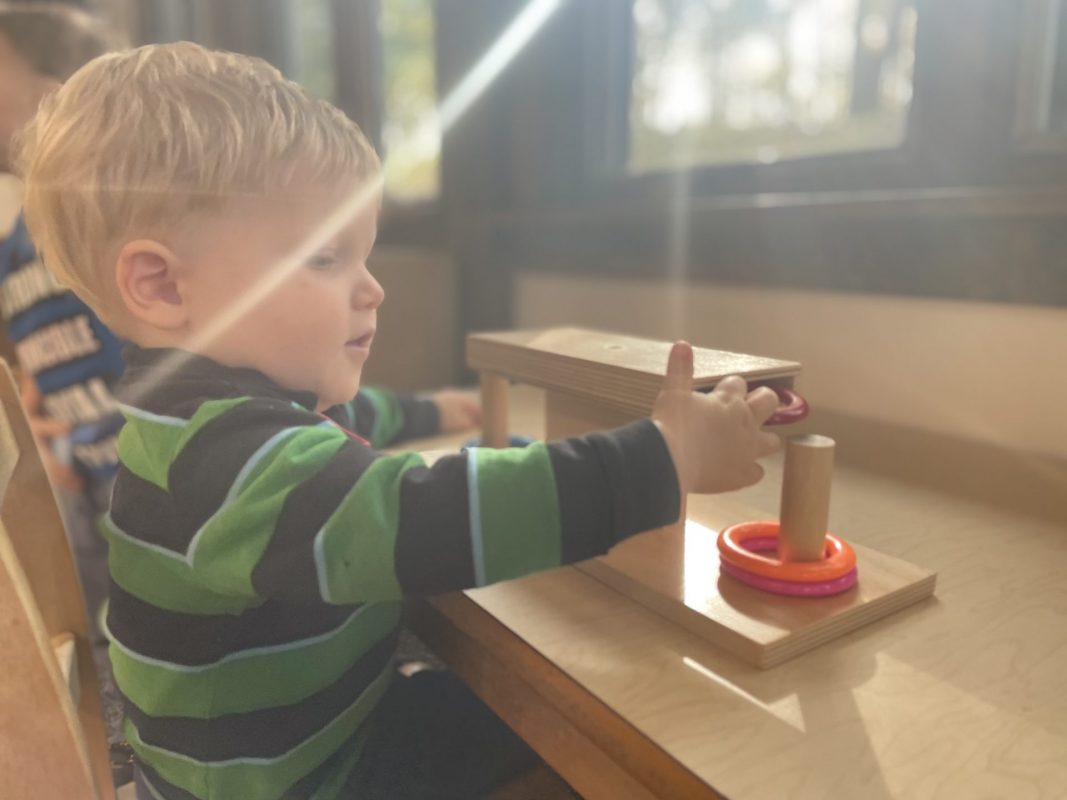
Practical Life is the heart of our classroom. The children learn so much by participating in these activities. They learn that they are part of this community and environment. They learn to respect the environment as well as each other simply by helping to take care of it. The color-coding of the materials gives them the idea of organization, while the sequence of the activity helps them have a sense of order. These two attributes help develop the children’s executive functioning skills. Who knew wiping a table or making a flower arrangement had so many valuable lessons?


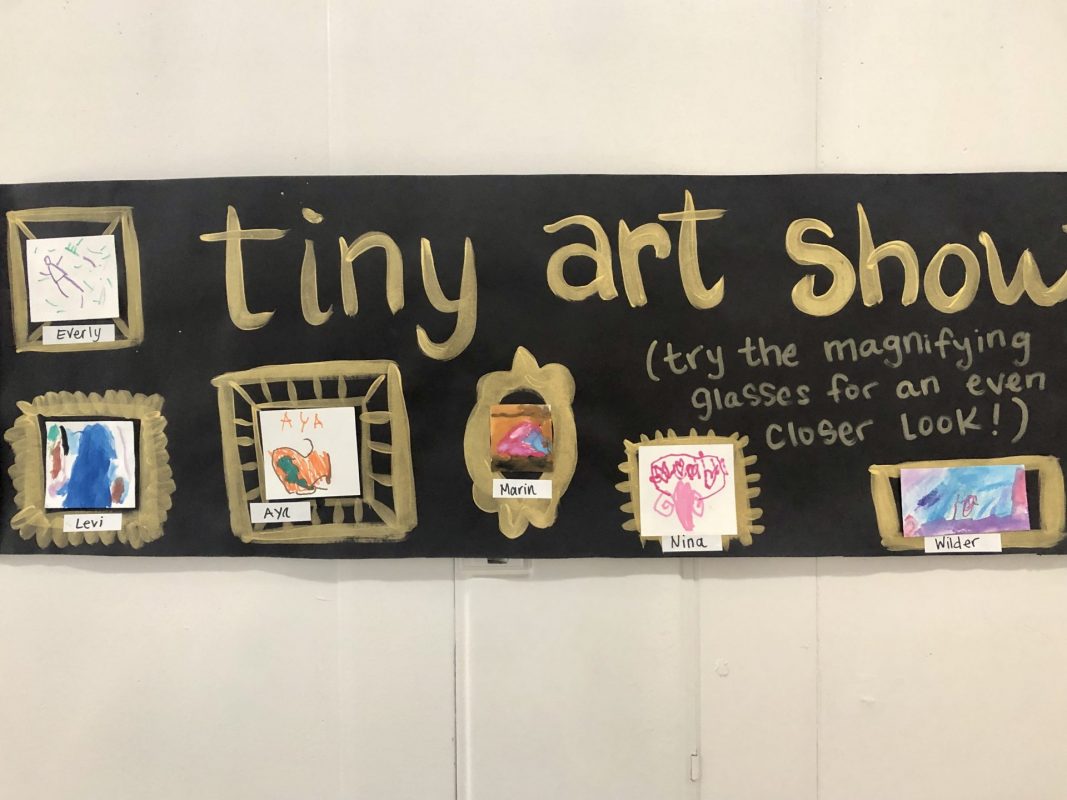
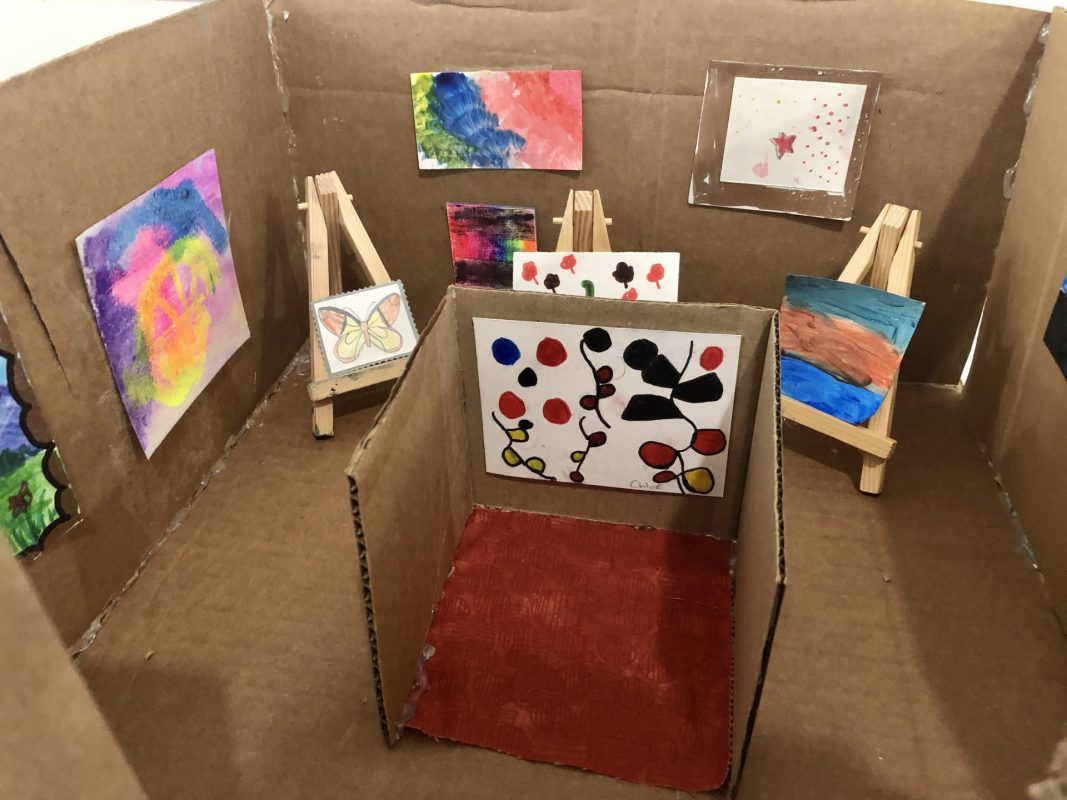
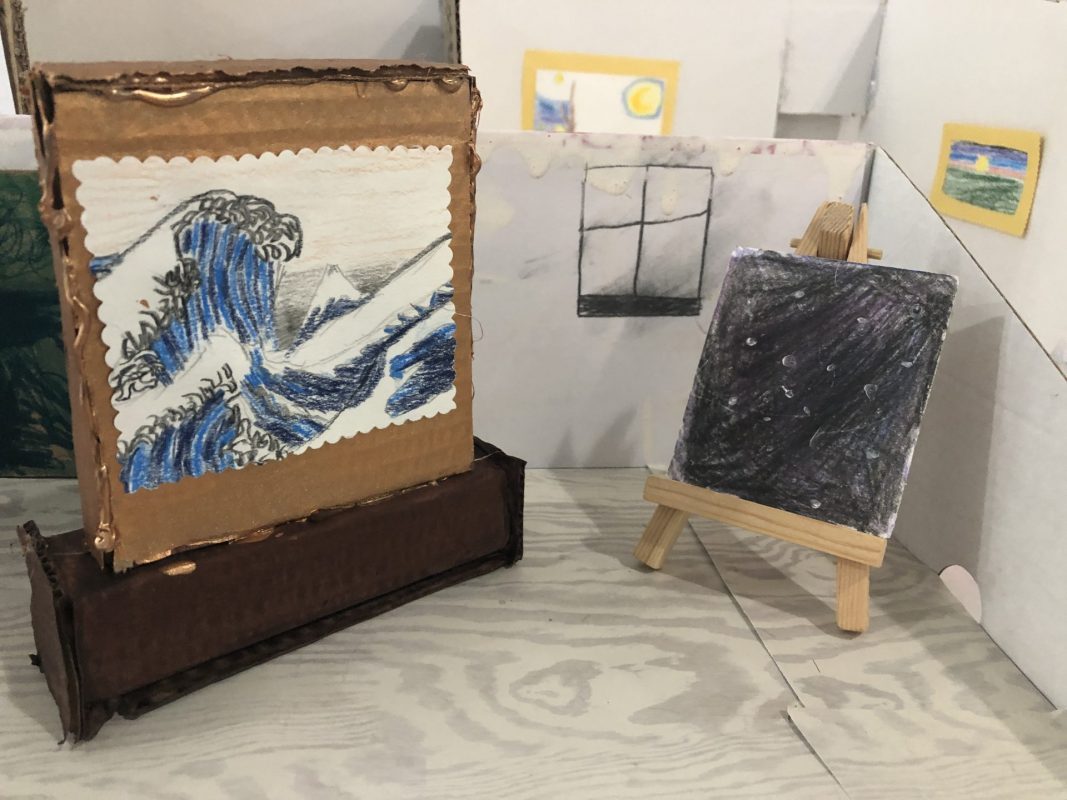
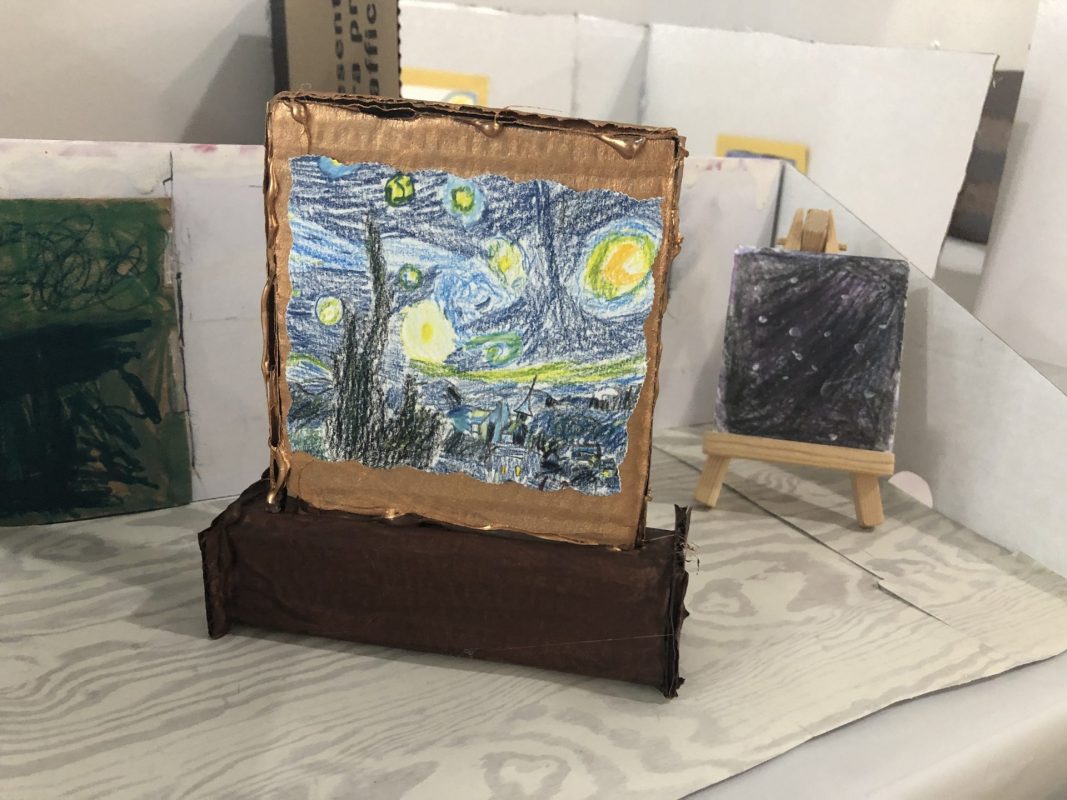
The Tiny Art Show is on Display!

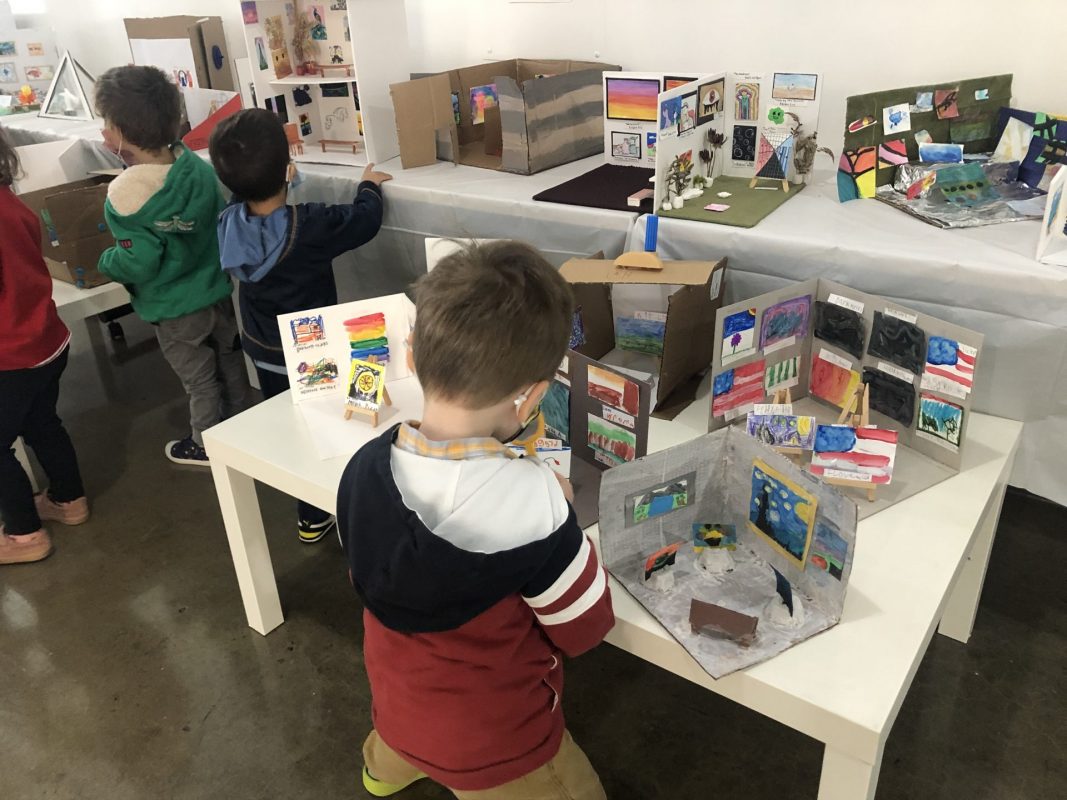
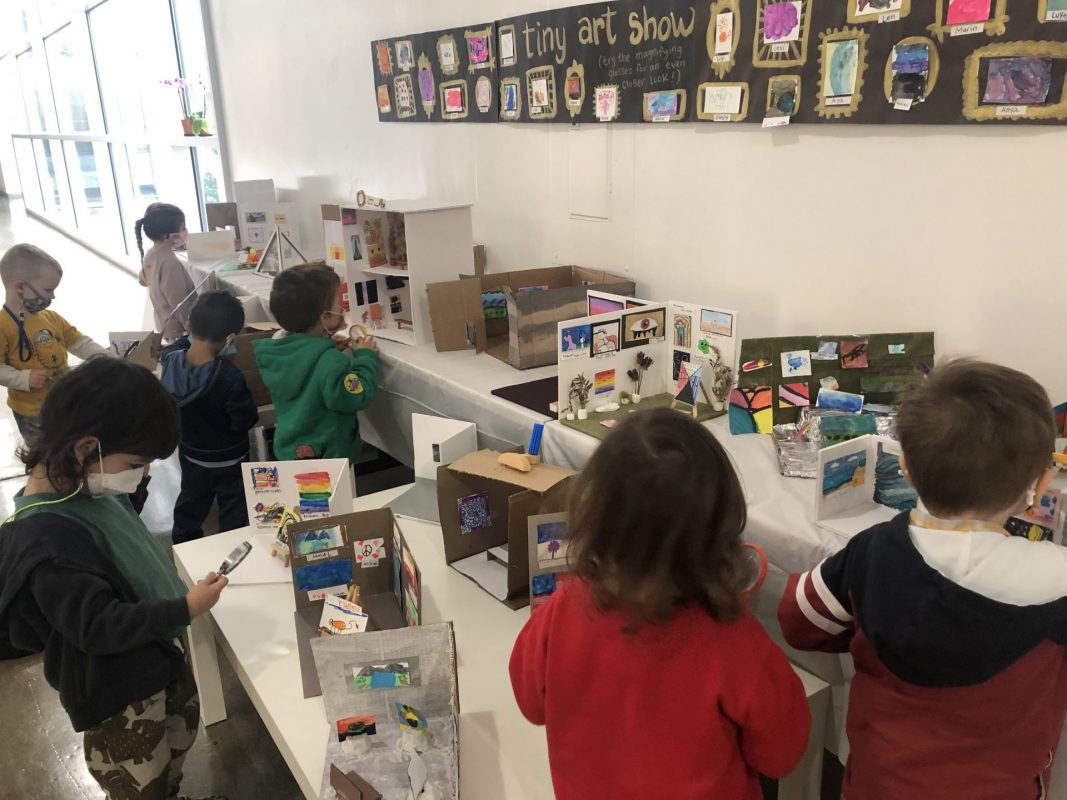
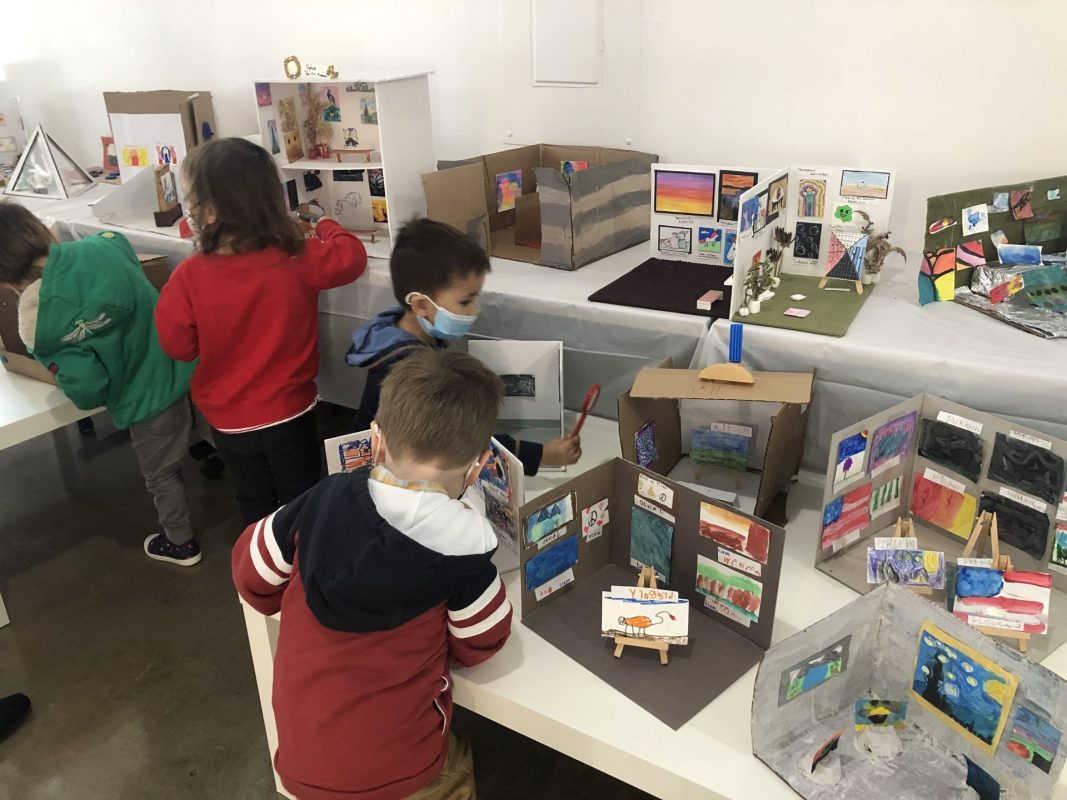
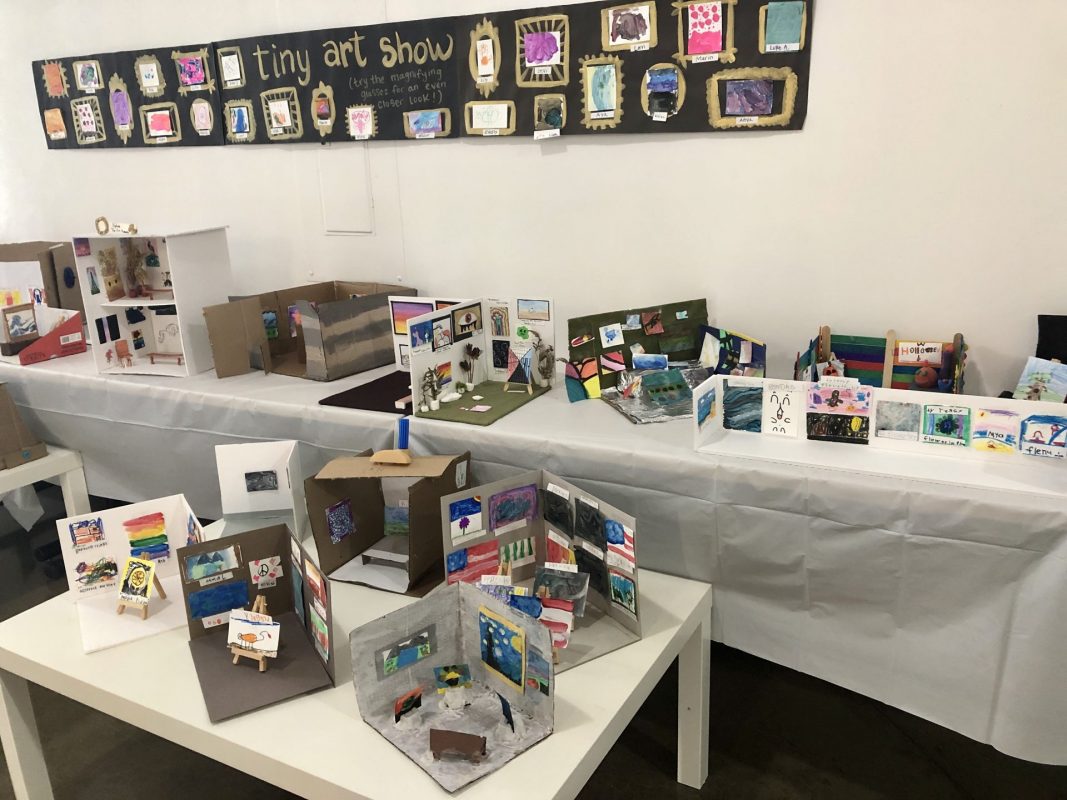
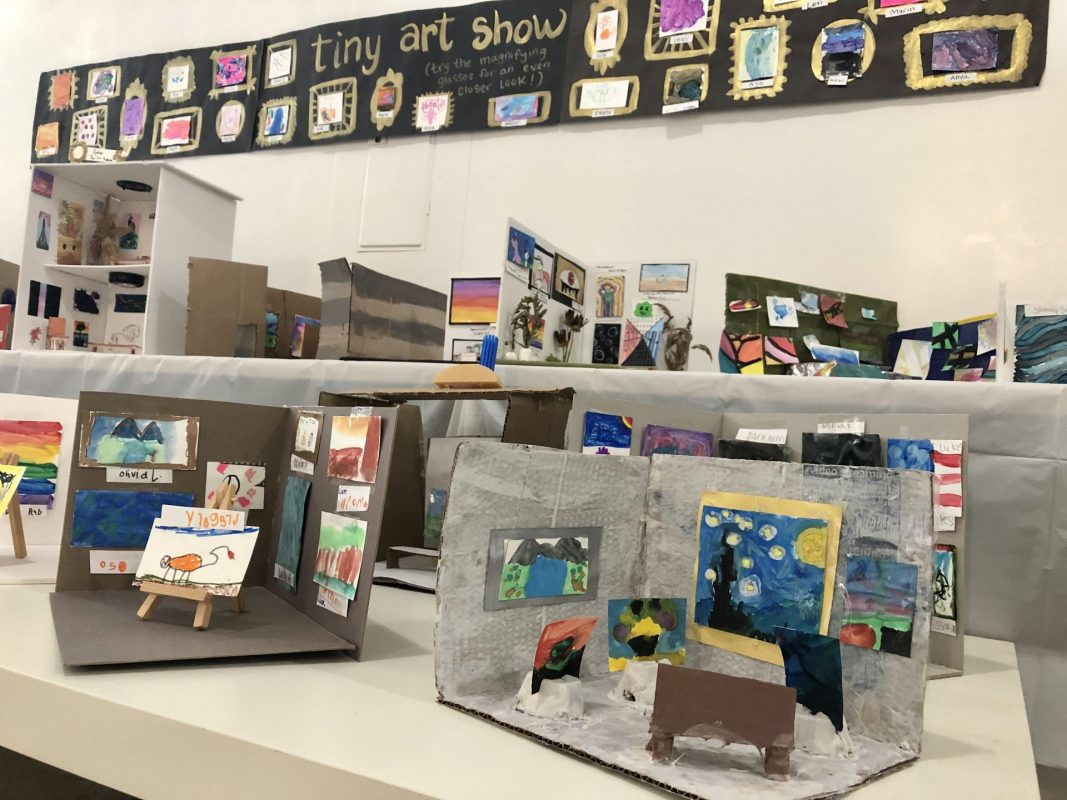
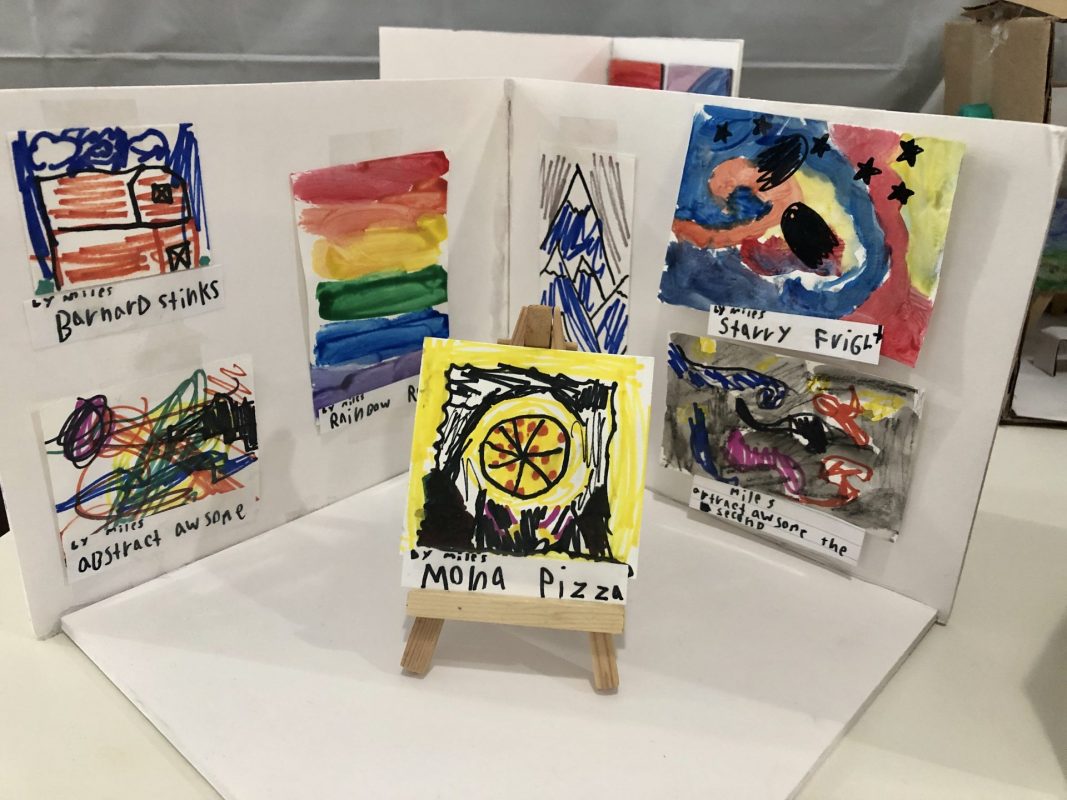
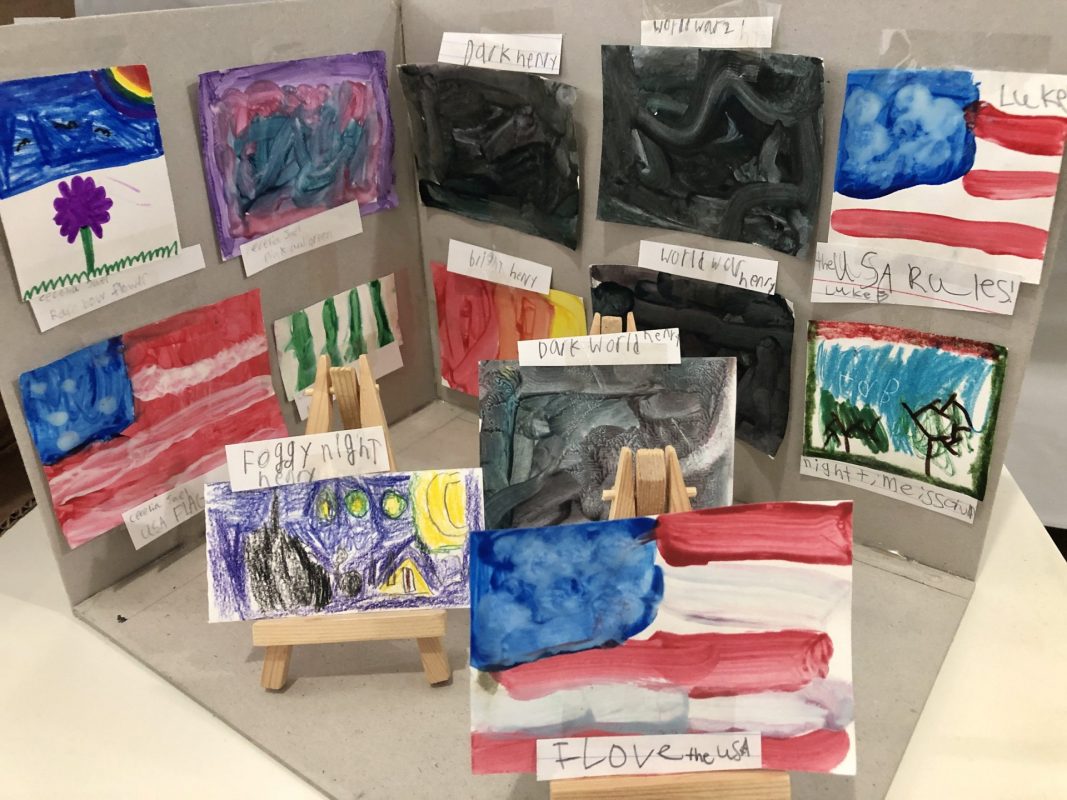
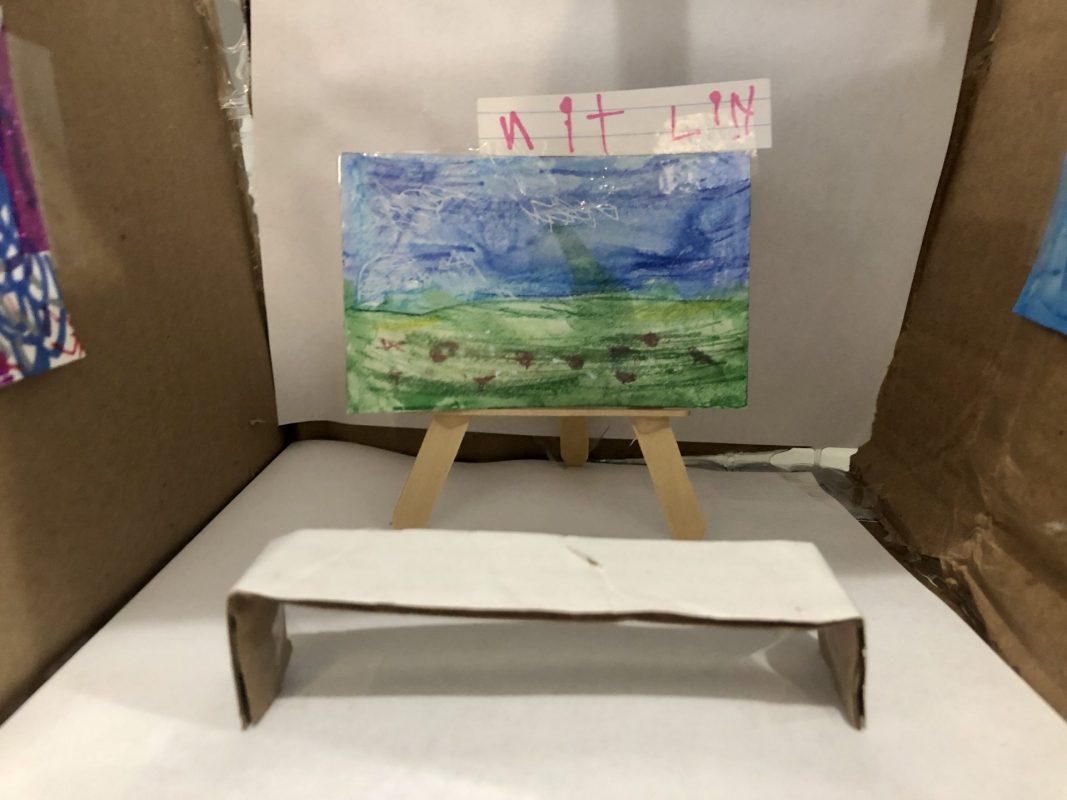
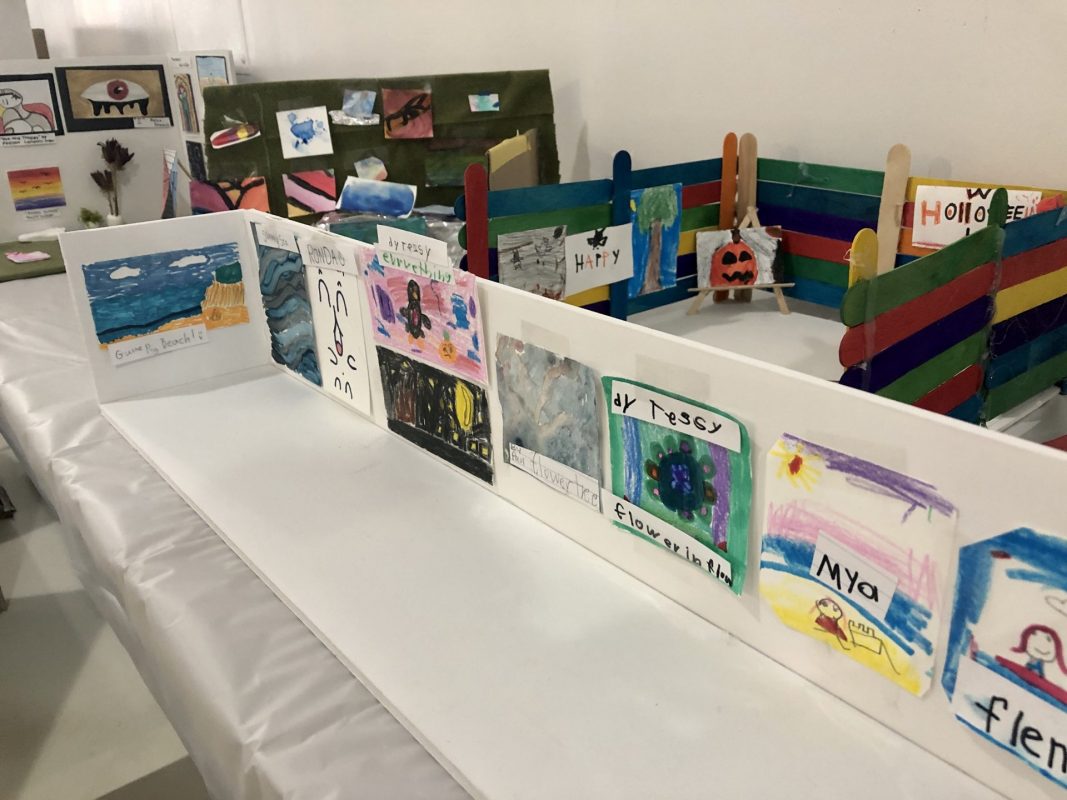
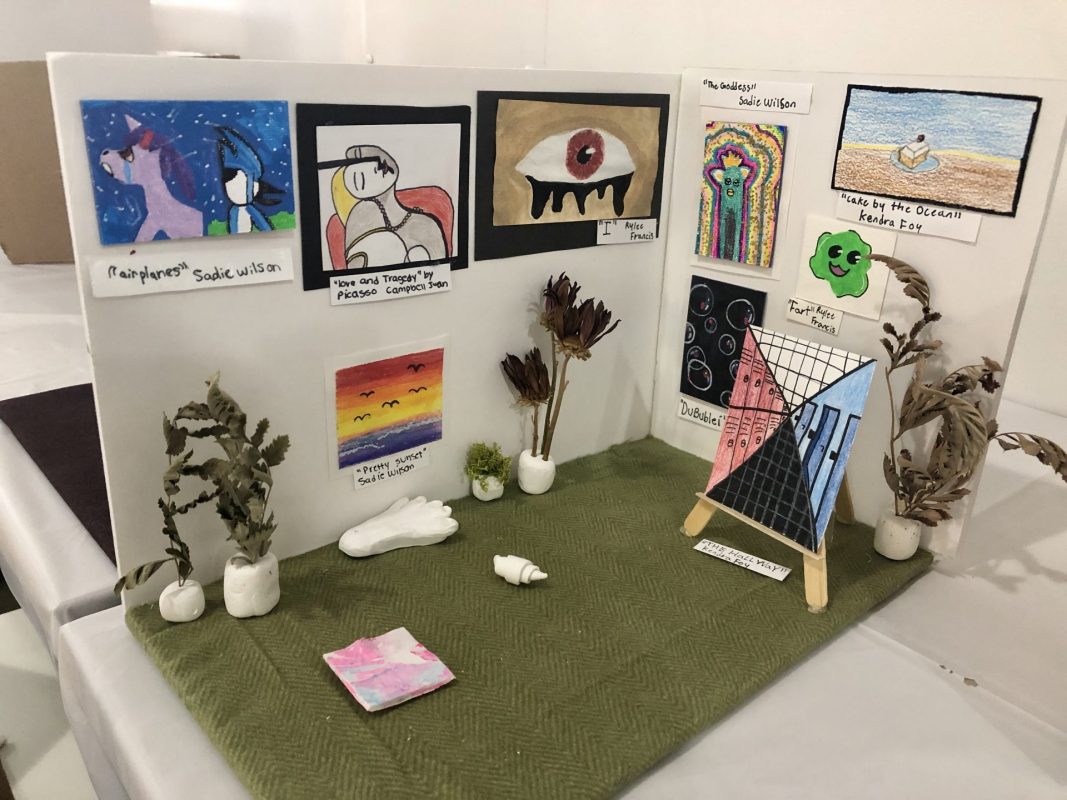
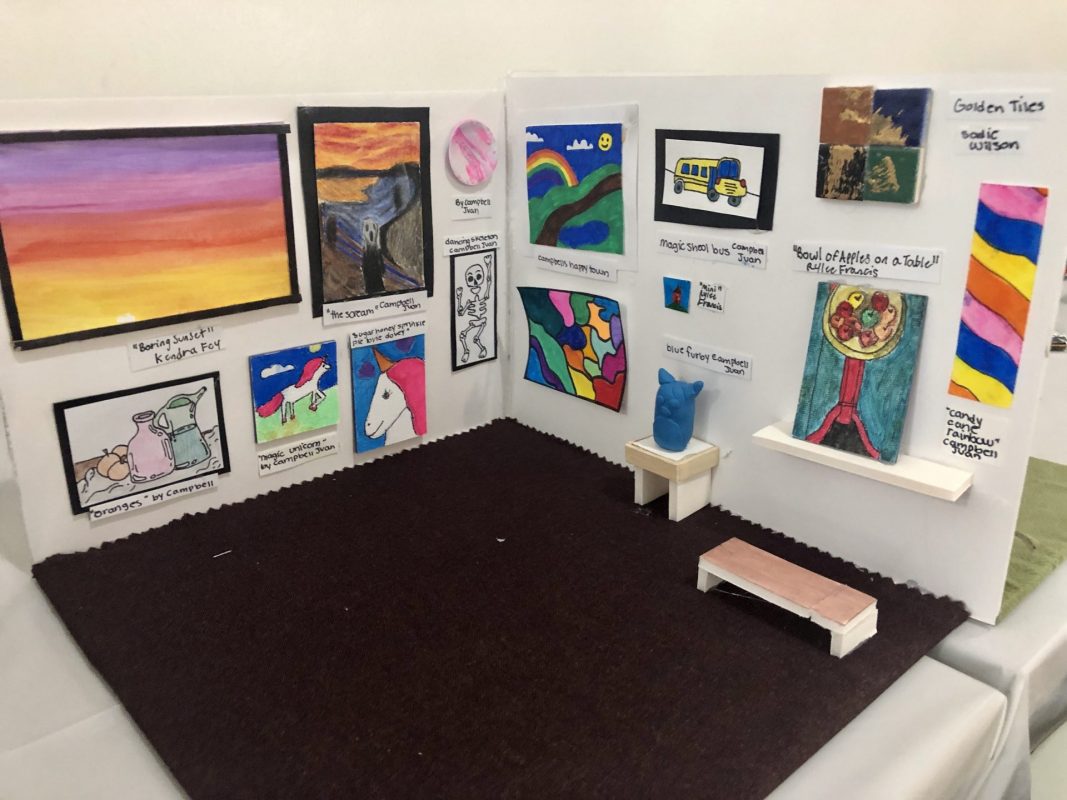
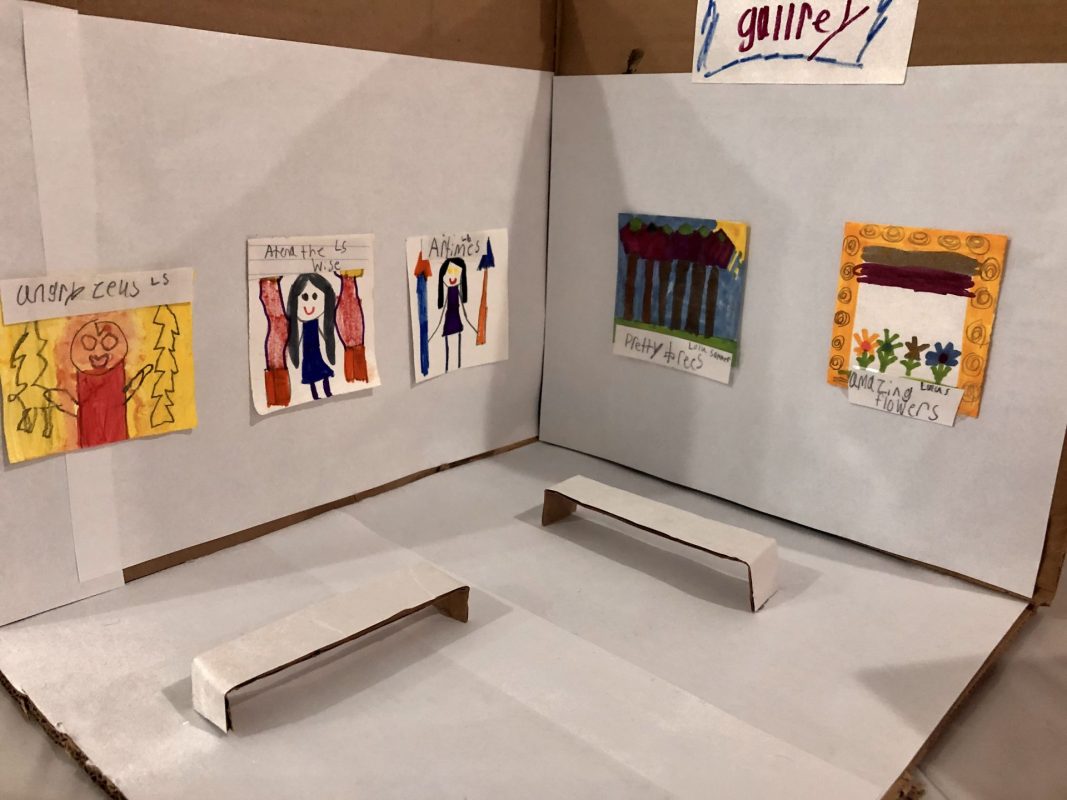
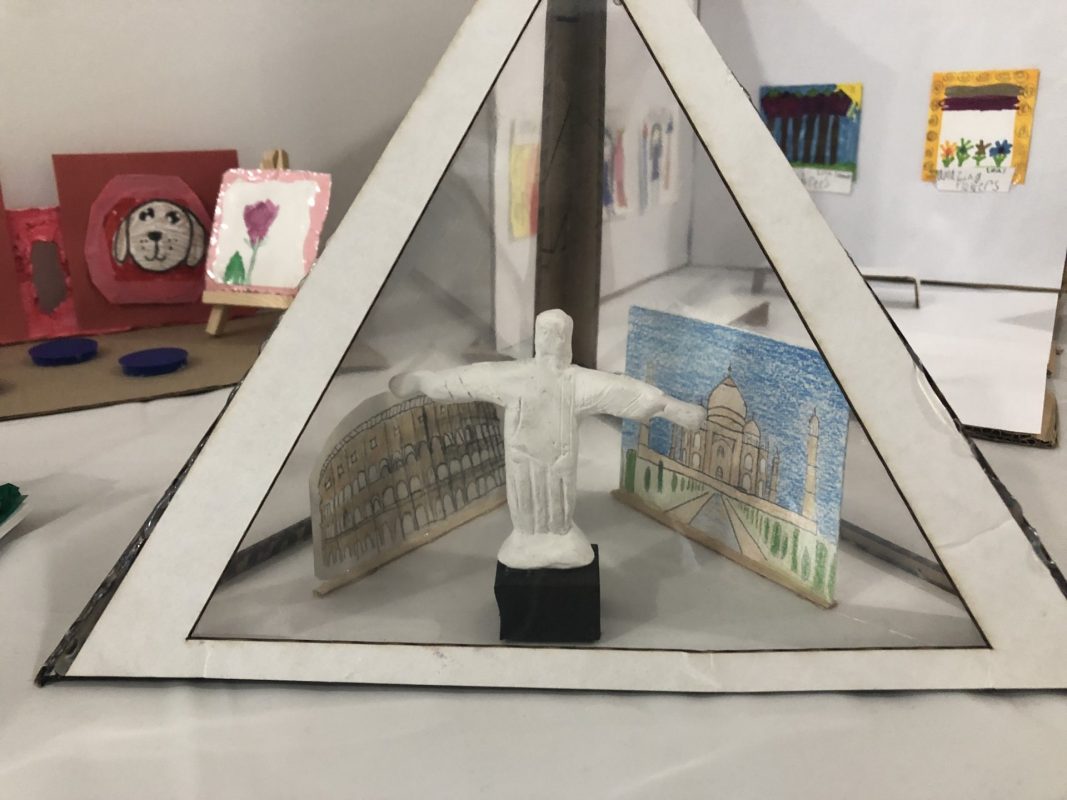
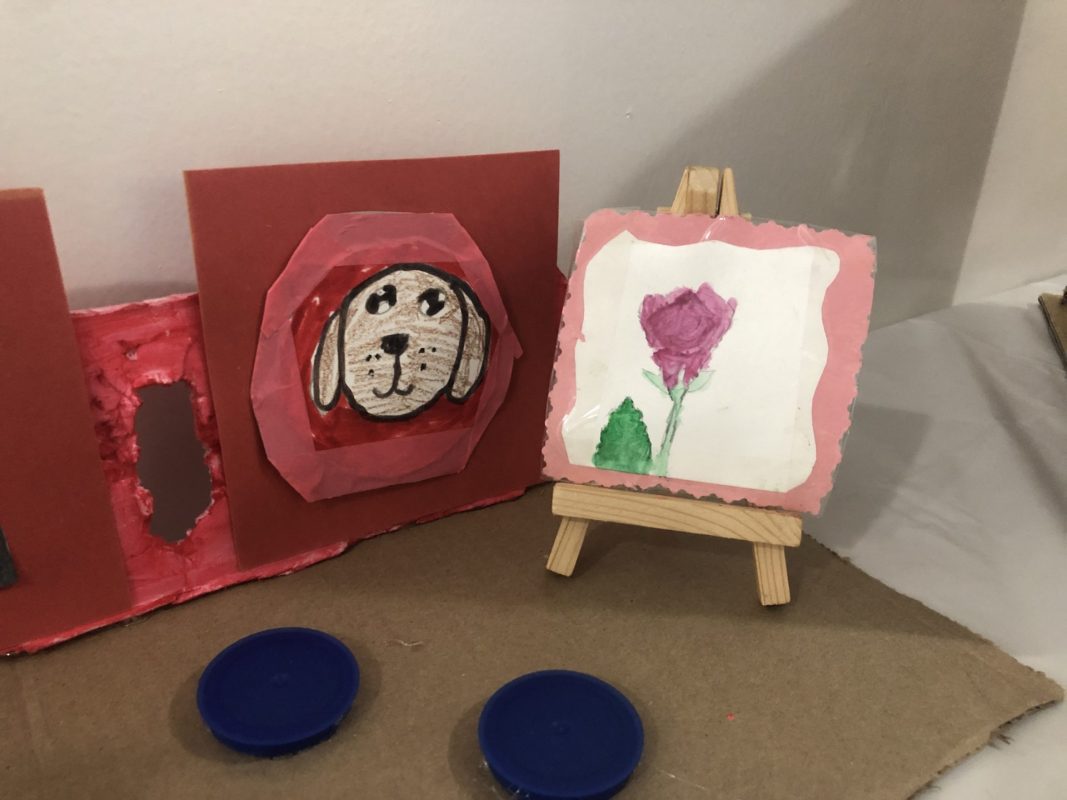
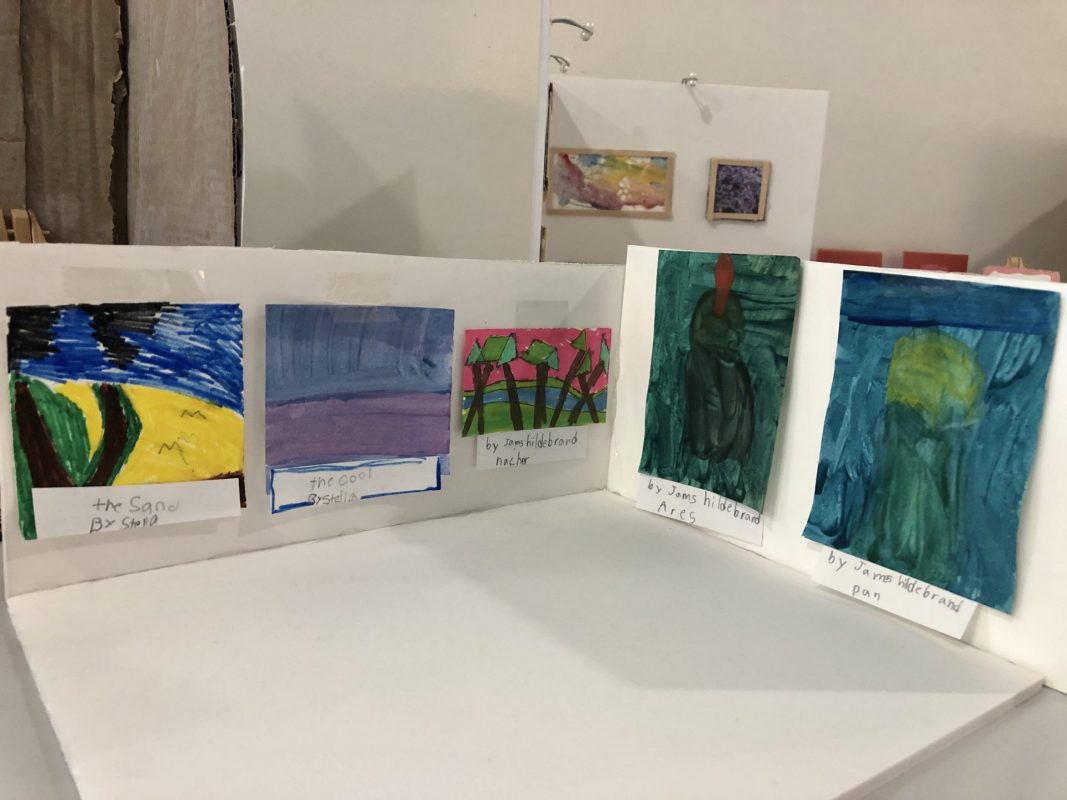
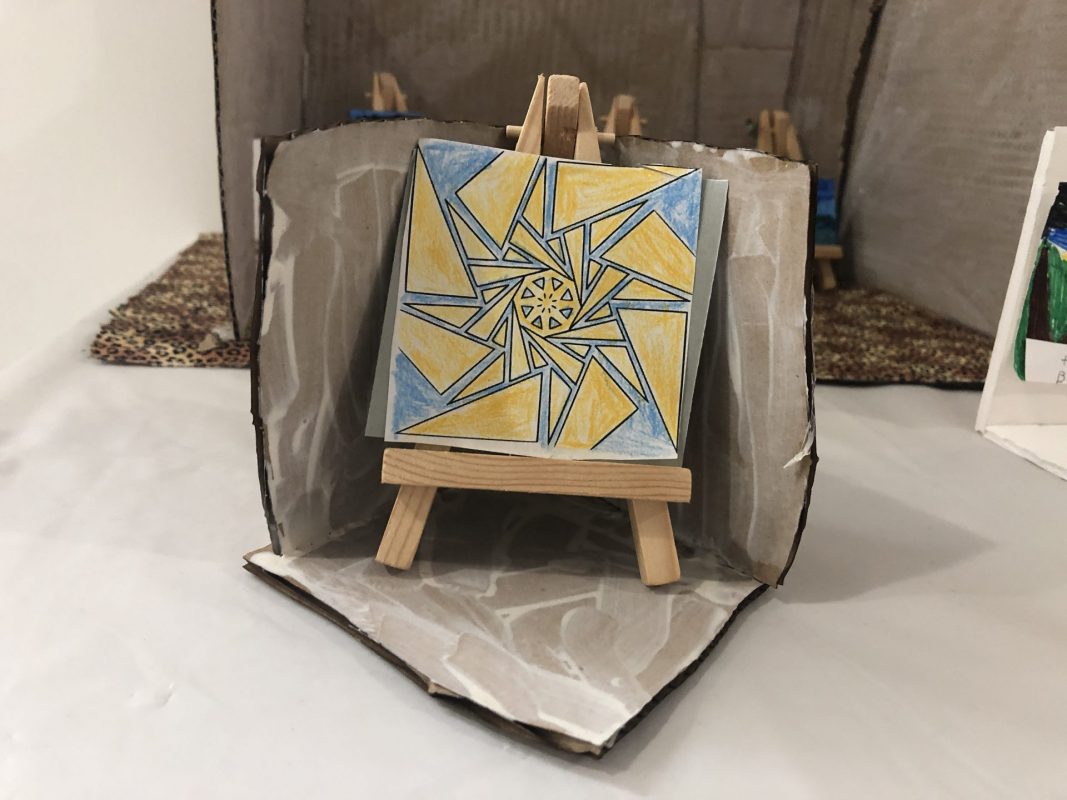
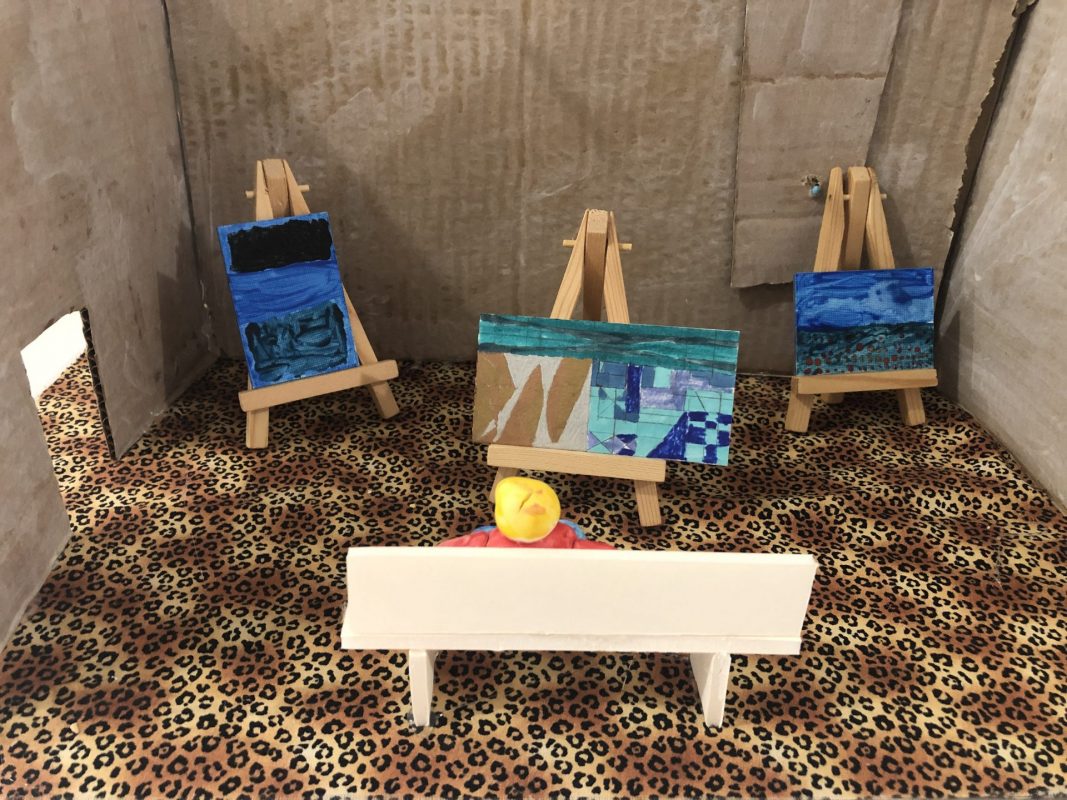
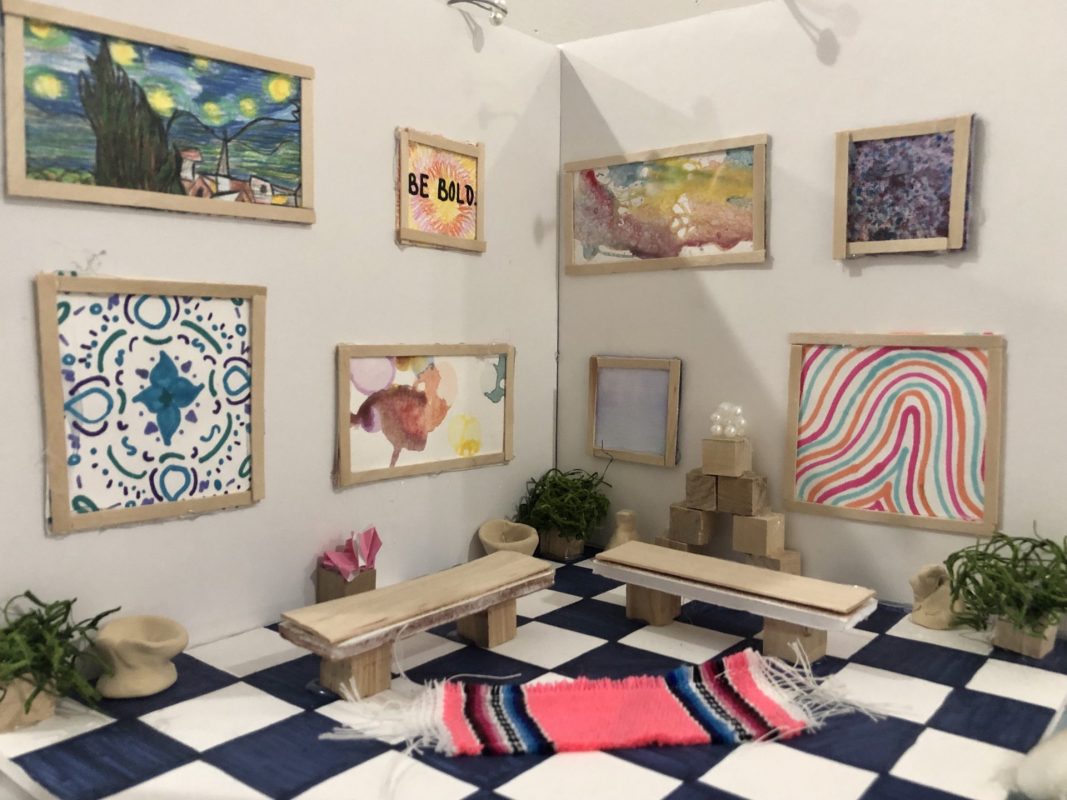
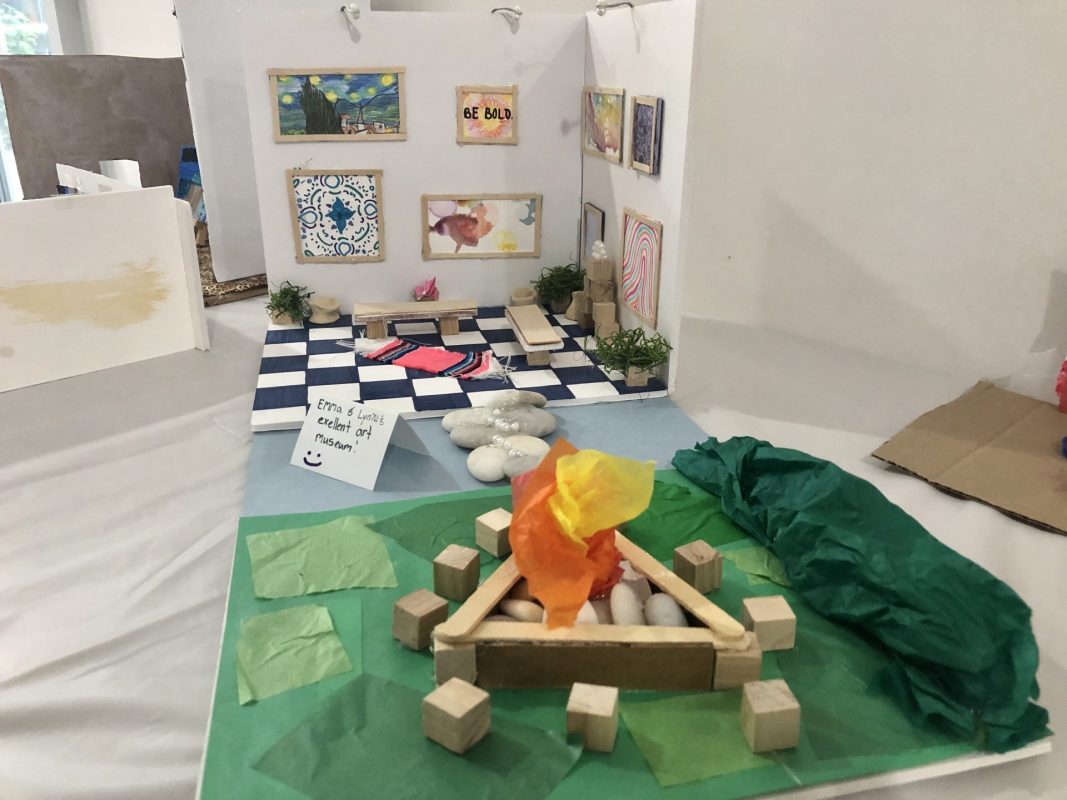
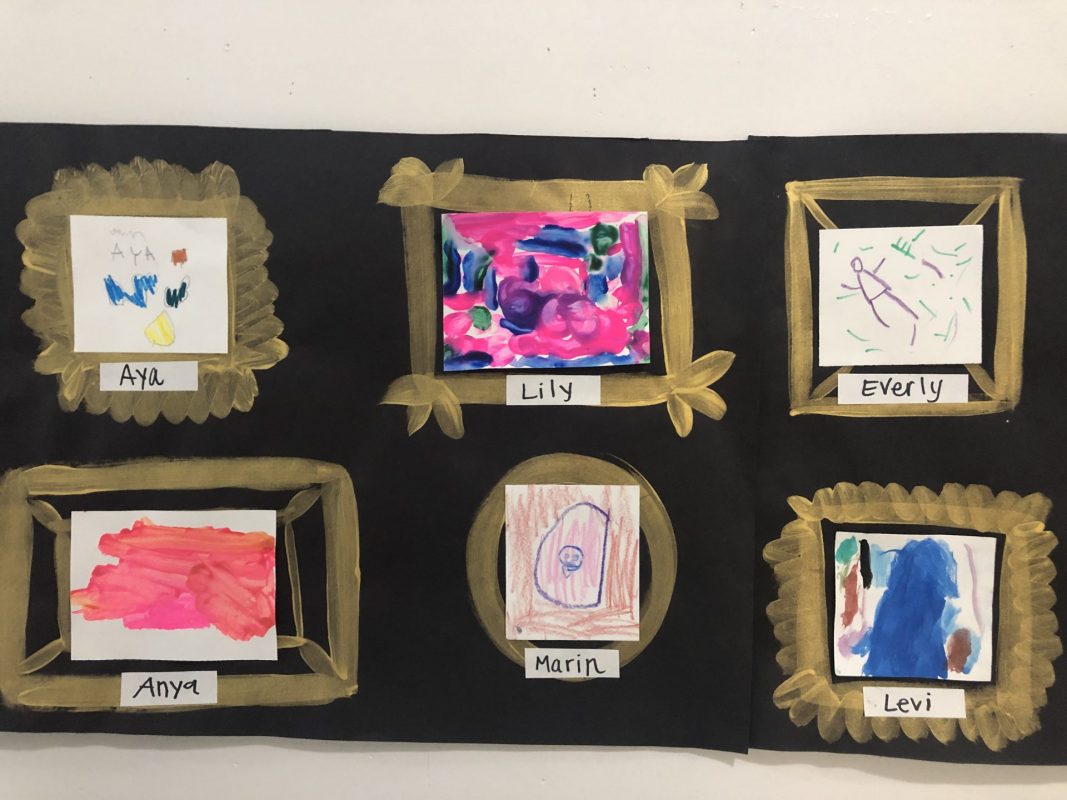
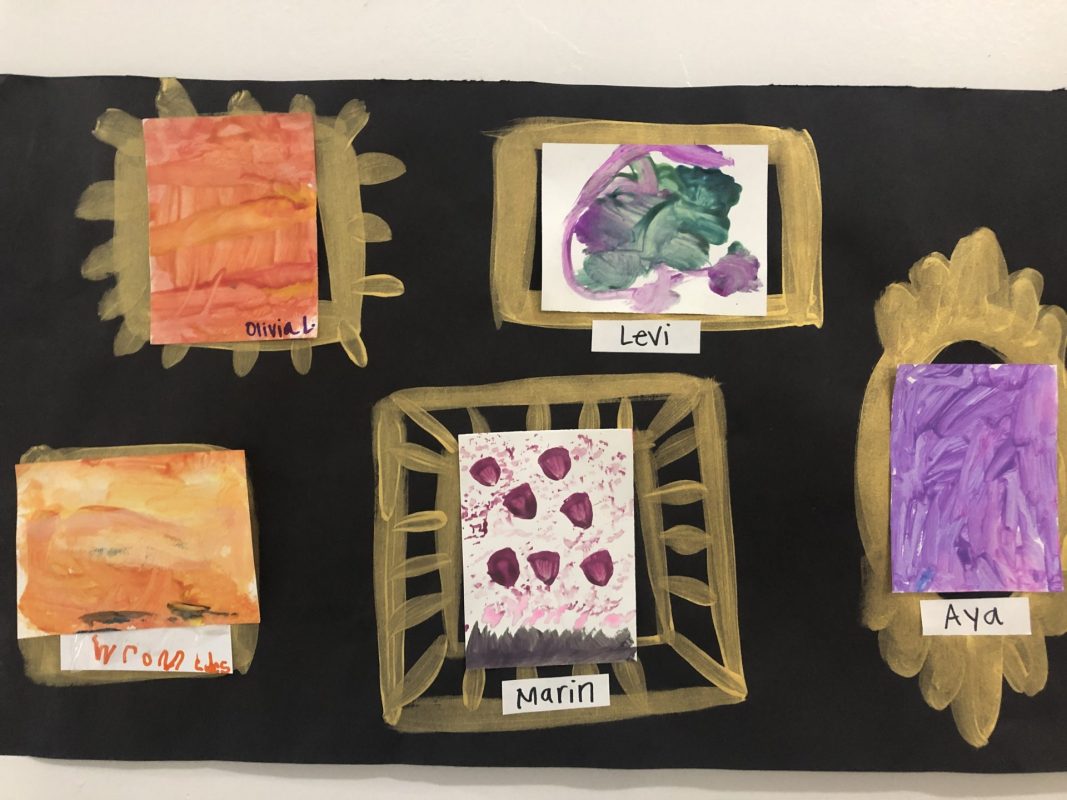
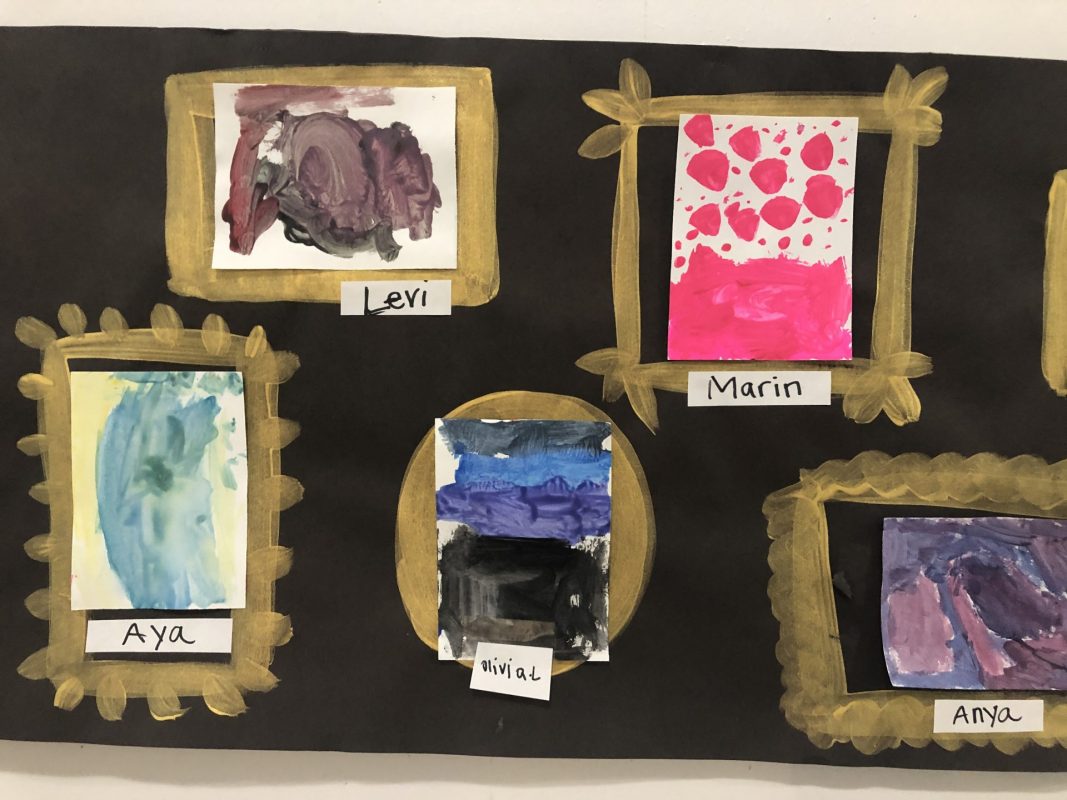
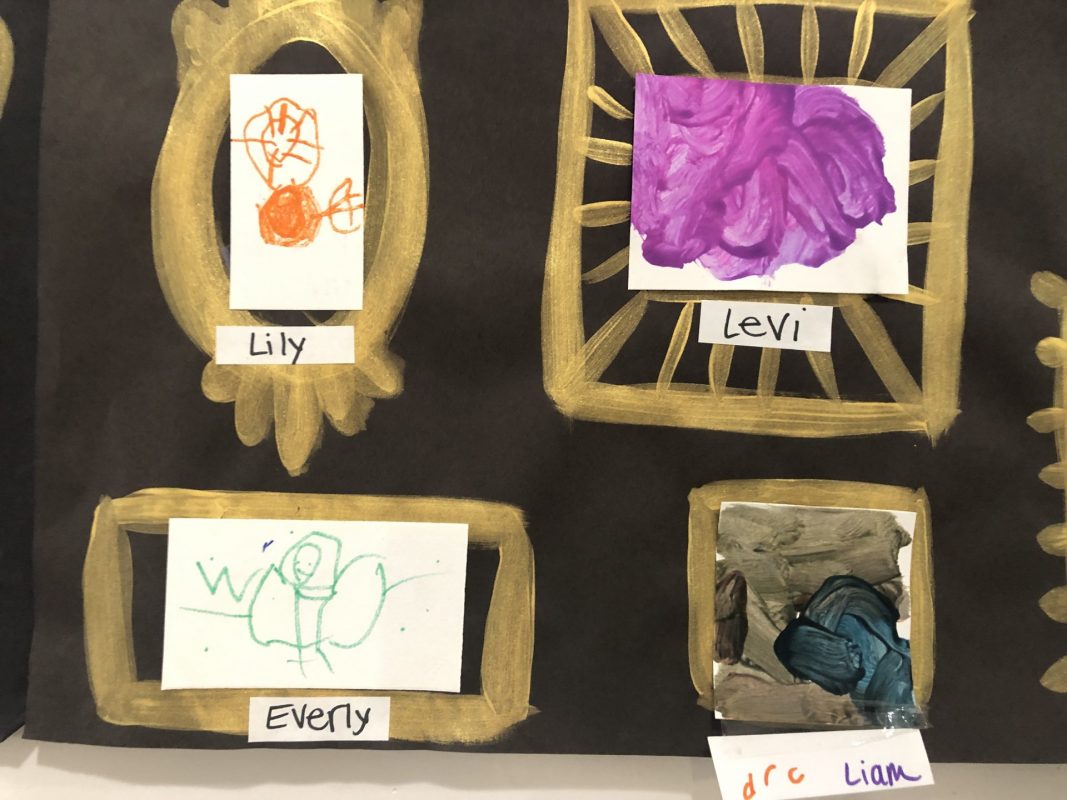
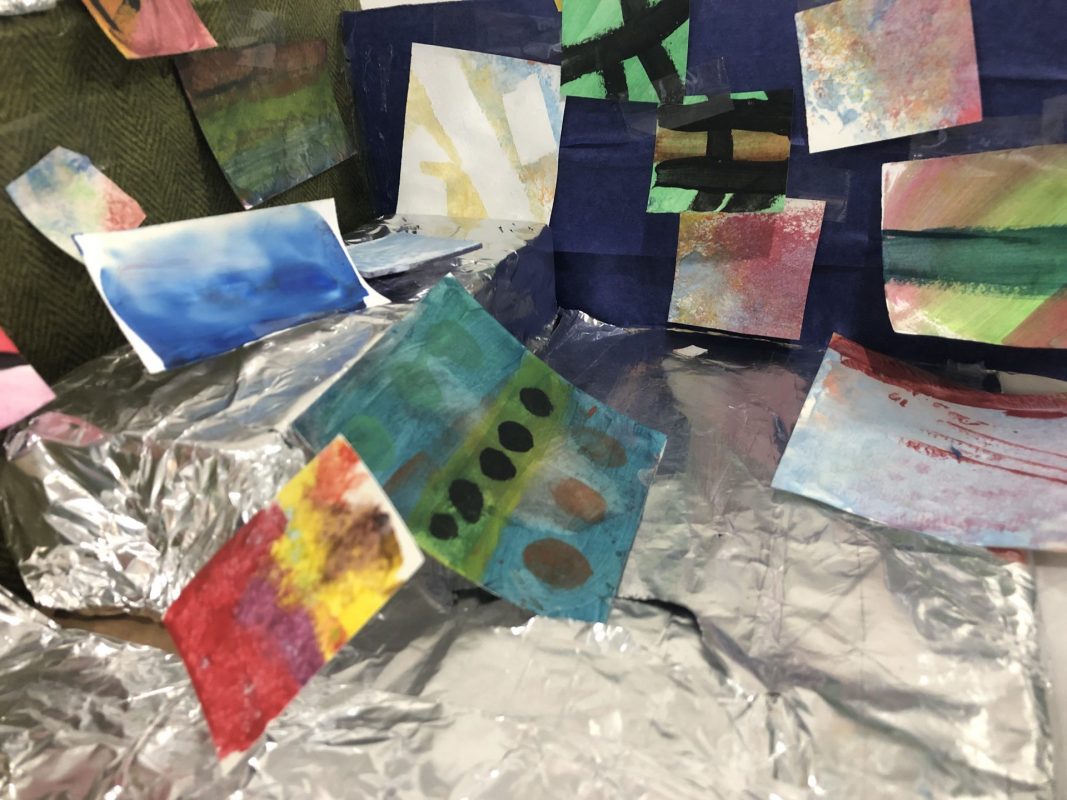
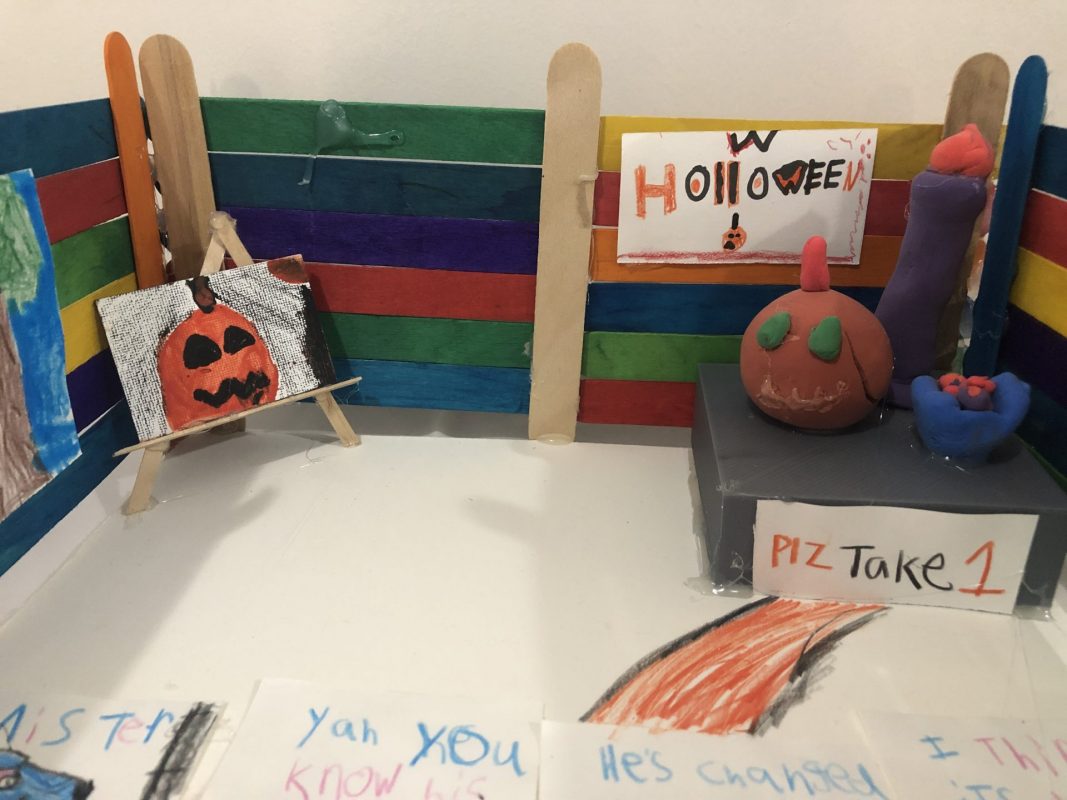
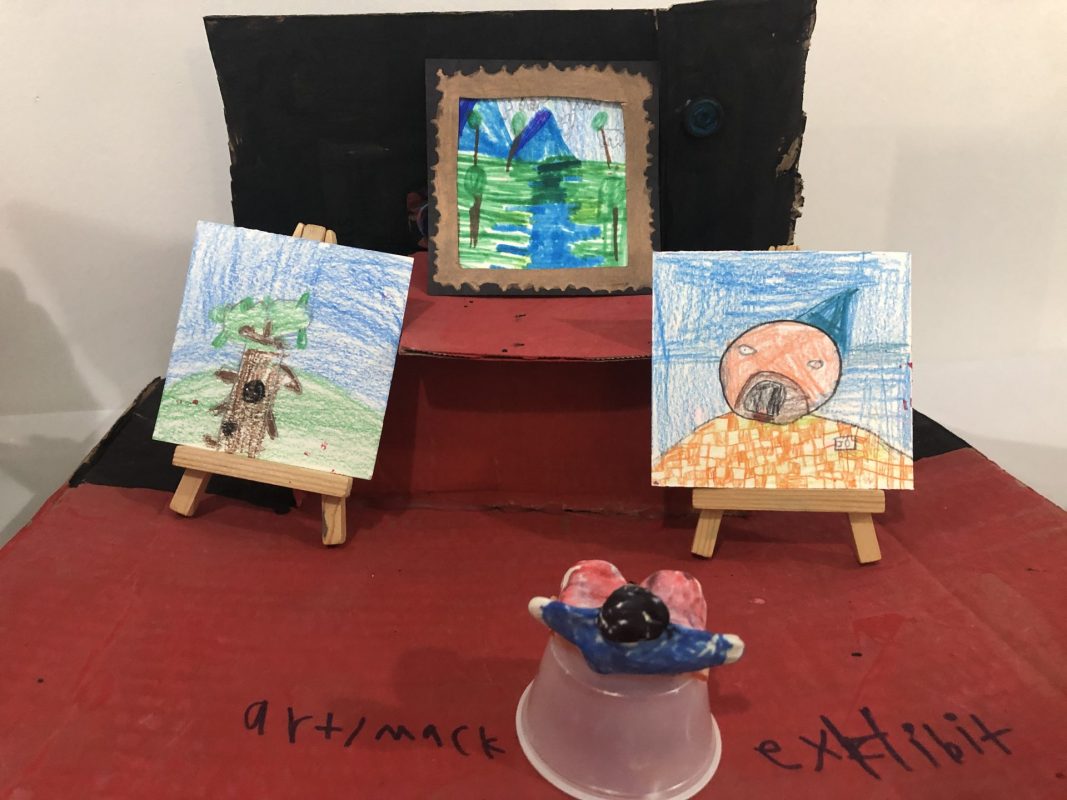
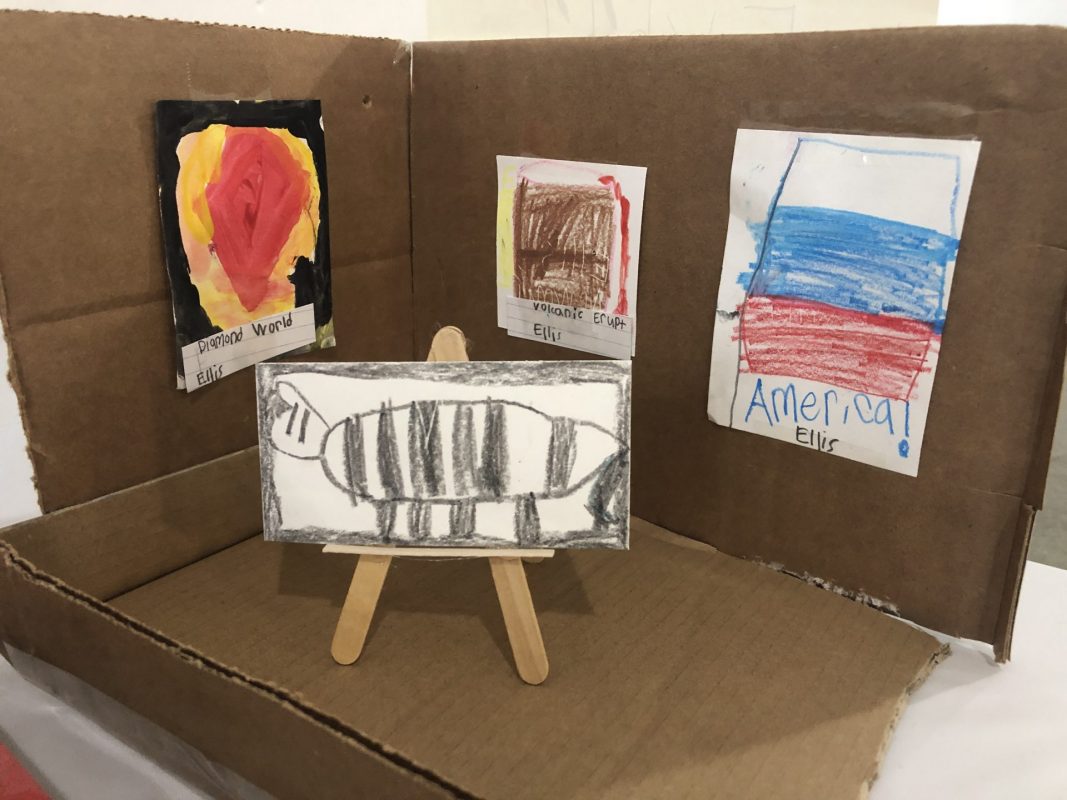
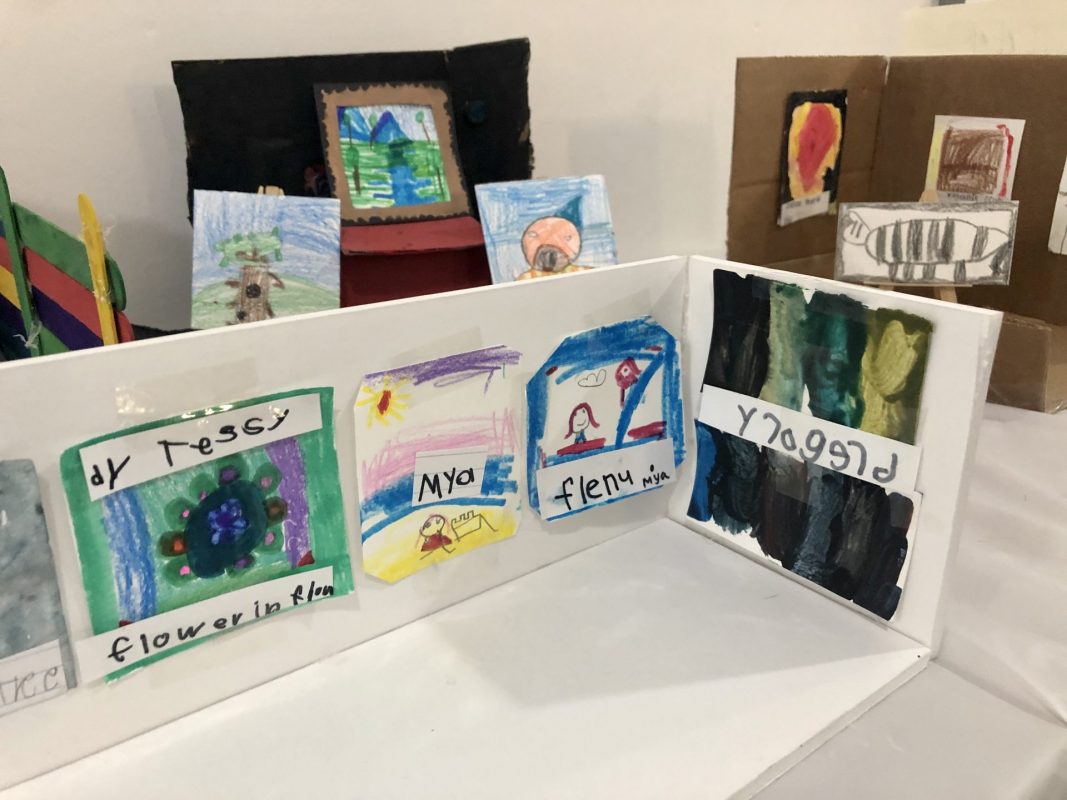
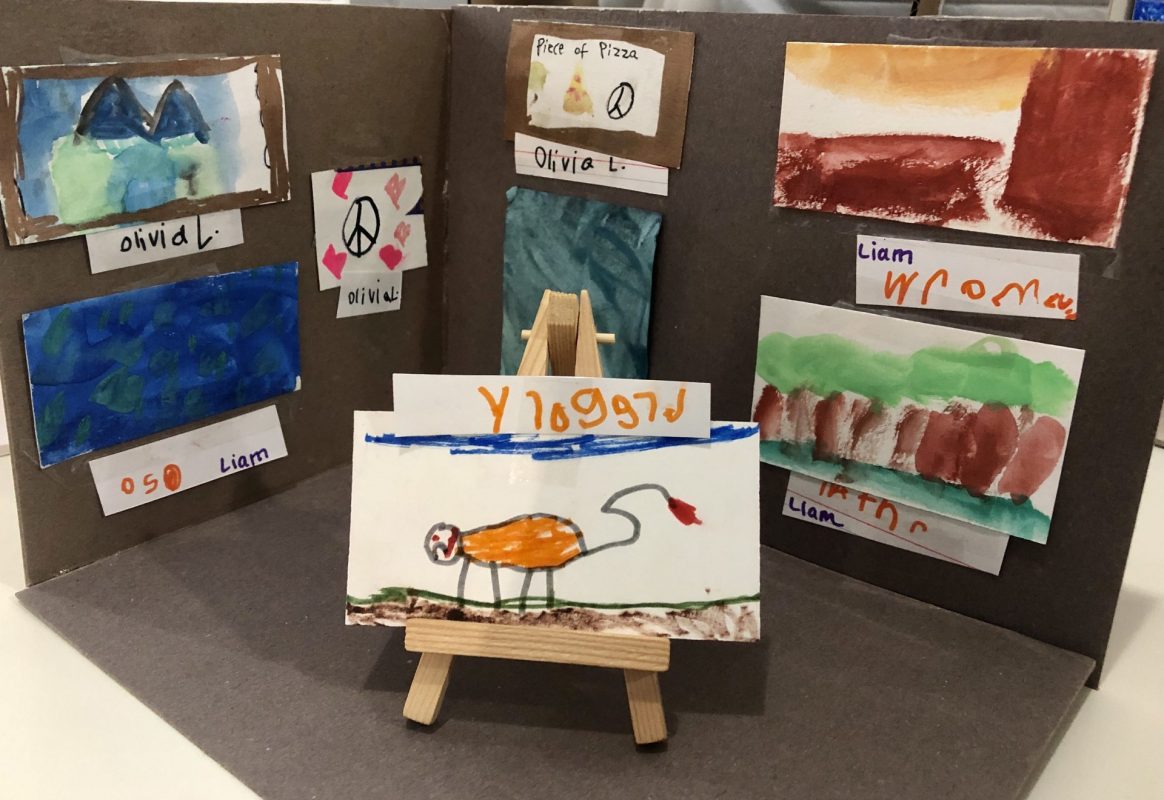
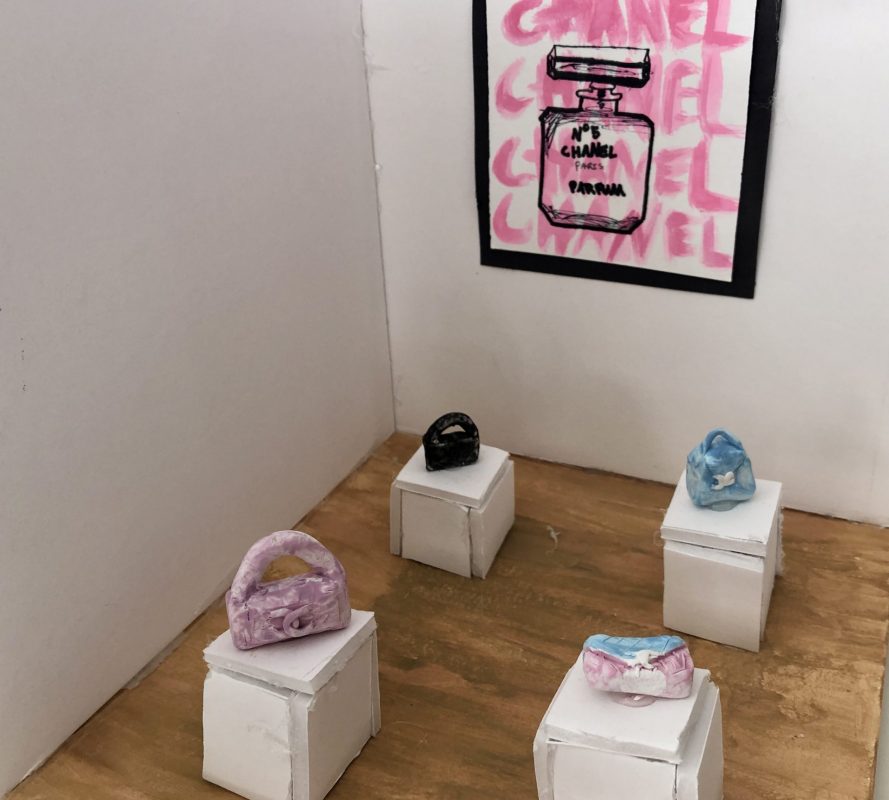
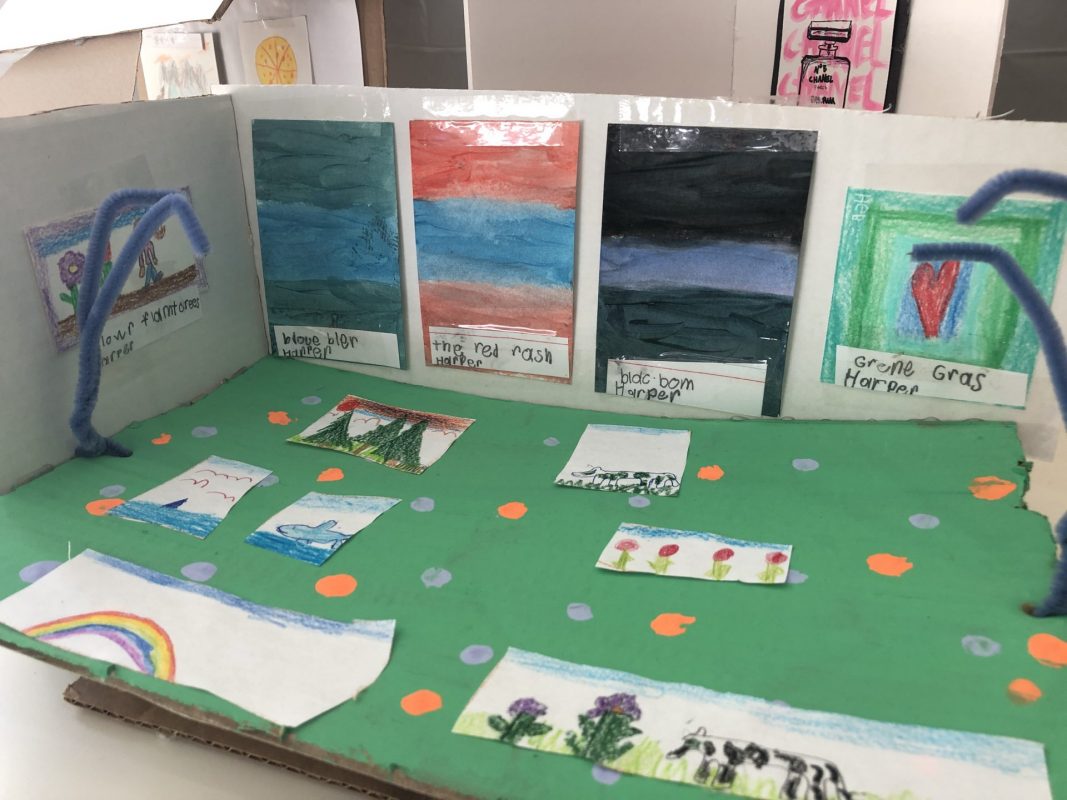
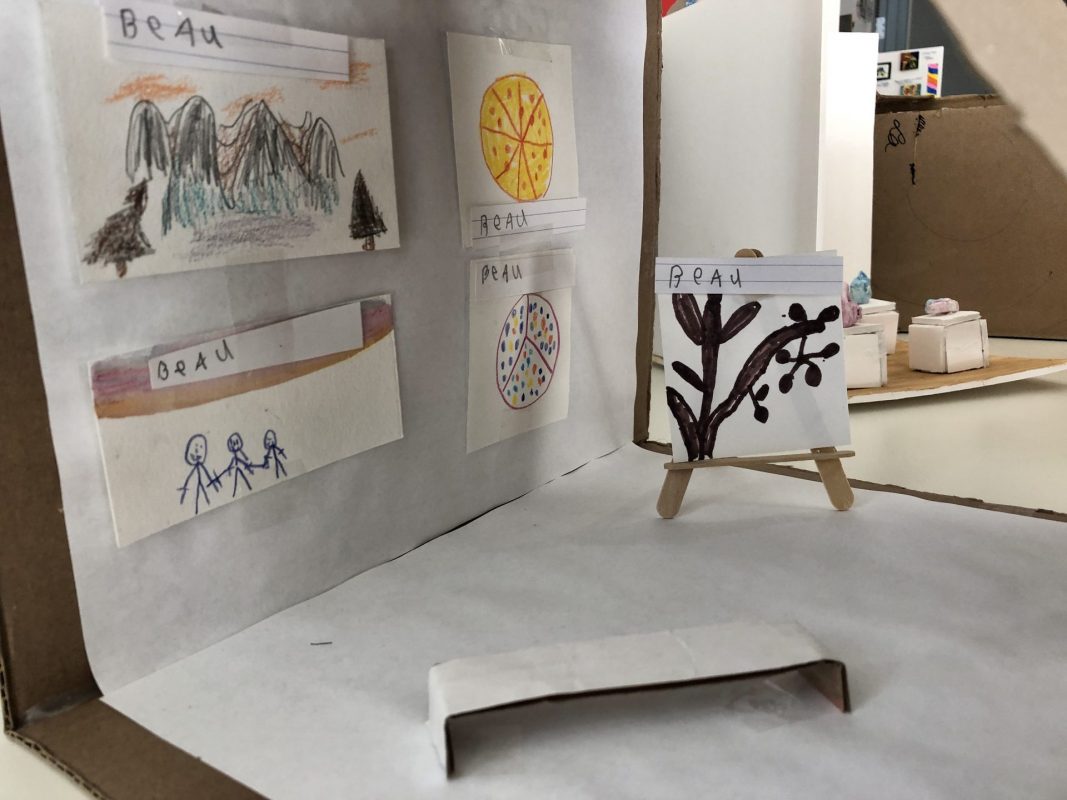
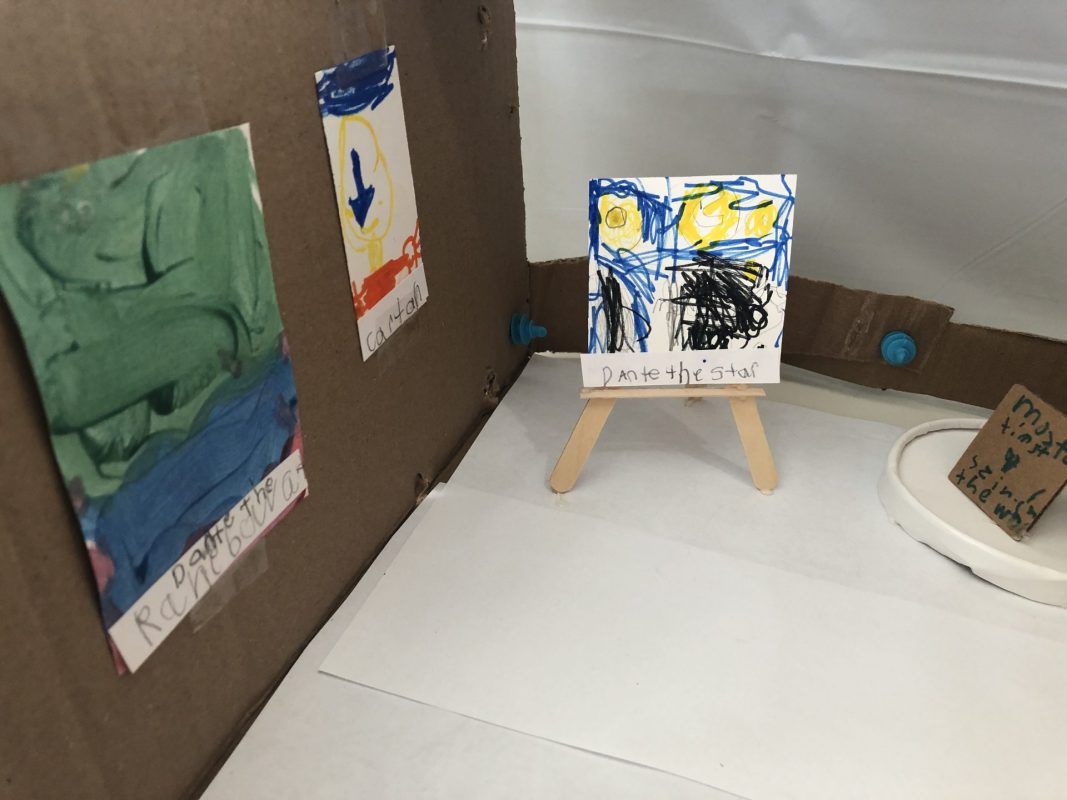
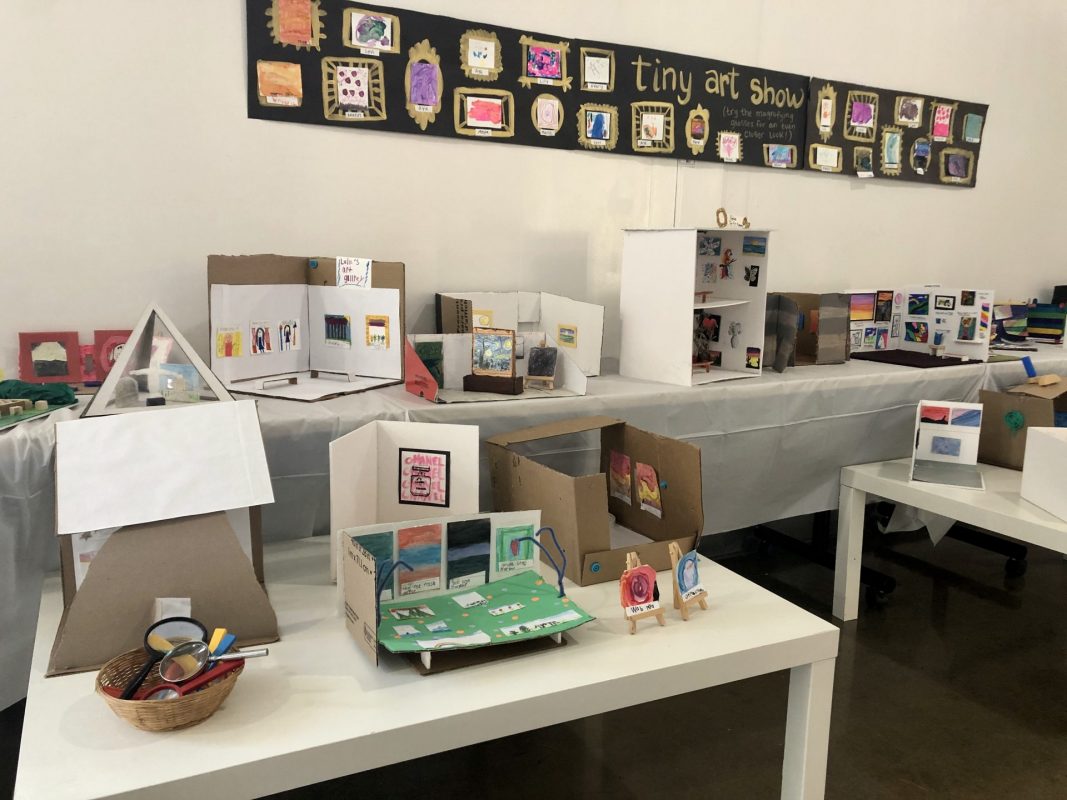
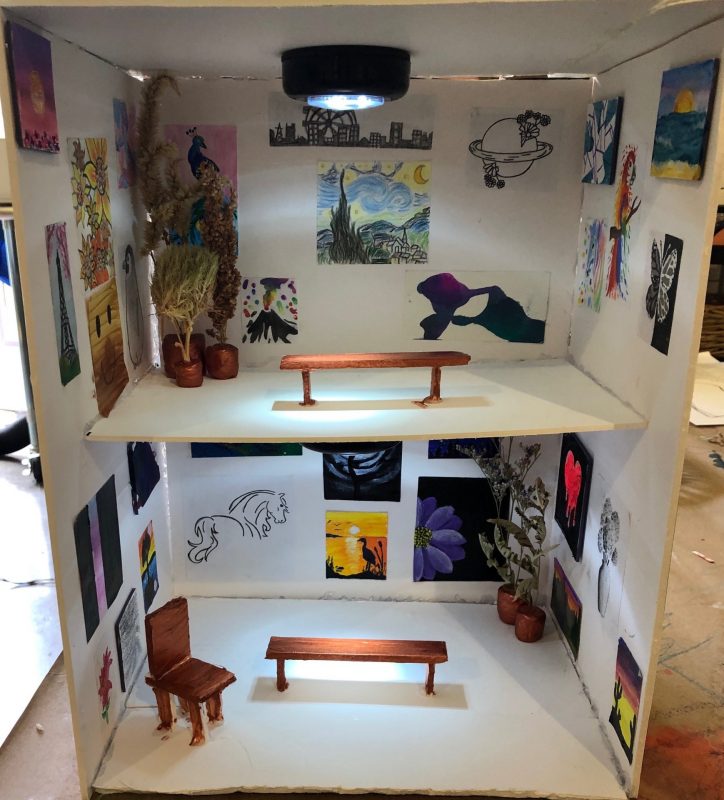
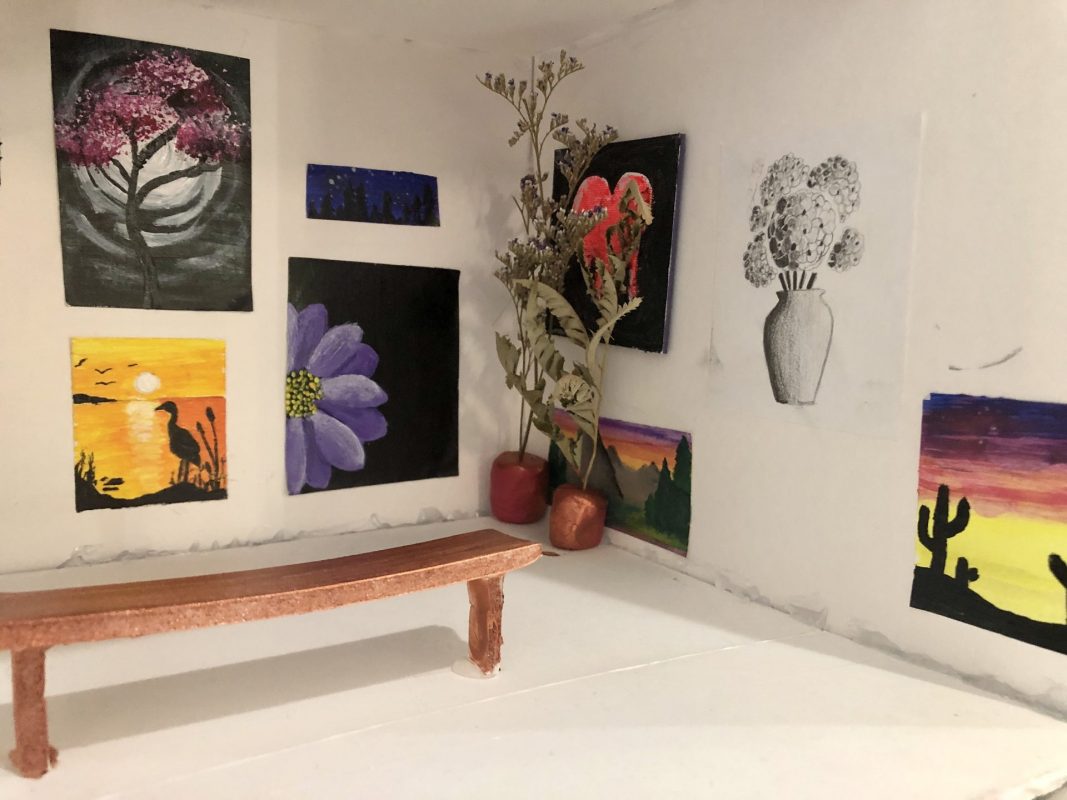
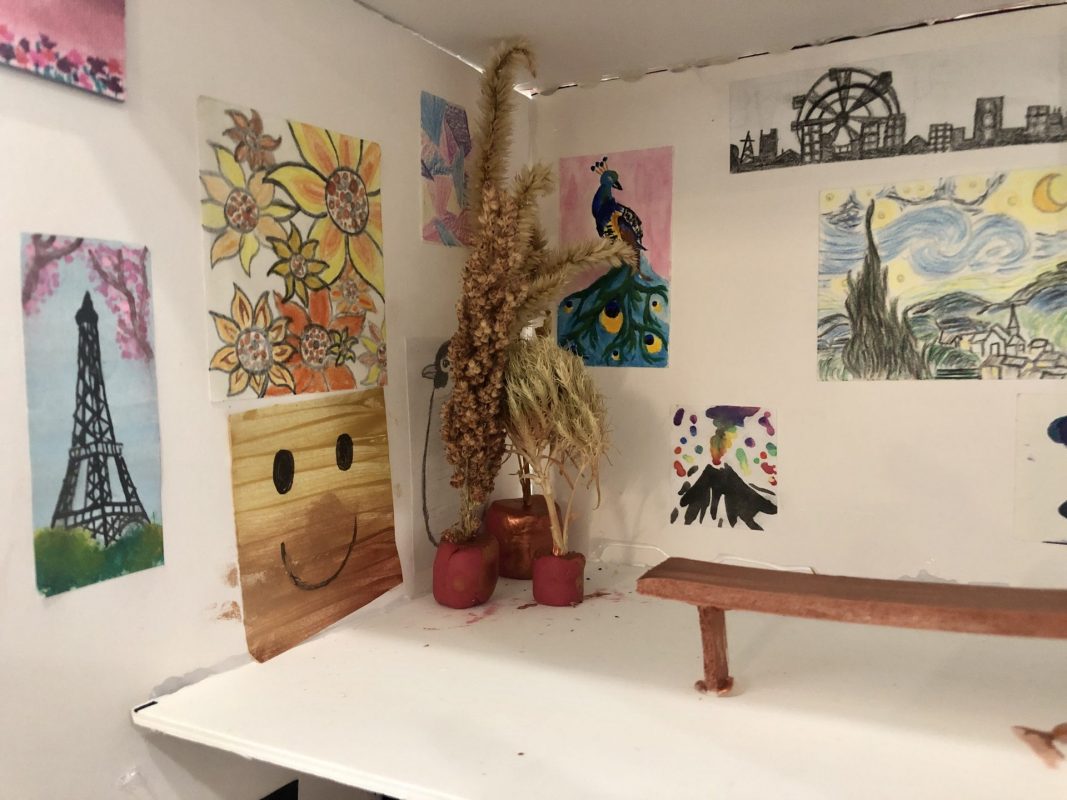
Young artists from K-8 have completed their artwork and gallery displays for our Tiny Art Exhibition! Each artist created multiple tiny works of art around 4×4 inches or smaller. Once their artwork was complete, students created miniature gallery/museum spaces out of cardboard and foam core boards to display their artwork. Students worked in groups, pairs, or individually to create their displays. The collaboration continued in the MakerSpace where many of them completed their display construction using the laser cutter! Magnifying glasses are available at the exhibition for viewers to take a closer look at all of the wonderfully unique tiny art!

This project evolved from the simple, fun idea of creating artwork on a tiny scale, to growing into an all-encompassing art making experience that addresses many aspects of Art such as; the making of the artwork itself, learning about masterworks, preparing artwork for showcase, titling artwork, collaborating, viewing and interacting with artwork, and understanding art display within an architectural space. This project is also a wonderful example of the beauty of the Montessori method — as the children in the Art Studio grew more passionate about this project, their ideas were celebrated and nurtured, and the project transformed into something much larger and more developed each step of the way. The children truly led the way here and it shows!

I hope you all enjoy these images of the entire finished display. Bravo young artists!


Mrs. Hood: Band Time!

Maria Montessori used the scientific method to study children’s natural learning processes. She found that the child absorbs the culture they are in effortlessly and without fatigue between the ages of birth – six. Whatever the child is exposed to is internalized by the child and accepted into the child’s own being, imprinted on their soul. If a child is surrounded with music, the child will be a musical person. If a child hears their parents singing, the child will sing. If a child sees their parents dancing, the child will dance.
She called this the child’s “Absorbent Mind.”

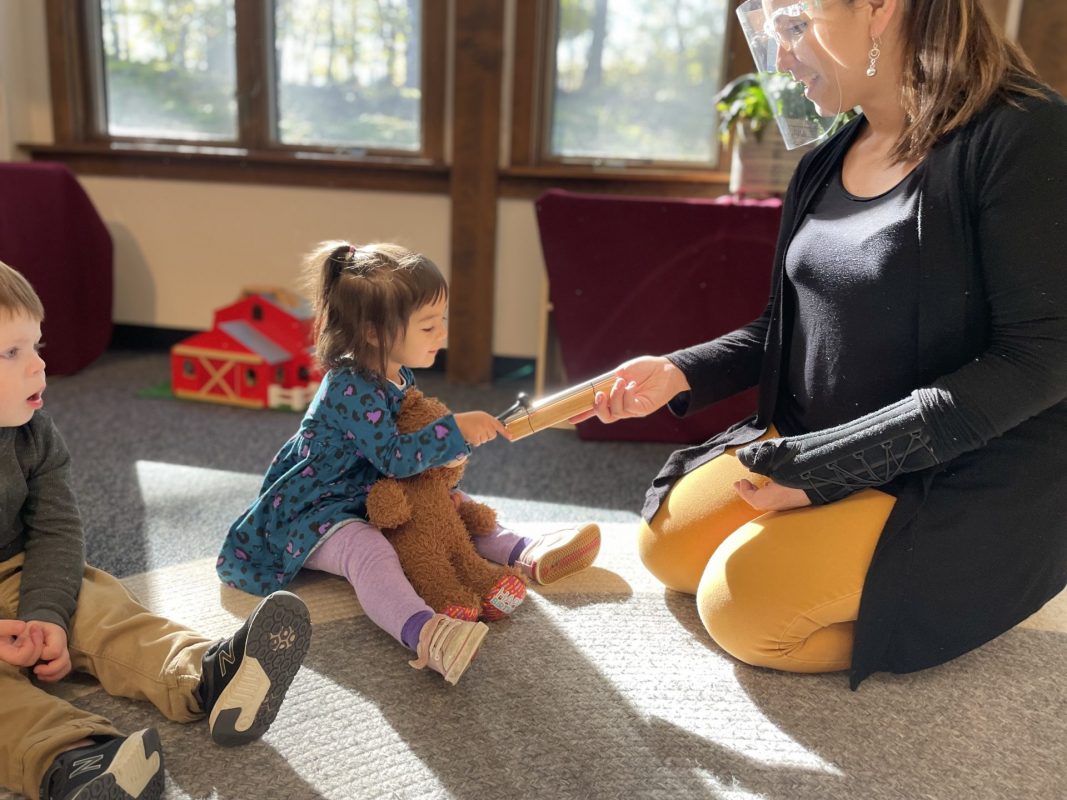
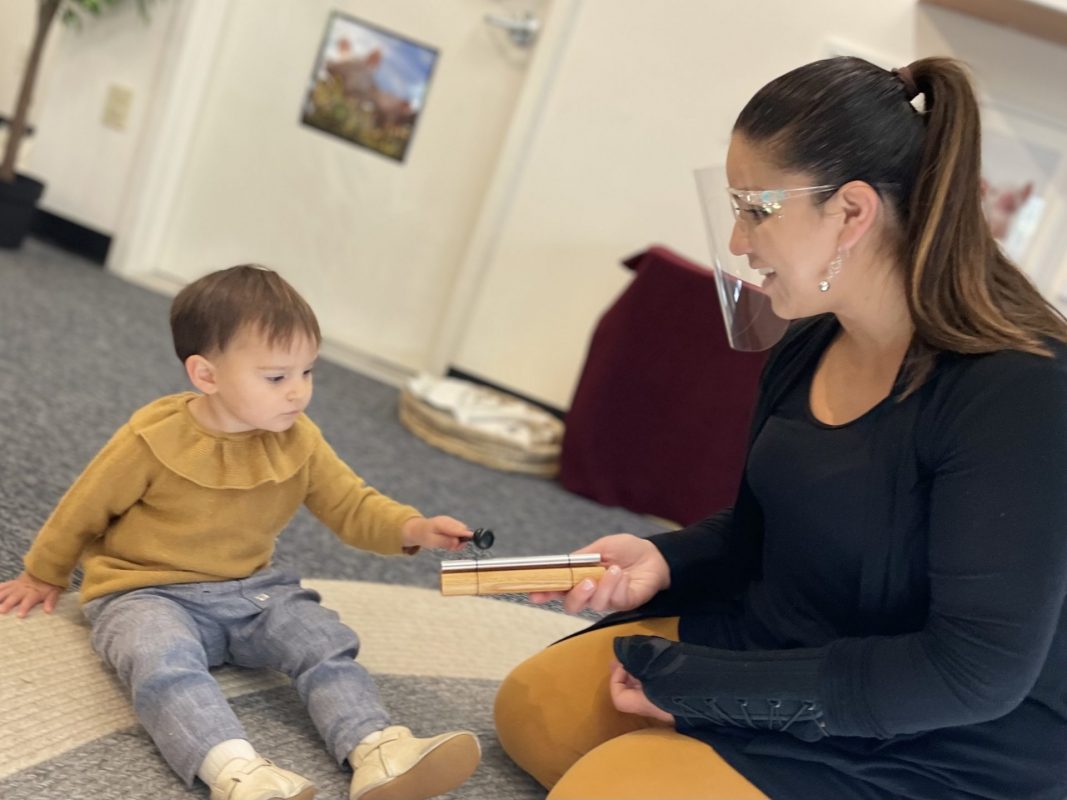
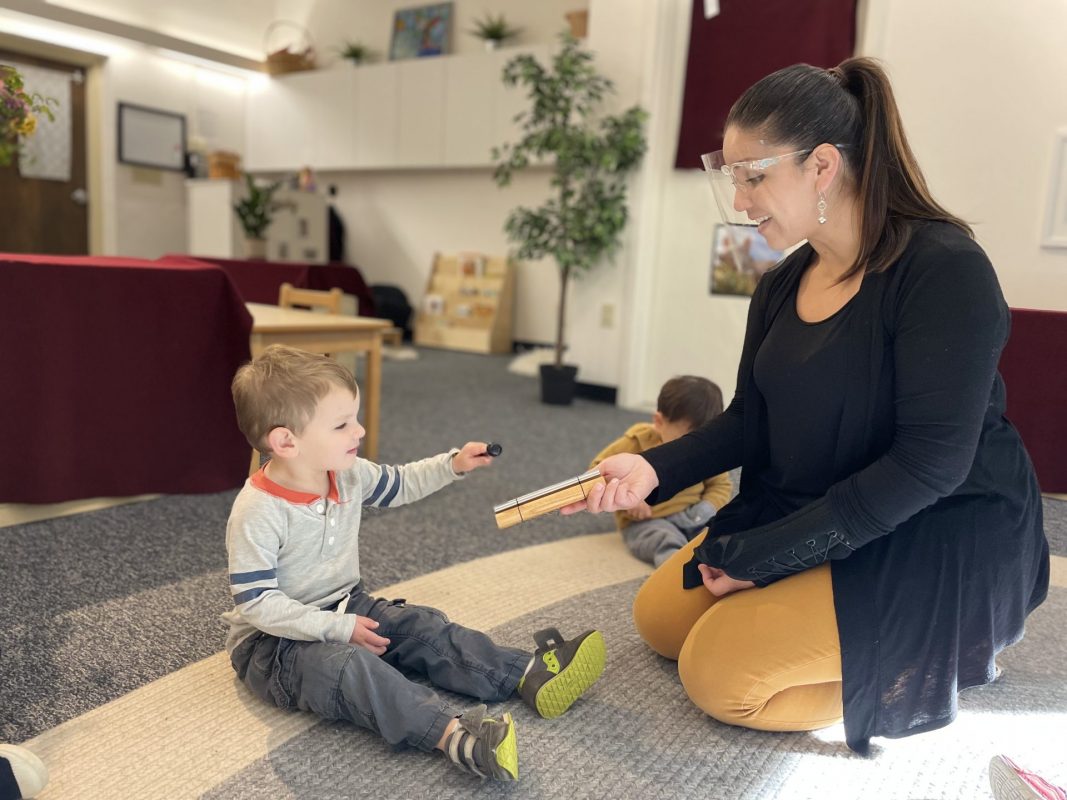
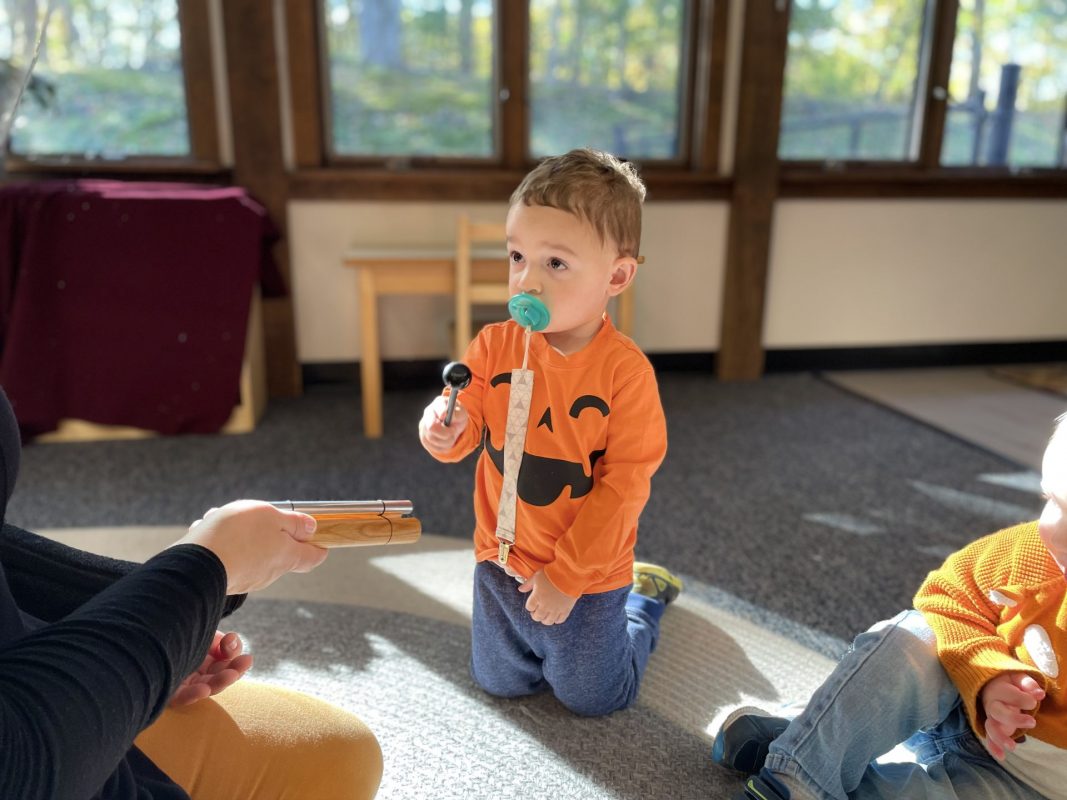
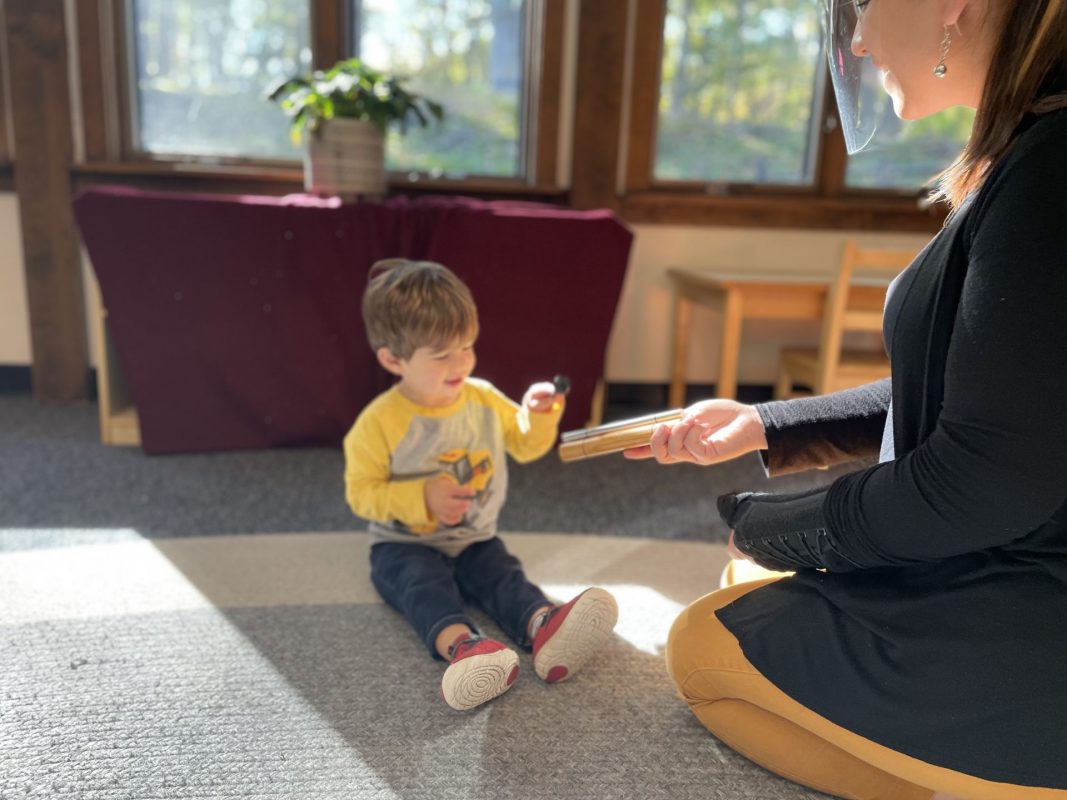
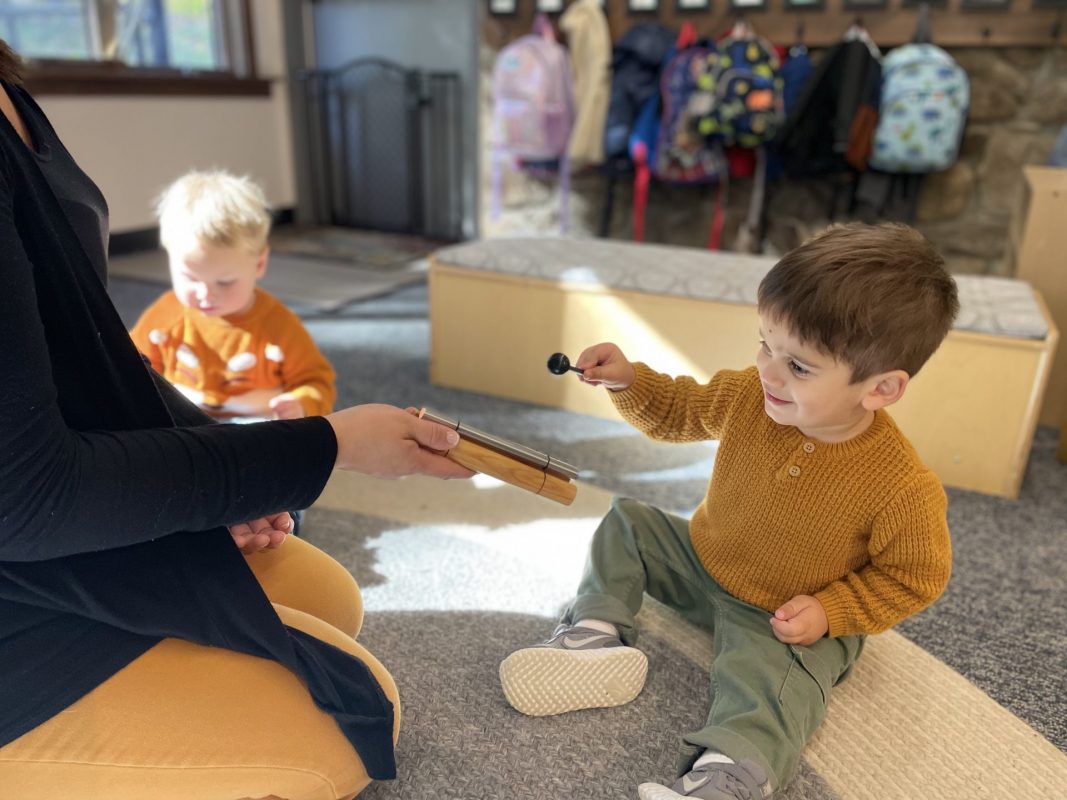
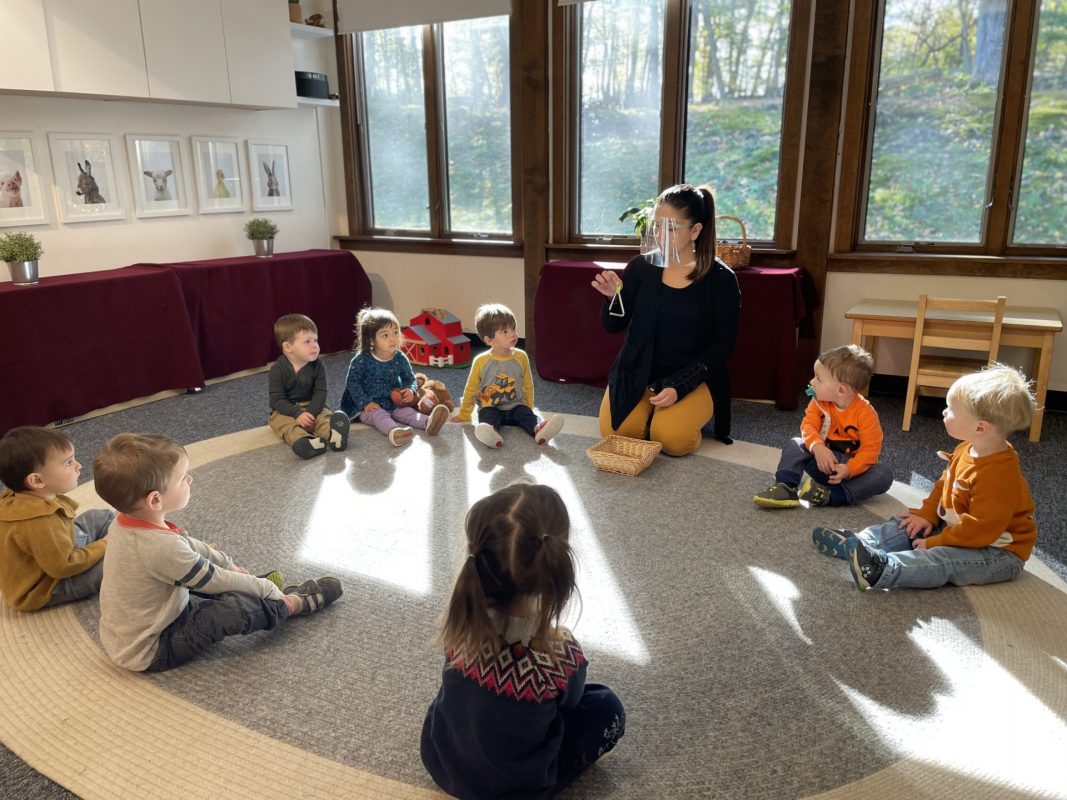
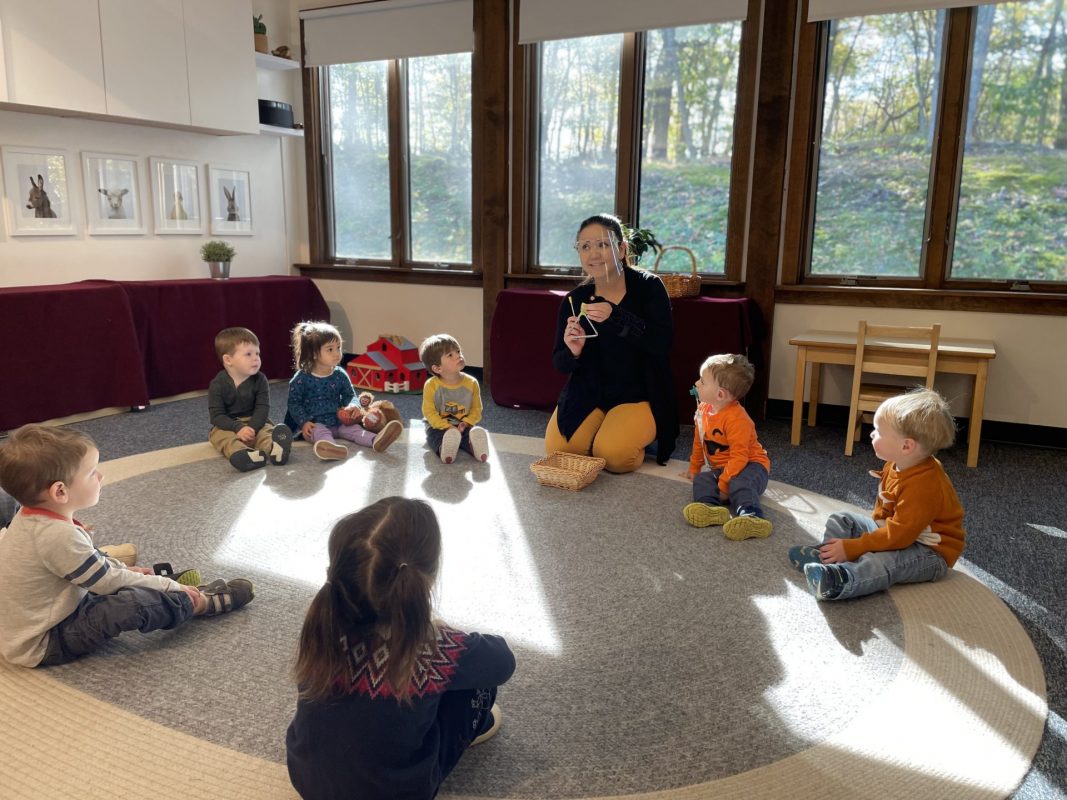
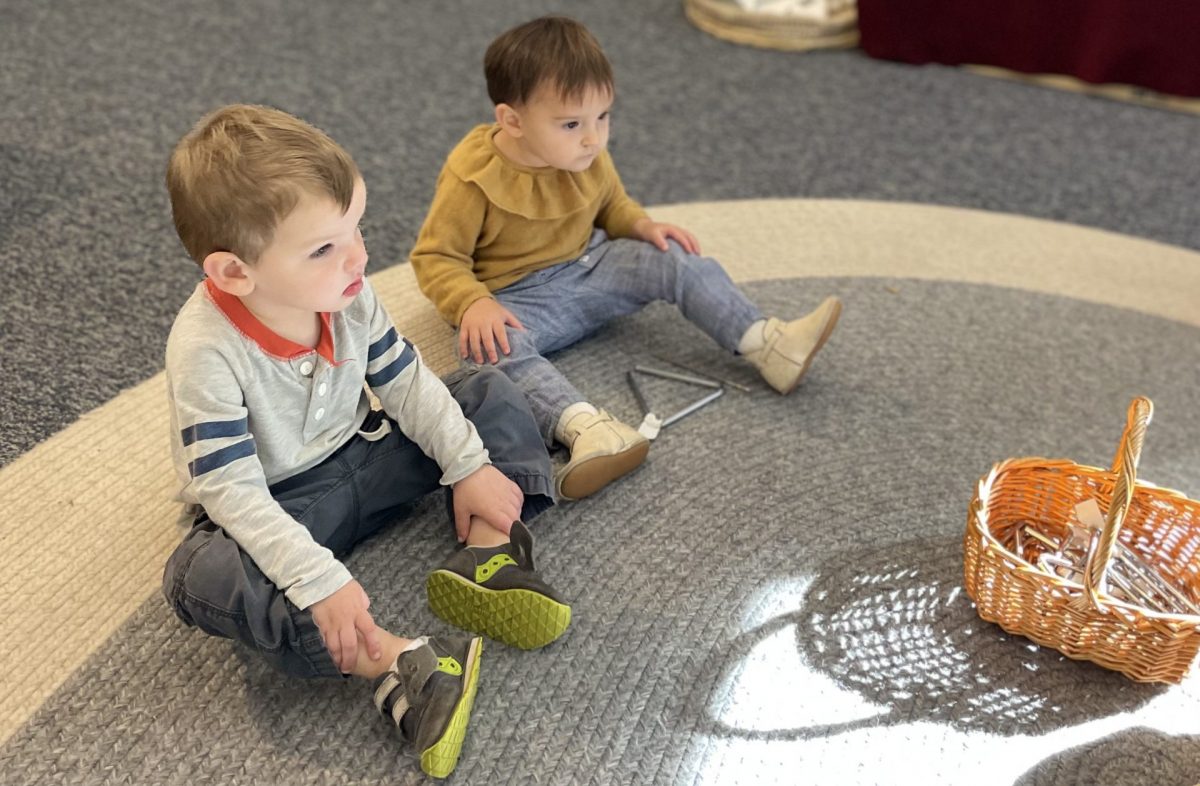
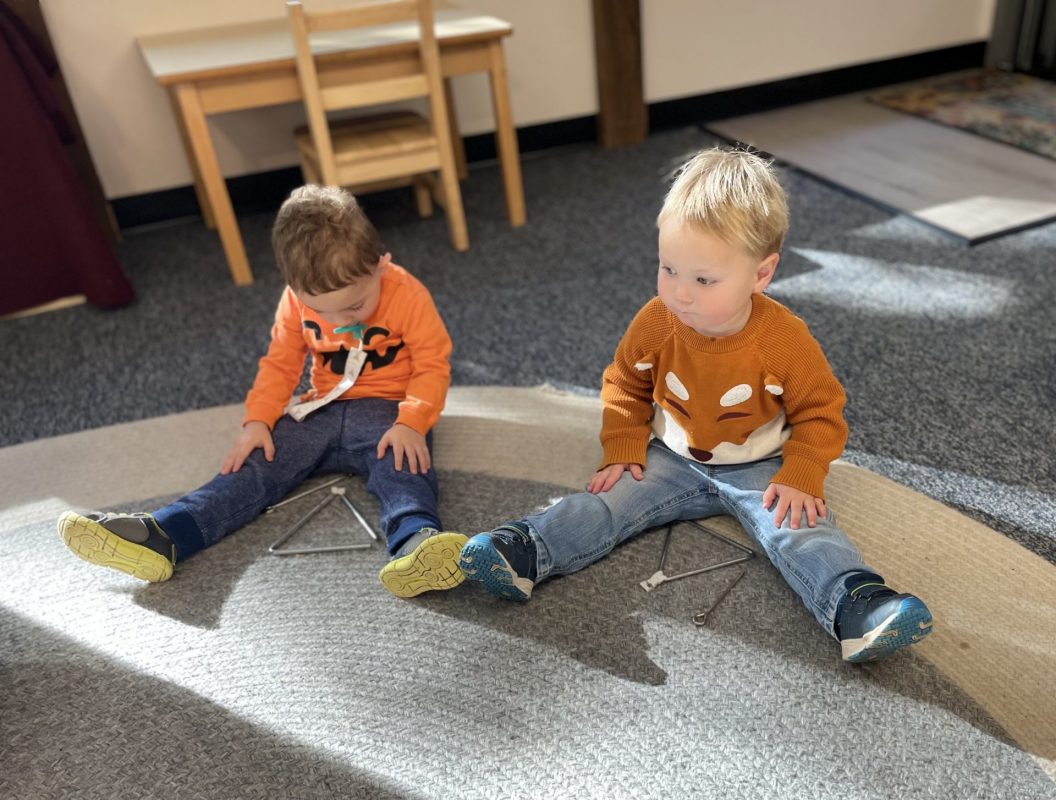
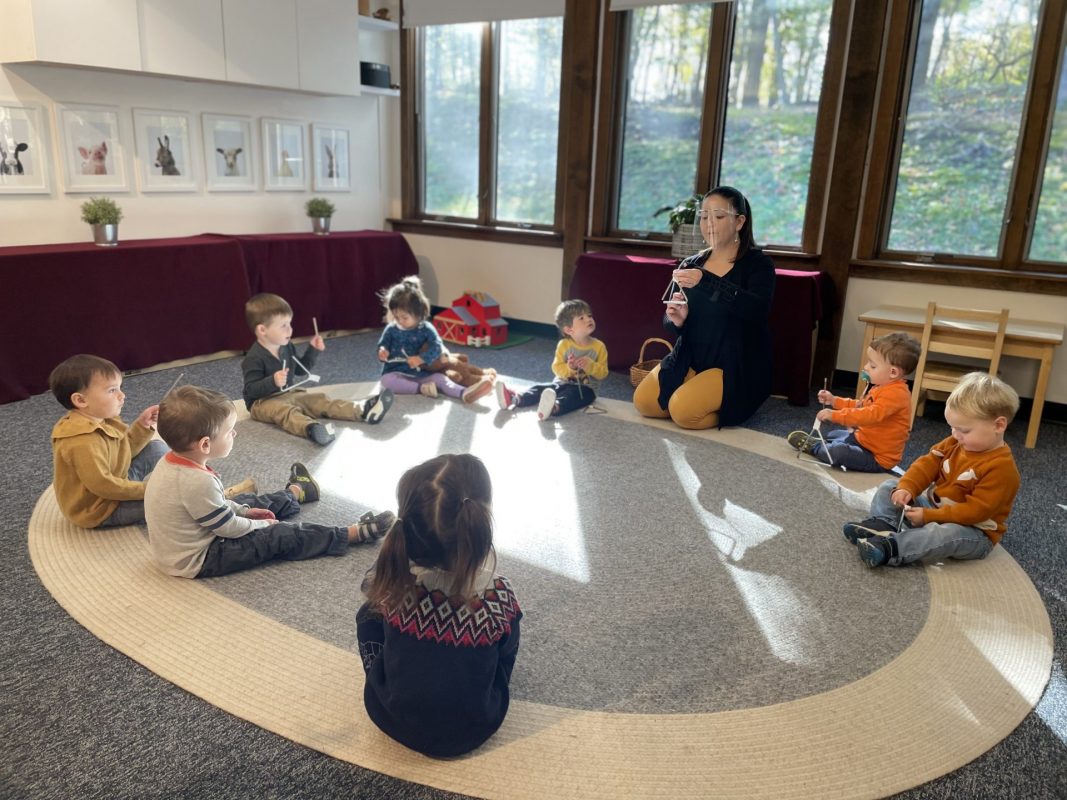
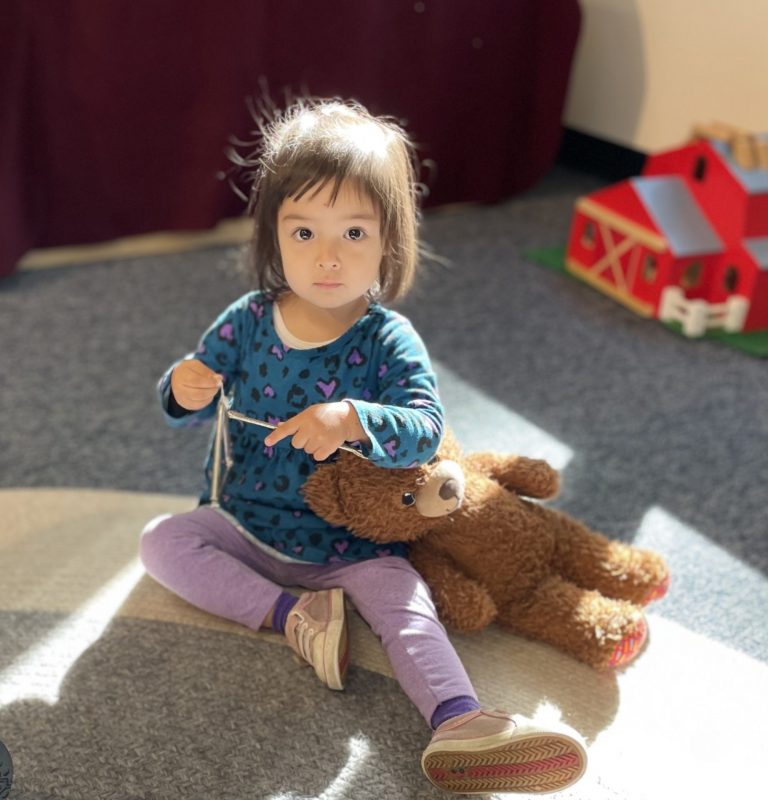
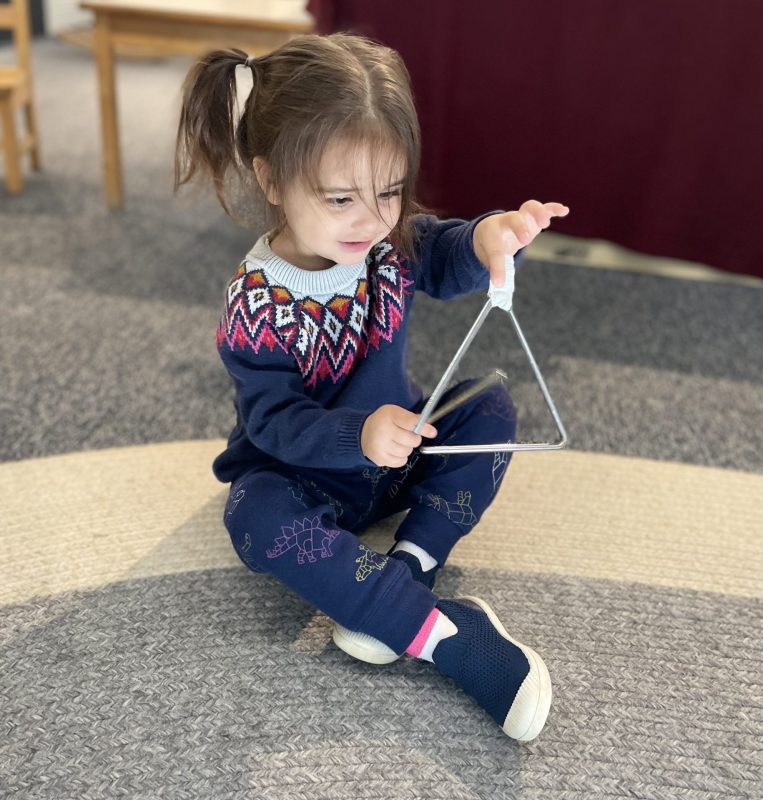
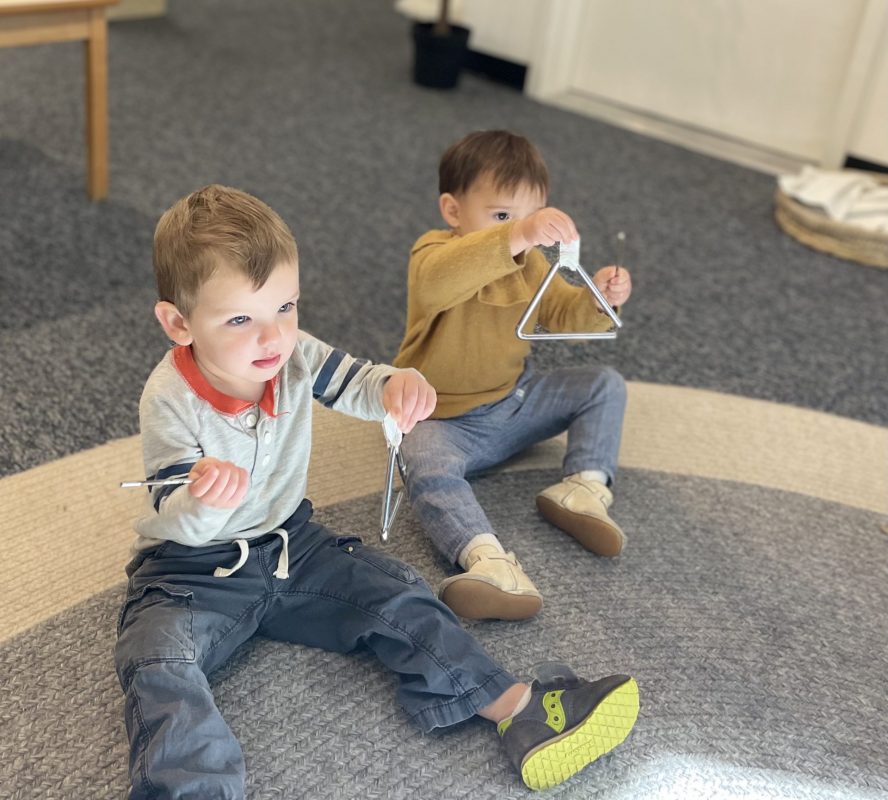
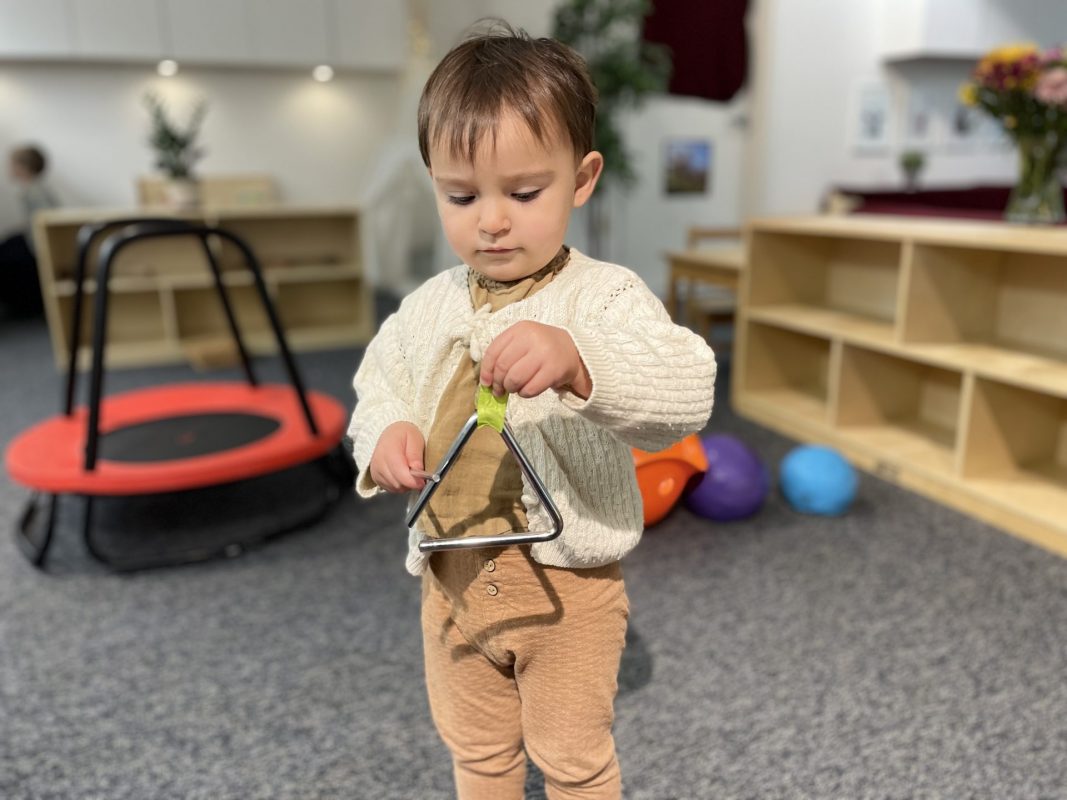
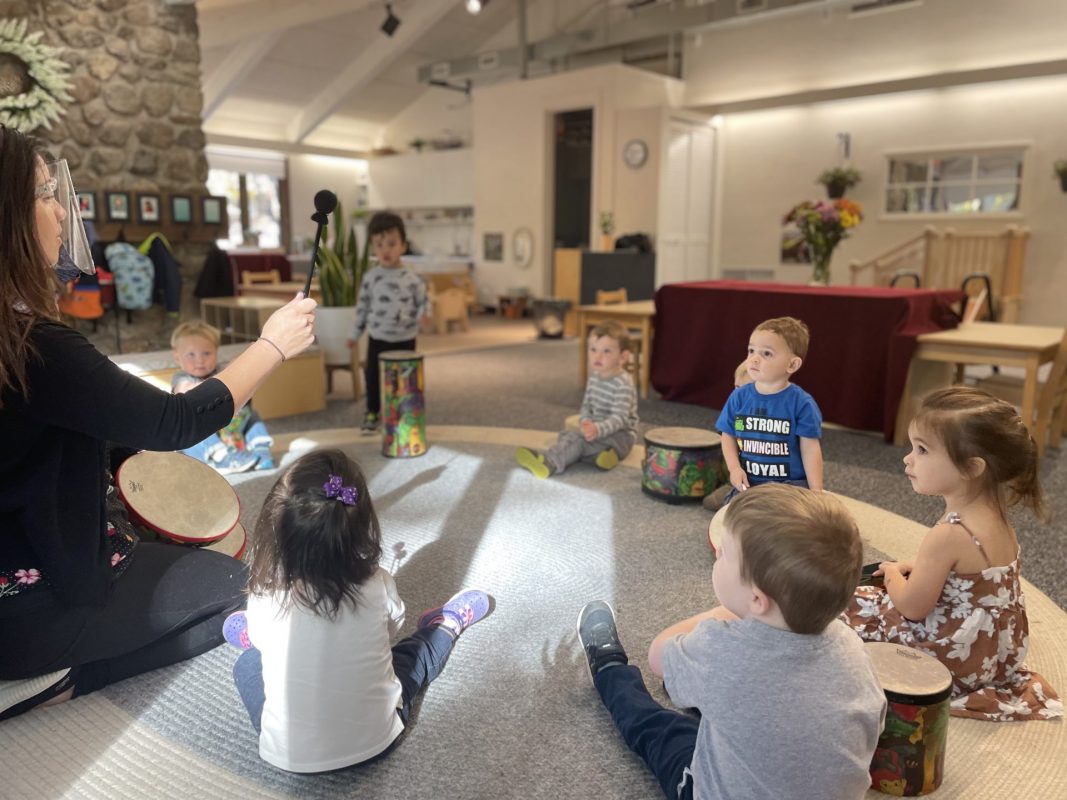
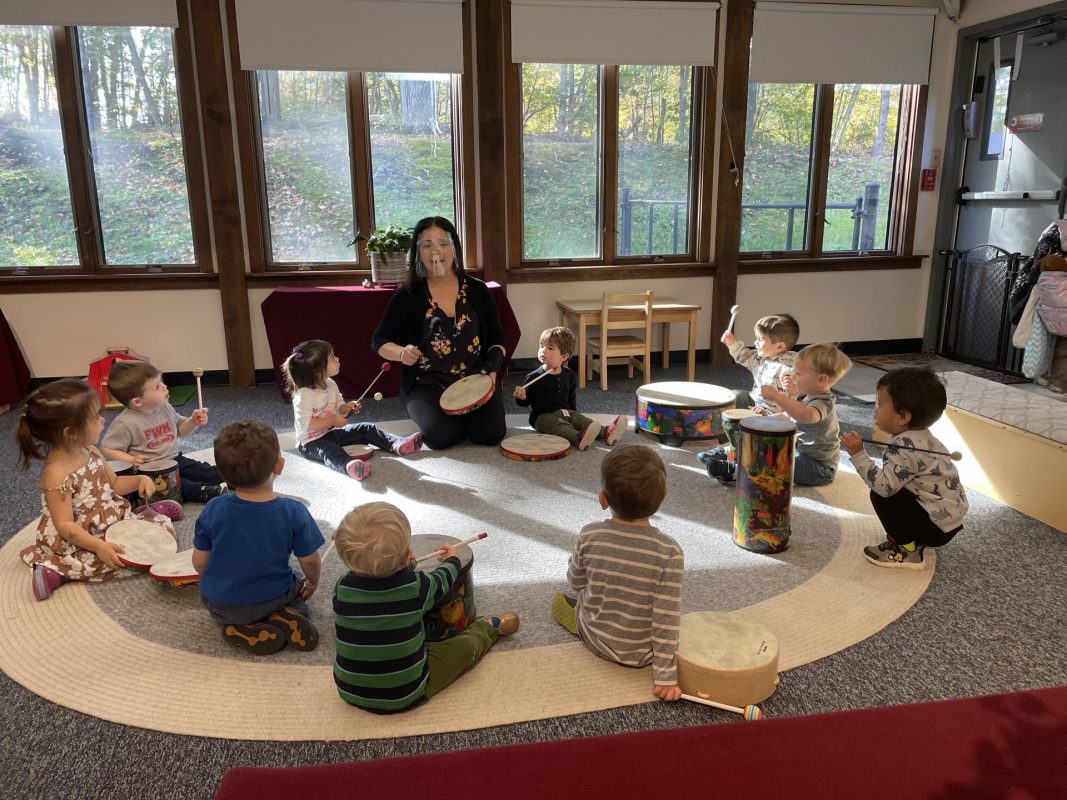
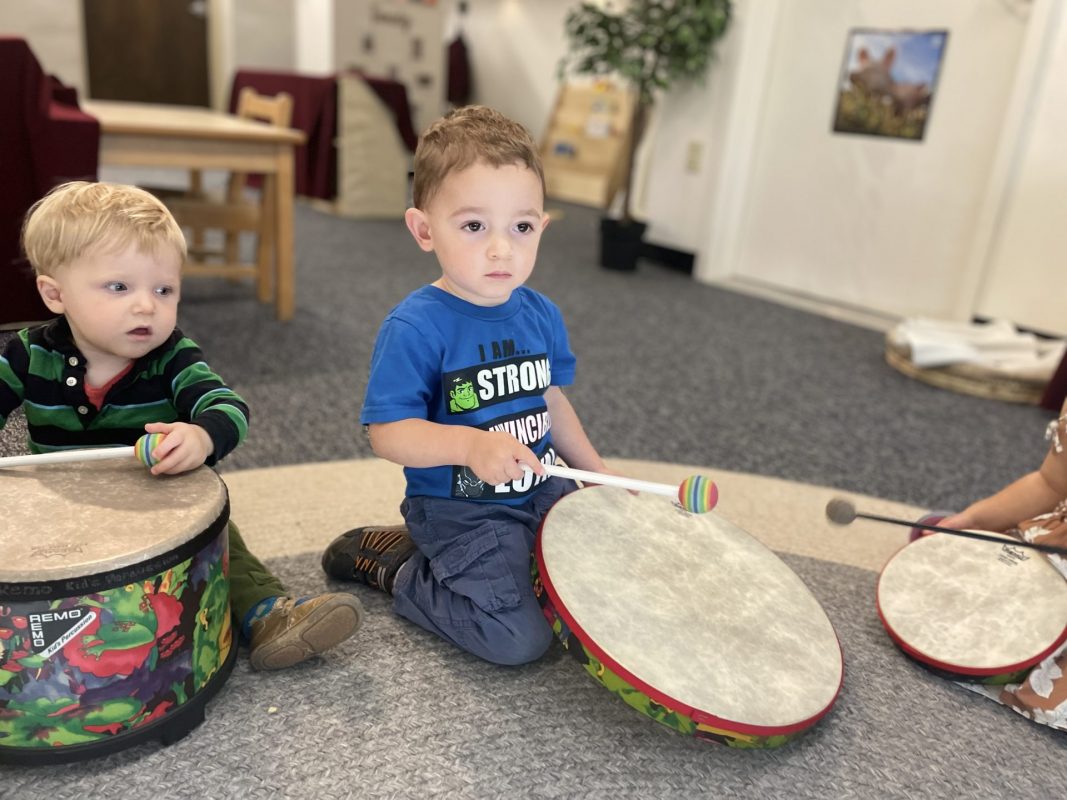
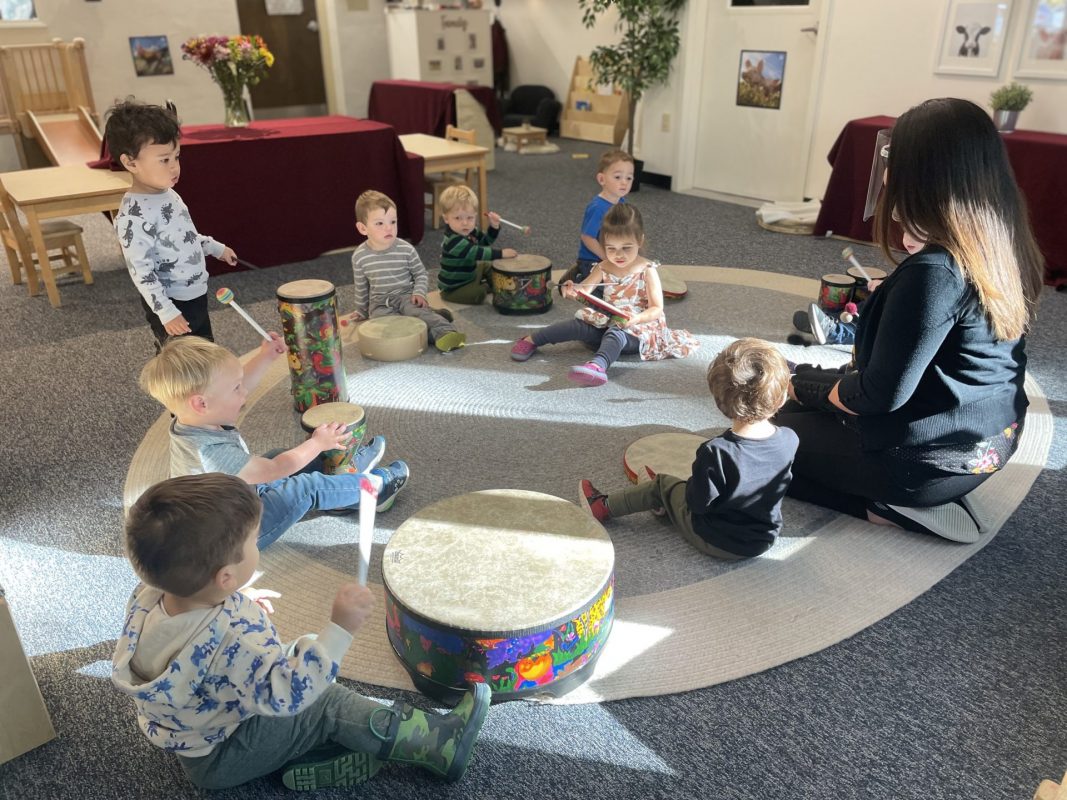
In our environment, children are exposed to meaningful music experiences everyday. Whole body movement songs, singing, finger-plays and instrument times are always part of our morning routine. Children learn the names of the instruments they are playing and they learn how to properly play them. This week we introduced the triangle and we explored the different sounds it produces when struck. We practice the importance of holding the triangle by the loop and not from the body of the instrument to find the beautiful overtones that it produces. We also had a drumming session and children had a blast practicing rhythm with different sized drums. One main part of our music lessons includes grace and courtesy. Through this, the children learn to recognize the importance of being polite and waiting until everybody gets their instrument before selecting a song and grabbing their instrument to play! Children are directed to recognize hand gestures for tempo, dynamics, and their favorite: the closing of the song. They all love to hold their fists up and watch how everybody’s instrument stops at the same time! Their smiles say it all! We call this our “band time.”

As always, we had fun exploring food and this week we enjoyed spaghetti squash! Most of our children were brave enough to taste it and surprisingly, many asked for second rounds! Yum! 

Enjoy the weekend,

Mrs. Hood and Ms. Maria


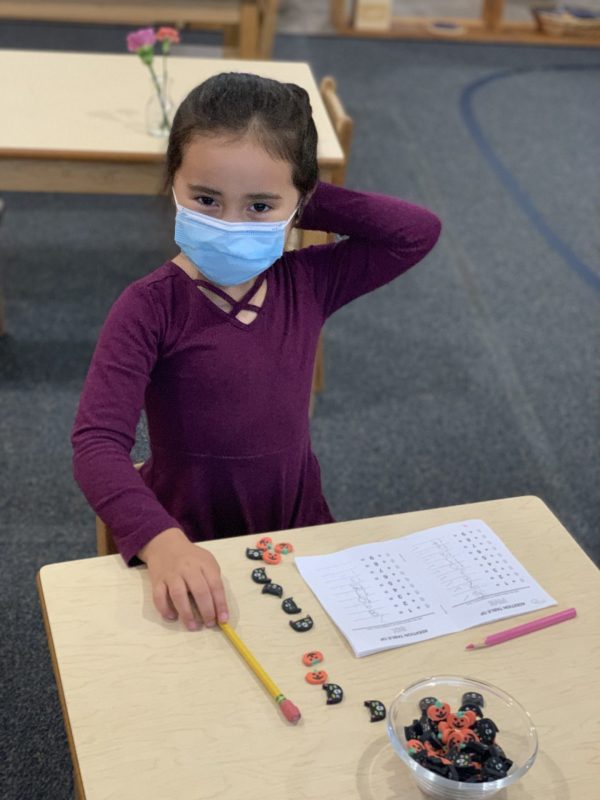
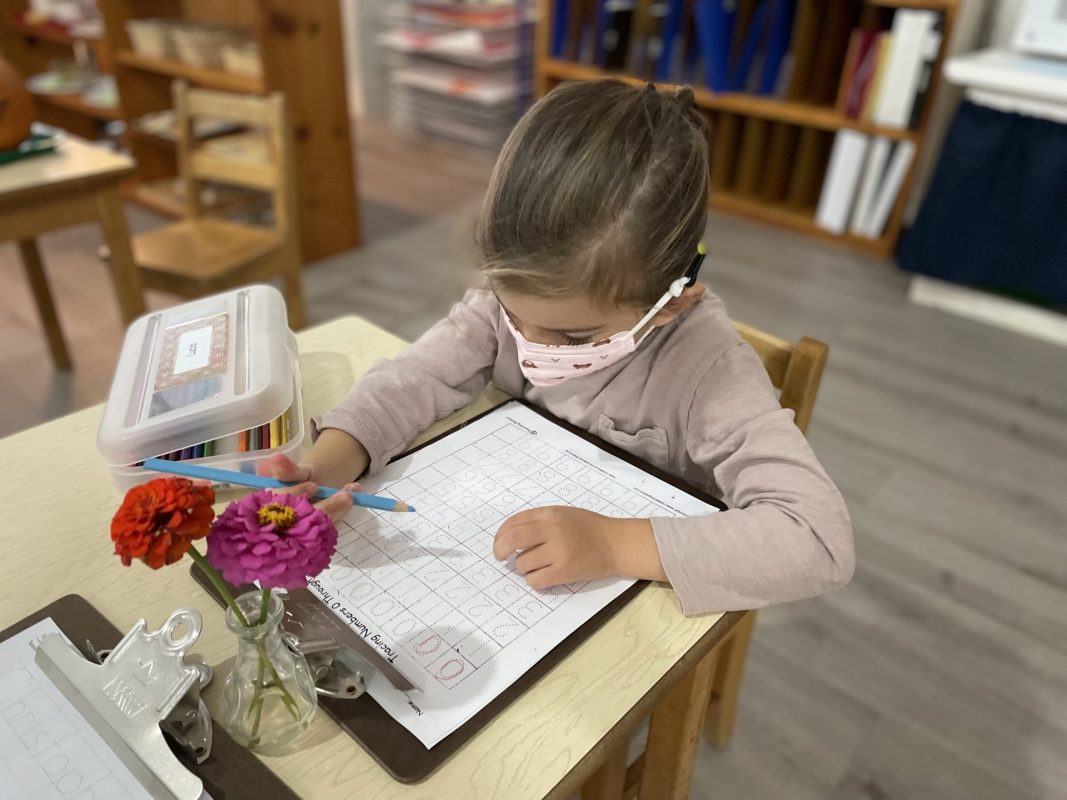
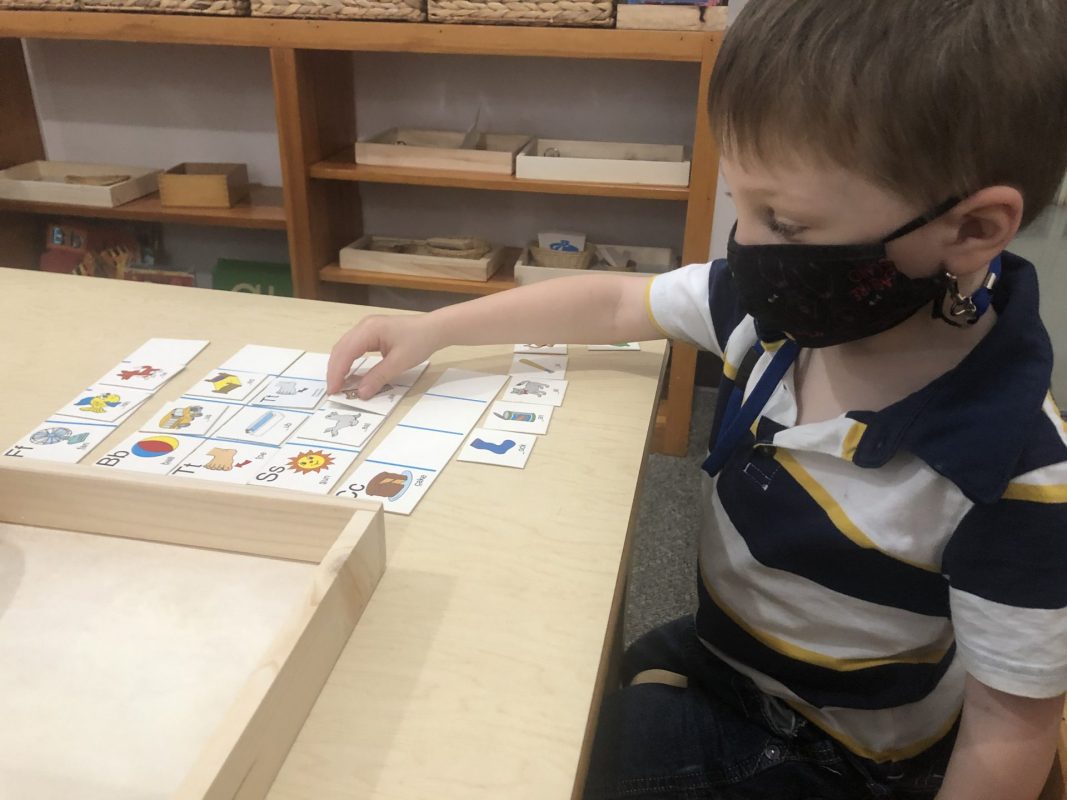
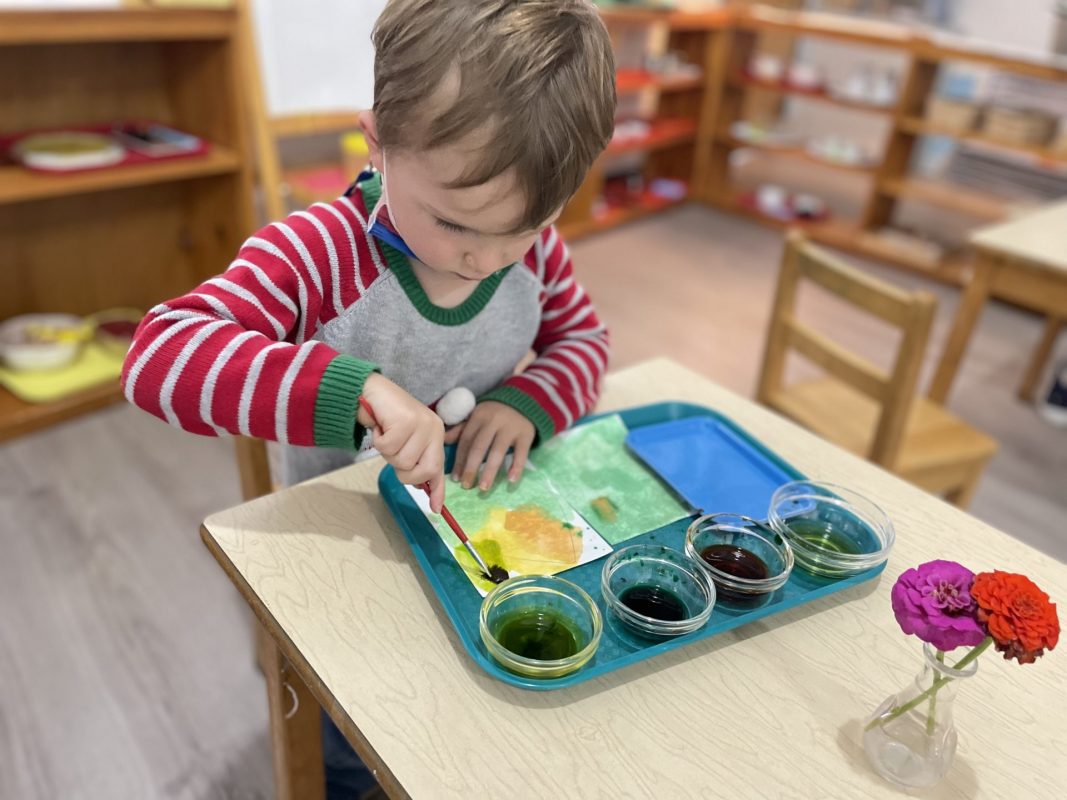
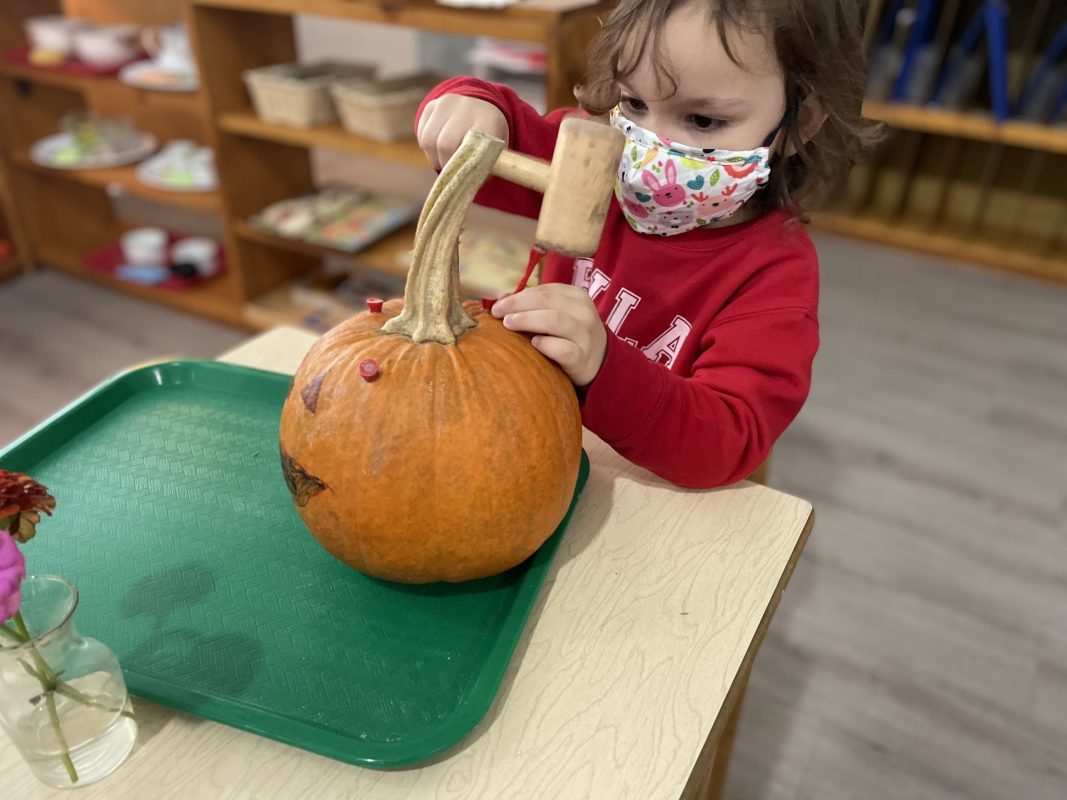
A Hallmark of a Montessori Education is a Curriculum that Emphasizes Independence

In many traditional schools, the learning model communicates the message: “Do what you are asked to do, when you are asked to do it.” Upon high school graduation a decade or so later, the children are expected to be successful, independent adults. Does that learning model truly prepare the child?

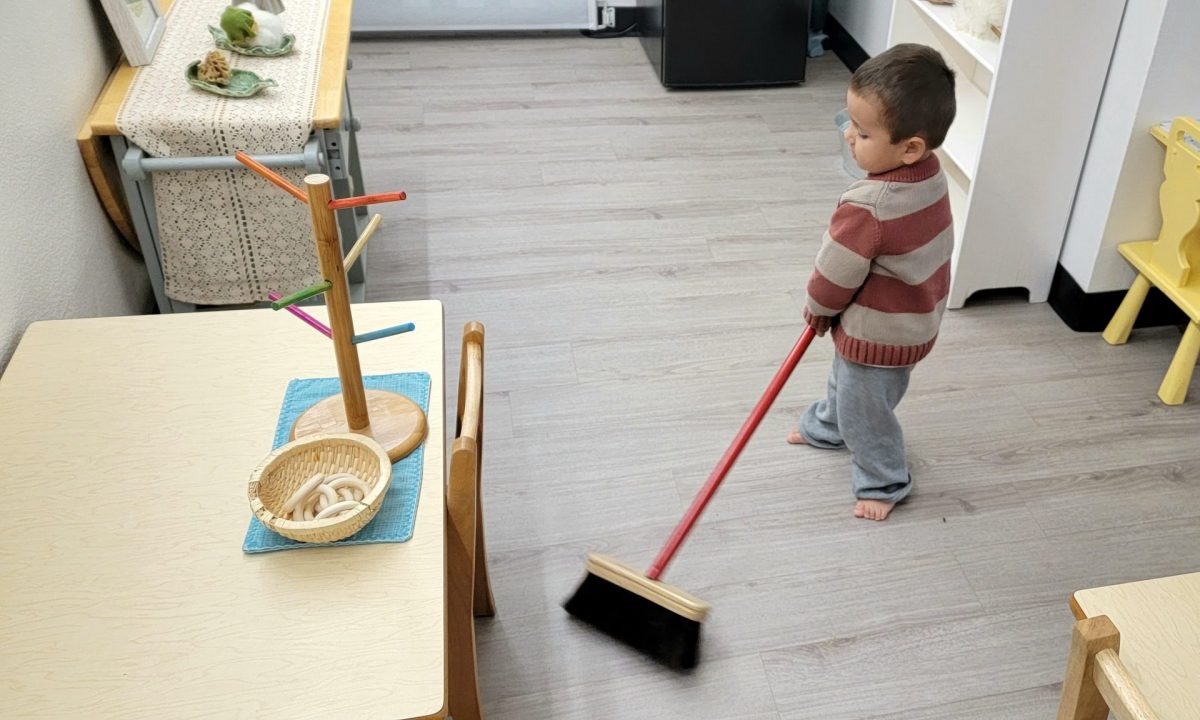
Independence, like every other aspect of life as an adult, is learned step by step, incrementally.  Each milestone of independence supports the successful development of the next milestone. 

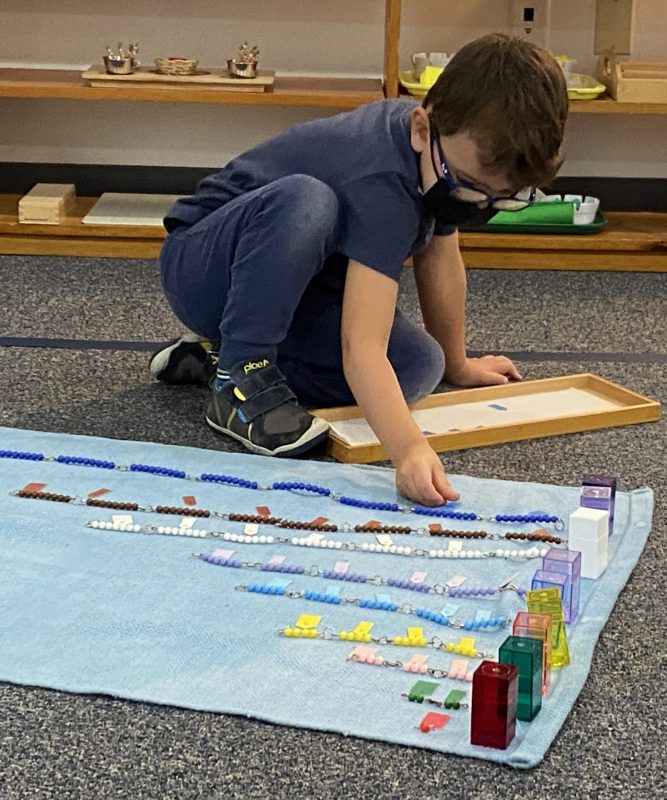
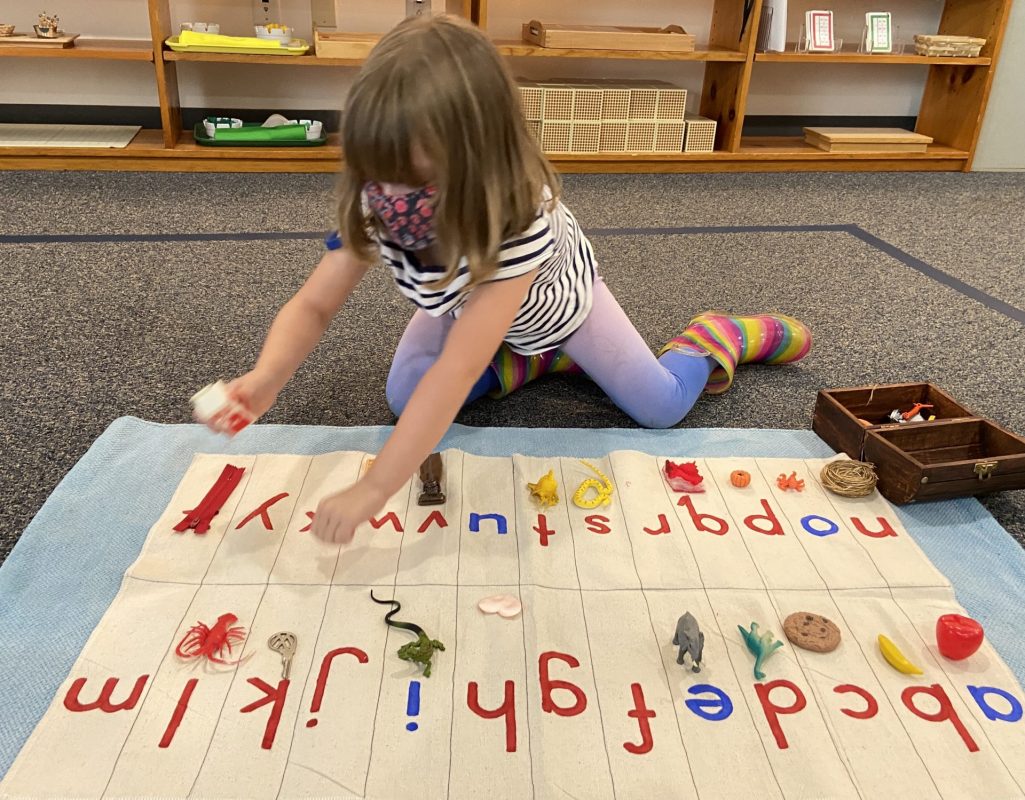
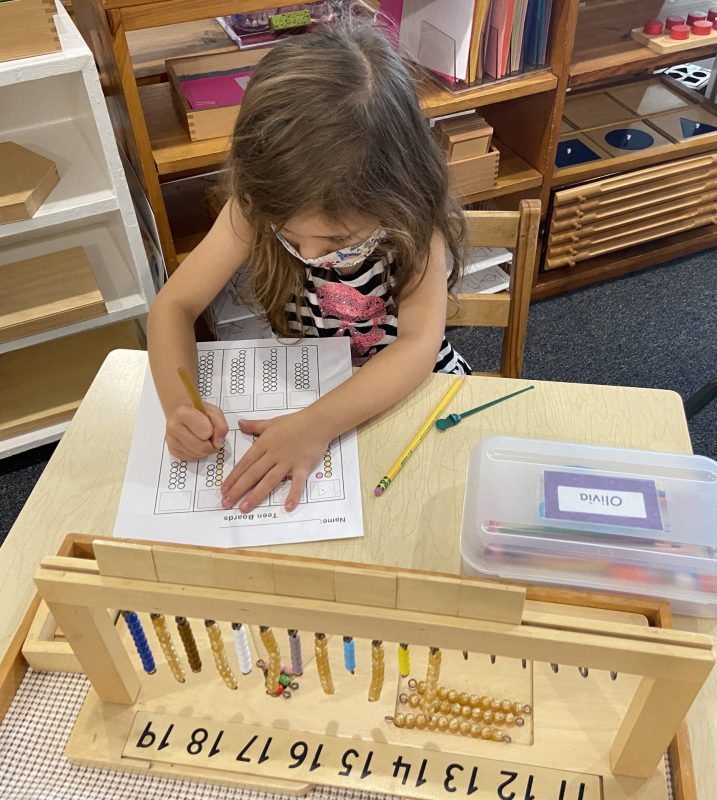
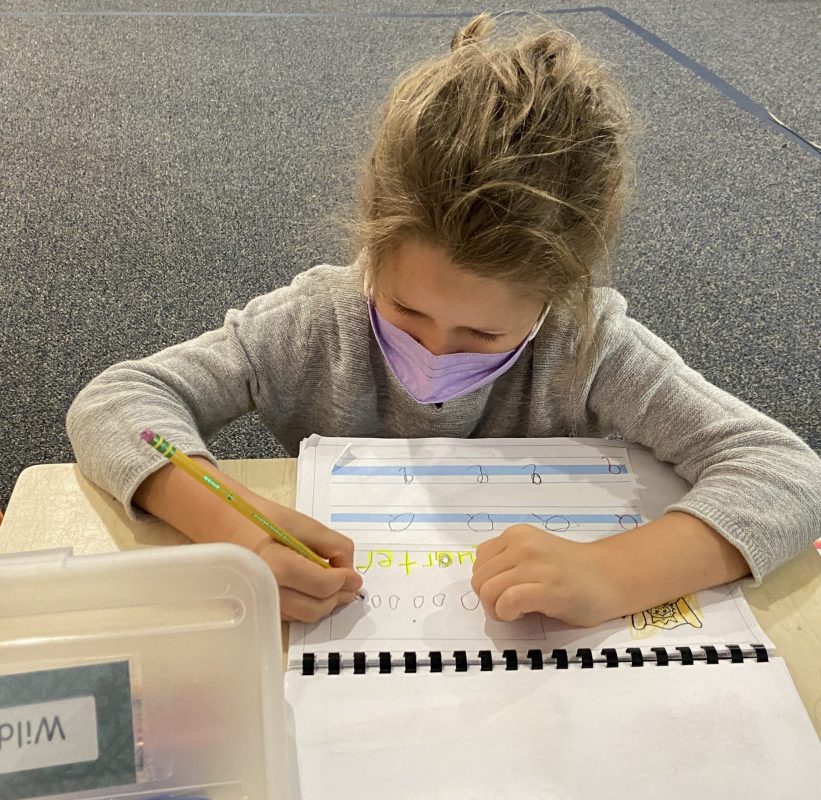
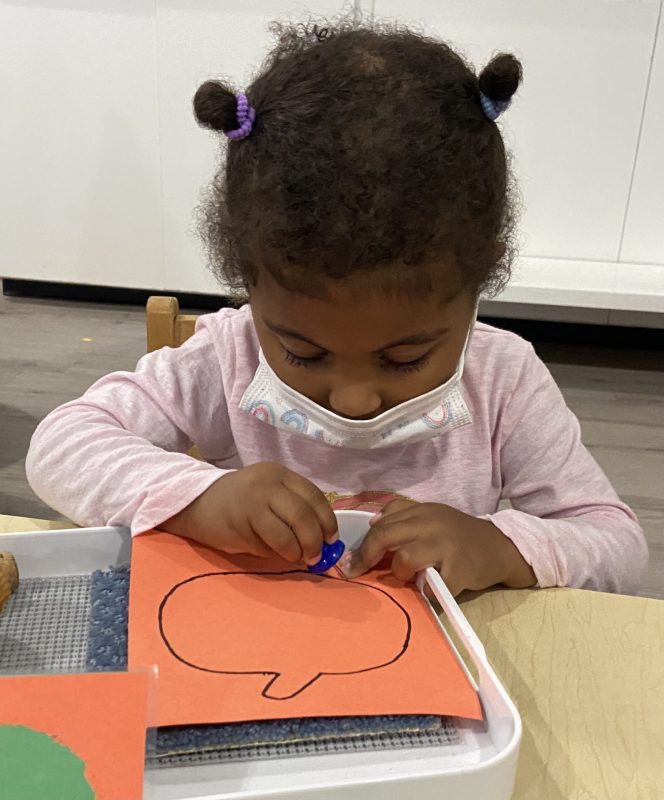
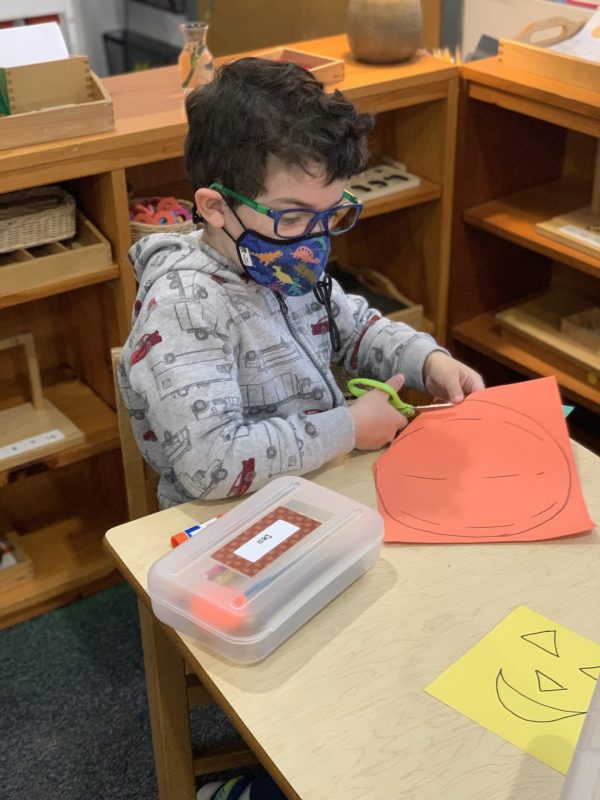
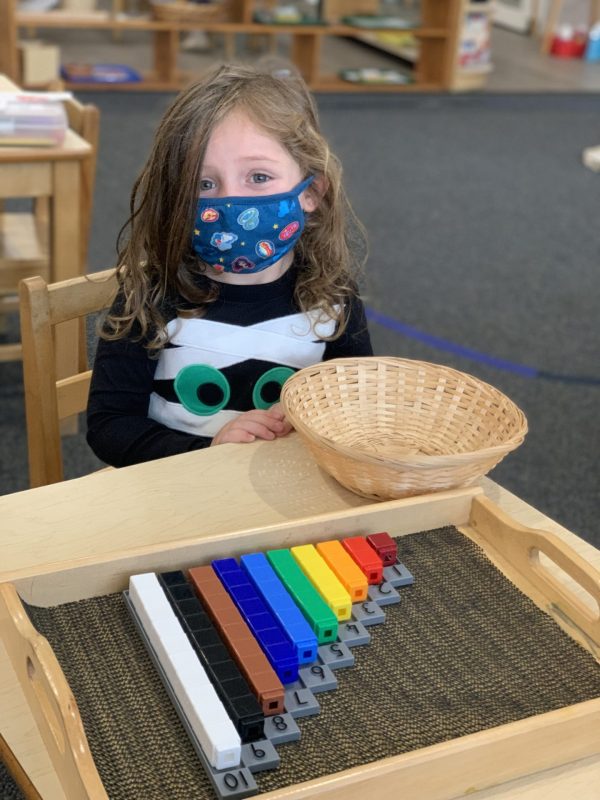
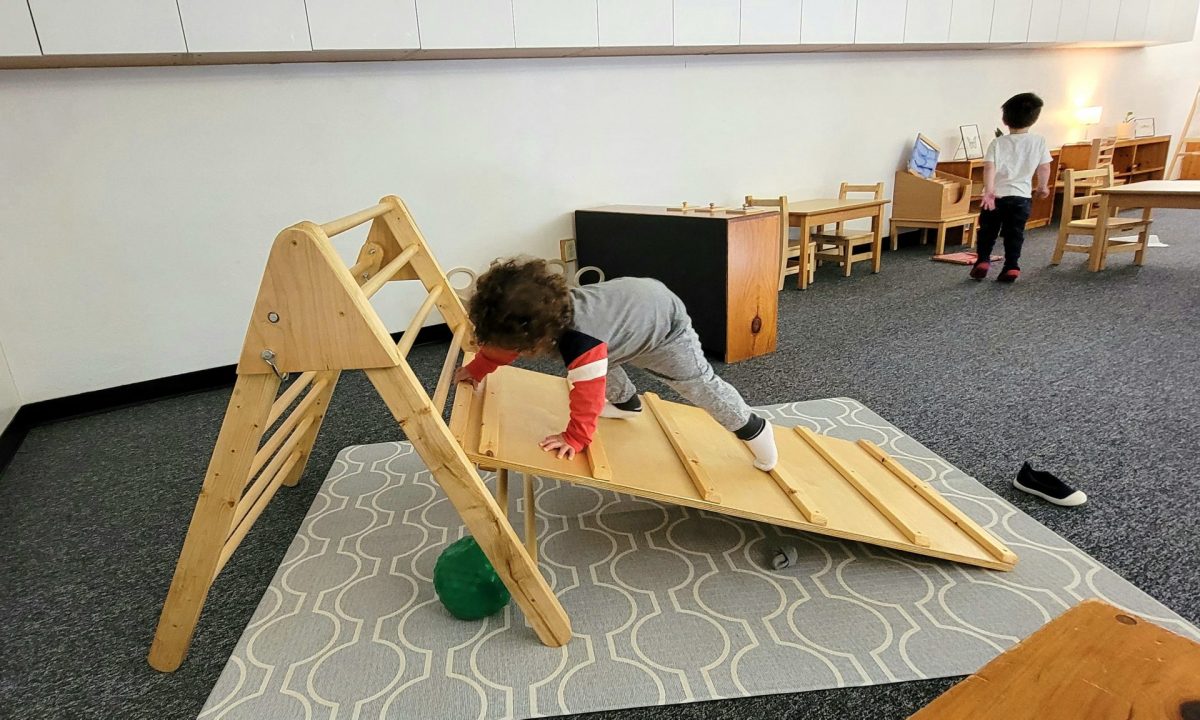
In a Montessori school, children learn how to be self-directed. The lessons they choose to work on are the ones most appealing to them. Students are free to explore these activities at their own pace. Will they make mistakes? Of course, but that is the beauty of independence. Our children have the opportunity to learn in a relatively risk-free environment and to grow from their mistakes. 

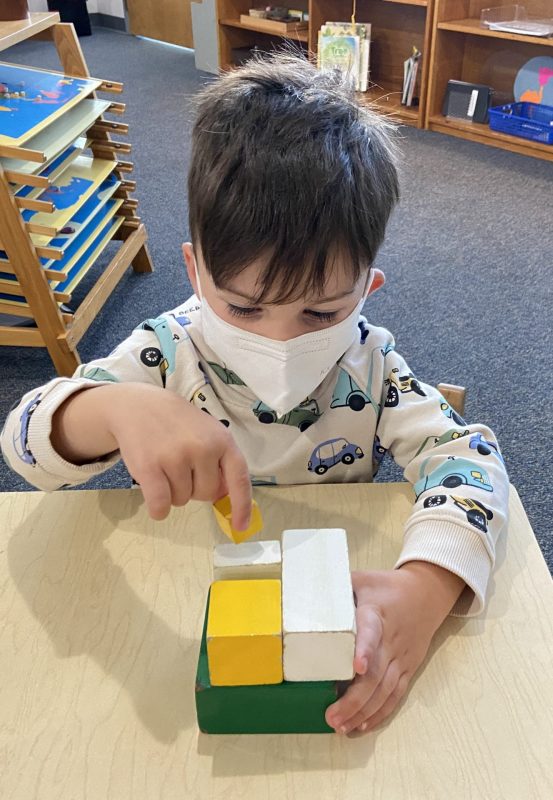
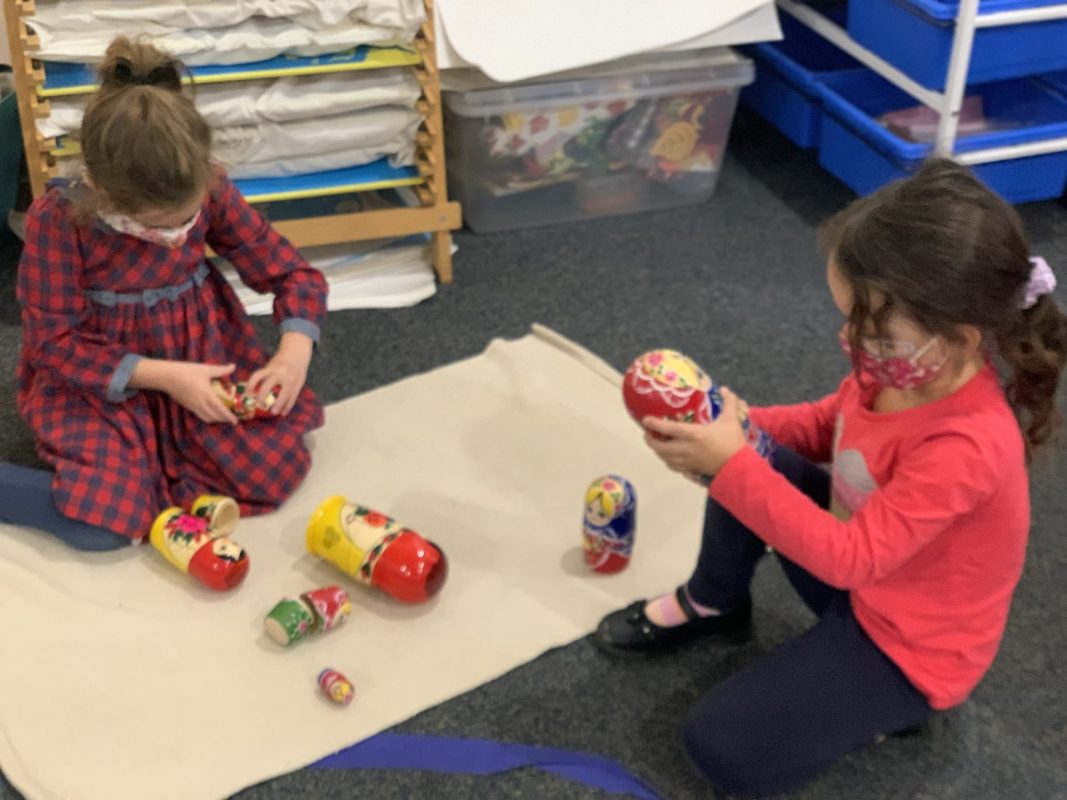
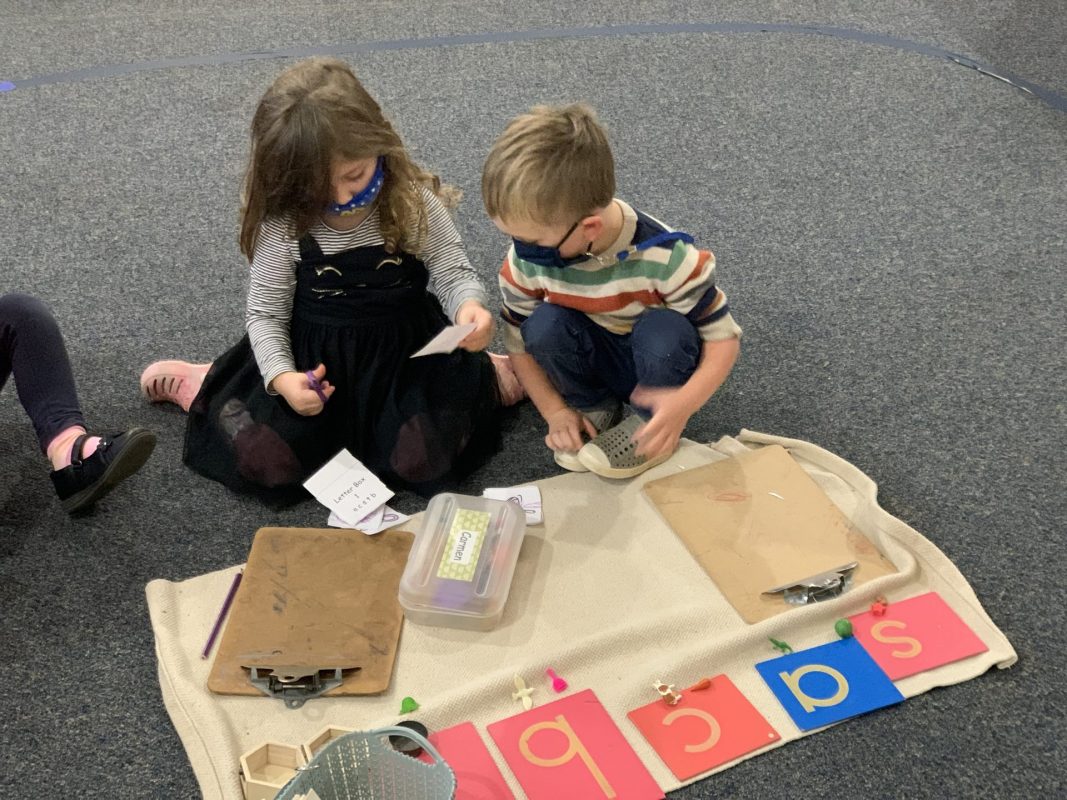
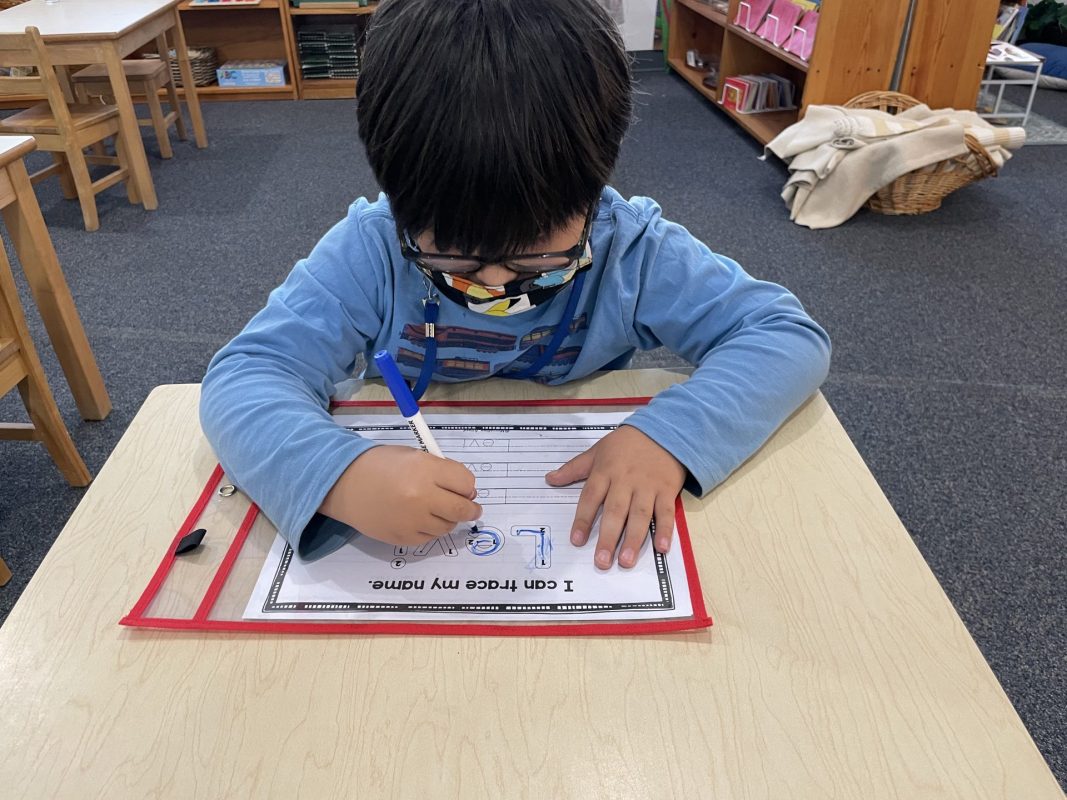
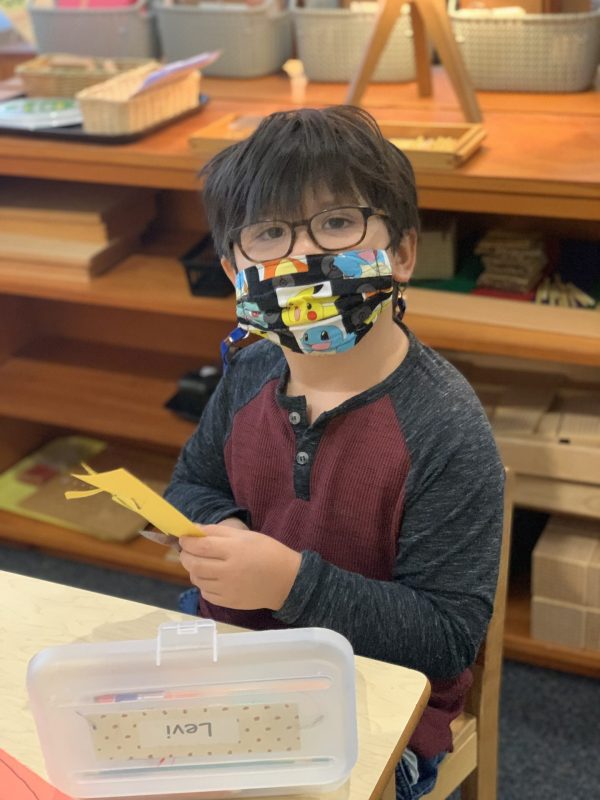
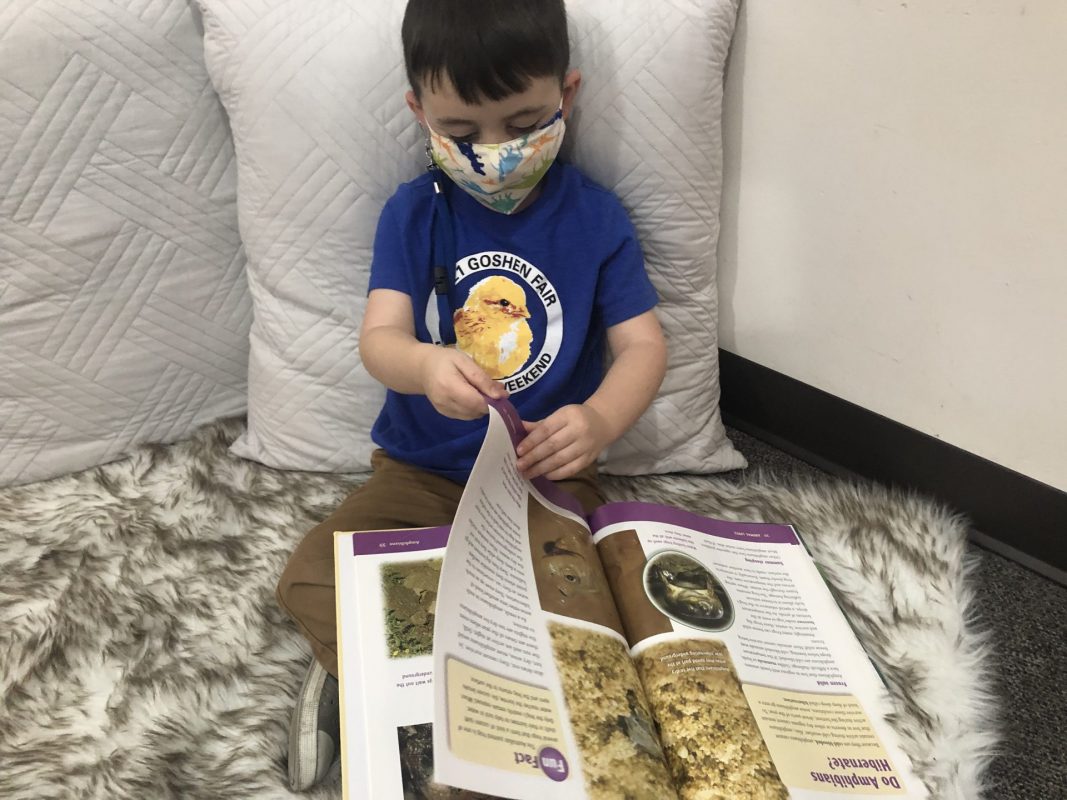
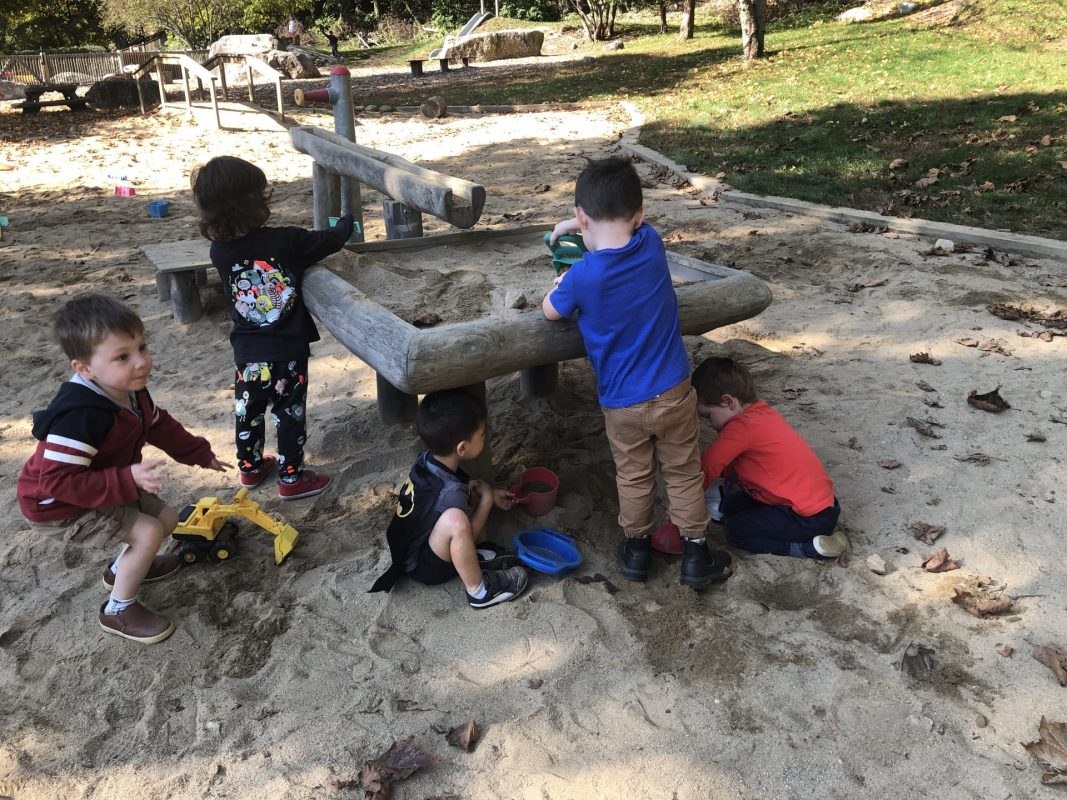
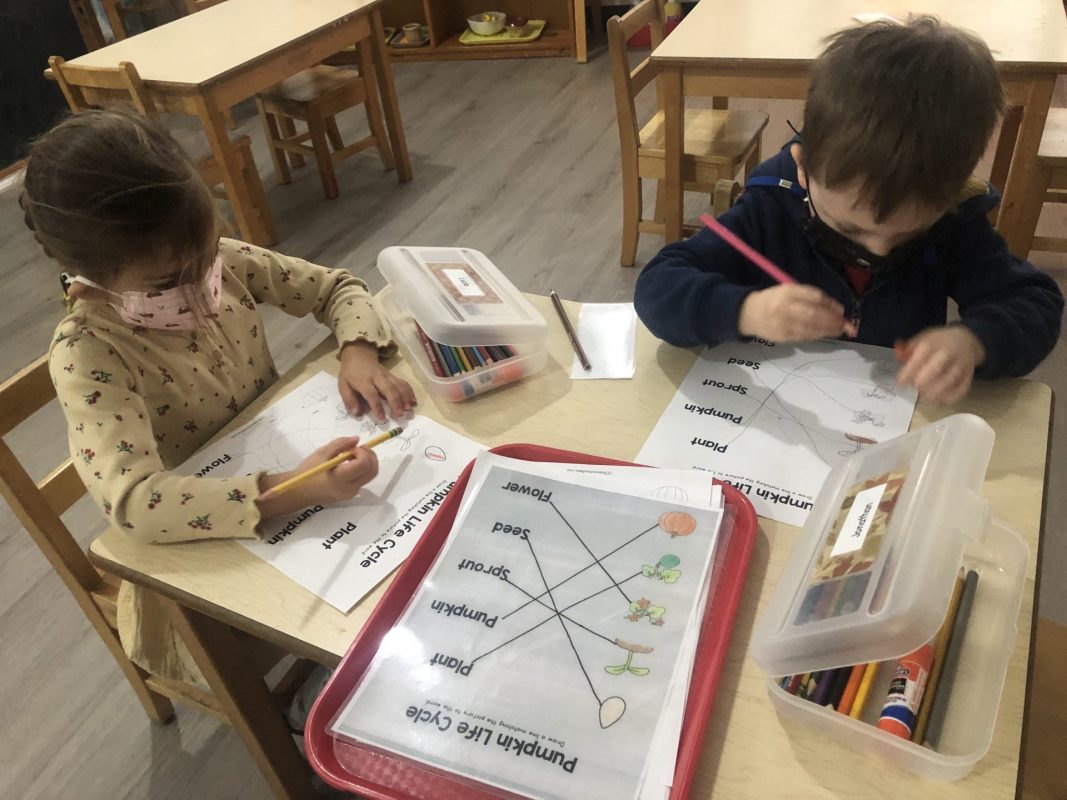
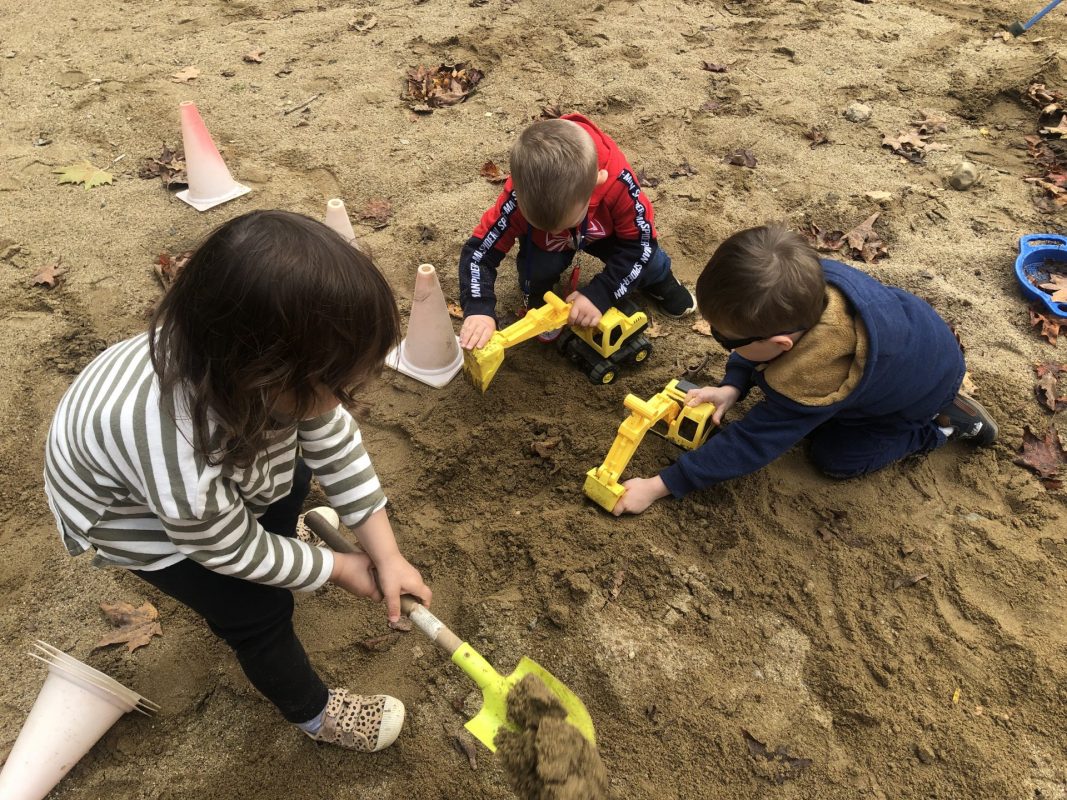
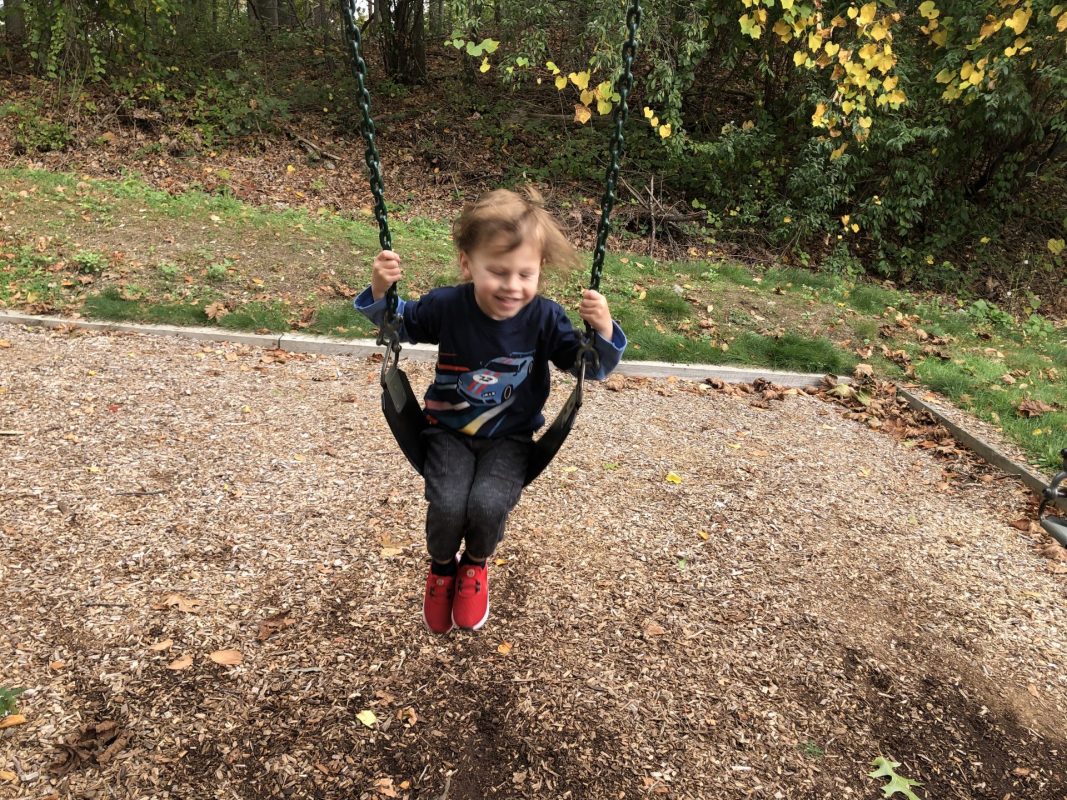
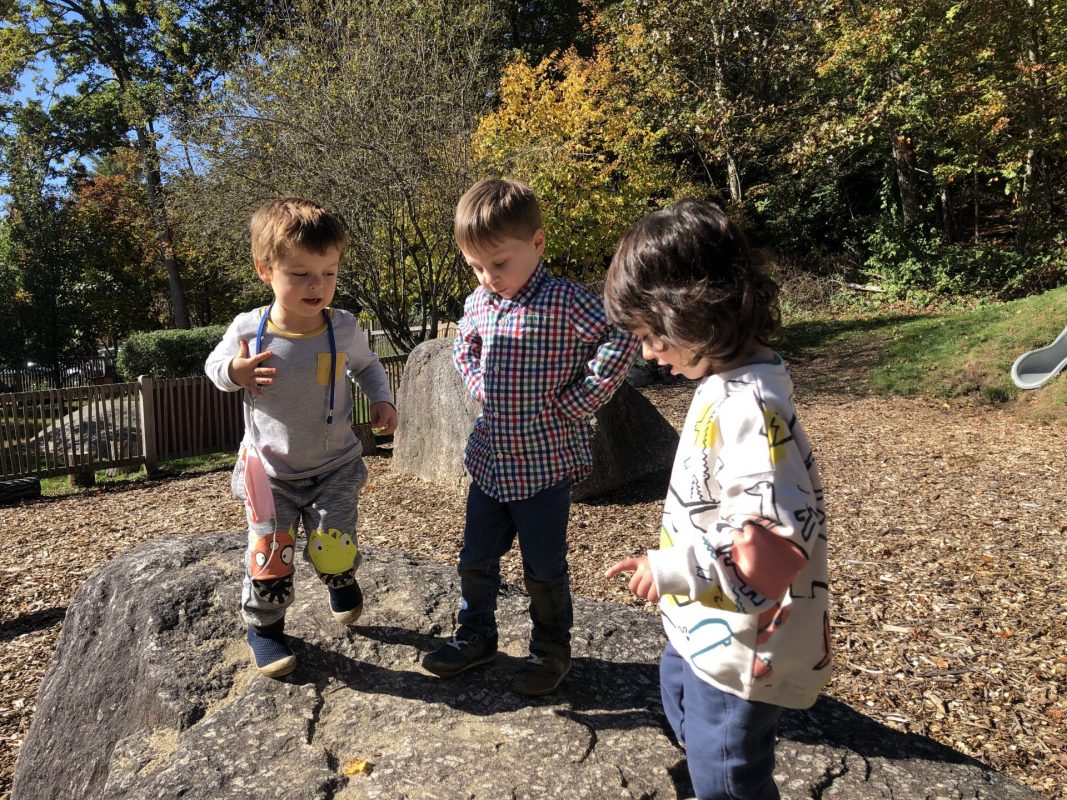
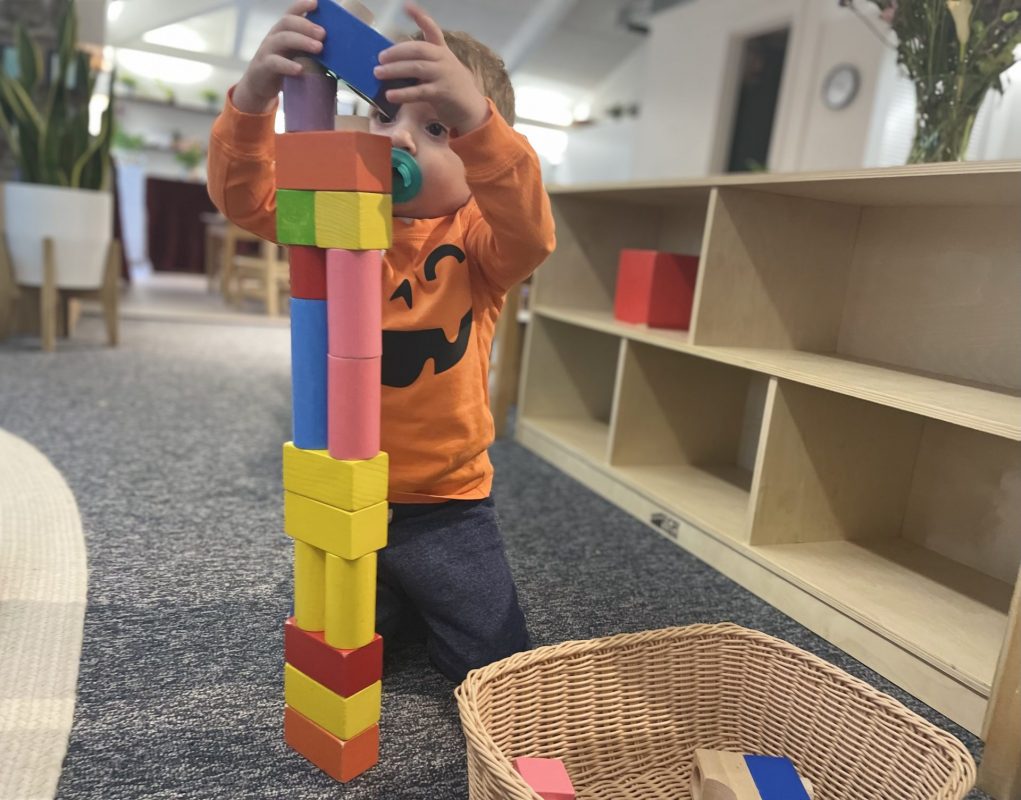
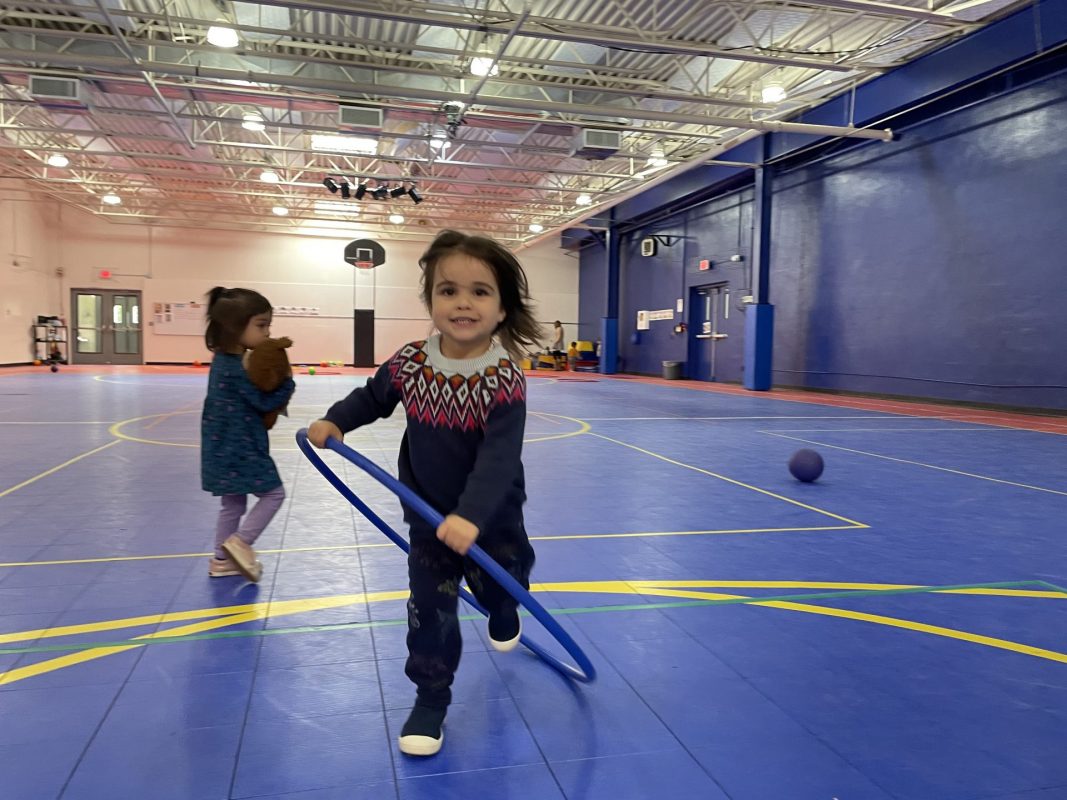
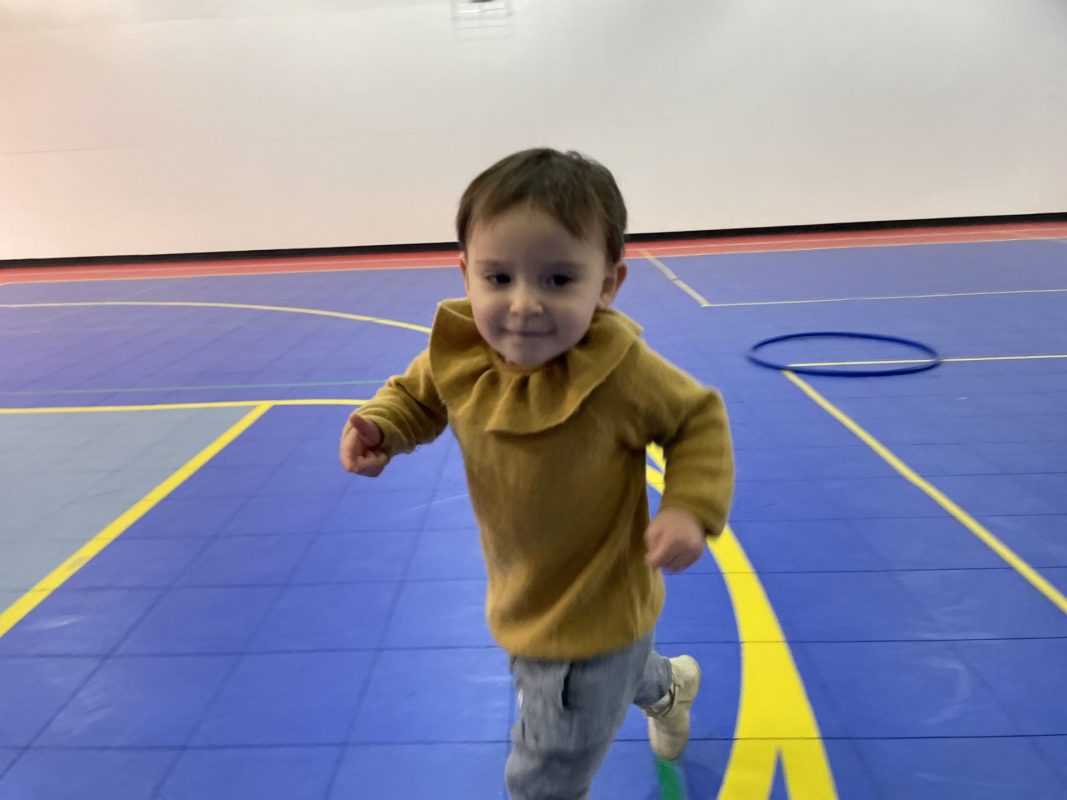
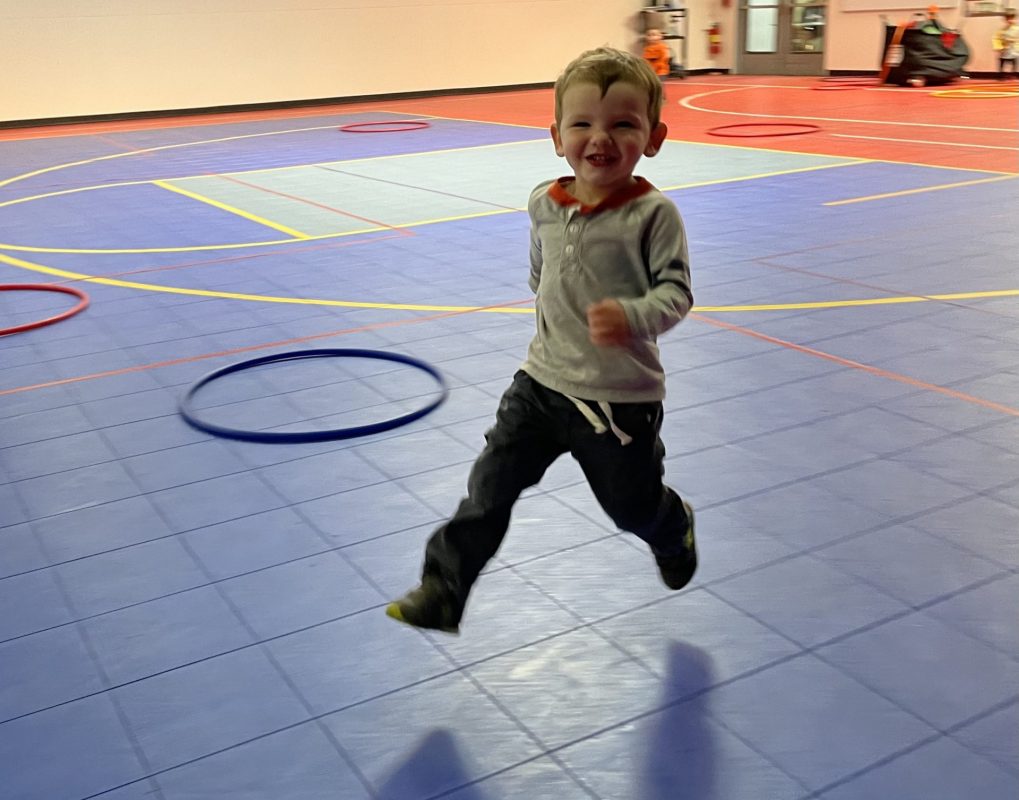
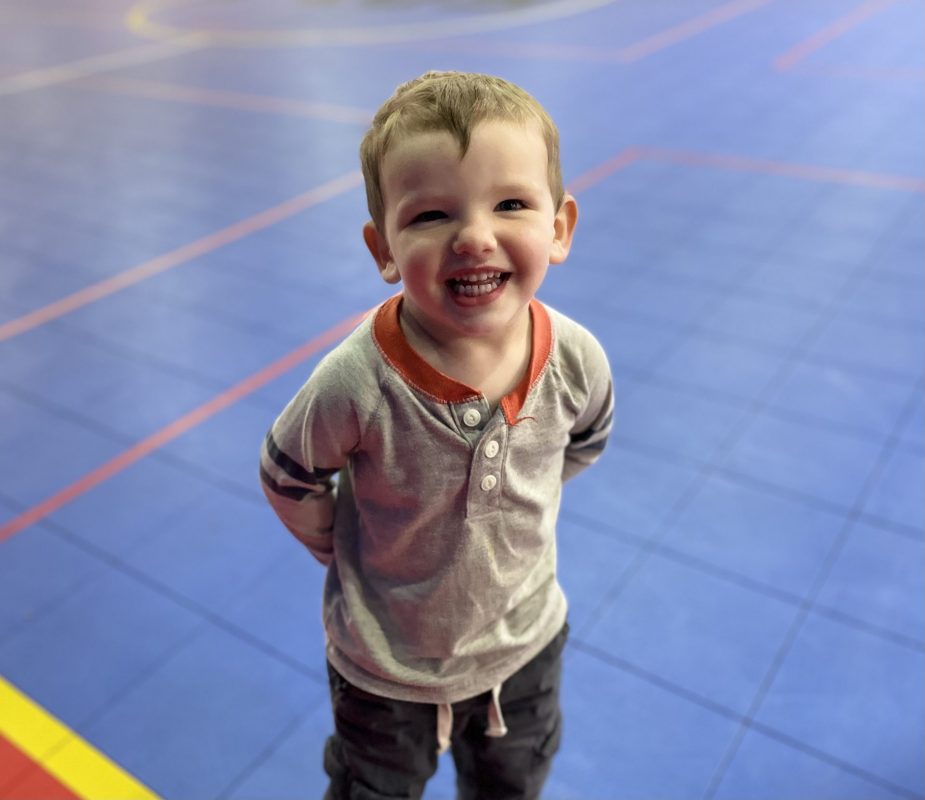
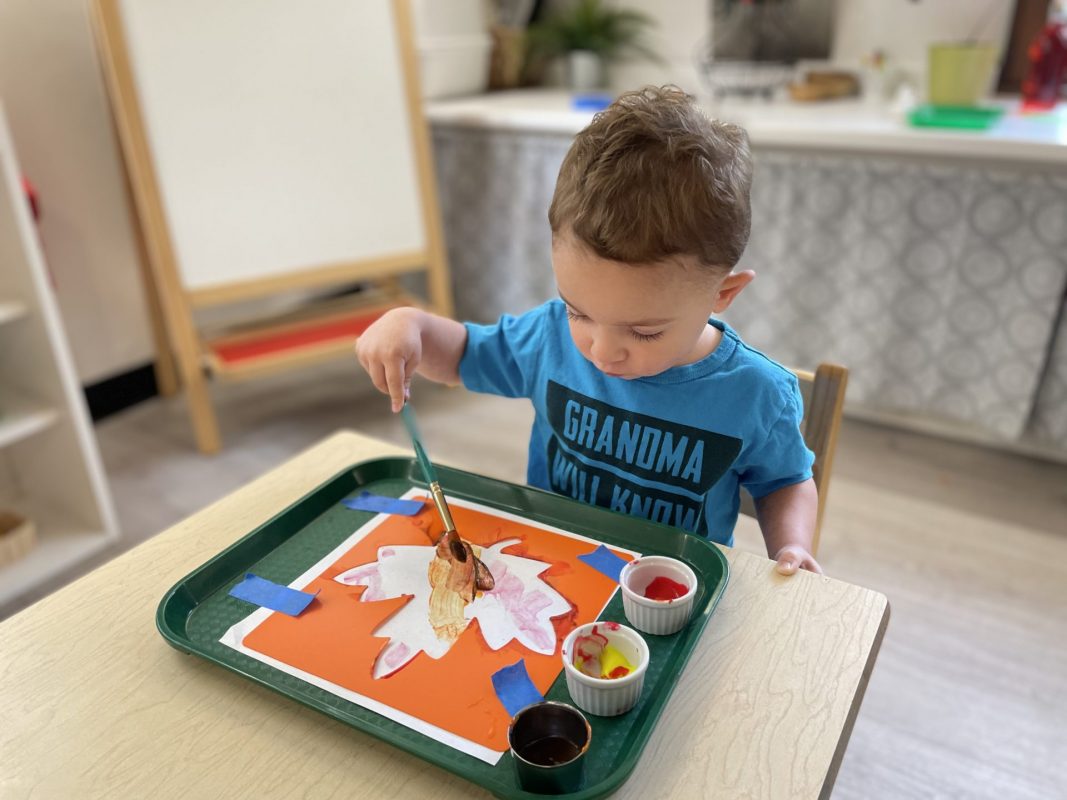
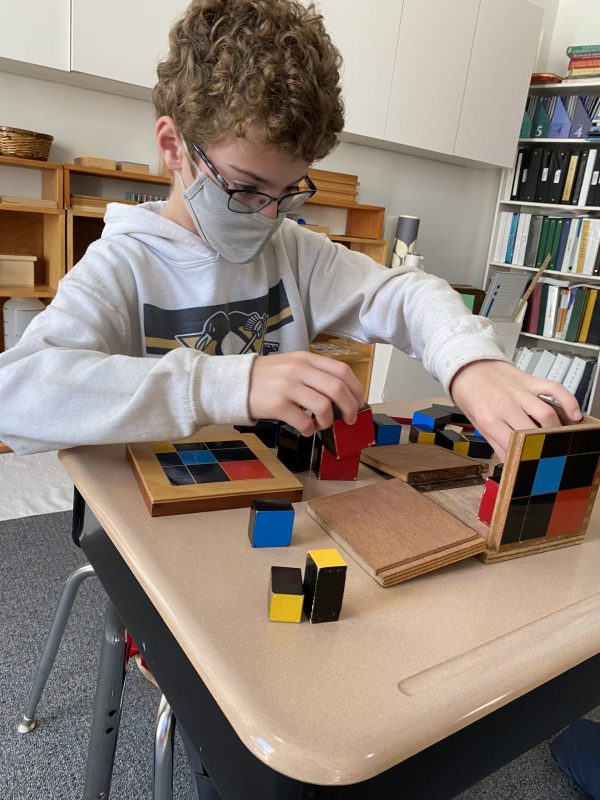
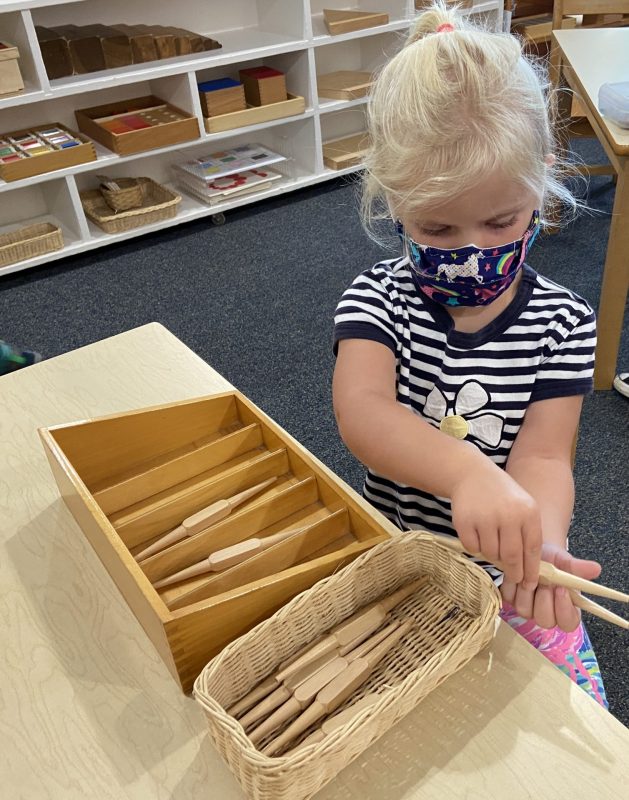
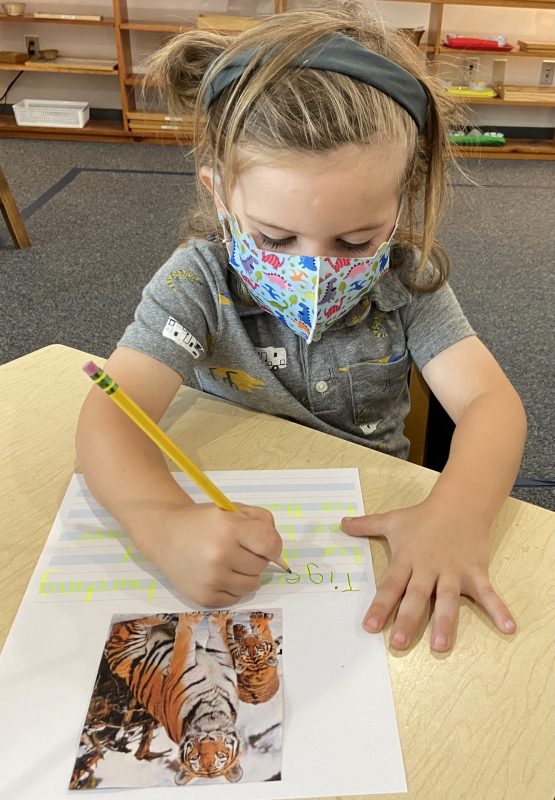
The result is a child who feels supported and empowered to become a creative, independent adult. Enjoy the photos!