Blog

The Most Popular Sport in the World!

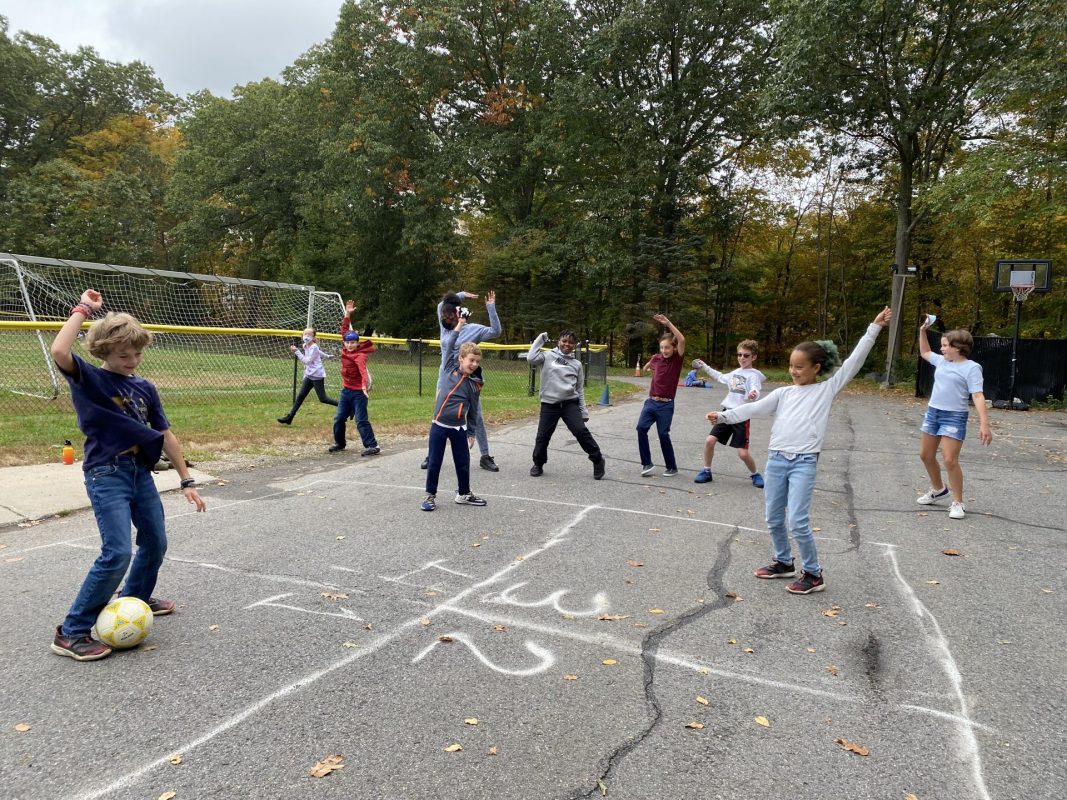
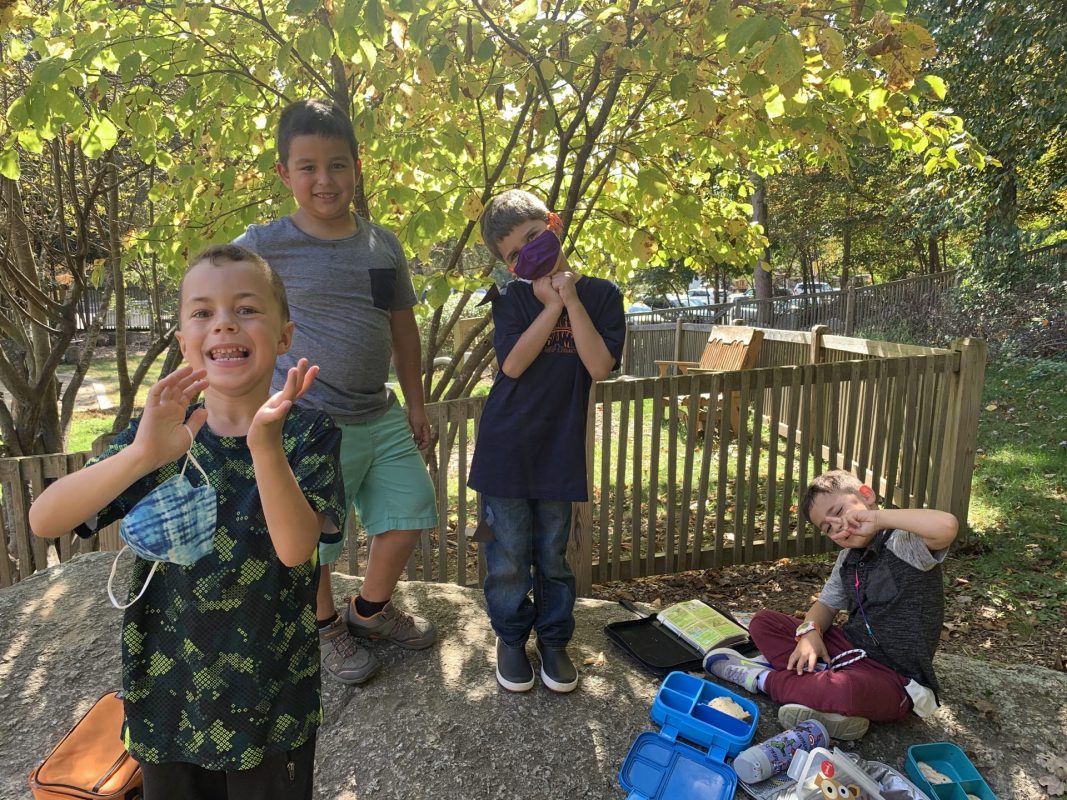
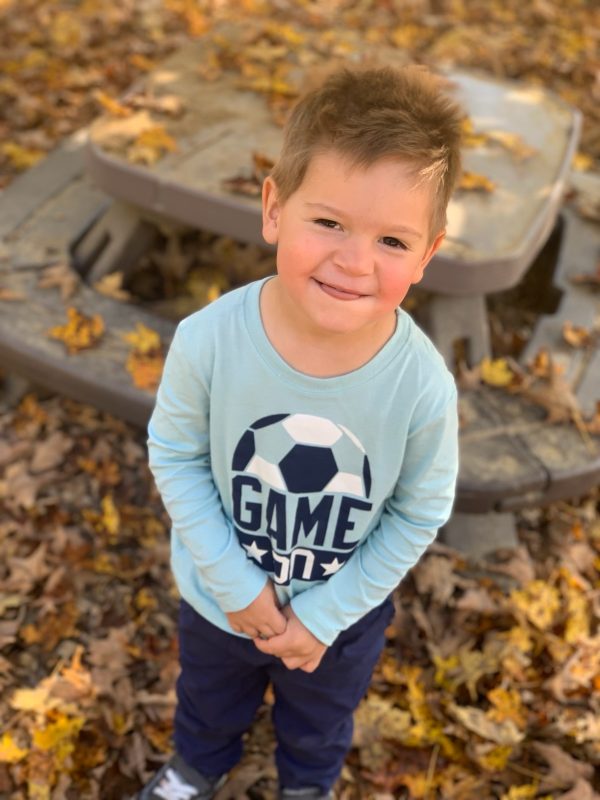
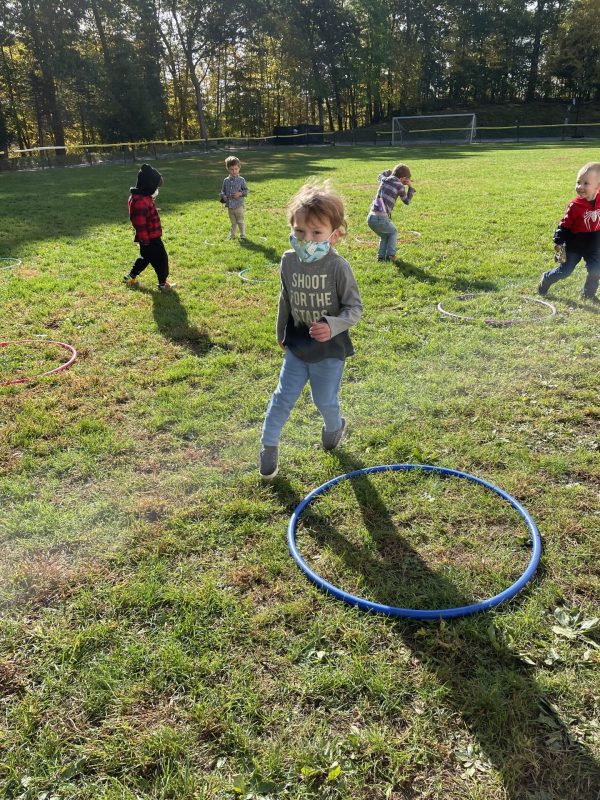
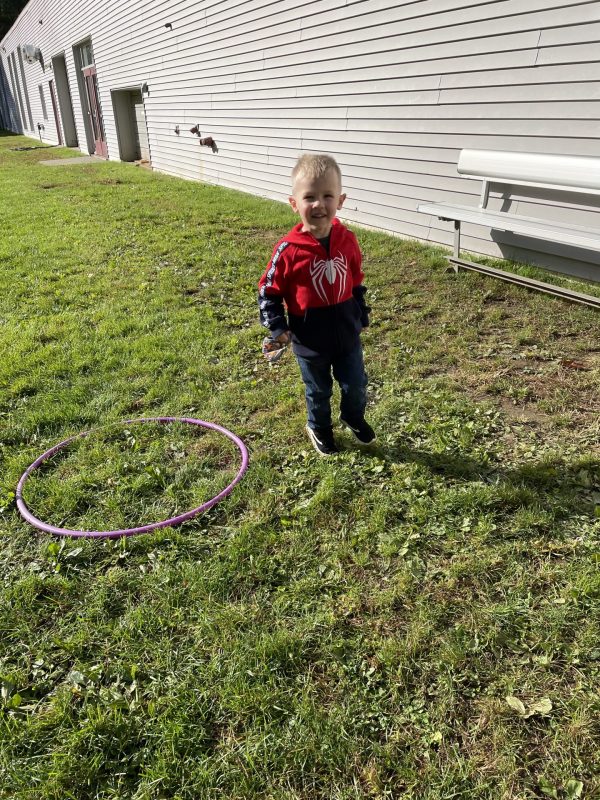
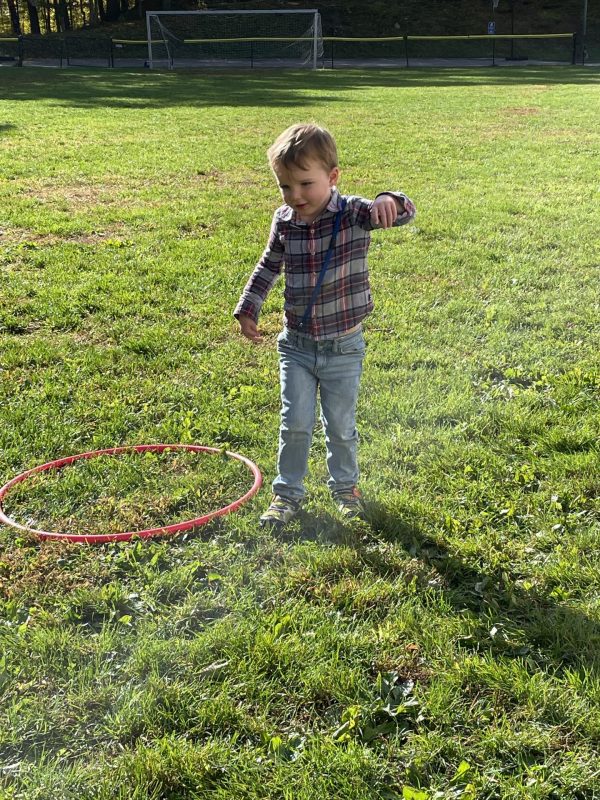
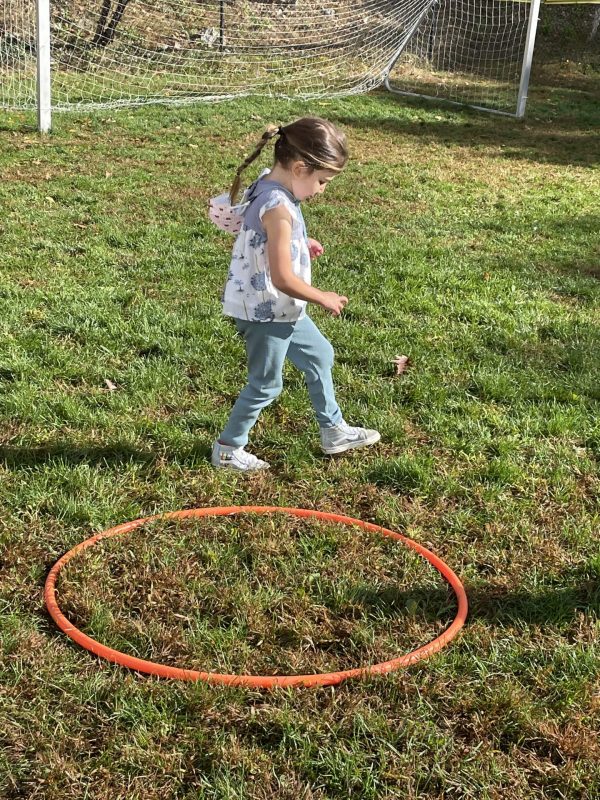
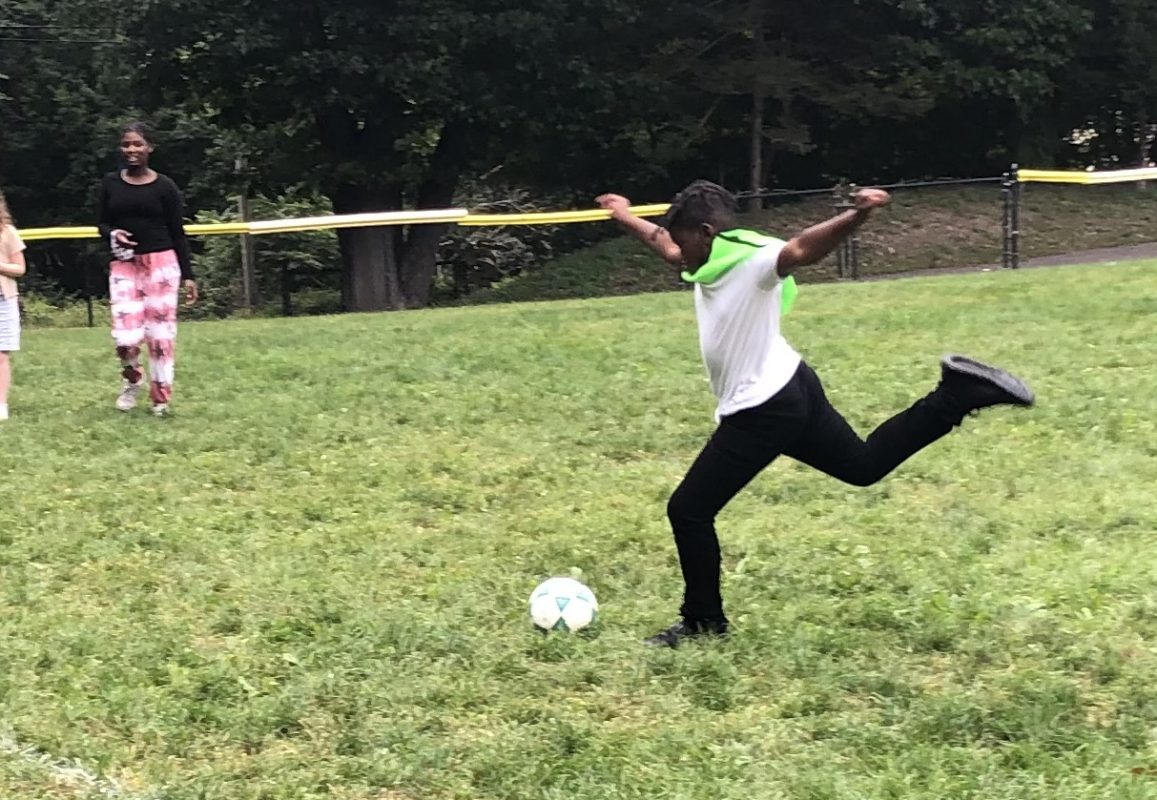
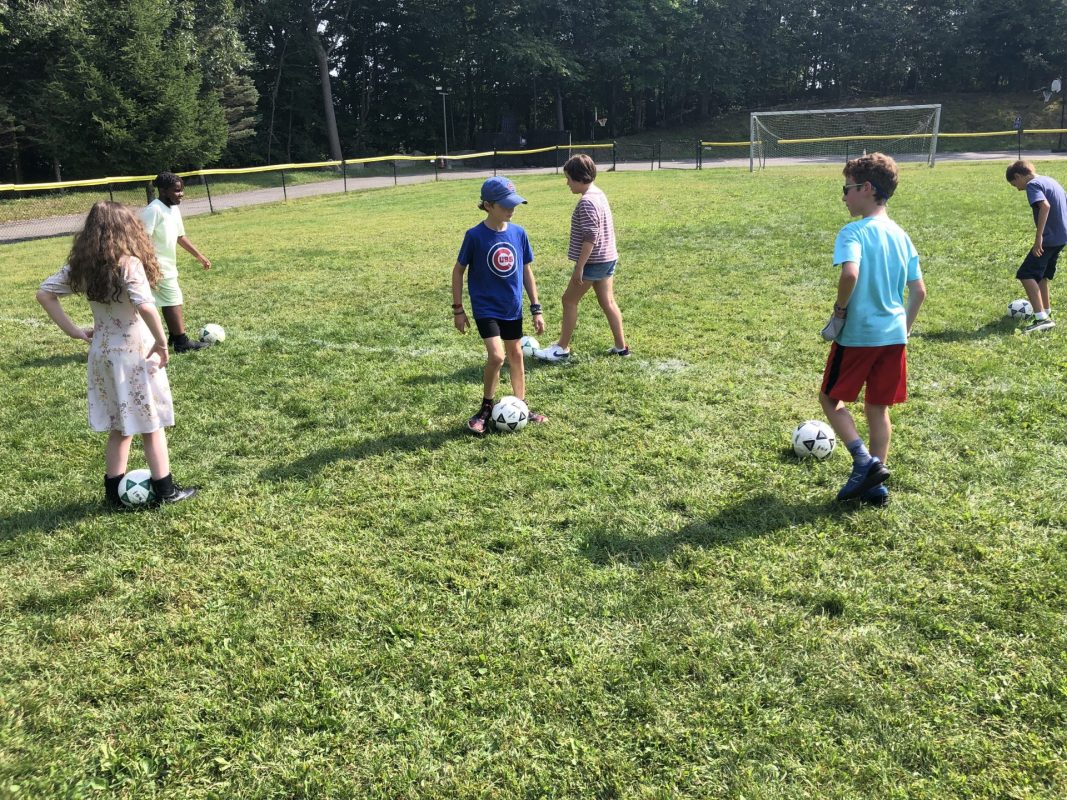
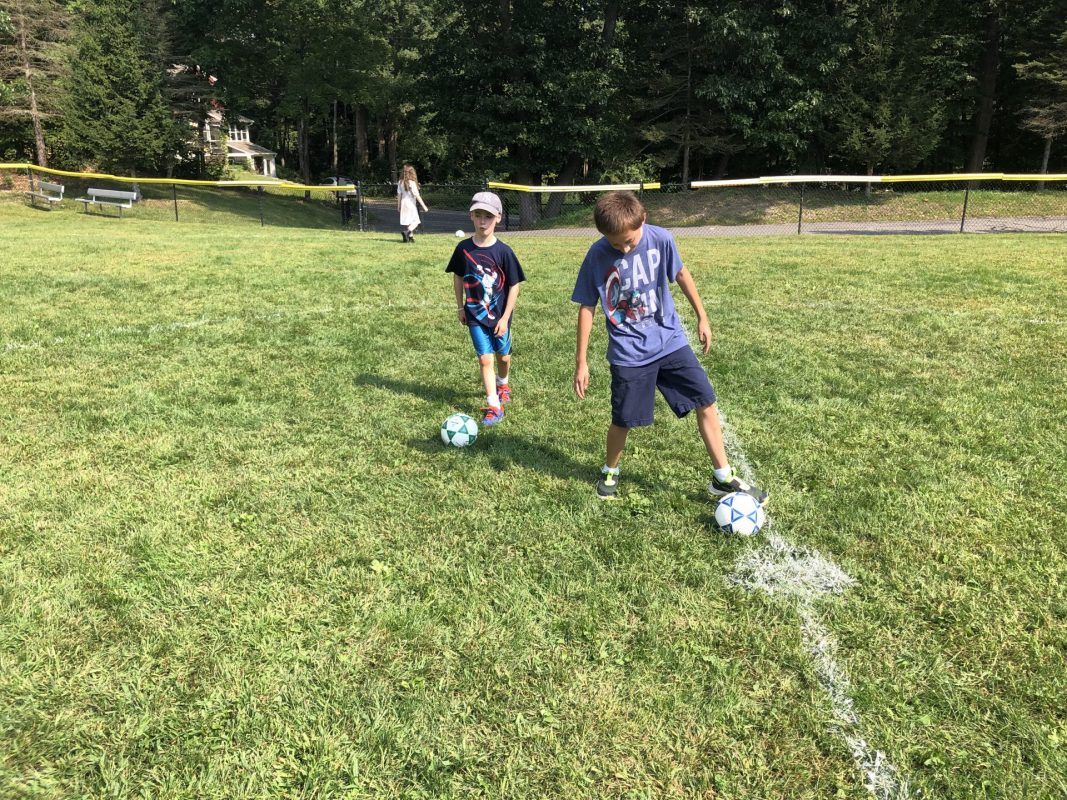
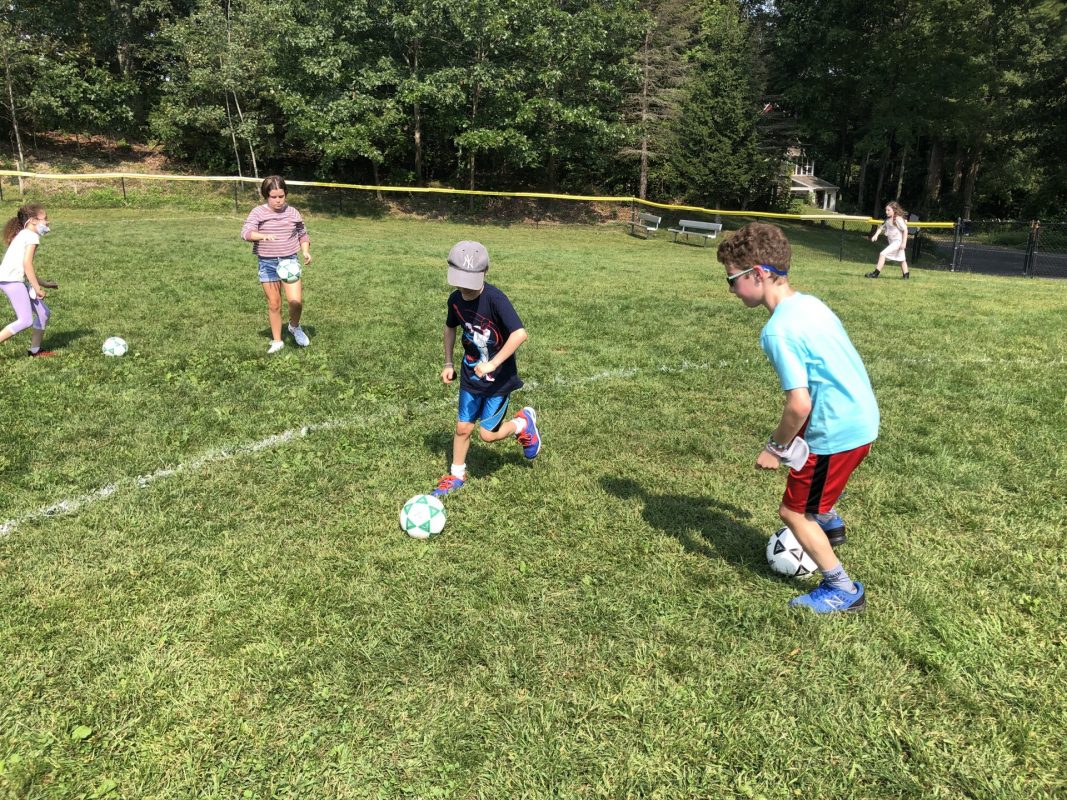
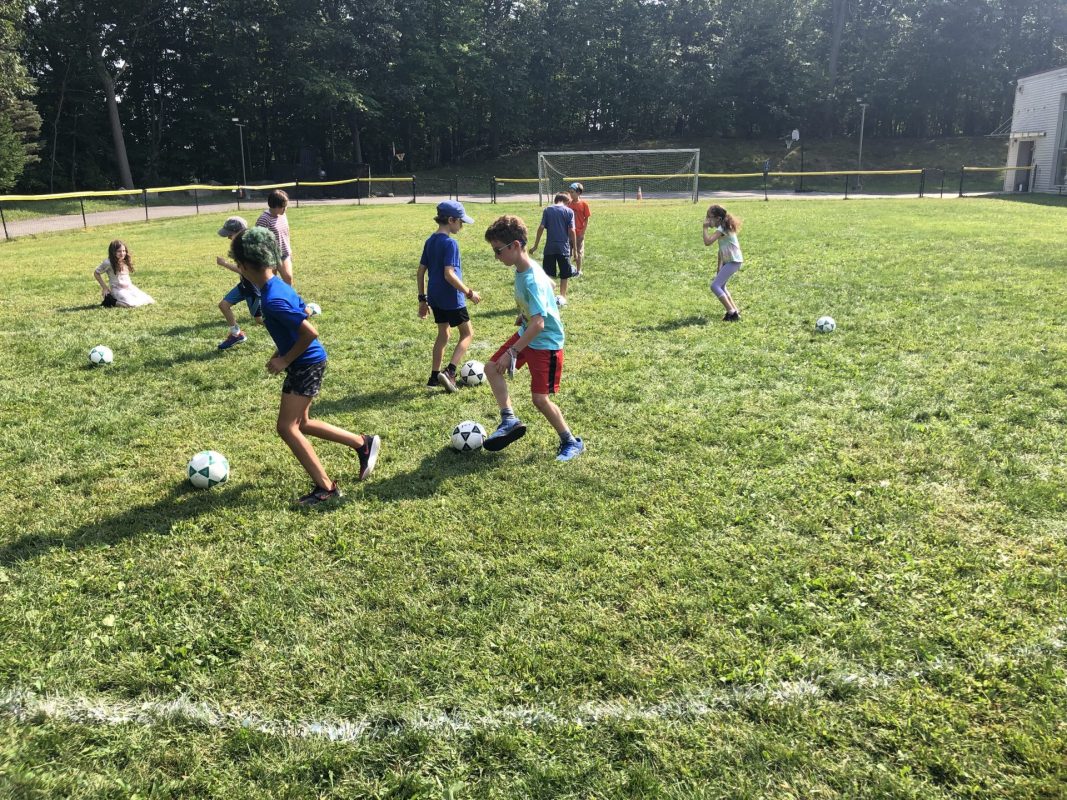
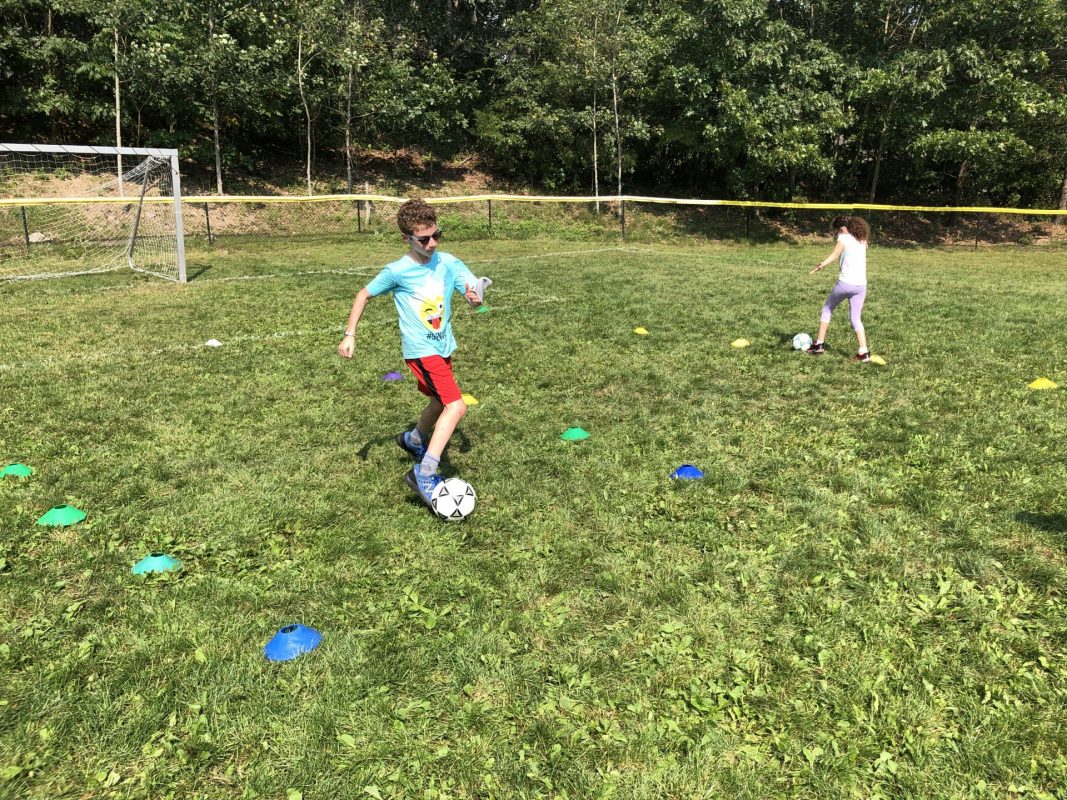
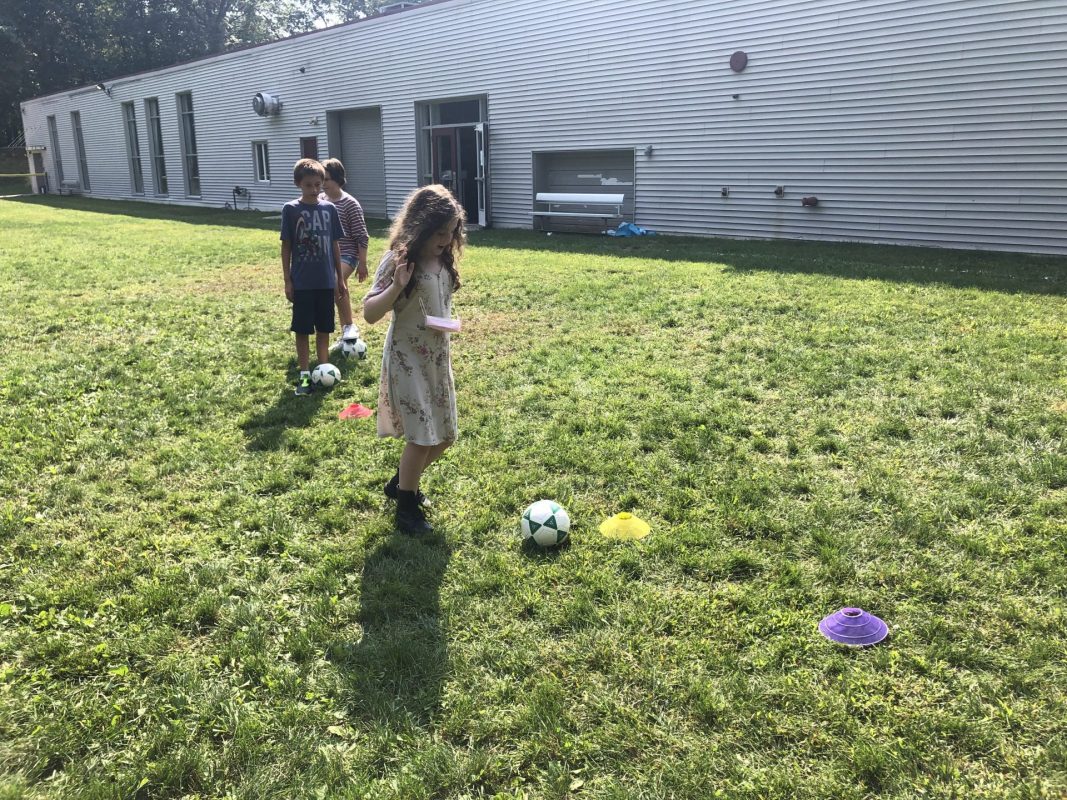
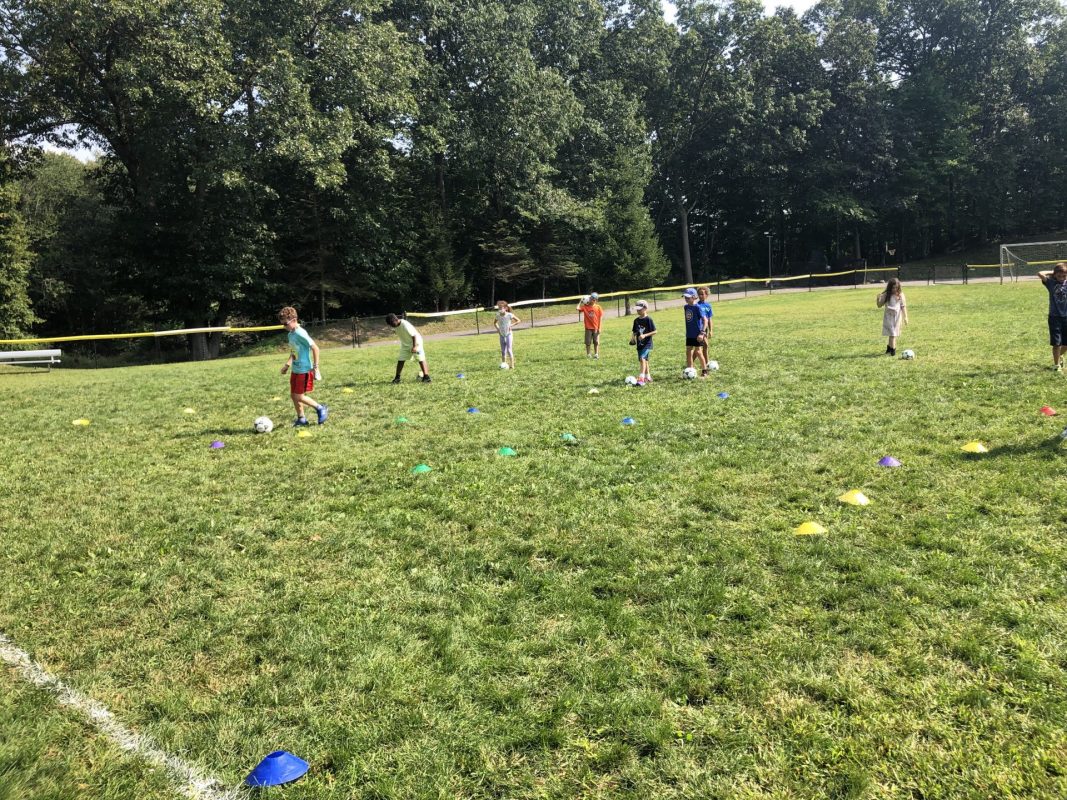
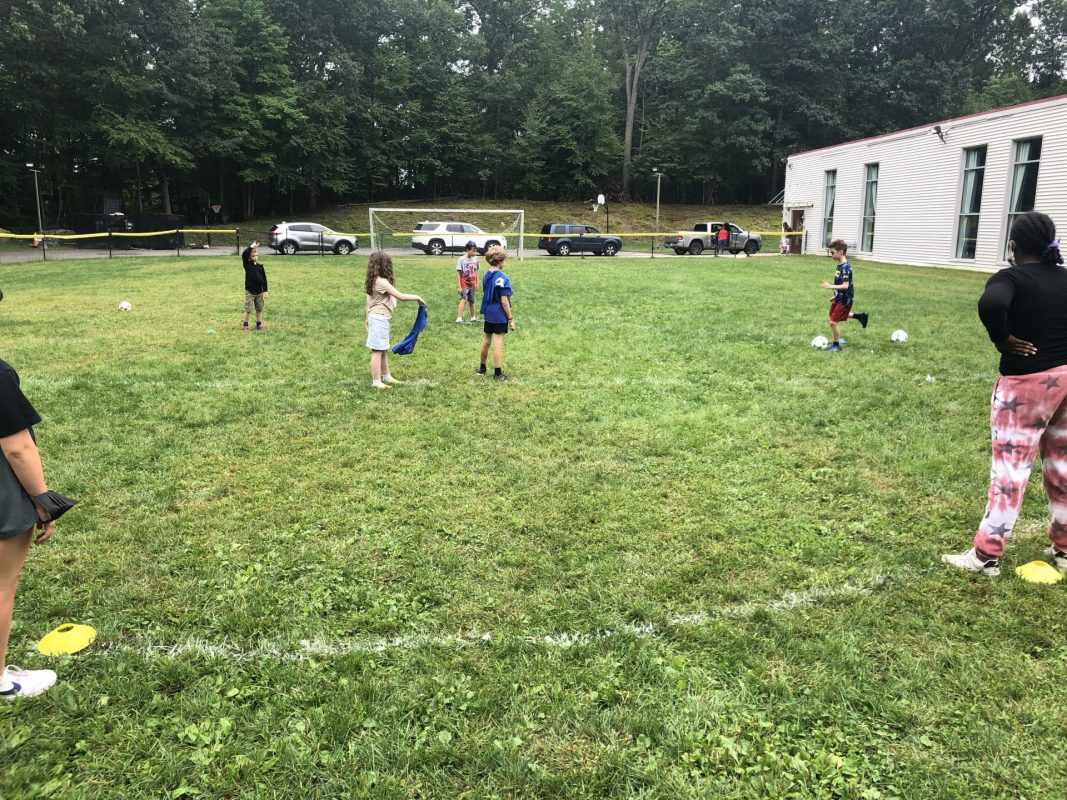
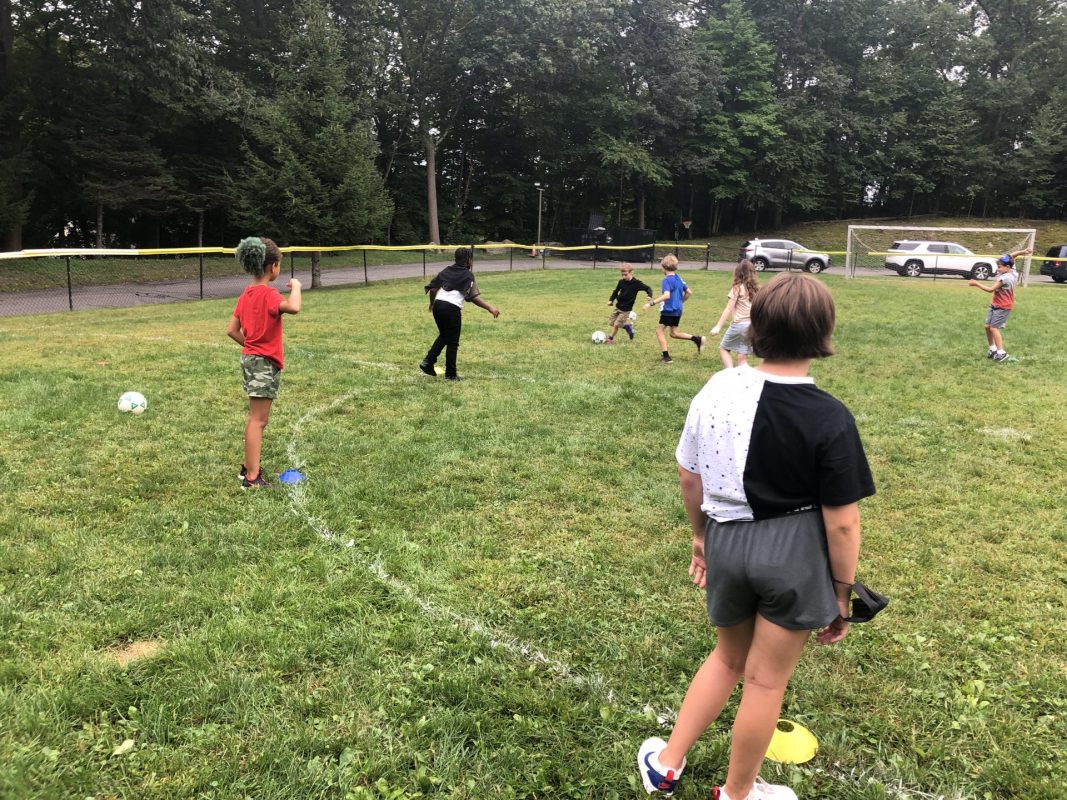
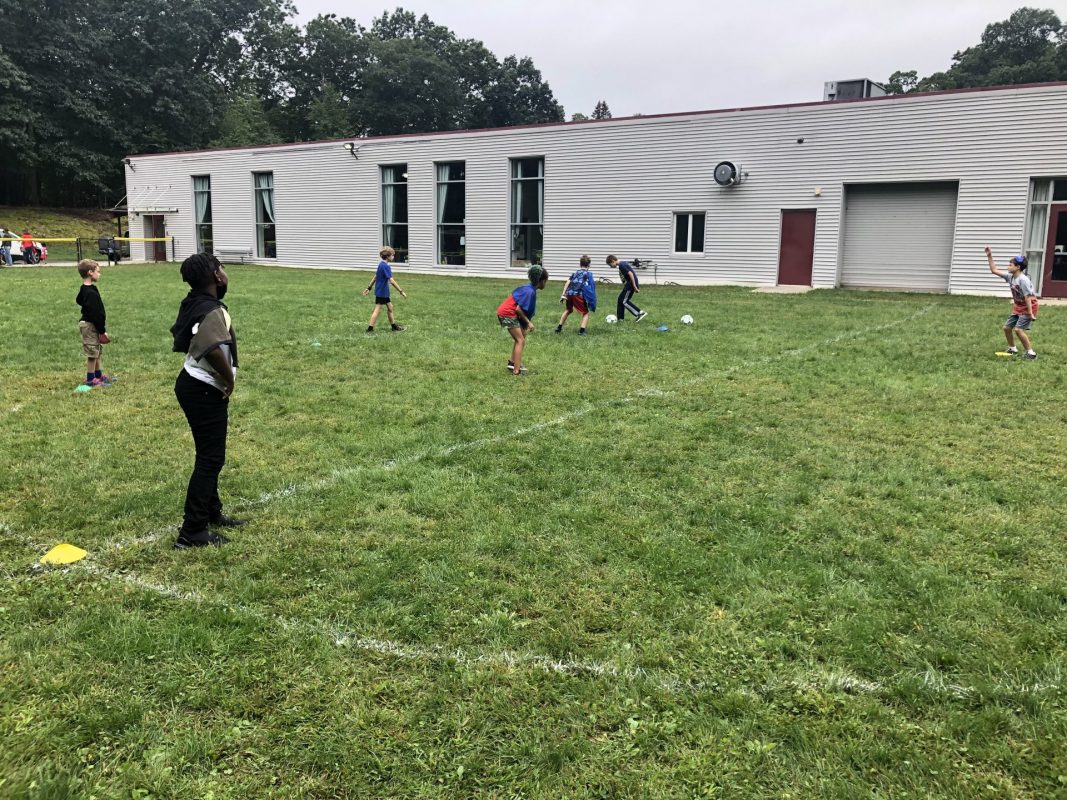
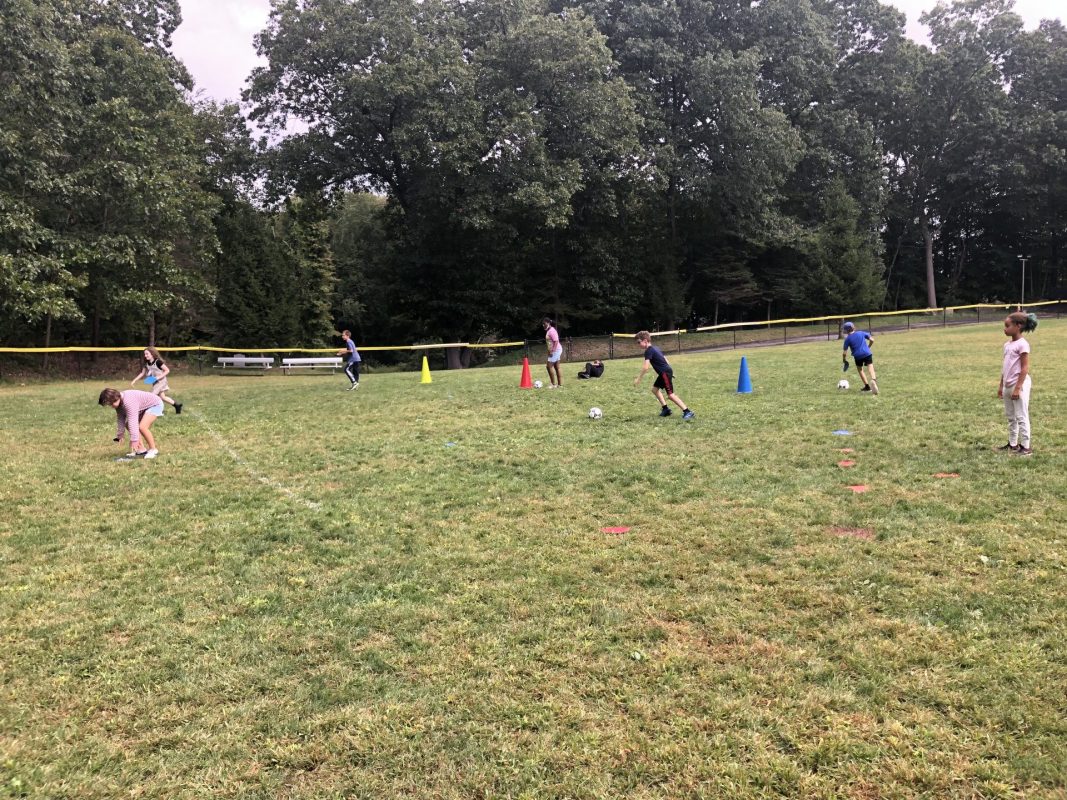
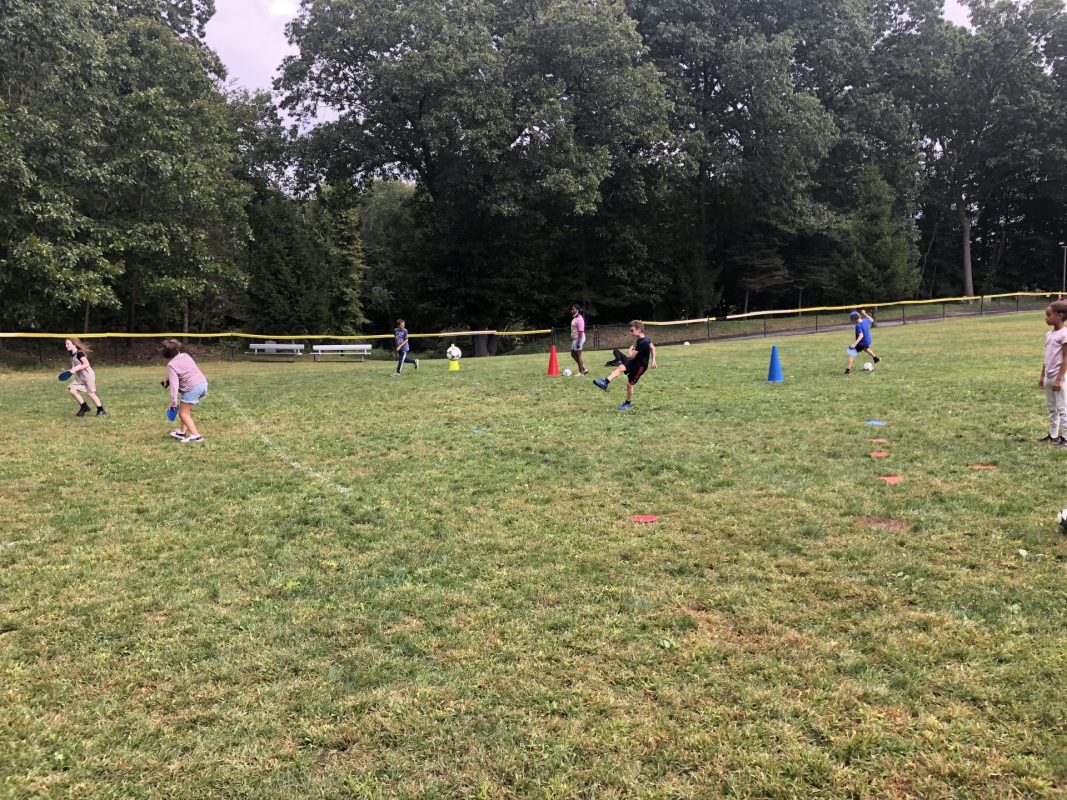
This past month, students in Kindergarten through 8th grade have been practicing and participating in the team sport of soccer. Did you know that soccer is the most popular sport in the world?  Soccer is played by approximately 250 million players, spread over 200 countries!  Soccer is fun, inexpensive, and easy to play. All you need are some friends, a ball, and a large space.

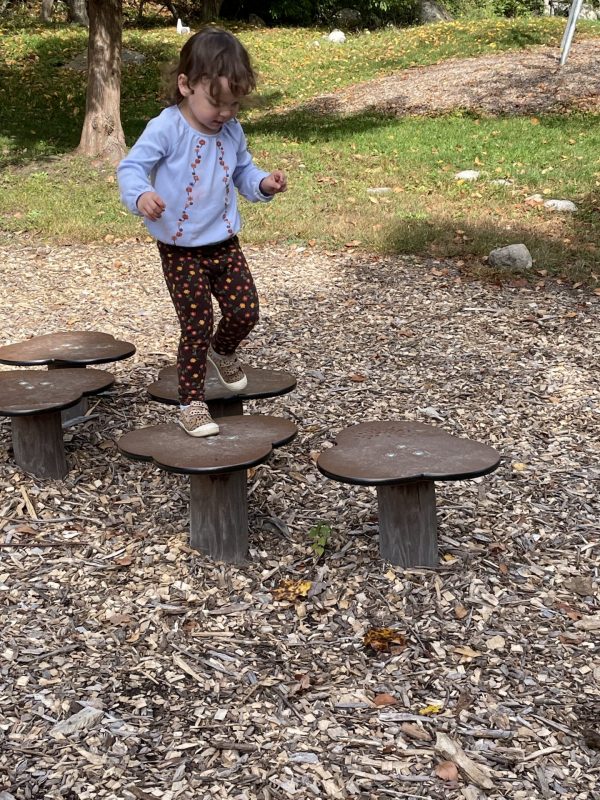
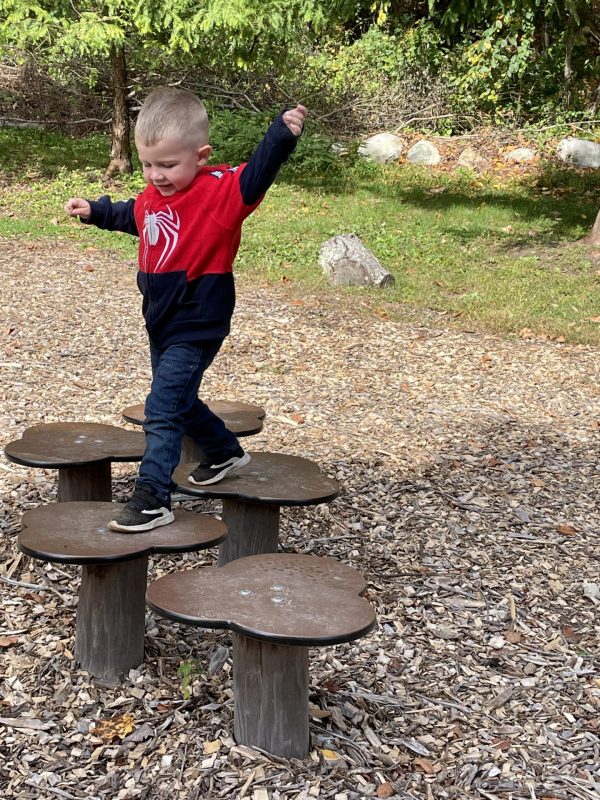
During our soccer unit in Kindergarten and Lower Elementary, most of our focus was on developing foot-eye coordination and spatial awareness. Skills taught were dribbling a ball under control using both left and right, passing with the inside of the foot, trapping the ball, and shooting a ball at a target. At the Upper Elementary level, the skills taught were dribbling, trapping, passing, shooting, understanding offense and defense, and using simple game rules to play.

Our Middle School sports program takes place during the school day three times per week. Games are scheduled after school on either Tuesday or Thursday. The focus at the MS level is to develop player performance. The four components are technique, tactics, fitness, and sportsmanship. Various drills are planned based on what the team needs to focus on to improve in the game. Our next game will be played on our back soccer field on Tuesday, October 26th at 2PM.  Let’s go FWM!!


Mrs. Hood: En Otoño!
Maria Montessori believed that the initial six years of a child’s life are crucial for a their language development; that from birth a child must receive appropriate stimulation. This is also widely recognized by many specialists in language, also when referring to learning foreign languages.

Research shows that learning a second language boosts problem-solving, critical-thinking, and listening skills, in addition to improving memory, concentration, and the ability to multitask. Children proficient in other languages also show signs of enhanced creativity and mental flexibility.

In our environment, children are exposed to Spanish multiple times a day. From songs, to books, to direct conversations, Spanish is always part of our routines.

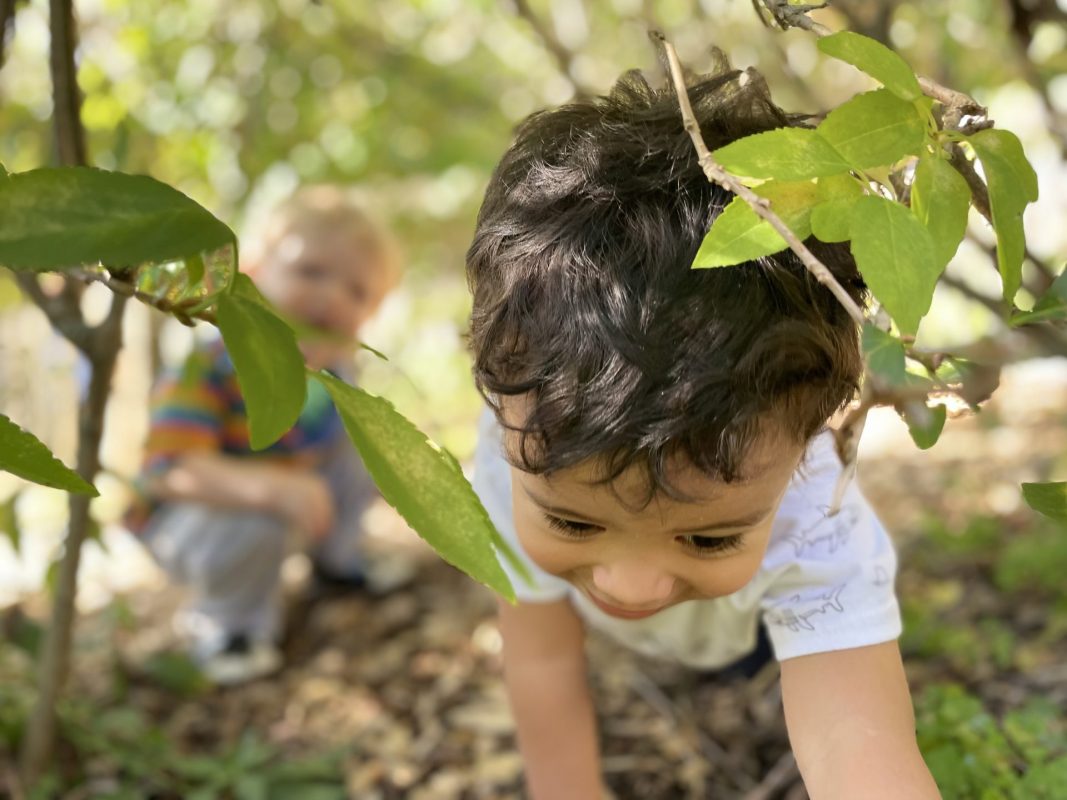
Due to the changing of the season, children have been introduced to the wonders of Otoño (Autumn) by observing and talking about what we see. The wind blowing, the leaves falling, the squirrels gathering acorns and climbing the trees, the scarecrows, the smiley pumpkins, and the different foods in season we get to explore during this time of the year are things we like to talk about, observe in nature, and imitate while reading our favorite book this week, En Otoño (In Autum) by Susana Madinabeitia Manso.

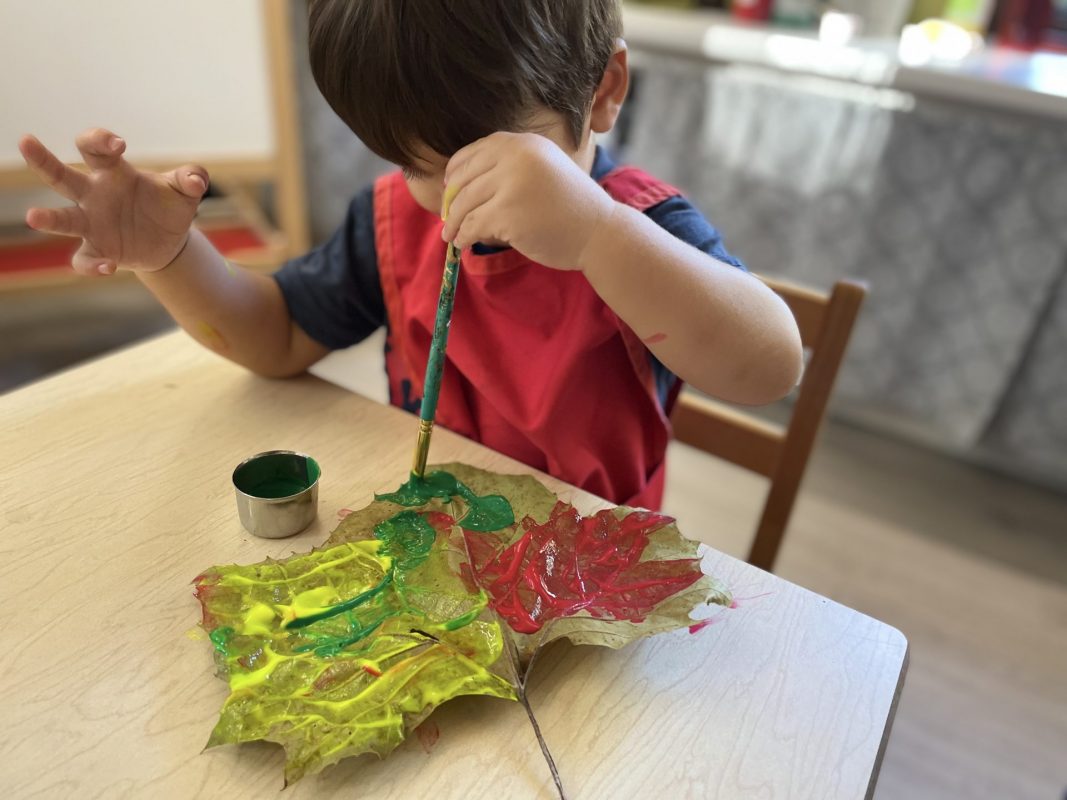
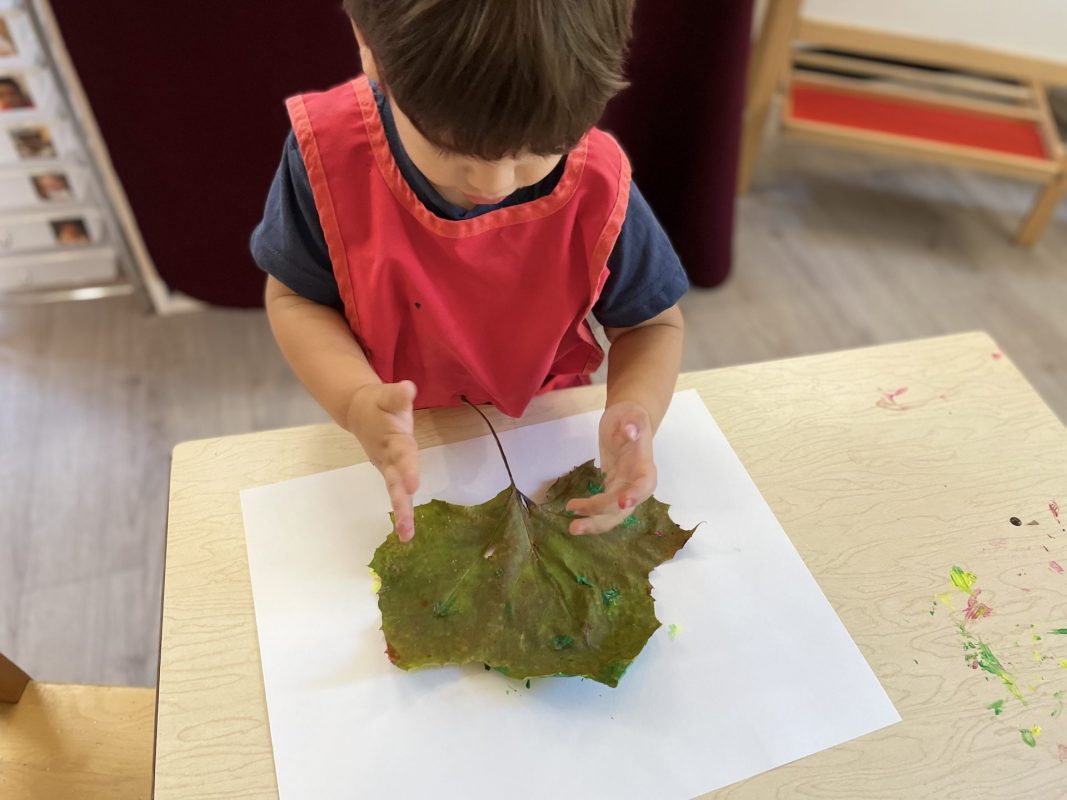
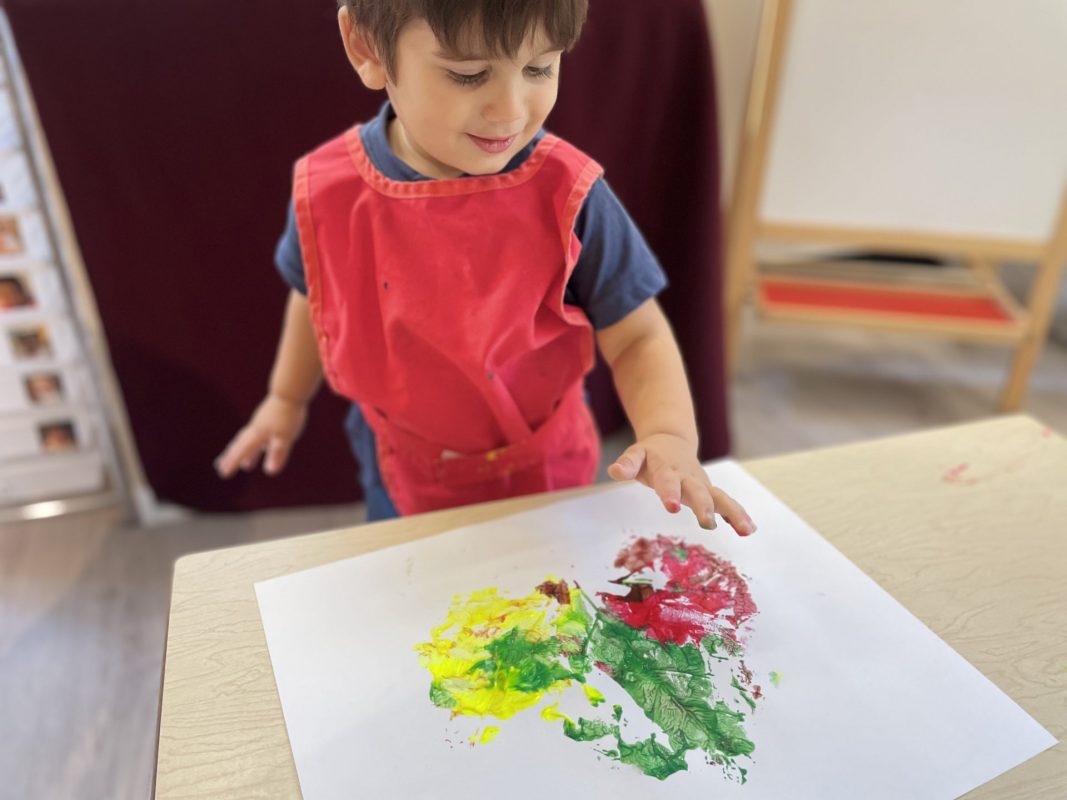
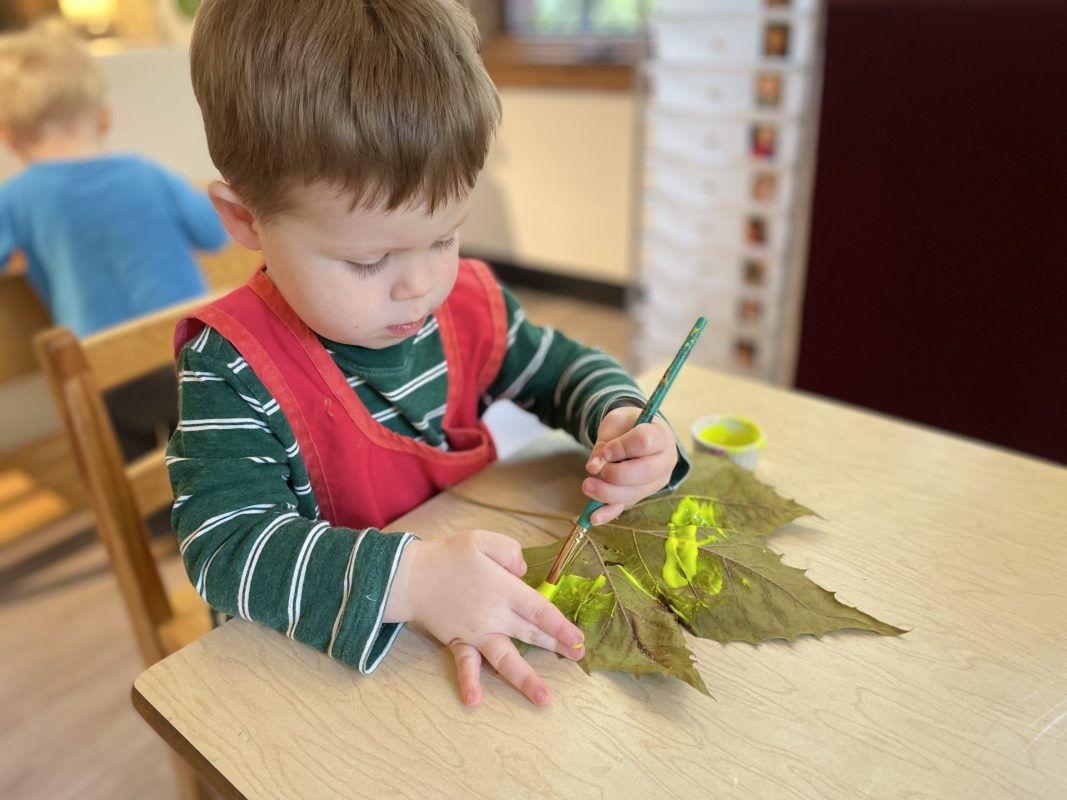
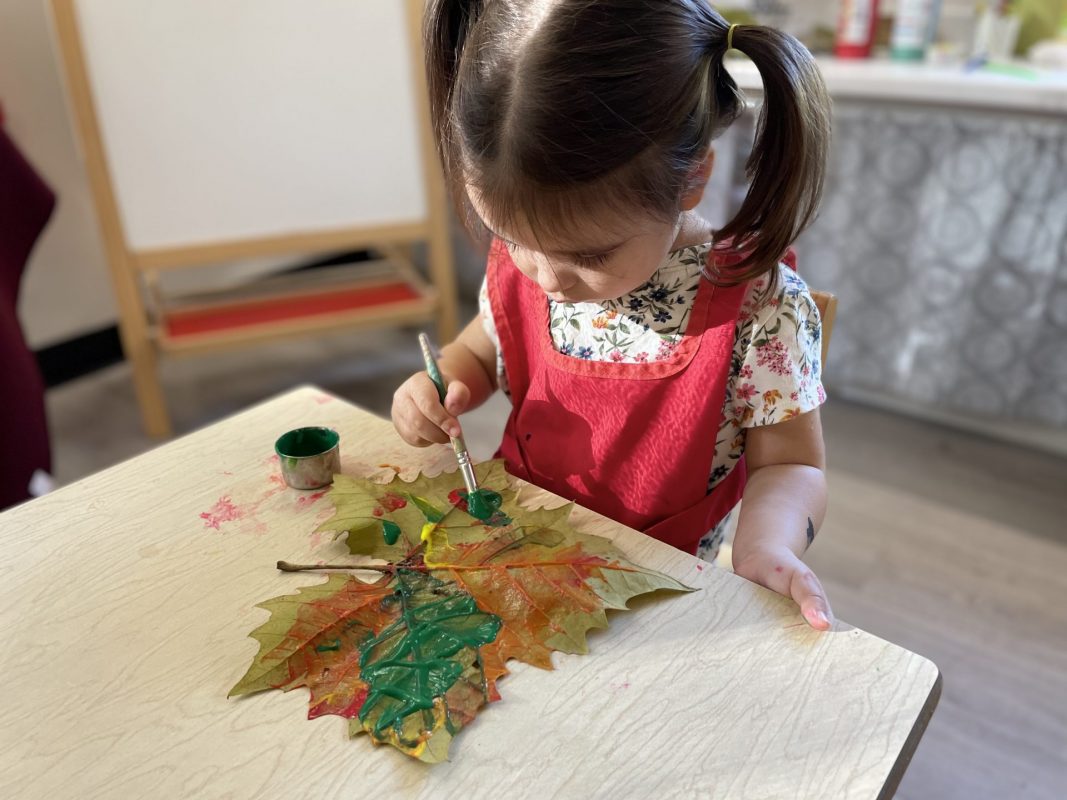
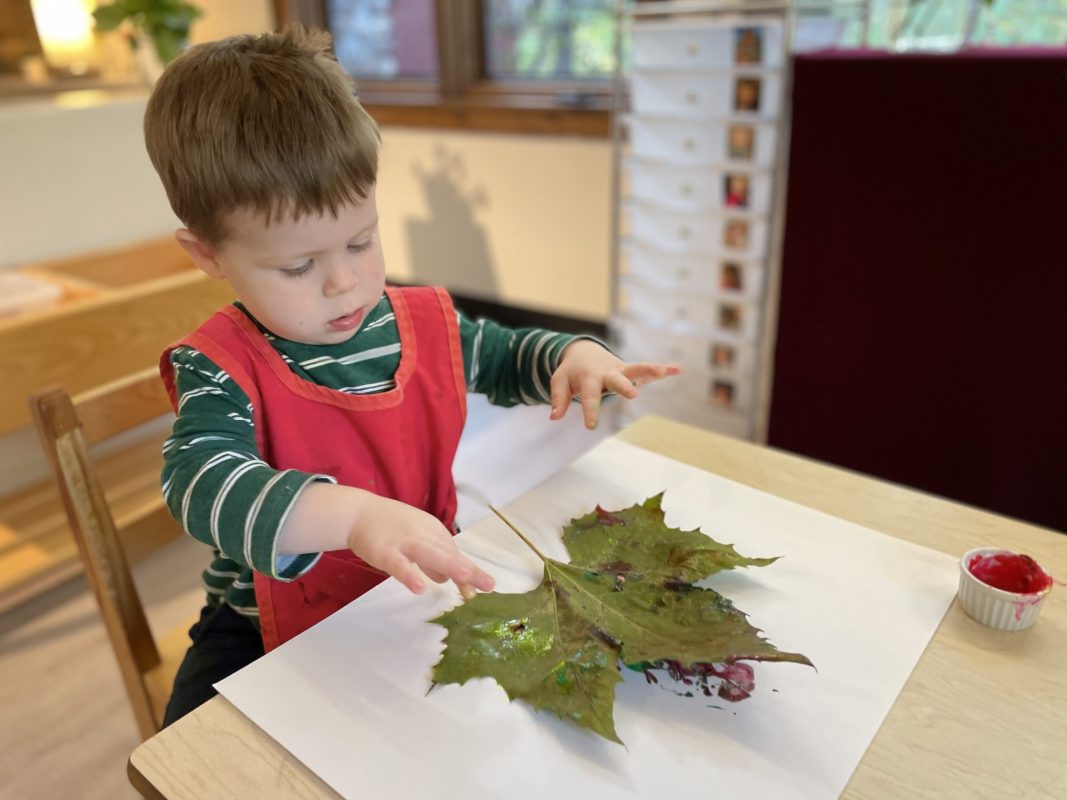
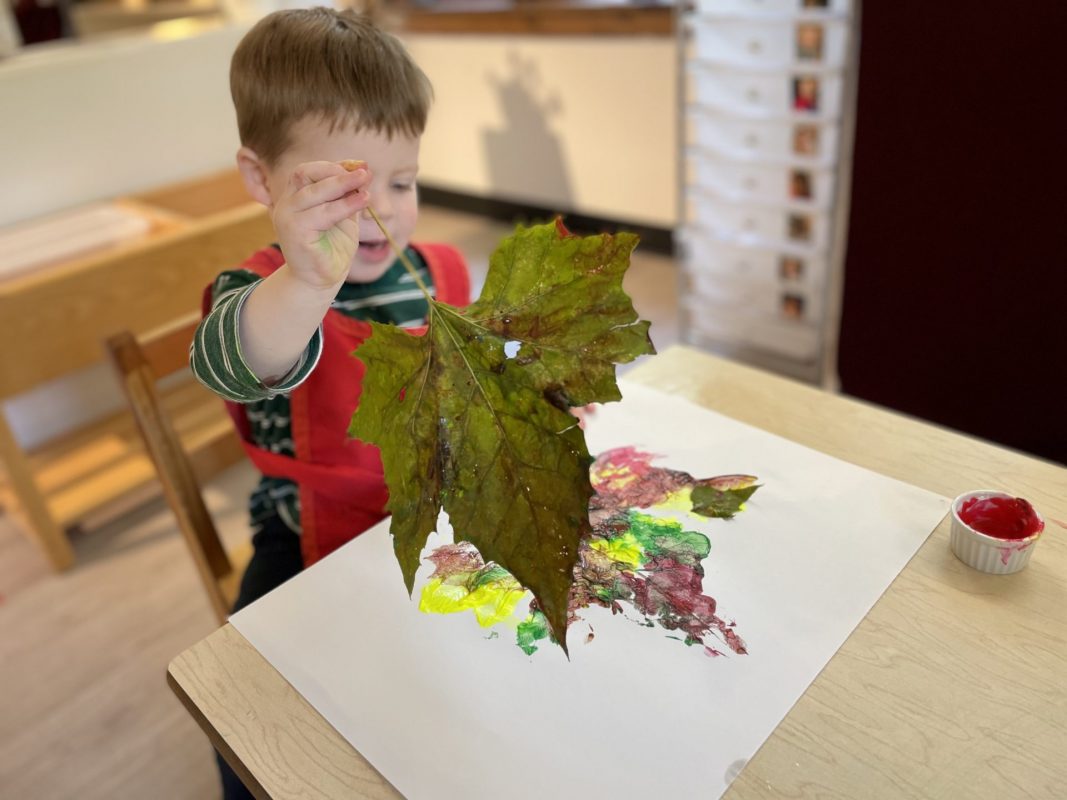
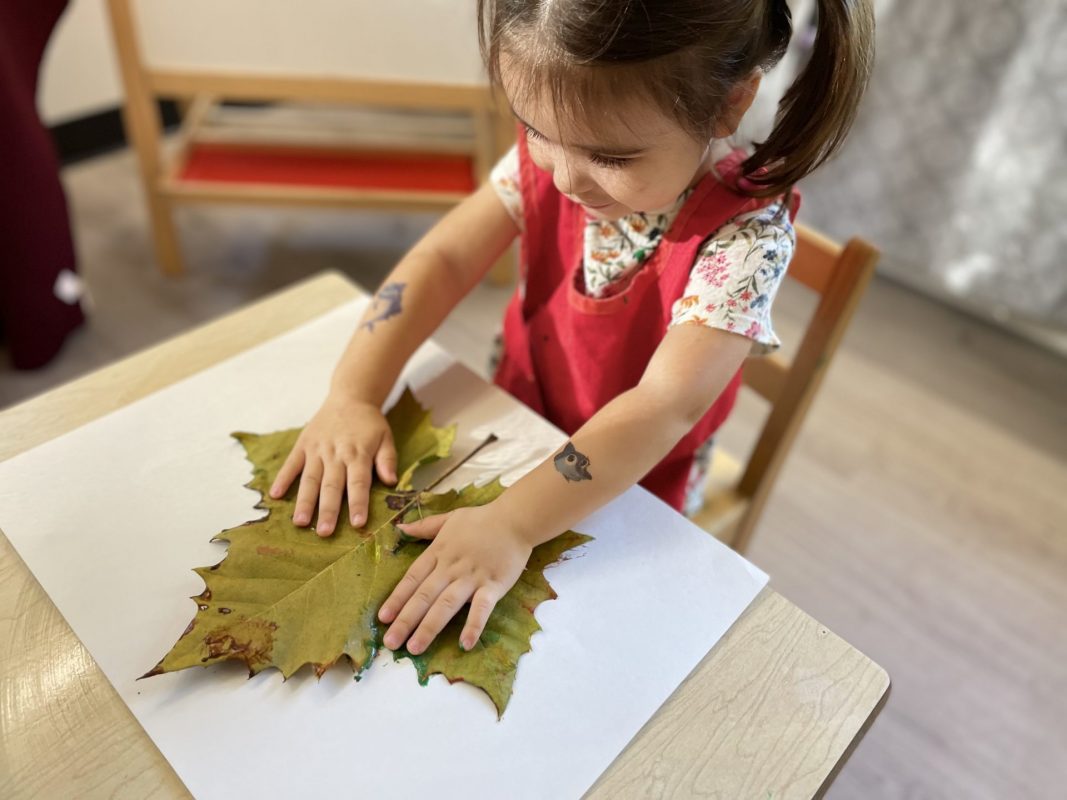
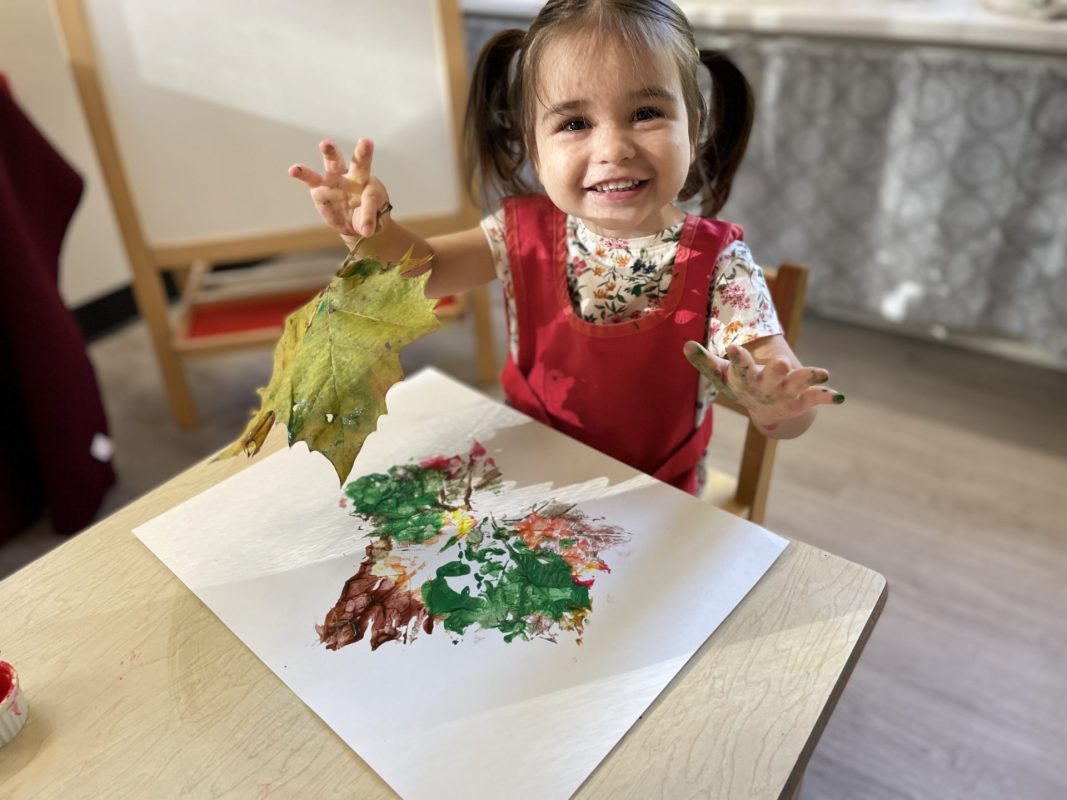
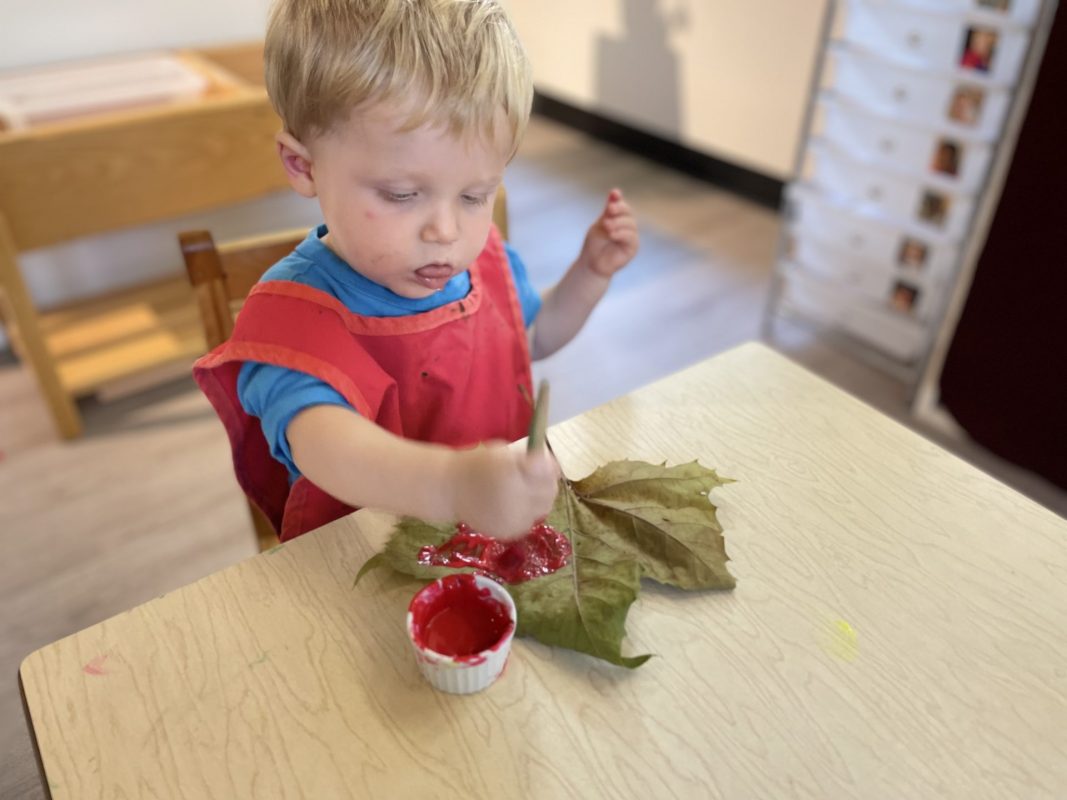
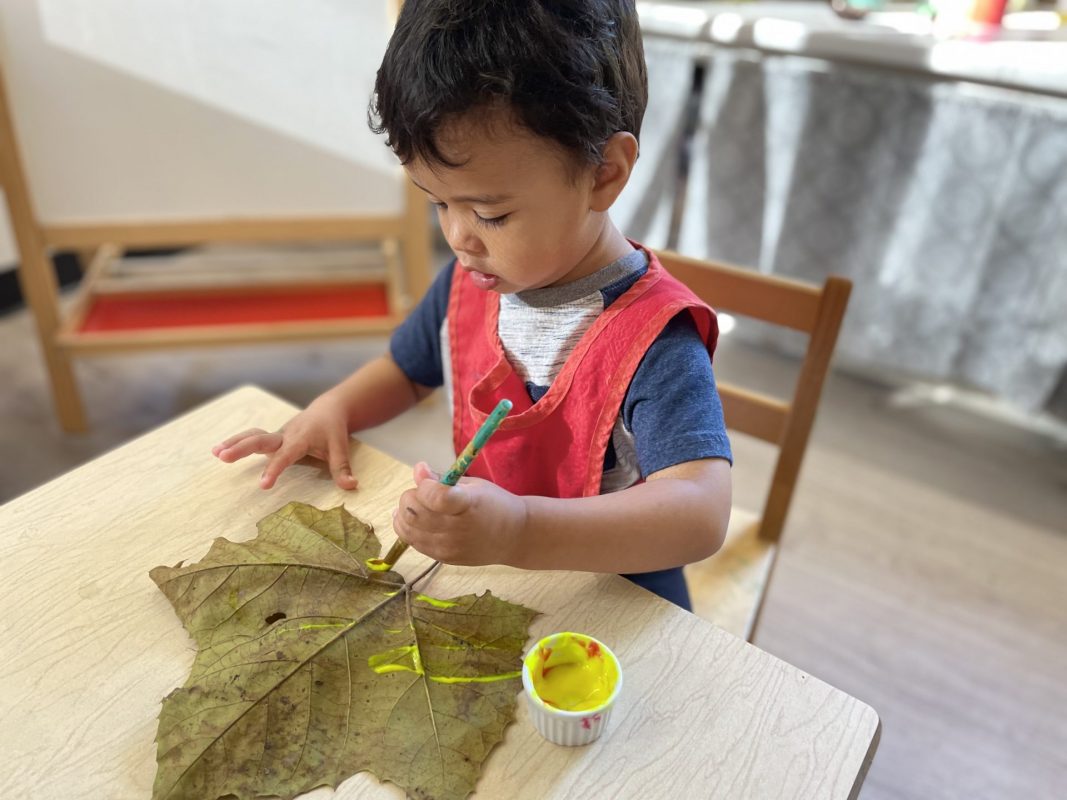
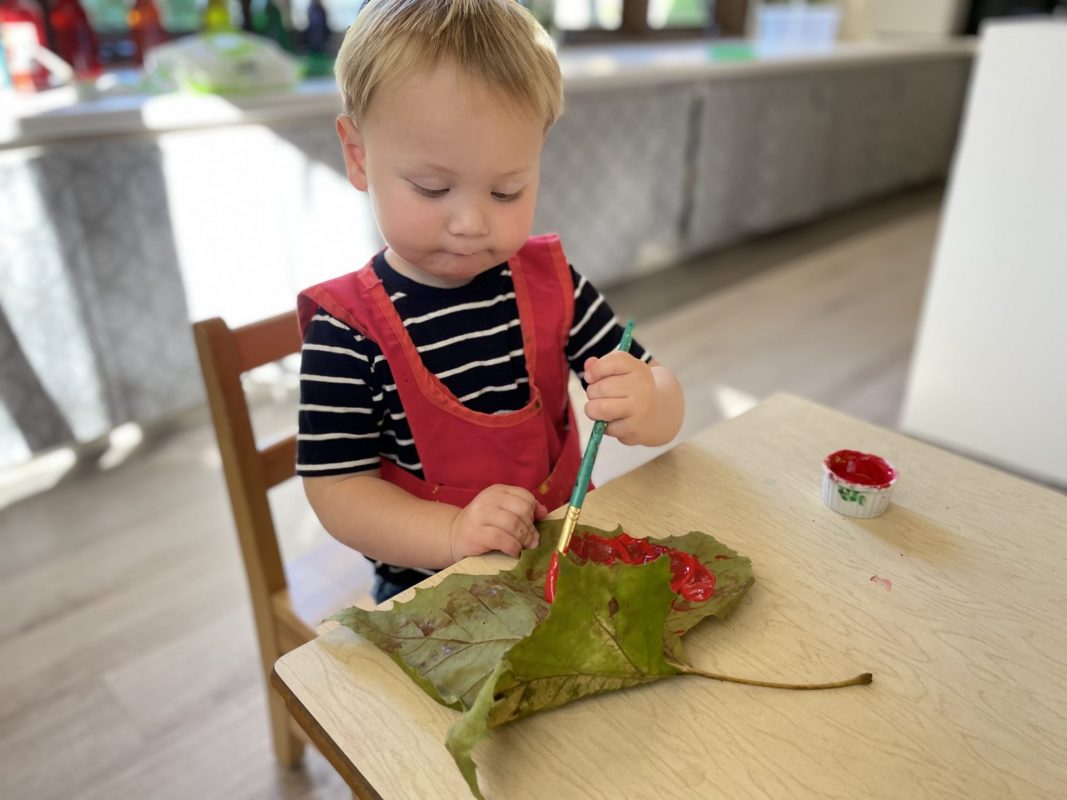
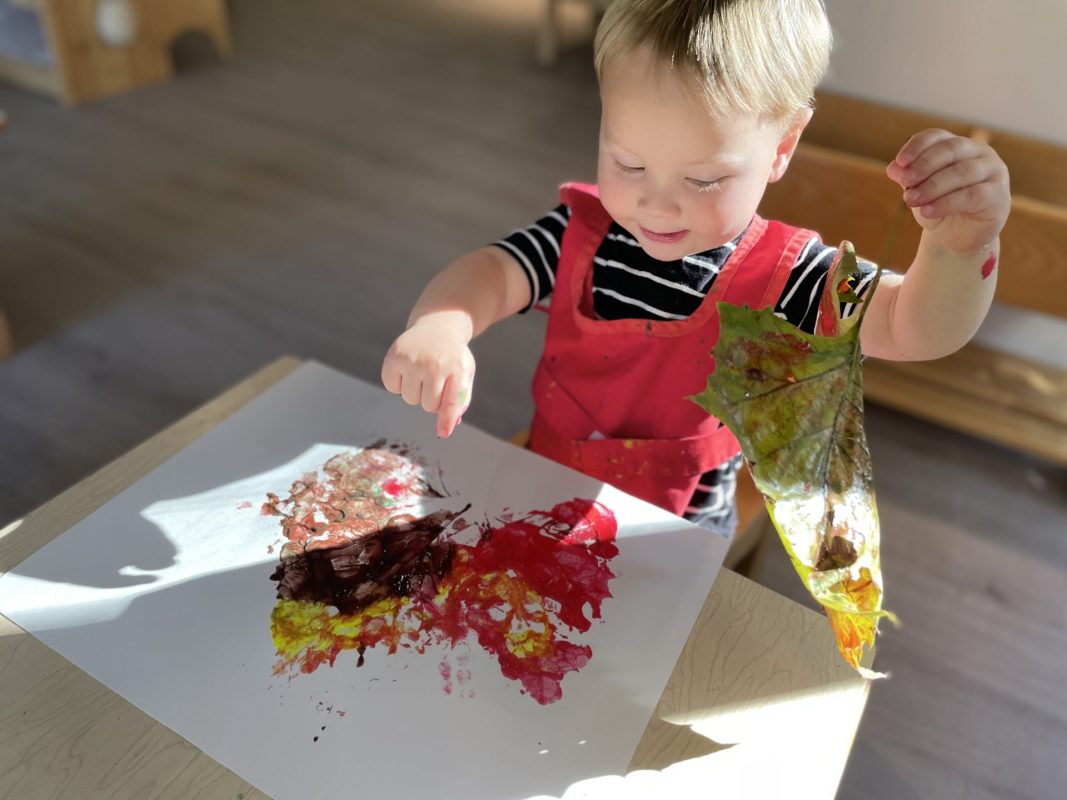
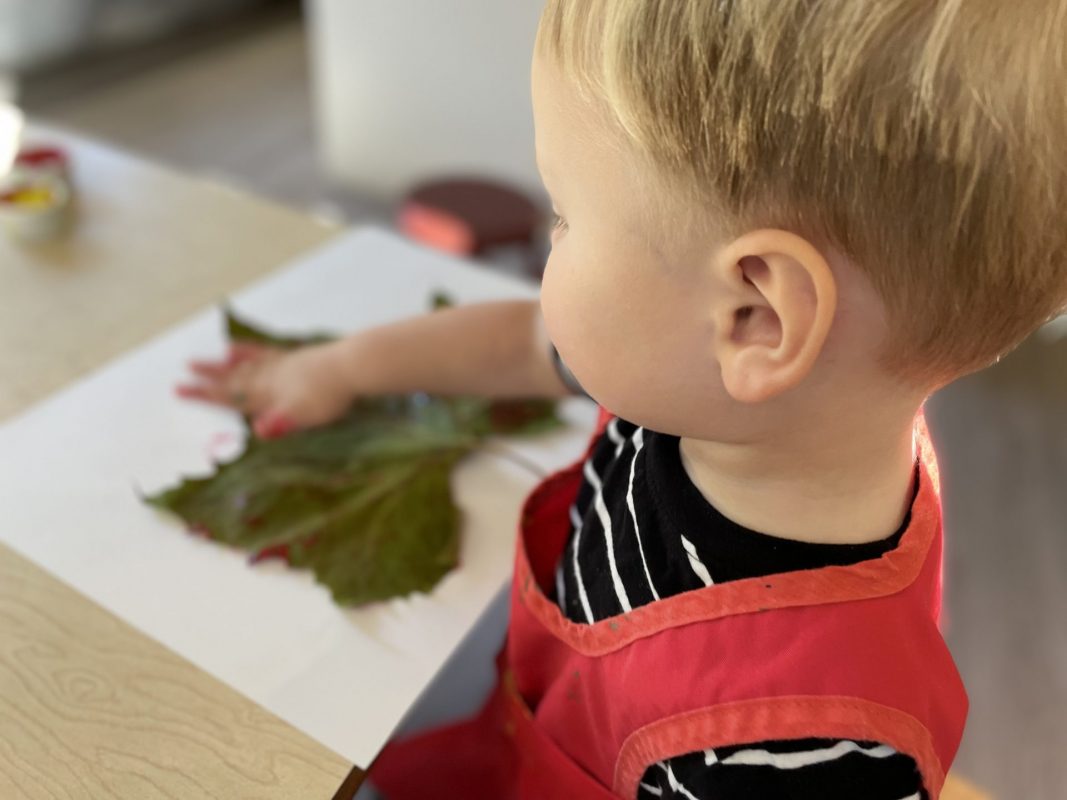
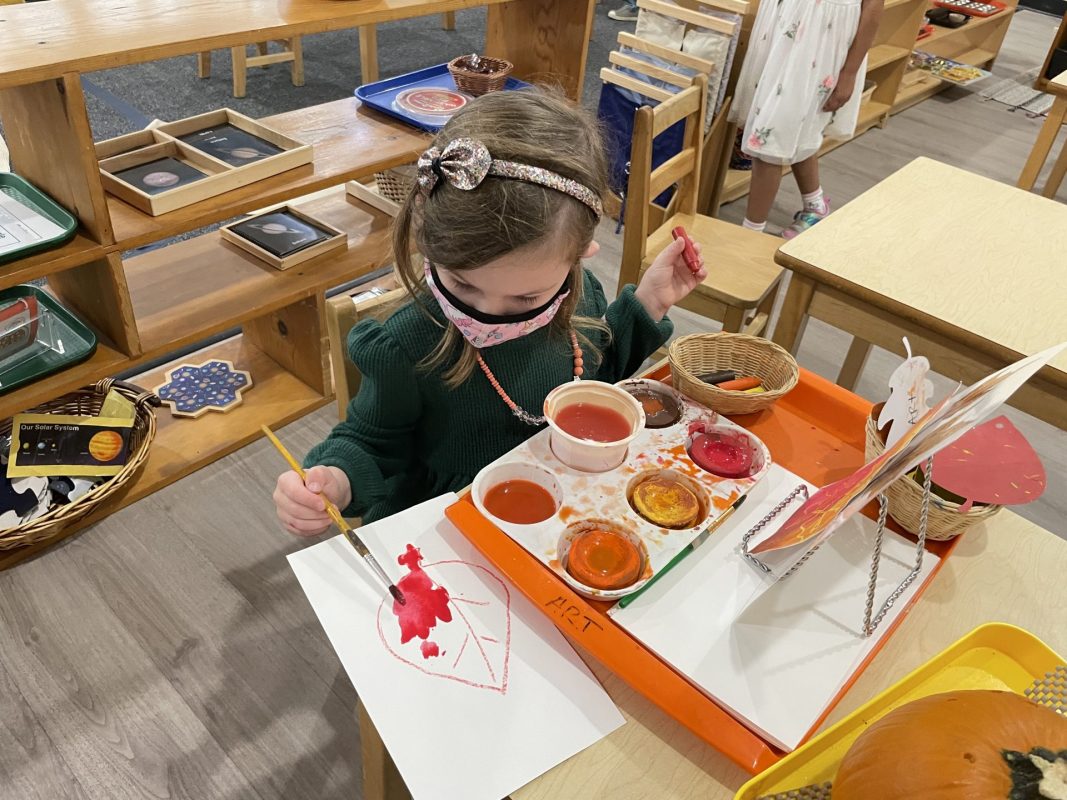
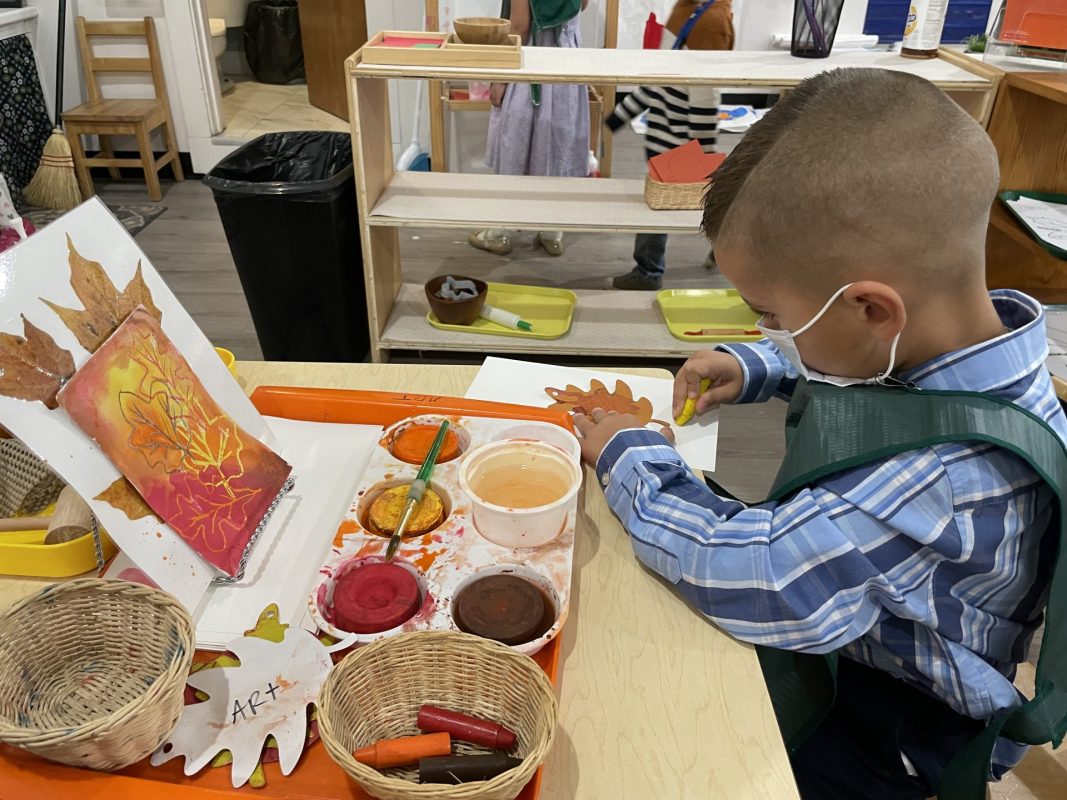
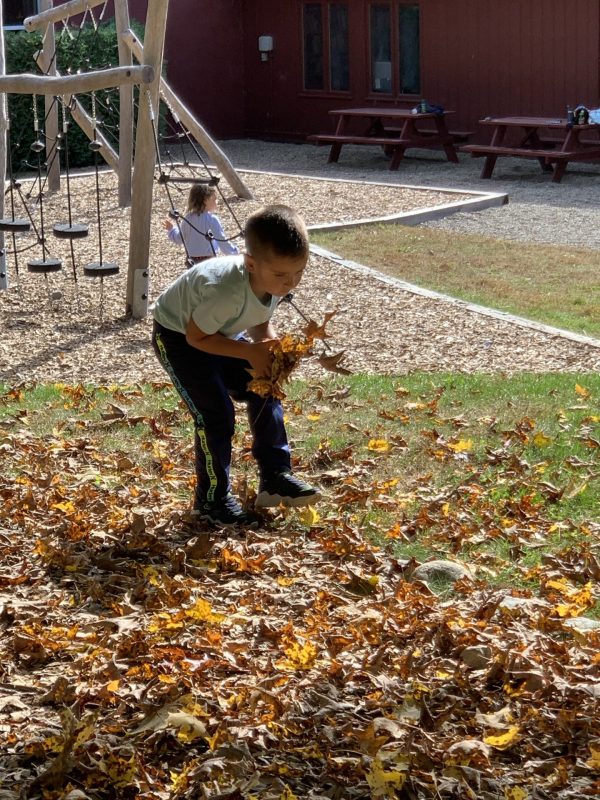
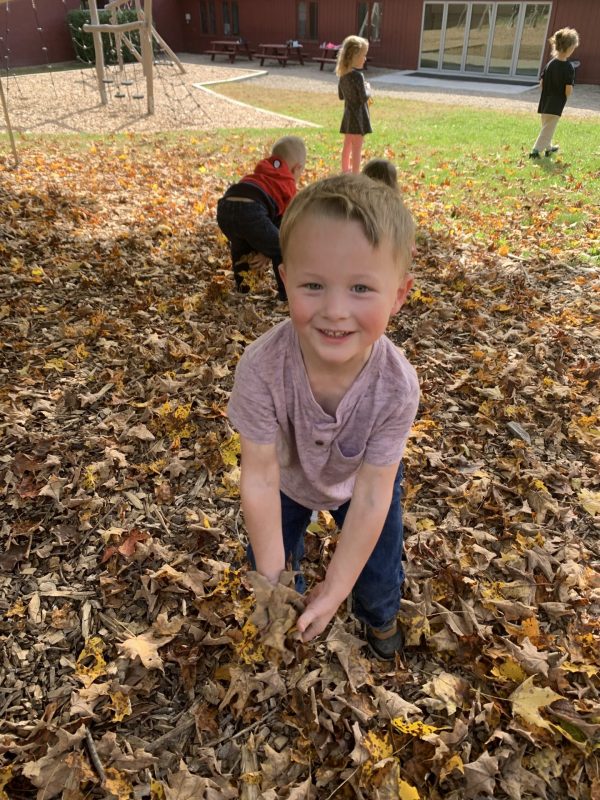
The leaves changing color has been another fun aspect we like to talk about and observe. Color recognition in both languages is always used. As a fun sensorial art work, children worked on a leaf stamping activity mixing fall colors and using giant maple leaves from our playground.

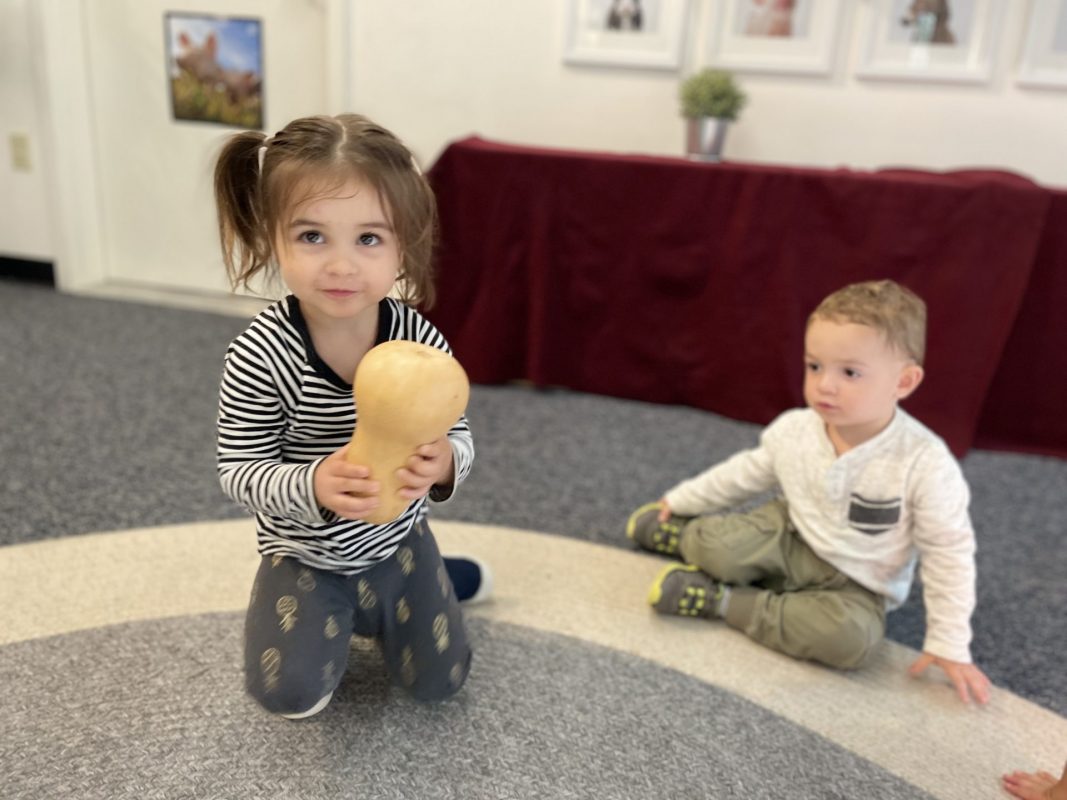
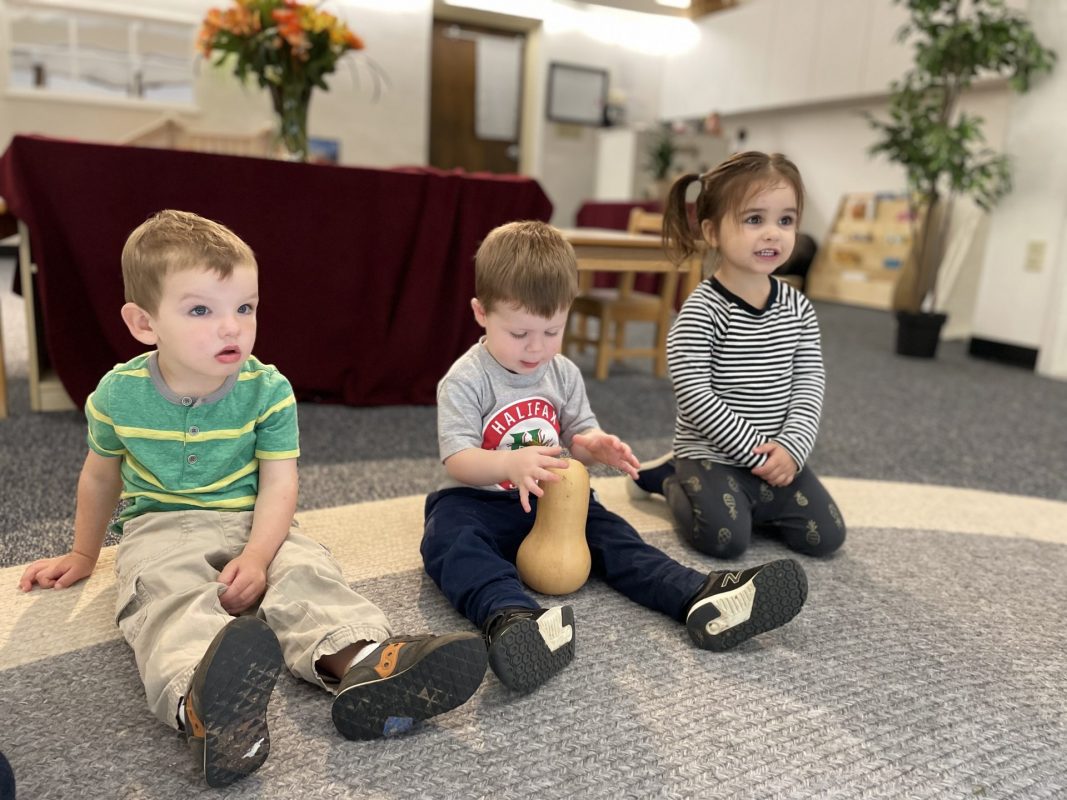
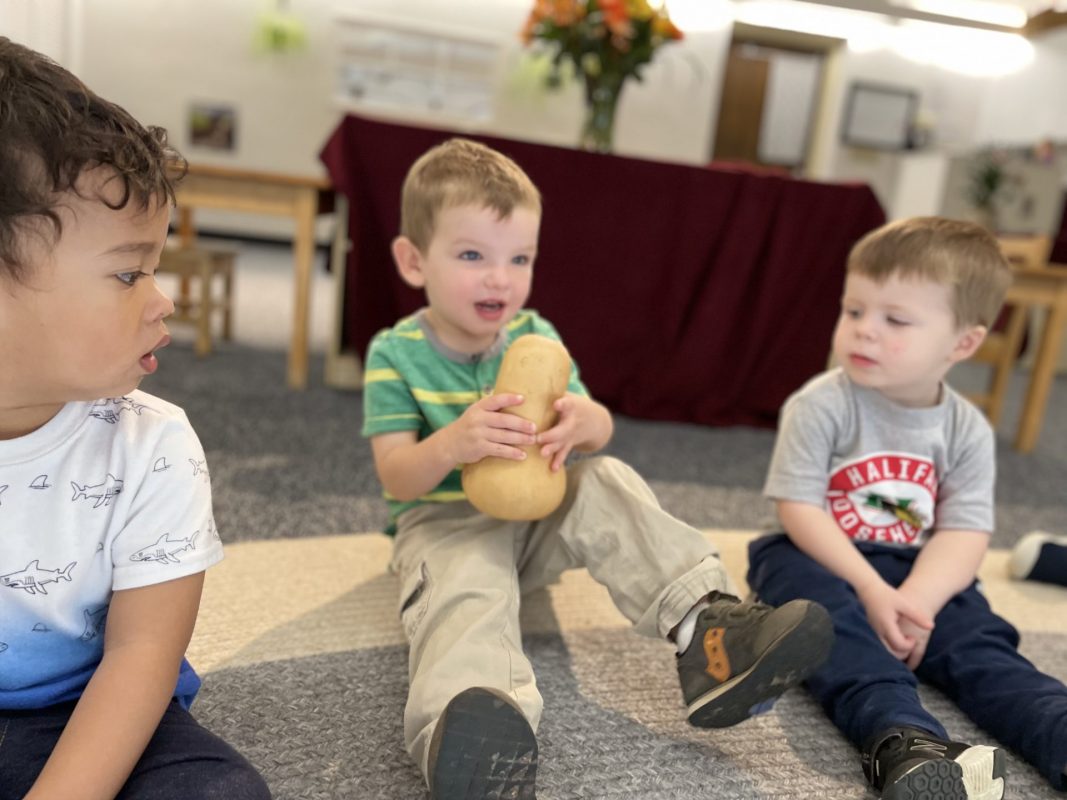
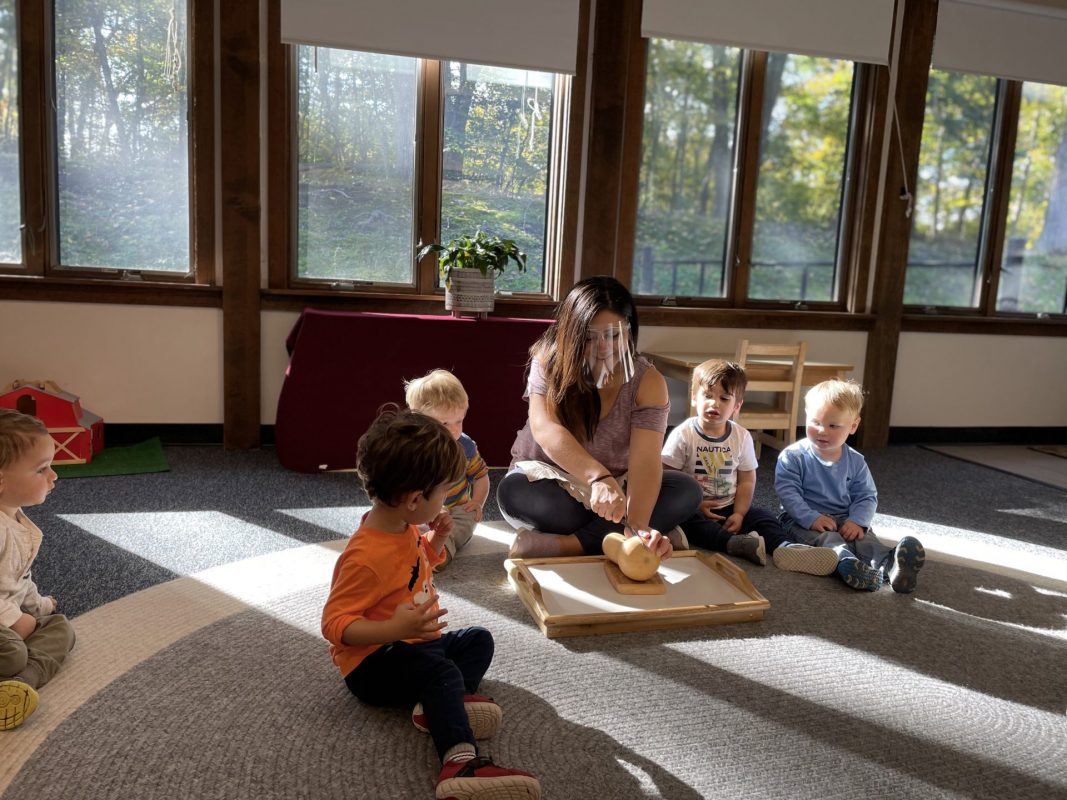
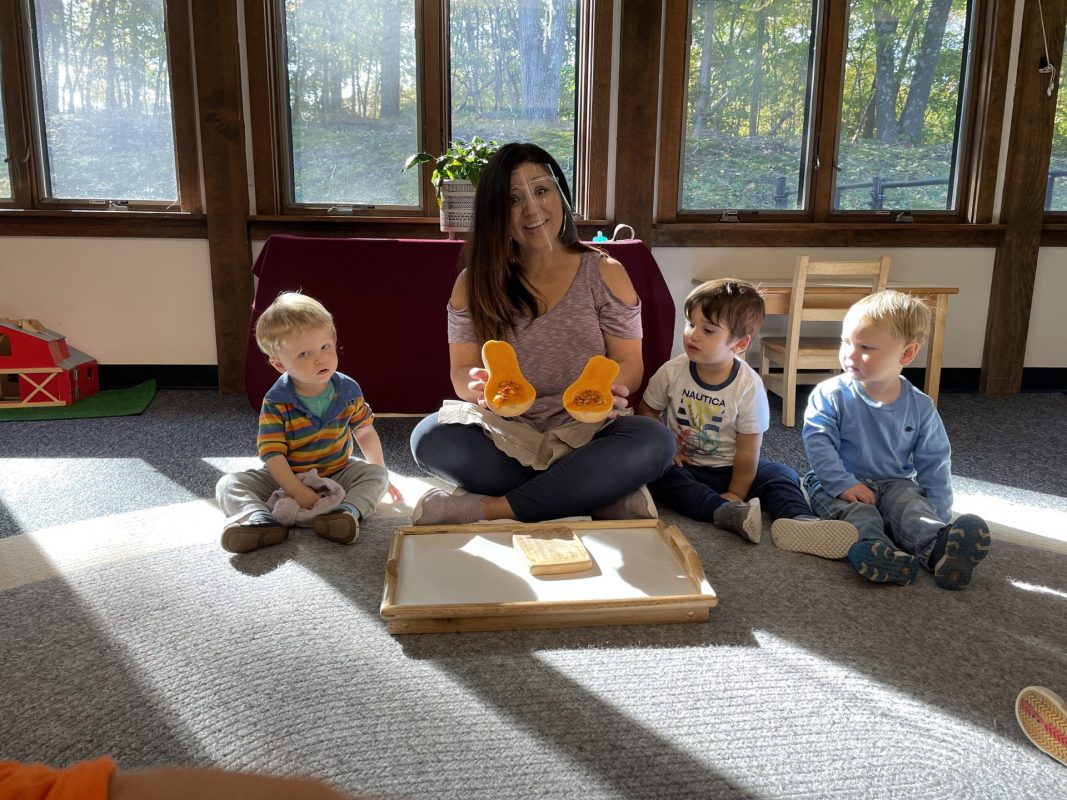
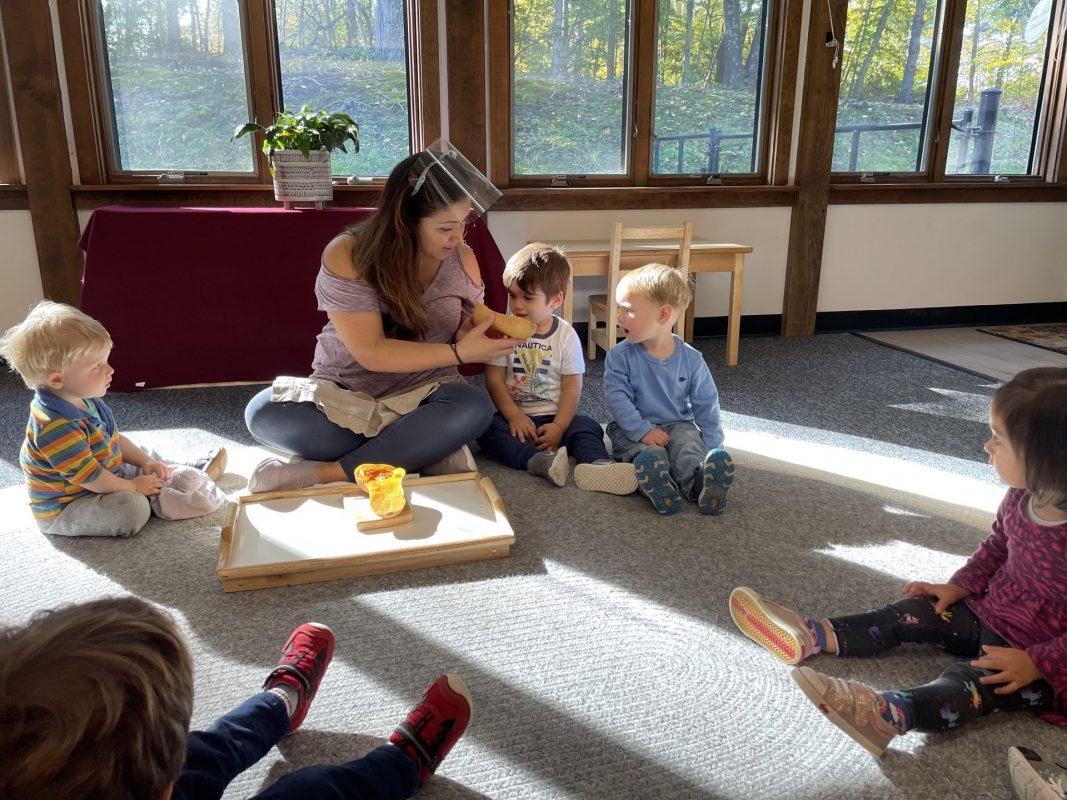
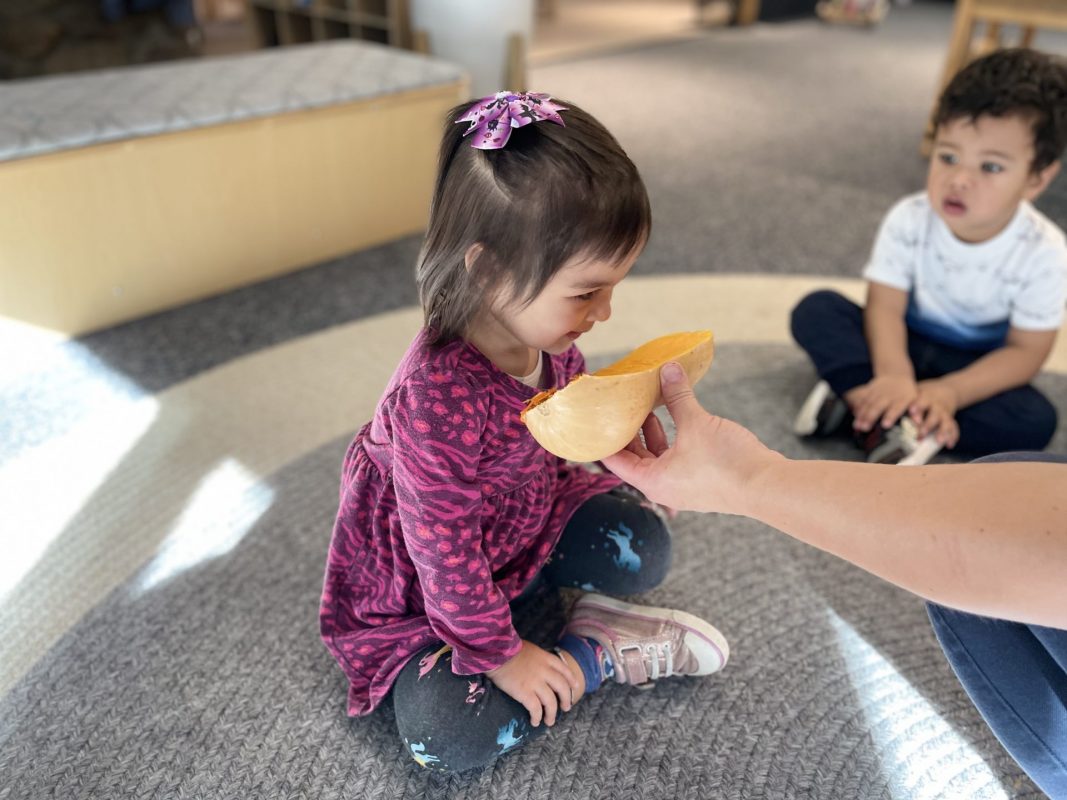
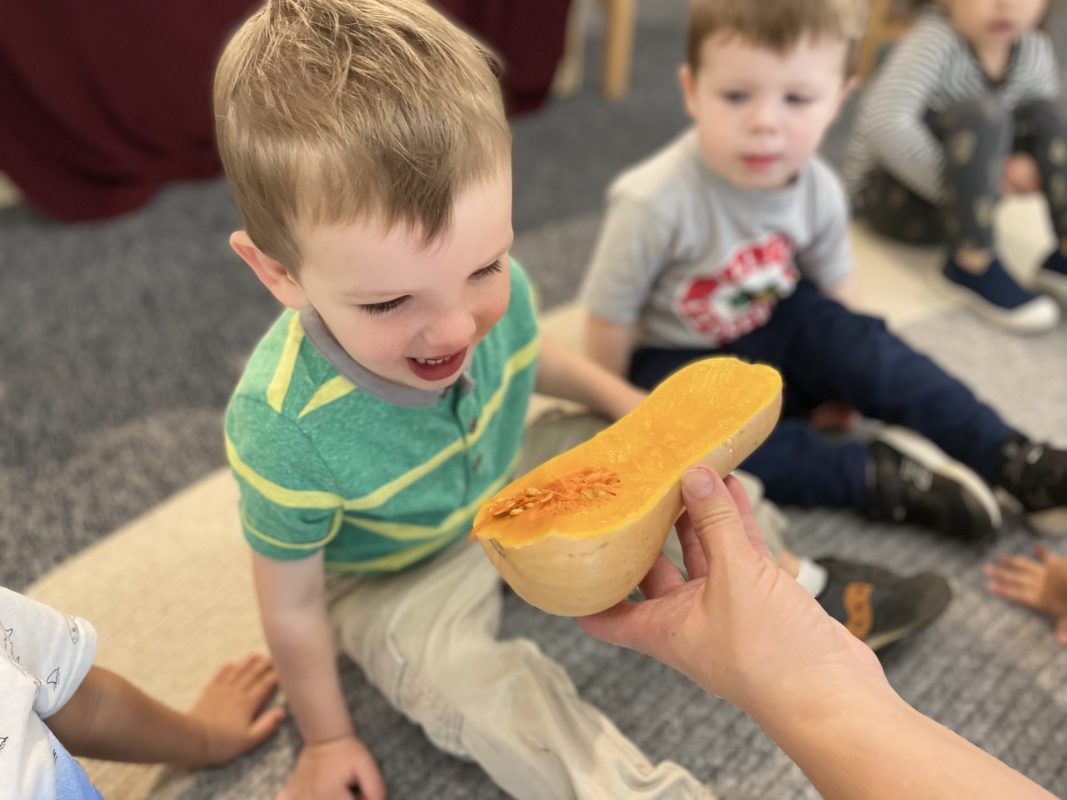
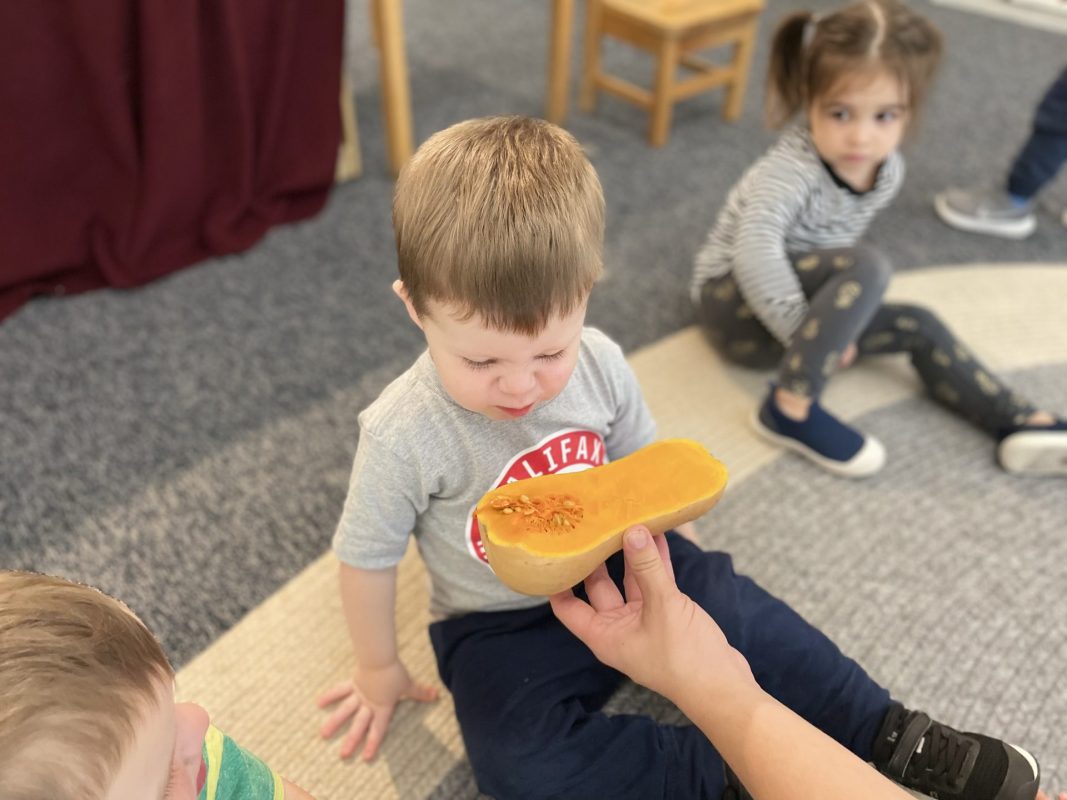
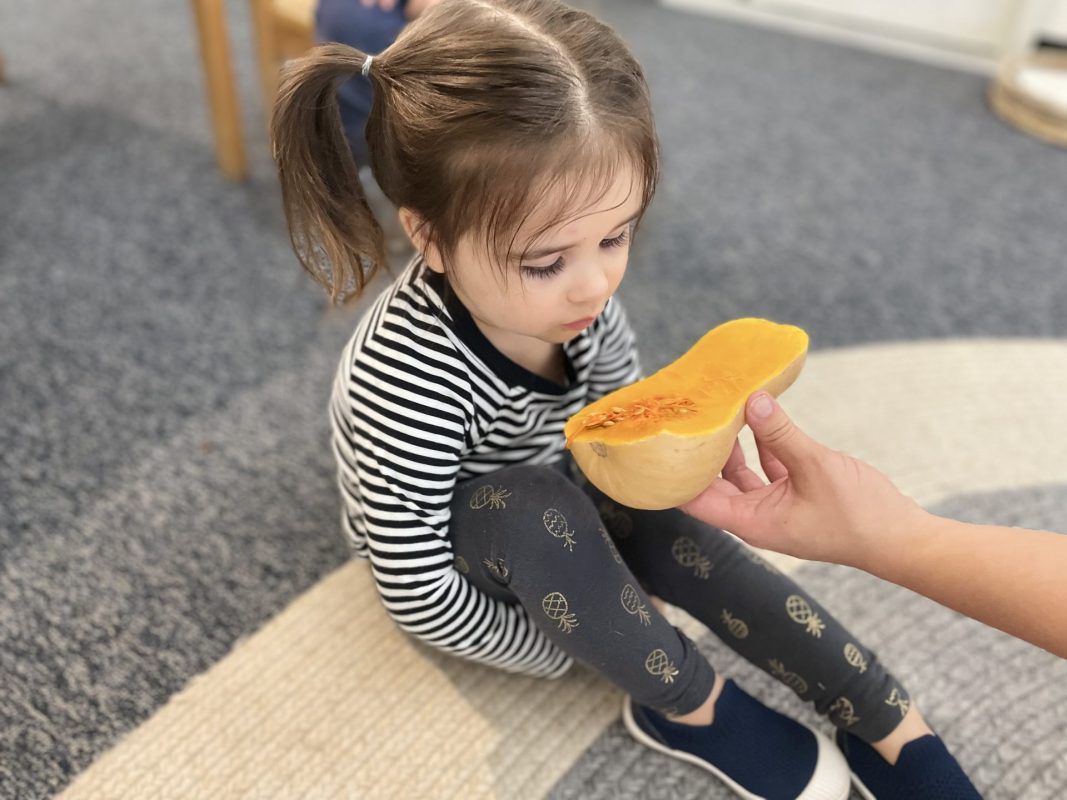
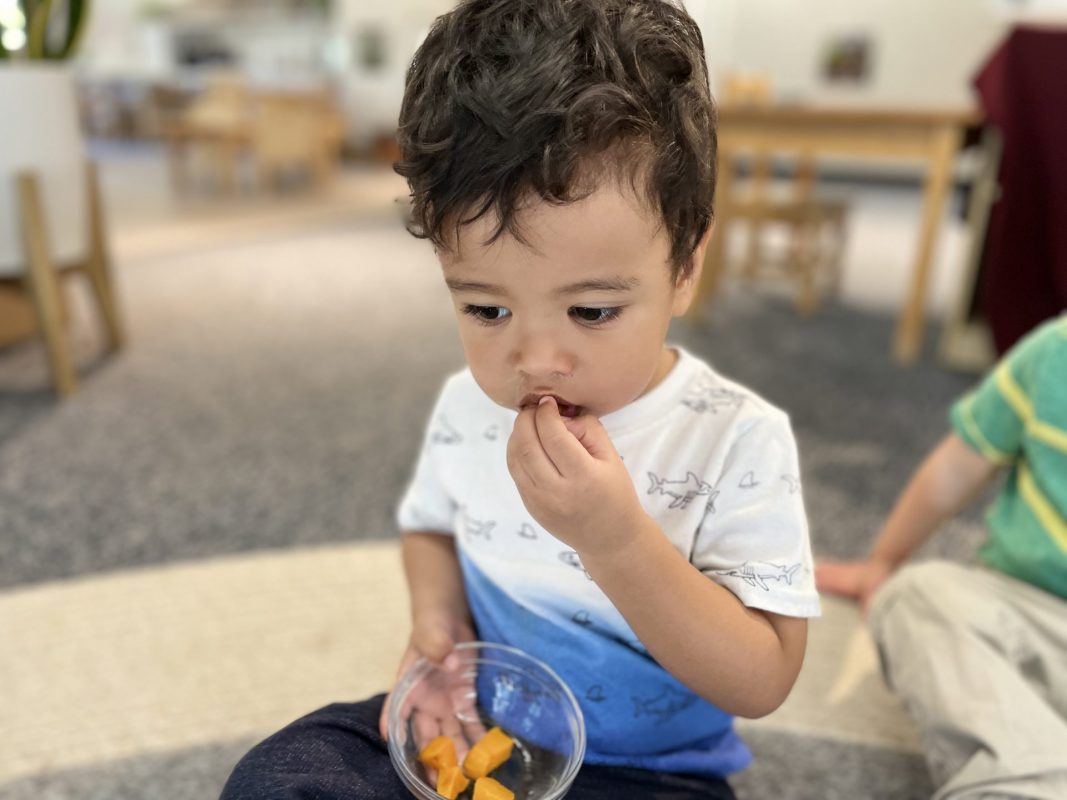
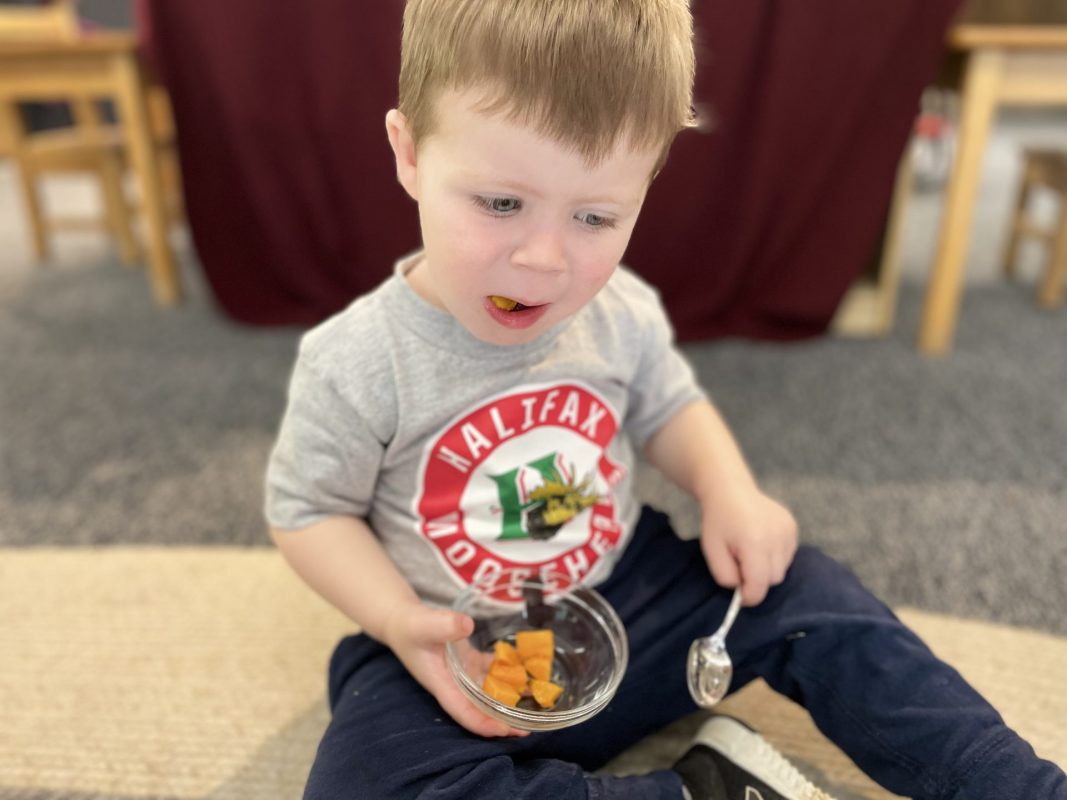
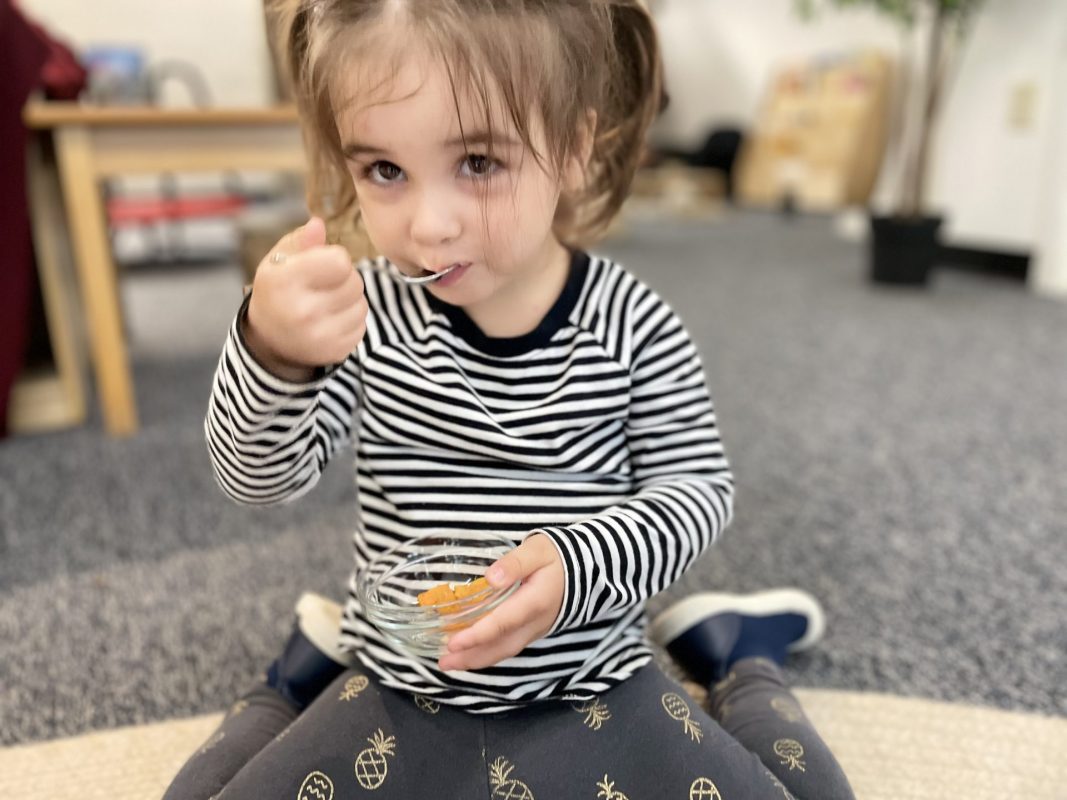
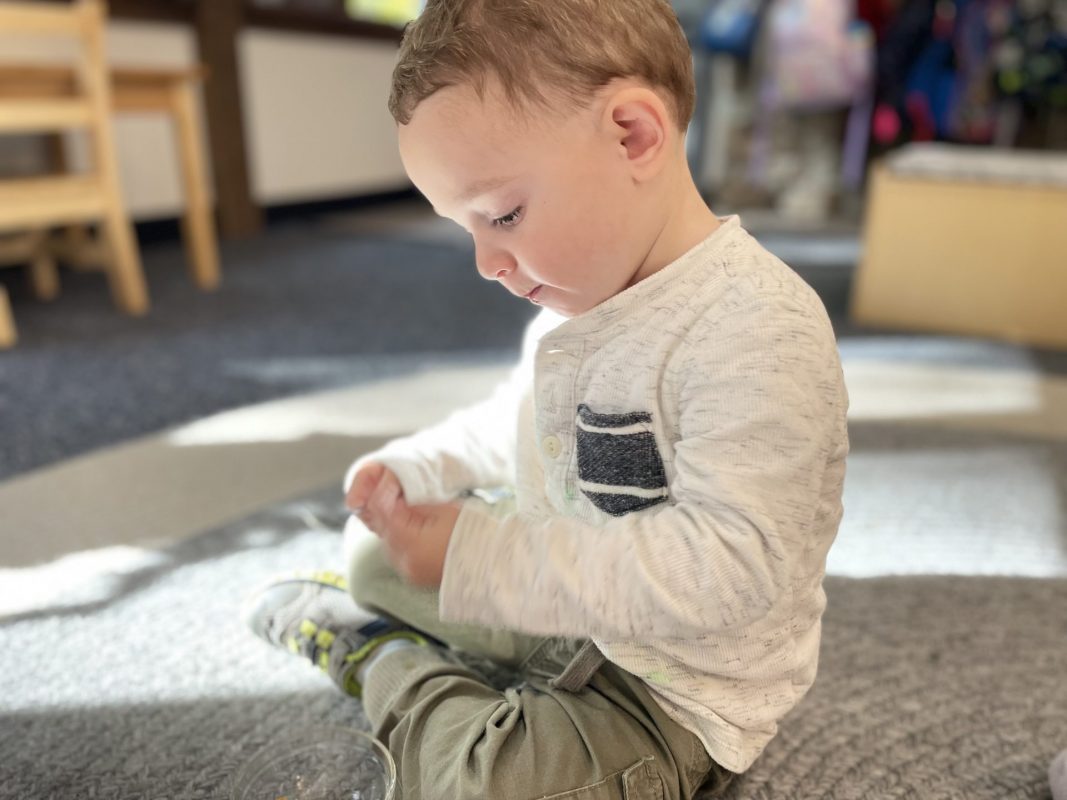
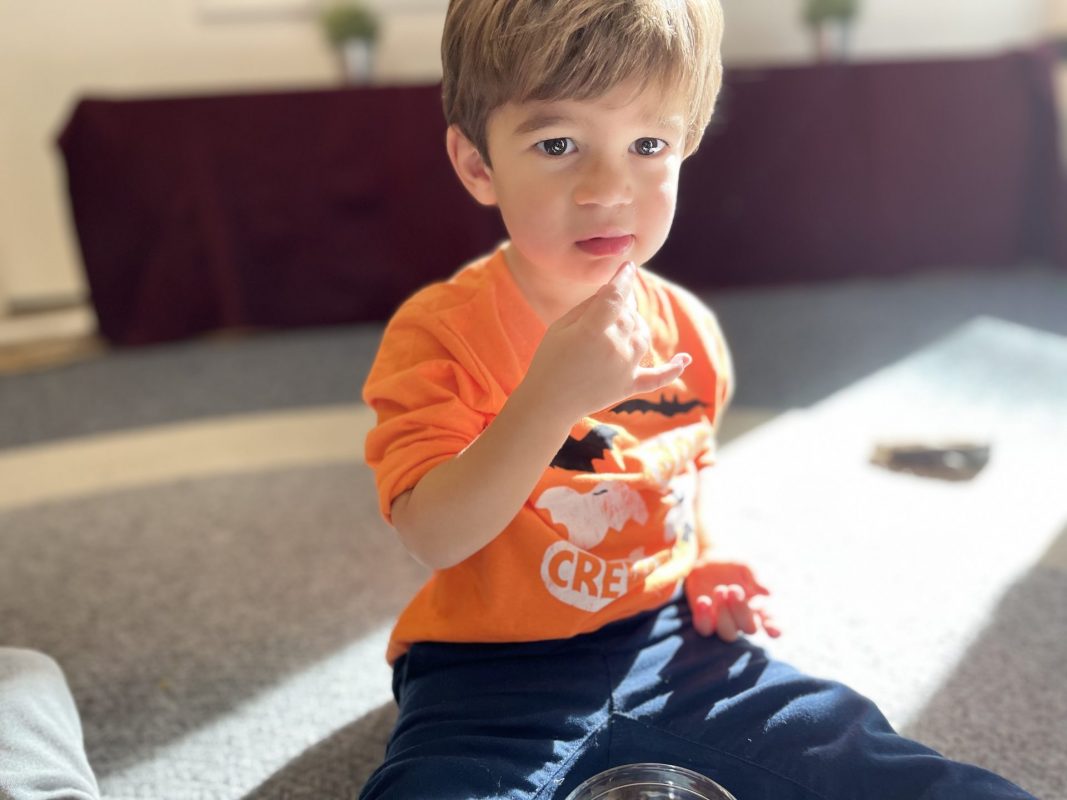
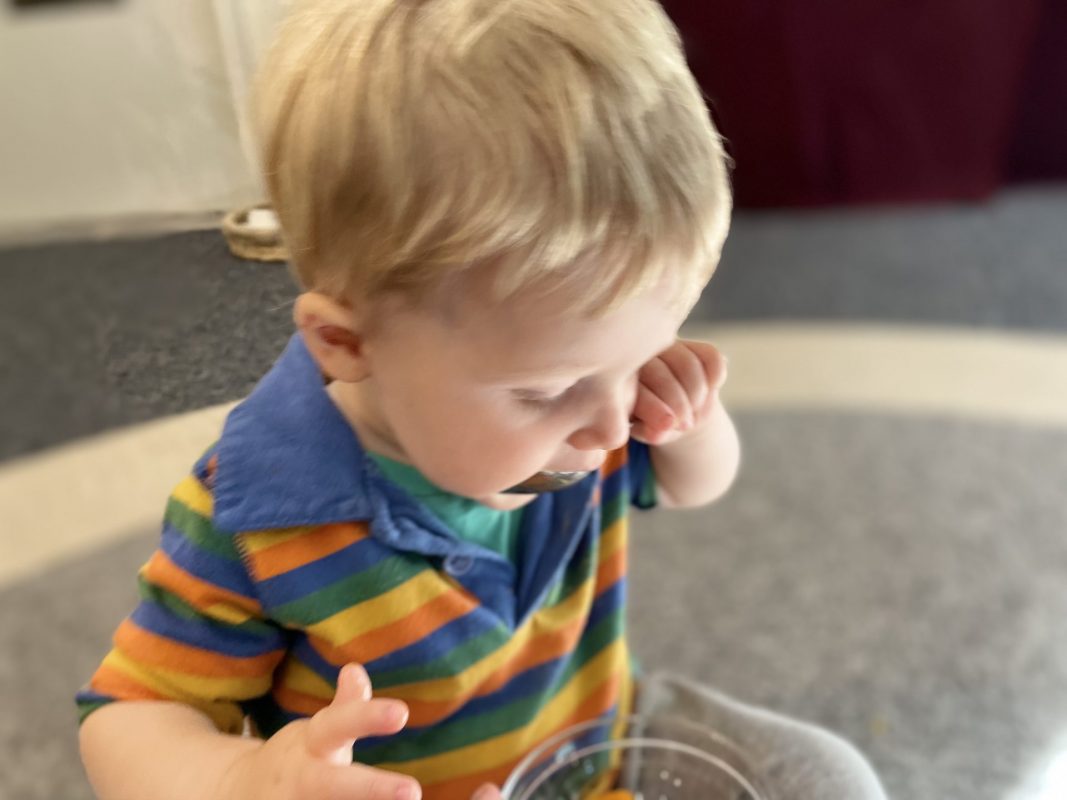
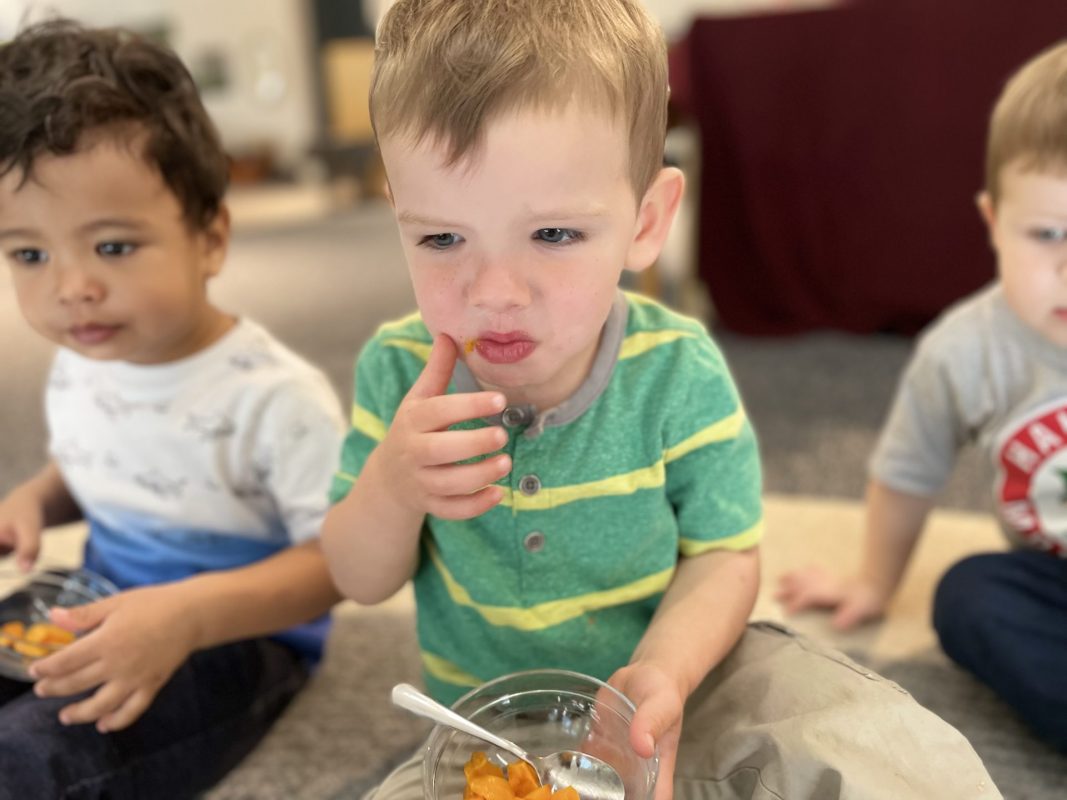
For food tasting we observed, touched, smelled and tasted butternut squash! Just a handful of students really loved it but we’ve gotta say that ALL of them tested it.
Have a great weekend,

Mrs. Hood and Ms. Maria 


Upper El Week Six

“The satisfaction which they find in their work has given them a grace and ease like that which comes from music.” -Maria Montessori, The Discovery of the Child

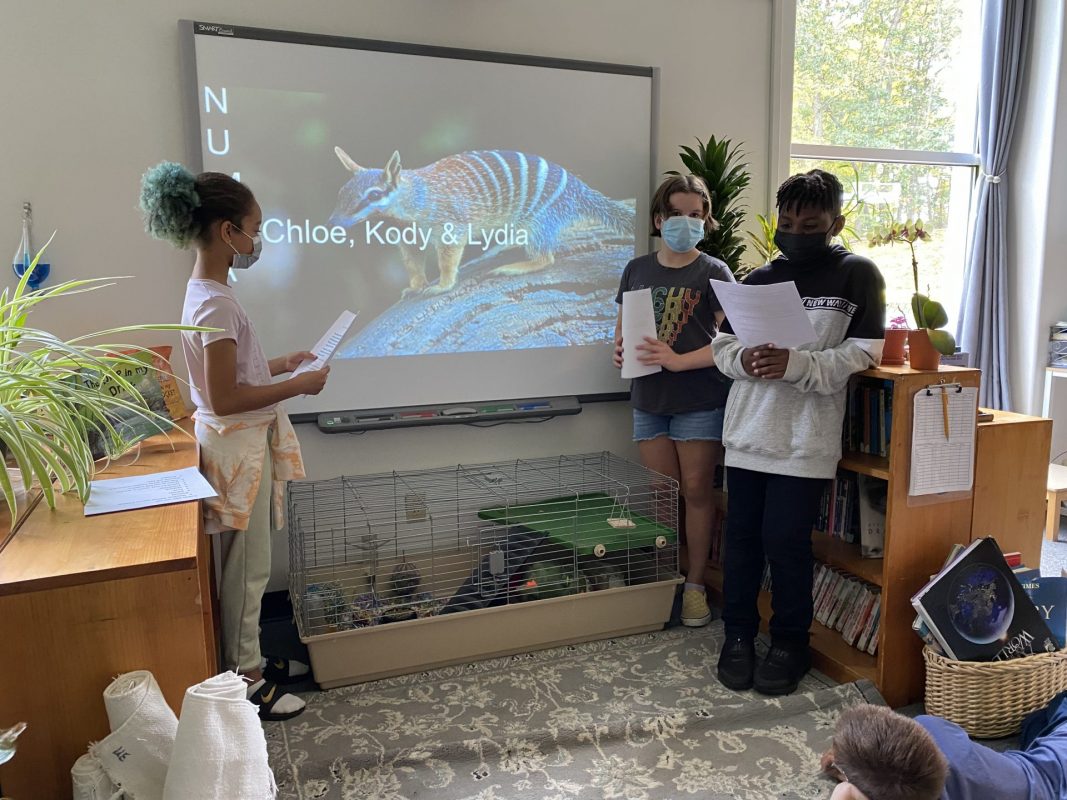
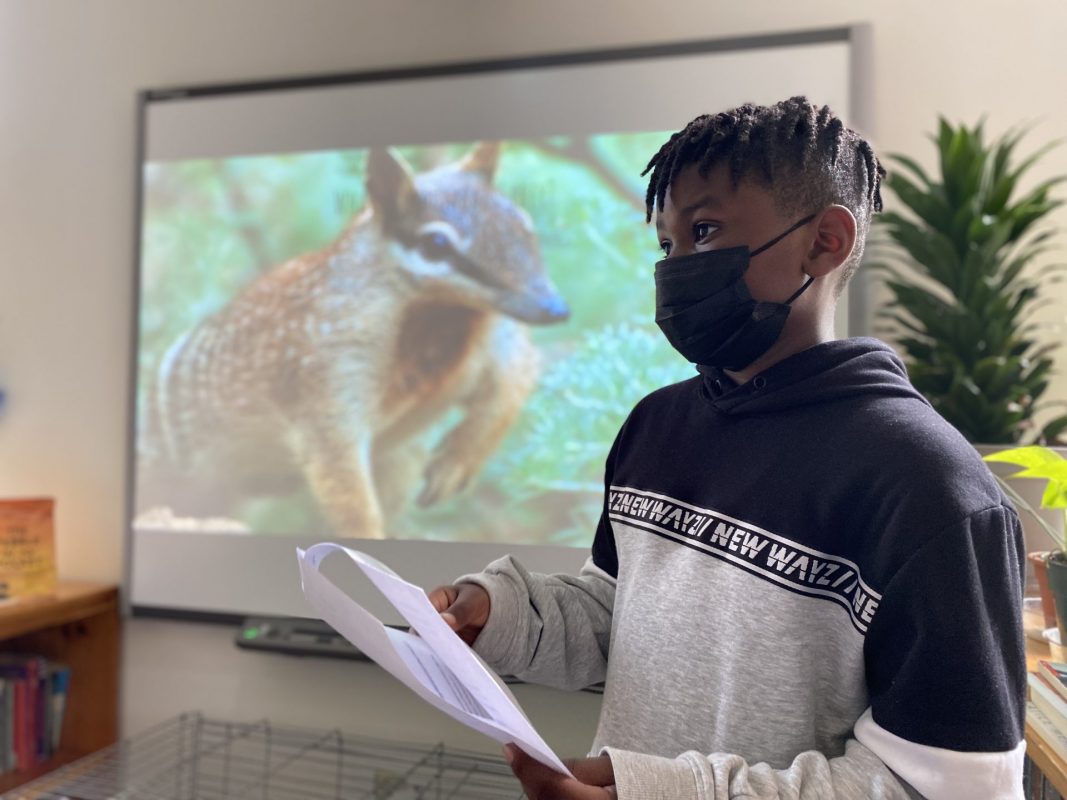
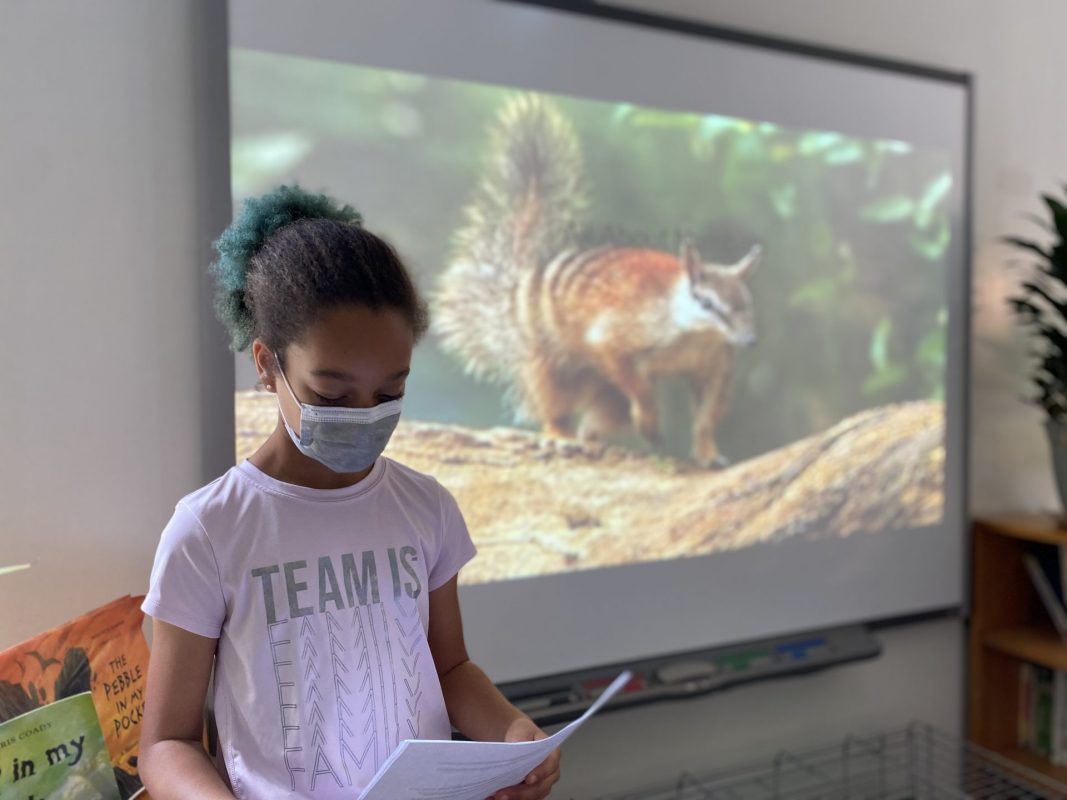
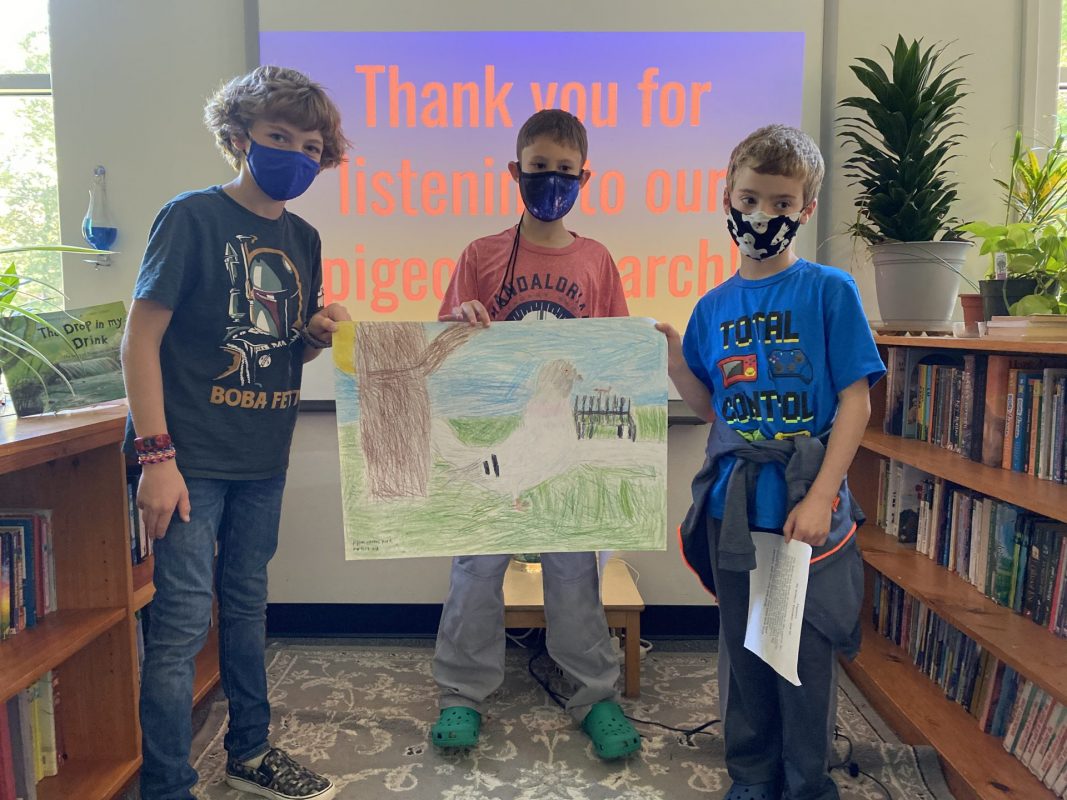
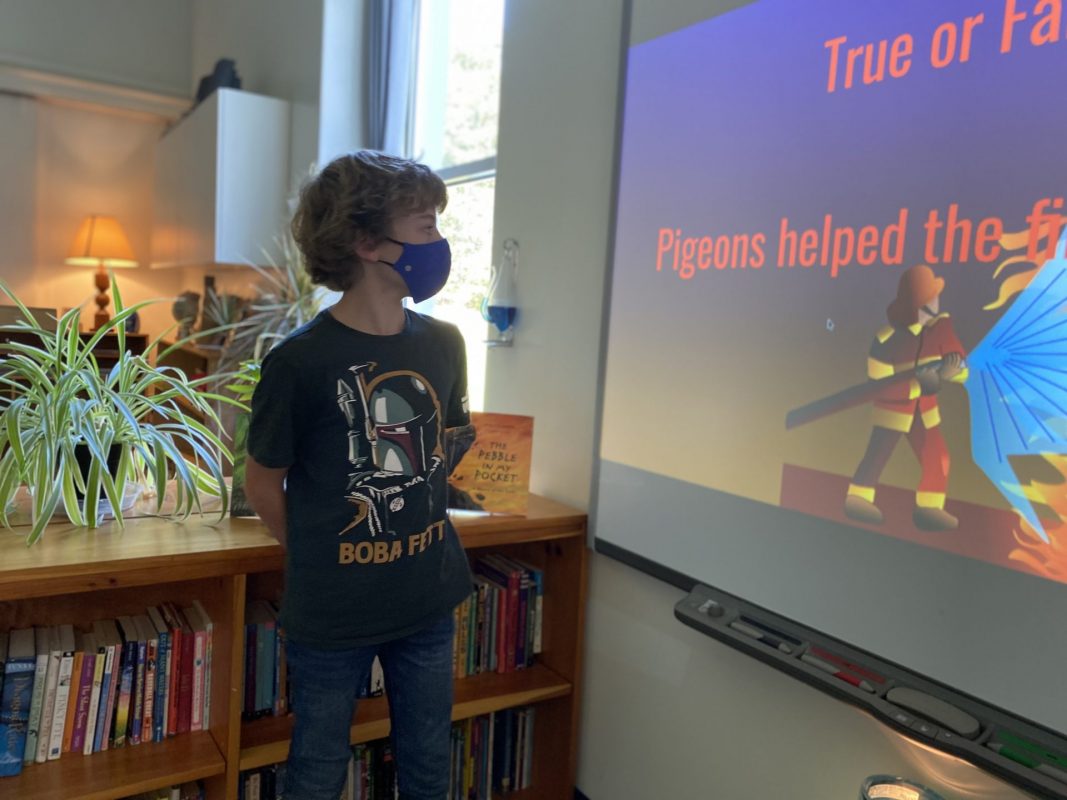
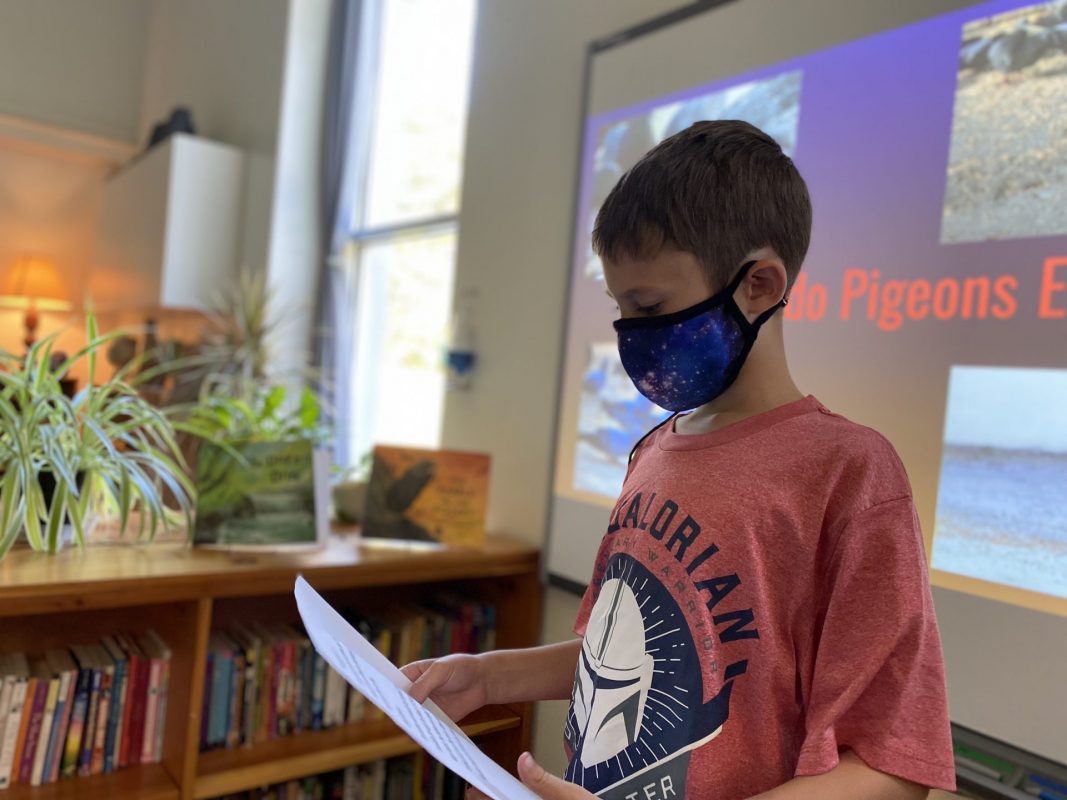
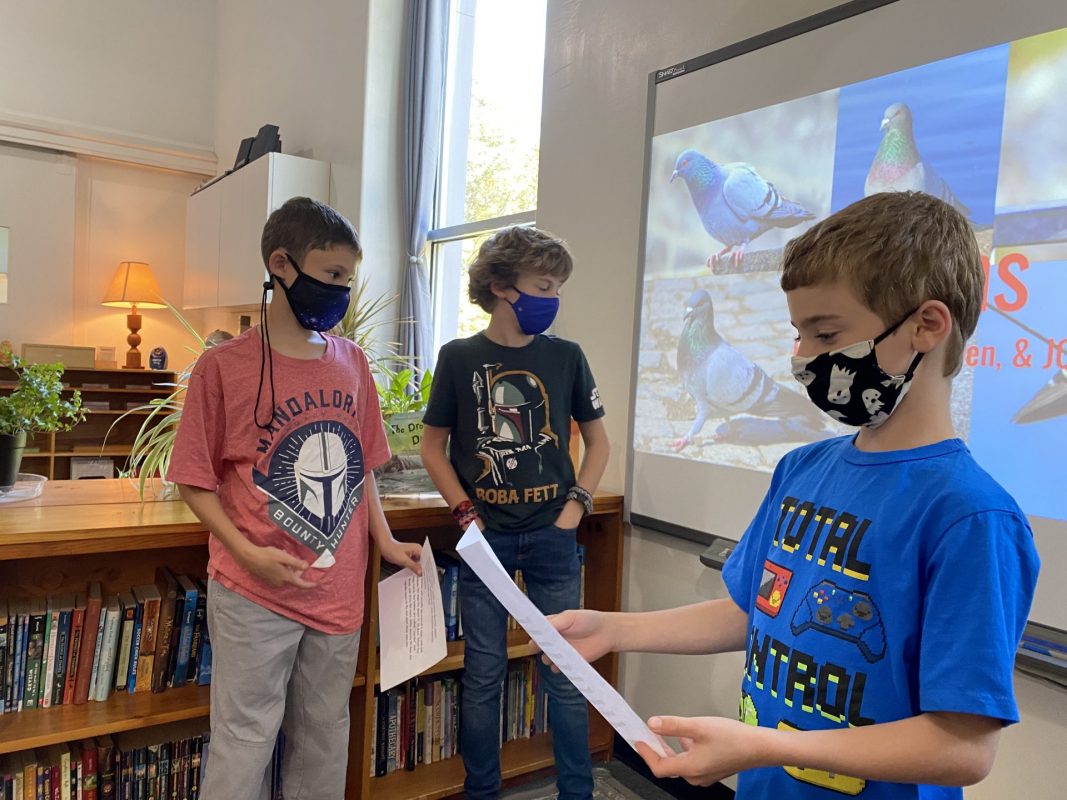
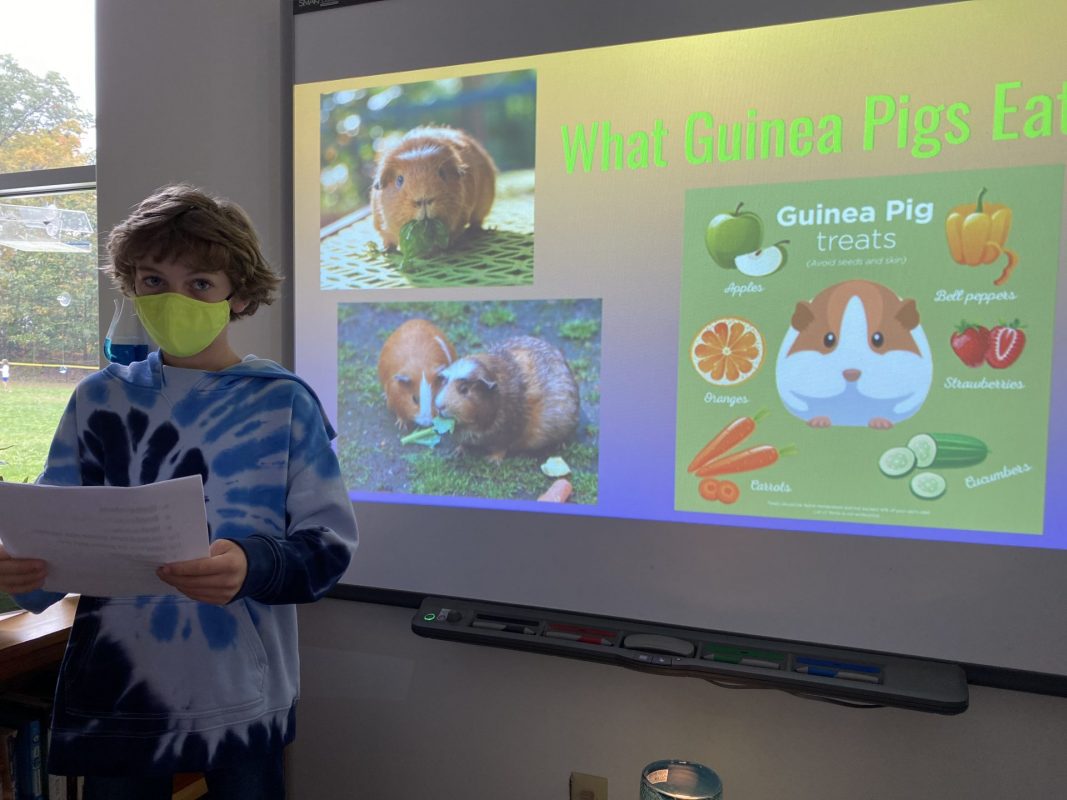
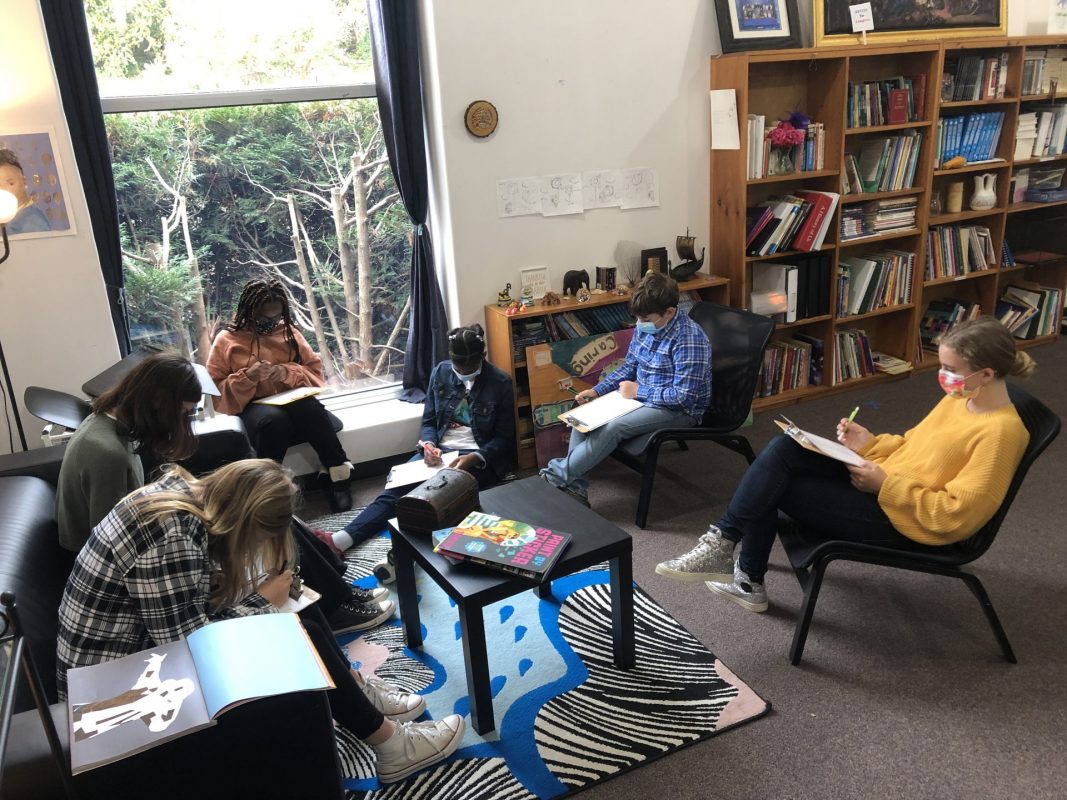
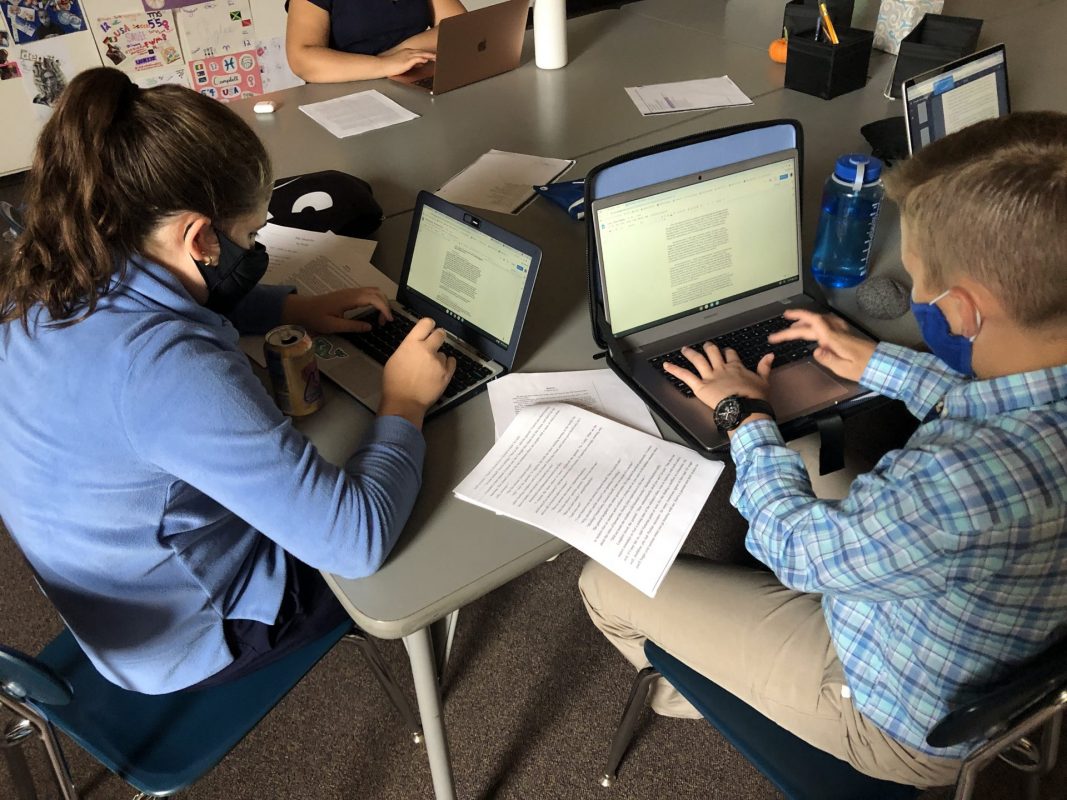
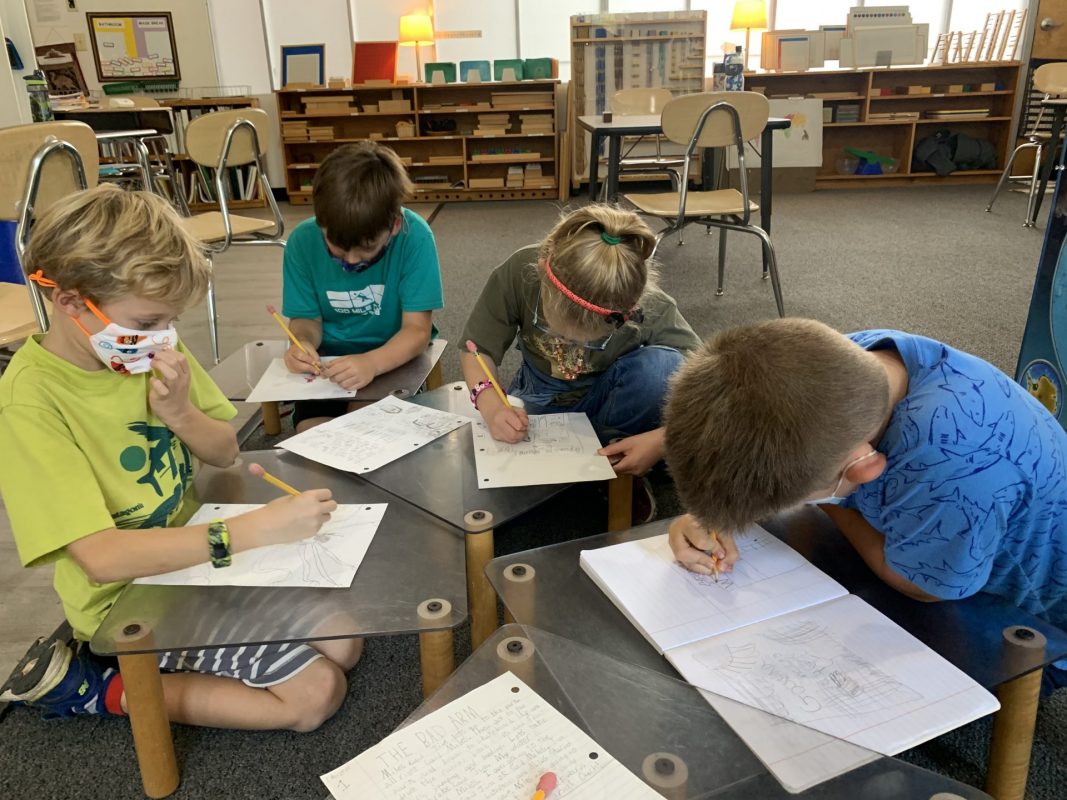
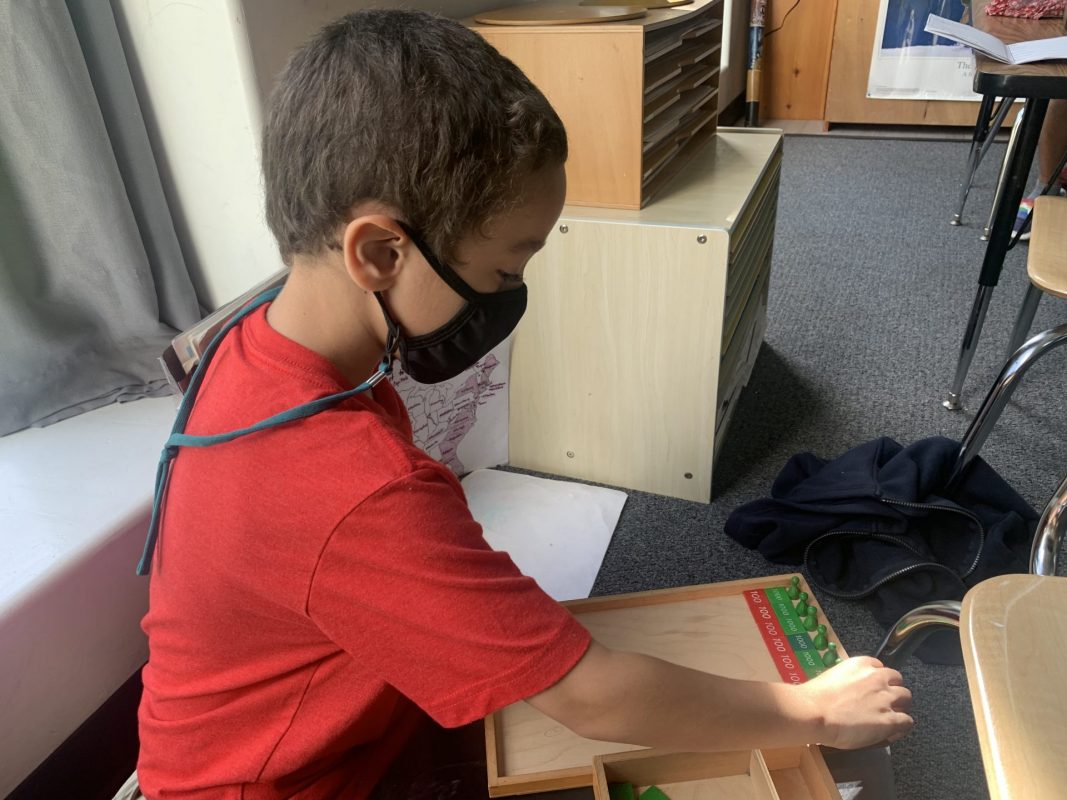
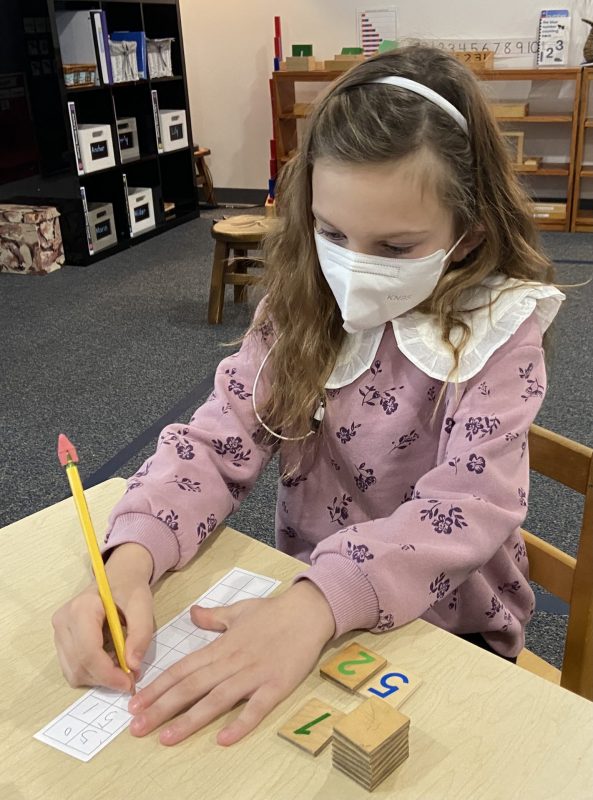
In Upper Elementary, students who are on top of their assigned work have the freedom to work on an “independent study.” This is often an individual or group research paper and presentation, but can also take the form of a creative story, an extra math exploration, or another project. This week we have enjoyed listening to some interesting and informative research presentations which were chosen as independent studies.

In a Montessori classroom there is great emphasis placed on learning to think. This is different from memorizing information and reciting it back. Thinking requires more effort and brain activity. Students who learn to think, learn to innovate, ask questions, be creative, and problem solve. They are persistent and confident, self-motivated, independent, and courageous. Montessori classrooms are student-centered instead of being teacher-centered. This places the emphasis on their learning, independence, and discovery. My role in Upper El is as a guide, experiencing the curriculum along with the students while carefully observing them, ready to introduce the next concept when each student is ready.

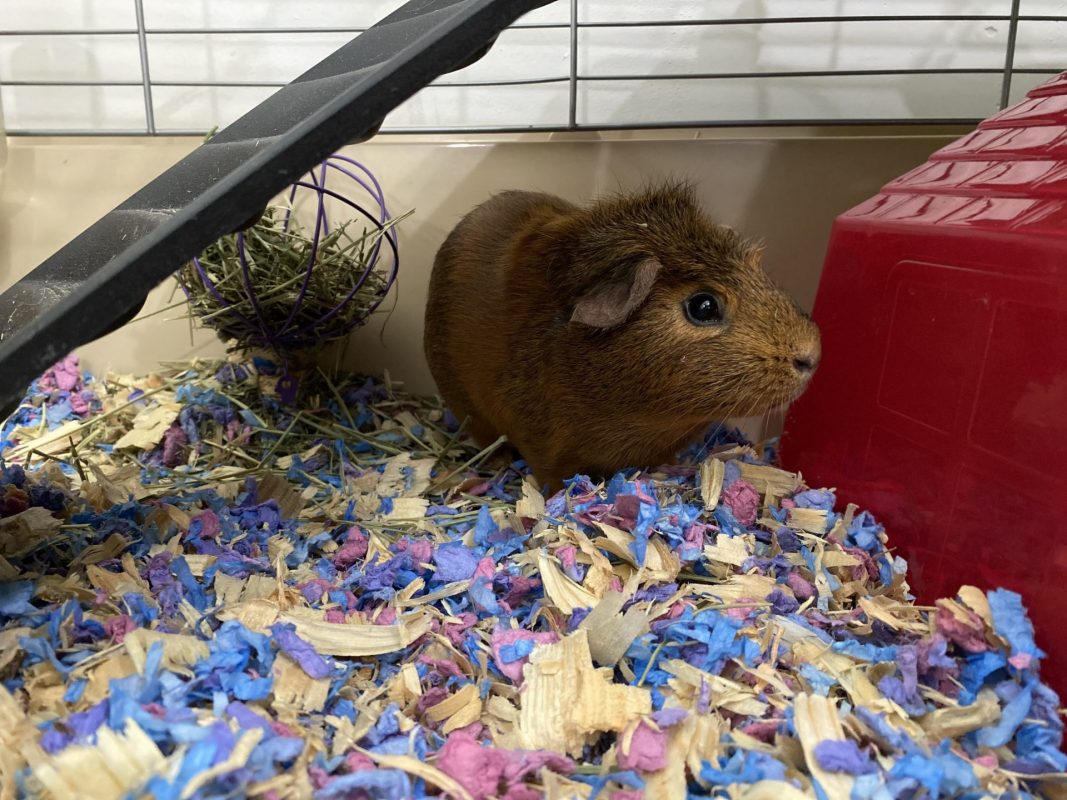
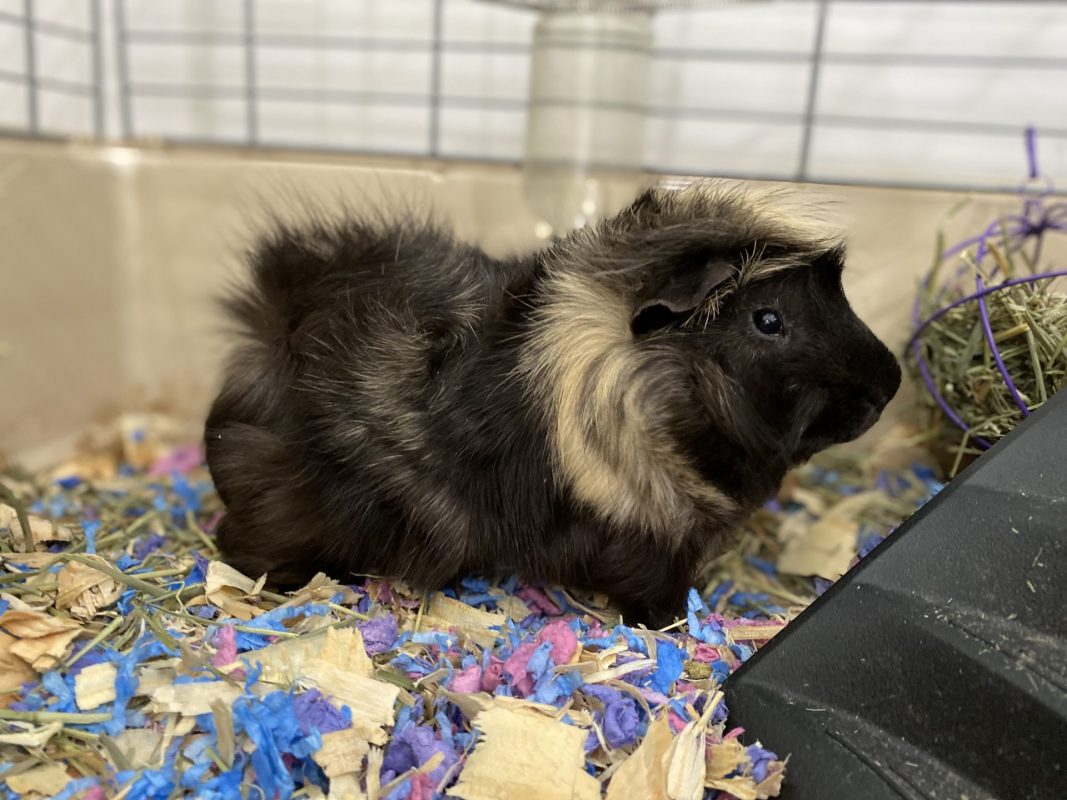
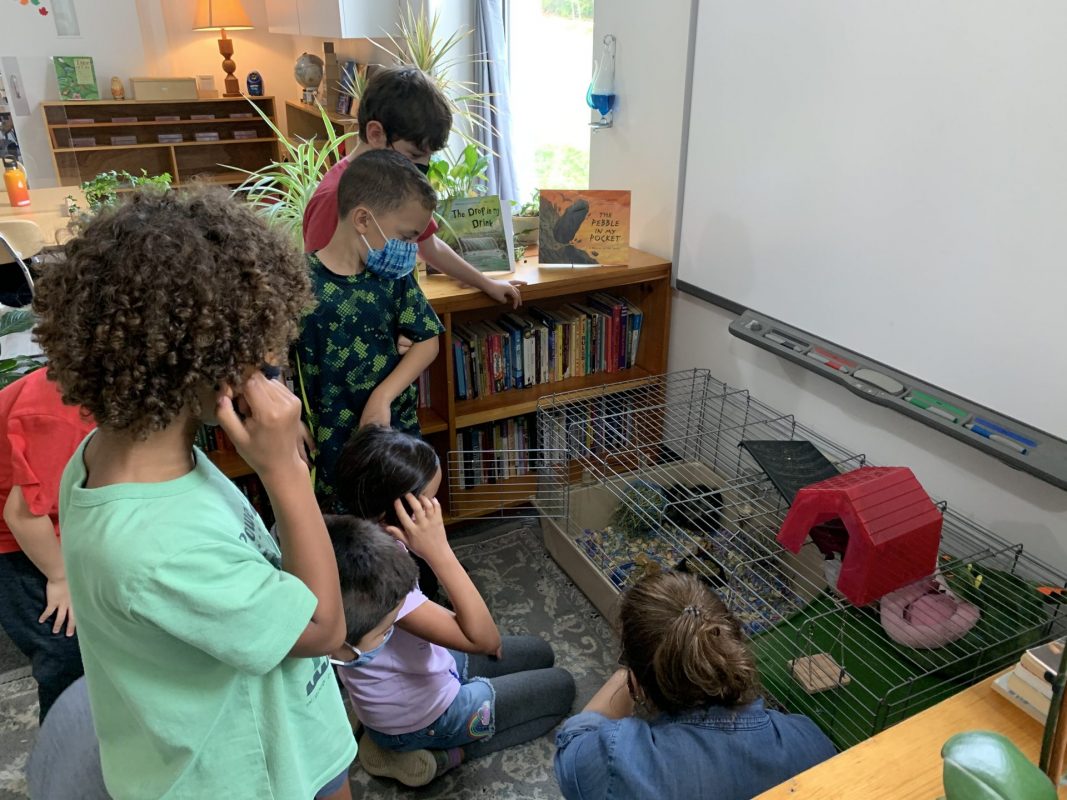
We welcomed two new members to our classroom this week, Fabio and Houdini, our class guinea pigs! Thank you to the Hildebrand family for gifting these sweet class pets to us! The students are excited to help care for them and they will bring our Montessori “care of living things” to a whole new level.

Have a wonderful weekend!


Middle School: Week in Review


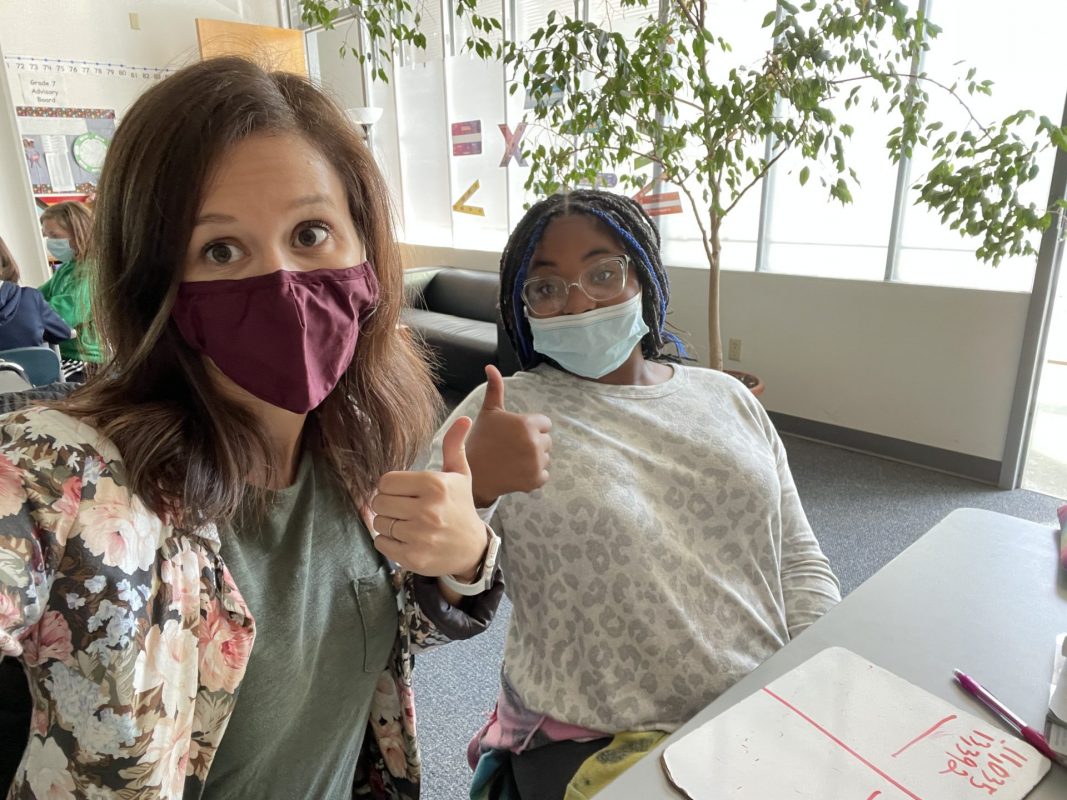
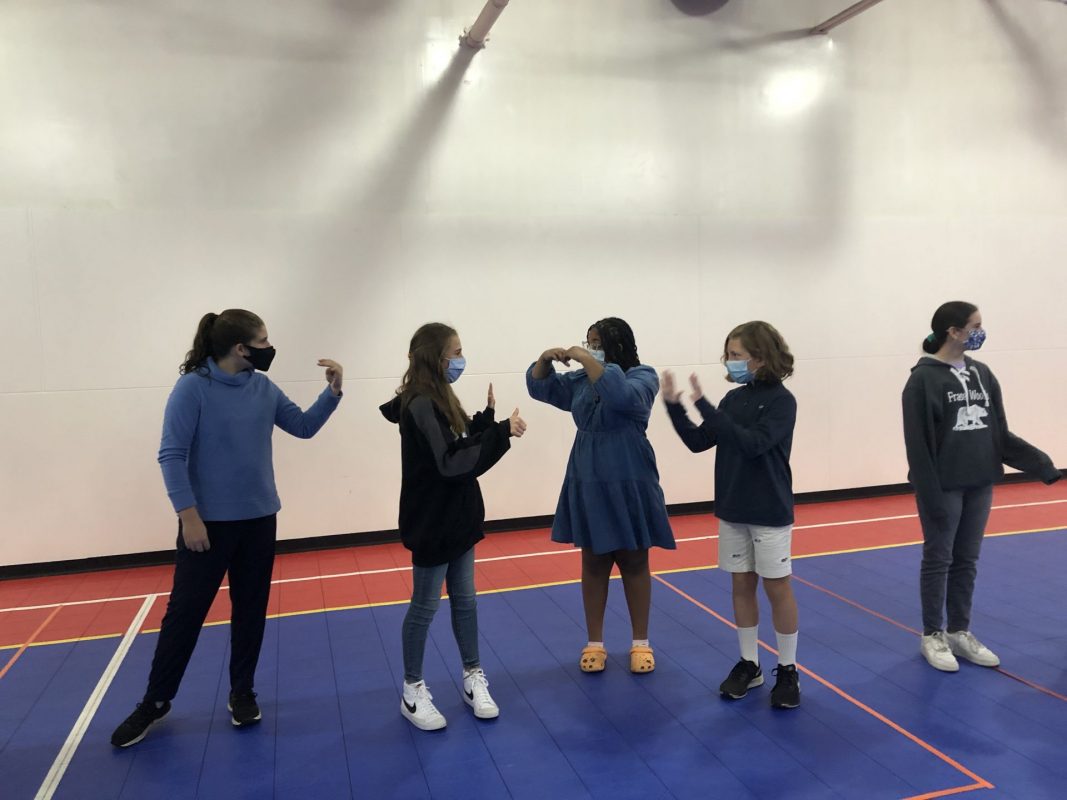
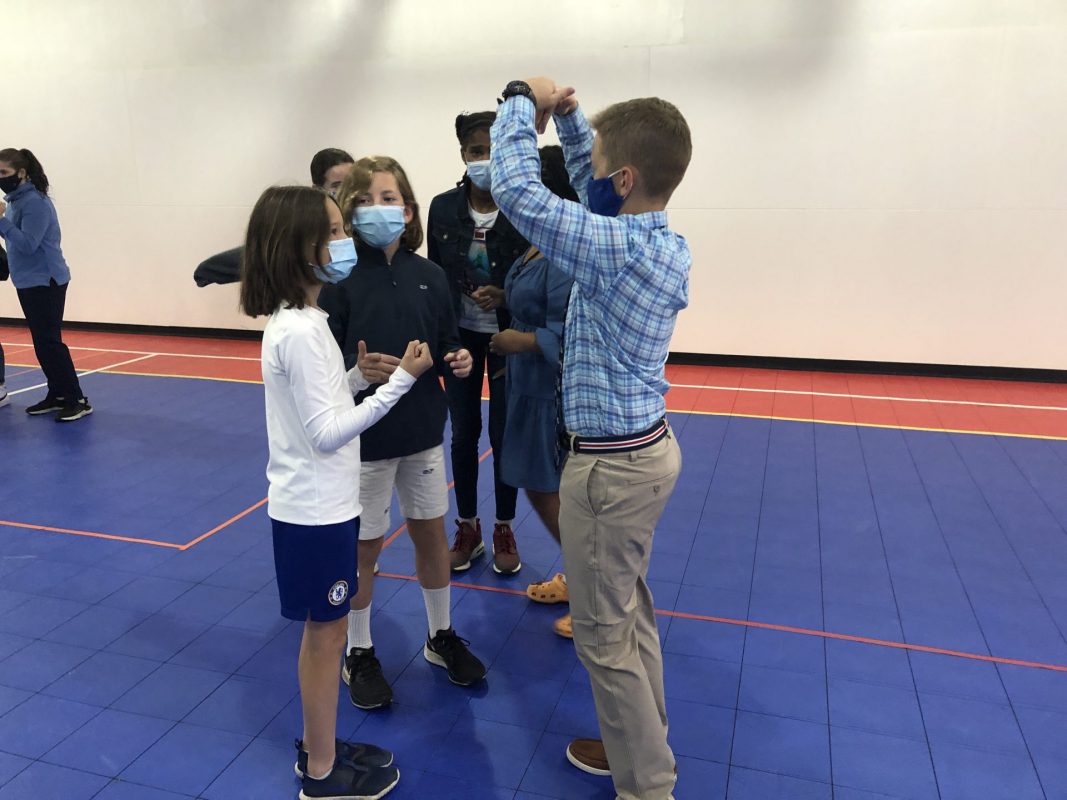
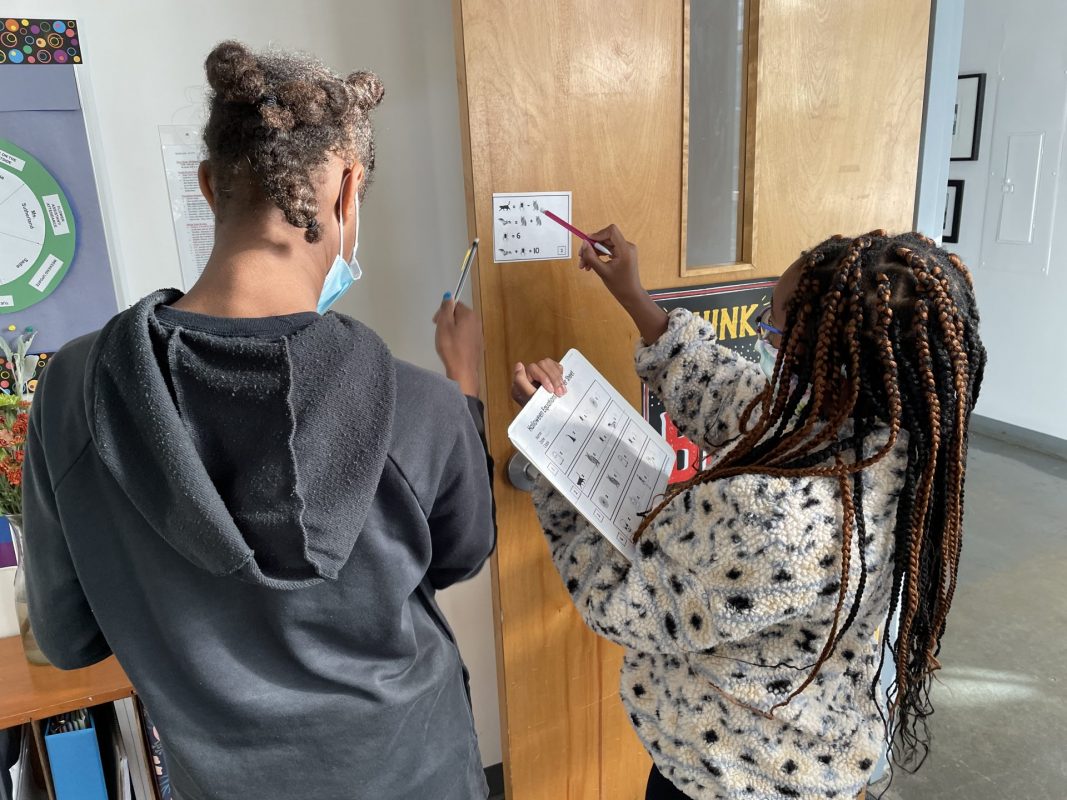
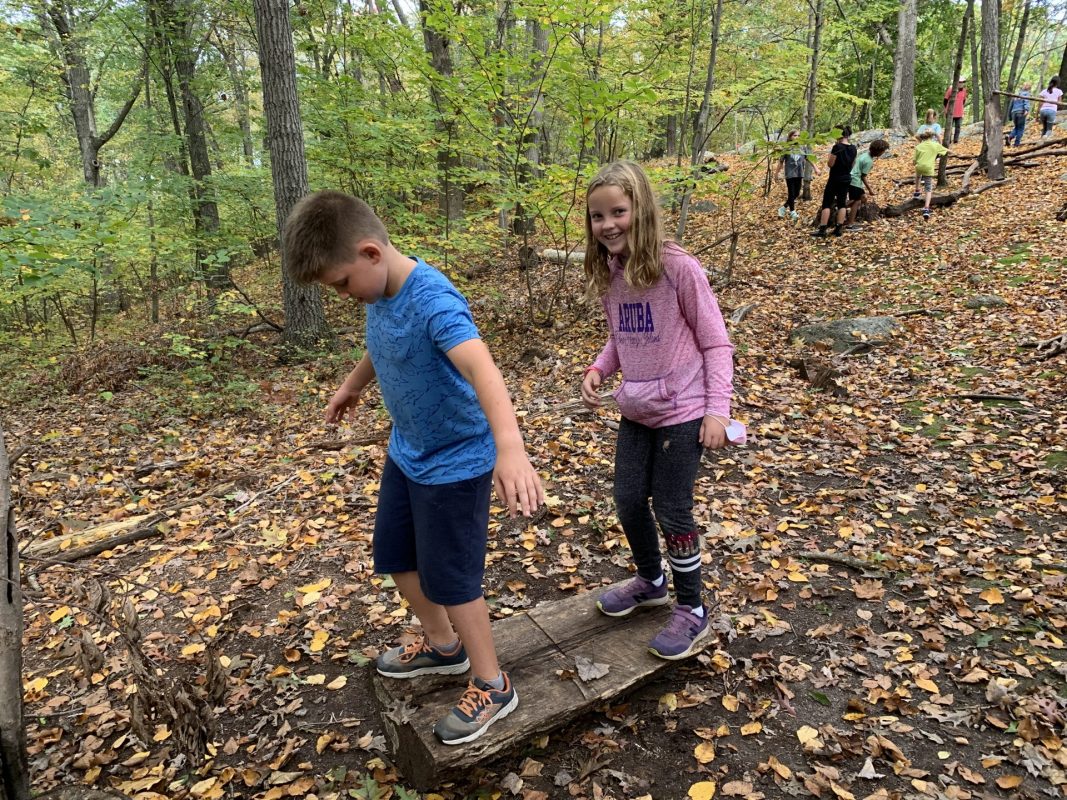
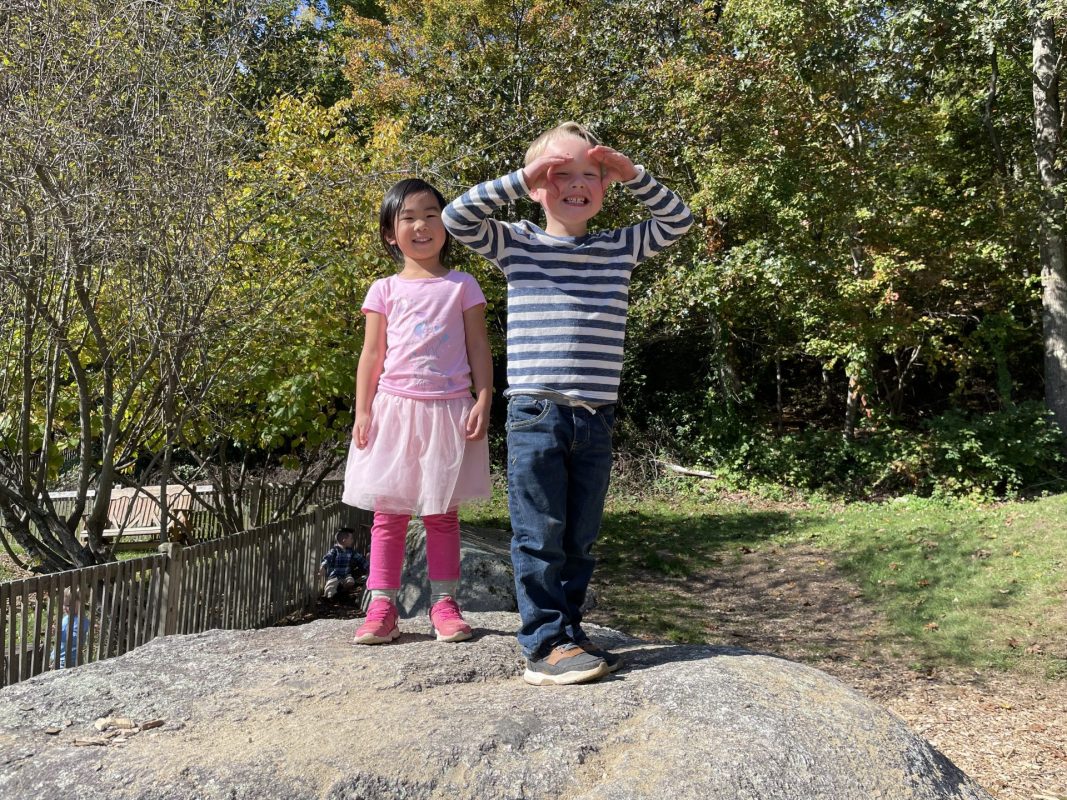
It was a short week for the middle school community with lots of fun fall activities. This week the students enjoyed the beautiful fall foliage while playing soccer during recess each day. They also had fun with our community advisory activity this week, where students had to arrange themselves in a chronological birthday order without speaking.

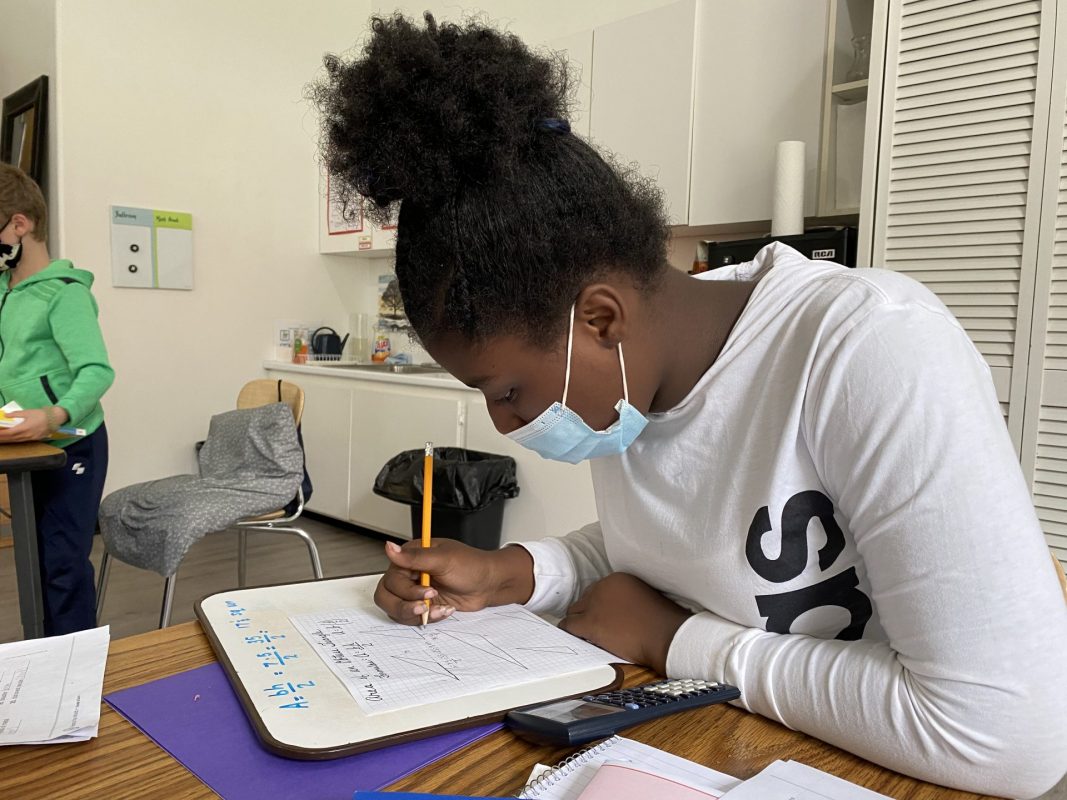
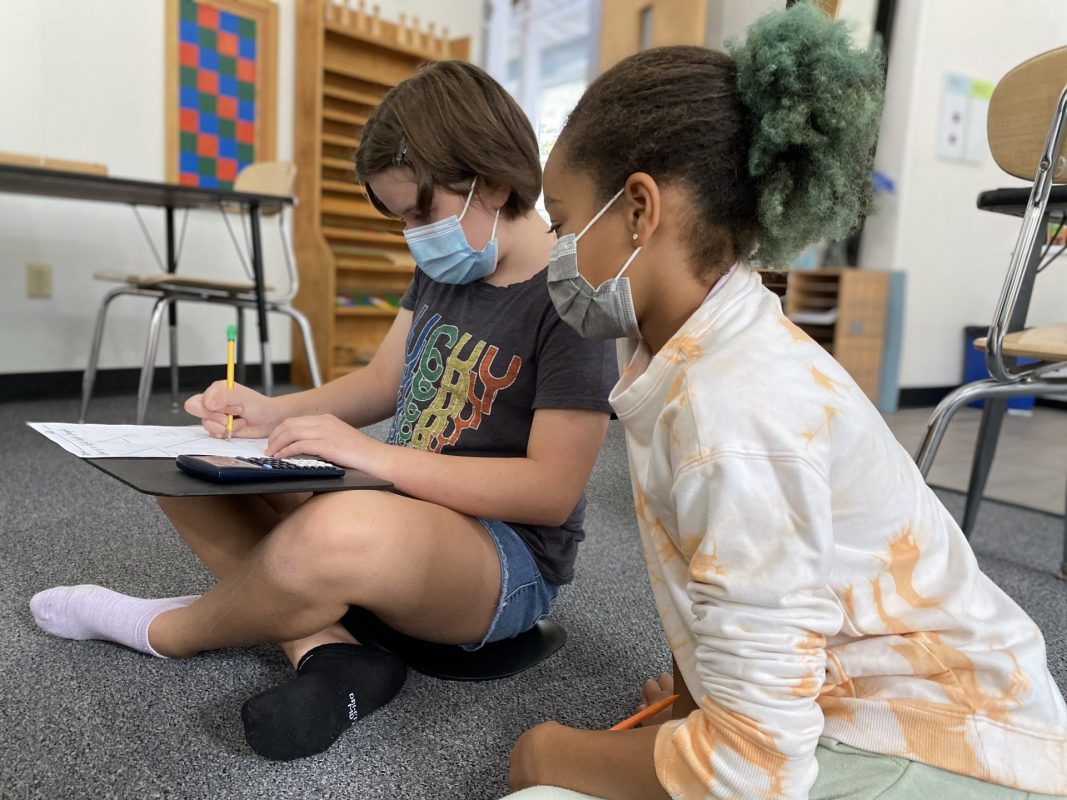
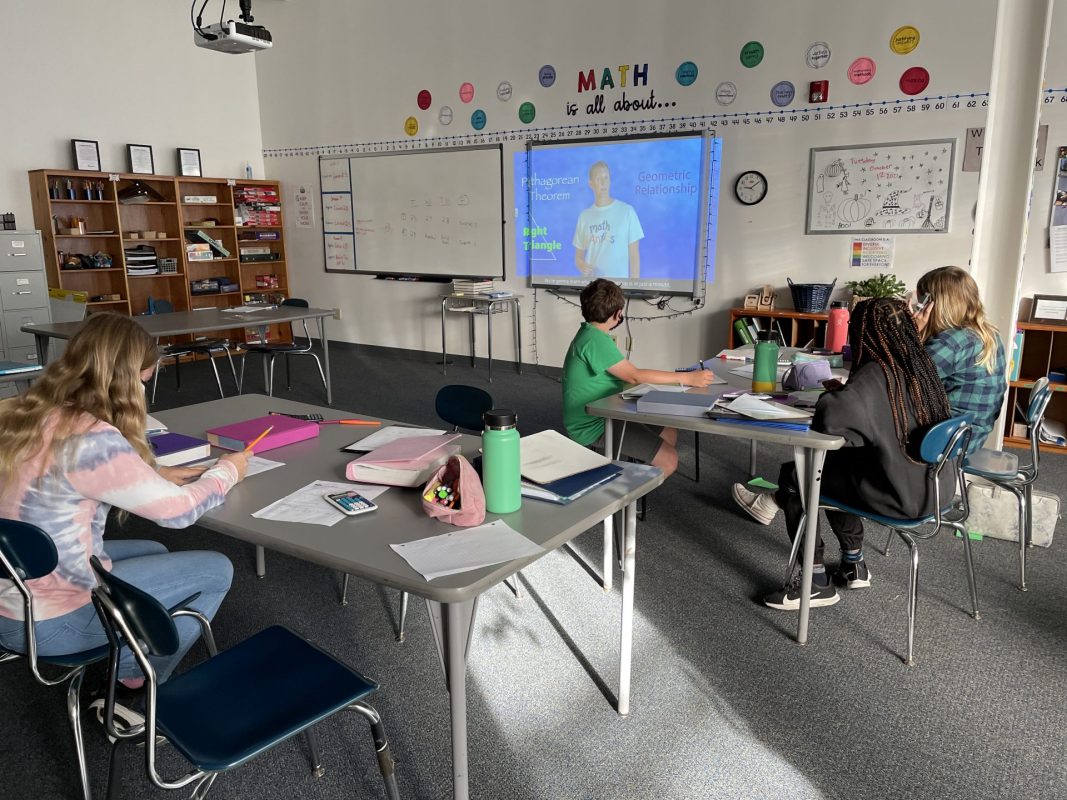
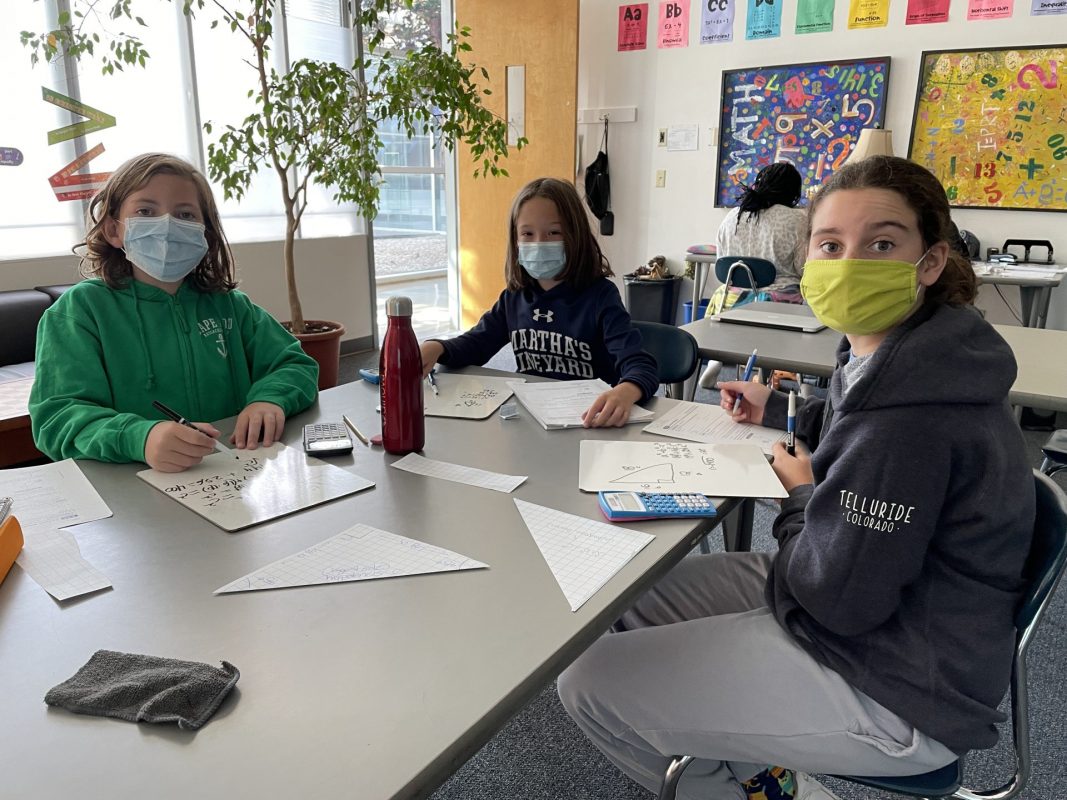
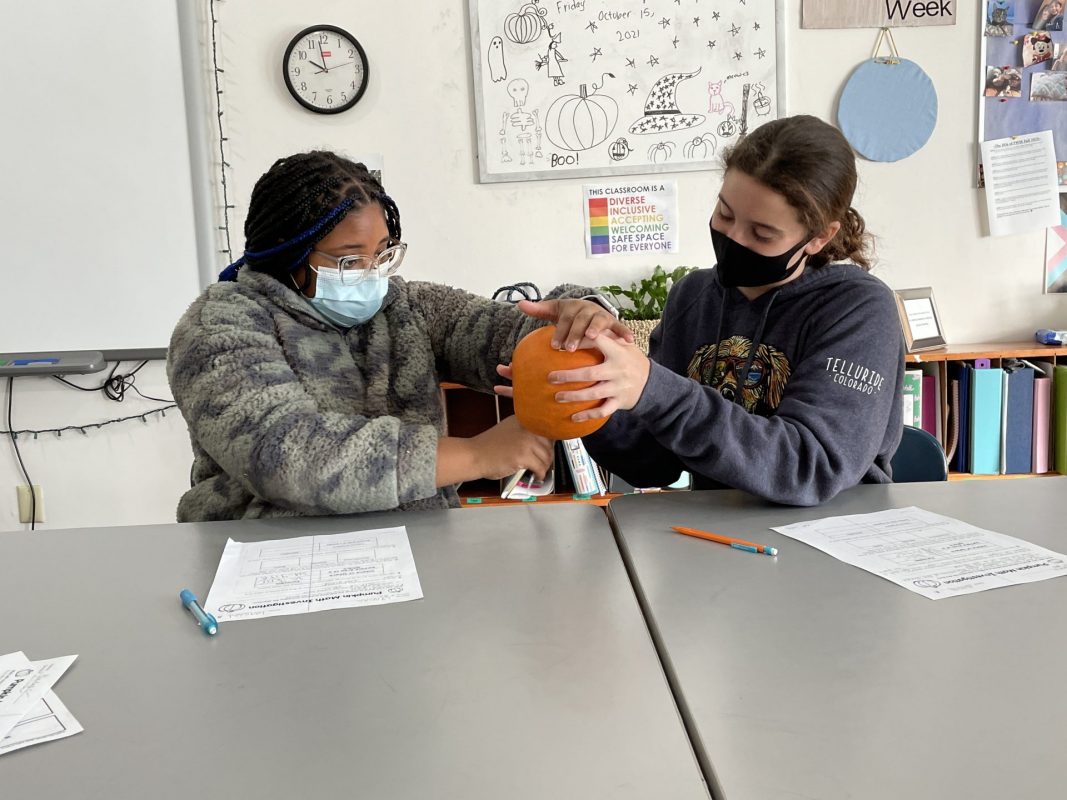
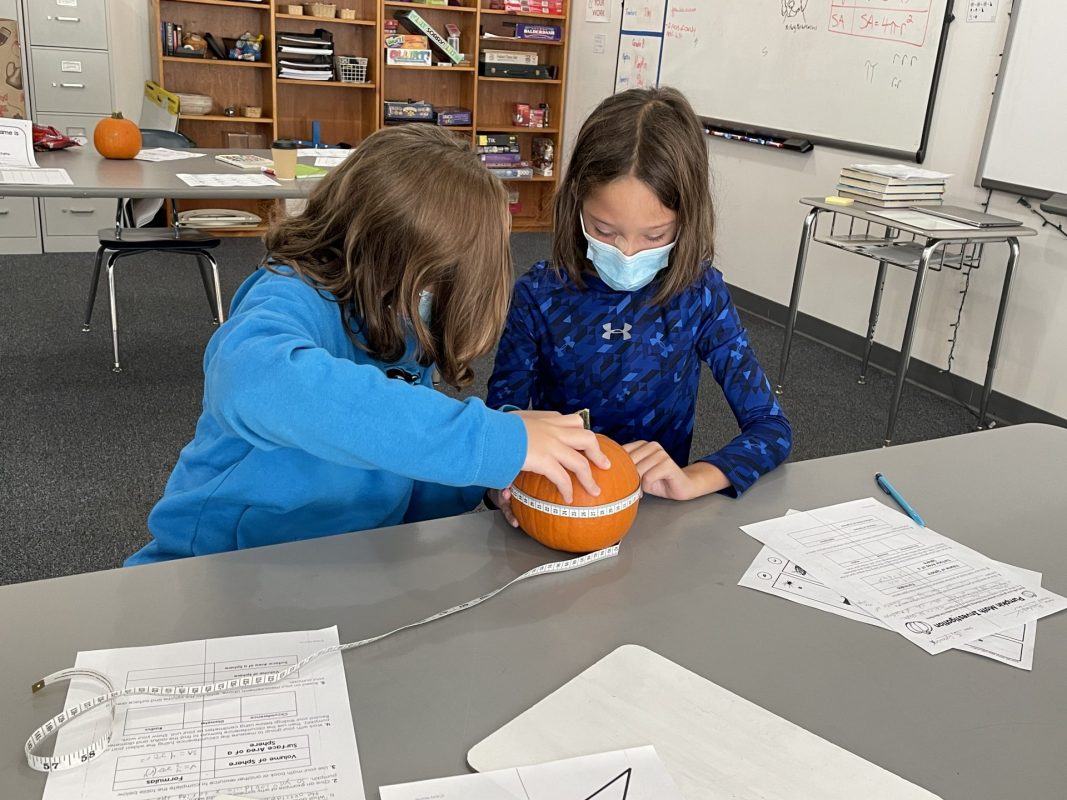
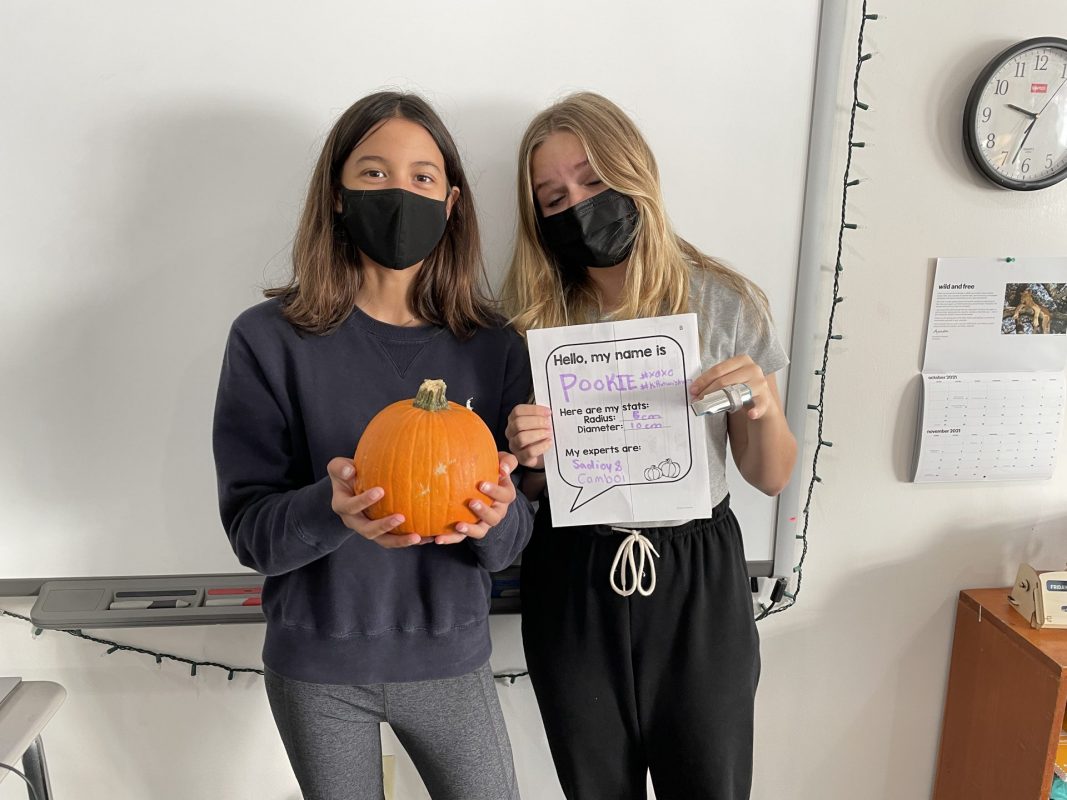
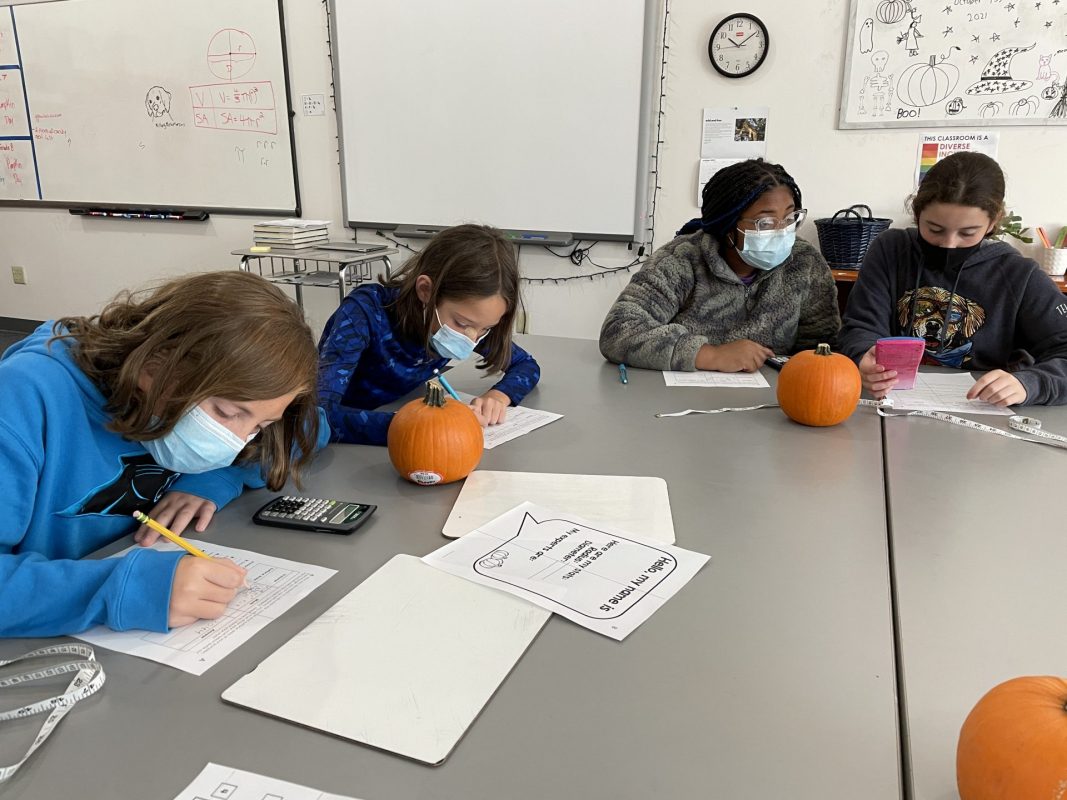
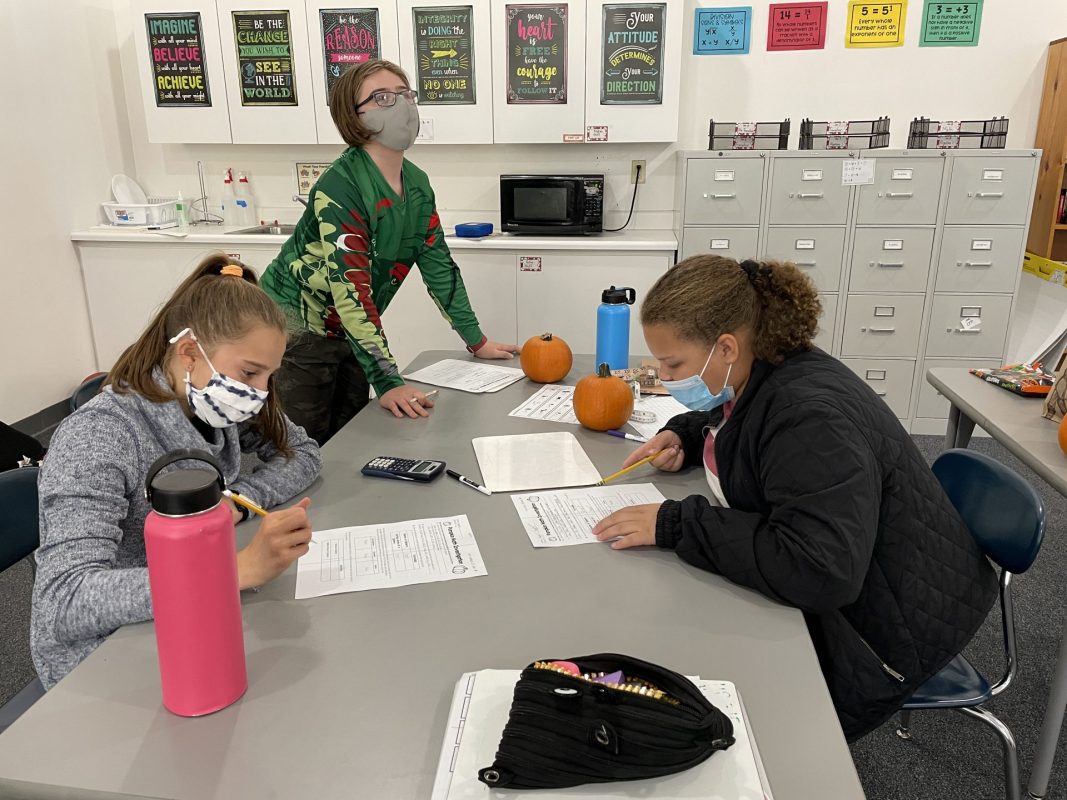
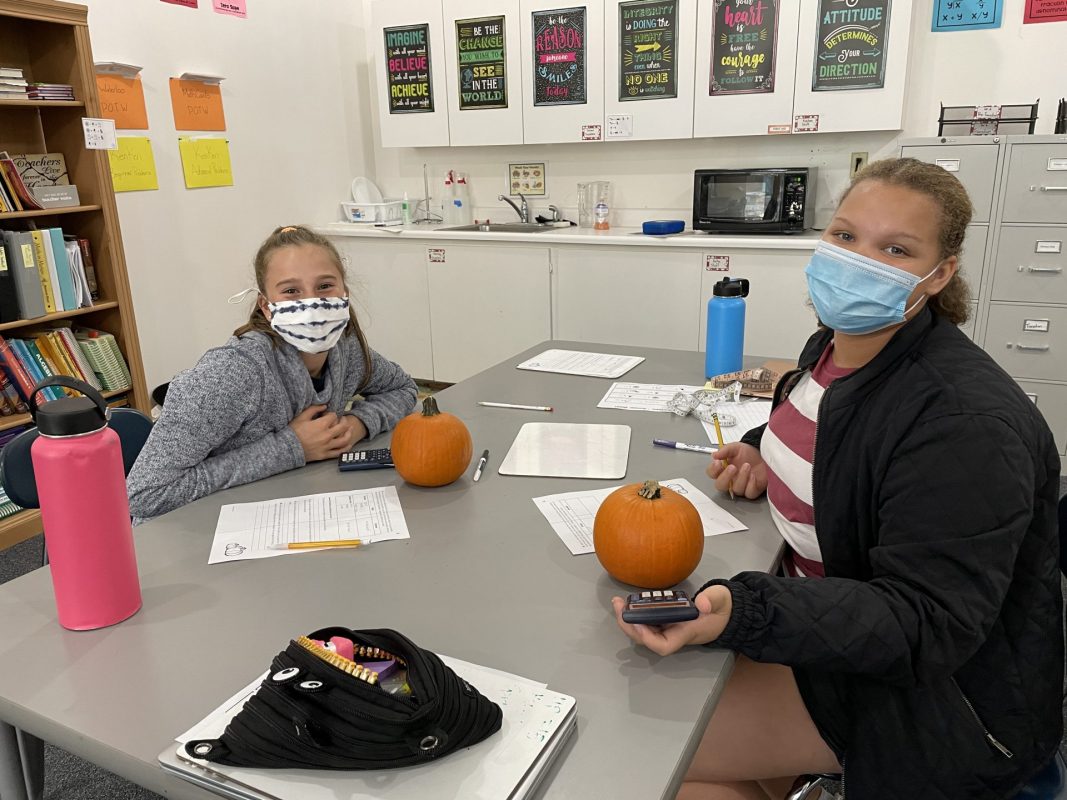
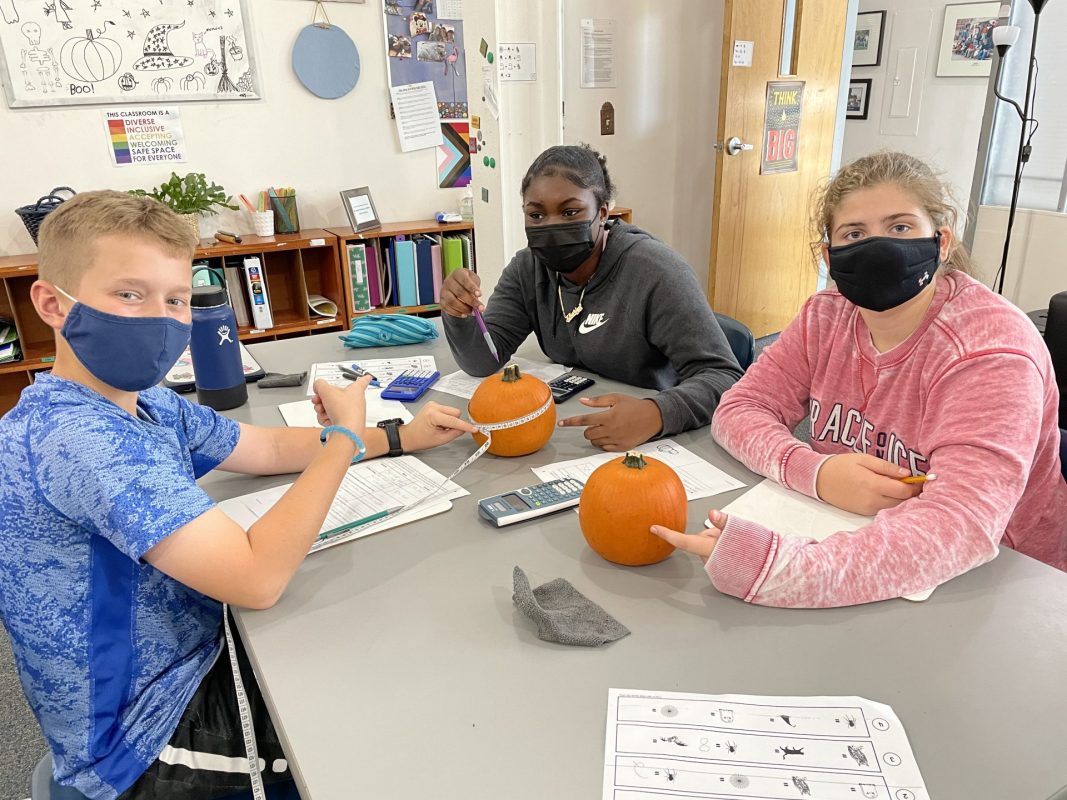
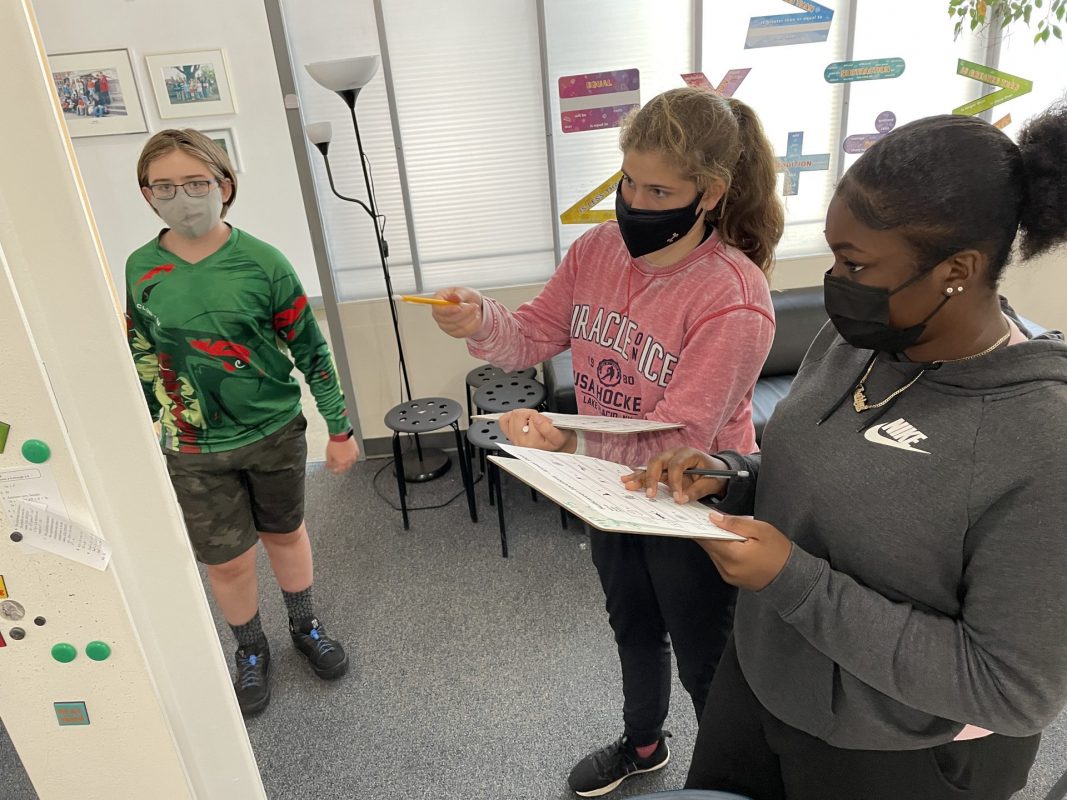
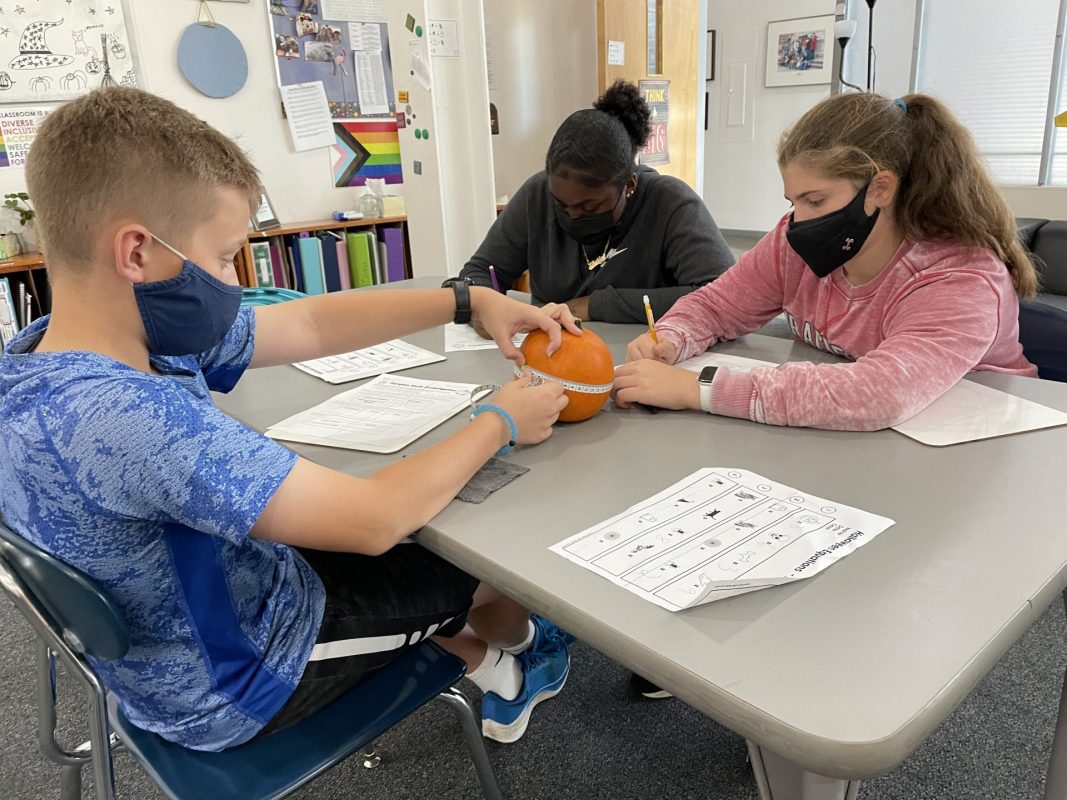
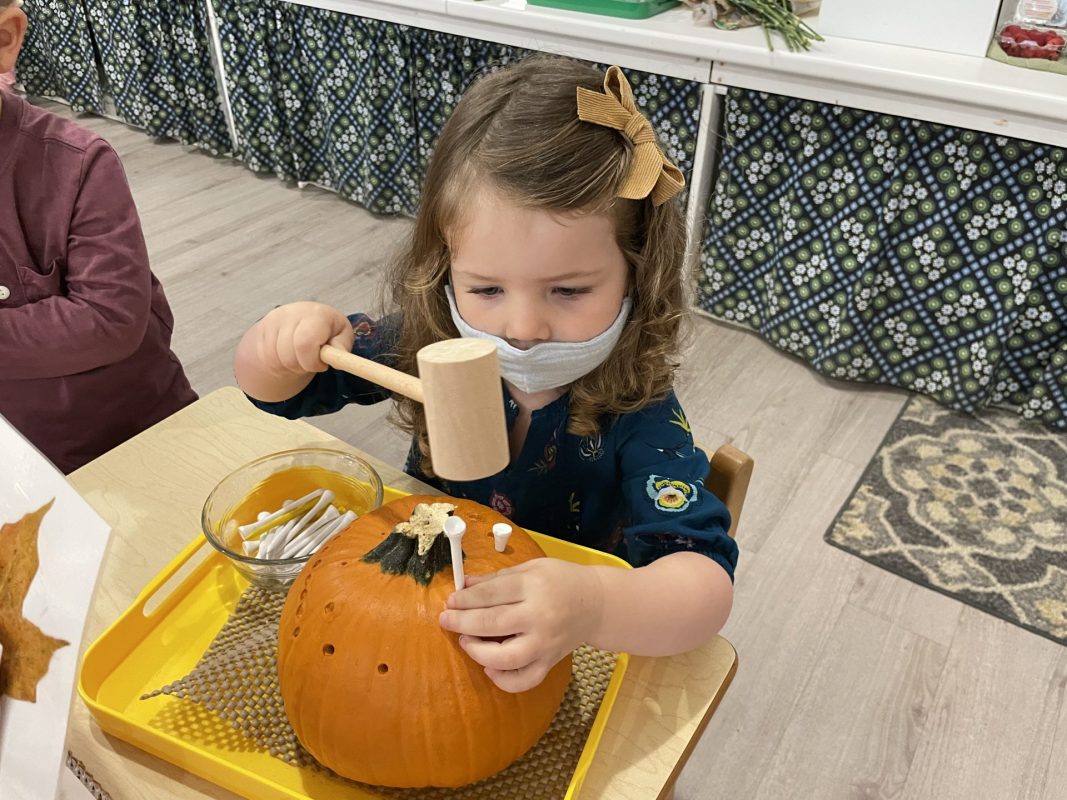
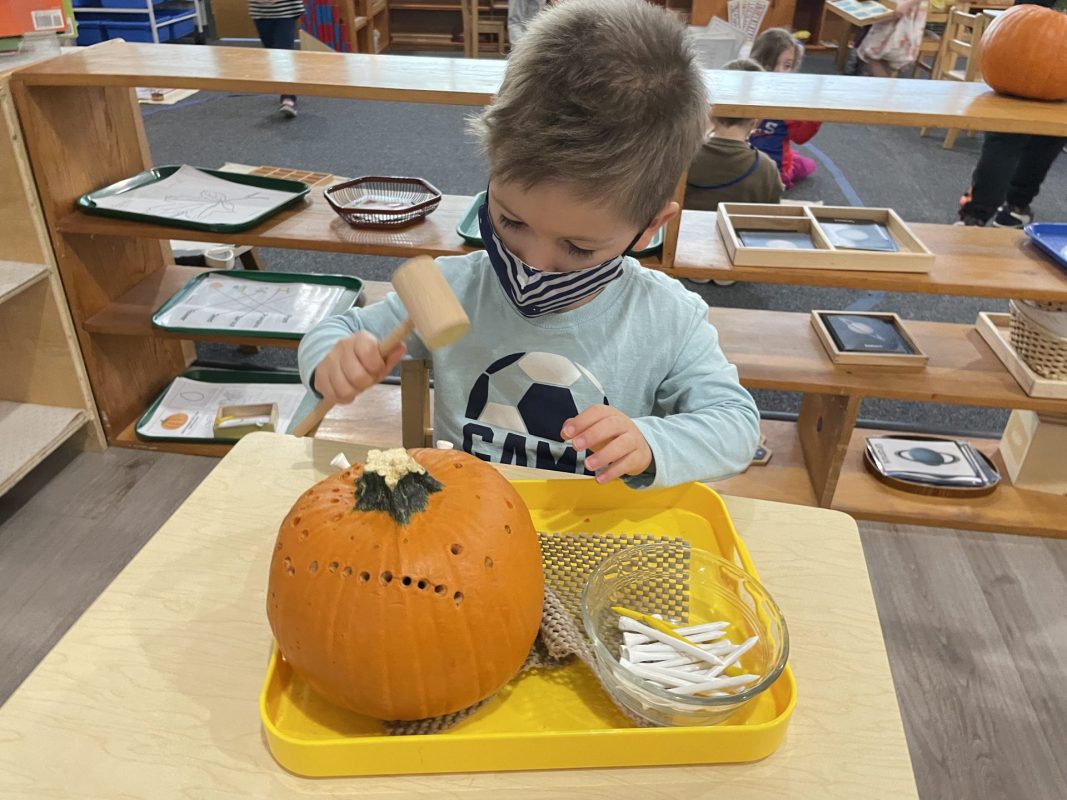
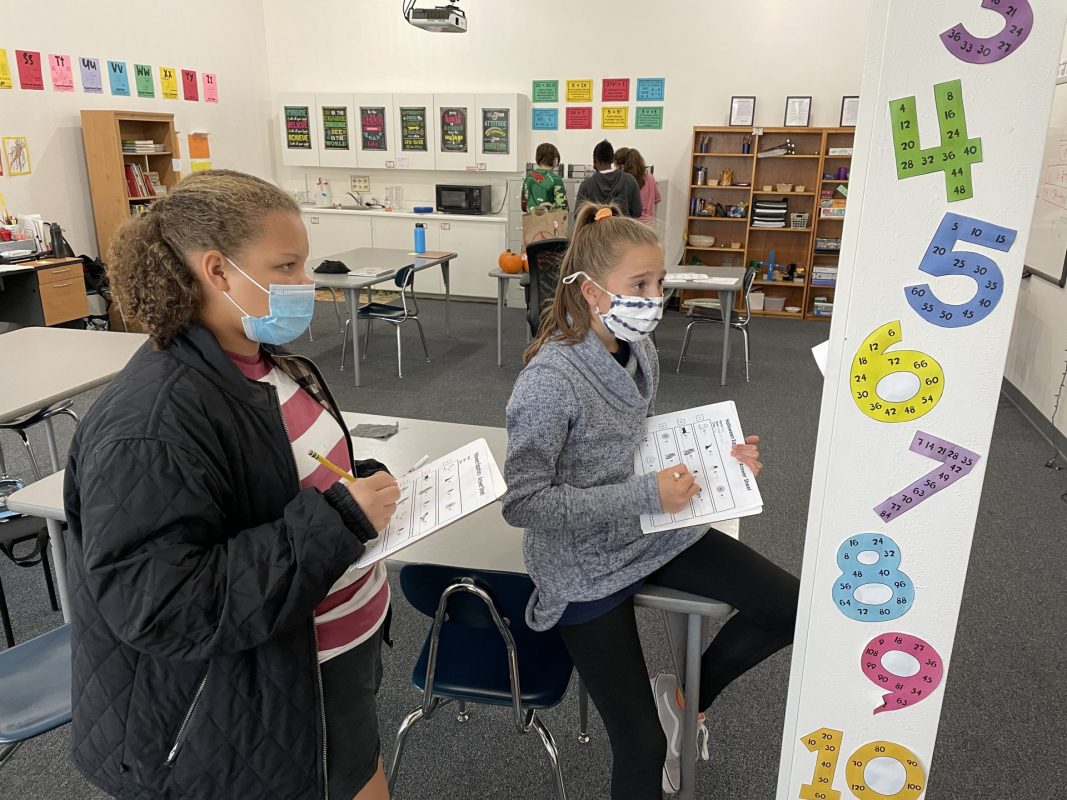
In addition to these events, all math students participated in a pumpkin exploration activity. On Friday October 15th, each class used a guided worksheet to learn about surface area and volume of a sphere. We used a mini pumpkin as the real world object to help understand our learning. Students worked in pairs and used a measuring tape to find the diameter, height and circumference of a pumpkin. Once they found their dimensions, we used formulas to find the exact surface area and volume of the unique pumpkins. This exercise gave students an opportunity to apply their learning of substituting values into a formula and use estimation to predict their measurements. Students enjoyed the activity for the hands-on learning and being able to work with a partner.
Fall Math Joke: What do you get if you divide the circumference of a pumpkin by its diameter?…..Pumpkin Pi
As a general reminder, please have students check myFWM/google classroom on a daily basis for upcoming assignments and assessments. We encourage all parents and guardians to sign-up for a middle school conference time slot to ensure you find a time that best works for you. HAPPY FALL!

Collaboration in Lower El

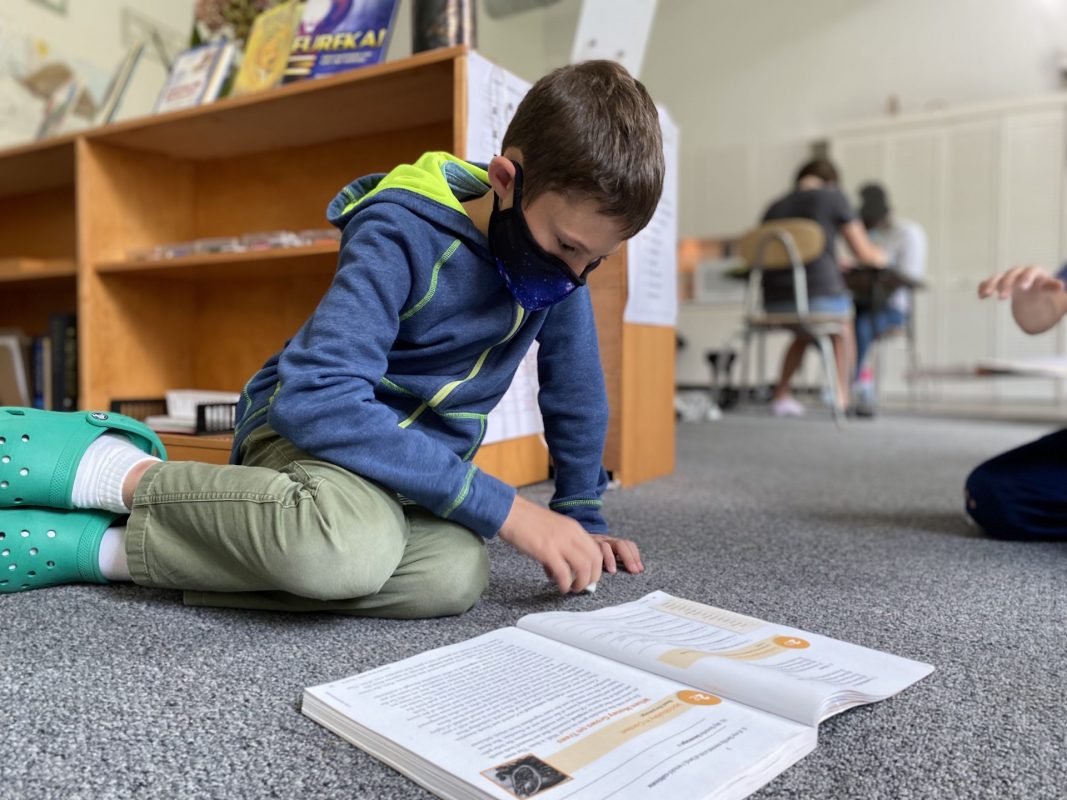
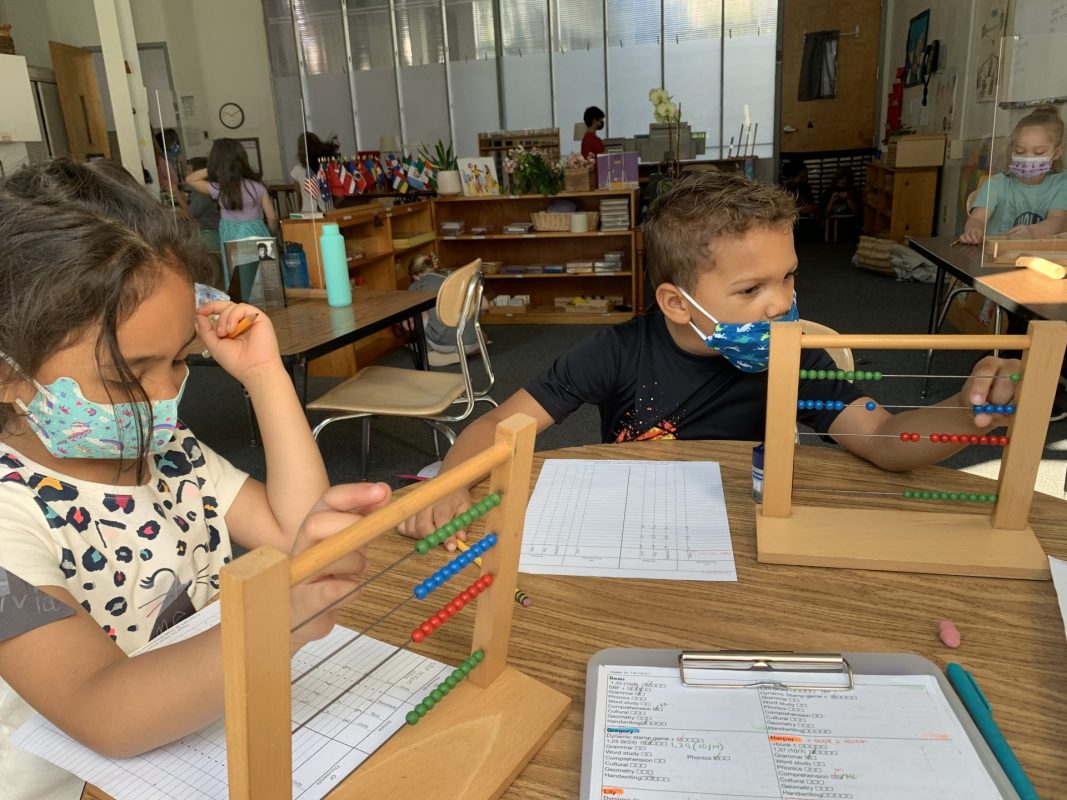
One of my favorite parts about an Elementary Montessori classroom is that you see children constantly, collaboratively, learning with and from one another on a daily basis. There are many benefits to this work. Working with a friend teaches children patience, respect for another’s strengths and challenges, and the give and take of compromising while collaborating.

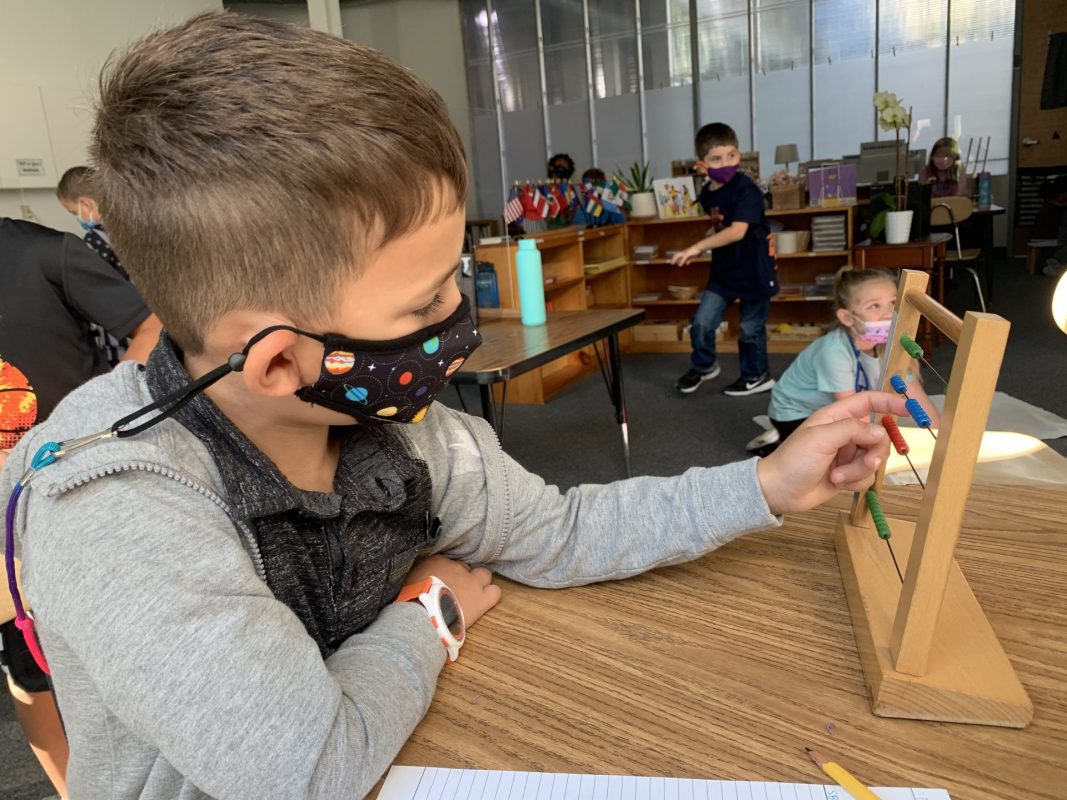
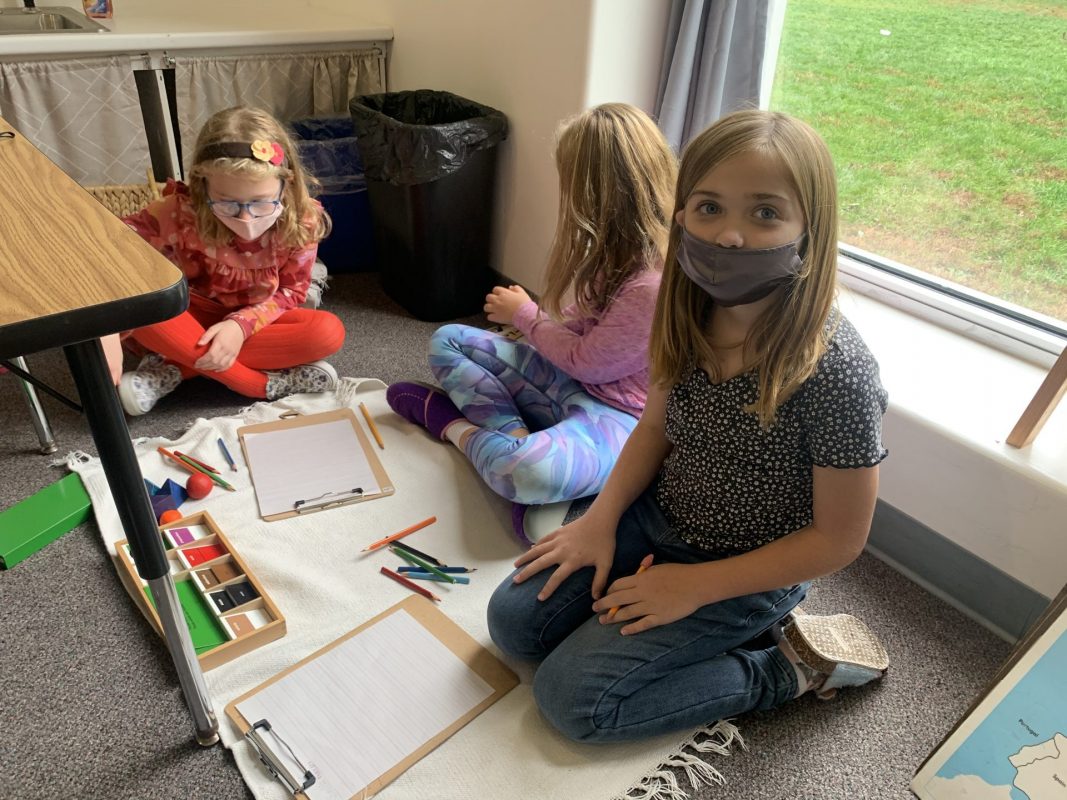
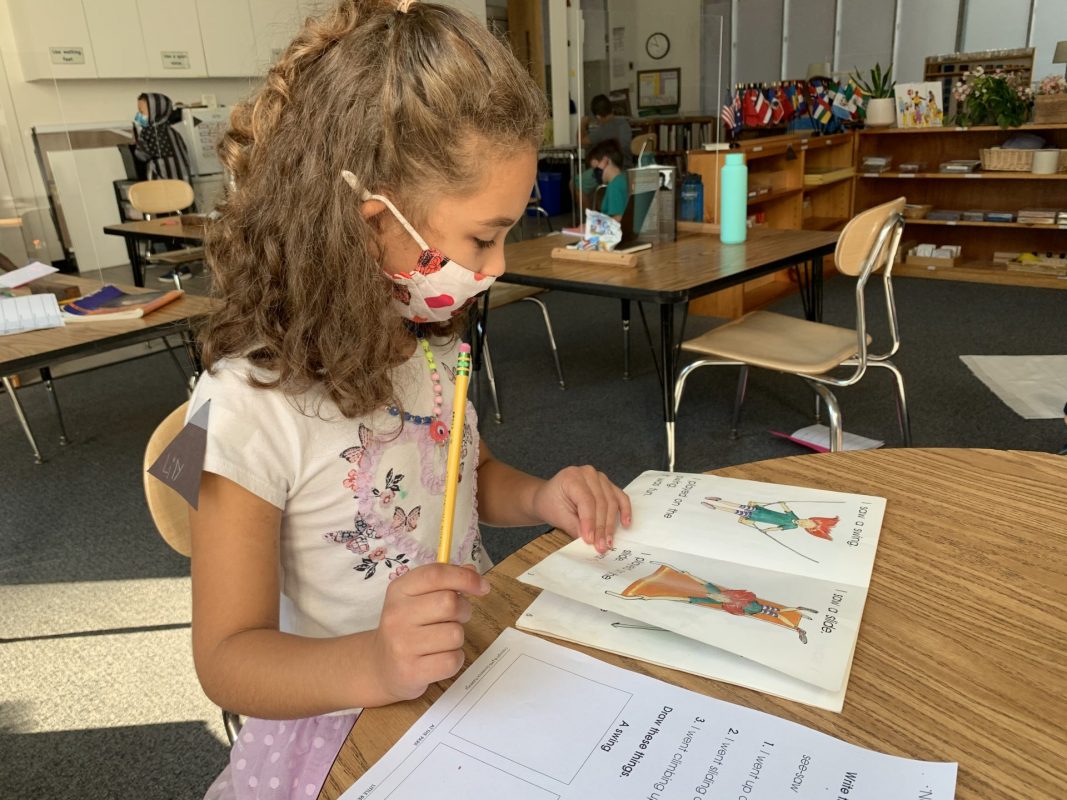
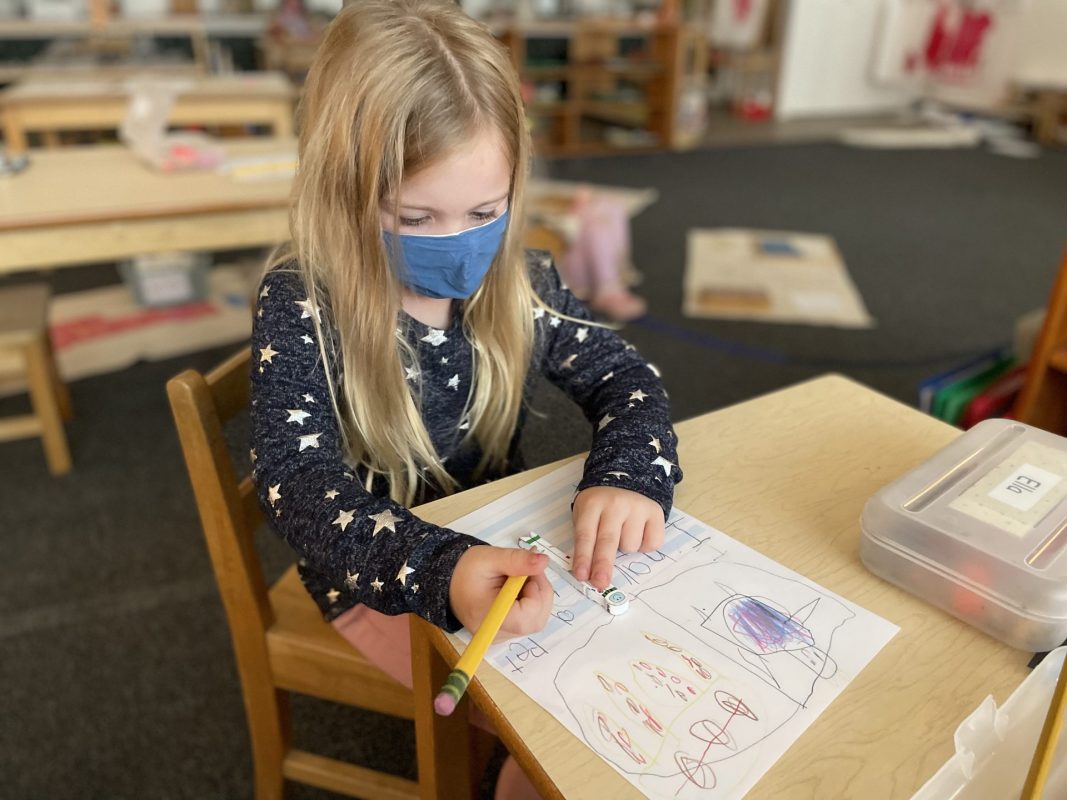
It was another productive week in Lower Elementary. The third year students learned about pronouns in grammar and the material they use to practice this skill is called a grammar box. The second graders learned about prepositions and they also use a grammar box as follow up to this work. The first year group learned about nouns. They enjoyed going on a scavenger hunt in the classroom and labeling all the nouns they could find!


Mrs. Doyle: 3-2-1 Blast Off!

We especially need imagination in science. It is not all mathematics nor all logic, but it is somewhat beauty and poetry.    –Maria Montessori

We are beginning our study of the solar system. Bringing some of the wonders of the universe to the children is exciting and one of their favorite units that we study. By nature, children are inquisitive, observant, and eager to learn about the world around them. With their concrete thinking, understanding, and desire to label and name everything they learn about, we start by introducing the components of the universe, especially our own solar system.

We begin by discussing what the children think the solar system is. We know that as we look up at the sky during the day we can see the sun and at night time we can see the moon, stars, and some planets.

We learned about our star, the sun. It is made of gas and gives us light and heat. Our sun is the center of our solar system, with planets orbiting around it. The children learned the names of the planets, in order from the sun. We also learned fun facts about each planet and will do hands-on activities to explain revolution and rotation. Below is the song we are singing to help us learn the names of the planets in our Solar System.

If you have not yet signed up for a time to meet for Parent/Teacher conferences on October 28th, please click on this link to do so.

Wishing you a week filled with peace and love,

Michelle & Liset


Mrs. Lopes: Our Solar System


“Let us give the child a vision of the whole universe. The universe is an imposing reality, and an answer to all questions.” -Maria Montessori 

We are beginning our study of the solar system. Bringing some of the wonders of the universe to the children is exciting and one of their favorite units that we study. By nature, children are inquisitive, observant, and eager to learn about the world around them.  A child’s concrete thinking, understanding, and desire to label and name everything they learn about makes this a wonderful unit of study.

We begin by discussing what the children think the Solar System is. We know that as we look up at the sky during the day we can see the sun and at night time we can see the moon, stars, and some planets.  We learned about our closest star, the sun.  It is made of gas and gives us light and heat. Our sun is the center of our solar system, with planets circling around it.  The children then learned the names of the planets, in order from the sun.  In the next week we will be learning fun facts about each planet and singing a fun planet song.  Below I included the lyrics to the “8 Little Planets” song we have been singing this week, enjoy!

Wishing everyone a wonderful week!

Amanda & Heather


8 Little Planets

One little, two little, three little planets,

Four little, five little, six little planets,

Seven little, eight little, eight little planets,

Orbiting around the sun.

Mercury, Venus, and the Earth,

Mars, Jupiter, and Saturn,

Uranus and Neptune,

Eight planets orbiting the sun.


Mrs. Semmah: Fall Activities

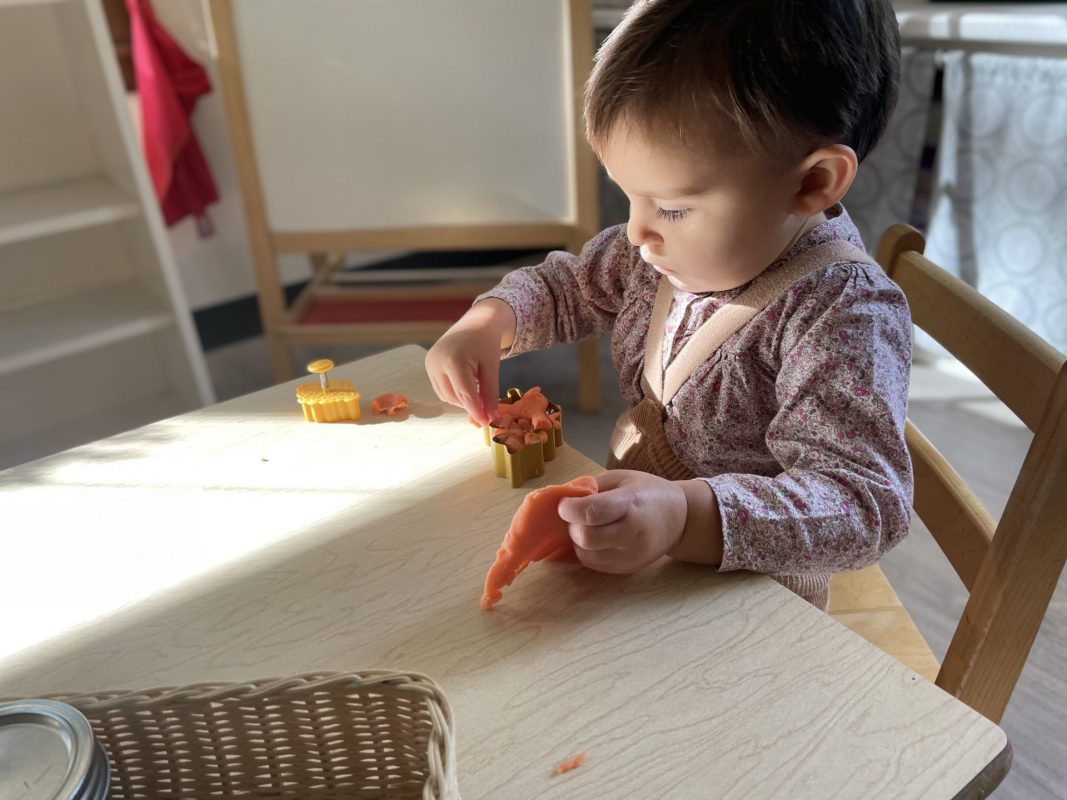
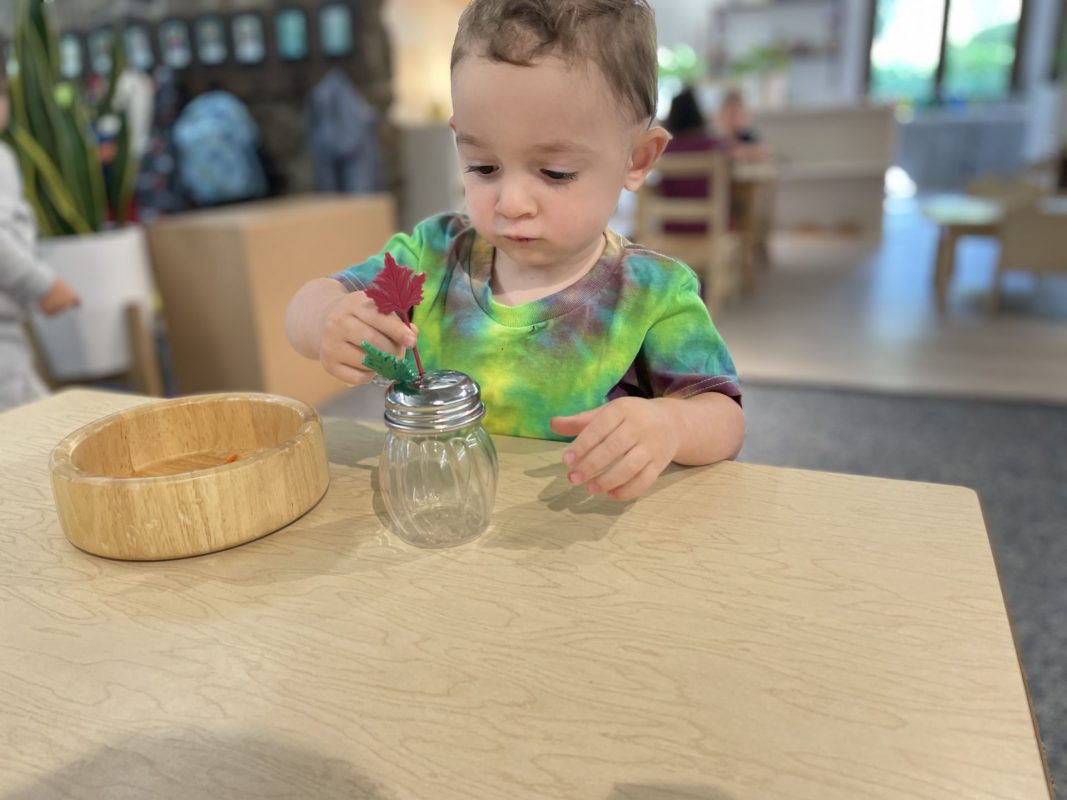
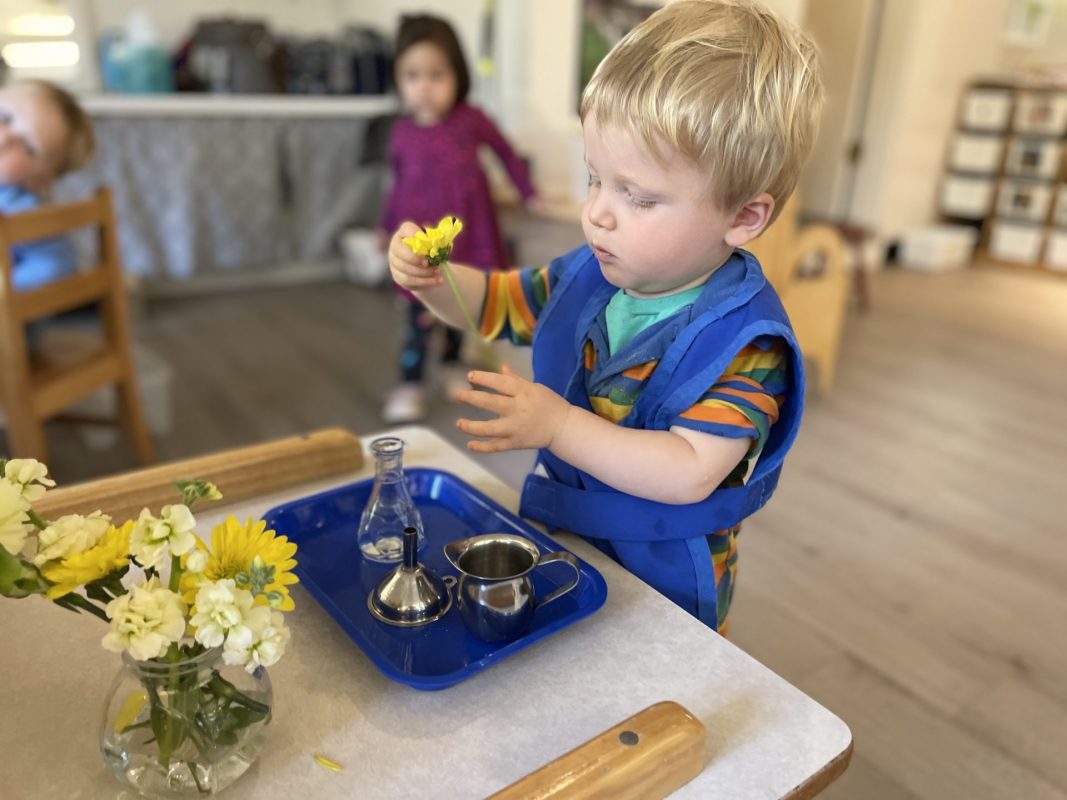
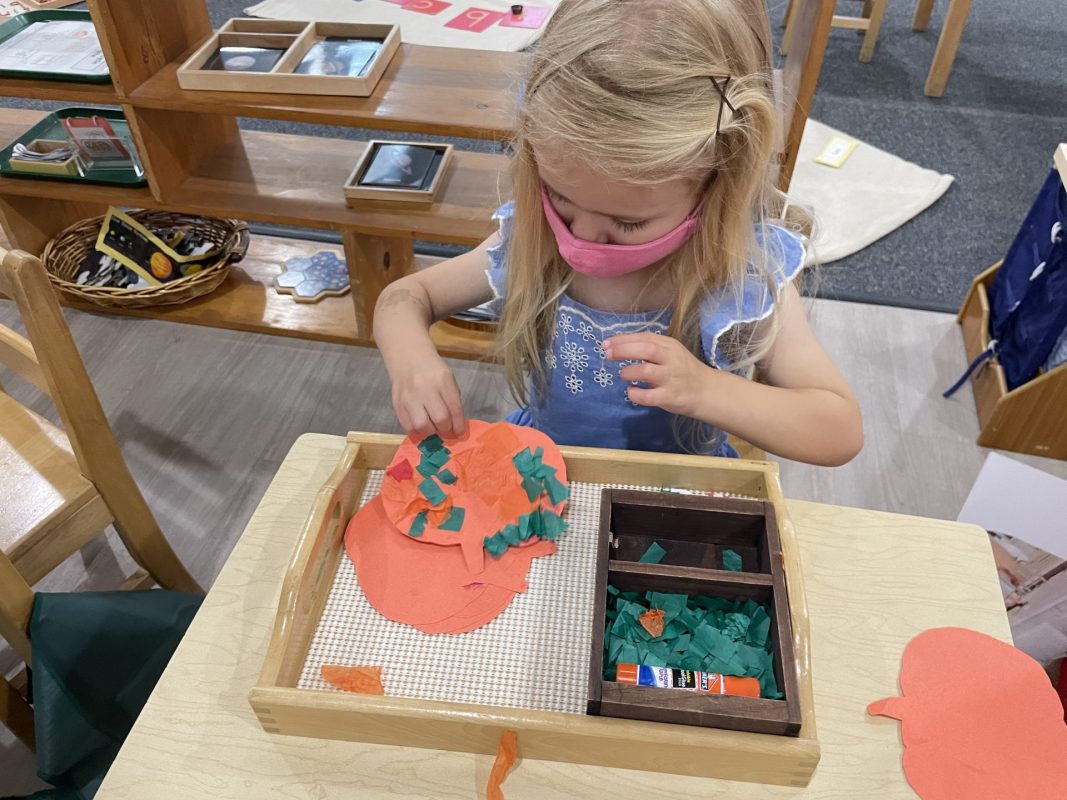
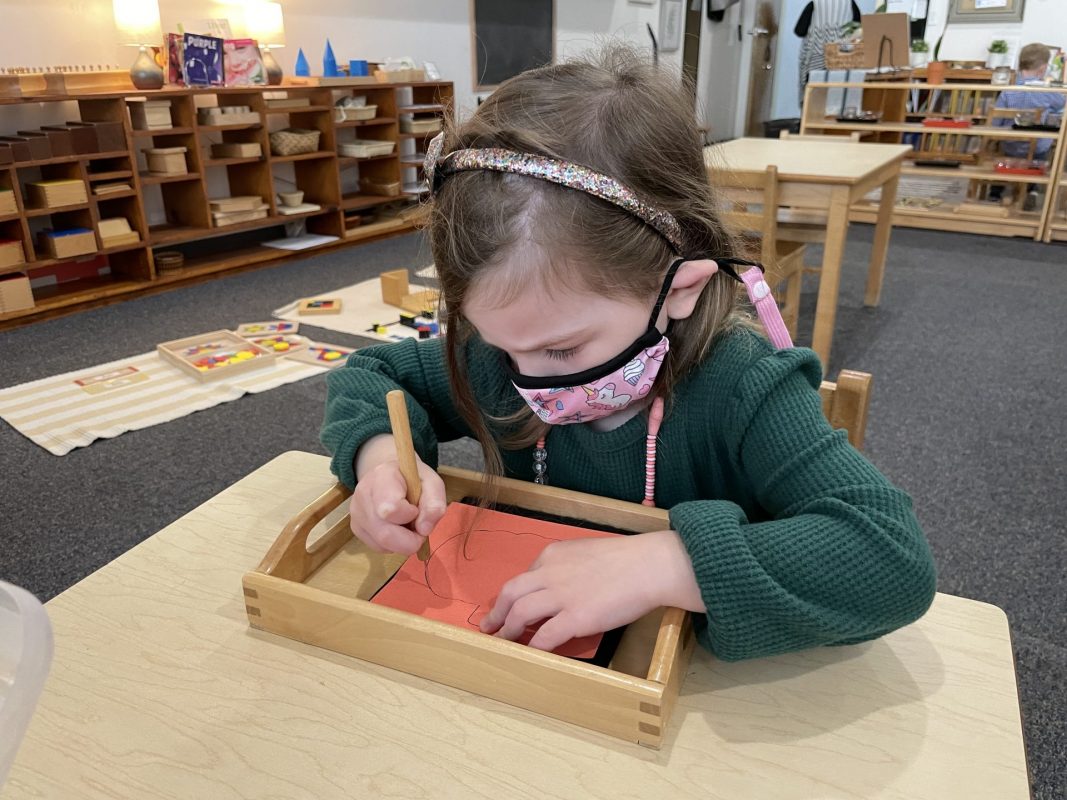
Fall is here. The trees change their colors to red, brown, orange, and yellow. It is finally fresh, cool, and beautiful outdoors. In my classroom, I love to use the seasonal shift to introduce new learning concepts and activities in a new way. These are some of the fall lessons the young learners have been enjoying.

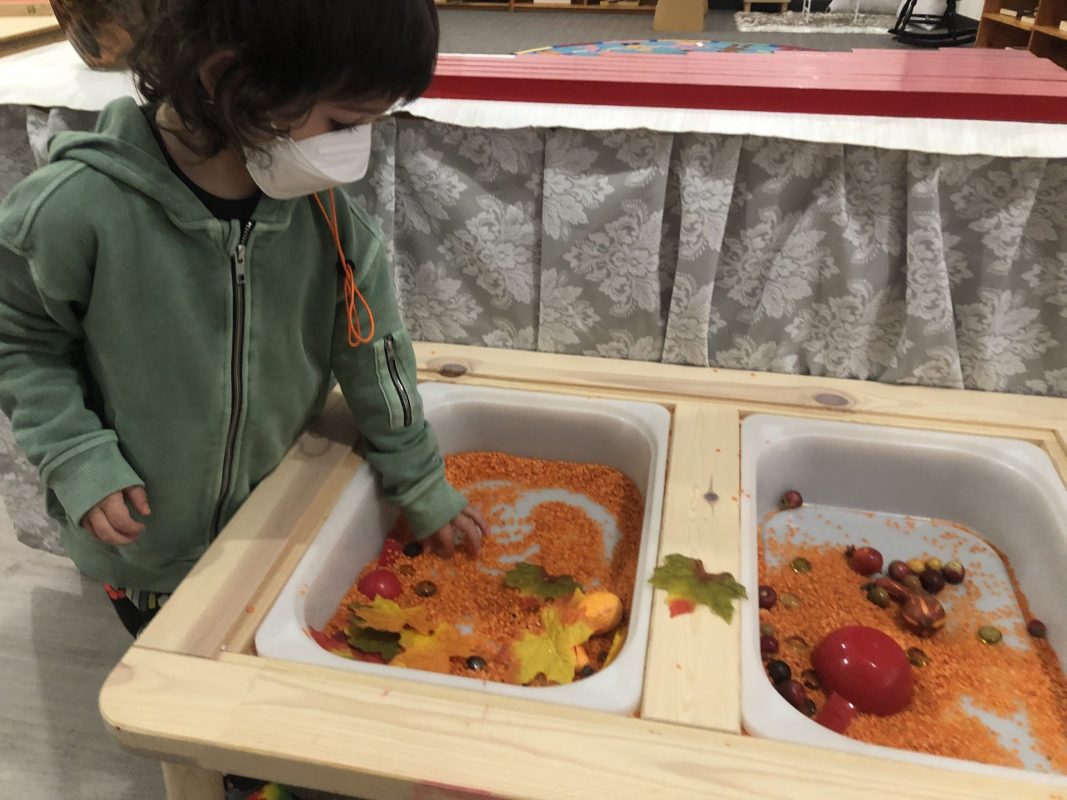
Fall bin is an open sensory experience for a child who wants some individual time to explore the texture of different objects. It includes red lentils, colored autumn leaves, red pears, apples, brown beads, and scoops. Once I open the sensory table, it invites many children to discover the sensation of many fall items that have been around them at home or that they see in nature.

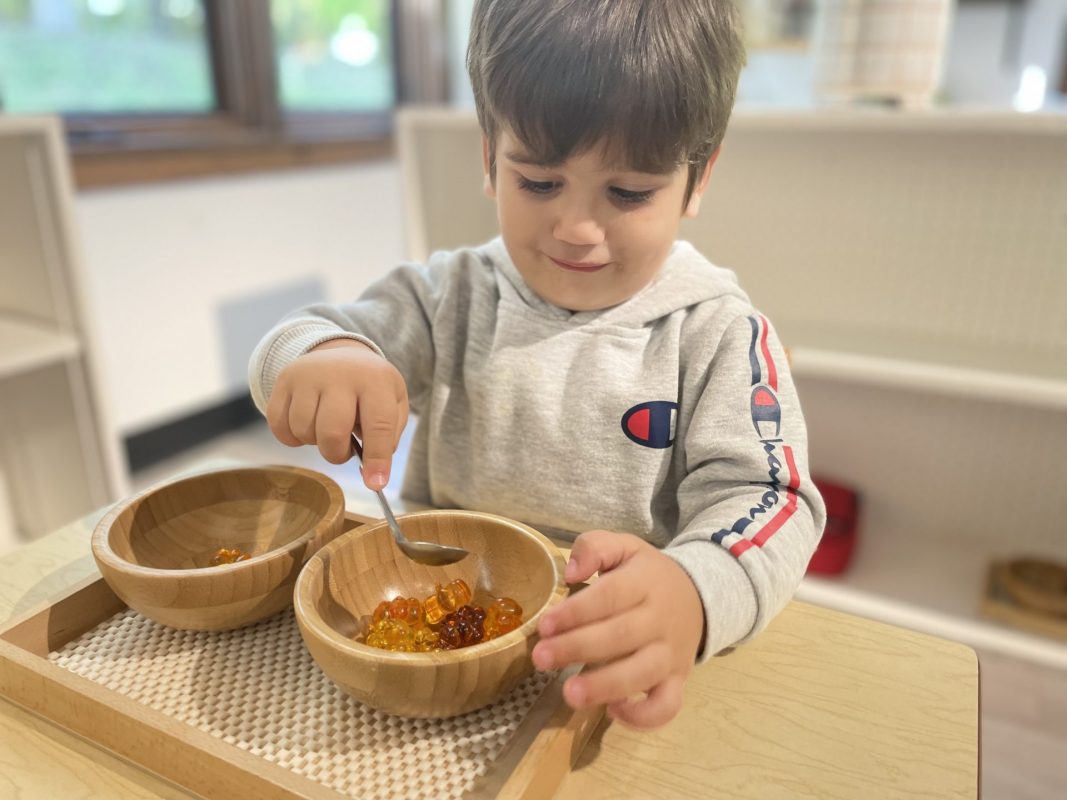
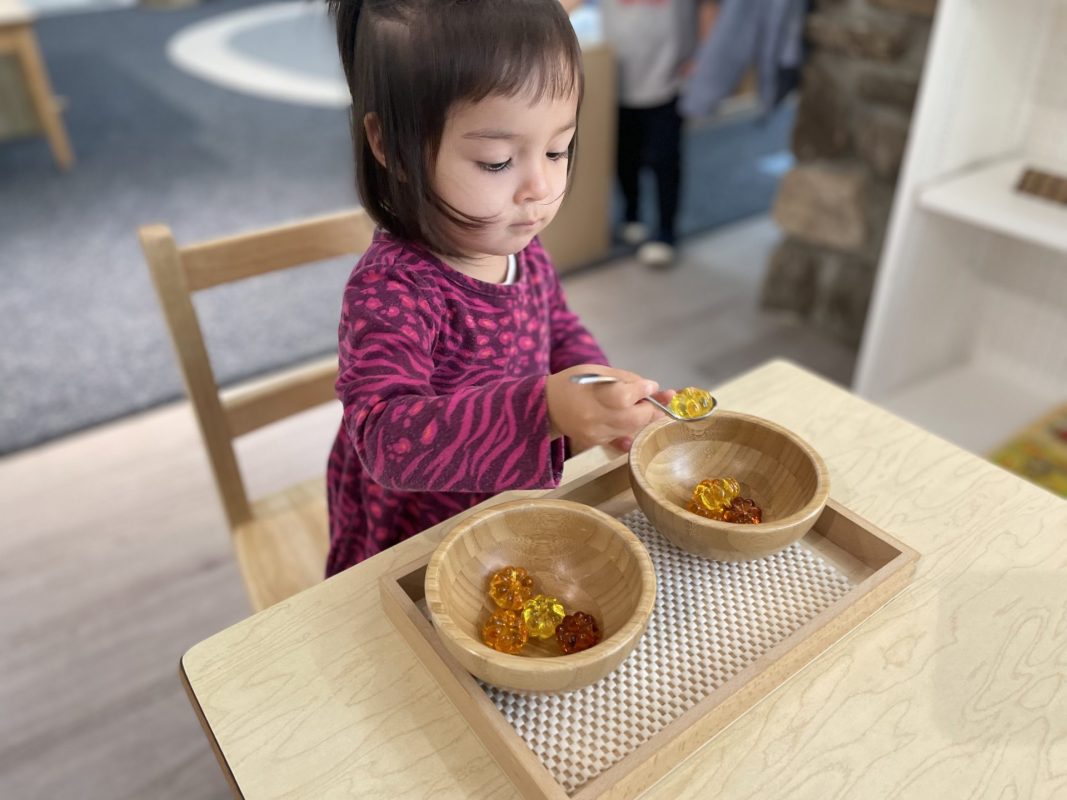
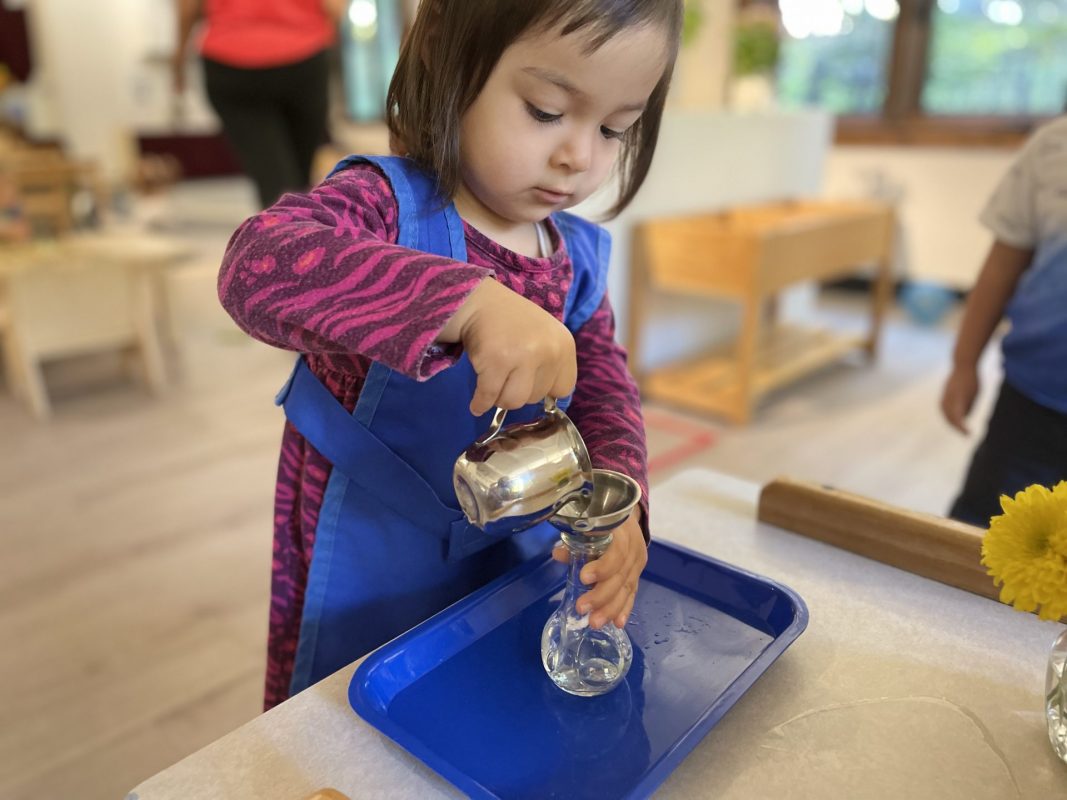
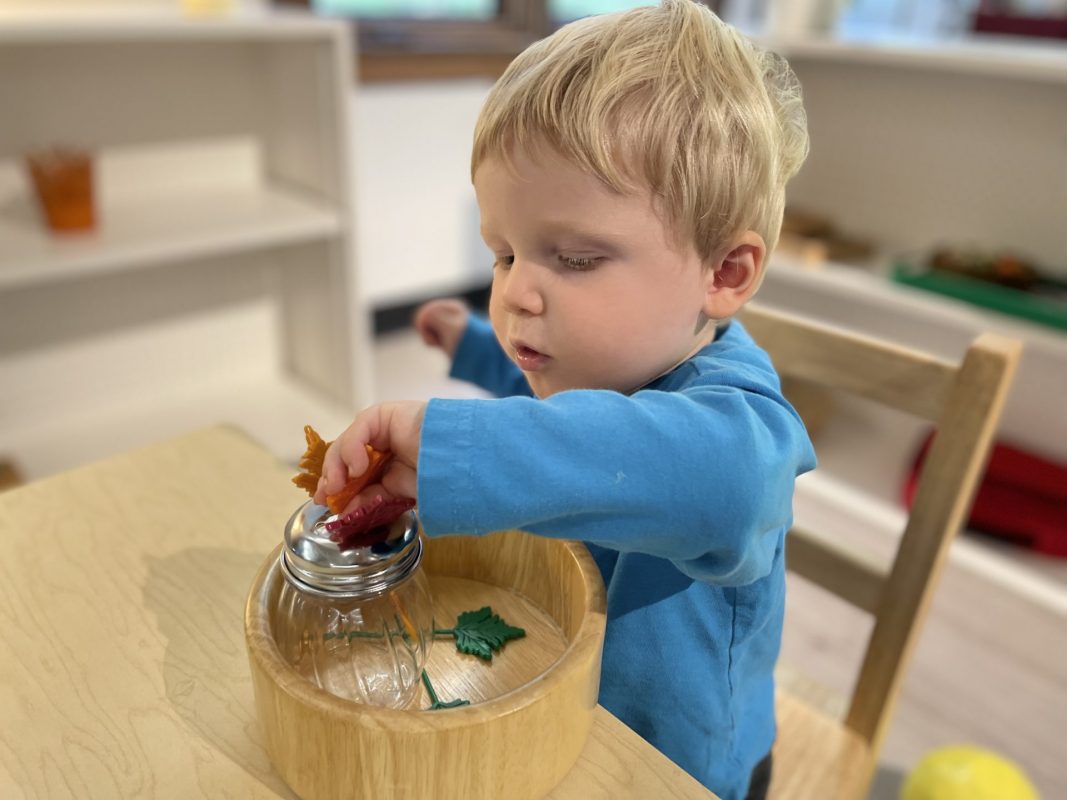
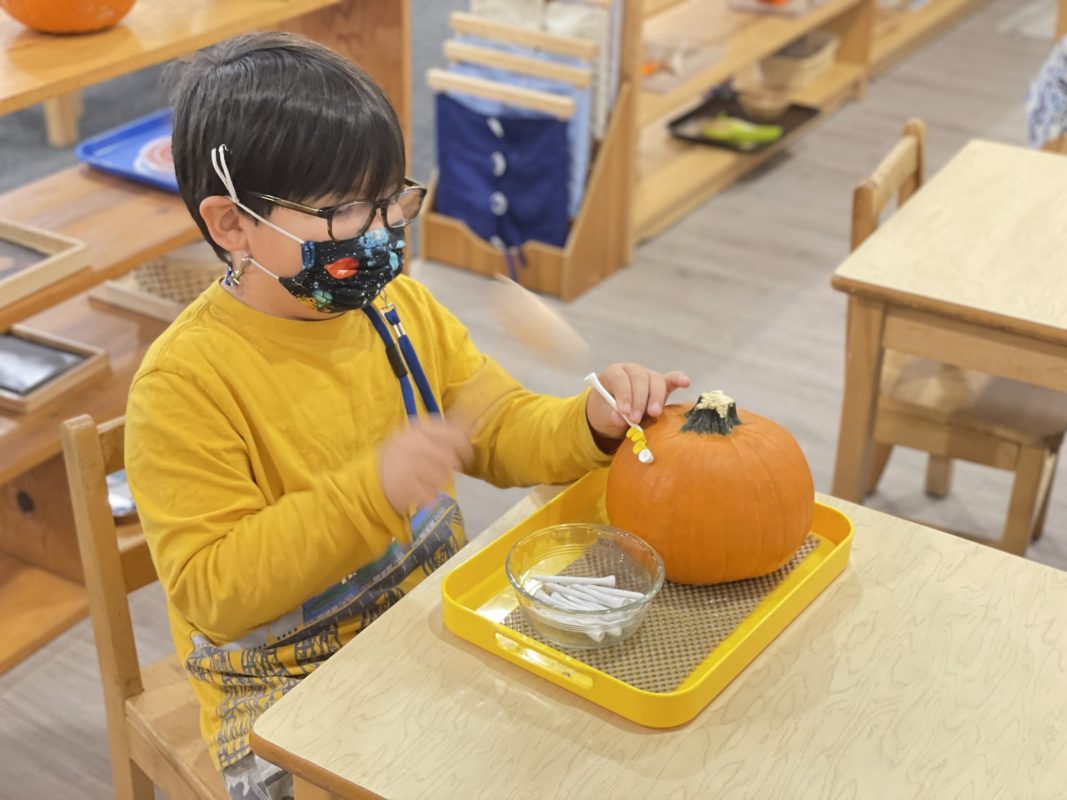
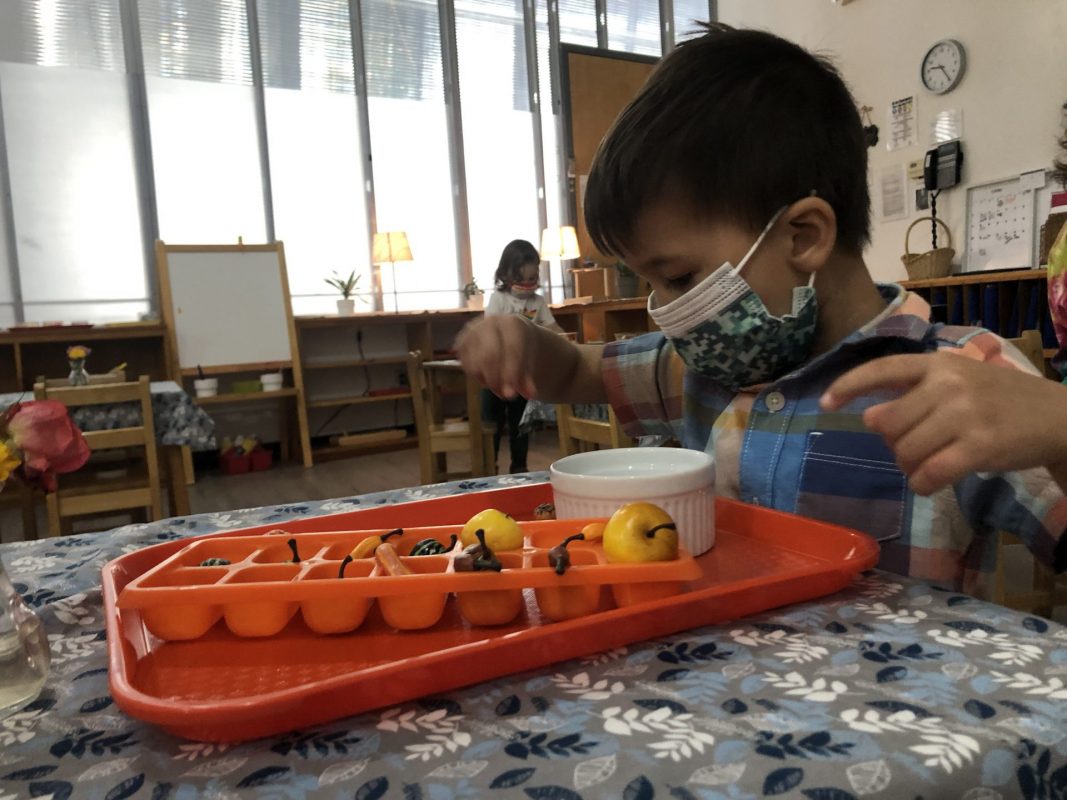
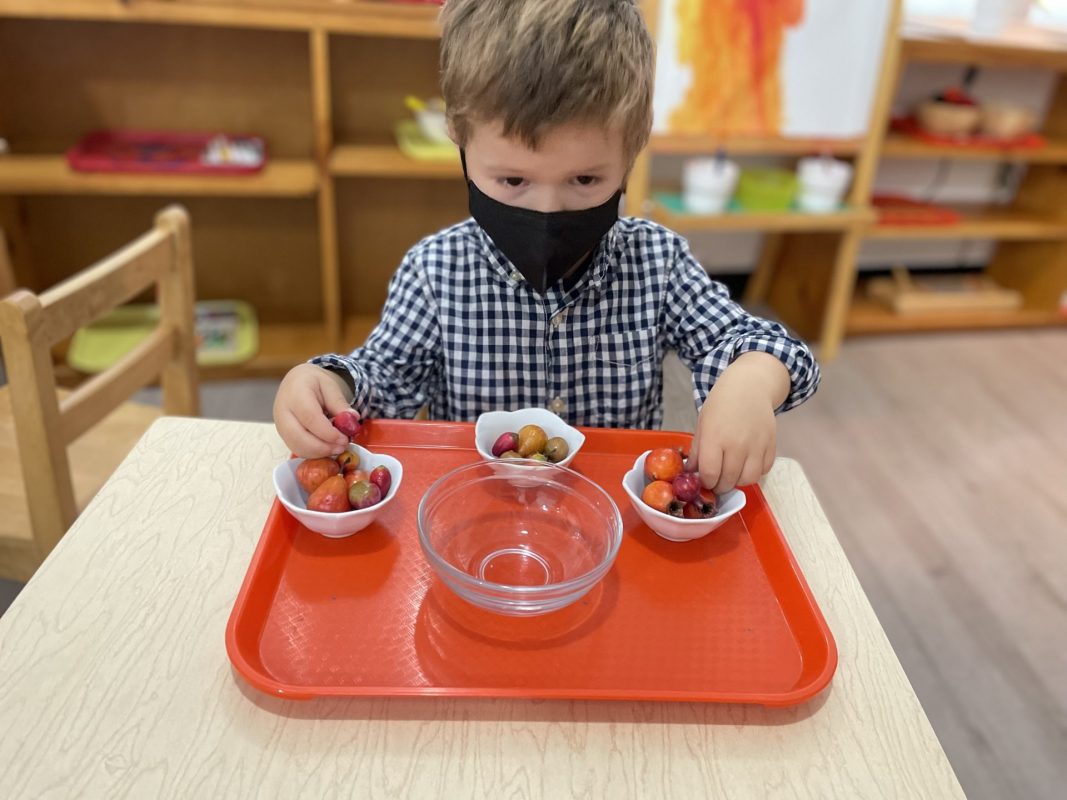
Fall sorting and transferring work. We have these fabulous tiny gourds, pumpkins, and apples that are perfect for fine motor skills. I put them in a little bowl next to an orange ice cube and in an orange tray for the child to transfer from one side to the other. The children can repeat the transferring activity as much as they want, then put the bowl back on the shelf. This repetition is perfecting the child’s hand-eye coordination and allowing them to gain confidence in mastering the skill.

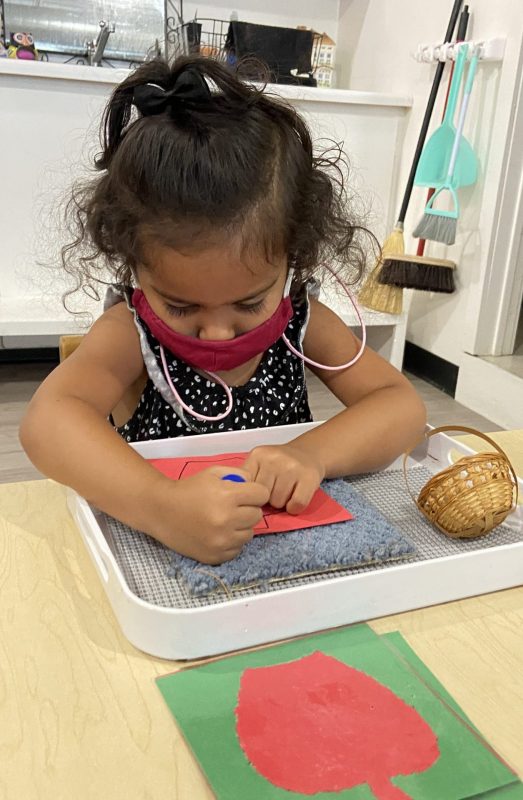
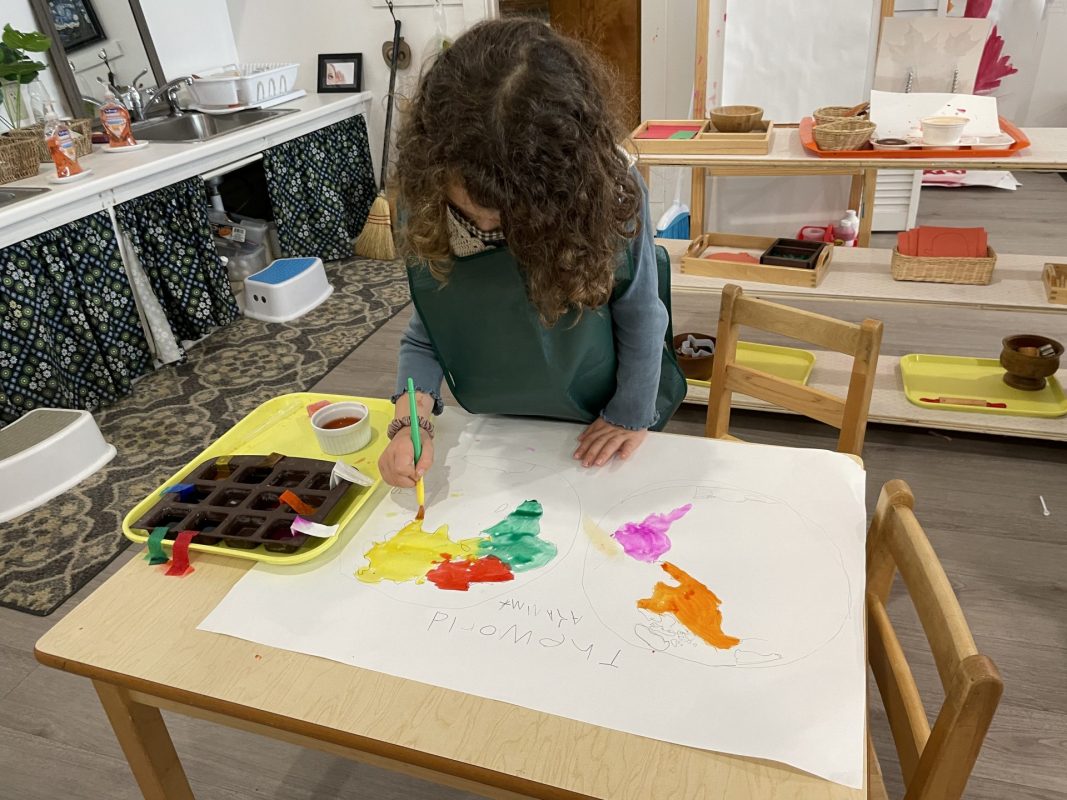
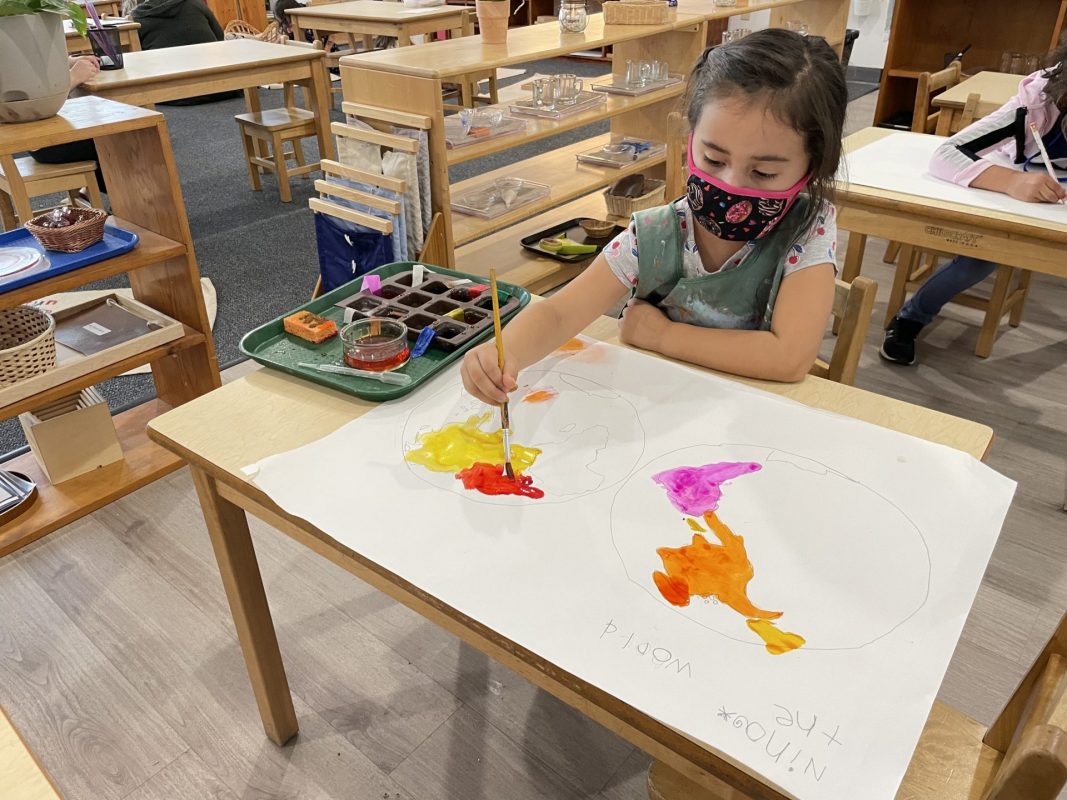
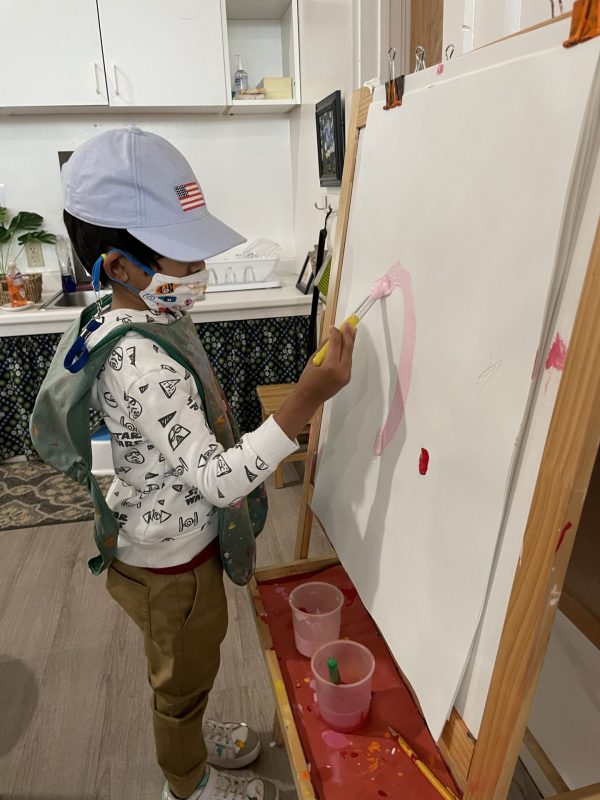
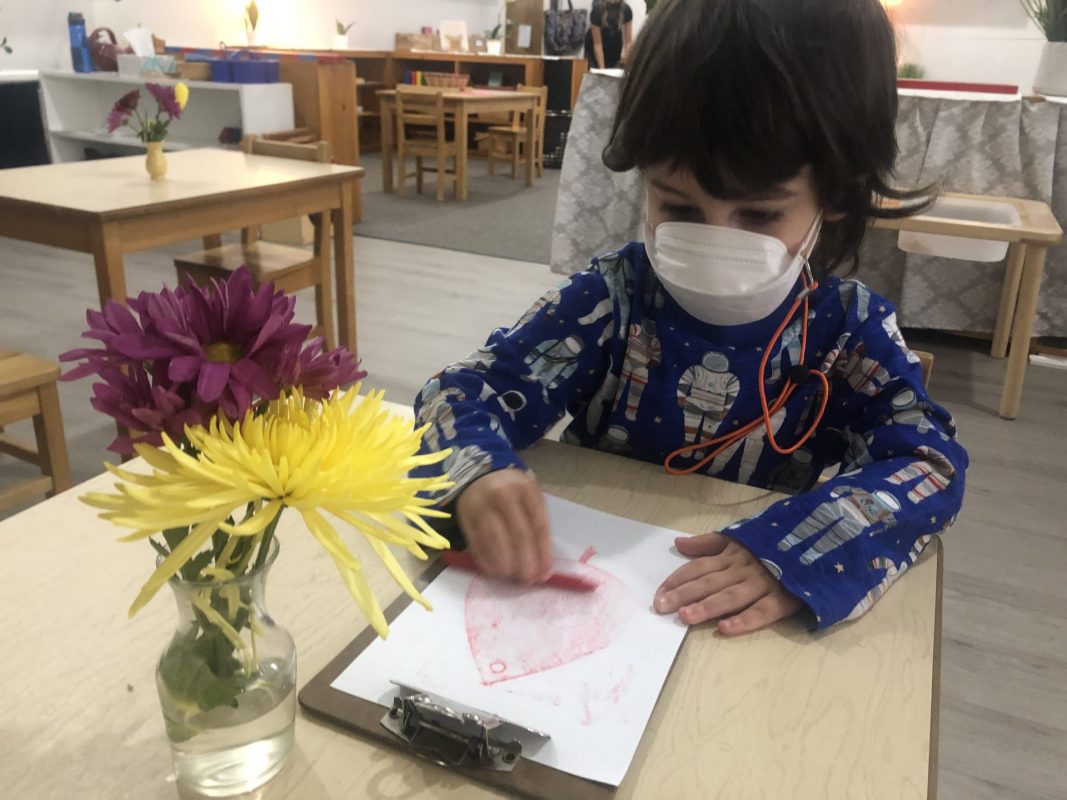
Leaf in the art corner. Leaf rubbing is a simple Montessori activity. Using a crayon, the child rubs the paper that is placed on a laminated leaf. The result is beautiful and appealing. It is also an introduction to botany. Fall colors are presented in our individualized tray as well as on the easel. Children enjoy painting and mixing colors daily. It adds to the presence of the fall season in our beautiful classroom.

Wishing you a happy fall,

Semmah and  Sara