Blog

Mrs. Lopes: The Three Period Lesson


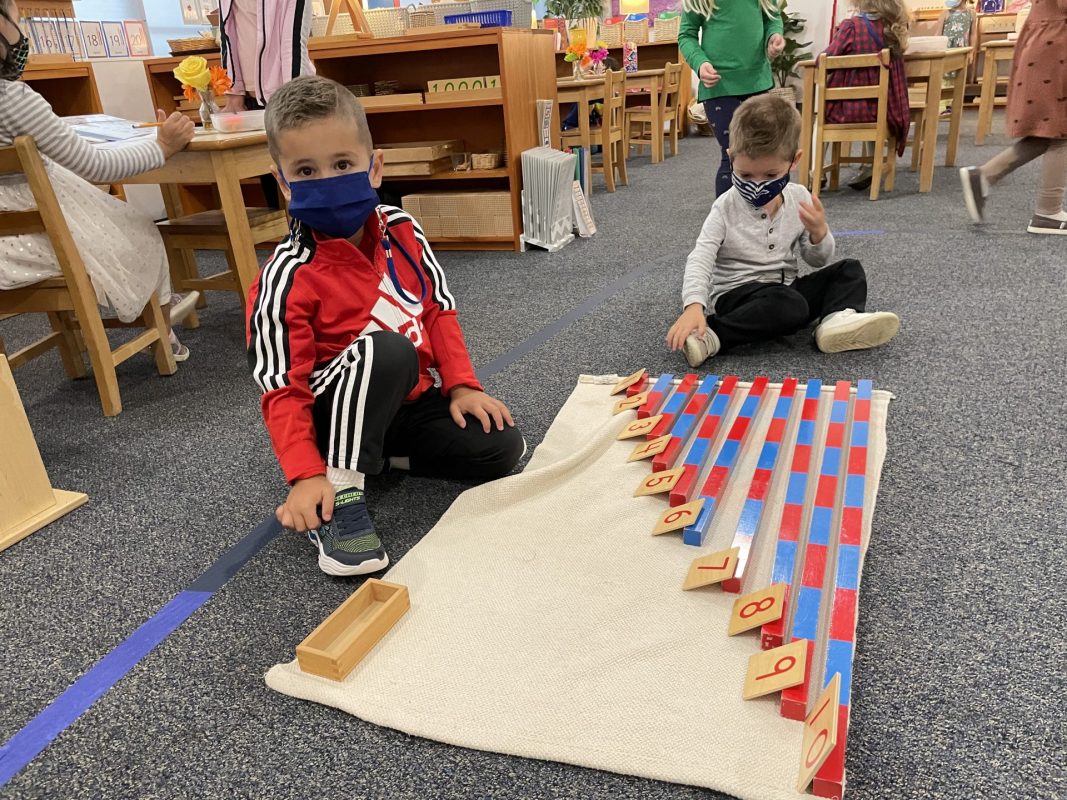
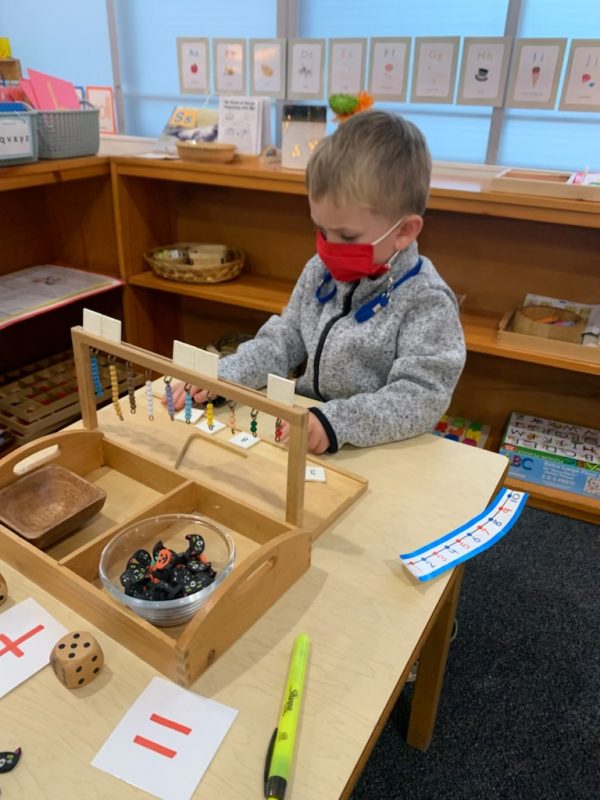
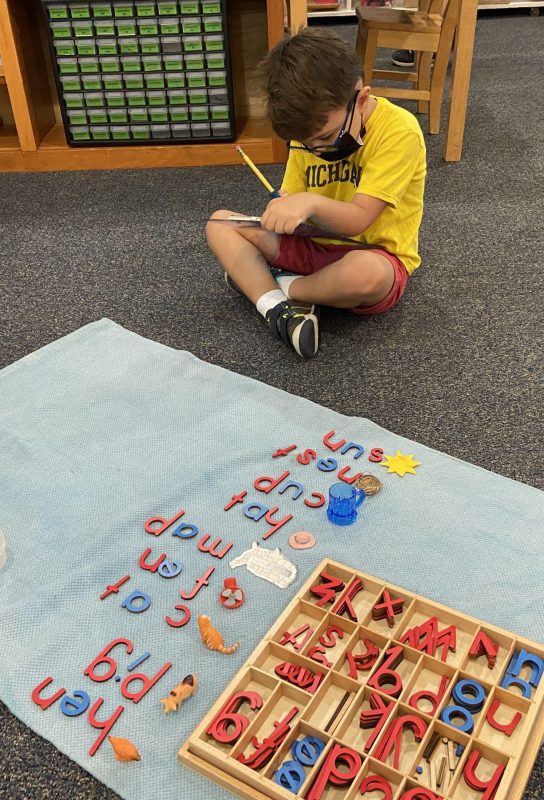
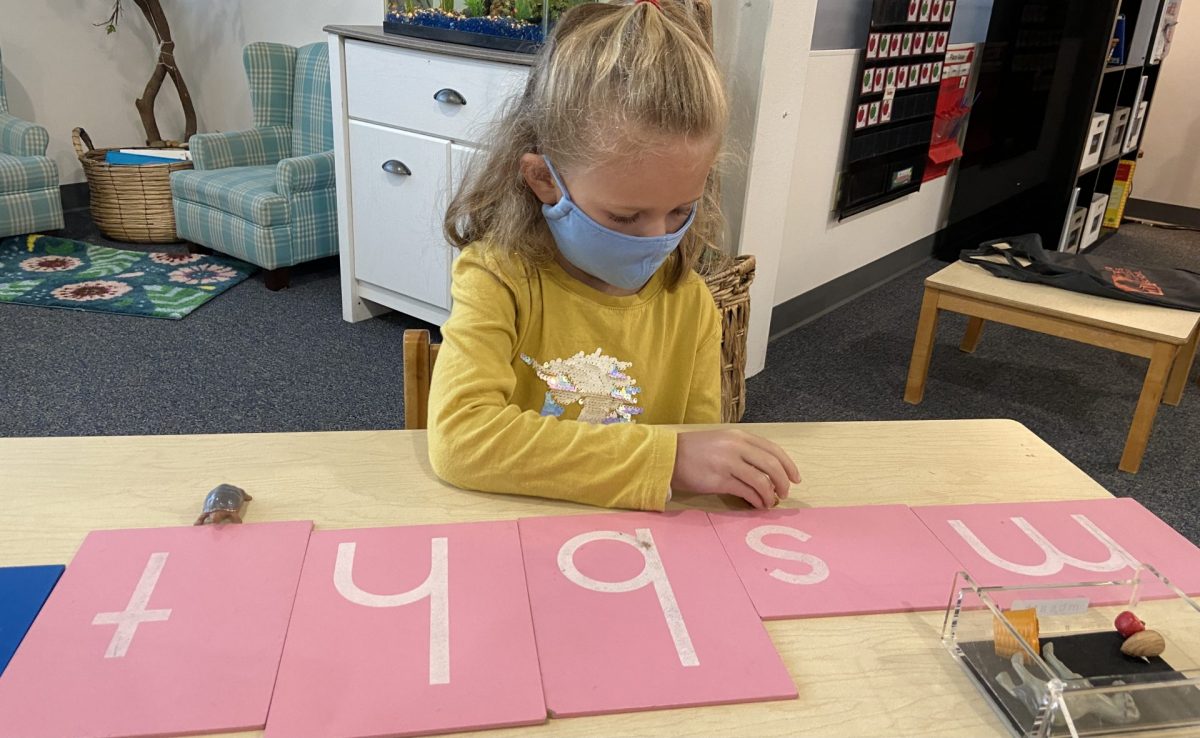
Maria Montessori described the developmental brain of the young child as the “absorbent mind” because of their ability to retain a great deal of information during the early years.  She designed the three period lesson to utilize their brain development and interests to help move children from the introduction of a concept to retention.  When we introduce new concepts or materials to the children in our classroom, we often do so using a three-period lesson.

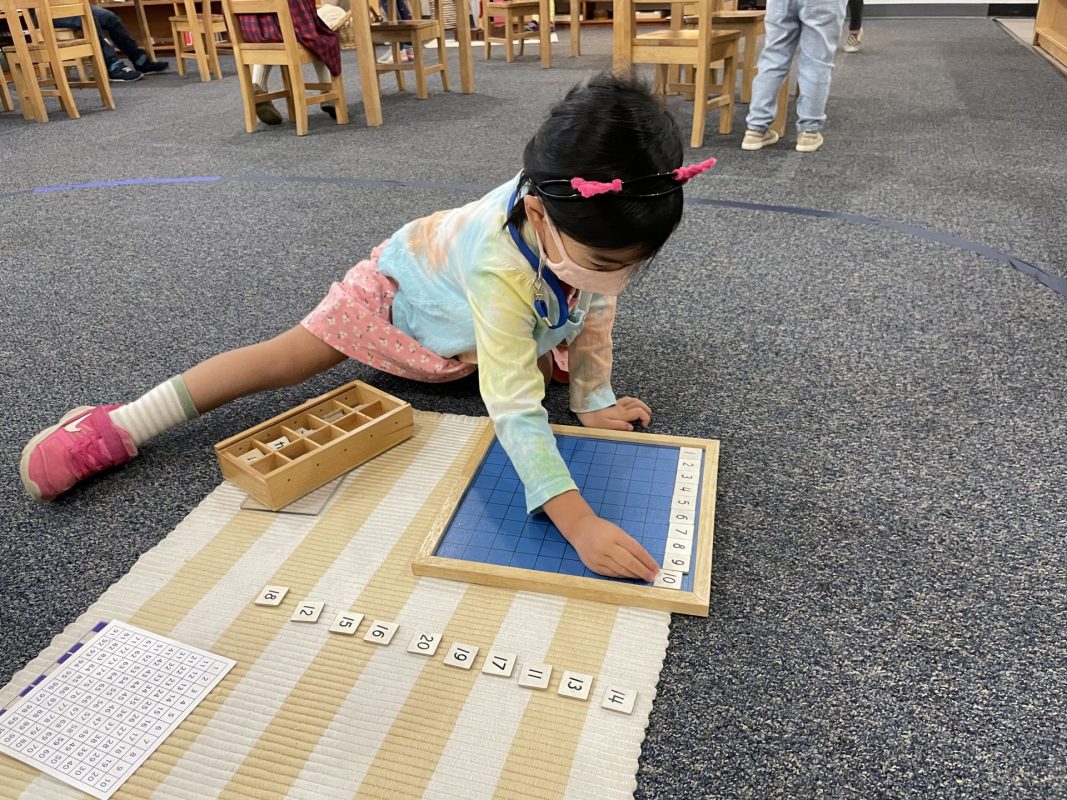
Period One is the introduction stage. In this stage we are isolating new vocabulary to the children. For example, if we are introducing the color tablets, we say, “This is blue.”  Repeating that statement and allowing the child to manipulate the blue color tablet are crucial during this stage.

Period Two is all about association and recognition. It is often a separate lesson. We do not ask the children to remember the vocabulary or recall the concept. We are simply reinforcing the concept taught in Period One. We use words such as, “Show me the blue tablet,” or, “Can you place the blue tablet on your lap?”

Period Three is the recall stage and the first time we ask the child to remember the concept independently. We ask them, “What is this?” when showing them the blue color tablet. We are careful not to begin Period Three until we know they are ready for success.

Every time a child masters a new concept it paves the way to move towards another one.

We are looking forward to meeting with you virtually on Thursday, October 28 to share all the growing and learning your children have accomplished over these last few months!  Look for an email this coming Tuesday, October 12 with the Signup Genius link to pick a time slot.

Wishing you a wonderful week,

Amanda and Heather


Mrs. Doyle: Yes, I Know The Continents


The Montessori approach to teaching Geography is unique and comprised of two components, physical geography and political geography, also known as Culture. From the beginning of the school year, we weave Geography lessons and terminology into our day as we learn about our physical world. The Geography materials are always fascinating to the children and are a springboard for wonderful discussions.

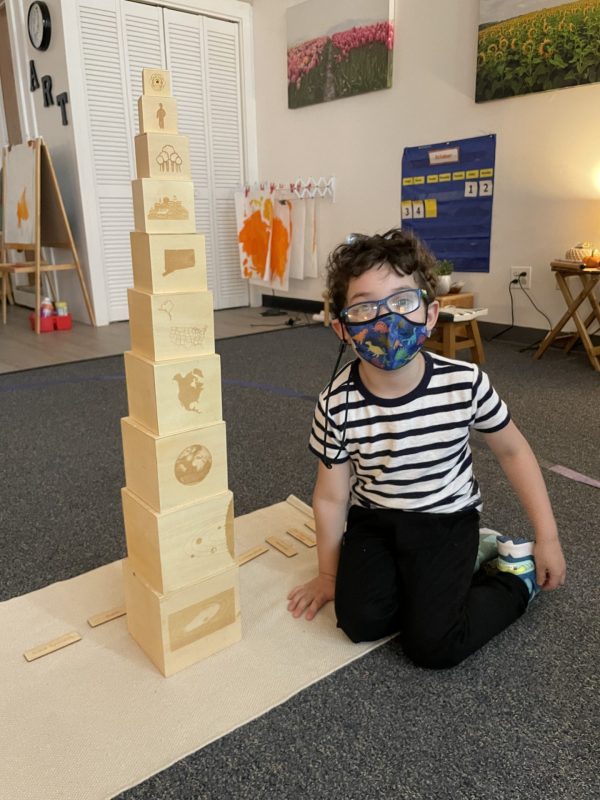
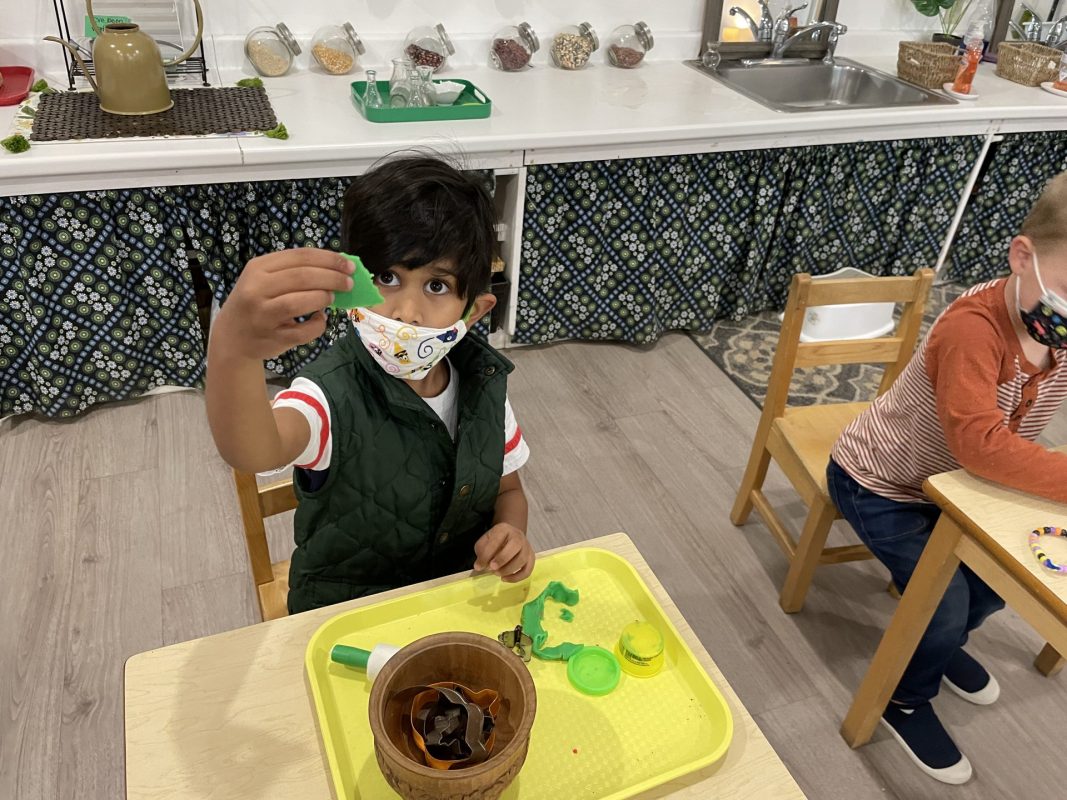
Early in our school year, we categorized the planet Earth into air, land, and water.  We then sorted what we would find in each of these different components of our world.  Next, we introduced the geometric solid known as a sphere to the children and compared it to the shape of the globe.  We start with a sandpaper globe that helps to distinguish land and water.  The colored globe comes next and we begin to teach the continent names.  We make a sphere out of play dough and cut it in half to help them visualize the concept of a hemisphere.  Simultaneously, the children are learning about land forms that introduce the concept of lake, island, bay, cape, peninsula, gulf, isthmus, strait, archipelago, and a system of lakes.  These sensory experiences help the children learn about their physical world.

After learning the continent names, we introduce the puzzle maps for each continent, starting with North America in November. We learn that there are many countries in North America.  The older children will trace and paint each of the puzzle maps. We will learn about the animals, people, and climate often associated with each of the continents.  Our goal is to encourage the children to appreciate the beauty and wonder found in the similarities and differences around the world. In our classroom, we have a cultural shelf with artifacts from each continent.

Last week, we introduced the song “Do You Know The Continents” and we often hear the children singing it quietly to themselves as they work.

Conferences will be on Thursday, October 28th, via Zoom.  An email will go out on Tuesday with a link to sign up for a time slot.  We look forward to this opportunity to enhance parent/teacher relationships.

Wishing all of you a week filled with peace and love!

Michelle & Liset


Lower El: Science and Geography

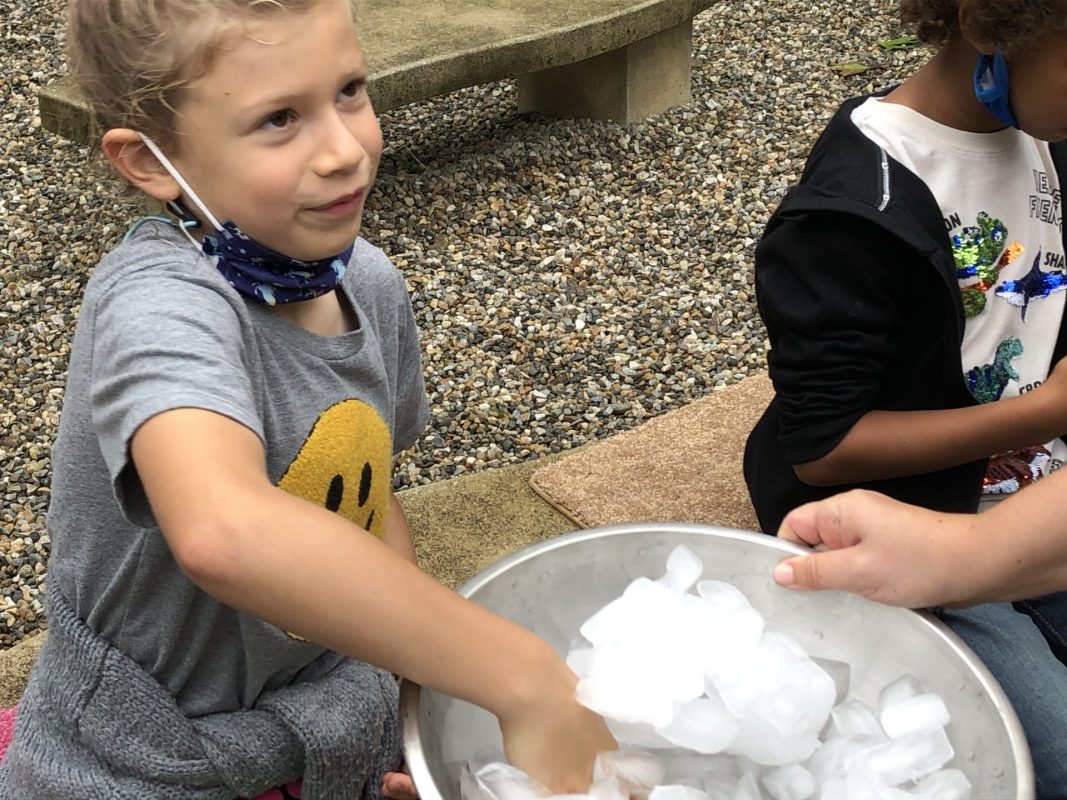
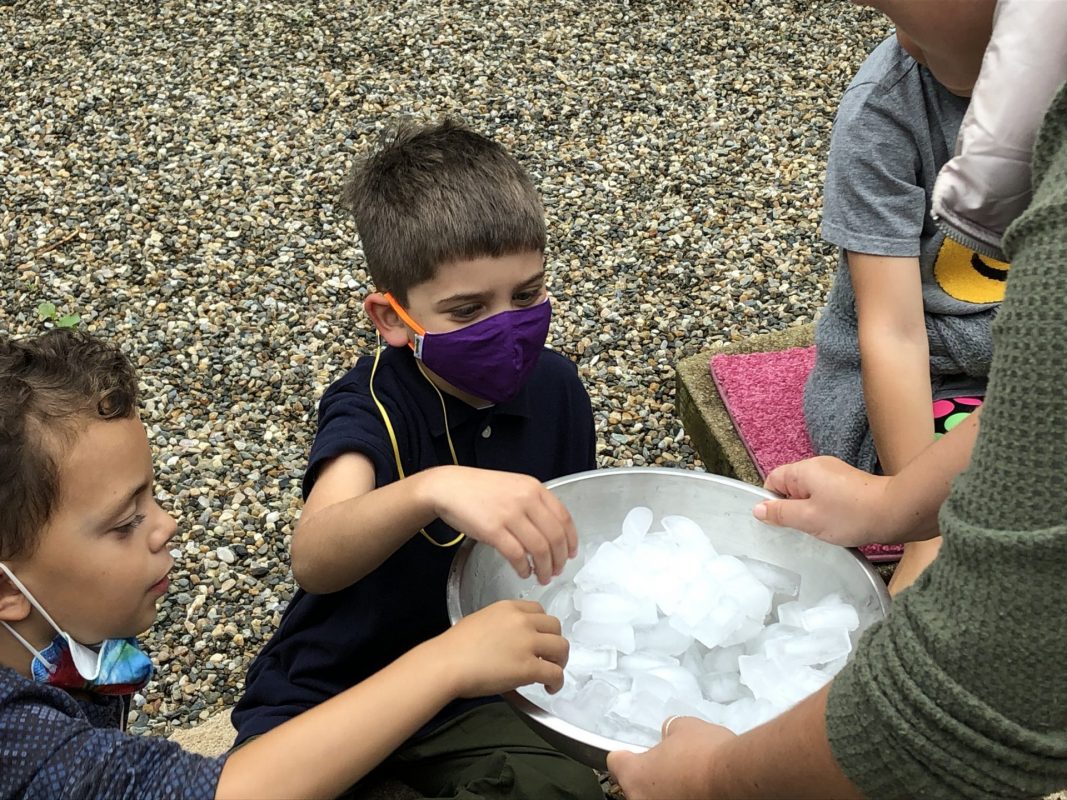
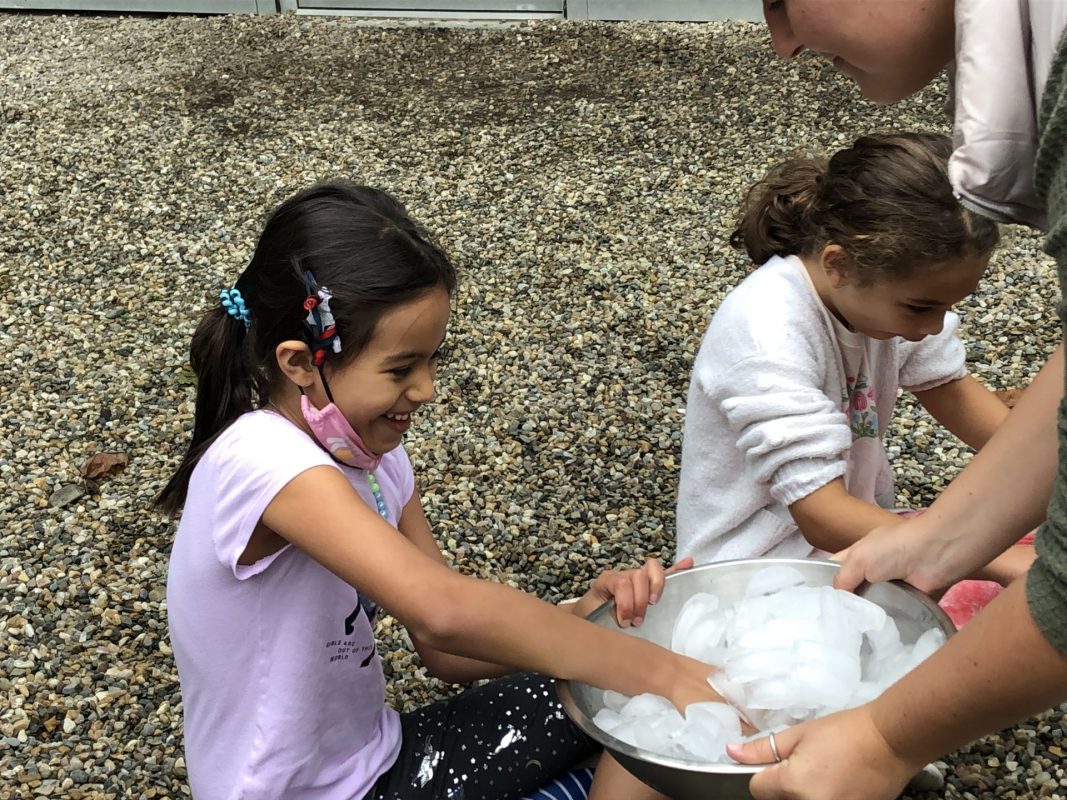
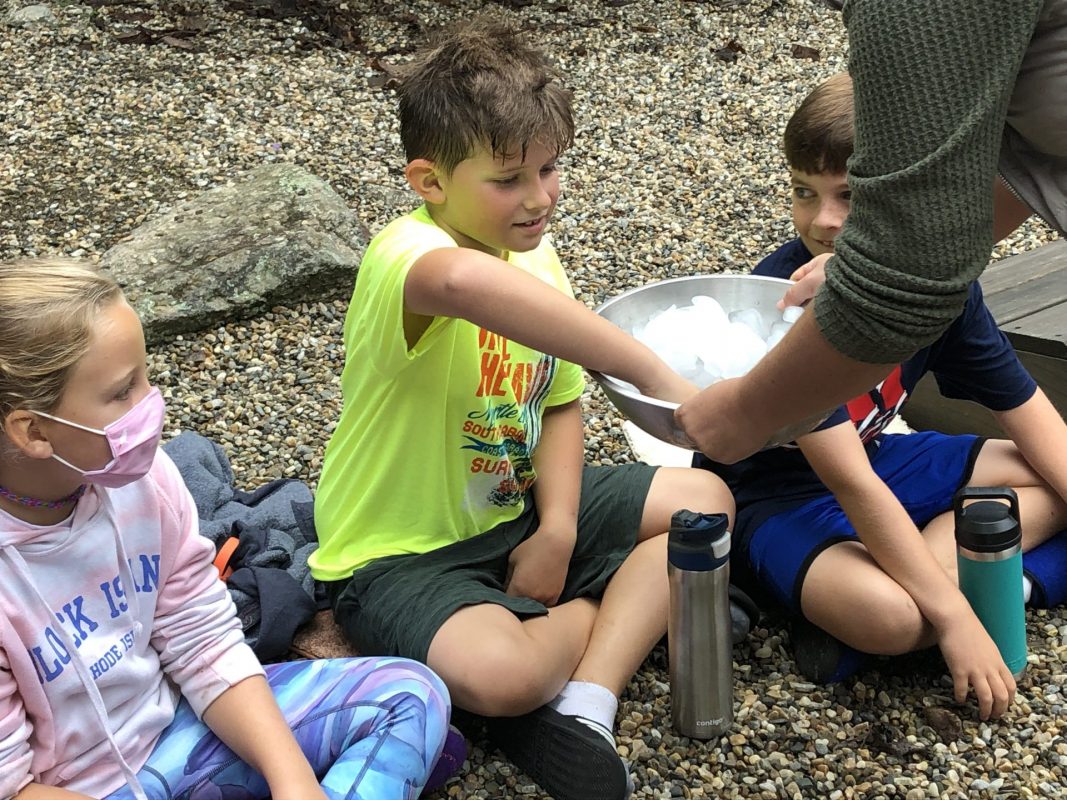
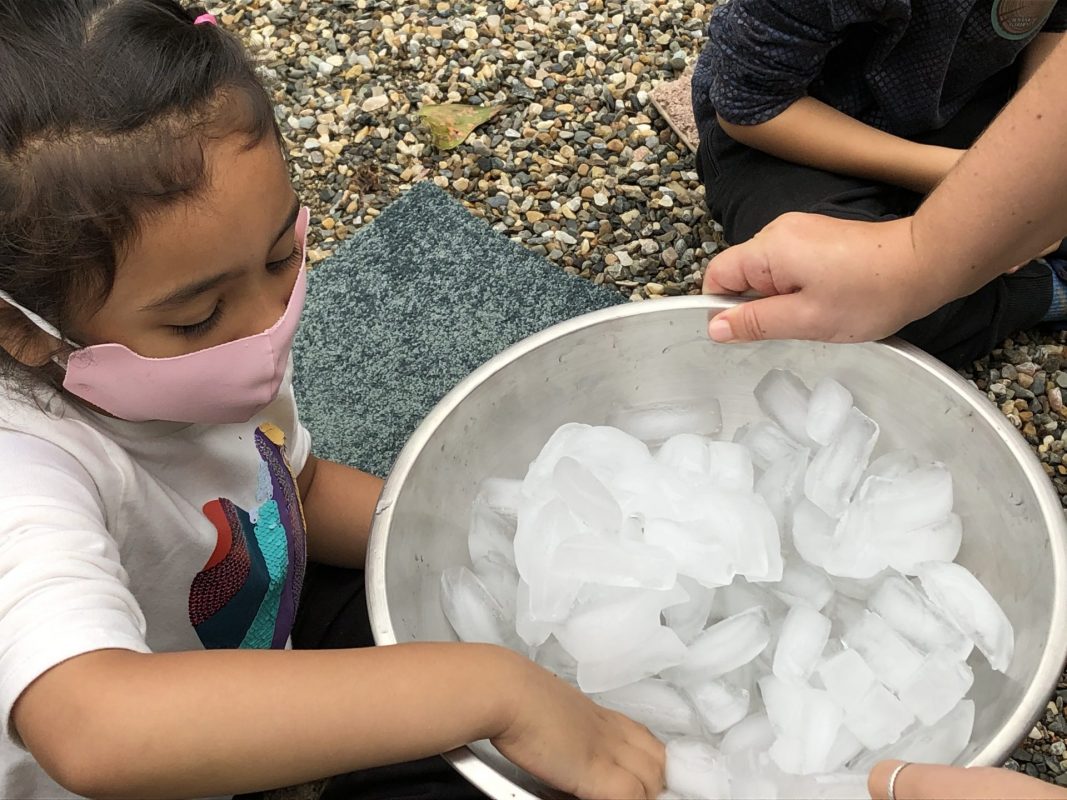
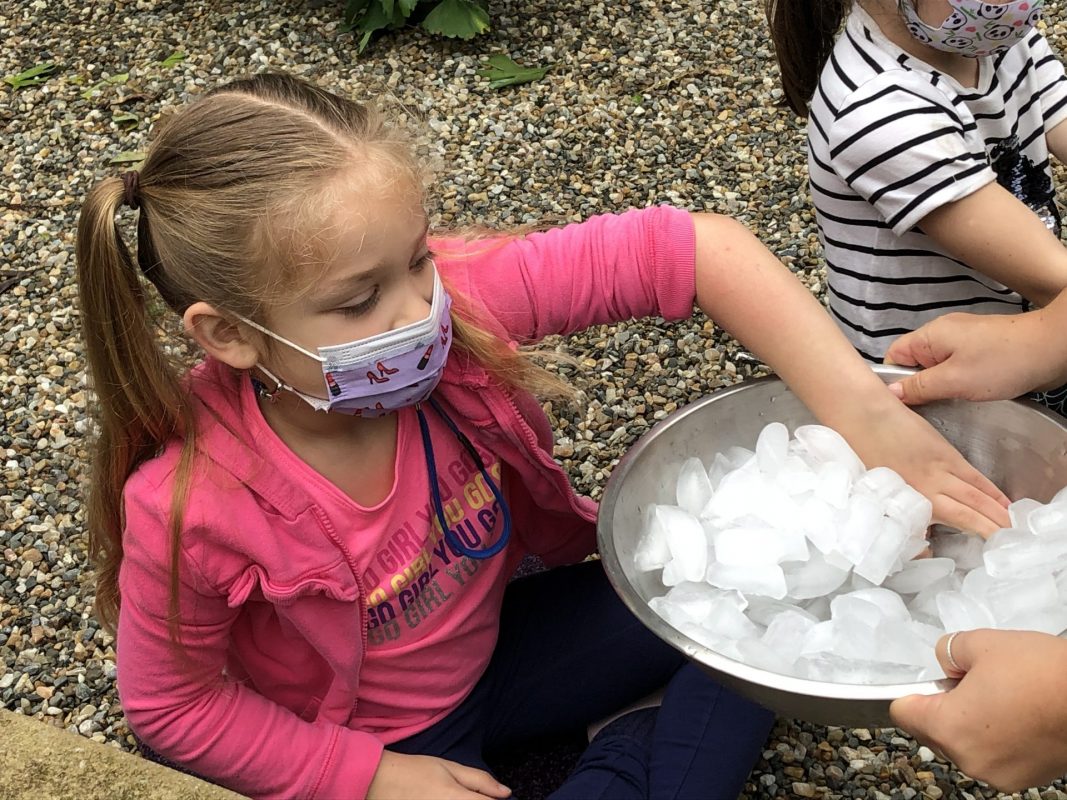
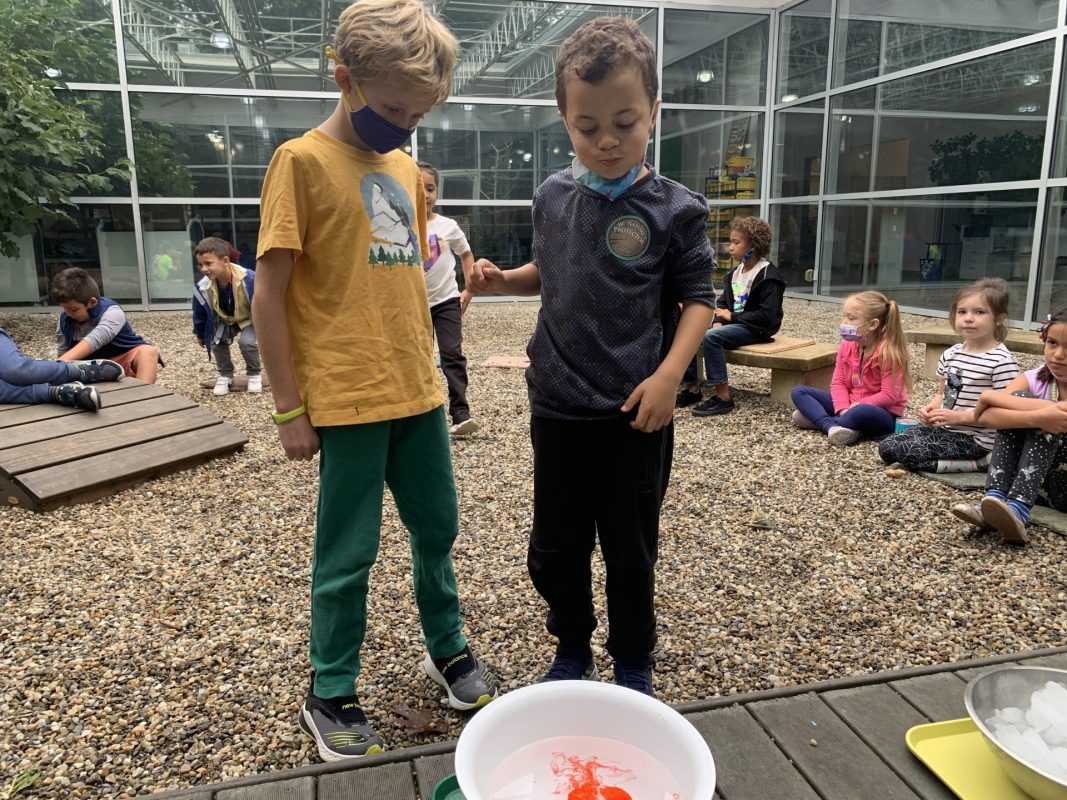
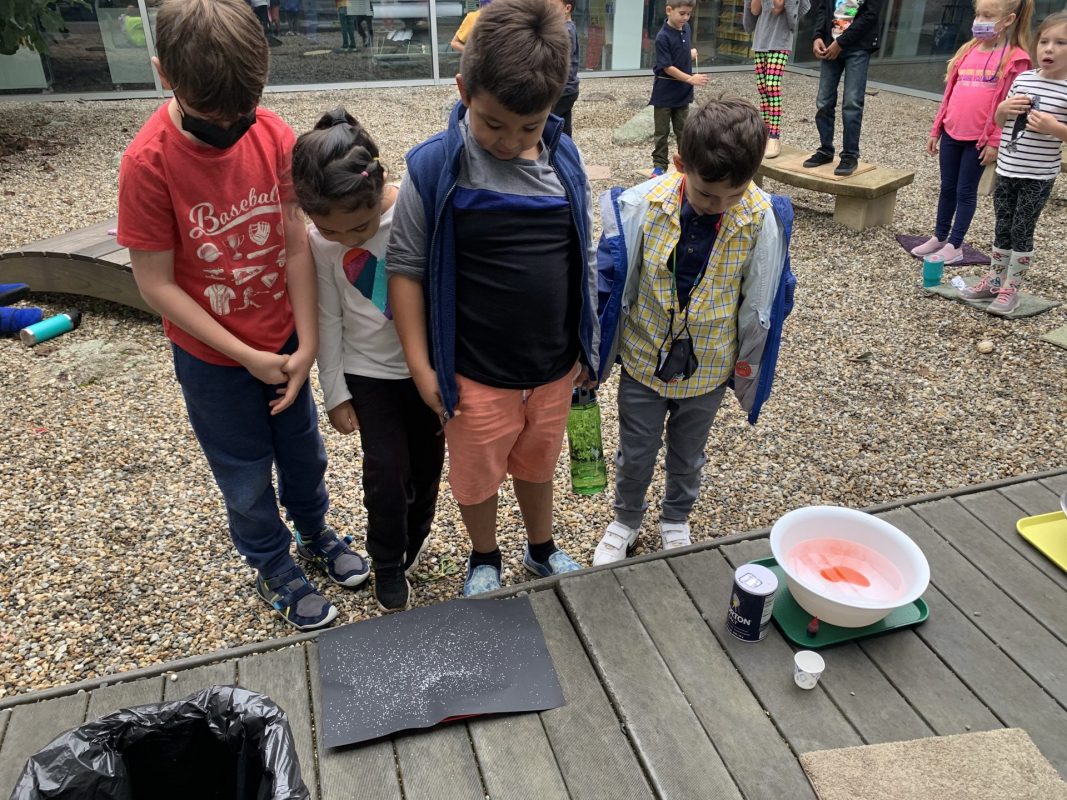
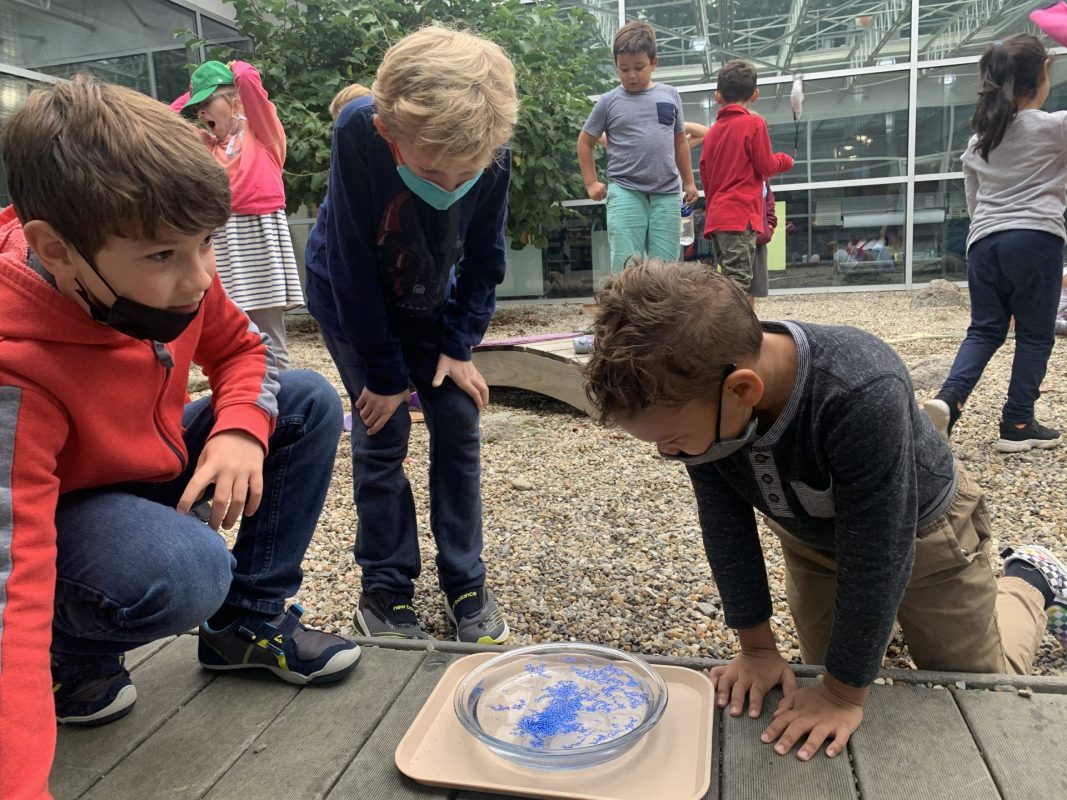
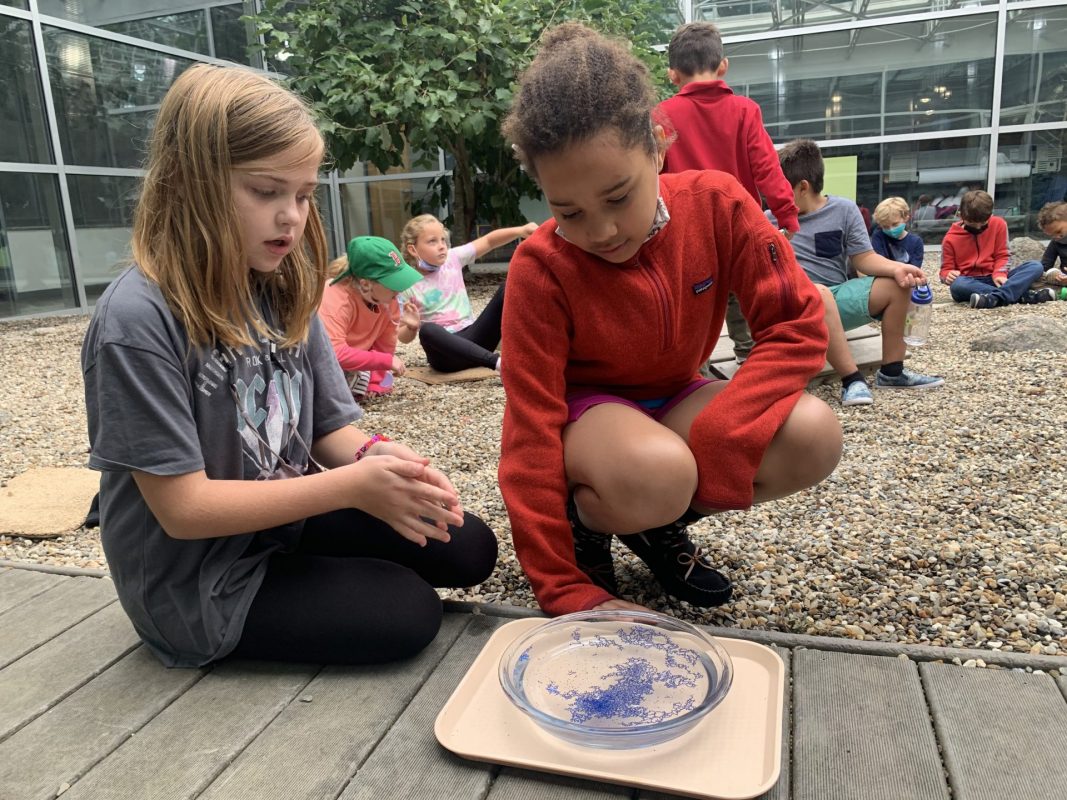
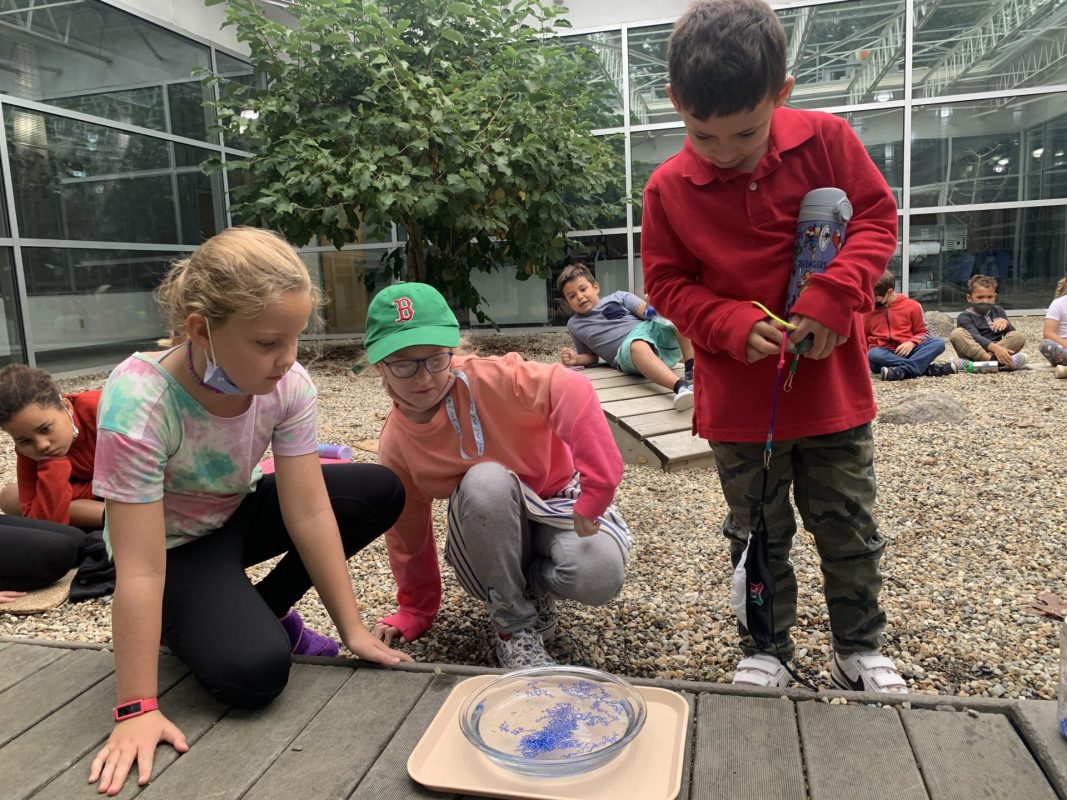
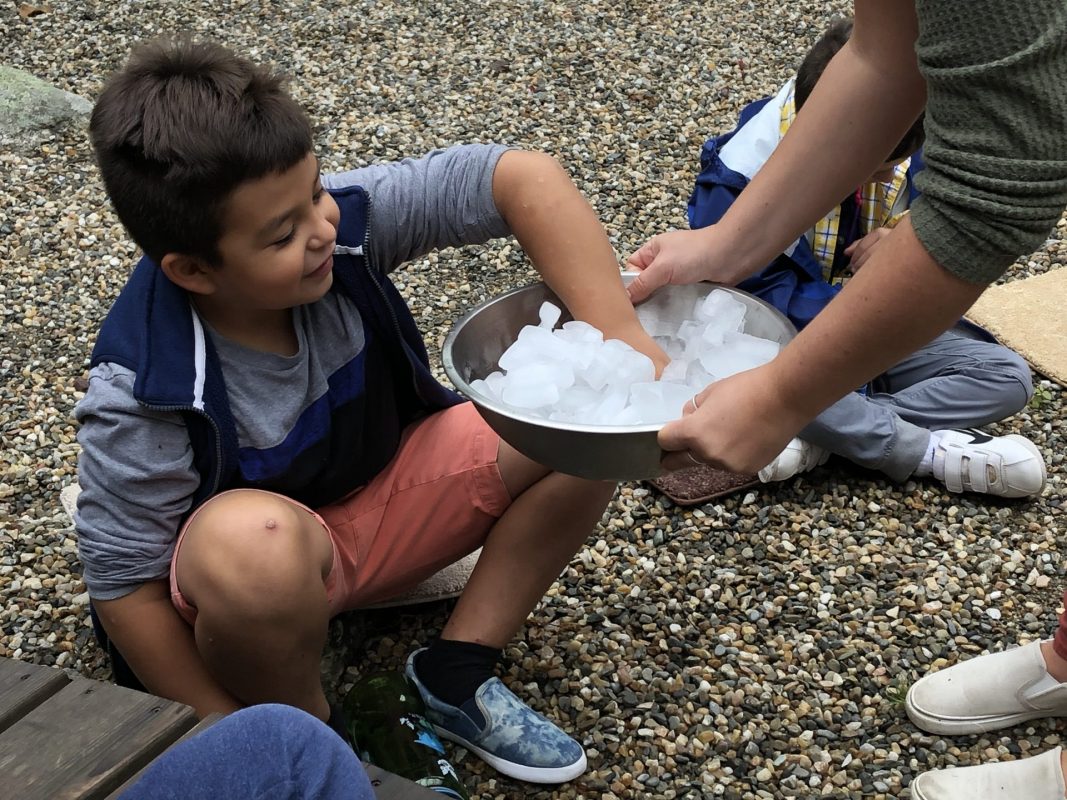
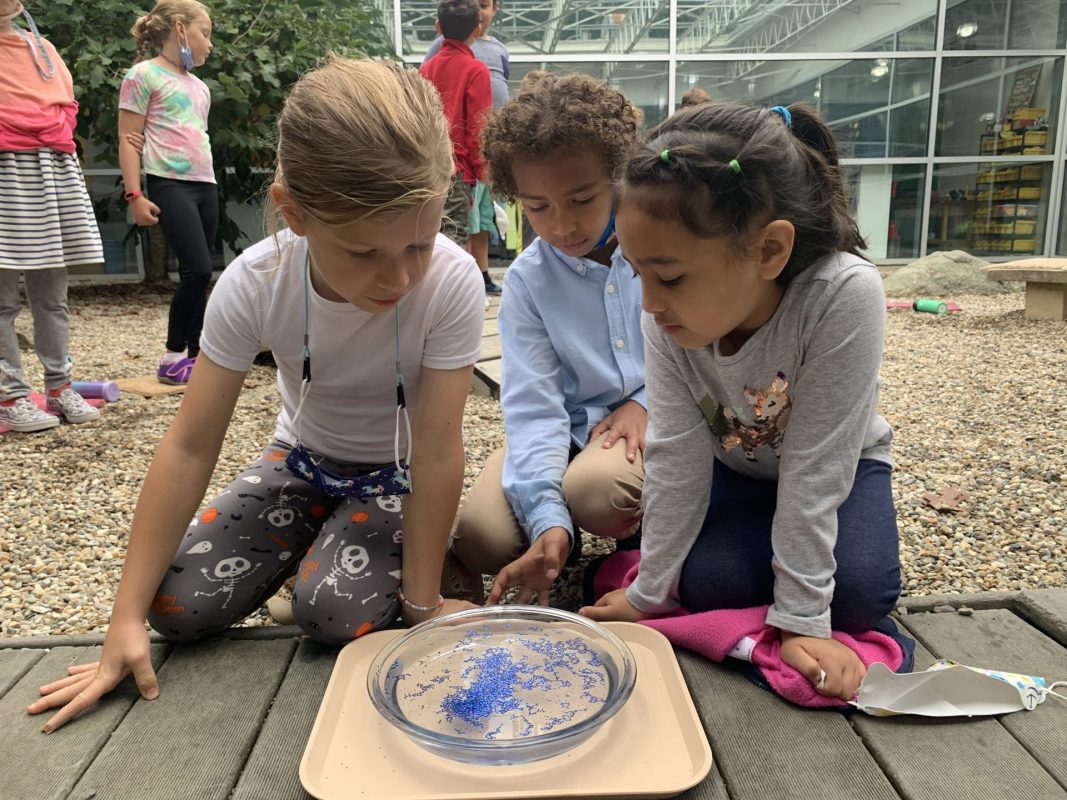
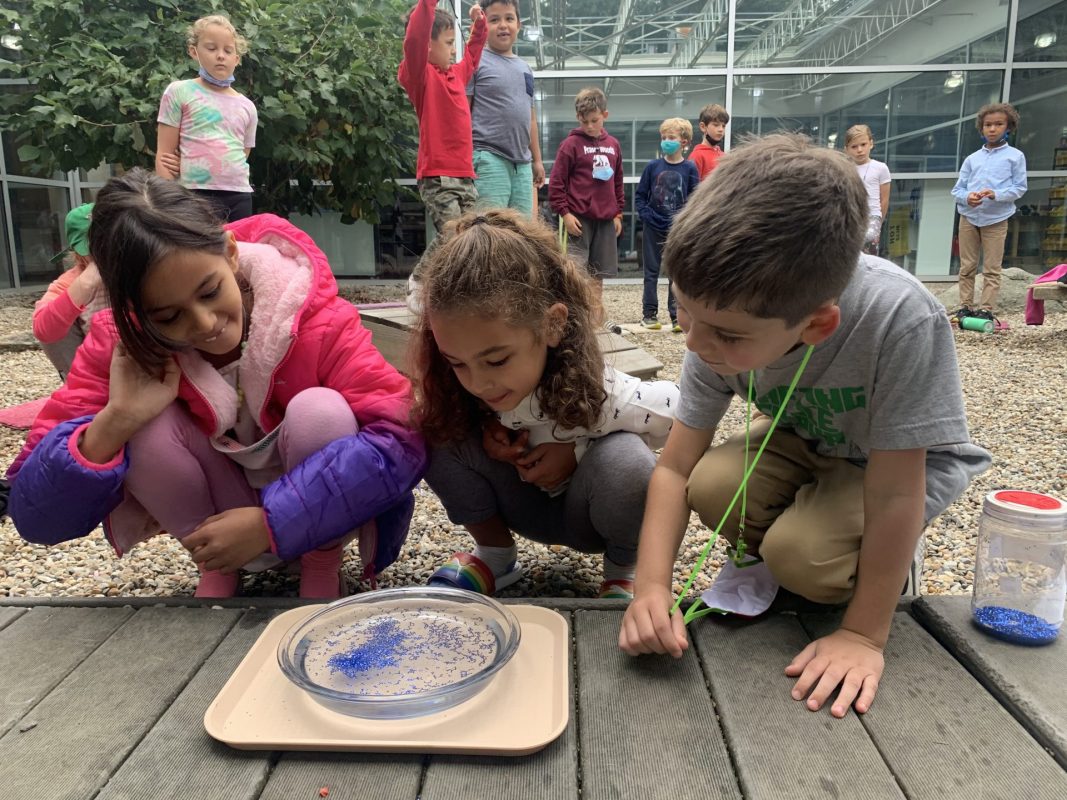
This week we started preparing for our Creation Story with some science demonstrations. The purpose of these demonstrations is to illustrate concepts explored through the story of the creation of the universe. The Creation Story provides an impressionistic demonstration of the origins of life. The story is designed to impart a sense of wonder and awe, to instill respect for all that has happened, and to ignite interest in scientific investigation.

In addition, the children have been immersed in geography. The first grade group had a lesson on the puzzle maps, where they learn the continents and countries. In a Lower Elementary classroom, puzzle maps are first used as a sensorial material, but then are used repeatedly as a resource for research of countries and their capitals. The second grade group learned about the pin maps. This is an extension of the puzzle maps, but is more abstract. The children are using this material to identify countries, capitals, and flags. The aim of this material is to enhance memorization of geographical features. Last but not least, the third graders are researching countries of their choosing. Some of them were so excited, they brought their work home to work on!

Parent-teacher conferences are coming up on October 28th! Look for an email on Tuesday with a link to sign up for your conference slot. 


A Good Read

Following the excitement of Curriculum Night, several parents asked if we might recommend some books or resources on Montessori.

Now that you have chosen Montessori for your child, broadening your understanding of the philosophy and approach will help you make informed decisions about your child’s education, and strengthen your role as a participant in it.

The American Montessori Society website offers free resources in this area in a section called: Reading Material on Montessori Education and Philosophy.  Please know that regardless of the date of publication, the articles in Montessori Life are fresh and pertinent to Montessori today.

If you are interested in adding to your Montessori reading list, here are some popular titles:

  • From Dr. Maria Montessori herself, The Child in the Family 
  • Marin Schmidt’s Understanding Montessori: A Guide for Parents
  • Paula Polk Lillard’s Montessori, A Modern Approach
  • Aline Wolf’s A Parents’ Guide to the Montessori Classroom and The World of the Child.

Making: Hands On Creative Thinking!

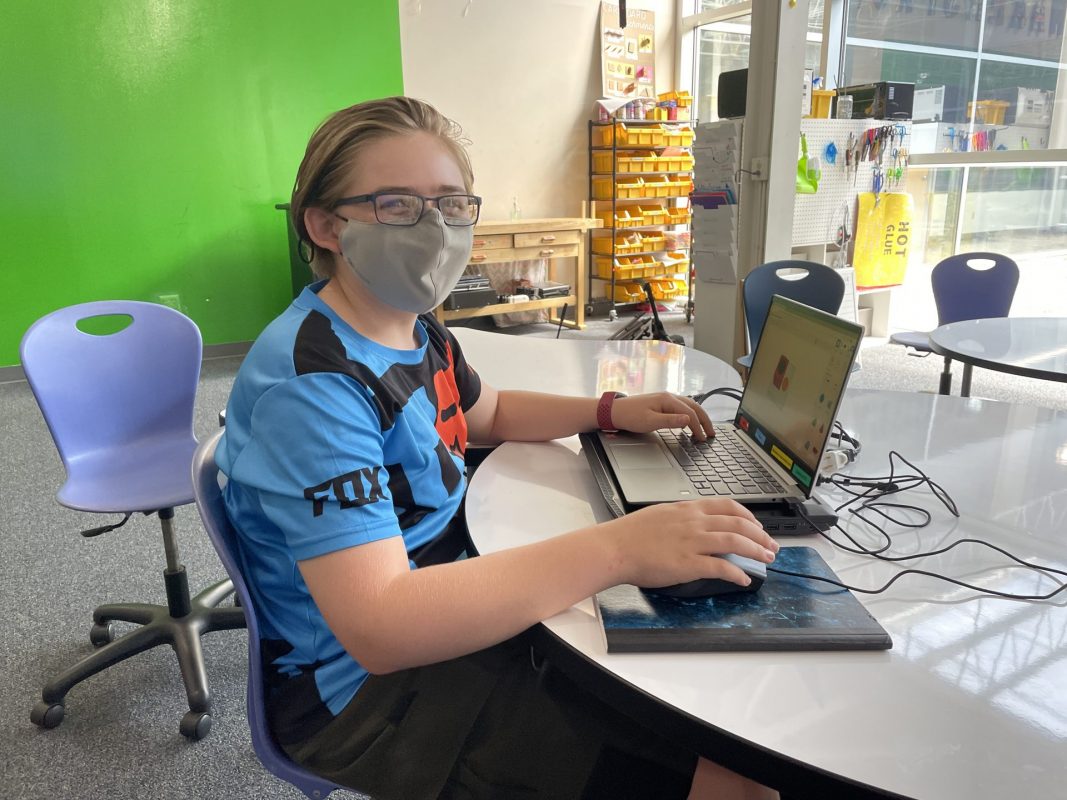
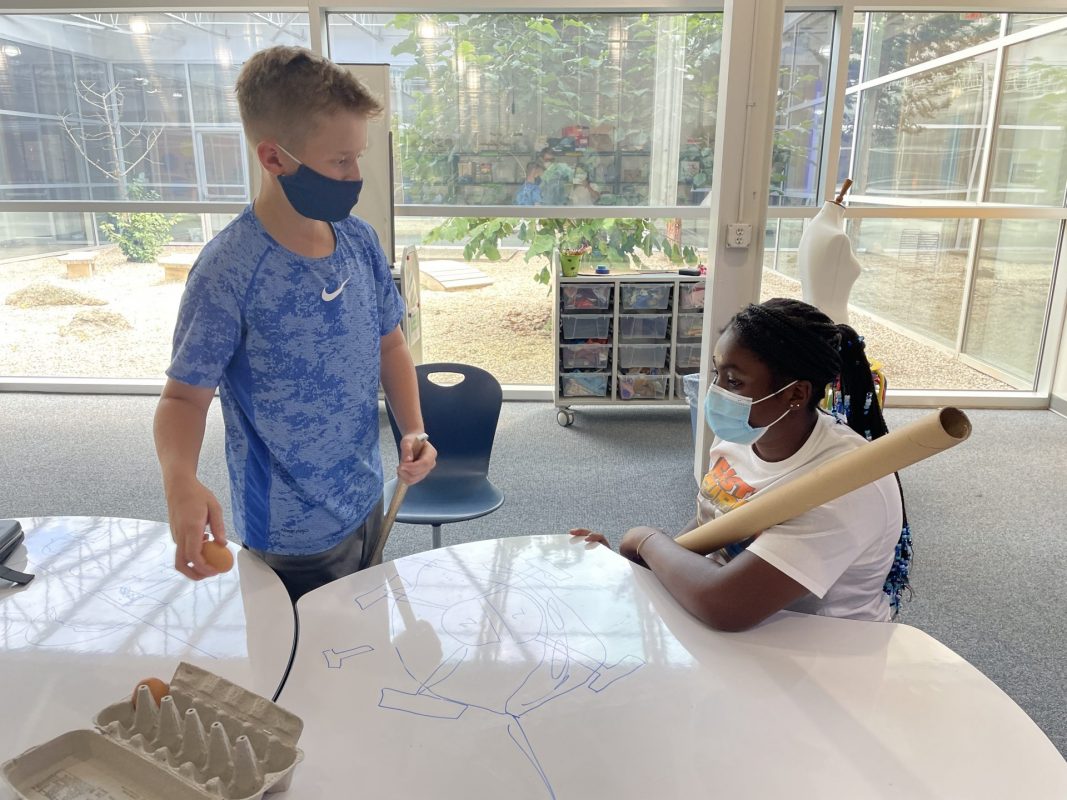
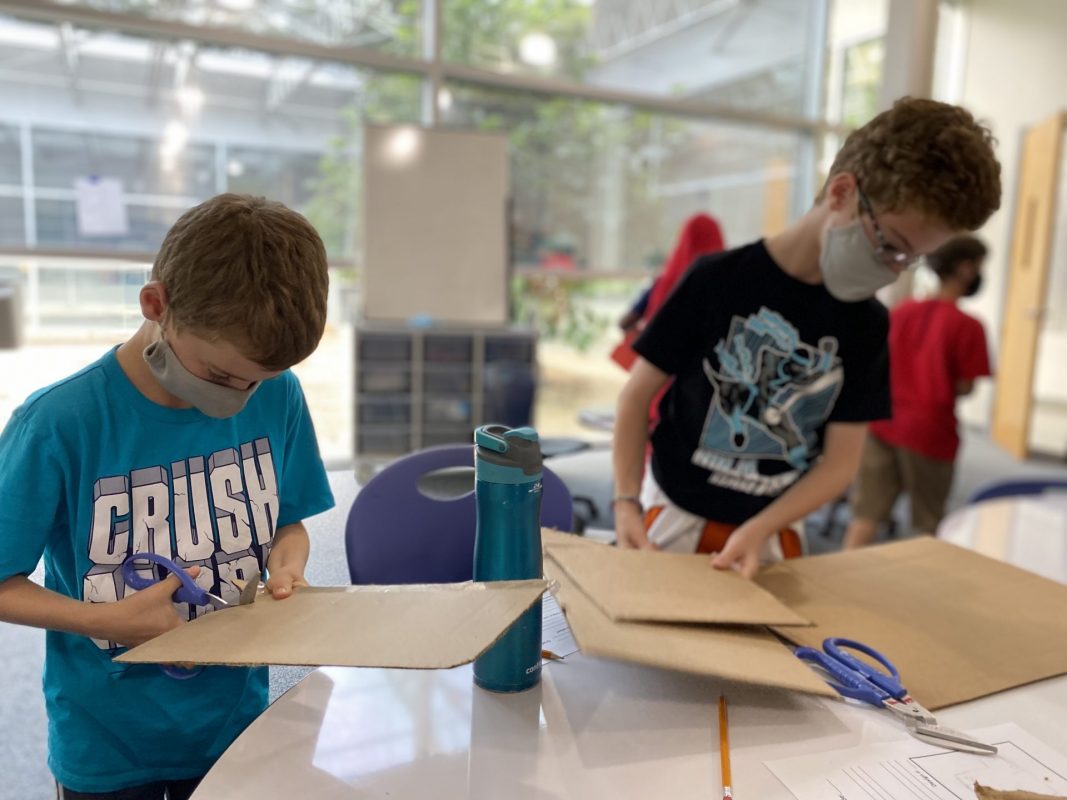
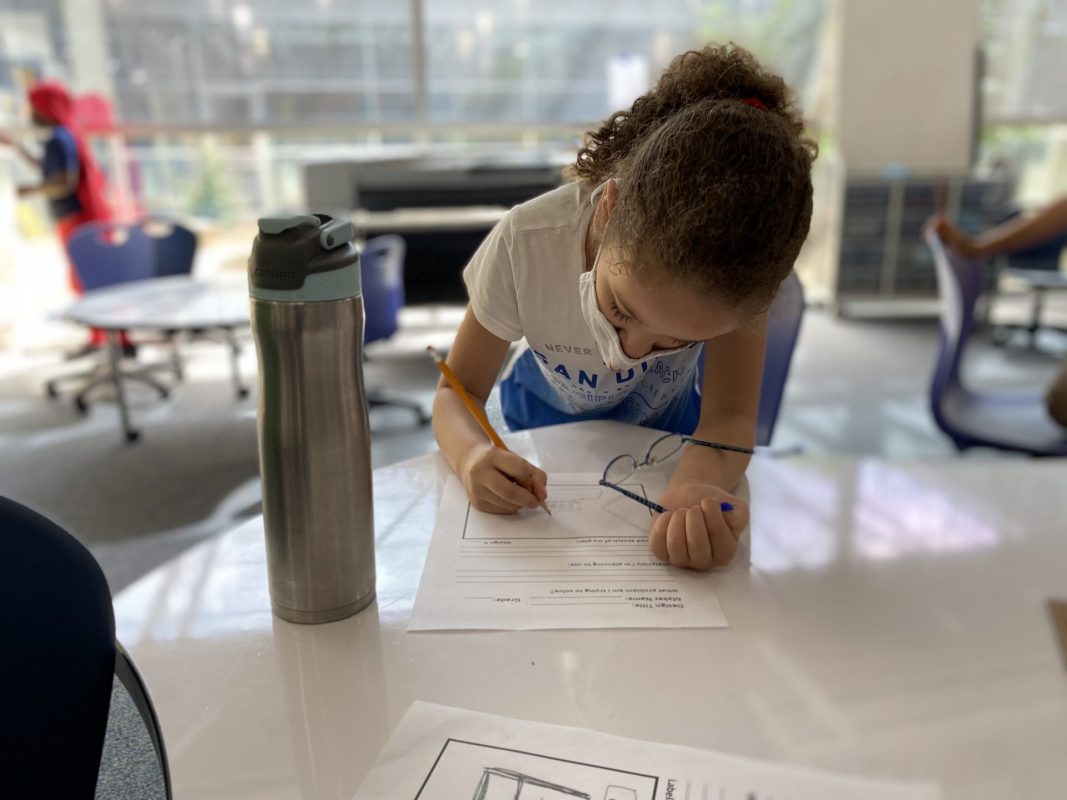
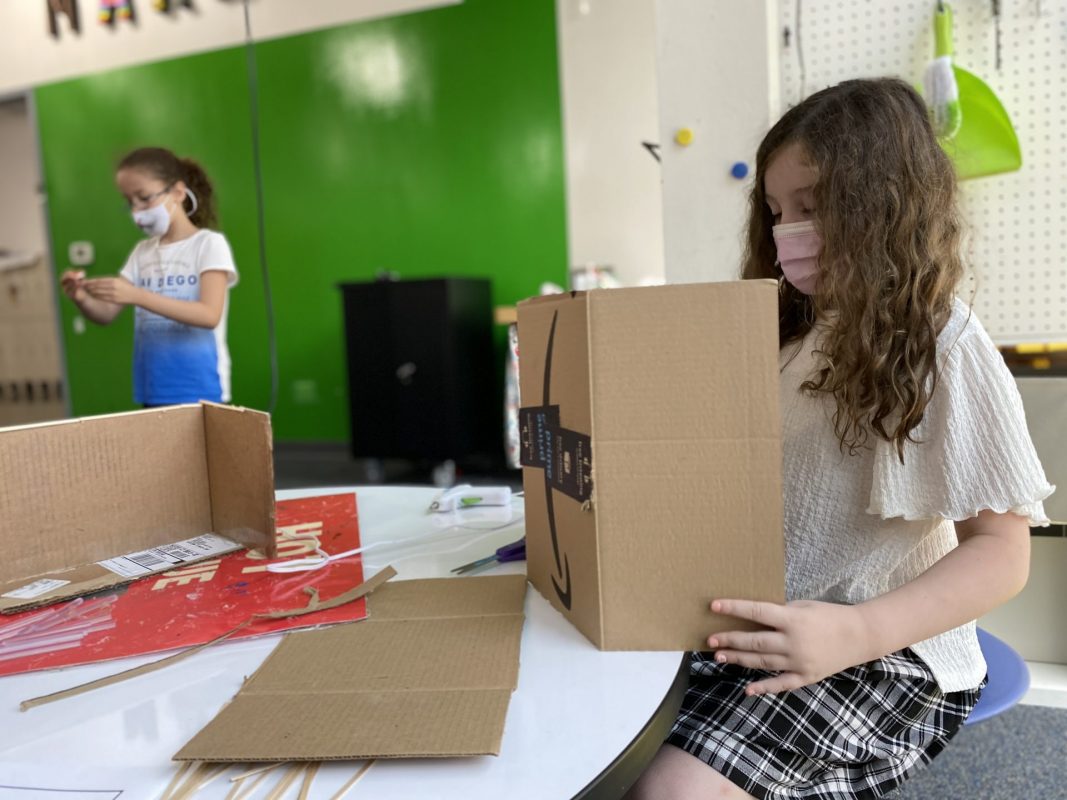
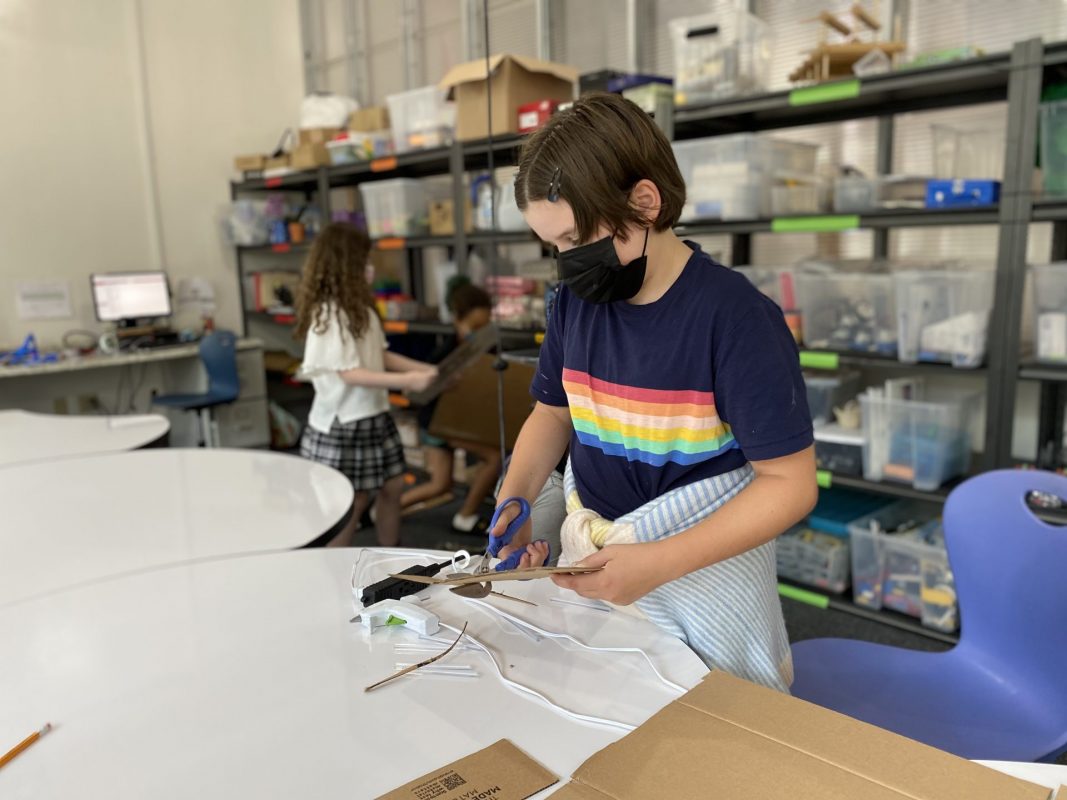
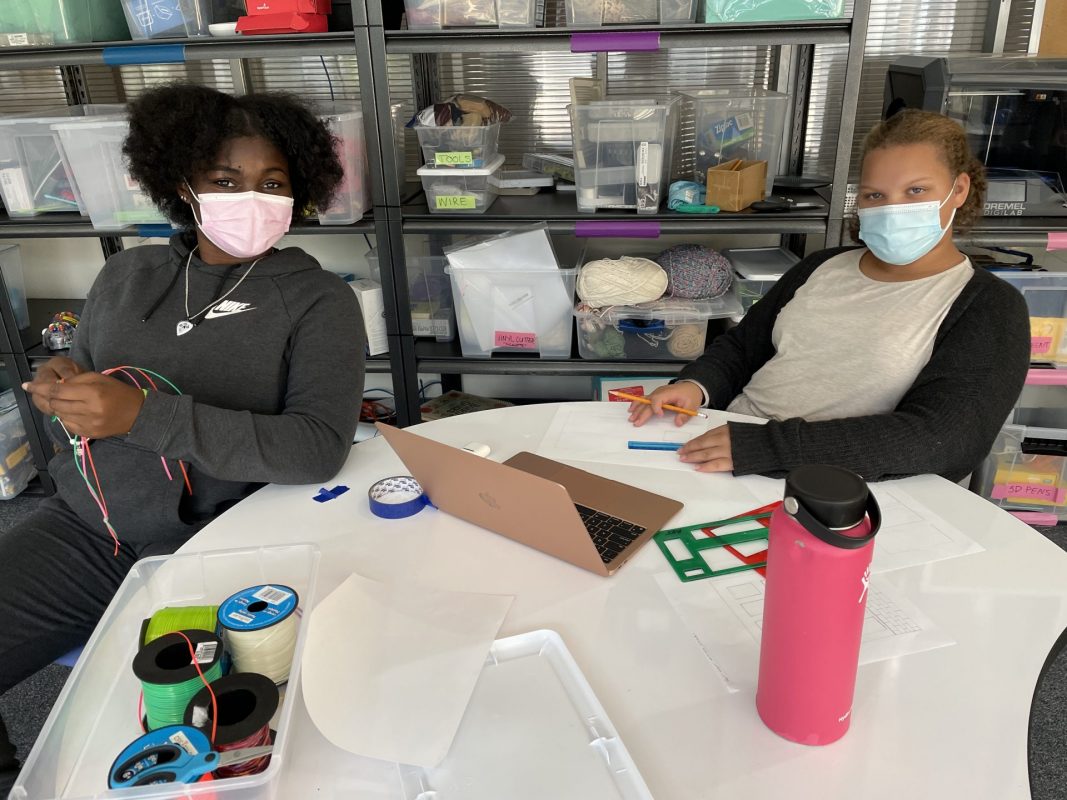
In the MakerSpace, our hands-on learners have been exploring the process of iterative design. Our makers have been testing and prototyping their solutions to complex design challenges. First up, our middle school students were tasked with creating a device to protect an egg from a long drop. The students were given the freedom to choose from recycled materials, self-designed and in-house 3D printed pieces, and laser cut components. The wide range of materials combined with the student’s unique thought processes resulted in a myriad of creative designs.

The “egg drop” challenge worked through the entire design process. Students had to think about the problem, make a plan of how they would approach it, and then test their ideas before making the final iteration. All the while, students were learning about 3D design, sourcing materials, and practicing teamwork. It was really fun to see the students’ out of the box thinking and I am so excited to be working with them in the MakerSpace this year!


Upper El Week Four

“The greatest sign of success for a teacher…is to be able to say ‘The children are now working as if I did not exist.'” -Maria Montessori

One of the best complements a teacher can receive is to be told how wonderful their students are when they aren’t around. I was lucky to be on the receiving end of one of these complements this week. After unexpectedly being out of school on Monday, (not an ideal day for a teacher to be absent) I was told by a colleague who helped out in the classroom, how amazing this group of students is. This is something I have already observed about this group this year, but it is even sweeter to know that they maintained their focus on their work and respect for one another and the adults who were helping, without me being present. Bravo, Upper El! I am so fortunate to be working with you!

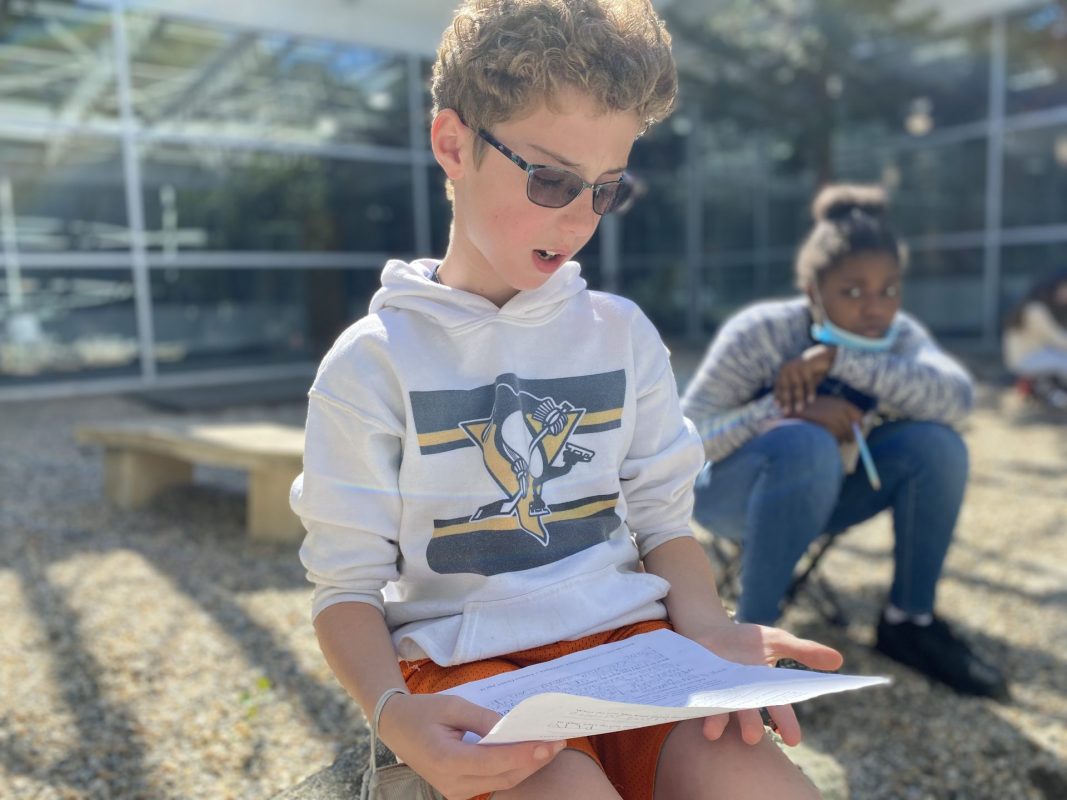
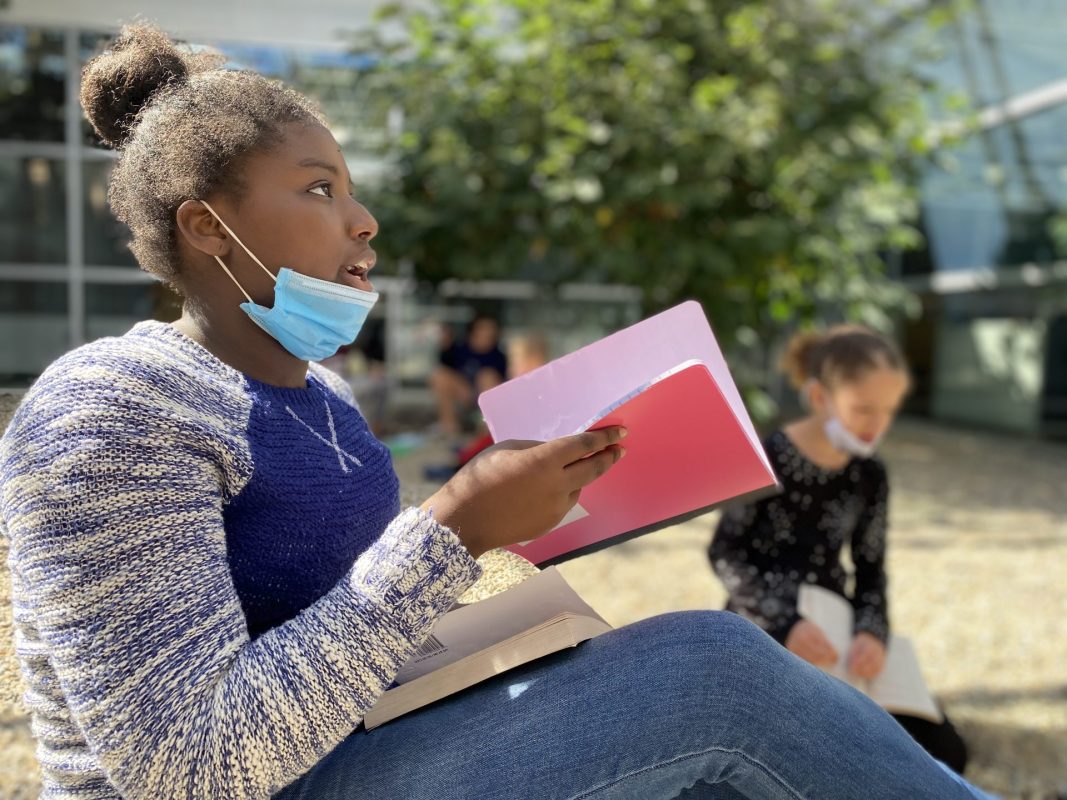
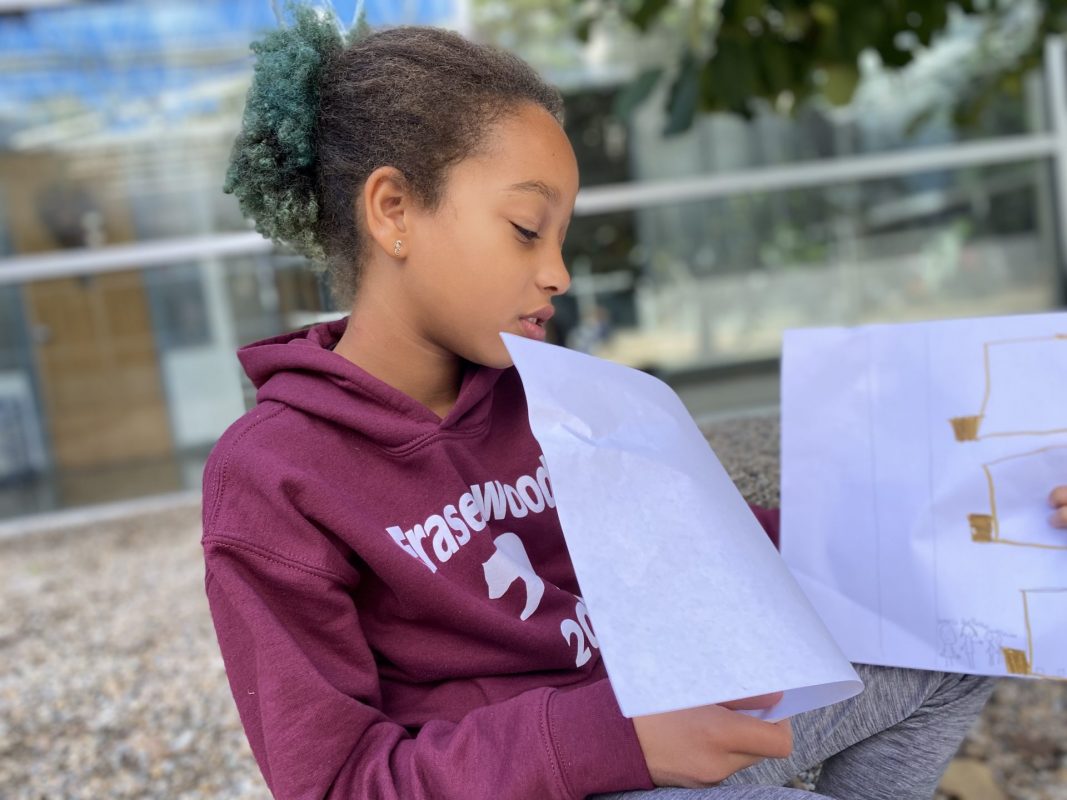
This week we had our first Literature Circle of the year. Each student read their assigned pages and prepared for small group discussion by choosing a certain “role” to fill. This week they had free choice of roles. Many chose to illustrate a section of the assigned reading, others described and analyzed a character, some looked up interesting or new words they came across in their reading, and one chose to be the discussion director for her group. It was such a pleasure to walk around and listen in on each group’s conversation about their book. They laughed and shared feelings and thoughts about passages and discussed their opinions with each other. I also heard them complementing each other on their work with the roles they chose.

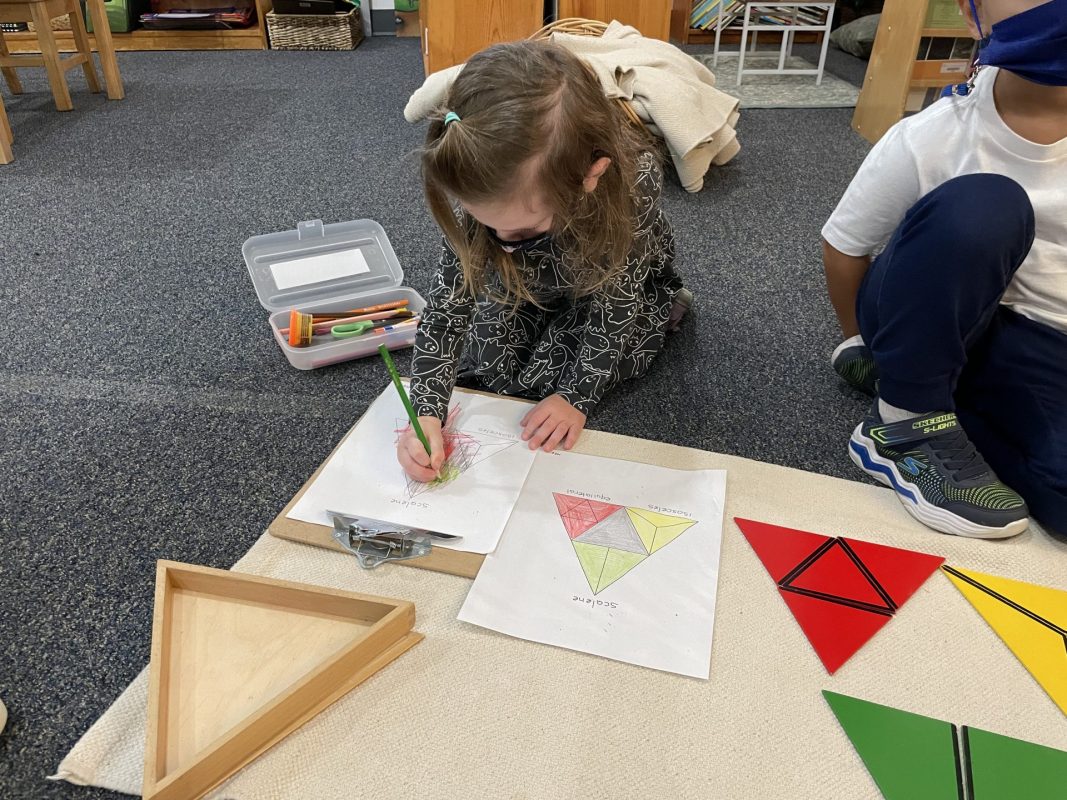
In History this week we started work with Humans’ Closest Relatives. We looked at how and why animals are grouped together and looked at some shared characteristics of certain groups of animals. In Biology this year we will be focusing heavily on the animal kingdom. We started by discussing the classification of animals and looked at the five groups of vertebrates. In Geometry, fourth graders learned about the Seven Triangles of Reality and fifths reviewed the formula for finding the area of a parallelogram.

I hope you enjoy the beautiful weather this weekend!

Lower El: Adapting and Settling In

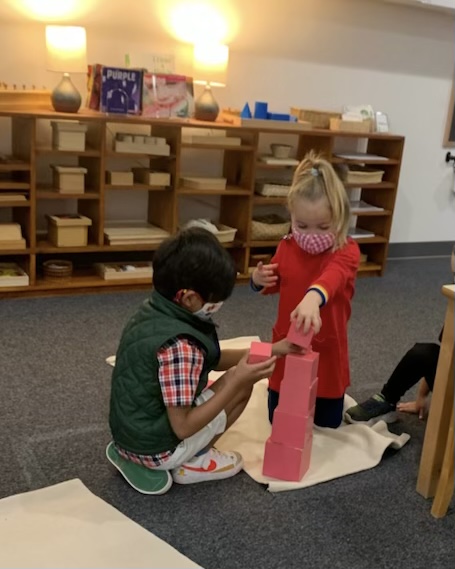
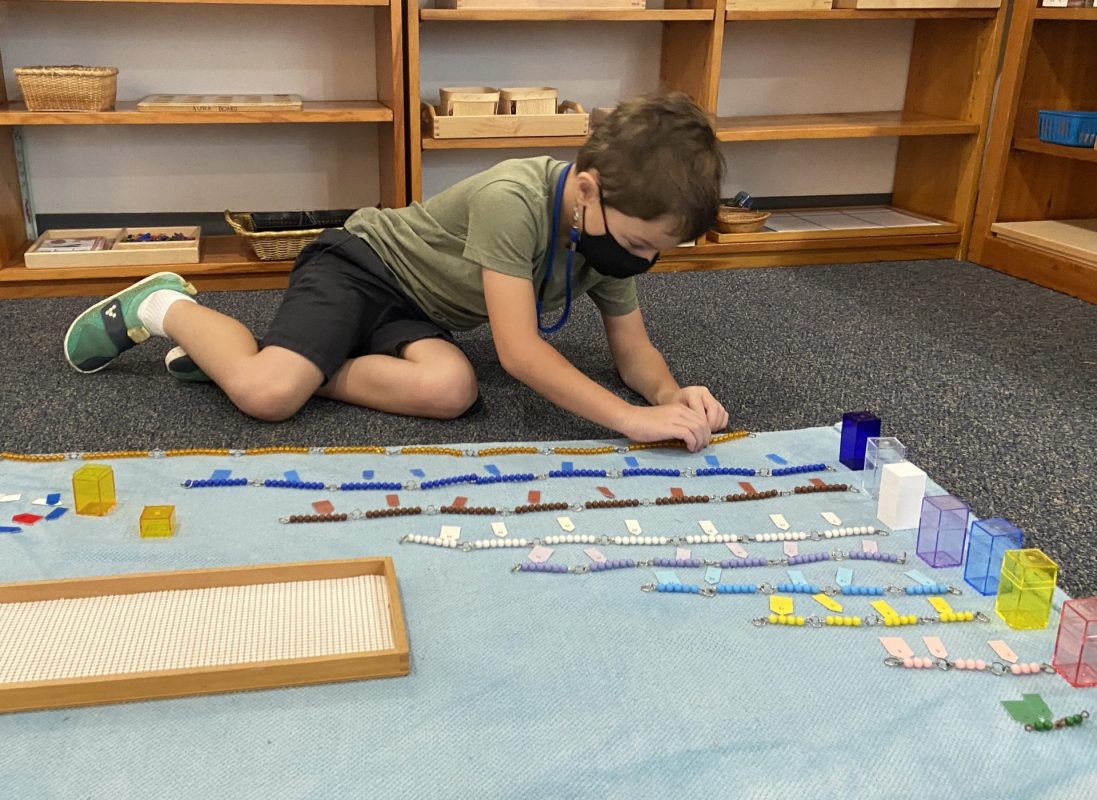
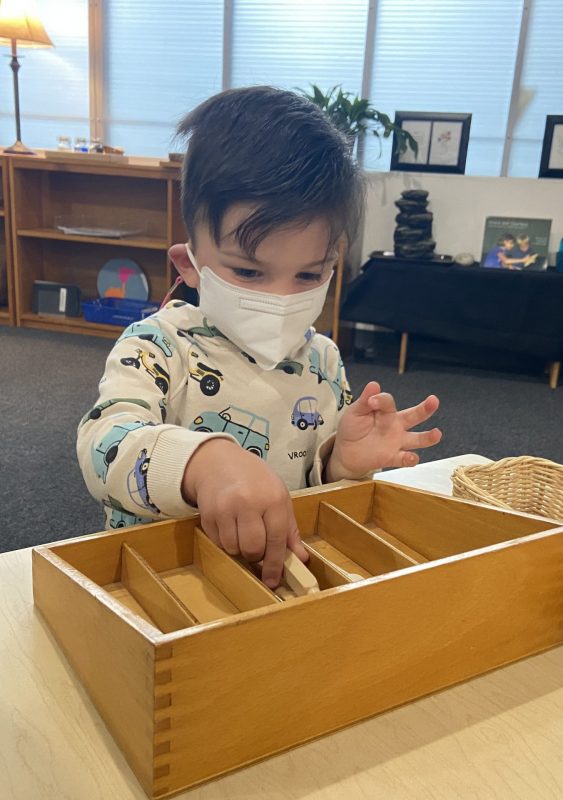
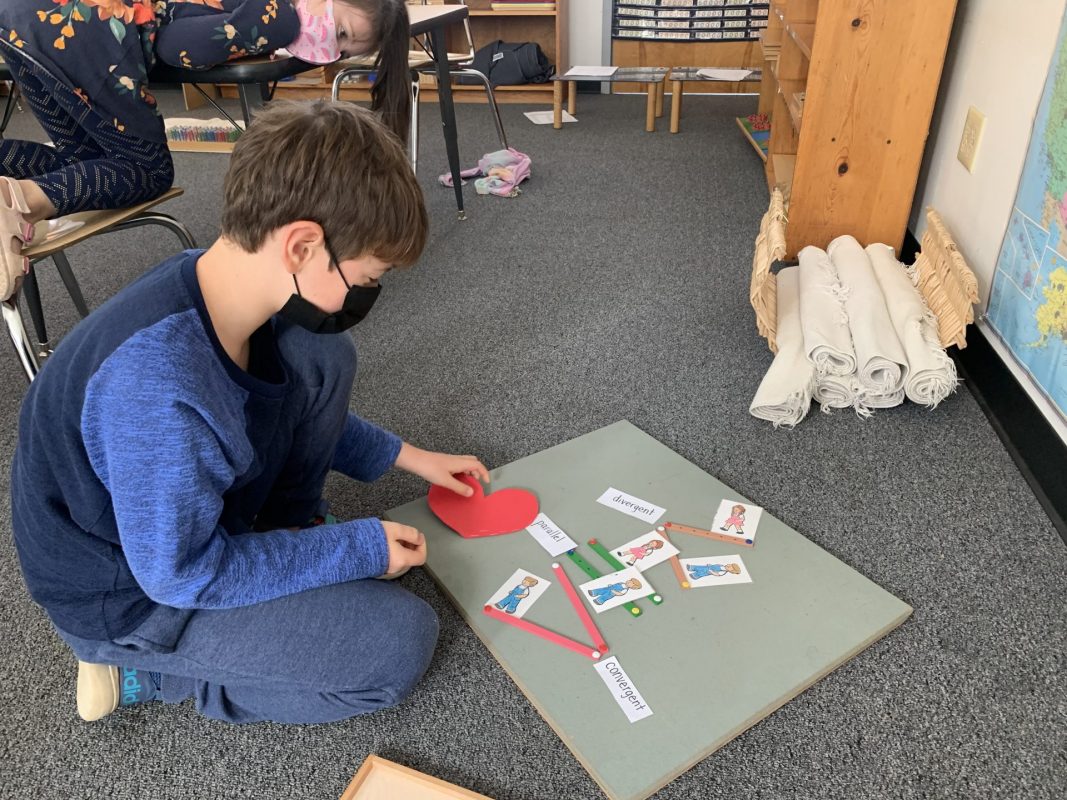
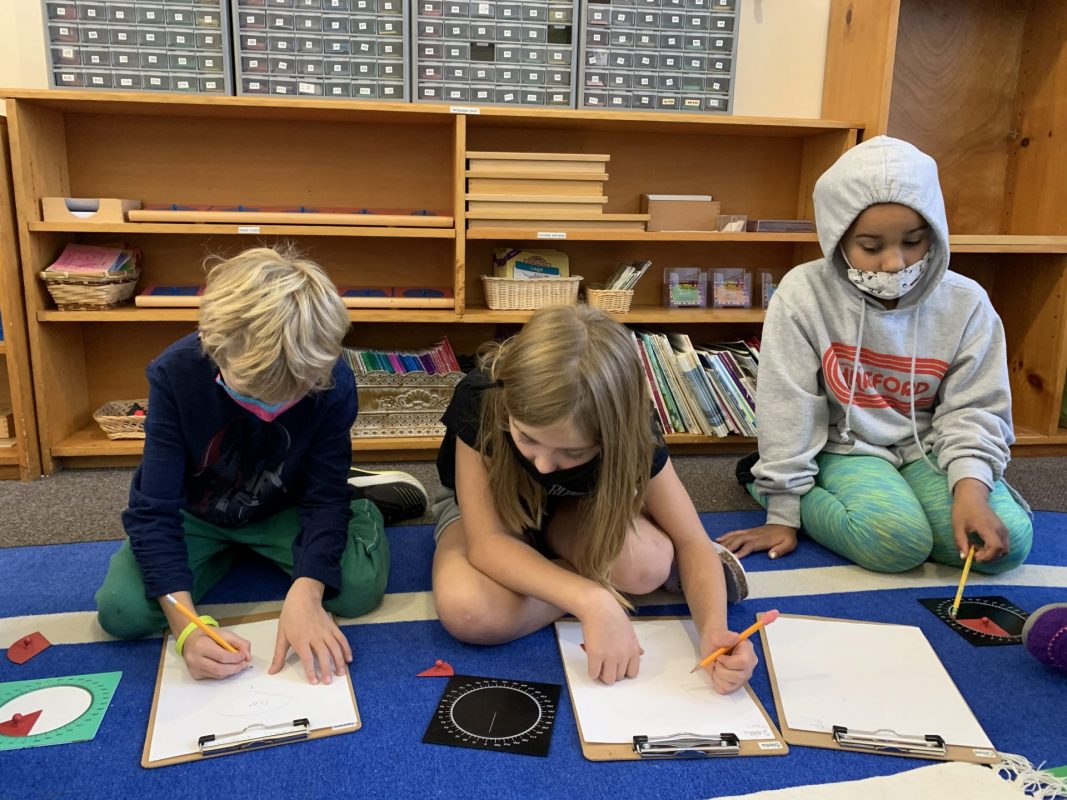
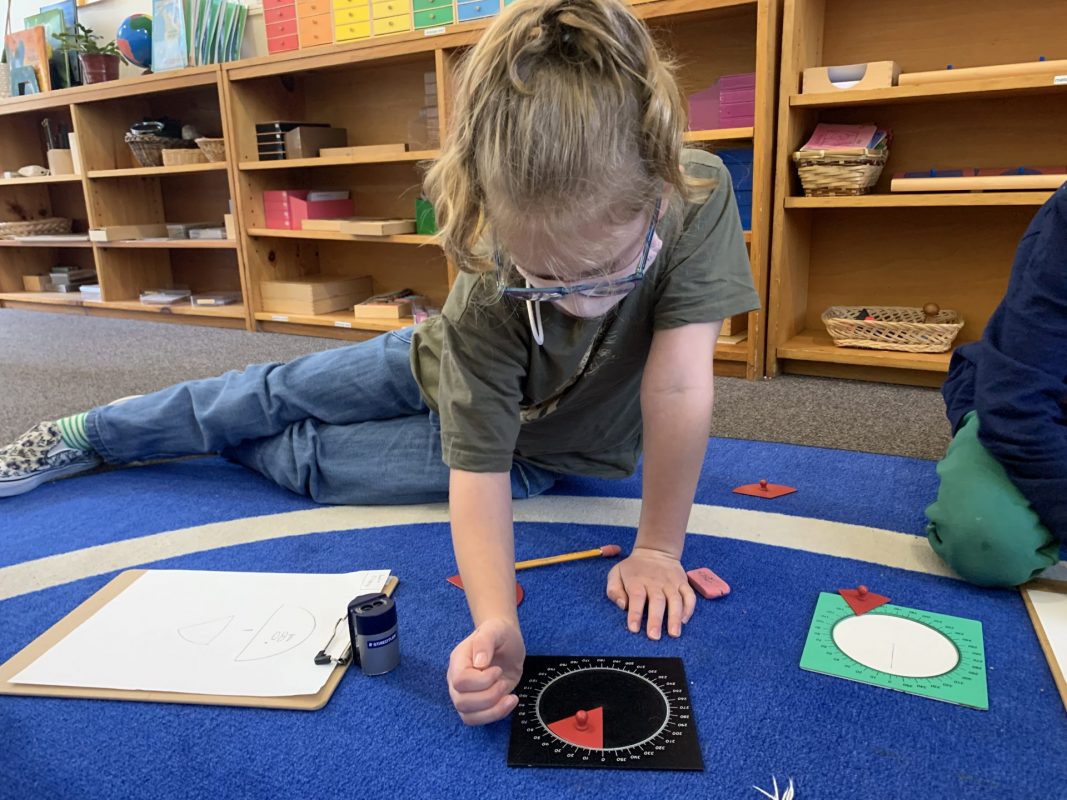
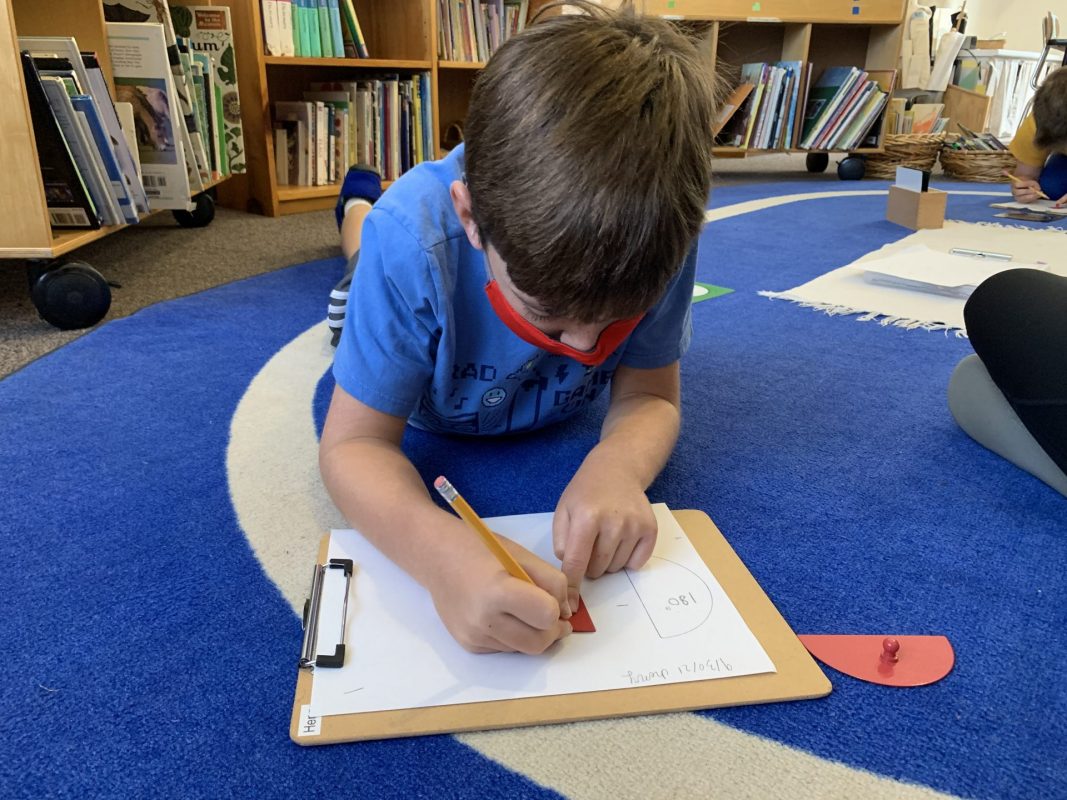
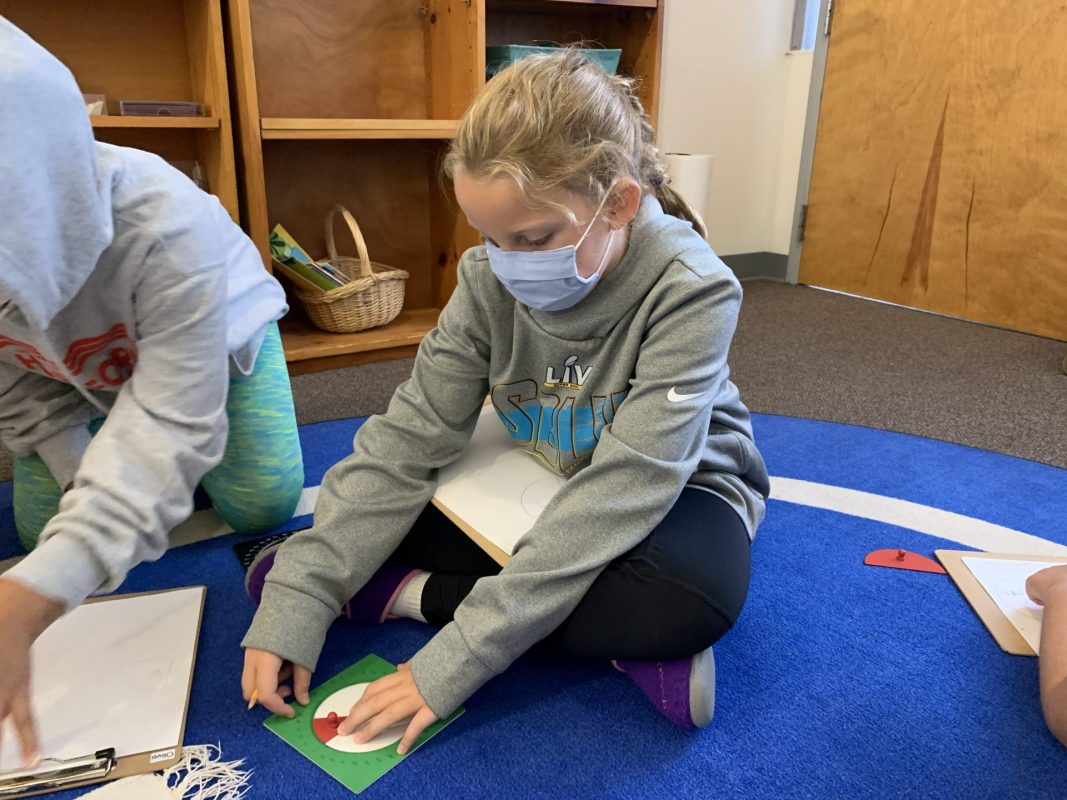
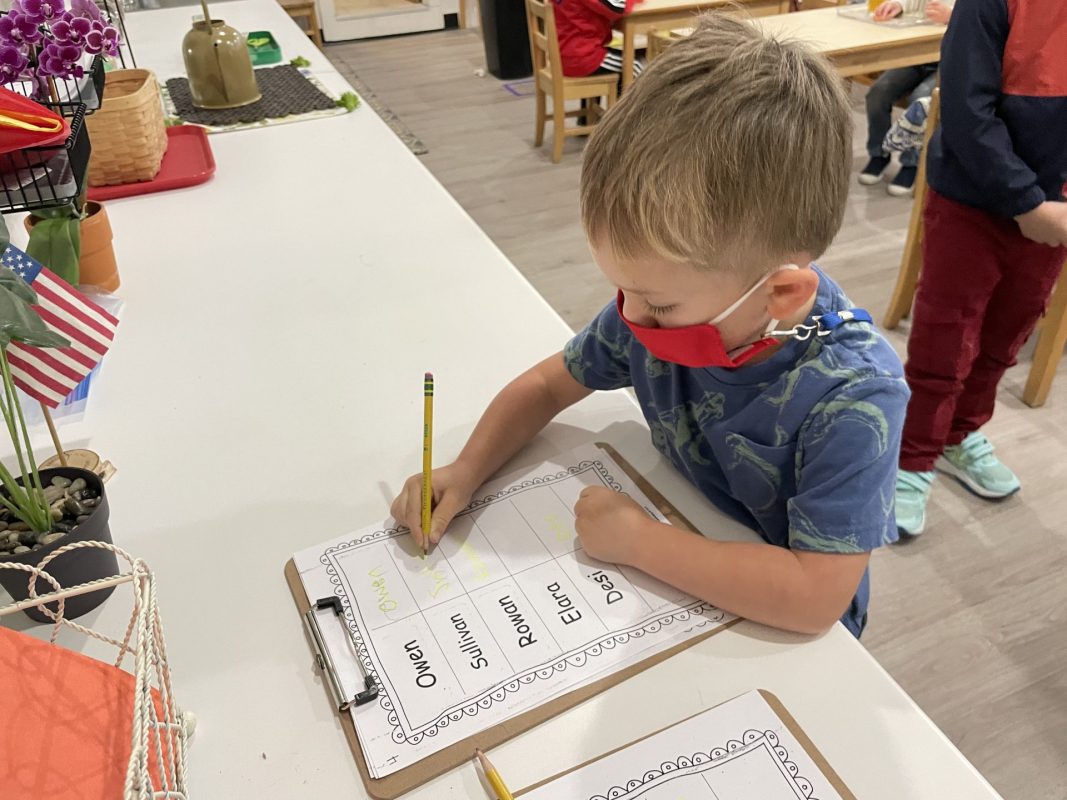
We are continuing to settle in to our classroom routines and have new lessons. First year students completed their lessons on the geometric solids and enjoy playing a “hide-and-seek” game with the geometry shapes. The second years were told the Love Story of the Lines: Convergent, Divergent, and Parallel. They use the box of sticks as follow up work. Lastly, the third graders enjoyed reviewing how to subtract angles on the Montessori protractor.

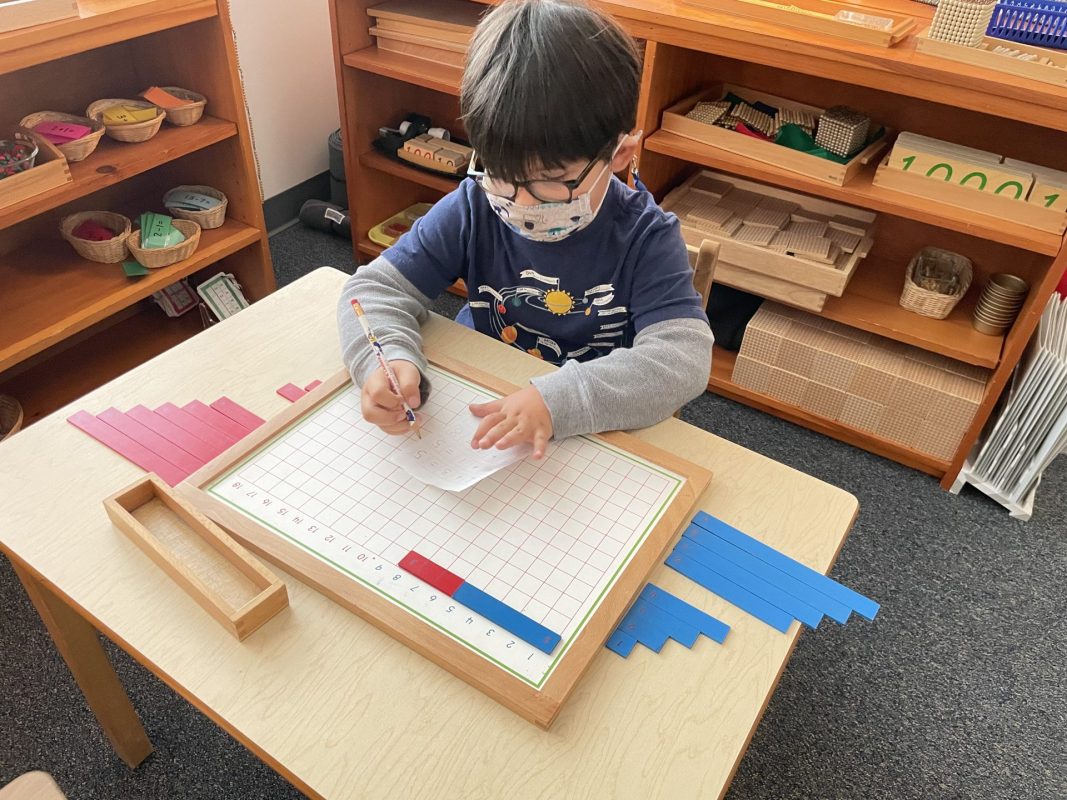
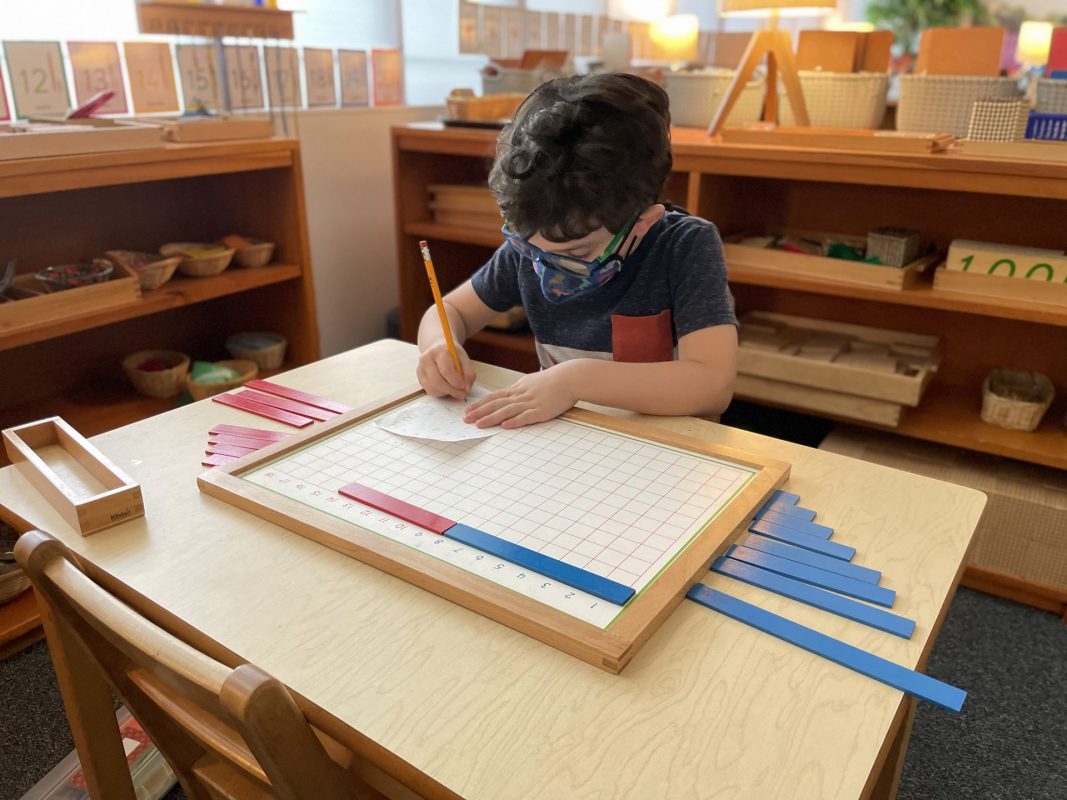
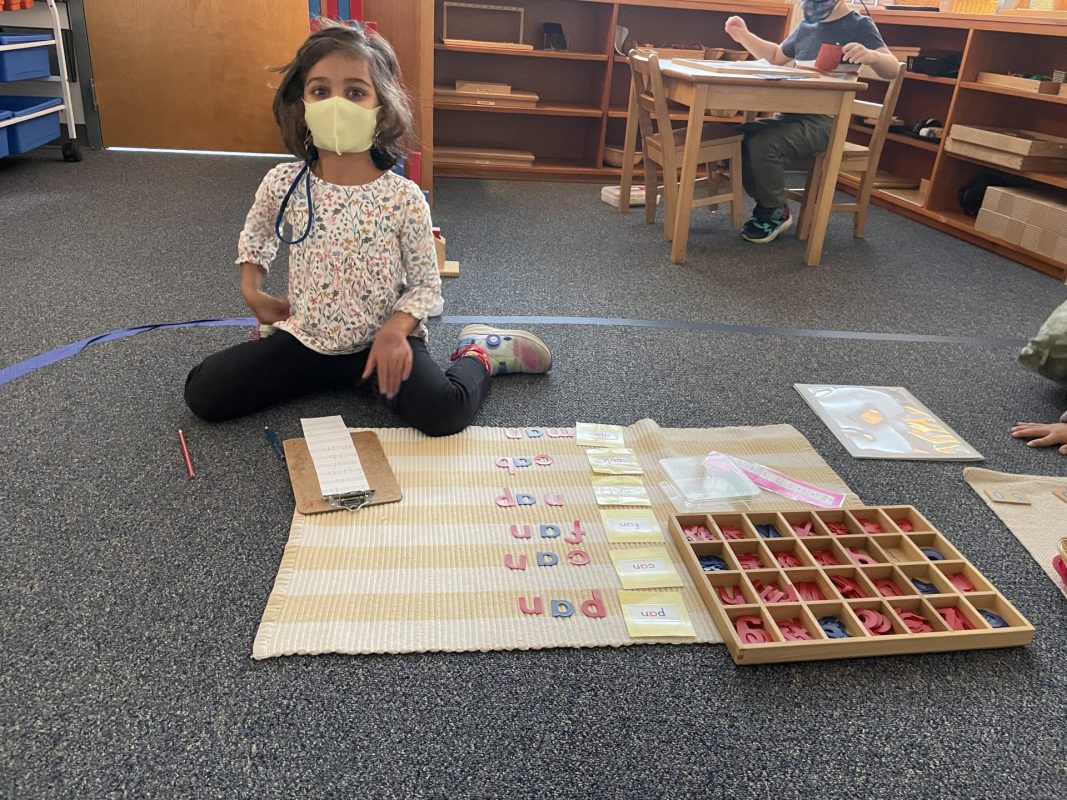
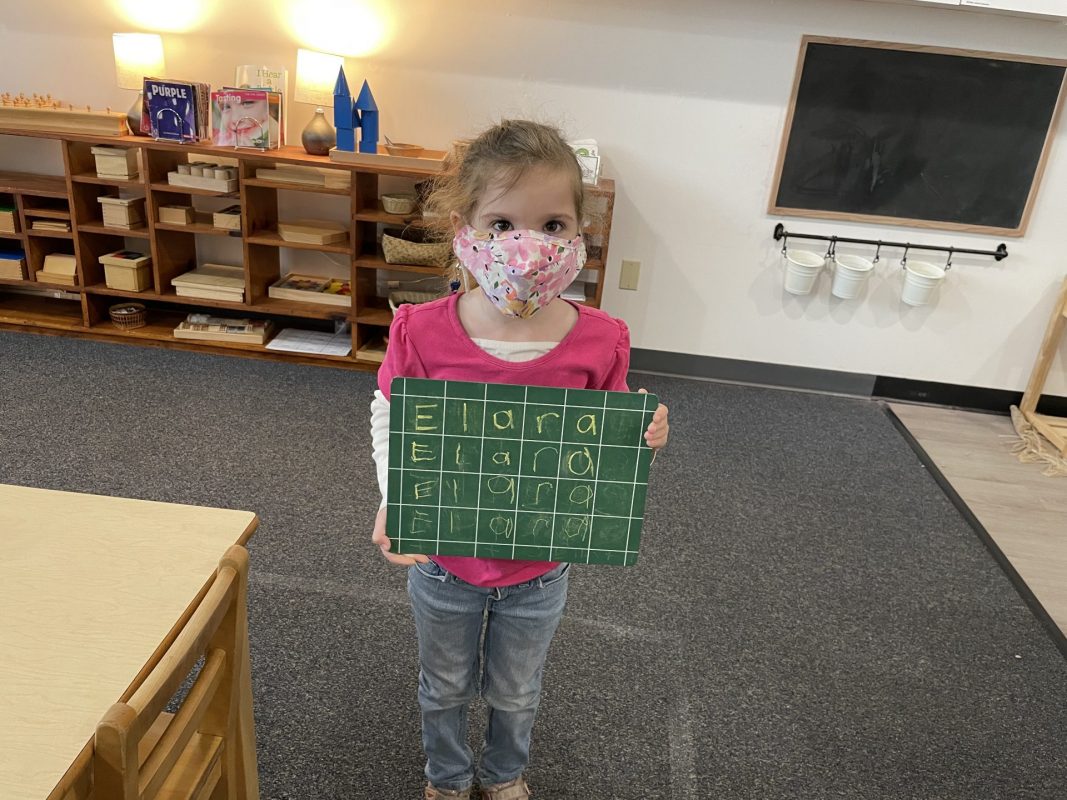
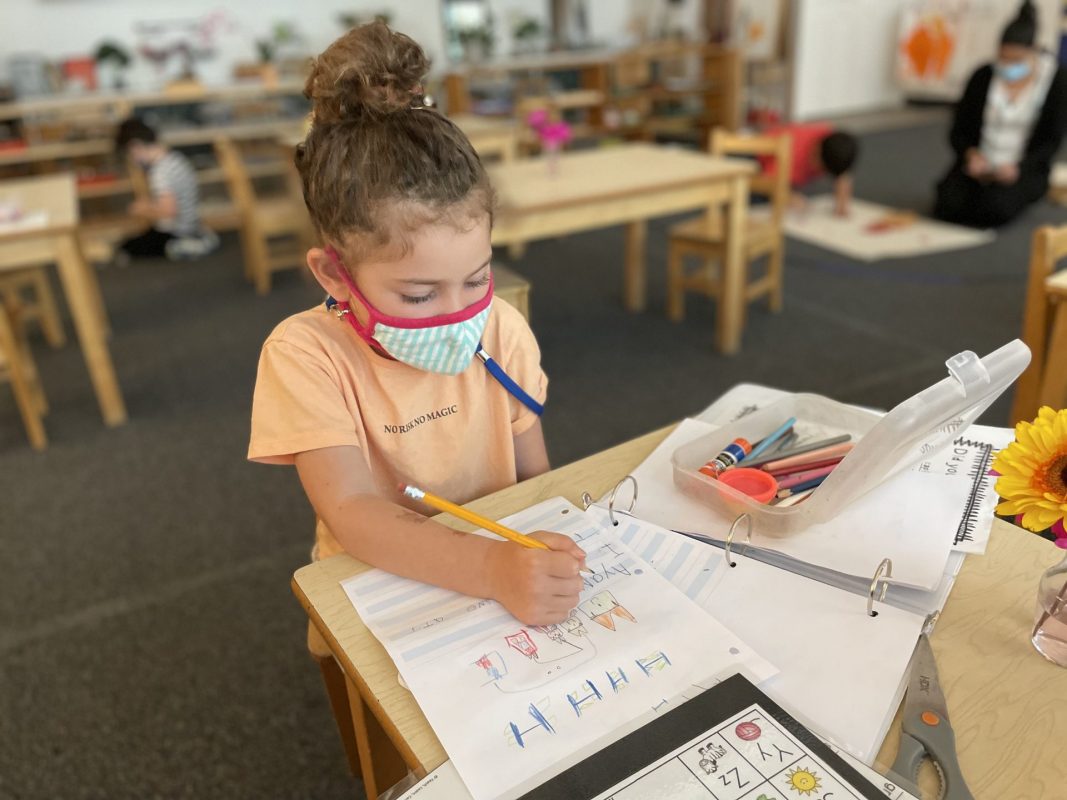
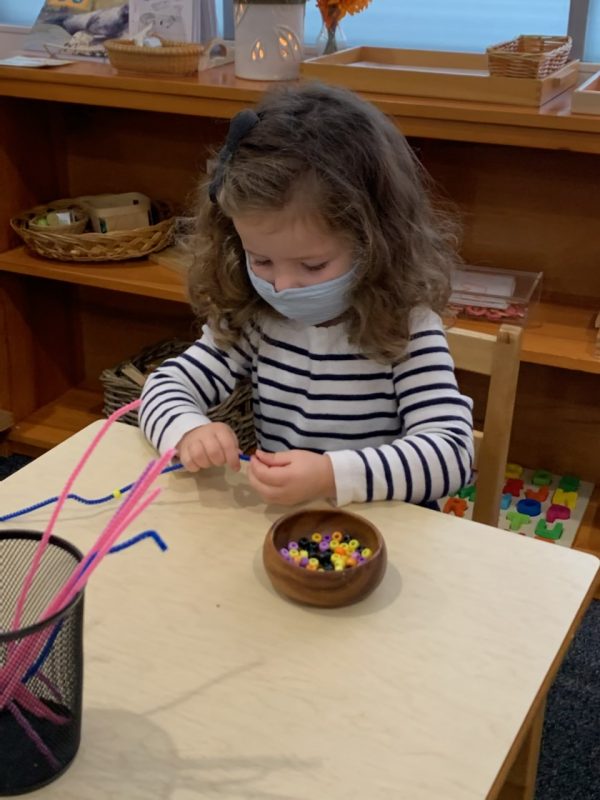
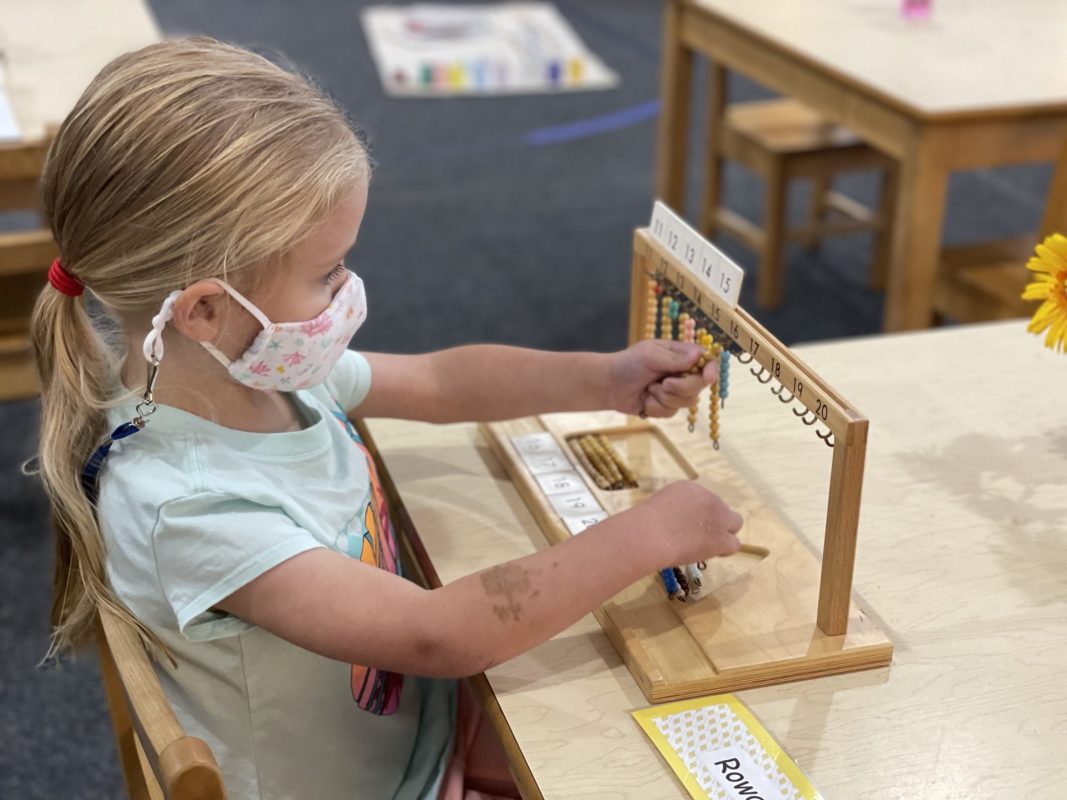
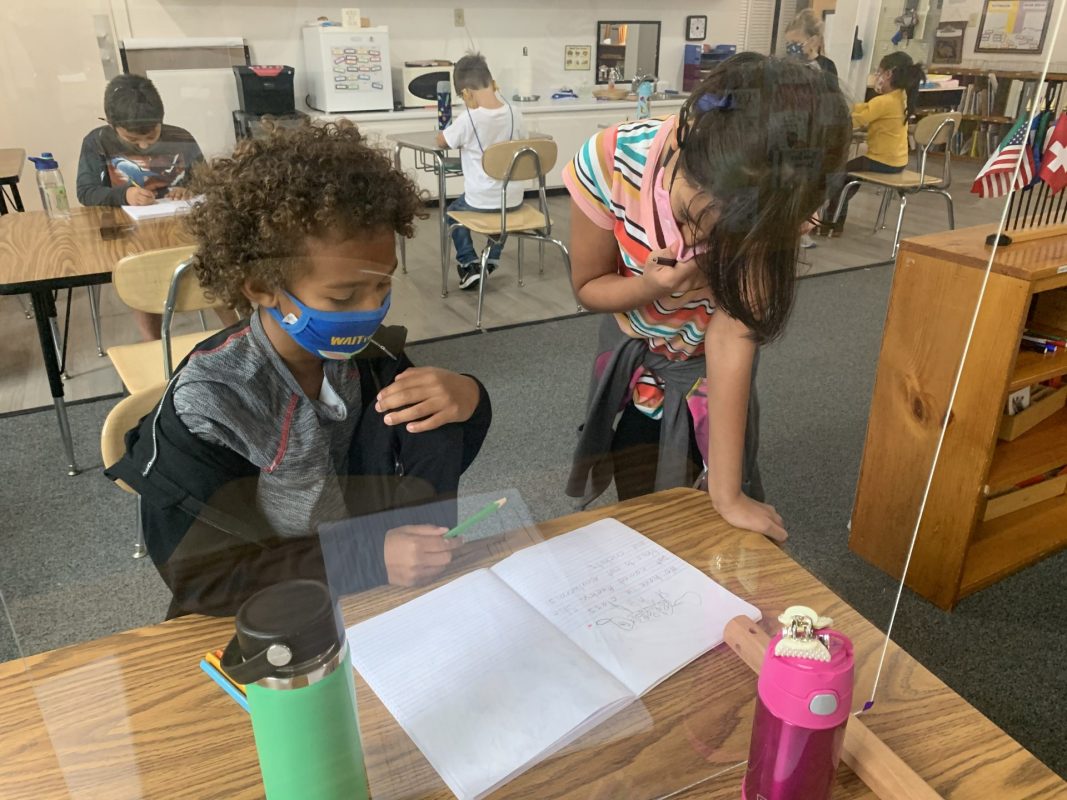
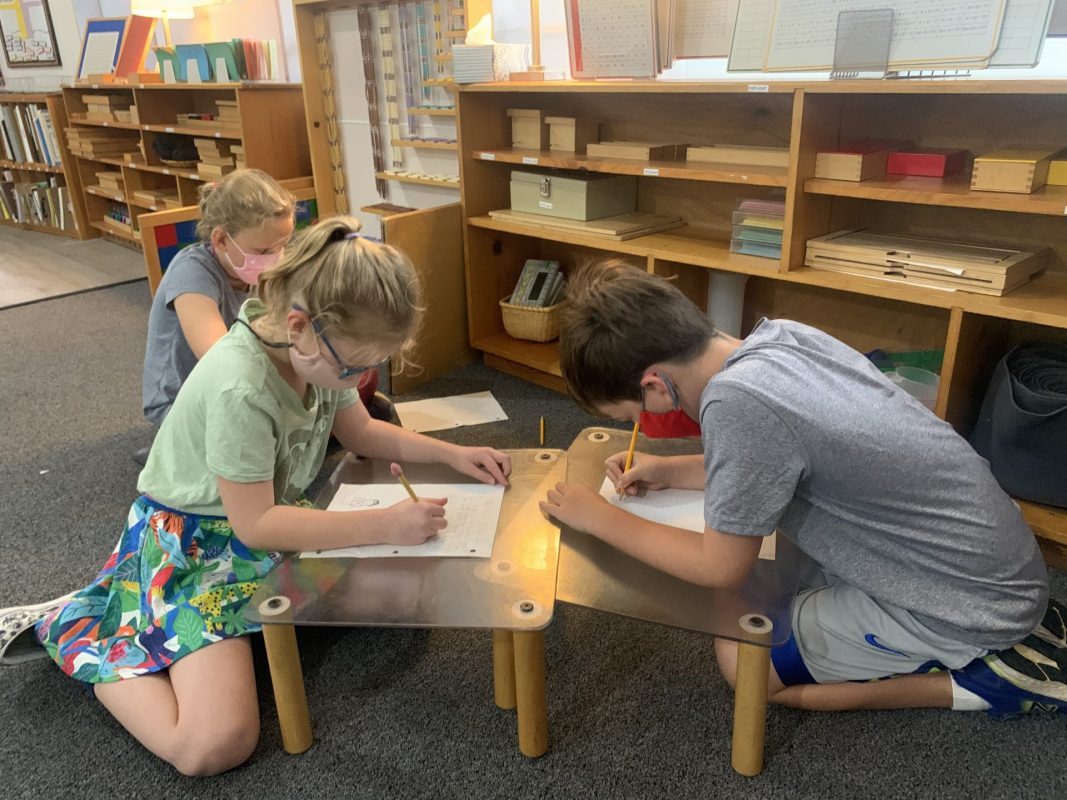
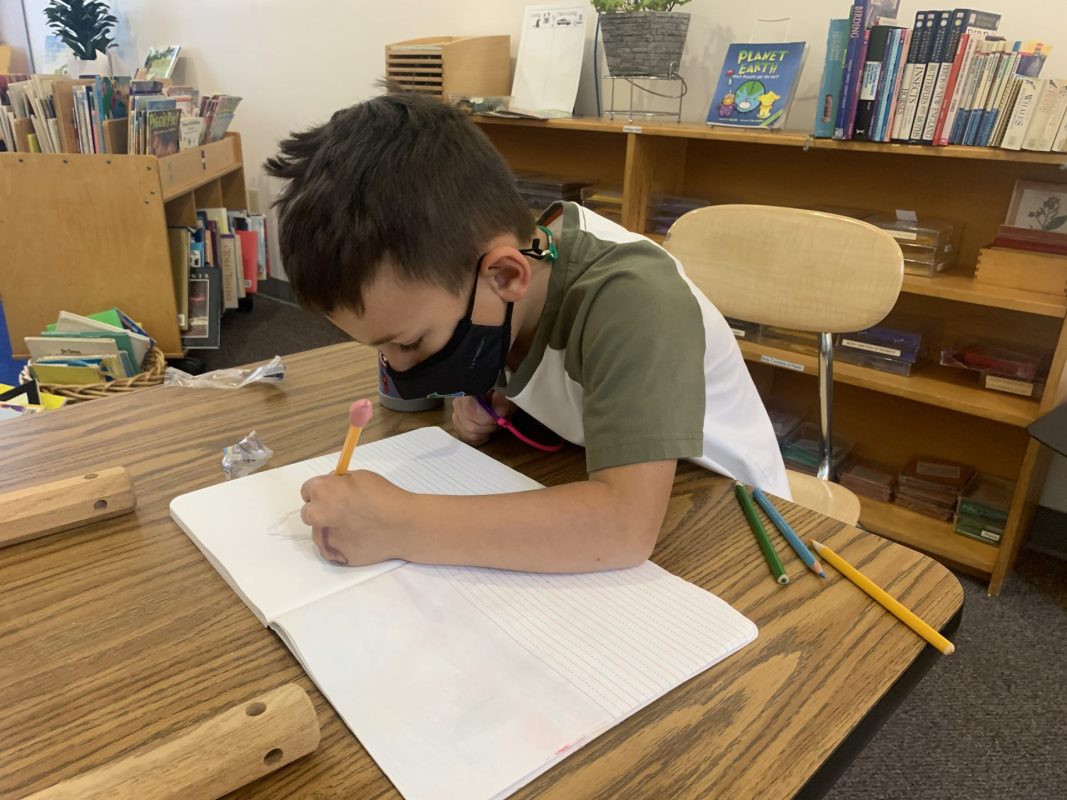
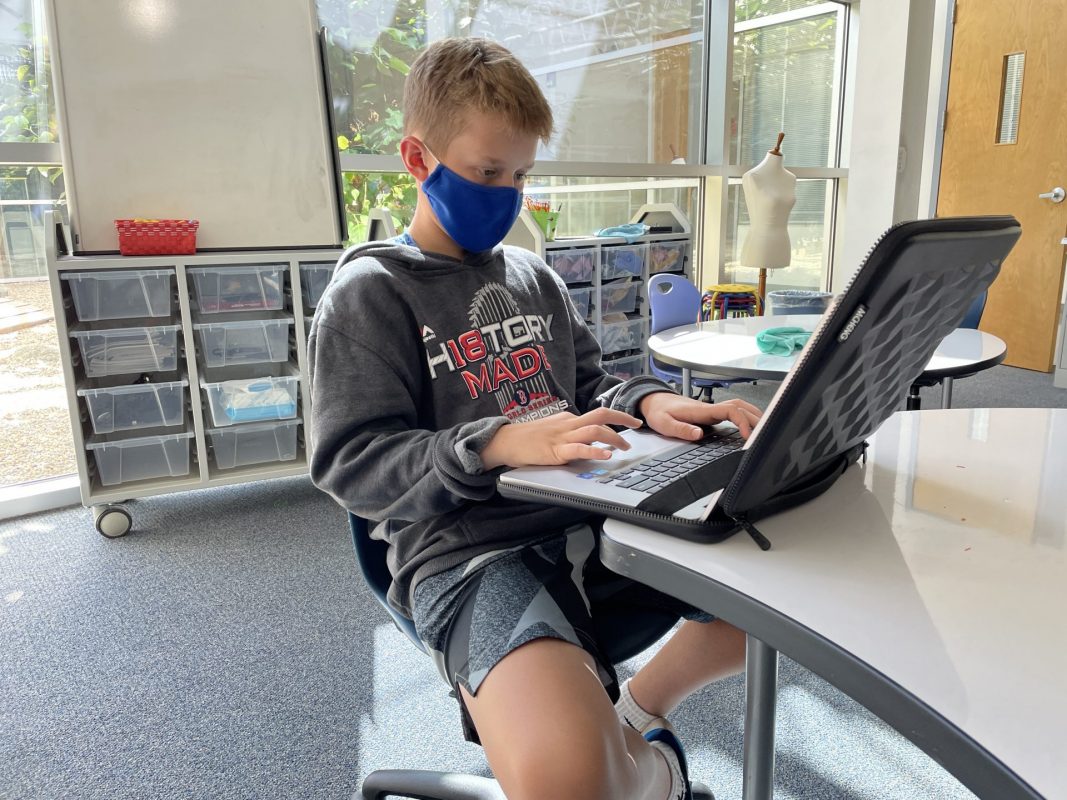
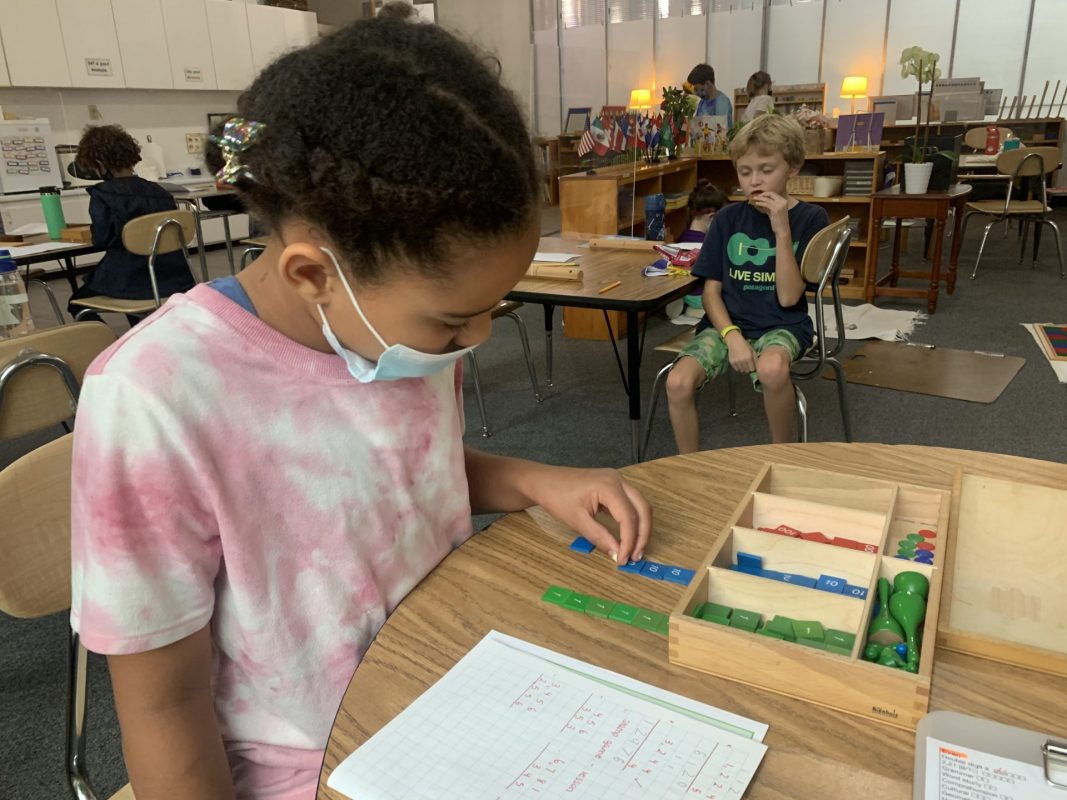
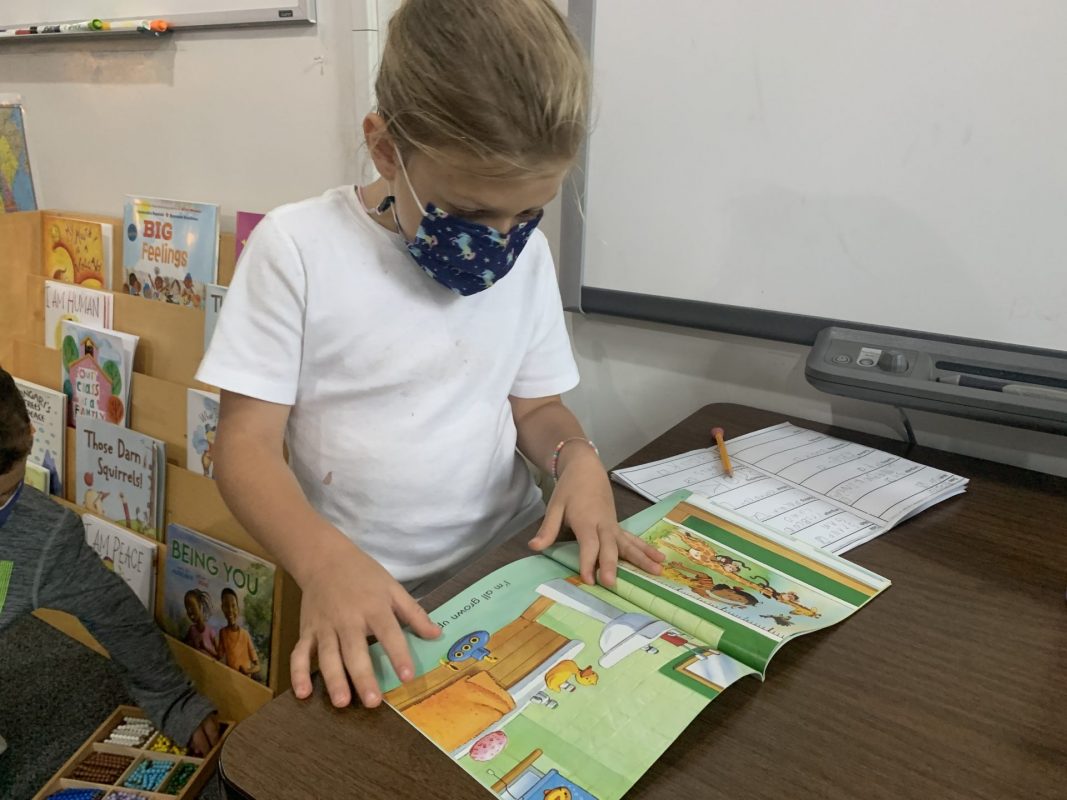
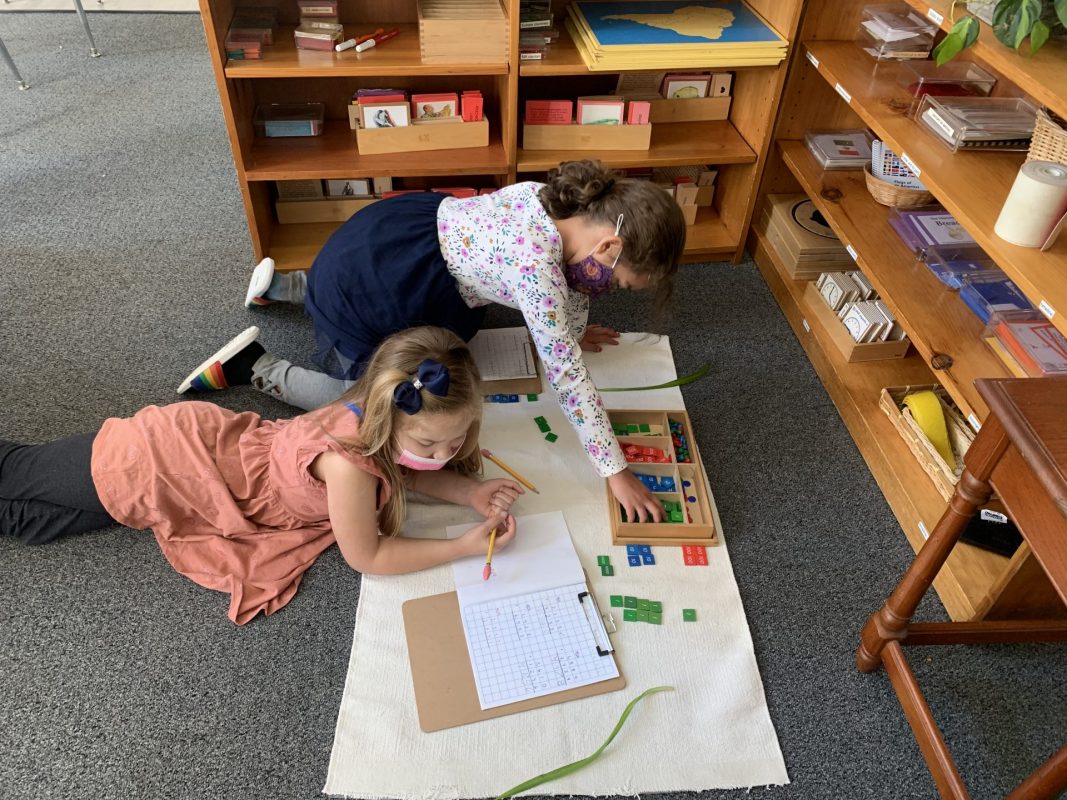
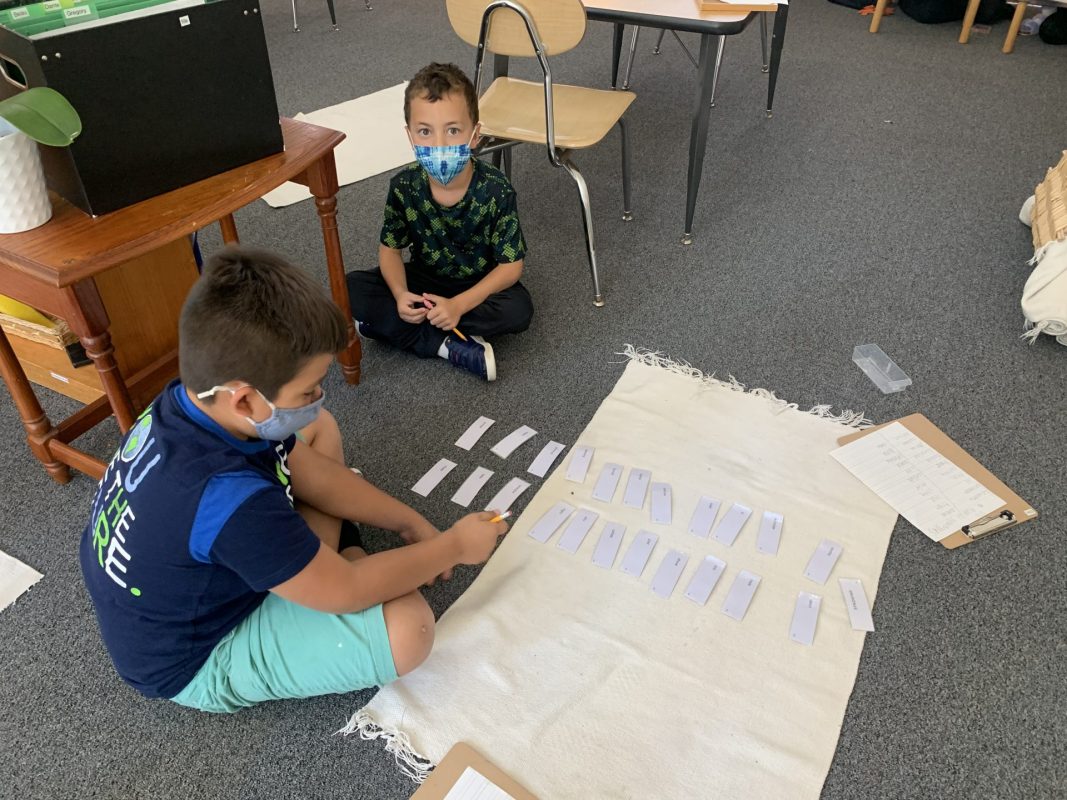
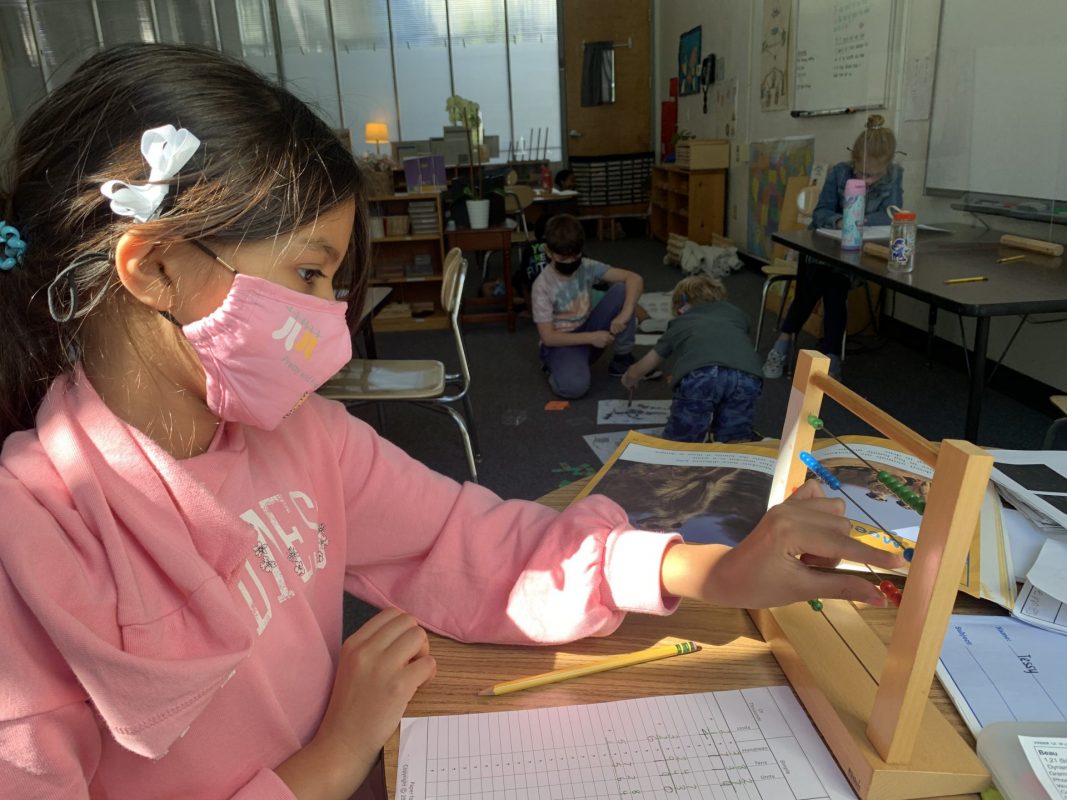
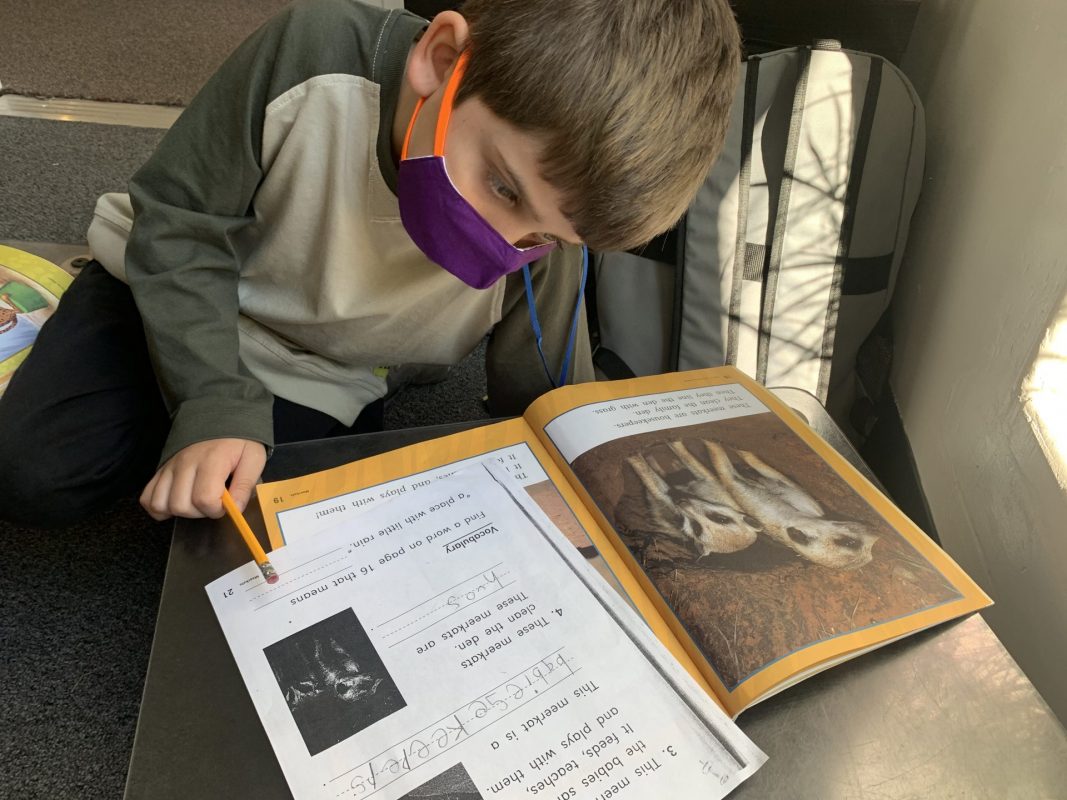
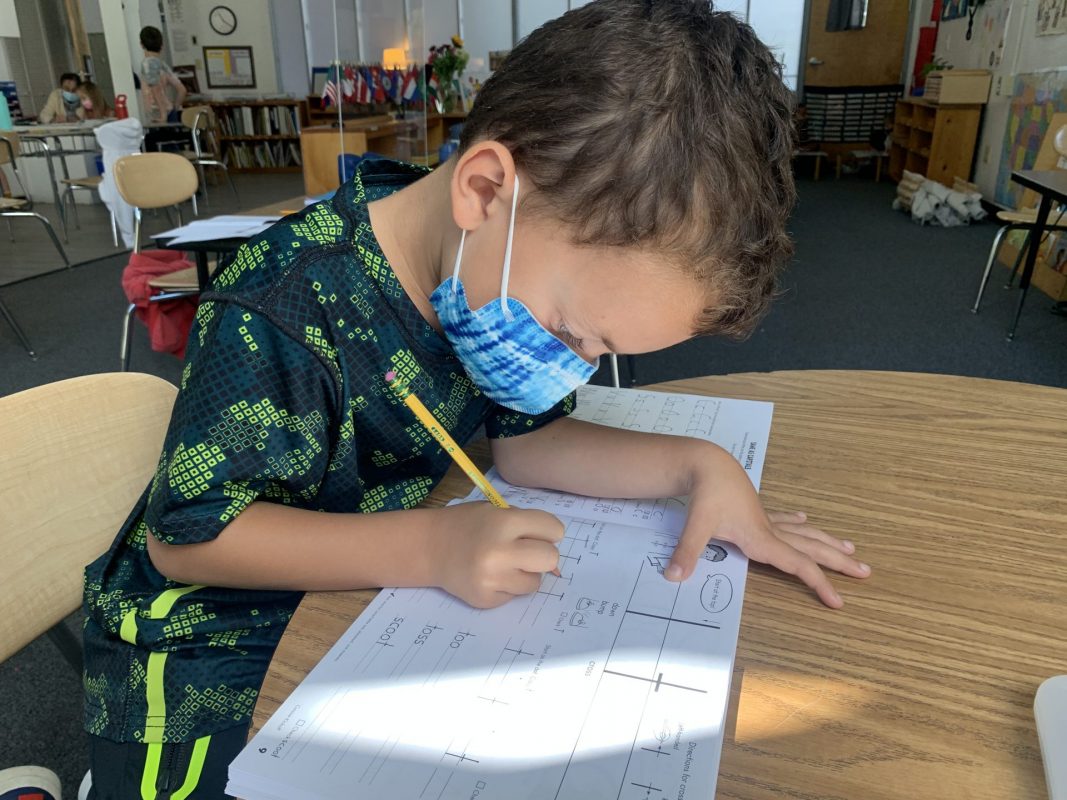
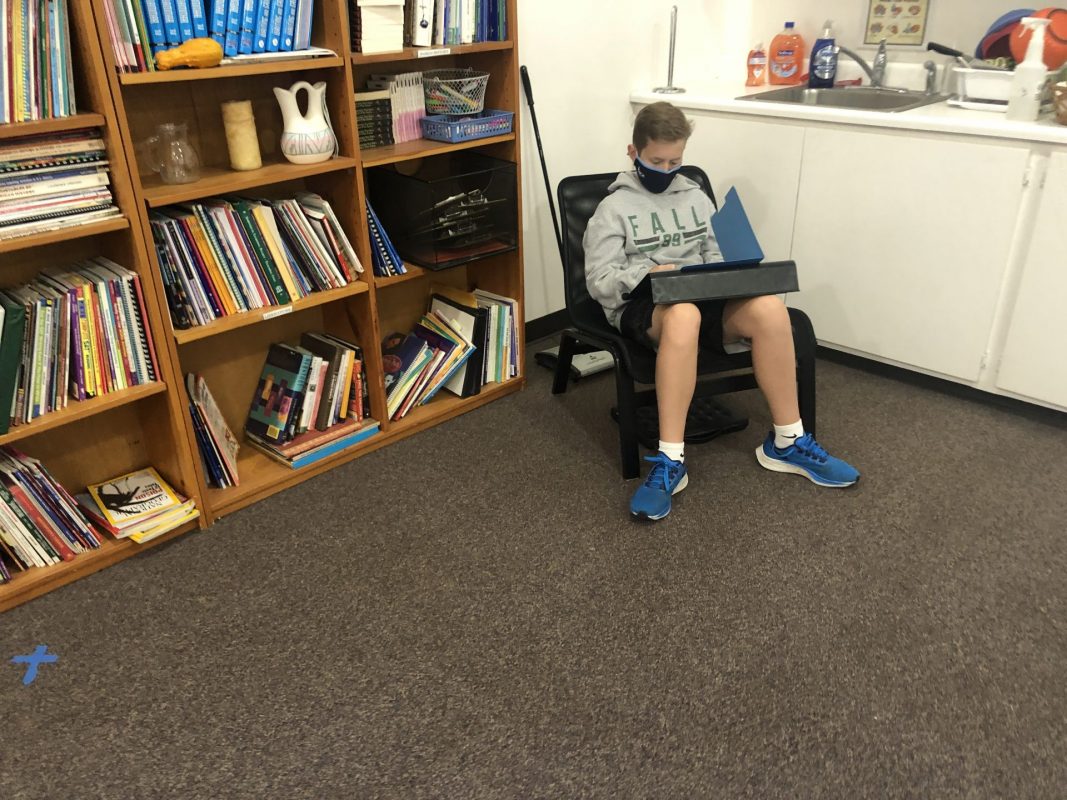
Our Lower Elementary classroom consists of students that love to work collaboratively and individually. One of the beauties of work cycle is that different types of work go on simultaneously. Children can be working on a variety of language, math, geometry, cultural, and spelling work. This is a supportive classroom community of learners!

Middle School: Week in Review

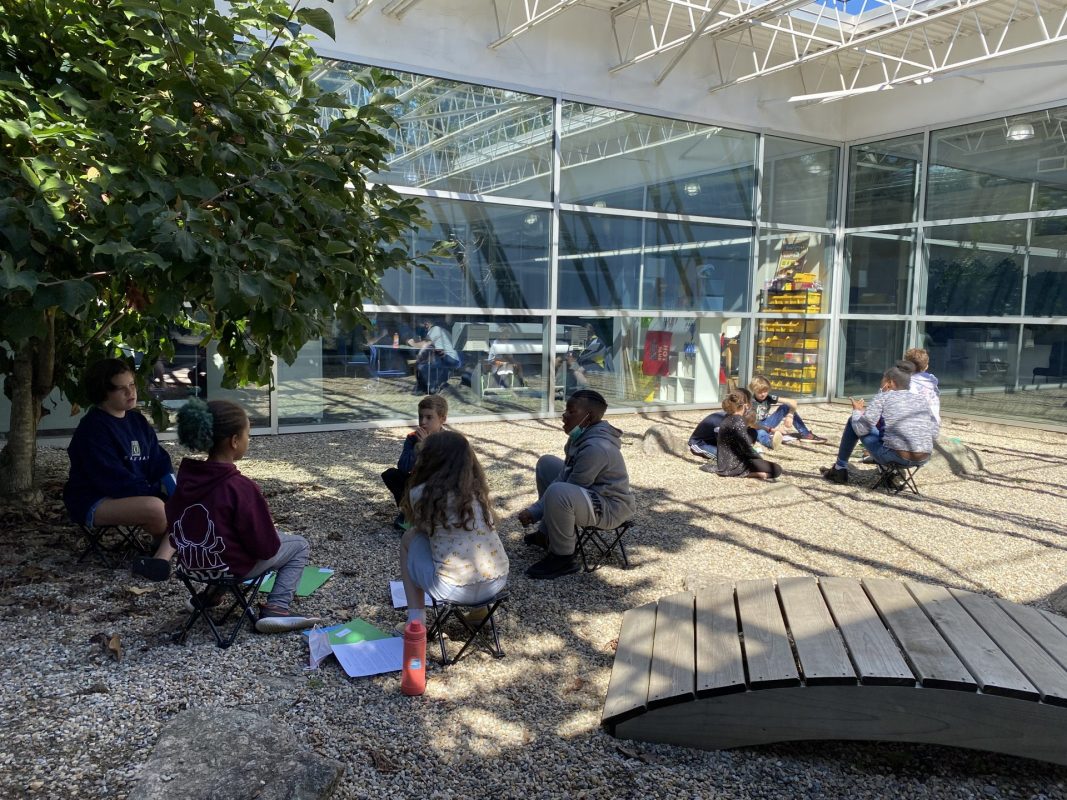
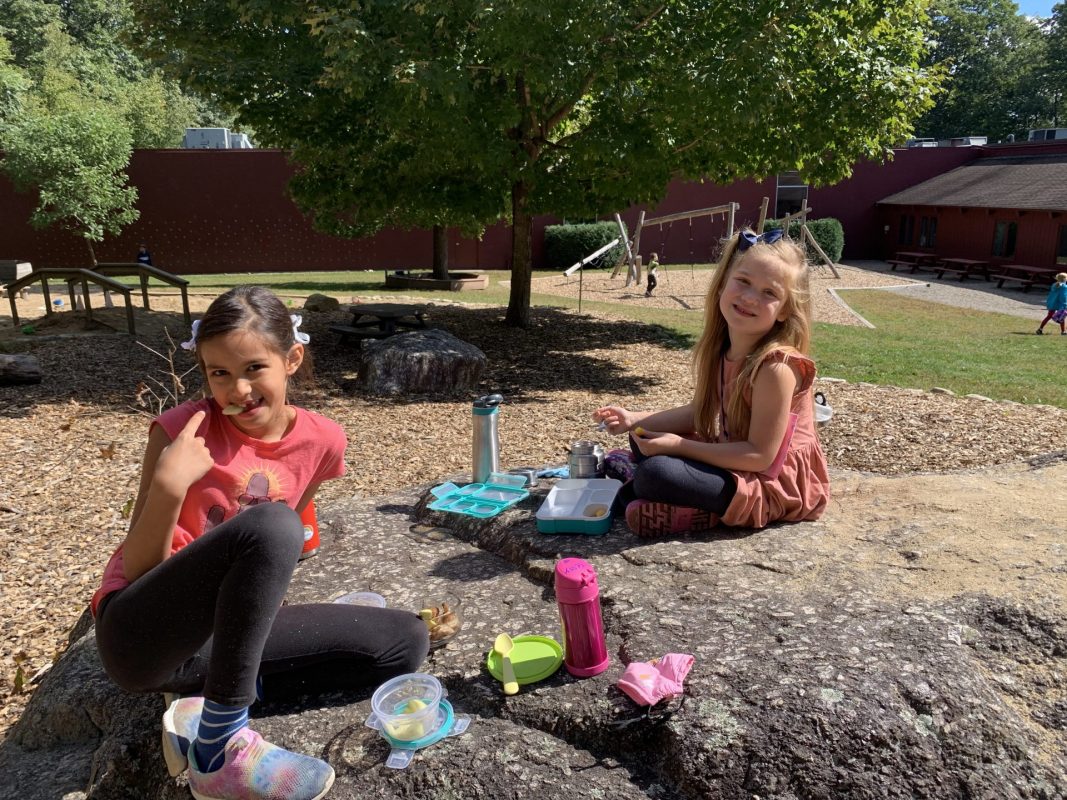
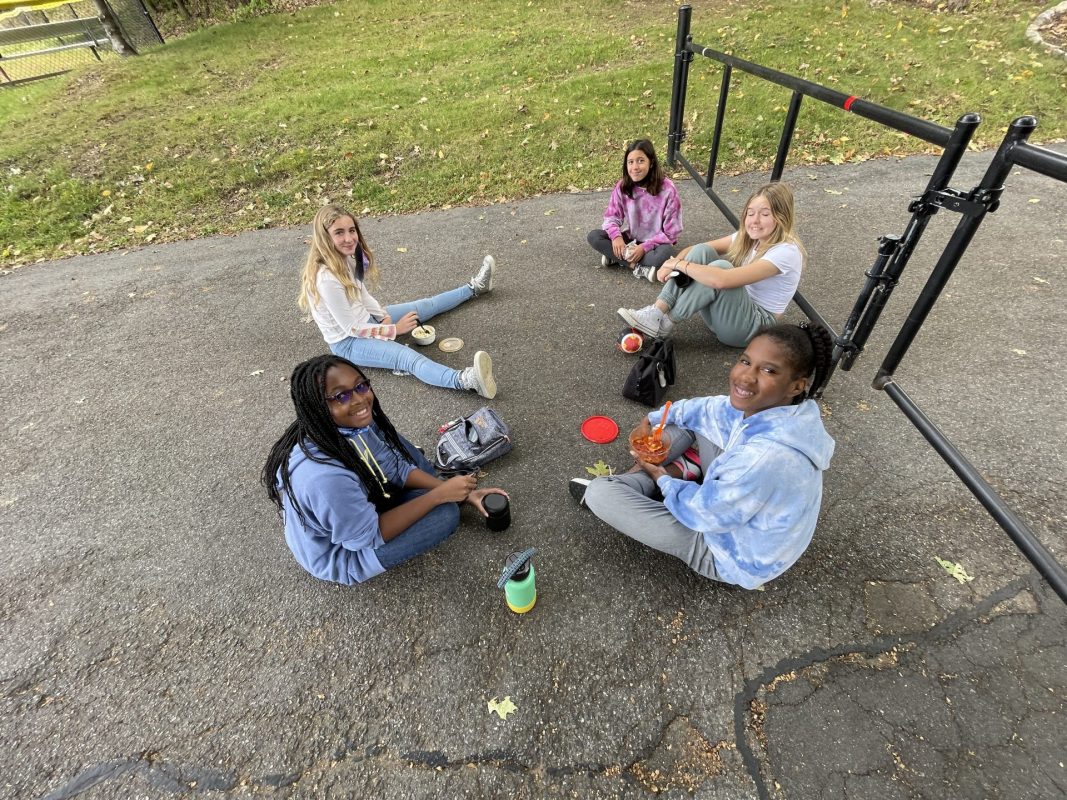
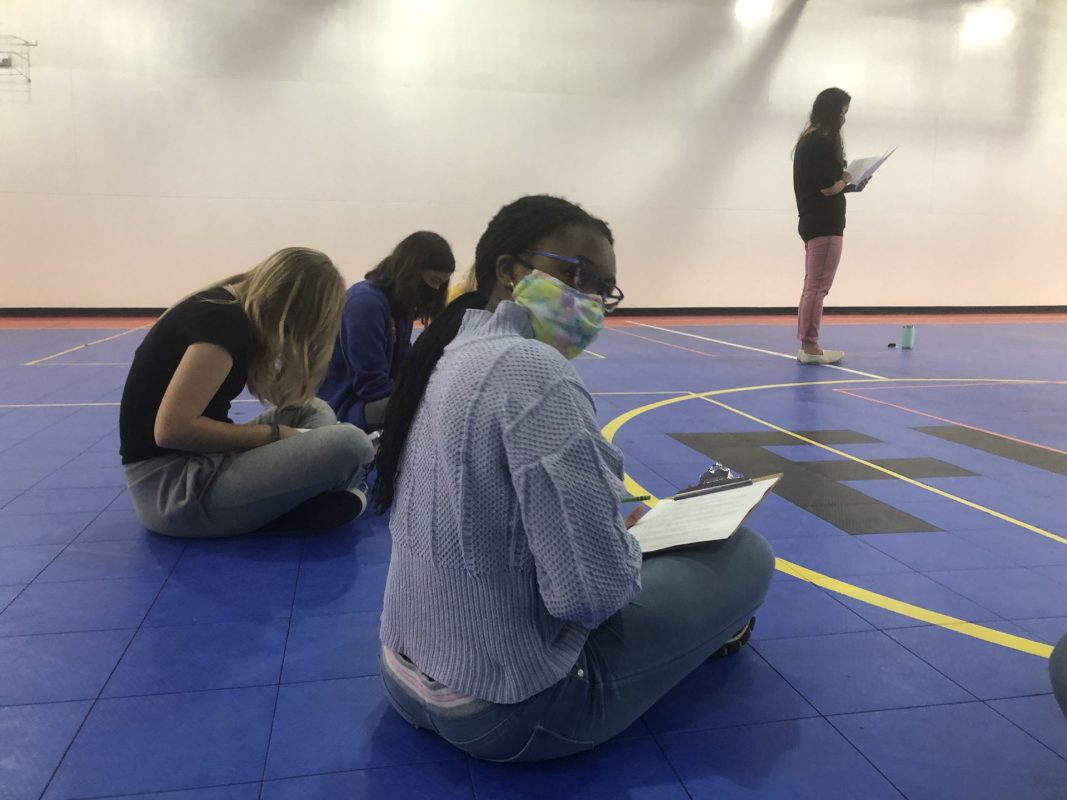
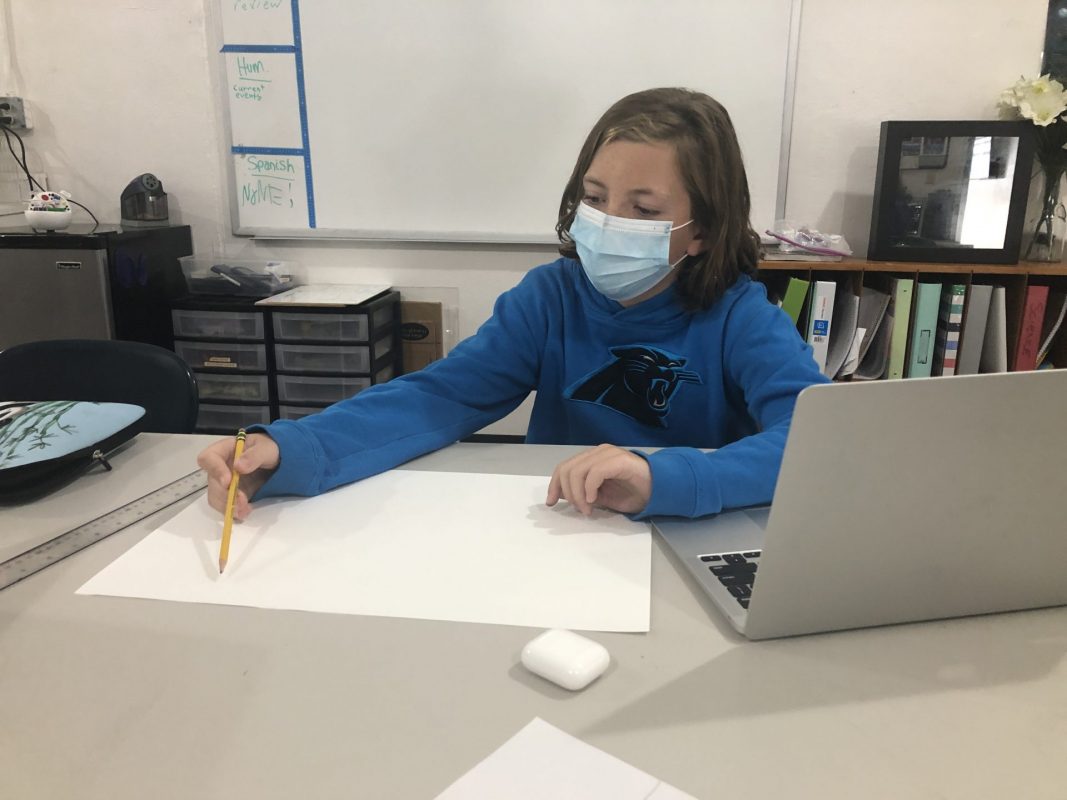
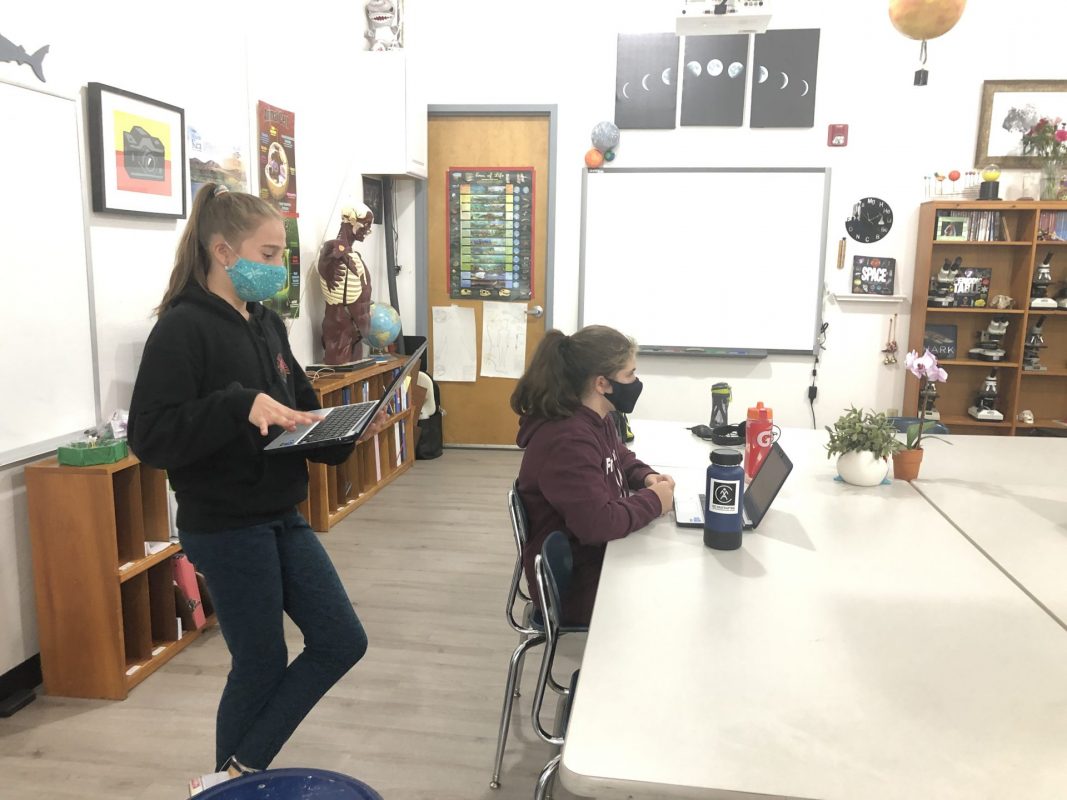
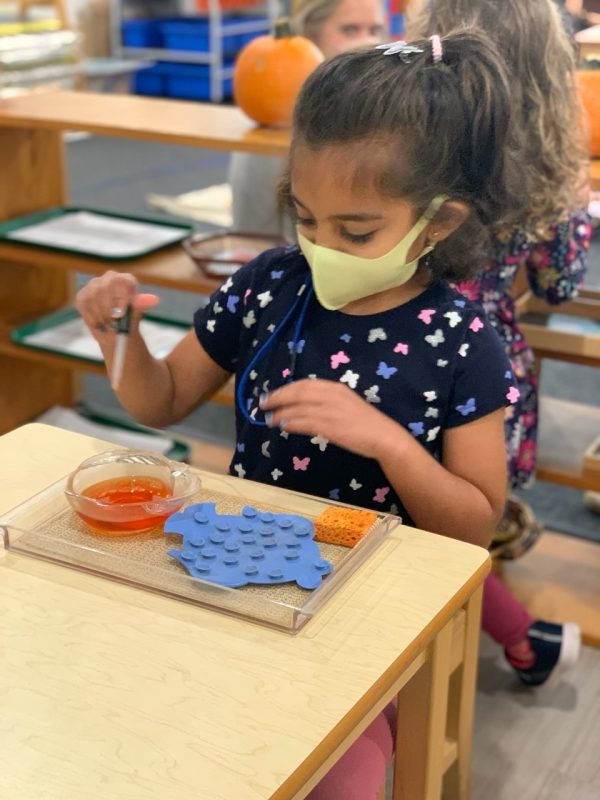
It has been a robust week of learning in middle school! Luckily, students were also able to get outside with the beautiful weather and enjoy the season!

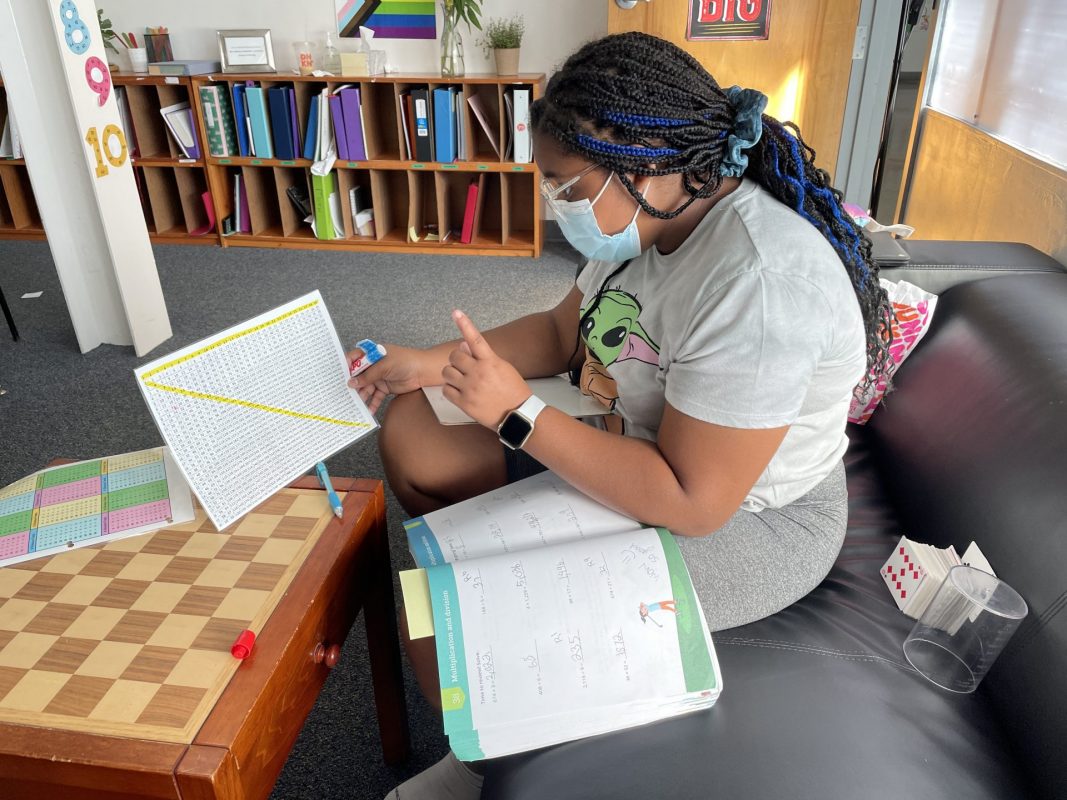
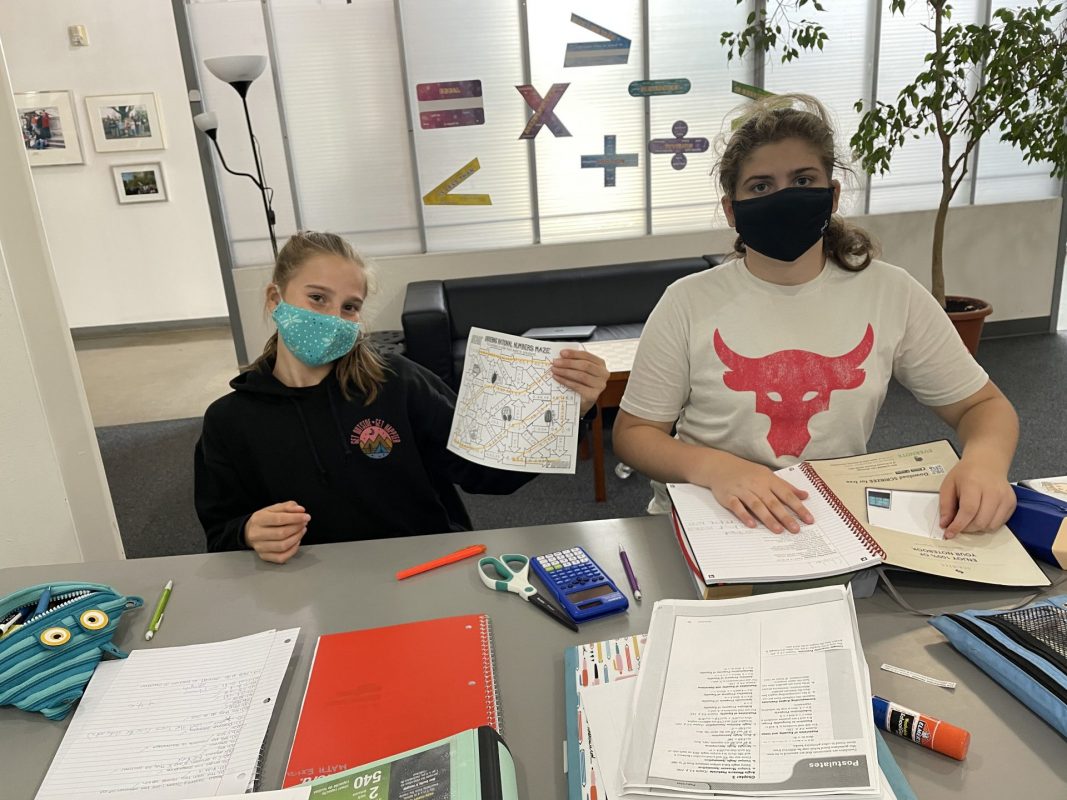
Math
In Transition class, students are excited to learn about scientific notation, plotting ordered pairs on a coordinate grid, and solving radical operations. This class has concluded their learning for chapter 1 and will begin chapter 2 next week… get ready to discover what a variable is!
In Algebra class, students can successfully find the range, mean, and mean absolute deviation in a data set. Students can simplify expressions with absolute values and can use substitution to evaluate equations. This class also concluded their learning of chapter 1 and will begin chapter 2 next week, starting with simple distributive property questions.
In Geometry class, students are able to use and identify the difference between graph theory, discrete geometry, and Euclidean geometry methods. This class can determine distances between values and can find points of intersections. Next week they will study conditional statements, classifying polygons, and labeling convex figures.
Math Joke: What state has the most Math Teachers?……Math-achusetts

Humanities

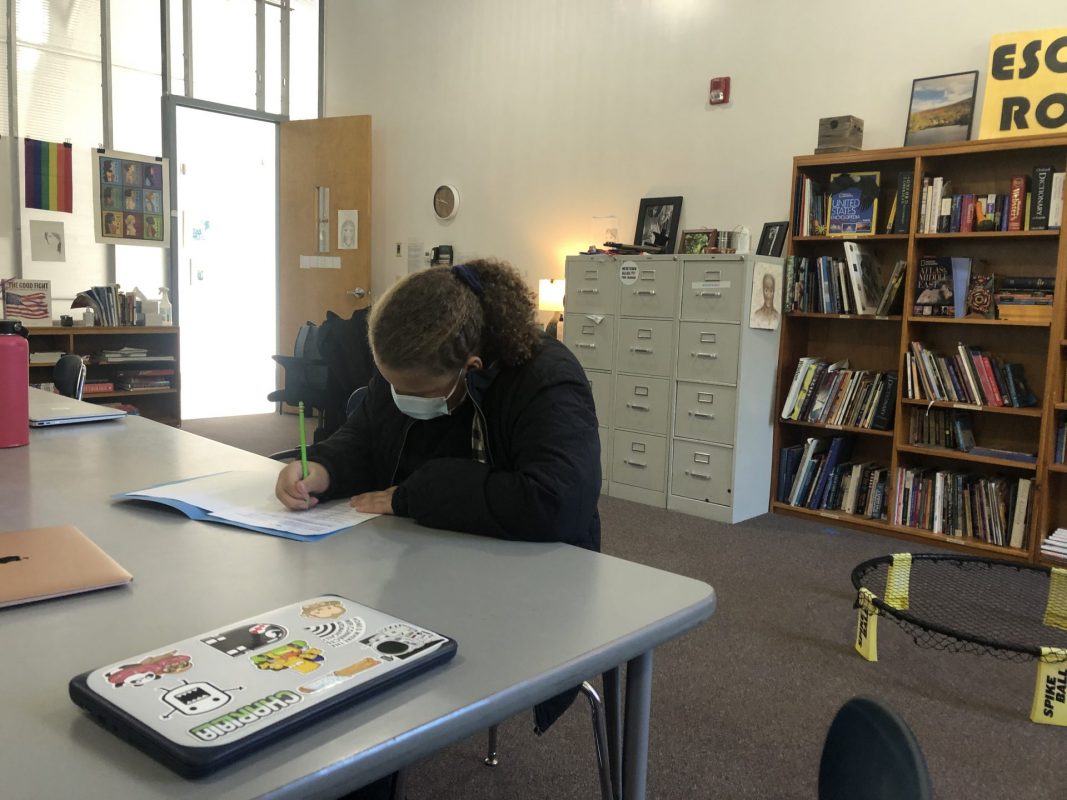
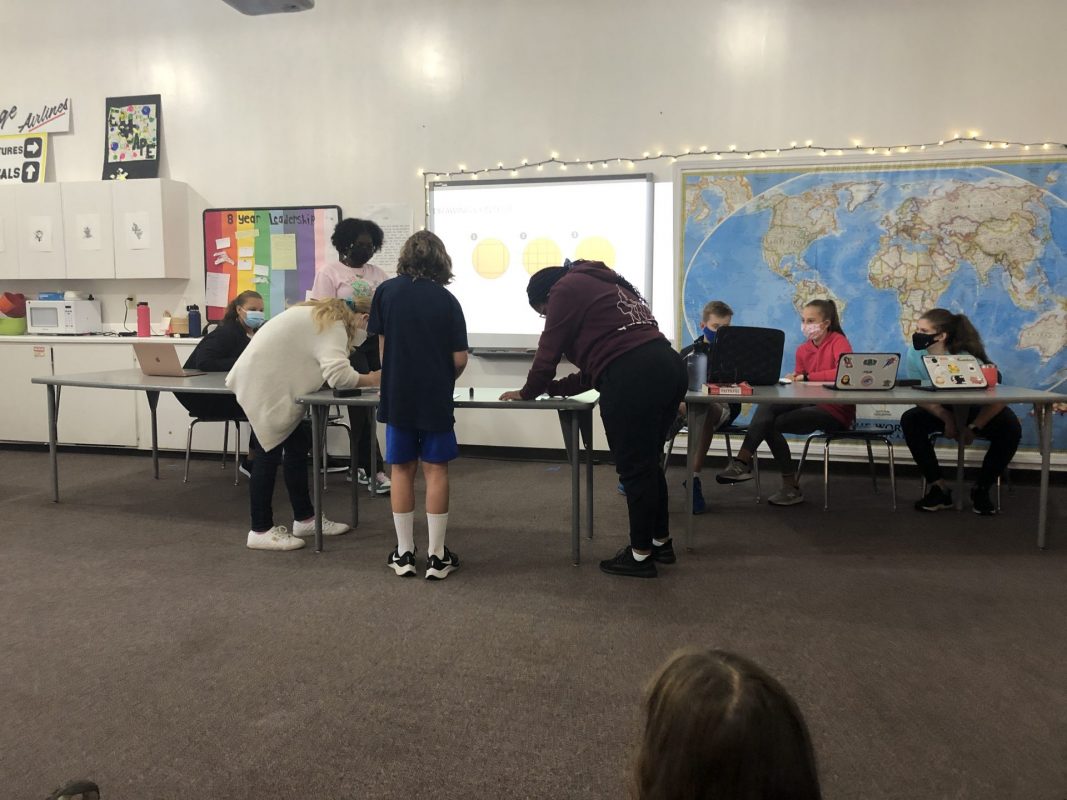
6th grade Humanities students focused on writing this week. Since it was their first week completing current events writing and presentations, they spent time searching for articles that will work best, reviewing what is needed to compose a well-developed paragraph, and understanding the importance of revision. They also composed, edited, and revised poetry inspired by poet, William Carlos Williams. He wrote to express that writing can be inspired by the simplicity of the world around you.

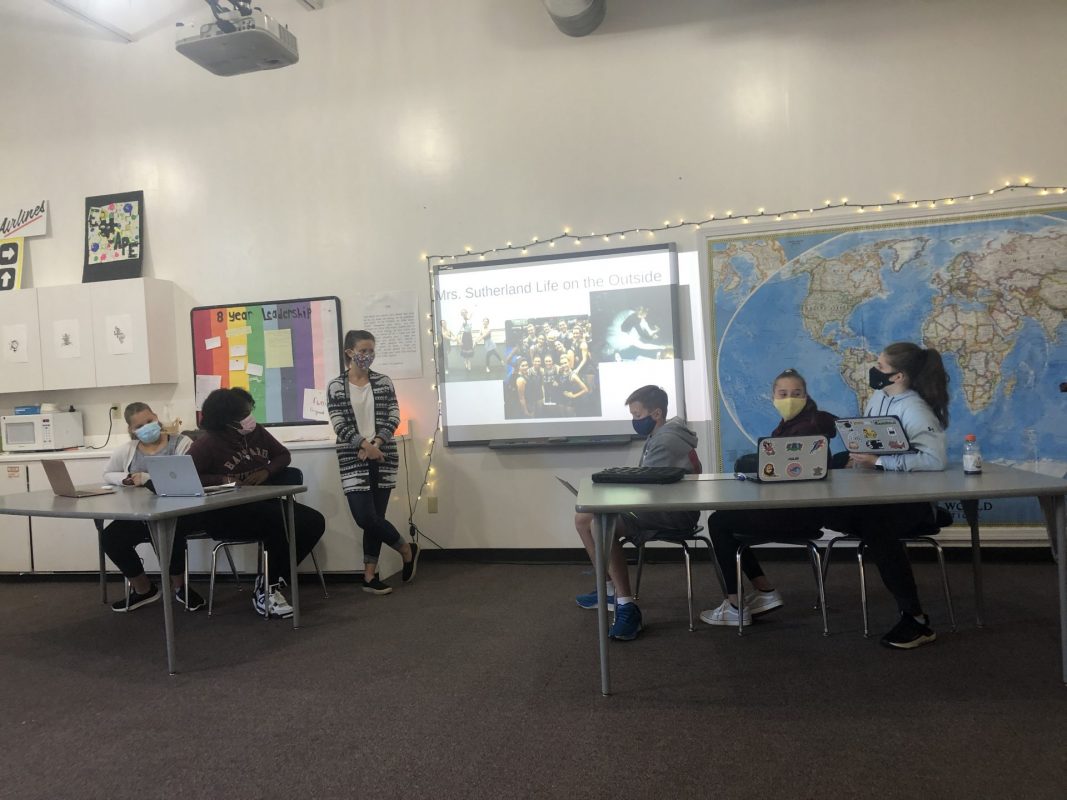
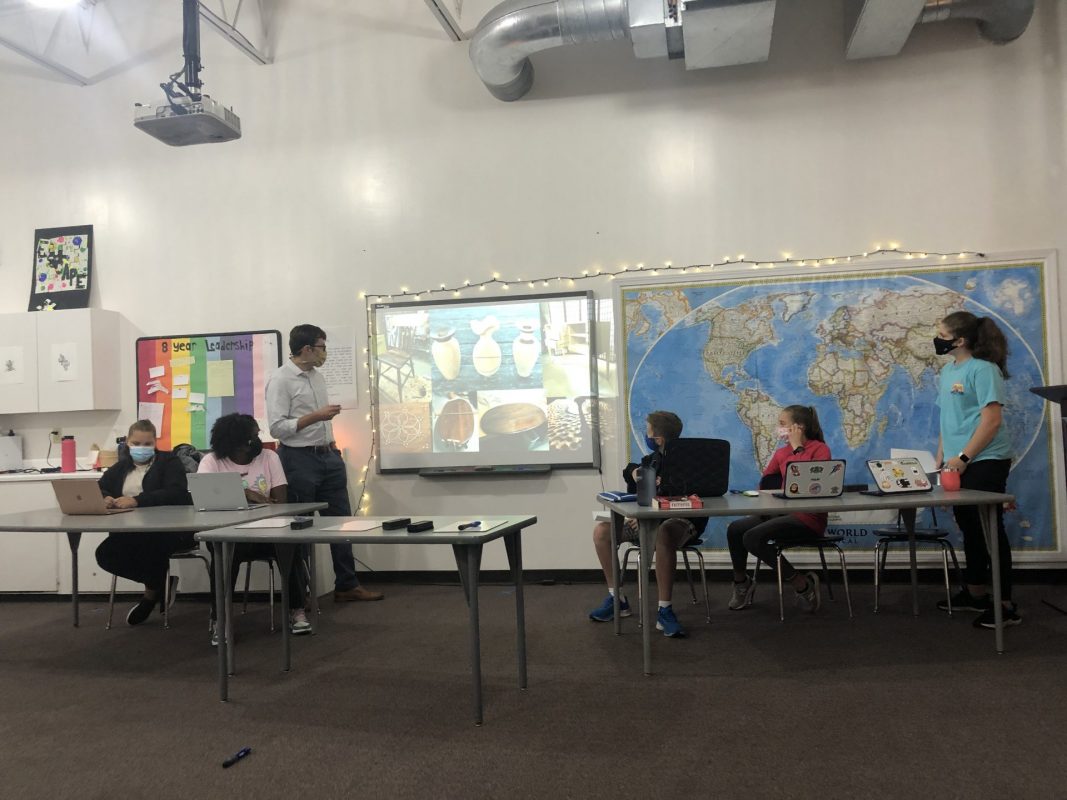
The 7th grade class went over in more detail the dynasties of China, specifically of Imperial China, that were in power for 4,000 years. They shared their research about the dynasties that included the length of their reign, advancements or developments made during their reign, and the reason that they lost power. They are beginning work on religions of China, and will focus on that next week. Finally, 7th grade students presented their first current events of the school year.

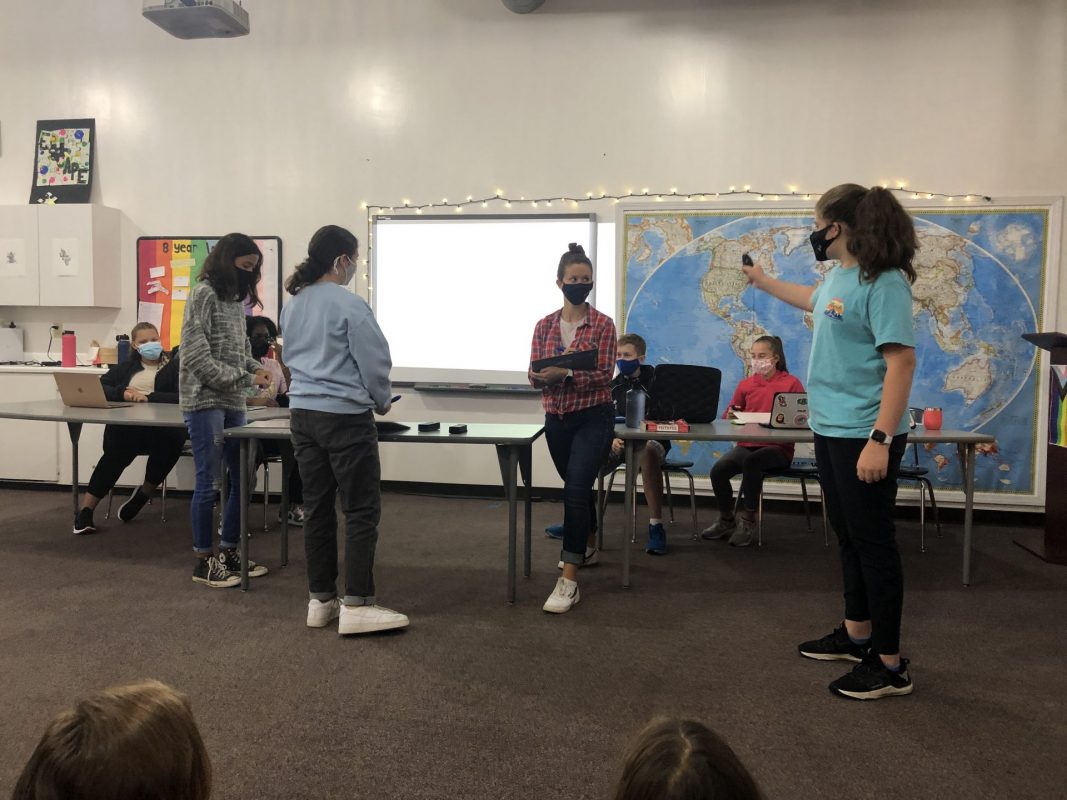
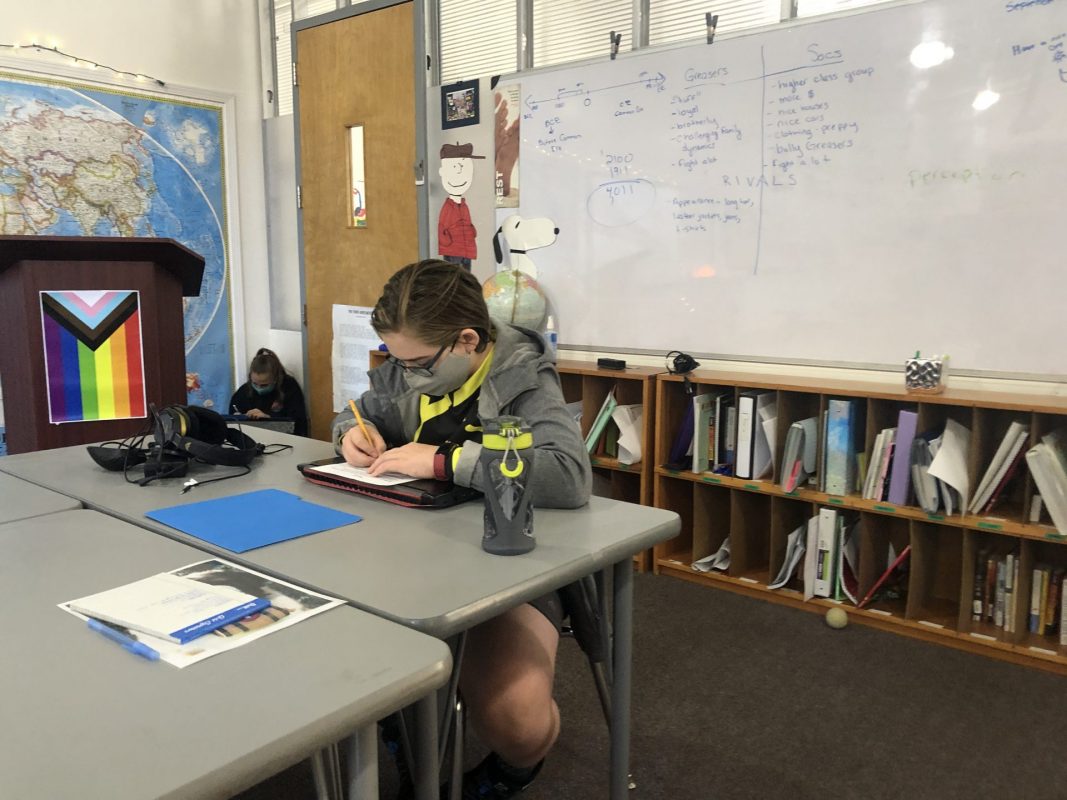
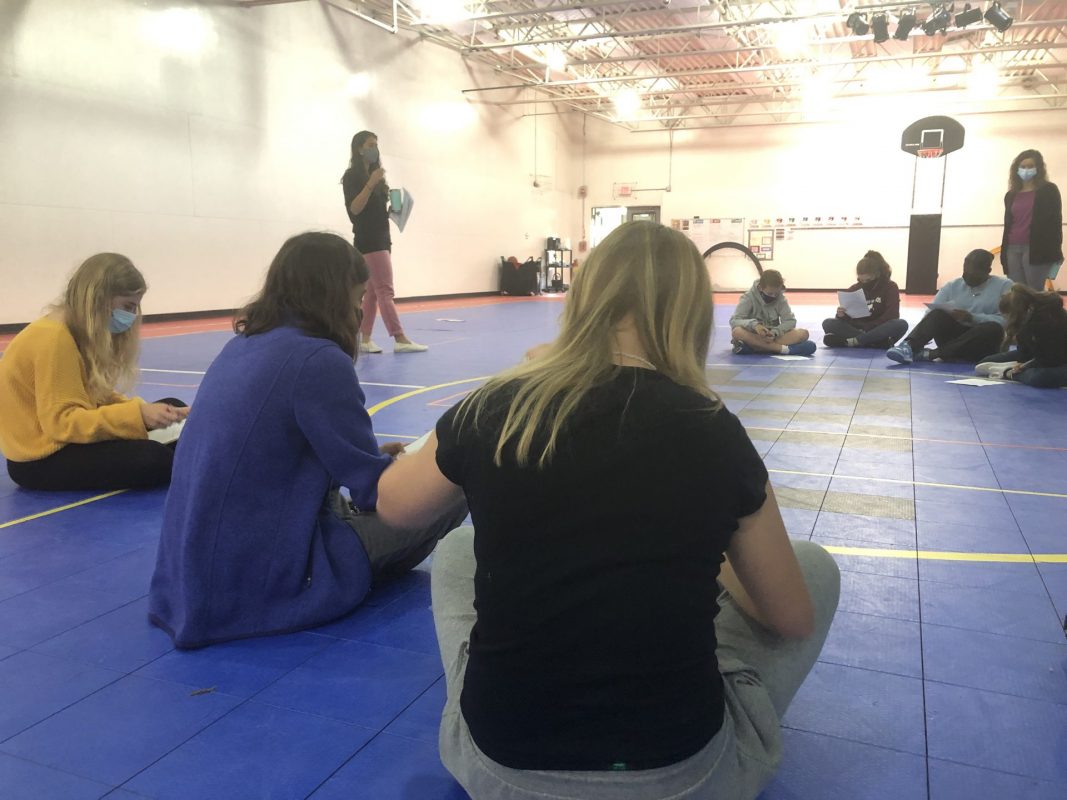
8th grade Humanities students were immersed in literature this week. They continued their exploration of irony in literature while reading Richard Connell’s plot-twisting, short story, “The Most Dangerous Game” (1924). In addition to the main focus of identifying irony in the plot, attention was brought to the author’s word choice. We discussed how there were instances that inappropriately sent a message of oppression and why that is not something that would be published now.  Students also discussed their summer reading The Outsiders and talked about how stereotypes affect society and how society affects stereotypes, as showcased in the novel.  Finally, 8th grade students completed their first current events presentations of the year.

Science

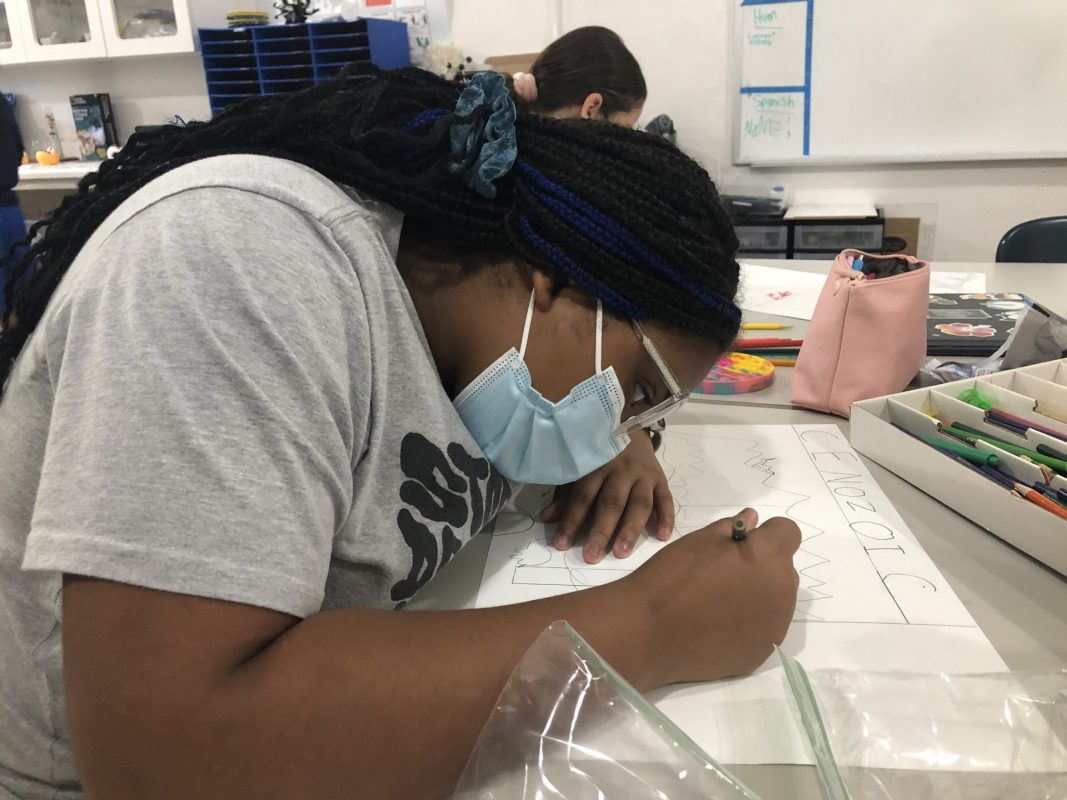
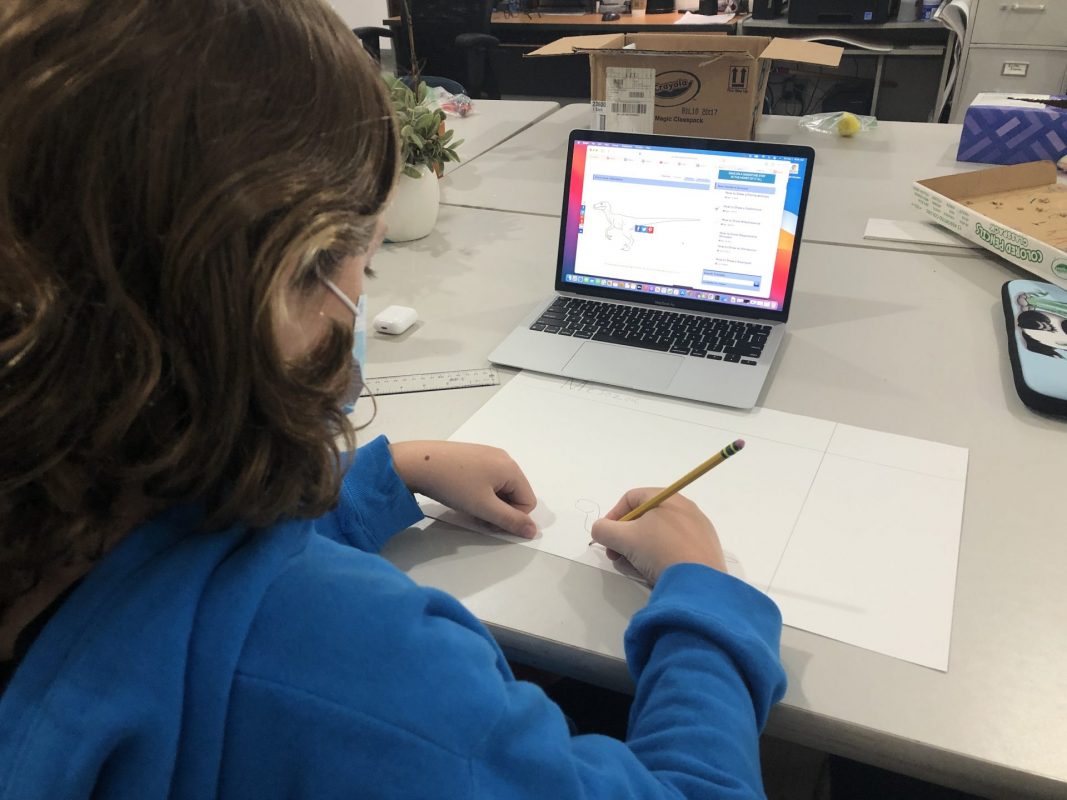
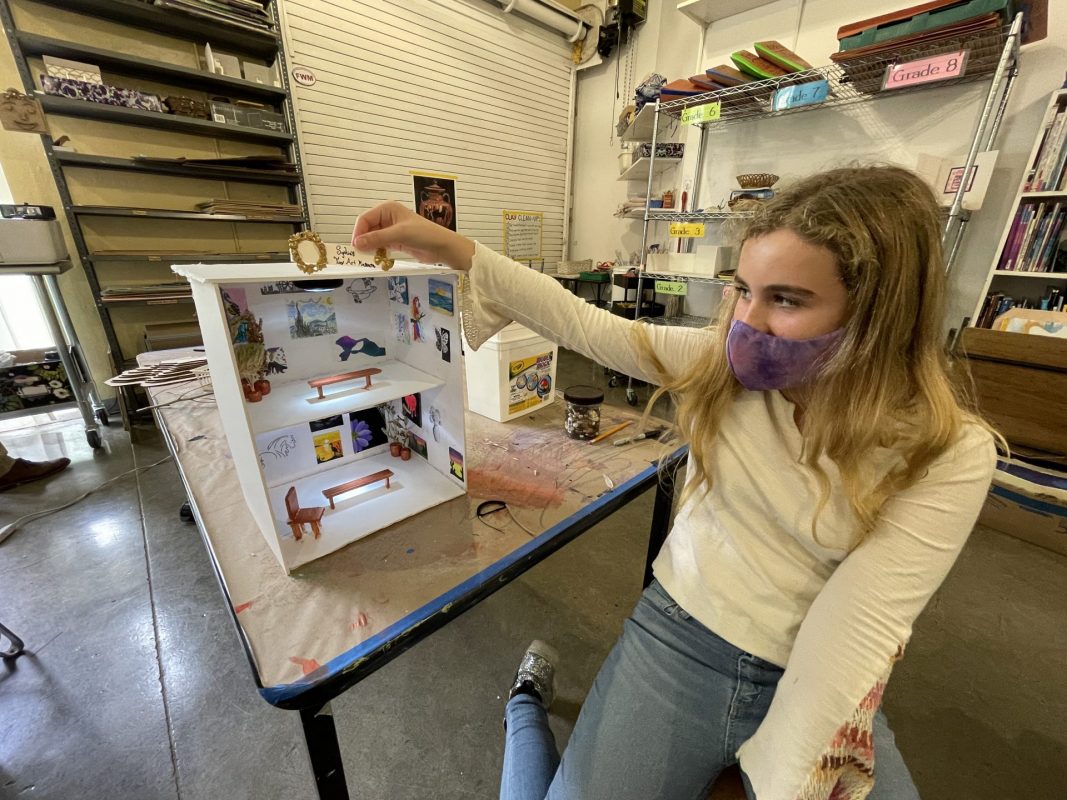
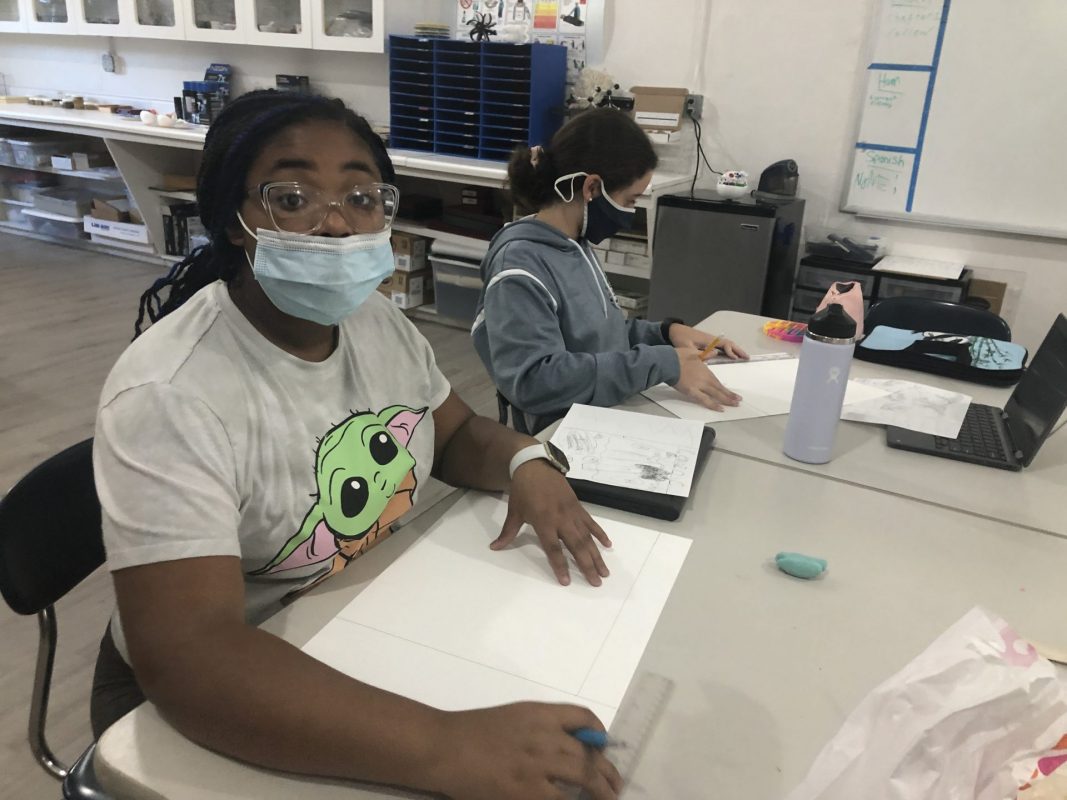
6th year Earth Science students are working on artistically representing eras from the geologic timeline as part of their unit on Fossils and Studying Earth’s Past. Students have the option to use a variety of mediums, from pencils to clay, in order to represent the environmental conditions or species present during that time period.

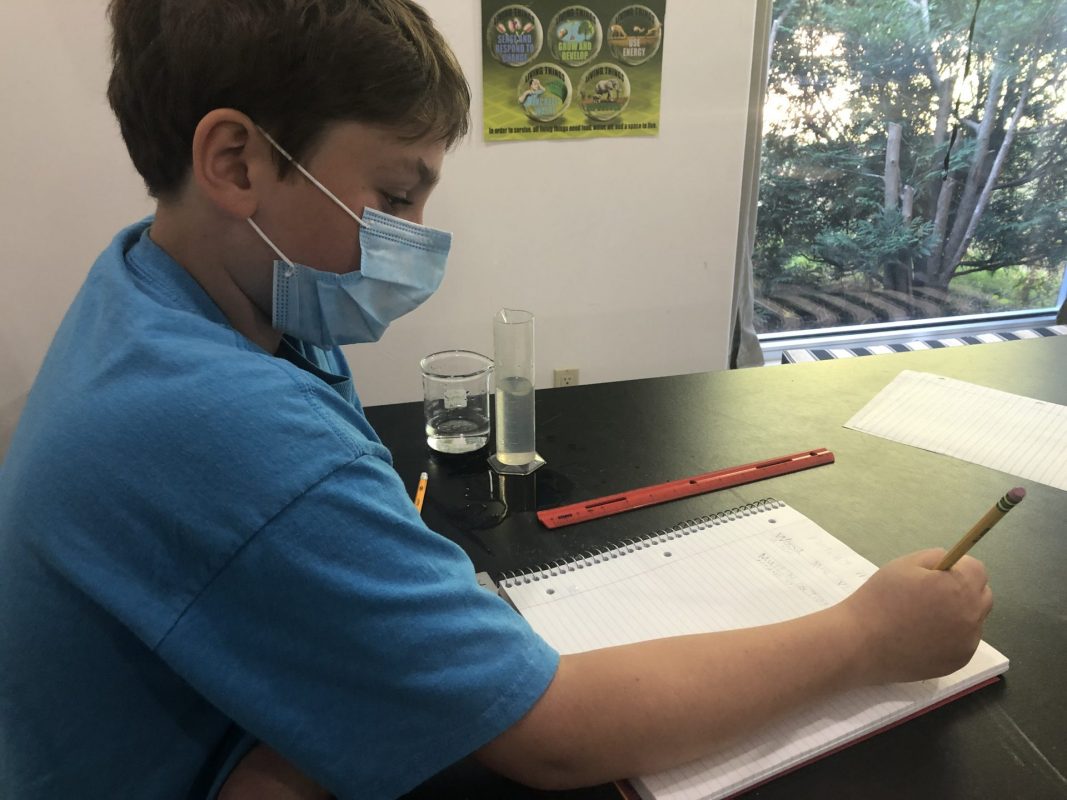
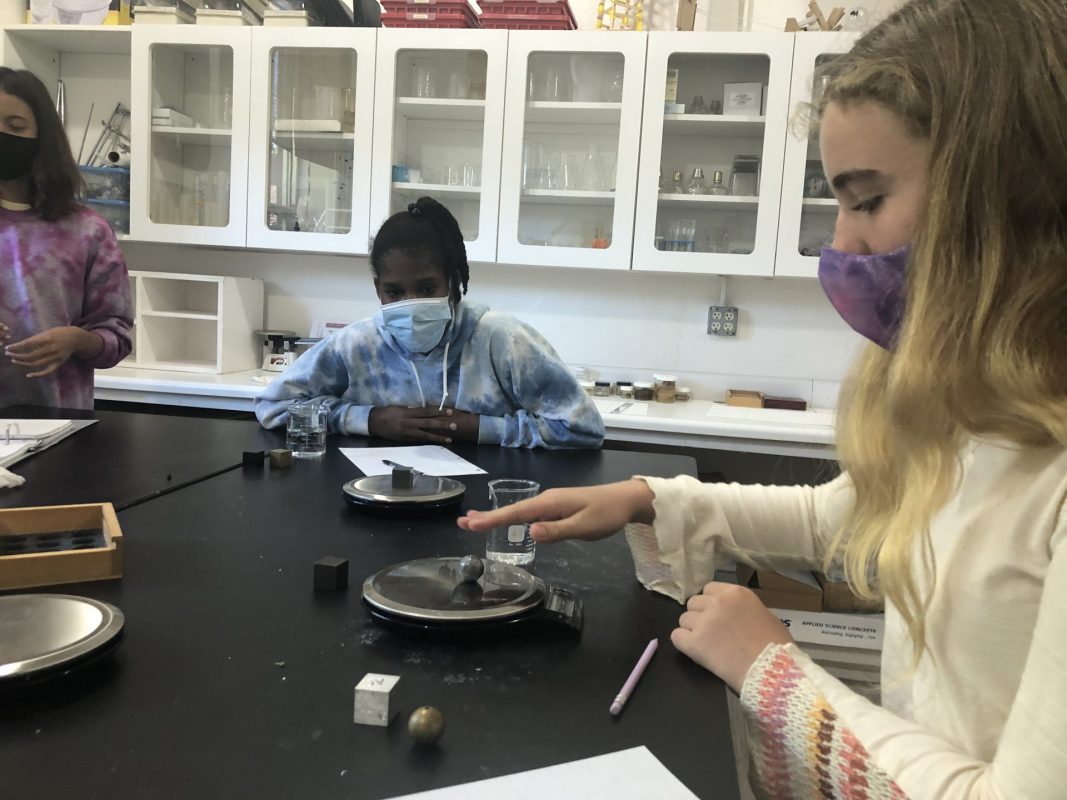
7th year Physical Science students have just begun their unit on Characteristic Properties of Matter. Within this unit students will become familiar with defining characteristics that identify the similarities and differences between matter. This will consist of color, texture, density, conductivity, and solubility. Students were asked to identify the density of unknown matter this week using their mass and volume. Density is defined as a physical property which does not change regardless of size, as the mass and volume remain proportional.
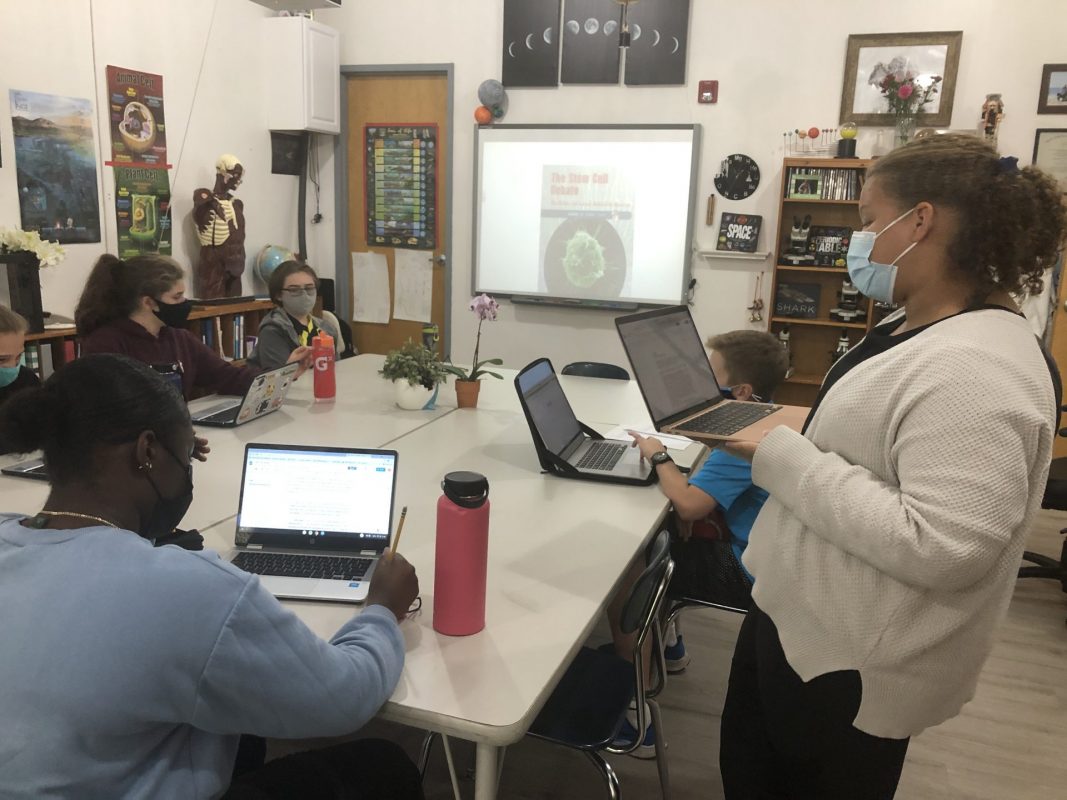
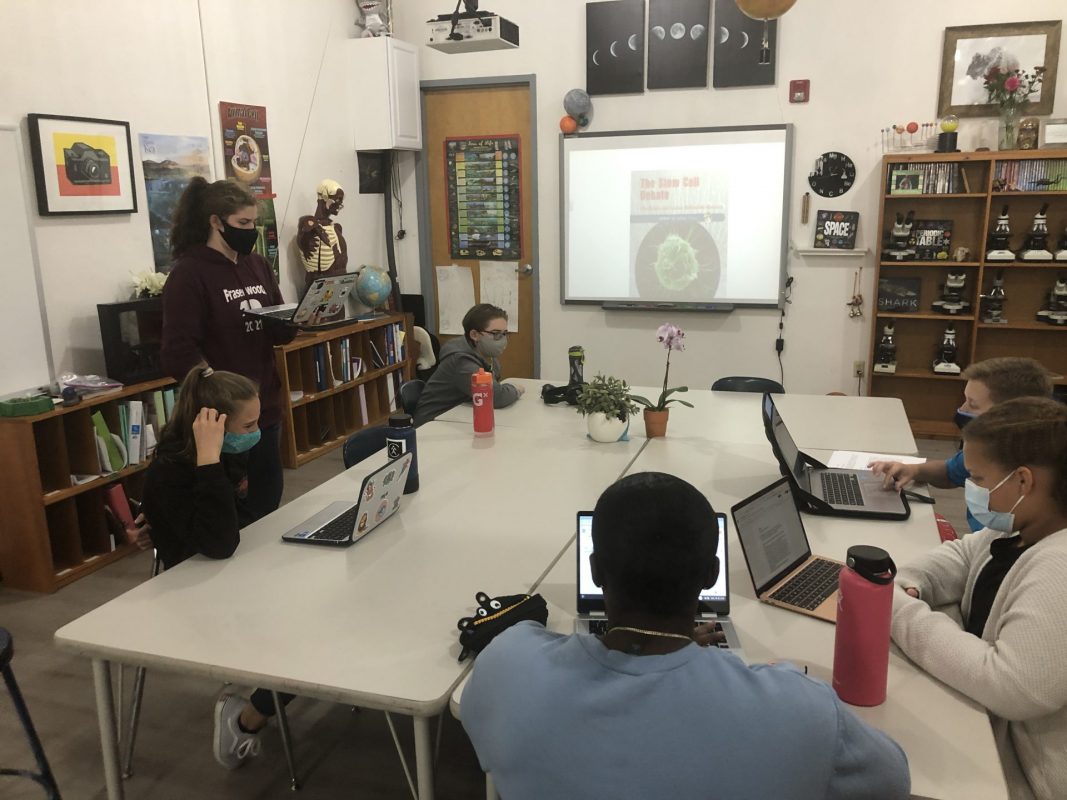
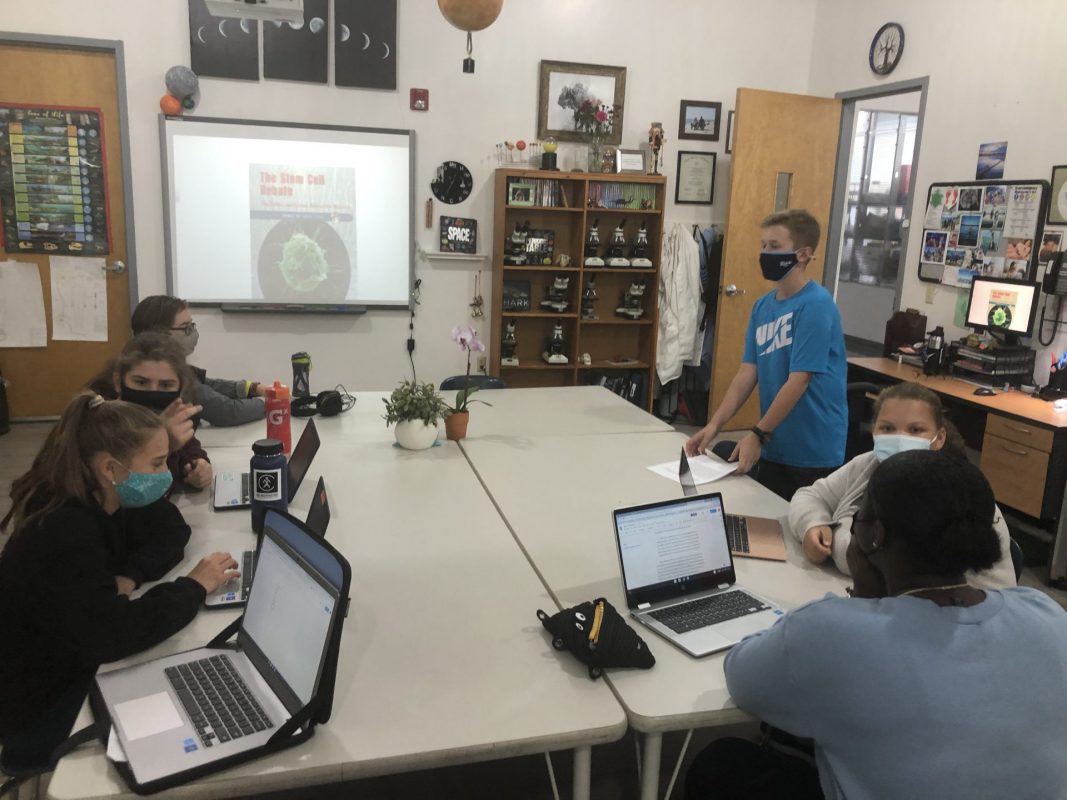
8th year Life Science students conducted their Stem Cell Debate. Students were provided time in class to research information that either supported or disproved the continued use of stem cell application with scientific data. The goal of this assignment was for students to become aware of the extensive scientific research behind such a treatment in regards to our current unit on Cell Theory. Our next unit will be Structure of Life.
Have a great weekend!