Blog

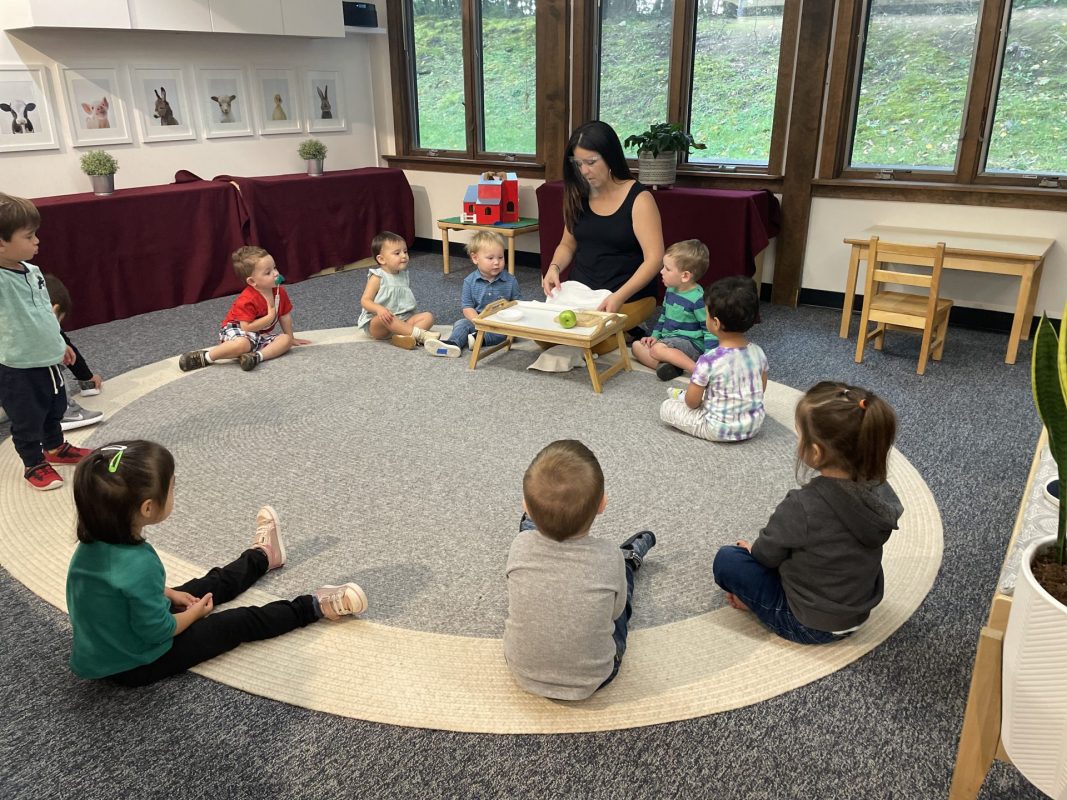
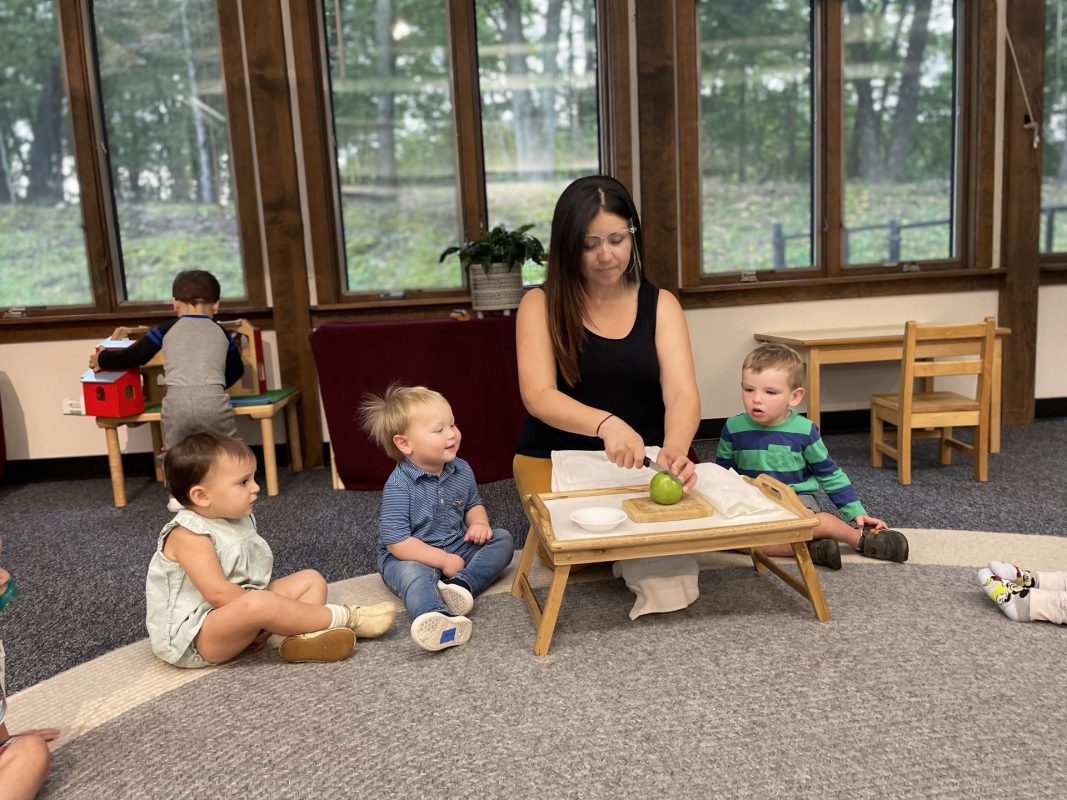
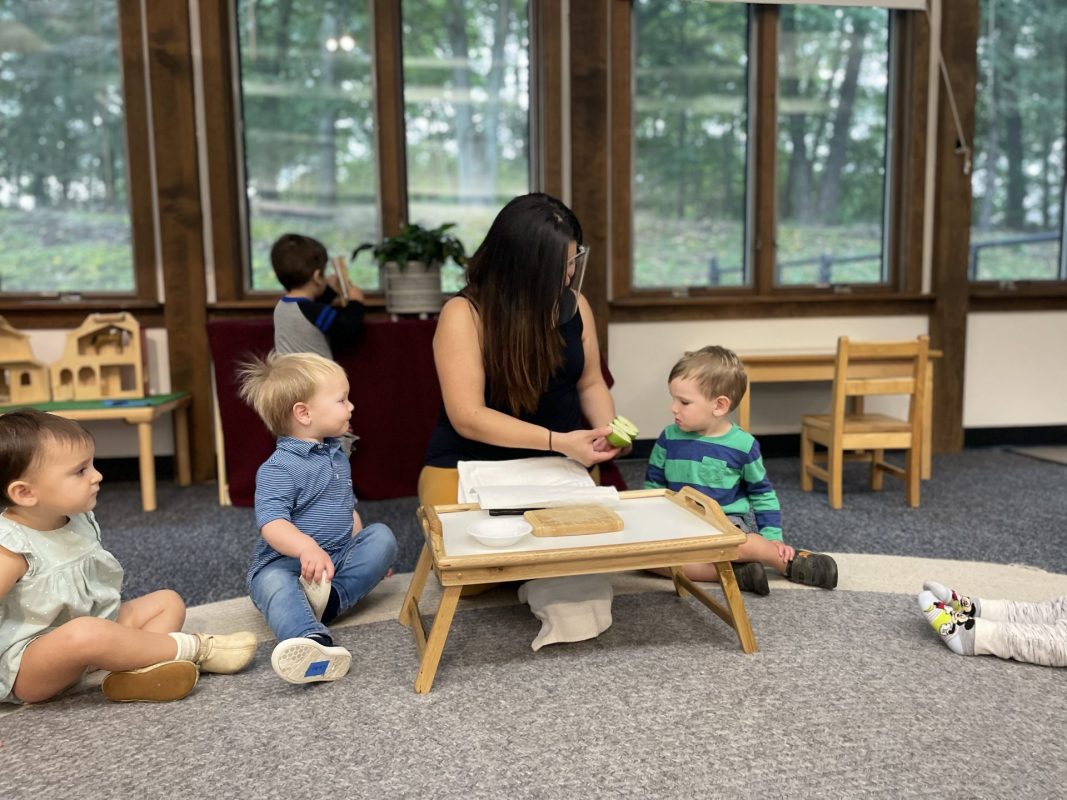
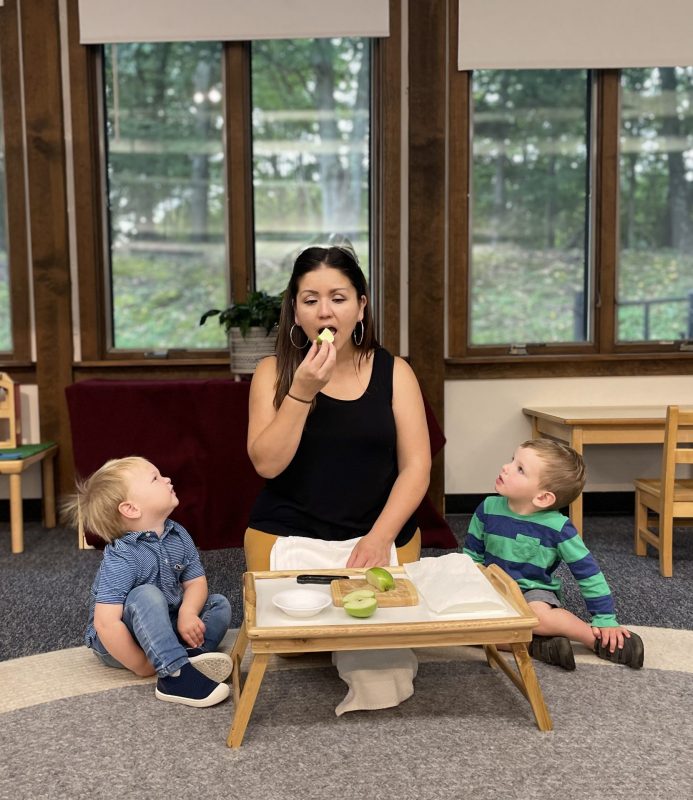
Mrs. Wilson: Apple, Peeler, Corer


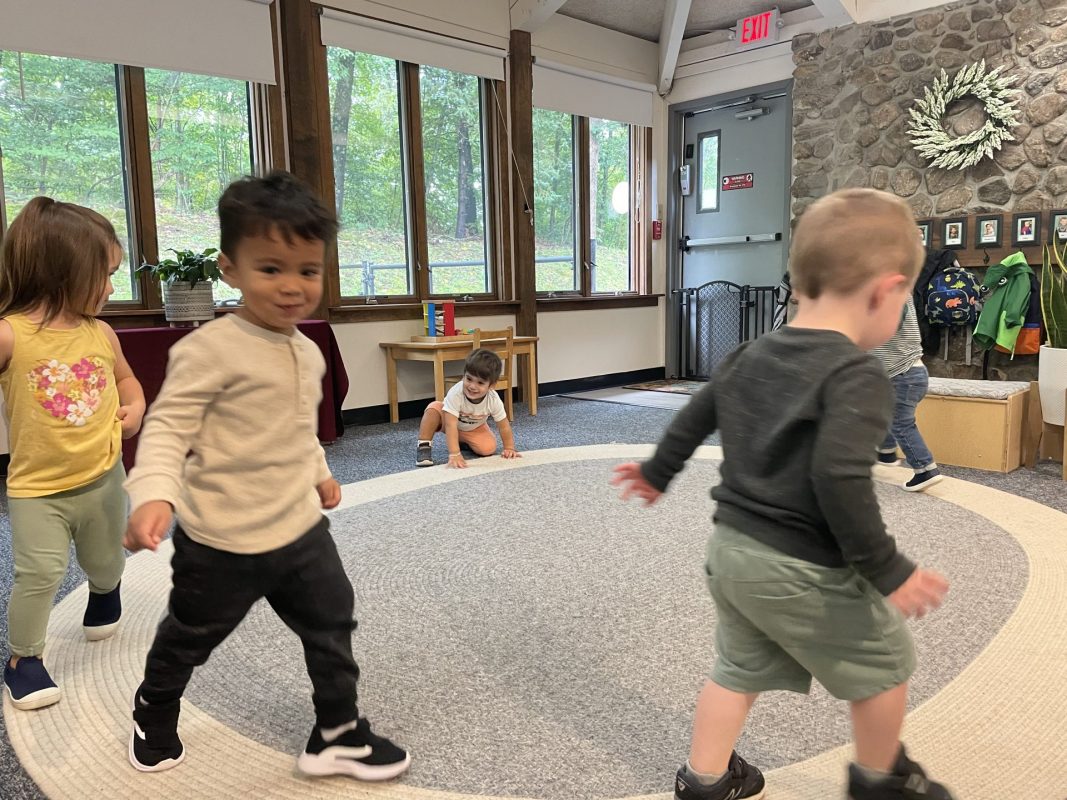
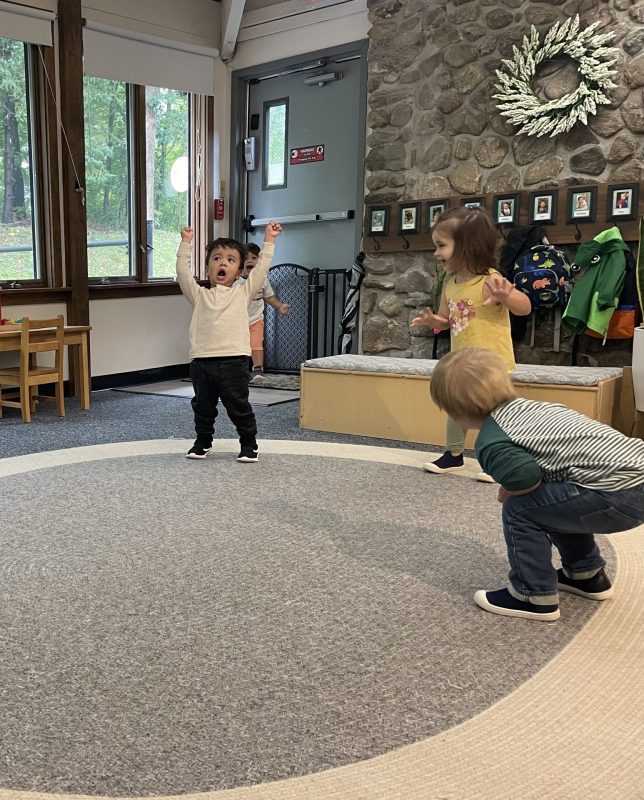
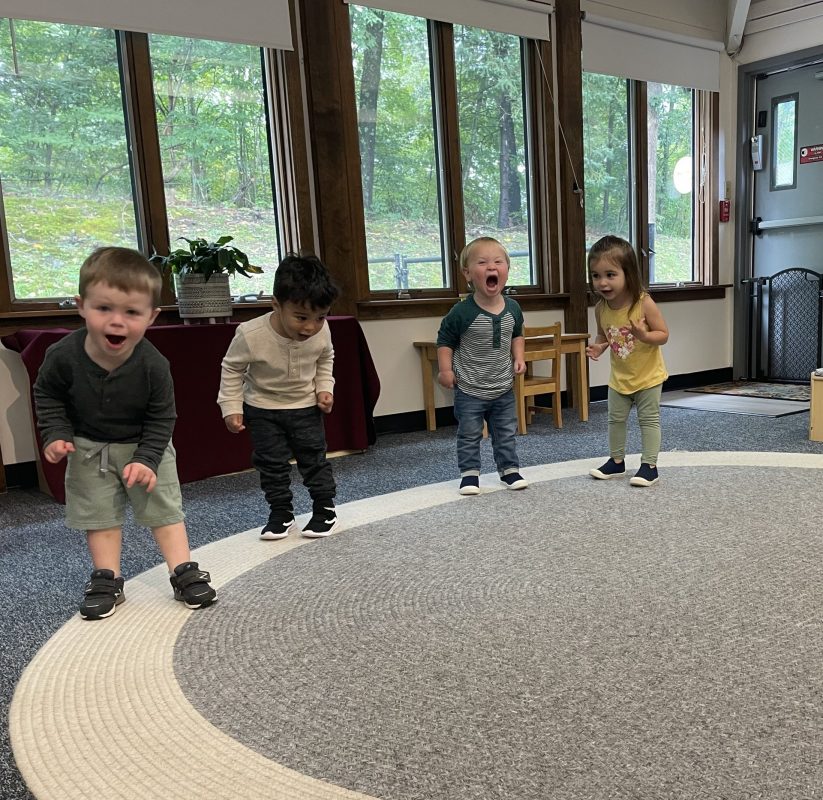
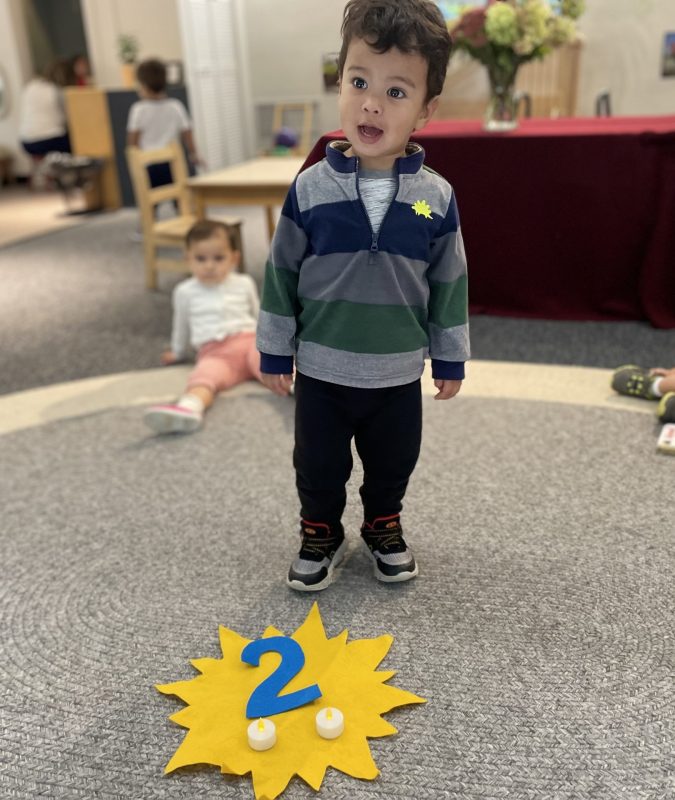
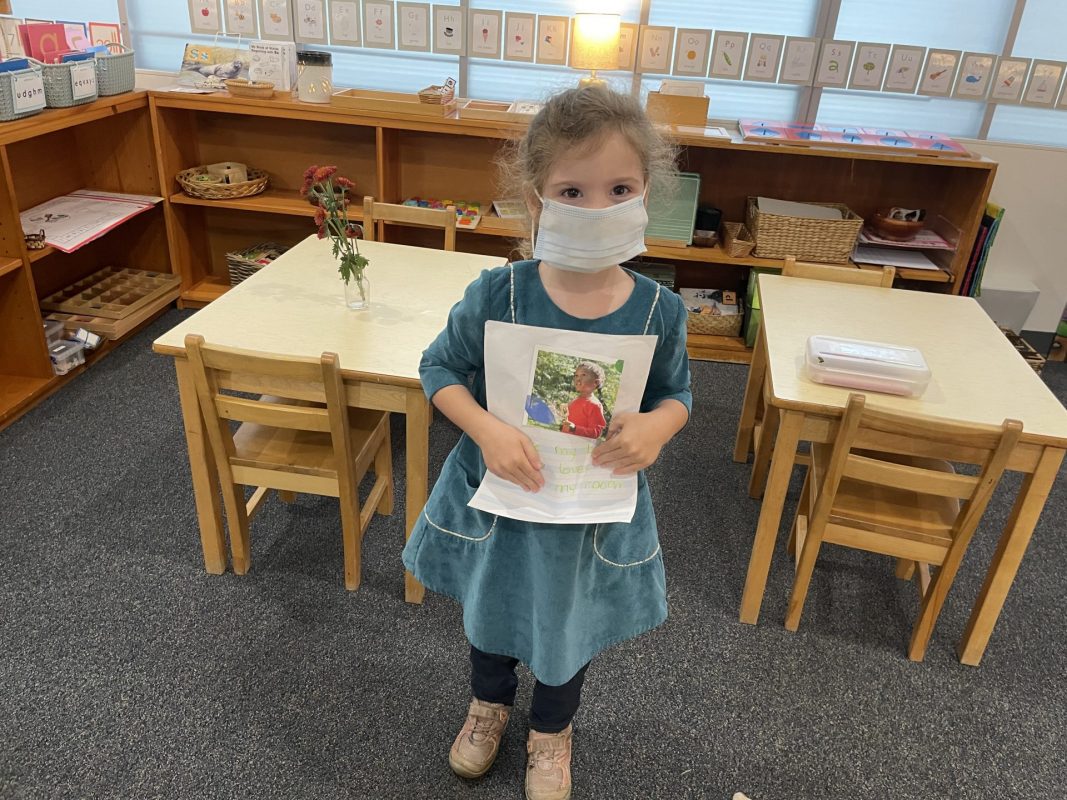
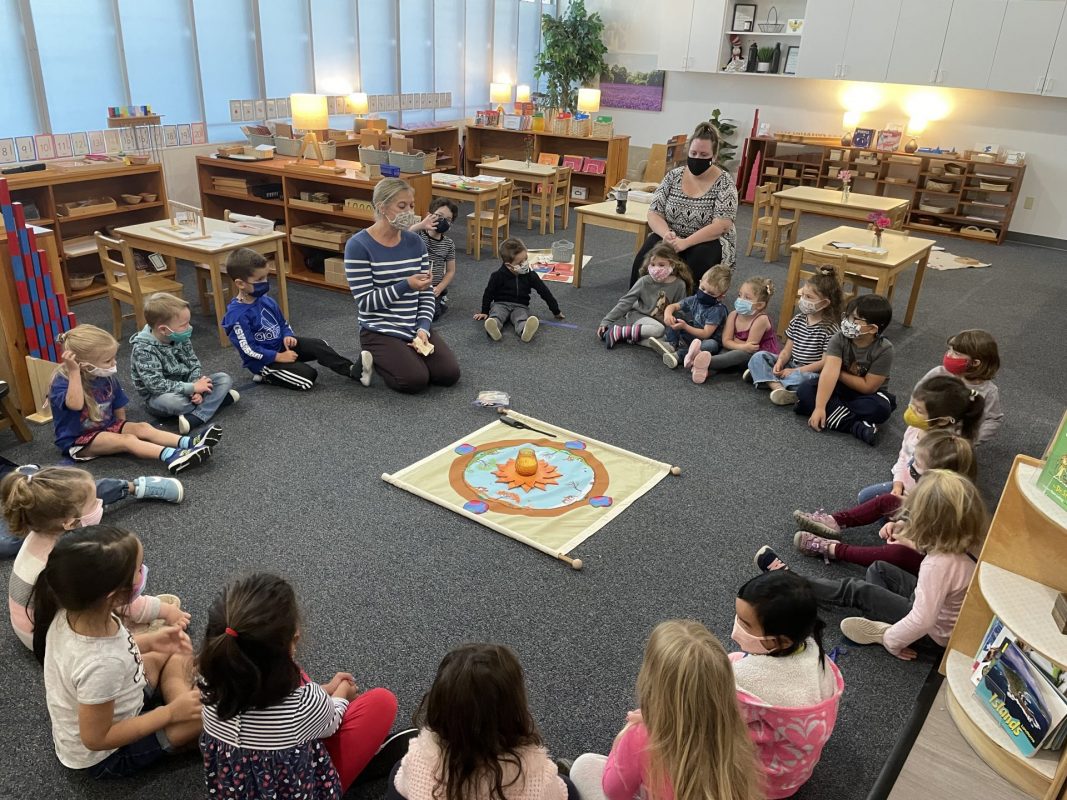
This week we introduced a new song to the children. This song will be a part of our morning routine every day. During our gathering, I hold up a photo of one of the children and ask “Who is this?” The child and/or their friends can say the name. Then it is that child’s turn to get up and dance if they wish.

In the tune of Farmer in the Dell:

(Name) is here today!
We are so happy that (Name) is here today!
YAY! (hold up arms)

If a child is not at school and we know it is because they are not feeling well. I tell the children and say “I hope… feels better soon.” This teaches them empathy for their friends.

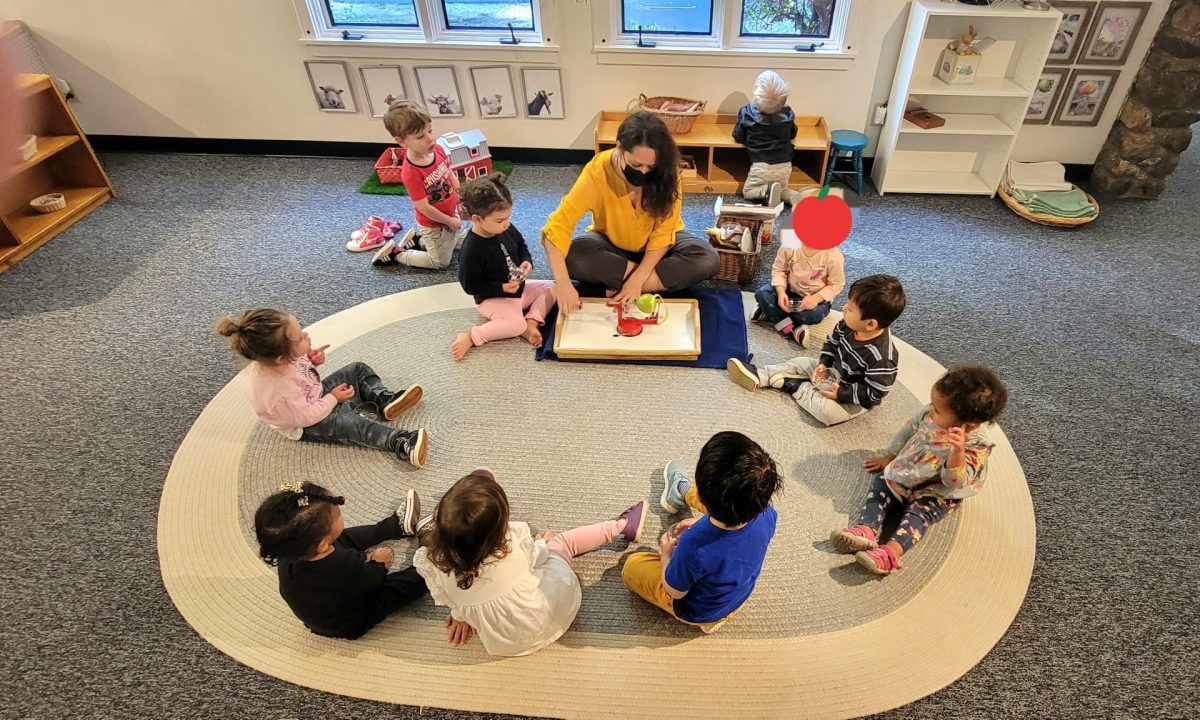
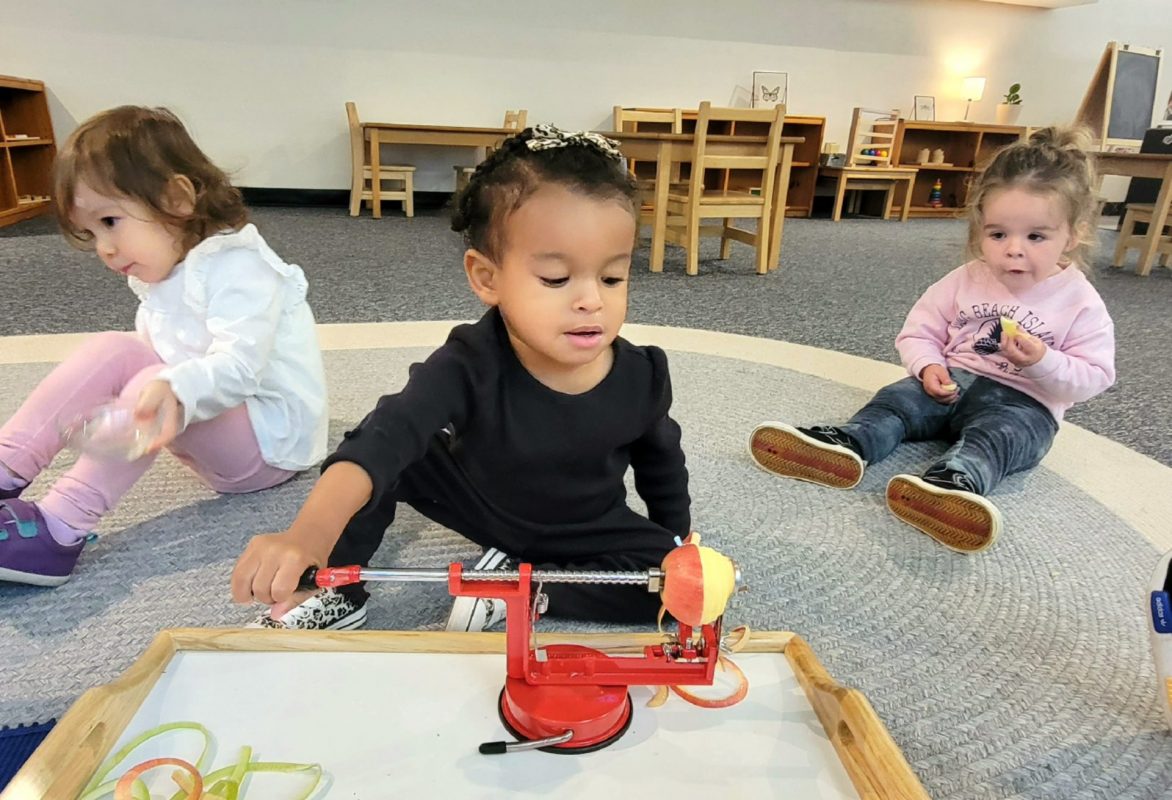
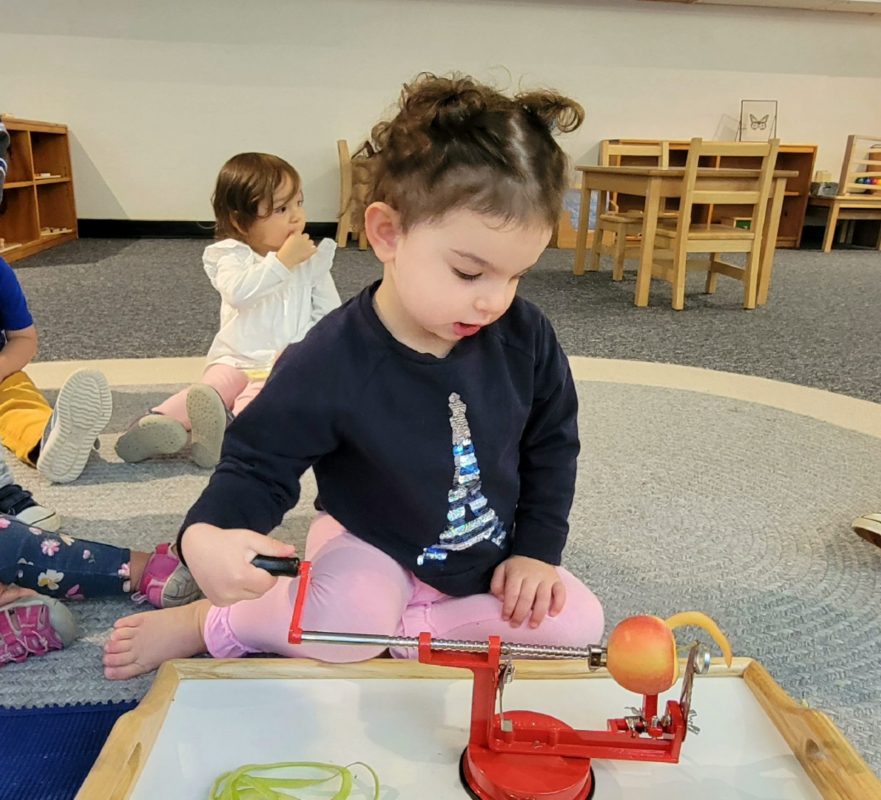
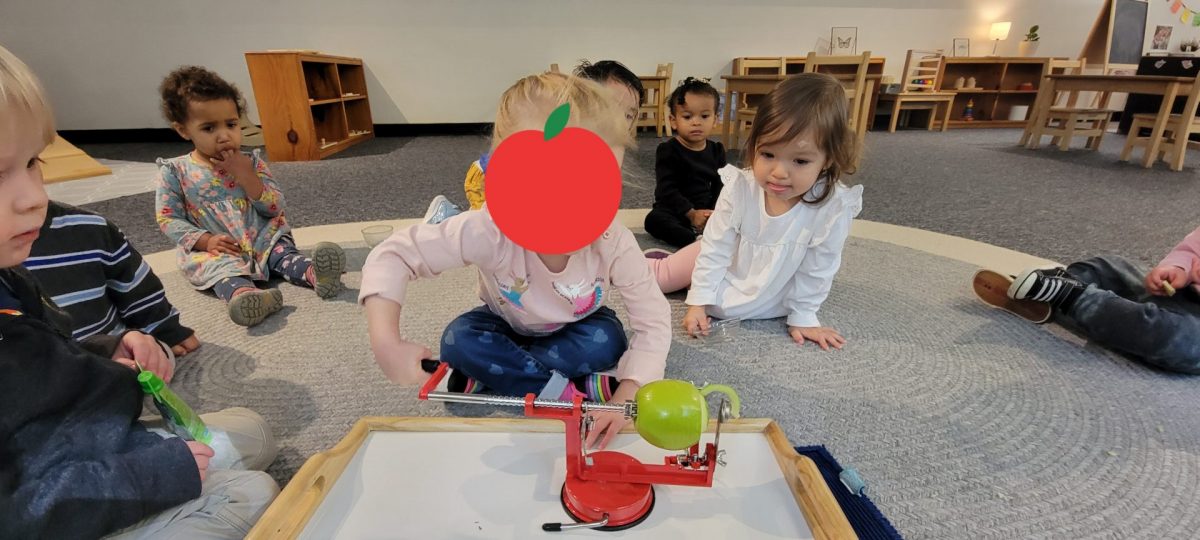
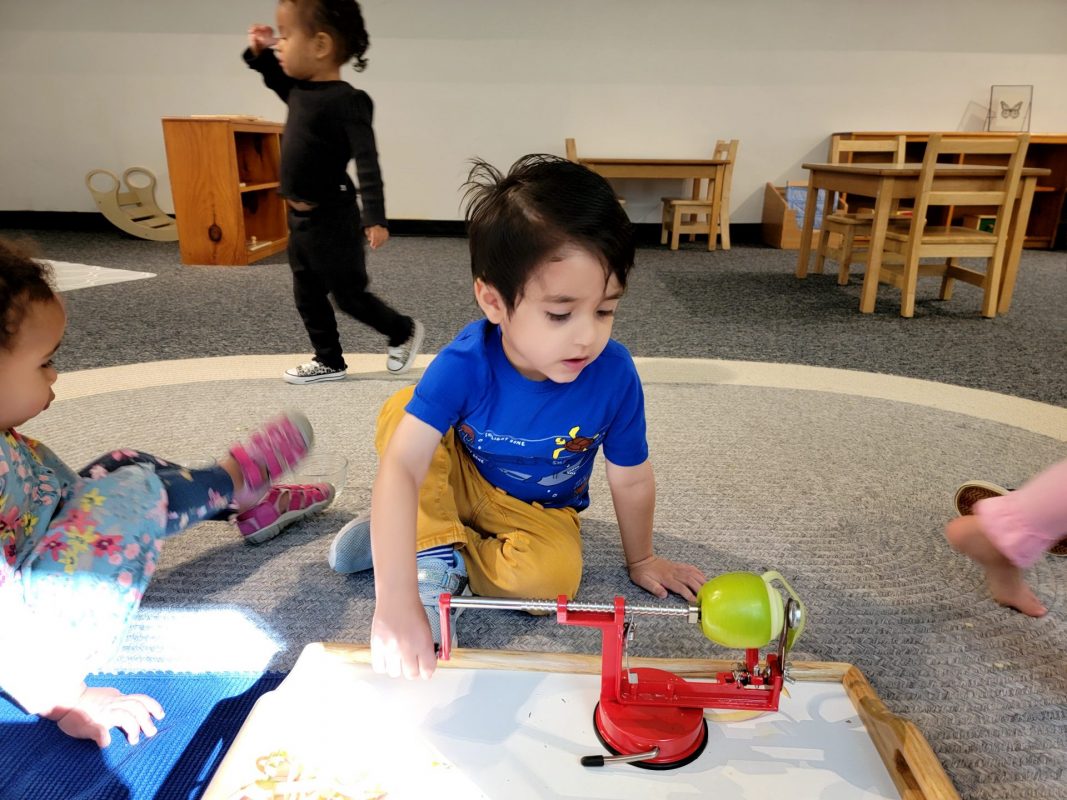
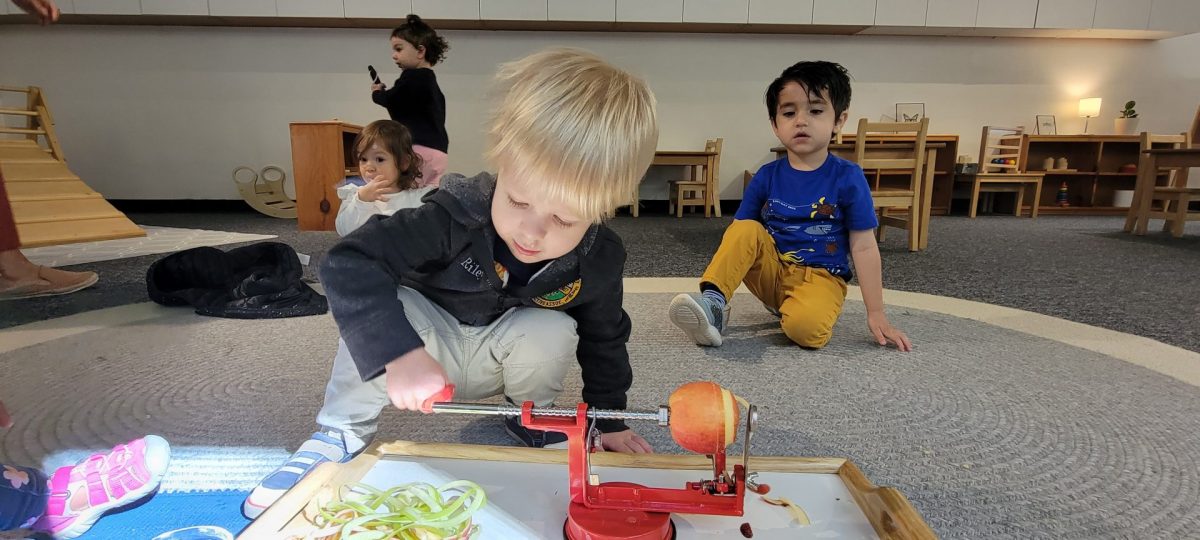
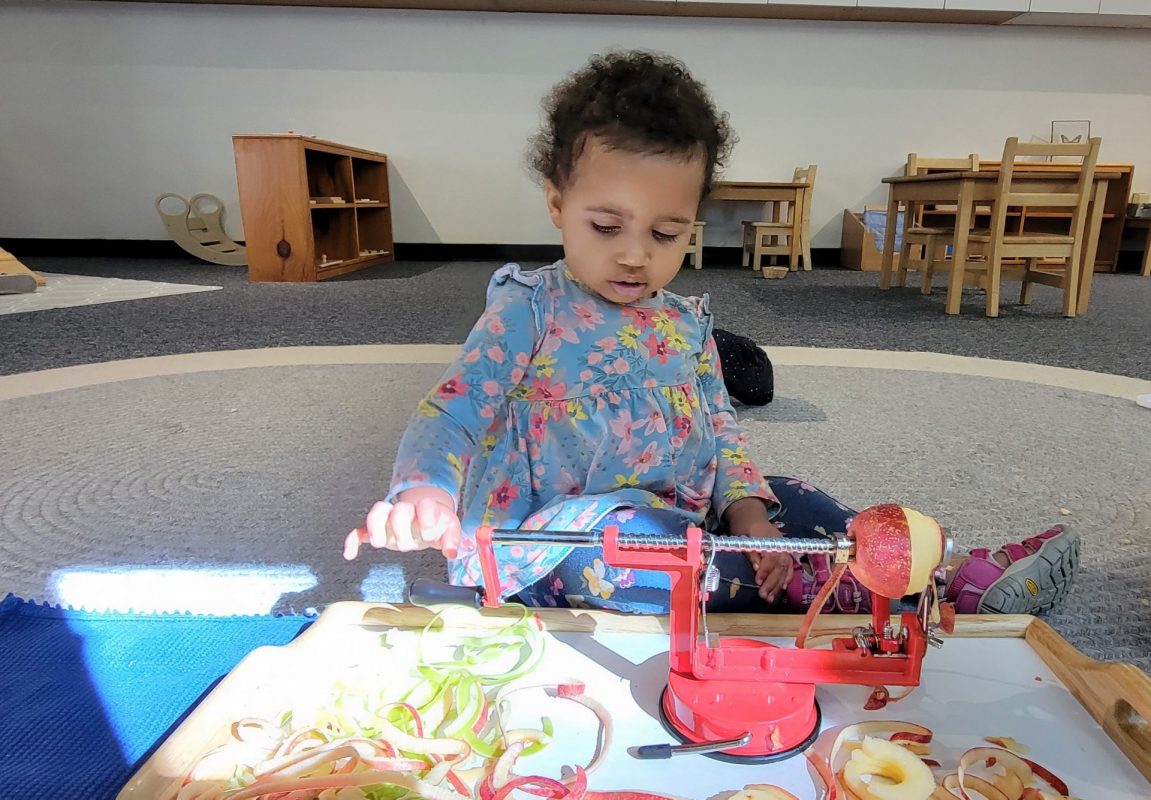
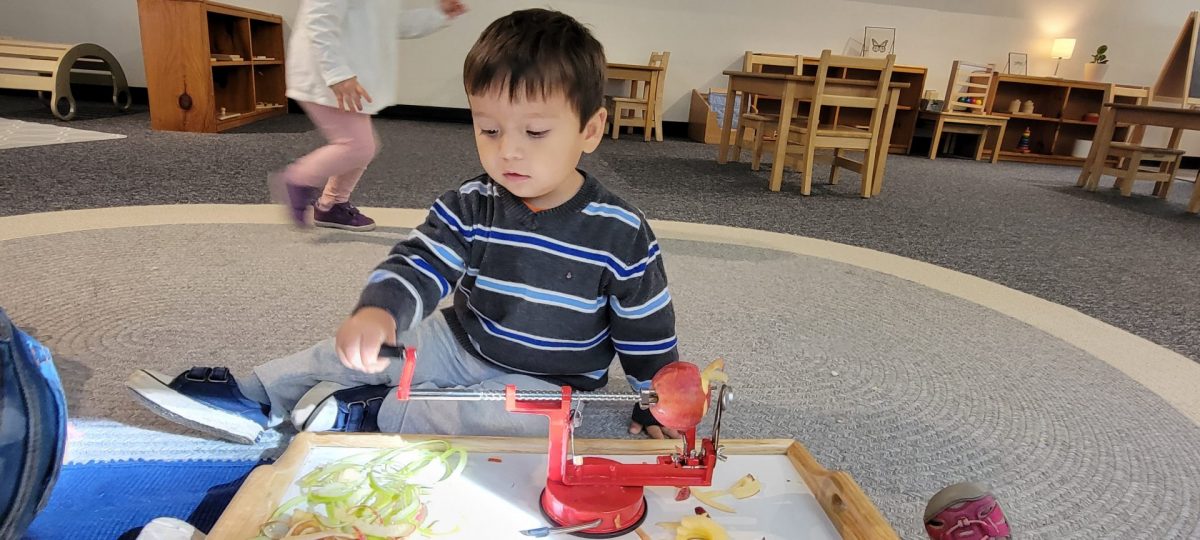
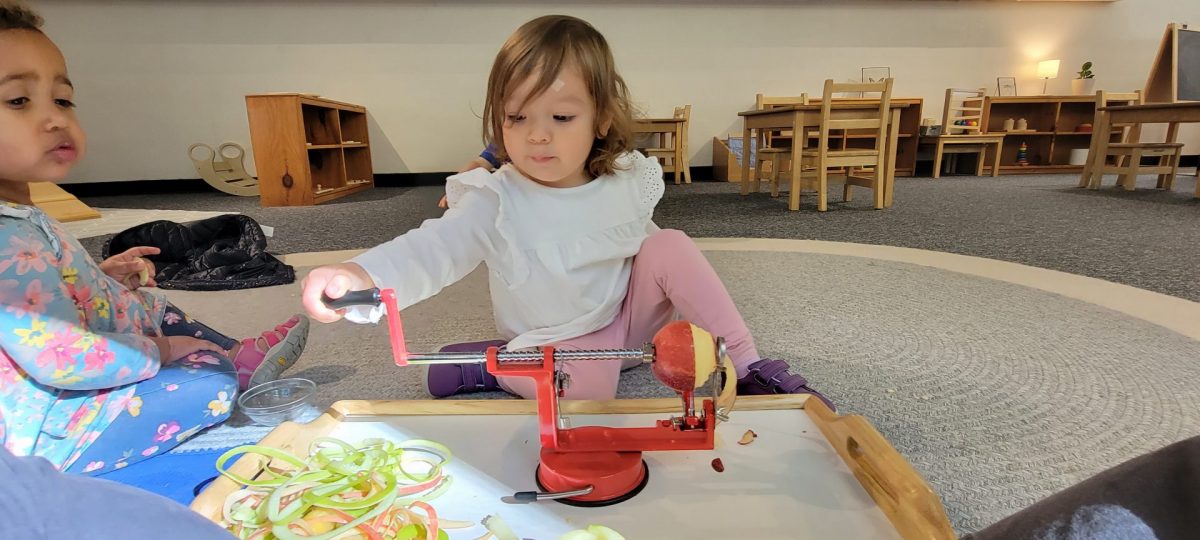
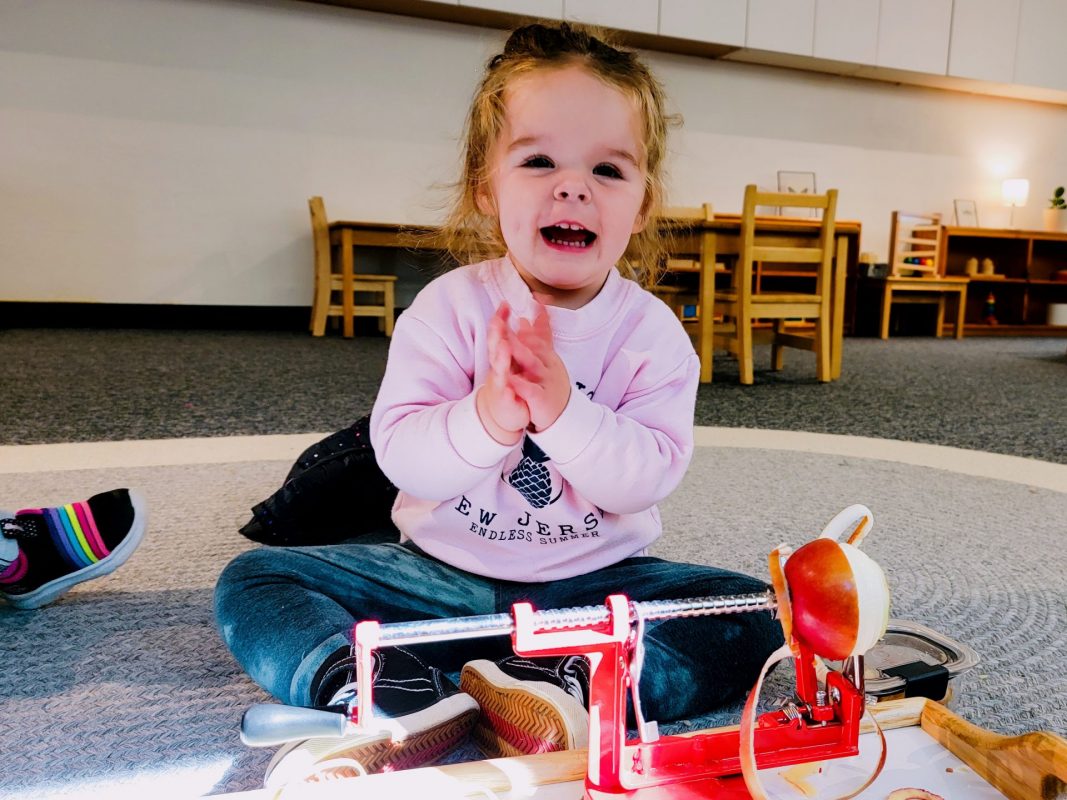
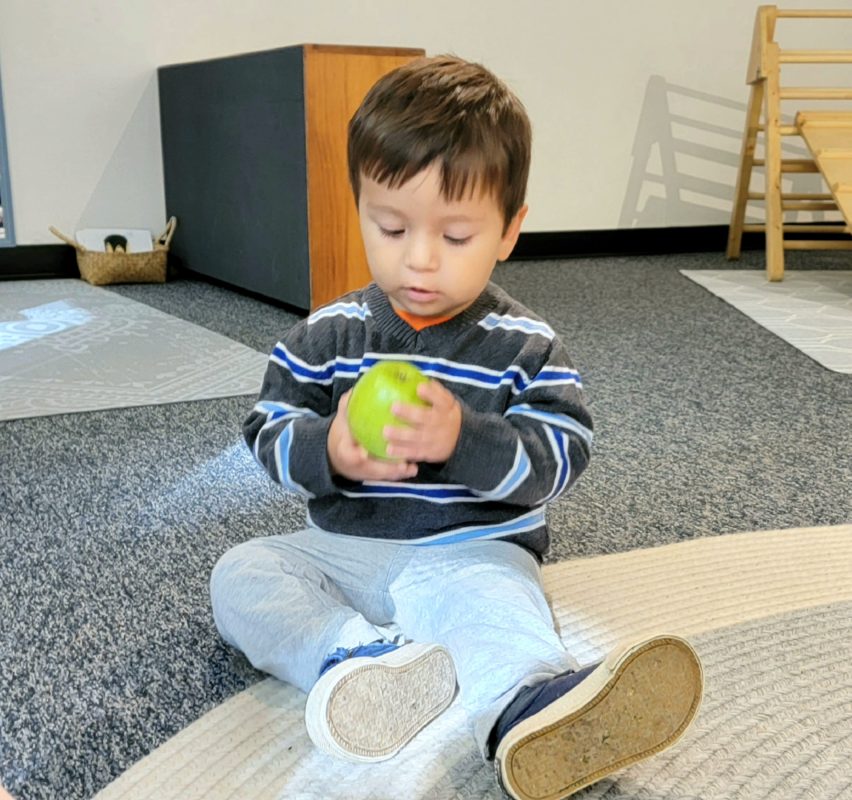
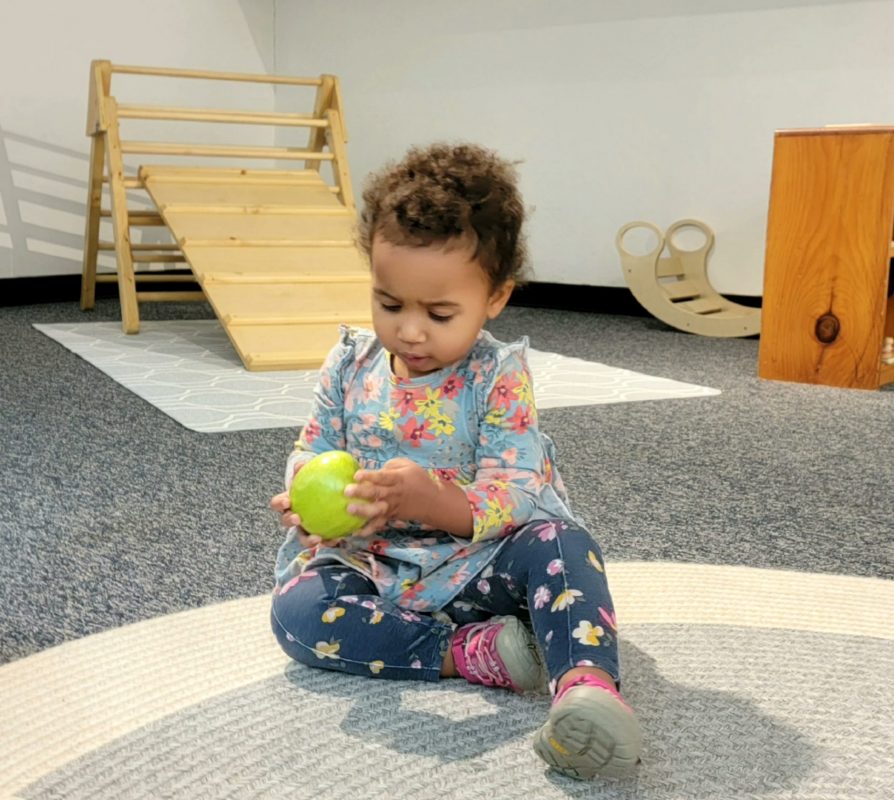
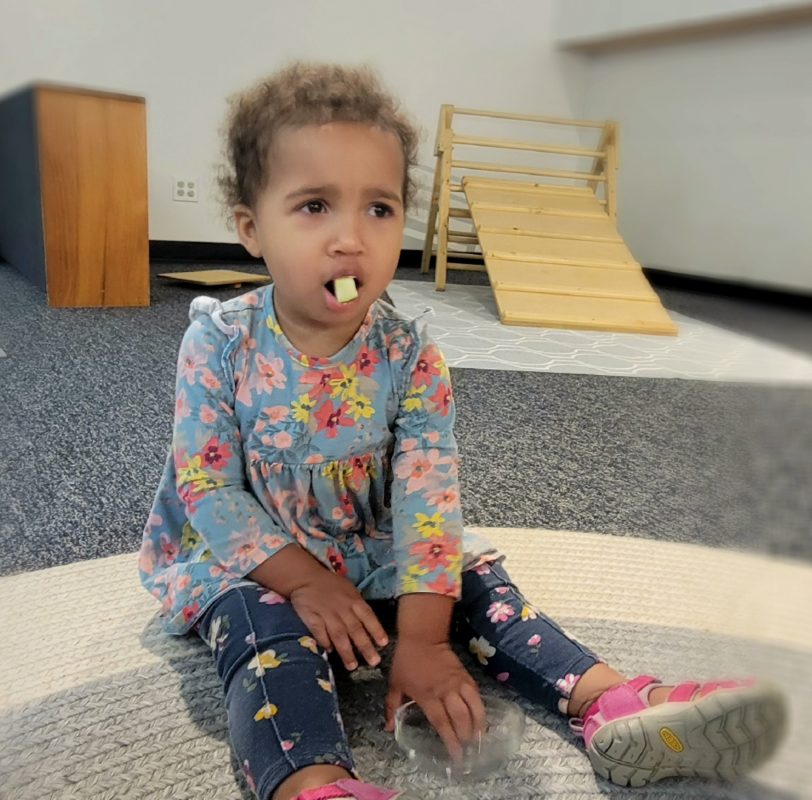
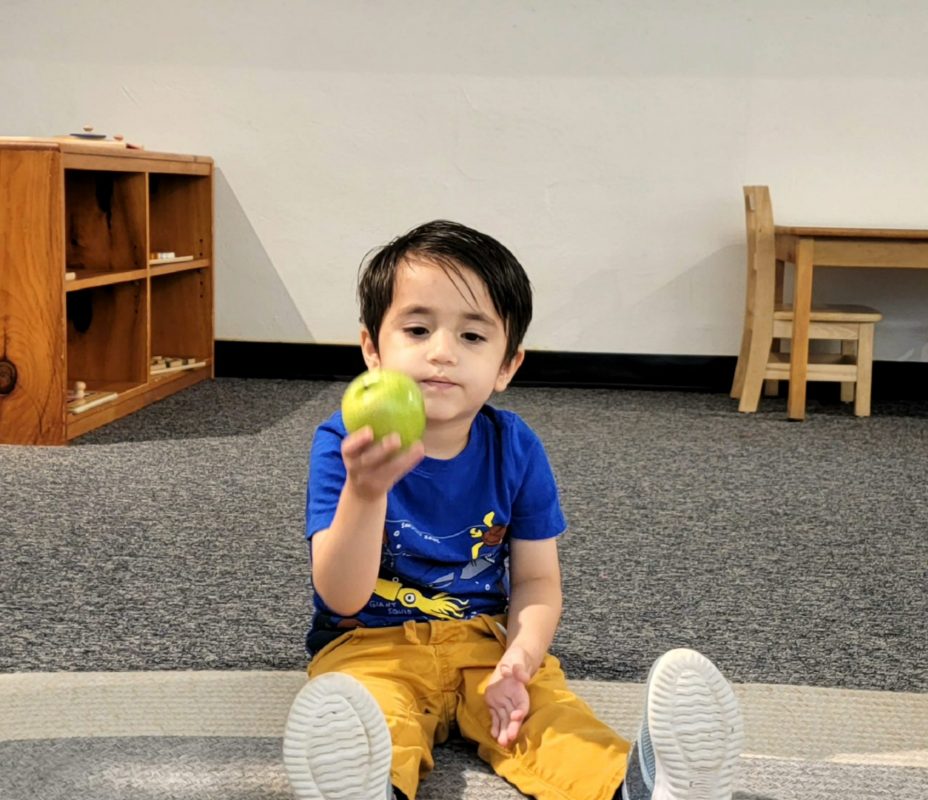
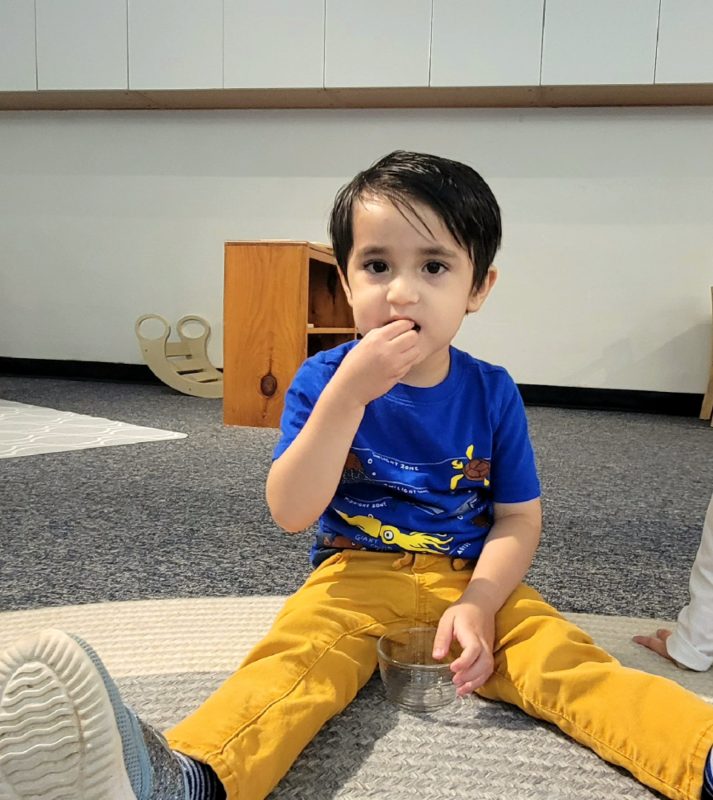
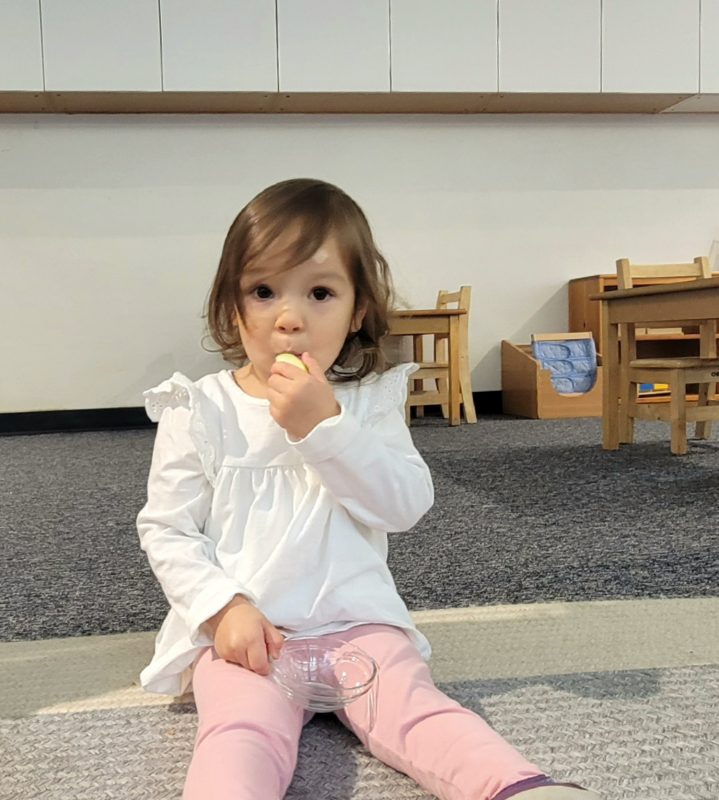
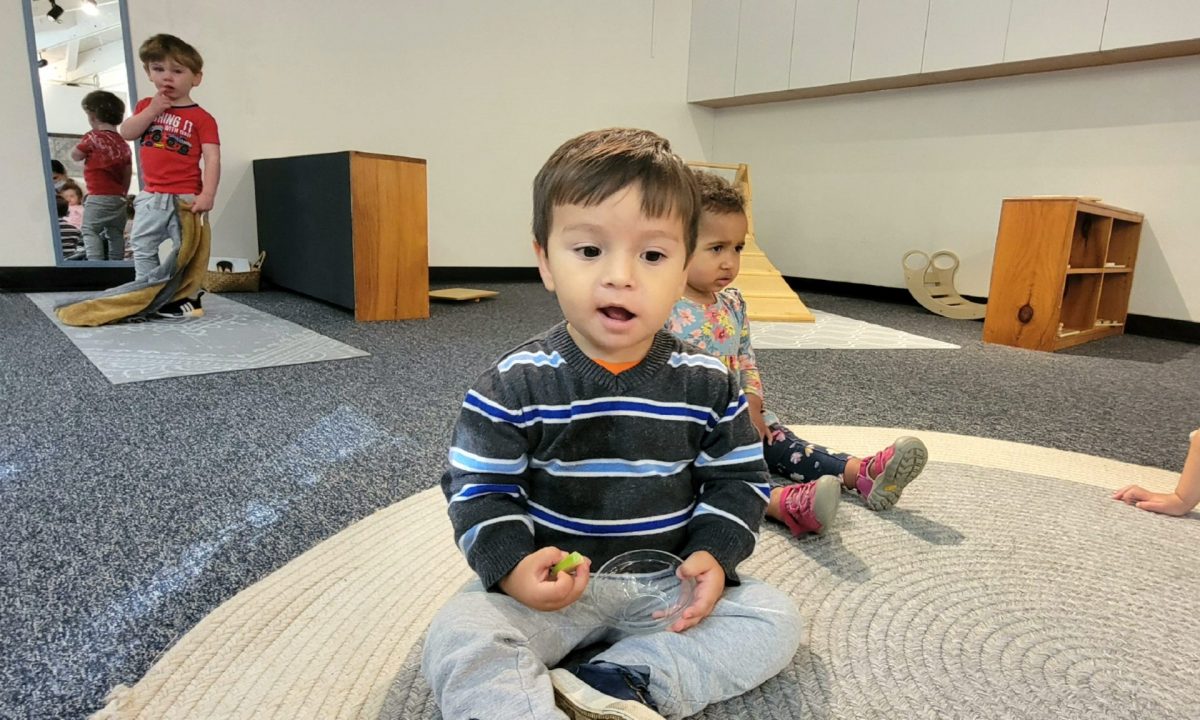
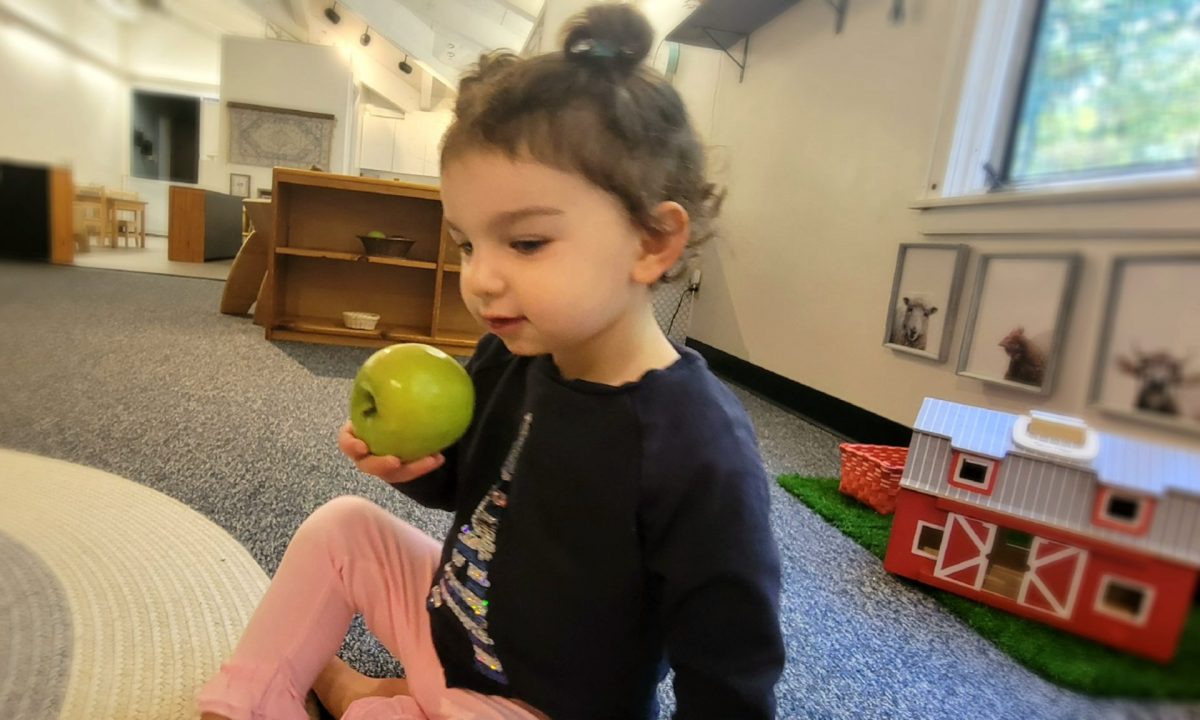
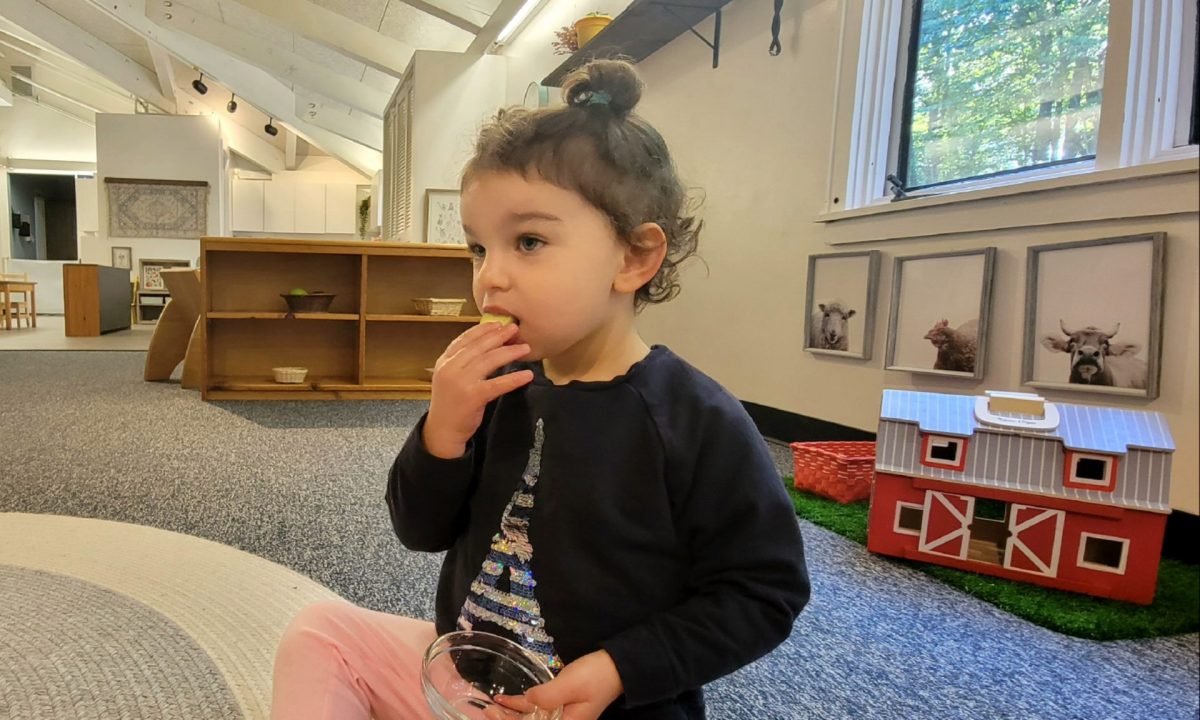
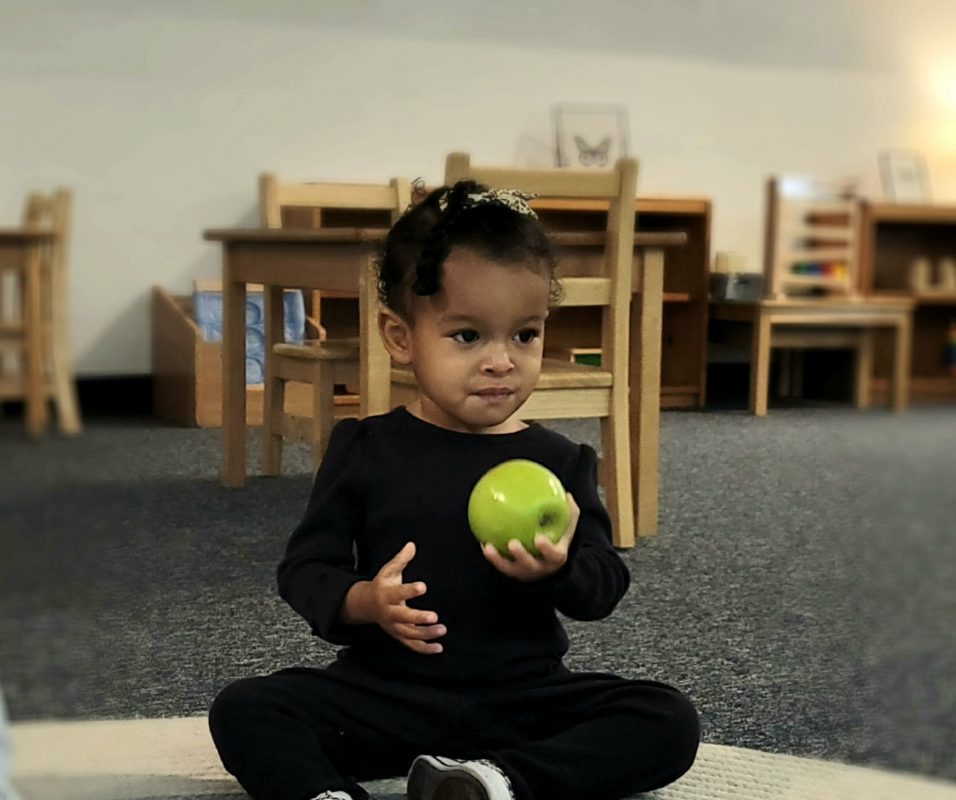
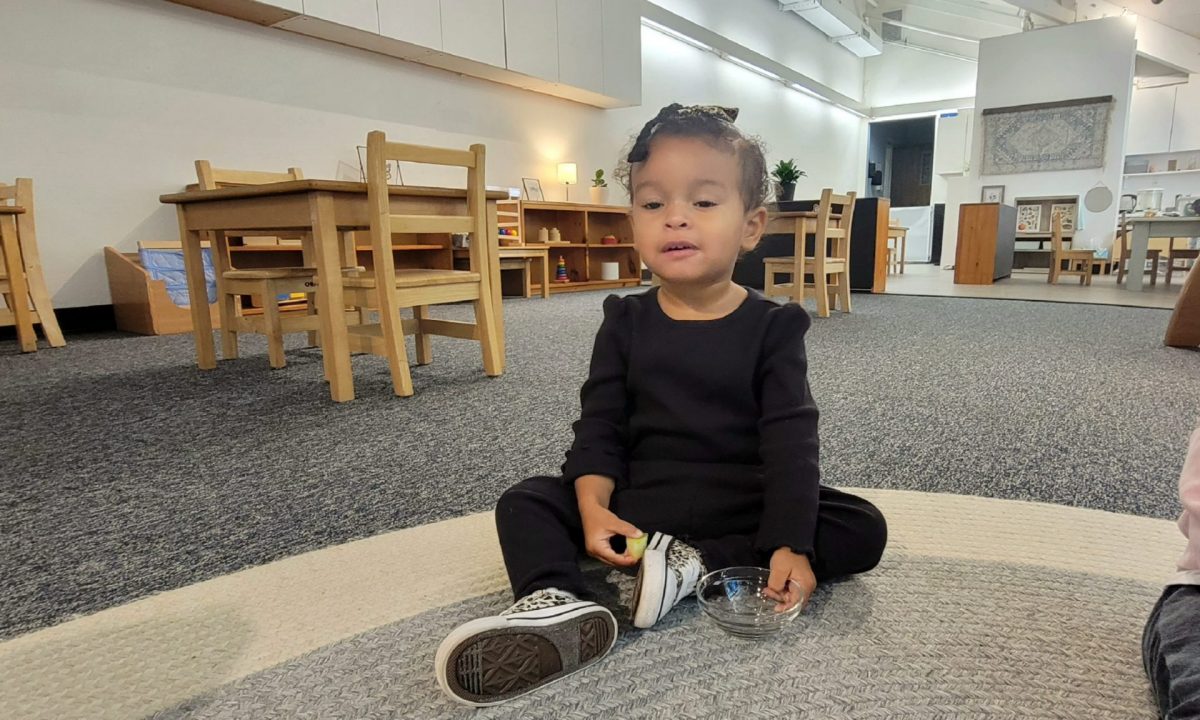
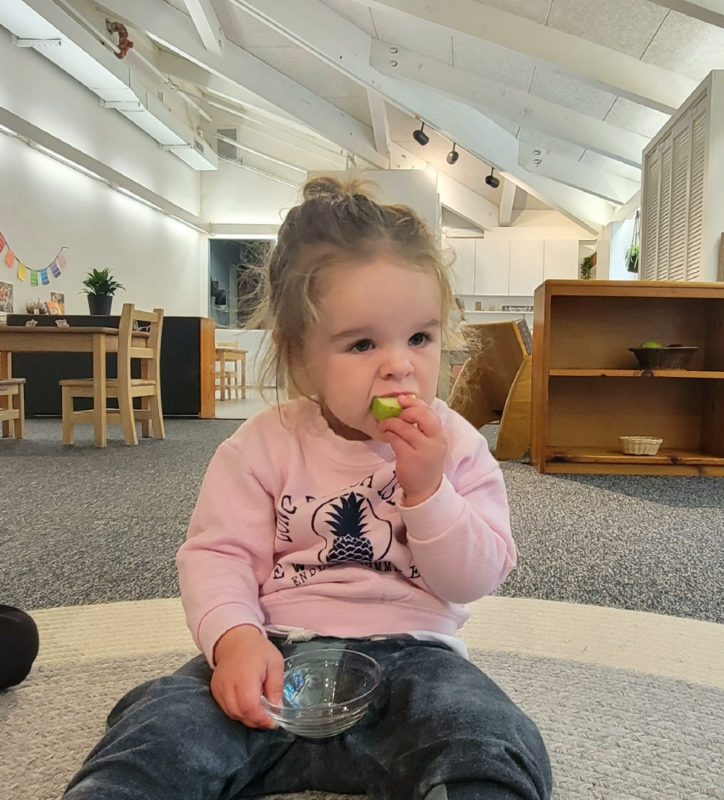
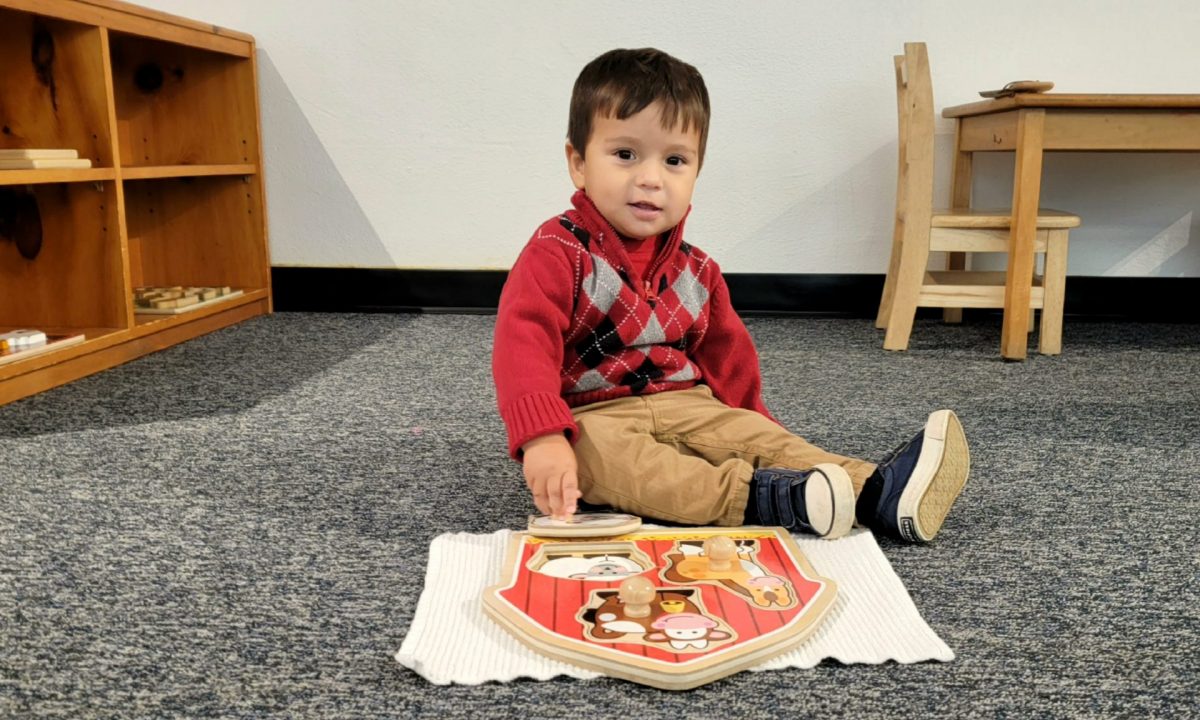
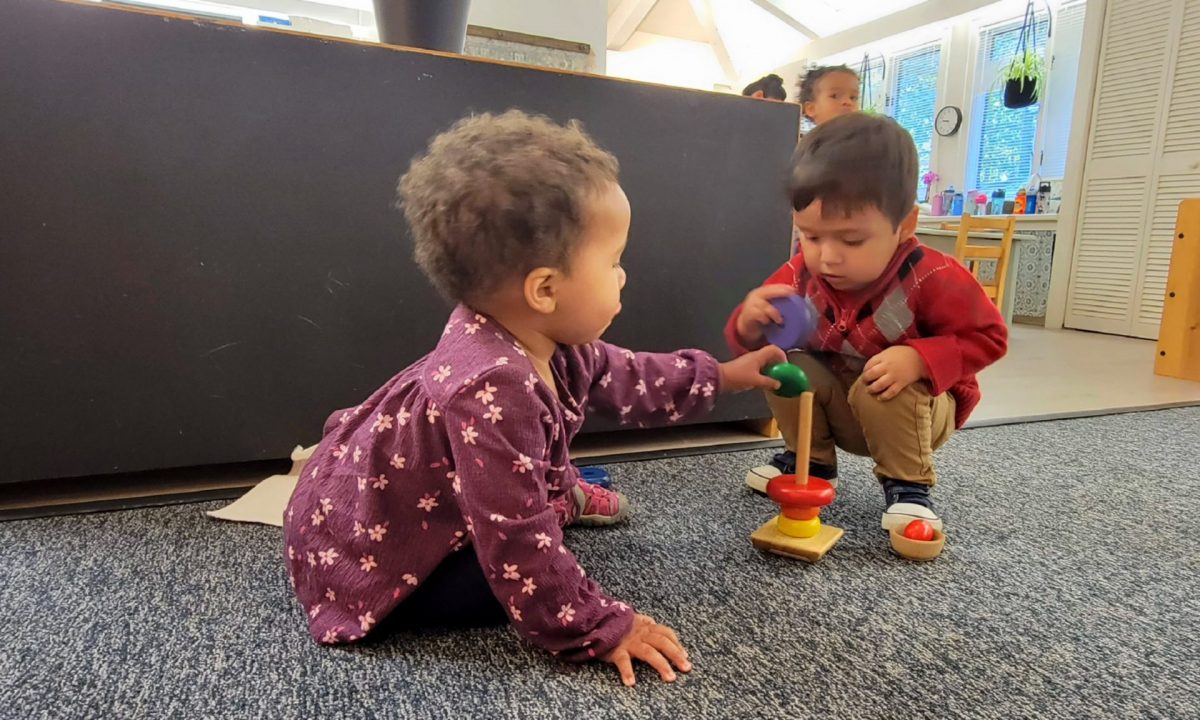
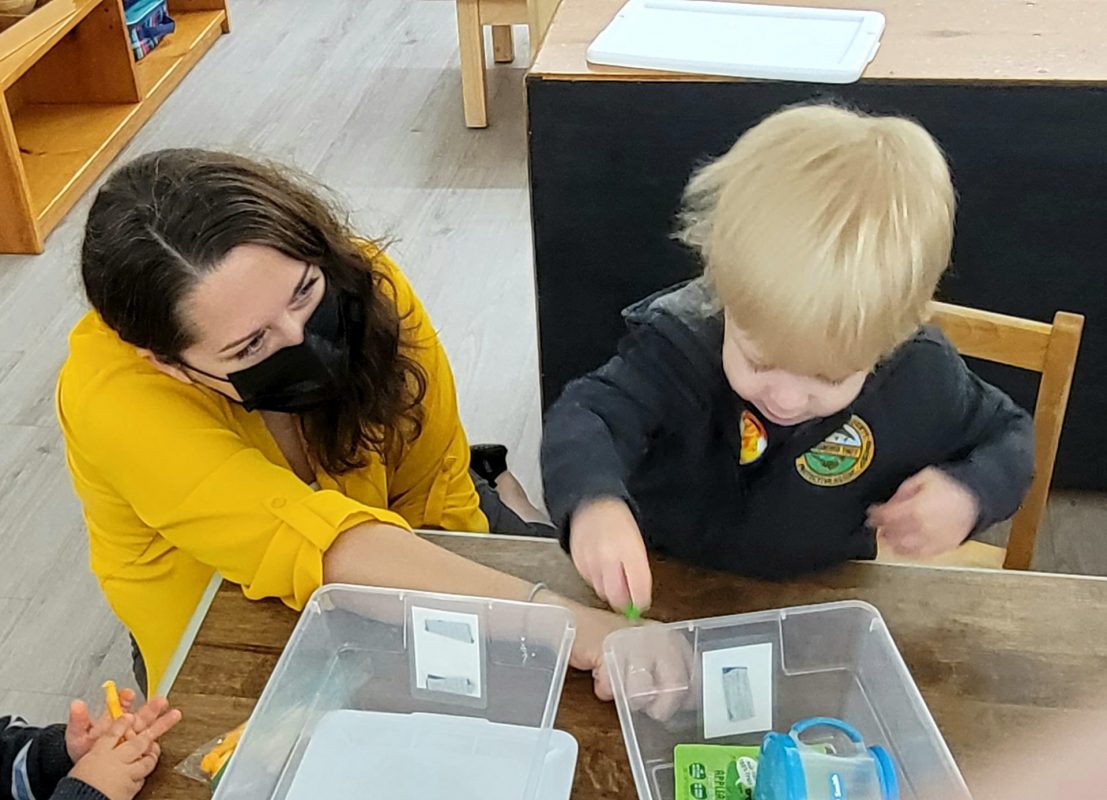
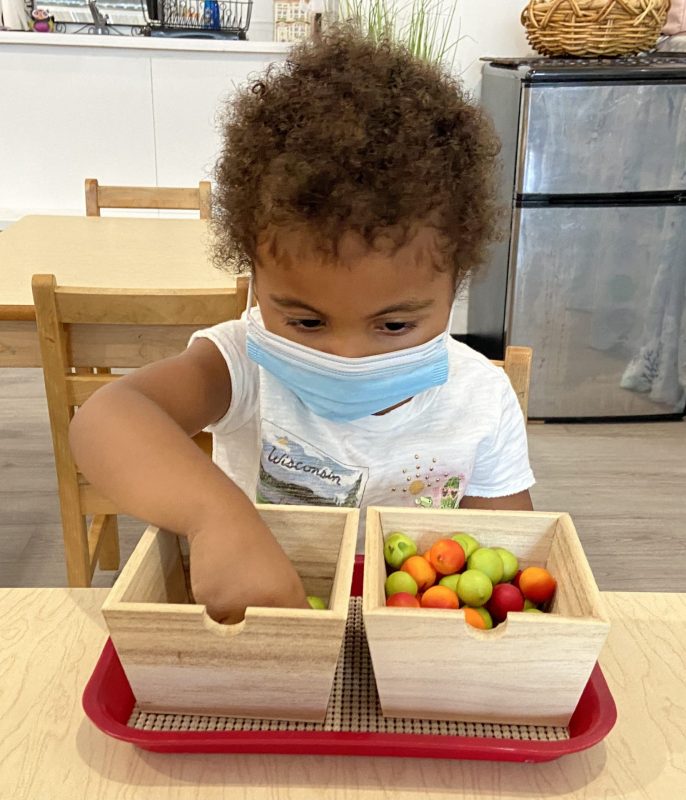
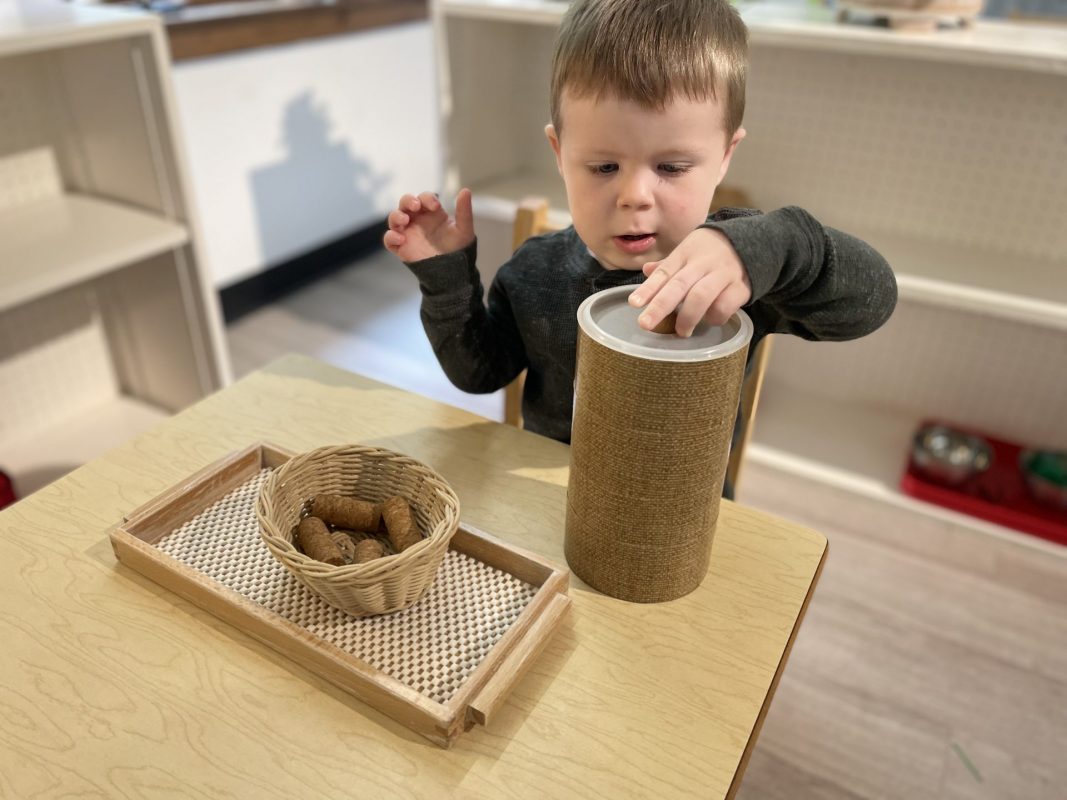
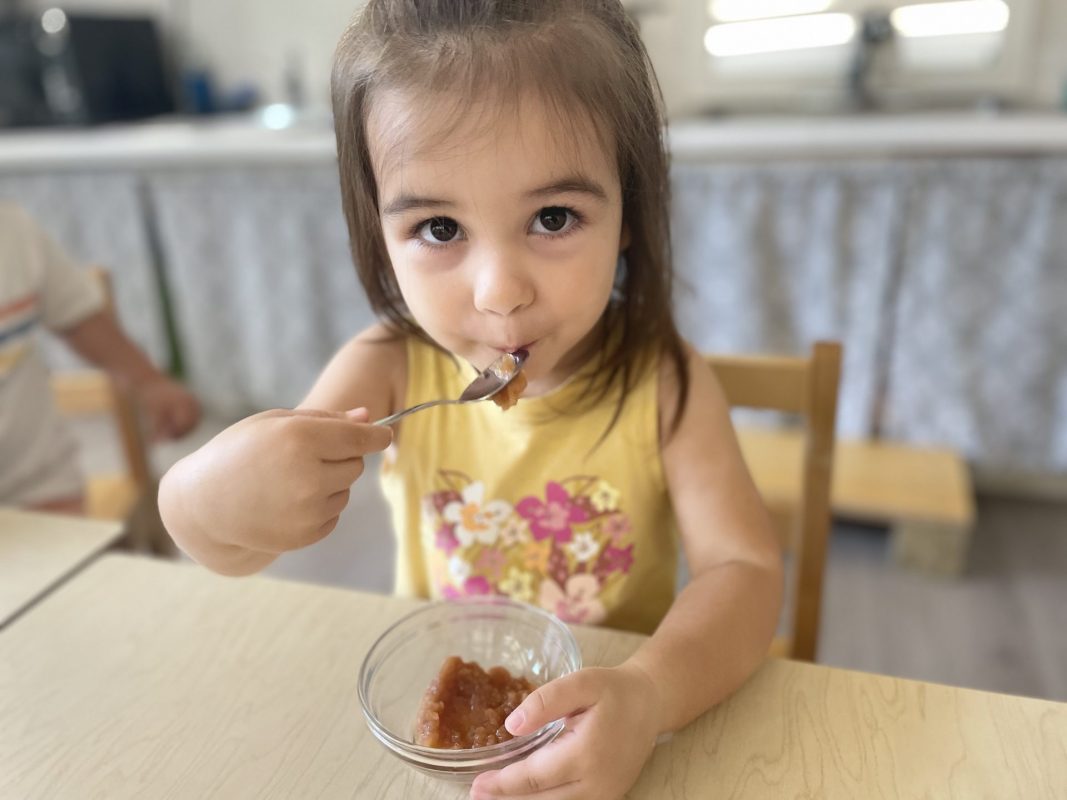
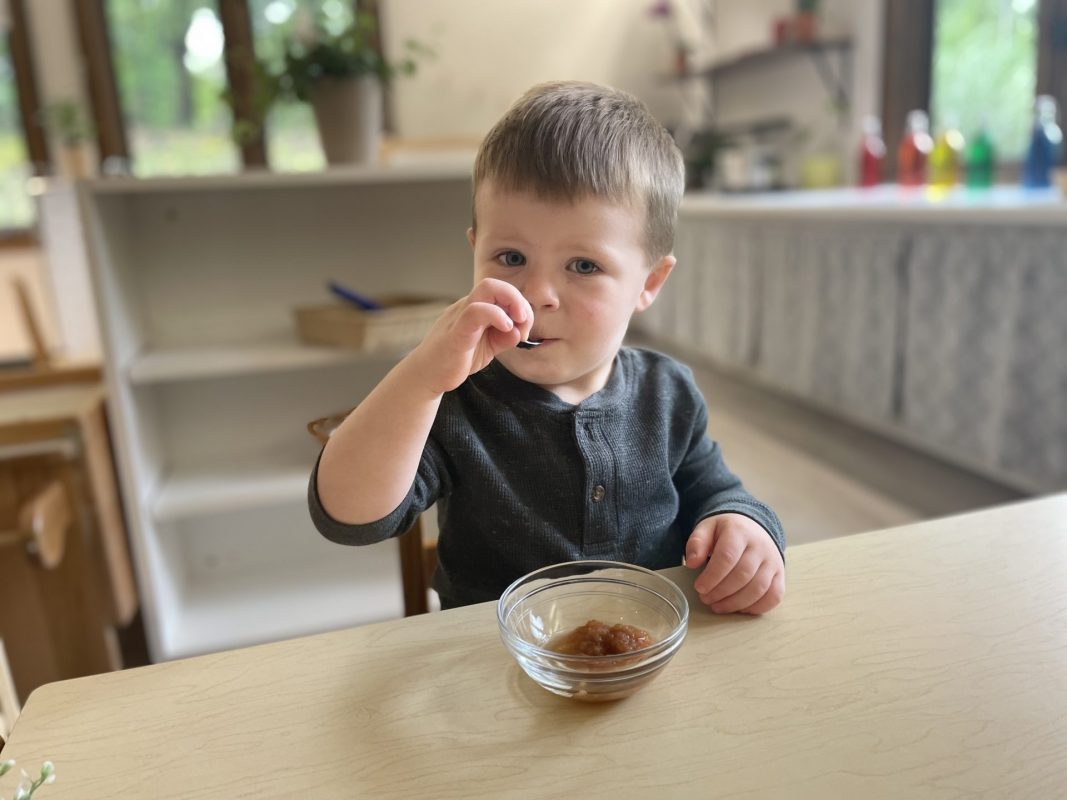
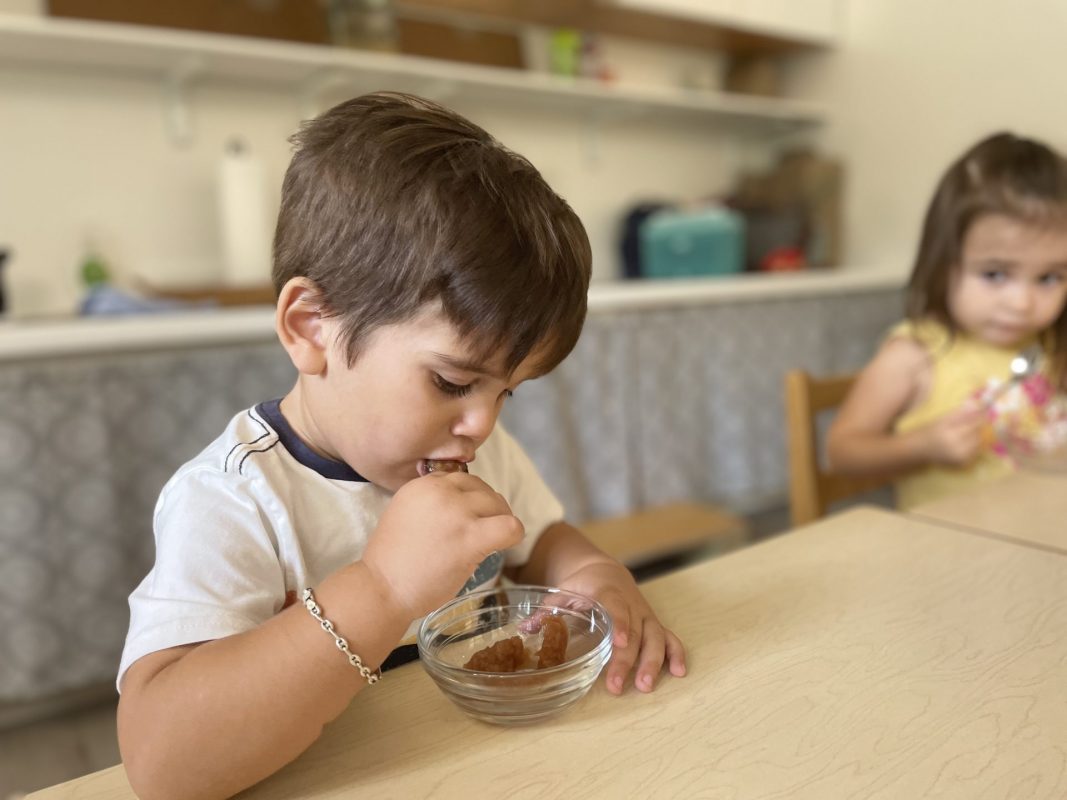
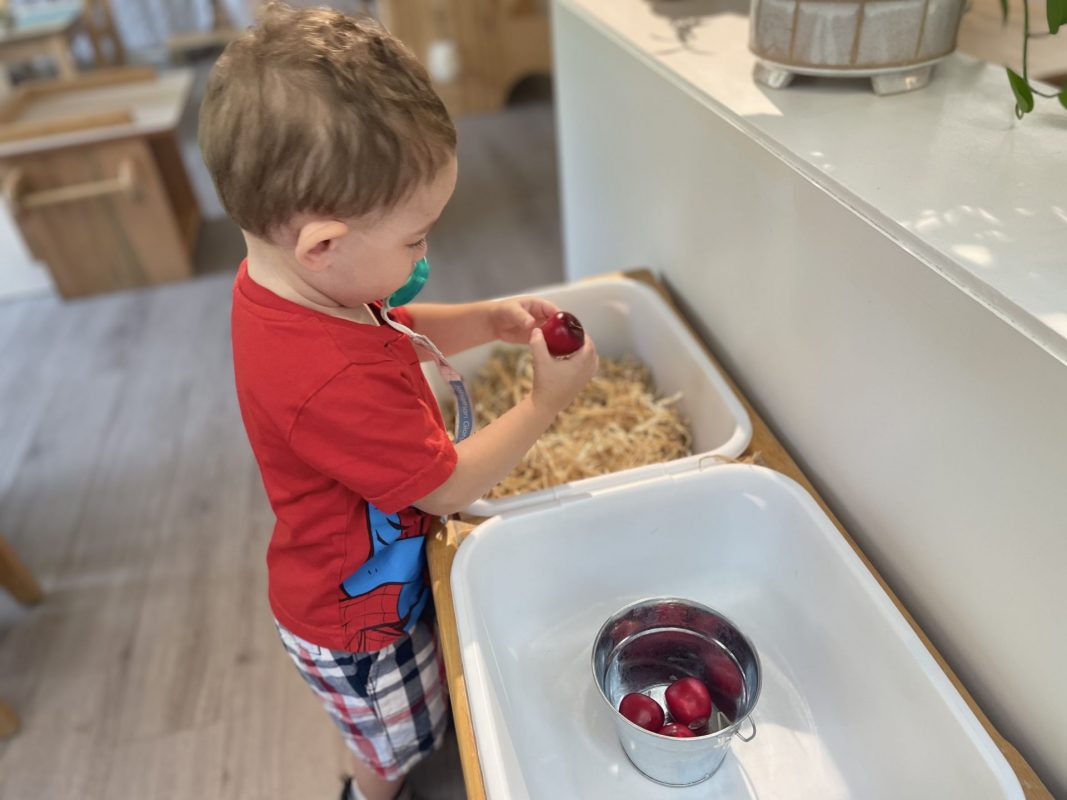
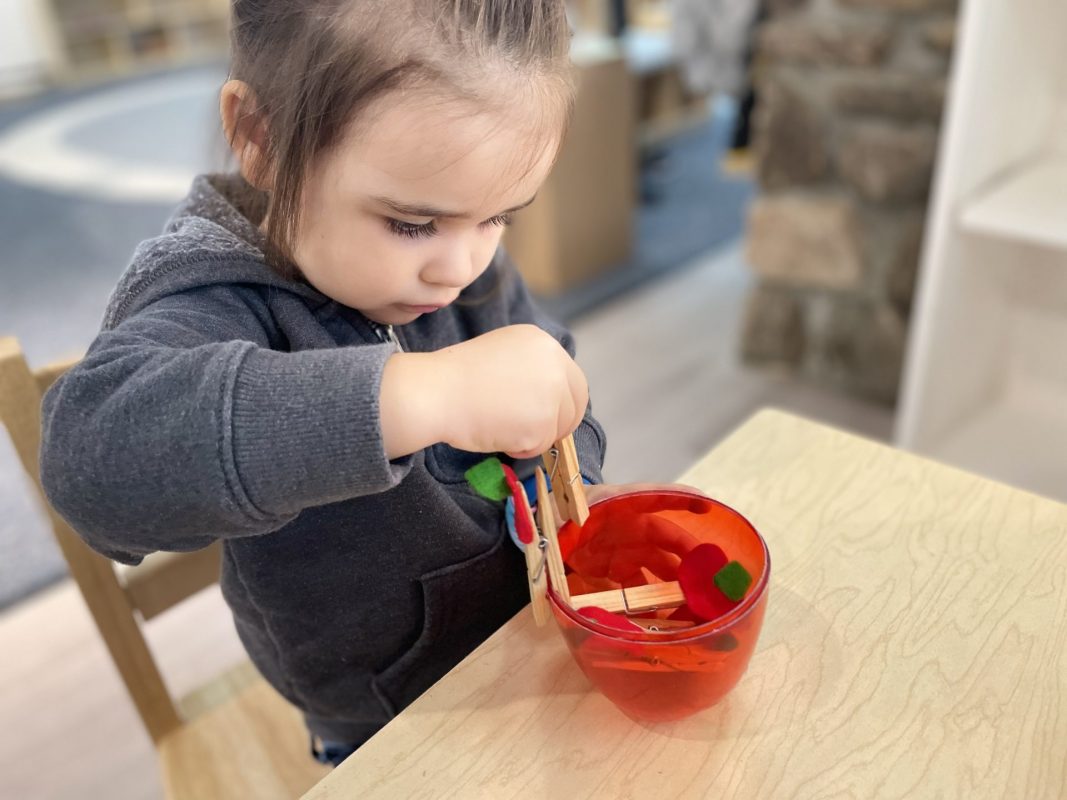
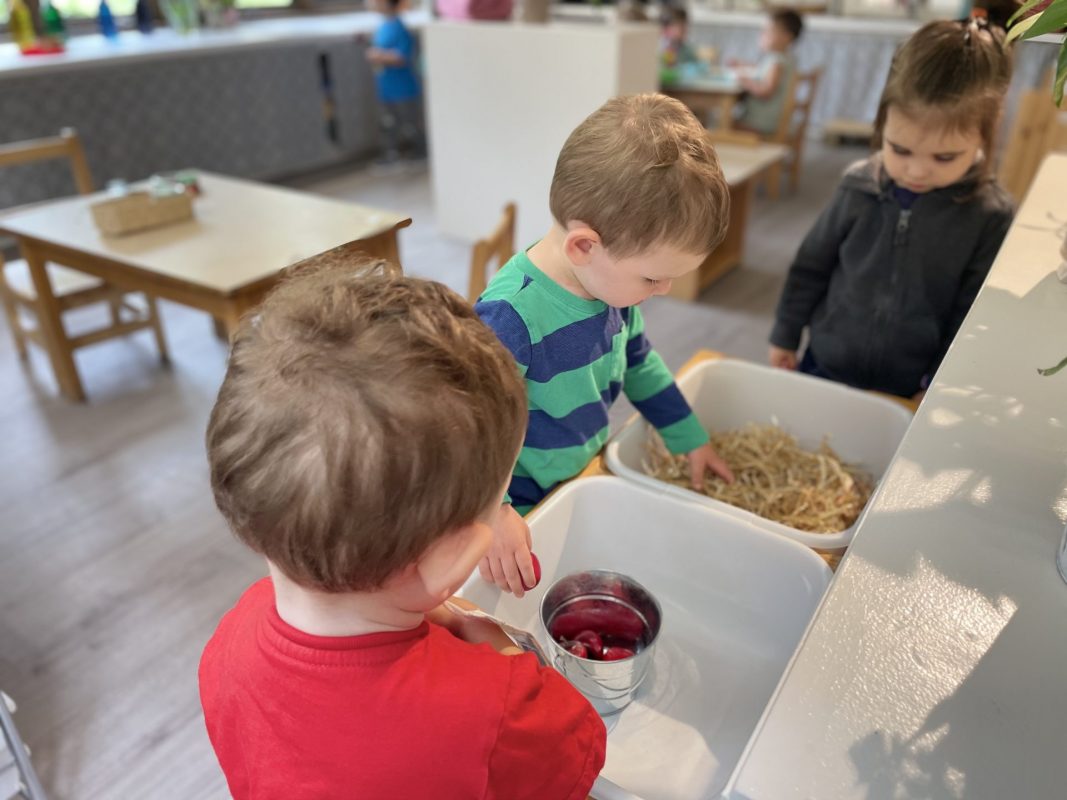
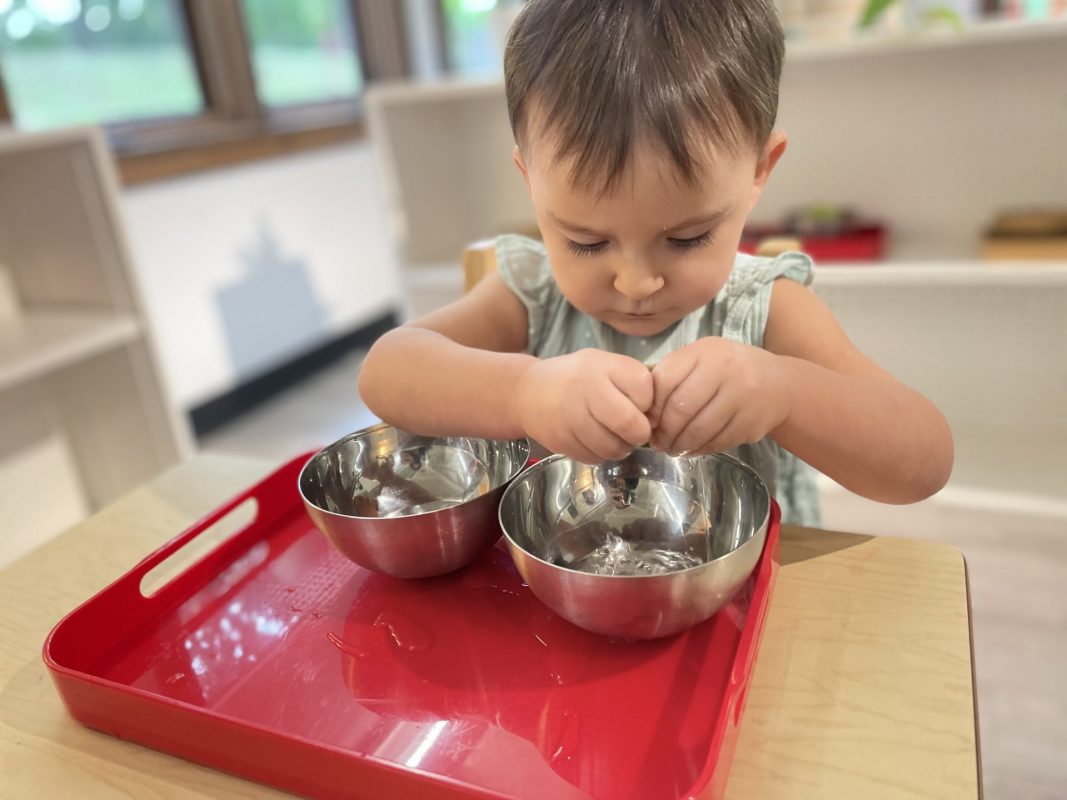
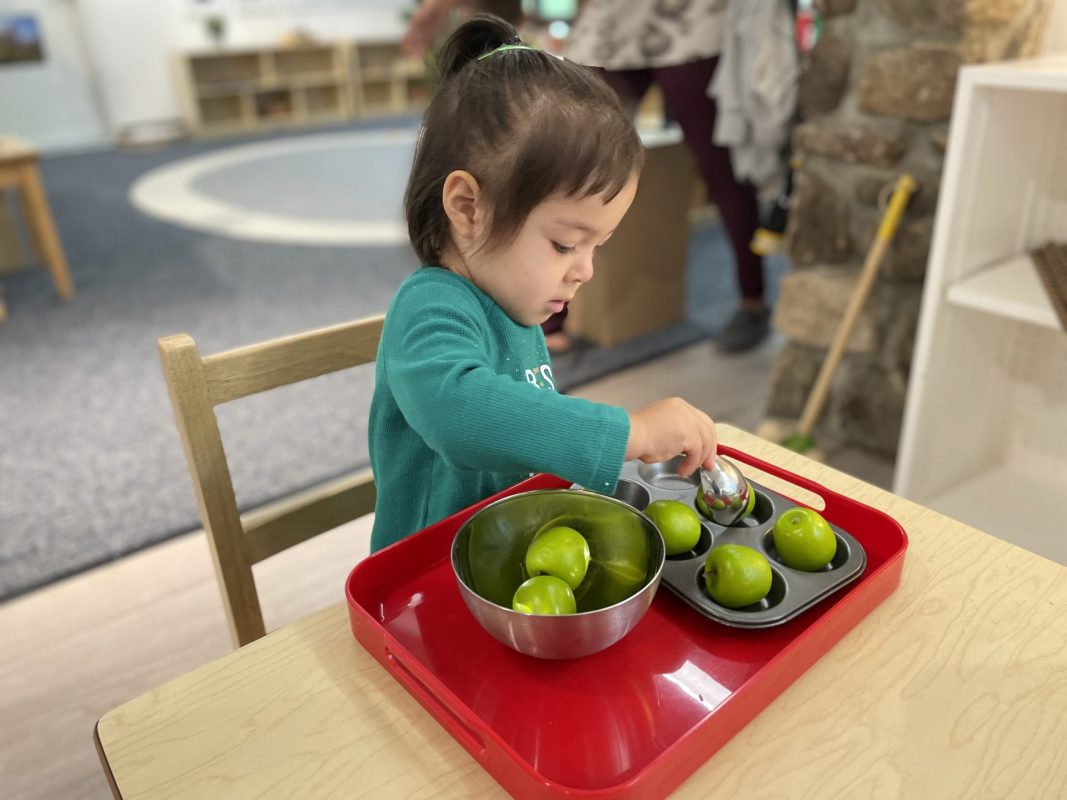
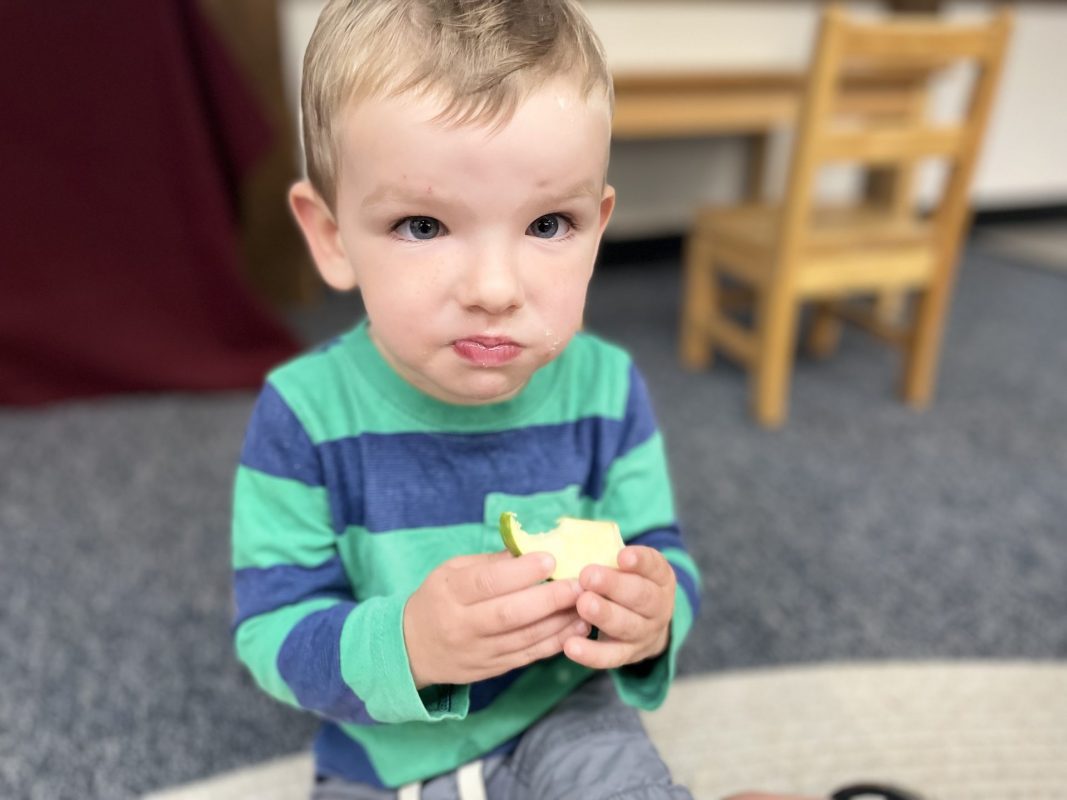
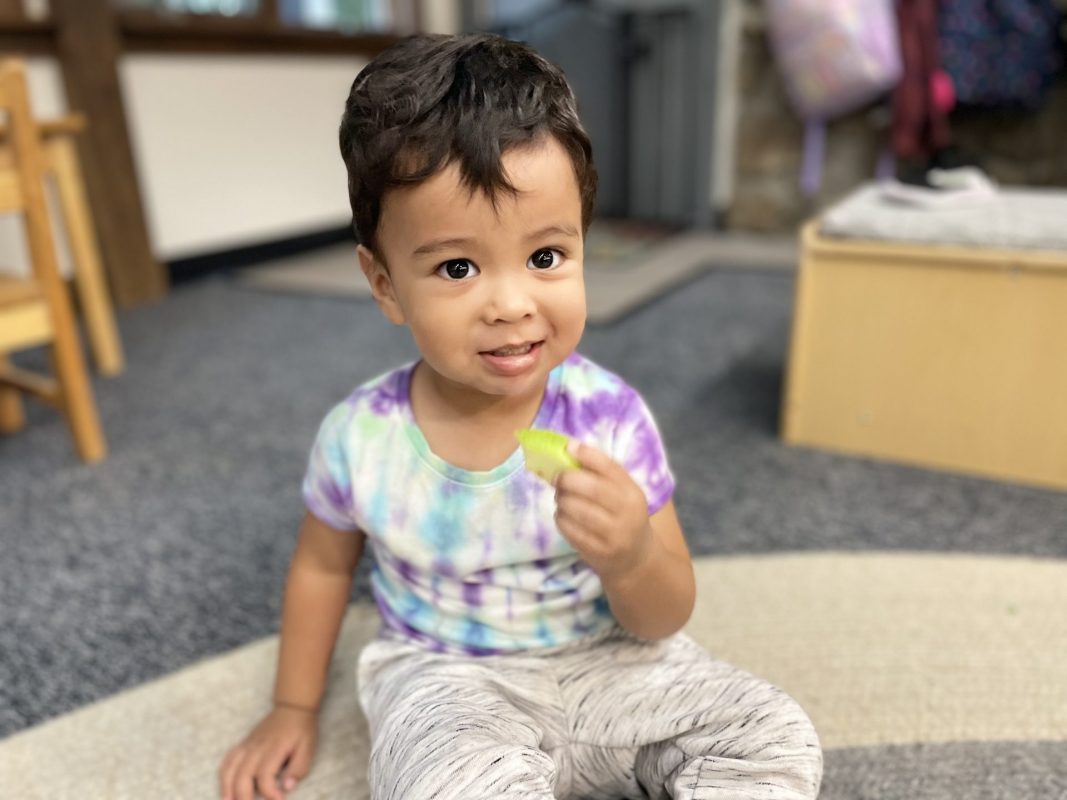
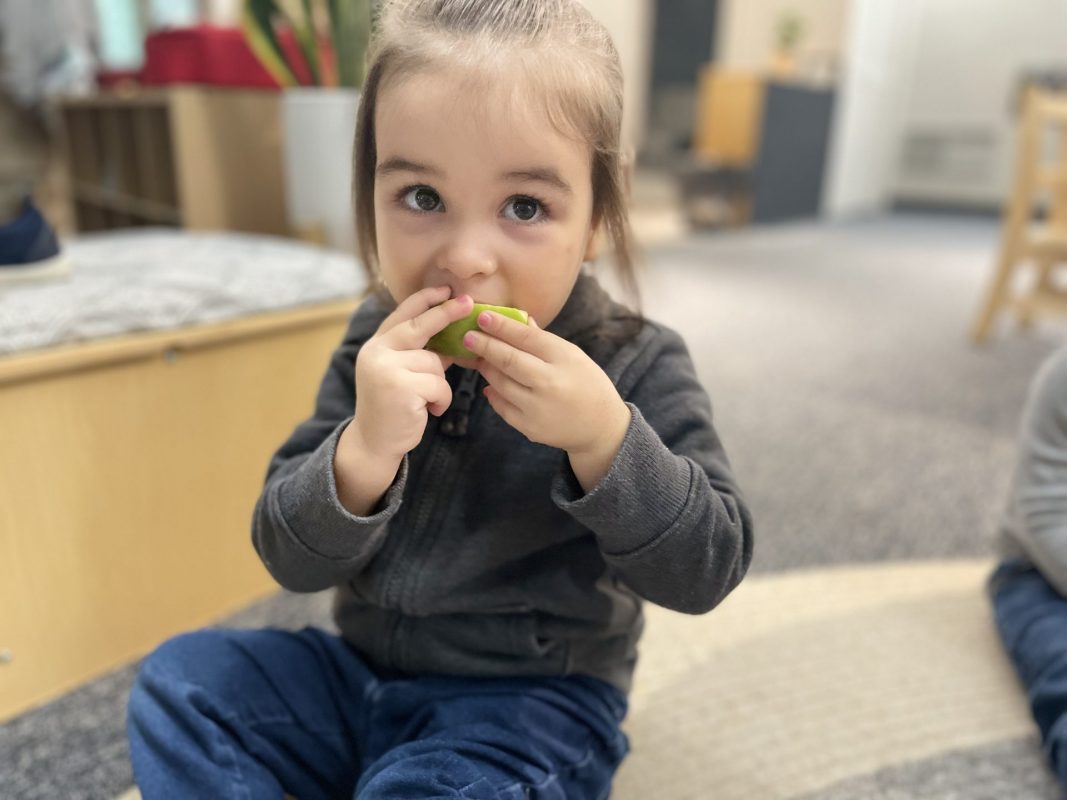
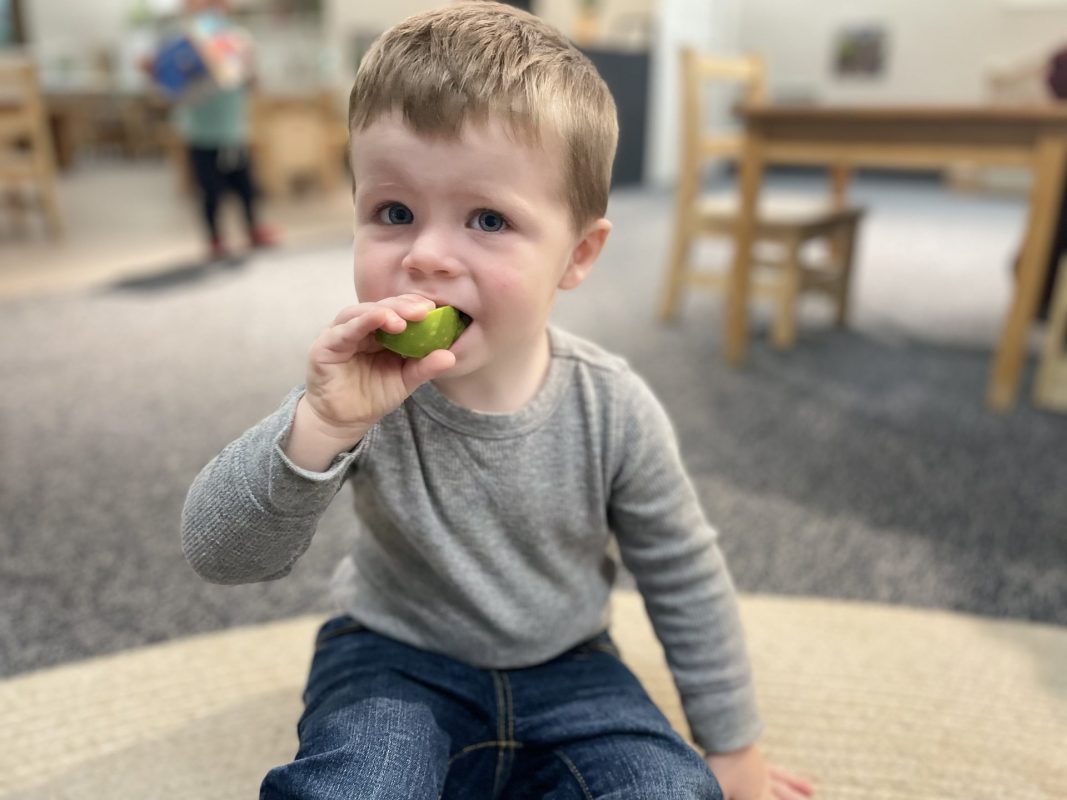
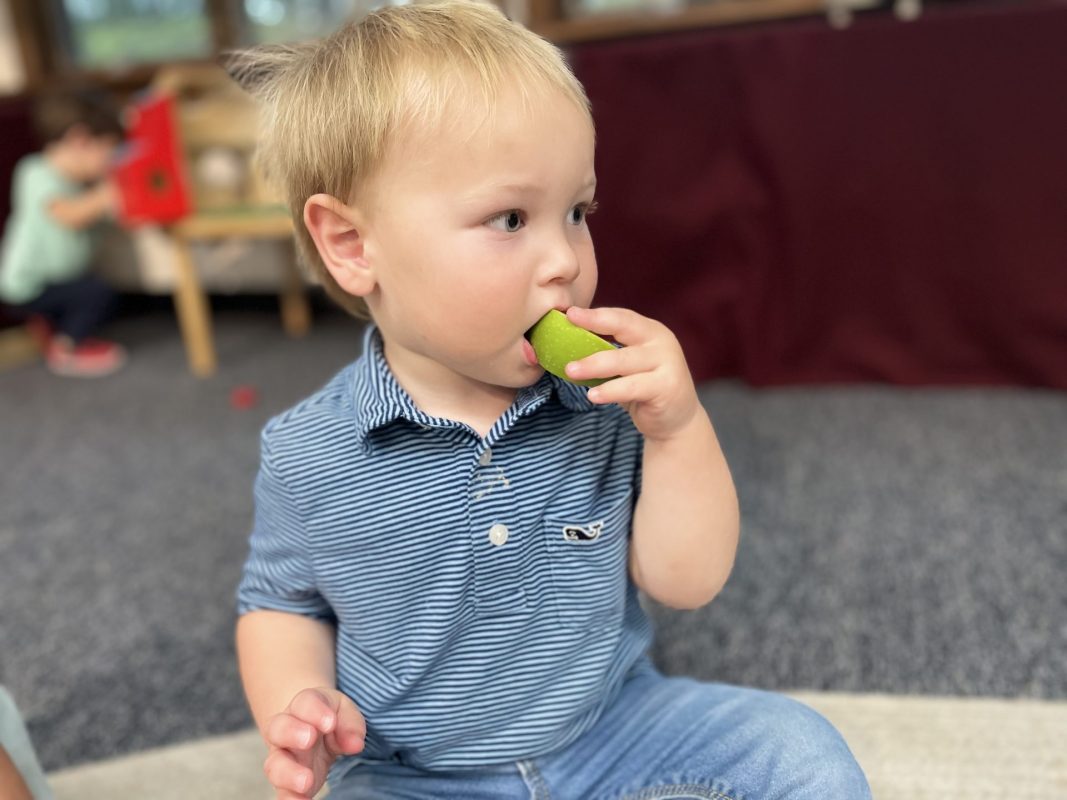
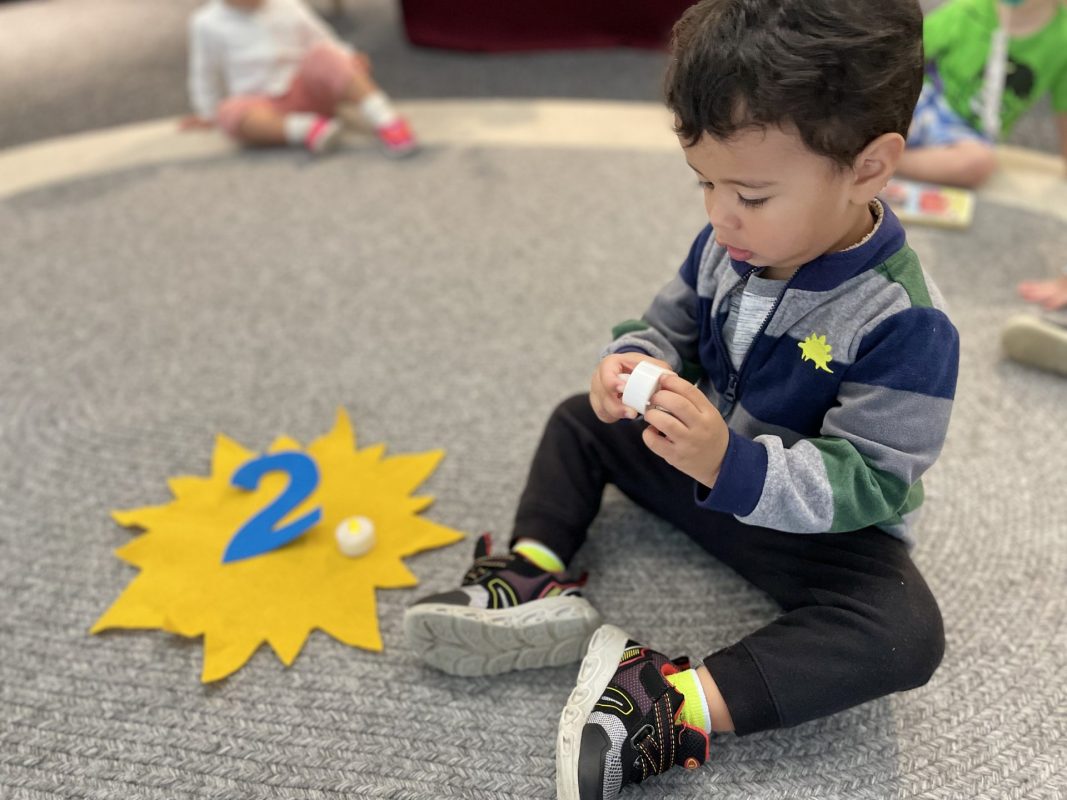
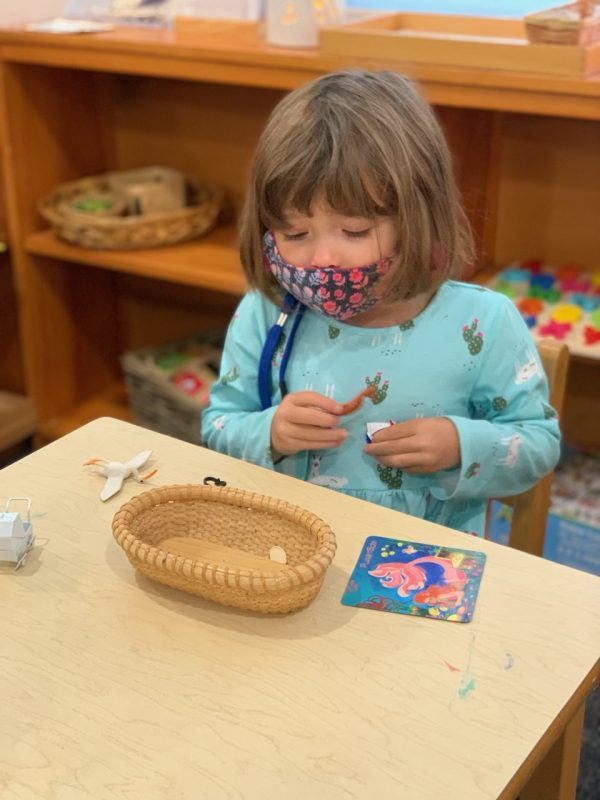
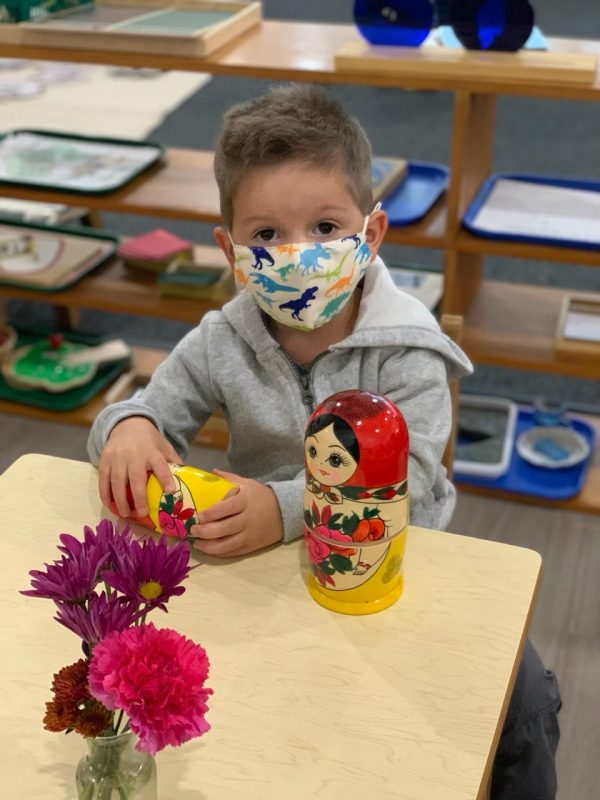
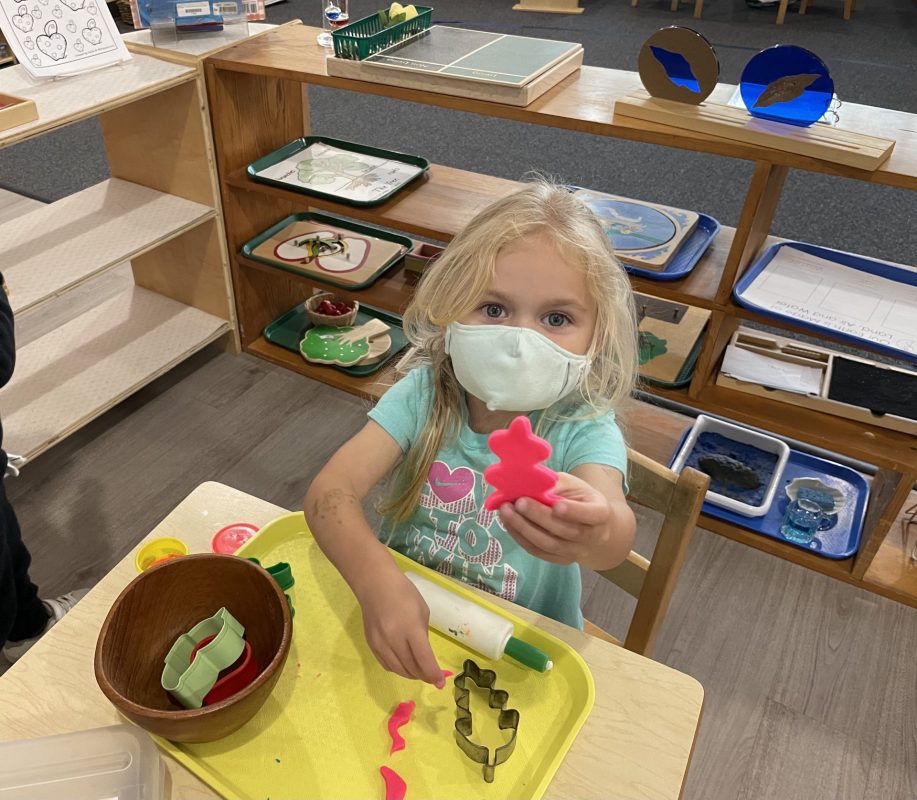
The children were also introduced to an apple, peeler, corer. For food tasting, the children explored and tasted a Granny Smith apple. I think they couldn’t get enough. After we tasted the apple, I brought out our device and modeled how to use it. Each child then had a turn to use it themselves. Next week we will practice using this device again and use the apples to make homemade applesauce.


Mrs. Doyle’s Class: Friday Folders Fun Facts

“We have to remember as adults, that we want things done, and as quickly as possible, so that they are finished and out of the way; whereas the child is interested and content in the doing, not the done.” –Margaret Stephenson, The Art of Montessori in the Home

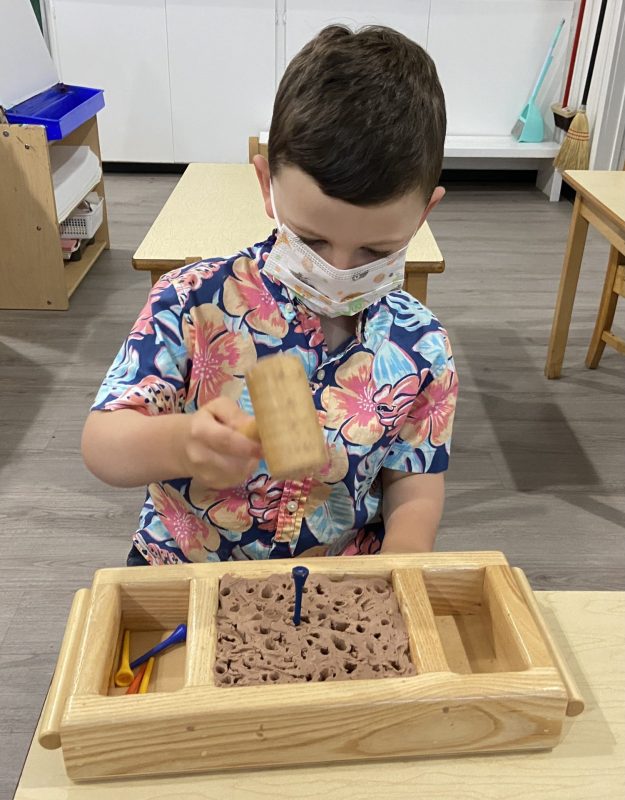
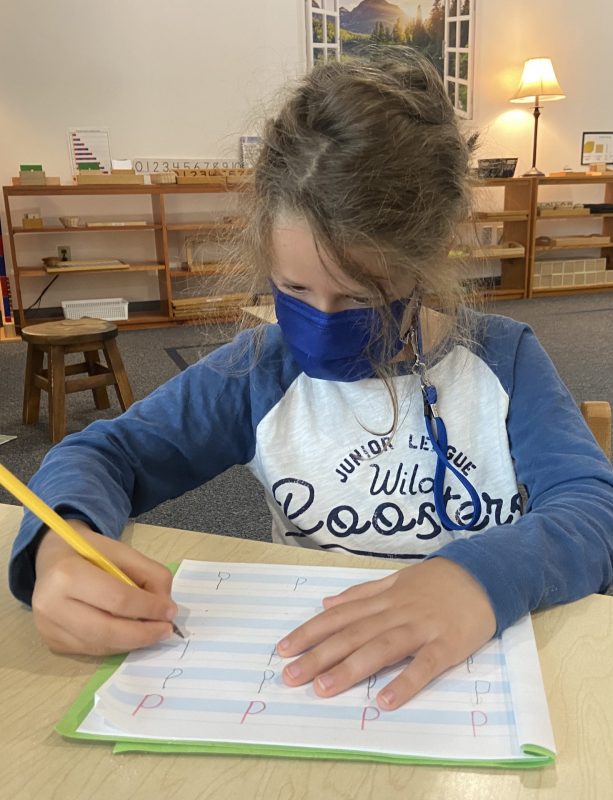
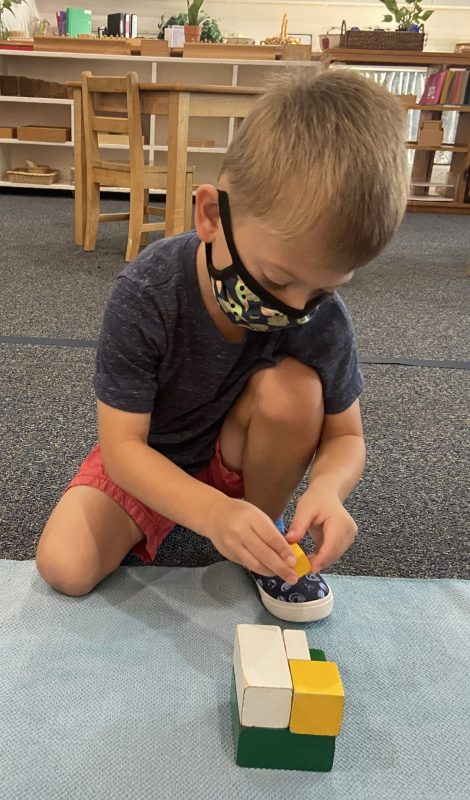
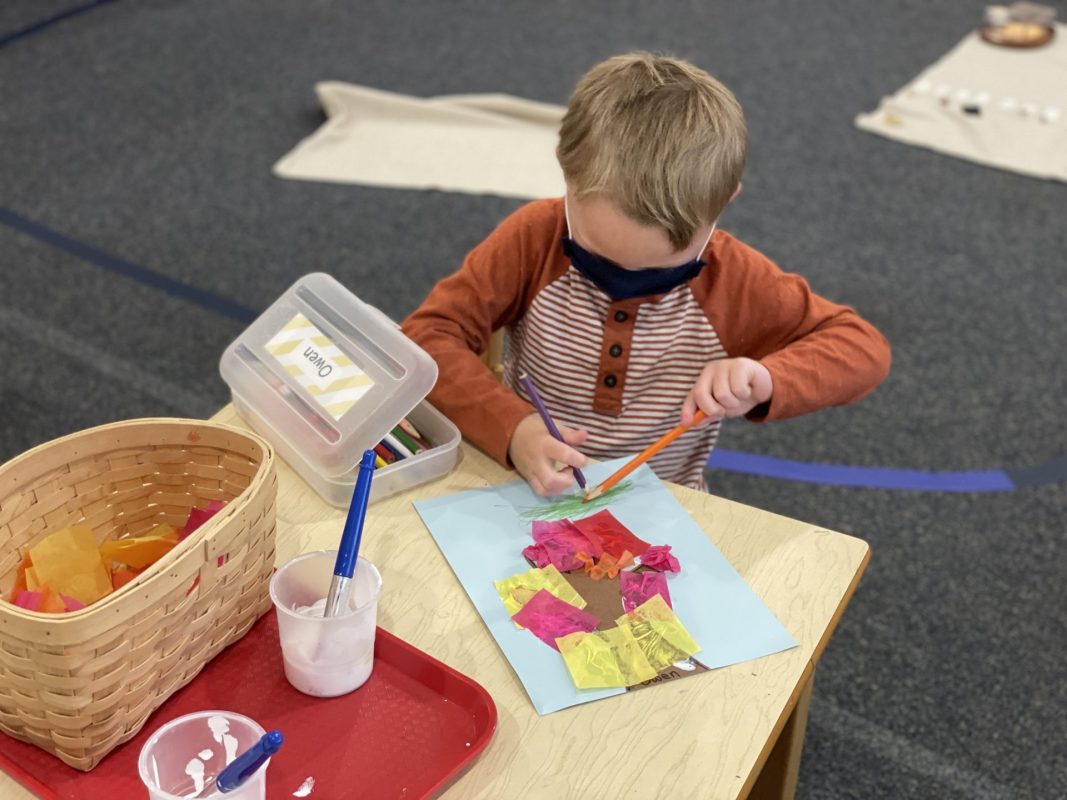
Each Friday we send home Friday Folders with the work the children have completed over the course of the past week. It is not uncommon for us to receive emails asking why there was so little work inside and what exactly are the children doing?

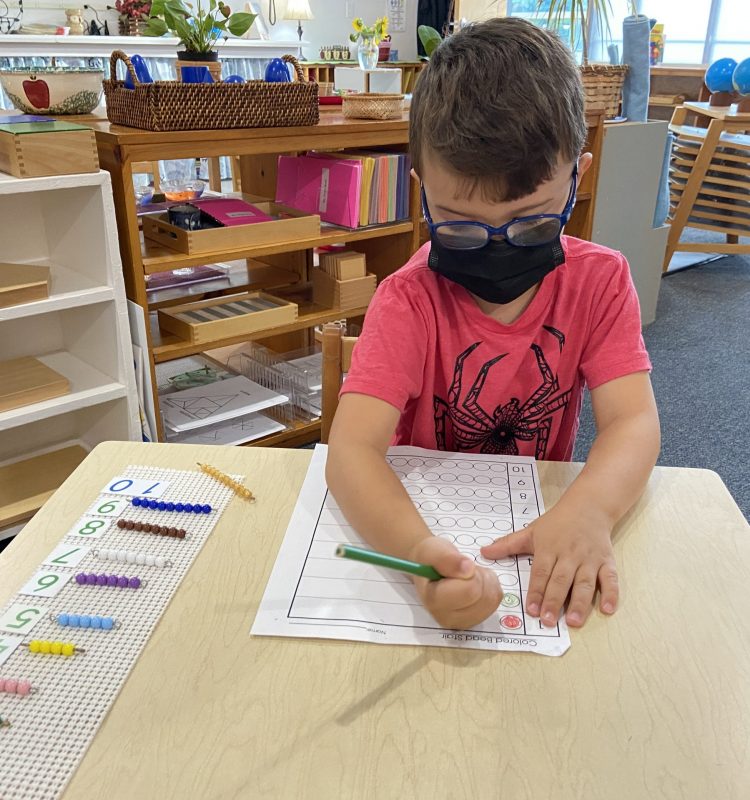
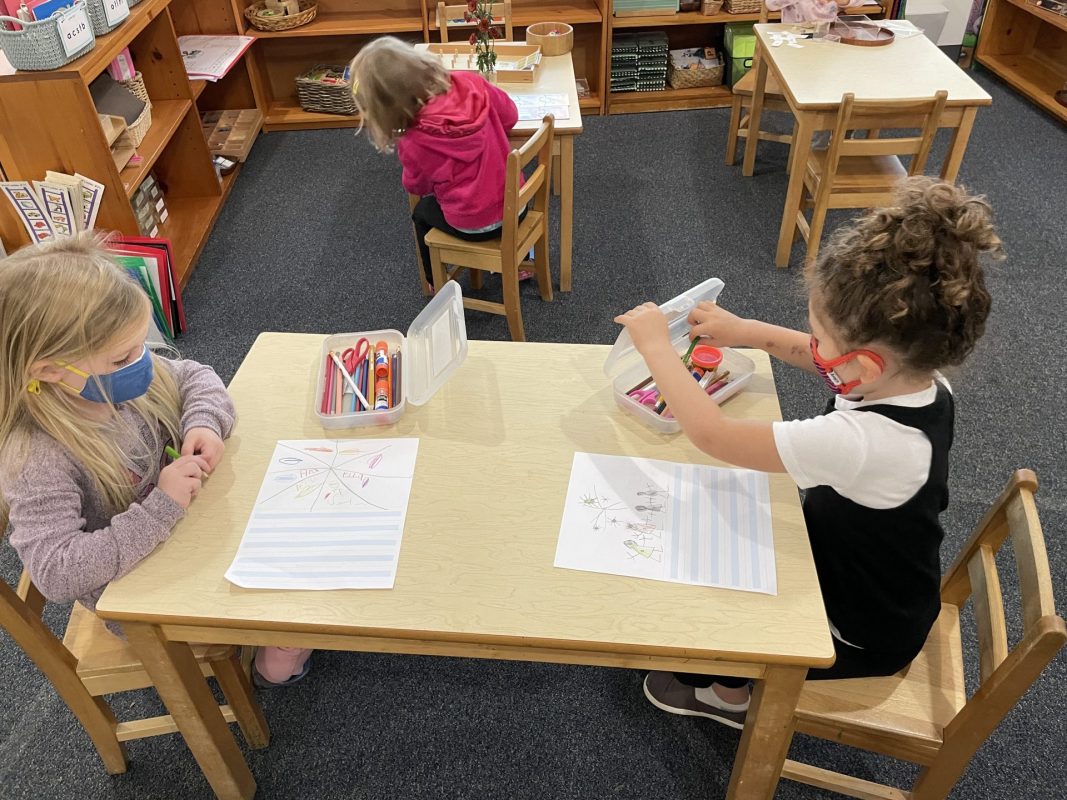
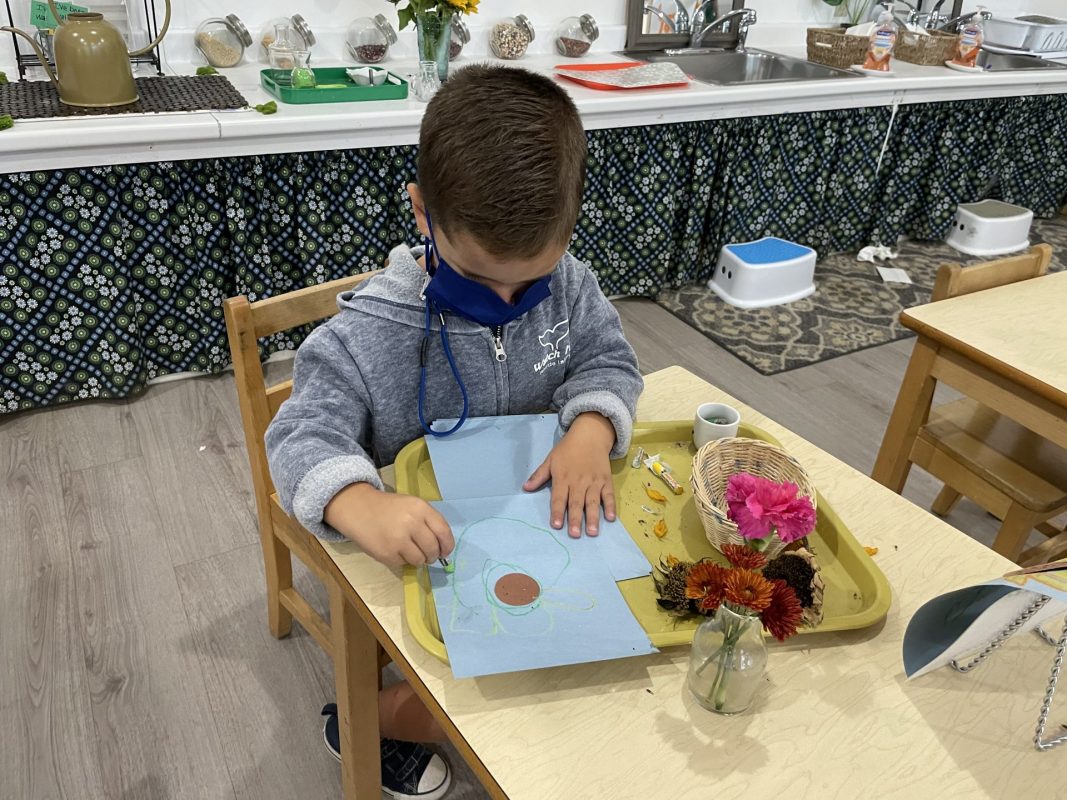
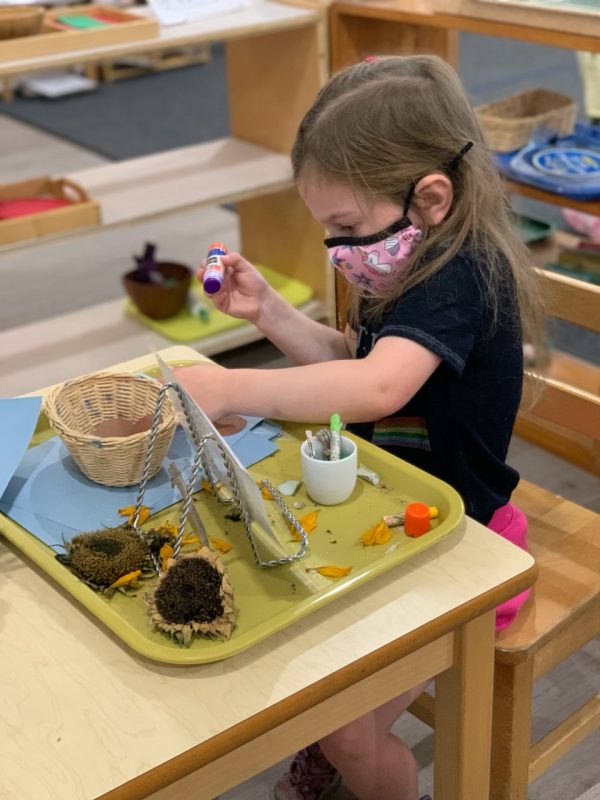
Sometimes it can be difficult to accept the idea of focusing on the process, not the product. What exactly does that mean? Many of the works in the Montessori classroom do not end with a physical product the children will bring home to share with everyone. There is often no way to visually assess what a child is learning. Overall, as a society, we are product driven and often times, base our success on this factor. The experience a child has when working with the materials is truly what is most important. However, when you hear they did “nothing” day after day, it can often be unsettling.

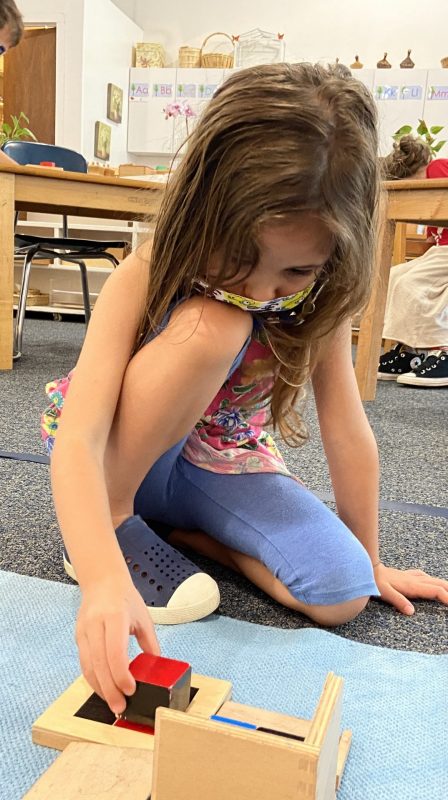
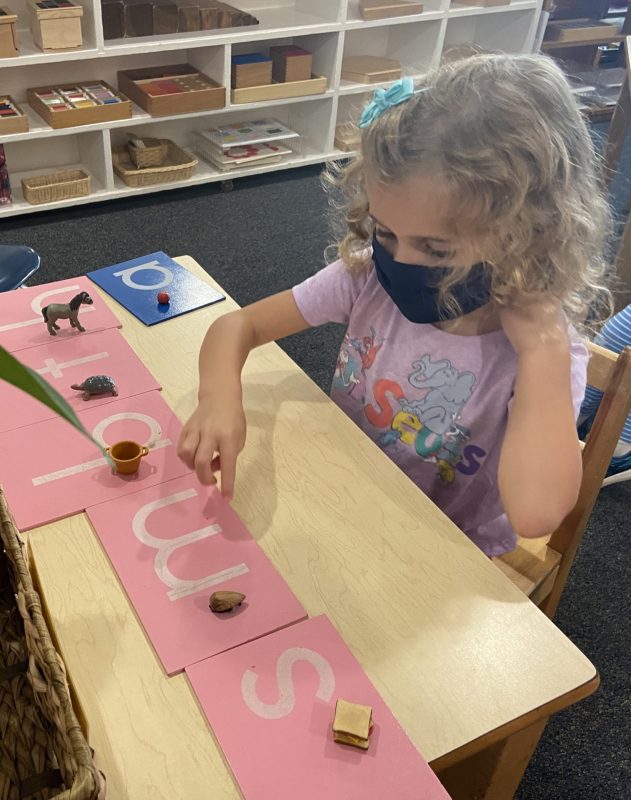
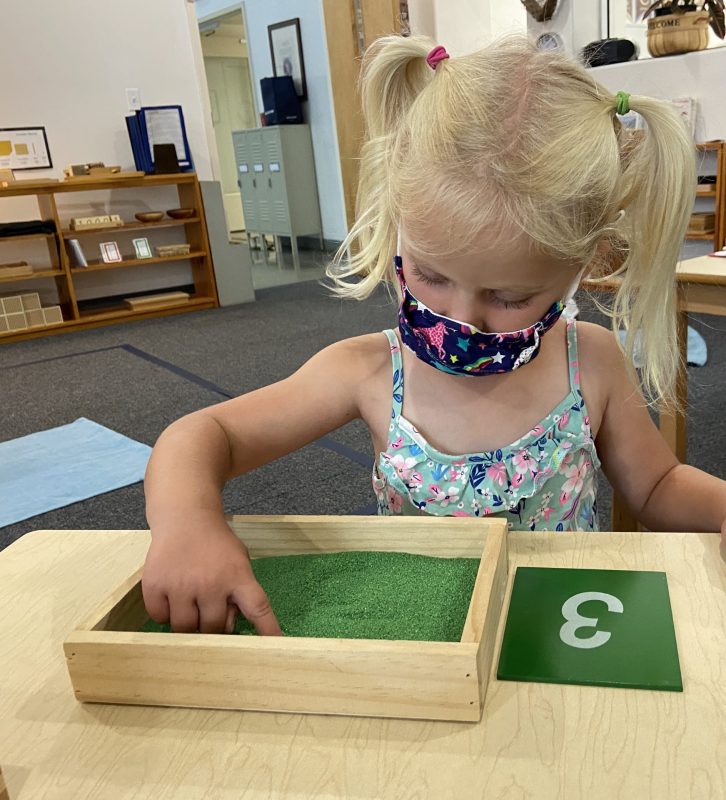
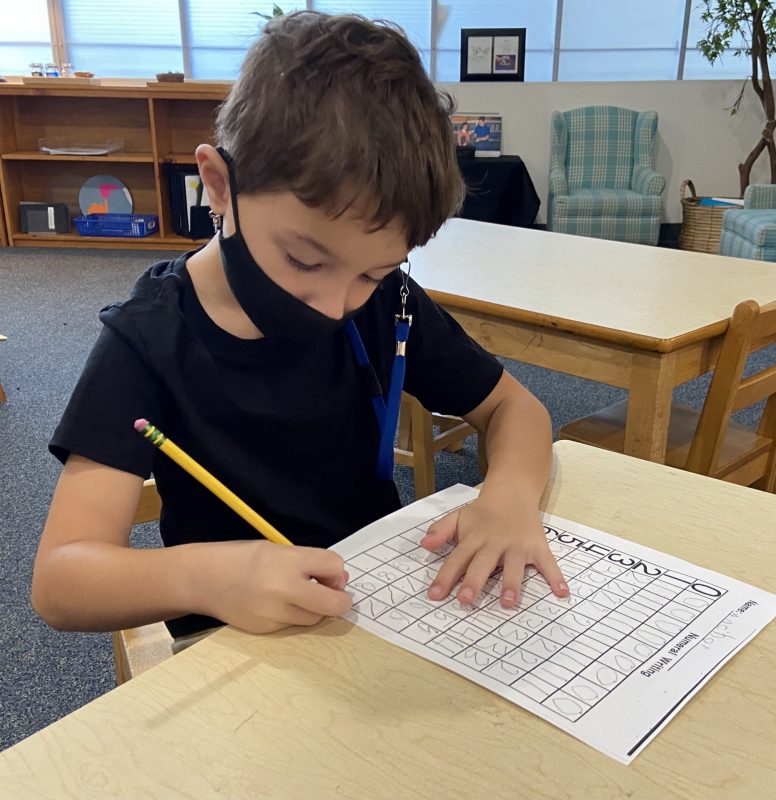
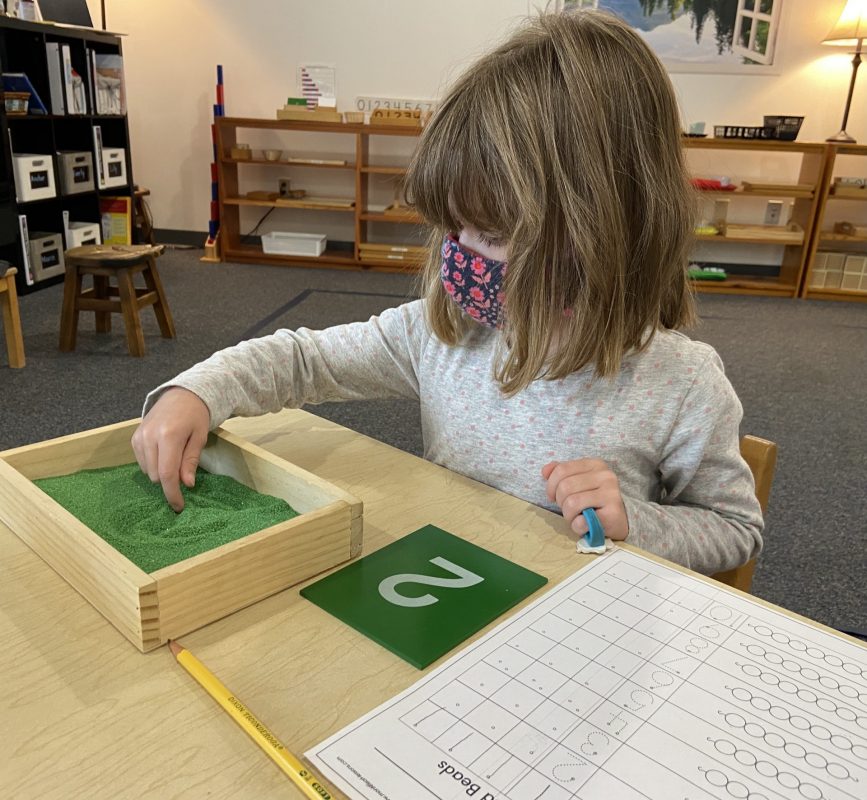
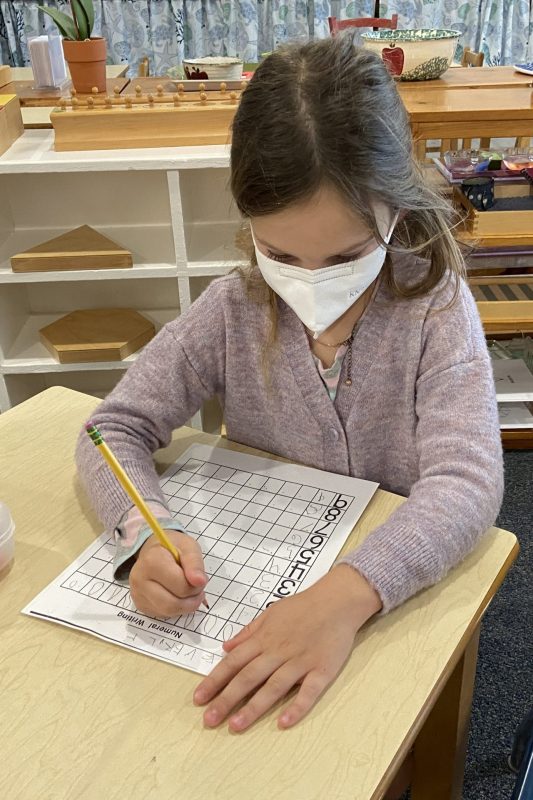
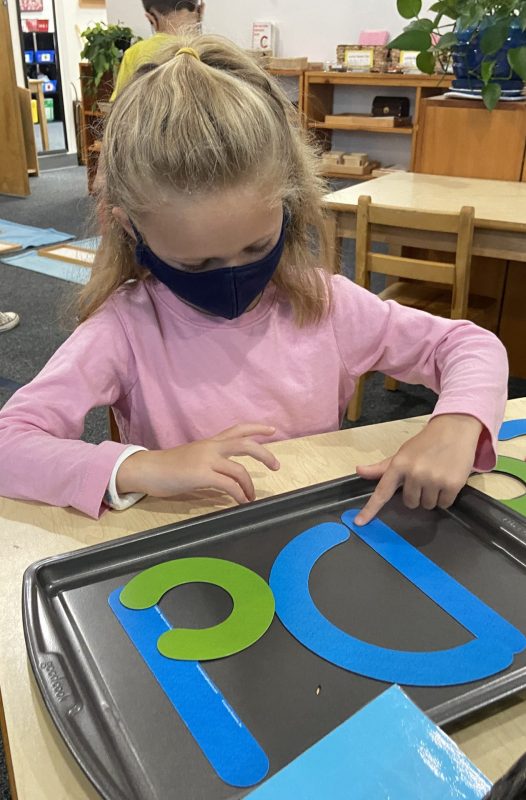
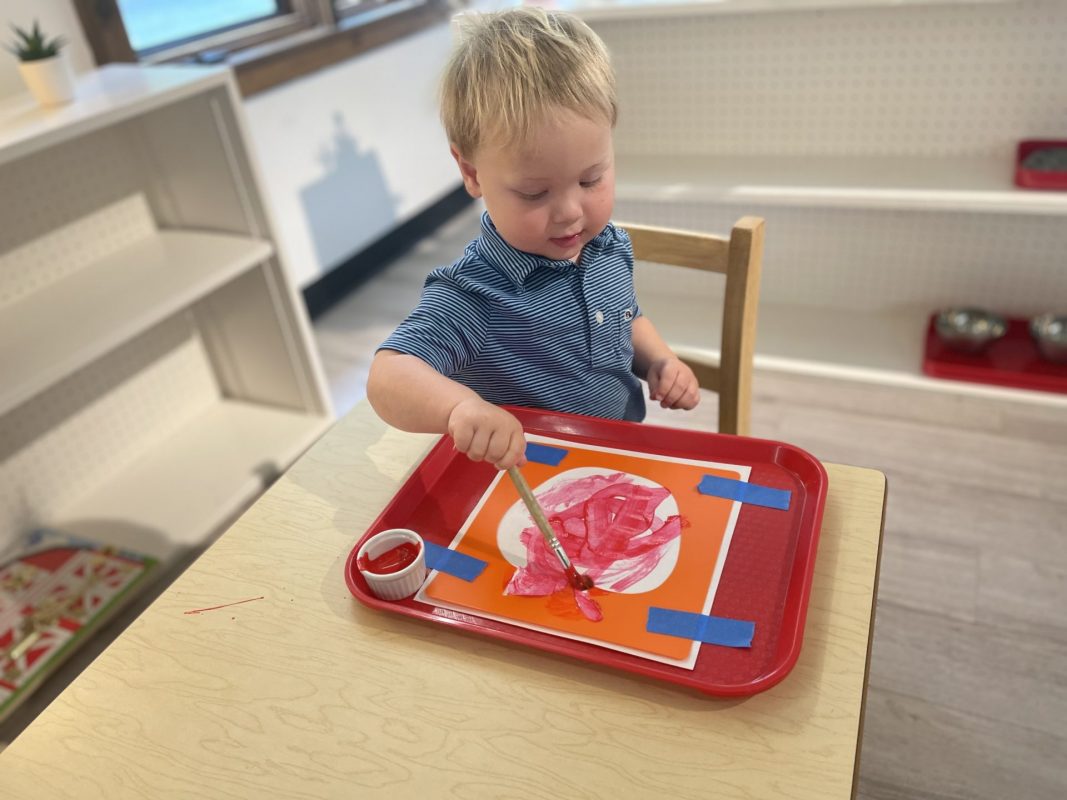
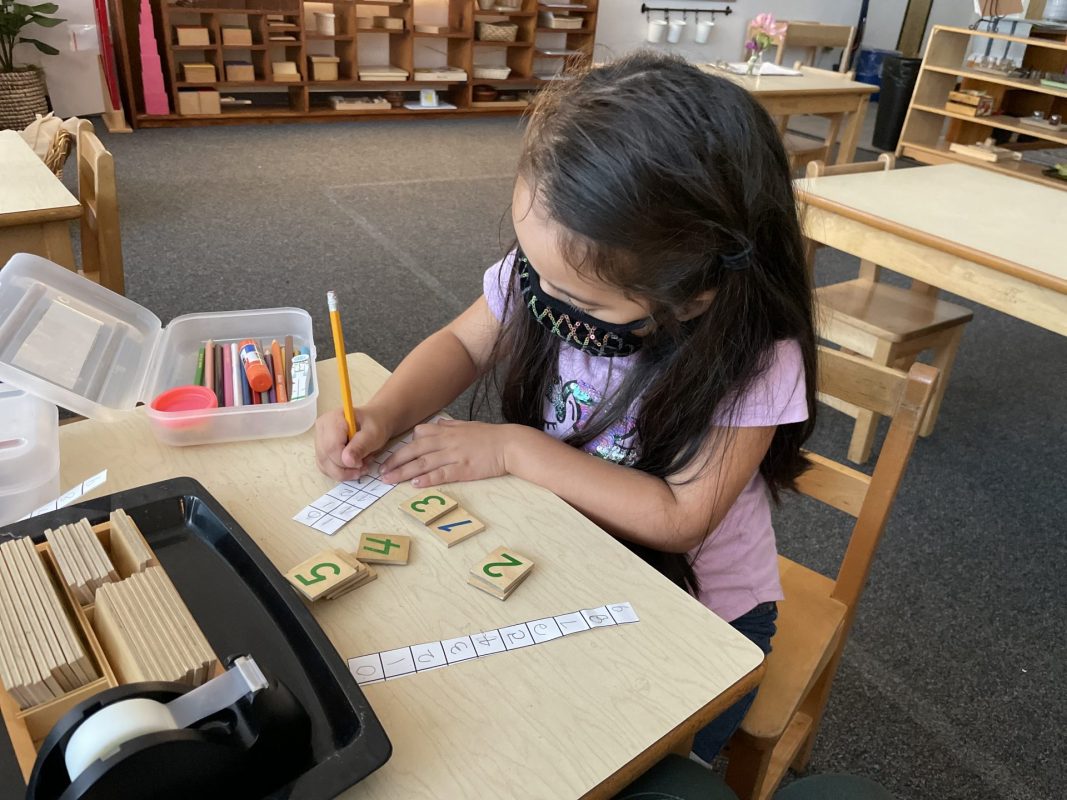
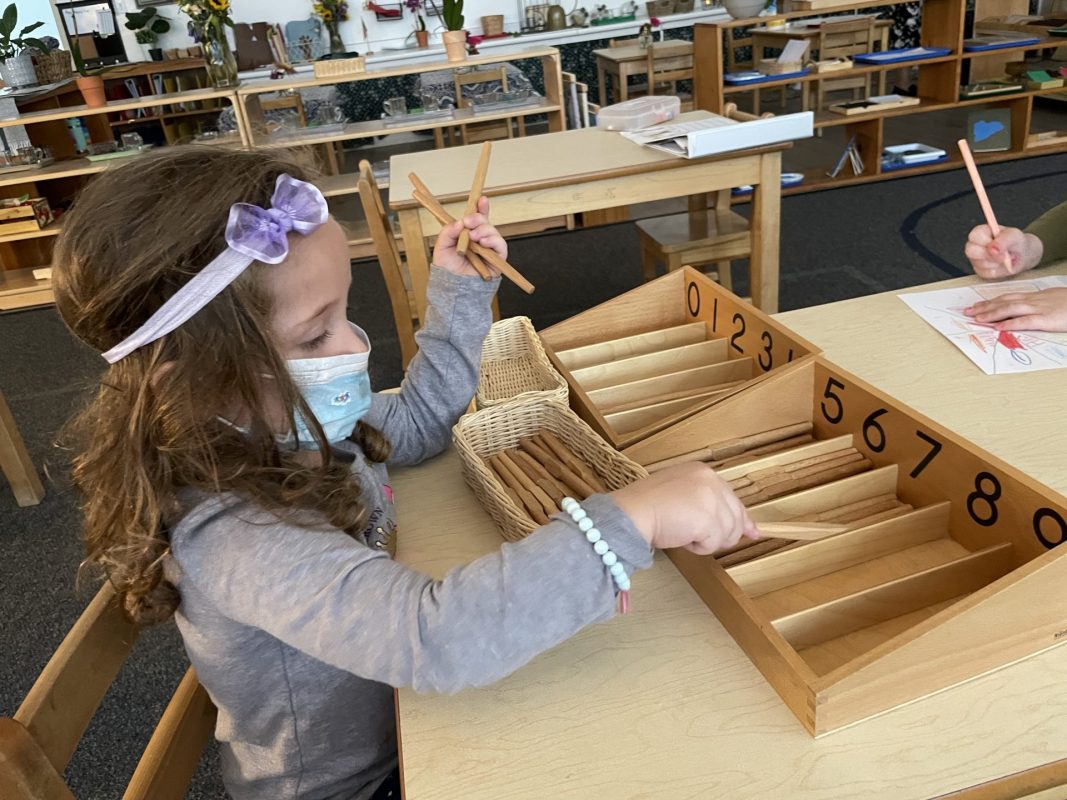
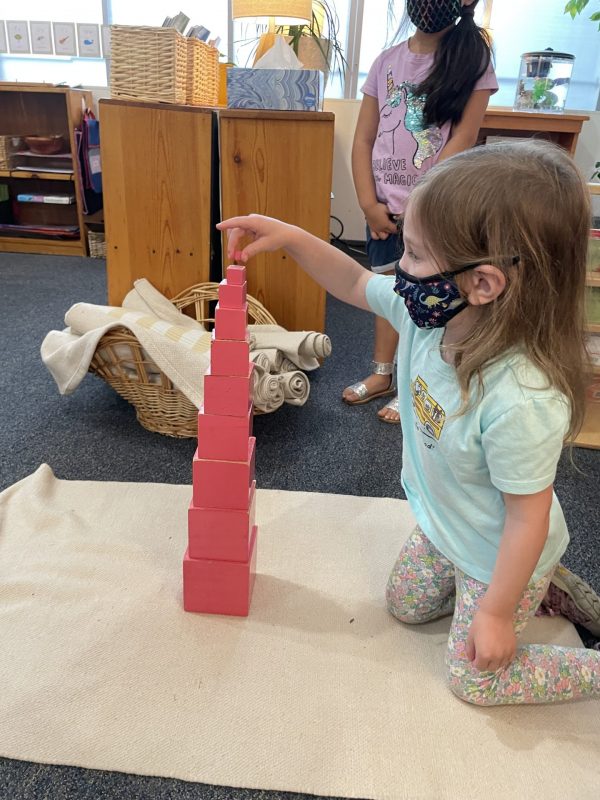
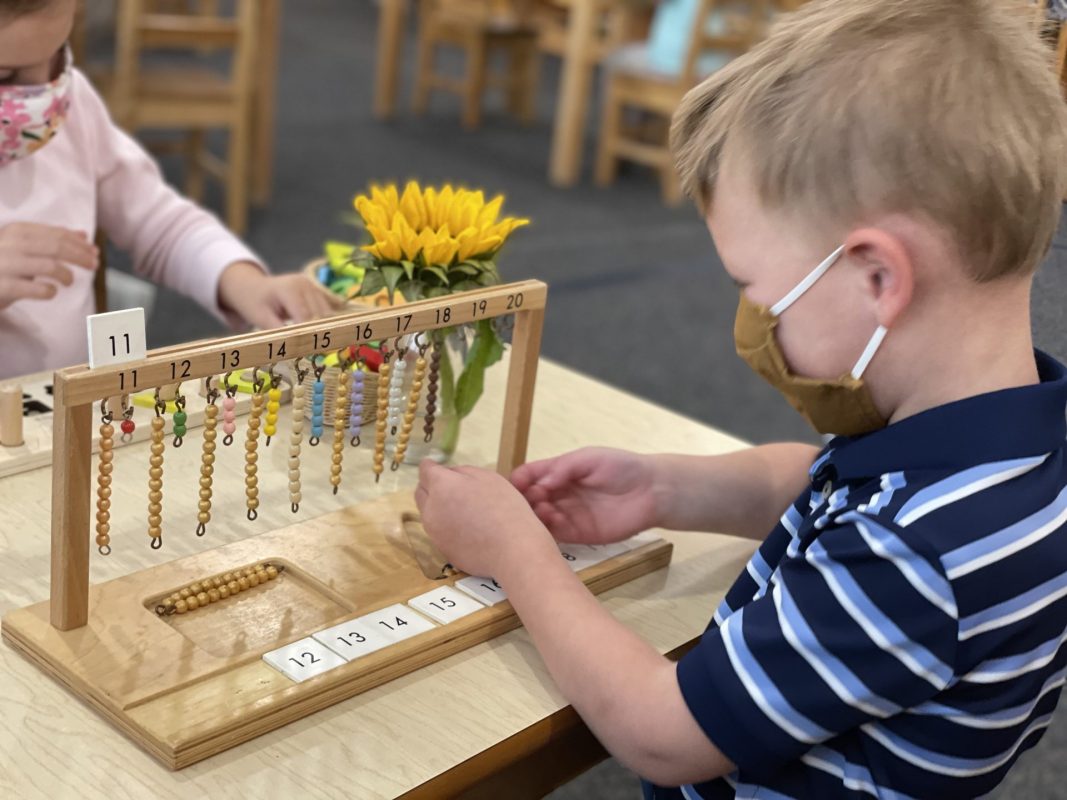
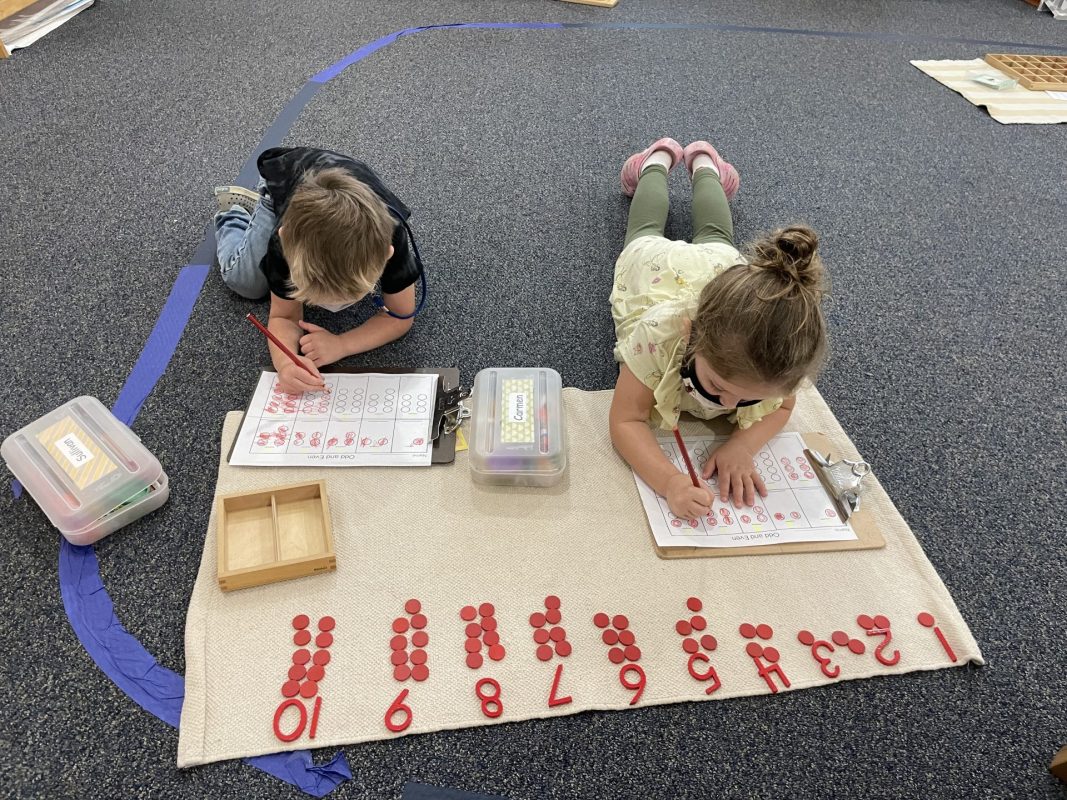
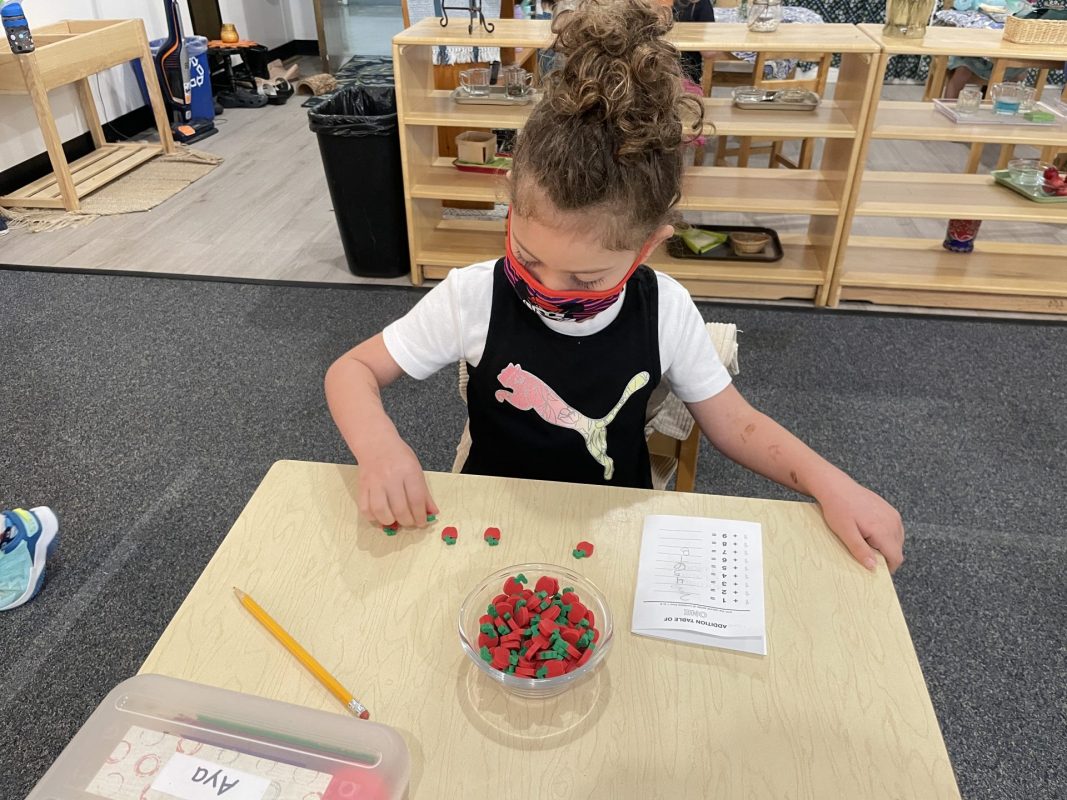
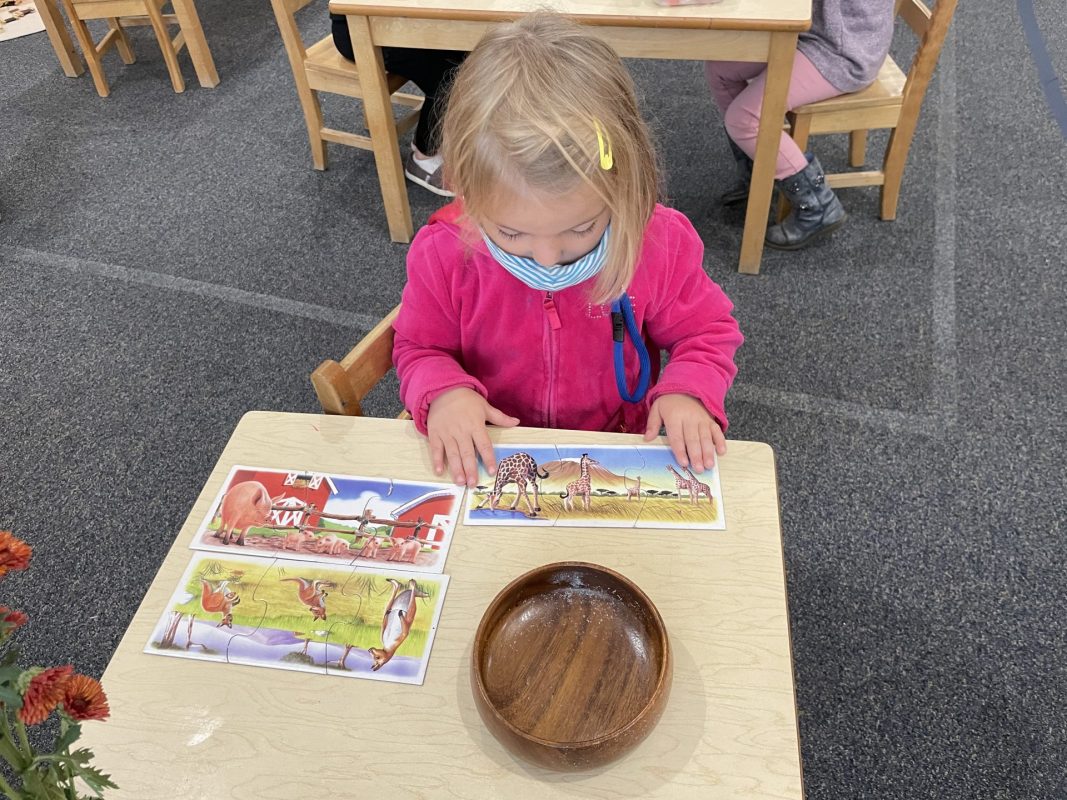
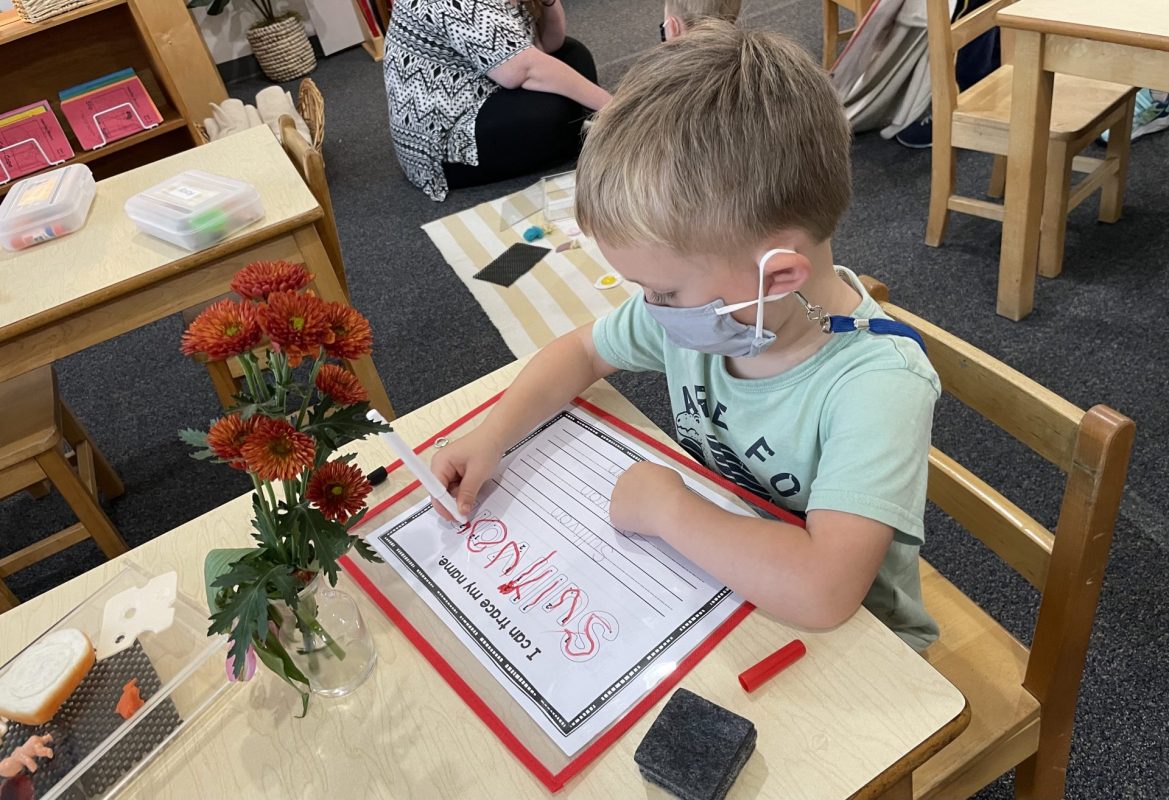
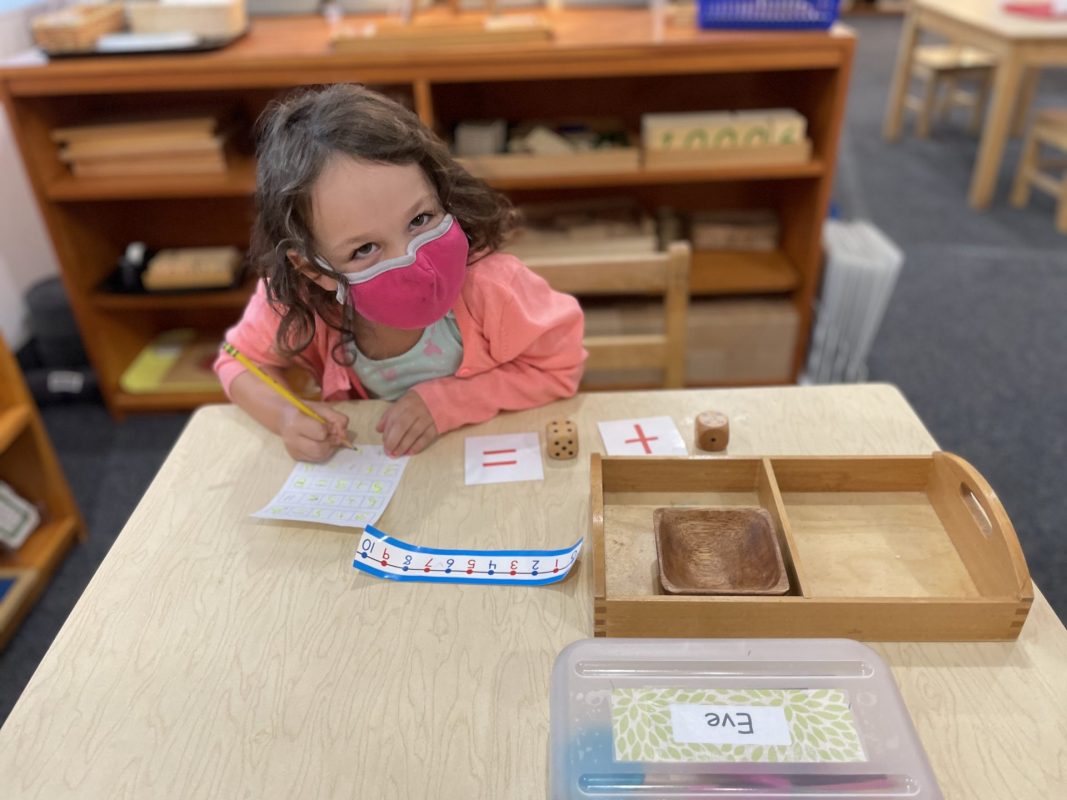
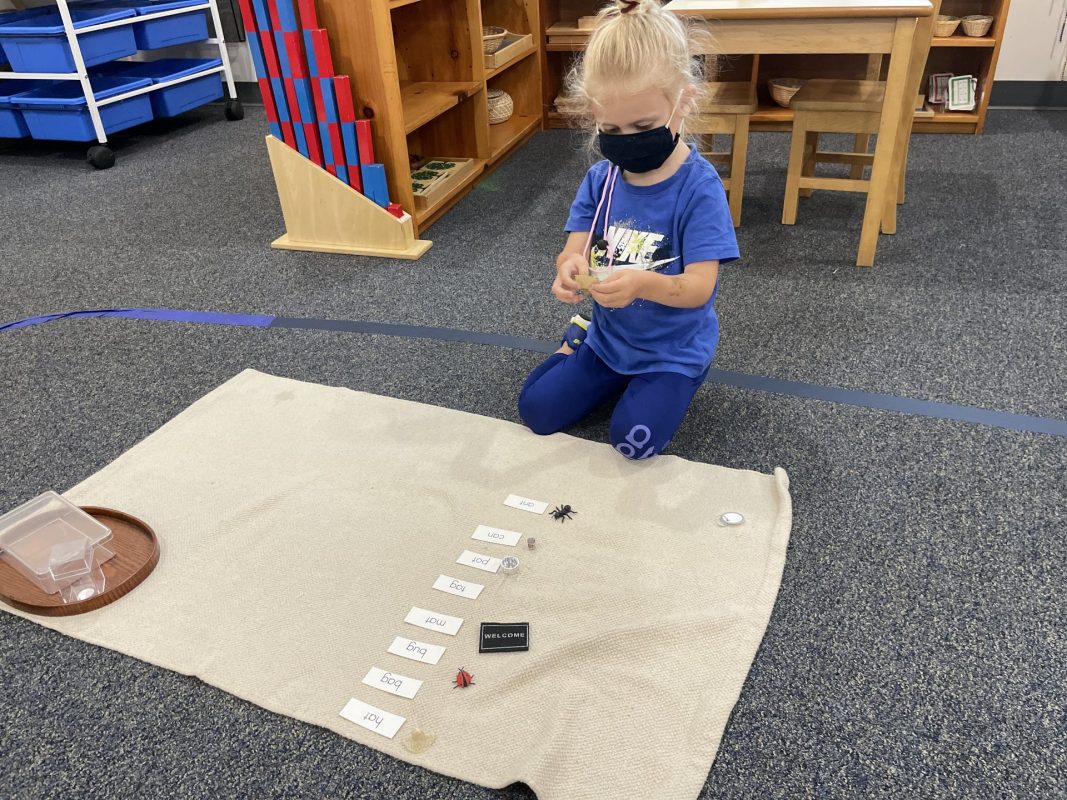
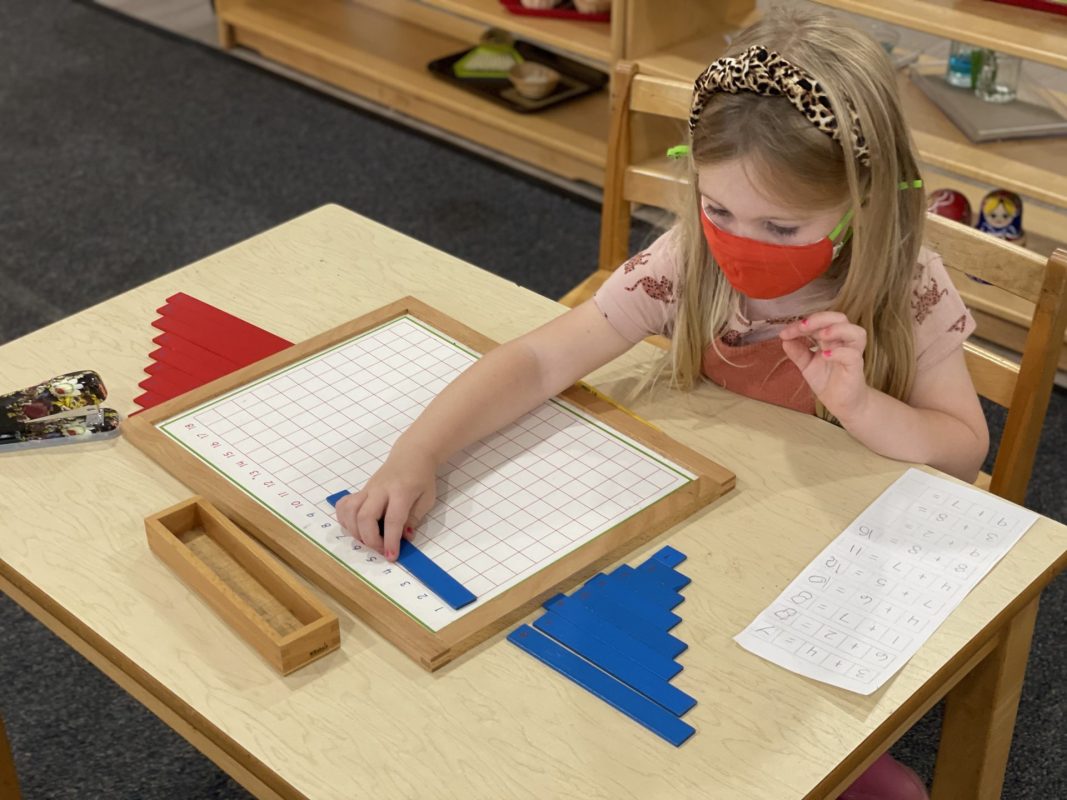
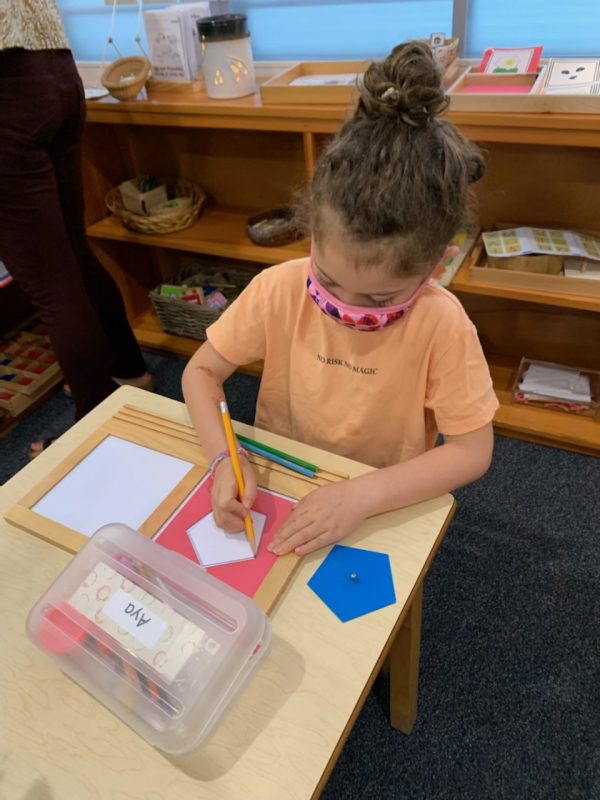
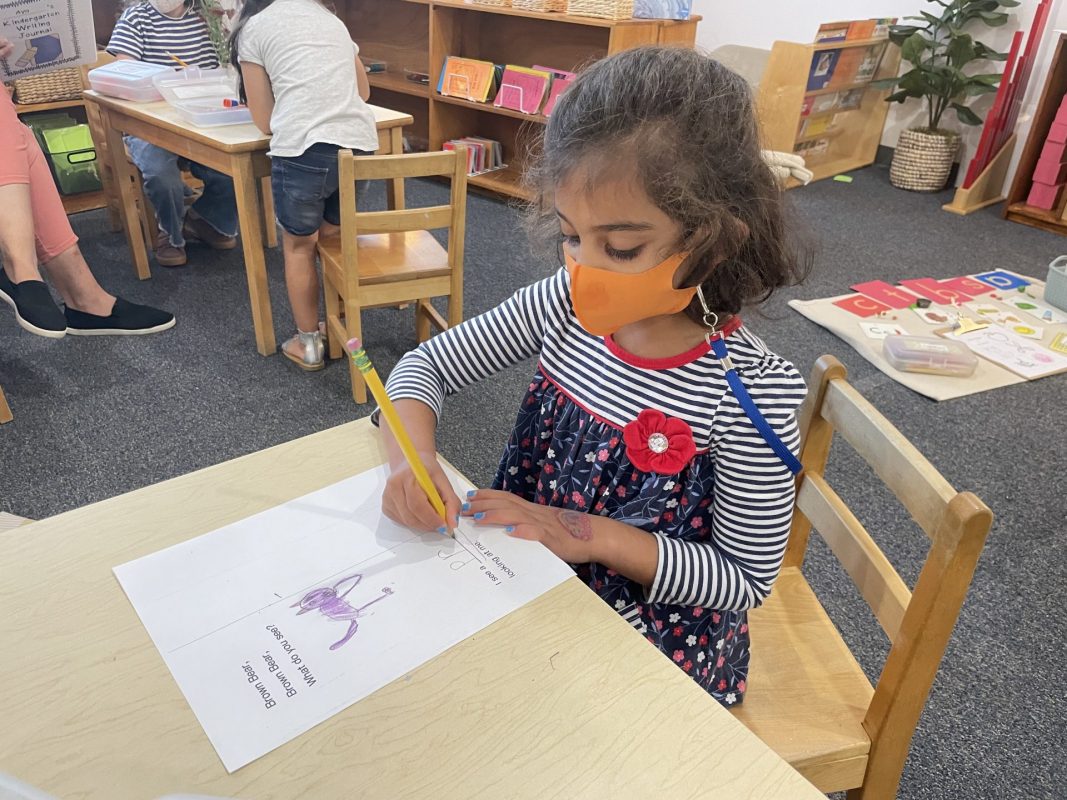
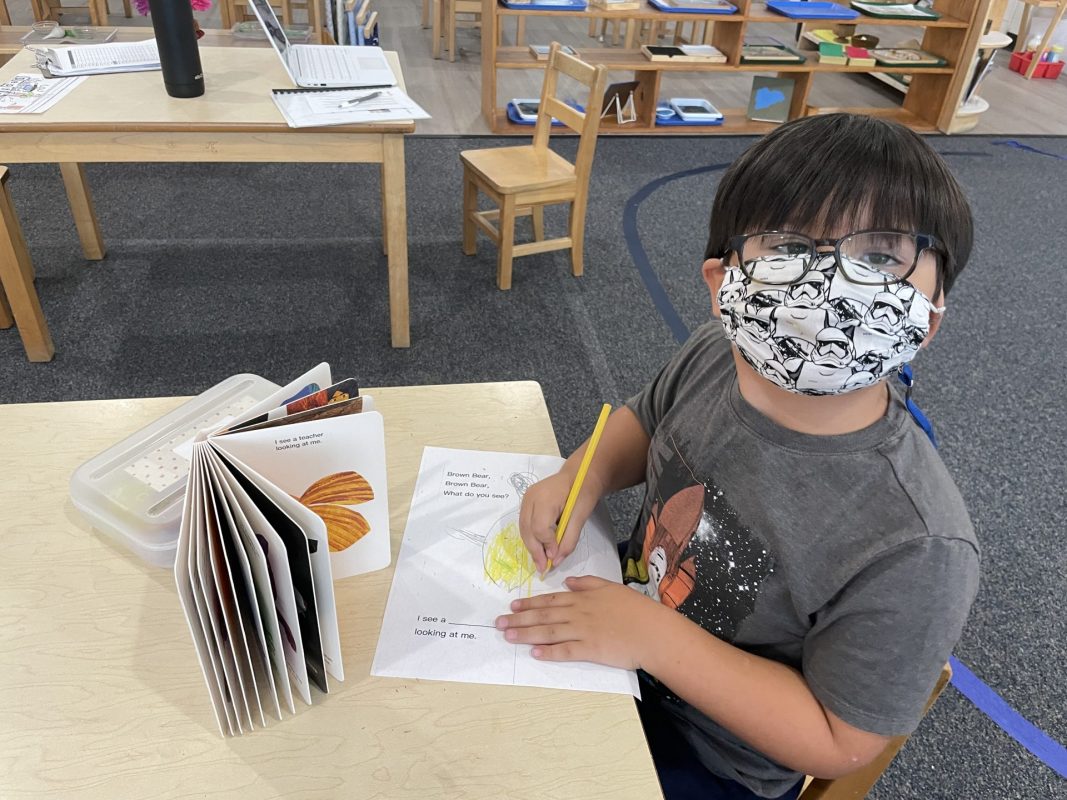
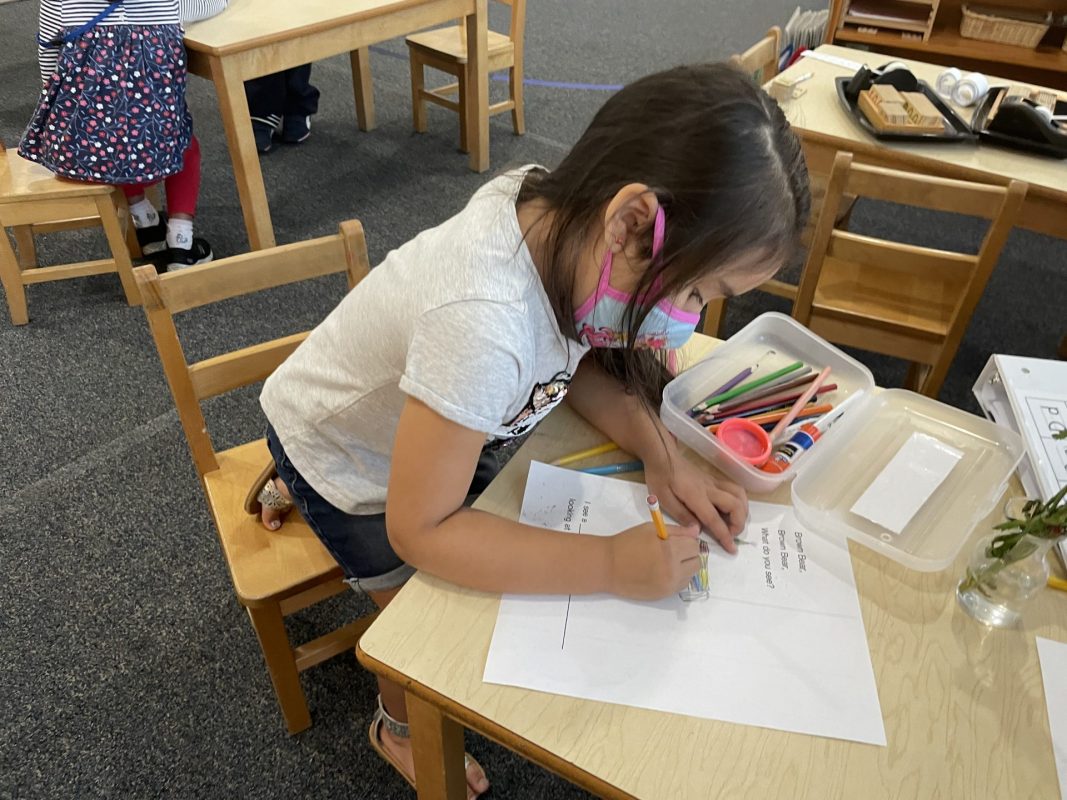
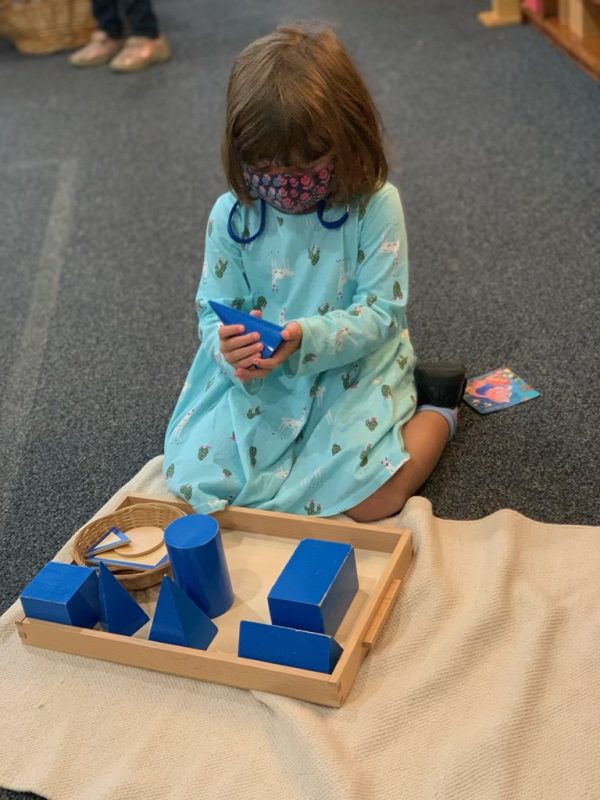
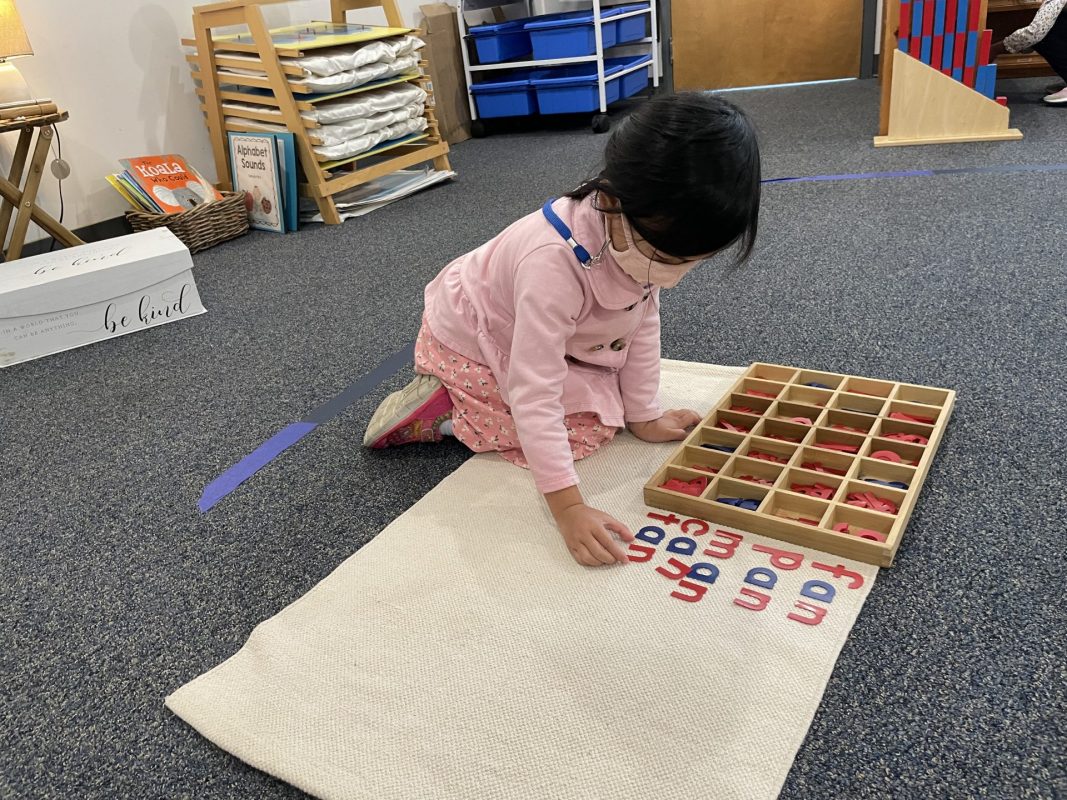
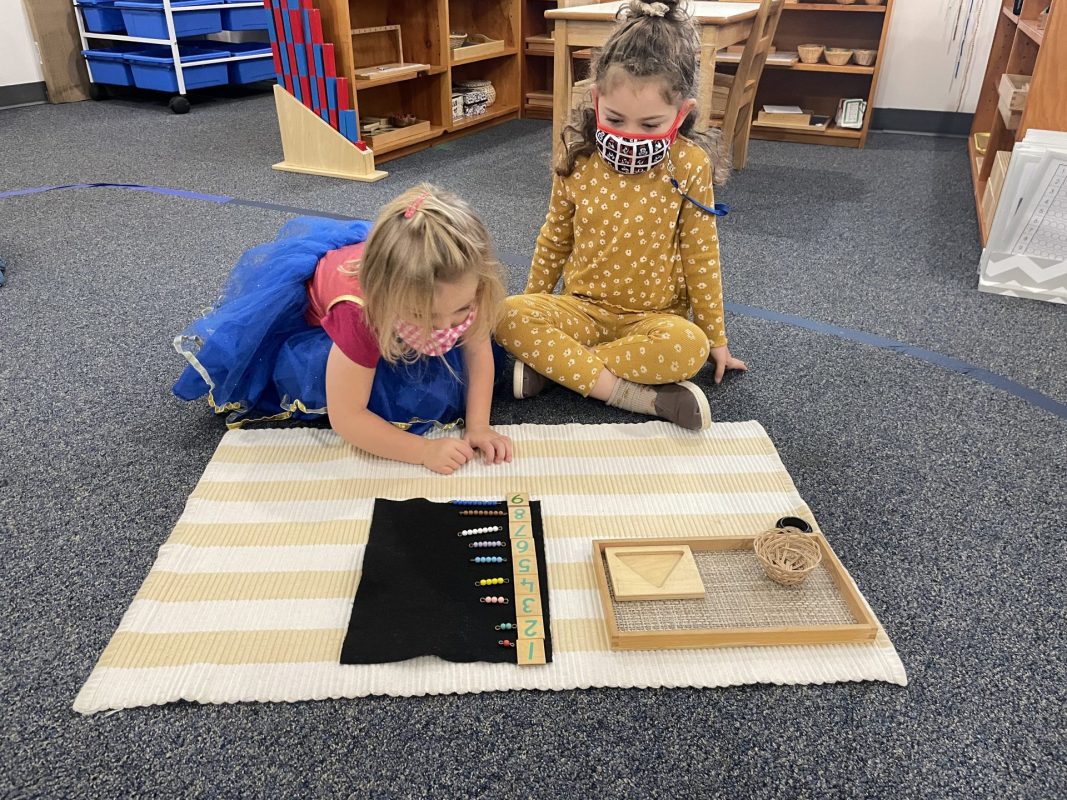
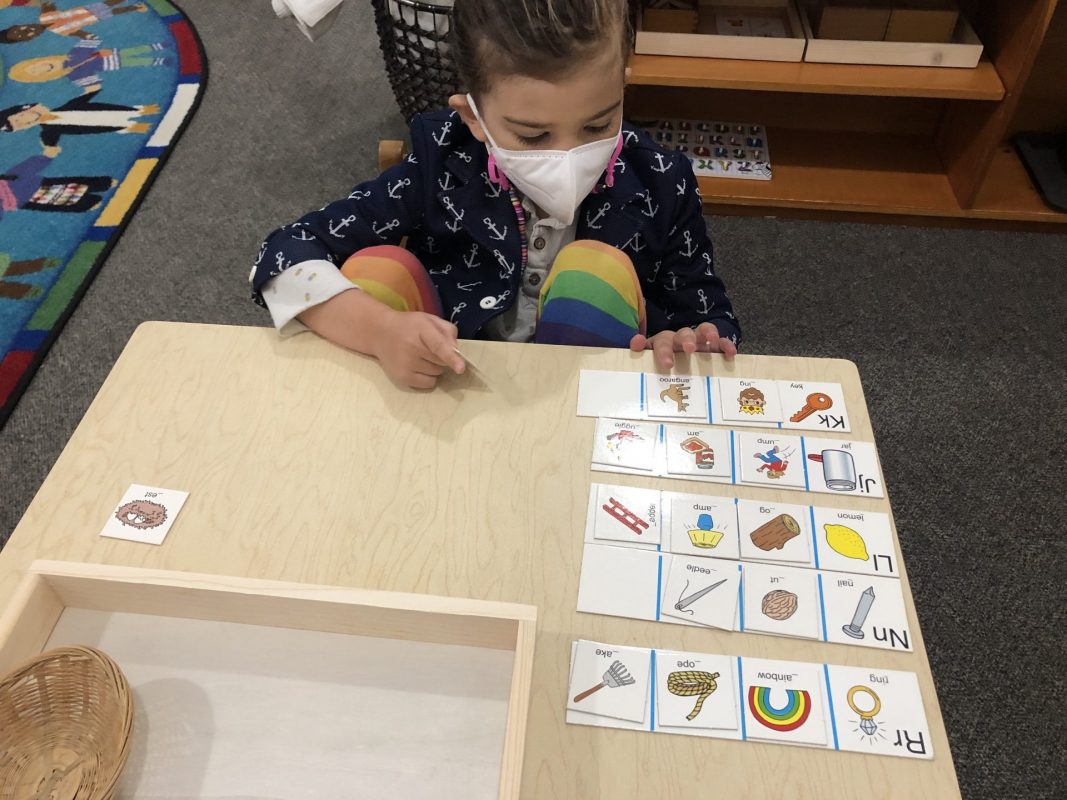
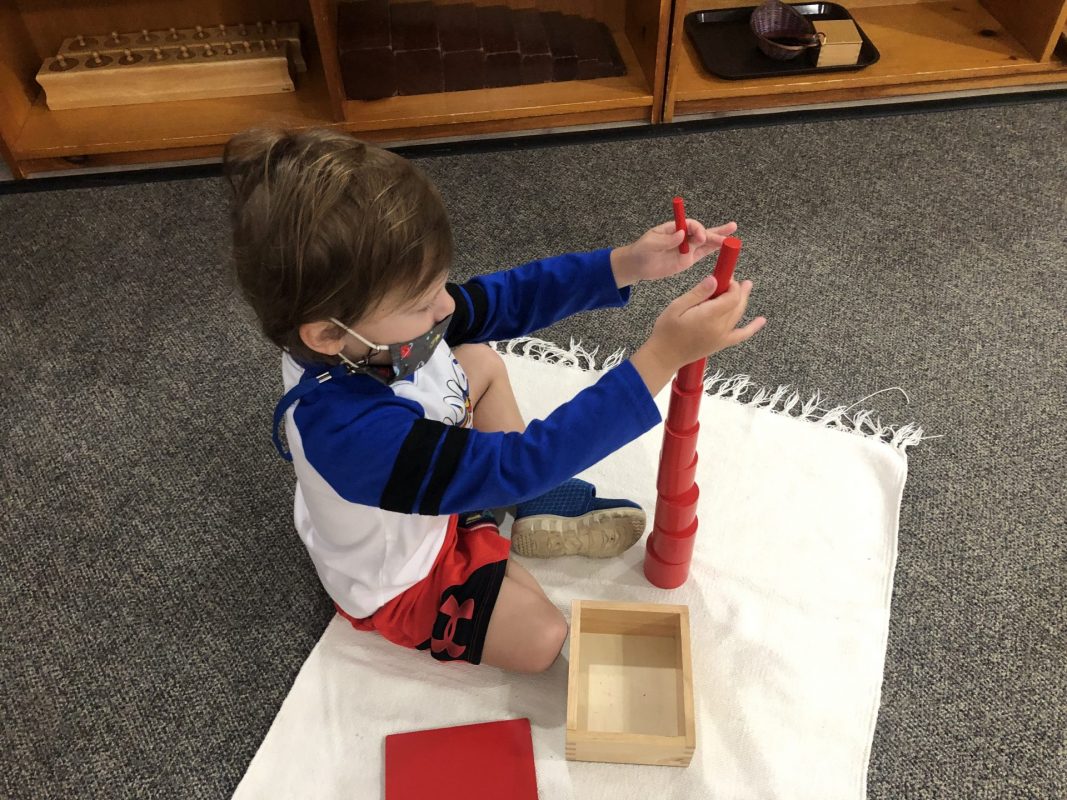
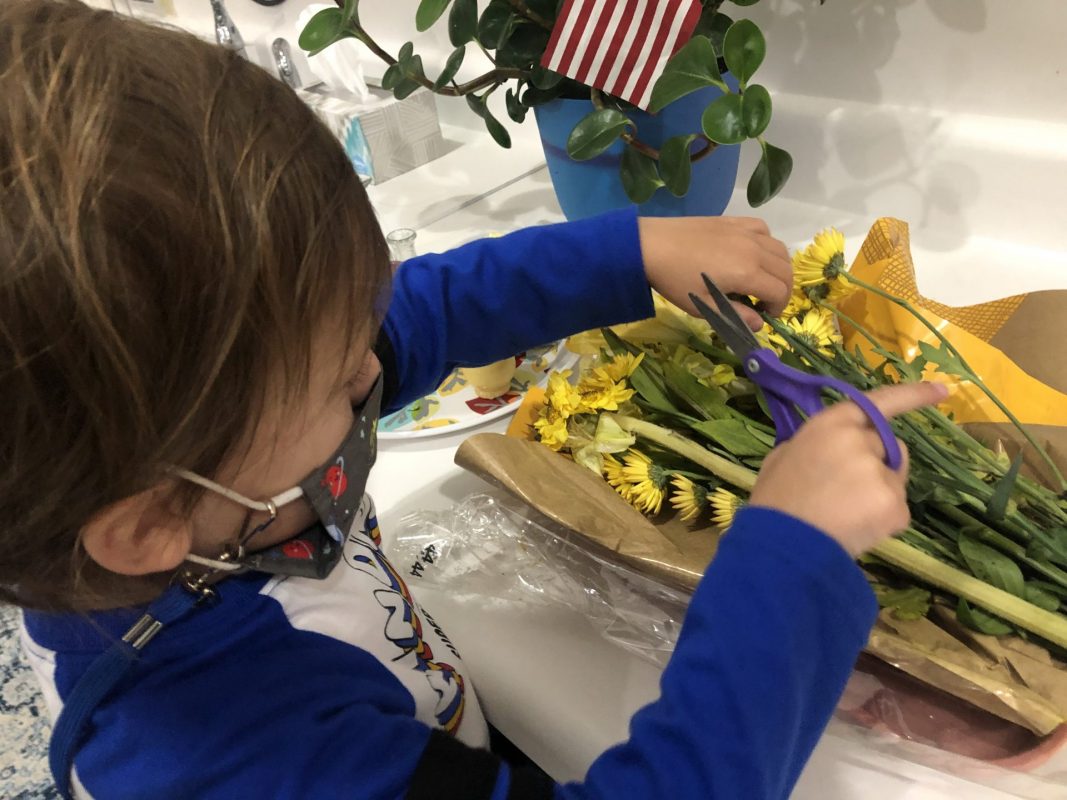
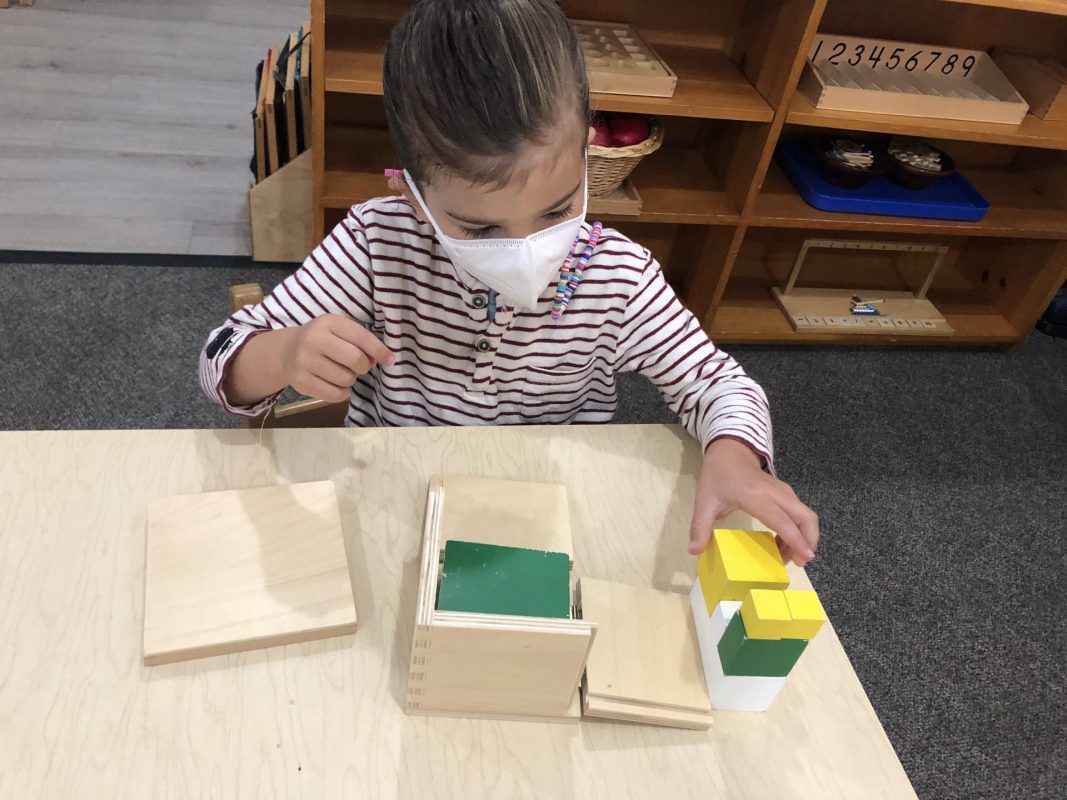
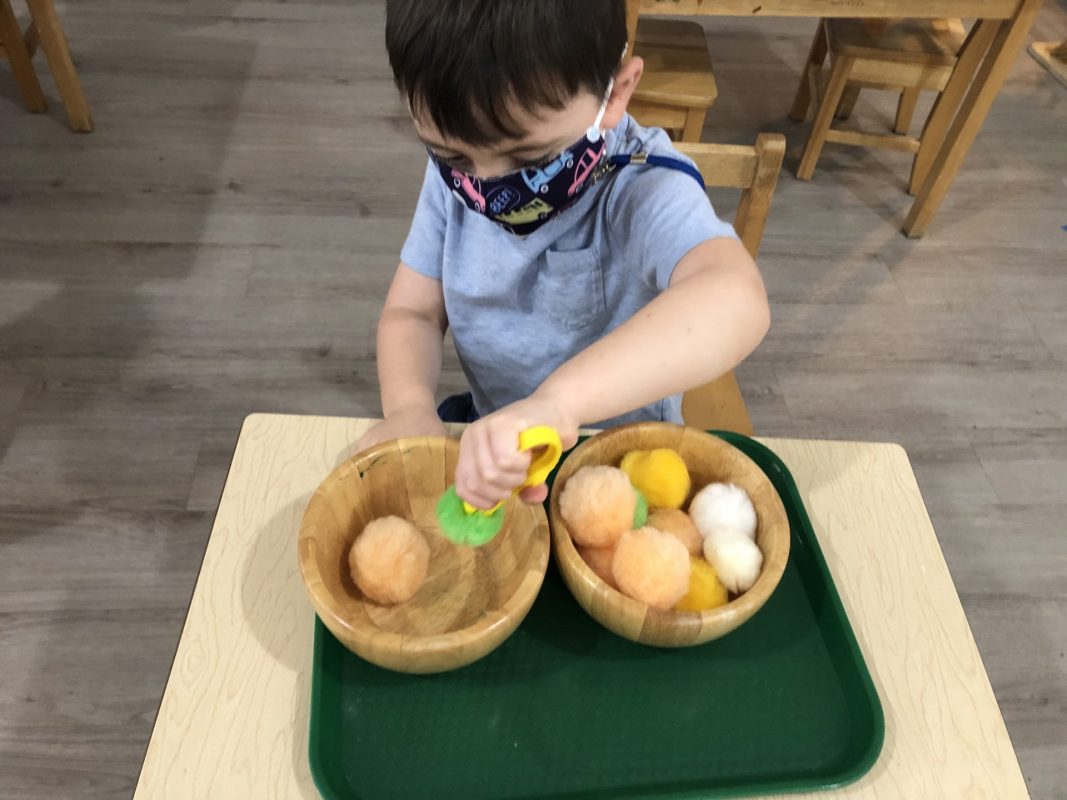
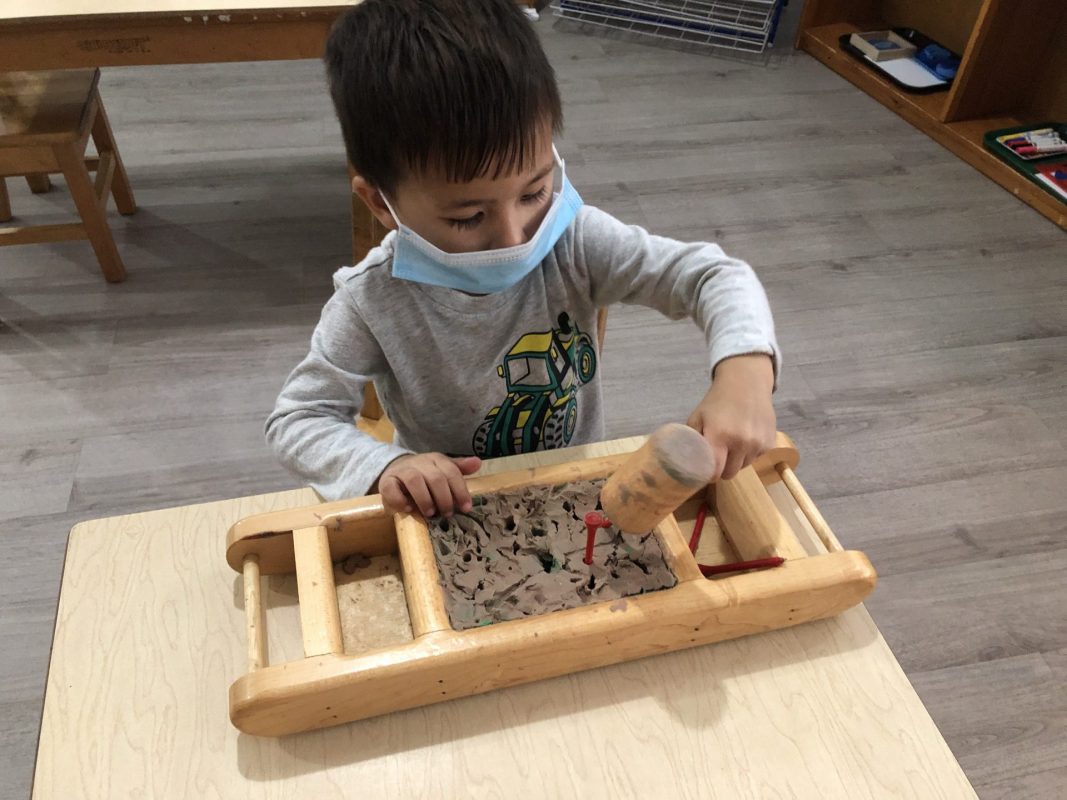
Research shows that children from ages 3-6 learn best through their hands. In order to truly understand a concept they need to explore it through touch. This is why so many of the lessons found in the Montessori environment are not based on memorization alone. Most concepts we are teaching involve tracing, manipulating, and exploring with their hands. Perhaps most importantly, focusing on the process protects the child’s intrinsic motivation to learn and understand. It is not influenced by external factors such as recognition, praise, or reward. The time and experience with the materials is what we truly value and encourage.

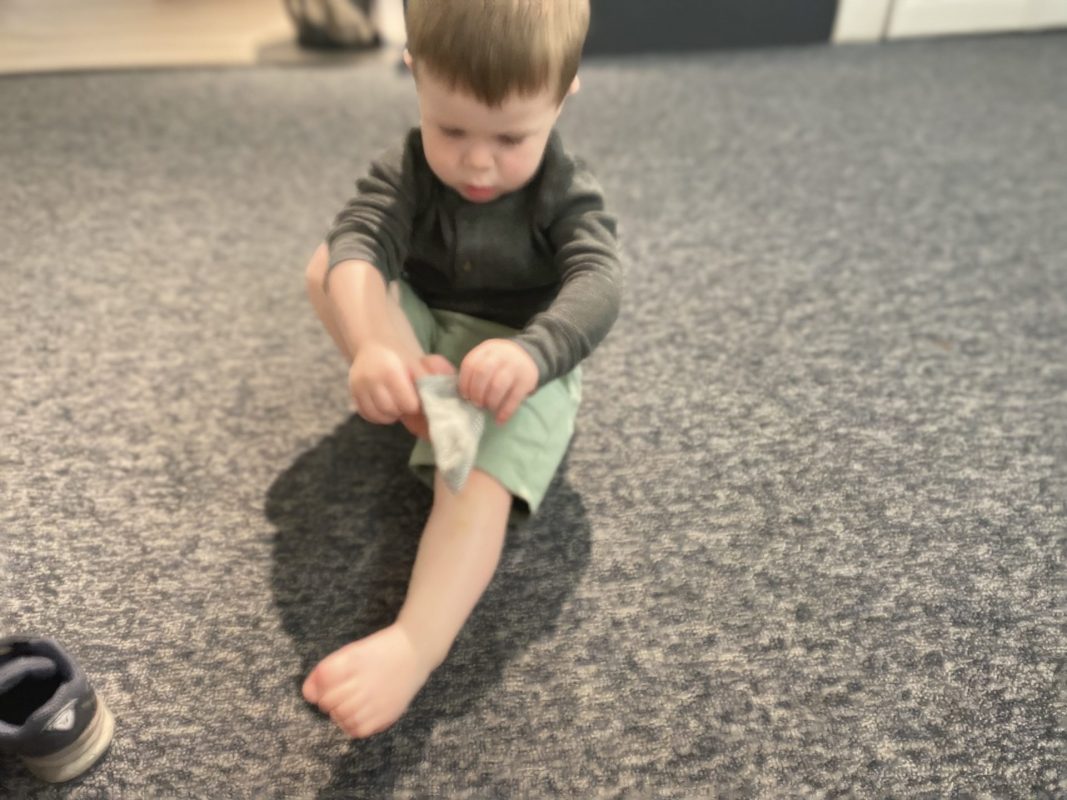
So, if your child’s folder comes home with little to no work, just know that their accomplishments can’t always ‘fit’ in that folder. Maybe after weeks and weeks of trying, they learned how to zipper their own coat or maybe they can finally carry a work without it dropping. Maybe after observing a lesson day after day,  your child tried it independently for the first time. The list of skills each child can accomplish will never be fully represented in the Friday Folder. So please enjoy the work that is in there, but know it is not a full portrayal of all that the children are accomplishing.

Warmly,

Michelle & Liset


Mrs. Hood’s Class: On the Move!

“Movement, or physical activity, is thus an essential factor in intellectual growth, which depends upon the impressions received from outside. Through movement we come in contact with external reality, and it is through these contacts that we eventually acquire even abstract ideas.” – Maria Montessori, The Secret of Childhood

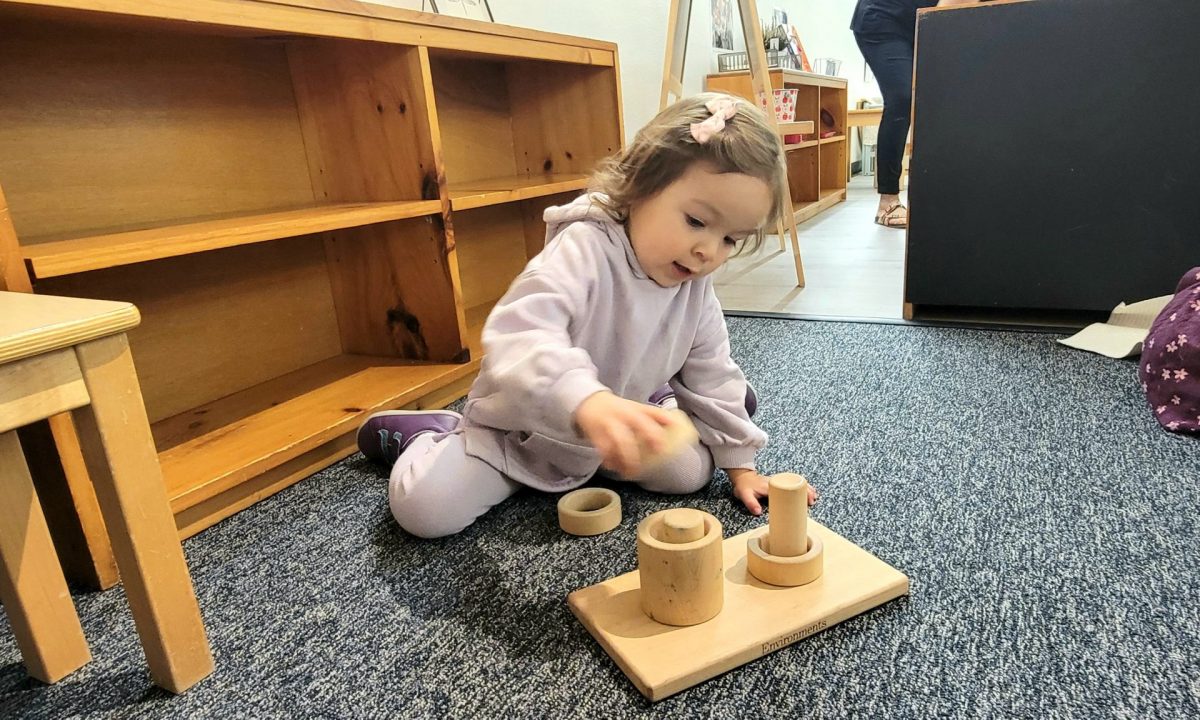
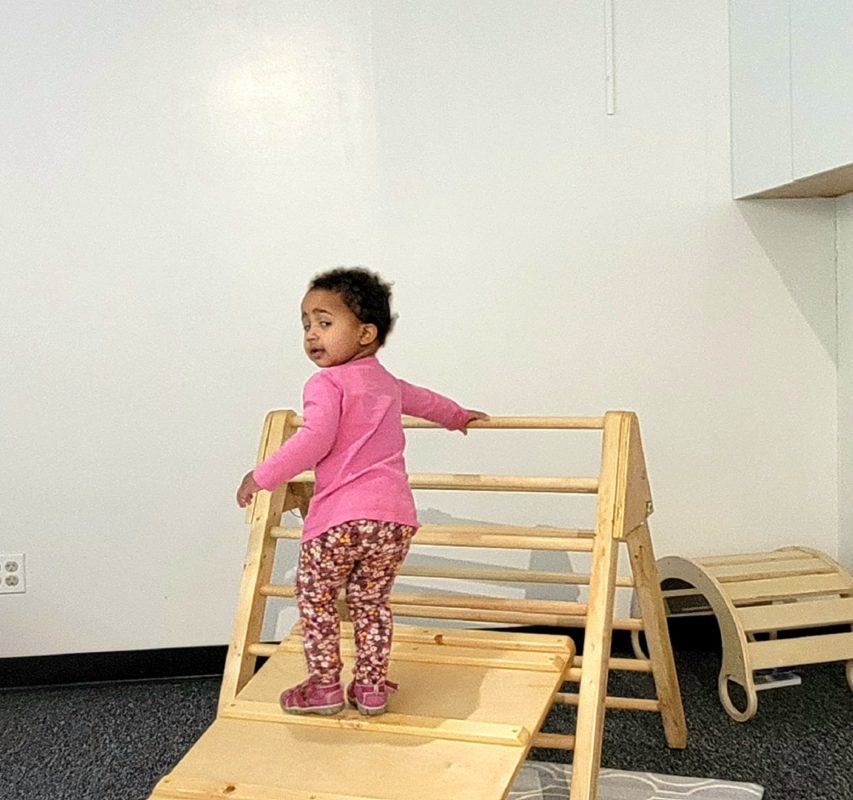
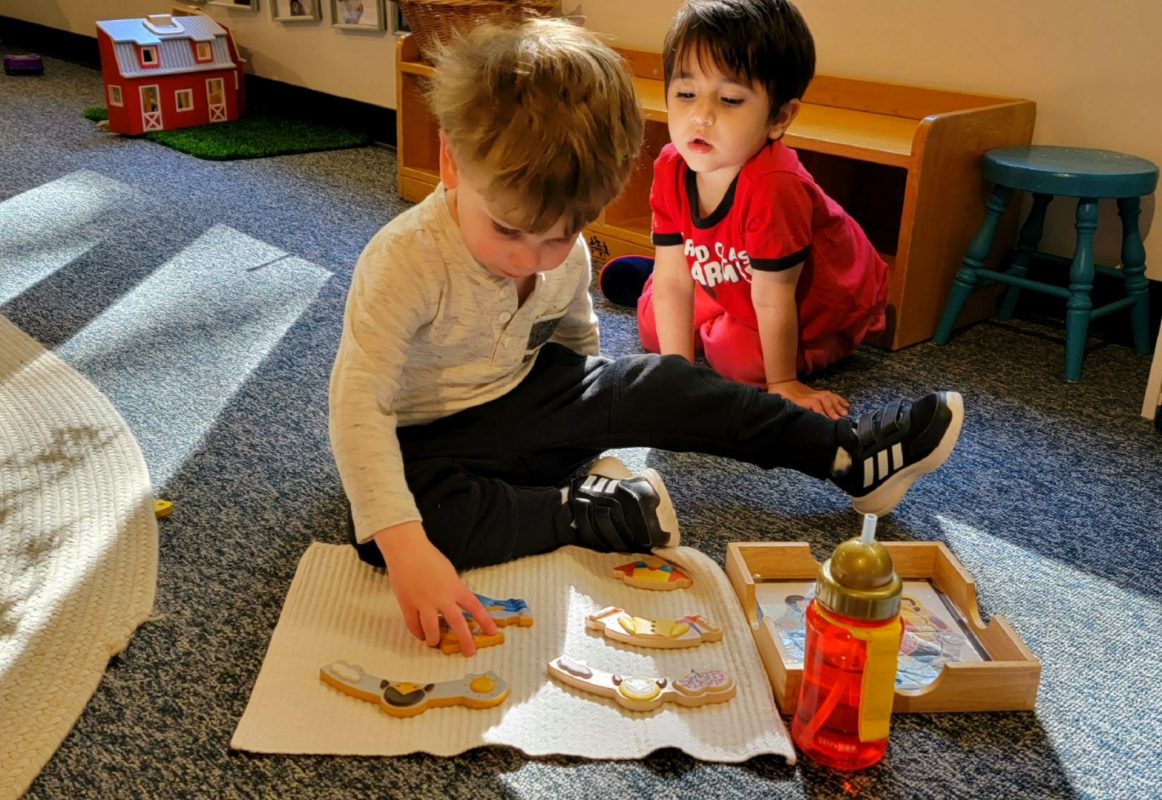
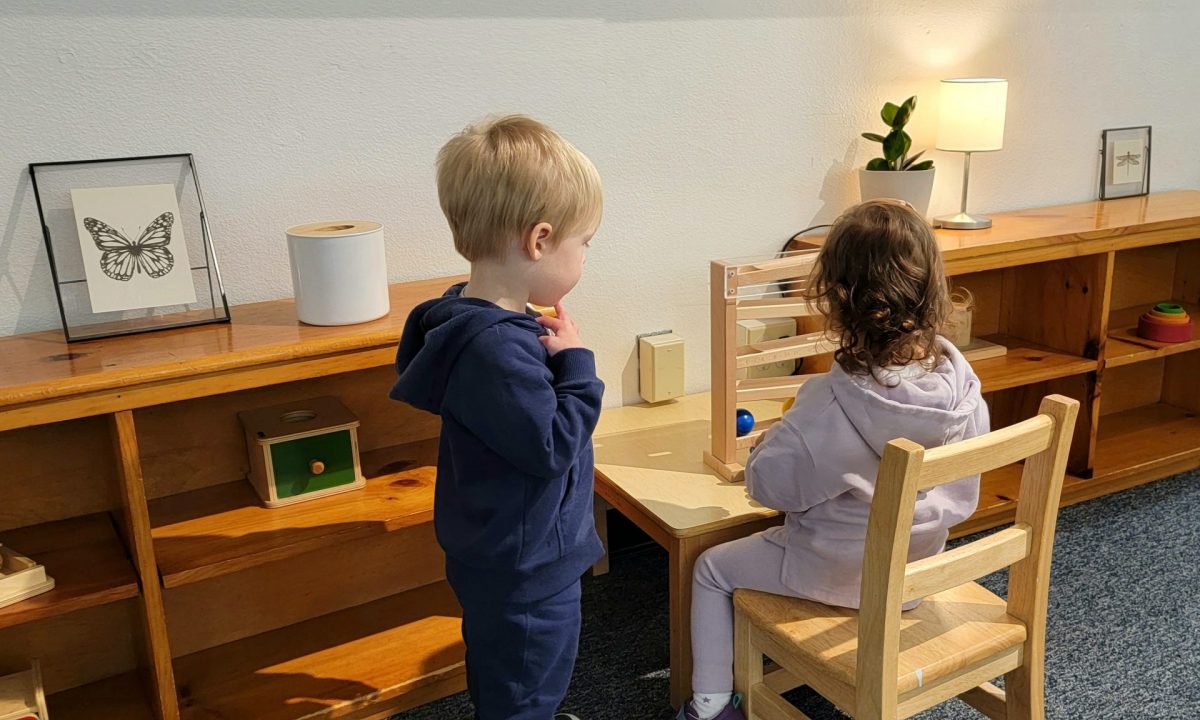
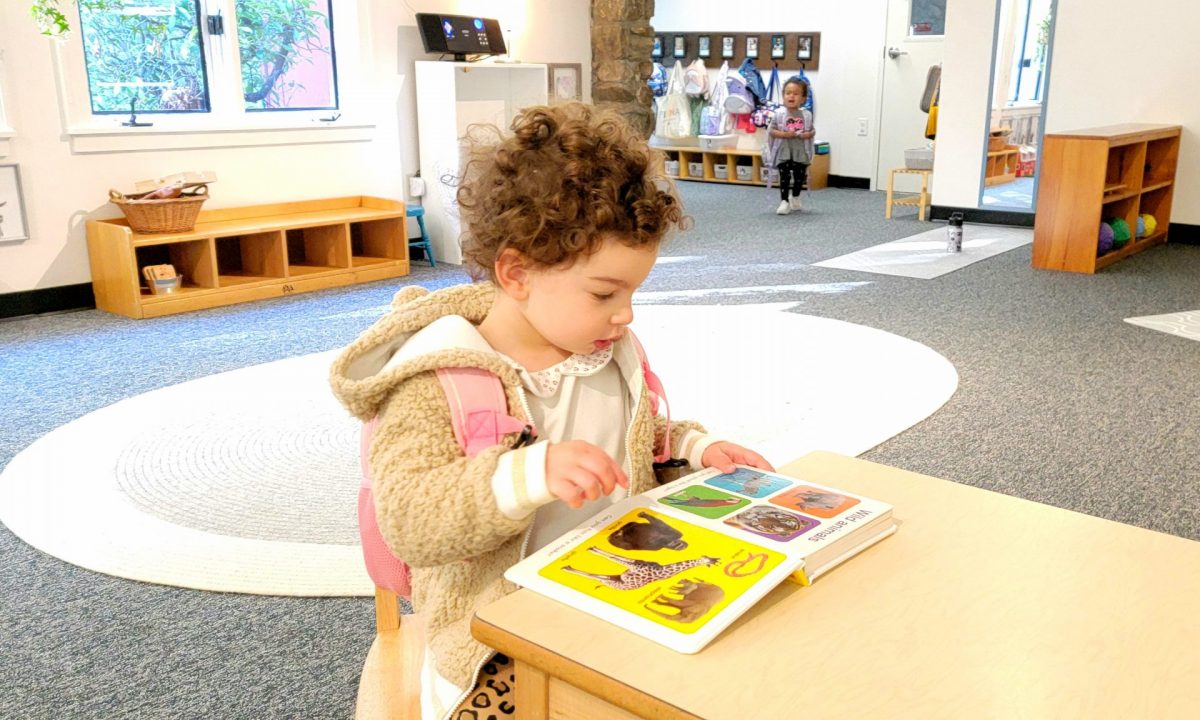
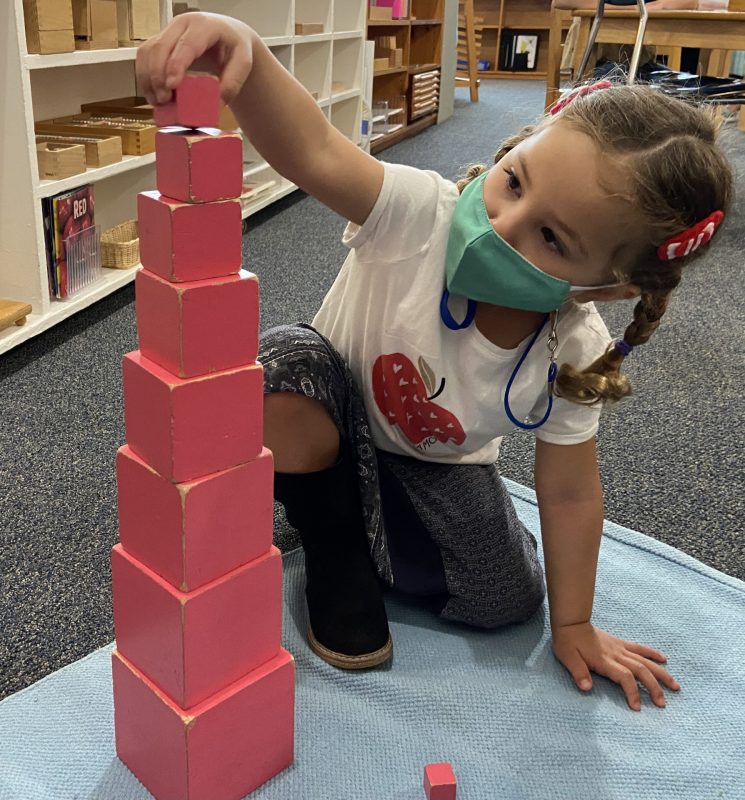
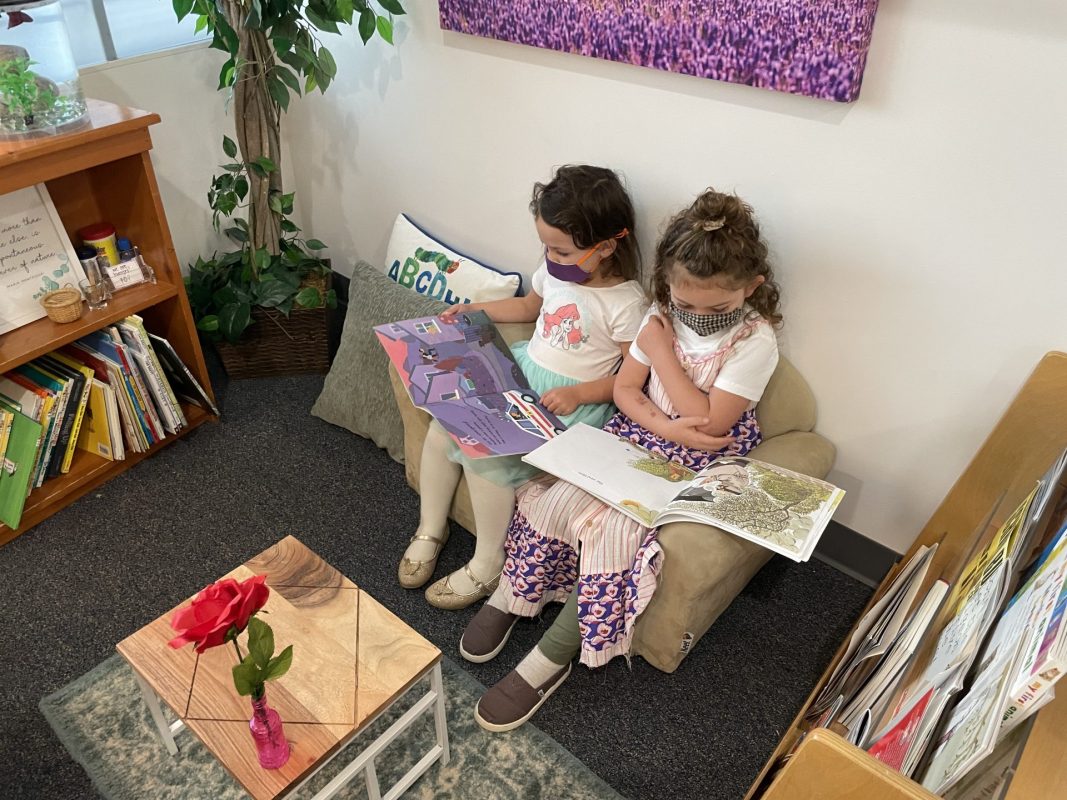
One of the main advantages of our prepared environment is the opportunity for children to move freely! Children engage with the materials for as long as they want and are able to choose activities that perfect different skills – all while they think they are just playing!

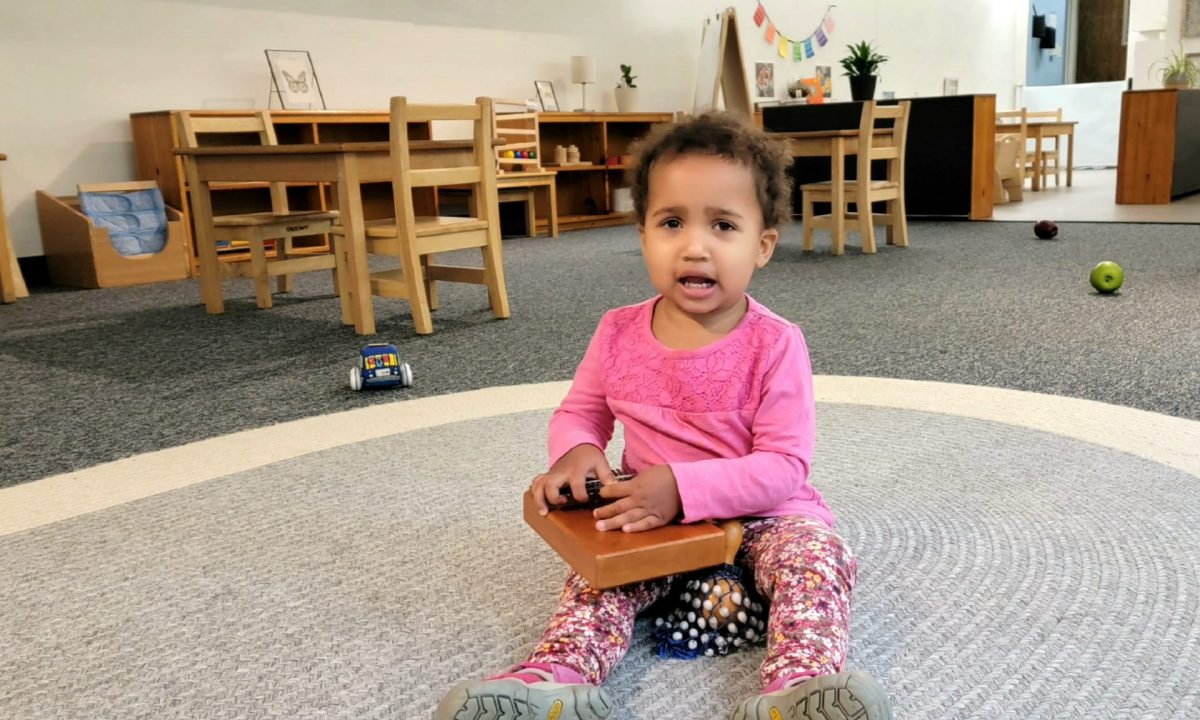
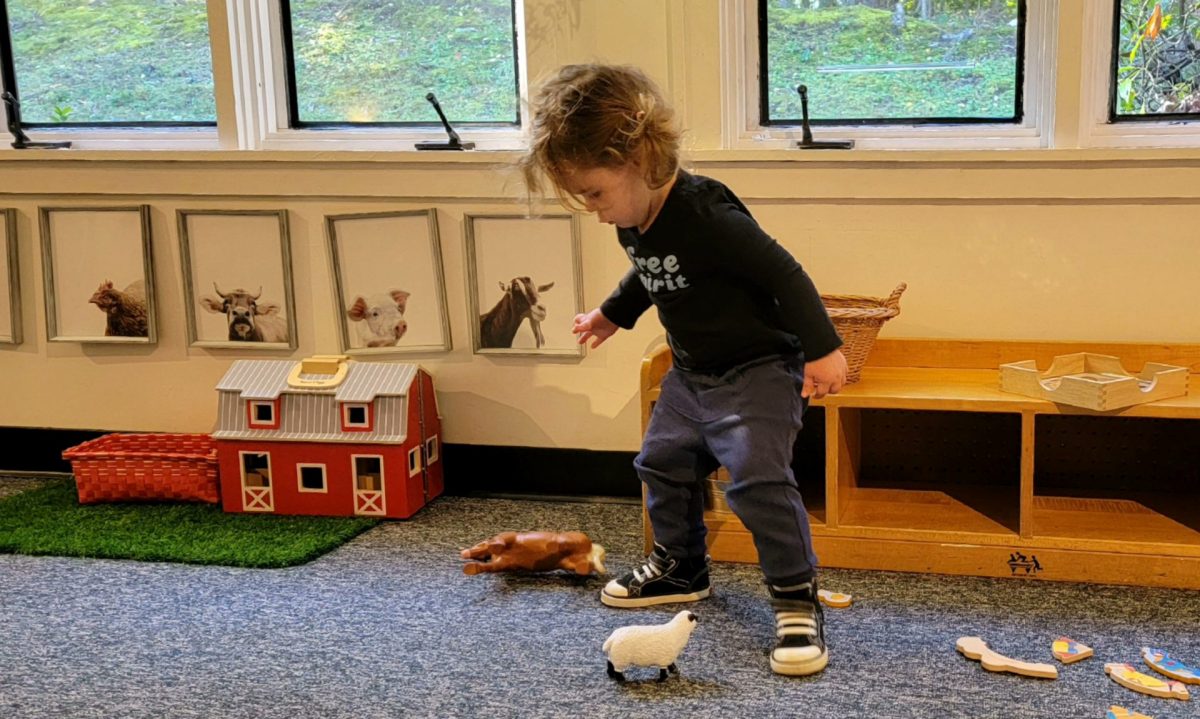
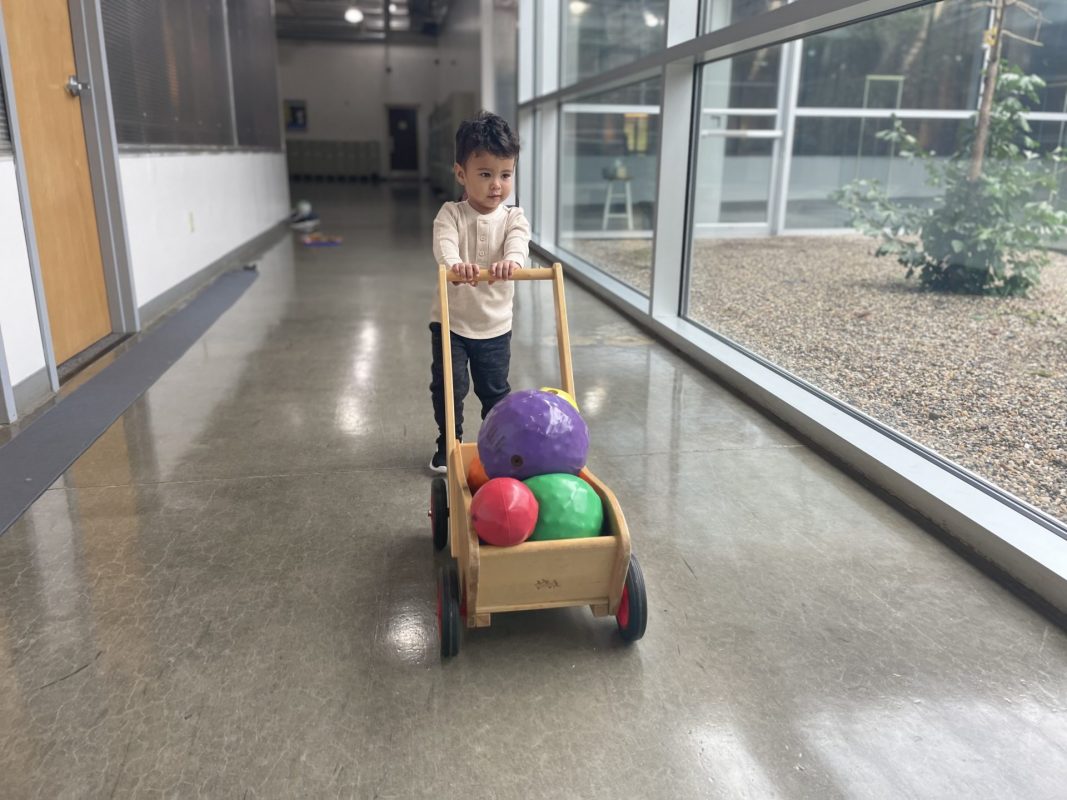
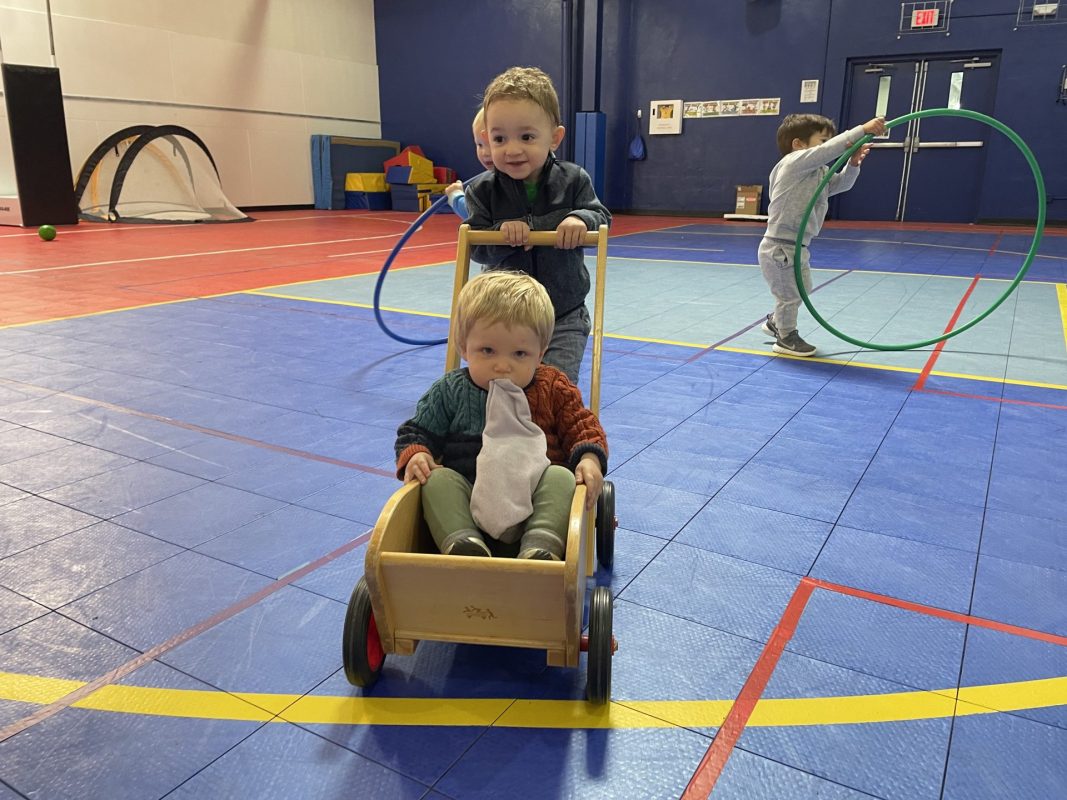
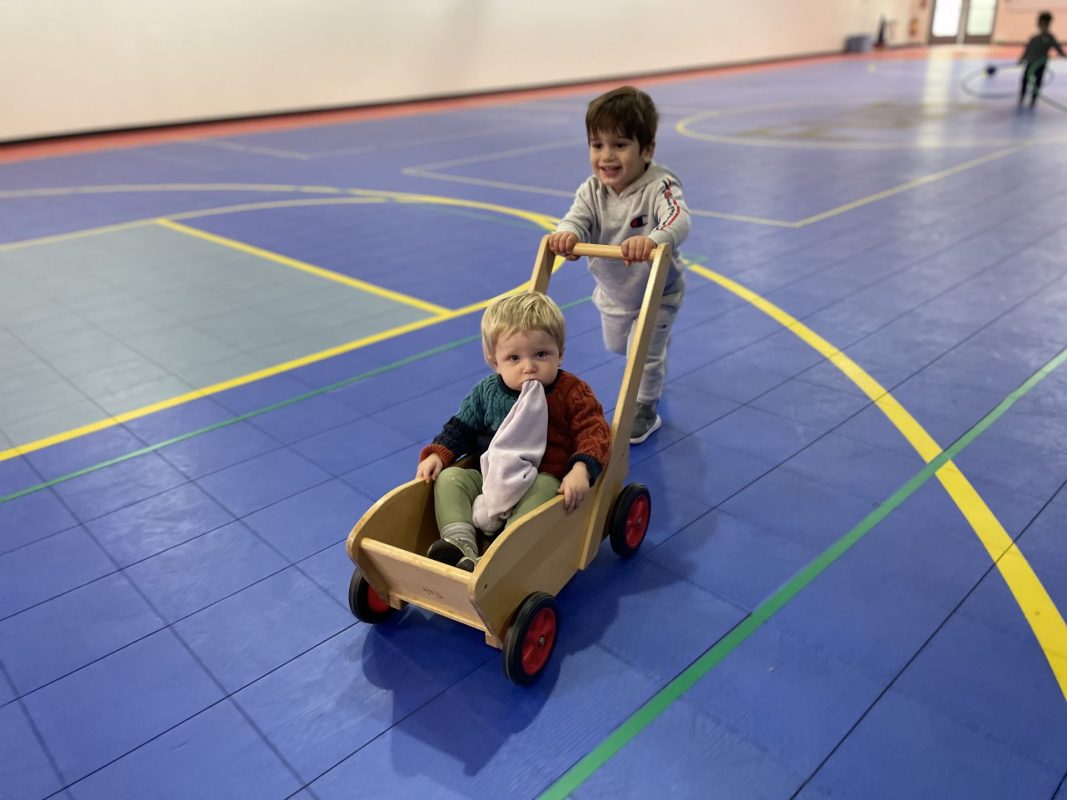
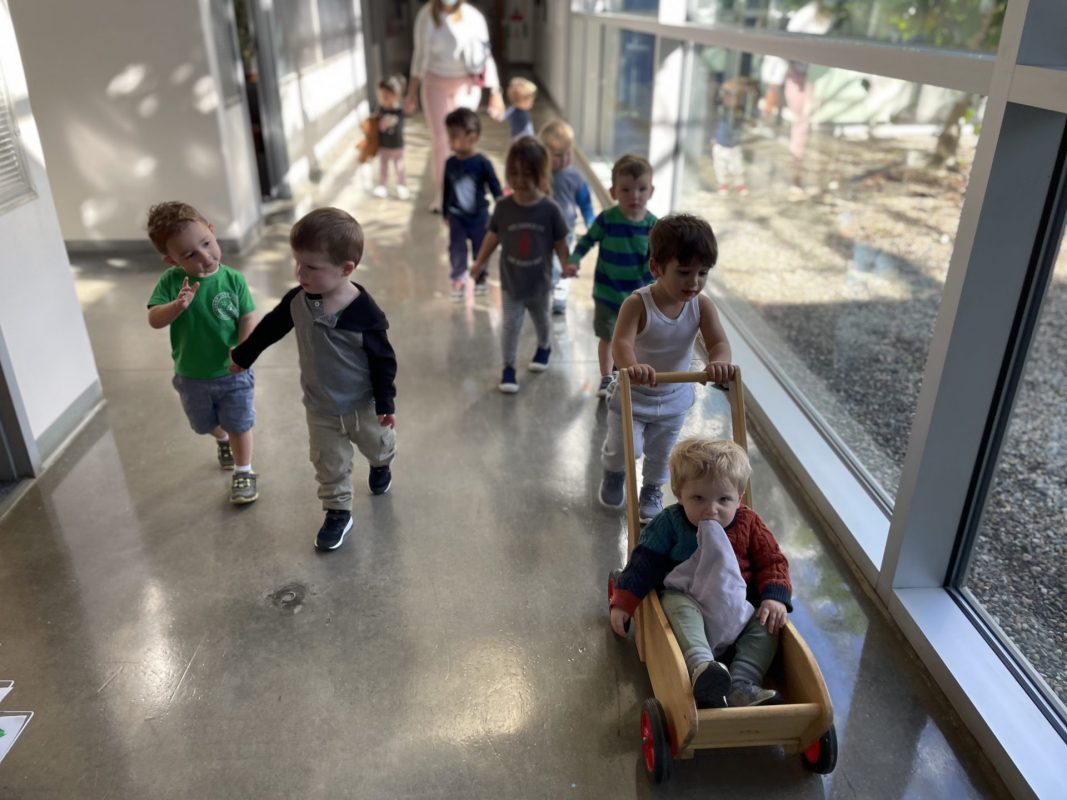
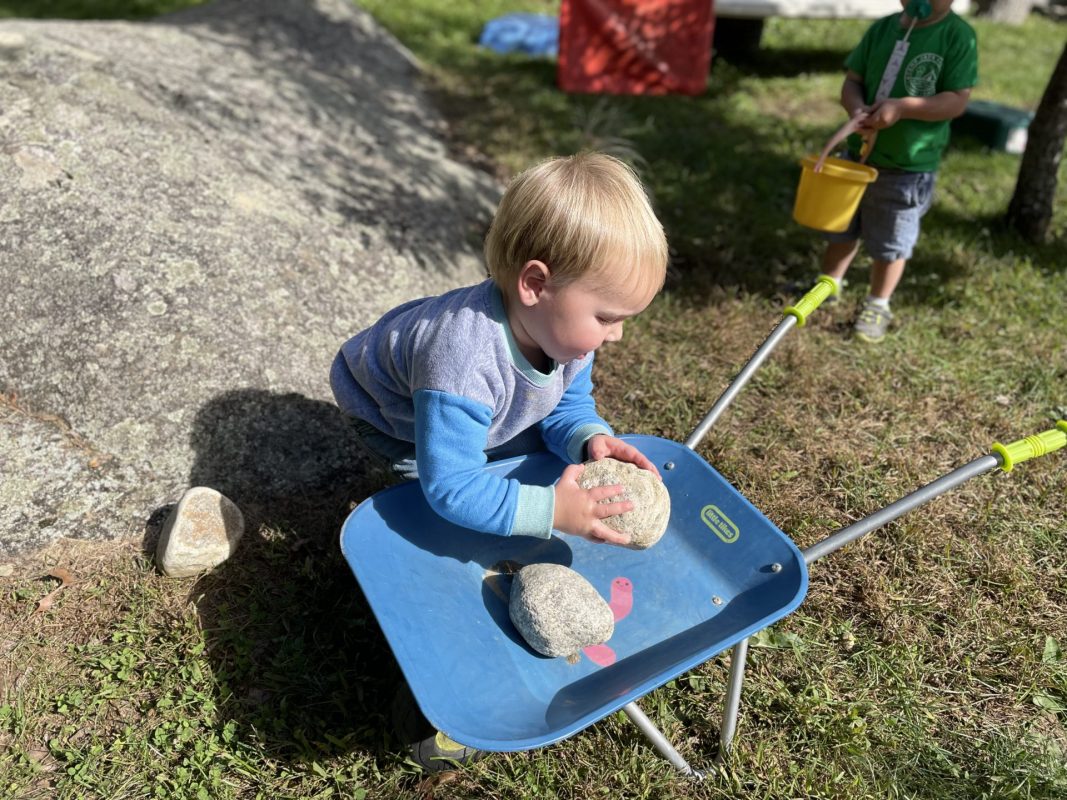
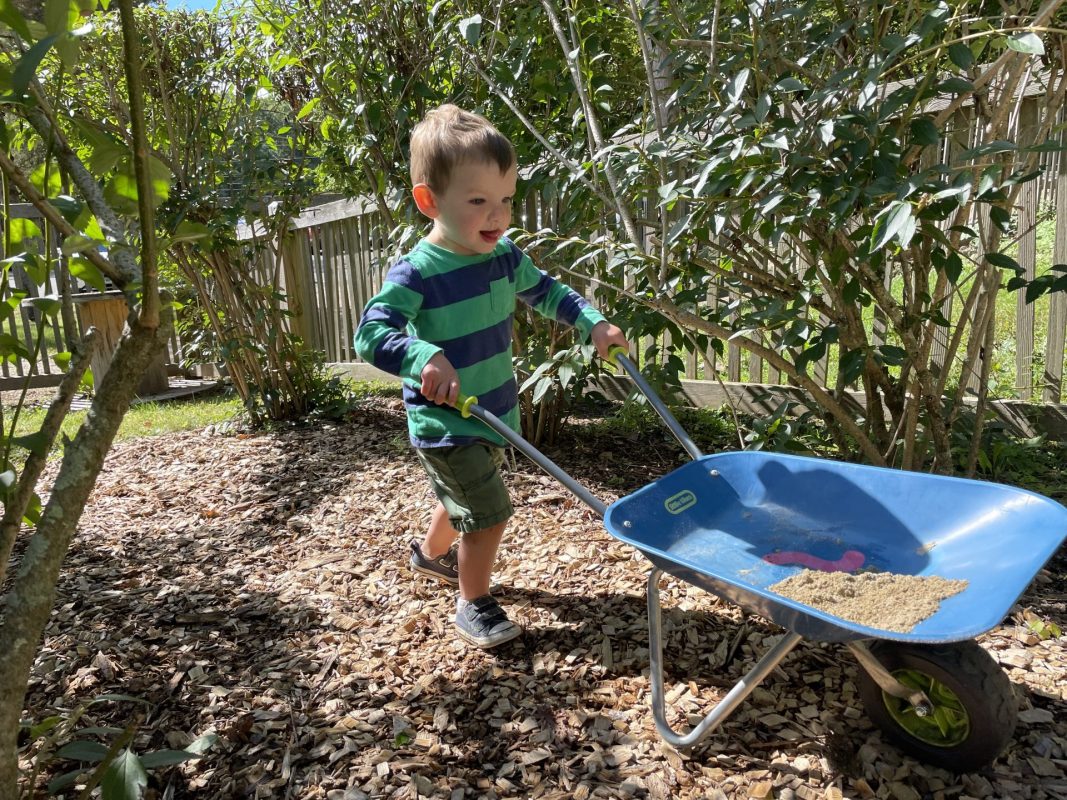
As toddlers have an inner need to reach their maximum effort, hand-powered materials that build upper body and arm strength as well as develop cardiovascular health are VERY important. In the classroom your toddler fulfills this need using different materials. One of them is a heavy wagon. Some of the children like to push it empty, others like to put some materials or heavy balls in it, and some children really enjoy asking their friends to hop on so they can give them a ride around the environment. The calmness we observe after a child has exercised using these tools are just so great!

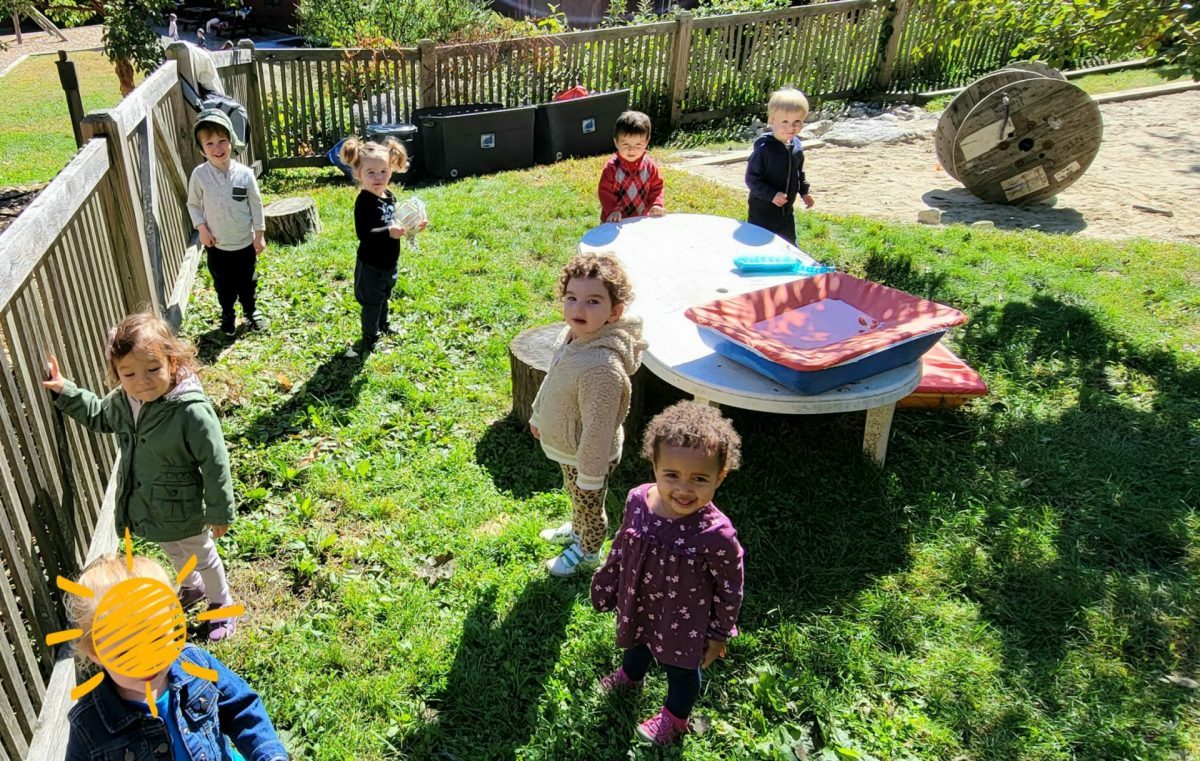
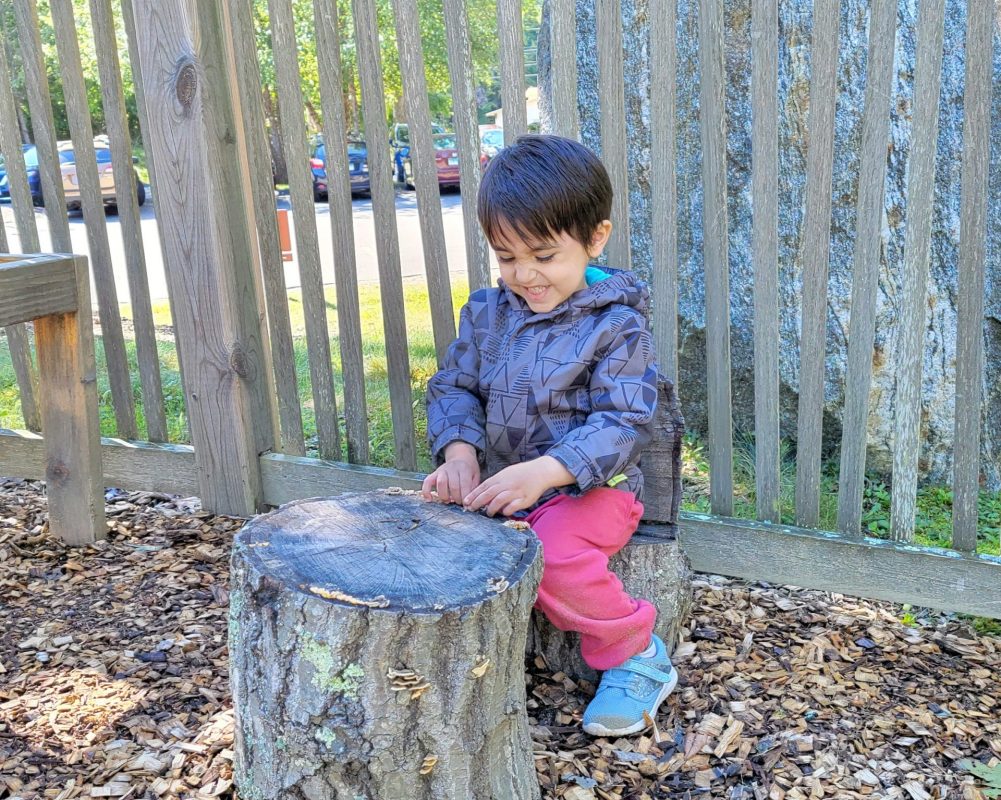
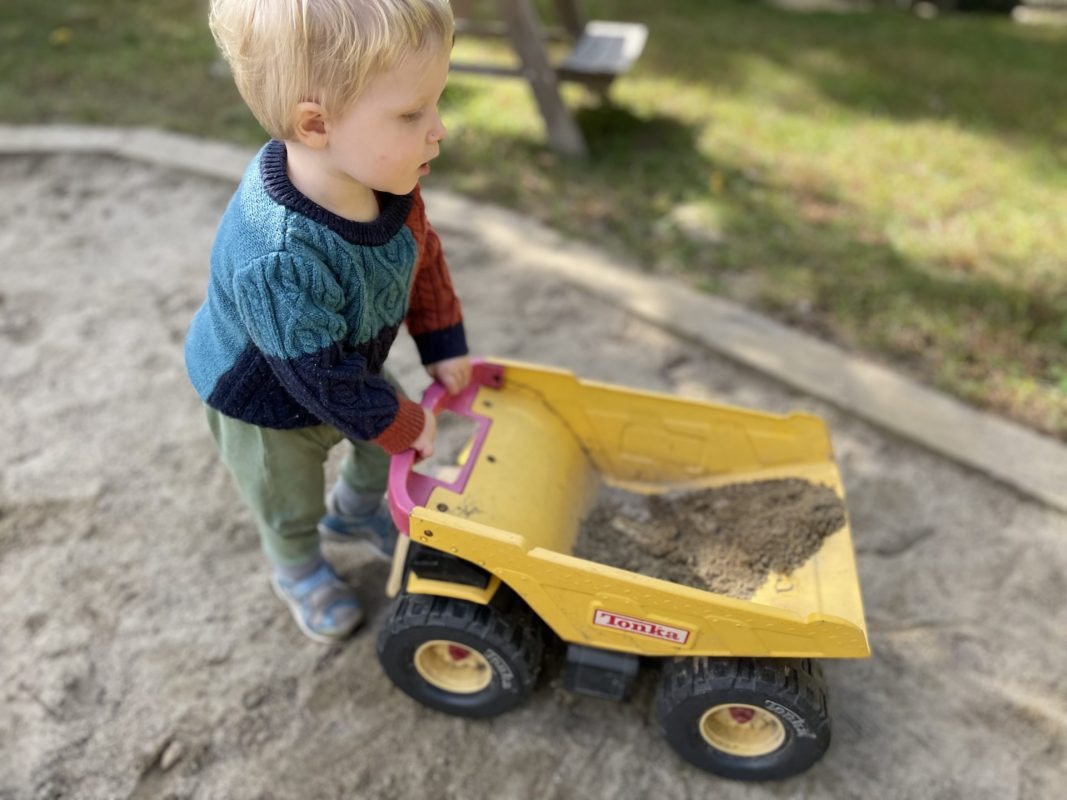
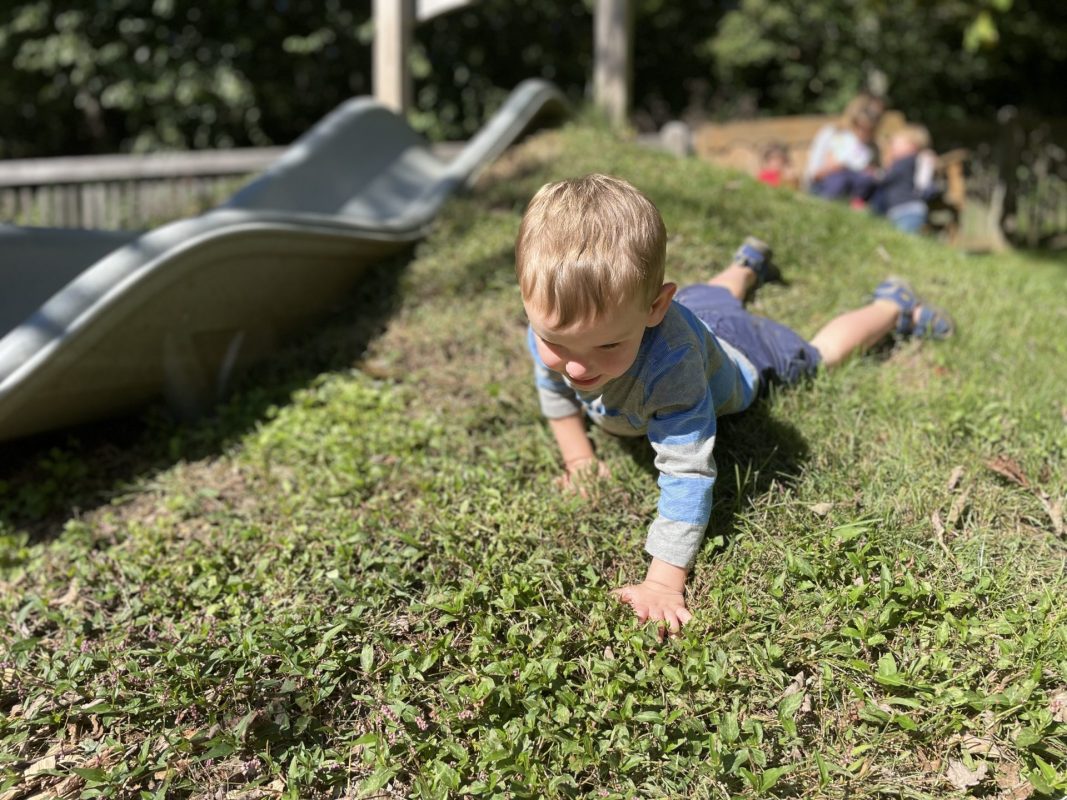
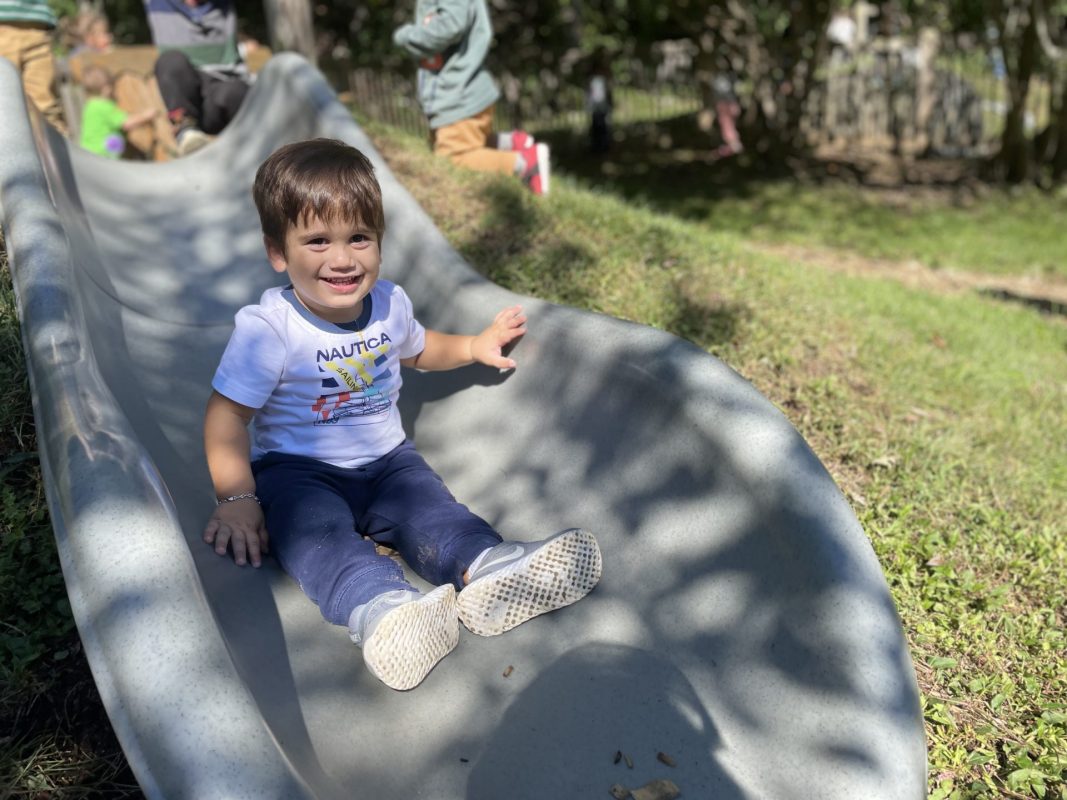
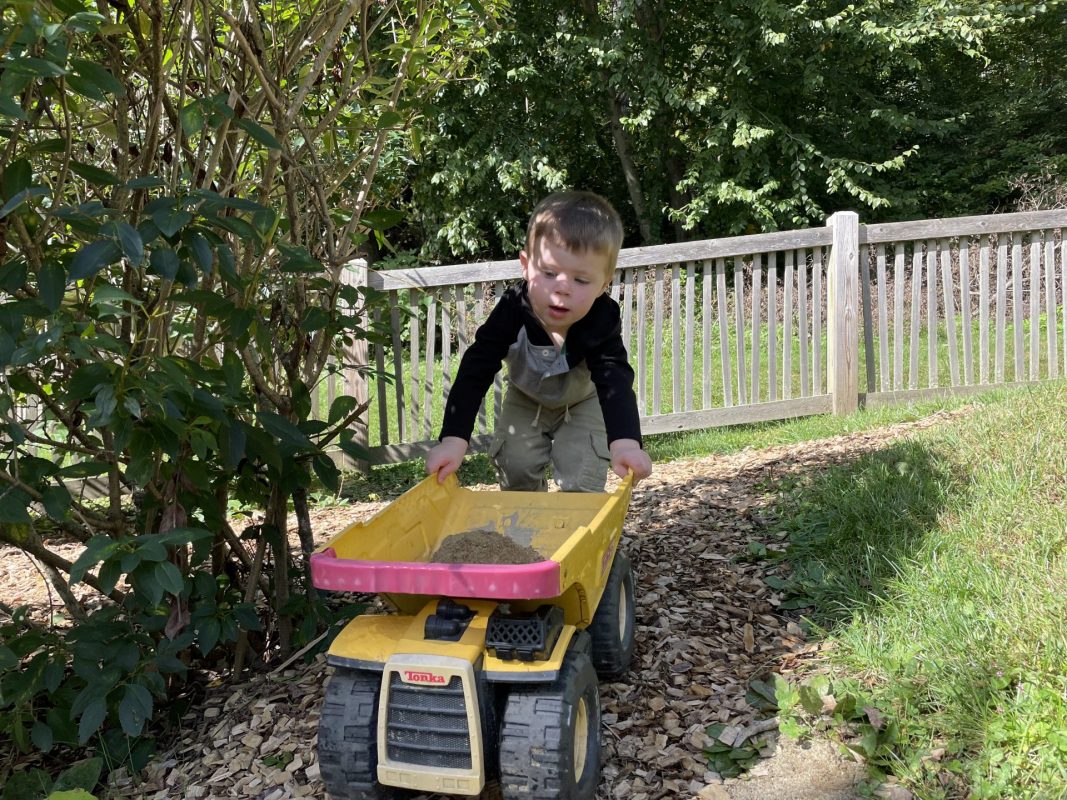
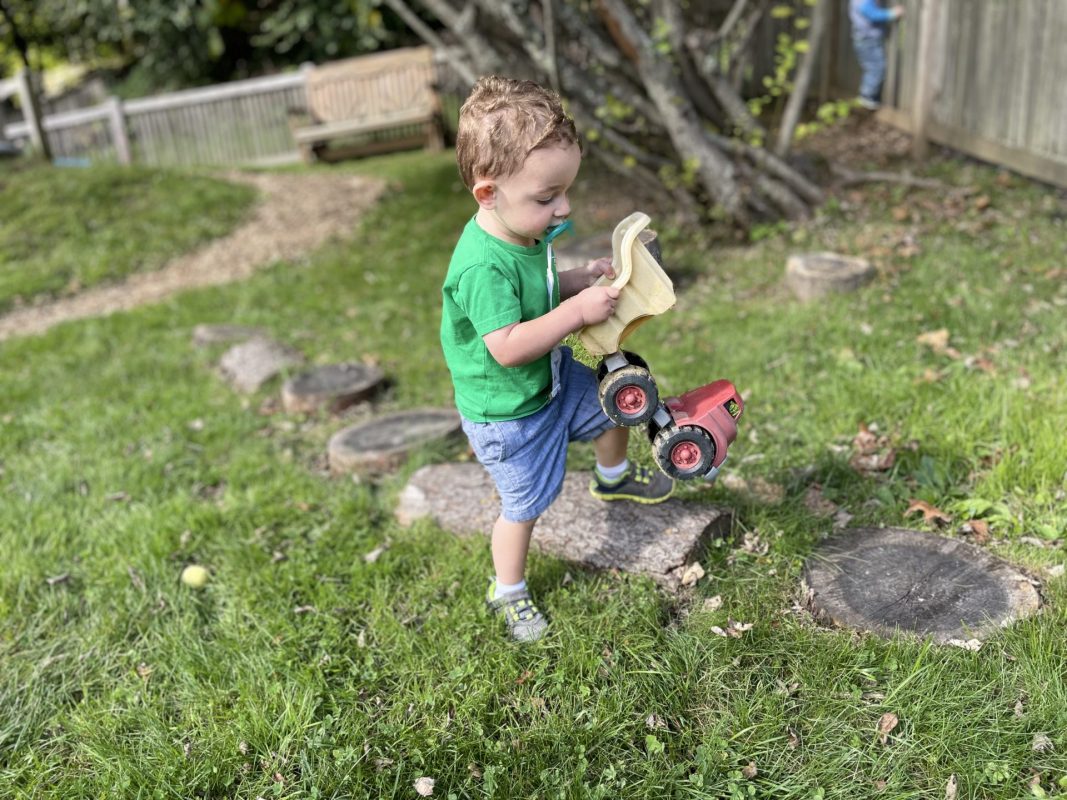
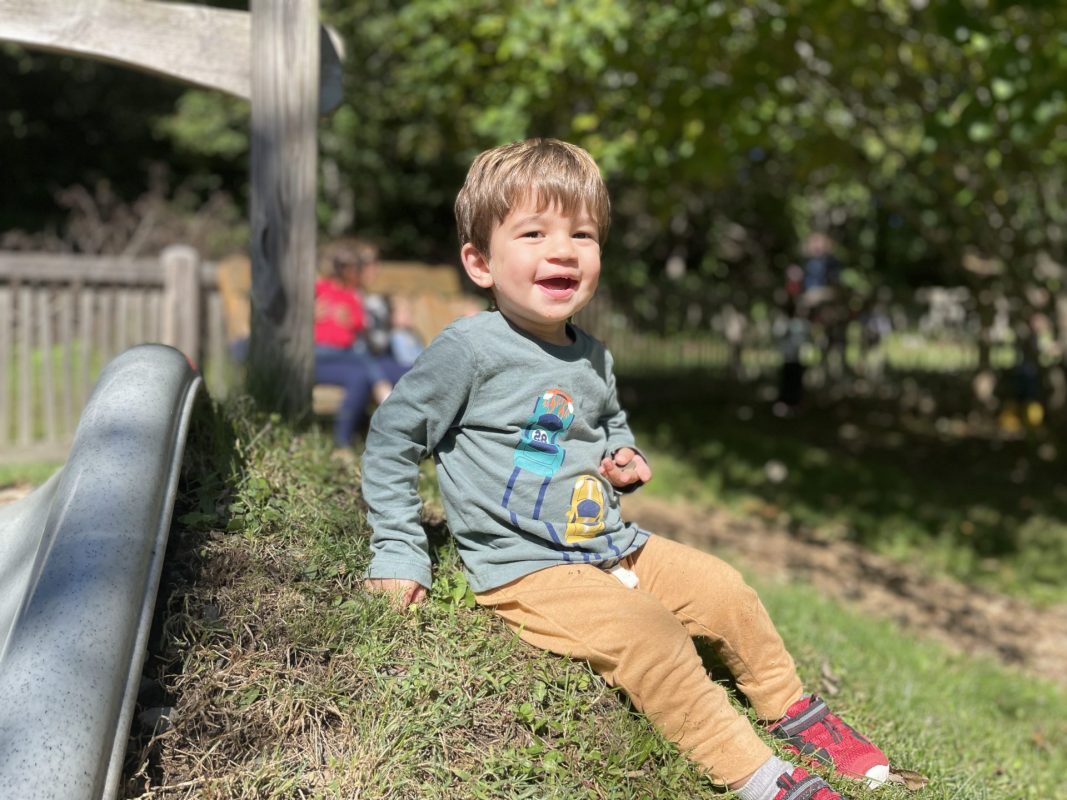
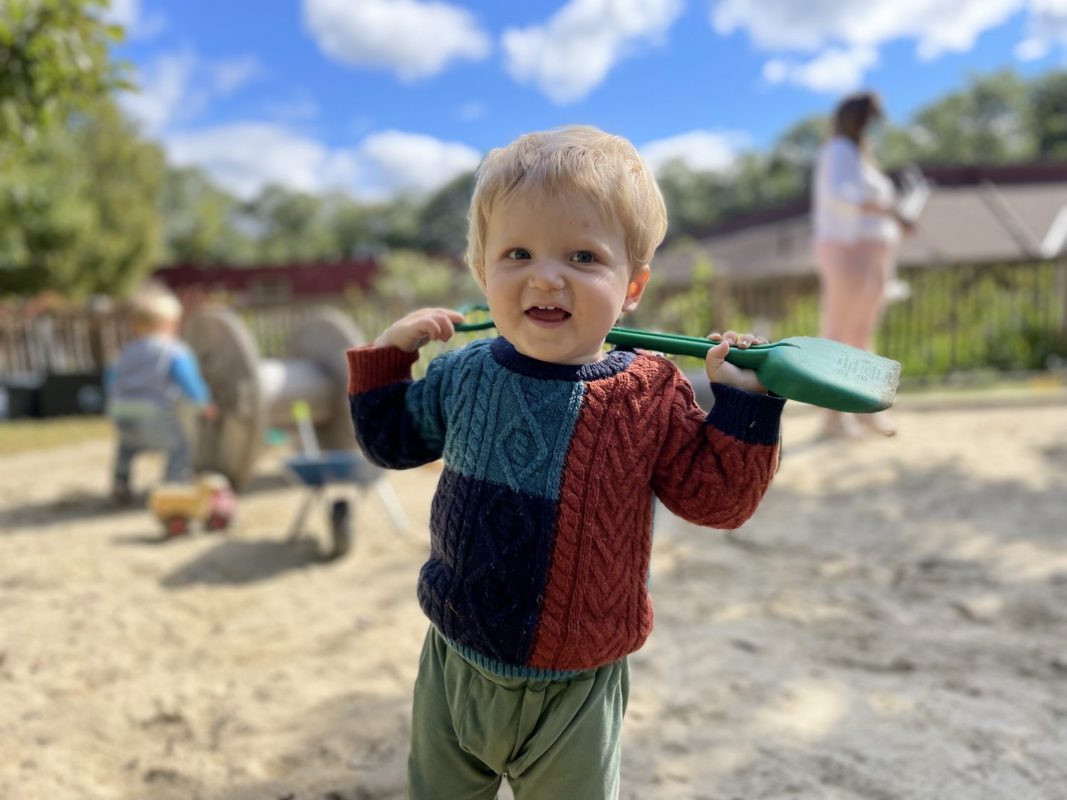
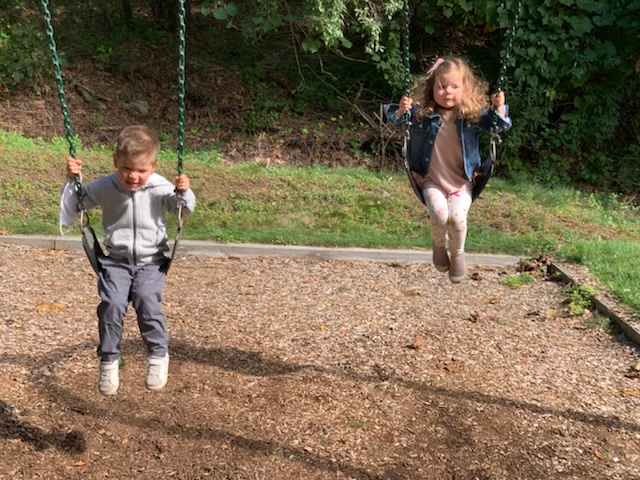
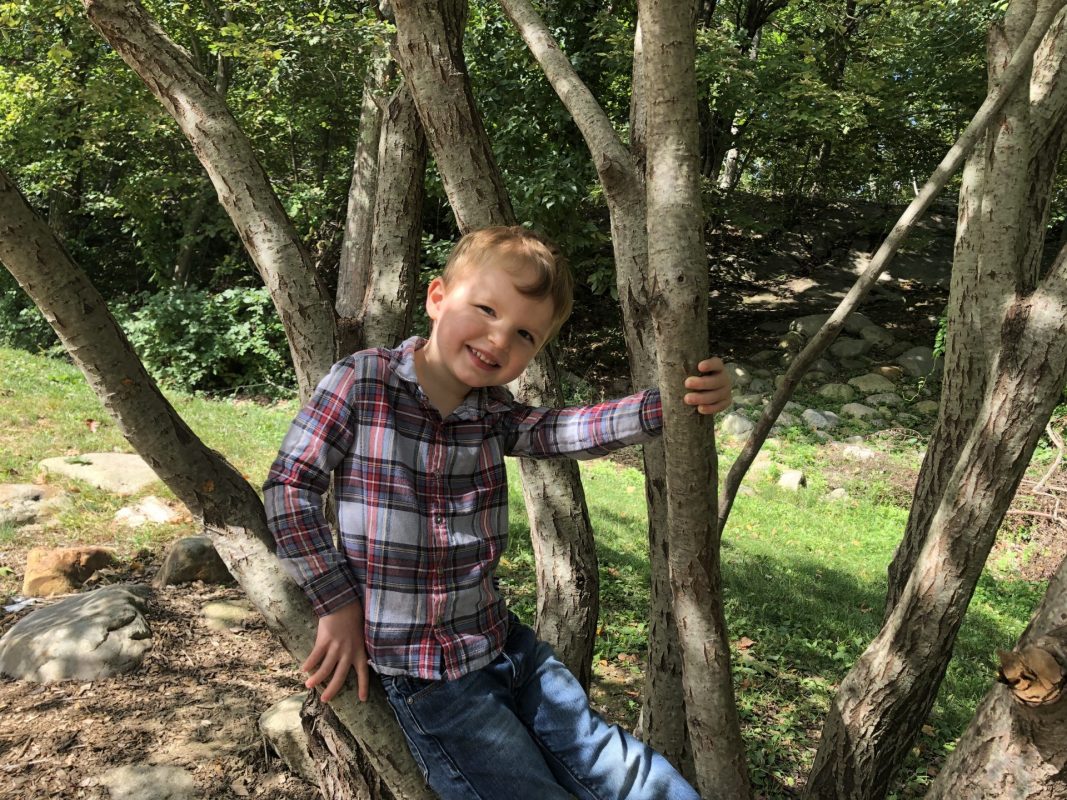
Your children have also been enjoying our outdoor environment so much! They are developing their large motor skills by climbing our big rock and the hill to get to the top of the slide. They also like to practice walking on the big rocks path and pushing the big trucks and wheelbarrow! They run and enjoy exploring in our forsythia tunnel! Some of them love walking around the sandbox frame and others seem to love the tree stump walking path which offers a bigger challenge for balancing!

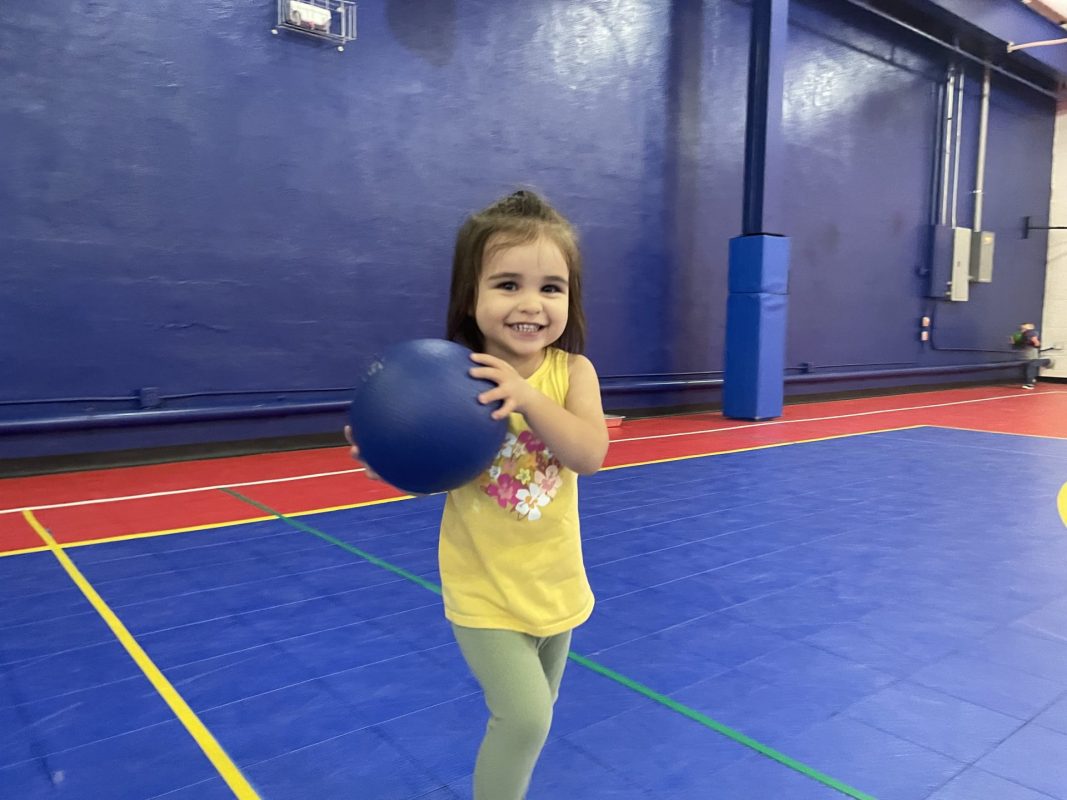
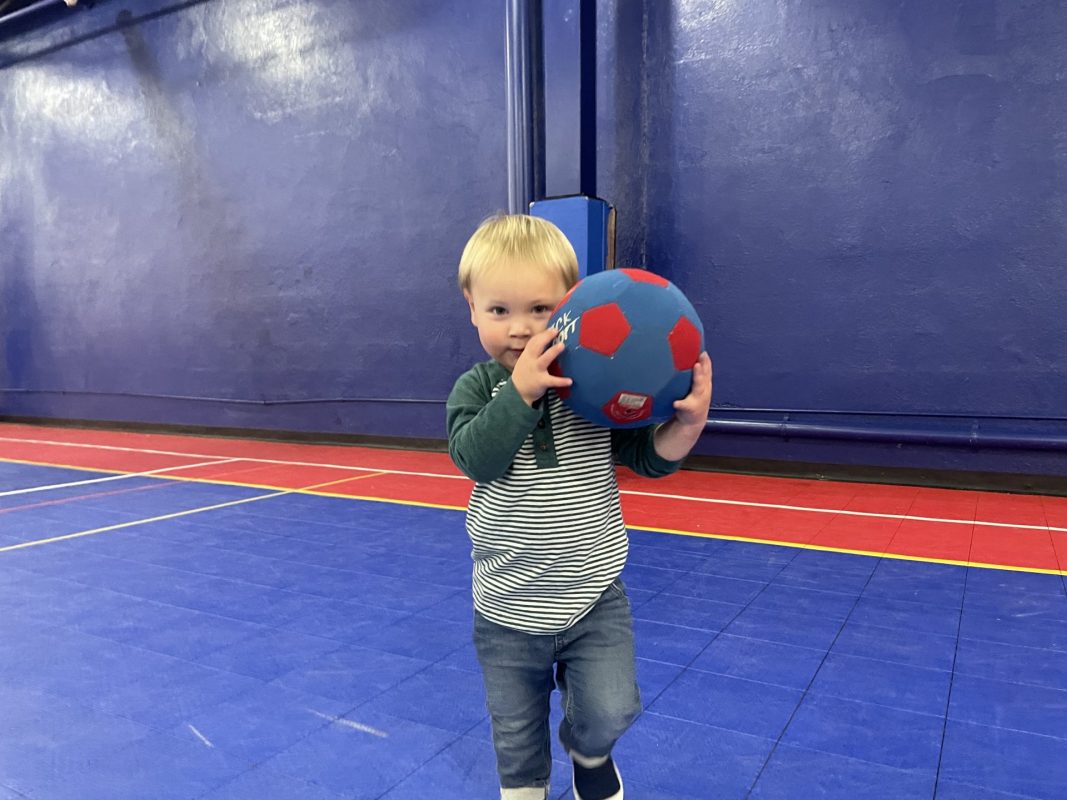
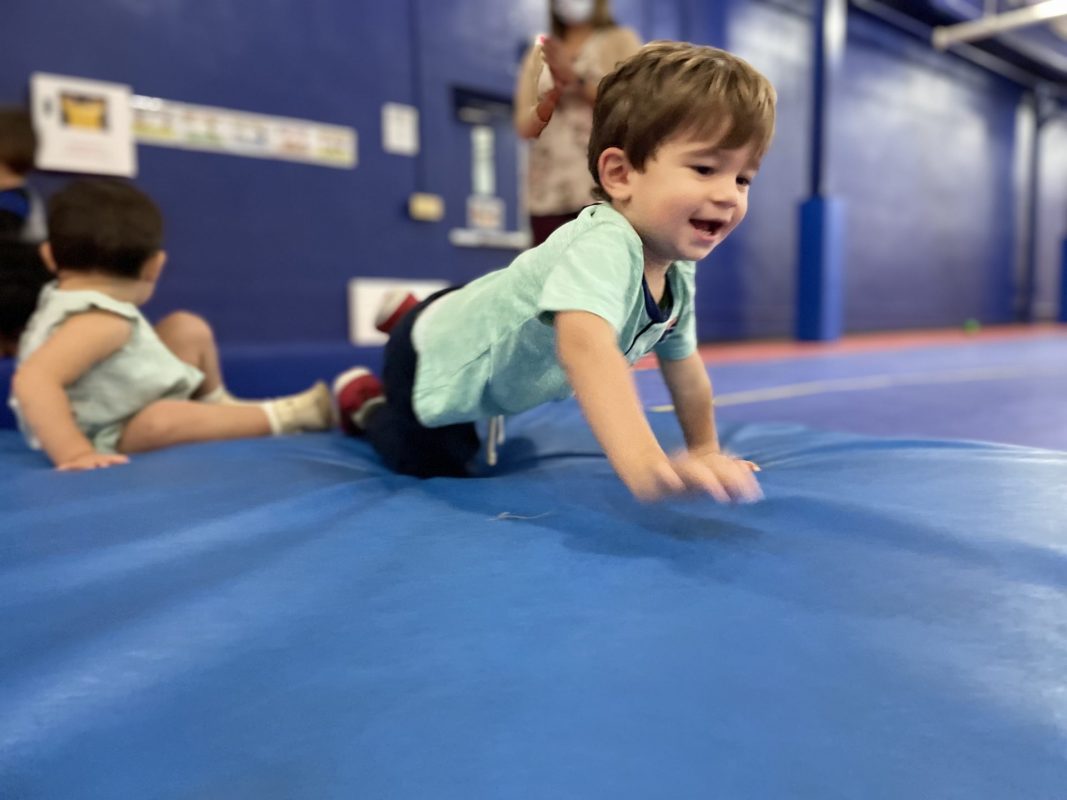
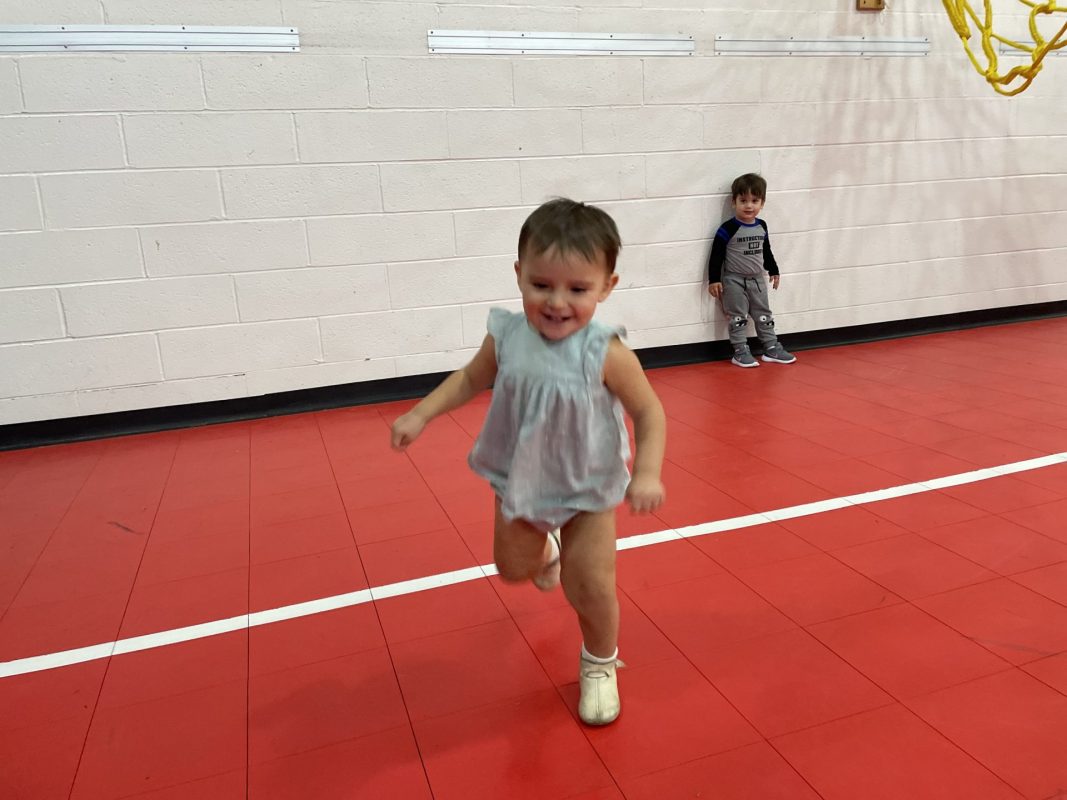
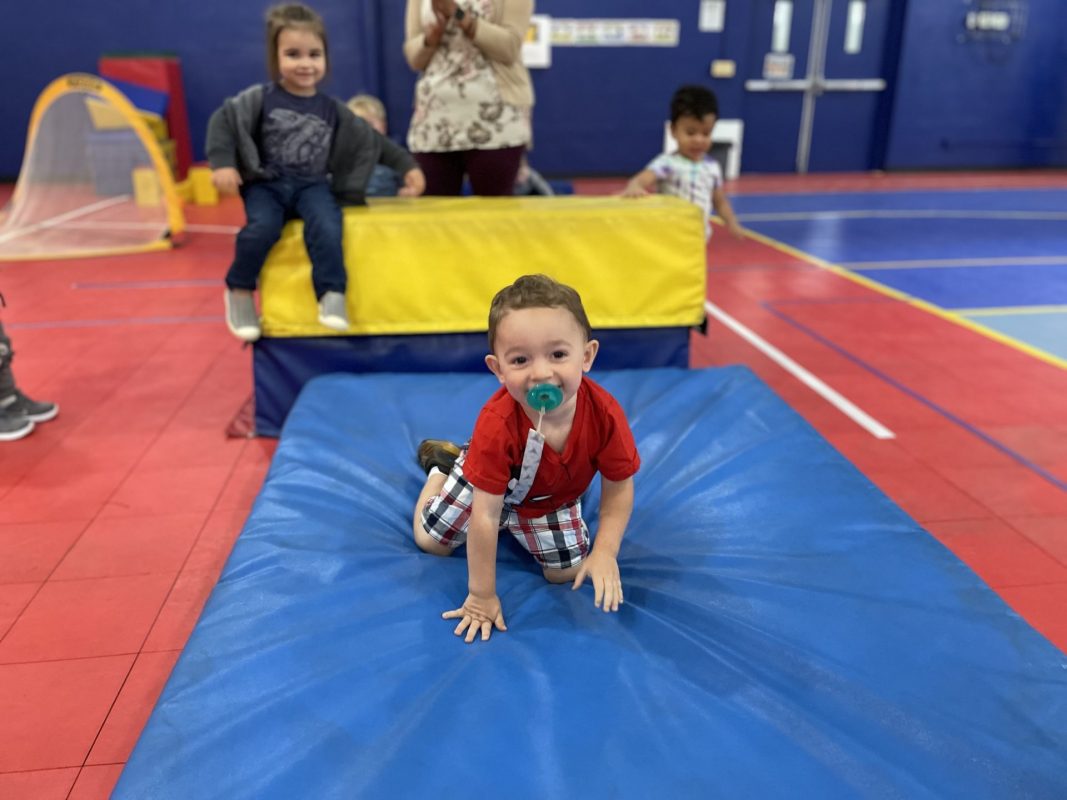
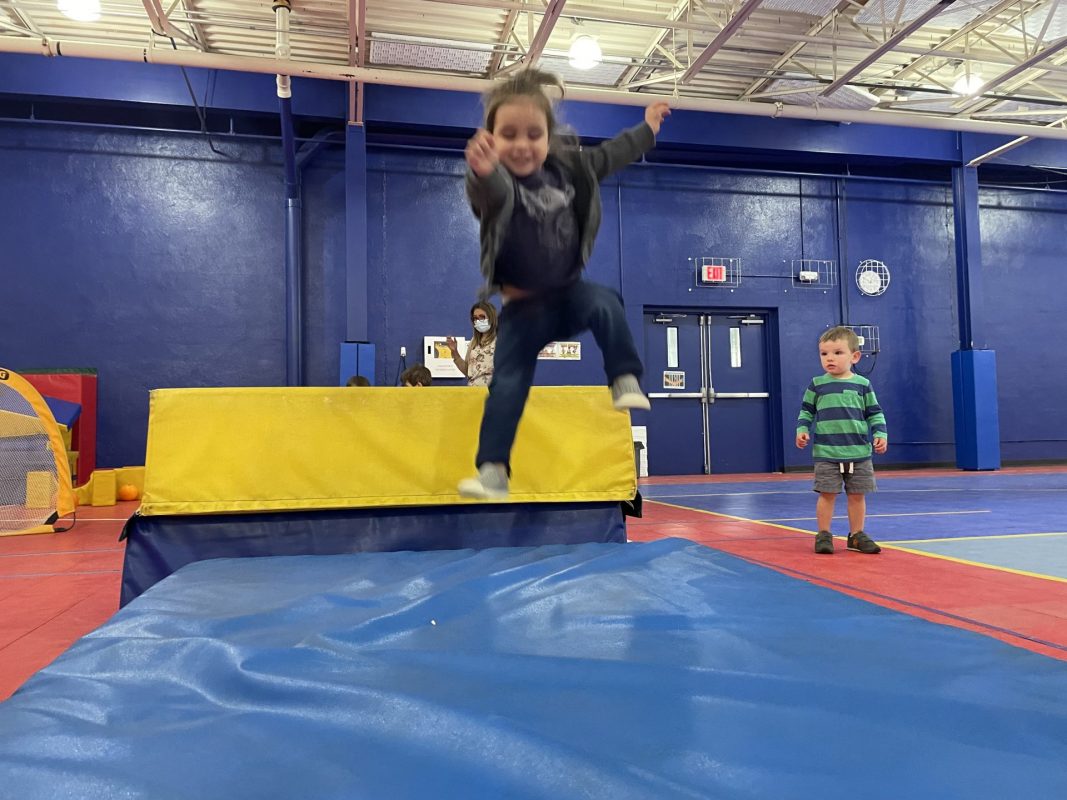
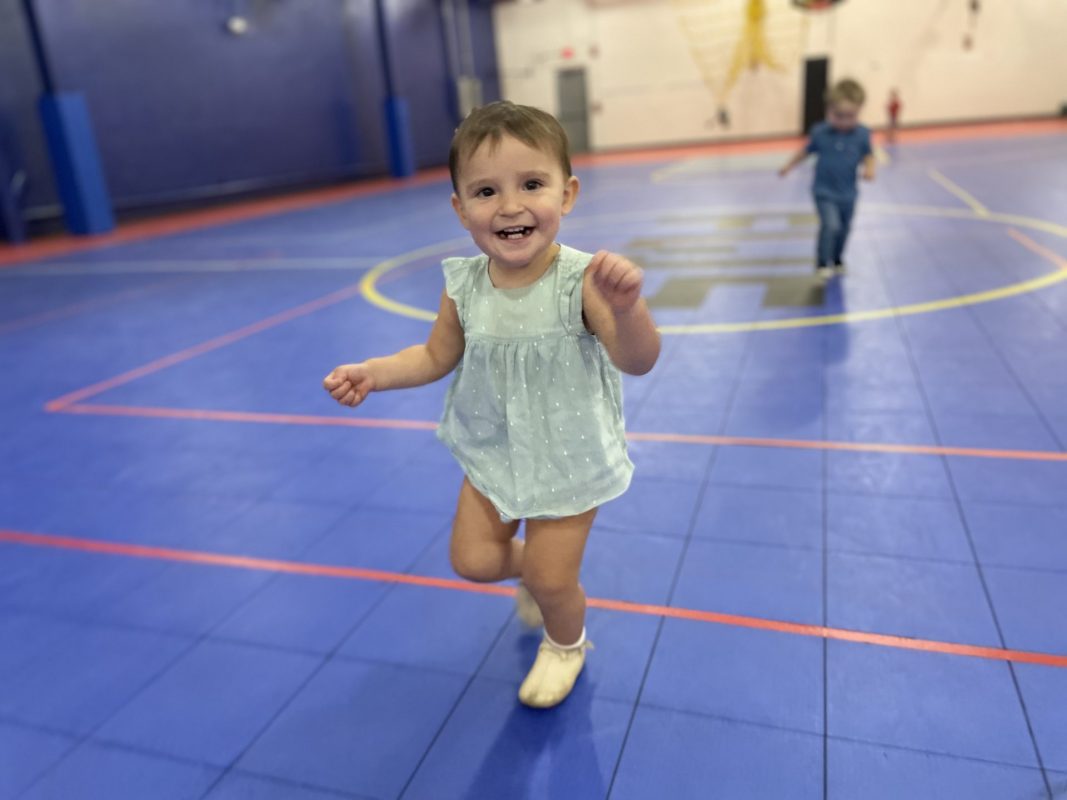
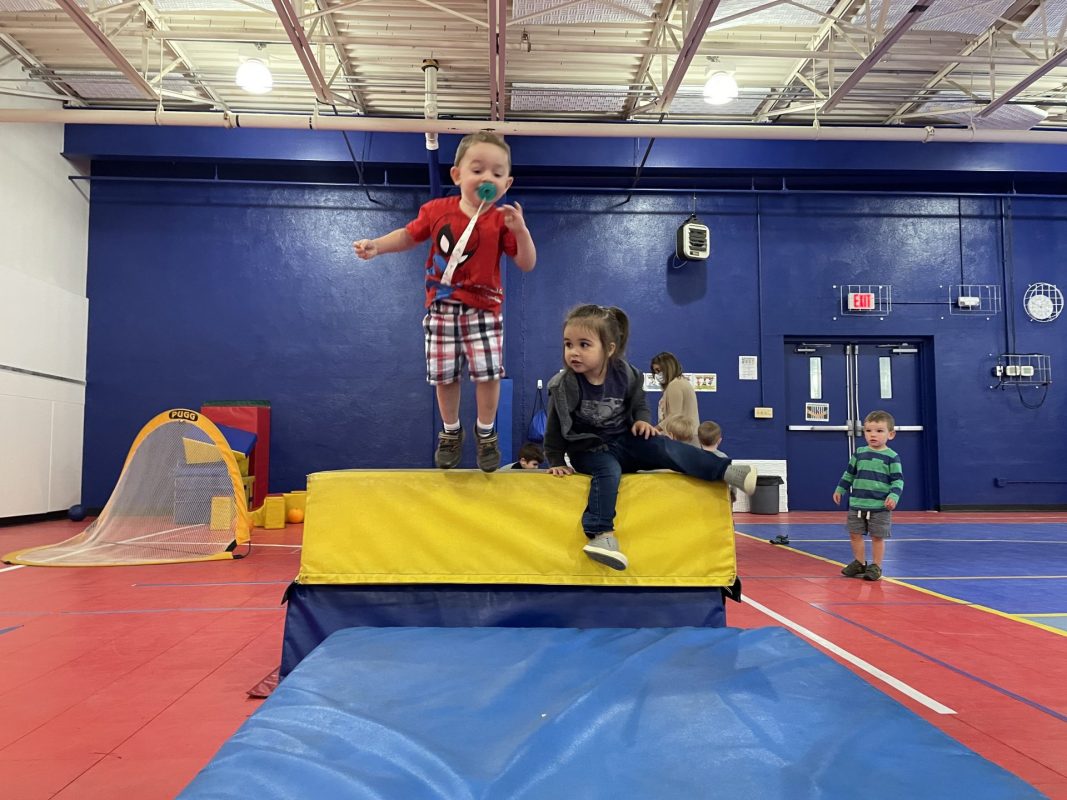
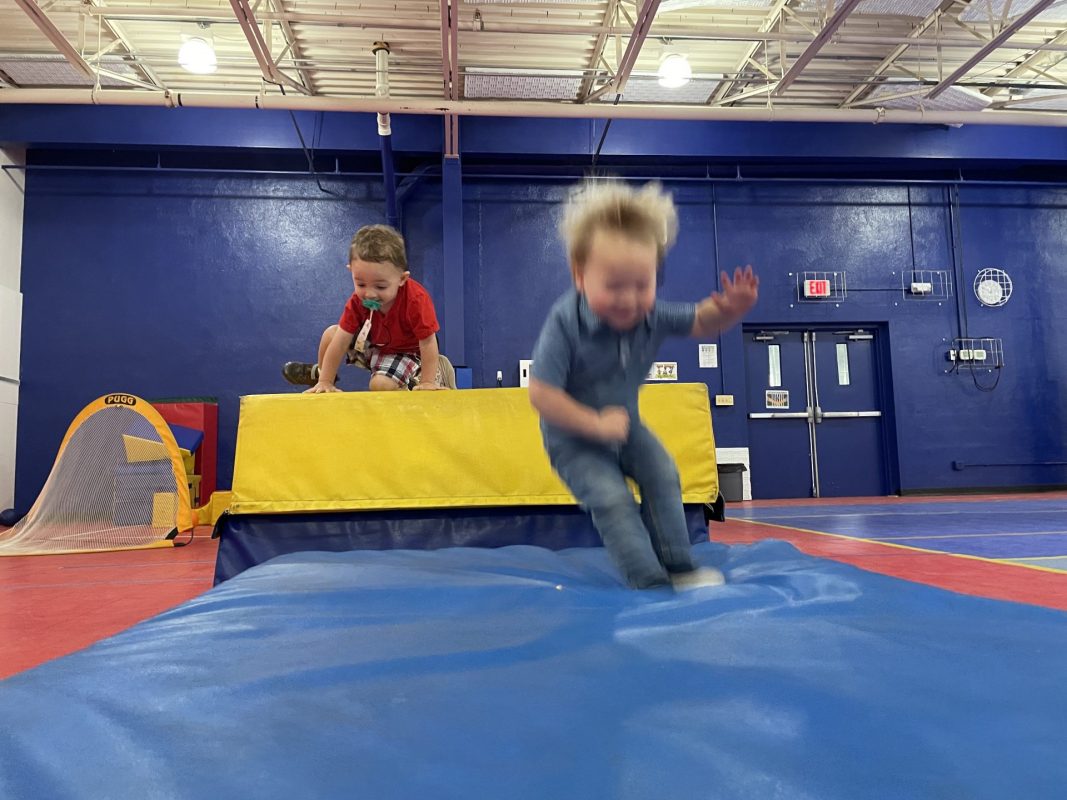
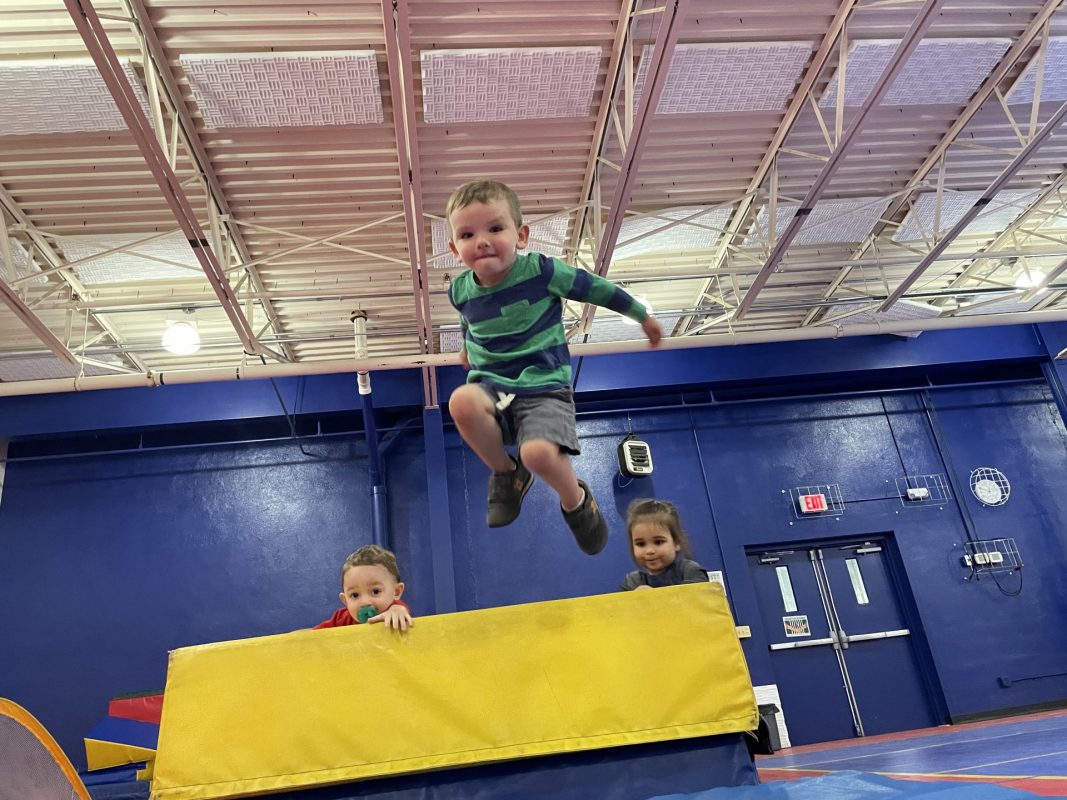
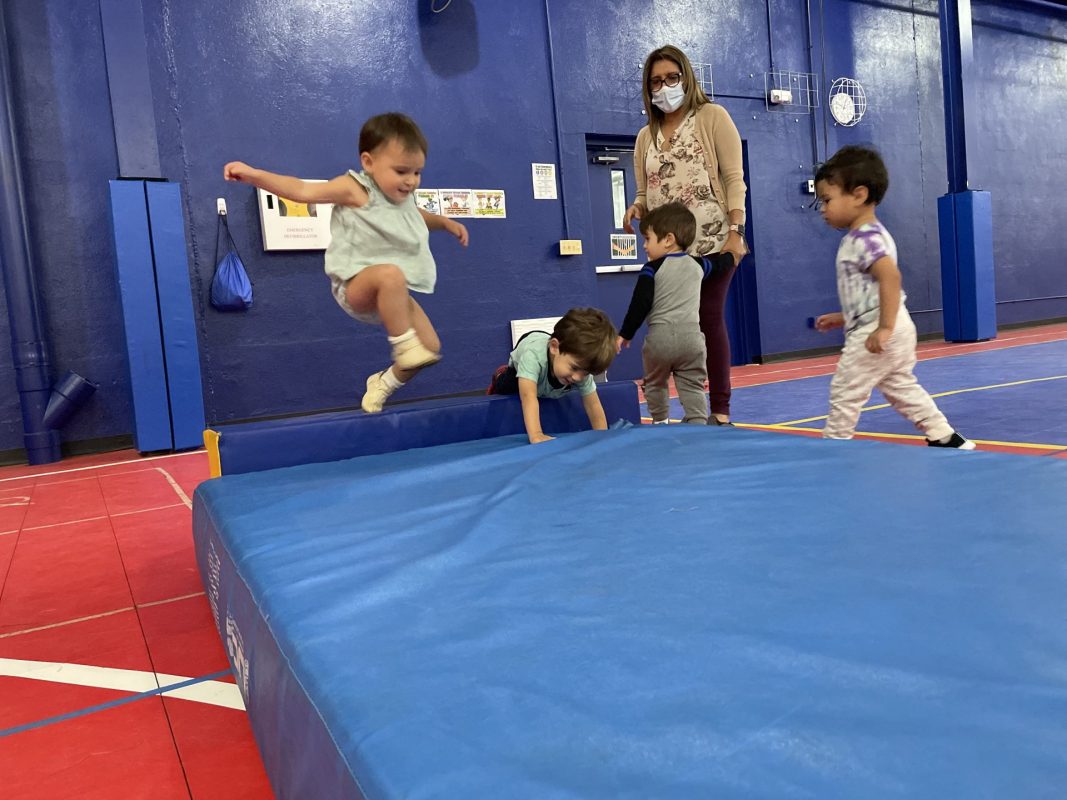
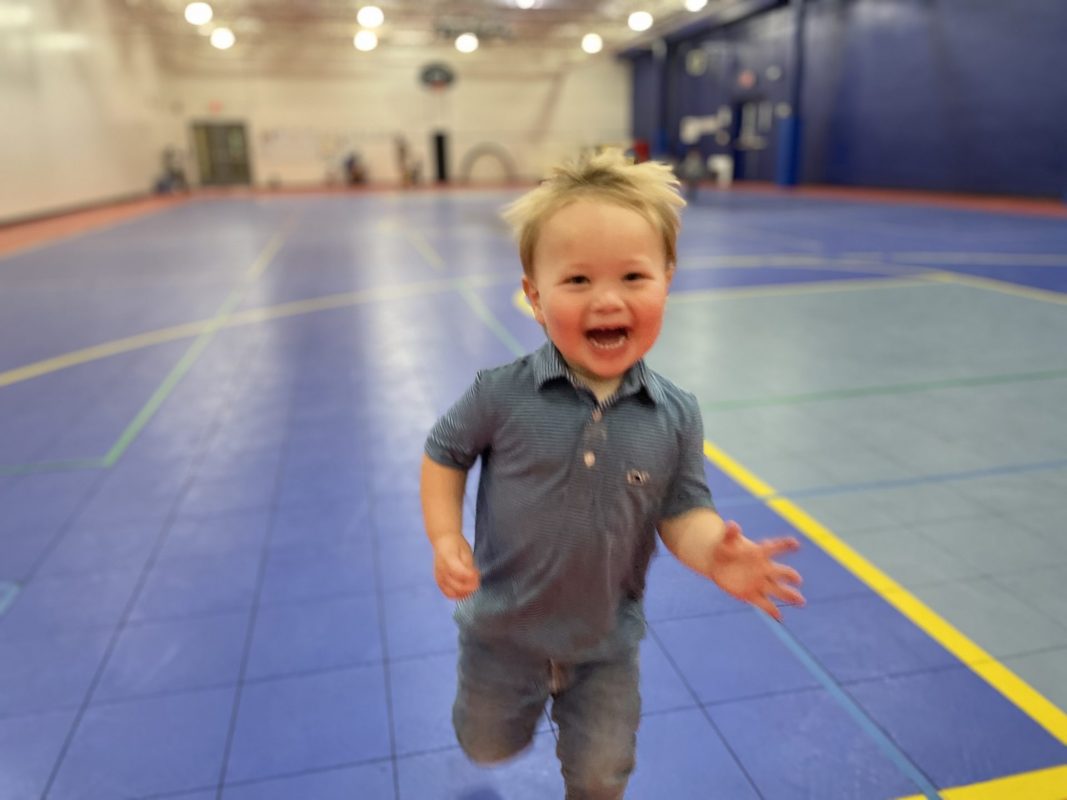
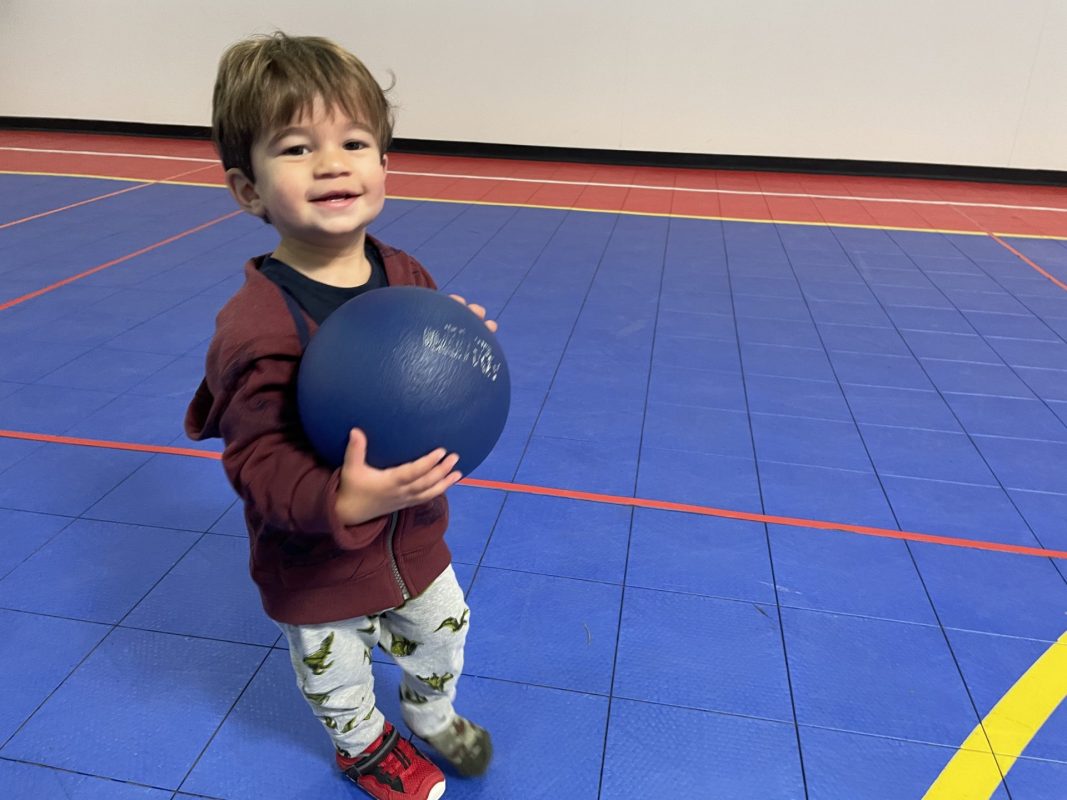
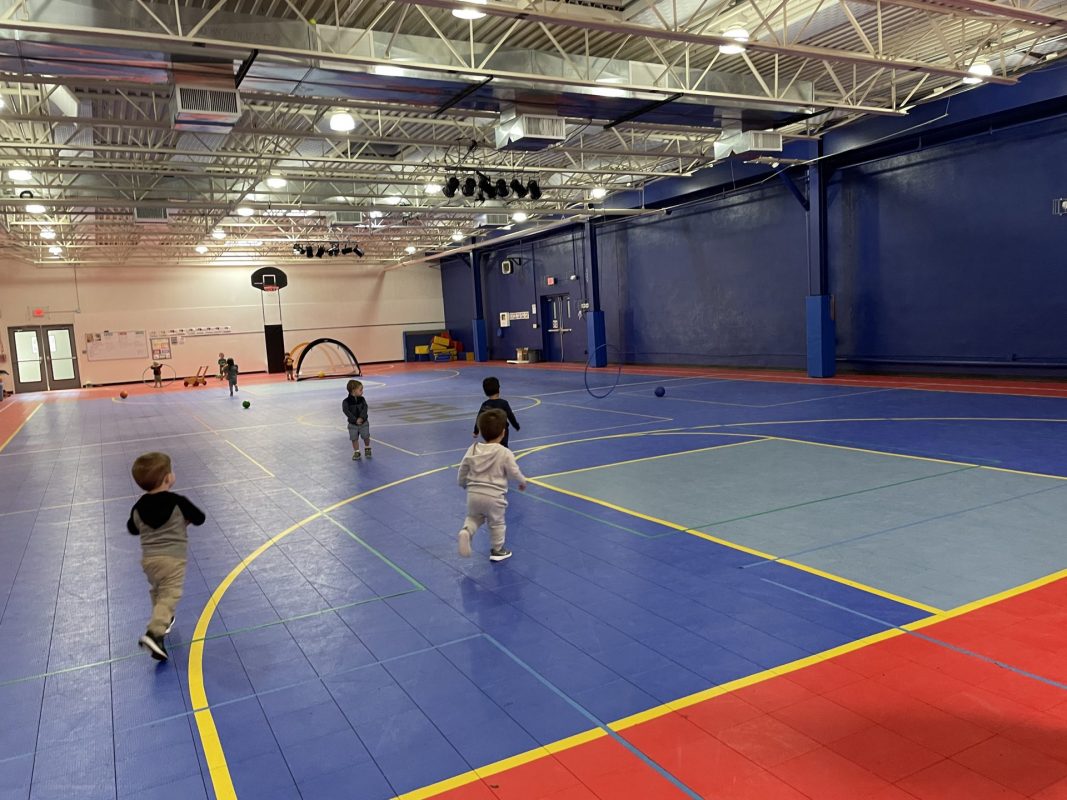
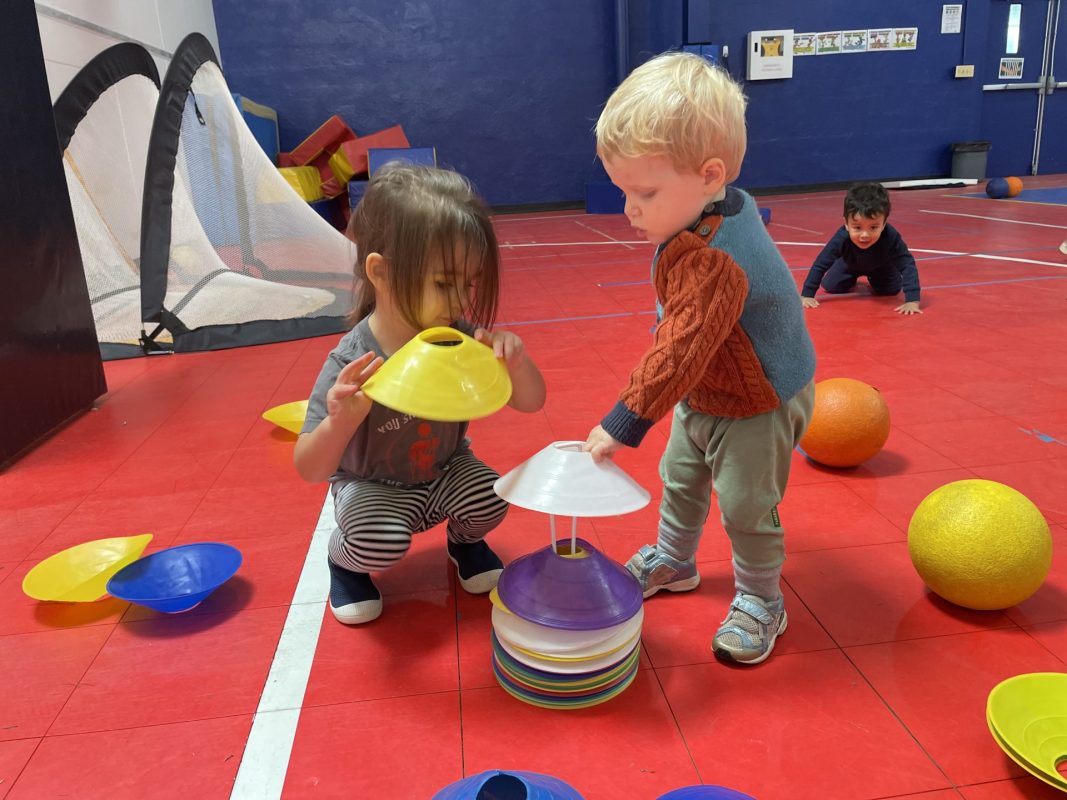
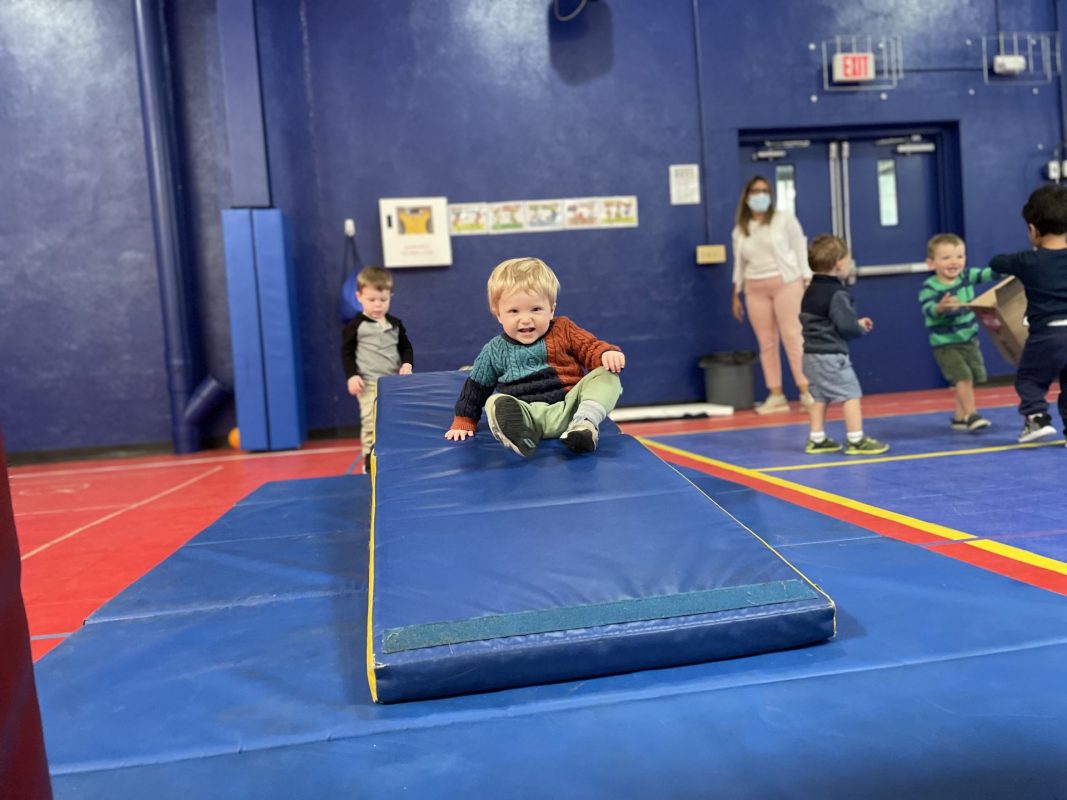
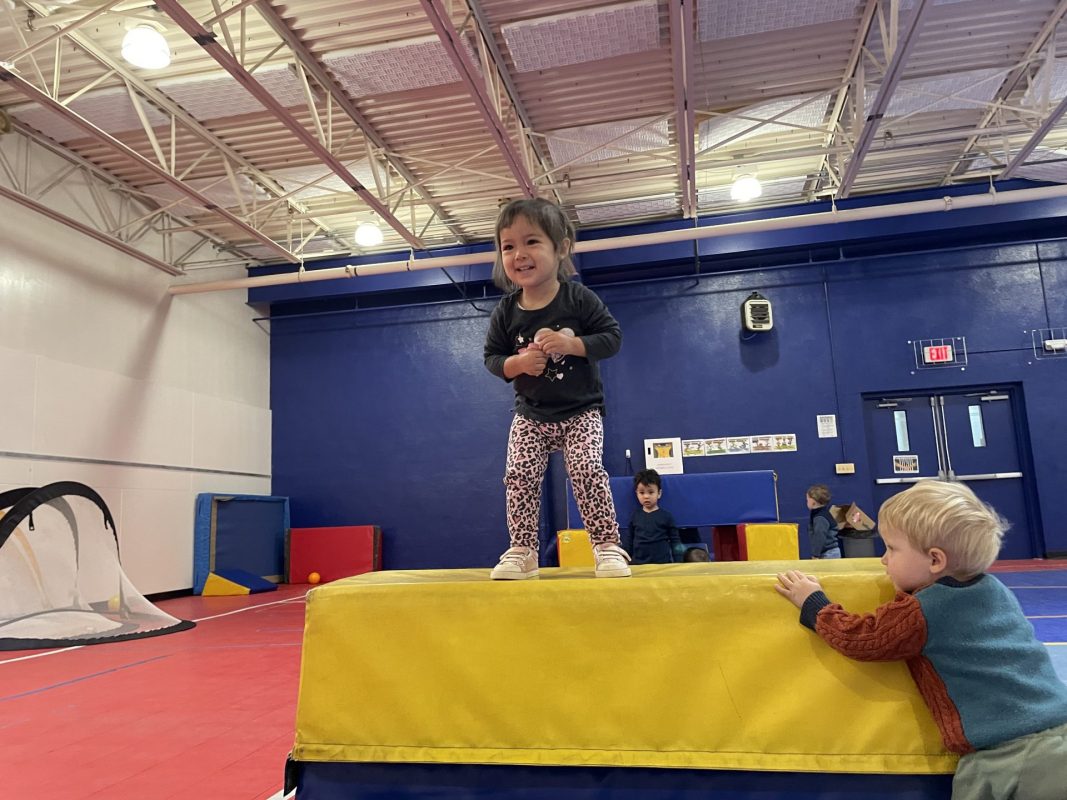
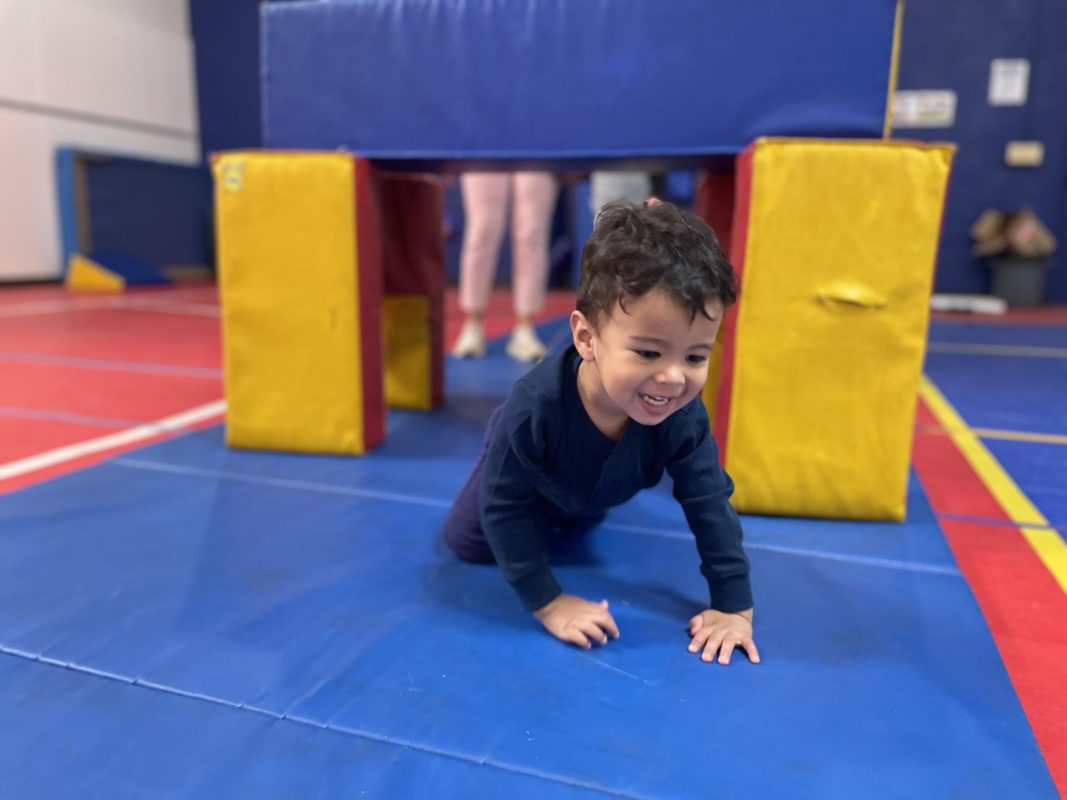
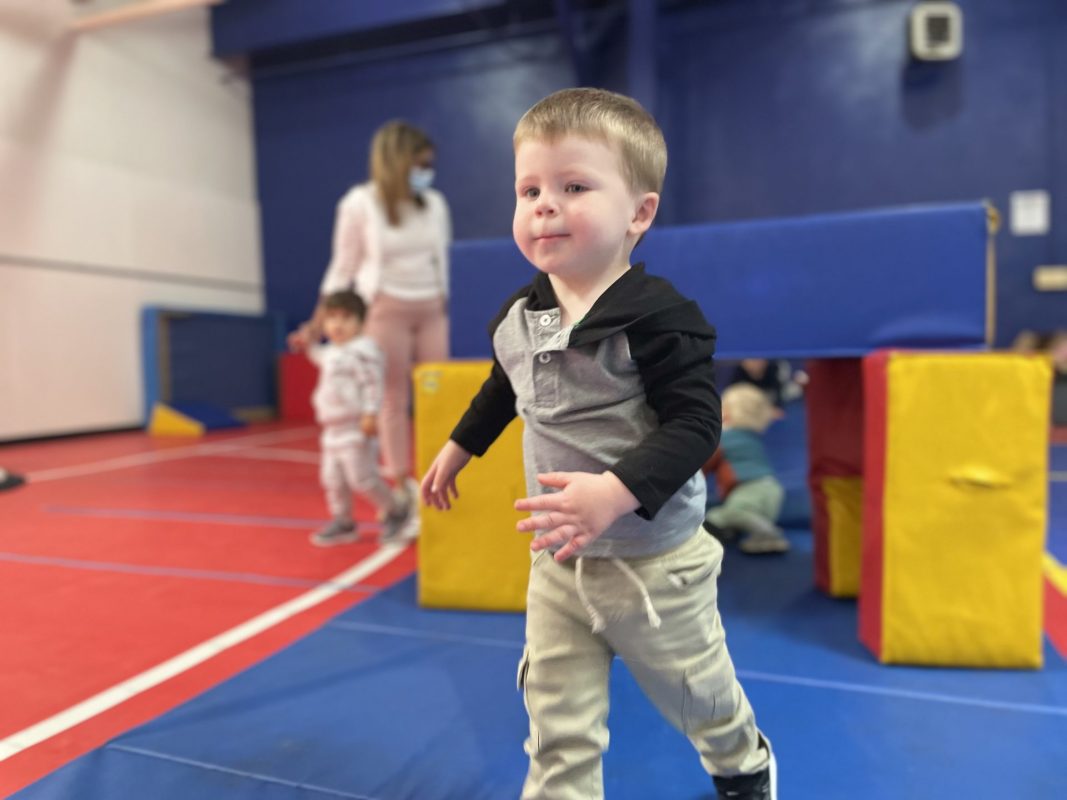
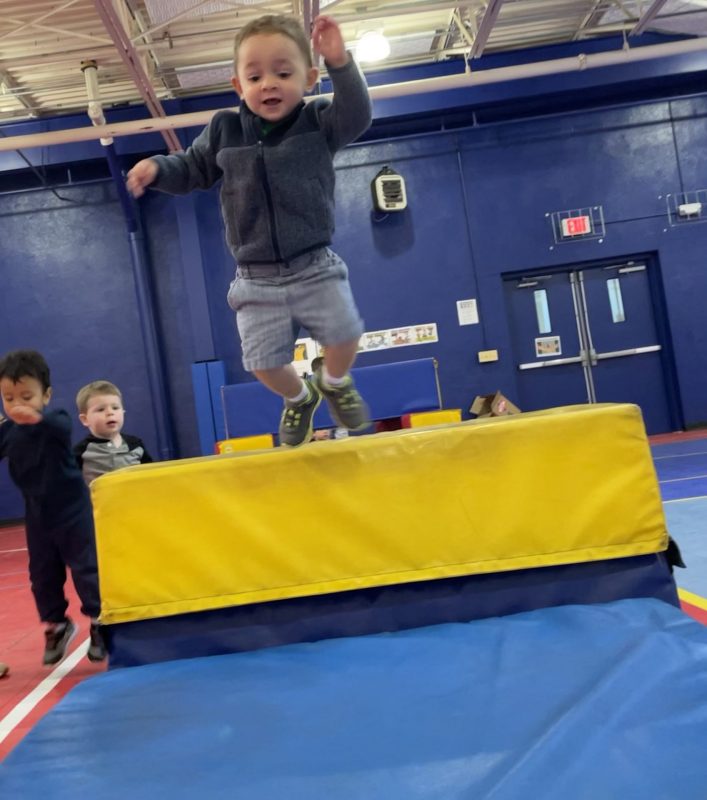
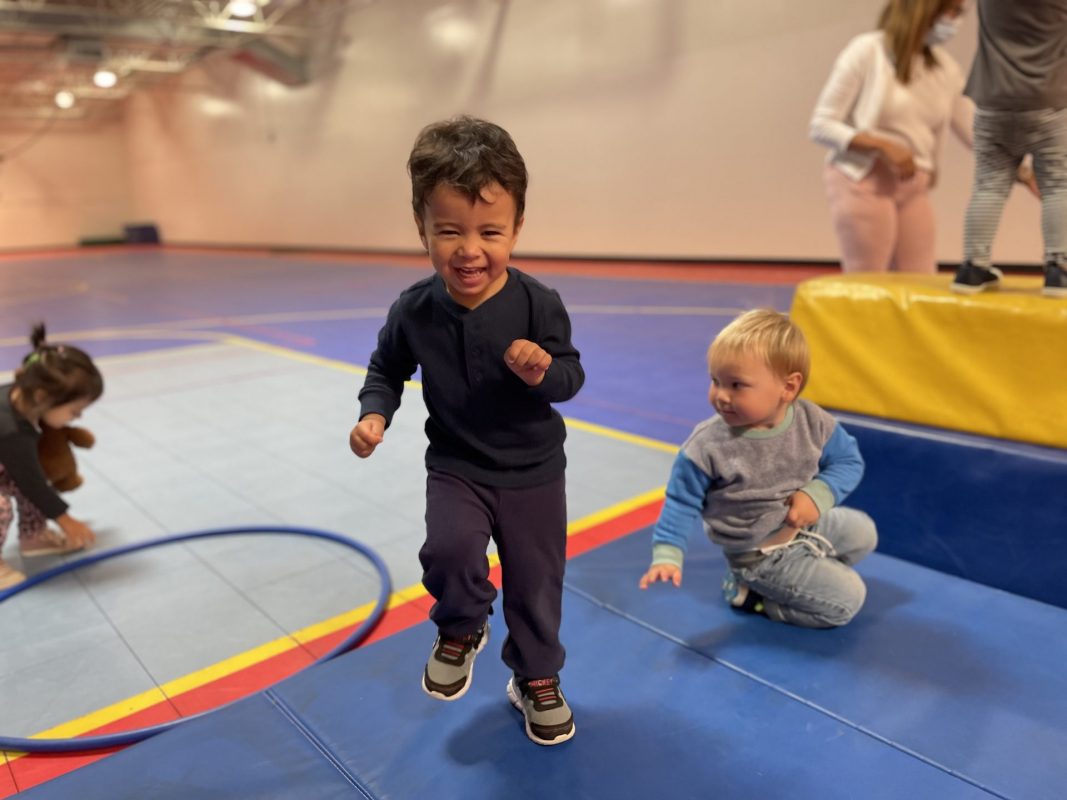
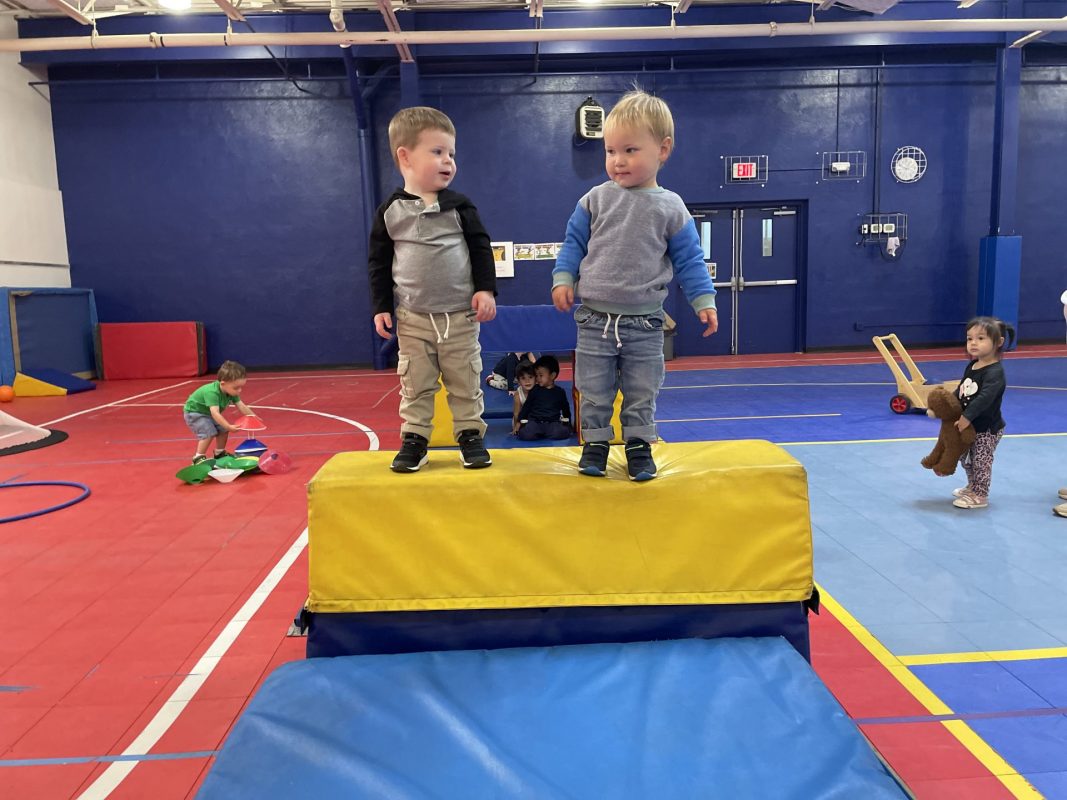
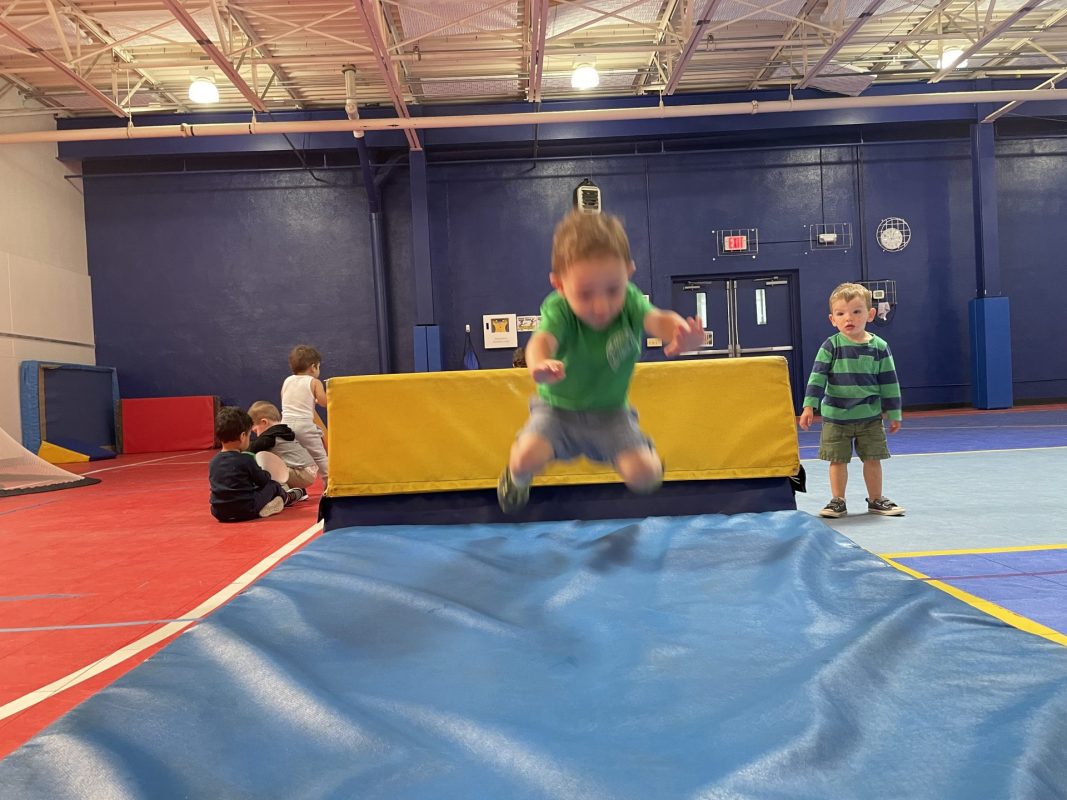
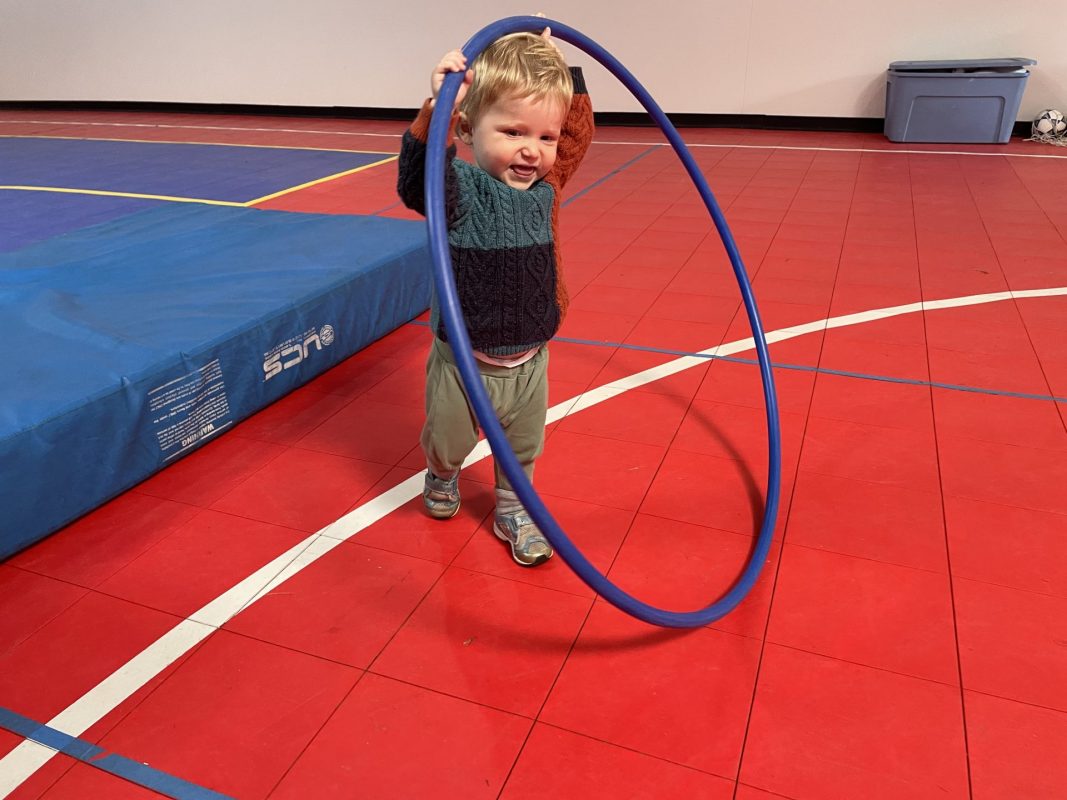
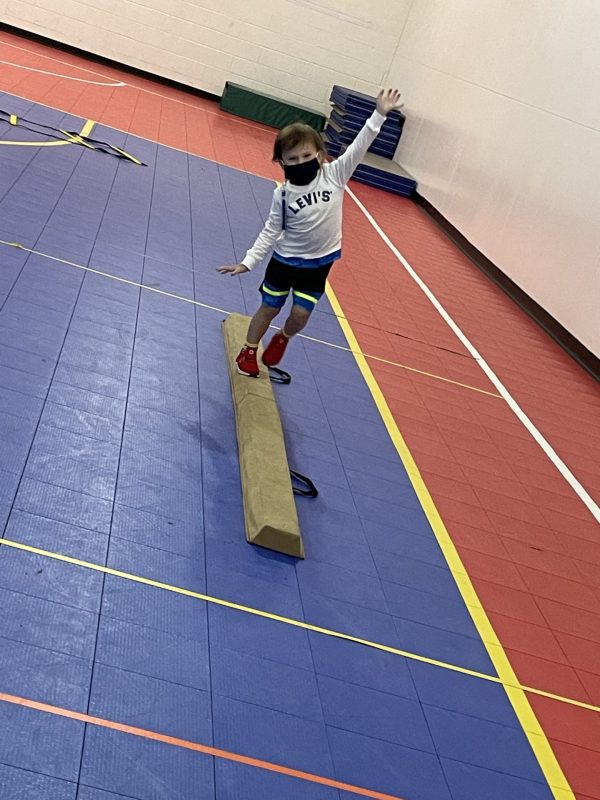
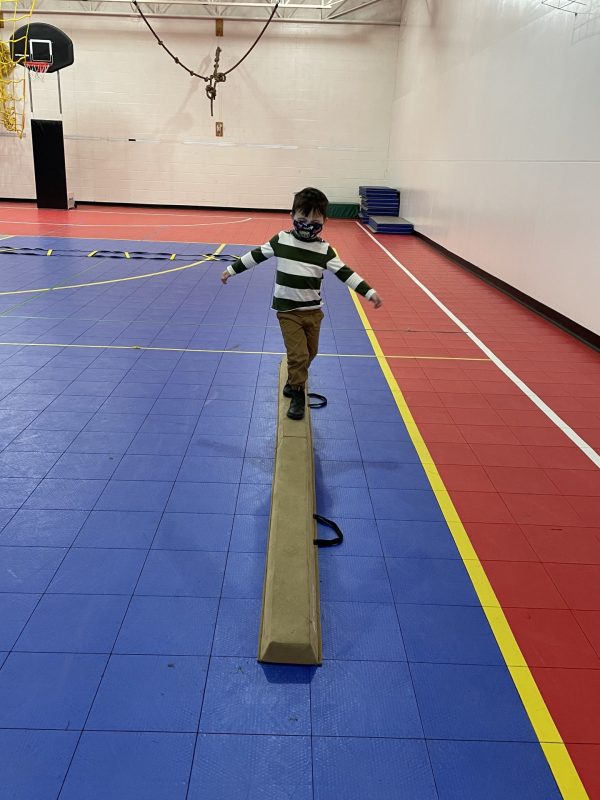
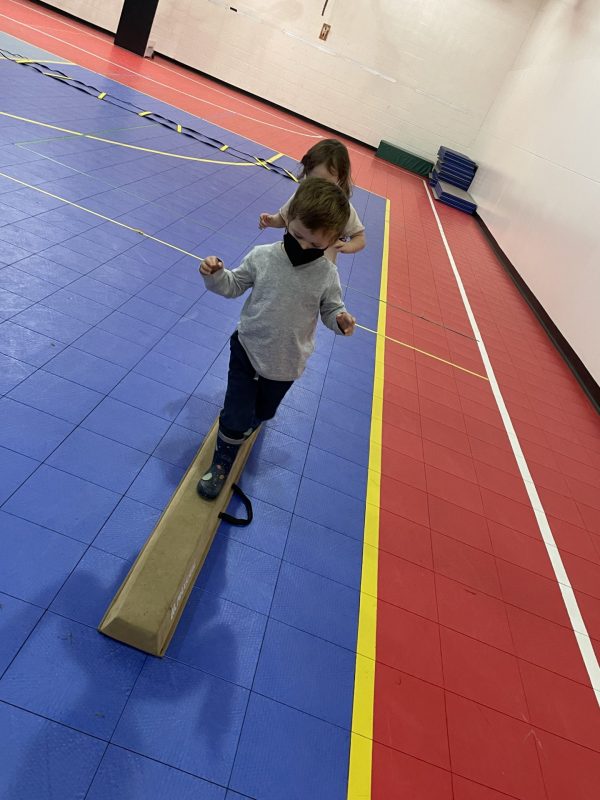
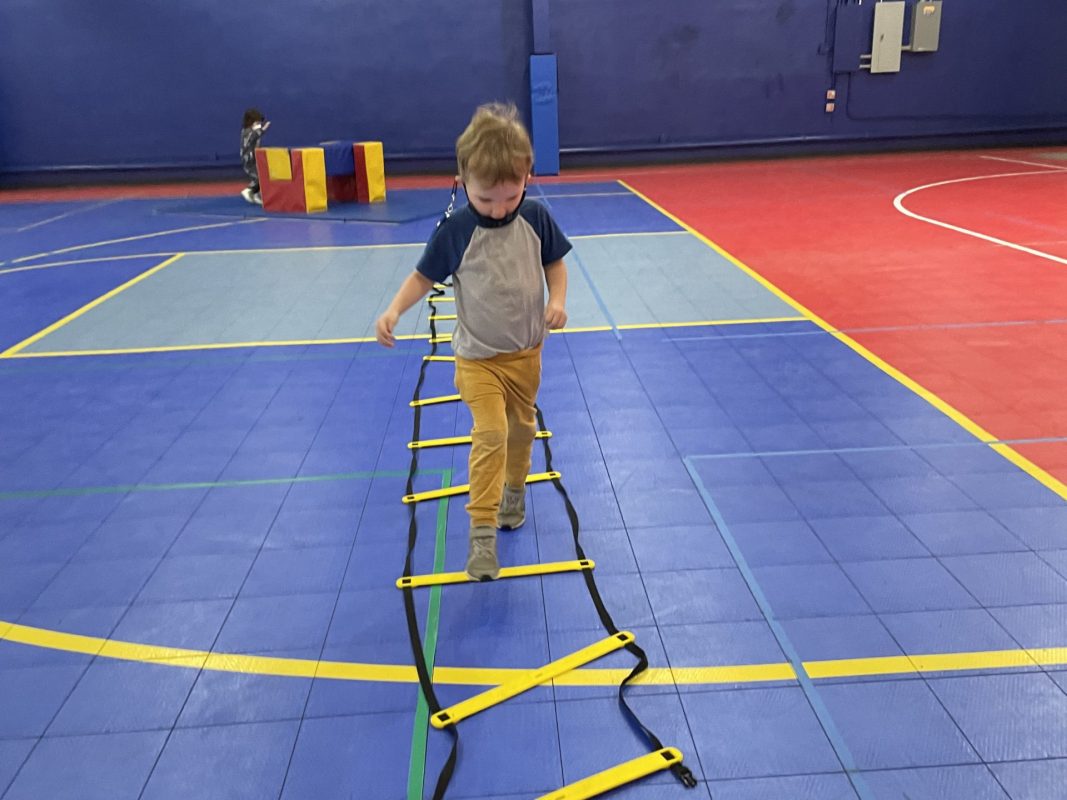
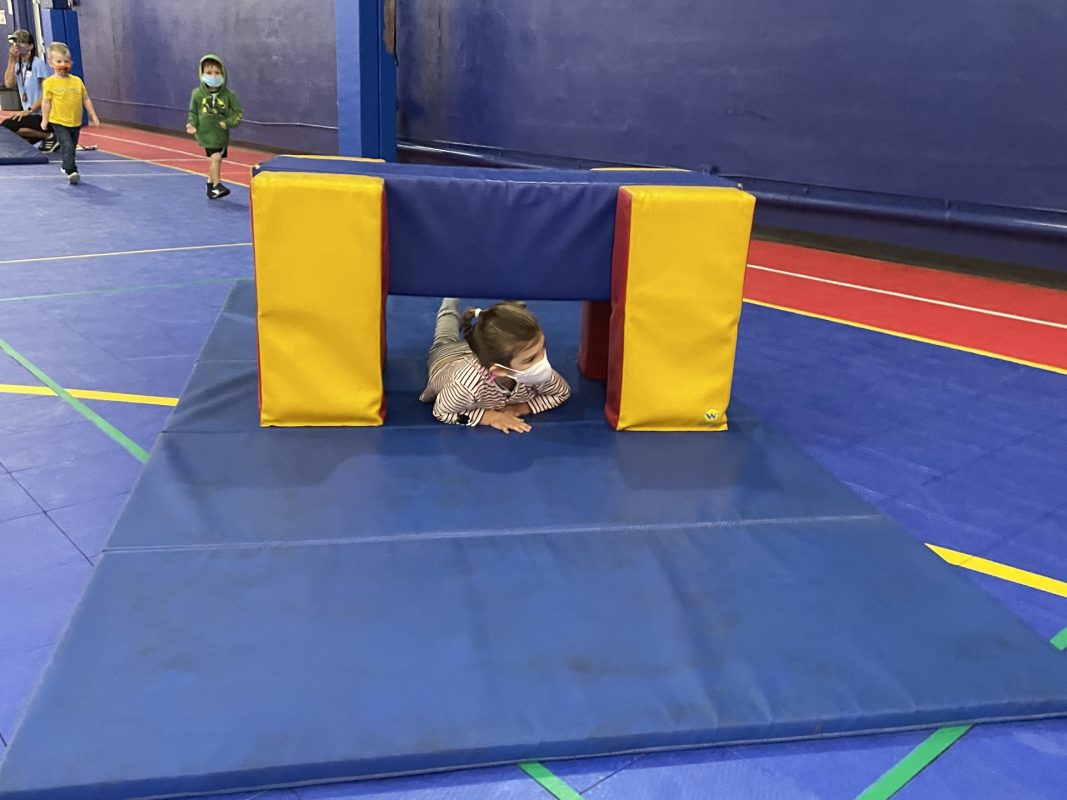
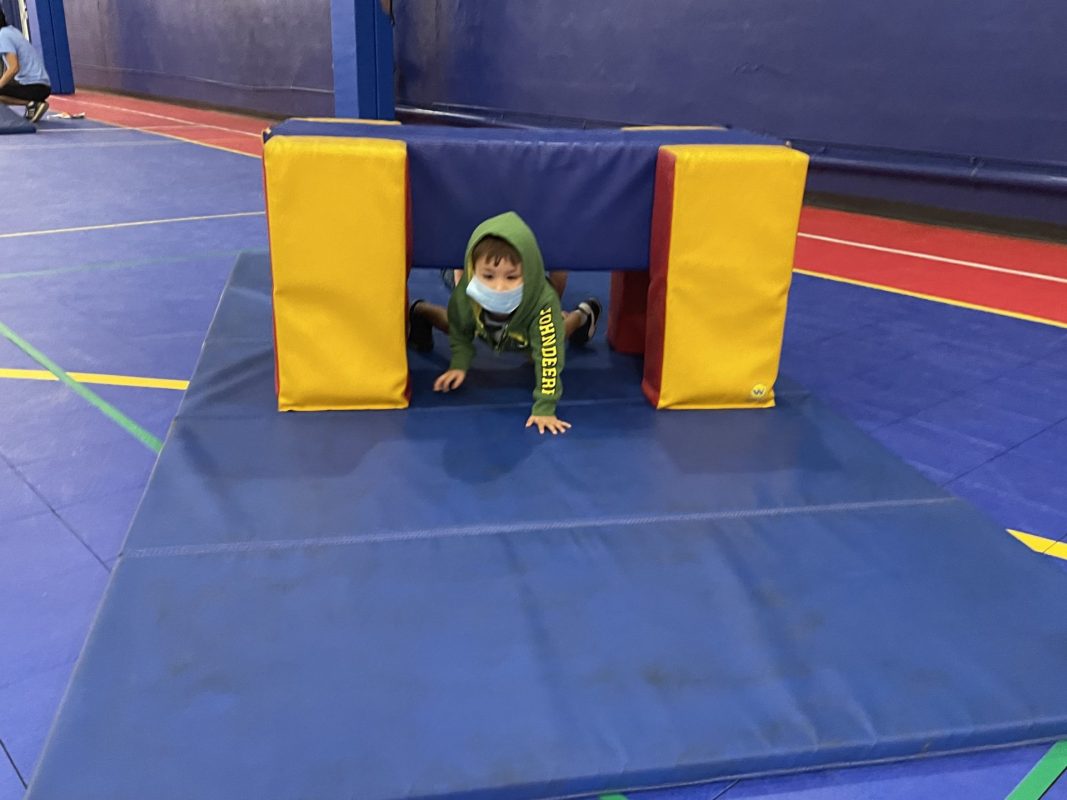
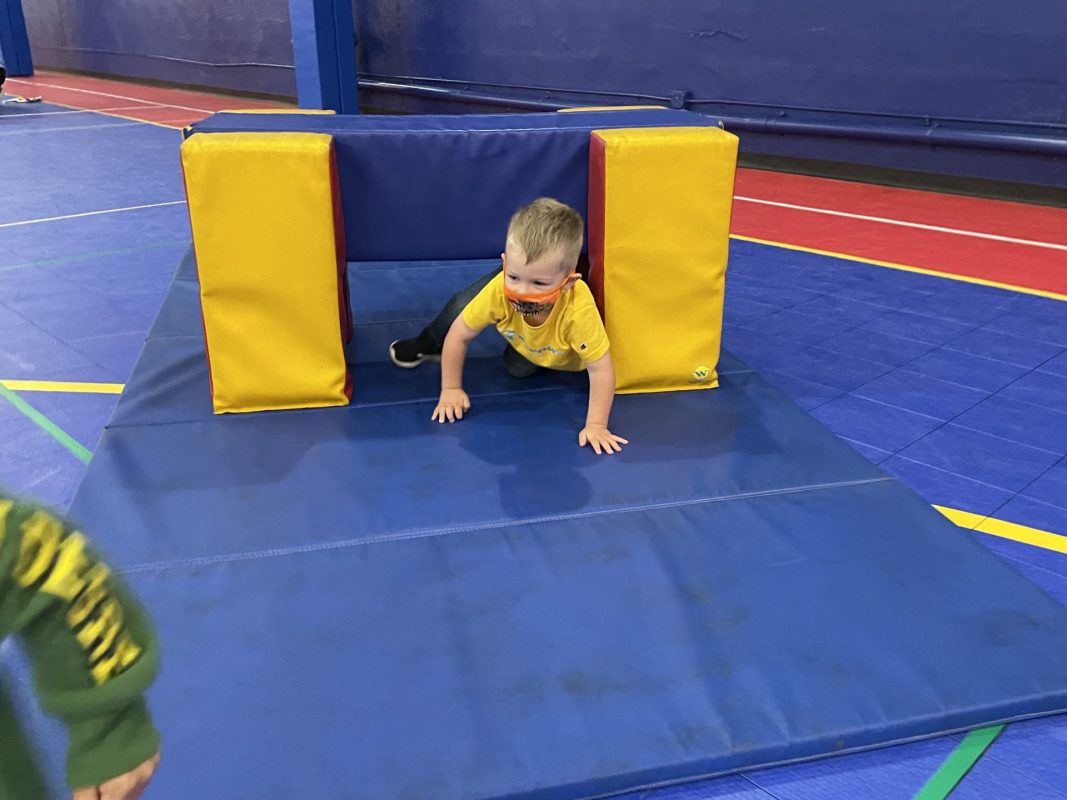
In addition, our toddlers have access to space in the gym at different times during the morning and as needed! We are SO thankful for it, as we continue to  “follow the child” and adjust activities according to their needs without interrupting their work cycle. Saying the children enjoyed their time at the gym this week is an understatement! They seemed to love the obstacle course, jumping and running as fast as they could! They enjoyed playing with the balls and  hula hoops and some of them even stopped at the music station to show off some quite impressive dance moves! 🙂 We had so much fun!

We hope you enjoy the pictures as much as we do!

Mrs. Hood and Ms. Maria


Mrs. Lopes’ Class: Exploring Our World

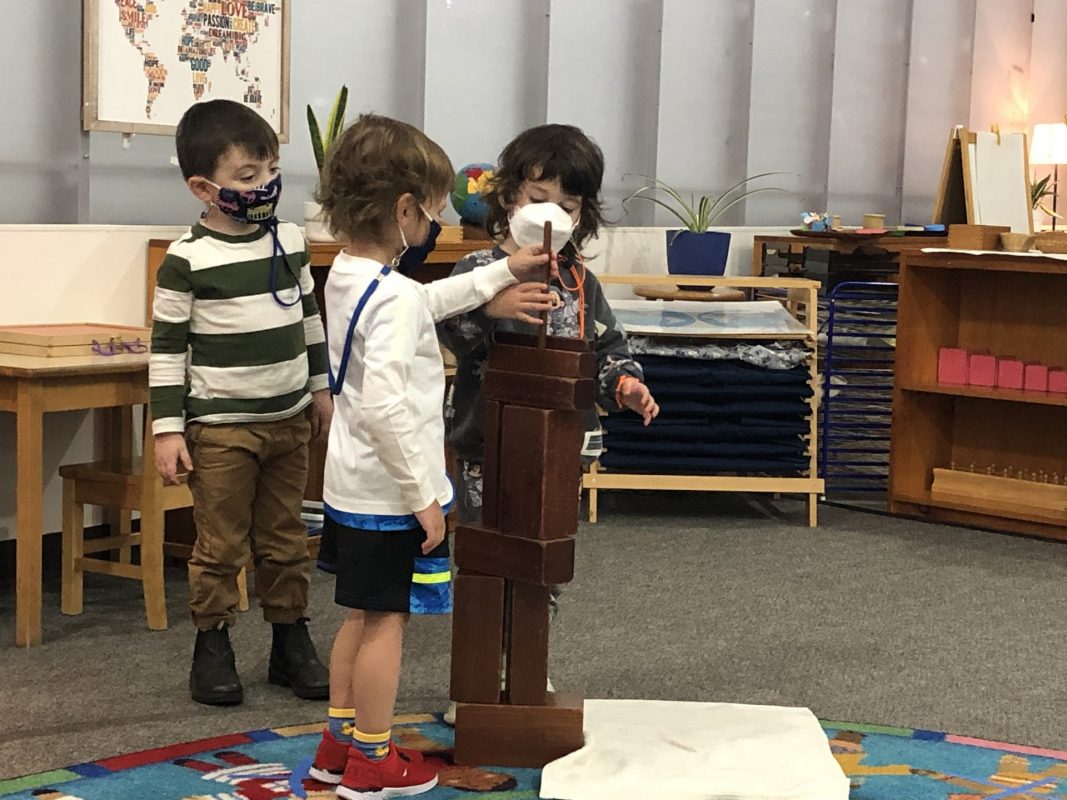
Maria Montessori often referred to the study of Science and Culture as “Cosmic Education”.  The lessons in the culture/geography area of our classroom connect a child with the greater world and give them a “cosmic” view of the universe.  The activities in these areas are designed to be fun, engaging, creative, and intriguing.  They are not viewed as extra-curricular activities that take a back seat to the more “important” academic work elsewhere in the classroom, but are instead a living and central part of the environment.

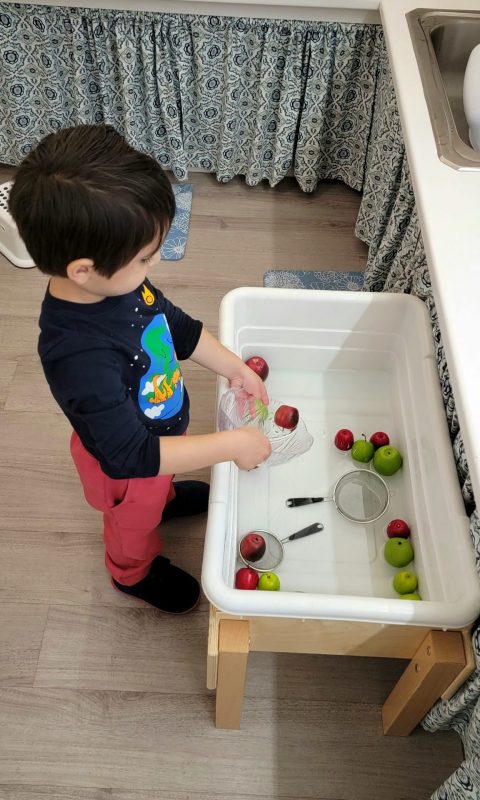
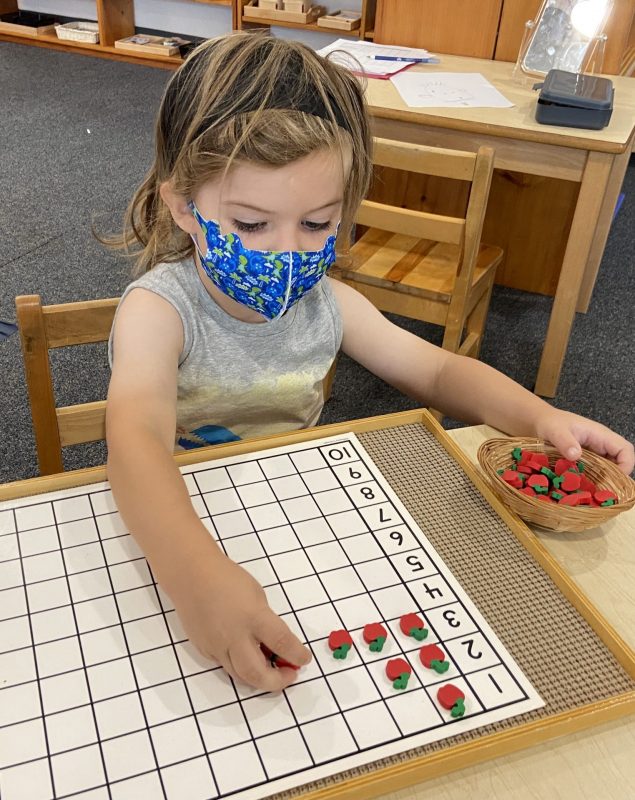
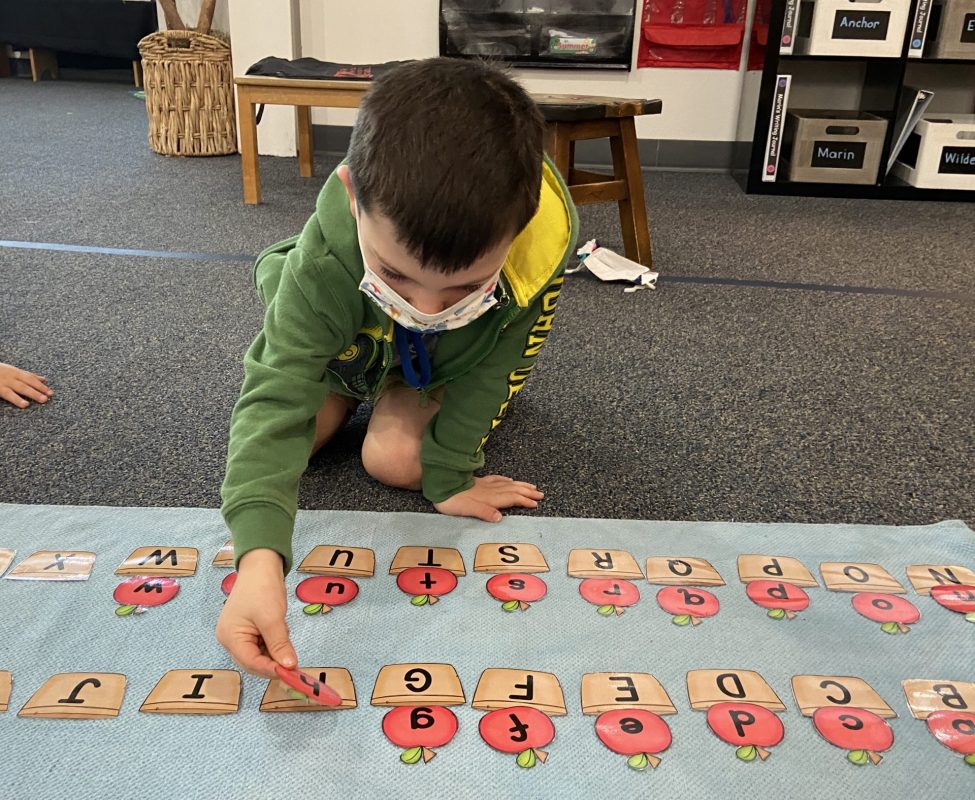
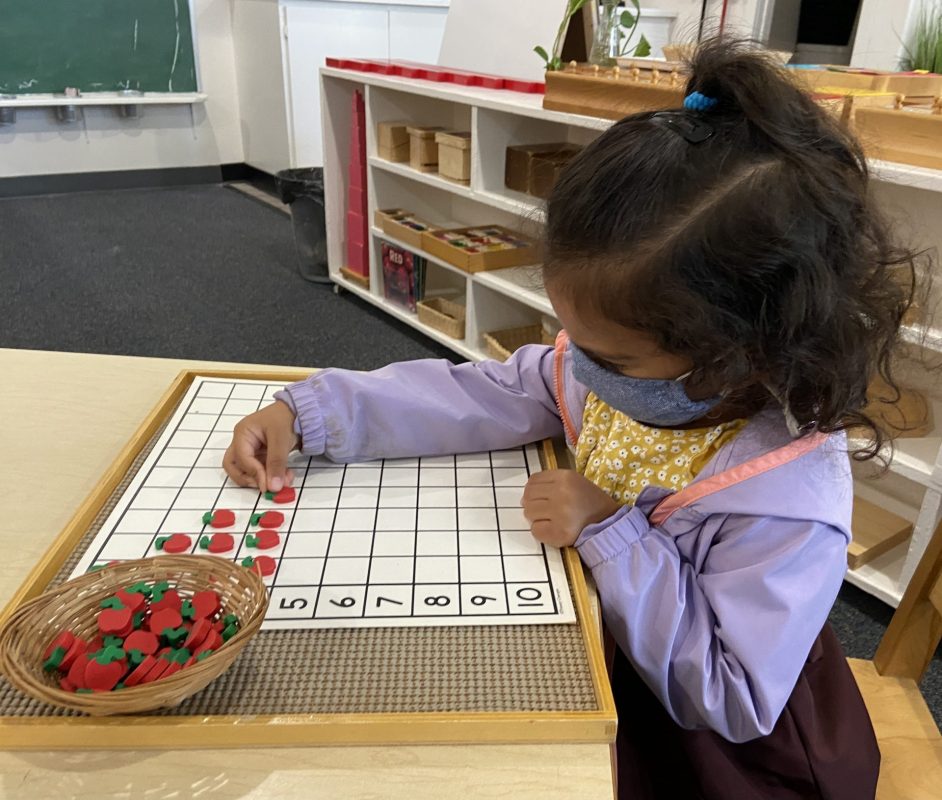
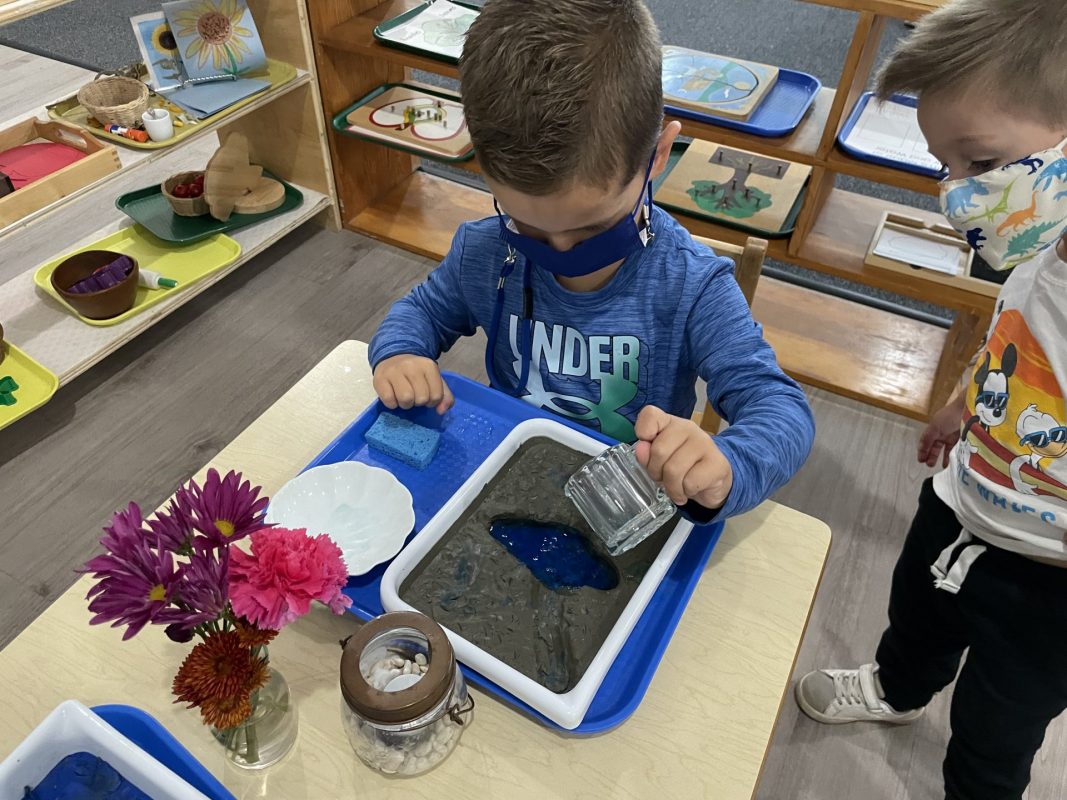
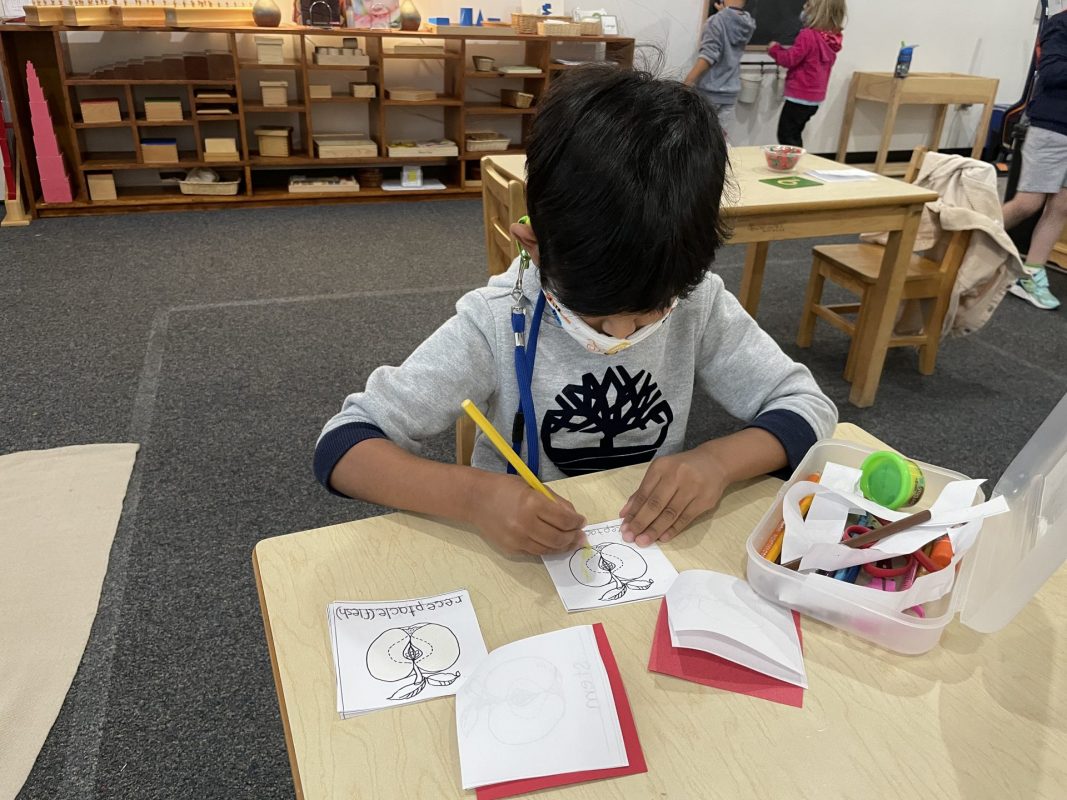
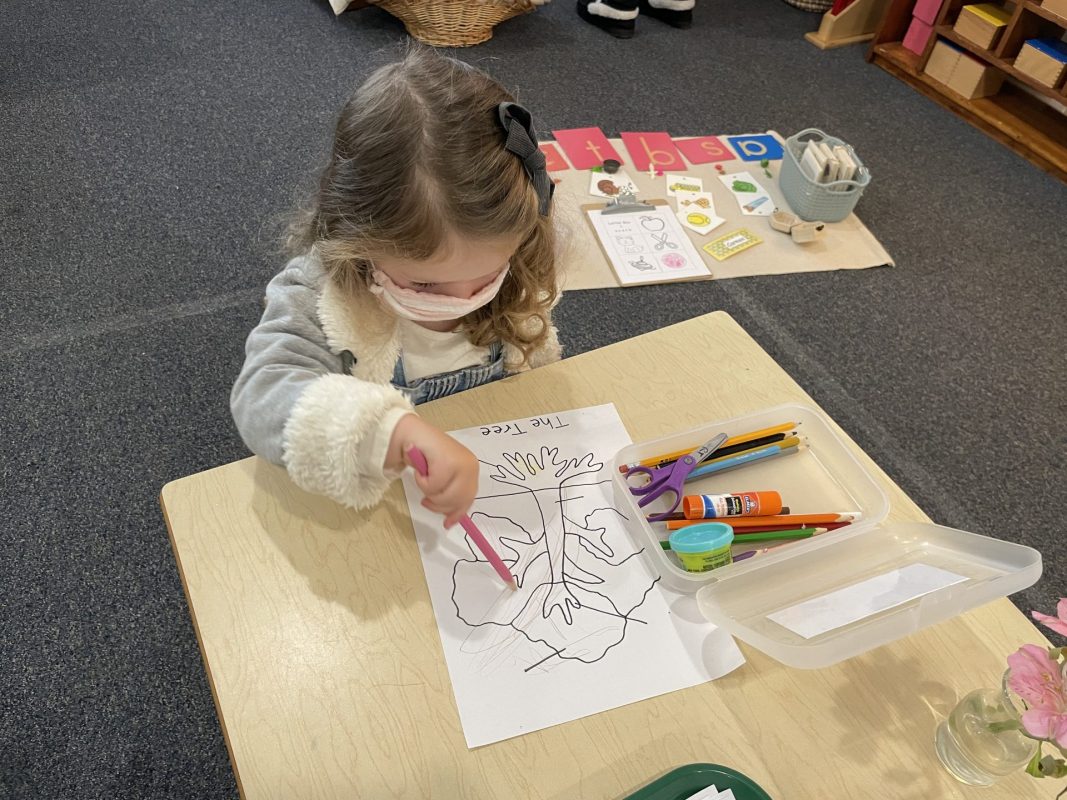
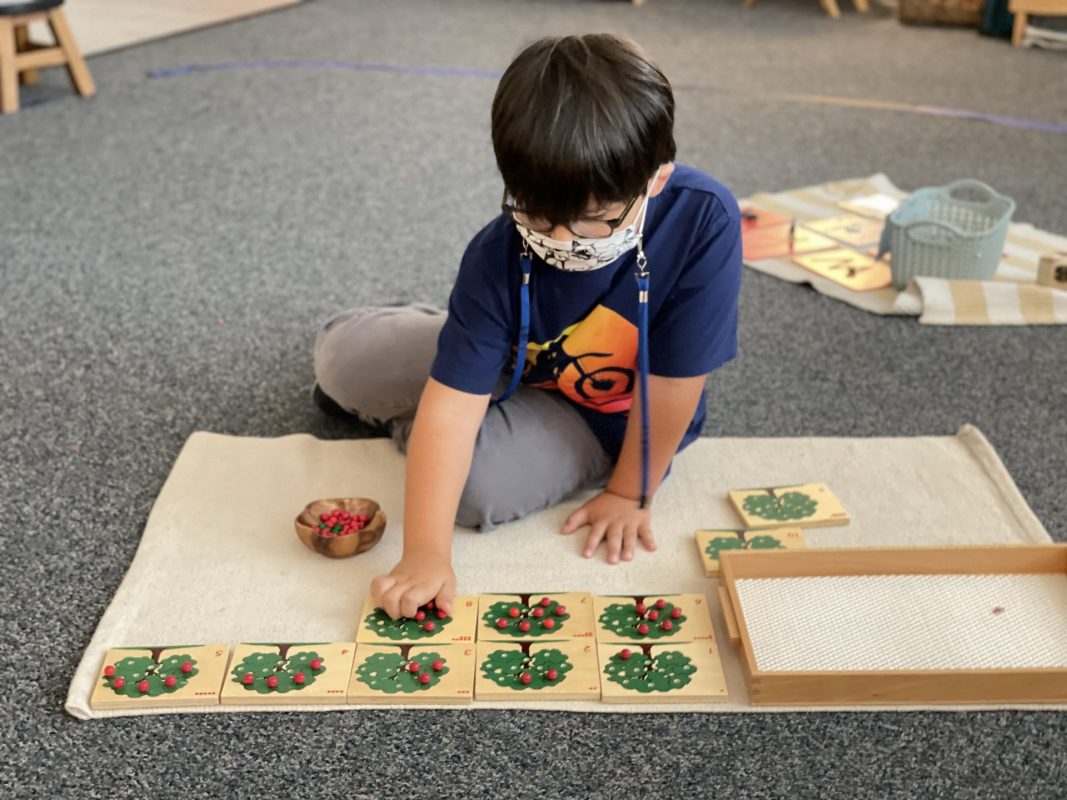
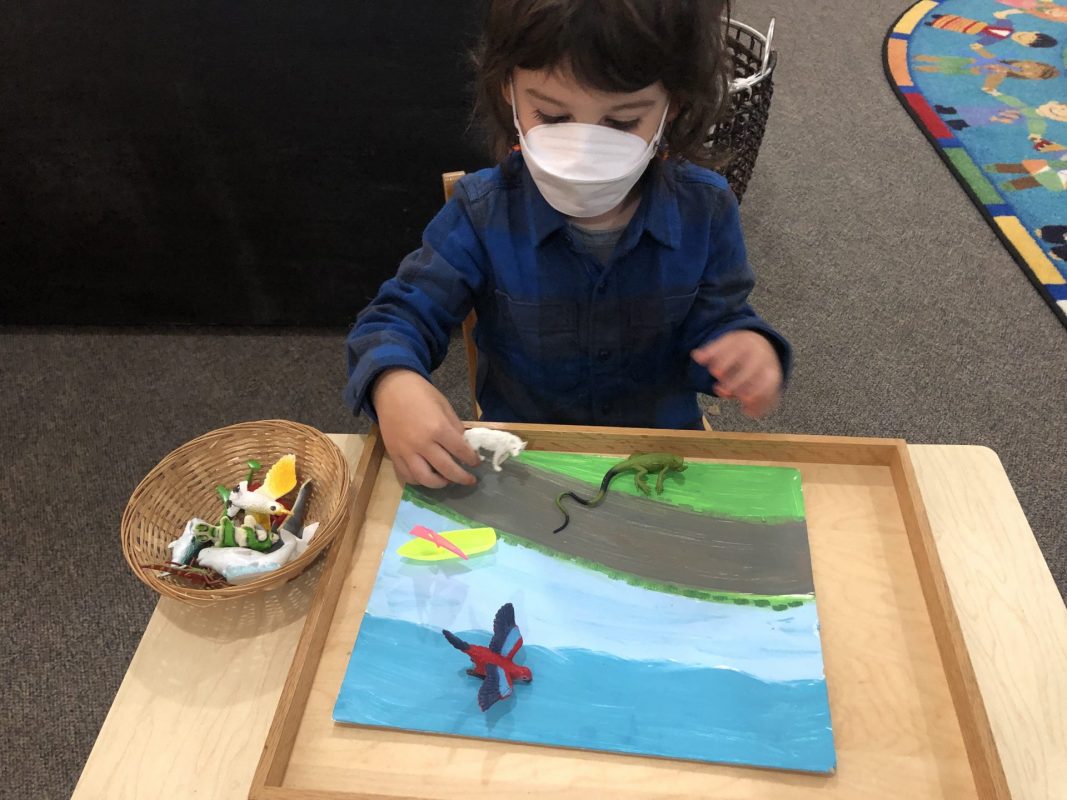
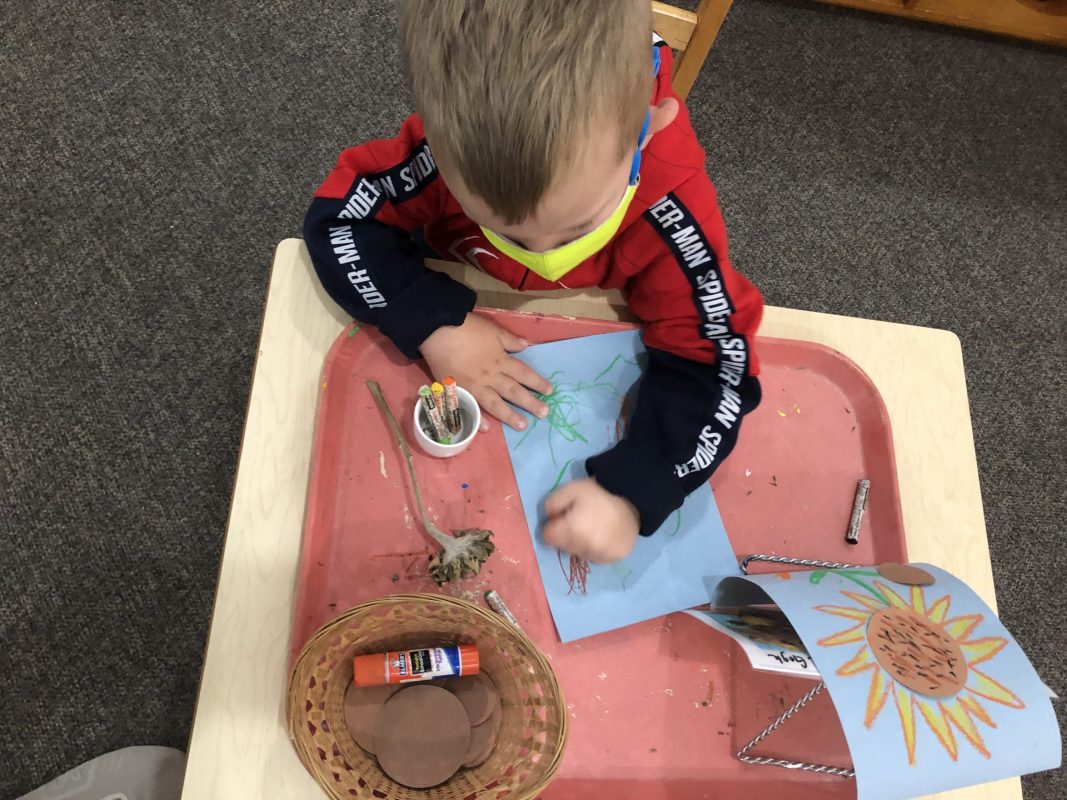
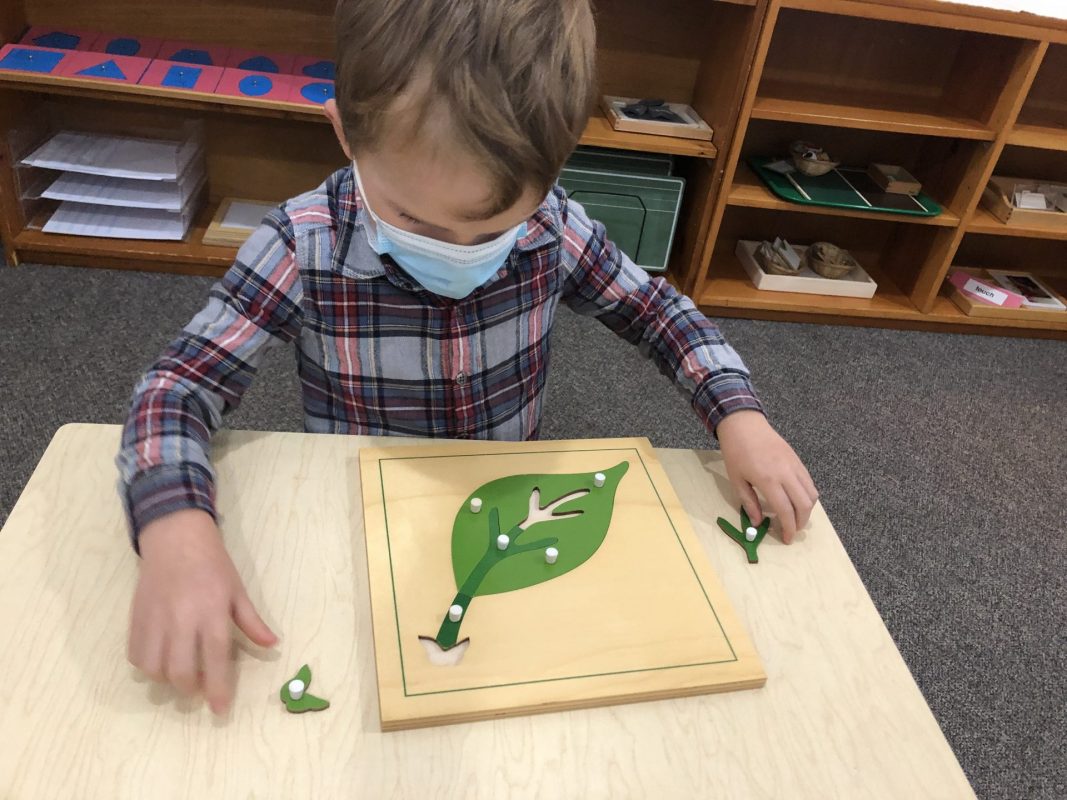
The activities on the culture/geography shelf in our classroom change monthly to coincide with the topics of study.  This month we have focused on living/nonliving, distinguishing the difference between air, land and water, the landforms lake and island, and the life cycle of an apple.  This week the children have been learning the “5 Little Apples” song.  Ask them to sing it for you!  Here are the lyrics if you would like to sing it at home:

Way up high in the apple tree,

5 little apples smiled down at me,

I shook that tree as hard as I could,

Down came an apple,

Mmmmm was it good!

(We then repeat the song with 4, 3, 2, 1 apples until there are no apples left on the tree.)


Wishing you a wonderful week,

Amanda and Heather


Mrs. Semmah: Grace and Courtesy

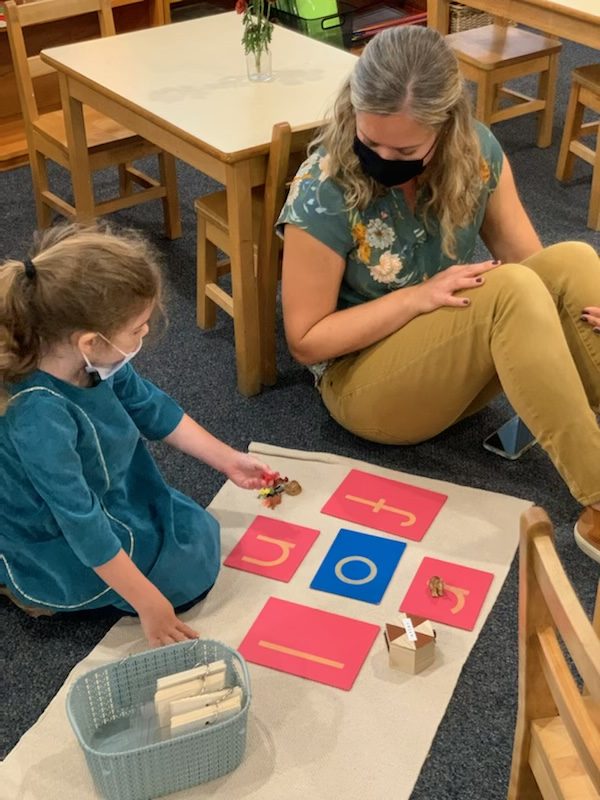
Grace and courtesy are well-known values and norms of behavior which enable children to move and work cooperatively. In the Montessori environment children may move freely, but not run or push. They may talk softly, not loudly. Grace and courtesy lessons help children understand polite social norms.

In our Montessori classroom we believe that, through daily modeling and lessons, even very young children are capable of much more than is traditionally expected of them.

As Montessori teachers we are guides and role models for our young learners. We are very cautious about how we act in front of children when interacting with other adults at school as well as with young learners. In the classroom we model soft voices, walking feet, and carrying the tray with two hands. We also have a deep respect for the child’s concentration while they are working; we are always careful not to interrupt the child’s work. These are examples of our daily interactions with children.

Teachers introduce lessons explicitly to teach grace and courtesy. We observe and take note of any undesired behavior. We select a neutral time when everyone is calm and ready to absorb the lesson and show children step by step how a certain behavior or activity is done. The following are some of the exercises of grace and courtesy:

  • Watching others work without disturbing or interfering
  • Waiting for turns
  • Covering a sneeze, yawn, or cough
  • Conflict resolution (how and when)

Through the adult’s daily display of acts of kindness, attention, and respect for others, the children will grow up to be caring human beings.

Mrs. Semmah and Mrs. Sara


Building Community

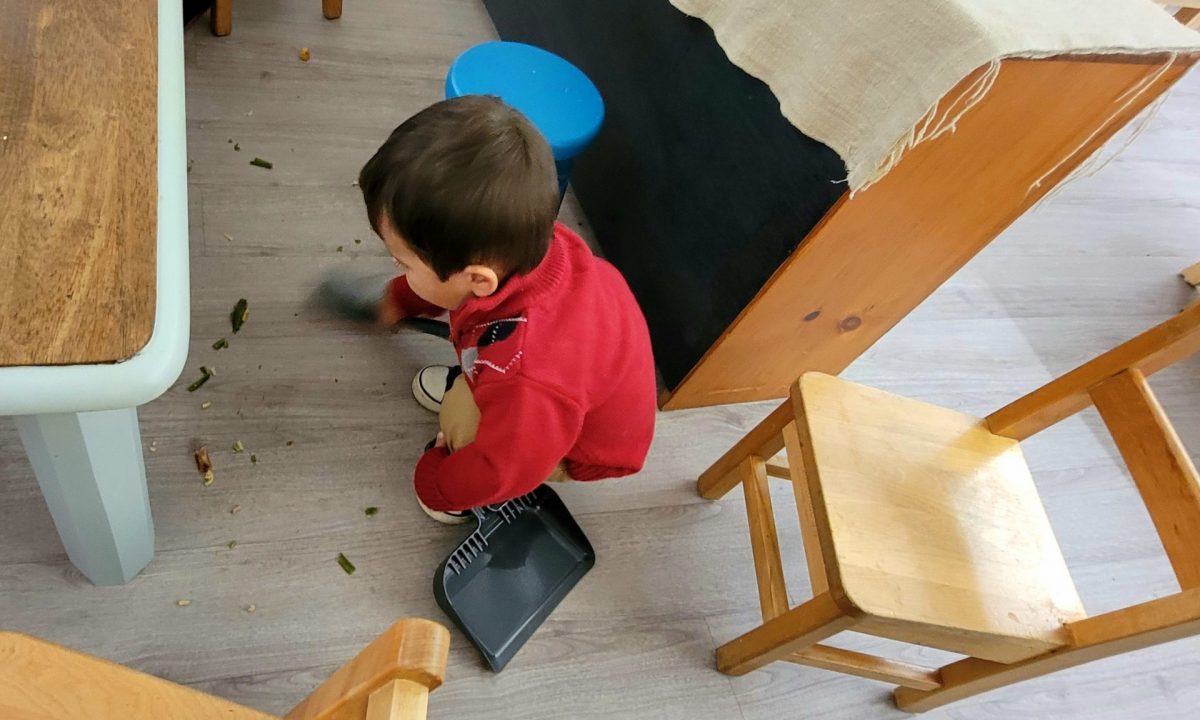
I want to thank all of our parents and caregivers for your ongoing support of our school. It is heartwarming to see the children settling in, happy, walking down the hallway on a mission, ready to embark on their individual learning journey. Classroom communities are also being formed. The importance of community has been an essential component of Montessori education since its earliest days. Dr. Maria Montessori called the early childhood classroom ‘Children’s House’, being a place where children belonged and felt comfortable, and also a place where they were responsible. The ideas of grace and courtesy (greeting a guest who enters the classroom) and care of the environment (tidying up after lunch) have continued to be crucial to Montessori learning, now over 100 years since its inception.

Why is a community important?
Having a sense of community unites us. Being part of a Montessori community can make us feel as though we are a part of something greater than ourselves. It can give us opportunities to connect with like minded people, and makes us feel safe and secure during stressful times. It’s important for every adult and child to have this sense of community. Our class parents have taken up the task of building mini-communities within the classroom. They will be in touch with you and will organize activities outside of school by hosting socially safe and physically distanced gathering and playdates. 

Please do not hesitate to reach out to me if you need anything. 


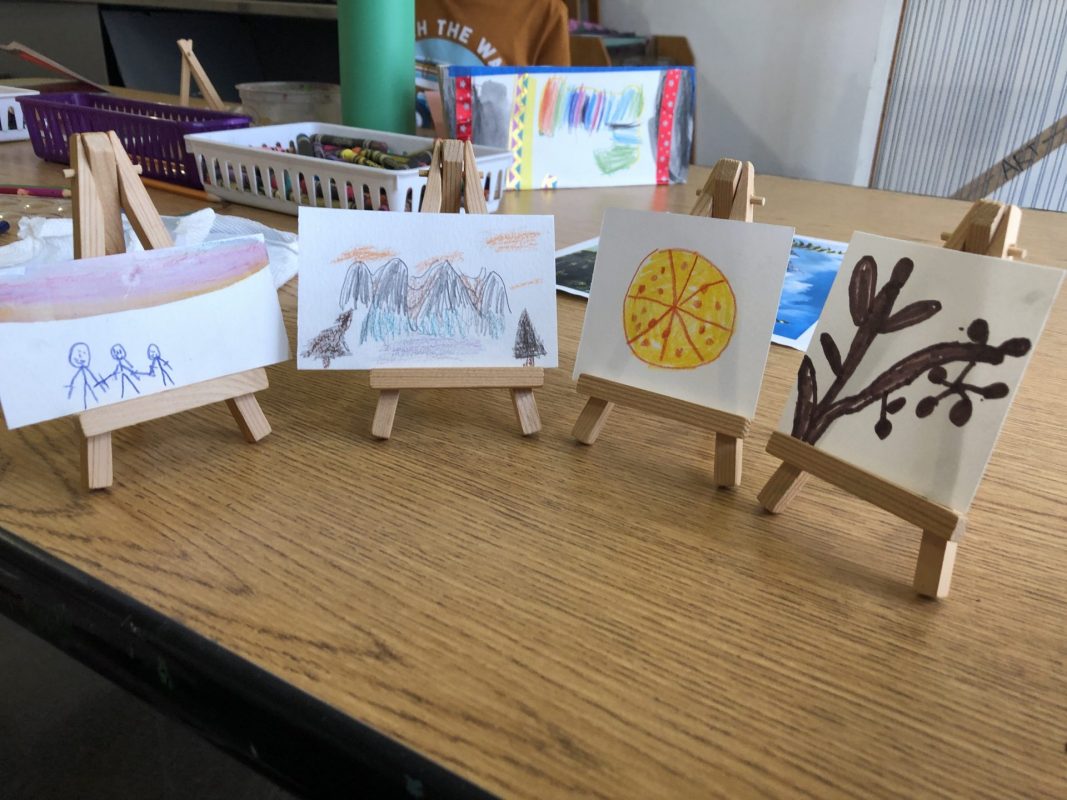
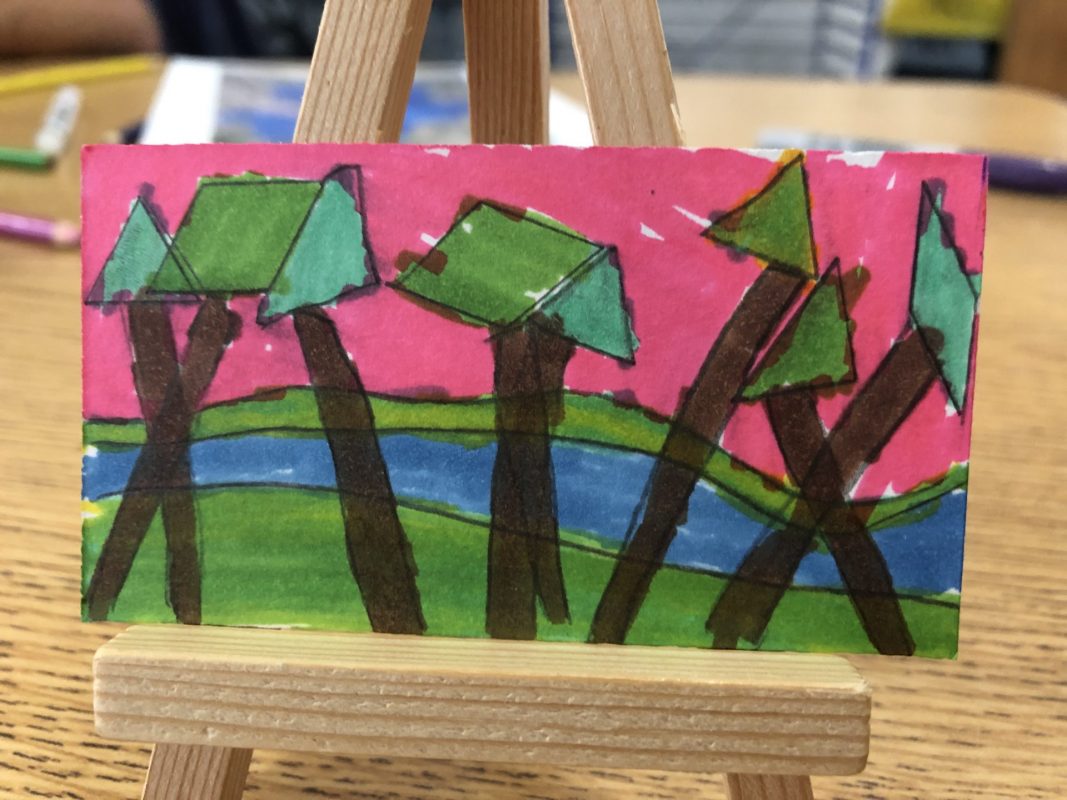
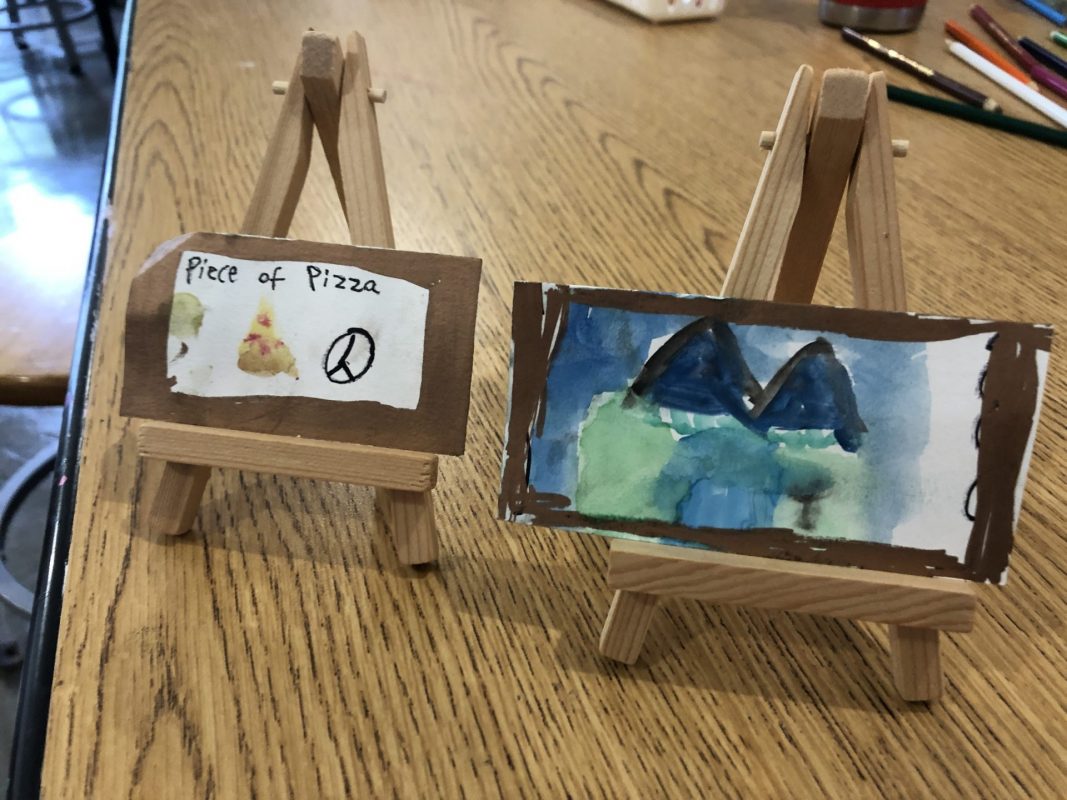
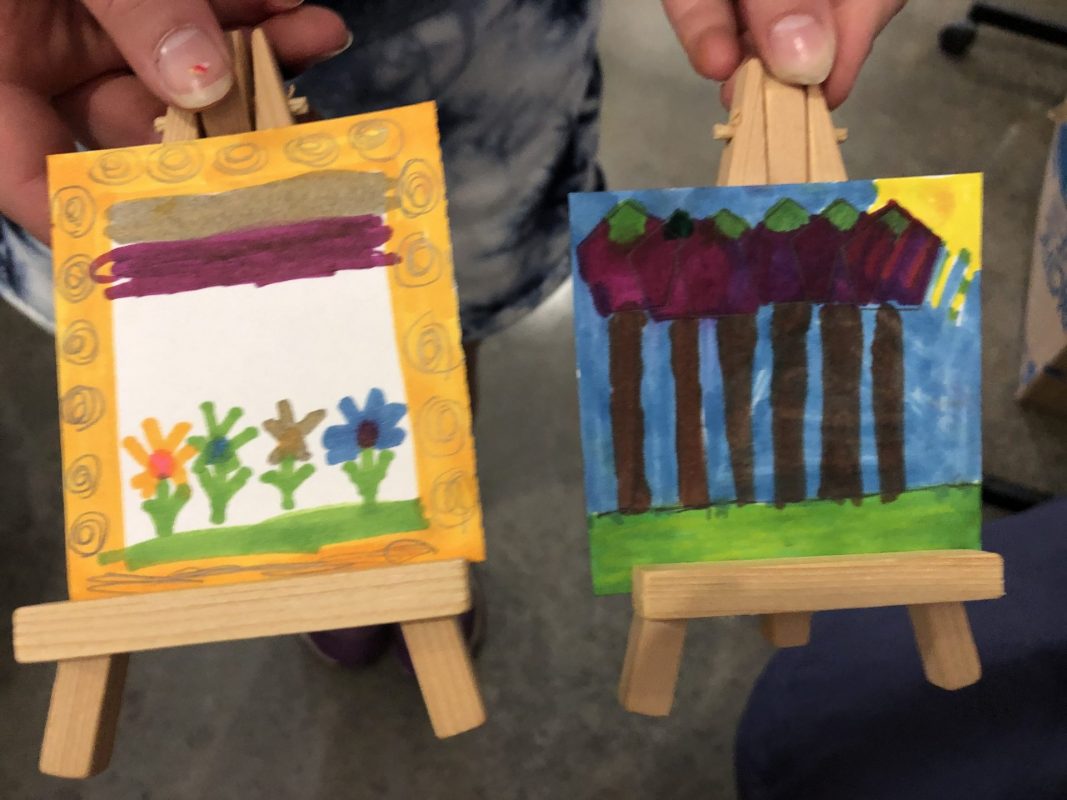
FWM Tiny Art Exhibition!

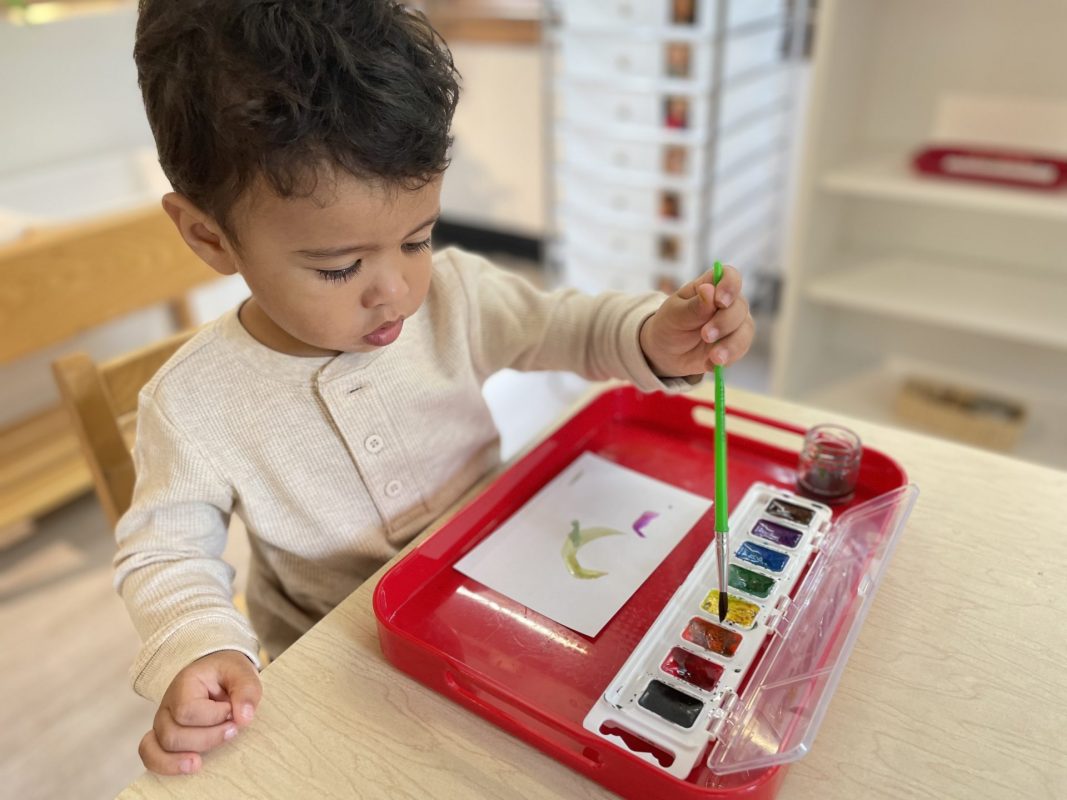
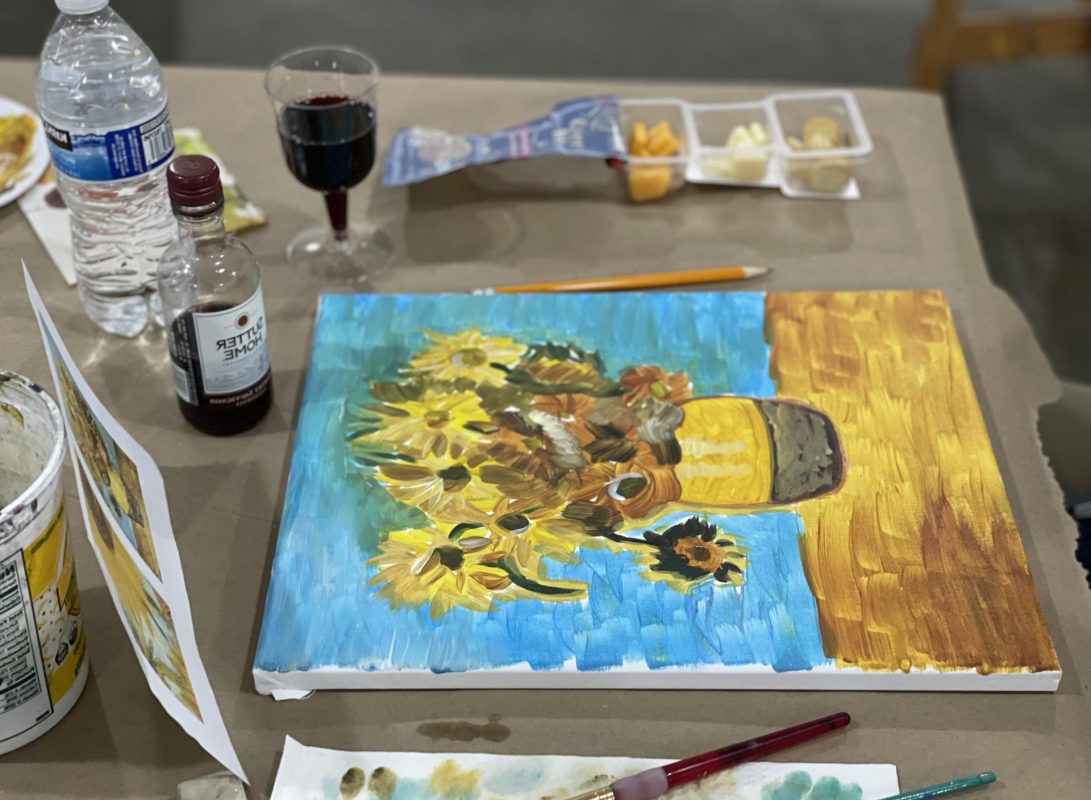
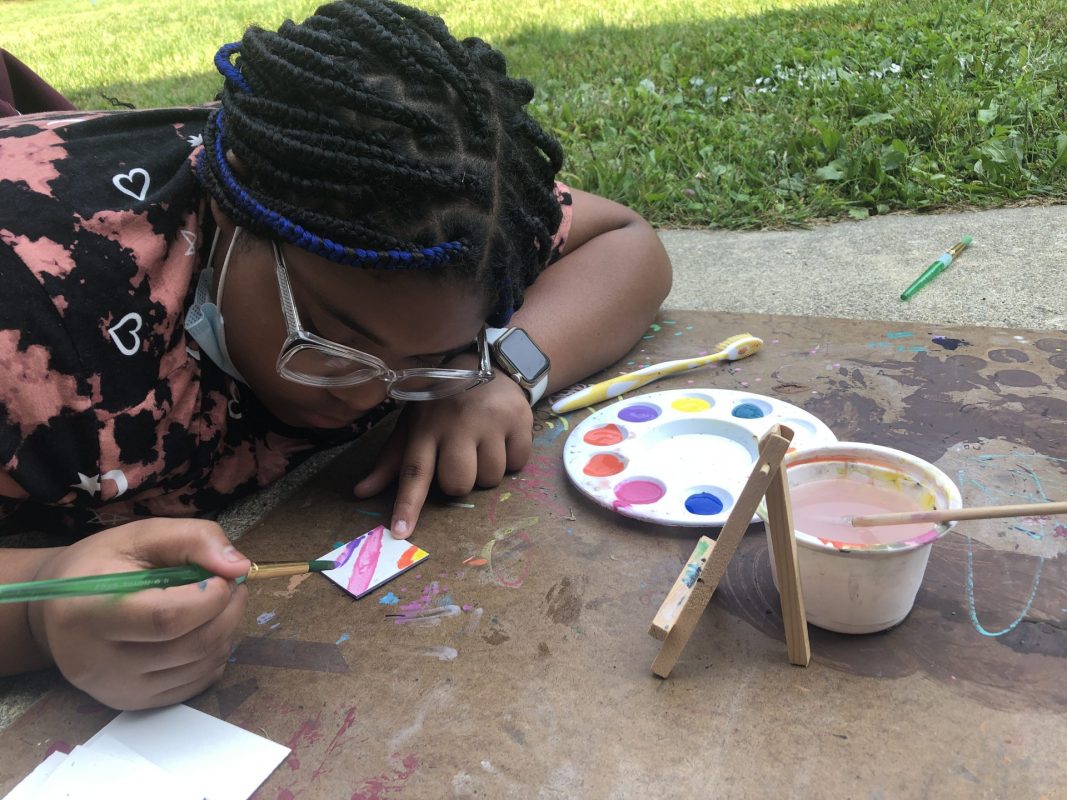
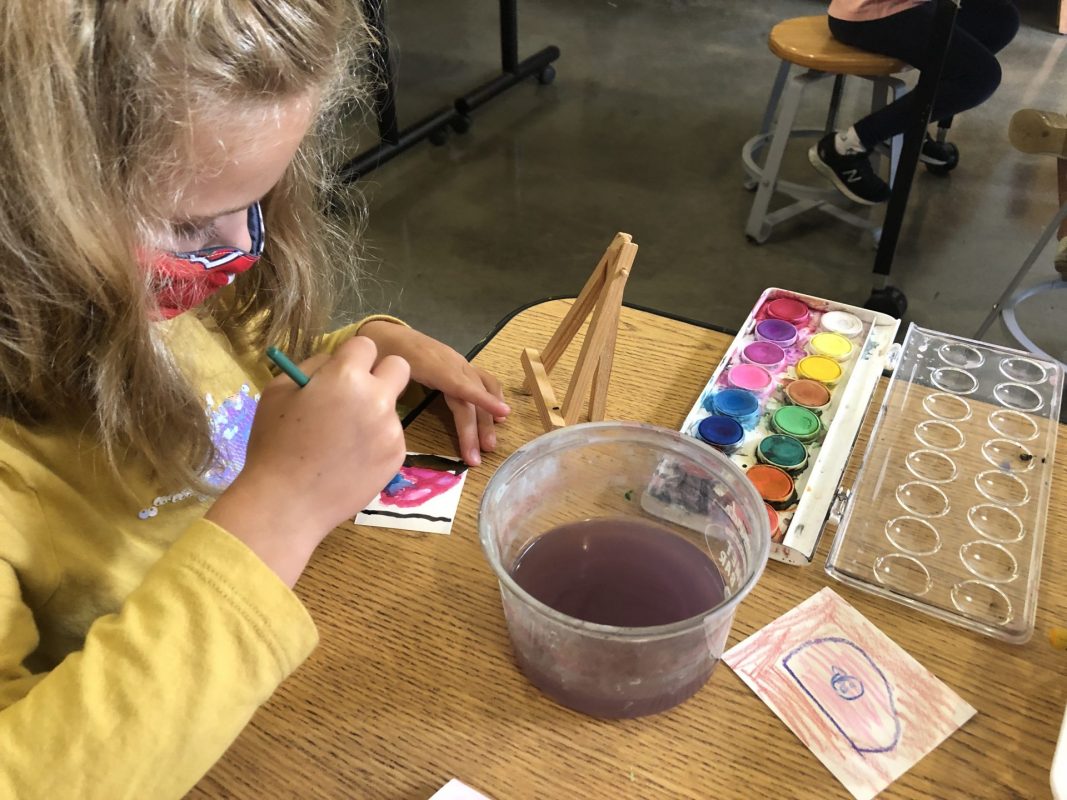
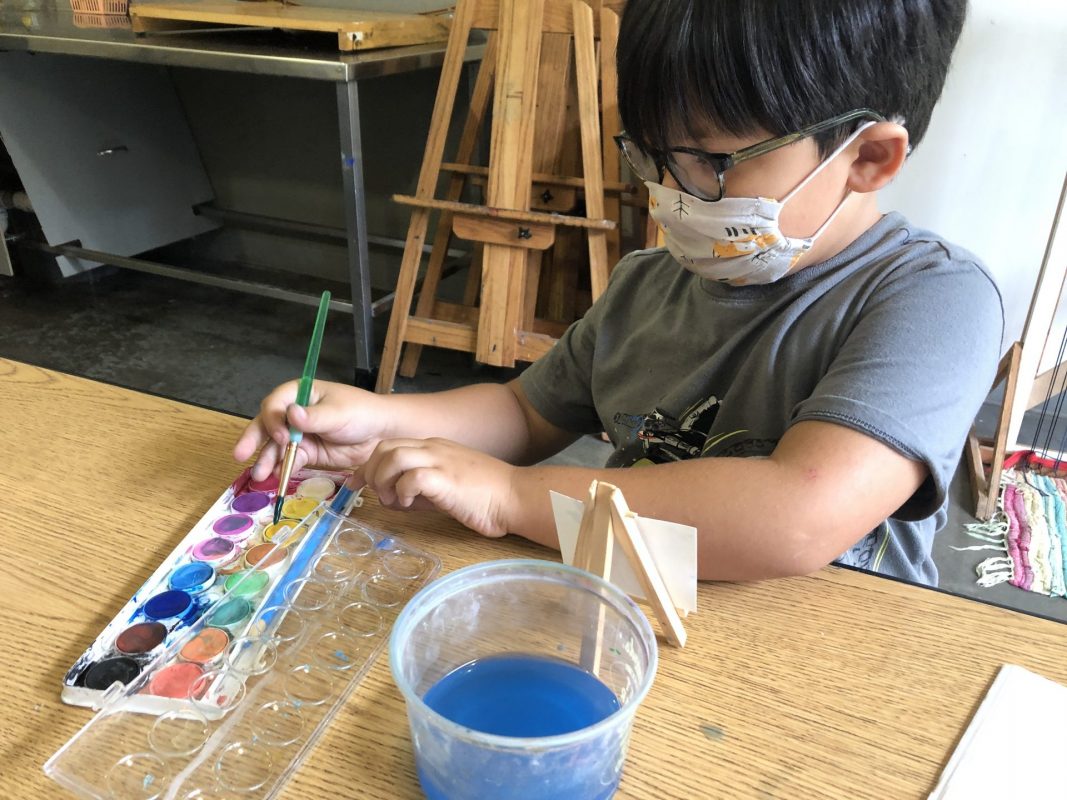
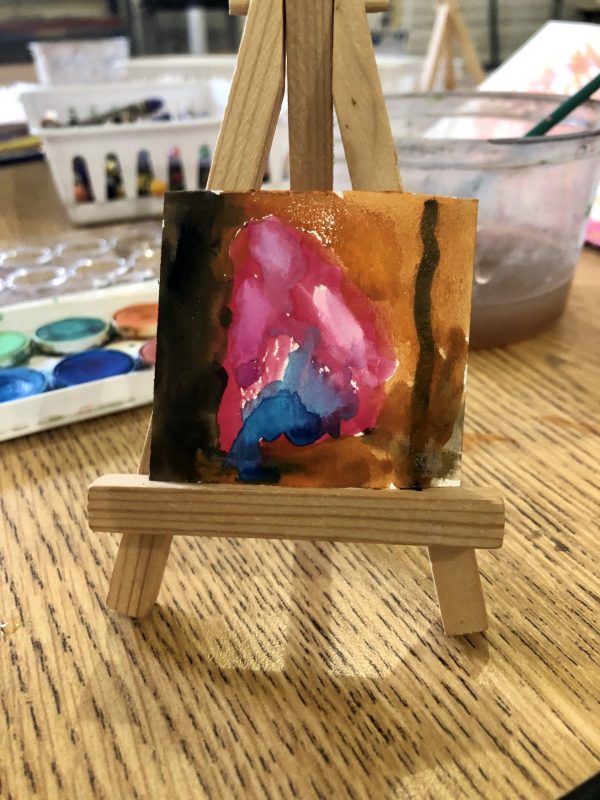
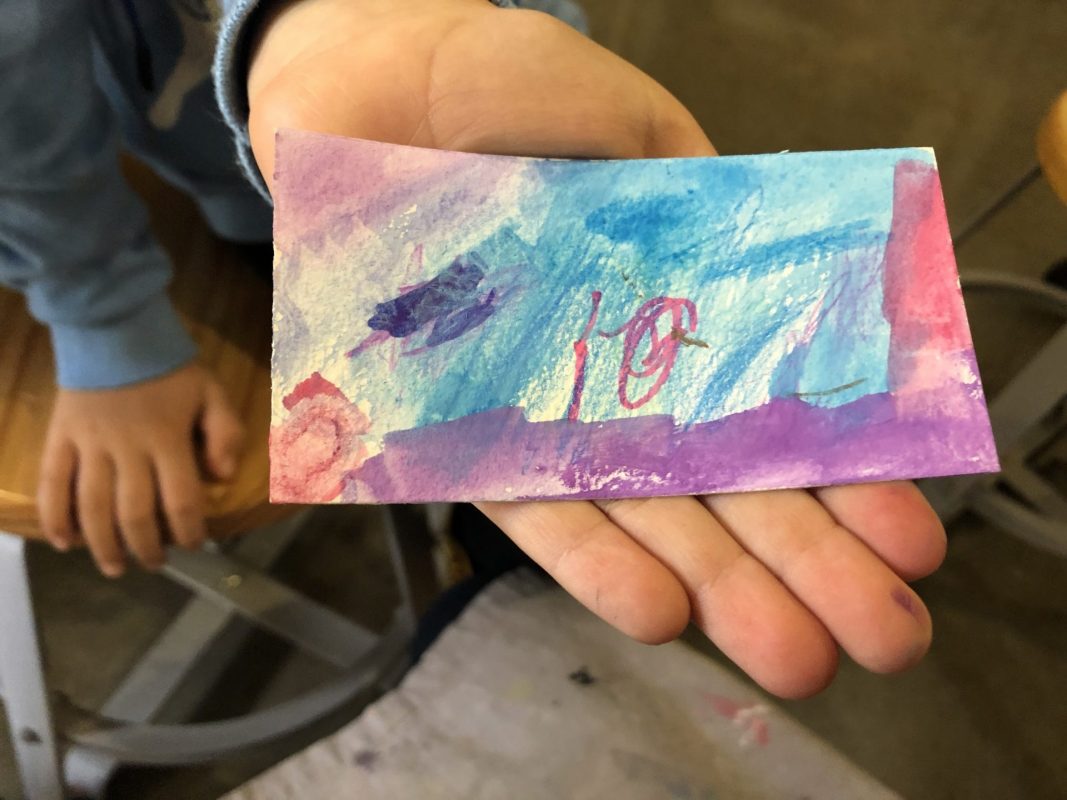
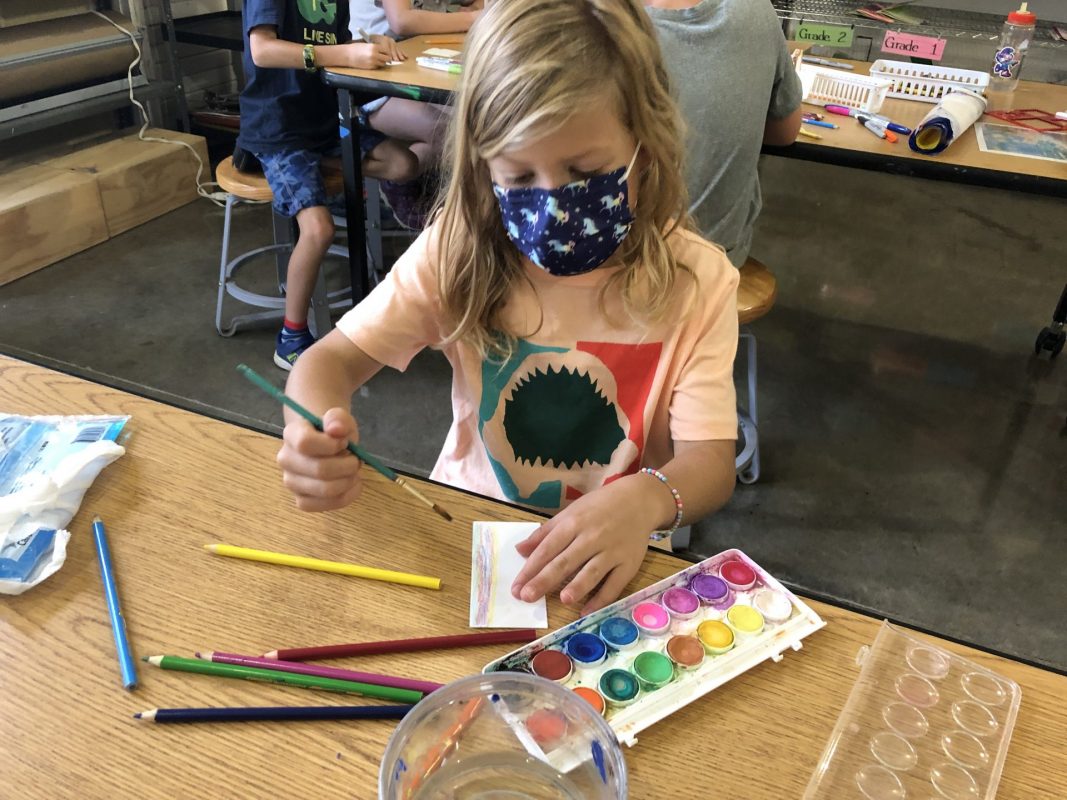
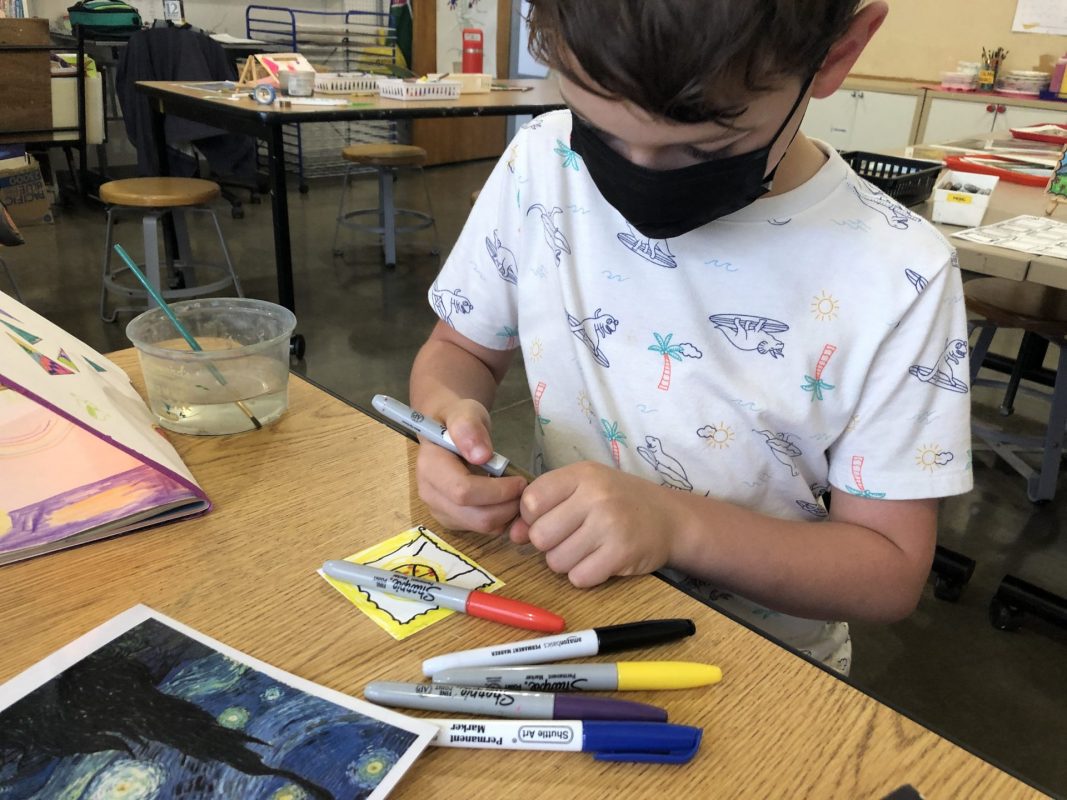
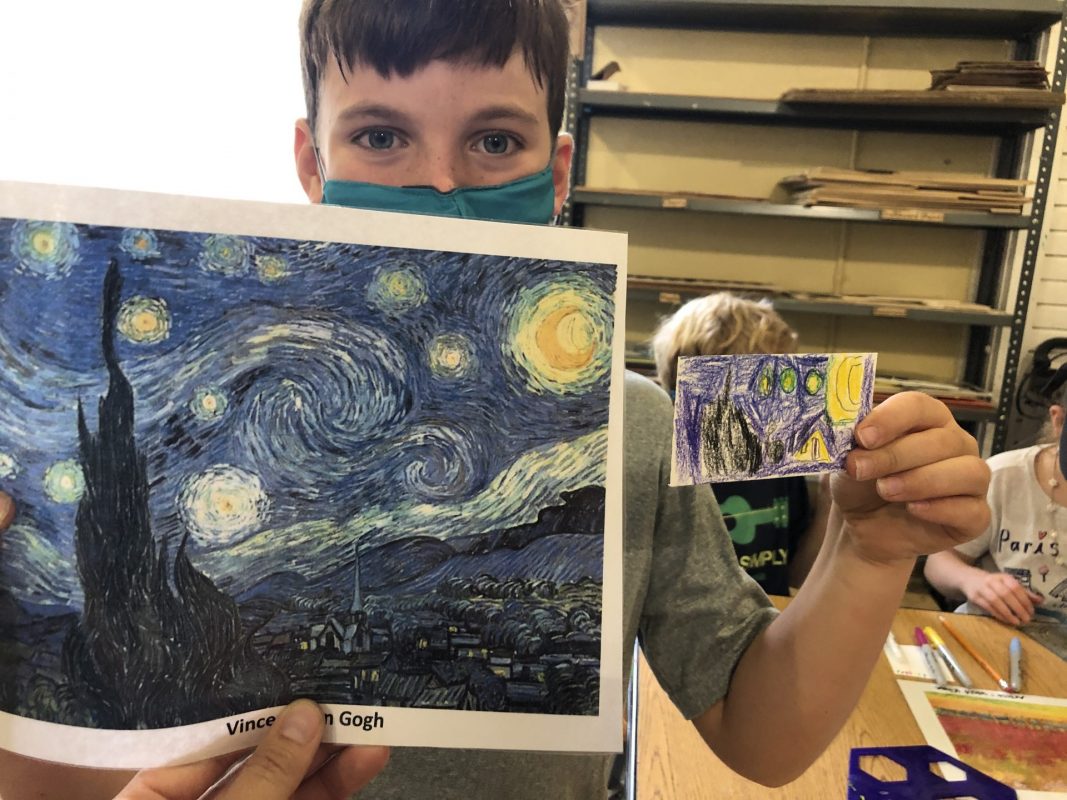
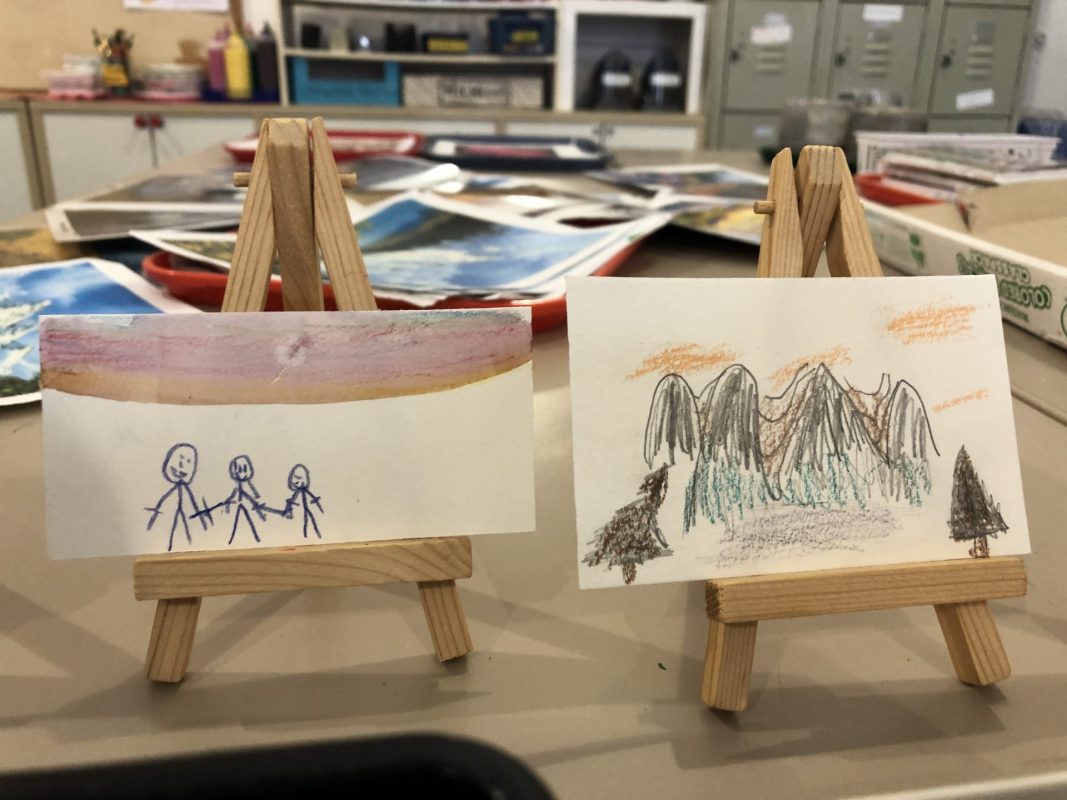
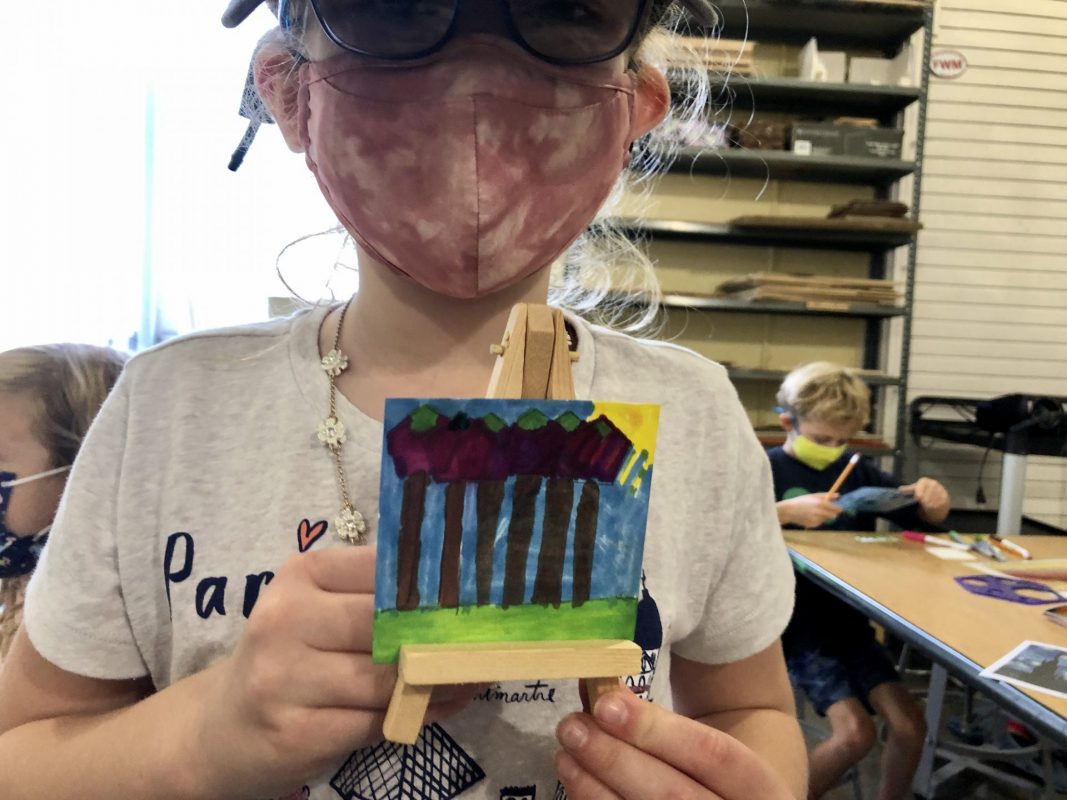
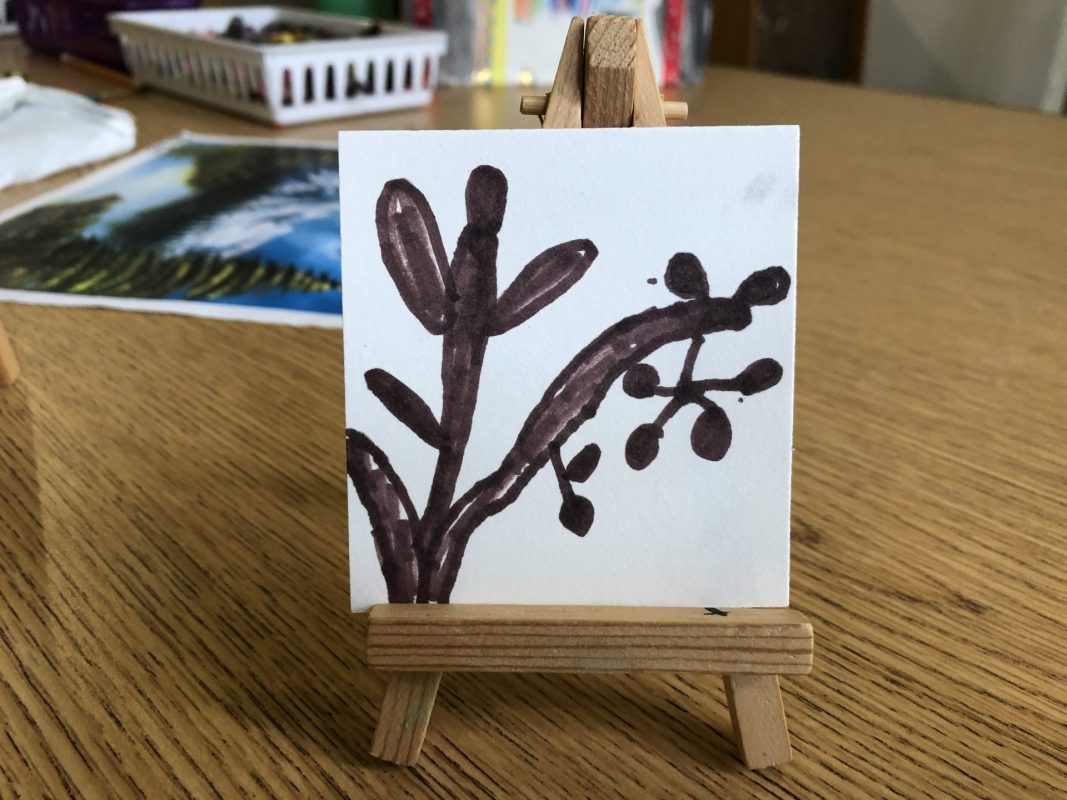
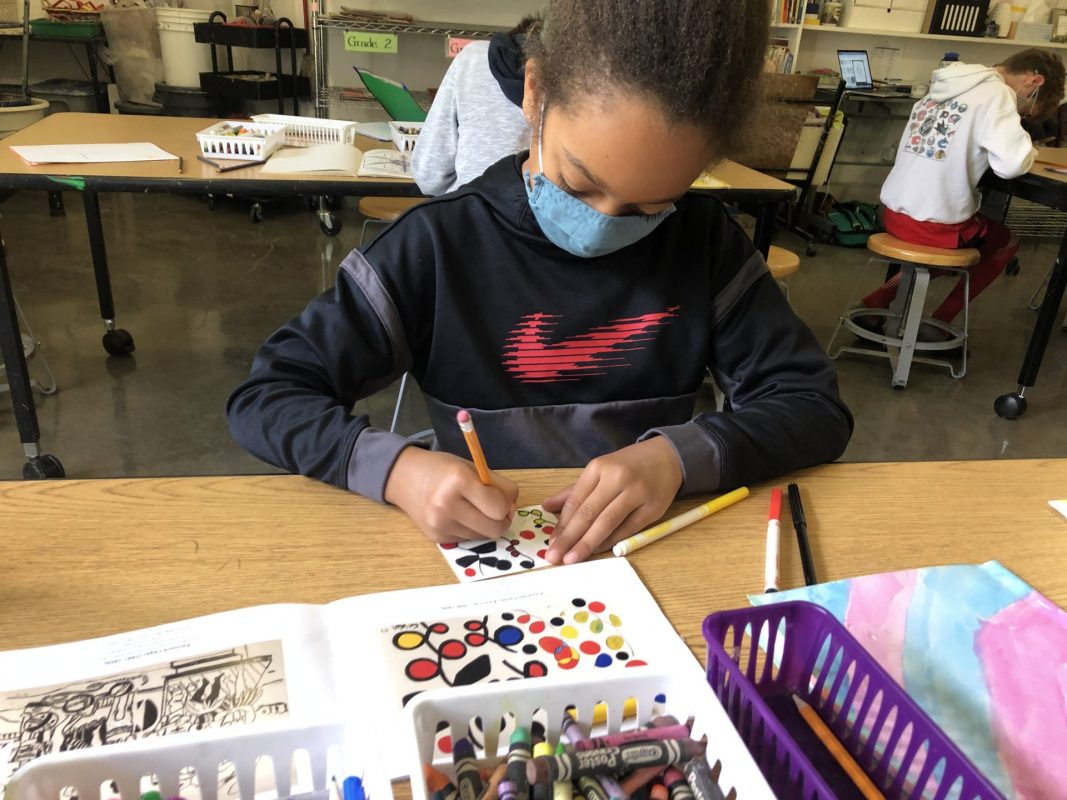
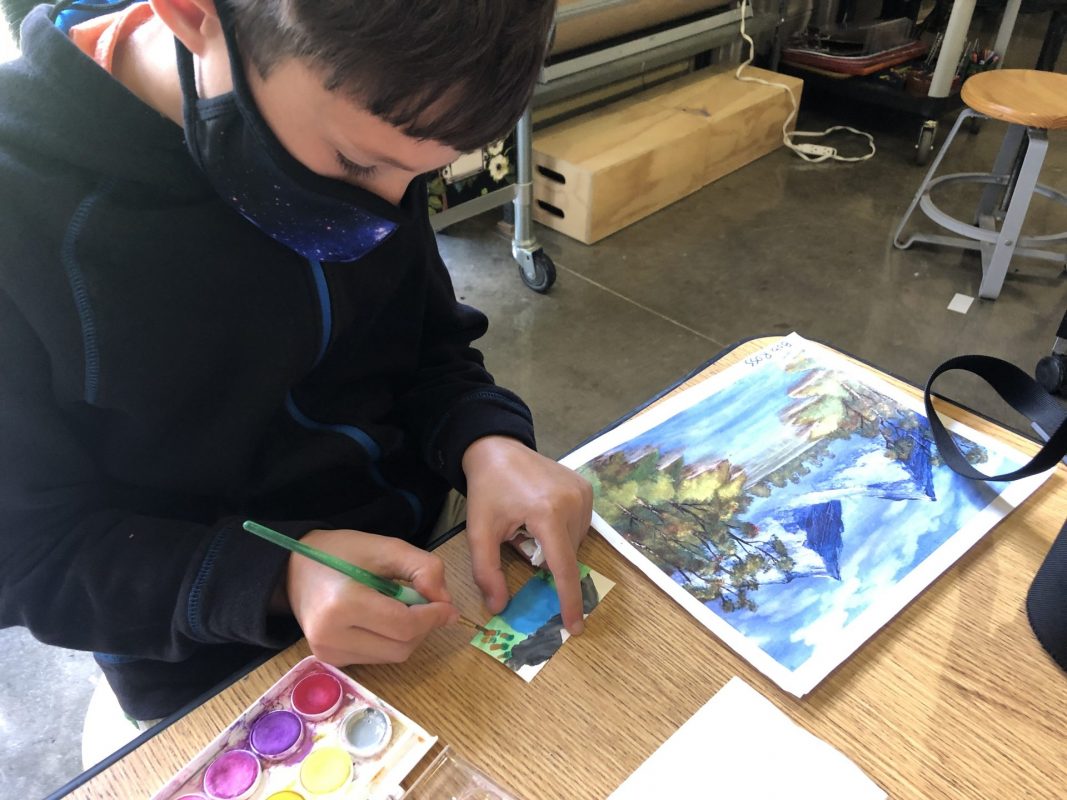
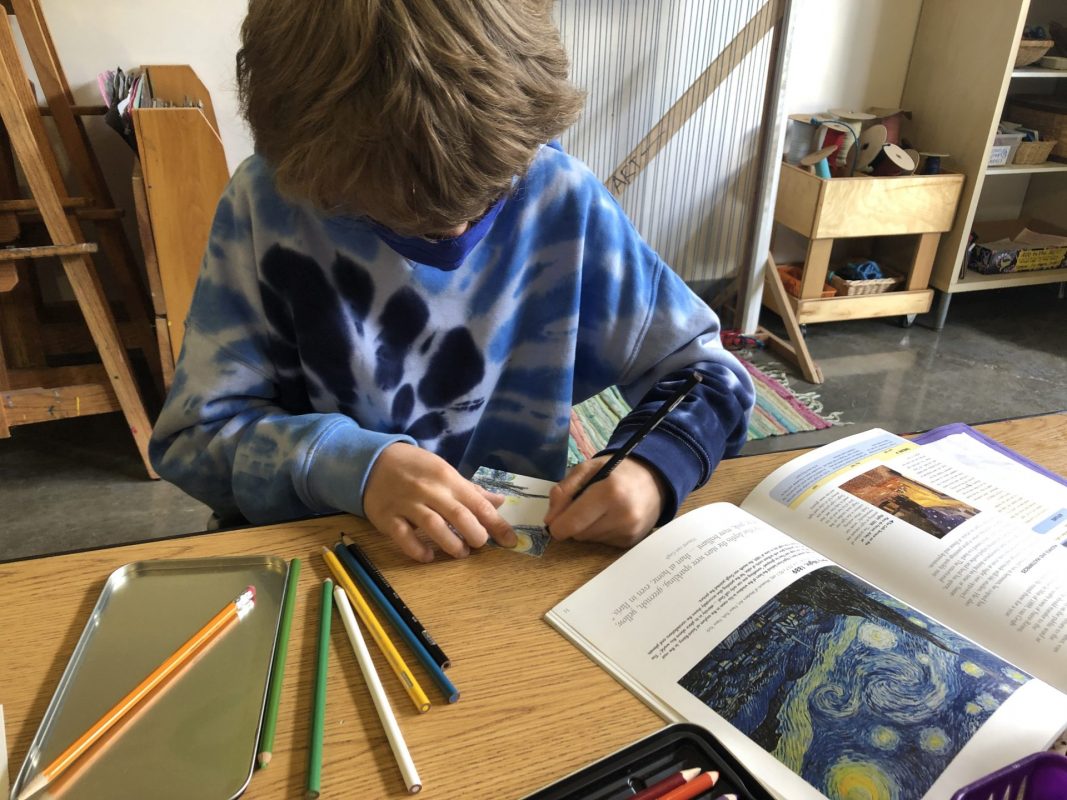
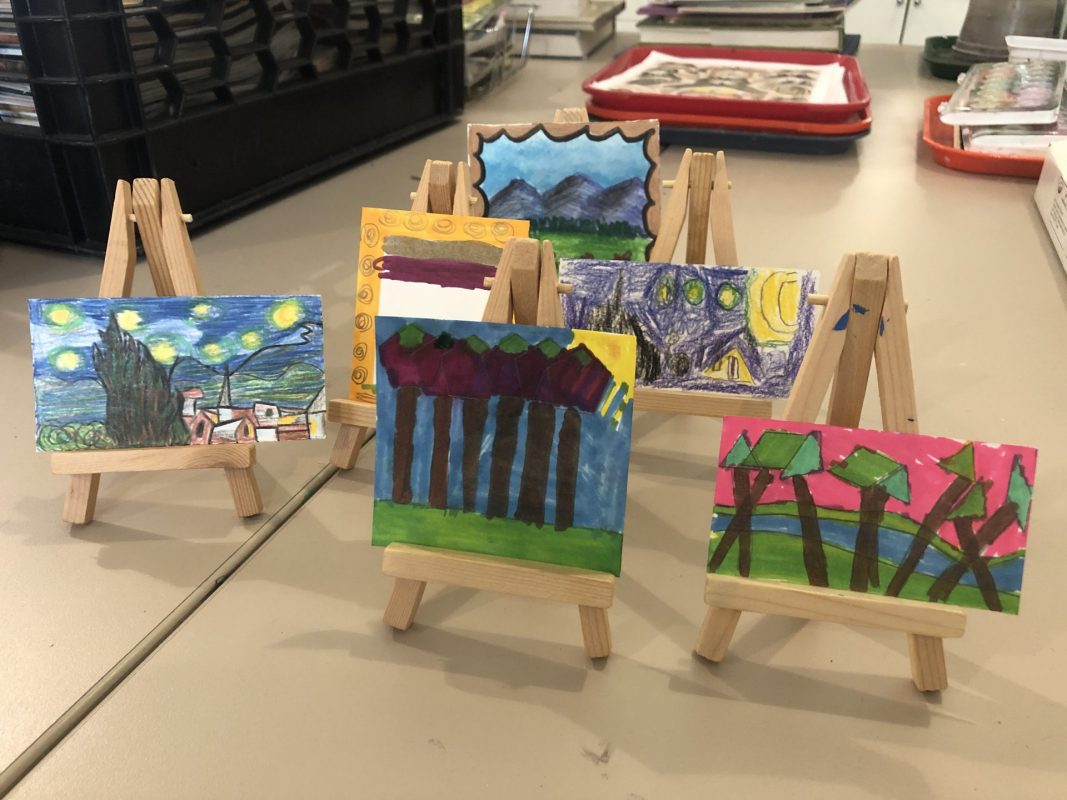
In the Art Studio, our young artists from Kindergarten through 8th grade kicked off the school year by putting together a Tiny Art Exhibition! Each artist created multiple tiny works of art on paper or canvas sizes of 4×4 inches or smaller. Students explored various art materials such as colorful sharpies, tempera paints, watercolors, color pencils, and more. Some students chose to recreate a famous painting, such as Van Gogh’s Starry Night, or one of Bob Ross’ famous landscape paintings. Others chose to create a unique work of art of their own creative expression. The small size restriction challenged students to problem solve ways in which they could fit the entire composition onto the tiny canvases, as well as developed their fine motor skills as they carefully applied paint with tiny paintbrushes. It was wonderful to see the variety of artwork created on such a tiny scale!

Next, we will set up the exhibition in the hallway for the whole school to enjoy. Many students have already even begun brainstorming and prototyping ideas for building miniature gallery/museum spaces to display the artwork in. Because of the excitement and passion students have had for this project so far, some plan to continue collaborating in the MakerSpace to complete their display construction using the laser cutter and 3D printers! Magnifying glasses will also be set up with each display so everyone can take a closer look at all of the wonderfully unique FWM Tiny Art Exhibition!


Getting into the Groove

It has been so nice to see all of the children feeling more “at home” in their classrooms. Even our youngest students are acclimating well. 

You may have heard the term “Normalization” as it refers to a child in a Montessori classroom.

What is Normalization?

Normalization “is the most important single result of our whole work.” ~Maria Montessori, The Absorbent Mind, (Chapter 19)

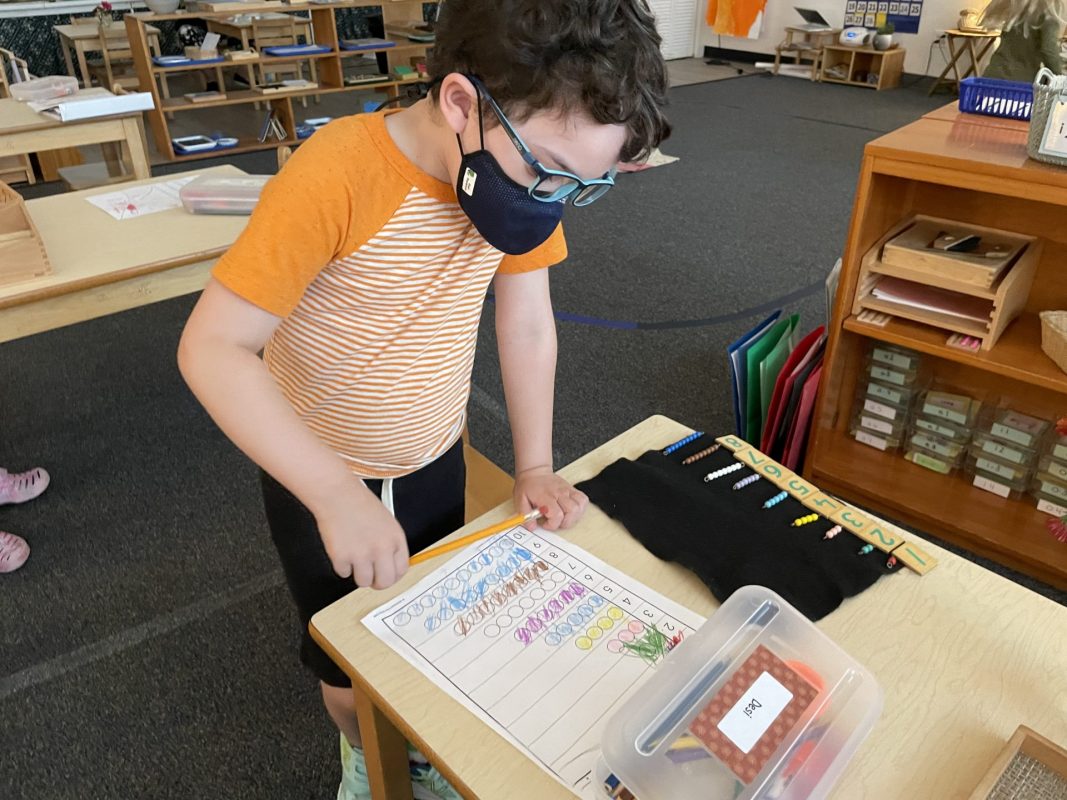
Normalization is the term Maria Montessori used to describe children who are able to concentrate, choose work, and work productively in their Montessori classroom.

Montessori identified that children are normalized when they are able to exercise self-discipline and peace. As with all things developmental, each child’s journey to normalization happens on their own timetable.

We observe normalization happen in three stages. The first stage is when a child does something because they want to. We see this stage most often in our youngest students. As children mature, we see them do things that are asked of them. That is the second stage. In the third stage, the child does something because they know it is the right thing to do. These children not only know the what the rules are, they choose to follow the rules because they know it will bring peace and a sense of harmony to their environment.

Our classrooms are structured to guide the child through the stages of normalization naturally and gracefully.

Normalization cannot be rushed or forced. Each and every child is a unique individual with a unique timeline of development. The materials present learning challenges gradually and allow for repeated practice and a control of error – meaning they are self-correcting. This gives the child the opportunity to learn to develop focus and concentration.

The teacher in a Montessori classroom is a calm, caring presence who guides with positive redirection to help children acquire independence.

 Parents, thank you for your attendance at our Virtual Curriculum Nights.  It is always a pleasure for me to attend and listen as teachers celebrate their enthusiasm for their craft, offer inspiration as they share their knowledge of their programs, and share their genuine love for the children they work with everyday. We hope you enjoyed a peek into your child’s day. 

Staffing Updates 

Please  welcome Michelle Crumb to FWM’s After School Program. Michelle has over 12 years experience working with children. Her passion is early childhood education.

Please welcome Valdete Biba to Mrs. Wilson’s toddler classroom. Valdete is an experienced Montessori assistant teacher. She brings her passion for Montessori education to our toddler program.