Blog

Ms. Mollie: Snowy Day!

This was a short week in our classroom, and with some time out due to illness, there are only a few photos to capture our days. Still, one shining moment stands out so clearly.
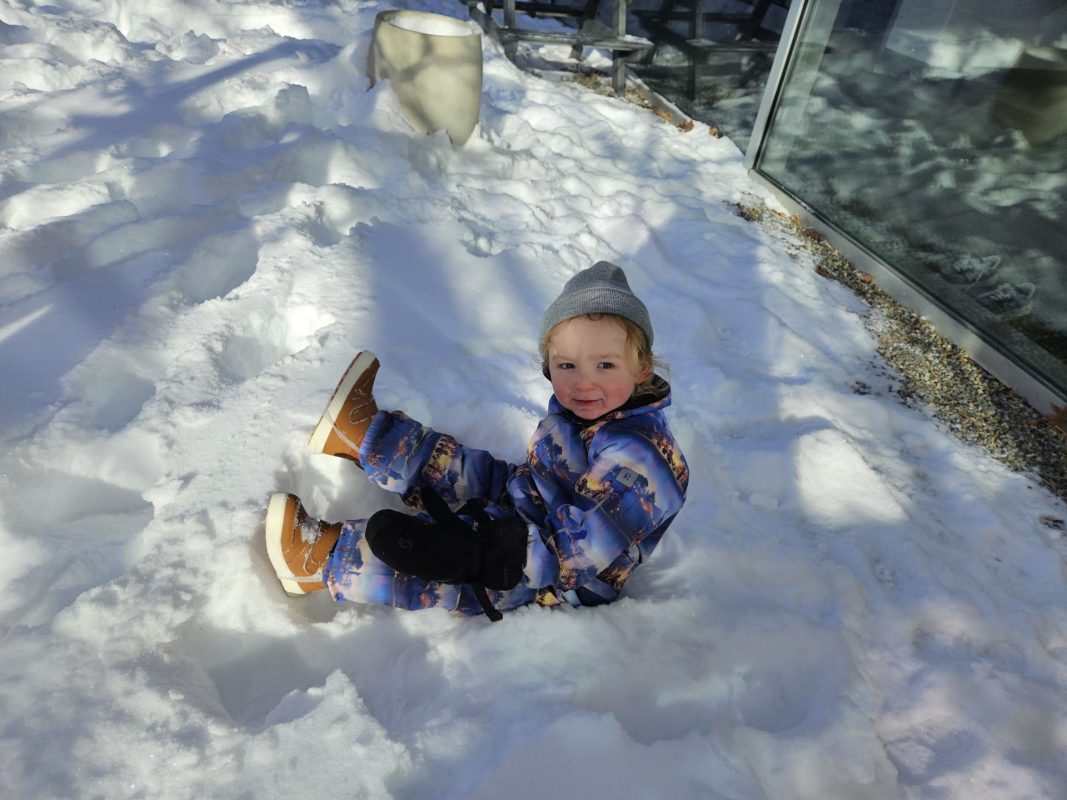
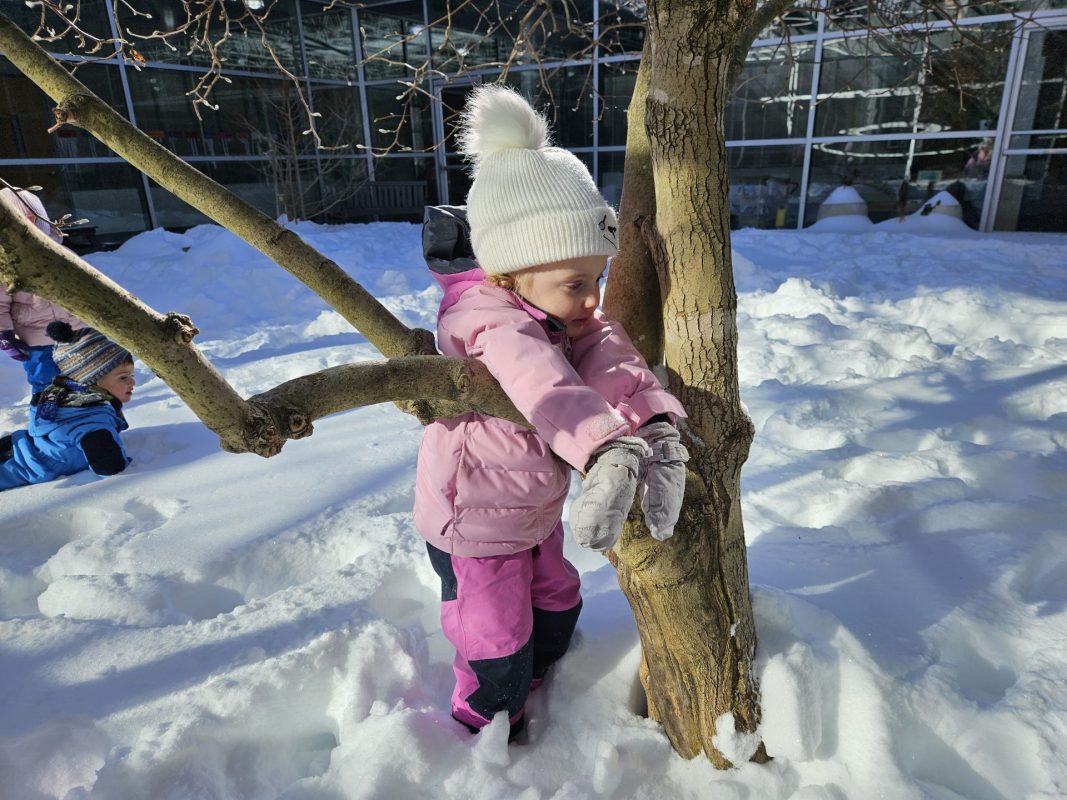
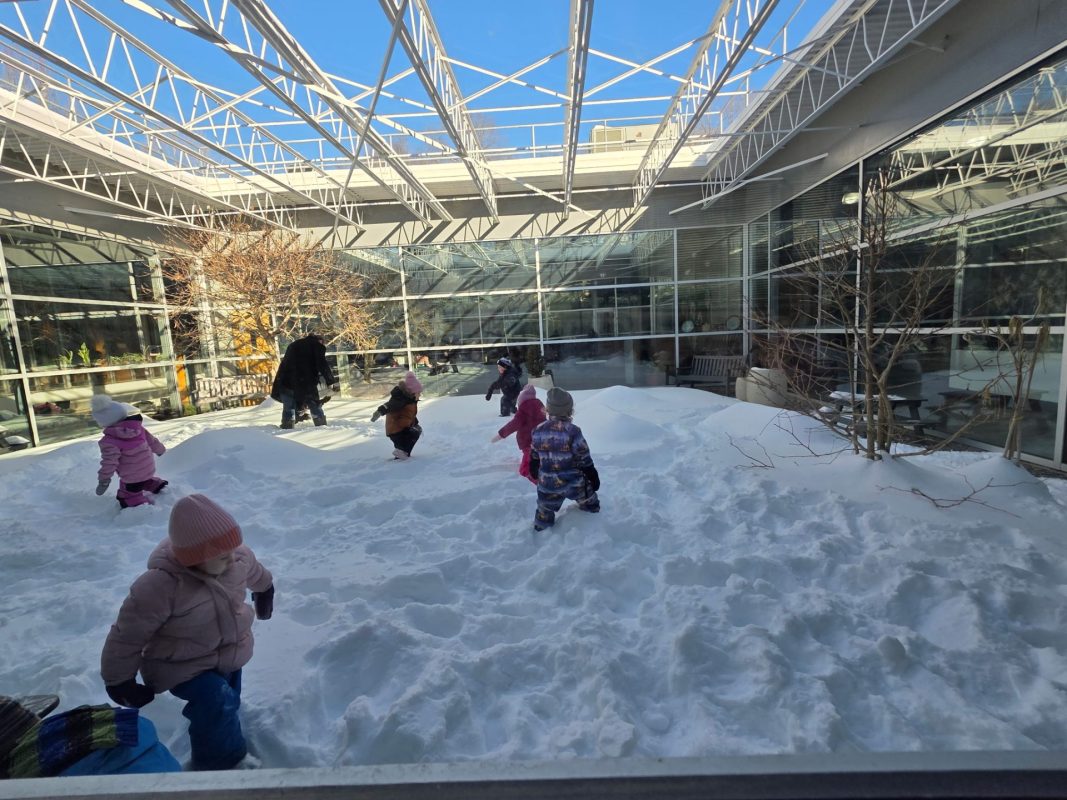
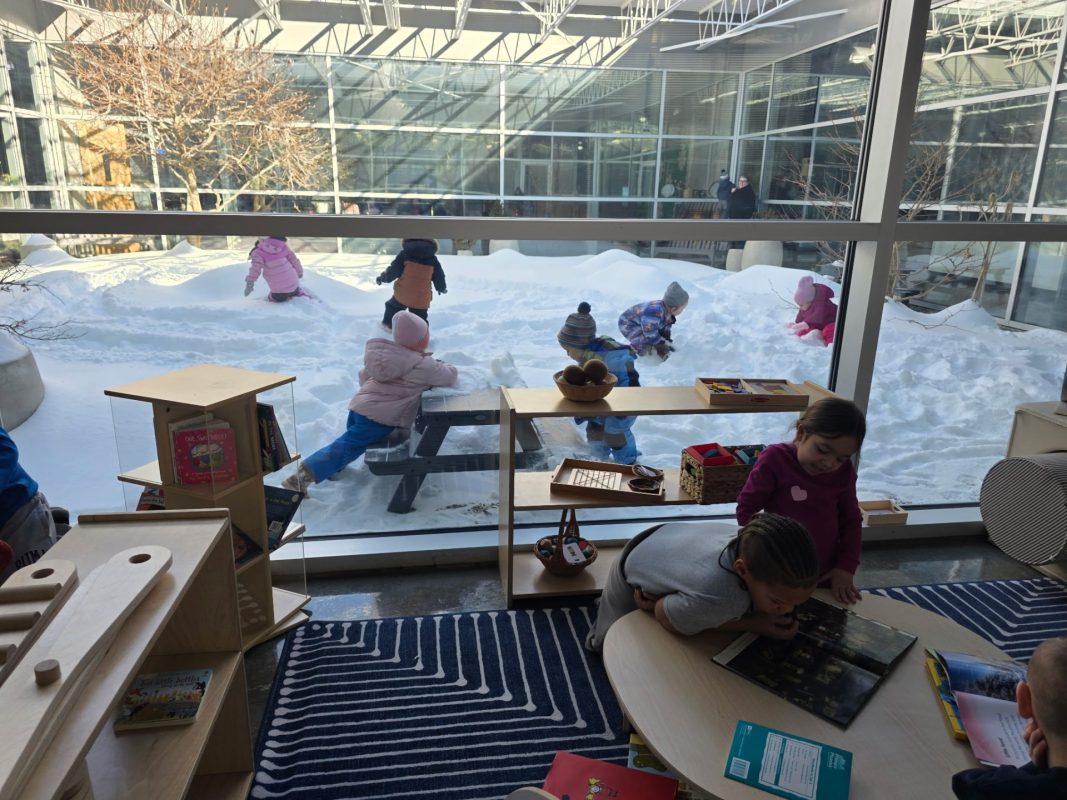
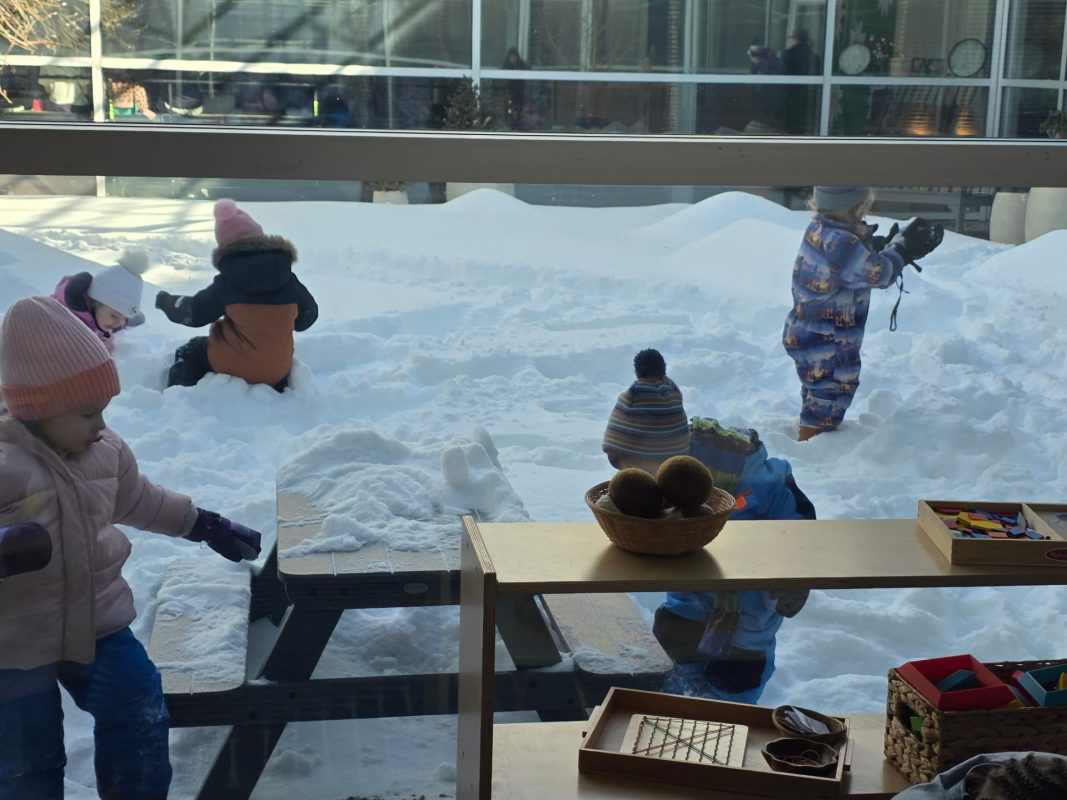
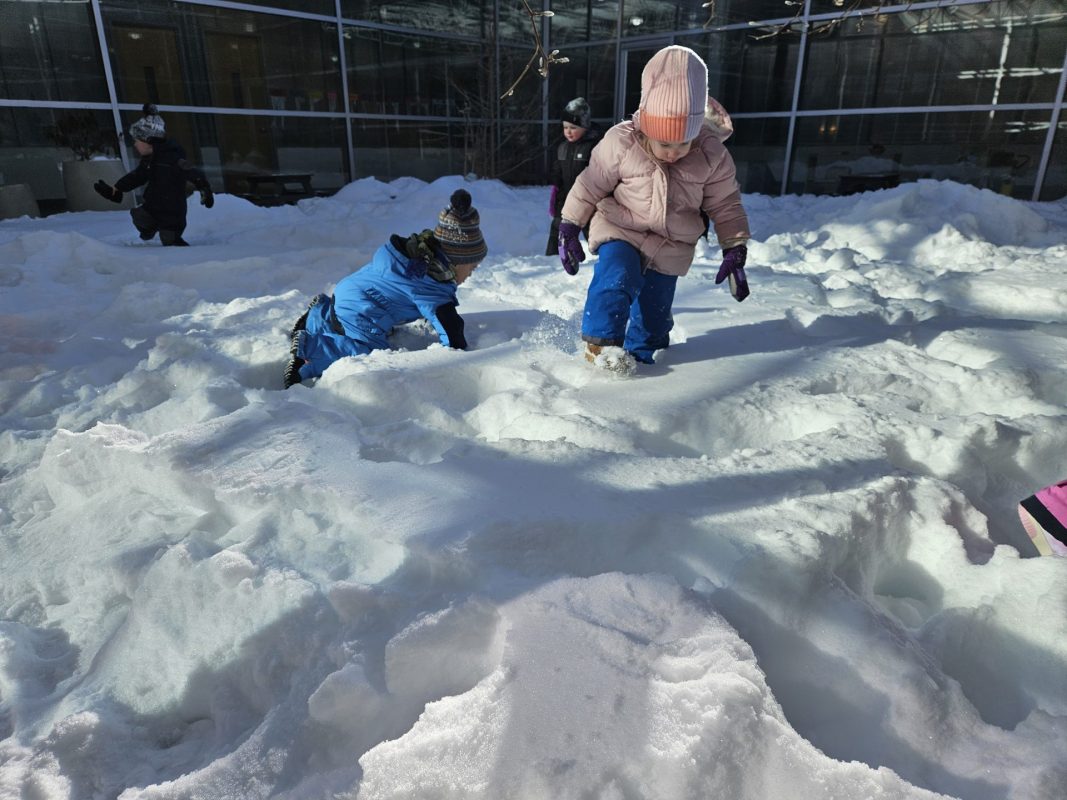
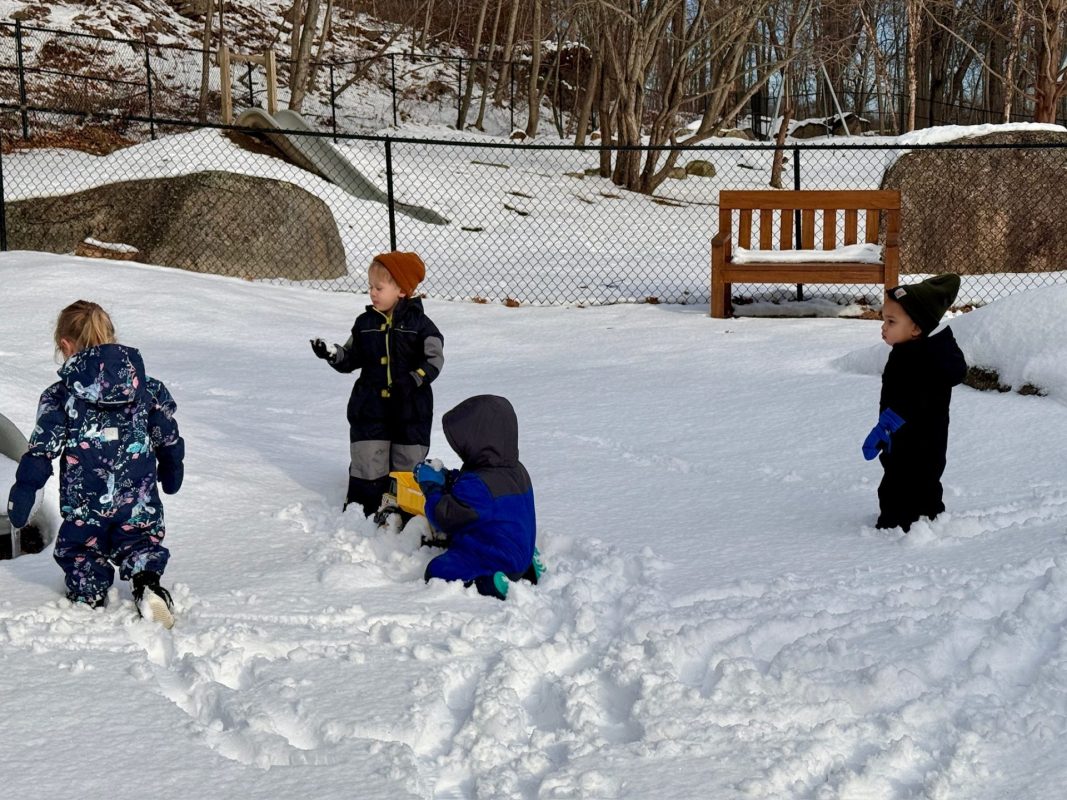
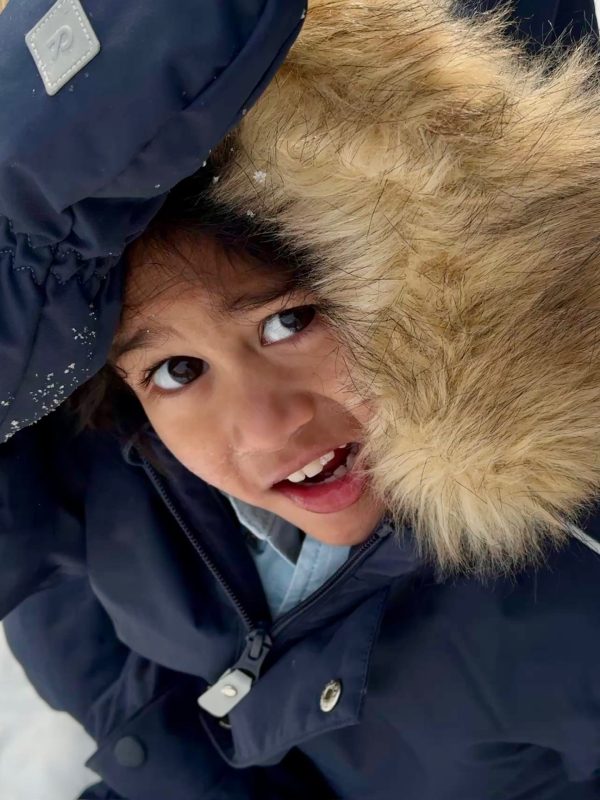
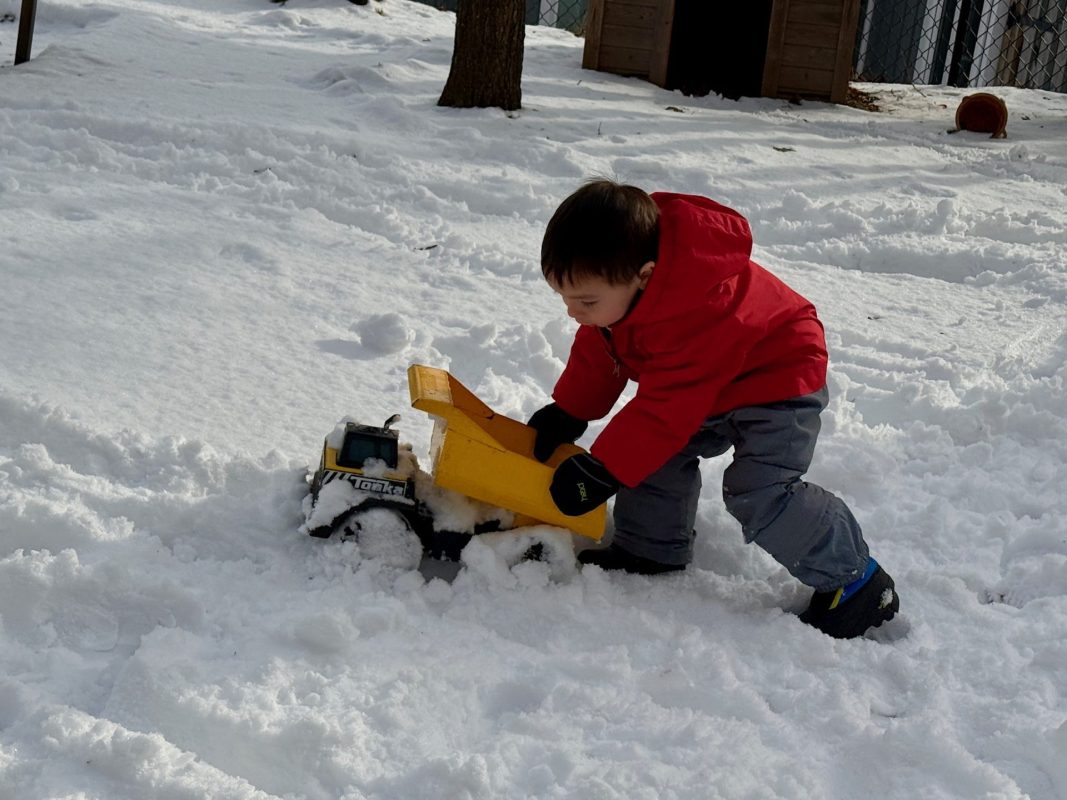
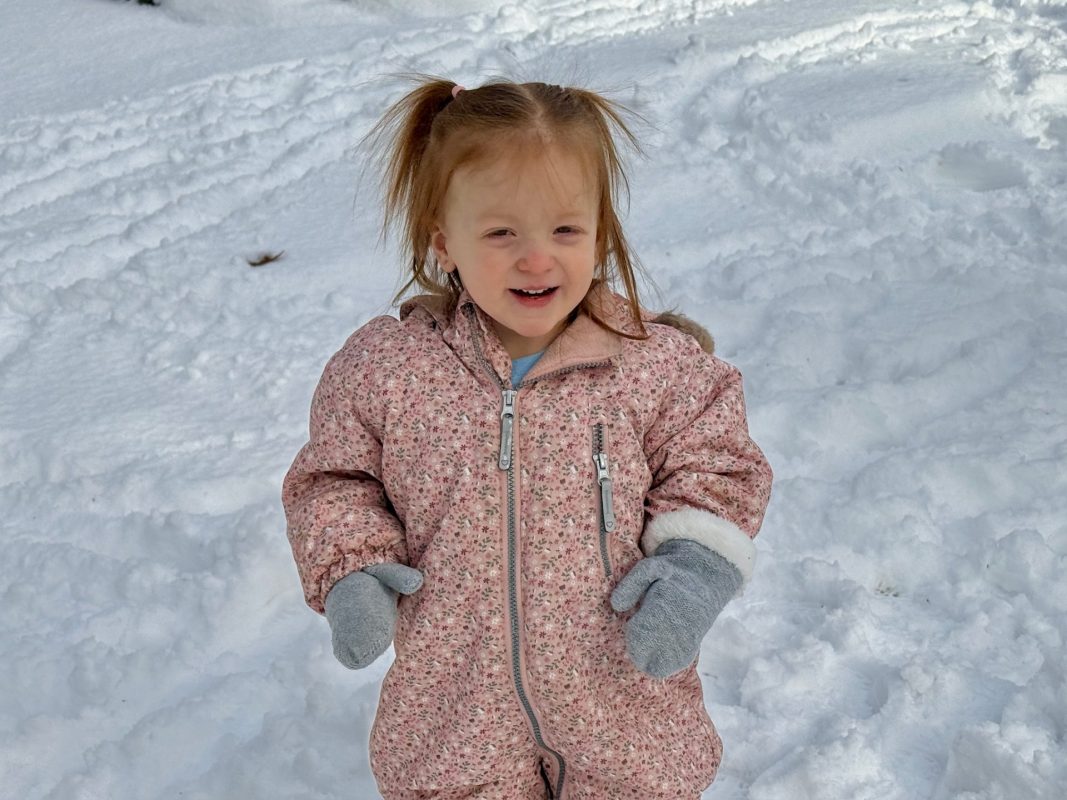
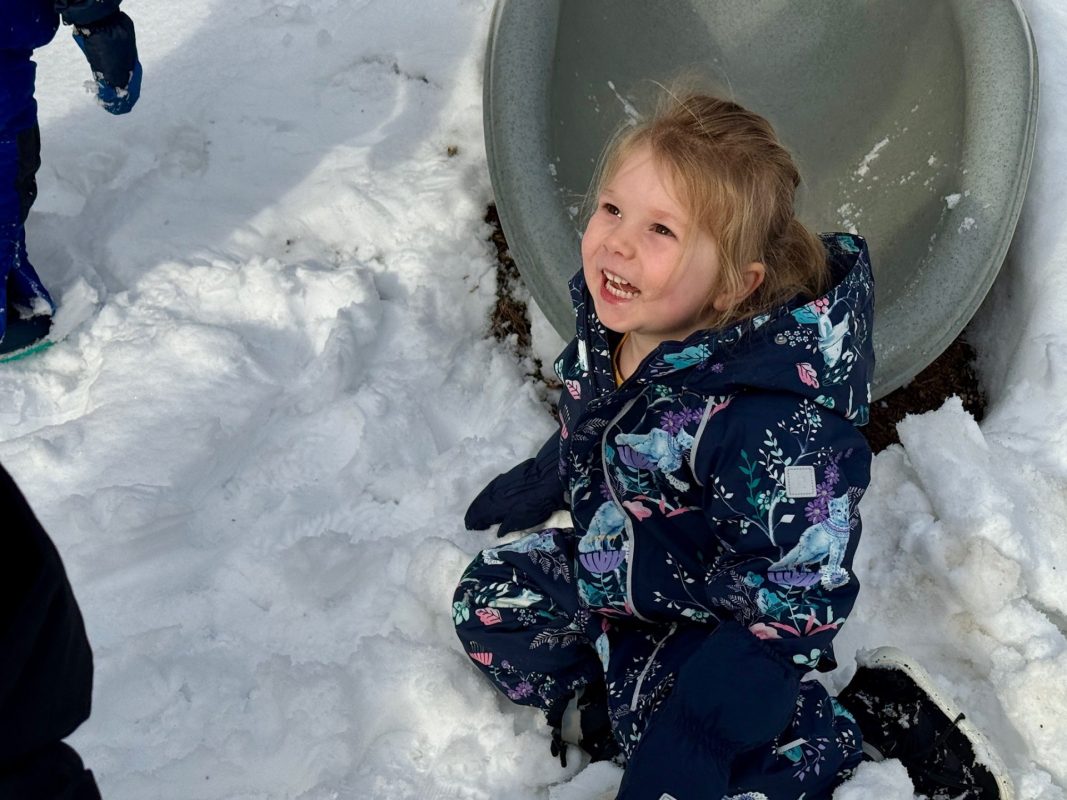
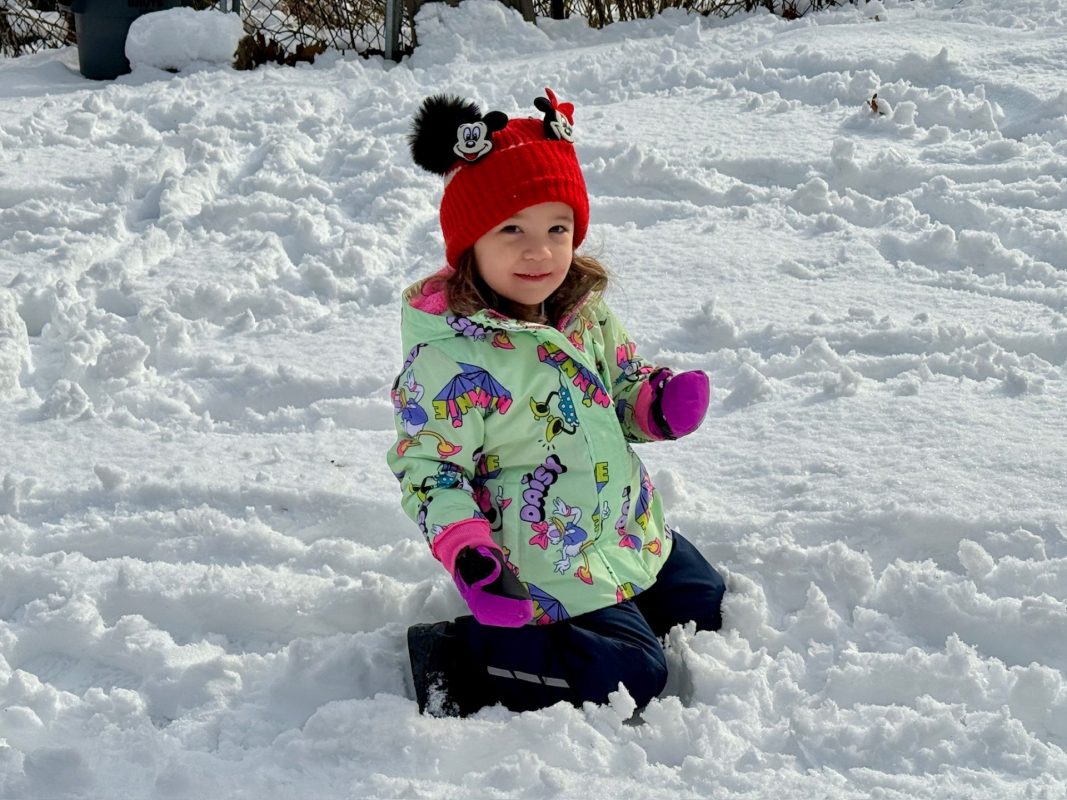
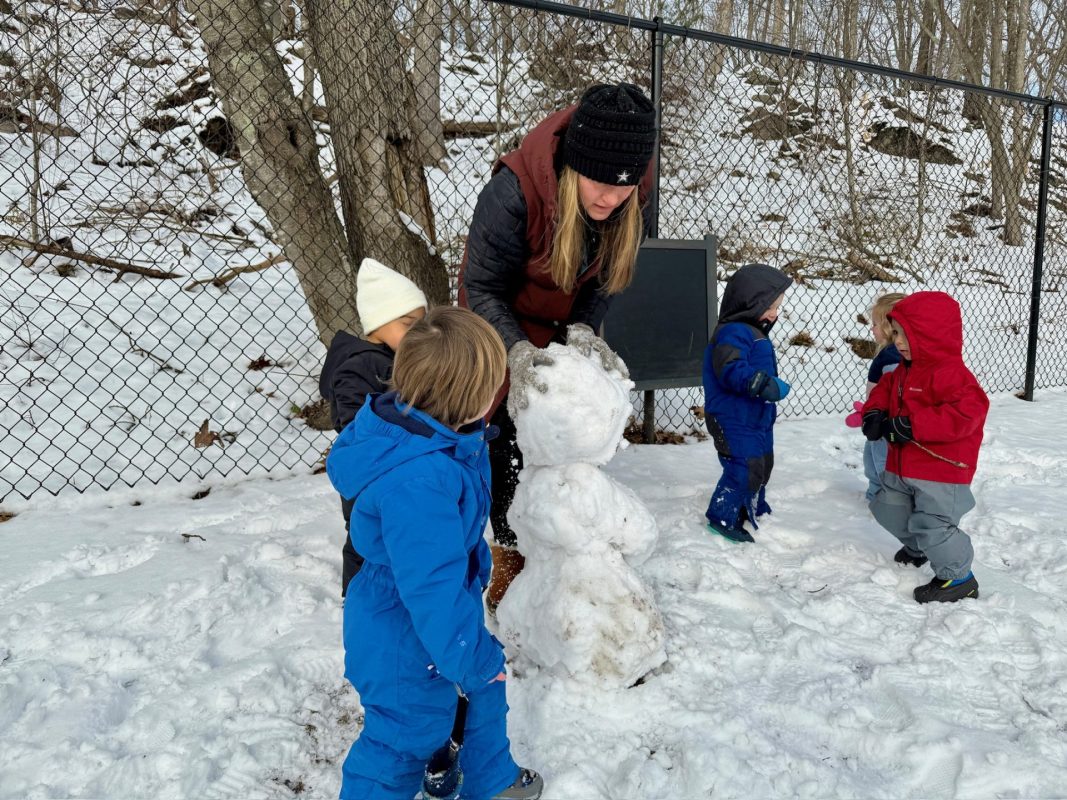
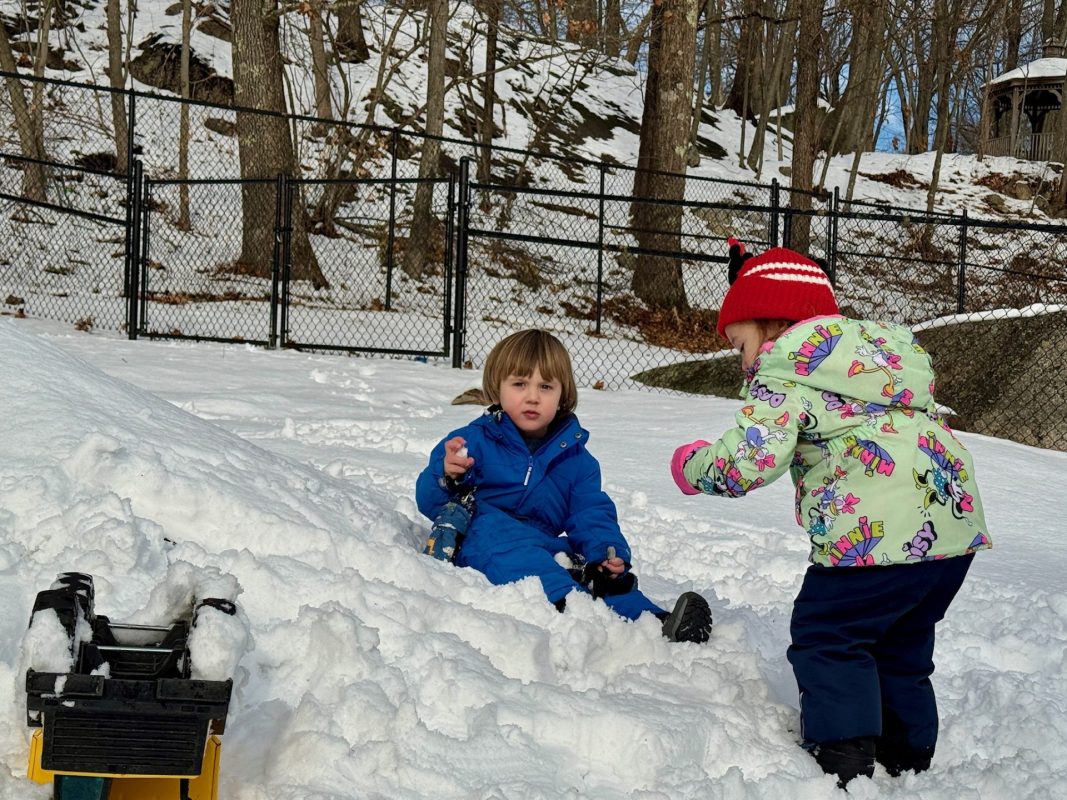
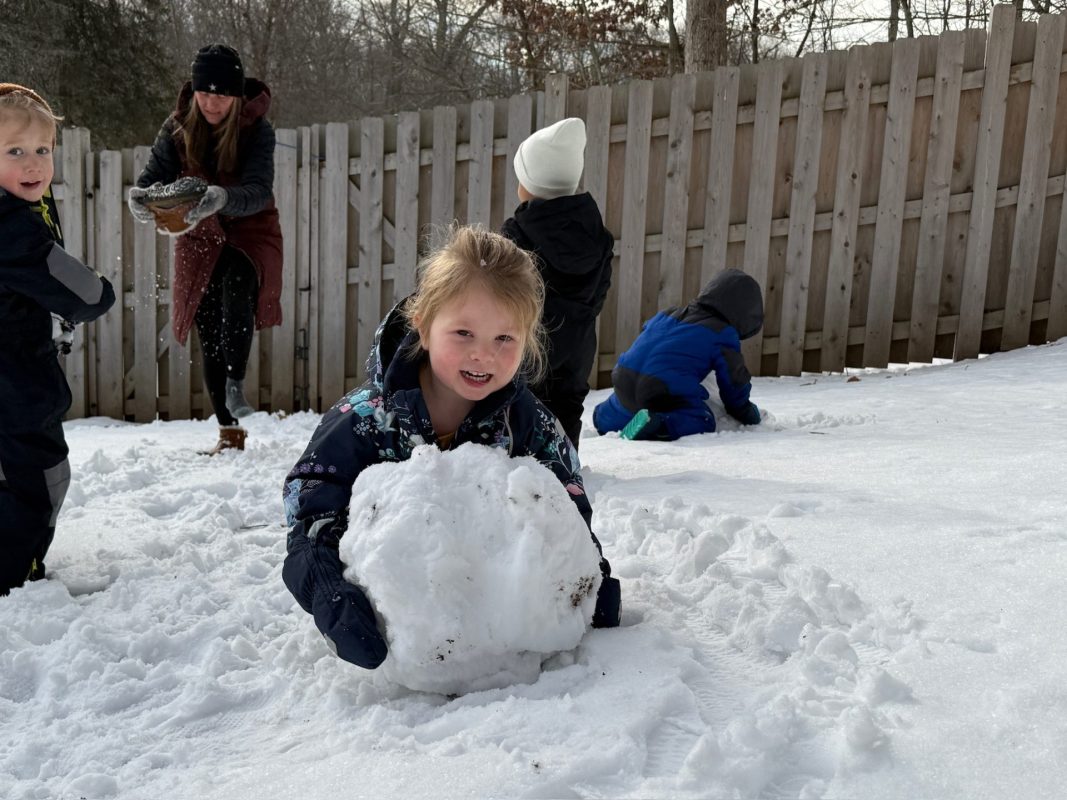
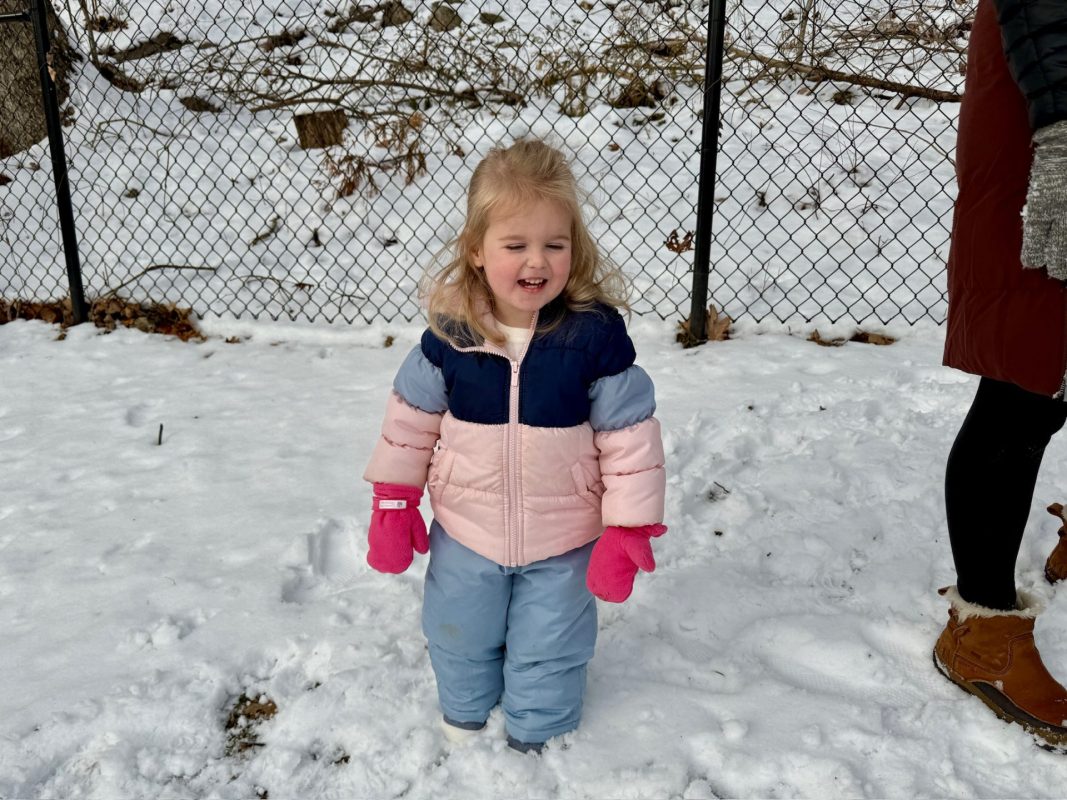
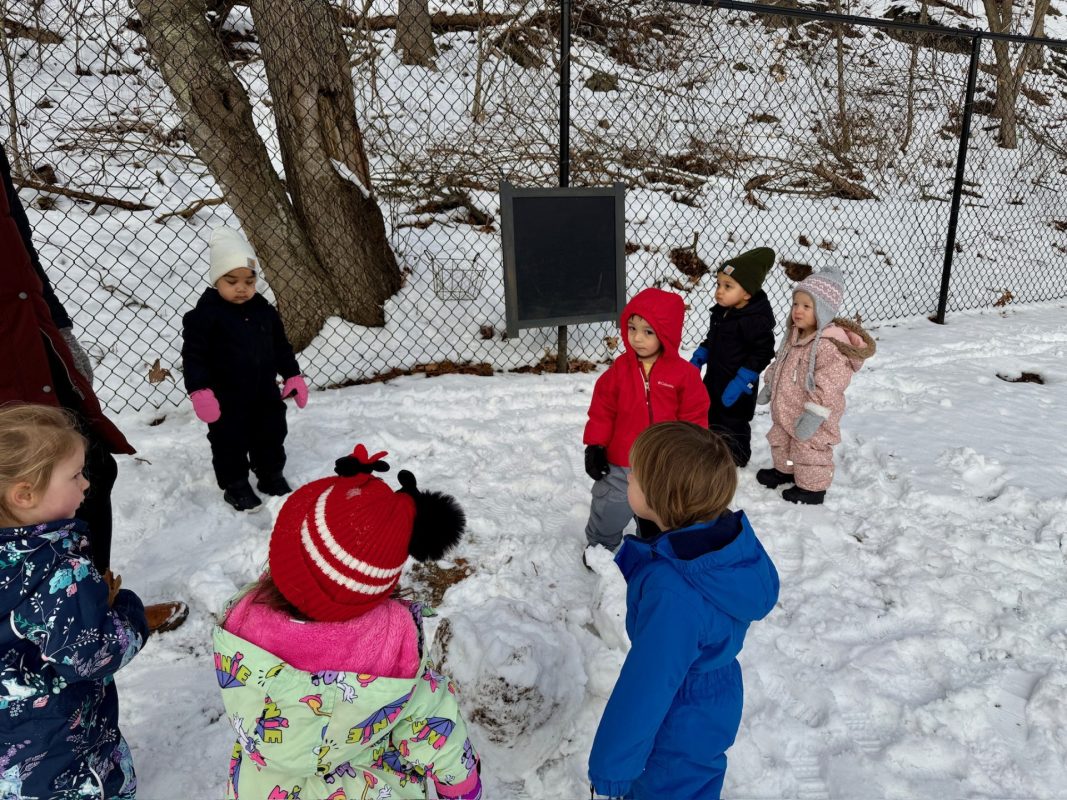
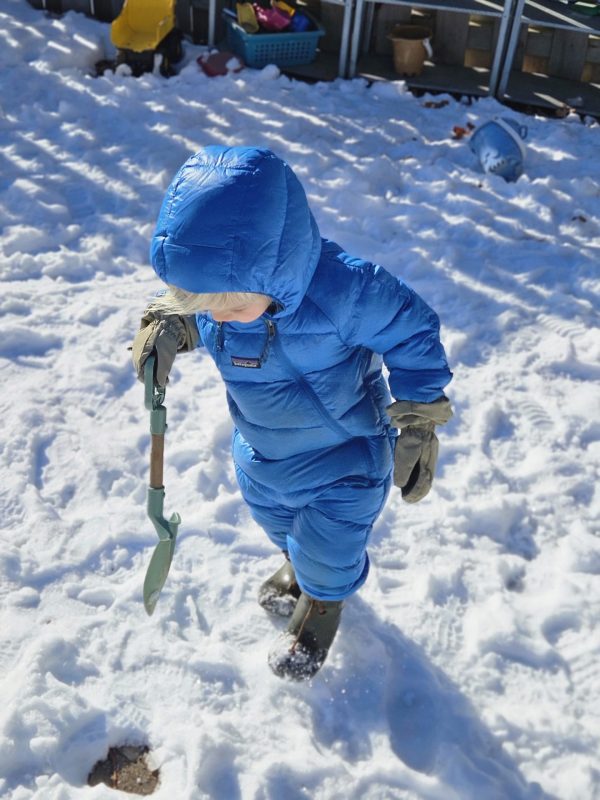
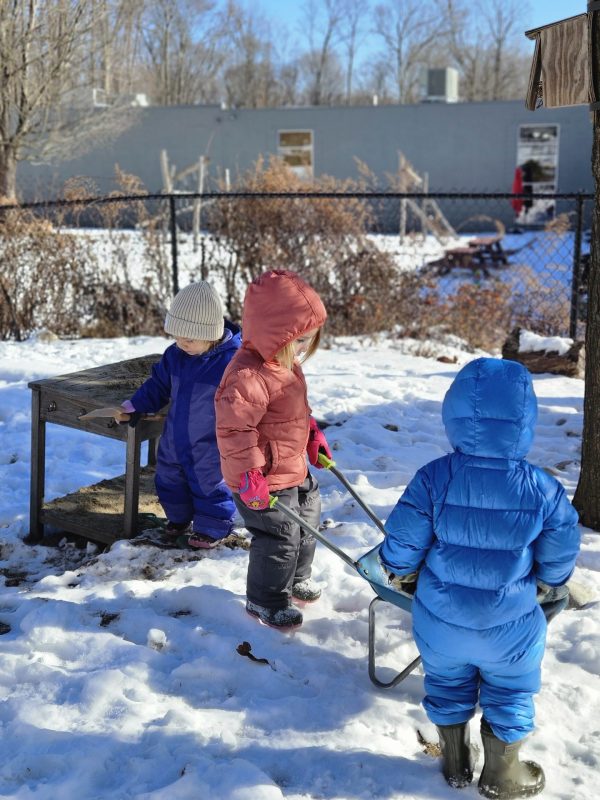
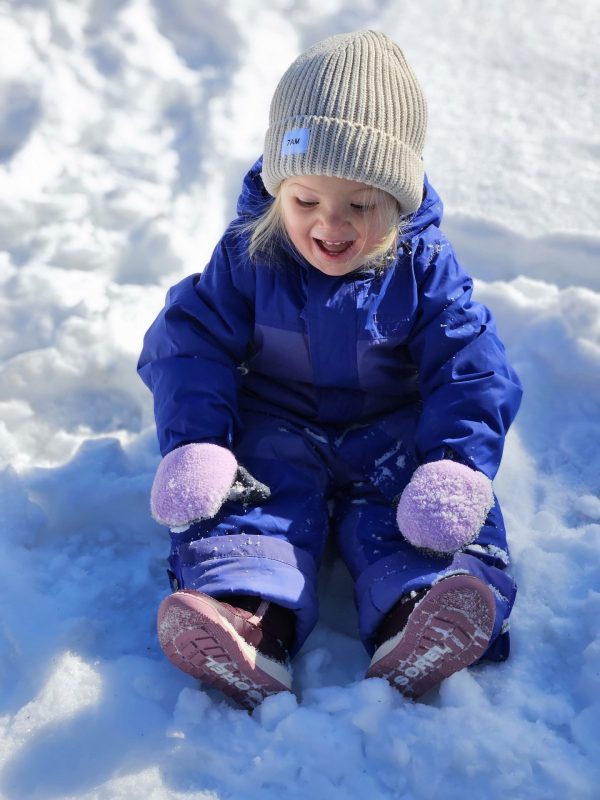
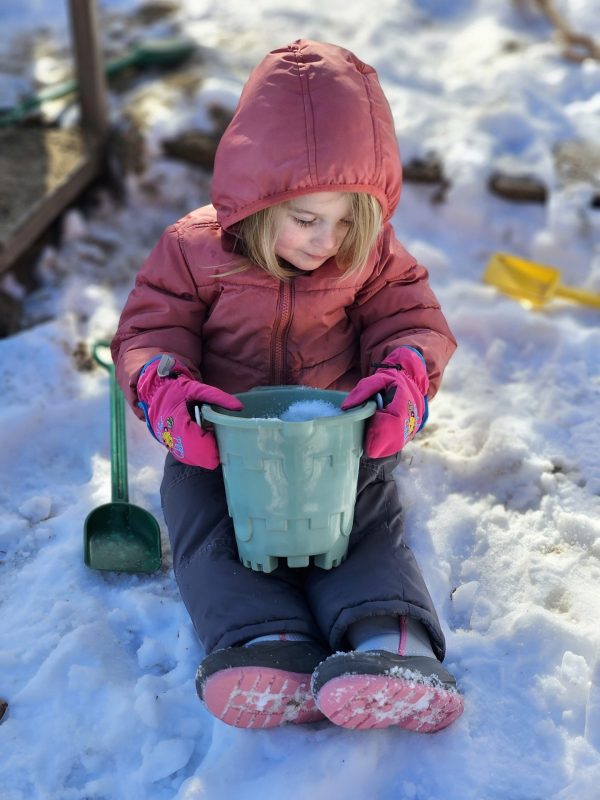
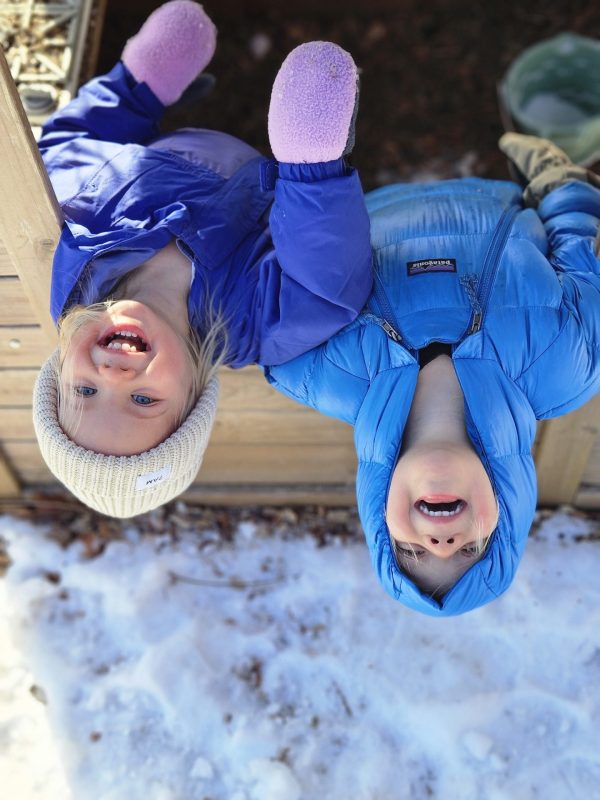
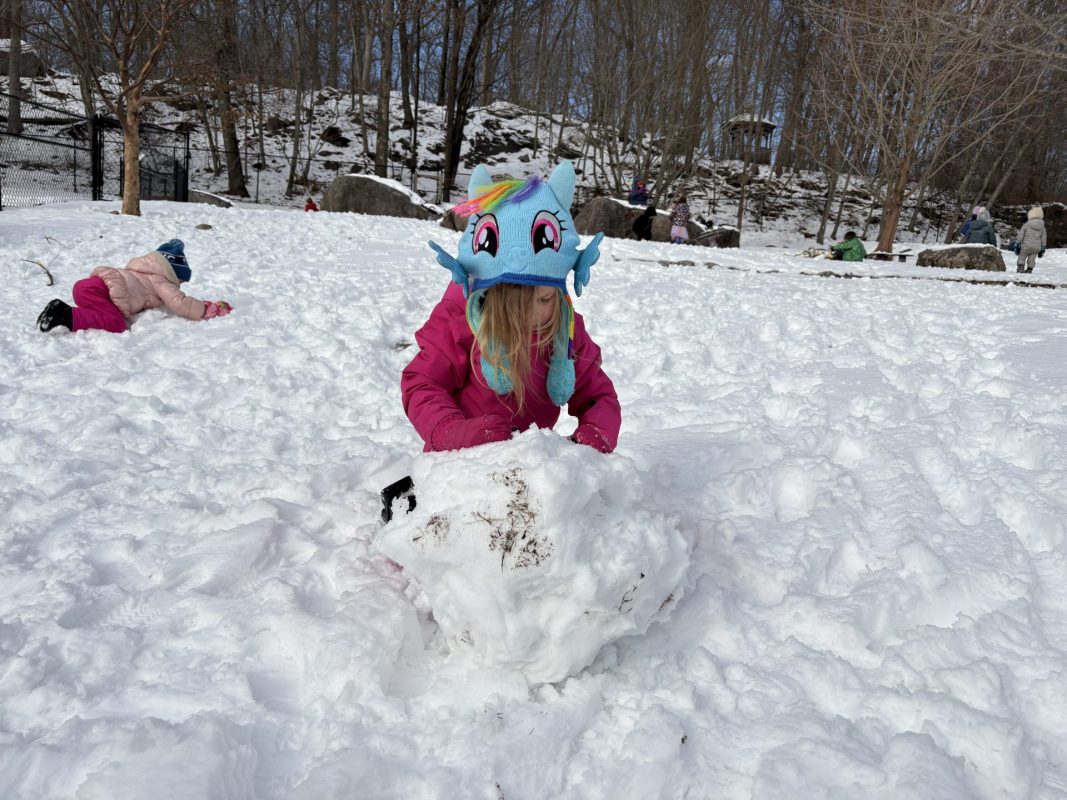
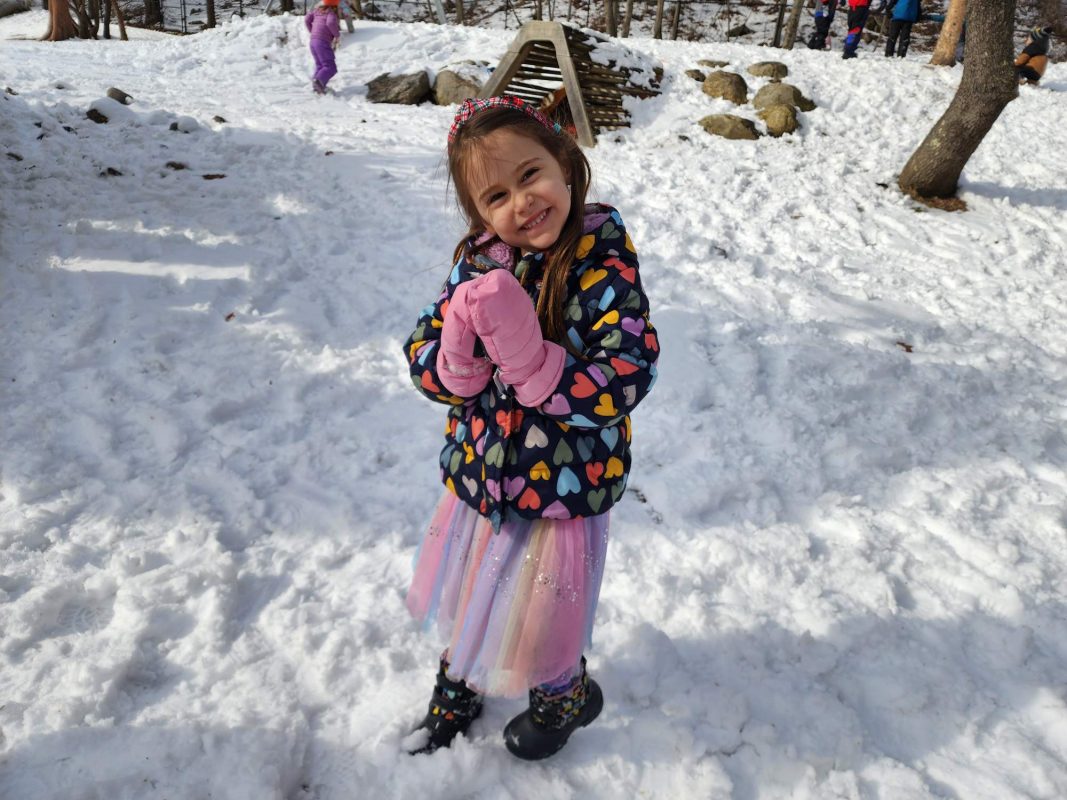
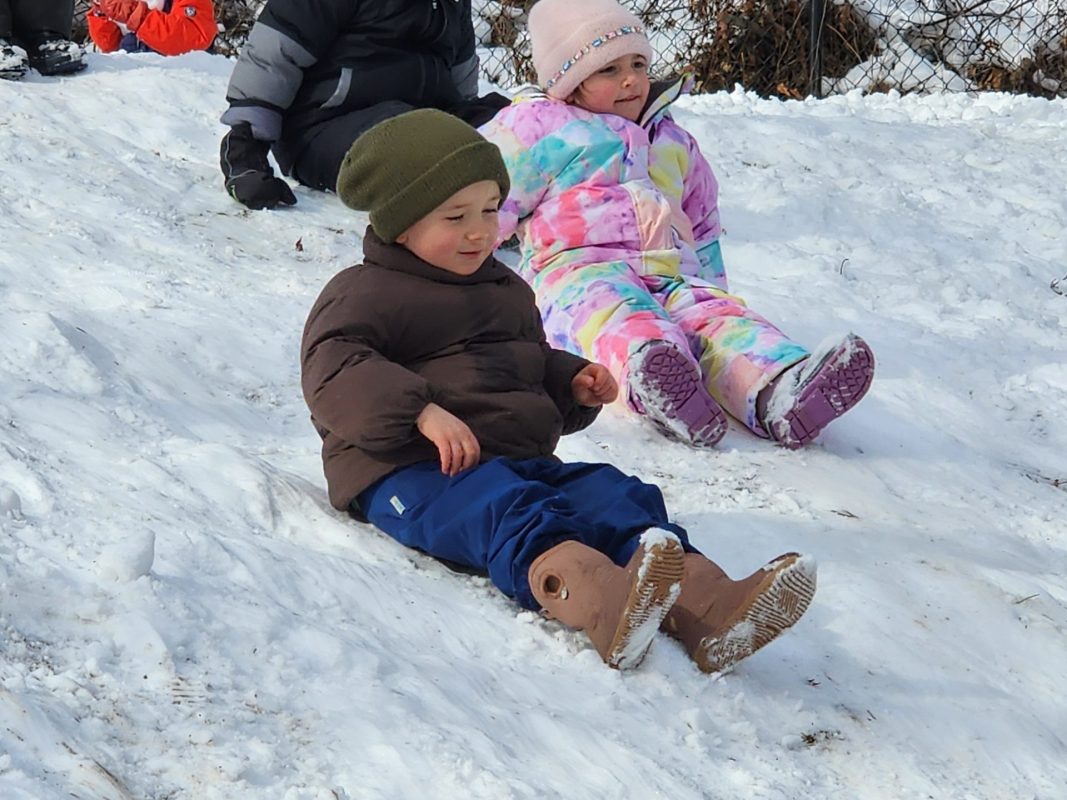
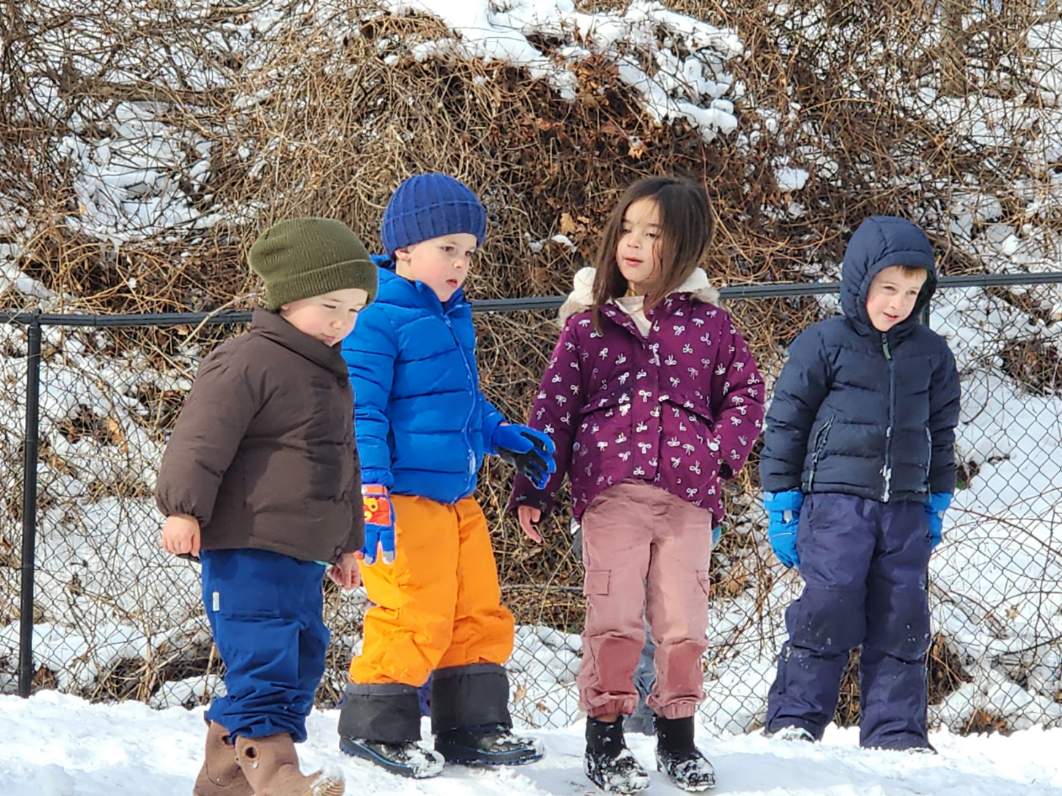
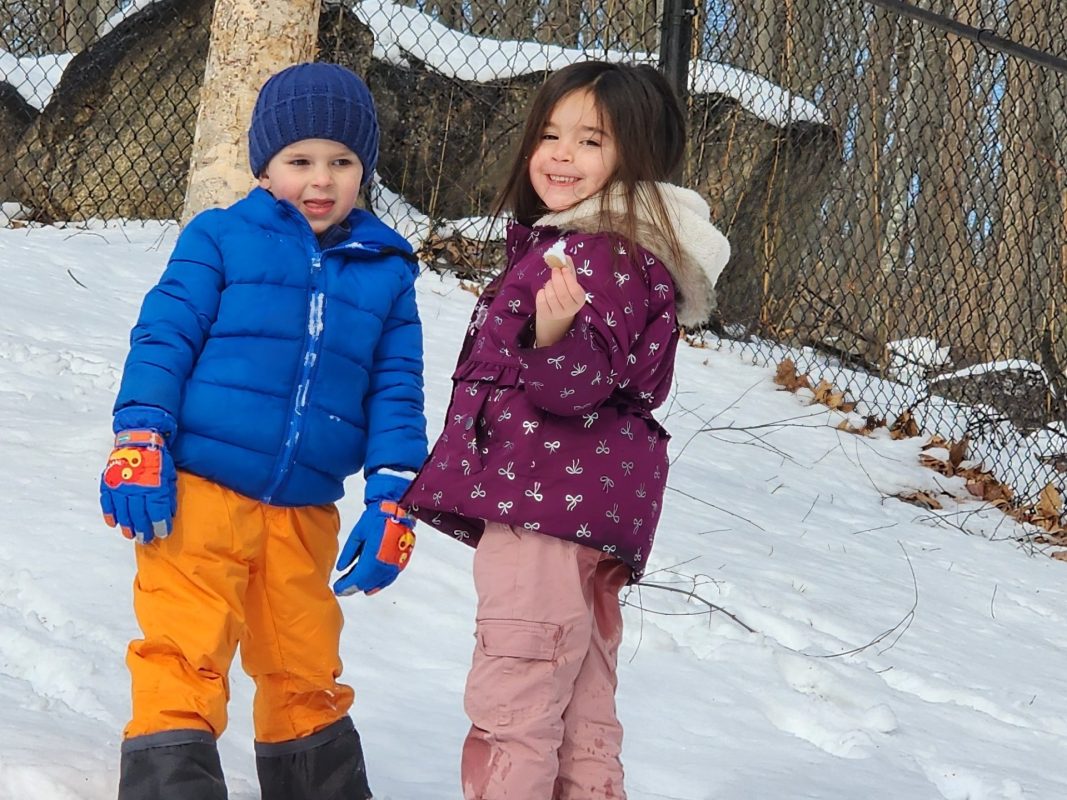
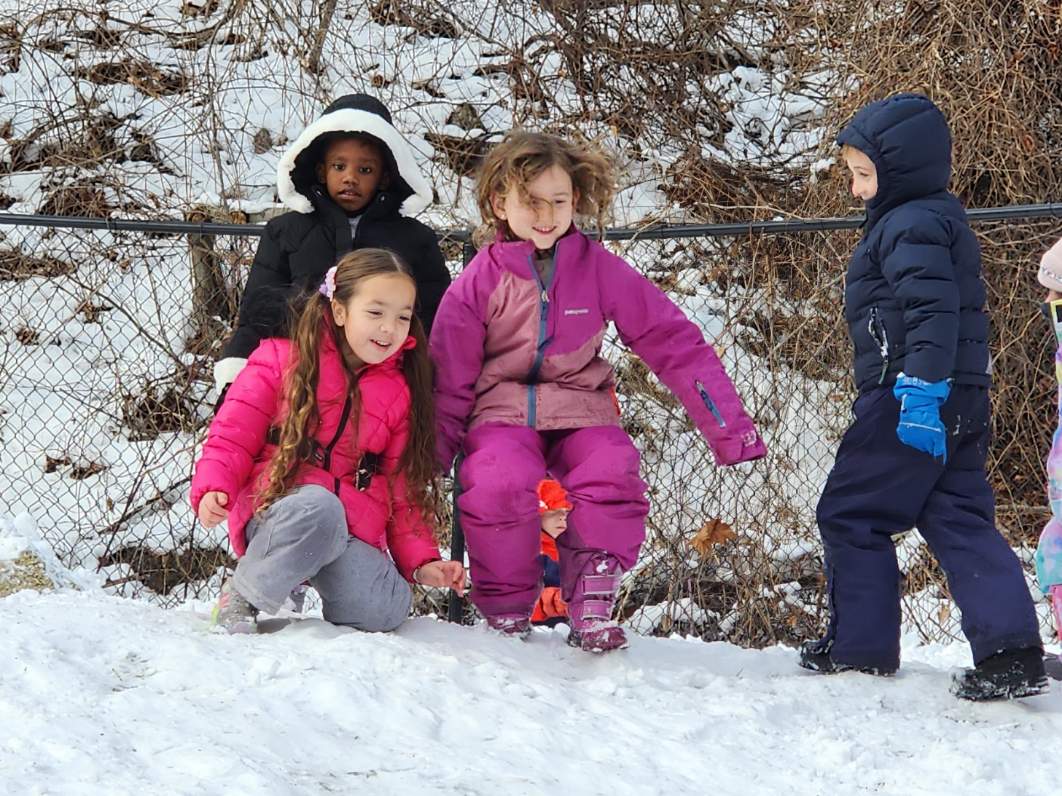
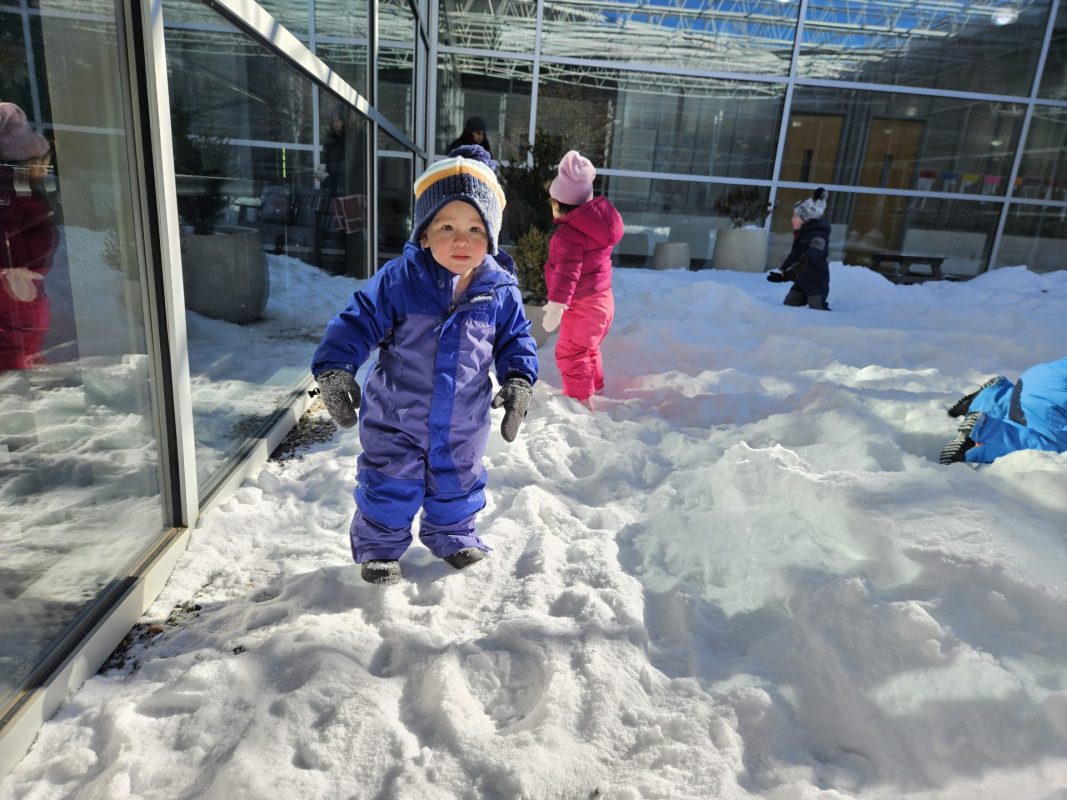
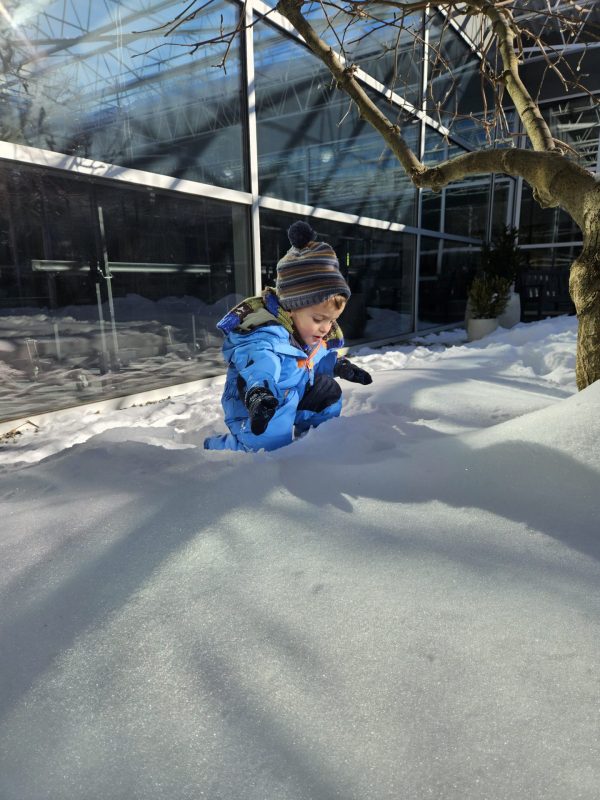
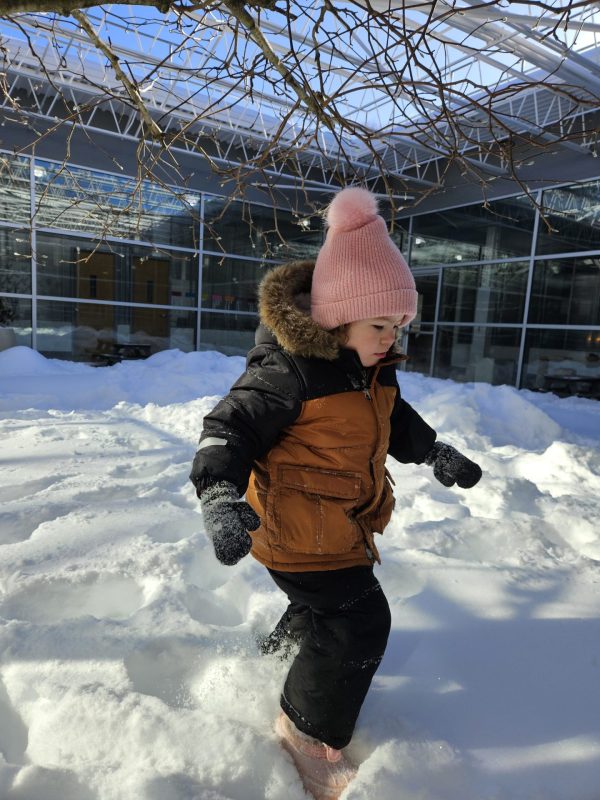
We bundled up and stepped into the snow-covered Zen garden here at Fraser Woods, protected from the wind and wrapped in stillness. For a few peaceful minutes, the children played in the deep snow, scooping, stepping, and simply being. In the Montessori world, this is called BIG work. Playing in this type of snow engaged the children’s minds and bodies and gave a deep sensorial impression. The calm that followed was almost immediate. Our energy reset, our bodies settled, and our hearts felt lighter.
This small moment was a gentle reminder of the importance of going outside, even if only for a few minutes. Nature offers regulation, grounding, and quiet joy, sometimes exactly what we need most. ❄️🌿

With Full Hearts,

Ms. Mollie and Ms. Lizette


Ms. Vicki’s Weekly Update

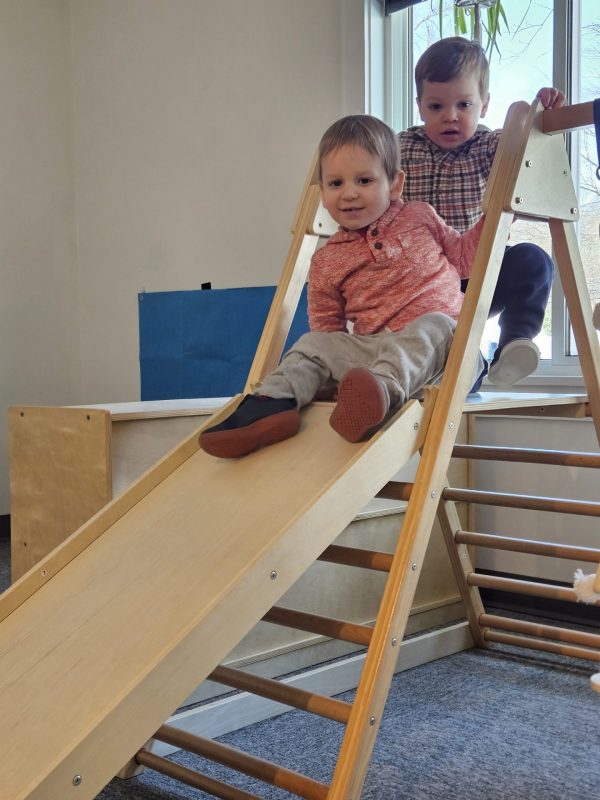
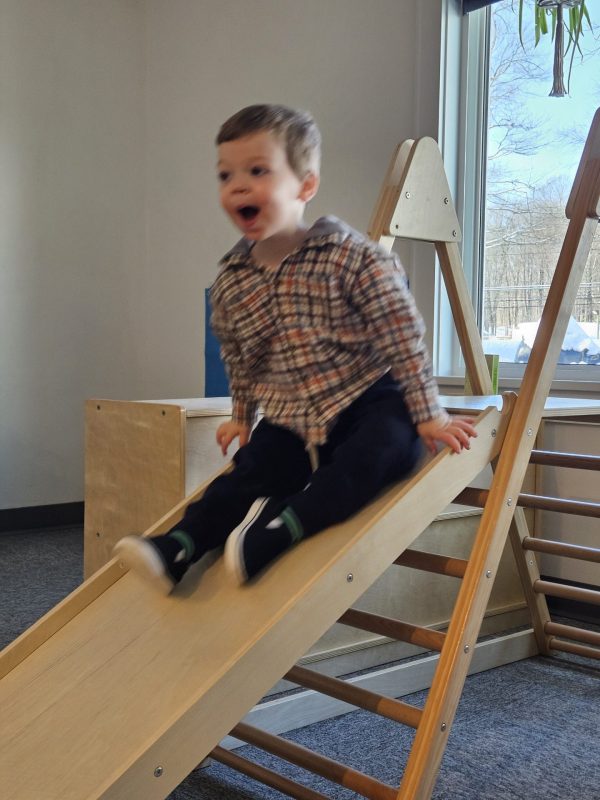
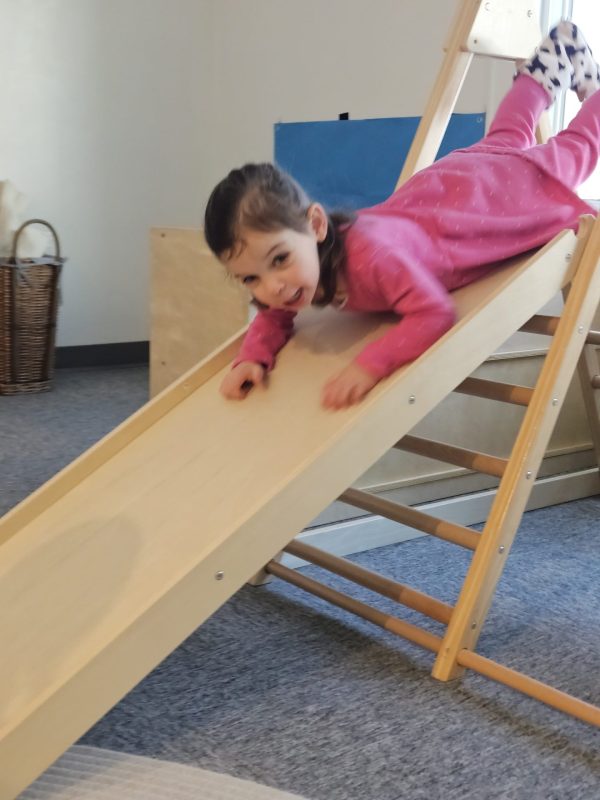
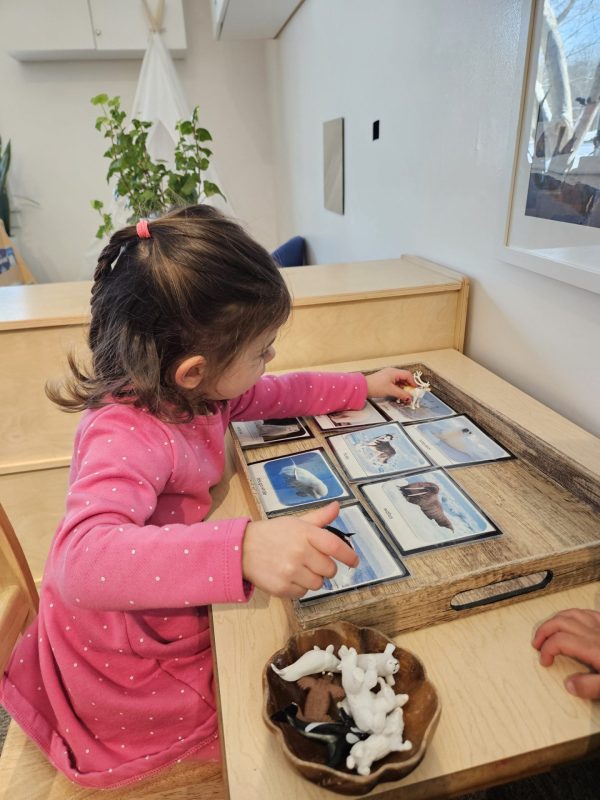
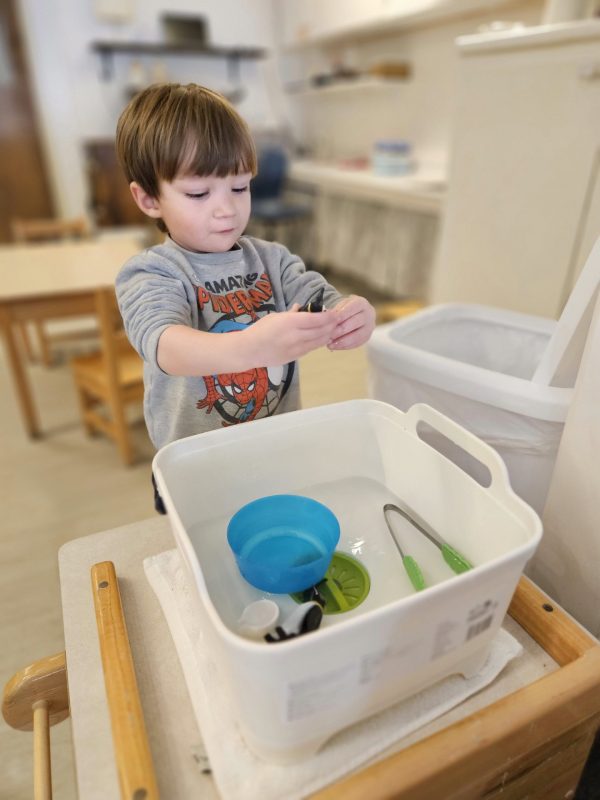
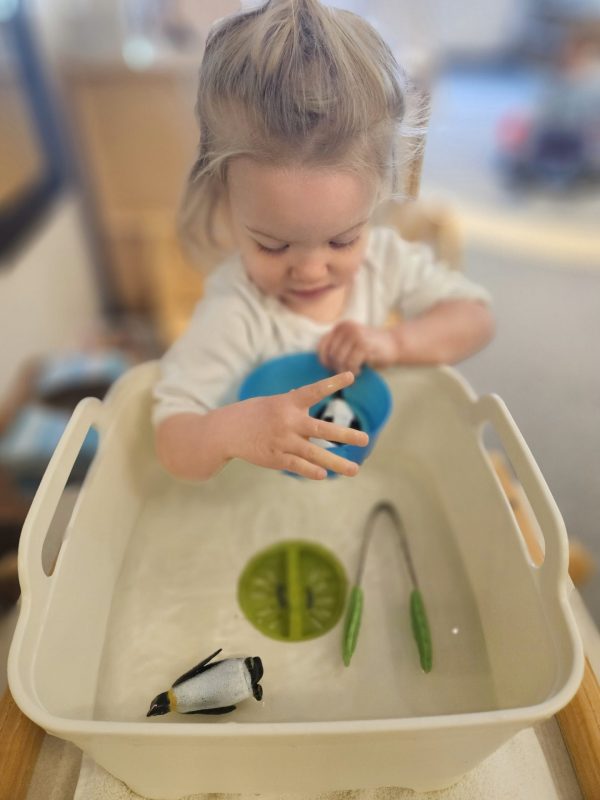
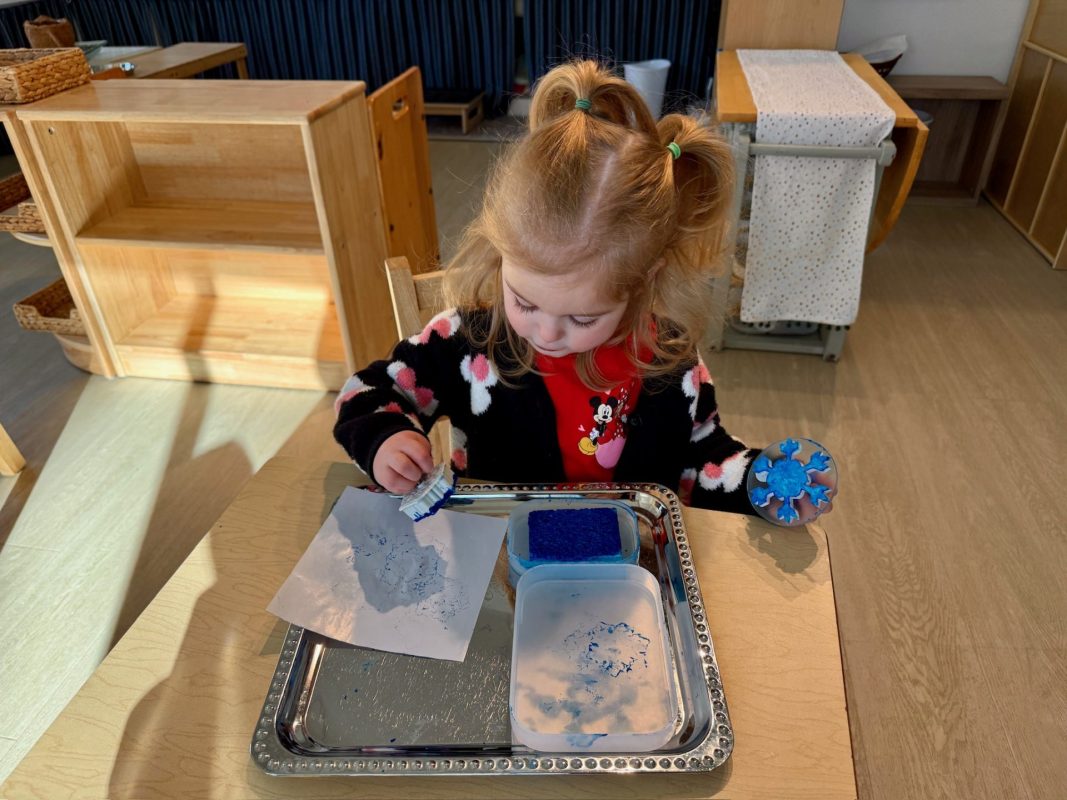
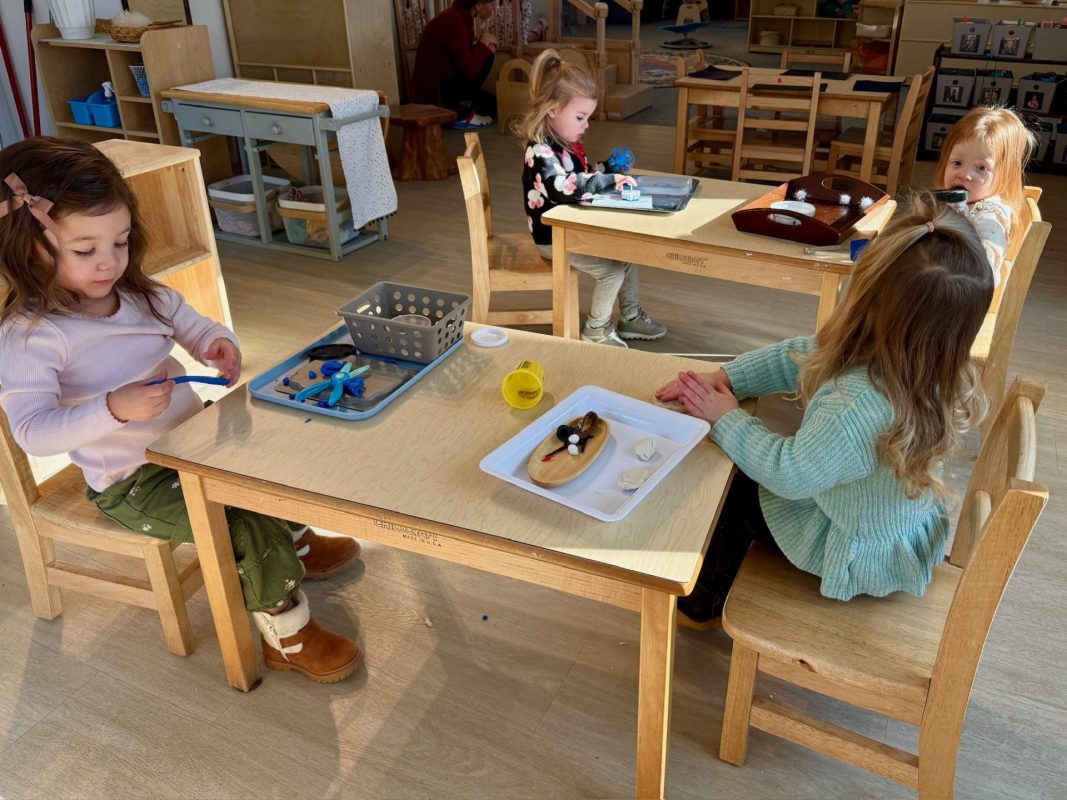
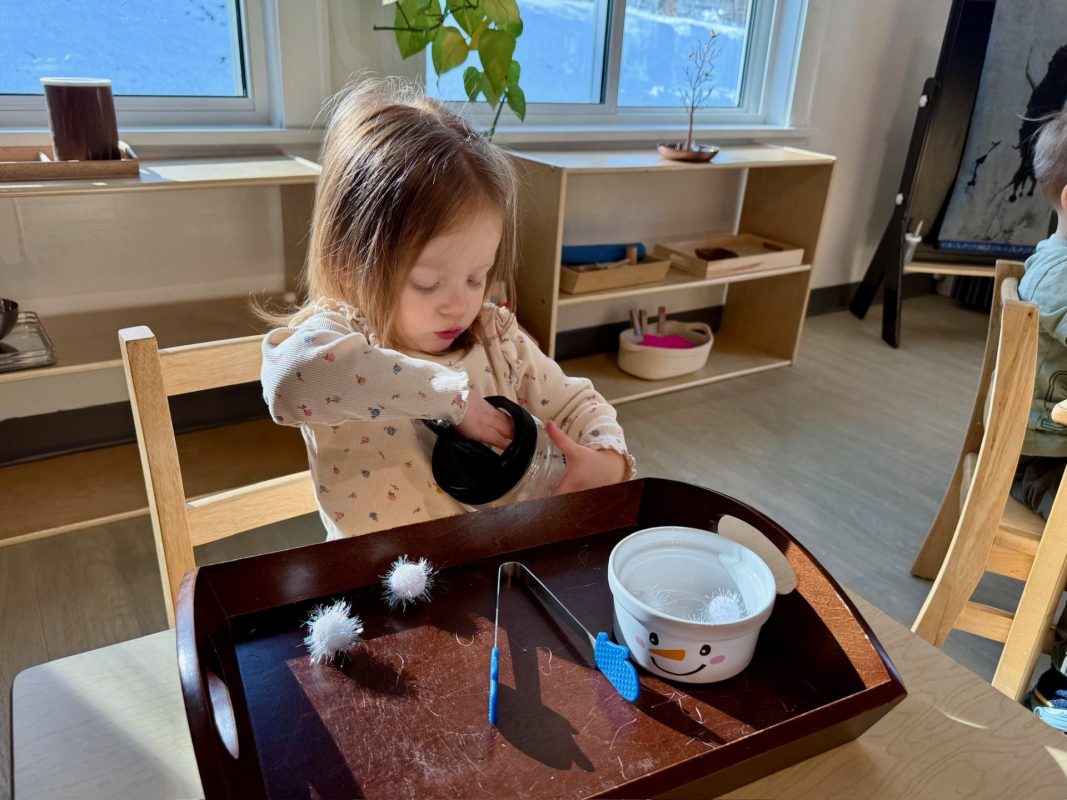
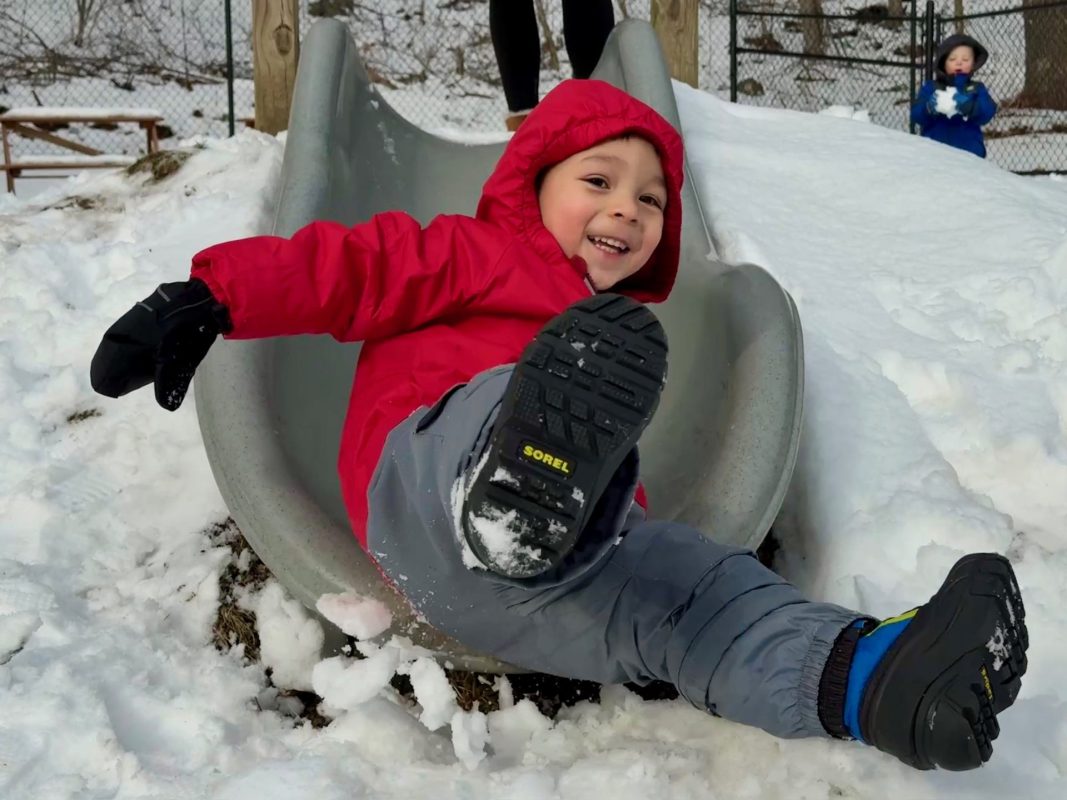
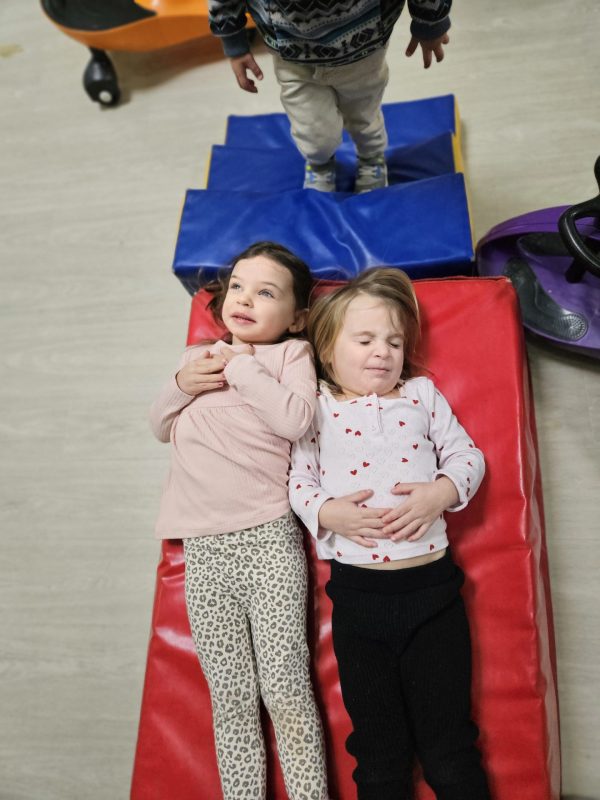
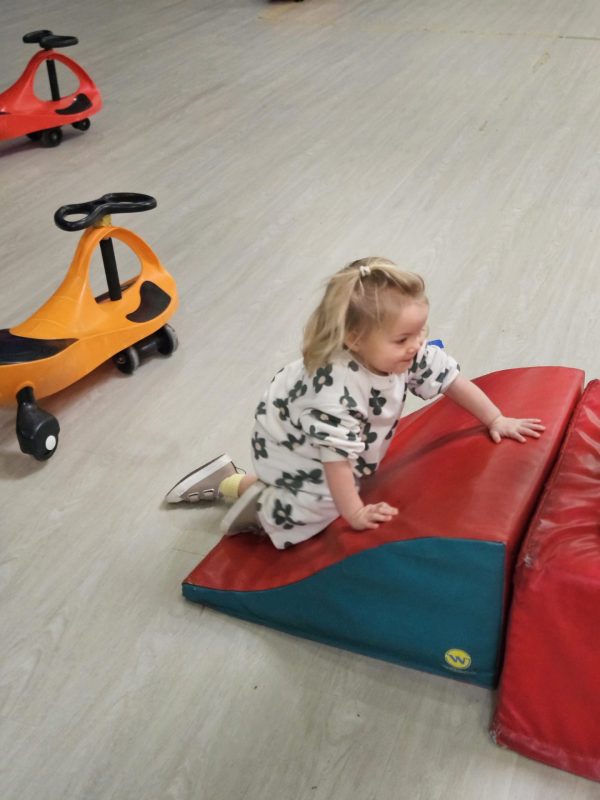
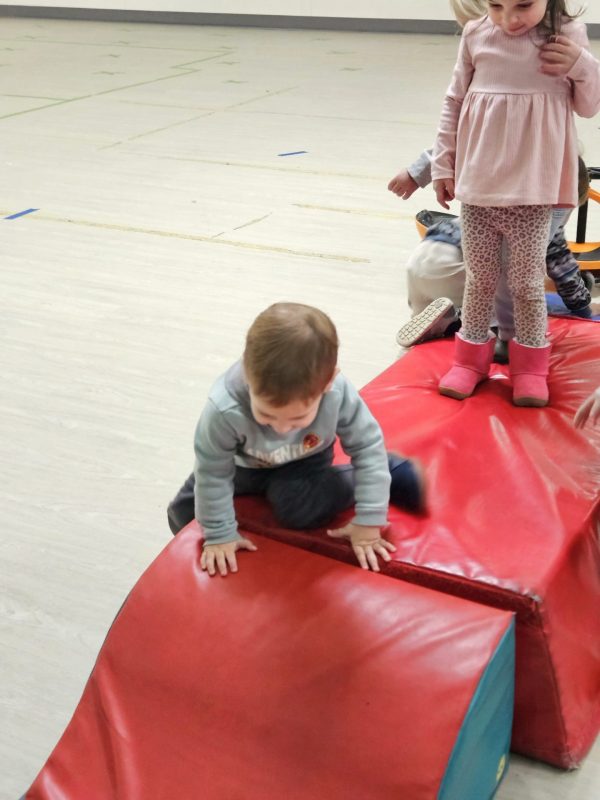
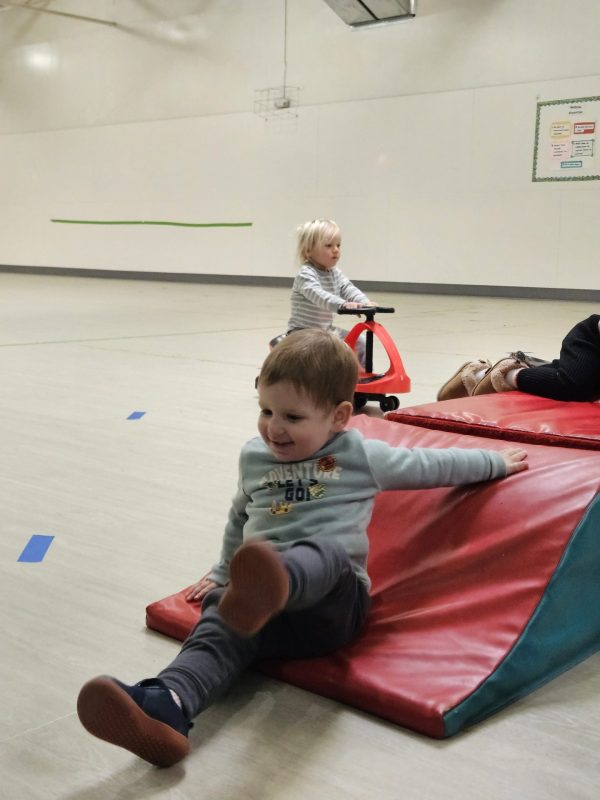
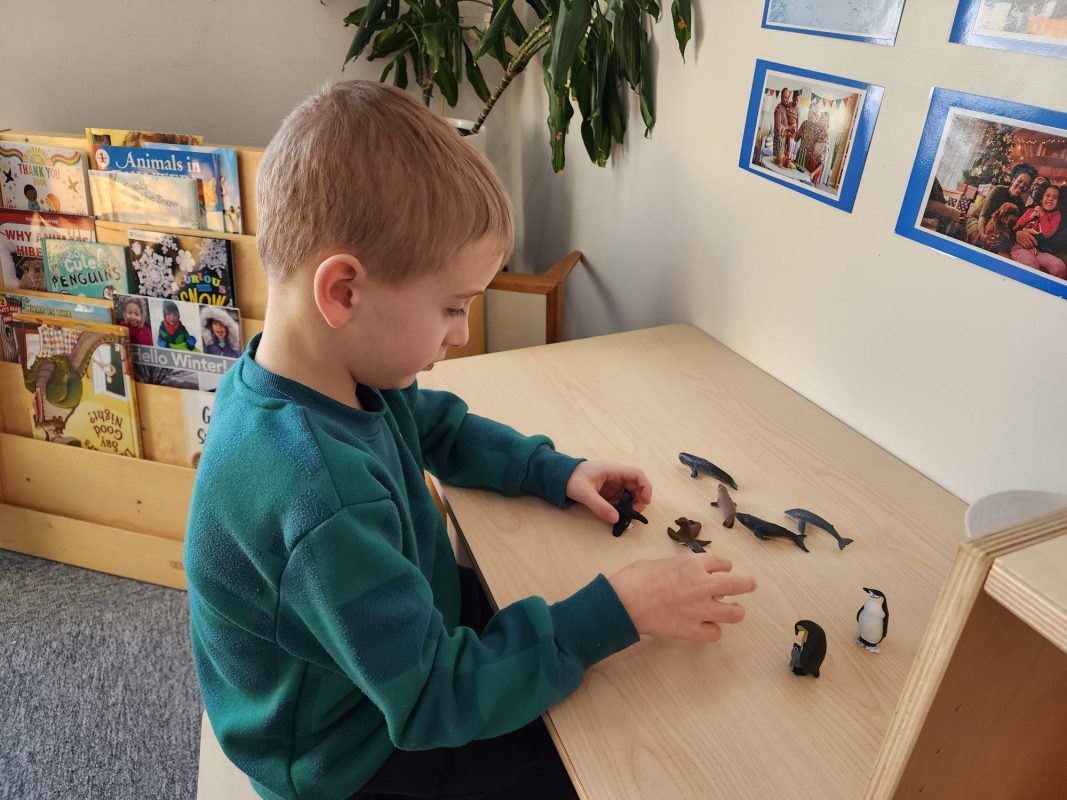
This week, we wrapped up our arctic animals study, and the children had so much fun bringing what they learned into their movement and play. They loved sliding down the slides like penguins, laughing and pretending as they moved their bodies in new ways.

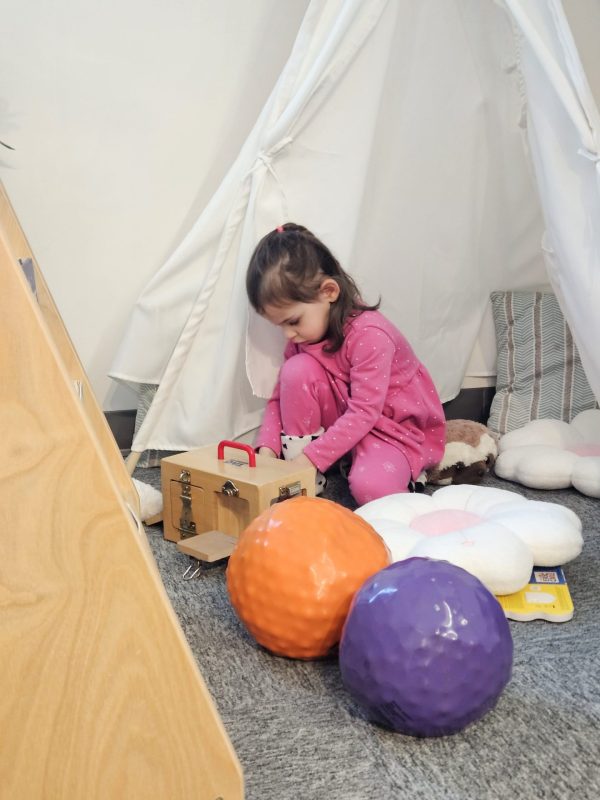
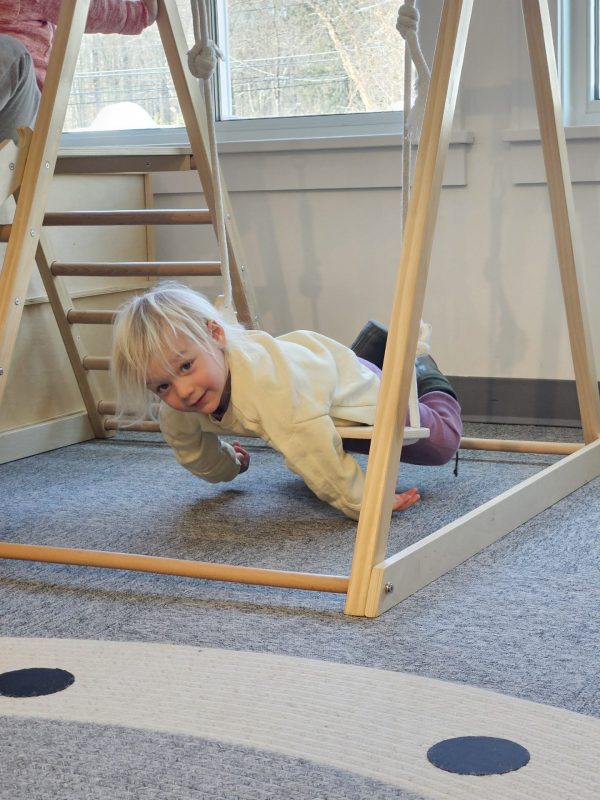
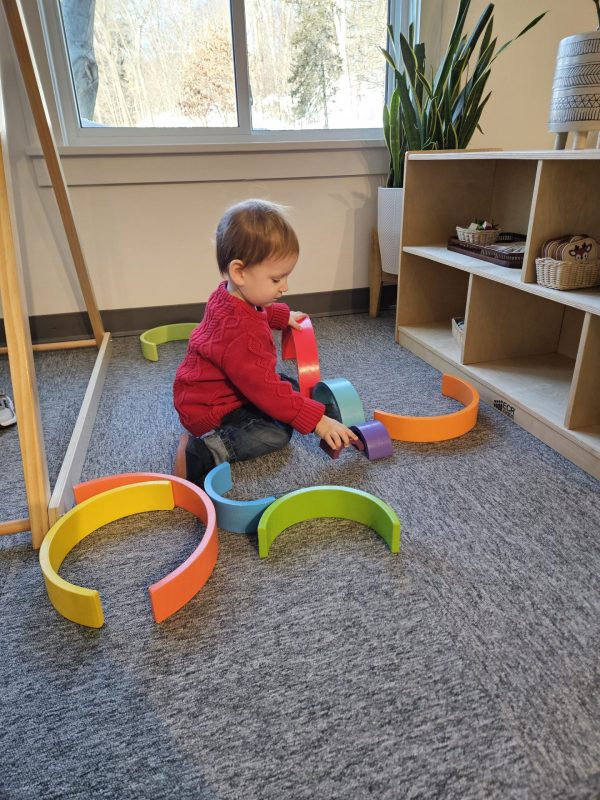
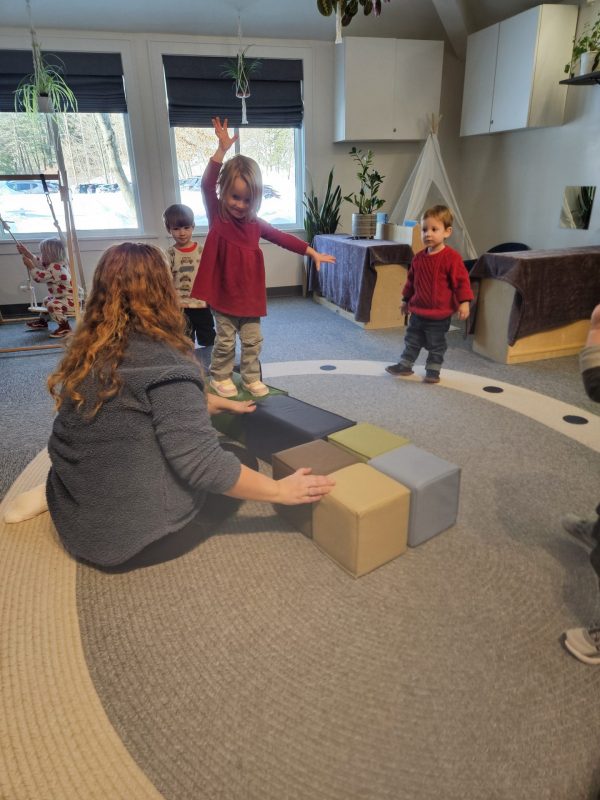
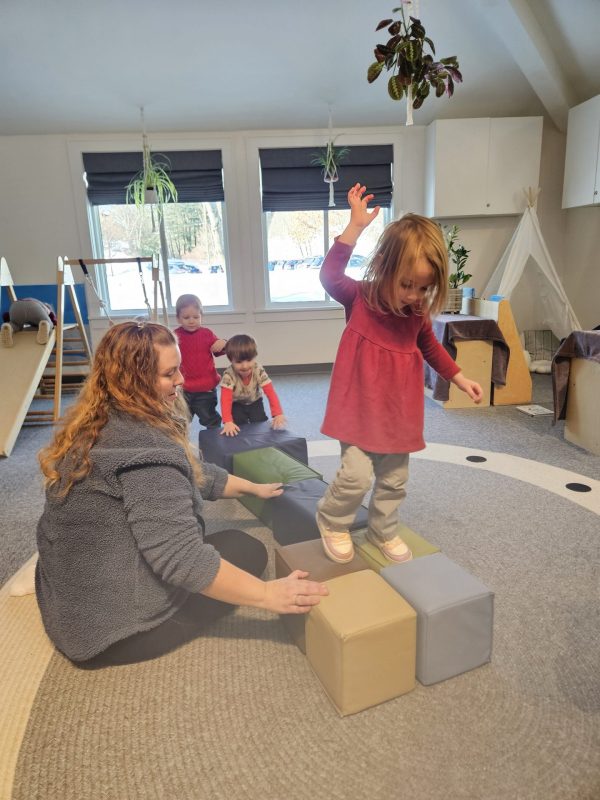
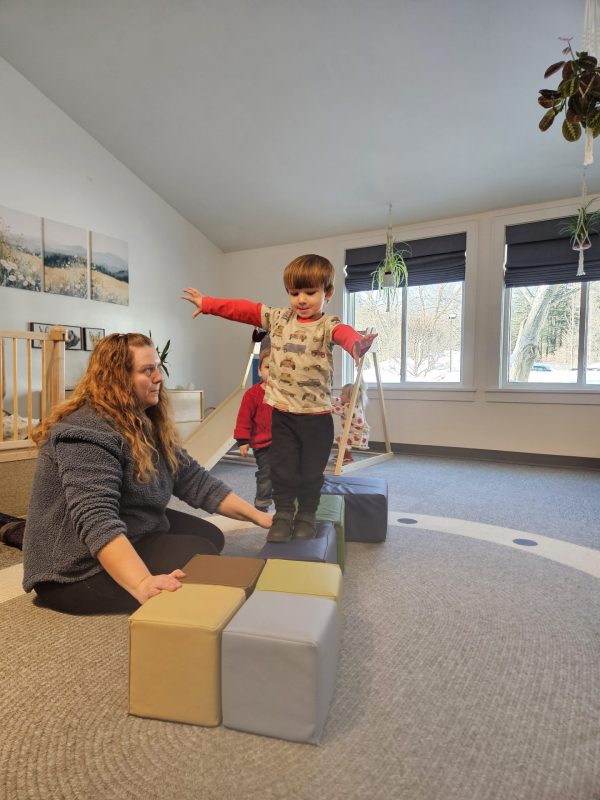
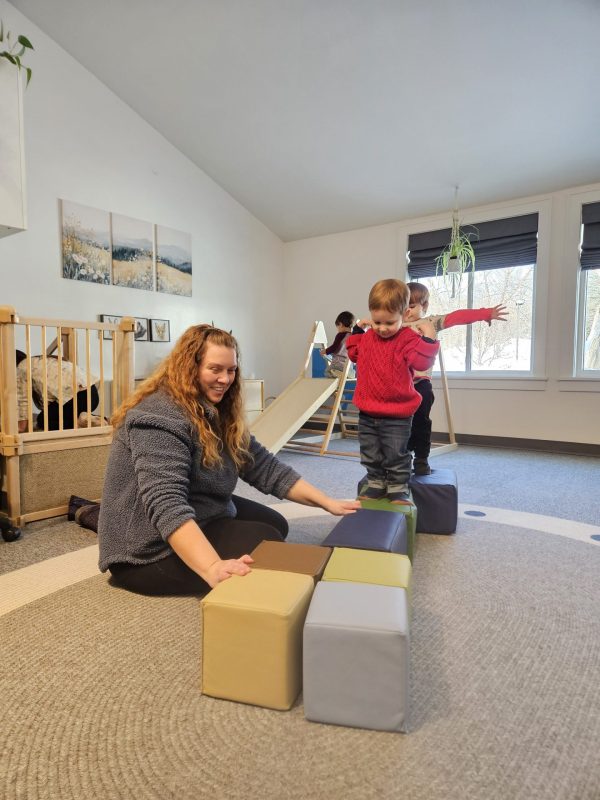
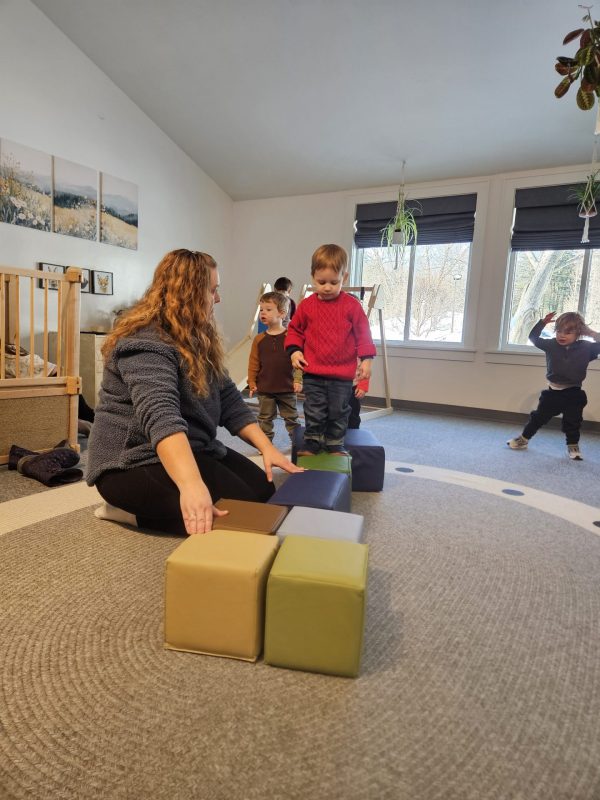
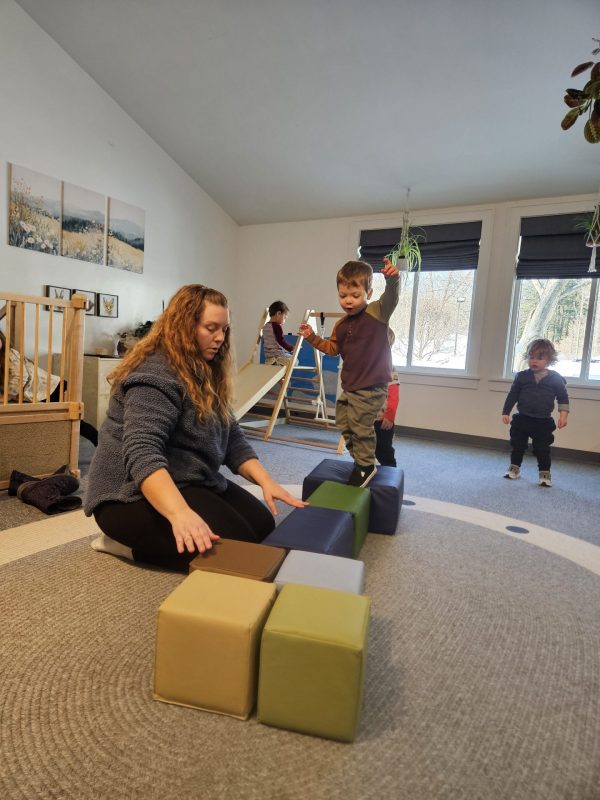
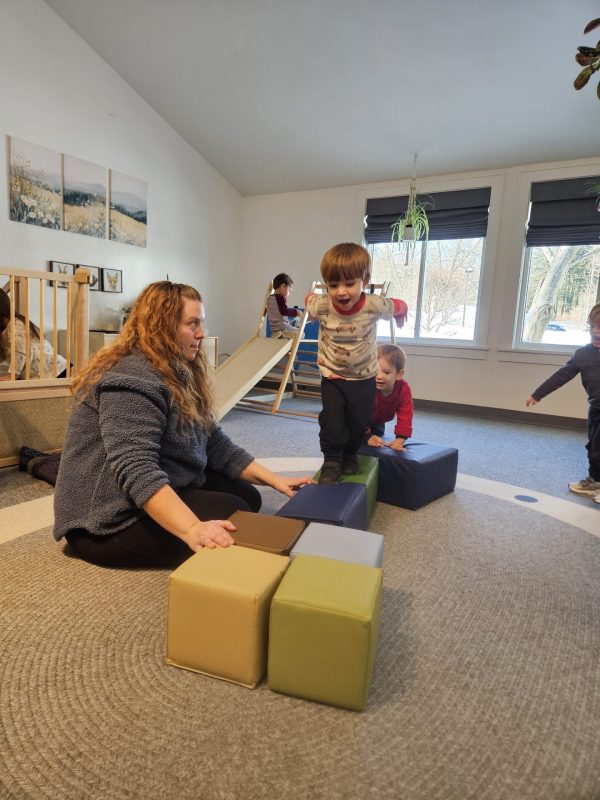
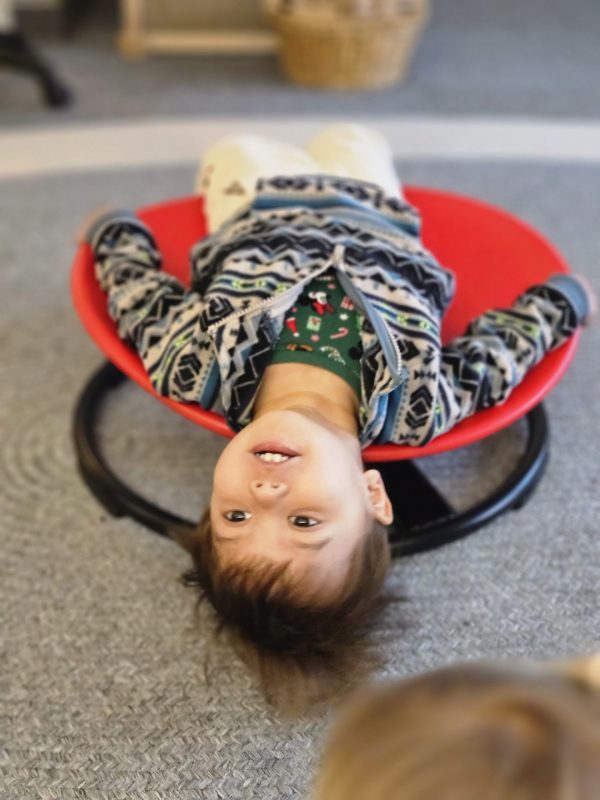
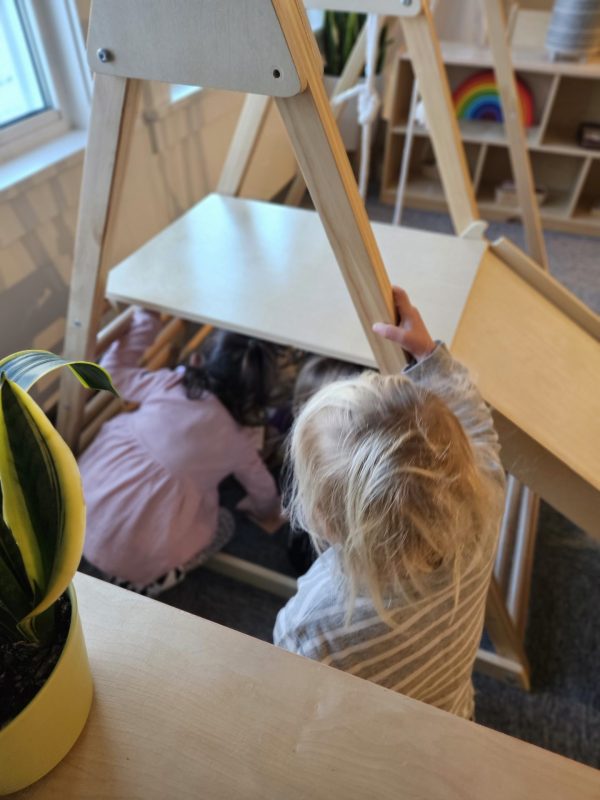
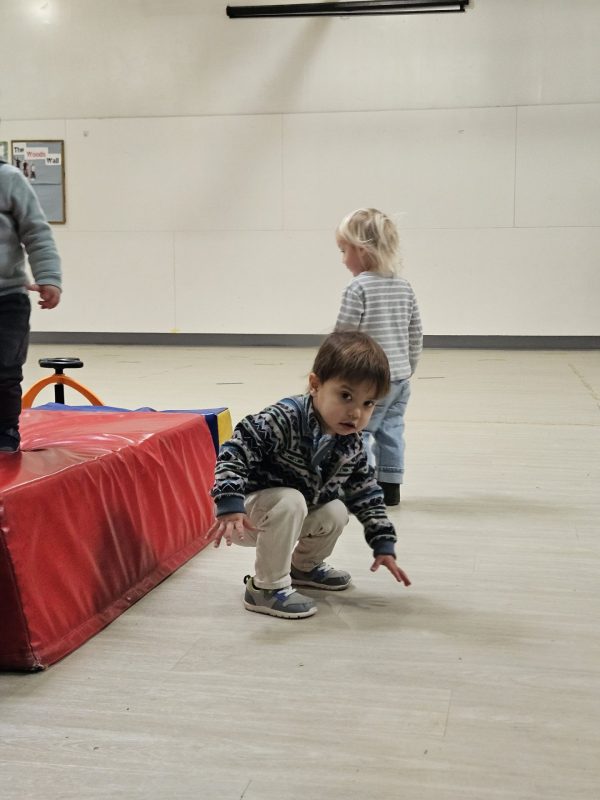
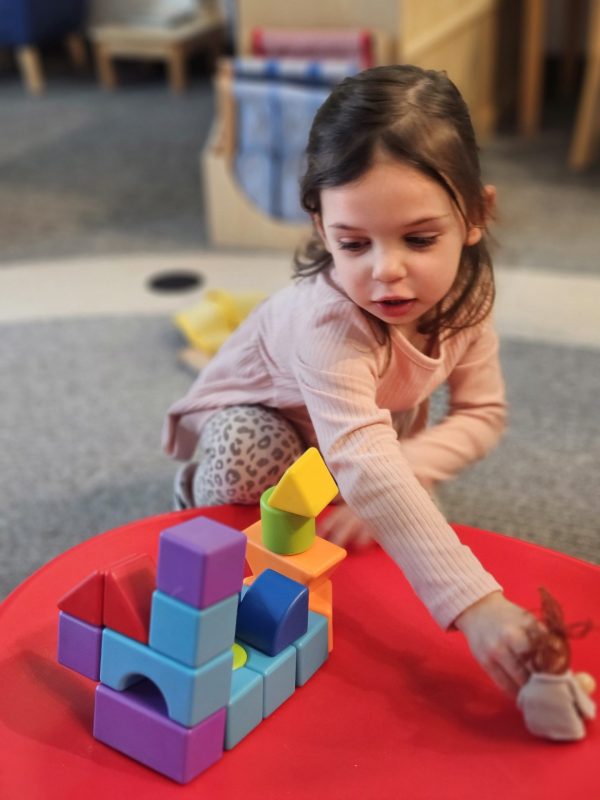
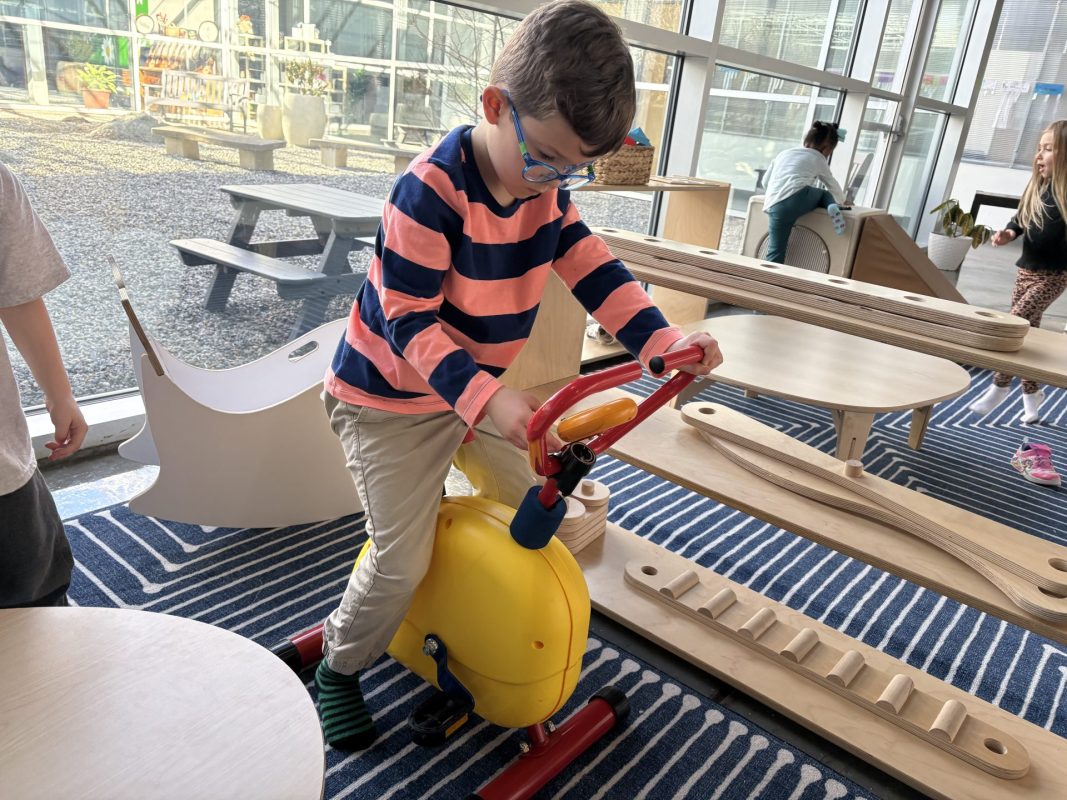
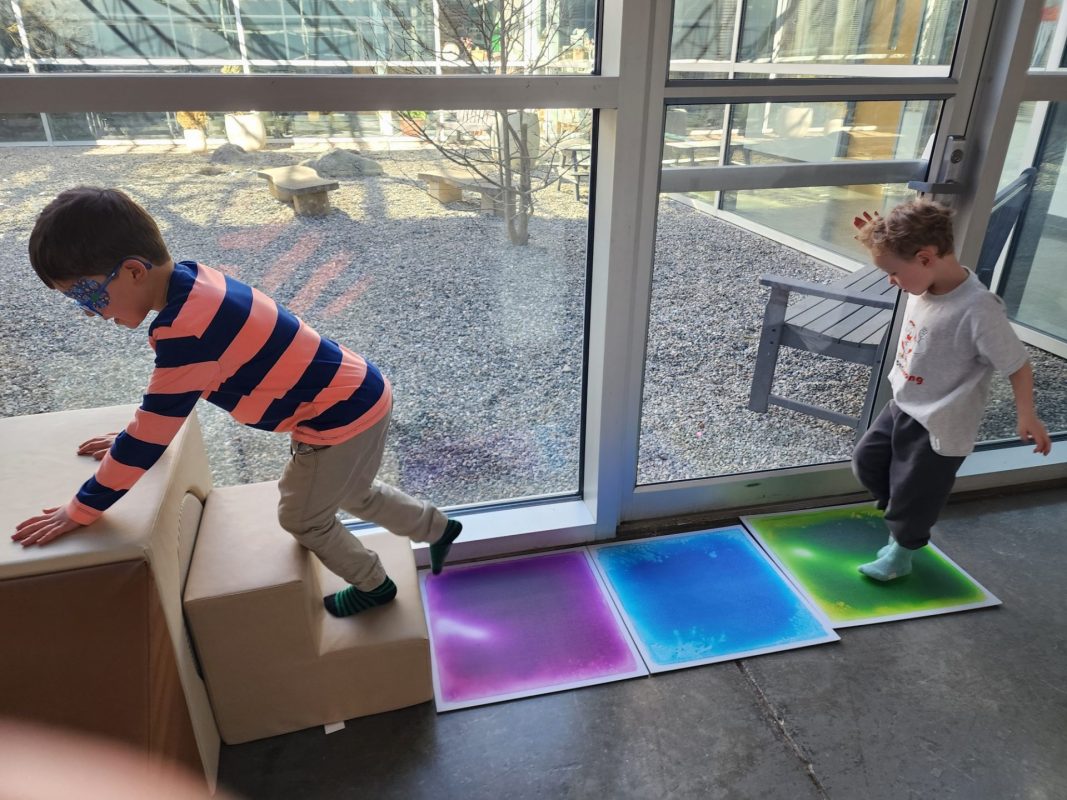
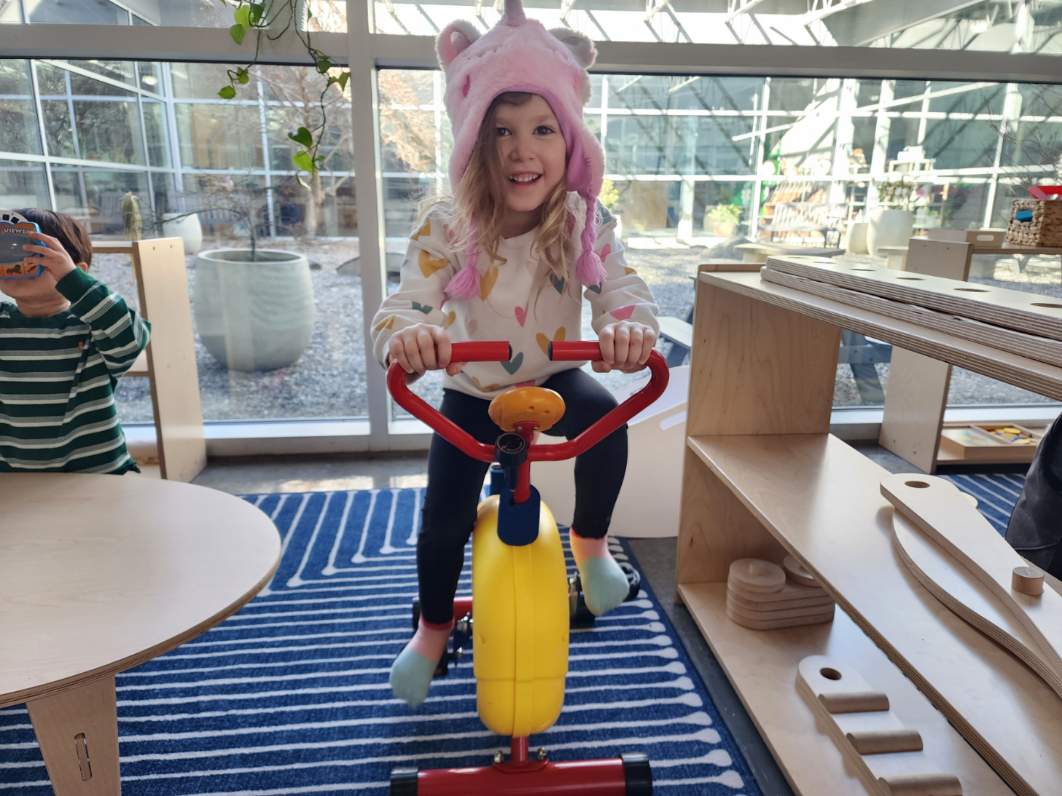
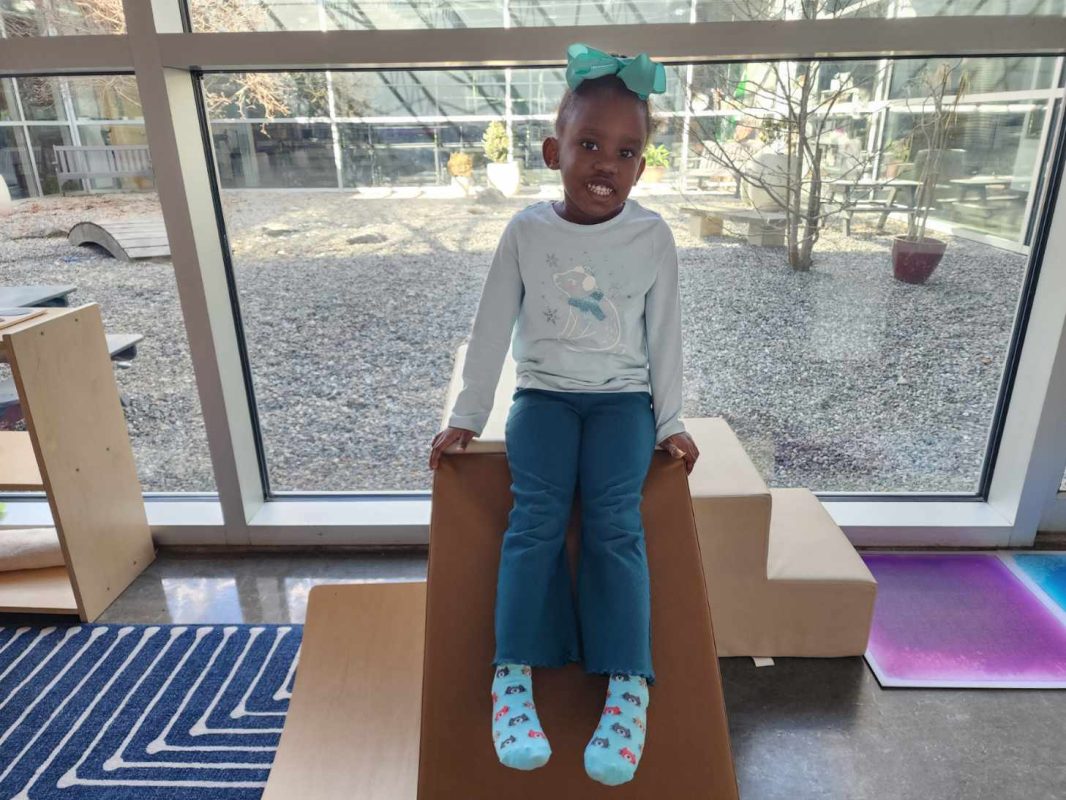
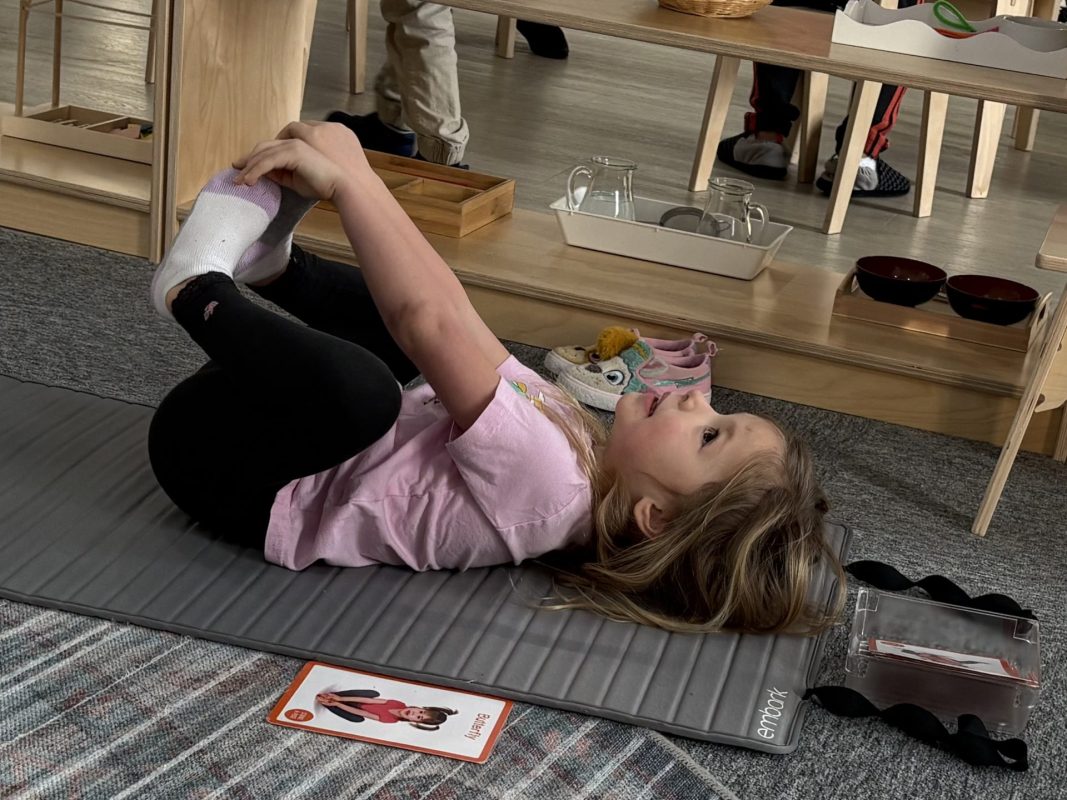
To continue our winter exploration indoors, we brought out soft play blocks and invited the children to walk and balance on “pretend ice blocks.” This was a wonderful way to practice balance, coordination, and confidence while keeping the theme playful and imaginative.

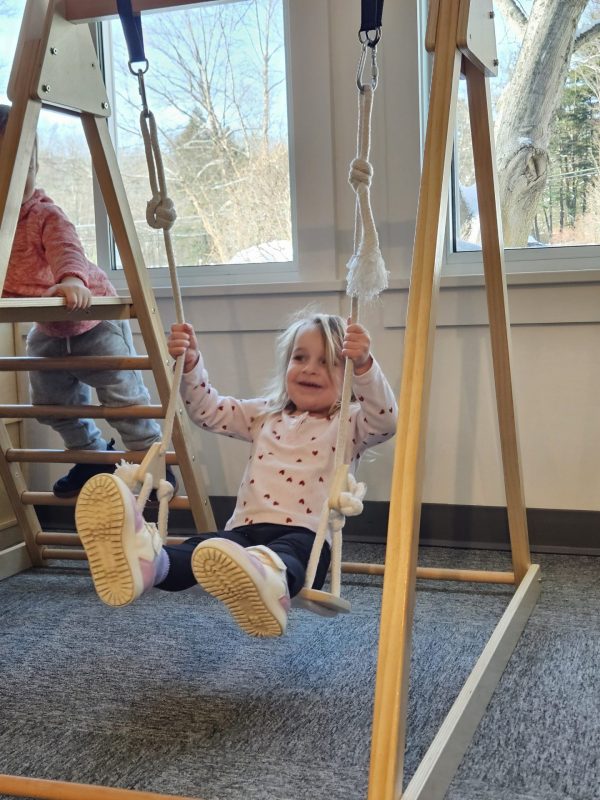
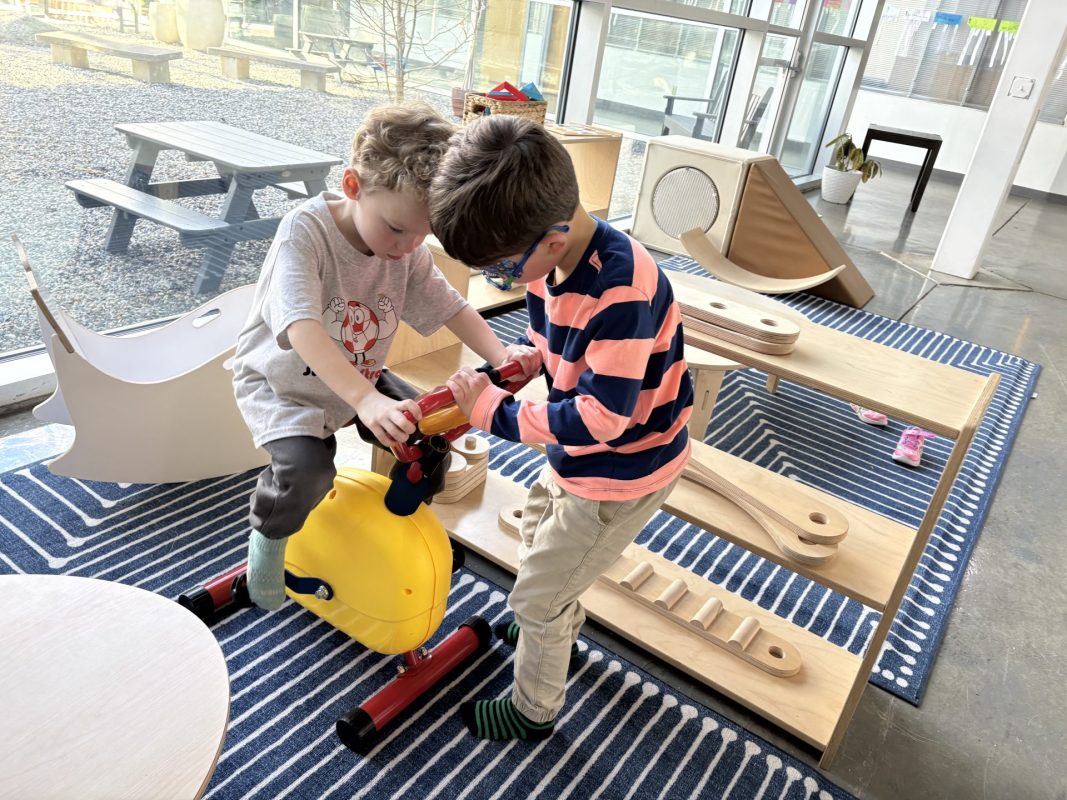
The cold temperatures and strong wind chills made outdoor play unsafe this week, so we focused on keeping our bodies moving inside. We’re hopeful that next week’s weather will allow us to get back outside and enjoy some fresh air together.

As we look ahead, we’re excited to transition into February, when our classroom will soon be filled with love, friendship, and kindness. We can’t wait to begin exploring these themes with the children next week!


Mrs. Wilson: Winter’s Peace

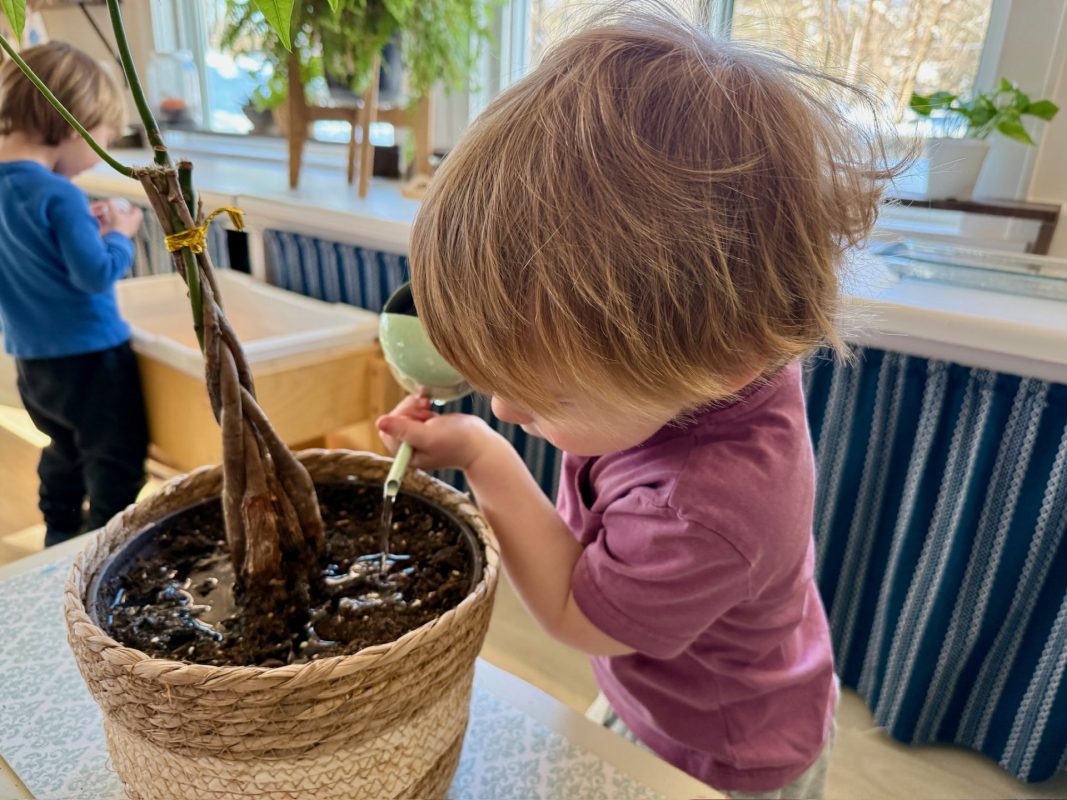
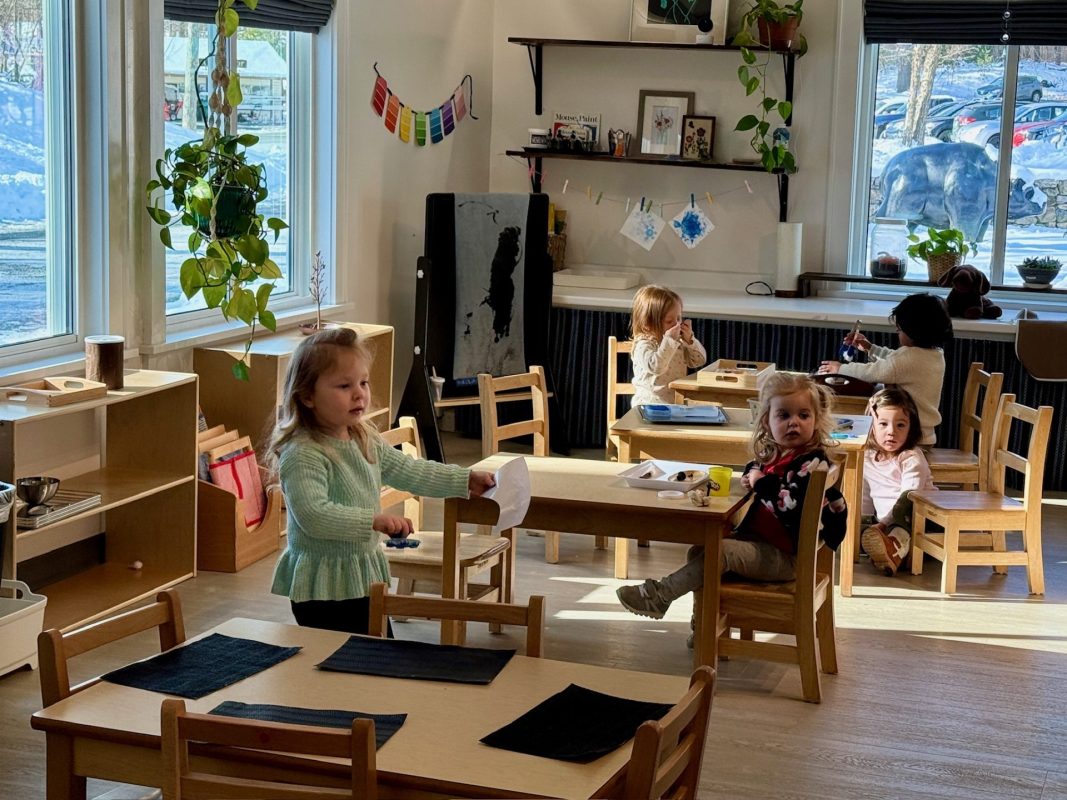
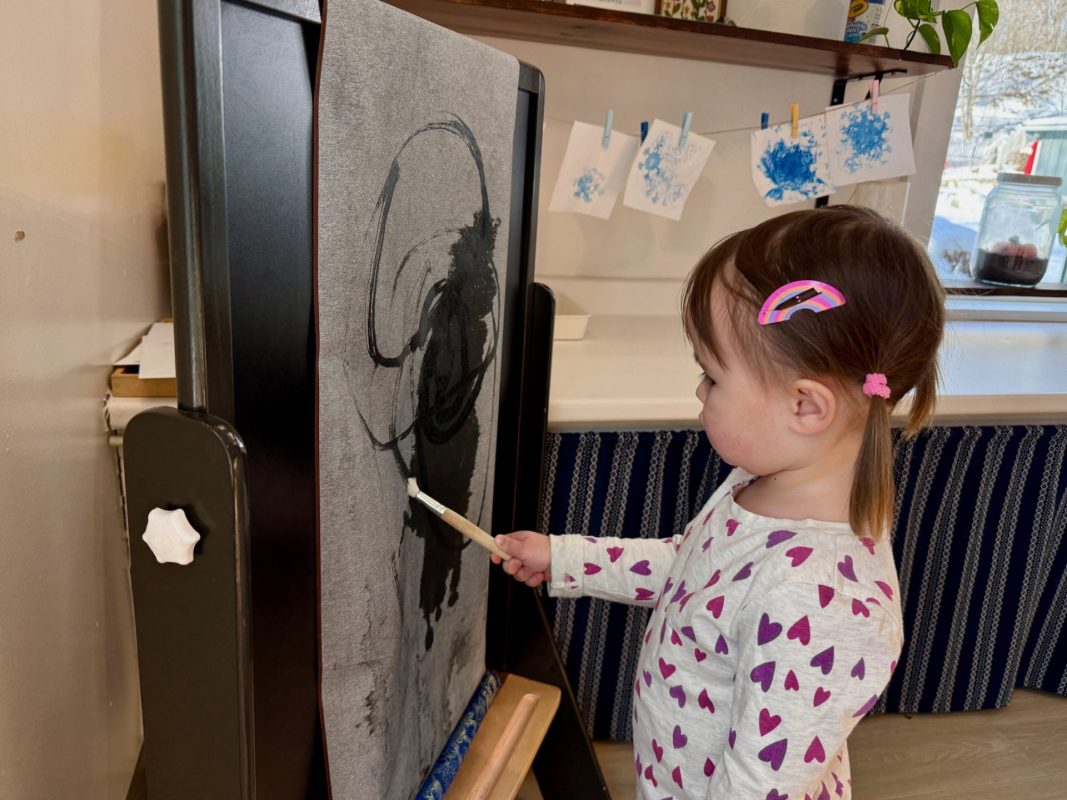
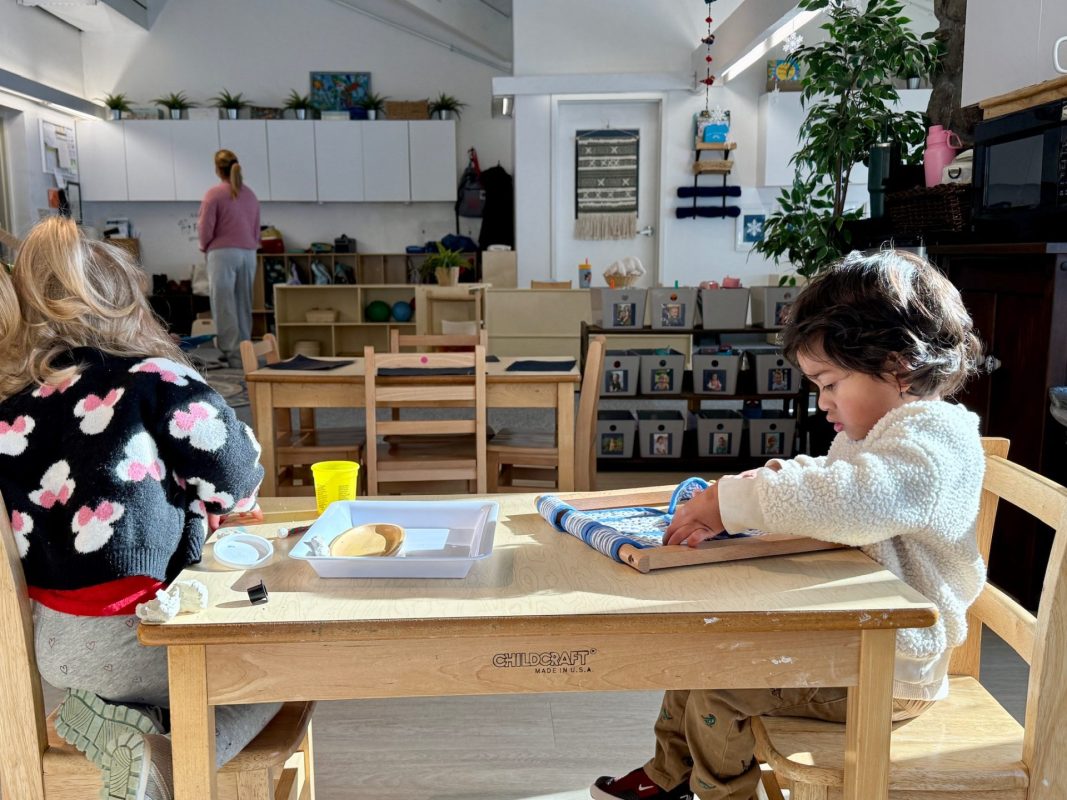
There is something truly special about this time of year. Despite the colder temperatures and fewer opportunities to get outside, we are gifted the chance to slow down and witness the beauty of growth unfolding within the classroom. Staying in the classroom without the interruption of transitions brings a unique kind of calm and focus. While we certainly experience ebbs and flows of big energy that need an outlet, once those needs are met, the children become centered and ready to return to purposeful work with renewed focus.

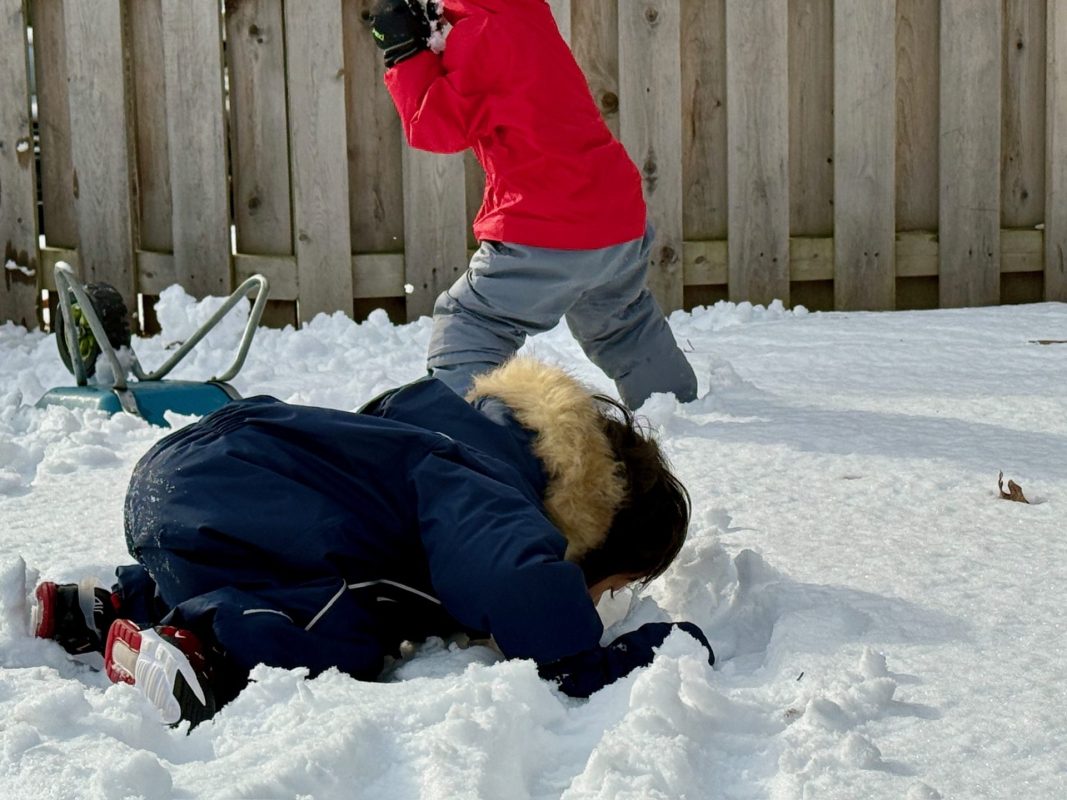
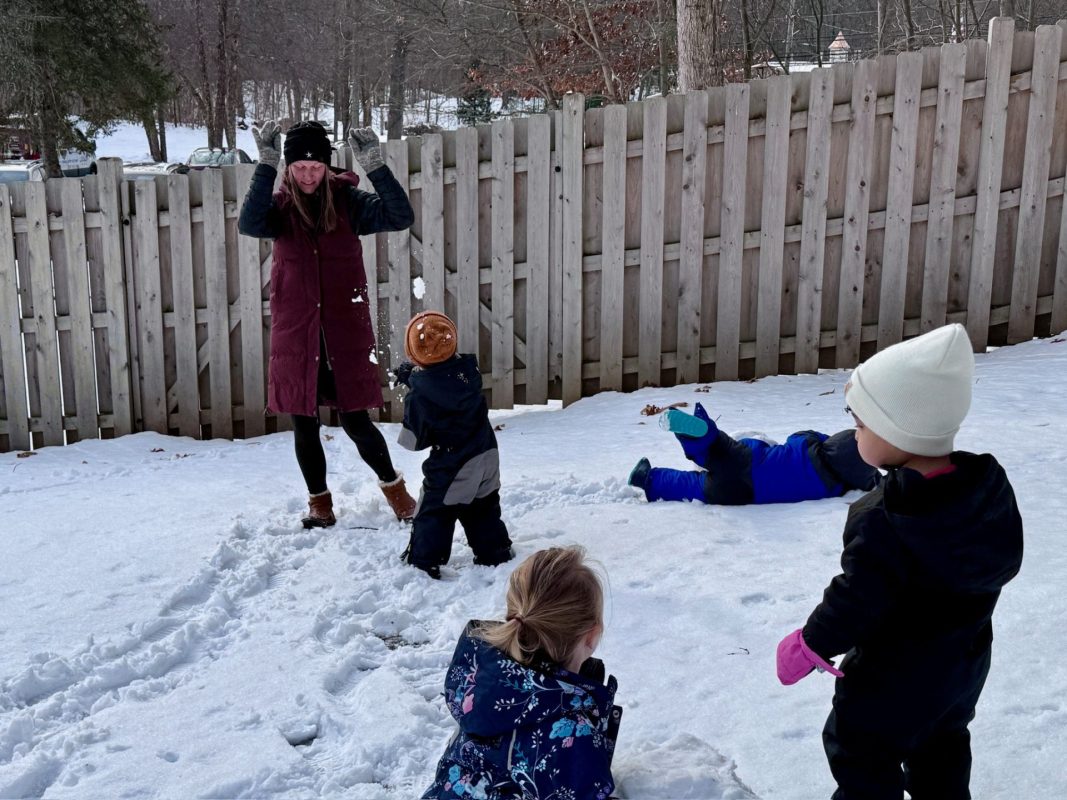
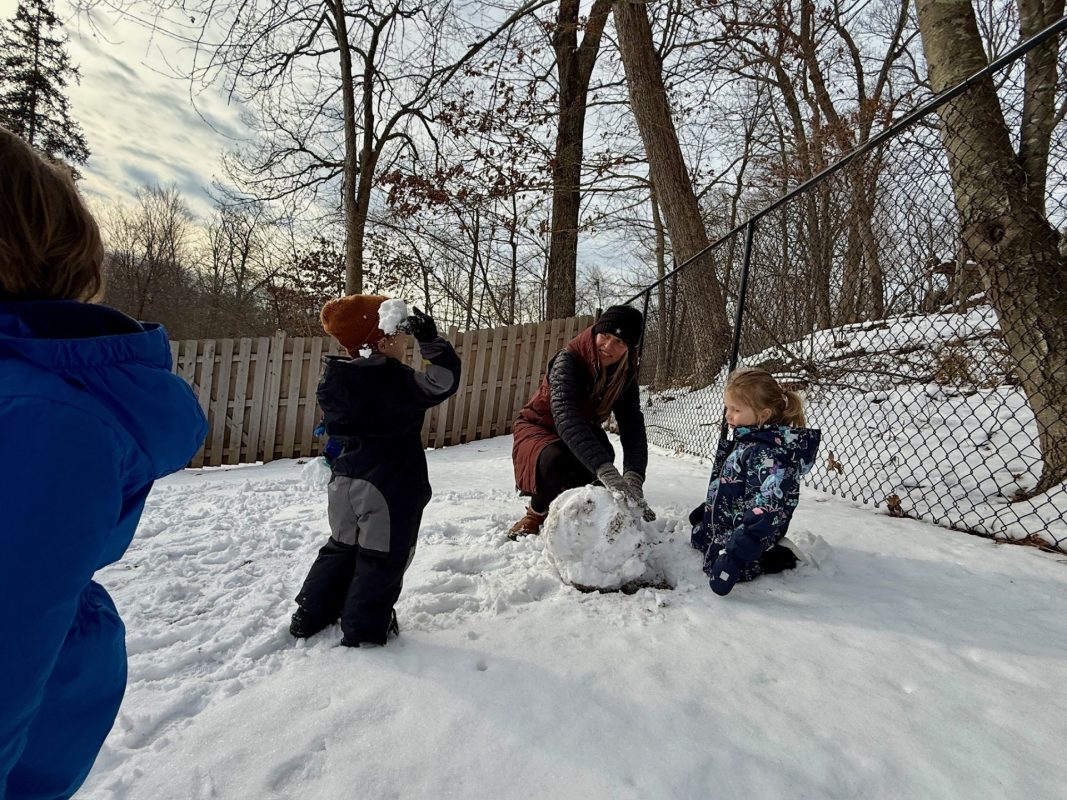
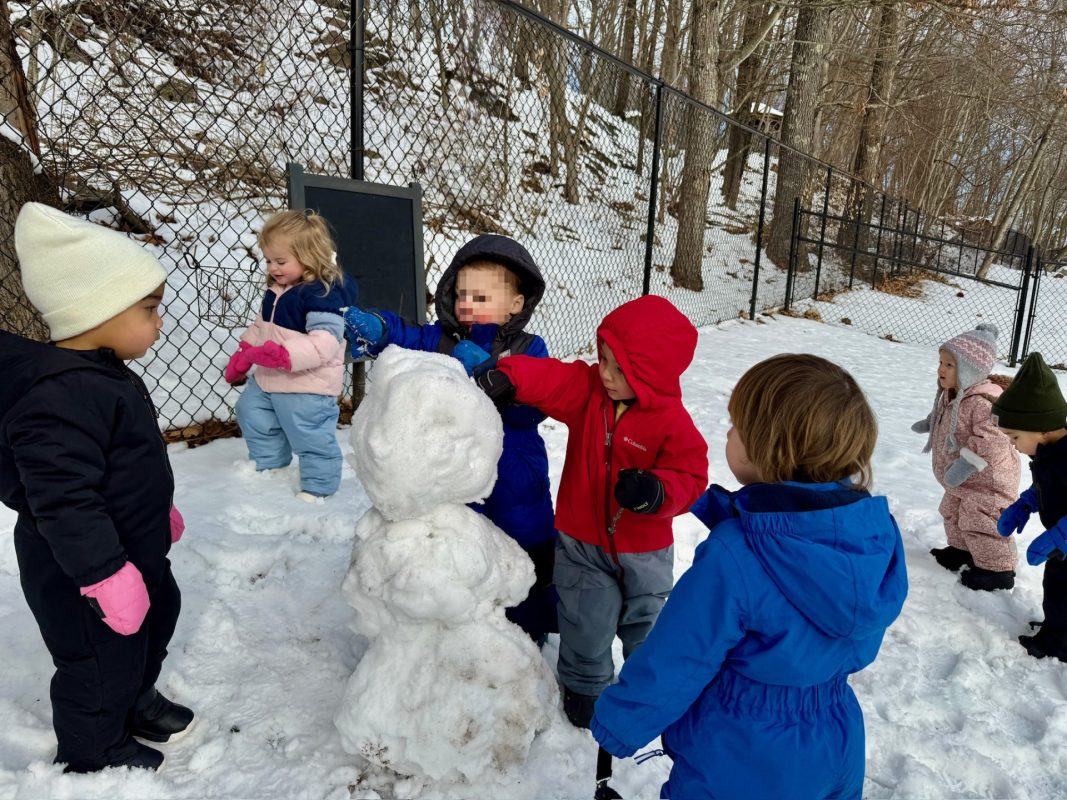
When the temperatures allow for winter play, we cherish every moment outdoors. This weekend’s snowfall gave us the opportunity to build a snowman with the children and even become the targets of a few flying snowballs! These playful moments strengthen our bonds and bring so much joy, as the children delight in making us laugh and having snow much fun together. We are looking forward to more snowy days and hope to create winter masterpieces that get to stay awhile—without falling victim to an enthusiastic knockover.

This week, we were excited to welcome two new classmates to the classroom. The children were incredibly nurturing and welcoming, helping to care for them and making them feel right at home.

Food Tasting:
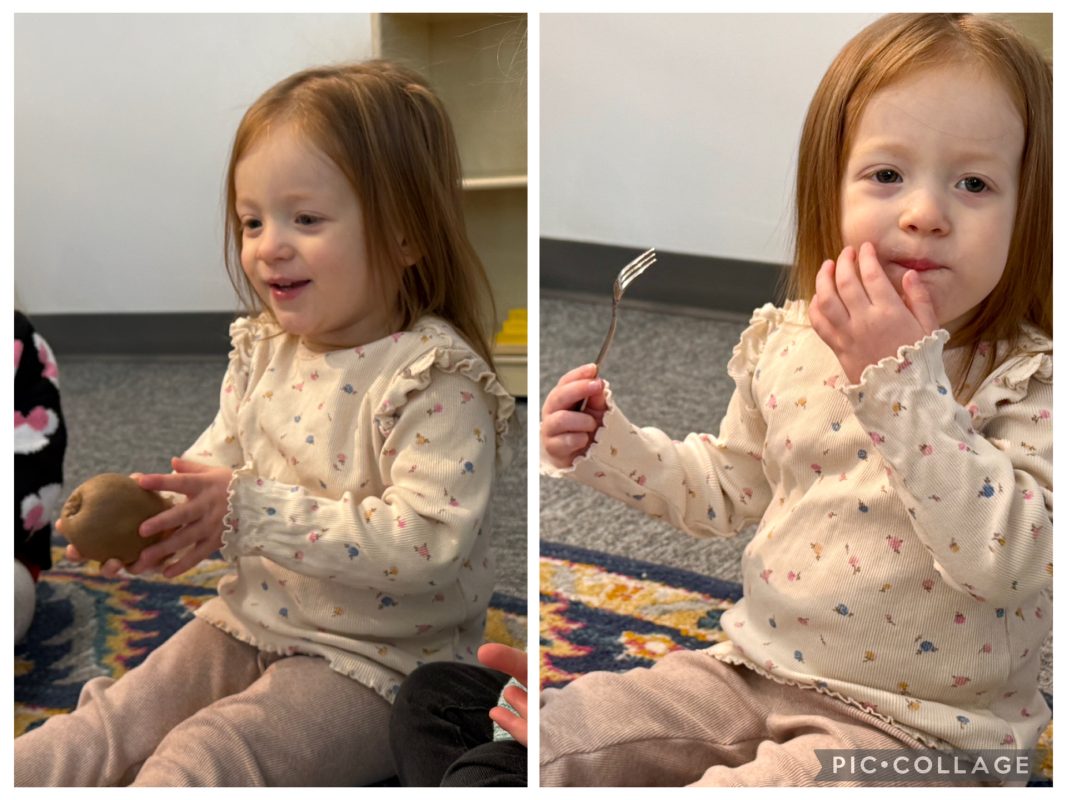
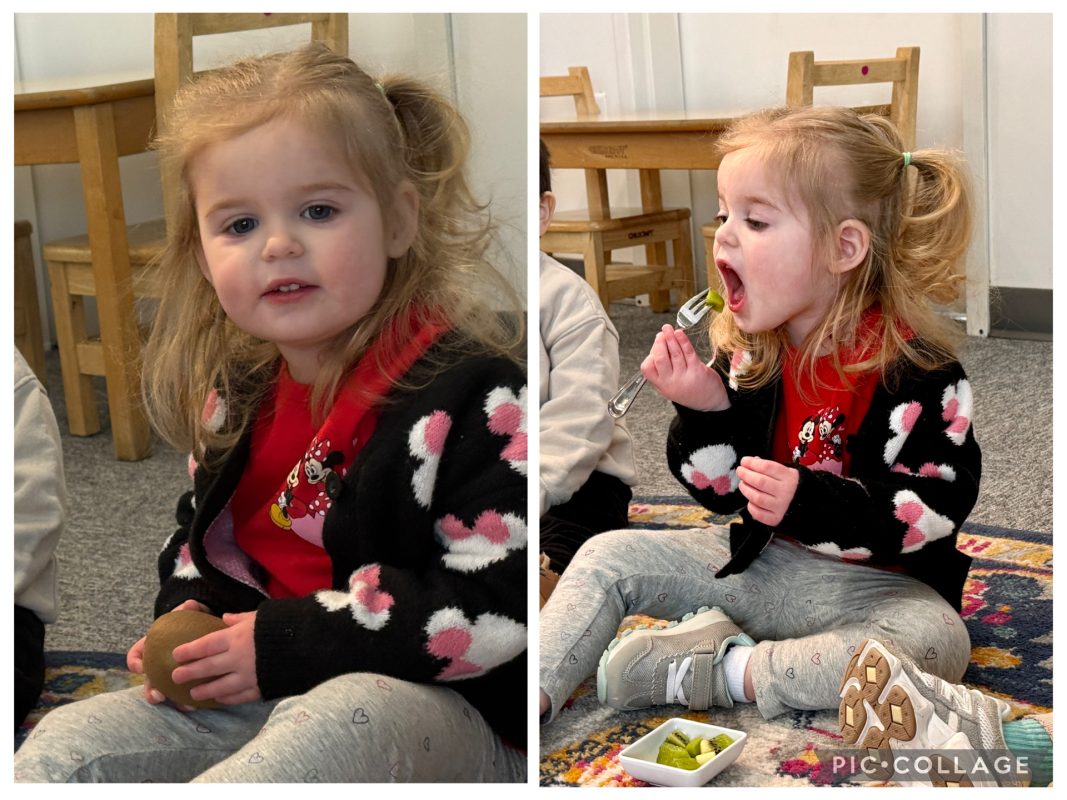
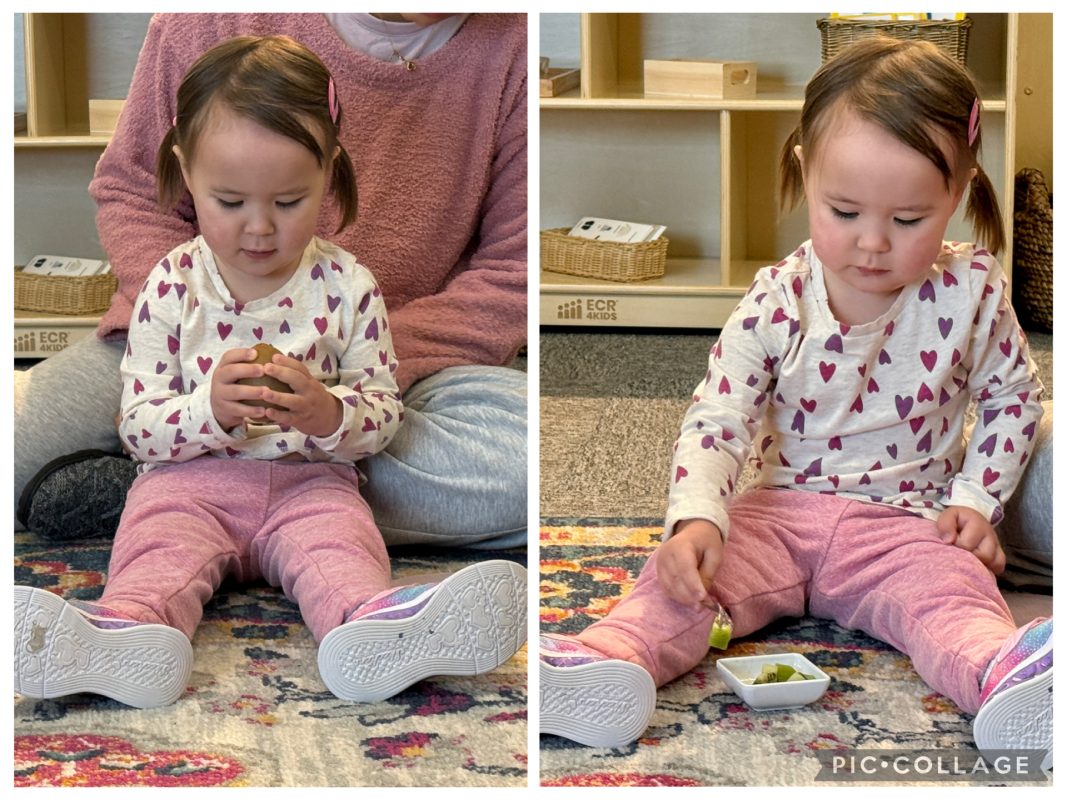
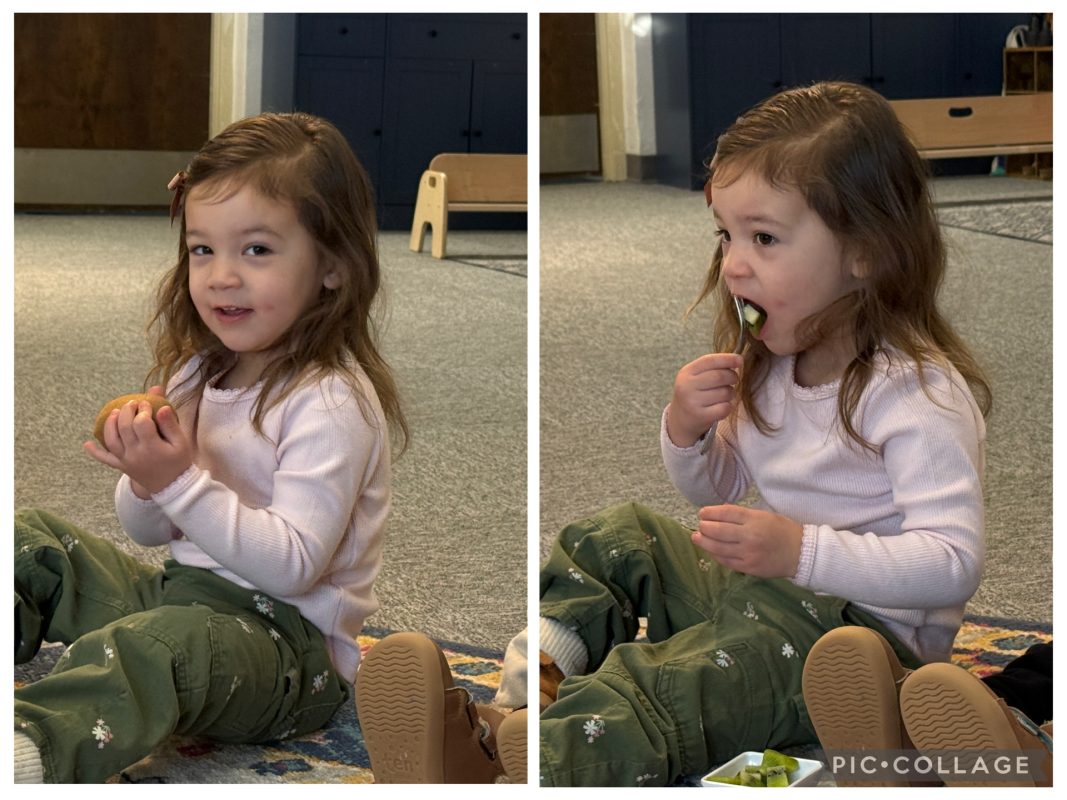
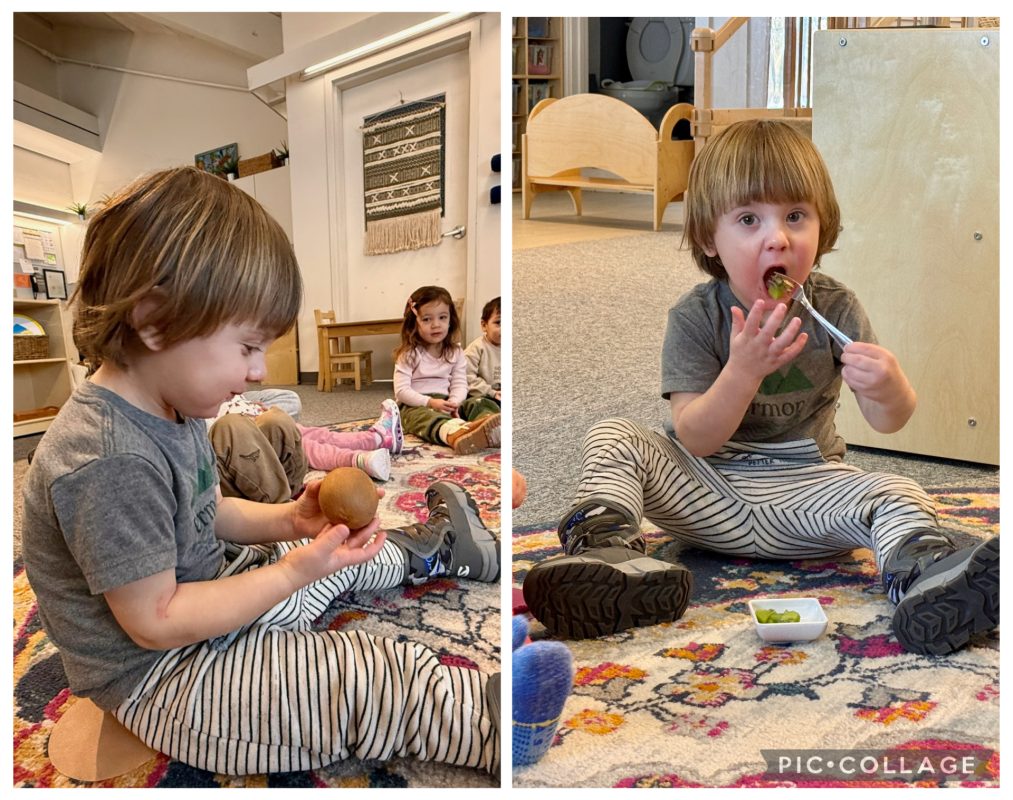
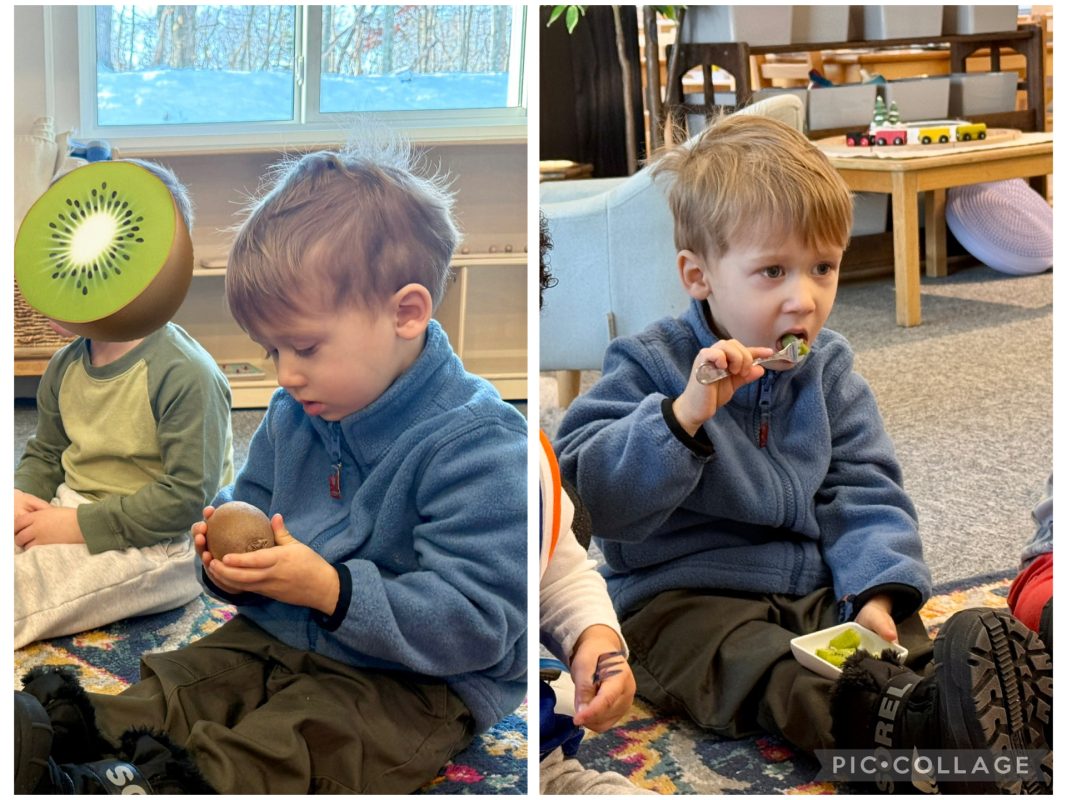
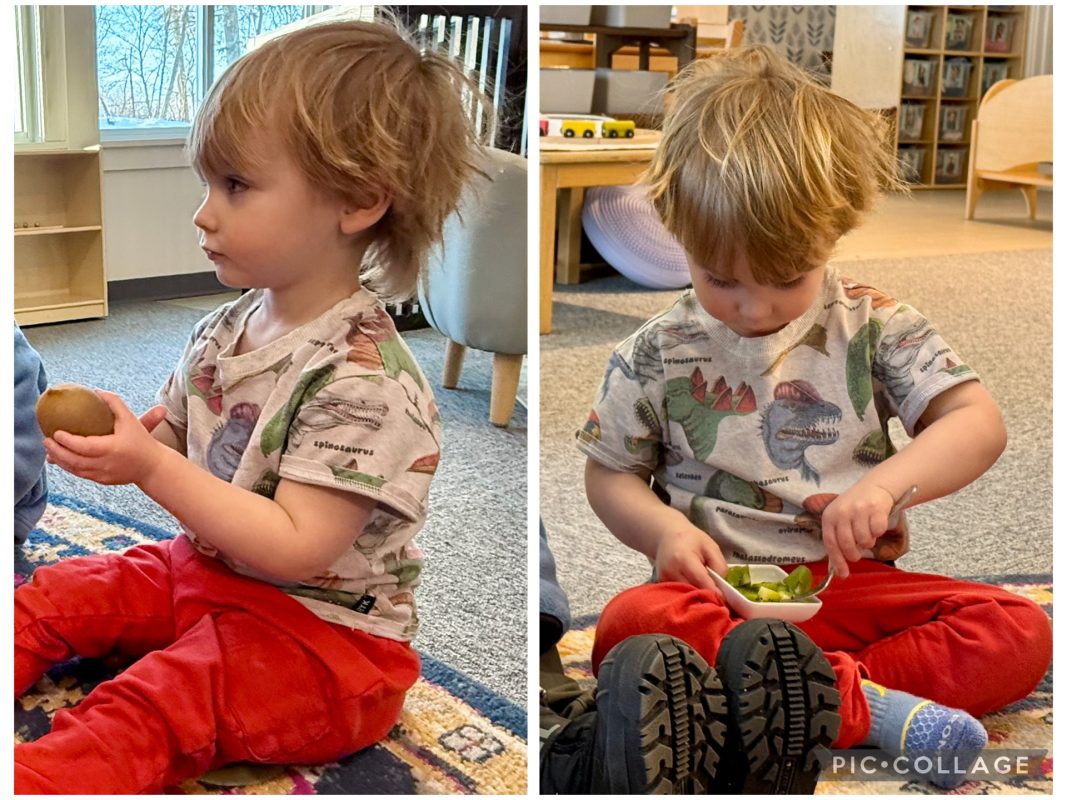
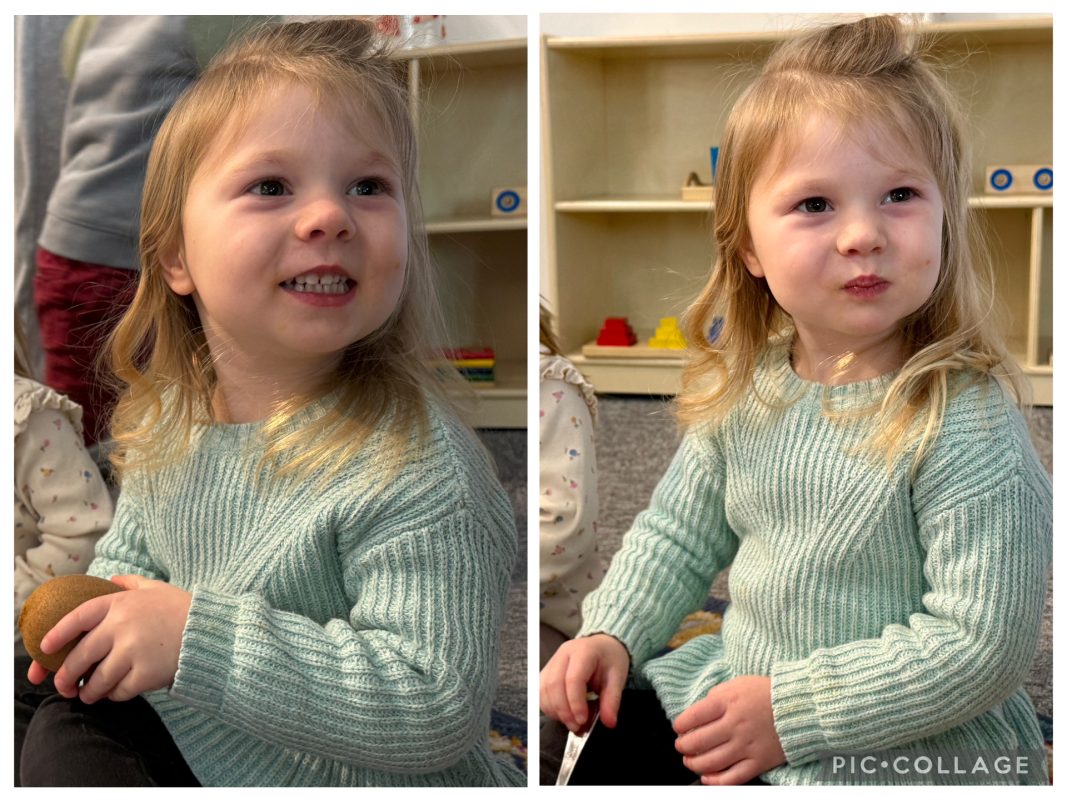
This week’s food tasting featured the delicious and juicy kiwi. The children explored its fuzzy skin before tasting its sweet and tart flavor—and it was a big hit!

Love and Light,

Cynthia and Sara


The Joy of Snow Days: A Montessori Perspective


While many see snow days as disruptions, we Montessori educators see them as extraordinary learning opportunities. Here’s how to embrace the joy—and the learning—in tomorrow’s winter gift:

Toddlers

  • Taste snowflakes and feel different snow textures.
  • Make footprints and handprints in the snow.
  • Fill and dump buckets with snow.
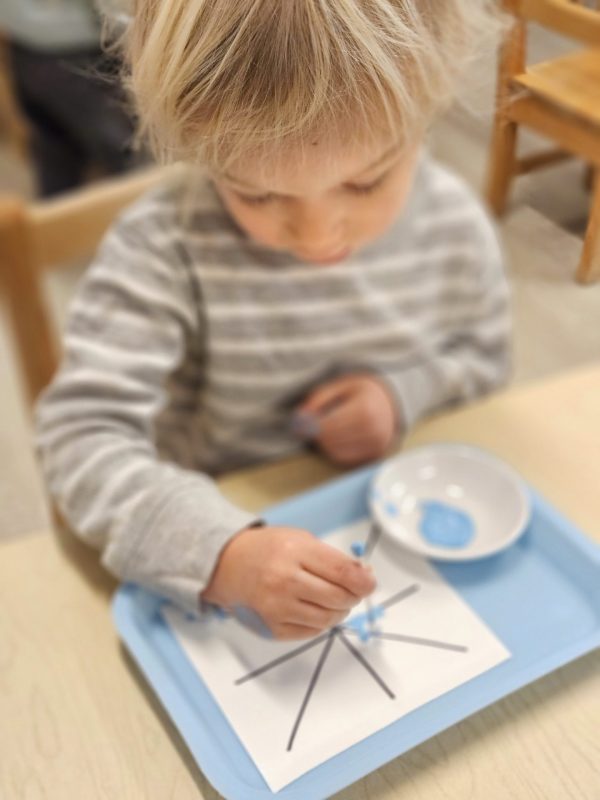
  • Paint on snow with watercolors in spray bottles.
  • Help hang wet mittens and clothes to dry.
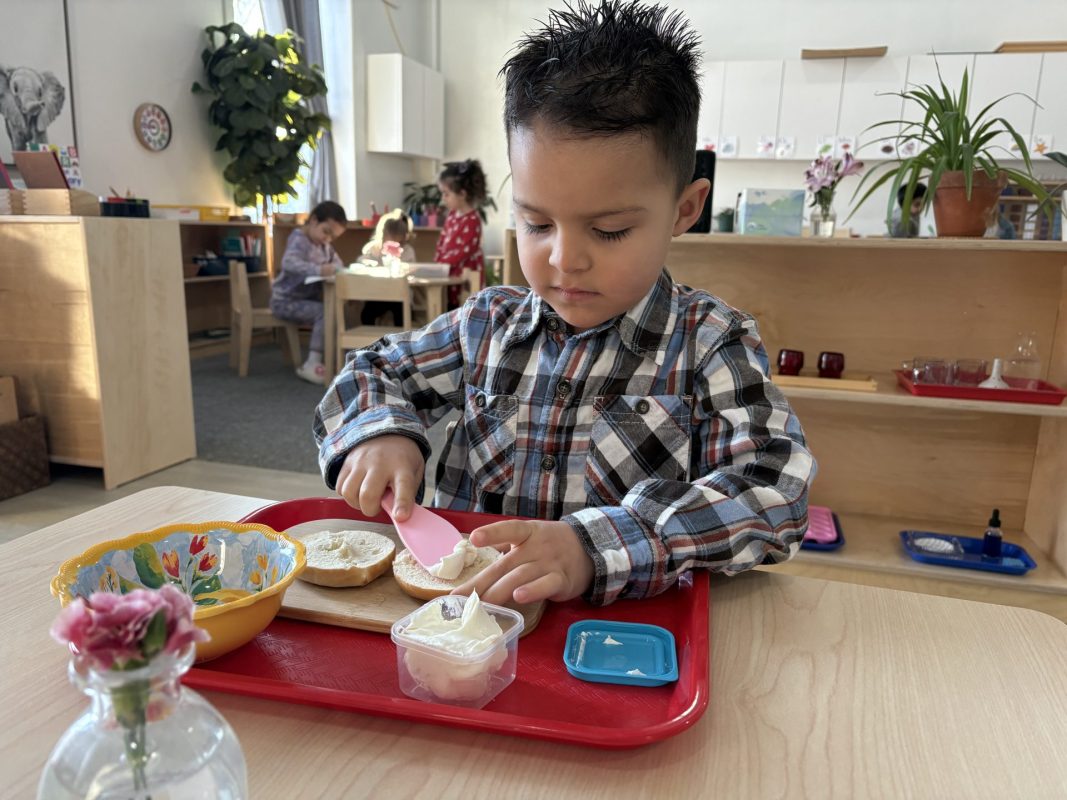
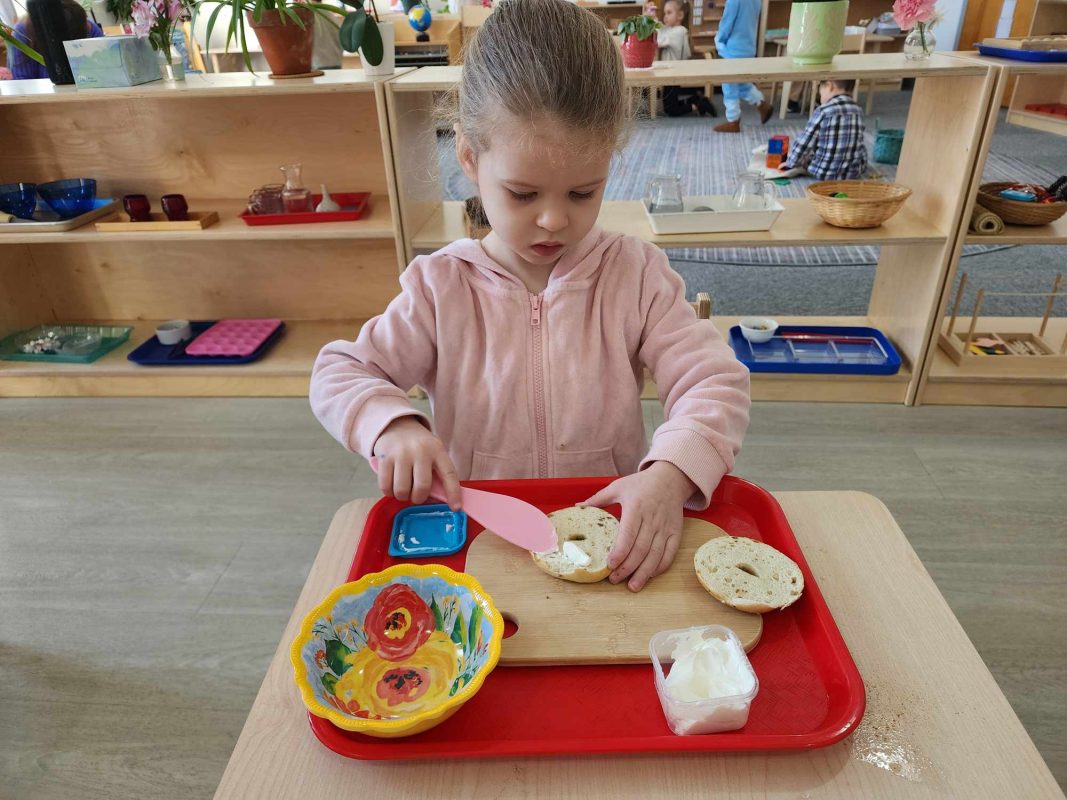
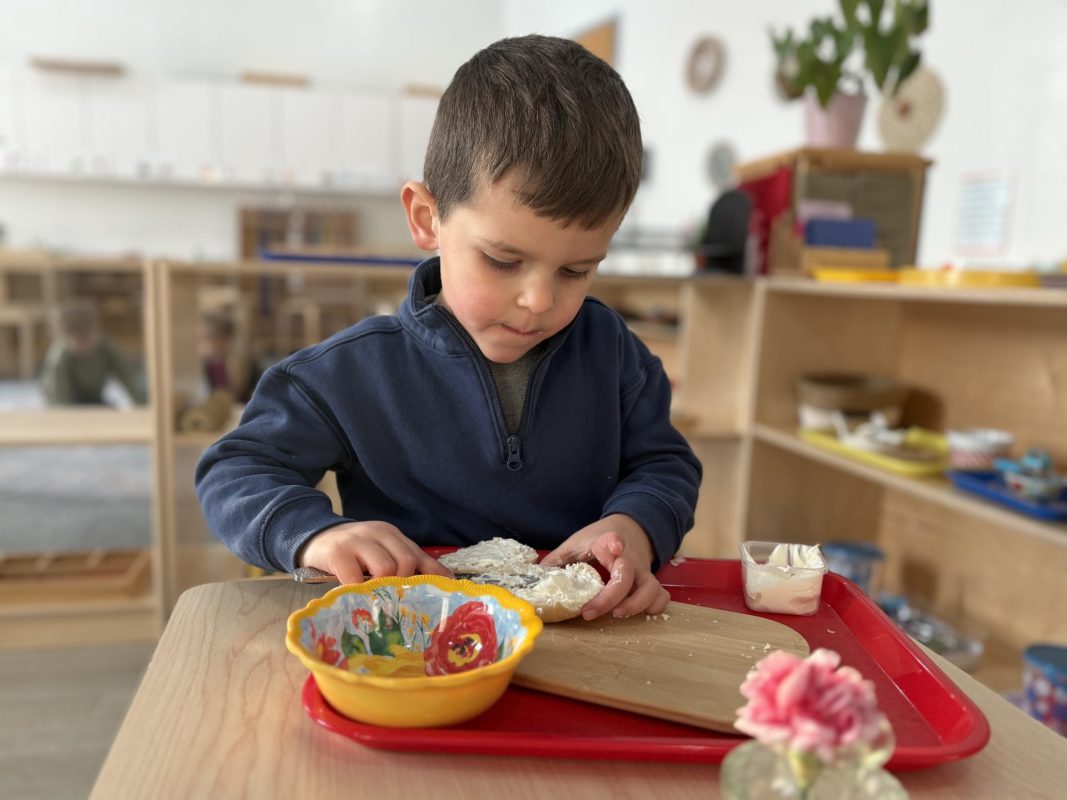
  • Prepare simple snacks together (spreading butter, pouring milk).
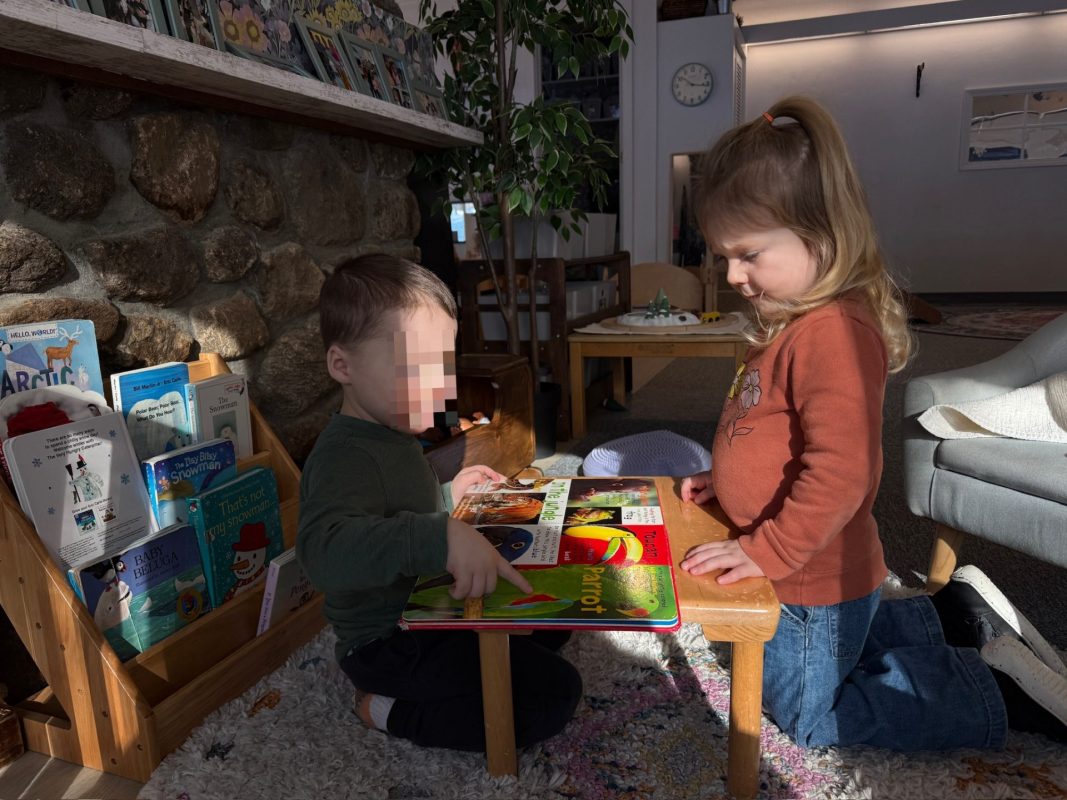
  • Read winter-themed board books.
  • Dance to music and practice putting on/taking off winter gear.

Primary 

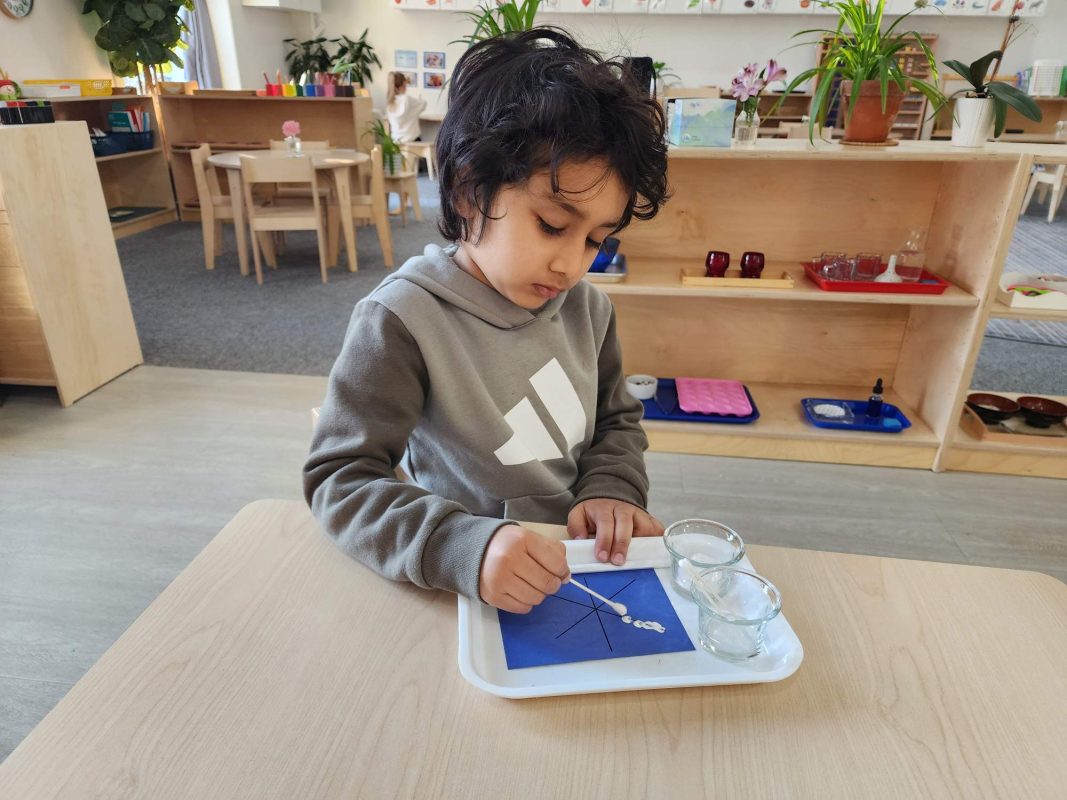
  • Catch snowflakes on dark paper and examine with a magnifying glass.
  • Measure snow depth with rulers in different locations.
  • Create snow angels and discuss symmetry.
  • Build snow sculptures and snowmen.
  • Make ice ornaments using nature items and food coloring.
  • Prepare hot cocoa together (measuring, pouring, whisking).
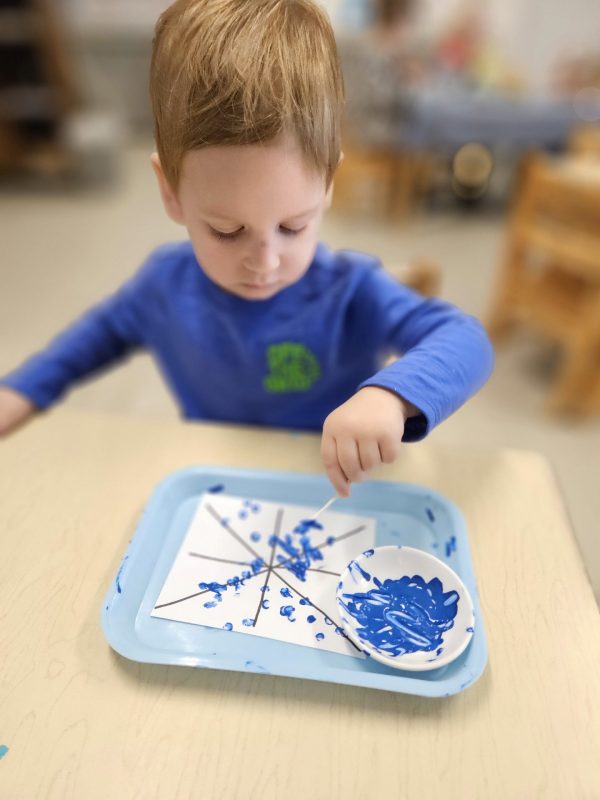
  • Create snowflake art using paper folding and cutting.
  • Sort and match mittens and winter accessories.
  • Start a winter nature journal with drawings.

Lower & Upper Elementary 

  • Bring snow inside and observe melting rates; make predictions about packed vs. fluffy snow.
  • Measure and graph snow depth in multiple locations.
  • Build snow forts using engineering principles and geometry.
  • Create elaborate snow sculptures with tools.
  • Paint detailed snow art with watercolors.
  • Help shovel walkways with appropriately sized tools.
  • Research snowflake formation and create scientific diagrams.
  • Cook soup or bake bread, measuring ingredients precisely.
  • Write winter poetry or stories.
  • Design and conduct snow science experiments.
  • Calculate the volume of snow collected in containers.

Middle School 

  • Design and test snow structure stability using engineering concepts.
  • Research and document snowflake crystallography.
  • Calculate snow-to-water ratios and precipitation measurements.
  • Create time-lapse photography of melting or snow accumulation.
  • Study weather patterns and forecasting methods.
  • Plan and prepare a complete meal for the family.
  • Write analytical observations in a winter science journal.
  • Design a snow removal strategy based on efficiency and effort.
  • Research climate patterns and compare historical snowfall data.
  • Create artistic snow installations with intentional design elements.
  • Explore the physics of snow (insulation, light reflection, density).

The Montessori Mindset for All Ages

Remember: Tomorrow isn’t a day off—it’s a different kind of learning day.

  • Resist the urge to over-schedule. Allow for unstructured exploration.
  • Embrace boredom. It sparks creativity and independence.
  • Let children experience the natural consequences of cold and wet.
  • Say yes more. Snow soup? Digging expeditions? Creative slides? Yes!
  • Join them. Model curiosity and wonder.

So tomorrow, we encourage you: Bundle up. Go outside. Explore. Wonder. Play. Learn.

Mother Nature just delivered the most engaging Montessori lesson of the year.

Stay warm and wonderful, Fraser Woods families! See you back in our classrooms soon.


Ms. Vicki’s Weekly Update

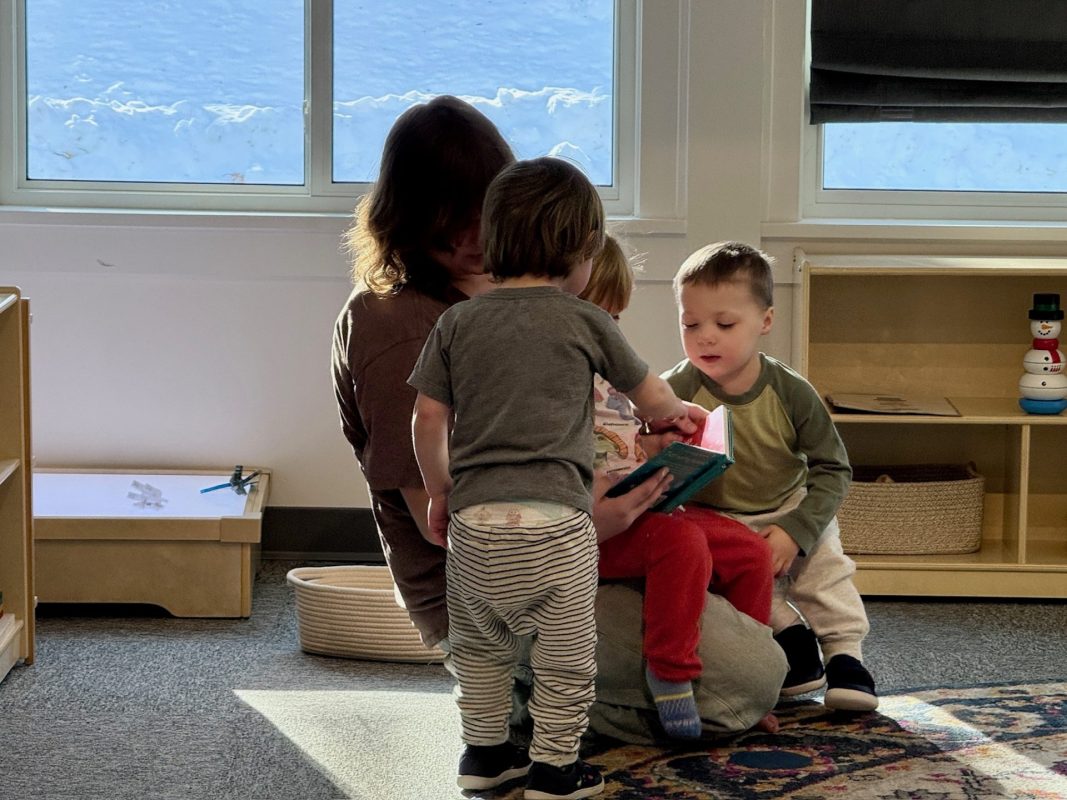
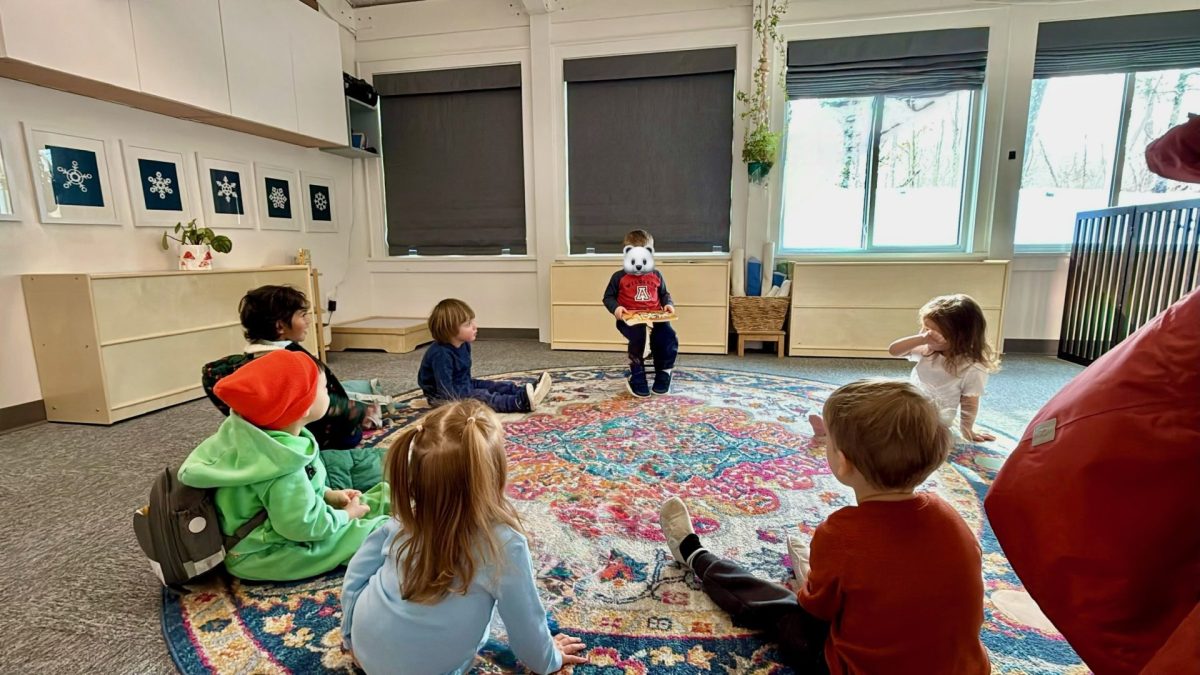
This week, several children were absent. With a smaller class size, our days were filled with extra snuggles, reading, and lots of one-on-one time. It was a quieter week, but one that allowed for meaningful connections and calm moments together.

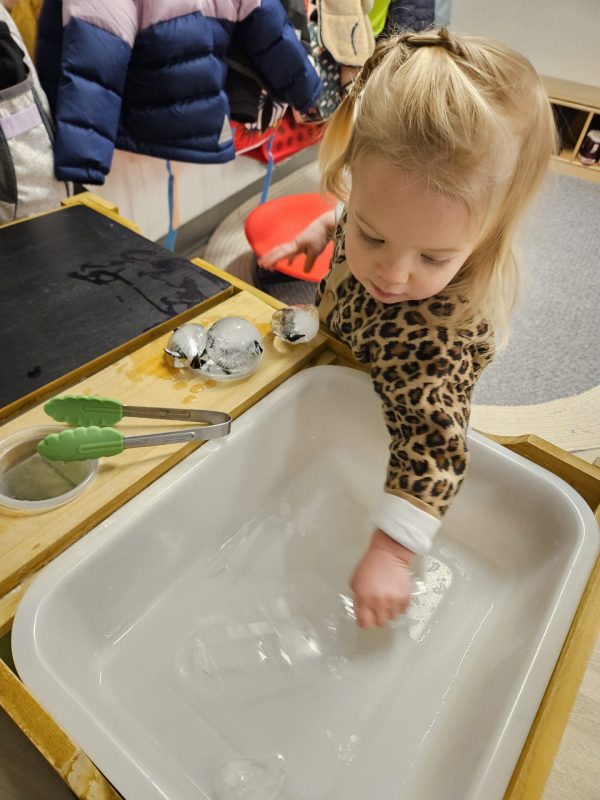
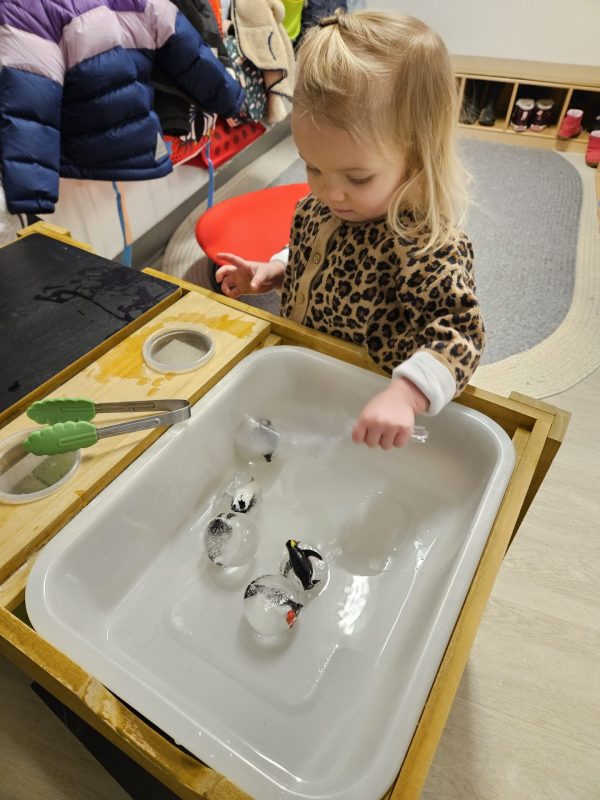
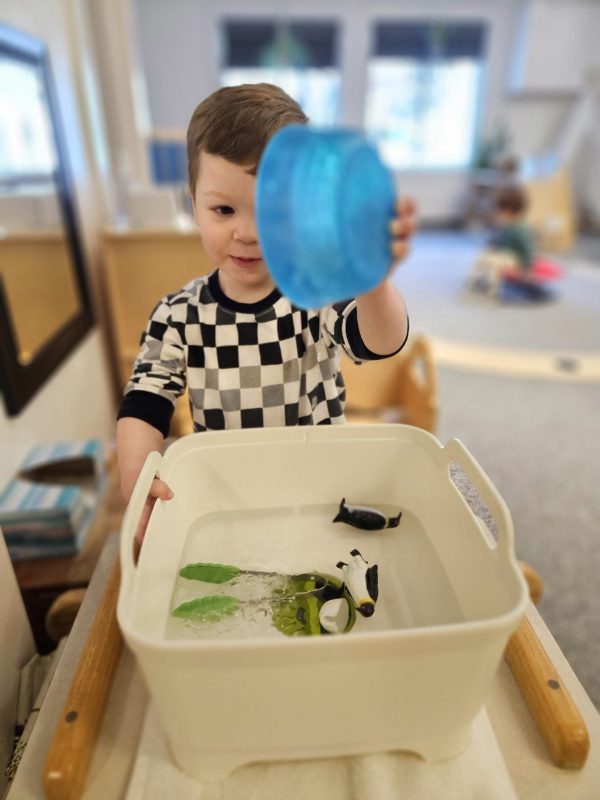
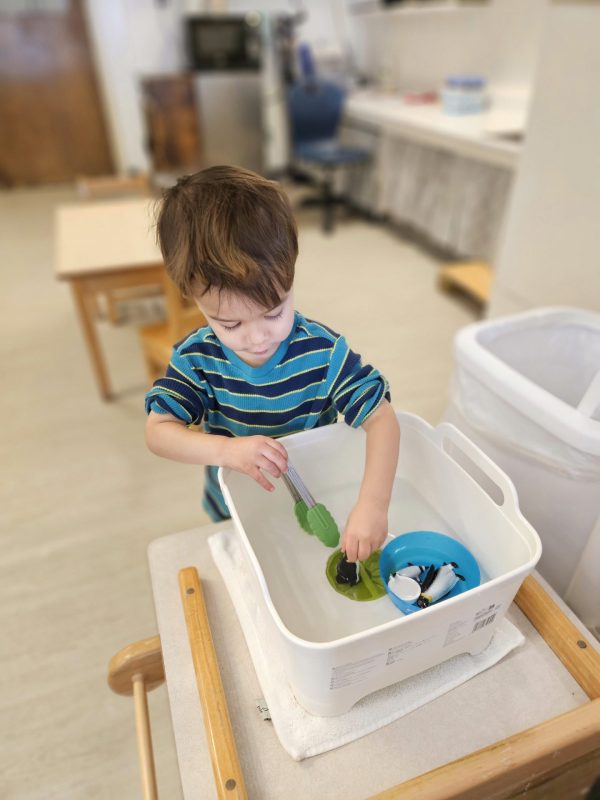
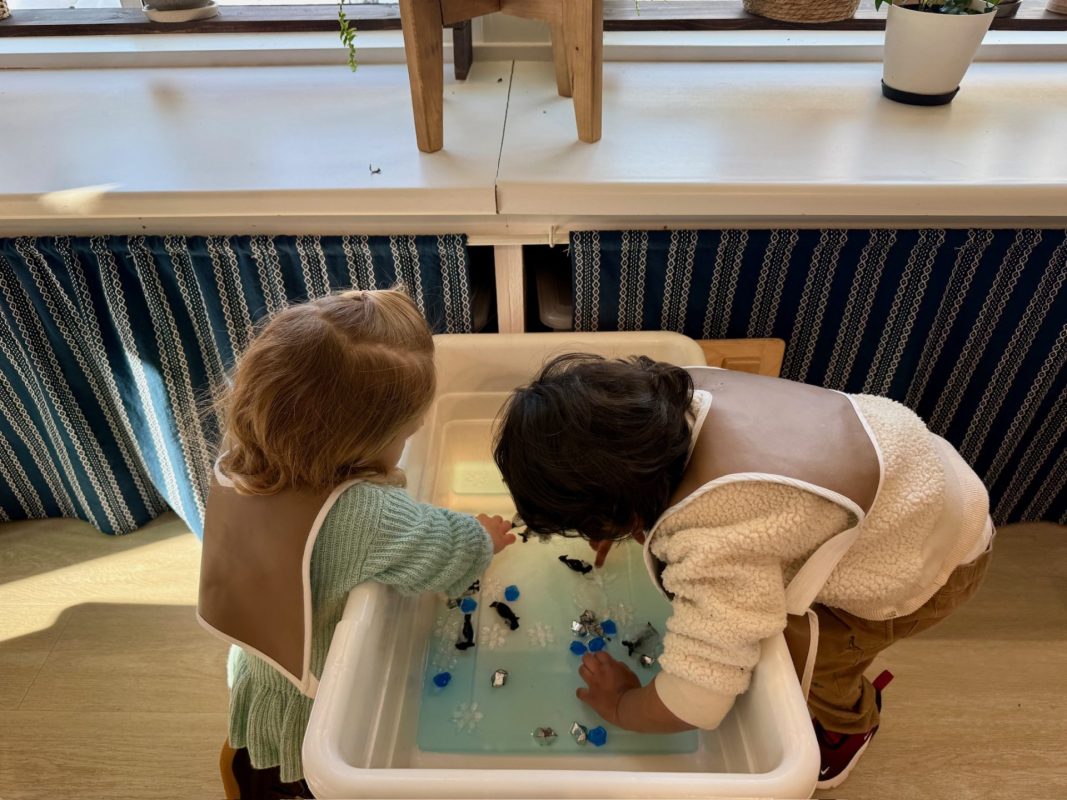
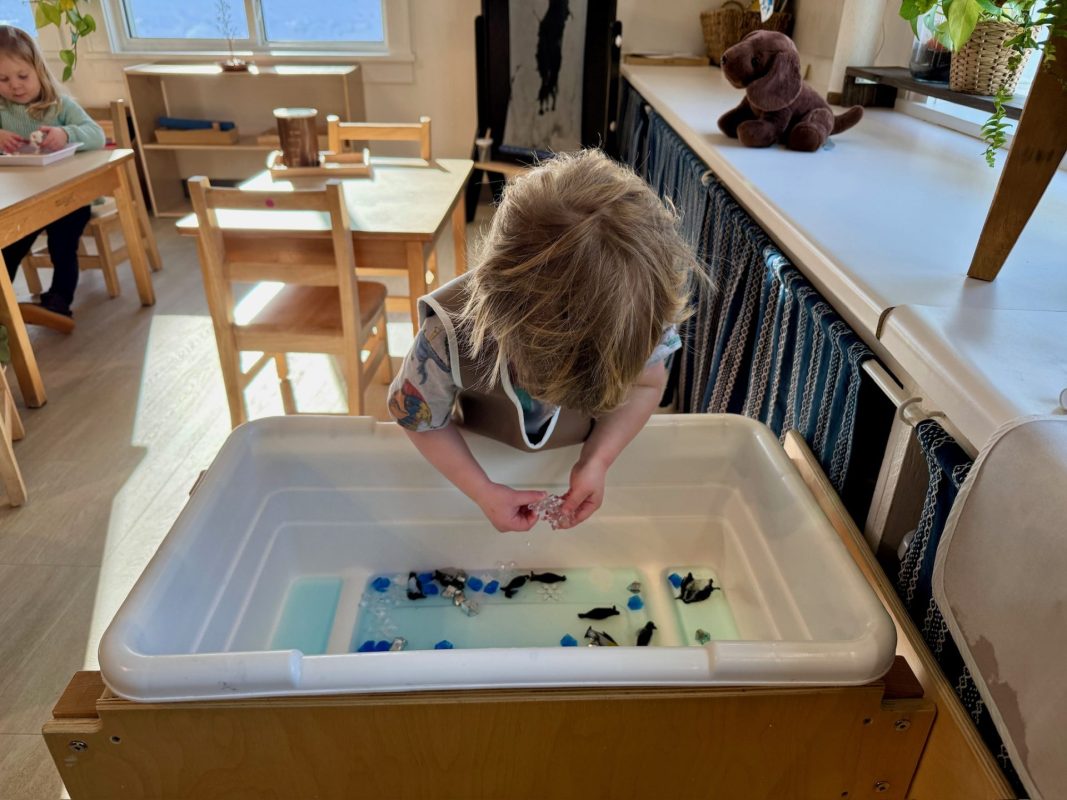
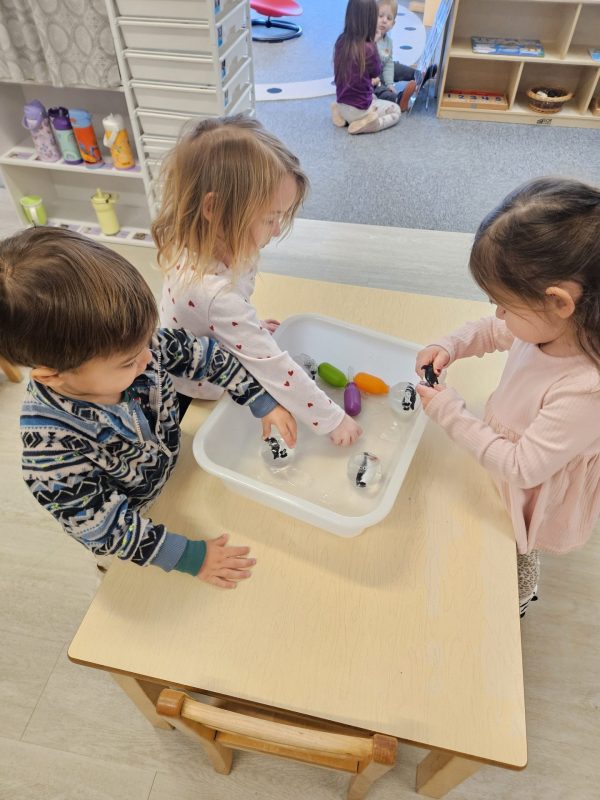
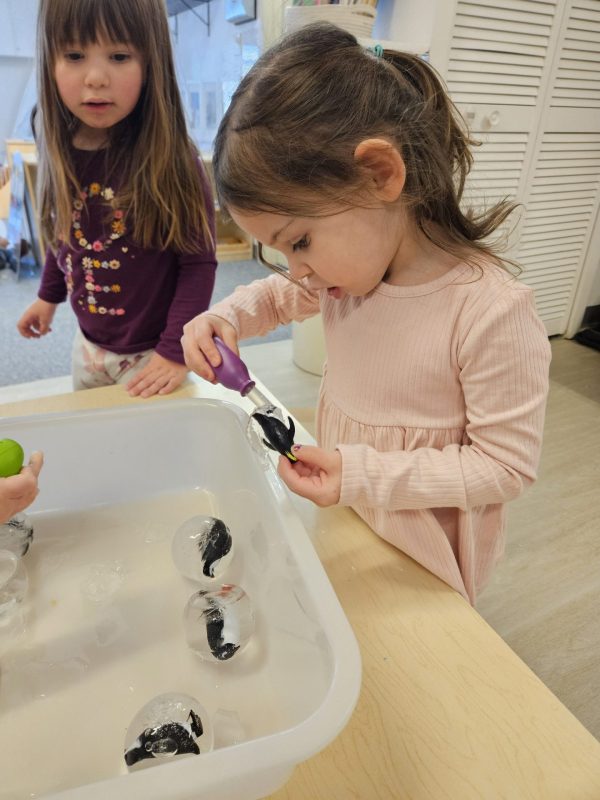
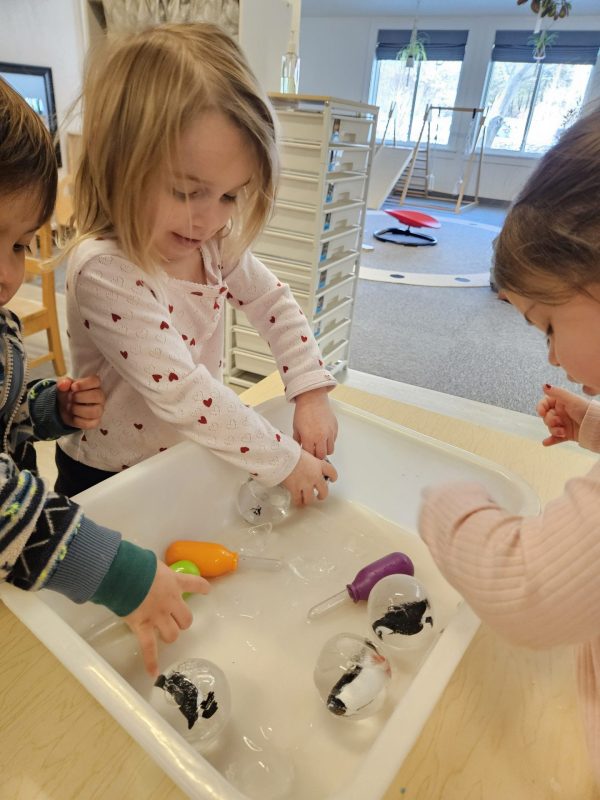
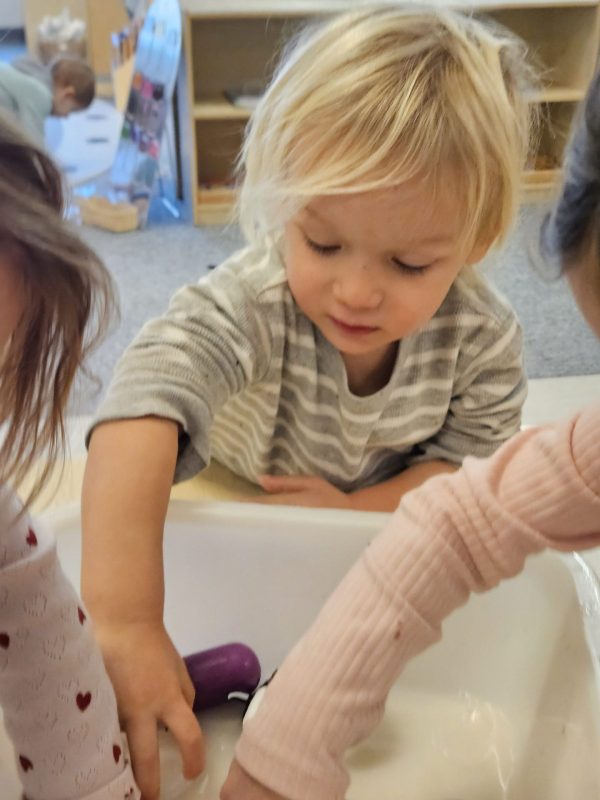
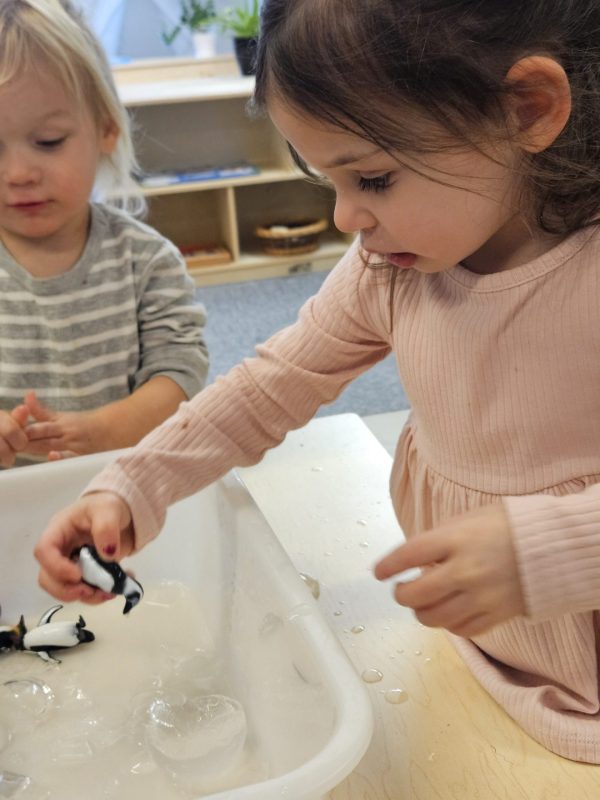
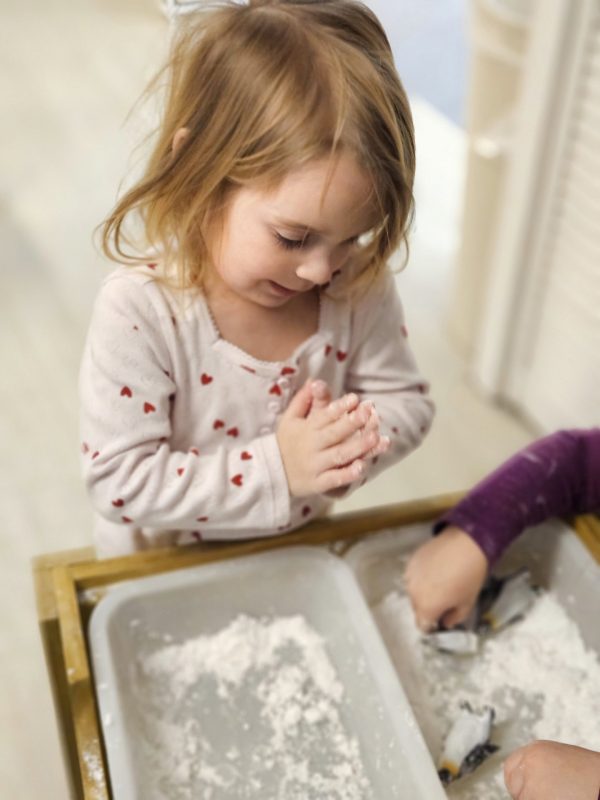
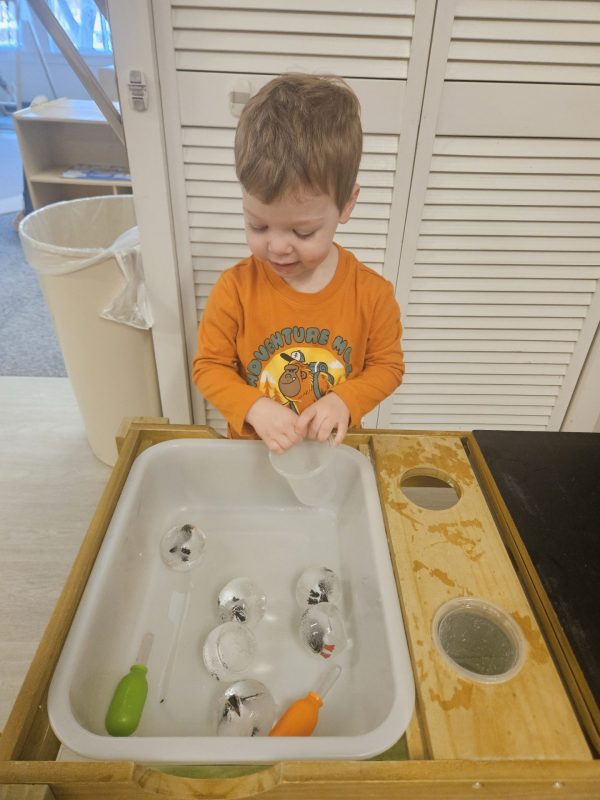
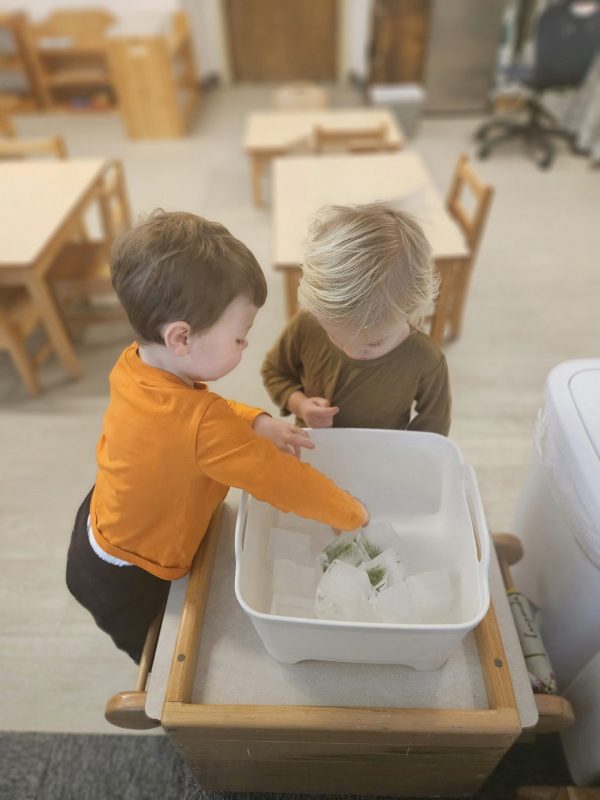
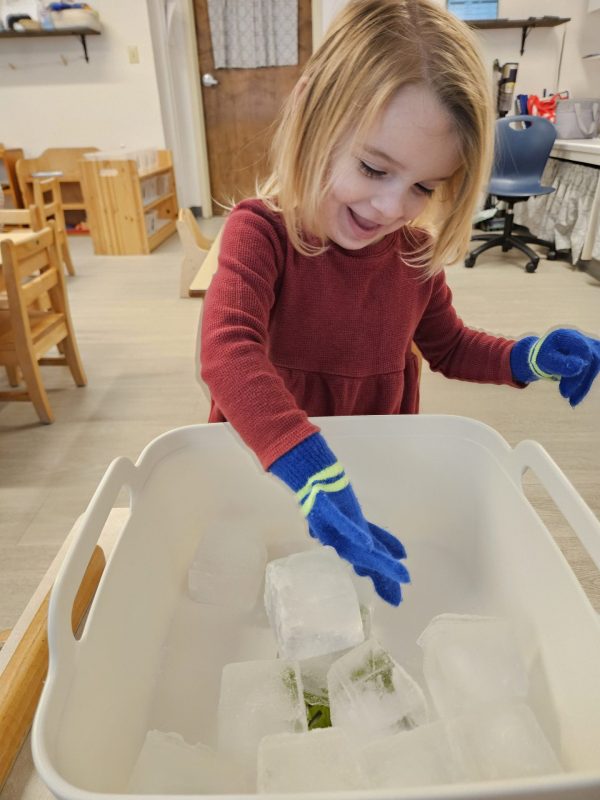
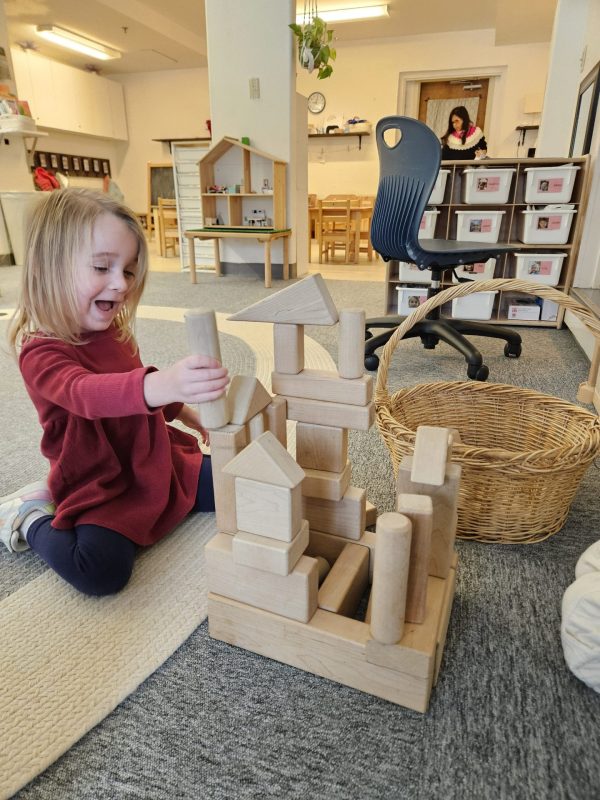
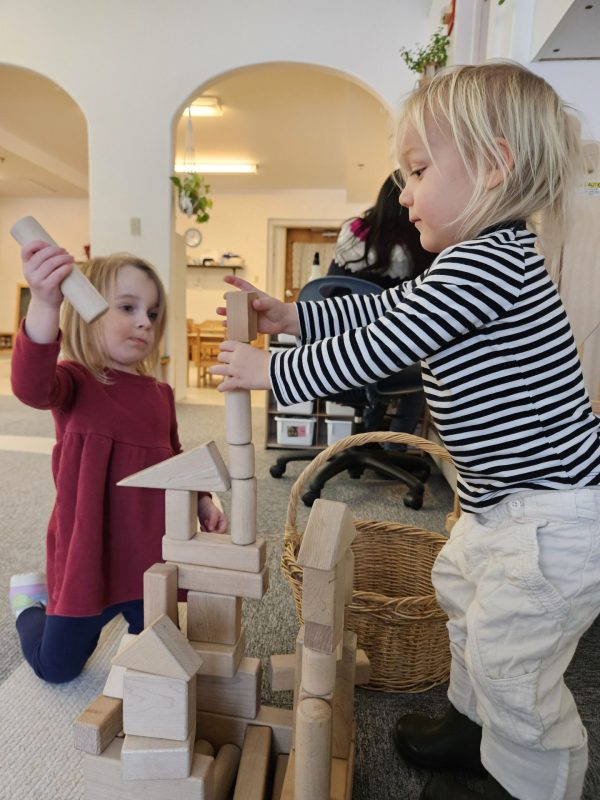
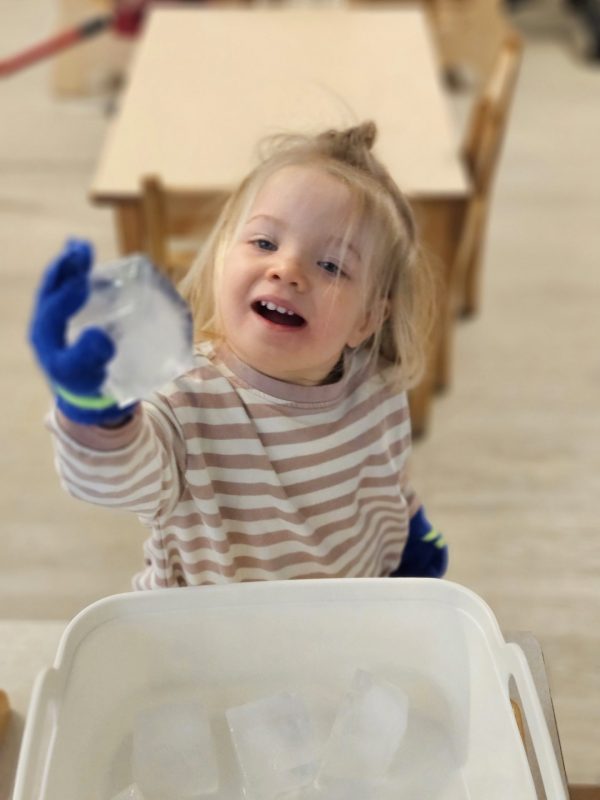
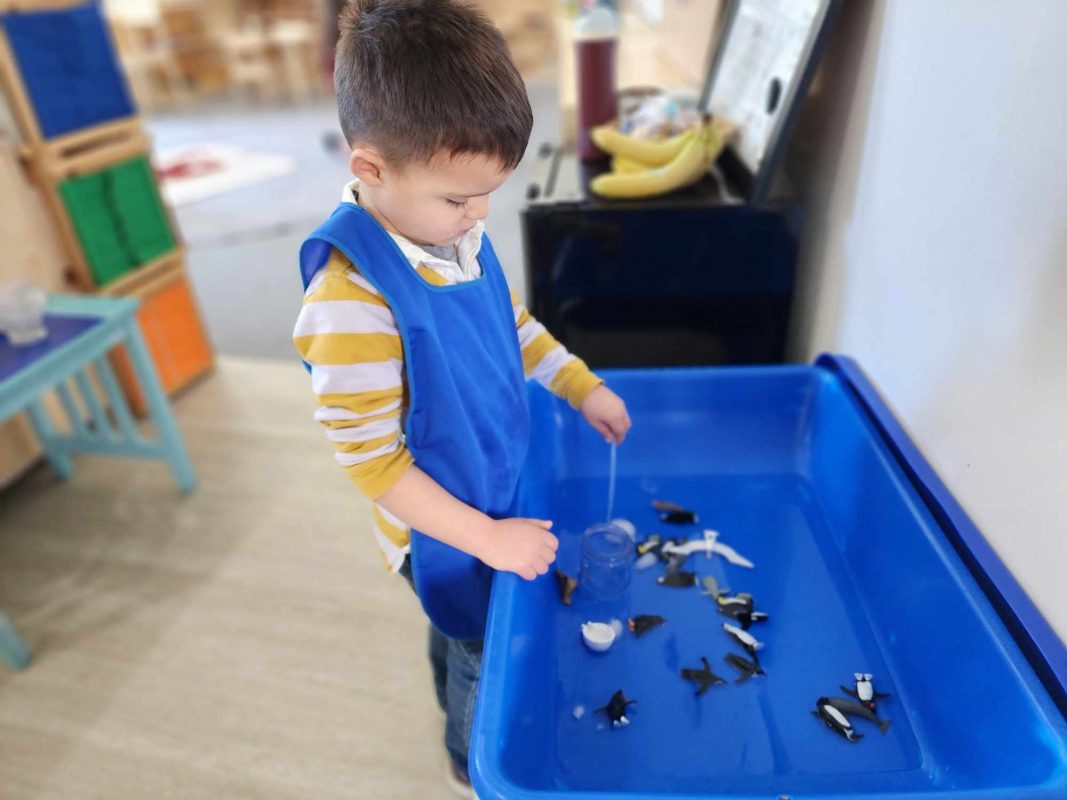
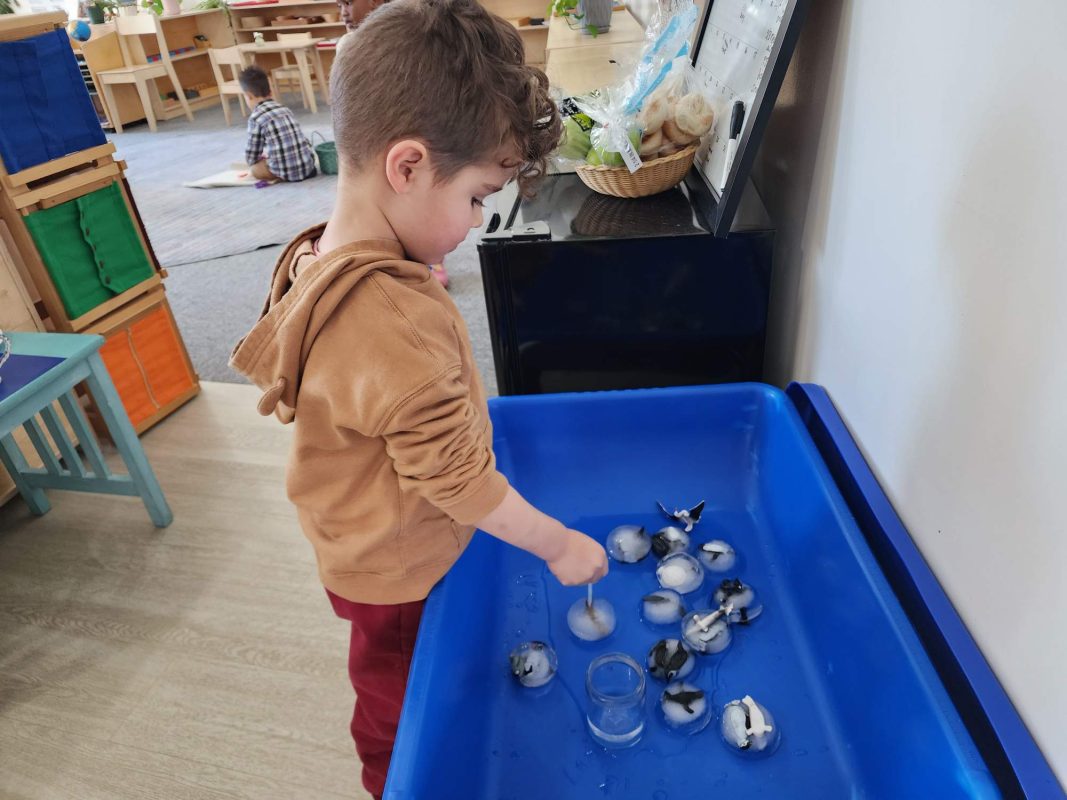
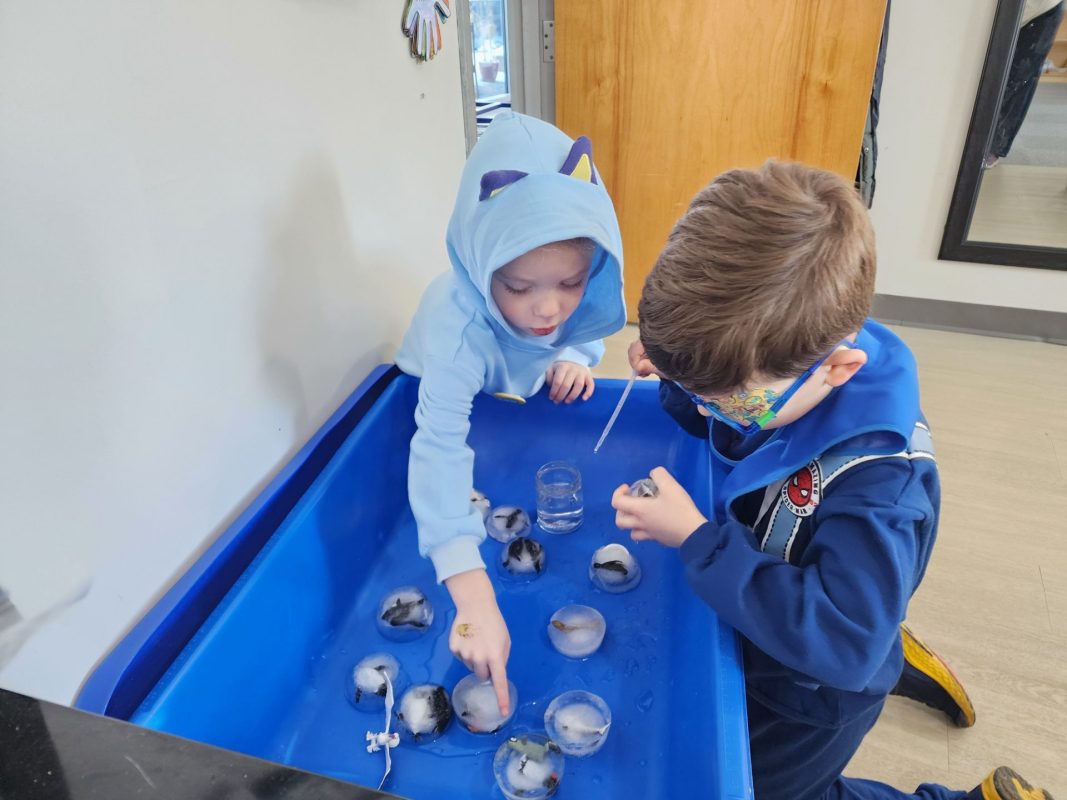
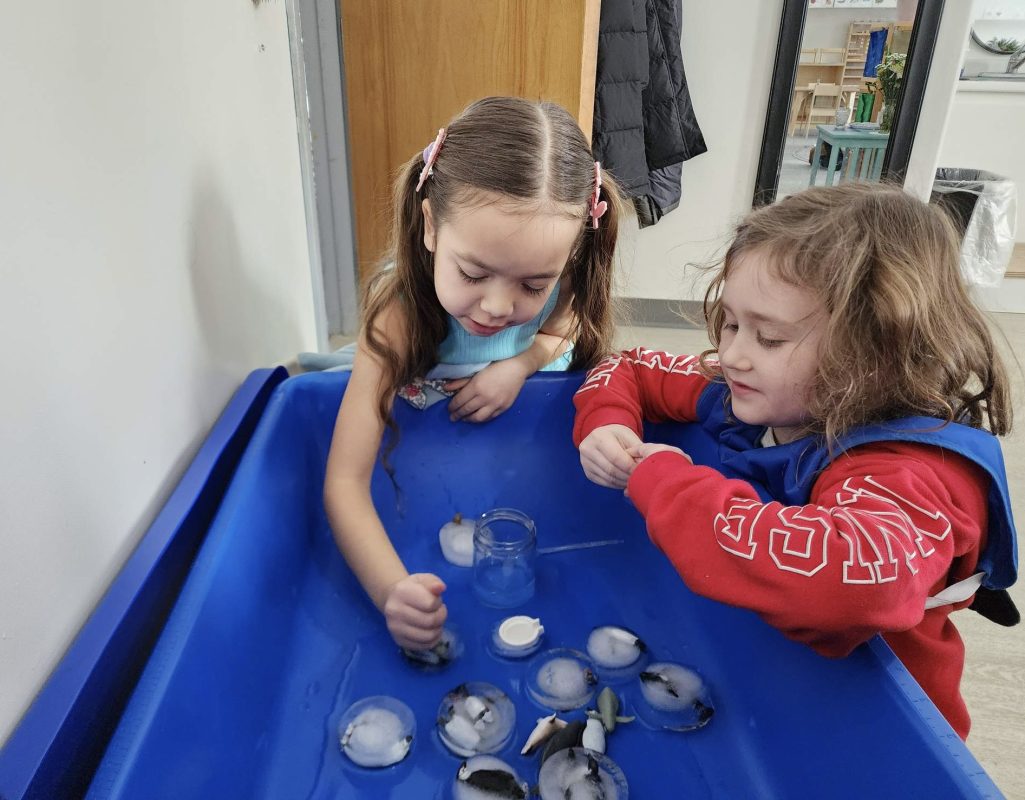
We continued our winter theme by rescuing penguins frozen inside ice blocks. The children were fascinated as they worked to free the penguins, observing the ice and talking about how it melts. We also built ice castles, experimenting with stacking large, slippery ice cubes and problem-solving when they slid or toppled over.

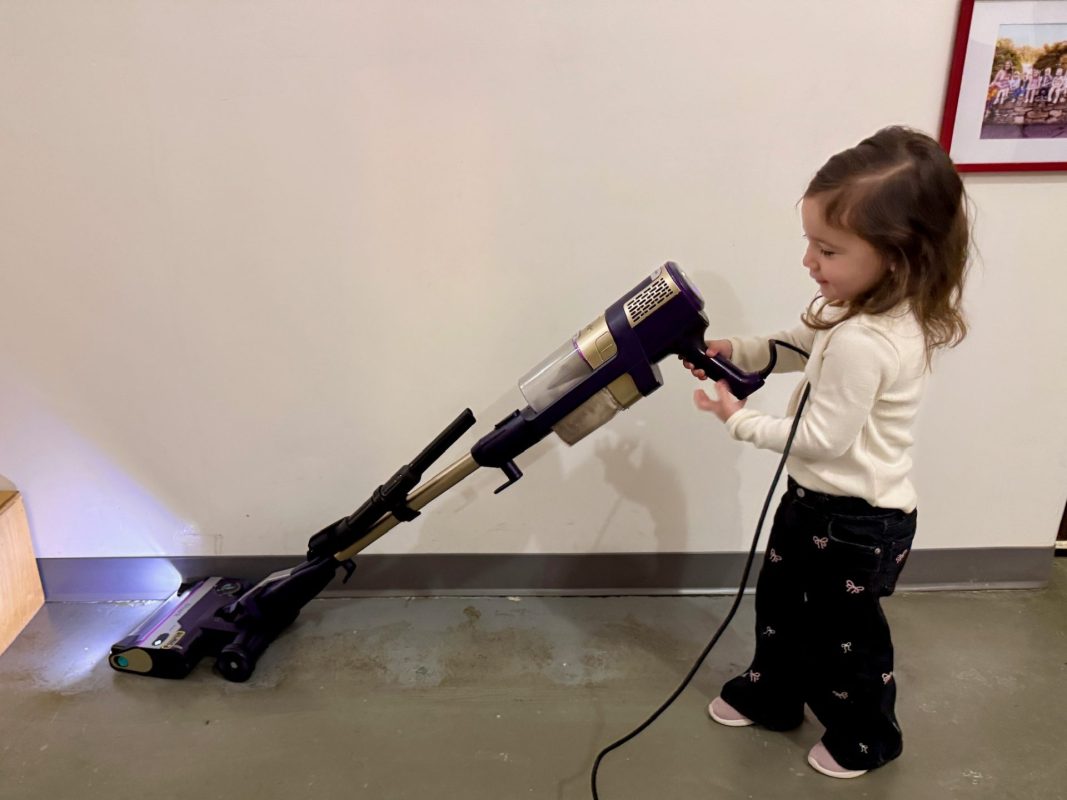
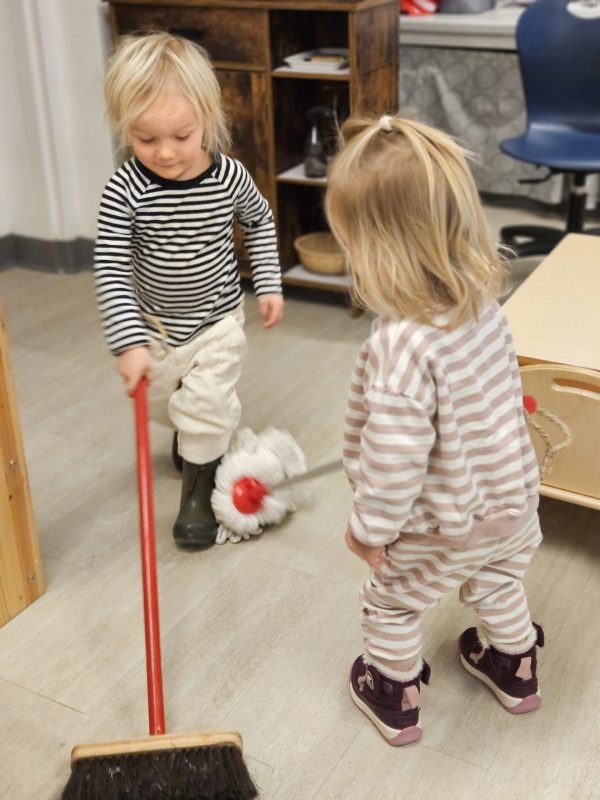
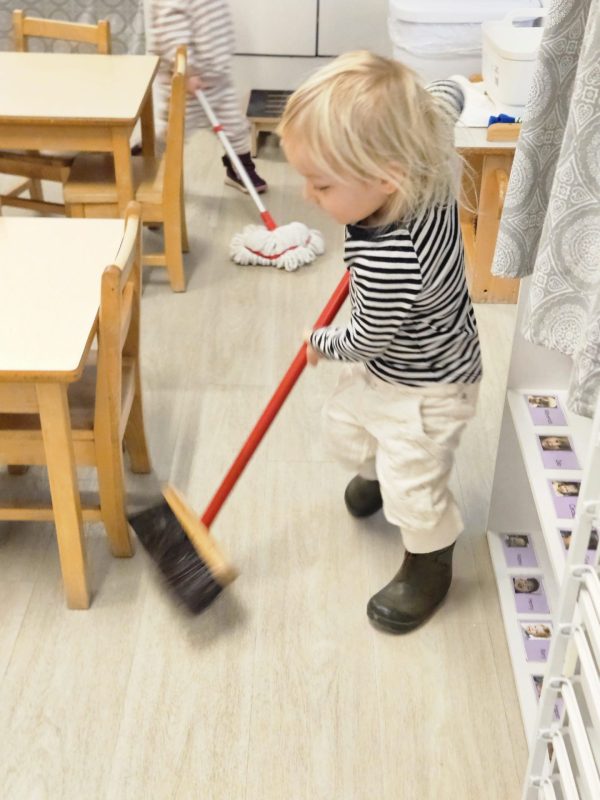
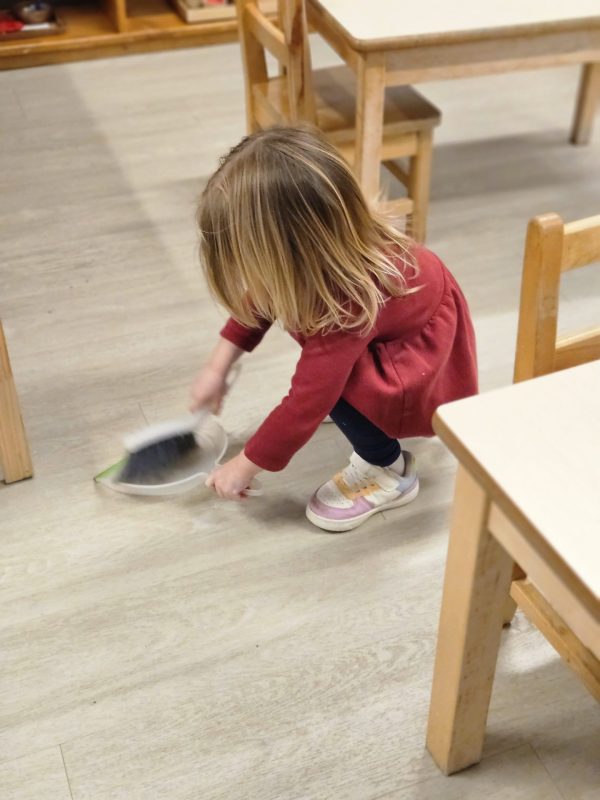
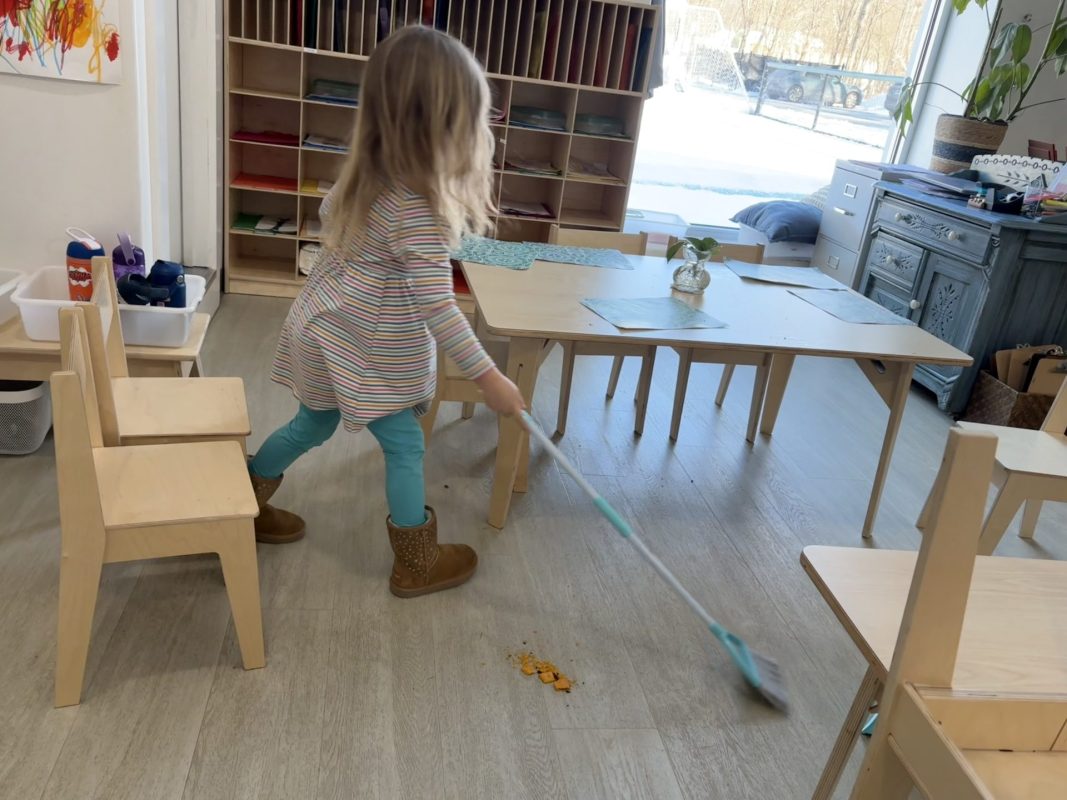
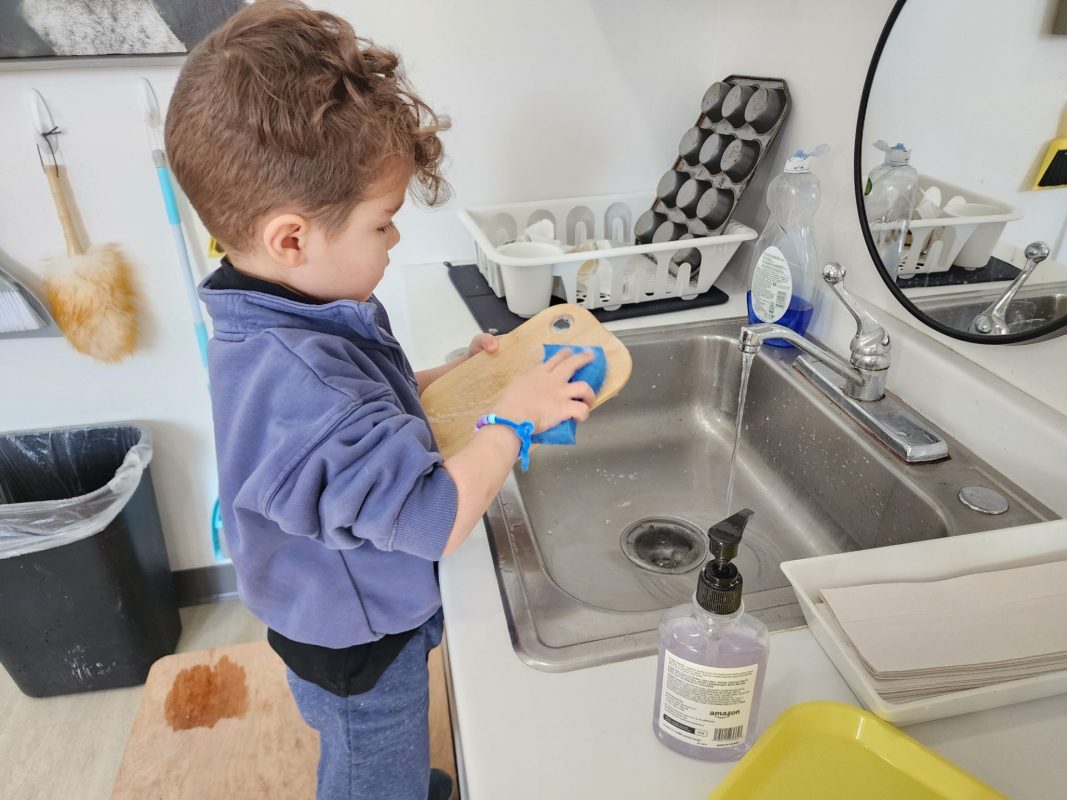
The children took great pride in helping care for our classroom. They eagerly participated in sweeping, mopping, and wiping tables, showing responsibility and independence while caring for their shared space.

Stay warm, stay safe, and try to enjoy the slower pace this snowstorm brings—sometimes being “stuck inside” gives us the gift of extra quality time with our families.

We’re looking forward to healthier days and seeing everyone back together soon! 💕


Phonemic Awareness in Montessori: Building Strong Readers

At our Parents’ Association meeting this past Wednesday, I gave a talk titled Phonemic Awareness in Montessori: Building Strong Readers. Several parents asked for a copy of the slide presentation, which is attached at the end of this post. Below is a brief summary of the key ideas we discussed.

Why Phonemic Awareness Matters

Phonemic awareness is the ability to hear and work with sounds in spoken language. It is different from phonics, which connects sounds to letters. Sound awareness comes first and is a critical foundation for reading and spelling.

Multisensory Montessori Approach

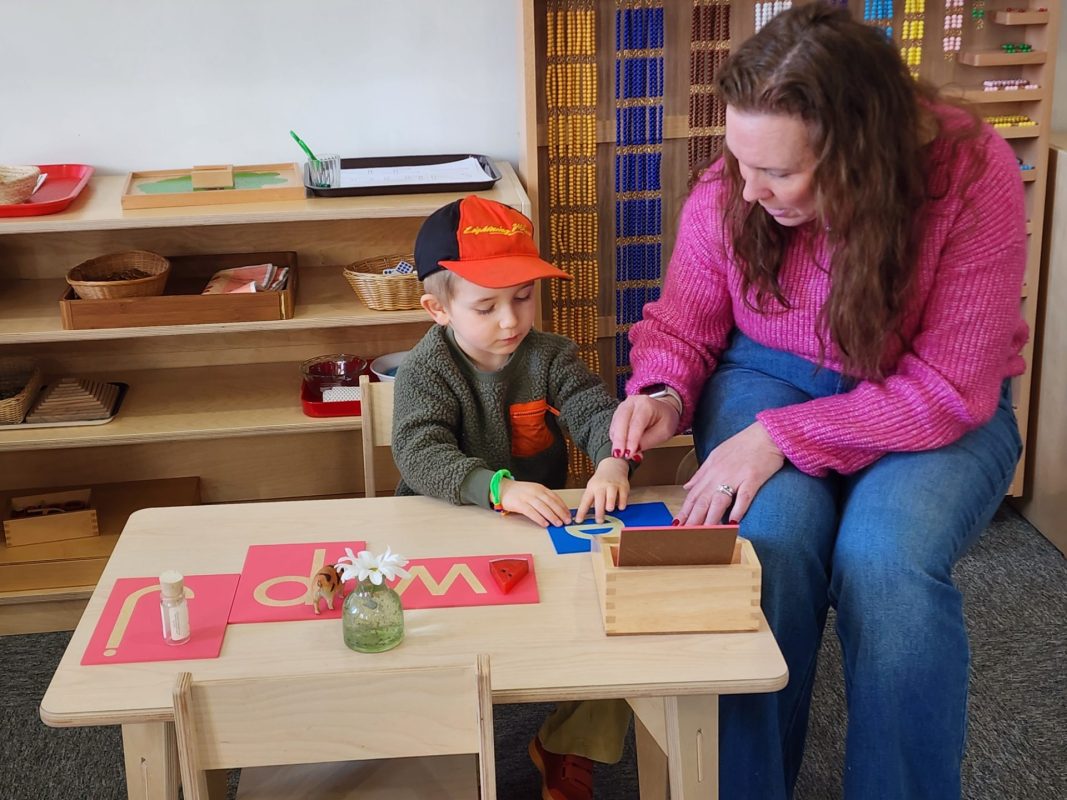
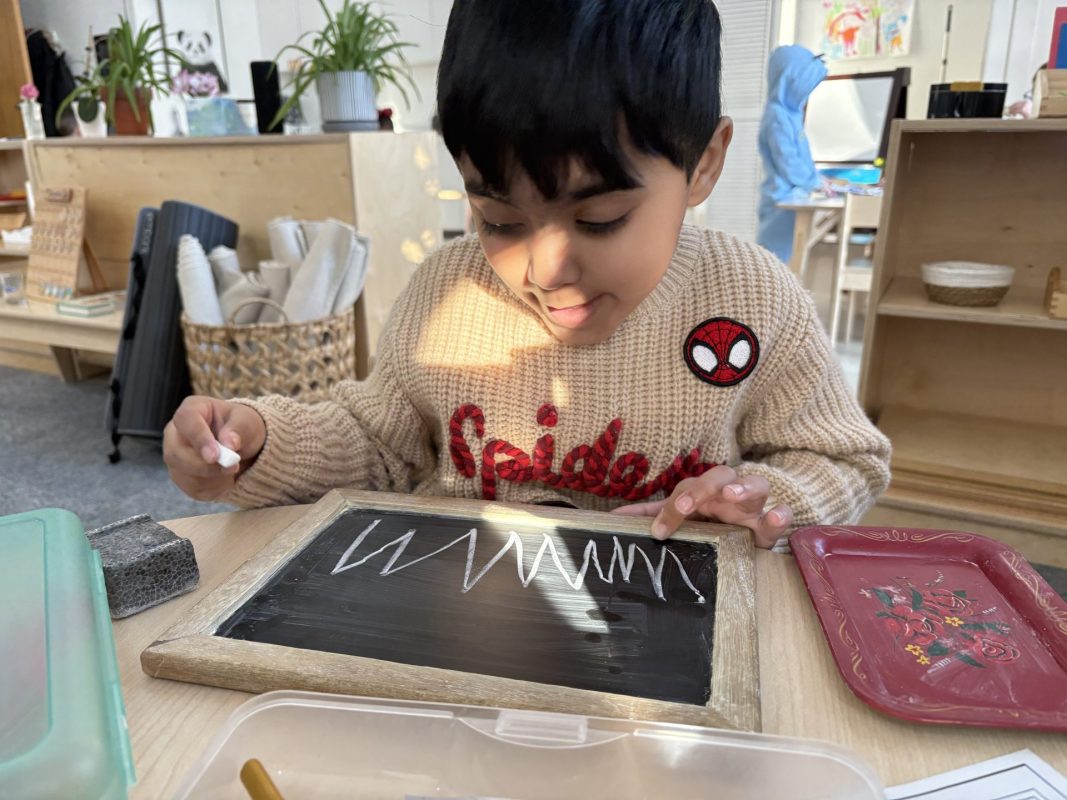
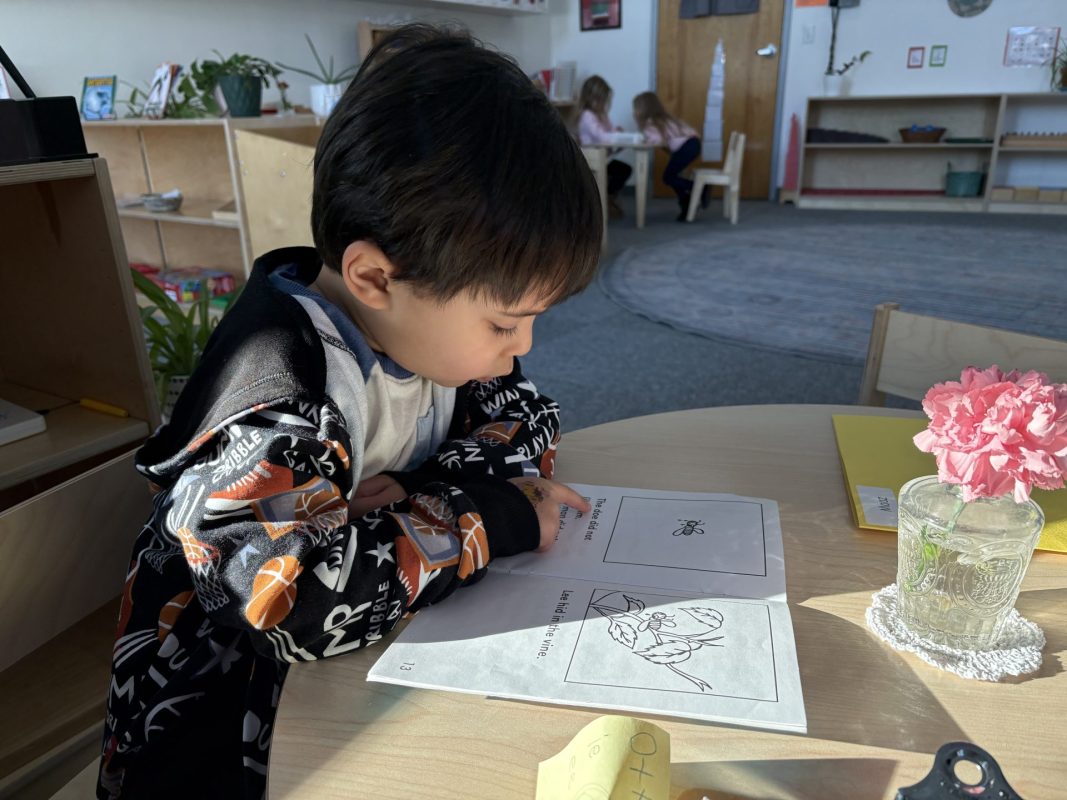
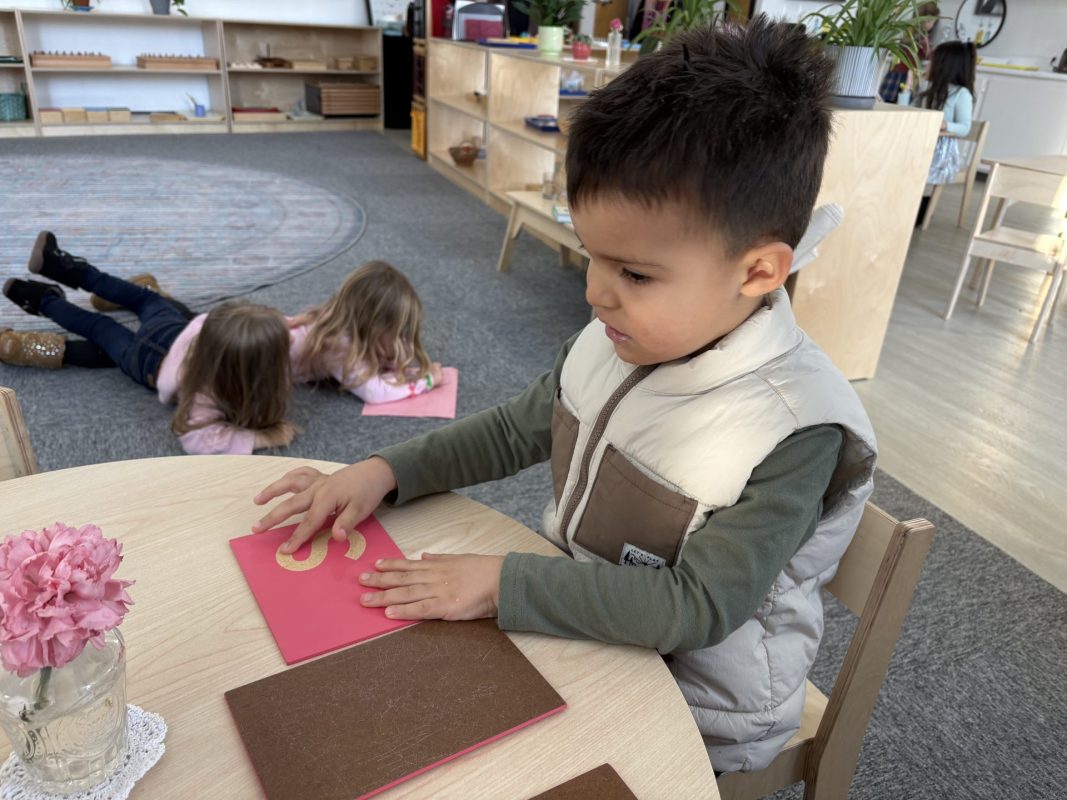
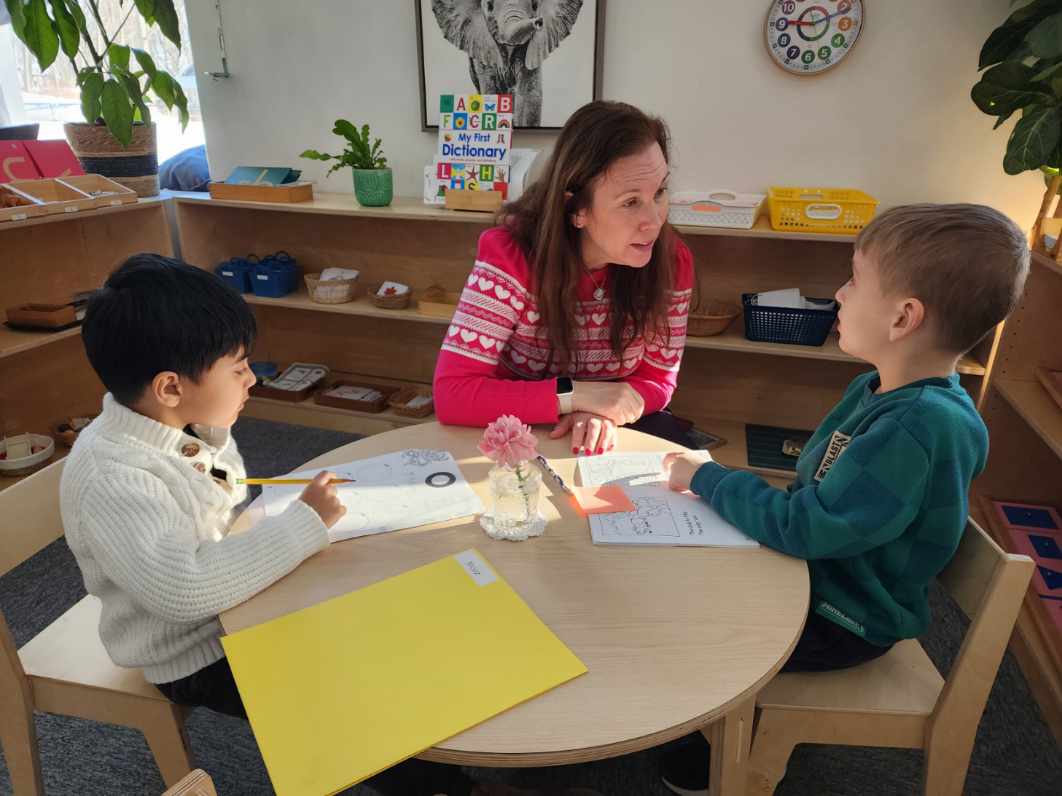
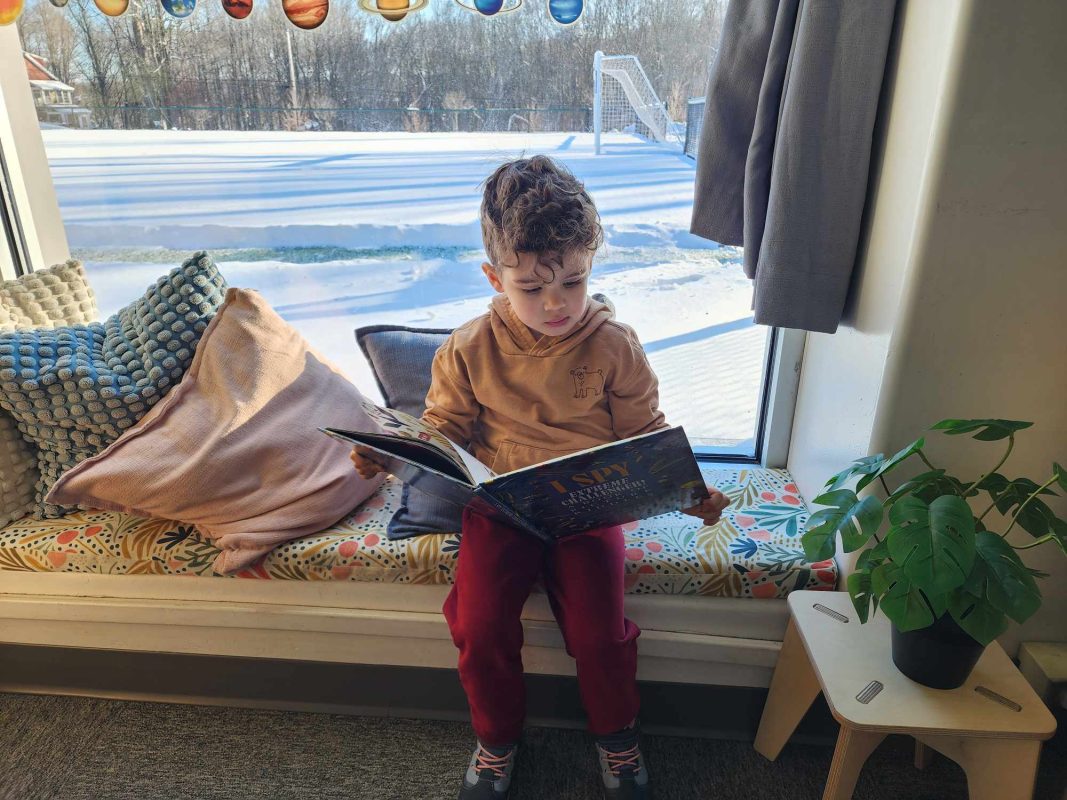
Montessori reading instruction is multisensory. Children learn by seeing, hearing, touching, and moving, which strengthens memory and understanding. Before letters are introduced, teachers use oral sound games—such as the “Eye Spy” game—to help children isolate and manipulate sounds in words.

Building the Bridge to Reading

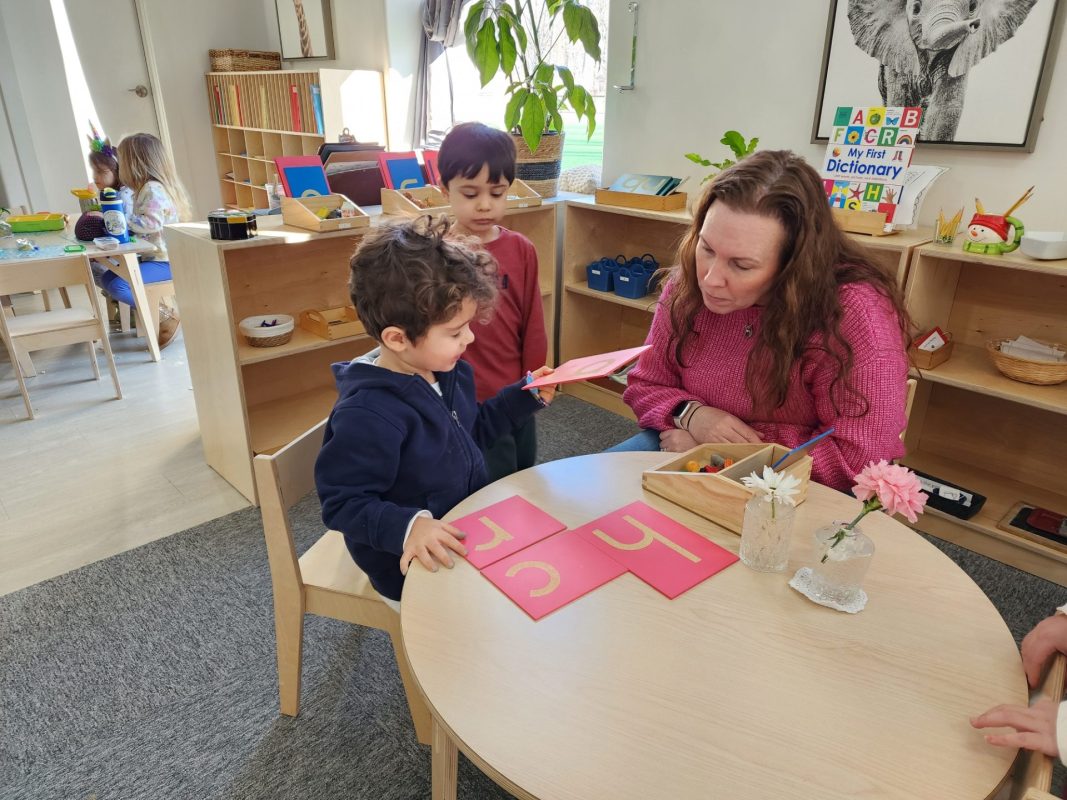
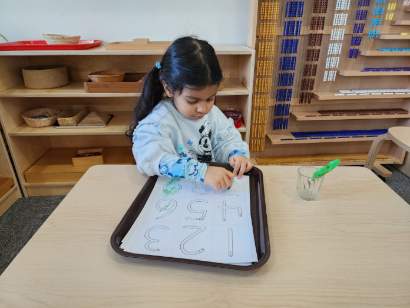
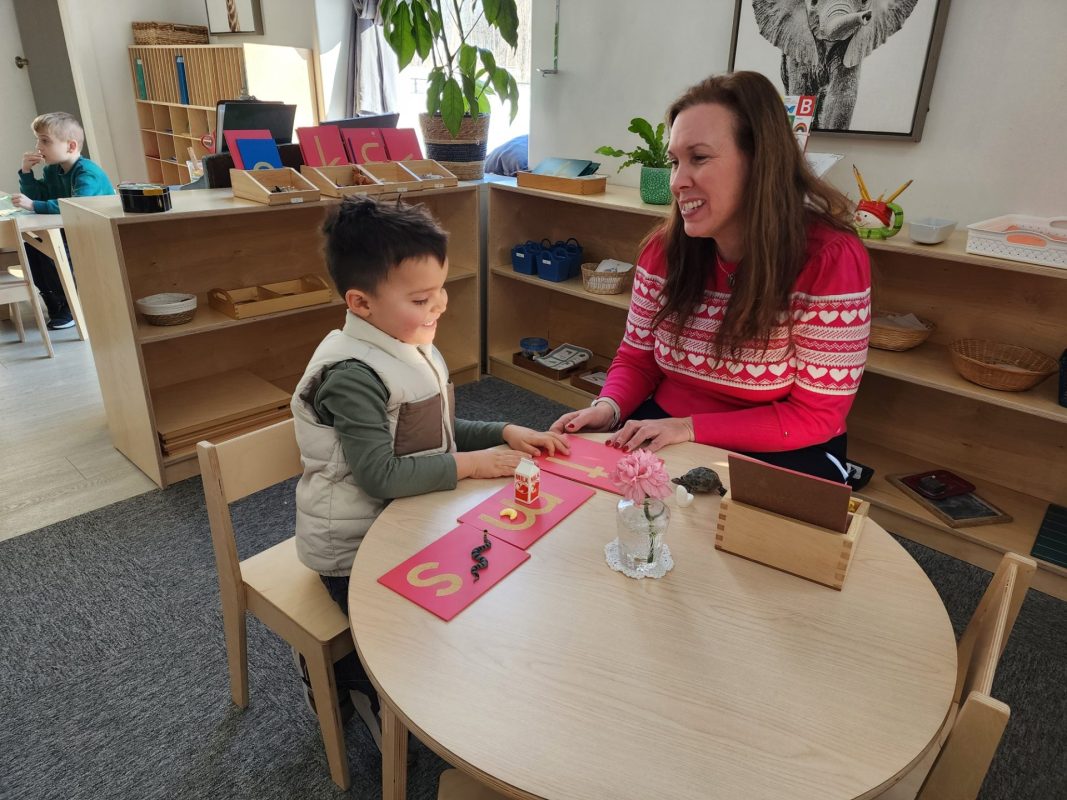
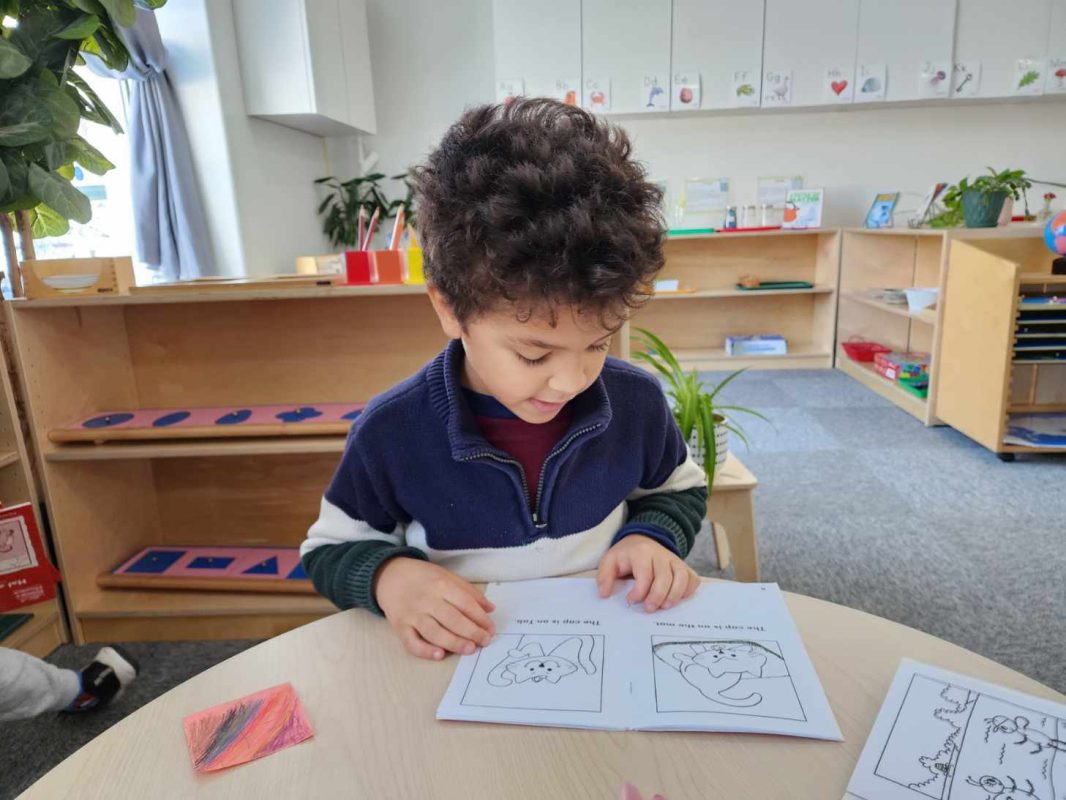
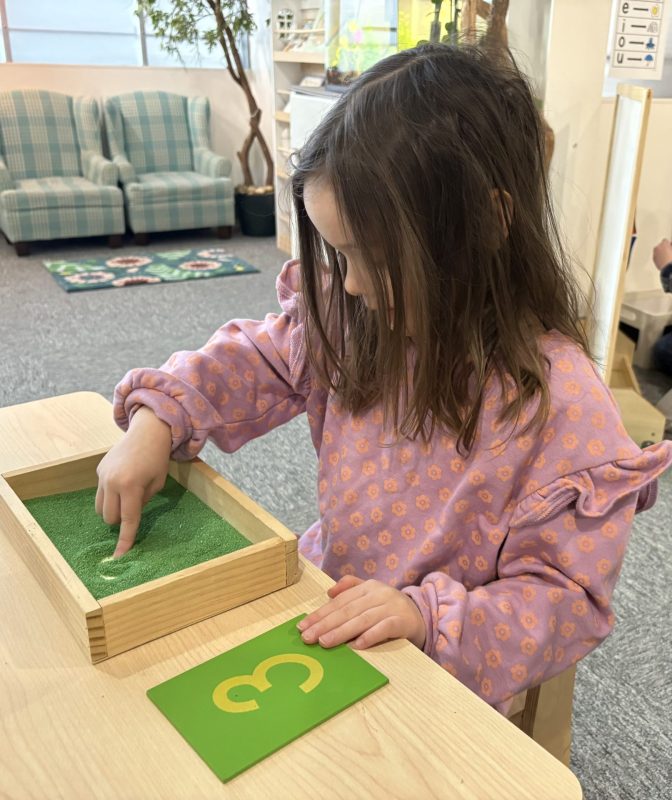
Hands-on materials like sandpaper letters and the Moveable Alphabet help children segment, blend, and connect sounds to letters. This work builds a strong bridge between spoken and written language, making early reading and spelling feel natural and meaningful.

Montessori and Scarborough’s Reading Rope

Scarborough’s Reading Rope is a research-based framework that explains skilled reading as the weaving together of two major strands: word recognition and language comprehension. Montessori materials naturally strengthen both. Sound games, sandpaper letters, and the Moveable Alphabet support decoding, while rich oral language, storytelling, cultural studies, and vocabulary work strengthen comprehension. Montessori doesn’t teach these skills in isolation—children develop them together, just as the Reading Rope describes.

Scarborough tells us what must be strong for reading to succeed. Montessori shows how to build those strengths through intentional materials and experiences.

Montessori and the Science of Reading

The Science of Reading confirms what Montessori has emphasized for decades: phonemic awareness and phonics are essential, and early intervention matters. Montessori anticipated much of this research by offering a systematic, developmentally responsive, and hands-on path to literacy. The Science of Reading explains why teaching phonemic awareness works, and Montessori shows how to teach it—through intentional materials and experiences that build strong, confident readers.

Phonemic Awareness in Montessori: Building Strong Readers


Mrs. Sargeant: Scientific Discovery and Winter Preparations

As the cold weather and snow continue, please be sure to send boots, snow pants, and waterproof mittens with your child. Open-top bags, such as the large reusable ones from stores like Marshalls or canvas tote bags, work best, as the bag remains open and children can put their things away with ease. Please LABEL everything so items make their way back home.

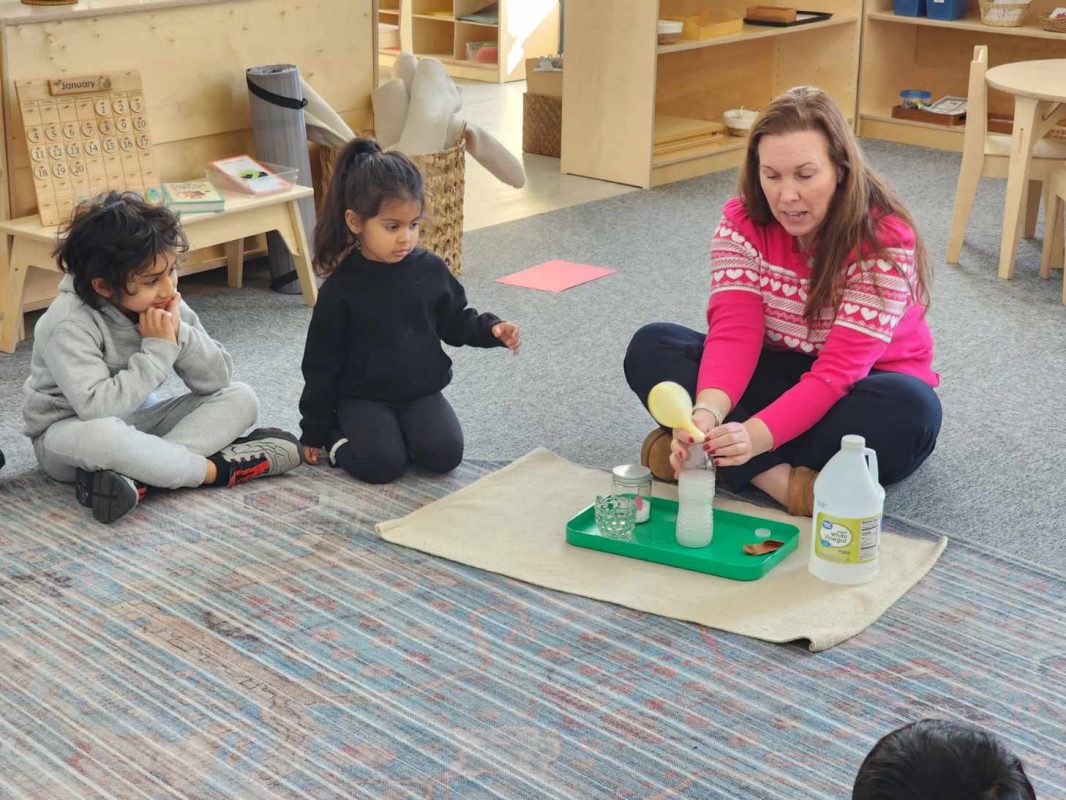
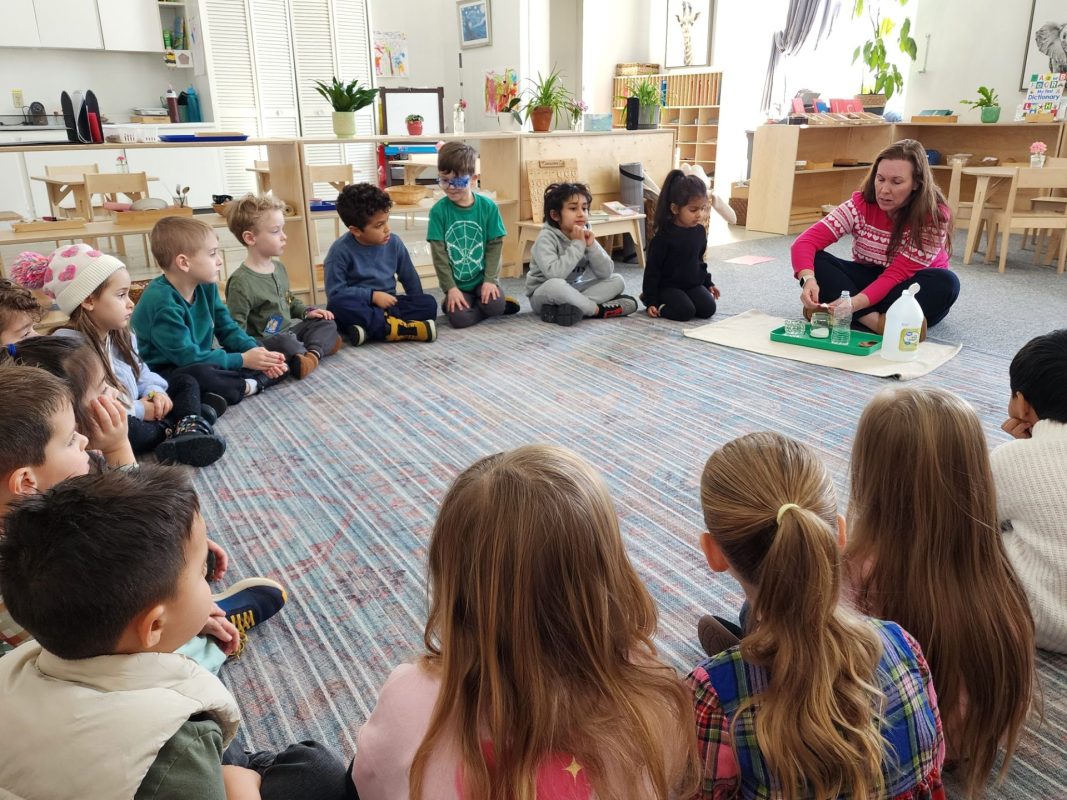
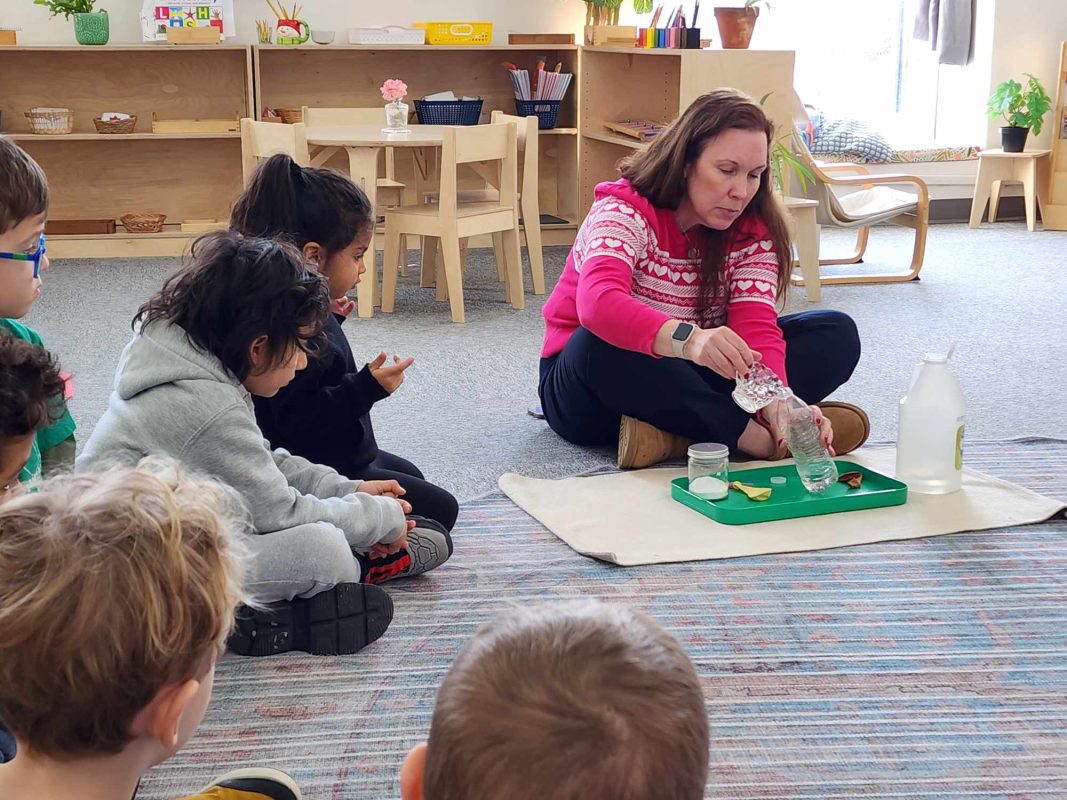
Last week, the children became scientists as we conducted an experiment using vinegar and baking soda to blow up a balloon. The children loved this demonstration and cannot wait to do it again. We talked about what it means to be a scientist and the importance of careful observation—a skill that serves children well across all areas of learning.

New Works and Growing Independence

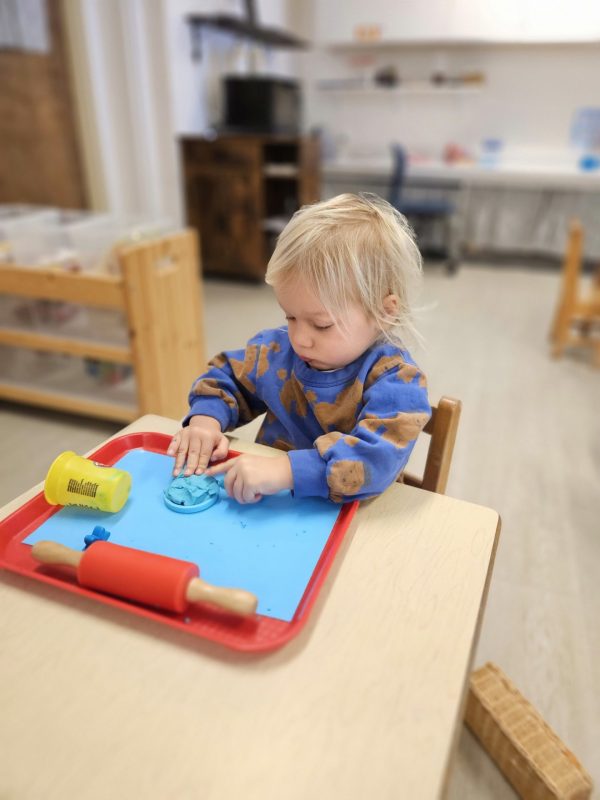
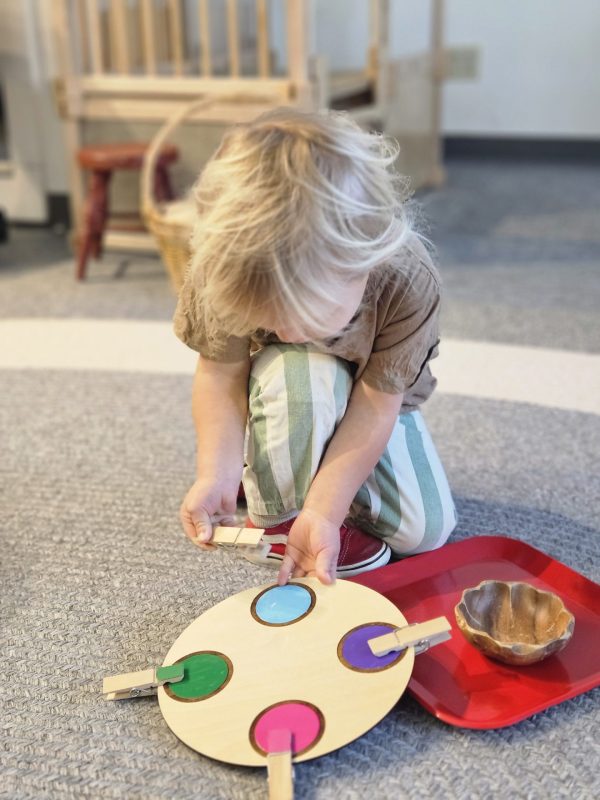
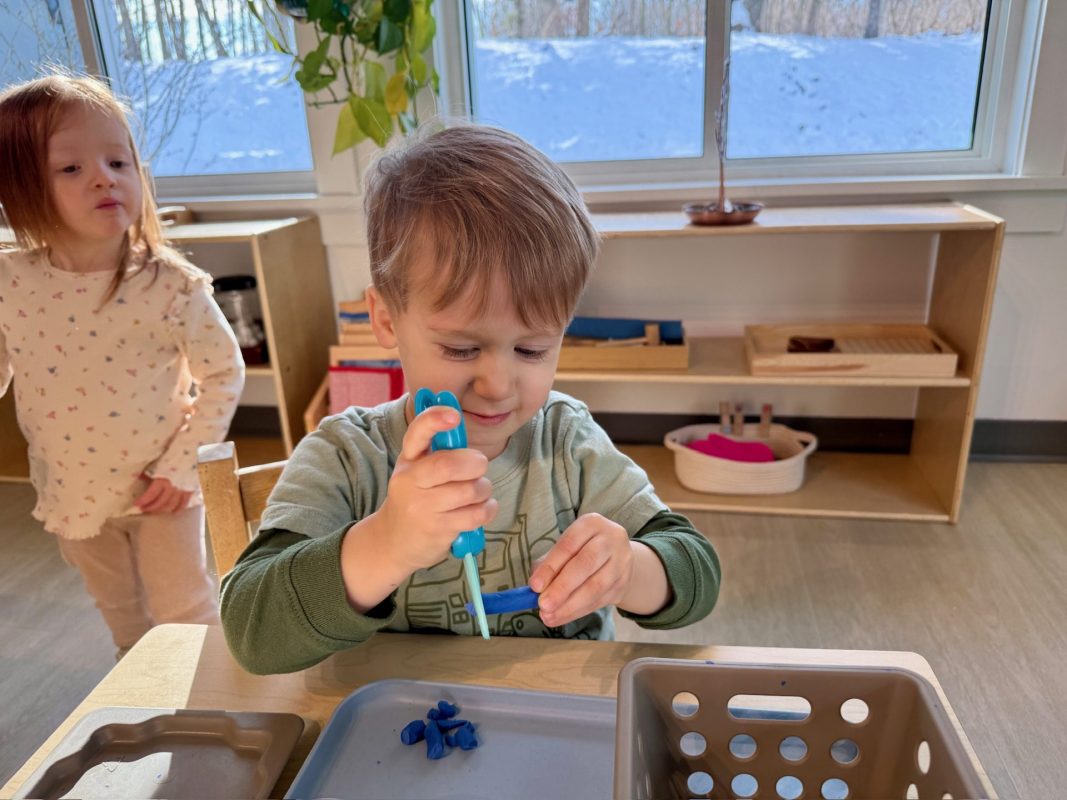
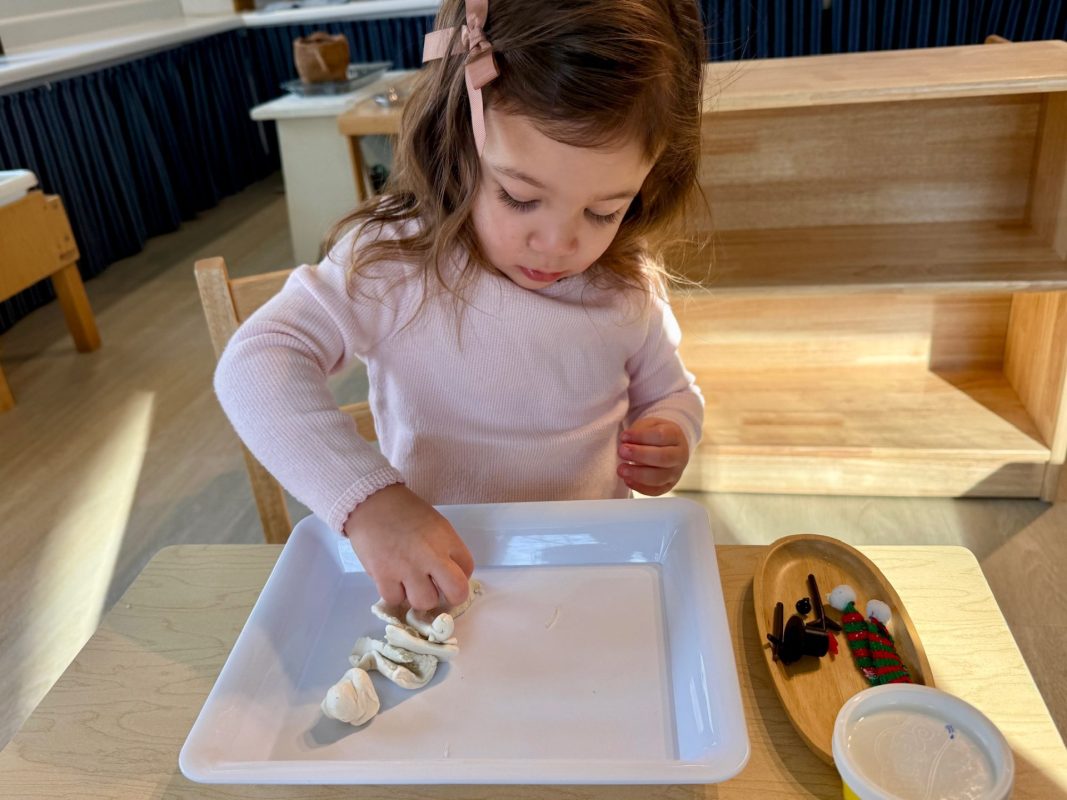
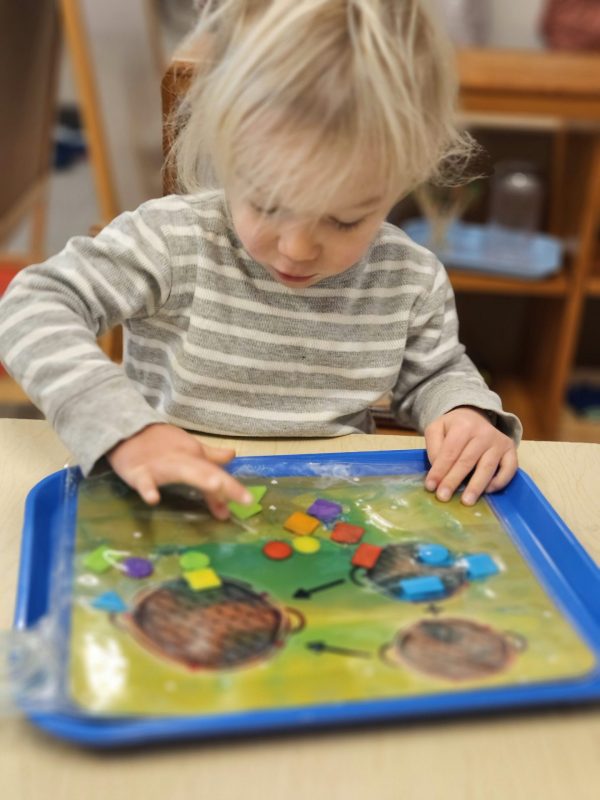
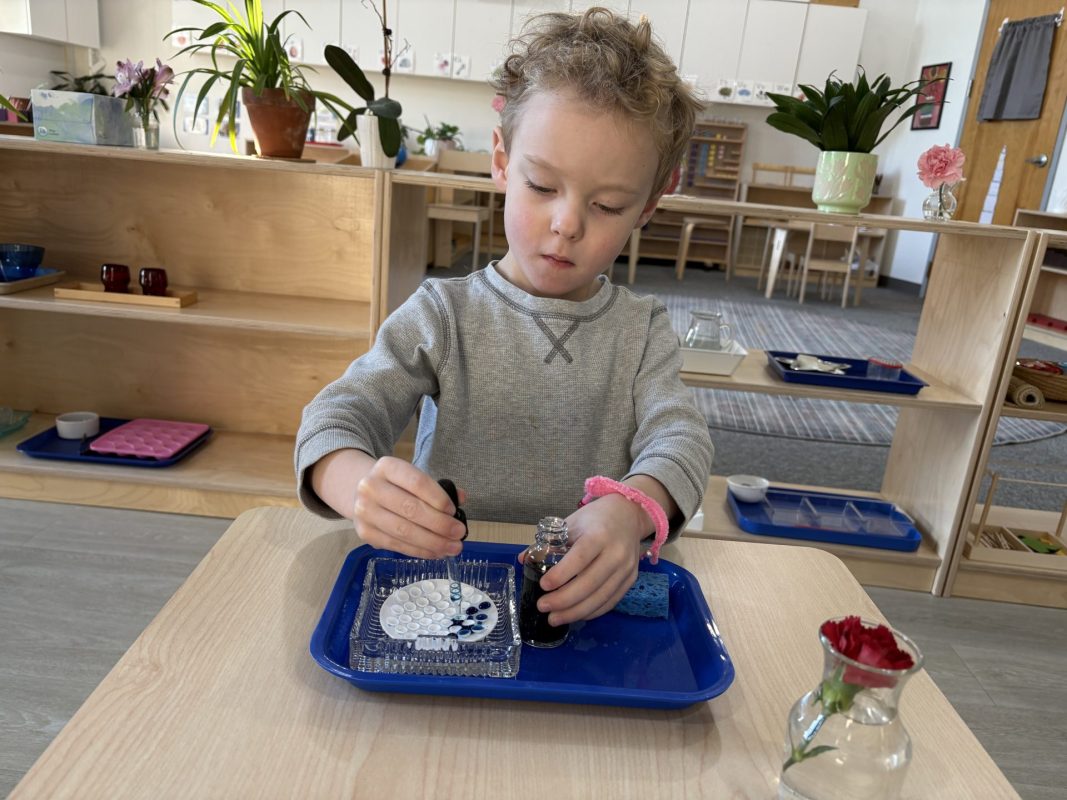
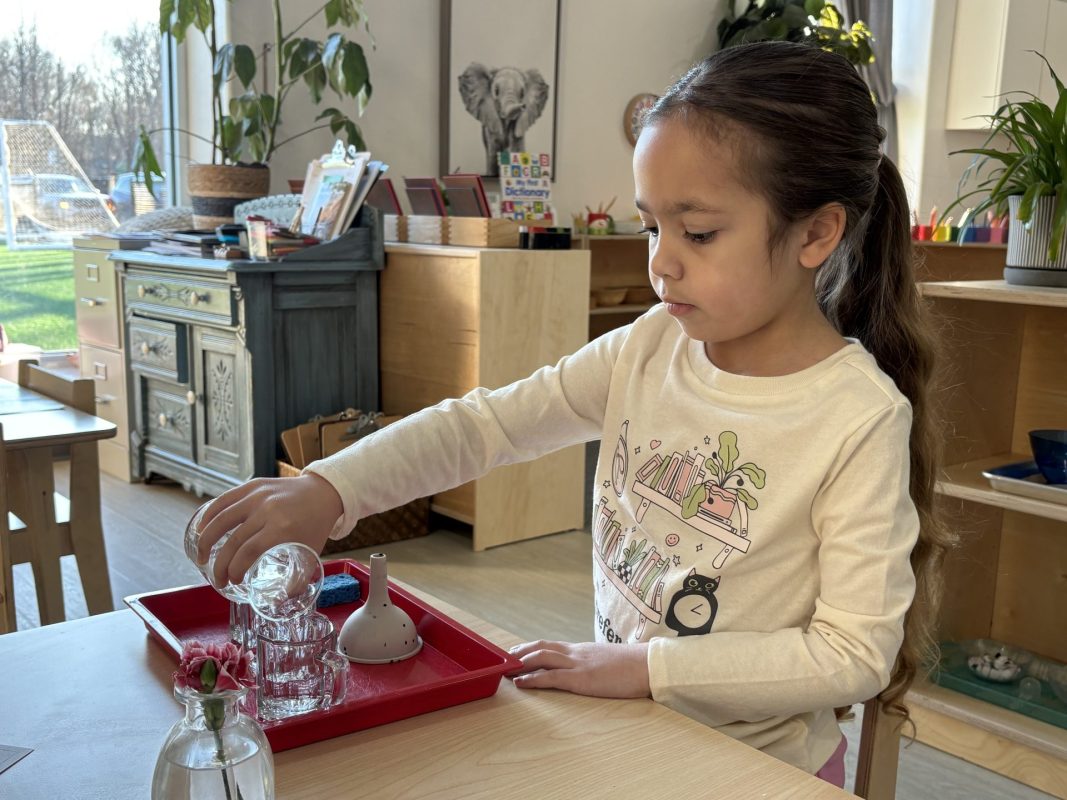
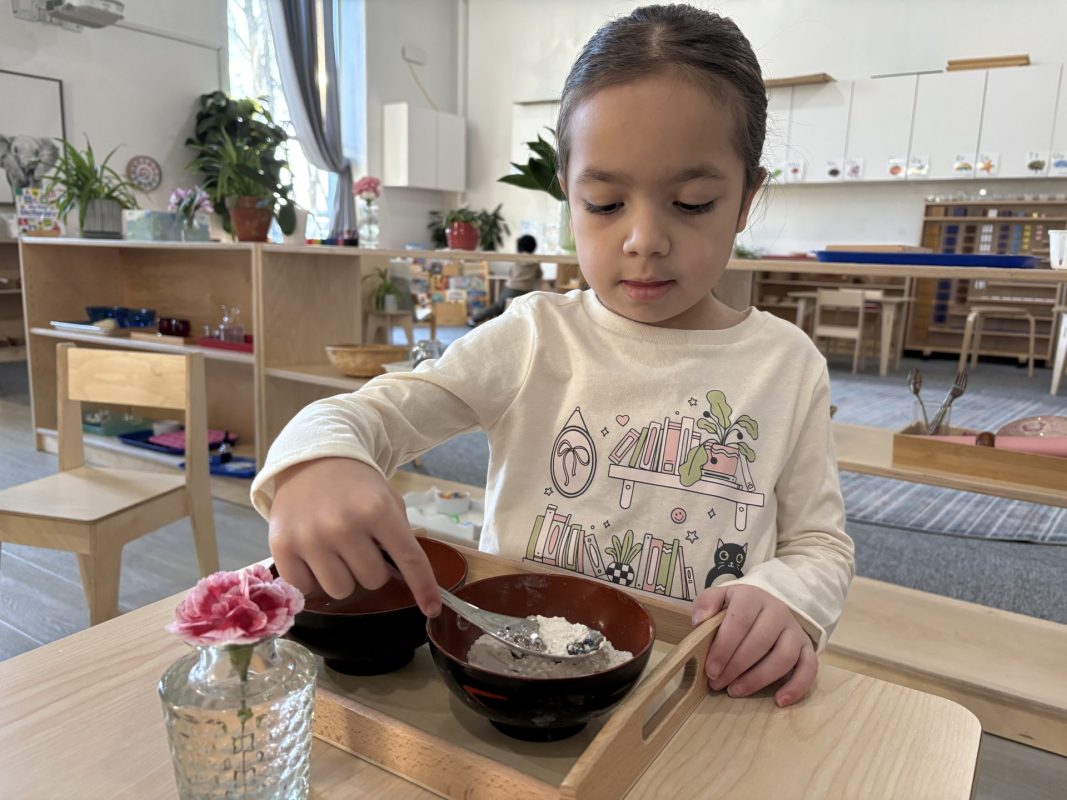
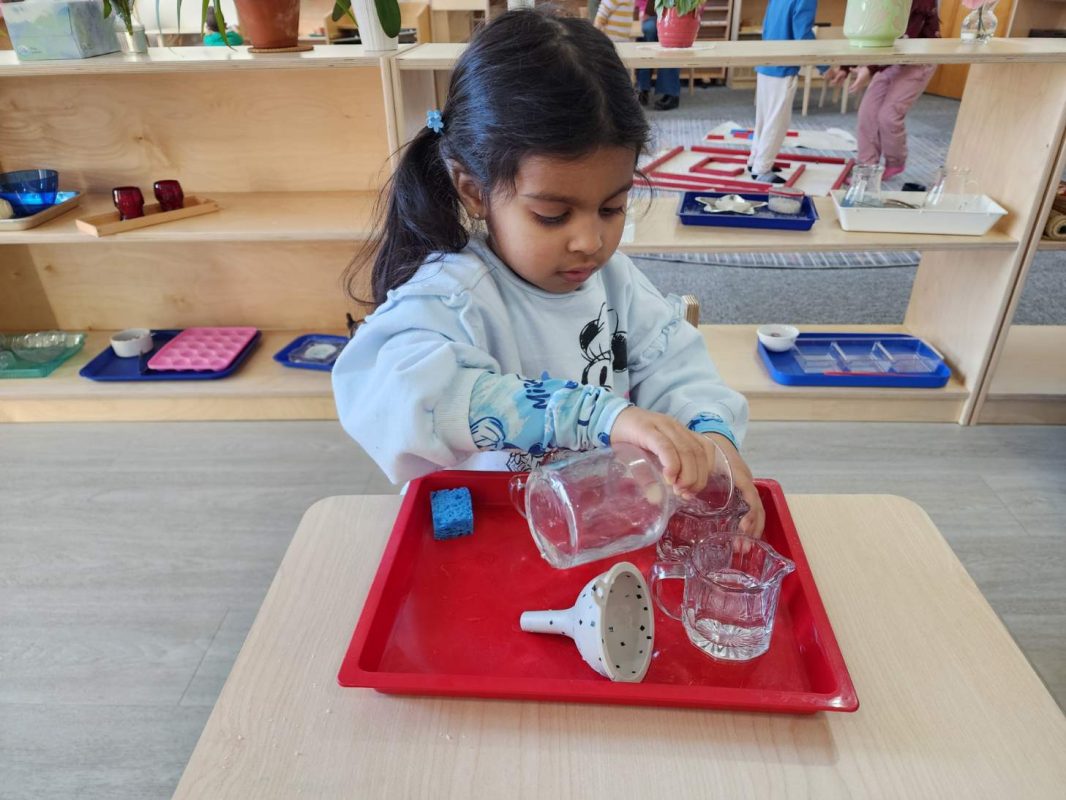
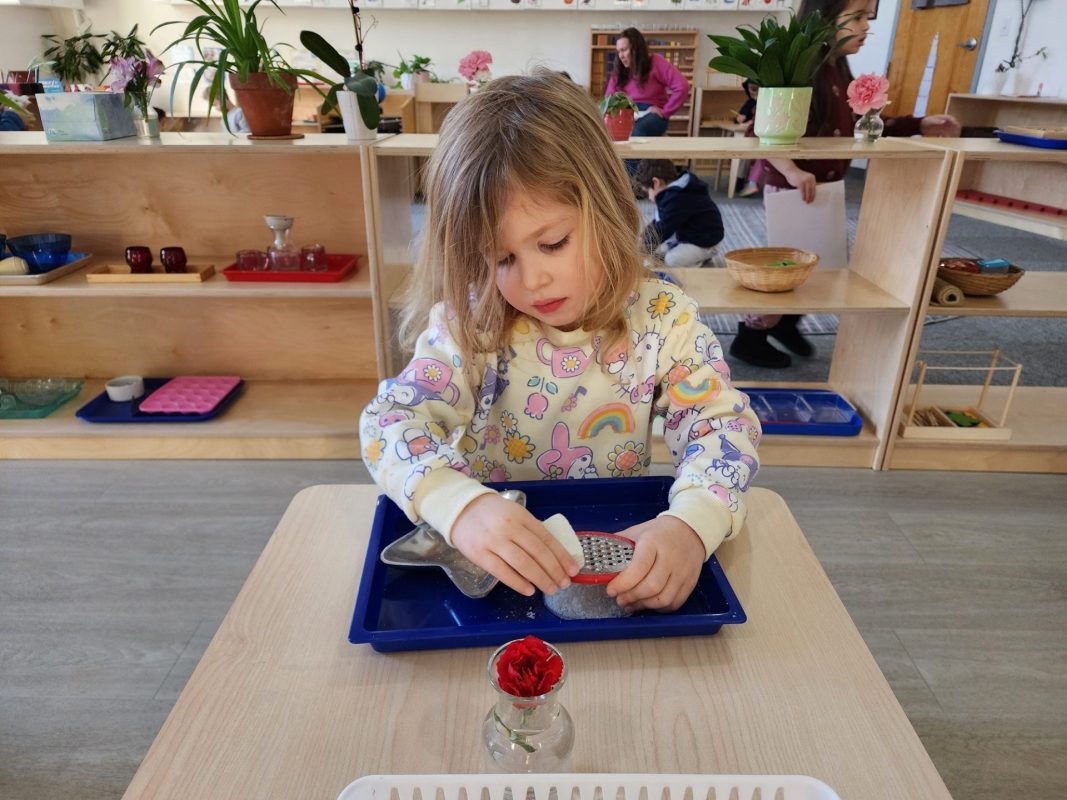
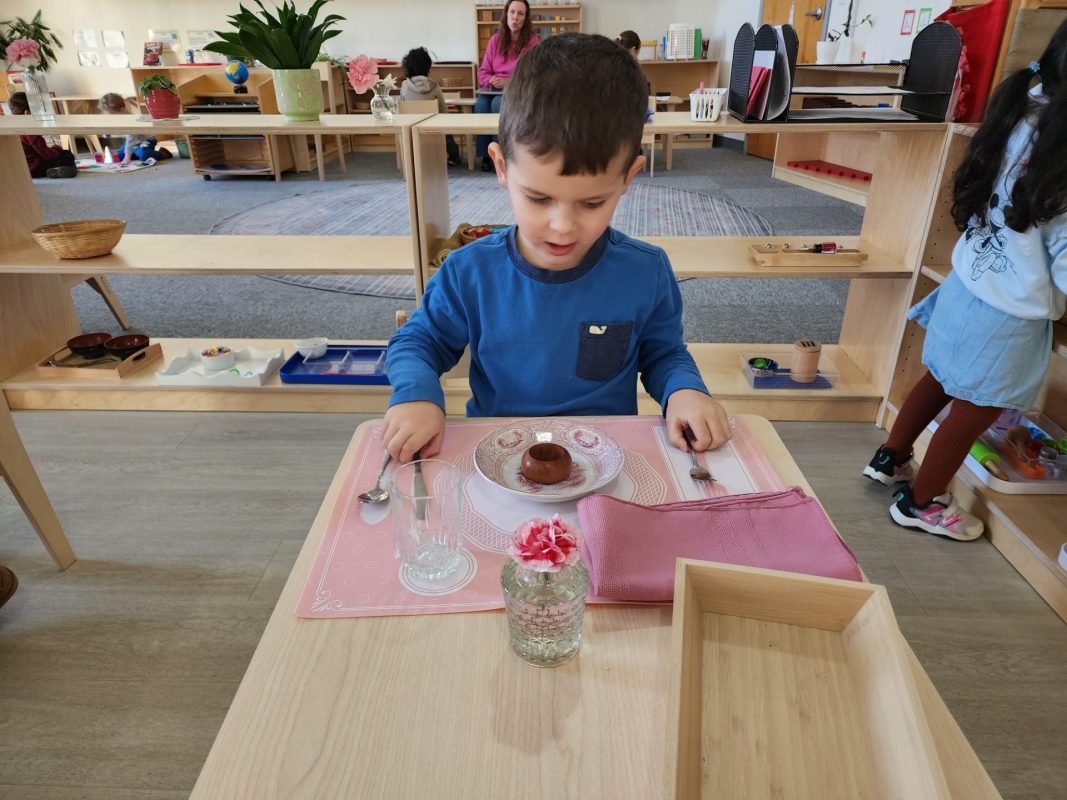
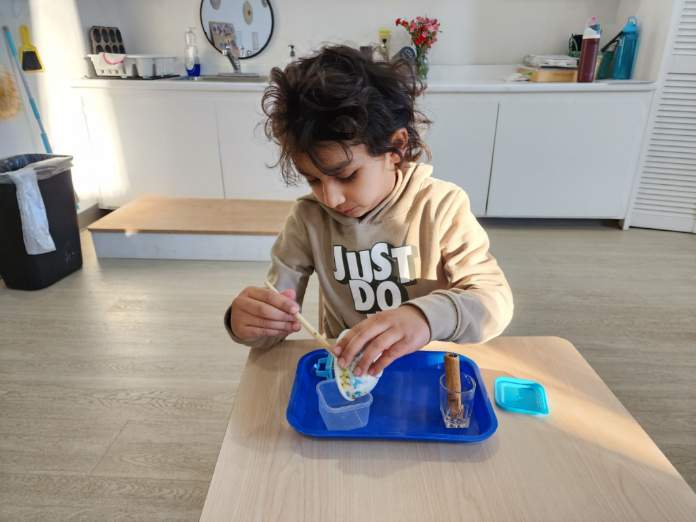
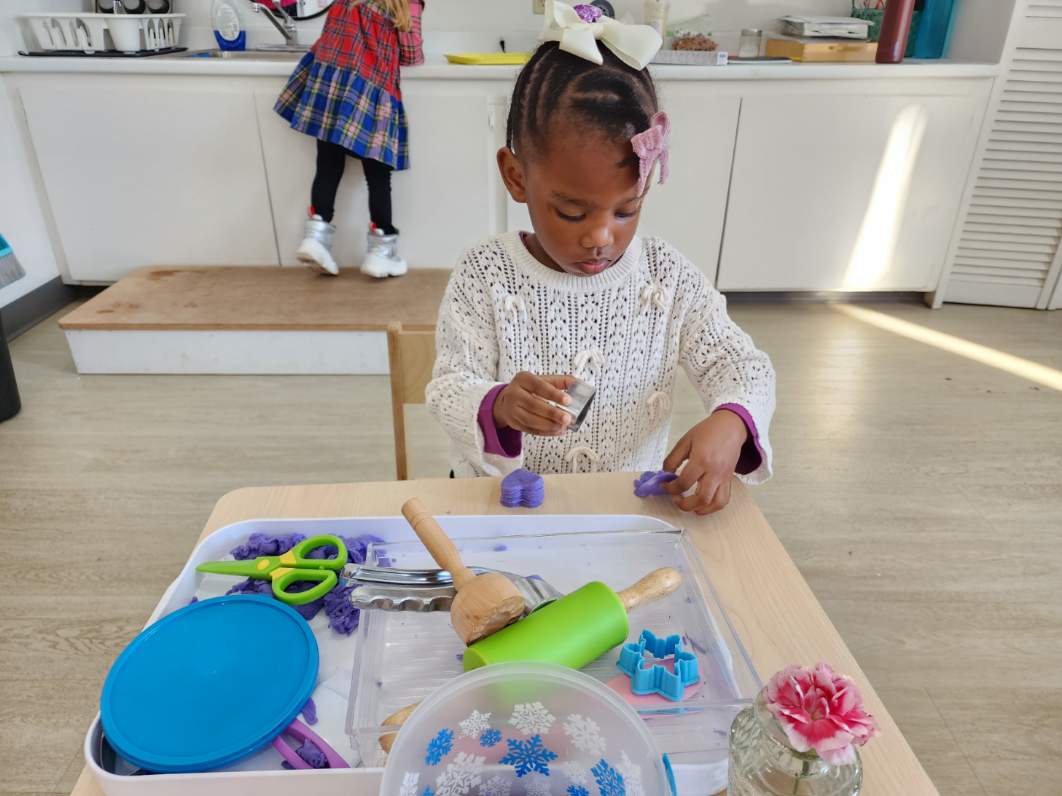
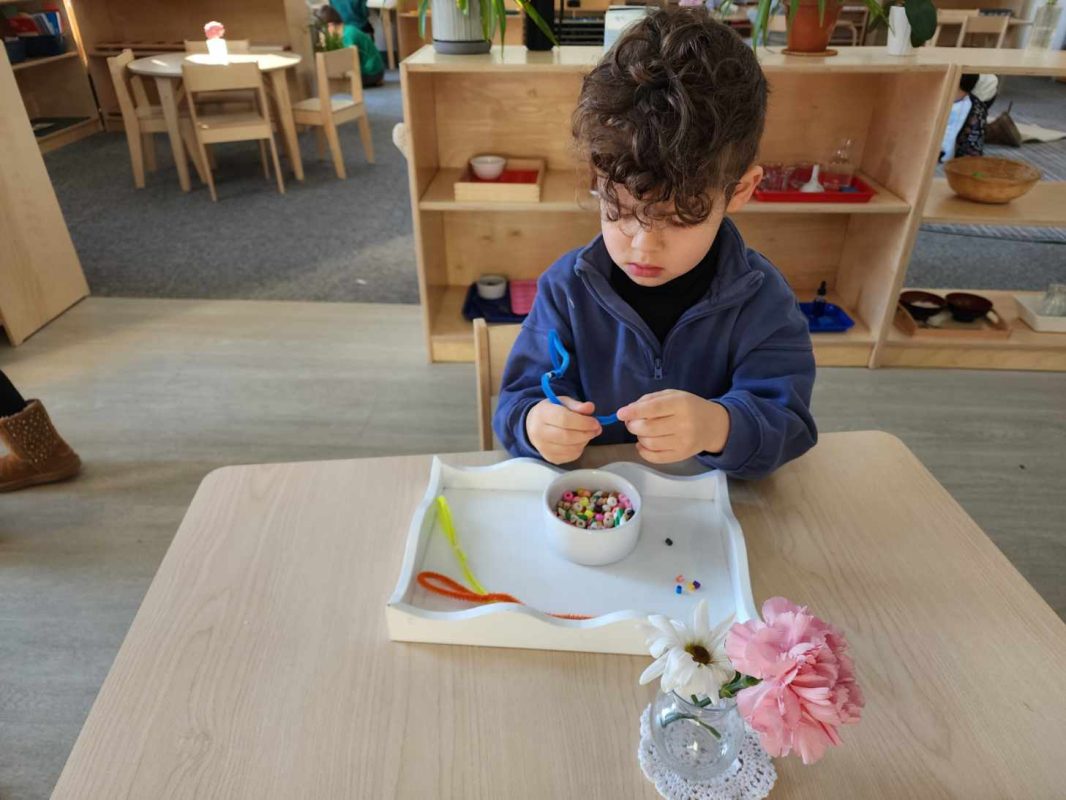
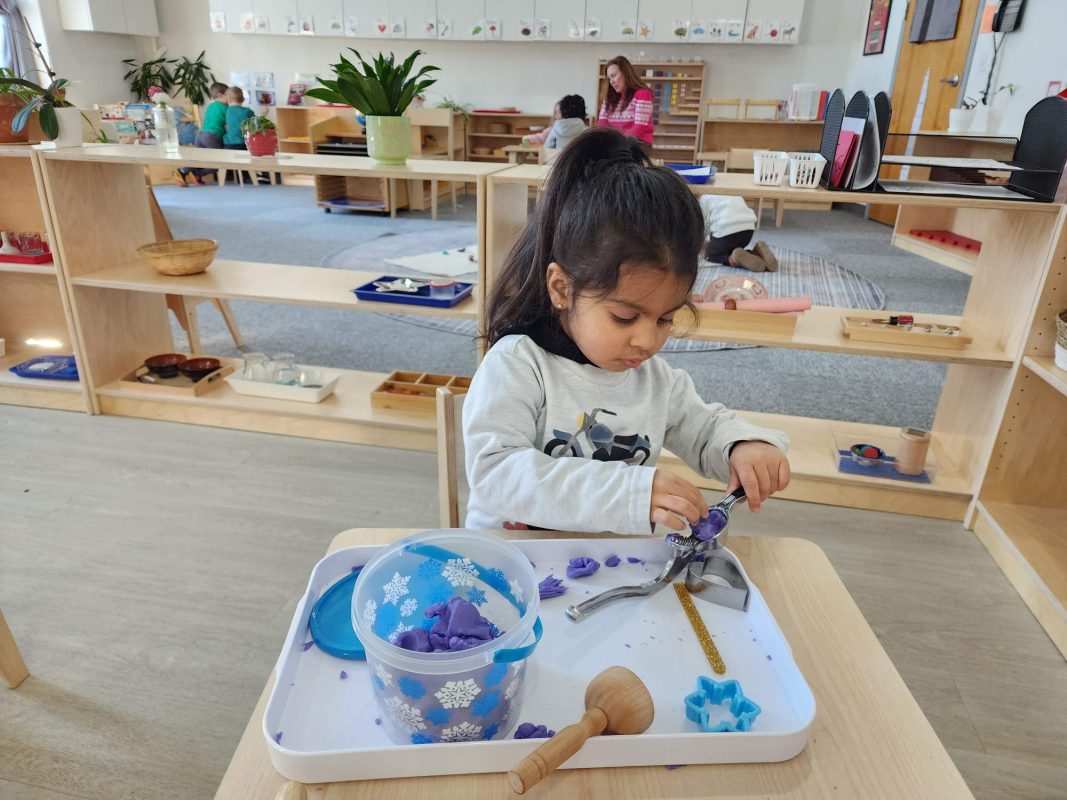
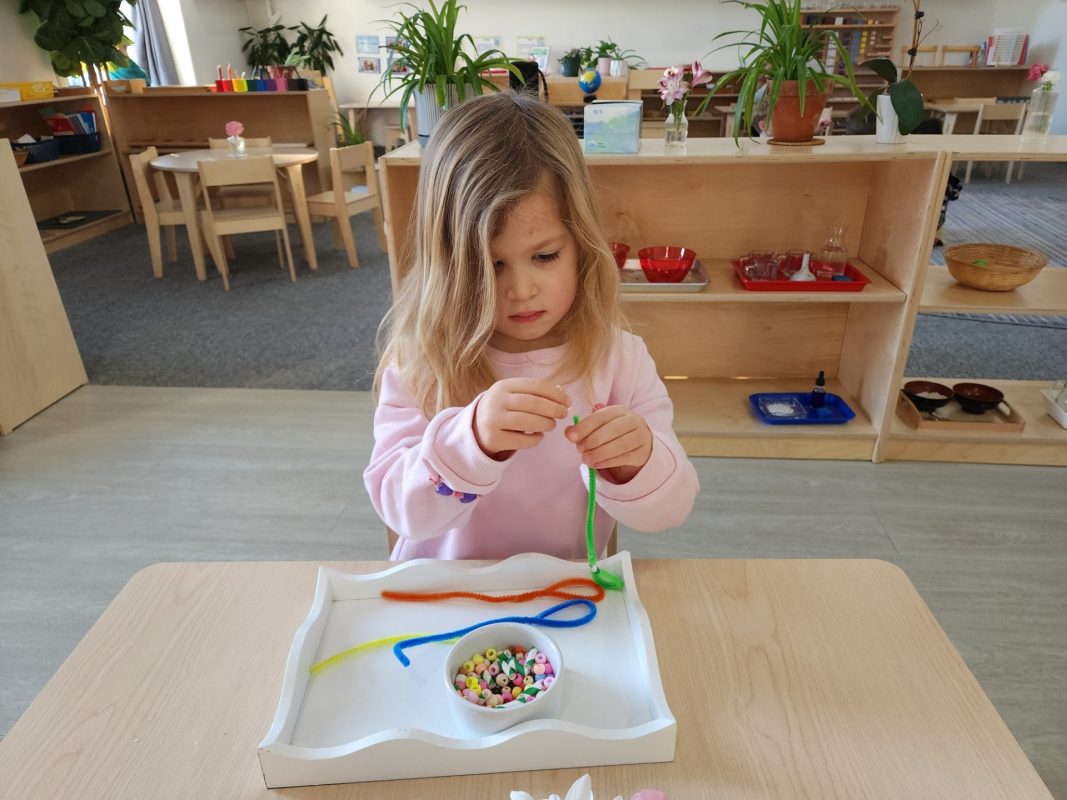
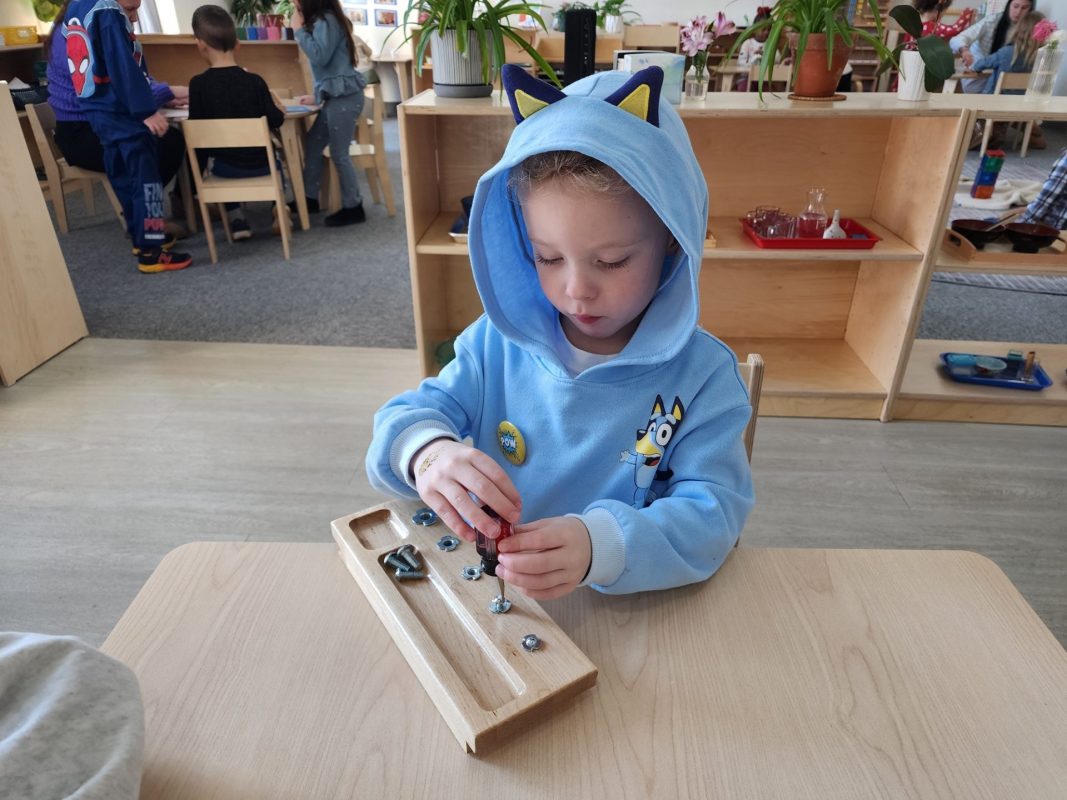
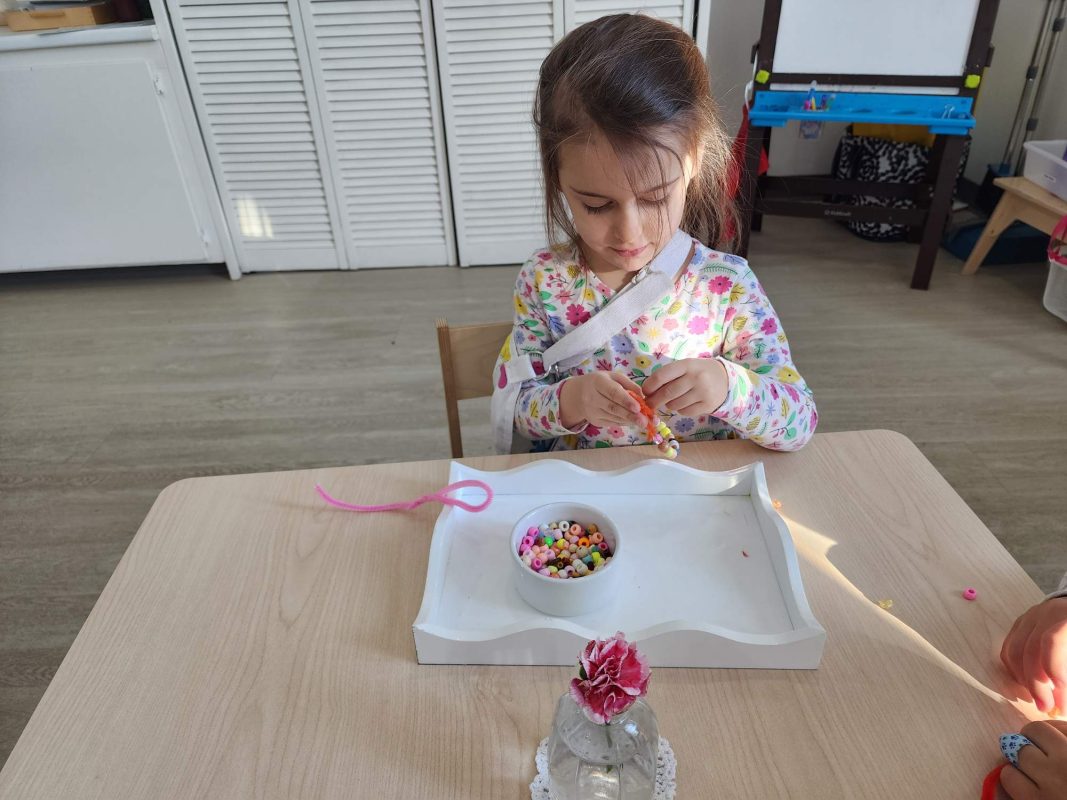
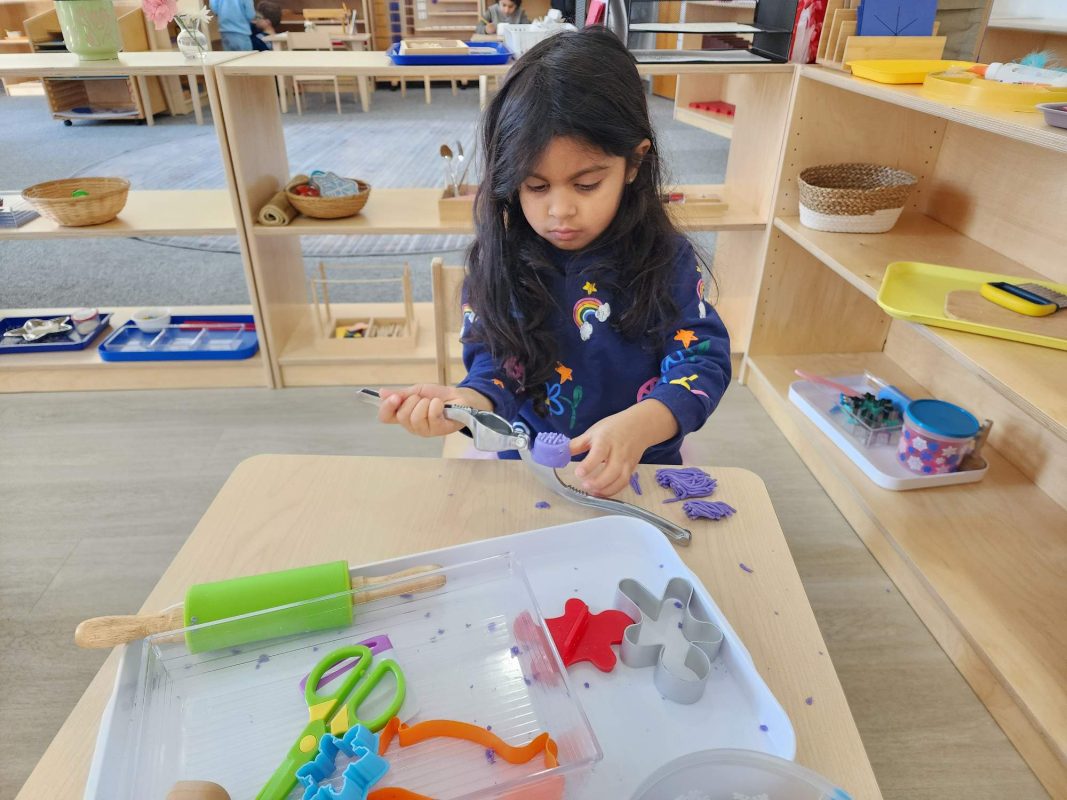
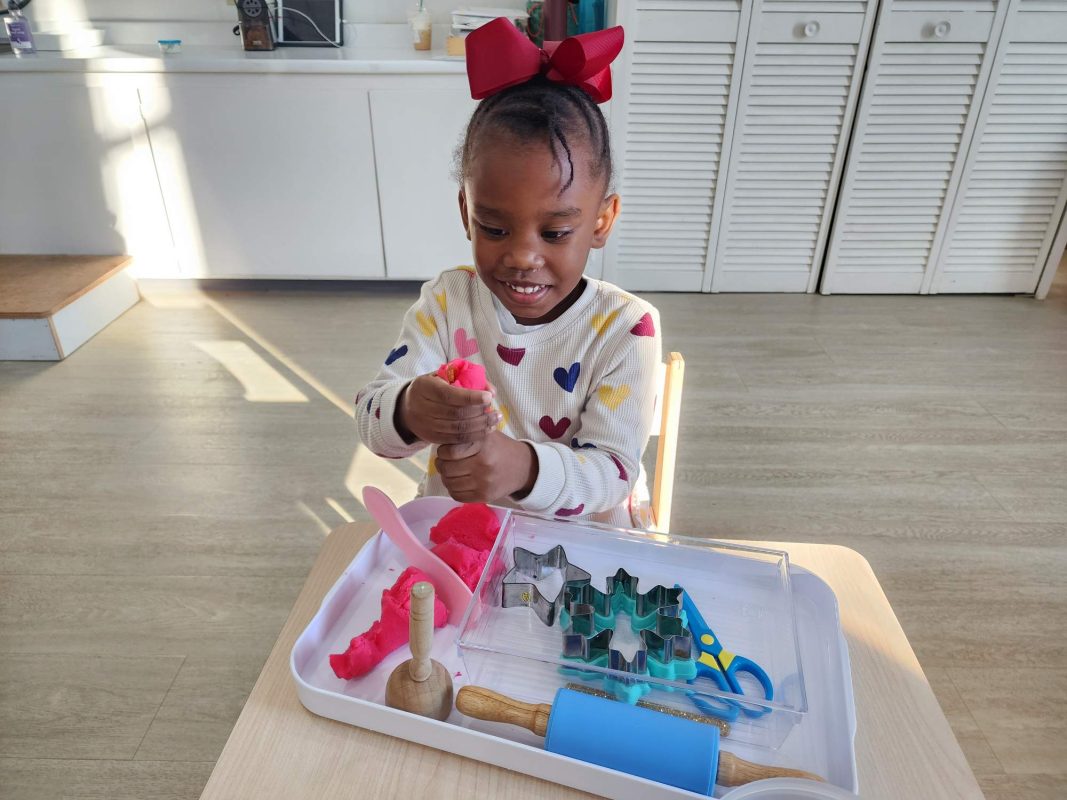
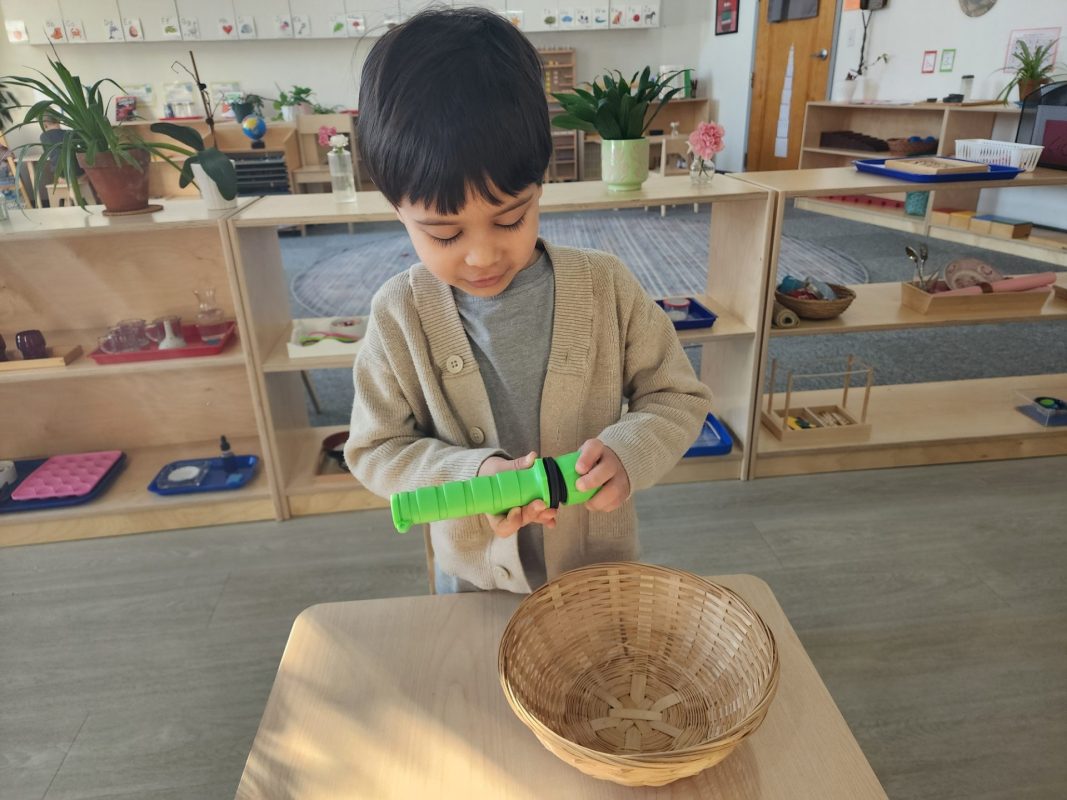
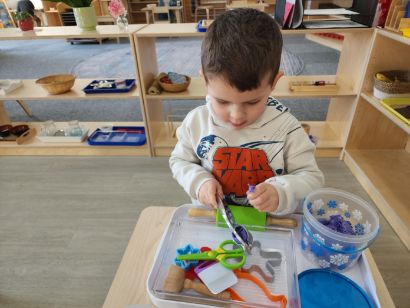
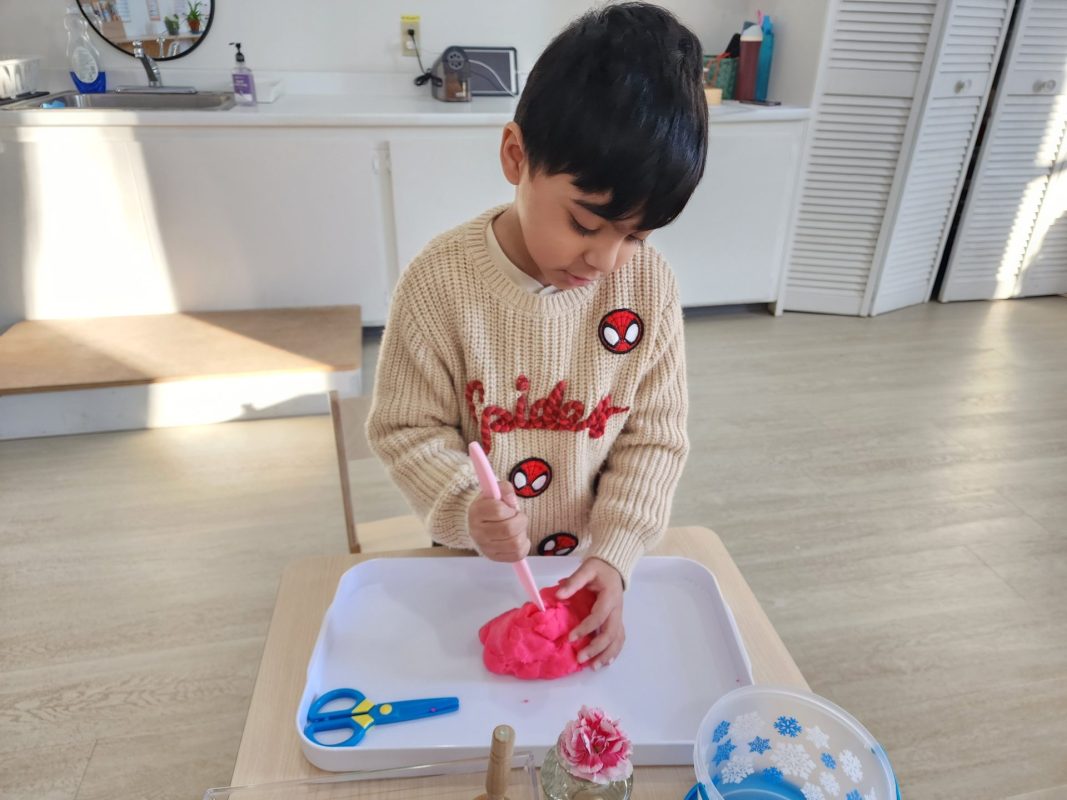
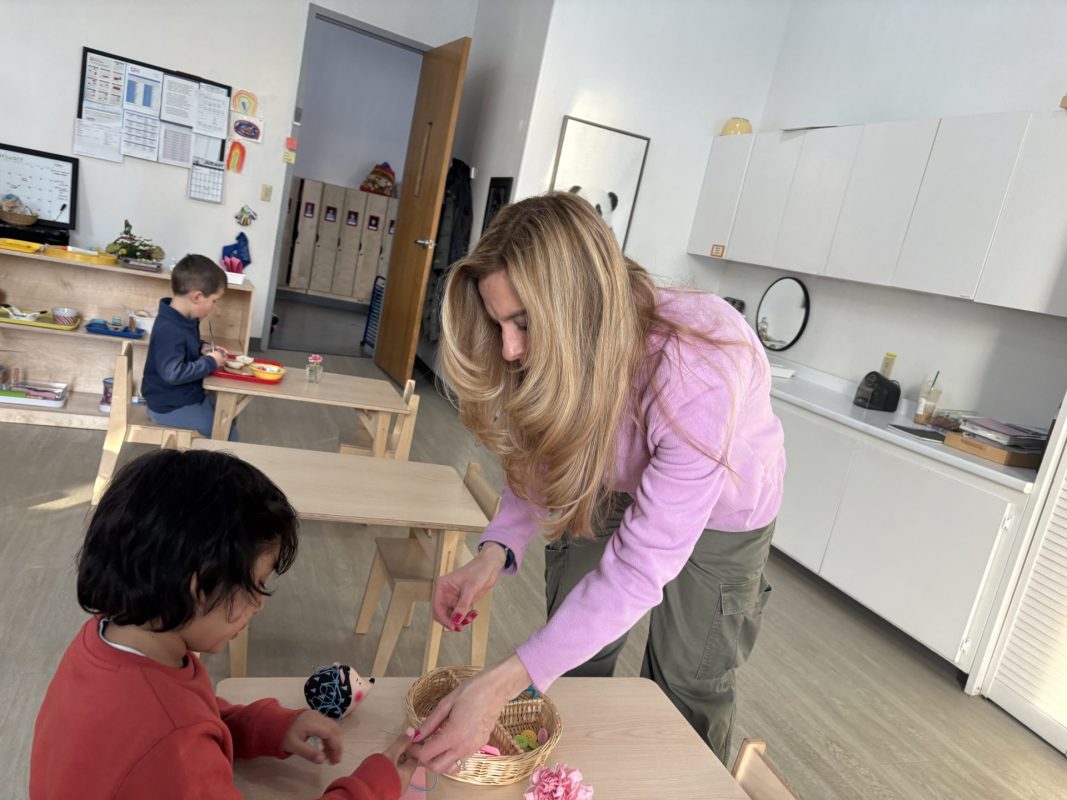
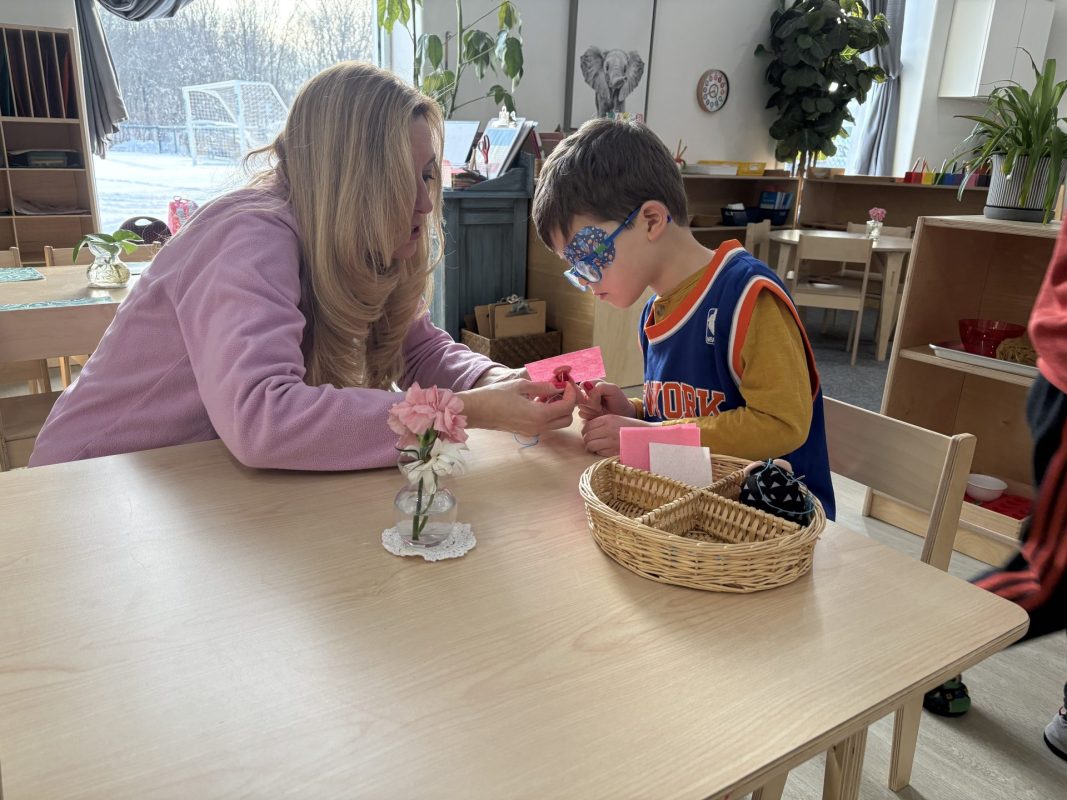
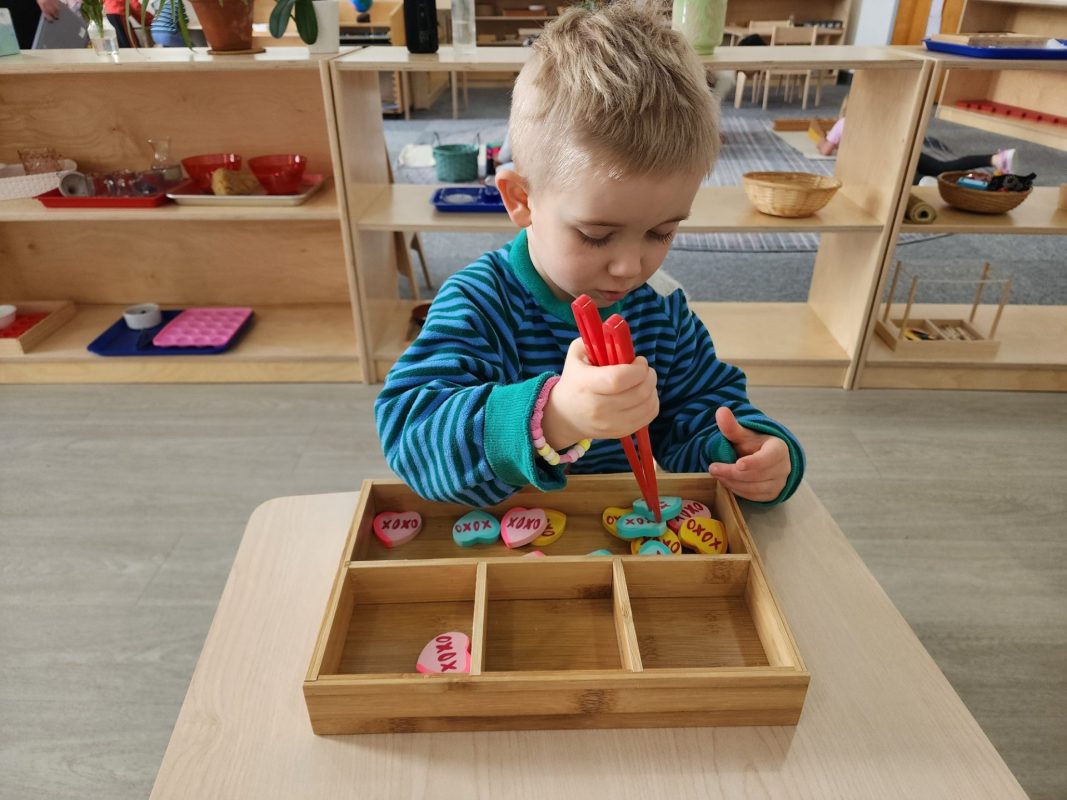
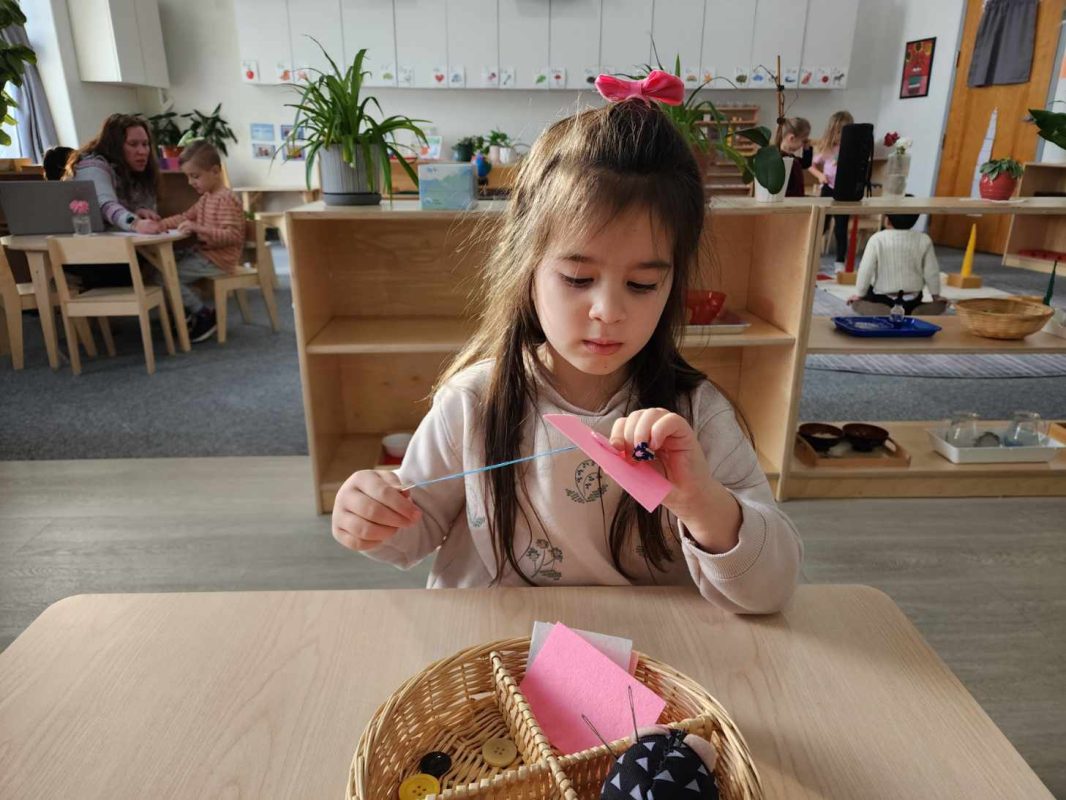
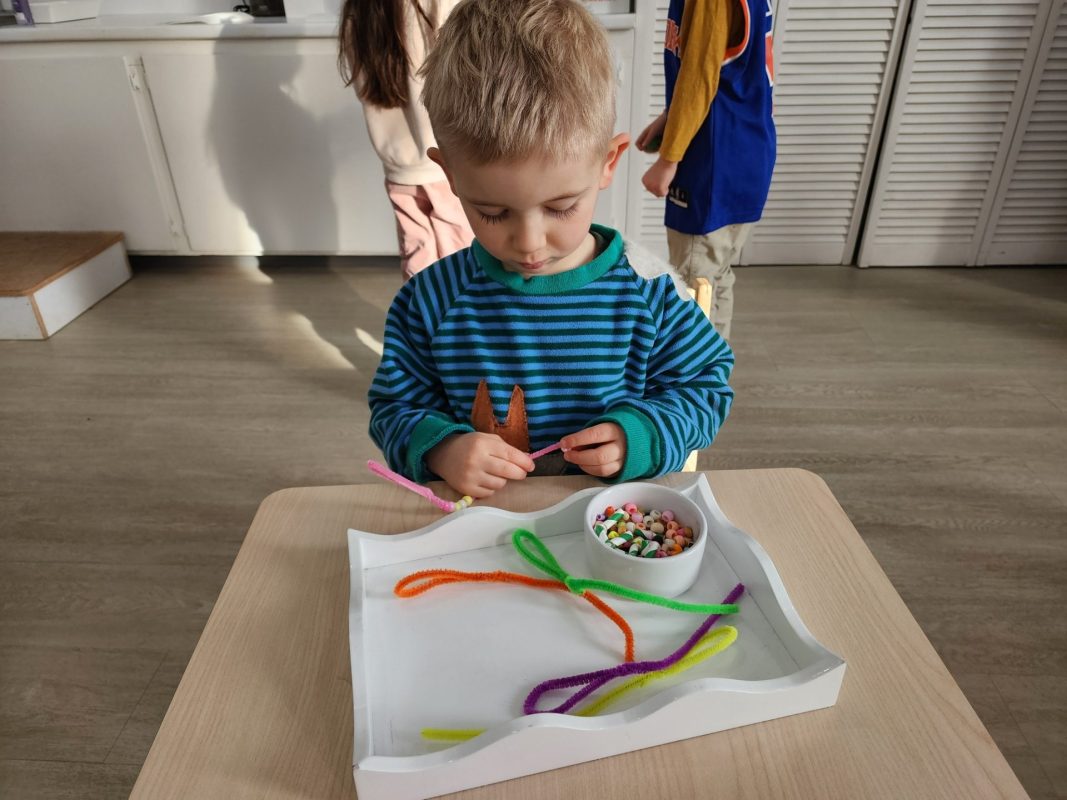
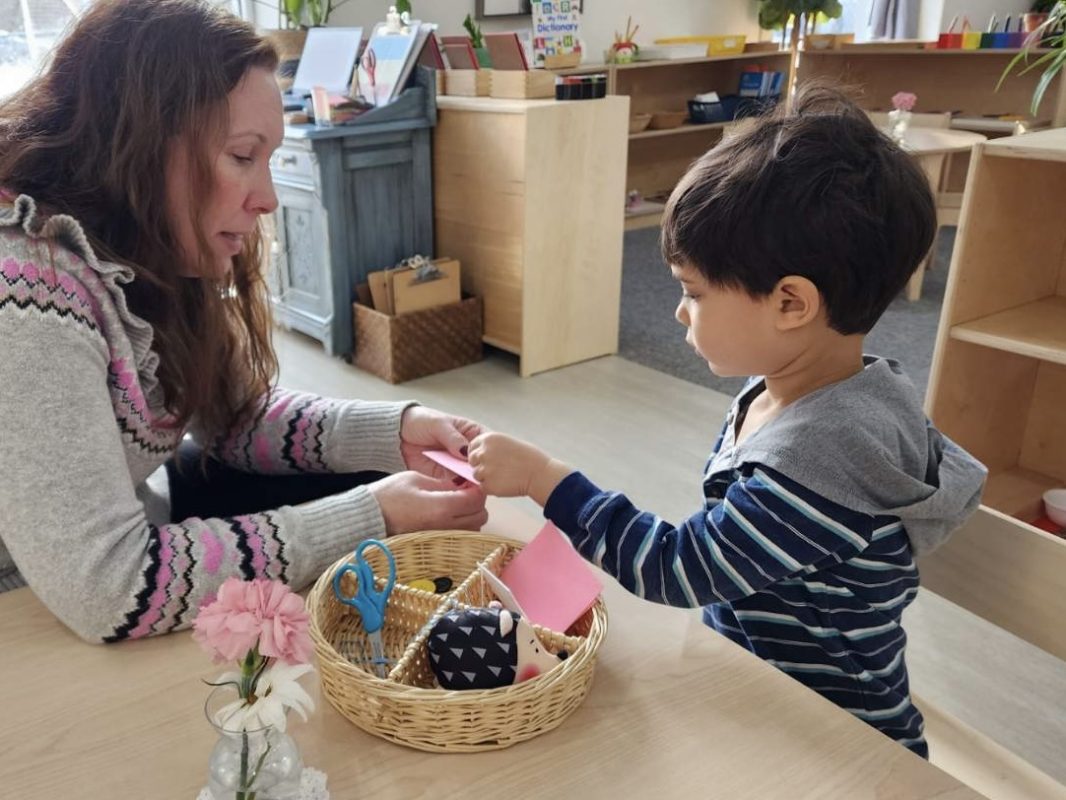
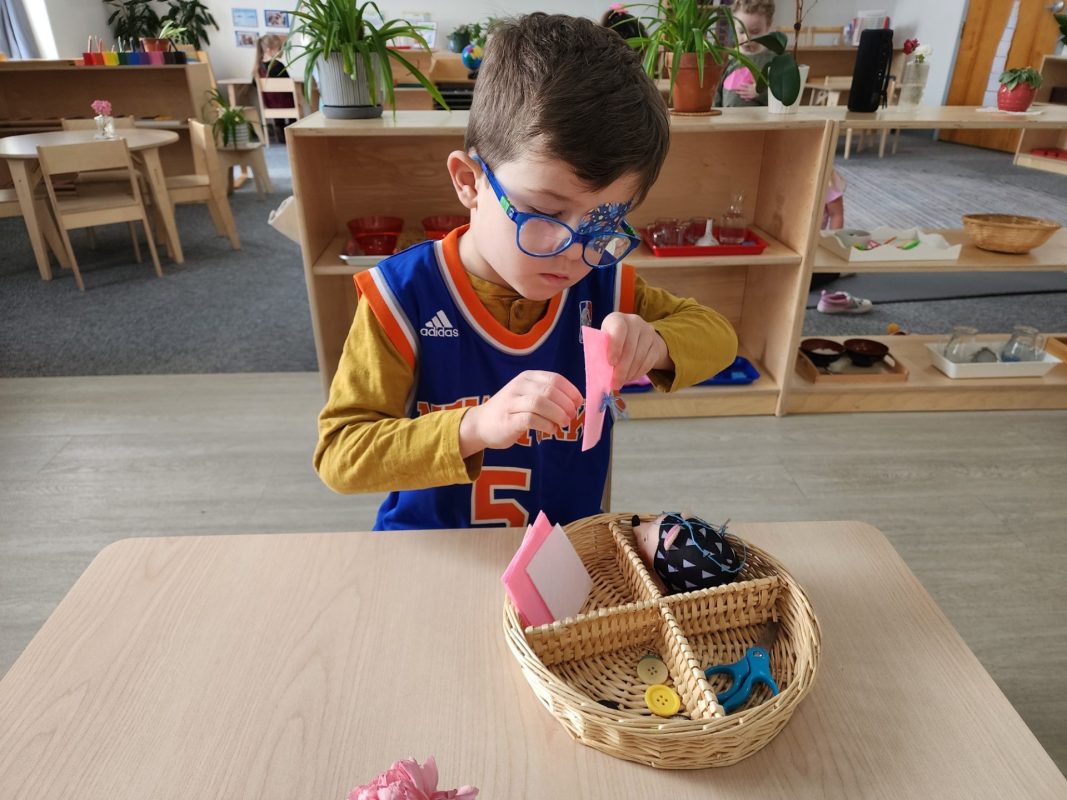
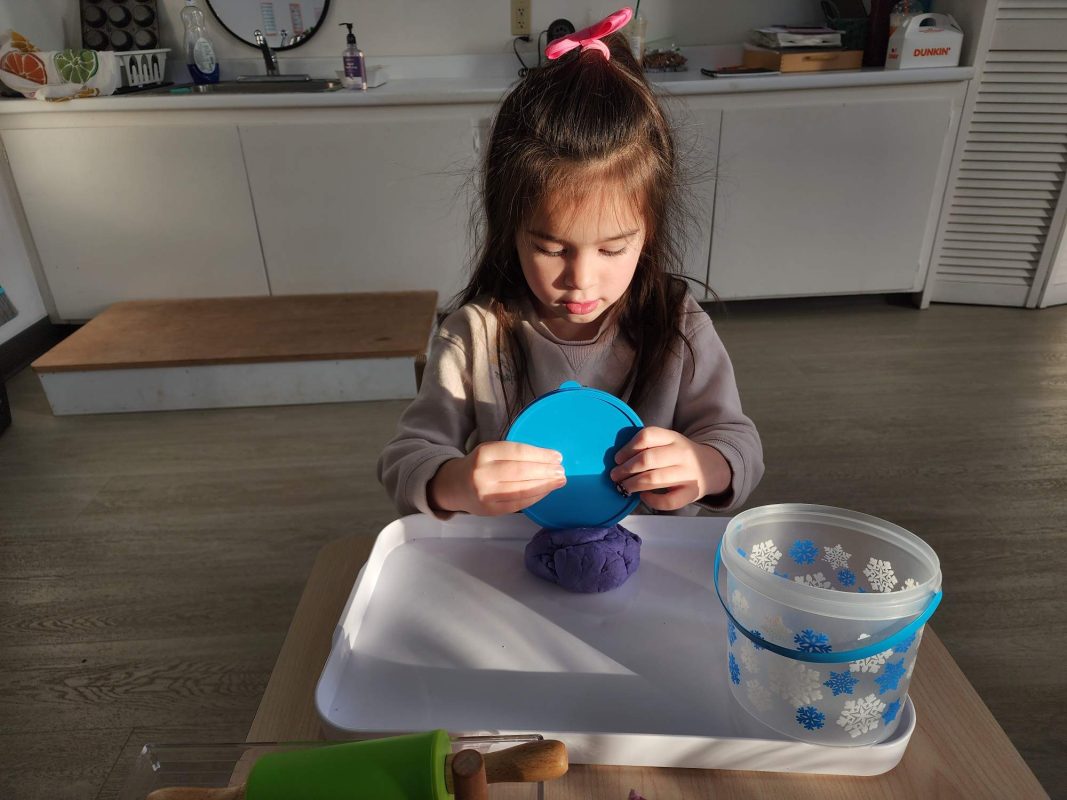
The classroom welcomed exciting new materials last week. We added a Button Sewing work to our Practical Life shelves, which has been drawing great interest from the children as they develop their fine motor skills and concentration. We also introduced a garlic press to the fresh homemade colorful play dough activity, which has been a big hit. The children have enjoyed exploring how the play dough transforms as it passes through the press, creating new shapes and textures.

Celebrating Our Community

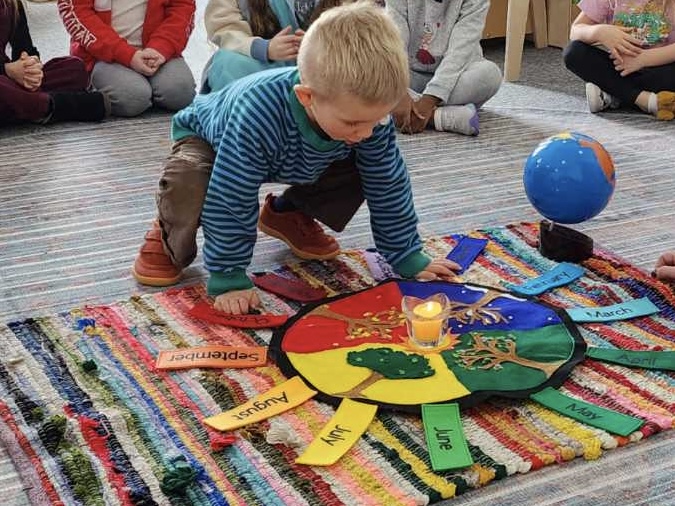
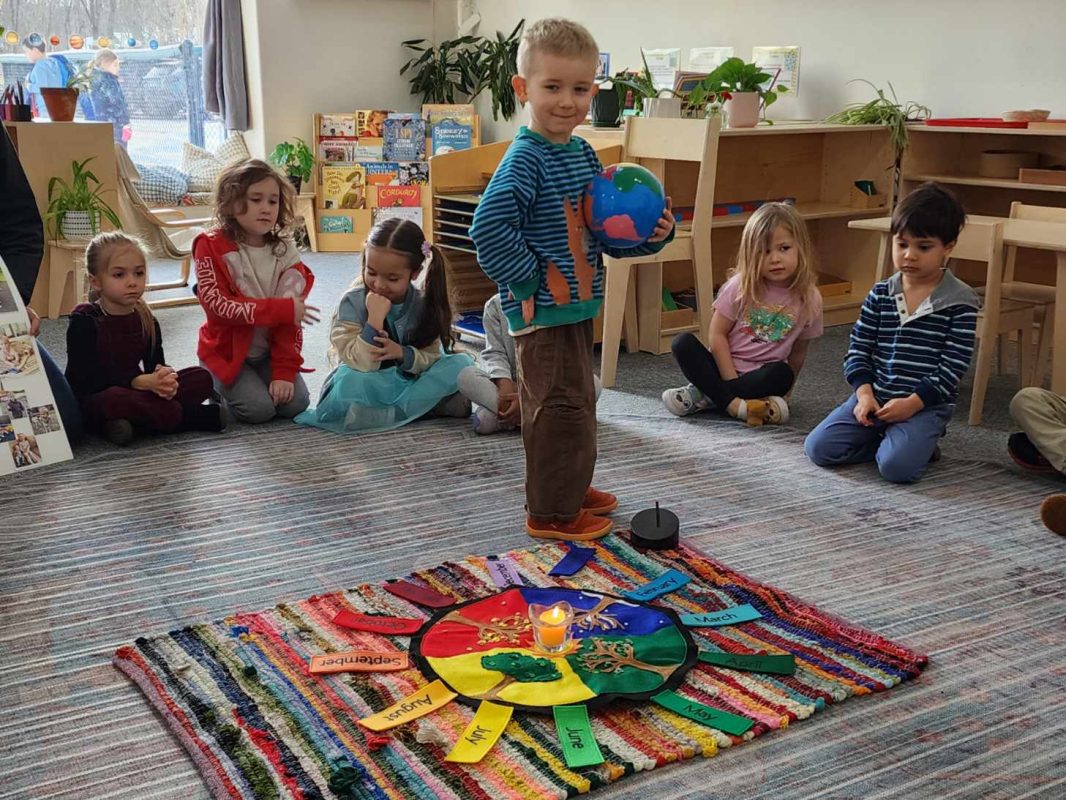
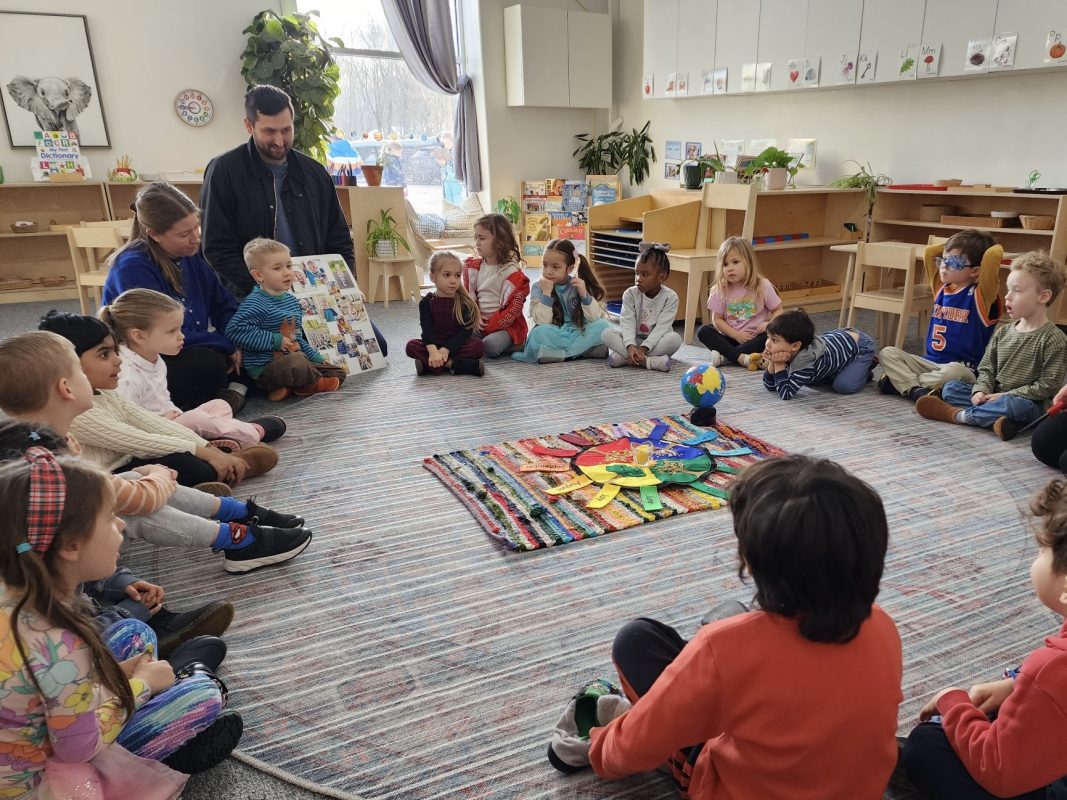
We celebrated our friend Remy’s 4th birthday last week. The Montessori birthday walk reminded us all of the sun’s journey around Earth and helped Remy reflect on the special moments from each year of life.

Extending Learning at Home

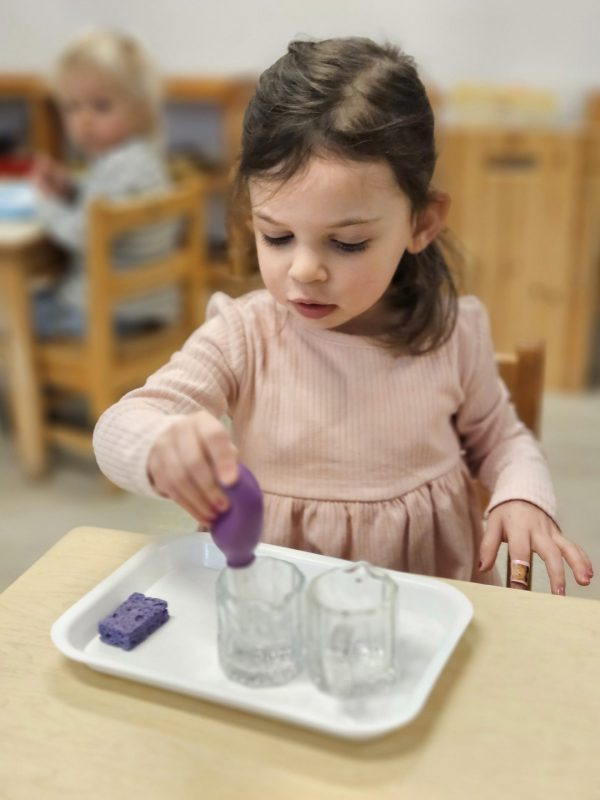
Practice button sewing at home using old shirts or fabric scraps and large buttons. This practical life skill builds concentration, fine motor skills, and independence. For science exploration, try simple kitchen experiments together—mix baking soda with vinegar, watch ice melt, or observe what happens when you mix colors. These hands-on experiences foster scientific thinking and curiosity.

Upcoming Events & Announcements

This Week

  • Tuesday, January 27
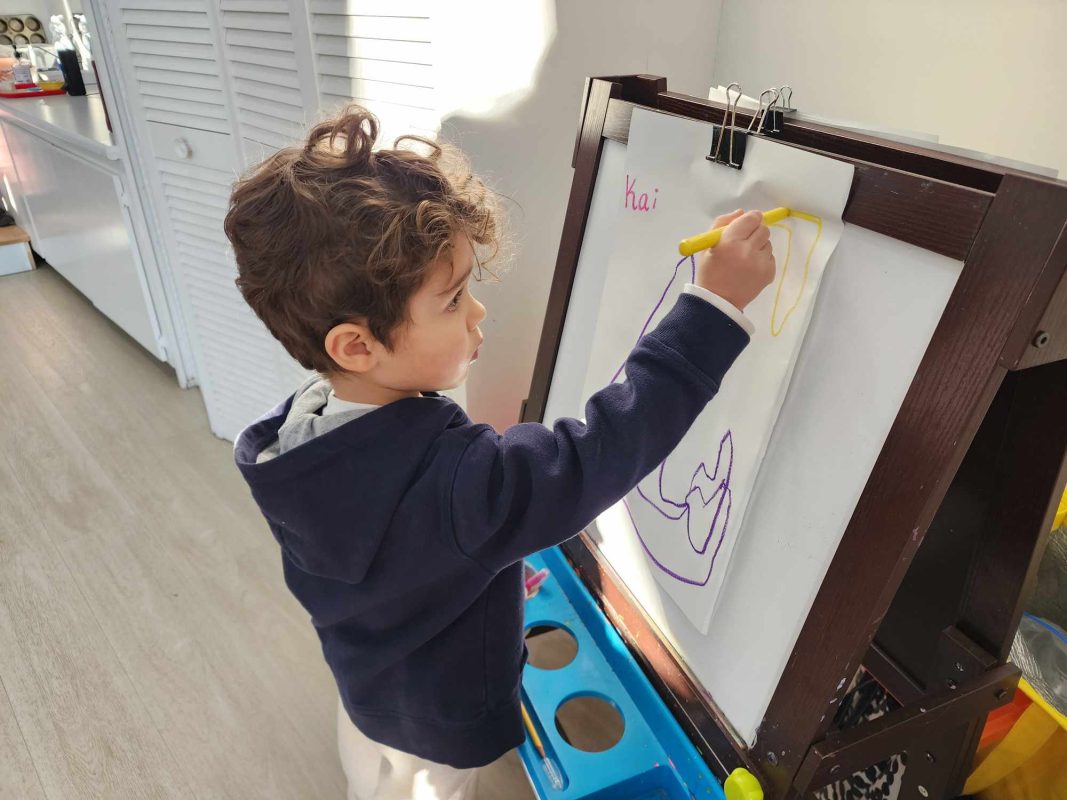
    Kai’s Birthday Celebration
  • Friday, January 30
    Thomas’ Birthday Celebration

Next Week

  • Wednesday, February 4
    Isle of Skoo Assembly for Primary–Upper Elementary at 9 a.m.

Looking Ahead

Thursday, February 12
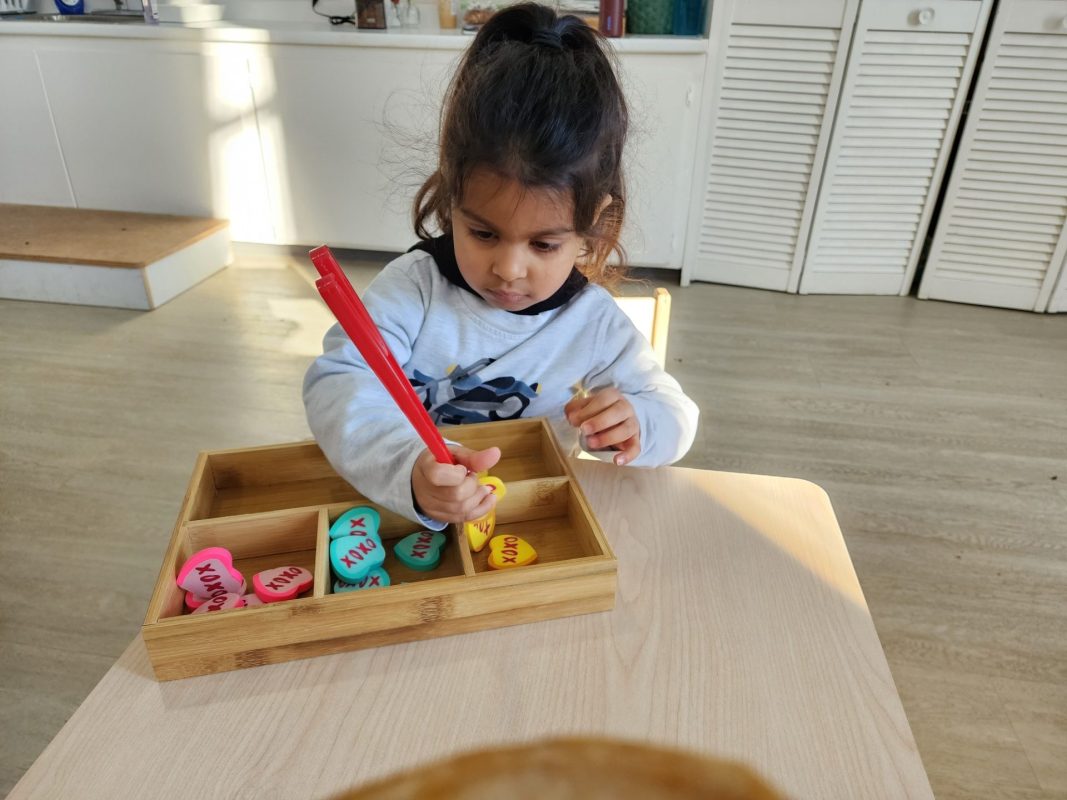
Valentine’s Day Exchange is a cherished friendship celebration in our Primary classrooms! On Thursday, February 12, the children will exchange valentines with their classmates, marking a special part of their school experience that emphasizes expressing love and gratitude for one another.

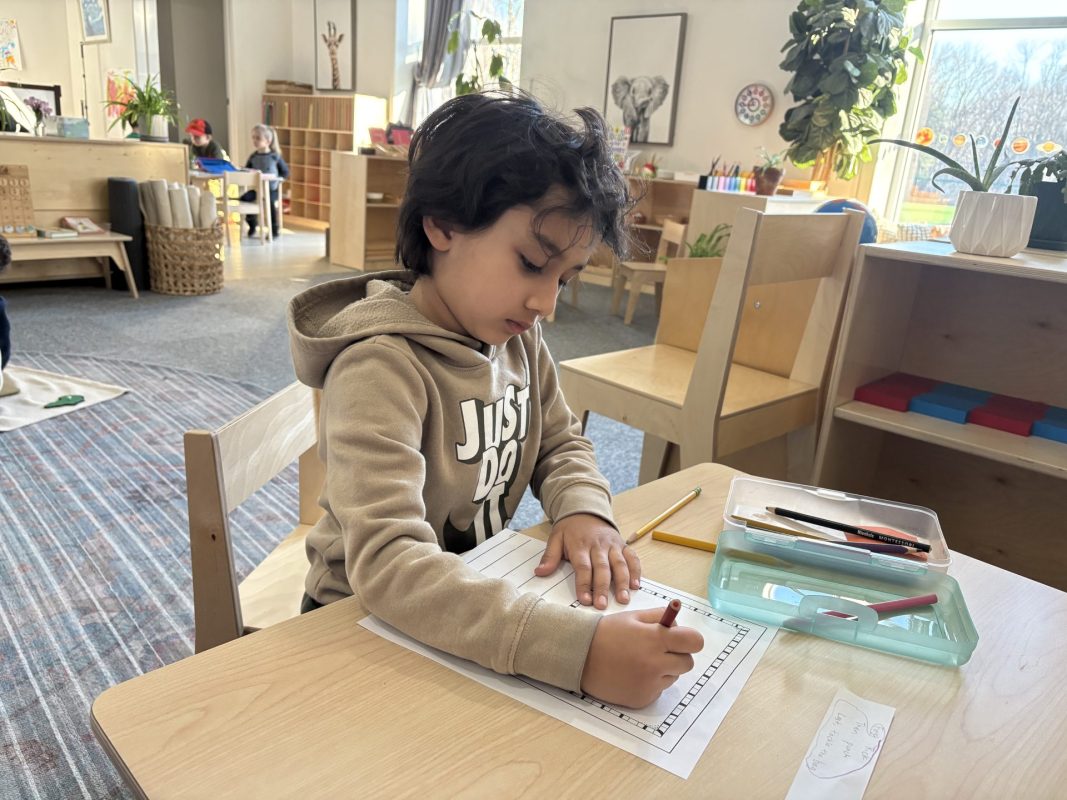
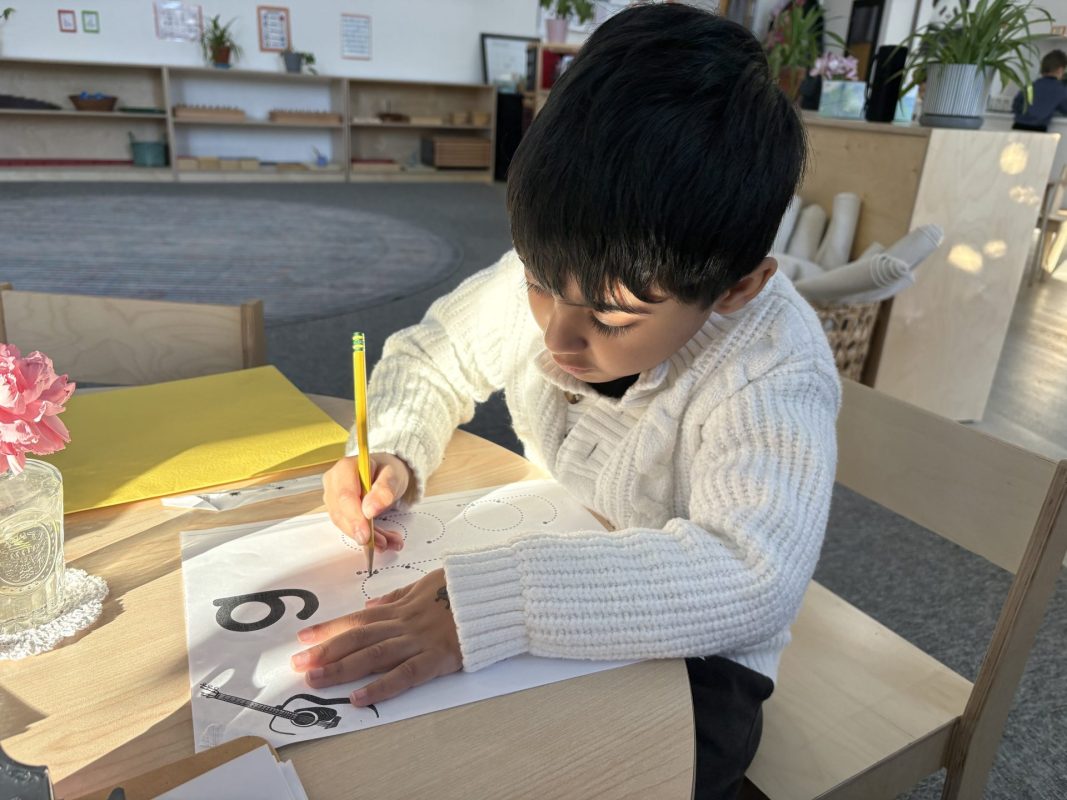
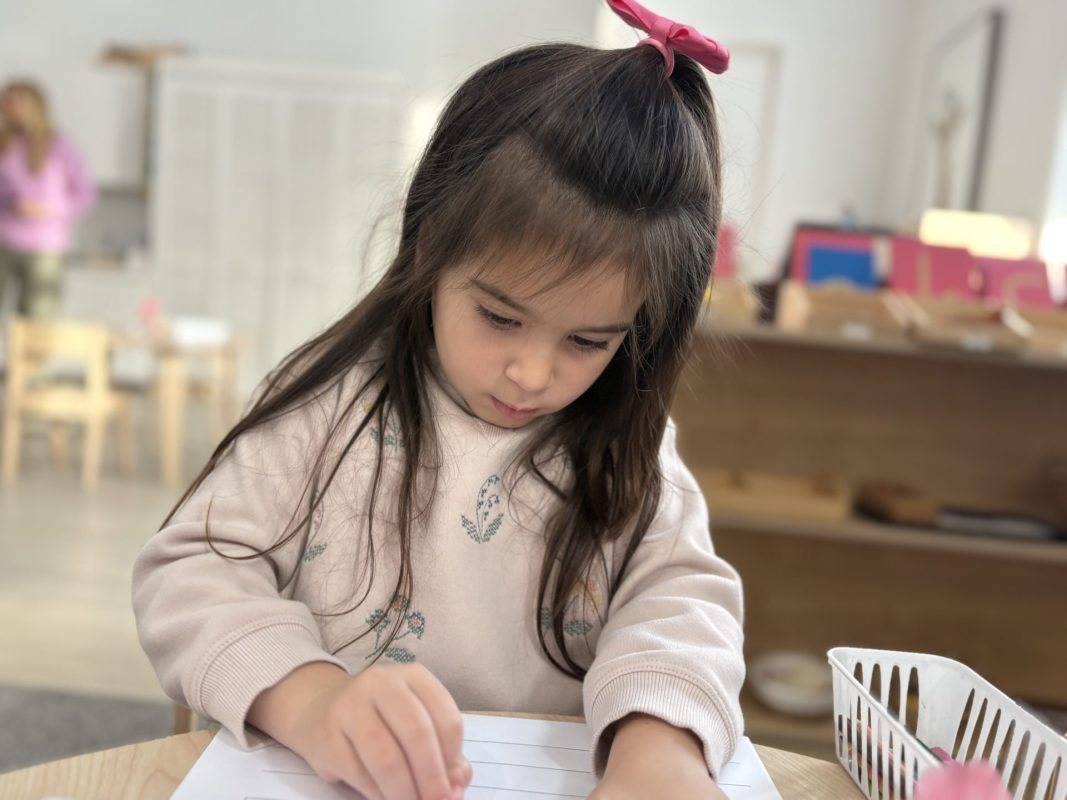
We encourage you to involve your child in preparing their Valentine’s Day cards. Please have your child sign their own name on each card—whether that’s their full name, just one letter, or their own special mark, every effort is meaningful and developmentally appropriate! Please allow ample time for this name-writing process, which serves as wonderful practice. (If writing their full name, remember to use uppercase only for the first letter.)

Important! Please leave the “To:” area blank. Do not address envelopes or cards with specific names. This allows children to distribute valentines independently without needing to read each classmate’s name, supporting their sense of capability and confidence. Note: If your child is able to read their classmates’ names, they may write names on the envelopes as additional reading practice—but this is entirely optional.
Ms. Handibode: Discovering Reptiles and the Mathematical Mind
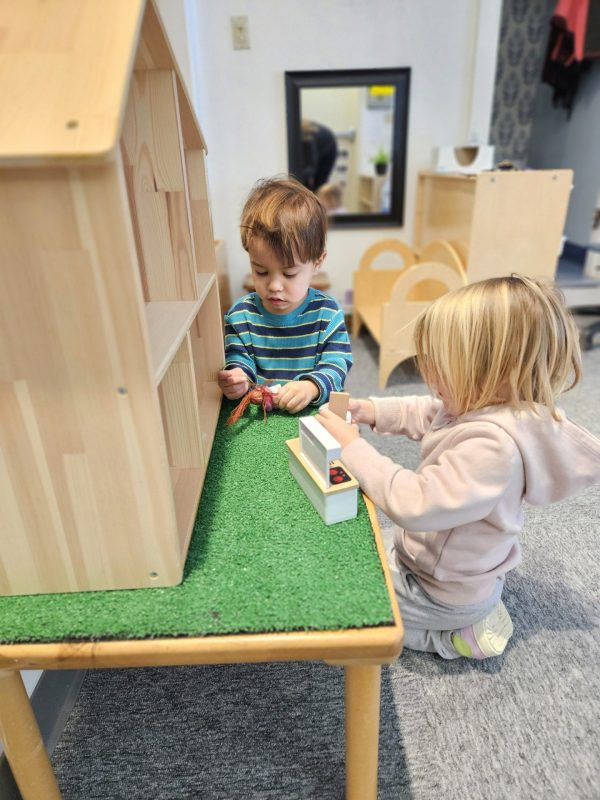
The classroom was alive with curiosity last week as we began our study of reptiles. The children learned that reptiles are cold-blooded, have scaly skin, hatch from eggs, are vertebrates, and breathe air through their lungs. This classification work helps the children understand the natural world and recognize patterns across different animal groups.
The Joy of Mathematical Materials

“Children display a universal love of mathematics, which is par excellence the science of precision, order, and intelligence.” ~ Dr. Maria Montessori

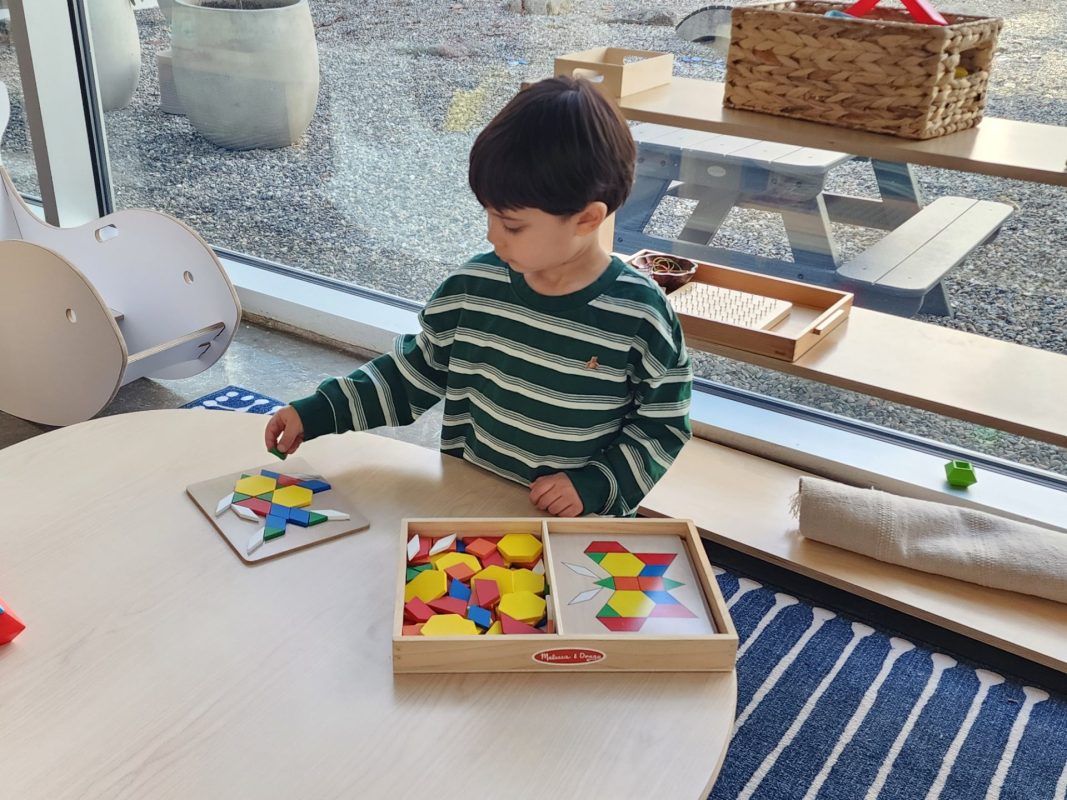
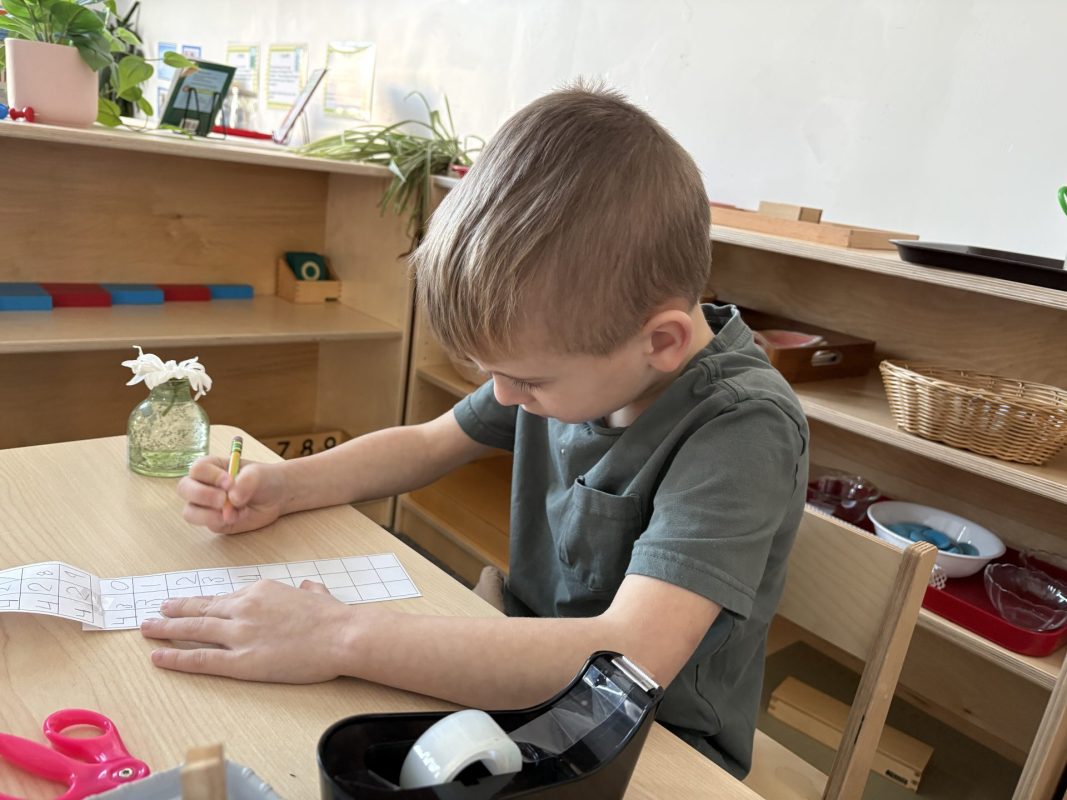
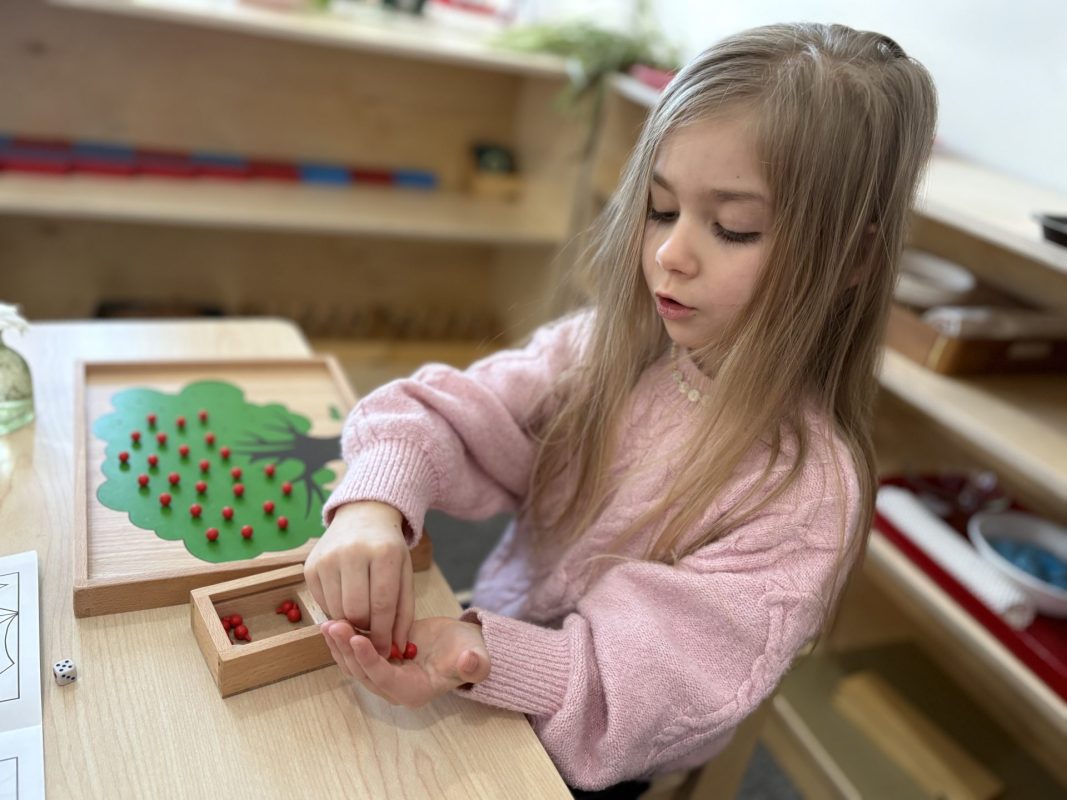
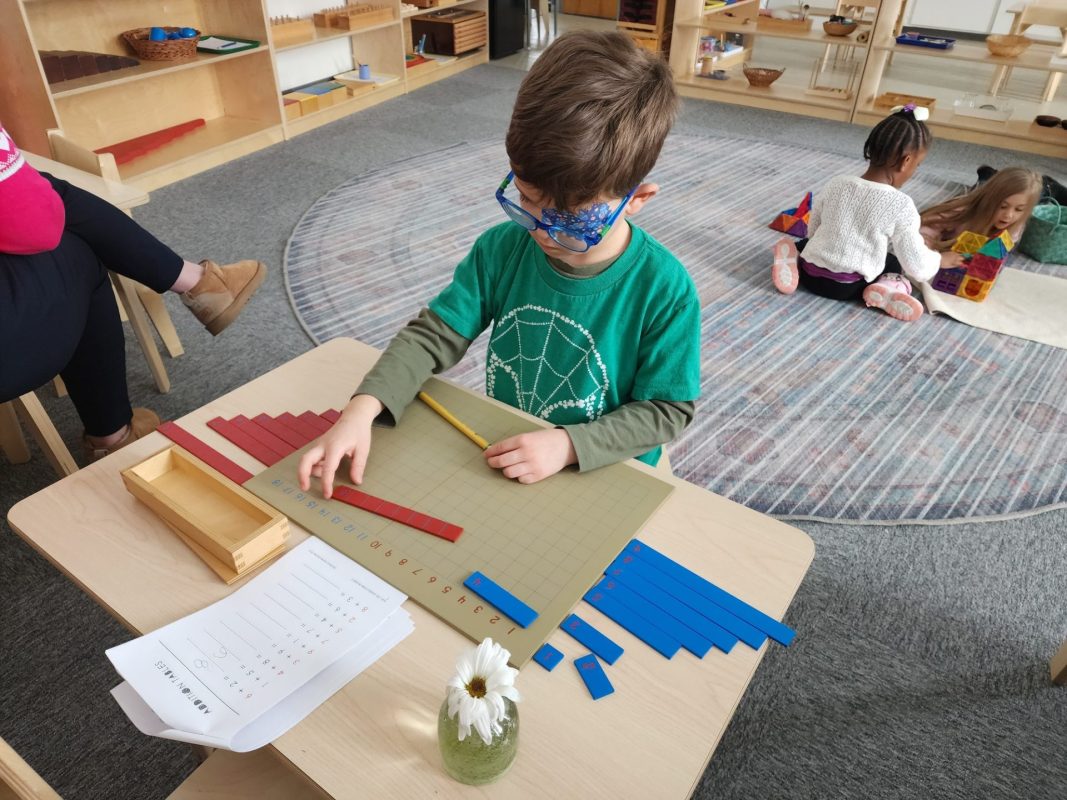
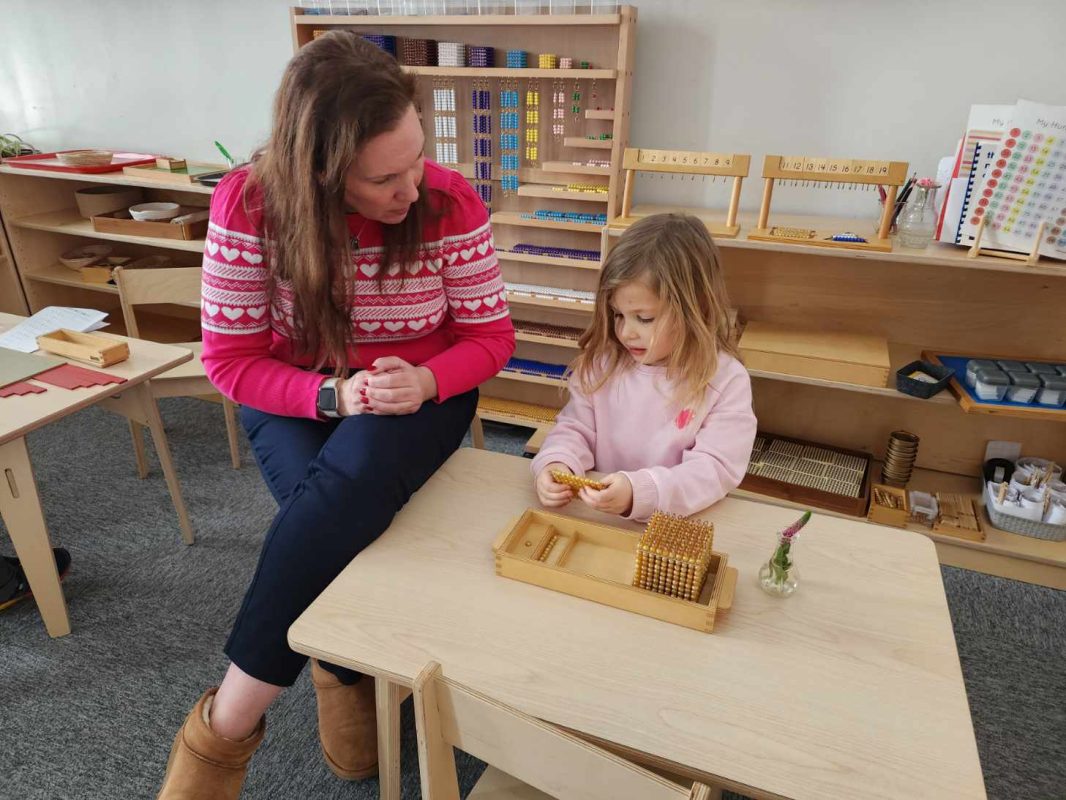
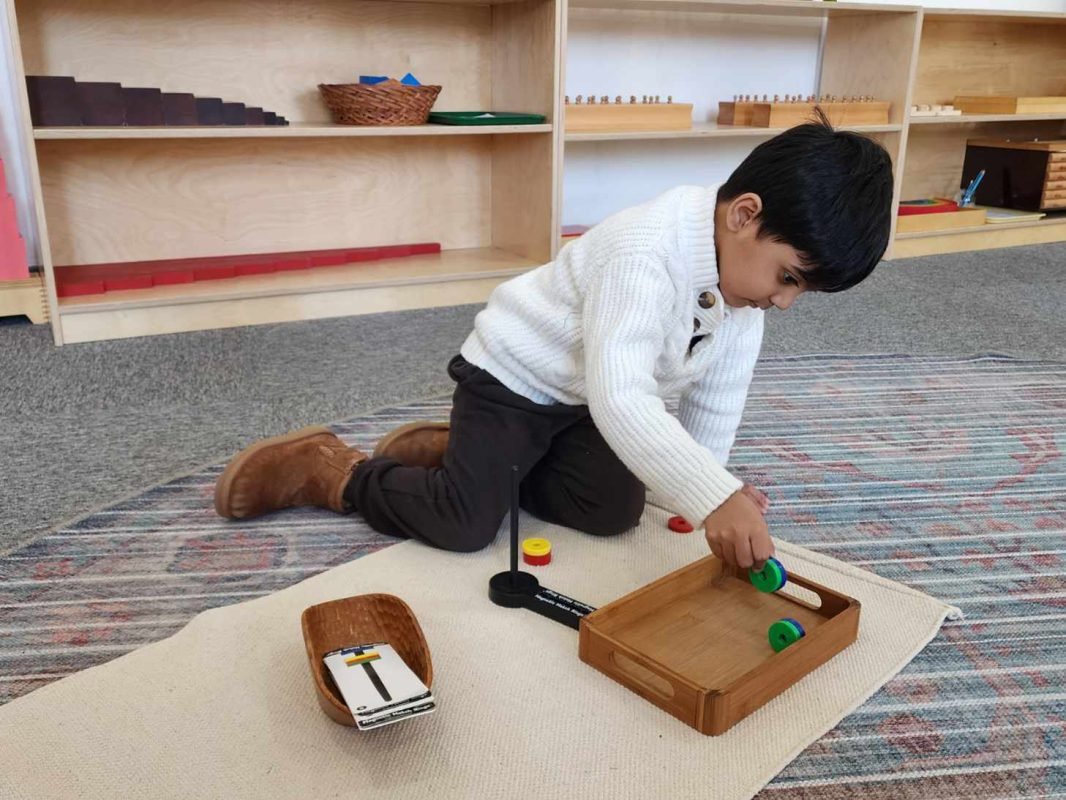
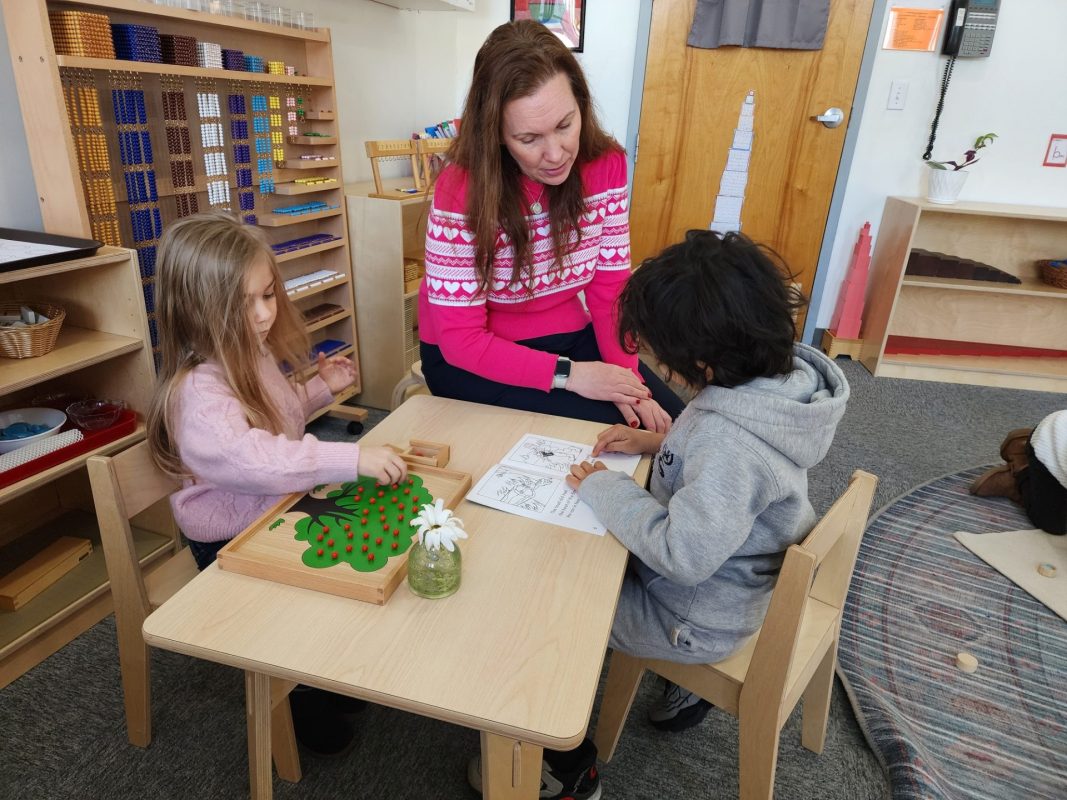
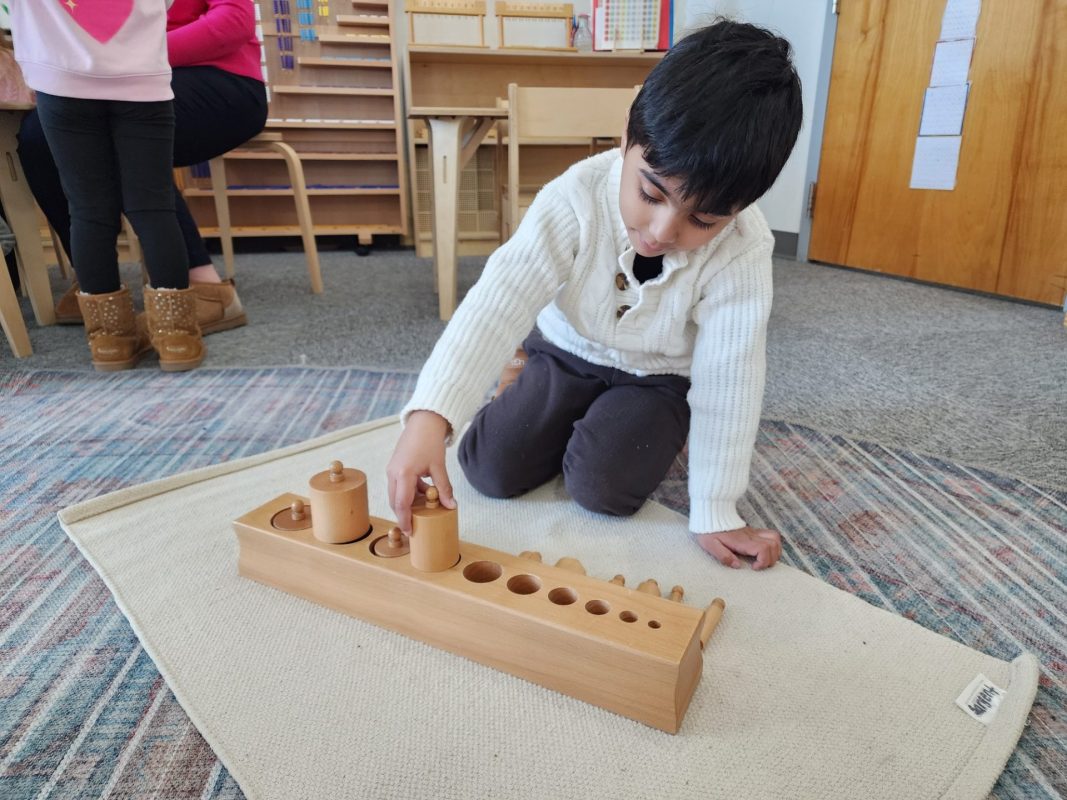
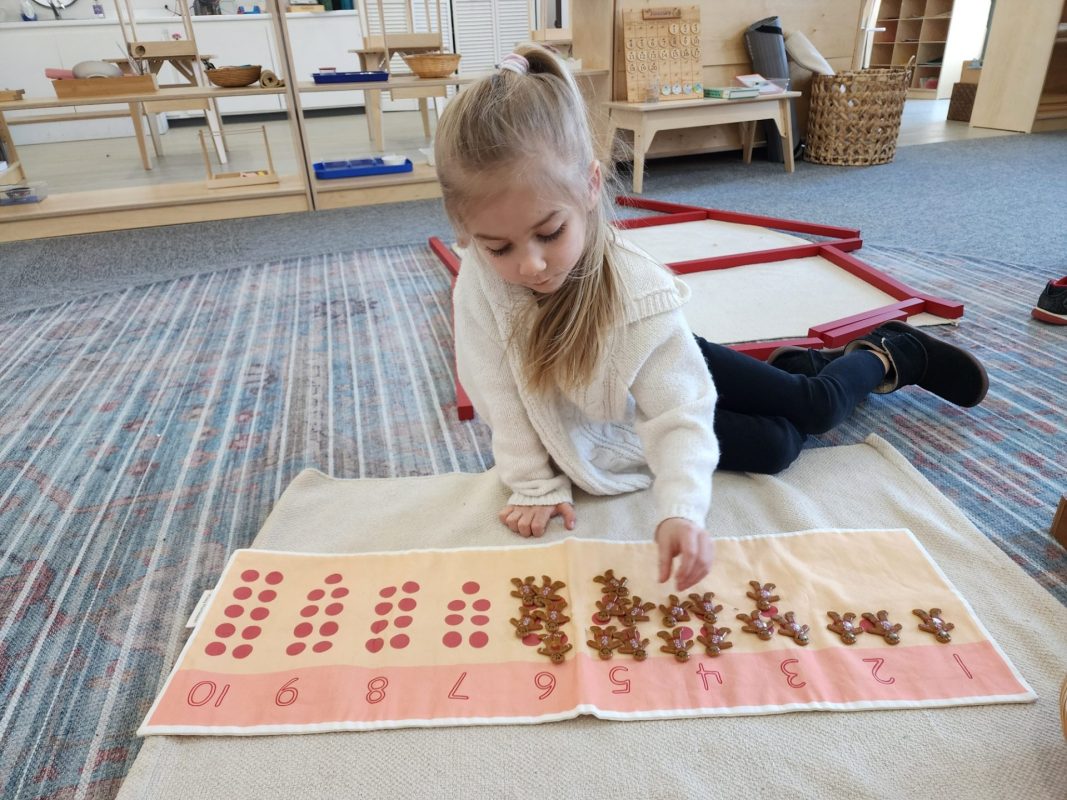
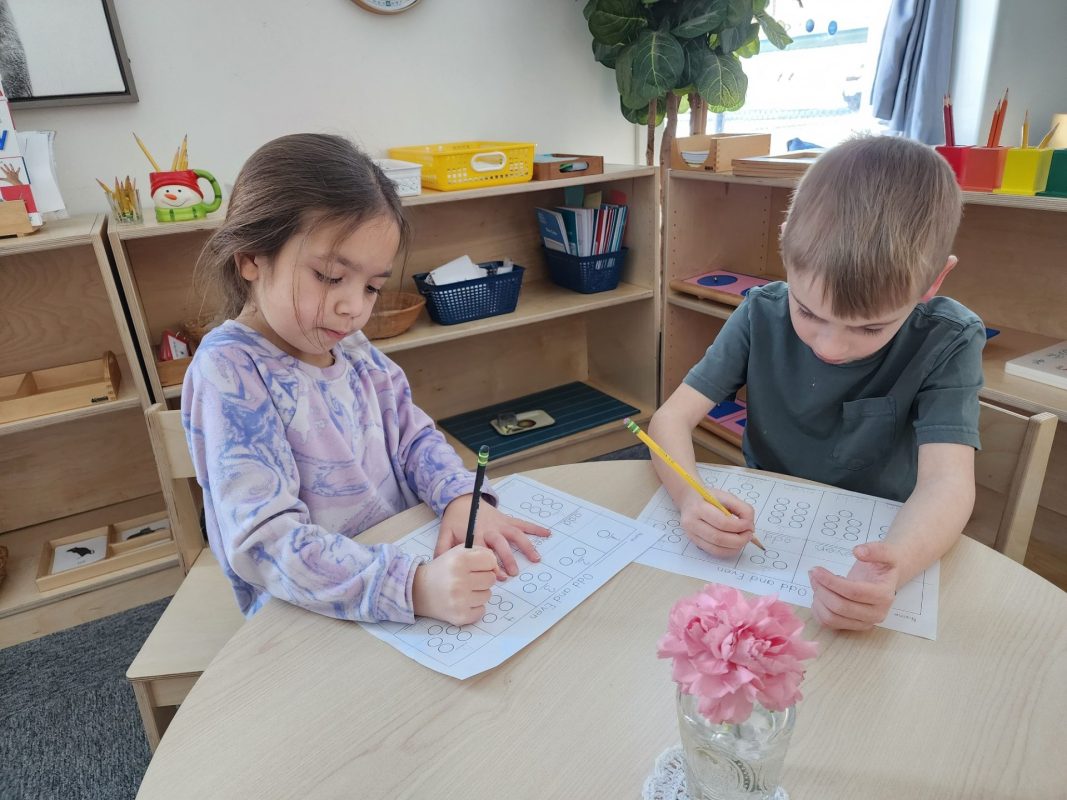
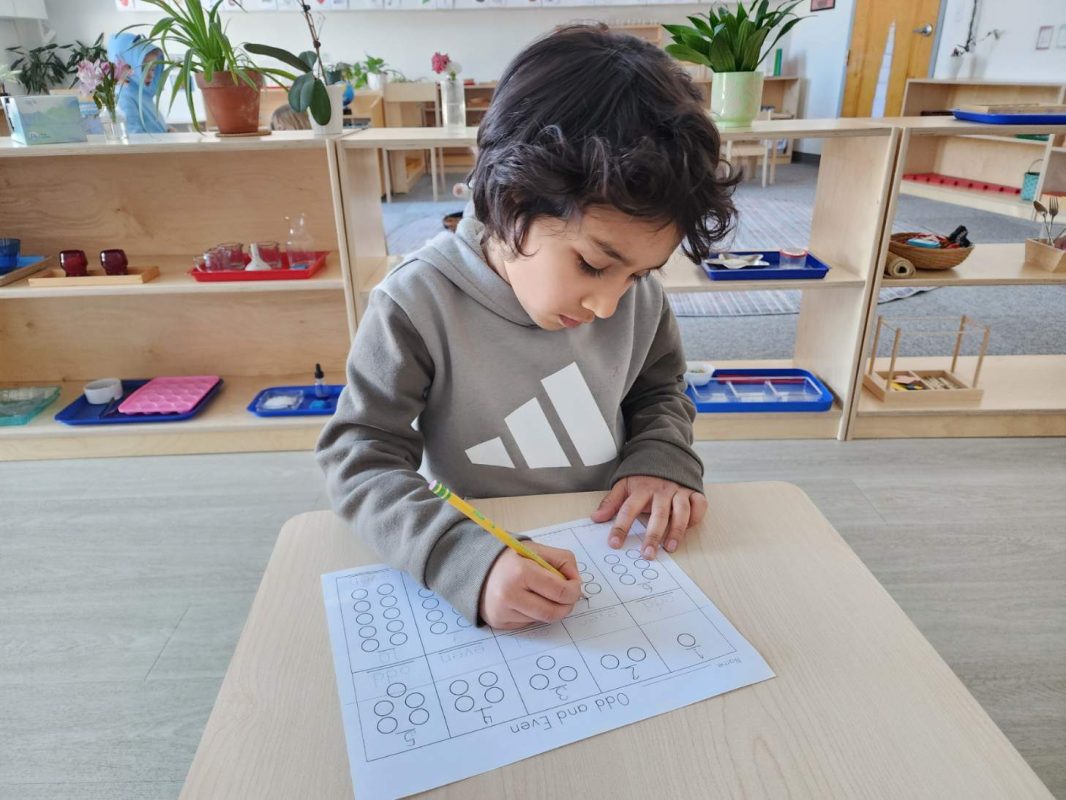
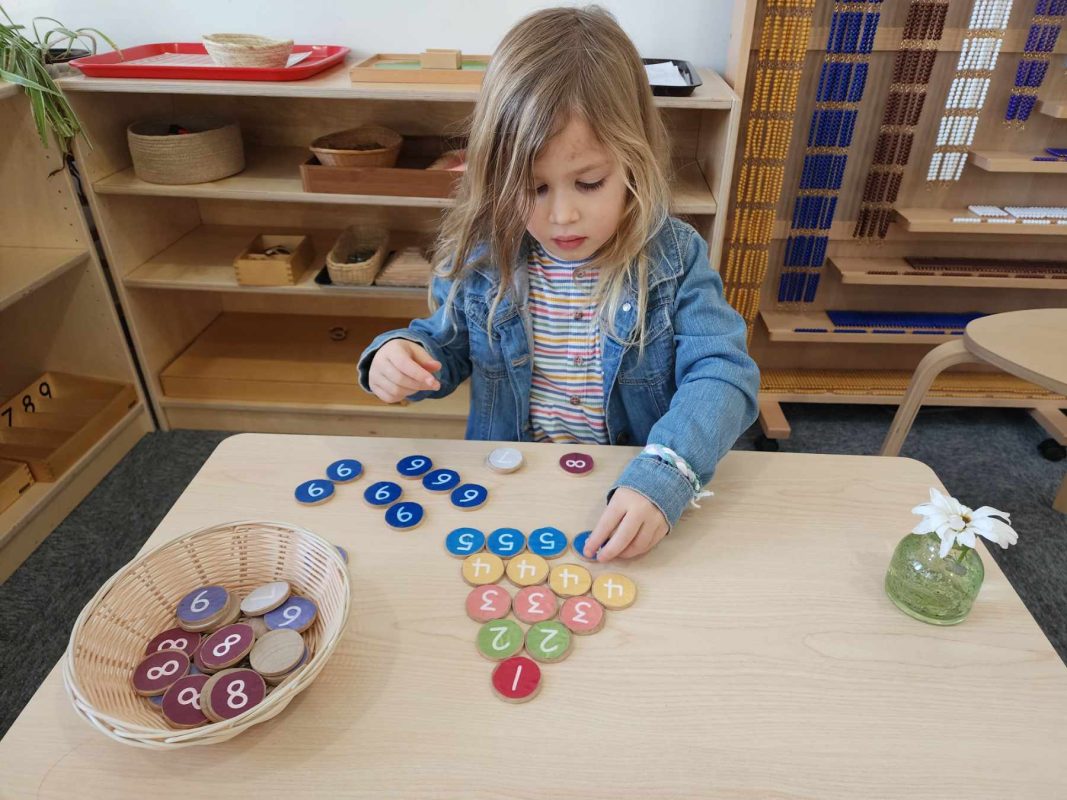
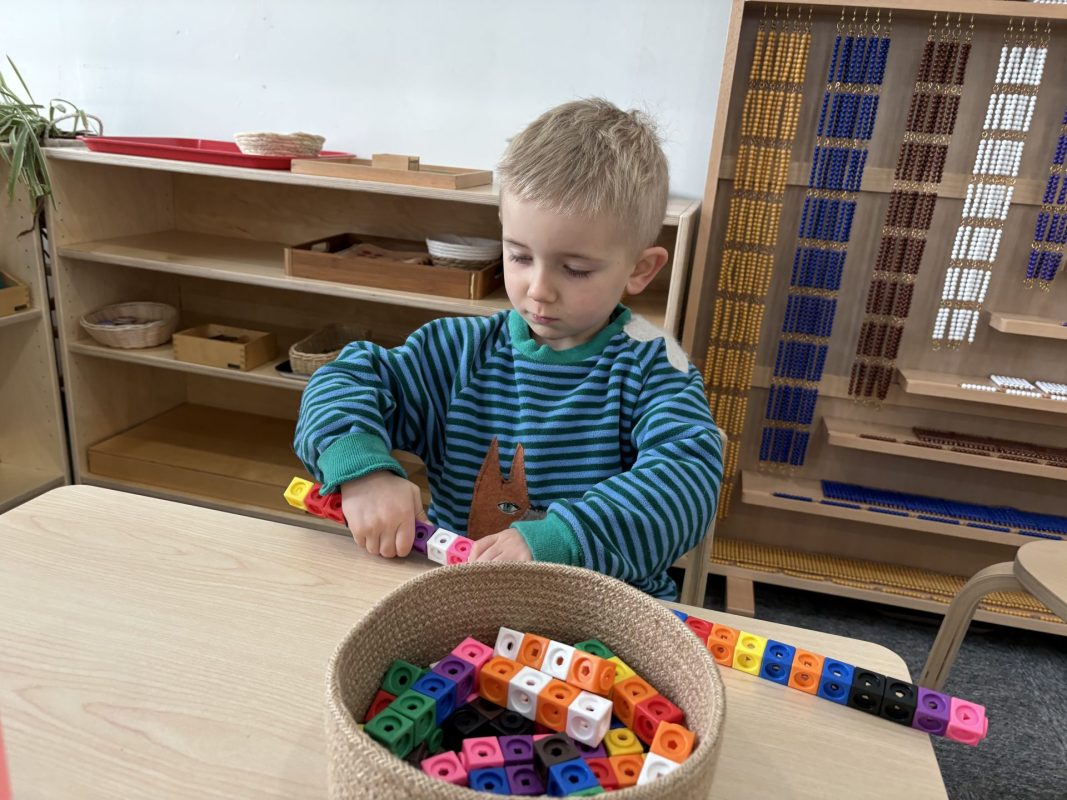
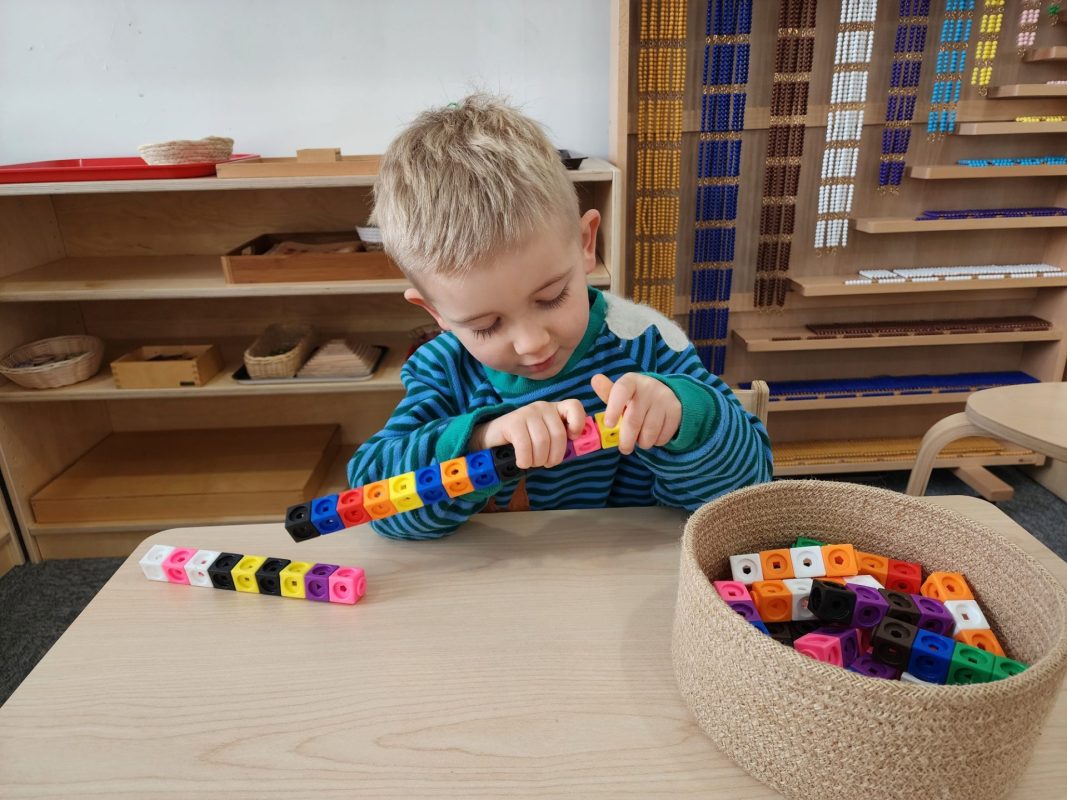
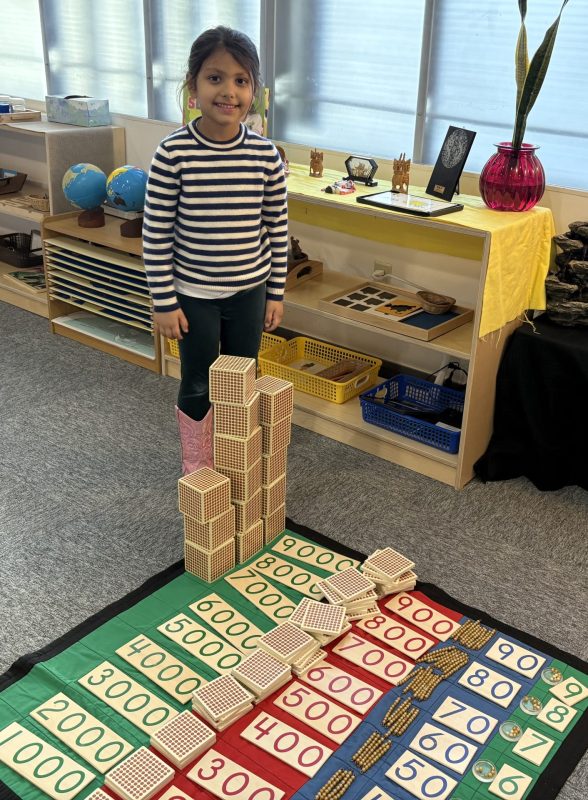
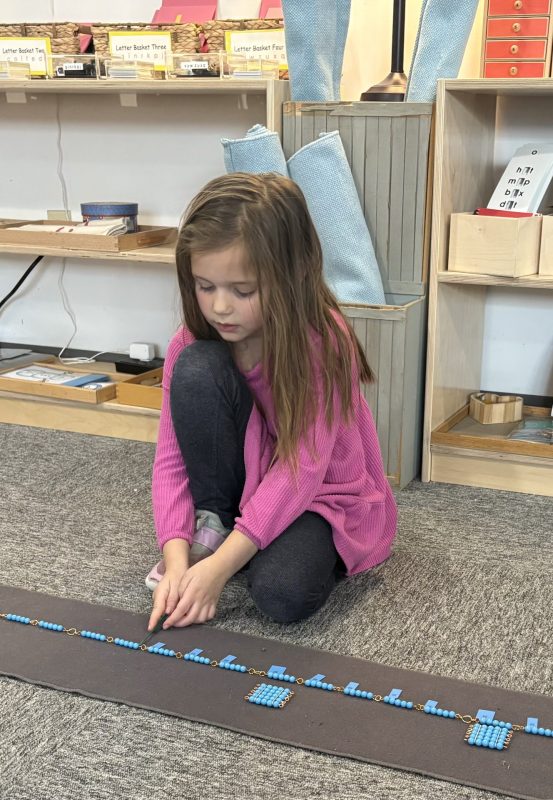
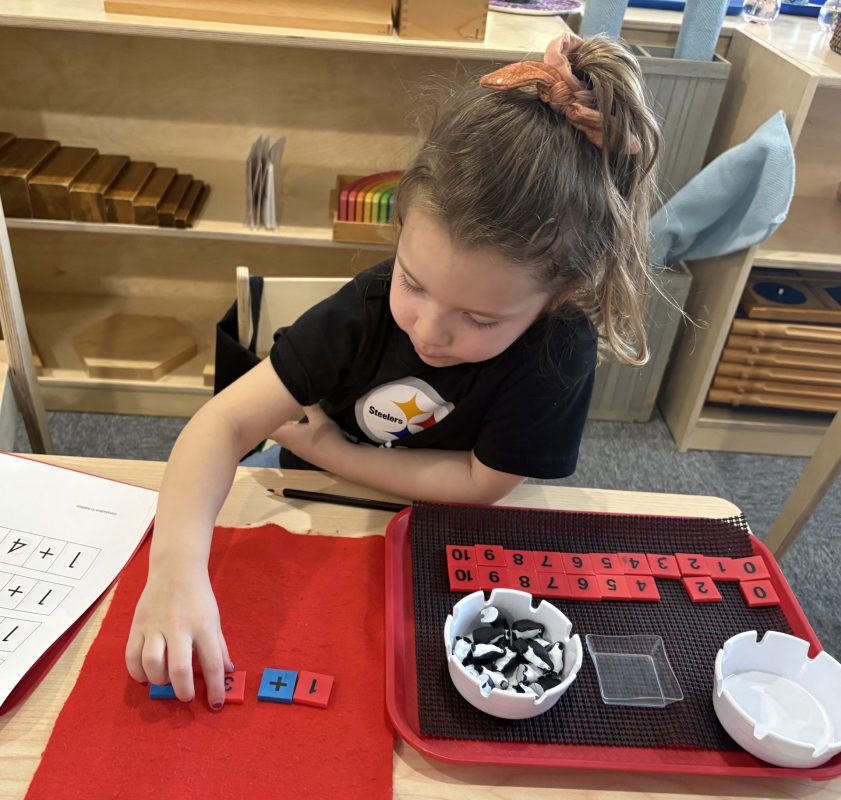
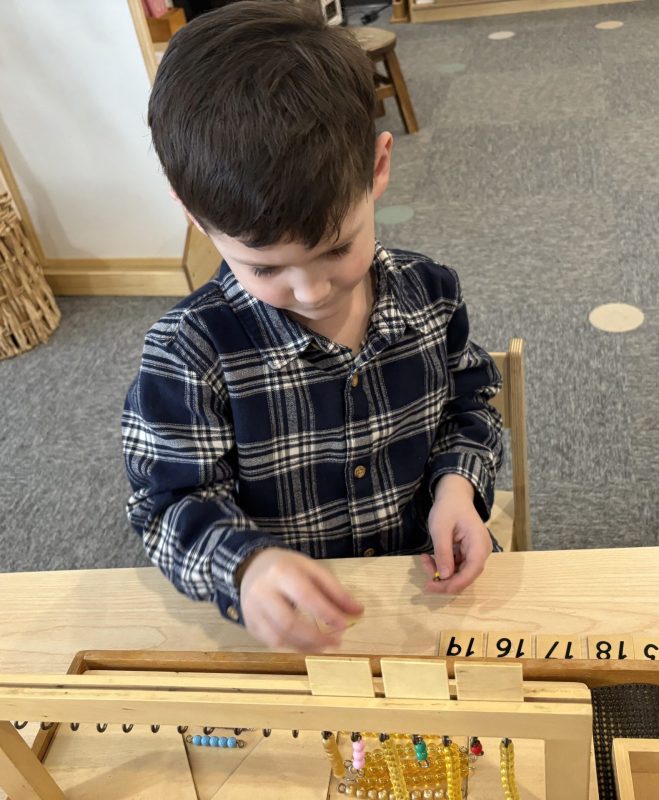
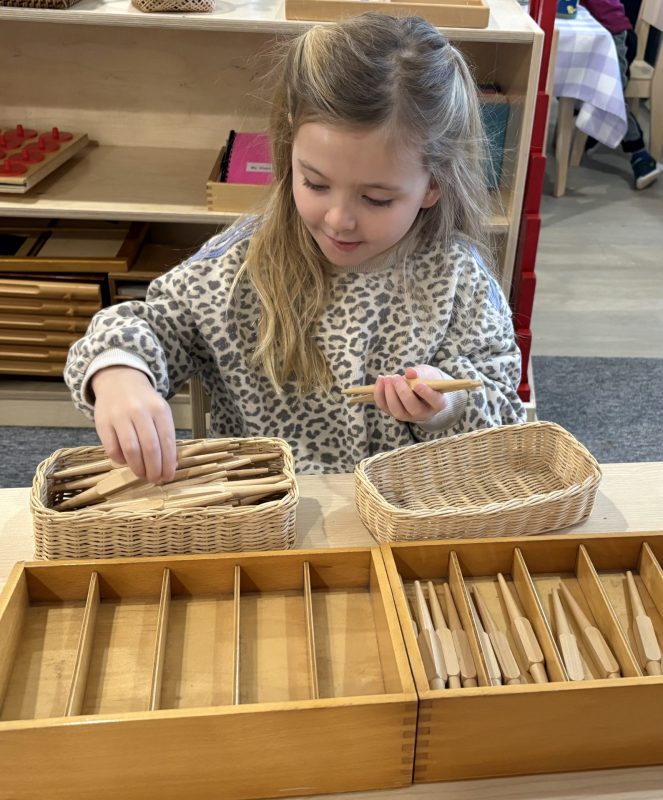
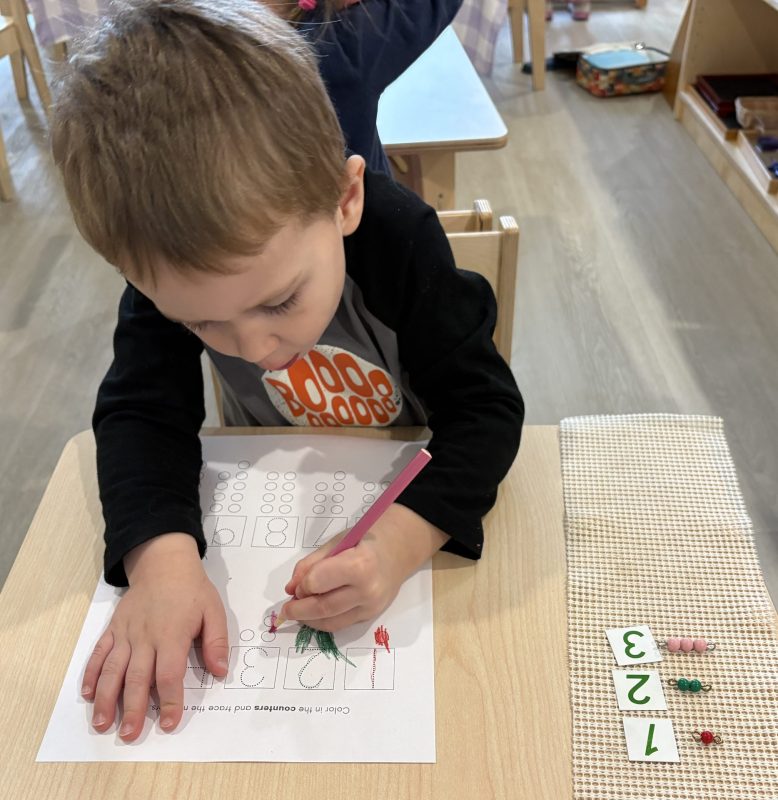
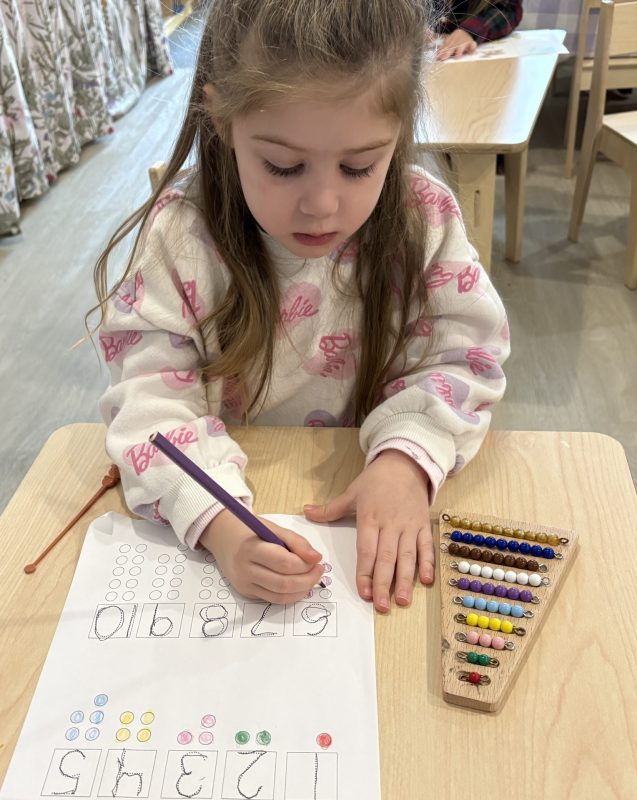
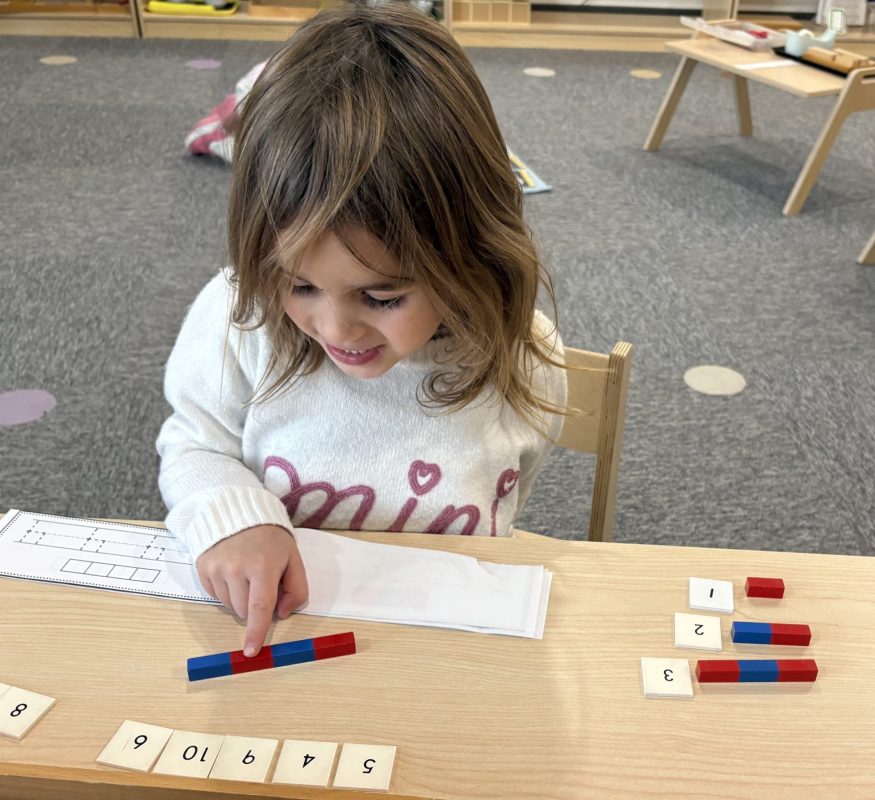
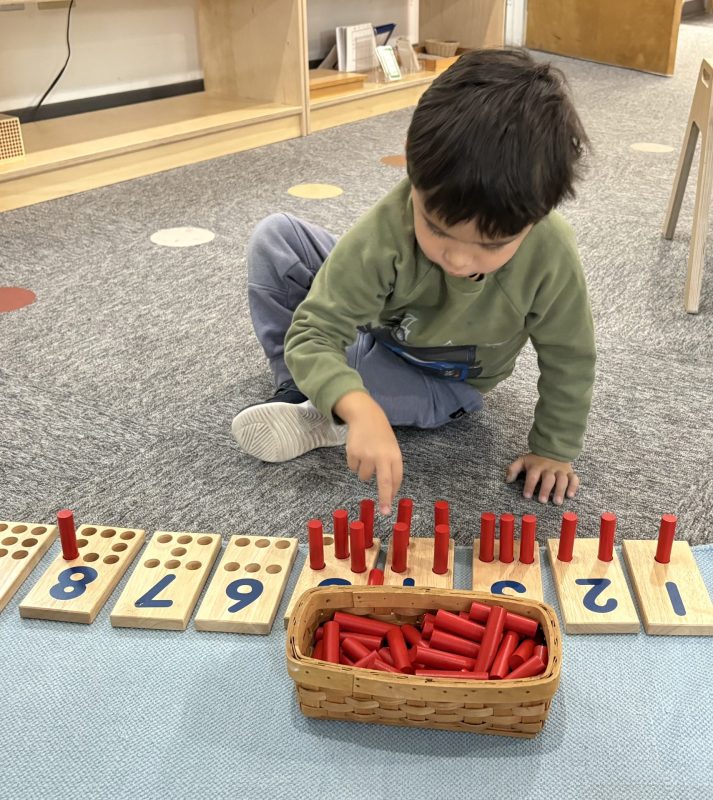
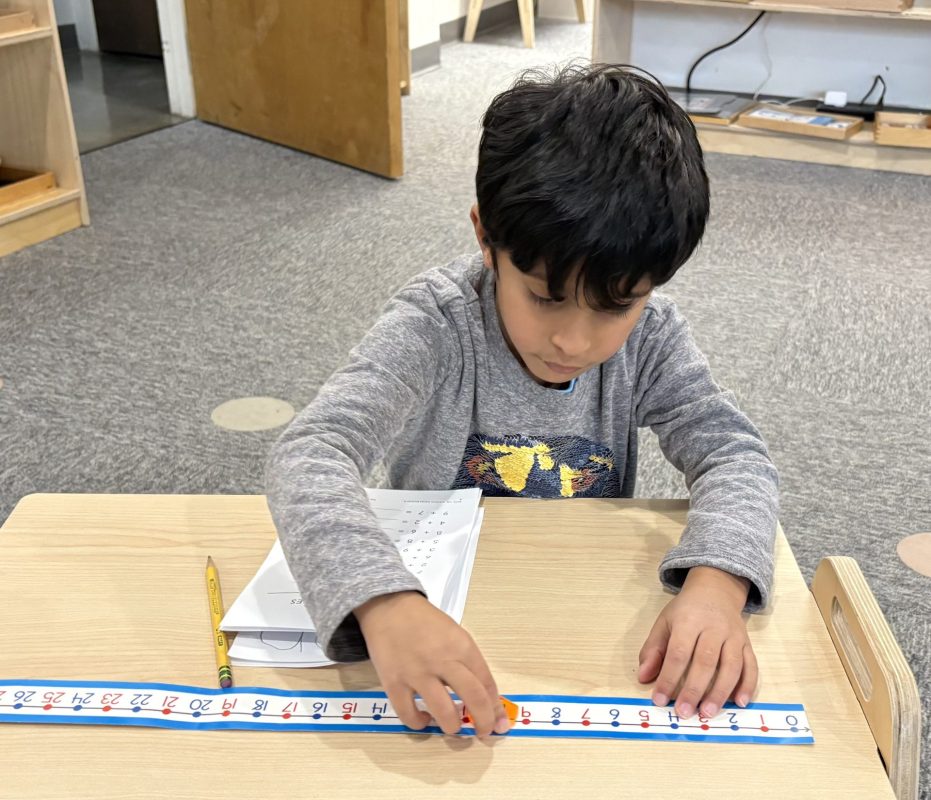
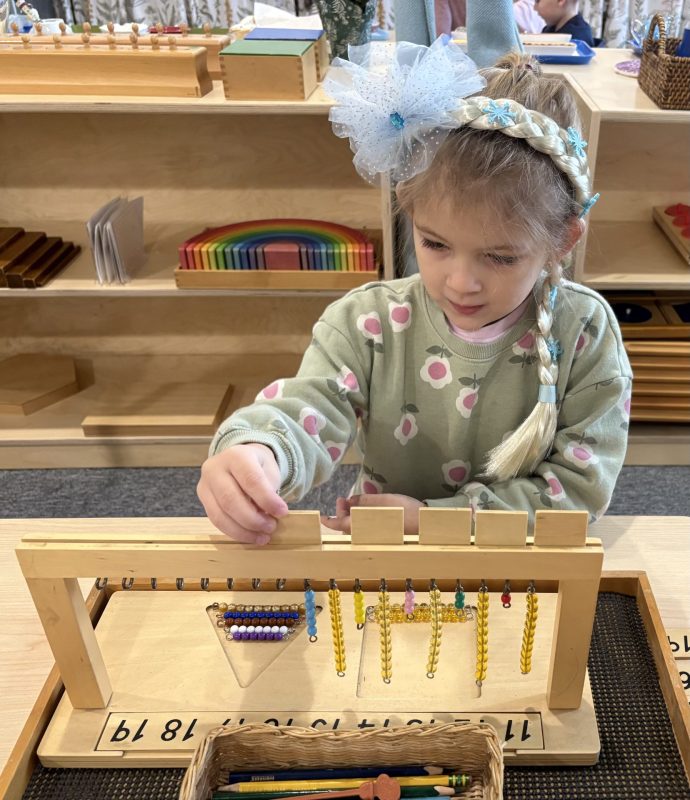
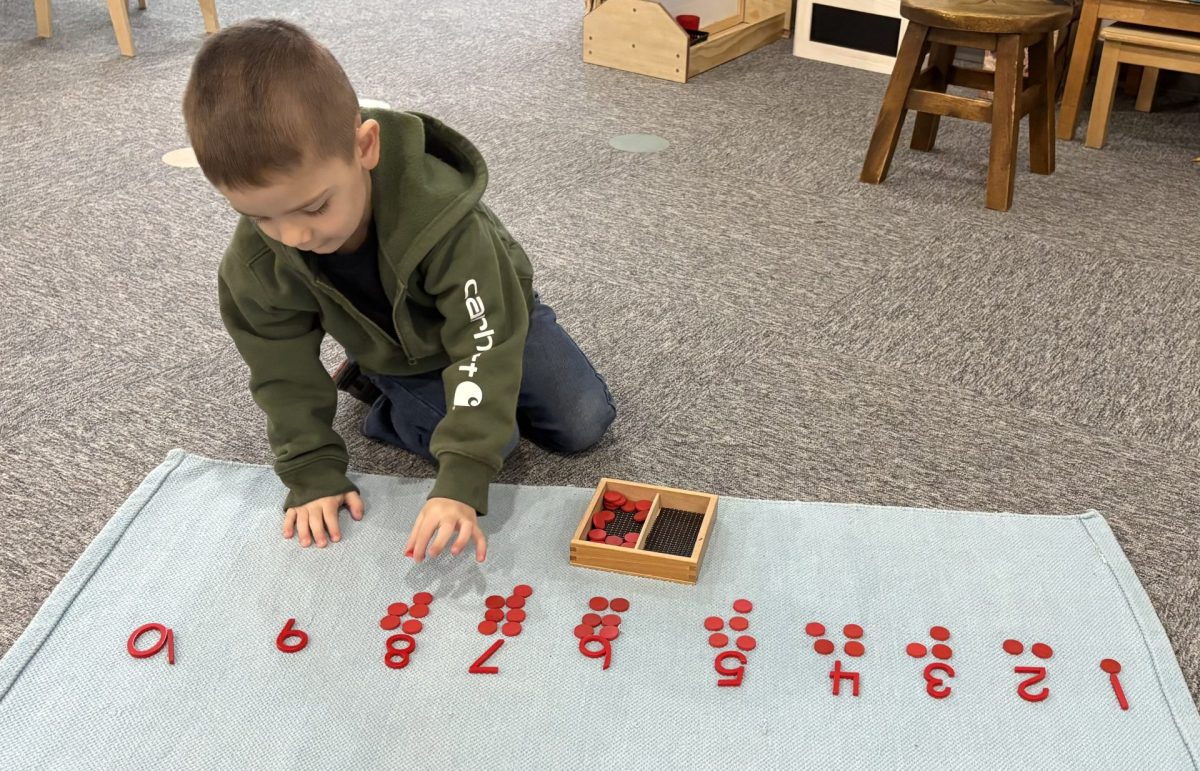
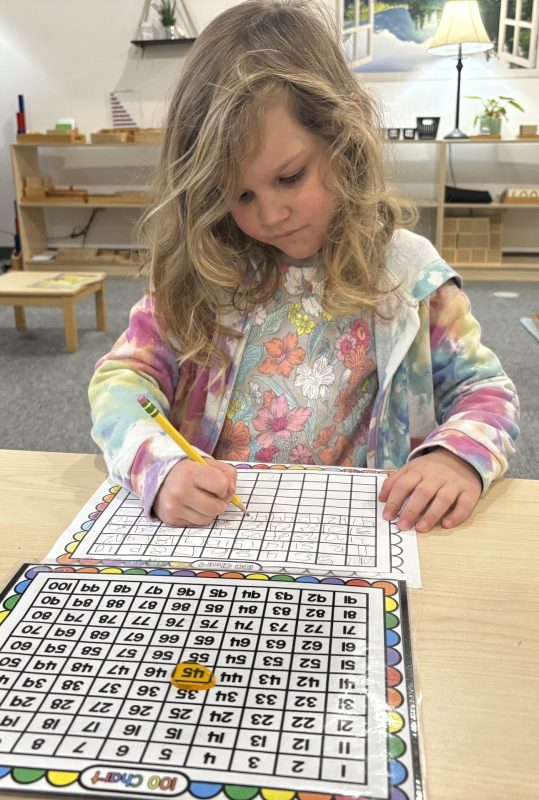
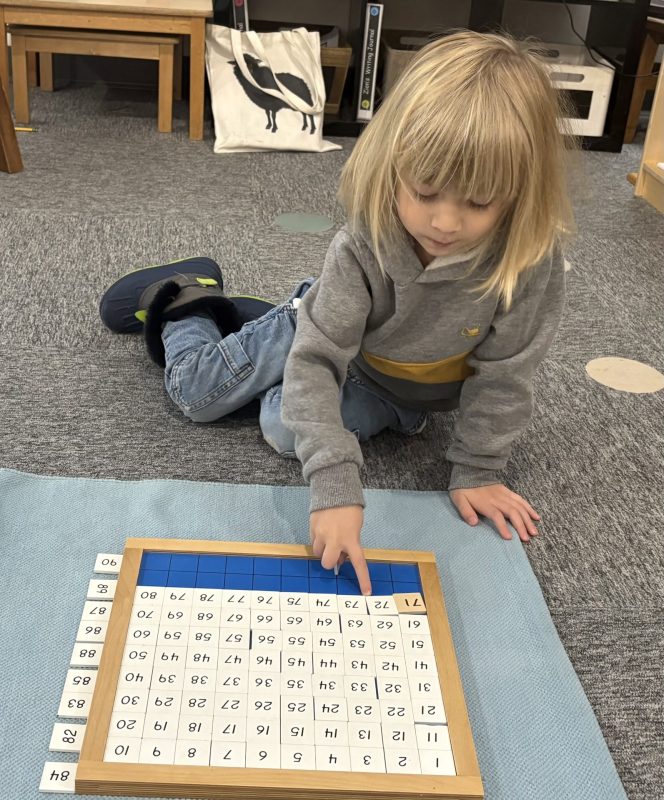
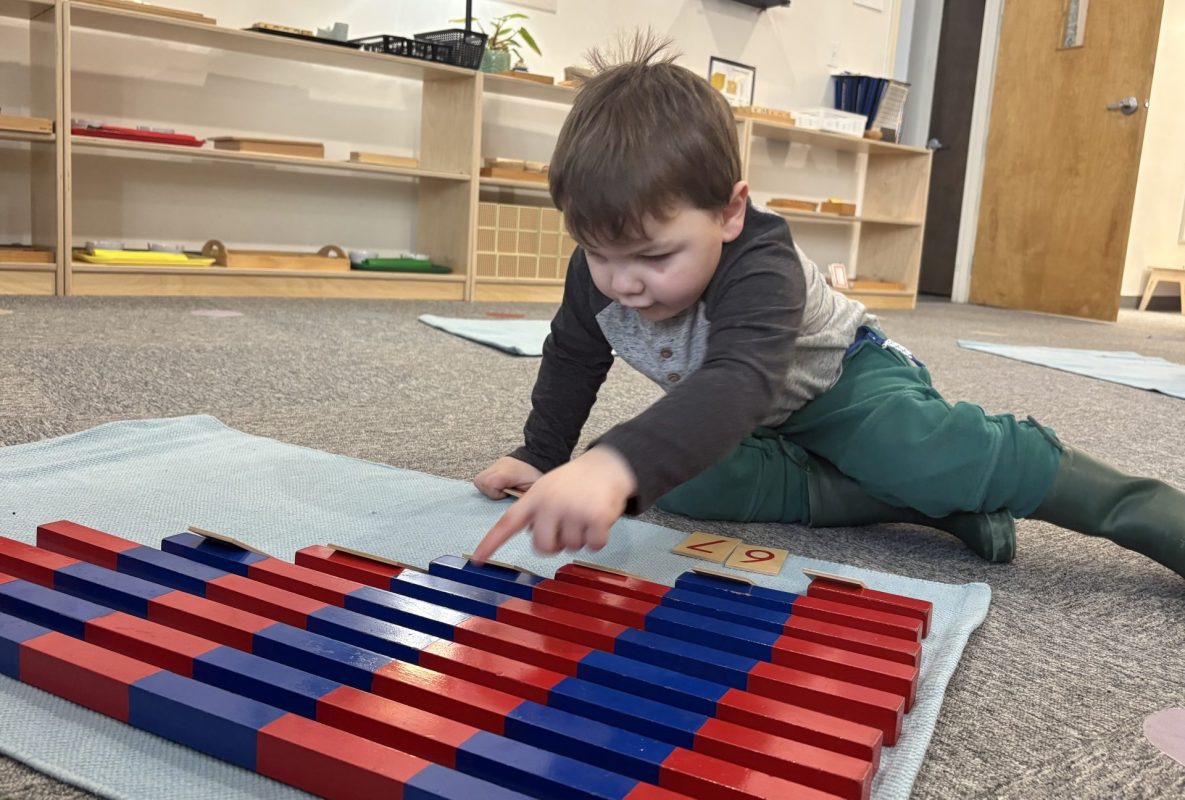
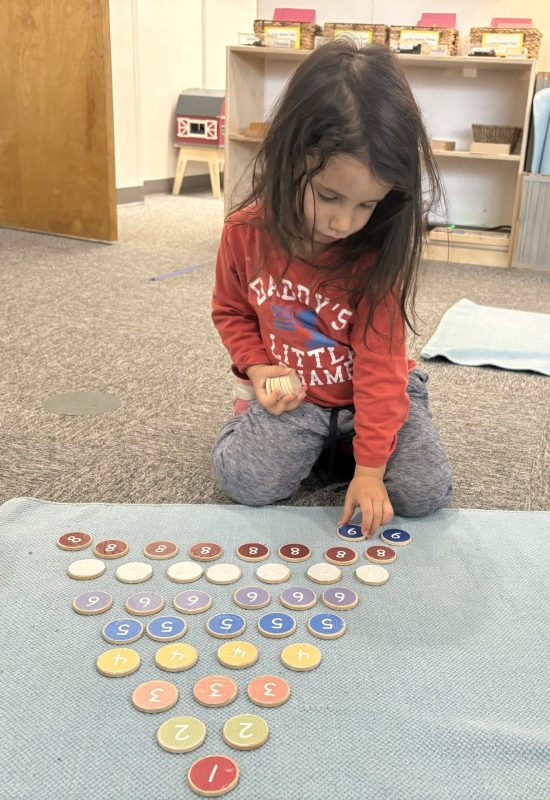
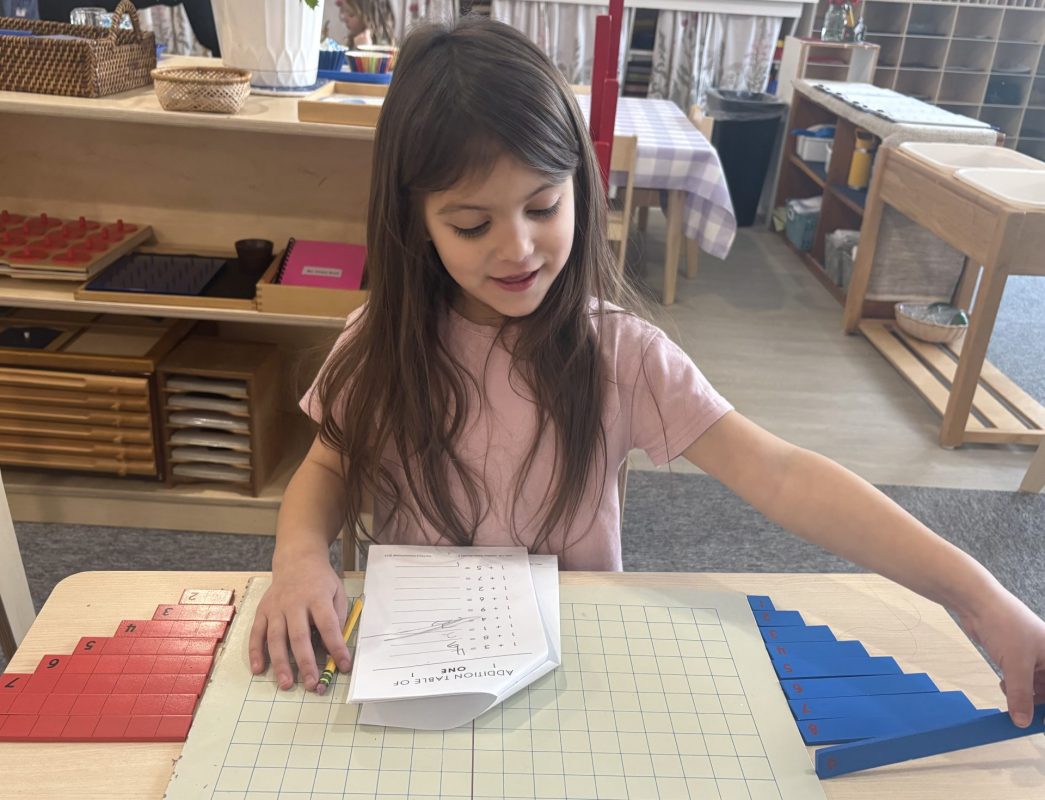
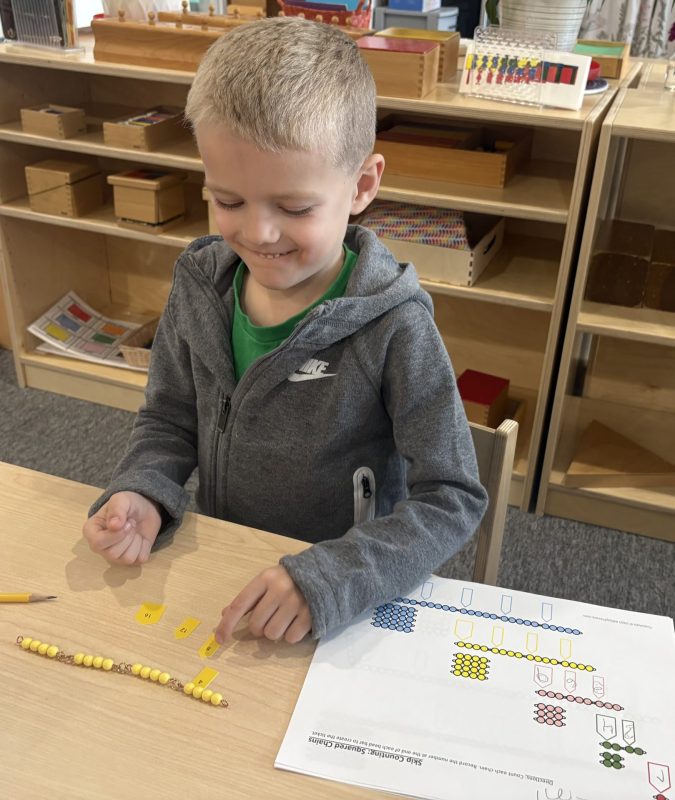
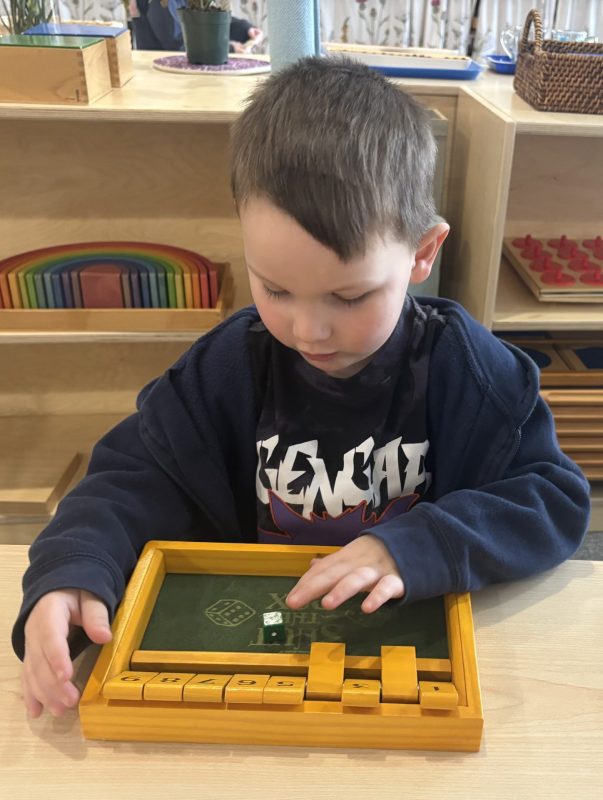
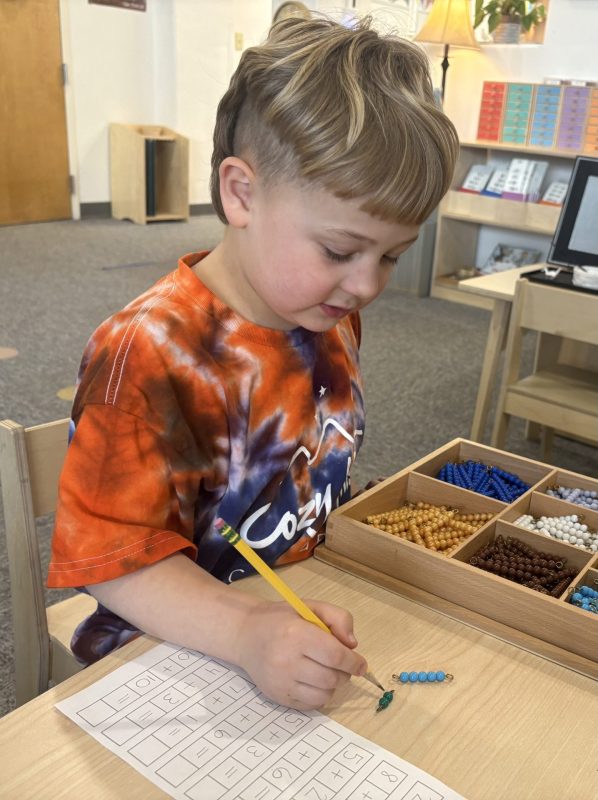
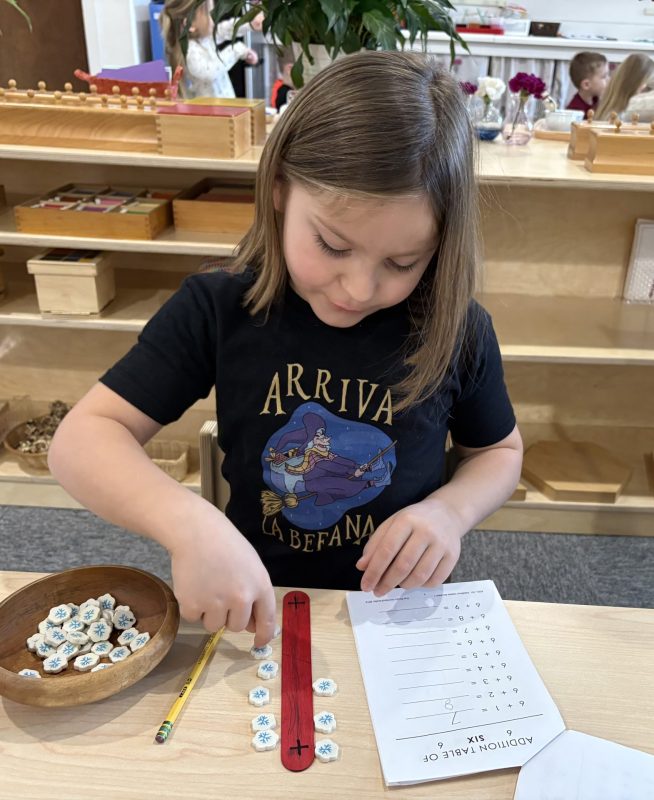
The Montessori math materials continued to captivate the children last week. These visual and hands-on manipulatives allowed the children to understand mathematical concepts concretely. After many repetitions and when each child was ready, we introduced more complex and abstract concepts. We taught the process first because the goal was to develop true understanding of mathematical concepts, not simply memorization.

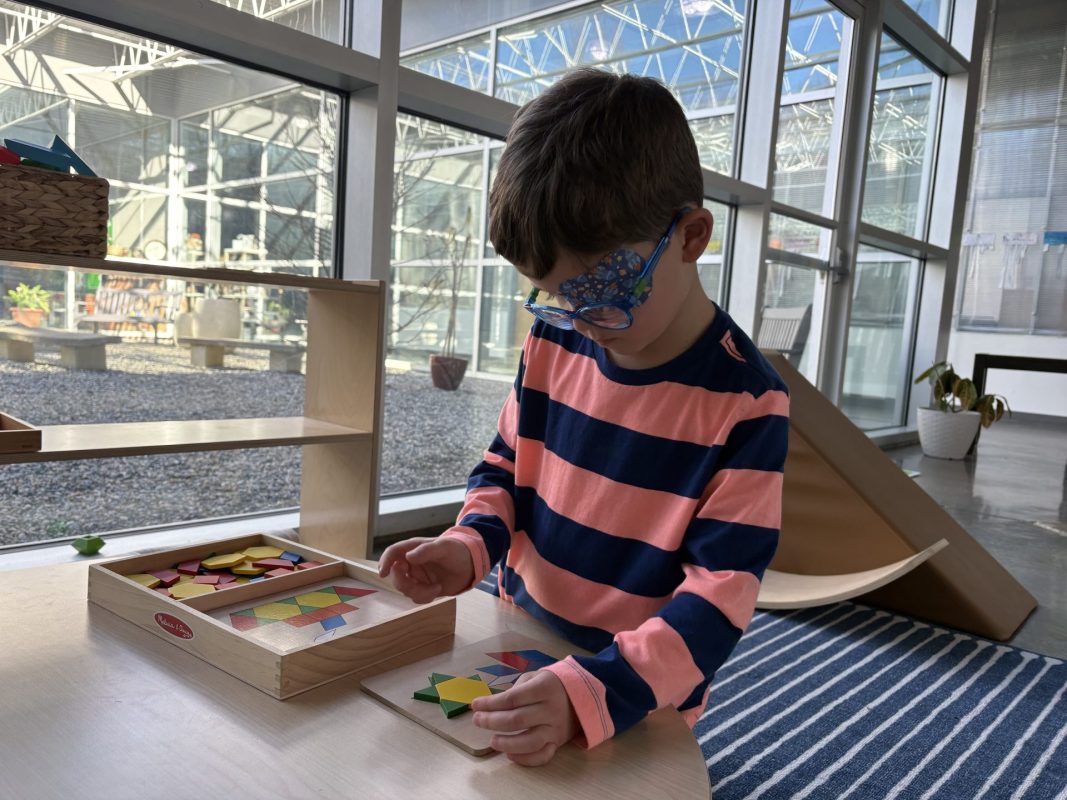
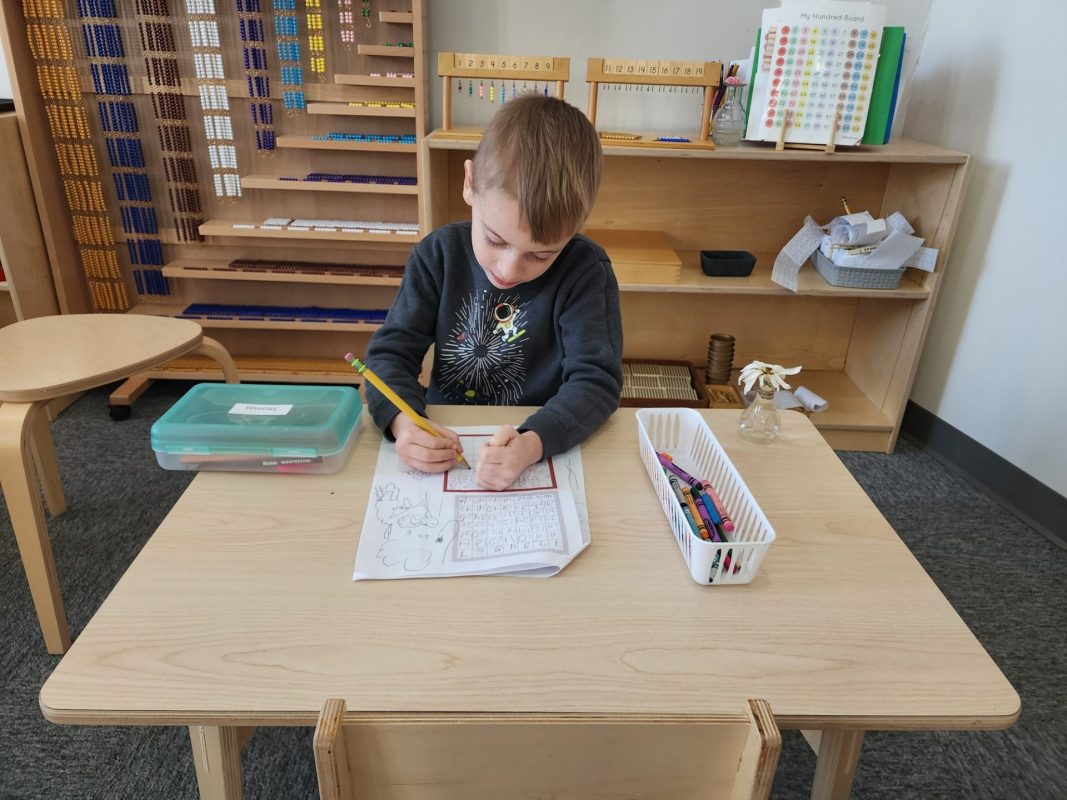
Maria Montessori believed that all children have a mathematical mind and an internal drive to understand the environment around them. The Practical Life activities have helped the children develop order, concentration, coordination, and independence, while the Sensorial materials have allowed them to recognize and extend patterns. The real secret behind the success of the Montessori math materials? The children truly enjoyed them.

Special Visitors and Stories

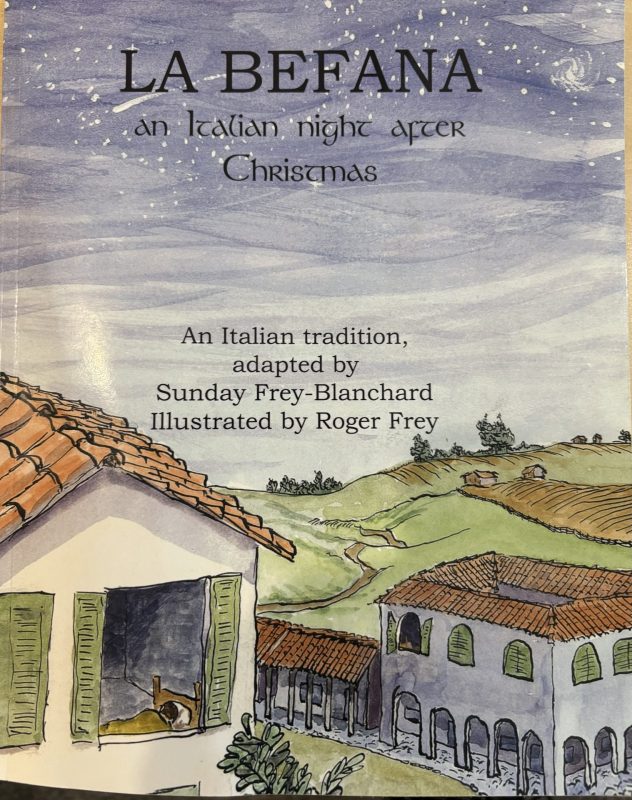
Jasper’s mom, Avery, visited us last week to share about La Befana, the kind old woman from Italian folklore who brings gifts to children all over Italy on the night of January 5th, Epiphany Eve. We enjoyed listening to a story about La Befana, ate delicious Befanini cookies made with a special ingredient—love—and danced to the Italian song “La Befana Di Notte.” The children were enchanted by this cultural tradition.

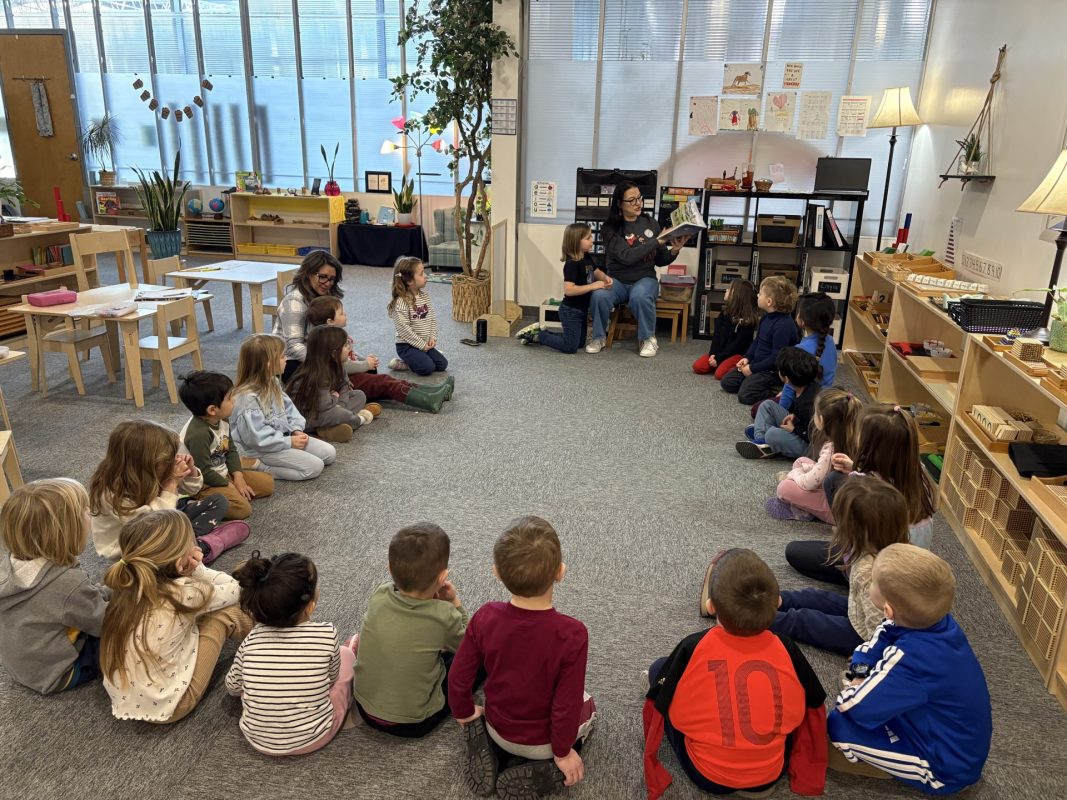
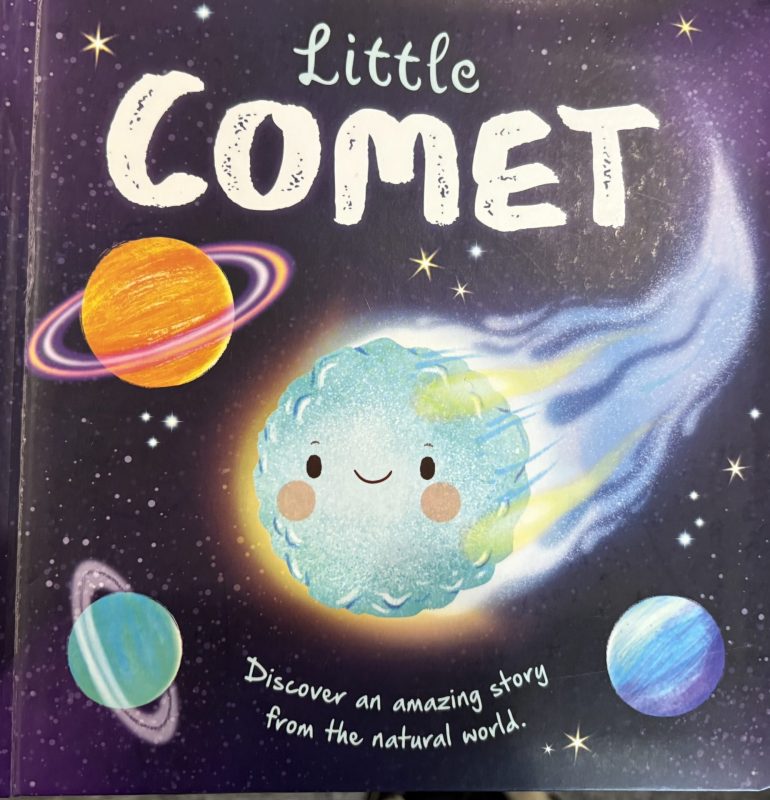
Our guest reader last week was Remi’s mom, Sam, who shared the wonderful story “Little Comet.” All of the children really enjoyed listening to this delightful tale.

Extending Learning at Home

Look for reptiles in your everyday environment—at pet stores, in books, or even in nature during warmer months. Practice classification by asking your child what makes an animal a reptile versus a mammal or bird. For math practice, count everyday objects together and create patterns using items around your home like buttons, pasta, or toys.


Upcoming Events & Announcements

This Week

  • Monday, January 26
    Sharing Box and Flowers – Jasper T.
  • Friday, January 30
    Birthday Walk & Celebration of Life – Jasper T.

Next Week

  • Wednesday, February 4
    Isle of Skoo Assembly for Primary–Upper Elementary at 9 a.m.

Looking Ahead

Thursday, February 12
Valentine’s Day Exchange is a cherished friendship celebration in our Primary classrooms! On Thursday, February 12, the children will exchange valentines with their classmates, marking a special part of their school experience that emphasizes expressing love and gratitude for one another.

We encourage you to involve your child in preparing their Valentine’s Day cards. Please have your child sign their own name on each card—whether that’s their full name, just one letter, or their own special mark, every effort is meaningful and developmentally appropriate! Please allow ample time for this name-writing process, which serves as wonderful practice. (If writing their full name, remember to use uppercase only for the first letter.)

Important! Please leave the “To:” area blank. Do not address envelopes or cards with specific names. This allows children to distribute valentines independently without needing to read each classmate’s name, supporting their sense of capability and confidence. Note: If your child is able to read their classmates’ names, they may write names on the envelopes as additional reading practice—but this is entirely optional.