Blog

Mrs. Lopes’ Class: A Walk Around the Sun

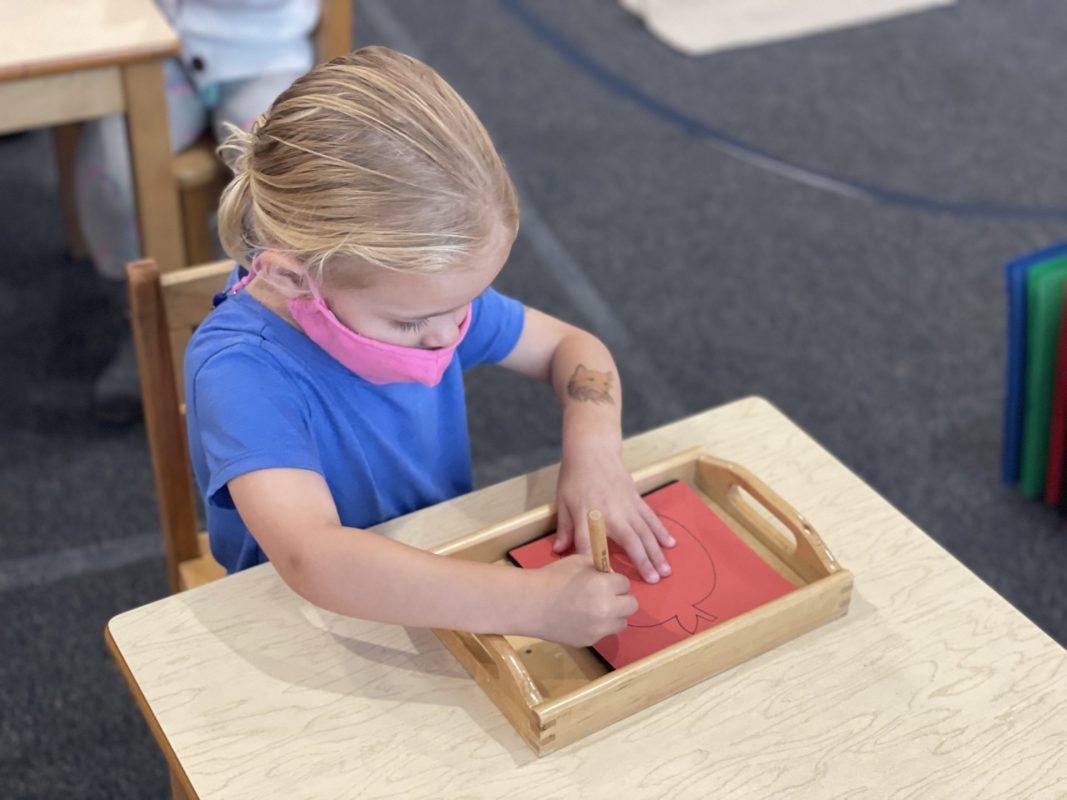
In the first two weeks of school we have already had two classroom birthday celebrations! Birthday celebrations are so special in a Montessori environment. For a child, one year is a significant amount of time relative to their life. As part of the Montessori tradition, we strive to celebrate birthdays in a way that is both meaningful and educational.

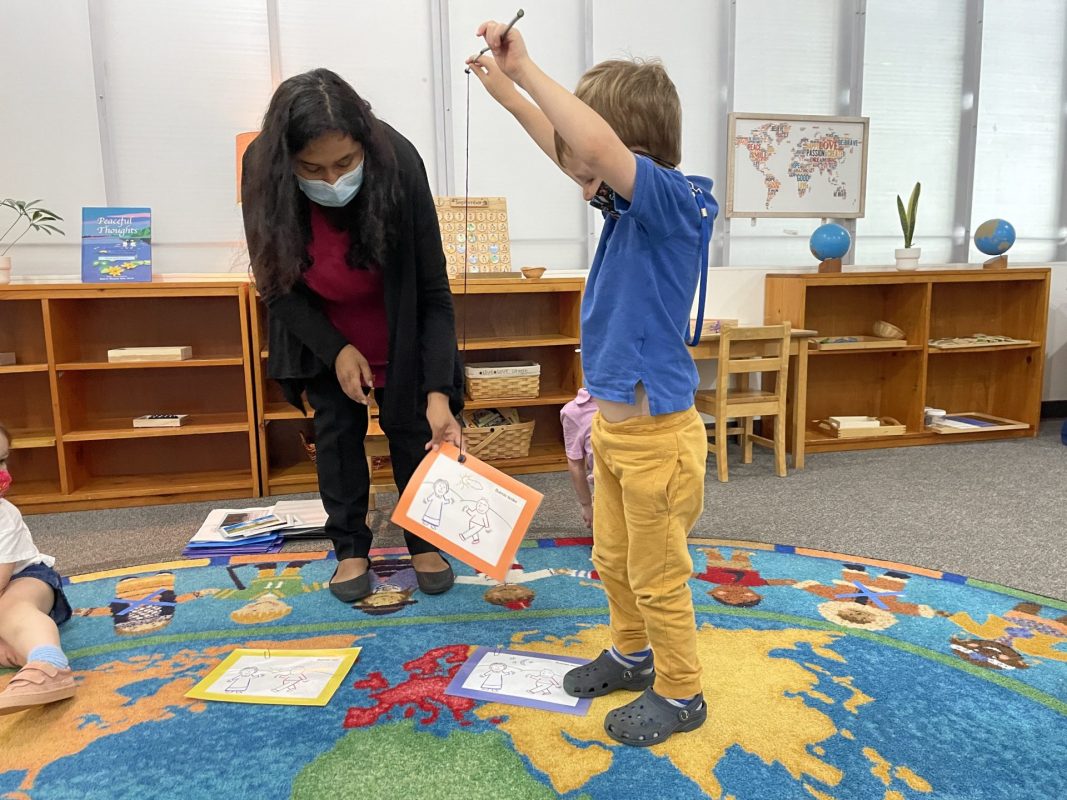
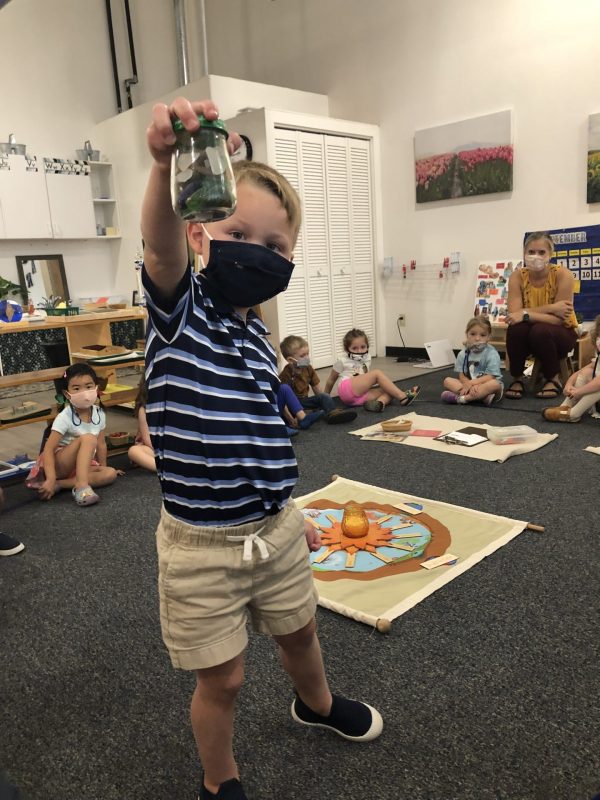
Our children in the Primary environment celebrate birthdays with a tradition called “a walk around the sun.” A walk around the sun can be different from school to school, but typically begins by lighting a candle representing the sun in the middle of our class circle. Labels for each month of the year are laid out around the candle. The teacher and class form a circle around the candle and the birthday child walks around the “sun” once for each year of their life, holding an Earth globe. We encourage parents to share a milestone from each year of their child’s life during their walk around the sun.

The Montessori birthday walk is more than just a birthday celebration, it’s a Celebration of Life, a lesson in science, astronomy, and grace, and a community building experience for the entire class.

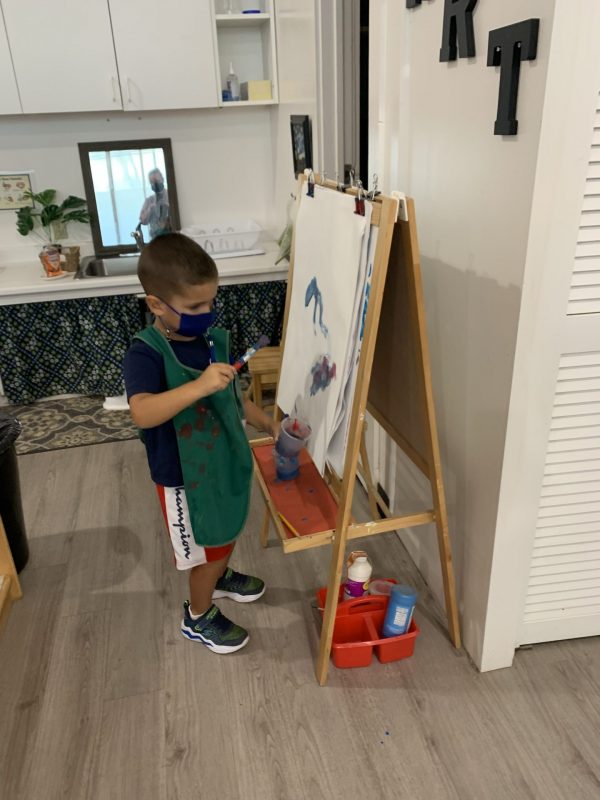
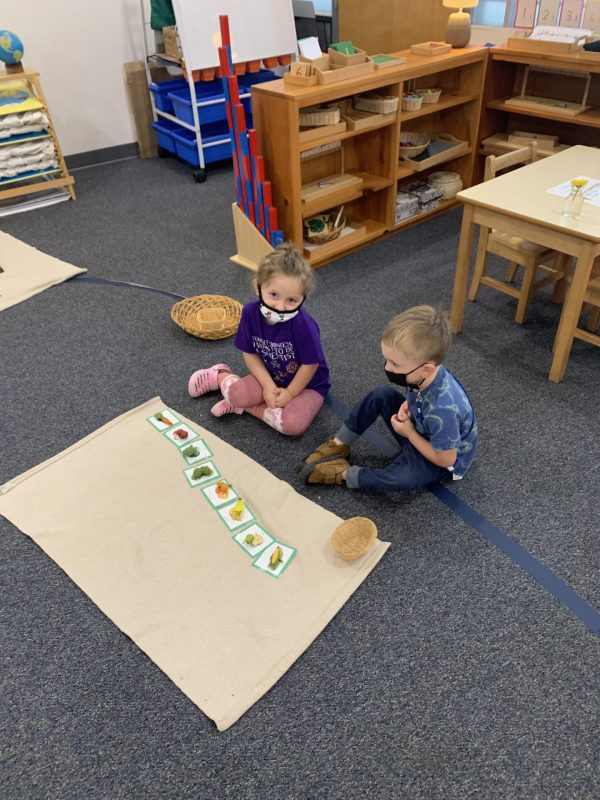
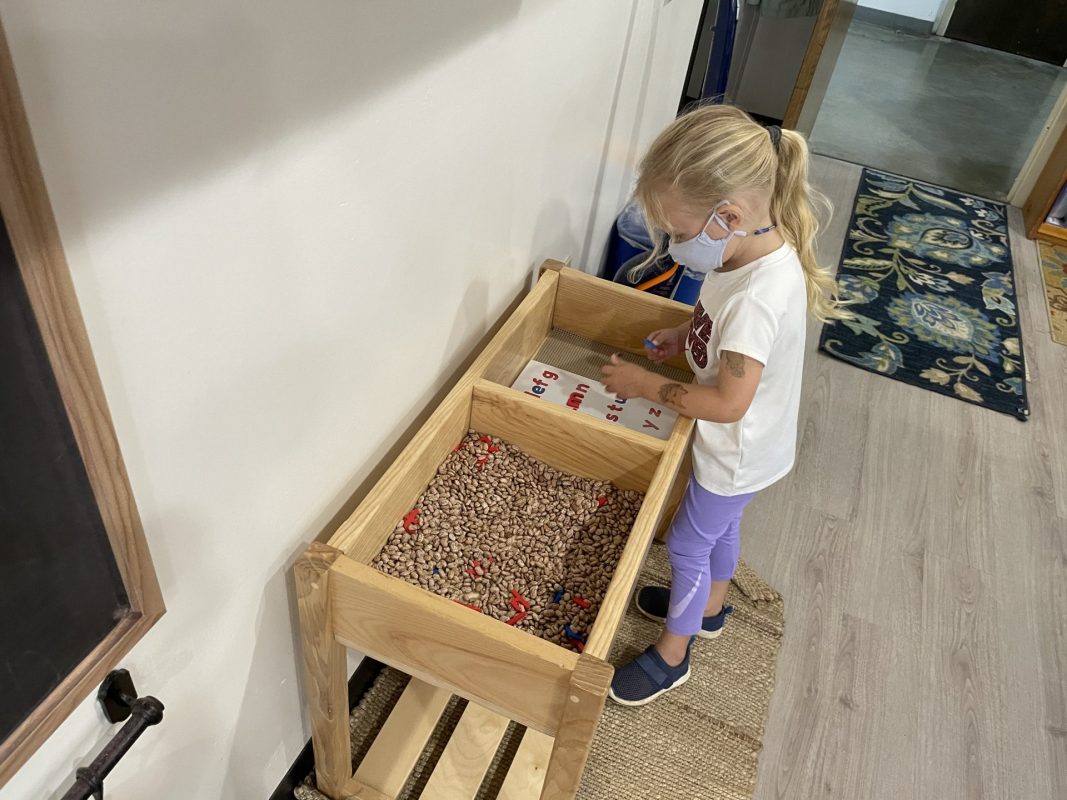
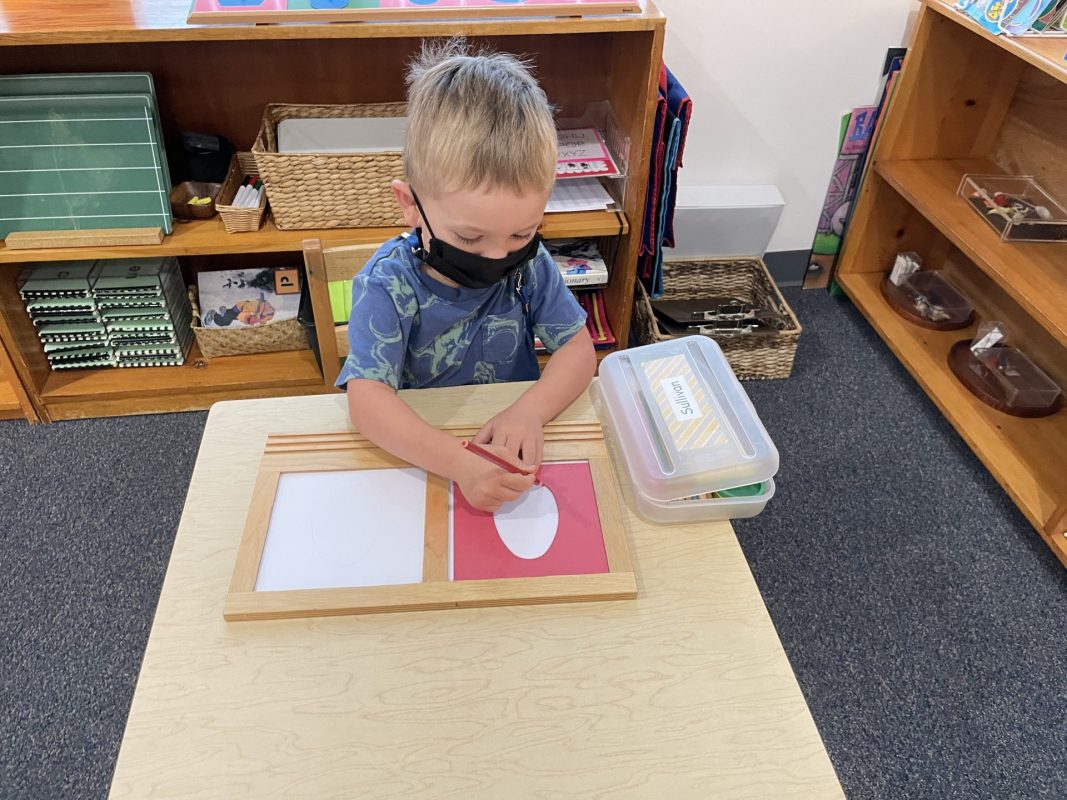
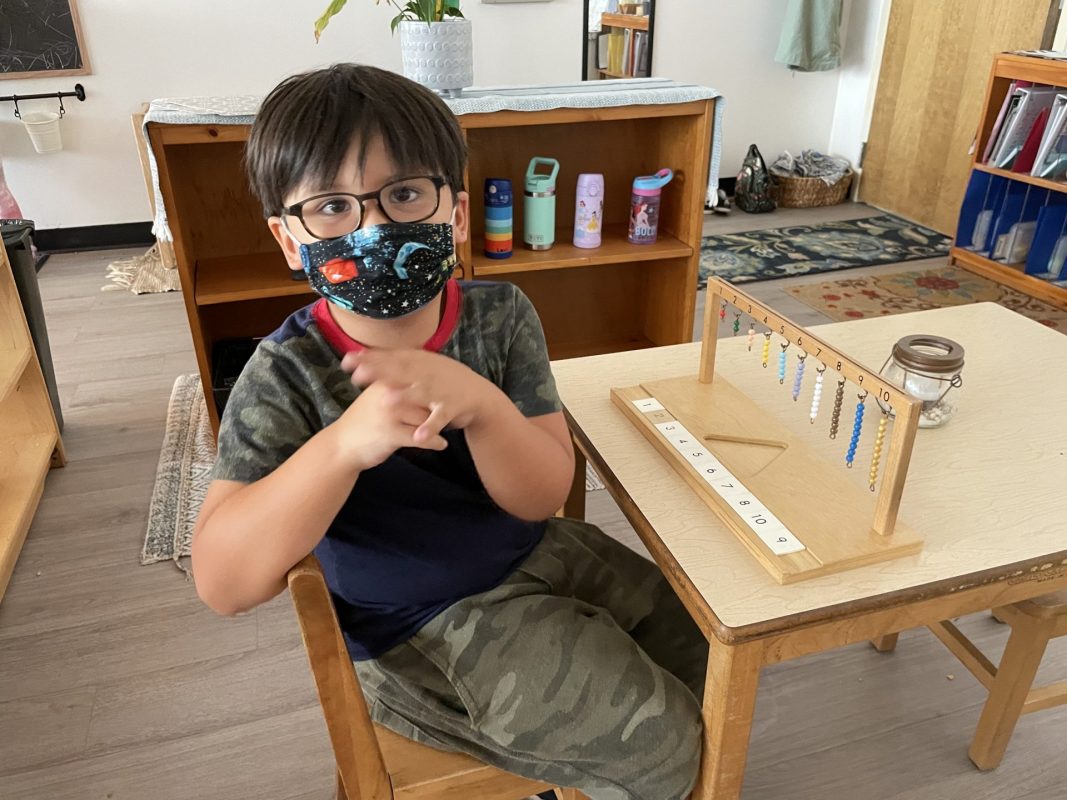
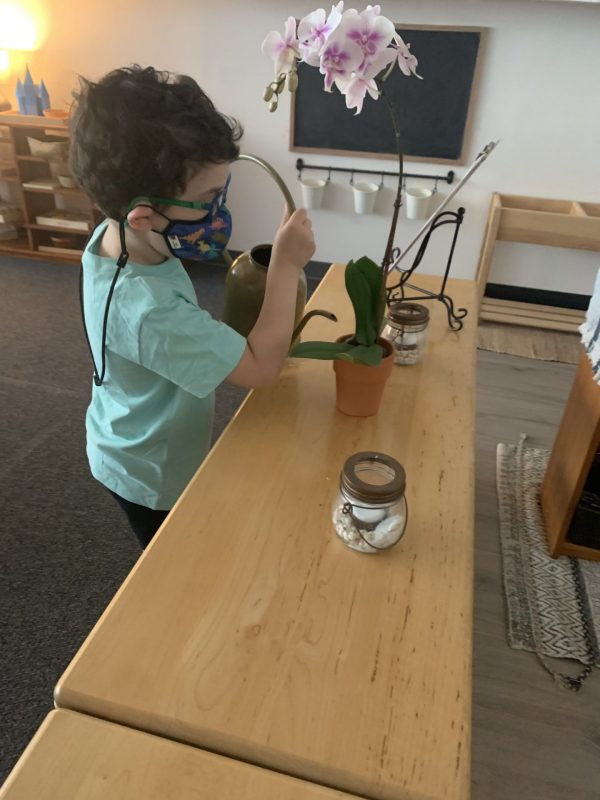
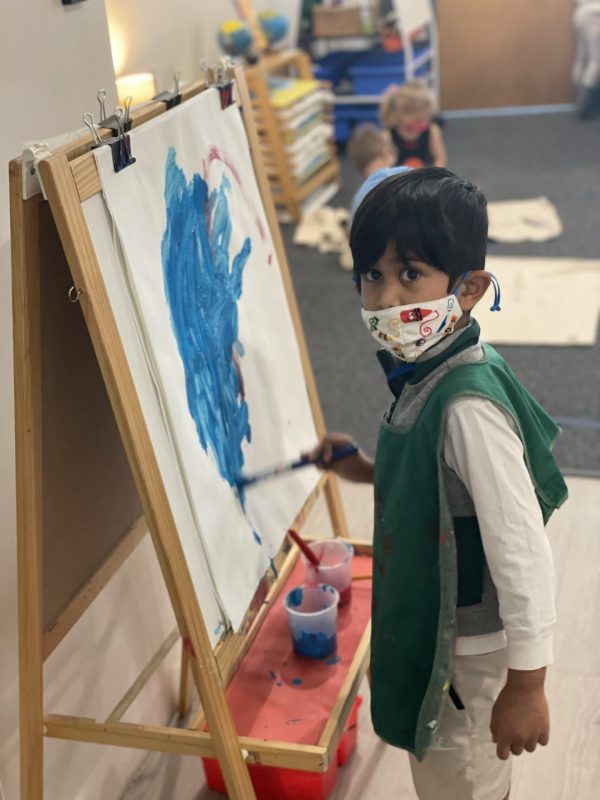
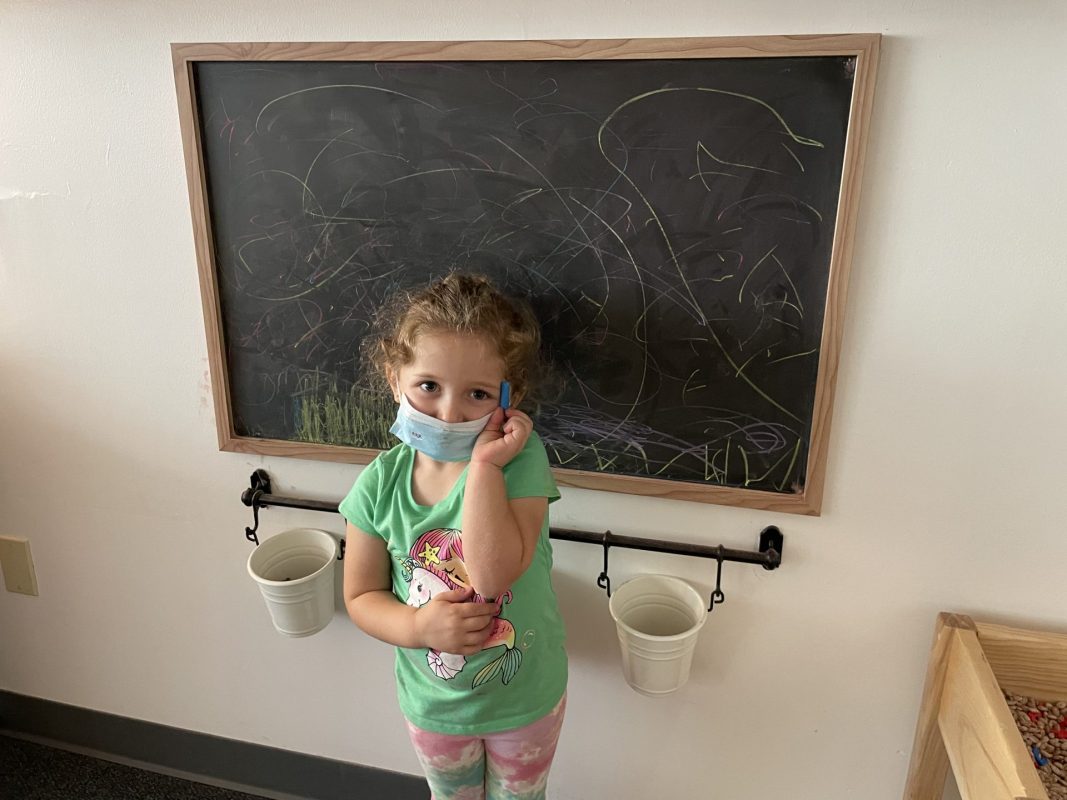
This Friday we will be sending home a “Friday Folder” with your child’s work from the week. Please empty the folder and return it to school on Monday. Some children come home with many items each week, while others do not. Please remember that many of the lessons and materials in our environment are tactile, so even though your child may not be coming home with much “physical” work, our photos we share each week will show how they have been working hard in the classroom.

Wishing you a wonderful weekend,

Amanda and Heather

Upper El Week Two

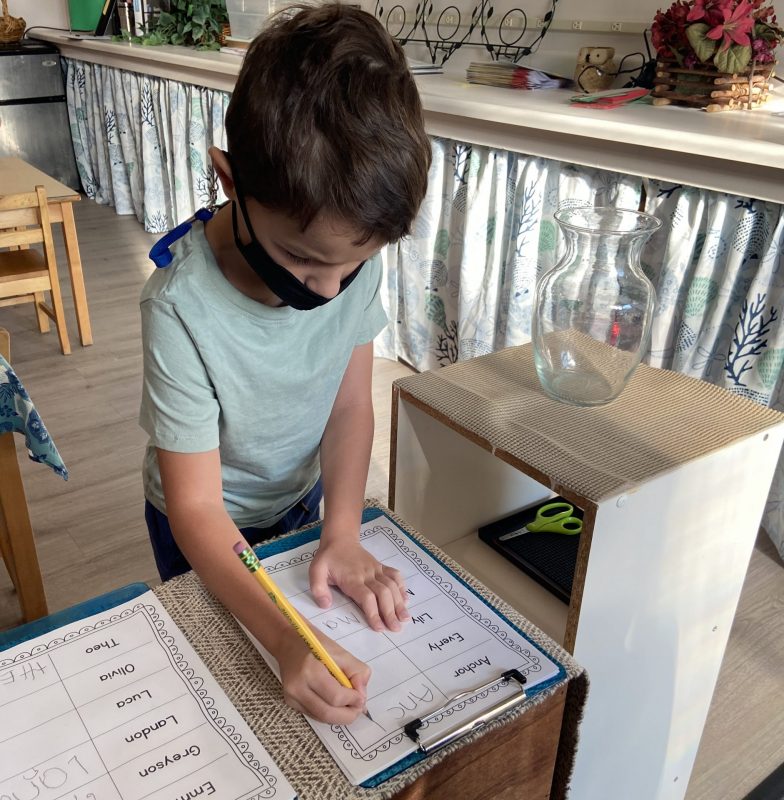
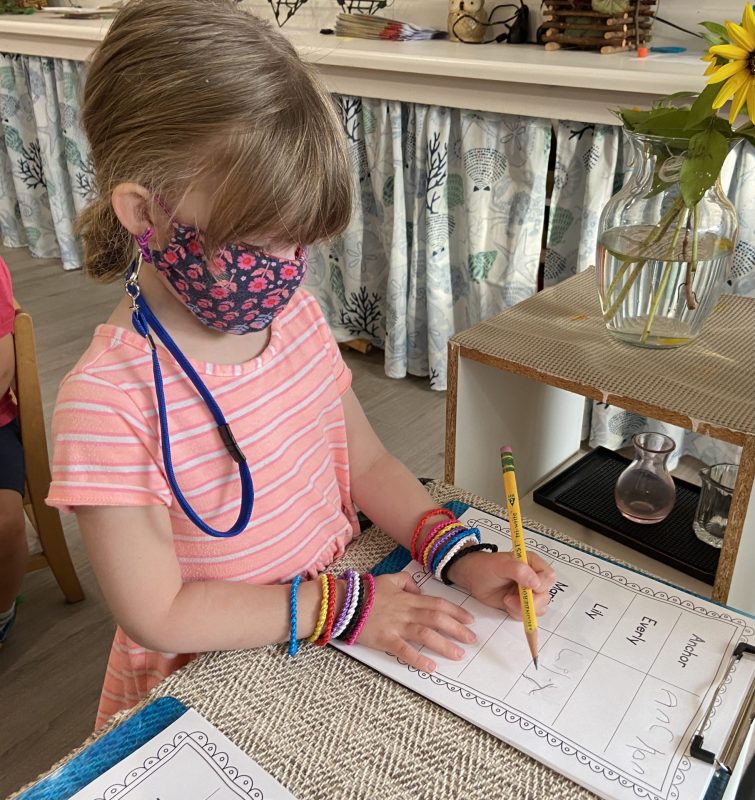
Our week started with our first birthday celebration of the year. We asked our birthday friend some questions to learn more about him and then we wrote him an acrostic poem using the information we learned. We also enjoyed some popsicles that he brought to share for his birthday.

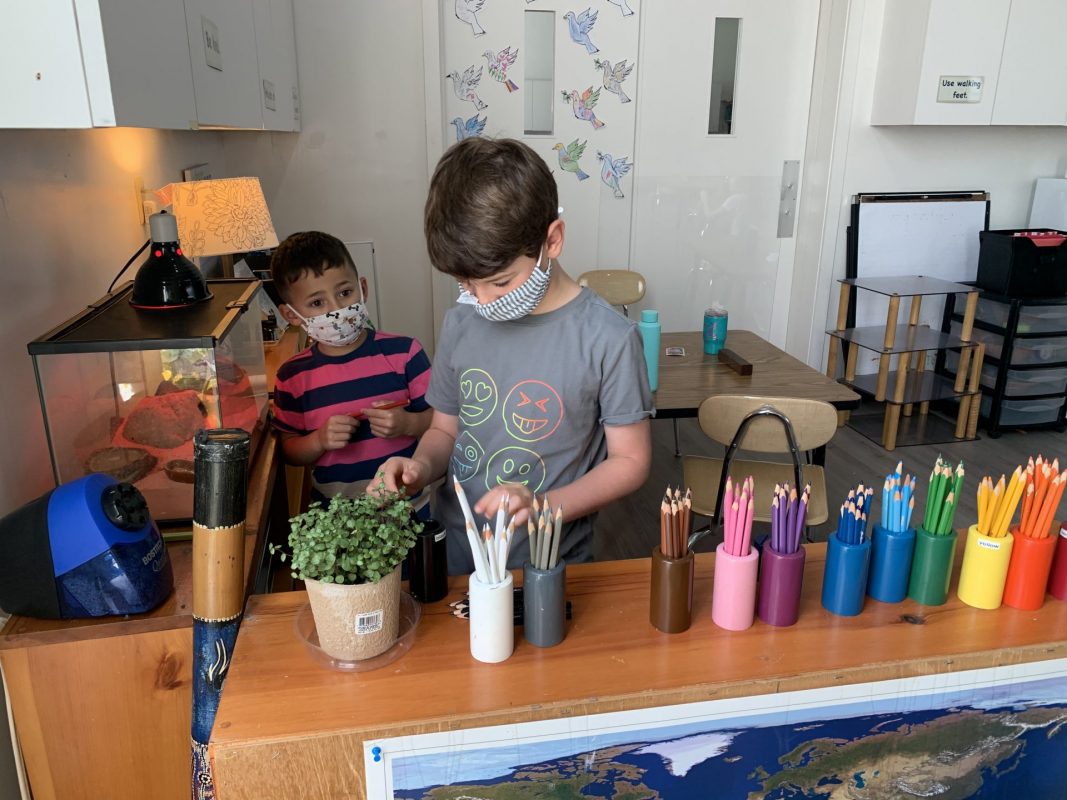
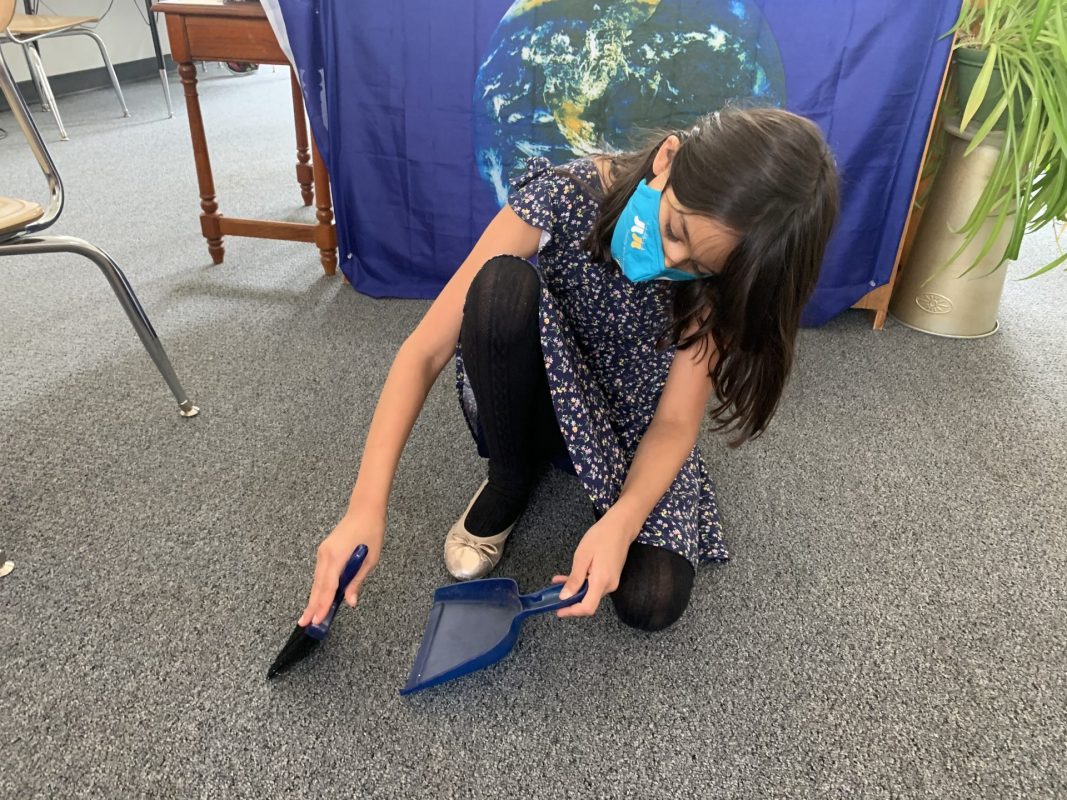
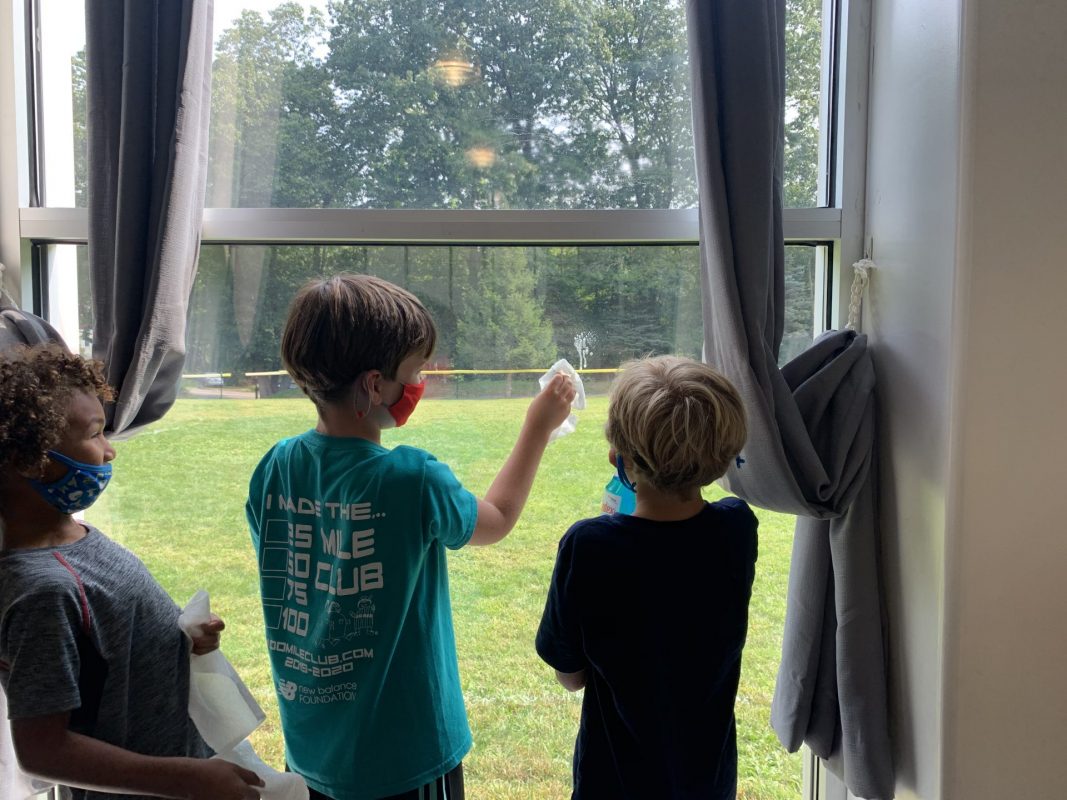
On Monday we re-read our class Rules and Responsibilities which we wrote last week and then each of us signed it, agreeing to do our best to abide by all of our responsibilities. We also chose our classroom jobs for the week. We will choose new jobs each Monday which will give everyone a chance to try each job in the classroom. The jobs for this year were carefully chosen by the students after a class discussion last week.

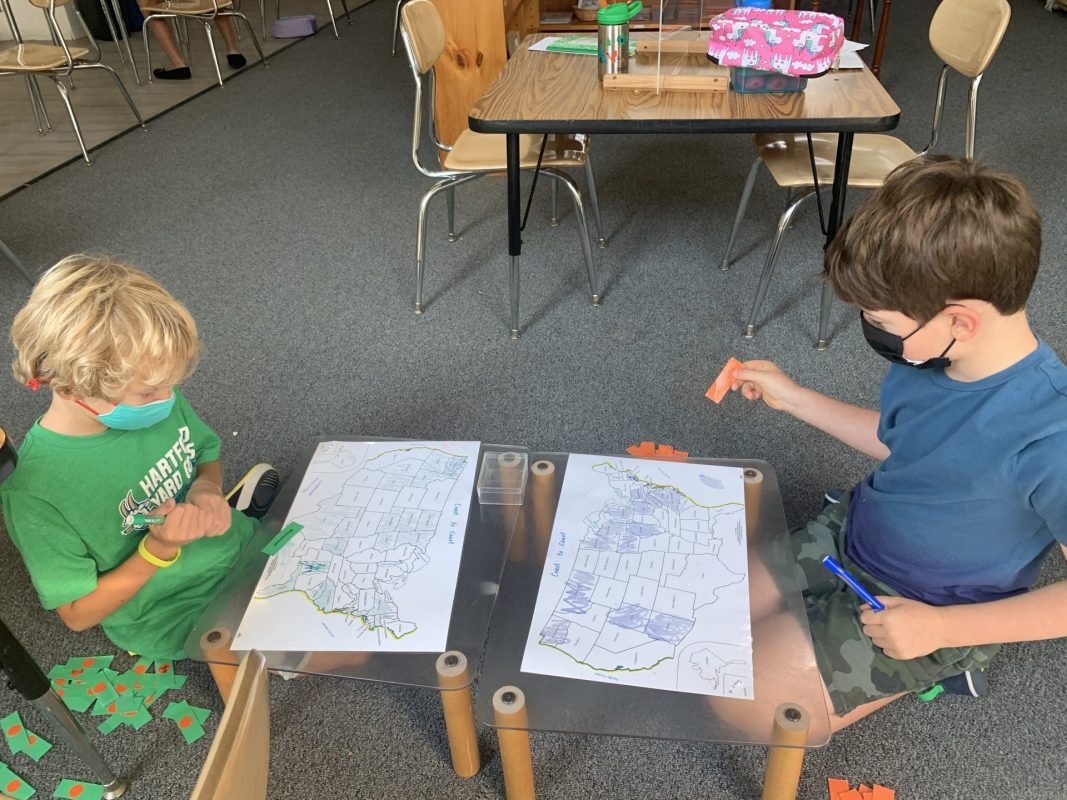
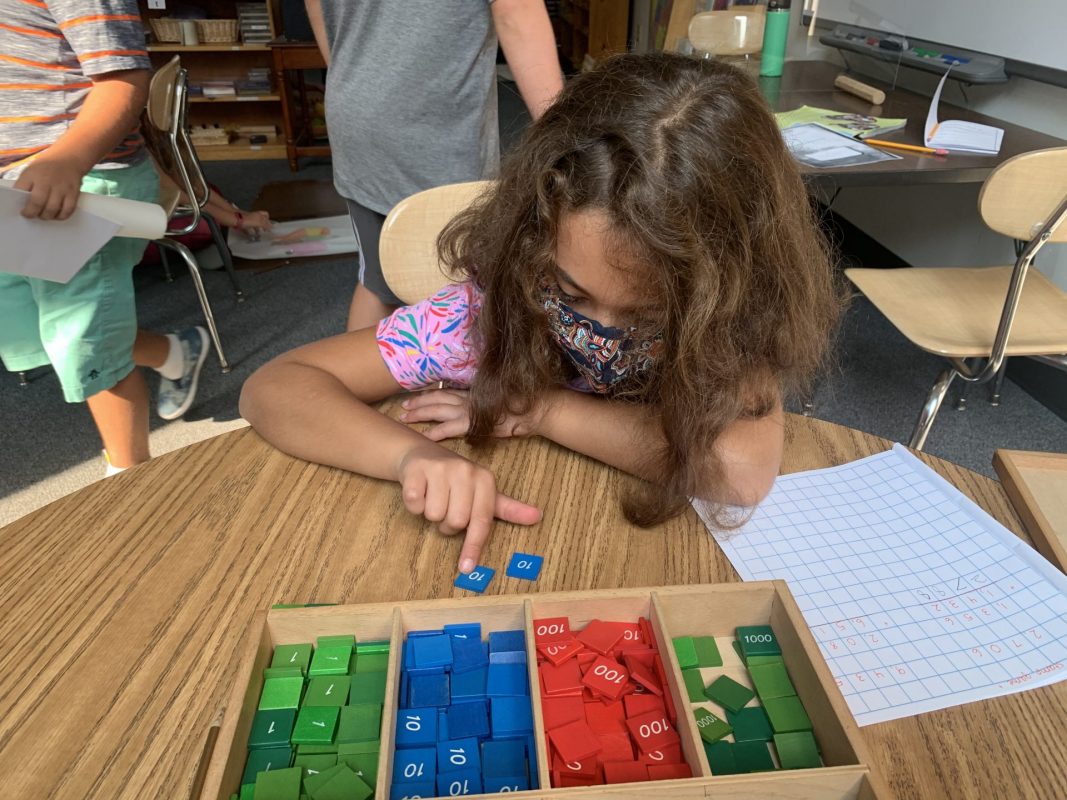
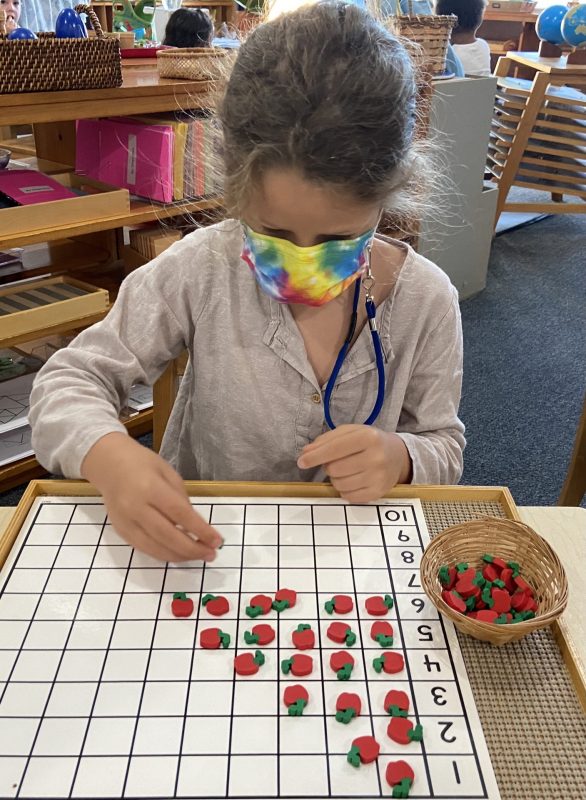
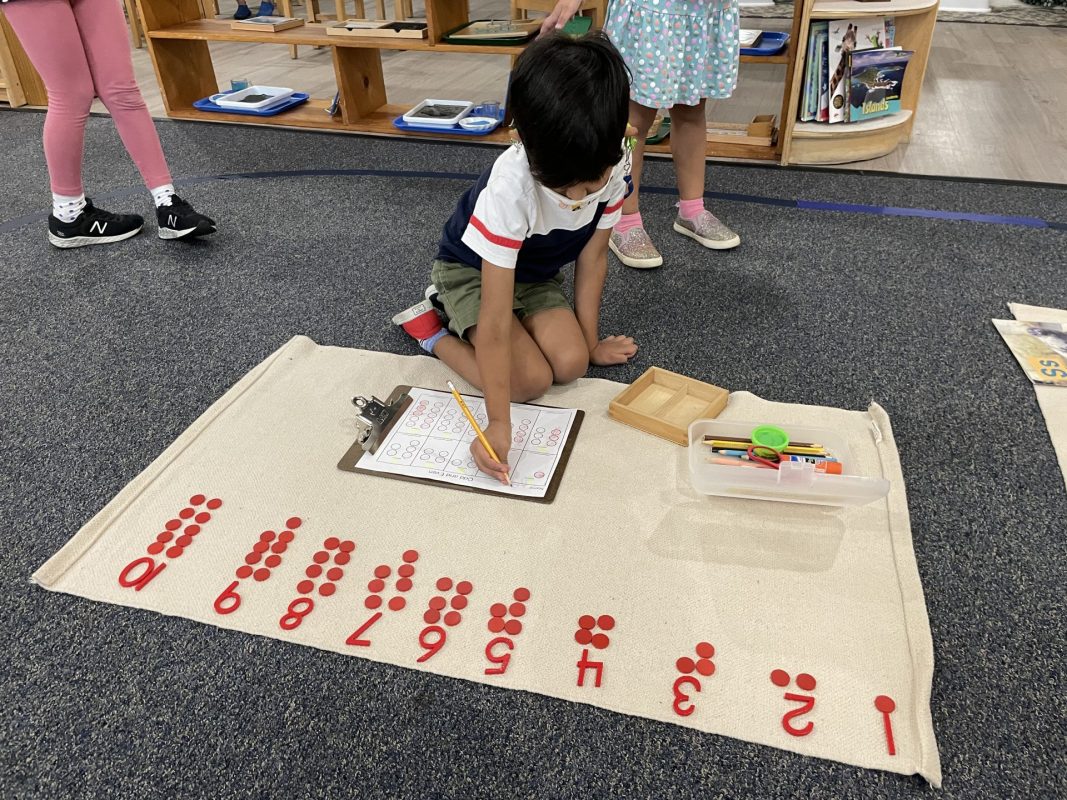
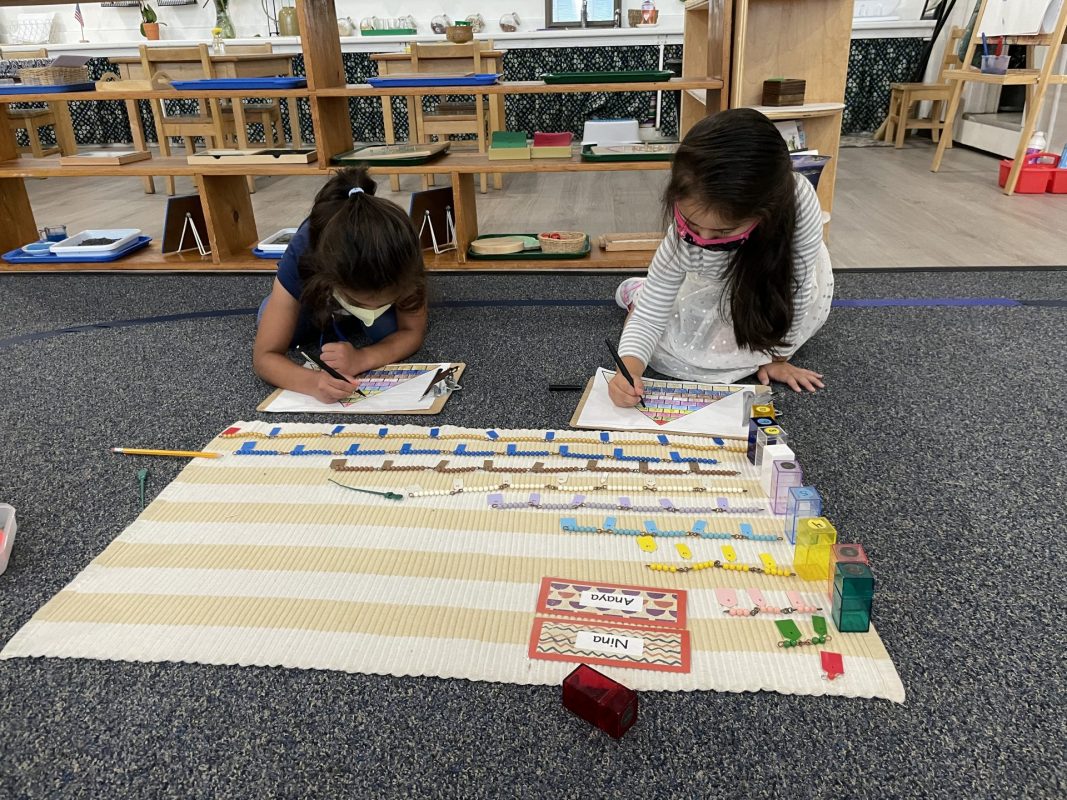
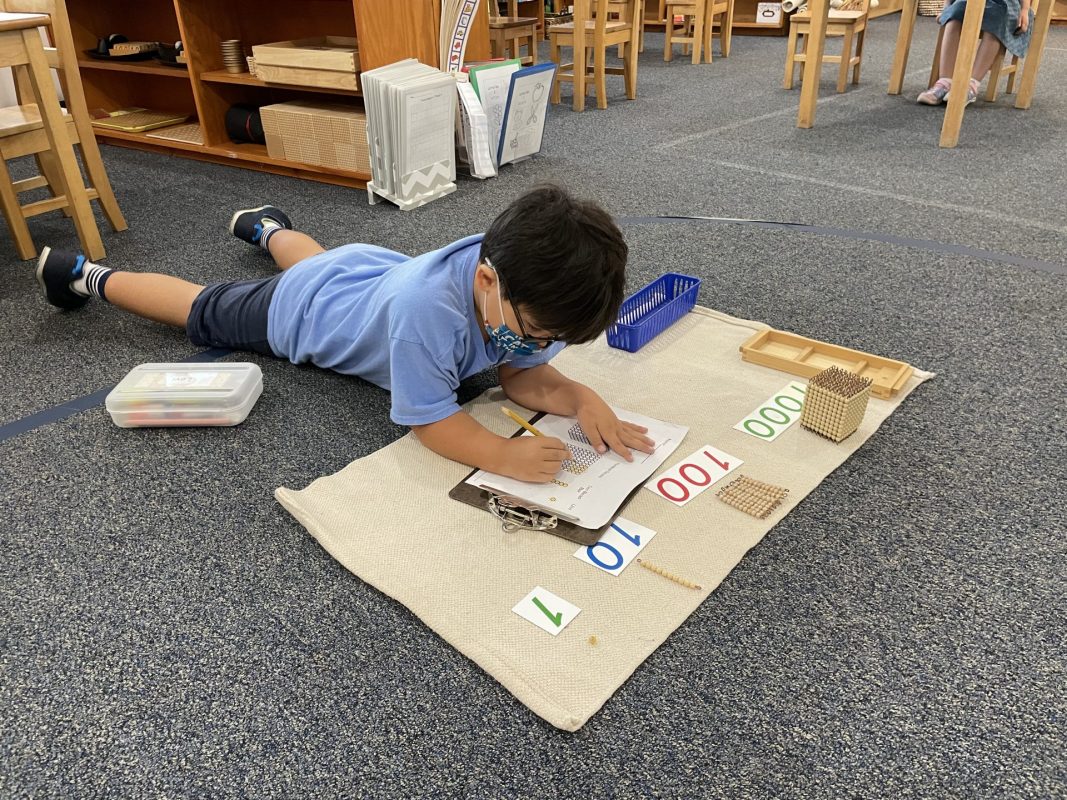
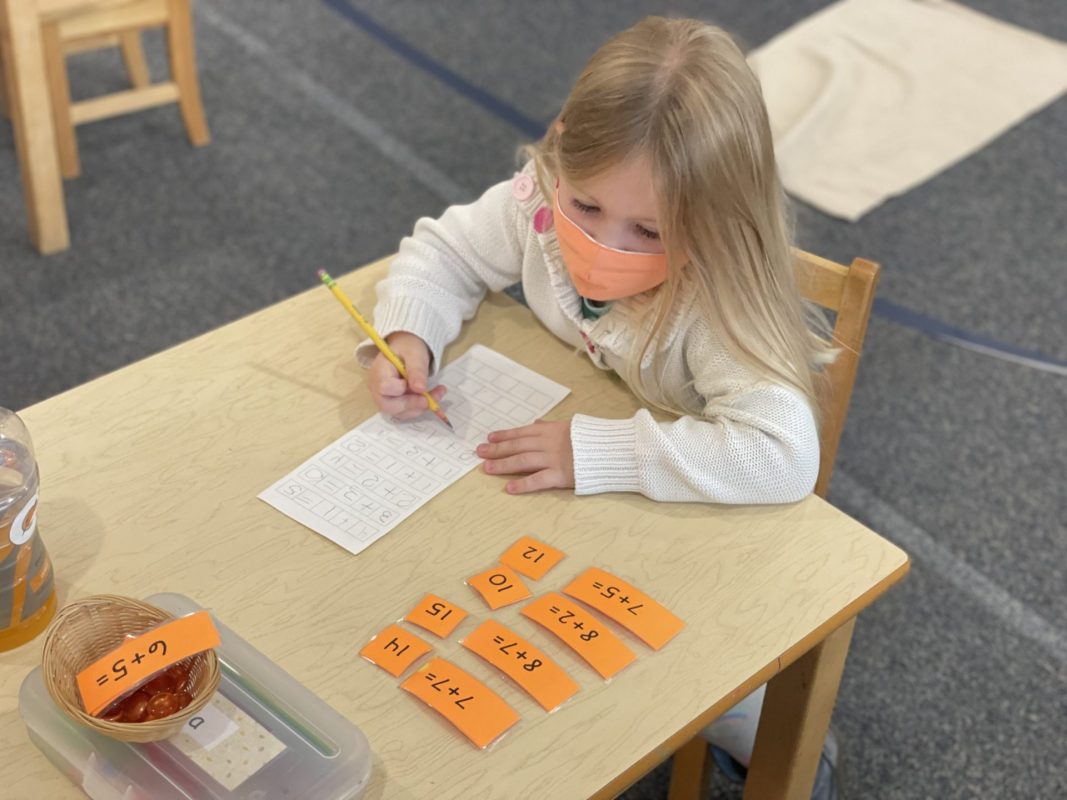
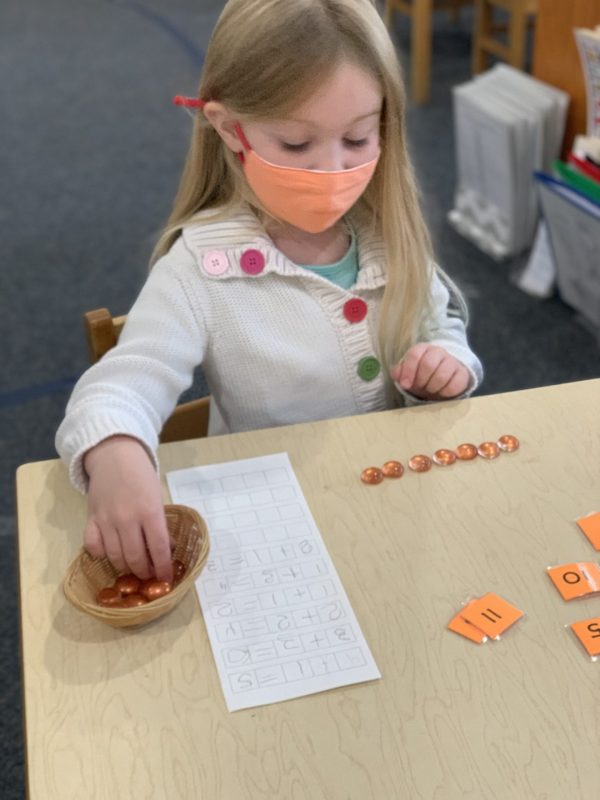
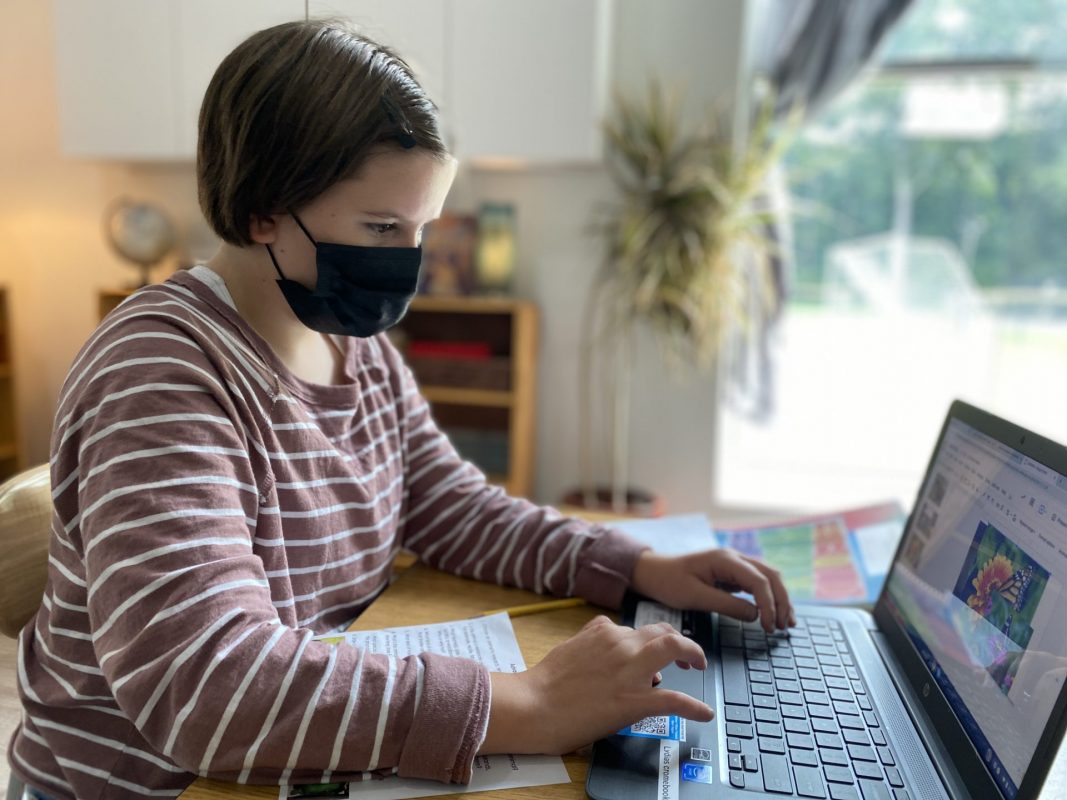
This week we started individual and small group math lessons. Each week, in addition to working on individualized math lessons and assignments, students will have a small group math lesson with their grade level peers on a particular concept. They will also work on reviewing a math concept of their choosing from previous learning. This will provide for constant variety and review in their math work.

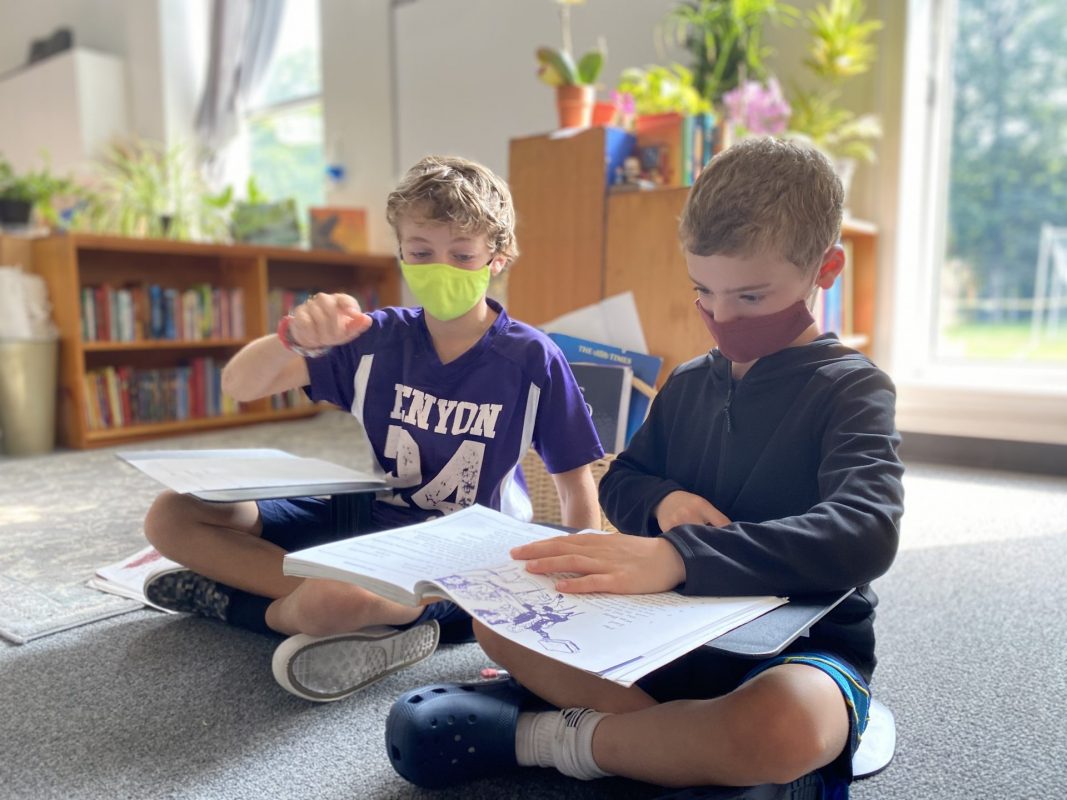
We also had an introduction to Literature Circles this week.


Why Montessori Matters

This week really reminded me why Montessori matters!

Only in a Montessori classroom will you hear the joyful noise that is found in a place where children feel safe and secure enough to learn things that truly matter to them.

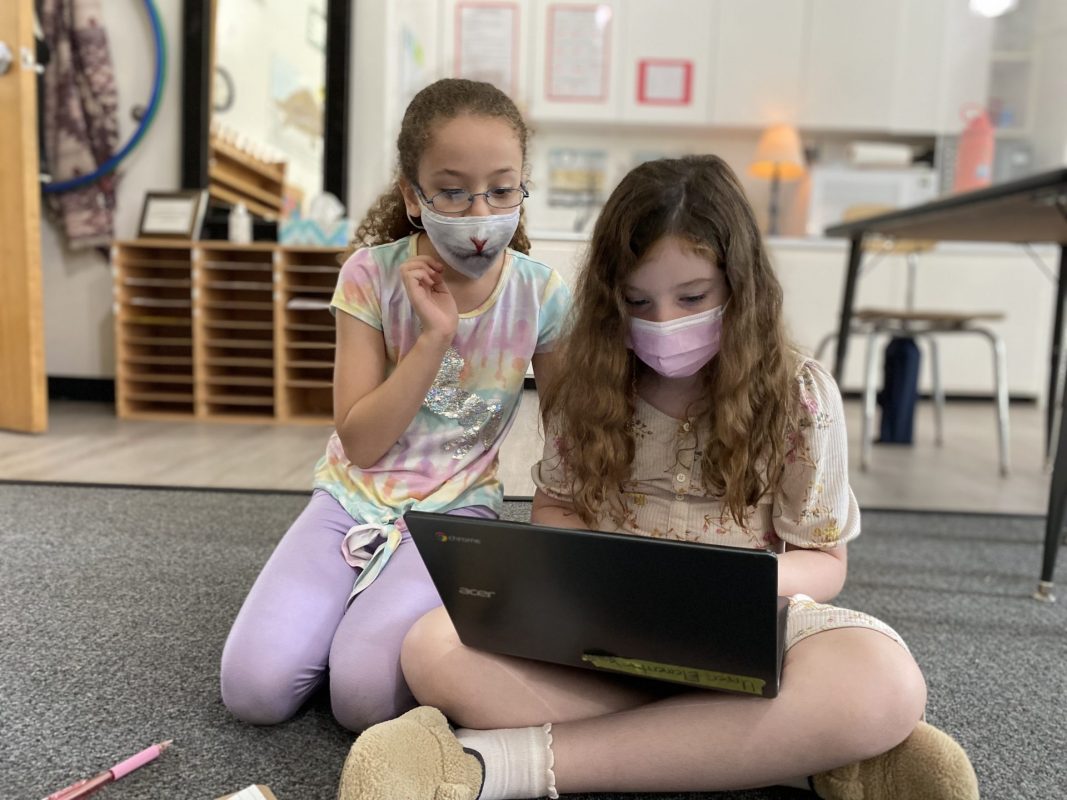
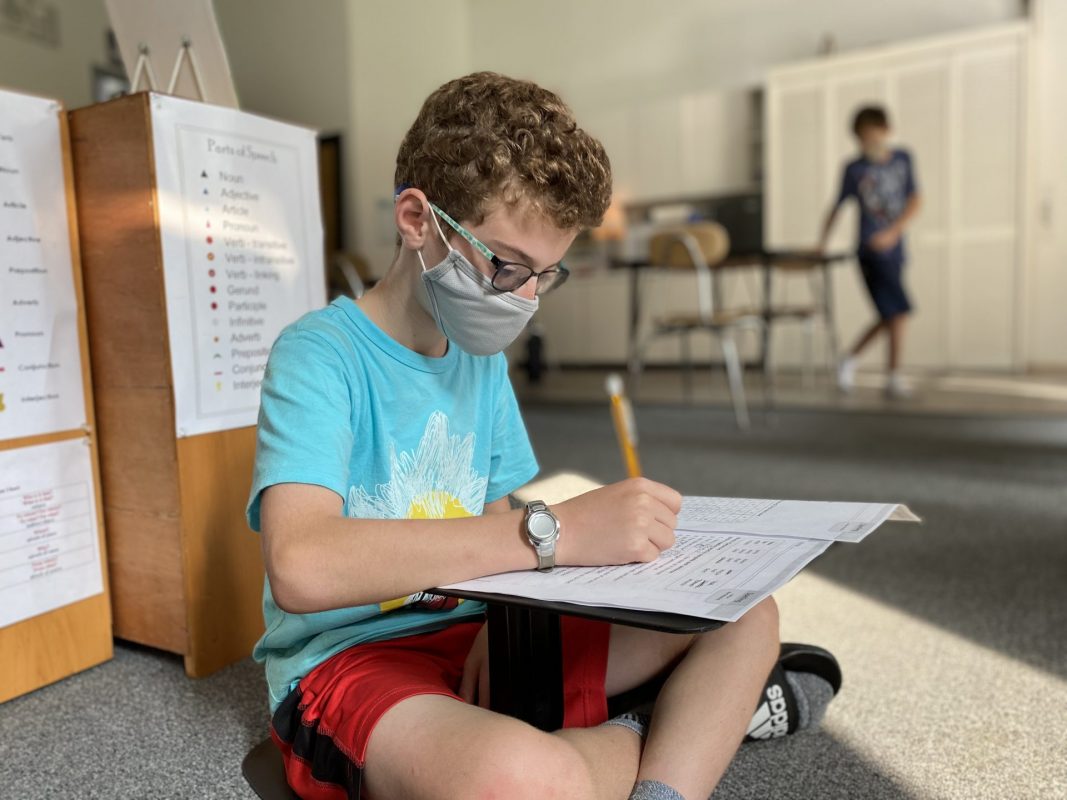
Only in a Montessori classroom can you see children getting themselves organized and comfortable so they can get right down to the business of completing work, and that learning is enriched the by the friendships that formed as the week progressed.

It is magical to observe. 

Our students use materials that are self-correcting, so instead of the child waiting for the teacher to evaluate if something was done correctly, students can evaluate themselves if they did the work correctly and only call their teachers to their work when they need guidance. Imagine going to school every day and discovering in your Montessori classroom the “why” comes first! The “why” comes first because that is what makes learning matter.

Maria Montessori said, “Education cannot be effective unless it helps a child open himself up to life.” I am so proud that at FWM, we facilitate each child’s ability to open themselves up to life!

Staffing Update:


Please join me in welcoming Jessie Meder, our new student intern!

Jessie is an alum of Fraser Woods Montessori School- class of 2015. Jessie is a student at the University of New Haven pursuing a degree in Health Sciences with the intent to be a Health/Physical Education teacher. She will be working with Pam Pascarella, our PE teacher to gain meaningful, practical, work-related experience in her field of study. FWM is fortunate to have Jessie back as a member of the FWM community.


Curriculum Night:

Looking forward to Curriculum Night(s) Tuesday 9/21, Wednesday 9/22, and Thursday 9/23.

Please check the schedule and mark your calendar. Curriculum Nights are also posted on the calendar on MyFWM.


Mrs.Semmah – Transition to the New Classroom

Starting a brand new classroom is both exciting and meaningful.

It is essential to implement some special strategies for a successful start, feeling safe and secure, and experiencing a smooth transition.

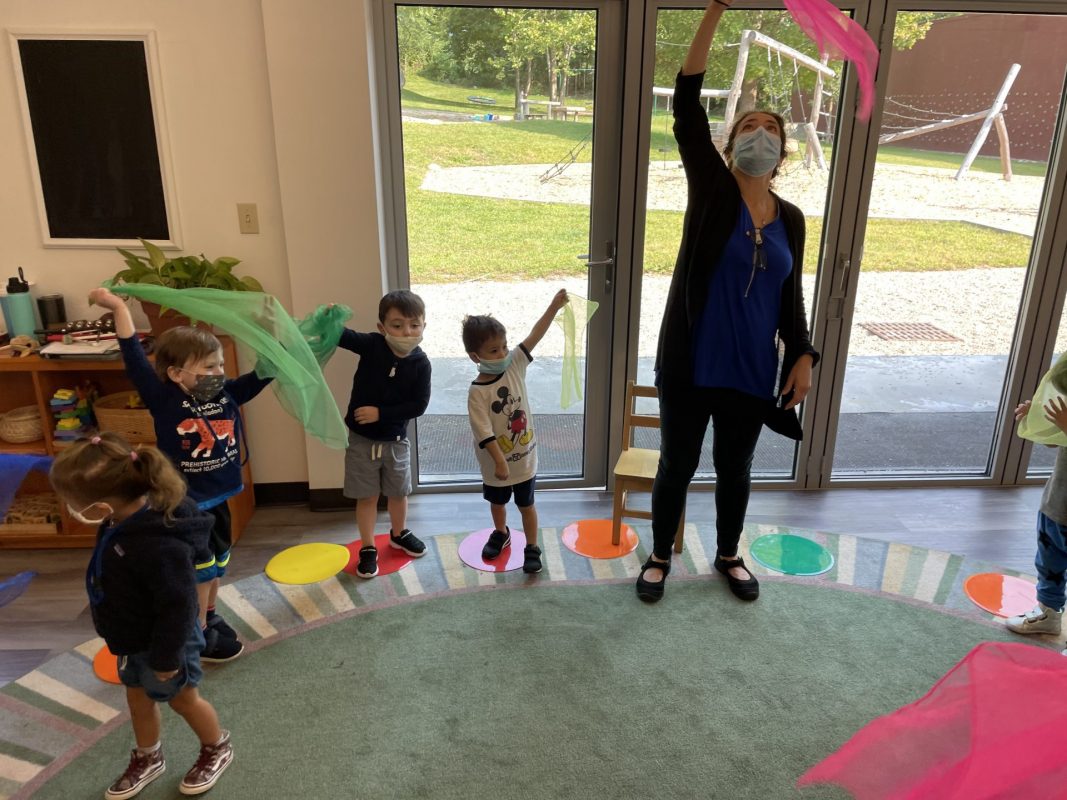
During these first weeks, children are looking for teachers to give them a sense of security. Hugs, smiles, and kindness are our daily acts to respond to our children’s needs. Children have to trust that there is someone in the room who can be there for them. They may need a lot of assistance developing independence in the bathroom and with snack time. For them, feeling connected to their teachers who care and love them is the key to maintain a trusting relationship and feeling loved.

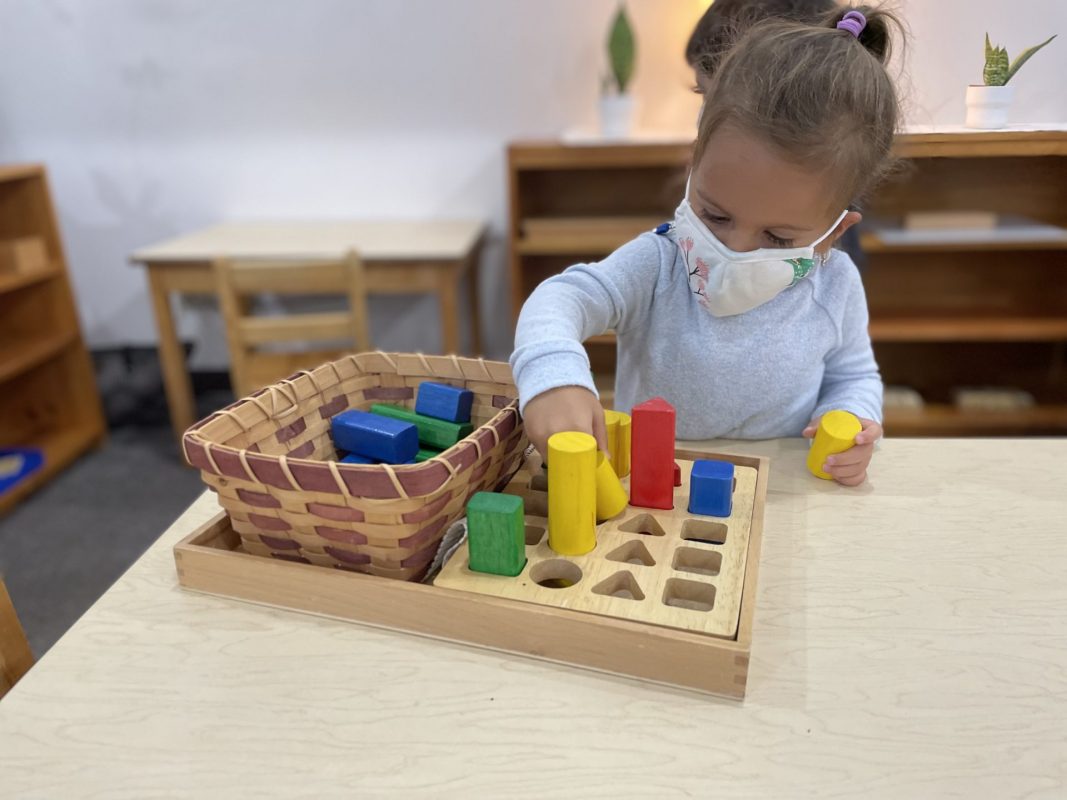
Throughout phase-in days, children come to school for just an hour and a half to two hours. We select a few familiar materials like puzzles, blocks, and crayons on tables or on floor mats for them to use. We greet children with a handshake, and we show them the arrival procedure. We give special attention to children who might be feeling separation anxiety.

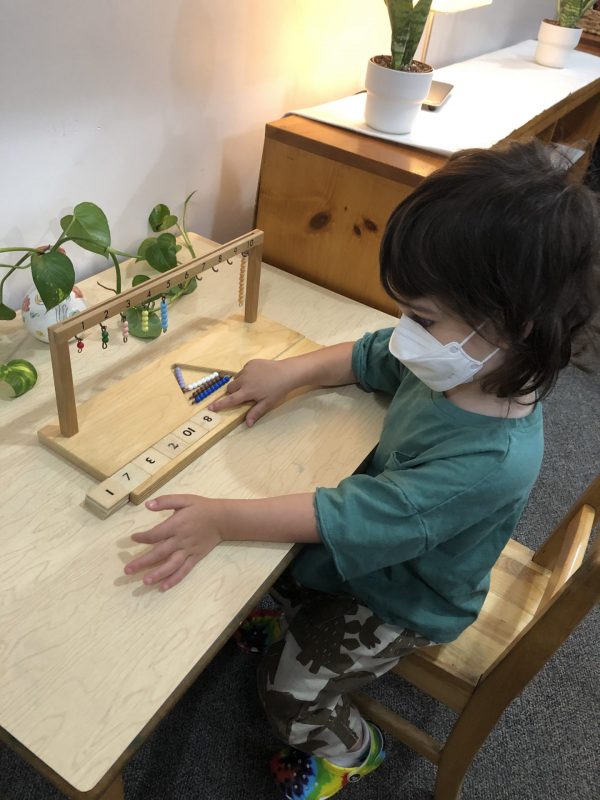
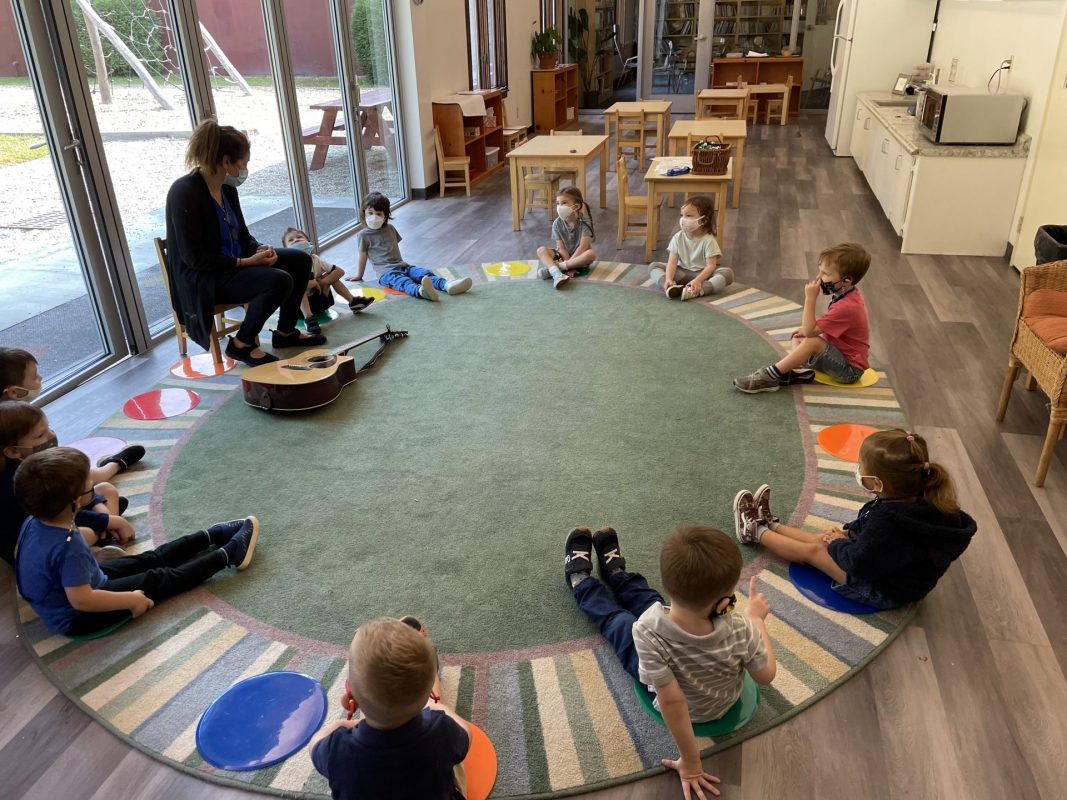
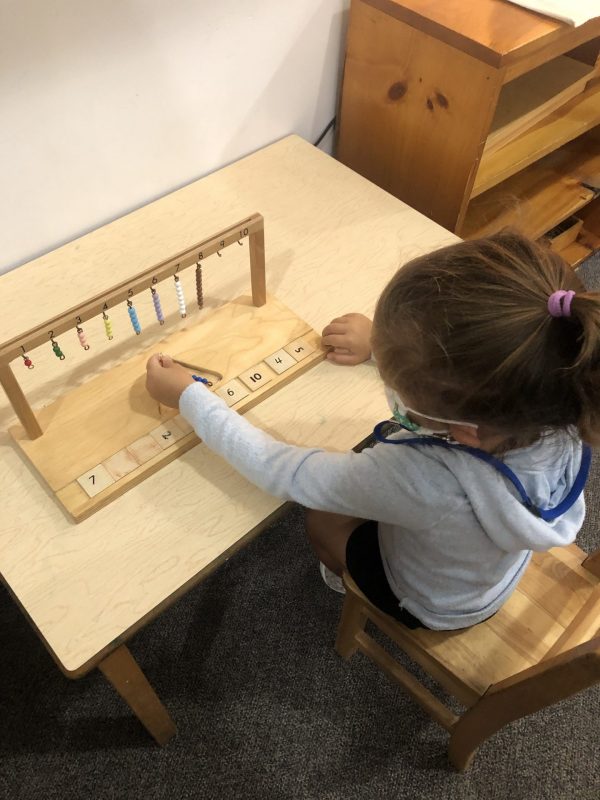
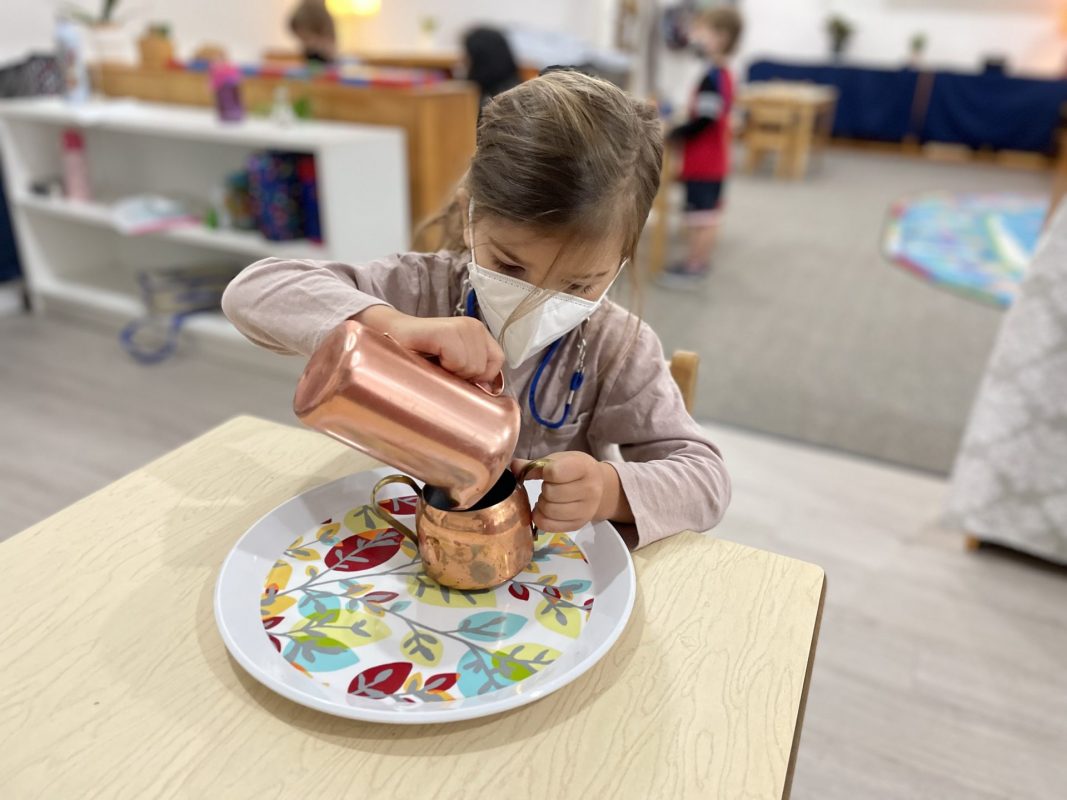
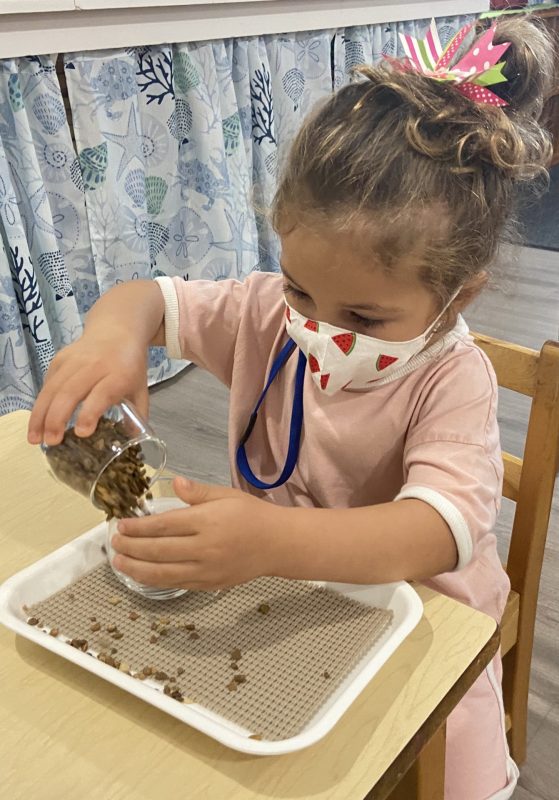
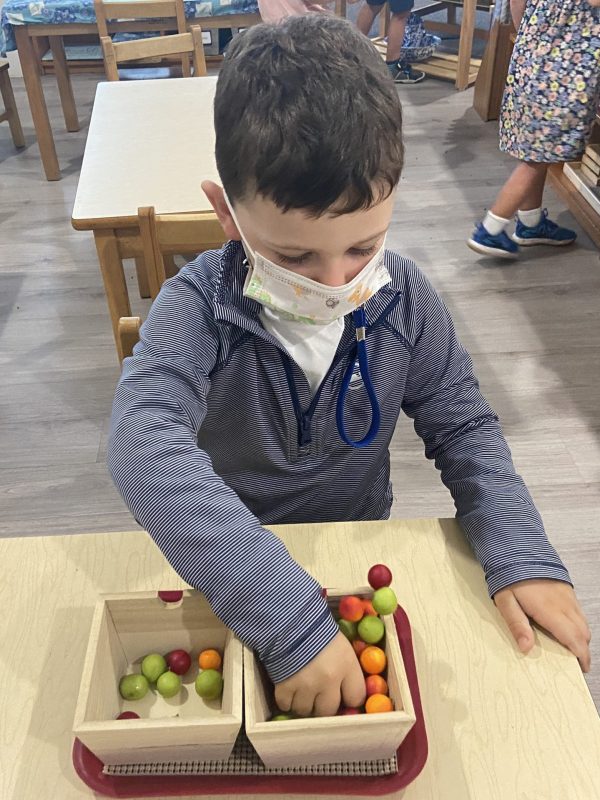
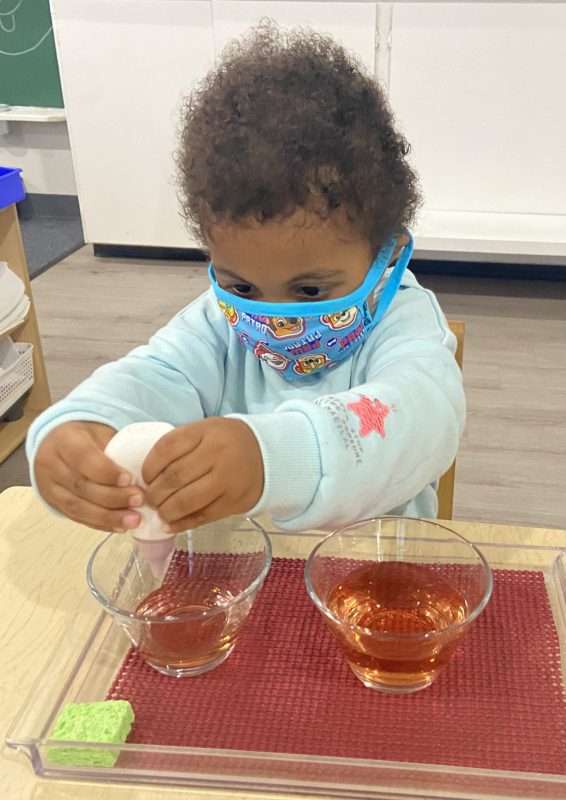
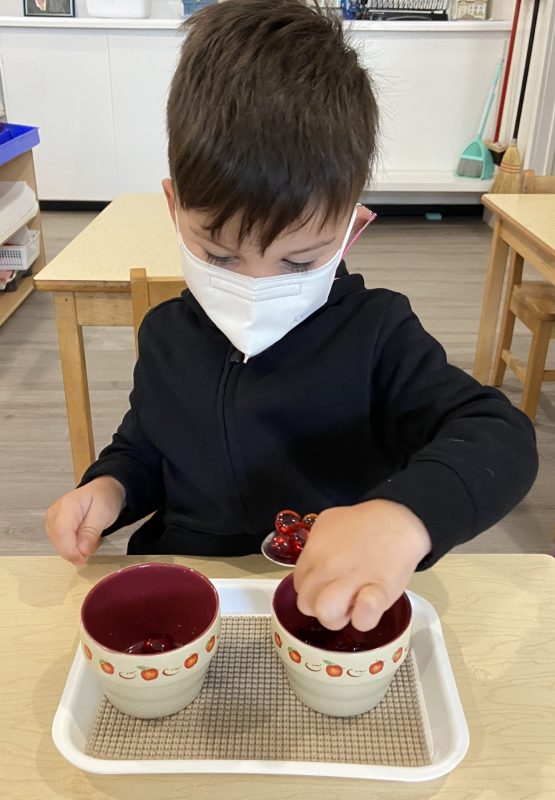
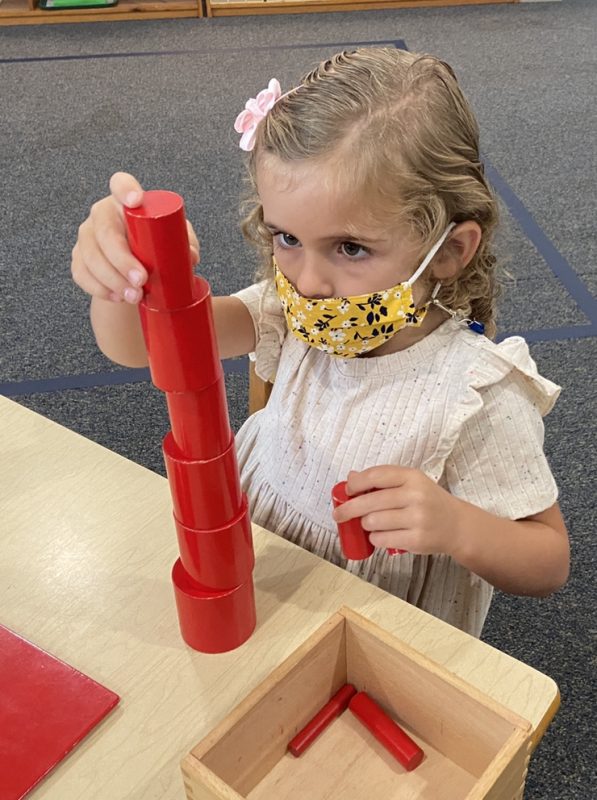
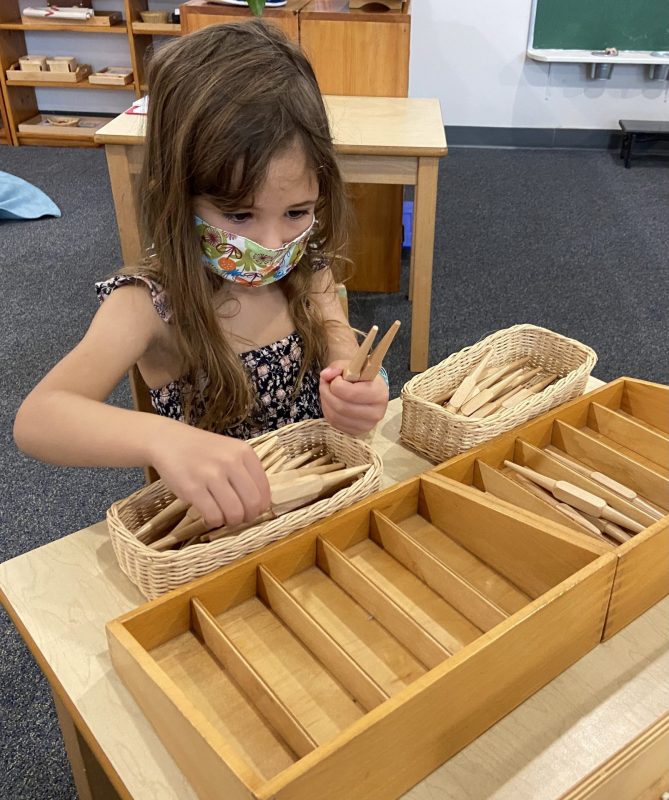
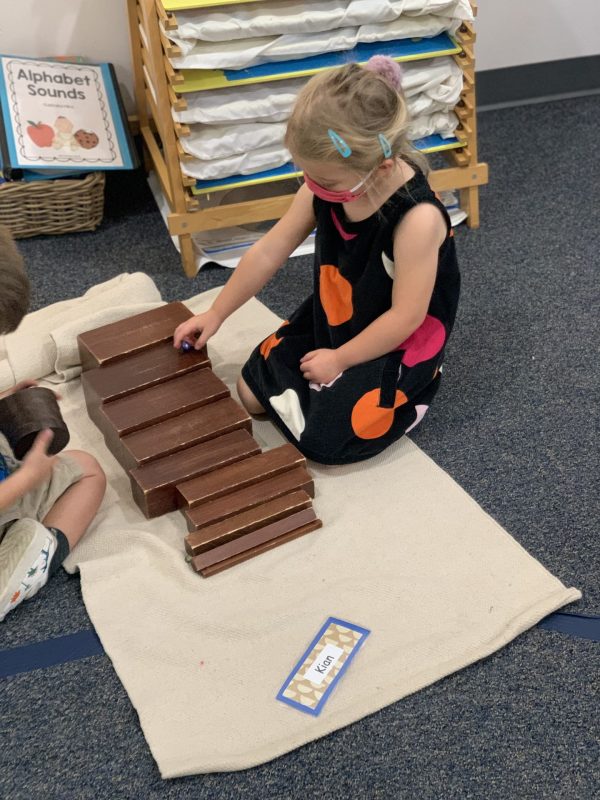
On the second day, we still have materials on the mats, but we also open the practical life shelf that includes lessons of pouring, transferring, and bead stringing. Our main role is to supervise and support children as they move between activities. During circle time, we review a few items from our grace and courtesy lessons. Examples: circle etiquette, floor, and table lessons, and how to handle materials with care. We also try to give small group lessons of 4 to 5 children and showing them the complete cycle from beginning to end. Start at the shelf, show how to handle a tray, how to do the work, and how to put it away.

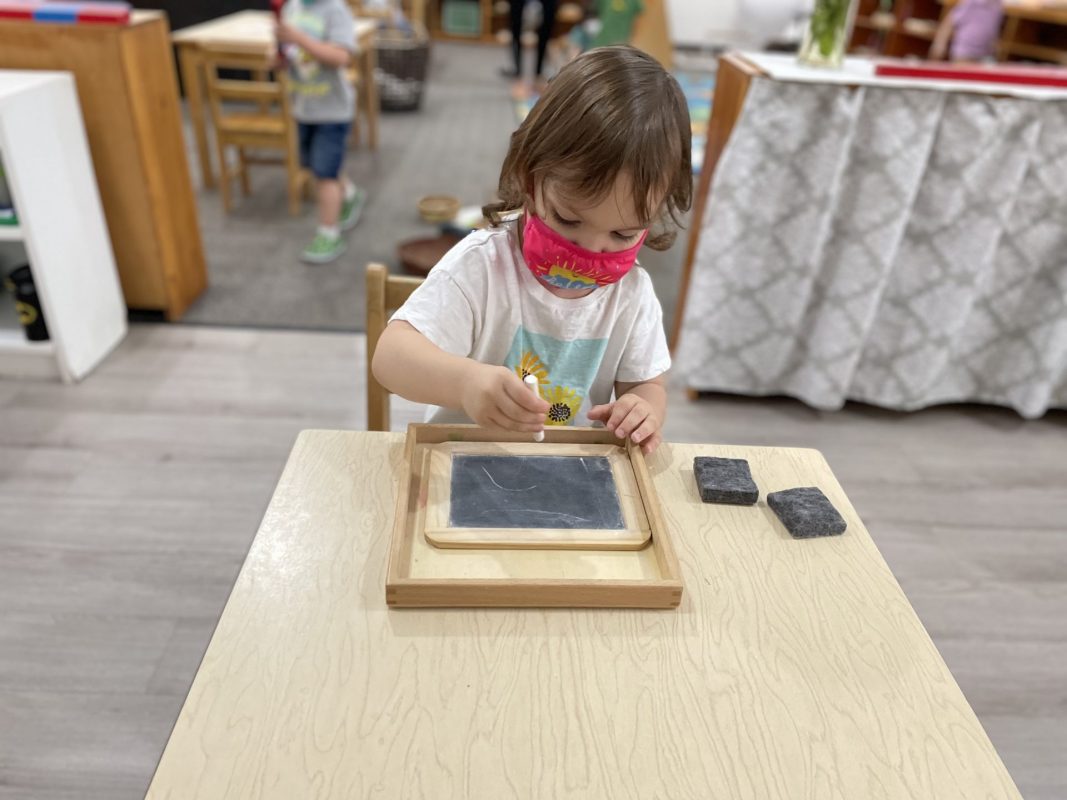
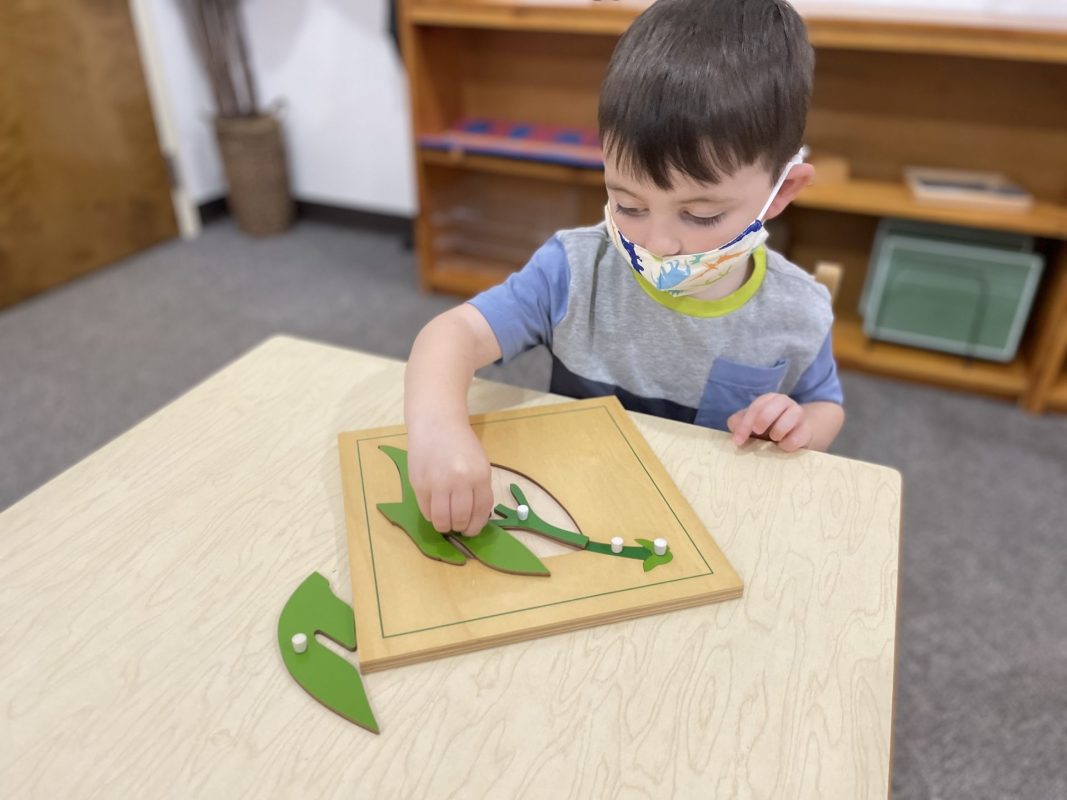
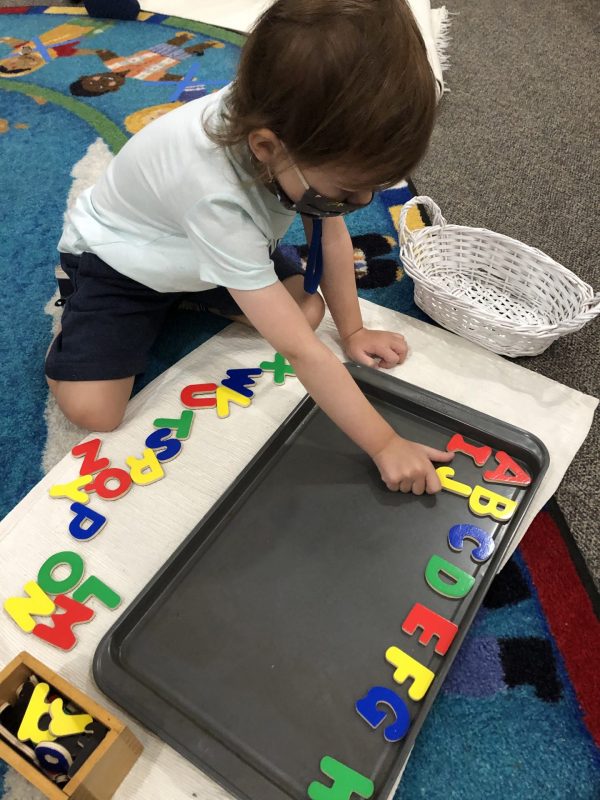
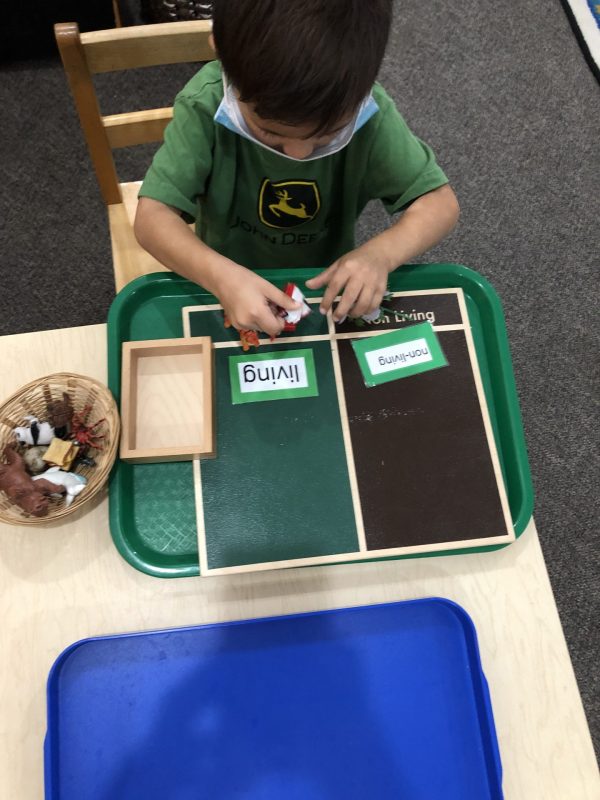
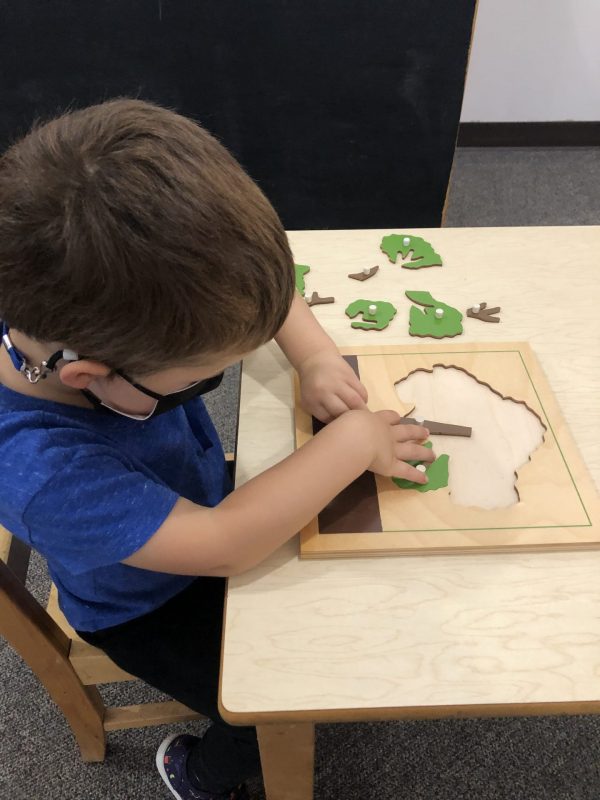
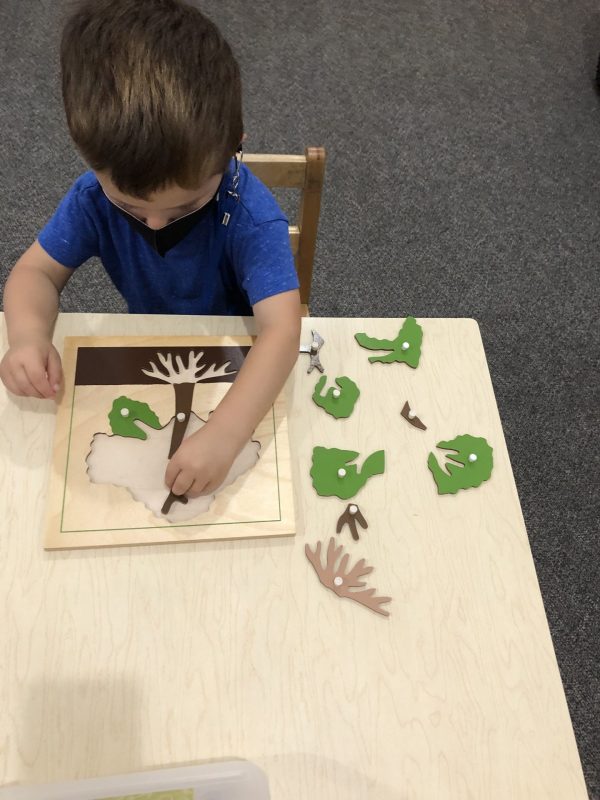
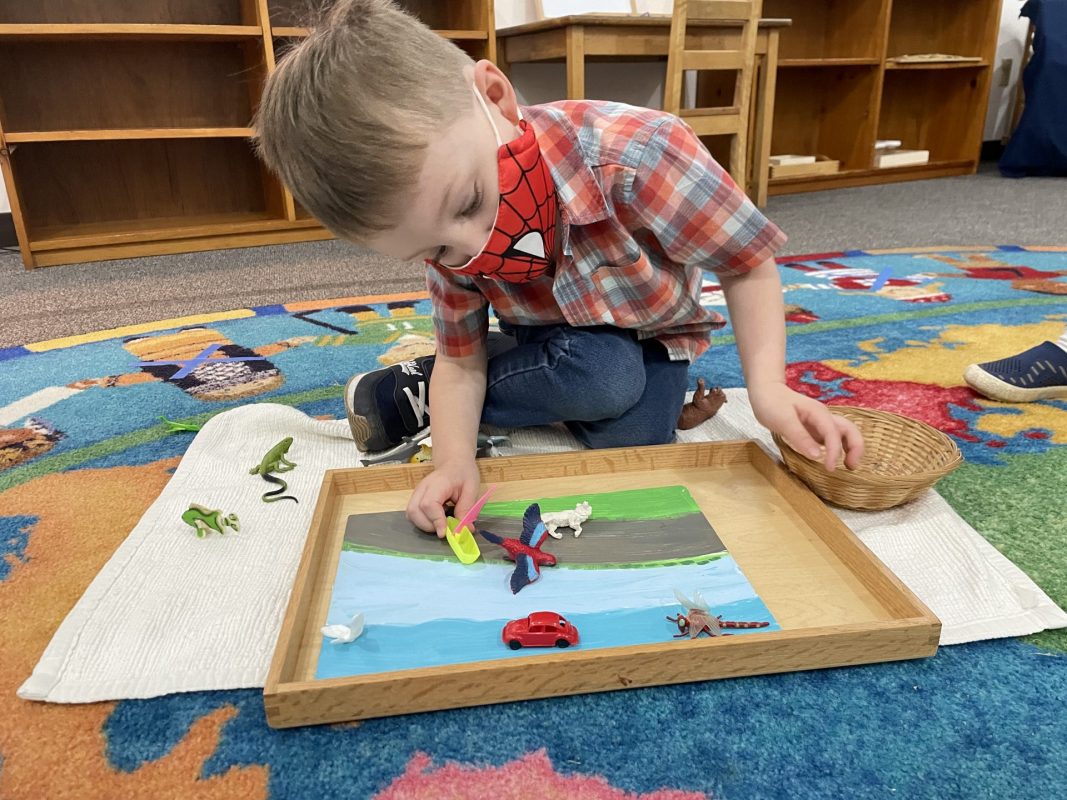
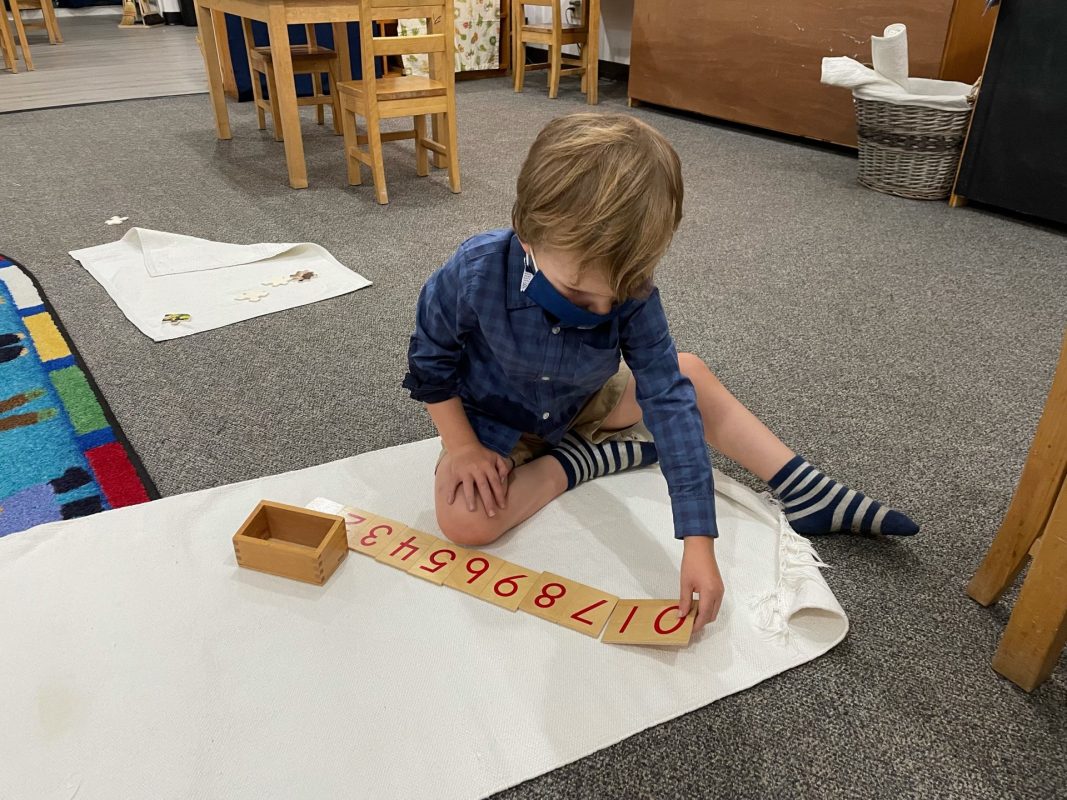
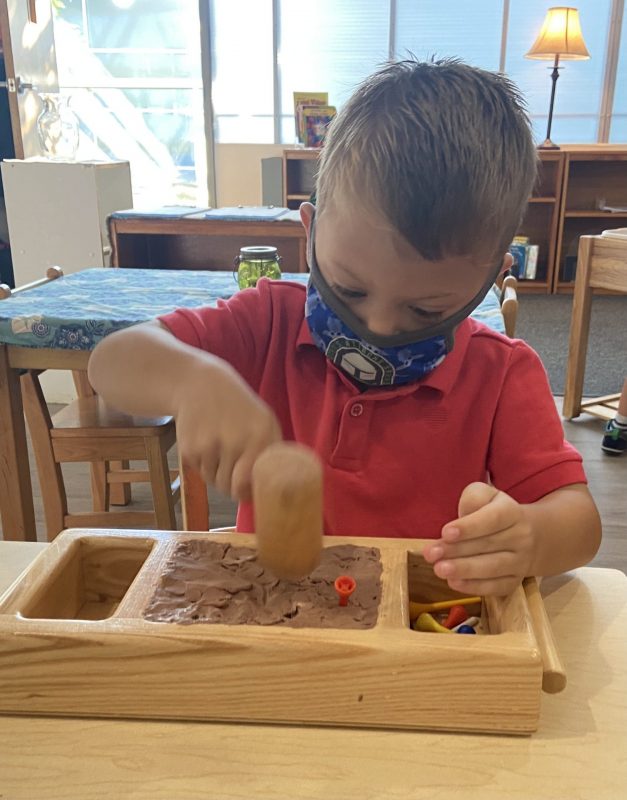
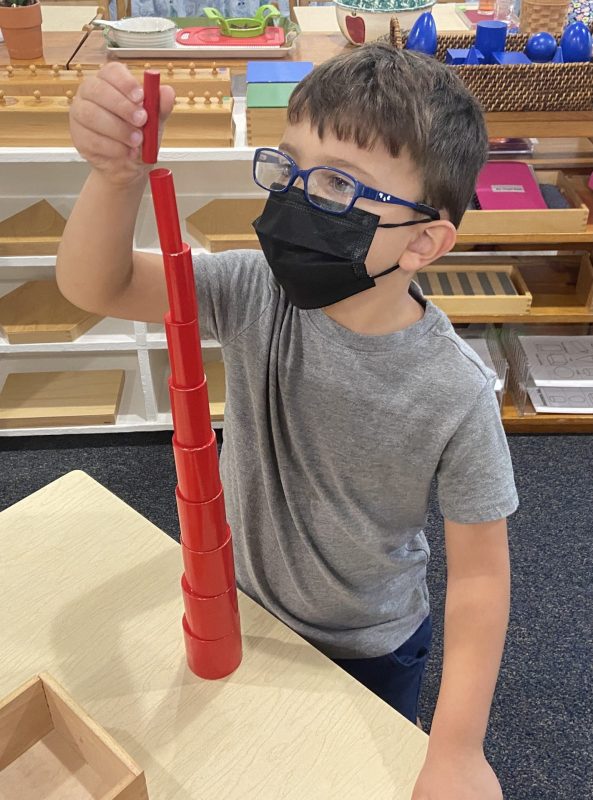
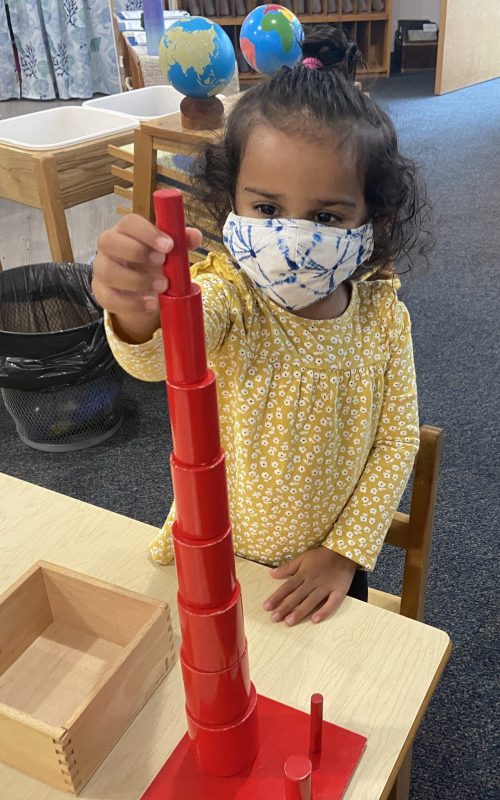
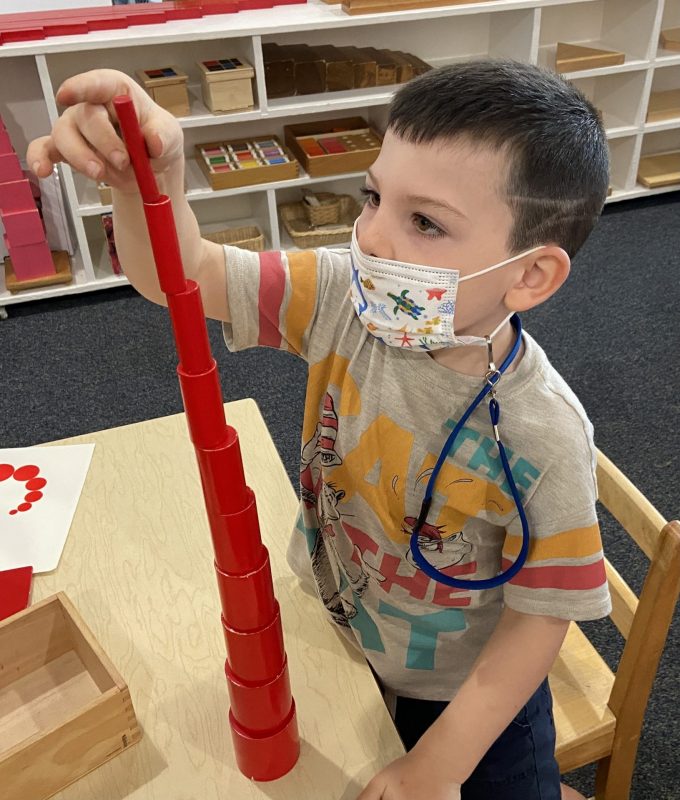
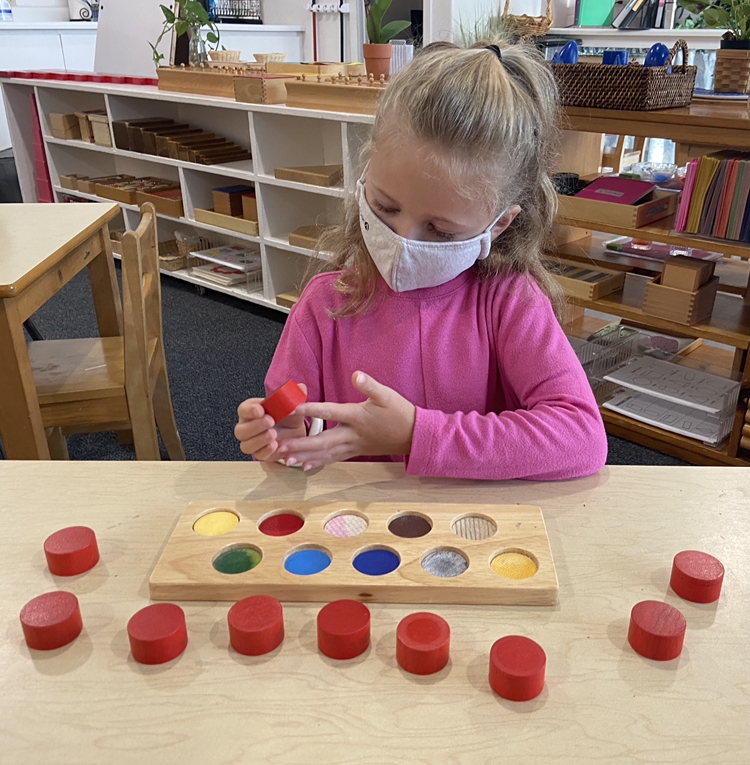
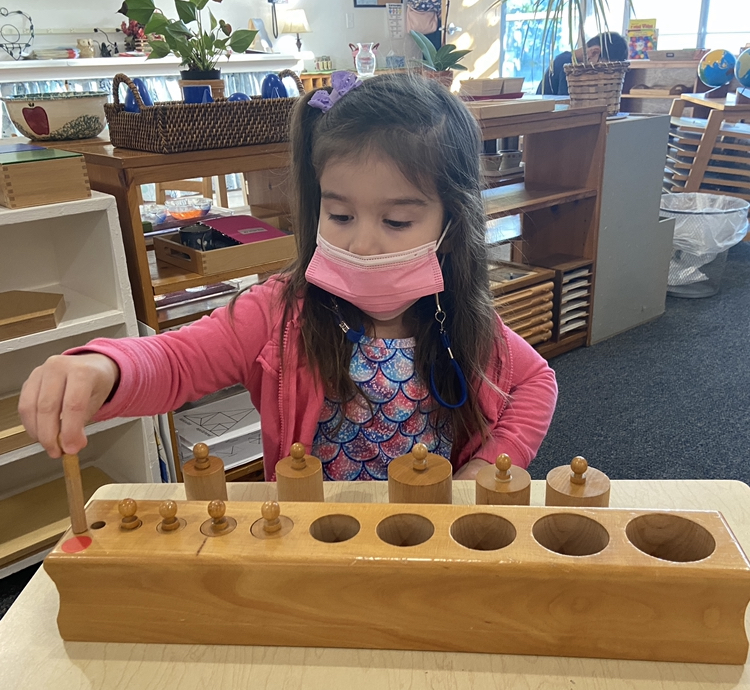
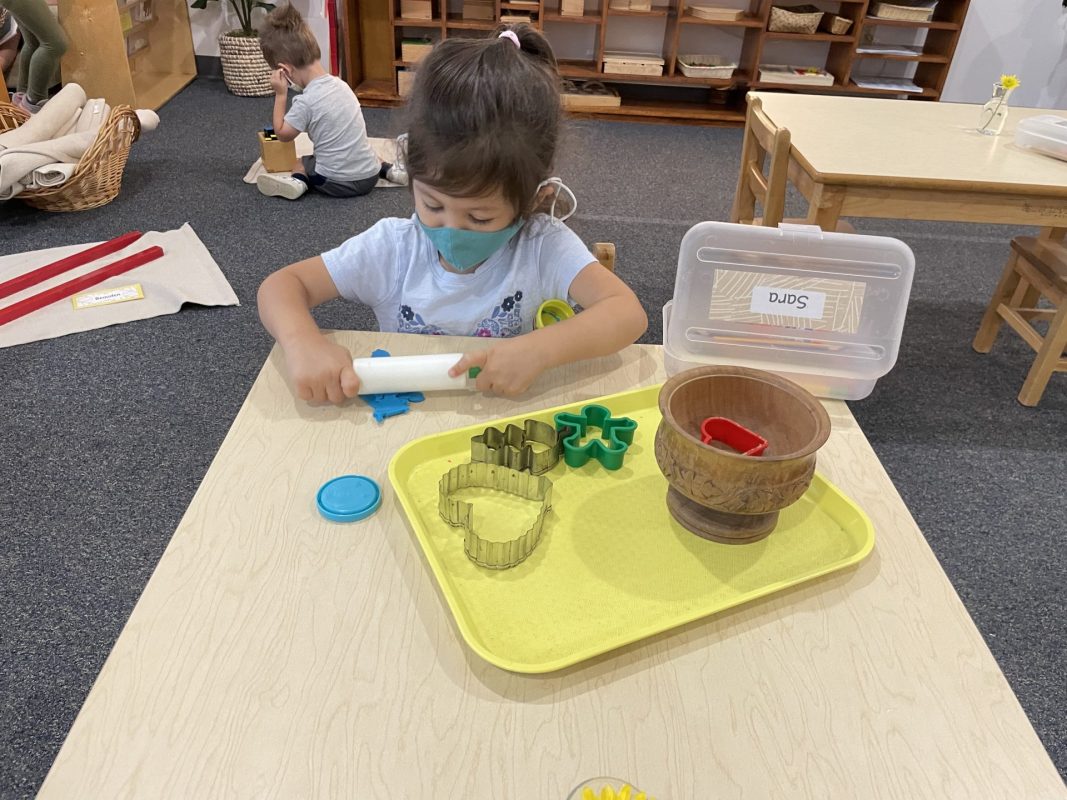
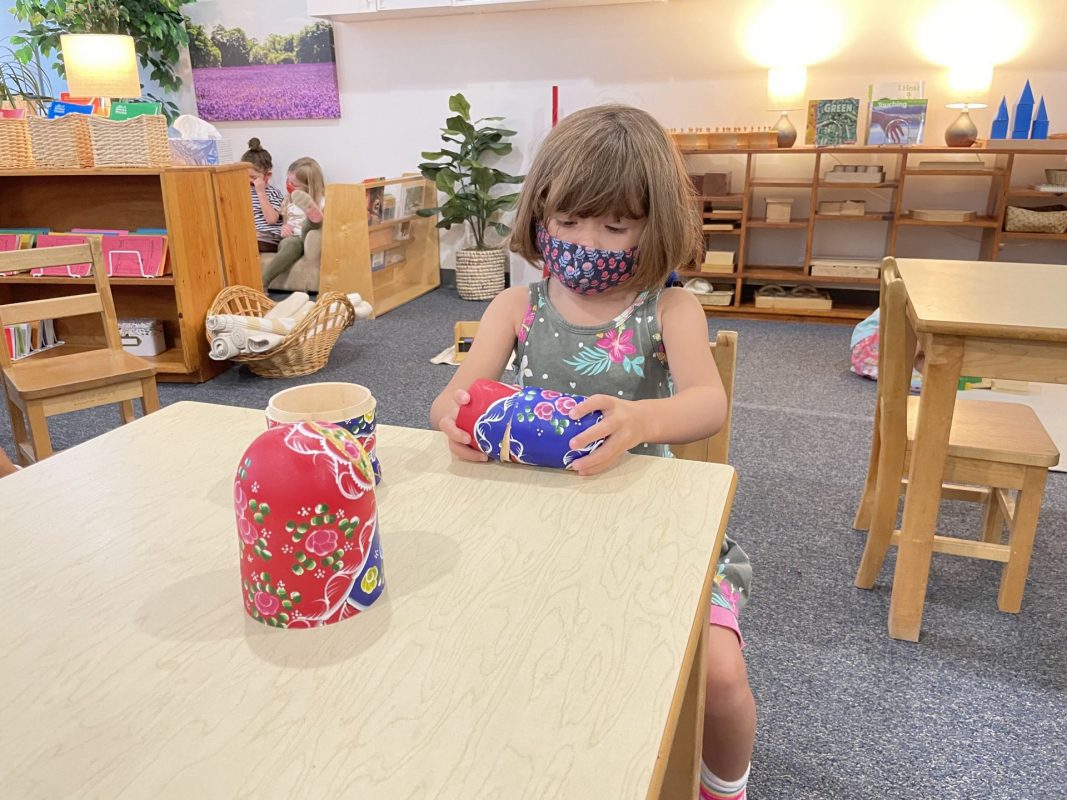
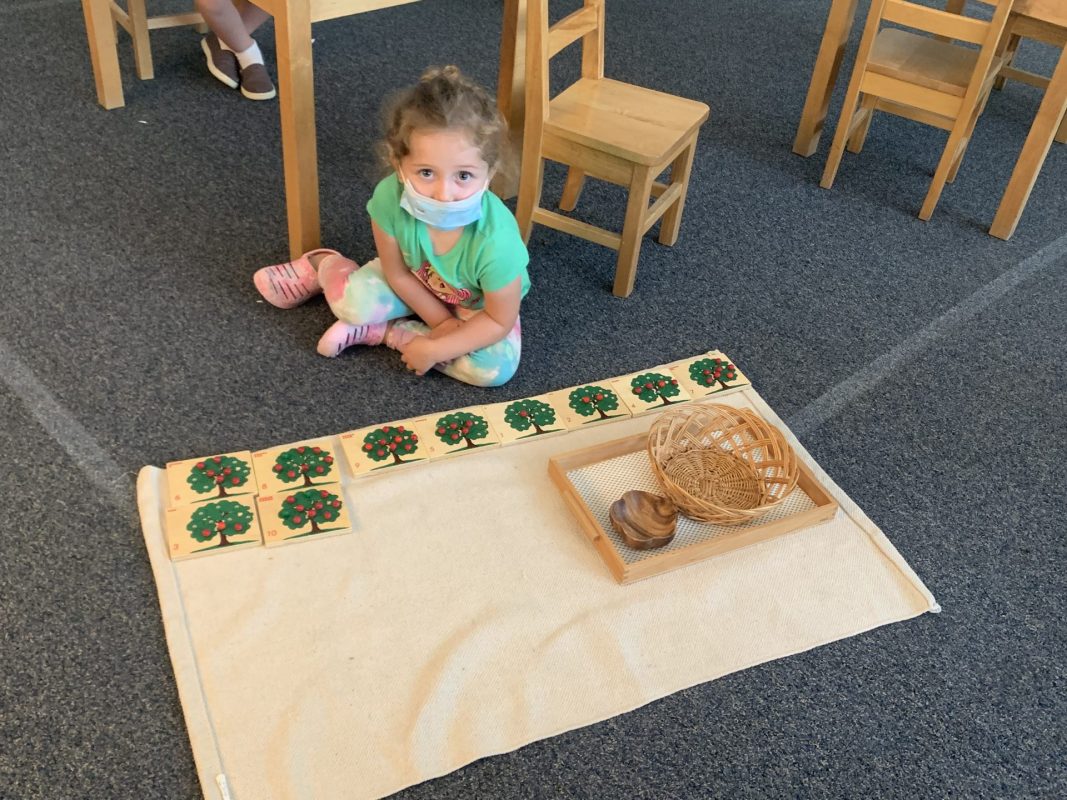
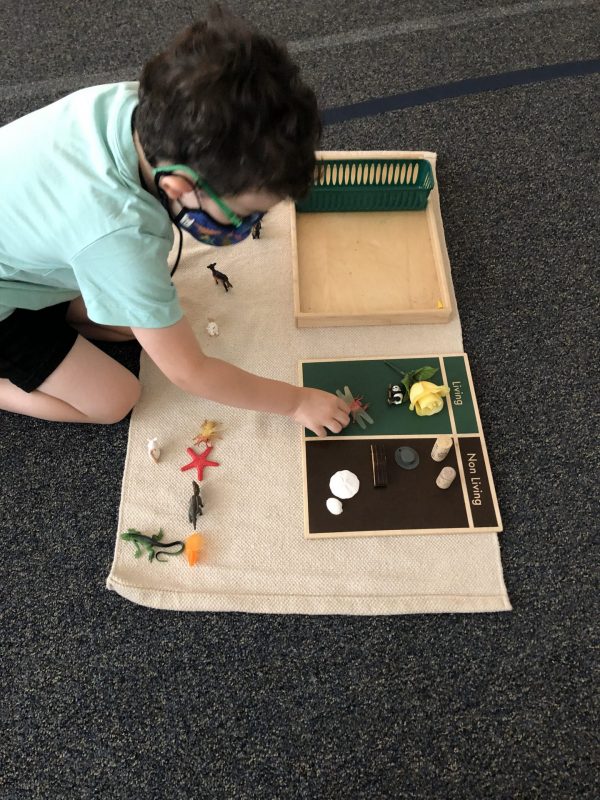
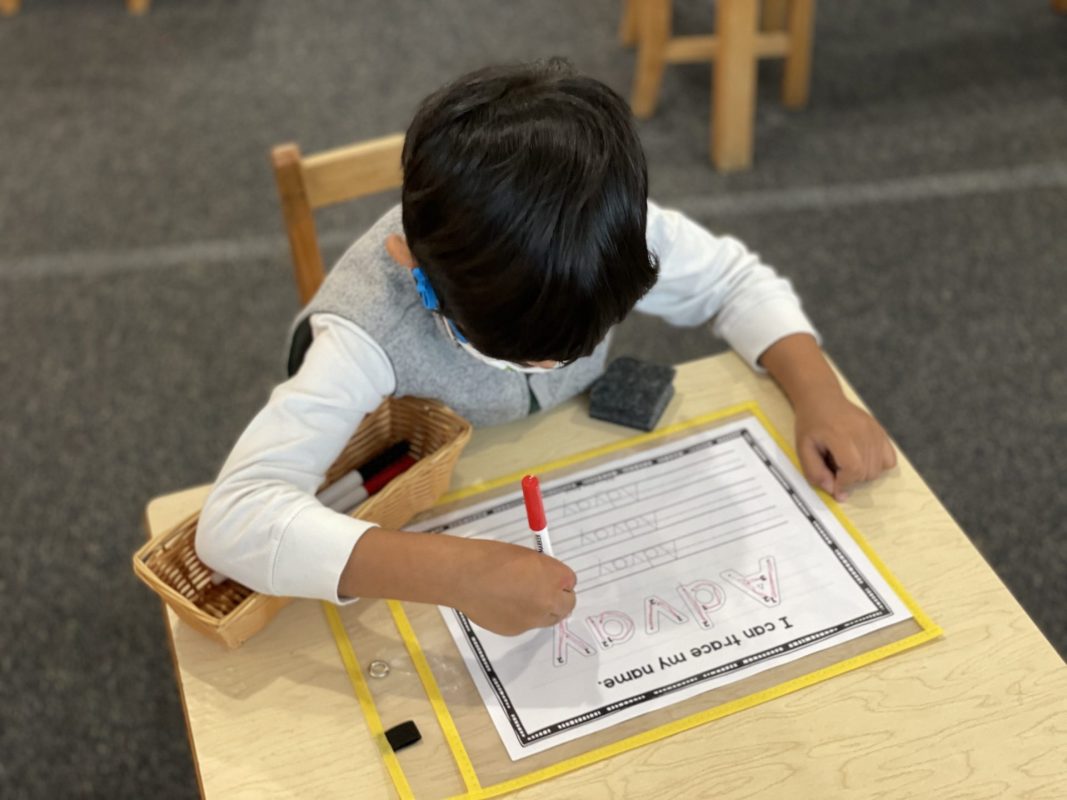
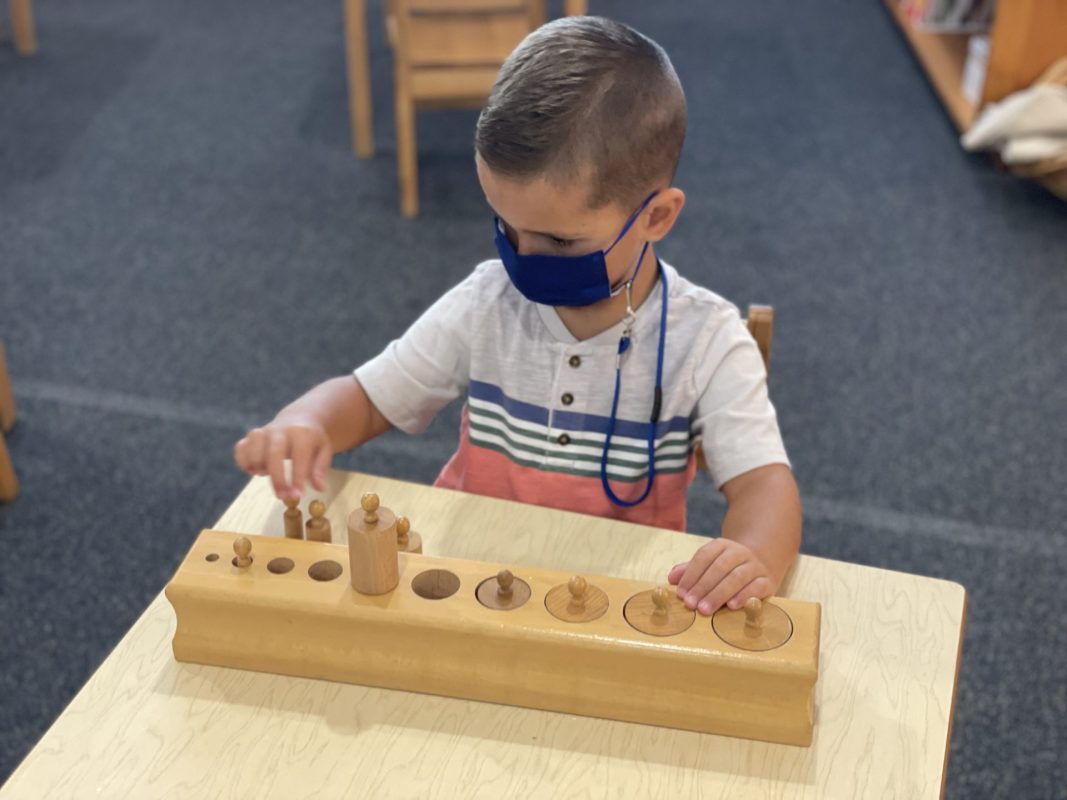
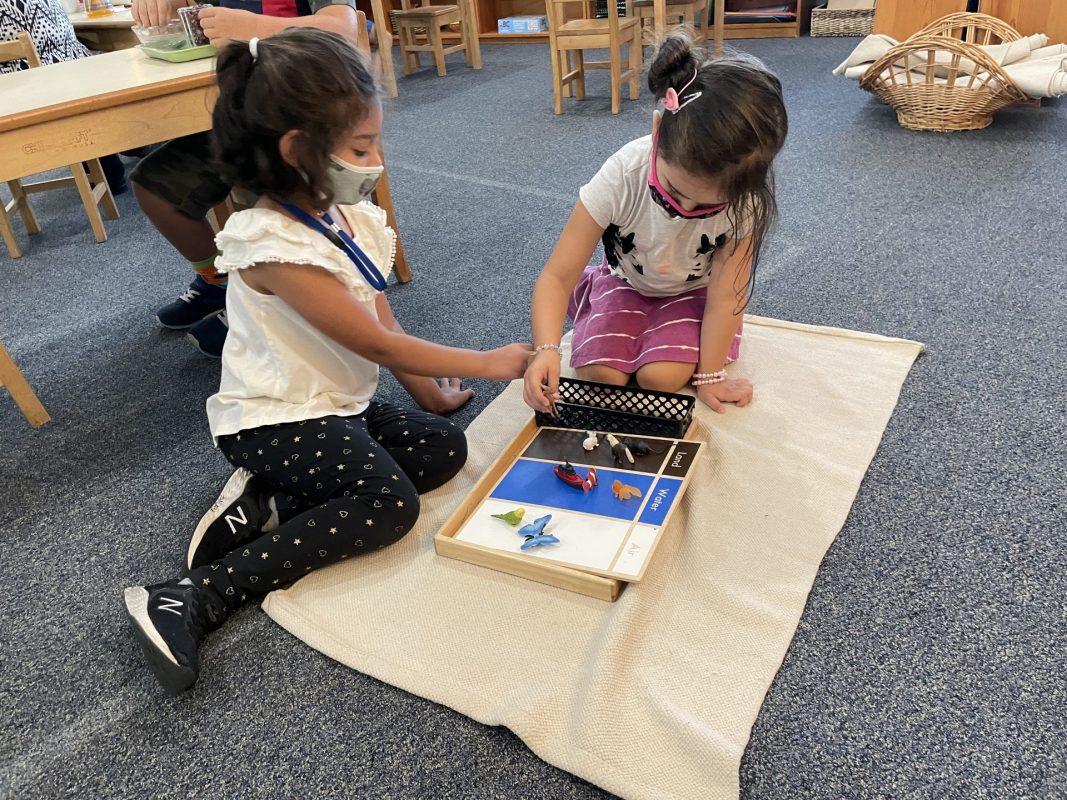
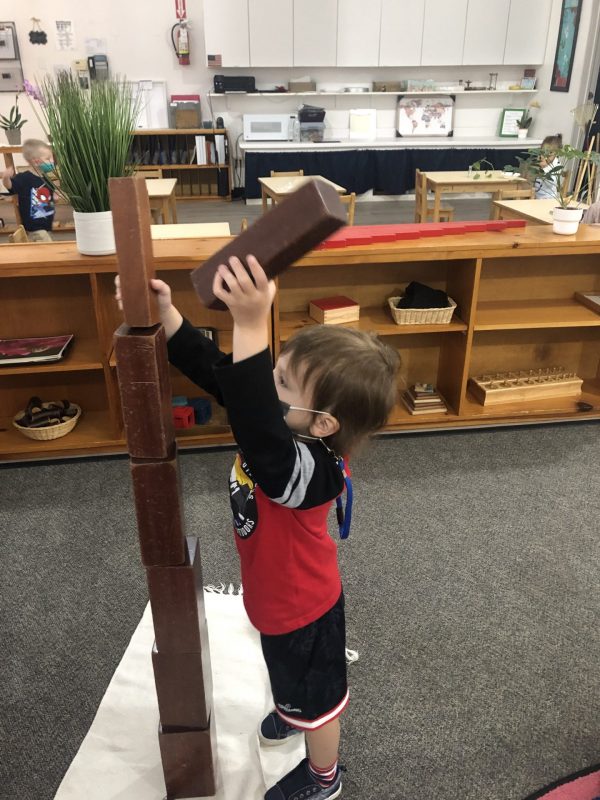
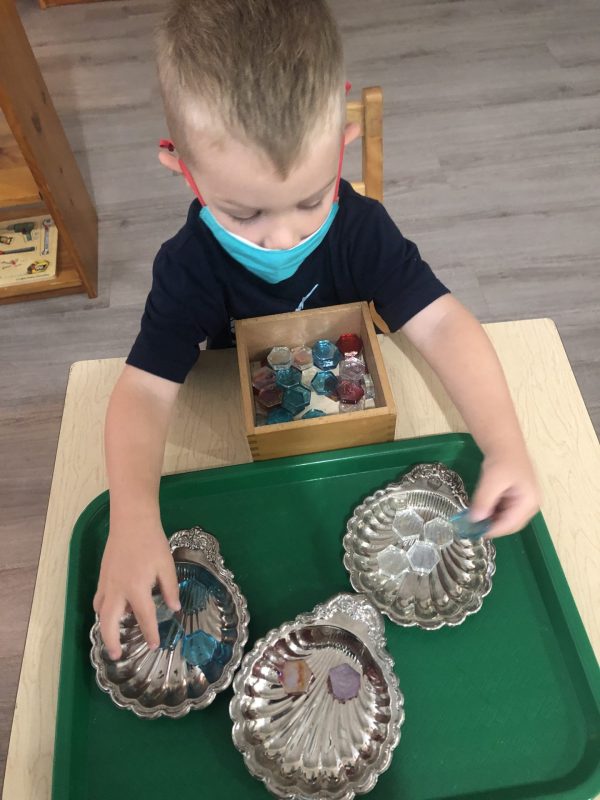
By the second week, children have picked up on some basic routines and have learned how to work with some basic lessons. We focus on mastering the routines and introducing a variety of lessons while opening a new area of the classroom every day during this week including sensorial experience, math, science, geography, peace corner, and language.

I feel strongly that devoting attention, affection, and support to new learners is very rewarding. It takes a lot of repetition of basic lessons consistently, so children can see the practice repeated until they master the new skills.

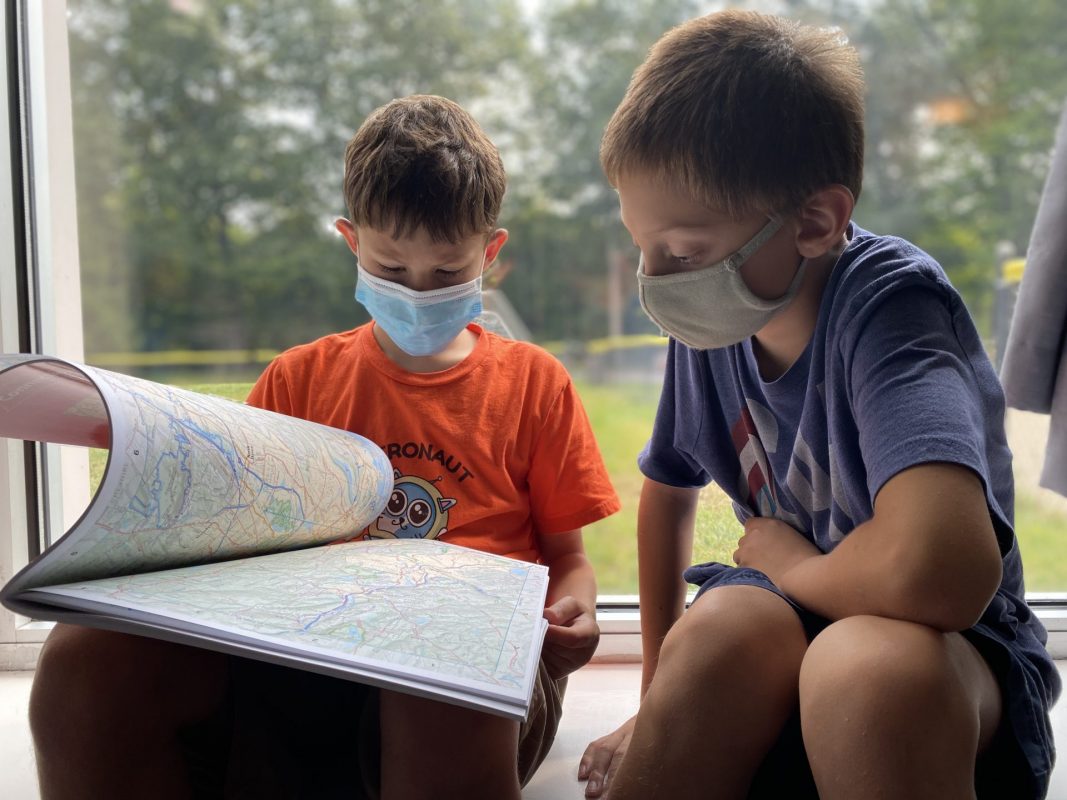
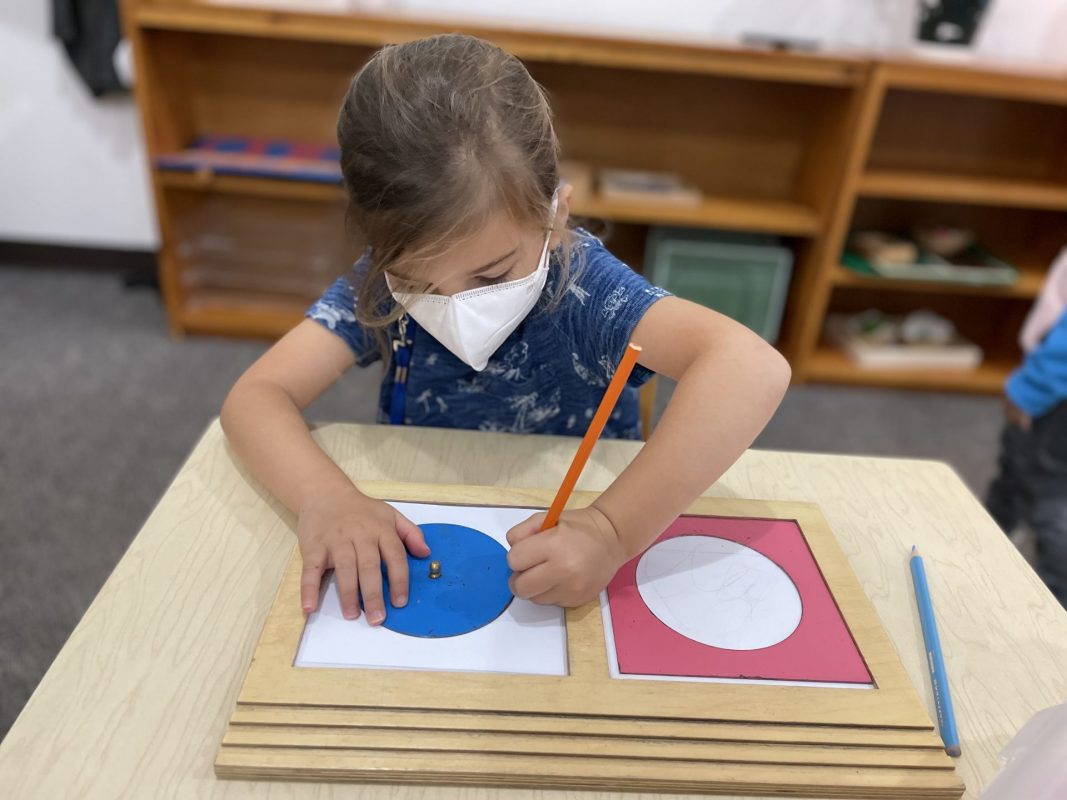
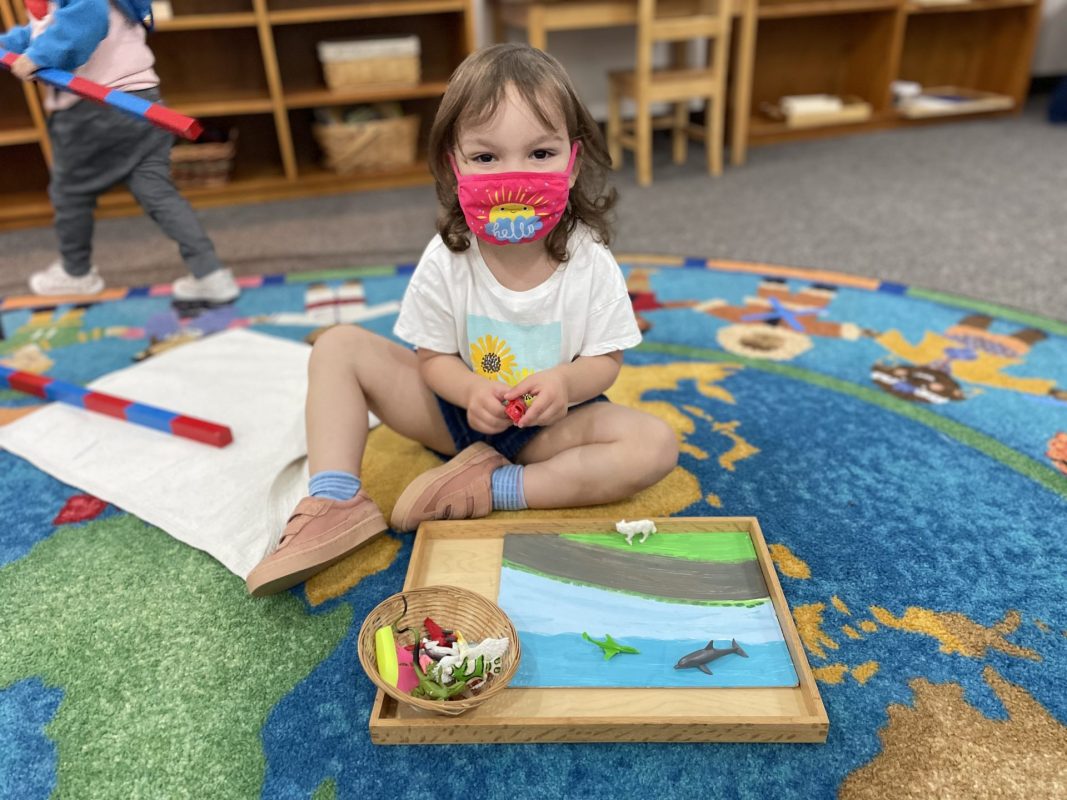
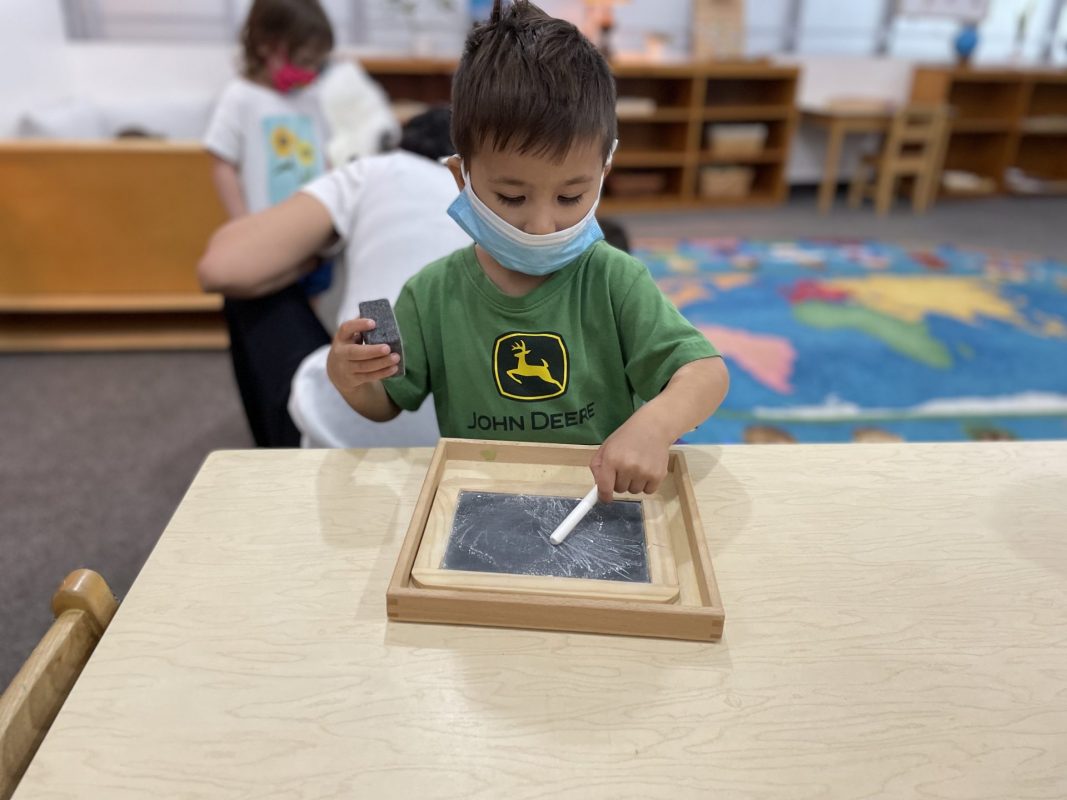
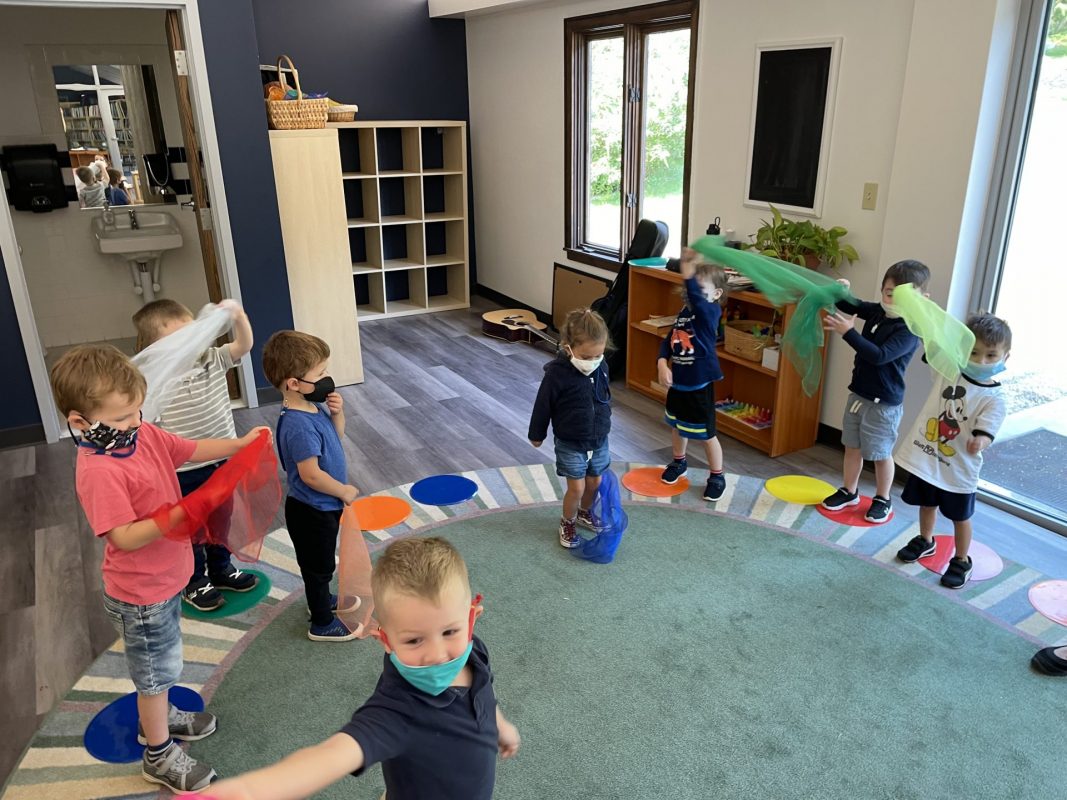
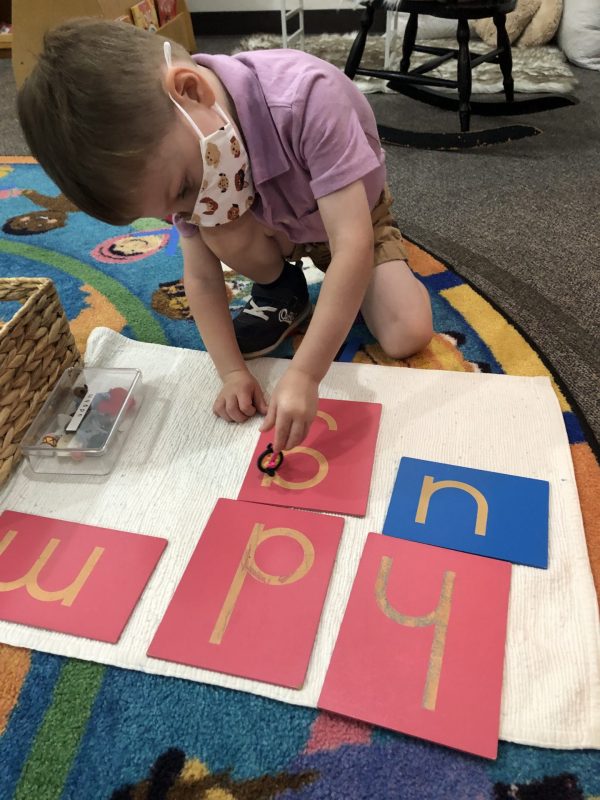
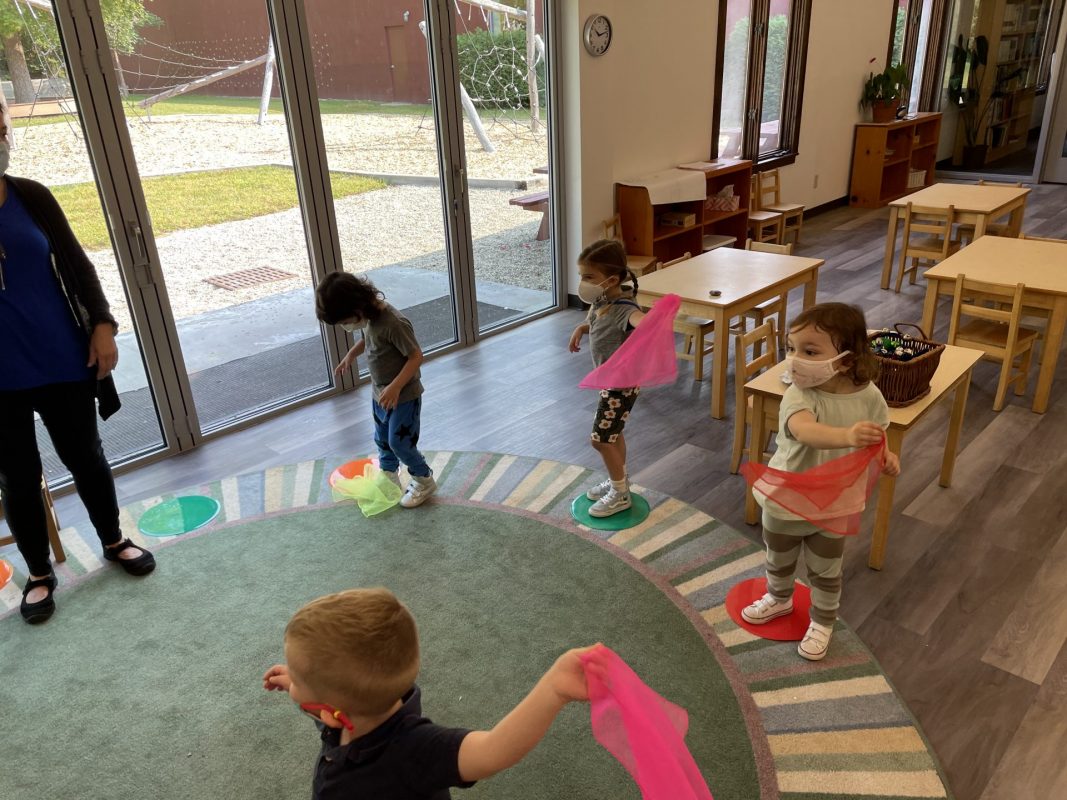
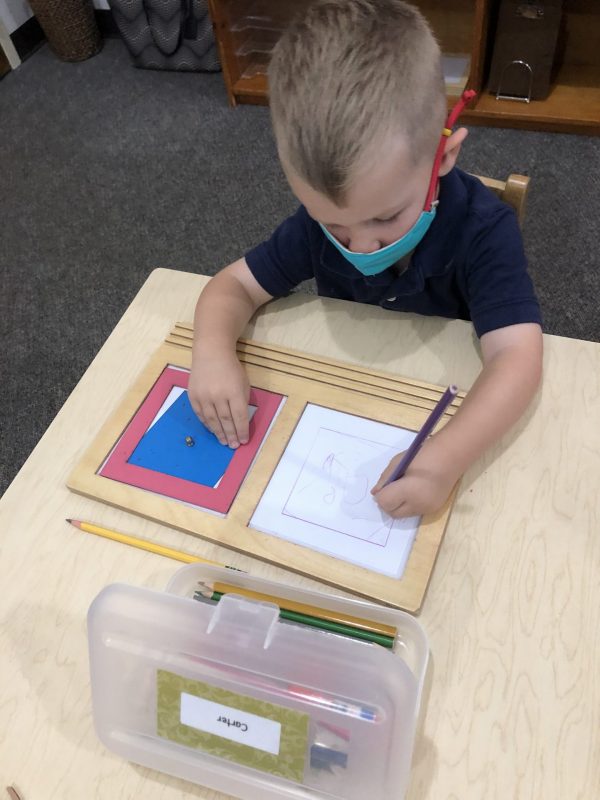
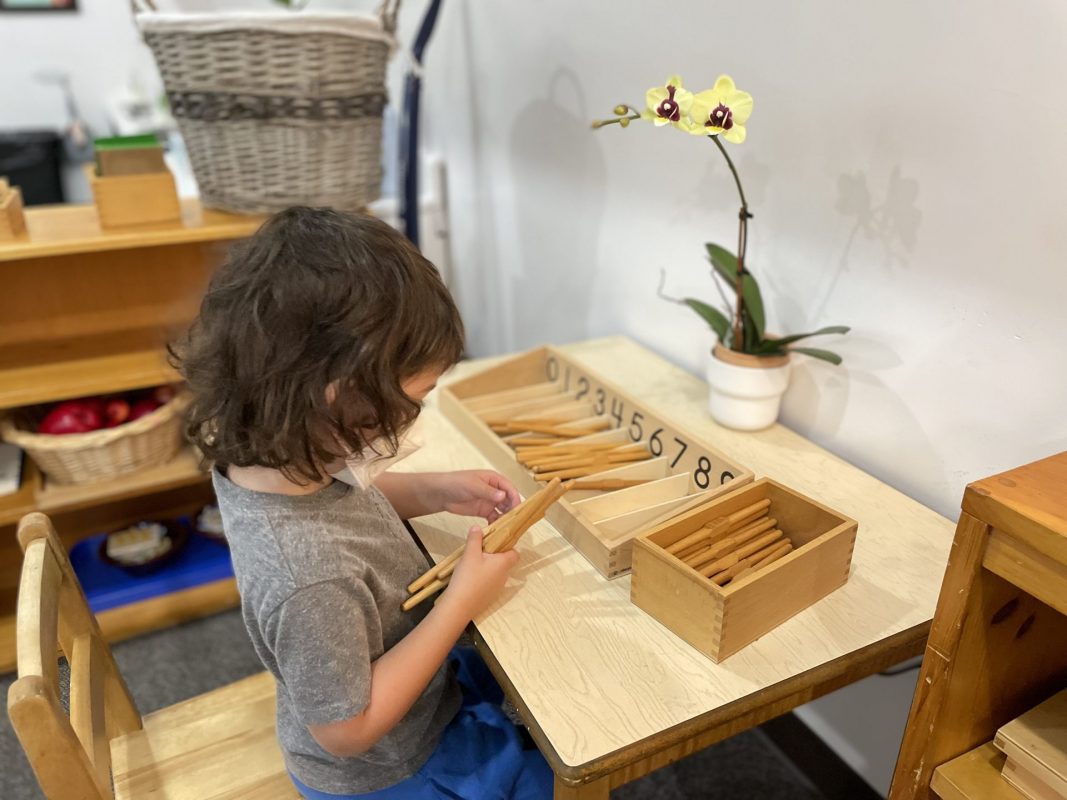
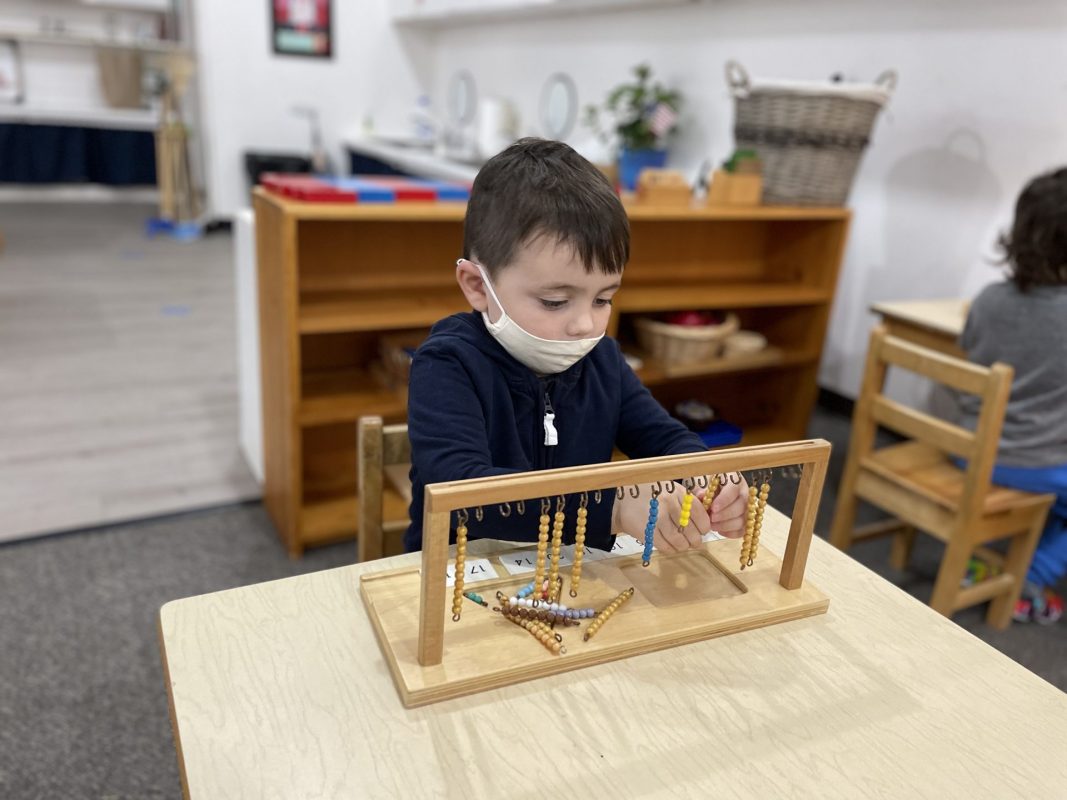
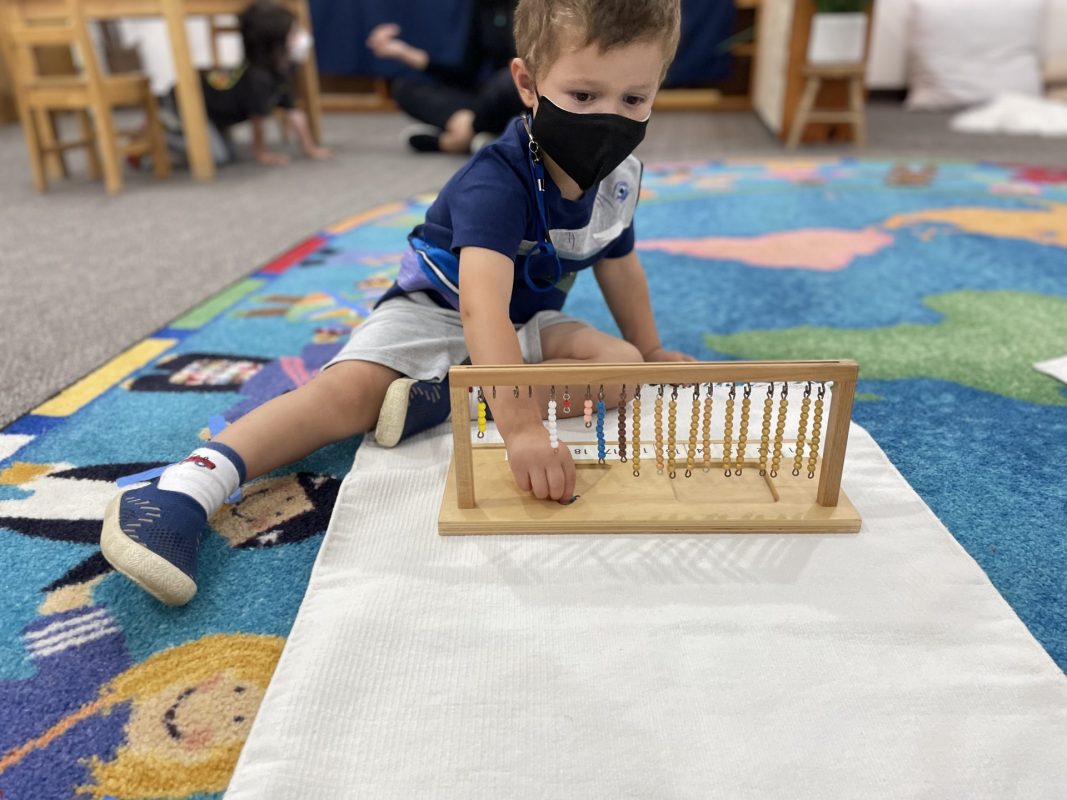
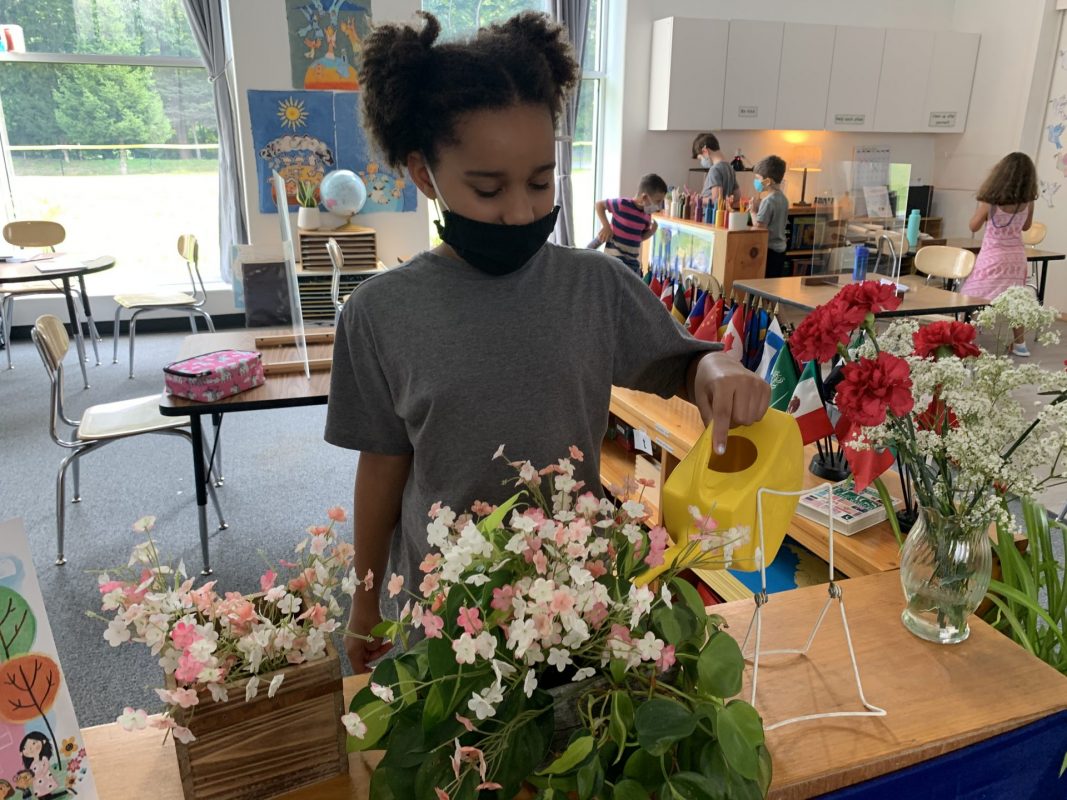
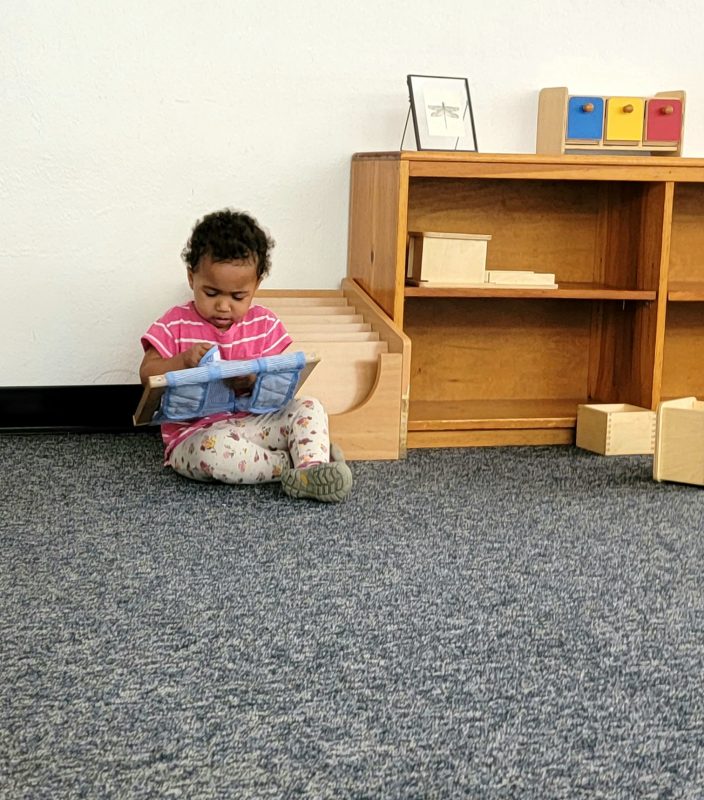
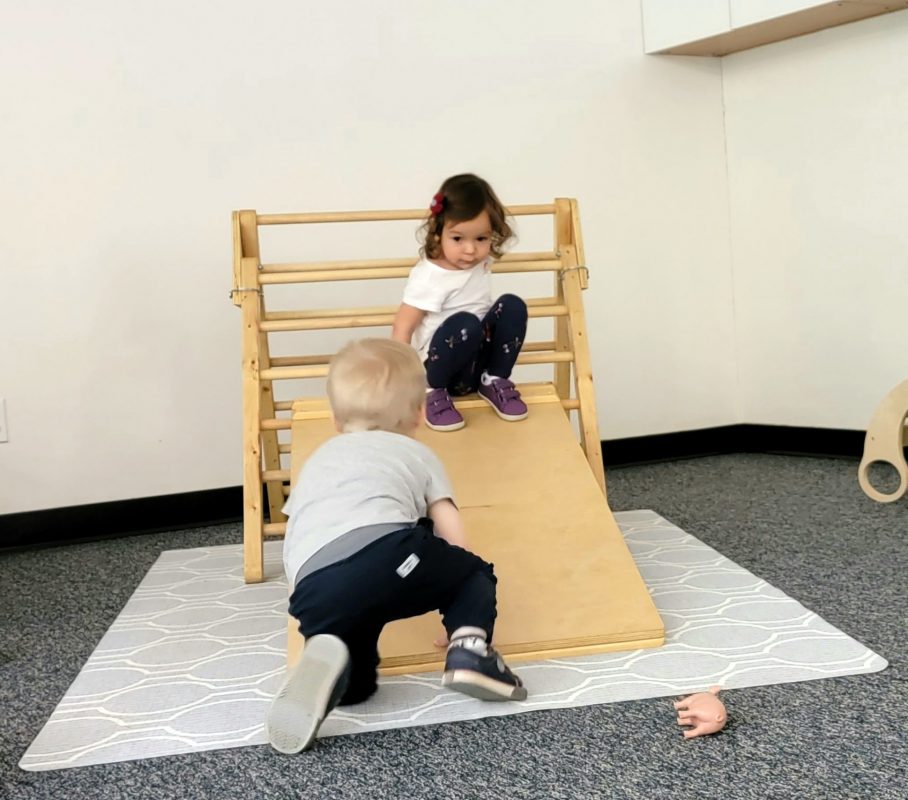
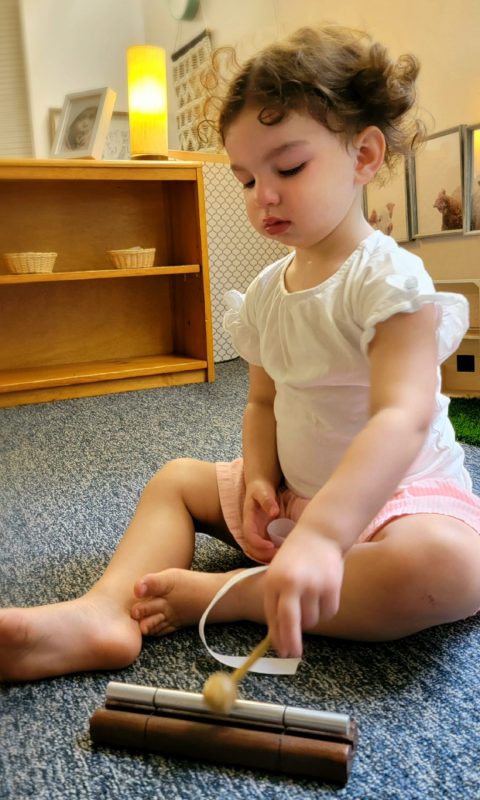
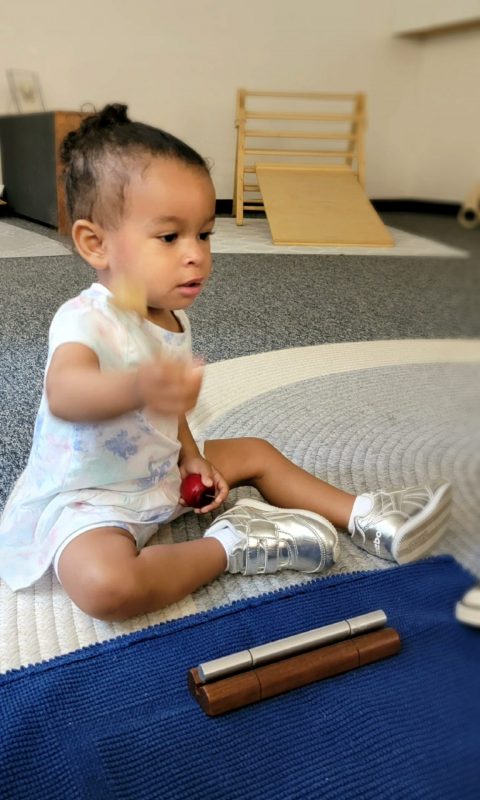
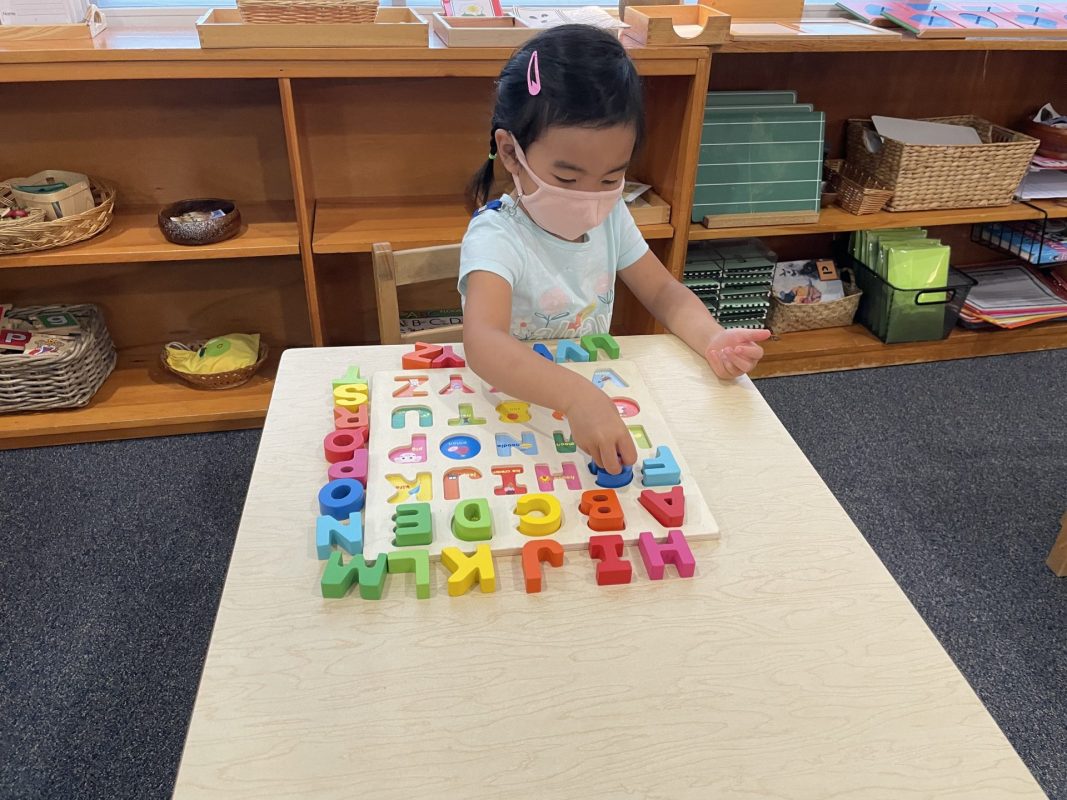
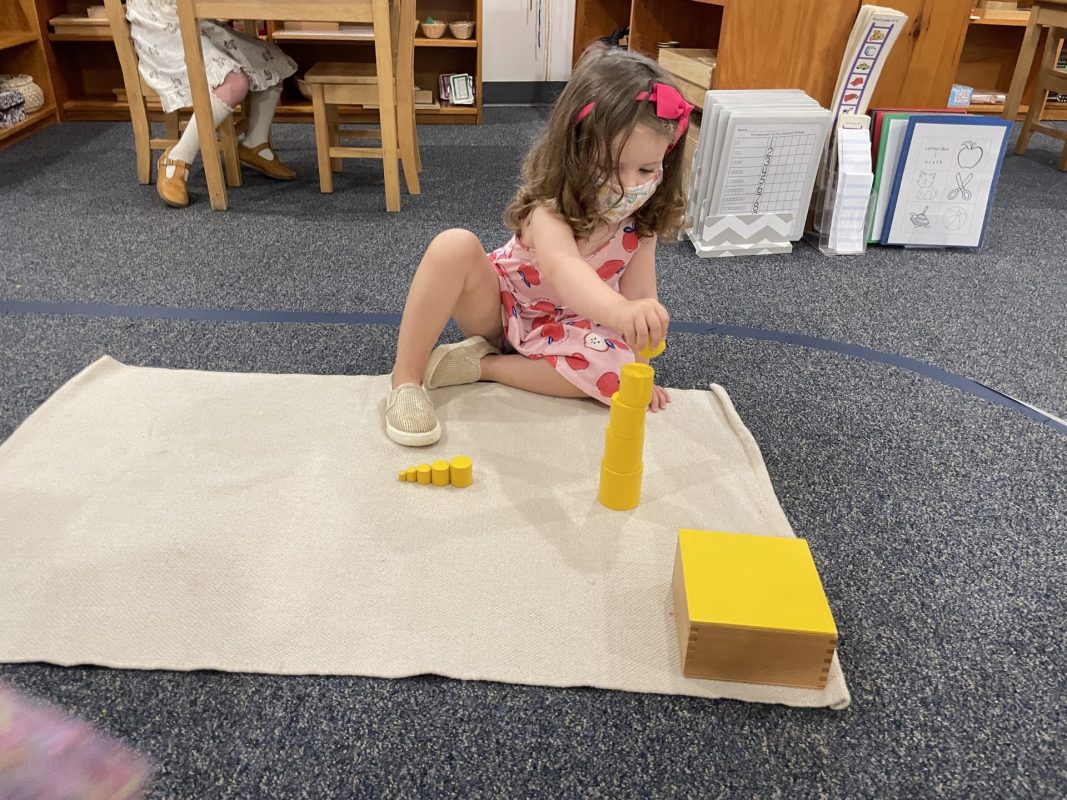
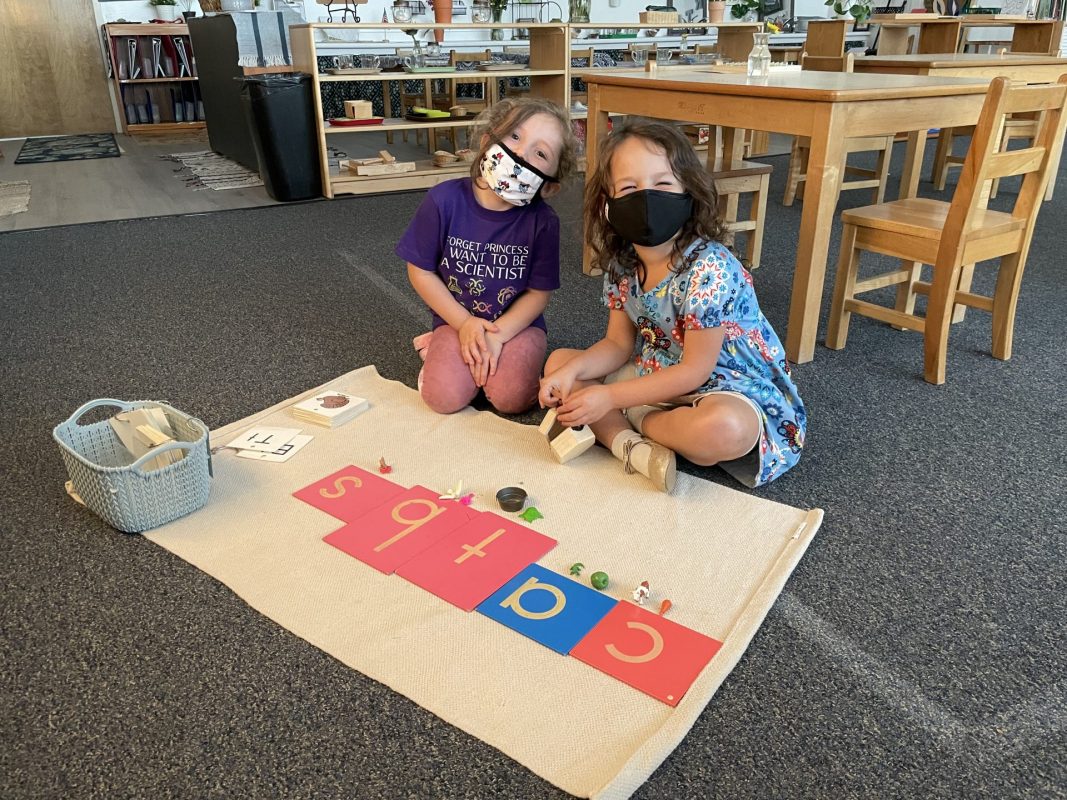
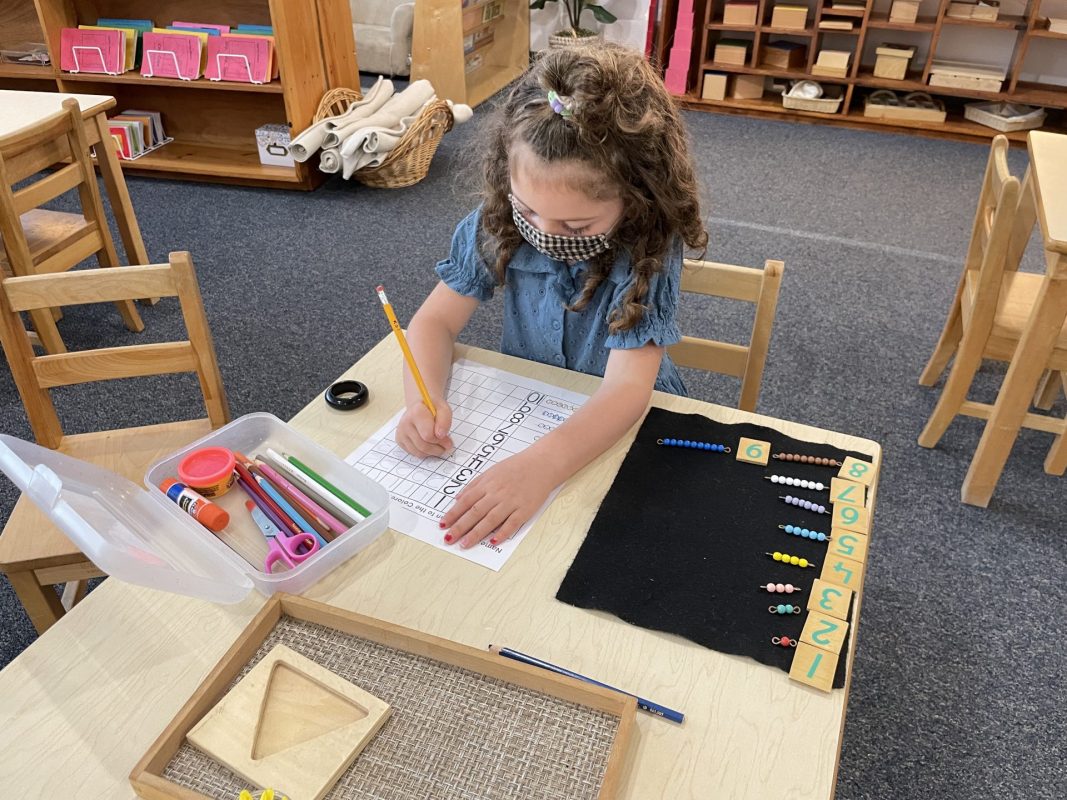
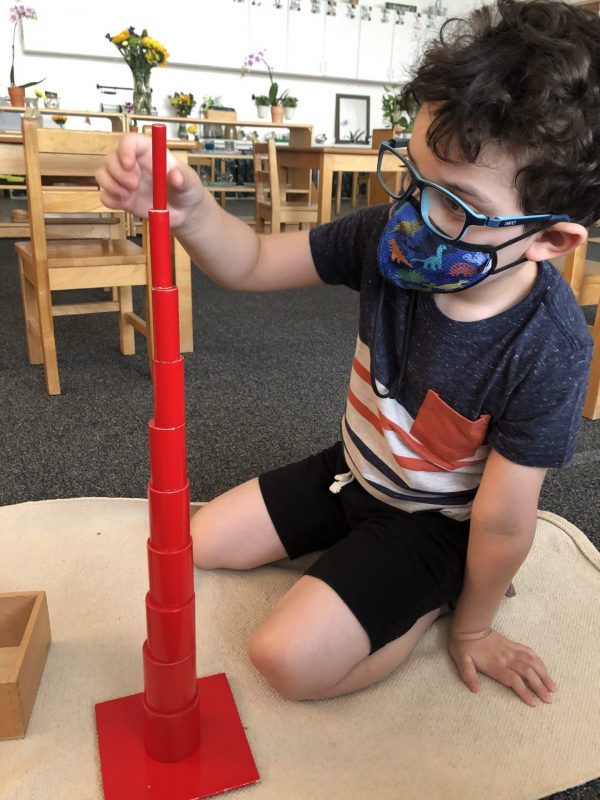
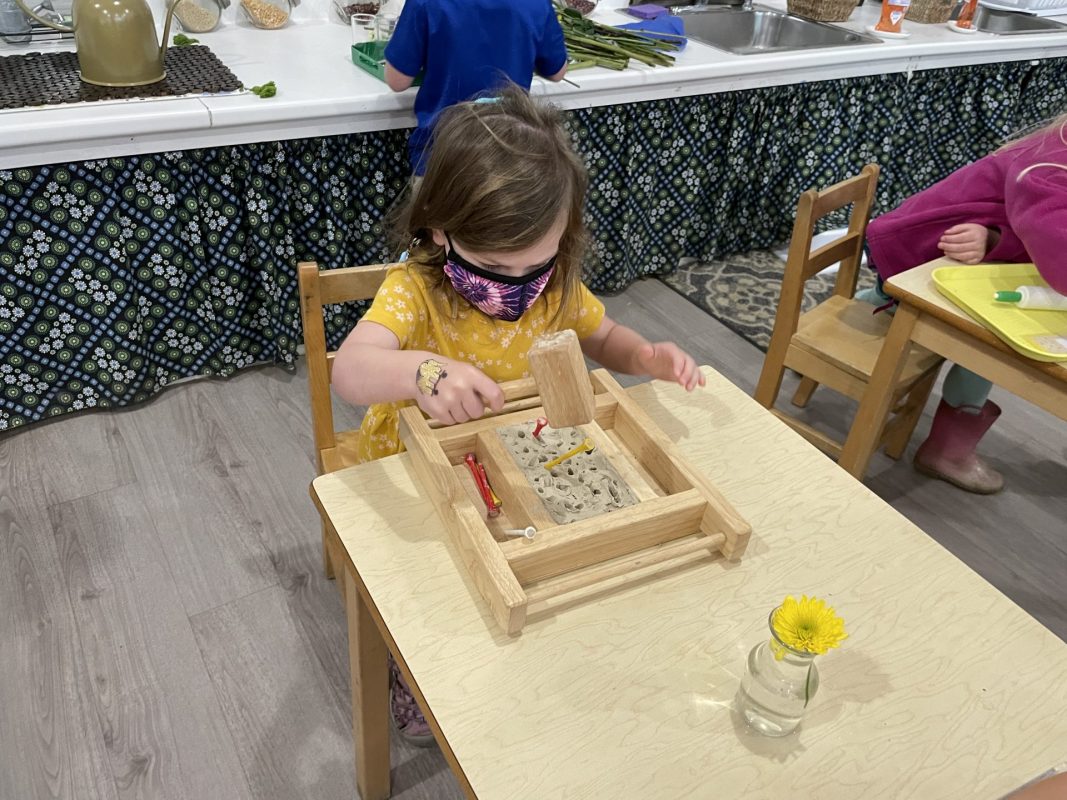
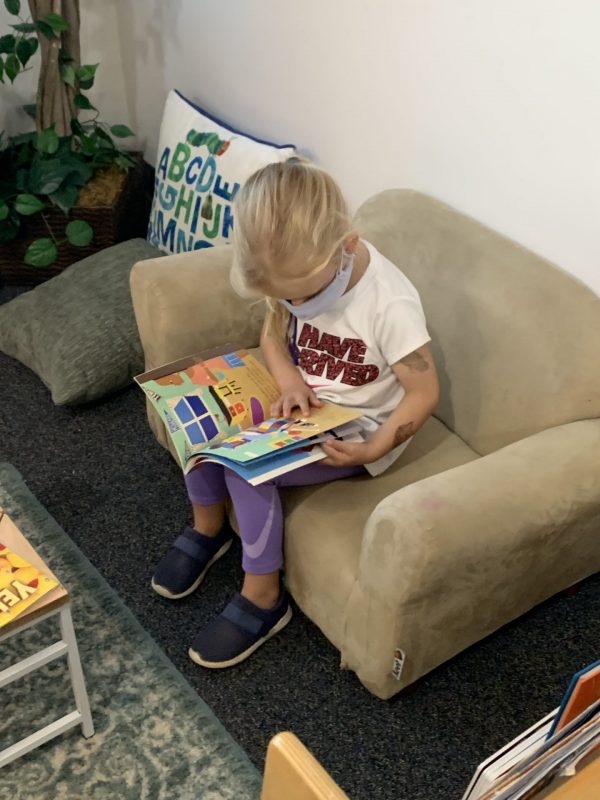
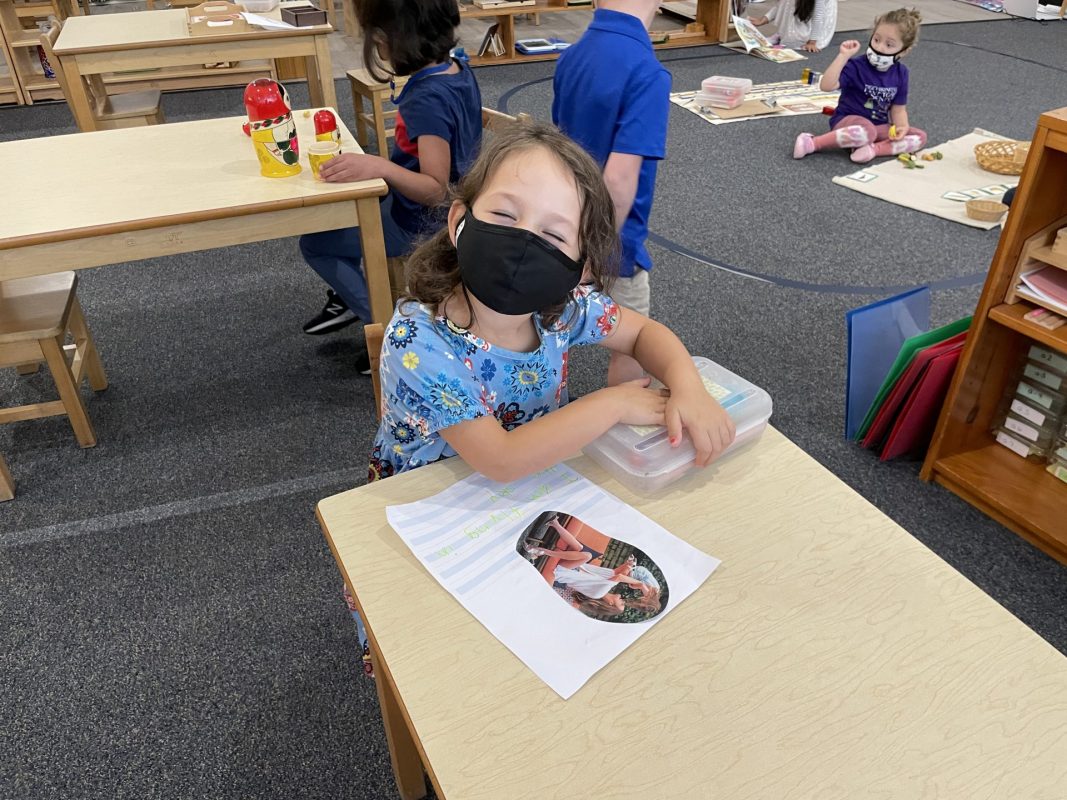
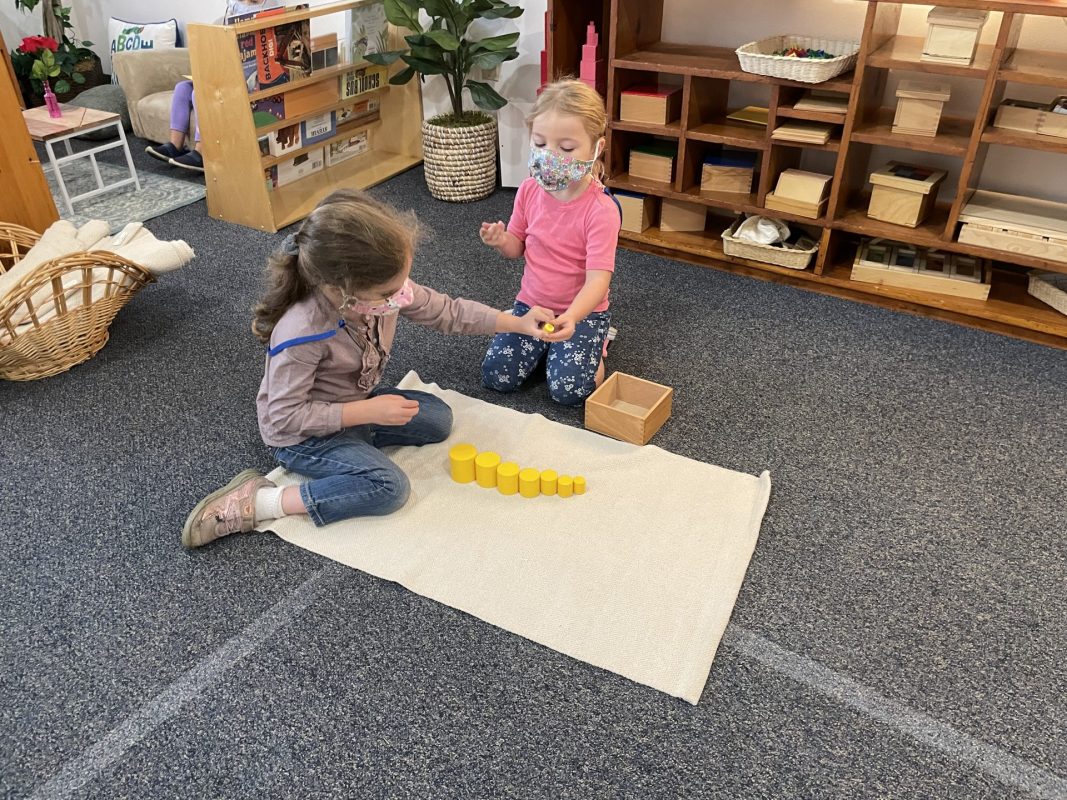
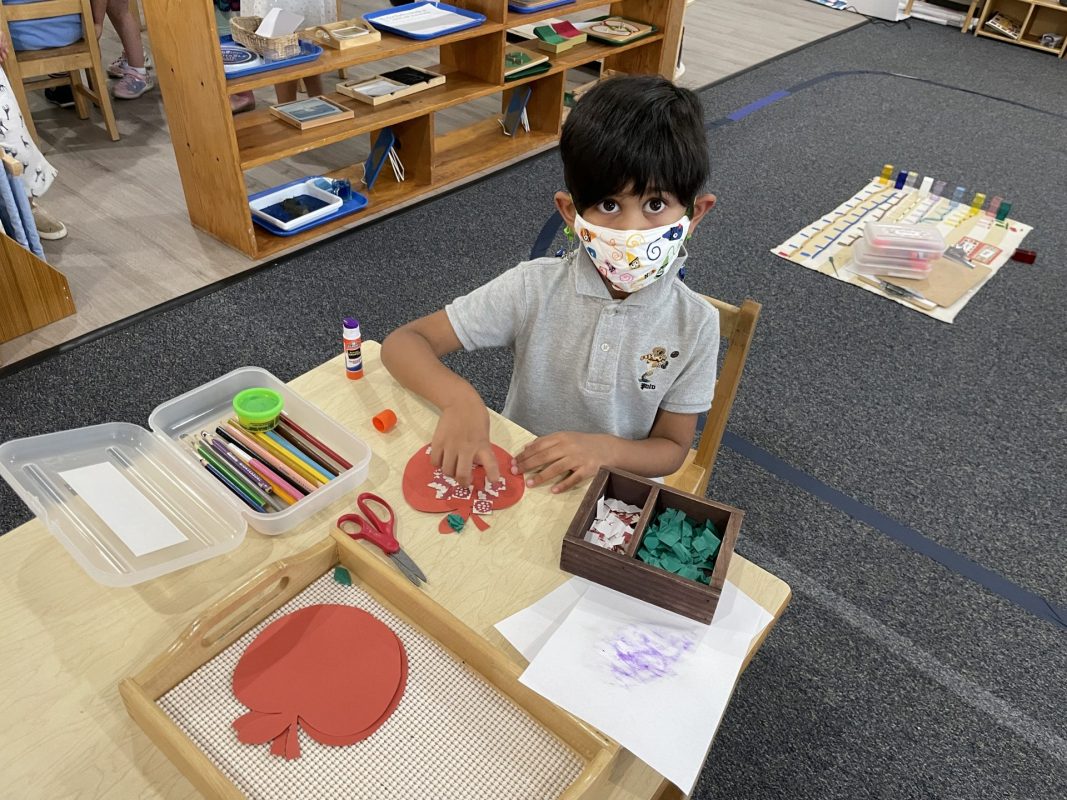
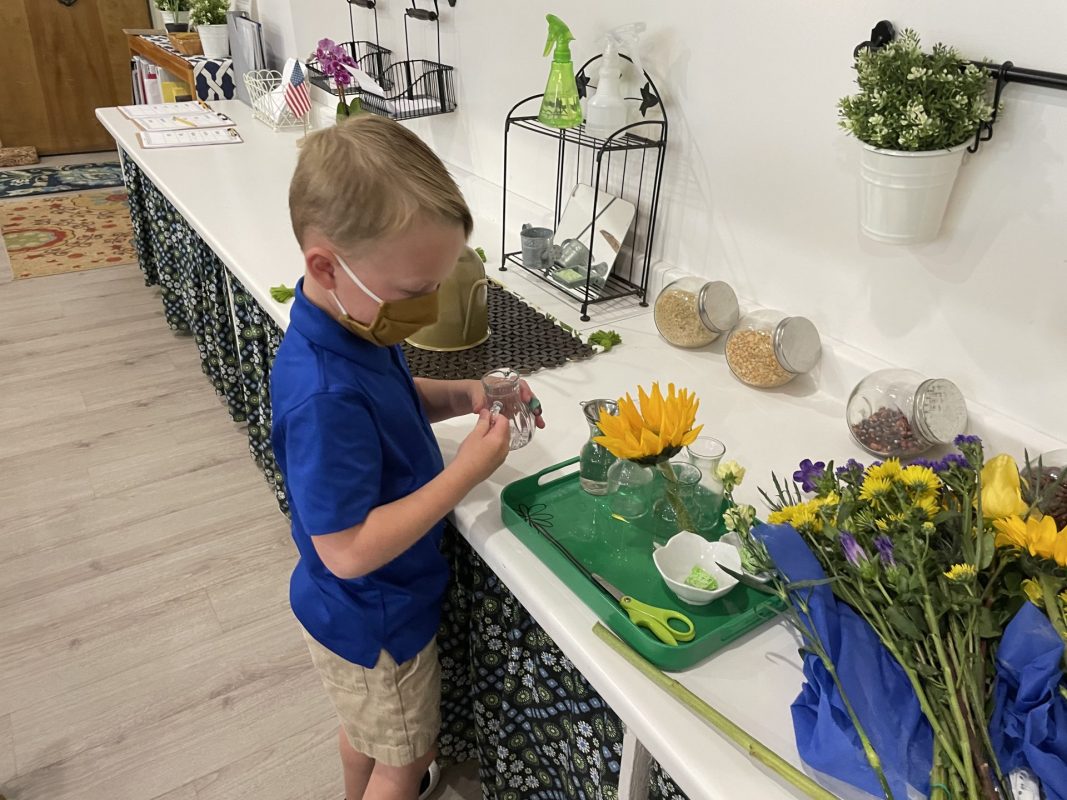
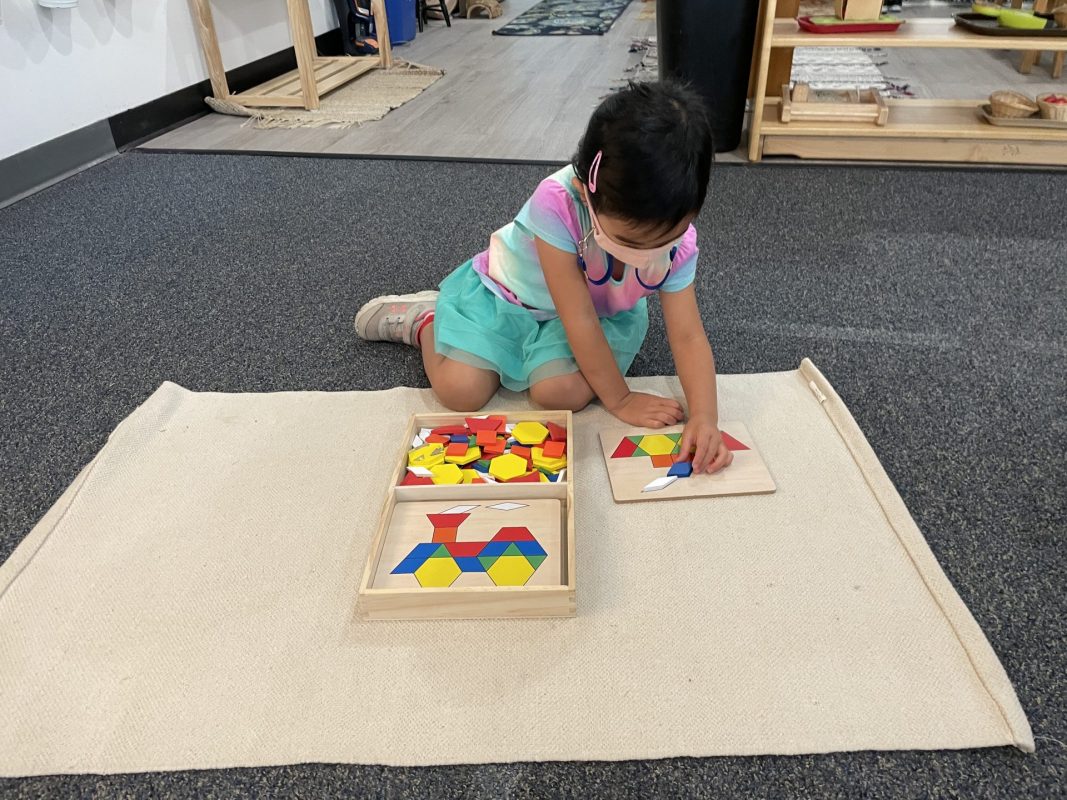
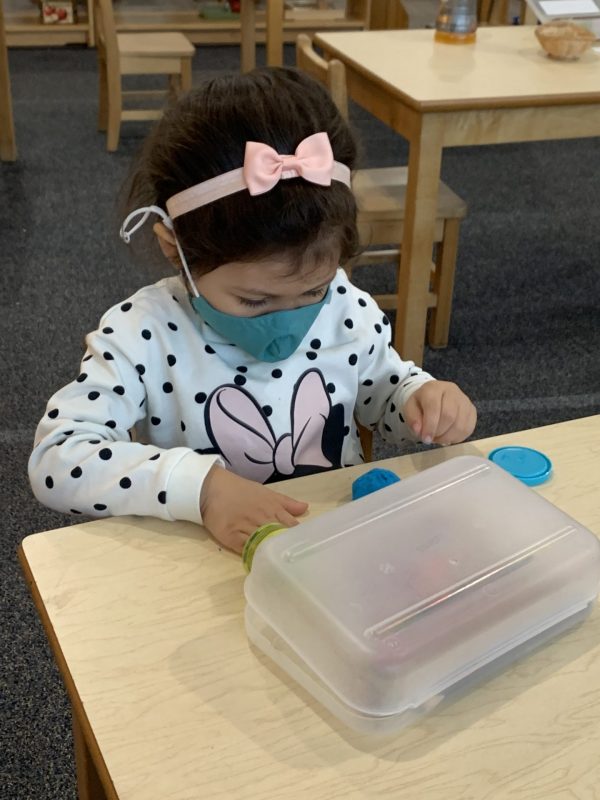
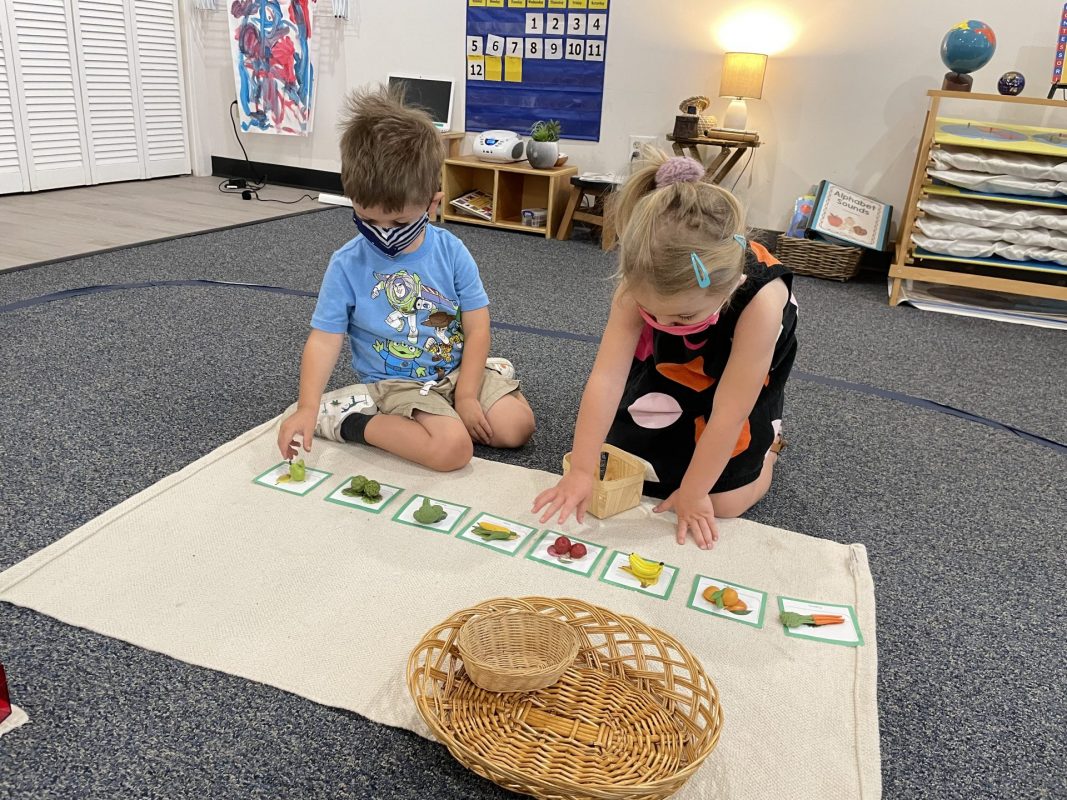
Enjoy these second-week pictures!

Mrs. Semmah and Mrs. Sara


Lower Elementary: Encouraging Independence

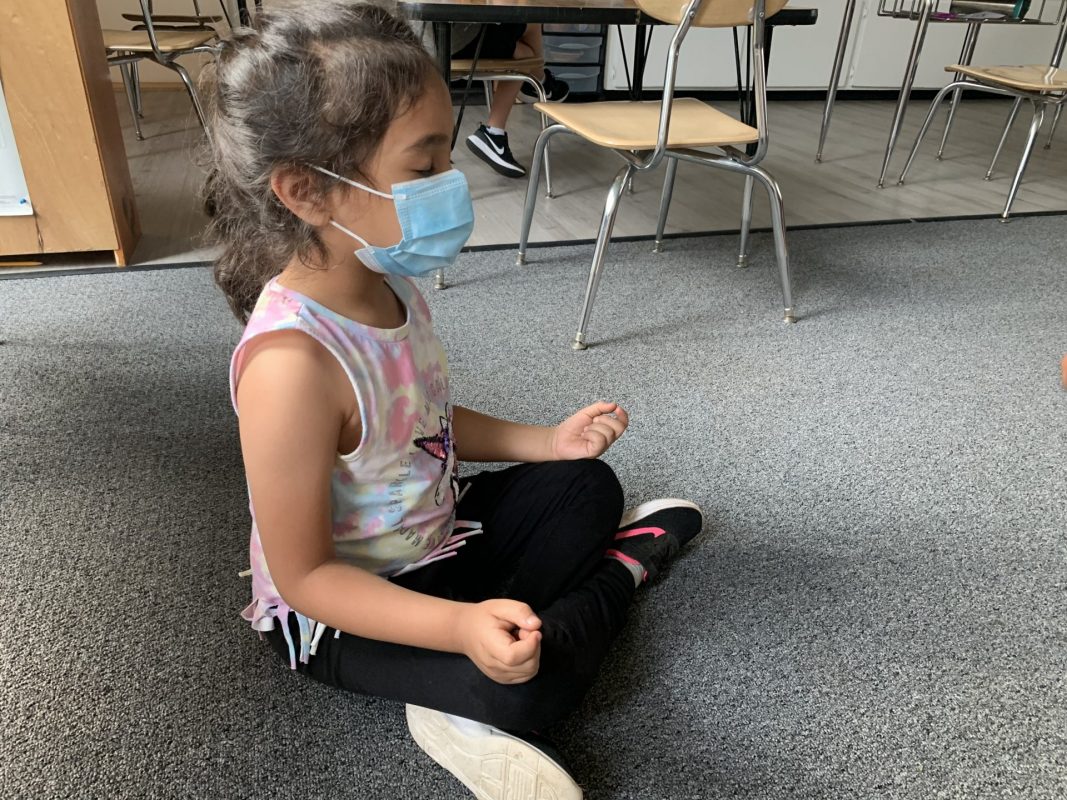
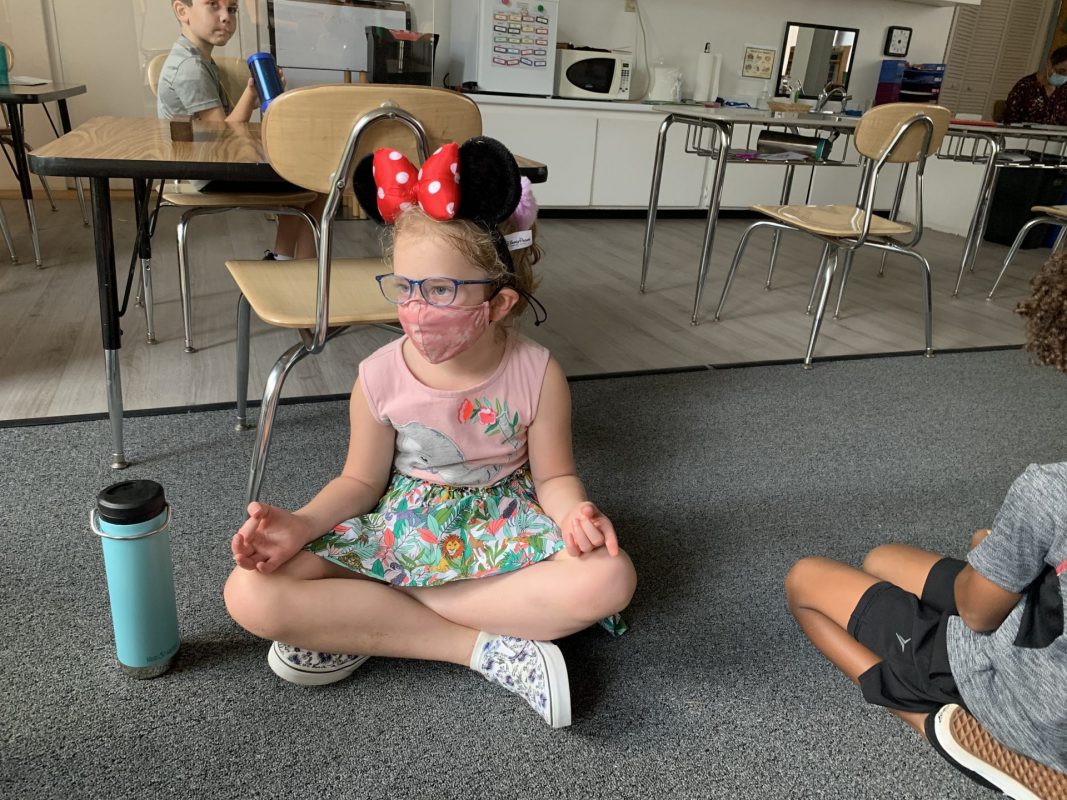
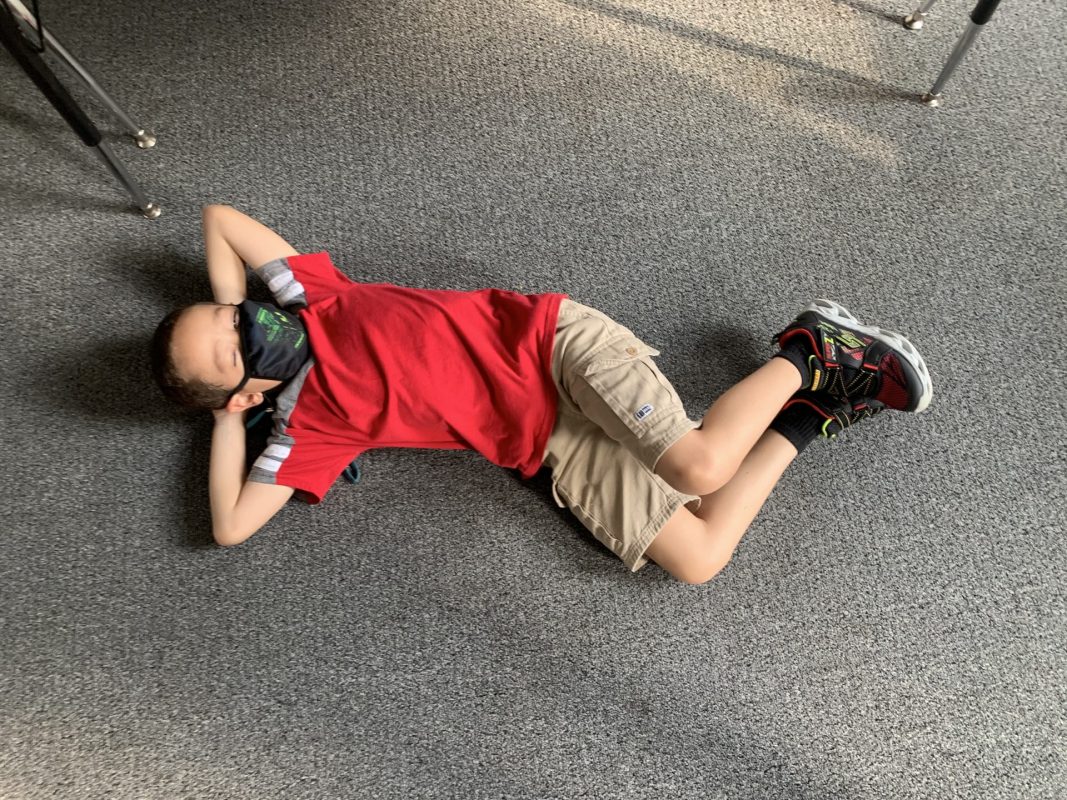
Each morning we start off our day with mindful meditation. We often assume breathing is just a natural skill; everyone knows how to inhale and exhale. But breathing is more than that. Being aware of our breath not only helps us manage the difficulties of everyday life, it also helps develop compassion, empathy, and concentration. This is an exercise where children practice focusing on the present, instead of worrying about the past and uncertainties of the future. It helps us become aware of how we feel at a given moment.

Encouraging independence and self-motivation is crucial to the Montessori approach. Children at this plane of development love the satisfaction of mastering real-life skills because they come to see themselves as respected members of a community. One way we encourage this in Lower Elementary is having weekly classroom jobs. Monday mornings are especially exciting because that’s when students decide what their weekly jobs will be. Classroom jobs can help build a sense of excitement, community, and interdependence from the very start of the school year.


Mrs. Doyle’s Class: One Step At A Time!

We know it takes time for the new rhythms of school days to become familiar. So, while we are taking one step at a time, it definitely feels like we haven’t missed a beat!

It just a few short days we as a class are learning:

  • how to navigate our way around the environment
  • how to wait for a lesson
  • the routines of our school day
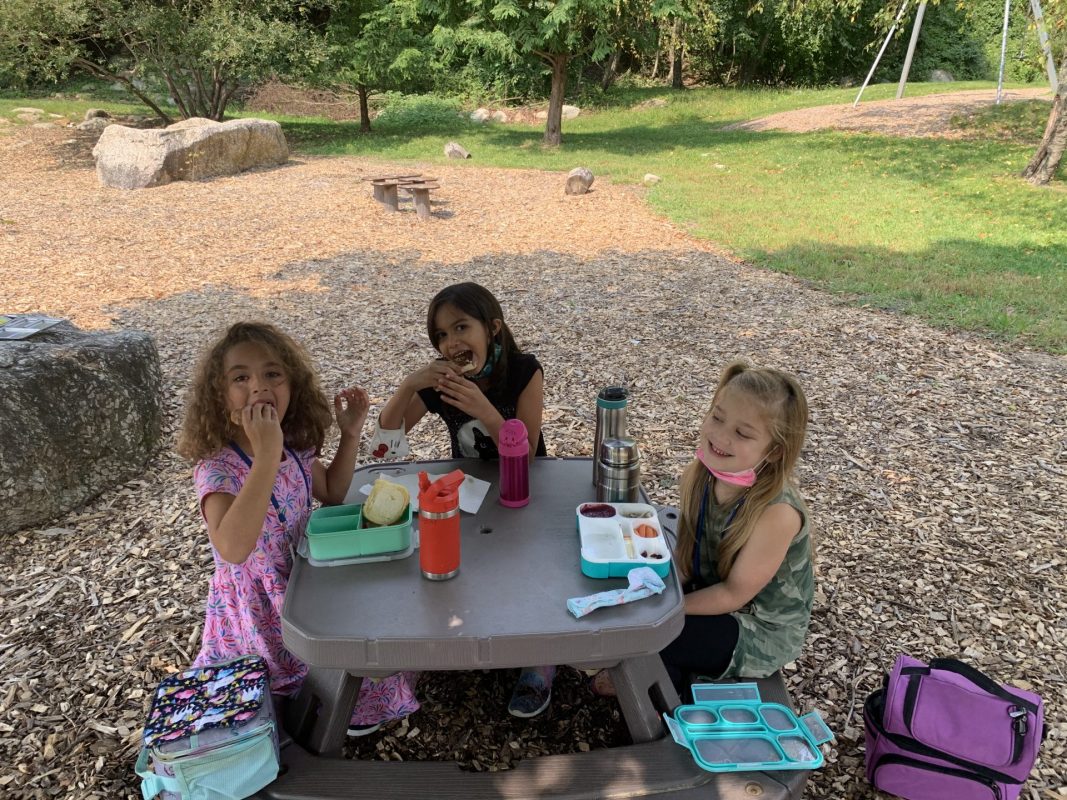
  • how to prepare for snack and lunch independently
  • about being part of a large group meeting by listening and sharing
  • care of self and care of the environment

Our returning friends have been role models for our new friends.  It’s a wonderful opportunity for them to be a leader. It wasn’t so very long ago that they were new to the classroom themselves and they accept this new responsibility with excitement and confidence.

A question I frequently hear from parents is ‘what can I do at home to help my child be successful at school?’   One way to do so is to guide your child to become as independent as possible. This independence is guided by your child’s age and ability. So there are no hard and fast rules to follow.  A few important areas to focus on would be setting up and cleaning up their lunch, putting on and taking off coats and boots, toileting themselves, packing and unpacking their backpacks and carefully putting their toys away when they are done.  This process too is also one step at a time.

Here’s to new beginnings and a peaceful, fun school year for everyone!

Wishing you all a week filled with peace and love!

Michelle & Liset


Middle School Cooperative Games

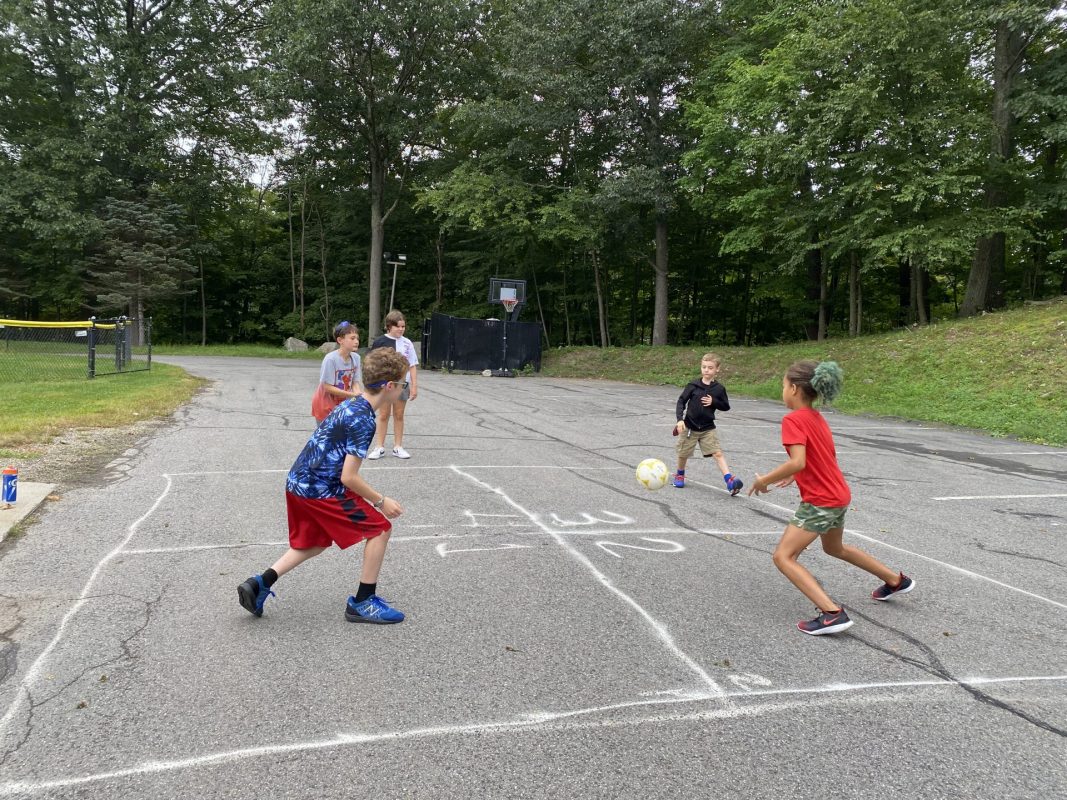
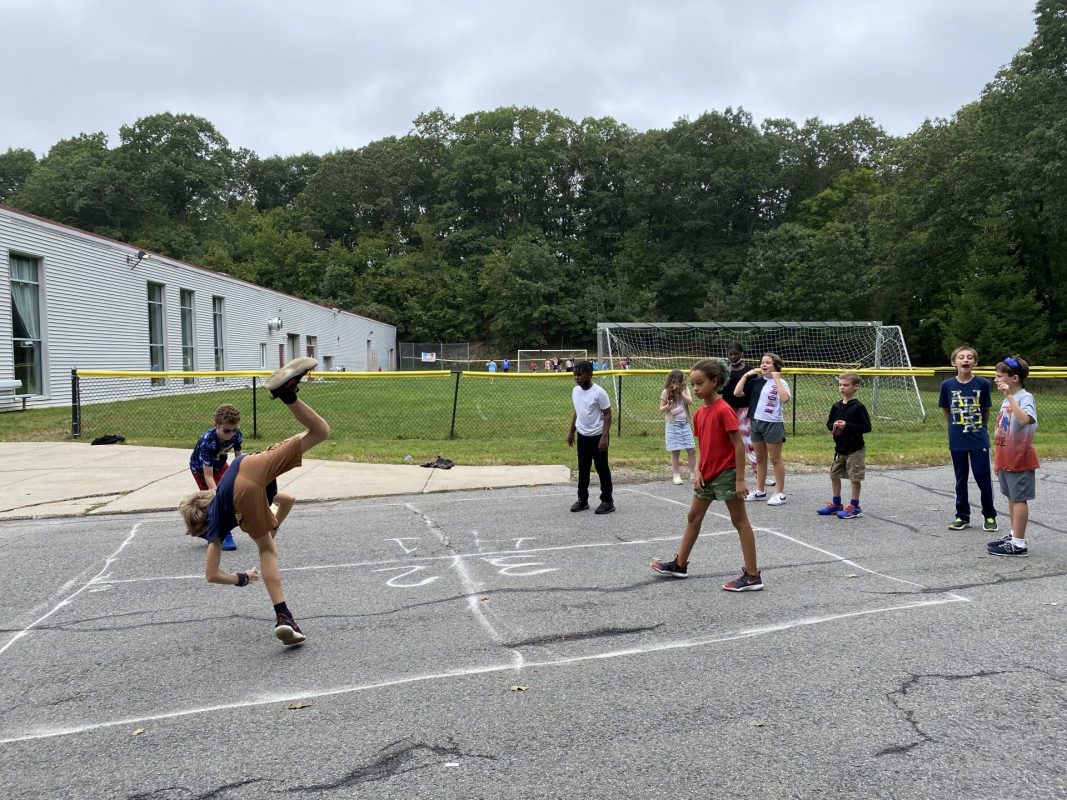
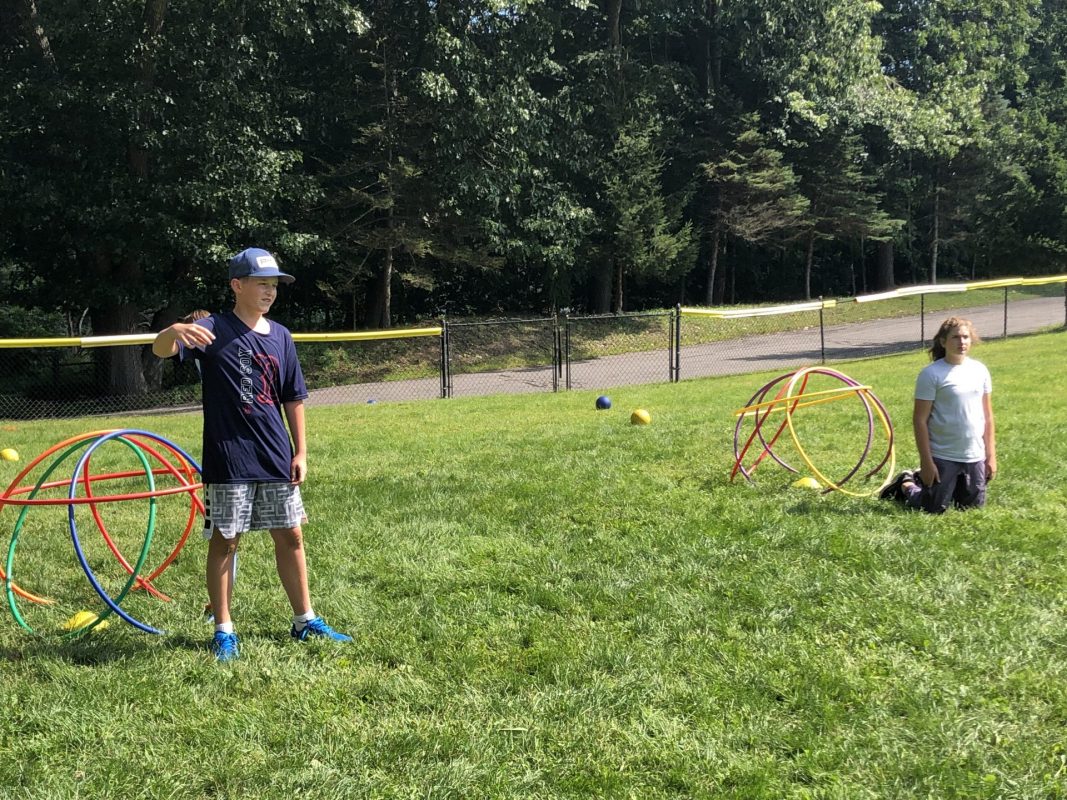
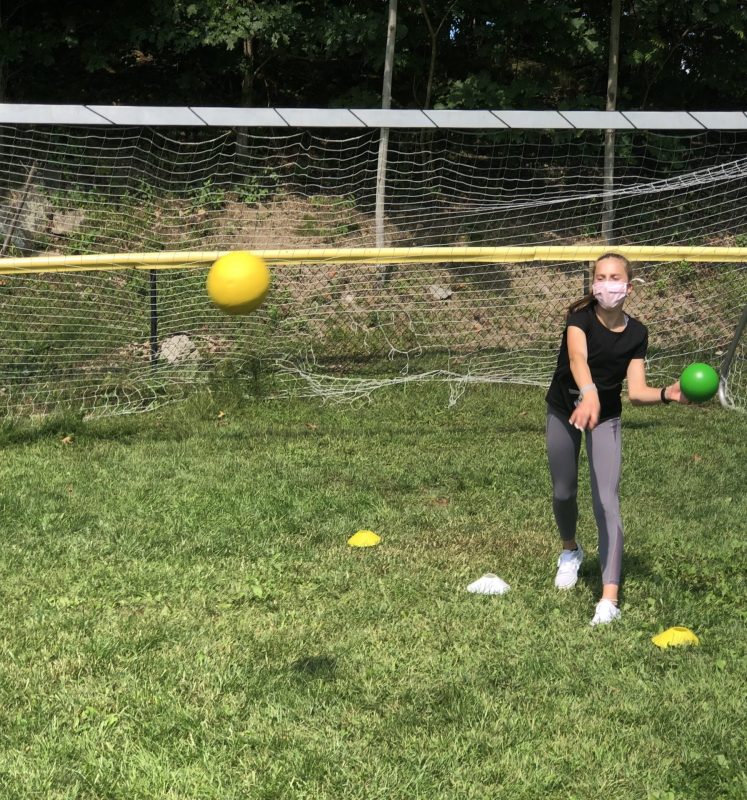
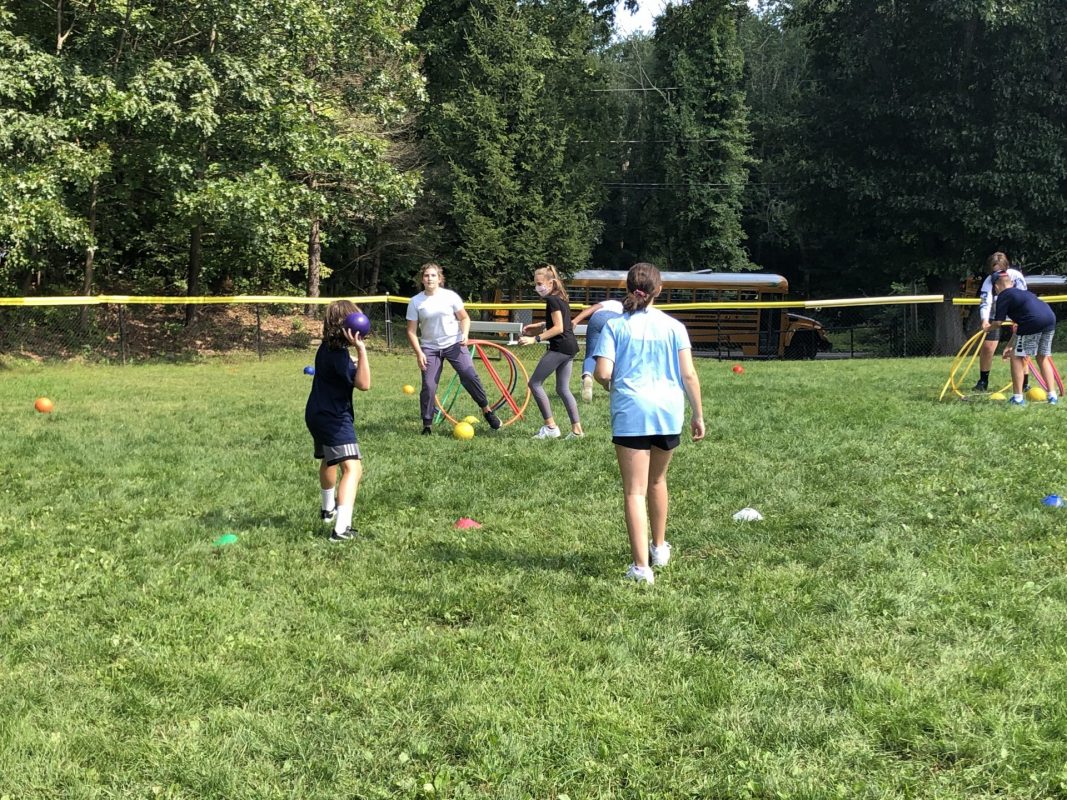
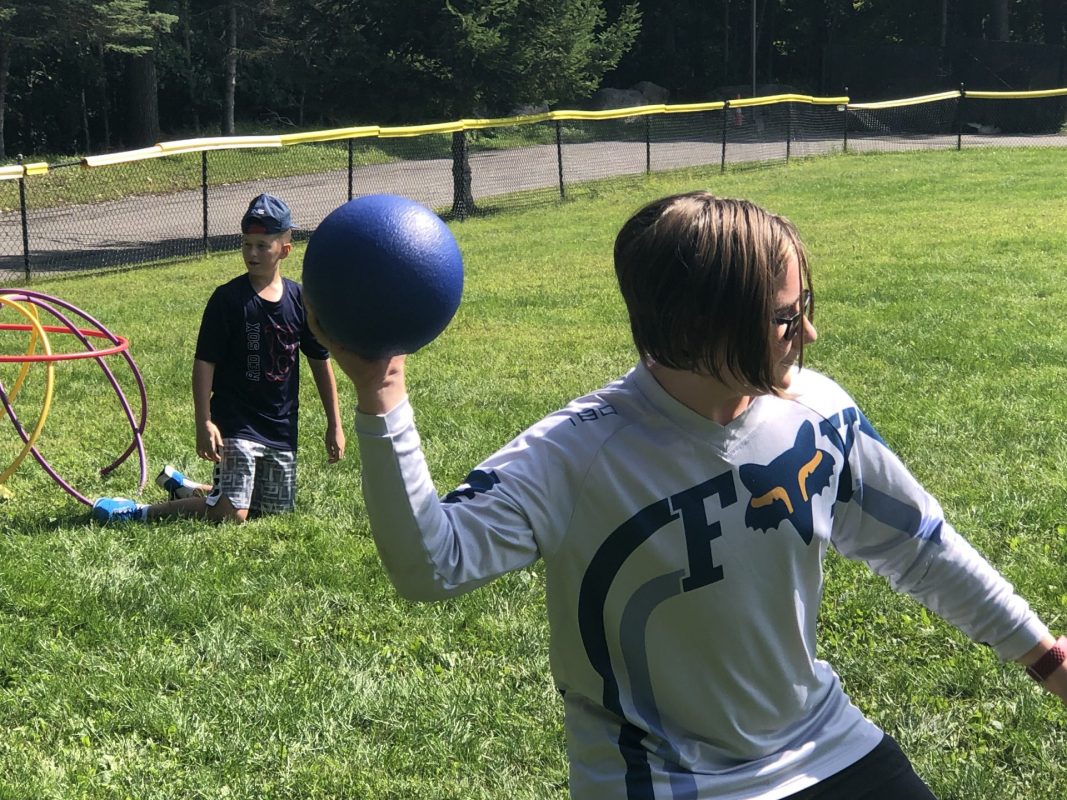
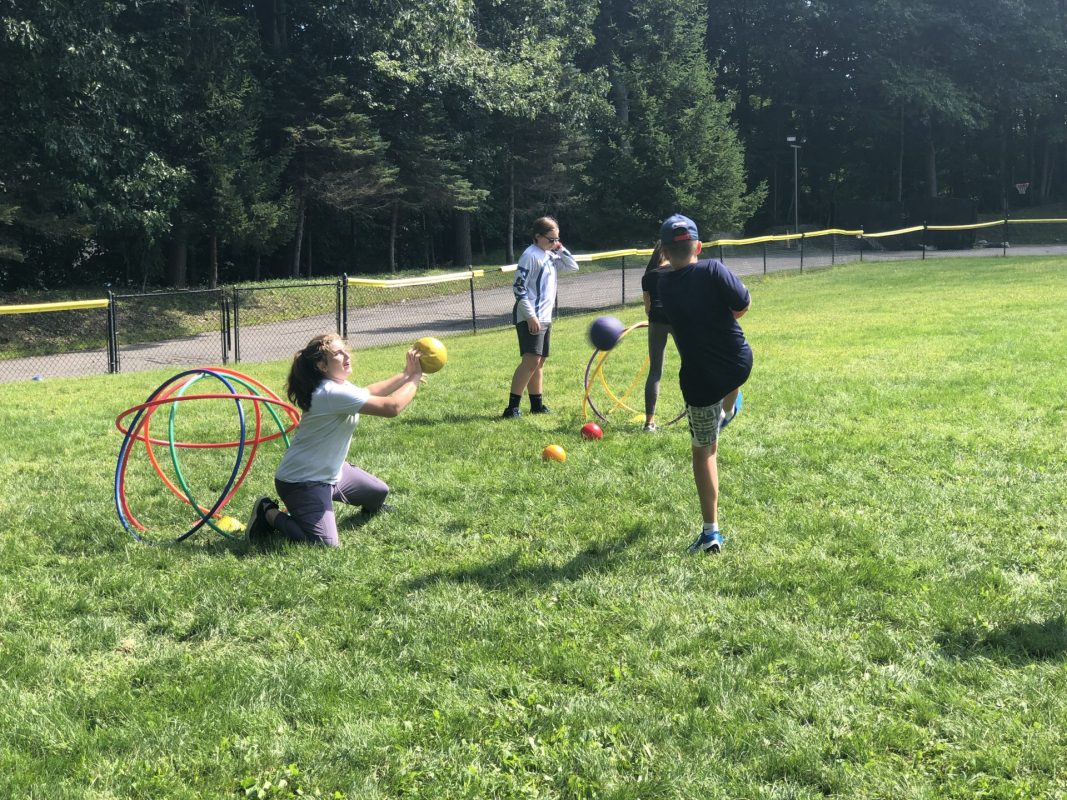
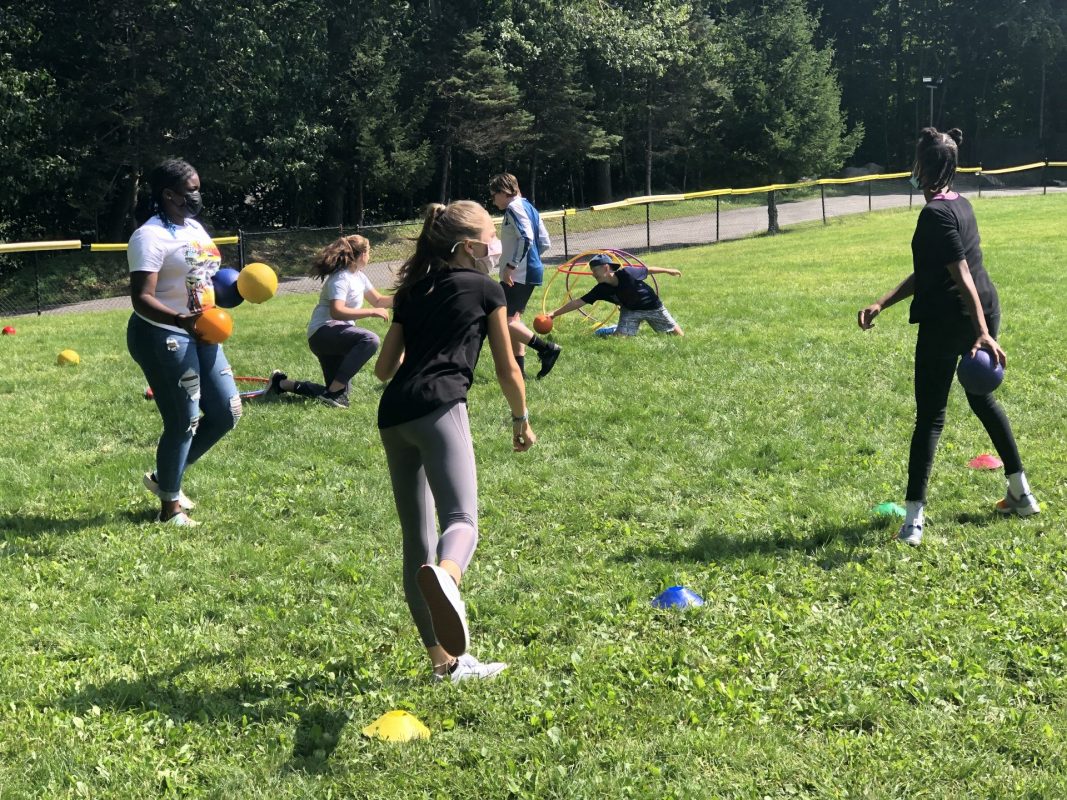
The Middle School participates in MS Sports class on Tuesdays and Wednesdays for 55 minutes. On Fridays students participate in Physical Education/Cooperative games.  The game played this week was “Castle Ball.”  The object of the game is to try and knock down the other team’s castles.  Students must work together as a team to play both offense (throwing the dodge balls to hit the castle) and defense (guarding their own castles). The game also works on throwing, catching, striking, and blocking. Cooperative games during physical education provide many benefits to students. These games not only provide exercise, but emphasize teamwork, build relationships, increase confidence, and learn about rules and strategy development.


Mrs. Wilson: Farm Animals and Their Hidden Agenda


It is wonderful to see that we are trading in the tears for more joyous smiles and laughter.

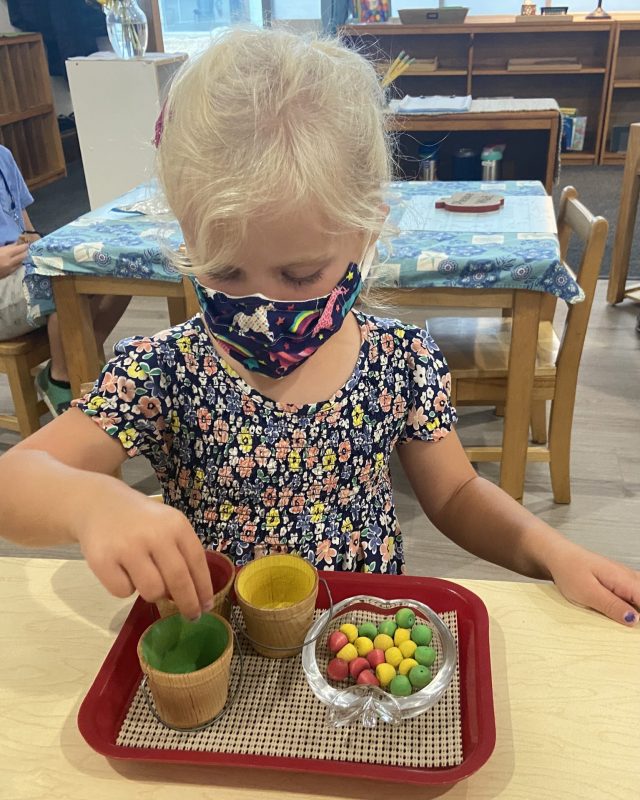
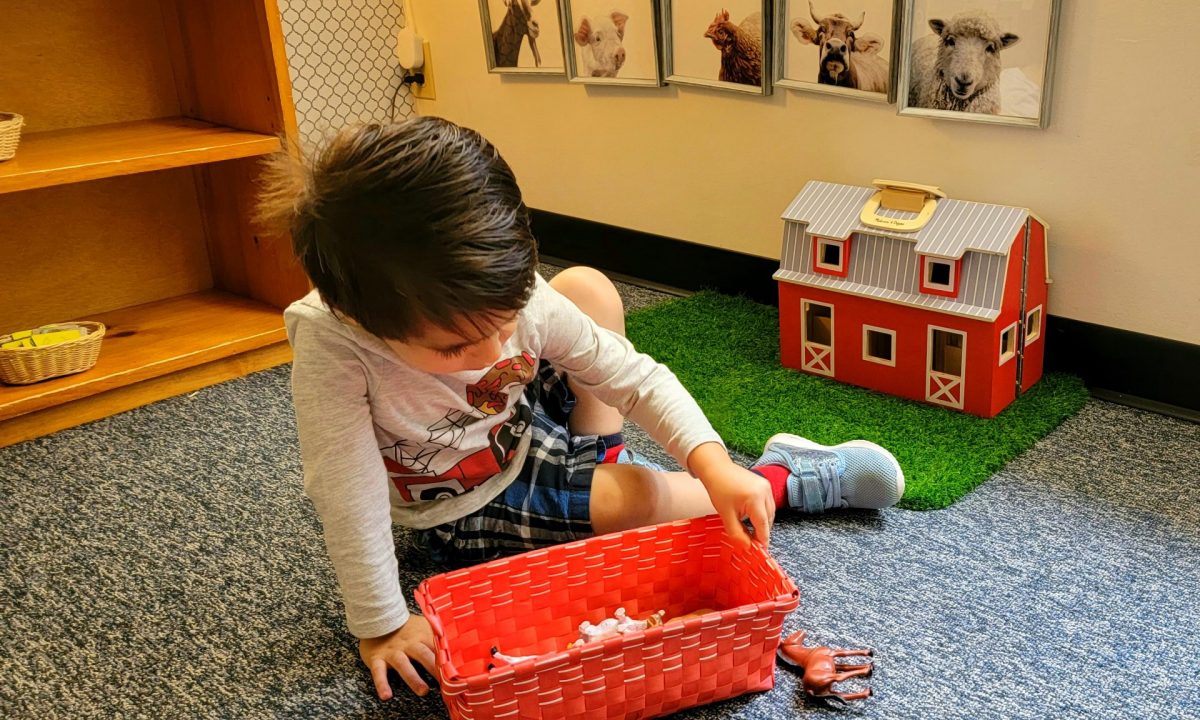
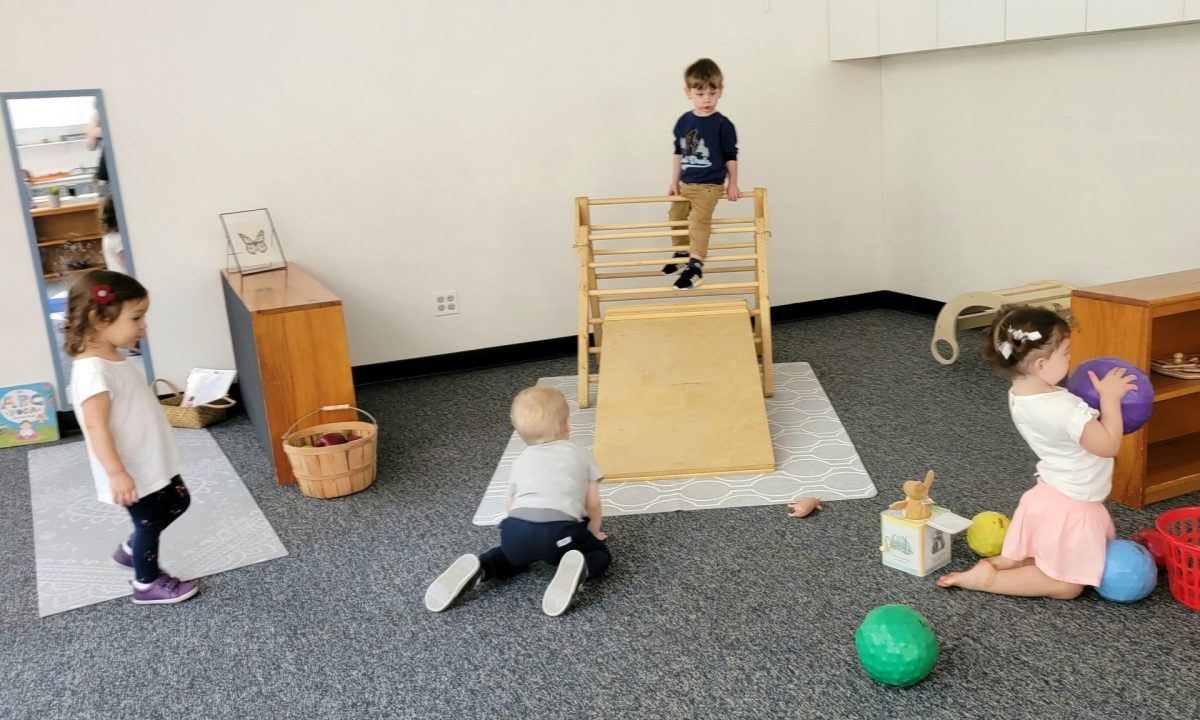
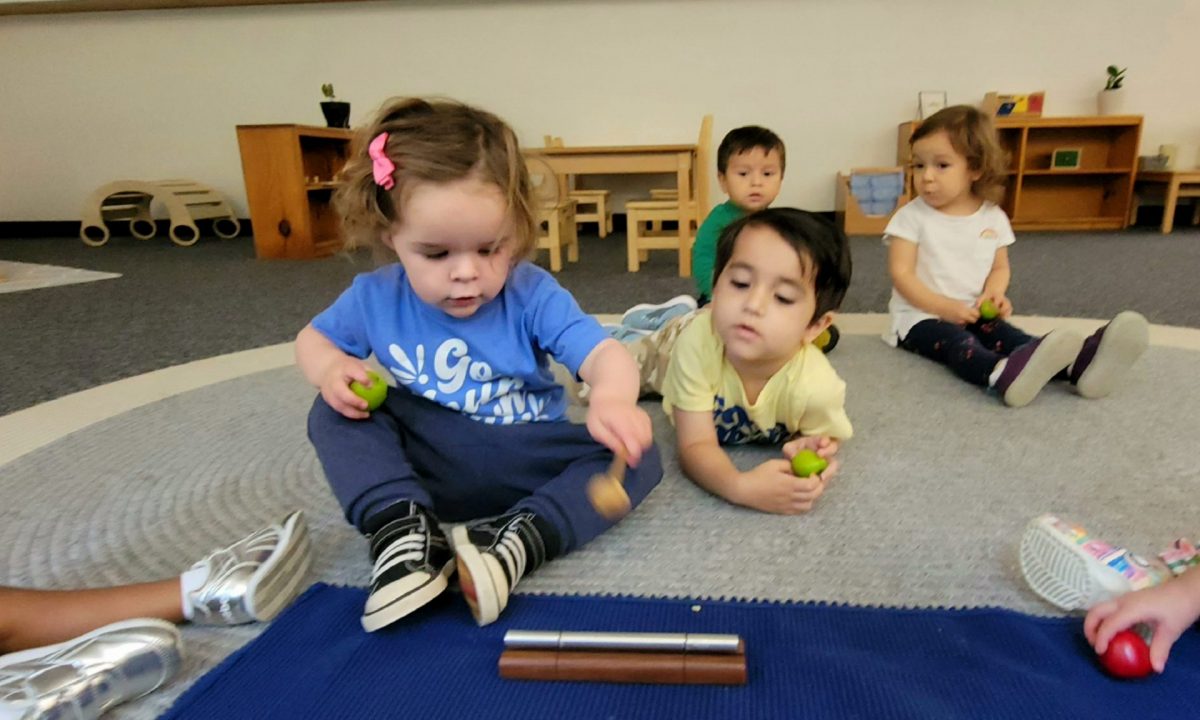
This month the children are exposed to apples and the farm. There is an apple sorting activity available where the children can carry a large apple basket filled with models of green and red apples. They can choose to sort them into the red and green baskets. For the younger children, just carrying the basket alone helps satisfy their need for maximum effort.
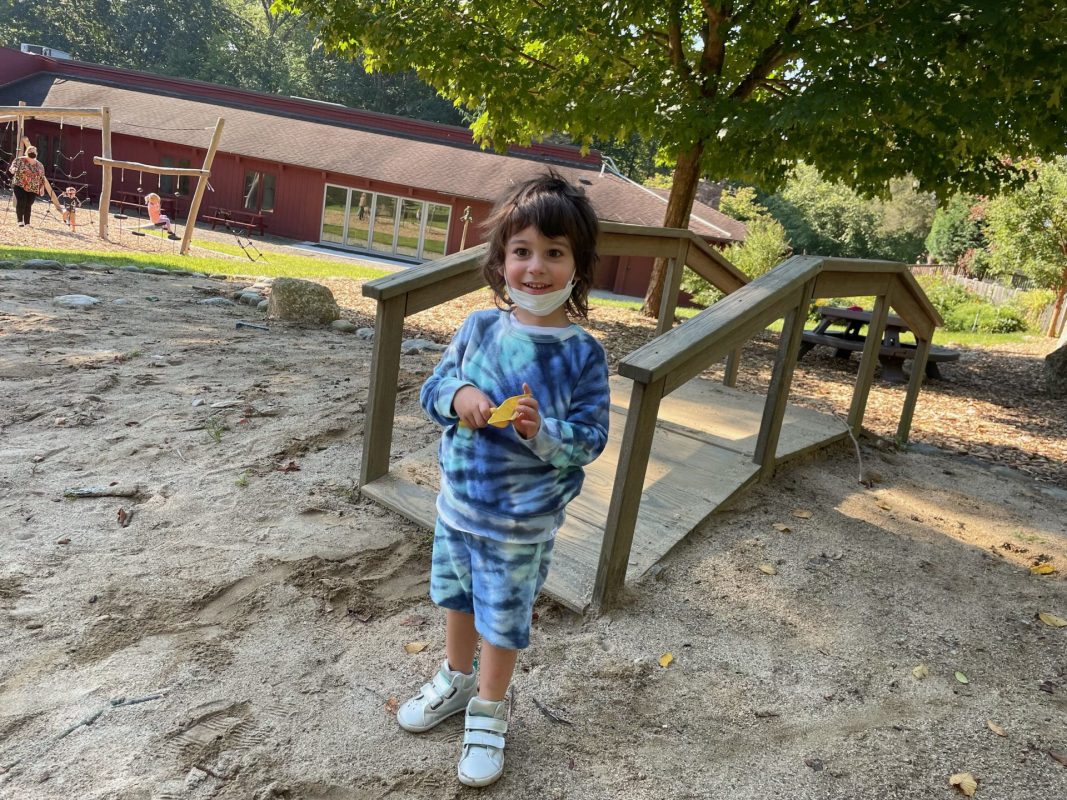
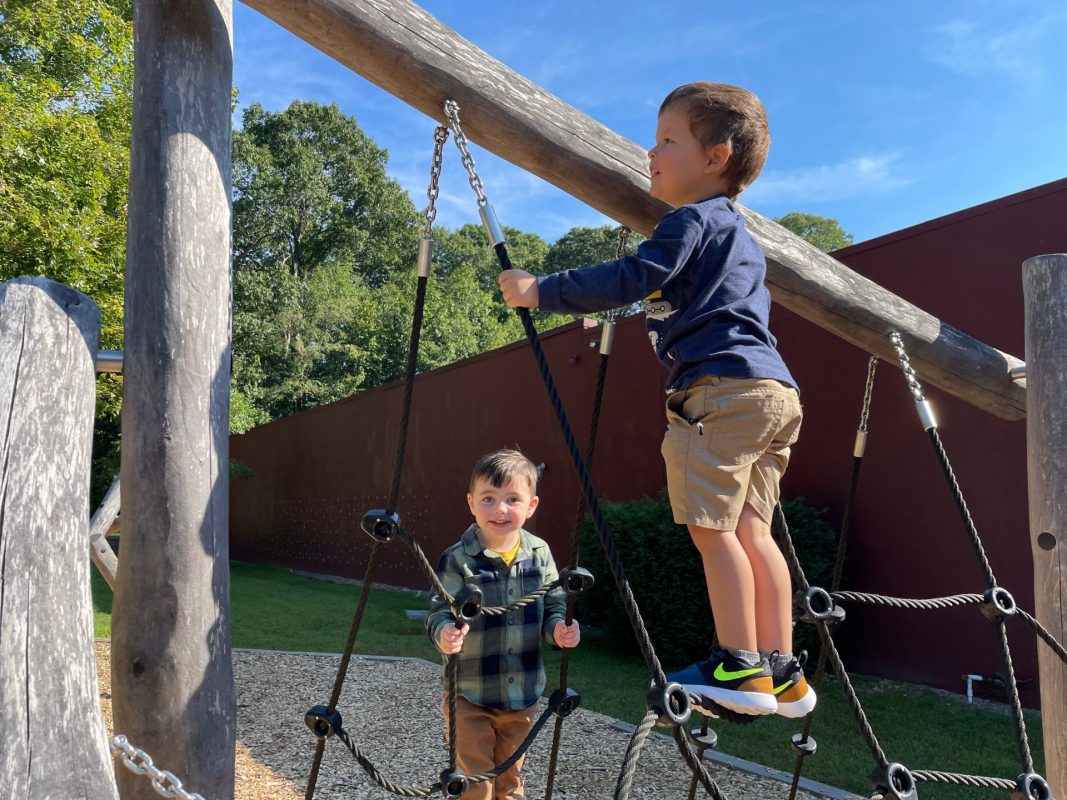
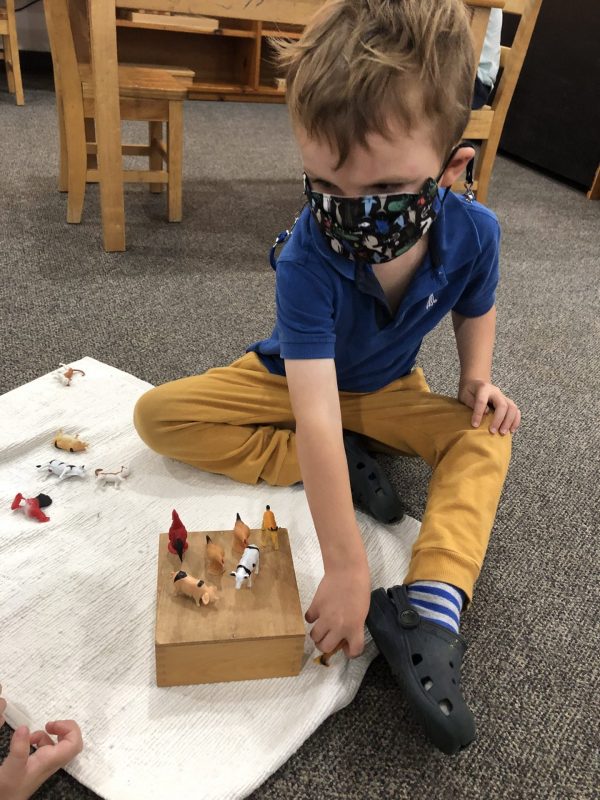
The farm animals are a great way to help develop more language. Naming the animals adds to their vocabulary. Making the coordinating animal sounds is helping to develop early sounds. For example, saying, “Moo, Moo,” and “Baa, Baa,” help them strengthen different mouth muscles and files away simple syllable structures such as Consonant-vowel combination and patterns.

Enjoy your weekend,
Mrs. Wilson