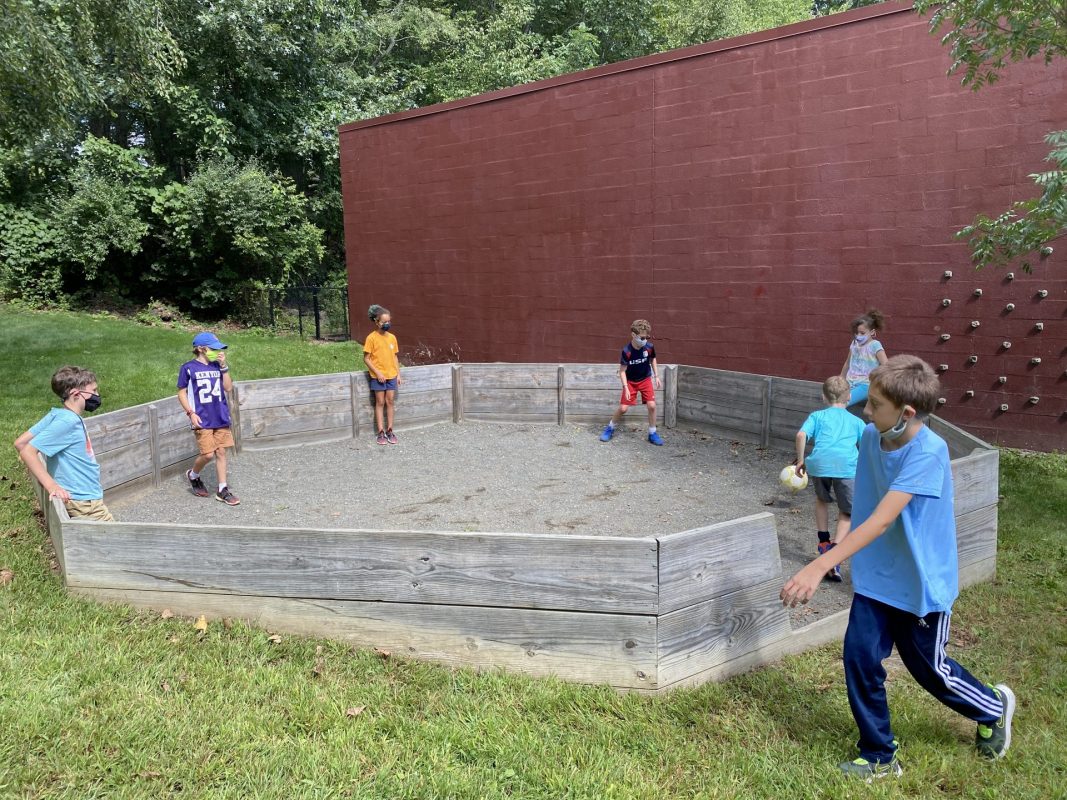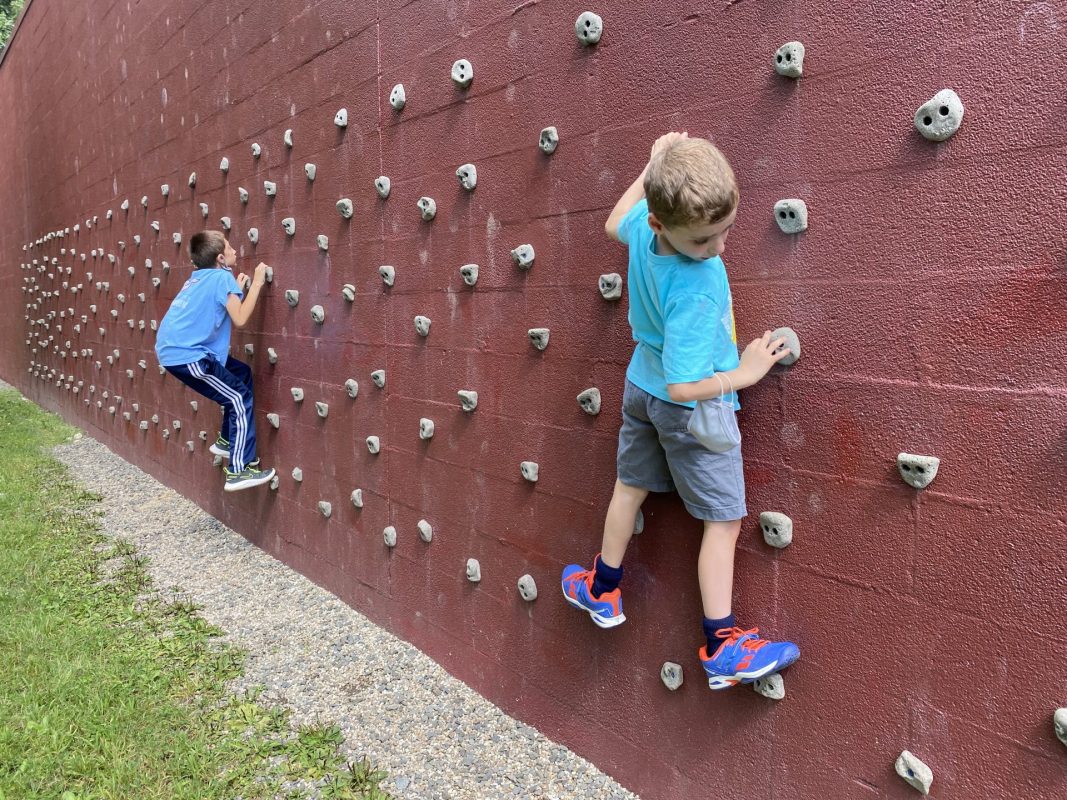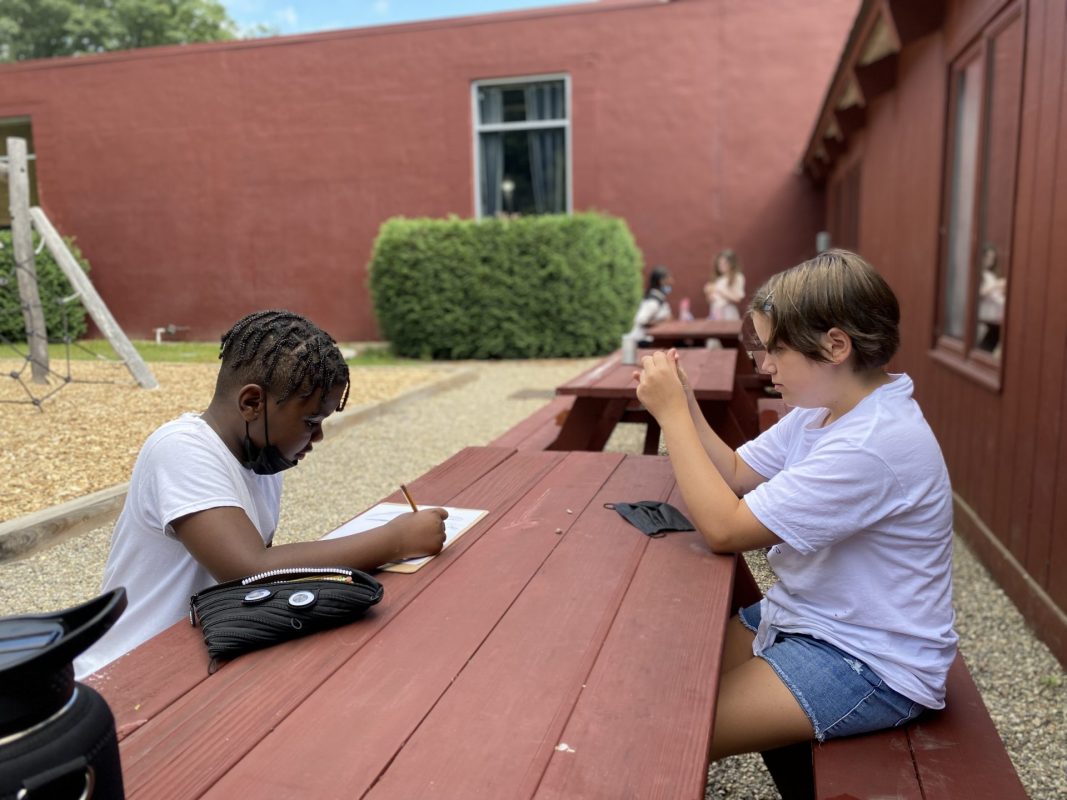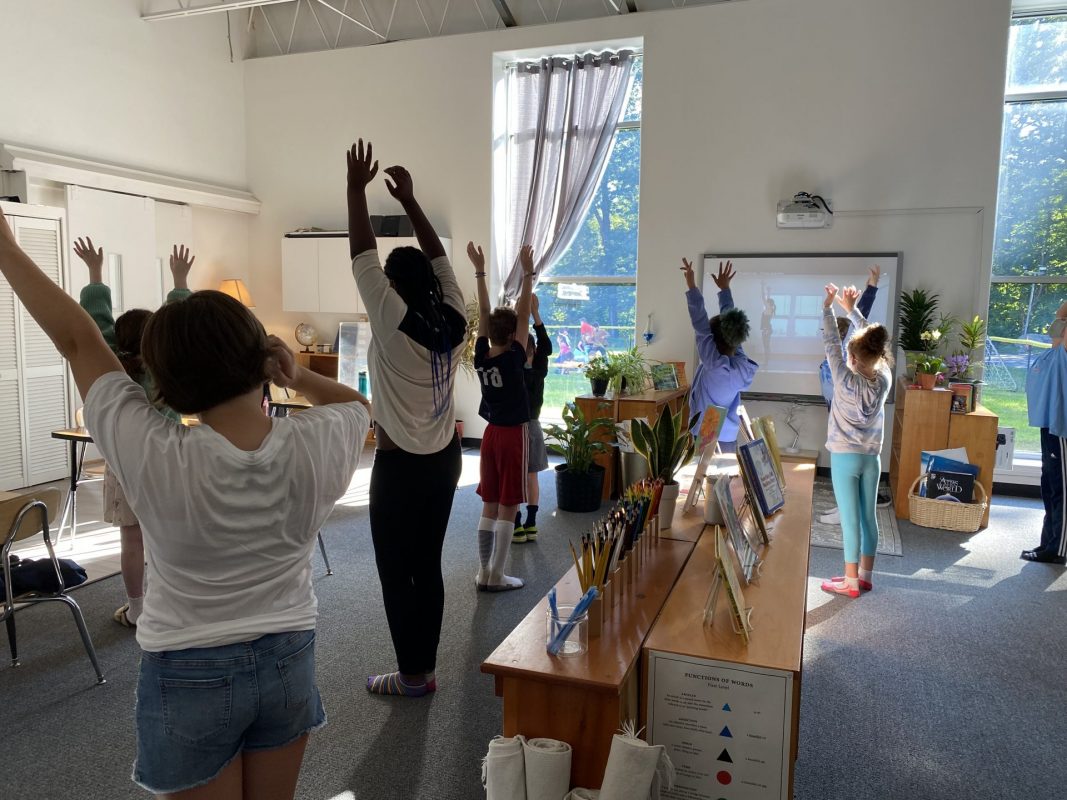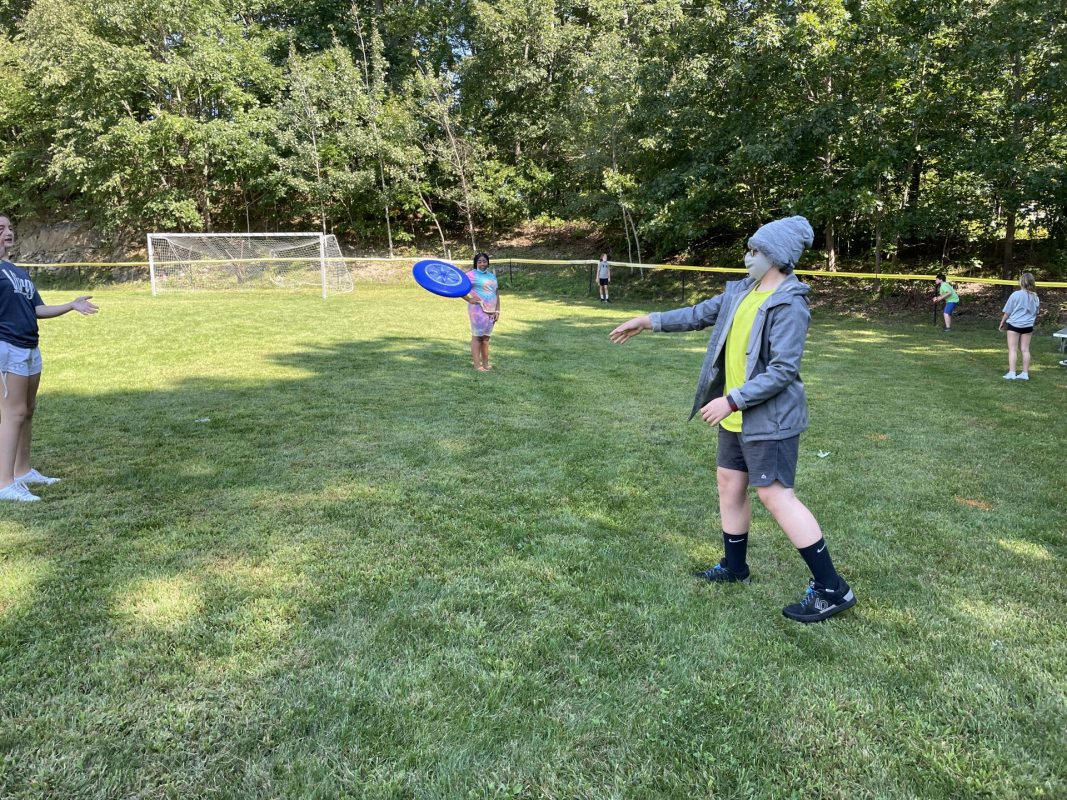

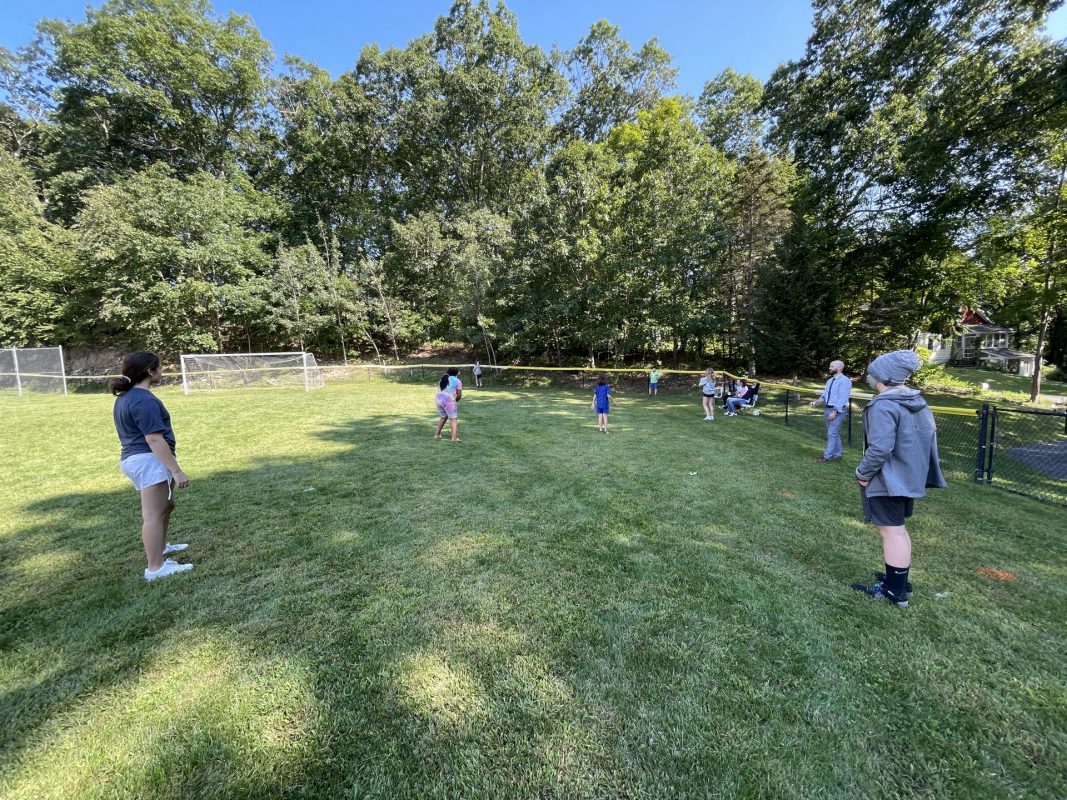
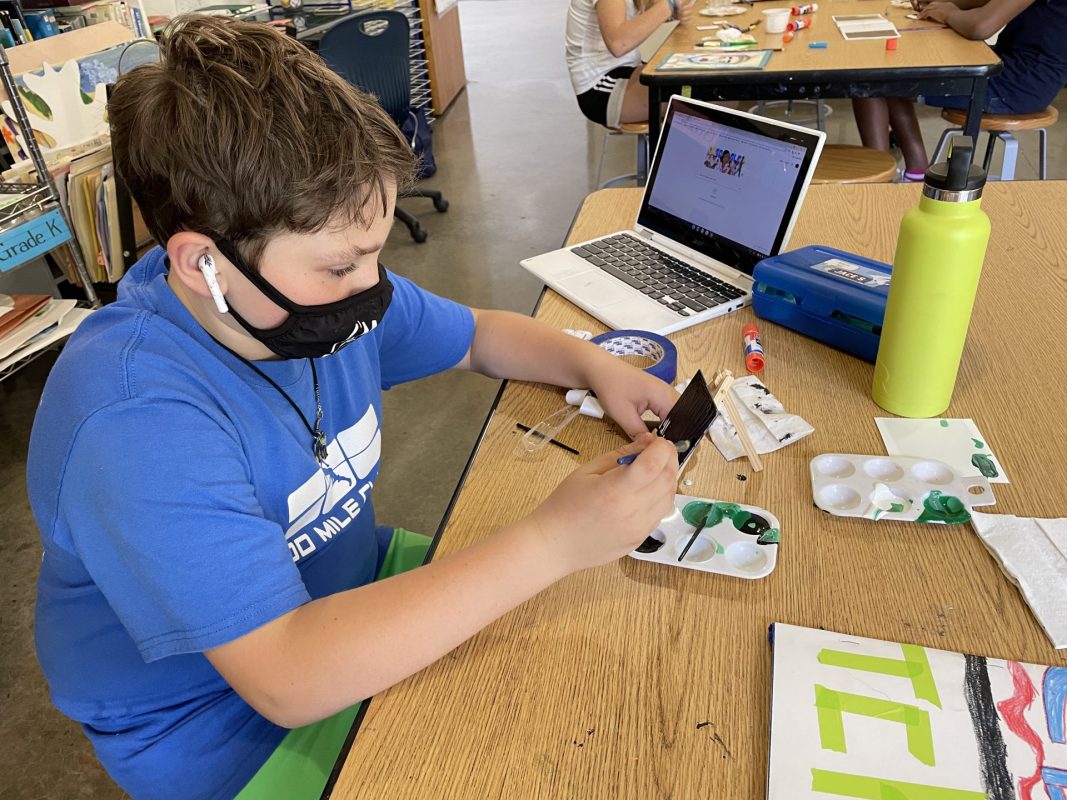

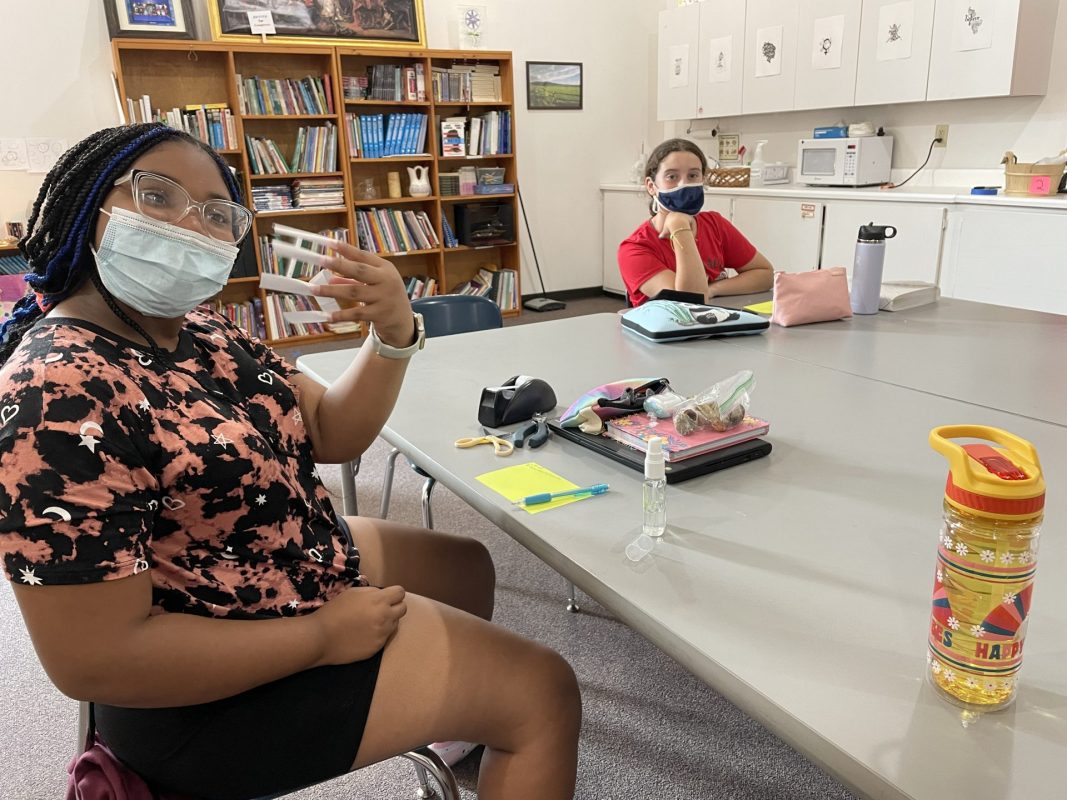


It’s been a great week in Middle School. We are diving into classes, and the students are enthusiastic about the year!
Humanities
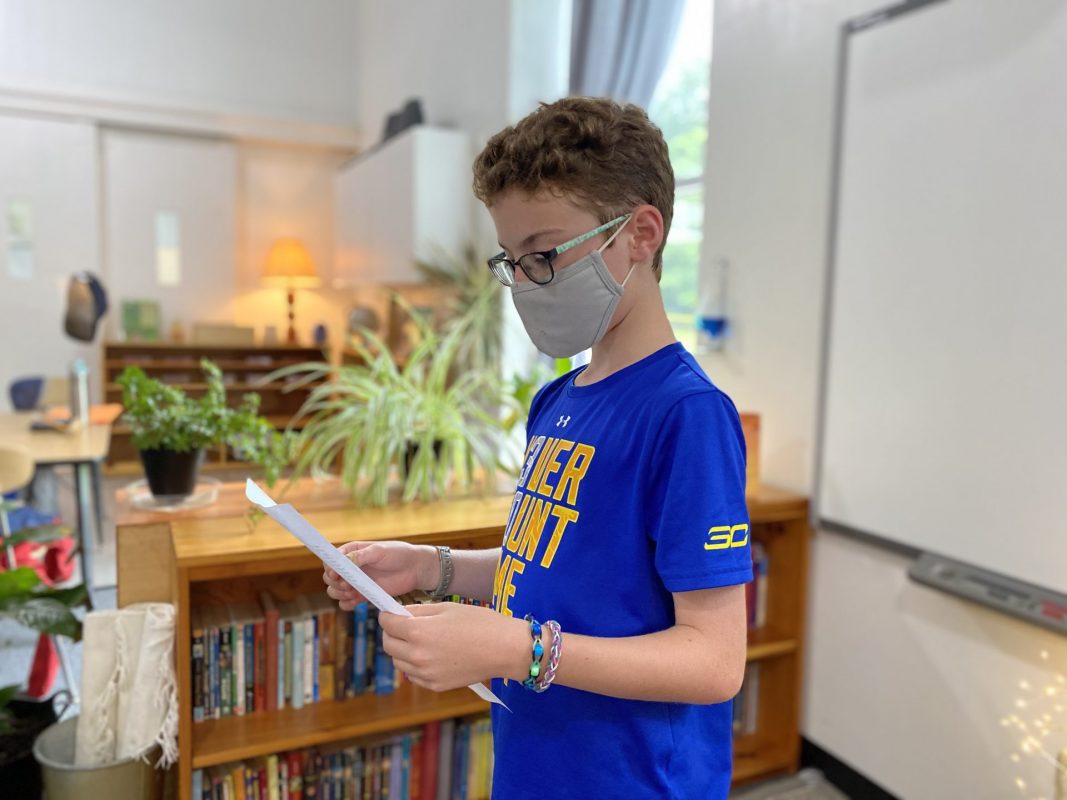
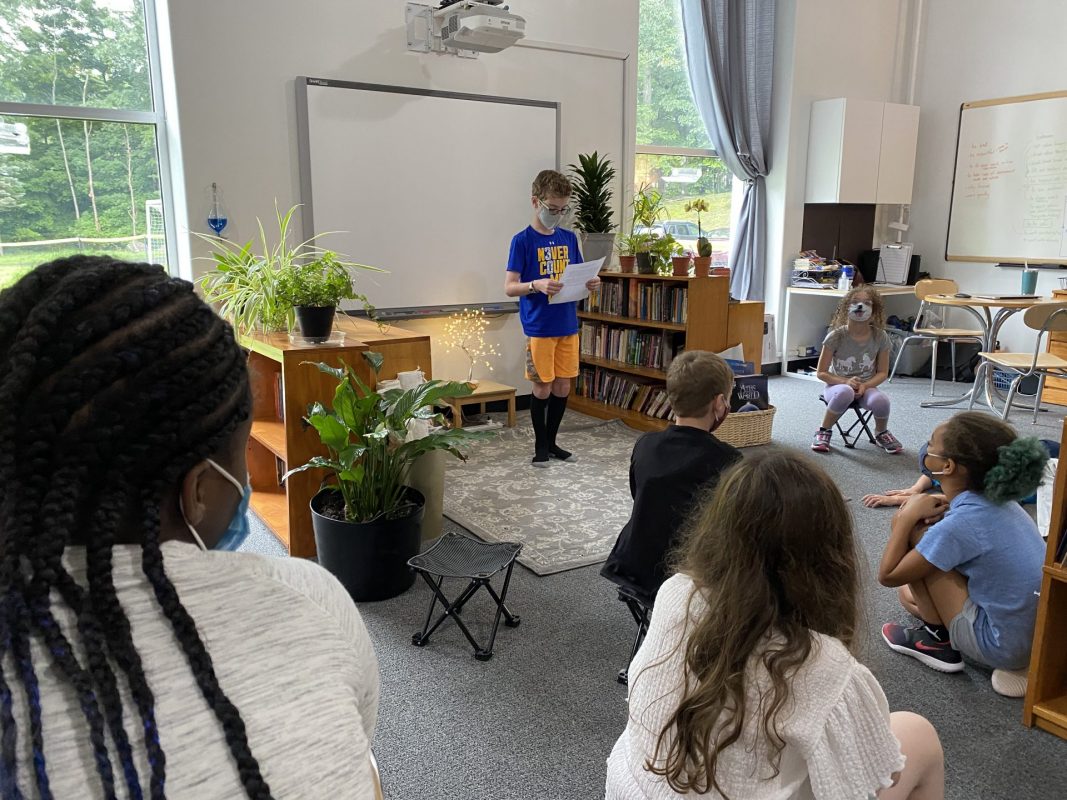
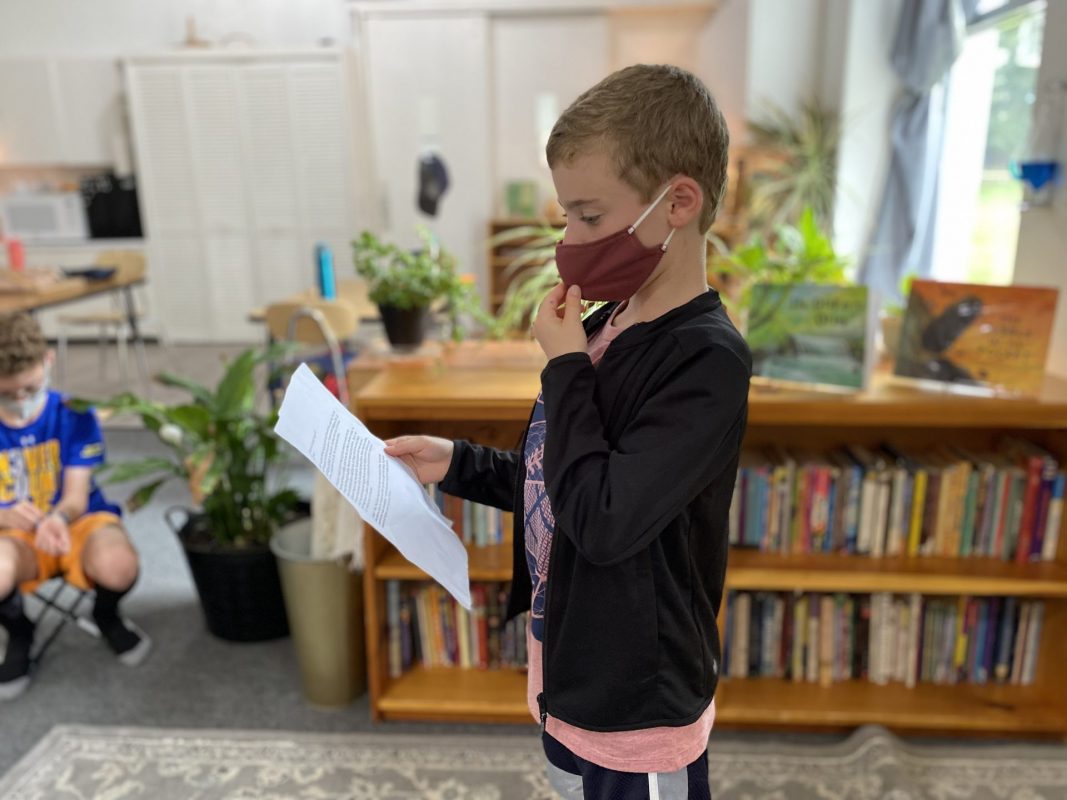
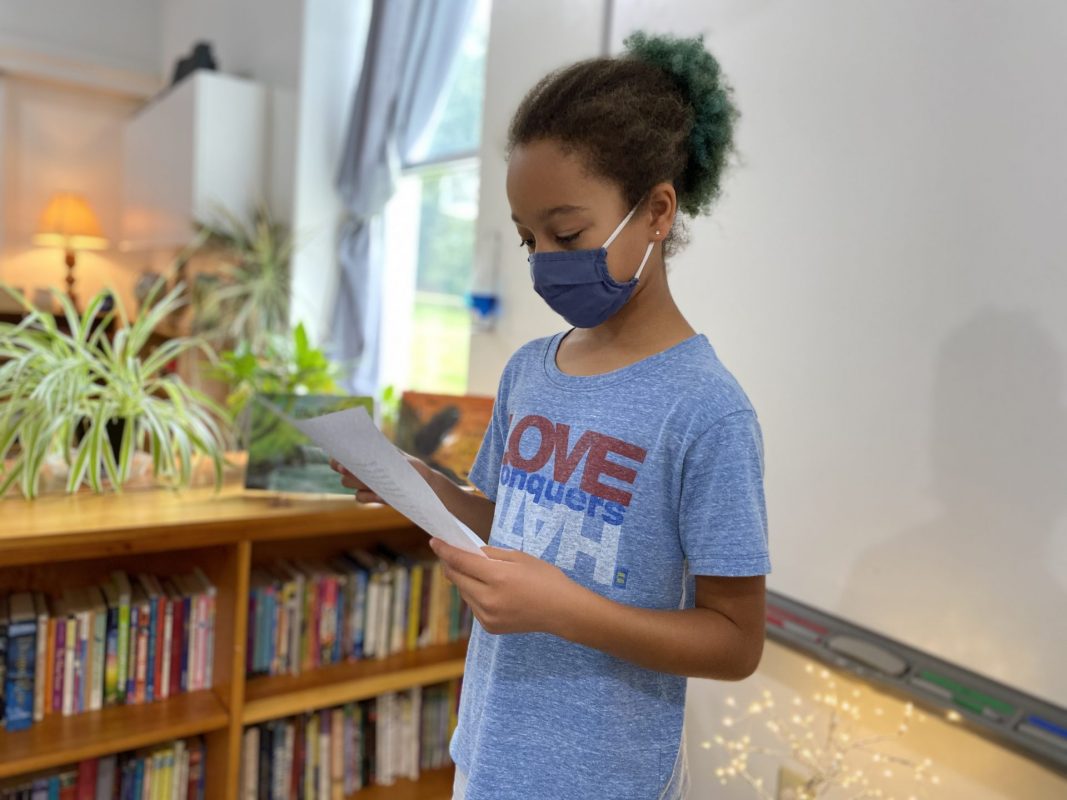
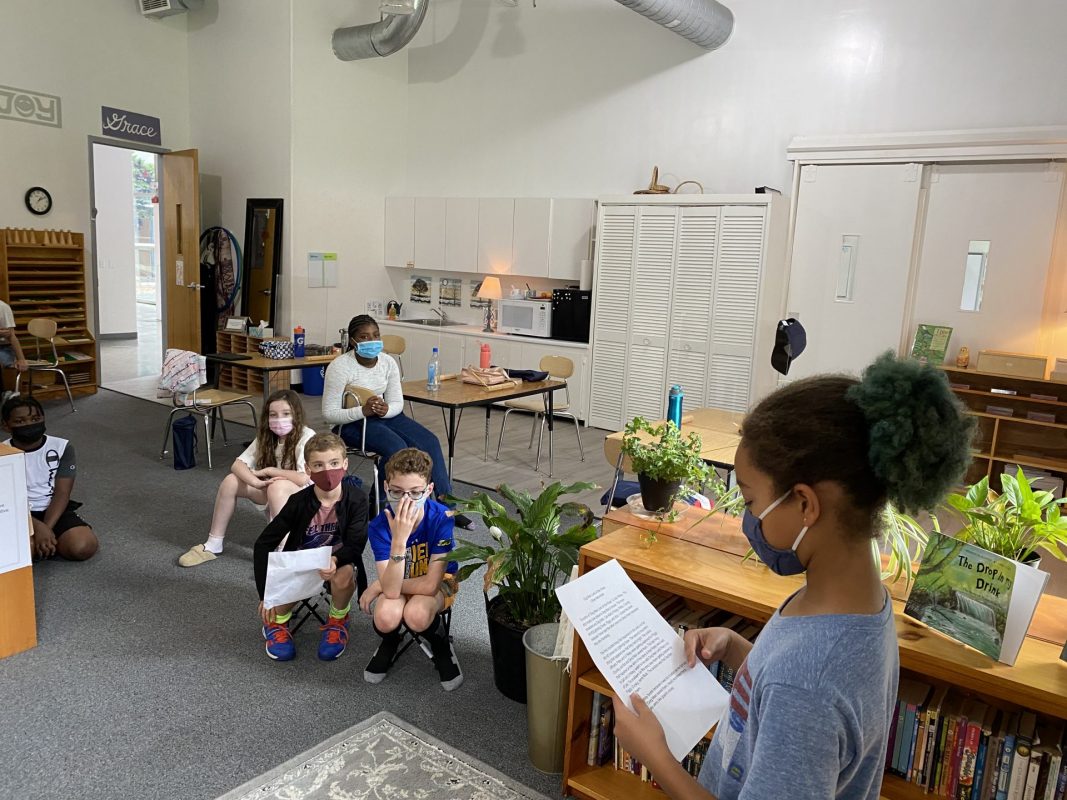
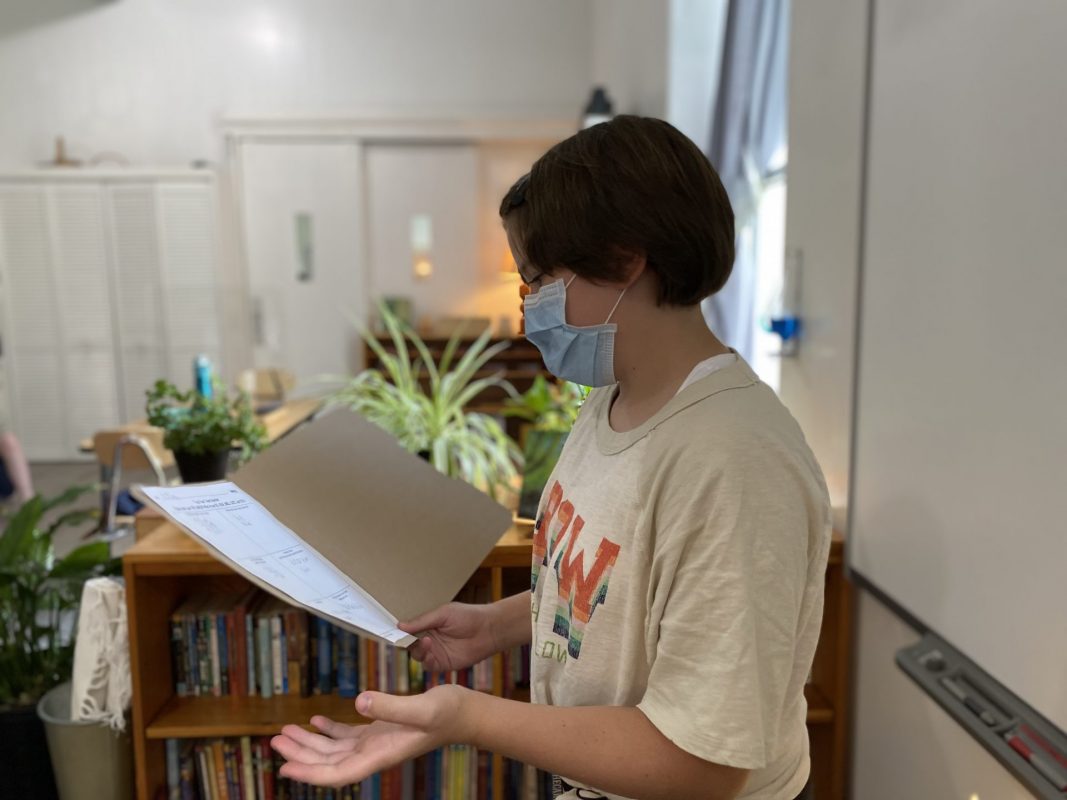
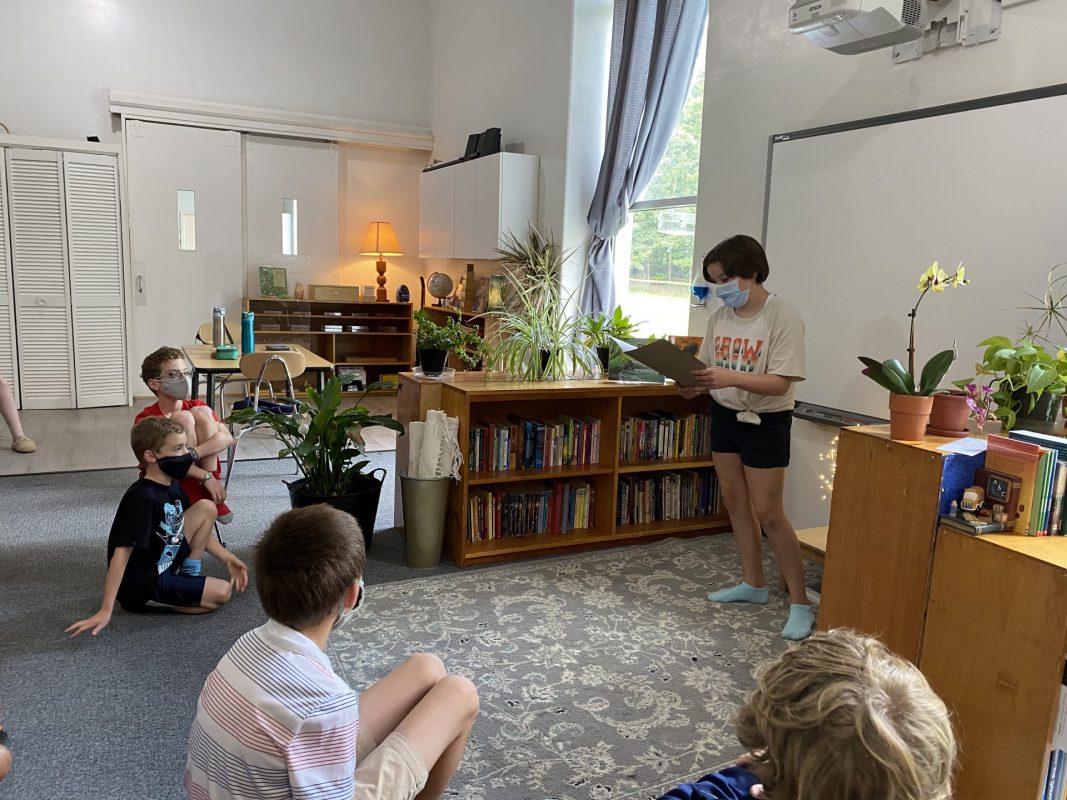
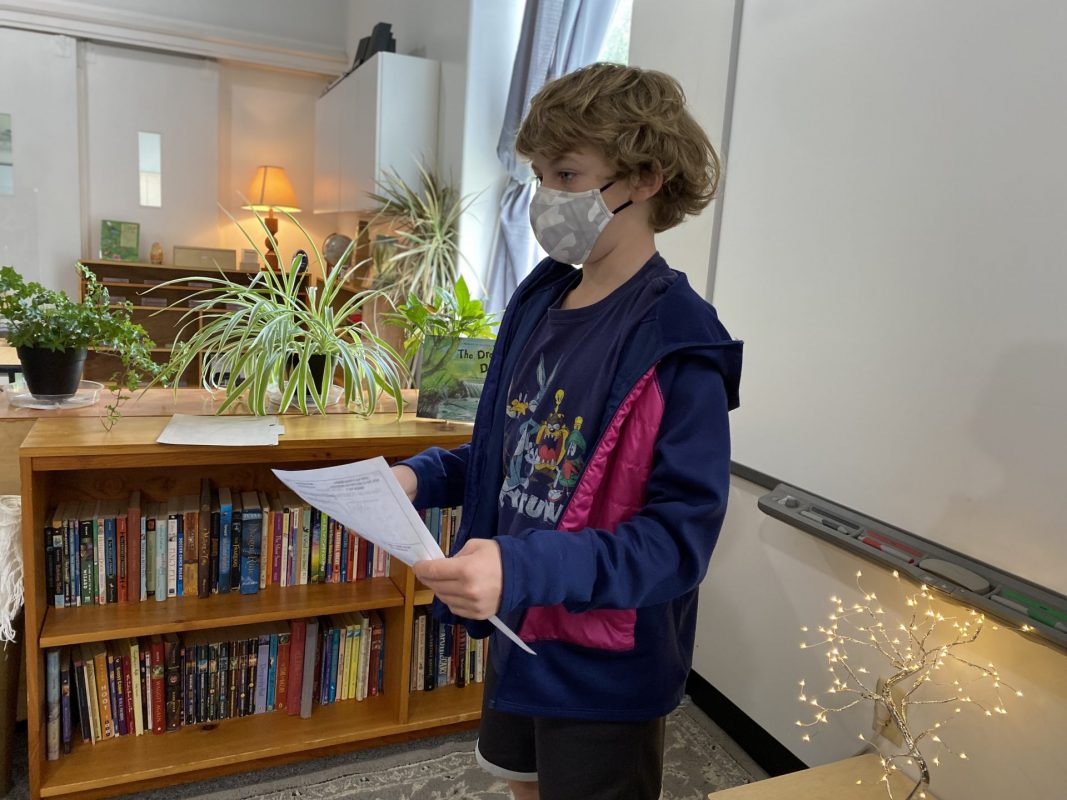
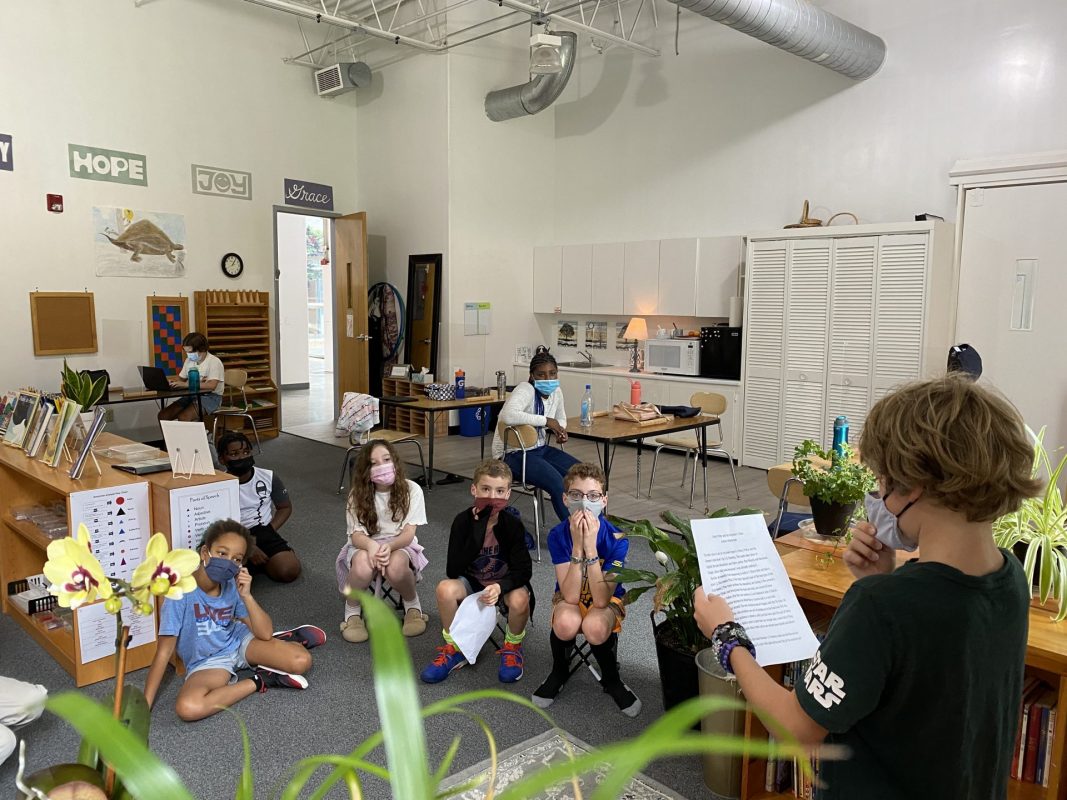
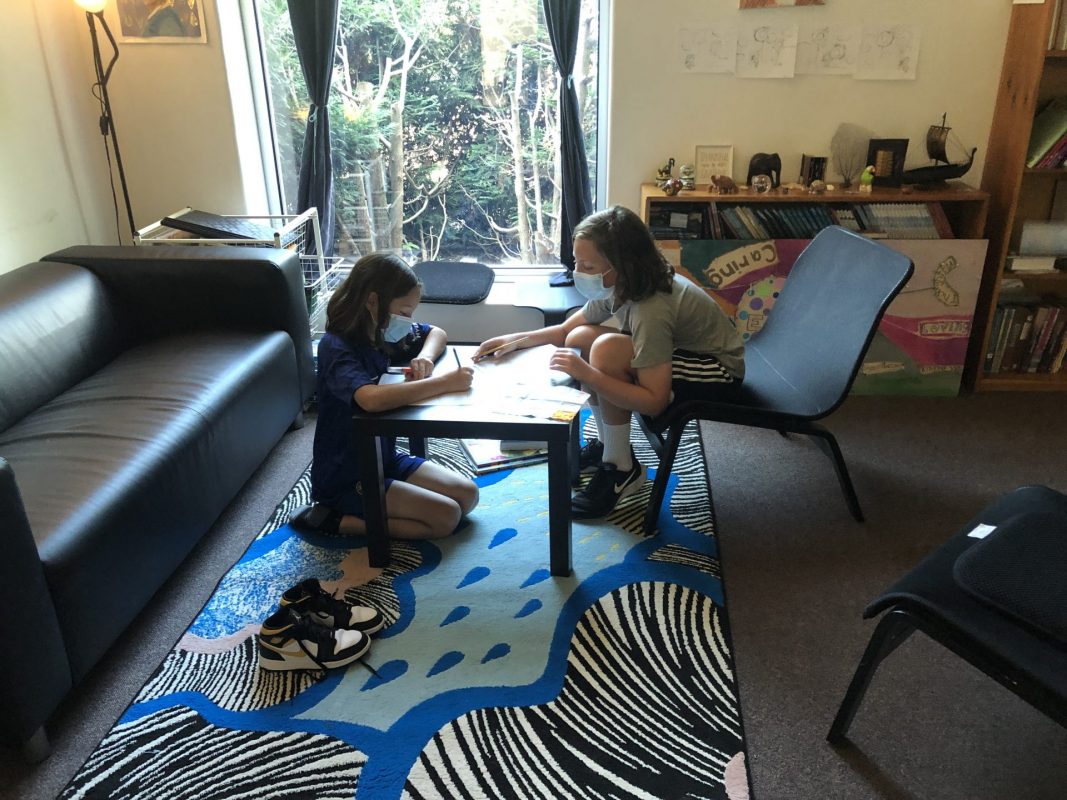
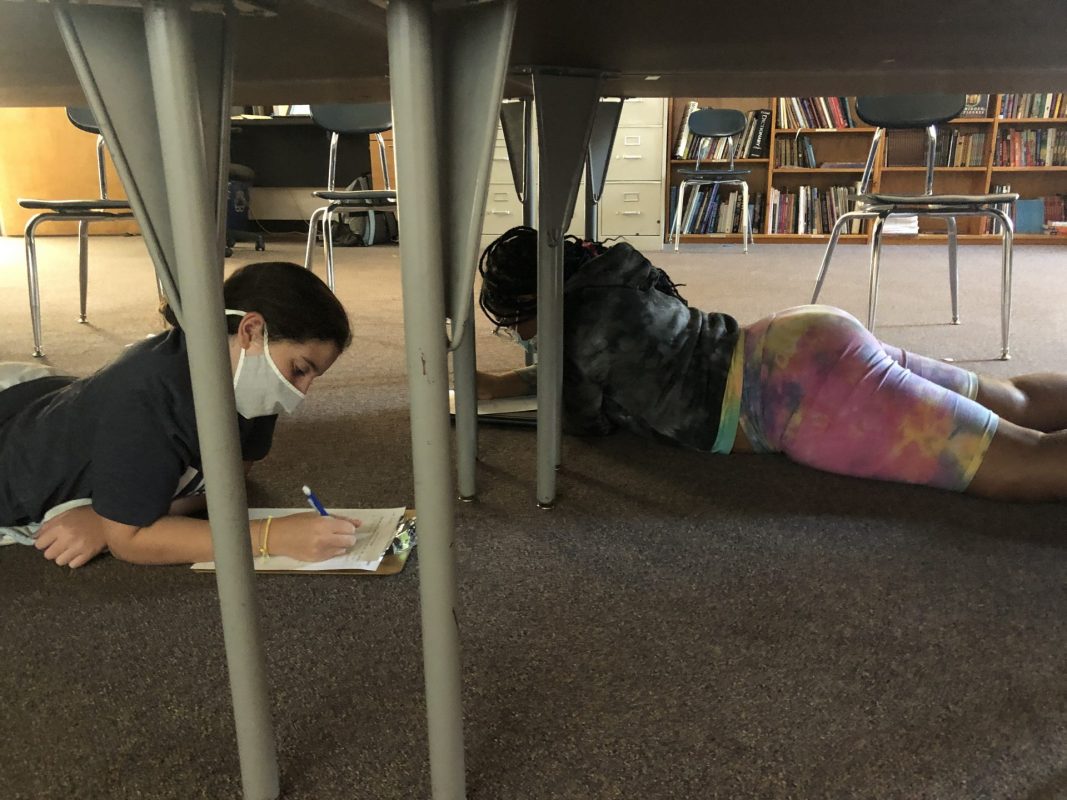
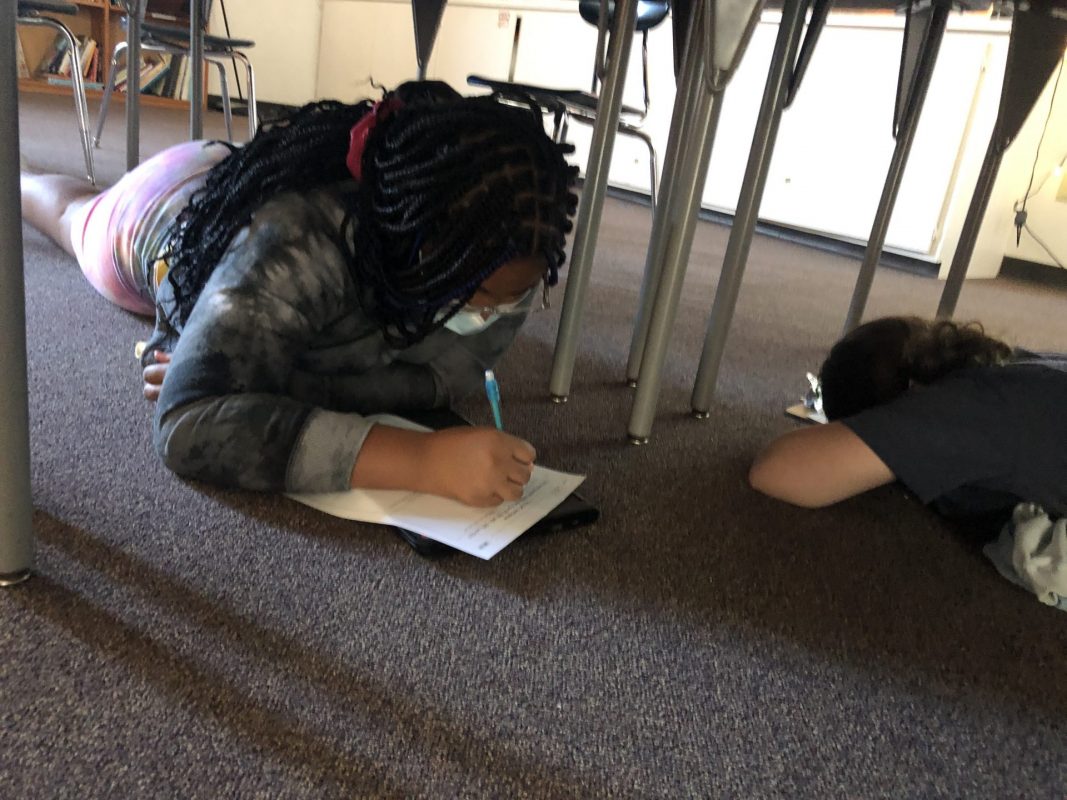
We began the year in Humanities with all students giving summer reading presentations, reading and discussing poetry, writing, and activities that surround identity.
The 6th grade students used the poem, “Where I’m From” by George Ella Lyon to brainstorm and draft their own version of the poem about themselves. They also discussed the importance of editing and revising and created a reference guide to editing marks to use for the year.
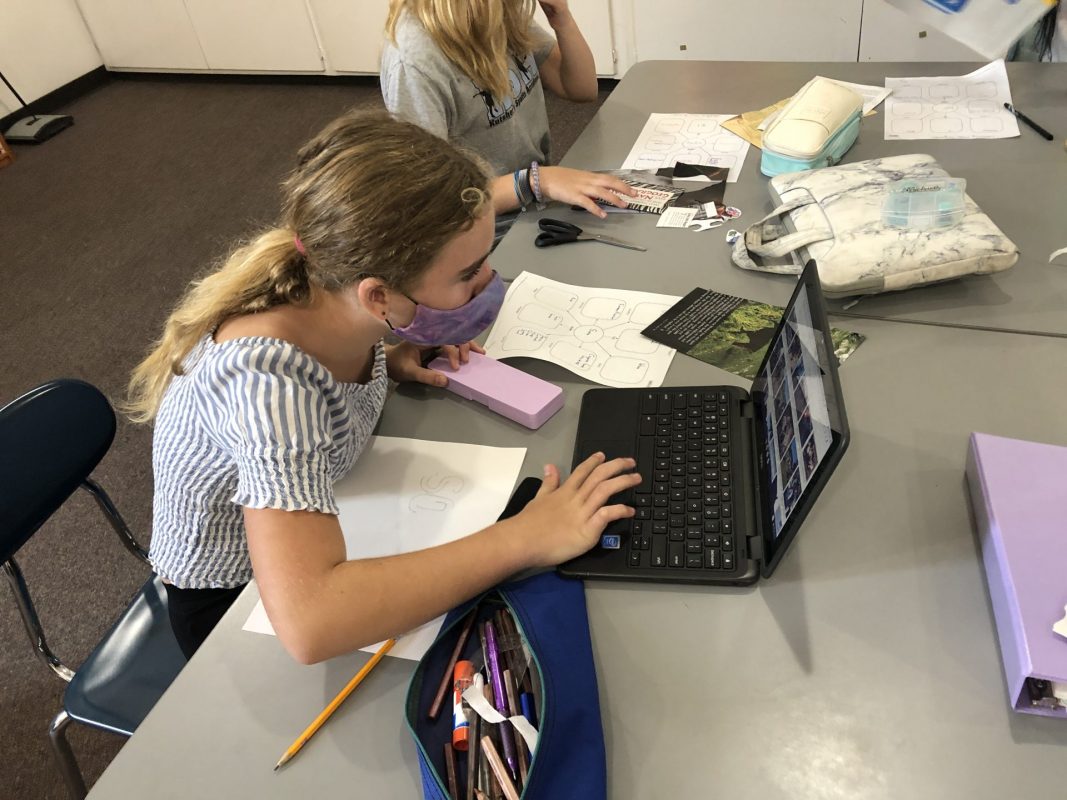
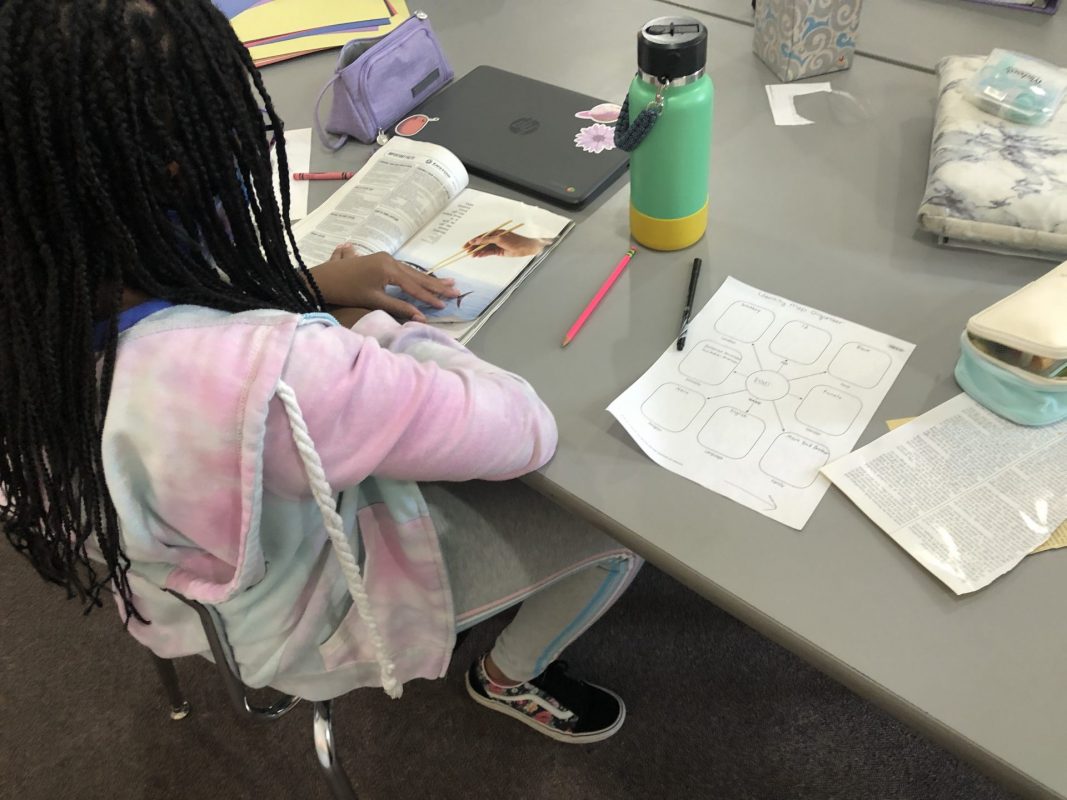
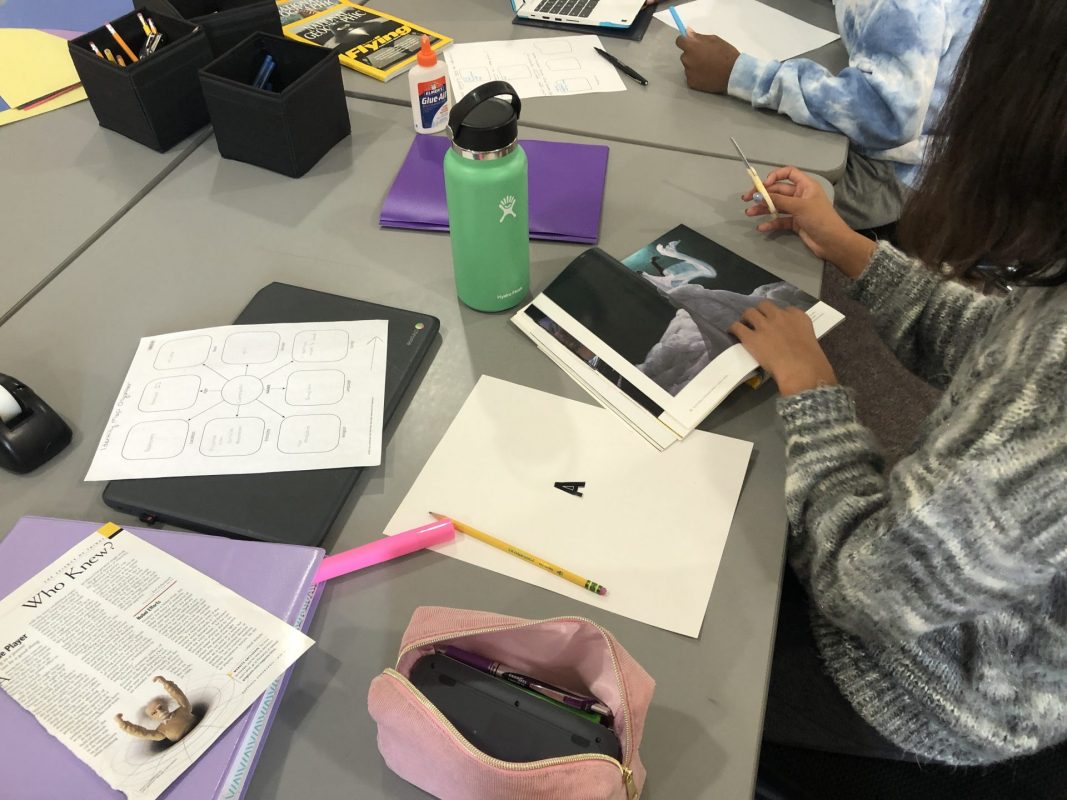
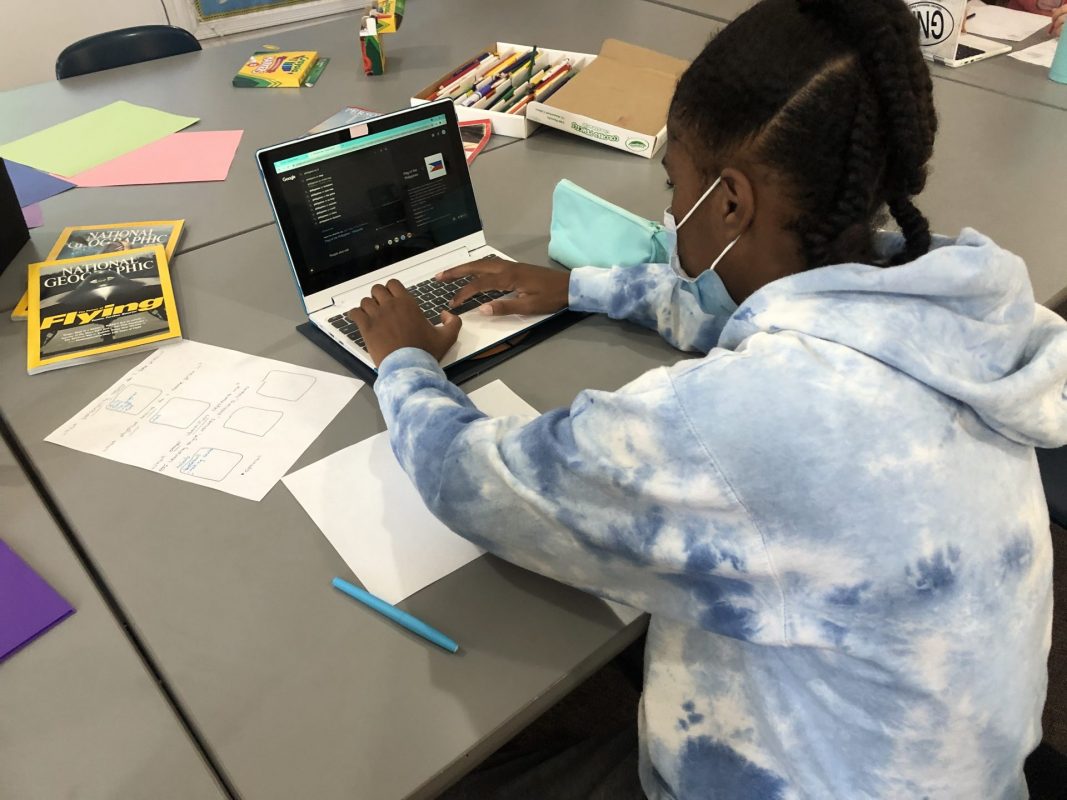
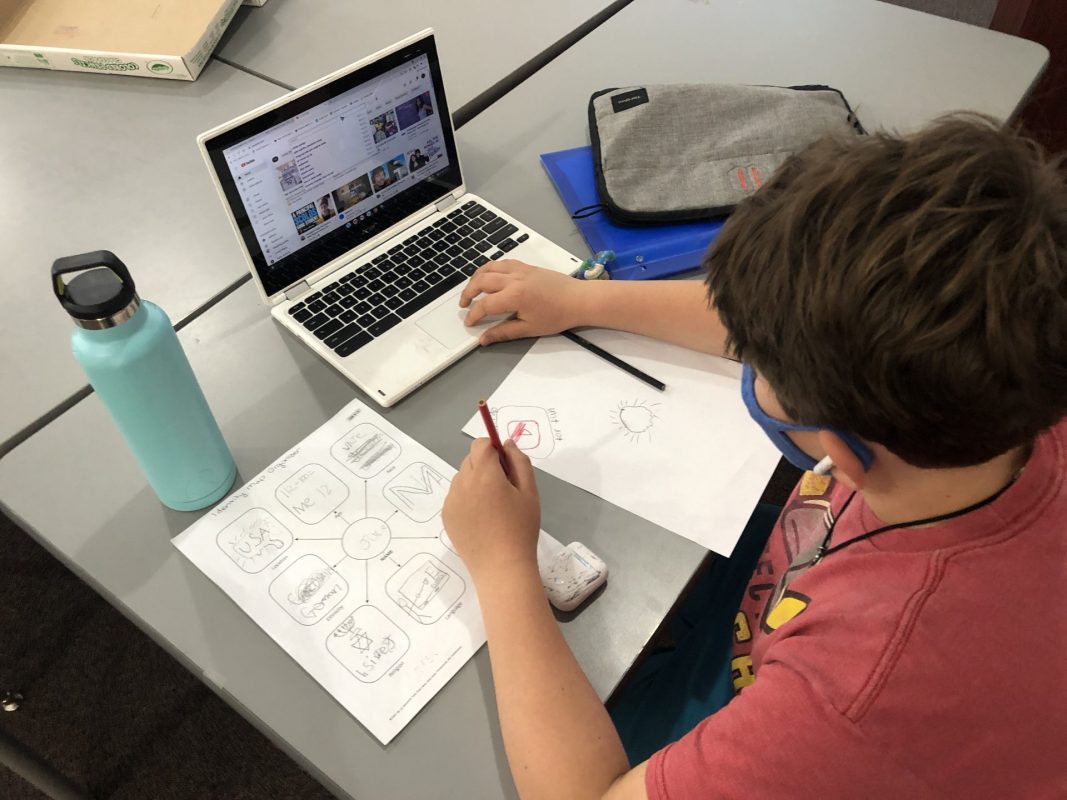
The 7th year students brainstormed and created identity maps that include a variety of personal identifiers in a creative way.
The 8th grade also brainstormed for identity maps that they are working on in Art Humanities class. The 8th grade class also learned in depth about plot- parts of the plot line, types of conflict, and types of characters. This will be used in future literary analysis.
Science
6th year Earth Science students are on the unit, “Fossils, and Studying Earth’s Past.” The objective of this unit is for students to:
- Define the term fossil and explain how fossils are formed.
- Identify the major types of divisions of geologic time.
- Use relative dating methods to place geologic events in a correct sequence.
- Justify their choice to use absolute or relative dating techniques.
- Explain how fossils provide evidence of evolution.
- Explain how fossils provide evidence of past environmental changes.
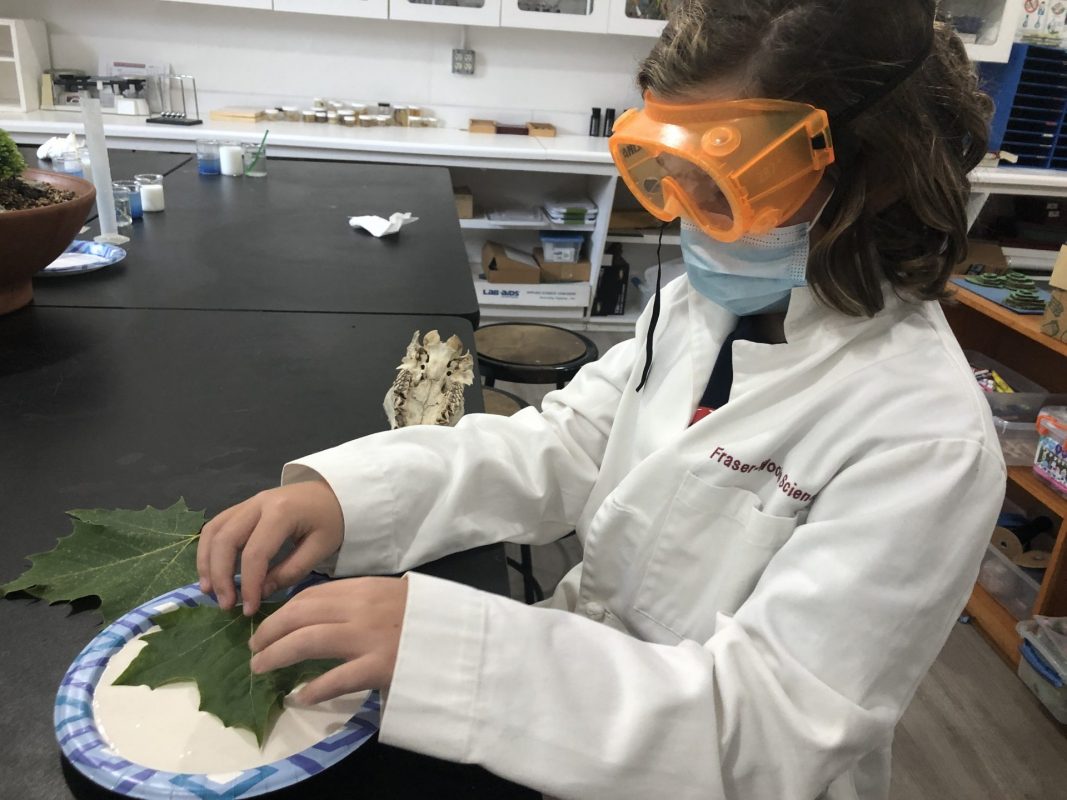
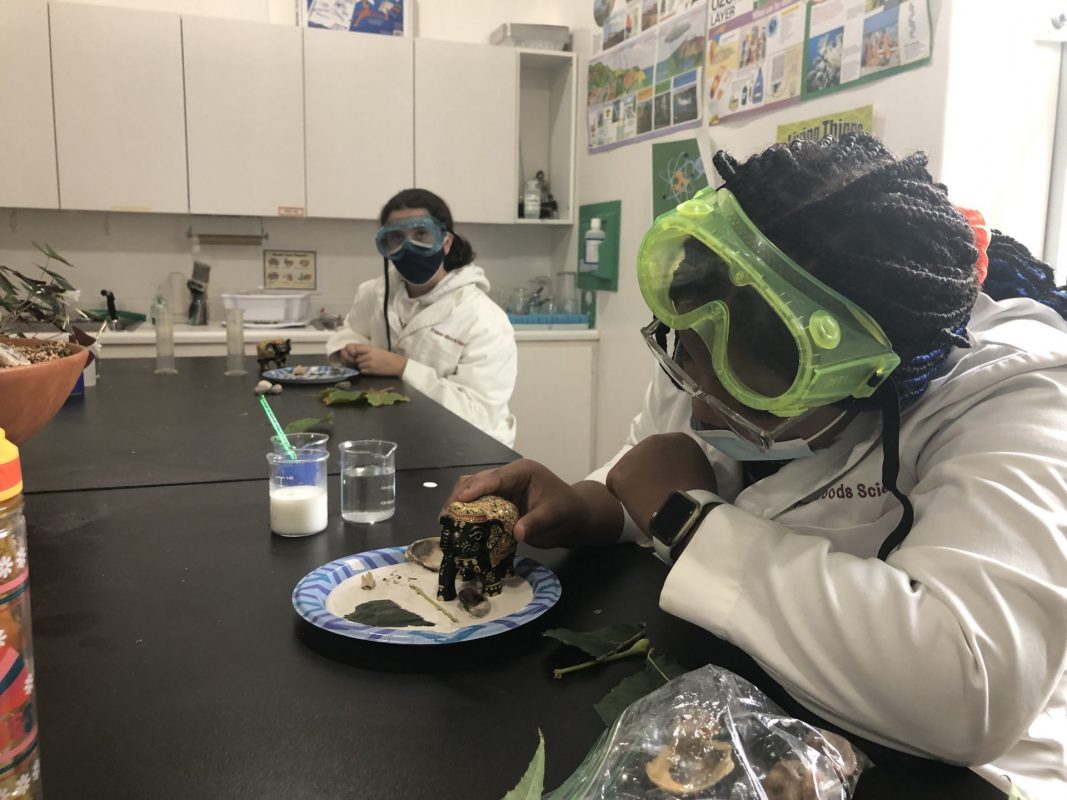
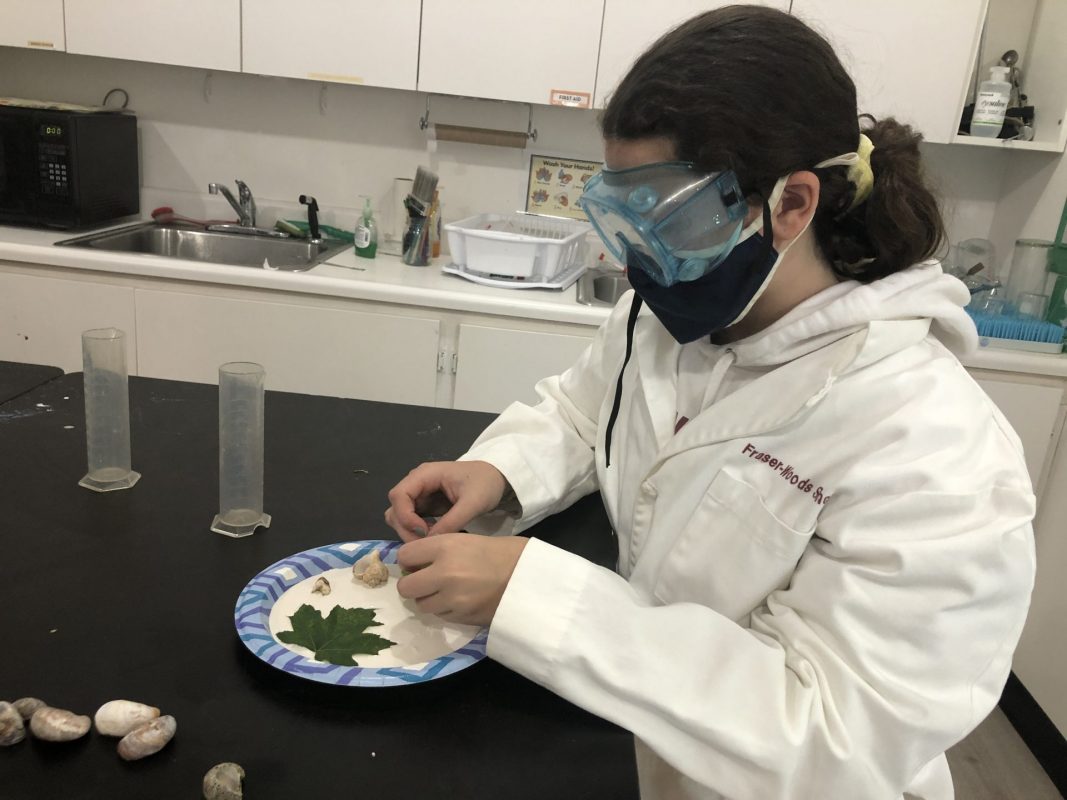
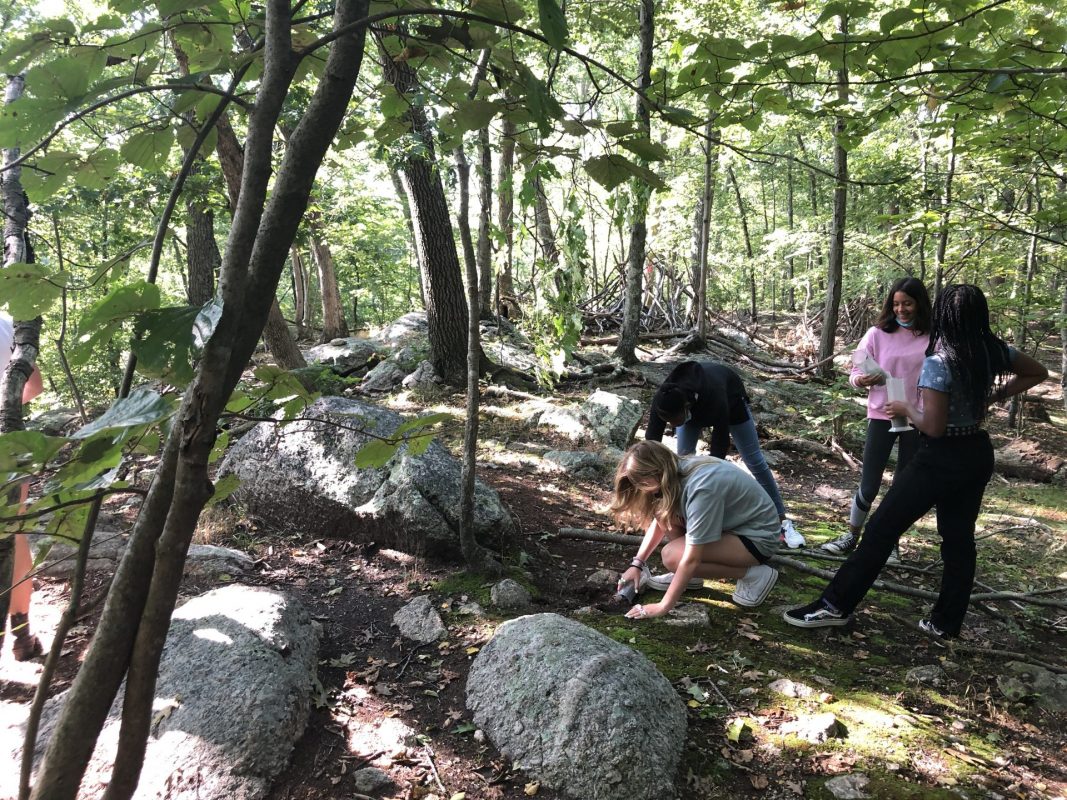
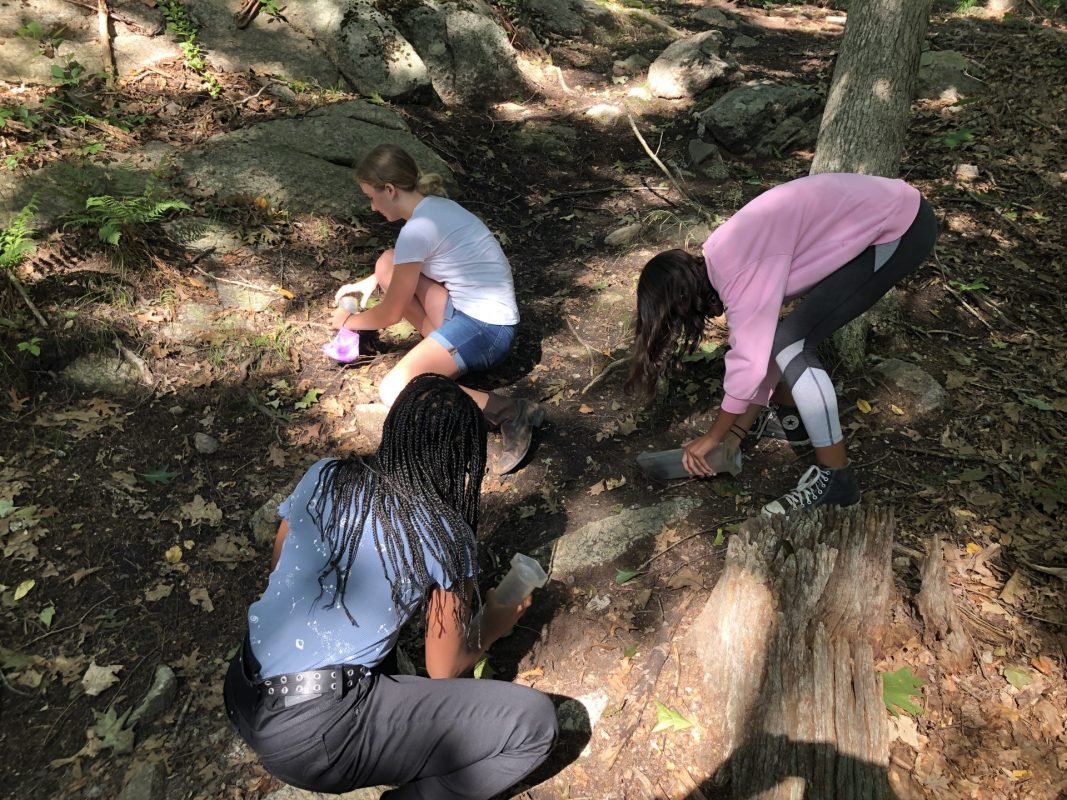
Students have begun a fossil formation project using plaster of paris and items found around nature, representing the conditions required to create a fossil.
- Describe a mixture, a solution, and a pure substance.
- Distinguish between solutions, colloids, suspensions, and mixtures.
- Separate mixtures into their components using a variety of methods.
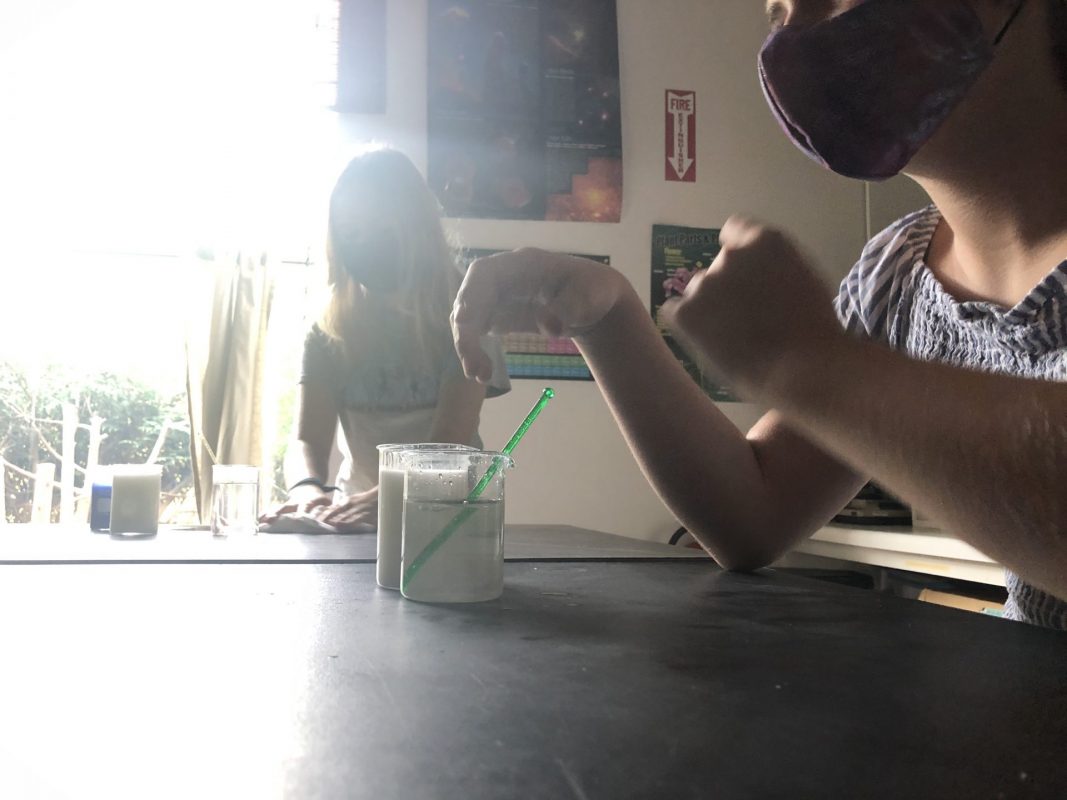
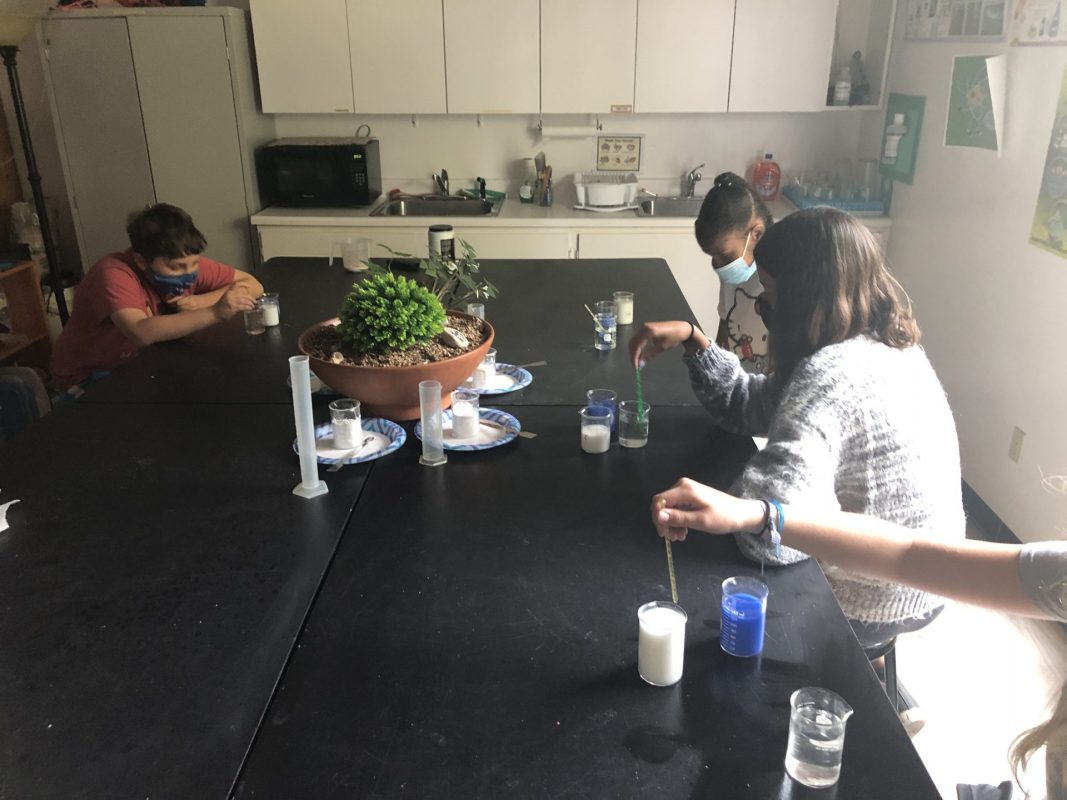
Students have demonstrated their ability to separate mixtures by using a variety of techniques (filtering, sifting, sorting) in order to classify a mixture, along with viewing samples of a mixture’s contents under microscopes.
- Describe the three tenets of cell theory.
- Describe evidence supporting the cell theory.
- Use scientific tools to gather evidence in support of the cell theory.
- Explain how both simple and complex organisms are composed of cells that perform essential functions.
- Recognize the importance of microscopy in the discovery of cells.
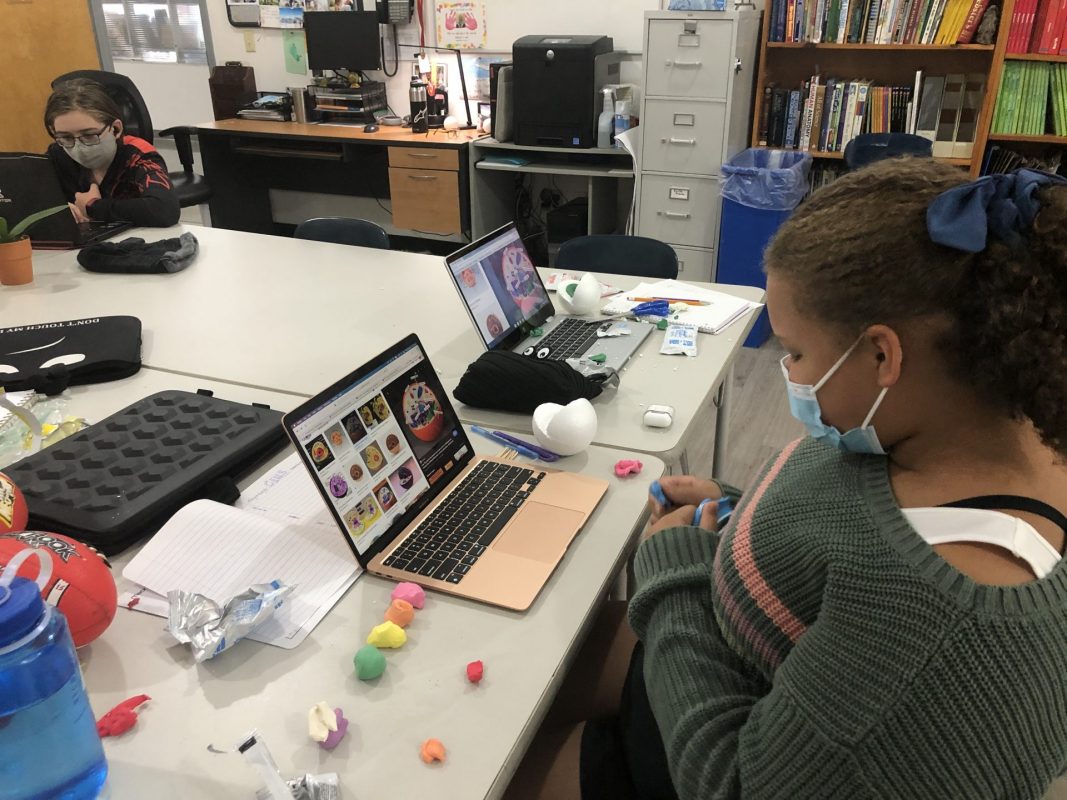
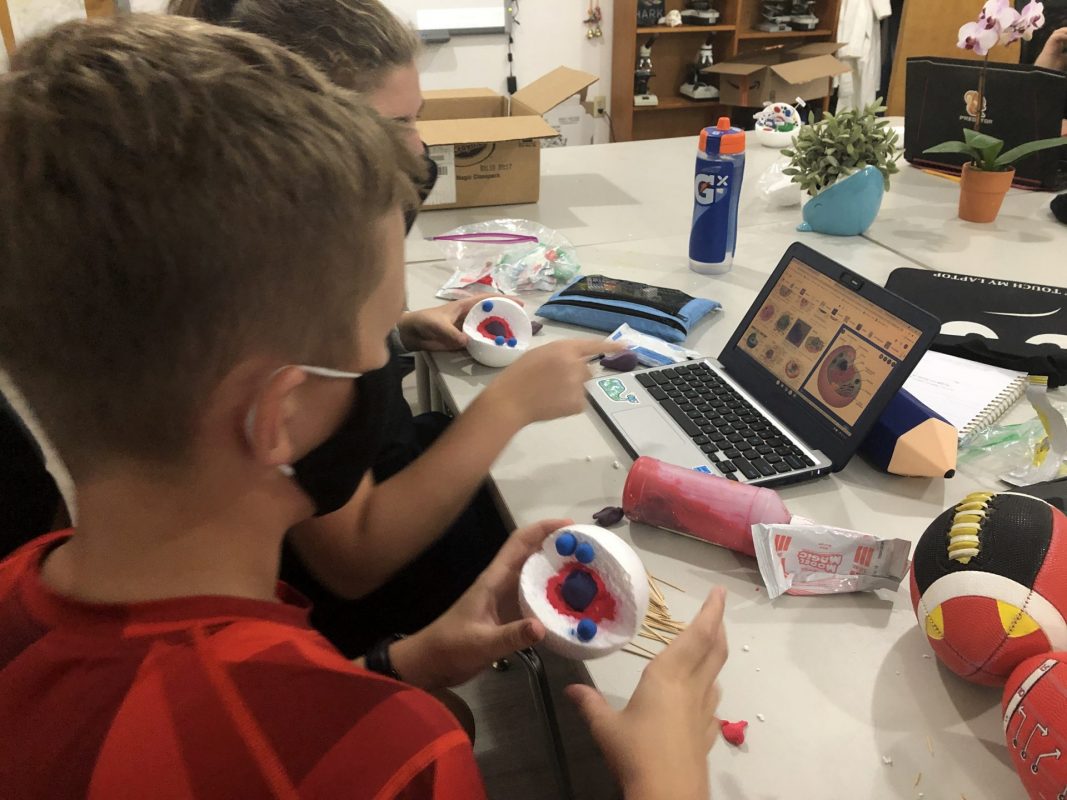
Students are currently working on constructing a 3-D model representation of either a plant or animal cell. Each model will include the organelles, detailing the function and purpose.