Blog

Mrs. Wilson: Water Day Fun!

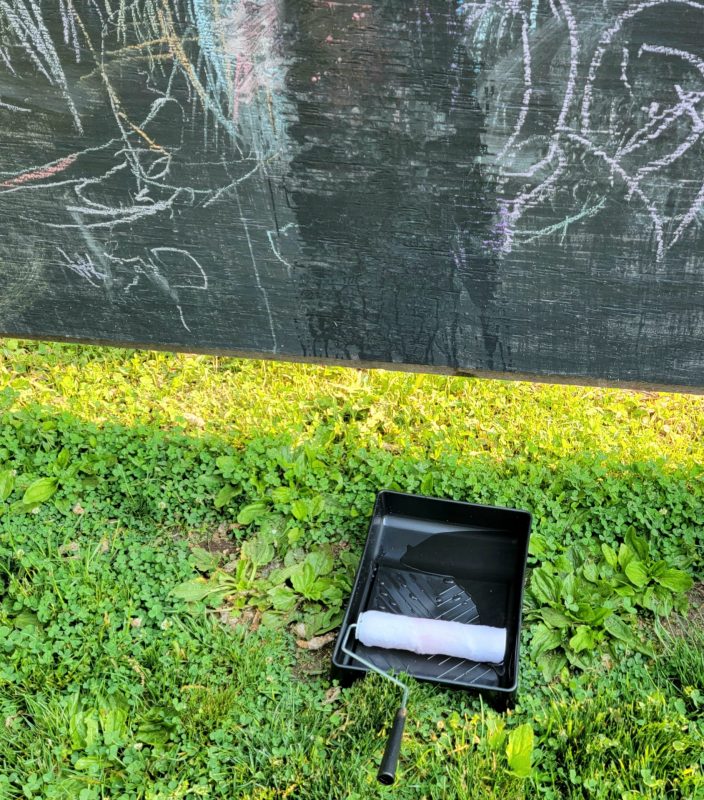
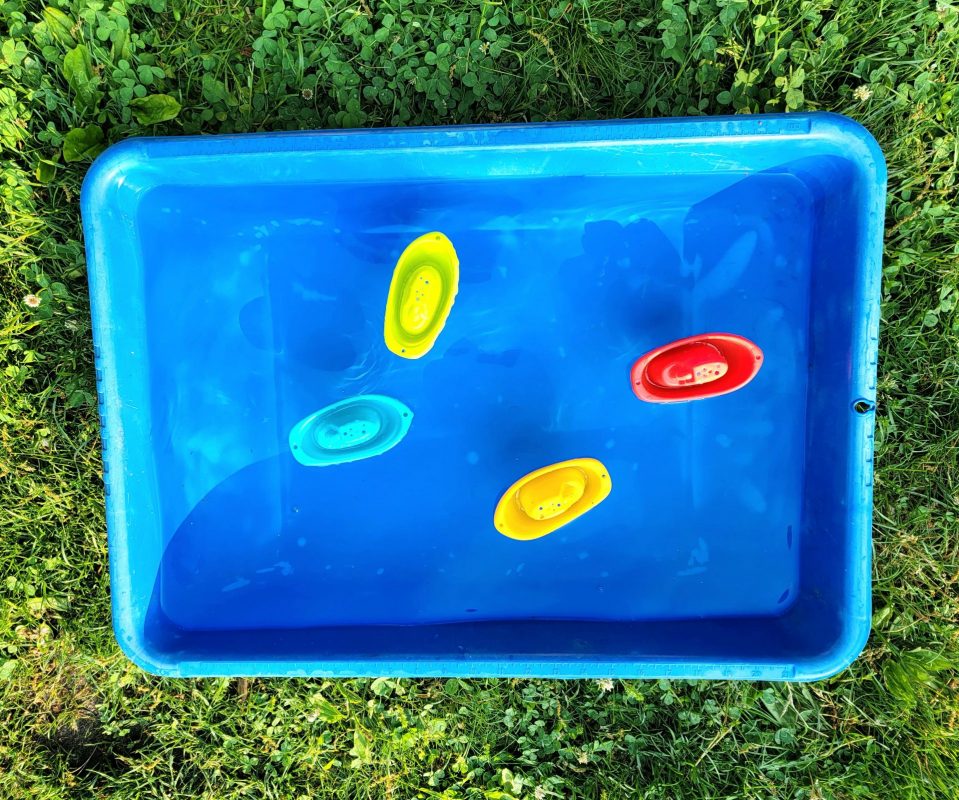
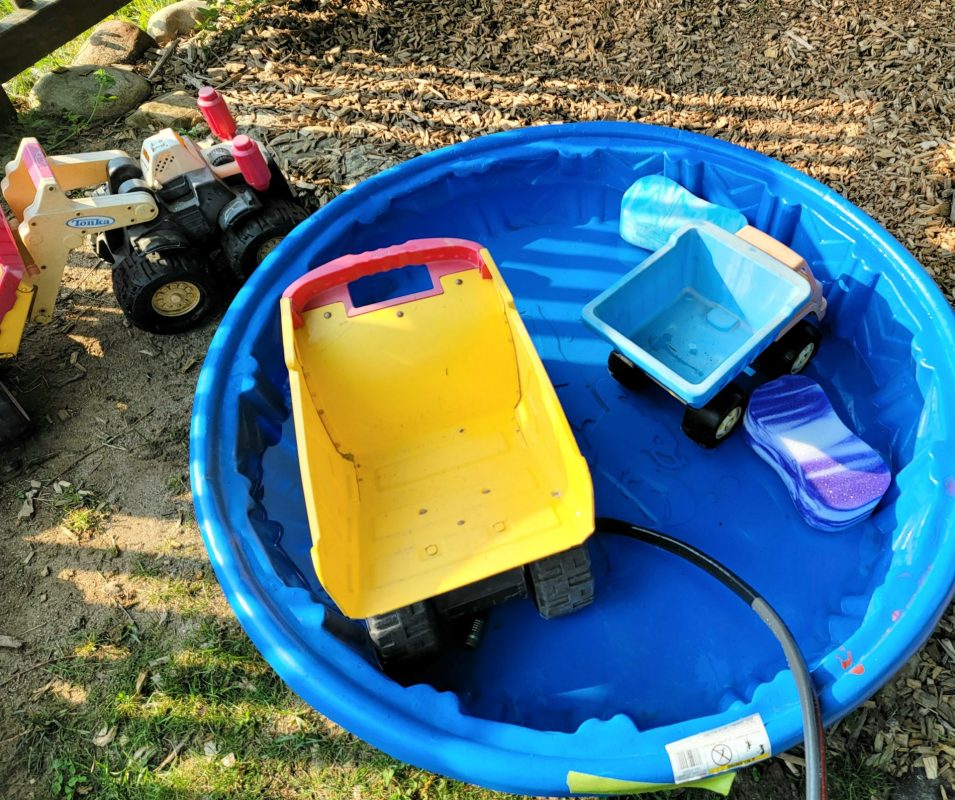
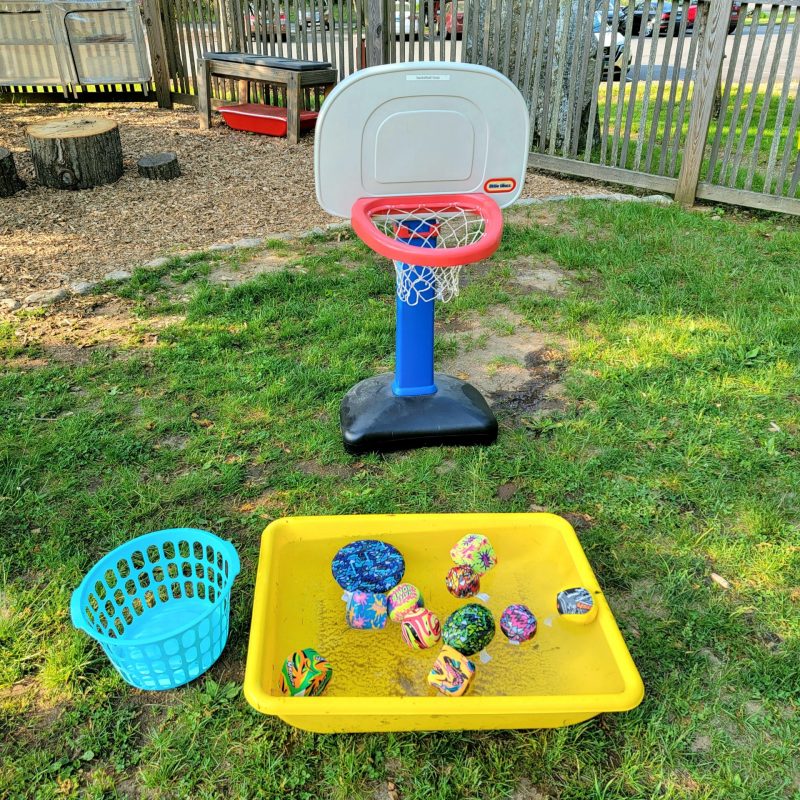
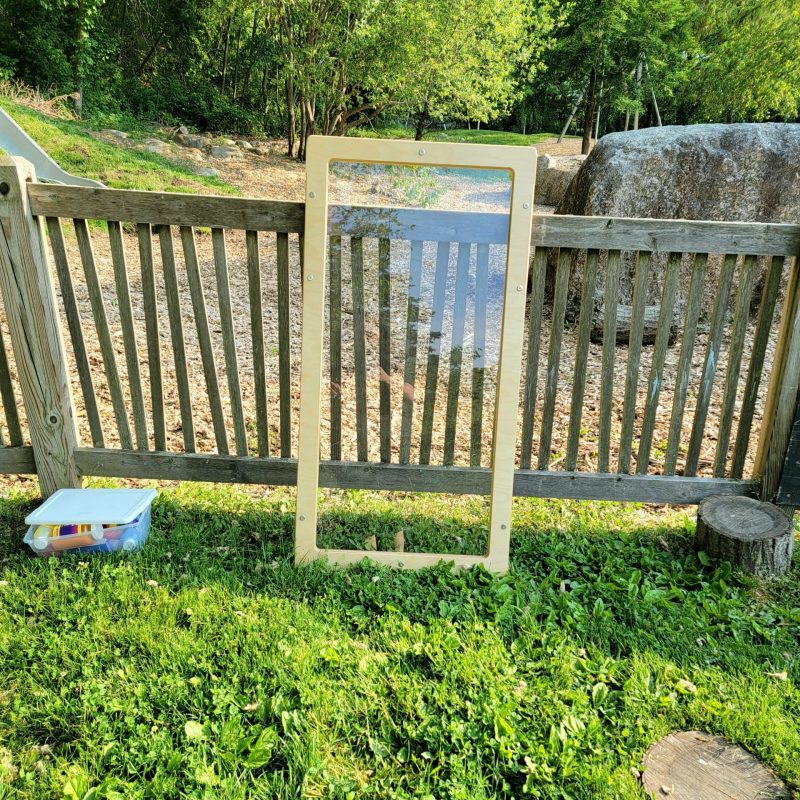
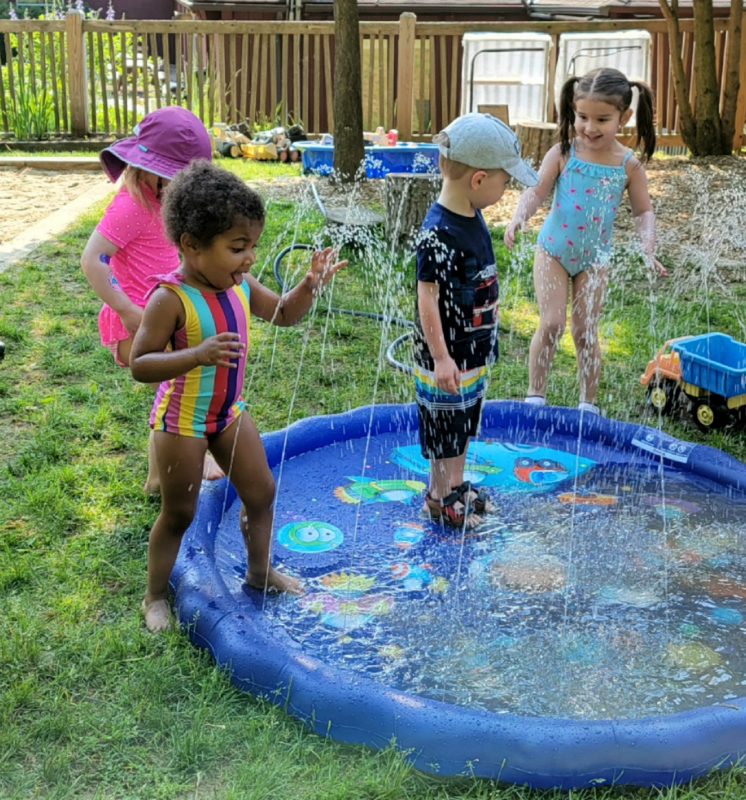
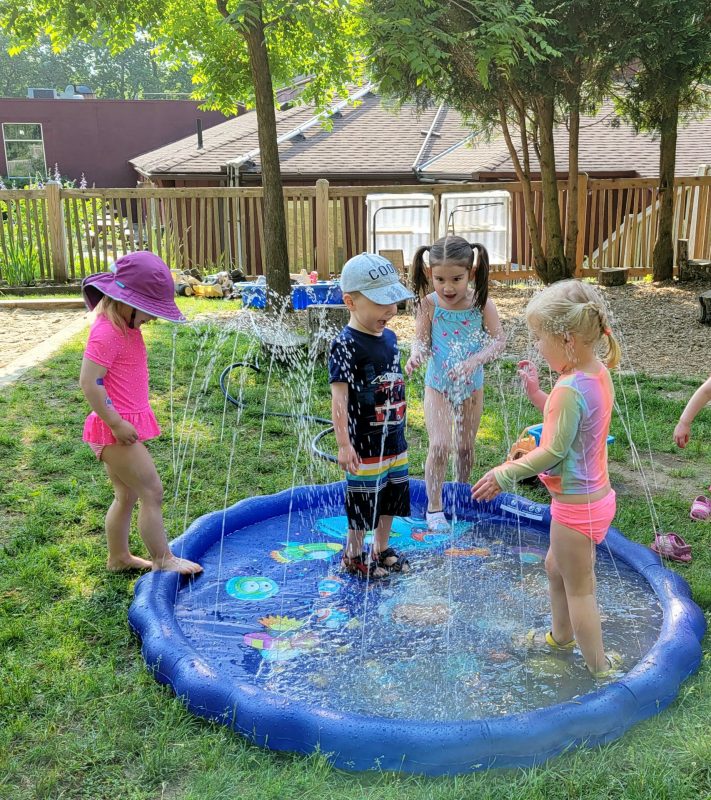
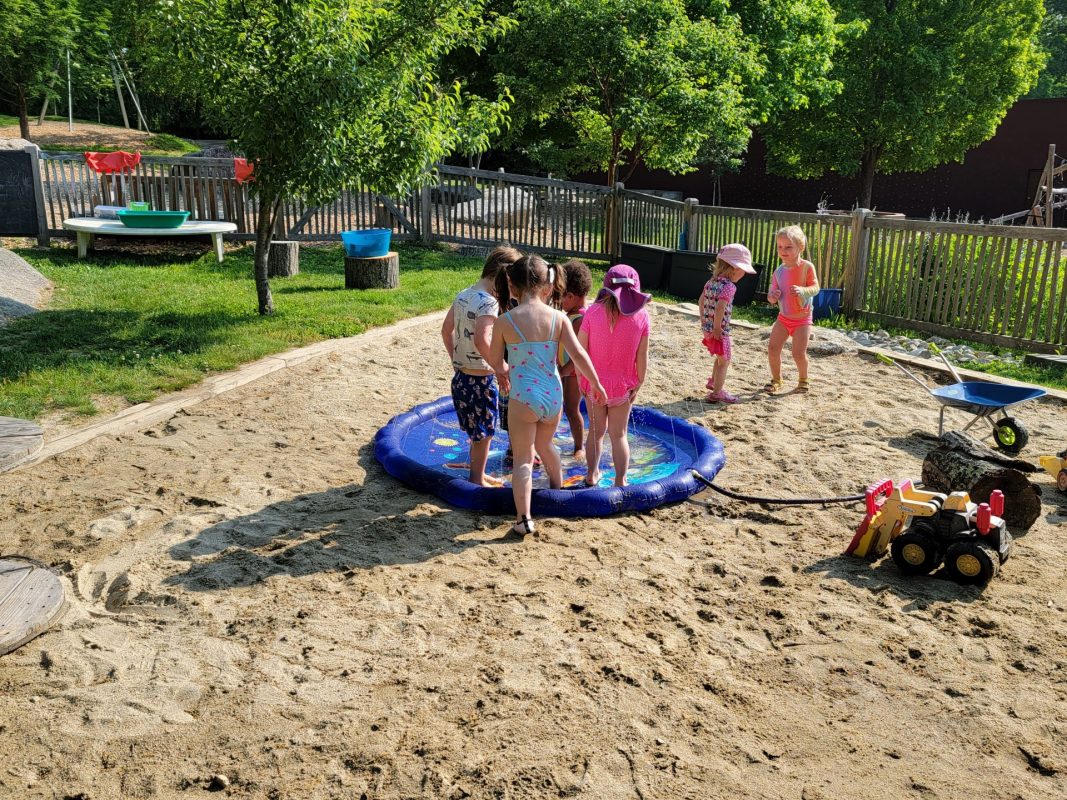
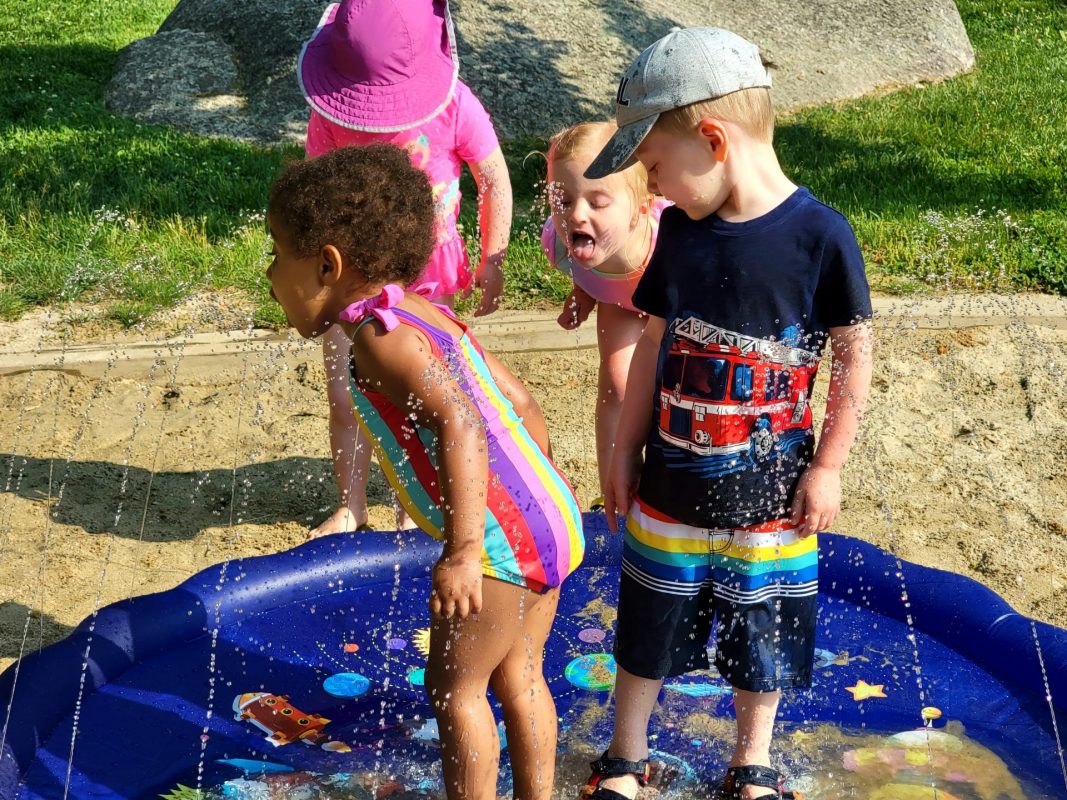
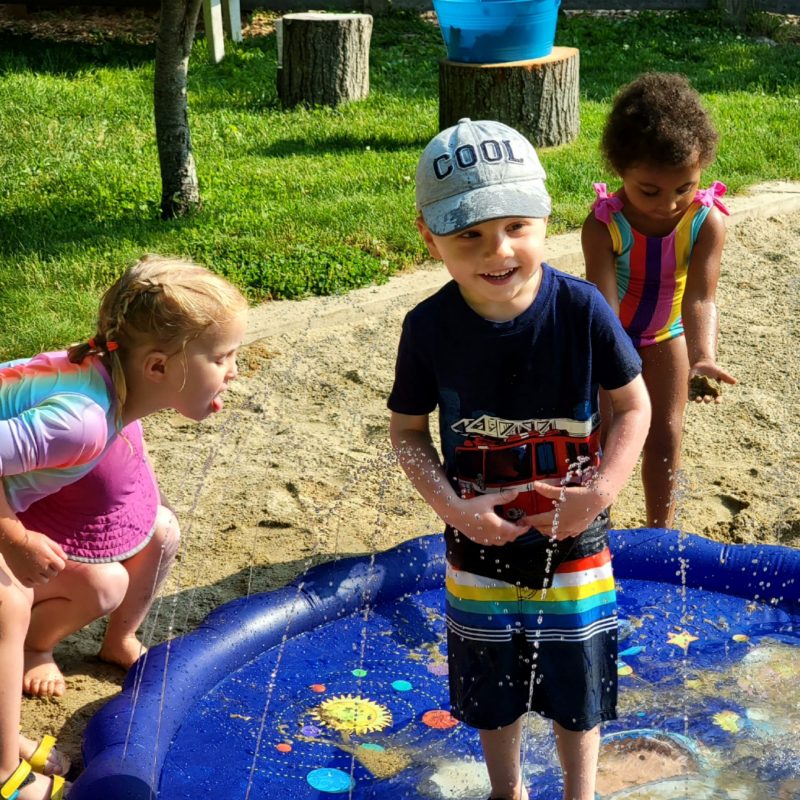
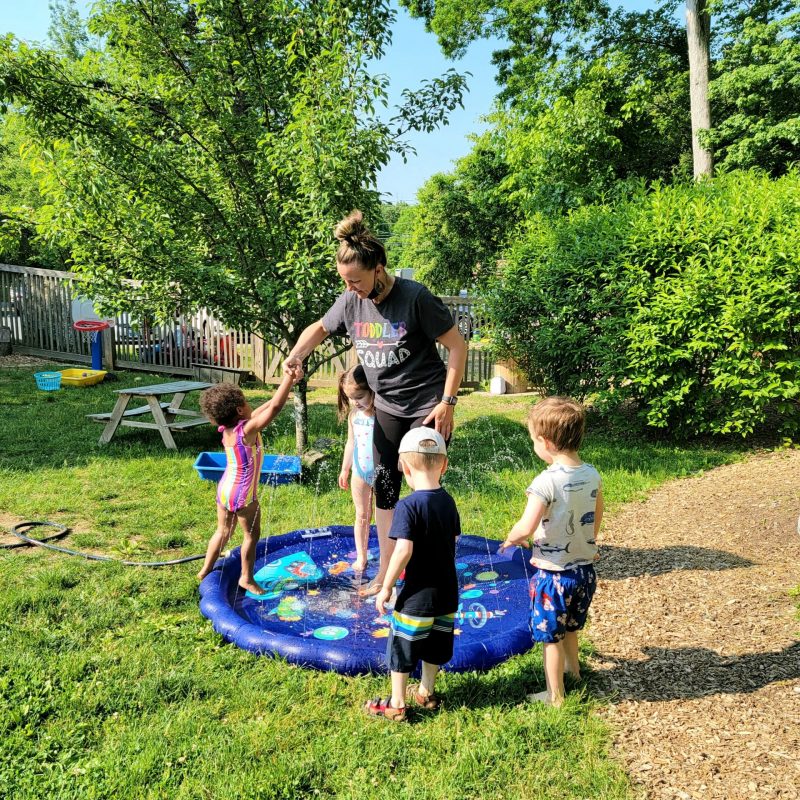
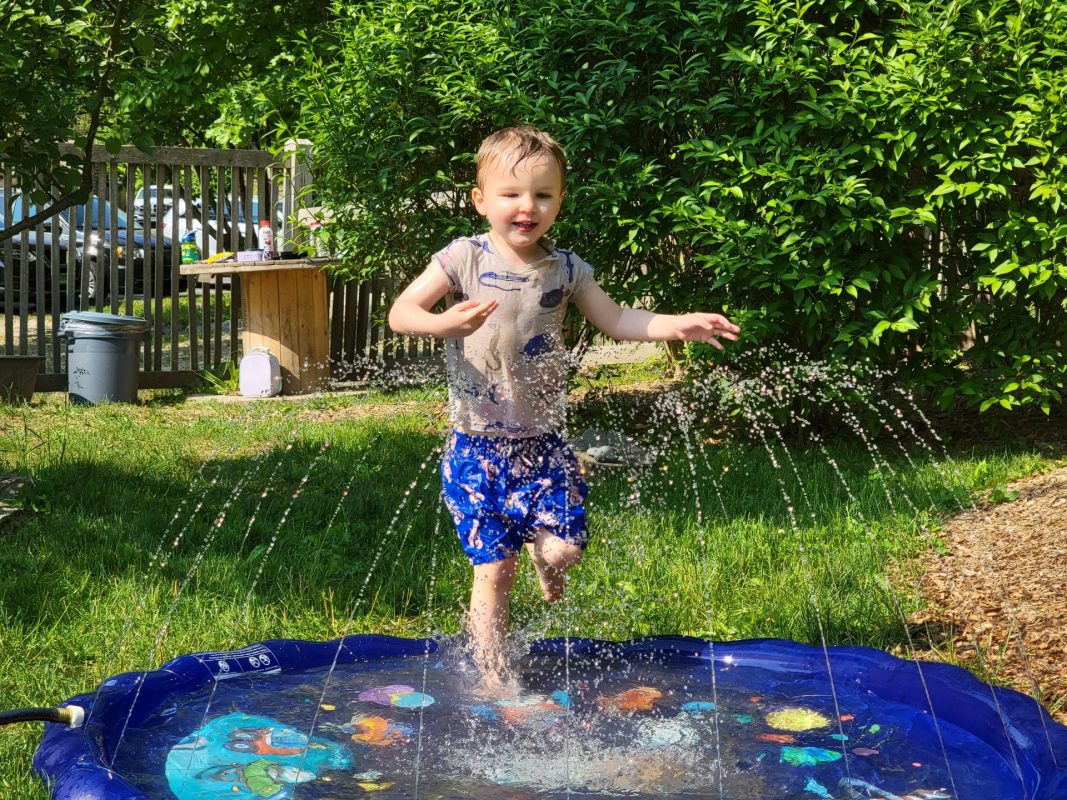
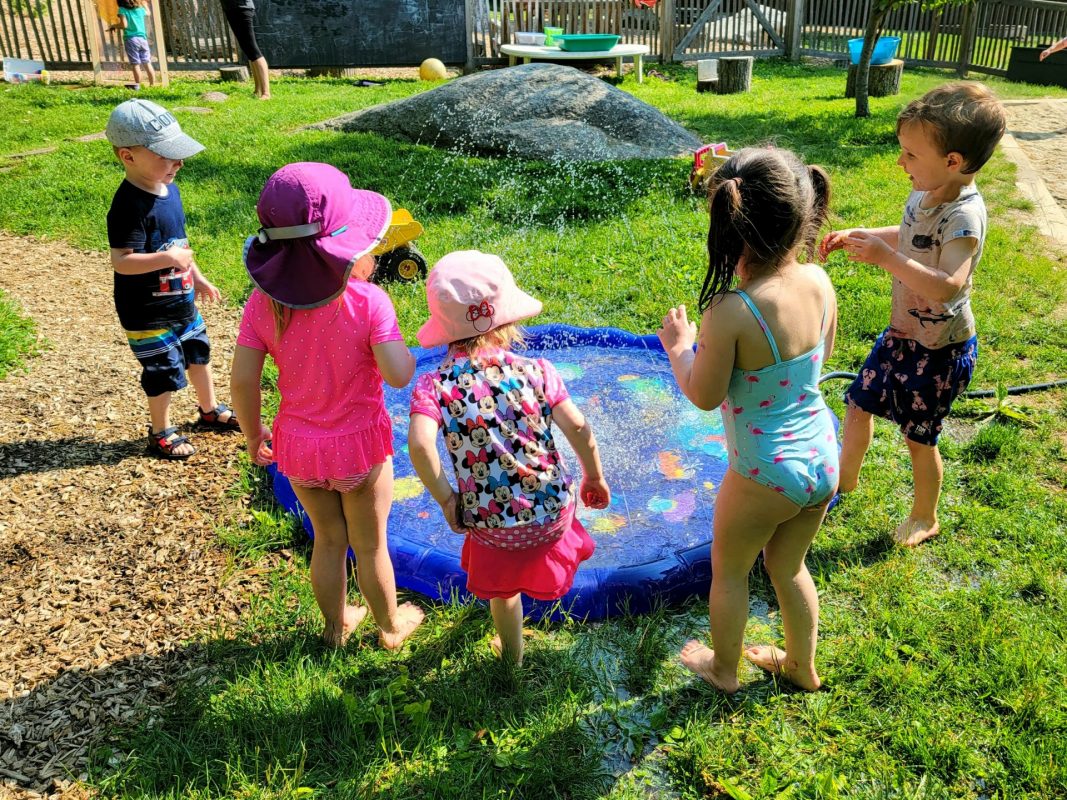
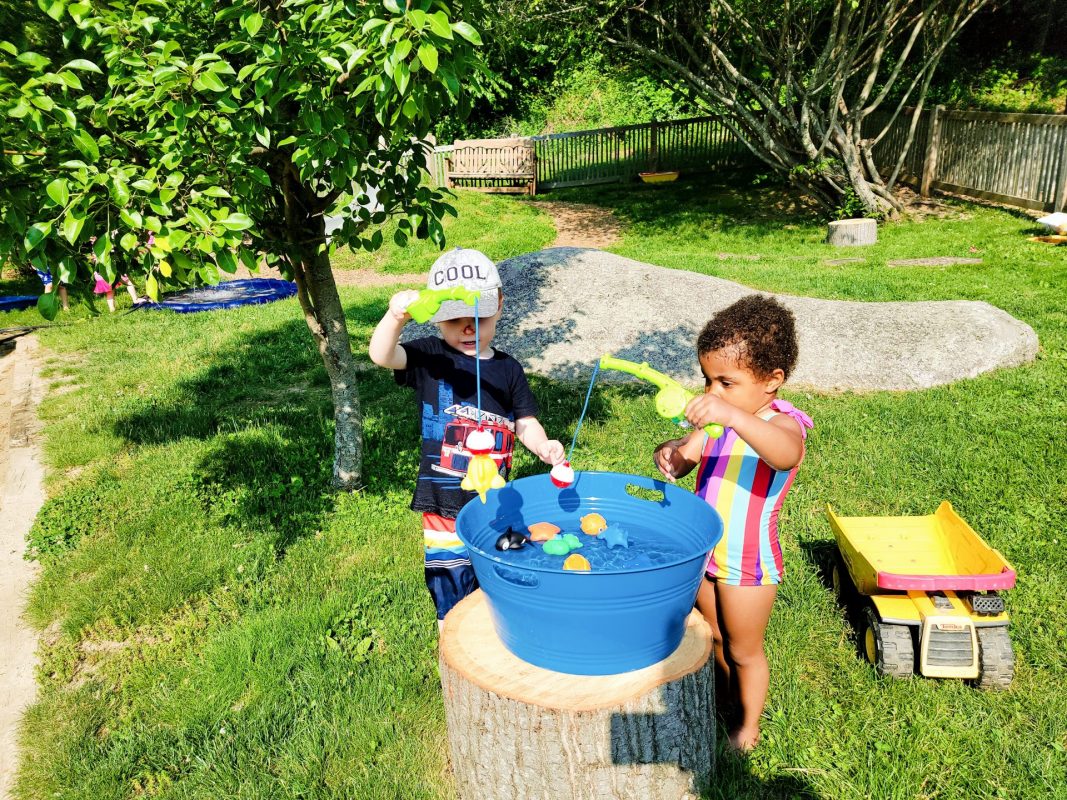
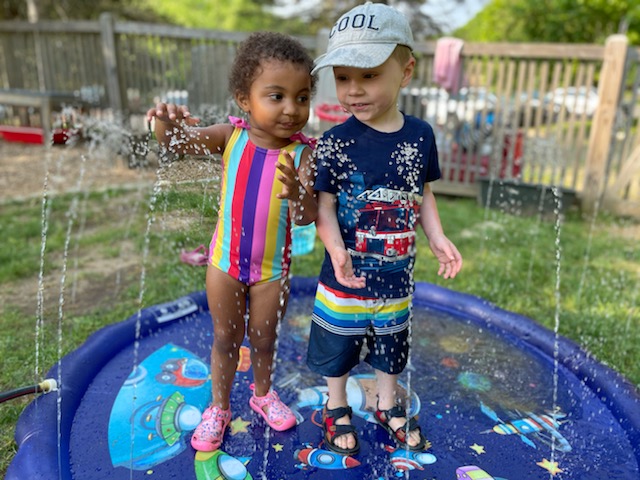
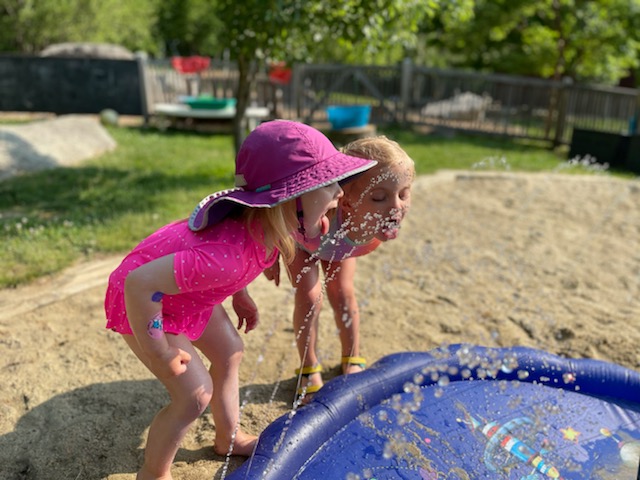
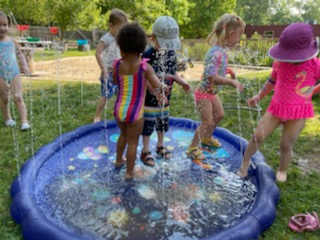
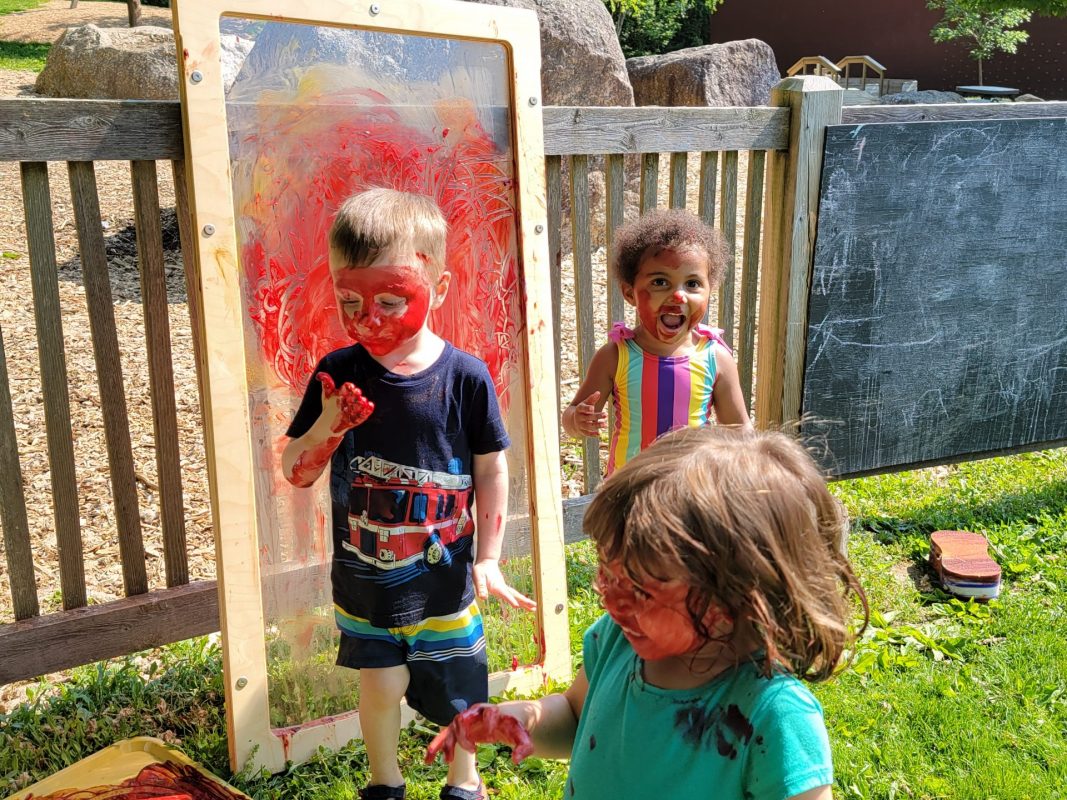
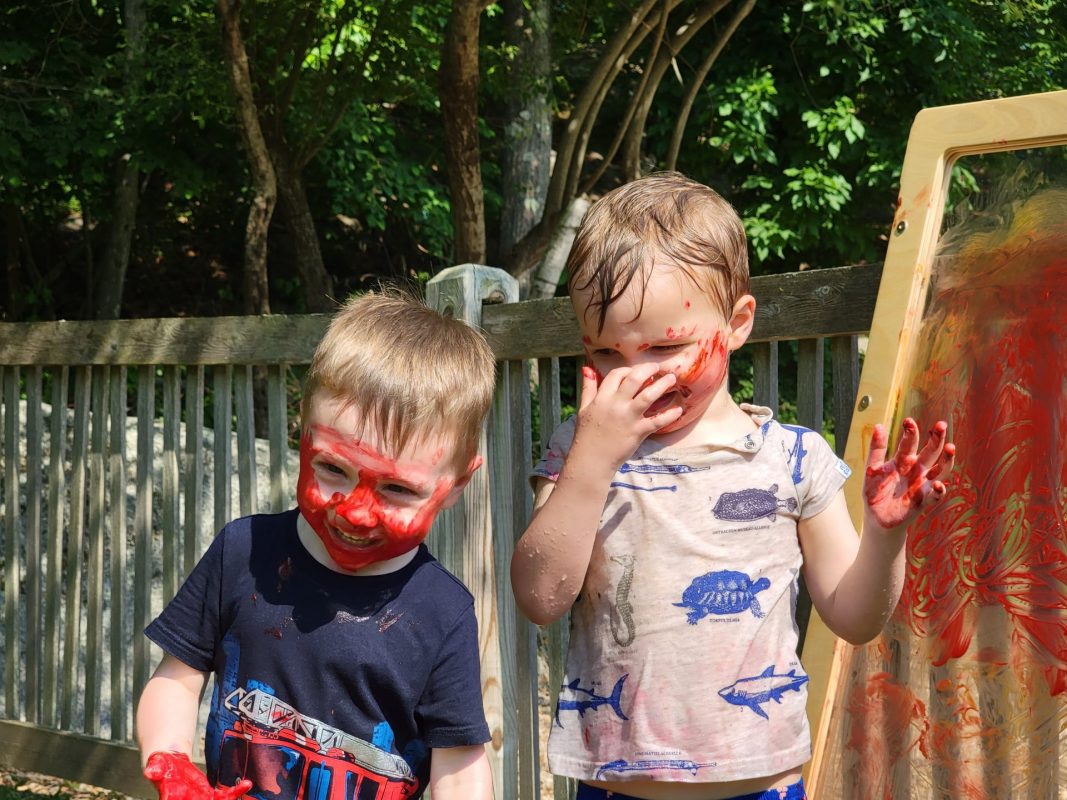
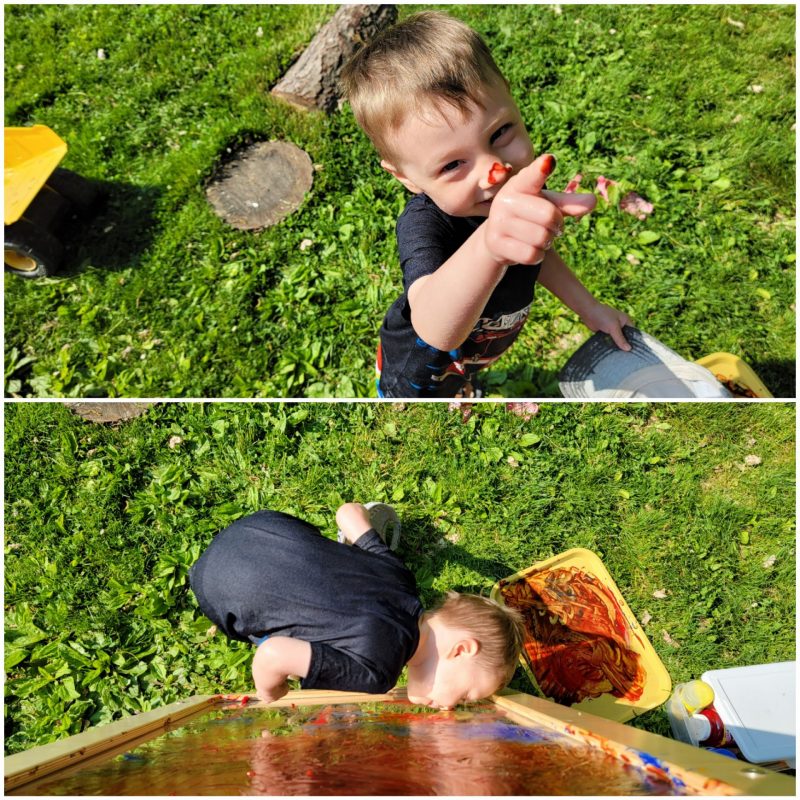
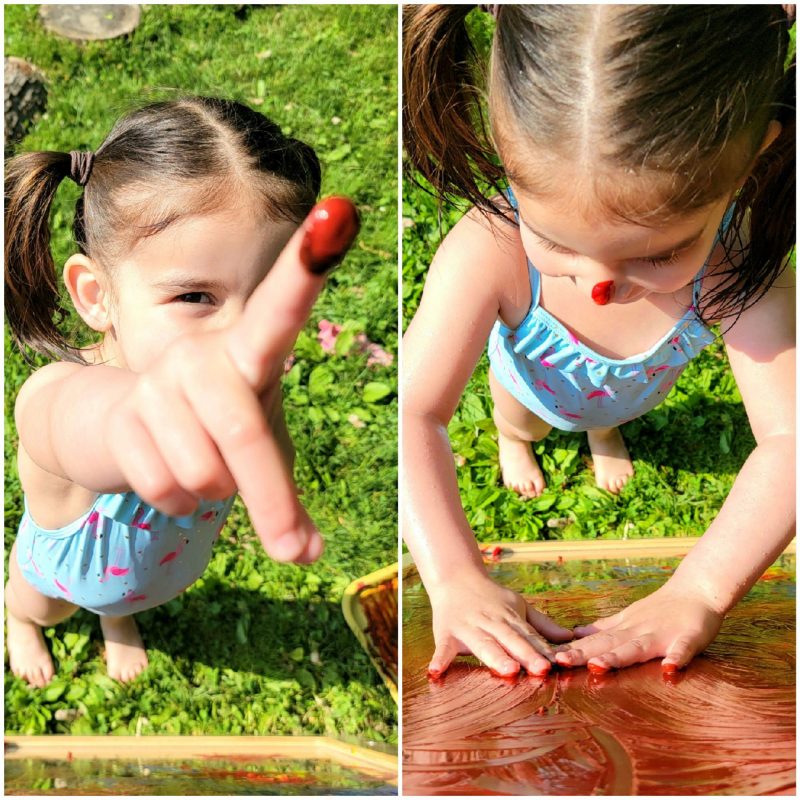
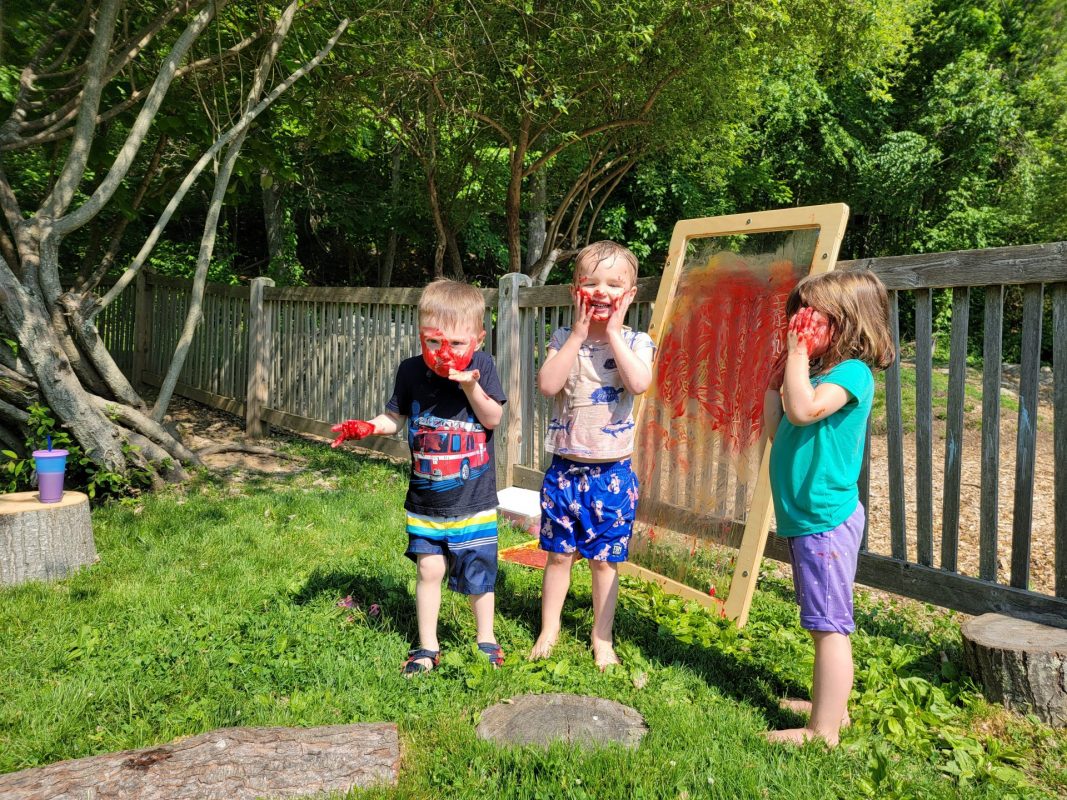
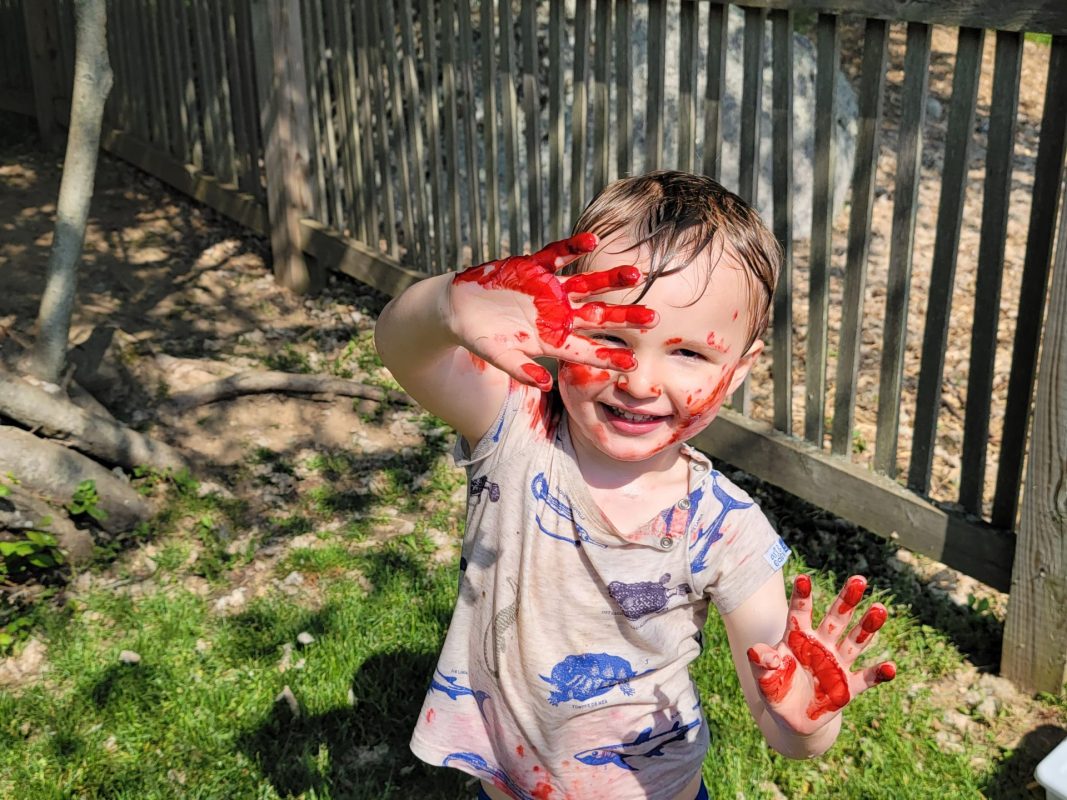
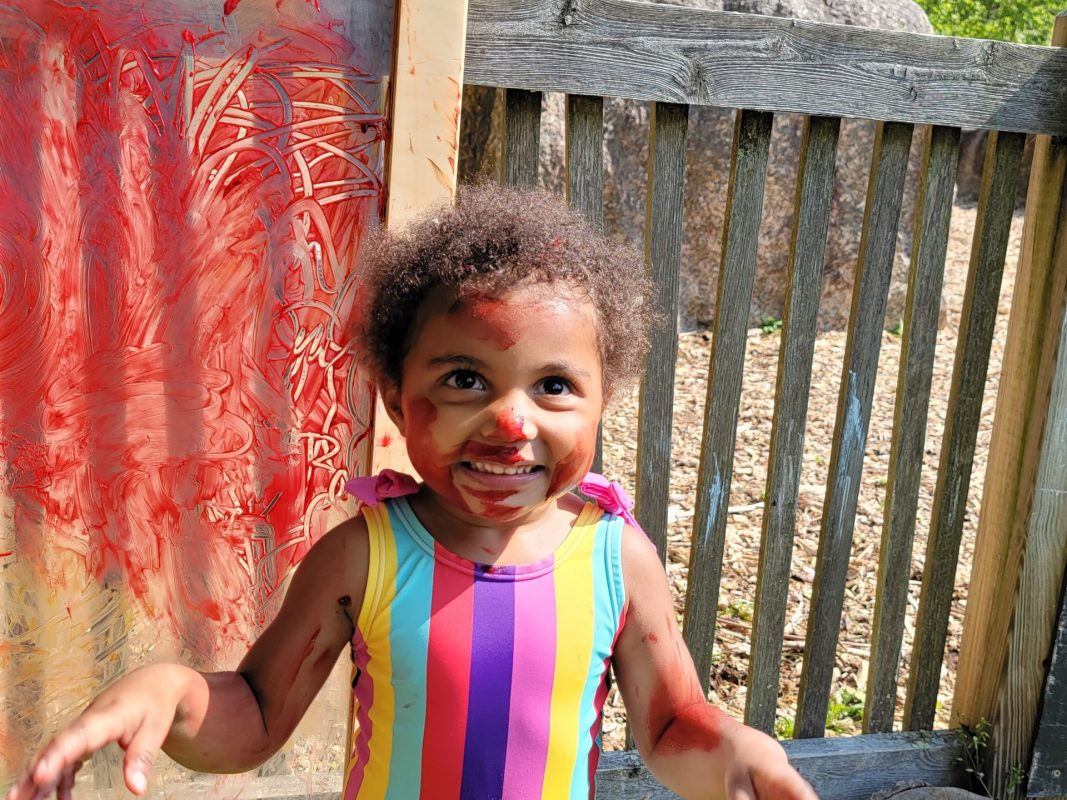
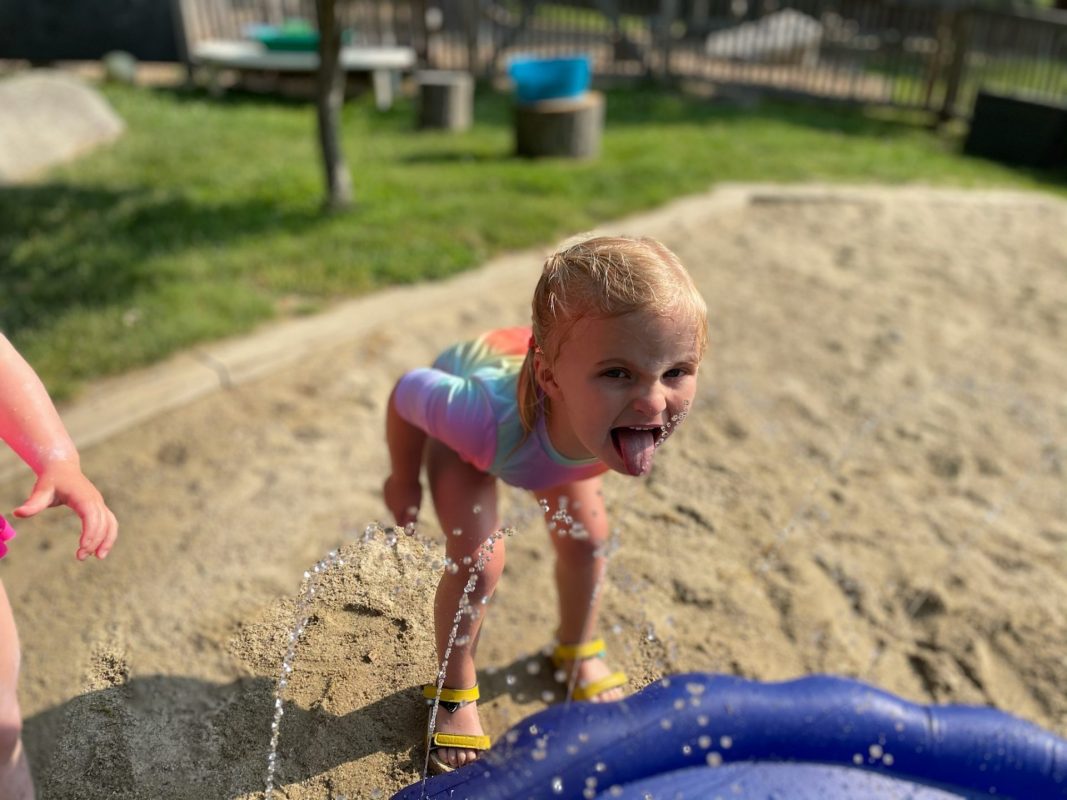
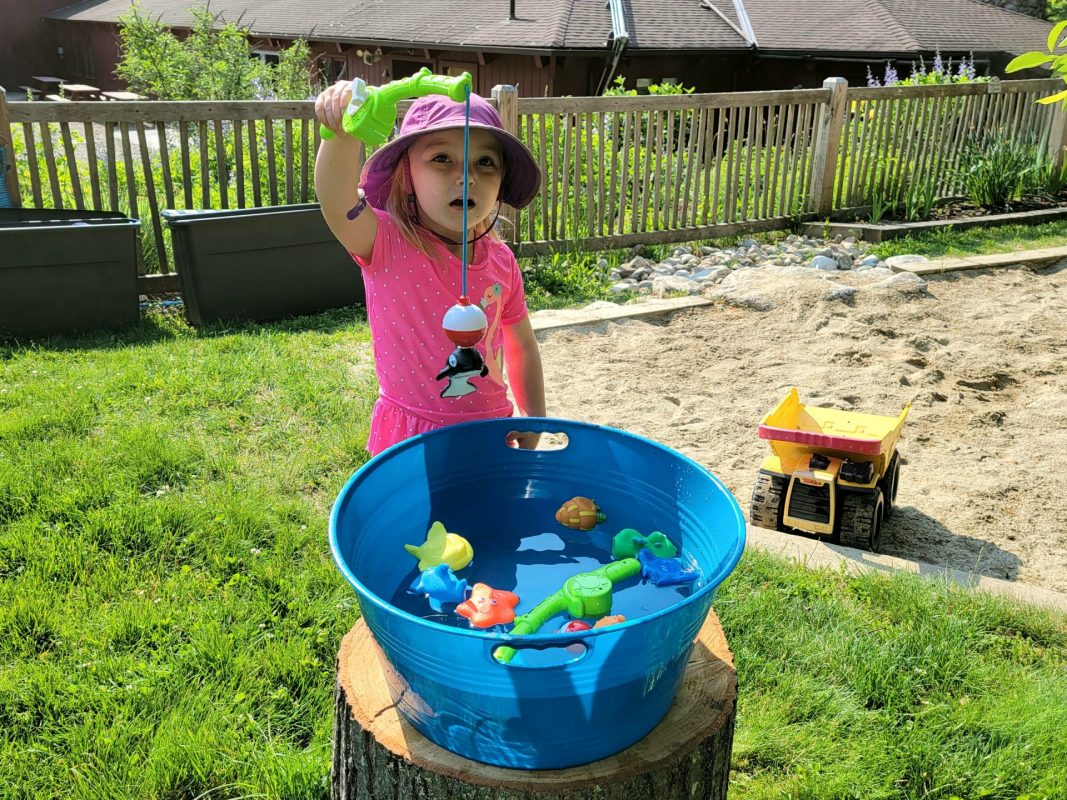
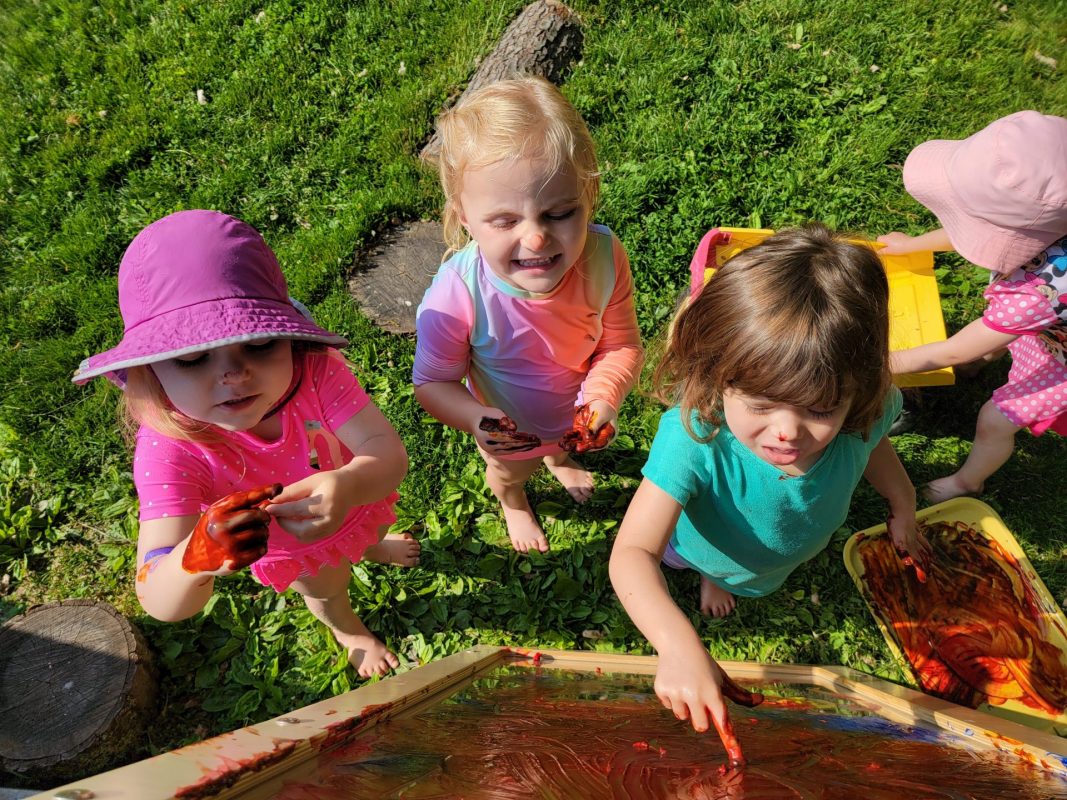
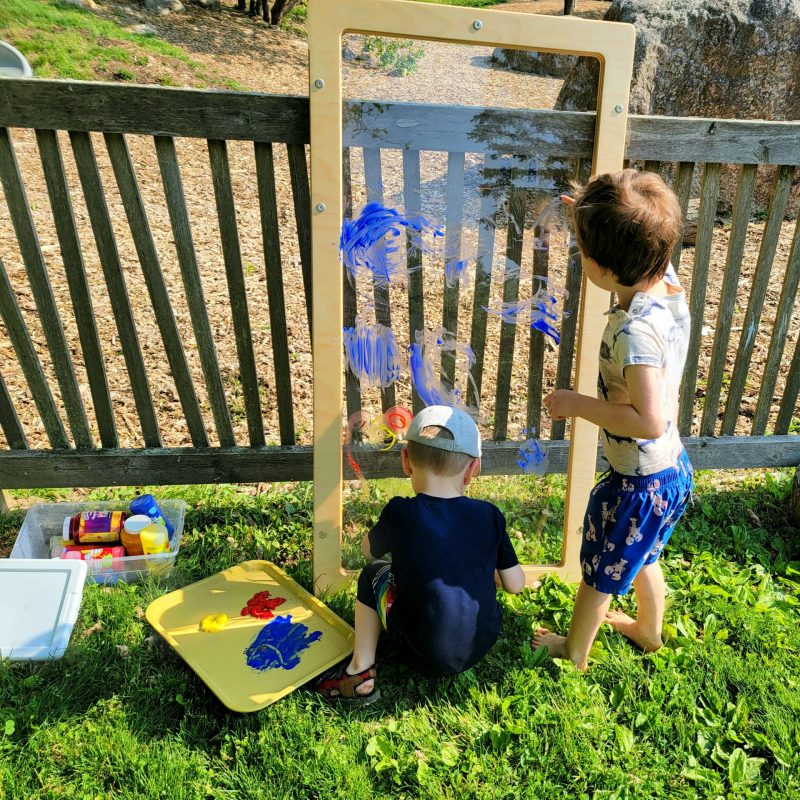
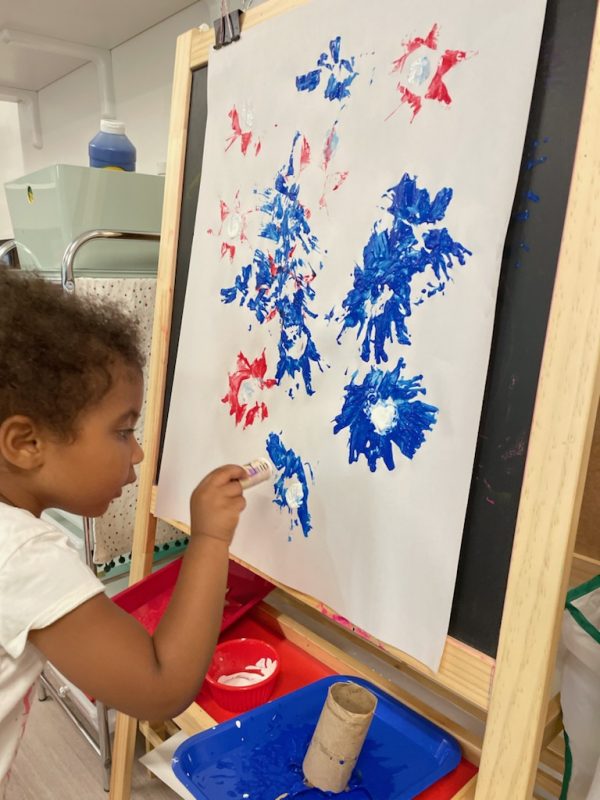
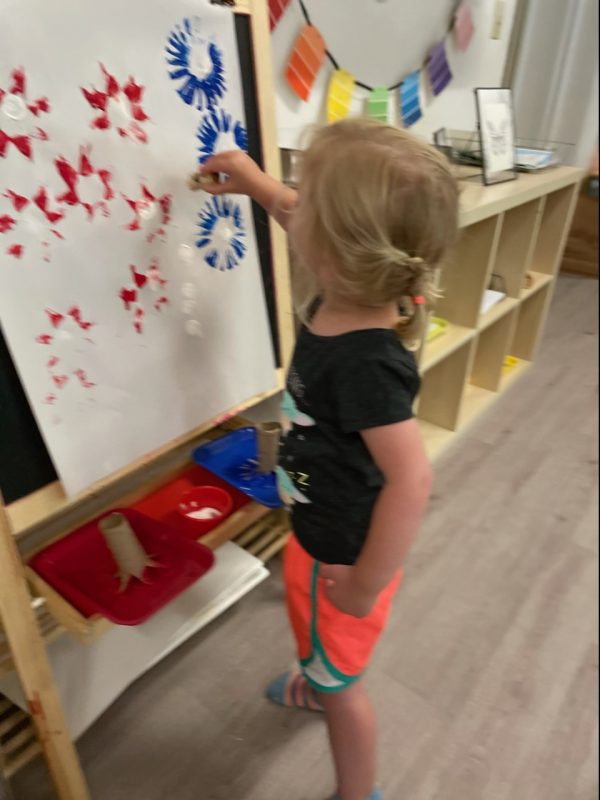
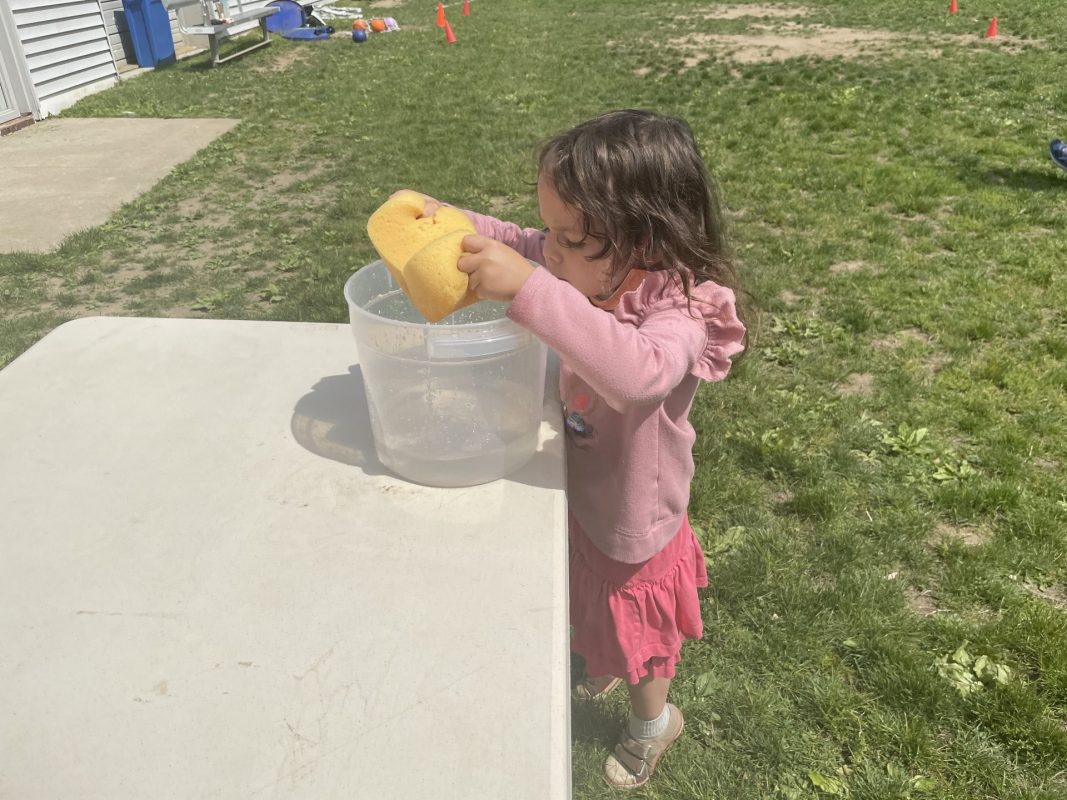
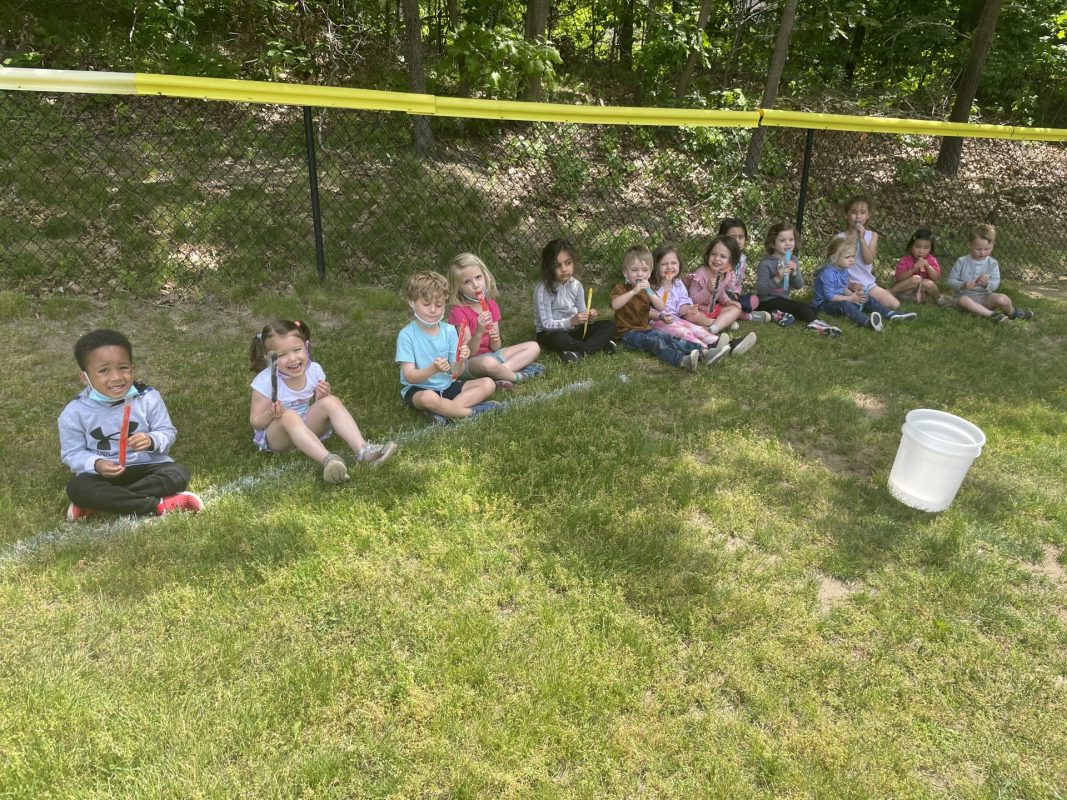
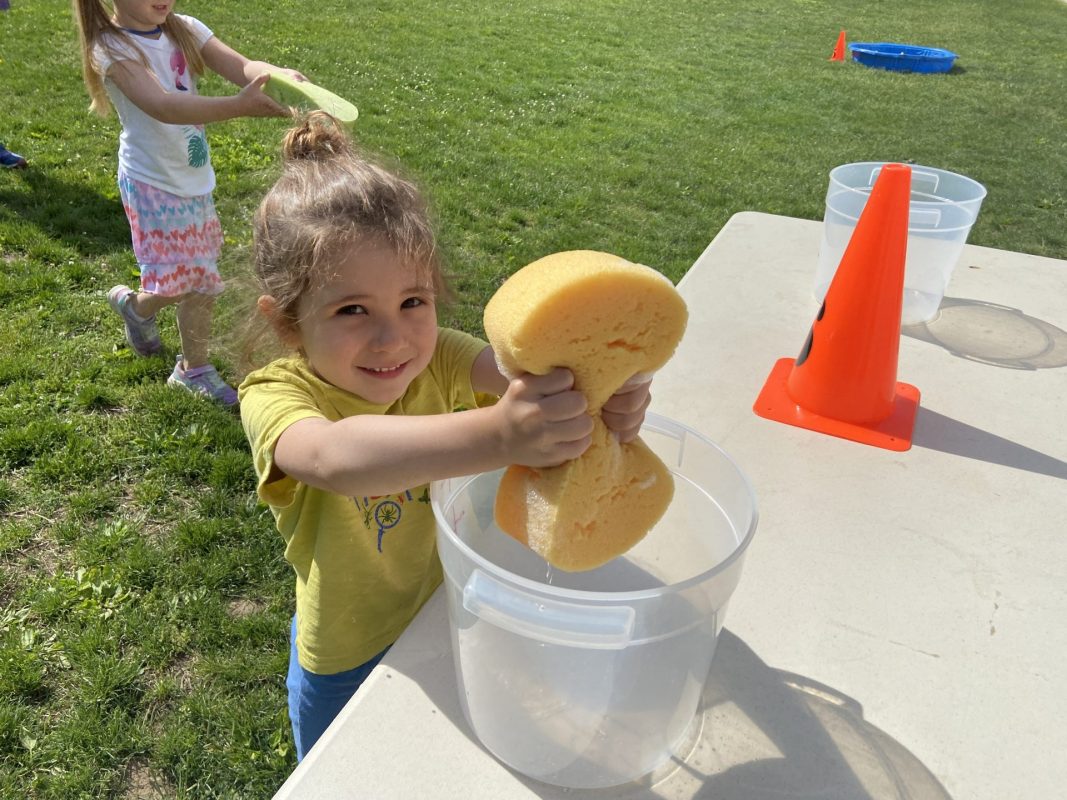
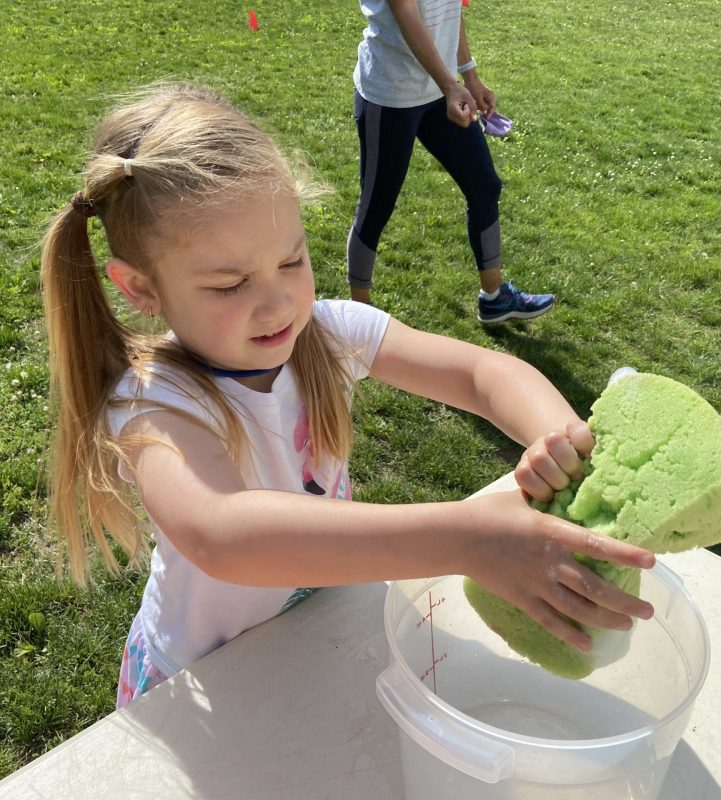
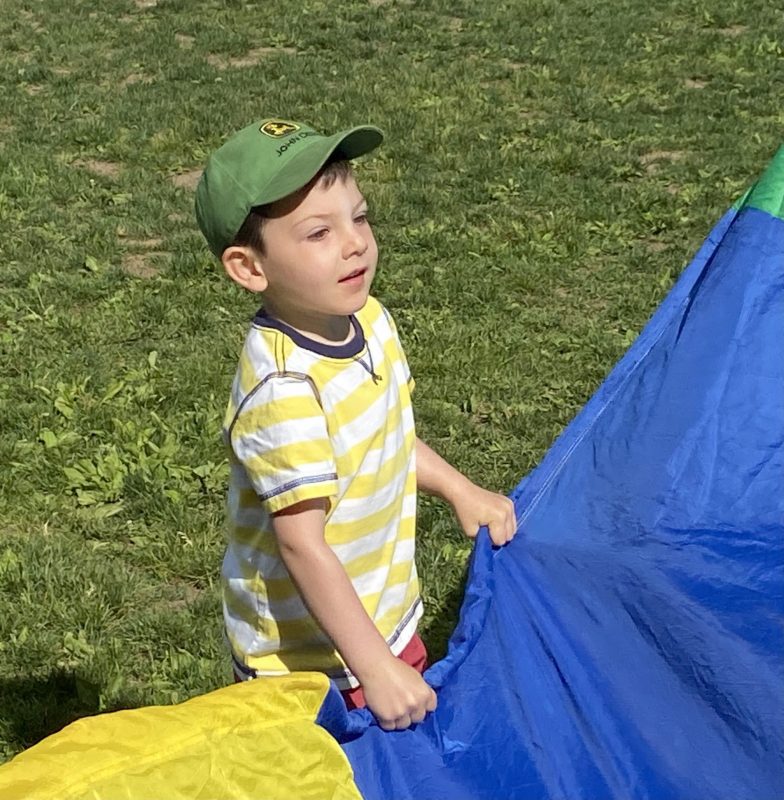
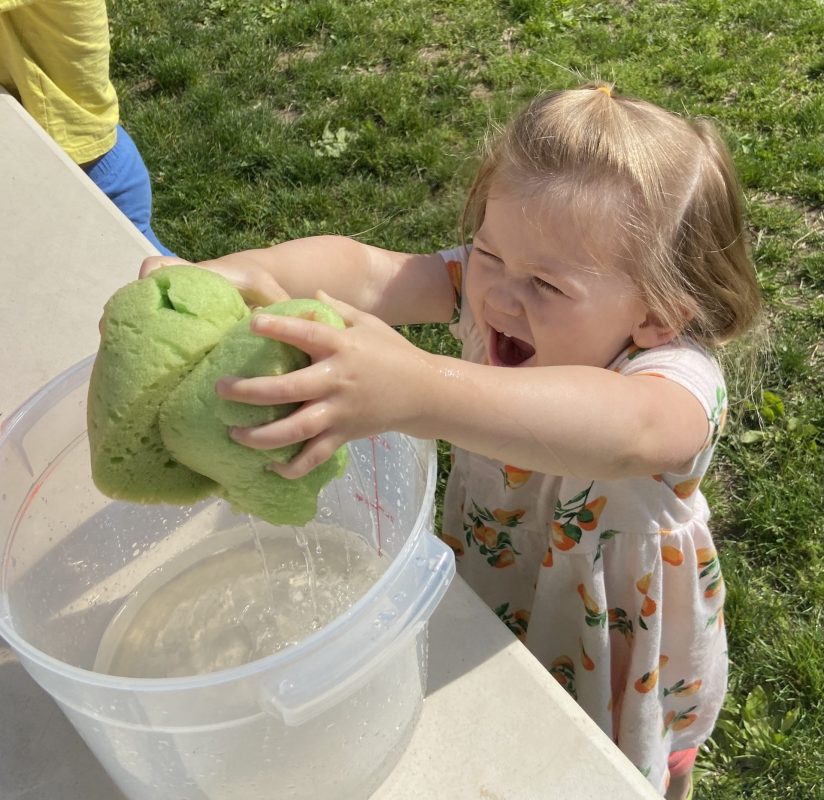
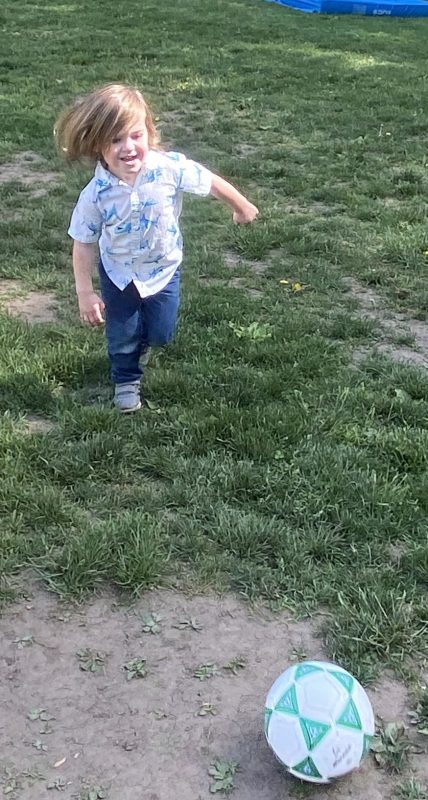
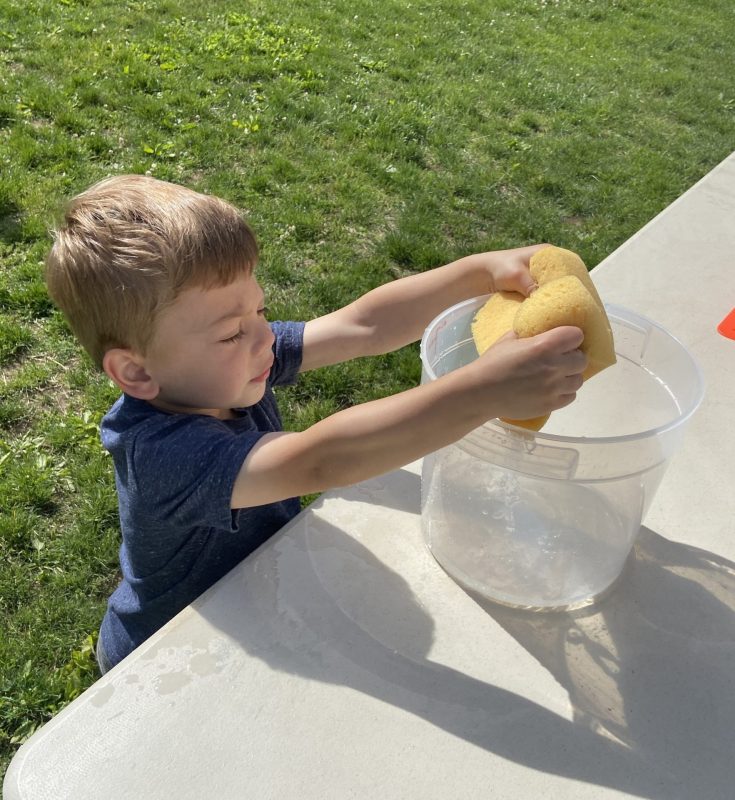
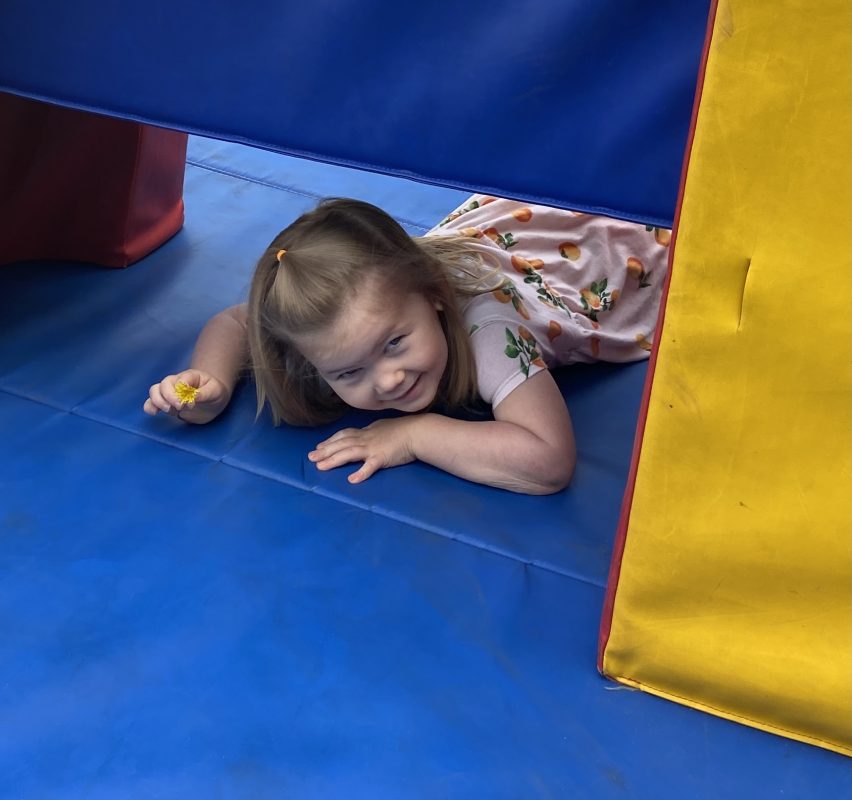
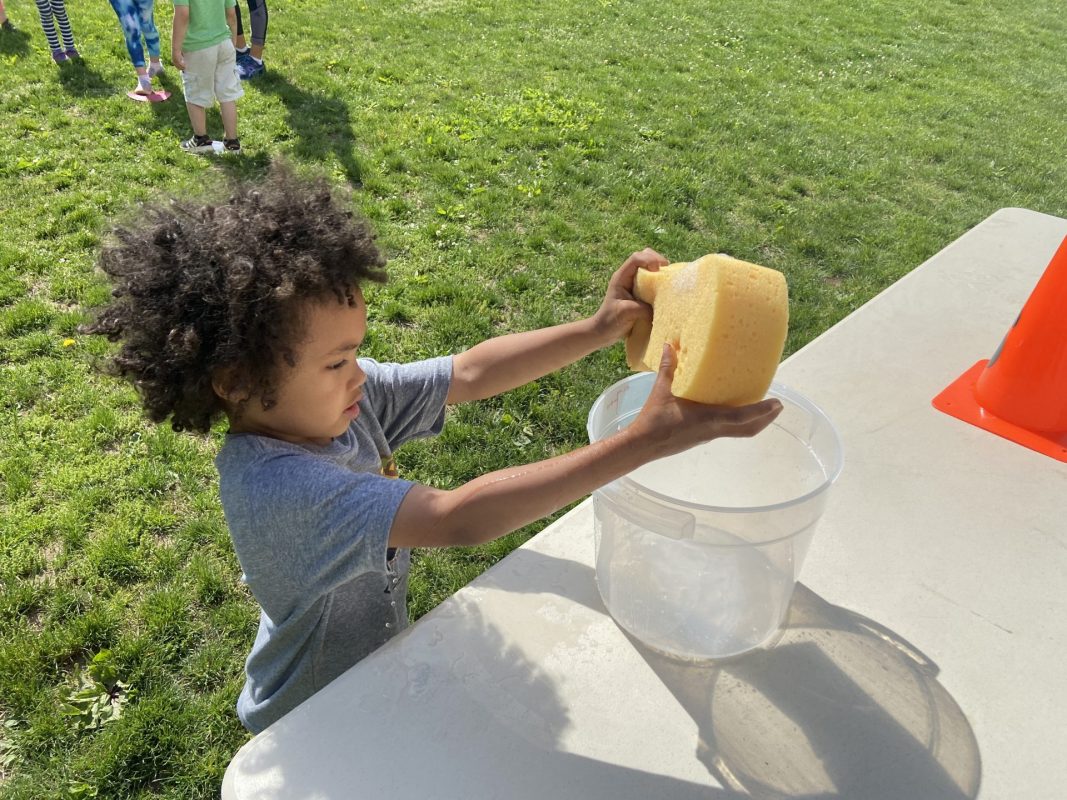
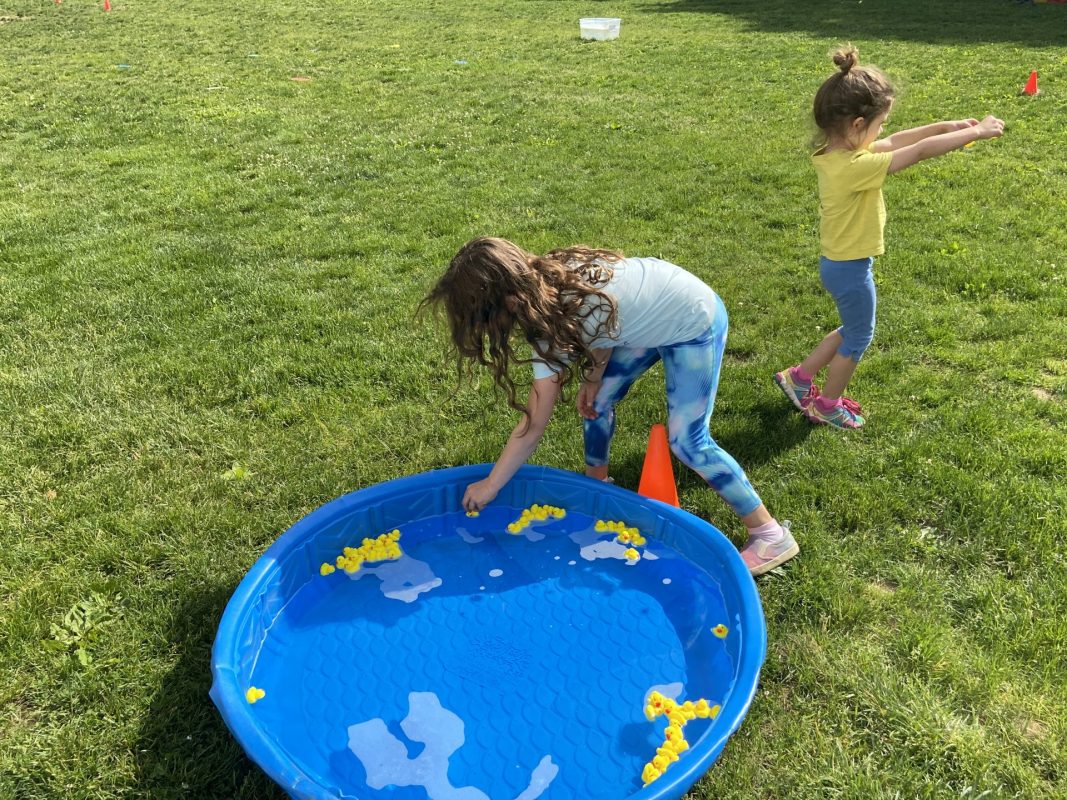
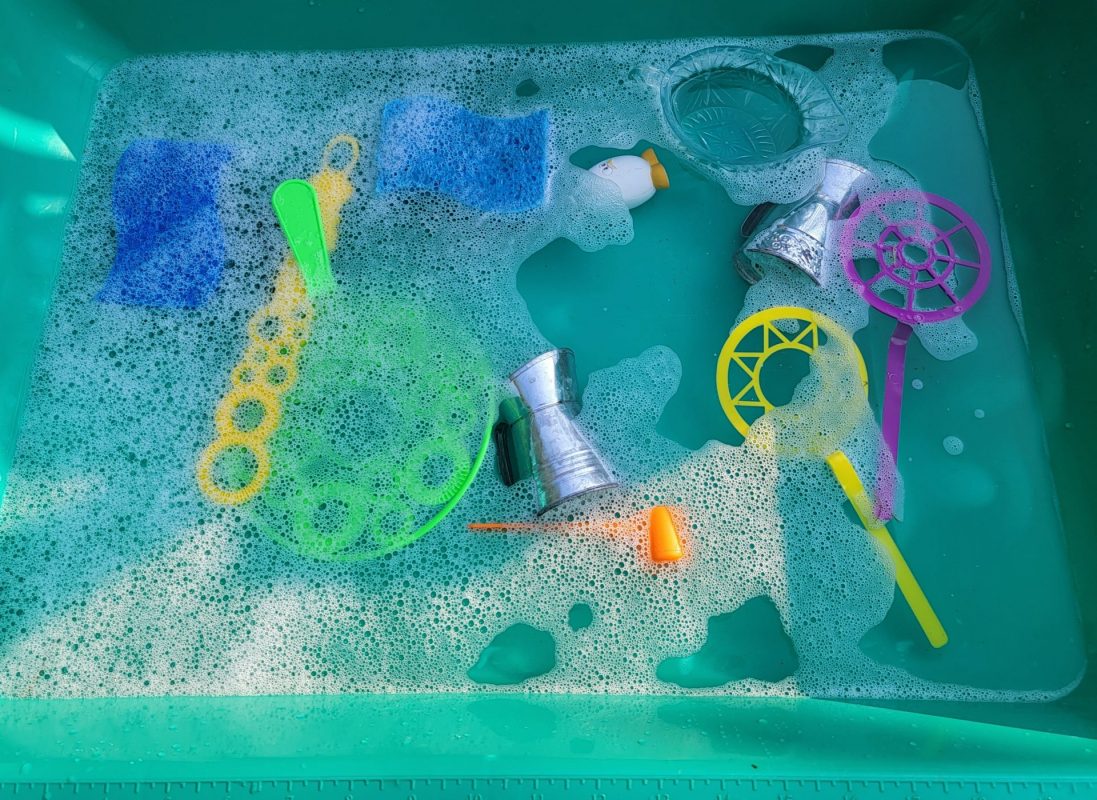
We couldn’t be more grateful for Wednesday’s weather. It was the perfect day for some Water Day Fun!!  The different stations available for the children to explore were, truck washing, water ball basketball, boats, fishing, finger painting, bubble whisking, paint roller with water, and the splash pad. The splash pad was the favorite well until the children discovered the finger paint and curiosity. After spending the morning getting soaked, laughing, and having an amazing time with friends, the children dried off and enjoyed an ice pop together.

Thank you Ms. Anne for letting the children use the splash pad.

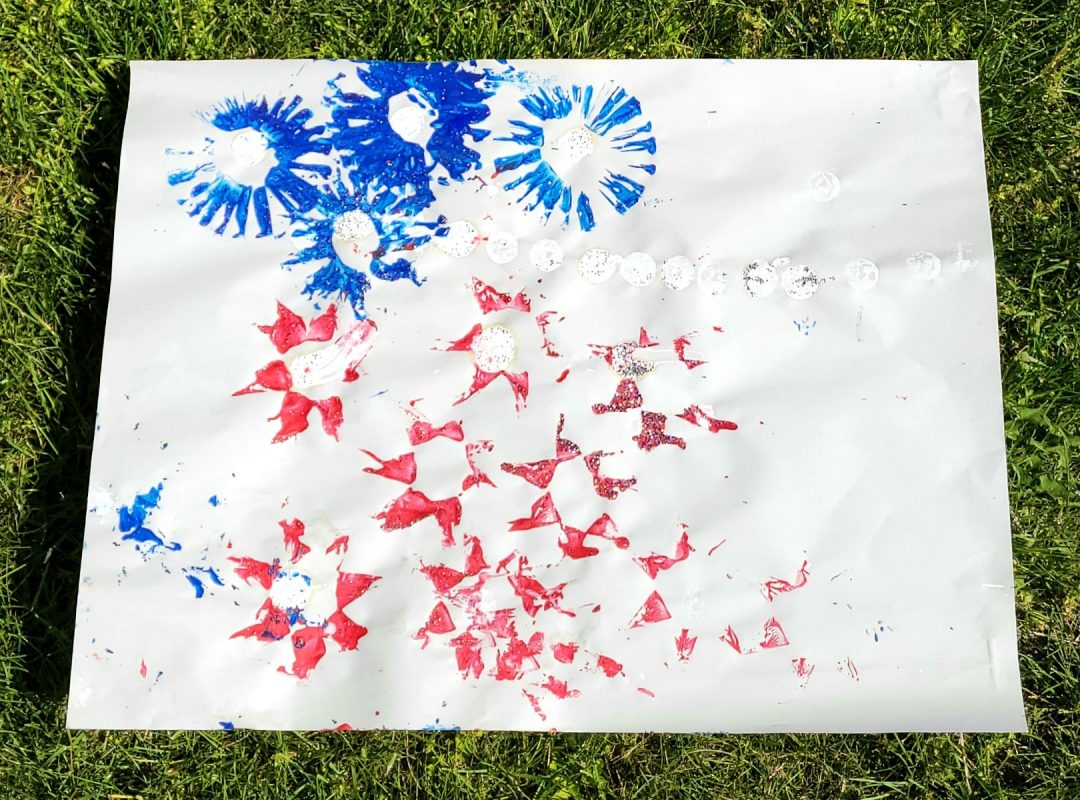
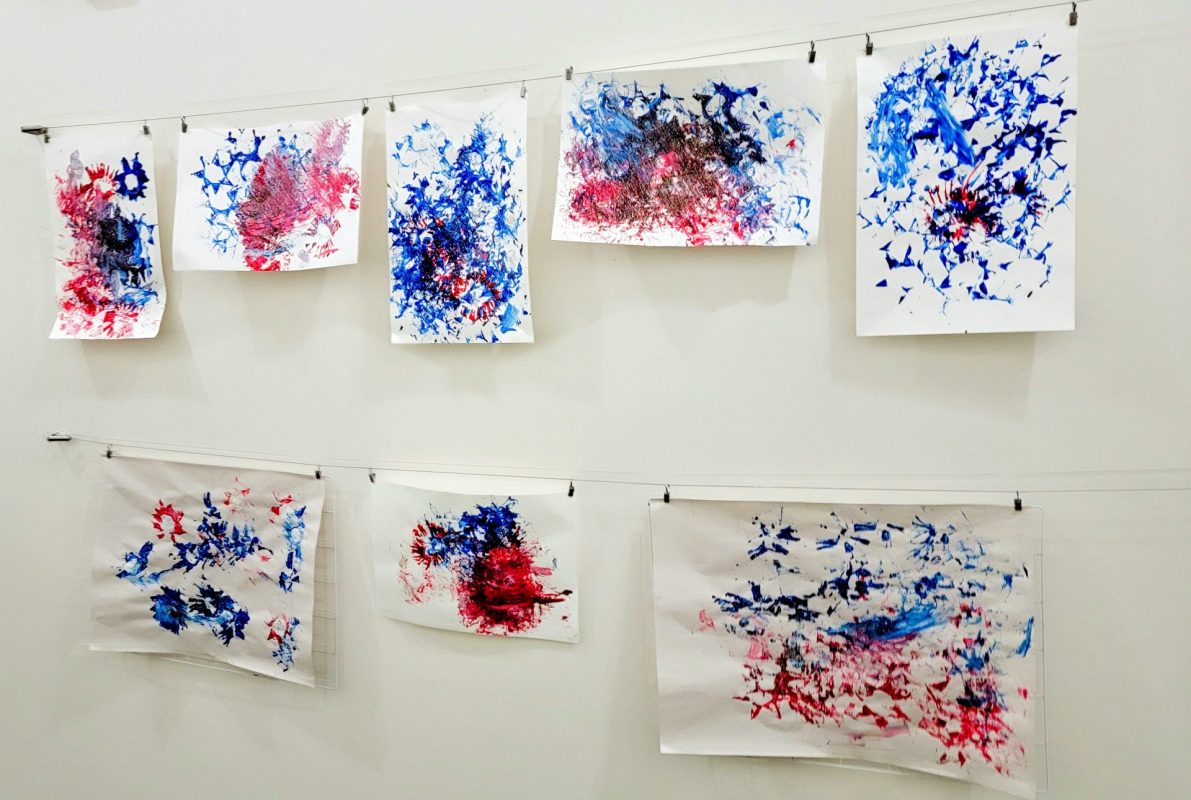
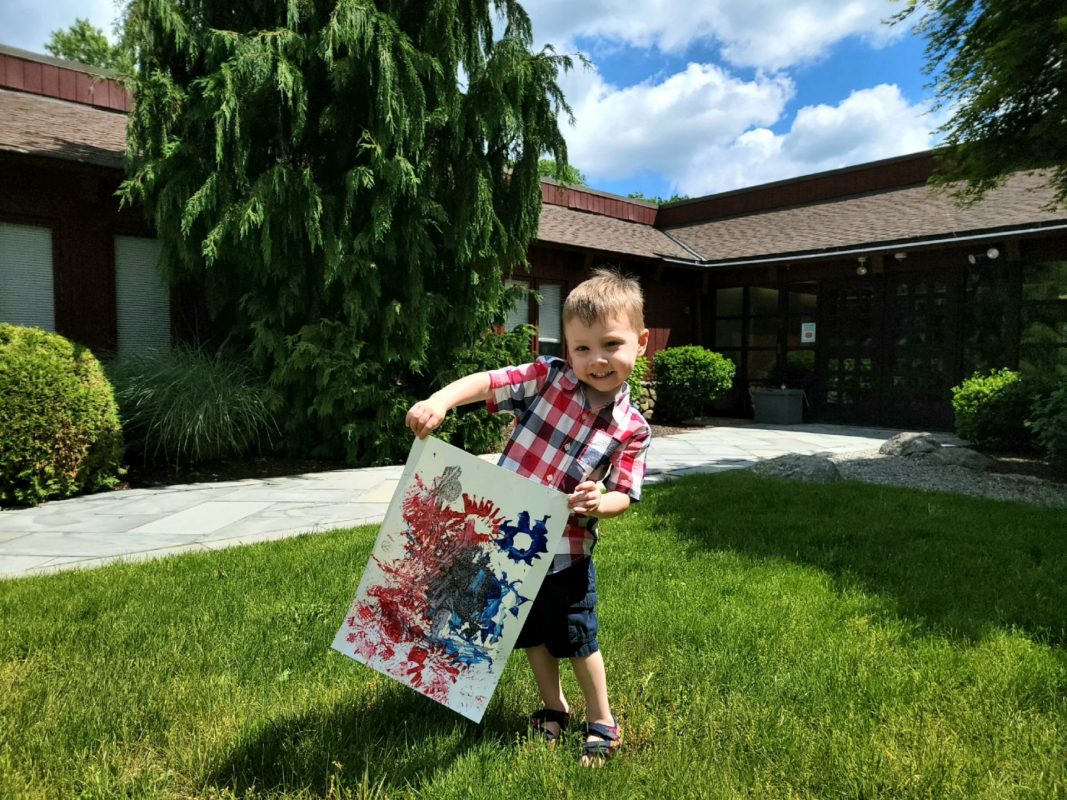
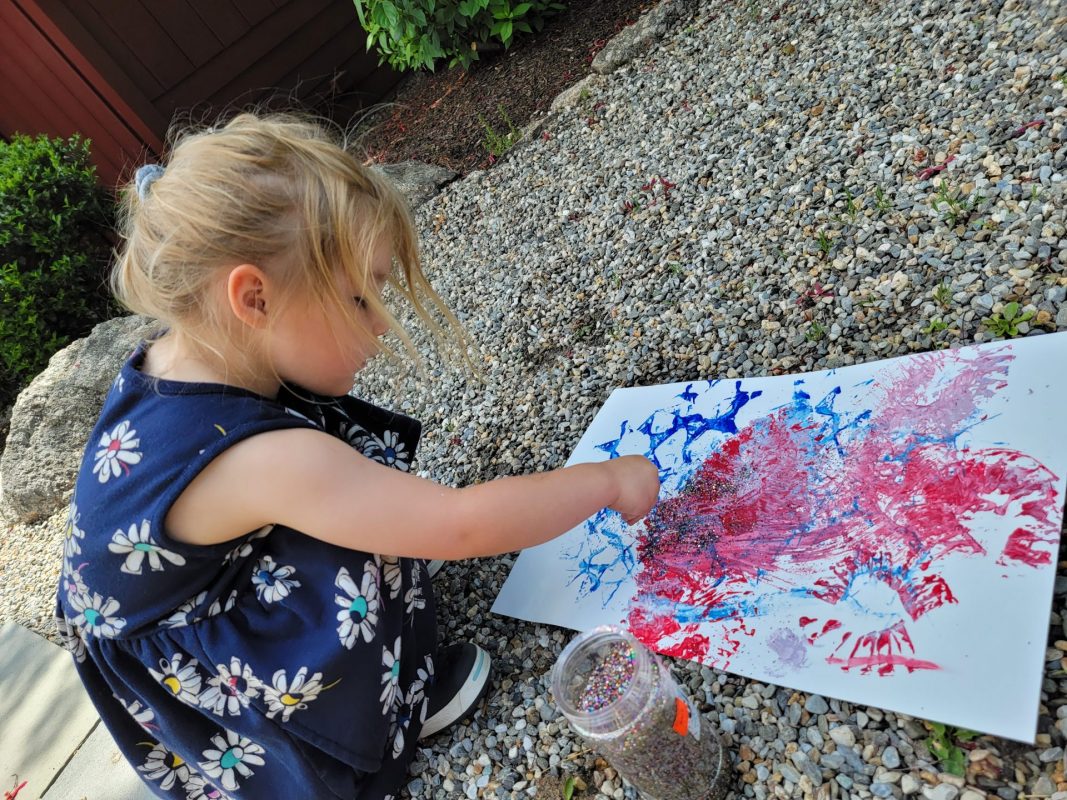
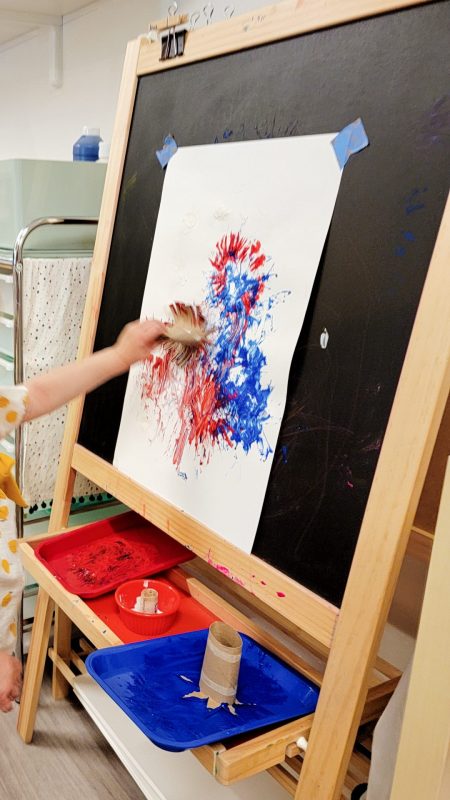
The children all had an opportunity to create a “firework” painting. They used a few cut paper towel rolls and a wine cork to create the red, white, and blue fireworks. After they sprinkled on some glitter to add that extra sparkle to their masterpiece.

We started to introduce pond life to our lessons. Thank you Ms. Sara for the tadpoles for the children to observe.

Have a wonderful Memorial Day weekend!

Mrs. Wilson and Ms. Sara


Mrs. Lopes’s Class: Field Day!

Field Day 2021

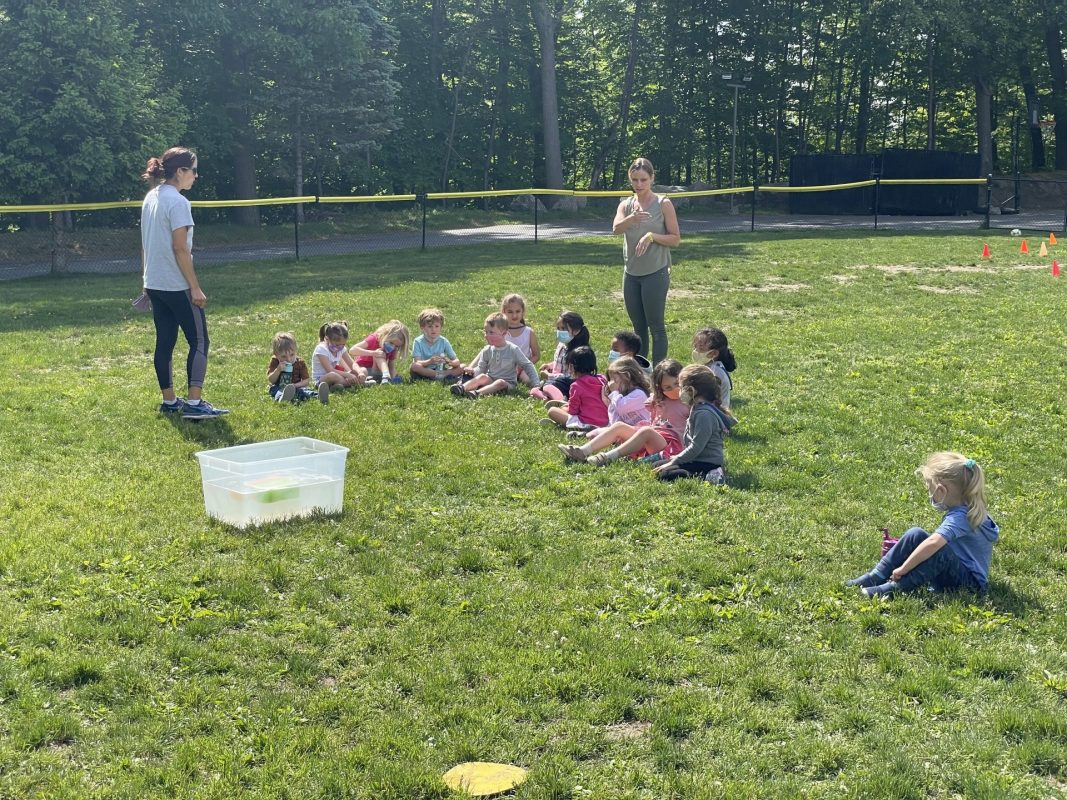
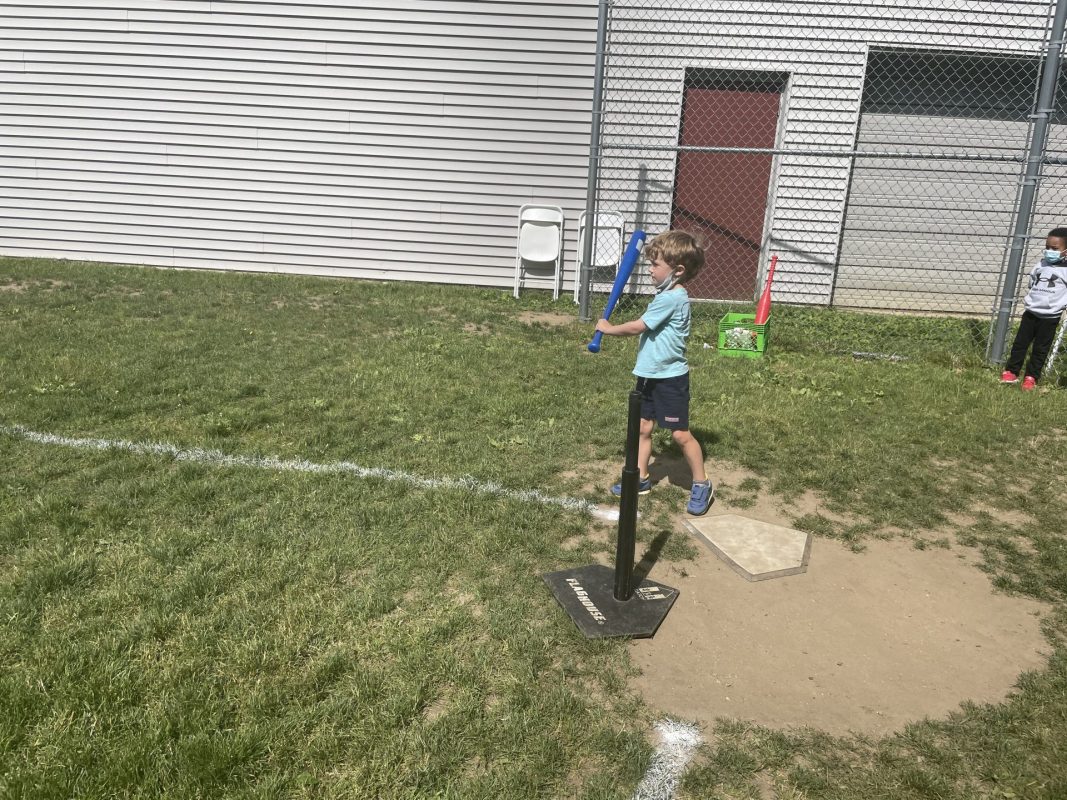
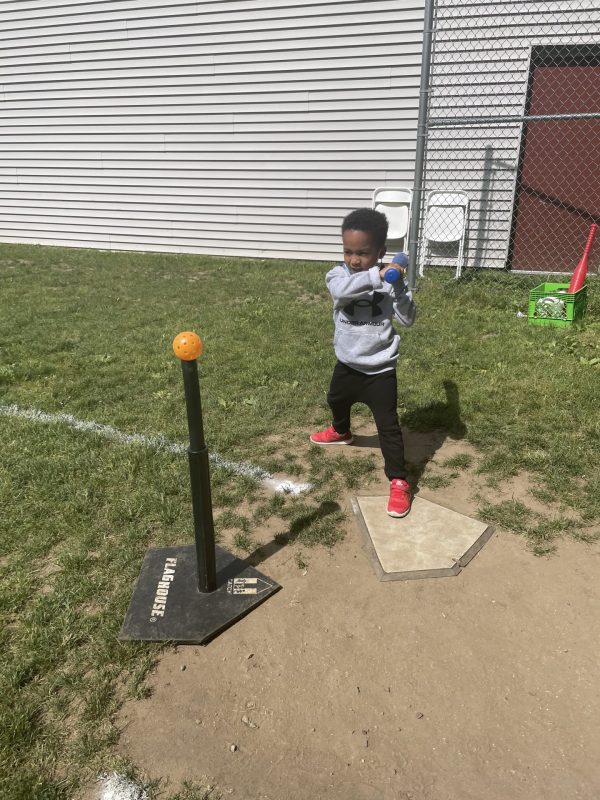
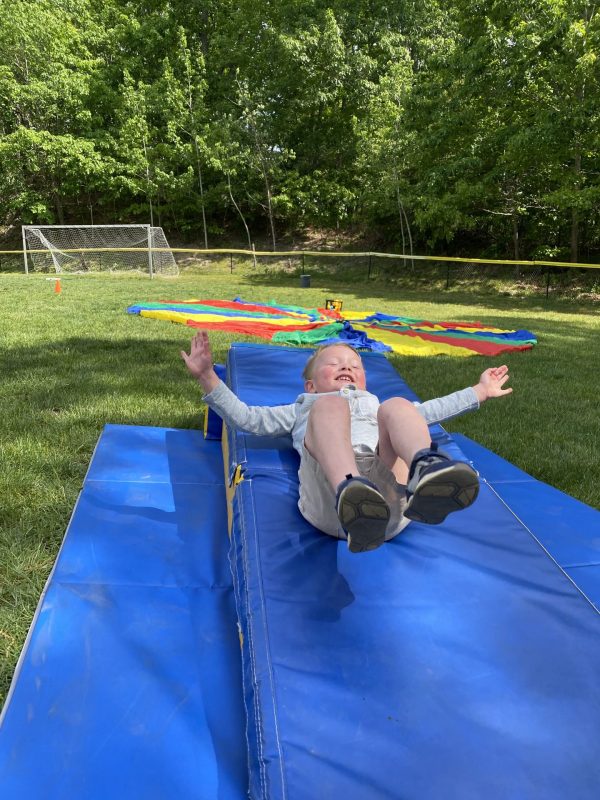
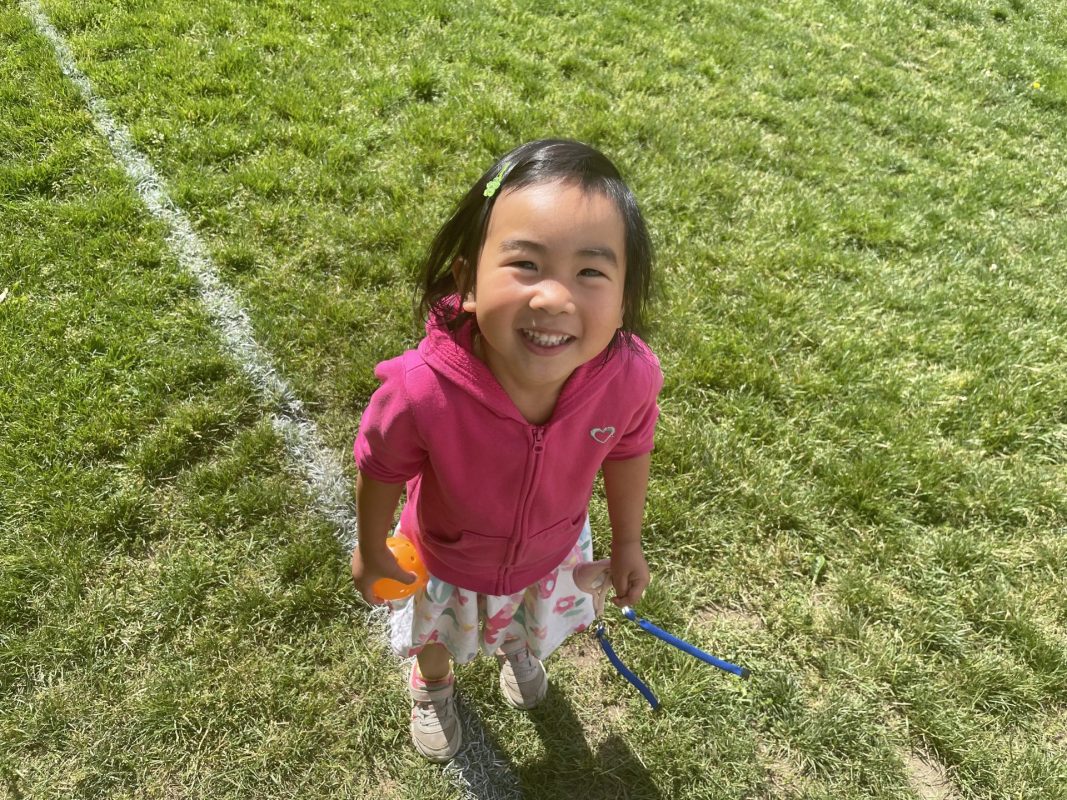
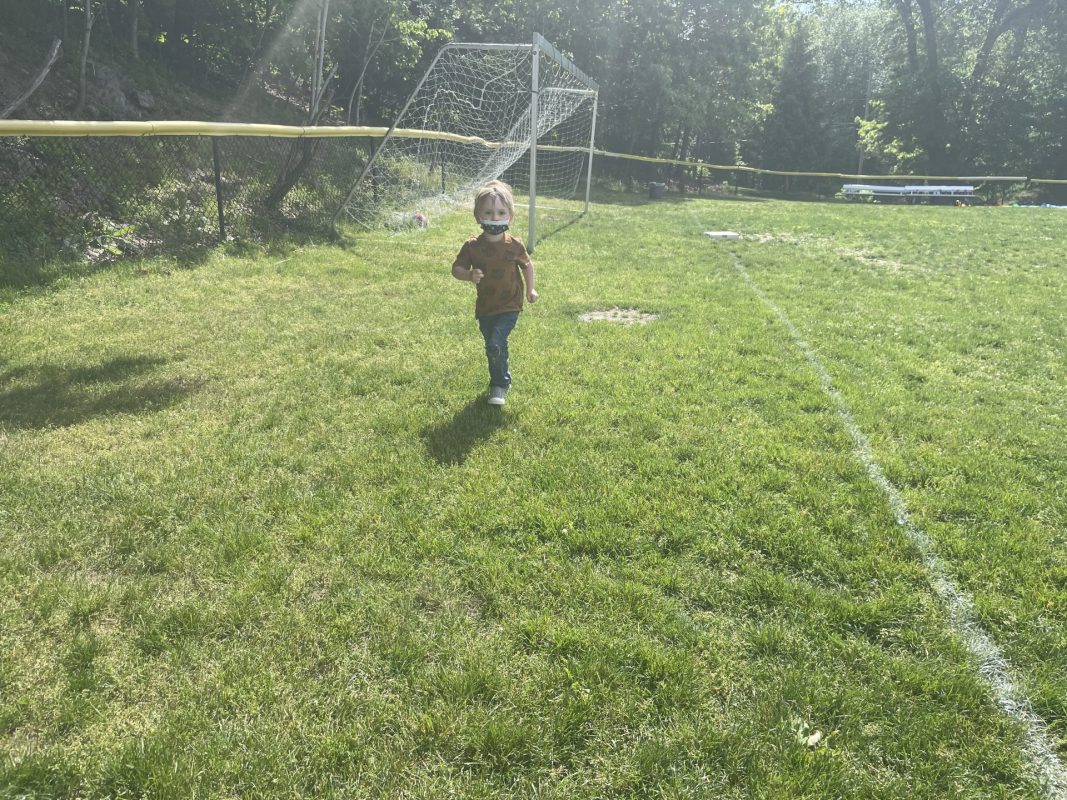
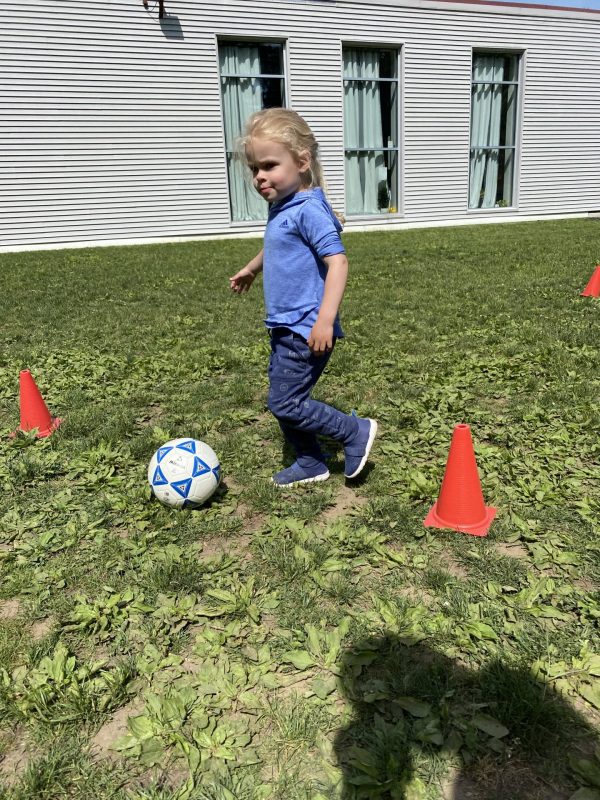
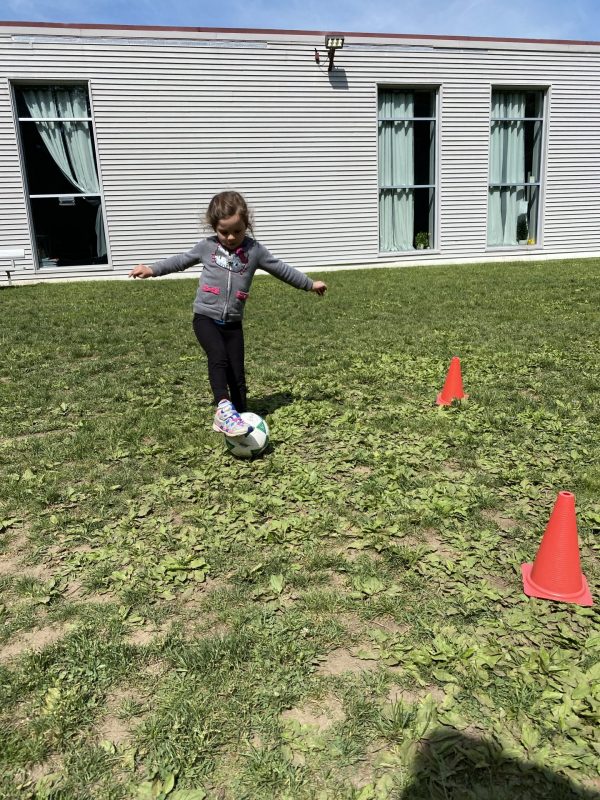
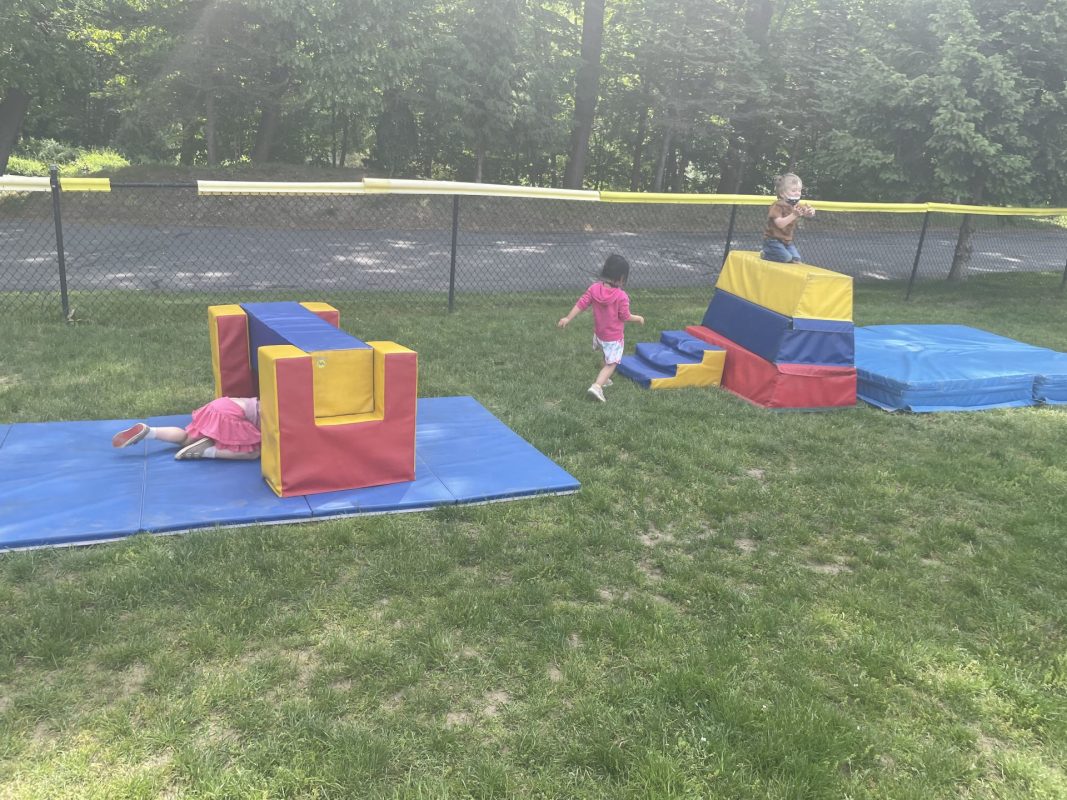
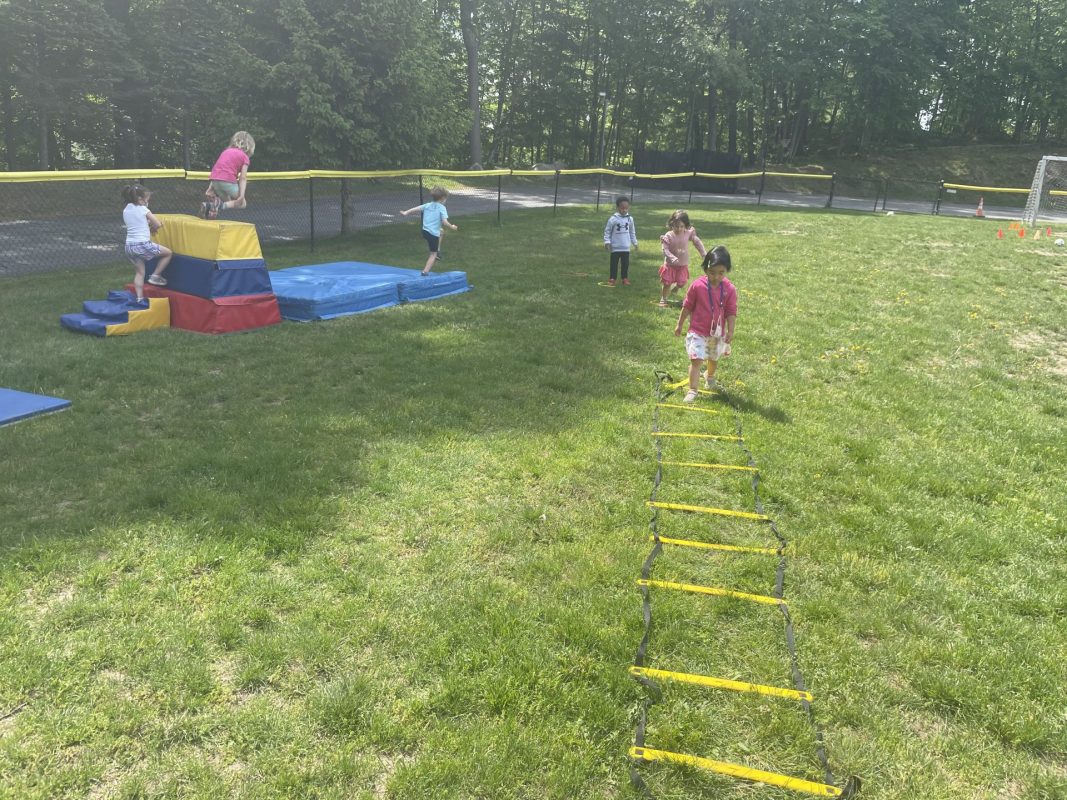
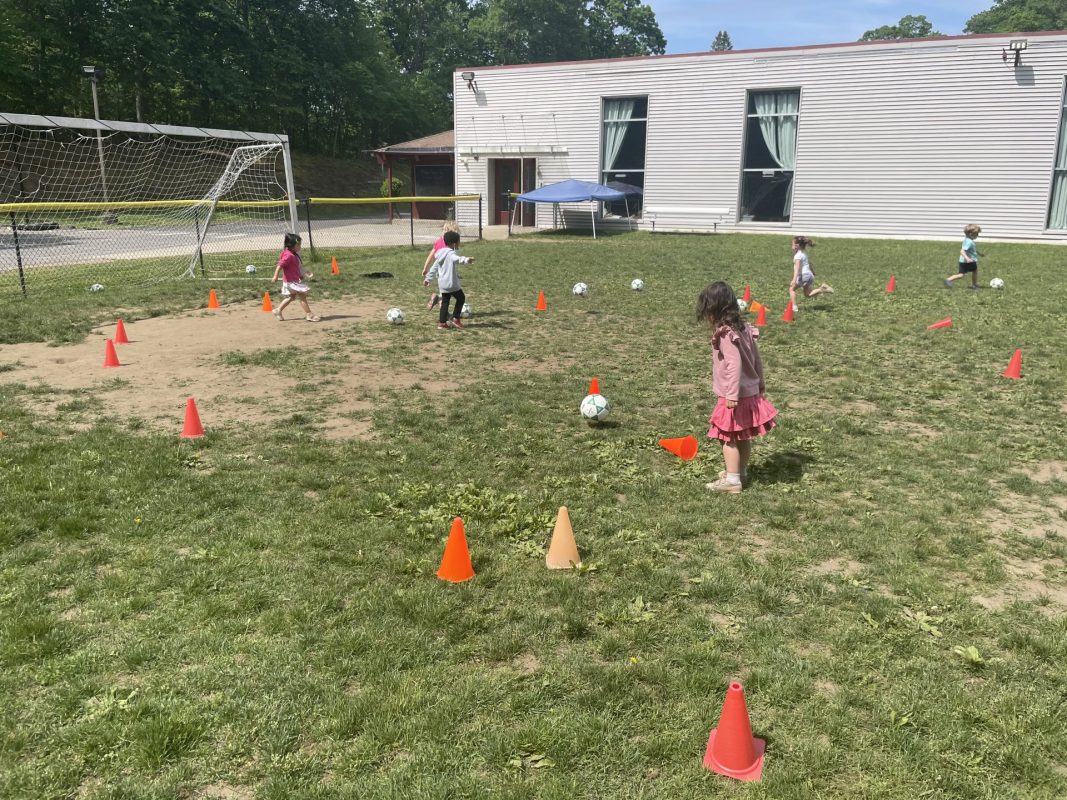
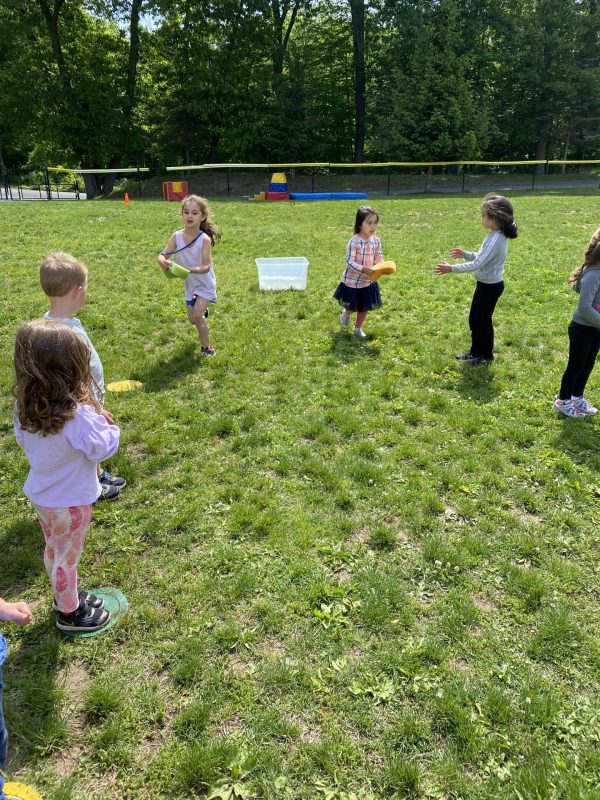
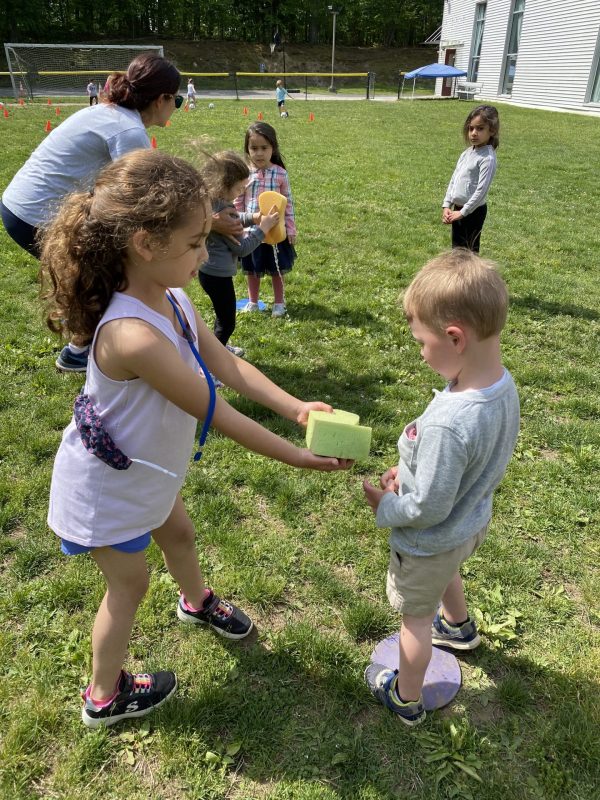
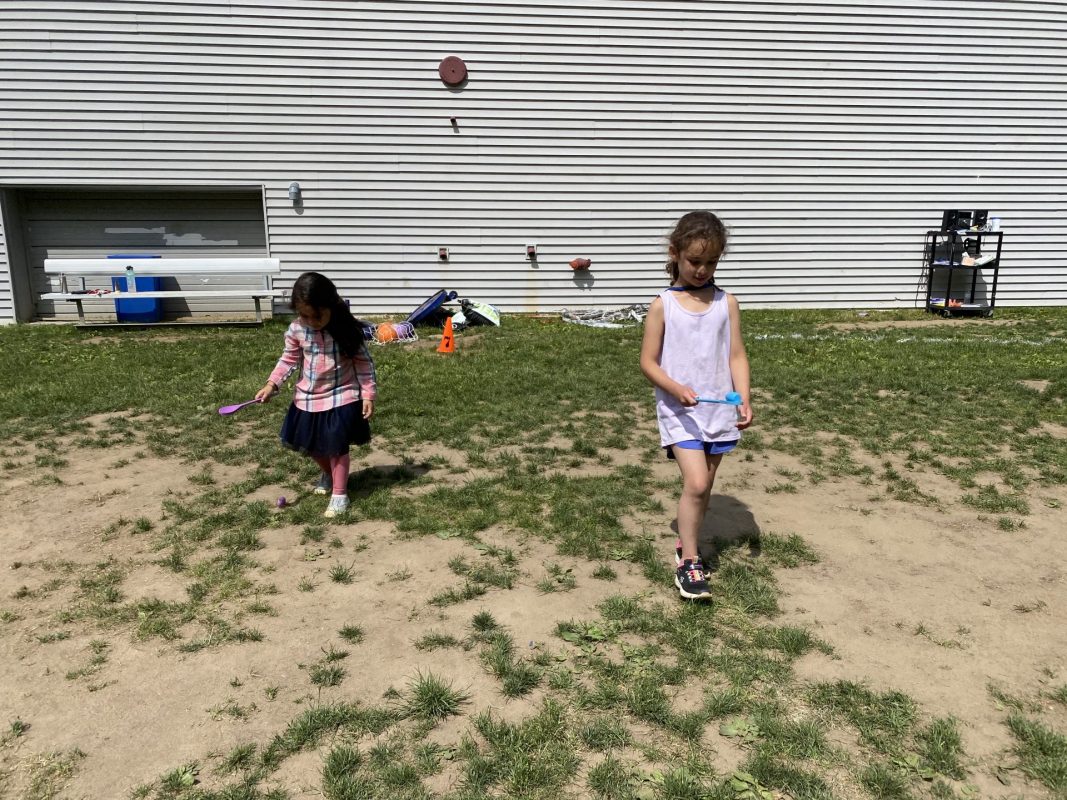
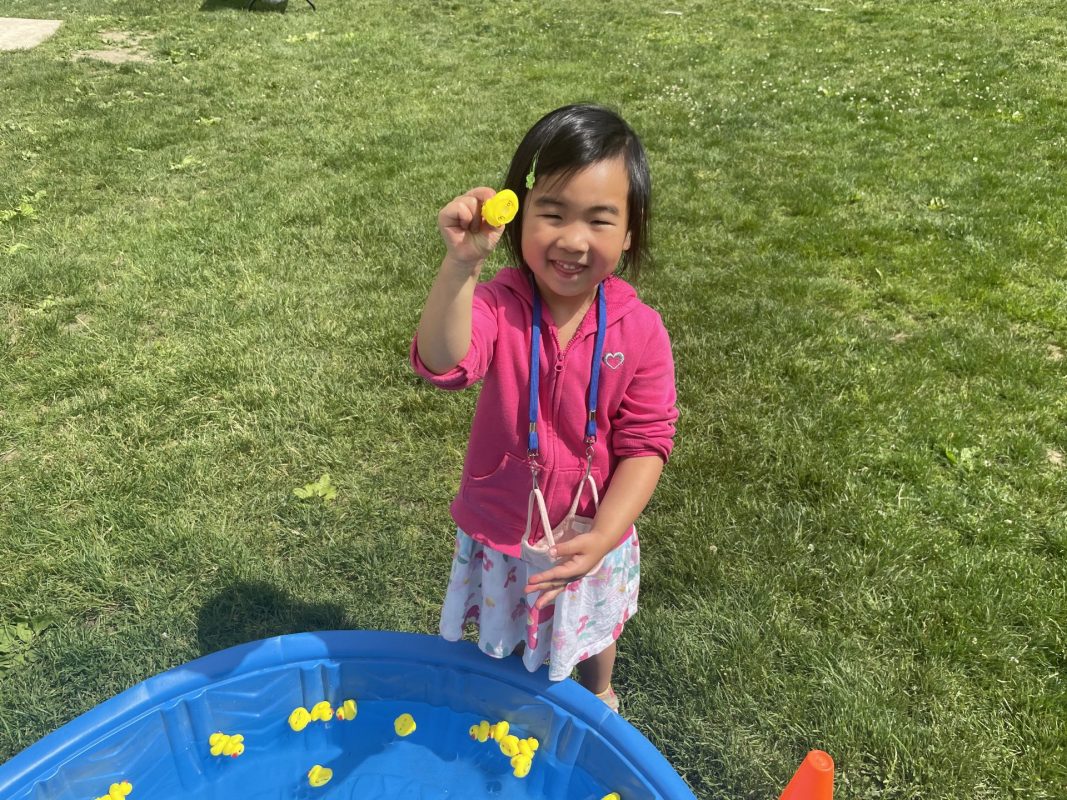
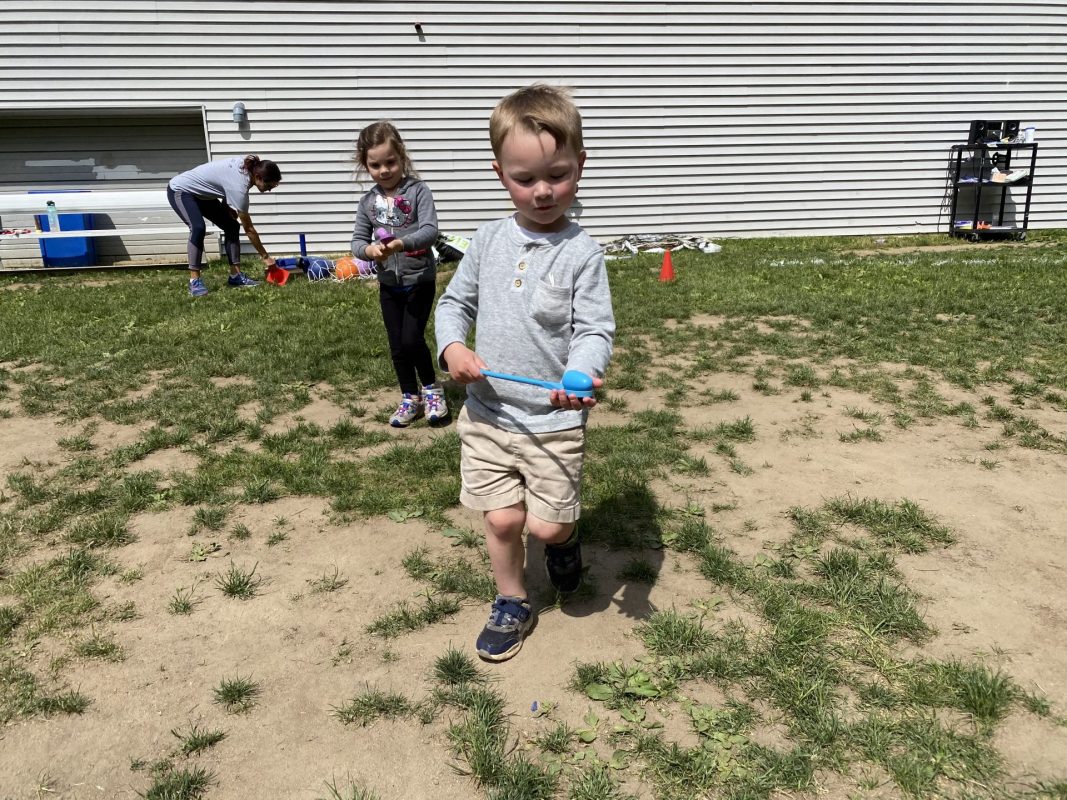
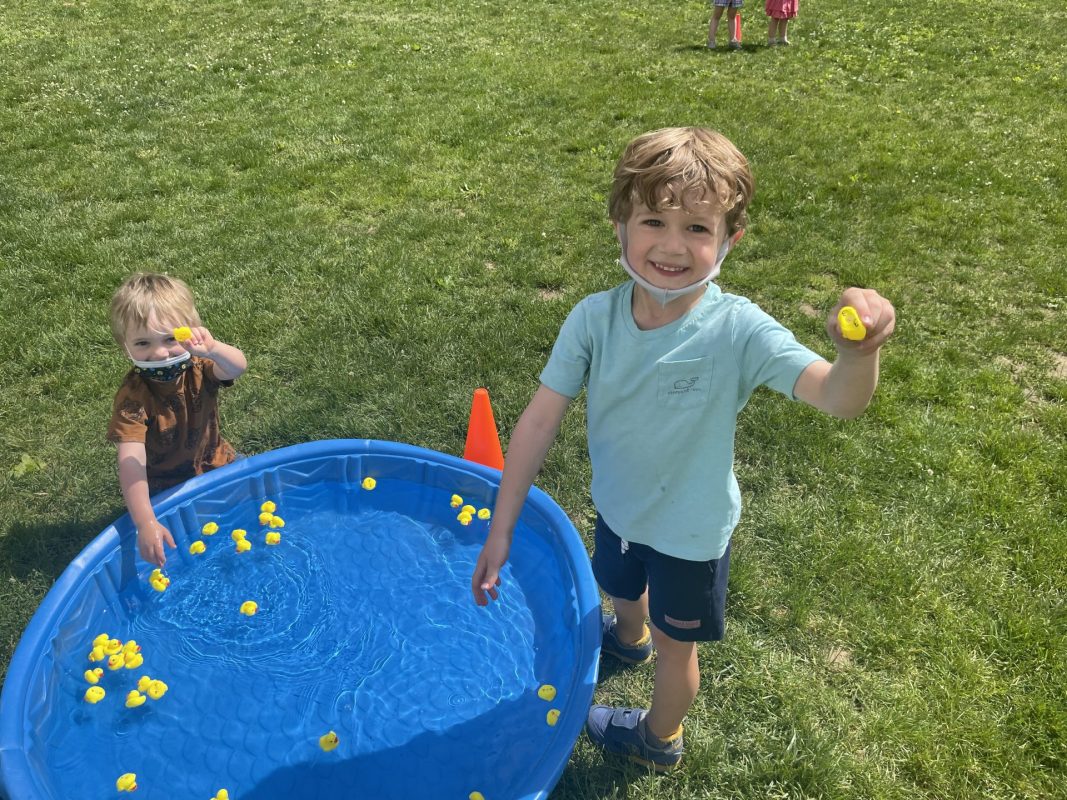
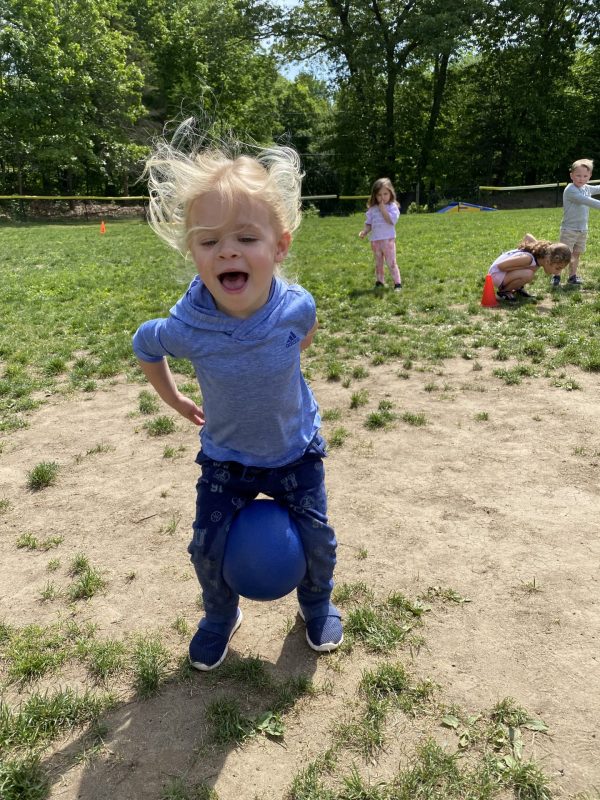
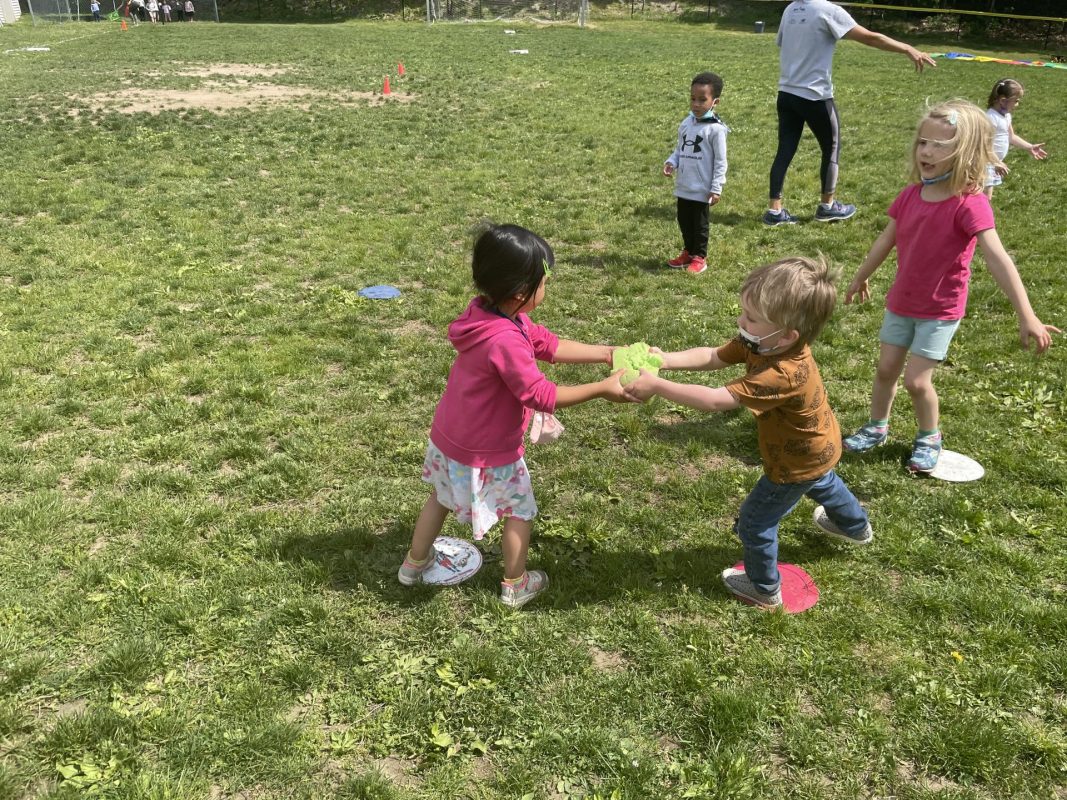
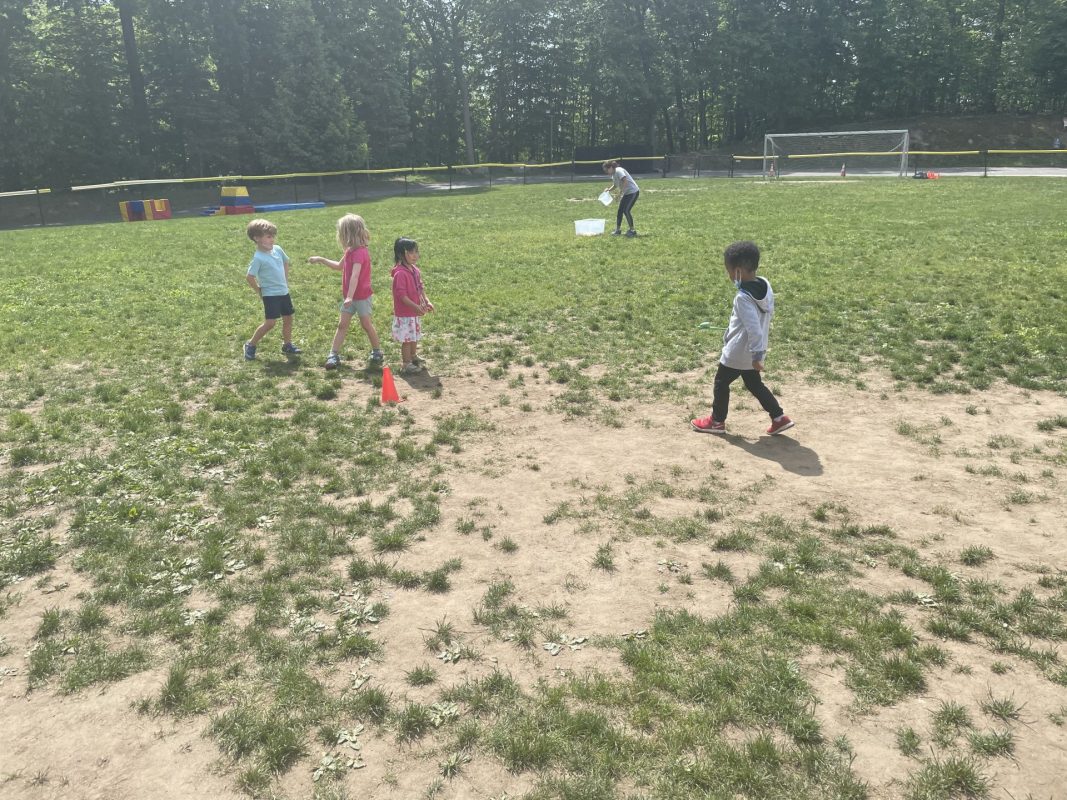
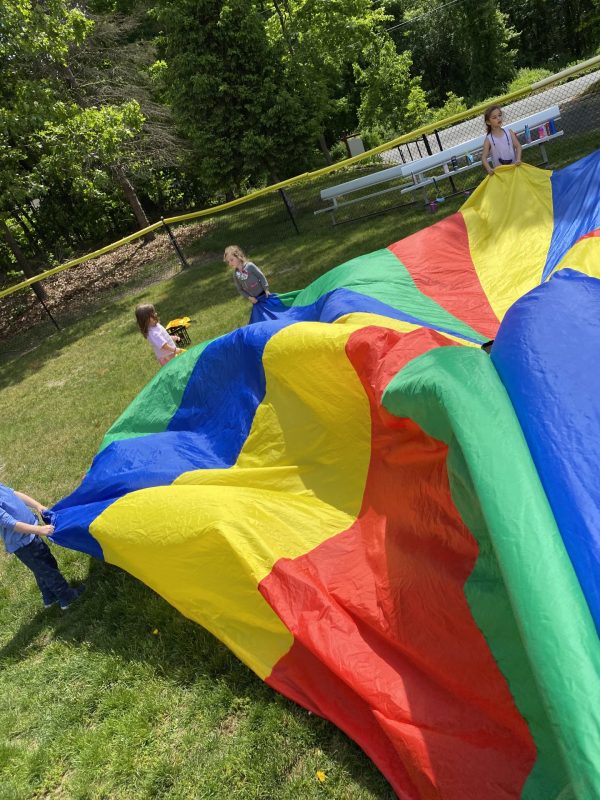
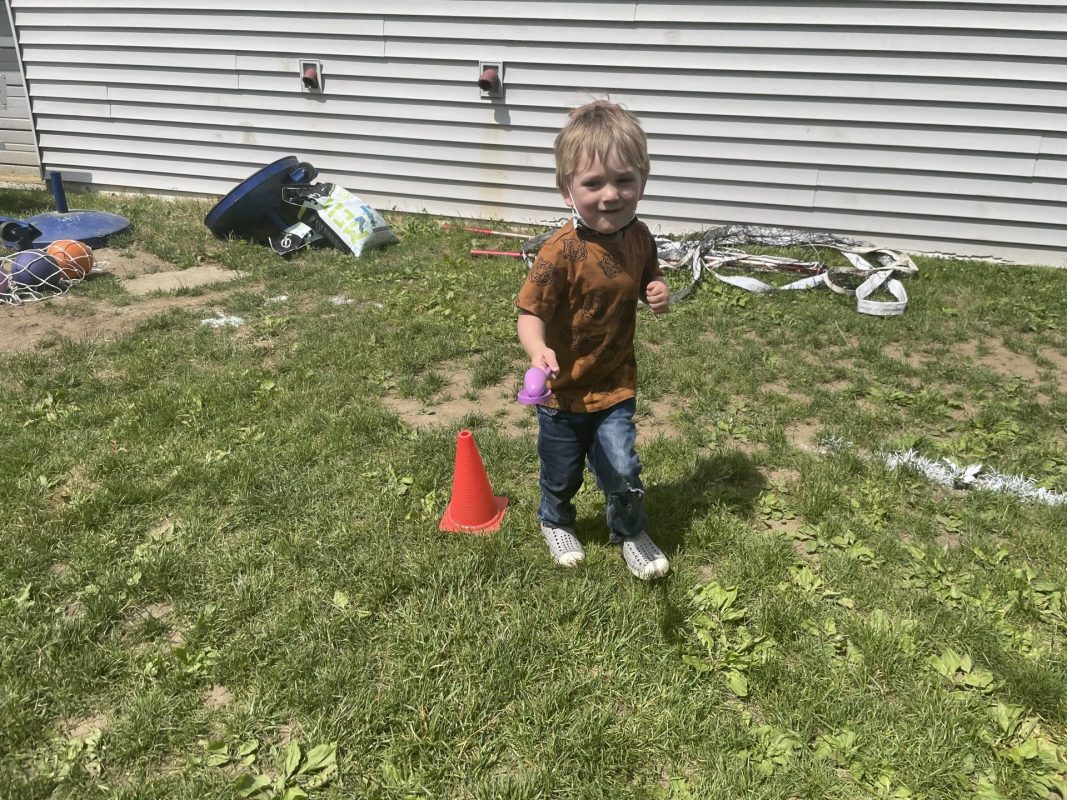
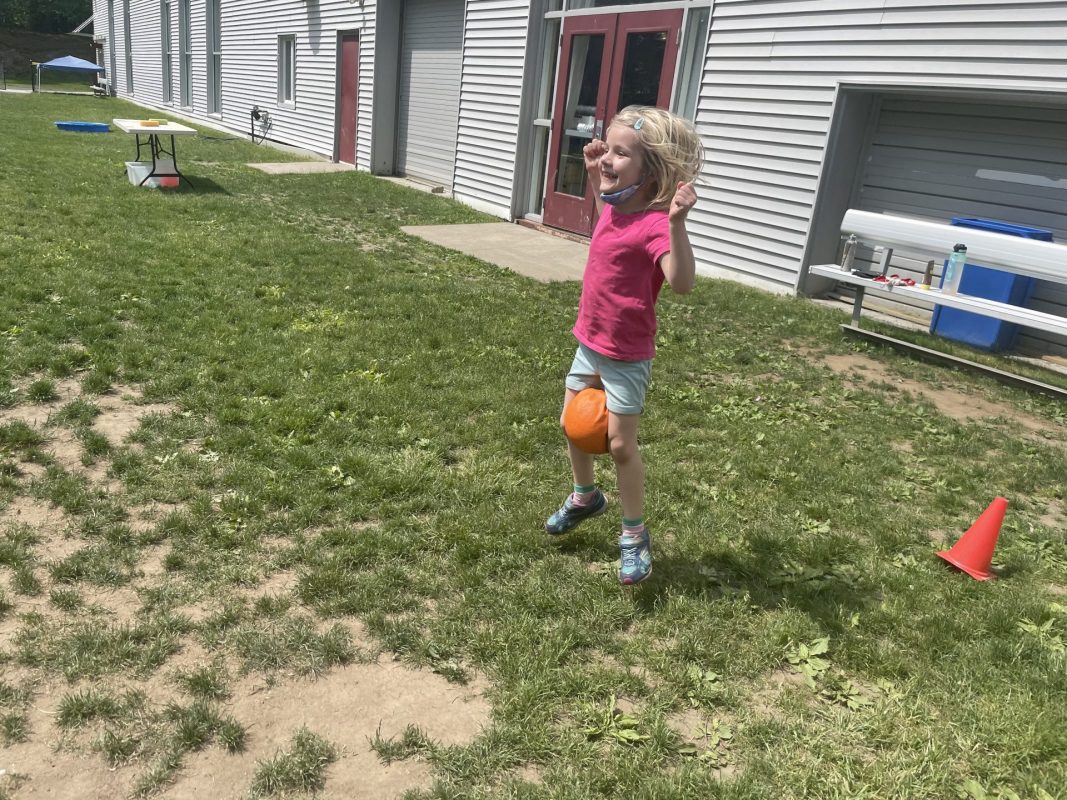
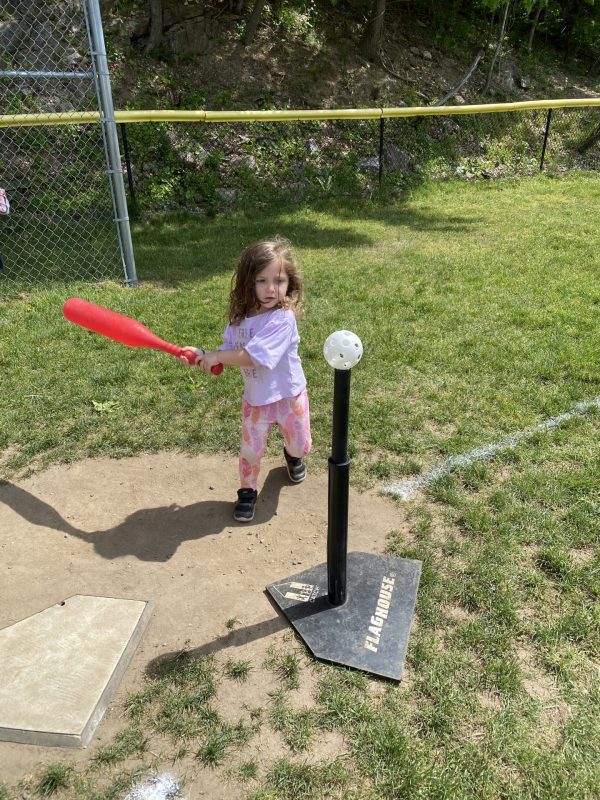
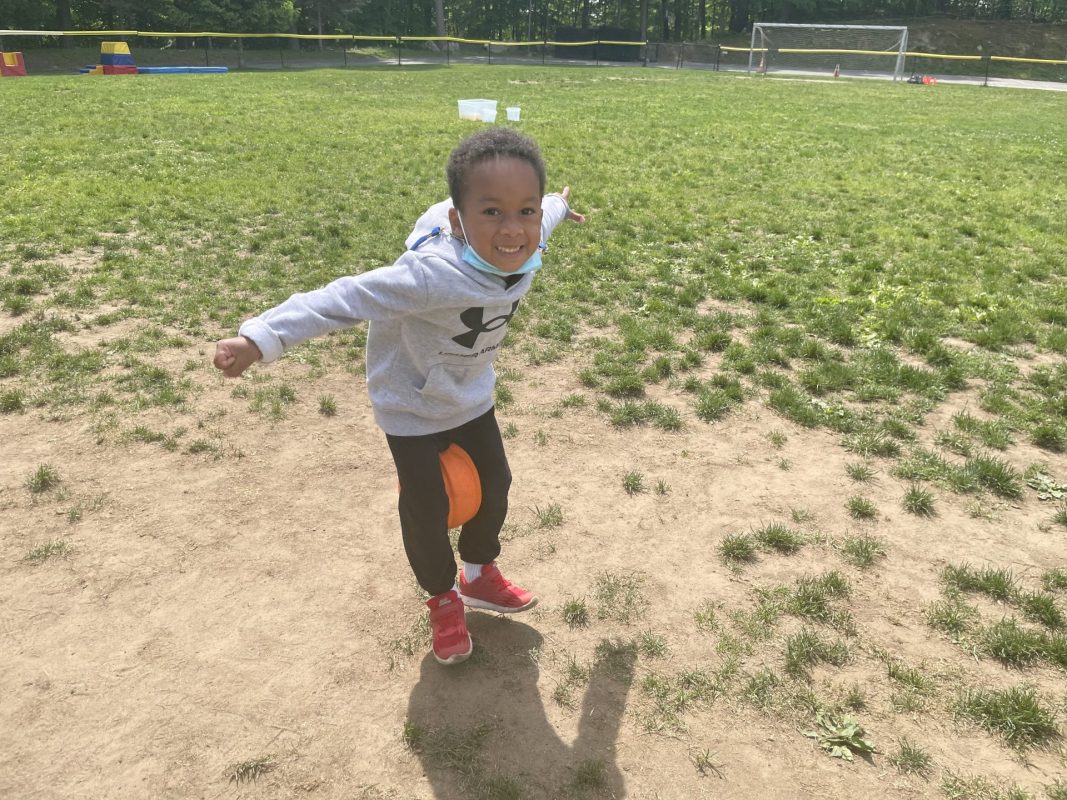
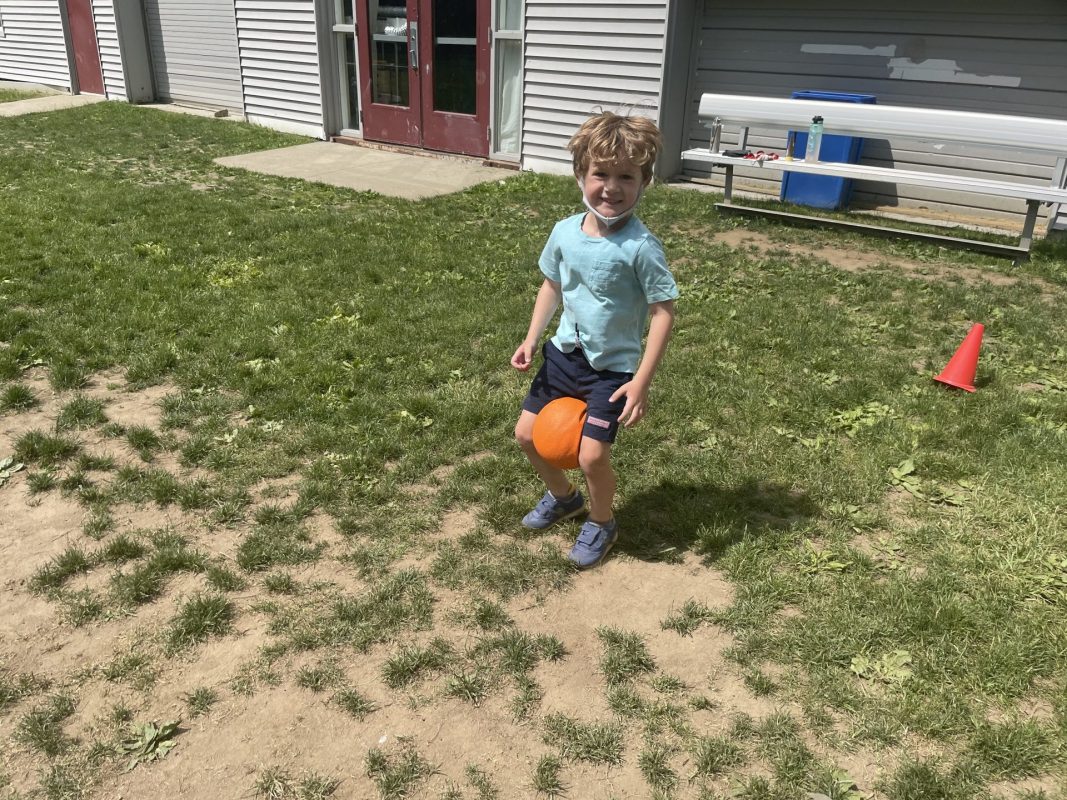
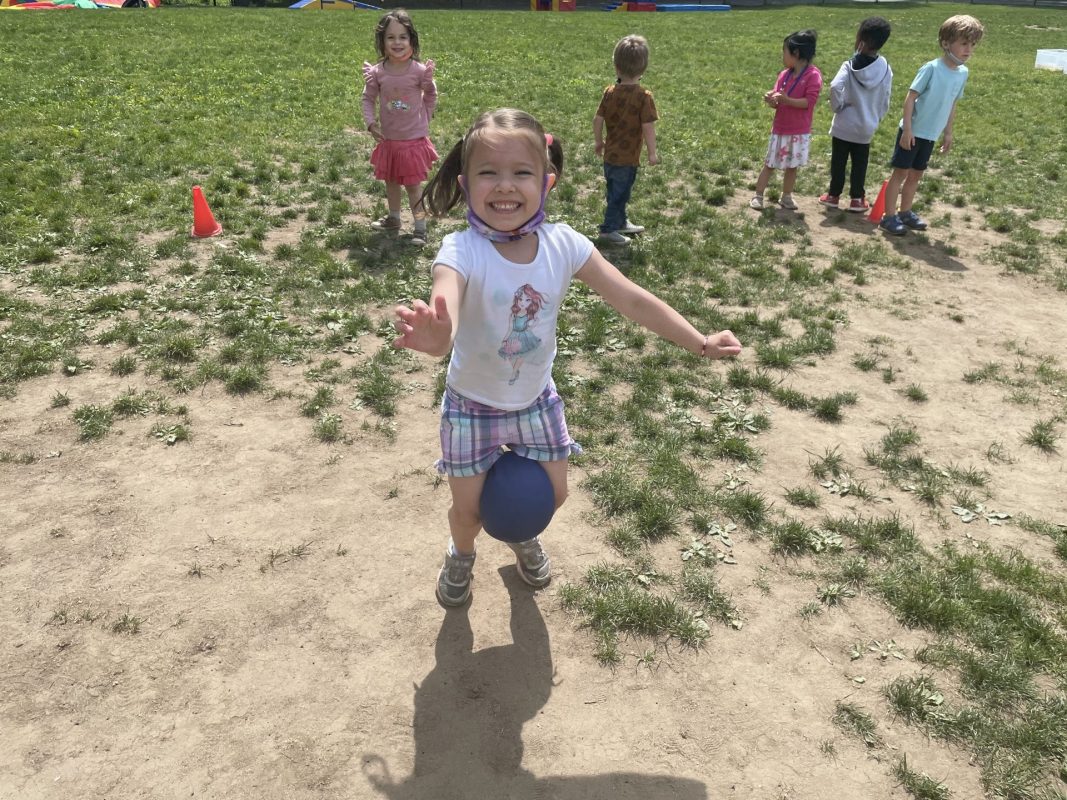
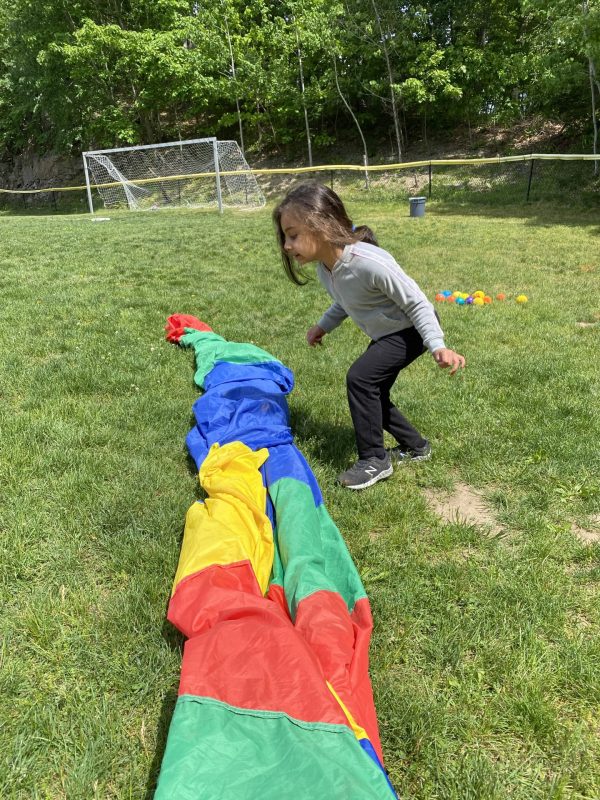
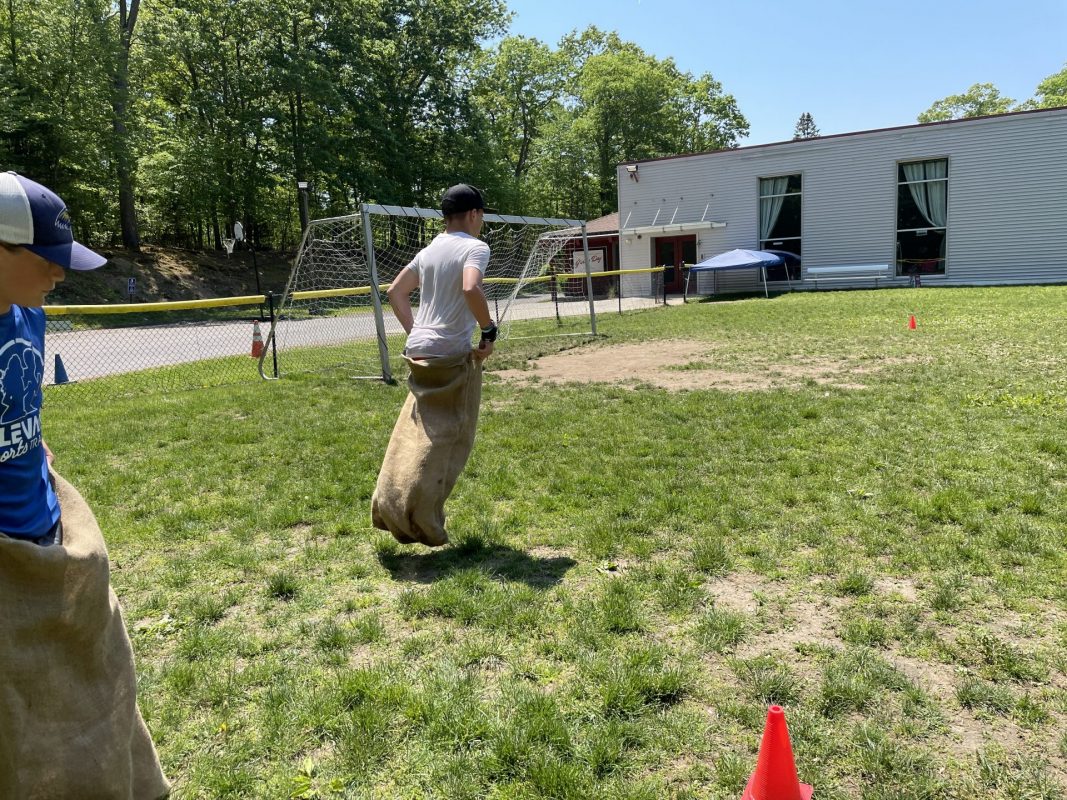
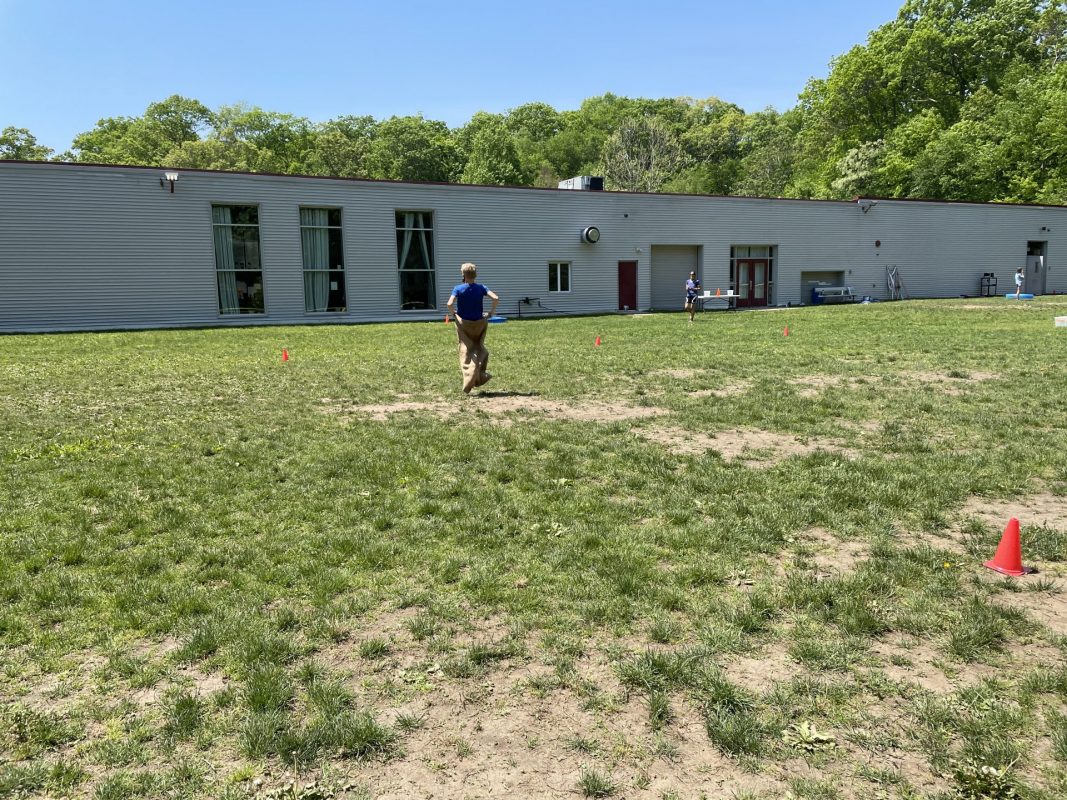
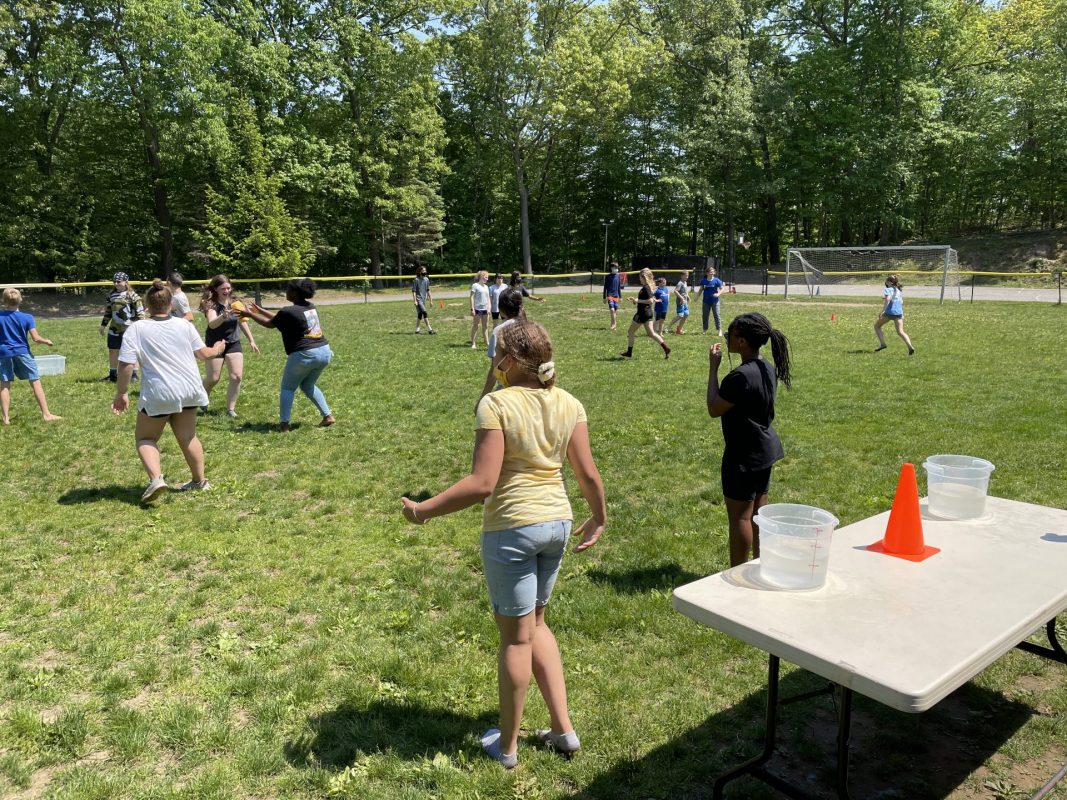
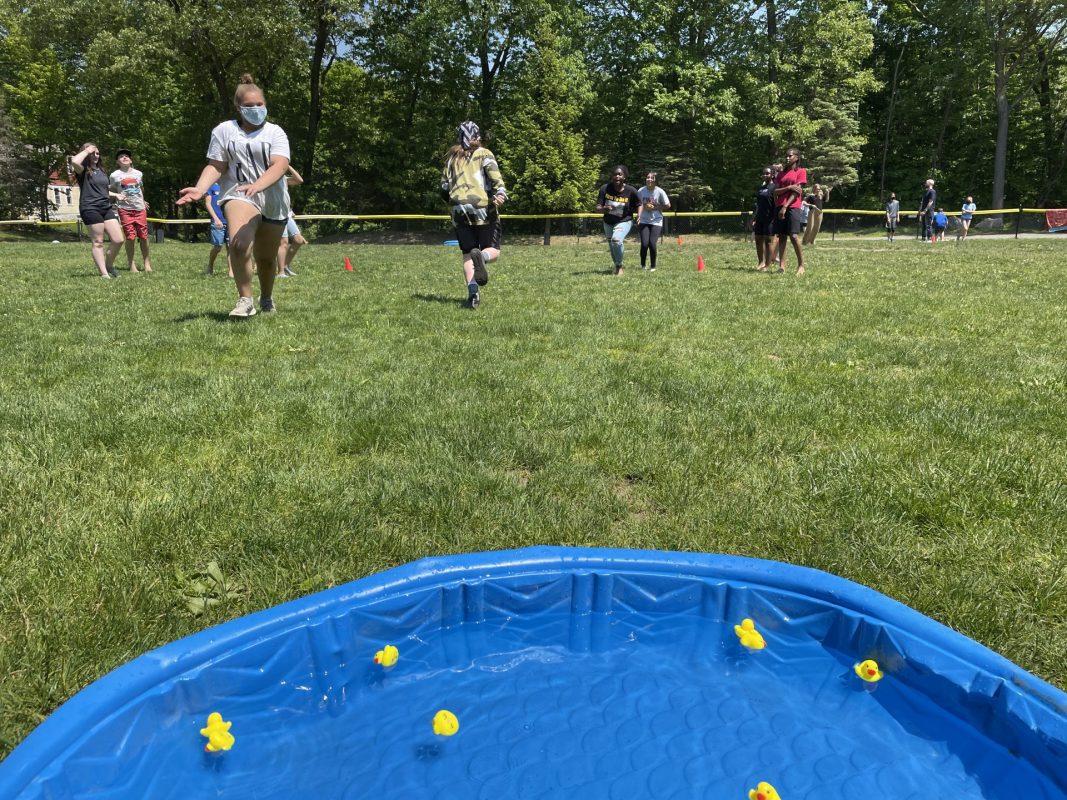
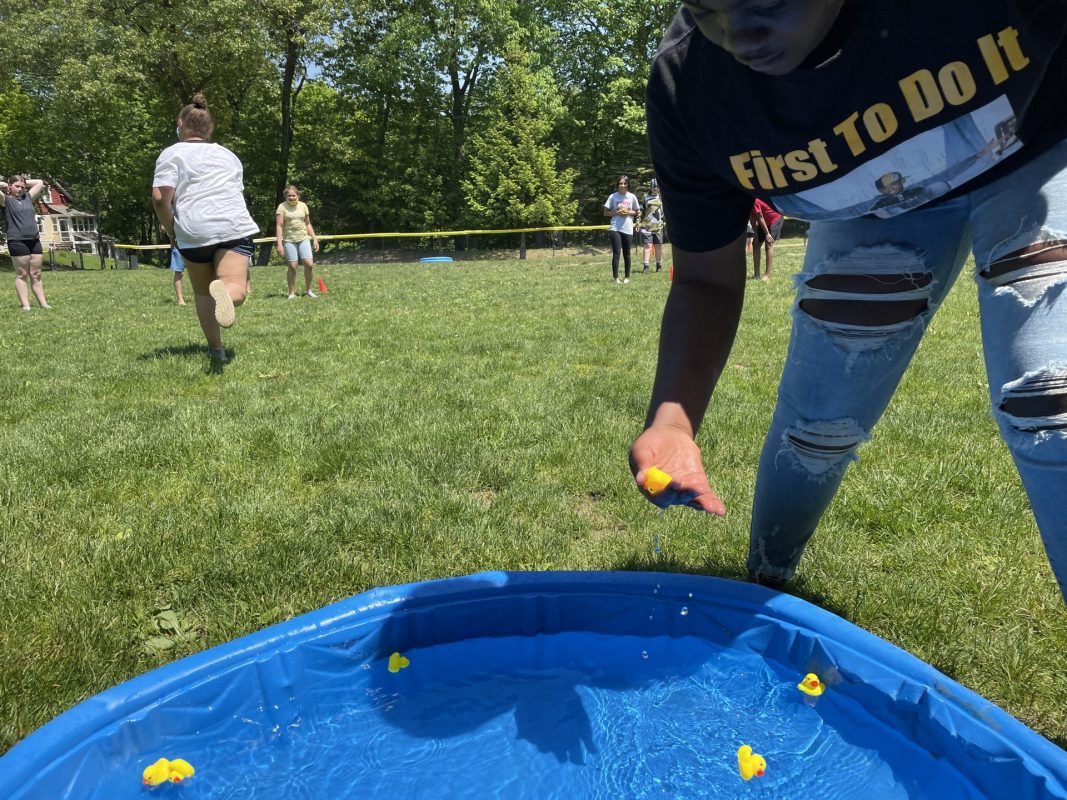
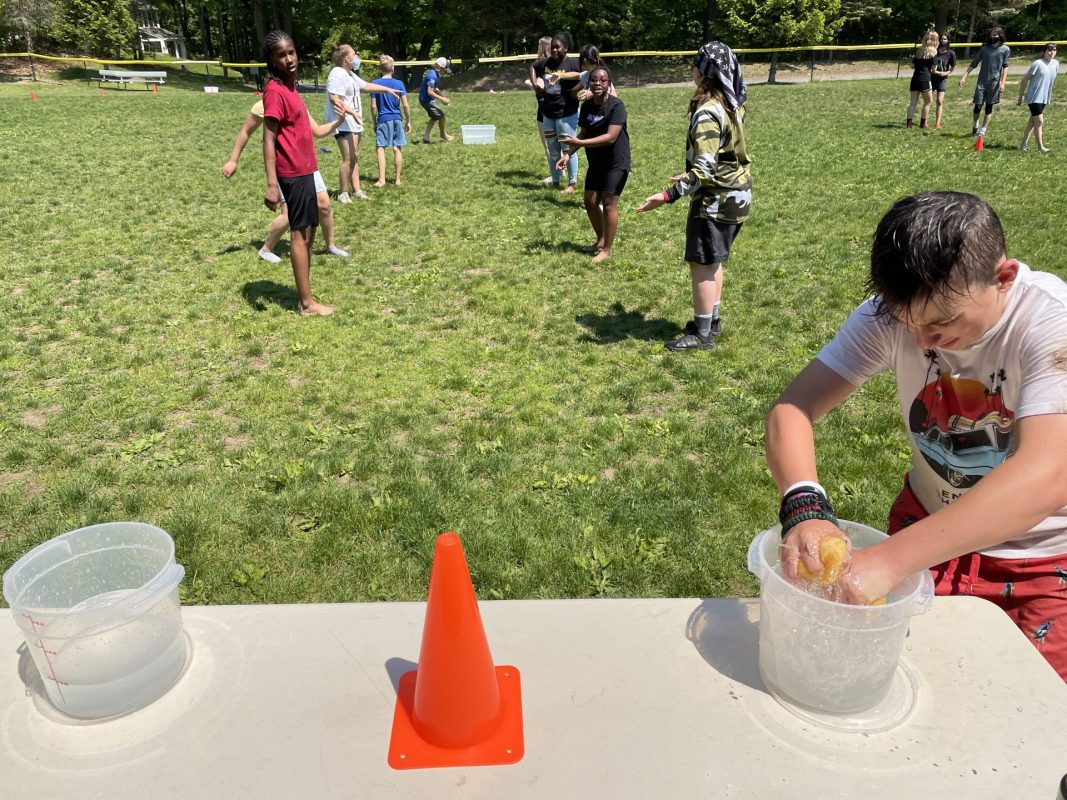
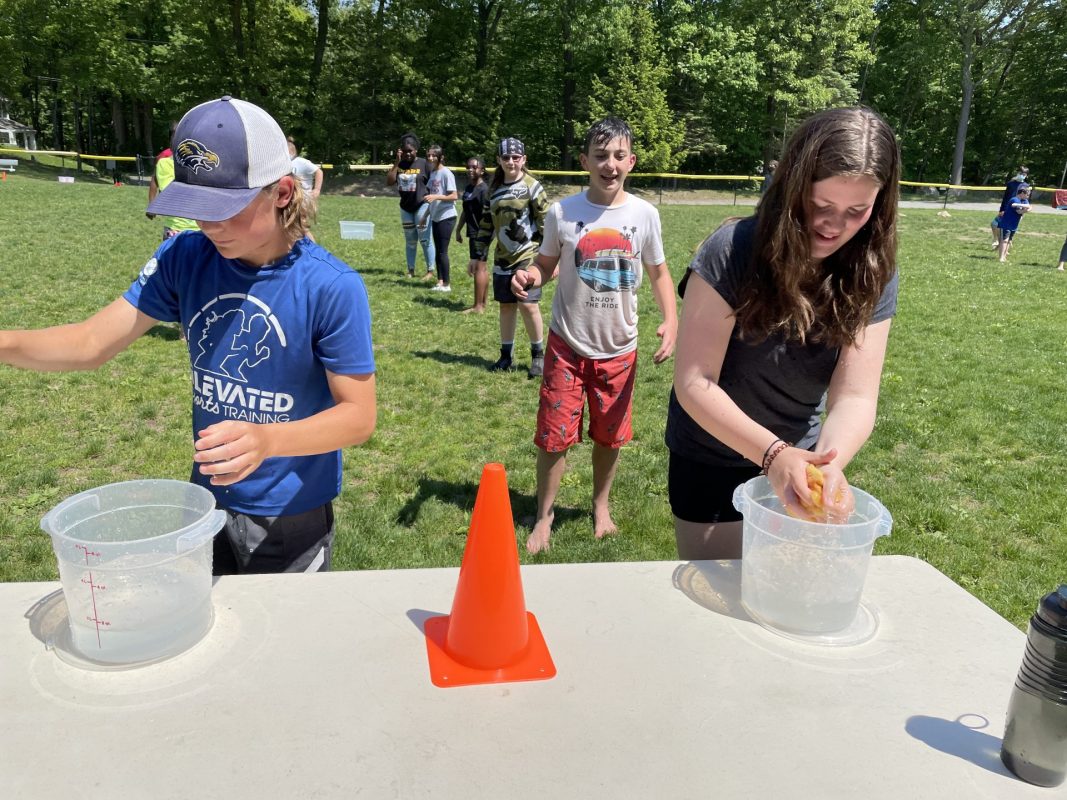
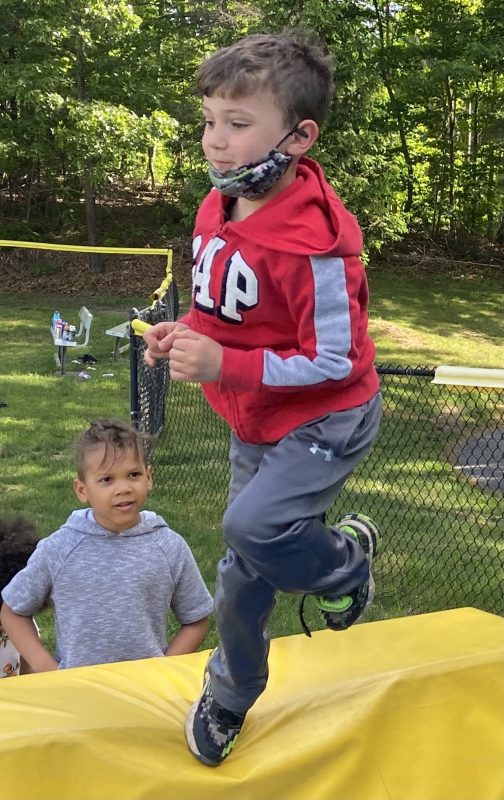
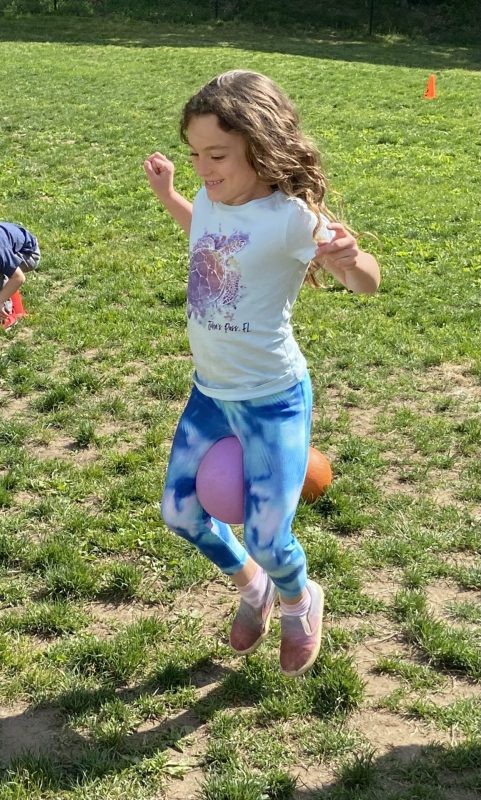
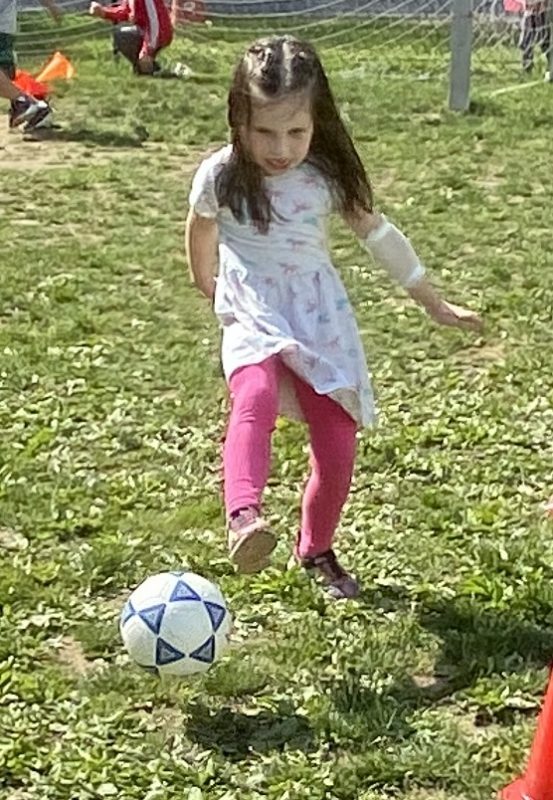
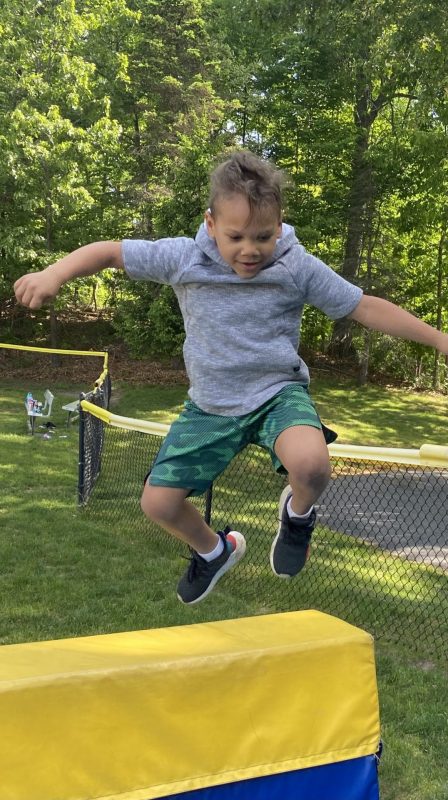
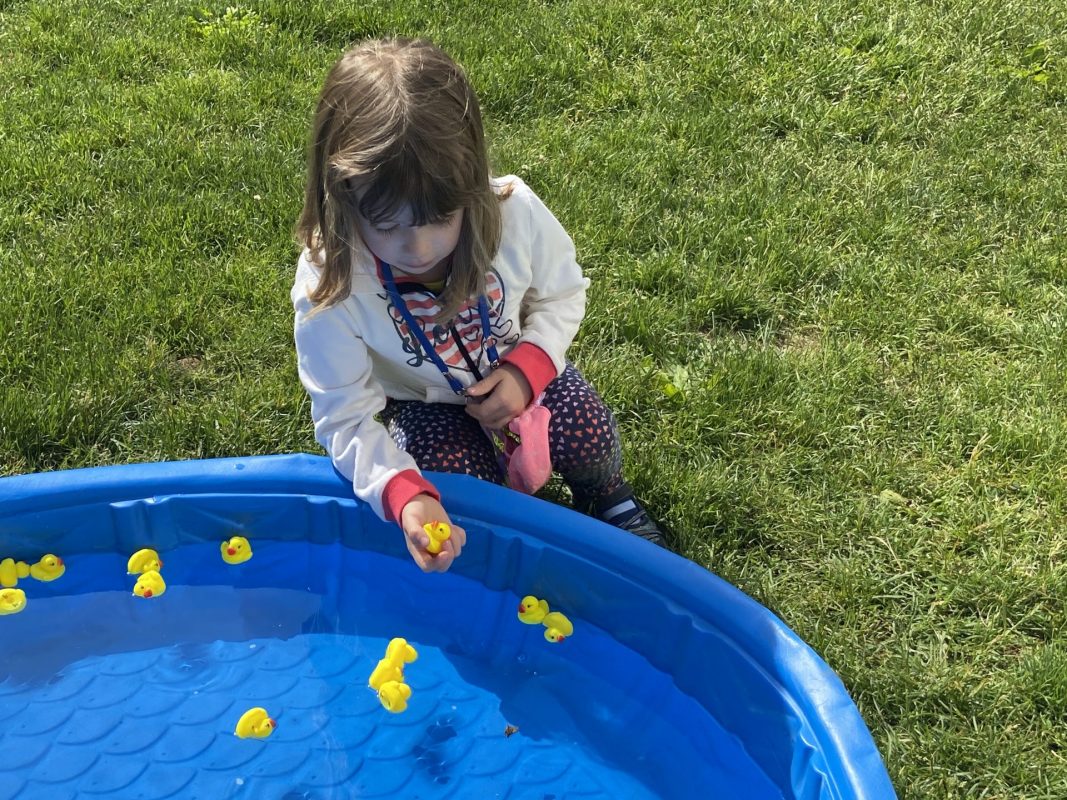
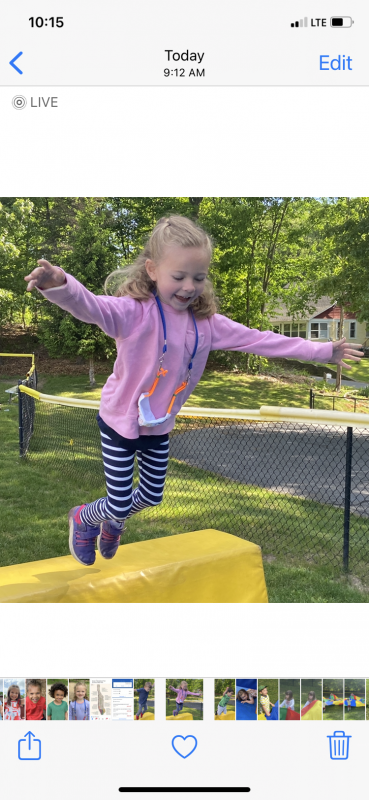
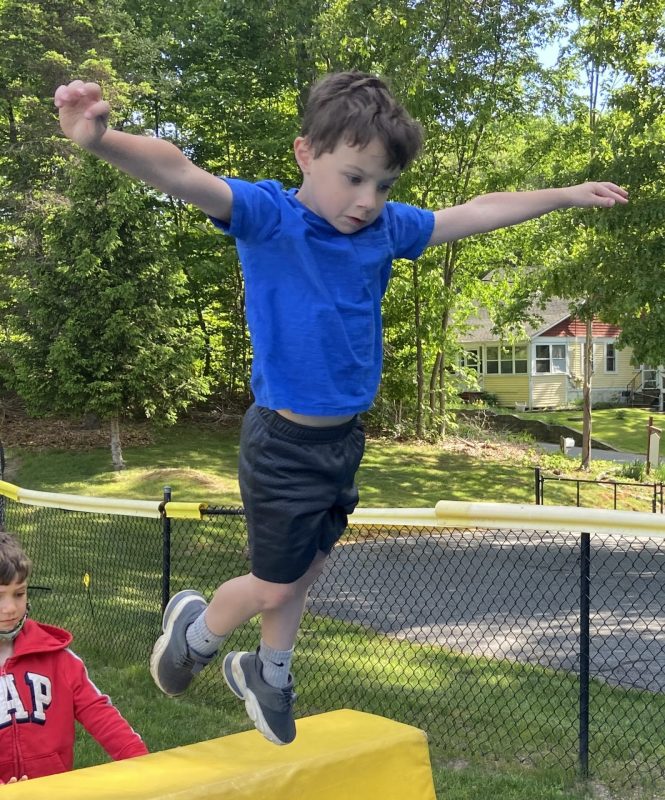
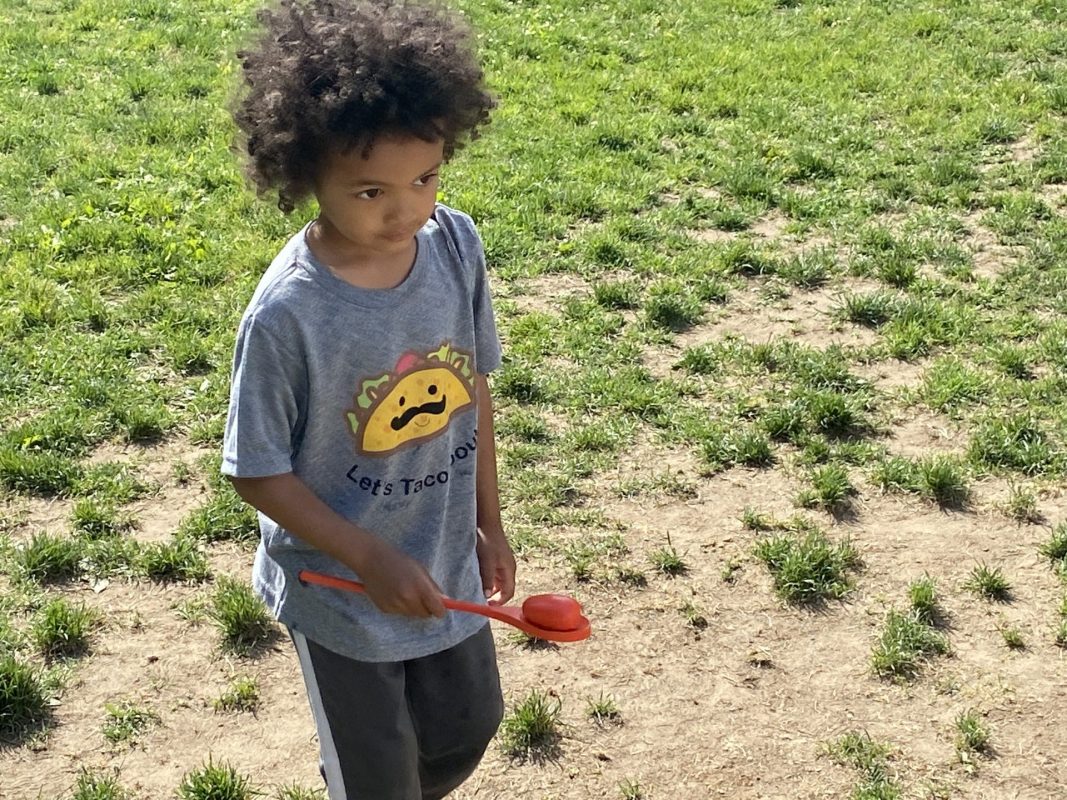
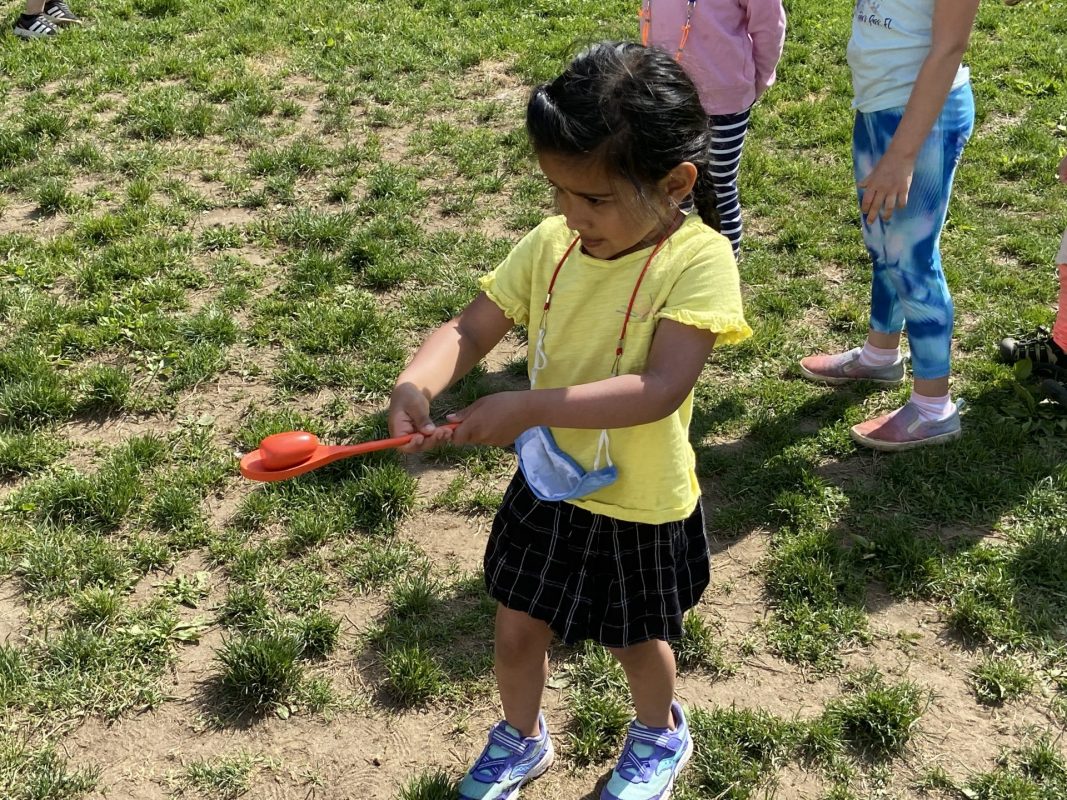
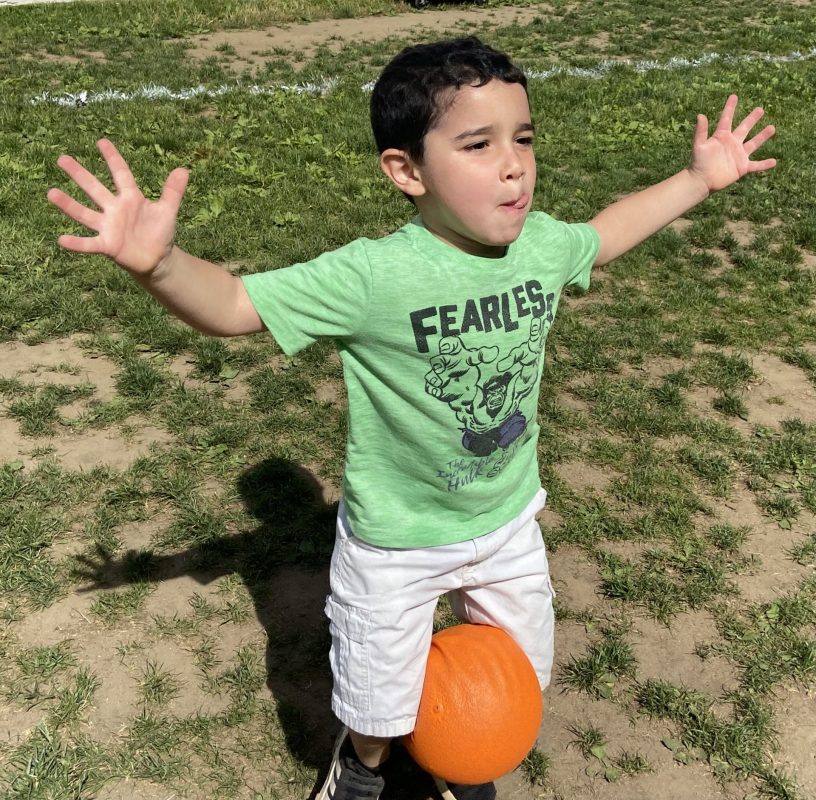
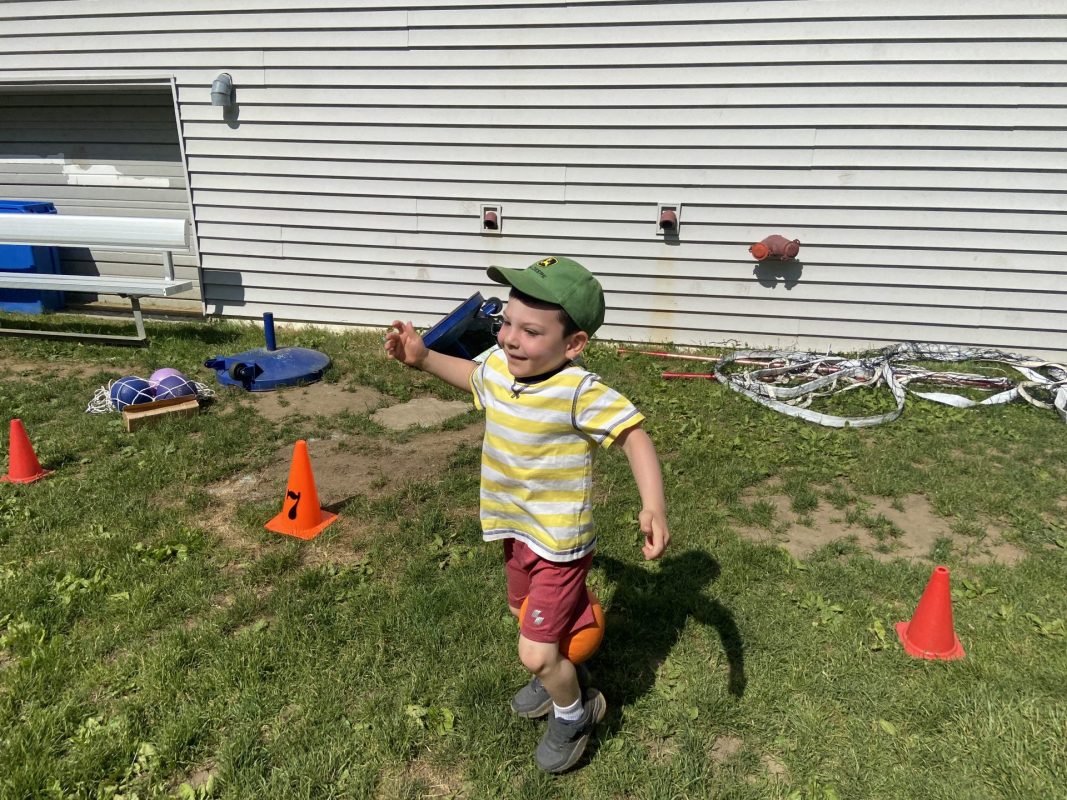
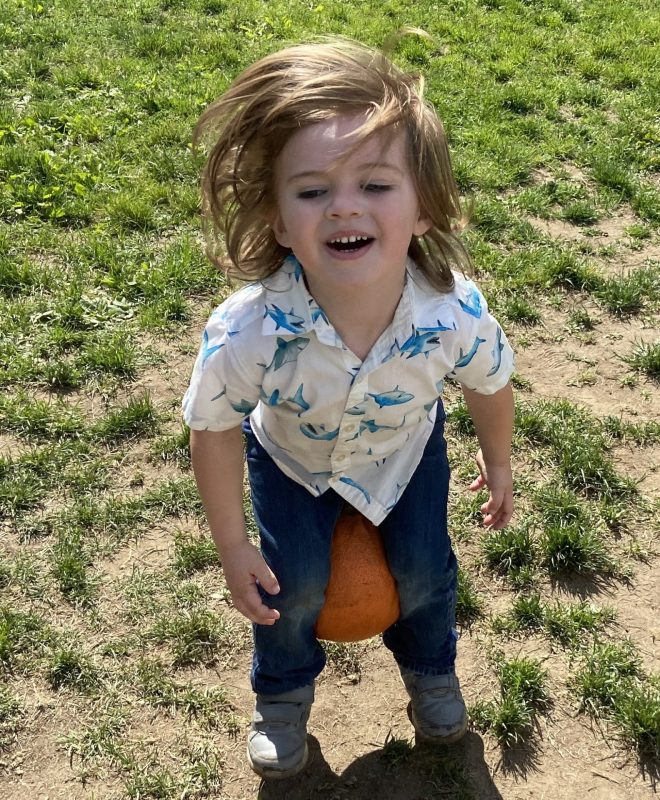
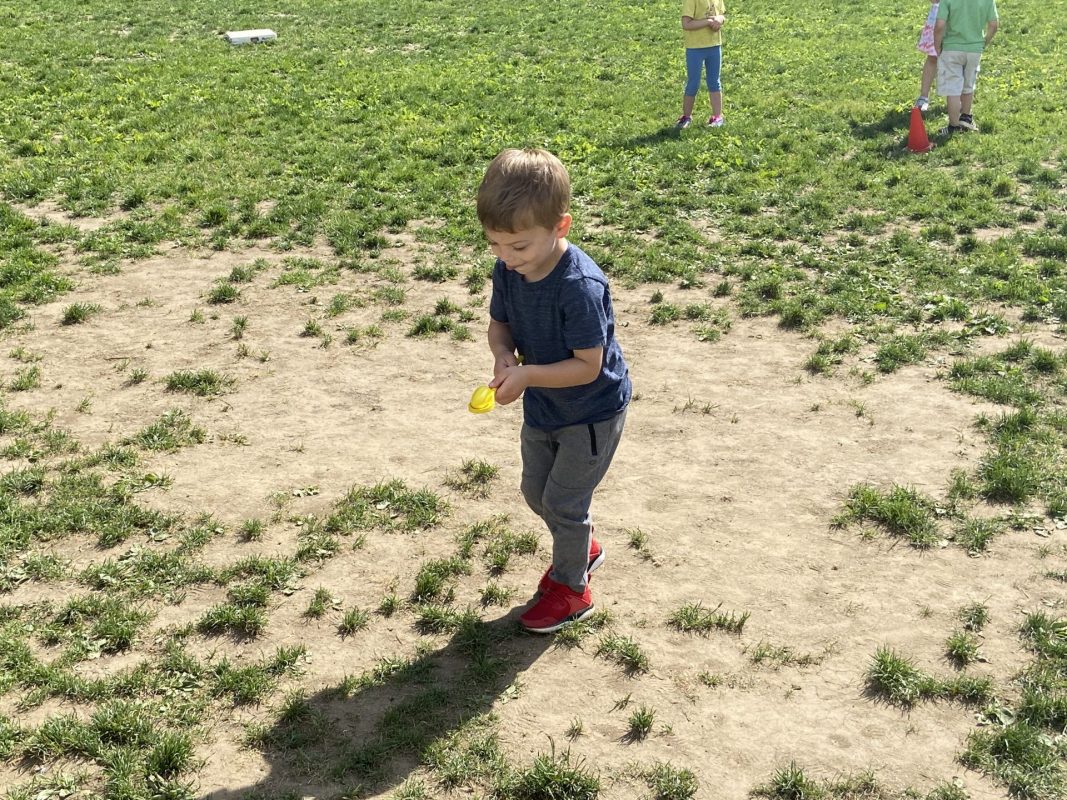
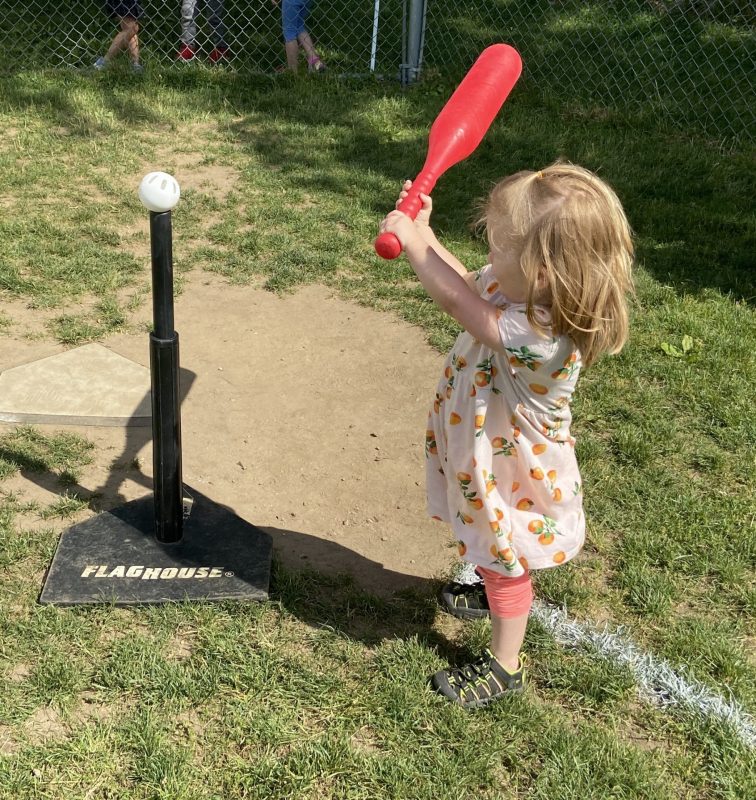
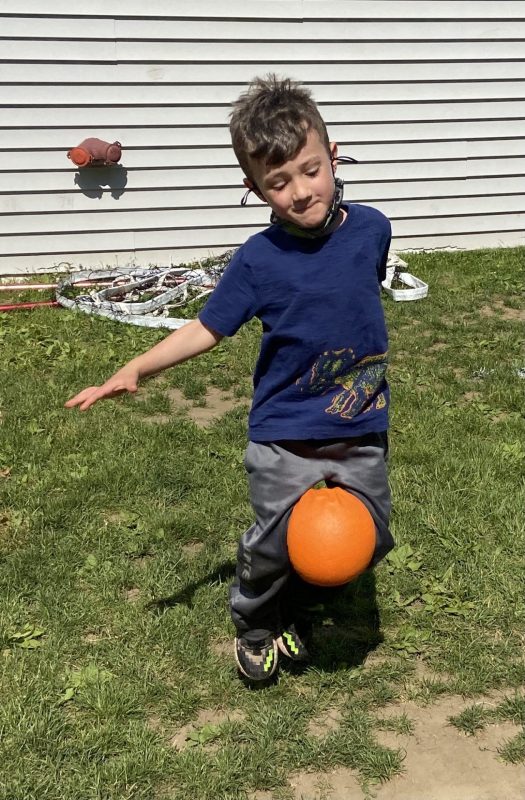
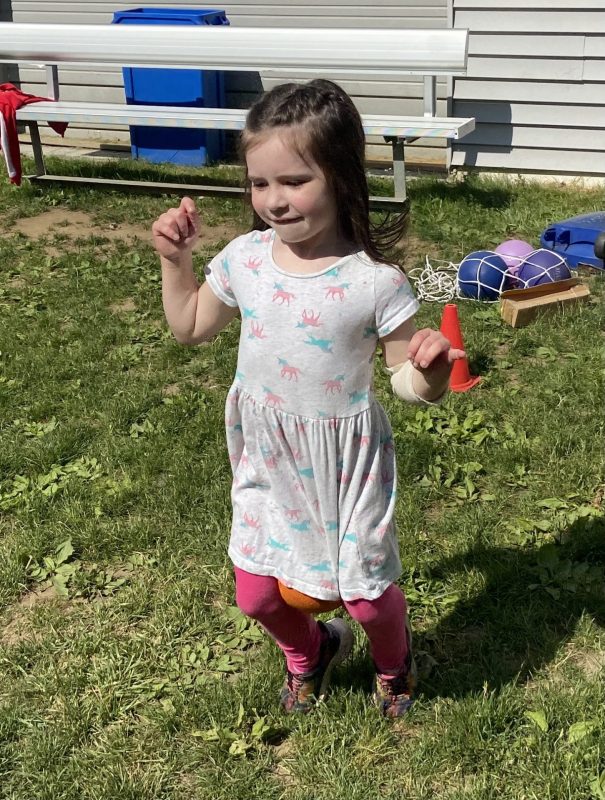
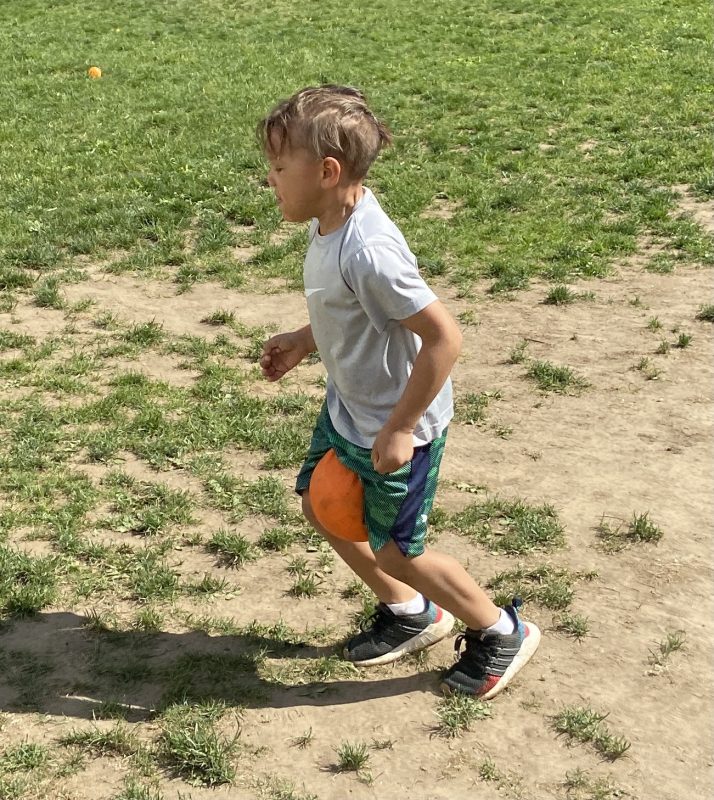
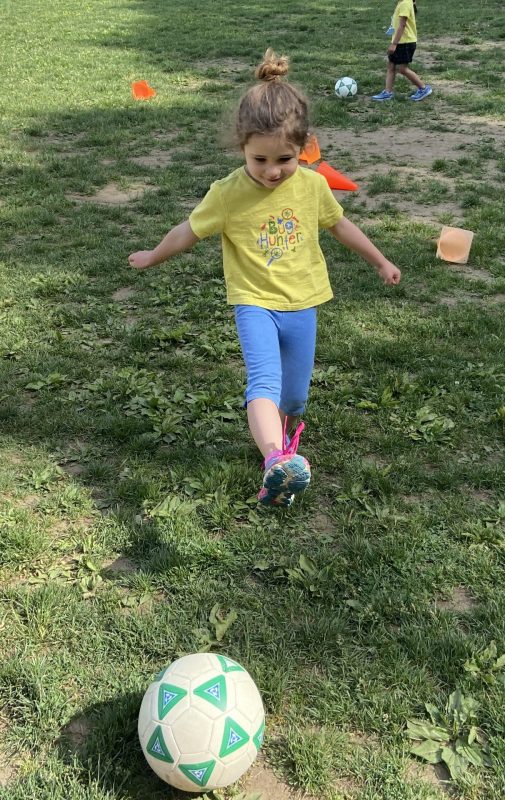
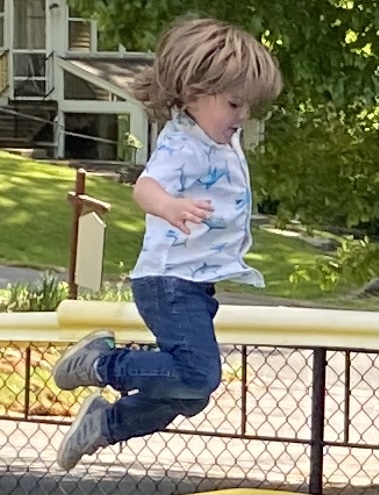
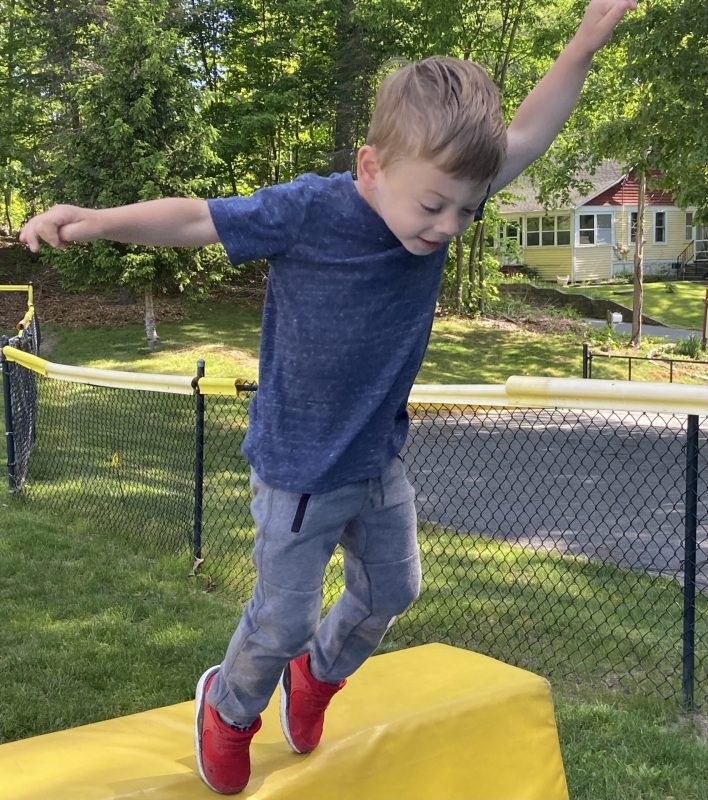
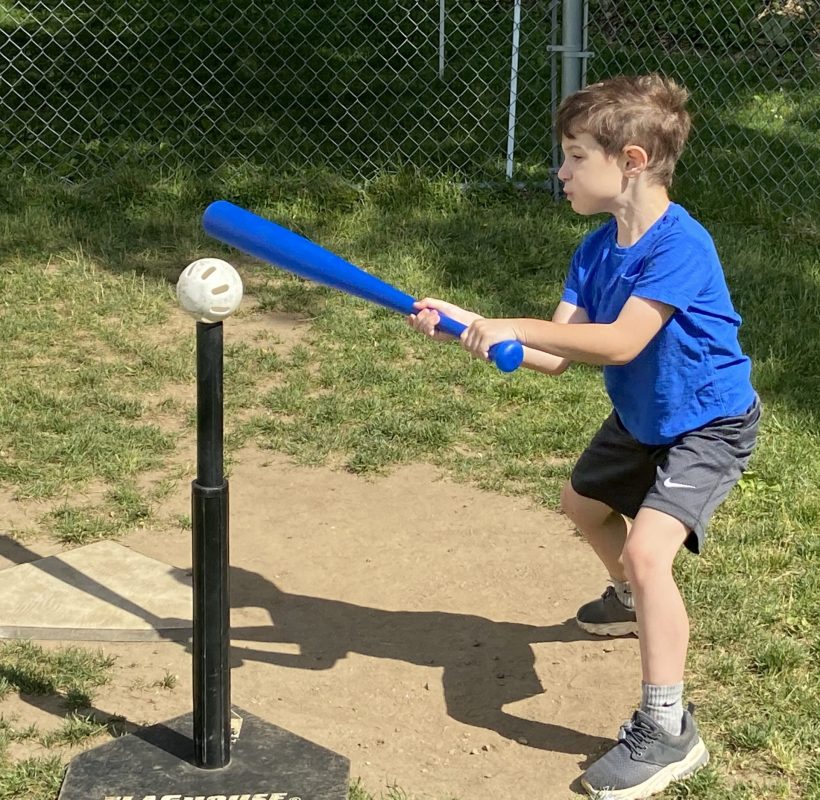
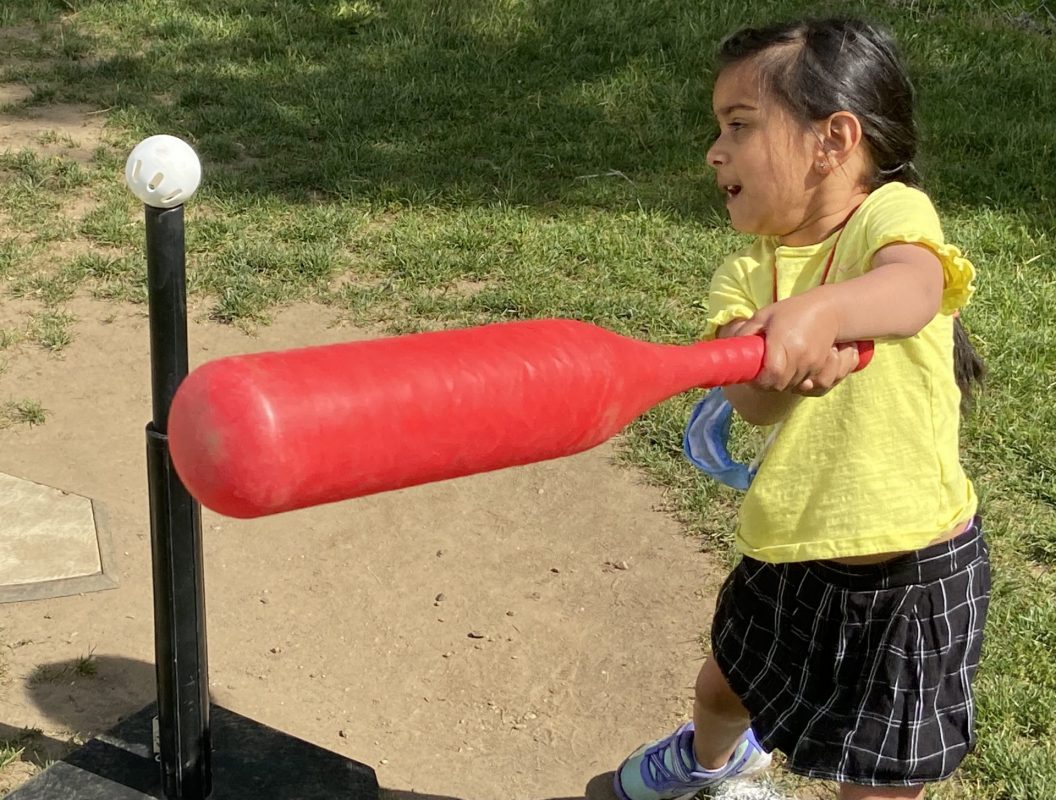
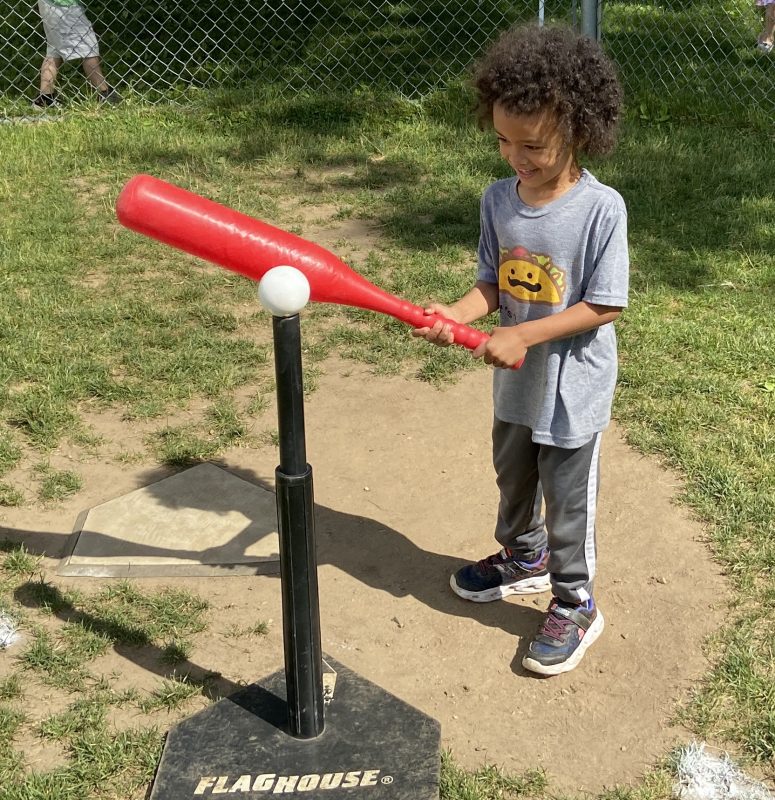
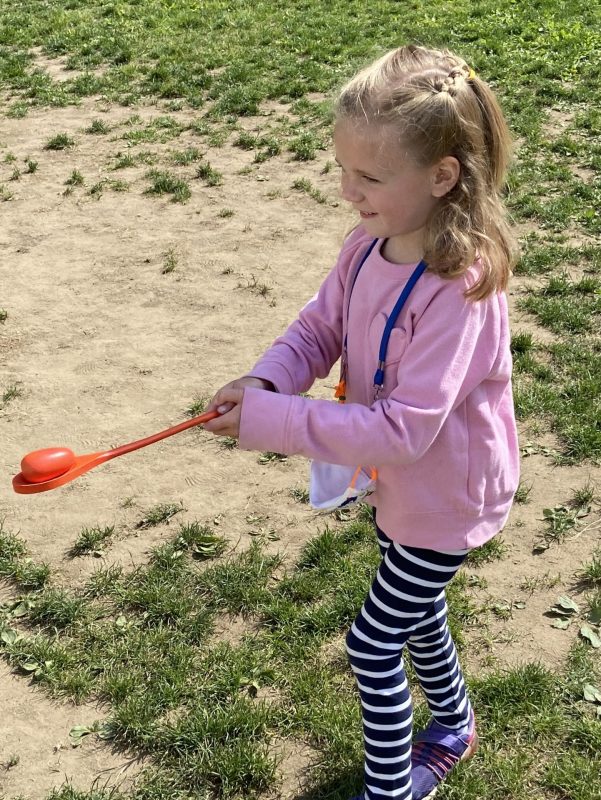
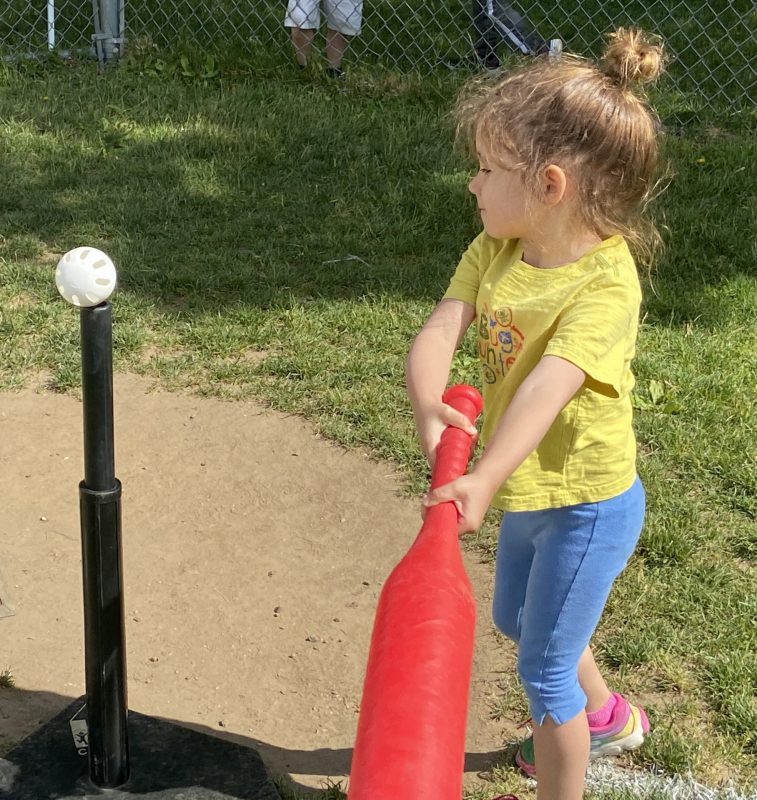
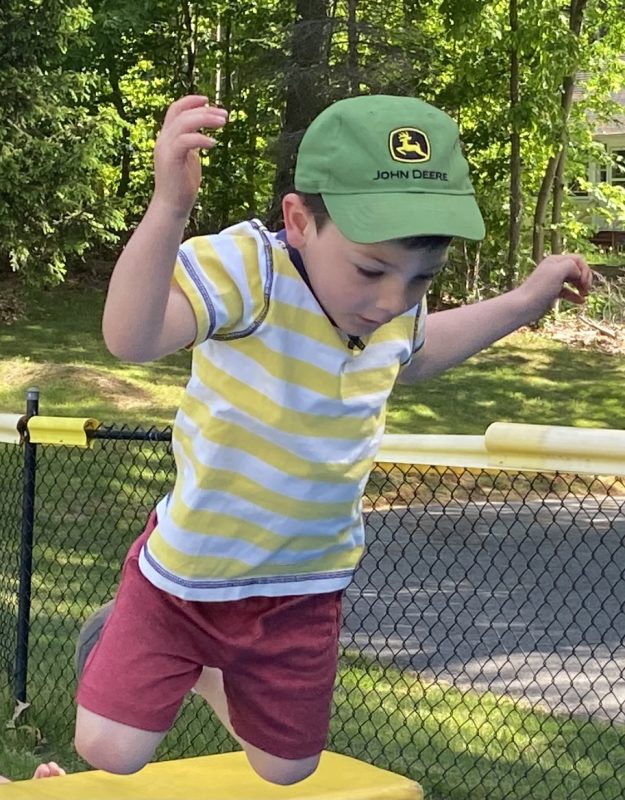
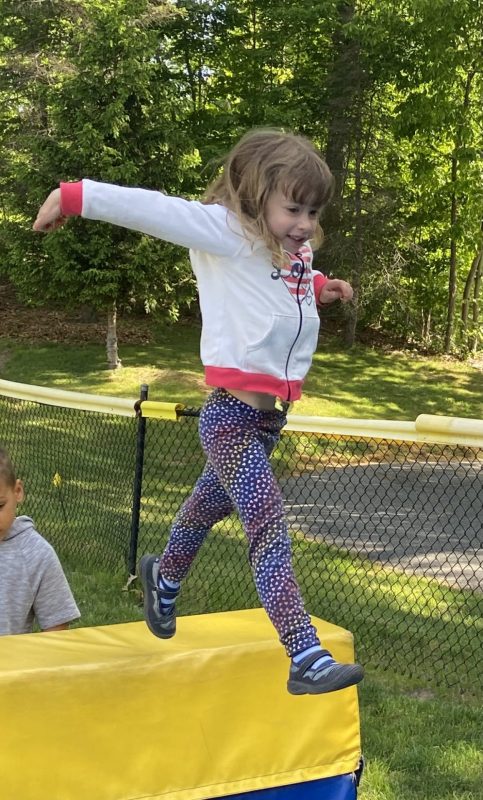
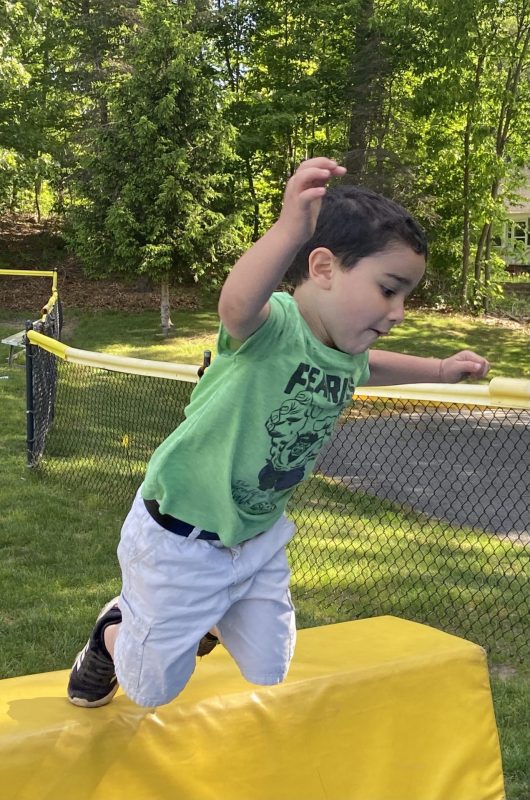
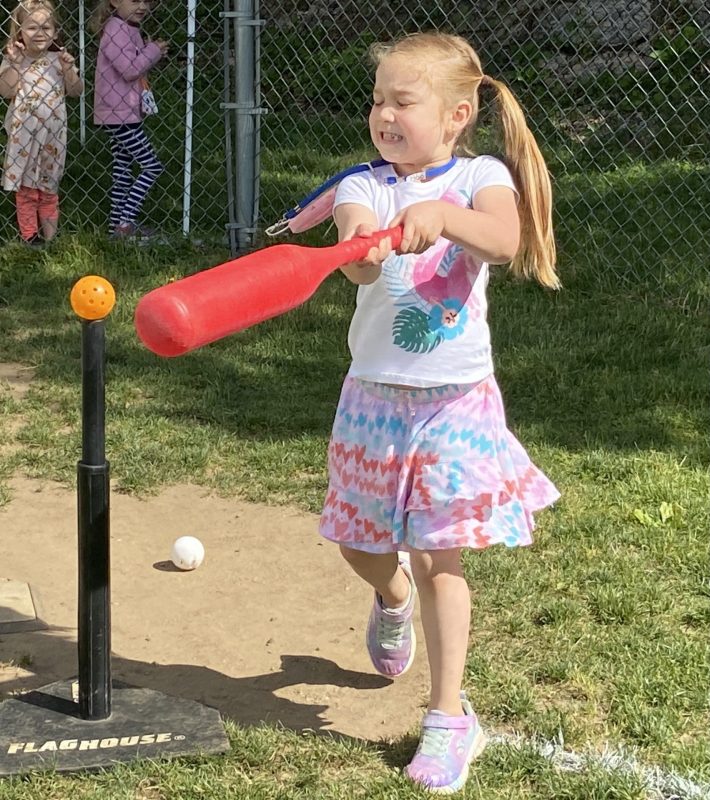
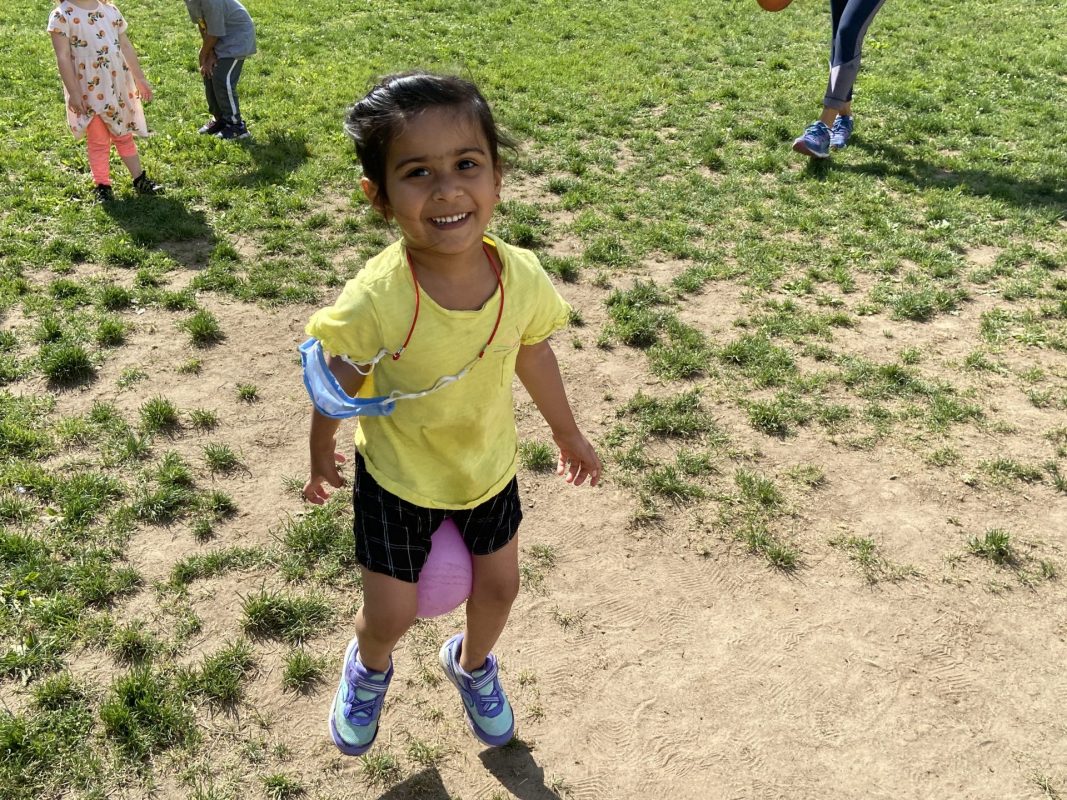
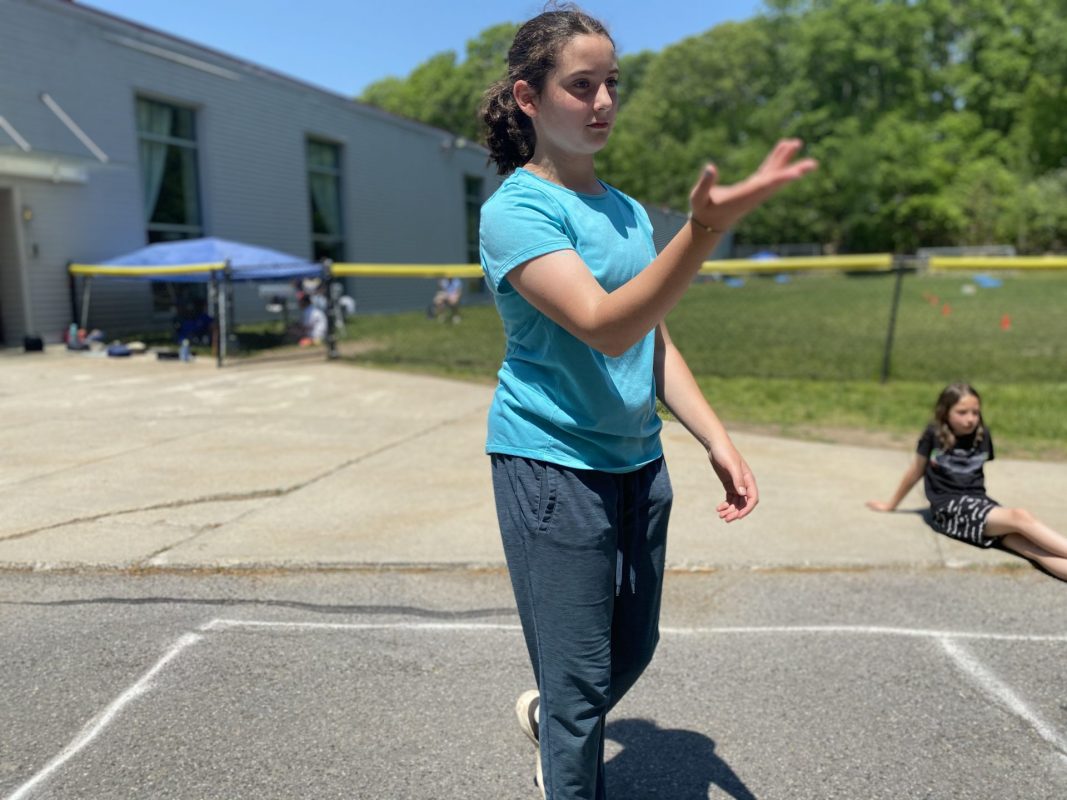
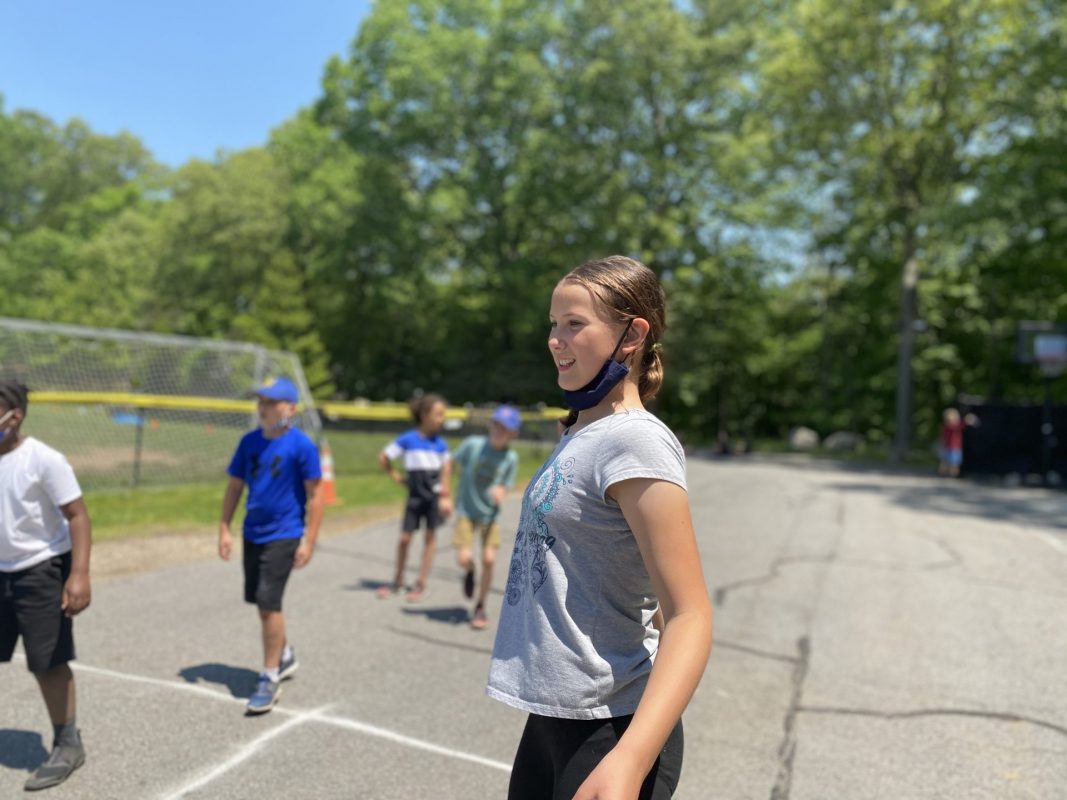
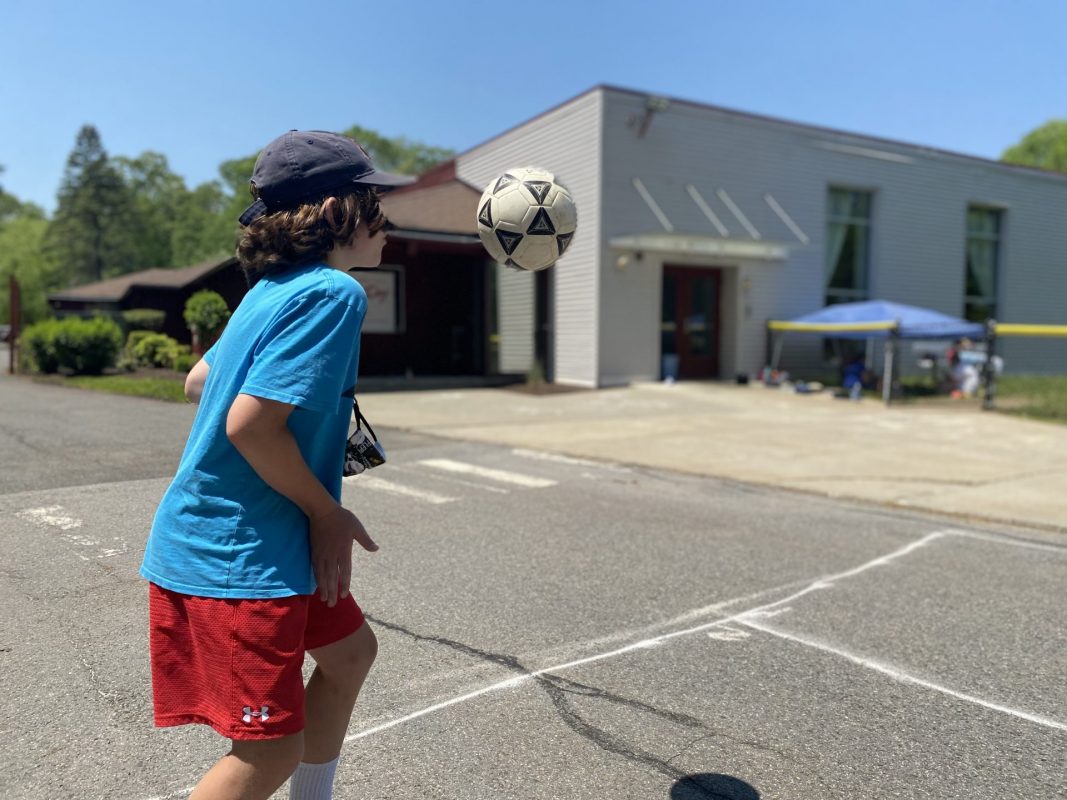
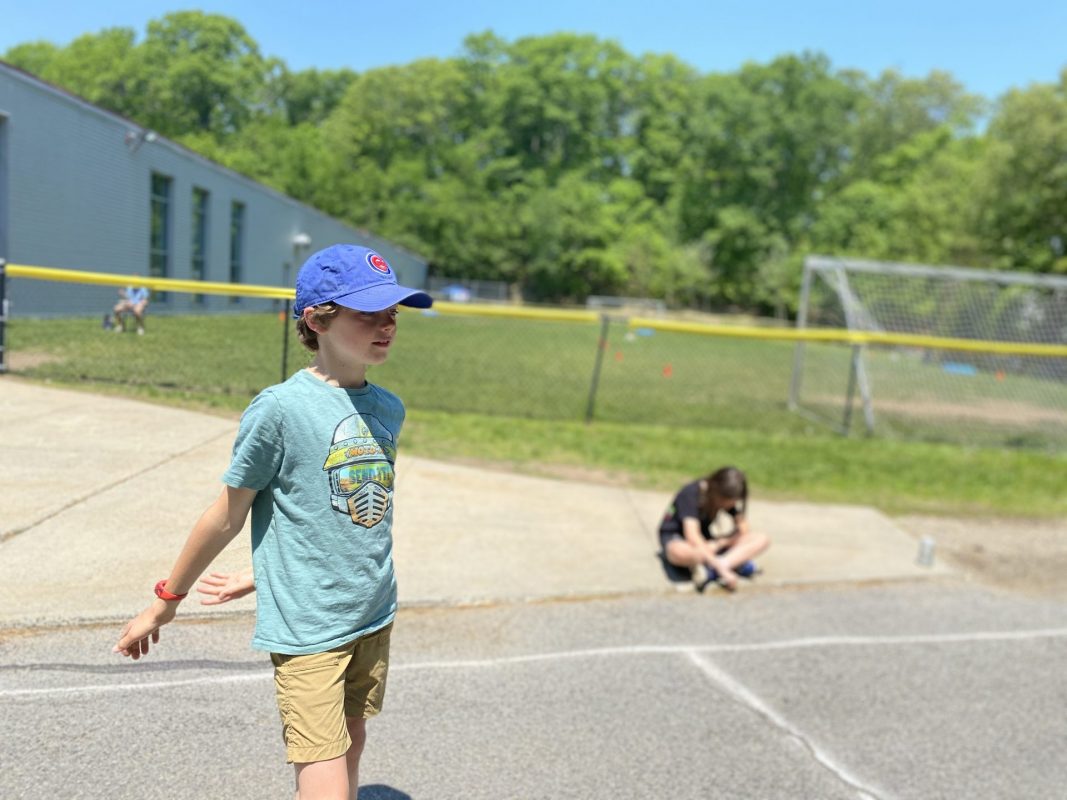
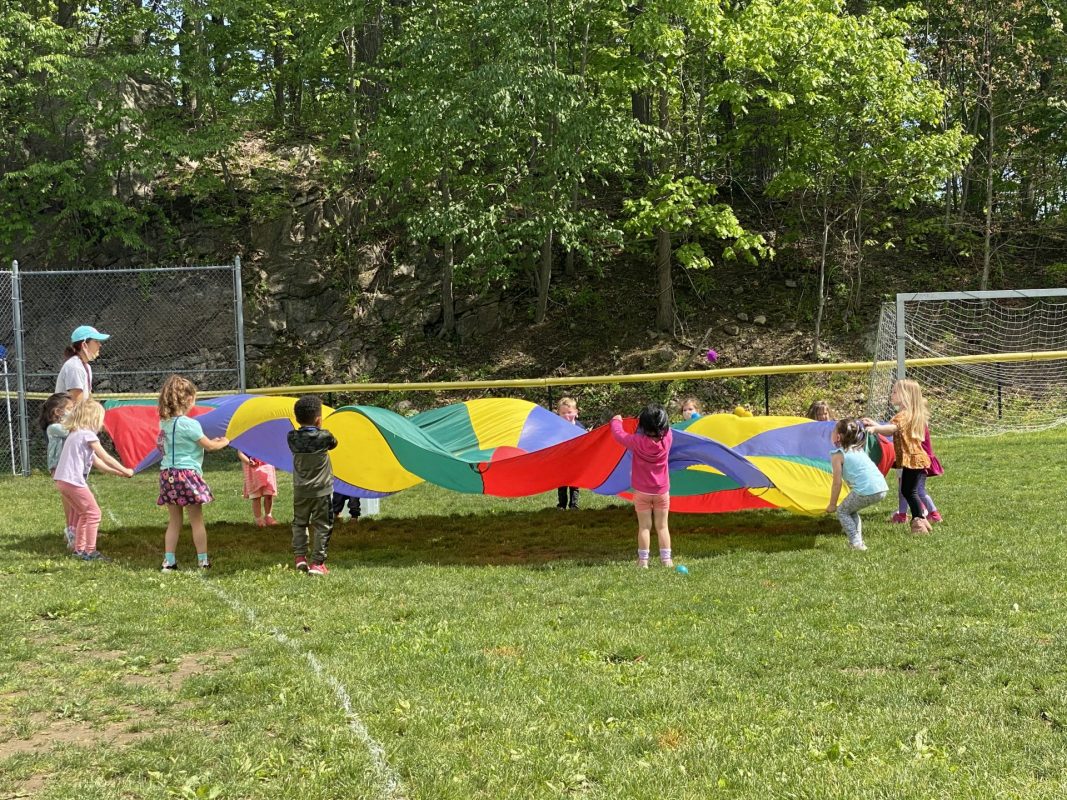
We had the perfect weather for Field Day this week!  The children enjoyed participating in 7 different stations set up on the field.  Thank you Coach Pam for organizing this fun event.  We saw many smiles and heard “This is the best day ever!” more than once.  Enjoy the pictures of our fun filled day!

Have a great weekend,

Amanda & Sharlene


Middle School: Project-Based Learning

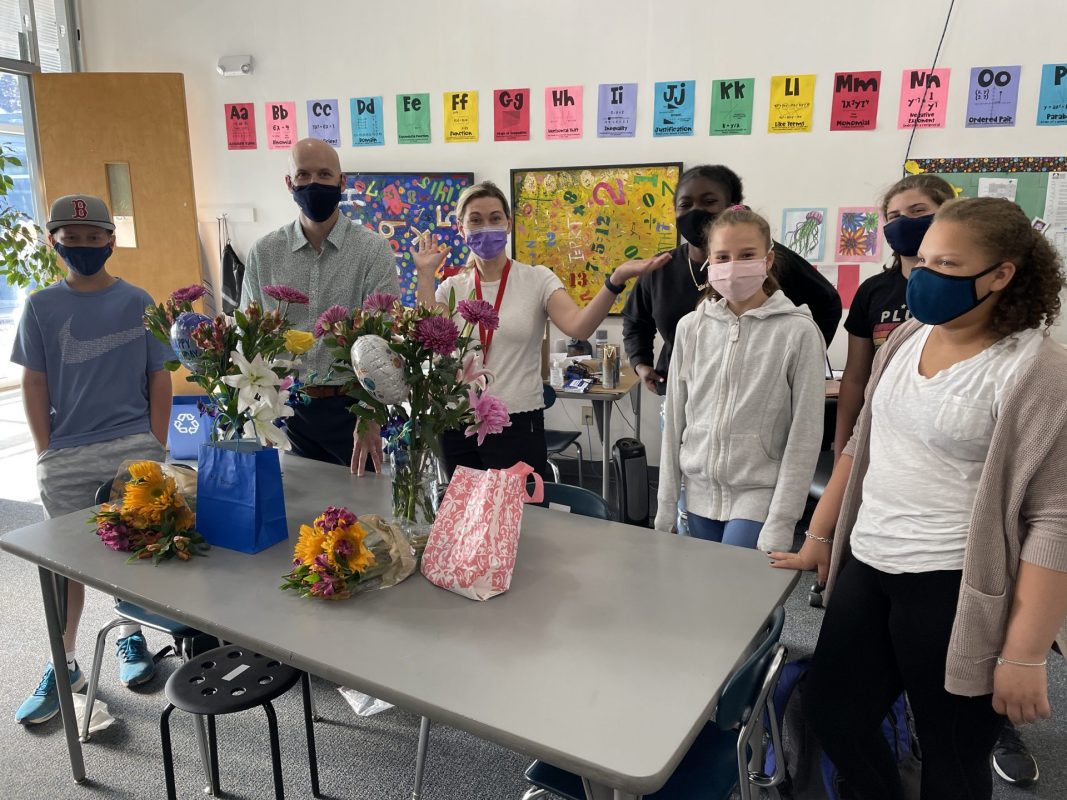
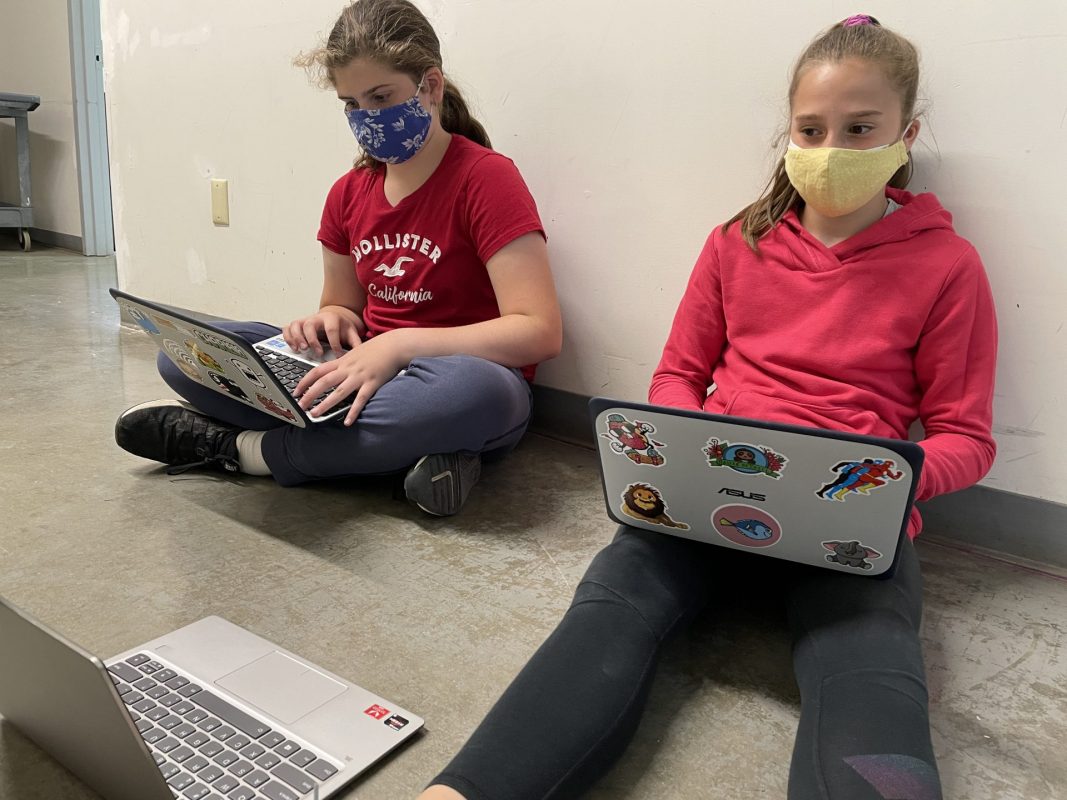
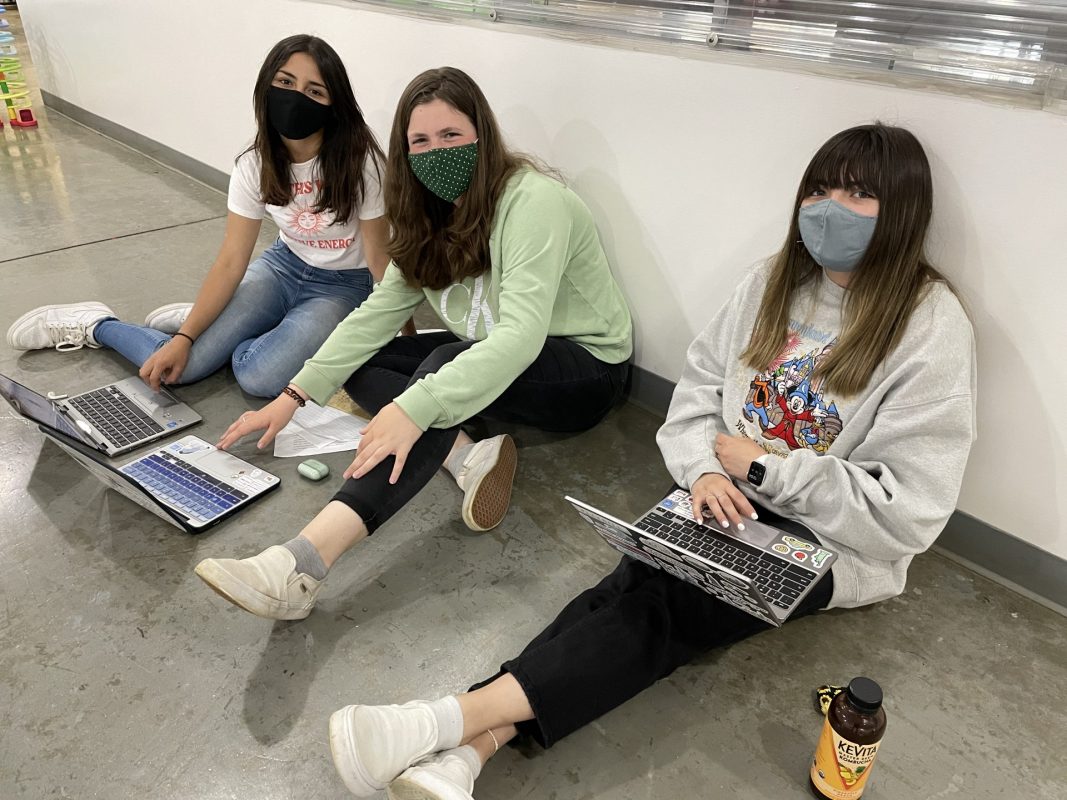
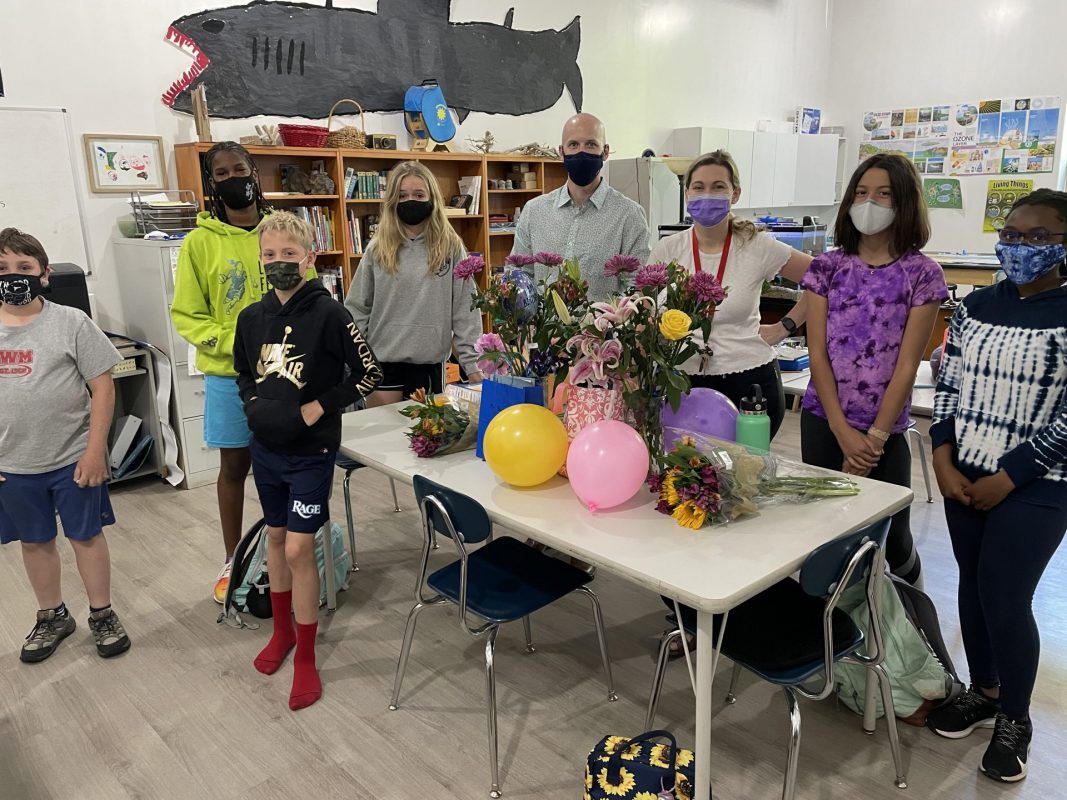
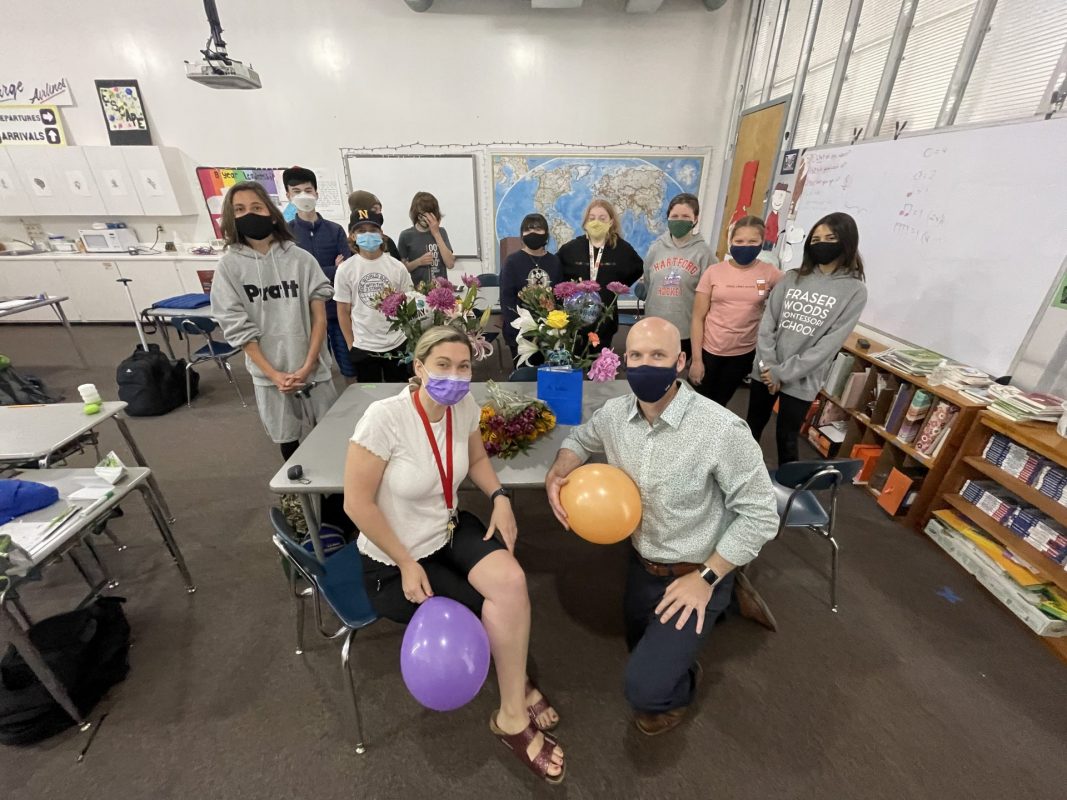
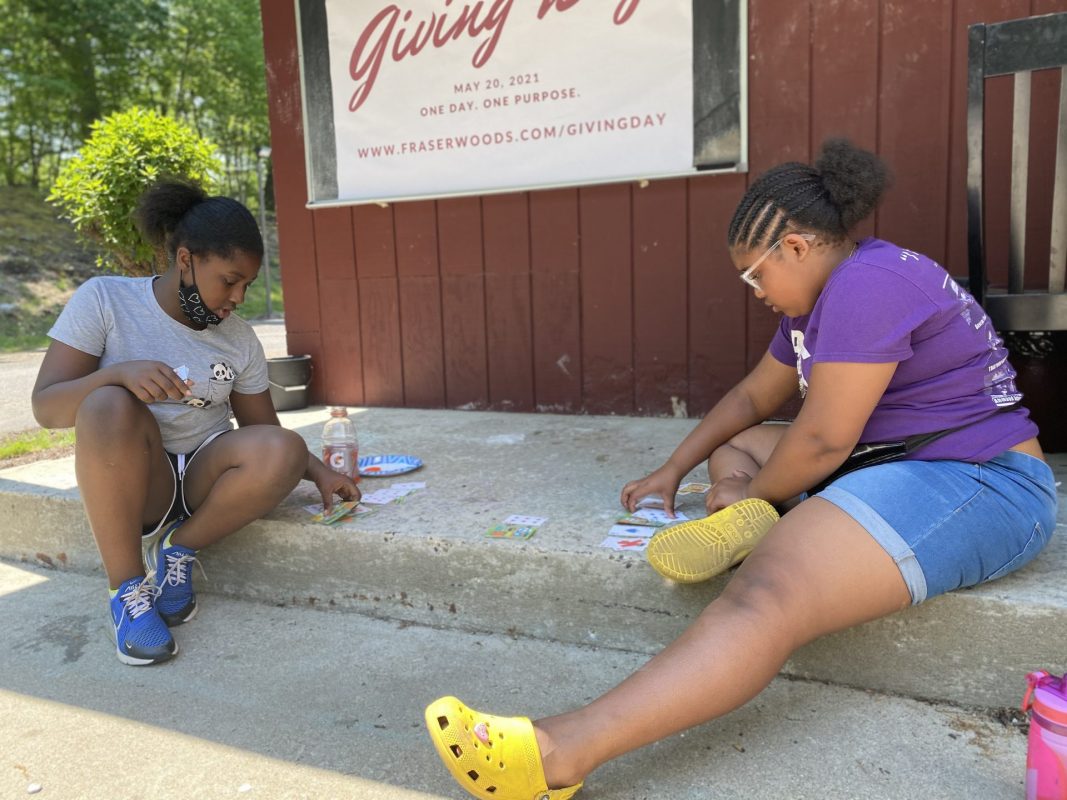
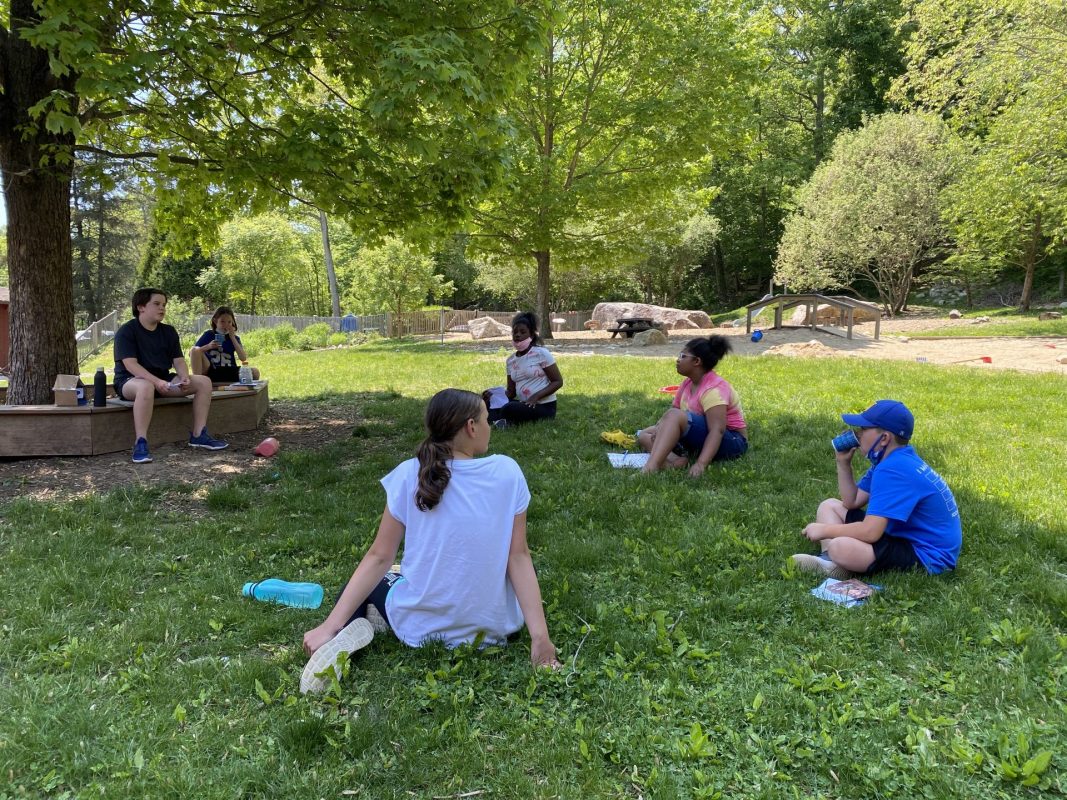
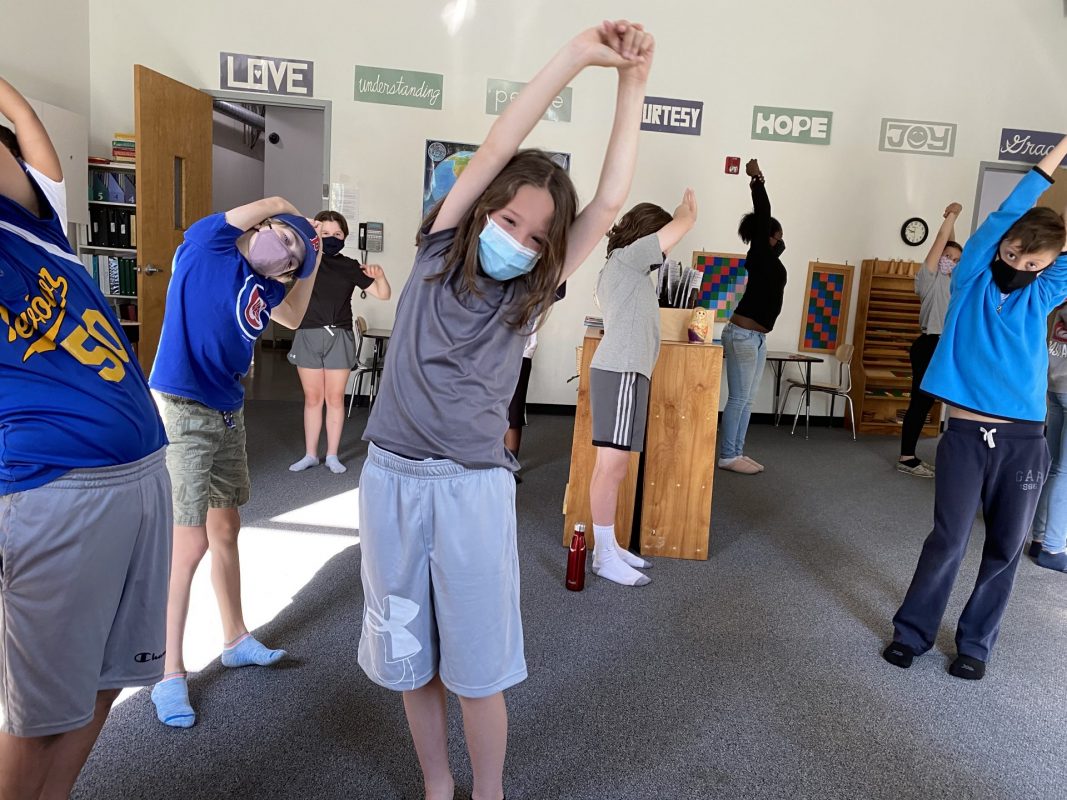
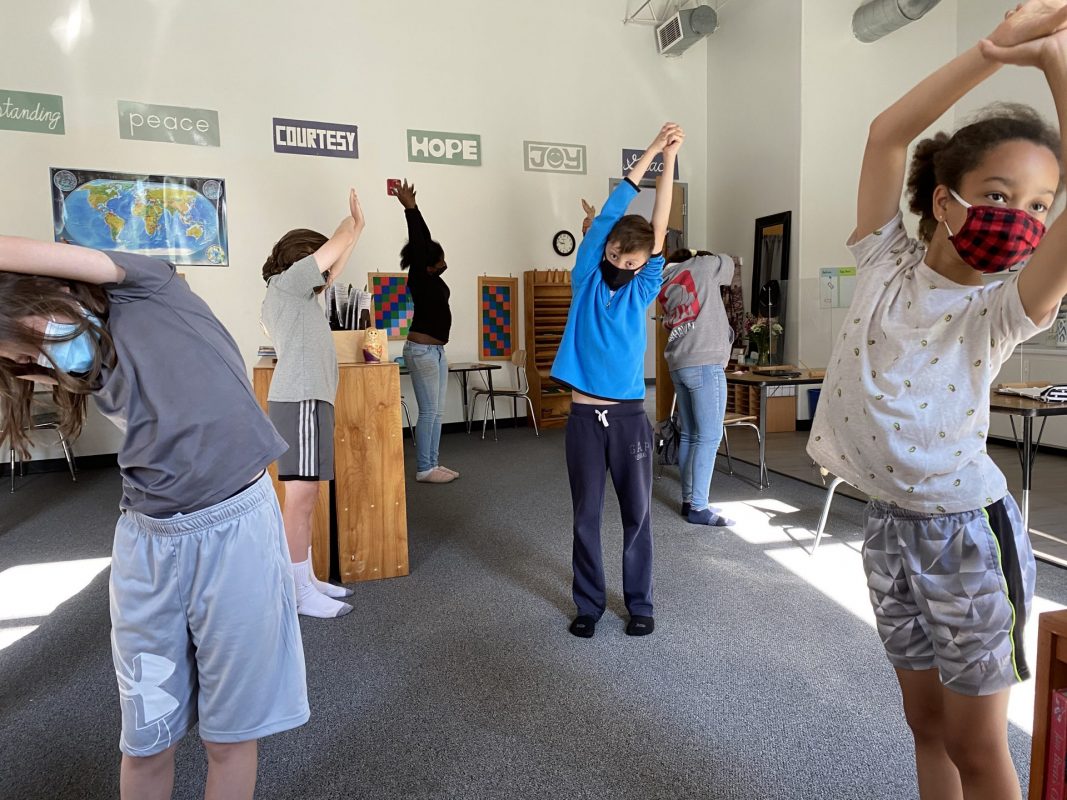
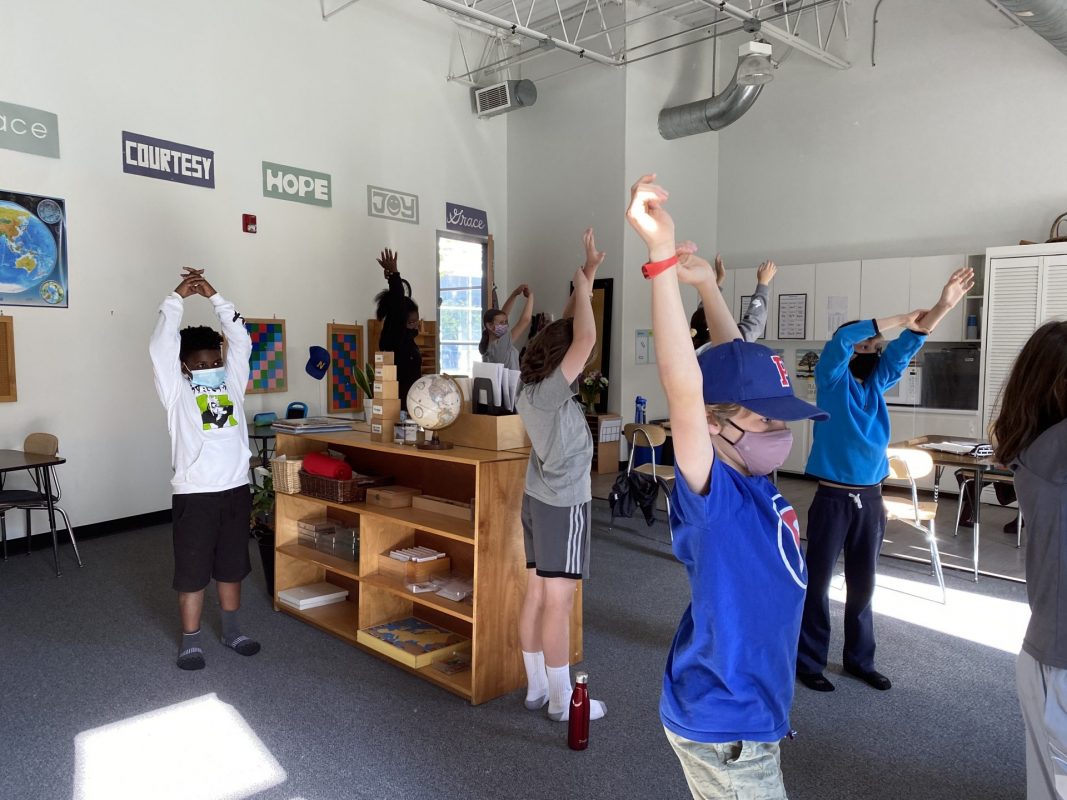
It’s our last full Friday of the school year in Middle School. The students have been incredibly busy and are ready for a well-deserved summer break. As we wrap up the year, students have immersed themselves with projects in many of their subject areas.

8th Grade Expert Presentations

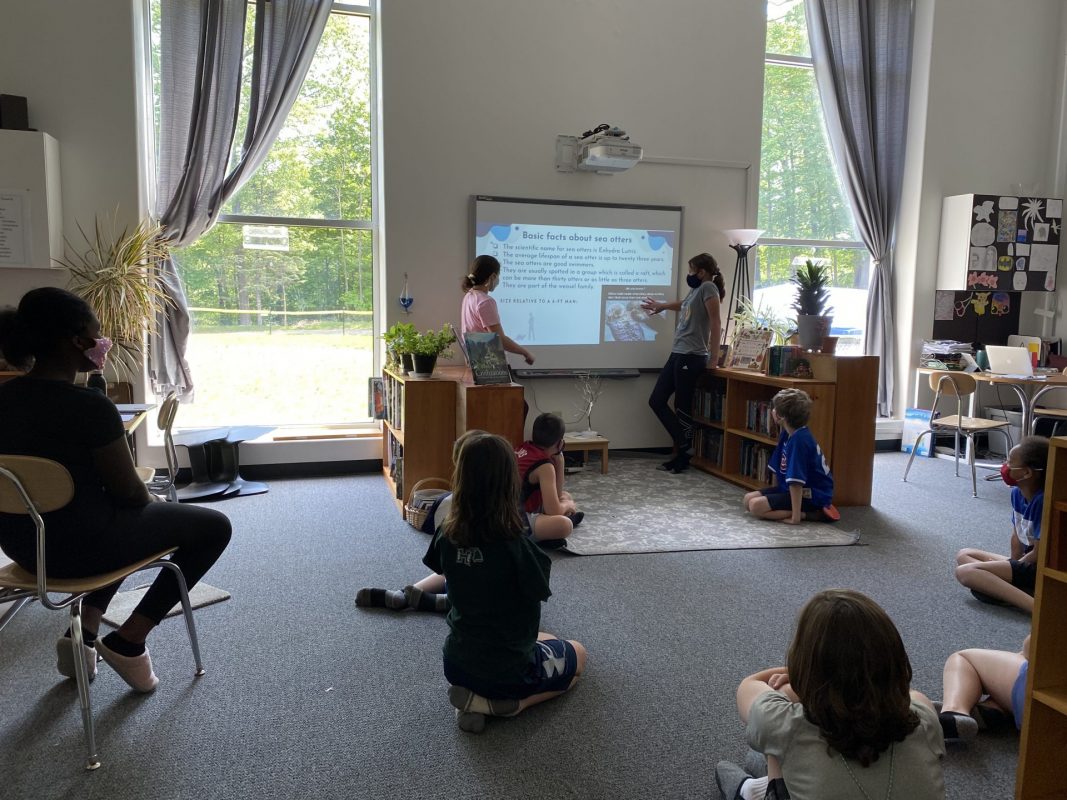
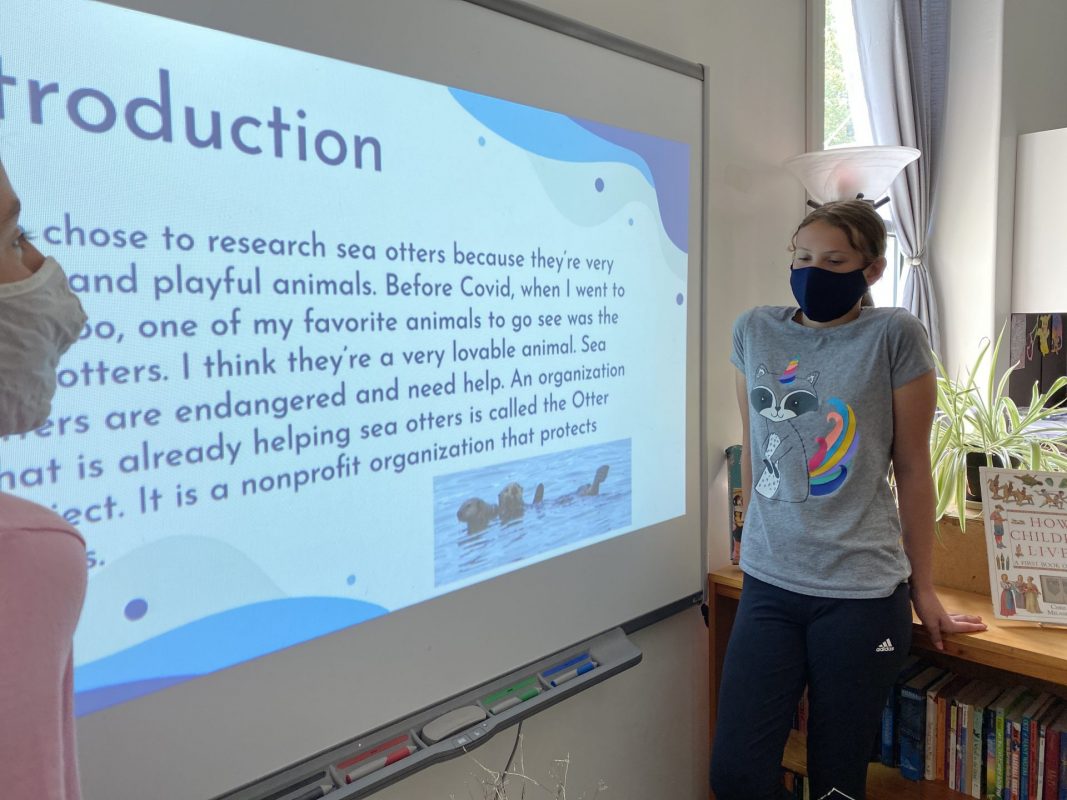
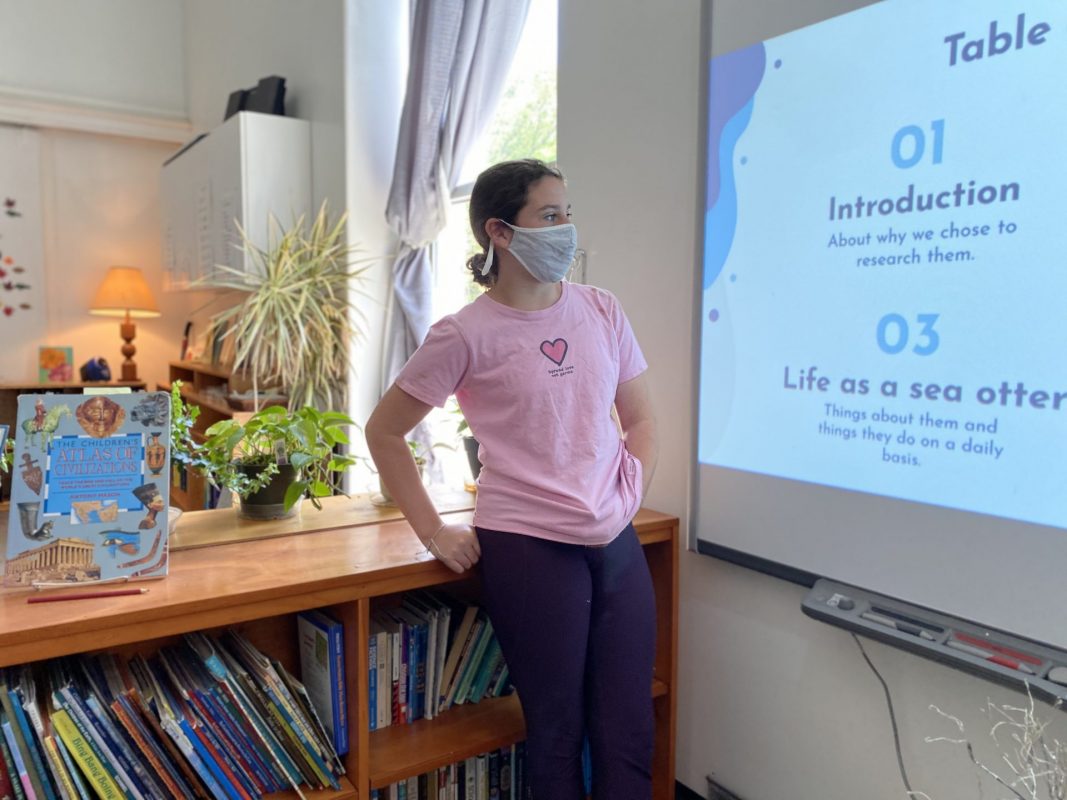
A highlight this week has been the 8th grade Expert Presentations. These were the culmination of 4+ months of inquiry, research, organization, writing, and creativity. They wrote 5-10 page papers and gave 10-20 minute presentations to support their theses. A standout for this project is the interviewing of experts in the field of their research to give first-hand information. This year’s group was especially impressive for taking leaps of faith and reaching out to fantastic individuals. They ranged from chiefs of police to psychologists, jet engineers, therapists, professors, trainers, coaches, marketers, and medical professionals.

It is easy to forget that these scholars are only 14 years old; their quality of work and work ethic are beyond their years. They should be proud of their accomplishment! Now it’s on to graduation!

Math
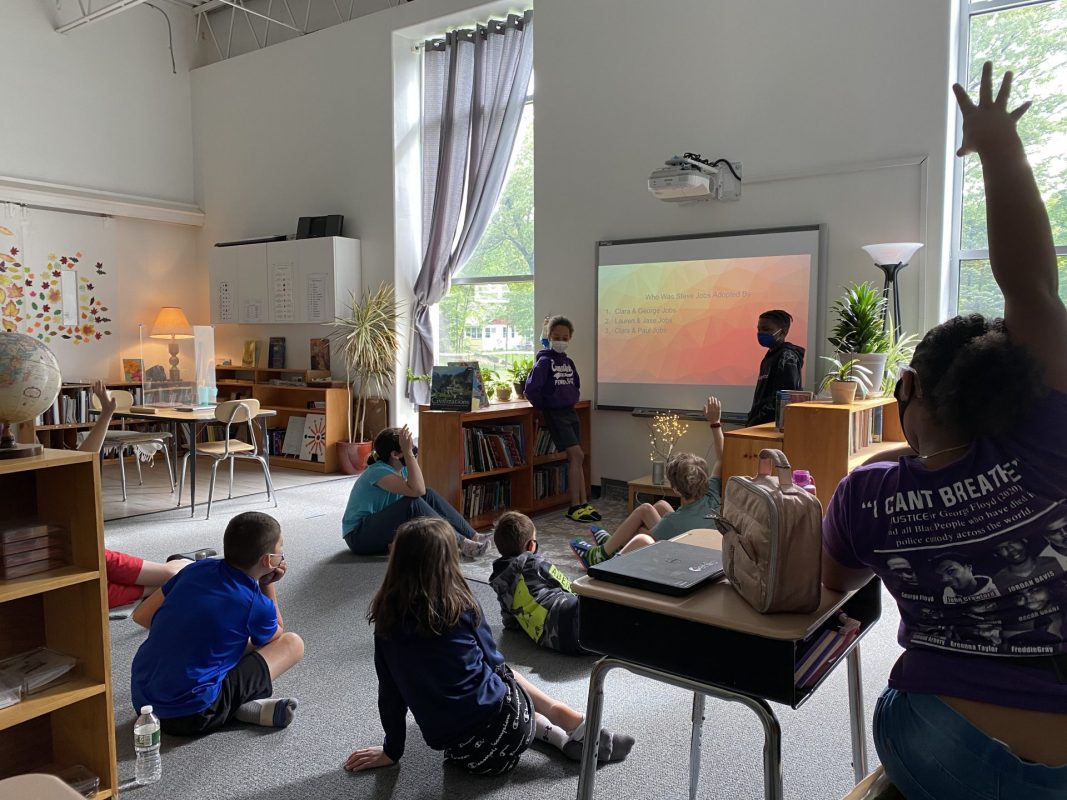
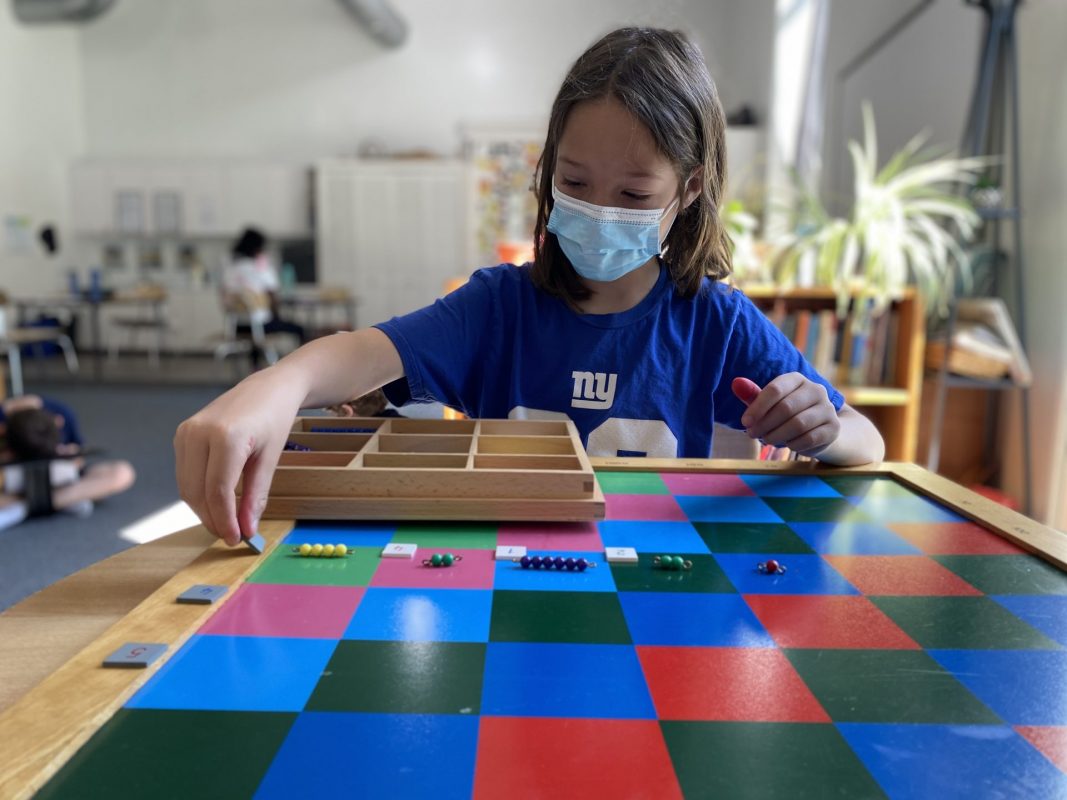
In math class this week all students are working on their end of the year projects. Each course has a different project to highlight their year’s learning.
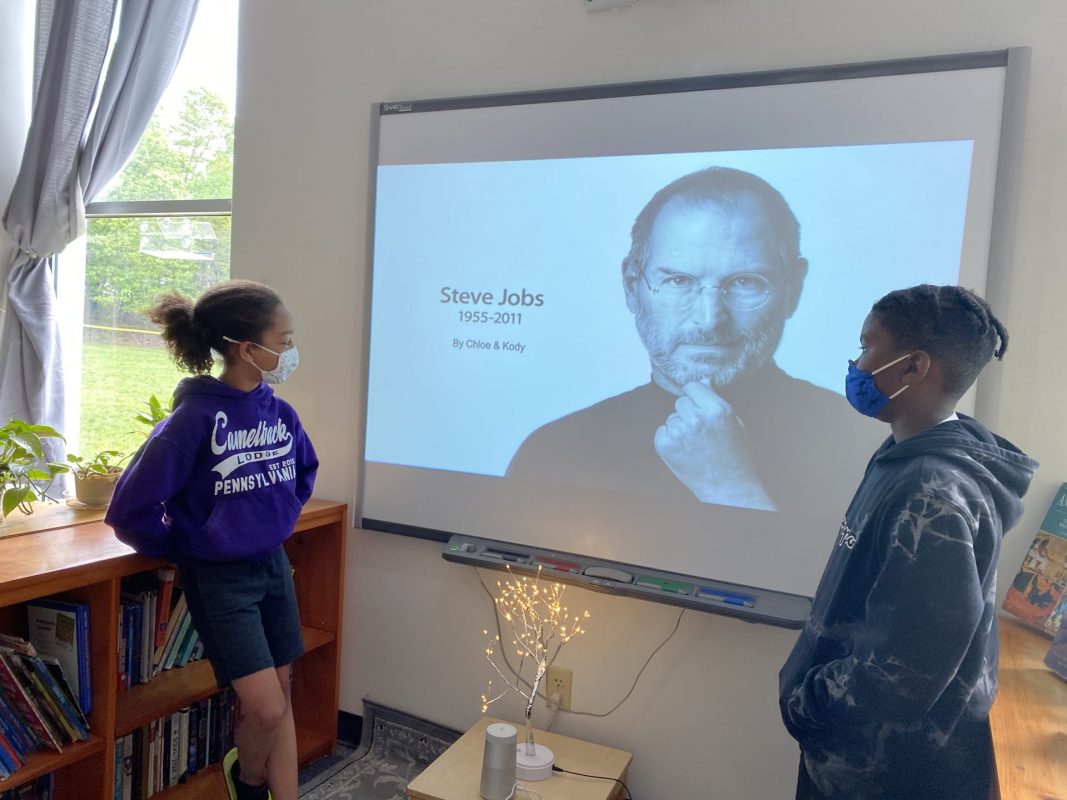
The Pre-Transition class is creating a slideshow presentation to “Re-Teach” their favorite concepts learned this year. These students will re-teach these concepts to the class and have a corresponding lesson master worksheet to go along with their lesson.
The Transition class is building a Geometry City with linear equations for roads and 3D shapes for building. Students are learning the key concepts from chapter 11 and applying the formulas for surface area and volume to create nets for their Geomcity.
The Algebra class is using their learning from chapter 1-11 and creating a themed escape room that will be solved by their fellow peers. Students are asked to create a 5-room challenge that will utilize concepts such as slope, function notation, quadratics and polynomials.
The Geometry class is concluding their learning for chapter 9 and will soon begin to build real kites with the perfect dimensions and angles to demonstrate their understanding of congruency. We will then fly the kites in the field with the hopes of them being able to soar to new heights!
Science

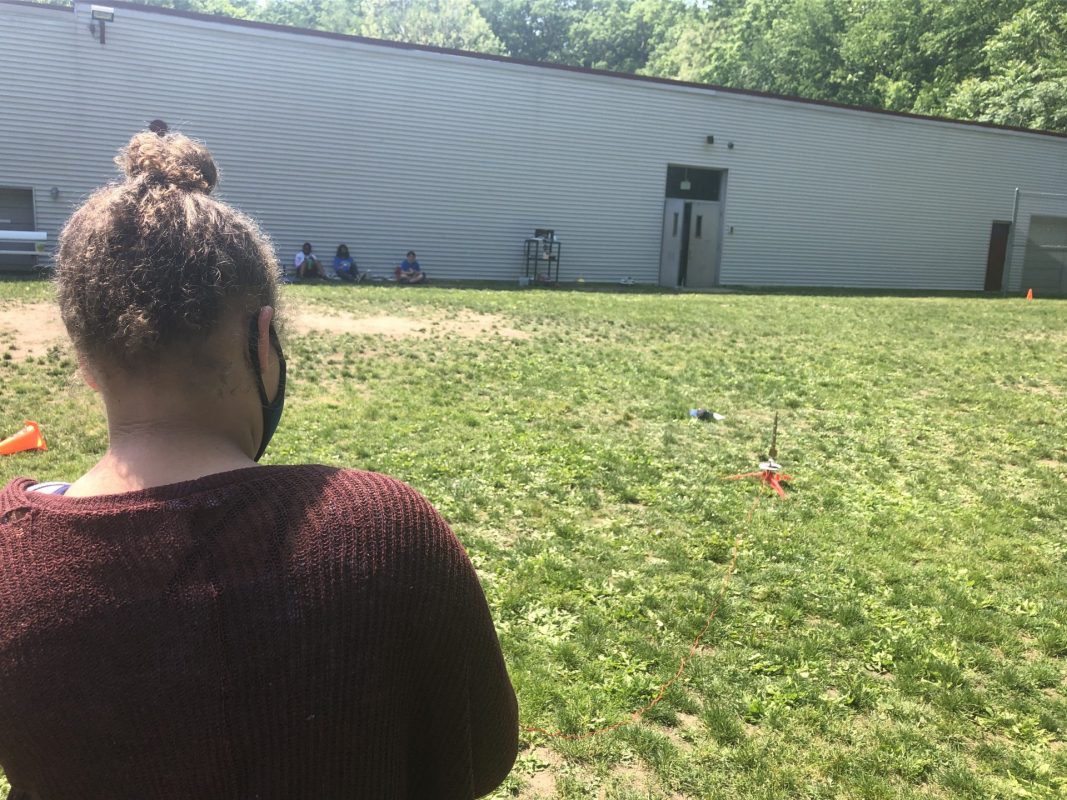
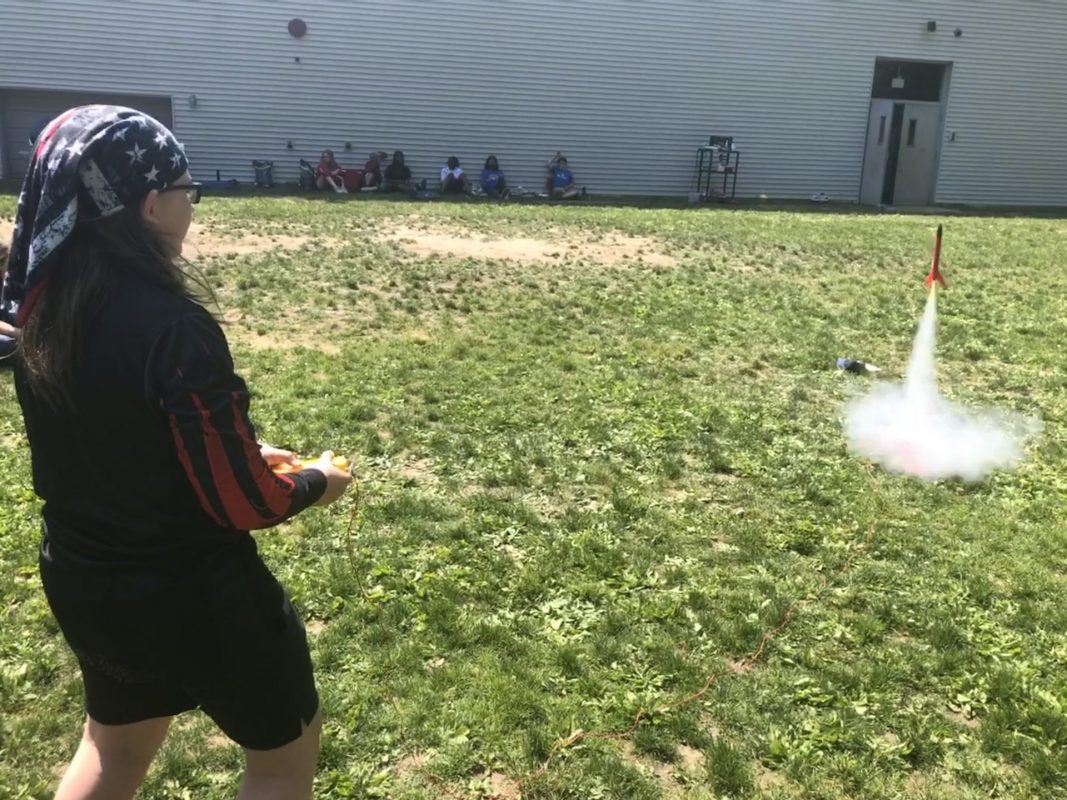
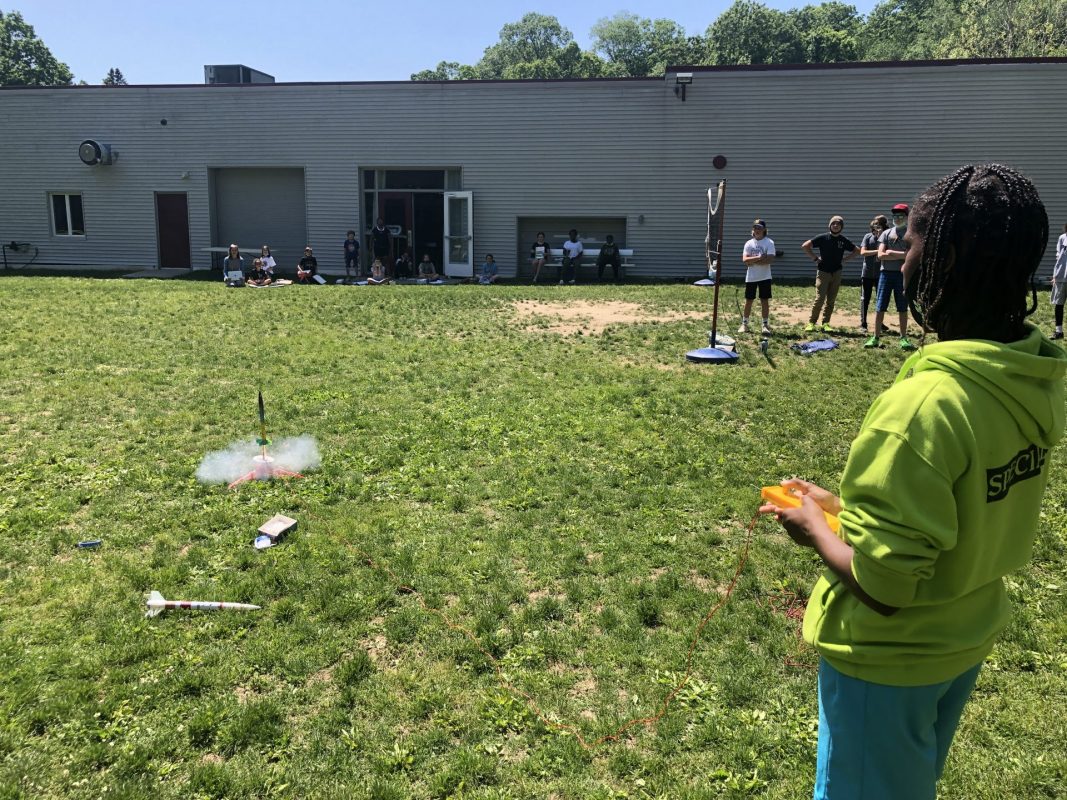
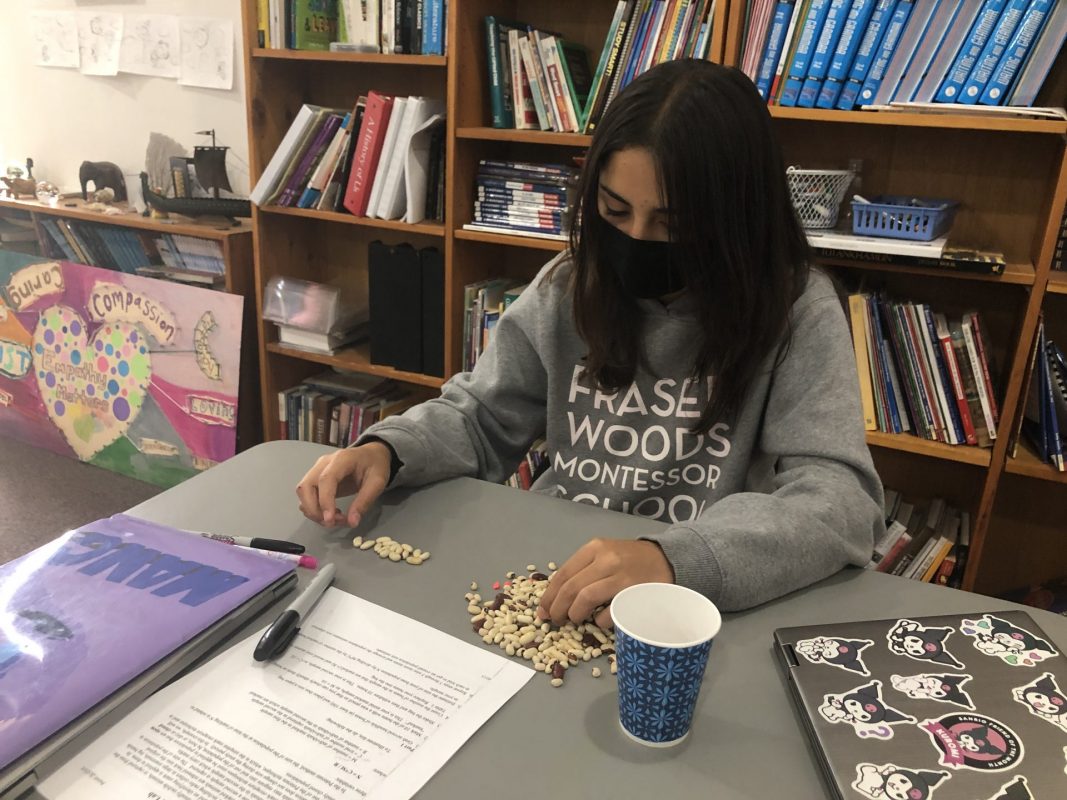
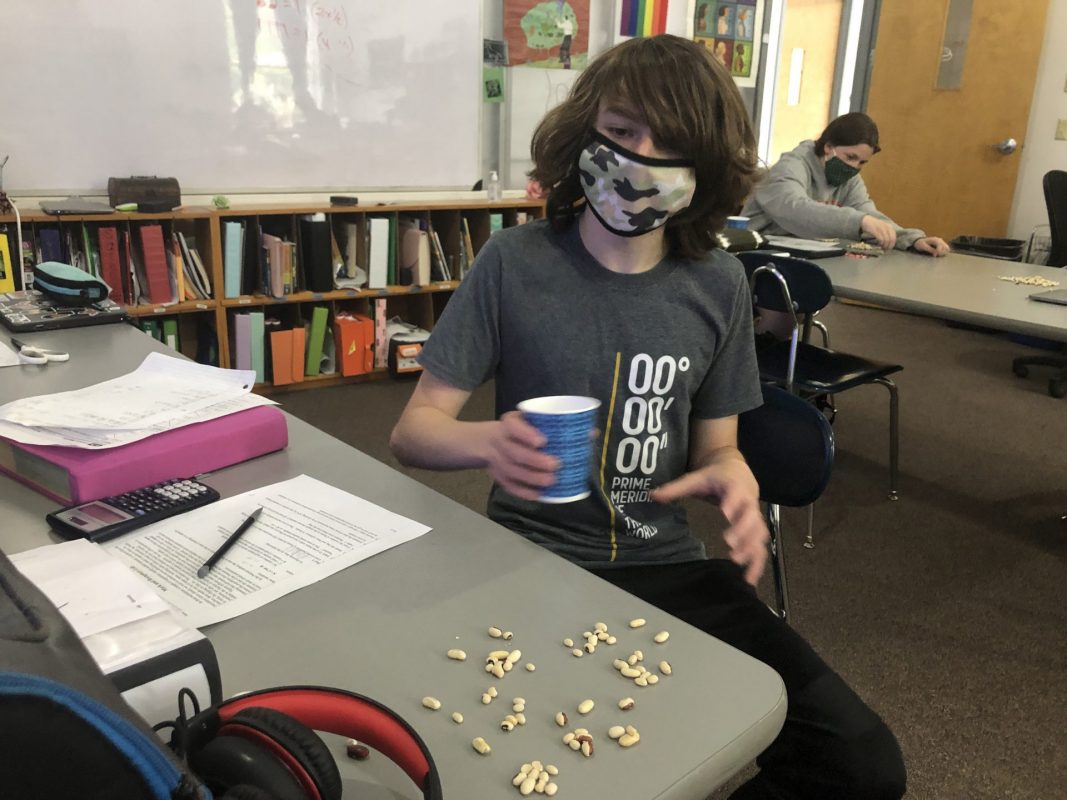
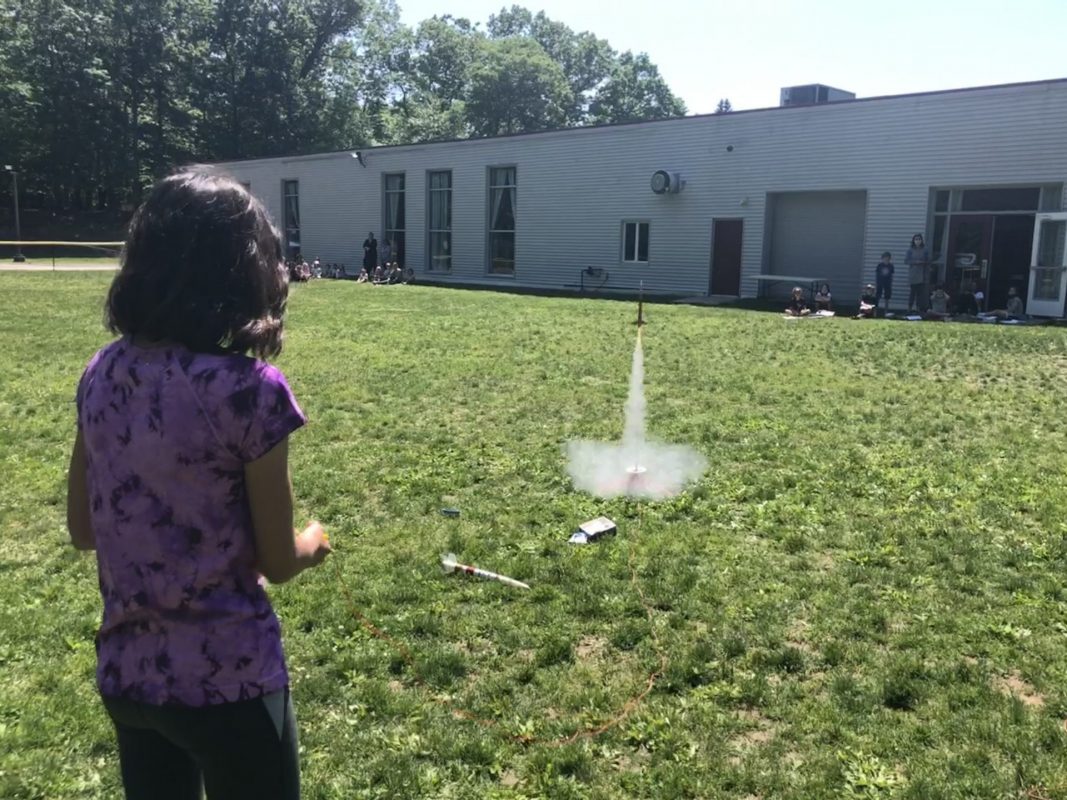
In Science, both the 6th and 7th year students completed their design and construction of their rockets as part of their respective units, Formation of the Solar System and Newton’s Laws. Students were able to observe how the difference in design of each rocket resulted in a different flight path/pattern. Some rockets deployed a parachute while others had a simple streamer when descending. All flights were successful in the sense of their launch, but not so much in regards to recovery due to weather conditions (wind). 8th year Life Science students performed an activity that modeled the use and application of the Peterson technique of mark and recapture in order to estimate population density of a given species. Students conducted this practice using marked and unmarked beans, calculating those marked from unmarked to represent an estimation of their initial population. Such techniques are widely used by wildlife biologists to estimate an animal’s population size for a large area.


Mrs. Doyle’s Class: Field Fay Fun
 

Field Day 2021

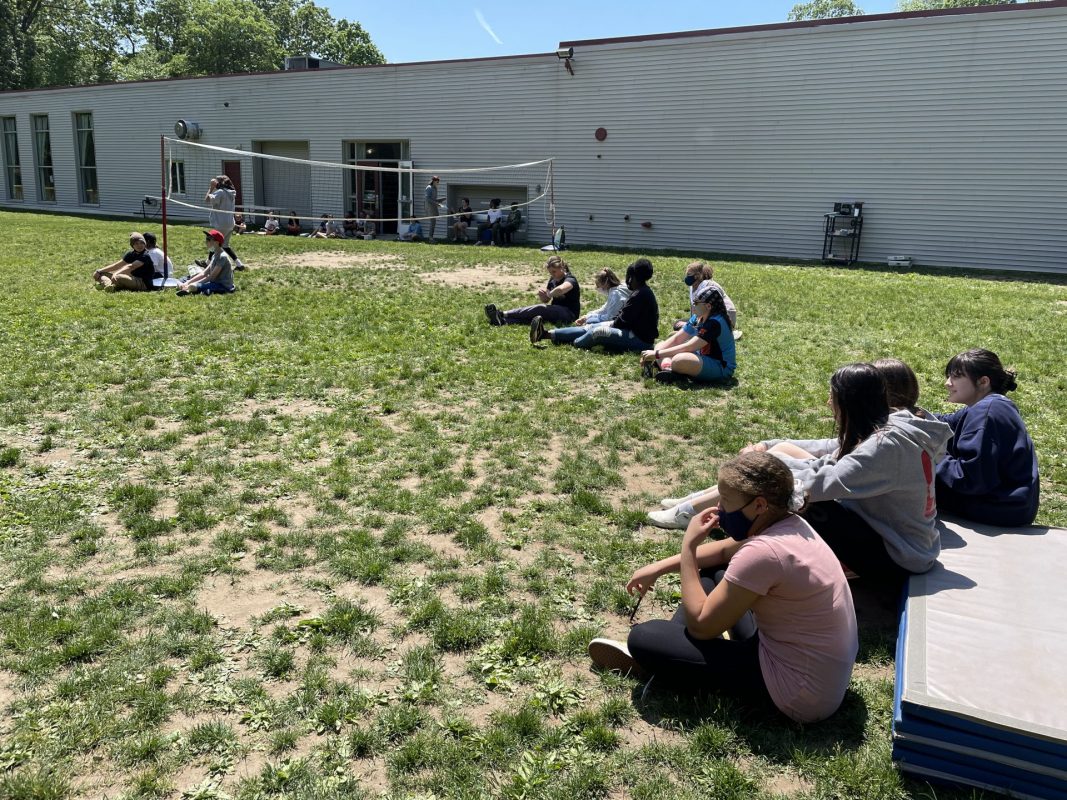
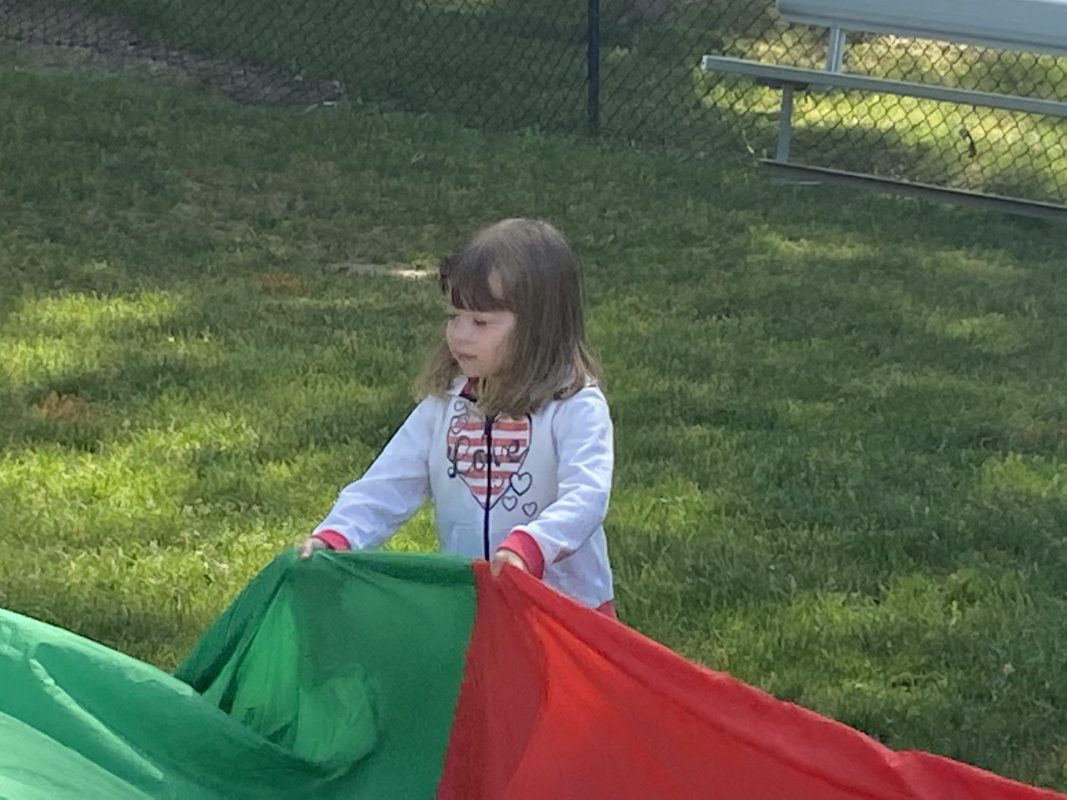
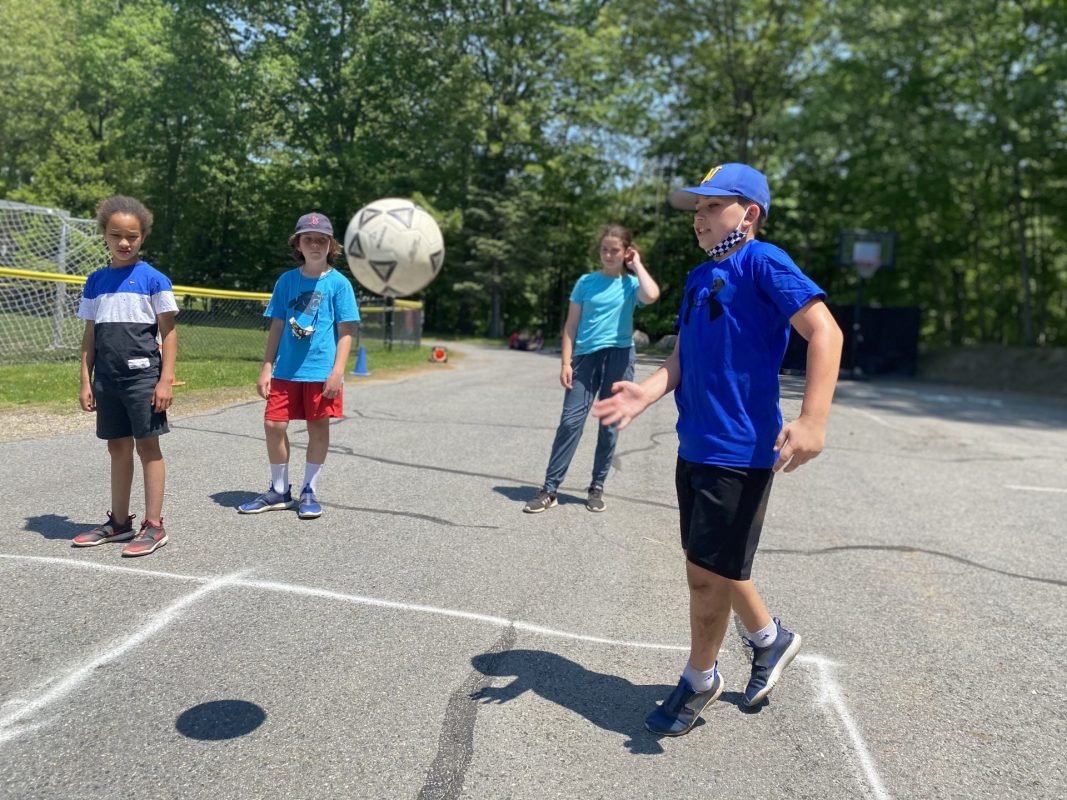
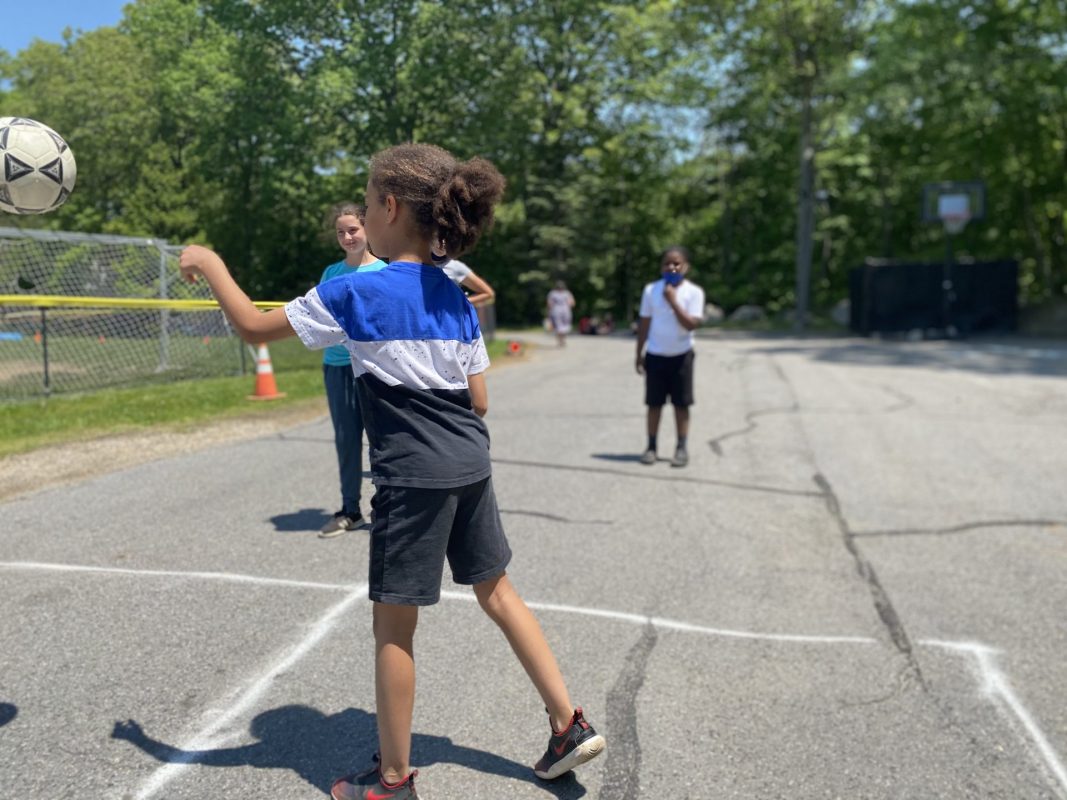
Field day was a great success!  Thank you Coach Pam for organizing such a fun event for everyone.  We hope you enjoy the pictures.
Wishing you a week filled with peace and love.

Michelle & Lizette


Still Hard at Work in Upper El

As we wrap up our third to last week of school we are beginning our end of the year lessons and are wrapping up some of our ongoing work from the year.

In grammar work, fourth years are working with advanced verb concepts. They are learning the difference between mental and physical verbs. The fifth years are working with advanced adjective concepts.

In geometry, the fourths learned to find the area of obtuse angle triangles this week. Like each of their other area lessons, they started this work with the area material and followed up by learning to apply the formula for finding the area of triangles to an obtuse angled triangle. They learned that the height of an obtuse angled triangle lies outside of the triangle. Fifths learned the formula for finding the area of a circle, using Pi and the radius, and they are currently working on applying that formula to different sized circles.

We wrapped up our biology lessons on the Vital Function of Plants. We learned that there is another form of work that plants do even as they go about taking care of themselves; they make it possible for many other life forms to exist. This is called the Cosmic Work of Plants. We looked at the root systems of plants and discussed how they slow down water and prevent soil erosion. We also looked at the shoot system and discussed how they give the rest of Earth’s life forms oxygen to breathe. We ended with an introduction to ecology. We discussed how humans are the only members of the kingdoms of life who have the special capability of appreciating the inter-workings of the nitrogen cycle, the carbon cycle, and the water cycle. We talked about how this awareness brings great responsibility to support and protect those cycles and maintain a balanced environment. Ecologists regard our planet as a “house of life.” It’s my hope that our focus on plants this year has nurtured twelve young ecologists!


Mrs. Hood’s Class: Fly, Fly Butterfly!

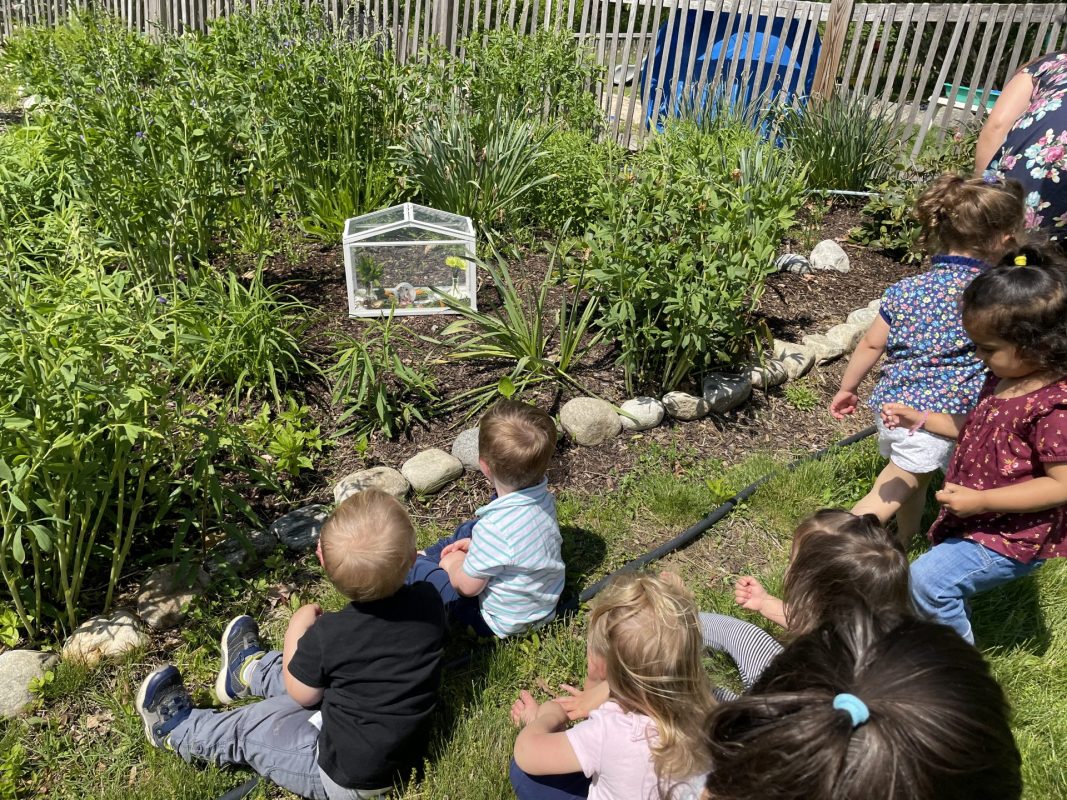
This week was quite emotional for me! After working together with the children and preparing a beautiful environment for our tiny caterpillars and quietly observing how they grew and moved and changed, then watched how they built their chrysalis and suffered changes so impressive, then being in awe of witnessing how they came out of their chrysalis and stretched their wings until they were dry, then of course, amazed when we saw them walking around the plants and drinking nectar from the flowers and fruits provided, we finally gathered together in our garden to open the glass doors and let them go. We knew they were ready to soar. 

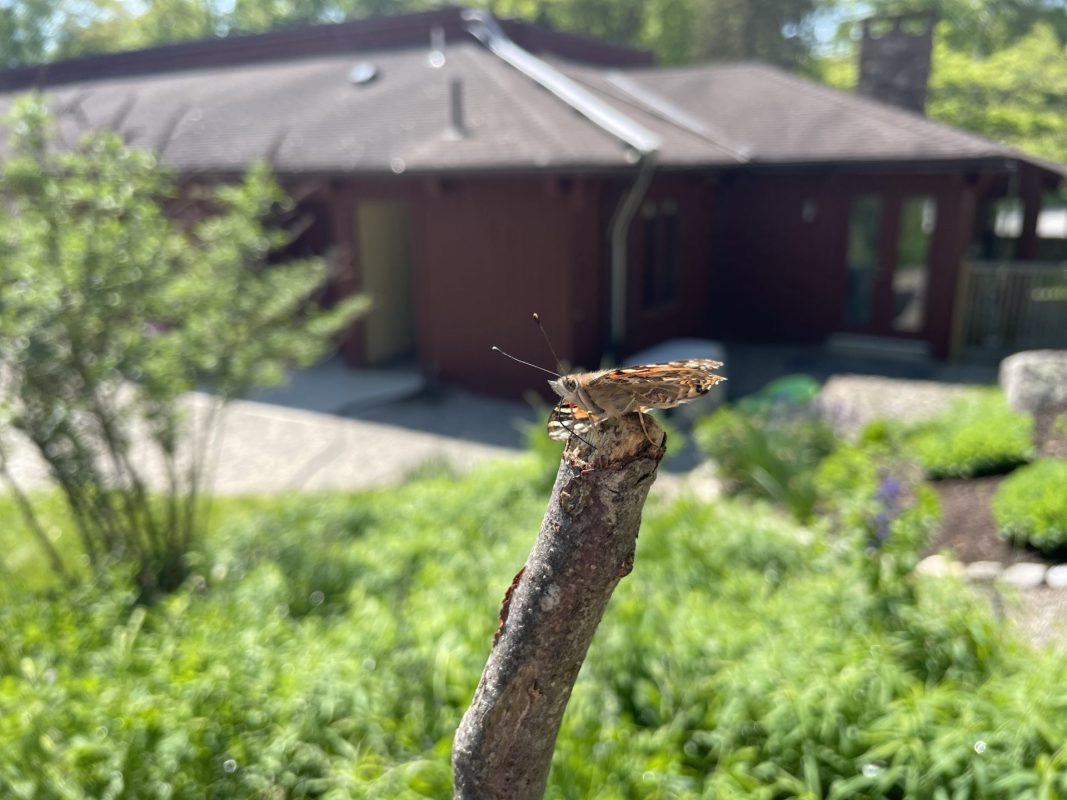
We could almost sense their excitement as they felt the sun and the wind and immediately started to flap their wings. They knew what they needed to do. One of them soared so high up to a tree while the other ones were taking their time to get courageous and fly out of their comfort zone. I grabbed a little stick and offered it to one of them. The butterfly stood on the tip of the stick while I raised it up in the air and it was almost like the butterfly was so in awe of the world until finally it decided to fly, bringing smiles and laughter to your children, while fulfilling its purpose of being a butterfly. The other ones flew away too and we watched them moving from flower to flower and fly around until we didn’t see them anymore. 

 Then it hit me! 

I came to the realization that in just a couple of days our school year will be over and my heart became full of bittersweet emotions. As with those tiny caterpillars, we have observed and enjoyed every change in the lives of your children during this year! They have grown so much! It brings so much joy to our life just to step back and observe how independent, confident, and capable your children have become.  Like the butterflies brought so much joy to your children, your little ones have brought so much joy to us and we are so incredibly thankful to you for trusting us with them. 

On the morning of Friday, June 4th we will open the “glass doors” and let them go too! We will celebrate with a sweet and meaningful graduation that we traditionally call the Crossing Bridge Ceremony. Please mark your calendars and keep an eye for an email we will send soon with more specific information on this event. 

Meanwhile, we will continue to enjoy our time together, mastering skills in the environment, discovering the world, laughing, dancing, but above all hugging each other a little tighter and loving each other as the little family we have become.  

Mrs. Hood and Ms. Maria


Mrs. Doyle’s Class: Reptile or Amphibian?

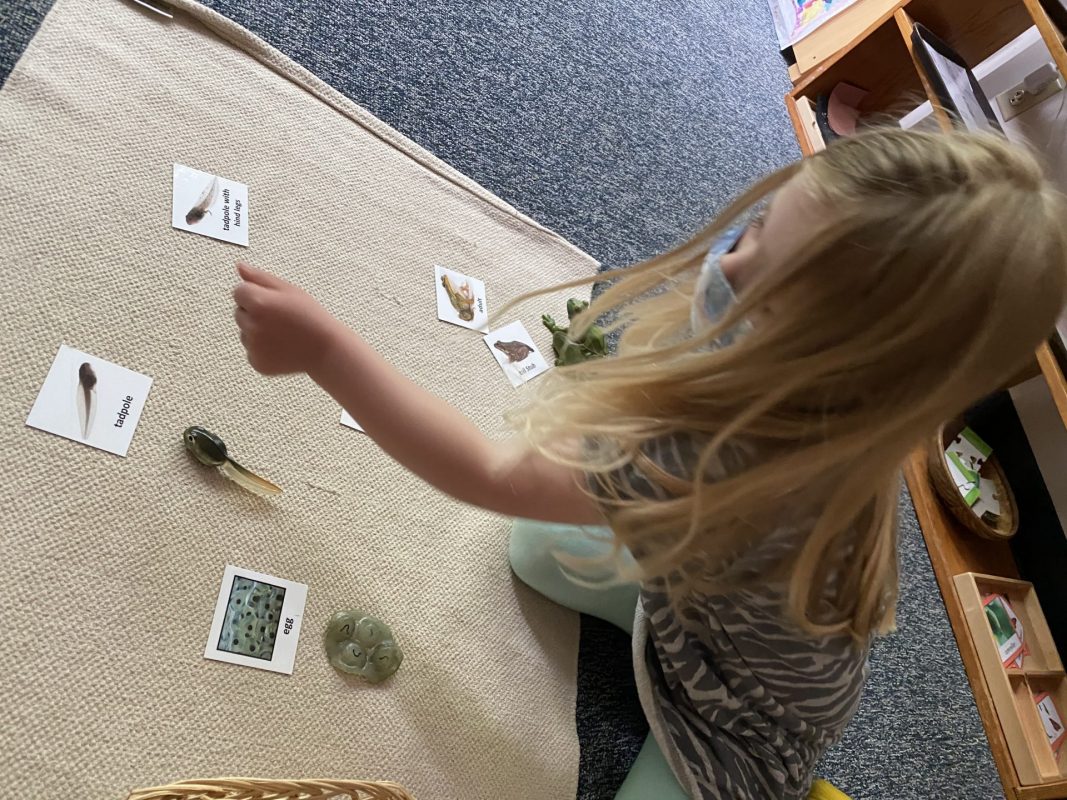
We are continuing our studies on the different classes of animals. So far, we have learned about mammals, fish, birds, and reptiles. Currently, we are studying amphibians.

We are learning that:

  • The word amphibian means two-lives. This makes sense because amphibians spend part of part of their lives in the water and part of their lives on land. Most amphibians begin their life in water with gills and tails. As they grow, they develop lungs and legs for their life on land.
  • Amphibians are cold-blooded, which means that they are the same temperature as the air or water around them.
  • There are more than 4,000 different kinds of amphibians. Members of this animal class are frogs, toads, salamanders, and newts.
  • Most amphibians have thin, moist skin that helps them to breathe.
  • Amphibians have a backbone so they are vertebrates.

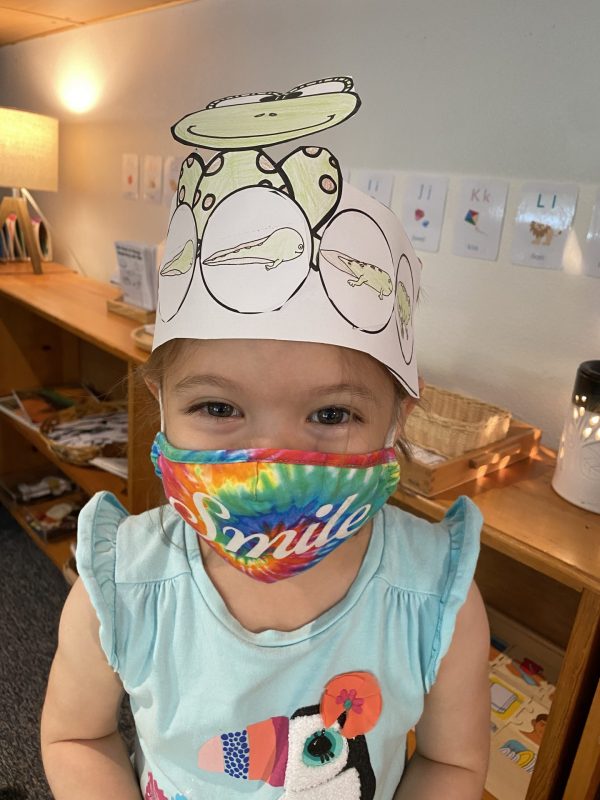
We have also been learning about the life cycle of a frog and what happens at each stage of development.

The easiest way to answer the question, “What exactly is the difference between reptiles and amphibians?,” is you need to look at their skin. Reptiles have dry, scaly skin and amphibians have moist skin that can be either smooth or rough.  Other differences include their eggs and relationship with water. Both reptiles and amphibians hatch from eggs, although their eggs are very different from one another.  Amphibian eggs are transparent and jelly like.  An amphibian goes through a metamorphosis to look like its adult self. Reptile eggs can be leathery or have a delicate coating. Newborn reptiles are a miniature version of their adult self.  Amphibians need a habitat that includes water, as they spend part of their life cycle in the water. Most amphibians will also lay their eggs in water. However, a reptile does not need water for its habitat, although it will often live near water.

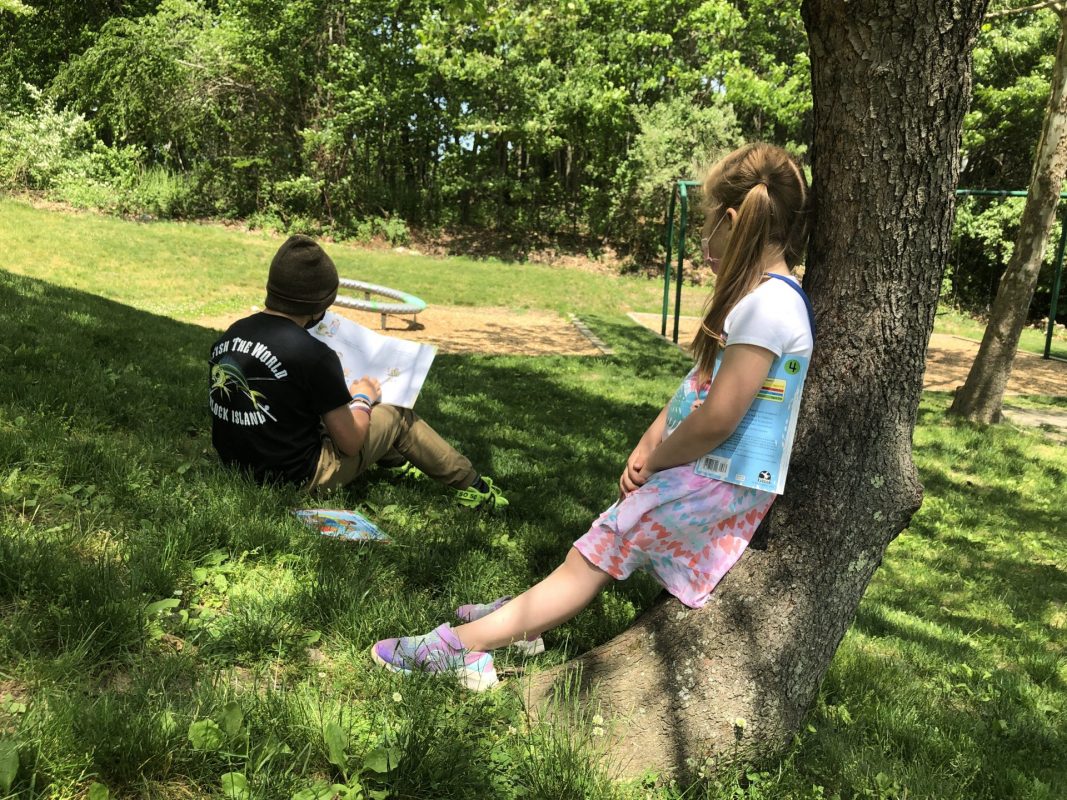
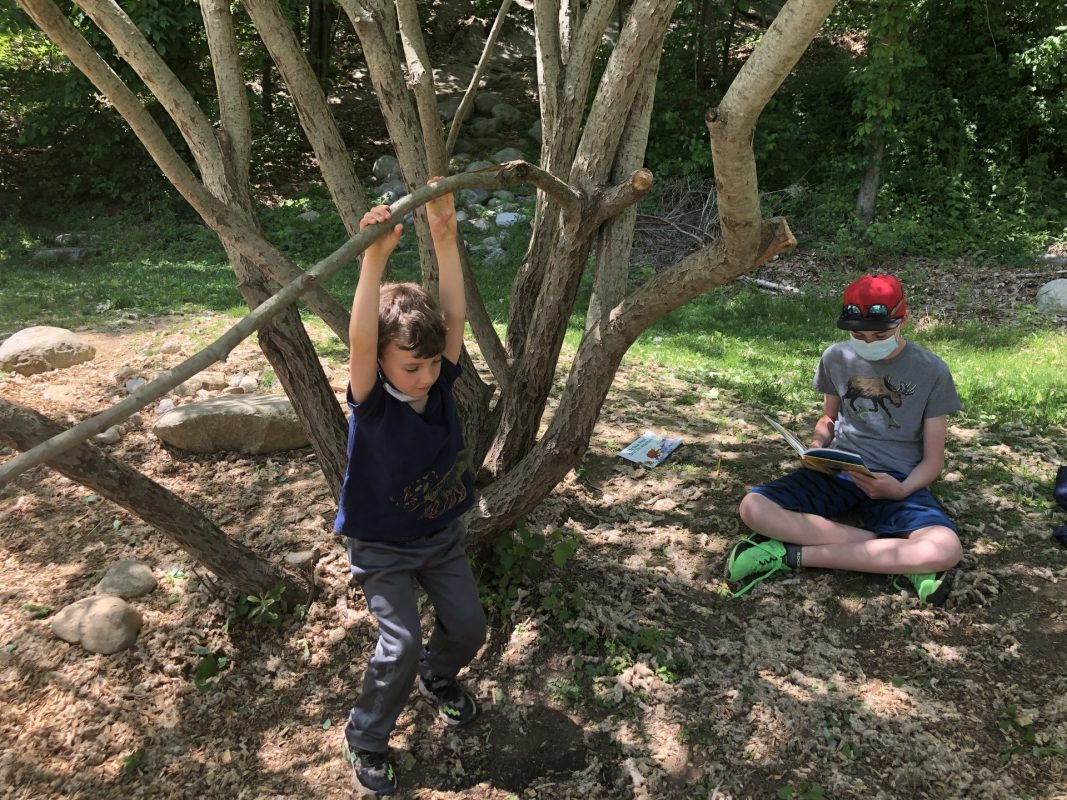
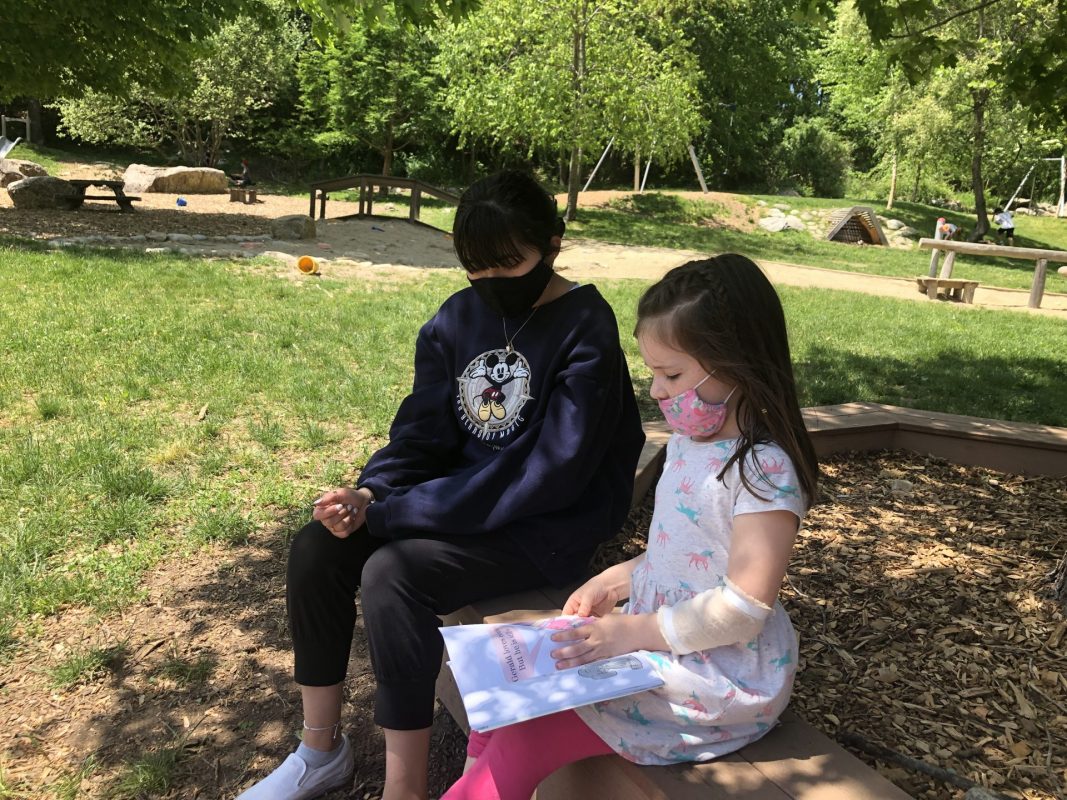
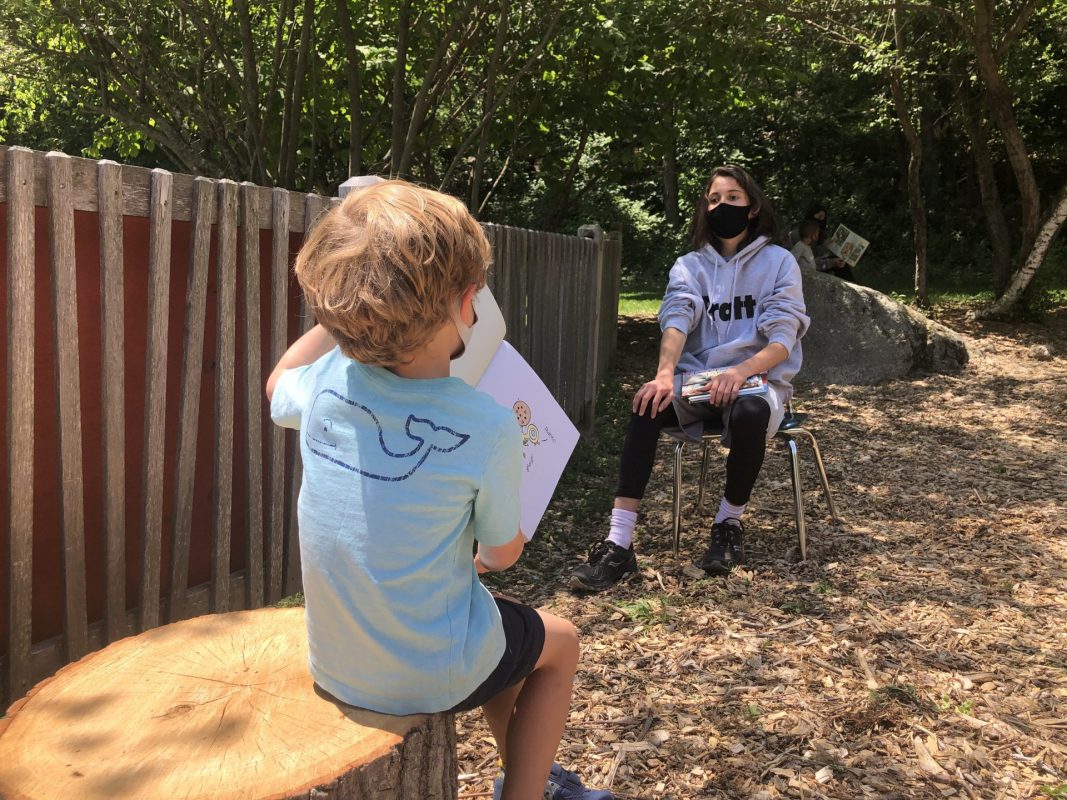
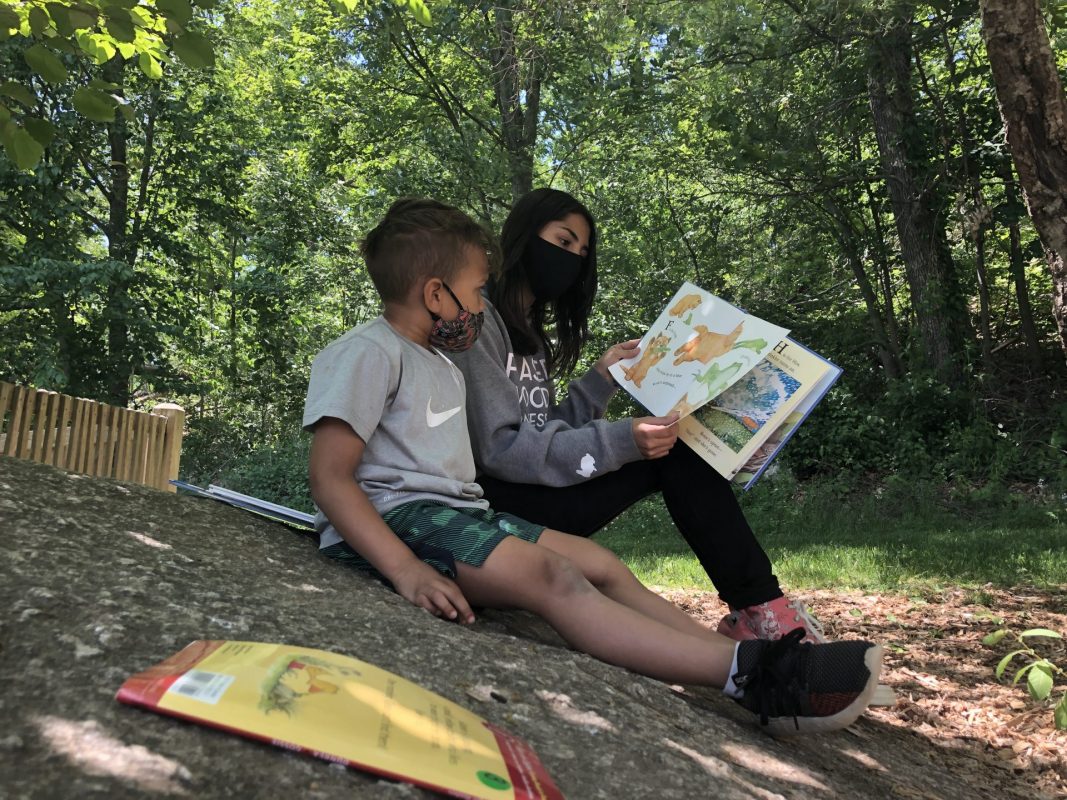
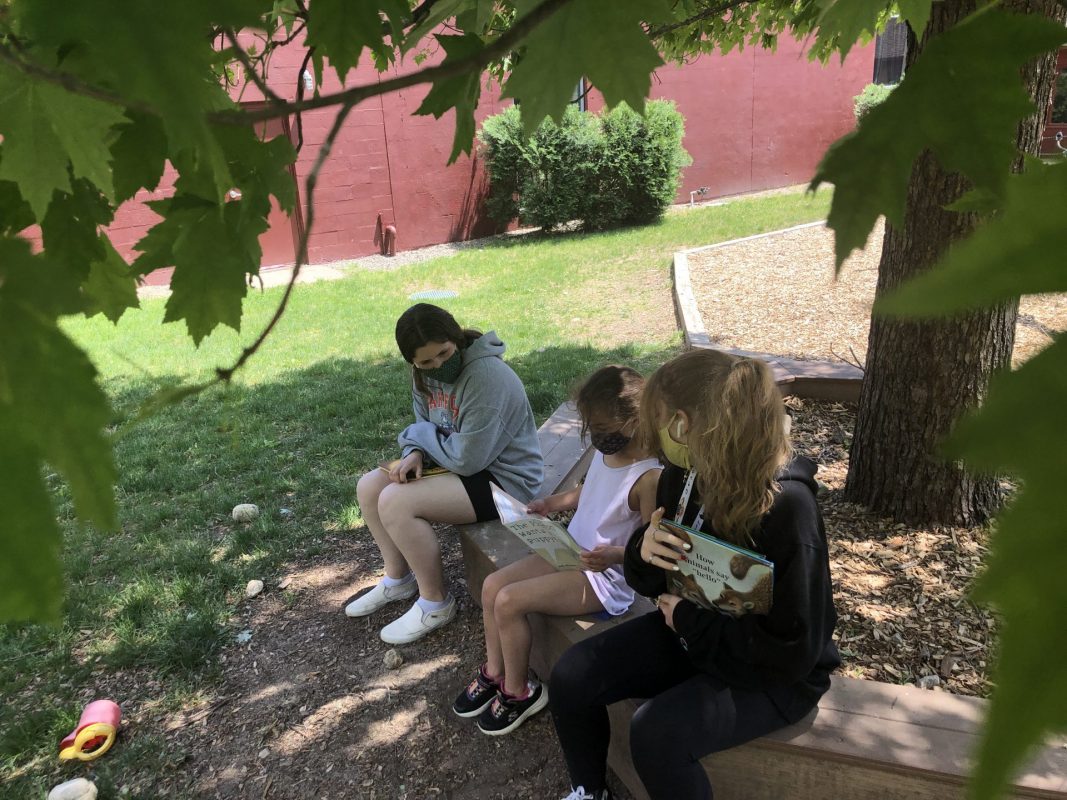
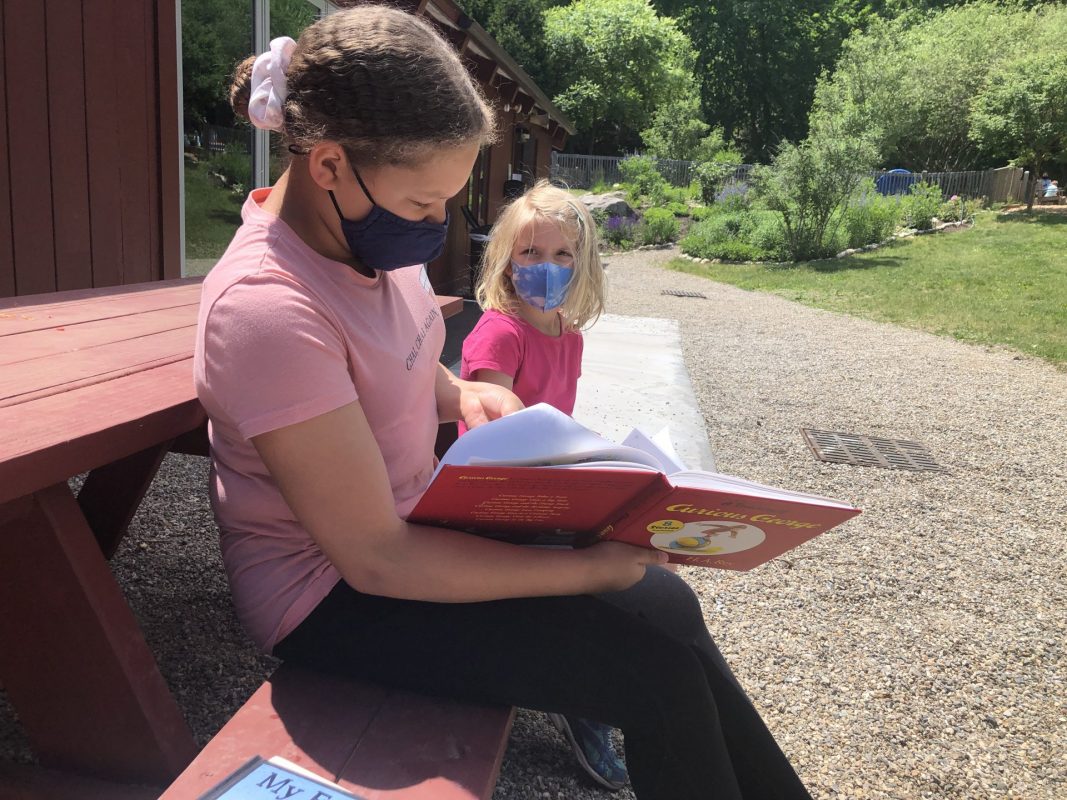
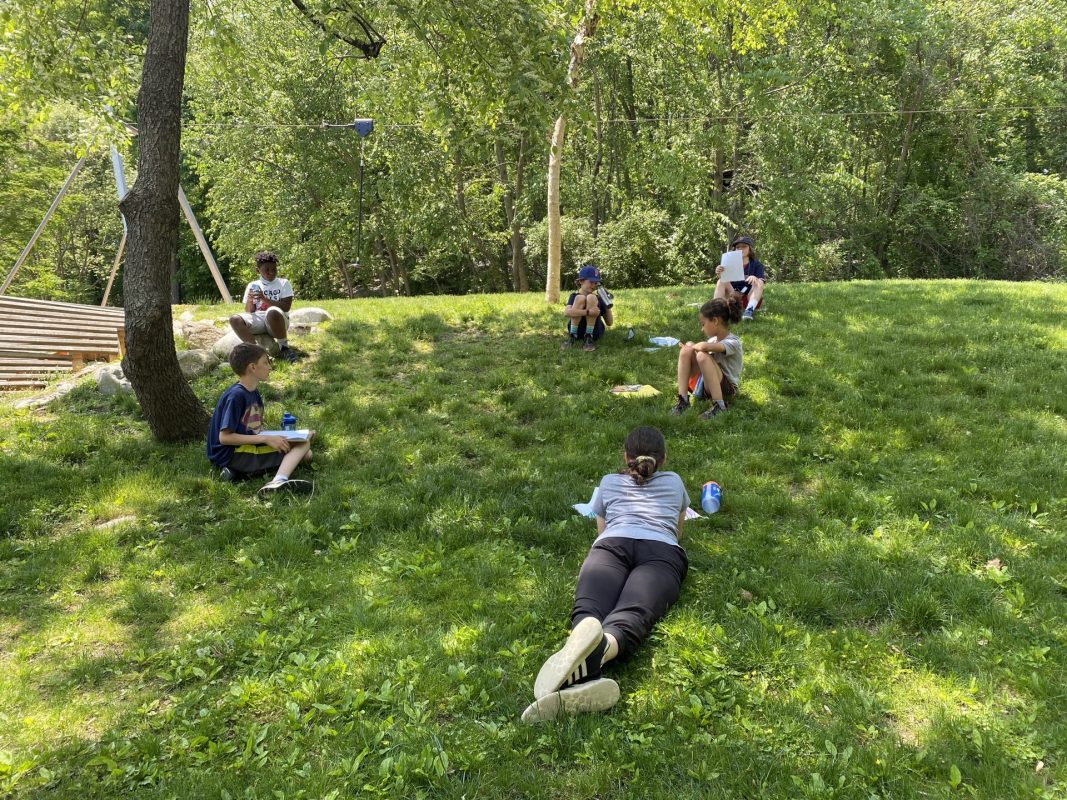
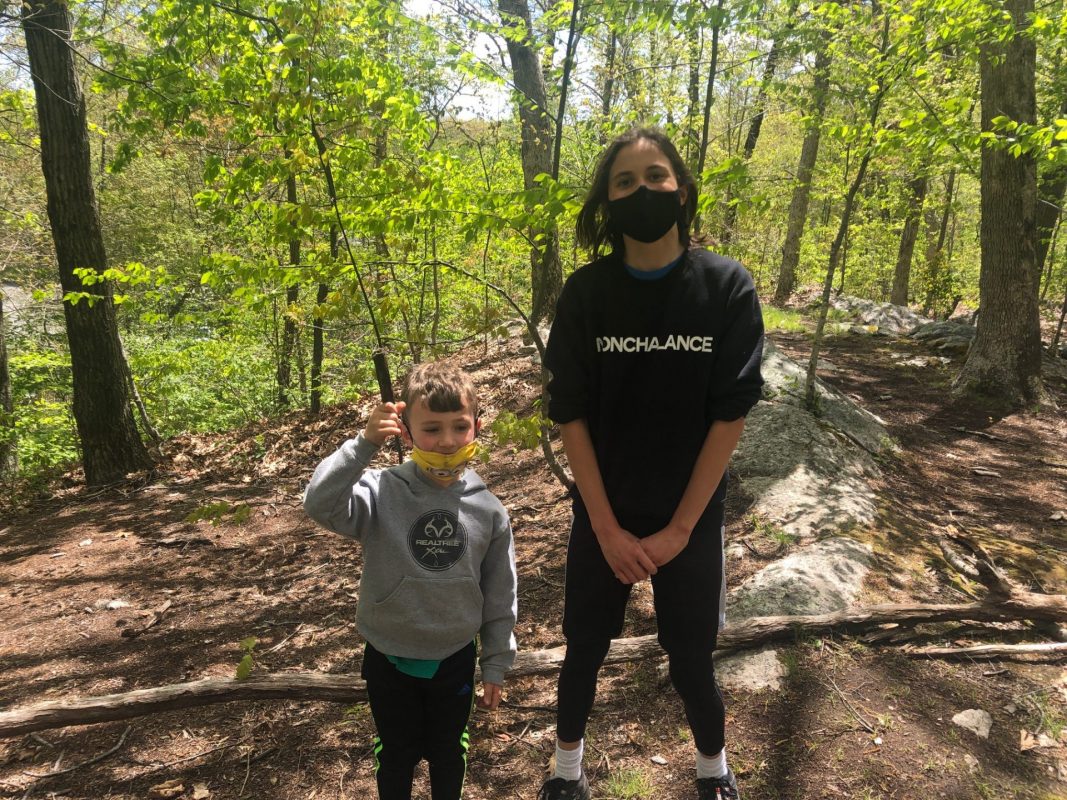
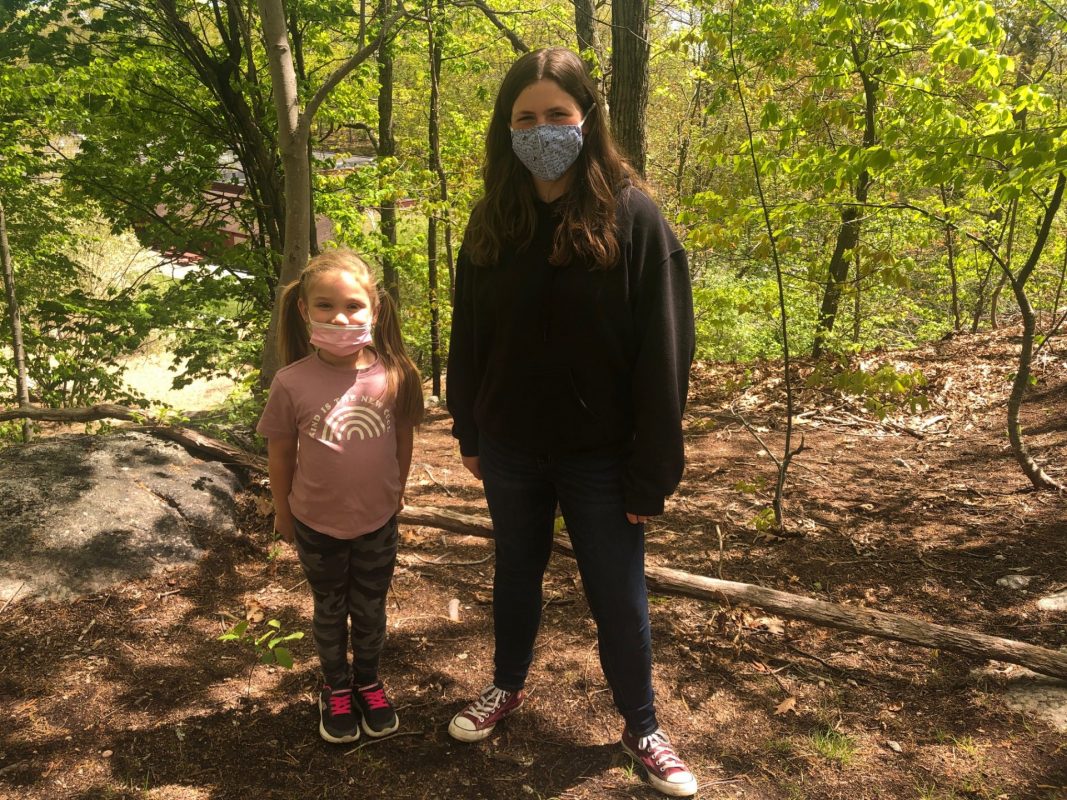
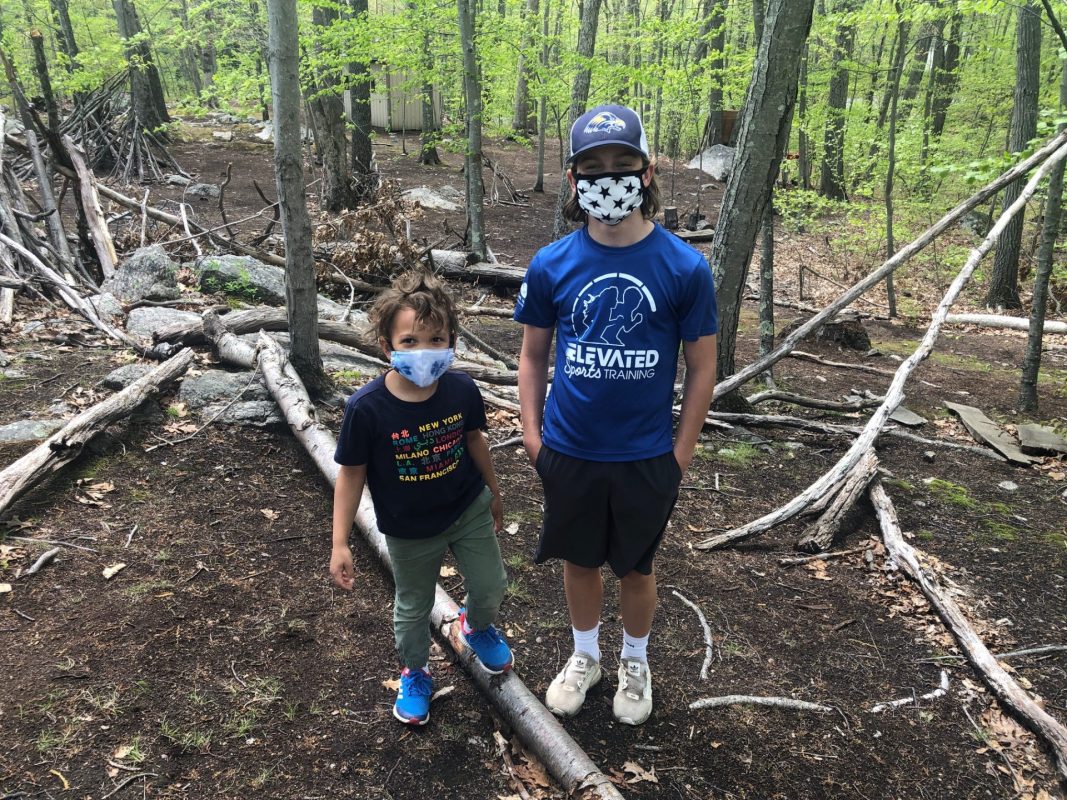
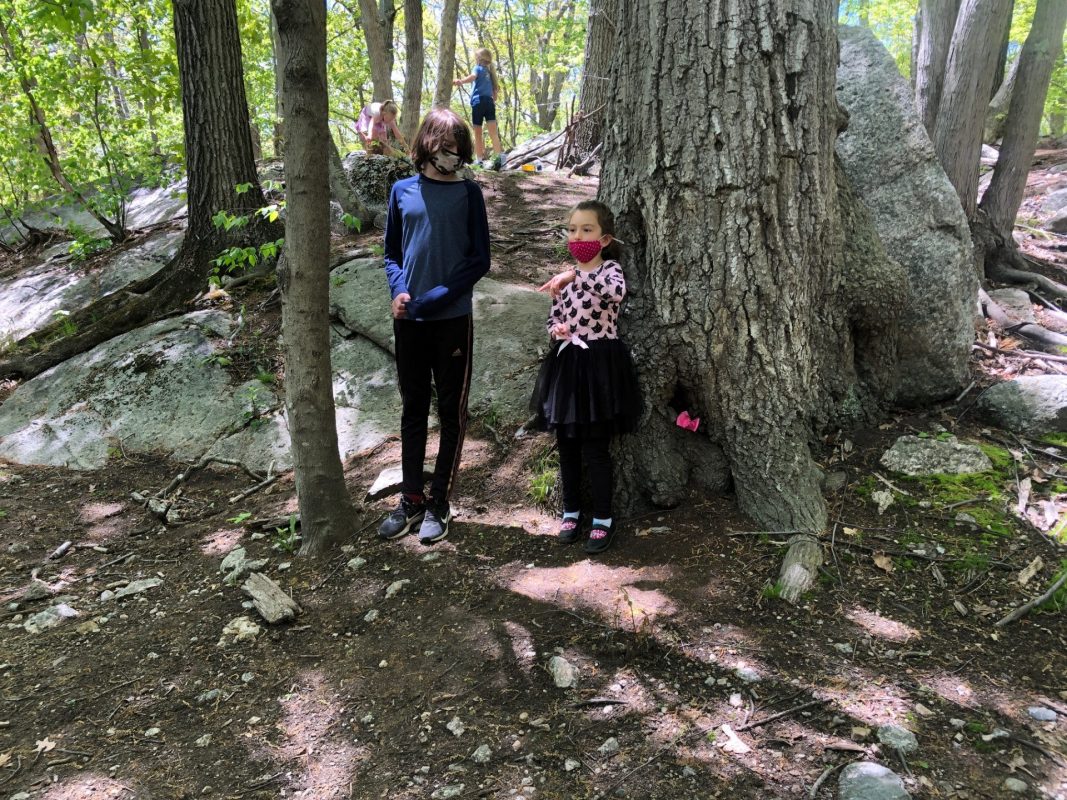
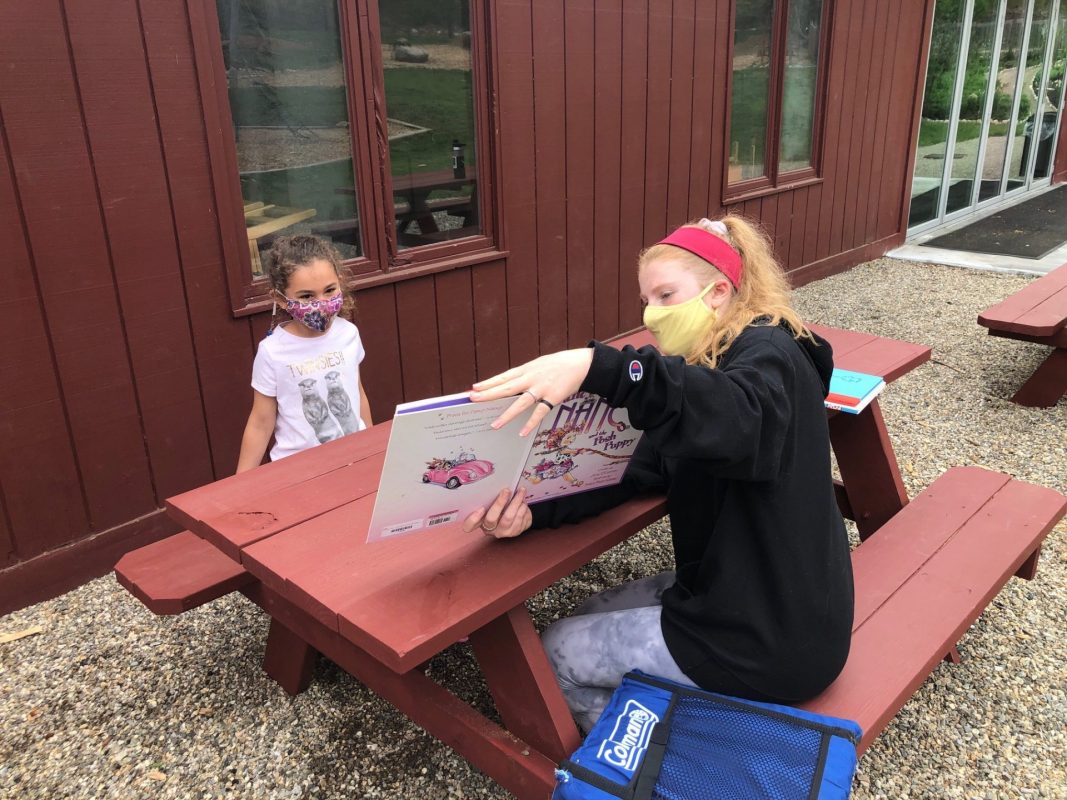
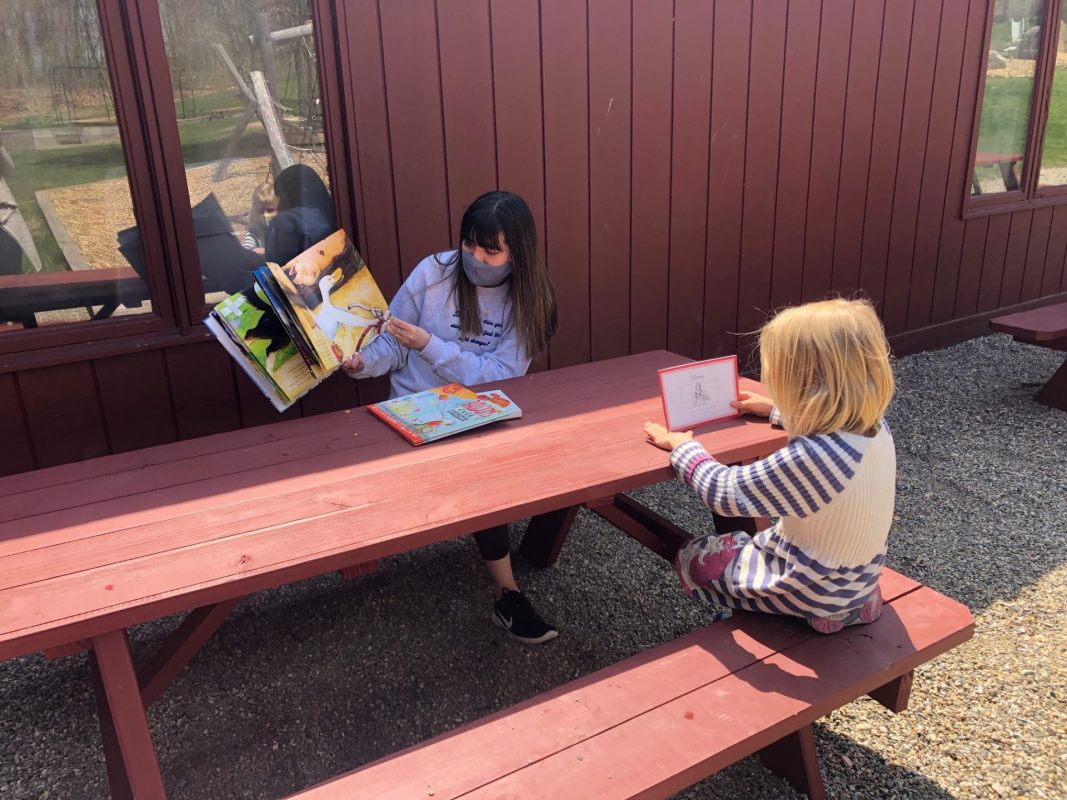
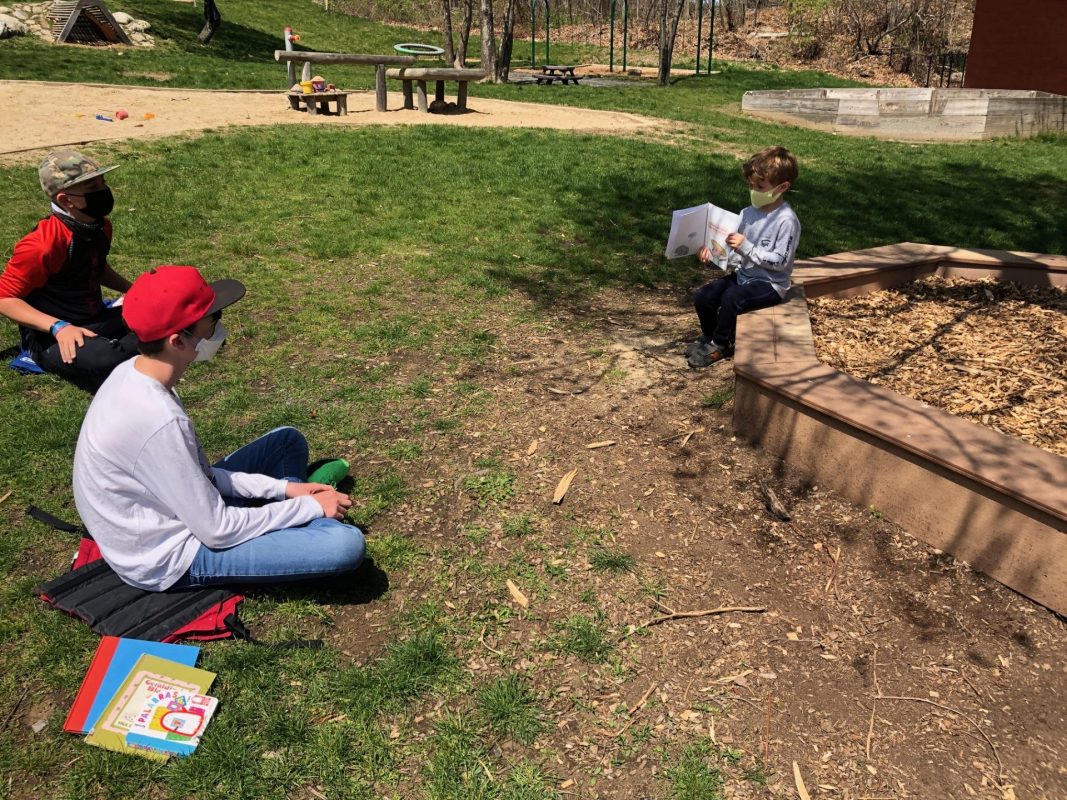
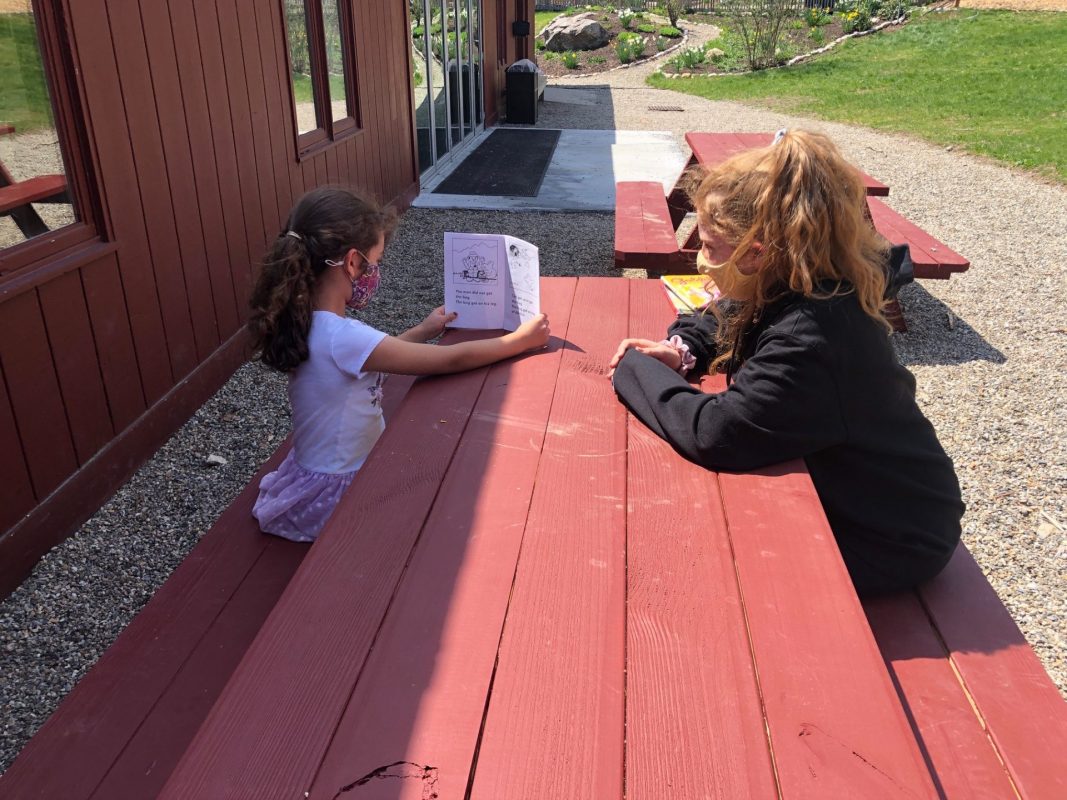
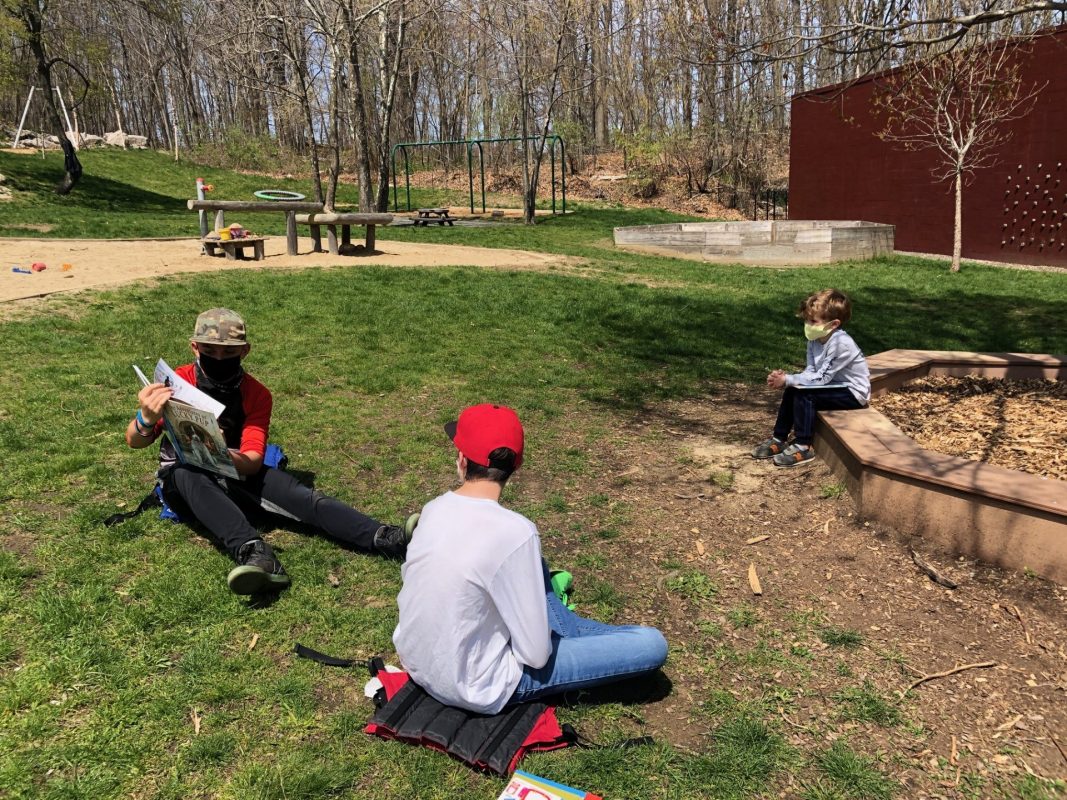
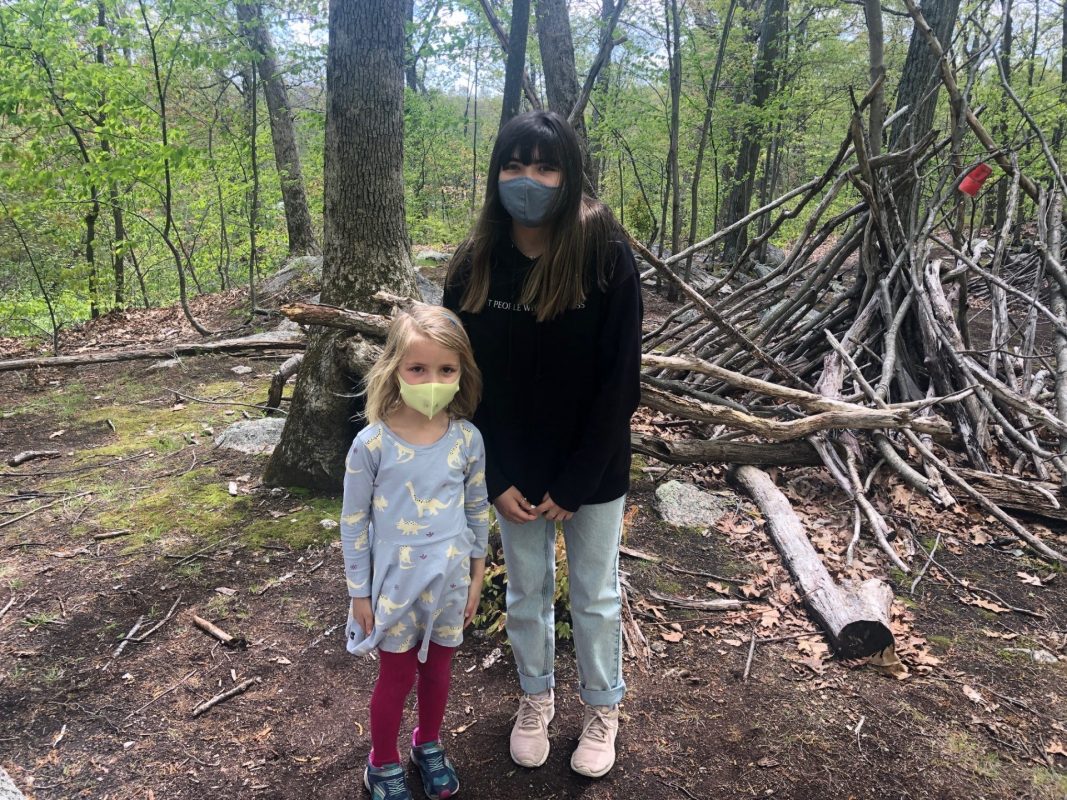
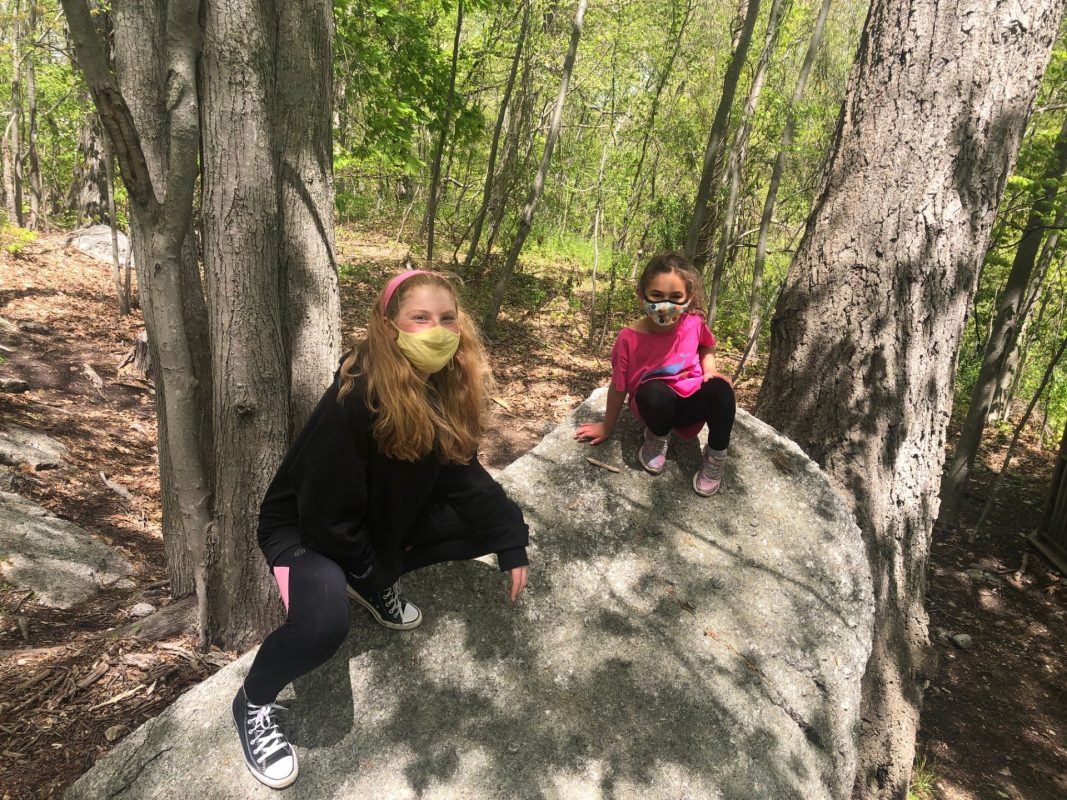
Our Kindergarten children have been meeting with their ‘reading buddy’ once a week.  It is a time they ask for repeatedly and has been a huge success.  This past week, they were able to go hike the outdoor classroom with their older friend.

Wishing you a week filled with peace and love!

Michelle & Lizette


Mrs. Lopes’s Class: Enjoying the Outdoors

“There must be provision for the child to have contact with nature; to understand and appreciate the order, the harmony and the beauty in nature,”- Maria Montessori 

Being outdoors ignites a unique excitement and curiosity in children that cannot be replicated in the classroom (unknown).

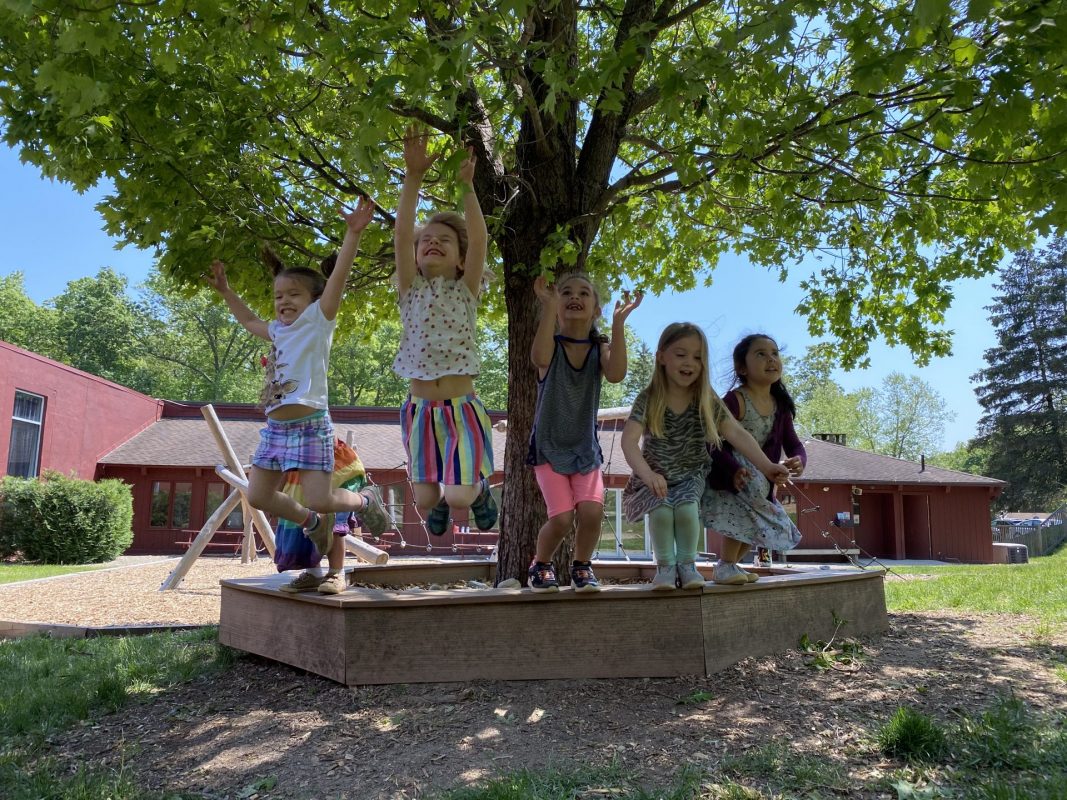
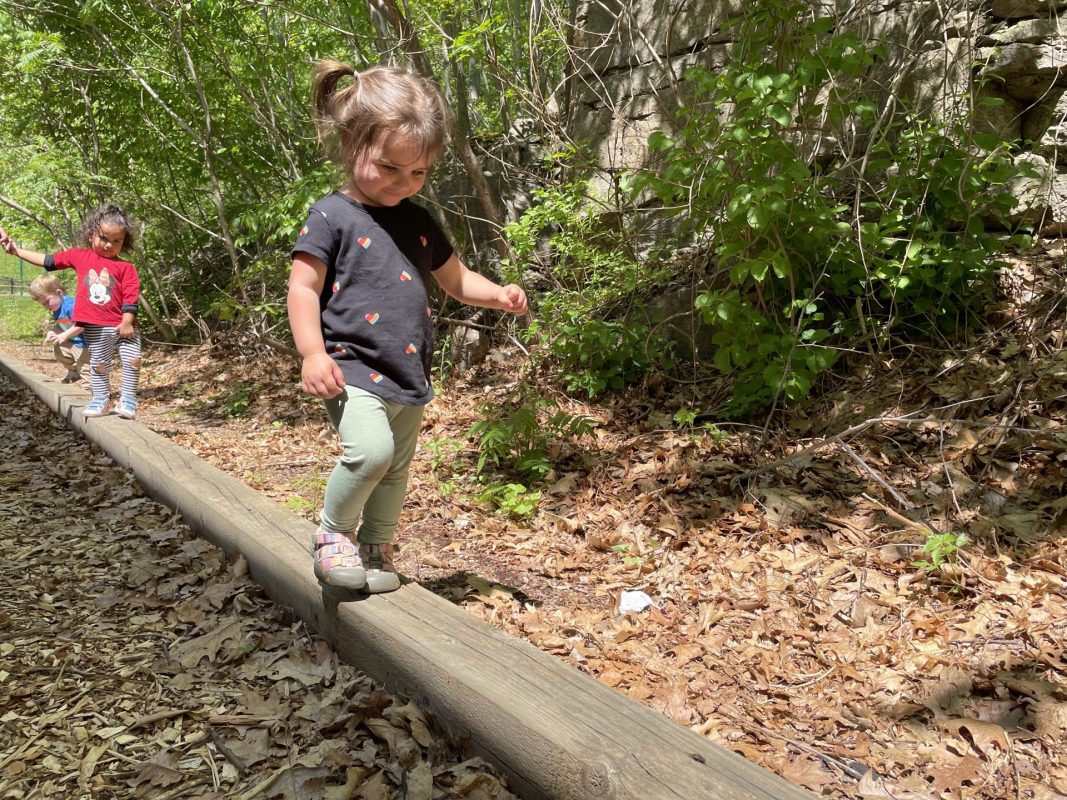
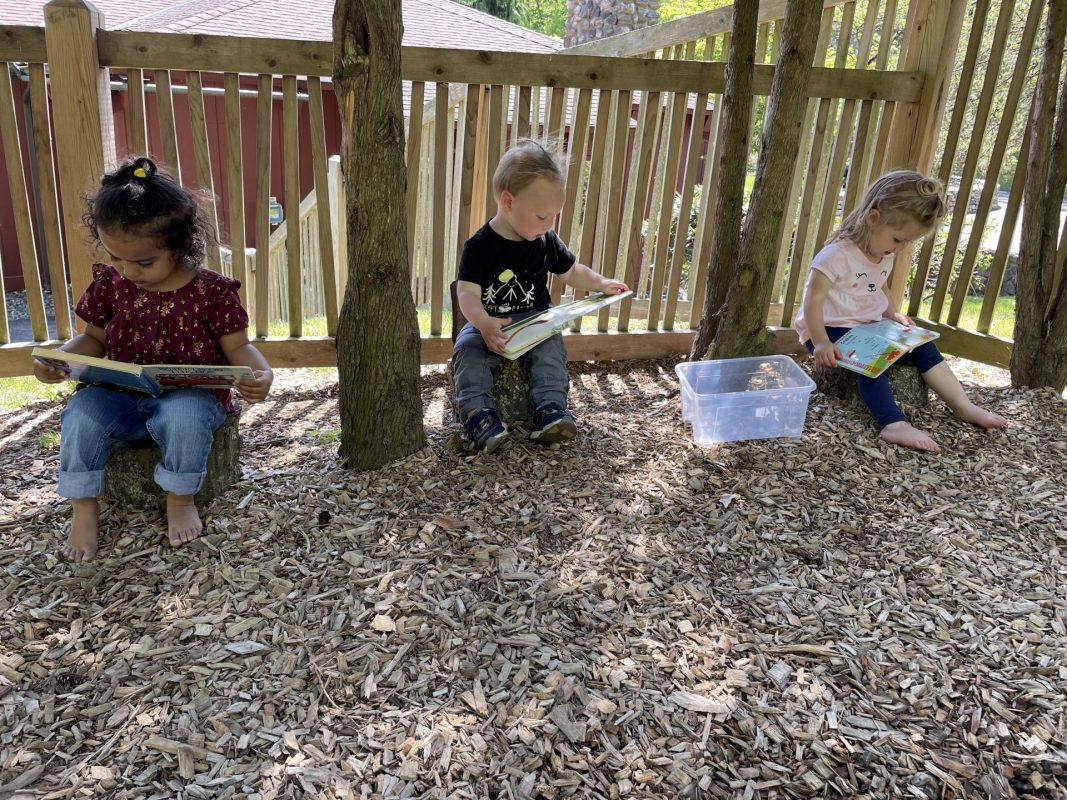
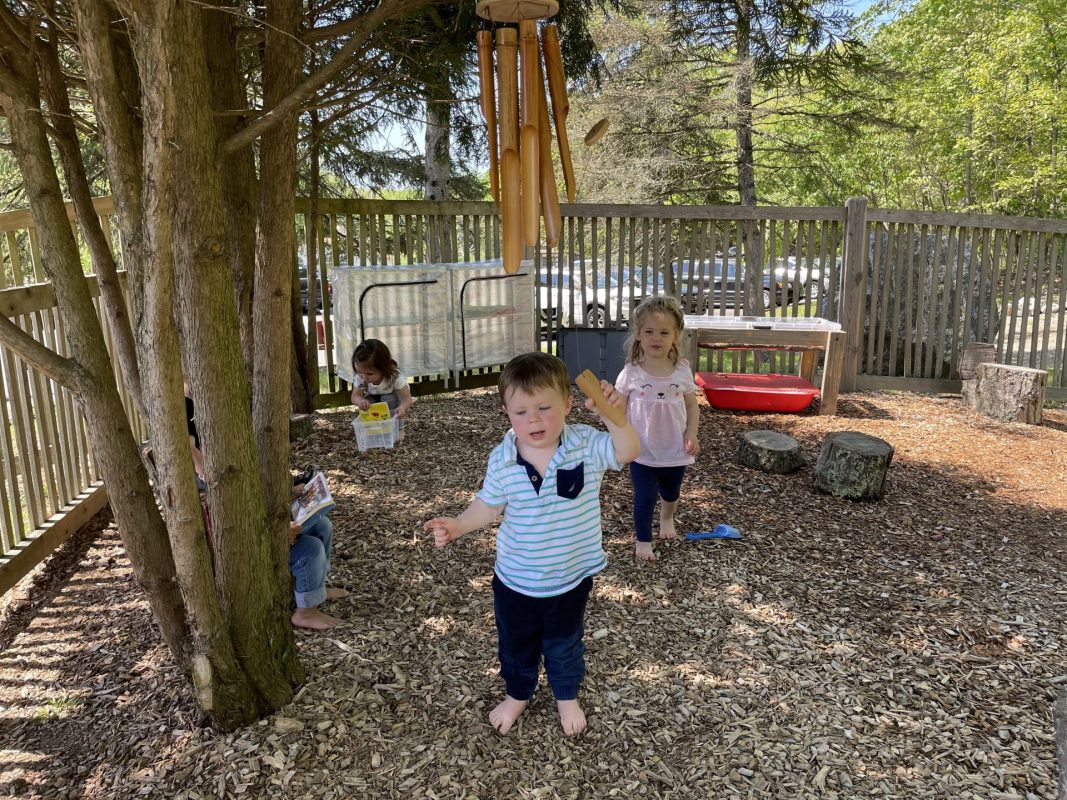
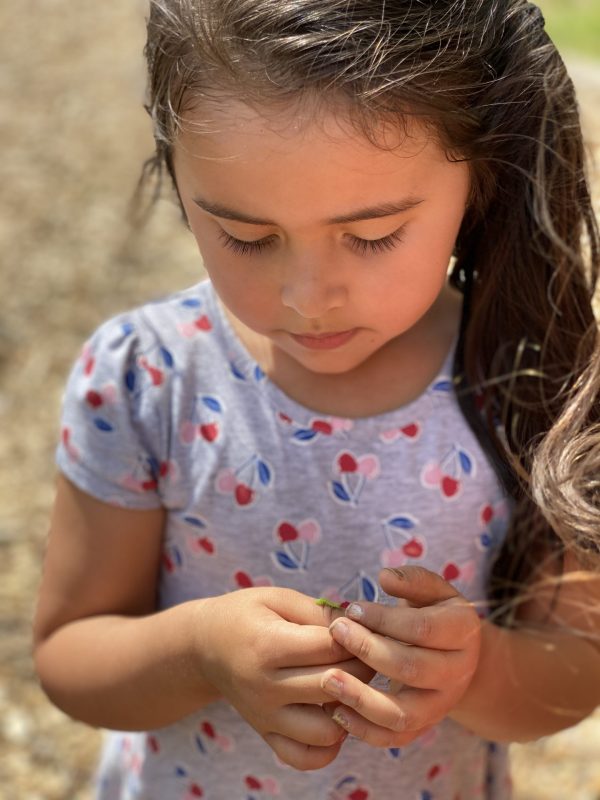
Every day your children spend time learning, working together, and exploring our natural playground. Daily outdoor learning helps to develop healthy, active lifestyles and routines for the children, while providing them with hands-on experiences in our natural world. Our beautiful natural playground provides unique experiences to stimulate the children’s creativity and contribute to their appreciation of nature.

Helping children develop an appreciation for the outdoors is one of the significant benefits of regular outdoor play. The outside world is full of beautiful sounds, sights, textures, and life. Exposing children early on to the beauty of the world around them can be the perfect way to boost the aesthetic development of a child, allowing them to be more aware of all the beauty around them.

The first few photos are from our Kindergarteners’ “reading buddies” program.  Once a week the Kindergarten children have had the opportunity to spend time outdoors reading or hiking with a middle student student.  They have all really enjoyed this time together!

Here’s to rising temperatures, longer days, and the opportunity to spend time exploring the outdoors!

Until next week,

Amanda & Sharlene