Blog

Phonemic Awareness in Montessori: Building Strong Readers

At our Parents’ Association meeting this past Wednesday, I gave a talk titled Phonemic Awareness in Montessori: Building Strong Readers. Several parents asked for a copy of the slide presentation, which is attached at the end of this post. Below is a brief summary of the key ideas we discussed.

Why Phonemic Awareness Matters

Phonemic awareness is the ability to hear and work with sounds in spoken language. It is different from phonics, which connects sounds to letters. Sound awareness comes first and is a critical foundation for reading and spelling.

Multisensory Montessori Approach

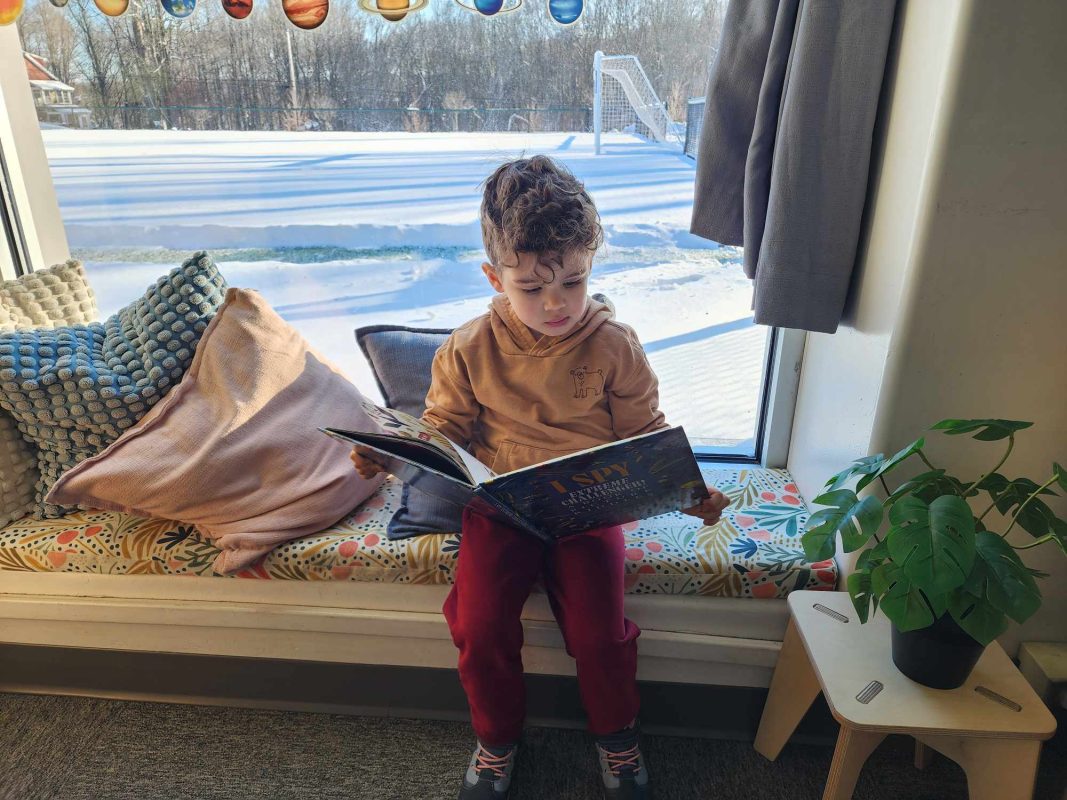
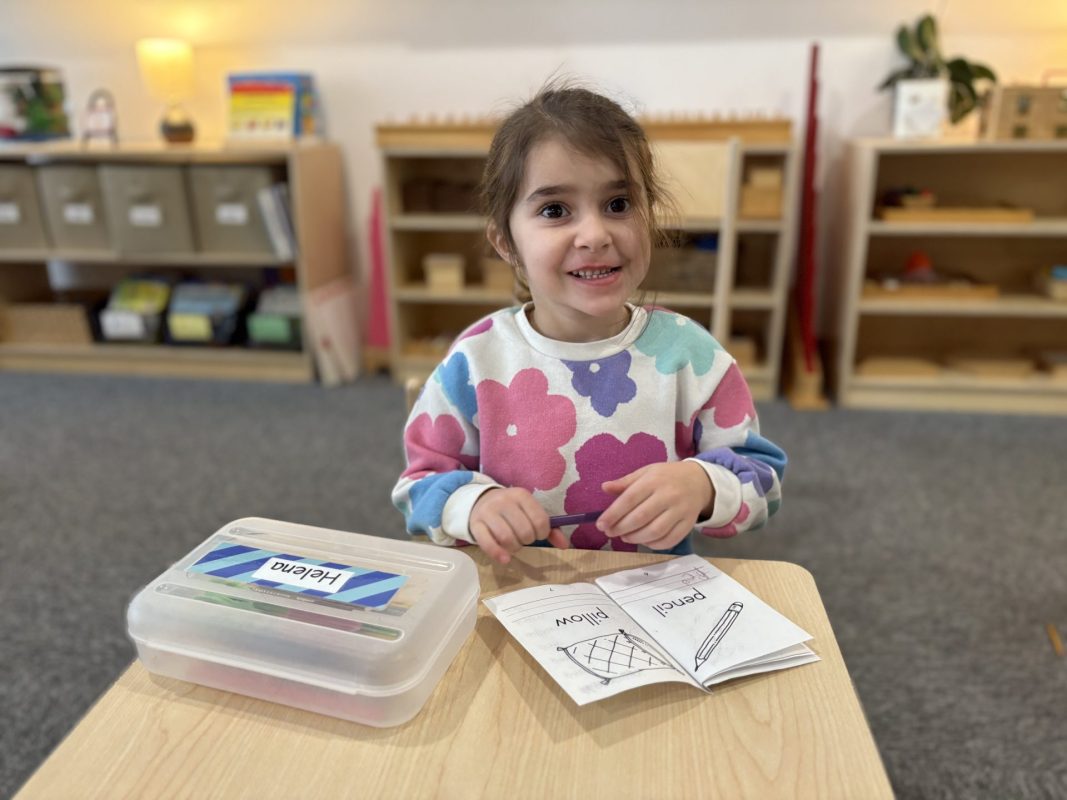
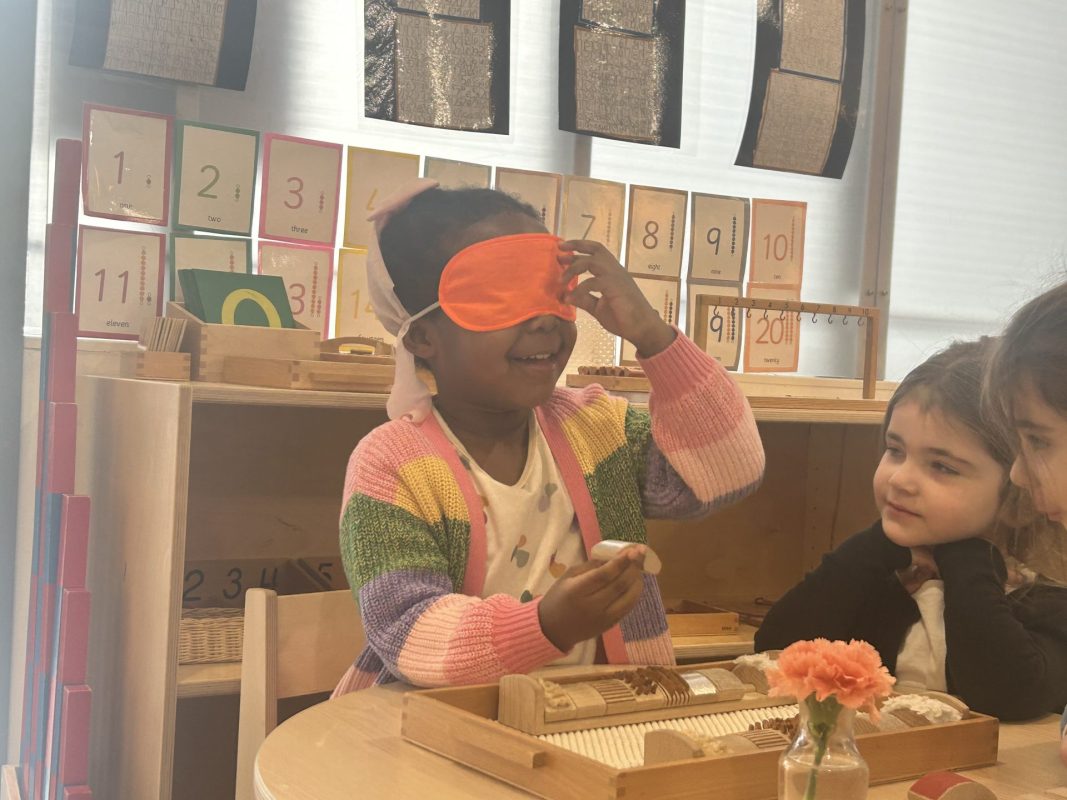
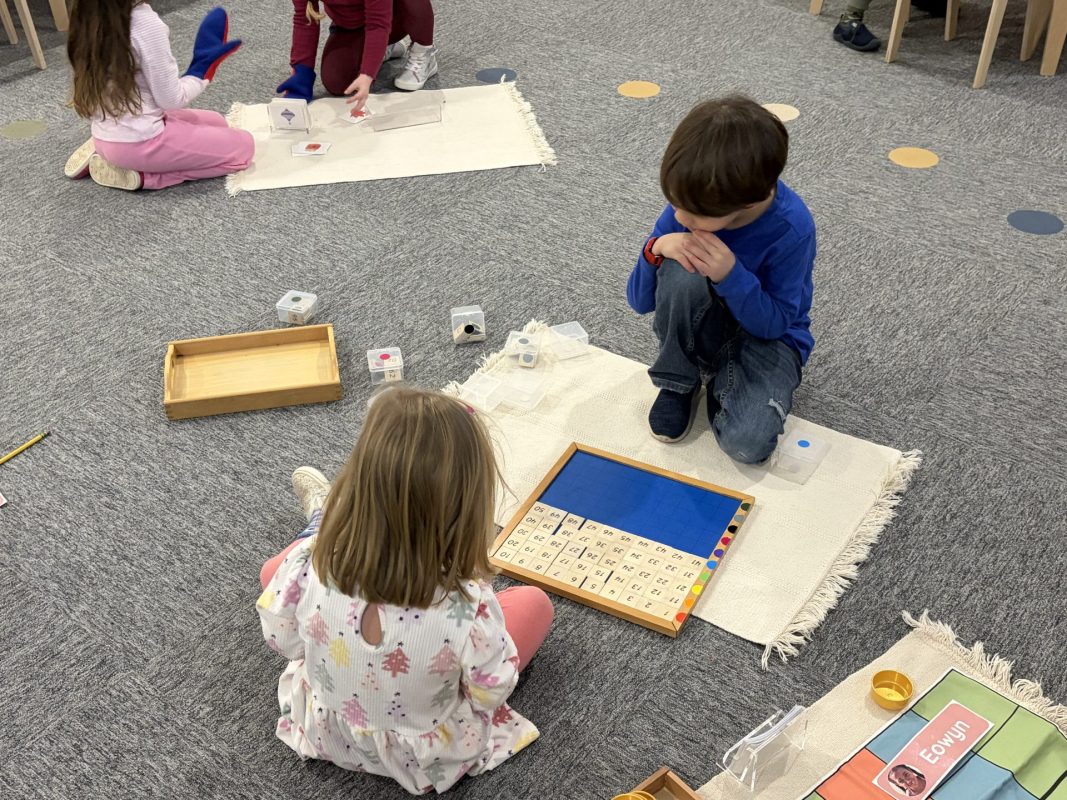
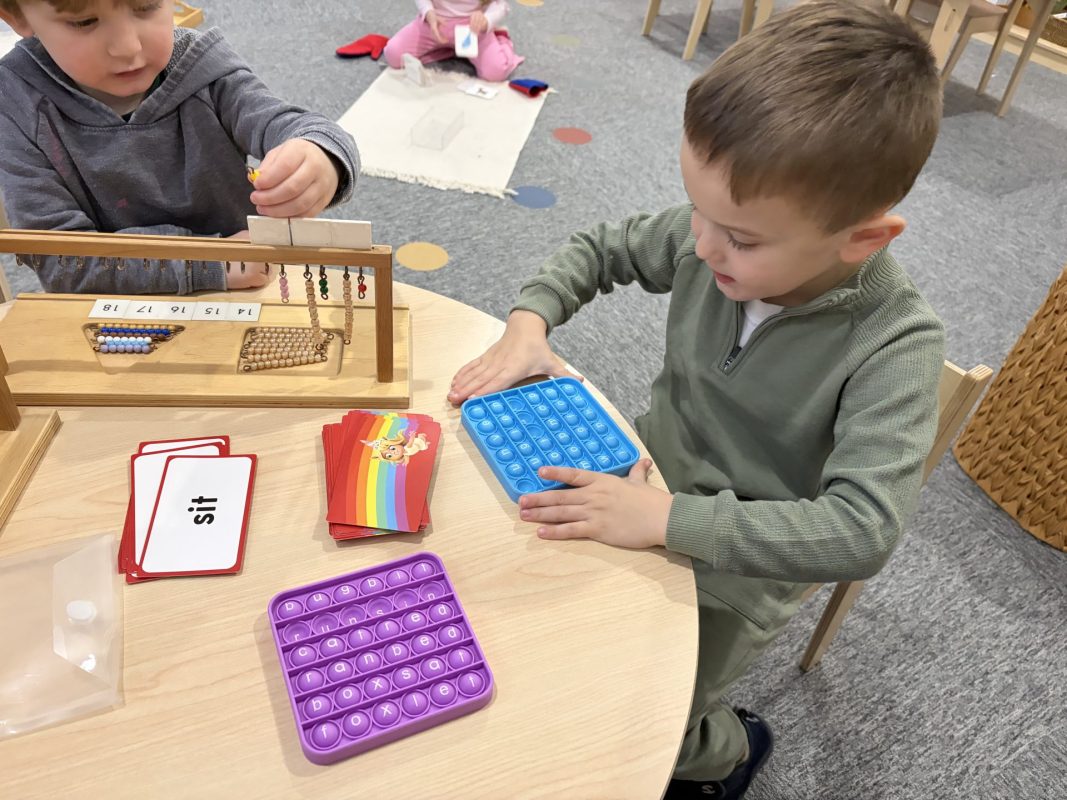
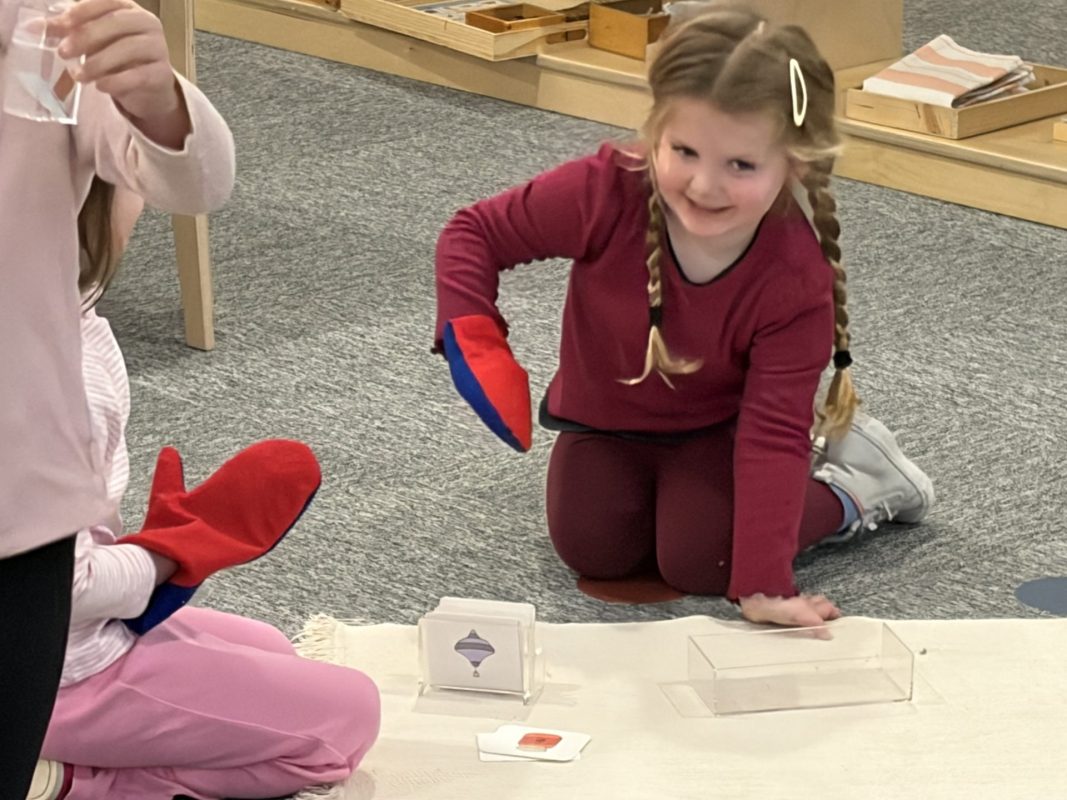
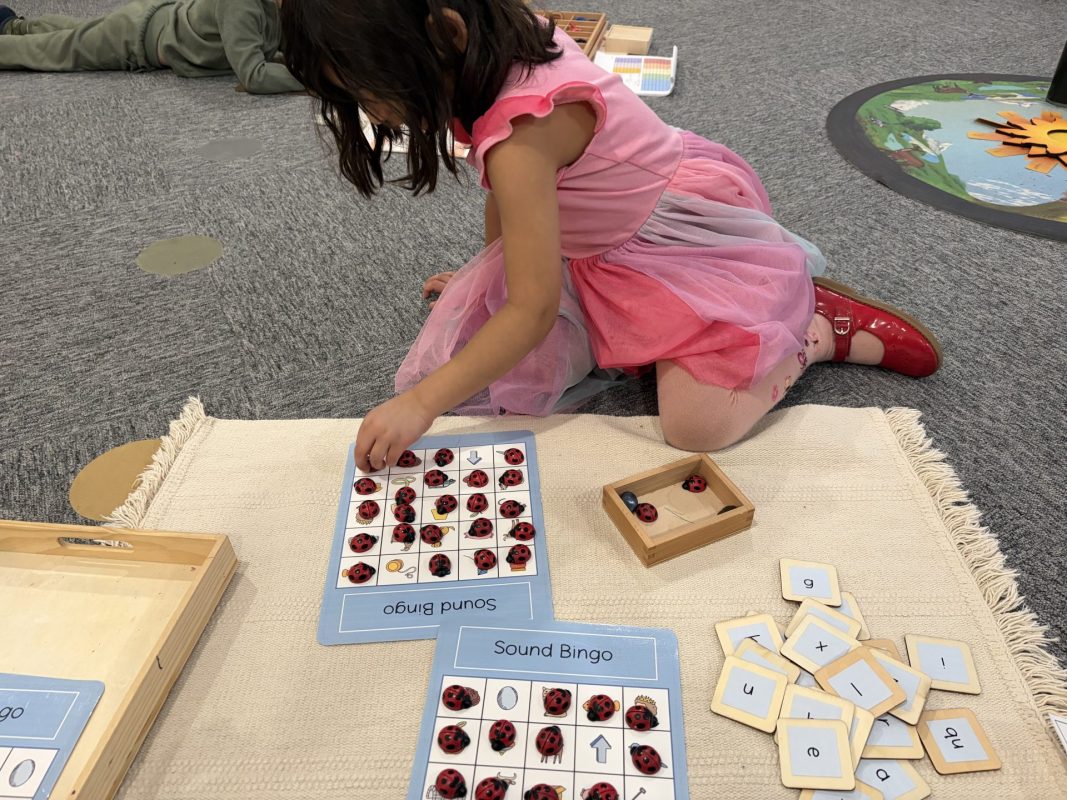
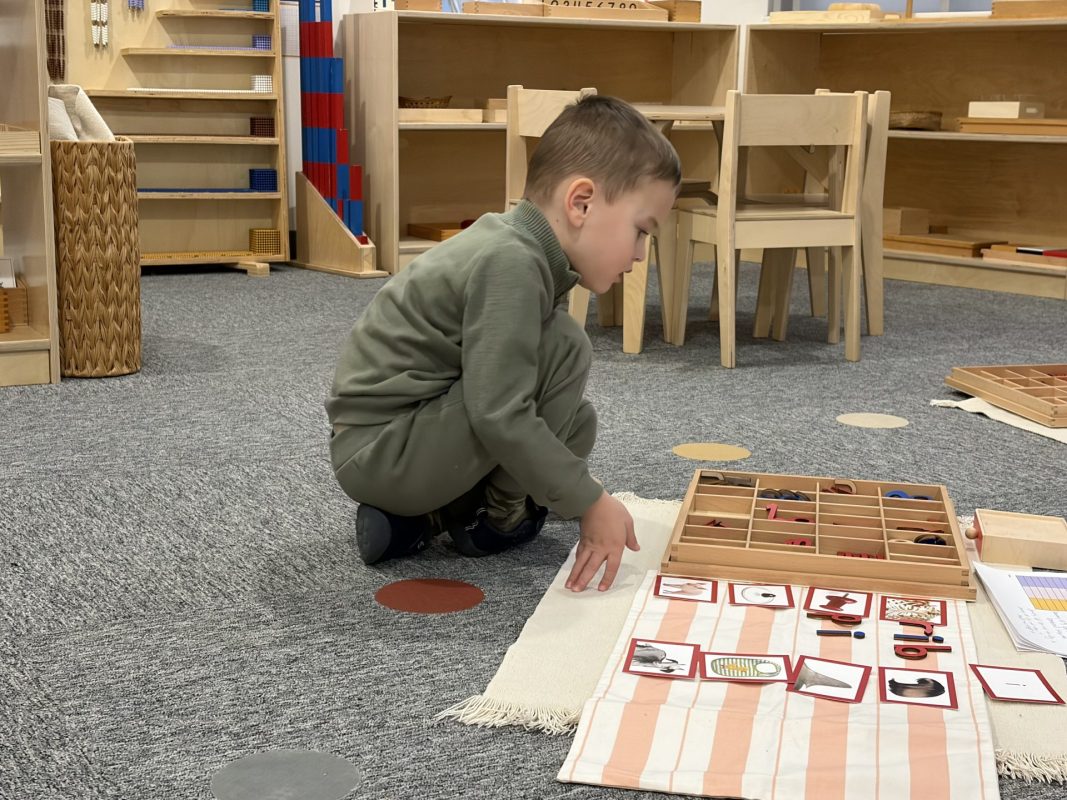
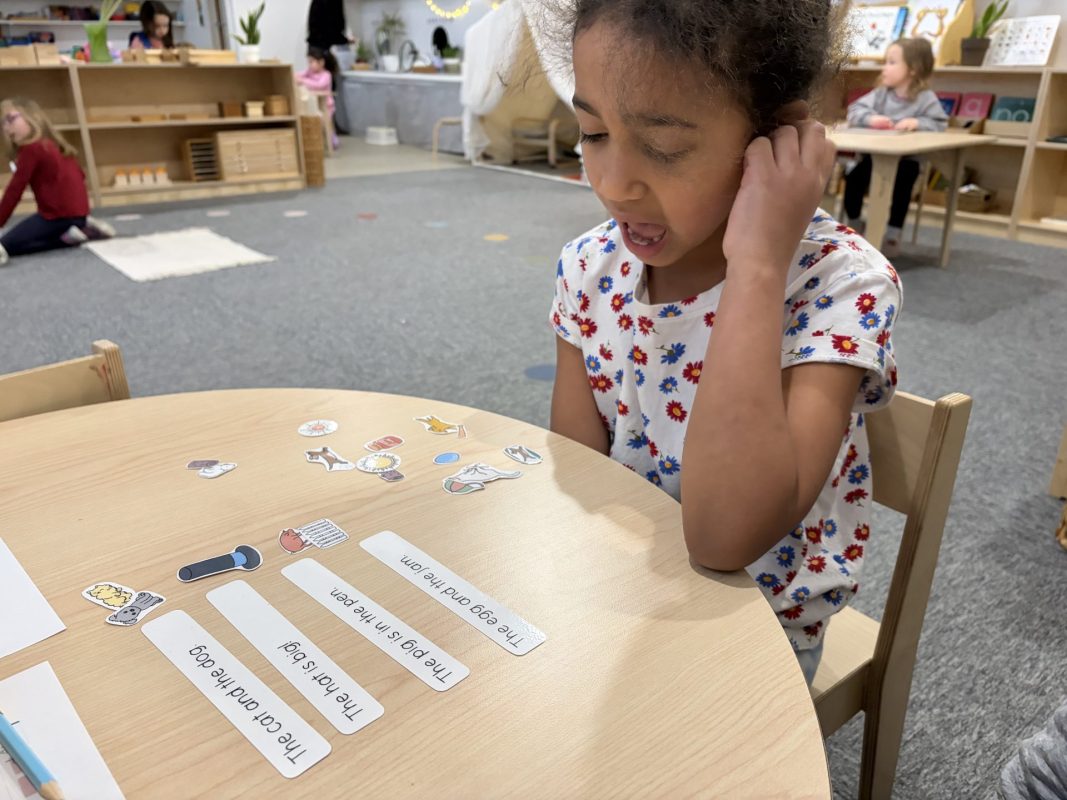
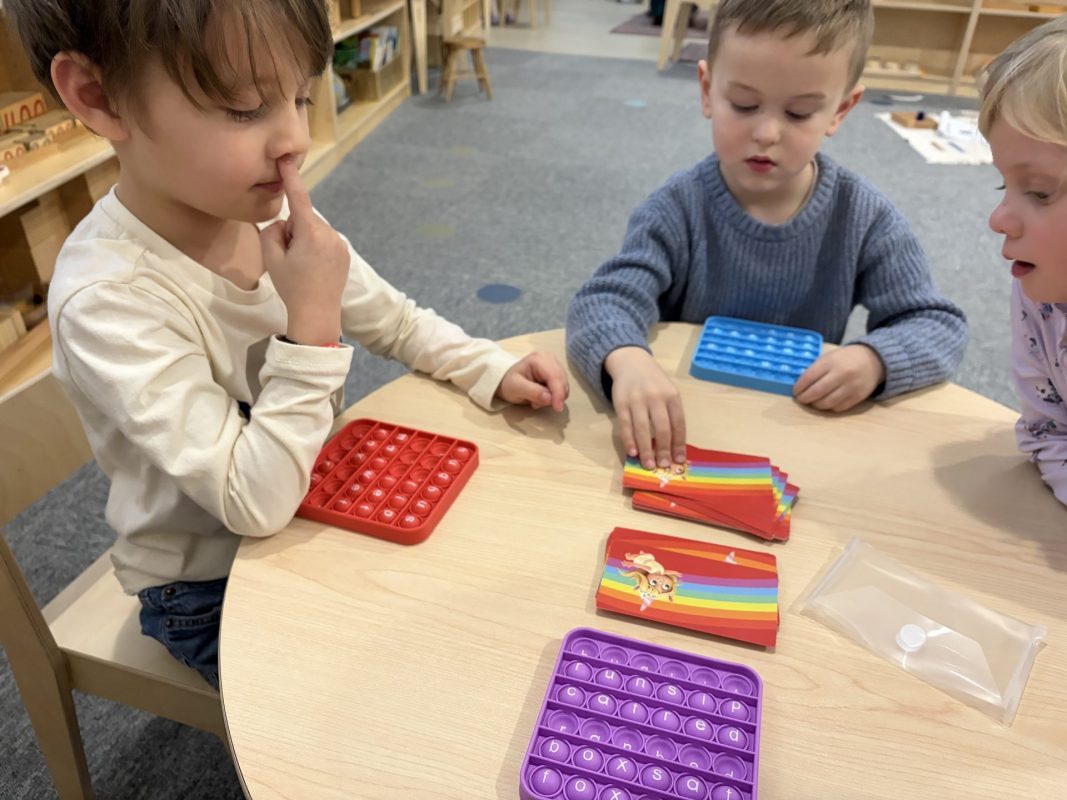
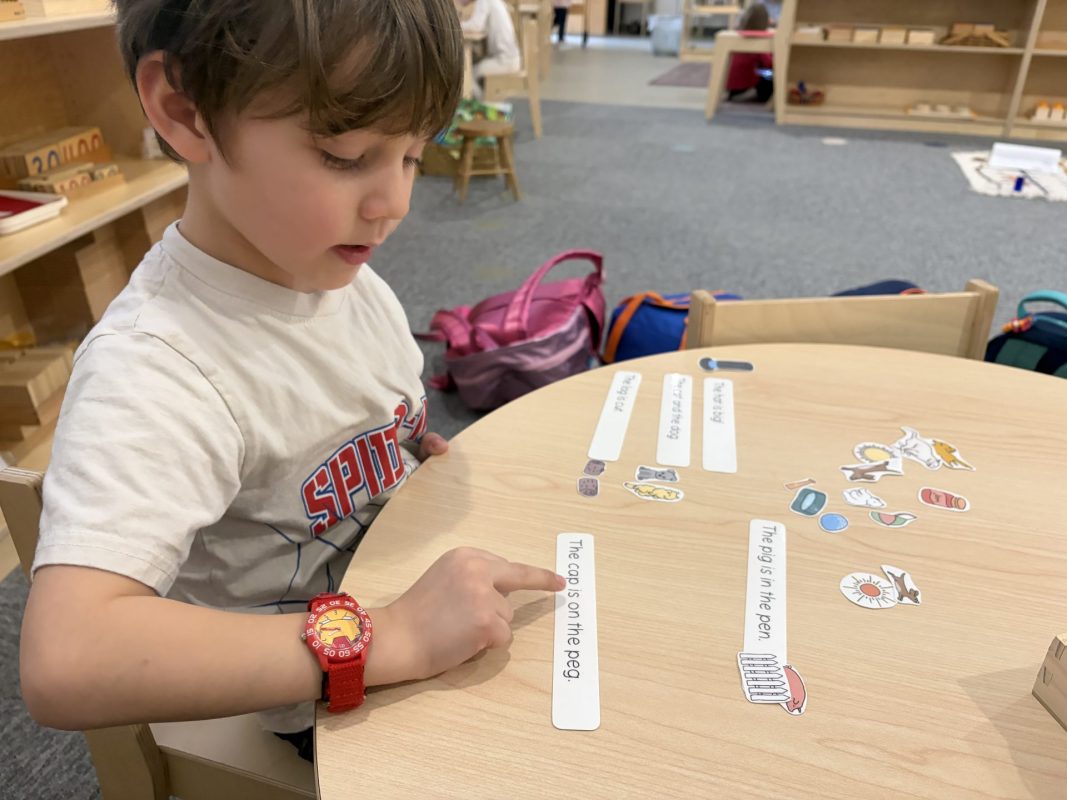
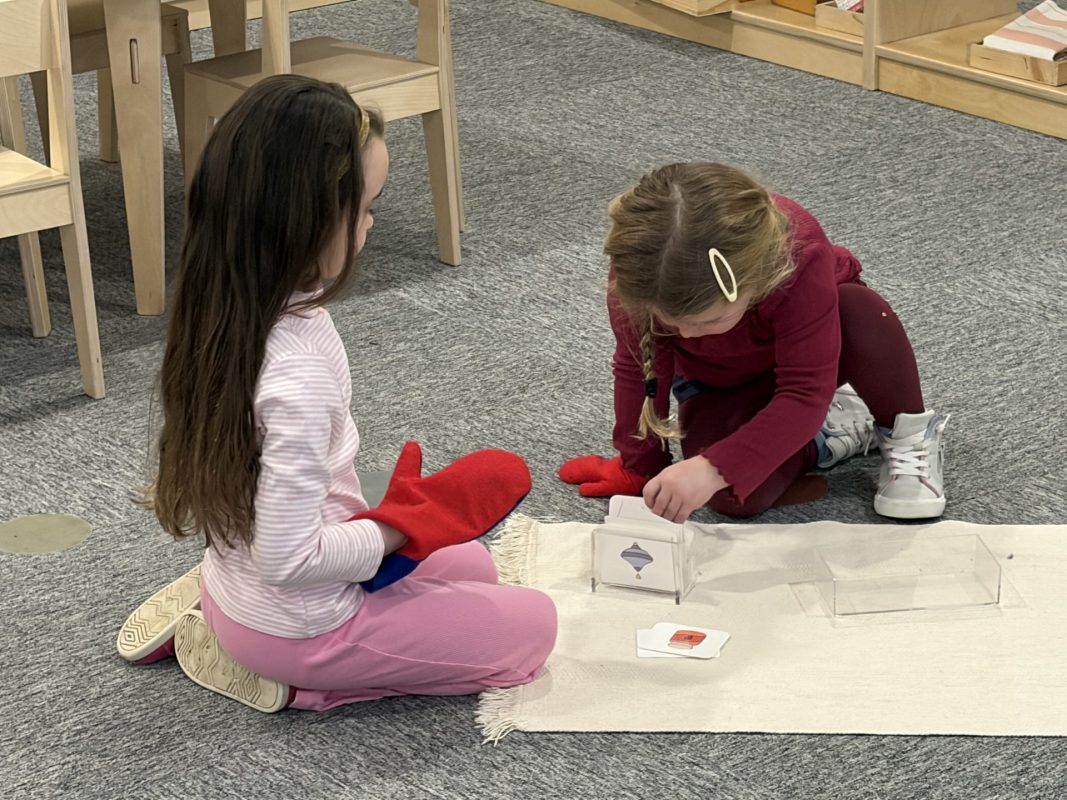
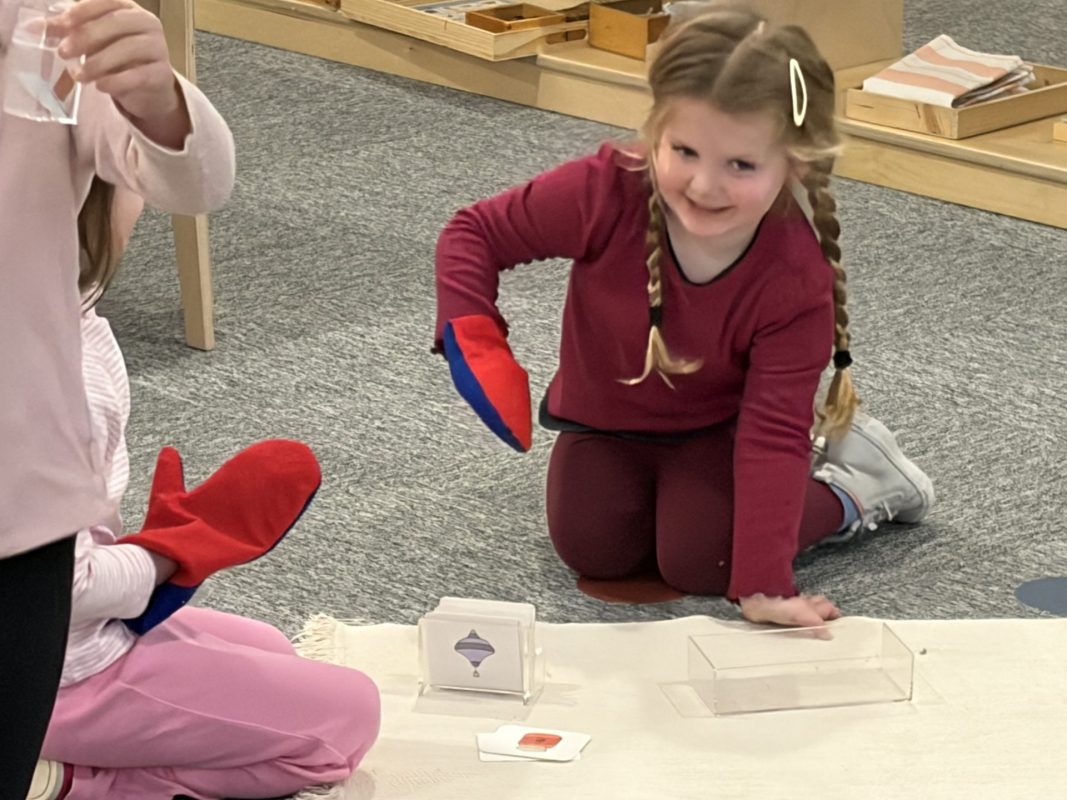
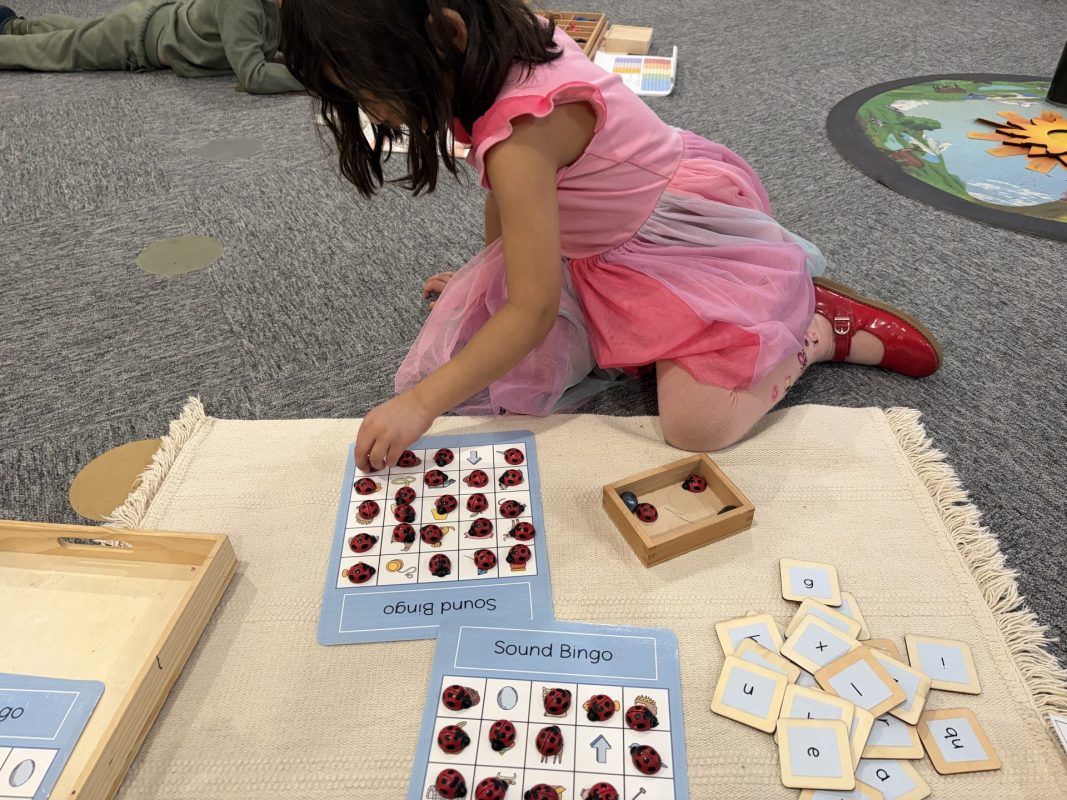
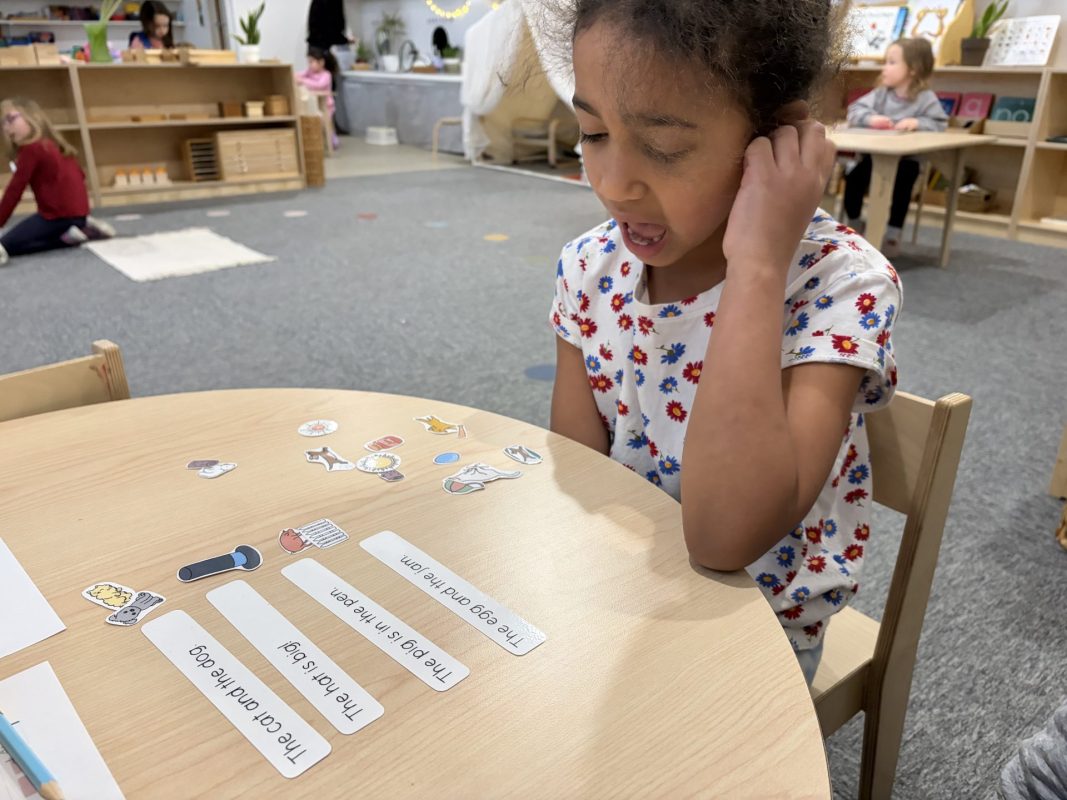
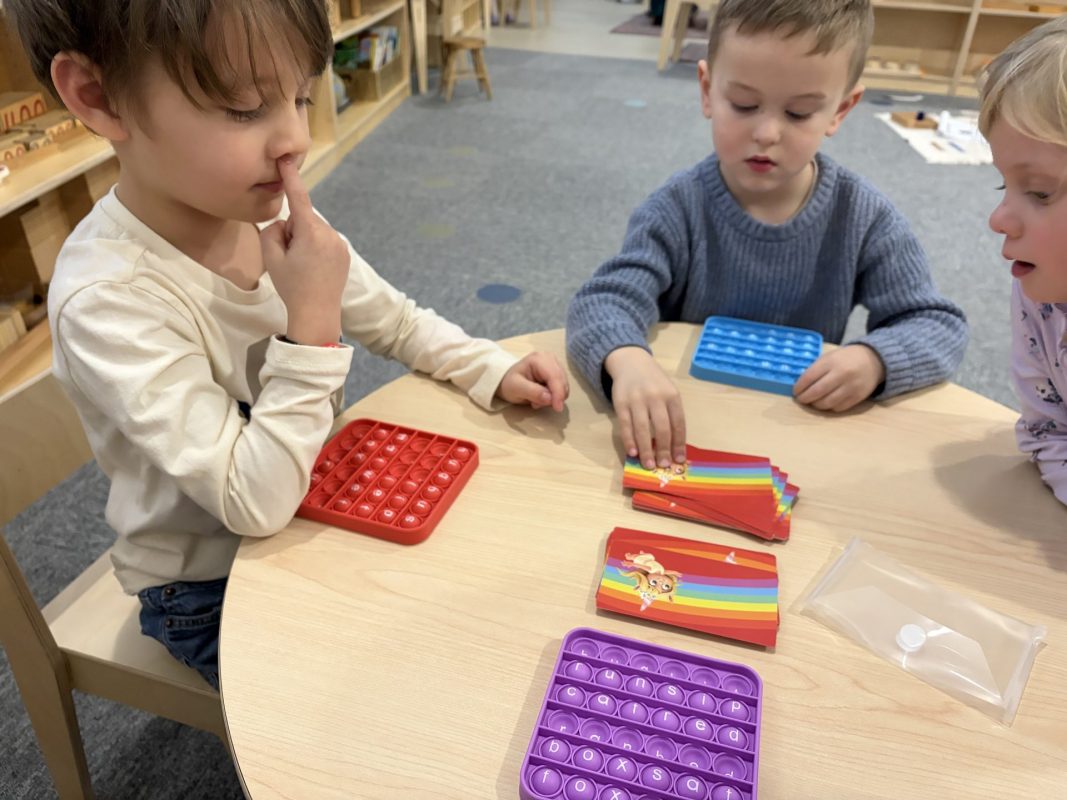
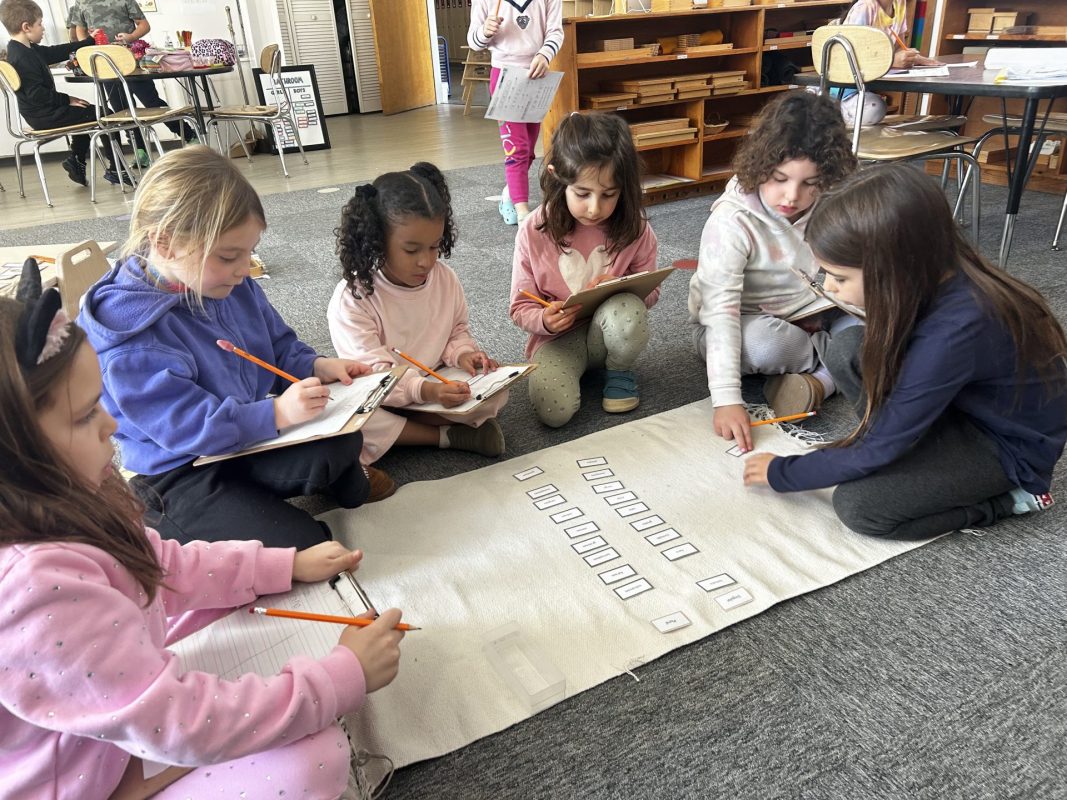
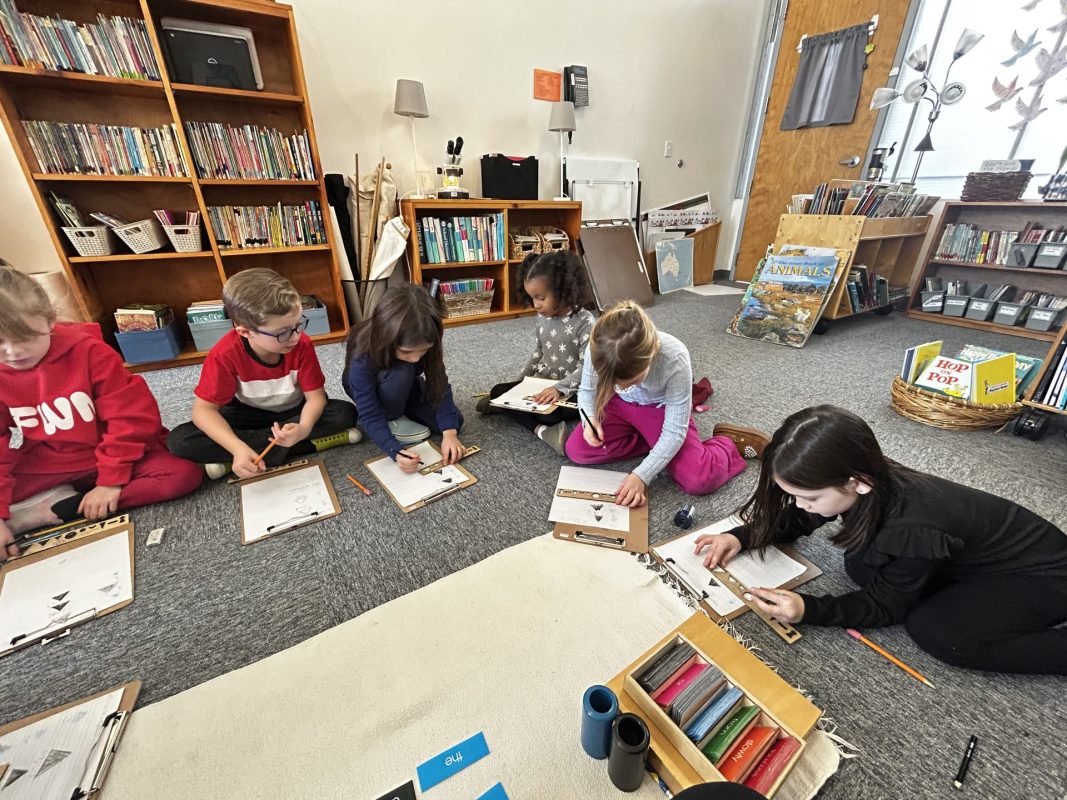
Montessori reading instruction is multisensory. Children learn by seeing, hearing, touching, and moving, which strengthens memory and understanding. Before letters are introduced, teachers use oral sound games—such as the “Eye Spy” game—to help children isolate and manipulate sounds in words.

Building the Bridge to Reading

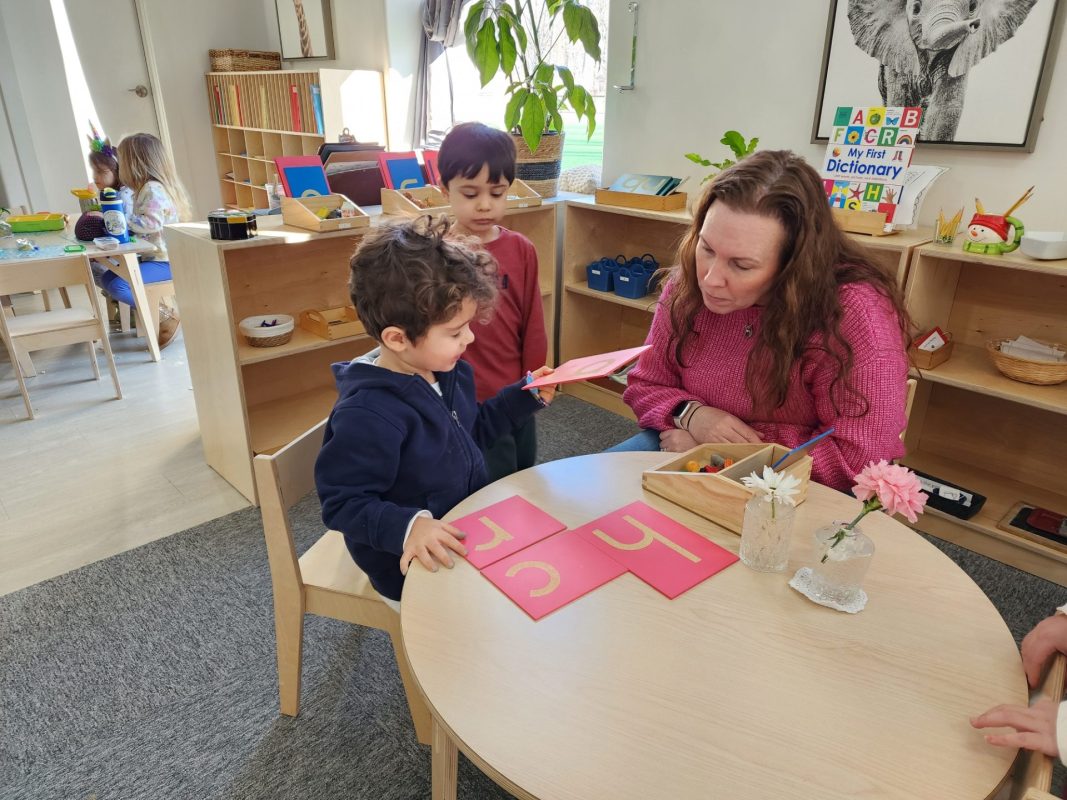
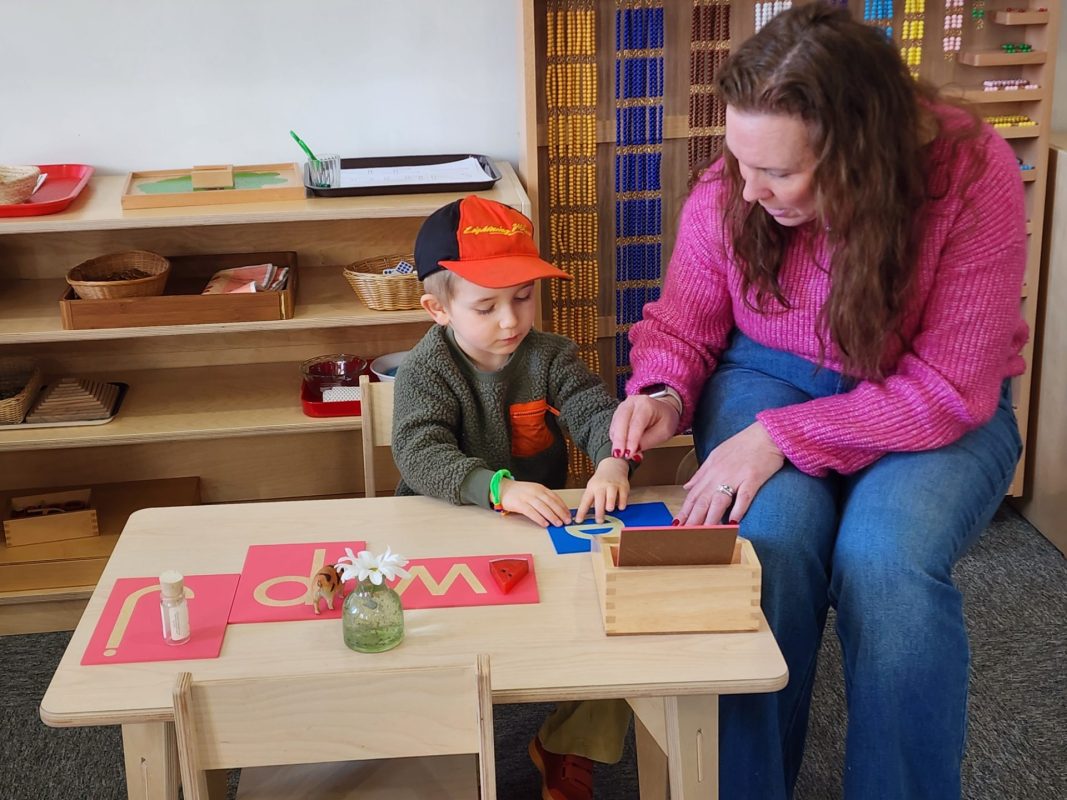
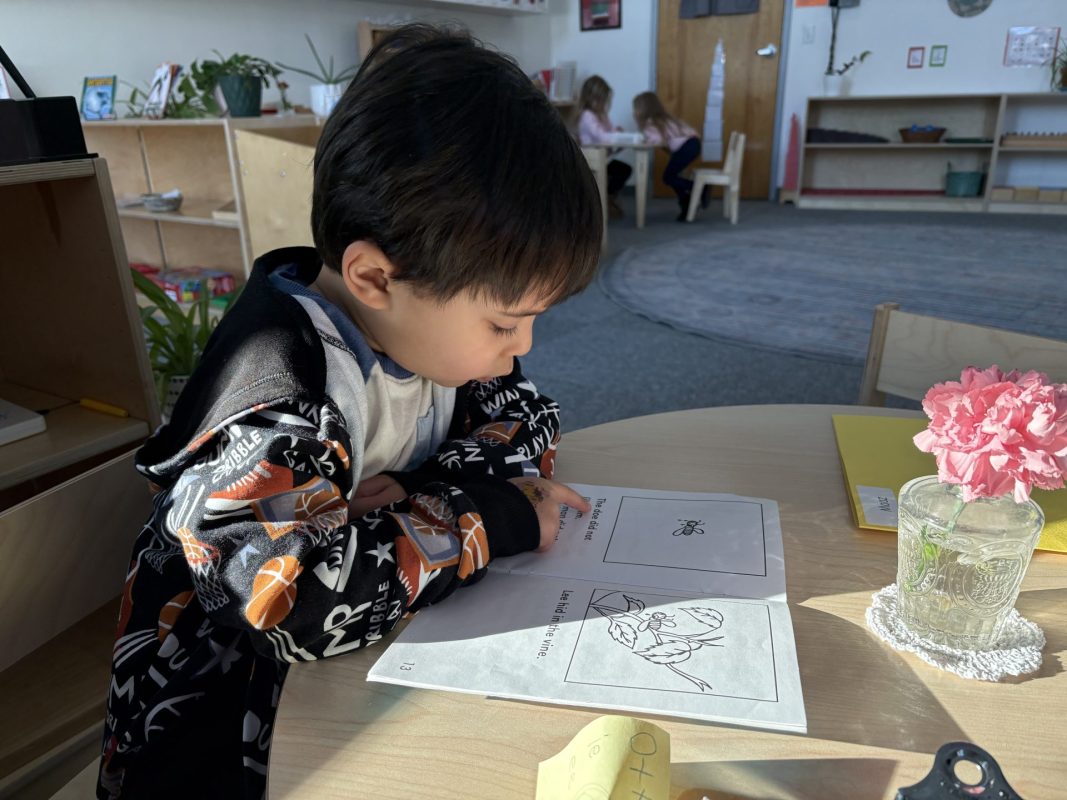
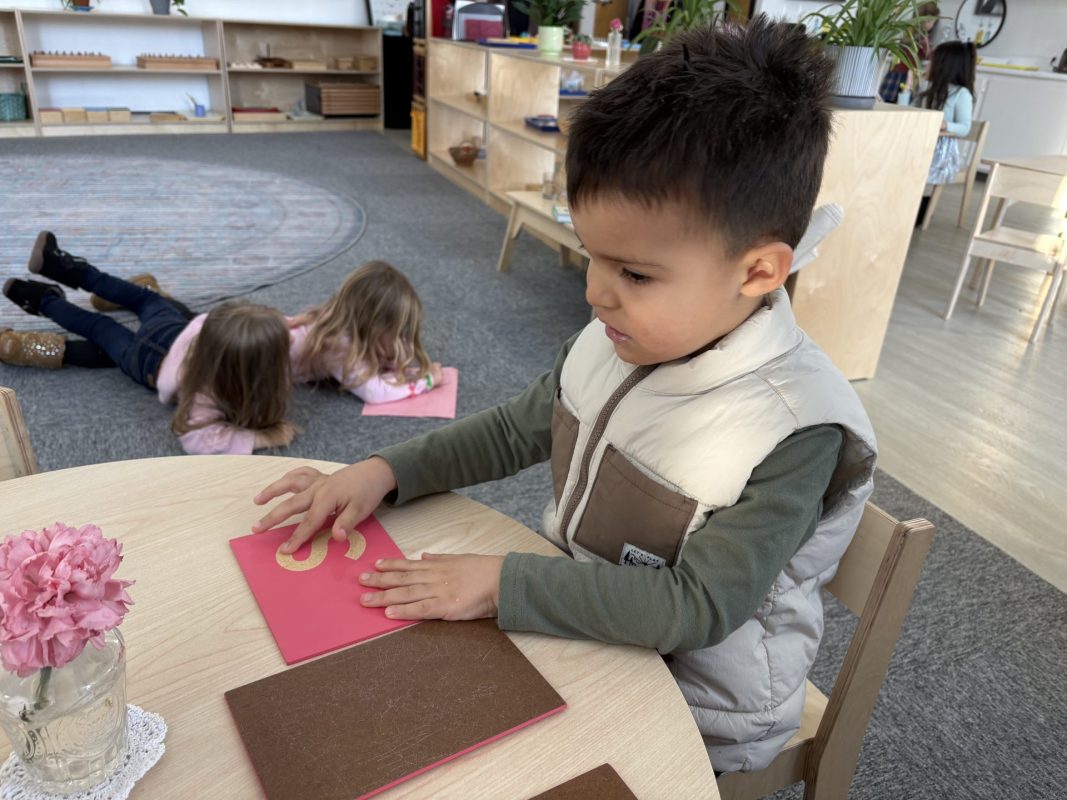
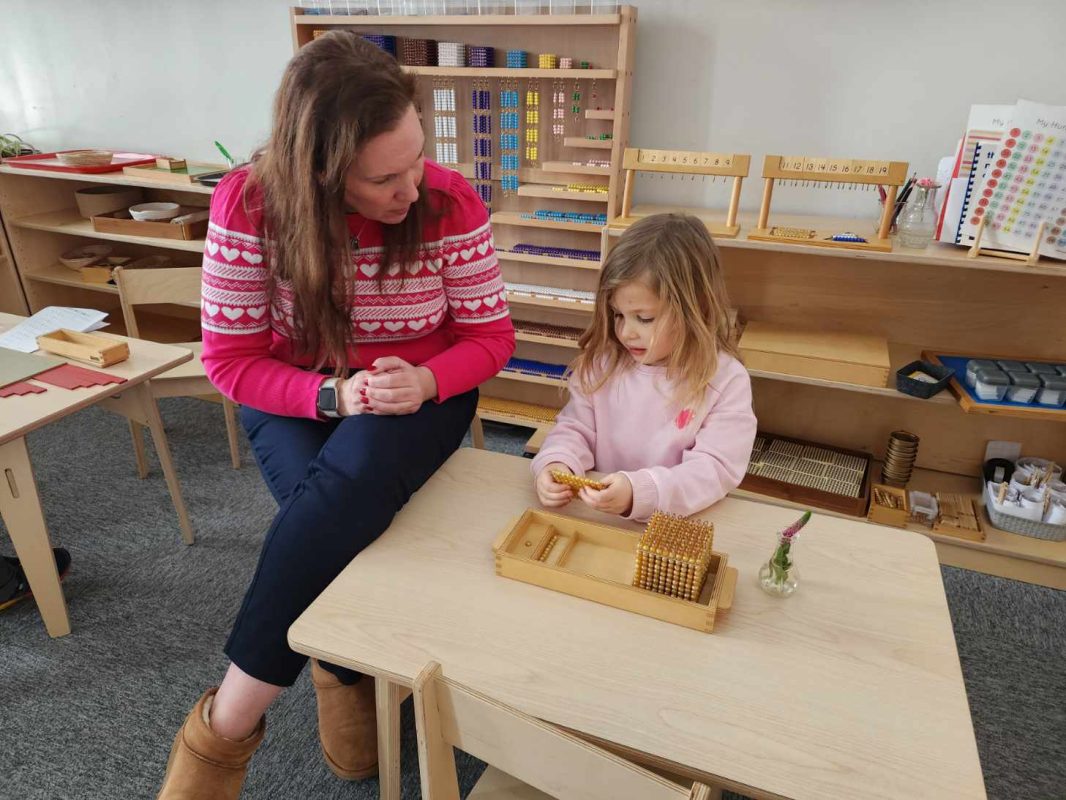
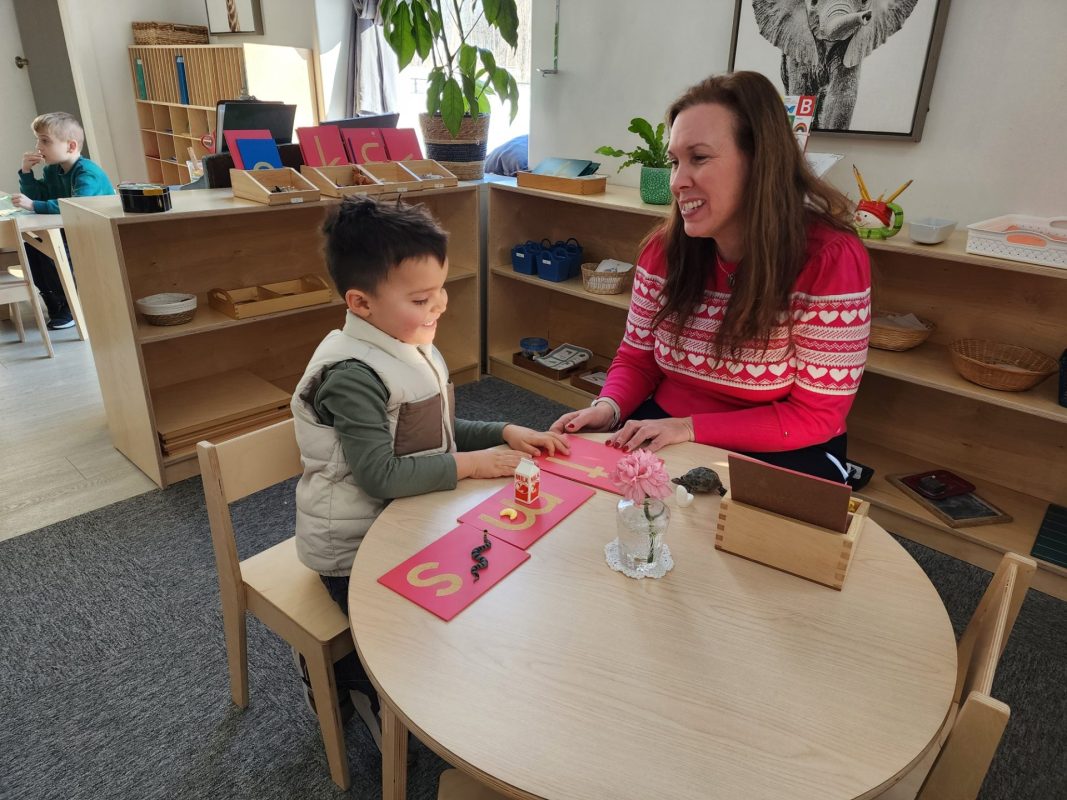
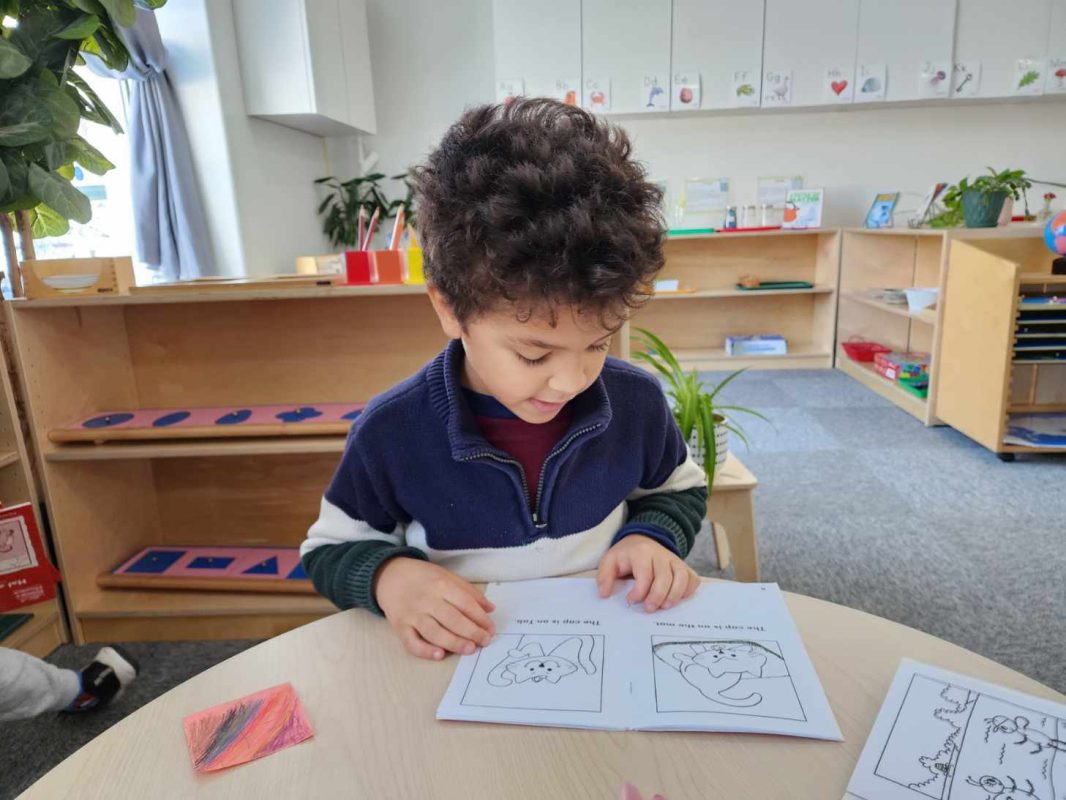
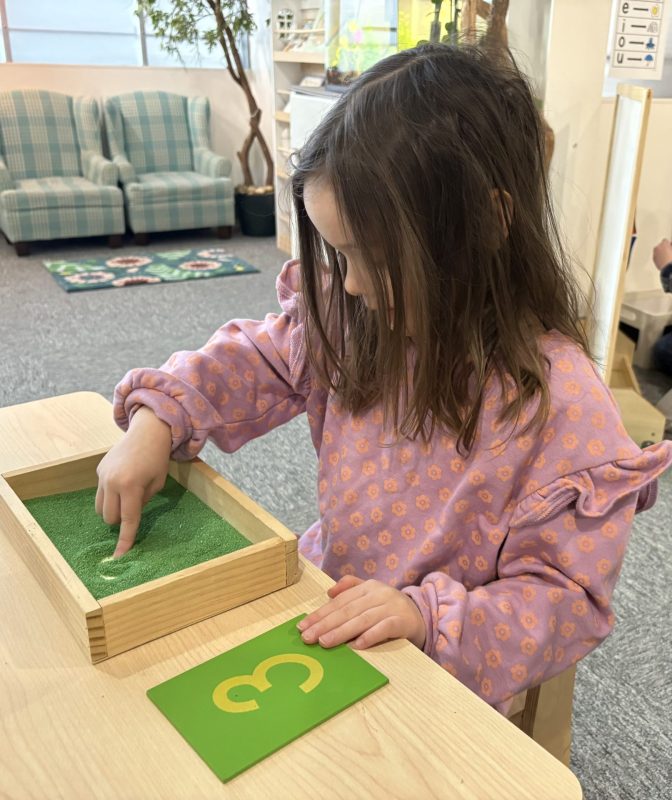
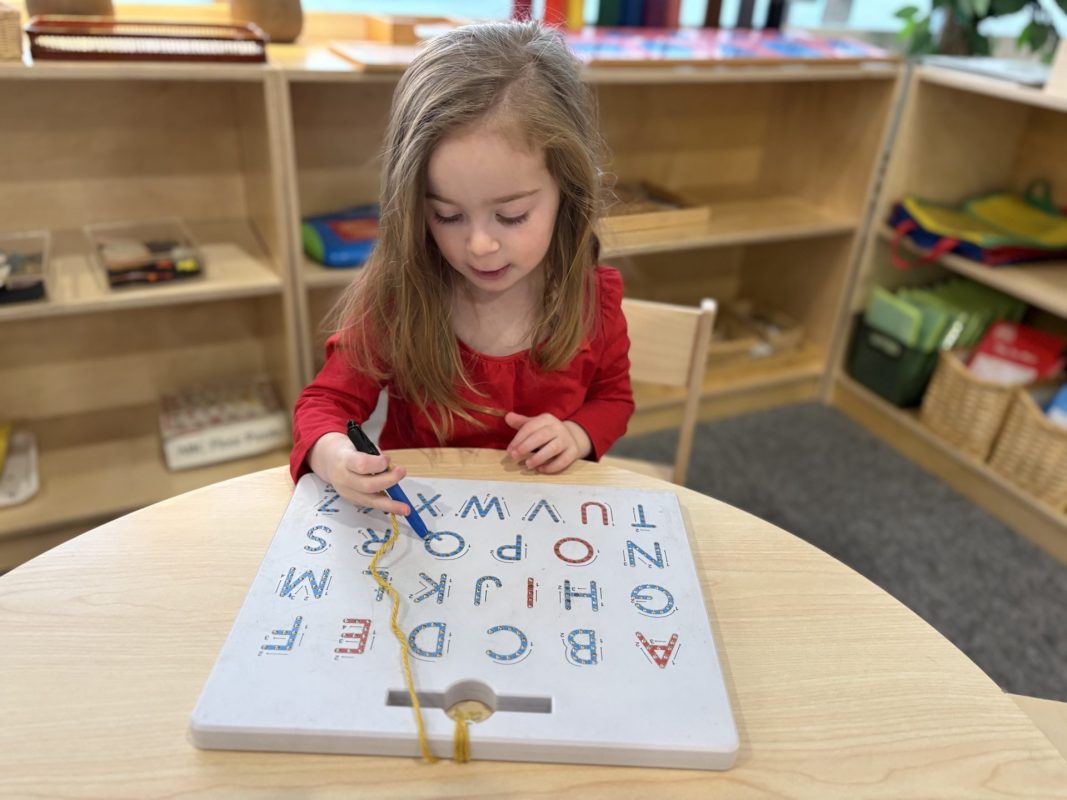
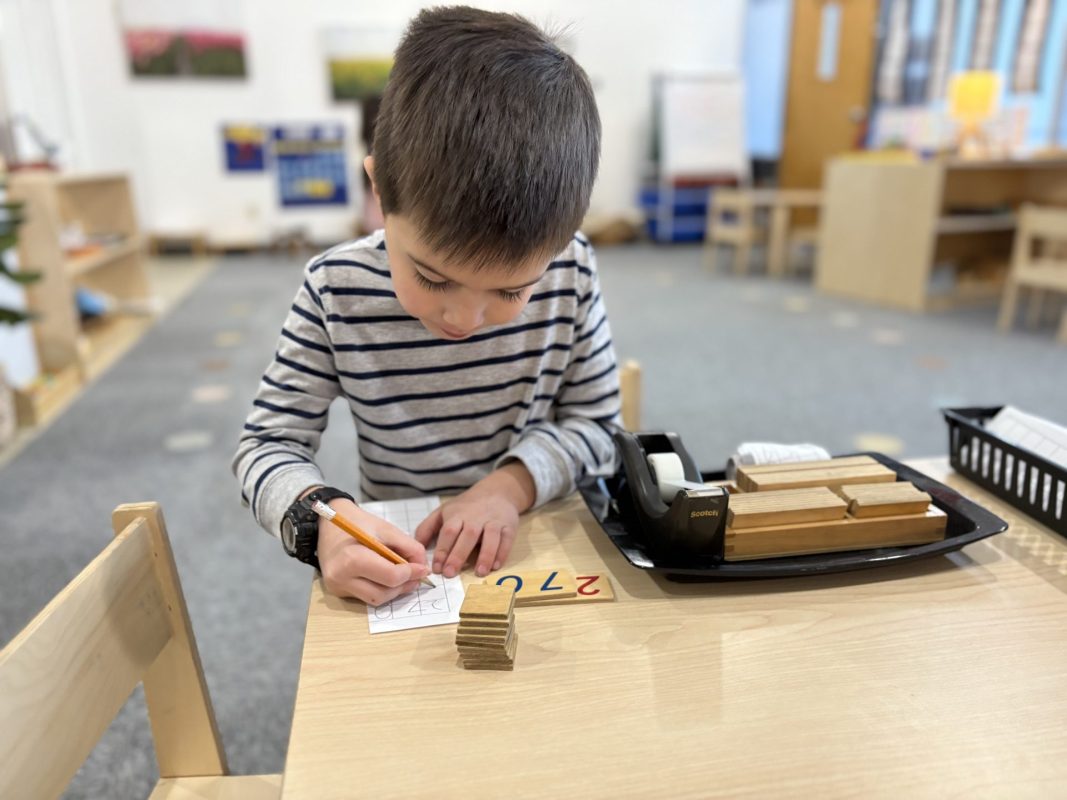
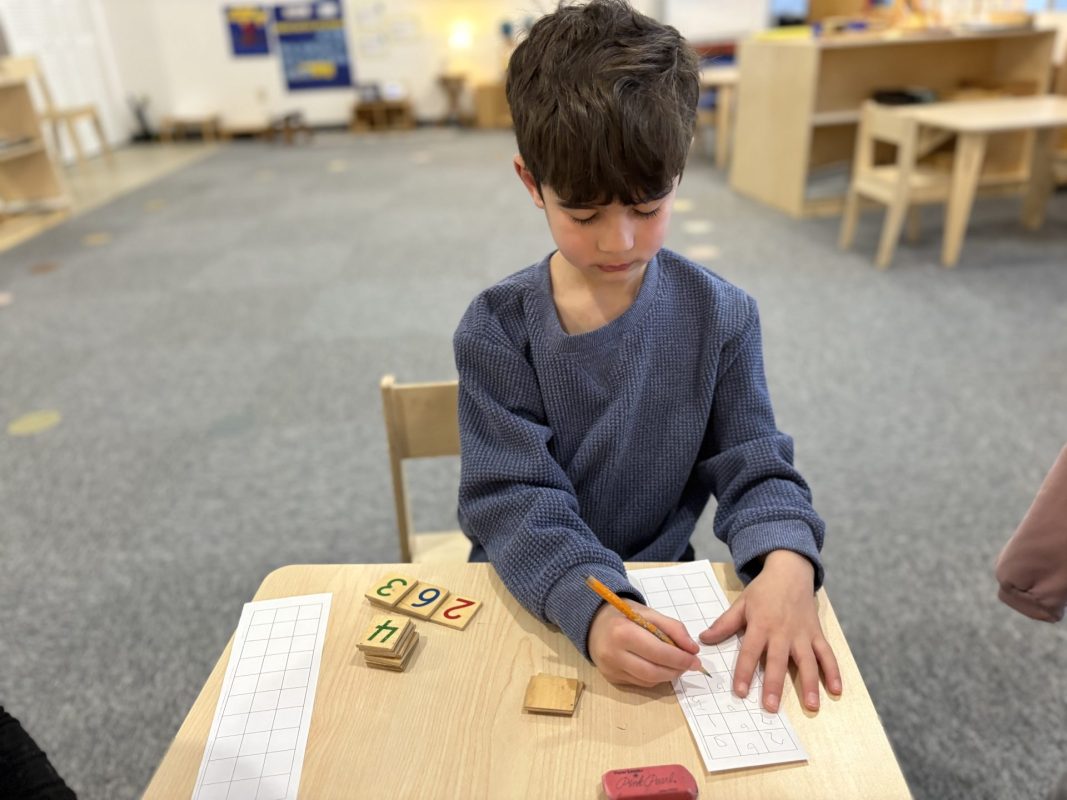
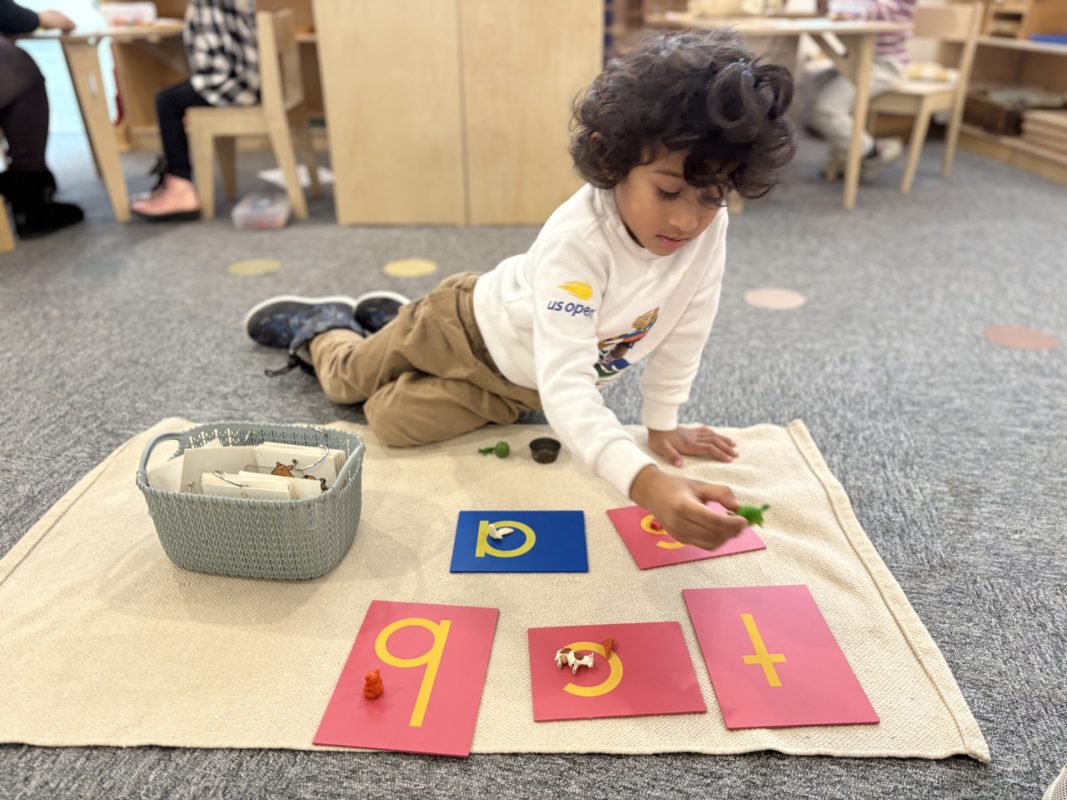
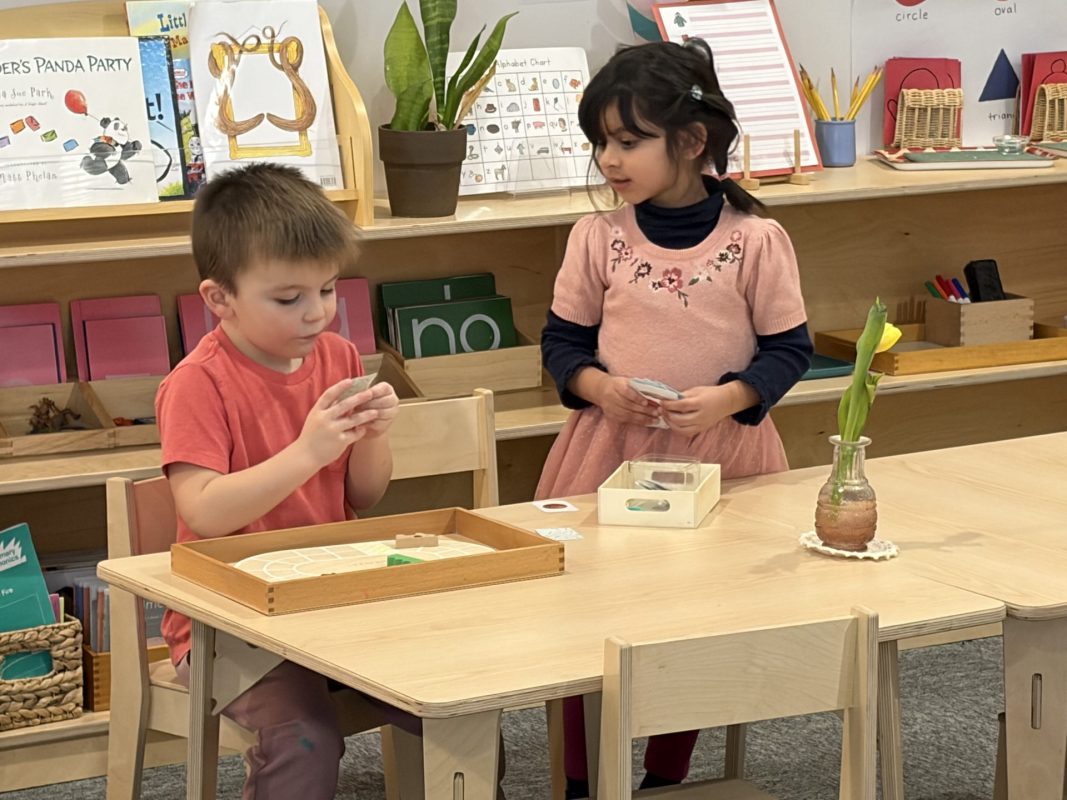
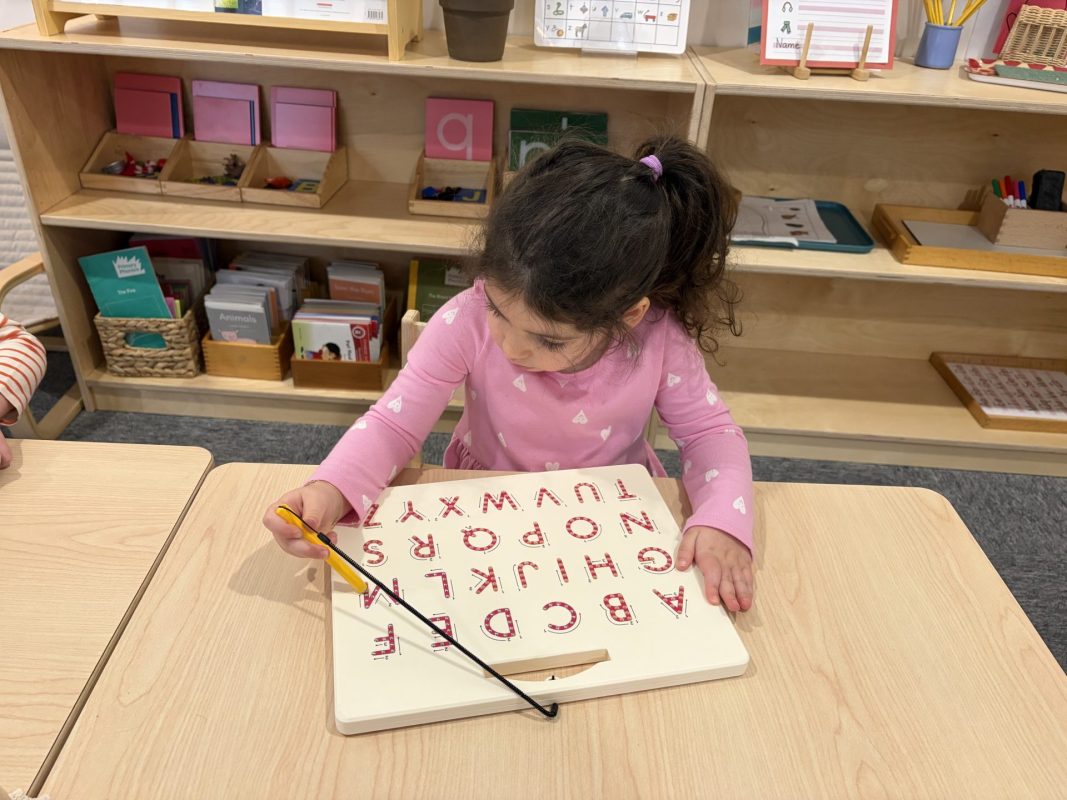
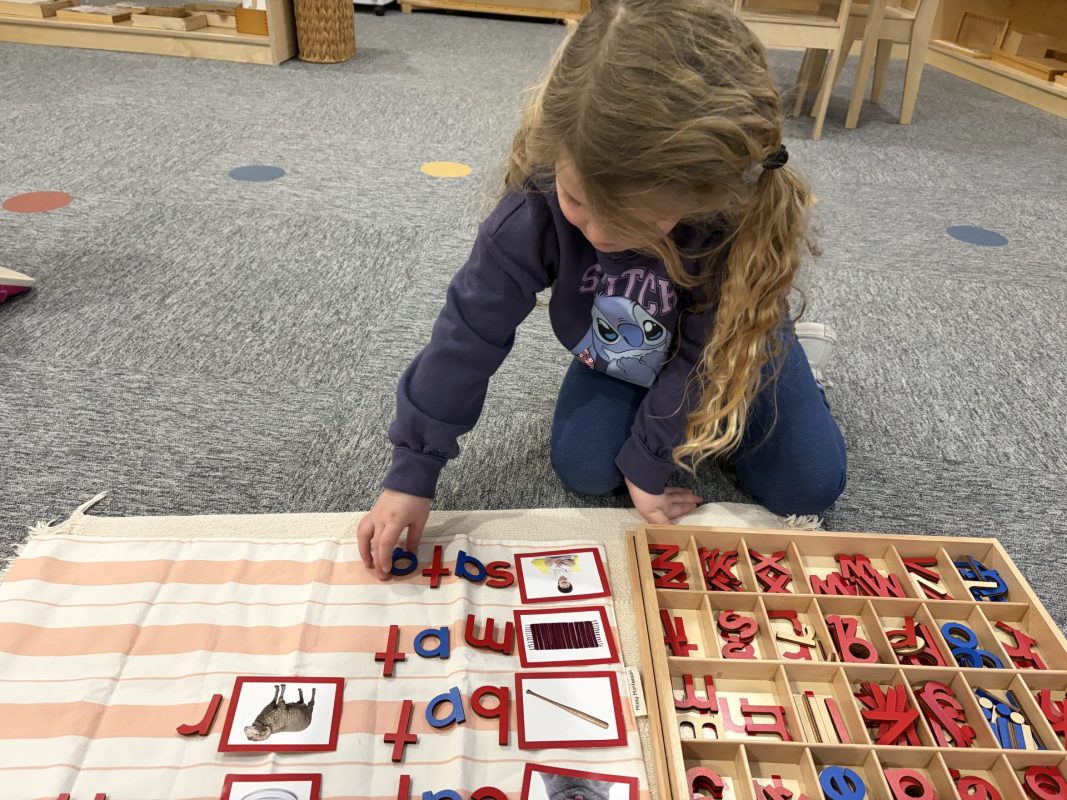
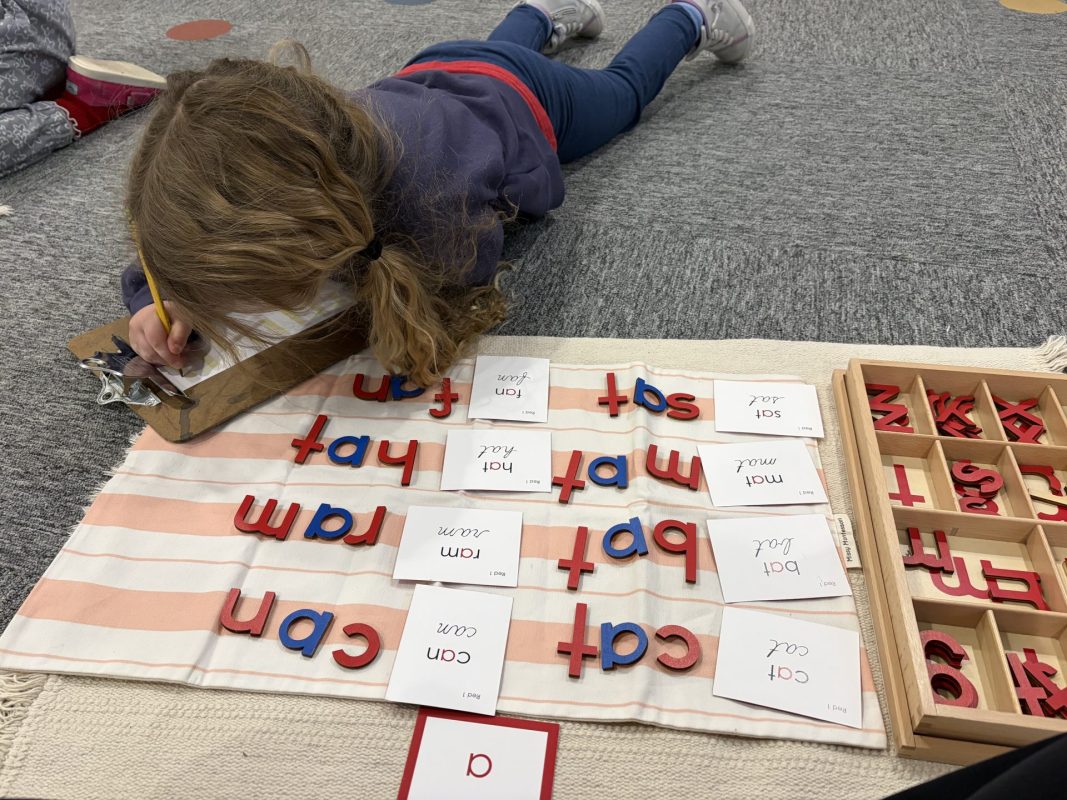
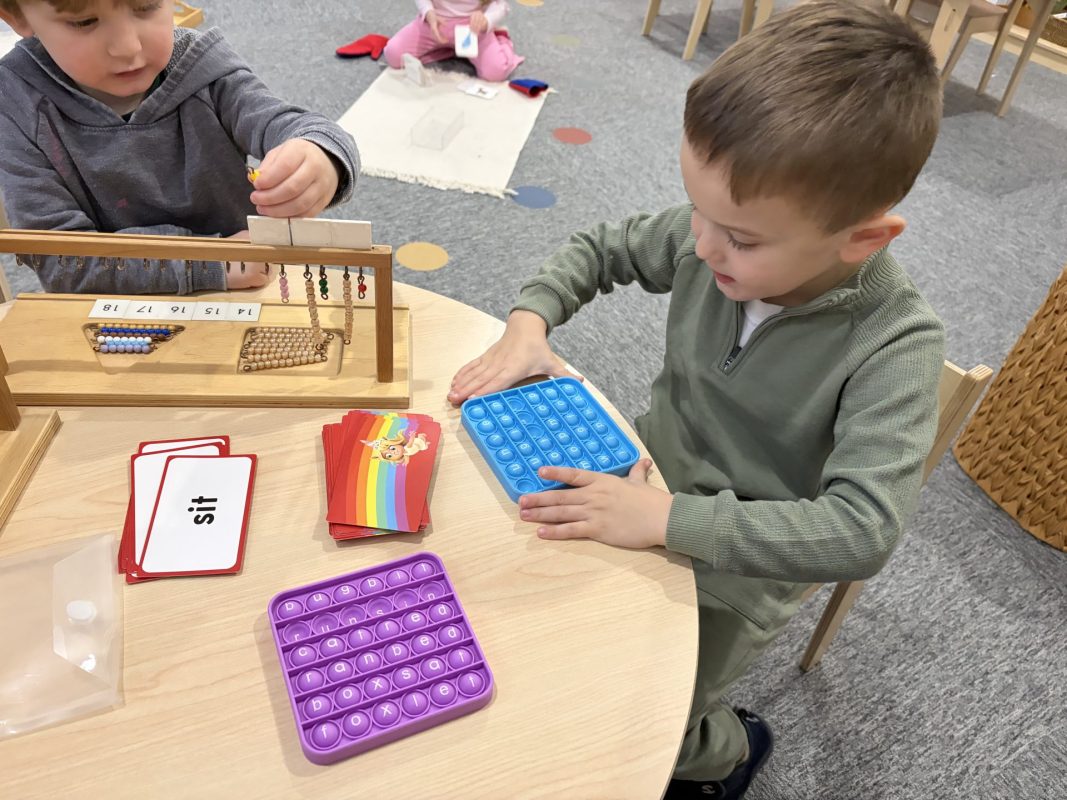
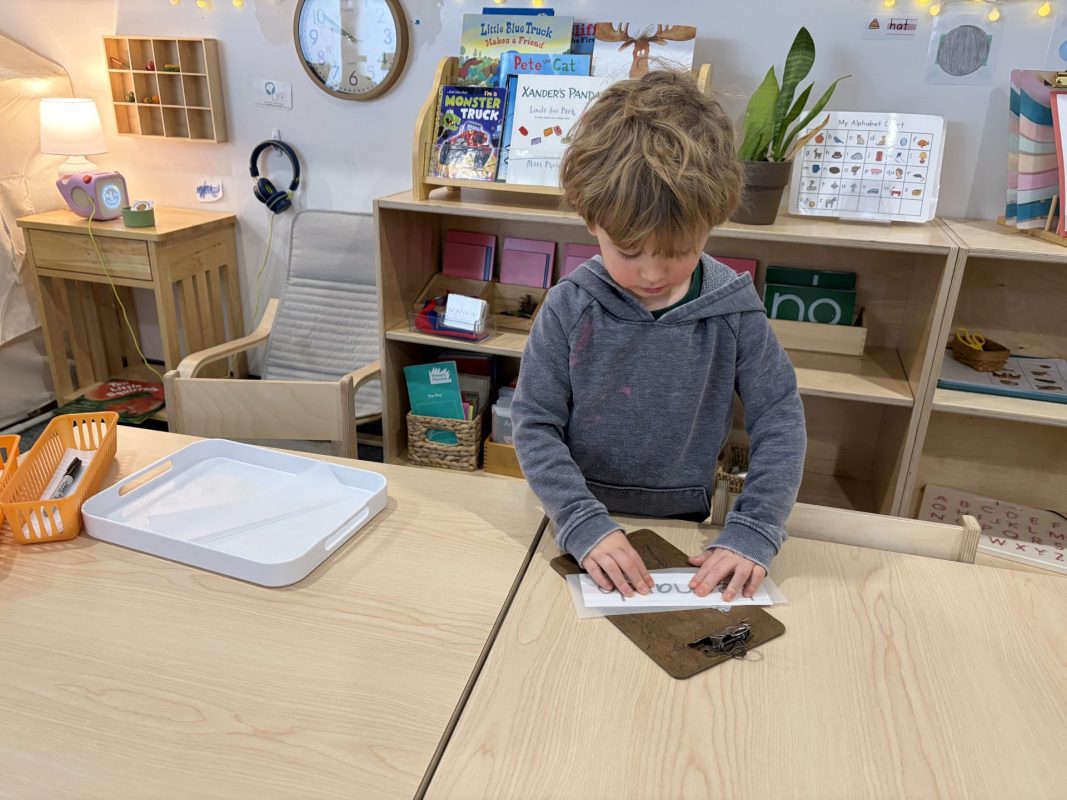
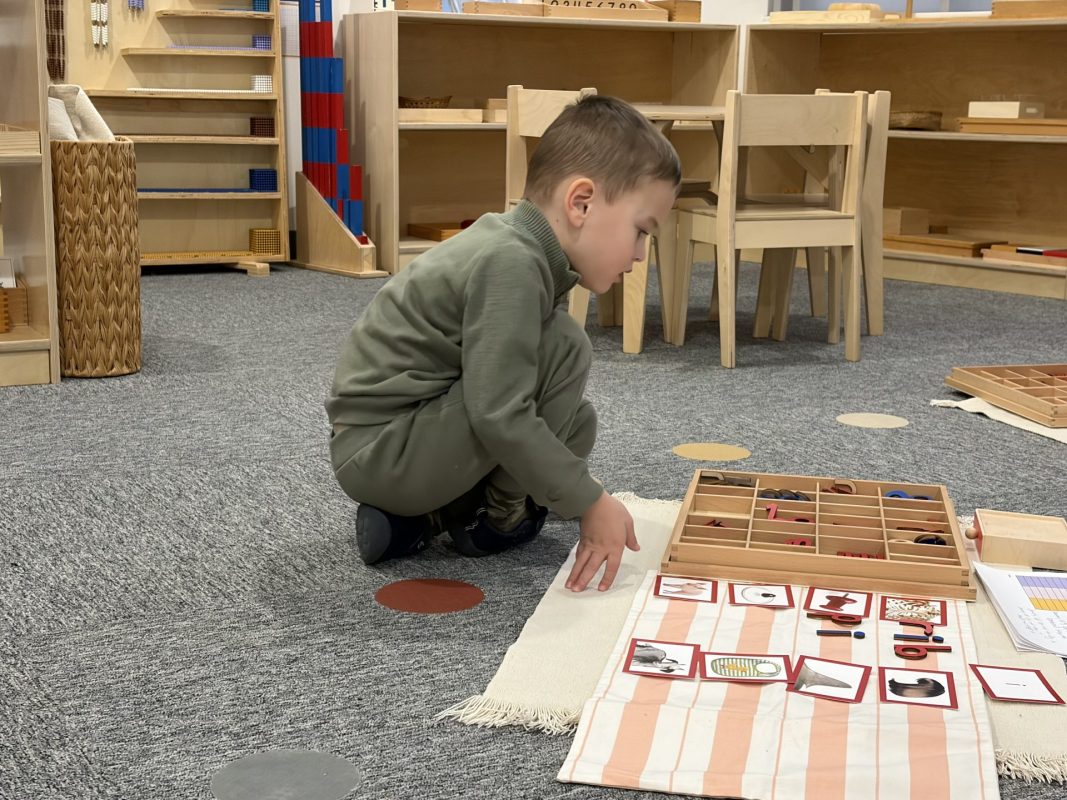
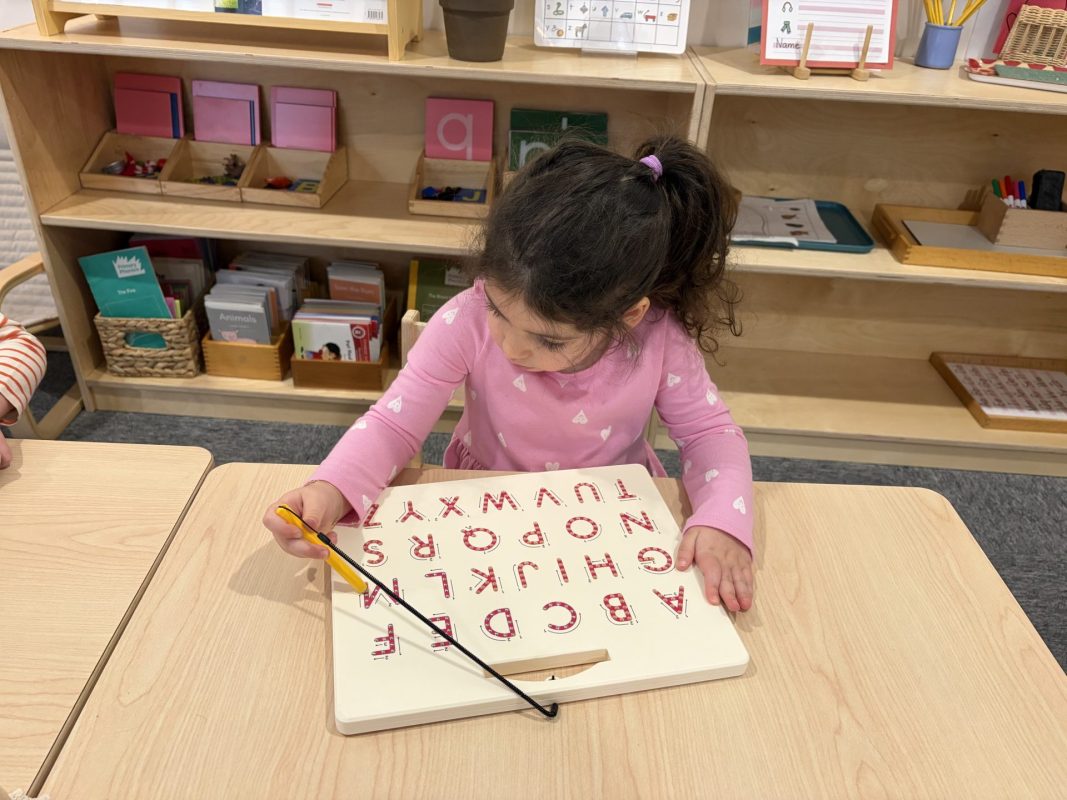
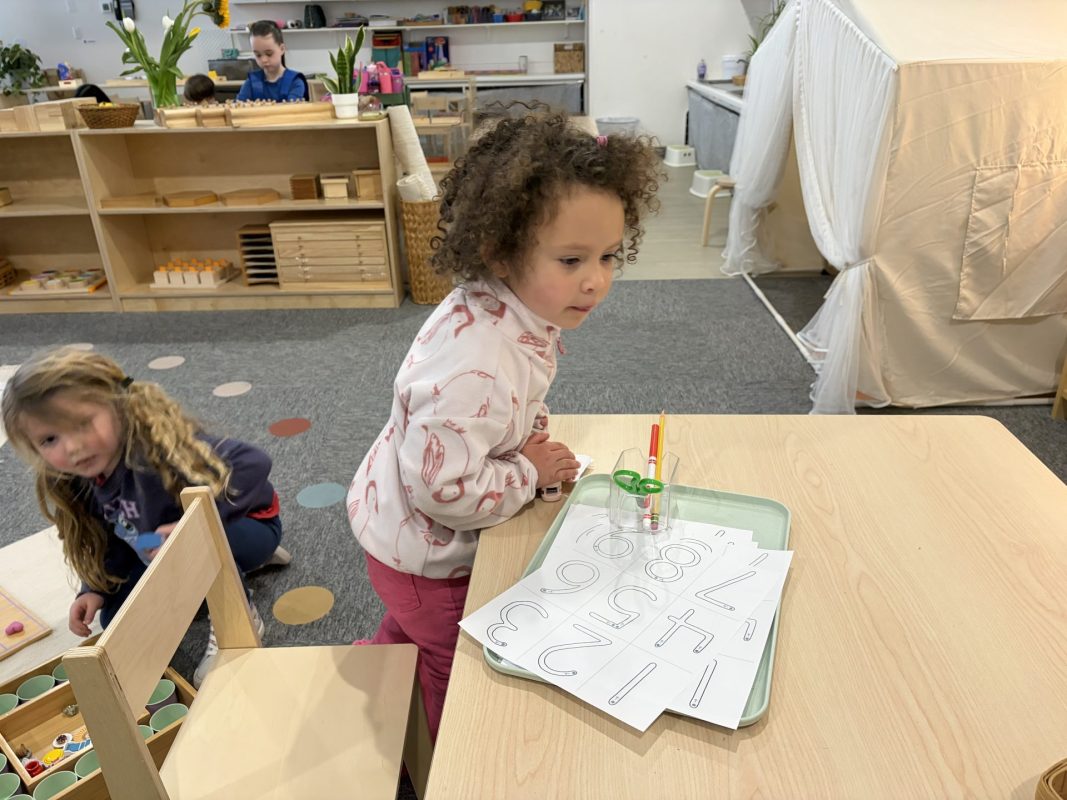
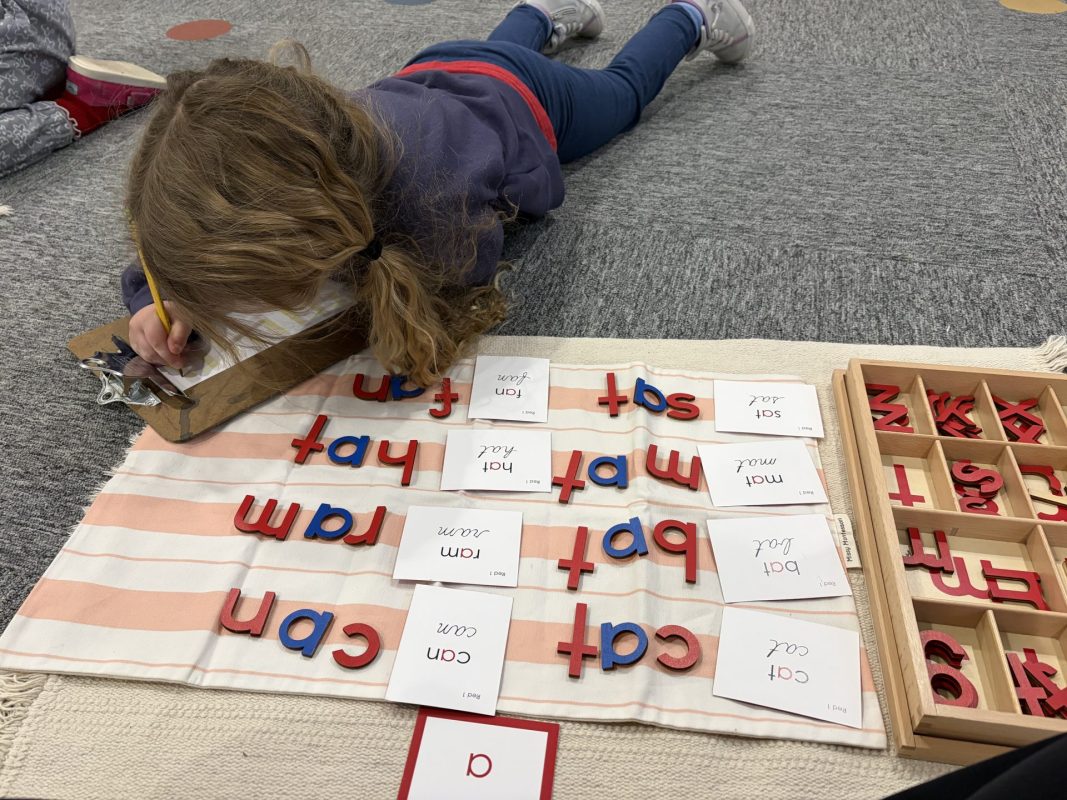
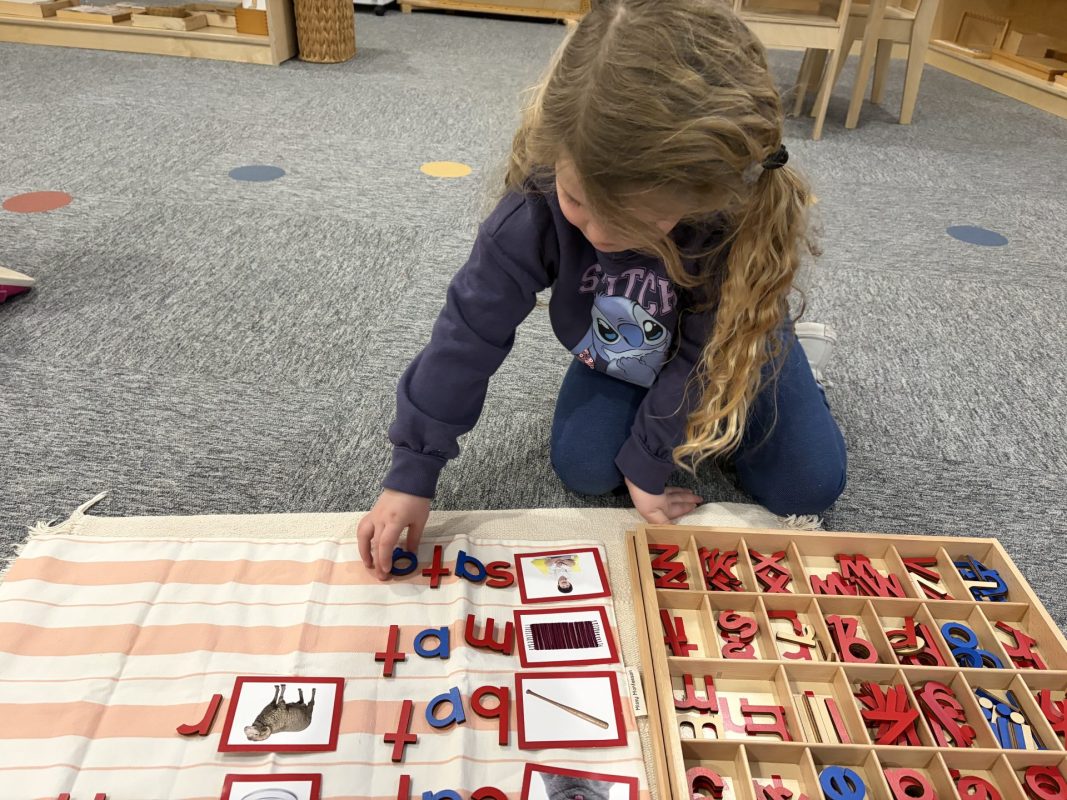
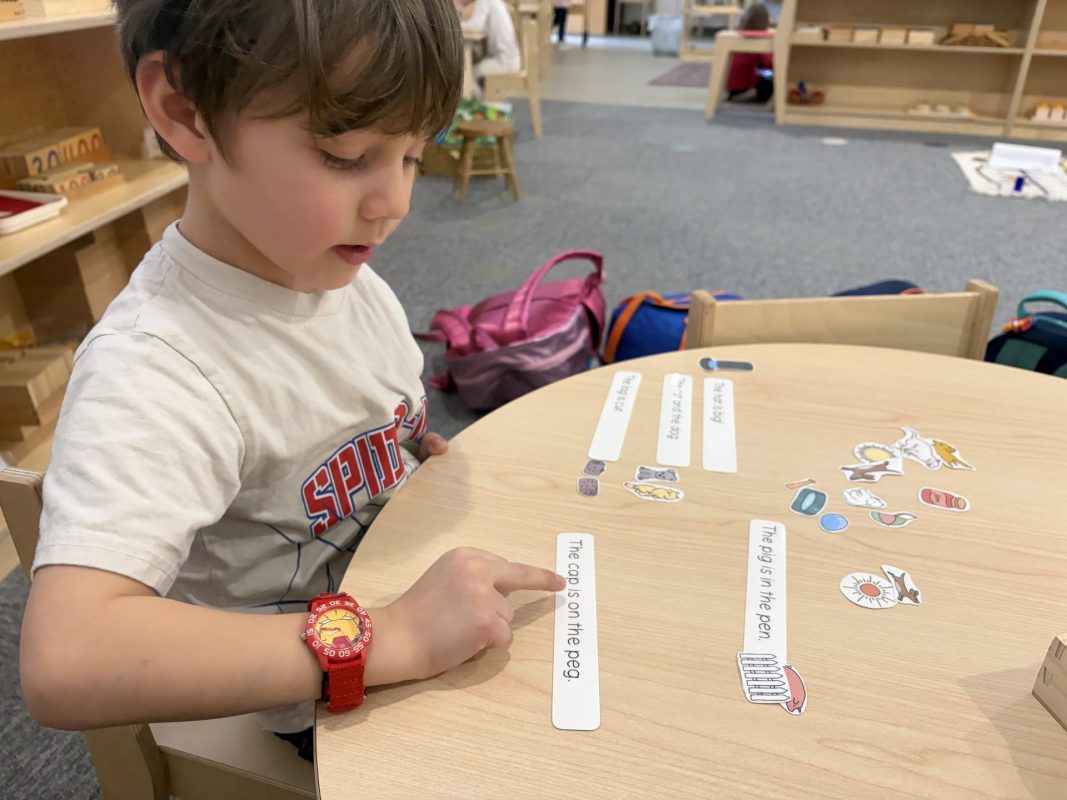
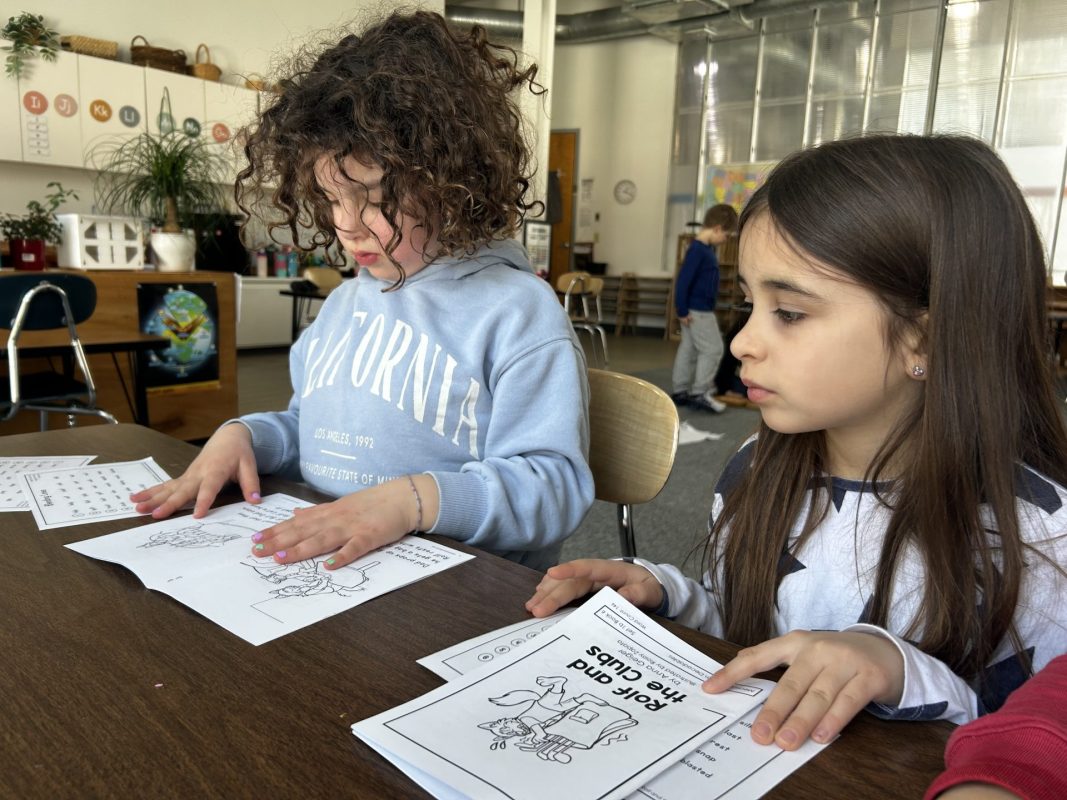
Hands-on materials like sandpaper letters and the Moveable Alphabet help children segment, blend, and connect sounds to letters. This work builds a strong bridge between spoken and written language, making early reading and spelling feel natural and meaningful.

Montessori and Scarborough’s Reading Rope

Scarborough’s Reading Rope is a research-based framework that explains skilled reading as the weaving together of two major strands: word recognition and language comprehension. Montessori materials naturally strengthen both. Sound games, sandpaper letters, and the Moveable Alphabet support decoding, while rich oral language, storytelling, cultural studies, and vocabulary work strengthen comprehension. Montessori doesn’t teach these skills in isolation—children develop them together, just as the Reading Rope describes.

Scarborough tells us what must be strong for reading to succeed. Montessori shows how to build those strengths through intentional materials and experiences.

Montessori and the Science of Reading

The Science of Reading confirms what Montessori has emphasized for decades: phonemic awareness and phonics are essential, and early intervention matters. Montessori anticipated much of this research by offering a systematic, developmentally responsive, and hands-on path to literacy. The Science of Reading explains why teaching phonemic awareness works, and Montessori shows how to teach it—through intentional materials and experiences that build strong, confident readers.

Phonemic Awareness in Montessori: Building Strong Readers


Mrs. Sargeant: Scientific Discovery and Winter Preparations

As the cold weather and snow continue, please be sure to send boots, snow pants, and waterproof mittens with your child. Open-top bags, such as the large reusable ones from stores like Marshalls or canvas tote bags, work best, as the bag remains open and children can put their things away with ease. Please LABEL everything so items make their way back home.

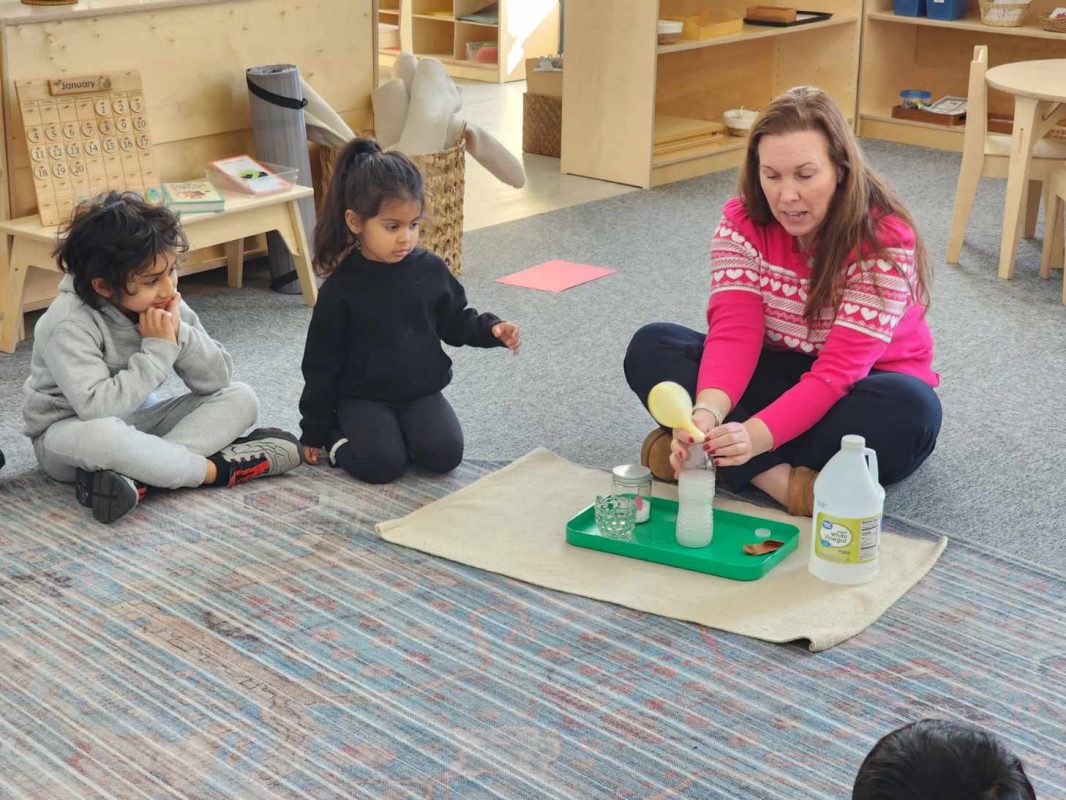
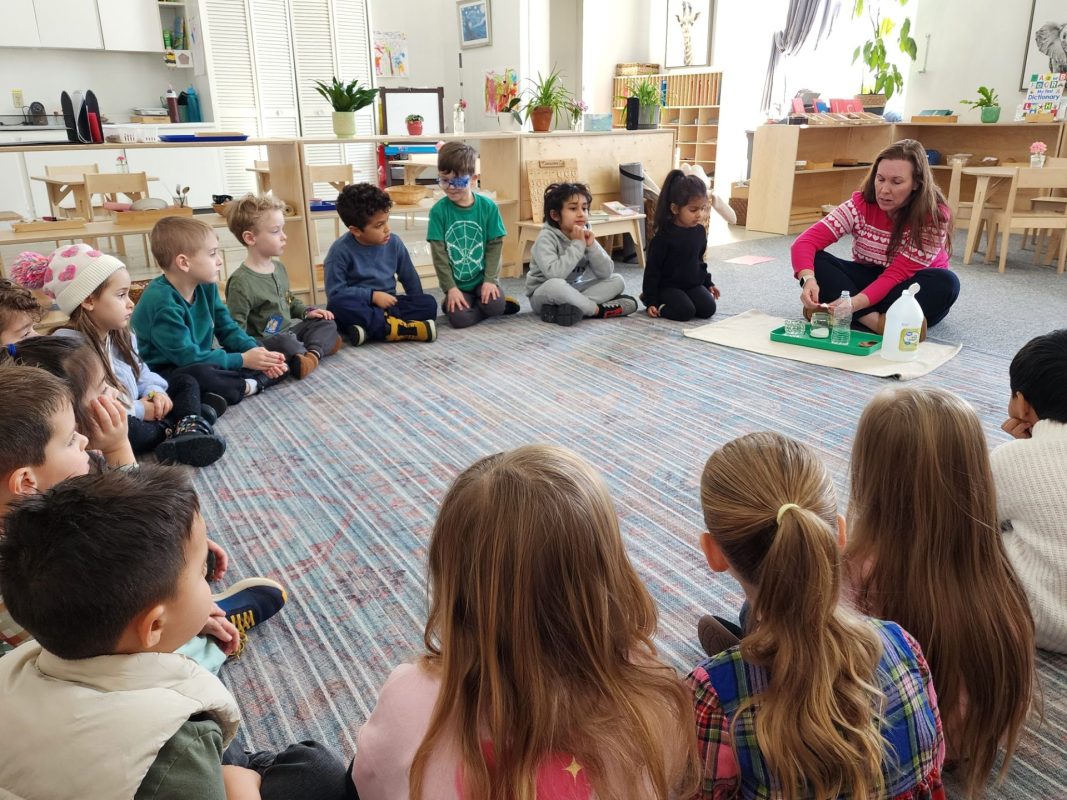
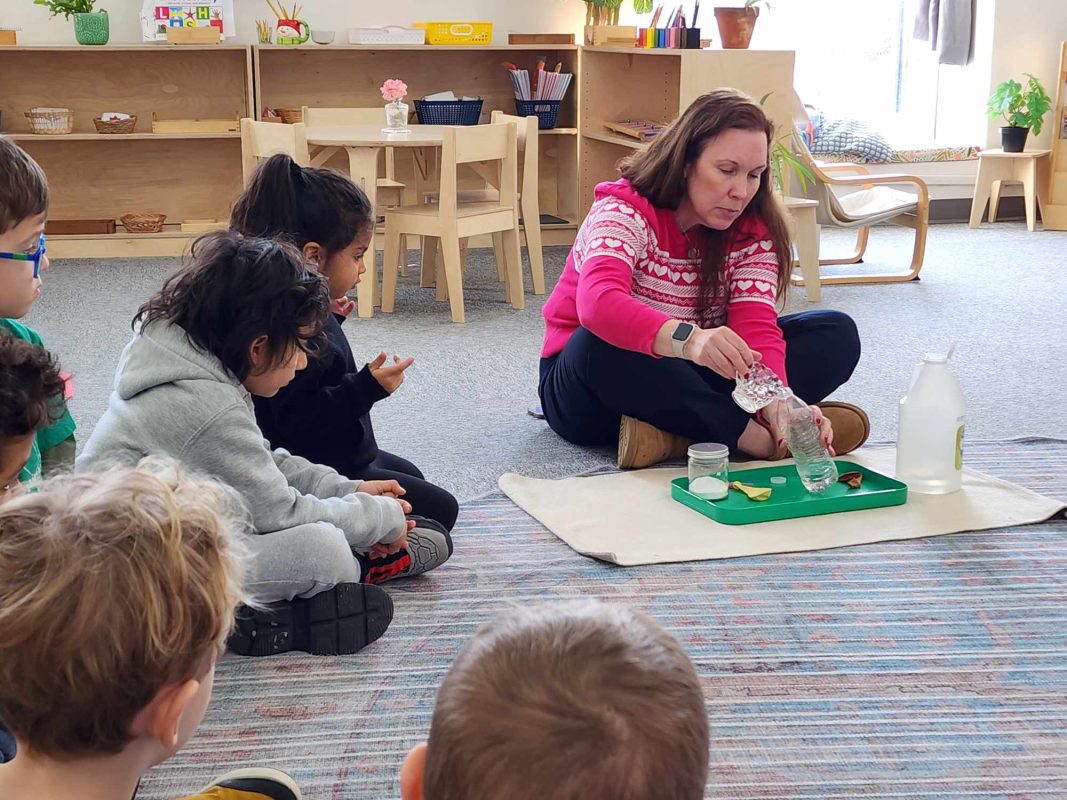
Last week, the children became scientists as we conducted an experiment using vinegar and baking soda to blow up a balloon. The children loved this demonstration and cannot wait to do it again. We talked about what it means to be a scientist and the importance of careful observation—a skill that serves children well across all areas of learning.

New Works and Growing Independence

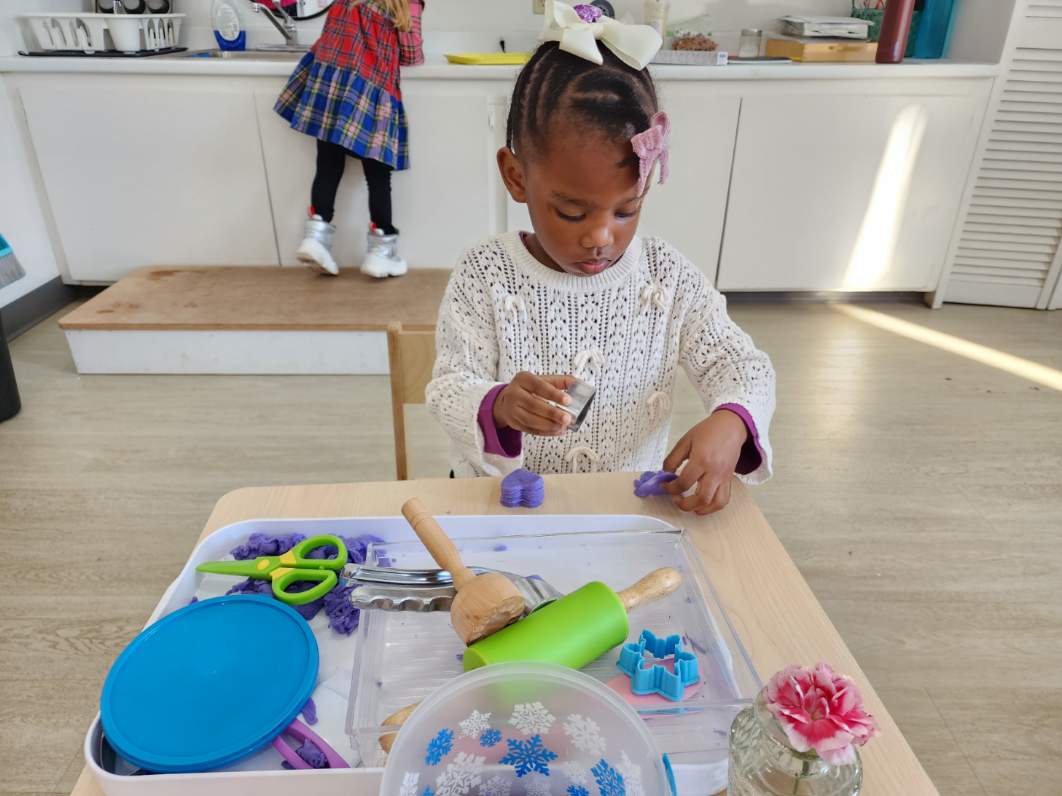
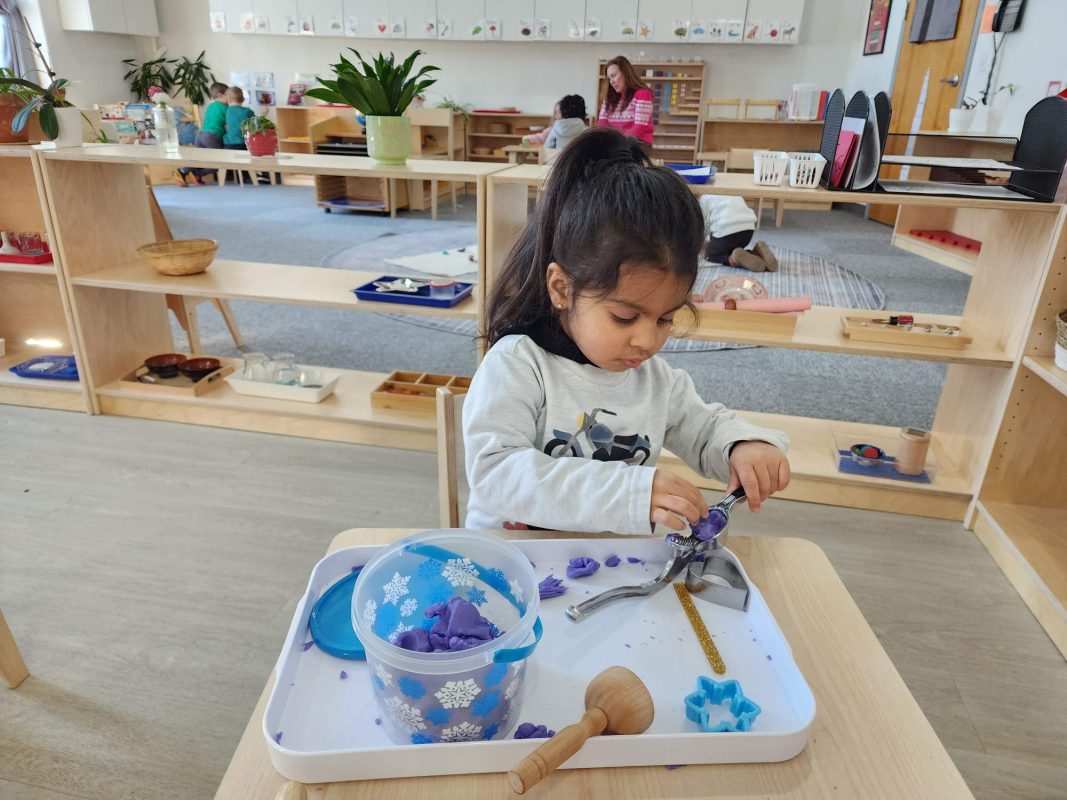
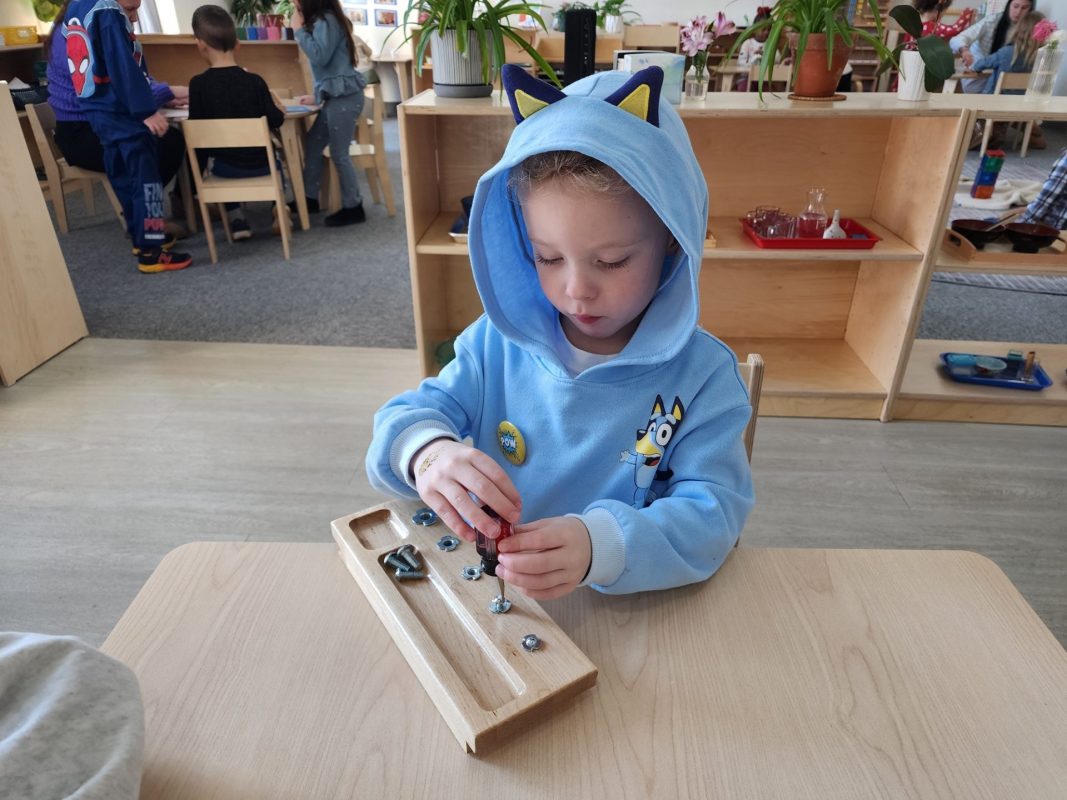
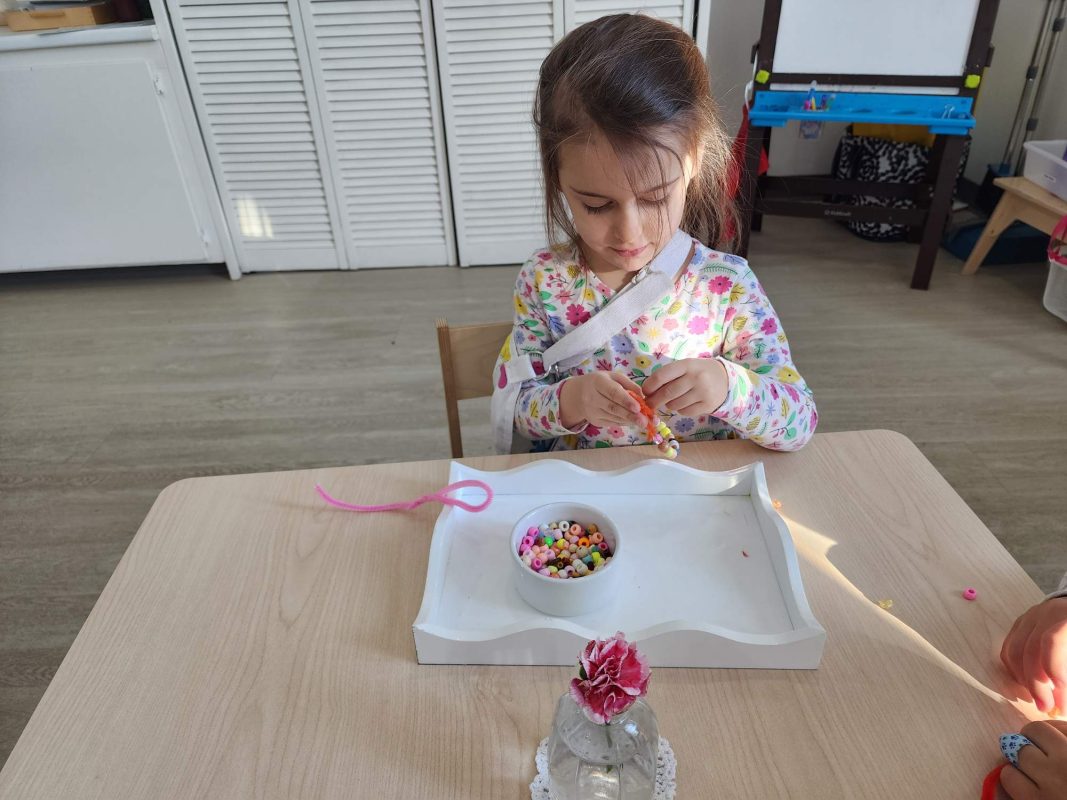
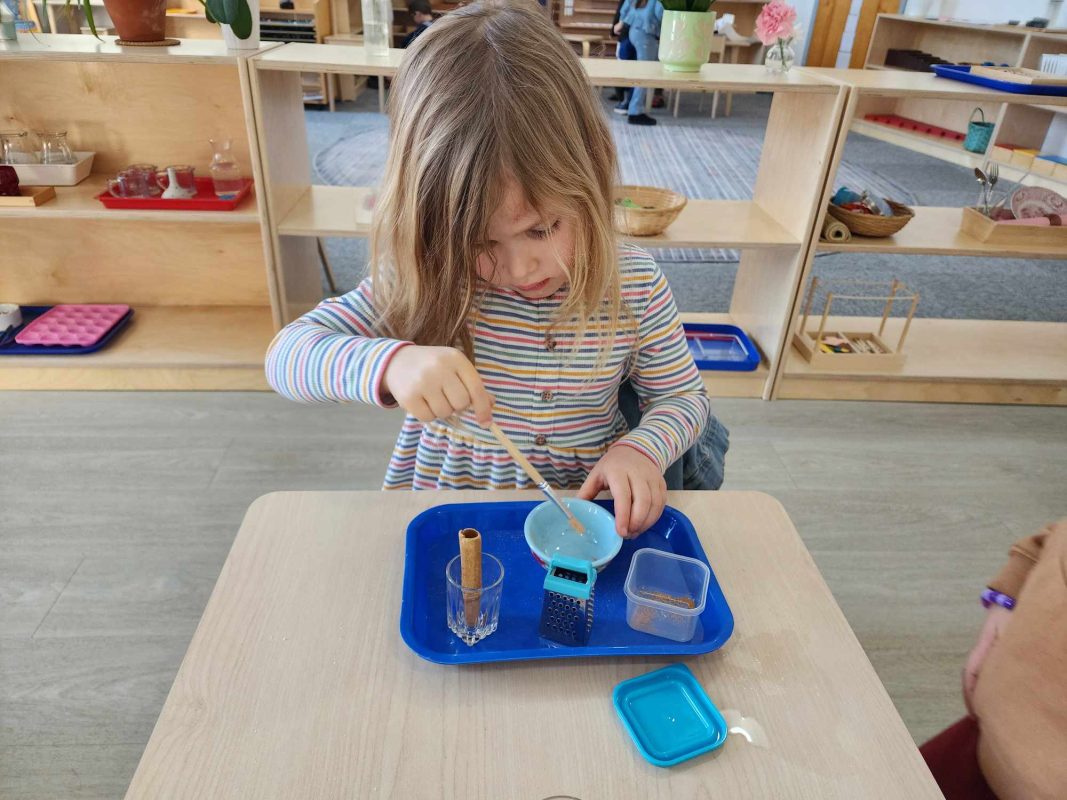
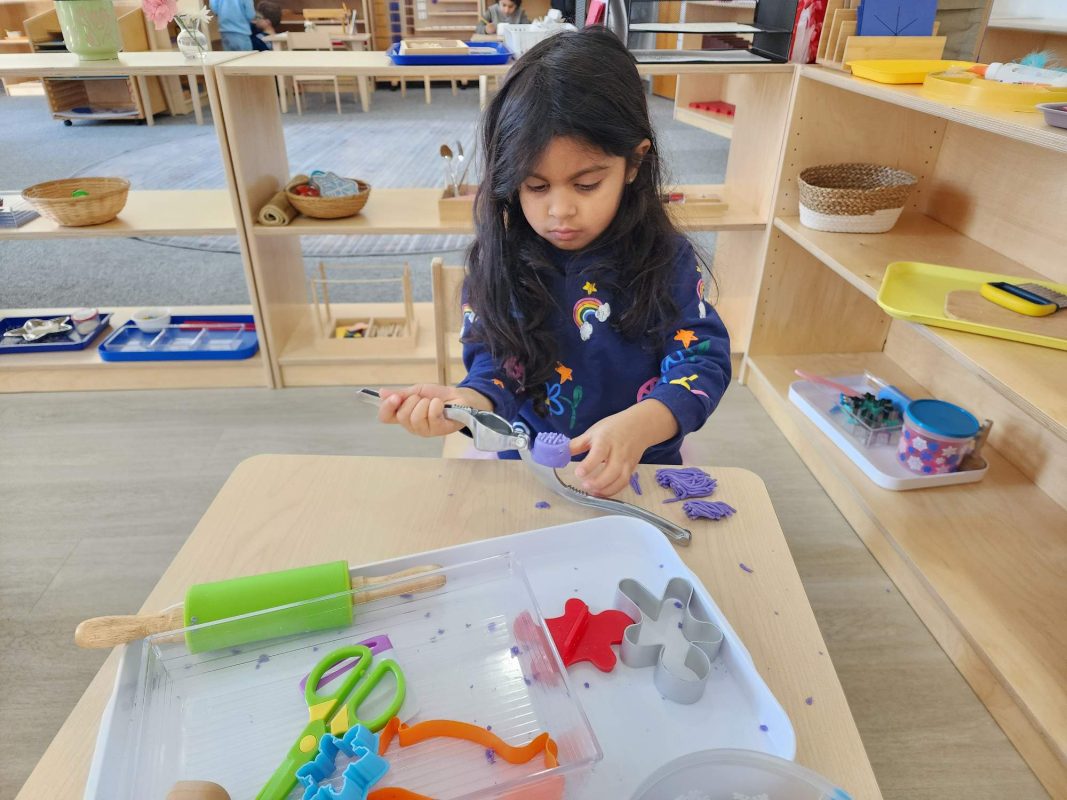
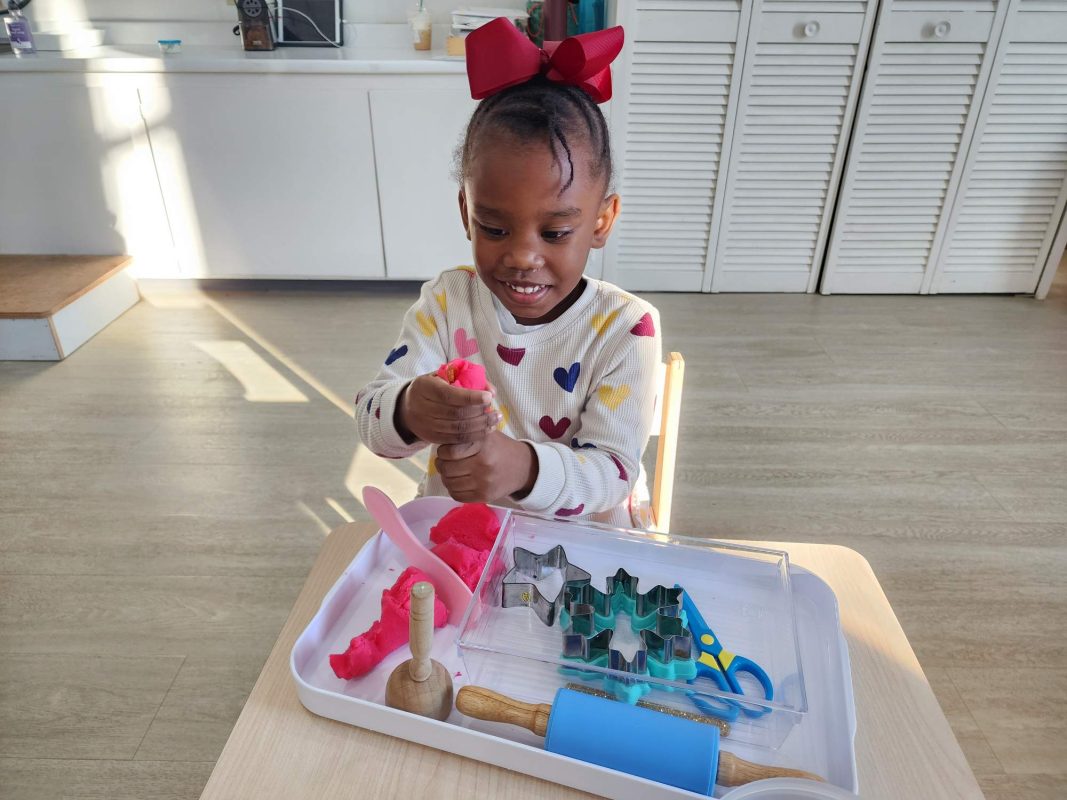
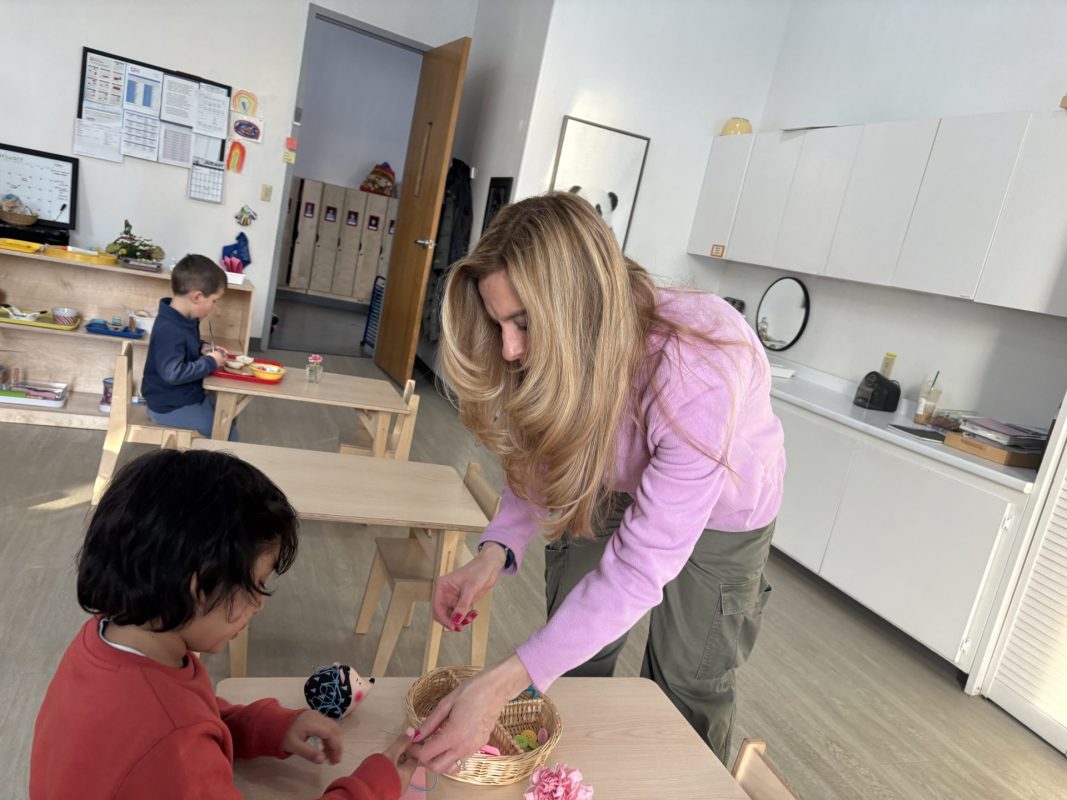
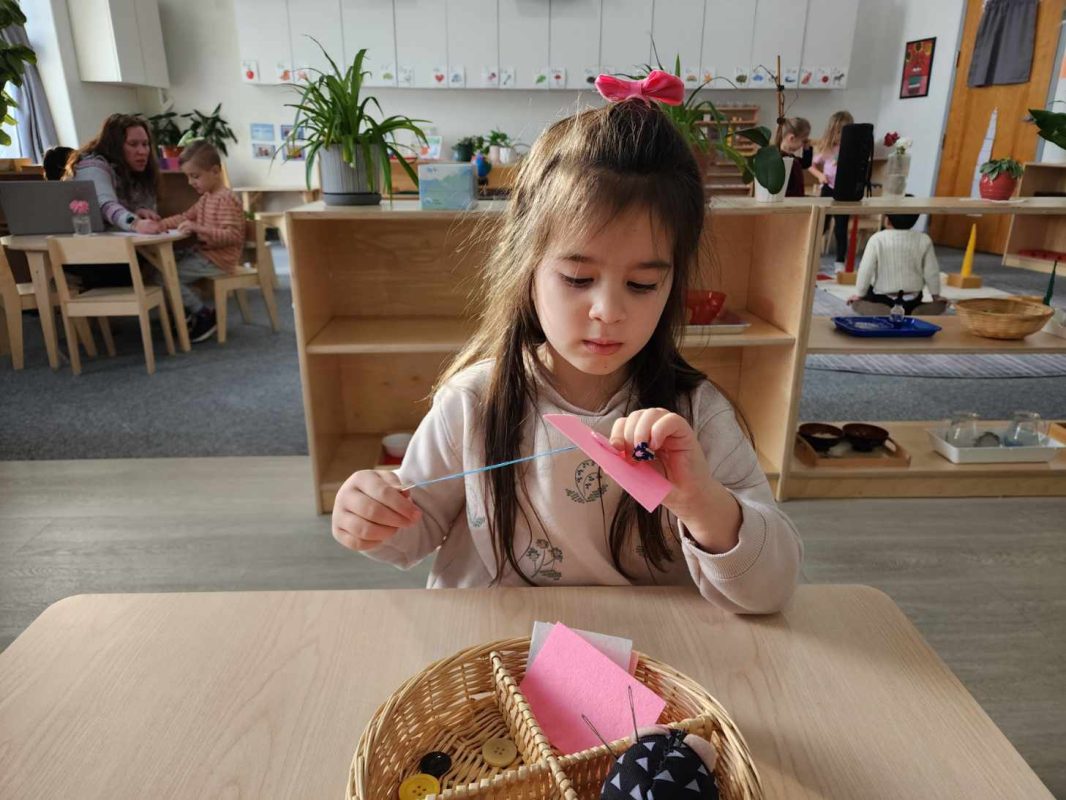
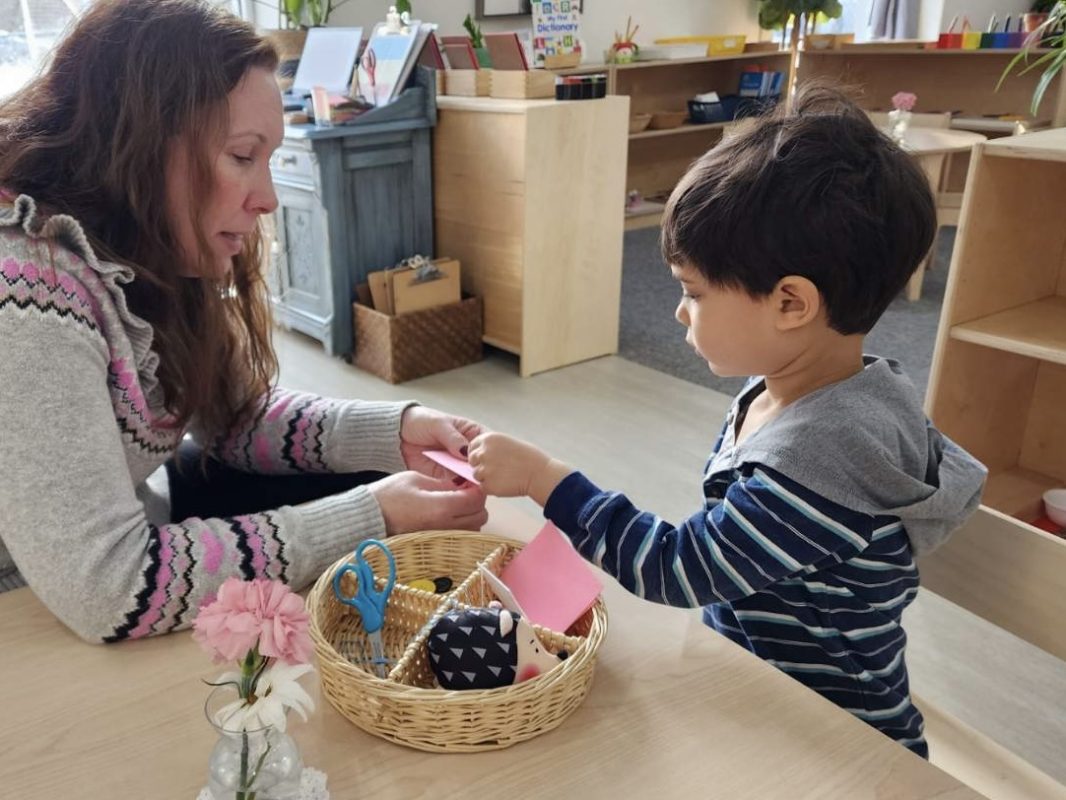
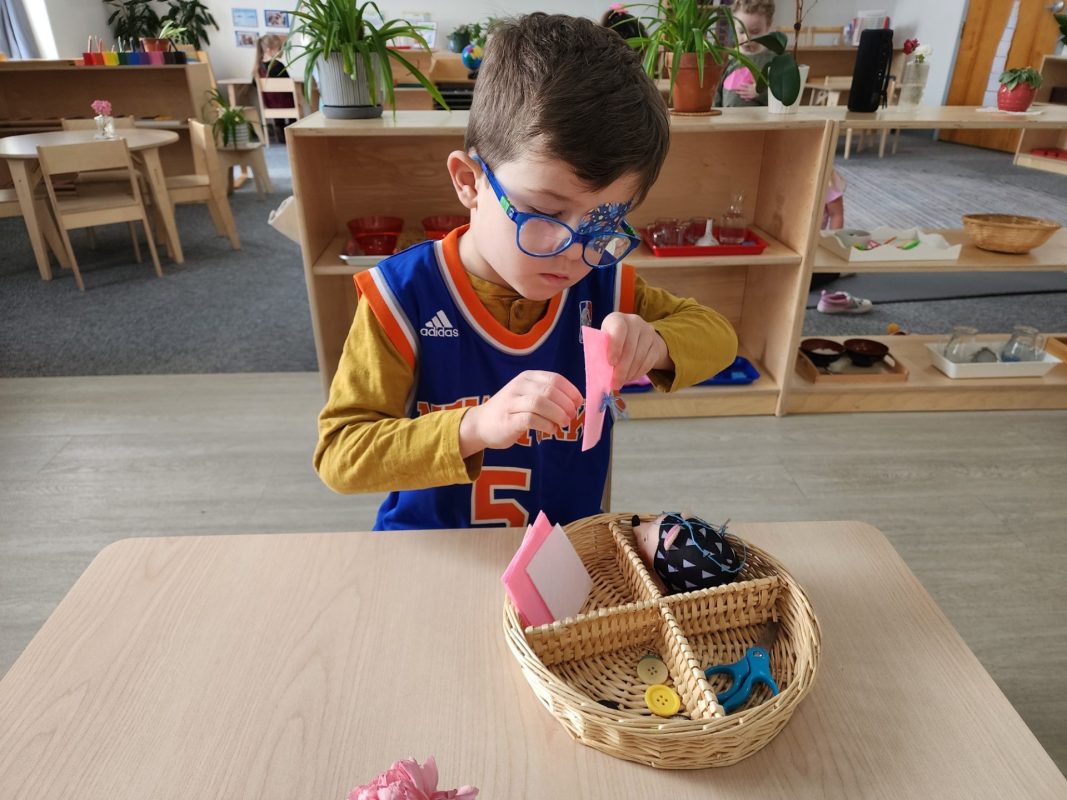
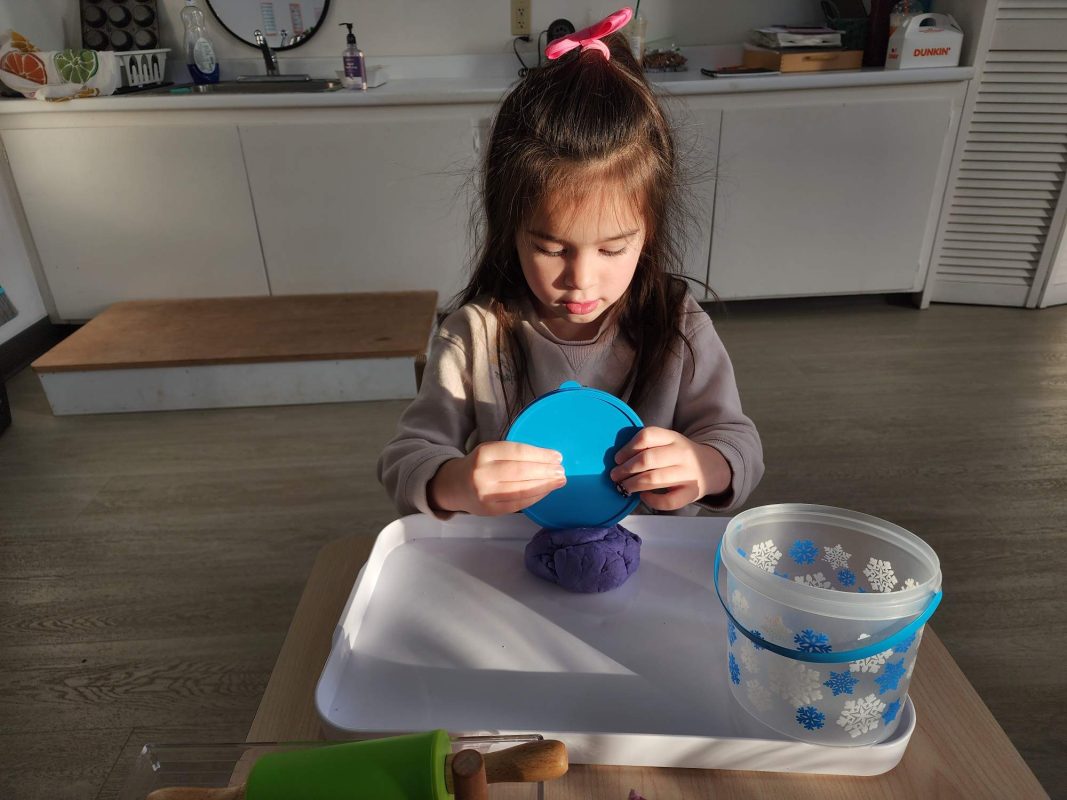
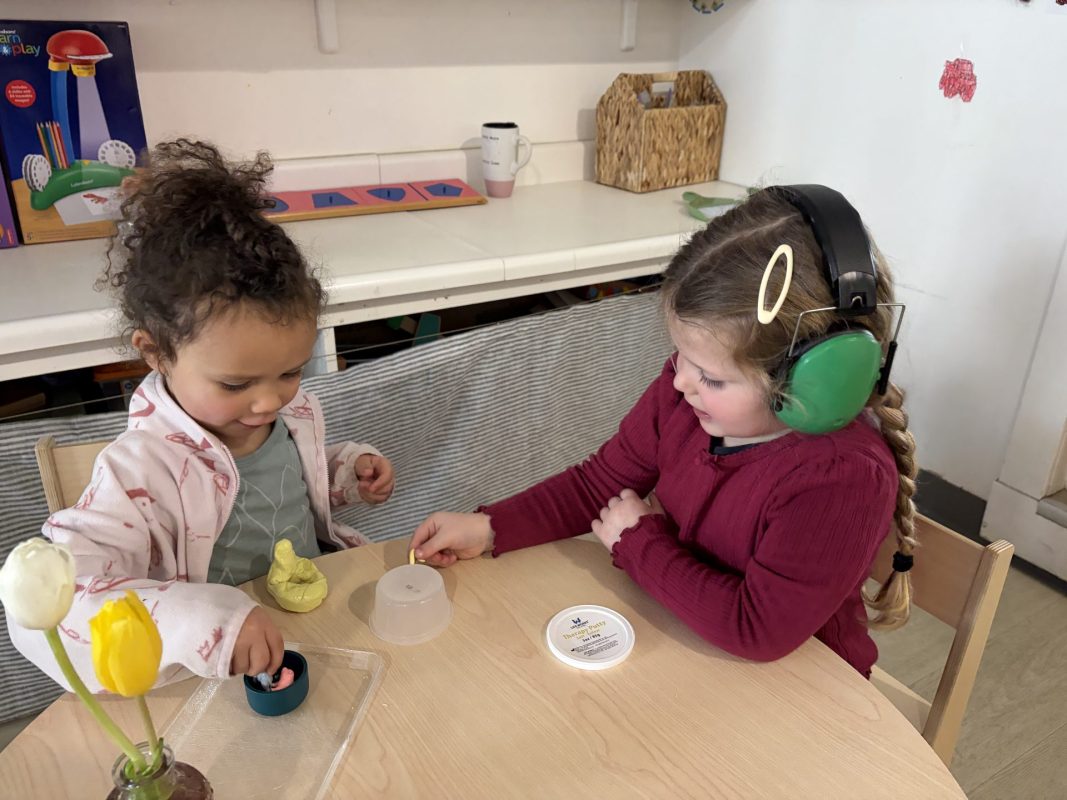
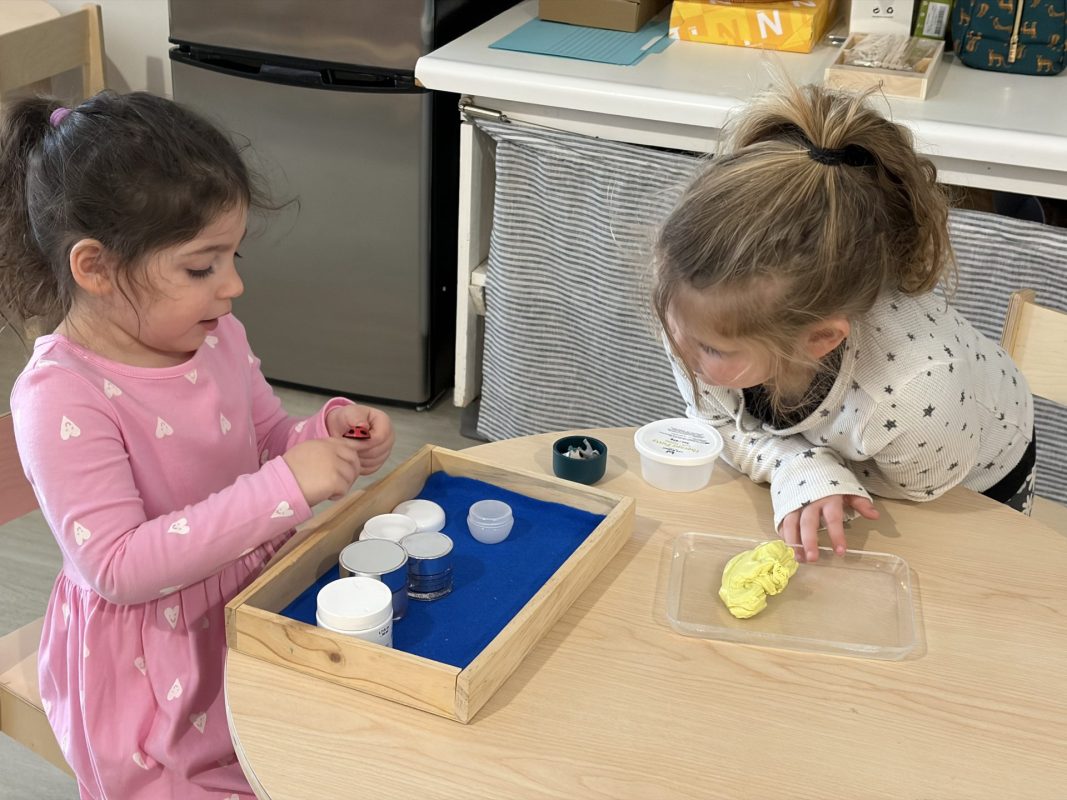
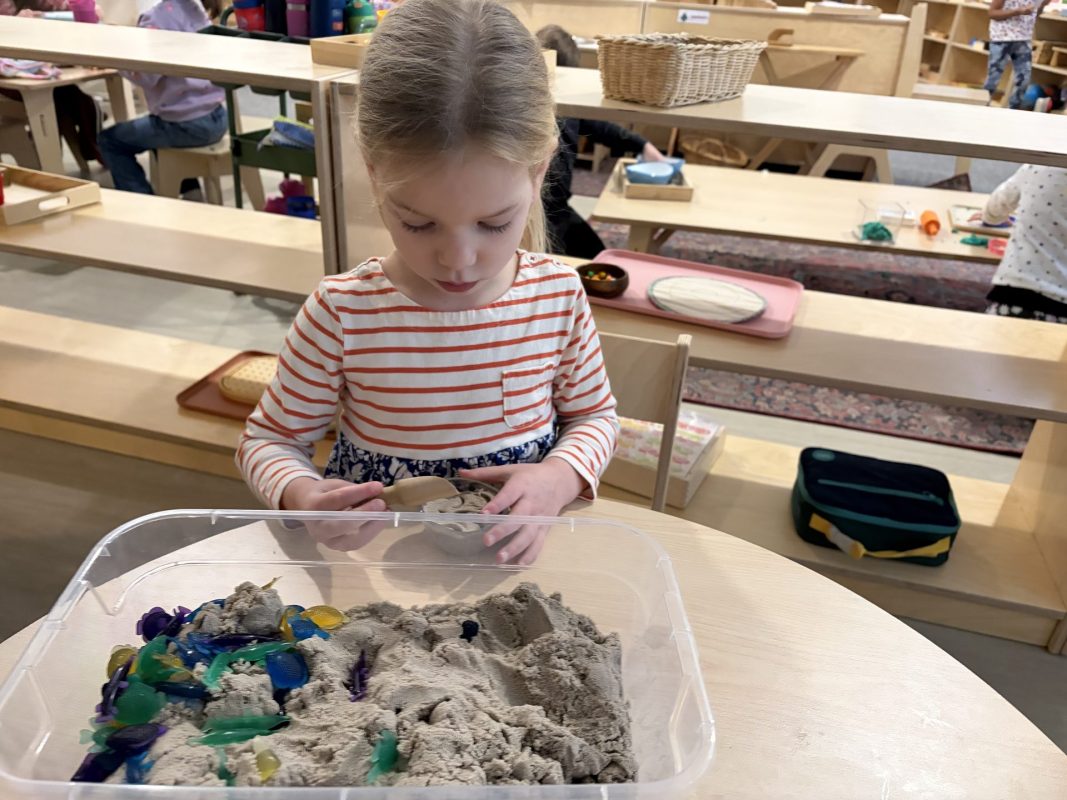
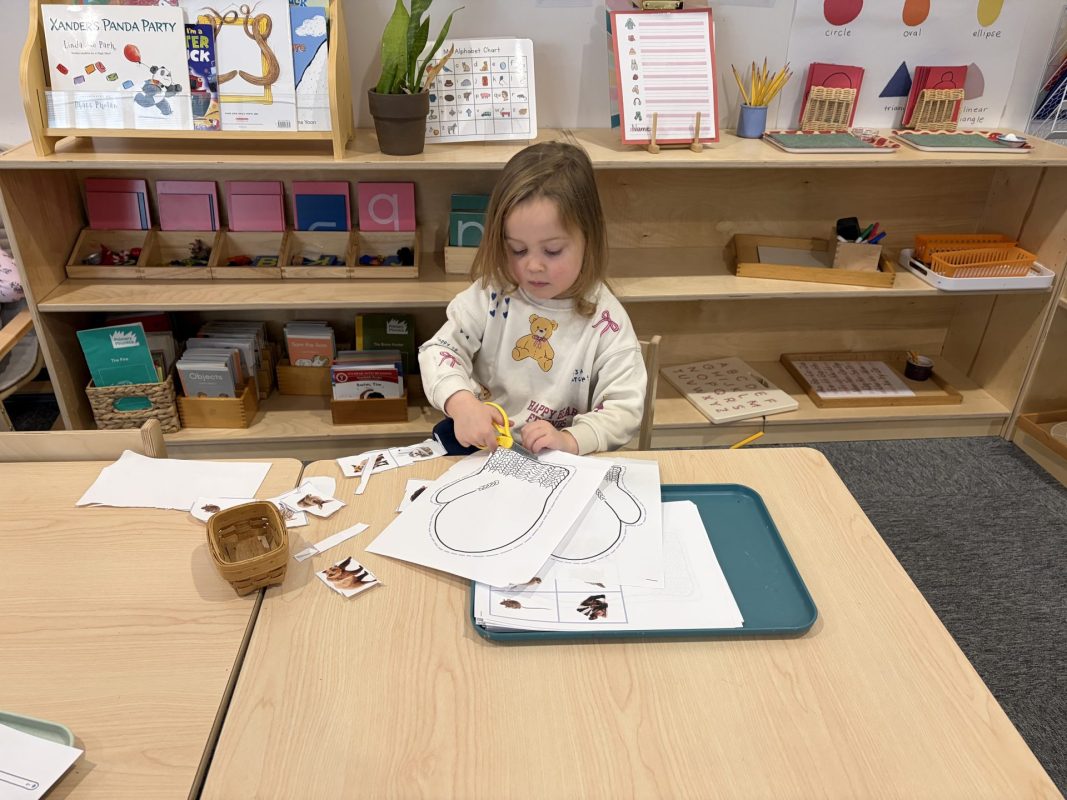
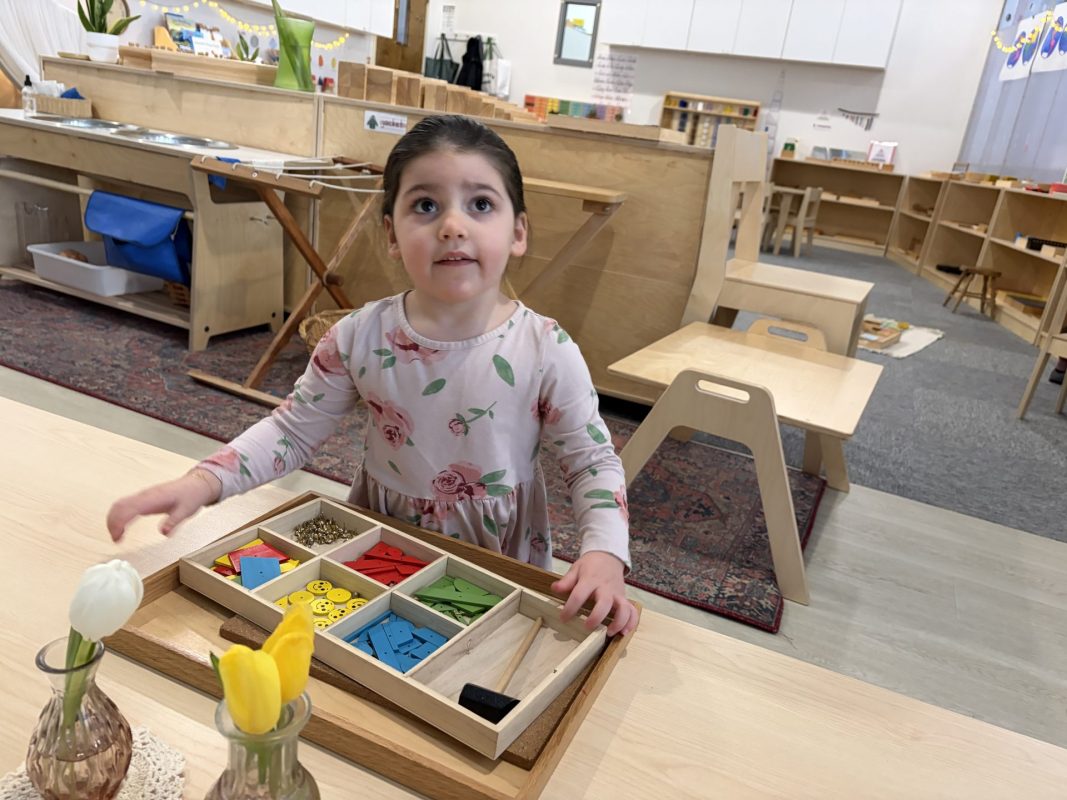
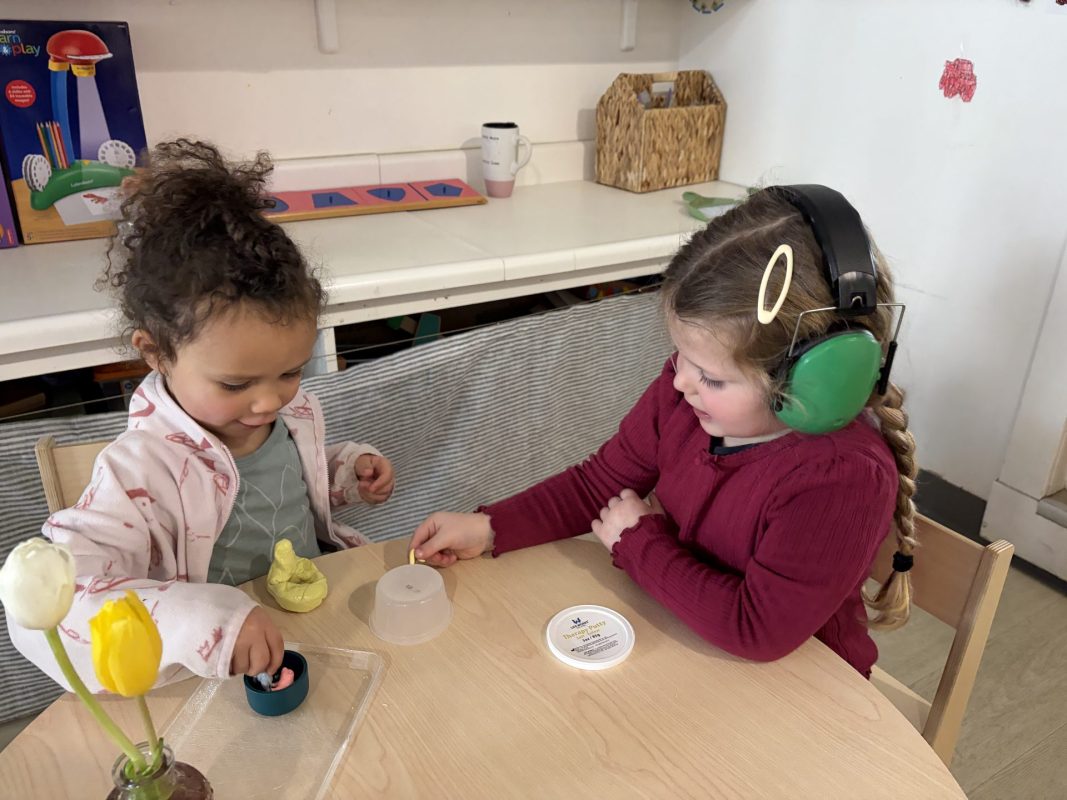
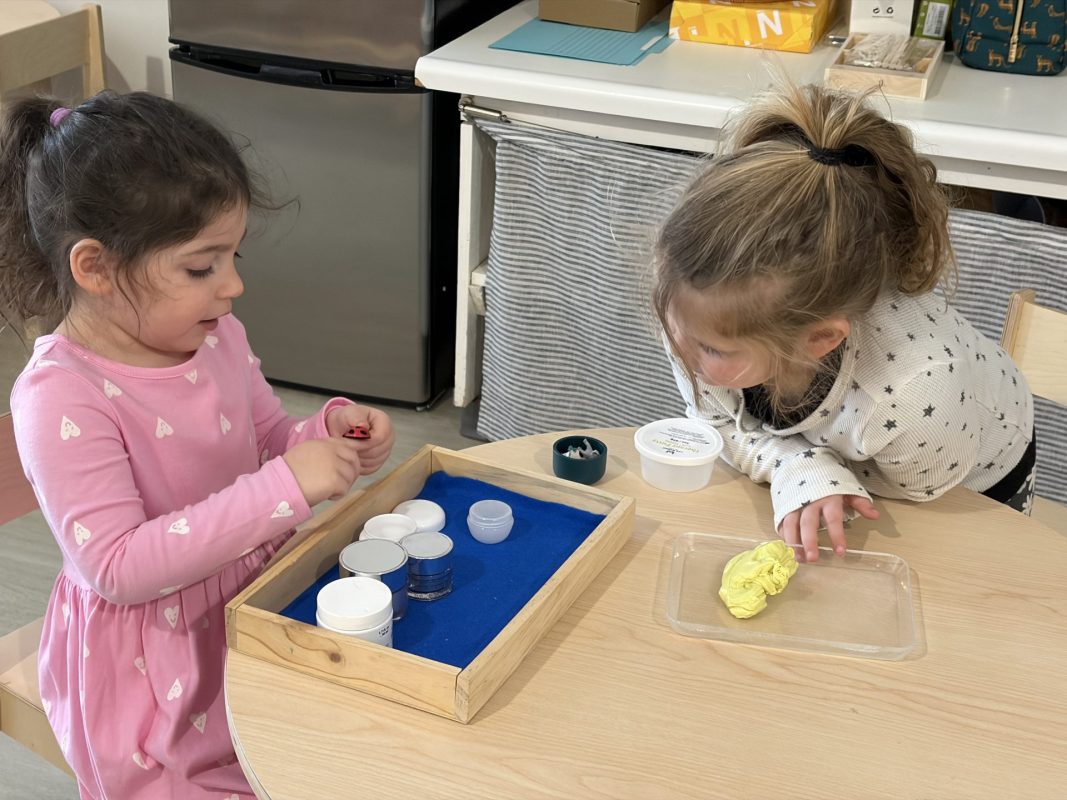
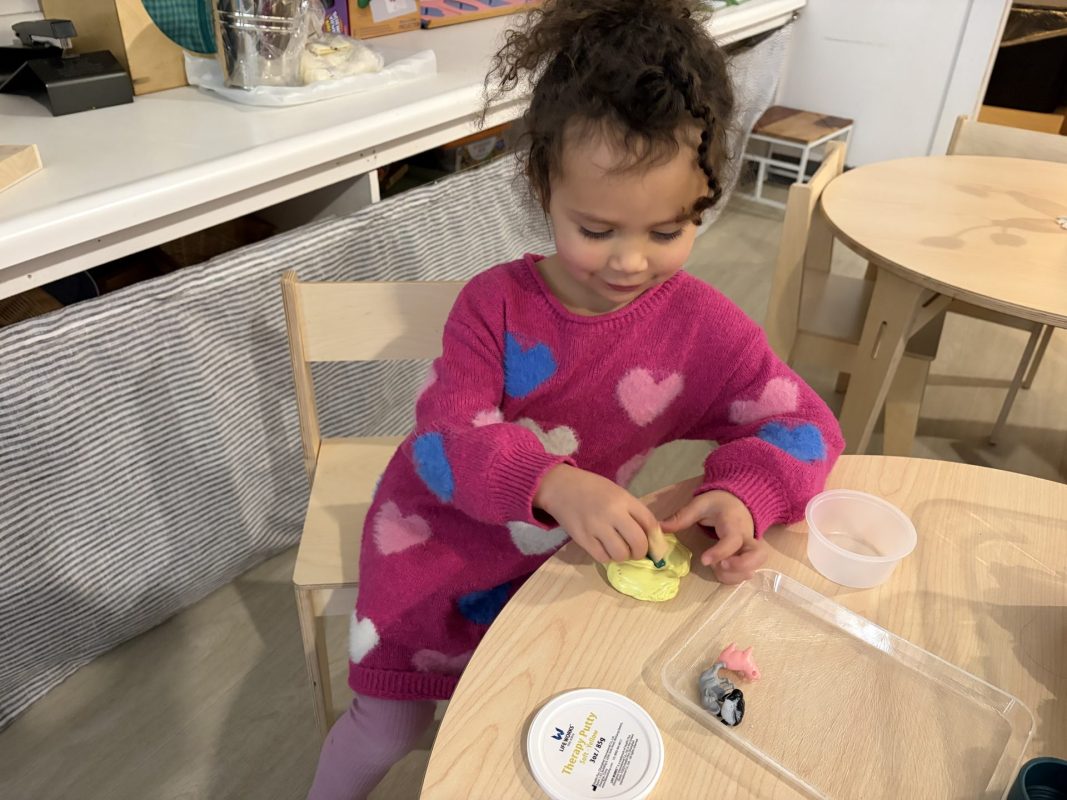
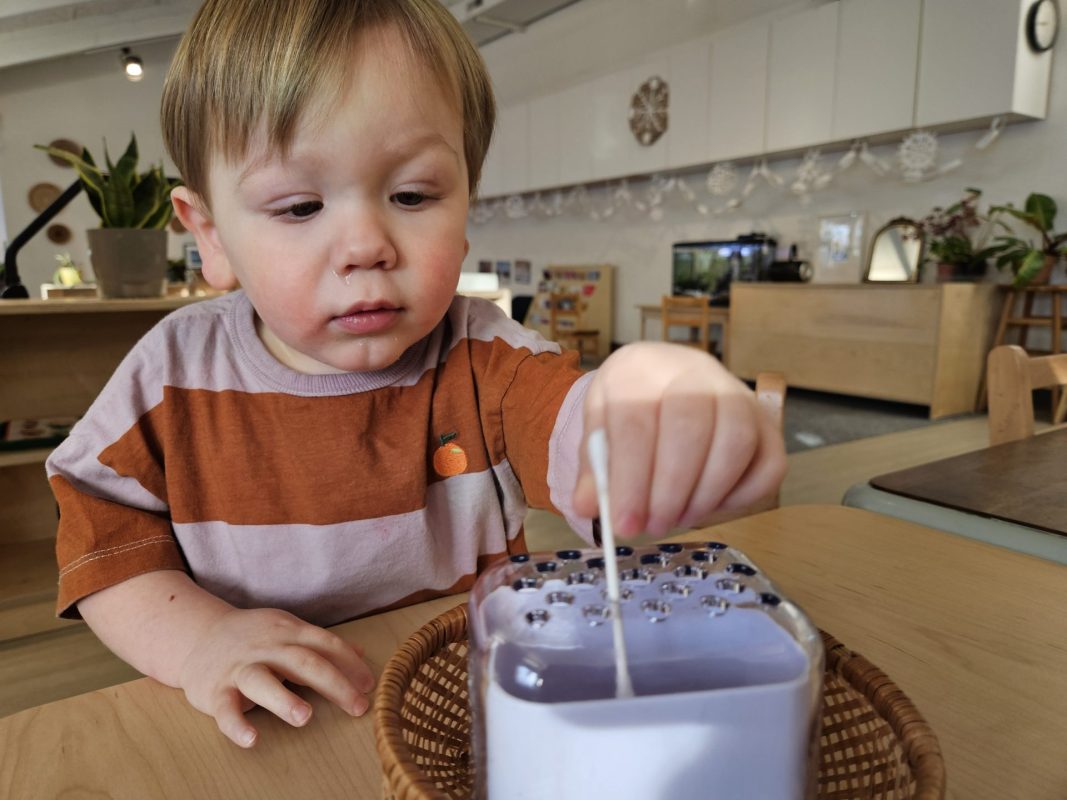
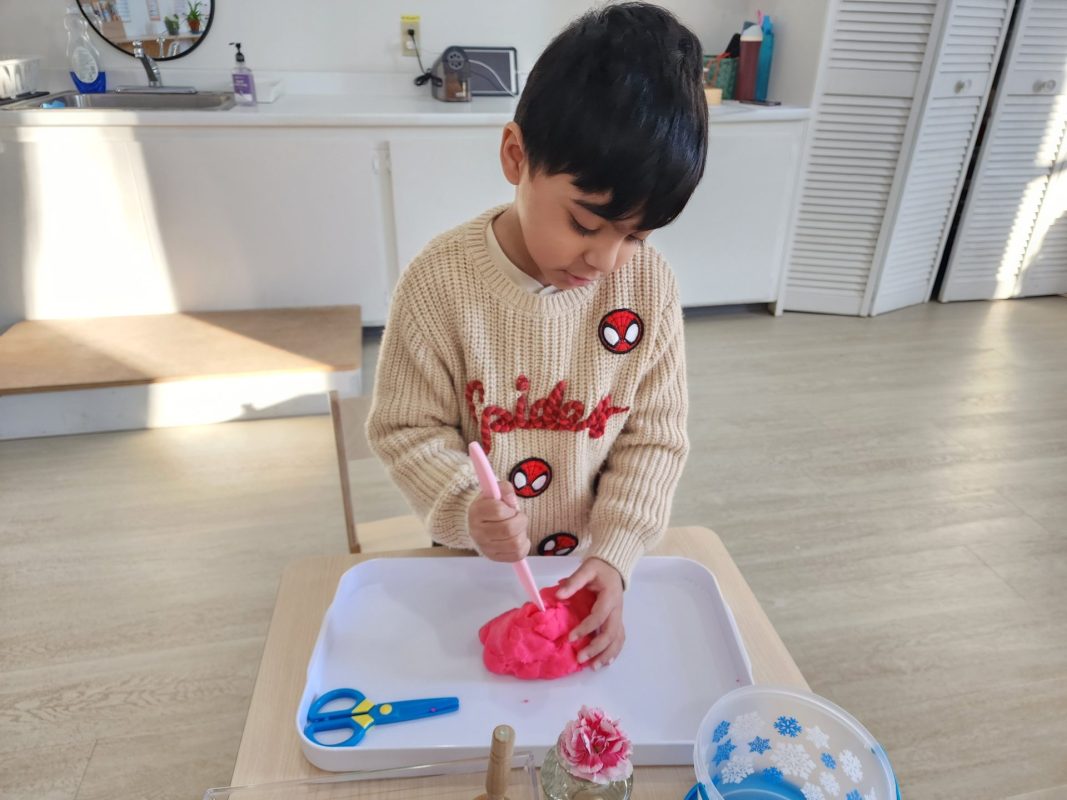
The classroom welcomed exciting new materials last week. We added a Button Sewing work to our Practical Life shelves, which has been drawing great interest from the children as they develop their fine motor skills and concentration. We also introduced a garlic press to the fresh homemade colorful play dough activity, which has been a big hit. The children have enjoyed exploring how the play dough transforms as it passes through the press, creating new shapes and textures.

Celebrating Our Community

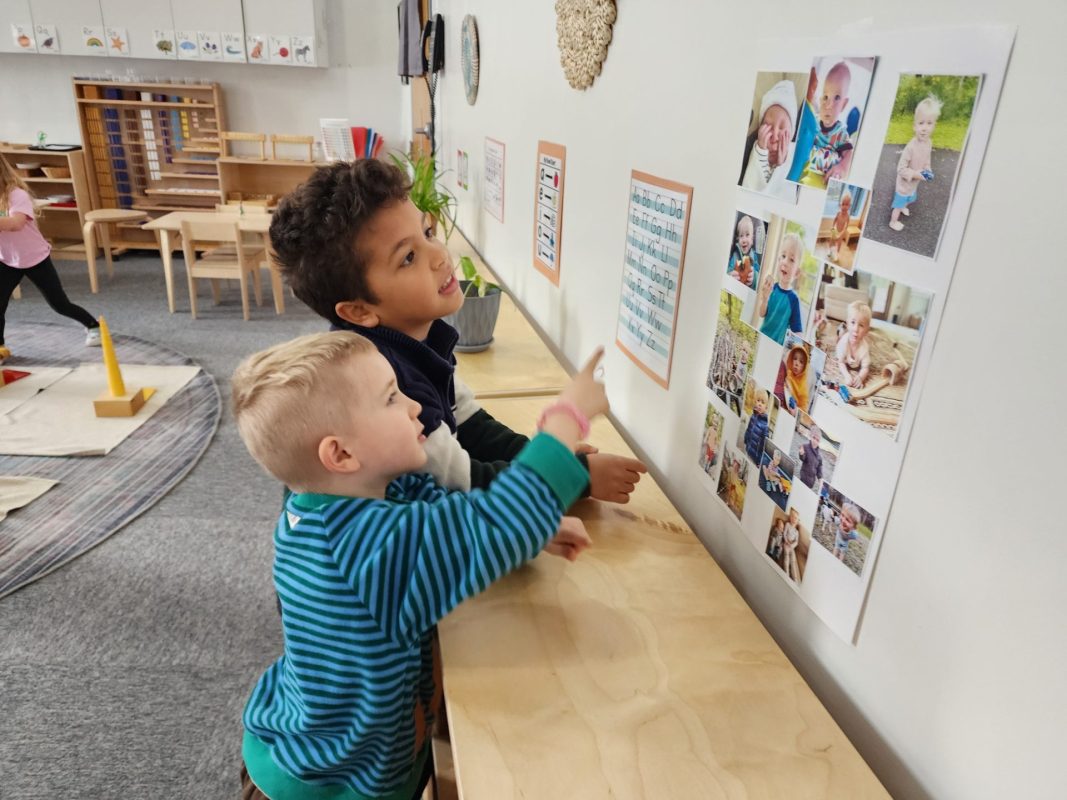
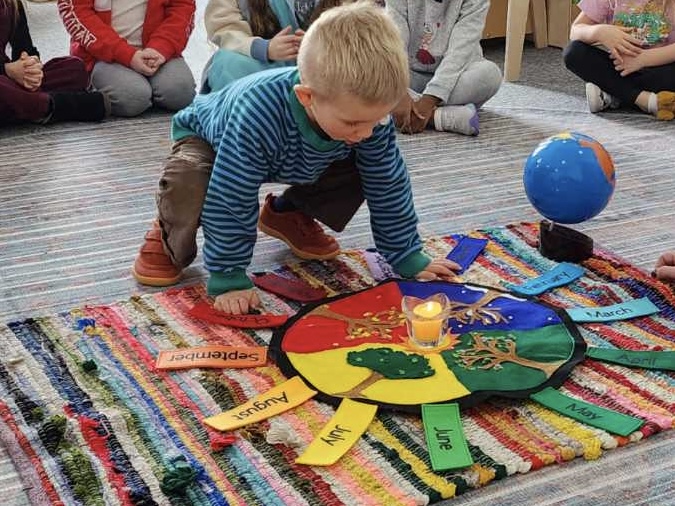
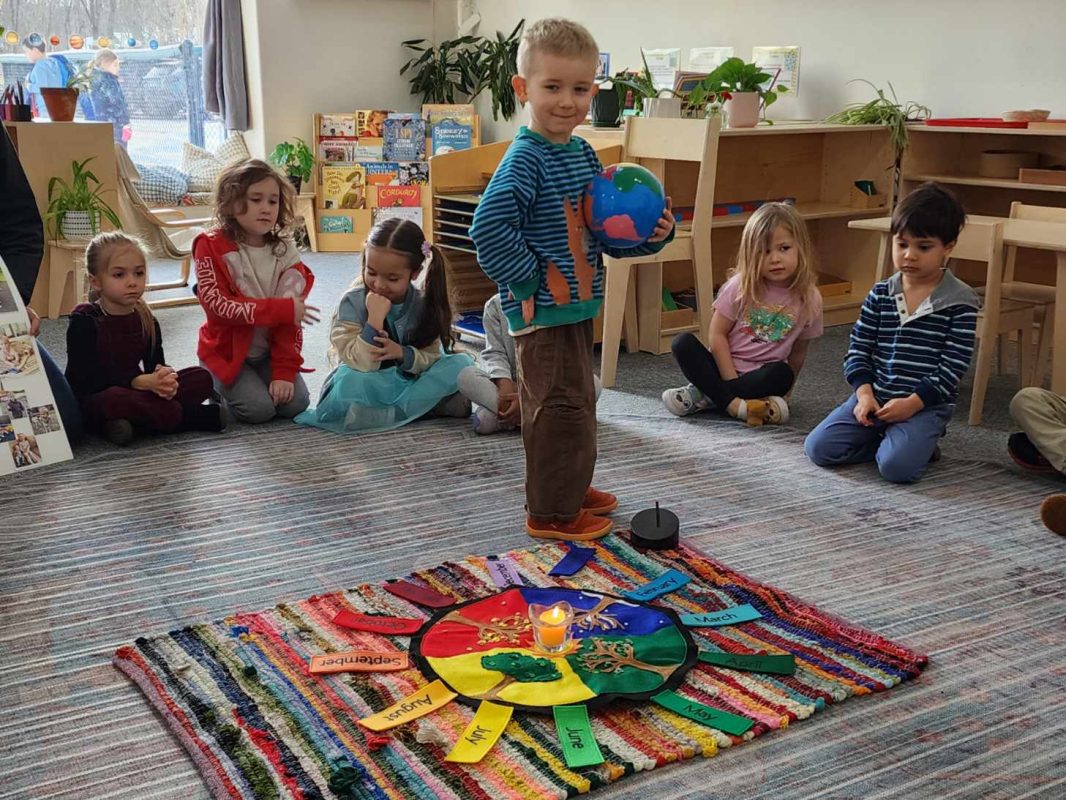
We celebrated our friend Remy’s 4th birthday last week. The Montessori birthday walk reminded us all of the sun’s journey around Earth and helped Remy reflect on the special moments from each year of life.

Extending Learning at Home

Practice button sewing at home using old shirts or fabric scraps and large buttons. This practical life skill builds concentration, fine motor skills, and independence. For science exploration, try simple kitchen experiments together—mix baking soda with vinegar, watch ice melt, or observe what happens when you mix colors. These hands-on experiences foster scientific thinking and curiosity.

Upcoming Events & Announcements

This Week

  • Tuesday, January 27
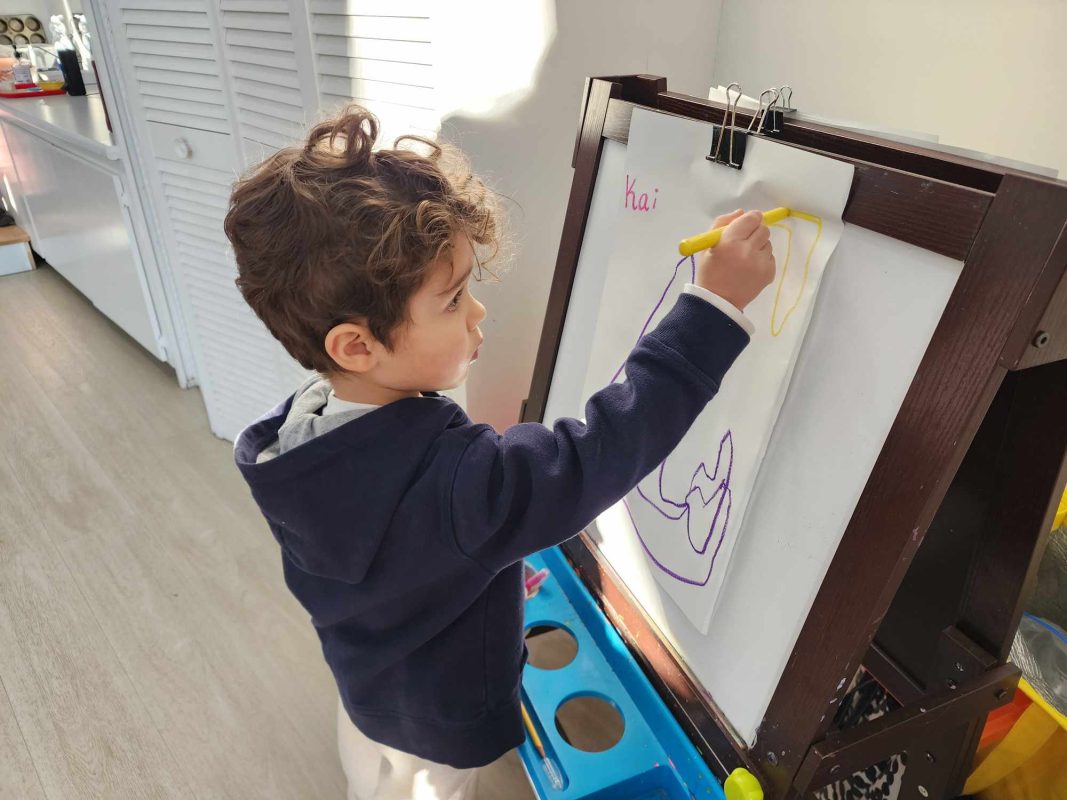
    Kai’s Birthday Celebration
  • Friday, January 30
    Thomas’ Birthday Celebration

Next Week

  • Wednesday, February 4
    Isle of Skoo Assembly for Primary–Upper Elementary at 9 a.m.

Looking Ahead

Thursday, February 12
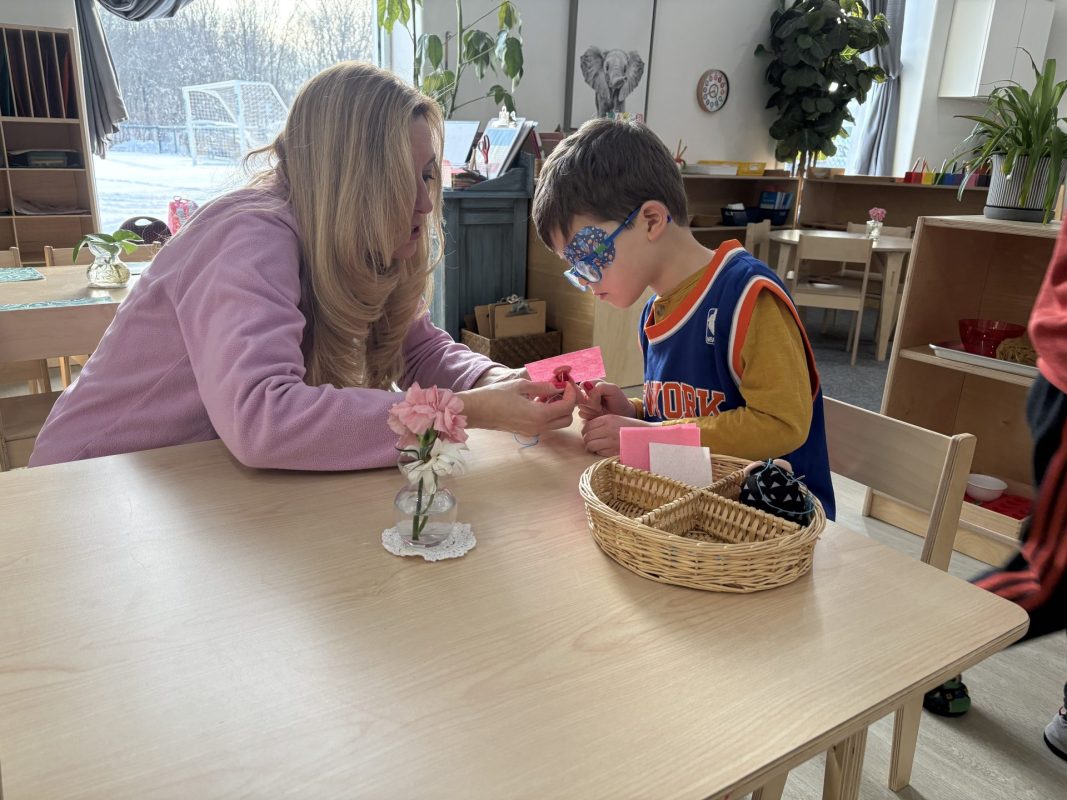
Valentine’s Day Exchange is a cherished friendship celebration in our Primary classrooms! On Thursday, February 12, the children will exchange valentines with their classmates, marking a special part of their school experience that emphasizes expressing love and gratitude for one another.

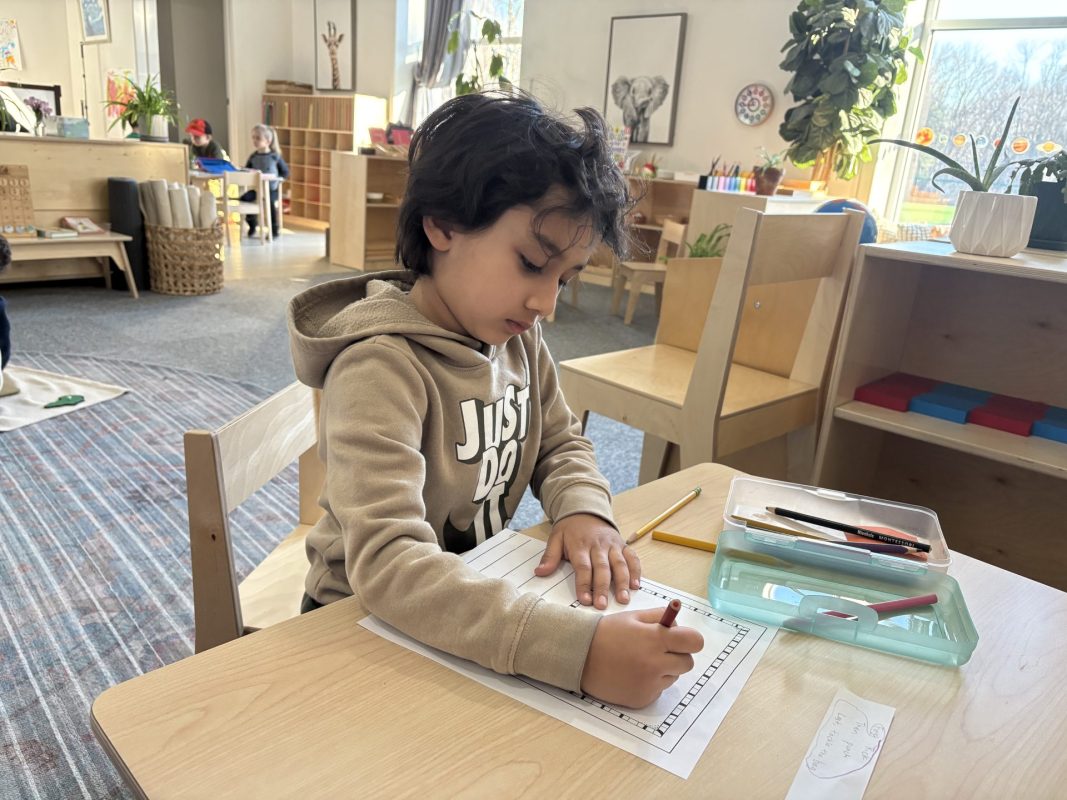
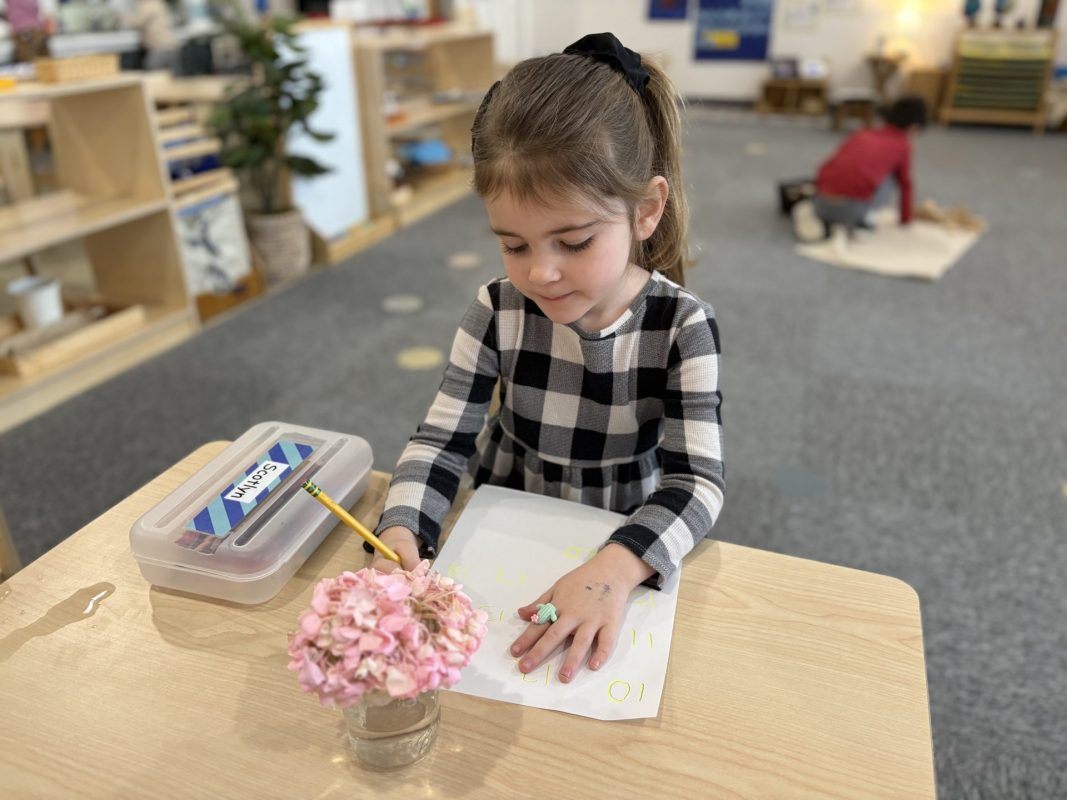
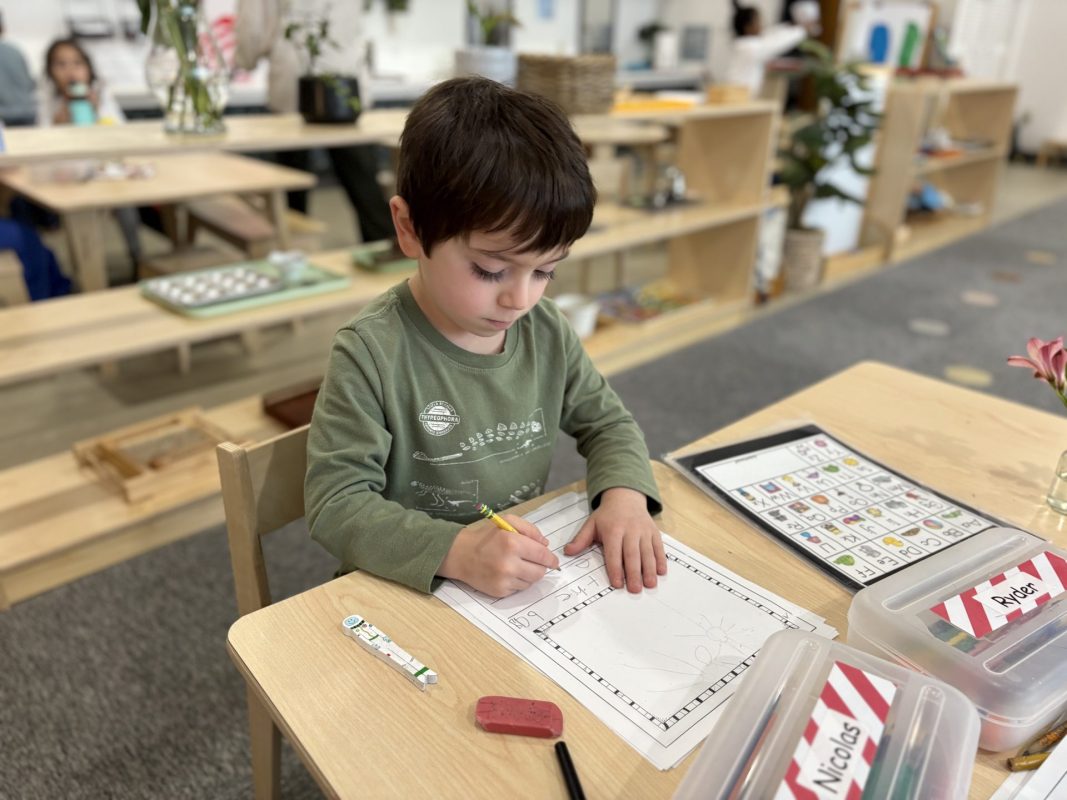
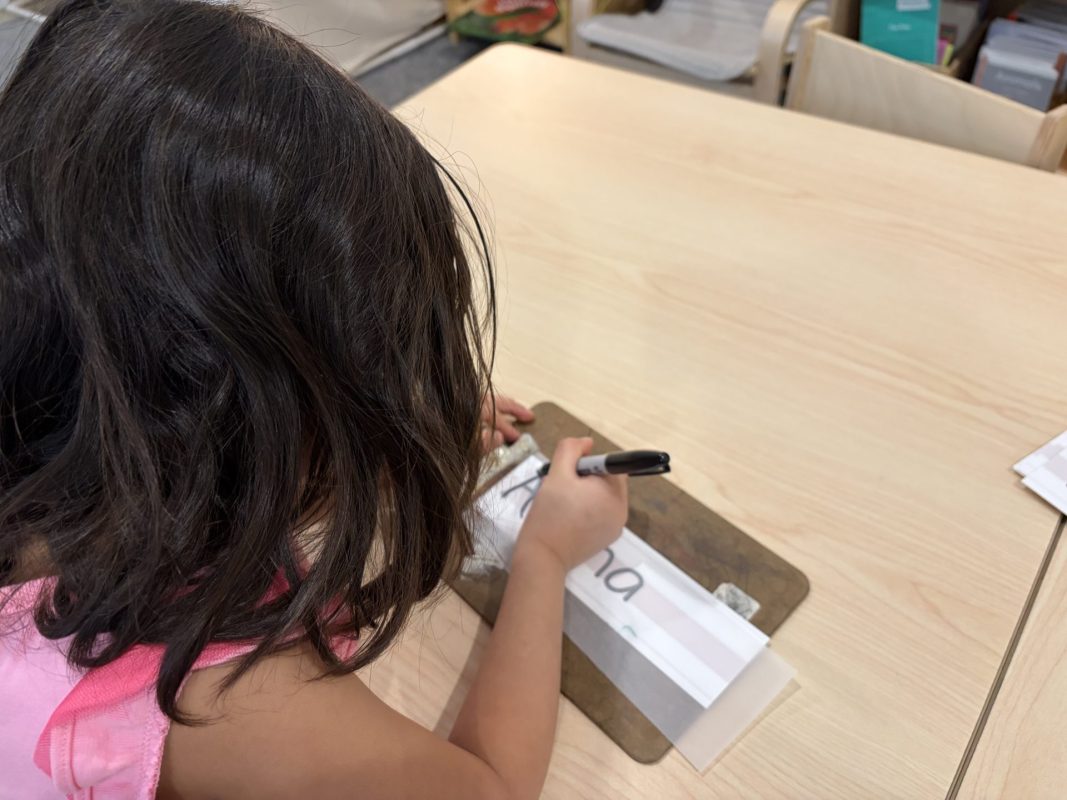
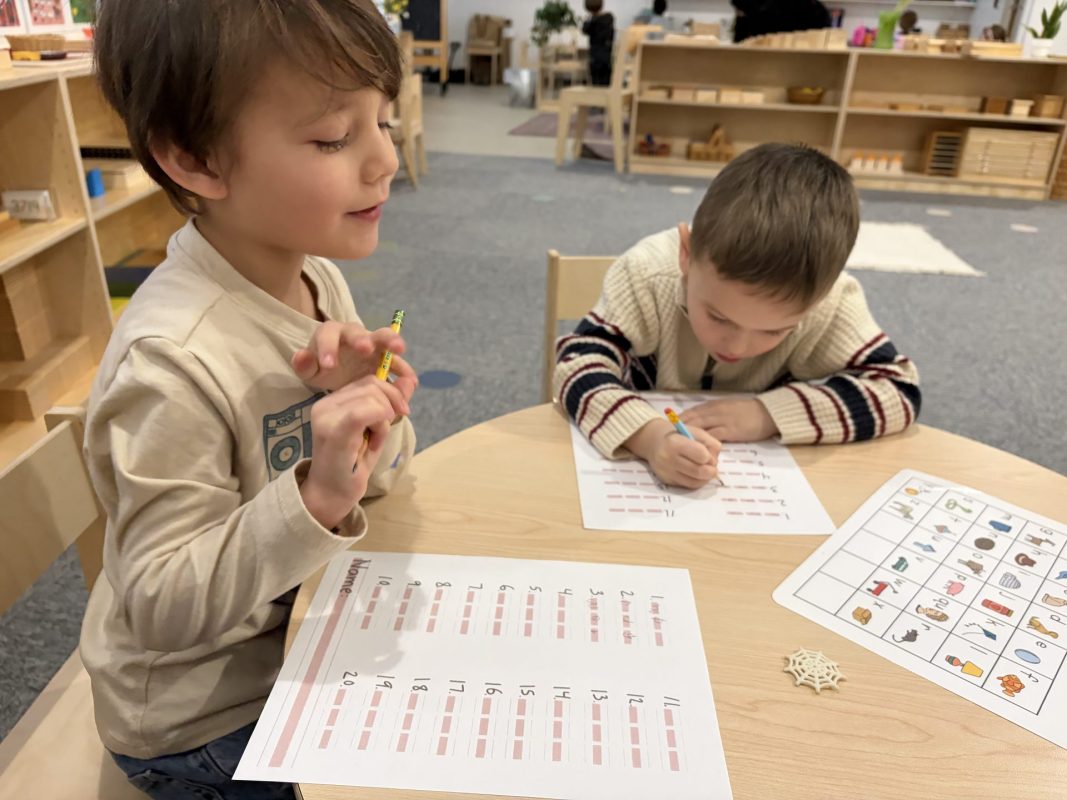
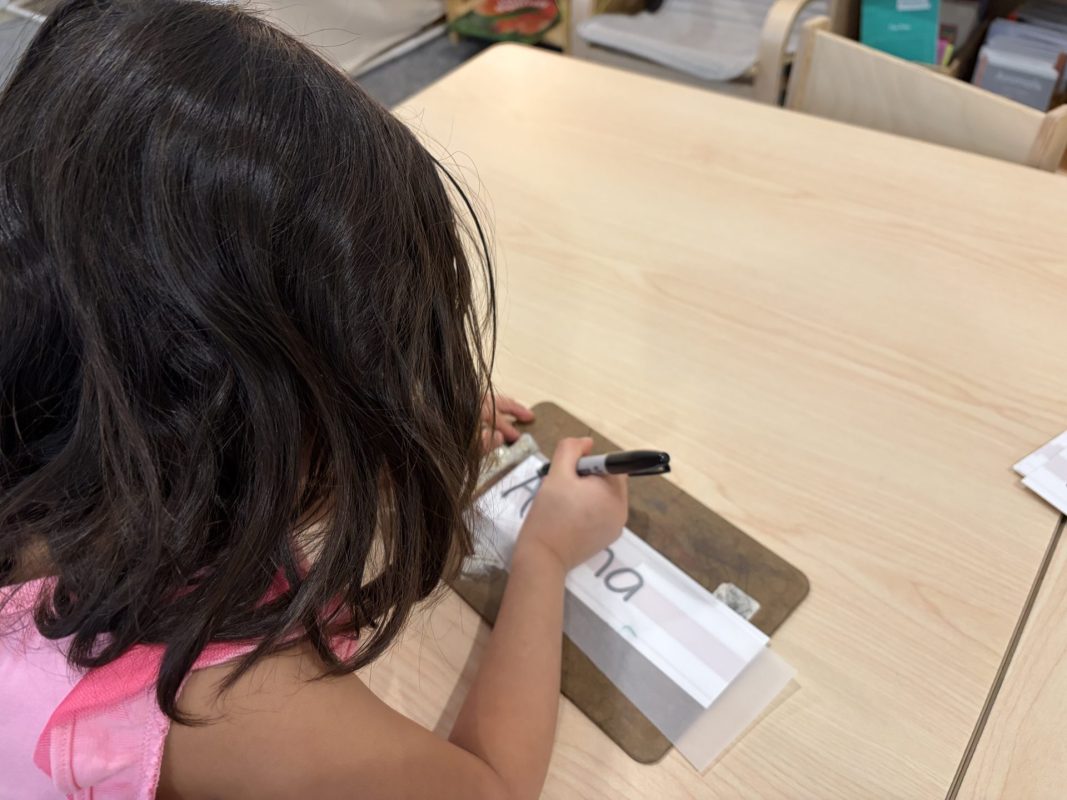
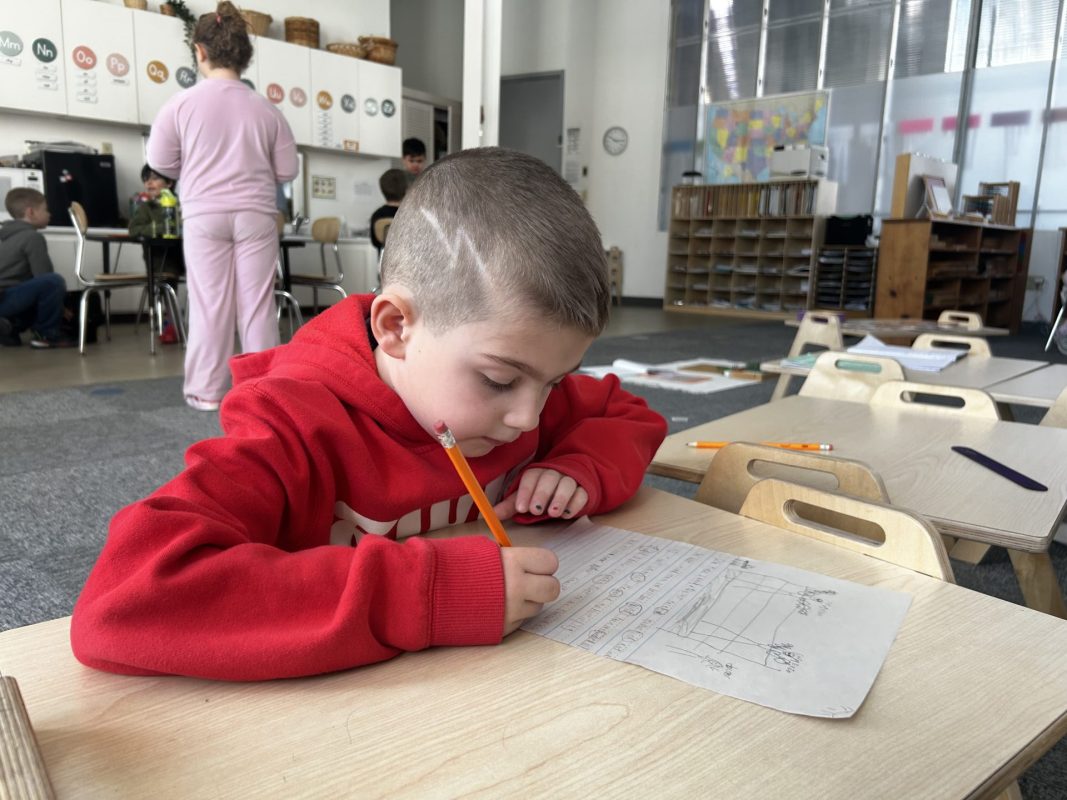
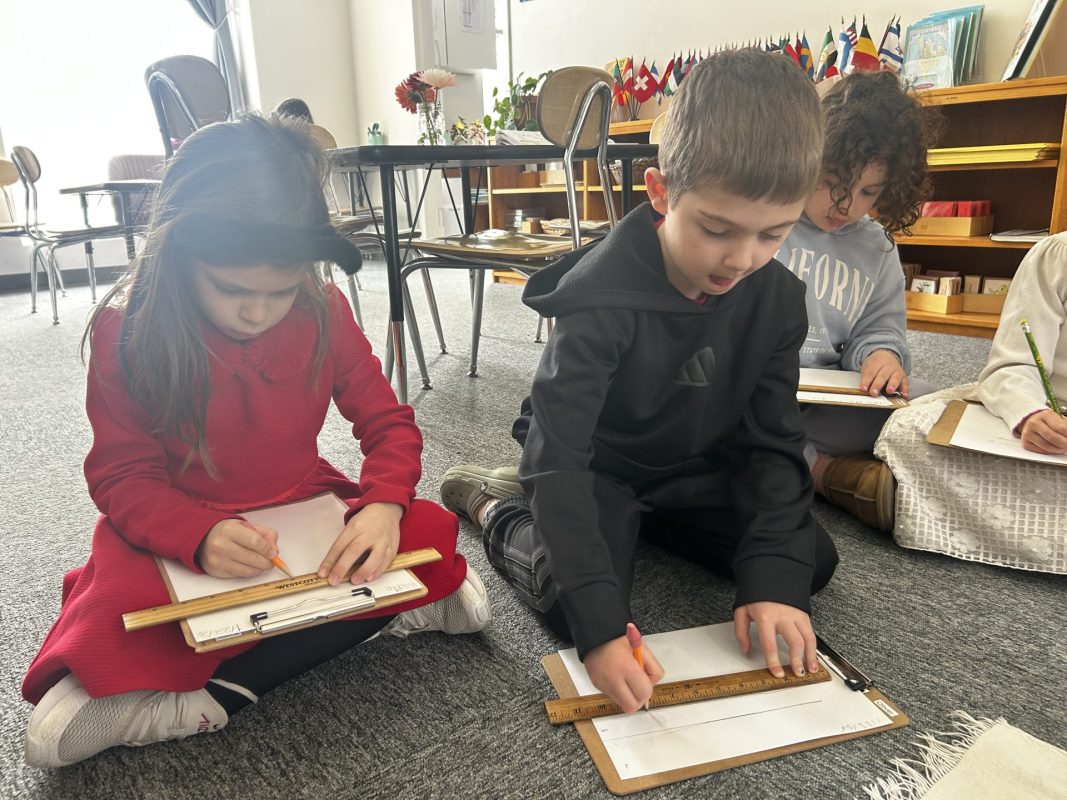
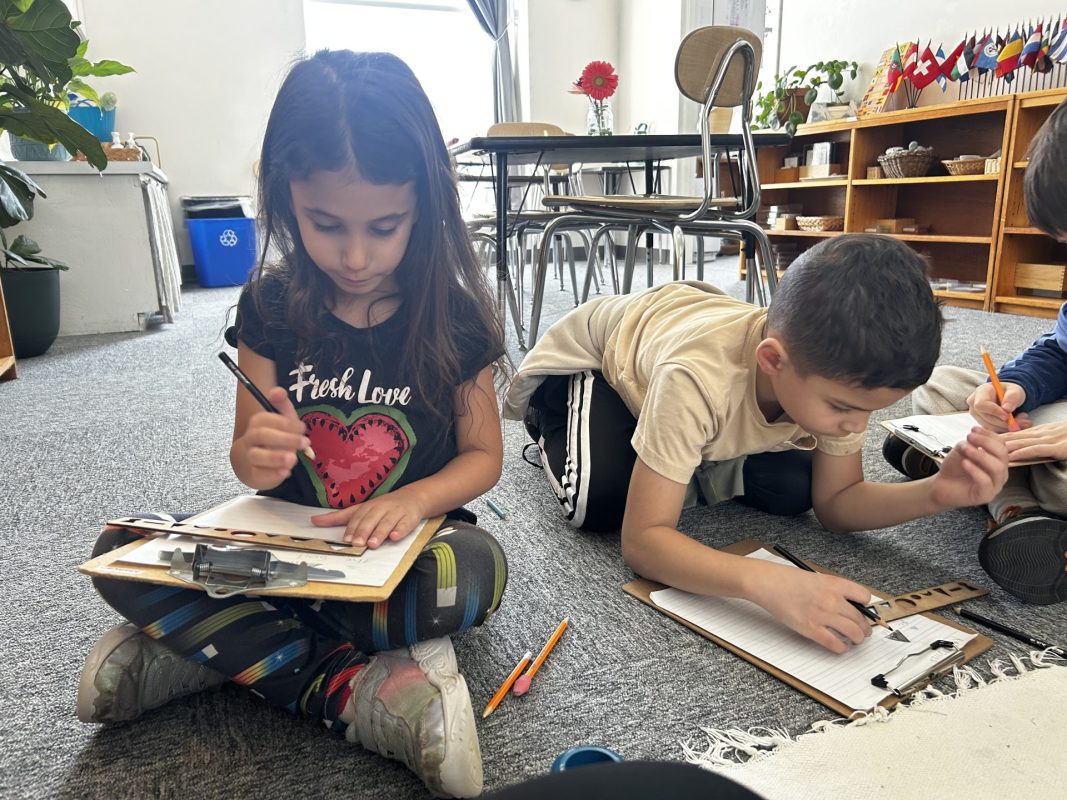
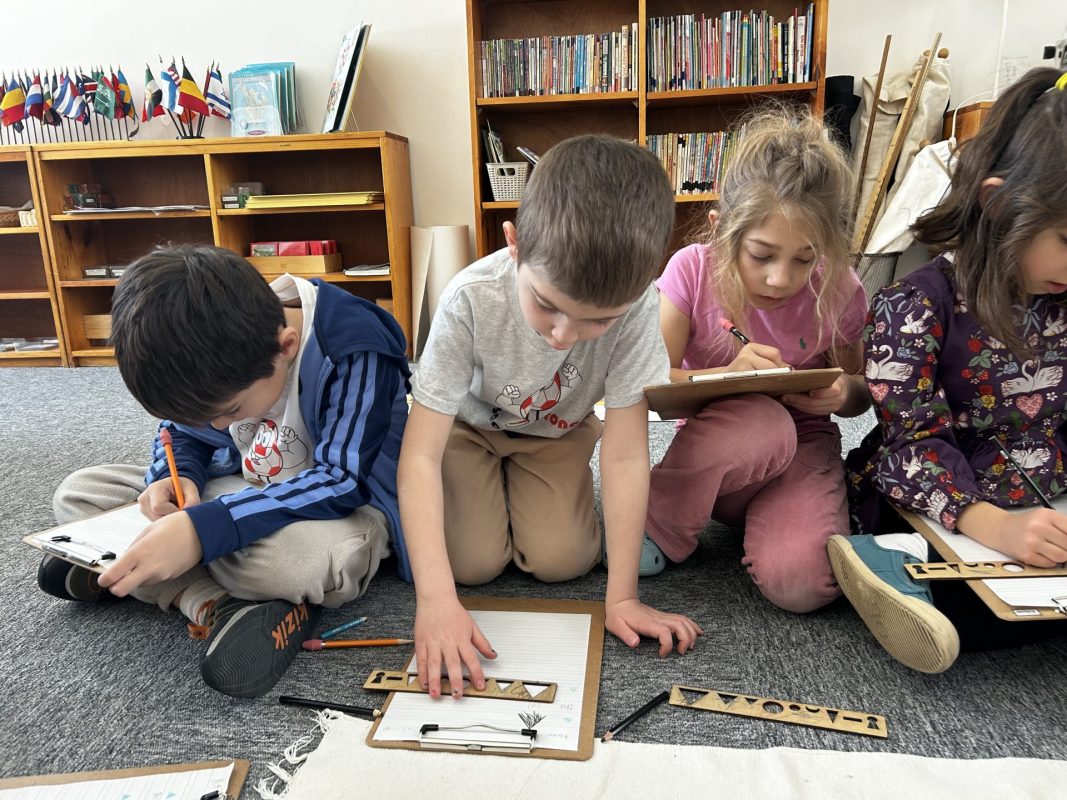
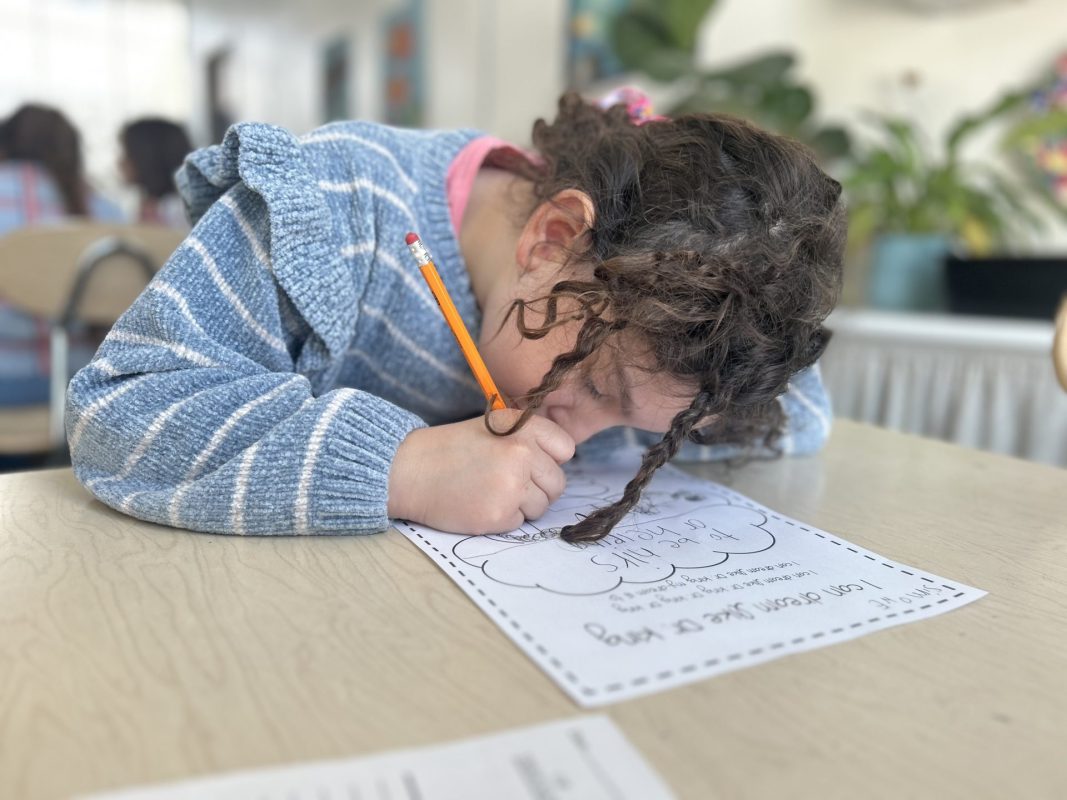
We encourage you to involve your child in preparing their Valentine’s Day cards. Please have your child sign their own name on each card—whether that’s their full name, just one letter, or their own special mark, every effort is meaningful and developmentally appropriate! Please allow ample time for this name-writing process, which serves as wonderful practice. (If writing their full name, remember to use uppercase only for the first letter.)

Important! Please leave the “To:” area blank. Do not address envelopes or cards with specific names. This allows children to distribute valentines independently without needing to read each classmate’s name, supporting their sense of capability and confidence. Note: If your child is able to read their classmates’ names, they may write names on the envelopes as additional reading practice—but this is entirely optional.


Ms. Handibode: Discovering Reptiles and the Mathematical Mind

The classroom was alive with curiosity last week as we began our study of reptiles. The children learned that reptiles are cold-blooded, have scaly skin, hatch from eggs, are vertebrates, and breathe air through their lungs. This classification work helps the children understand the natural world and recognize patterns across different animal groups.

The Joy of Mathematical Materials

“Children display a universal love of mathematics, which is par excellence the science of precision, order, and intelligence.” ~ Dr. Maria Montessori

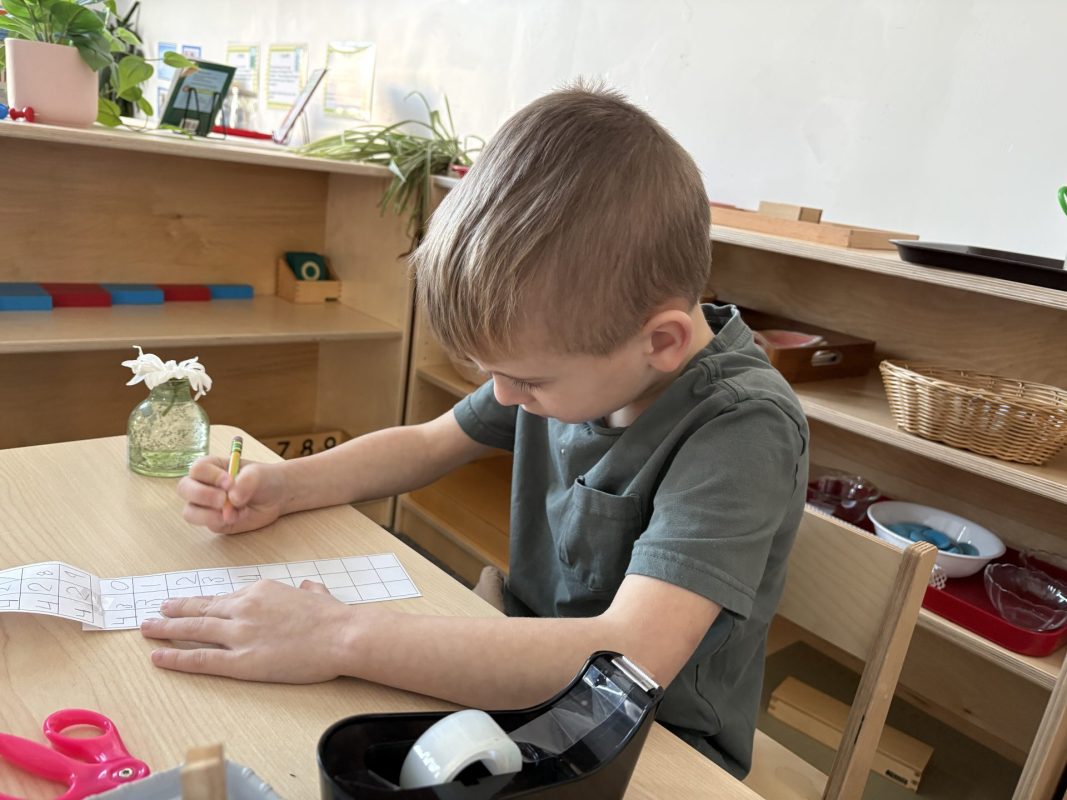
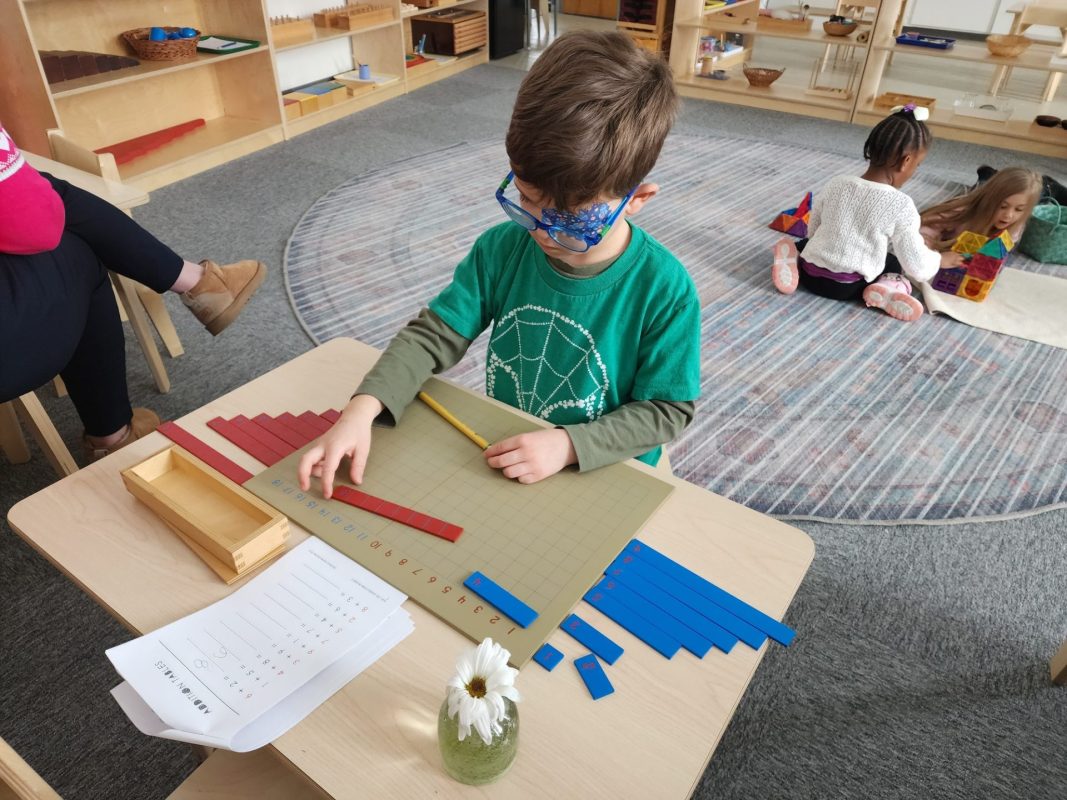
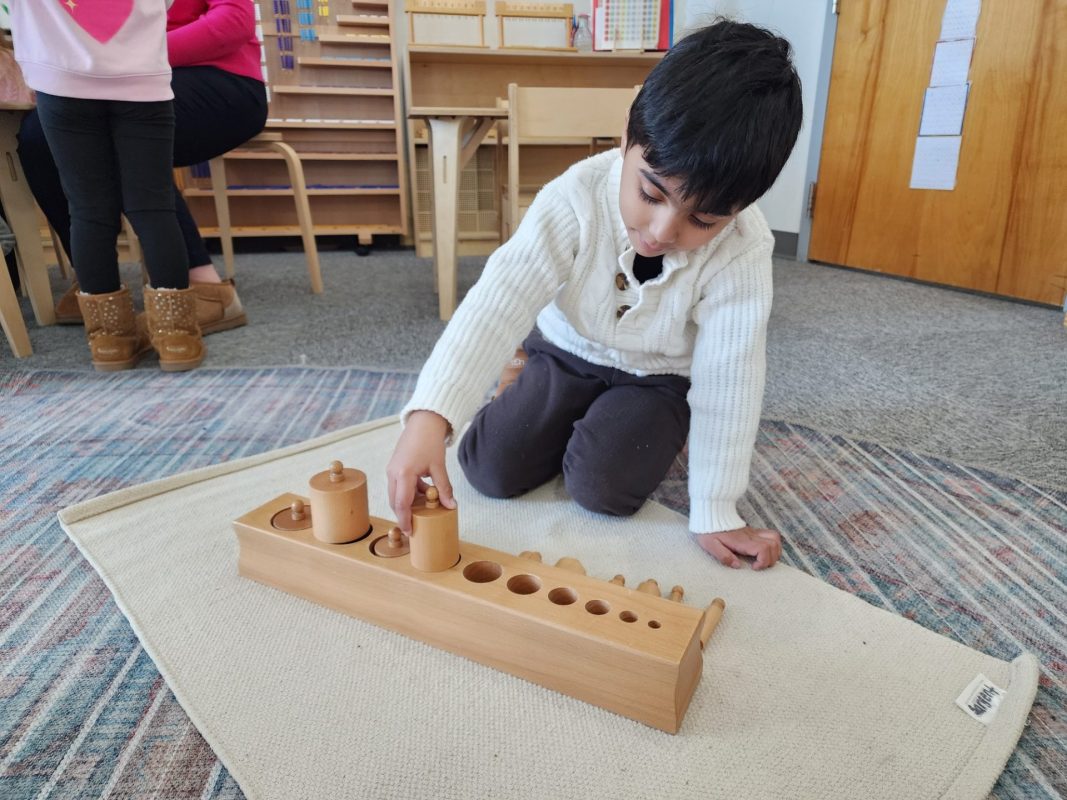
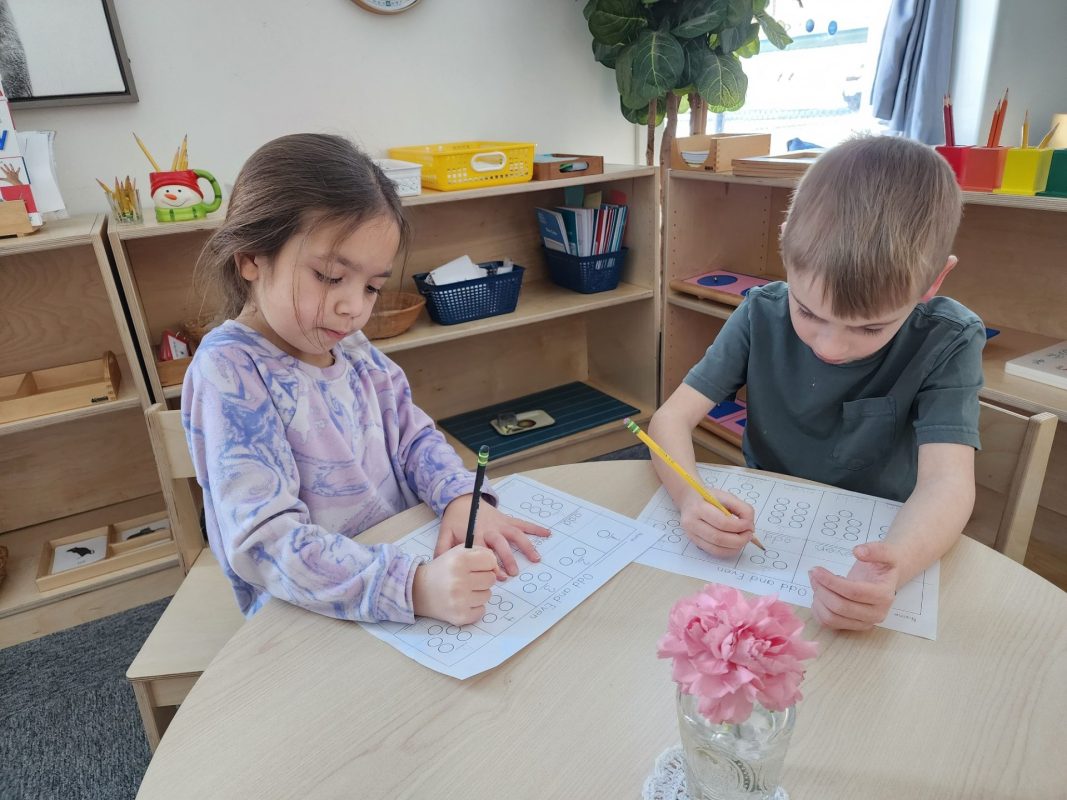
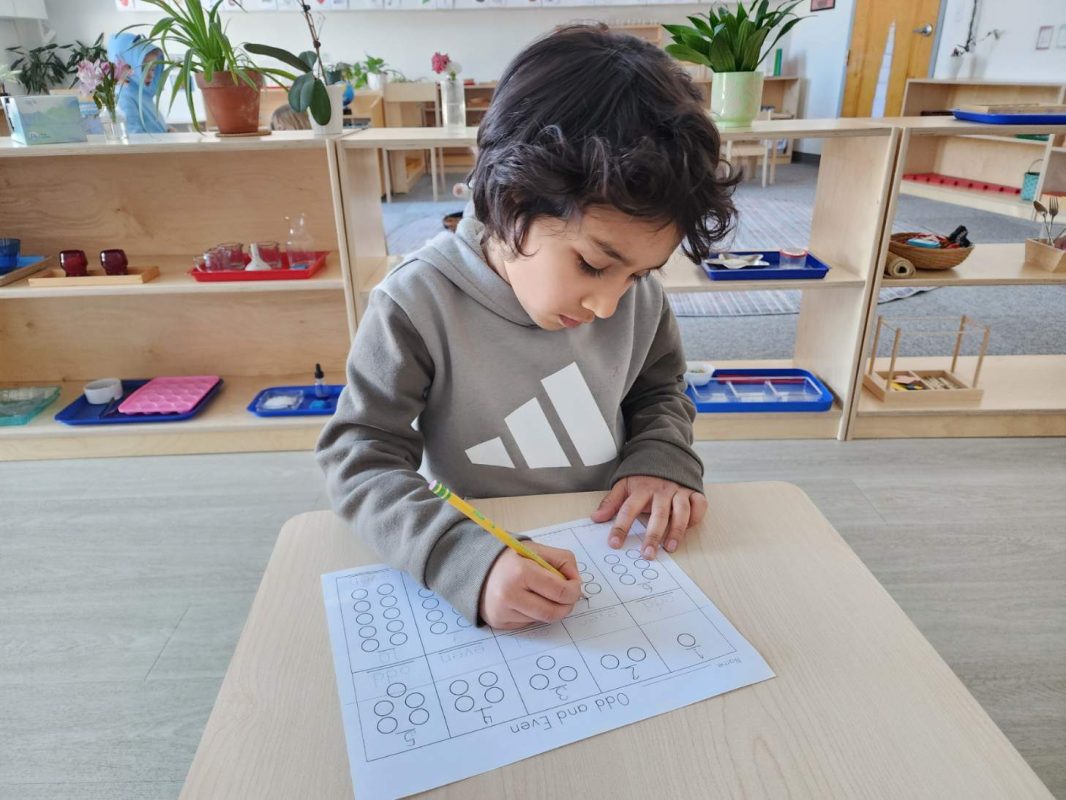
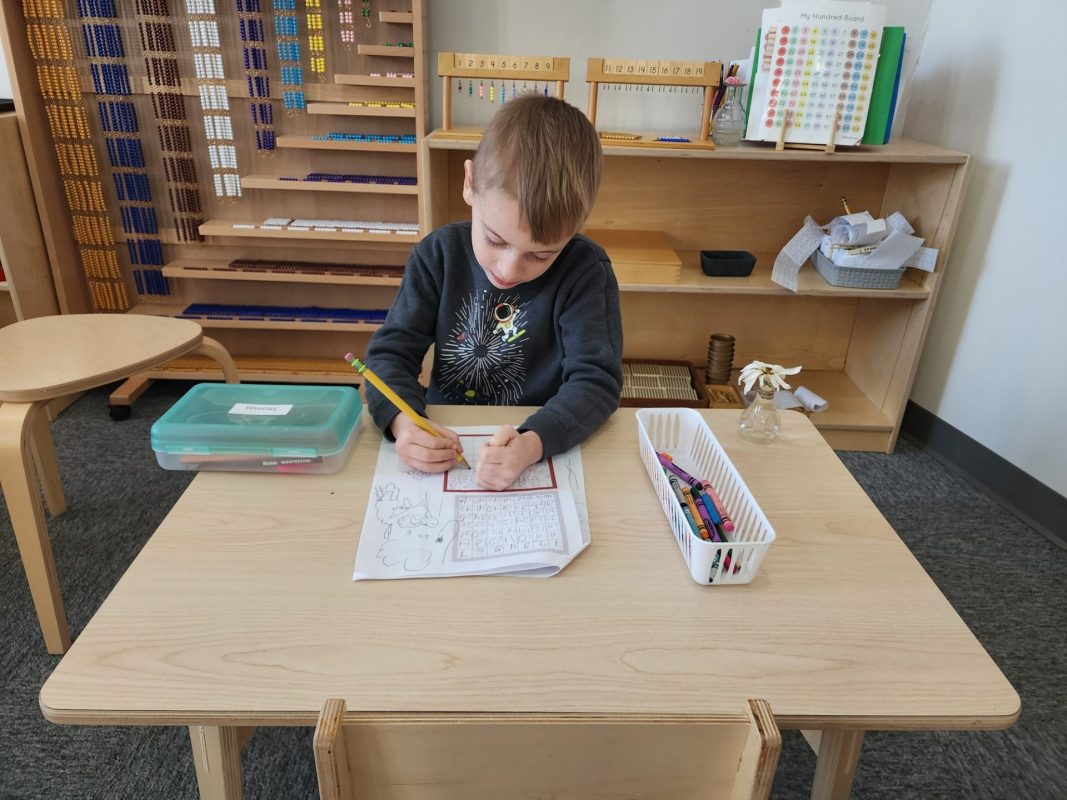
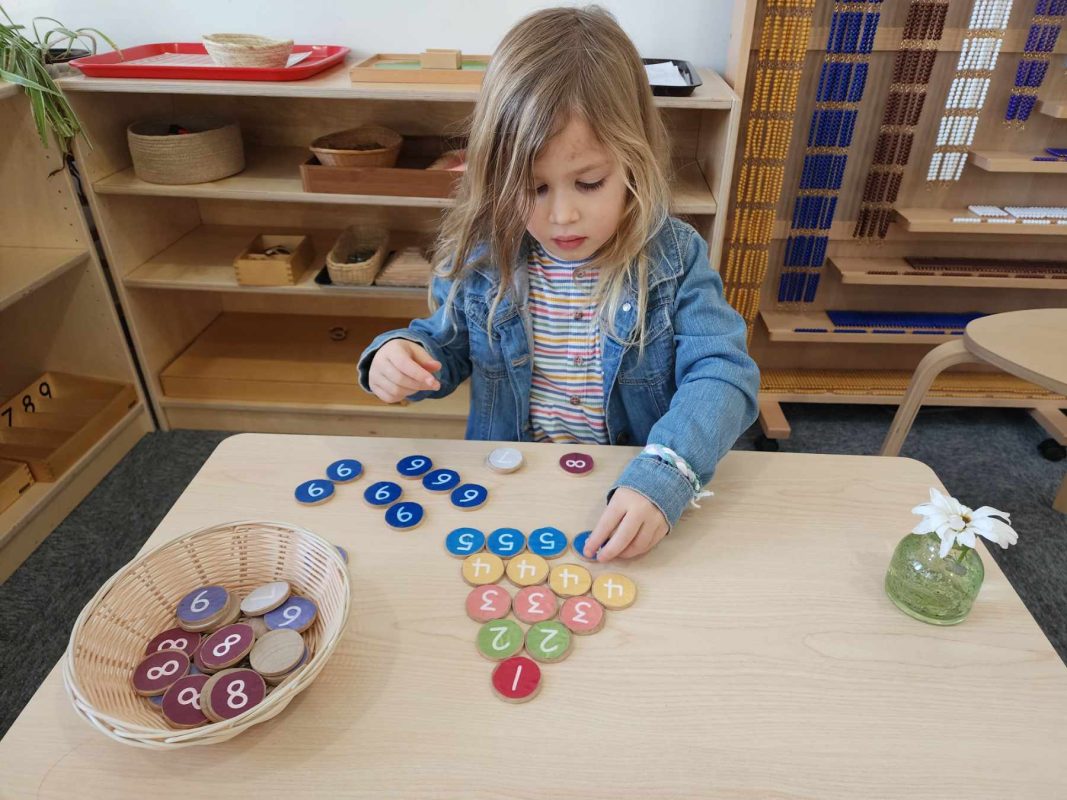
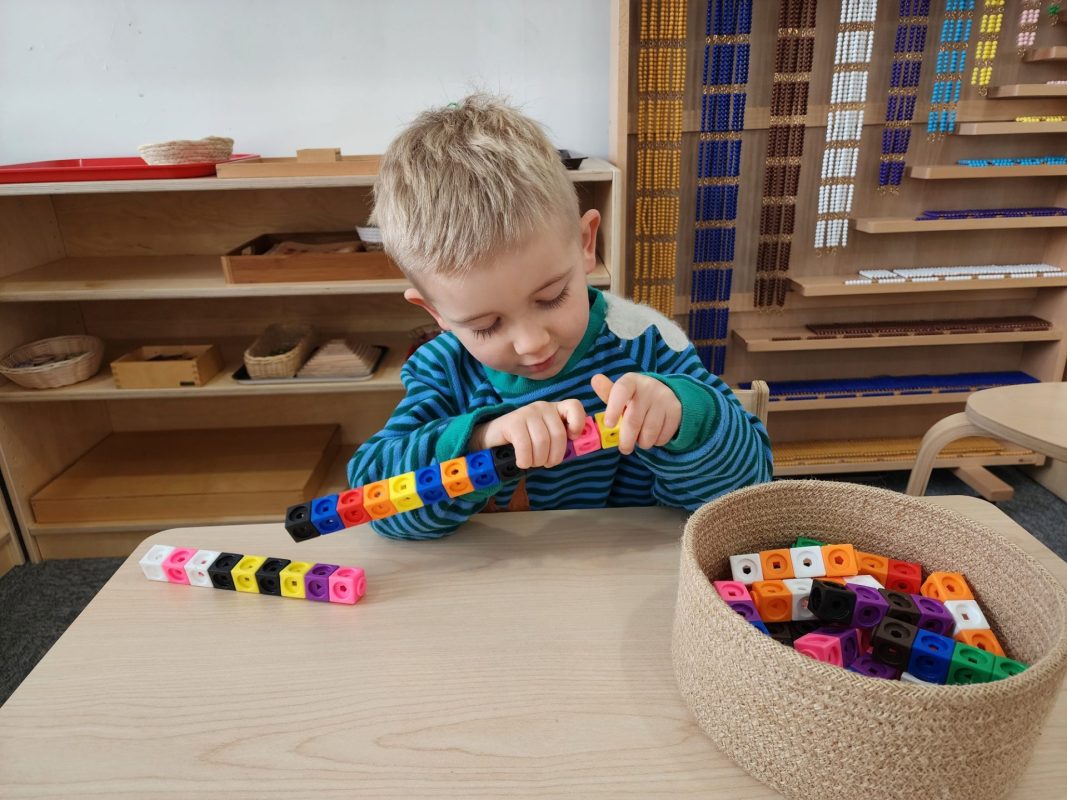
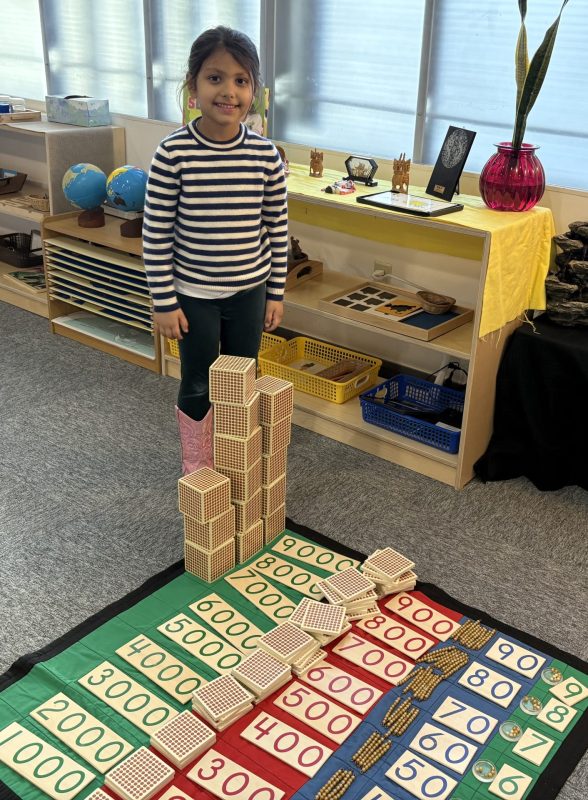
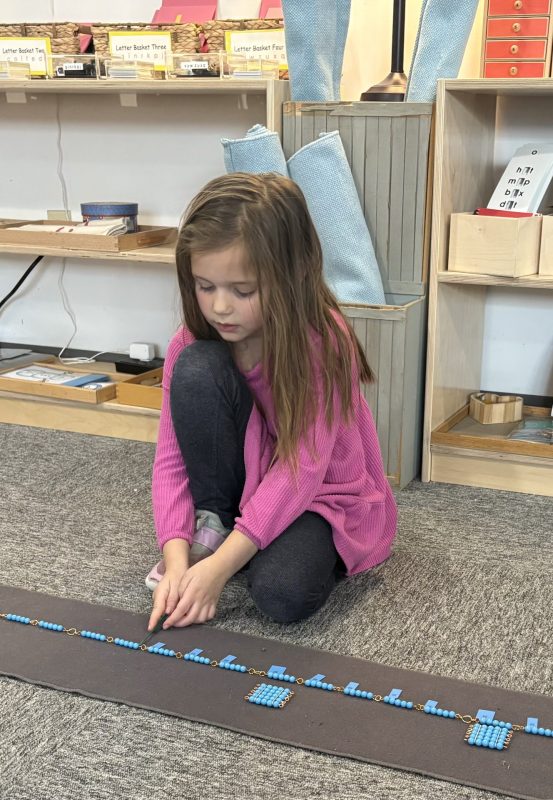
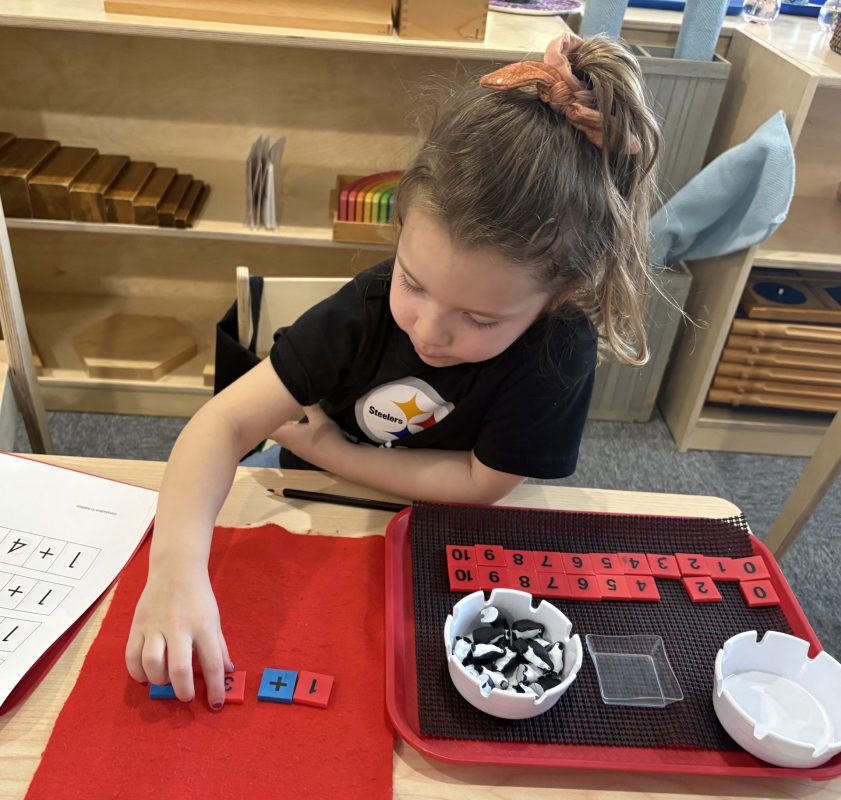
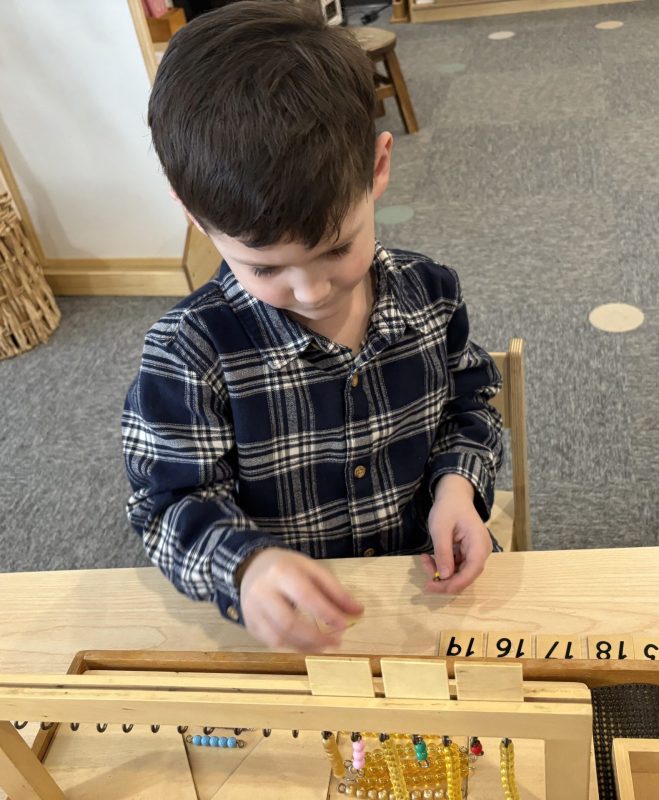
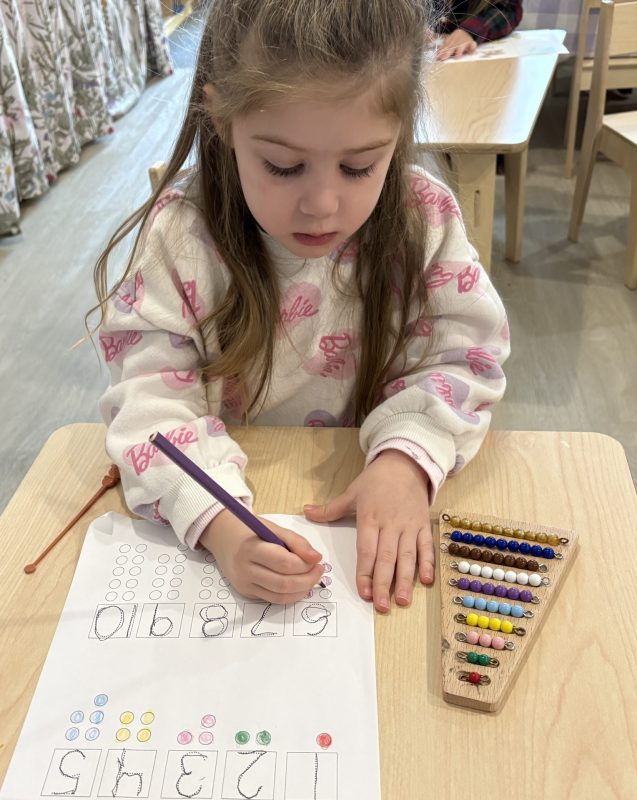
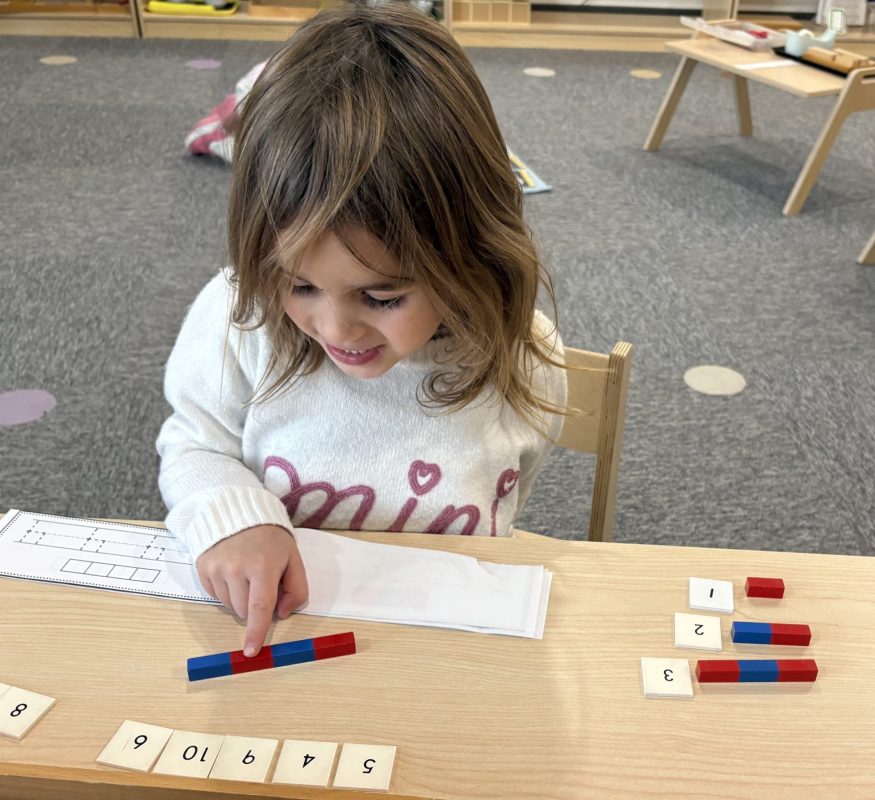
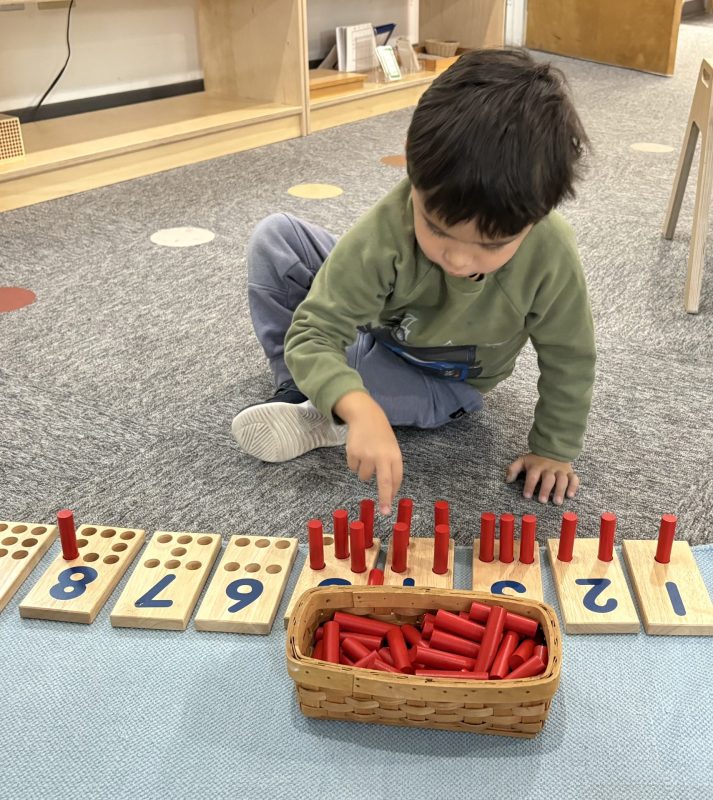
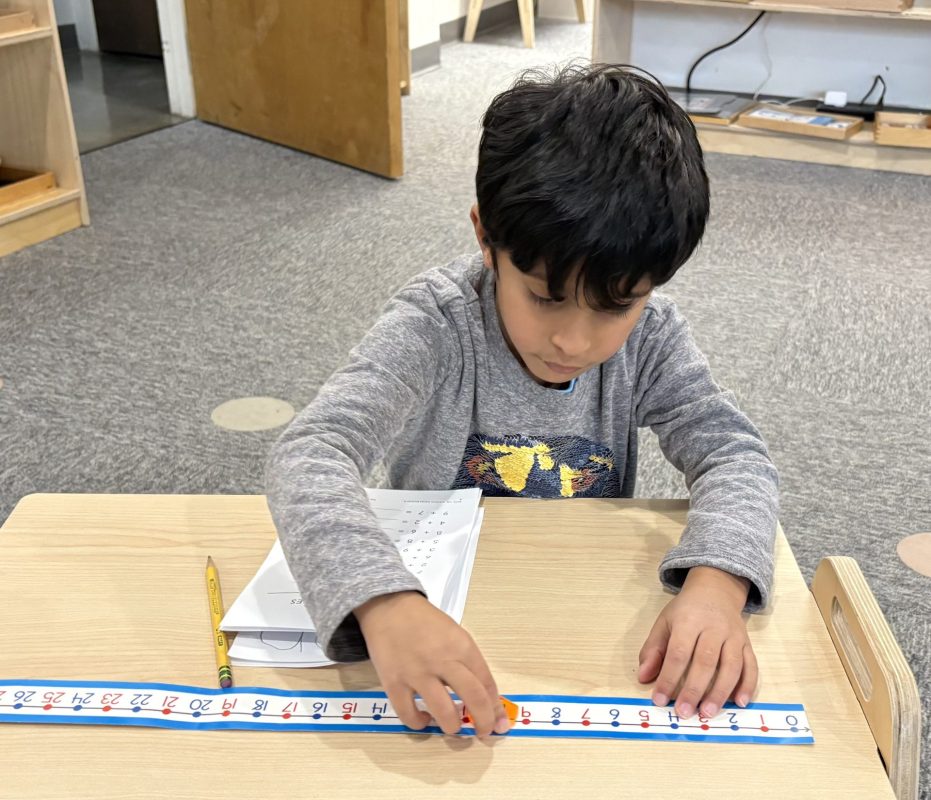
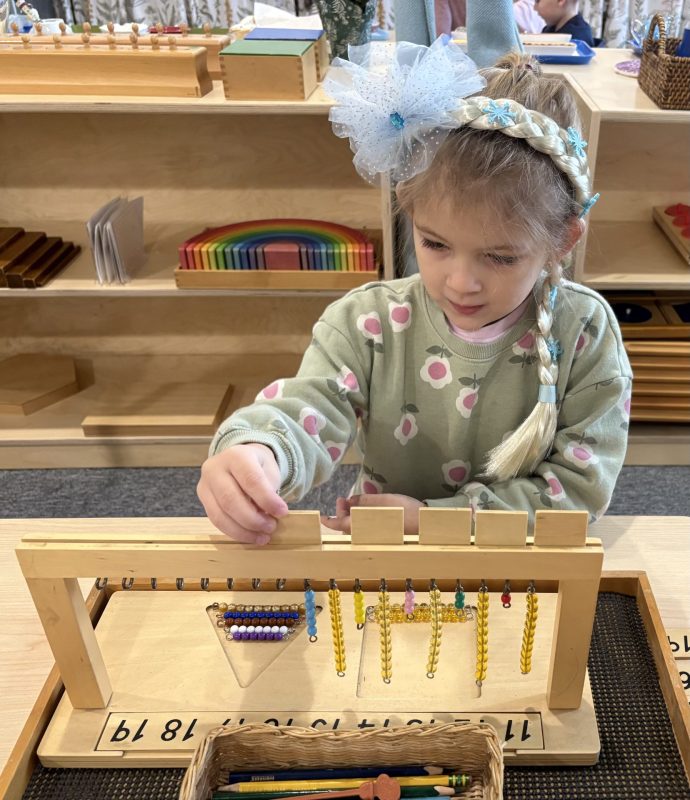
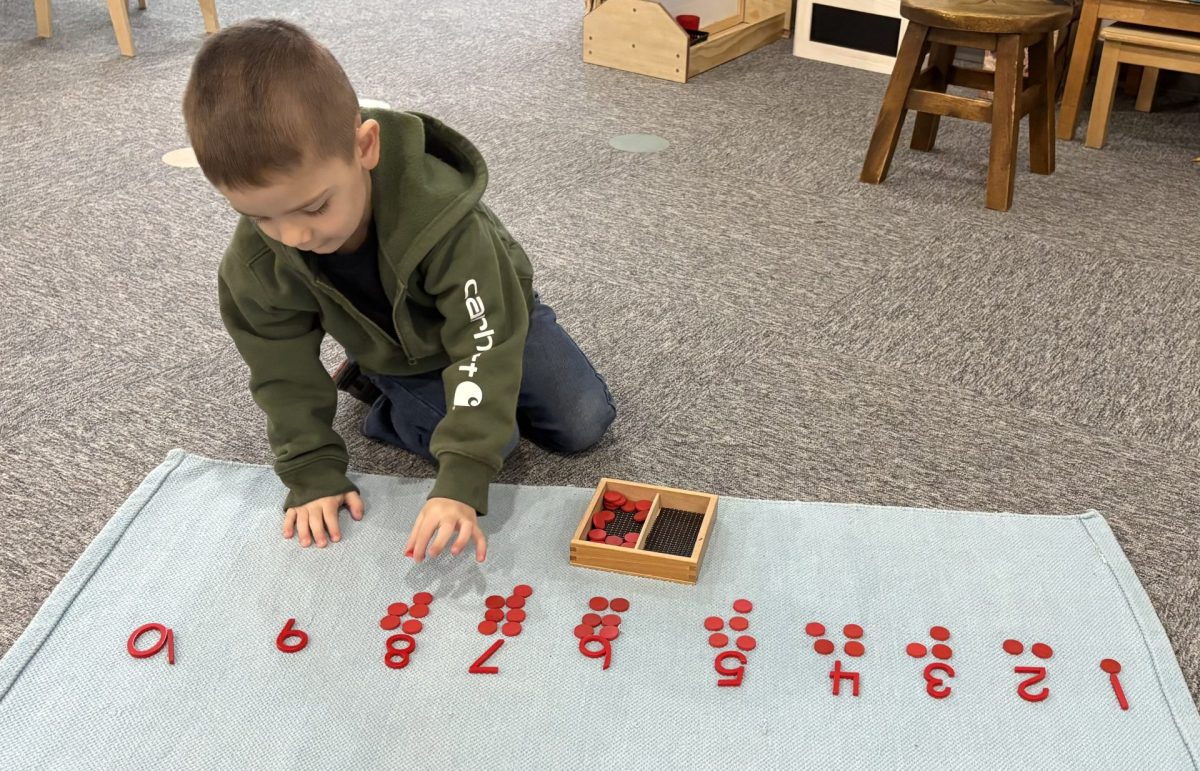
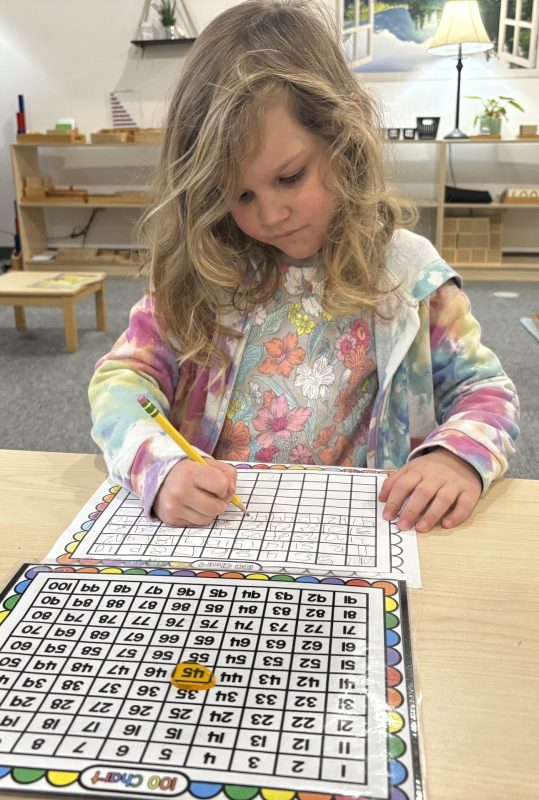
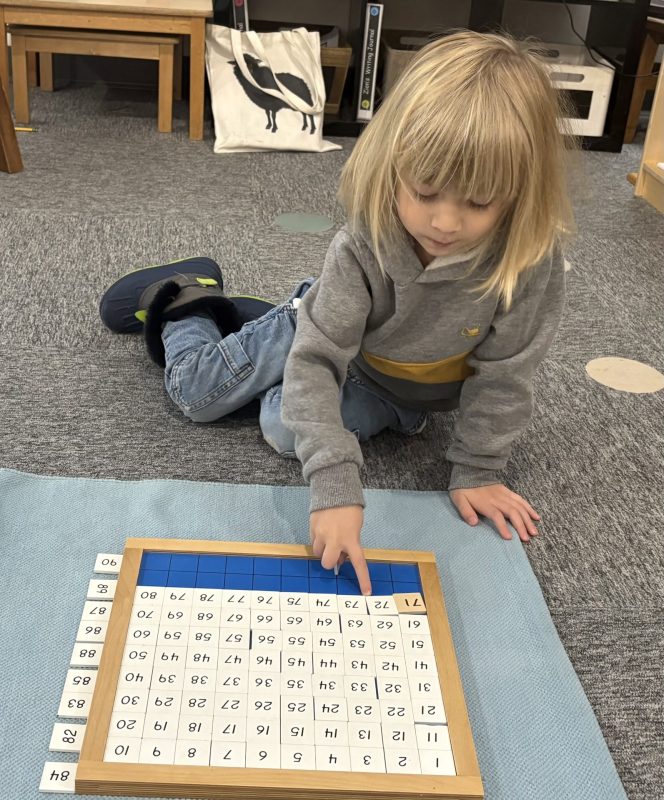
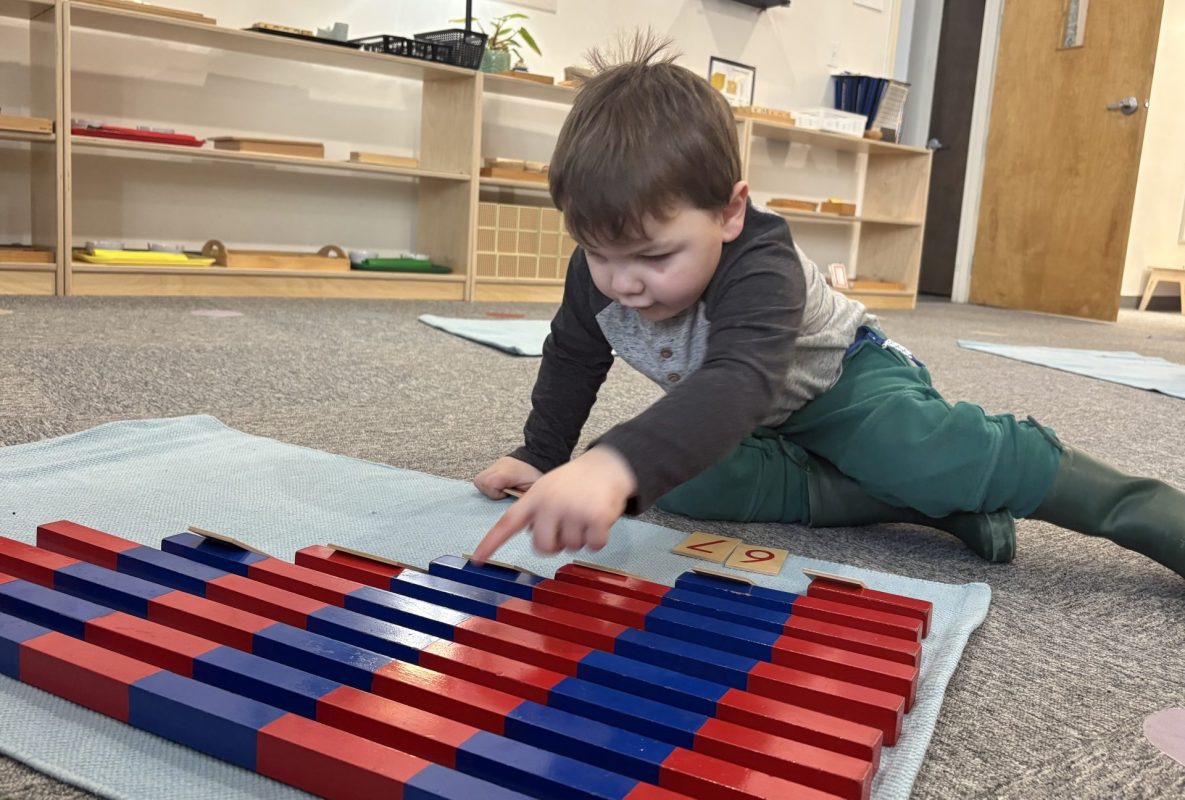
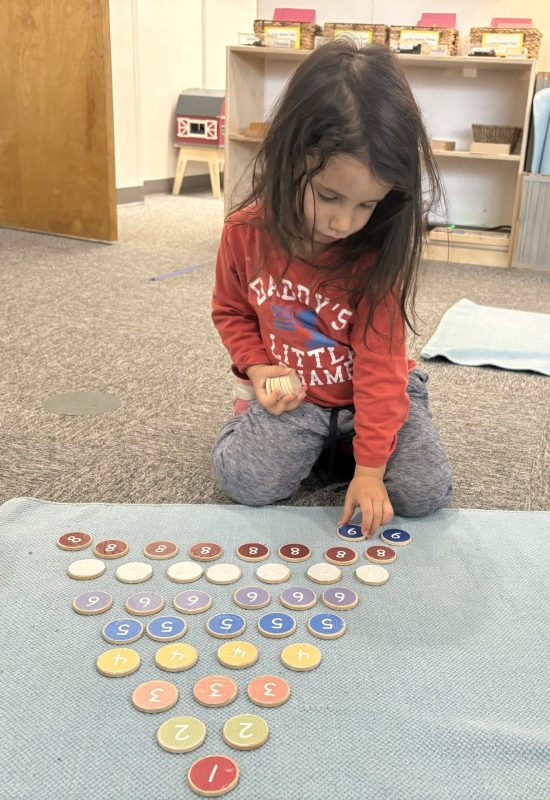
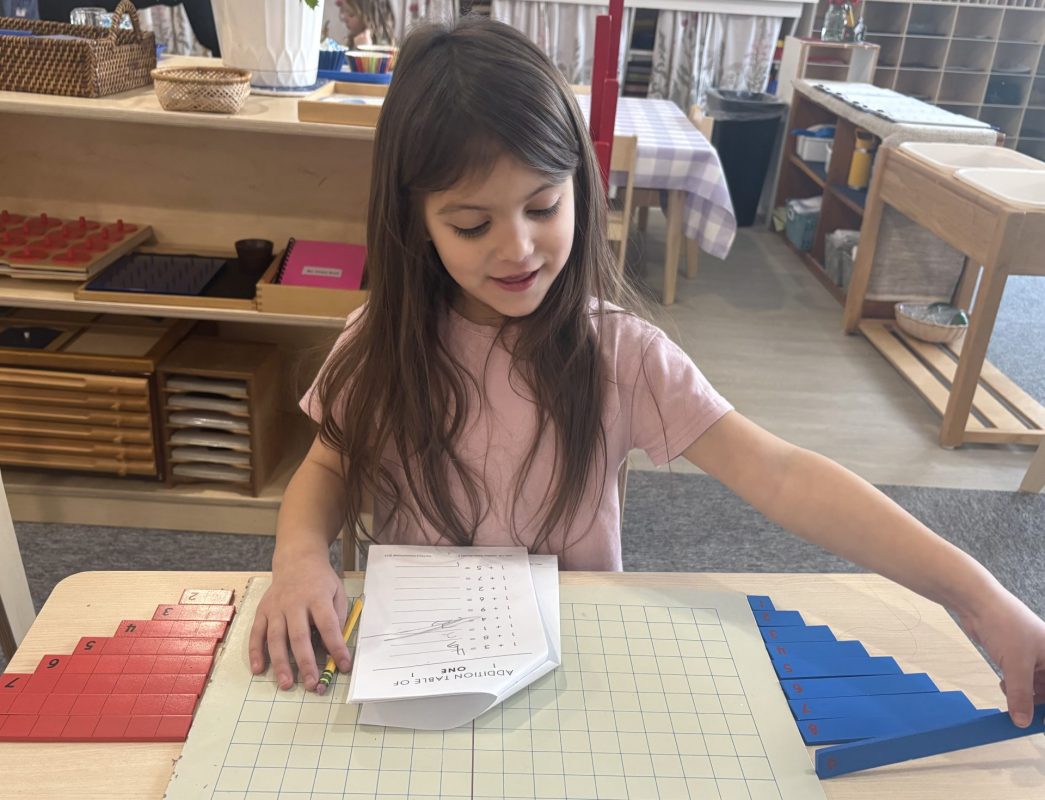
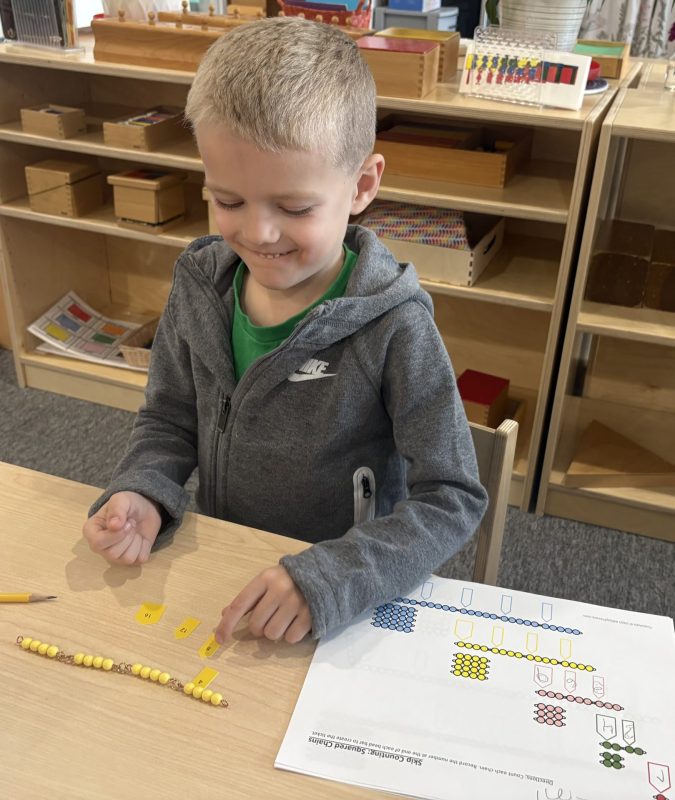
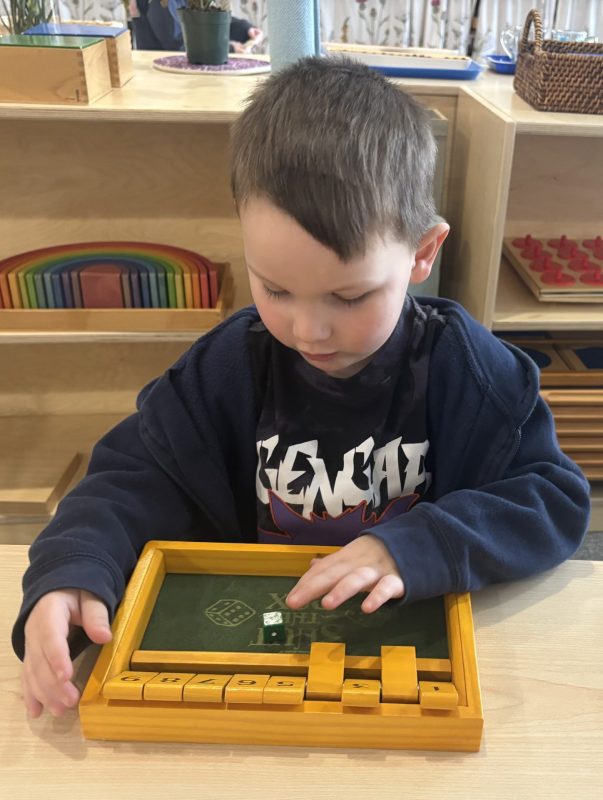
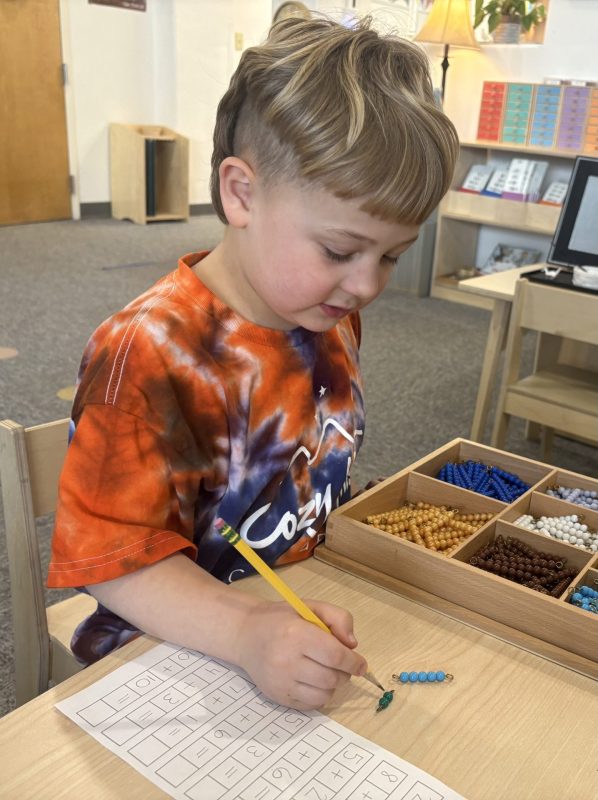
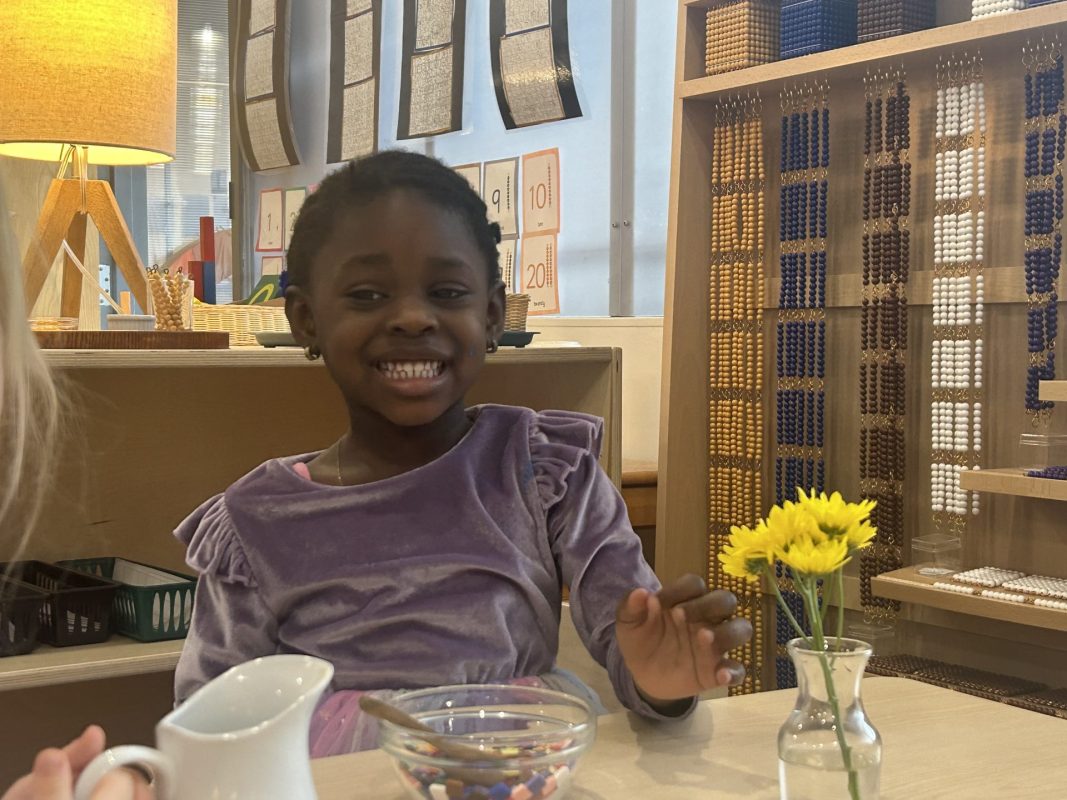
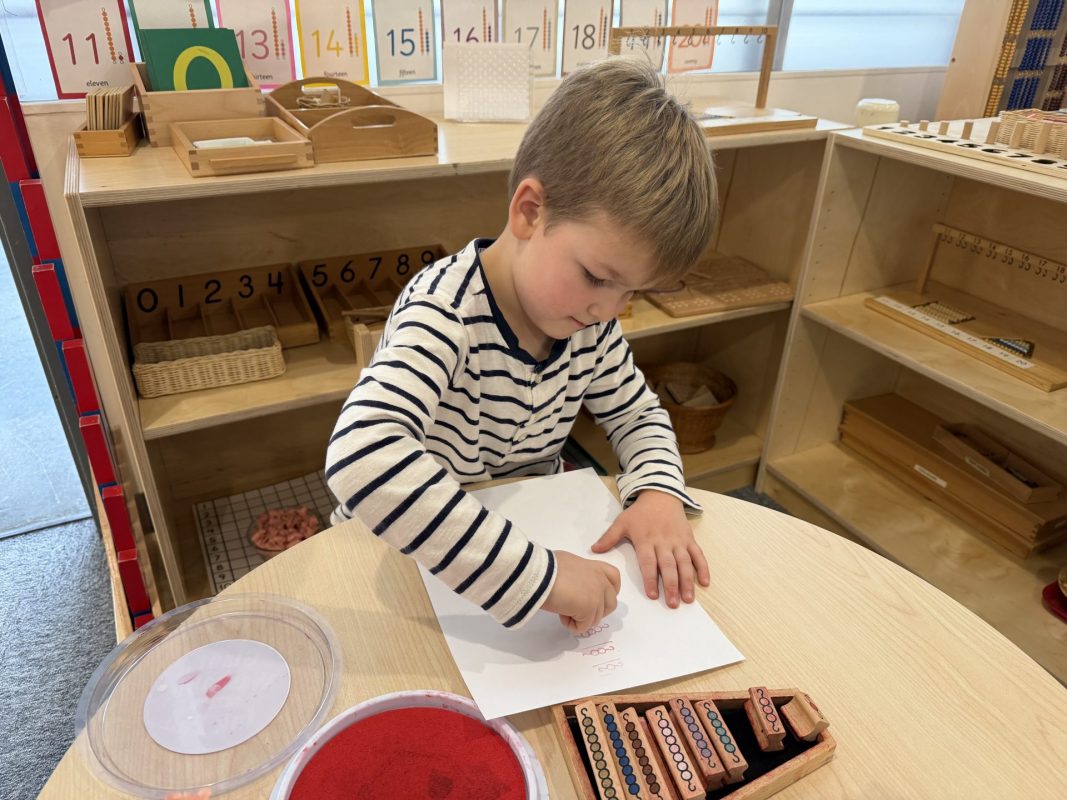
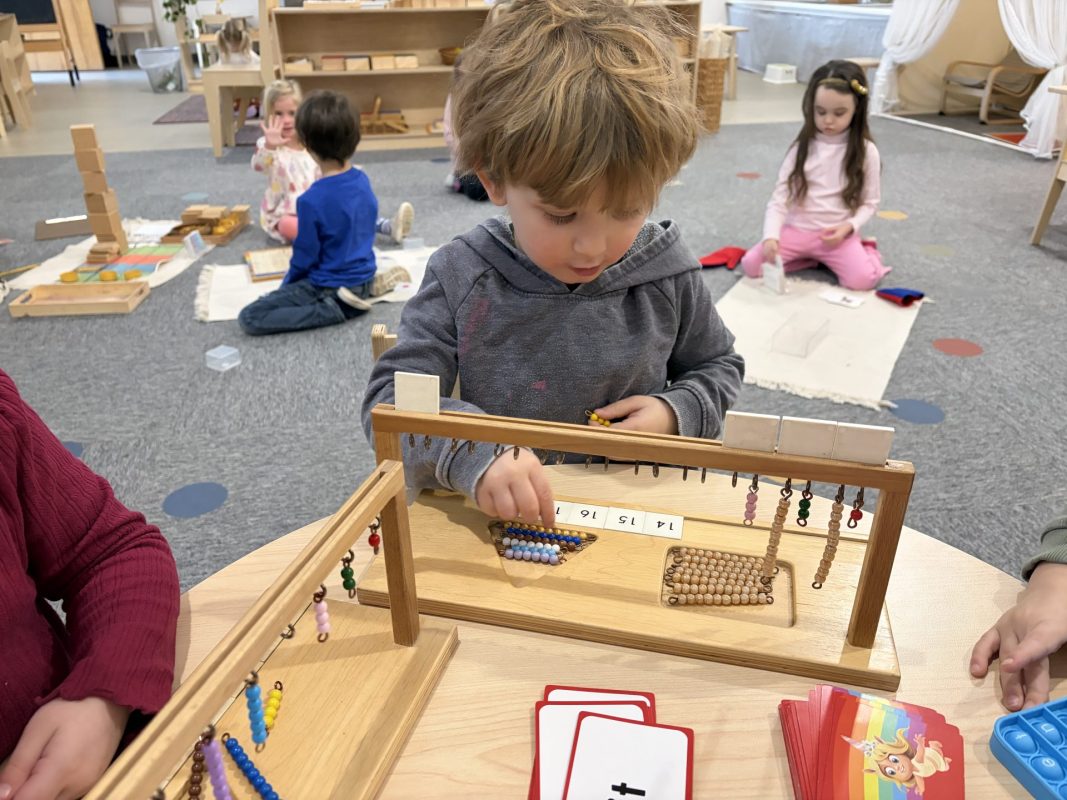
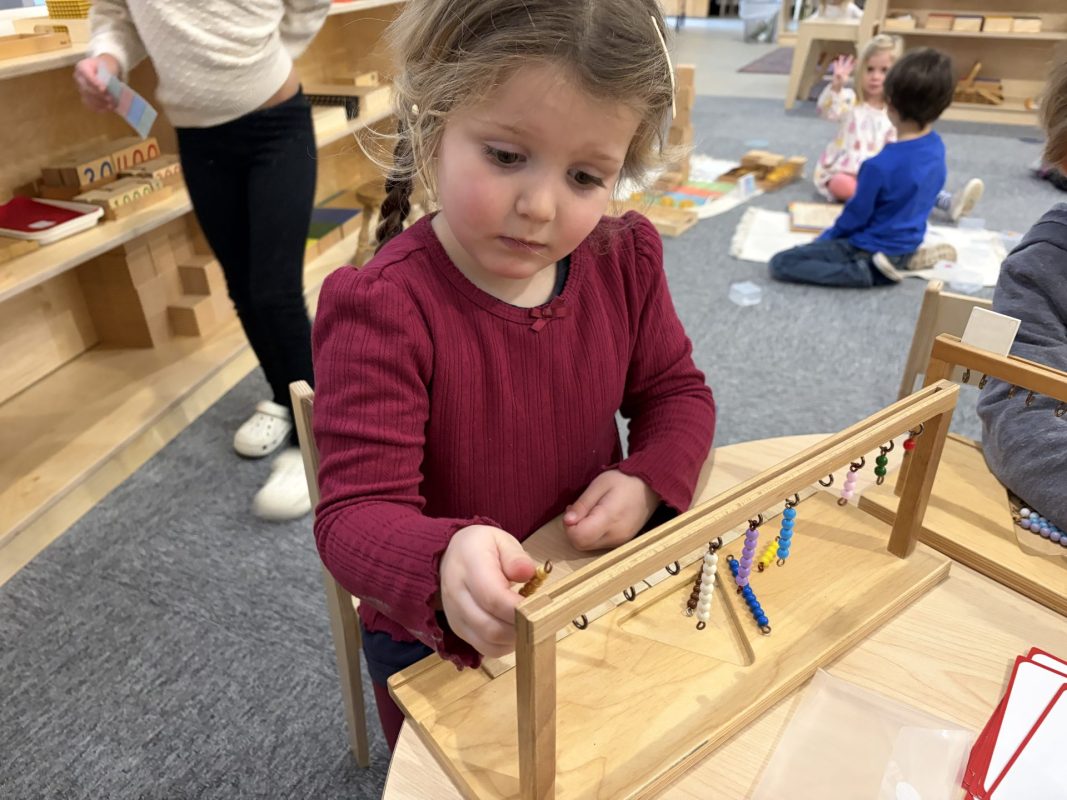
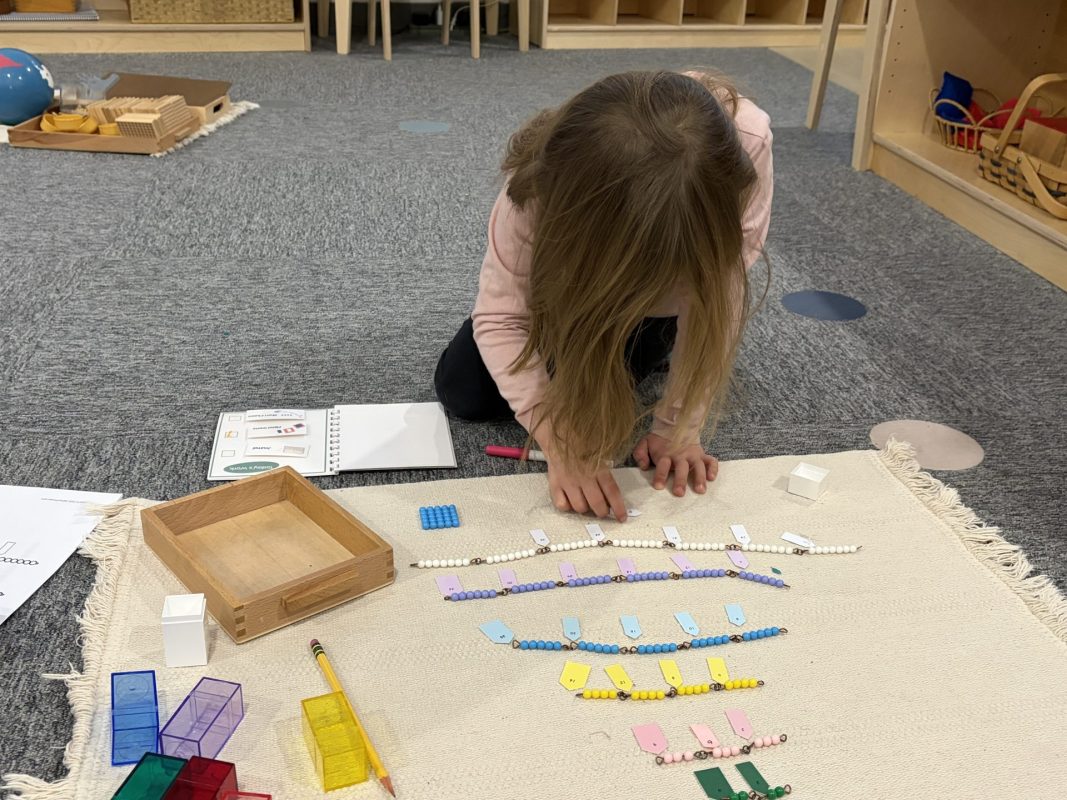
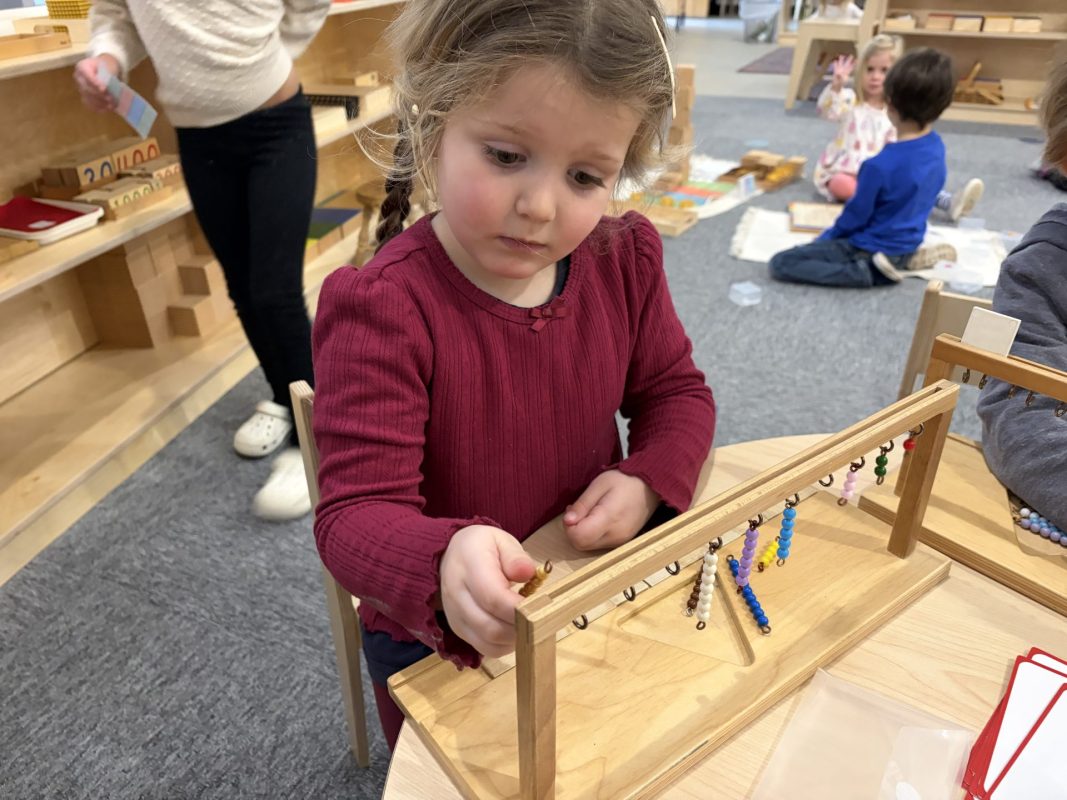
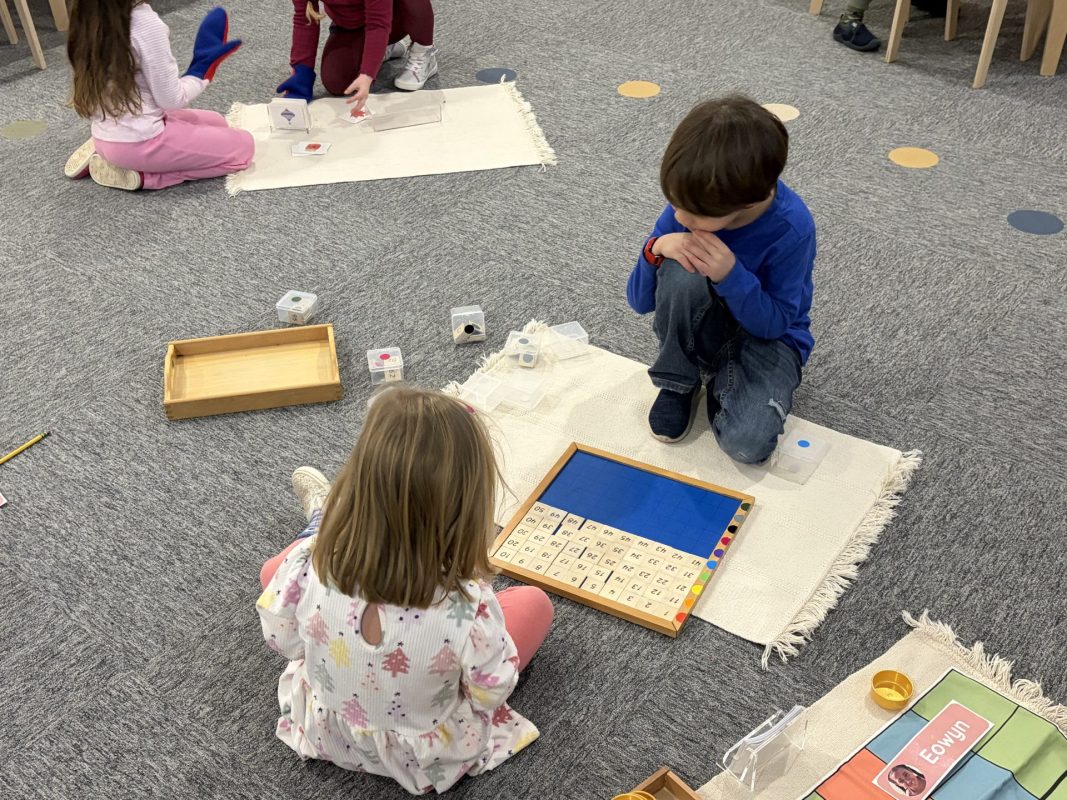
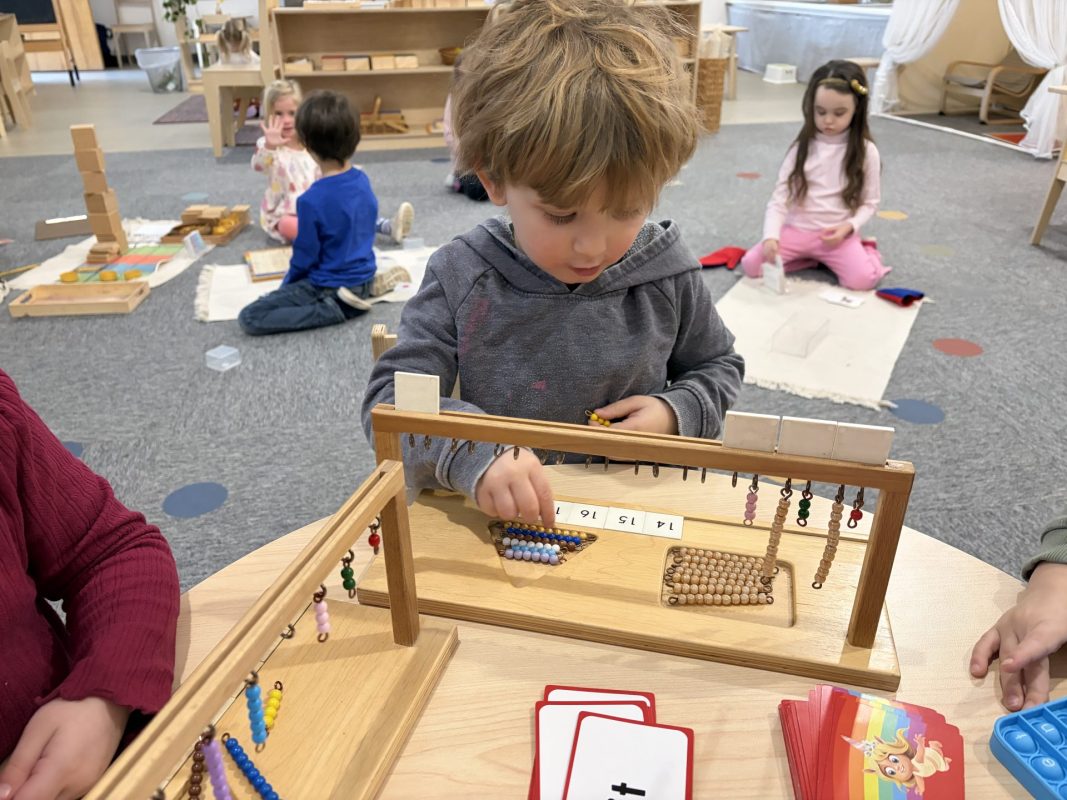
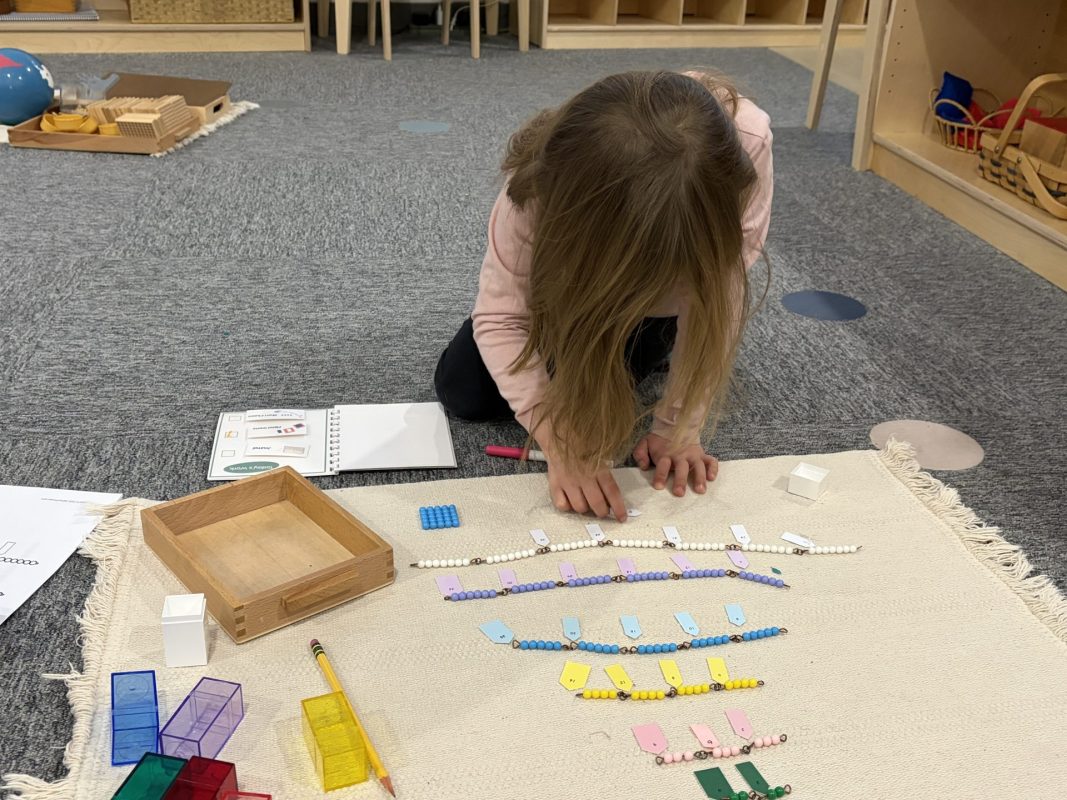
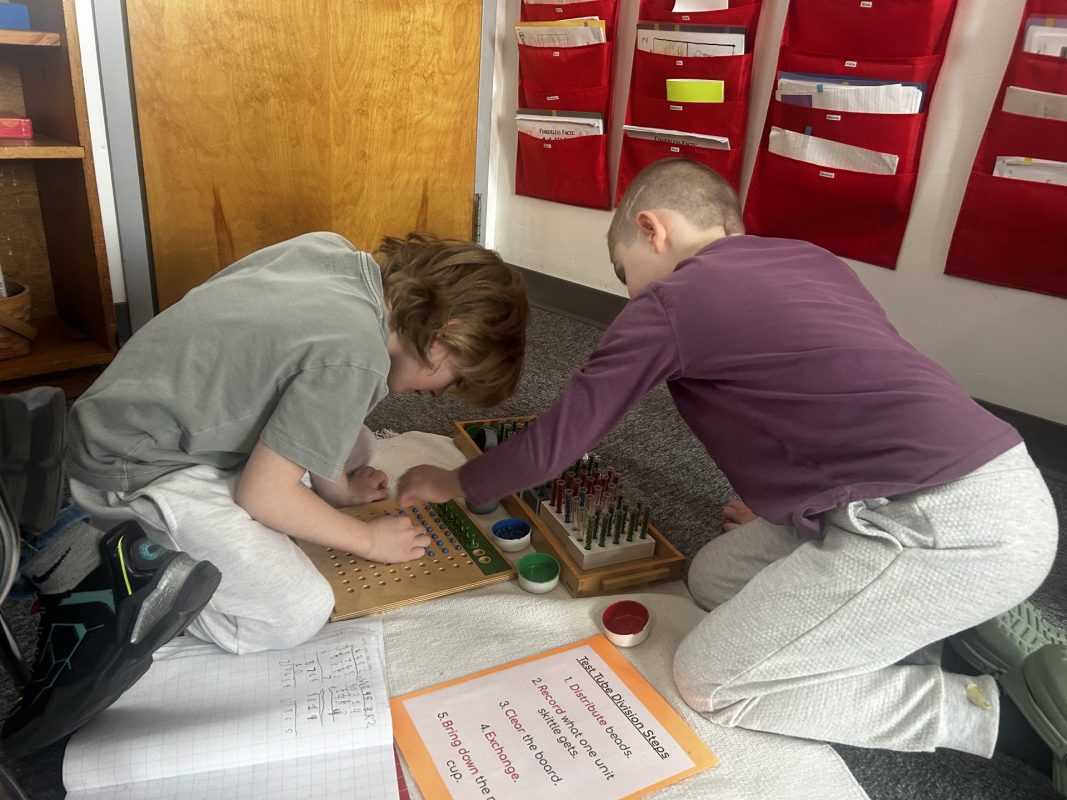
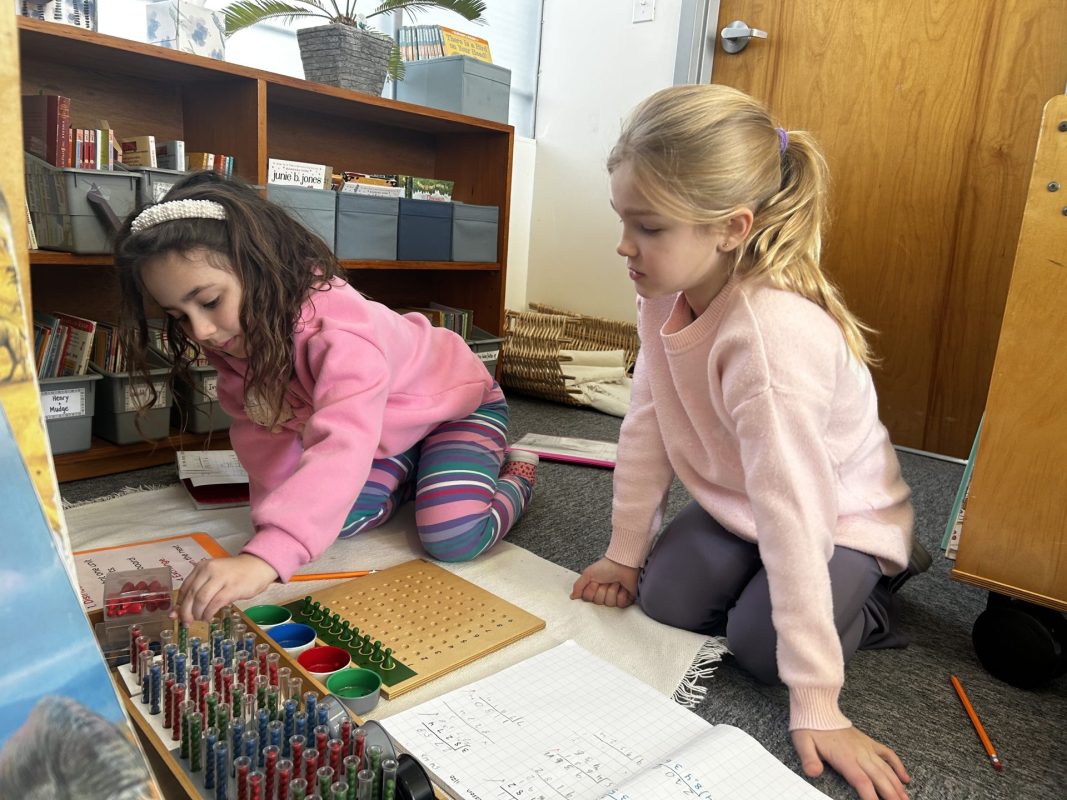
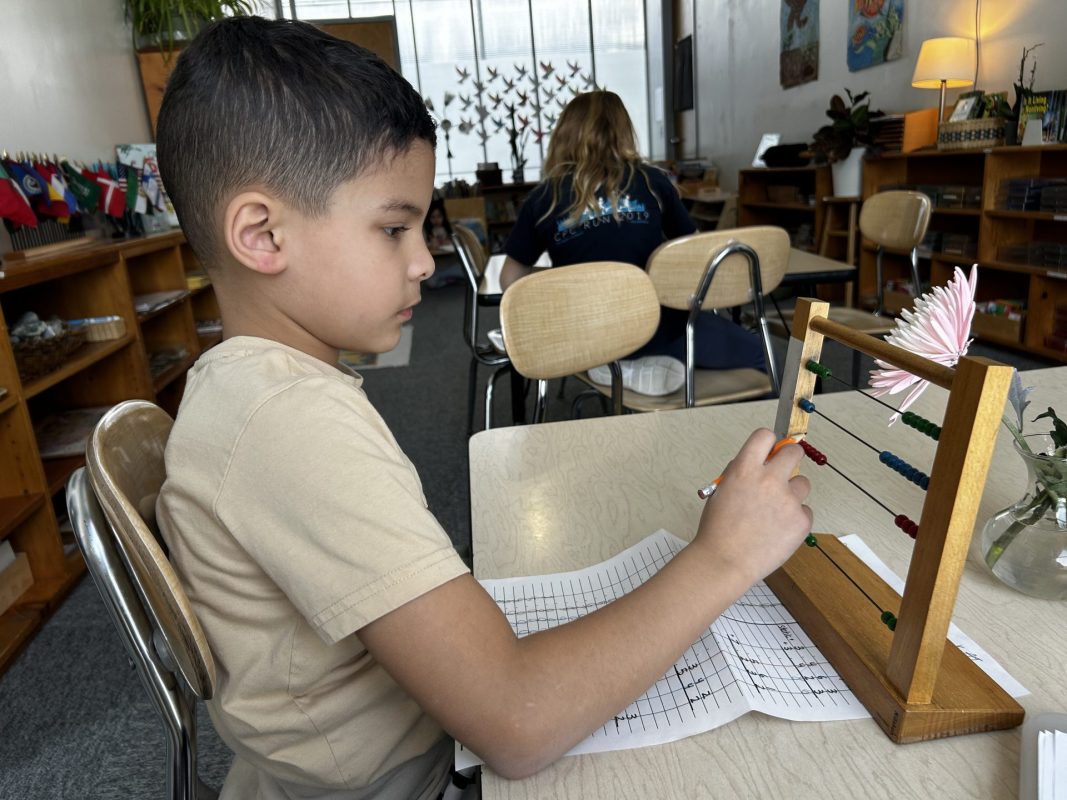
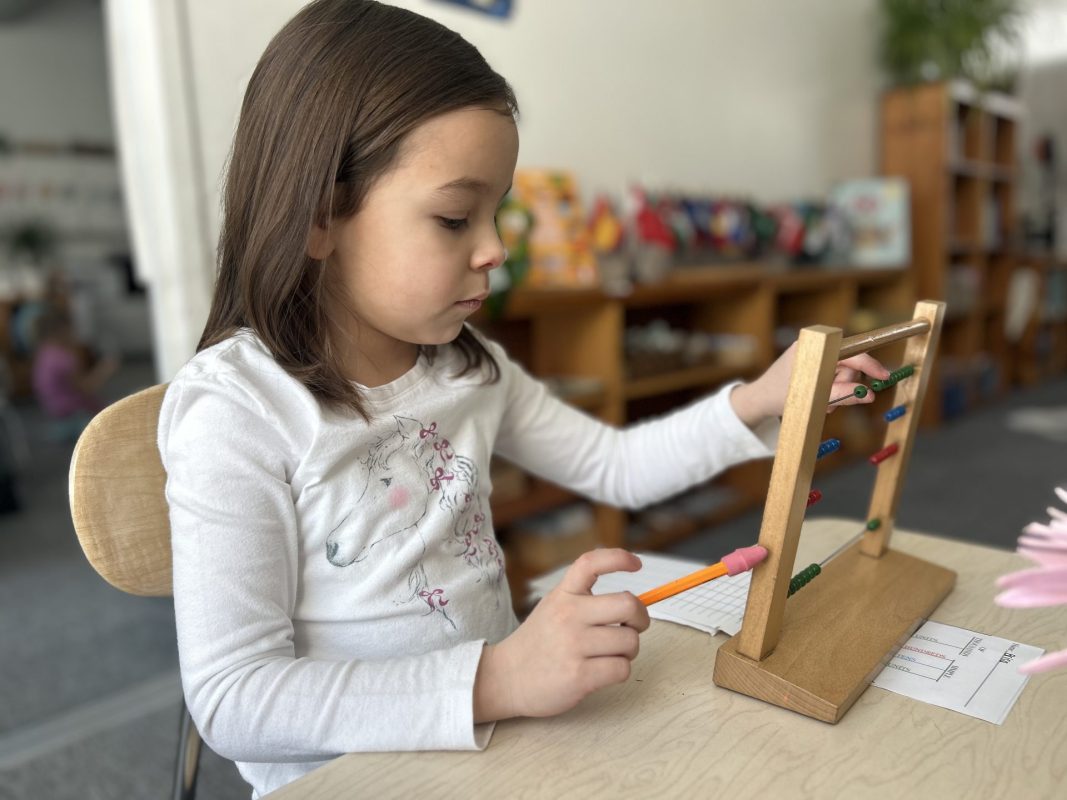
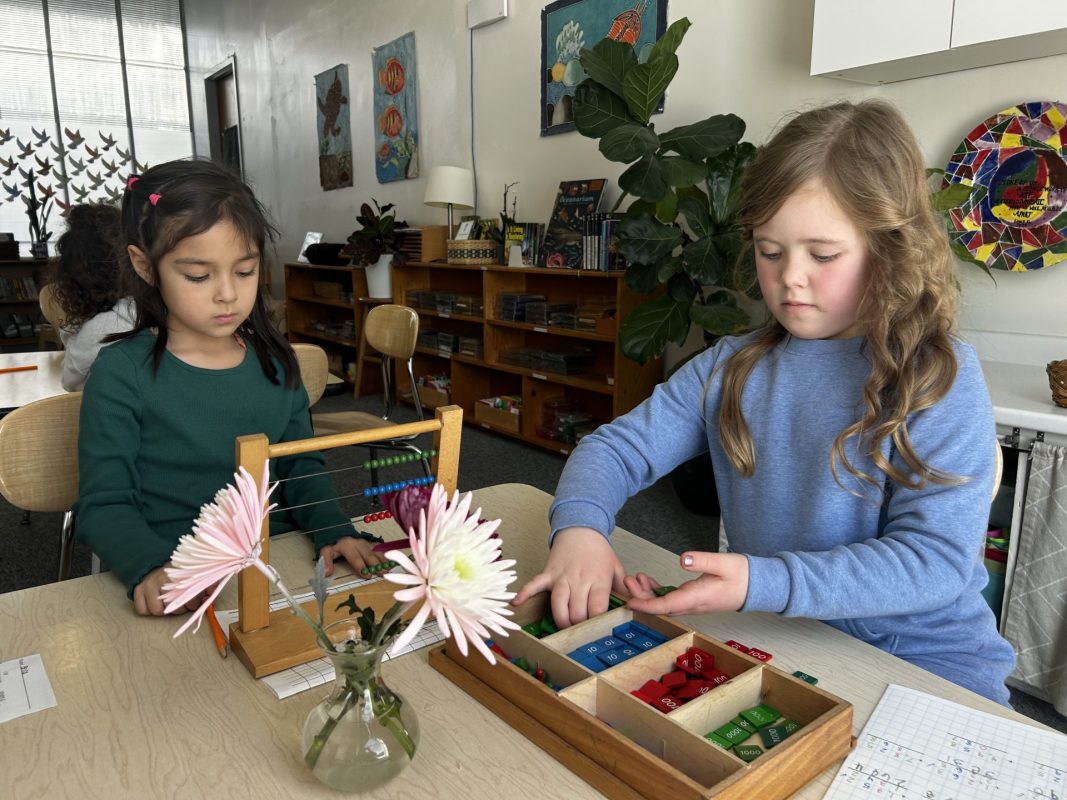
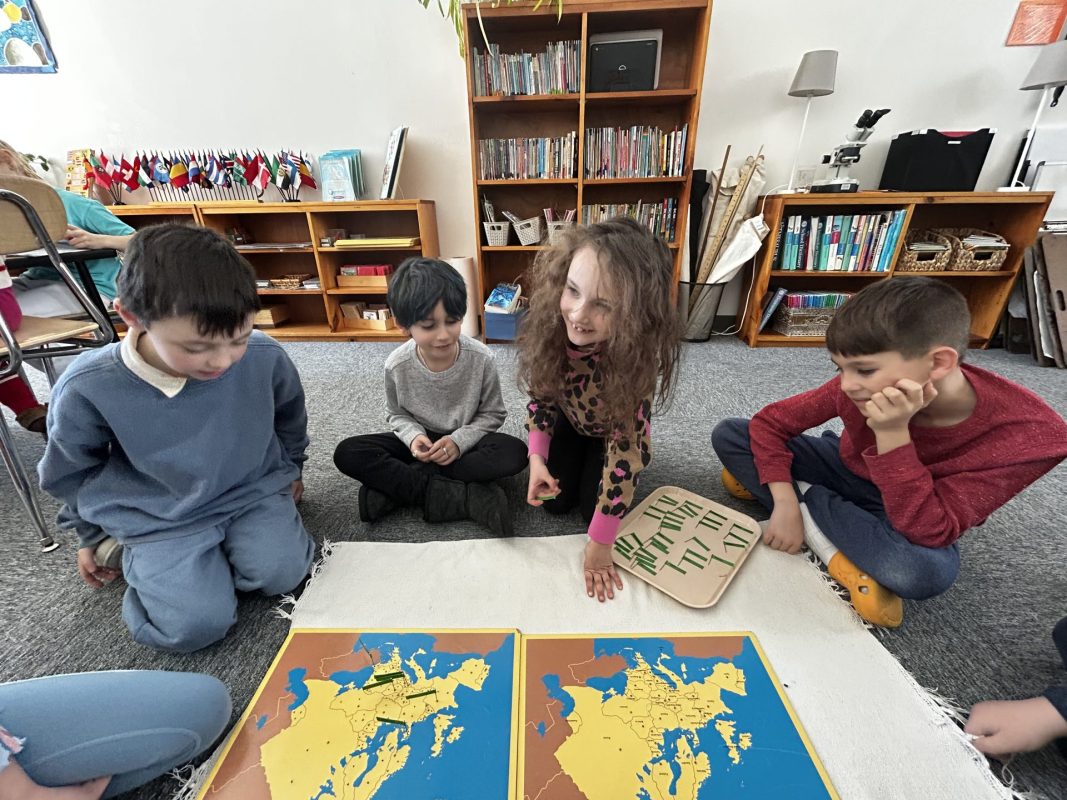
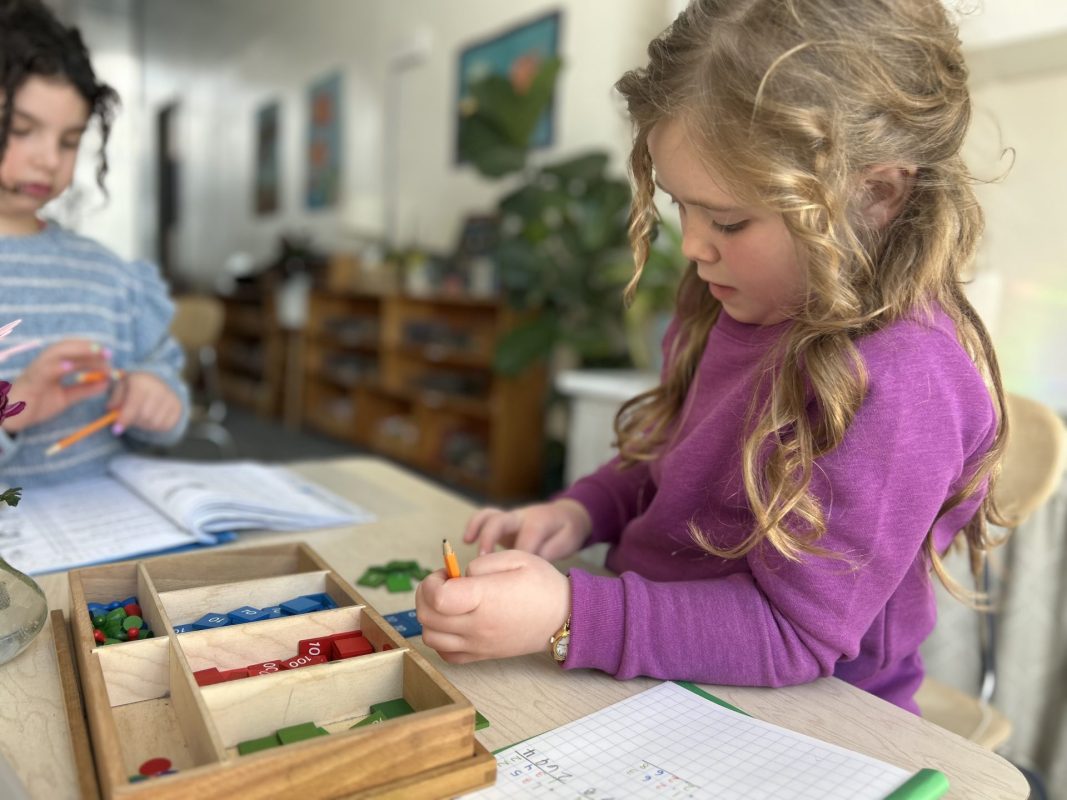
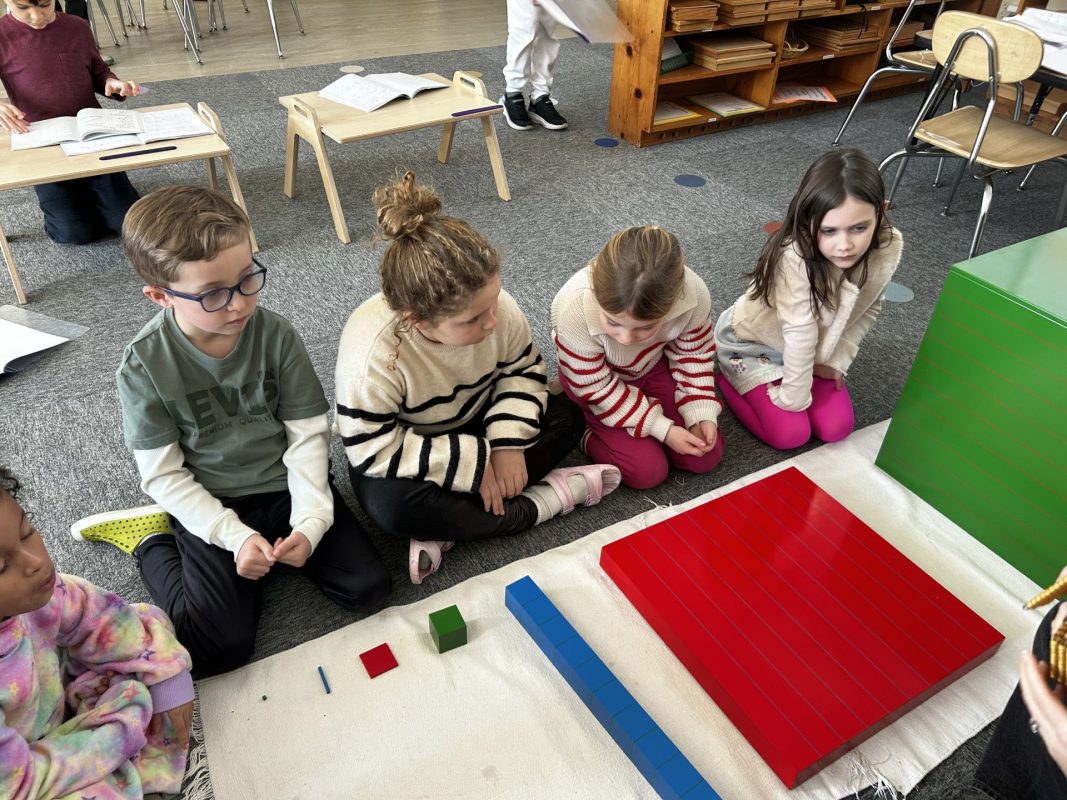
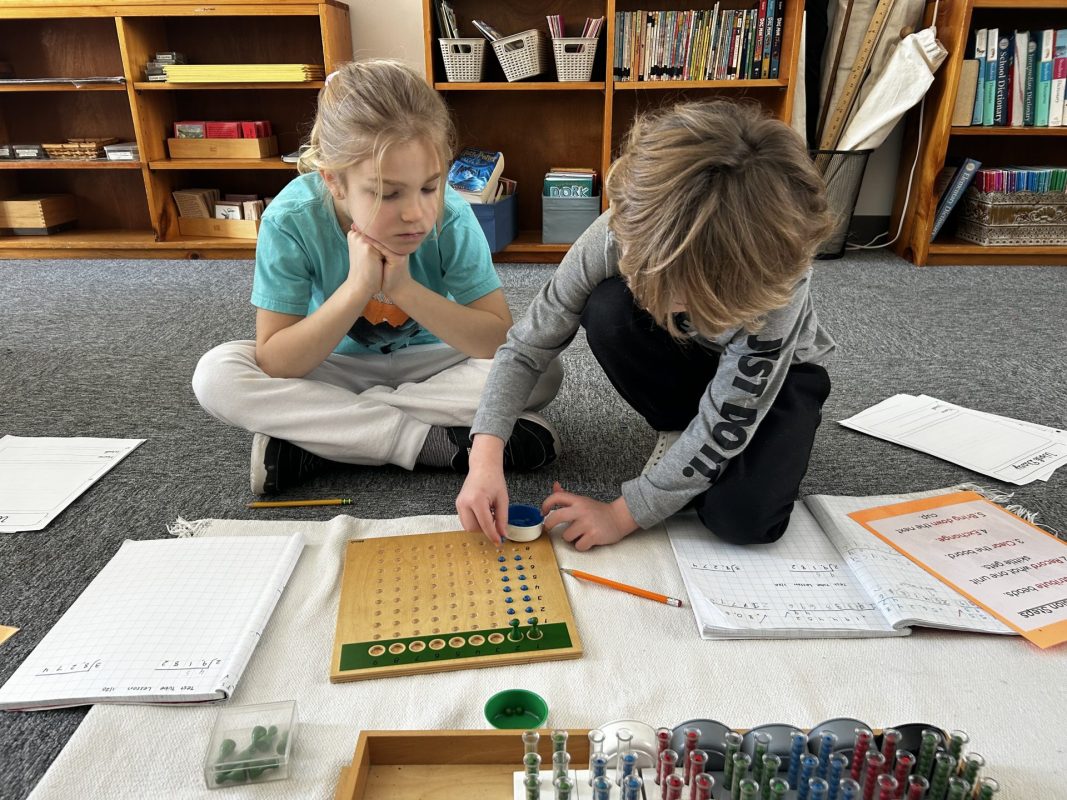
The Montessori math materials continued to captivate the children last week. These visual and hands-on manipulatives allowed the children to understand mathematical concepts concretely. After many repetitions and when each child was ready, we introduced more complex and abstract concepts. We taught the process first because the goal was to develop true understanding of mathematical concepts, not simply memorization.

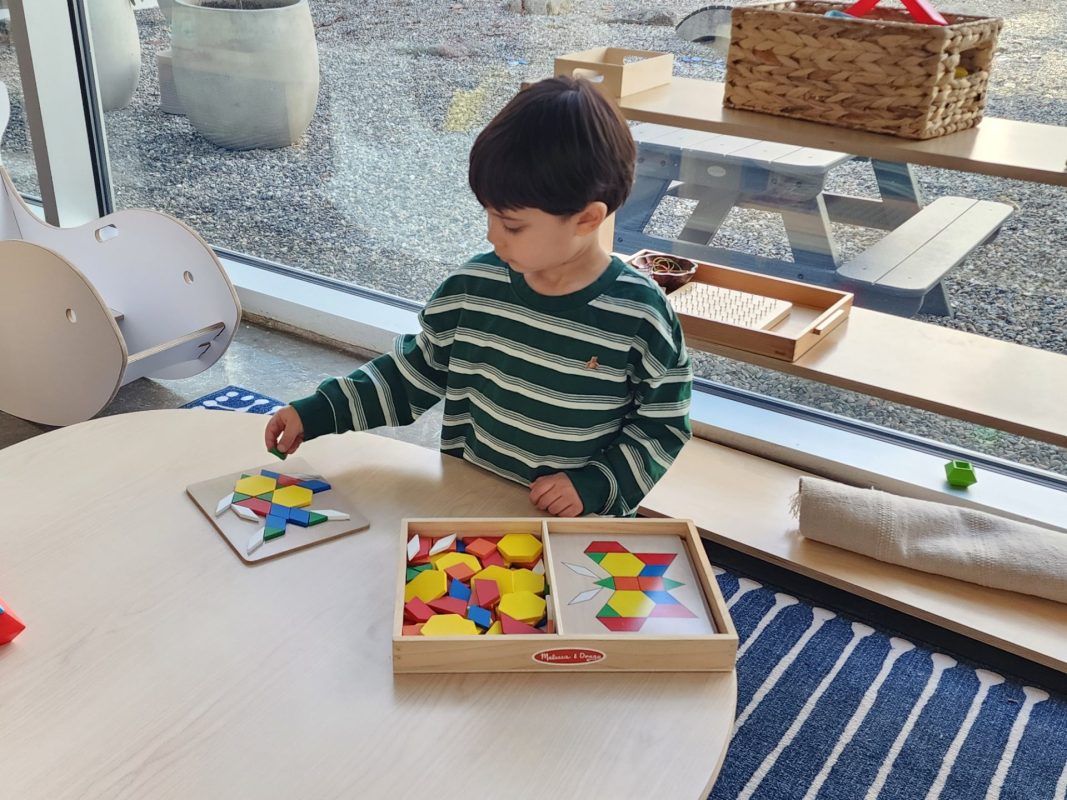
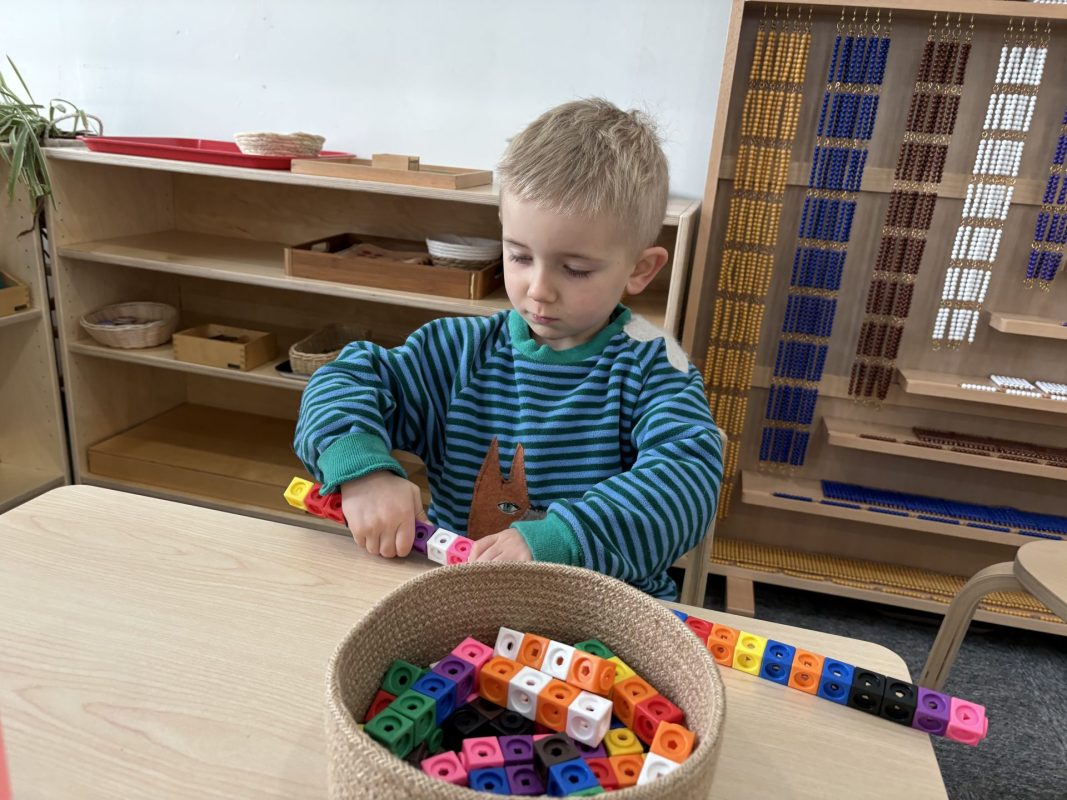
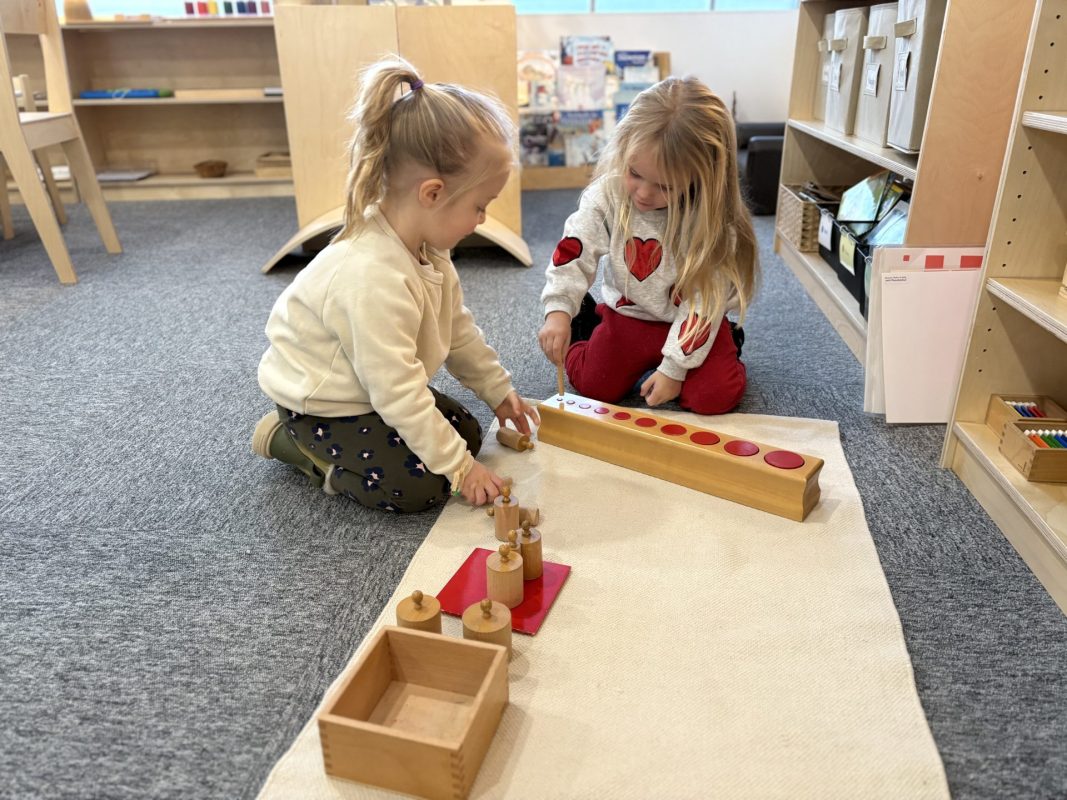
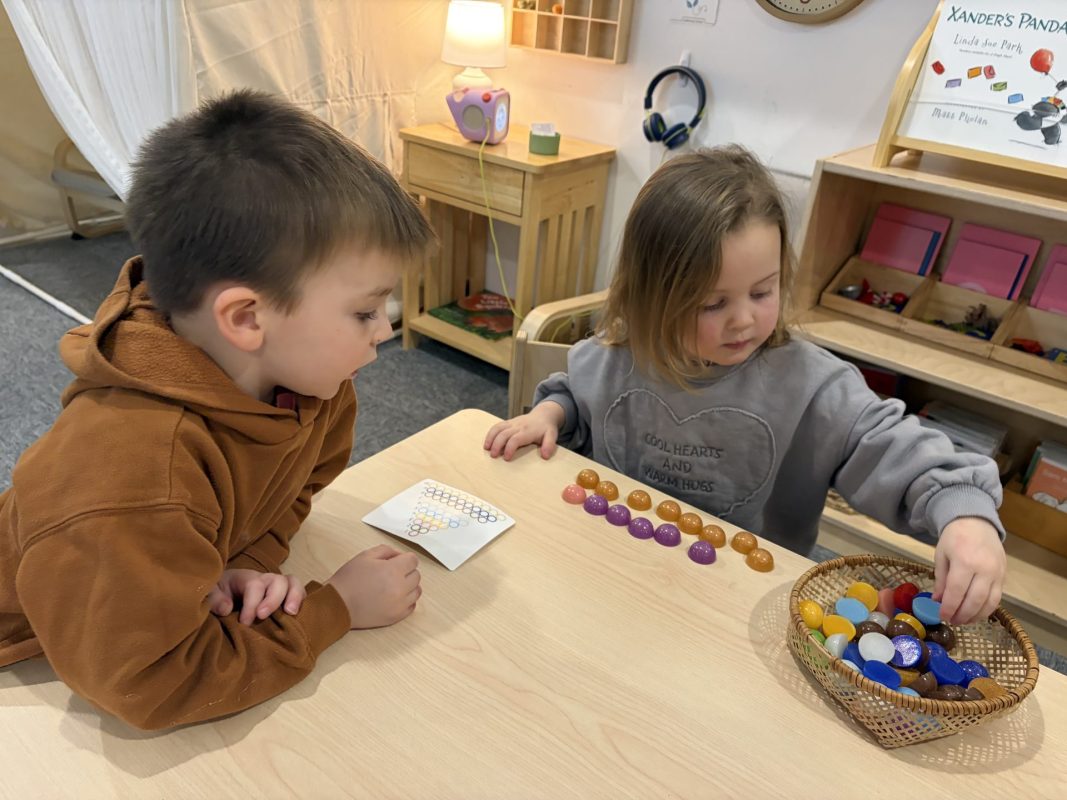
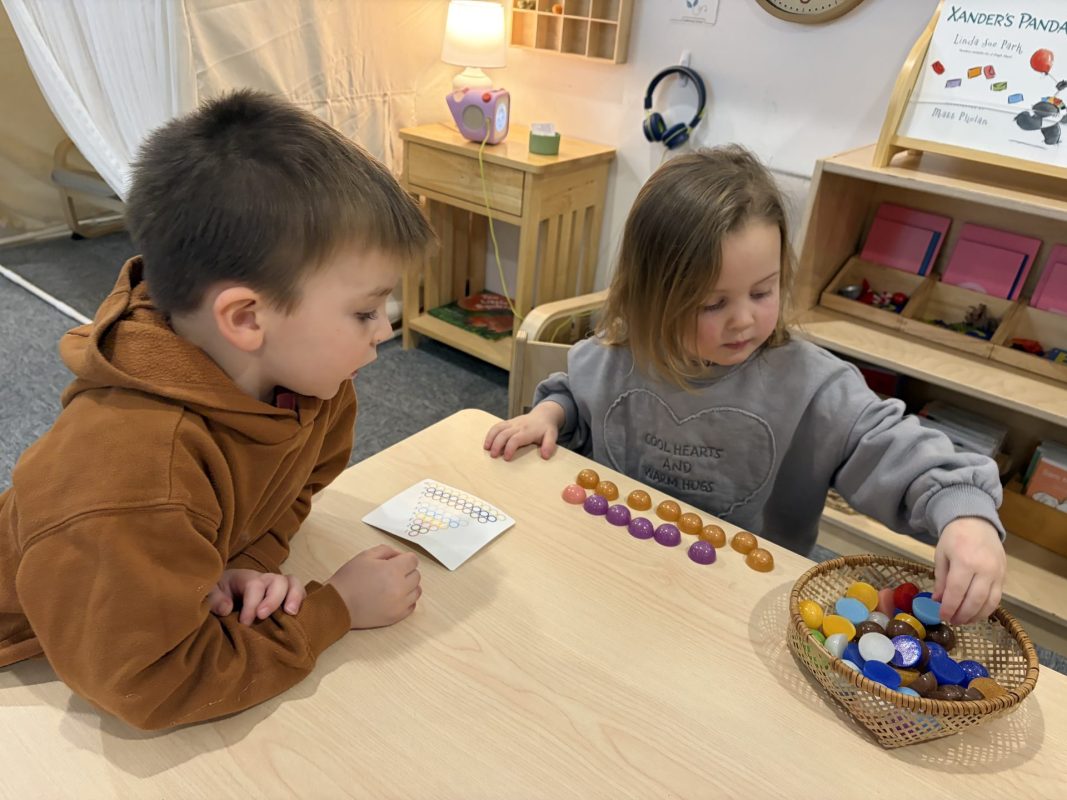
Maria Montessori believed that all children have a mathematical mind and an internal drive to understand the environment around them. The Practical Life activities have helped the children develop order, concentration, coordination, and independence, while the Sensorial materials have allowed them to recognize and extend patterns. The real secret behind the success of the Montessori math materials? The children truly enjoyed them.

Special Visitors and Stories

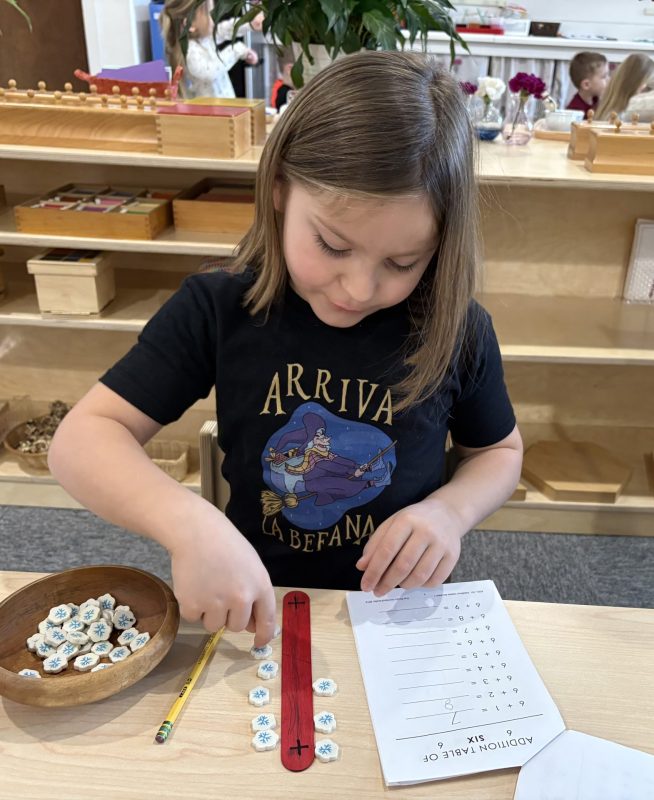
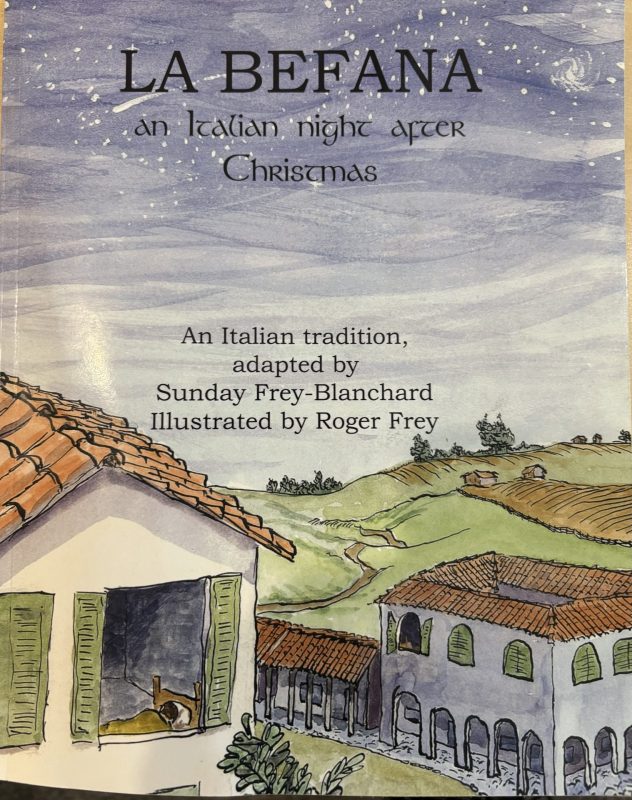
Jasper’s mom, Avery, visited us last week to share about La Befana, the kind old woman from Italian folklore who brings gifts to children all over Italy on the night of January 5th, Epiphany Eve. We enjoyed listening to a story about La Befana, ate delicious Befanini cookies made with a special ingredient—love—and danced to the Italian song “La Befana Di Notte.” The children were enchanted by this cultural tradition.

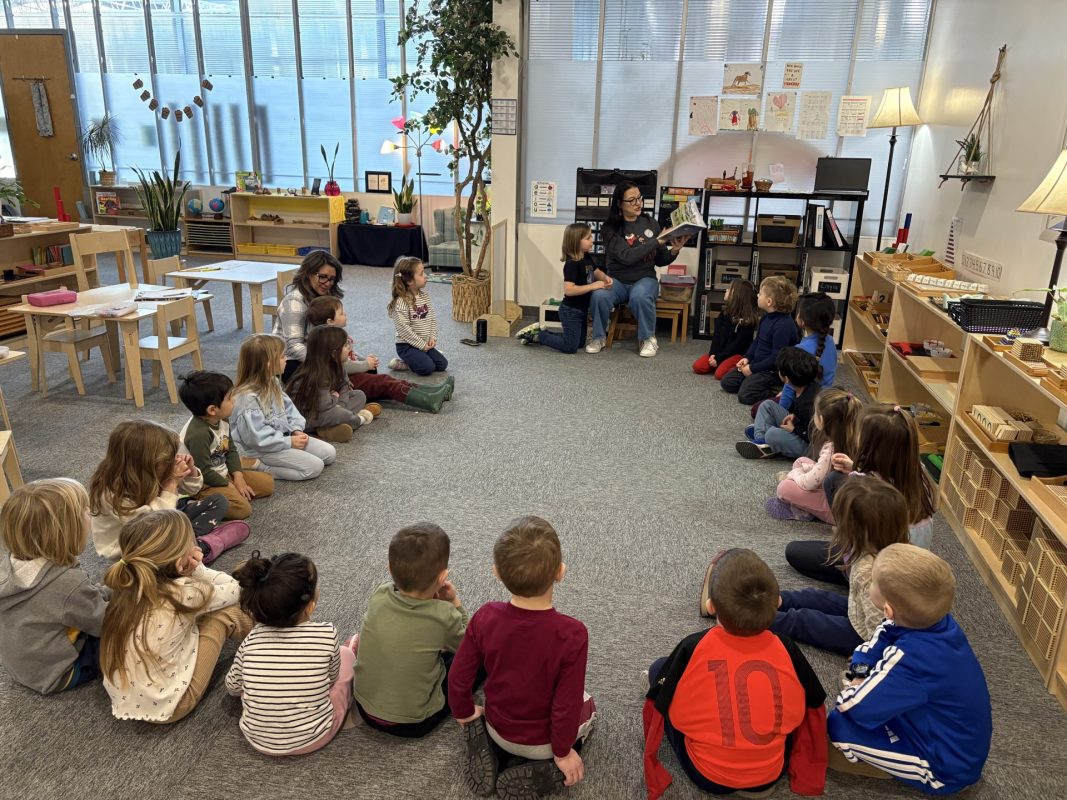
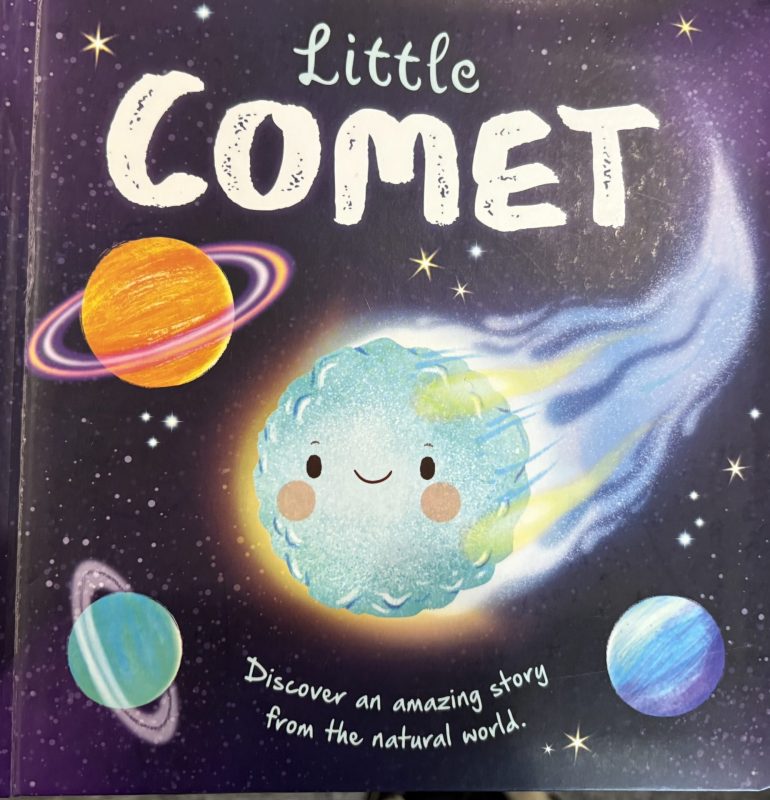
Our guest reader last week was Remi’s mom, Sam, who shared the wonderful story “Little Comet.” All of the children really enjoyed listening to this delightful tale.

Extending Learning at Home

Look for reptiles in your everyday environment—at pet stores, in books, or even in nature during warmer months. Practice classification by asking your child what makes an animal a reptile versus a mammal or bird. For math practice, count everyday objects together and create patterns using items around your home like buttons, pasta, or toys.


Upcoming Events & Announcements

This Week

  • Monday, January 26
    Sharing Box and Flowers – Jasper T.
  • Friday, January 30
    Birthday Walk & Celebration of Life – Jasper T.

Next Week

  • Wednesday, February 4
    Isle of Skoo Assembly for Primary–Upper Elementary at 9 a.m.

Looking Ahead

Thursday, February 12
Valentine’s Day Exchange is a cherished friendship celebration in our Primary classrooms! On Thursday, February 12, the children will exchange valentines with their classmates, marking a special part of their school experience that emphasizes expressing love and gratitude for one another.

We encourage you to involve your child in preparing their Valentine’s Day cards. Please have your child sign their own name on each card—whether that’s their full name, just one letter, or their own special mark, every effort is meaningful and developmentally appropriate! Please allow ample time for this name-writing process, which serves as wonderful practice. (If writing their full name, remember to use uppercase only for the first letter.)

Important! Please leave the “To:” area blank. Do not address envelopes or cards with specific names. This allows children to distribute valentines independently without needing to read each classmate’s name, supporting their sense of capability and confidence. Note: If your child is able to read their classmates’ names, they may write names on the envelopes as additional reading practice—but this is entirely optional.


Mrs. Lopes: Exploring the States of Matter

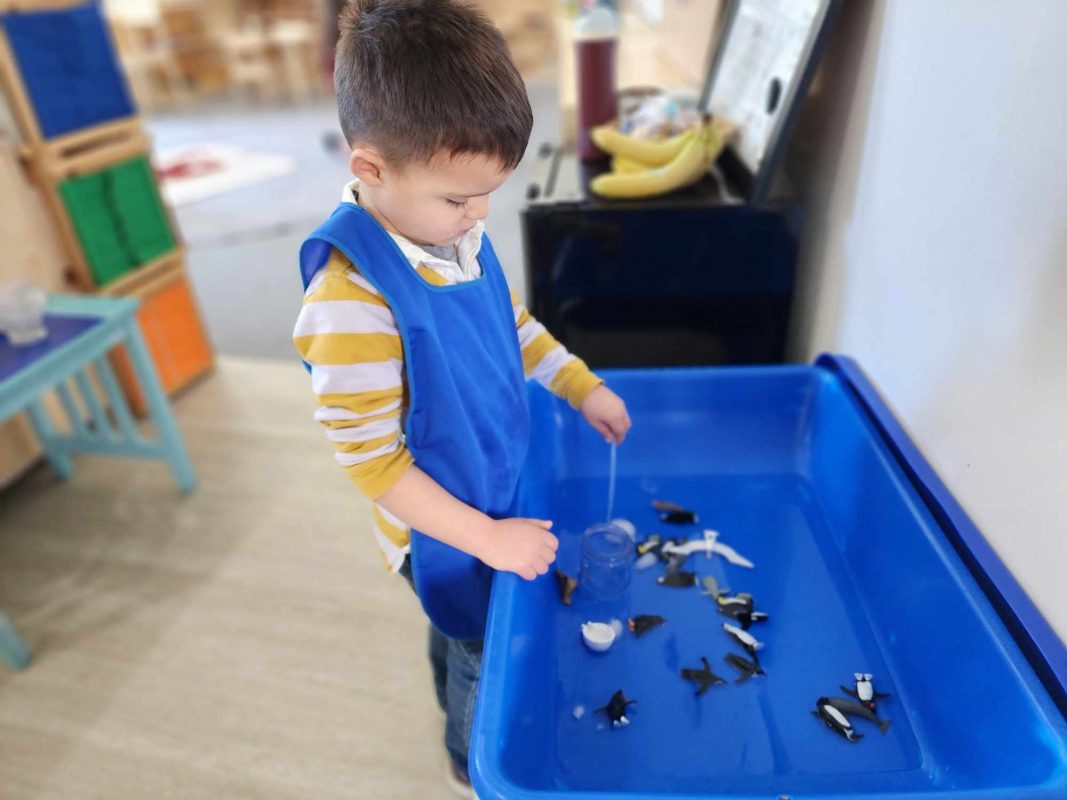
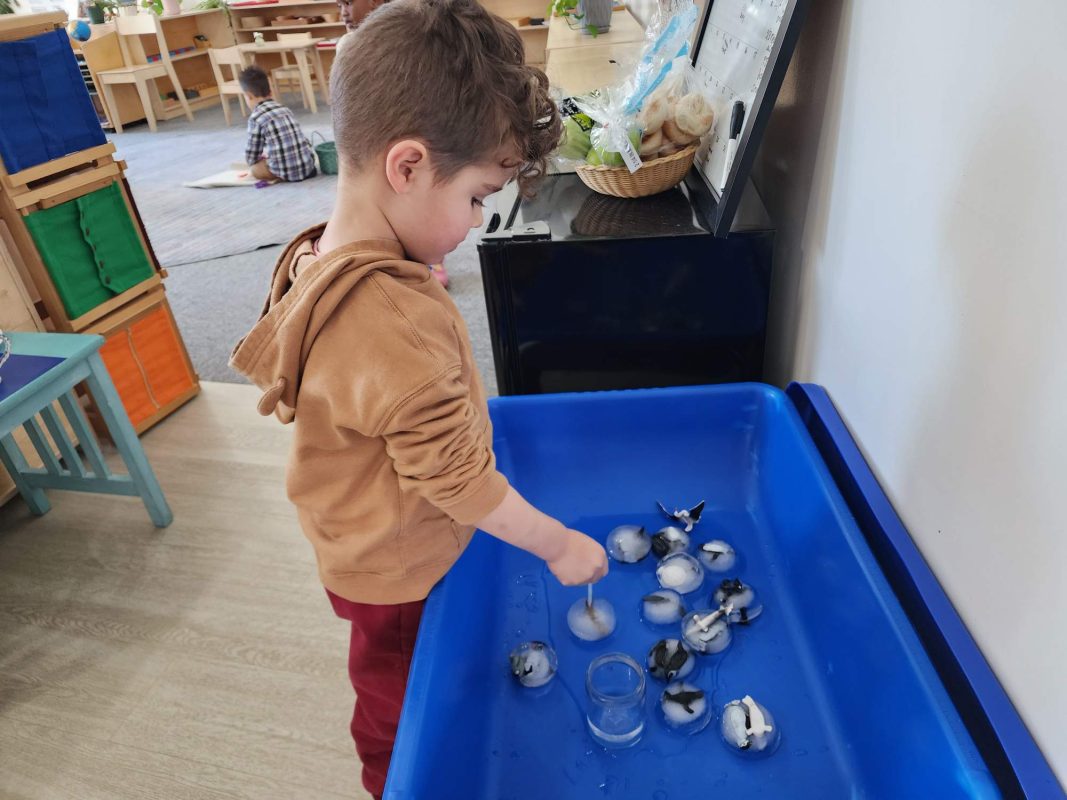
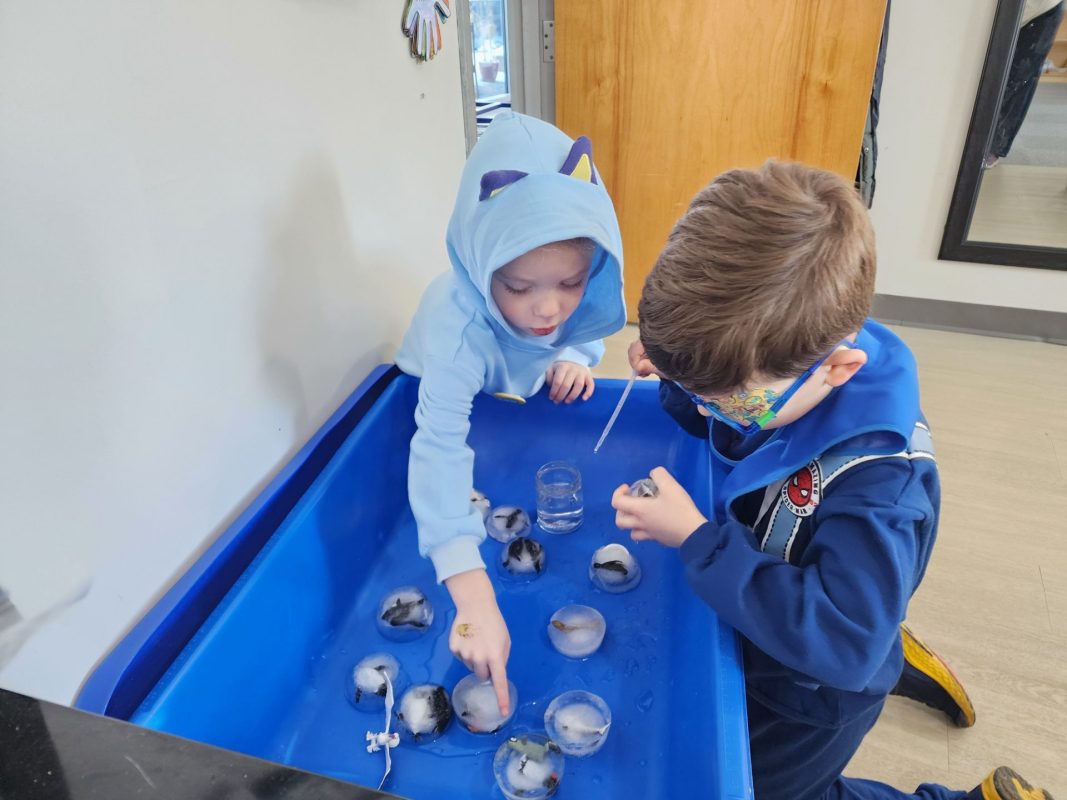
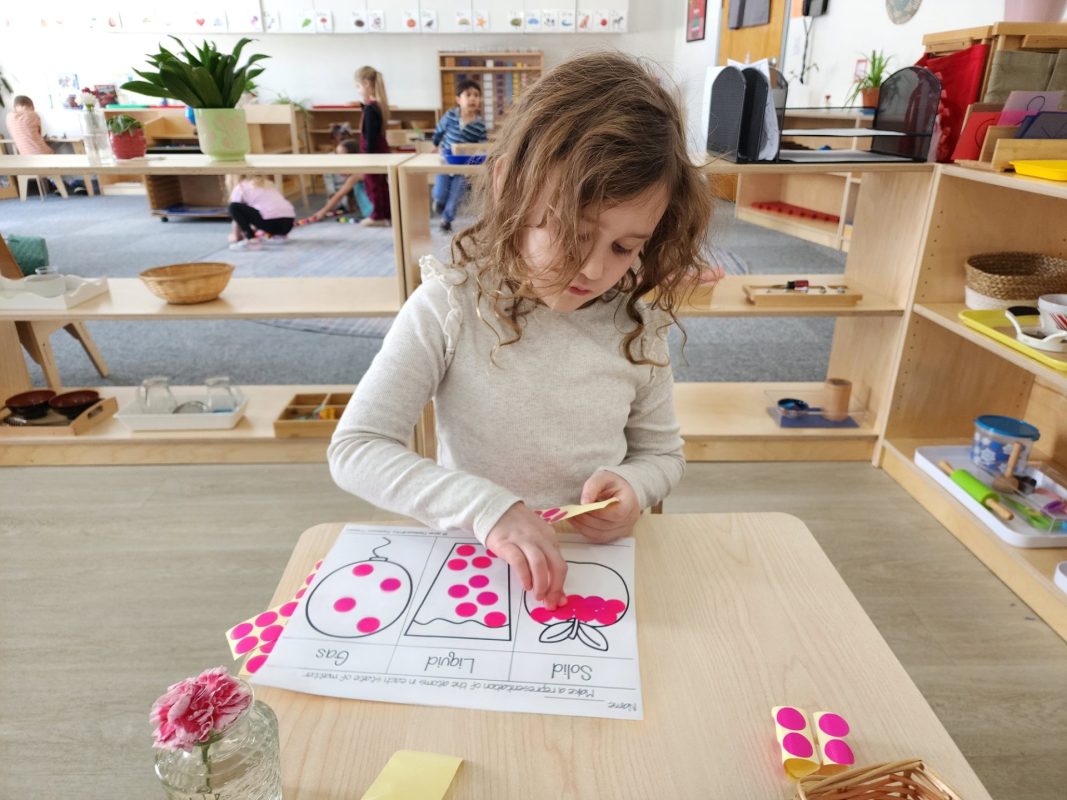
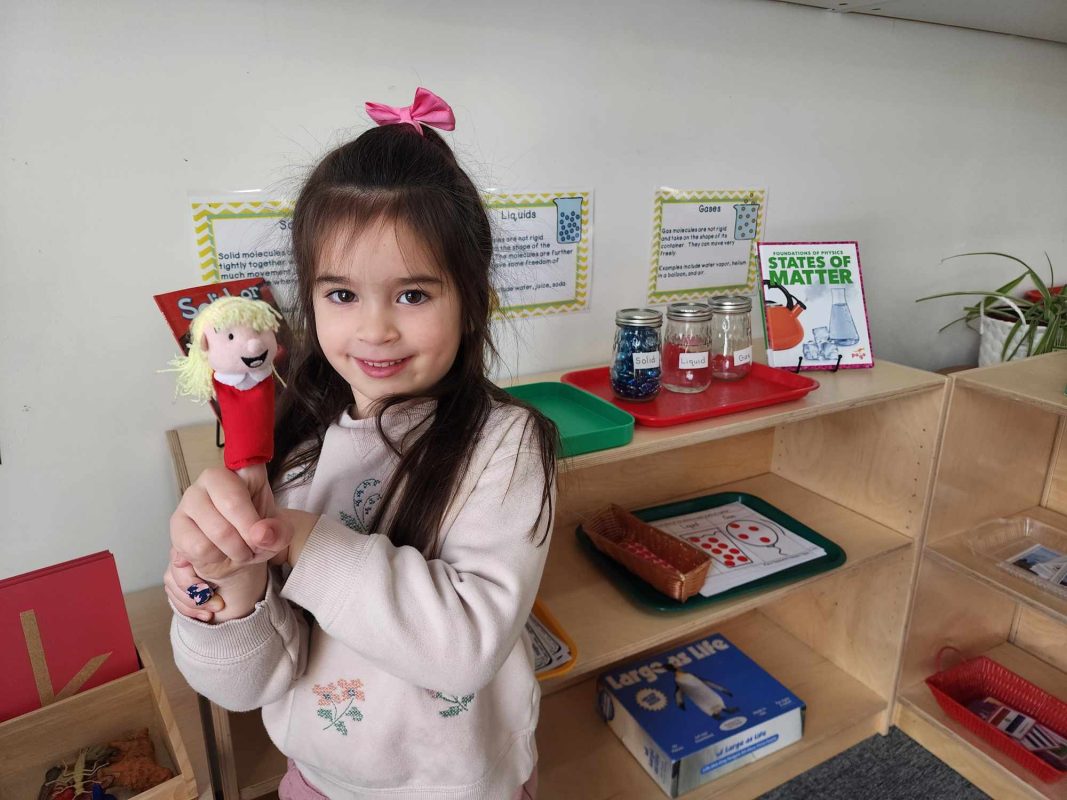
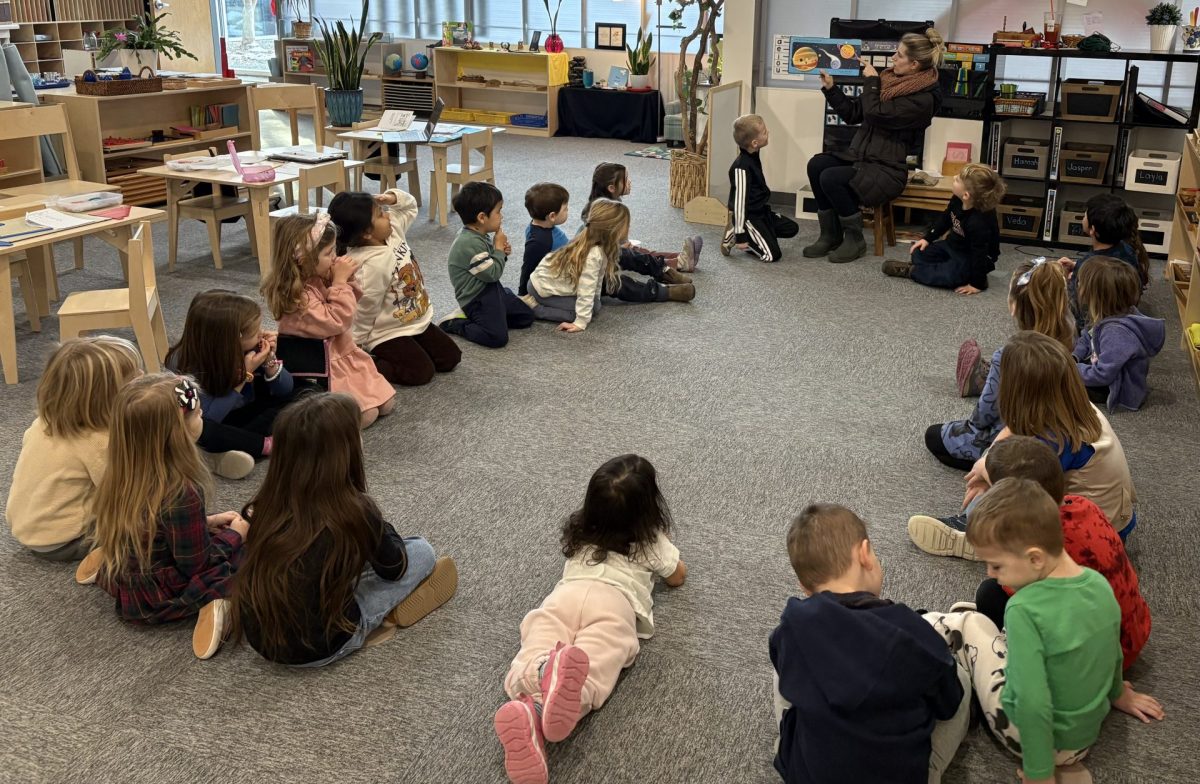
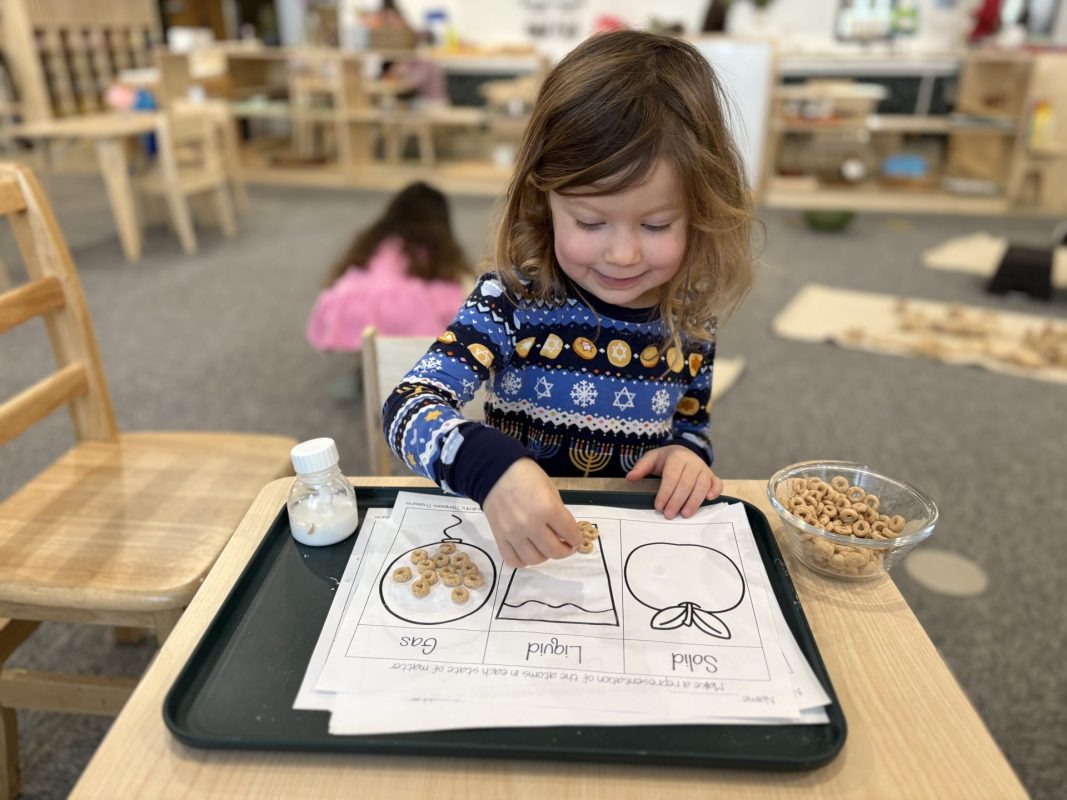
Last week, the classroom was filled with excitement as we continued our exploration of the three states of matter—solid, liquid, and gas. The children engaged in several experiments that brought these abstract concepts to life in tangible, memorable ways.

Our first experiment combined corn kernels, a solid, with seltzer water, a liquid. The children watched in delight as the bubbles from the seltzer water attached to the corn kernels, making them “dance” up and down inside the jar. This simple demonstration sparked conversations about what makes something a solid versus a liquid, and how gases can interact with other states of matter.

Next, we combined vinegar, a liquid, with baking soda, a solid, and observed the chemical reaction that created a gas powerful enough to blow up a balloon. The children’s faces lit up with wonder as they saw the balloon inflate, and many expressed eagerness to try this experiment again.

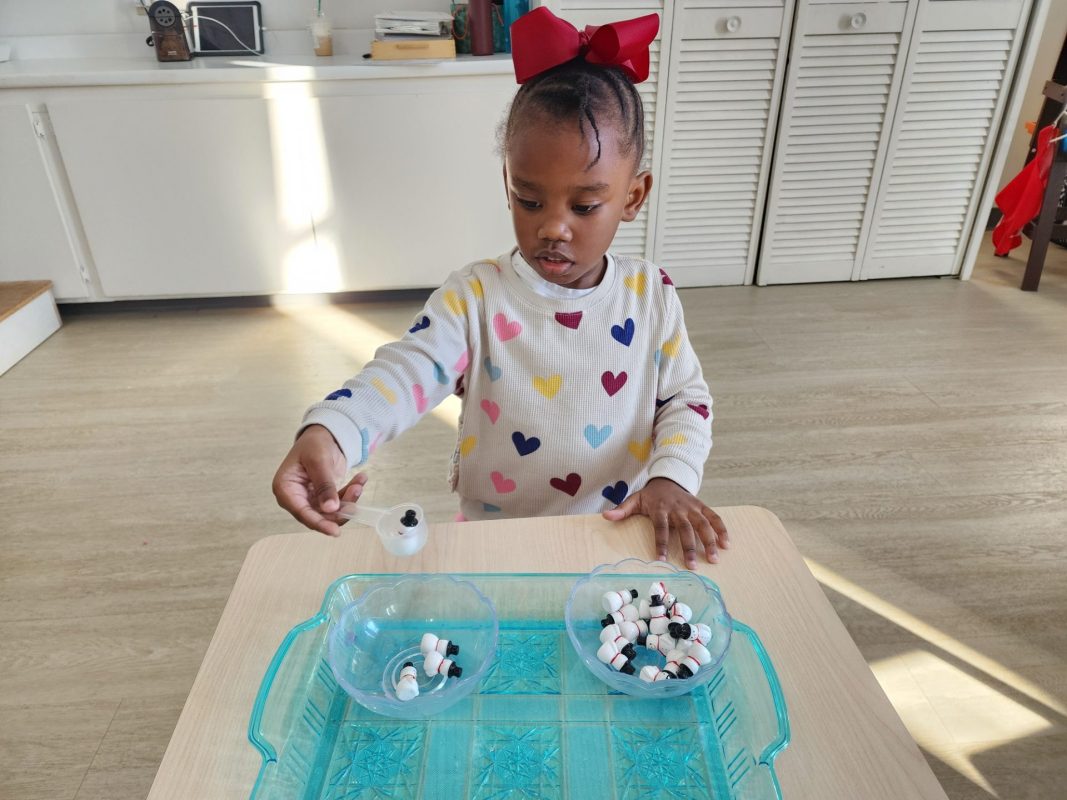
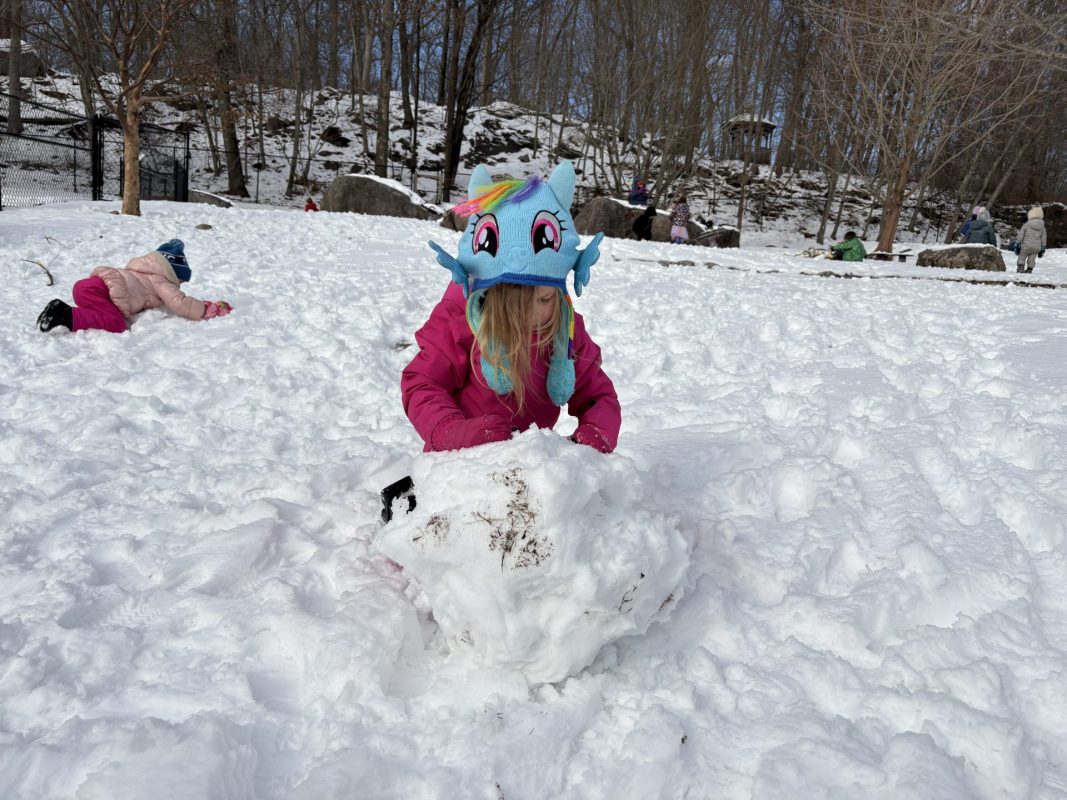
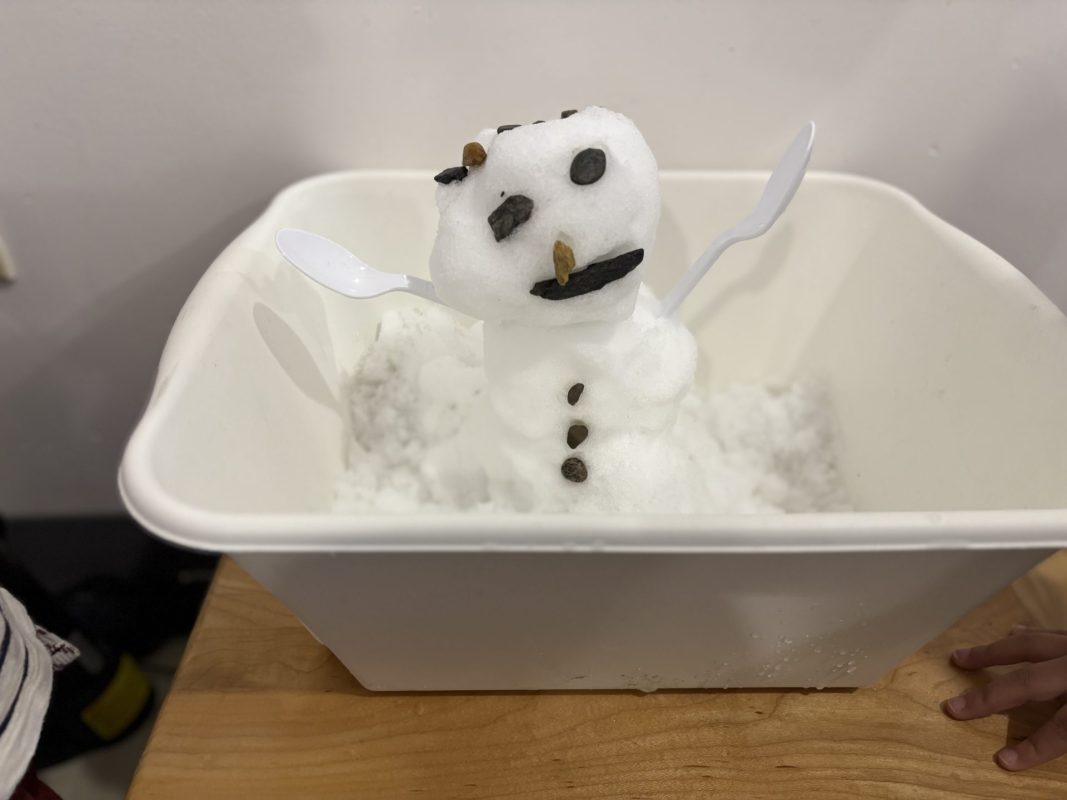
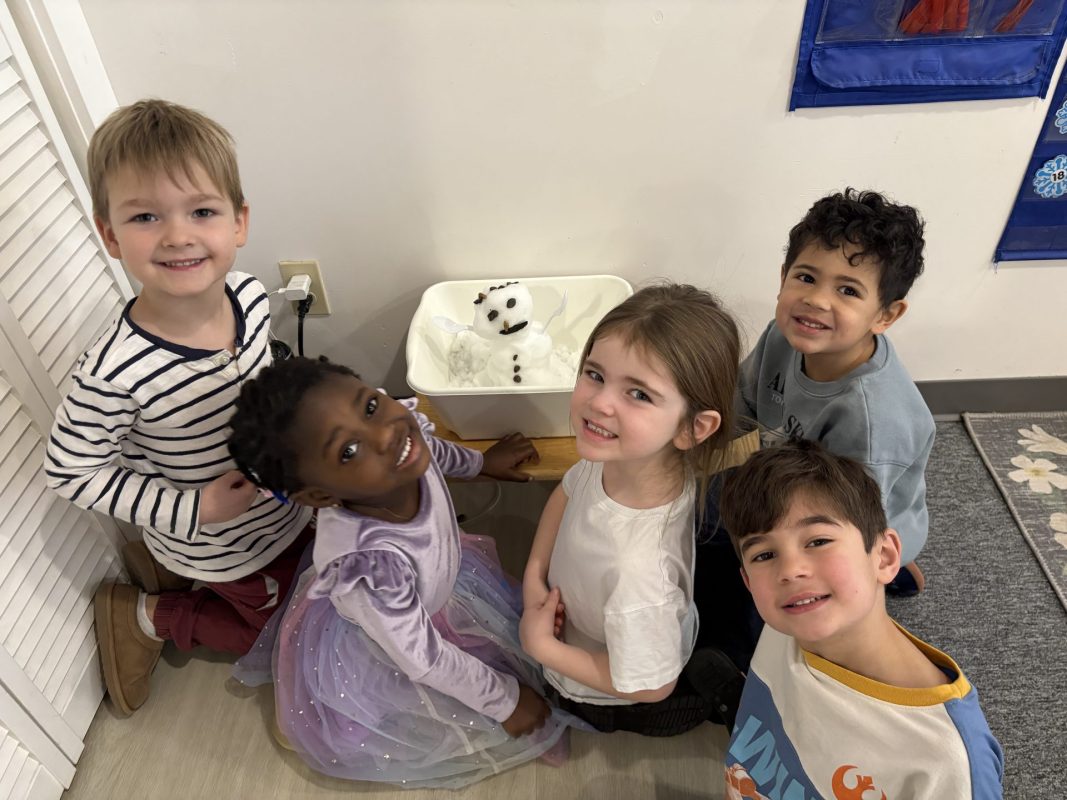
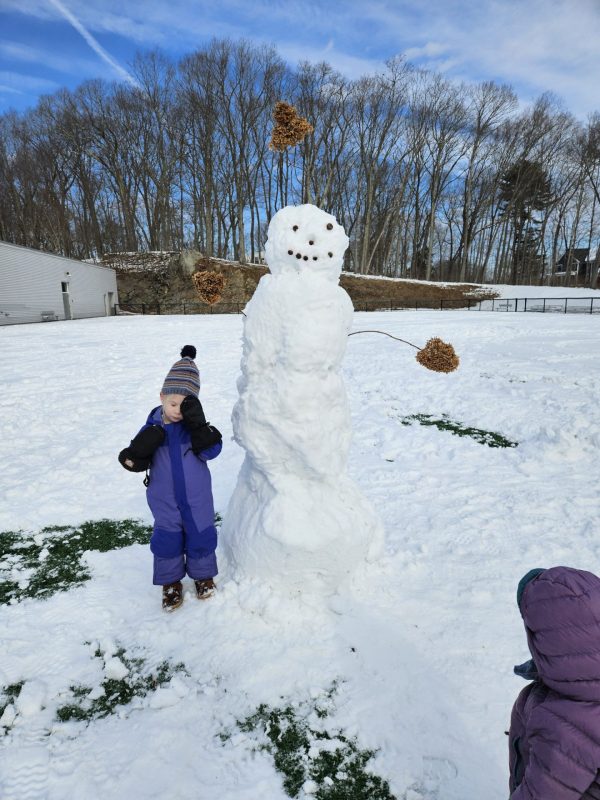
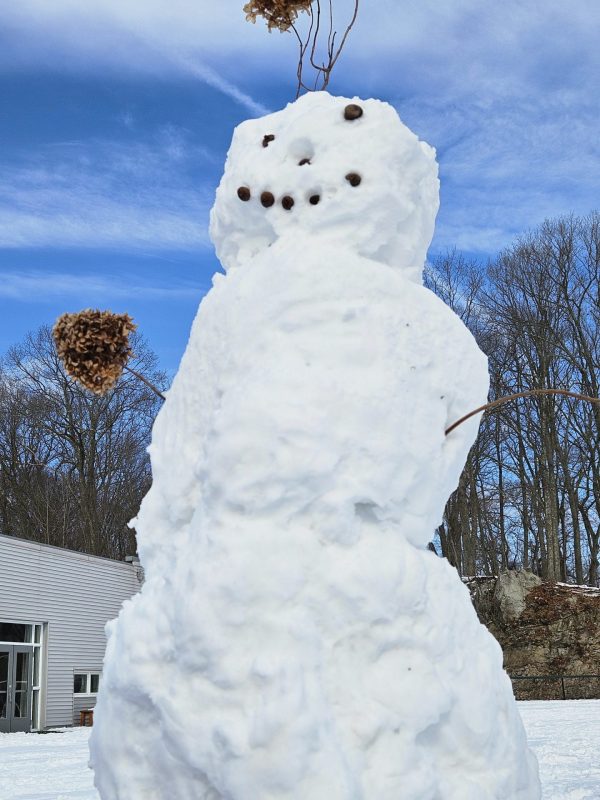
Finally, we took advantage of the winter weather by building a snowman outside—a solid. We brought our frozen friend into the classroom and watched as it slowly transformed into a liquid puddle, and eventually into a gas as the water evaporated into the air. This observation helped the children understand that matter can change forms depending on temperature and environmental conditions.

These hands-on experiments allowed the children to observe scientific principles in action, fostering their natural curiosity and building the foundation for deeper scientific understanding.

Extending Learning at Home

Take advantage of everyday moments to explore states of matter with your child. Notice ice cubes melting in a drink (solid to liquid), watch steam rise from a hot bath (liquid to gas), or observe frost forming on windows (gas to solid). Ask your child to identify which state of matter different items around the house represent, and discuss what might make them change forms.


Upcoming Events & Announcements

This Week

  • Wednesday, January 28
    Olivia’s Half Birthday Walk
  • Thursday, January 29
    Zion’s Birthday Walk

Next Week

  • Wednesday, February 4
    Isle of Skoo Assembly for Primary–Upper Elementary at 9 a.m.
  • Thursday, February 5
    Arhan’s Half Birthday Walk

Looking Ahead

Thursday, February 12

Valentine’s Day at Fraser Woods is a cherished friendship celebration in our Primary classrooms! On Thursday, February 12, the children will exchange valentines with their classmates, marking a special part of their school experience that emphasizes expressing love and gratitude for one another. This celebration beautifully combines the joy and excitement children naturally feel about Valentine’s Day with important developmental skills like writing, independence, and expressing kindness toward others.

Preparing Valentines at Home: We encourage you to involve your child in preparing their valentines. Please have your child sign their own name on each card—whether that’s their full name, just one letter, or their own special mark, every effort is meaningful and developmentally appropriate! Please allow ample time for this name-writing process, which serves as wonderful practice. (If writing their full name, remember to use uppercase only for the first letter.)

Important: Please leave the “To:” area blank. Do not address envelopes or cards with specific names. This allows children to distribute valentines independently without needing to read each classmate’s name, supporting their sense of capability and confidence. Note: If your child is able to read their classmates’ names, they may write names on the envelopes as additional reading practice—but this is entirely optional.


Ms. Marissa: Building Independence Through Purposeful Work

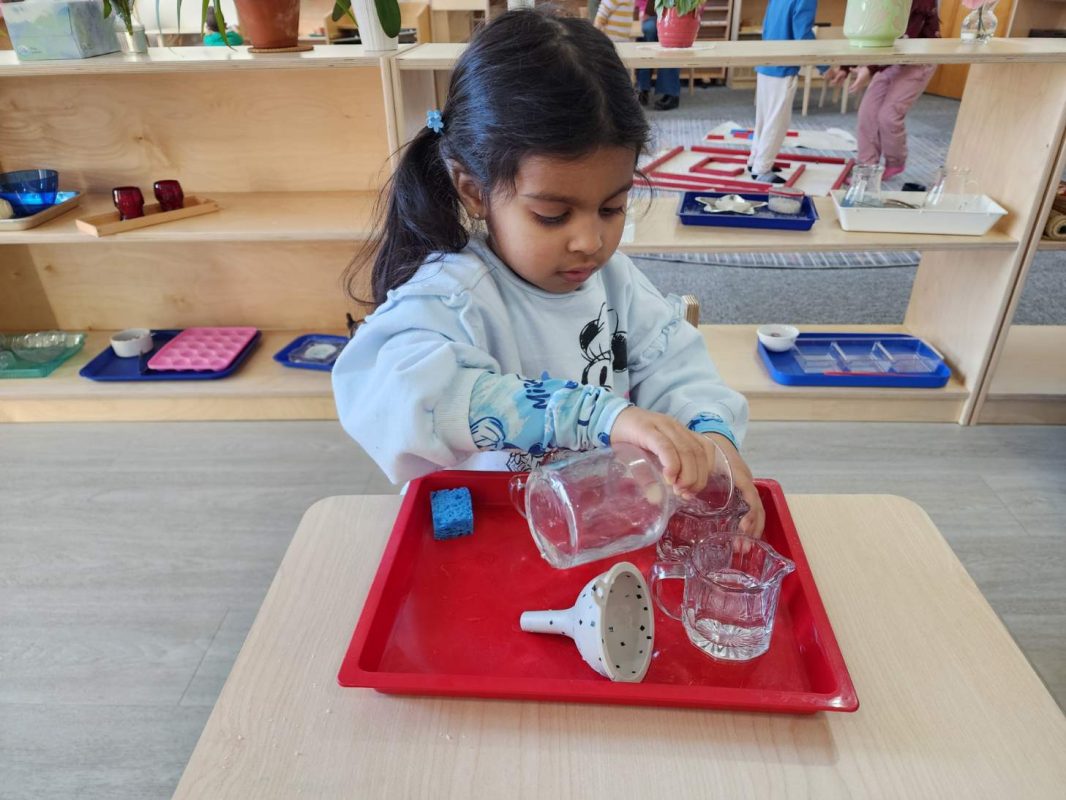
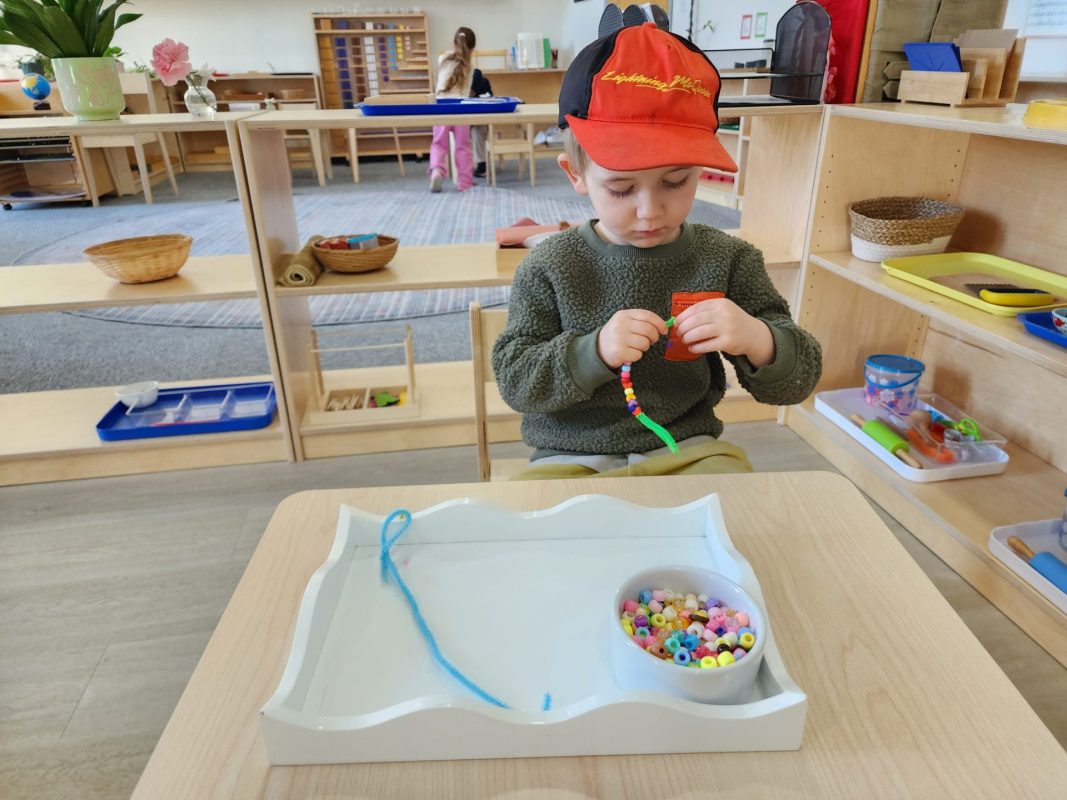
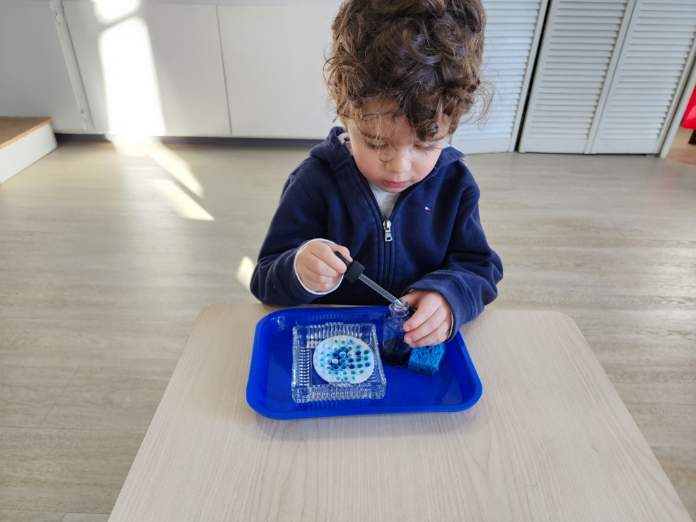
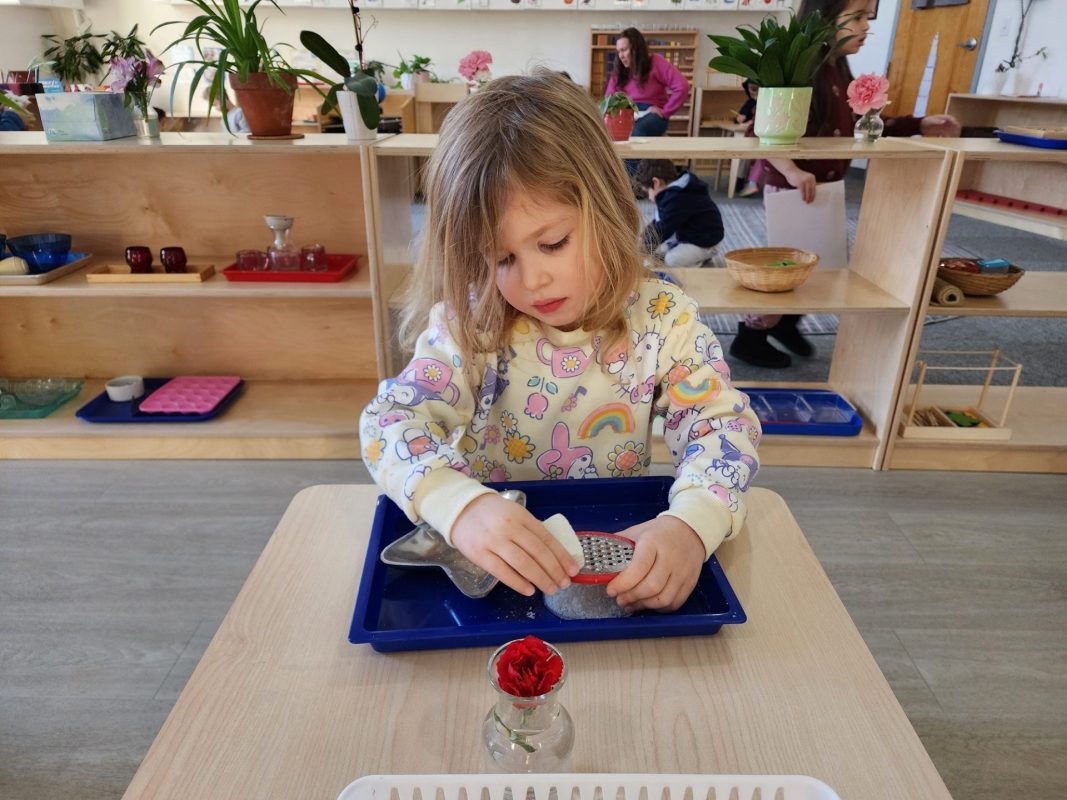
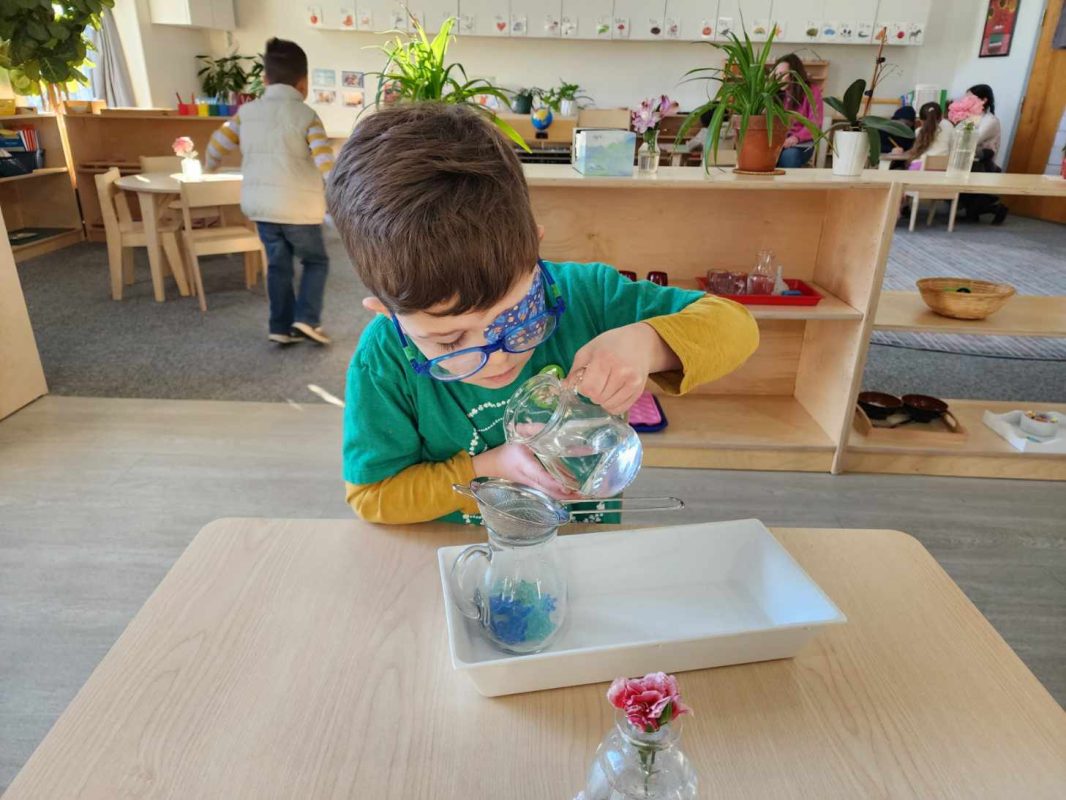
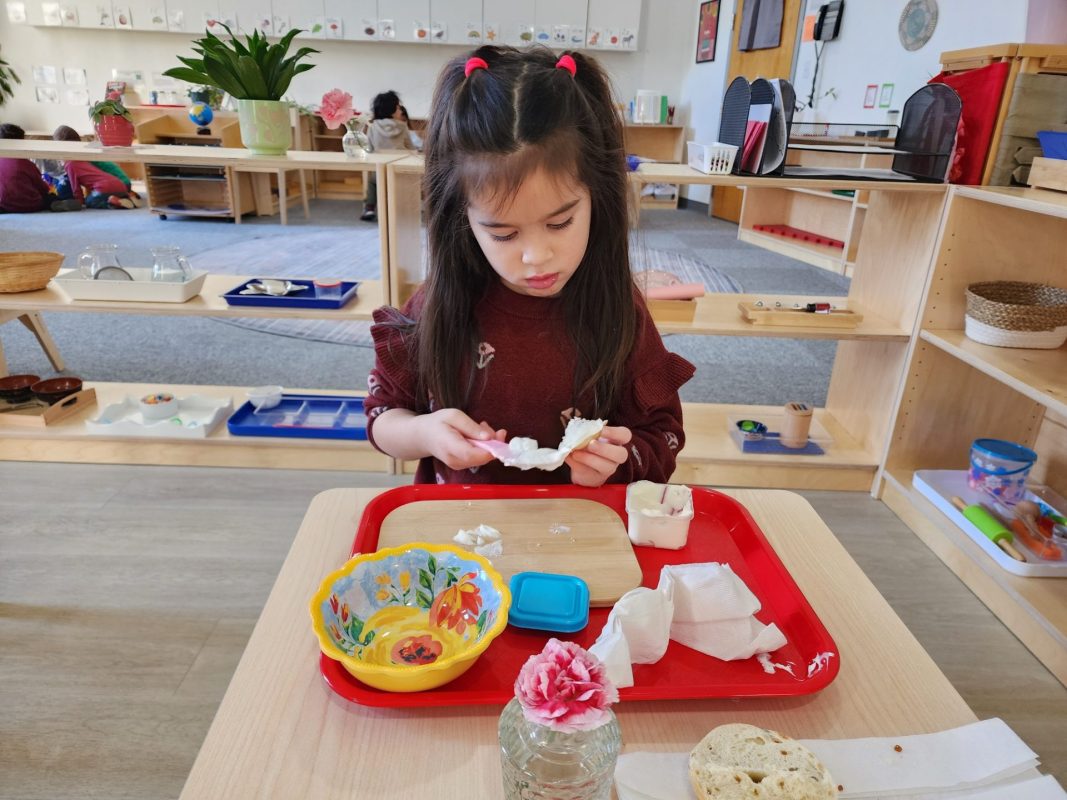
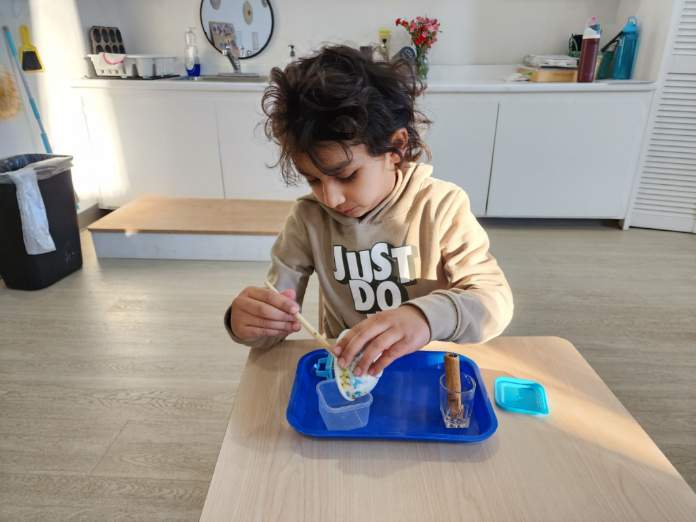
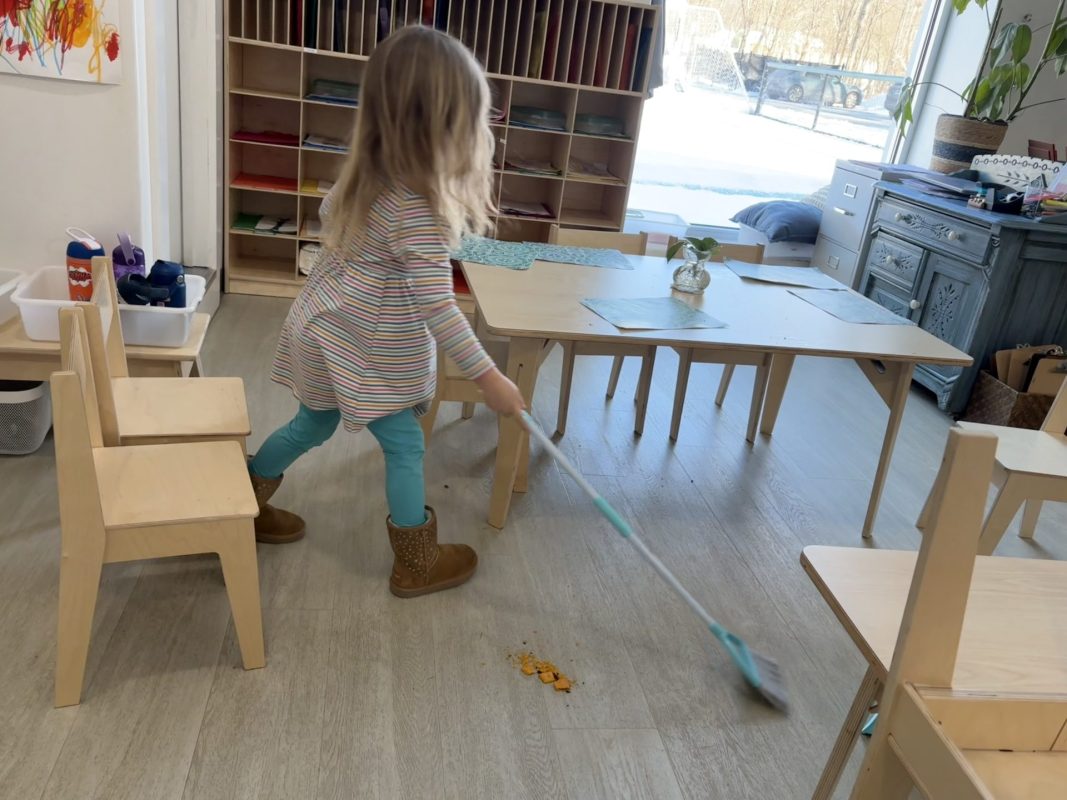
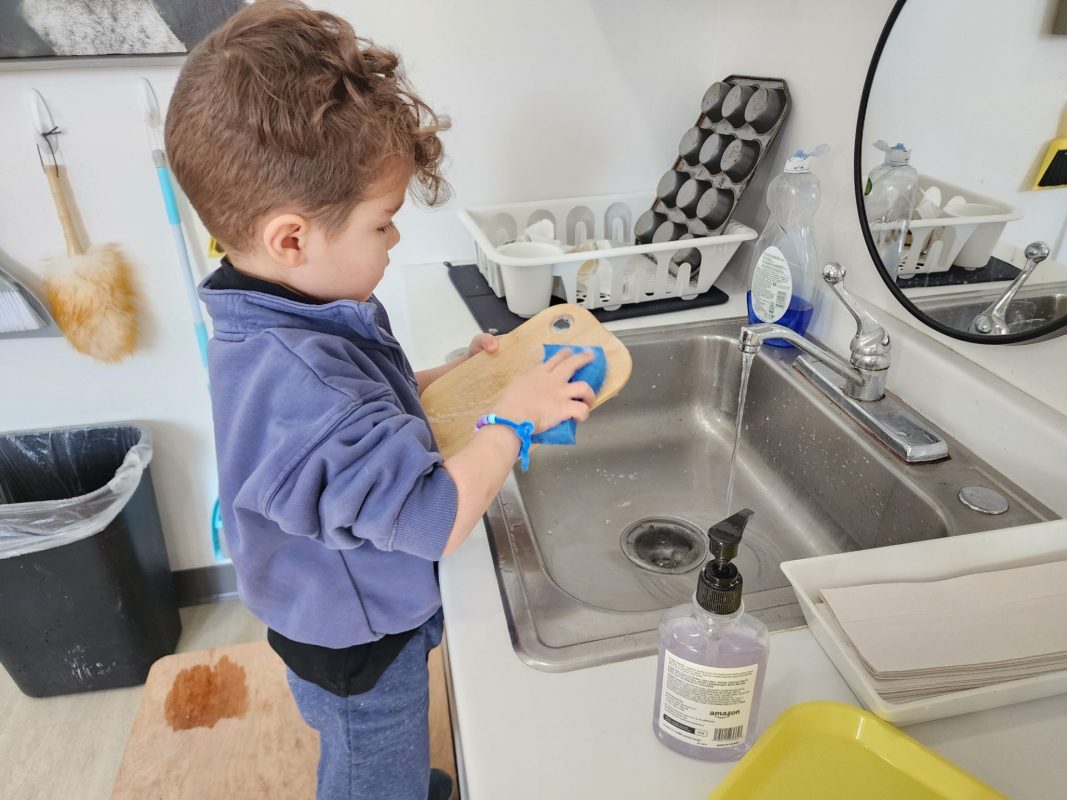
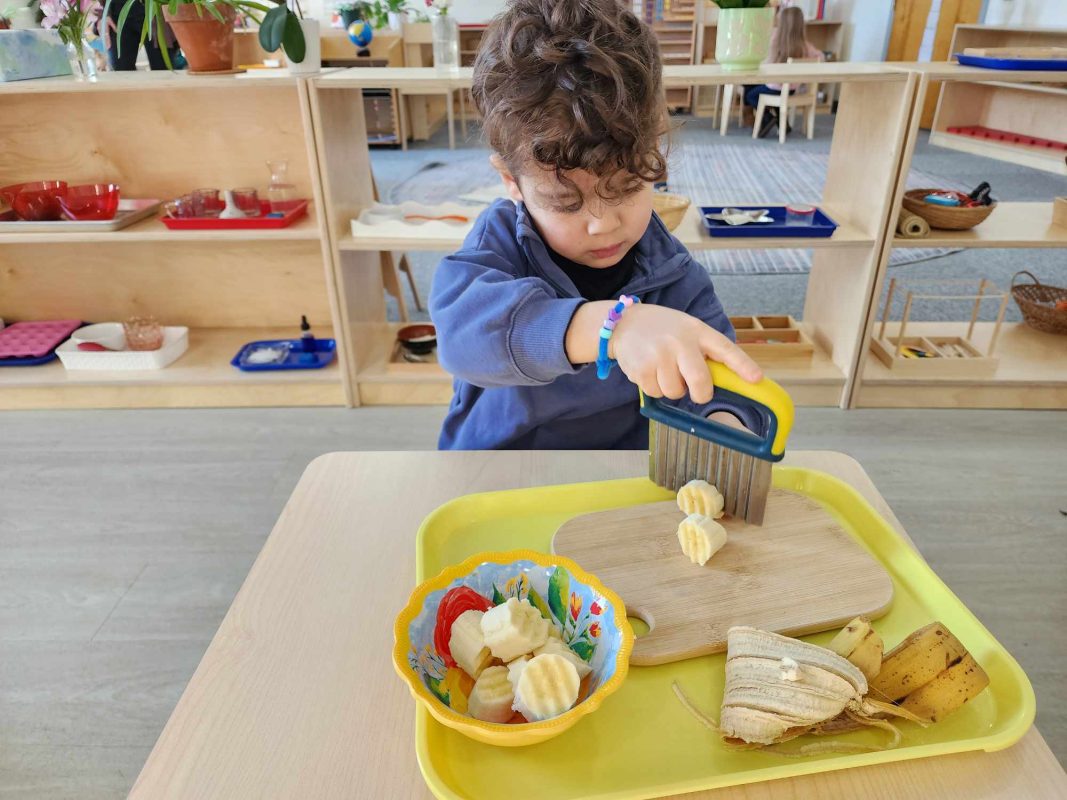
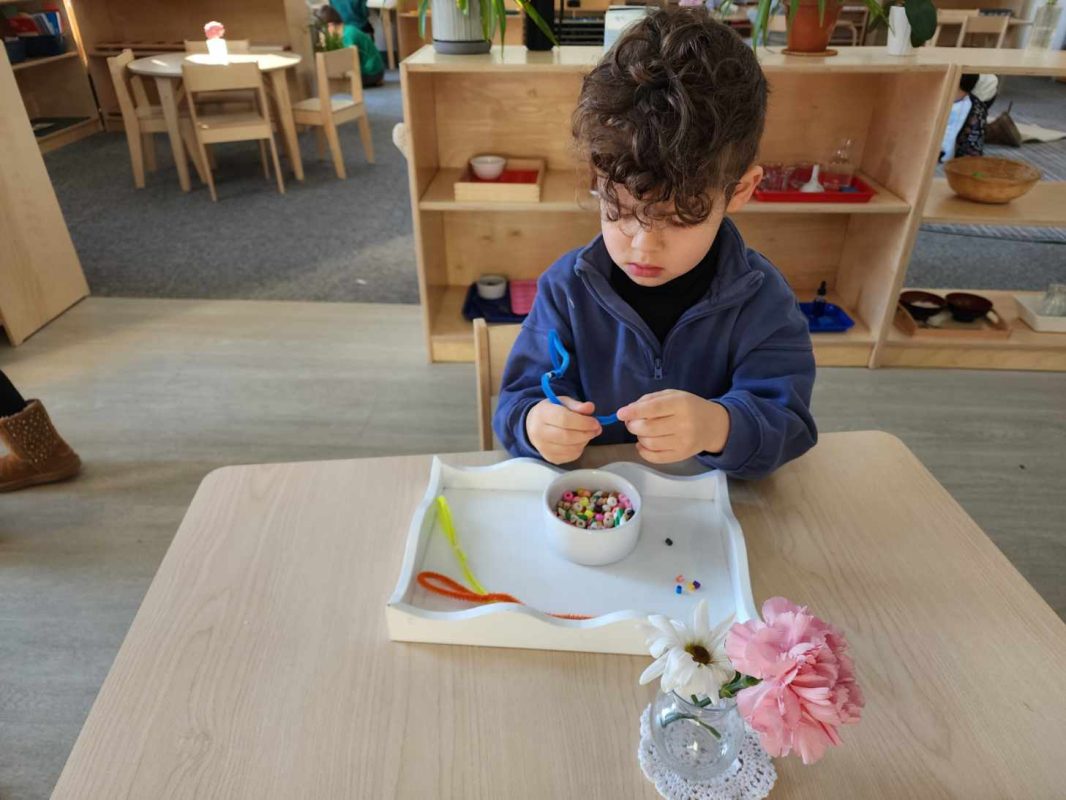
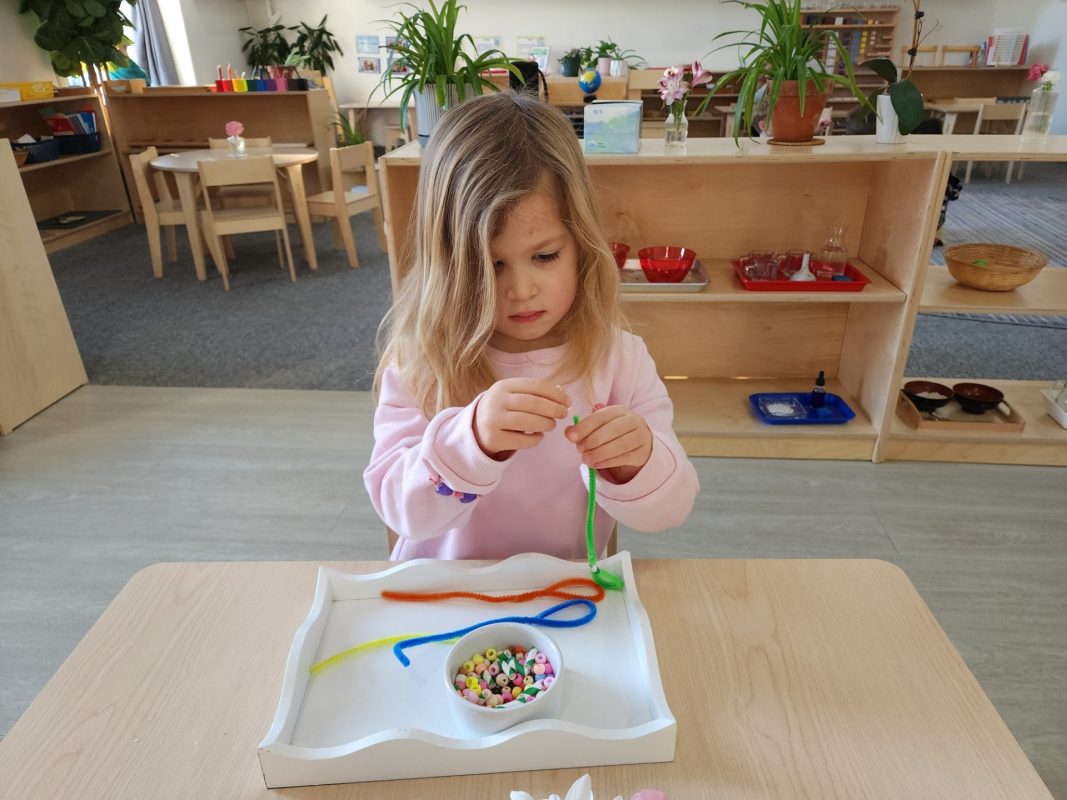
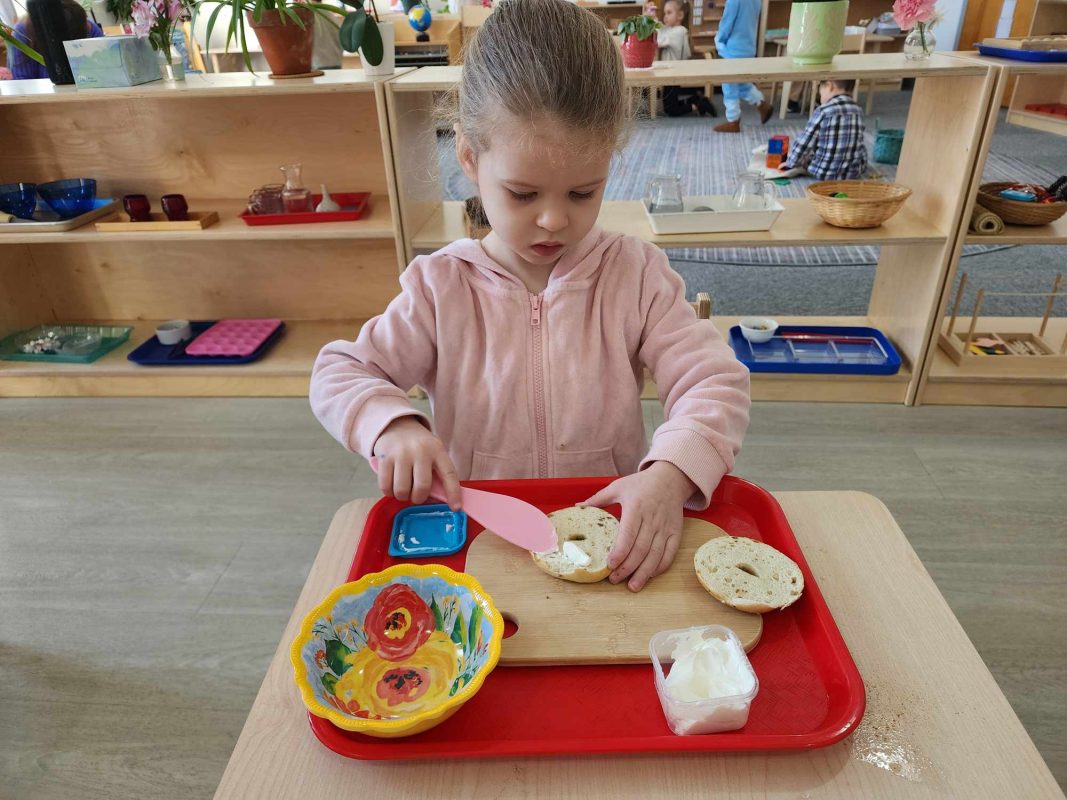
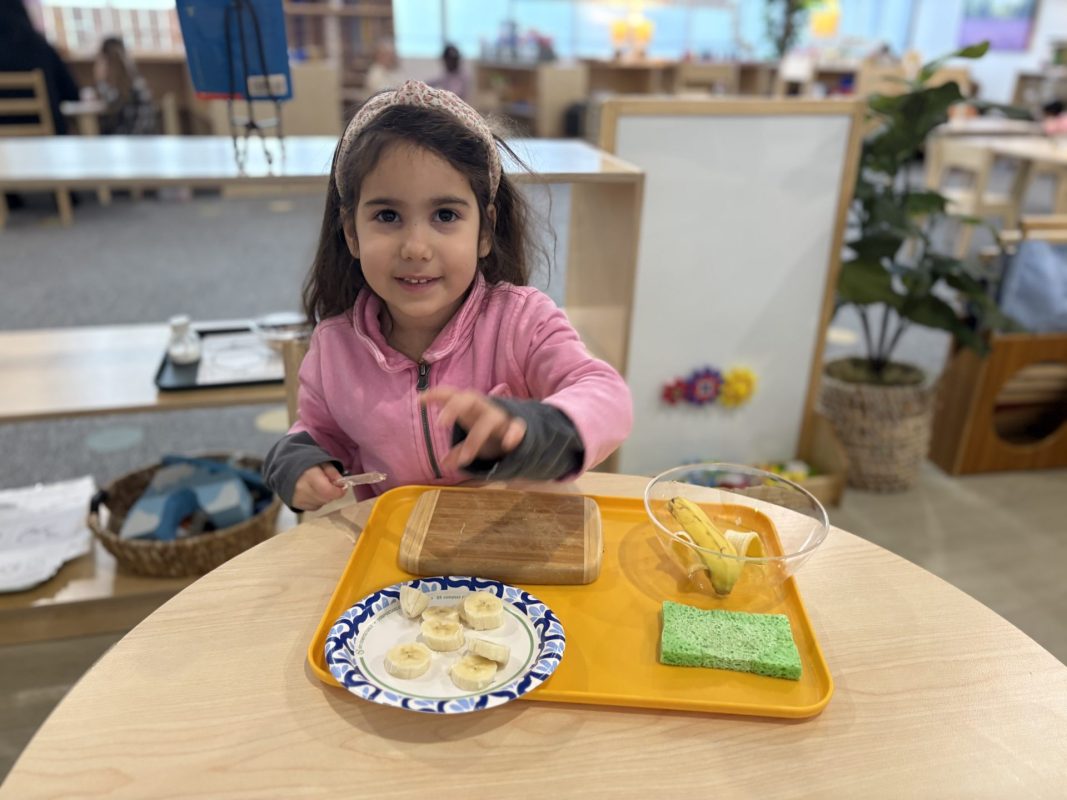
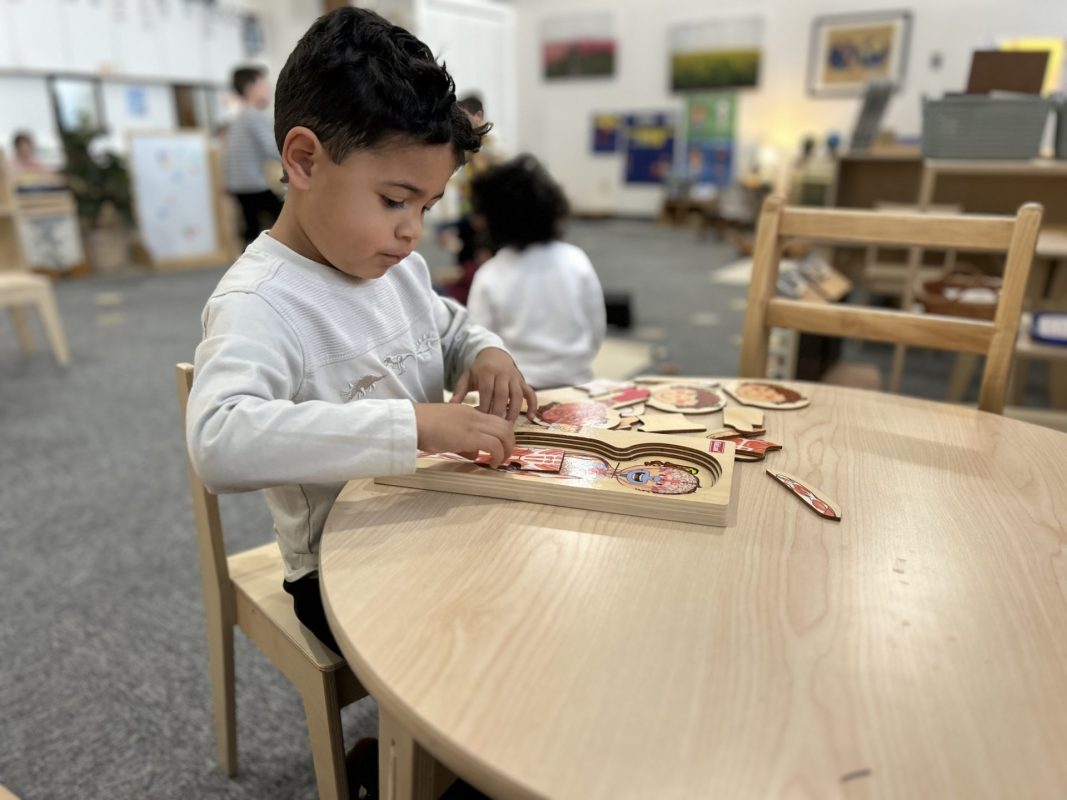
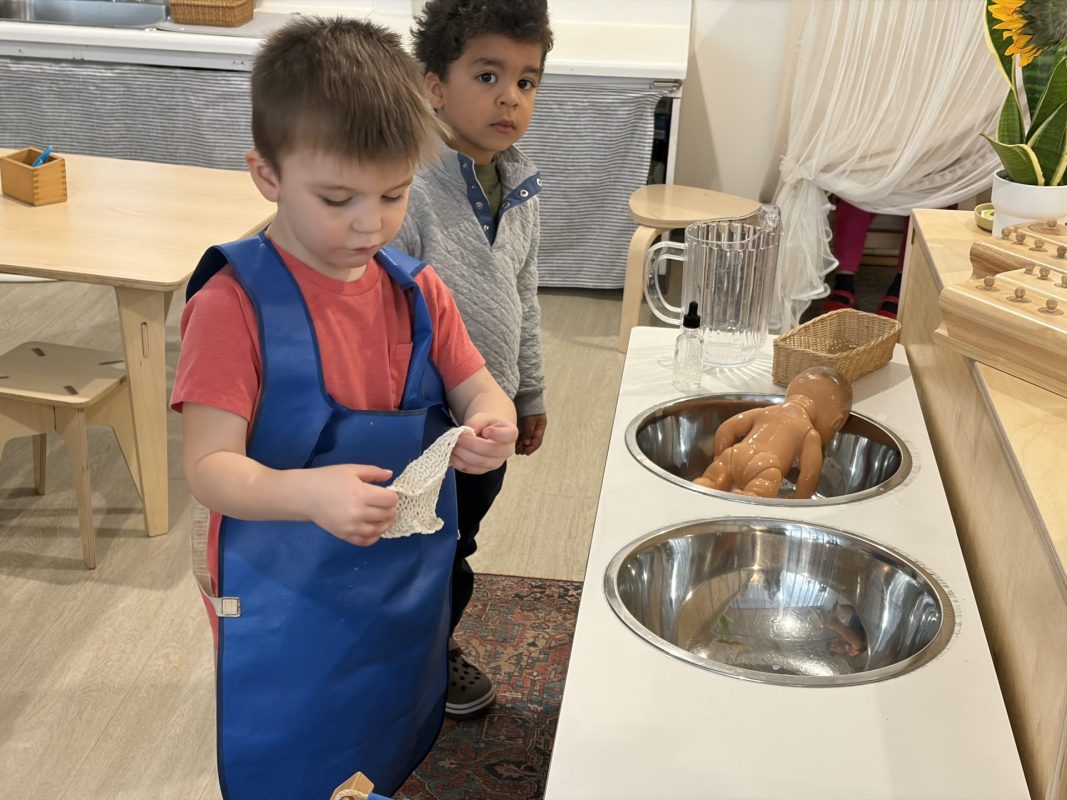
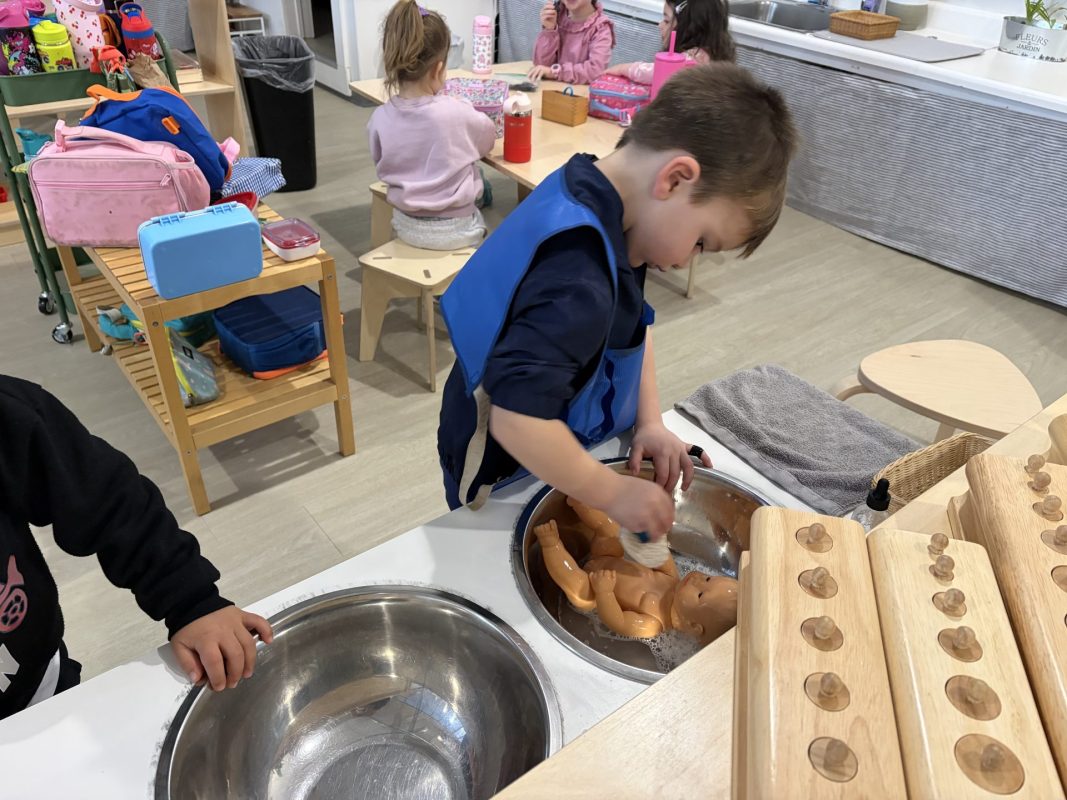
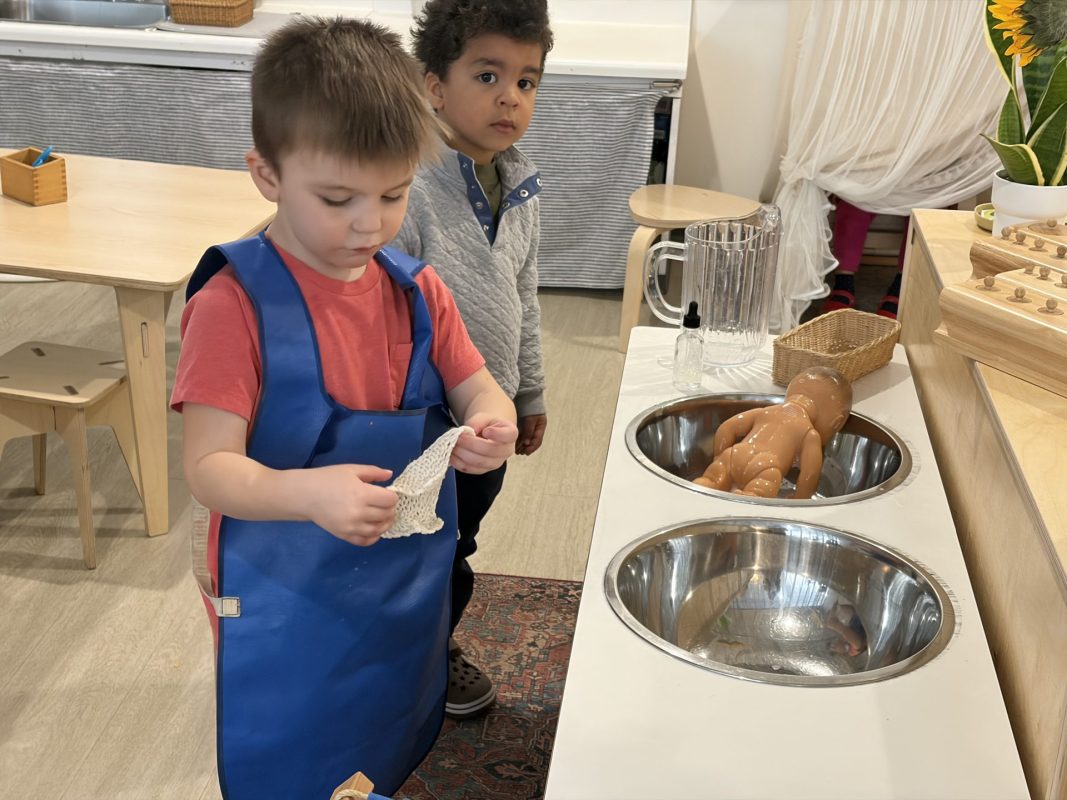
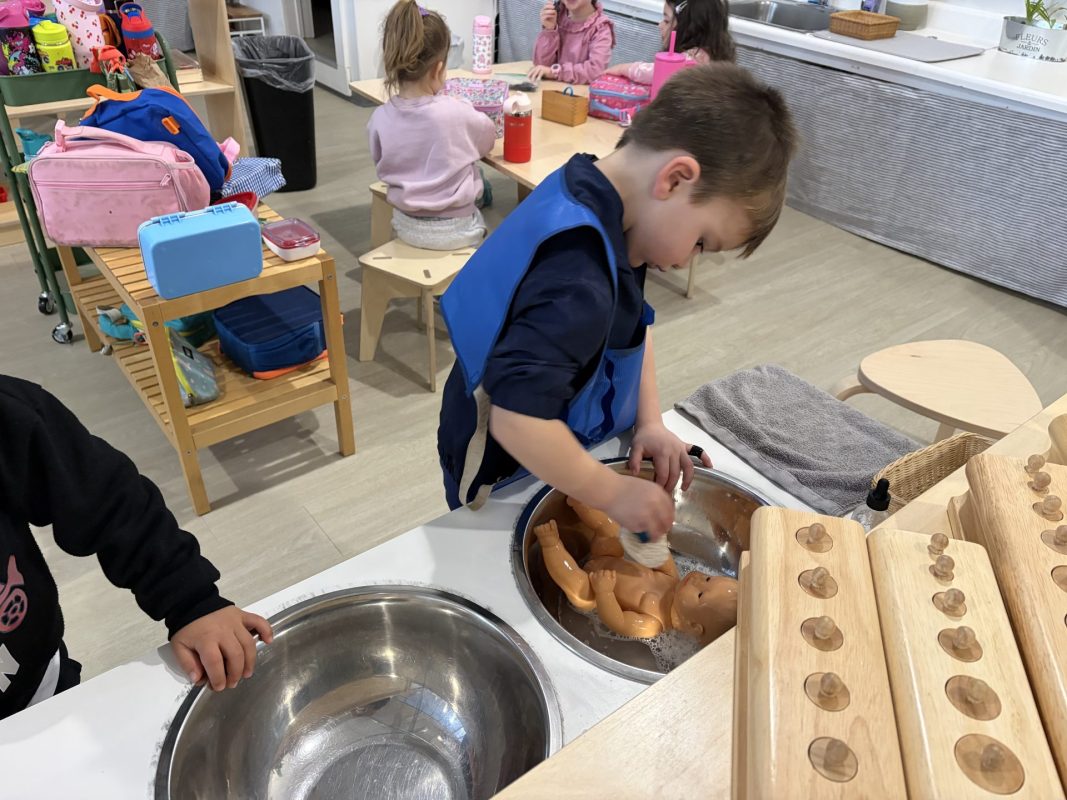
Last week, the classroom was filled with multi-step practical life activities. Baby washing emerged as the biggest hit, capturing the children’s attention with its sequence of careful steps. This work involves so much more than it appears—children must follow a precise order, maintain focus throughout the process, and leave the materials ready for the next friend. Next week we will introduce table scrubbing, always a fan favorite in our classroom!

We have witnessed remarkable growth in the children’s ability to care for their belongings and prepare themselves for outdoor time. At drop-off, we encourage you to step back and allow your child to unpack their own things, change their shoes, hang up their coat, and decide what to bring into the classroom. Even if they make mistakes along the way, this is essential work for their independence journey. As Maria Montessori reminds us, “Never help a child with a task at which he feels he can succeed.” The classroom is the child’s world, and bringing what they need into it builds confidence and self-reliance.

Kindergarten Adventures

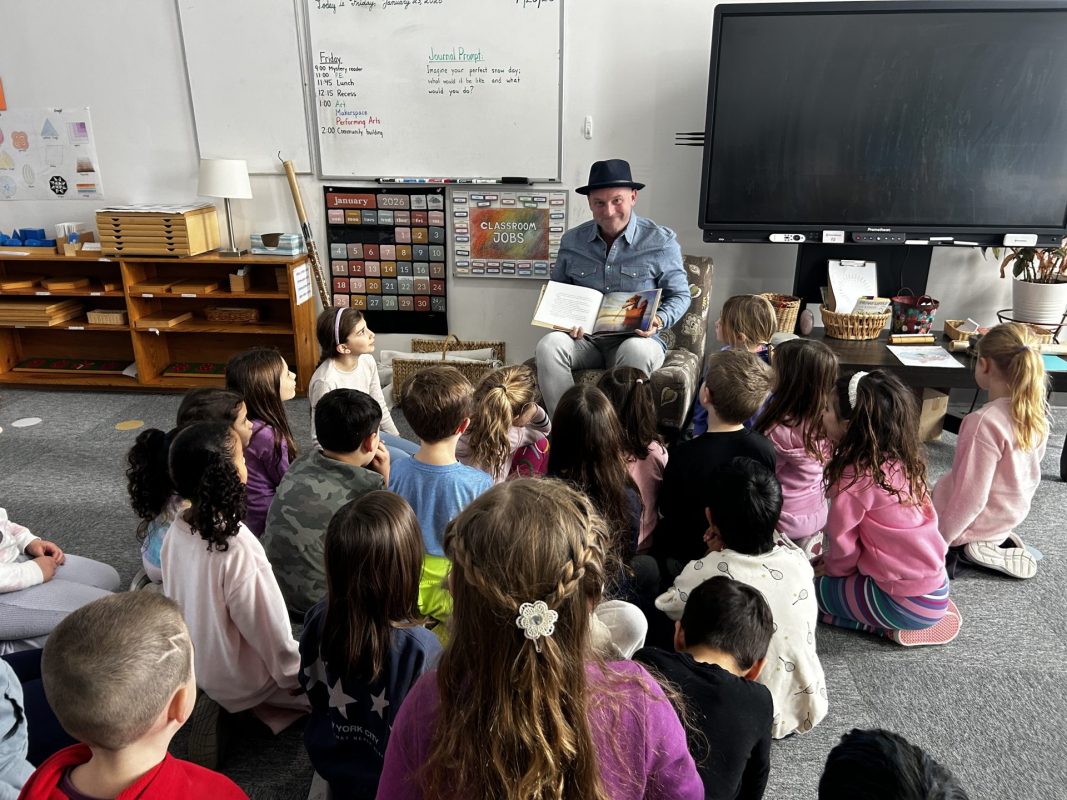
Our Kindergarten students began reading their first chapter book together: My Father’s Dragon. Each Friday, a kindergarten child takes home a stuffed dragon and a journal to record their adventures—a treasured rite of passage in this pinnacle year!

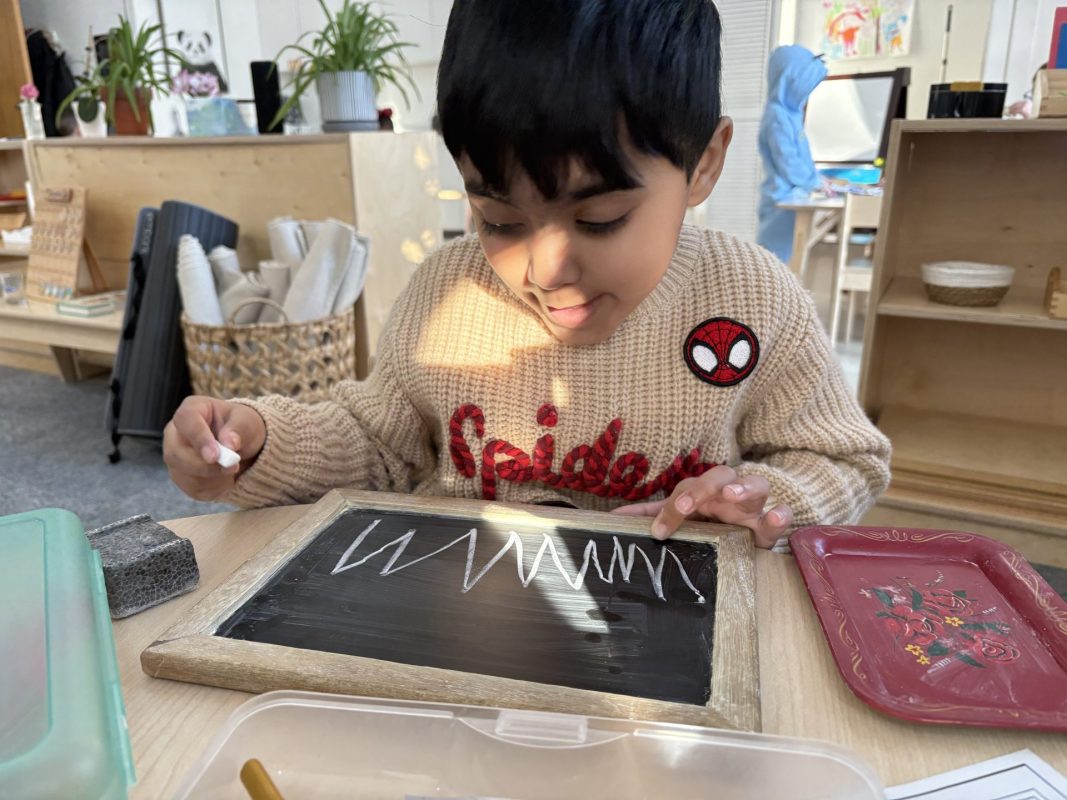
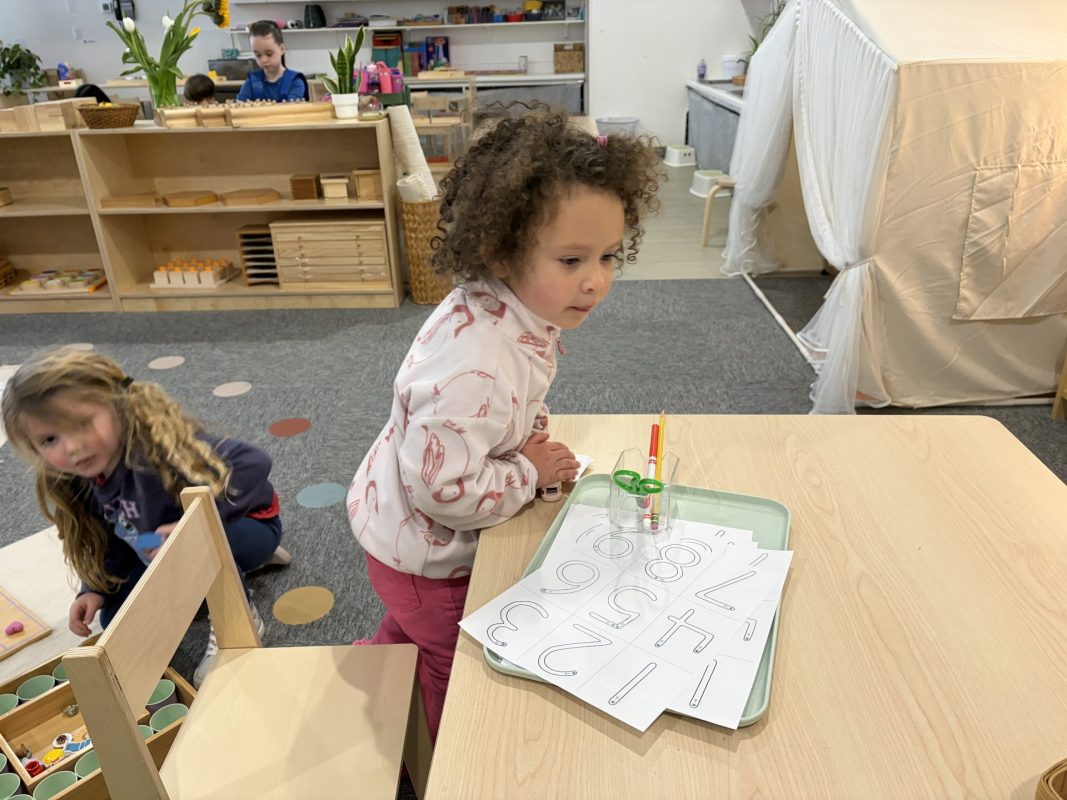
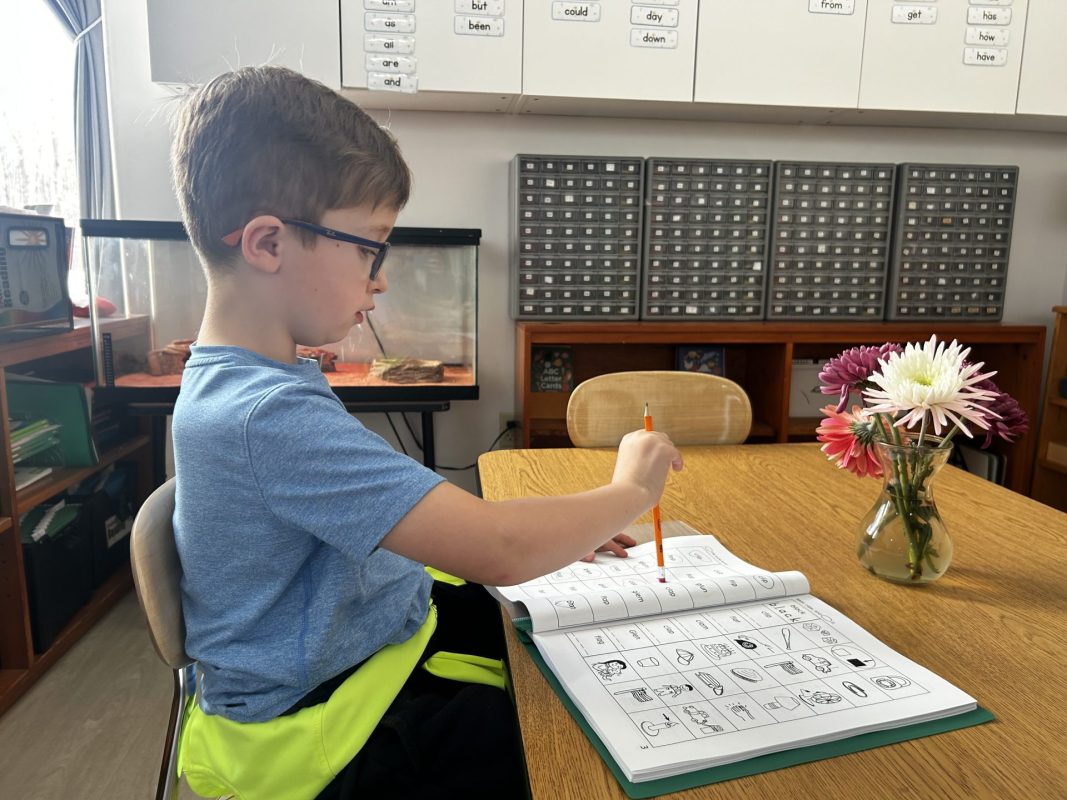
The whole class has been practicing syllable work, clapping out each child’s name to discover how many syllables we all have. This playful activity serves as a wonderful transition tool as we prepare for line time or head to recess. Letter sound recognition continues to be a focus across many levels, and our embedded mnemonics approach has proven extremely beneficial. If you hear your child saying “a apple /a/” or “z zebra /z/” at home, now you know where it comes from!

Extending Learning at Home

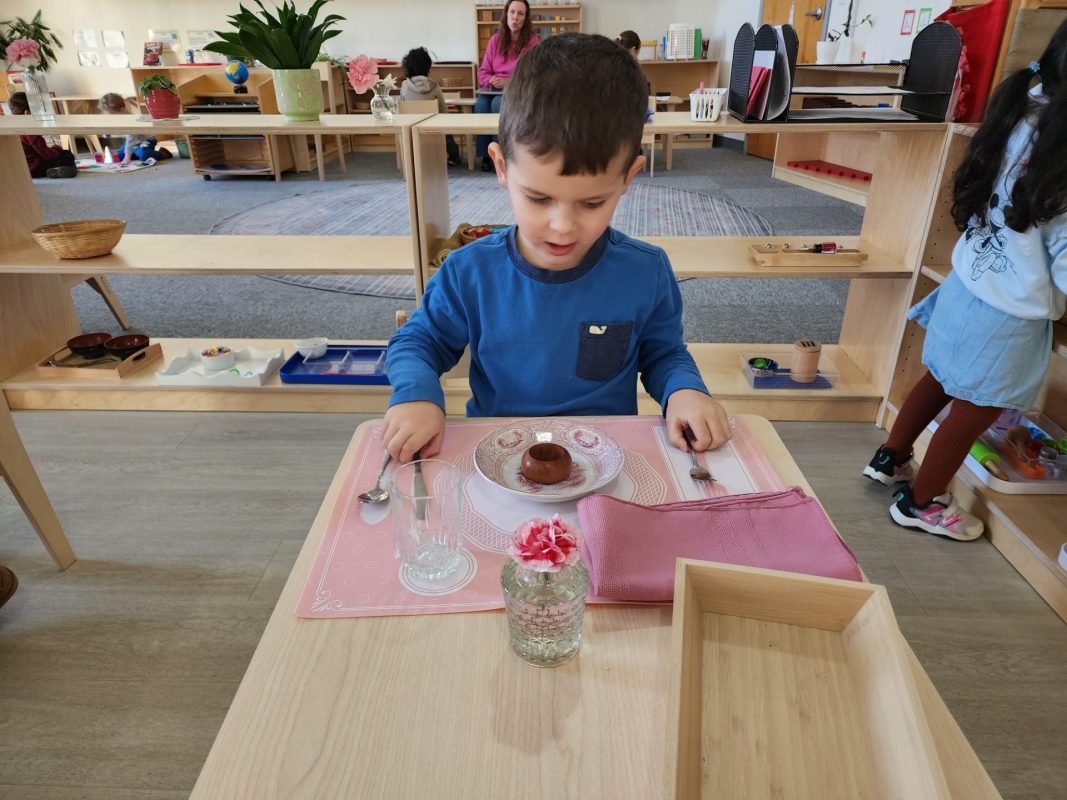
Support your child’s growing independence by creating opportunities for multi-step tasks at home. Let them help wash vegetables for dinner, set the table following a specific sequence, or care for a special toy or plant. The key is allowing them to complete the entire process and leave materials ready for next time.

For kindergarten families with the dragon journal, embrace this special ritual! Help your child document their weekend adventures together, but let them lead the storytelling and illustration.

Upcoming Events & Announcements

Next Week

  • Wednesday, February 4
    Isle of Skoo Assembly for Primary–Upper Elementary at 9 a.m.

Looking Ahead

Thursday, February 12
Valentine’s Day at Fraser Woods is a cherished friendship celebration in our Primary classrooms! On Thursday, February 12, the children will exchange valentines with their classmates, marking a special part of their school experience that emphasizes expressing love and gratitude for one another. This celebration beautifully combines the joy and excitement children naturally feel about Valentine’s Day with important developmental skills like writing, independence, and expressing kindness toward others.

Preparing Valentines at Home: We encourage you to involve your child in preparing their valentines. Please have your child sign their own name on each card—whether that’s their full name, just one letter, or their own special mark, every effort is meaningful and developmentally appropriate! Please allow ample time for this name-writing process, which serves as wonderful practice. (If writing their full name, remember to use uppercase only for the first letter.)

Important: Please leave the “To:” area blank. Do not address envelopes or cards with specific names. This allows children to distribute valentines independently without needing to read each classmate’s name, supporting their sense of capability and confidence. Note: If your child is able to read their classmates’ names, they may write names on the envelopes as additional reading practice—but this is entirely optional.


This Week in Lower Elementary

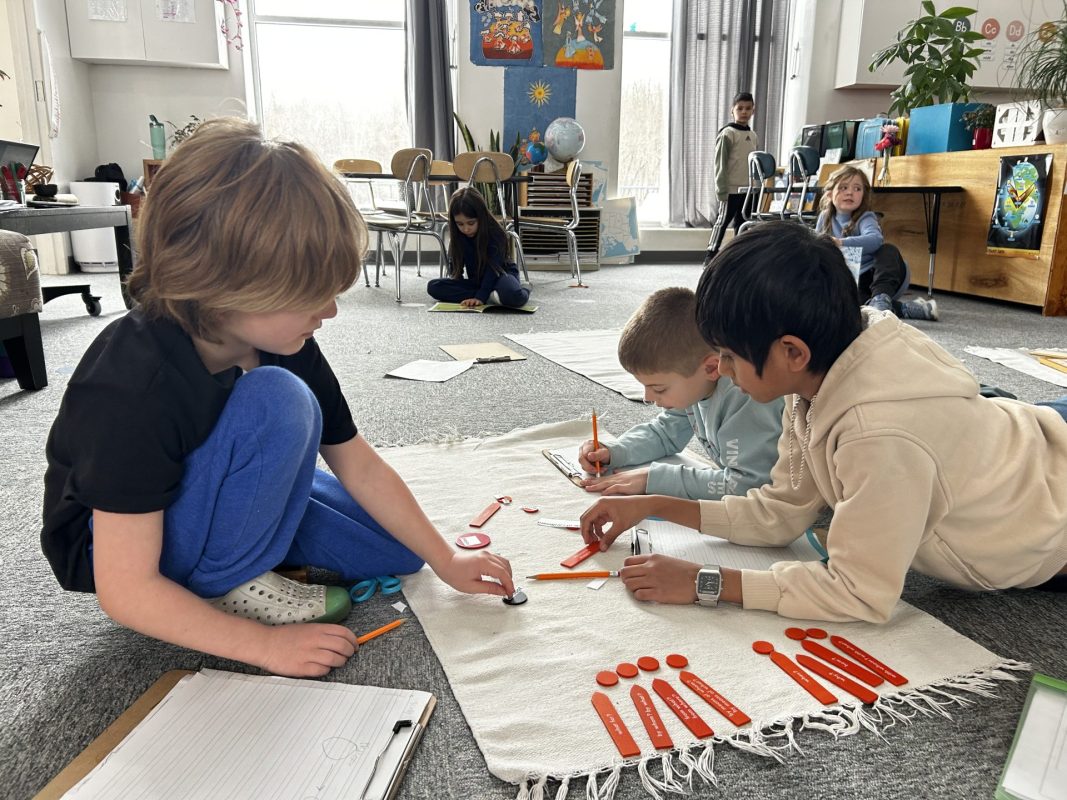
This week in Lower Elementary, our geometry work was busy and hands-on across all three year levels.

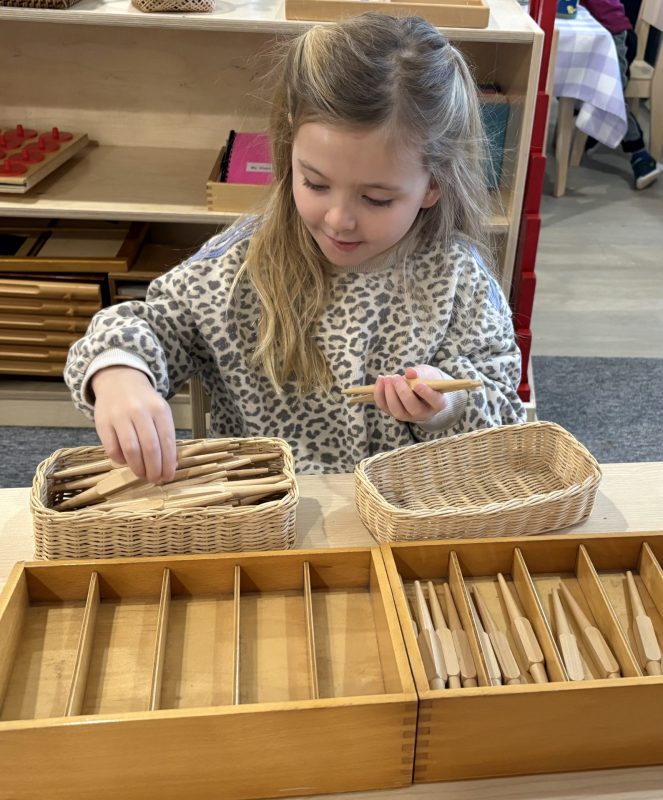
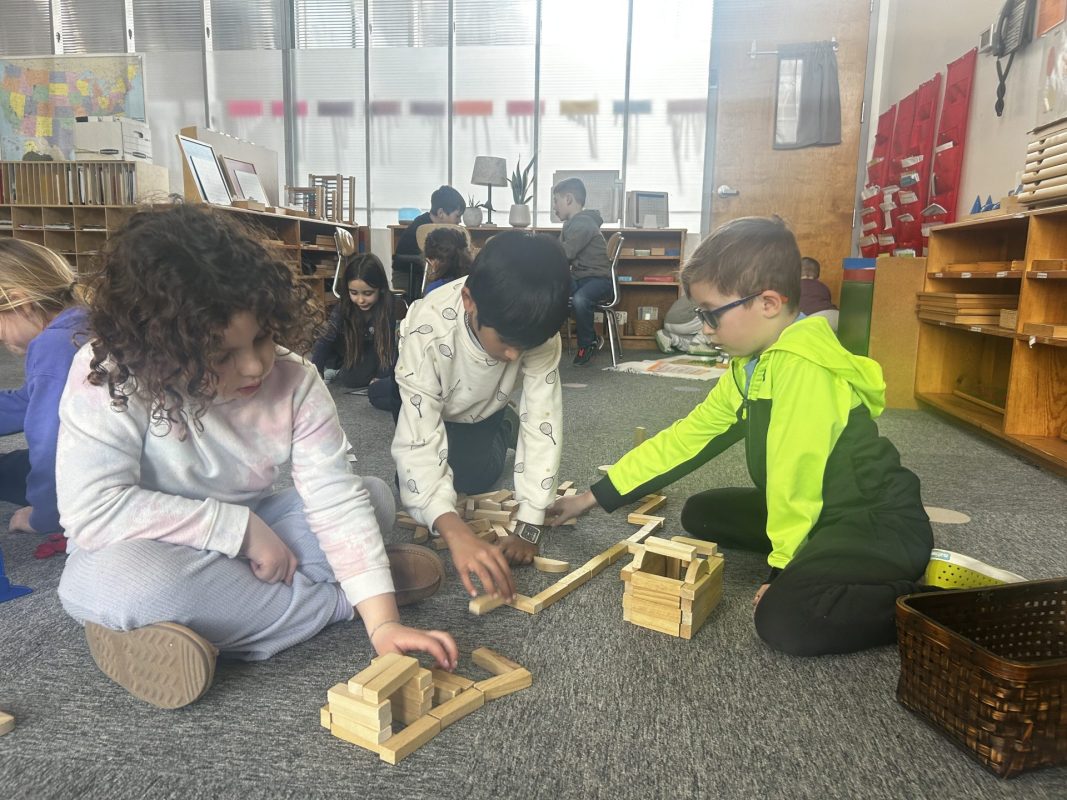
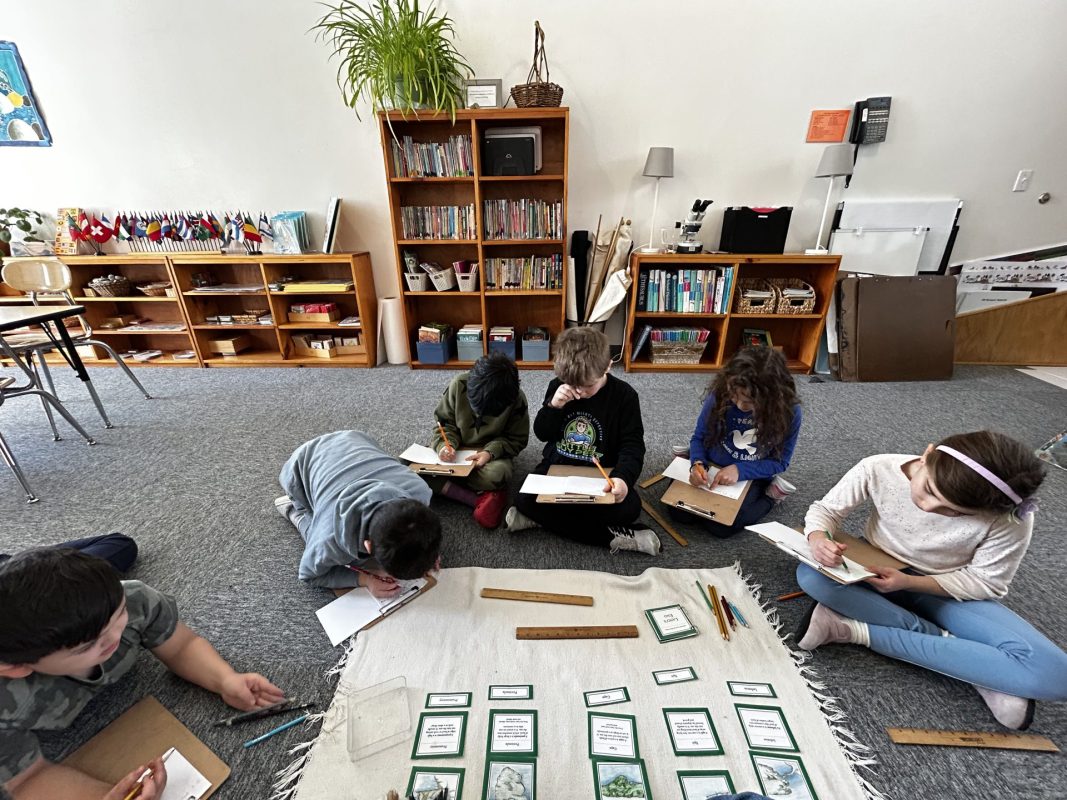
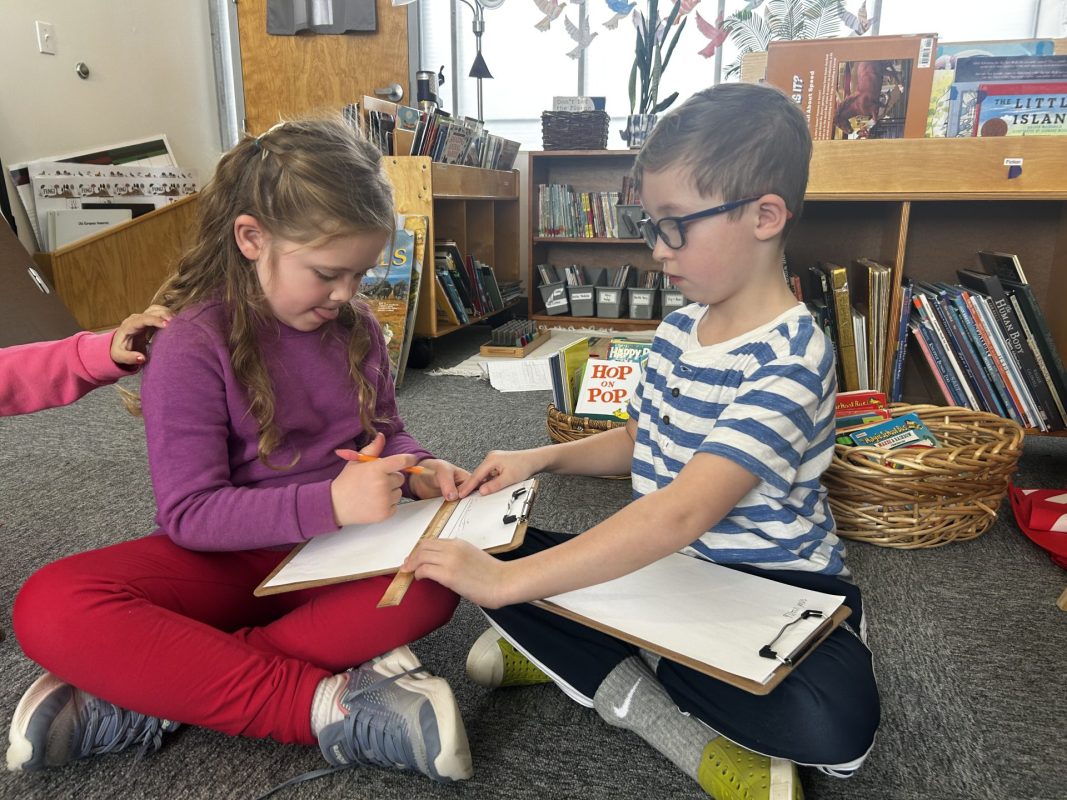
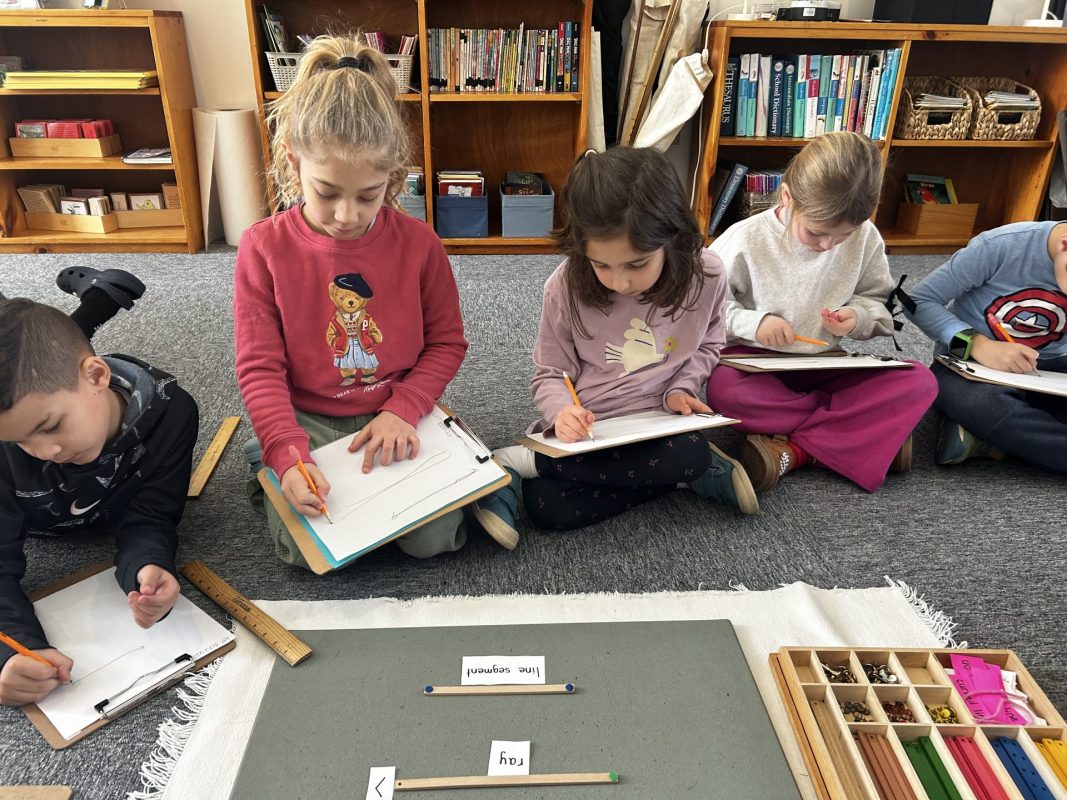
Our first years continued their study of lines, learning to distinguish between lines, rays, and line segments. They used the box of sticks as a hands-on manipulative, building and exploring each type of line in a concrete way. This work helps students move from abstract vocabulary to real understanding through movement and experimentation.

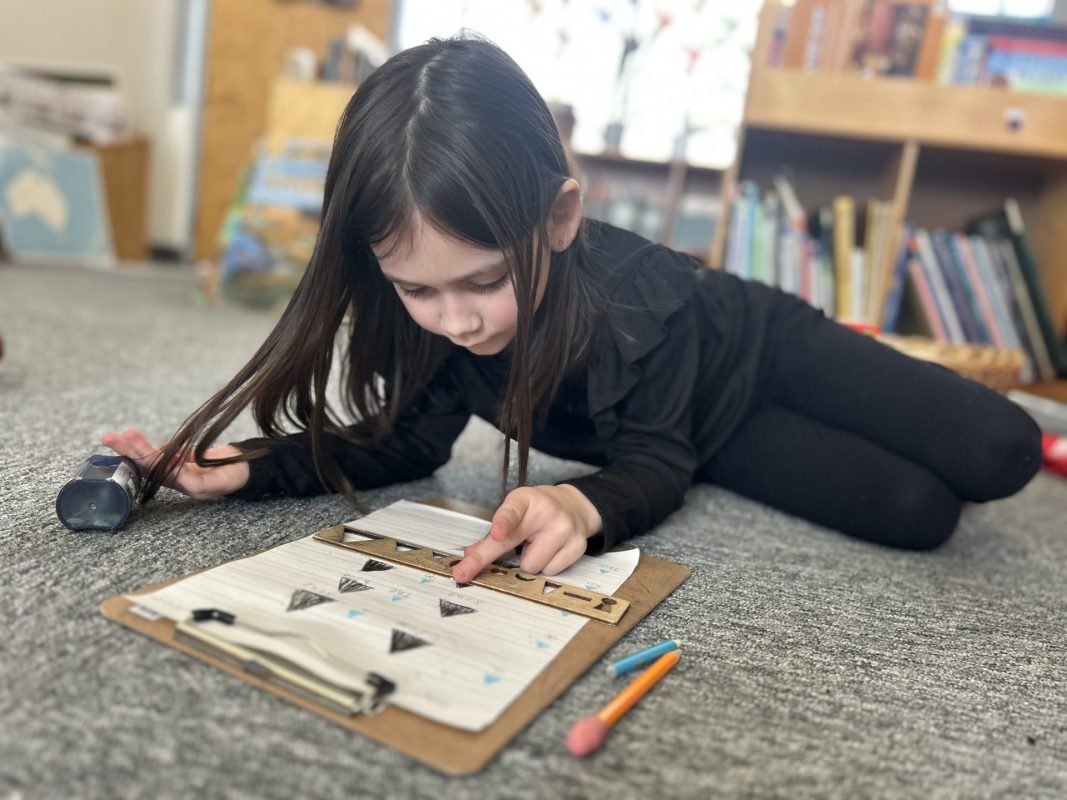
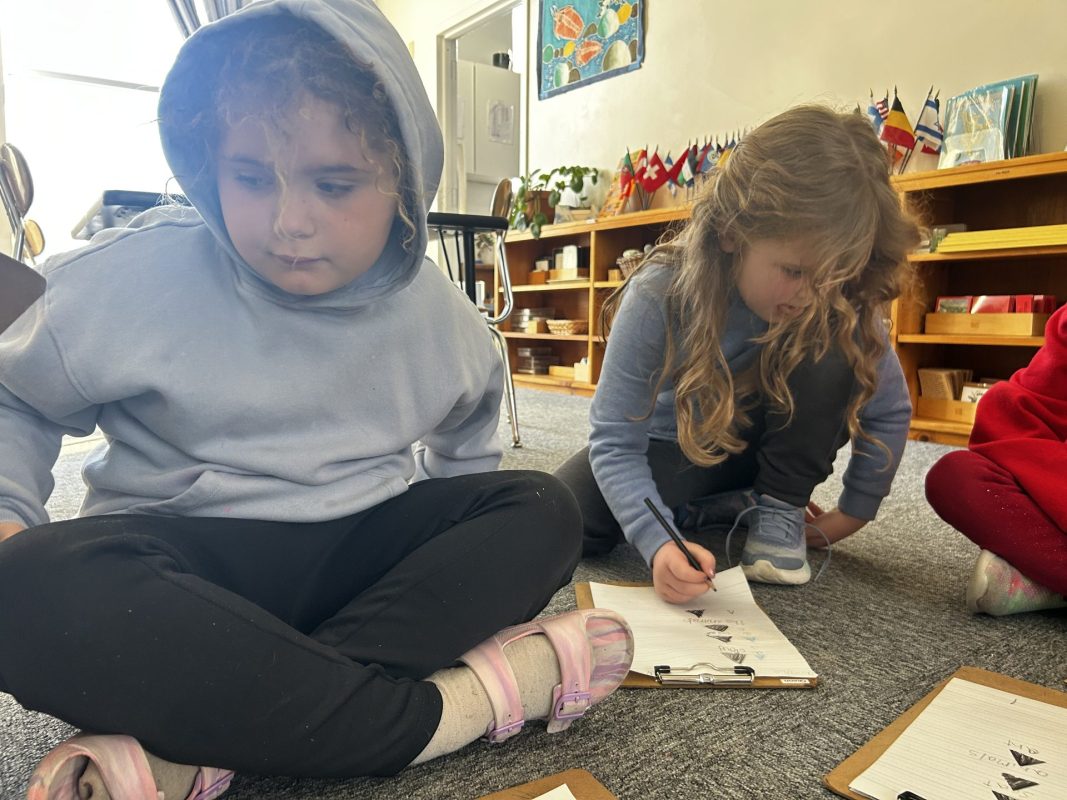
Second years focused on angles and their nomenclature using the fraction insets. They traced the different insets, identified angles as acute, obtuse, or right, and labeled the parts of each angle. This work combined careful observation with precise language as students deepened their understanding of angle relationships.

Third years began a brand new unit on polygons. They started by studying the parts of a polygon and discussing the difference between regular and irregular polygons. This foundational work will support their exploration of more complex geometric ideas in the weeks ahead.

We are also excited to welcome our newest first year, Quinn, who joined our class on Tuesday. We are so happy to have you in our community and look forward to getting to learn and grow with you!

Just a reminder that our class will be visiting the Downtown Cabaret Theater on Thursday, January 29th, to see Little Red and the Three Pigs. The theater is cabaret-style, so children will eat during the show. Please be sure to pack a picnic-style lunch and snacks for your child. We’re looking forward to a fun day!


Middle School: Week in Review

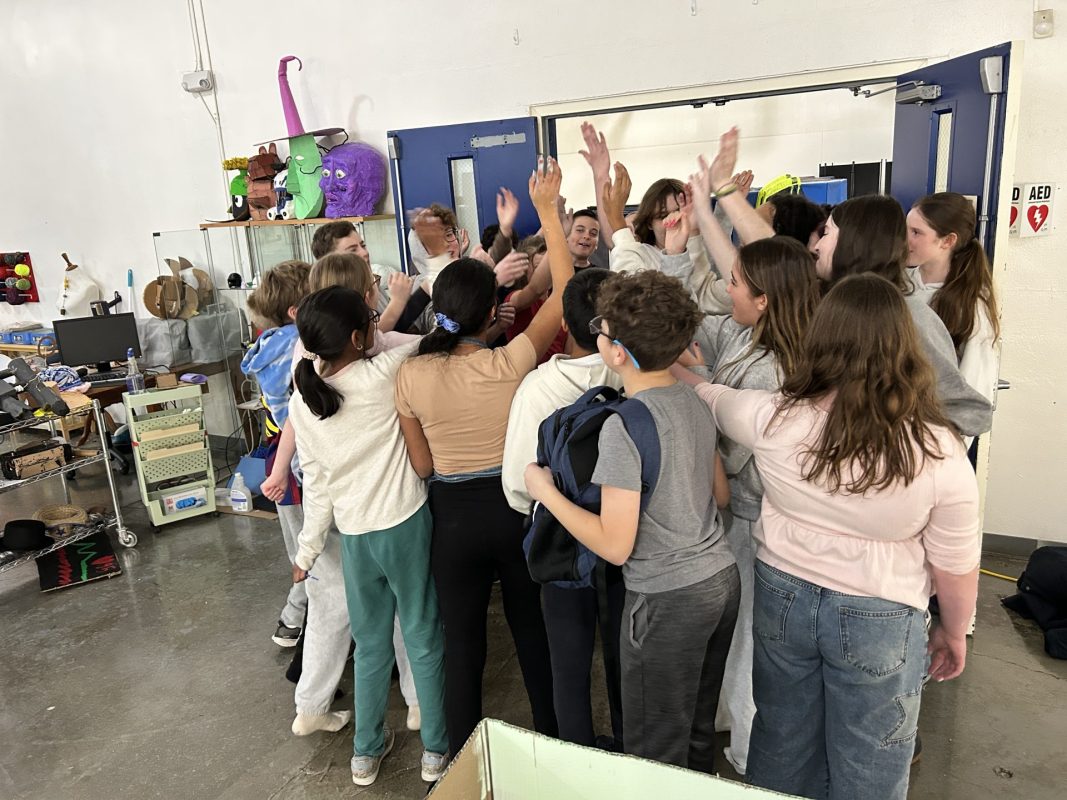
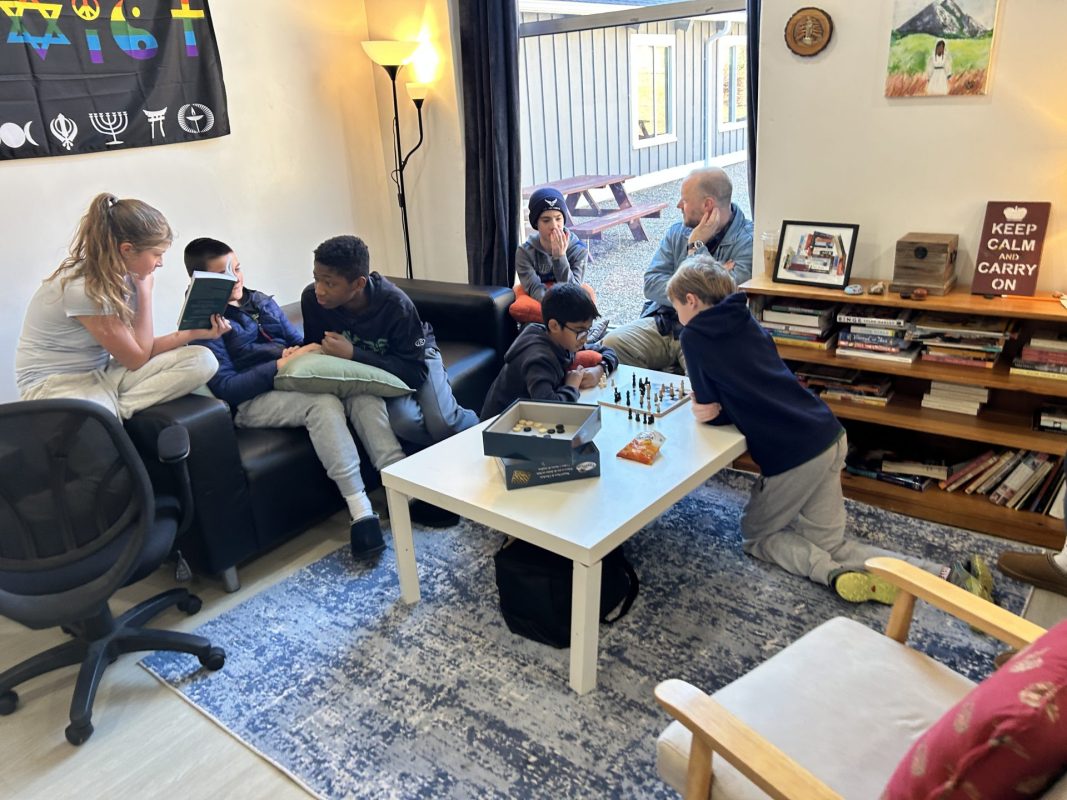
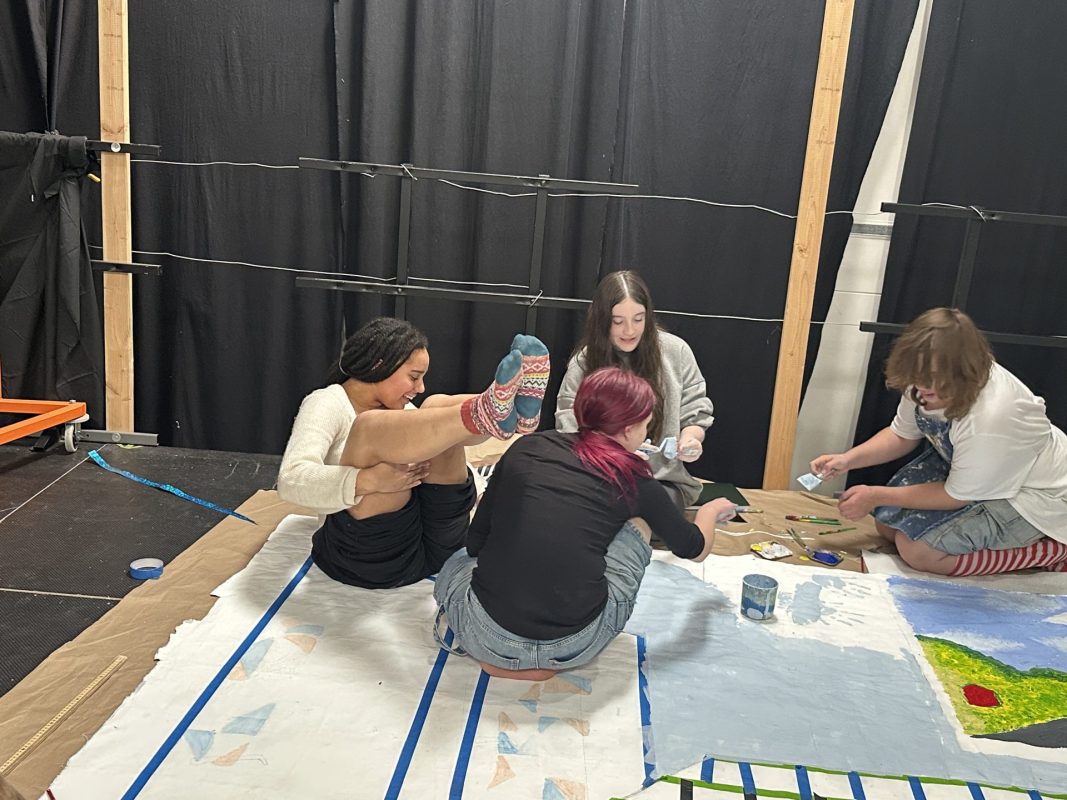
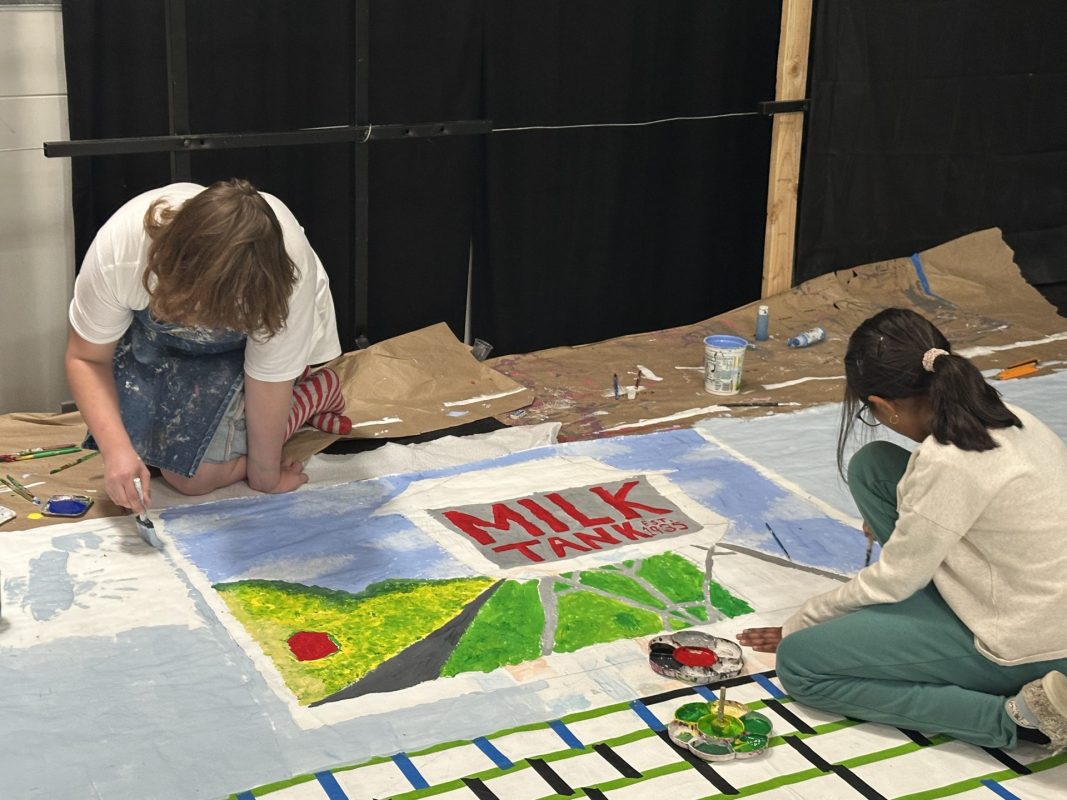
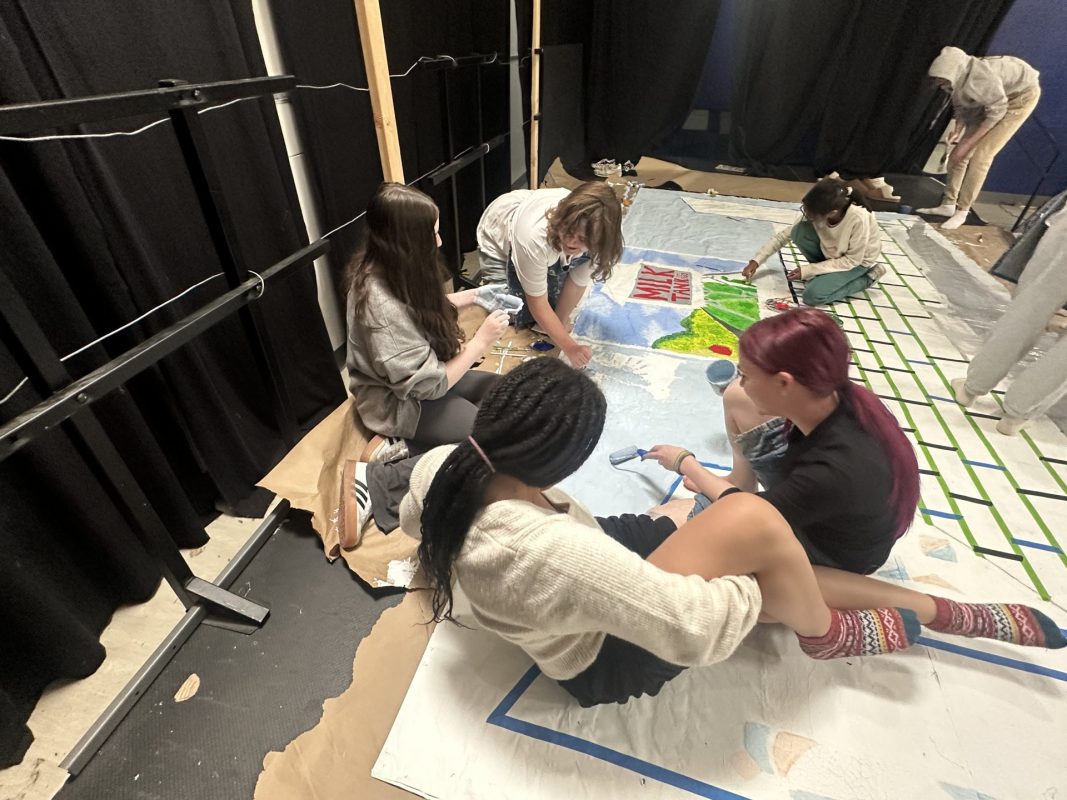
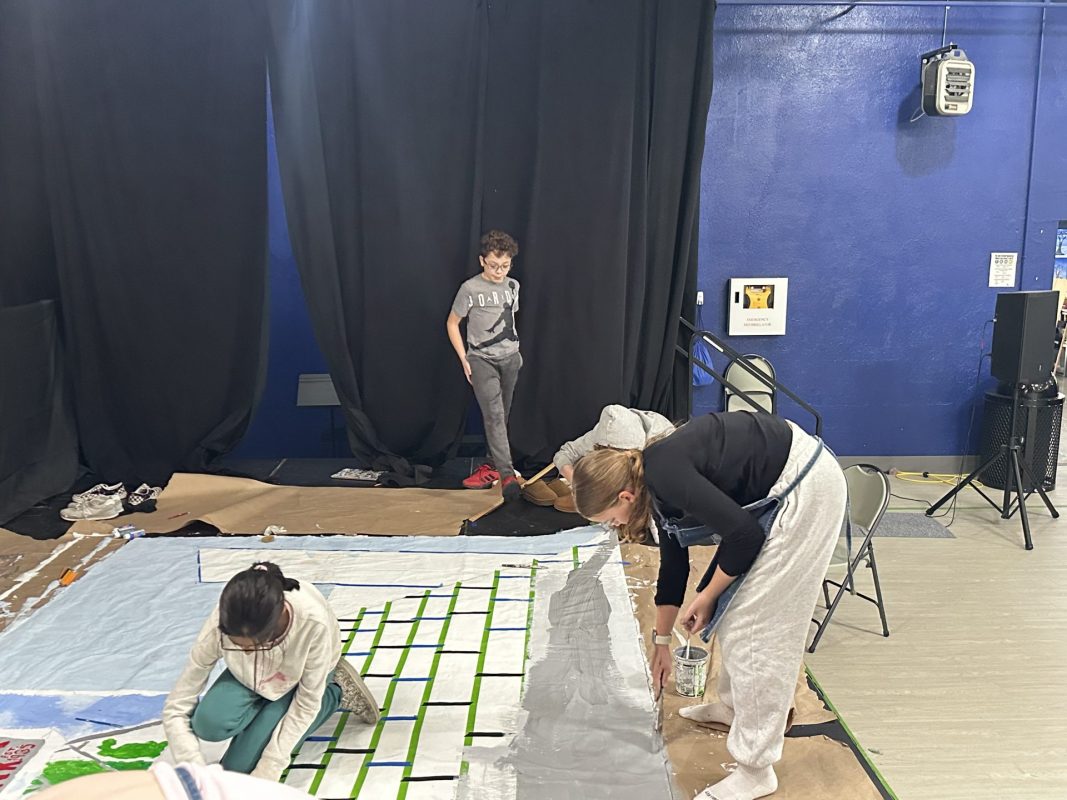
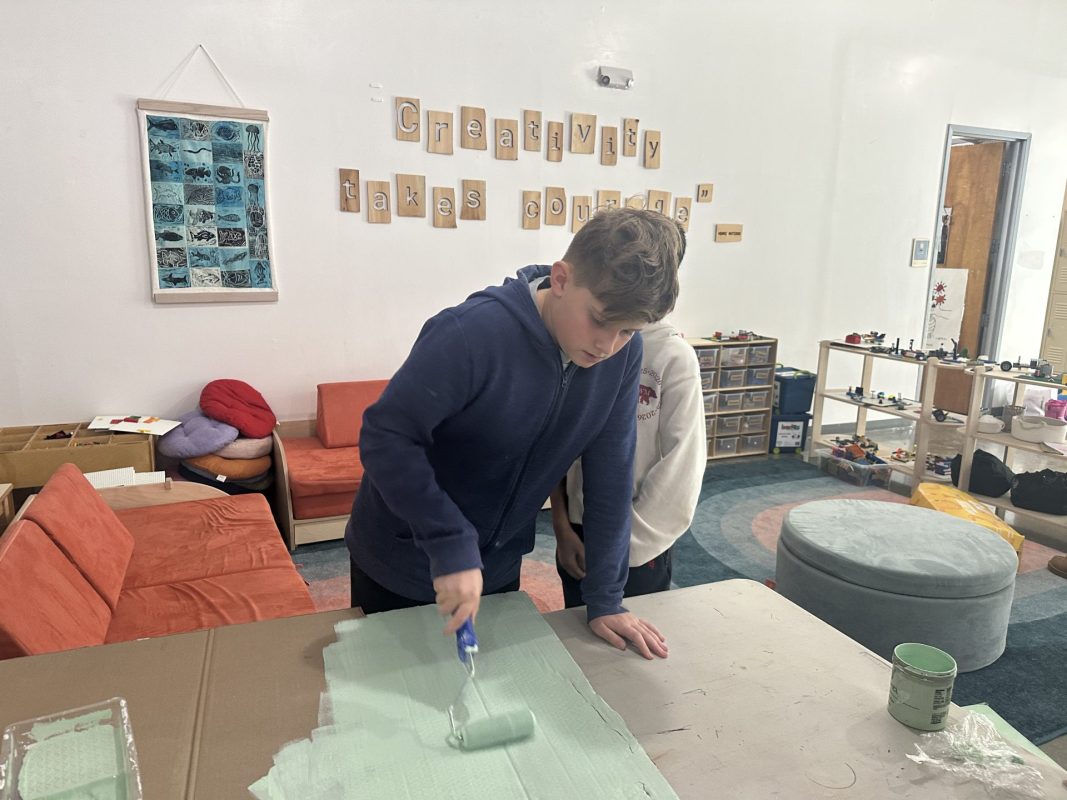
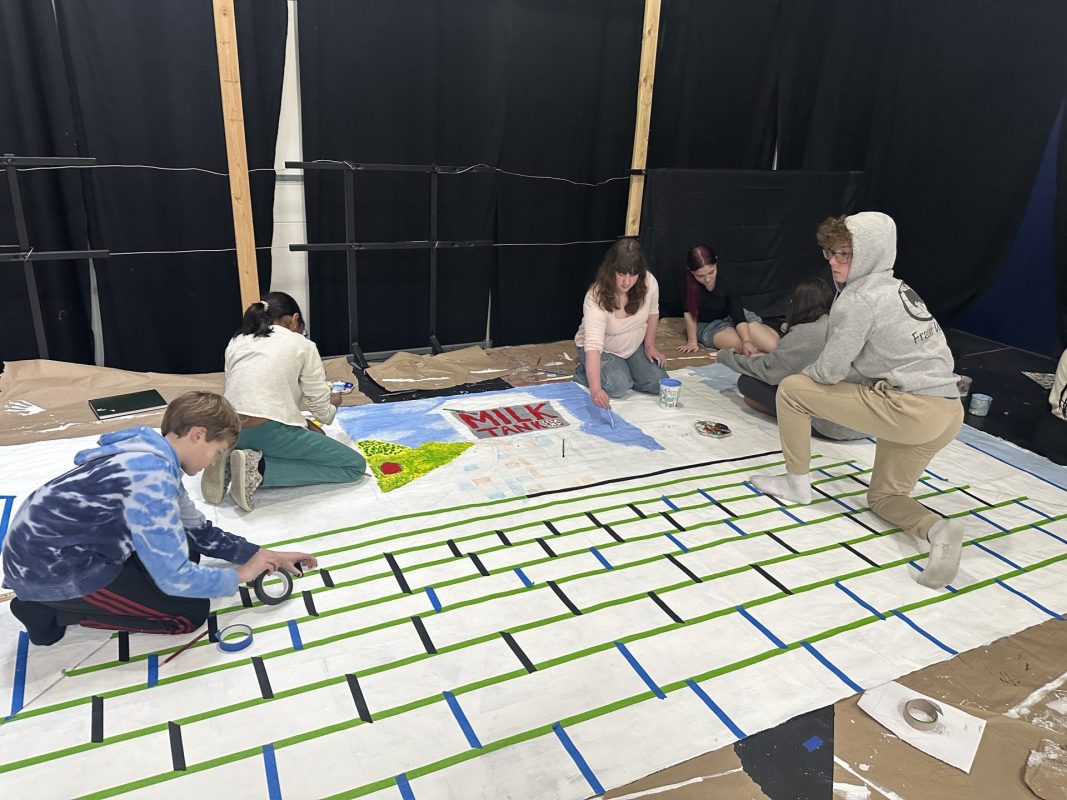
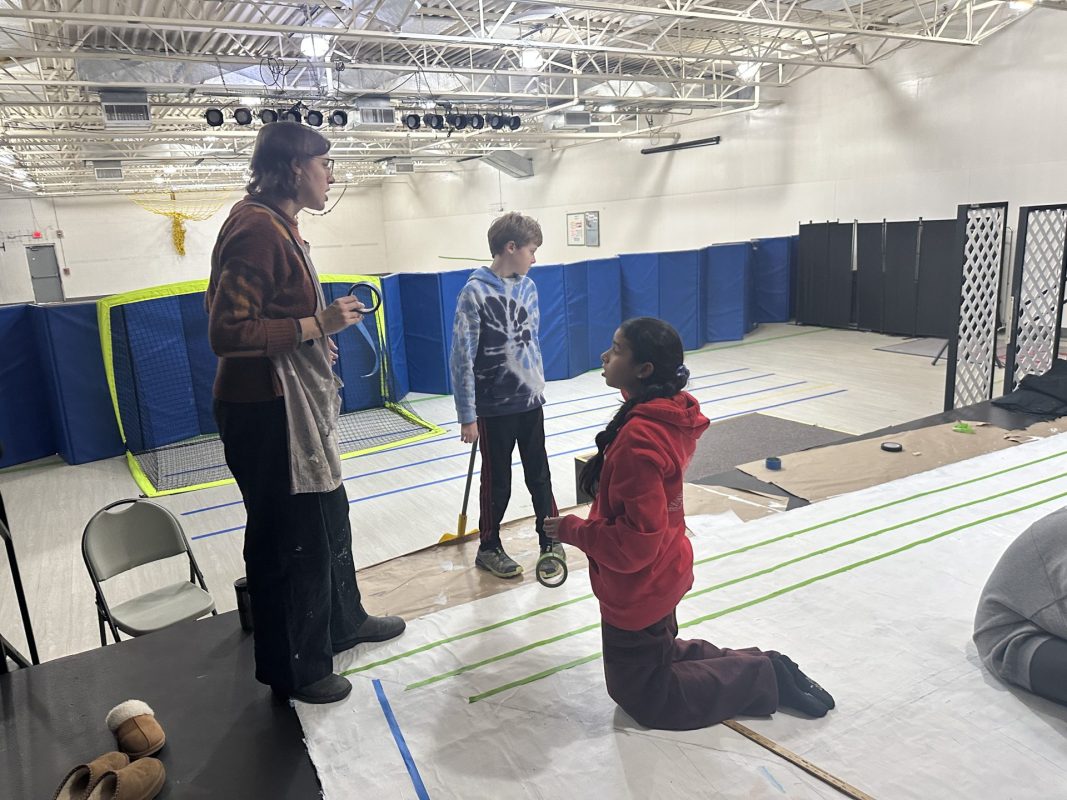
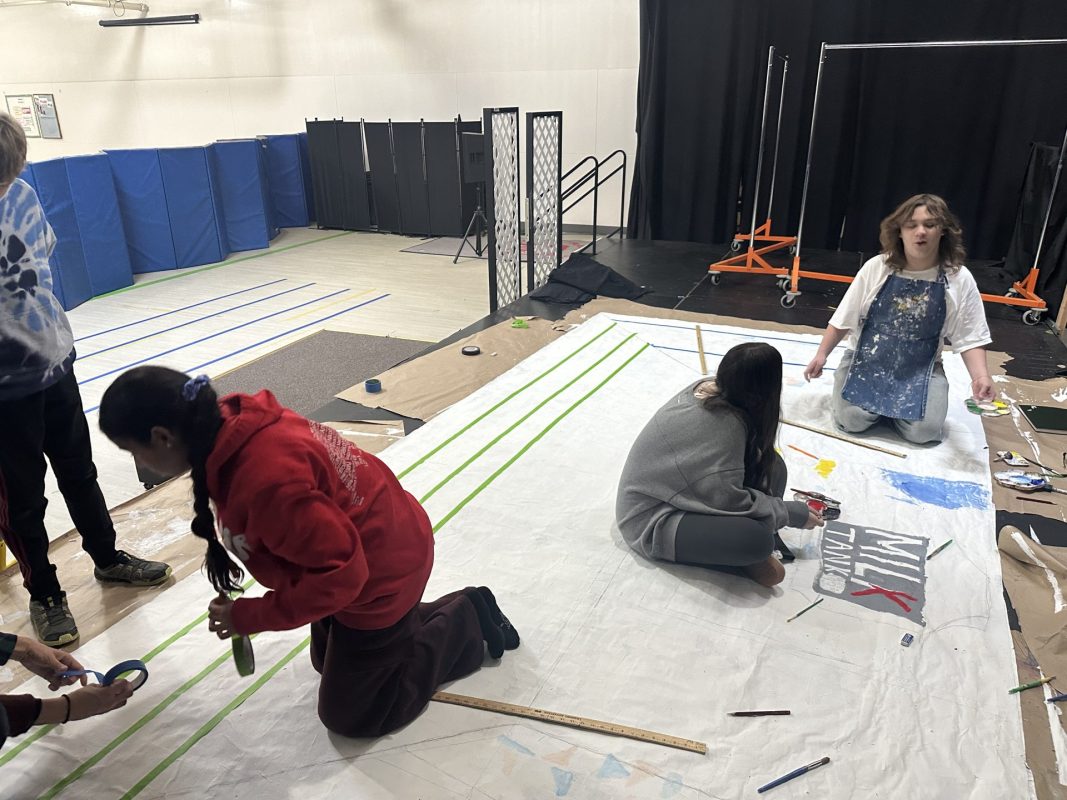
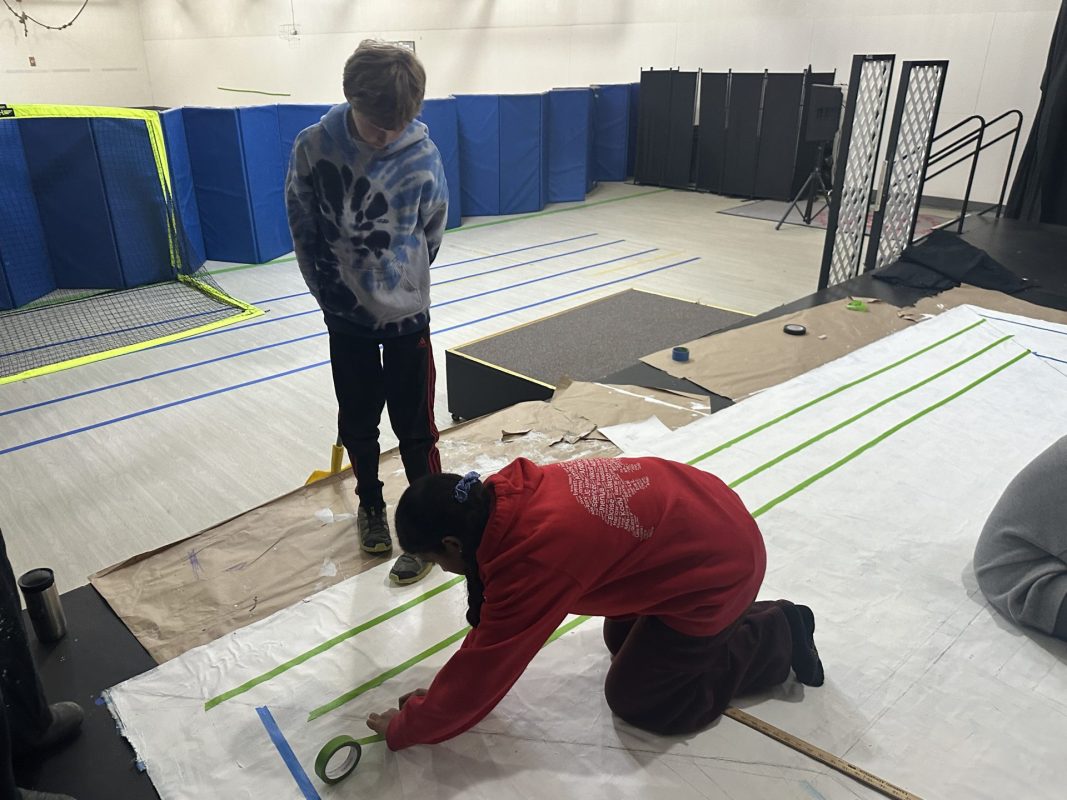
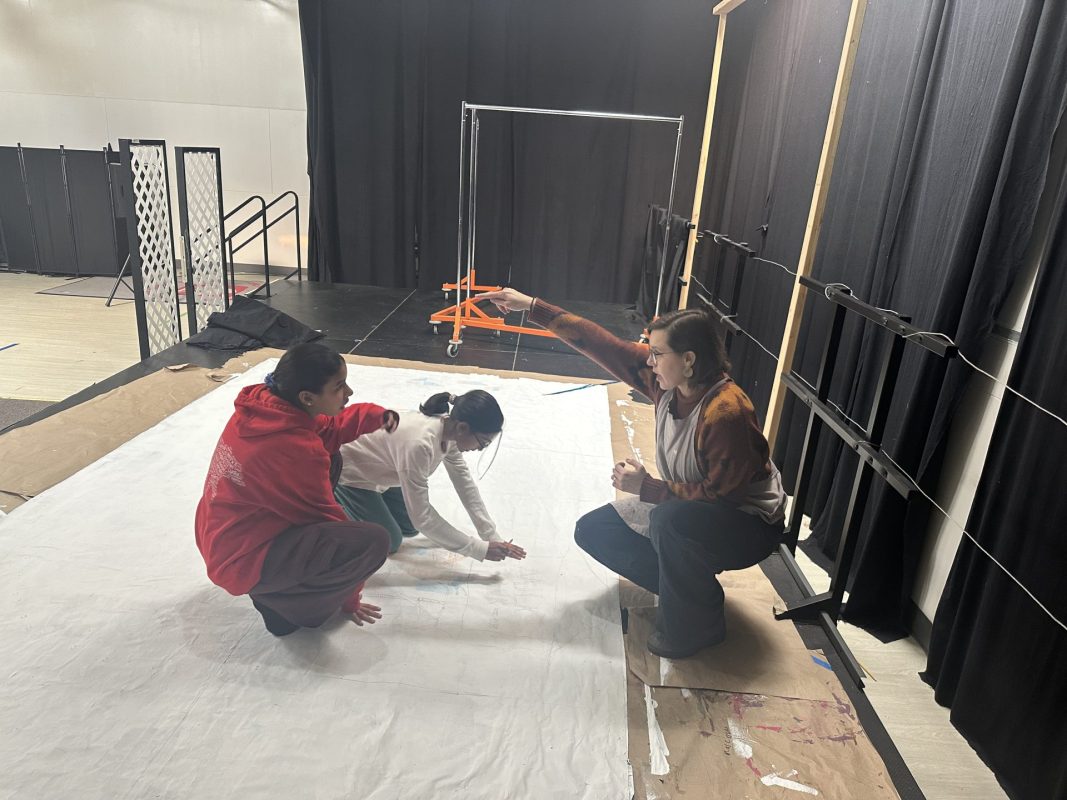
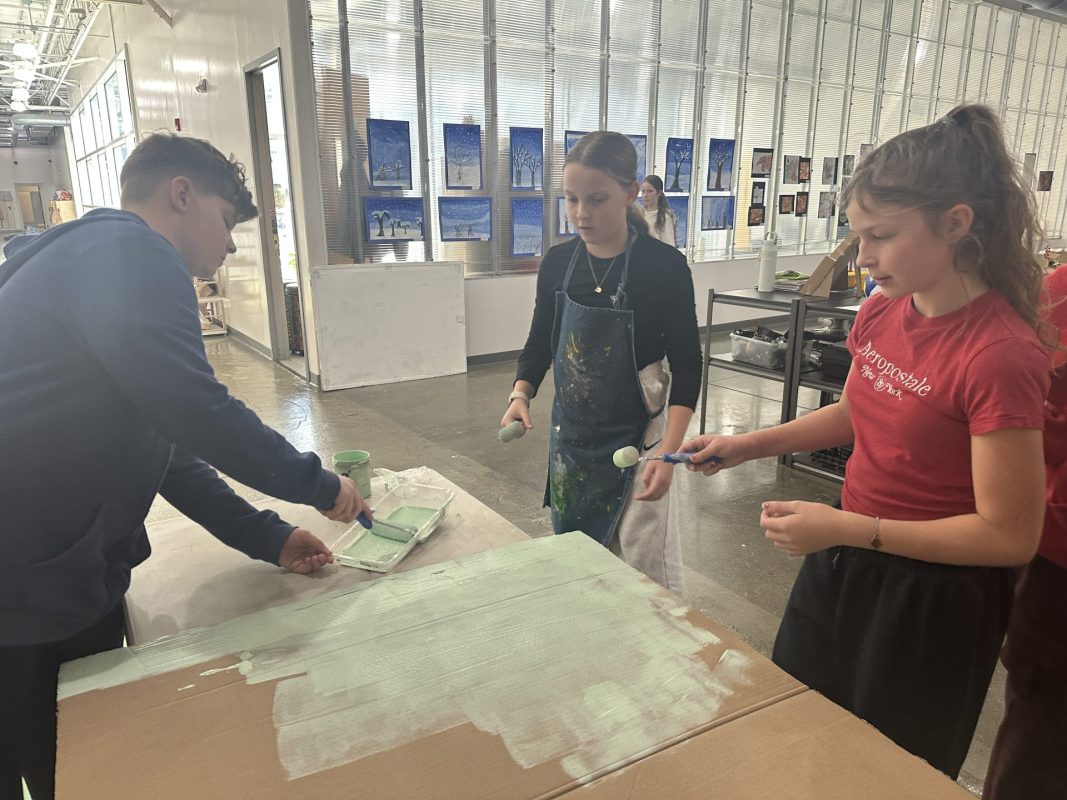
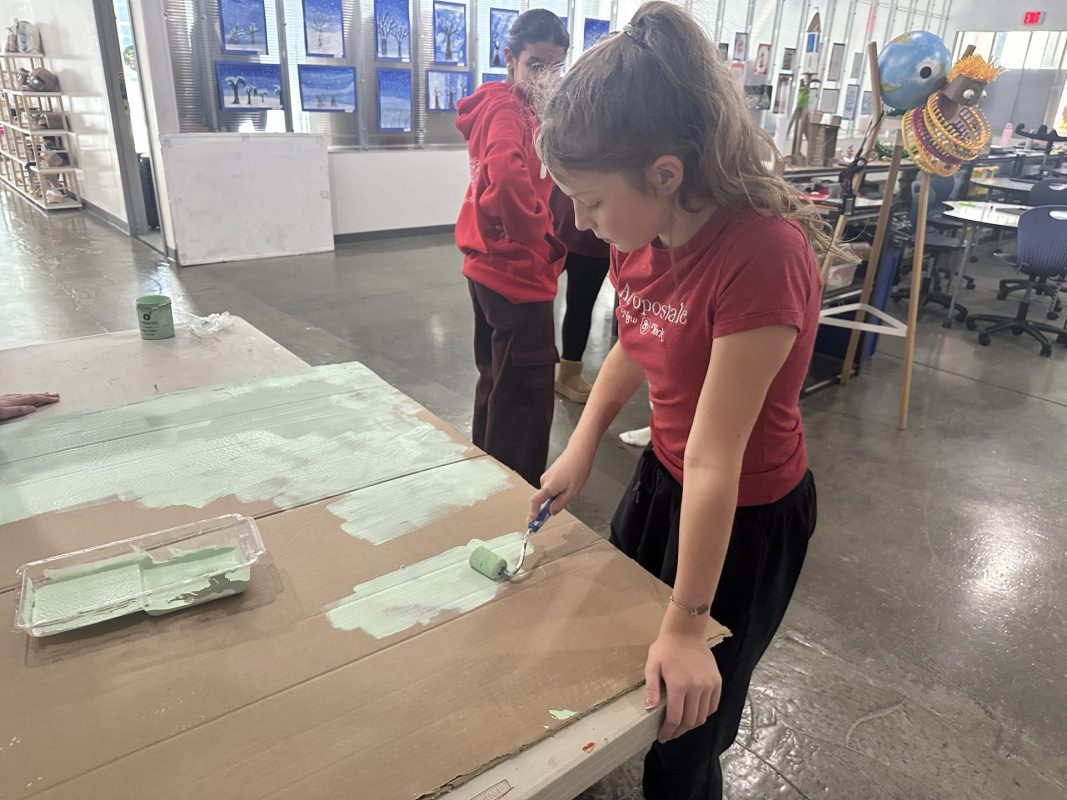
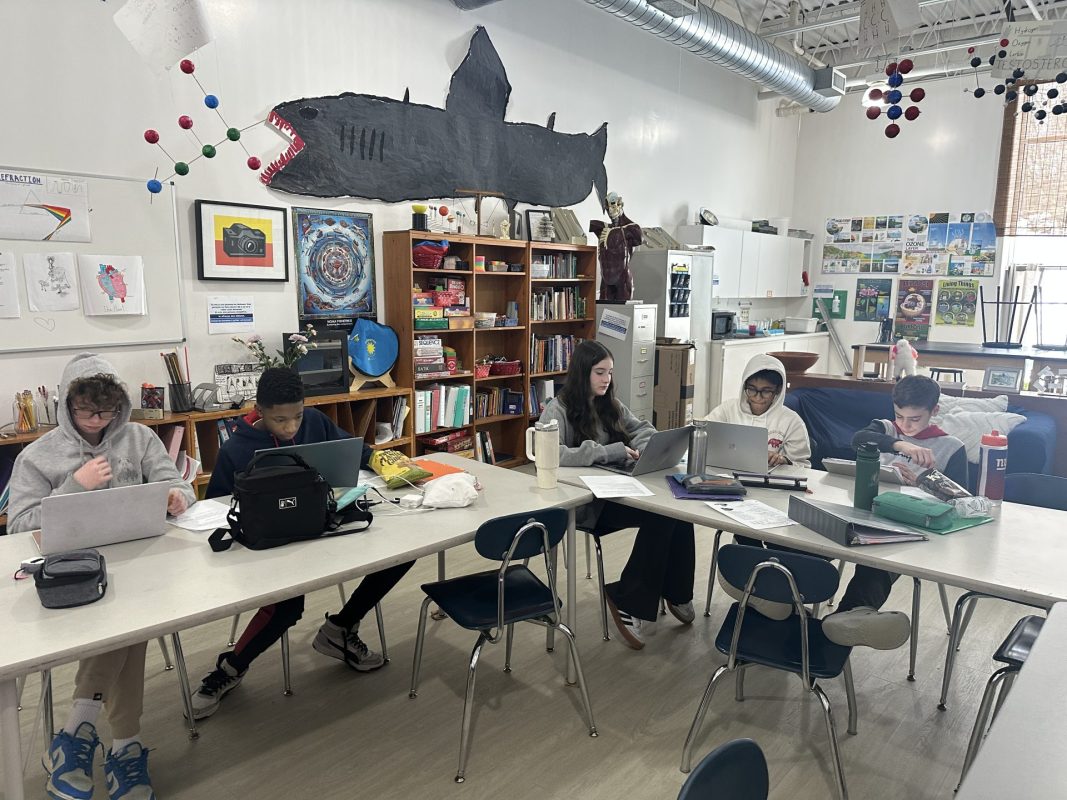
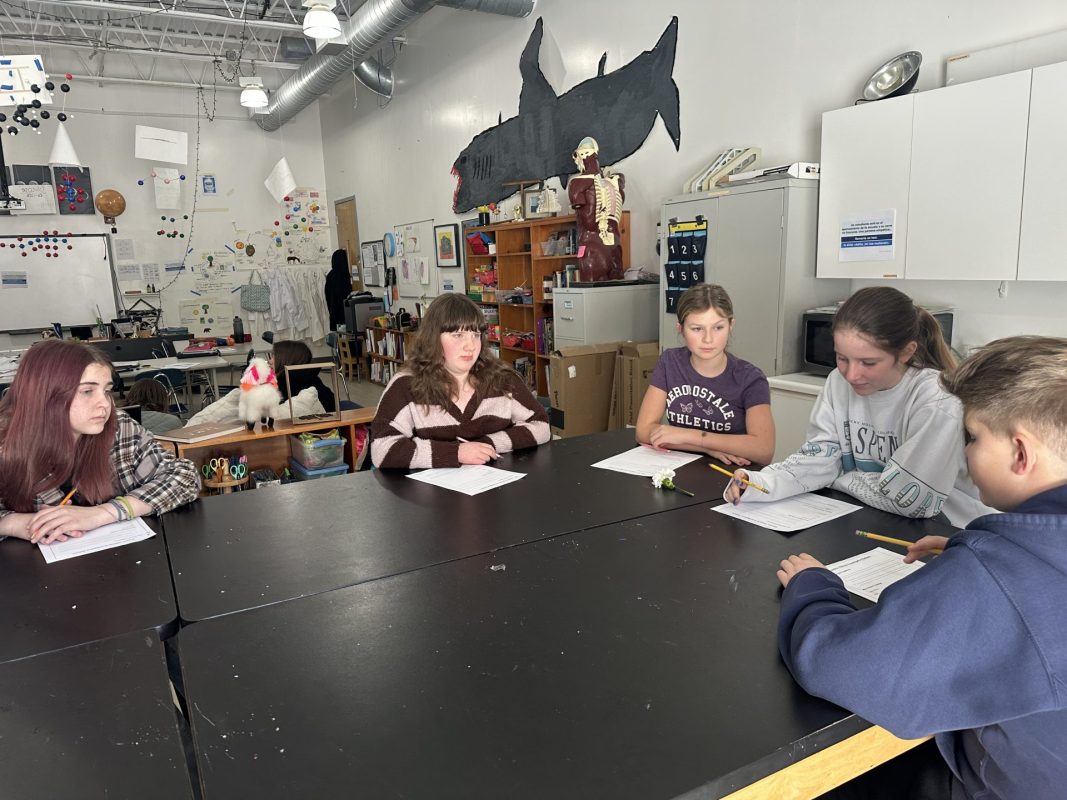
What a busy week for Middle School! Students kicked into high gear, getting ready for next week’s immersion week and production of their original play, Spoiler Alert!  In addition to their regularly scheduled classes, they worked on memorizing lines, building the set, and getting props ready to go. Under a bit of pressure with a probable snow day on Monday, students understood what needed to be done in order to have a successful show with one less day. Everyone is excited for next week!

Announcements:

  • Monday, 1/26-Friday, 1/30: Immersion Week
  • Friday, 1/30 @ 7 pm: Middle School Play (call time and other details to come)
  • Check with your MS student(s) to make sure they have their refillable water bottle with them.
  • Please check for appropriate winter attire for the outdoors. Most students will go outside with their younger peers during Community Service each week.
  • MS ARRIVAL BEGINS AT 8am: As teachers enter the building and prepare for the day, supervision will begin at 8am. Please stay with your child/children until this time. Thank you for your help!
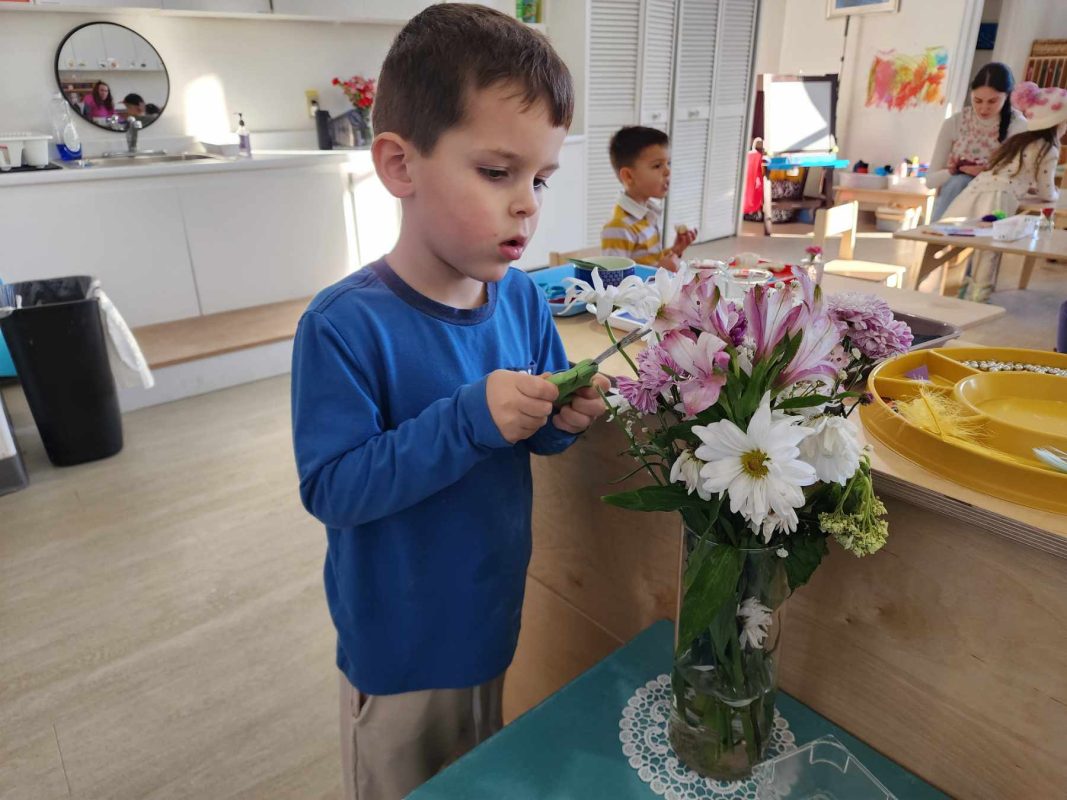
  • MS Flower Schedule

Humanities

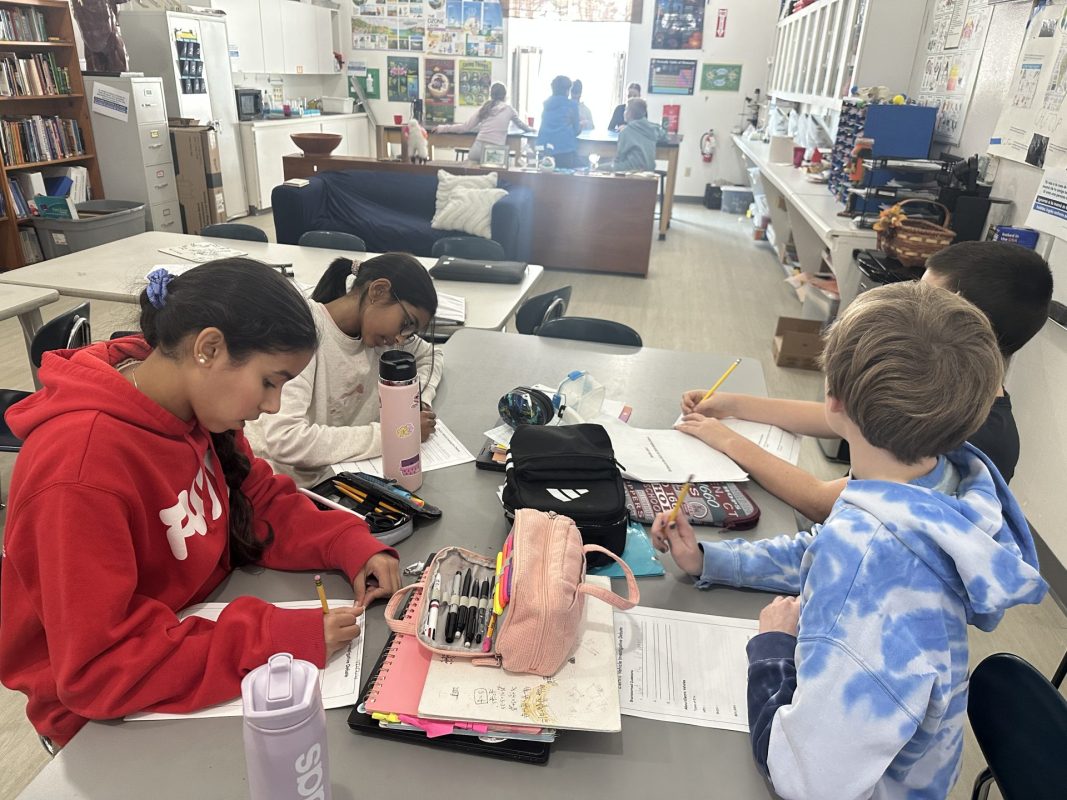
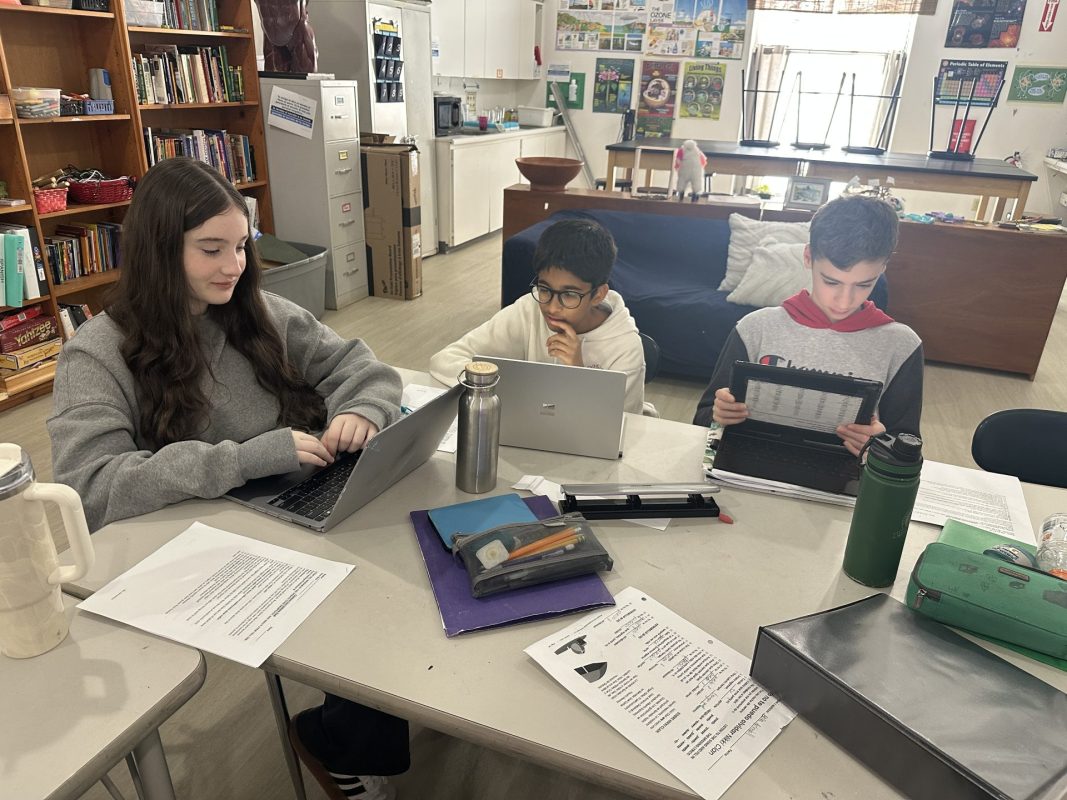
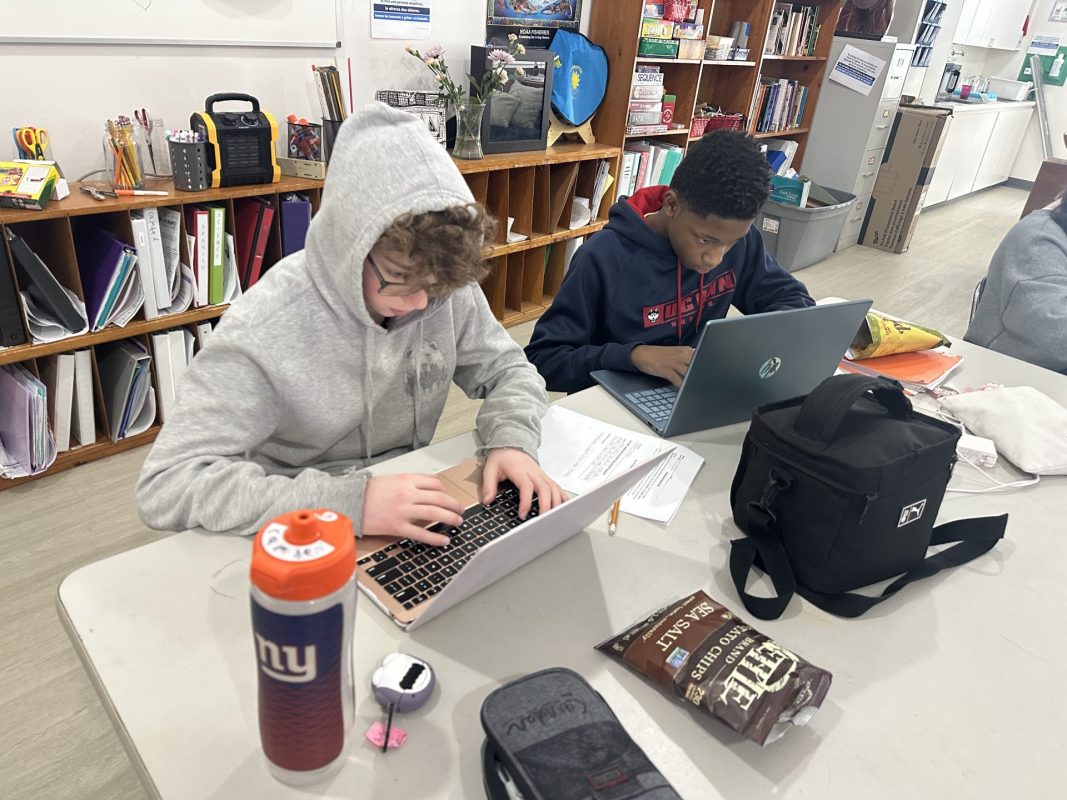
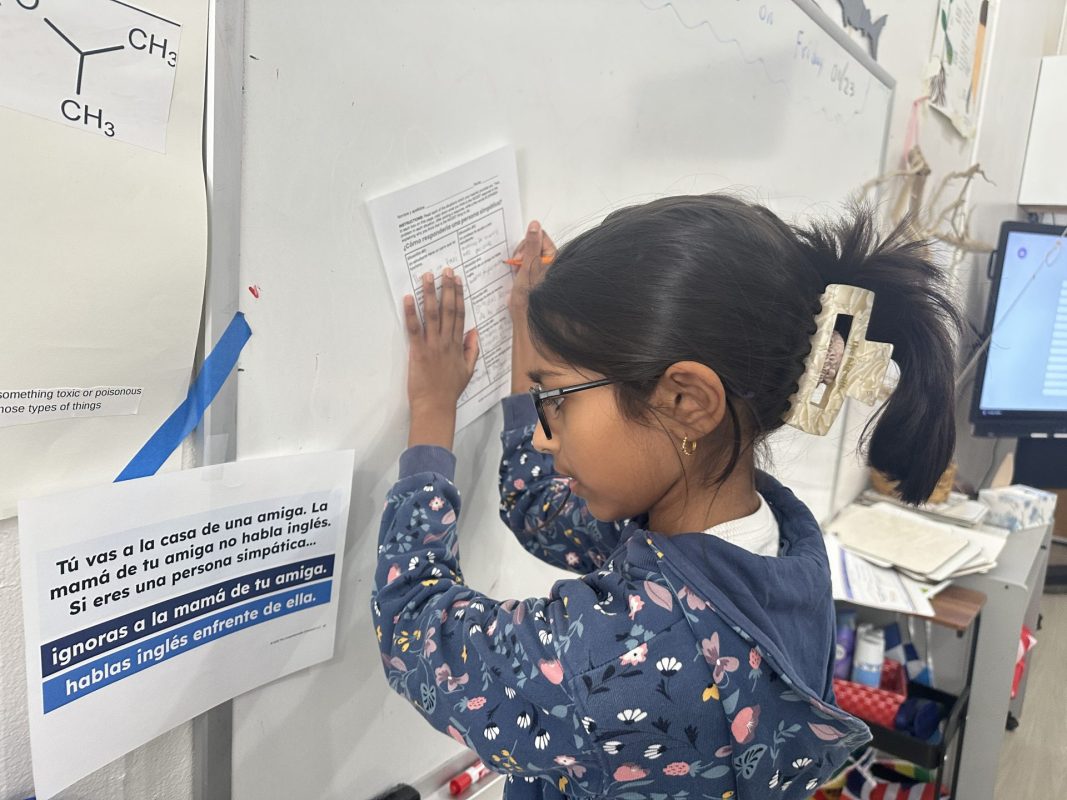
This week, 6th and 7th grade Humanities classes began their research project: A Moment in History. This 5-week assignment will include finding reliable resources and gathering research for a 3-5 page essay and a 5-minute presentation about a topic of their choice within the theme. This week, students brainstormed two potential topics that interest them. Students considered whether there would be enough accessible, reliable resources and whether the topic would be a reasonable choice for the assignment. Students proposed their topics and made selections. Then, they submitted a short resource list to Mrs. Lamb and went home with at least one article from a reliable resource to annotate. More information regarding the project and its timeline will be sent home.

8th grade Humanities classes this week mostly focused on their original play, Spoiler Alert! They completed a read-through, some last-minute editing and revisions, and then spent time learning lines and working on the set. Additionally, the 8th grade continued working on their expert project, developing their thesis statements. This will be the “North Star” for their research. Students have Expert Project check-ins each Tuesday in Humanities class.


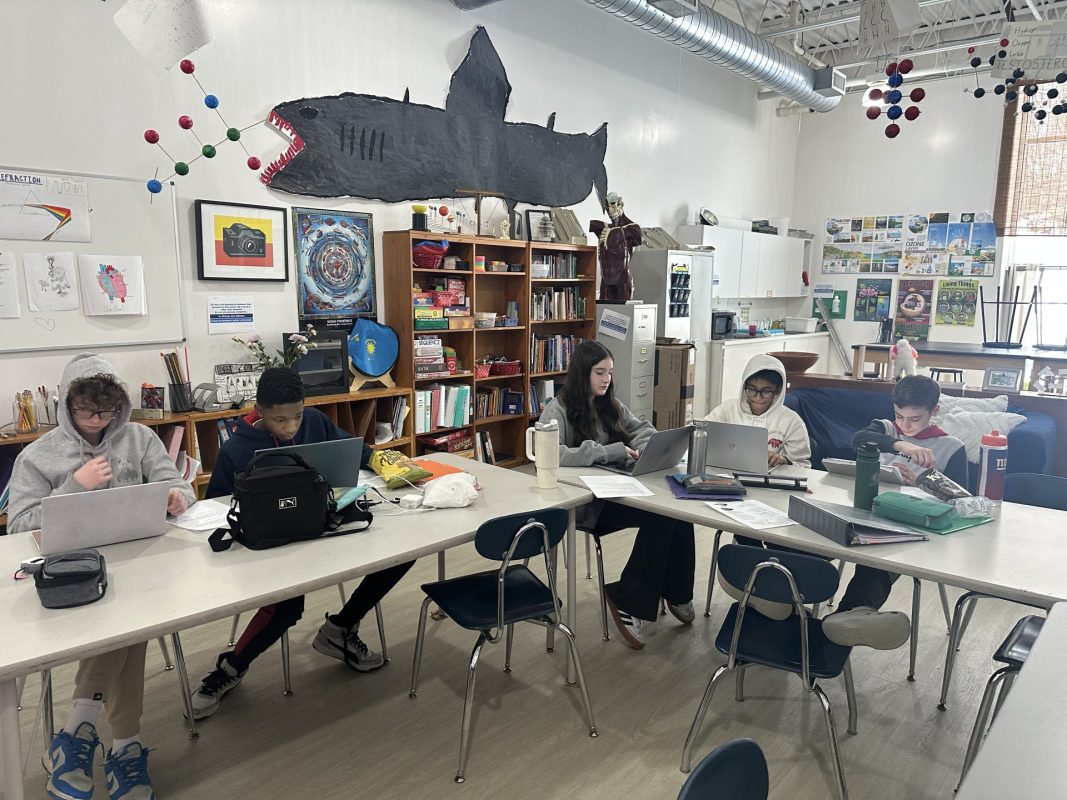
Science

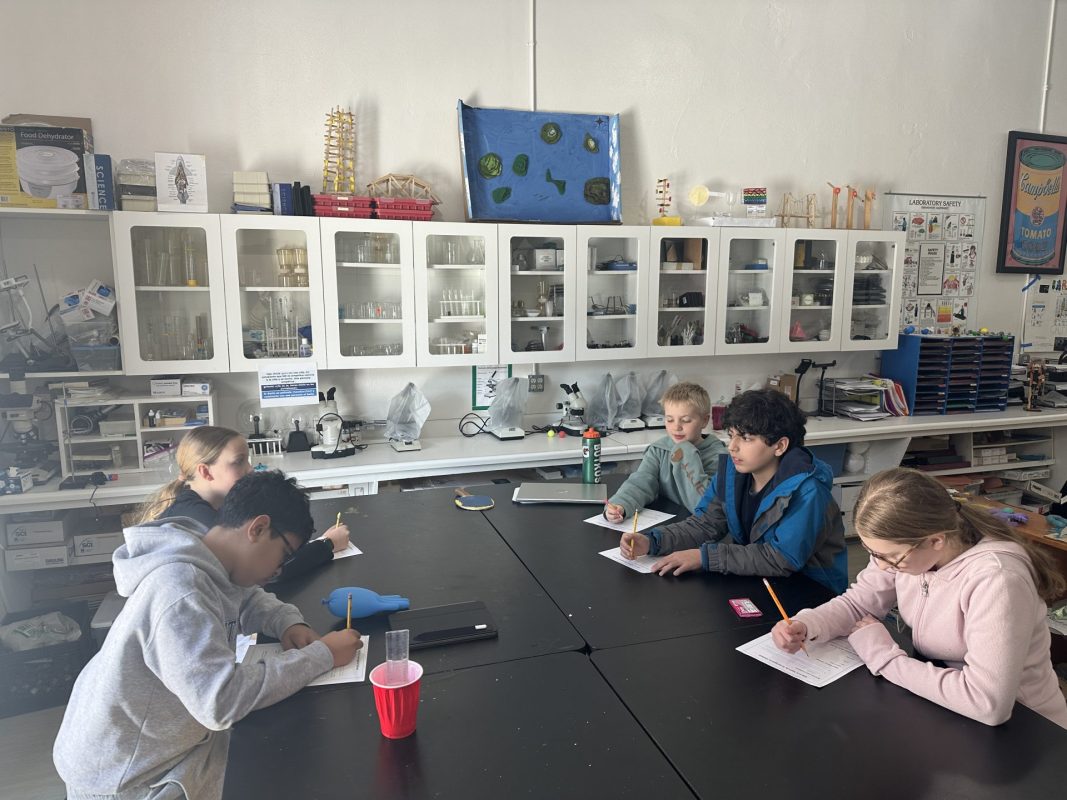
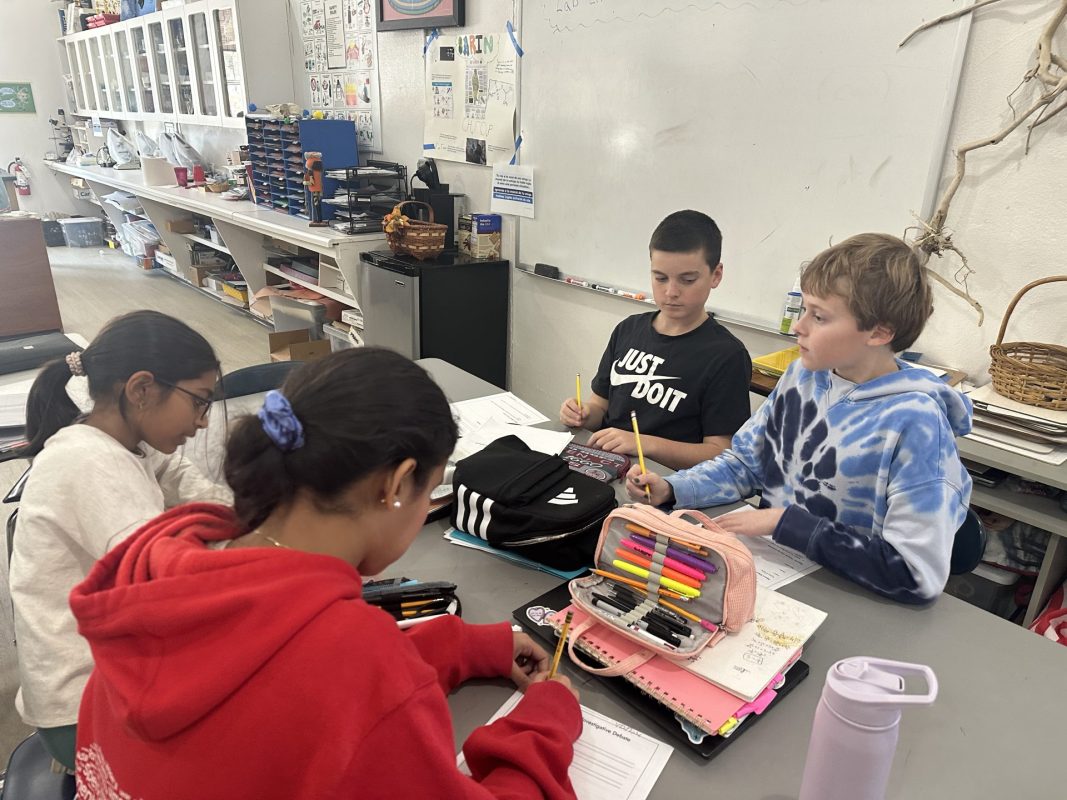
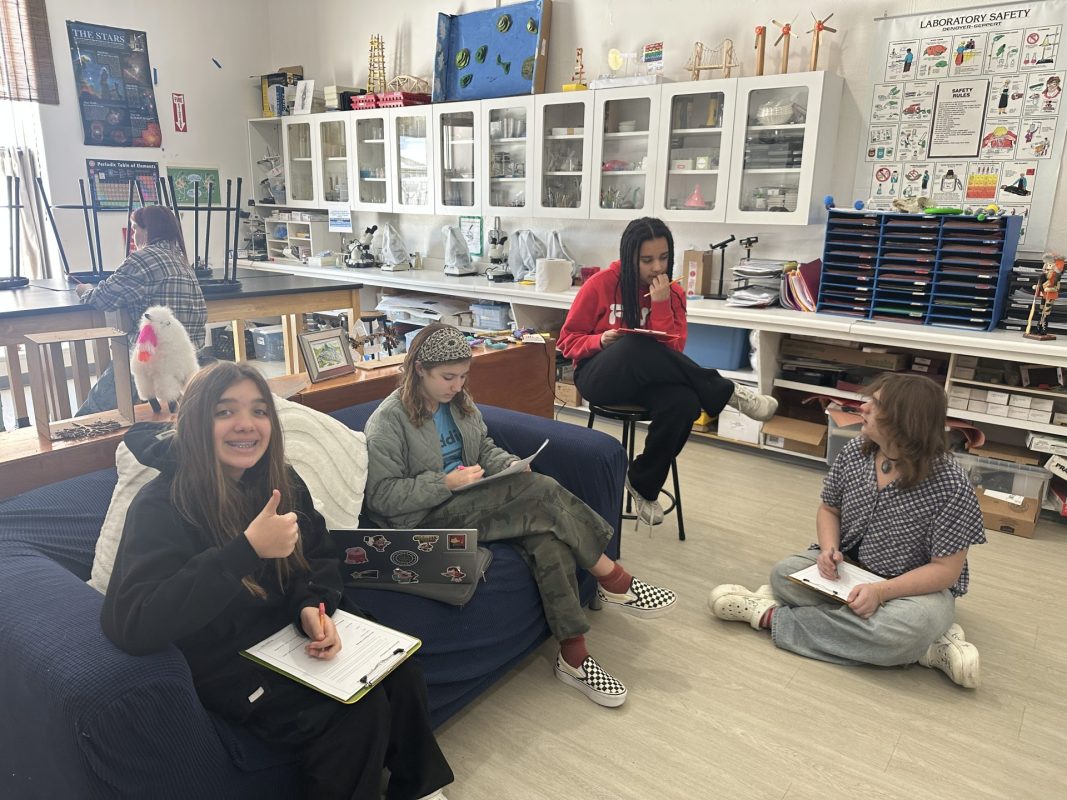
Middle School students are still working on their weekly reading assignment about a science news article. Also, they had a basic lesson on how to support arguments using CER framing. There are abundant topics that could be material to debate in science, and students should be able to support their claims with evidence and reasoning. This week, students started to participate in a science class debate. They also got a very basic introductory class about how to participate in a debate. Students from 6th-7th Grades will debate about the use of an electric car.  In each class, they split into two teams:  Team Pro and Team Con. Each team is working on gathering well-supported information using evidence and reasoning to support their arguments.

8th graders are also working in their life science class debate about the use of stem cells. They also got an introductory class about how to participate in a debate, and they started to gather reliable information to support their team. Eighth graders also have a team pro and a team con. All middle school students are currently working on gathering information to support their arguments.


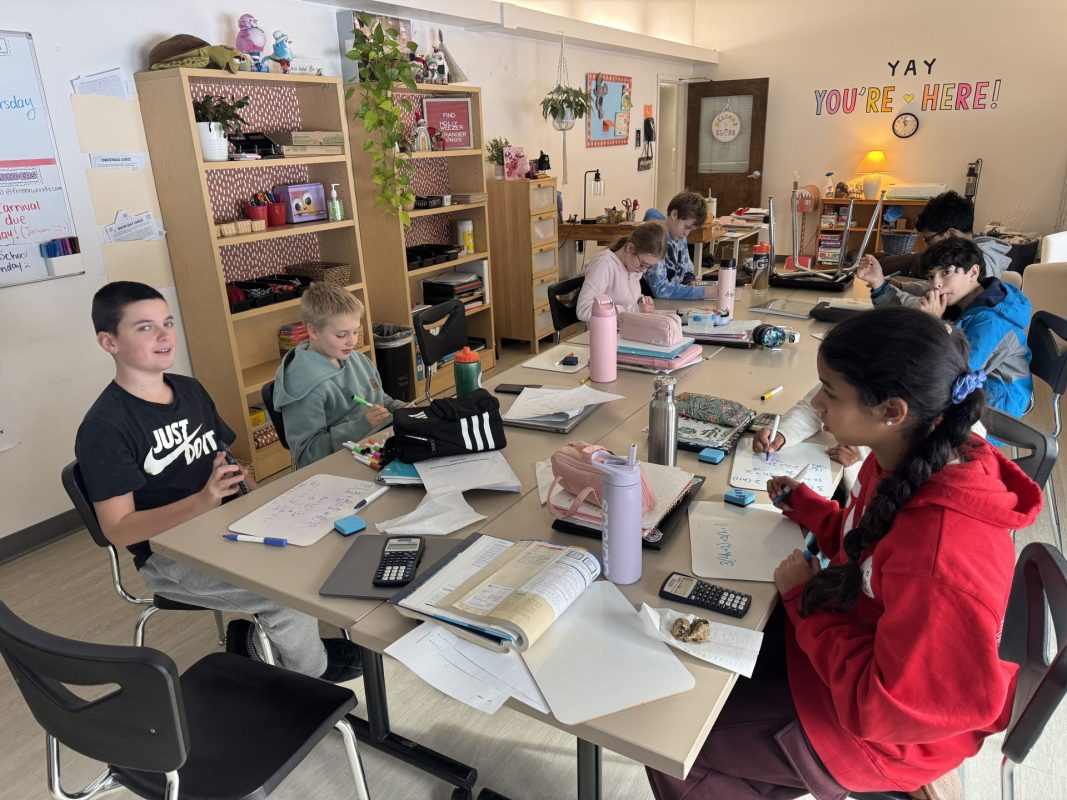
Math

Pre-Transition: Students worked on strengthening their understanding of the relationship between addition and subtraction. They explored related facts and used fact triangles to see how the same three numbers can create both addition and subtraction equations. This helped reinforce number sense and fluency. They also learned two visual models to support their thinking: the slide model for addition on a number line, showing how numbers move forward, and the take-away model for subtraction, demonstrating how numbers move backward.

Transition: Students took the next step by learning the rules for adding and subtracting positive and negative numbers. Using number lines and patterns, they practiced recognizing how direction and value affect their answers. They also learned how to determine the magnitude of both clockwise and counterclockwise rotations in degrees.

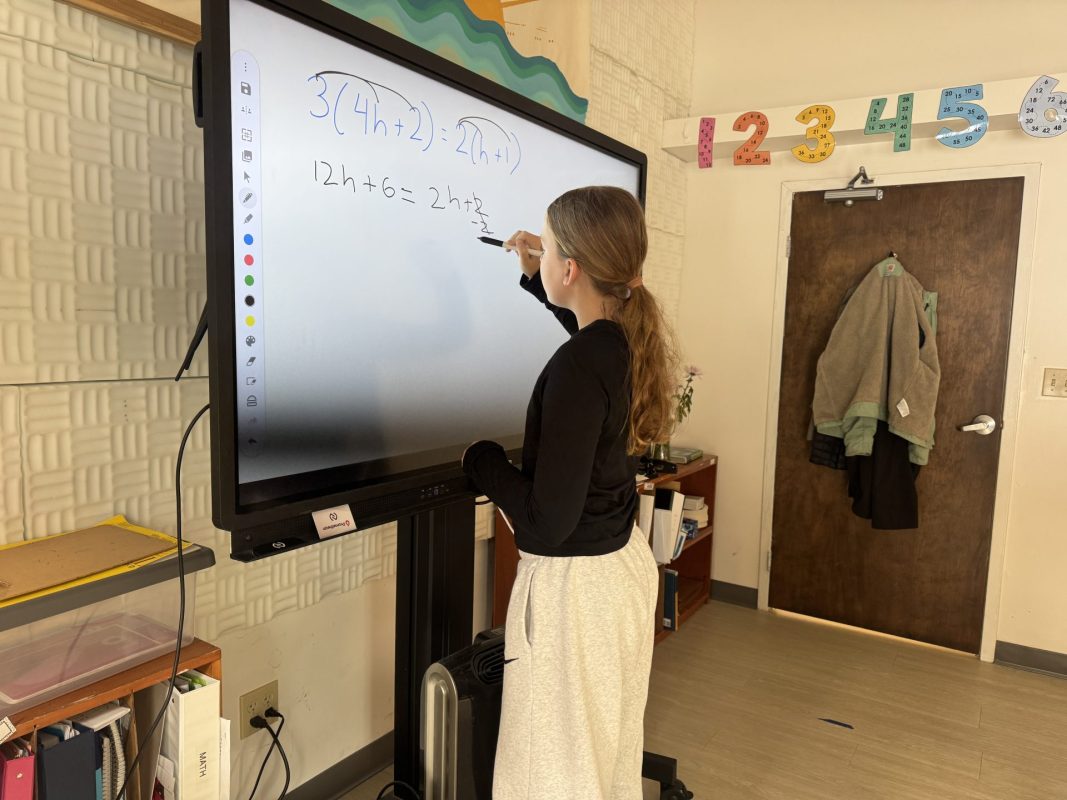
Algebra: In Algebra, students reviewed how to solve percent problems, reinforcing real-world math applications. They also learned how to graph horizontal and vertical lines and practiced solving equations with variables on both sides, which is a key skill that requires careful balancing and multiple steps. Students wrapped up the week by taking the Chapter 4 Quiz to demonstrate their understanding of these concepts.

Geometry: Geometry students completed Chapter 3 this week. They learned how to write the equation of a perpendicular line when given the slope of another line and a point the new line must pass through. This required students to apply their understanding of slopes and linear equations in a new way. They also learned how to dilate figures on a graph, exploring how shapes can be resized while maintaining their proportions.

Algebra II: Algebra II students took their Chapter 3 Quiz this week. They also learned how to find the line of best fit for a set of data and explored how to measure the deviation of data points from that line. Using Desmos, students practiced finding the equation of the regression line, connecting their understanding of scatter plots to algebraic models.
Ms. Mollie: Snow Play! ❄️☃️
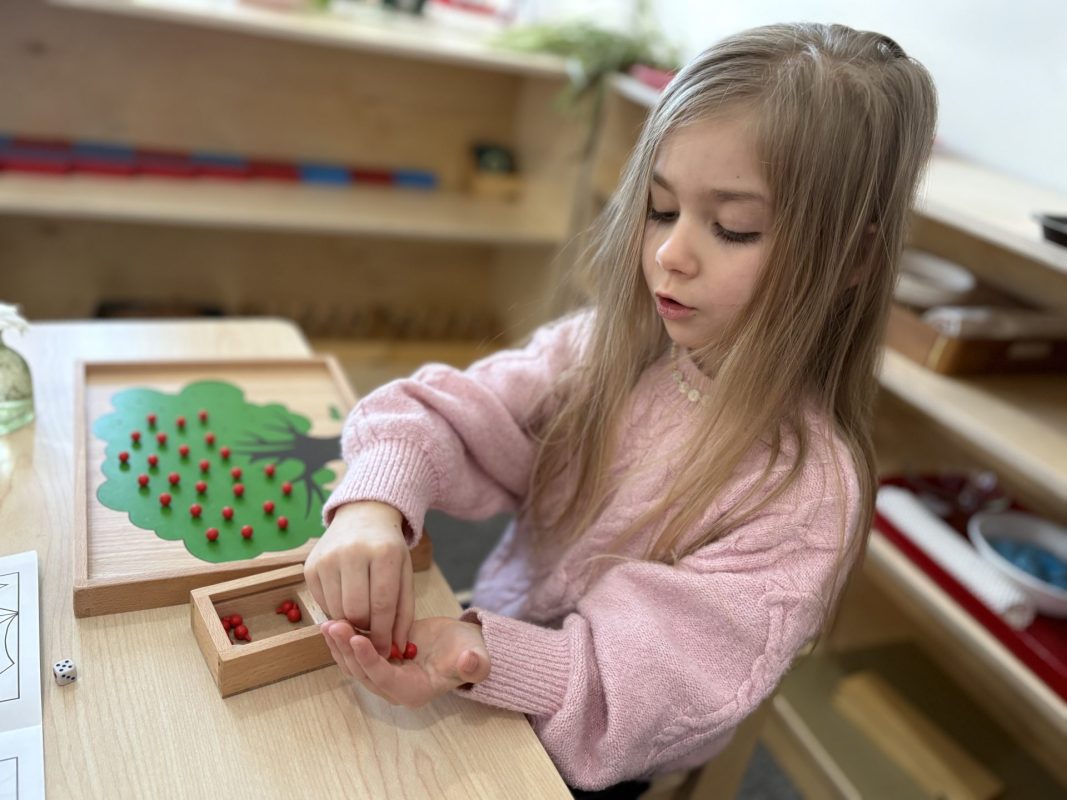
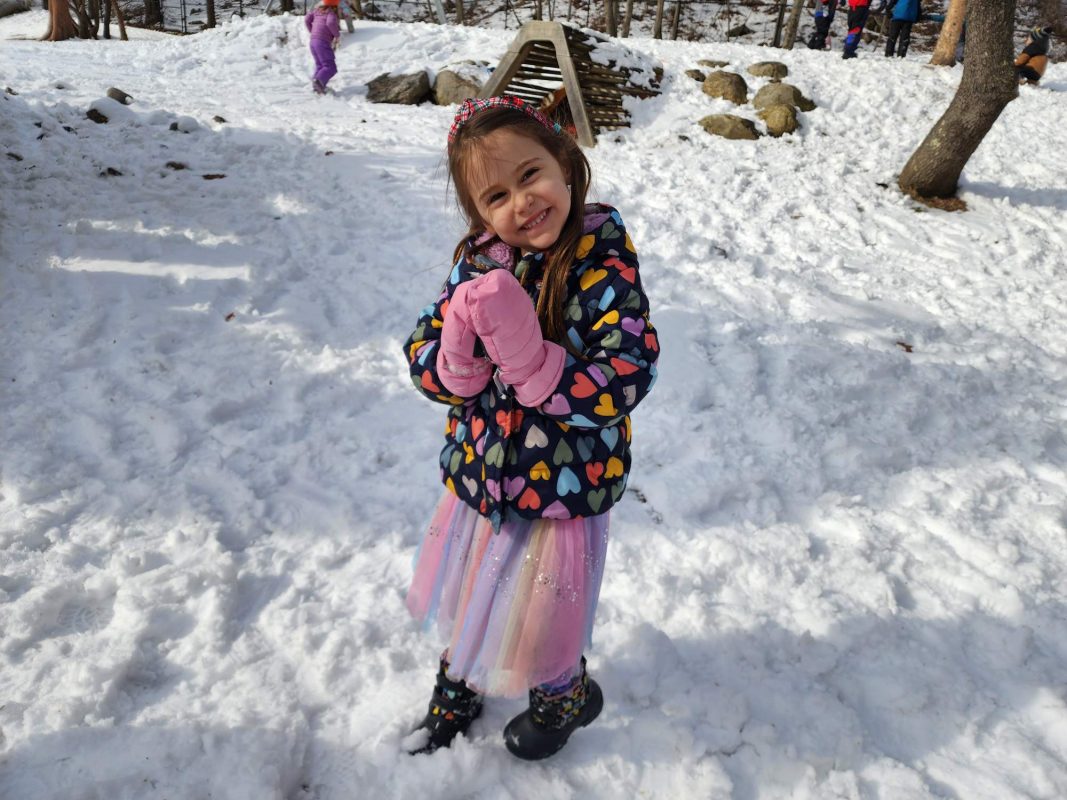
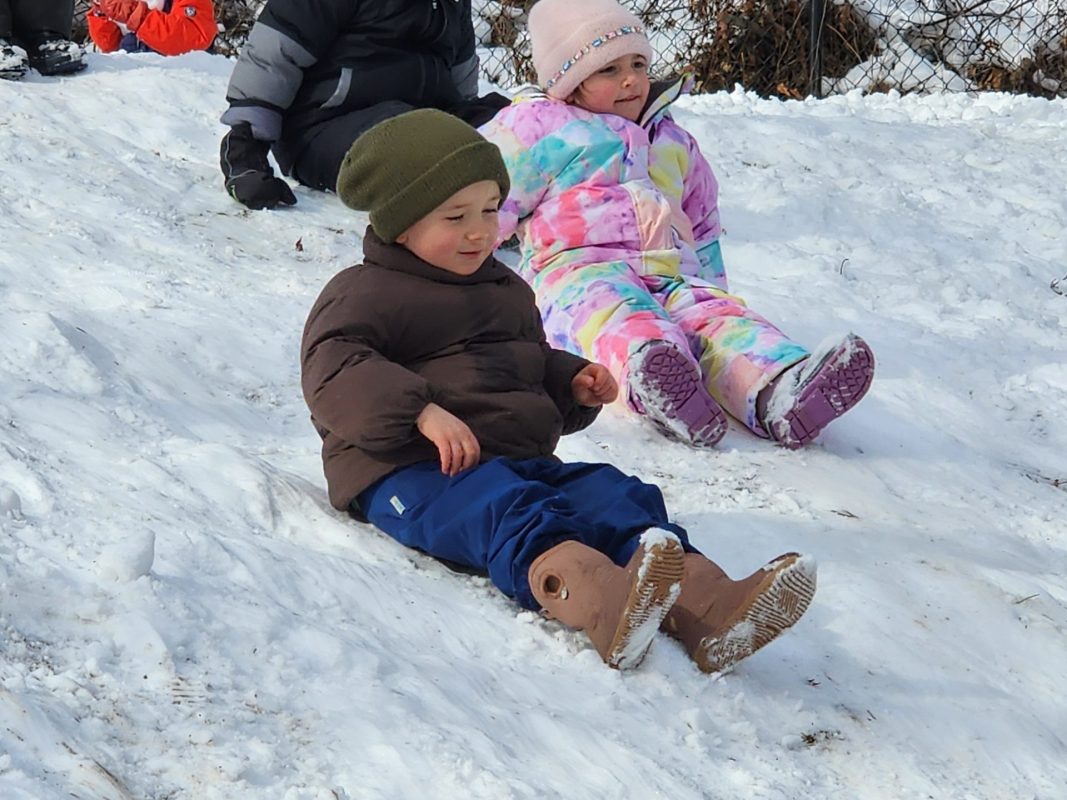
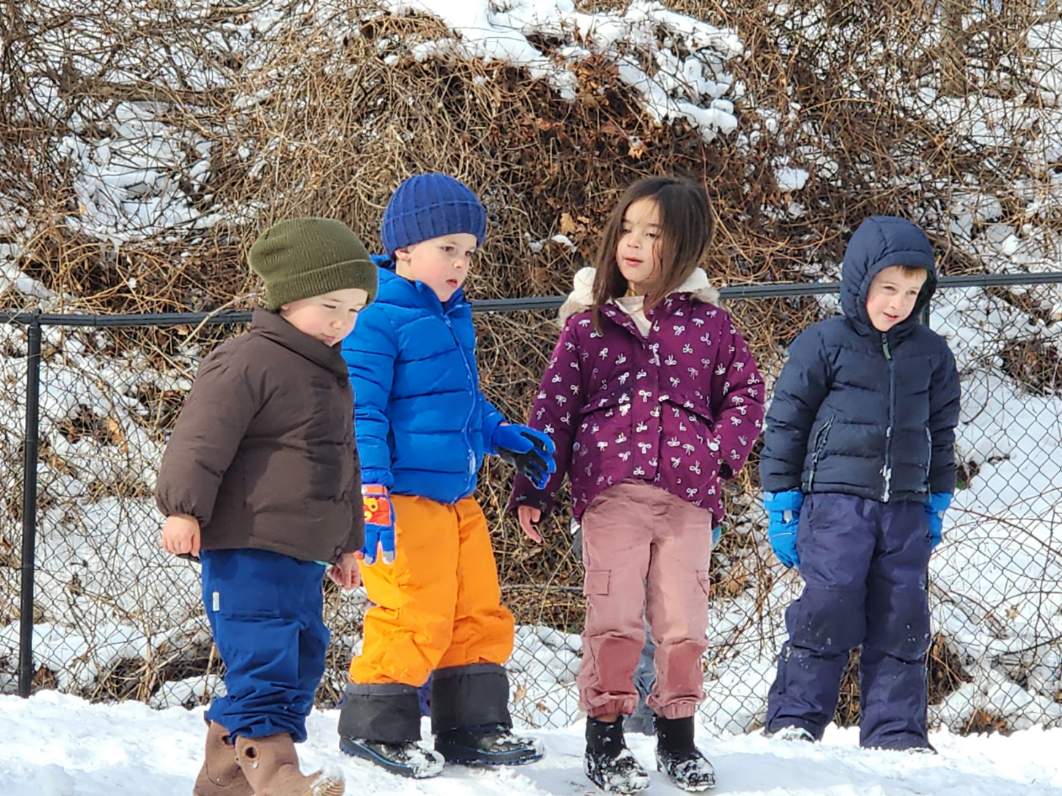
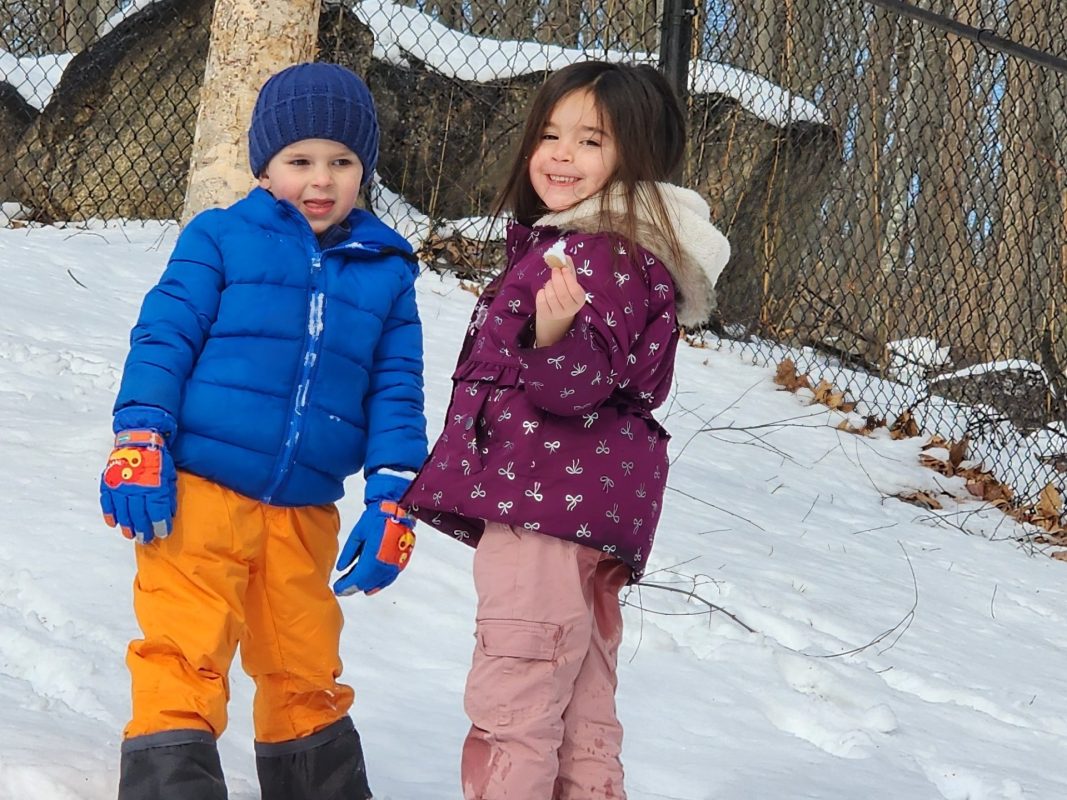
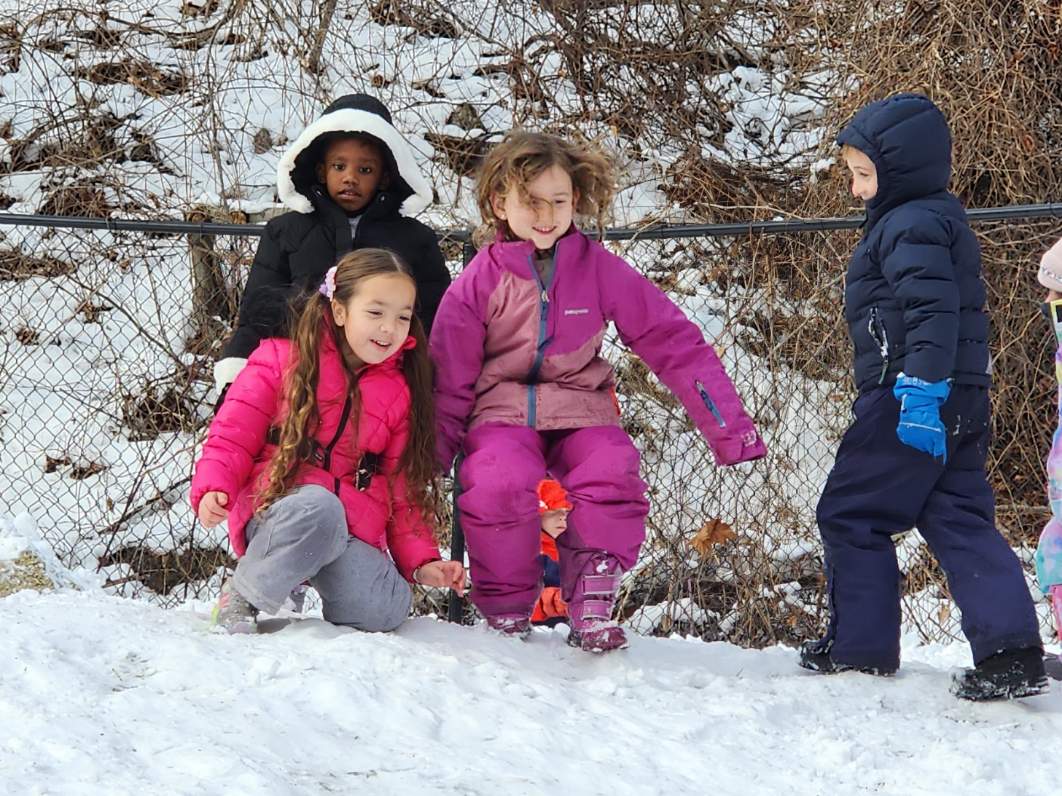
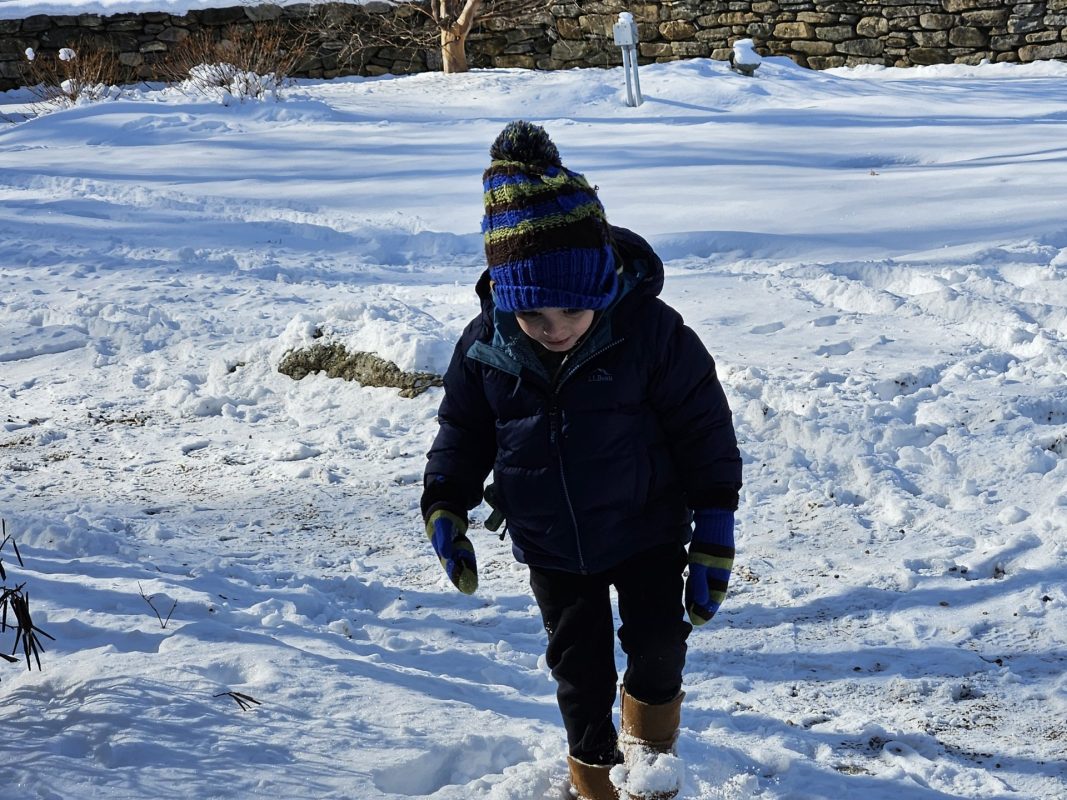
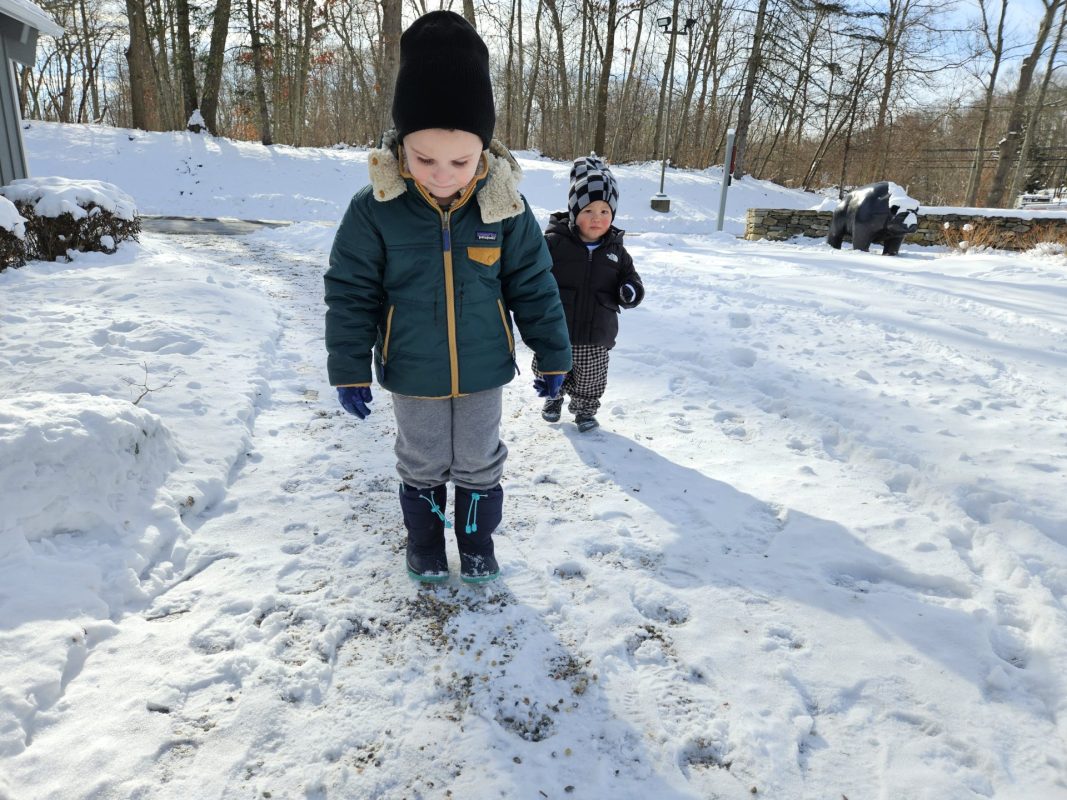
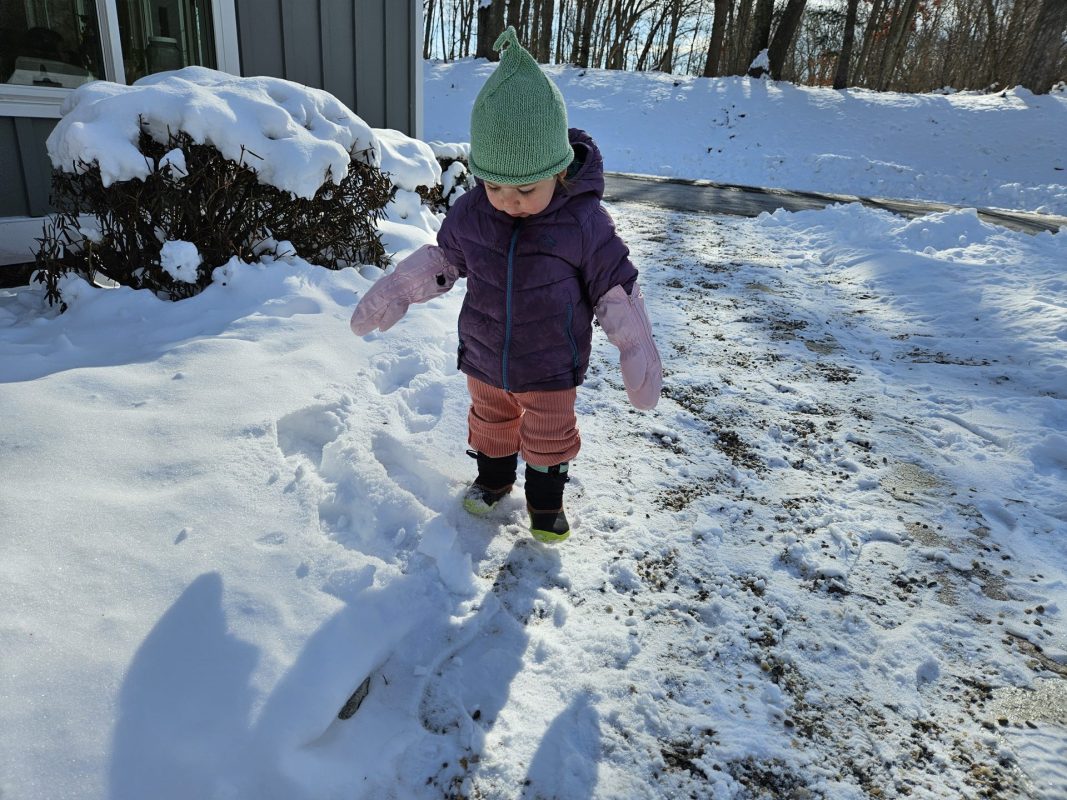
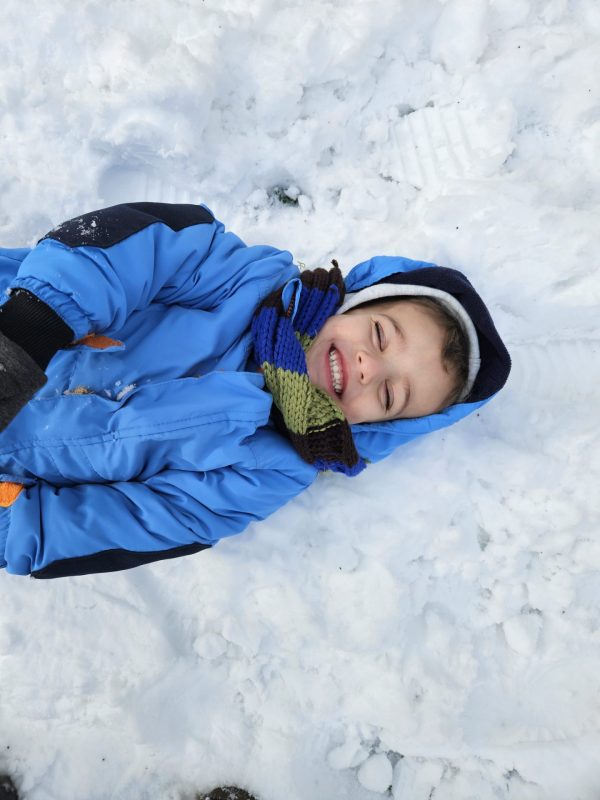
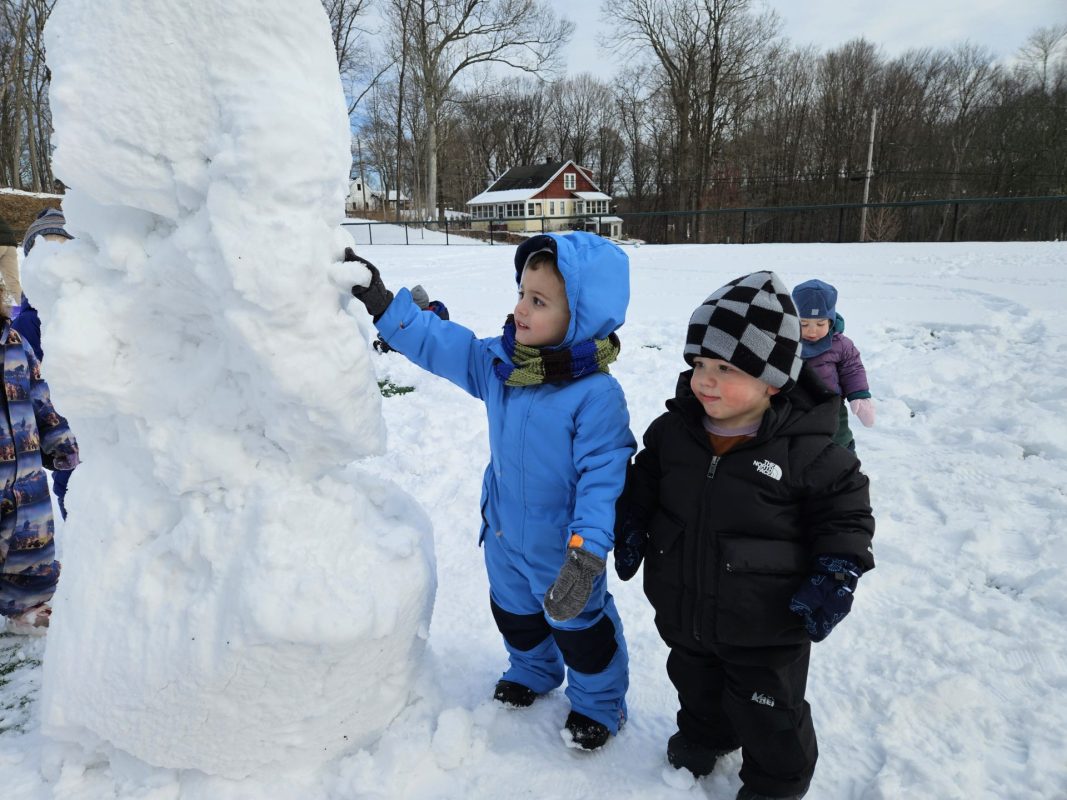
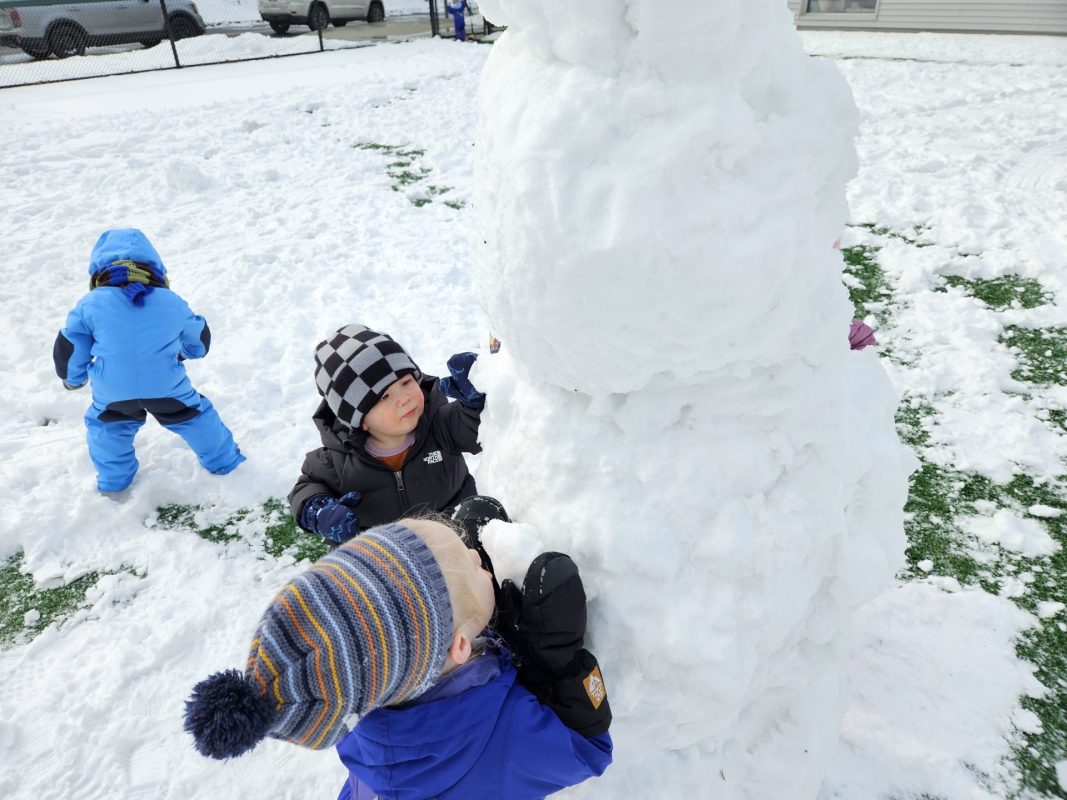
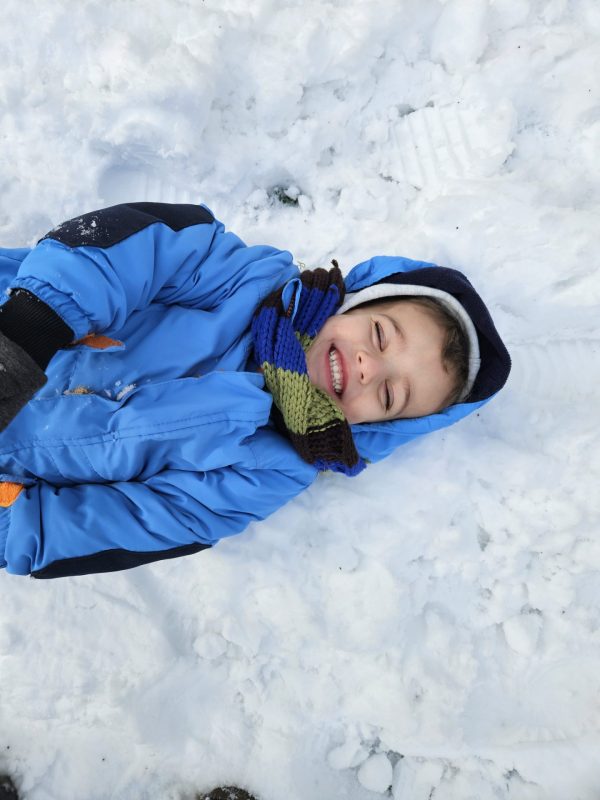
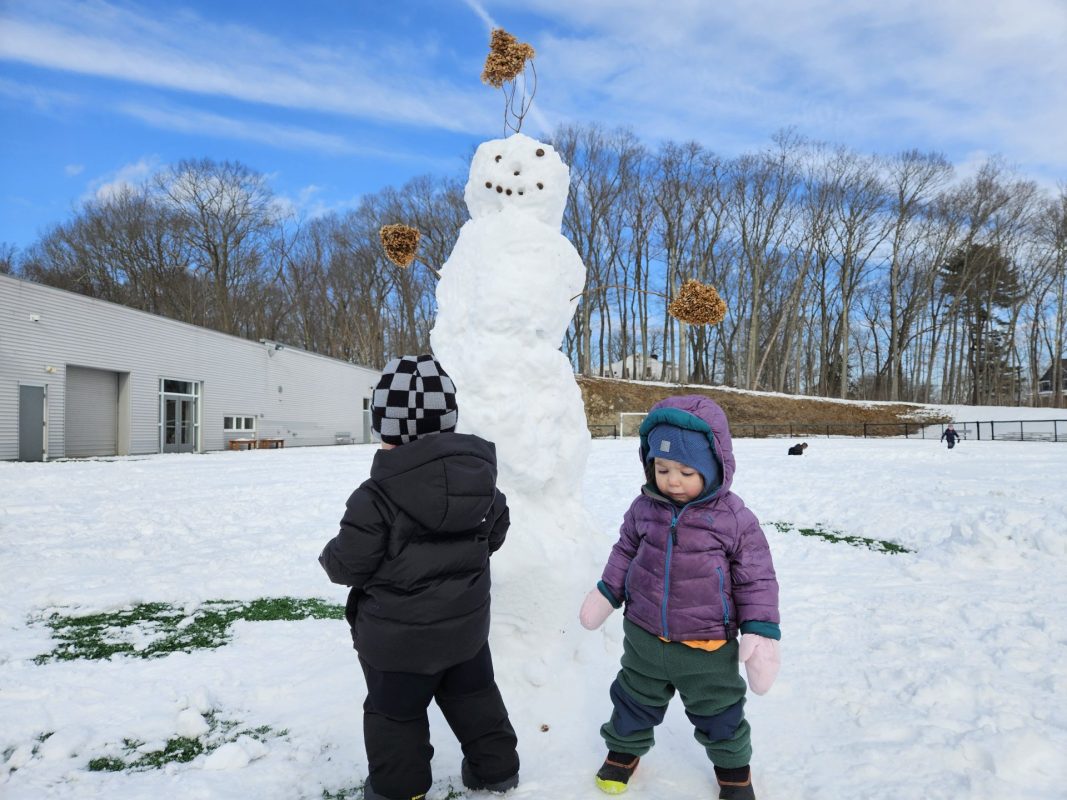
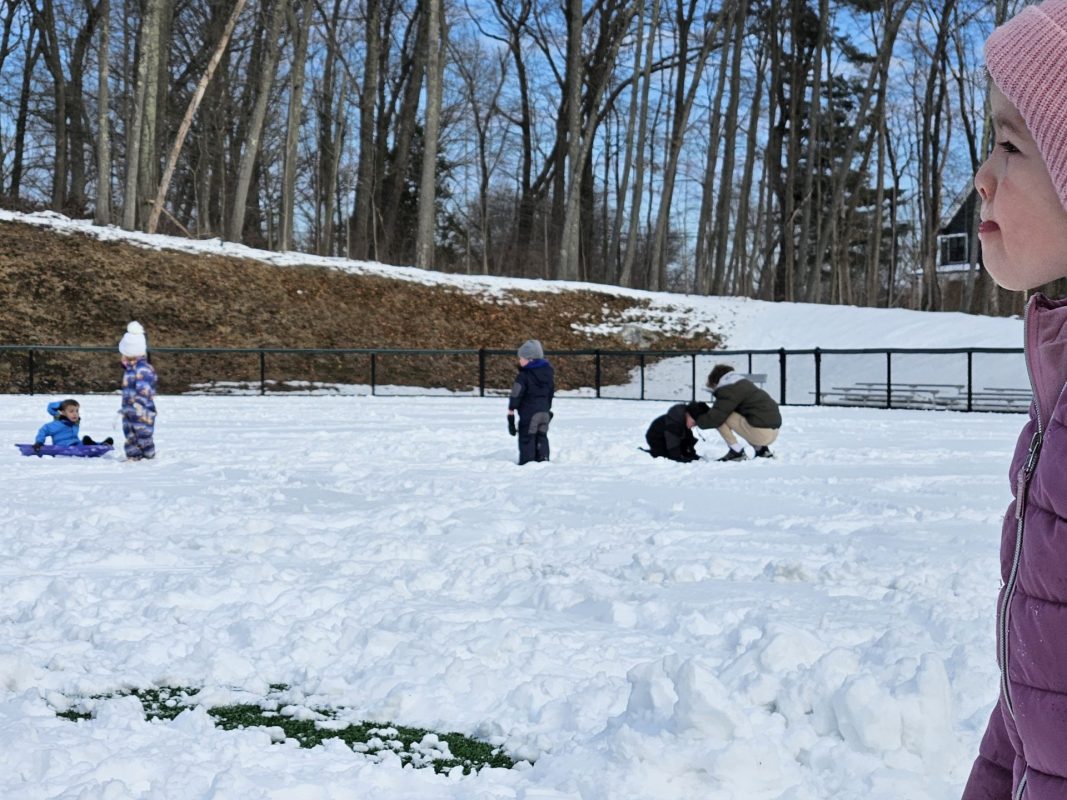
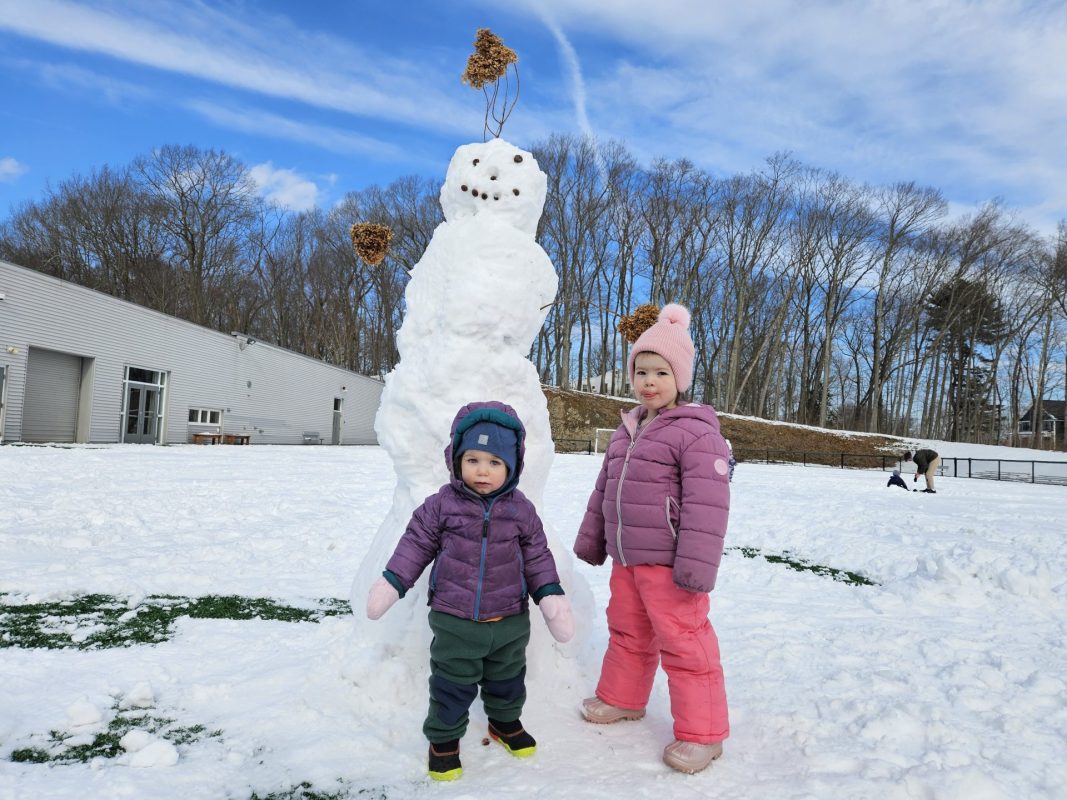
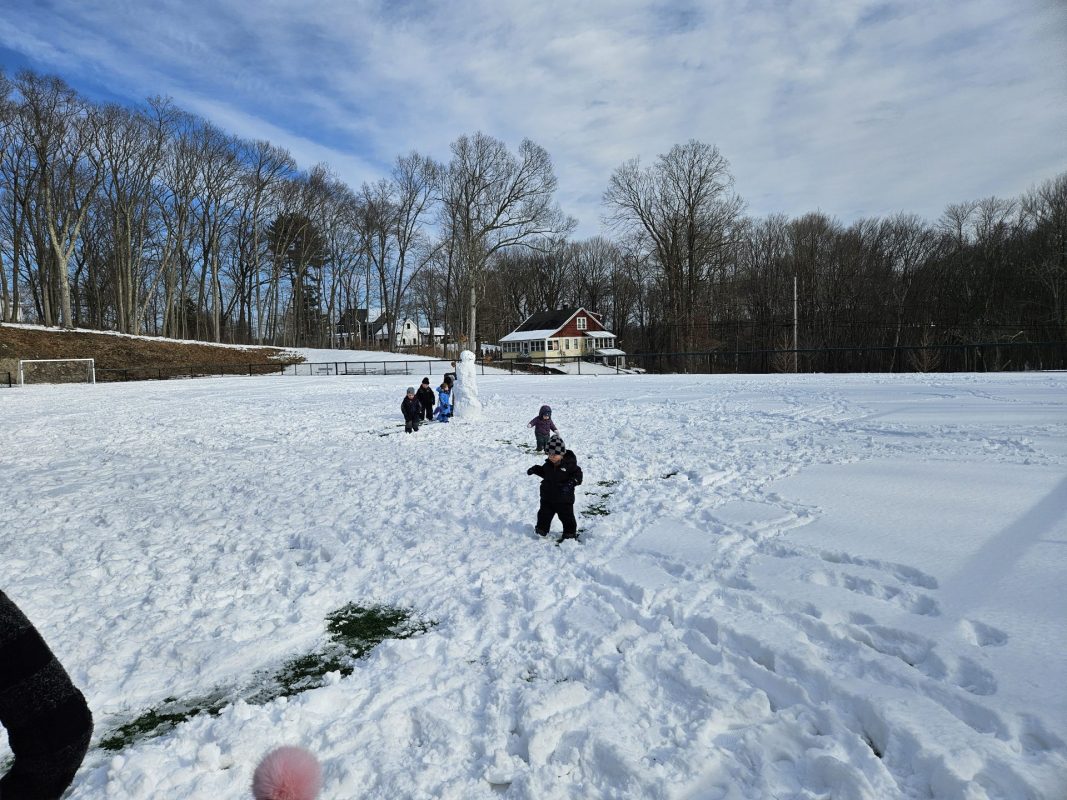
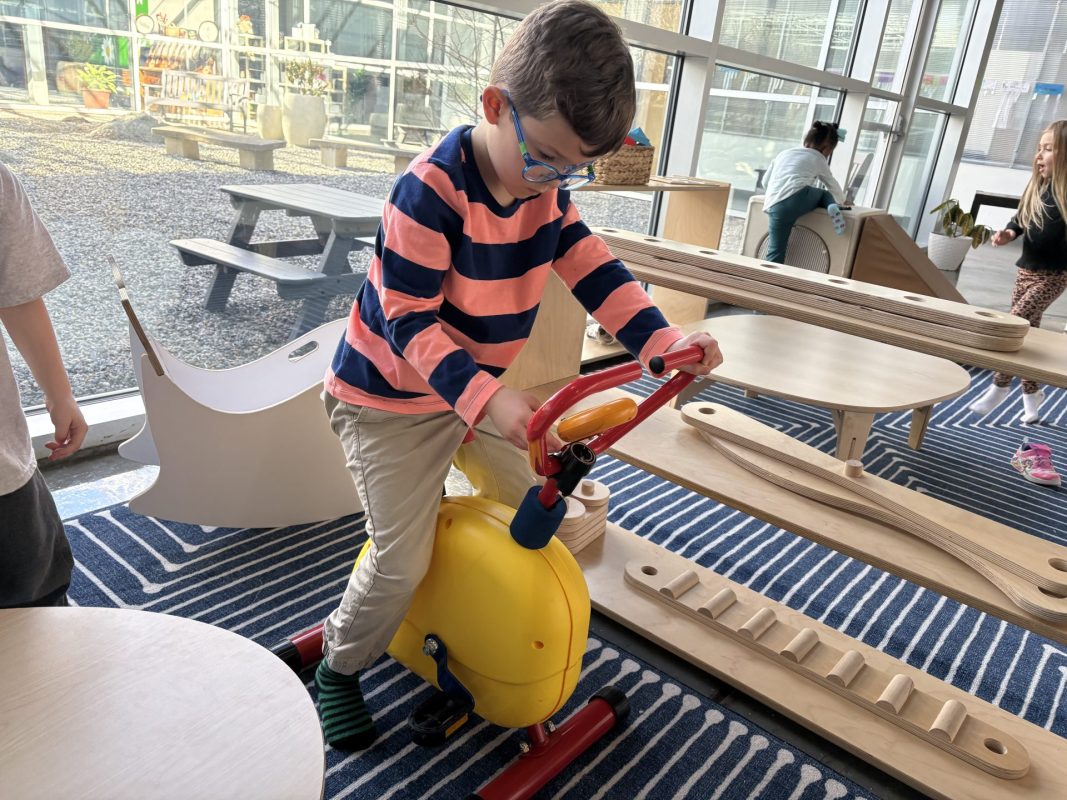
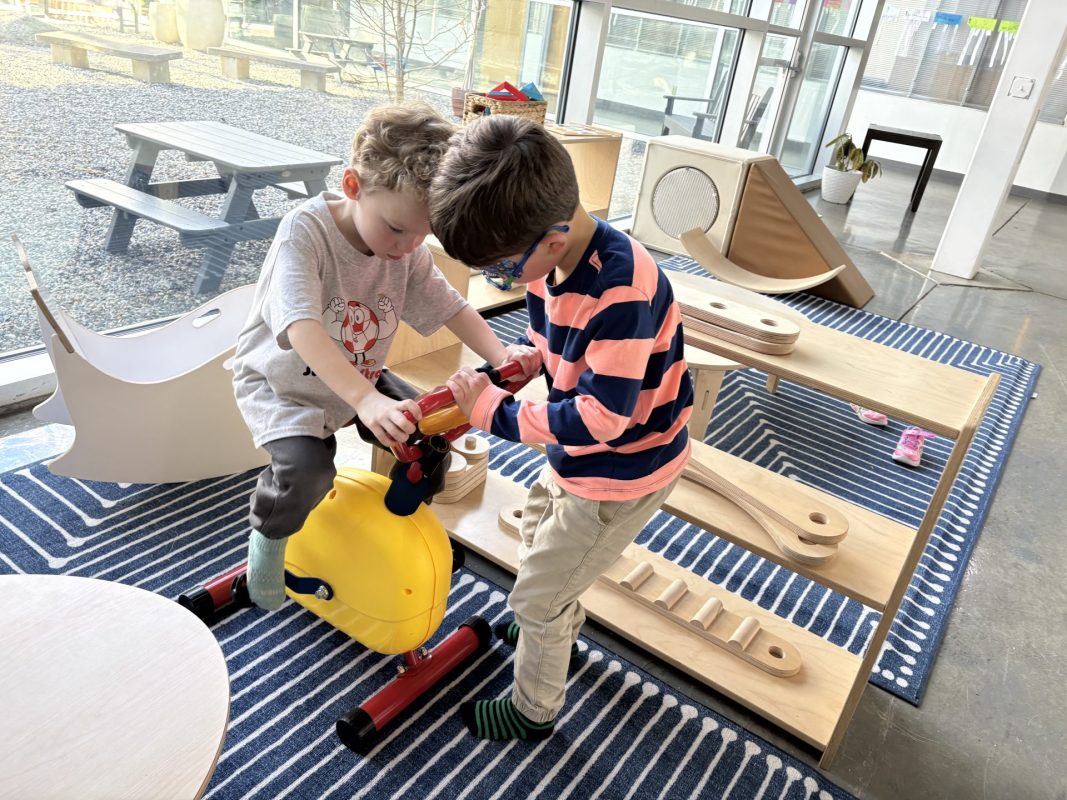
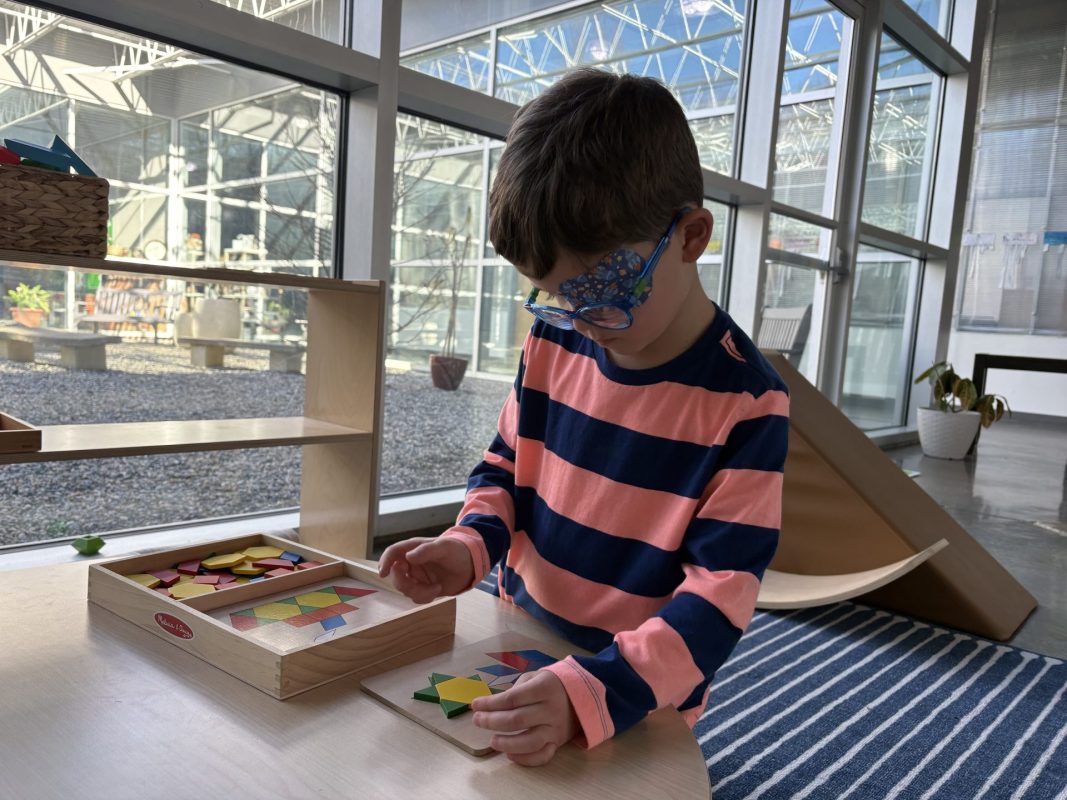
This week, we are filled with excitement as we welcome the snow and all that it brings. Rather than fighting the elements, we work with them, embracing the season as it is and allowing the children to experience its beauty firsthand. Snow offers a natural invitation to slow down, observe, and explore with all of our senses.
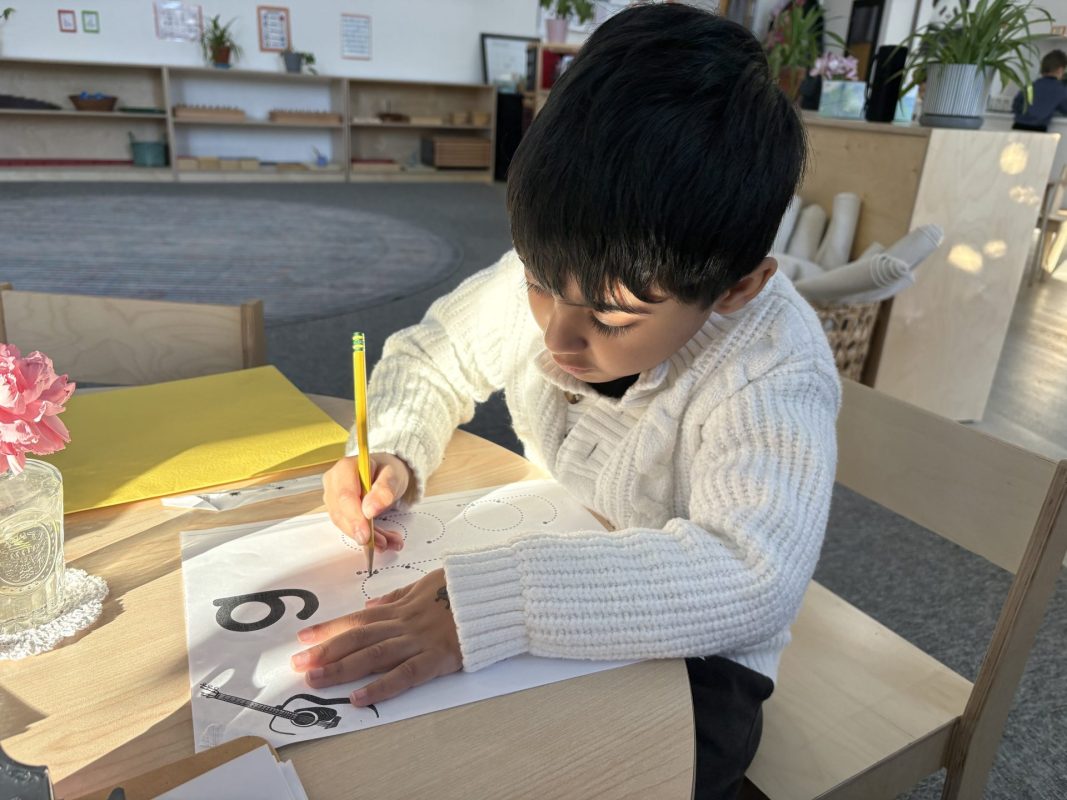
The children delight in the crunch beneath their boots, the cold air on their cheeks, and the quiet that settles over the world after snowfall. These moments outdoors help ground and regulate their bodies while fostering a deep respect for nature and its rhythms.
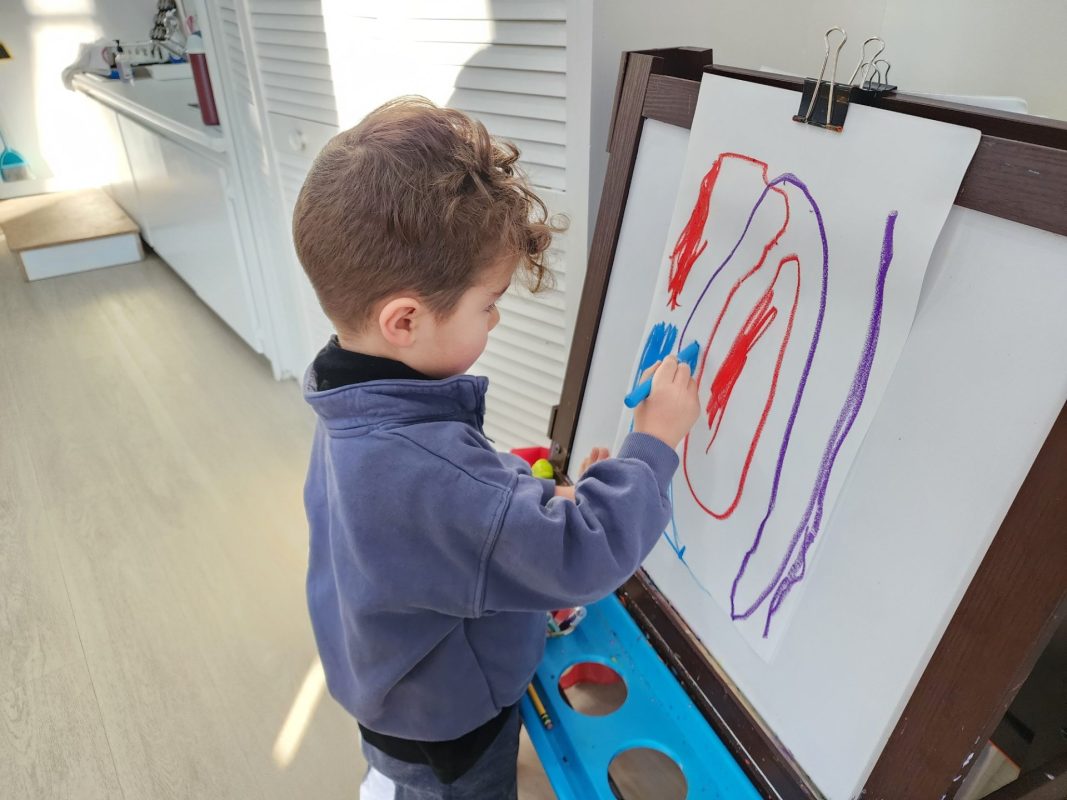
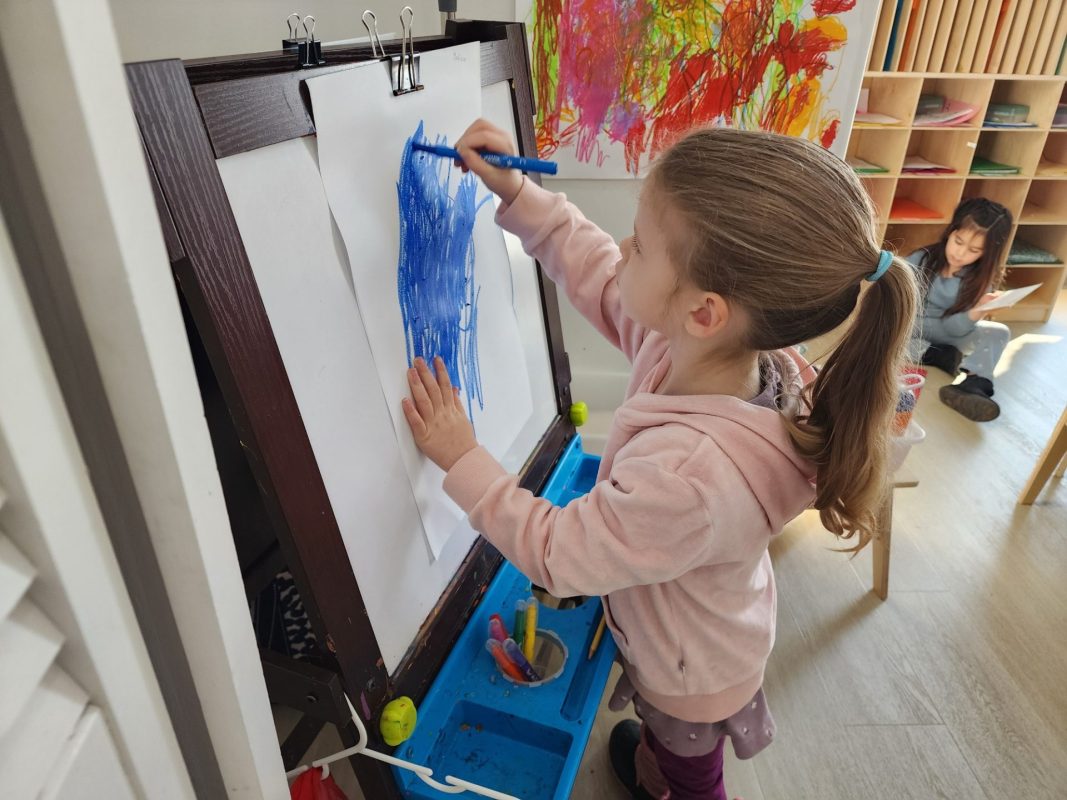
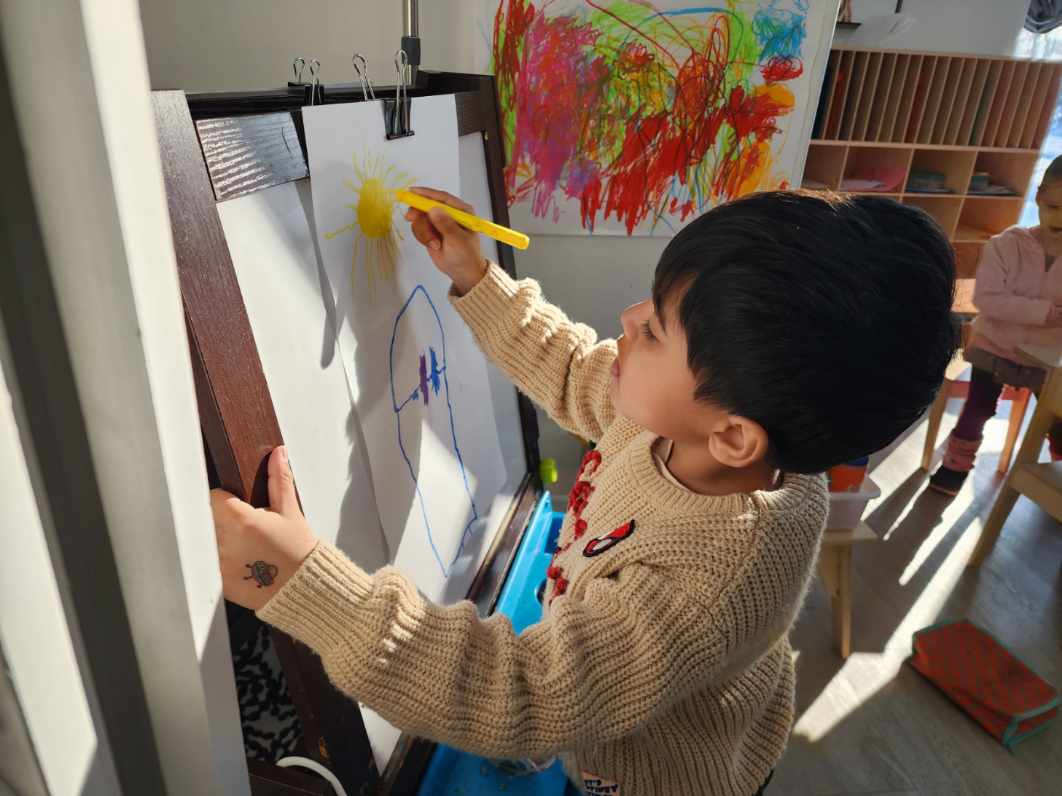
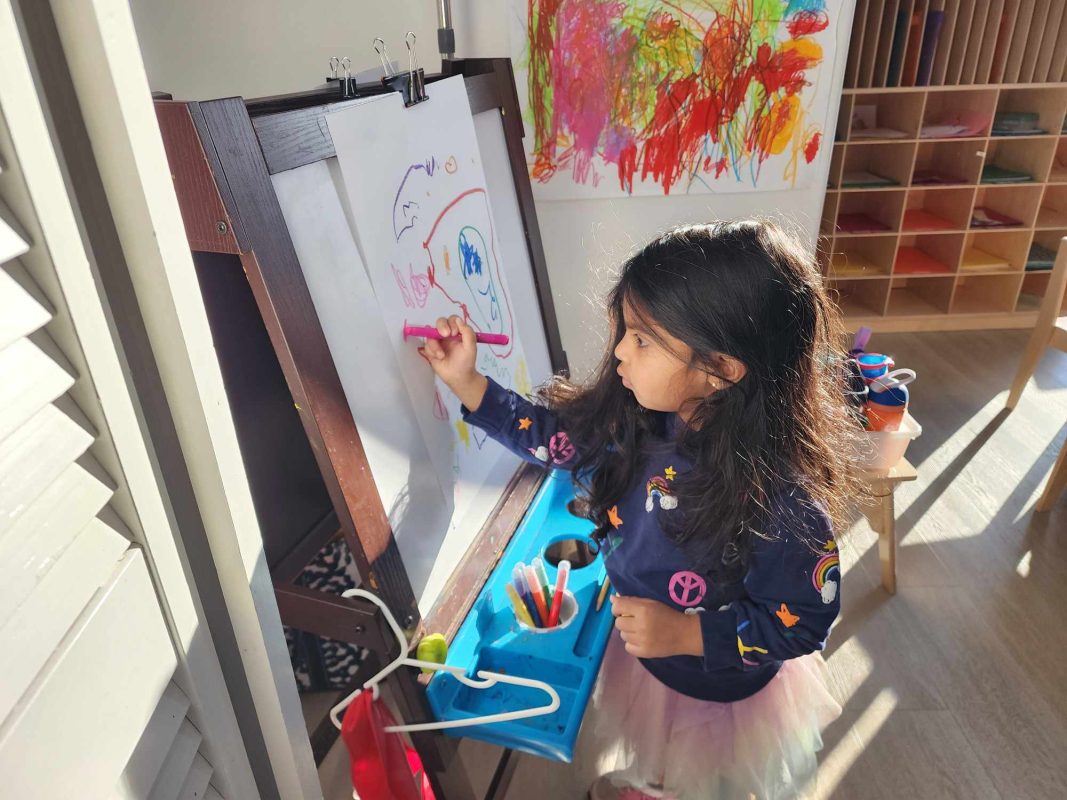
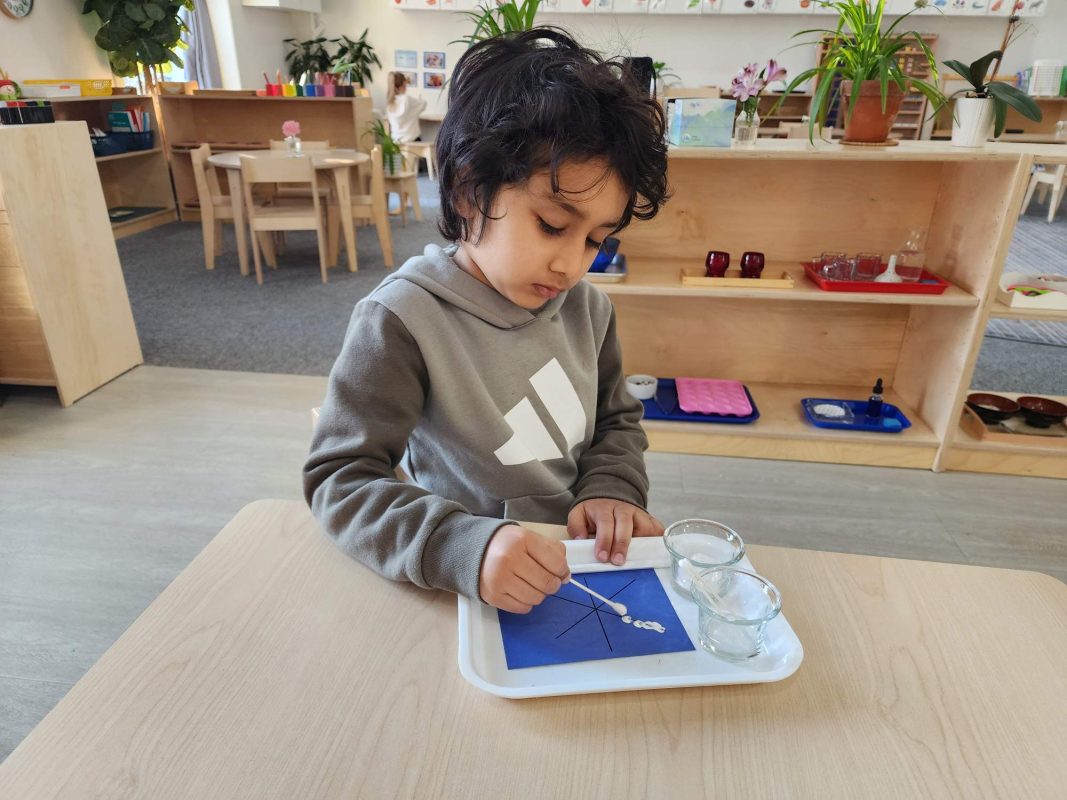
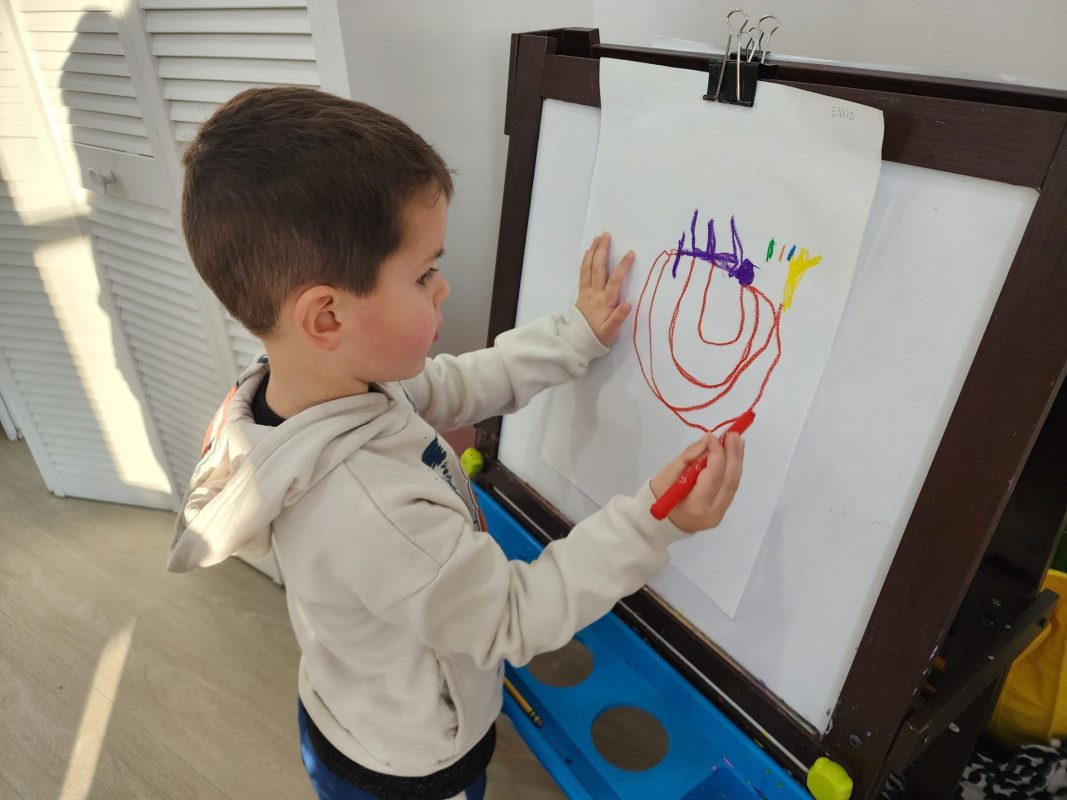
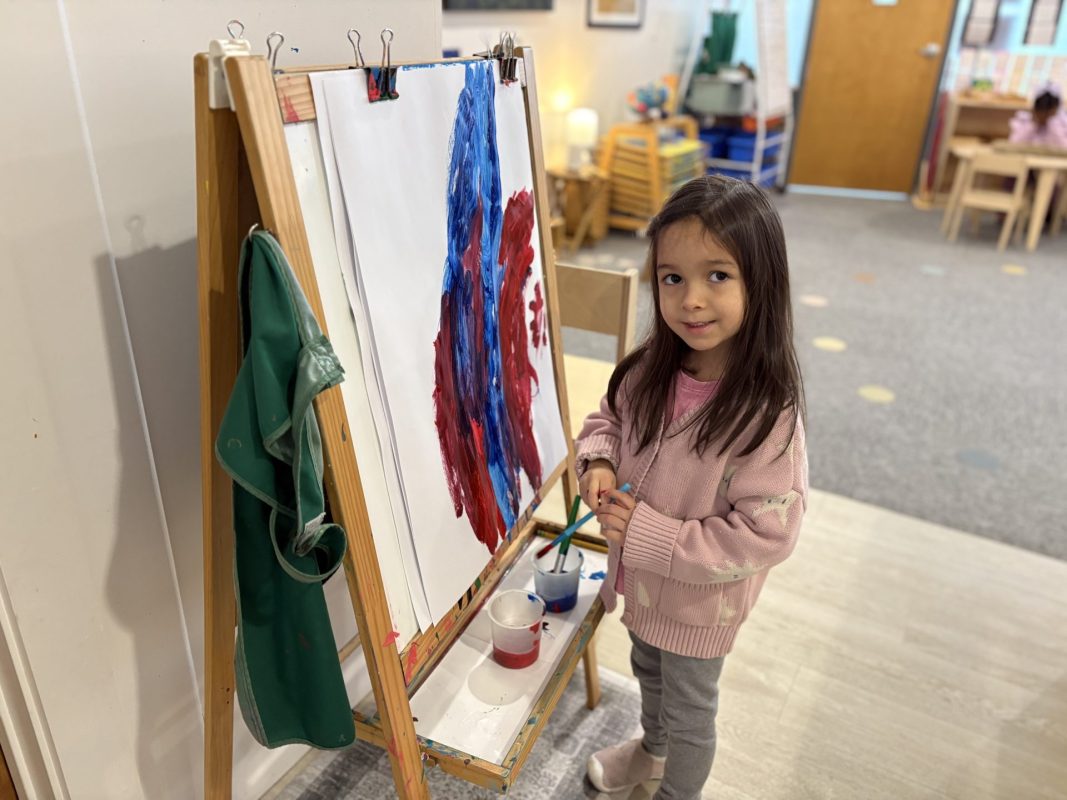
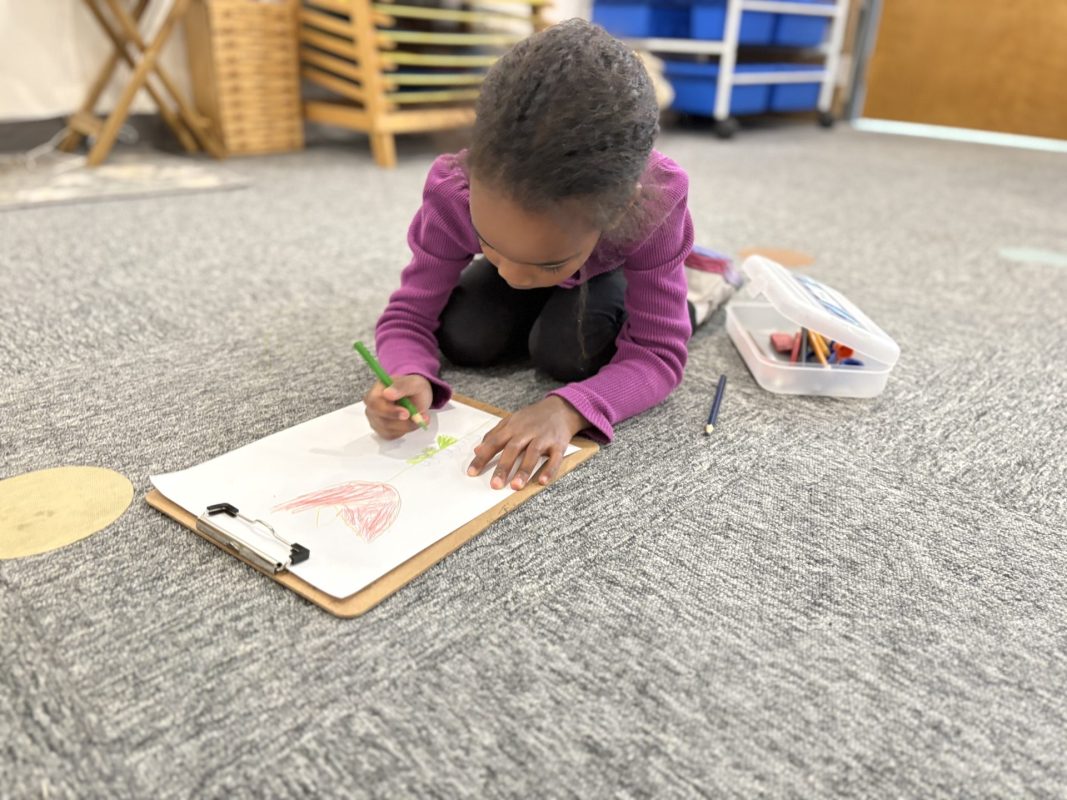
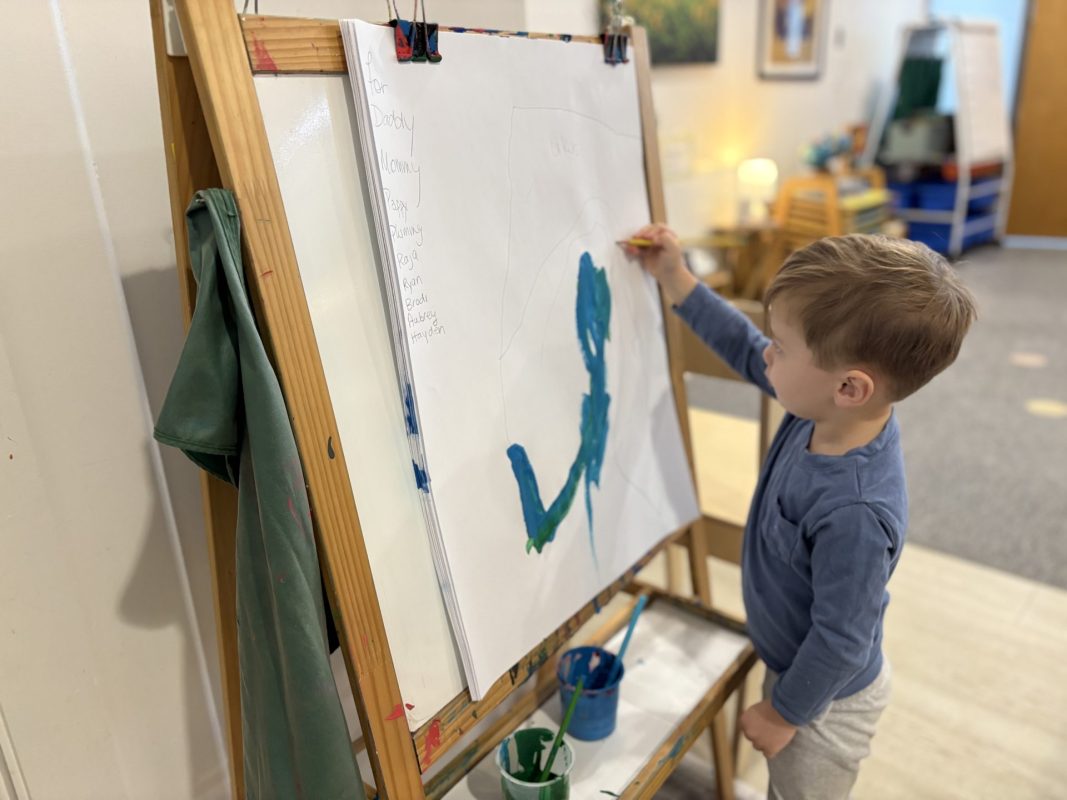
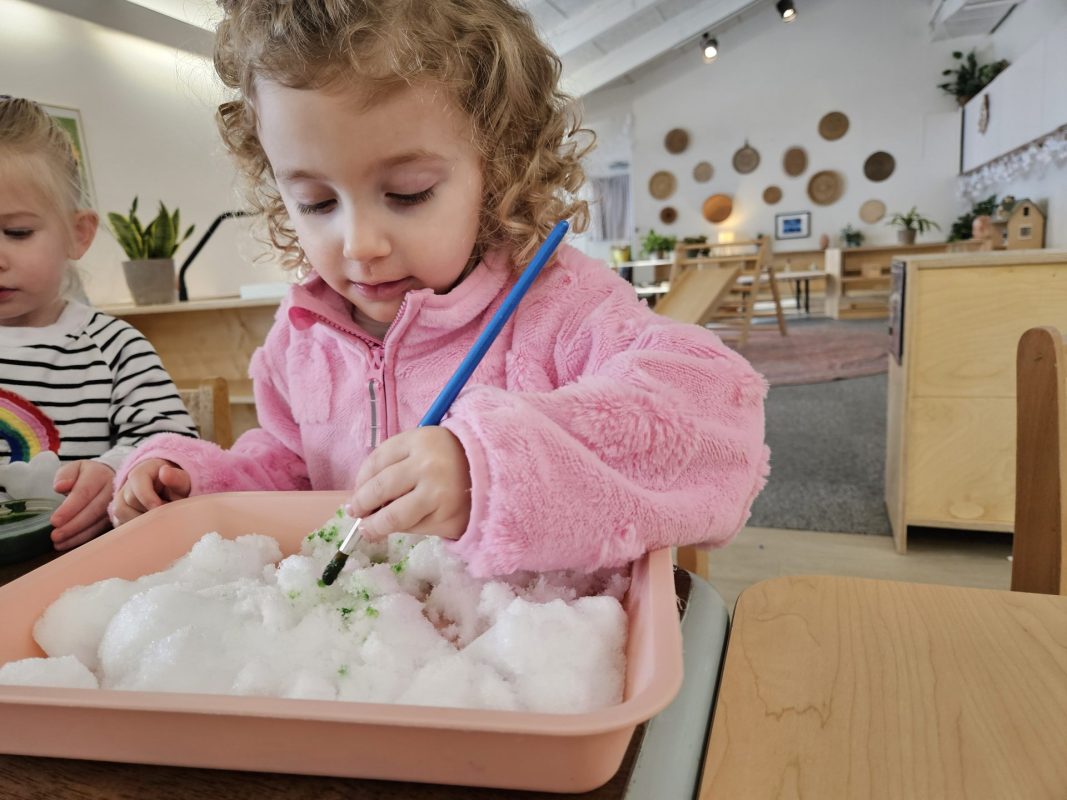
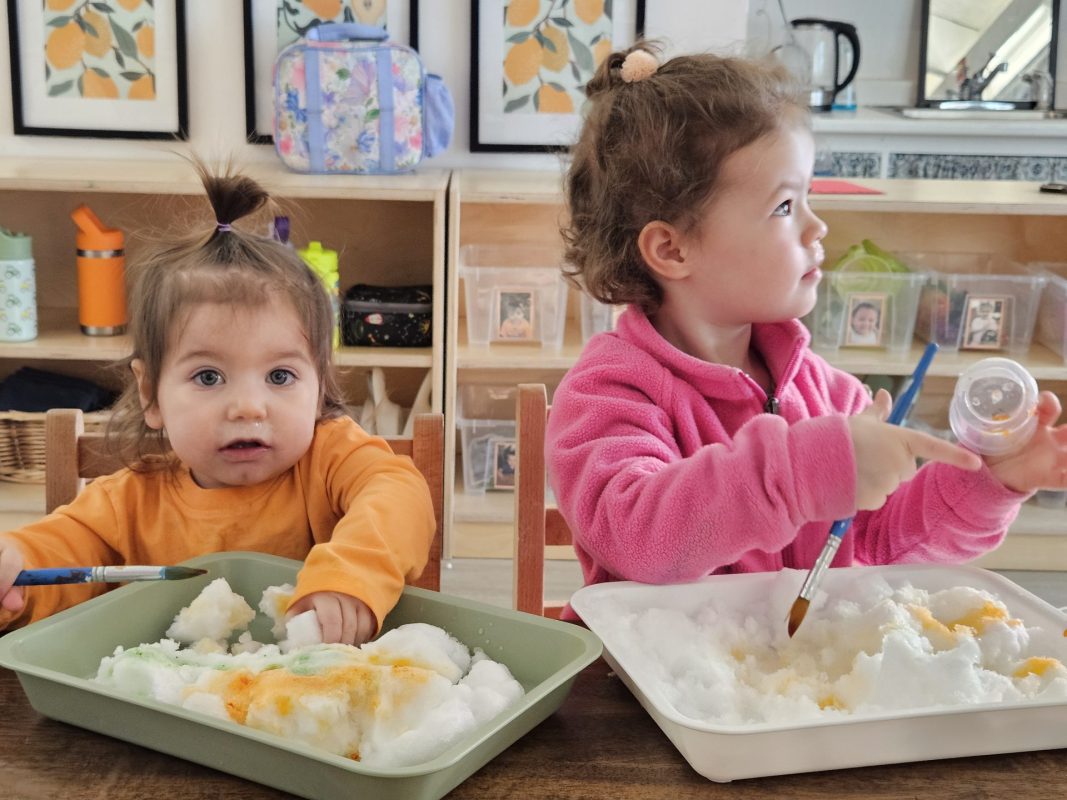
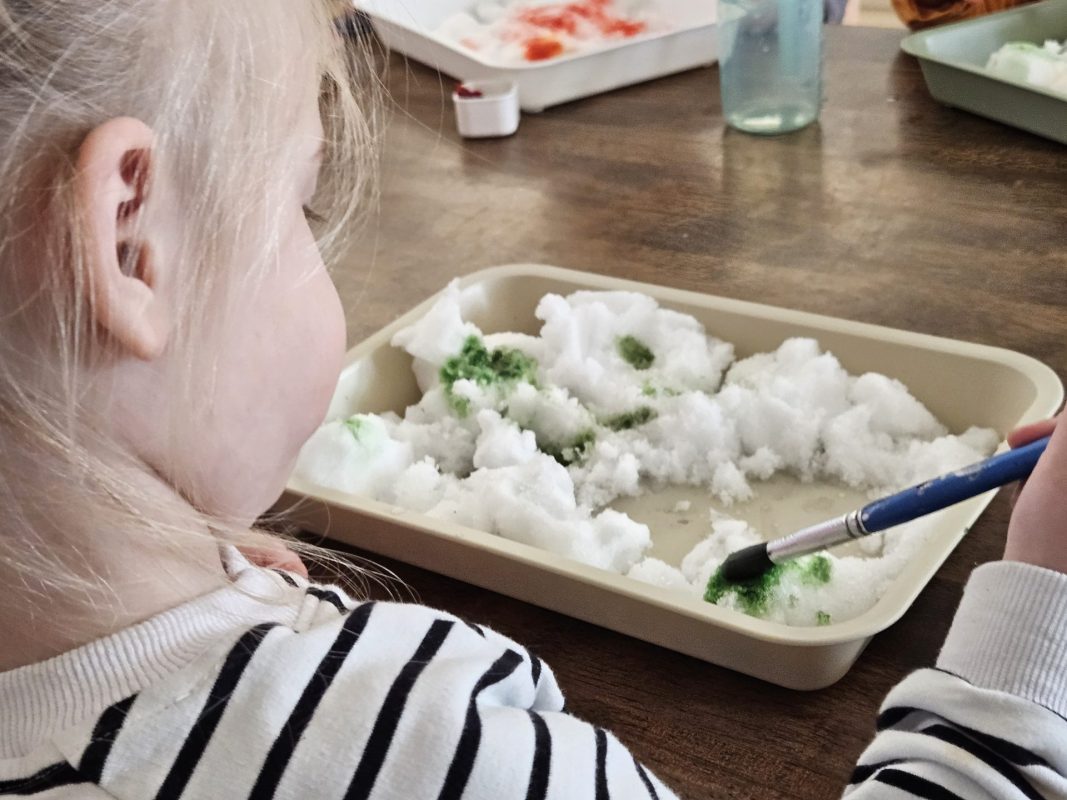
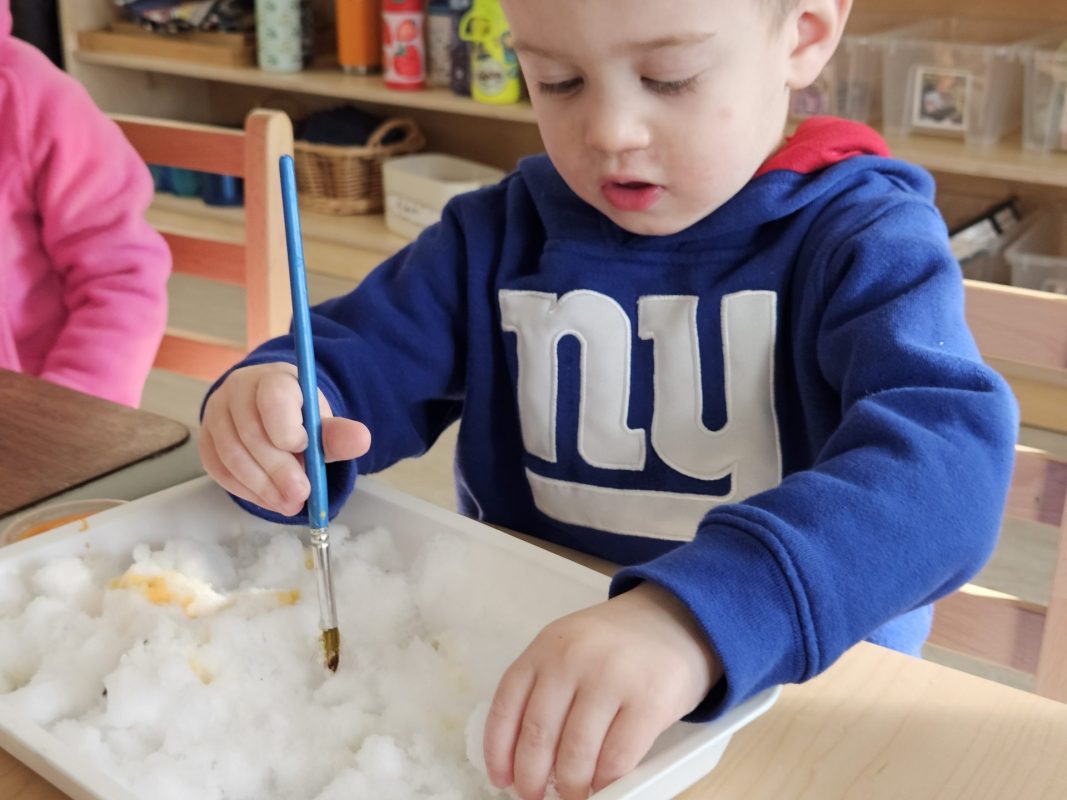
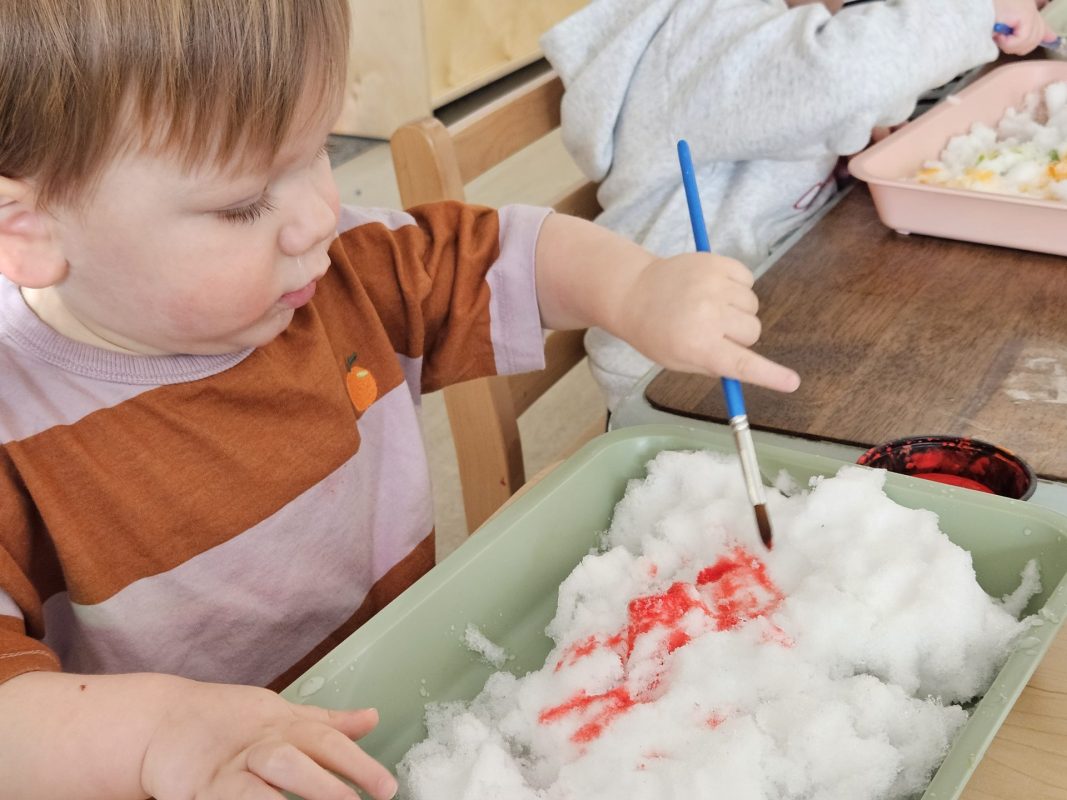
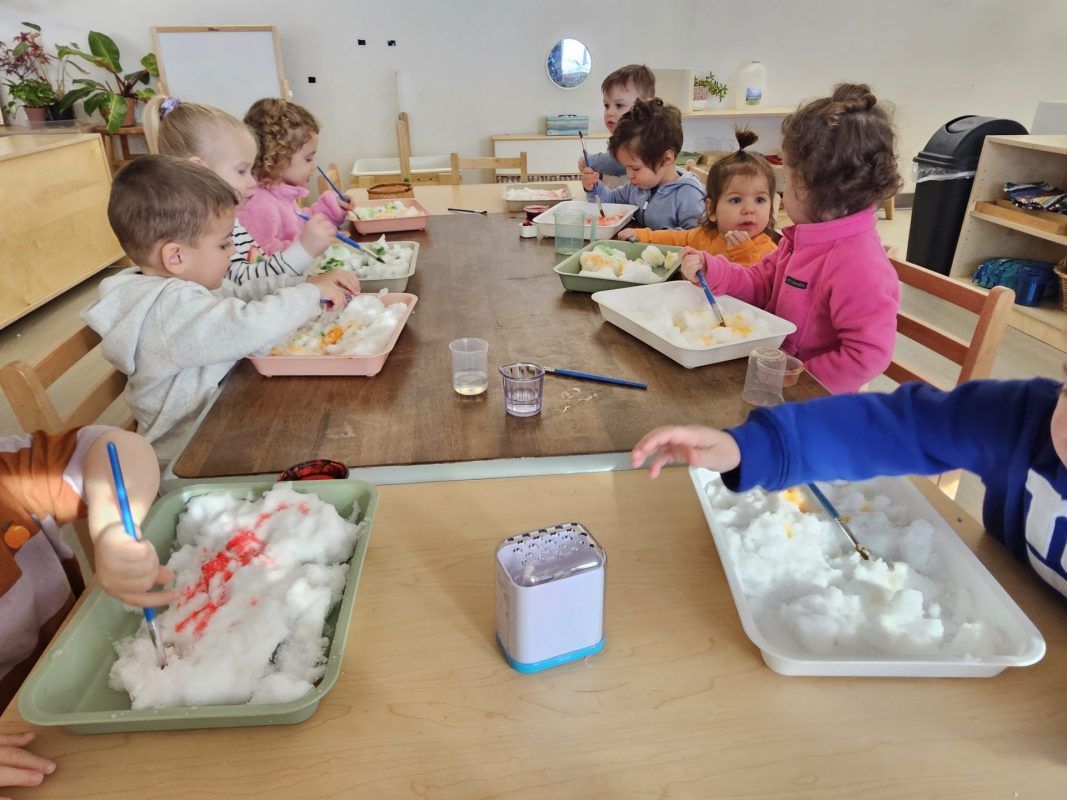
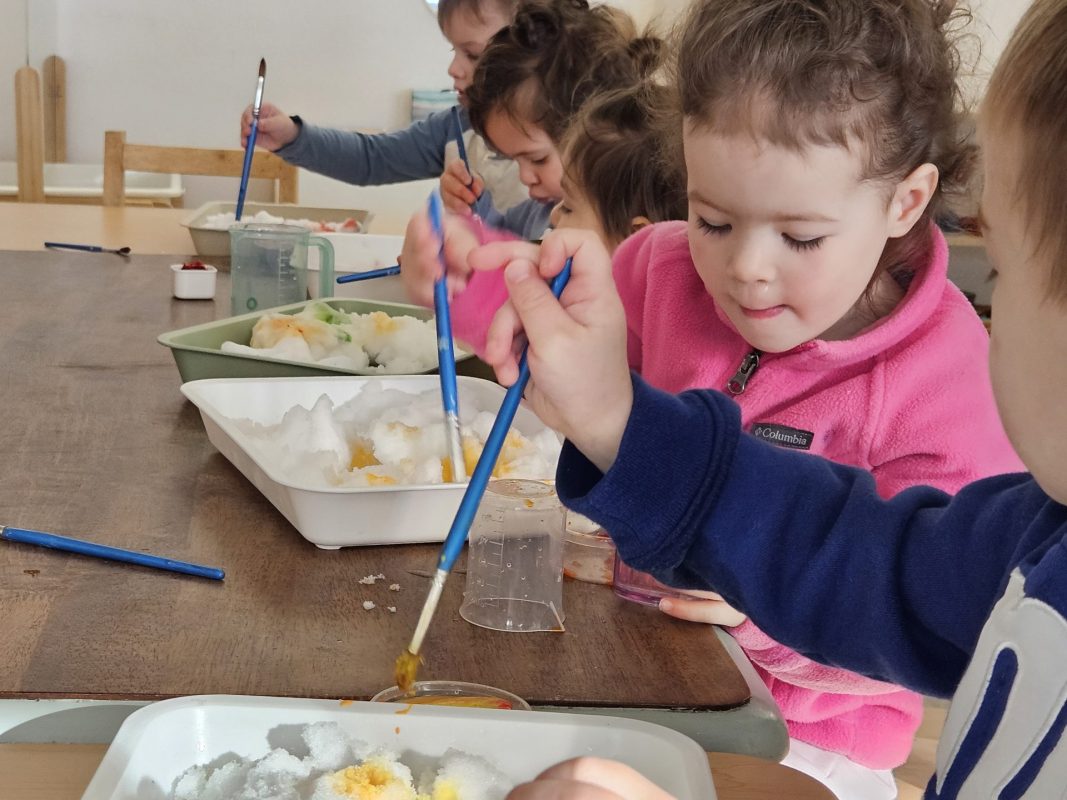
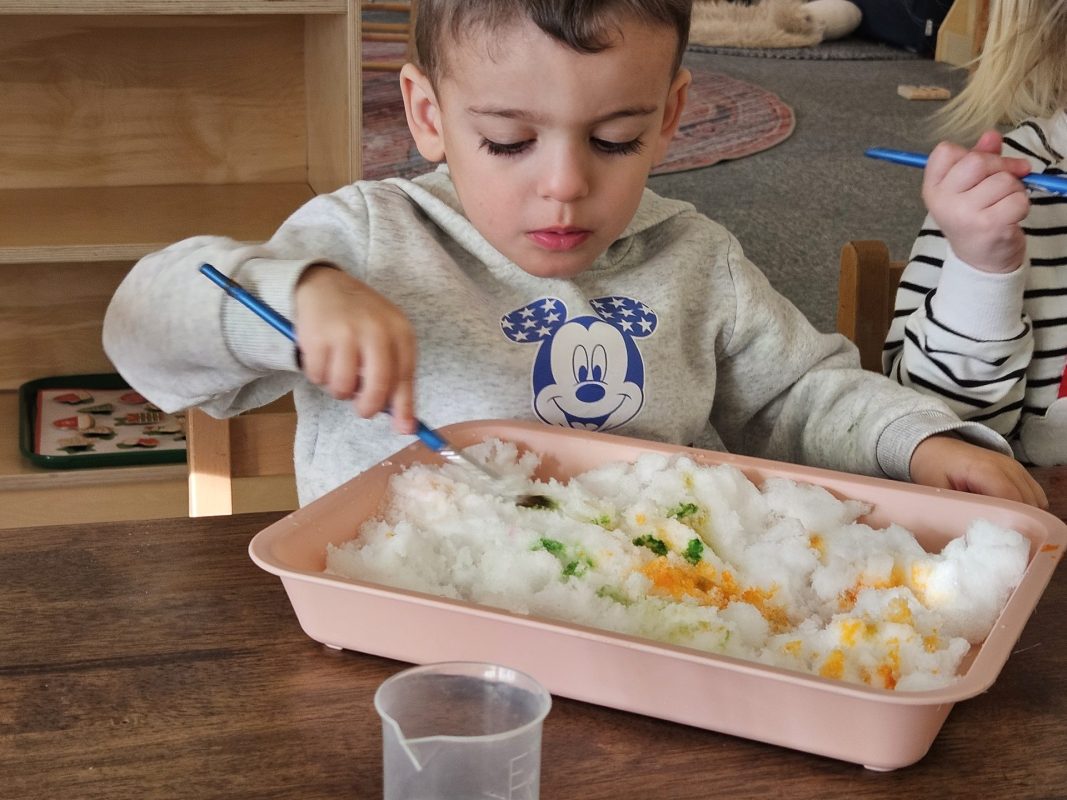
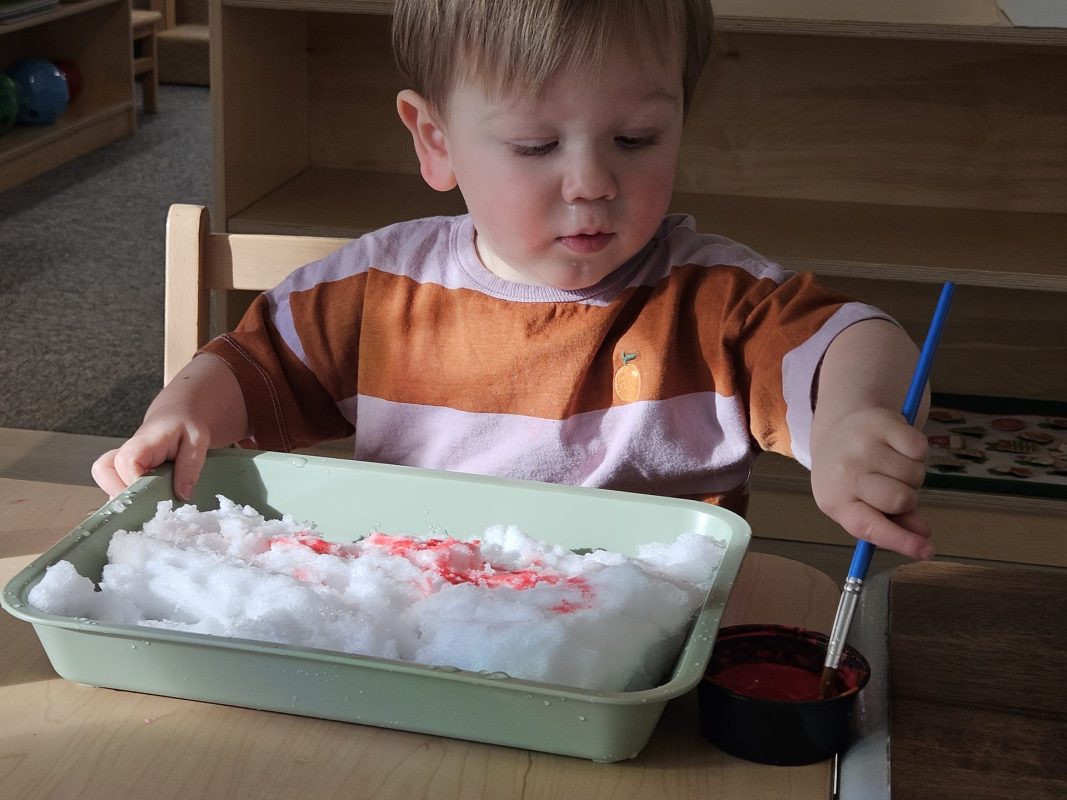
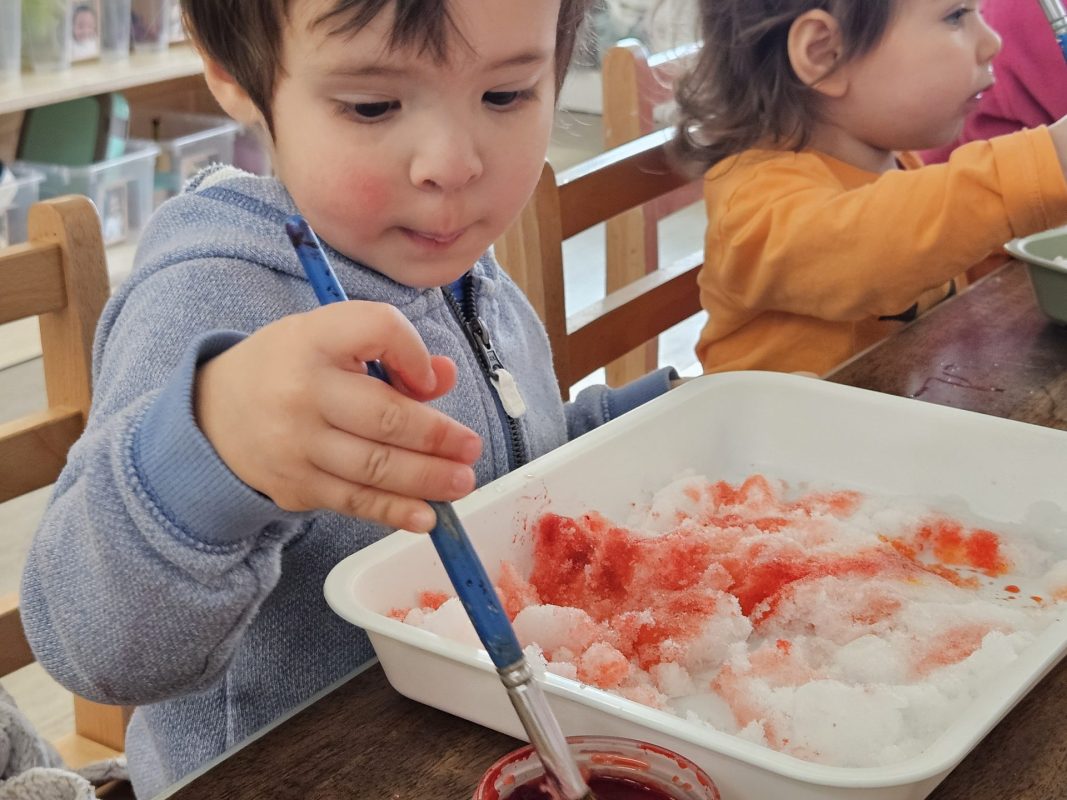
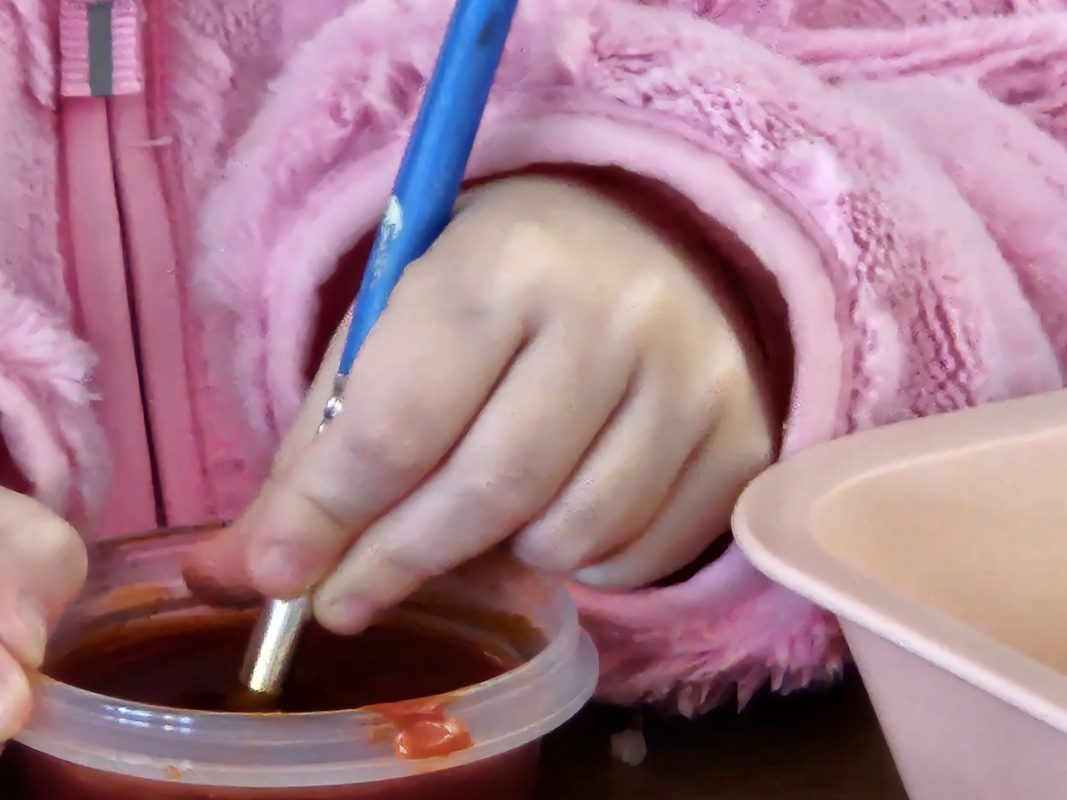
Indoors, we extend this seasonal work through art. The children explored snow painting, using cool colors and gentle brush strokes to reflect what they observed outside. This process-focused work allows them to express their experiences creatively while strengthening fine motor skills and independence. We value the experience over the final product, honoring each child’s unique expression.

By teaching children to find beauty in each season, we nurture resilience, curiosity, and gratitude for the natural world. Winter is not something to rush through; it is something to be experienced, appreciated, and enjoyed together.

With Full Hearts,

Ms.Mollie and Ms.Lizette