When Happiness Drives Learning
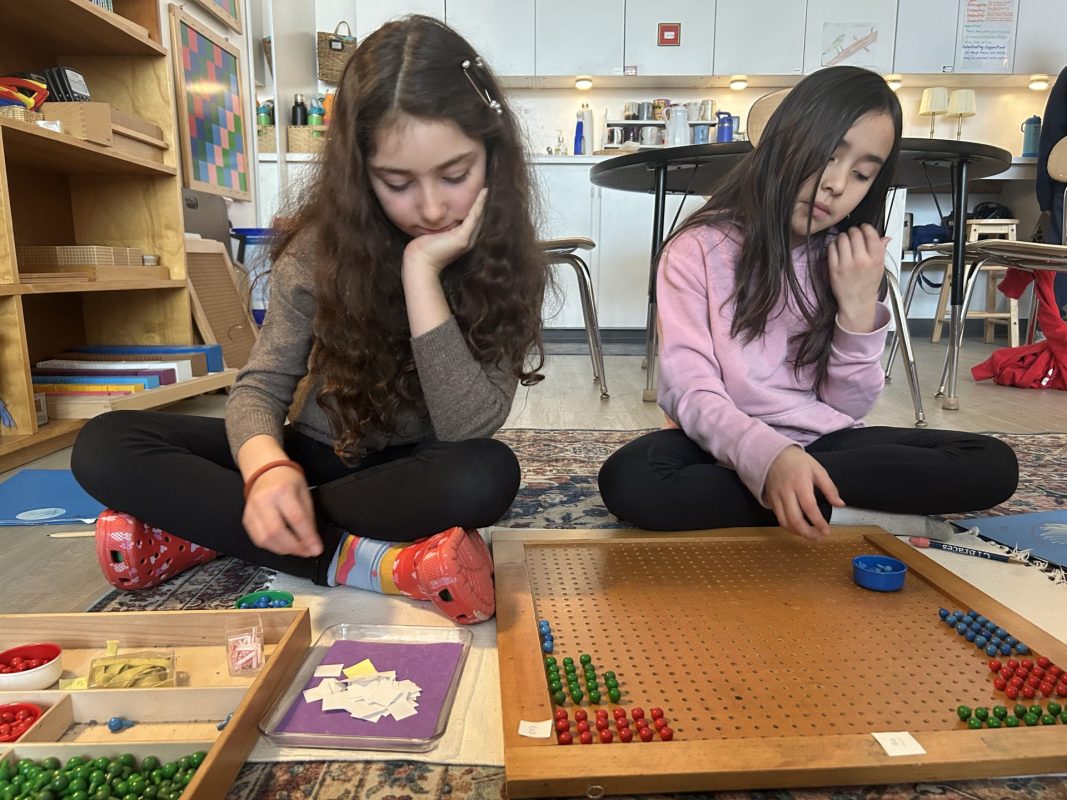
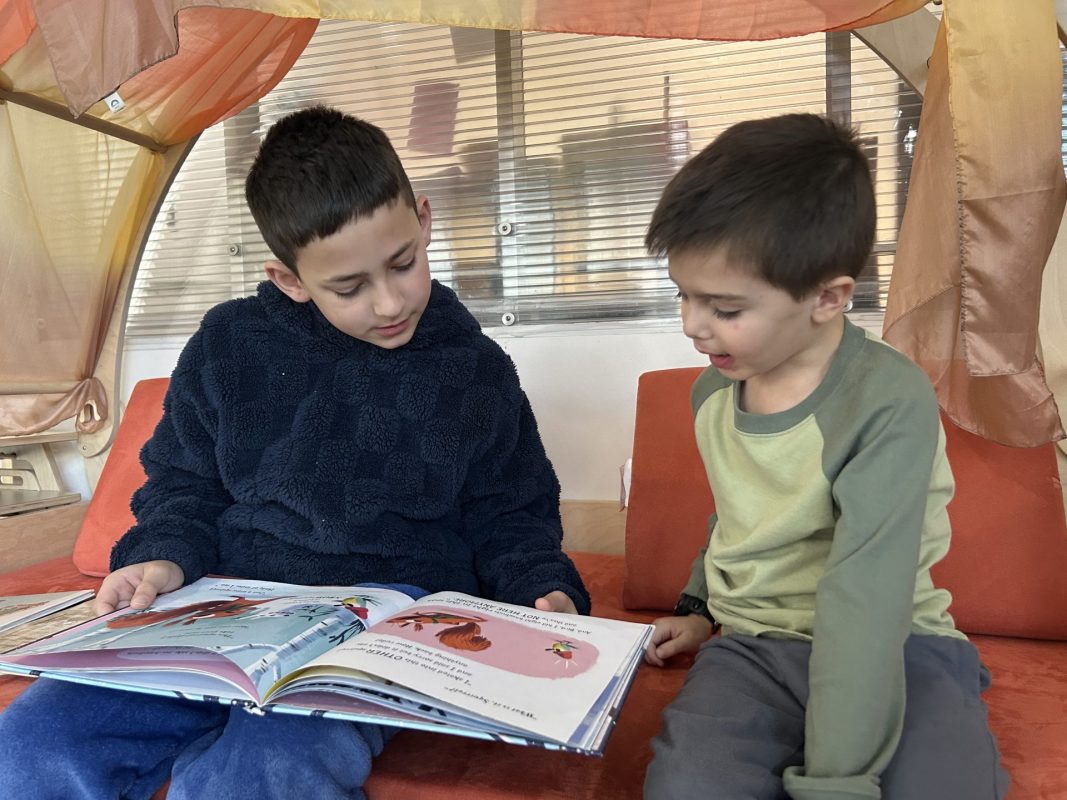
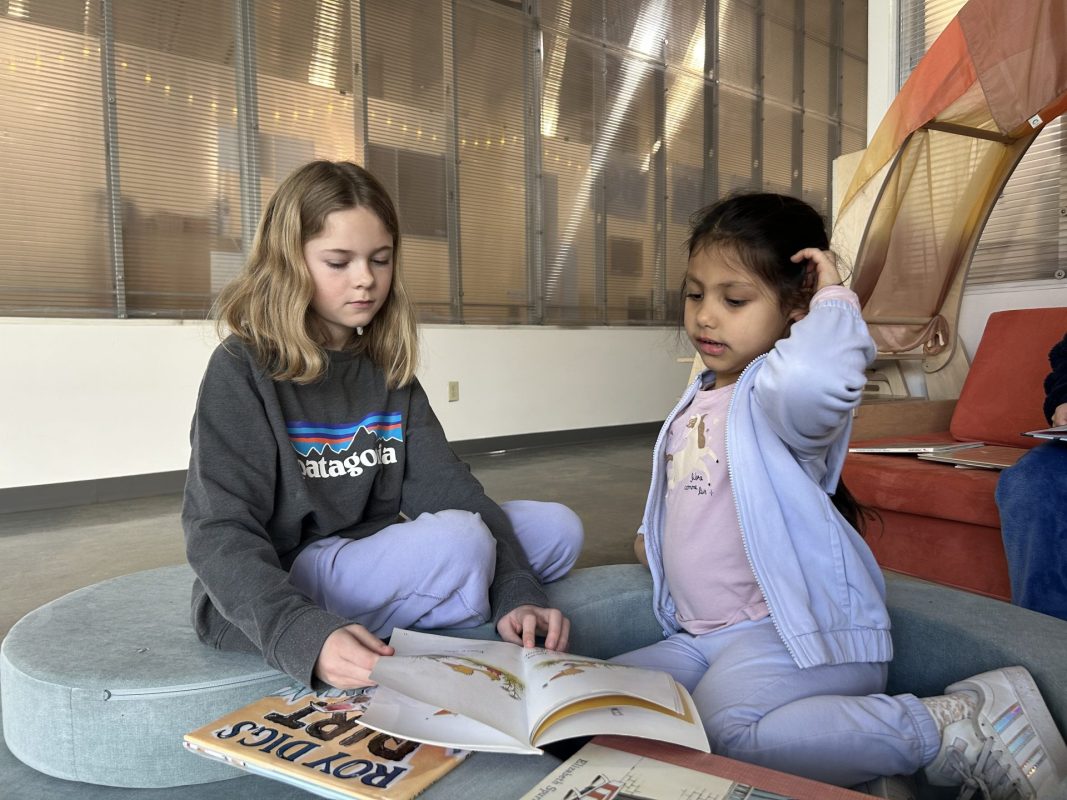
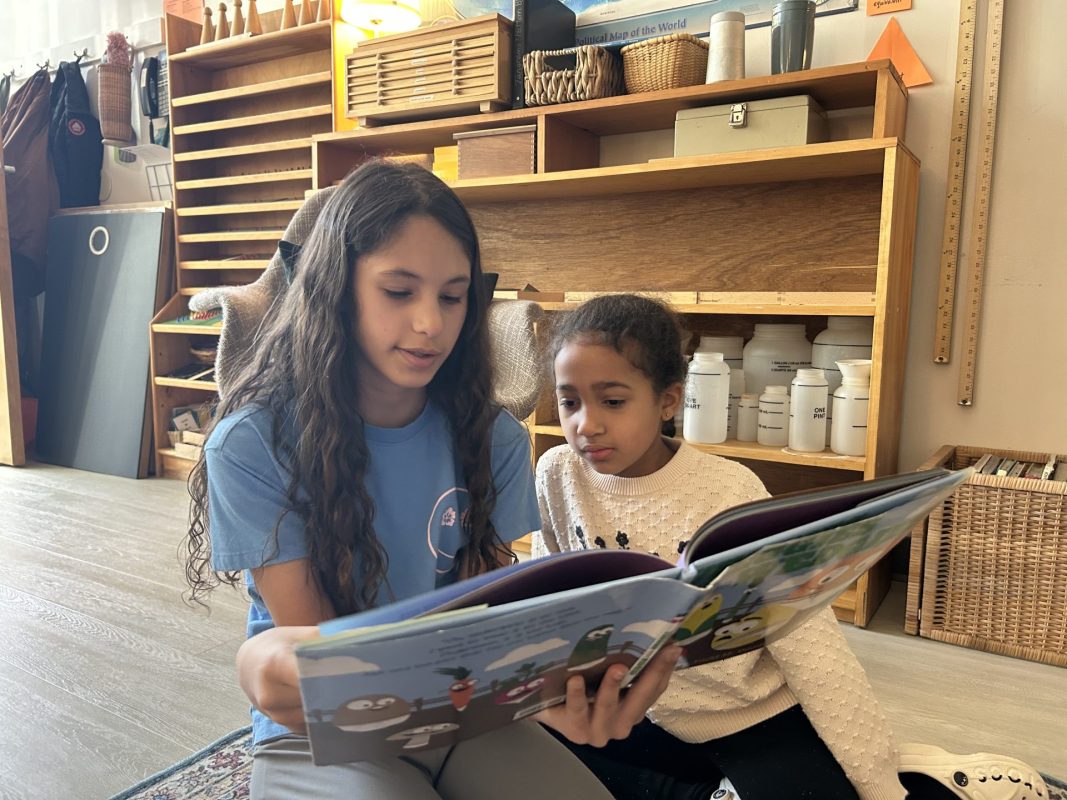
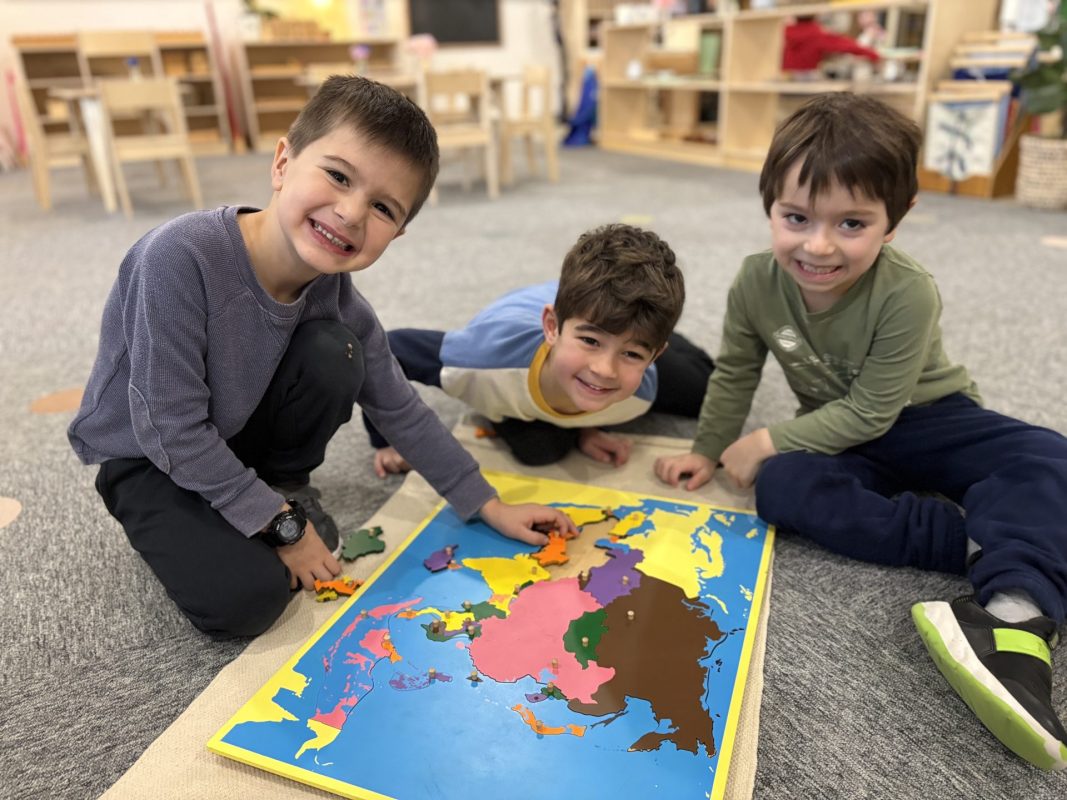
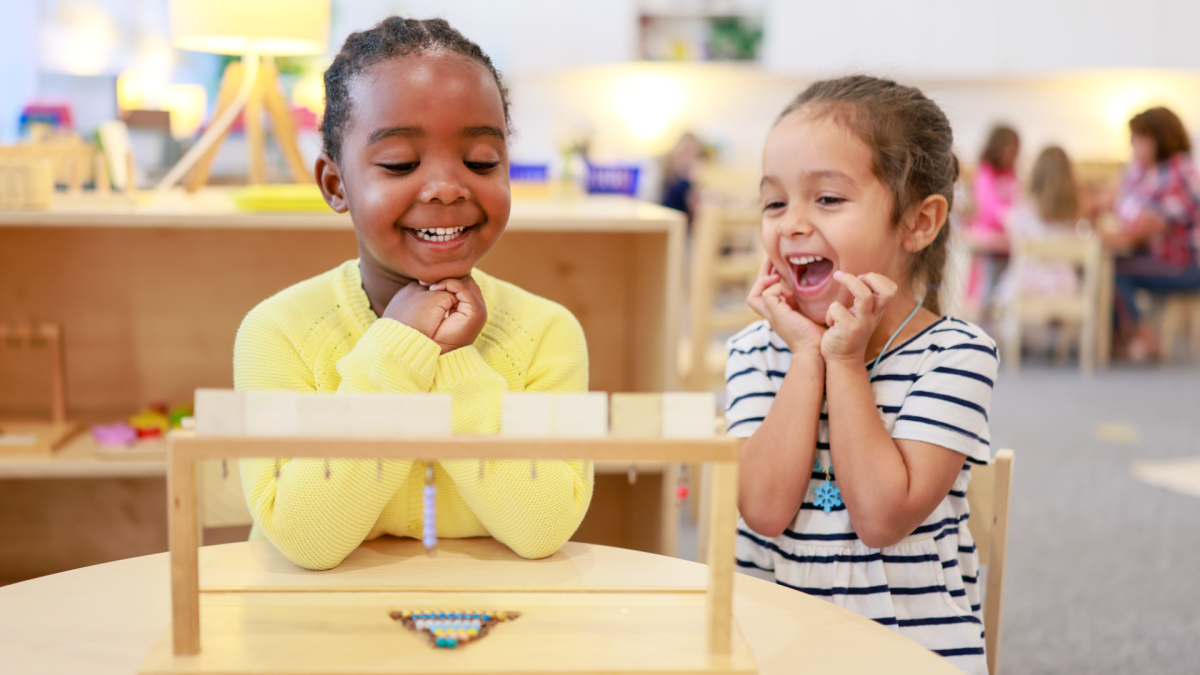
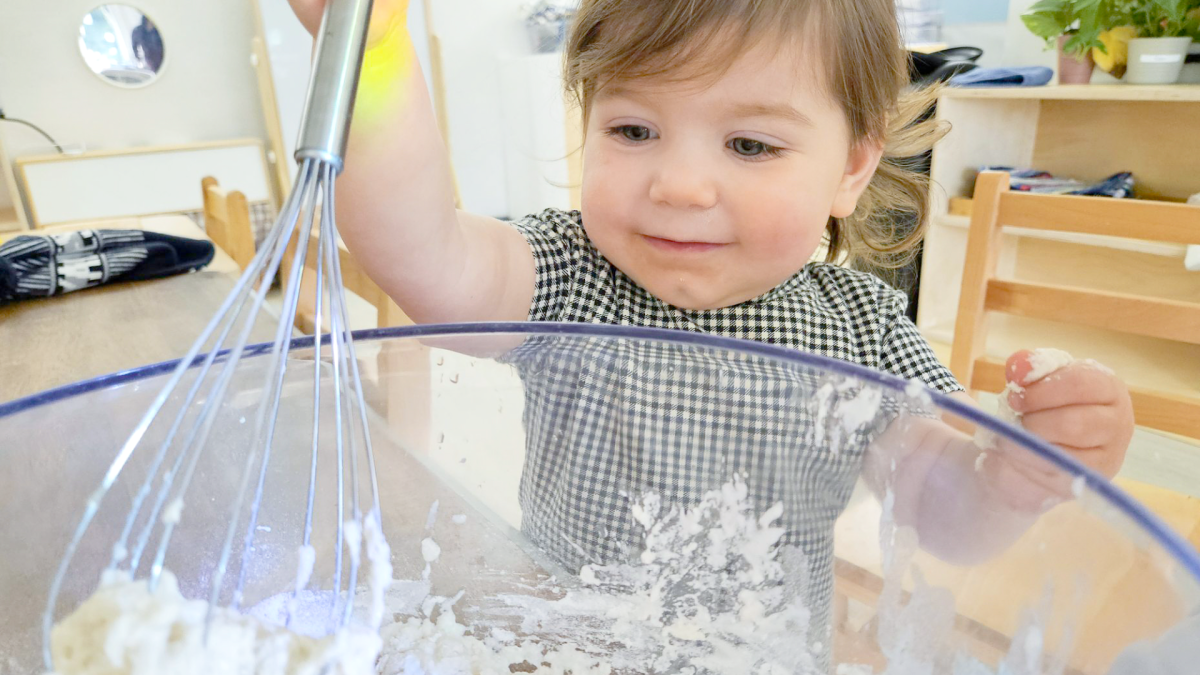
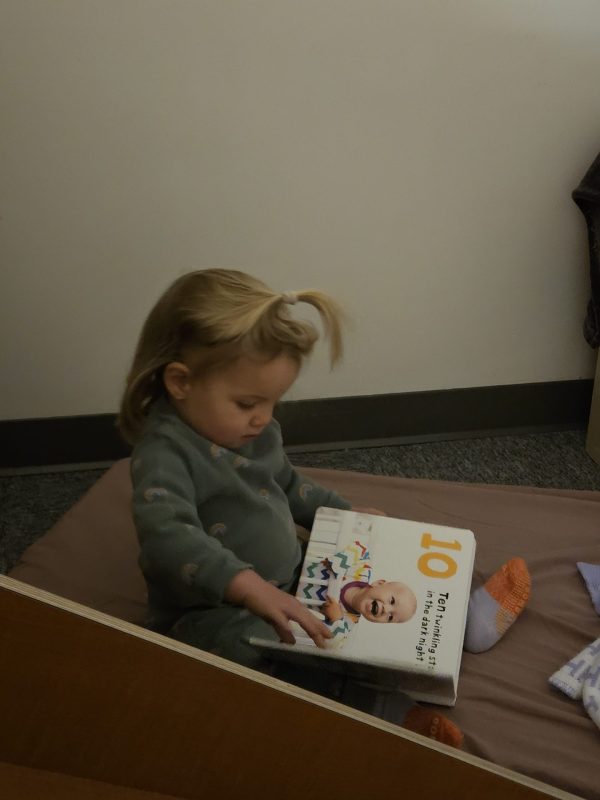
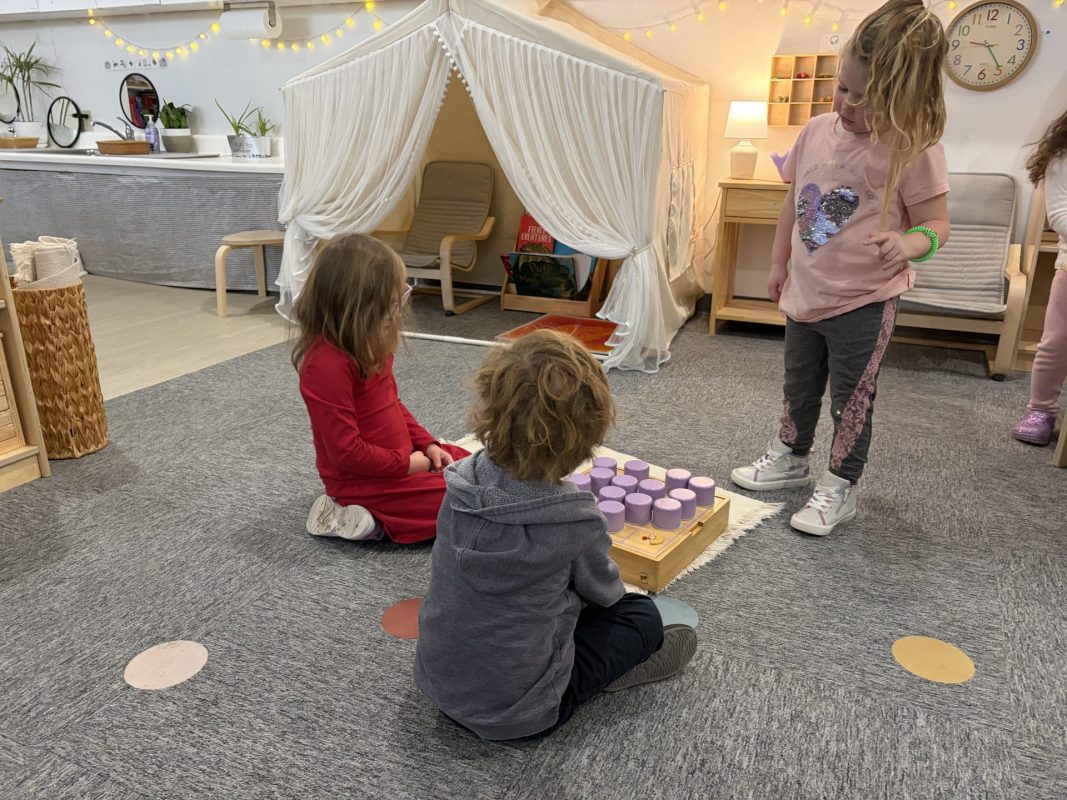
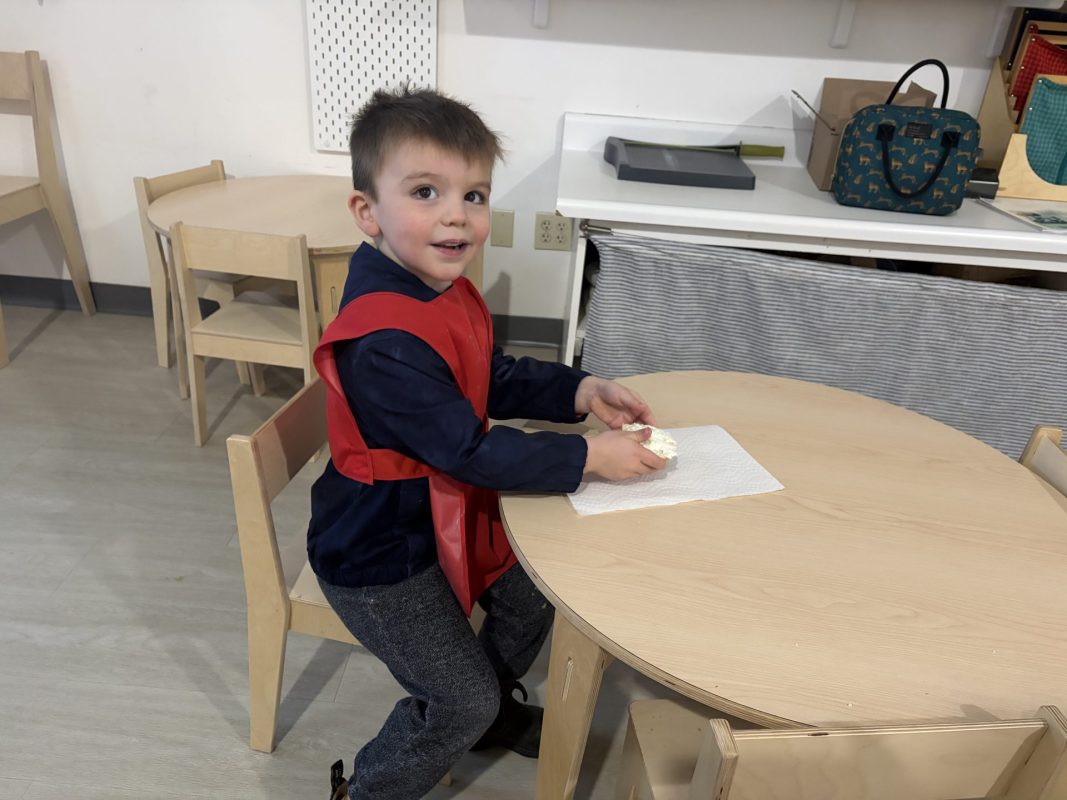
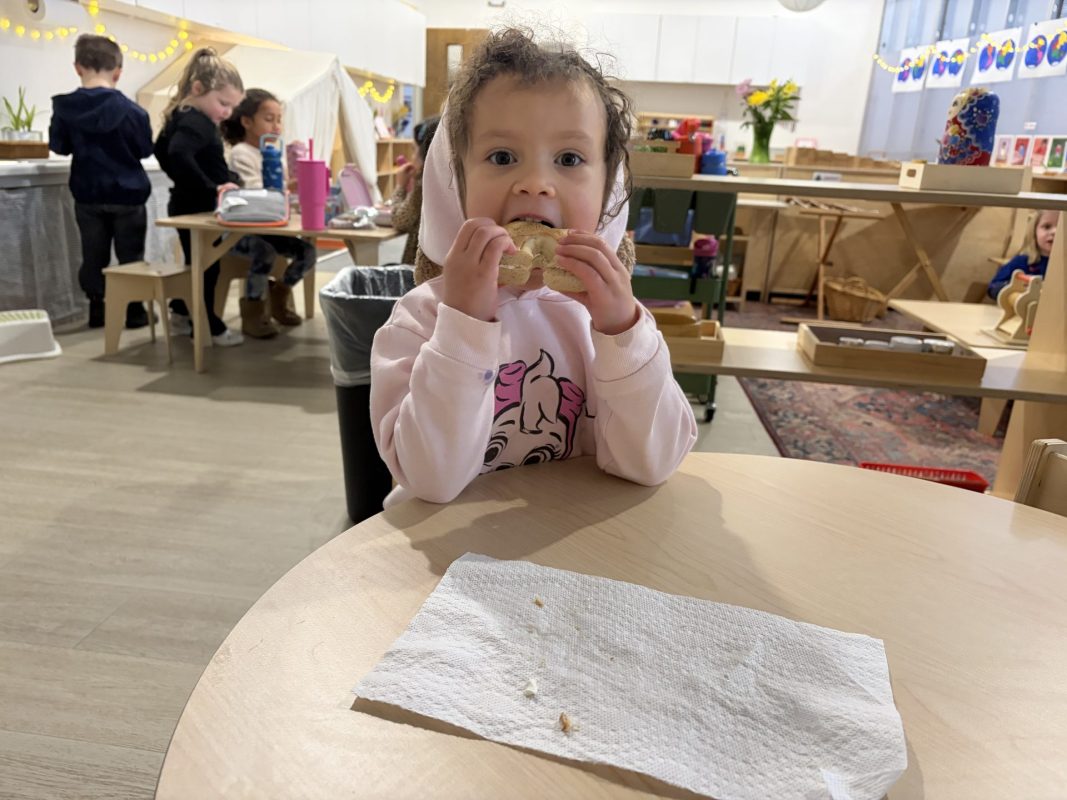
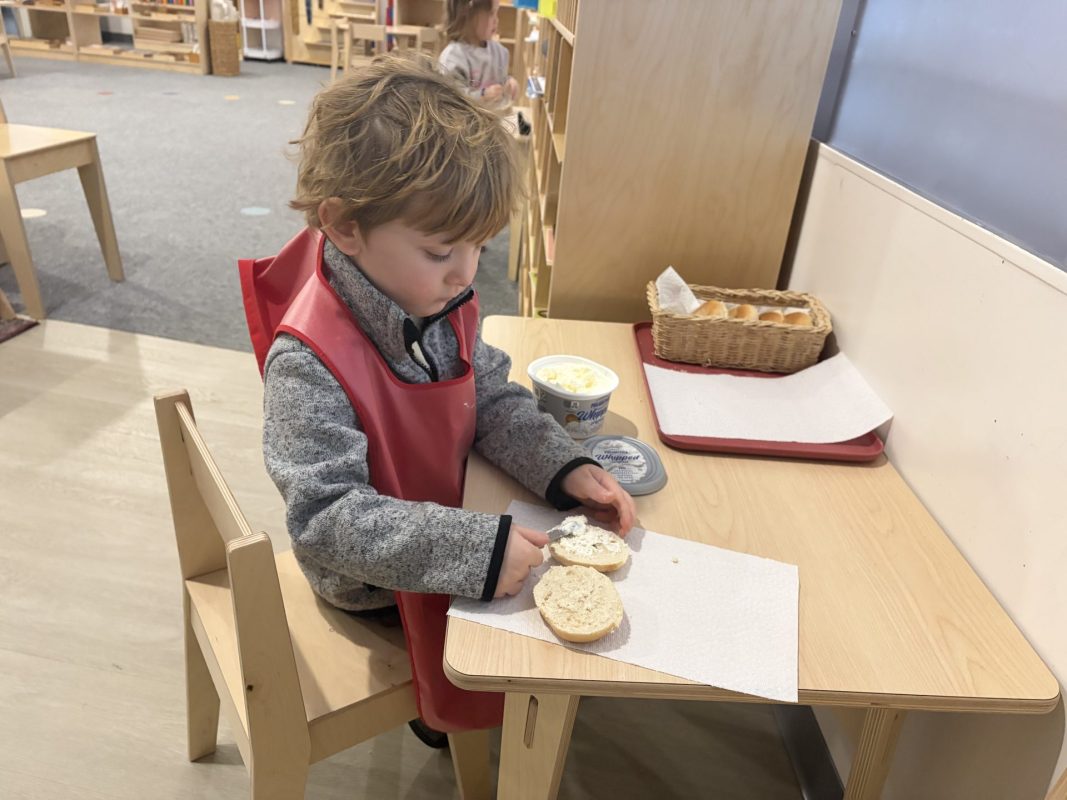
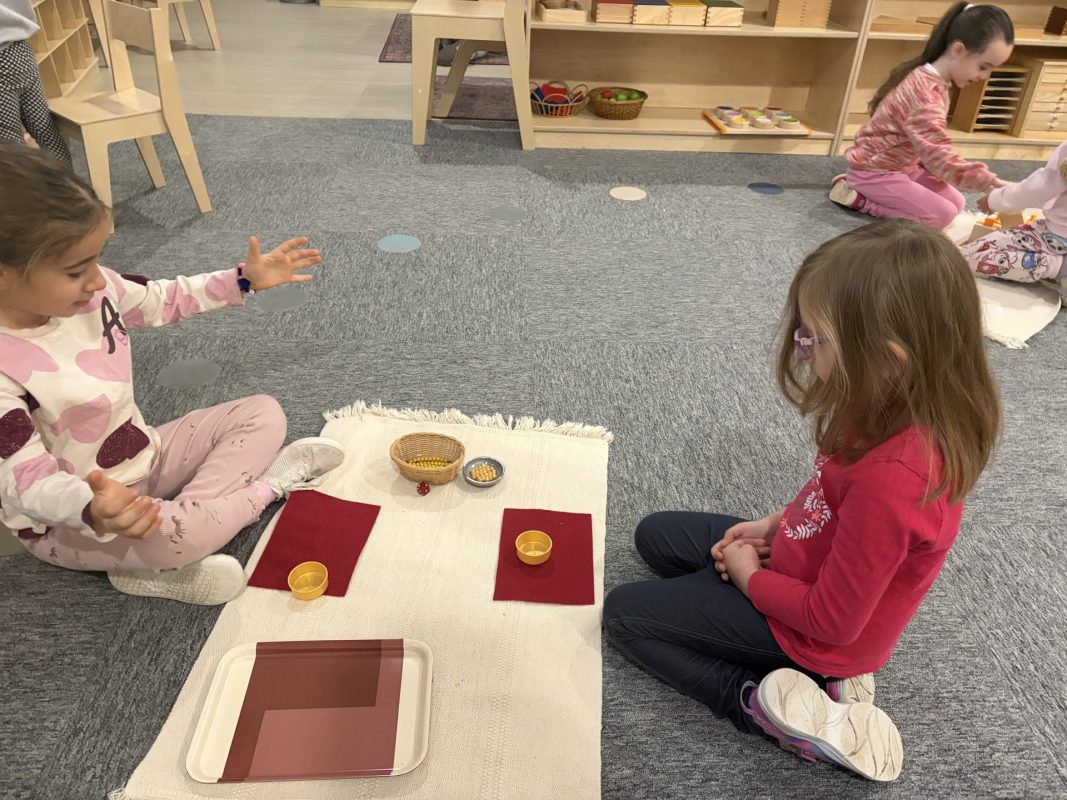
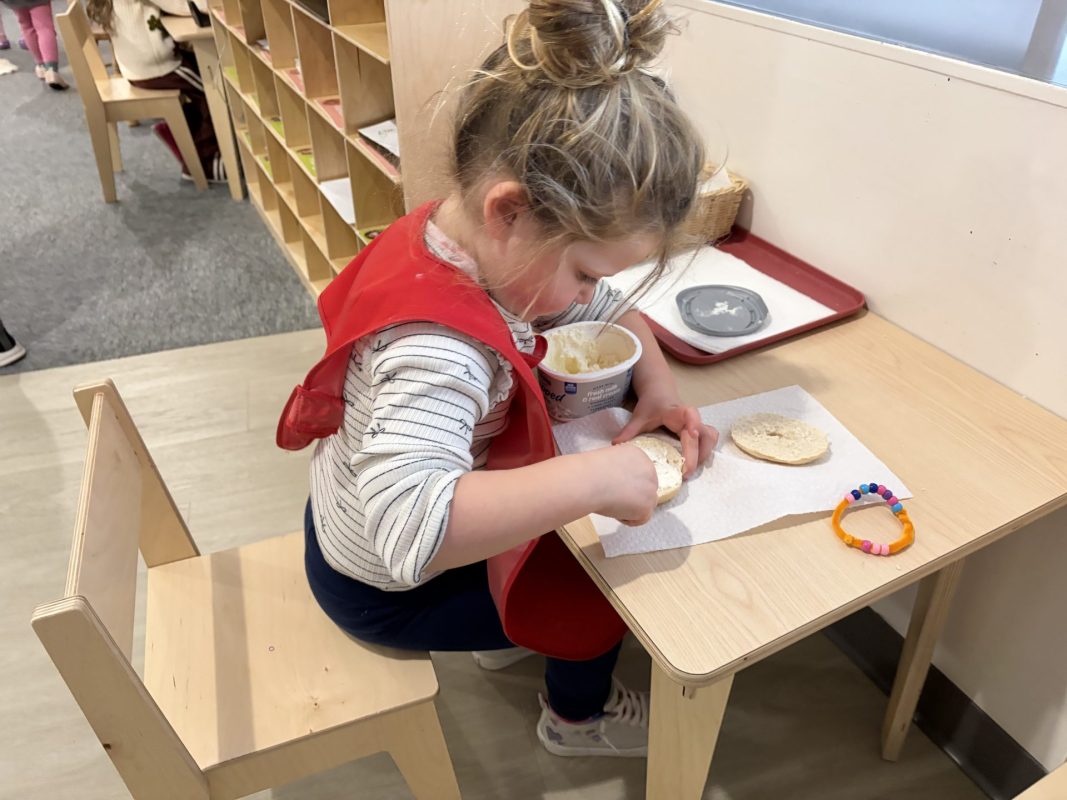
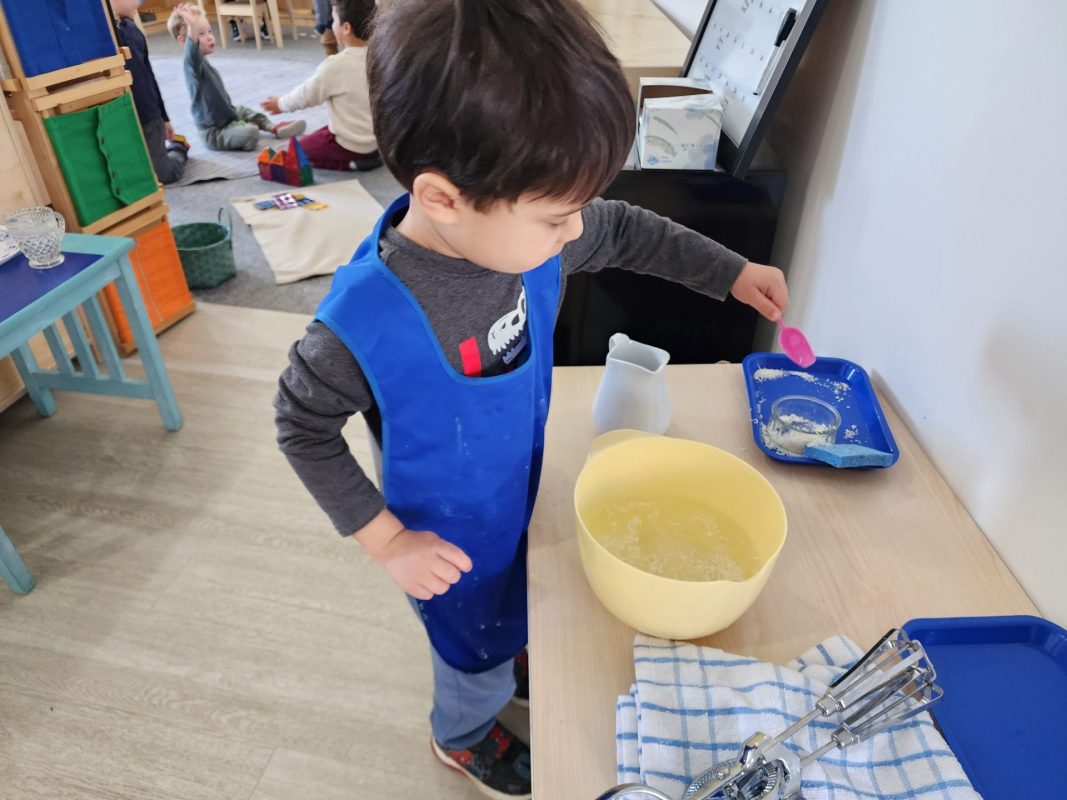
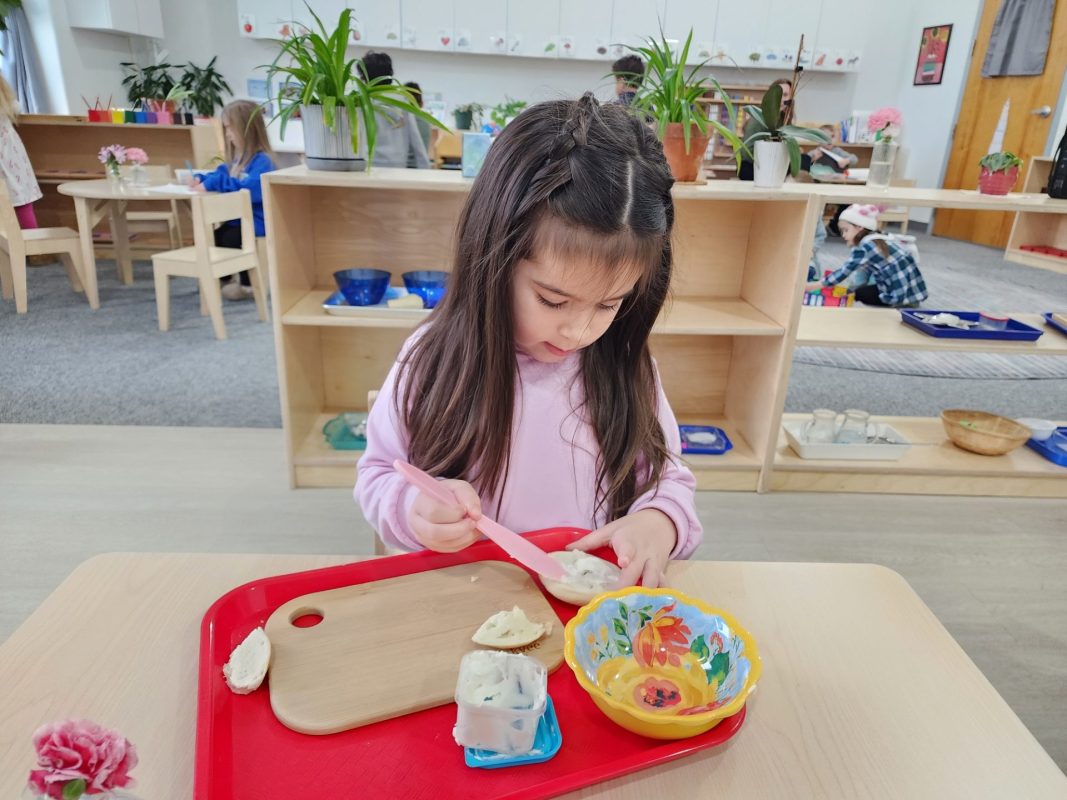
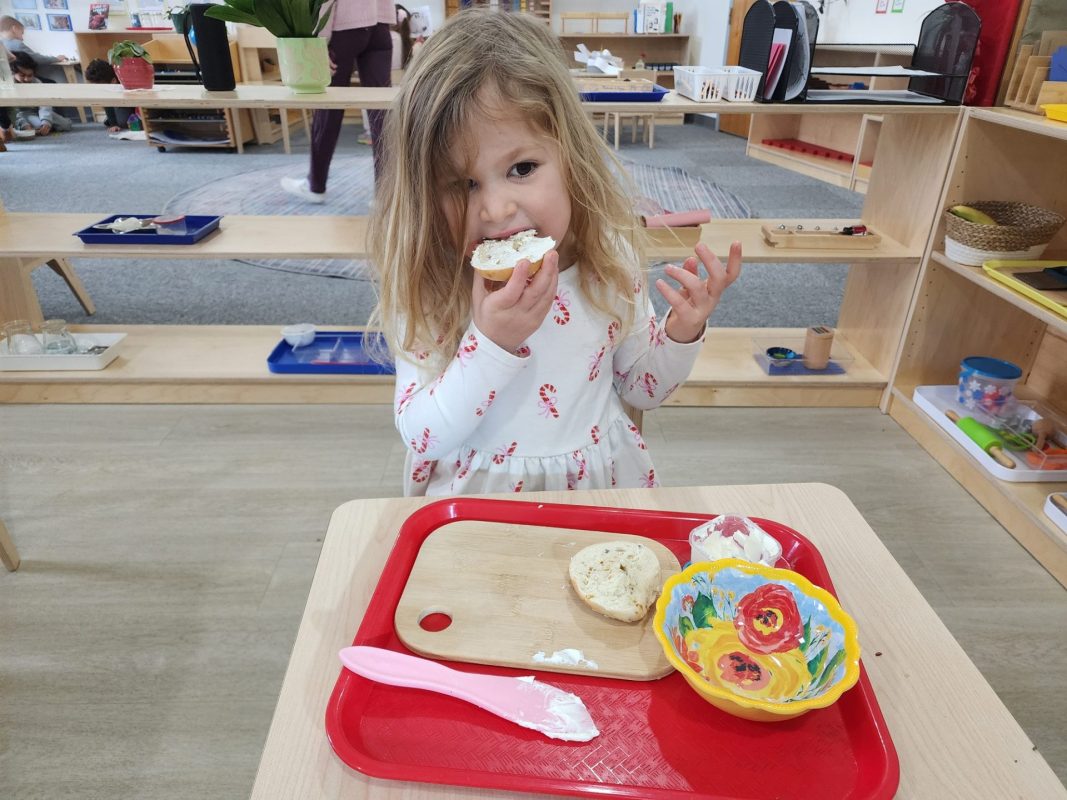
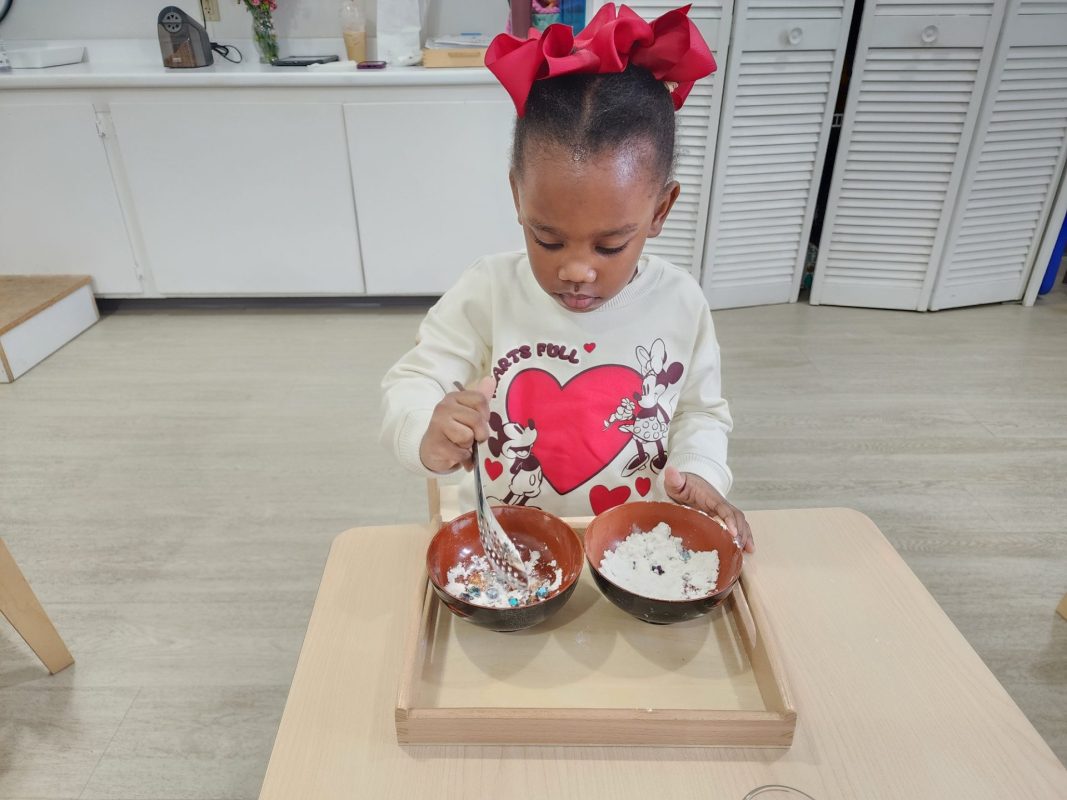
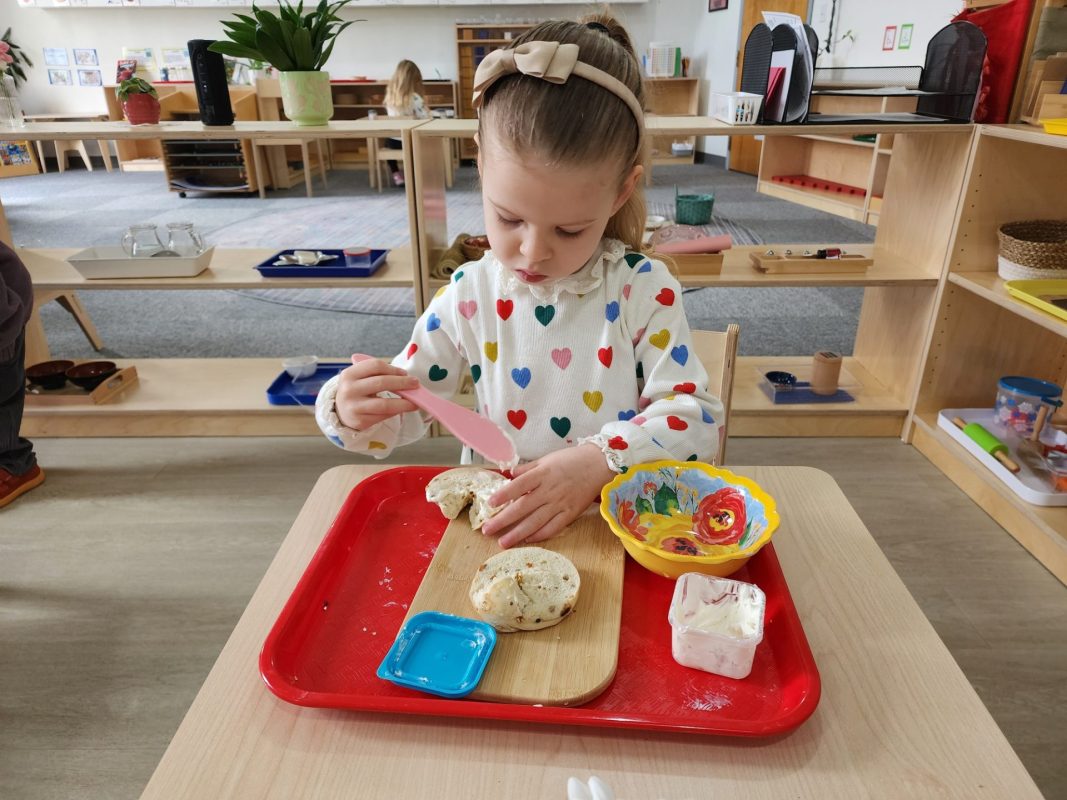
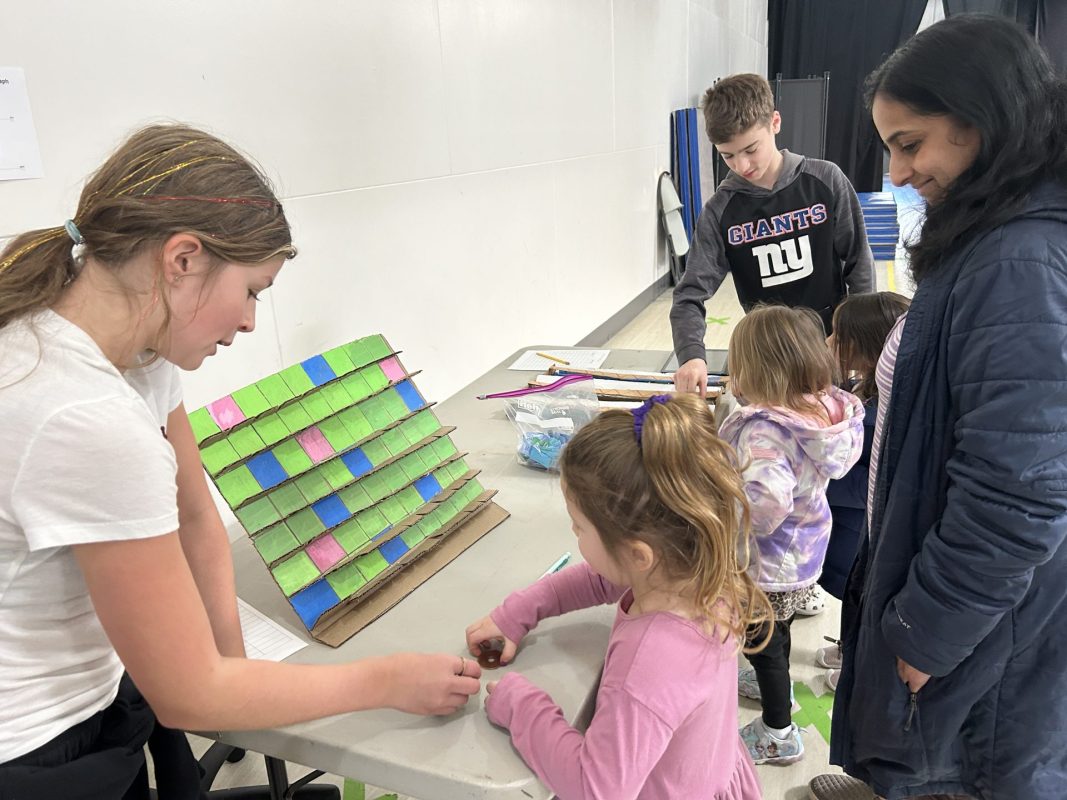
Watch a group of toddlers making focaccia bread together. Their hands plunge into the dough with pure delight—”Mixing, mixing!” they chant, faces glowing with concentration. Across campus, a Kindergartener’s eyes light up as her Upper Elementary Book Buddy arrives. In the Lower Elementary classroom, three students sprawl on the floor with the checkerboard, their excited voices overlapping as they race to solve a multiplication challenge. And in Middle School, students wade into the creek, nets in hand, hunting for macroinvertebrates to test water quality—part scientific investigation, part adventure.
This is learning at Fraser Woods: joyful, purposeful, and deeply personal.
But here’s what makes it remarkable: this joy isn’t separate from academic rigor. It’s the very thing that makes rigorous learning possible.
The American Montessori Society puts it simply: “Children who feel connected, engaged, and supported are more likely to thrive both emotionally and socially.” Recent research—including Edutopia’s “10 Most Significant Education Studies of 2025—confirms what we witness in our classrooms every day: happiness isn’t a reward for learning well. It’s the engine that powers learning itself.
This is exactly what we’ve built at Fraser Woods, carefully designed for each stage from toddlerhood through adolescence. Let’s explore how.
Connection: Where Trust Takes Root
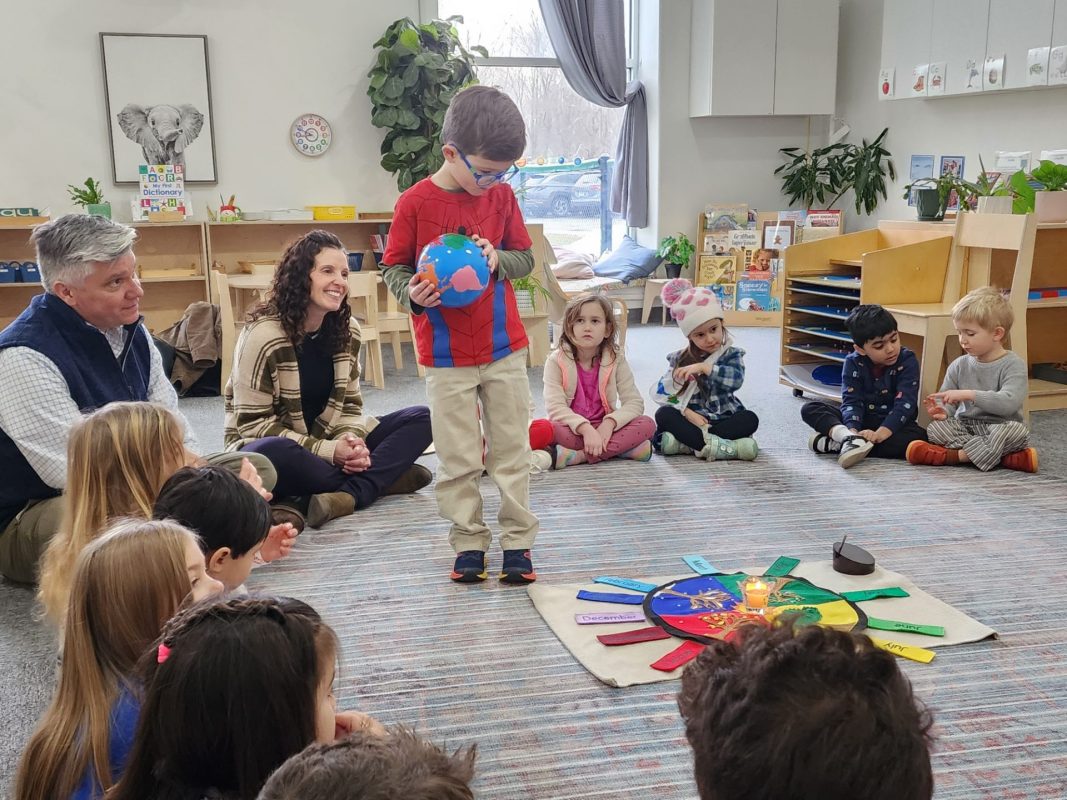
Here’s something beautiful about our mixed-age classrooms: students work with the same teacher for up to three years. That’s not just convenient—it’s transformational.
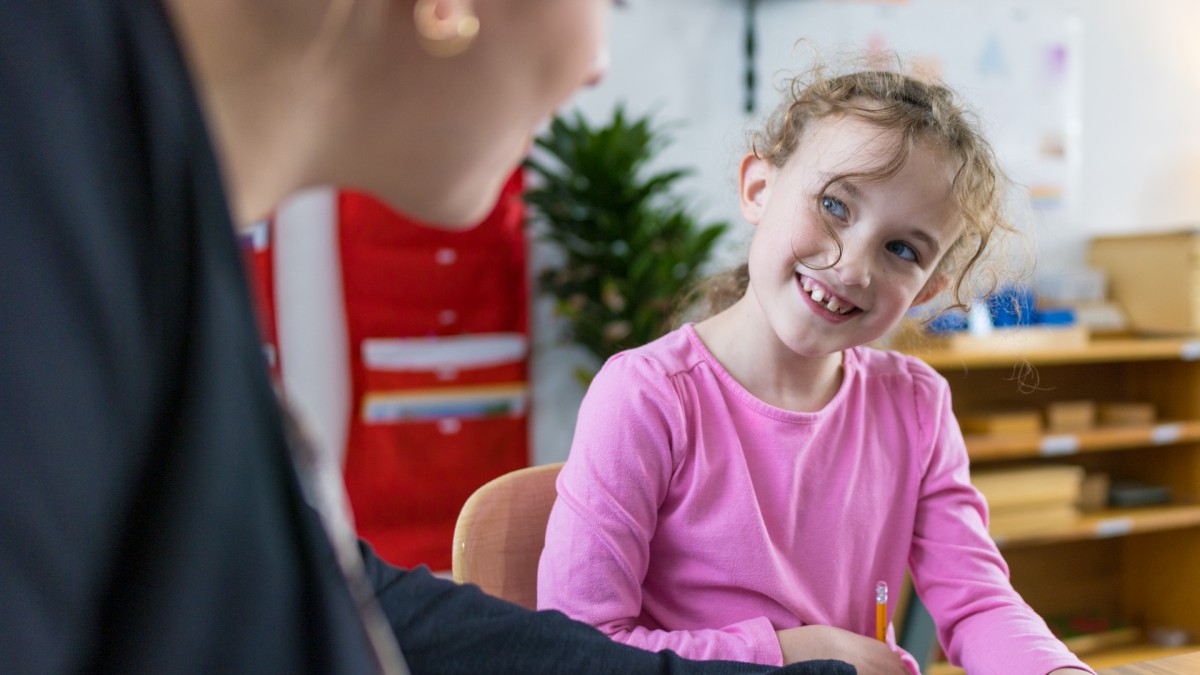
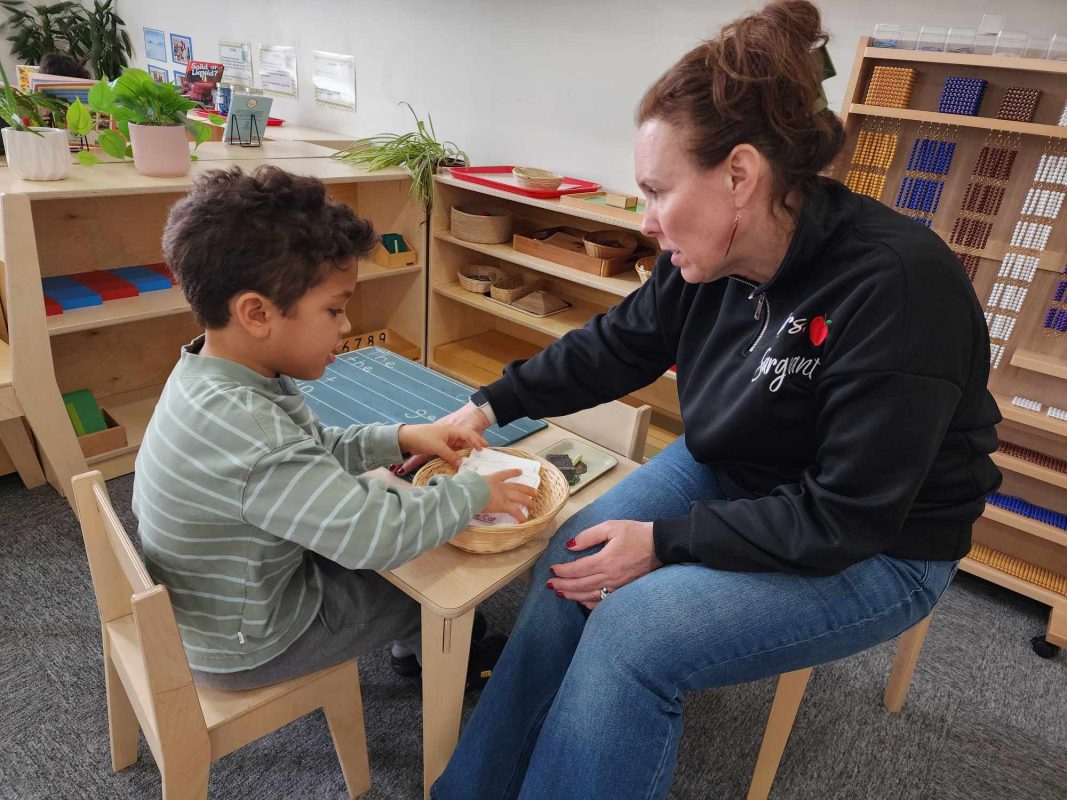
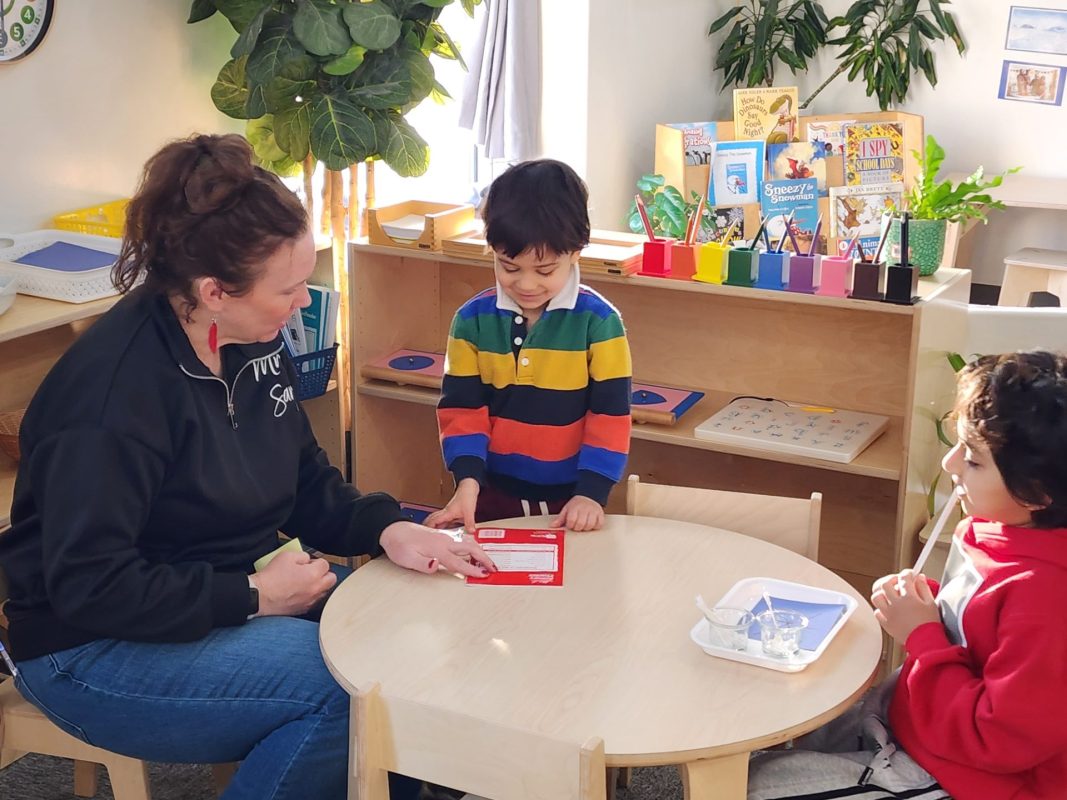
A Primary teacher doesn’t just know that a child loves pattern work. She knows that when this particular child is quiet at morning circle, something happened on the drive to school, and he needs a few extra minutes to settle. A Lower Elementary teacher doesn’t just see a student struggling with long division. She recognizes the same determined expression the child wore two years ago working through multiplication tables, and knows exactly how much space to give before offering support.
This depth of knowledge matters deeply. As one parent told us, “My kids feel seen at Fraser Woods. With three children across three different levels, the warmth and care of both the faculty and the classroom communities support each of my children individually for who they are and where they are in their educational journeys.”
The research backs this up beautifully: A 2025 meta-analysis of 70 years of research—encompassing more than 2.6 million K-12 students—found that trusting, supportive student-teacher relationships were linked to higher academic achievement, improved behavior, better executive function, and greater well-being. The researchers concluded that the sense of belonging that flourishes when teachers cultivate trust may be one of the most reliable levers for improving learning outcomes.
What Connection Looks Like
Connection isn’t a separate curriculum here—it’s woven into everything we do. You see it in our peace education, our multi-age classrooms, how teachers observe and respond to individual children, and how students relate to each other across the entire school.
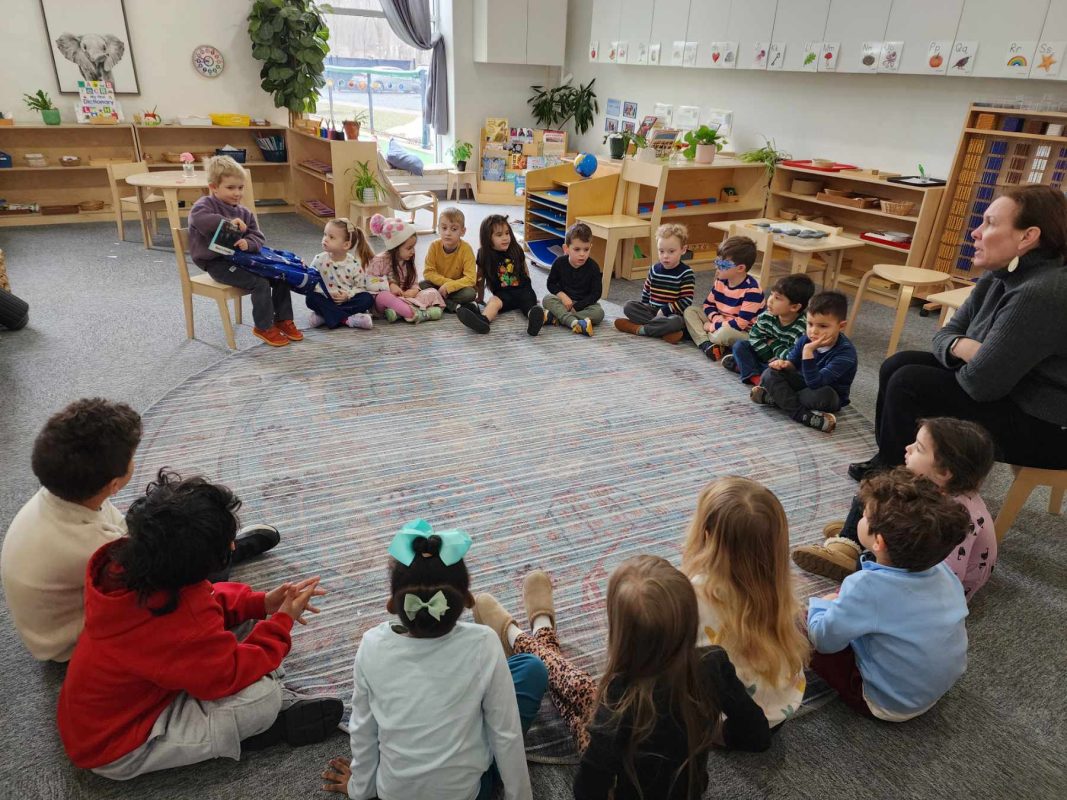
When conflict arises in Primary, children gather at the peace table—not for punishment, but to be heard. This creates the psychological safety children need to take risks, make mistakes, and still belong.
You see it in how we welcome students back from breaks. Recently, when children returned from winter vacation, our Lower Elementary teachers didn’t immediately dive into academic expectations. They spent time reconnecting first—helping children find their footing again, ensuring they felt welcomed back into the community before tackling new challenges. This isn’t lost instructional time. It’s an investment that makes all other learning possible.
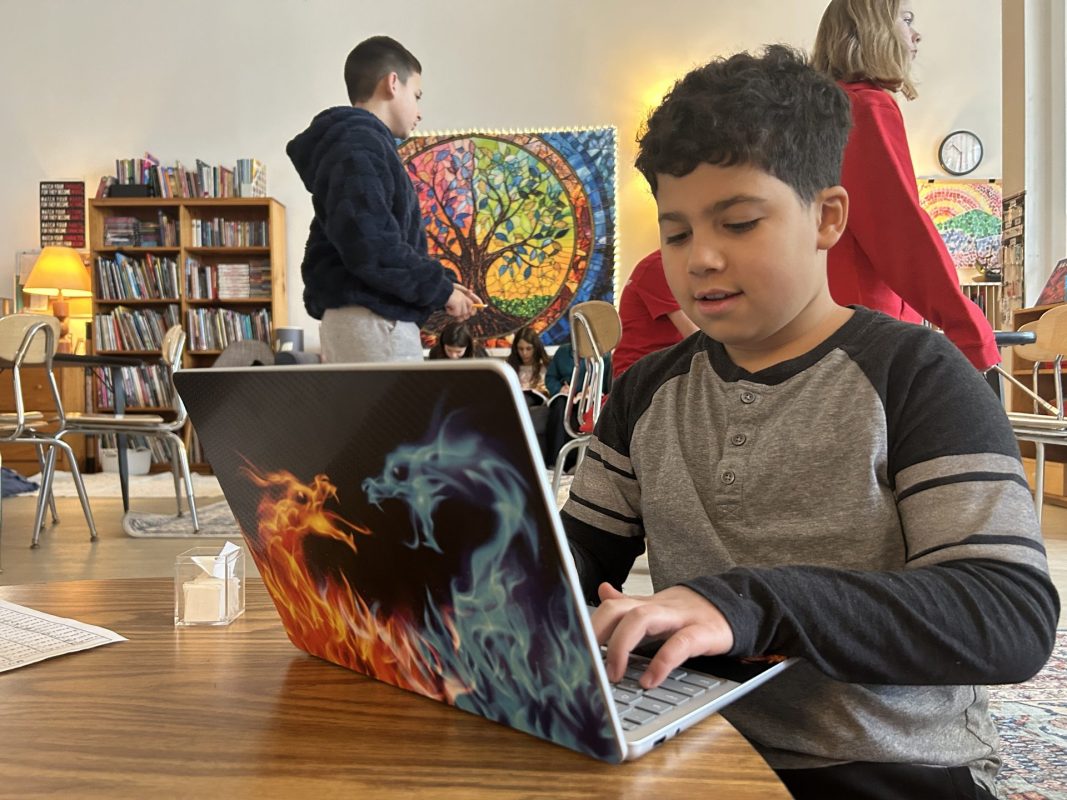
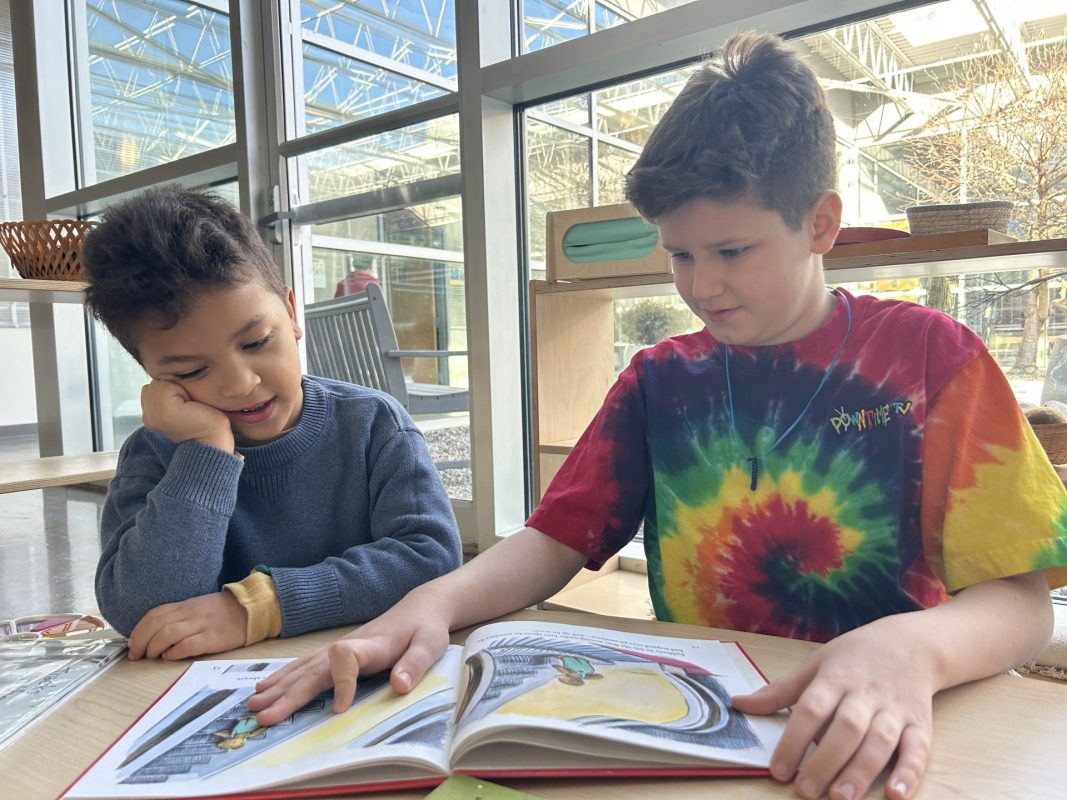
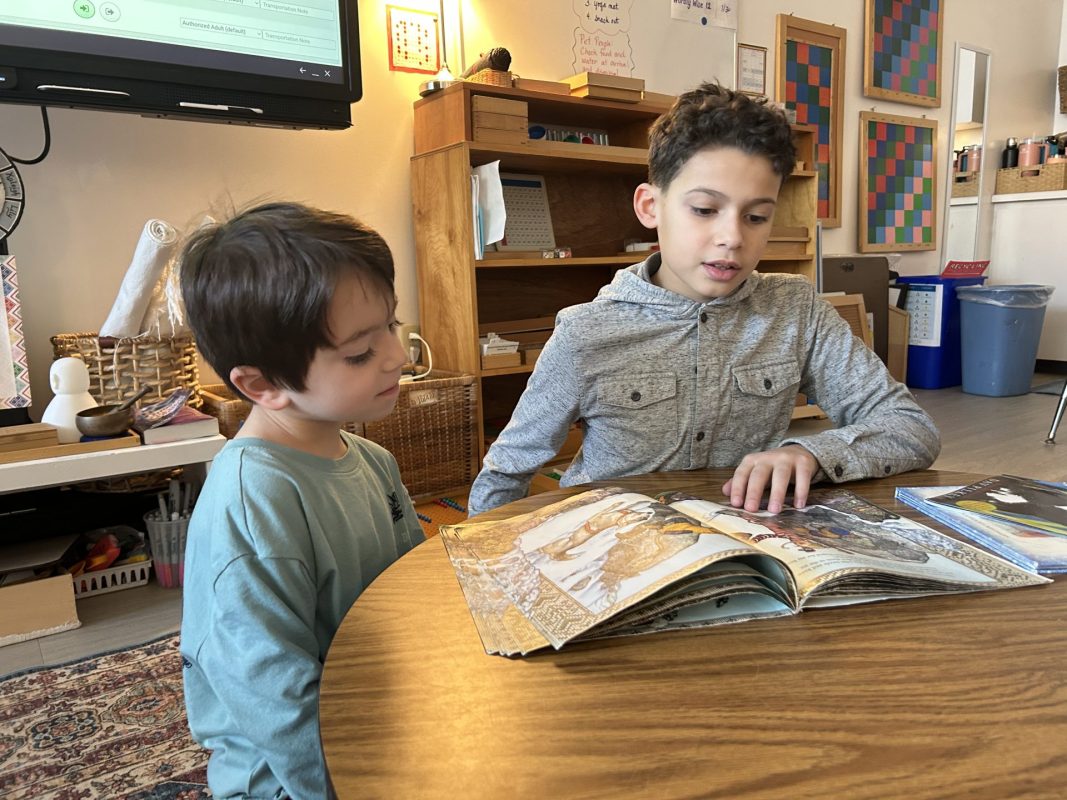
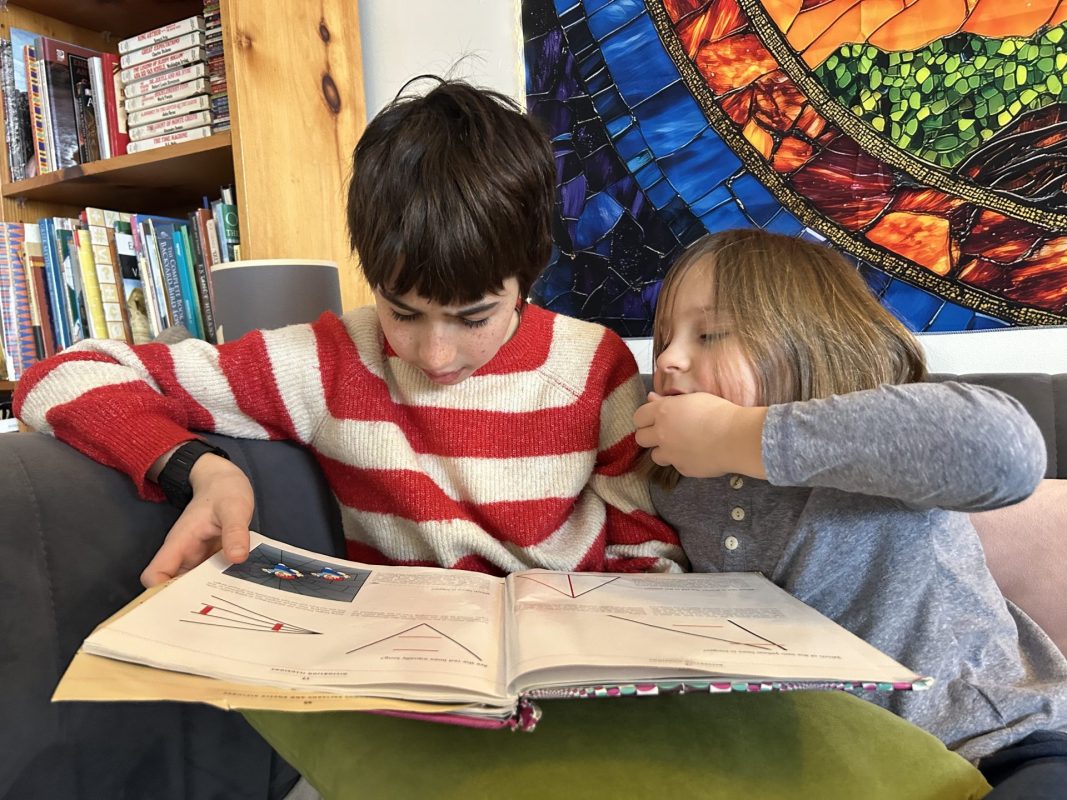
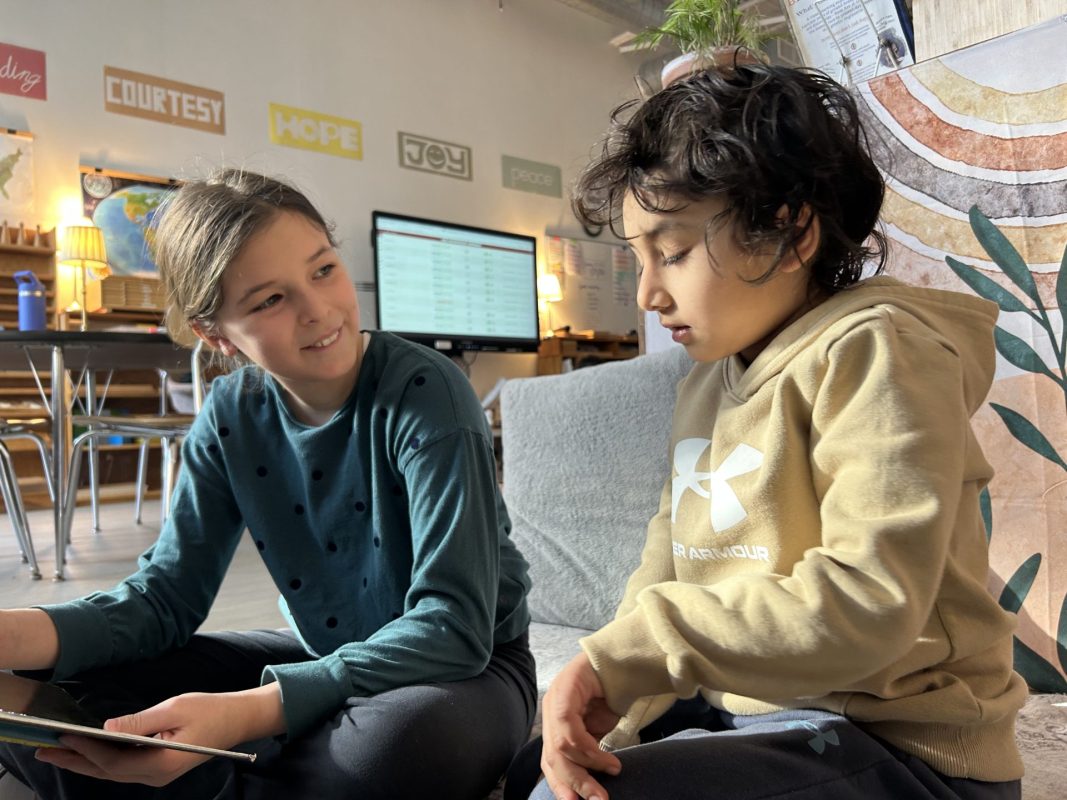
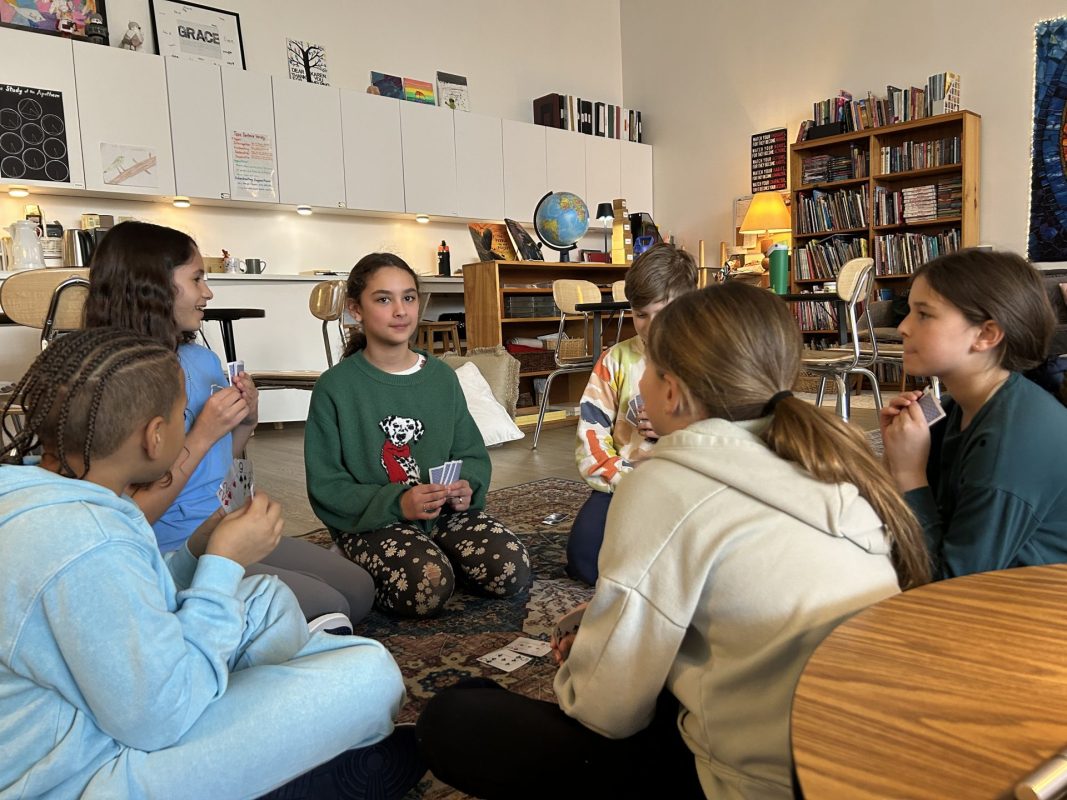
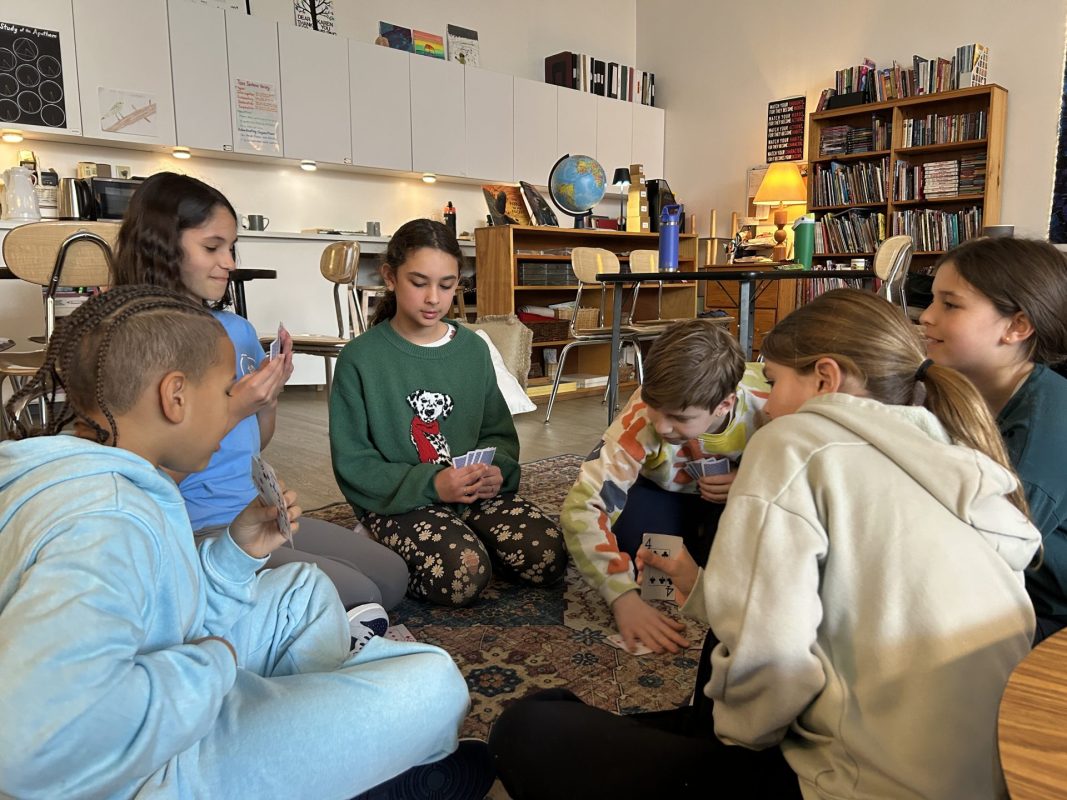
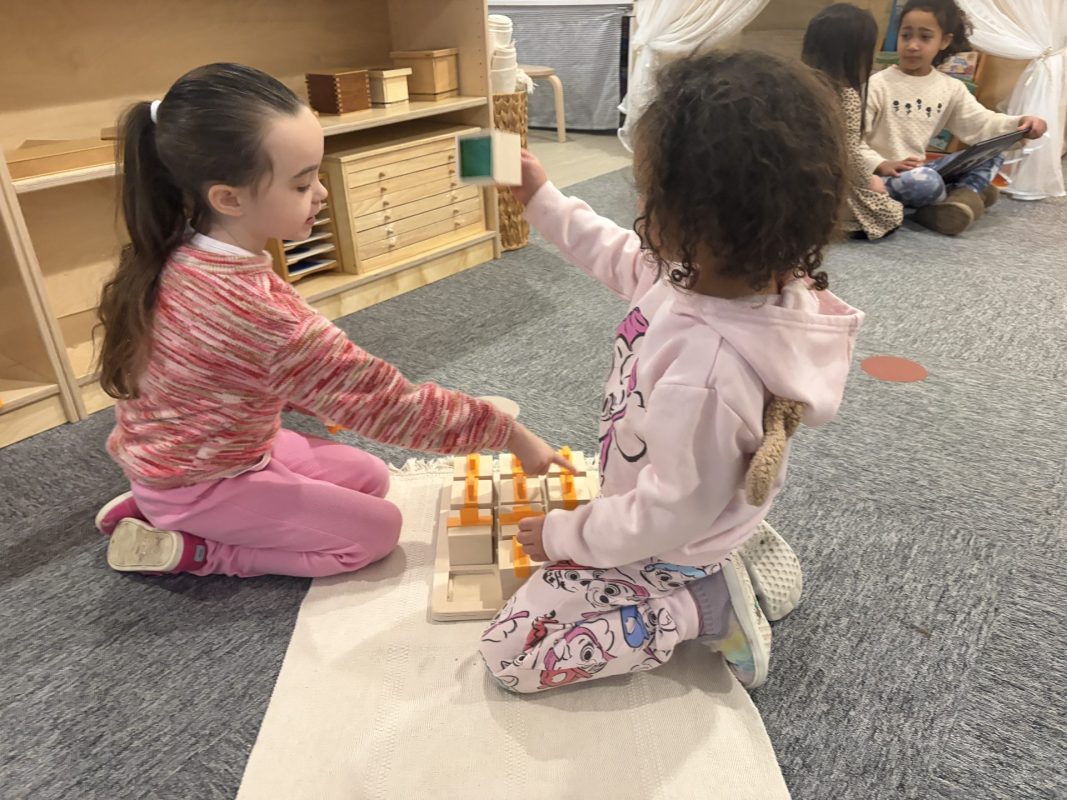
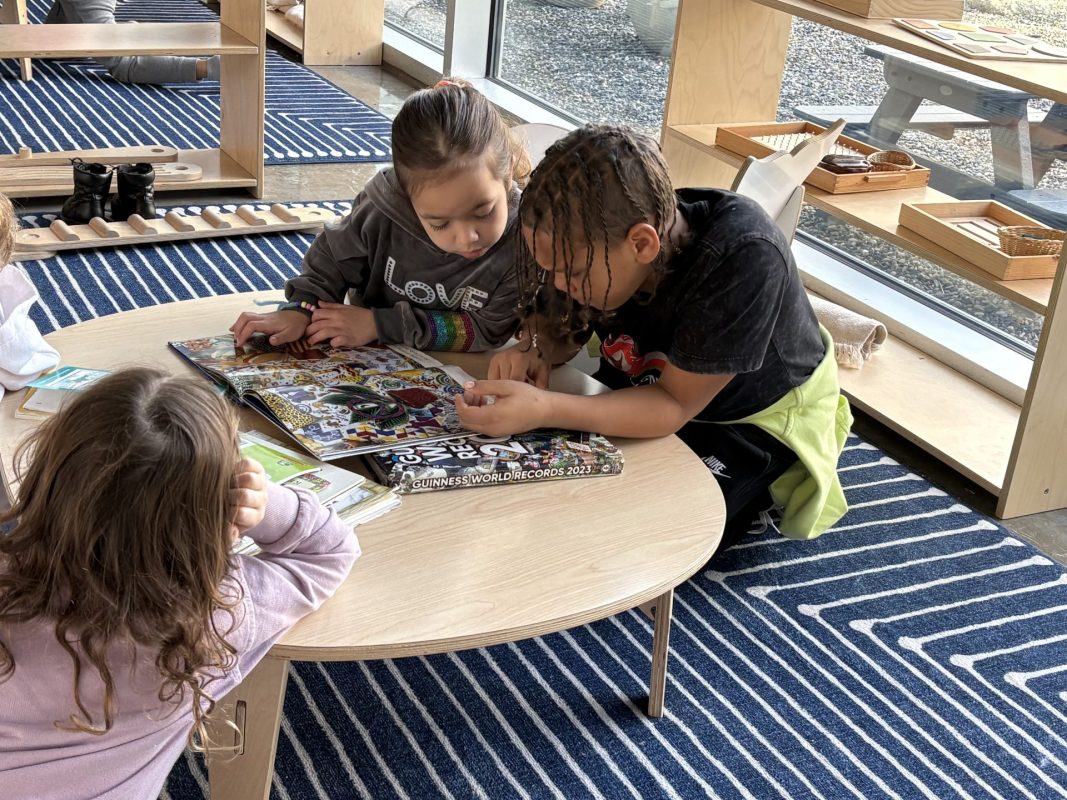
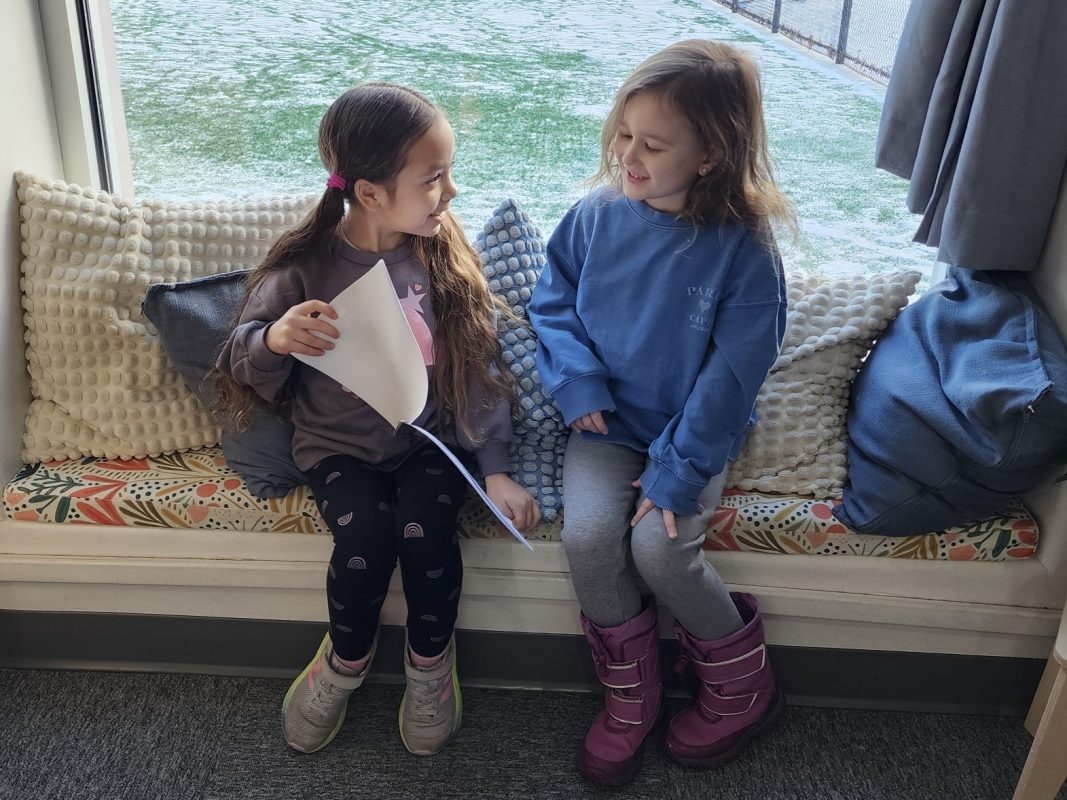
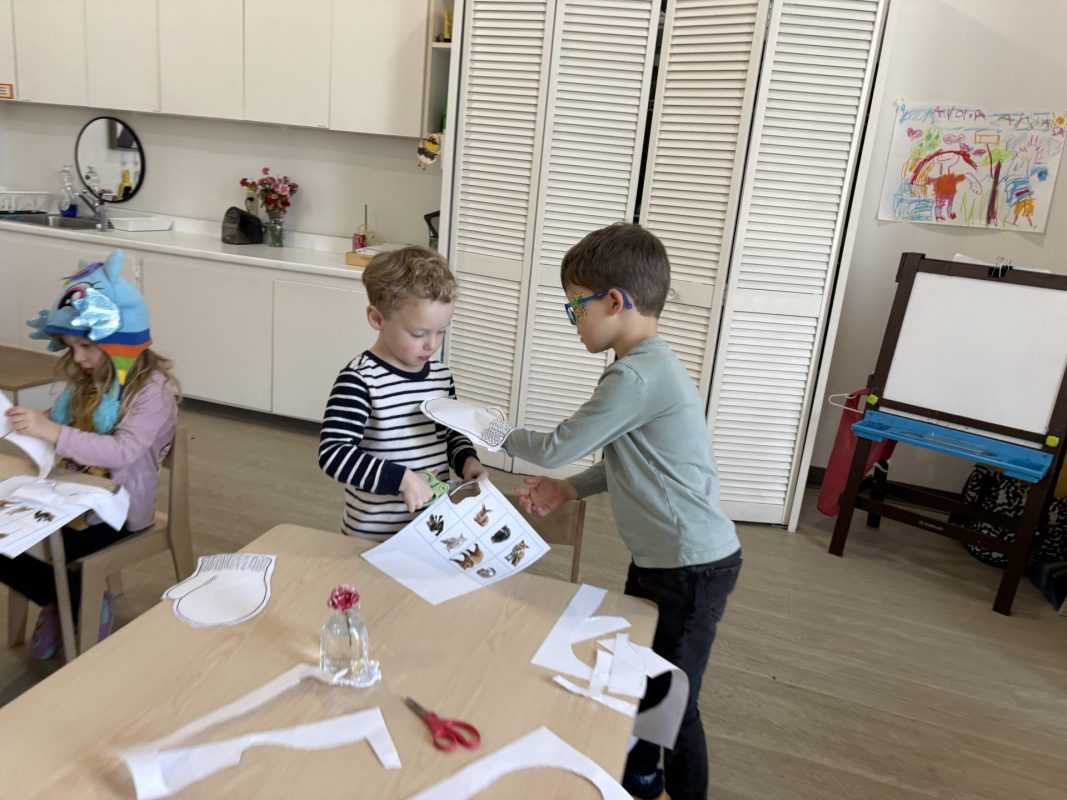
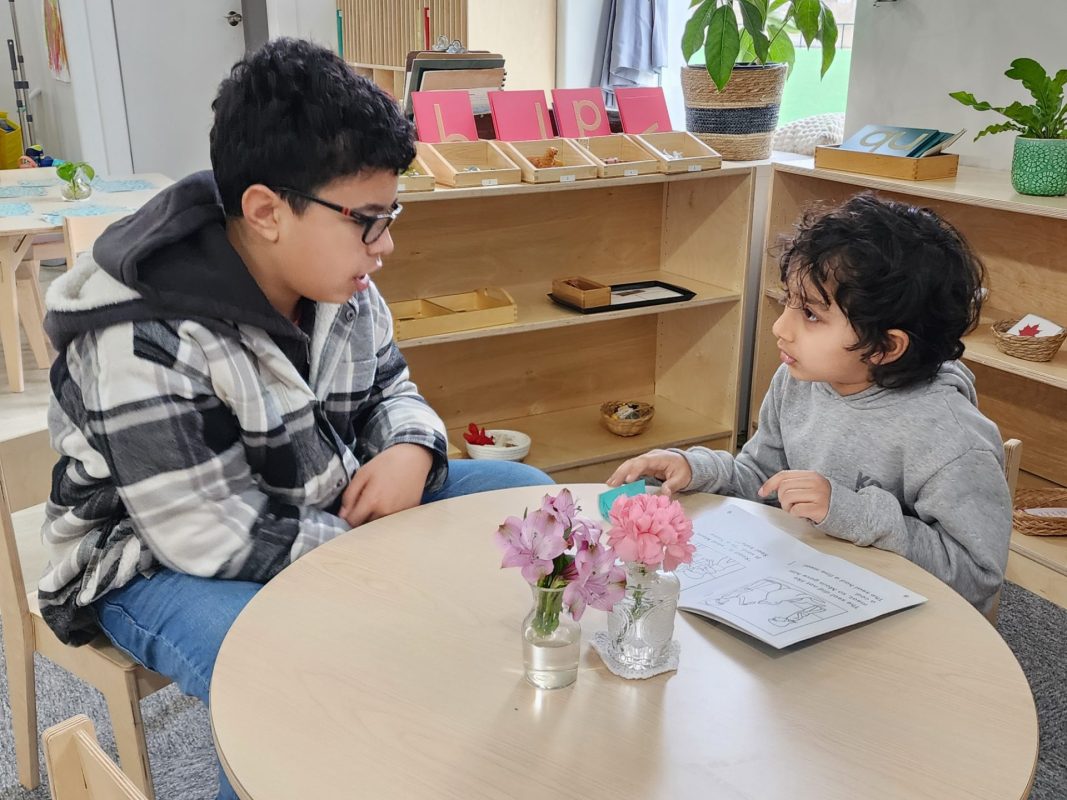
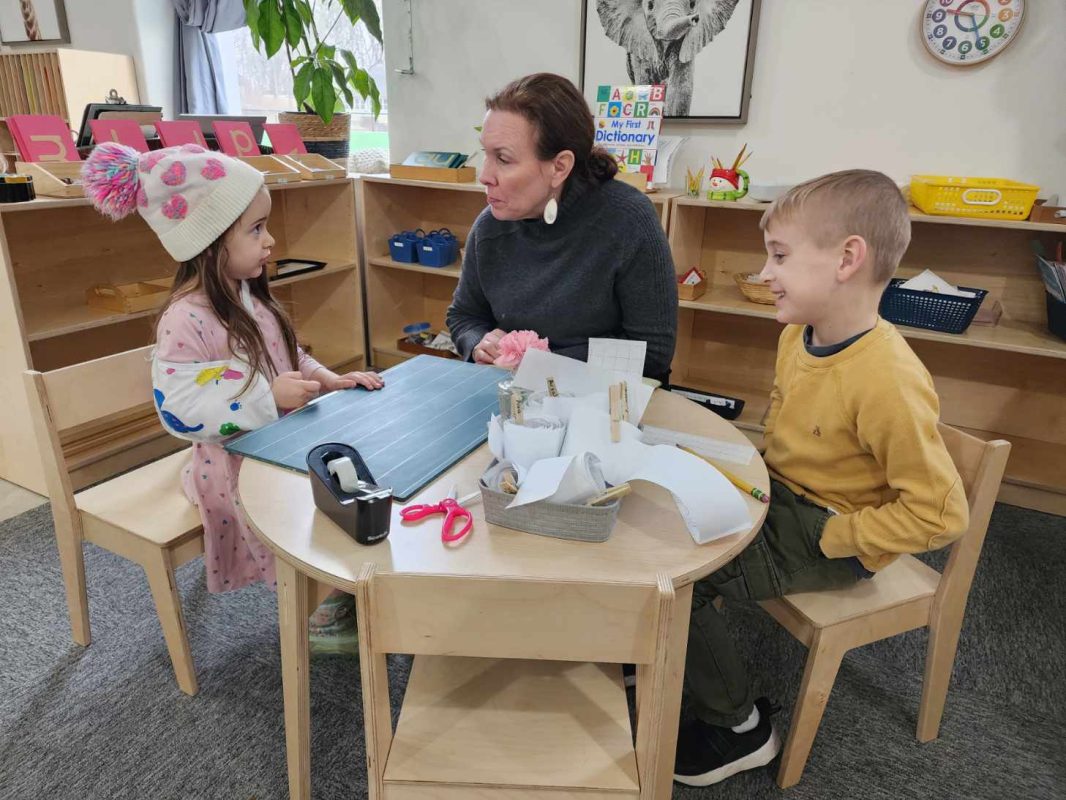
Connection reveals itself in spontaneous moments too. During research projects, older Lower Elementary students naturally take on mentoring roles with younger classmates new to the research process. They’re patient, kind, and genuinely helpful as they teach about finding sources and organizing information. Some younger students even choose to write full papers, and the older students type for them and guide them through the process. This is connection in action—students trusting each other enough to be vulnerable, confident that help will come in the form of partnership rather than judgment.
Connection Across Ages
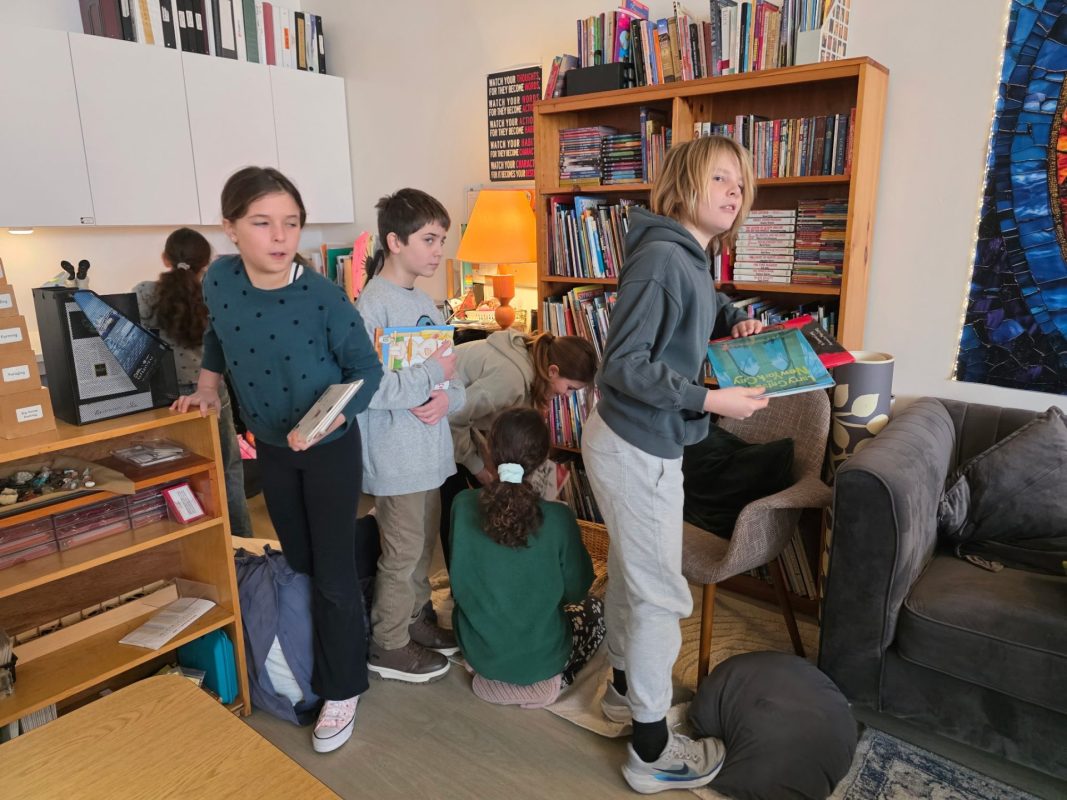
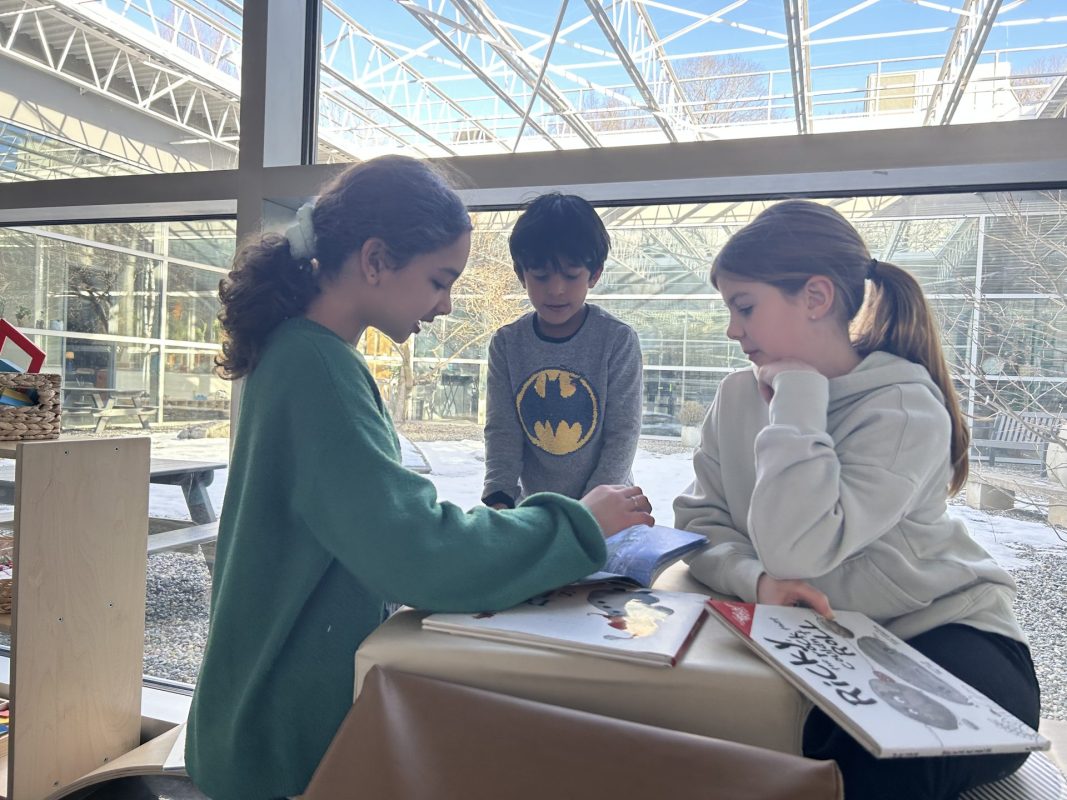
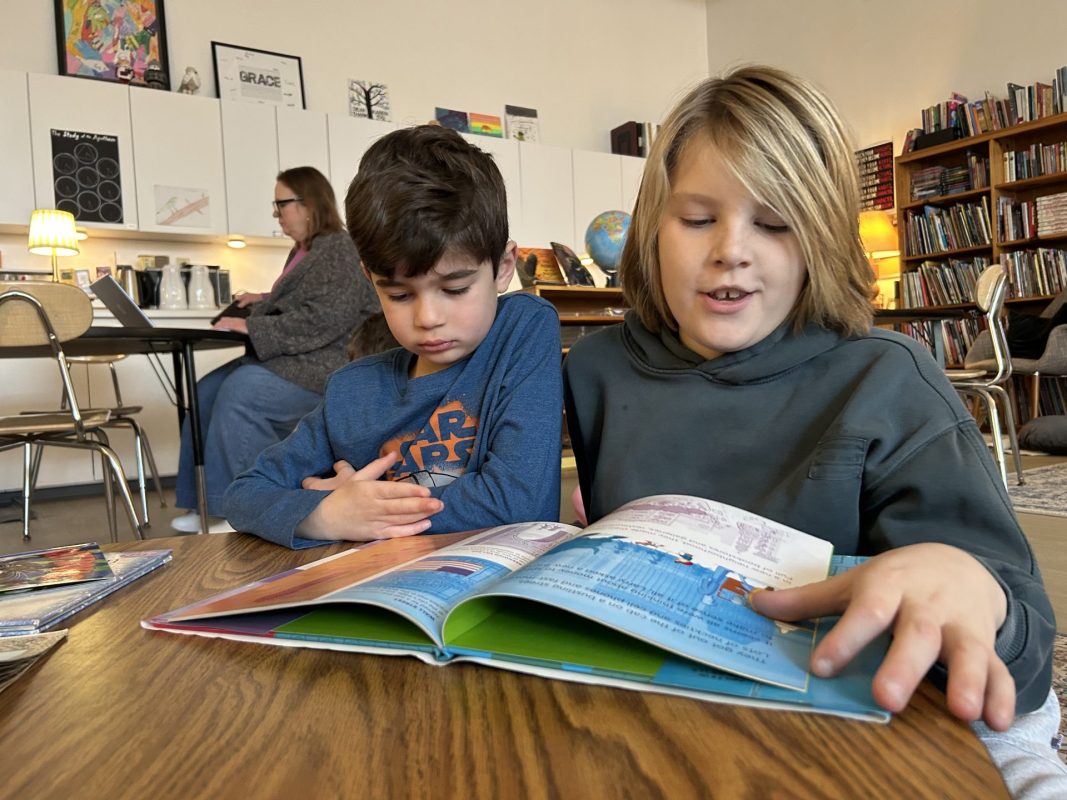
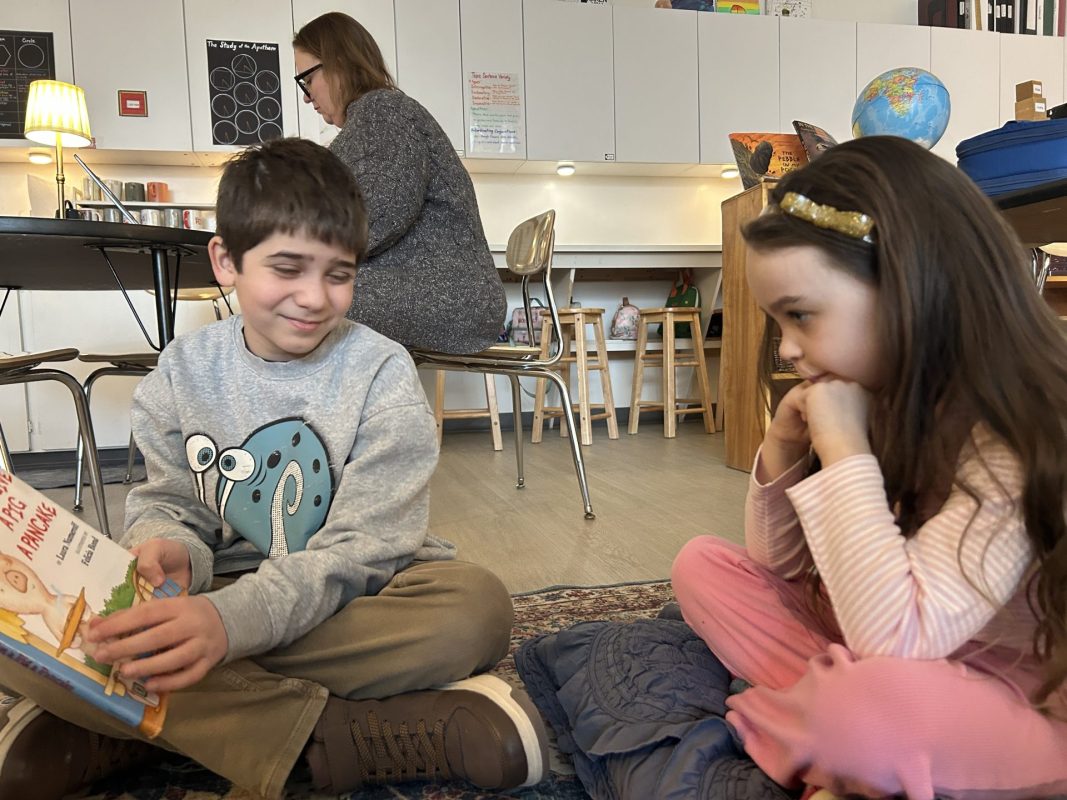
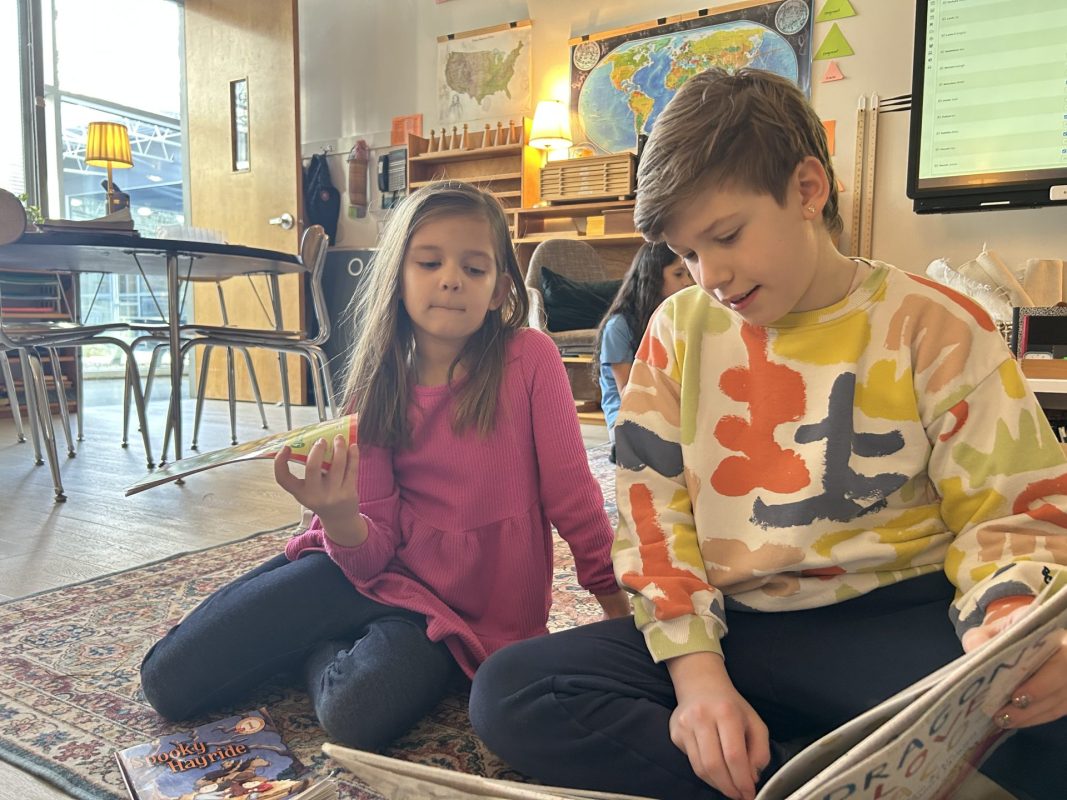
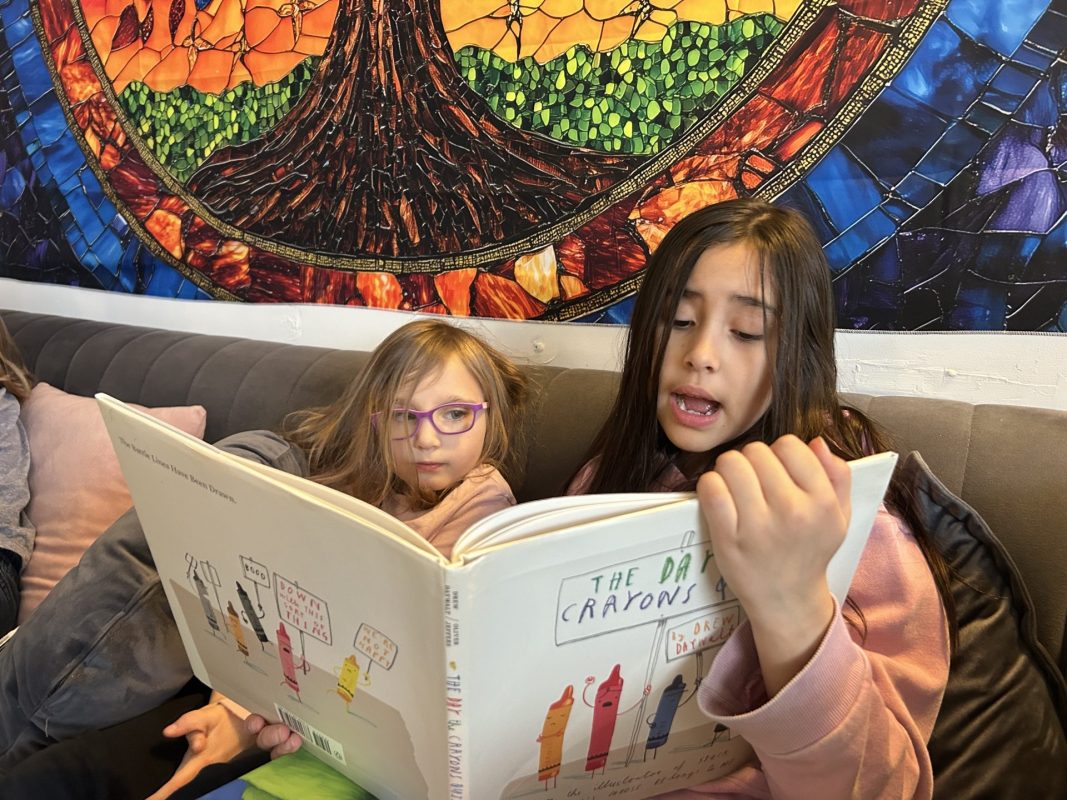
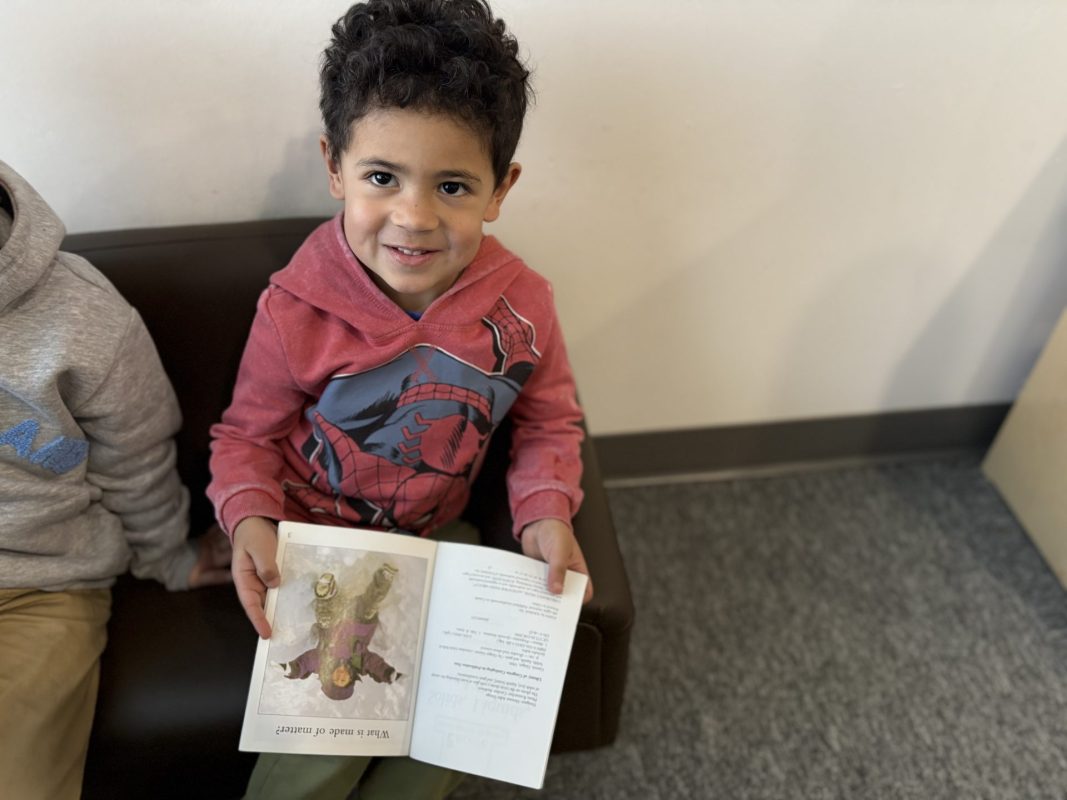
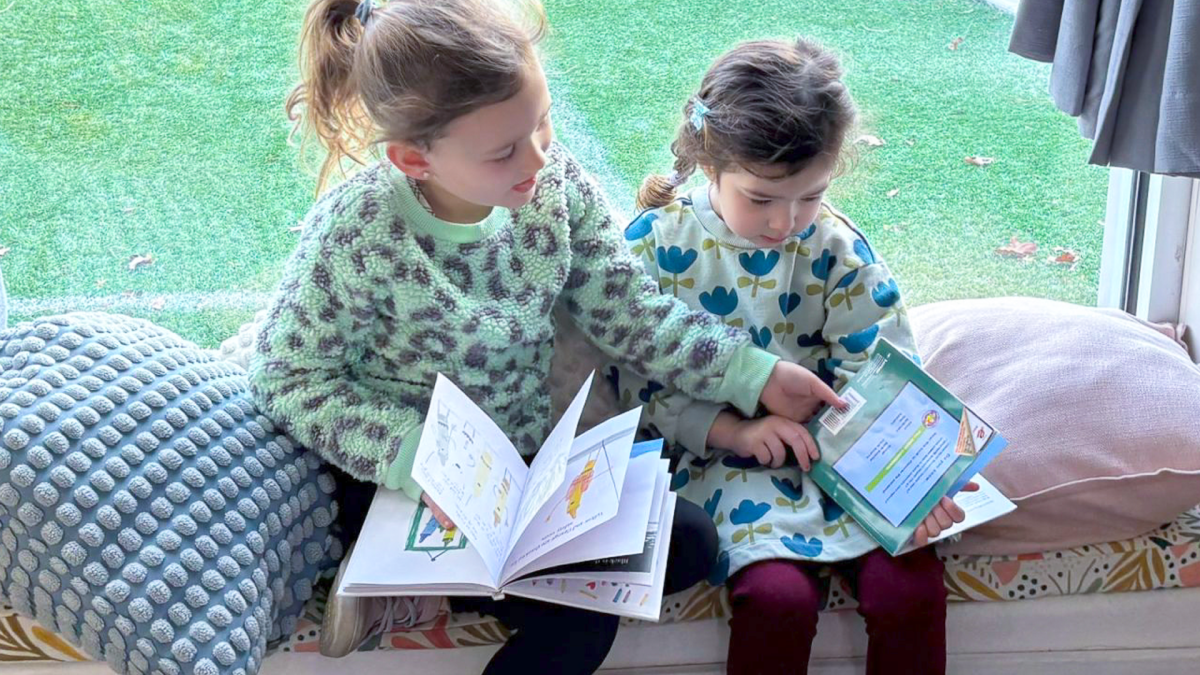
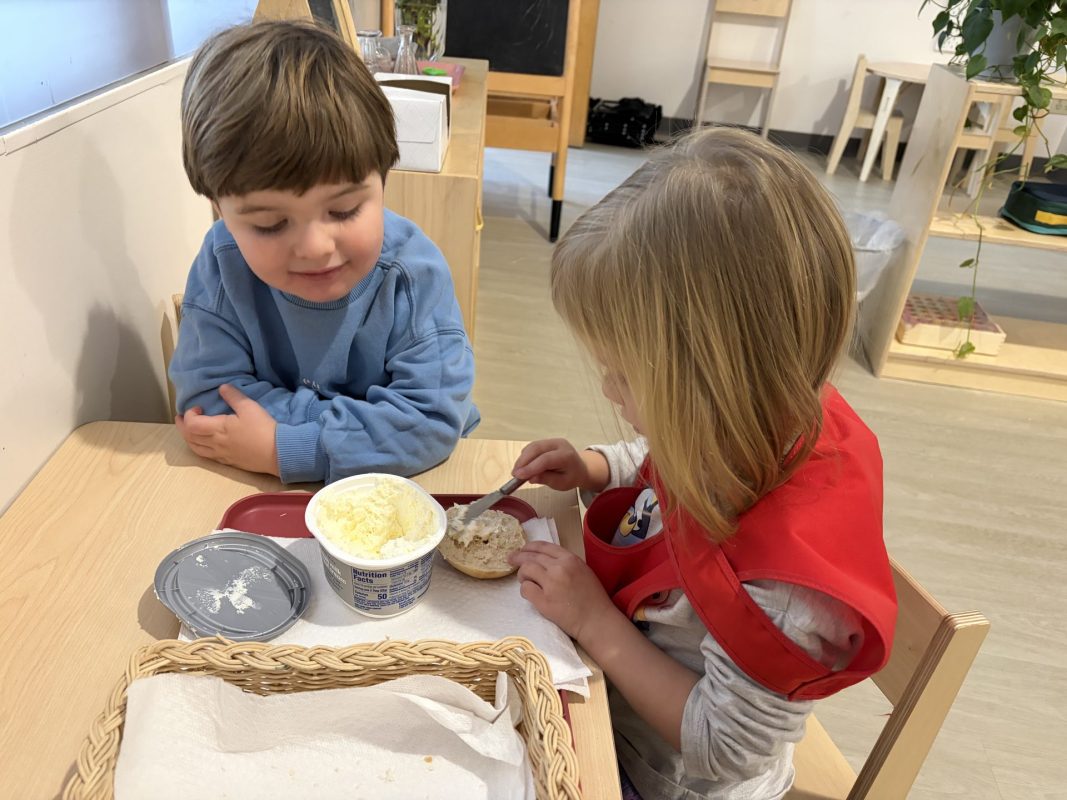
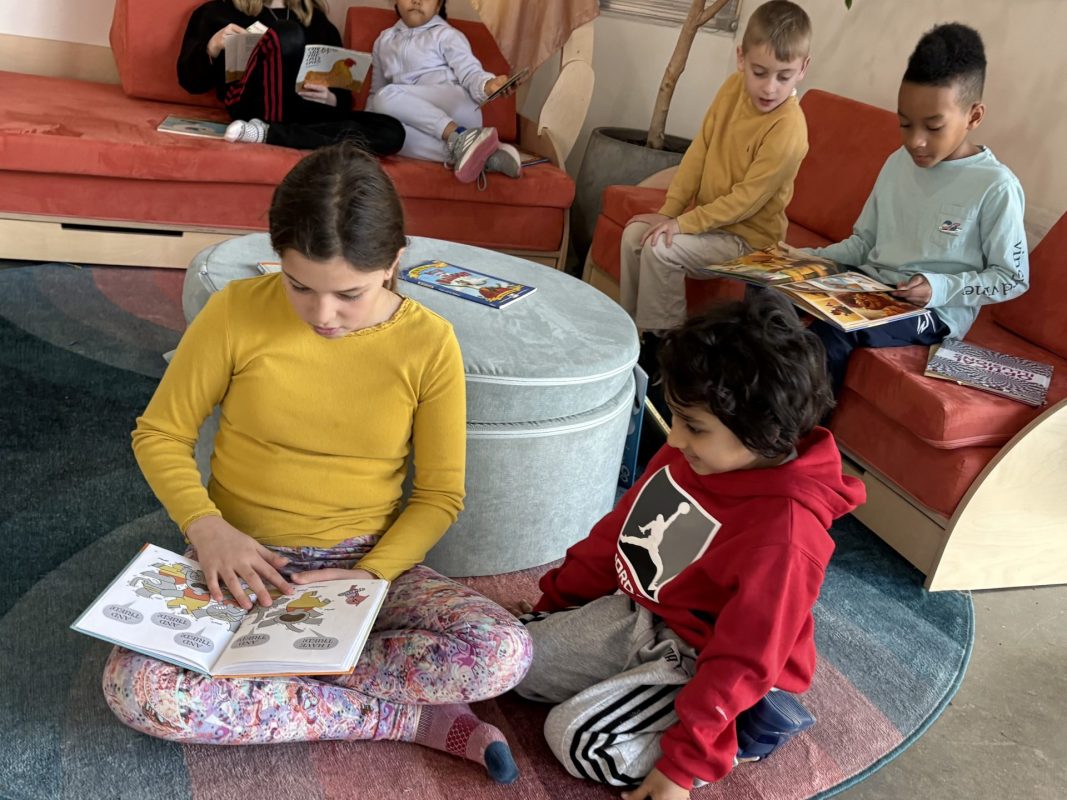
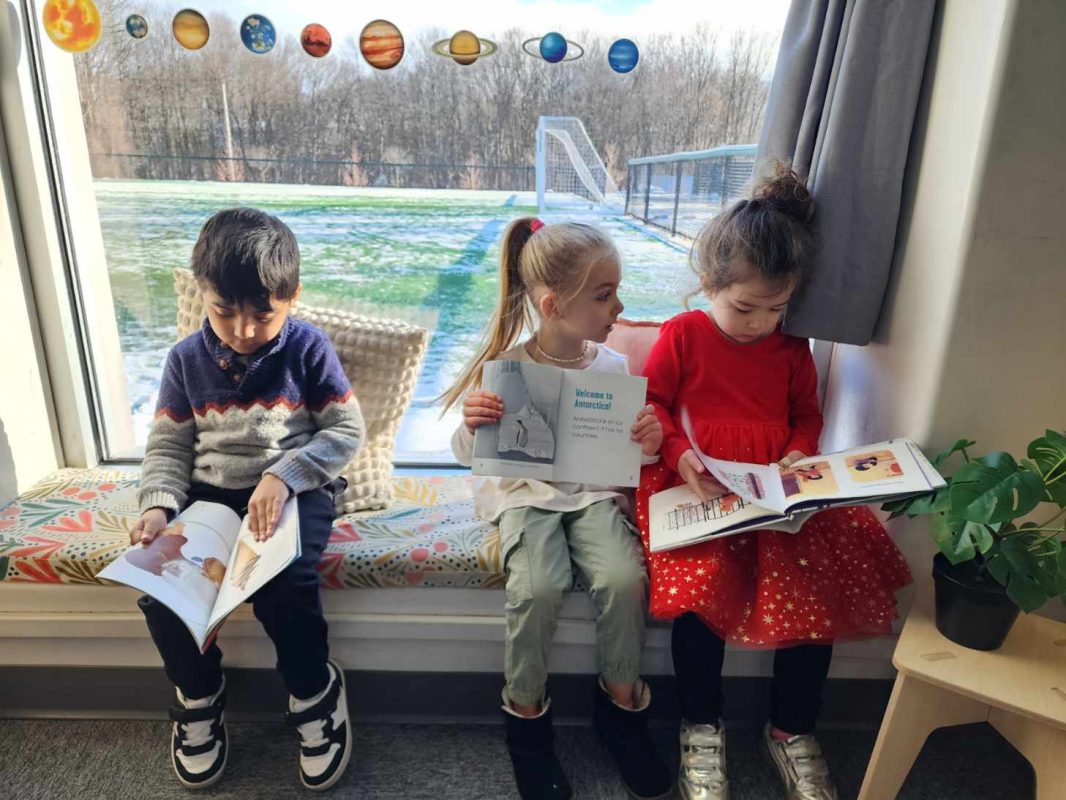
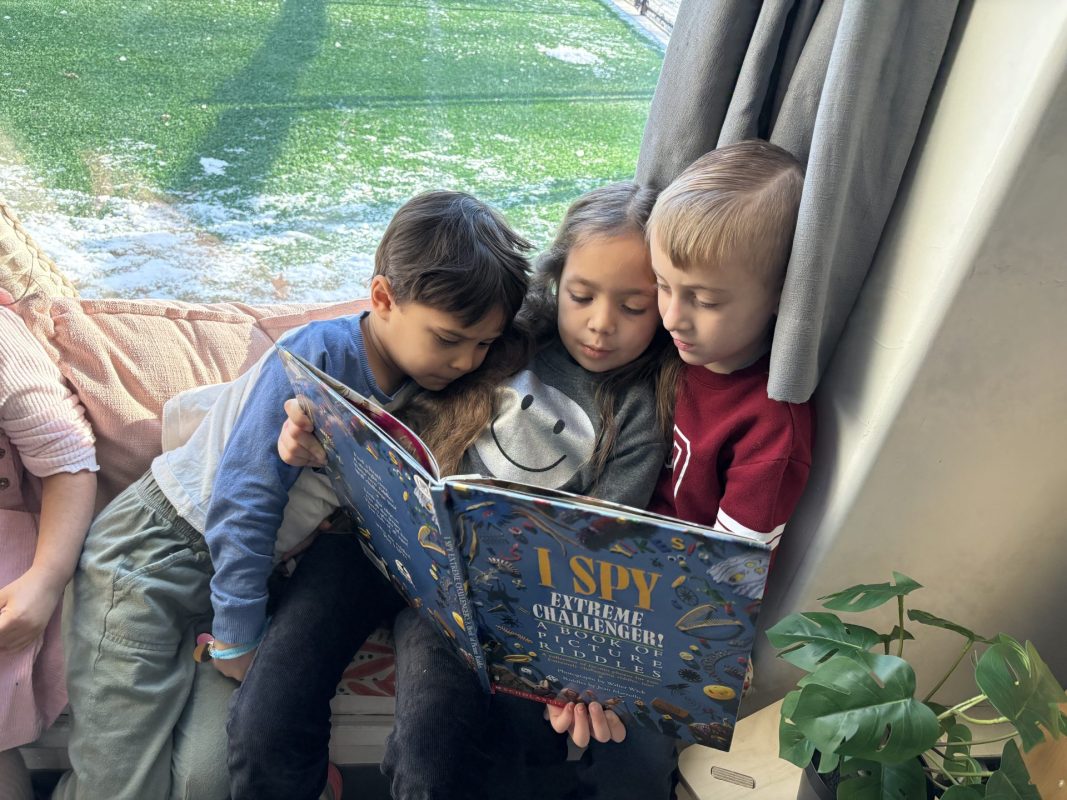
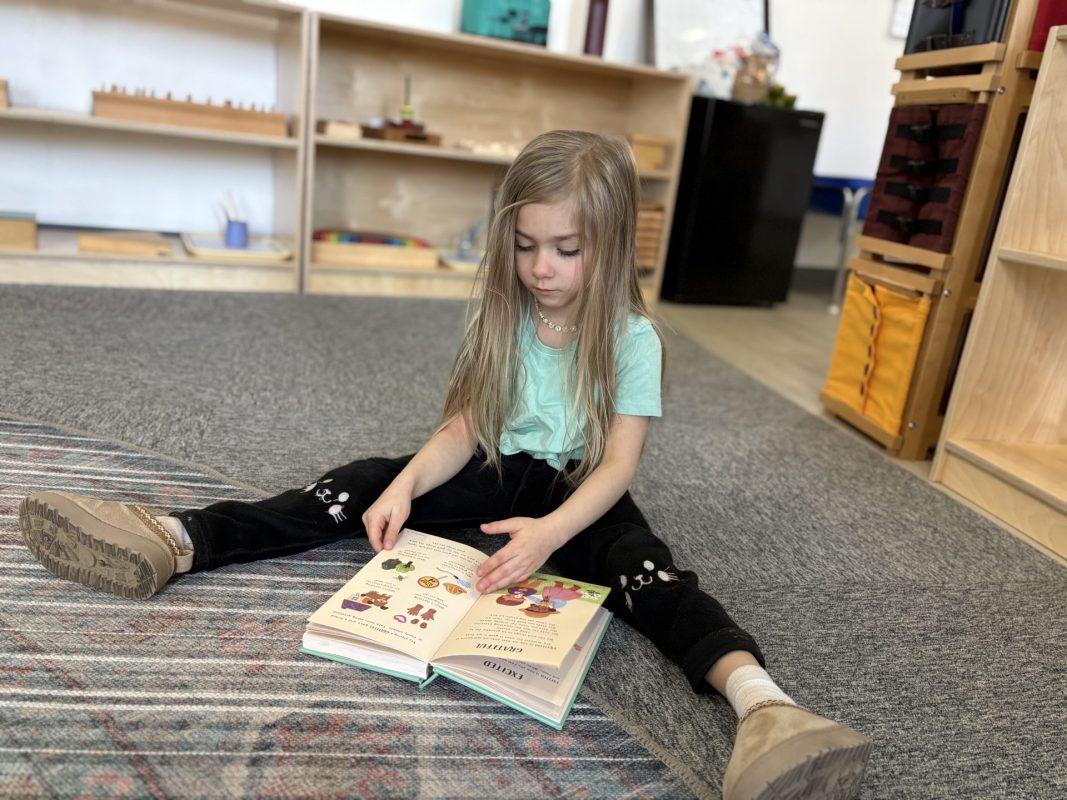
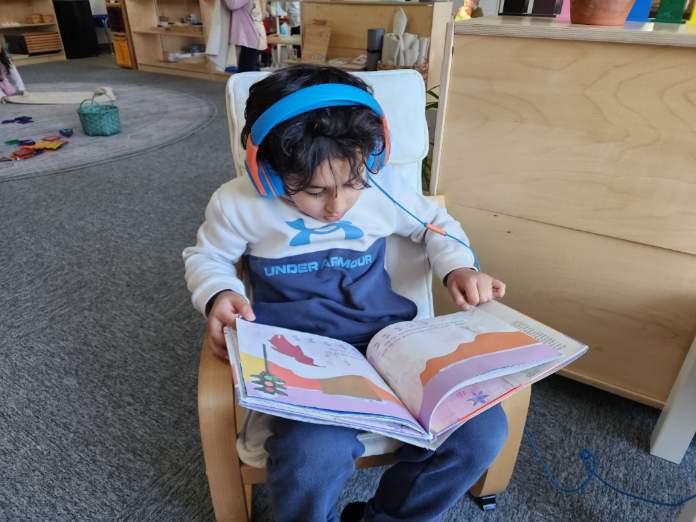
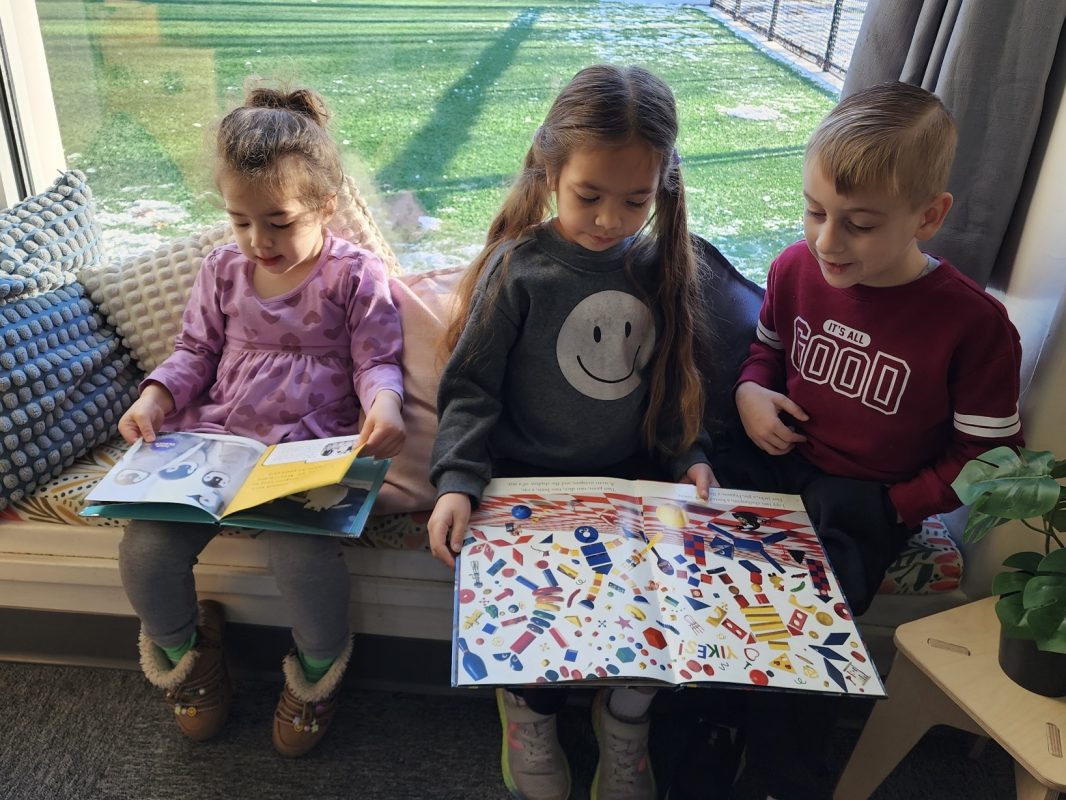
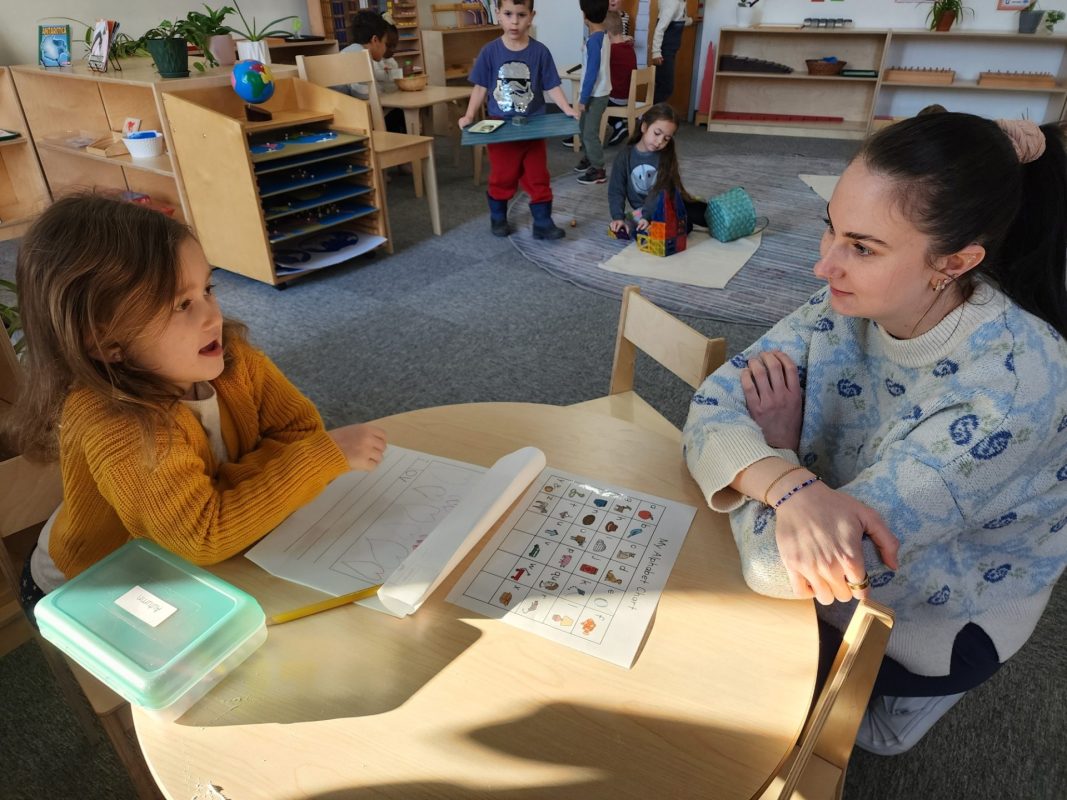
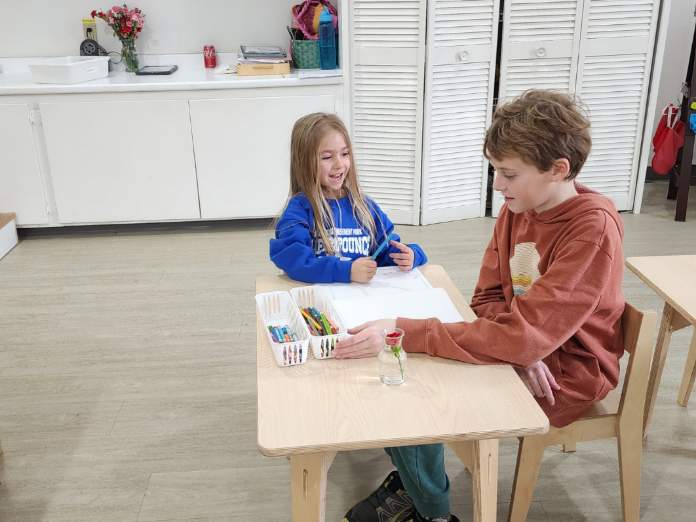
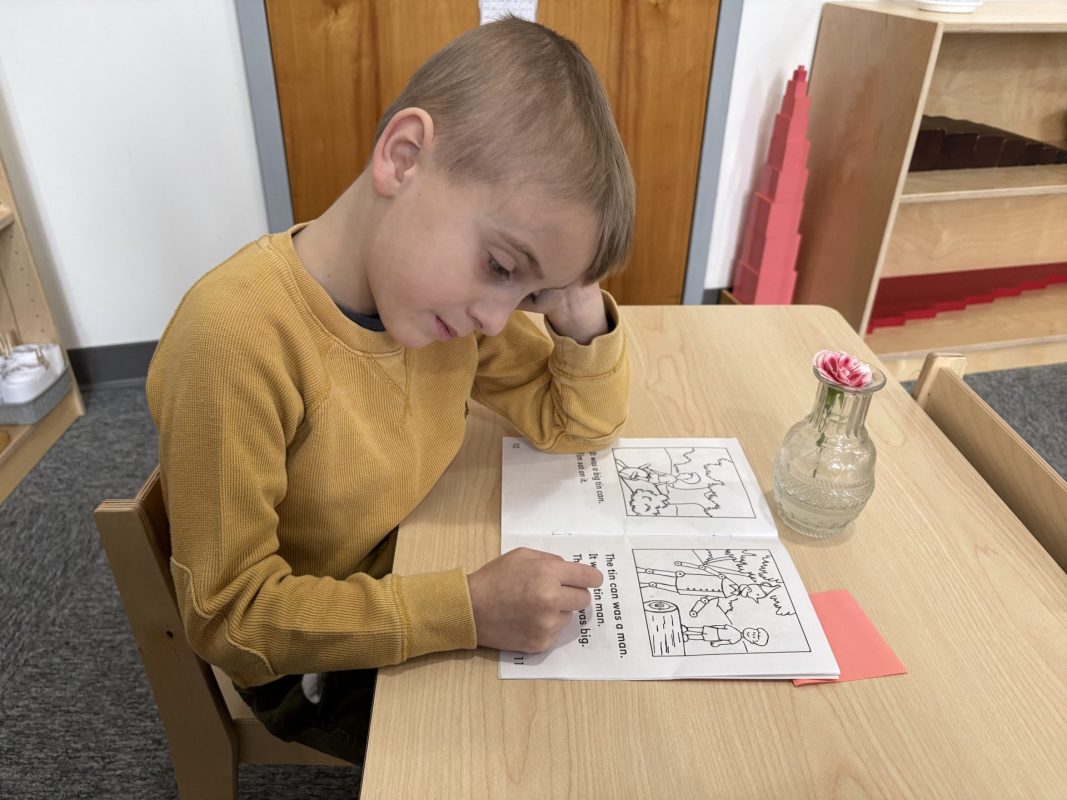
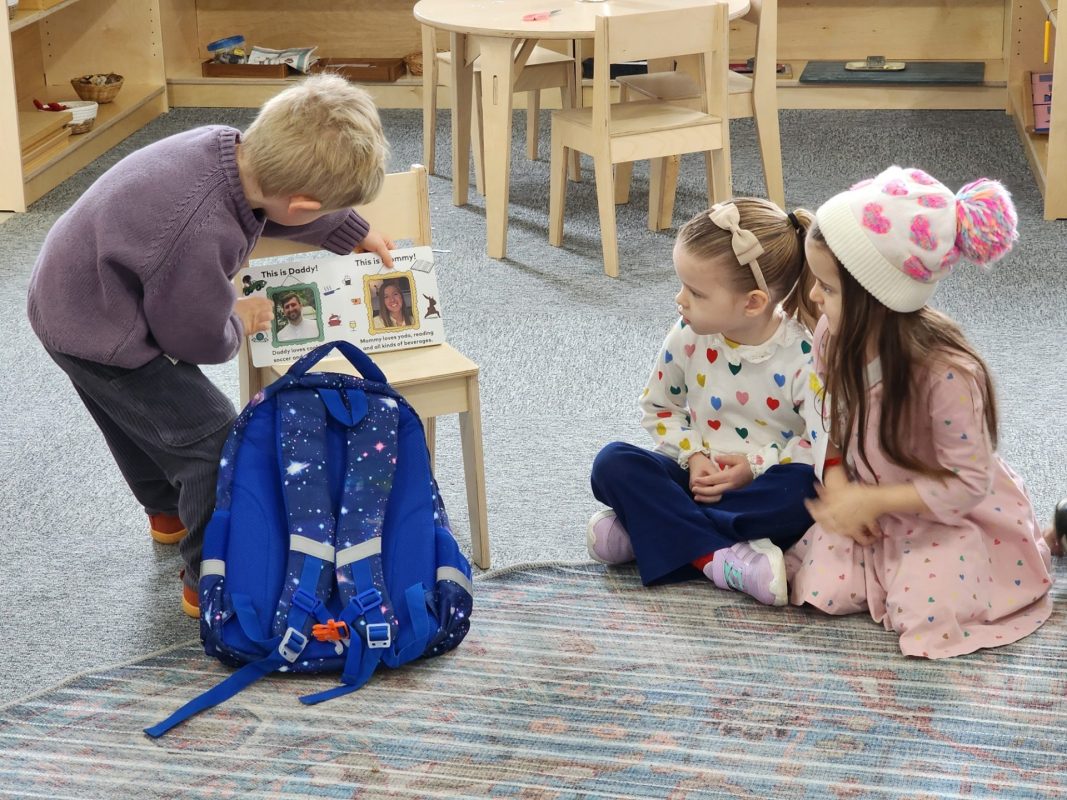
When our Kindergarteners light up at the arrival of their Book Buddies from Upper Elementary, or when Middle School students transform Kindergarten drawings into hand-sewn stuffed animals, we’re not just creating sweet moments. We’re building neural pathways that connect joy with learning, safety with community.
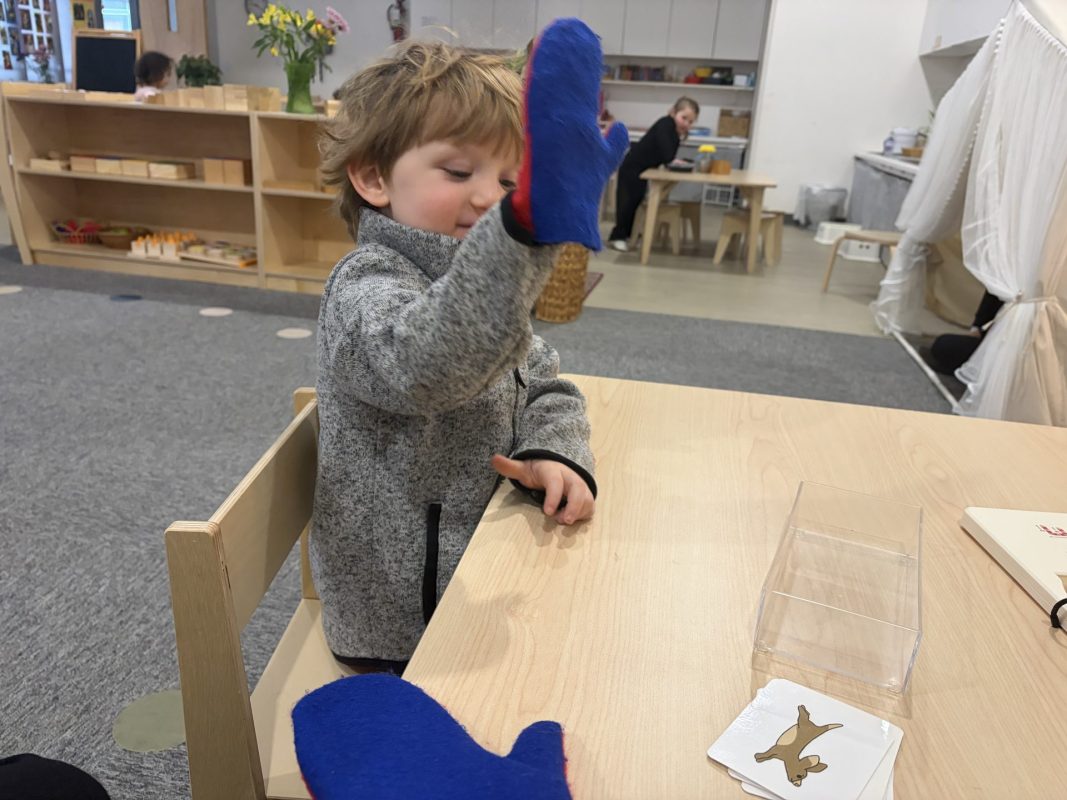
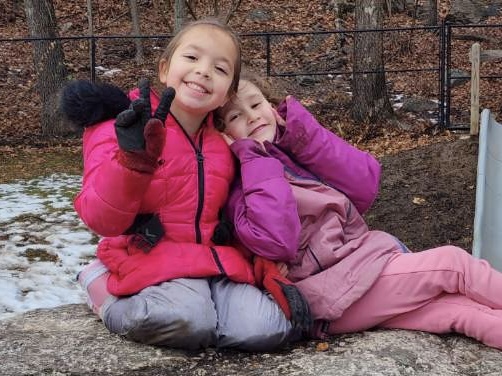
As one teacher observed with obvious delight, “Last week, the children demonstrated beautiful examples of grace and courtesy as older students naturally stepped in to help their younger classmates with zipping coats and putting on mittens.”
These moments—whether planned like our Book Buddies program or spontaneous like the research mentoring—create the foundation that makes everything else possible. When children feel this kind of belonging, when they trust their teachers and peers, they’re willing to take the intellectual risks that real learning requires.
As Head of School David Newman notes, “We partner with our families to help them raise children who feel safe, confident, and eager to pursue passions developed during their time at Fraser Woods.” That partnership begins with connection—and connection begins with time, attention, and the unwavering belief that every child deserves to feel truly seen.
Engagement: Bodies and Minds in Motion
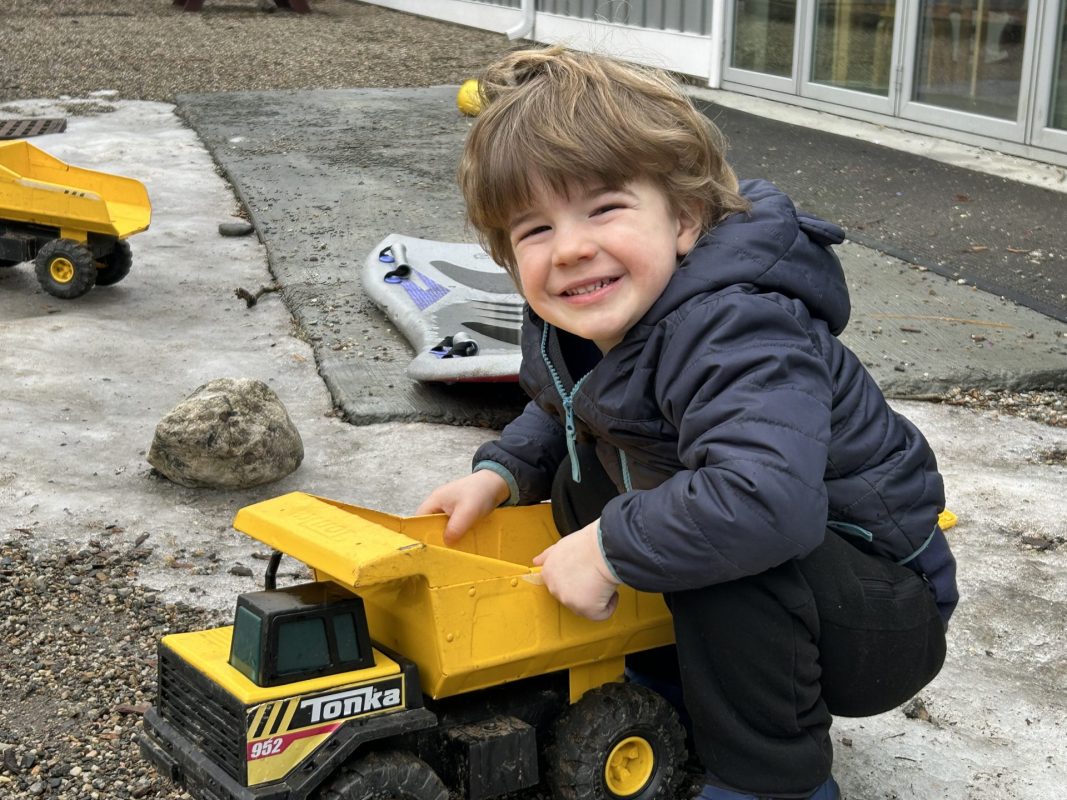
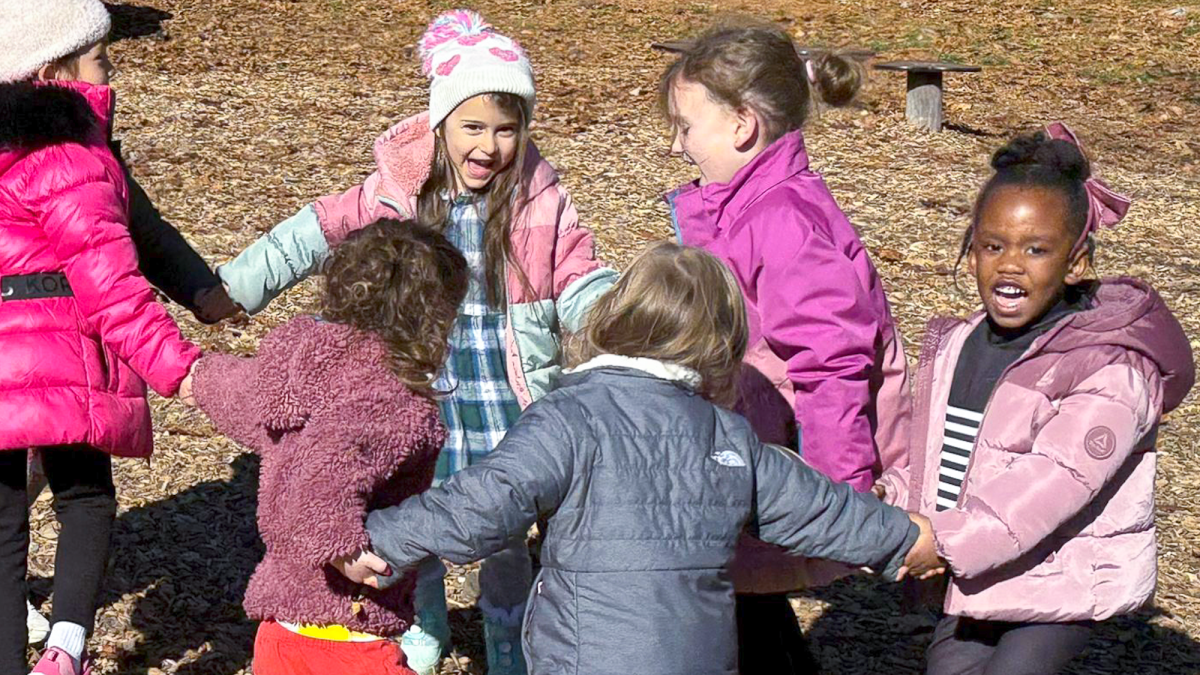
Here’s a finding that won’t surprise anyone who’s watched children at play: new research shows that 45 minutes of daily outdoor play—compared to just 30 minutes—reduces chronic stress by 68 percent. The researchers concluded that more independent play yields happier, more socially competent children.
We’ve known this instinctively. Physical activity isn’t a break from learning—it’s what makes learning possible.
Learning Through Movement
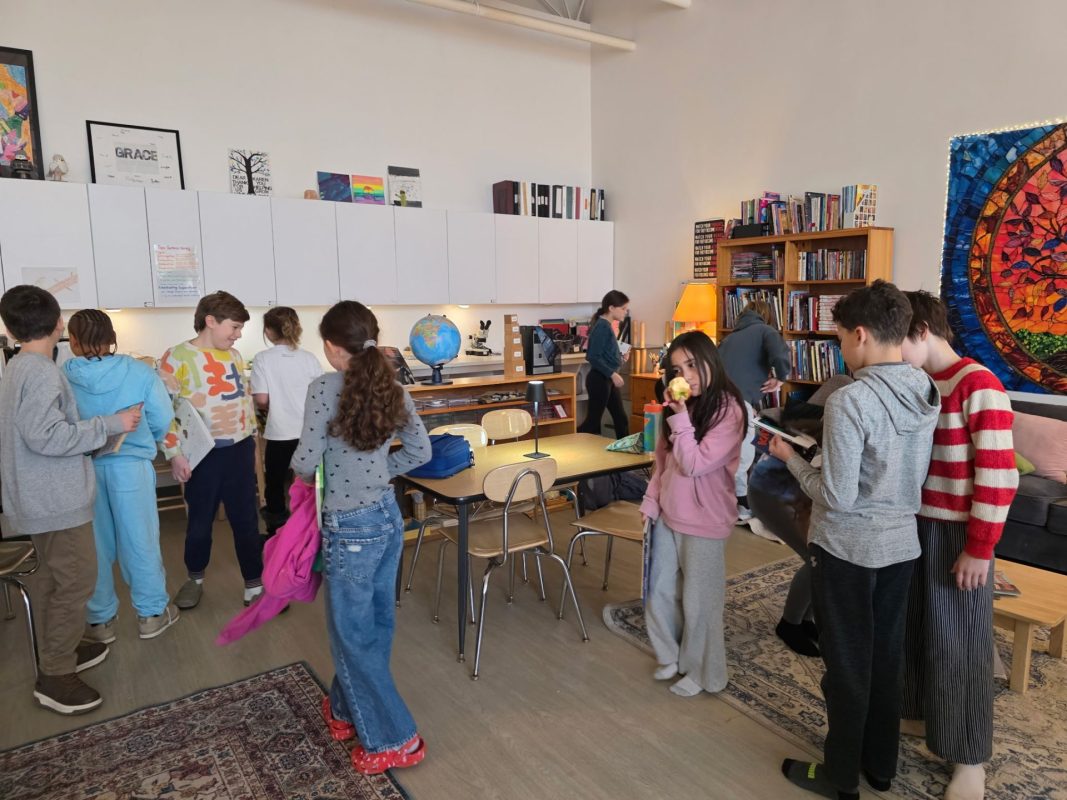
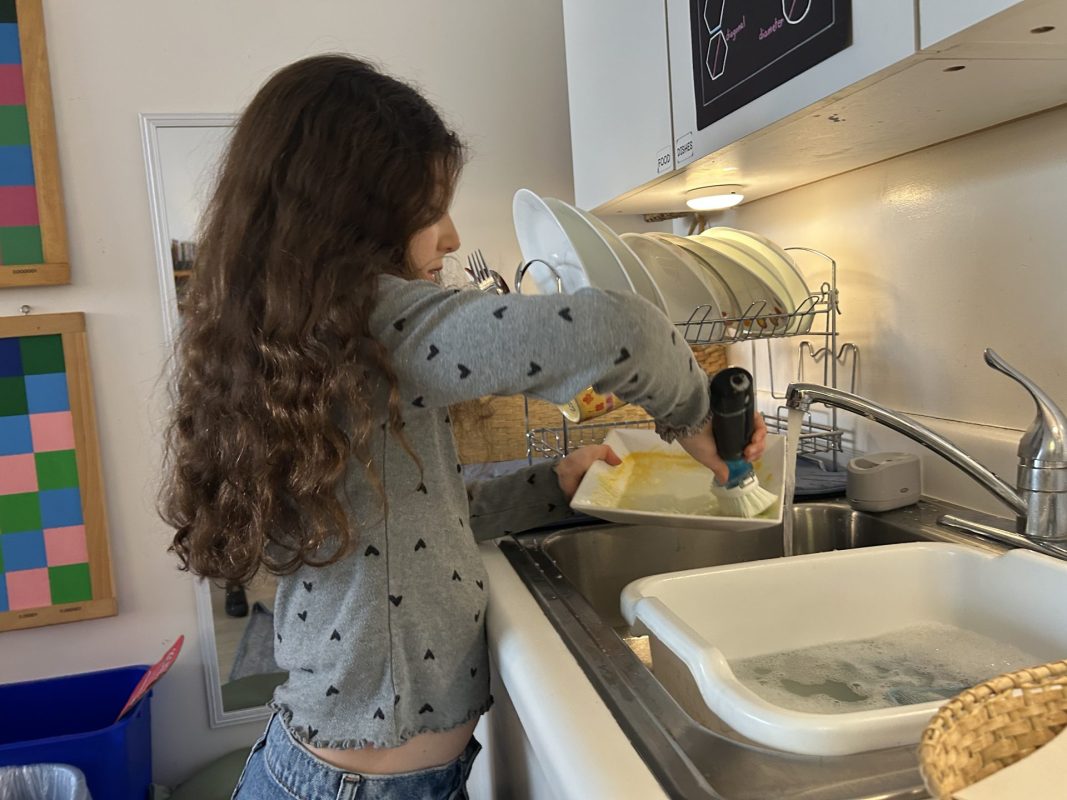
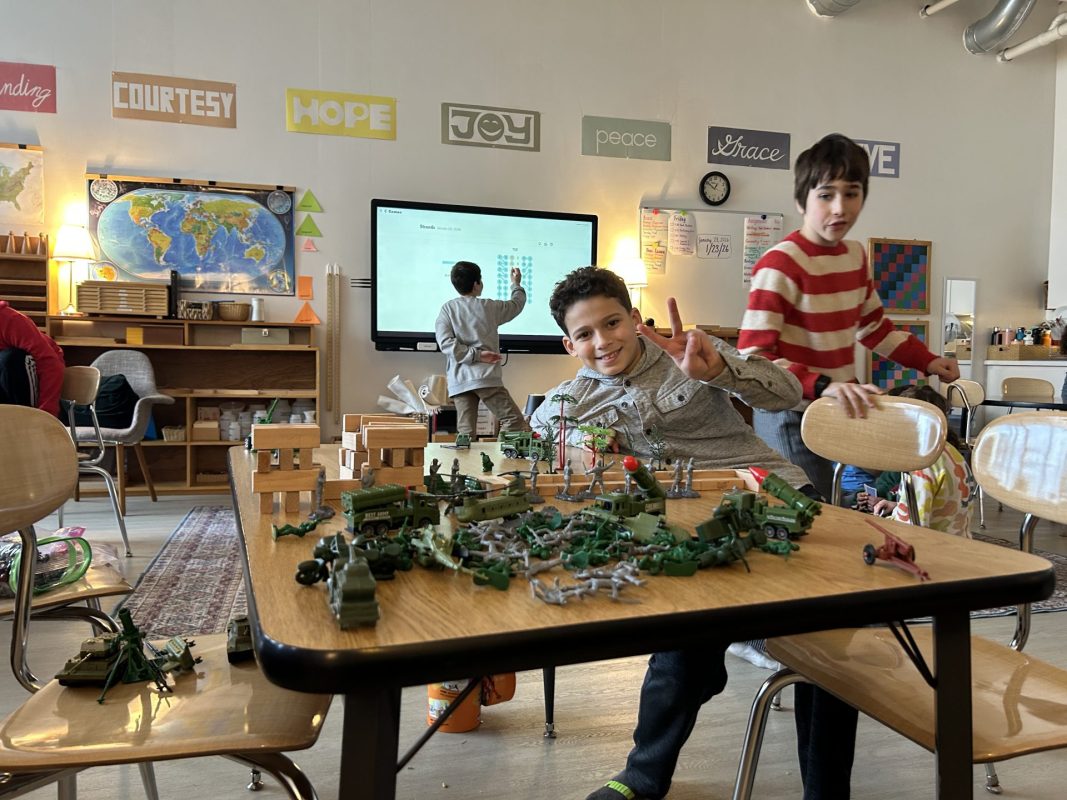
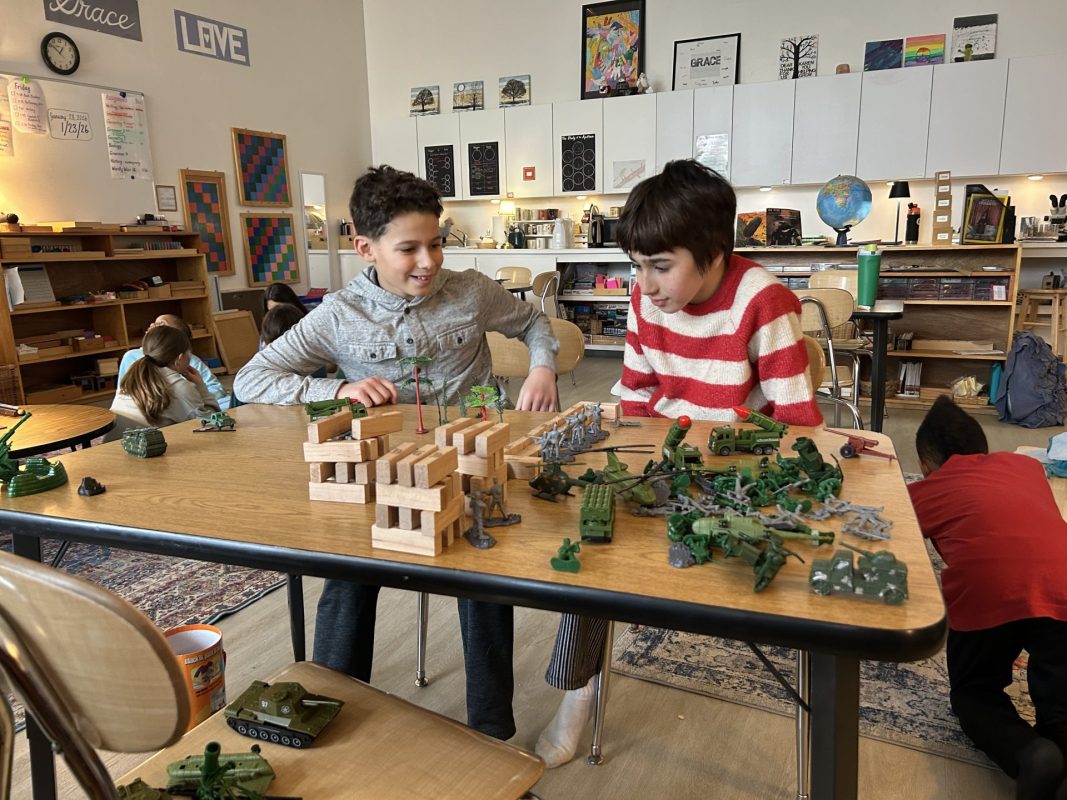
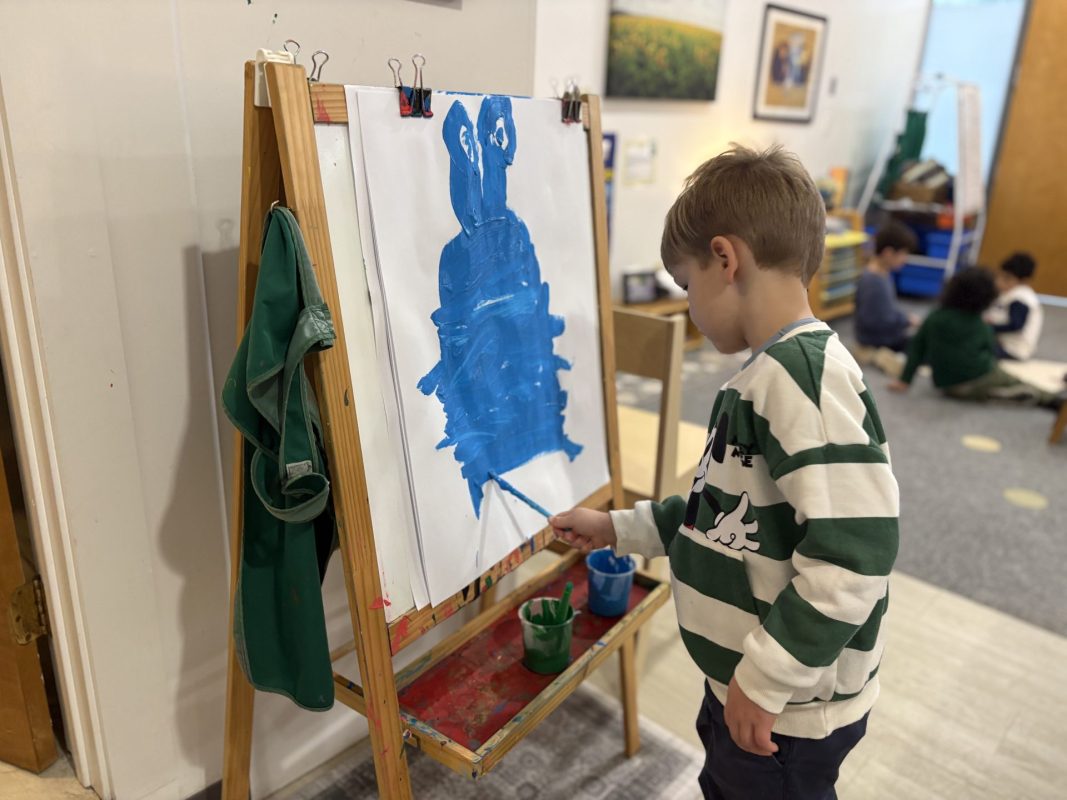
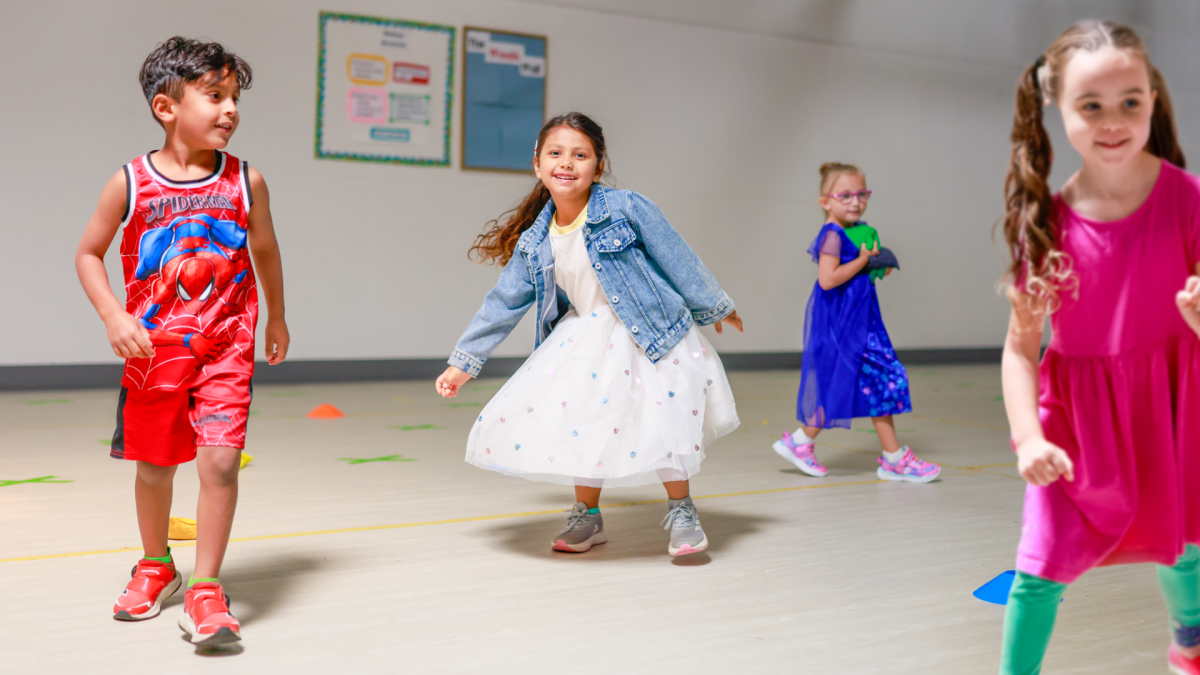
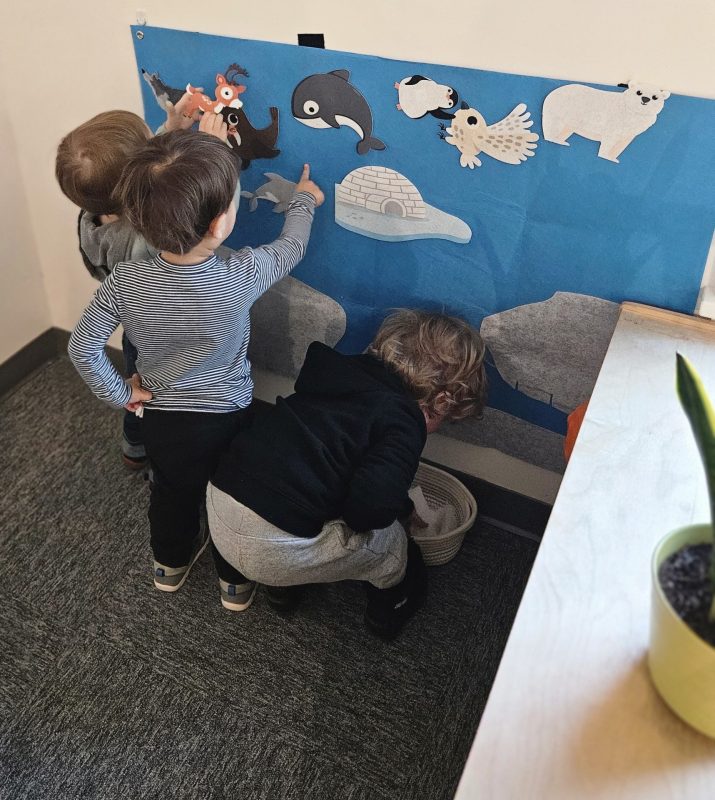
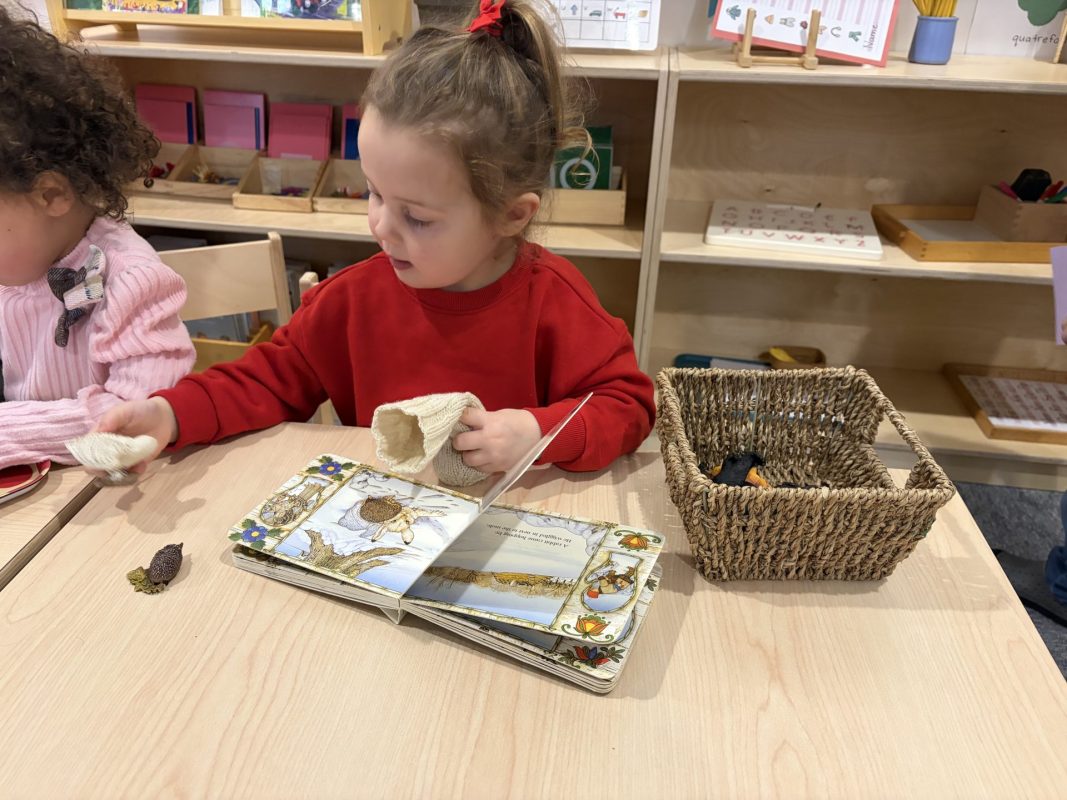
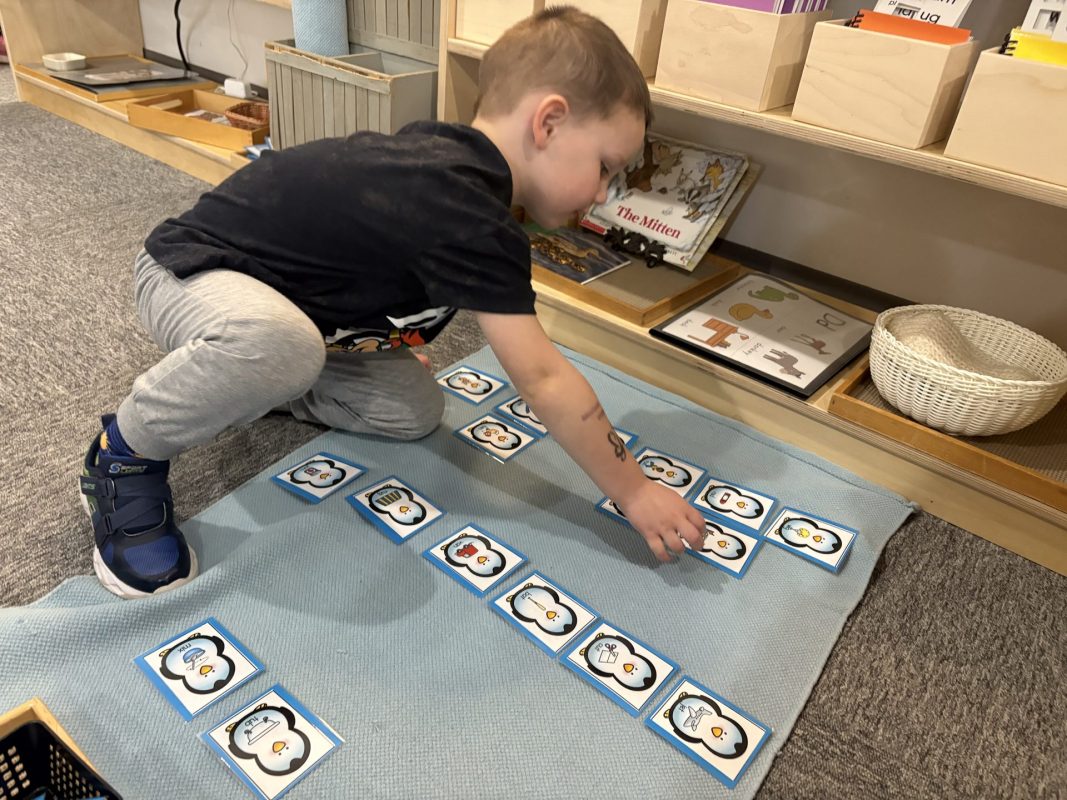
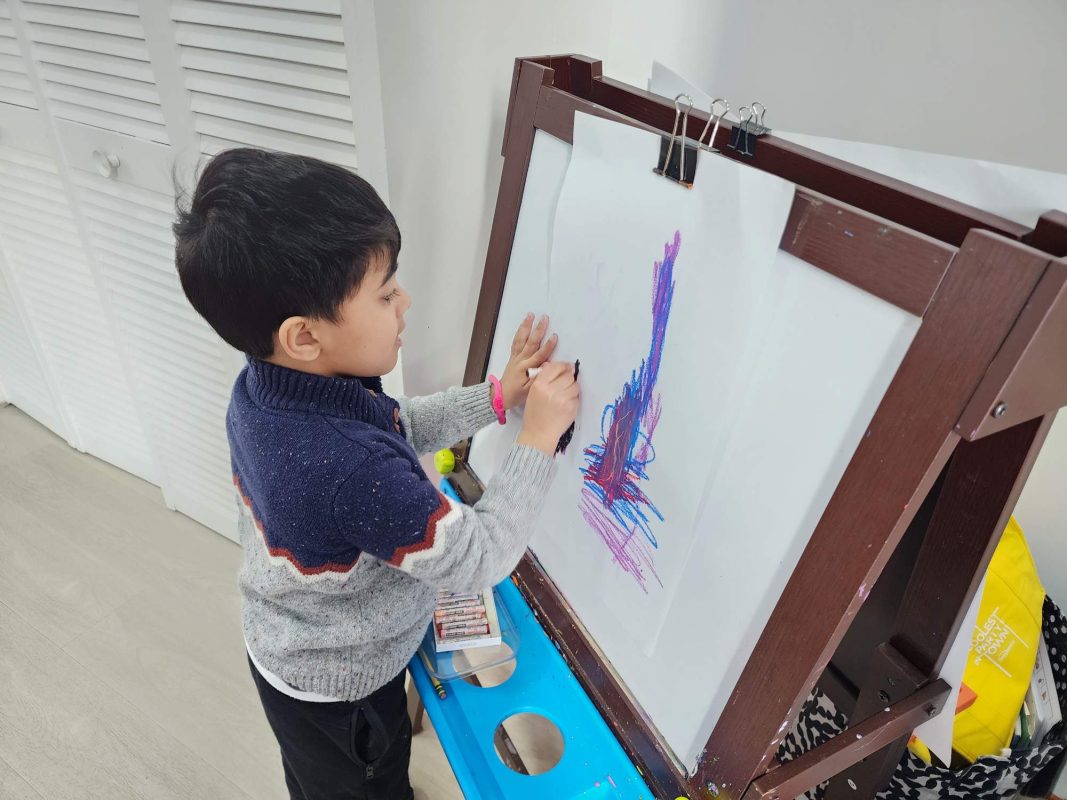
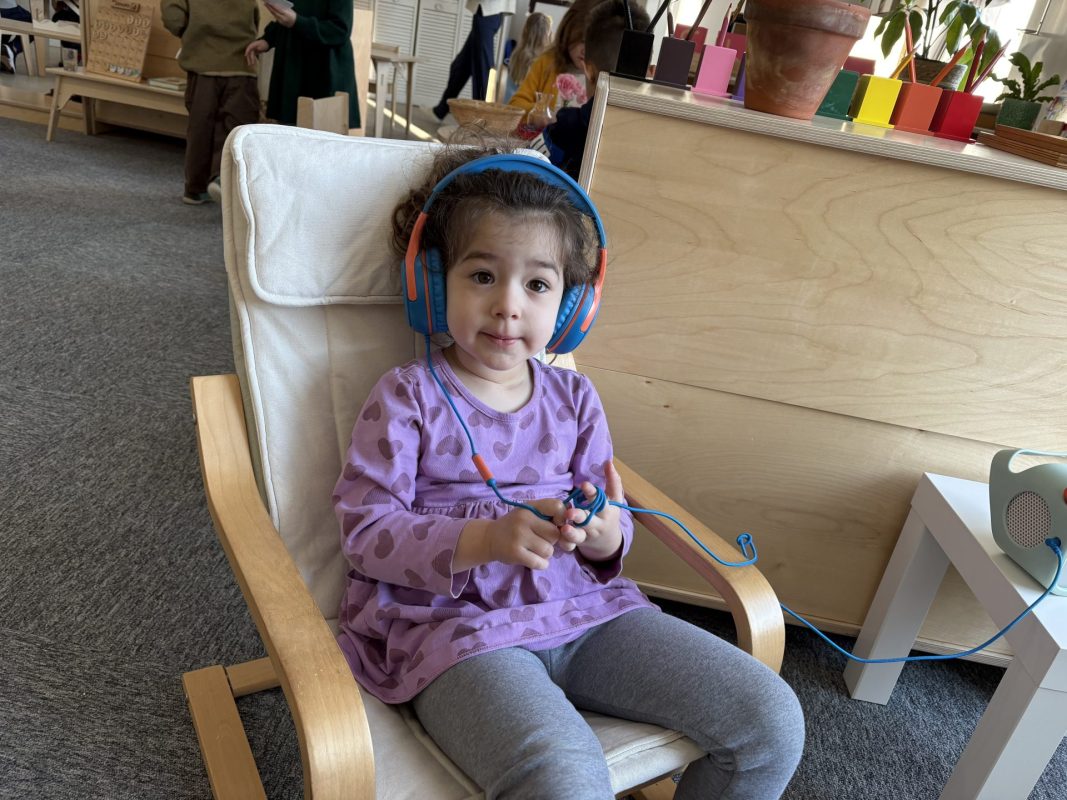
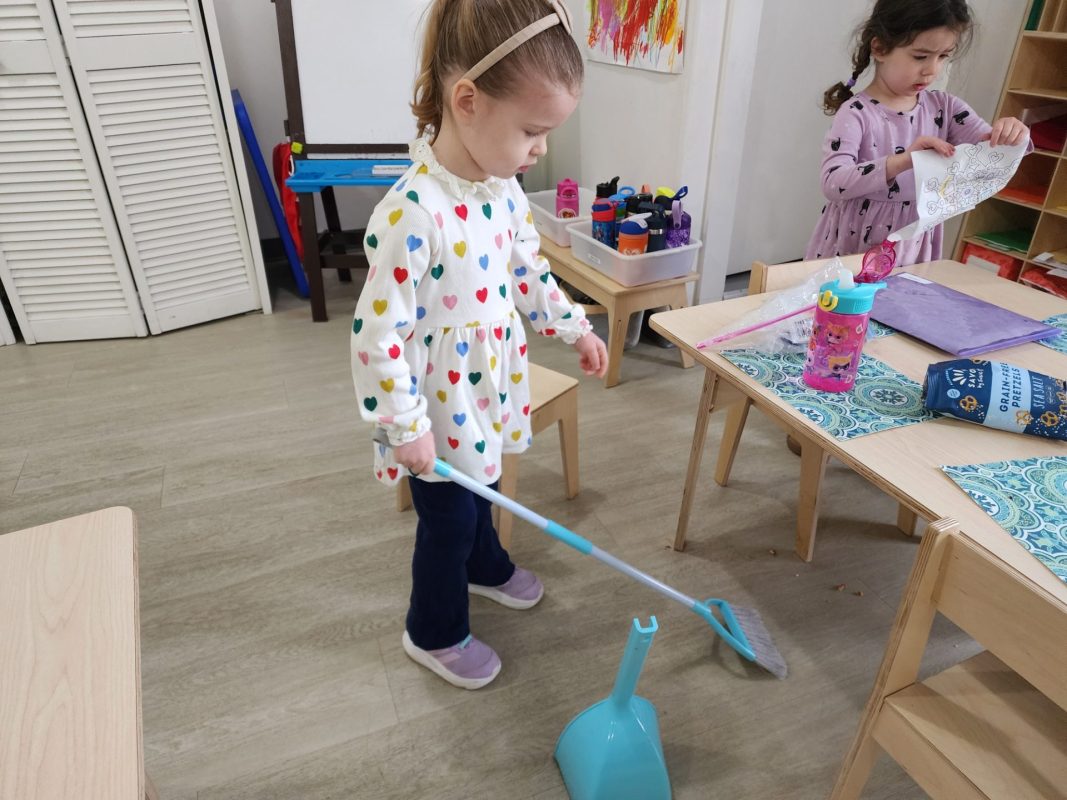
At Fraser Woods, movement isn’t confined to recess—it’s woven into learning itself. Our classrooms at every level are designed to encourage students to move freely and physically engage with their environment.
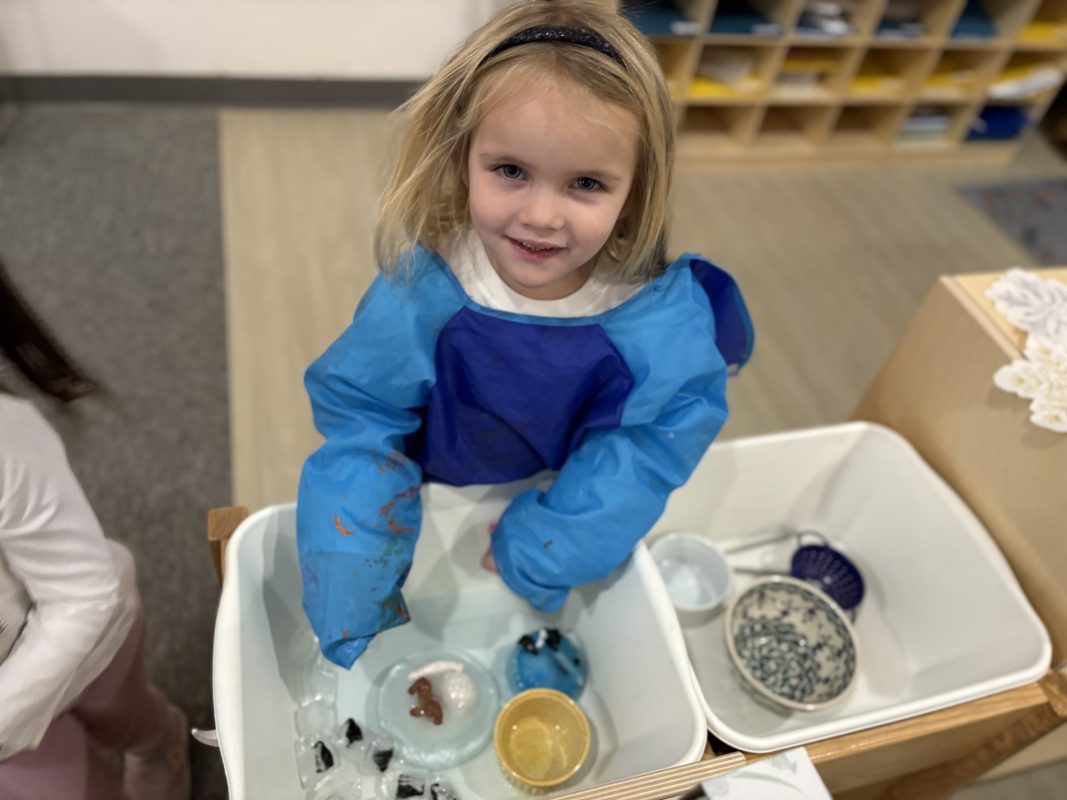
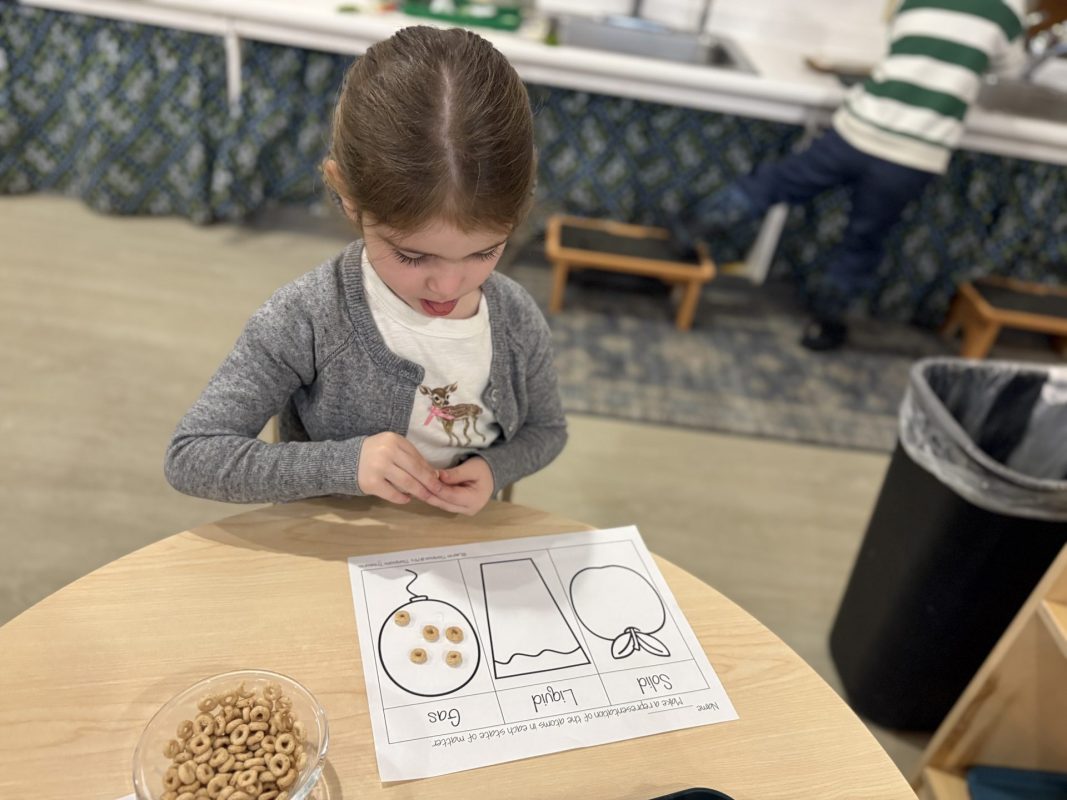
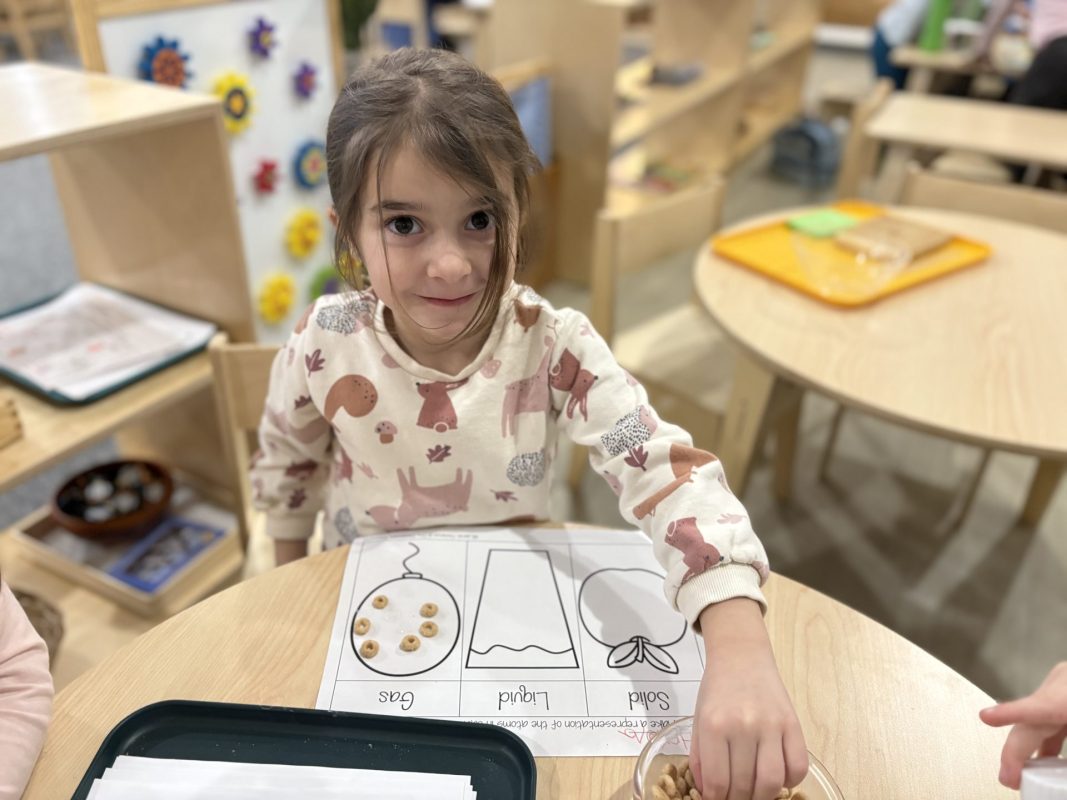
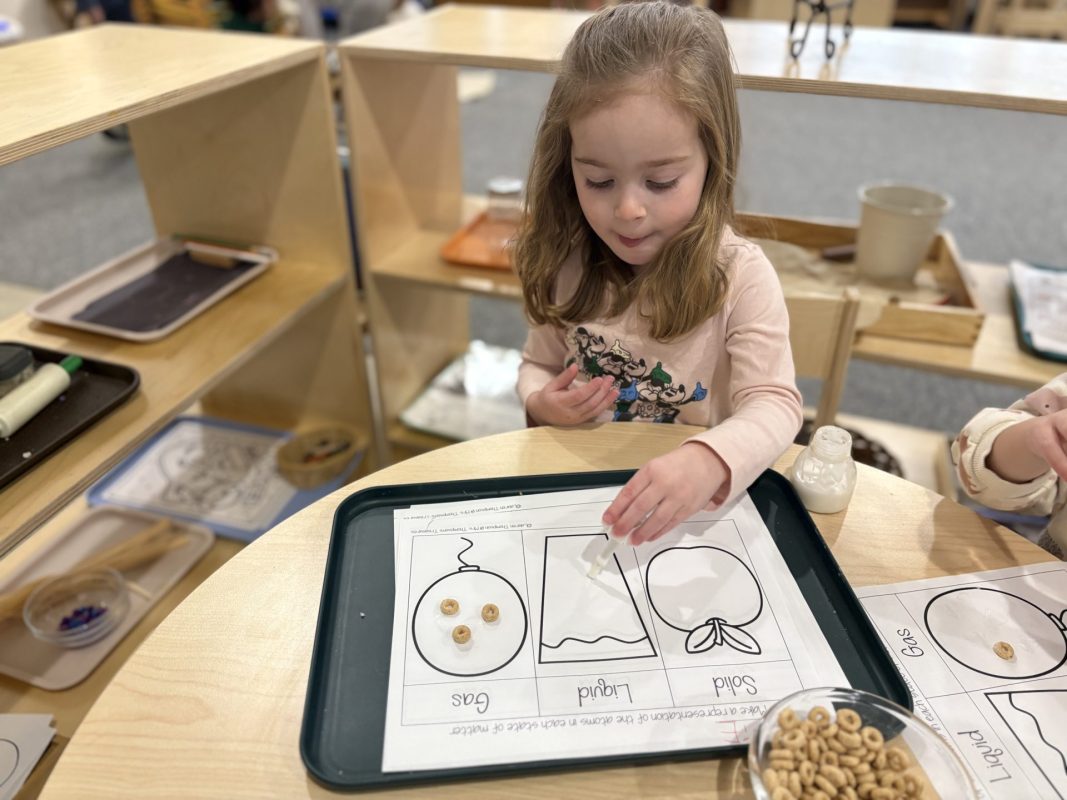
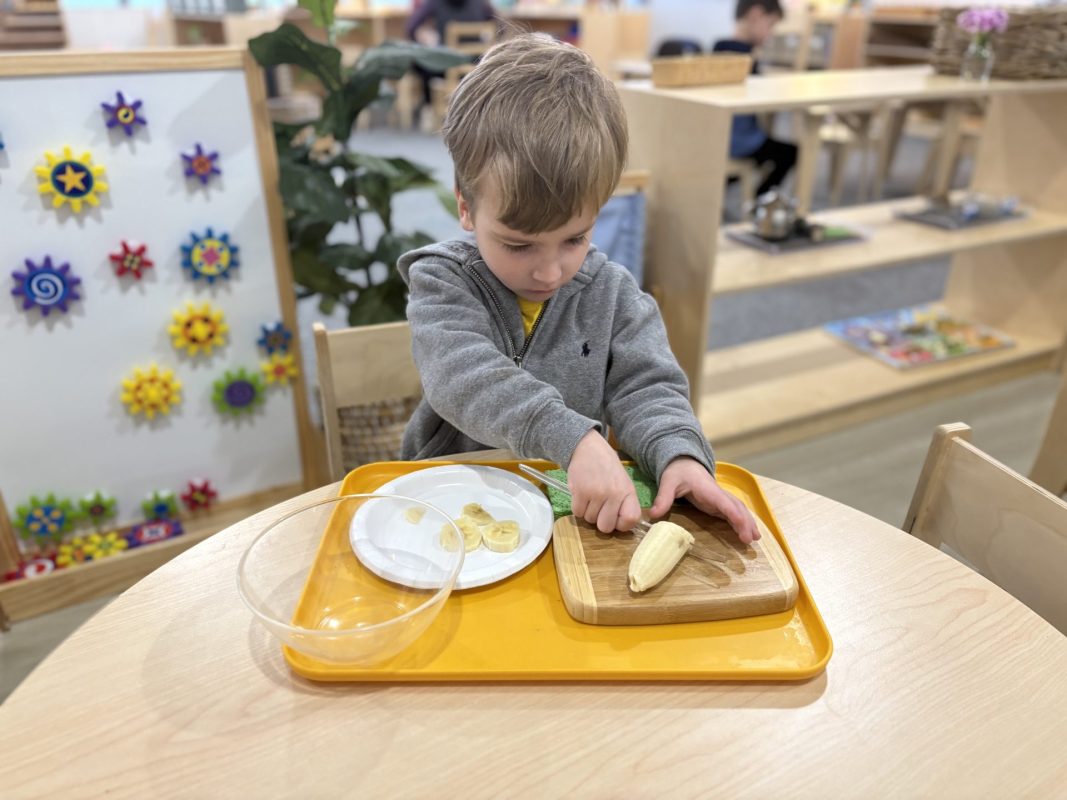
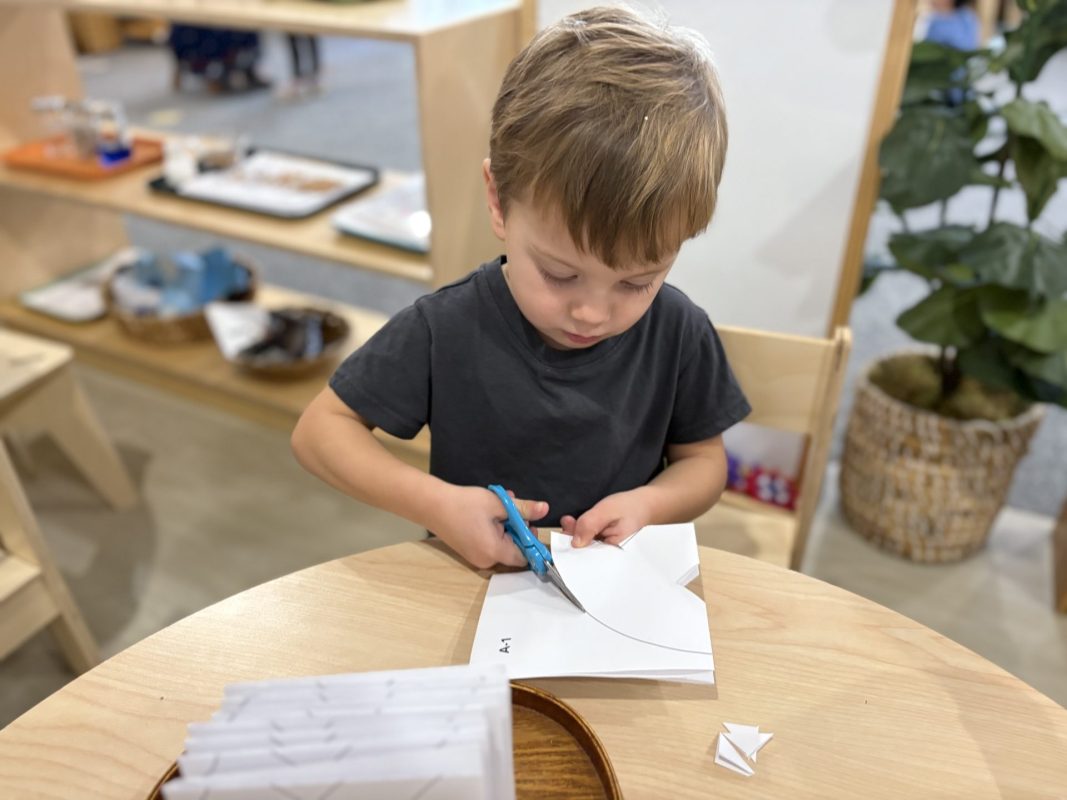
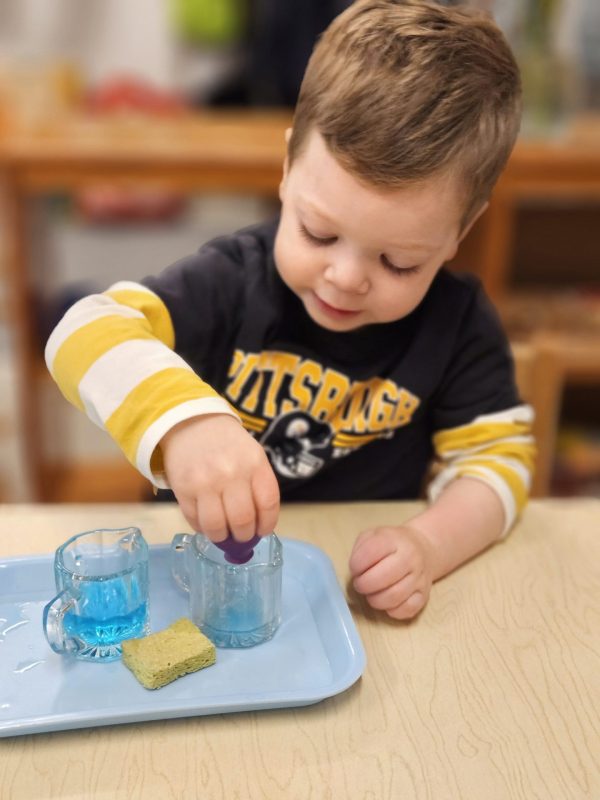
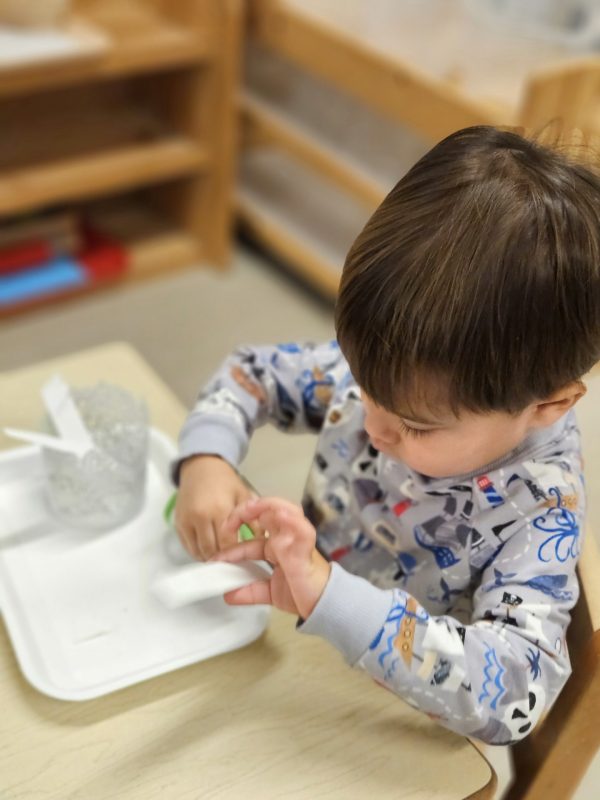
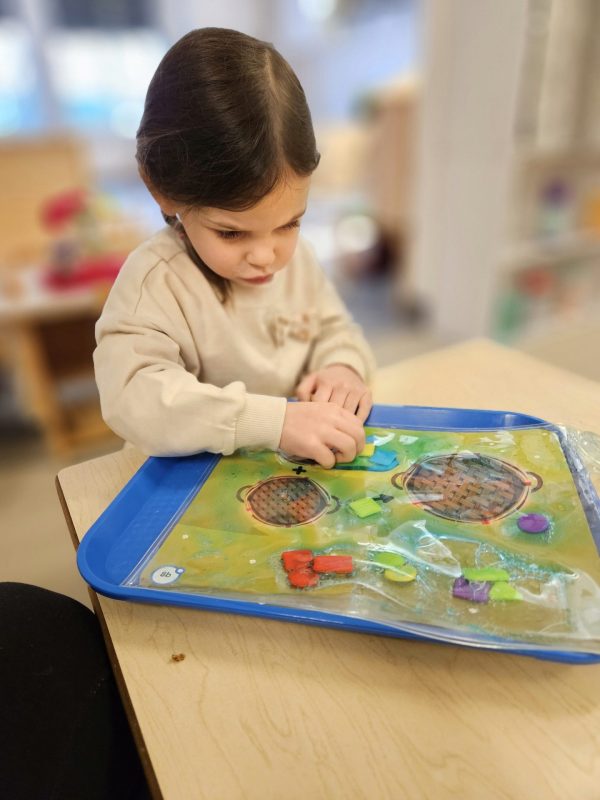
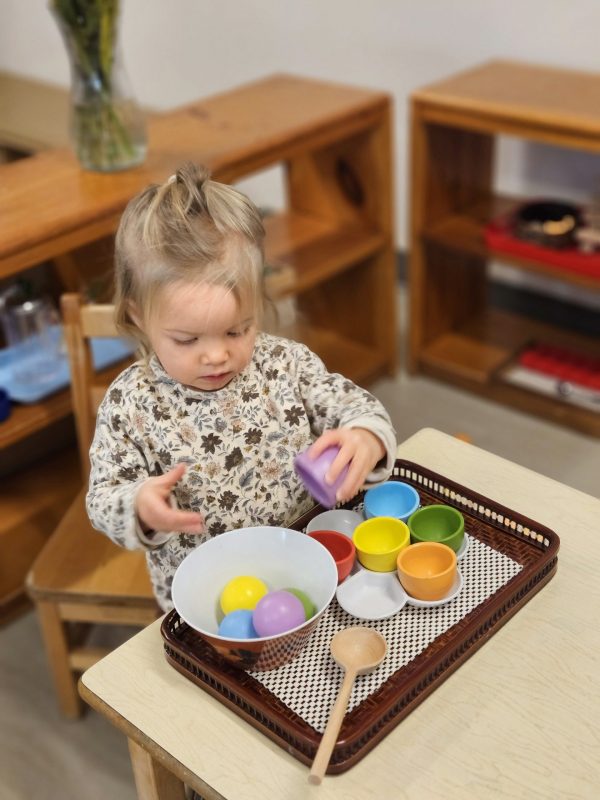
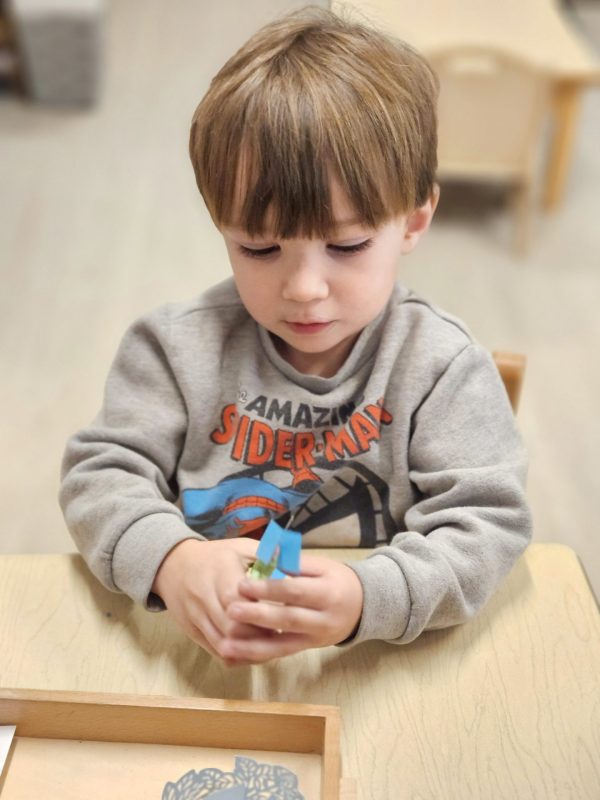
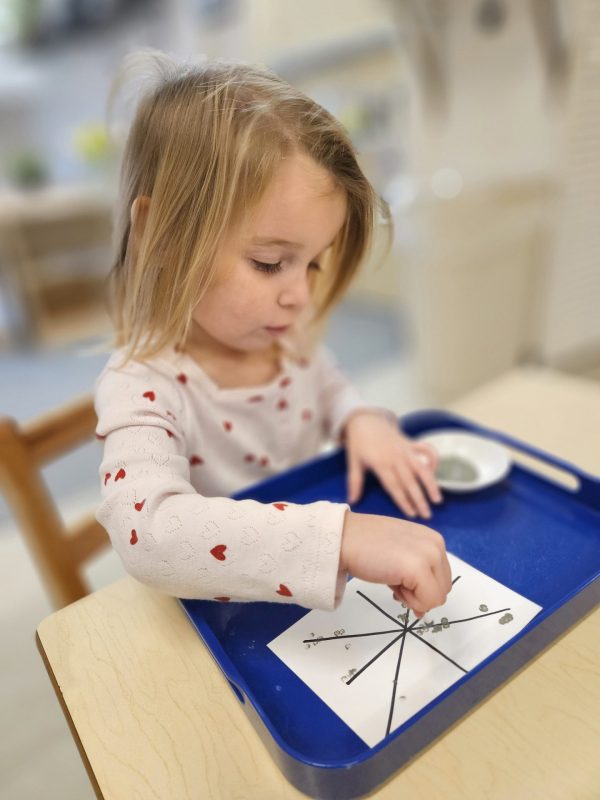
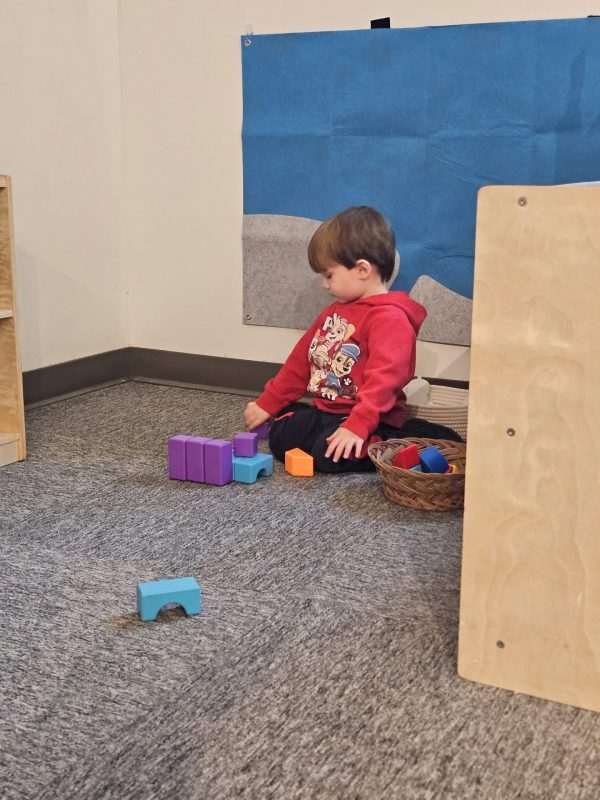
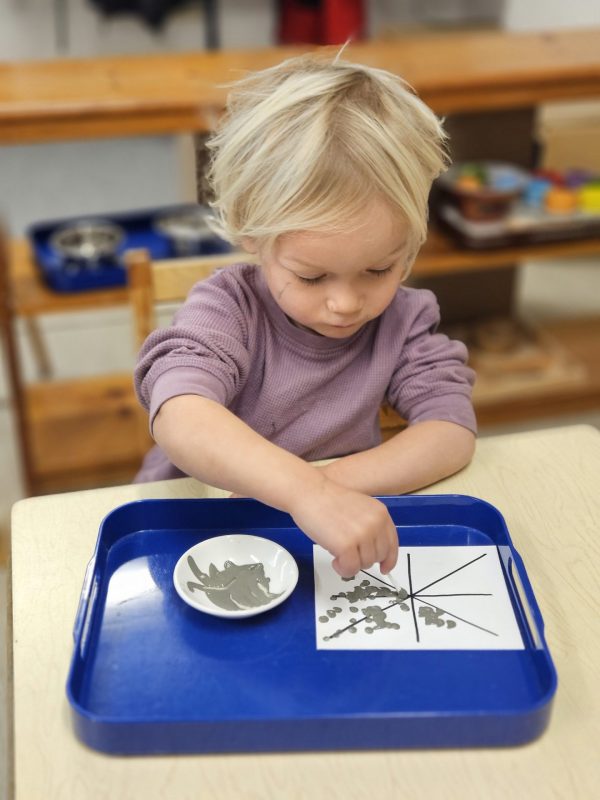
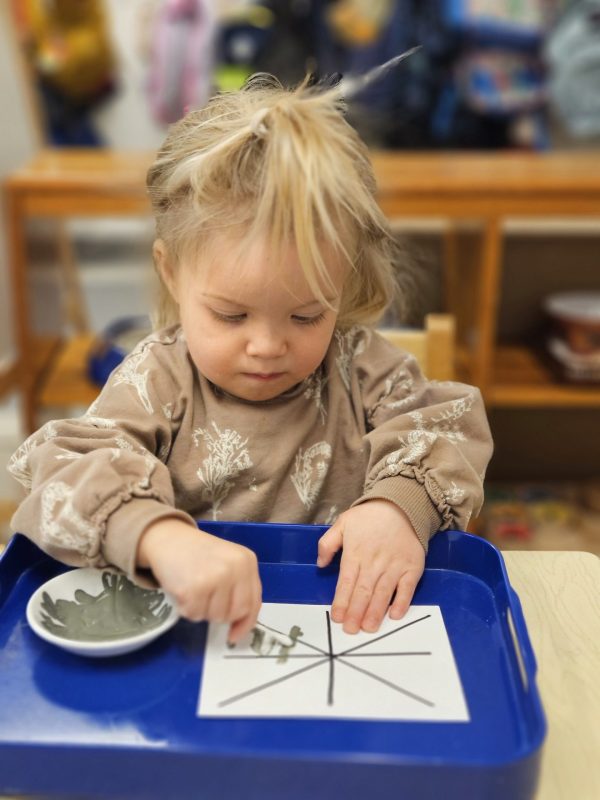
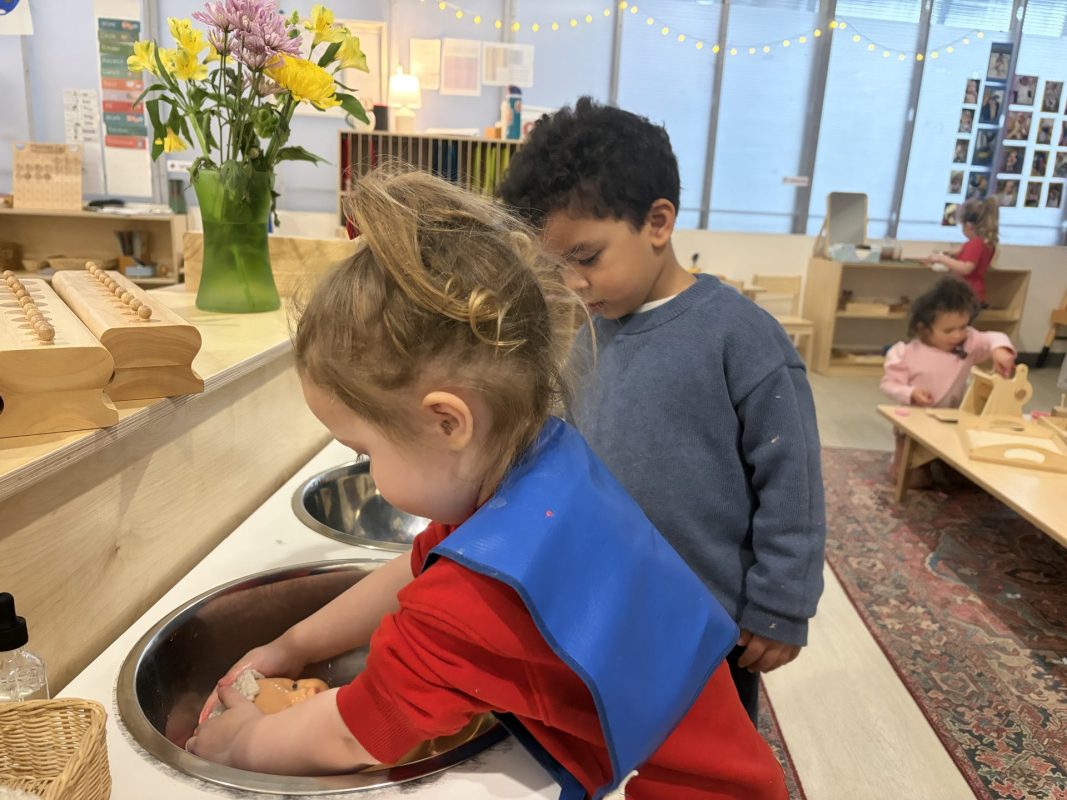
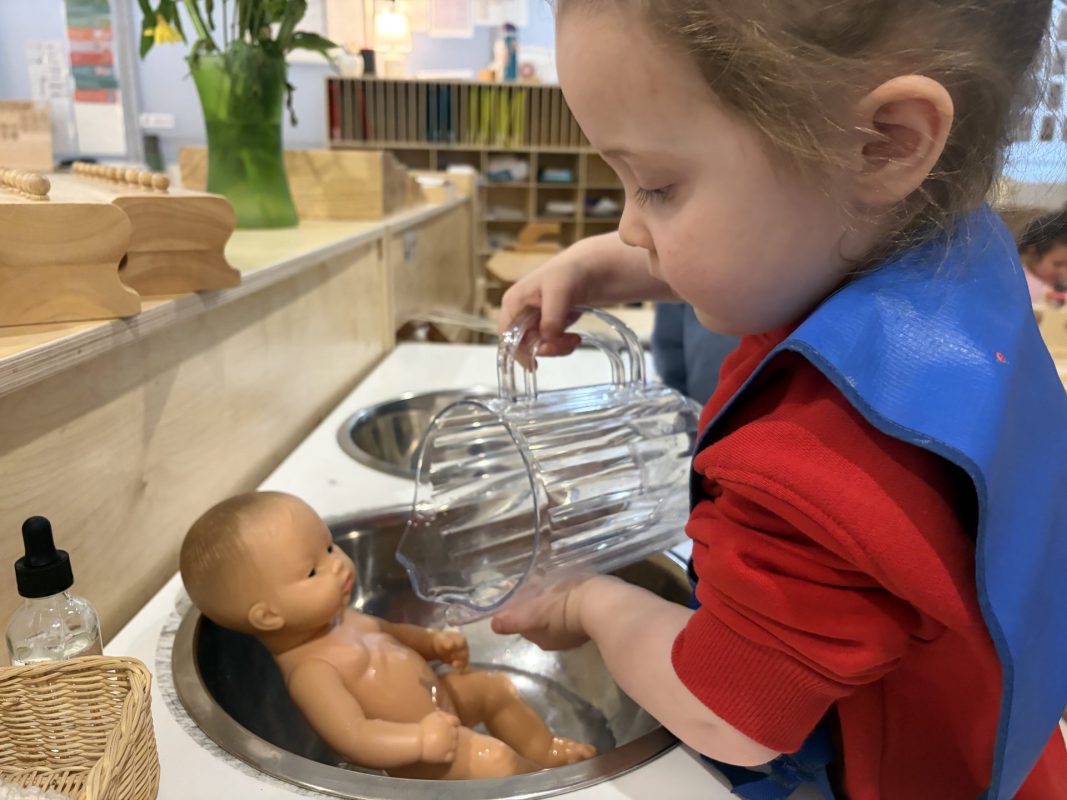
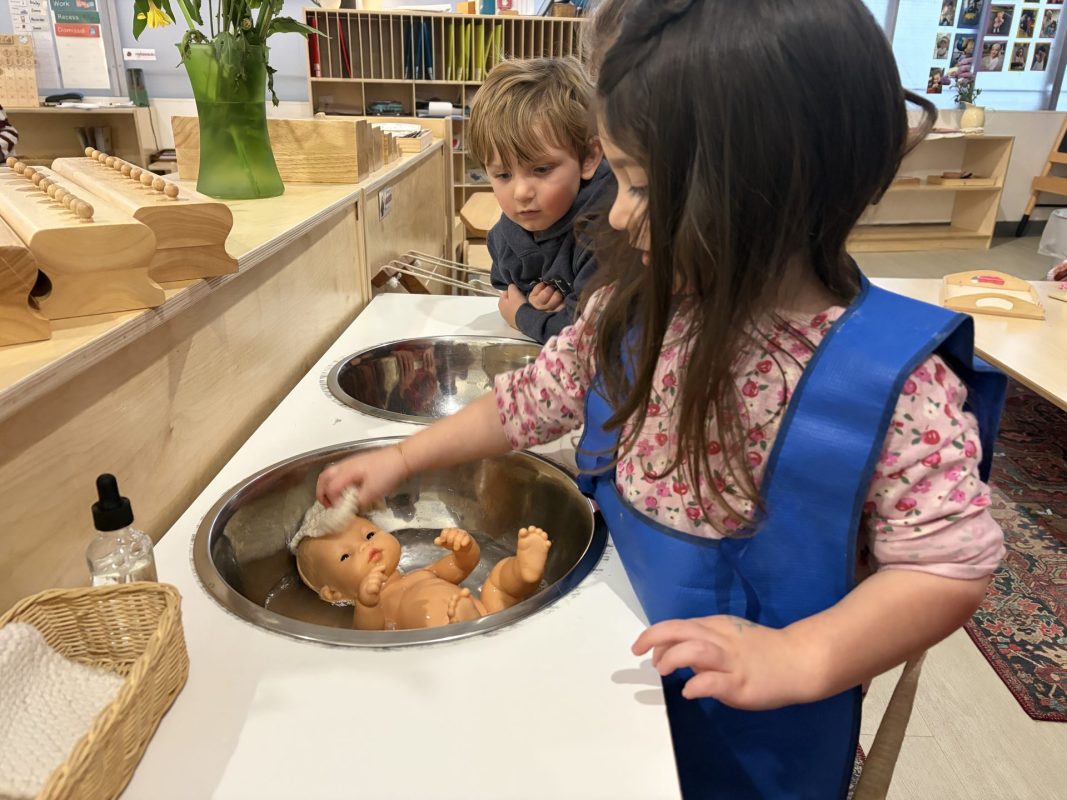
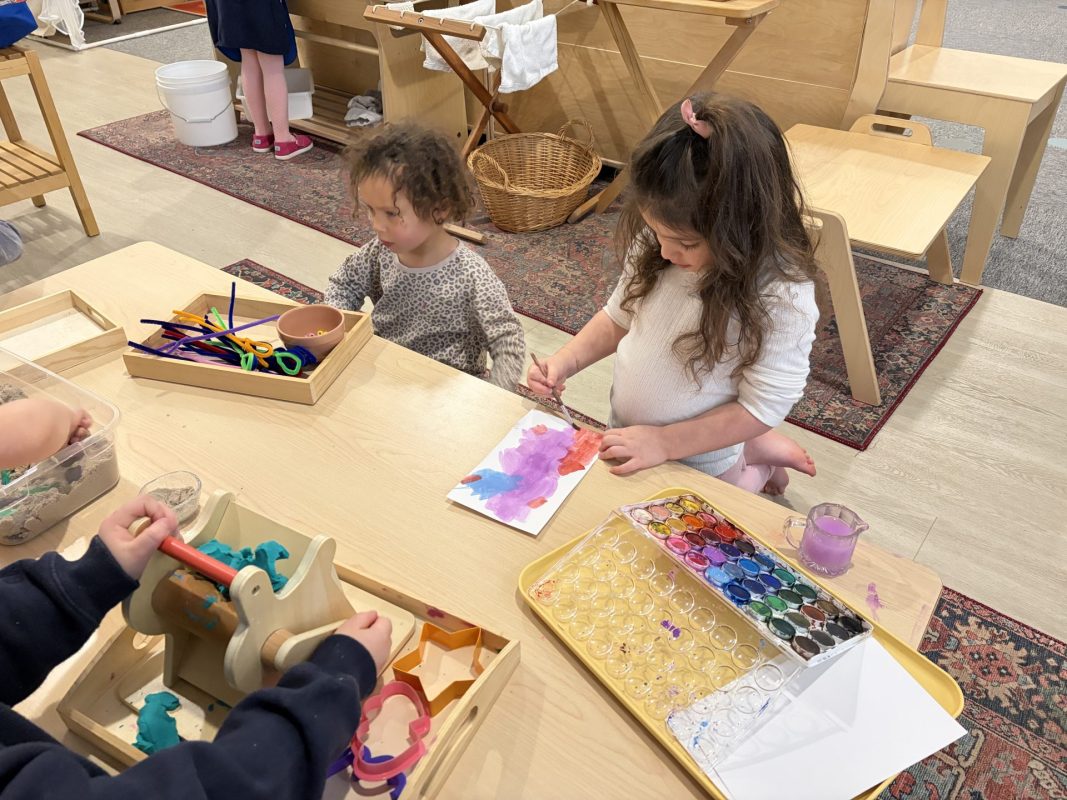
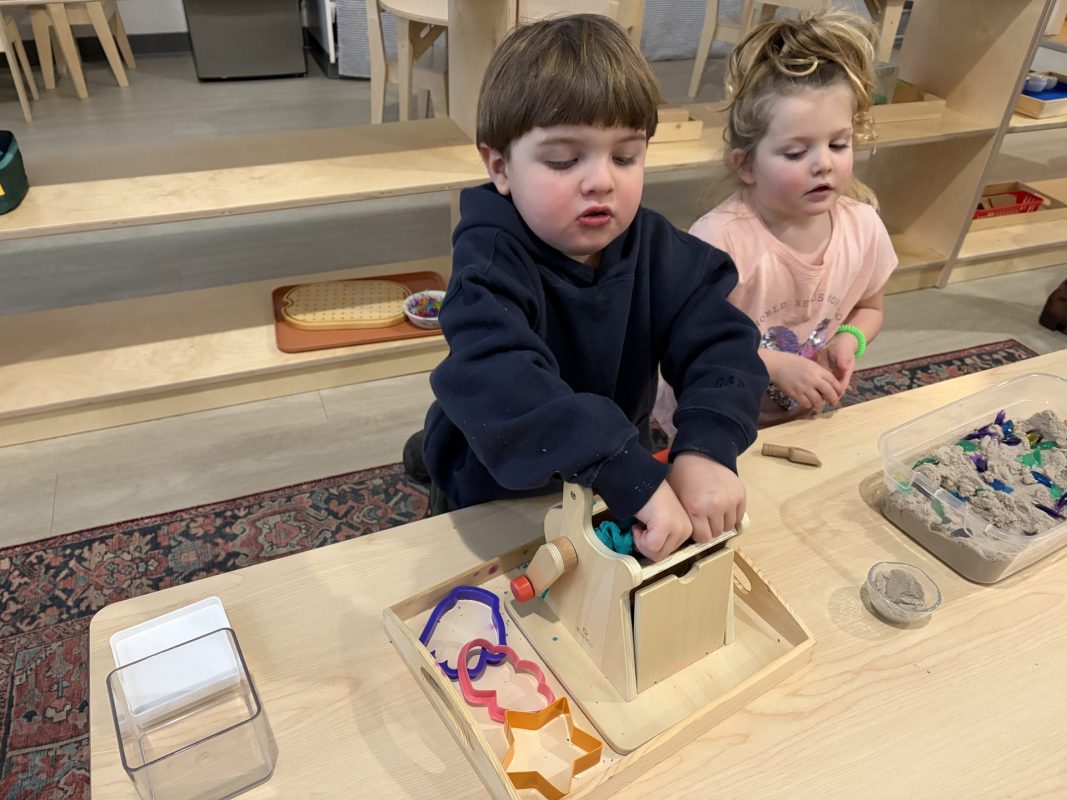
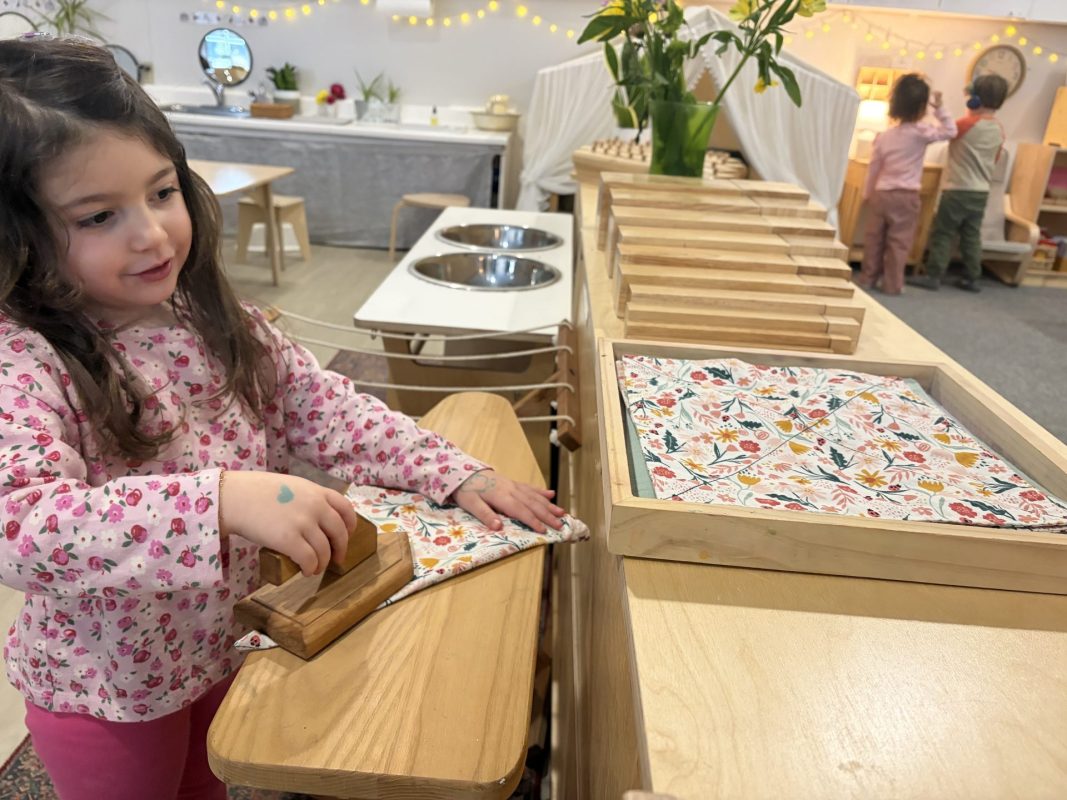
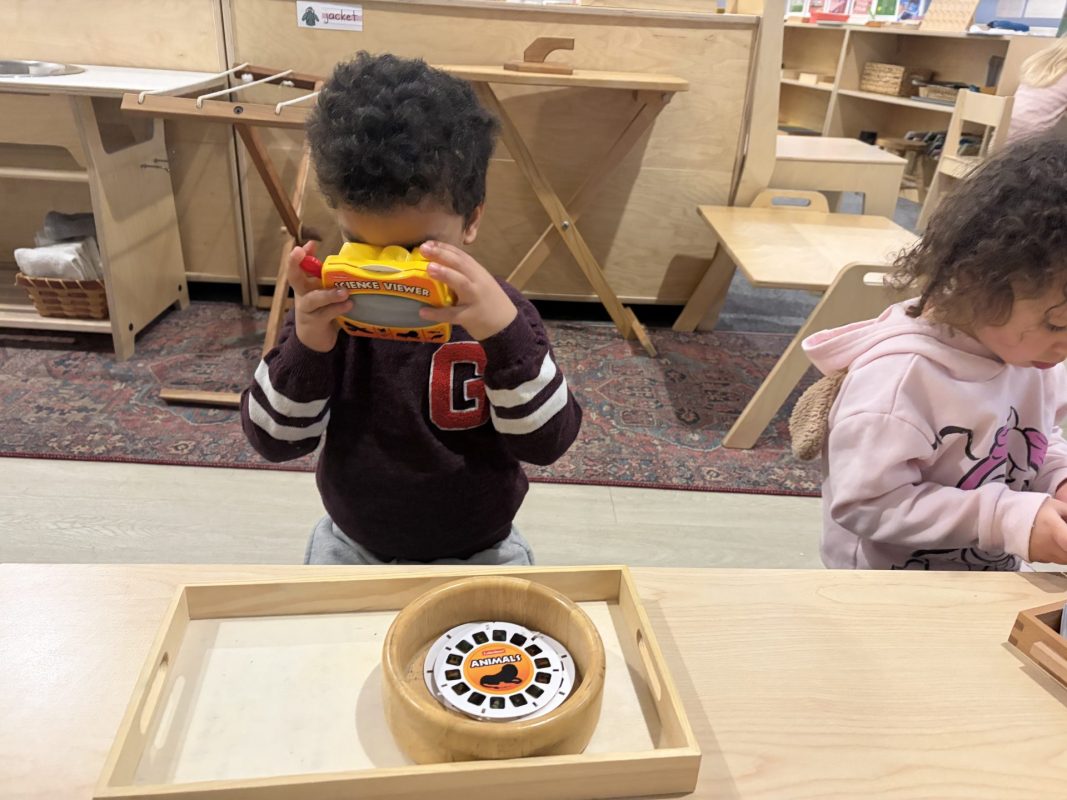
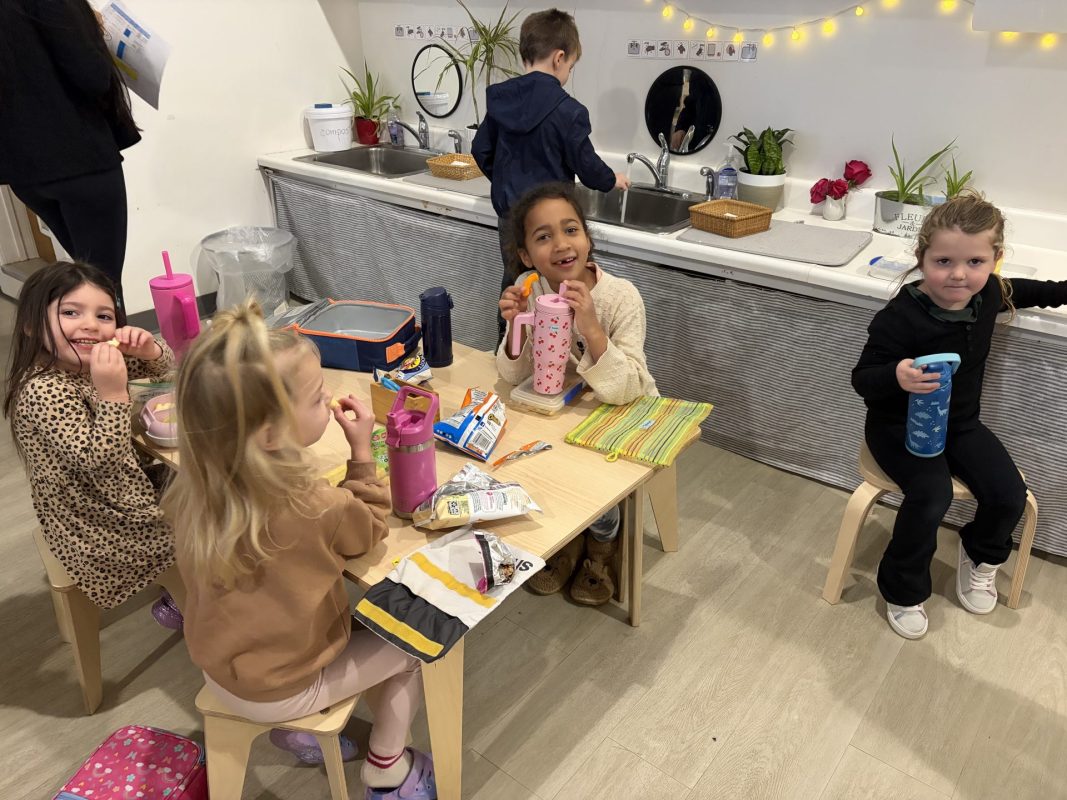
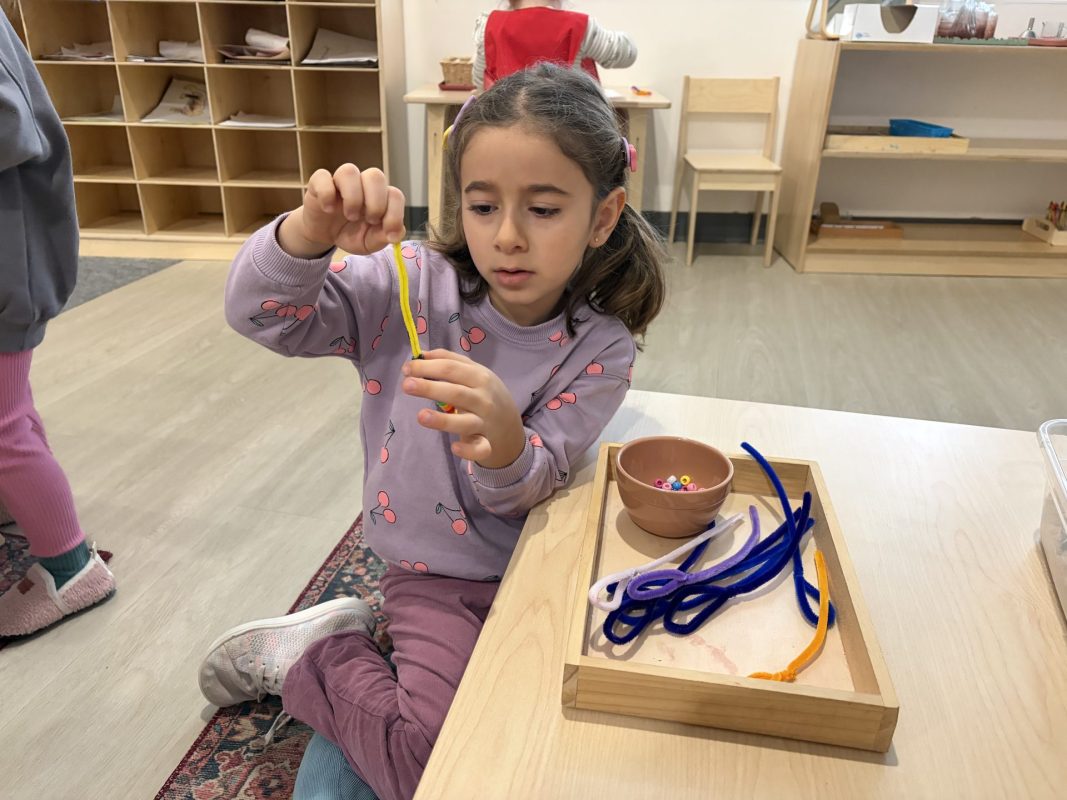
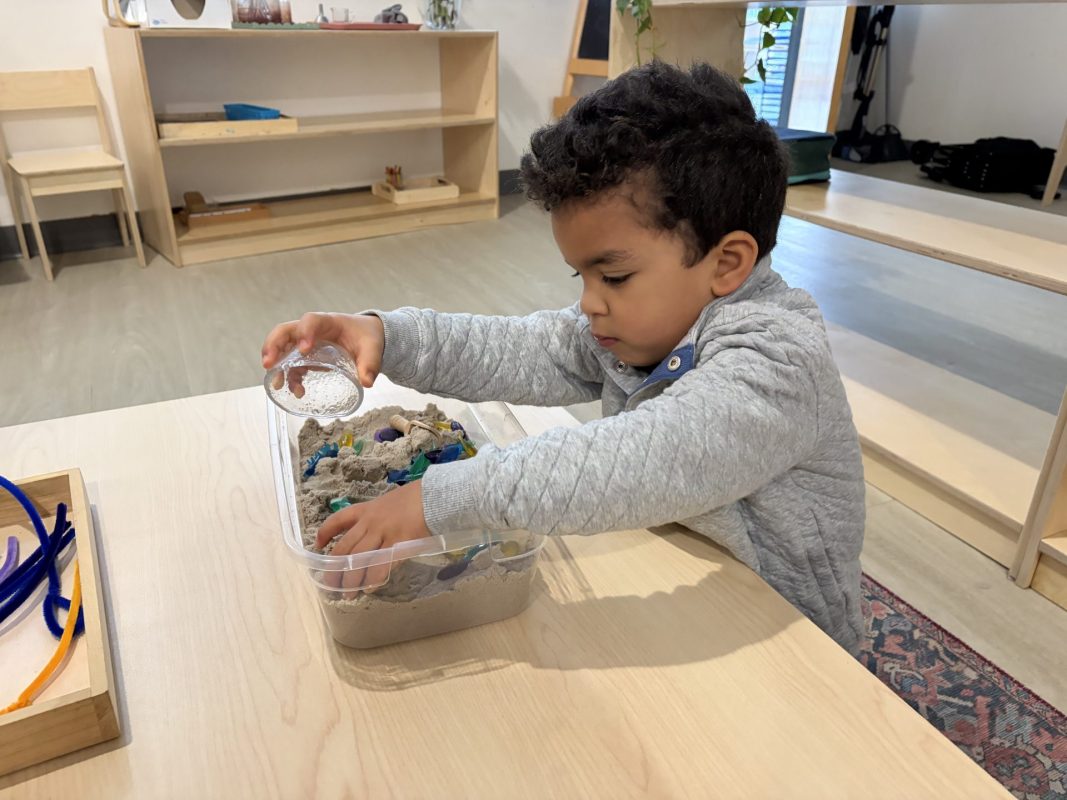
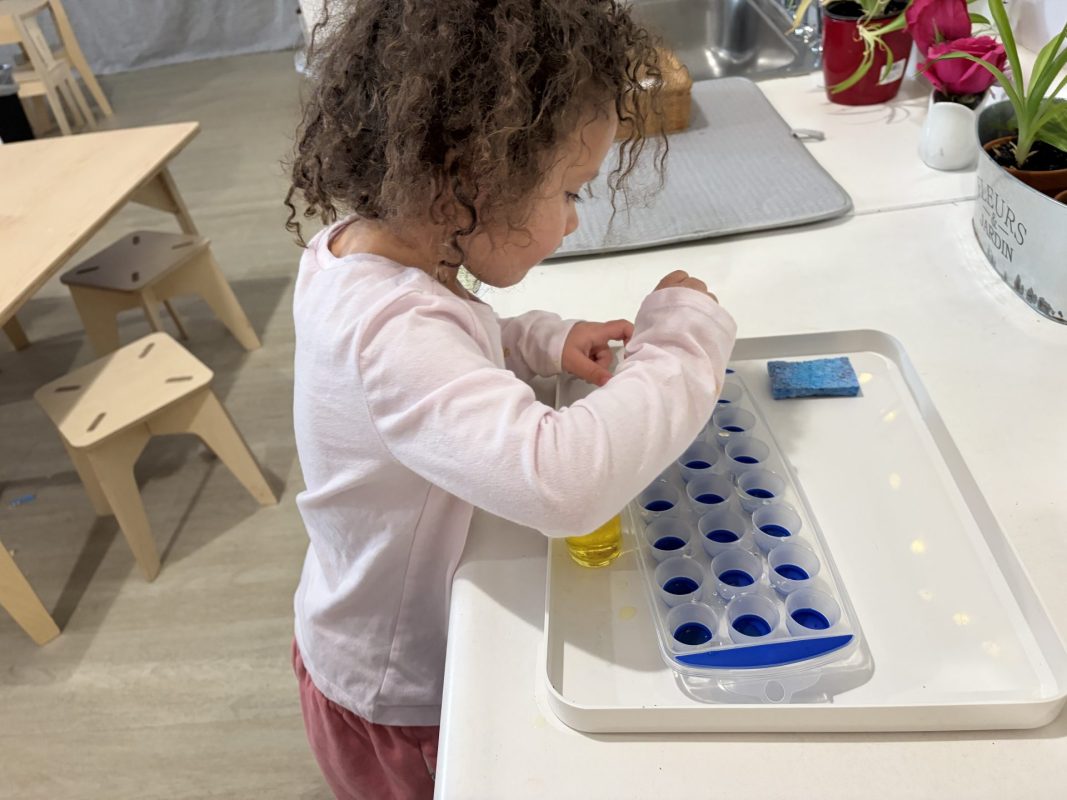
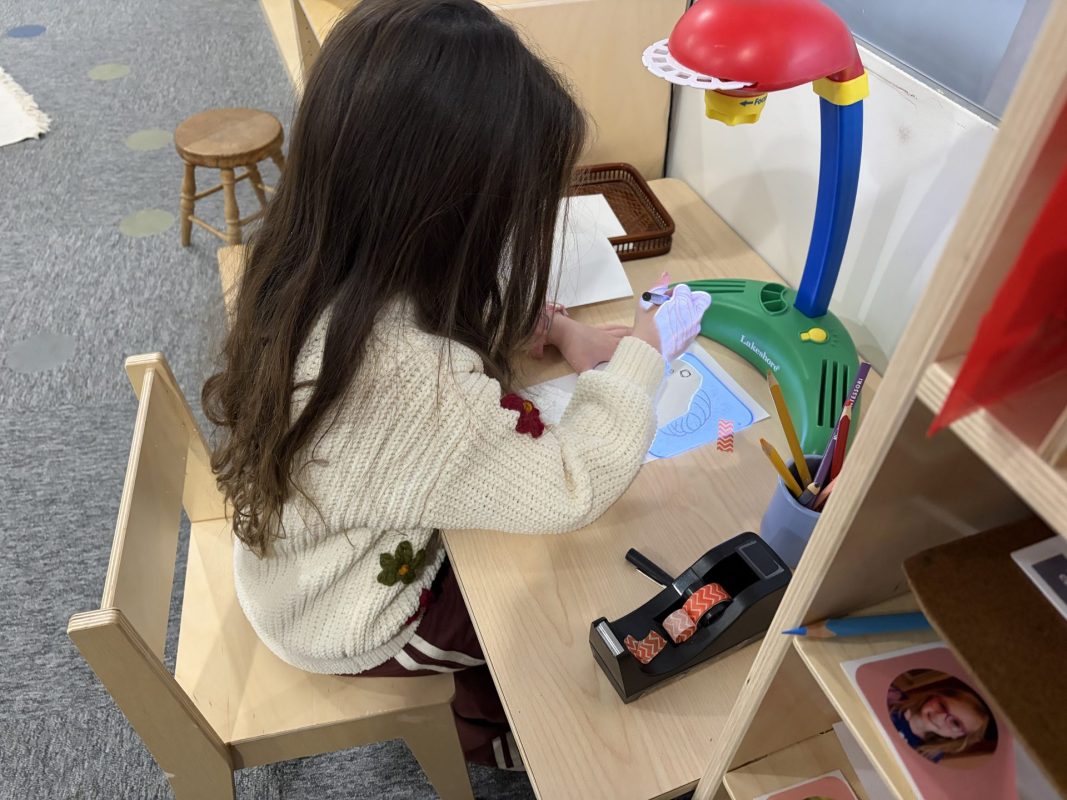
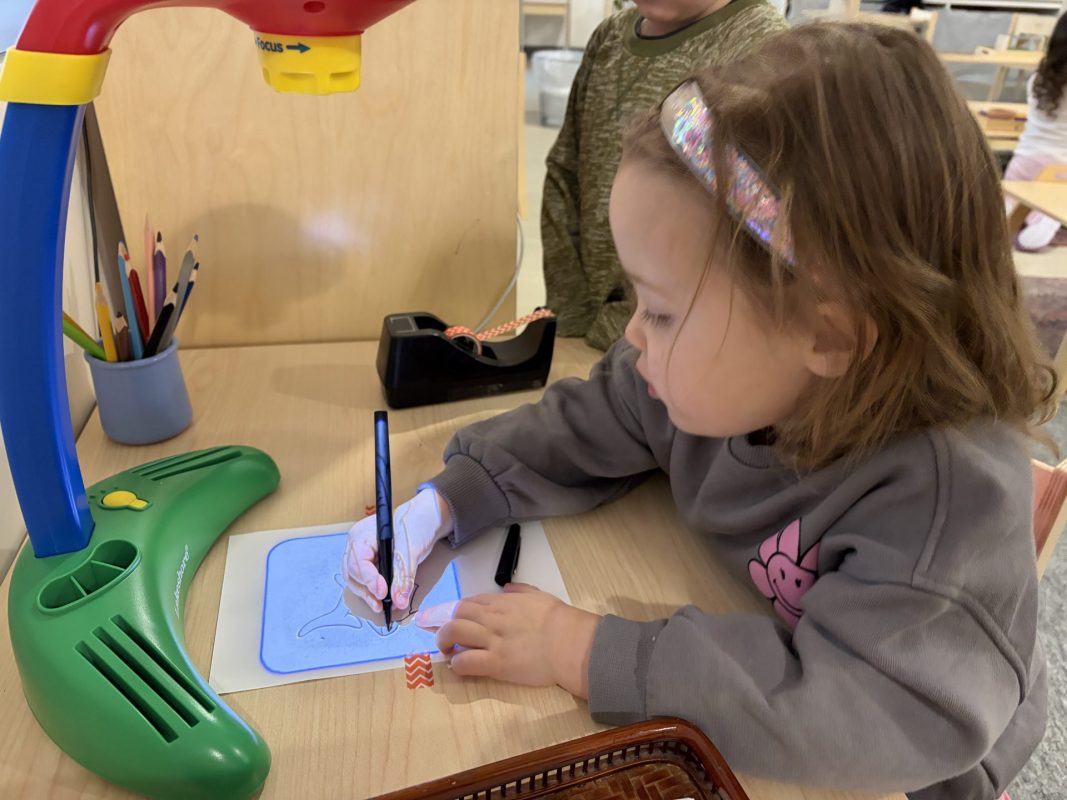
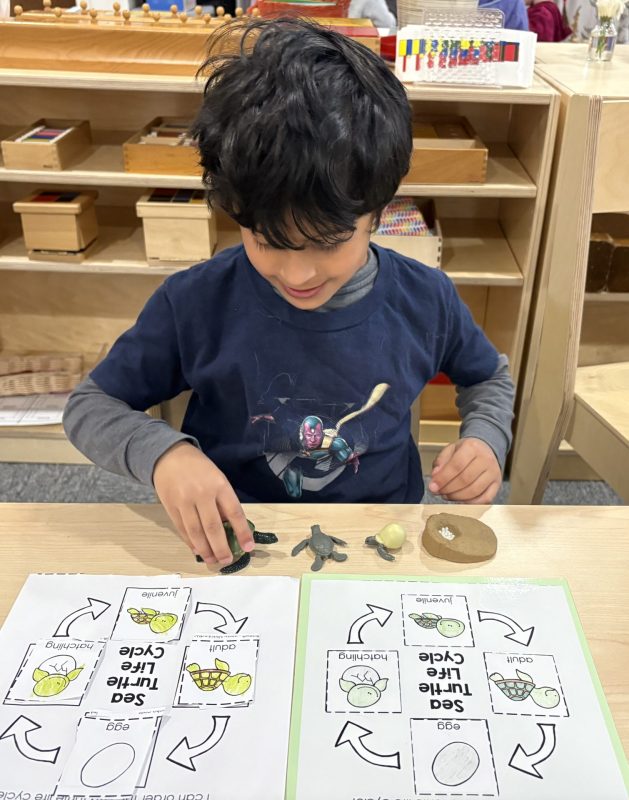
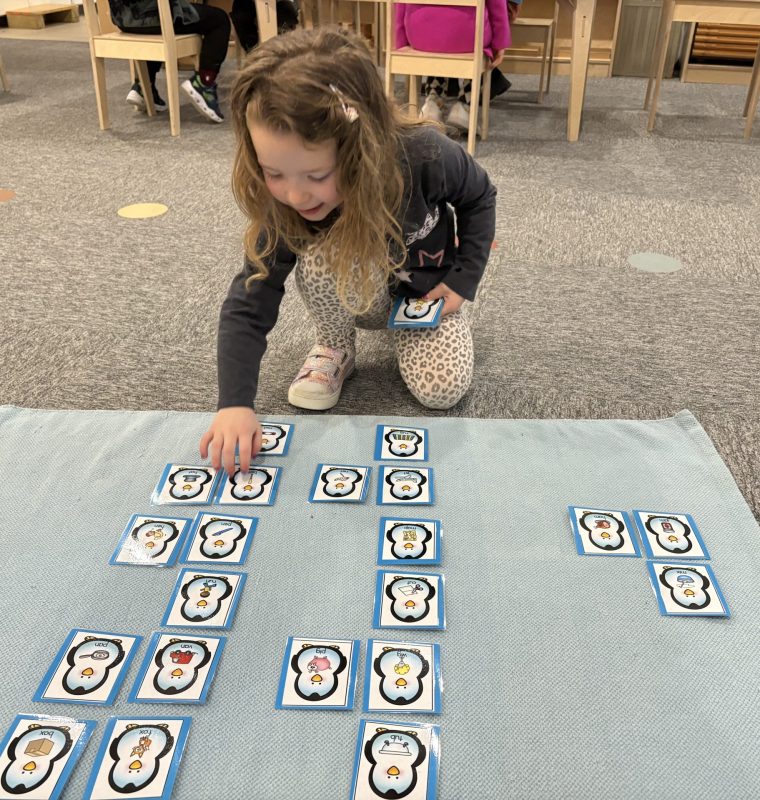
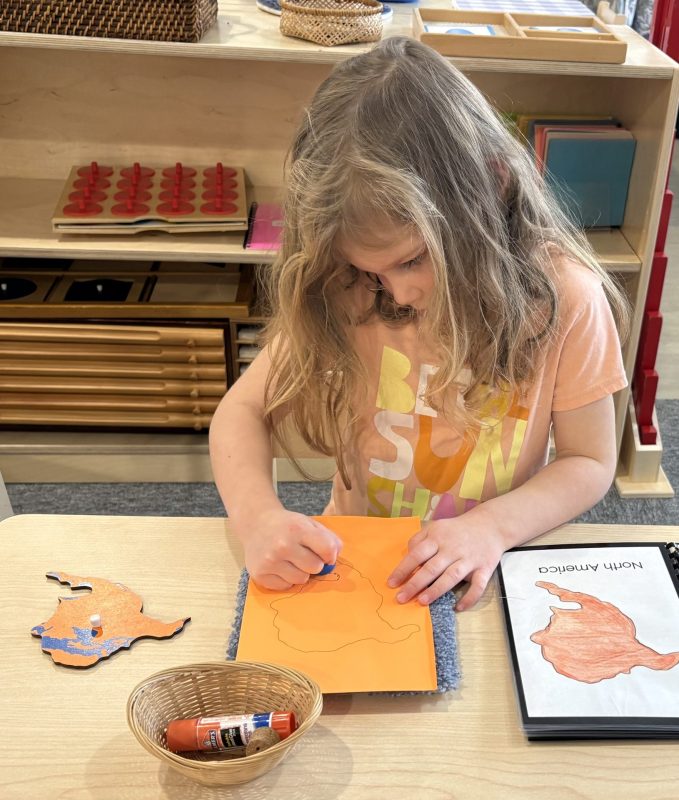
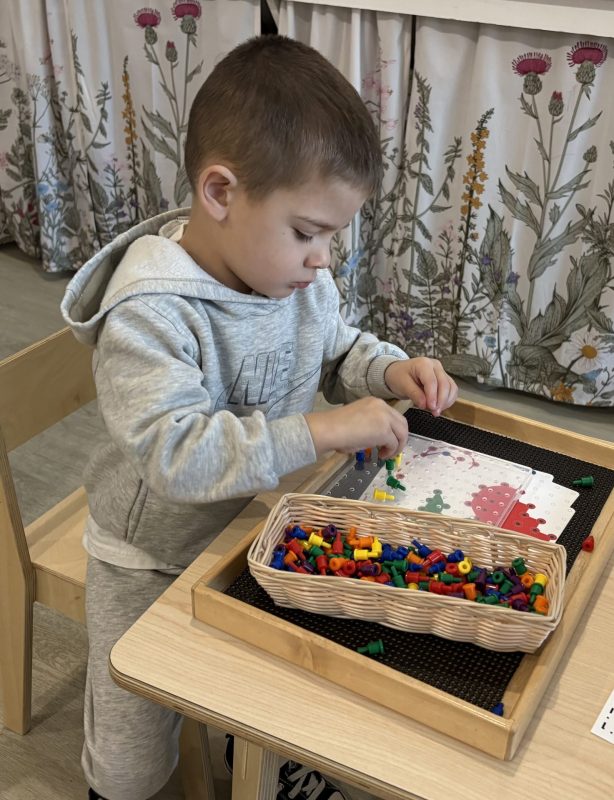
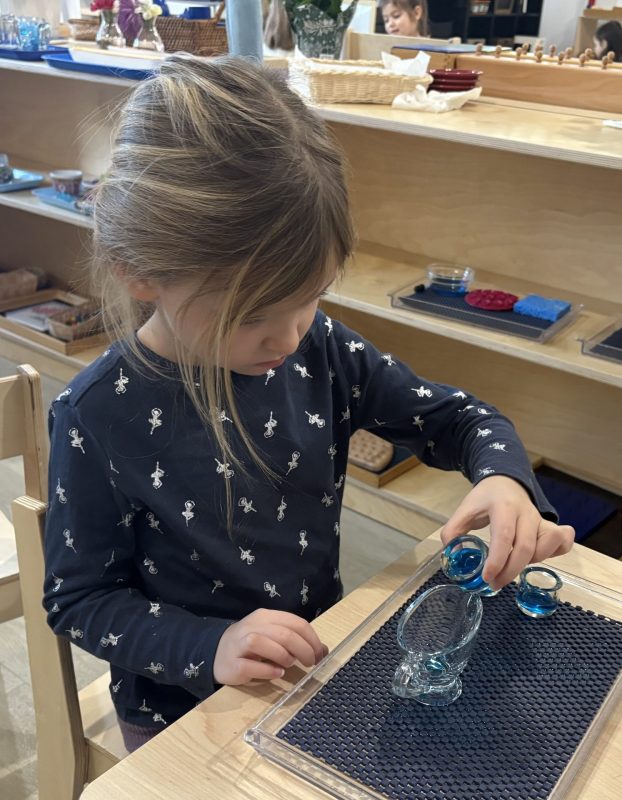
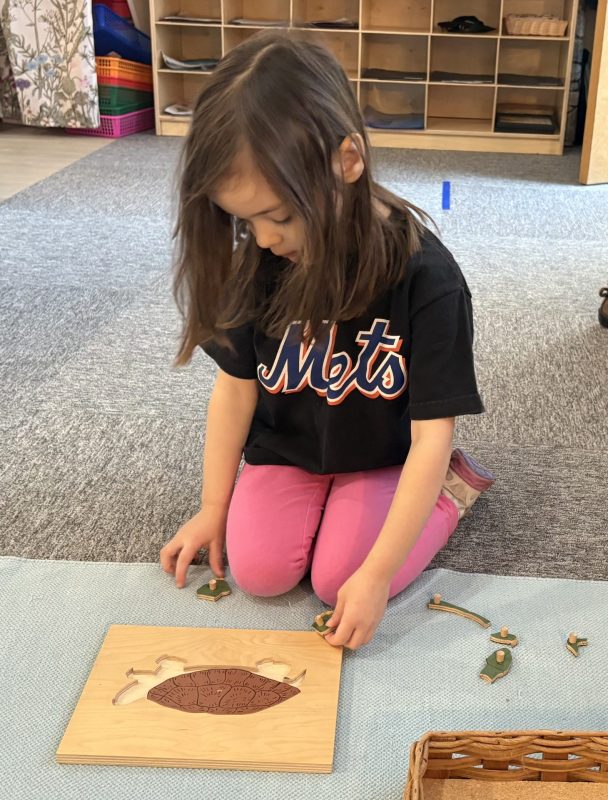
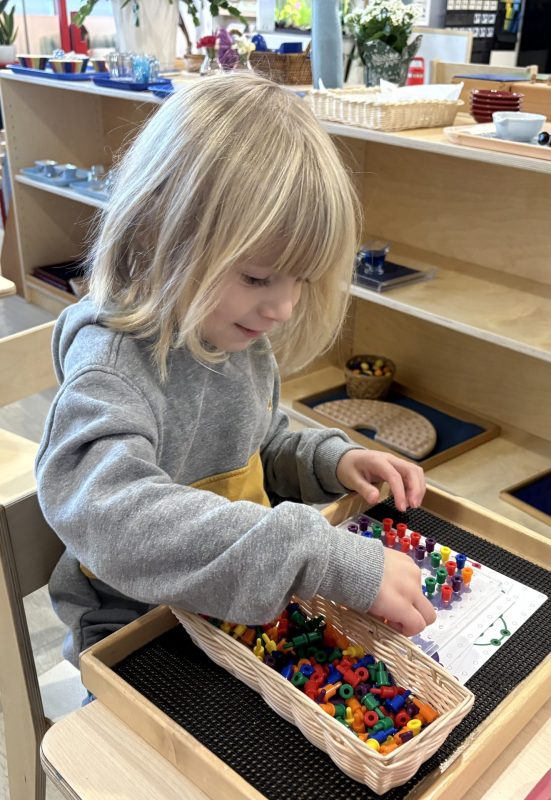
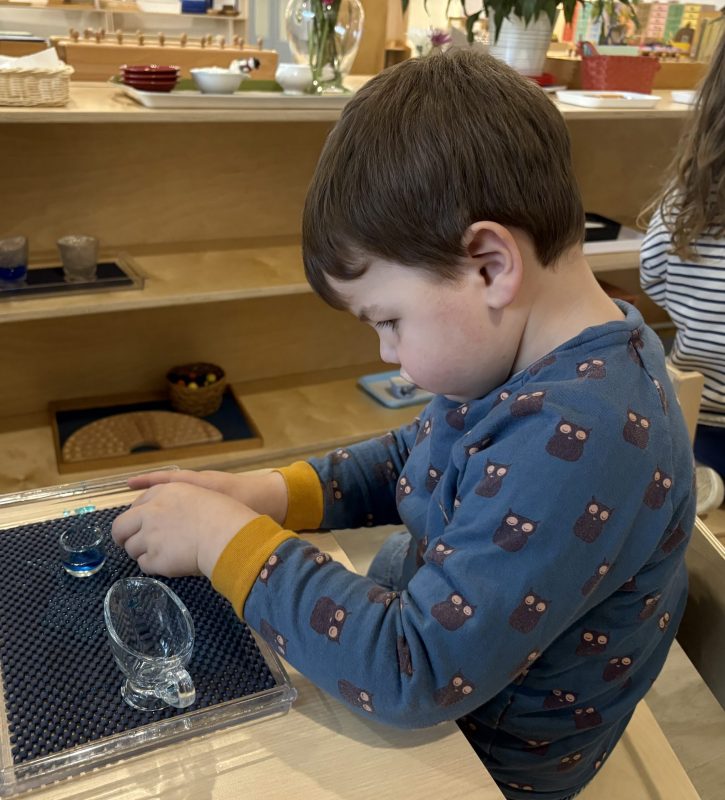
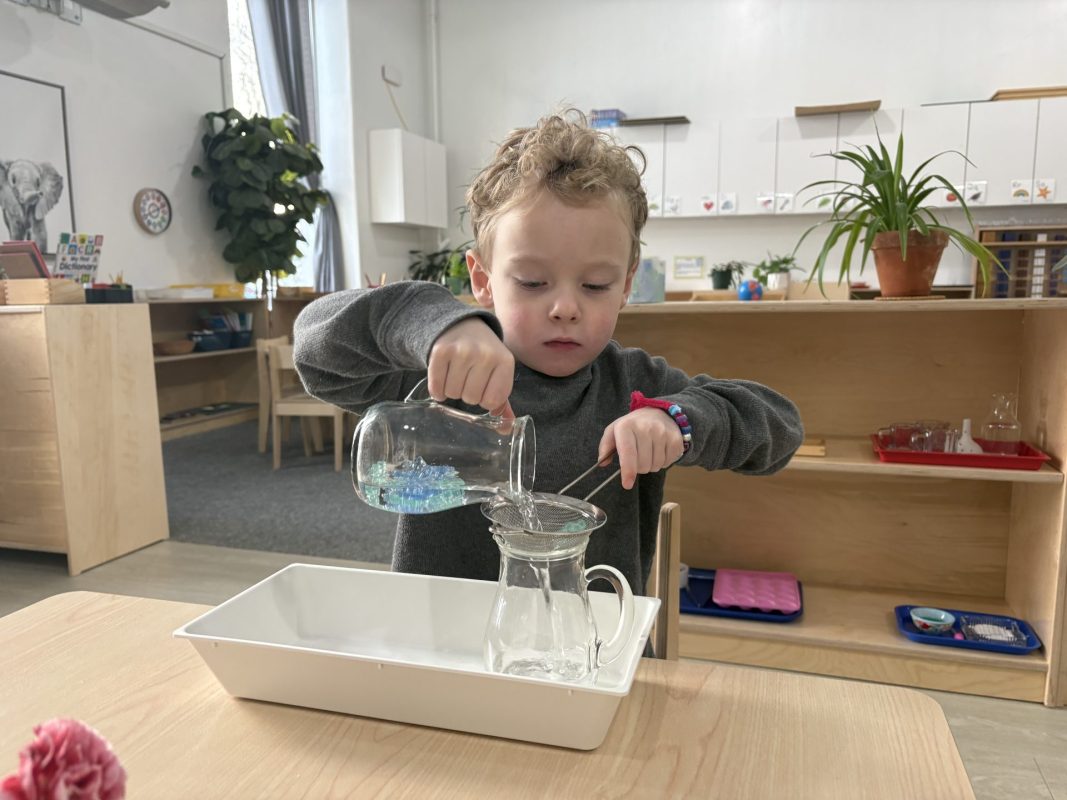
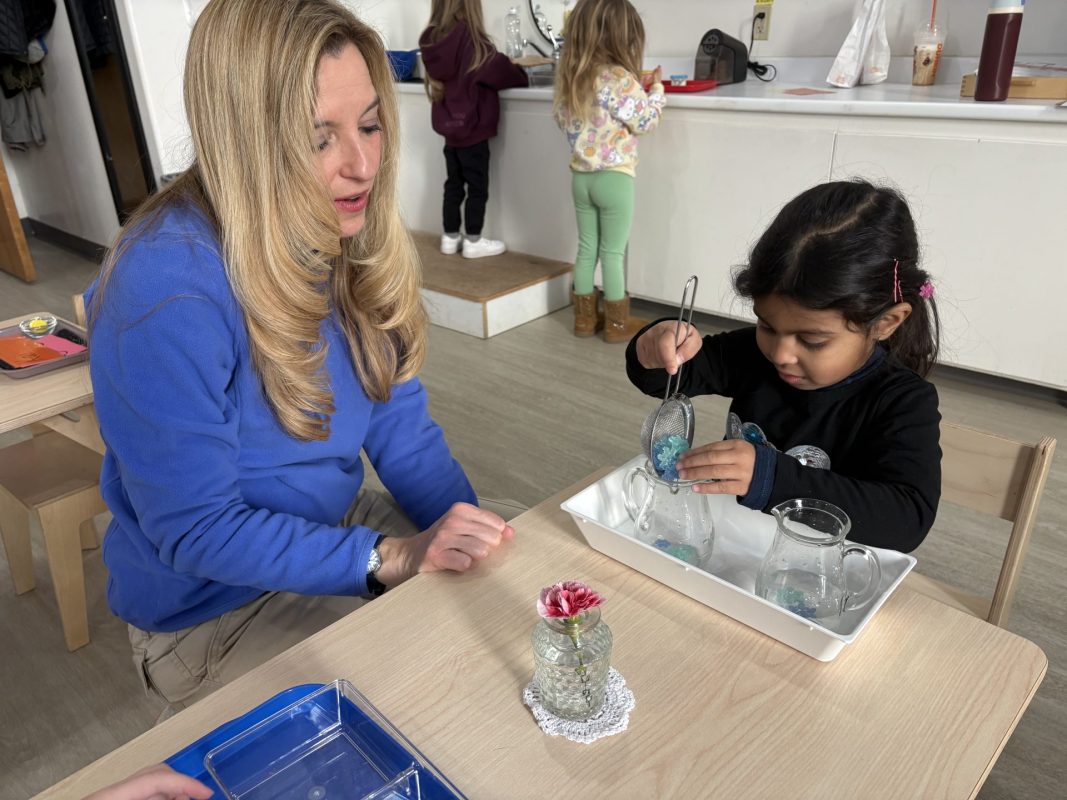
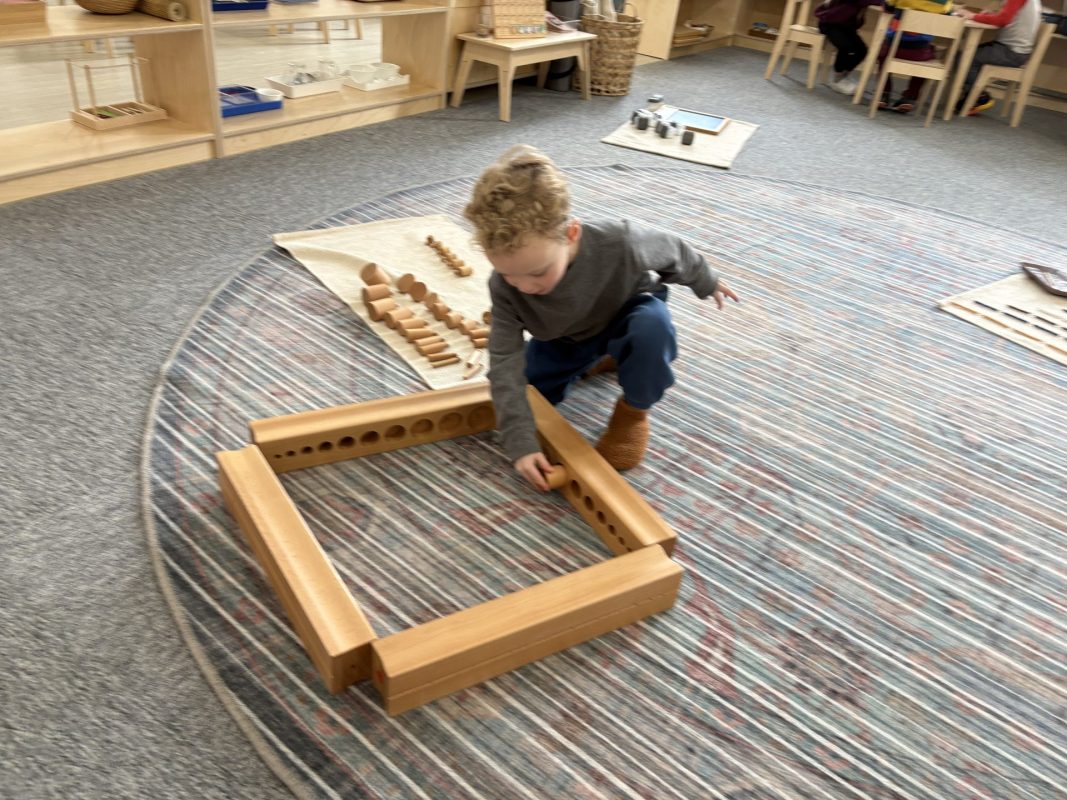
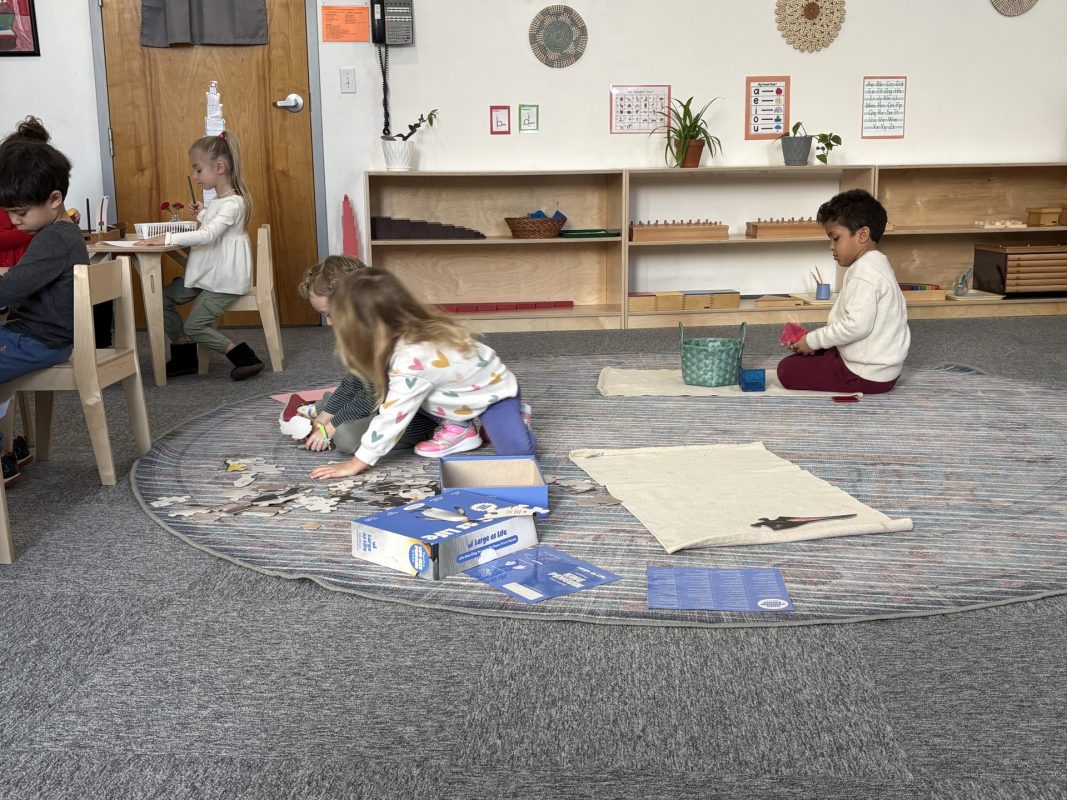
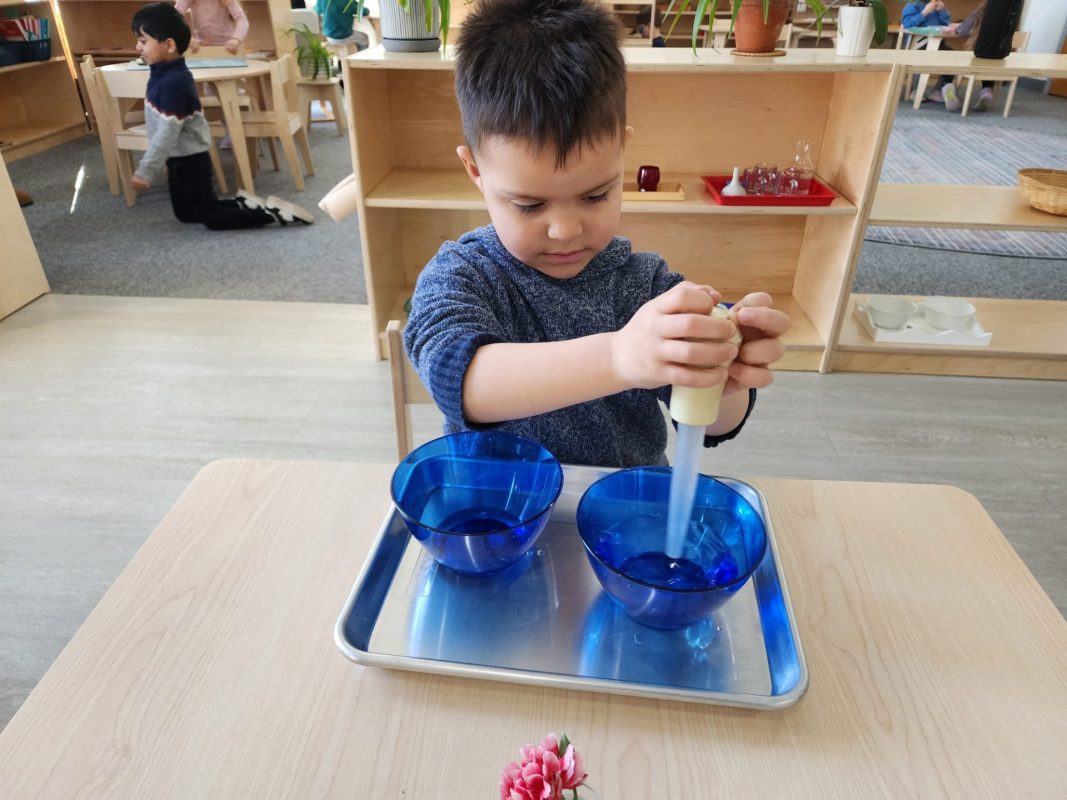
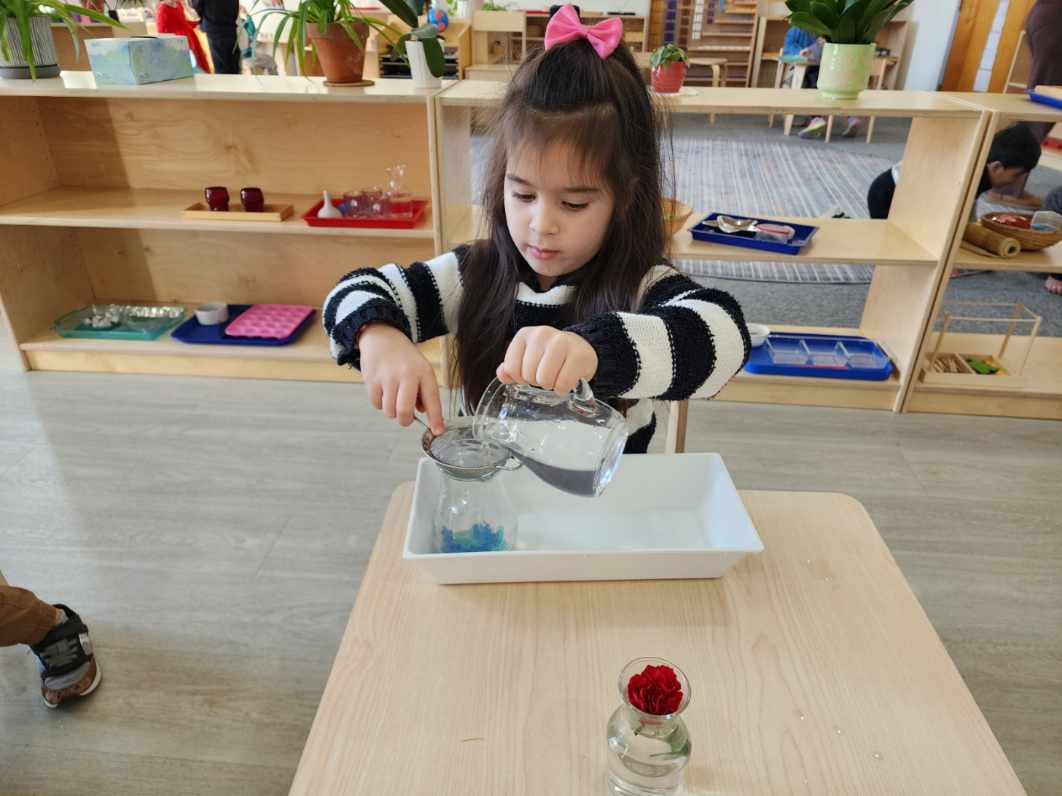
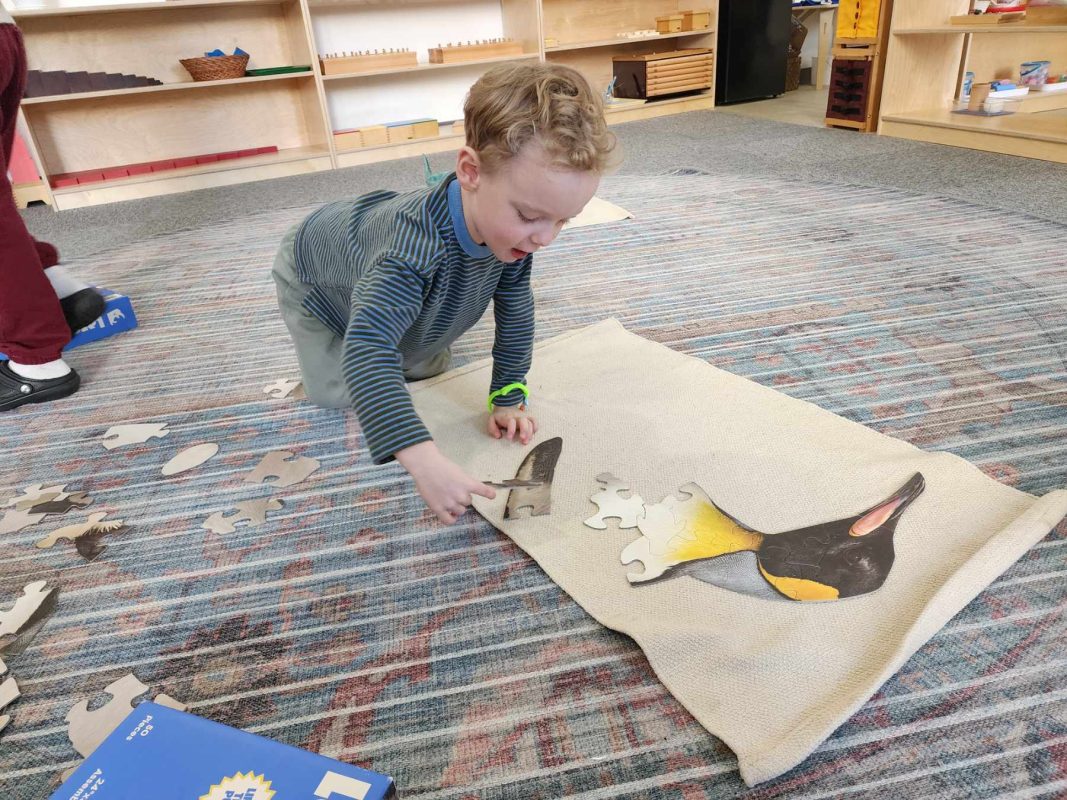
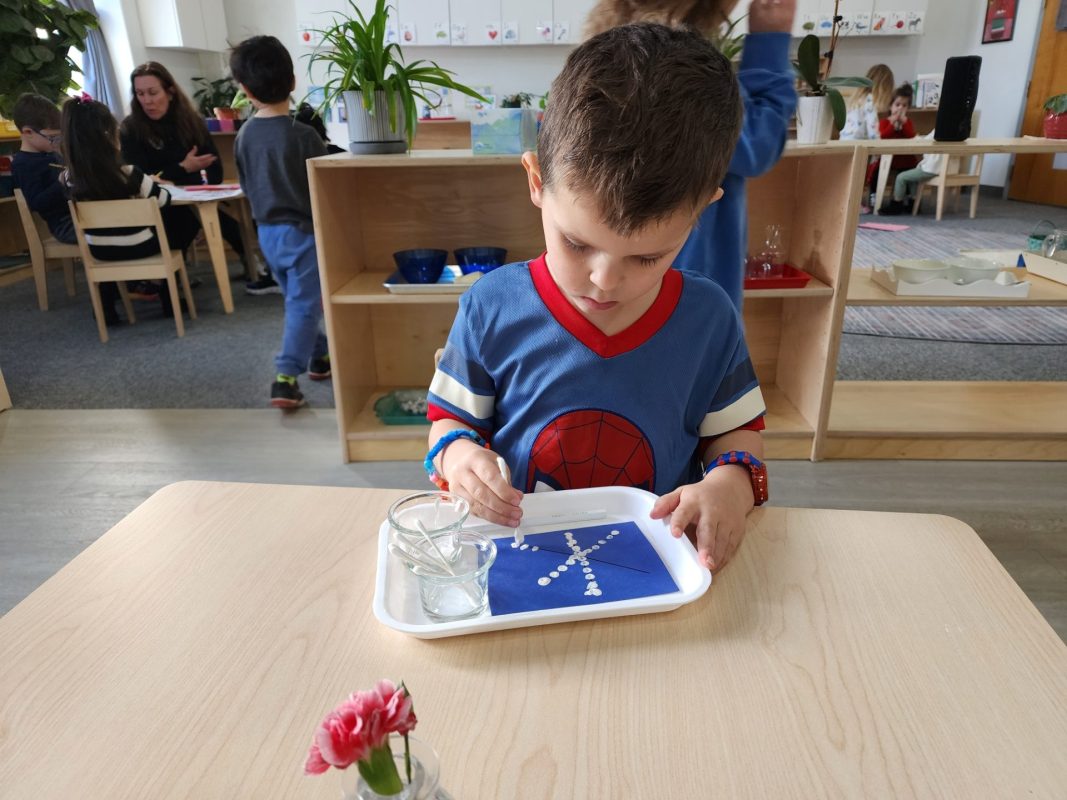
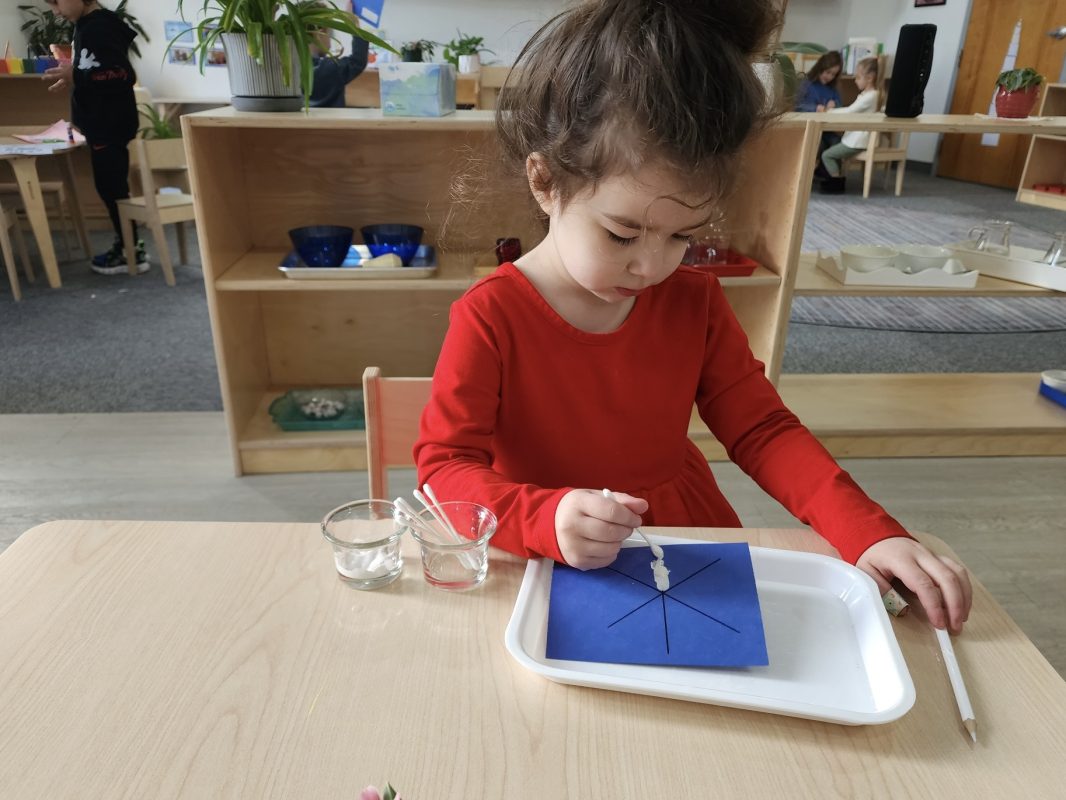
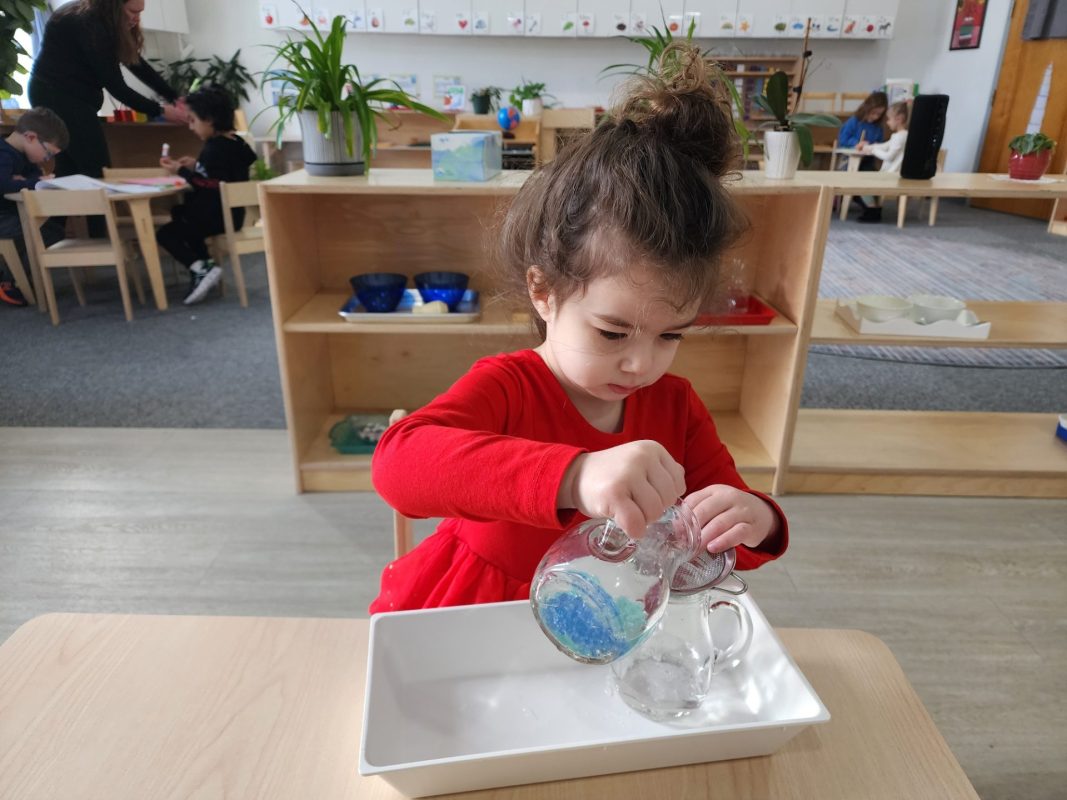
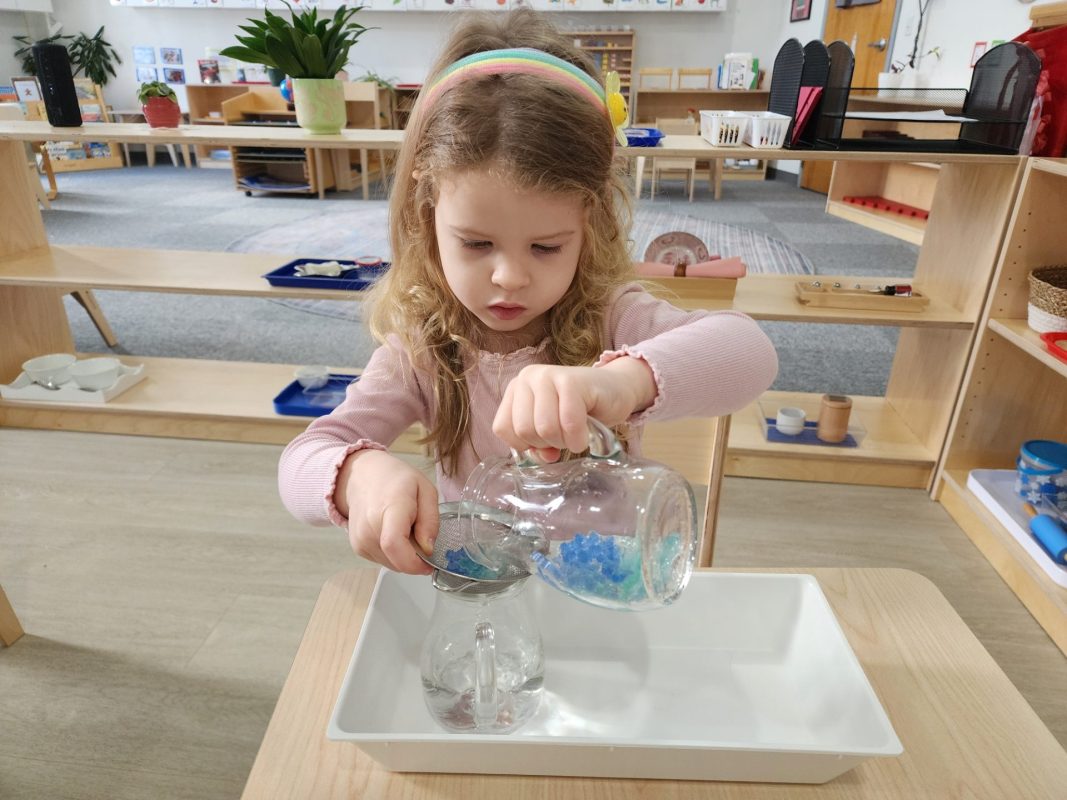
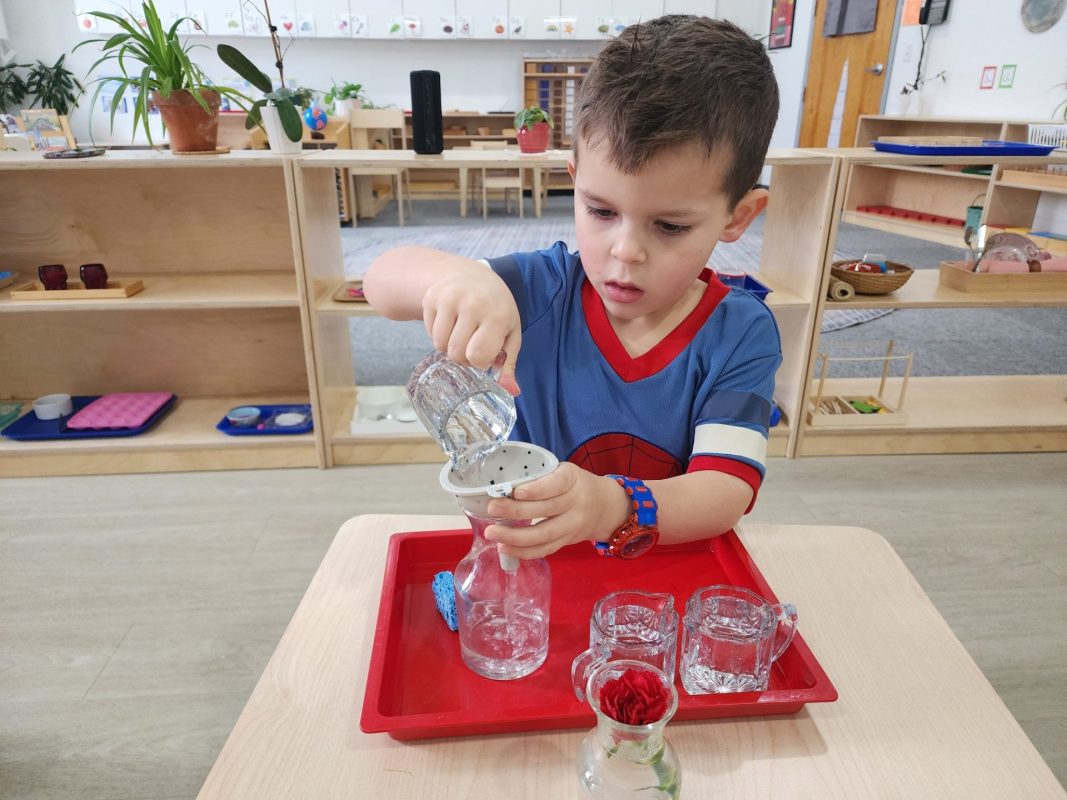
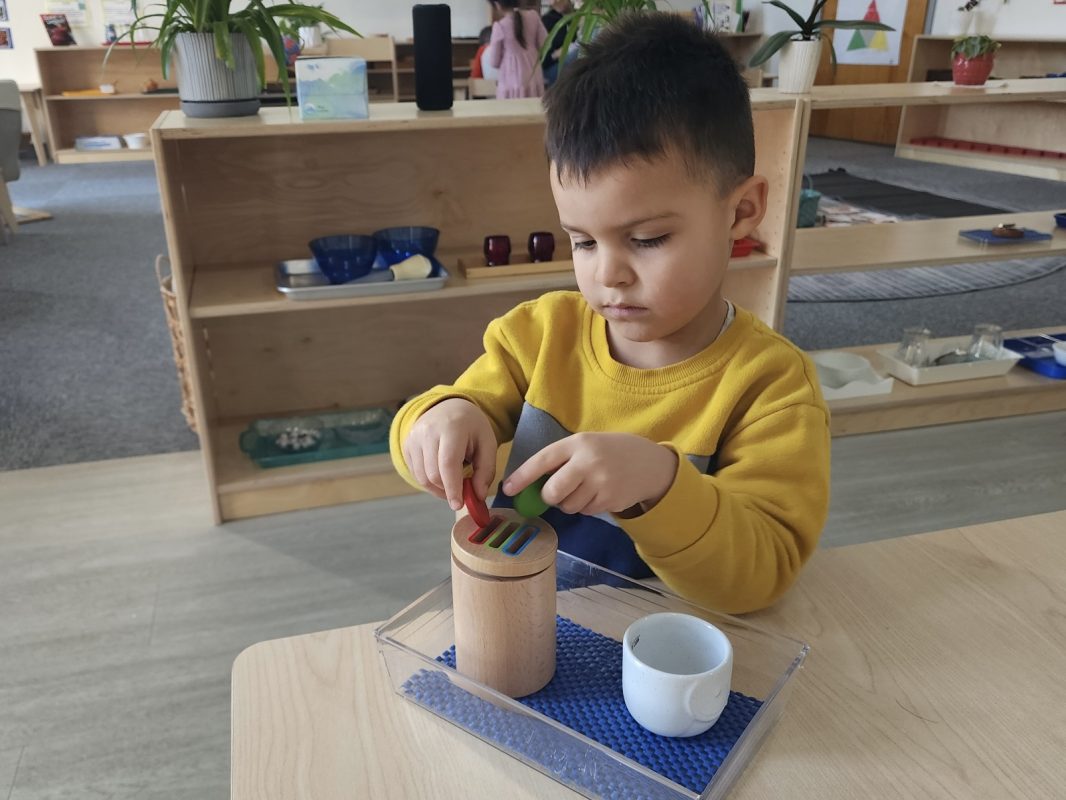
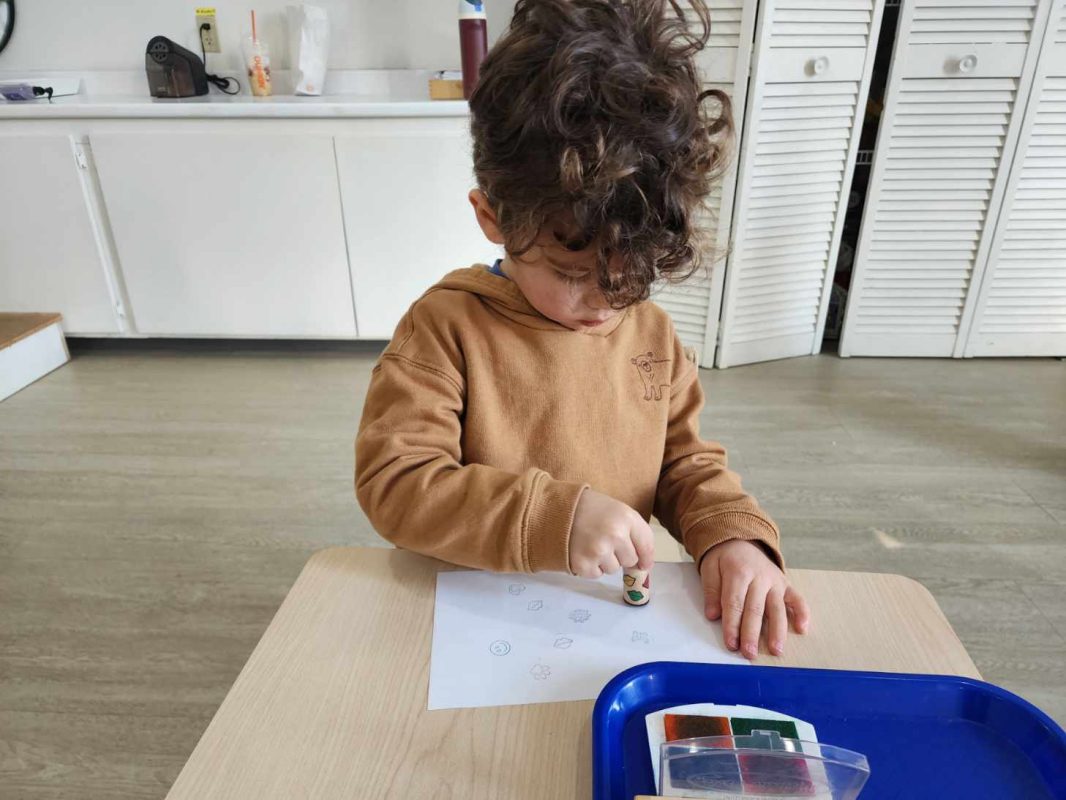
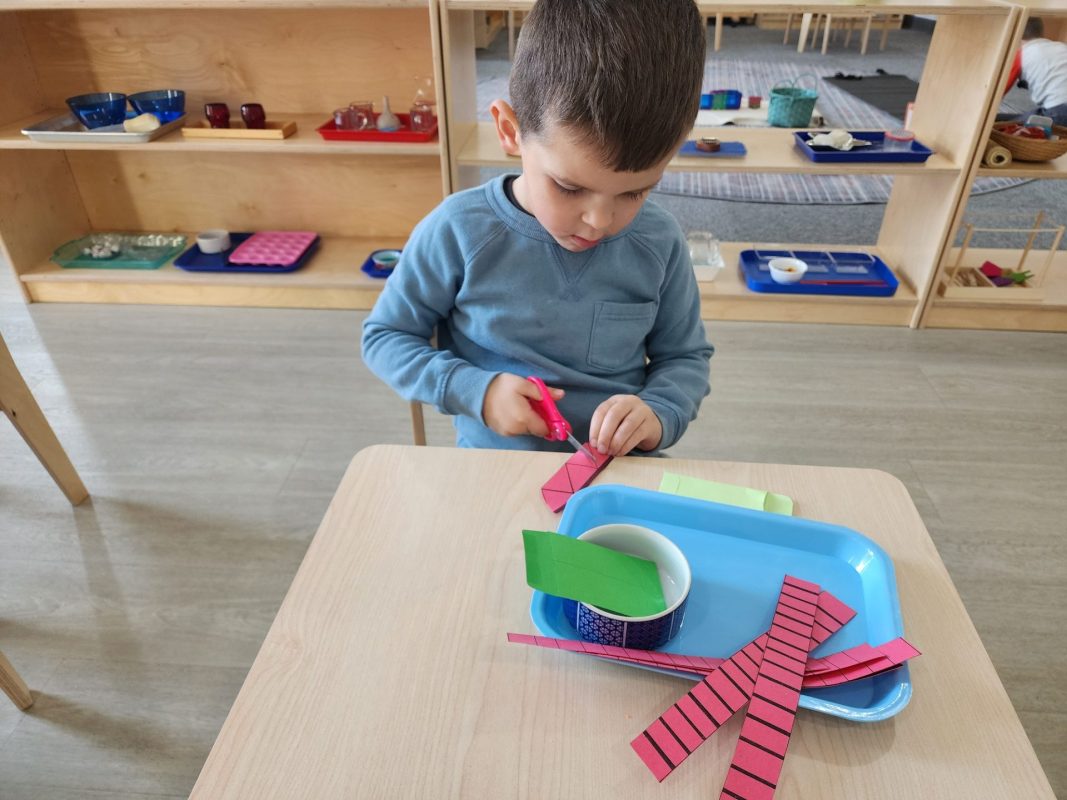
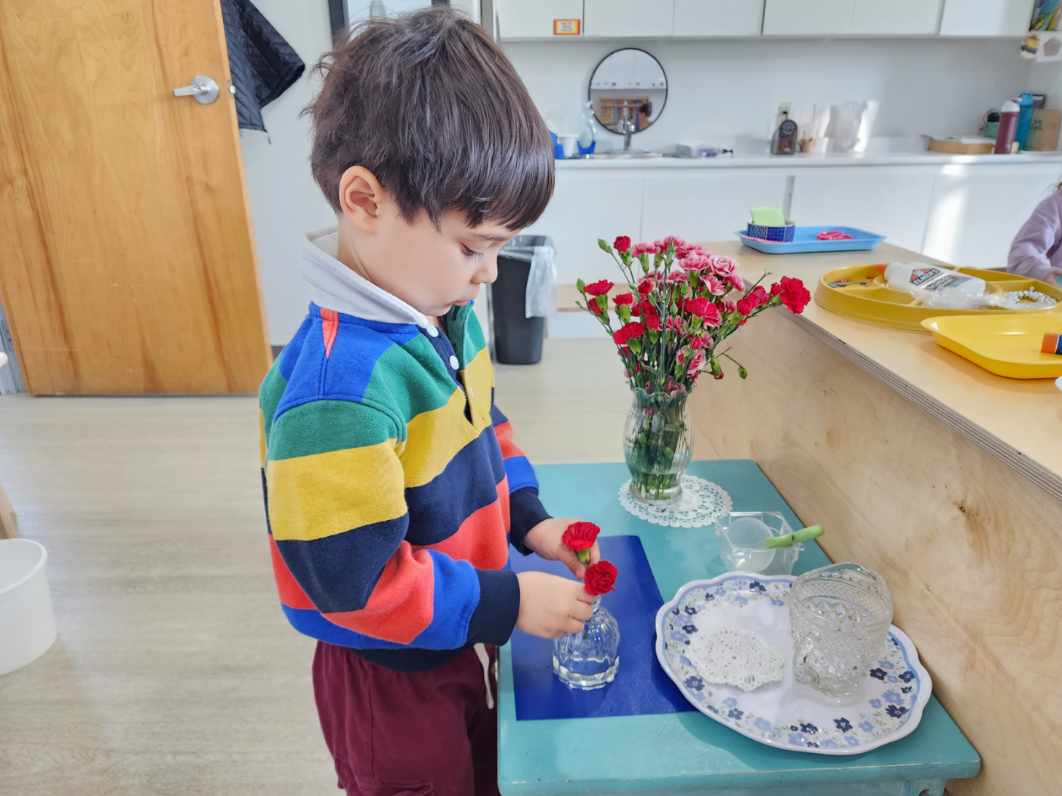
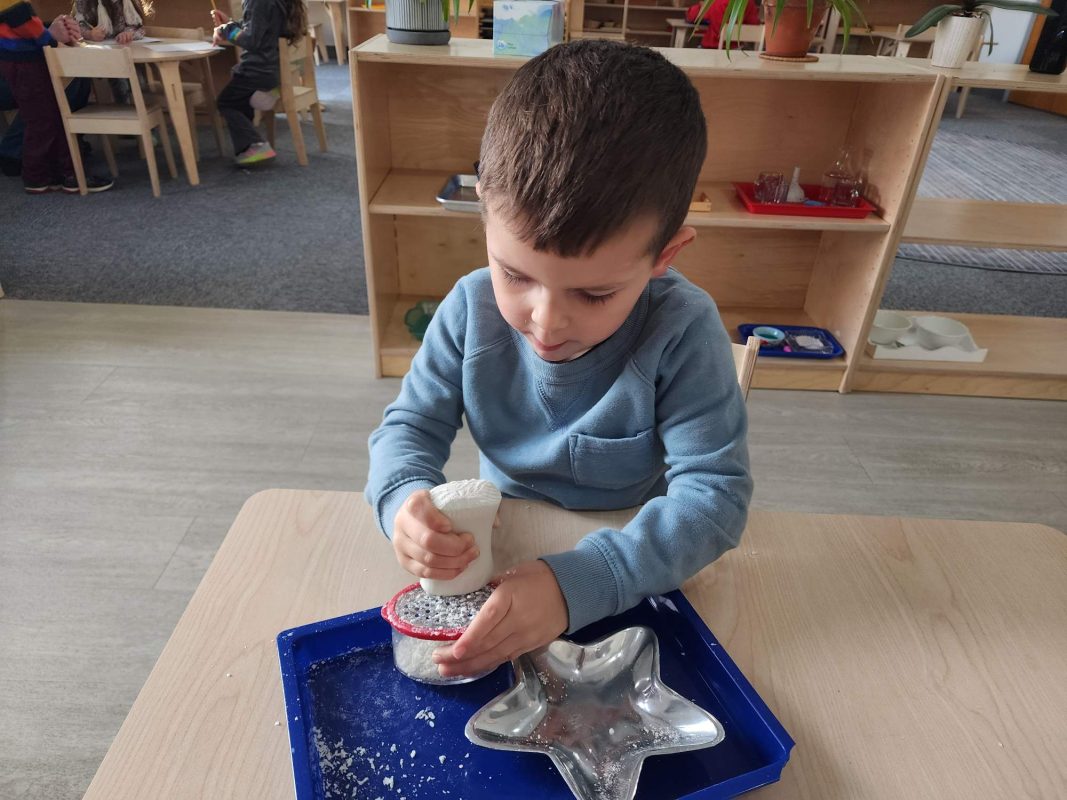
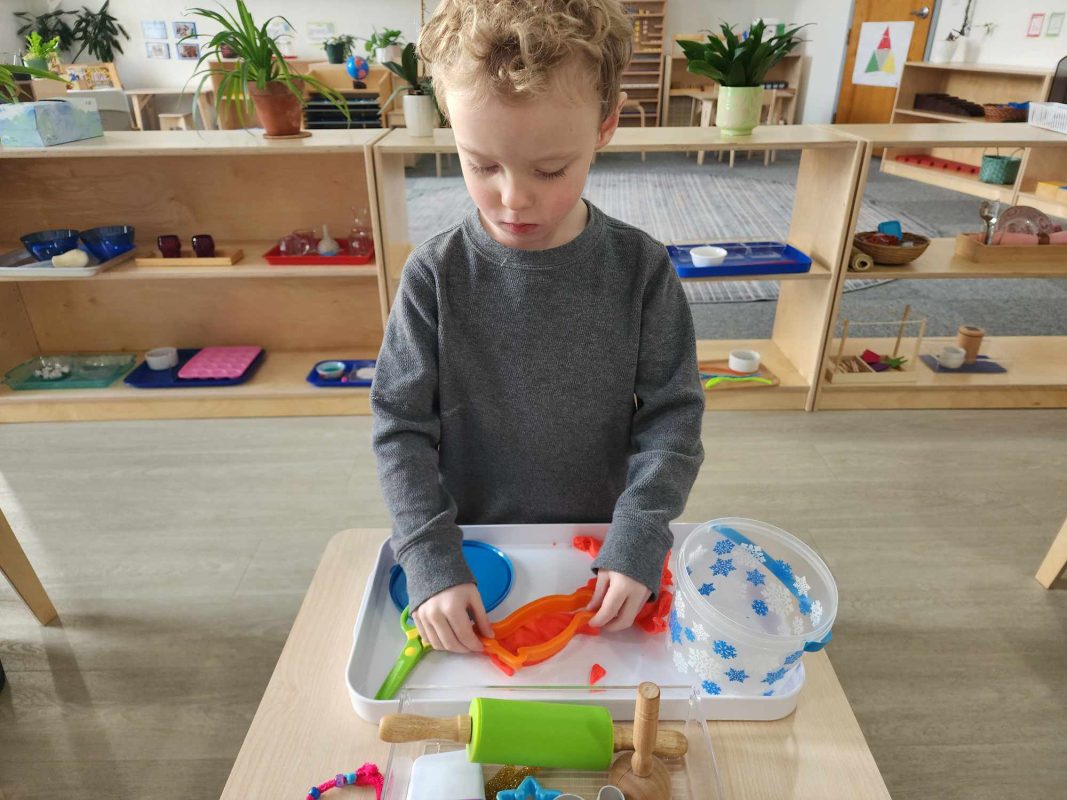
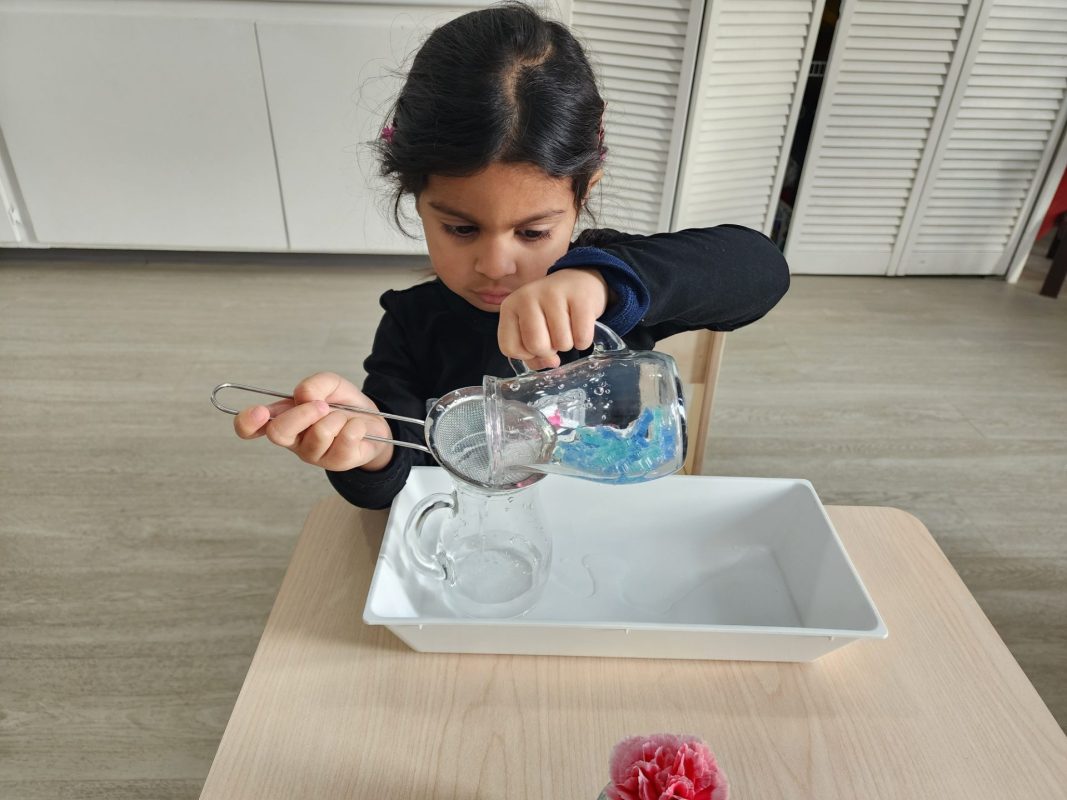
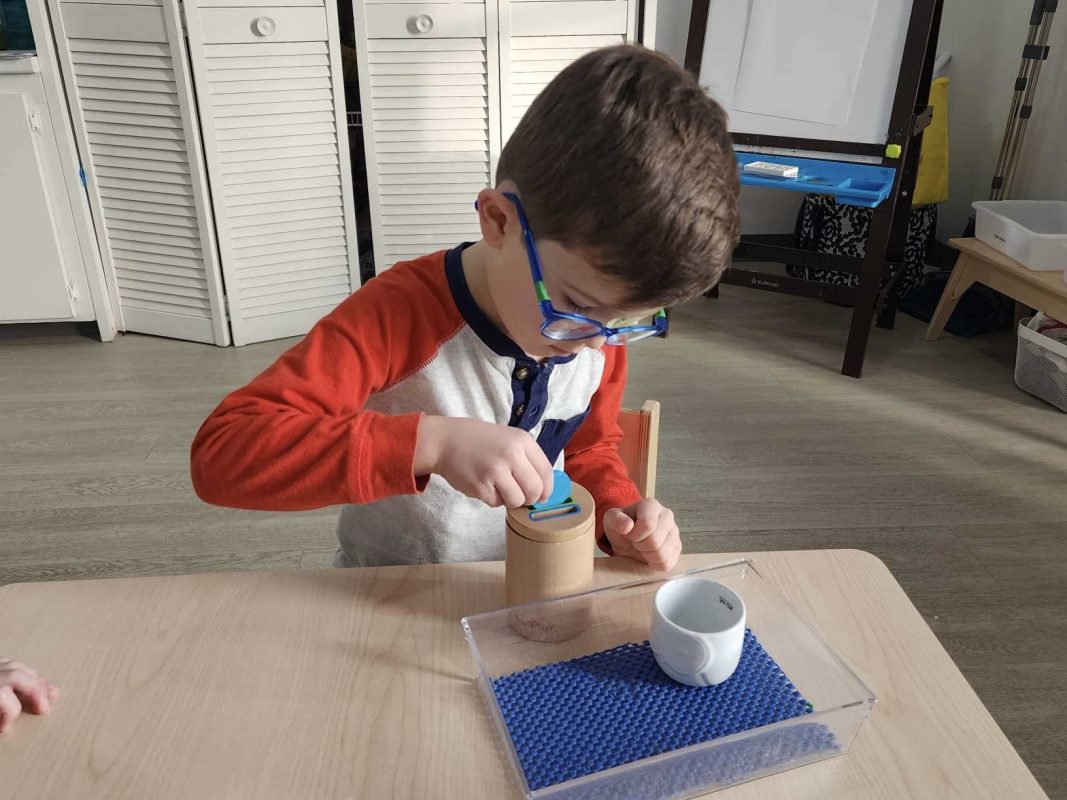
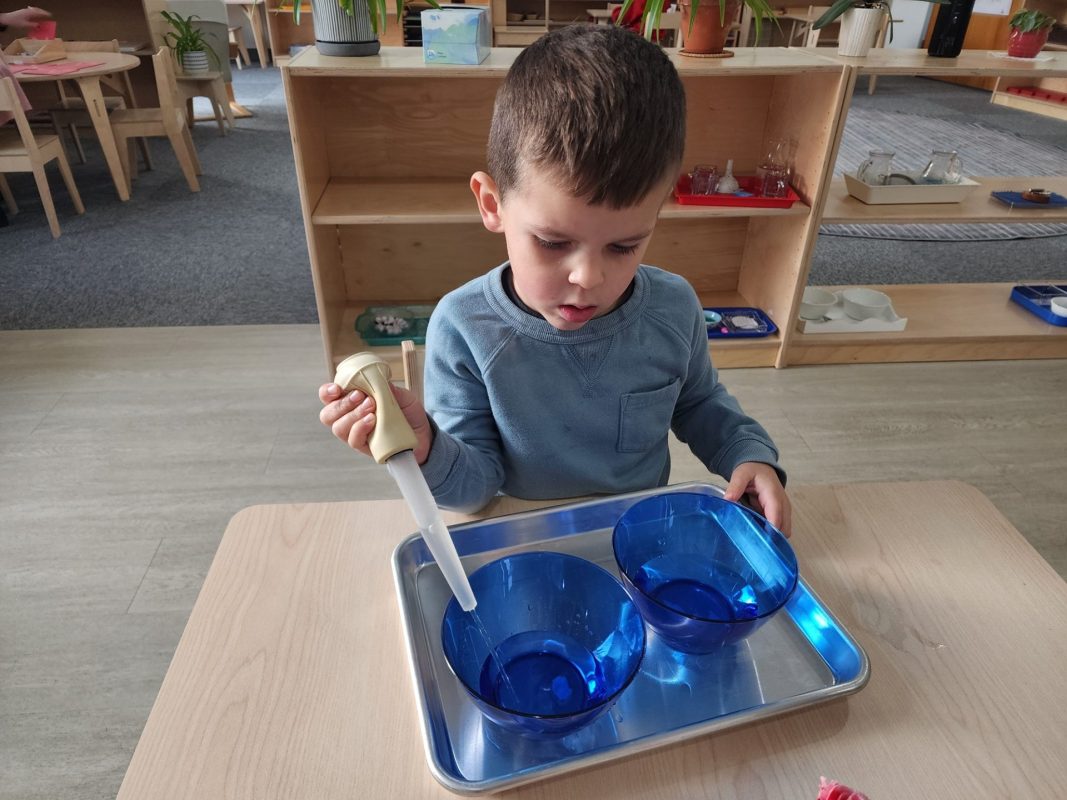
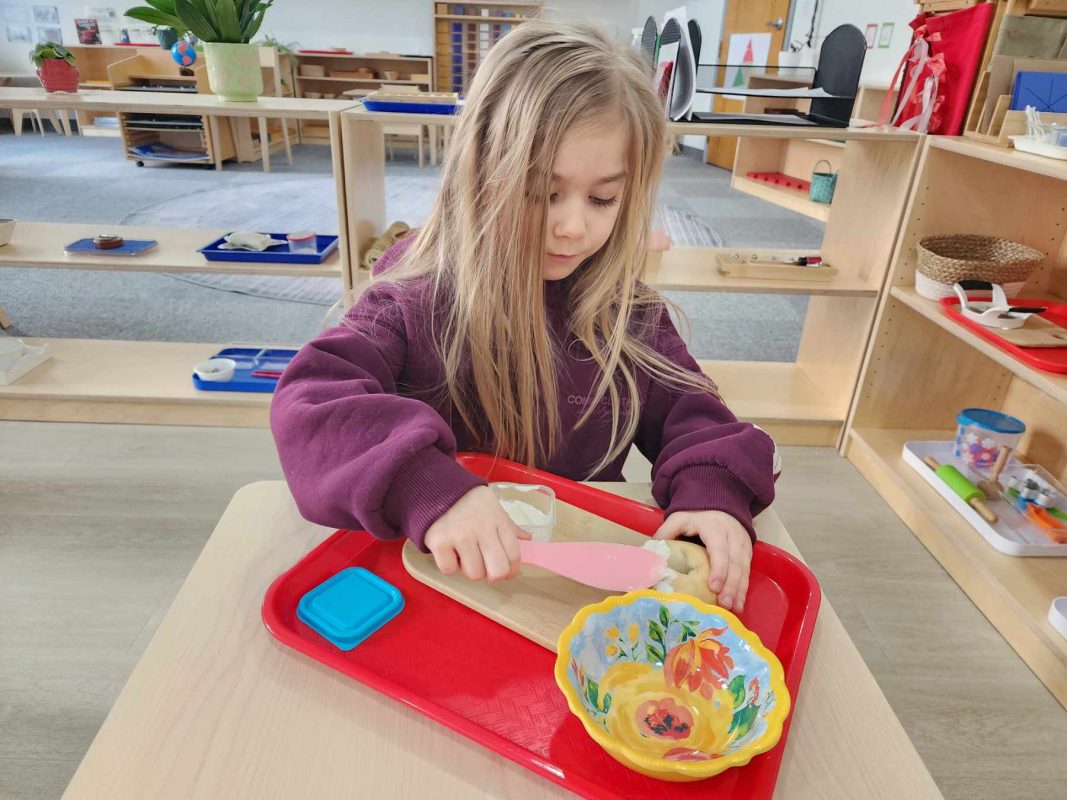
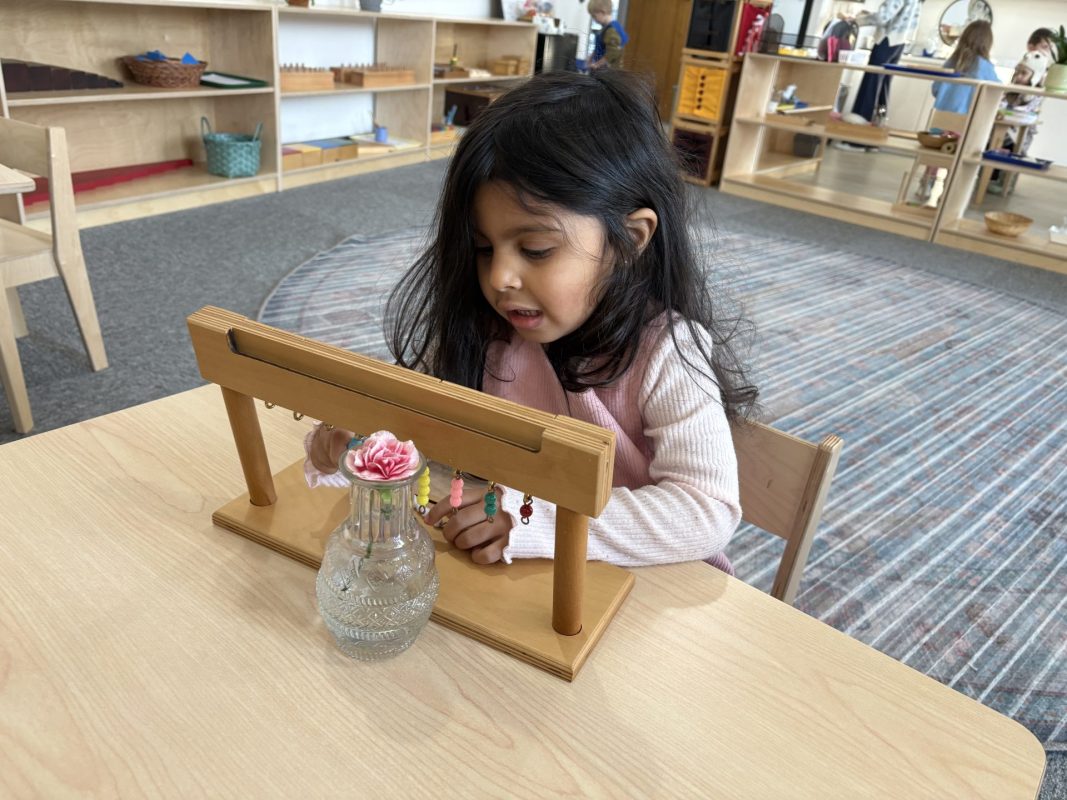
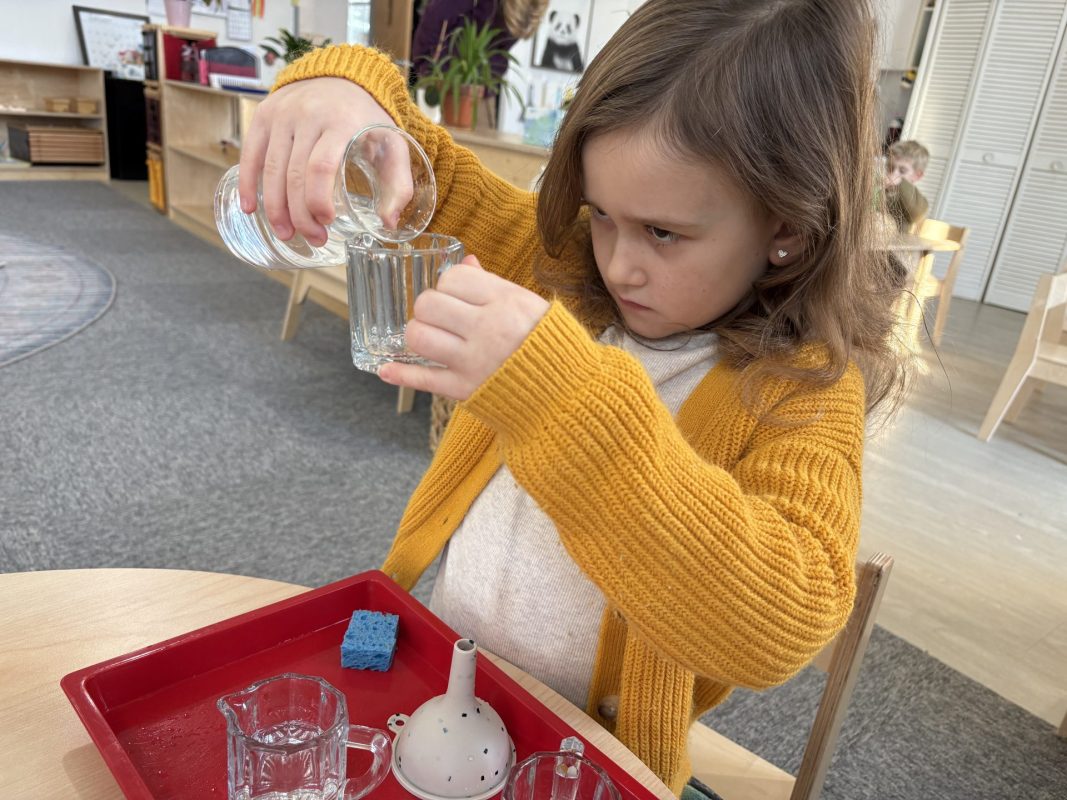
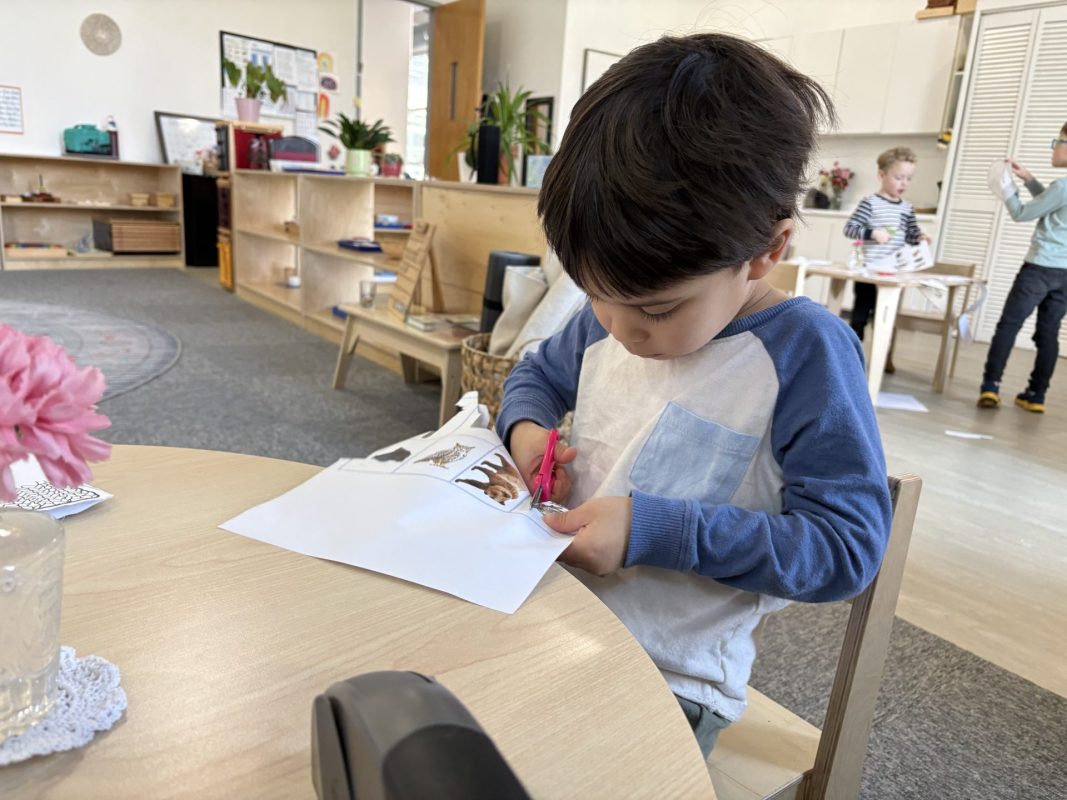
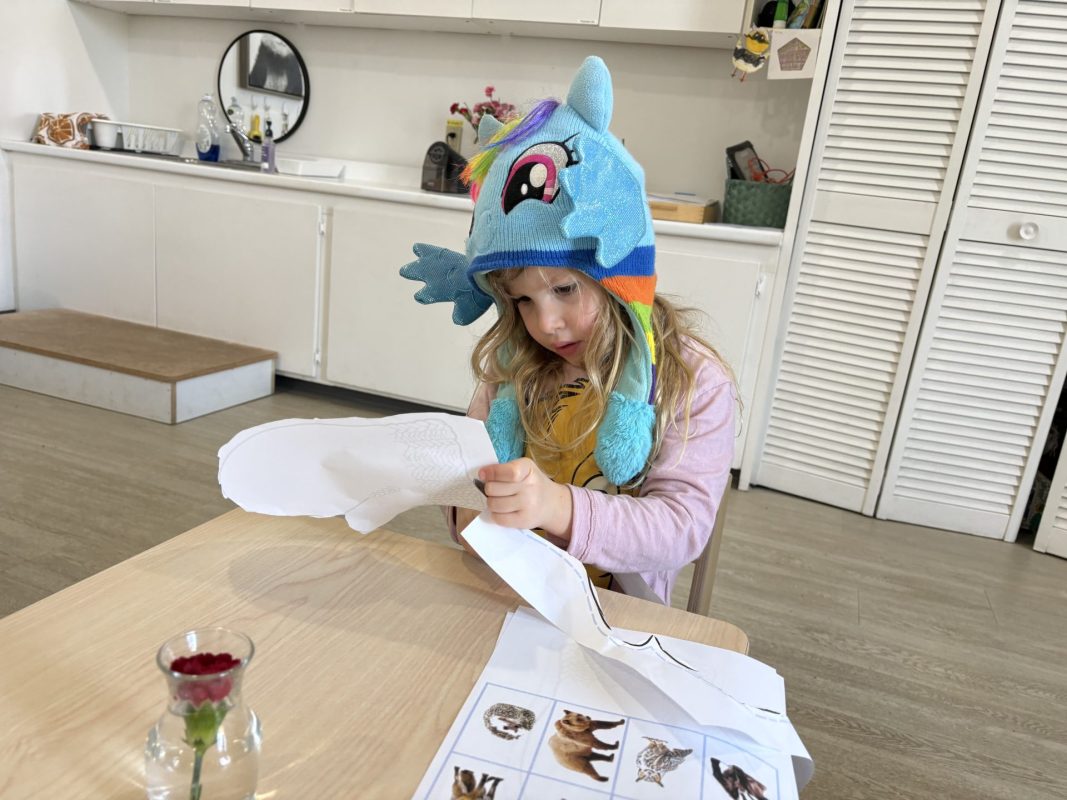
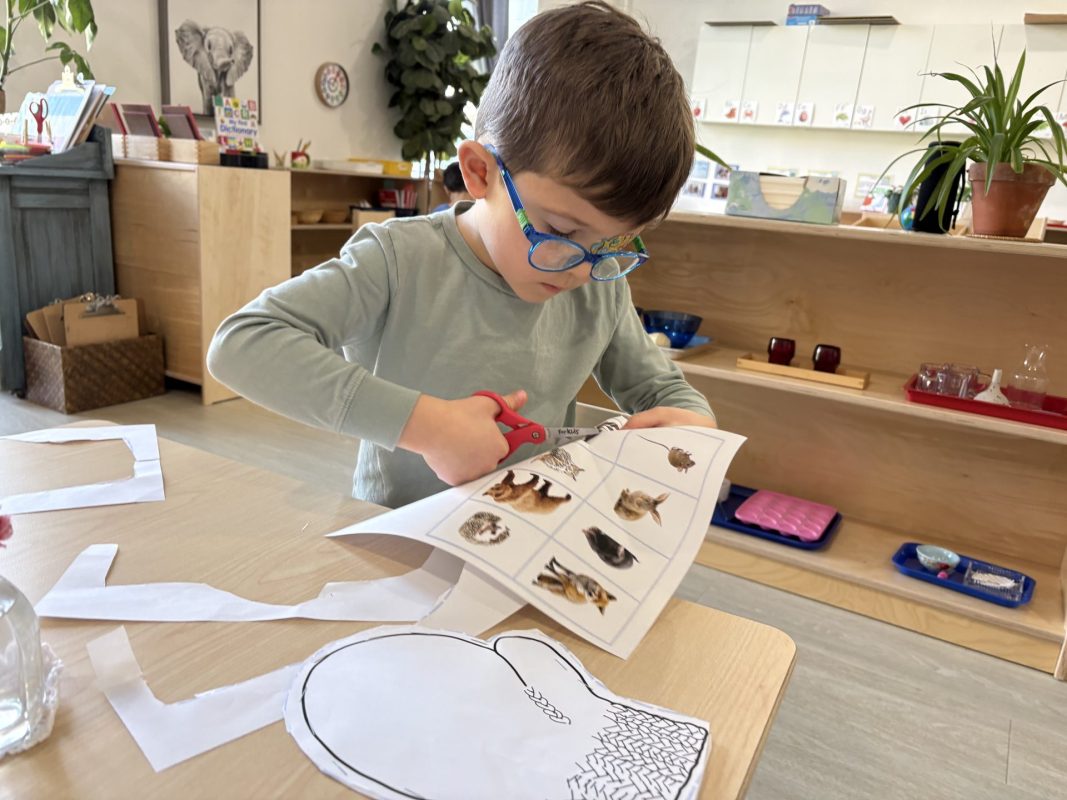
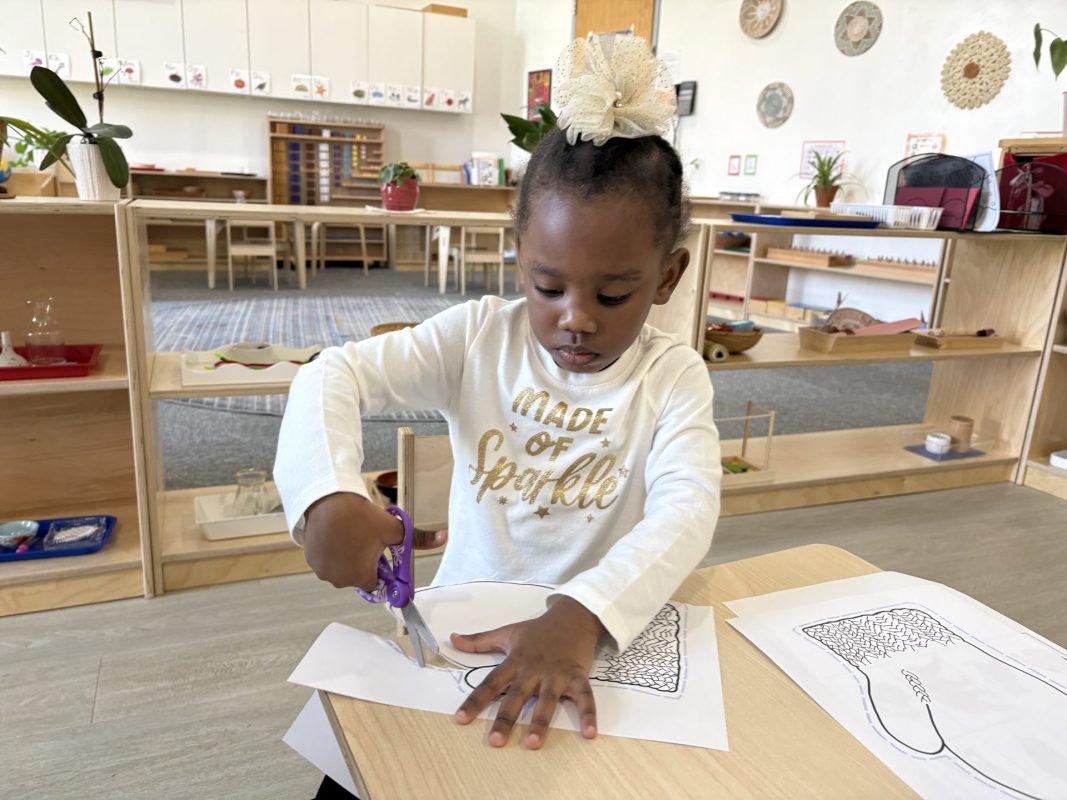
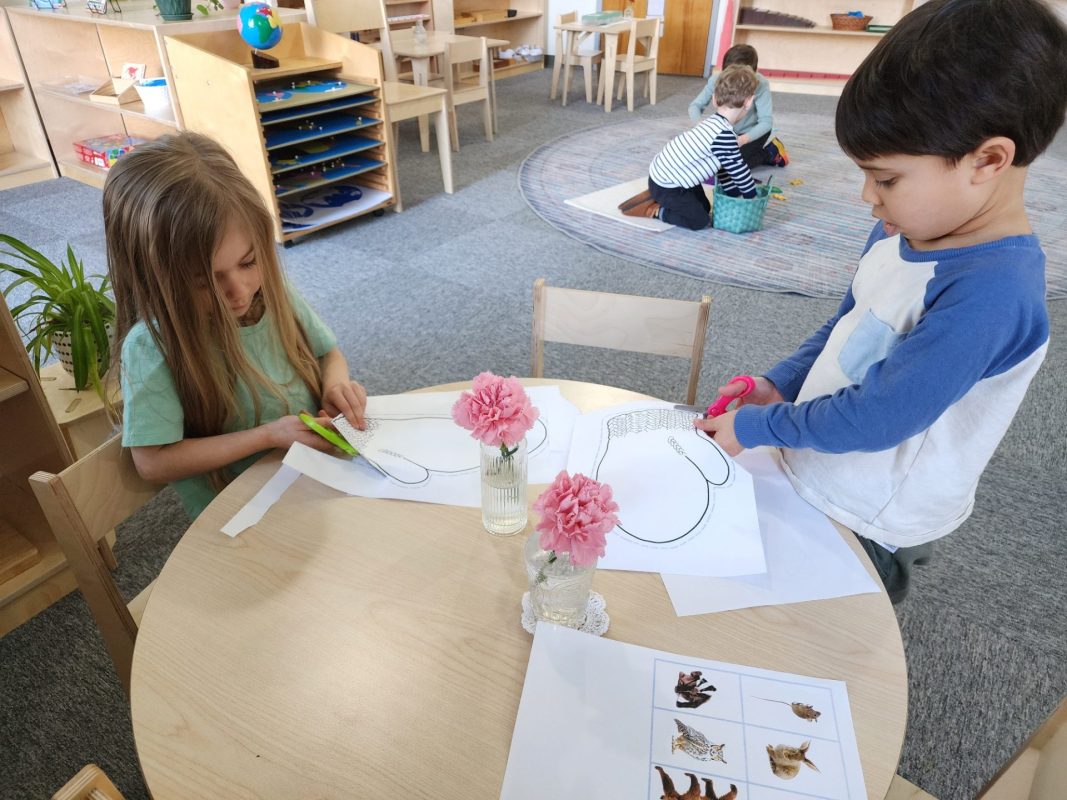
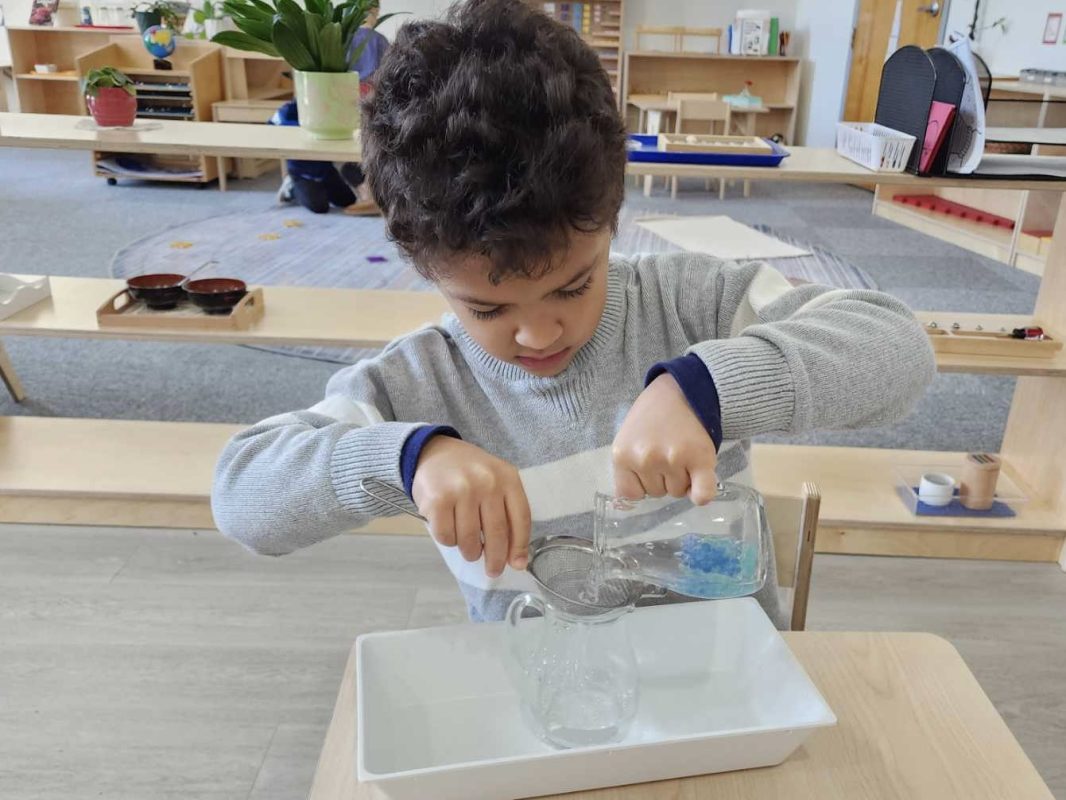
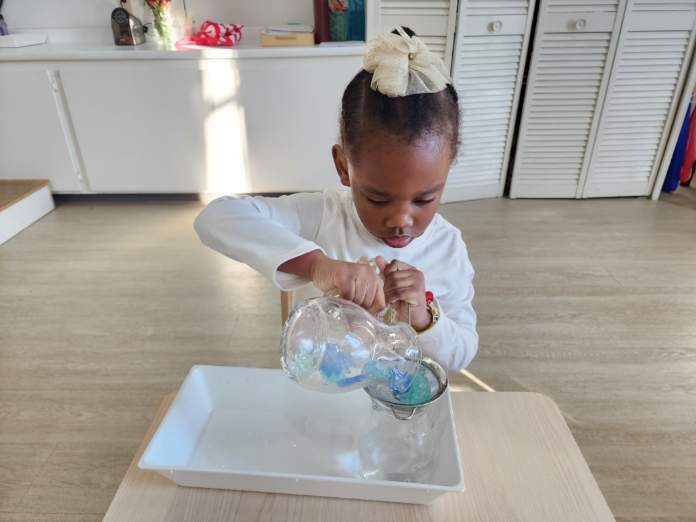
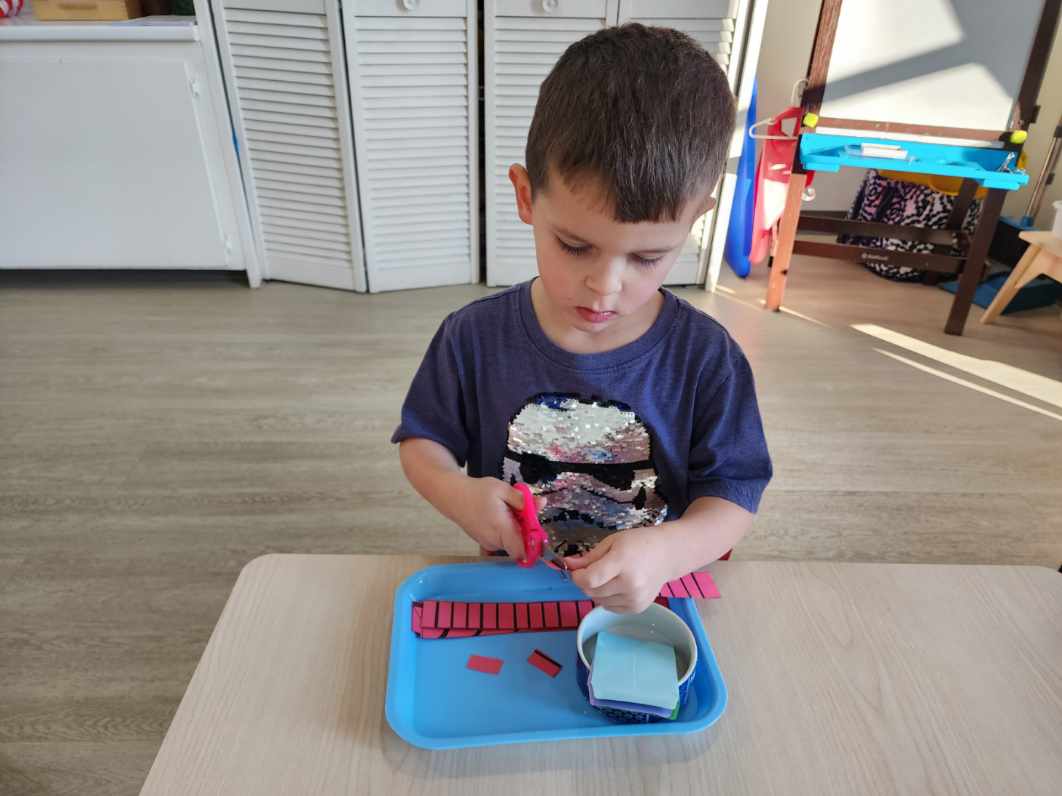
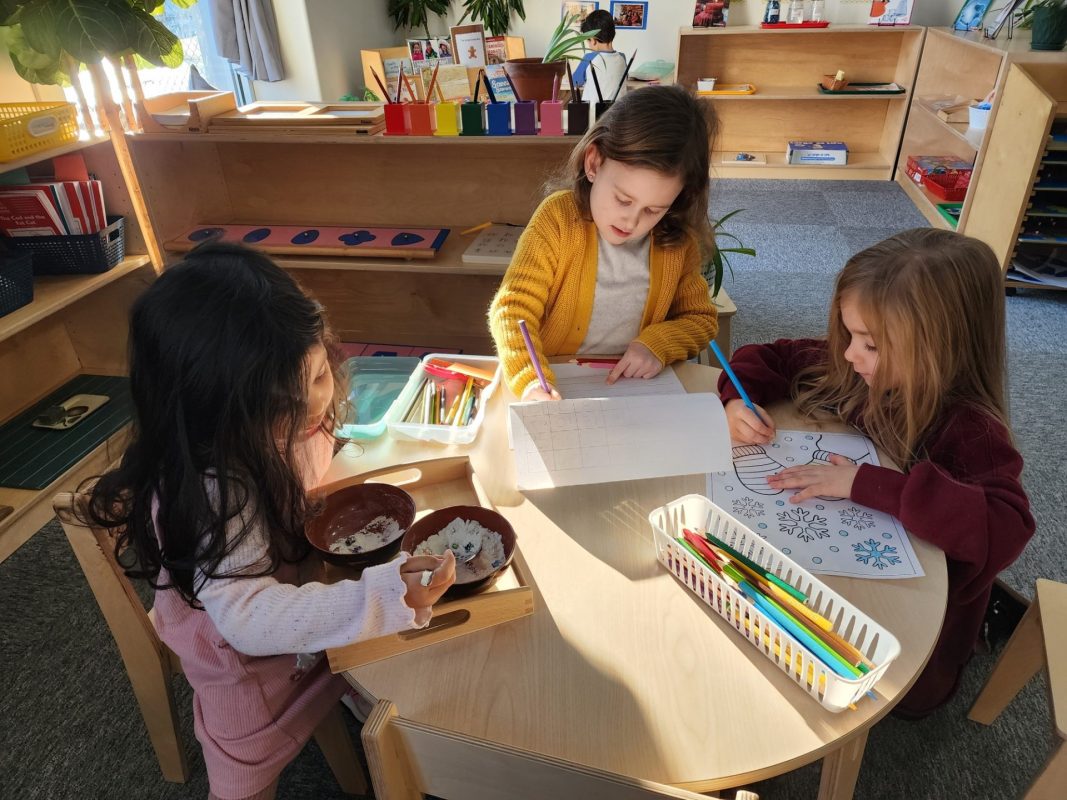
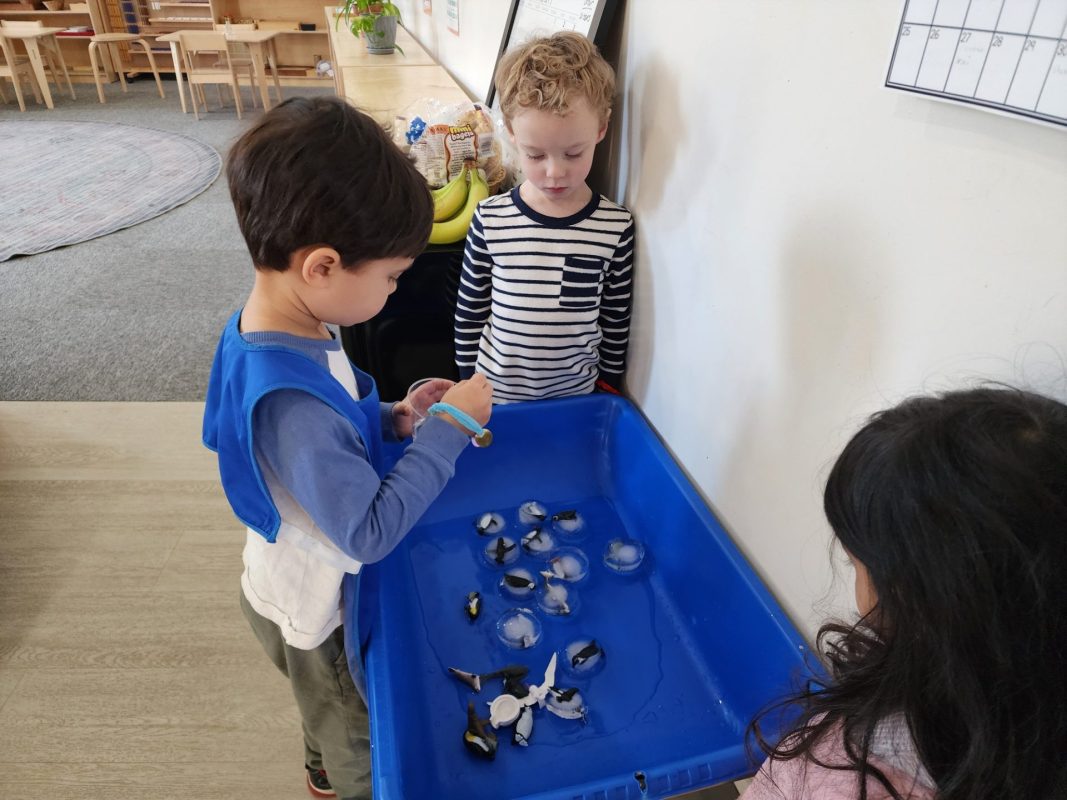
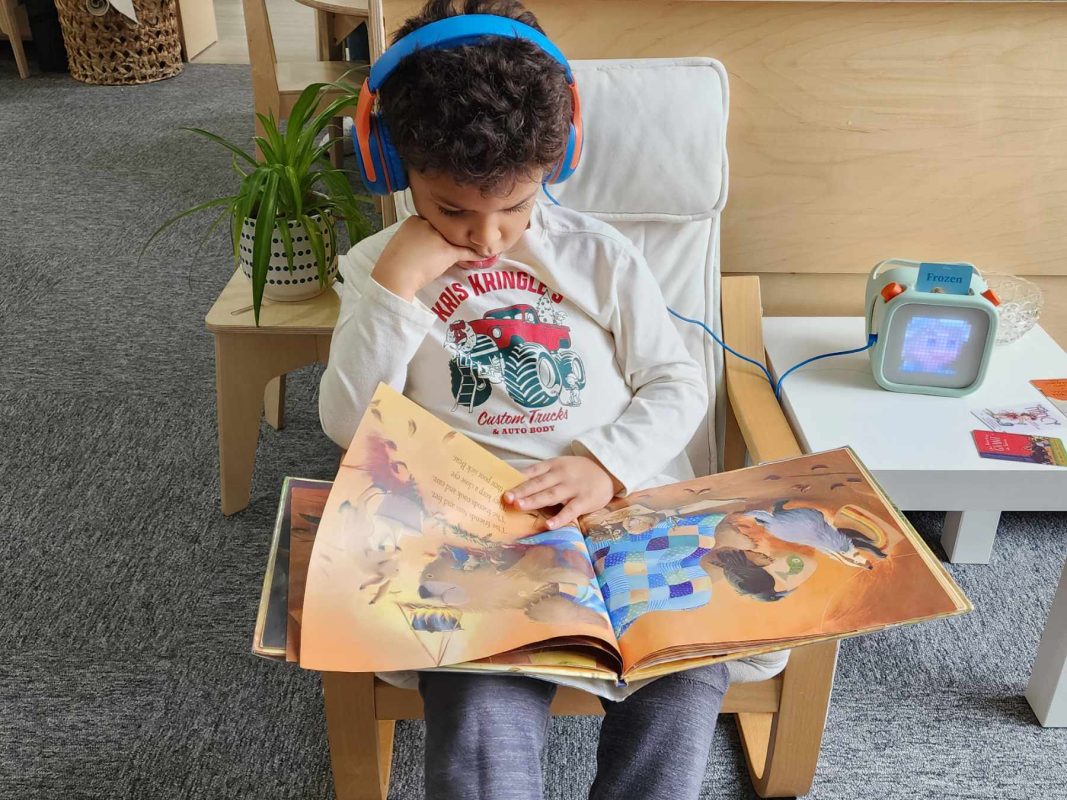
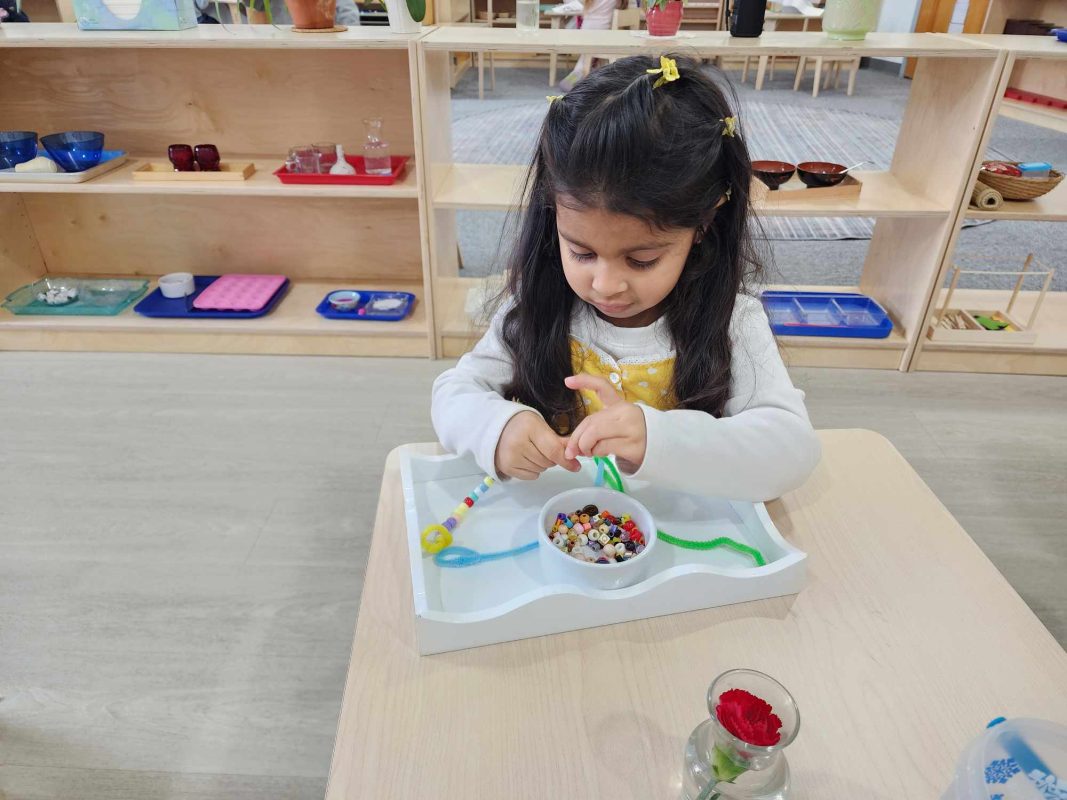
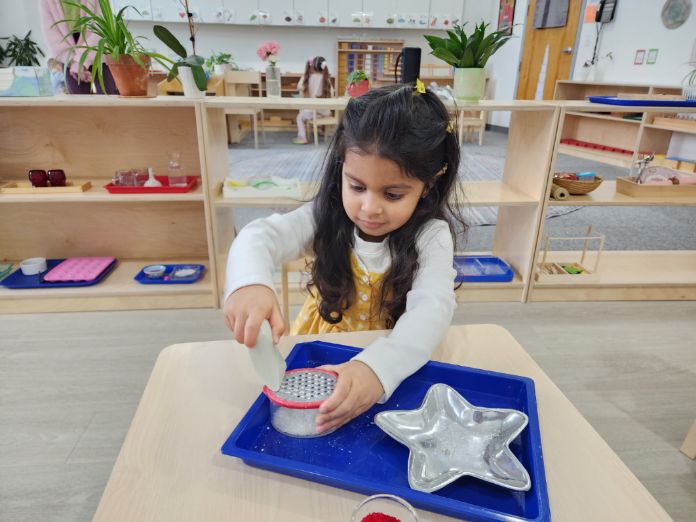
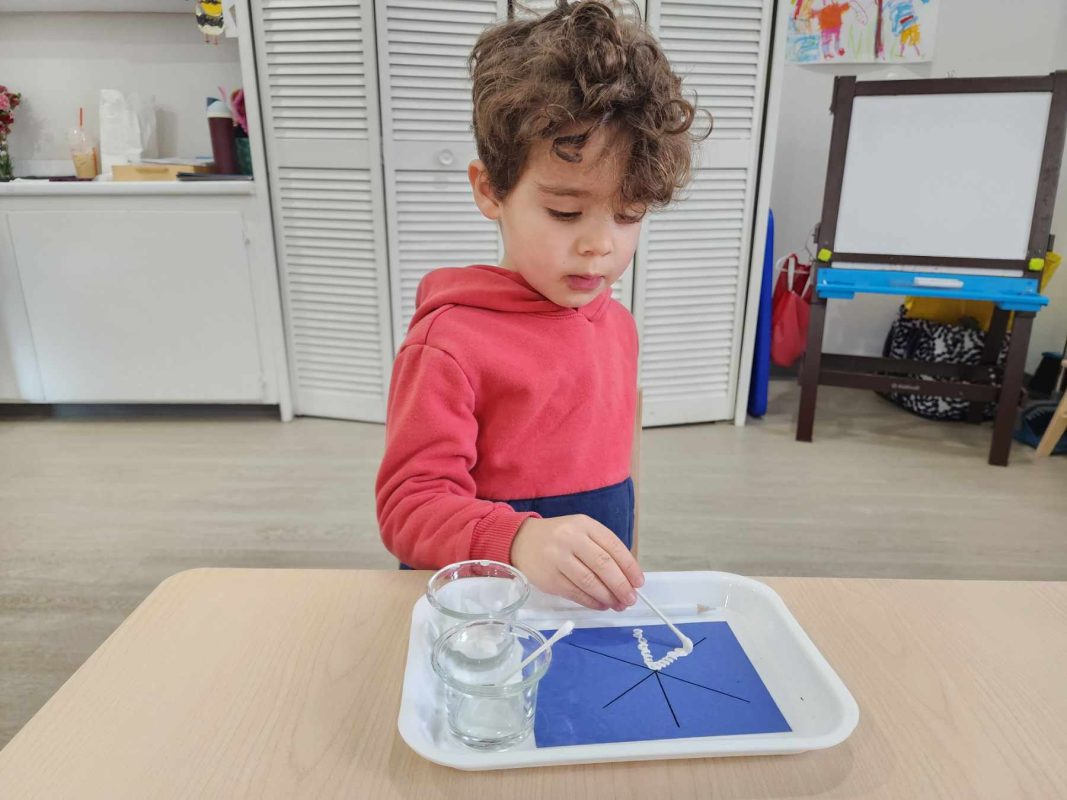
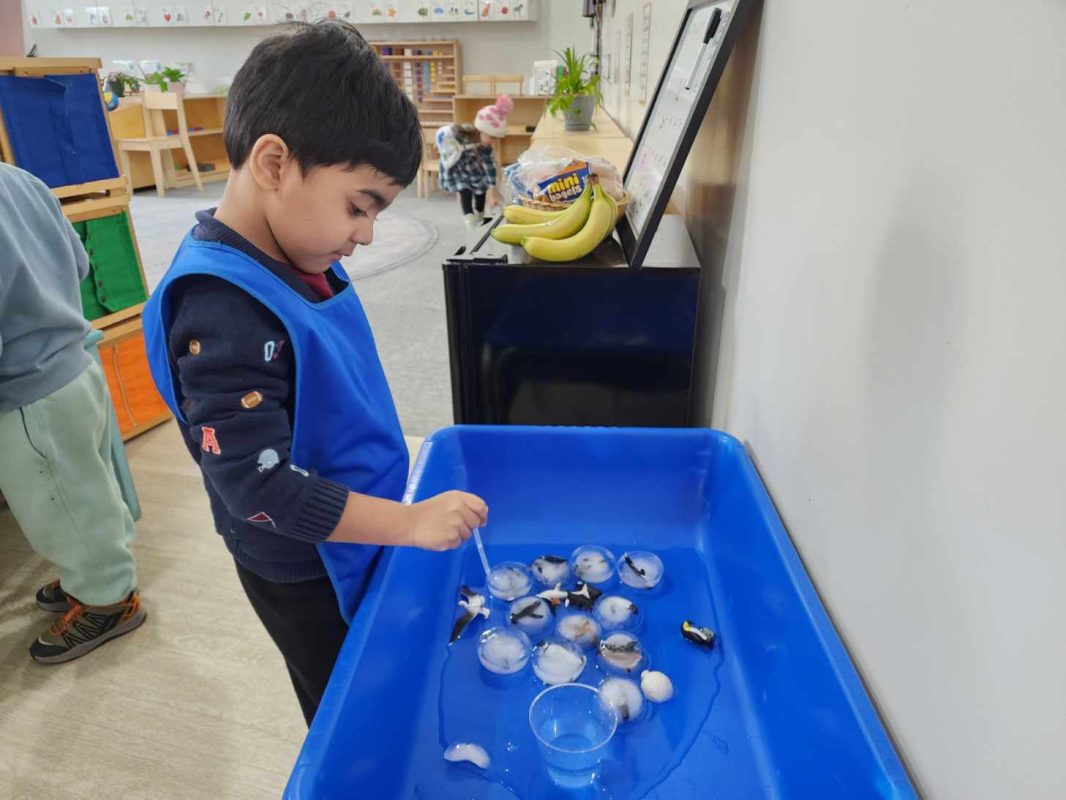
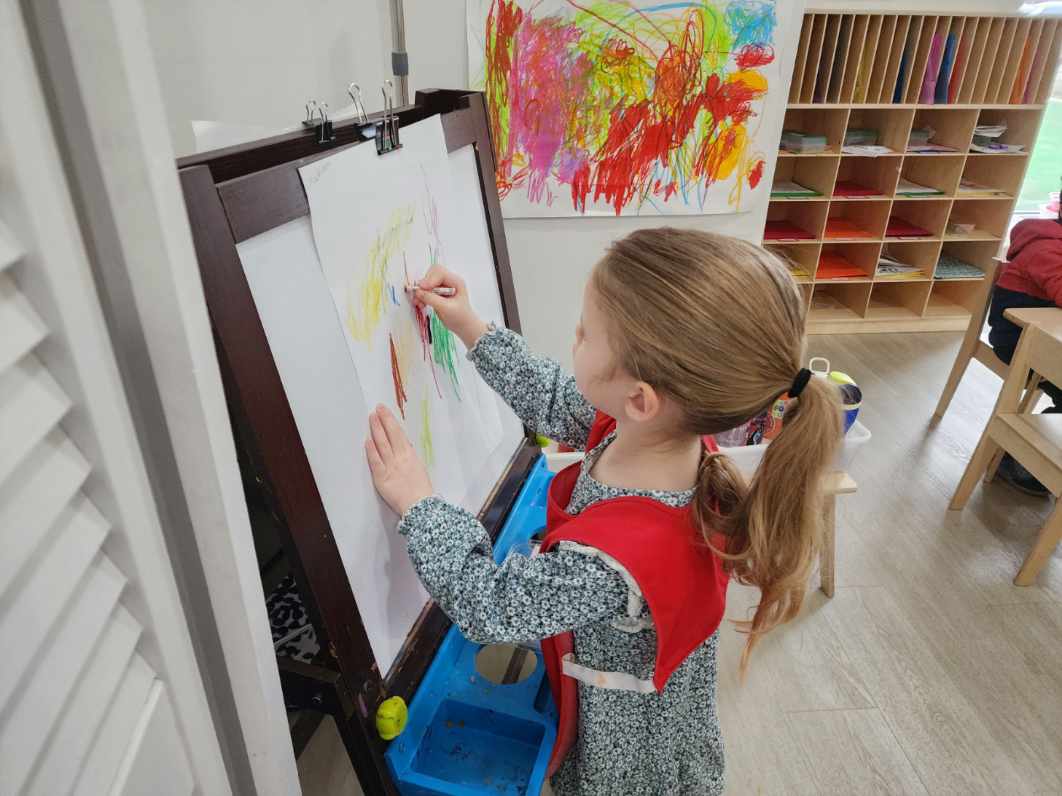
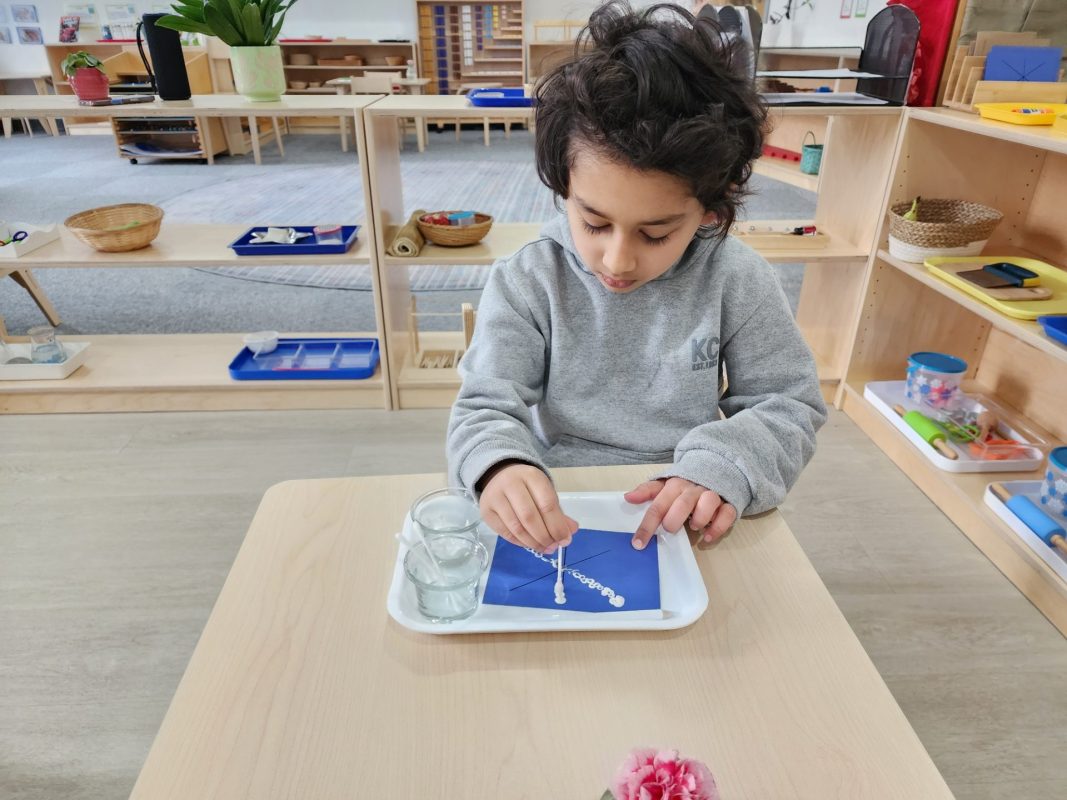
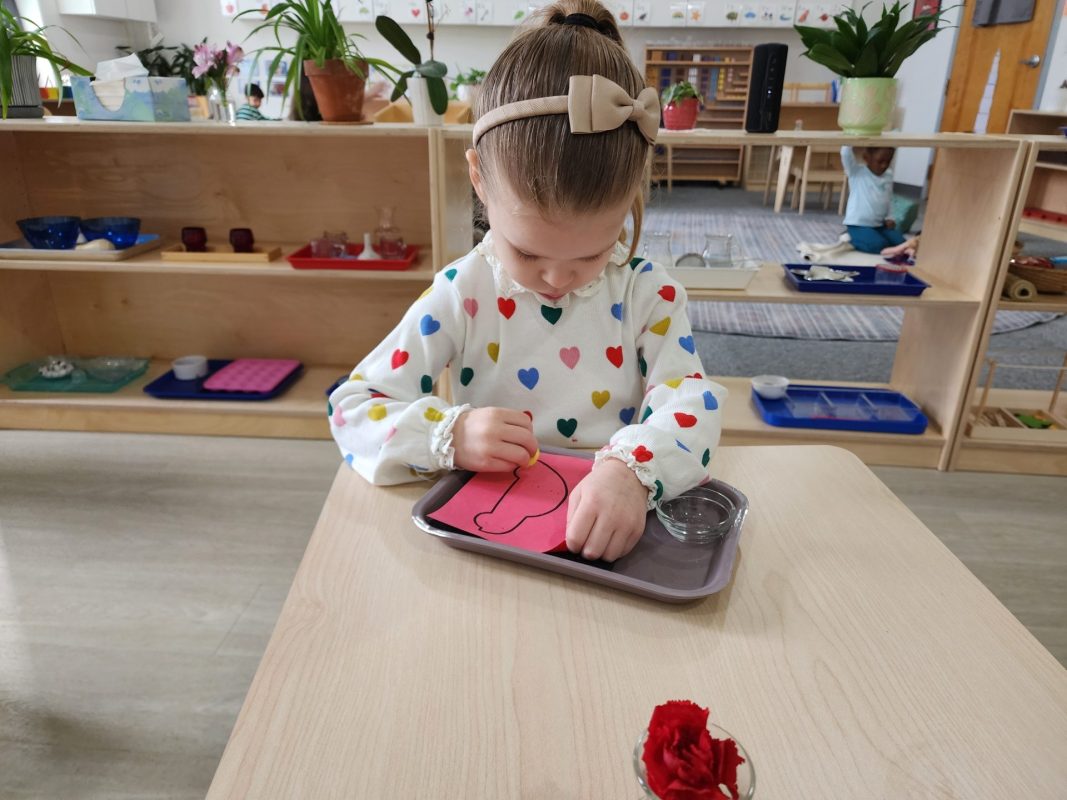
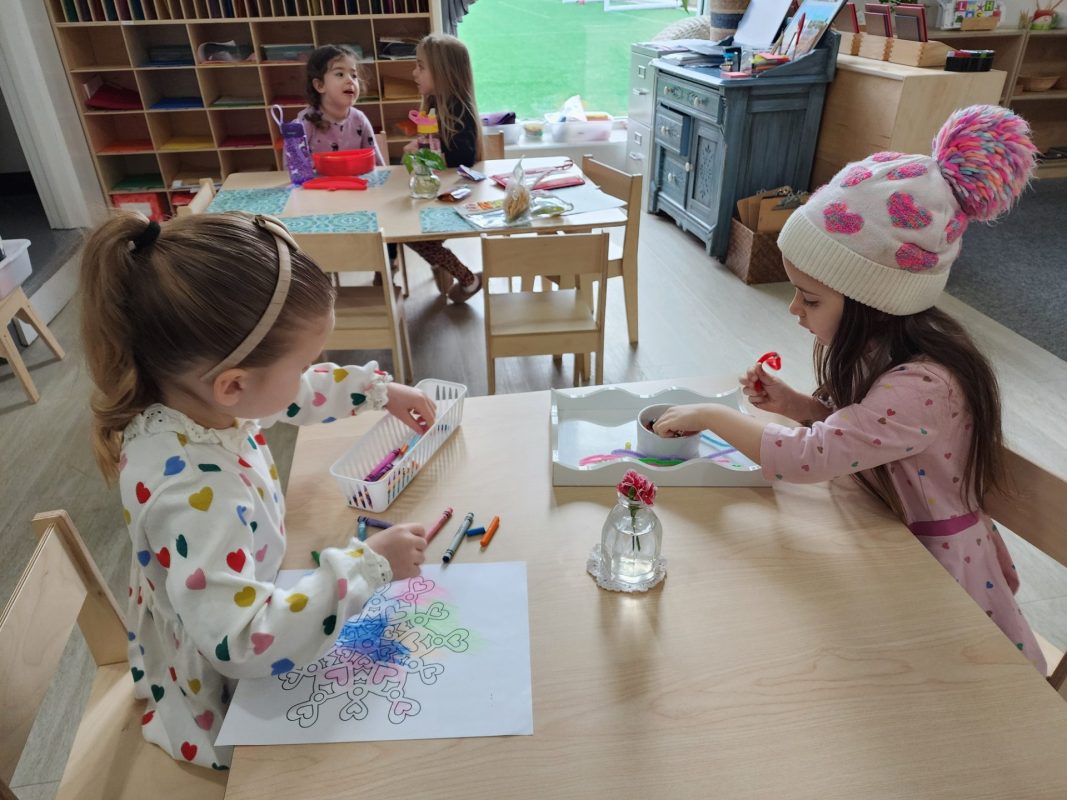
Walk into any Primary classroom during the morning work cycle, and you’ll see children in various states of joyful concentration. A student carefully pours water from pitcher to pitcher, repeating the motion two, three, four times—not because a teacher assigned it, but because something in the work calls to them. Watch long enough and you’ll see them return the work to the shelf with satisfaction, check in with a friend, maybe grab a snack, then peruse the shelves for what’s next.
Another child works with the long red rods—carrying each rod, one at a time, from the shelf to their workspace, arranging them in sequence from shortest to longest. The rods themselves demand movement, and through that movement, children internalize concepts of length, sequence, and order through their entire bodies, not just their minds.
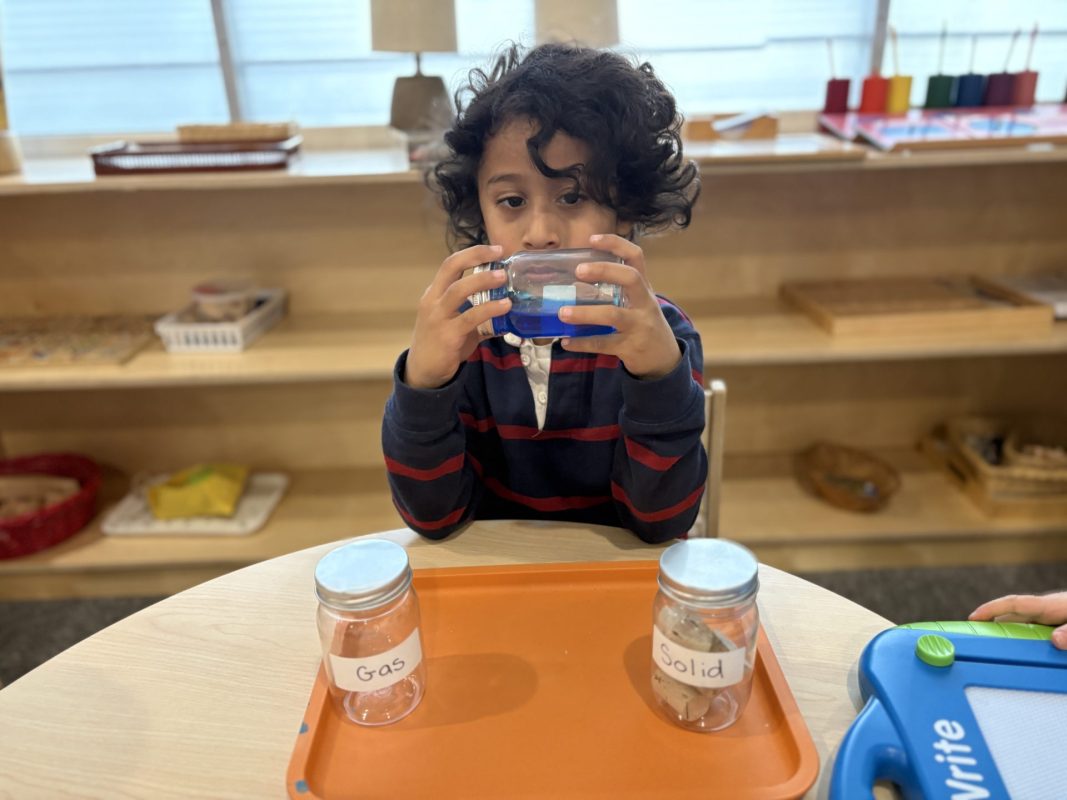
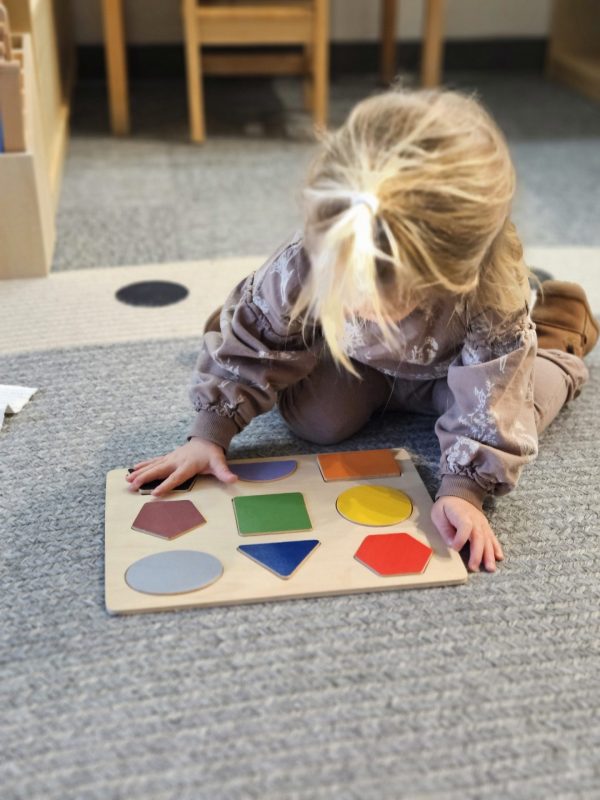
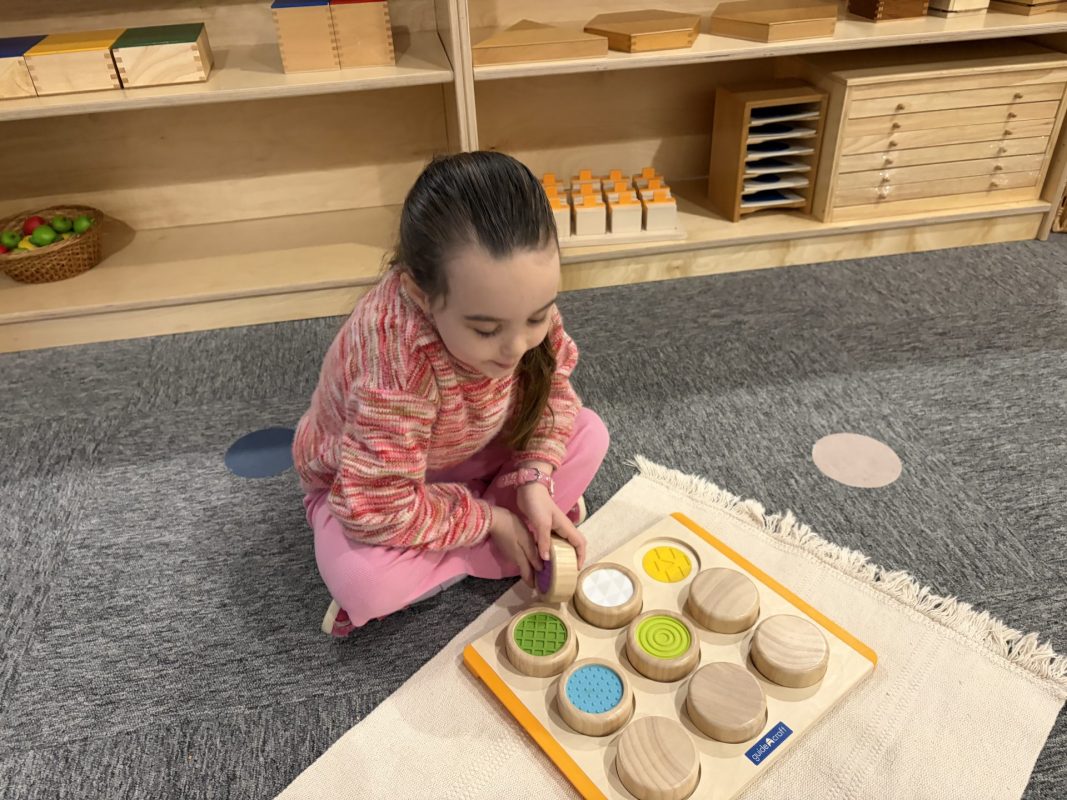
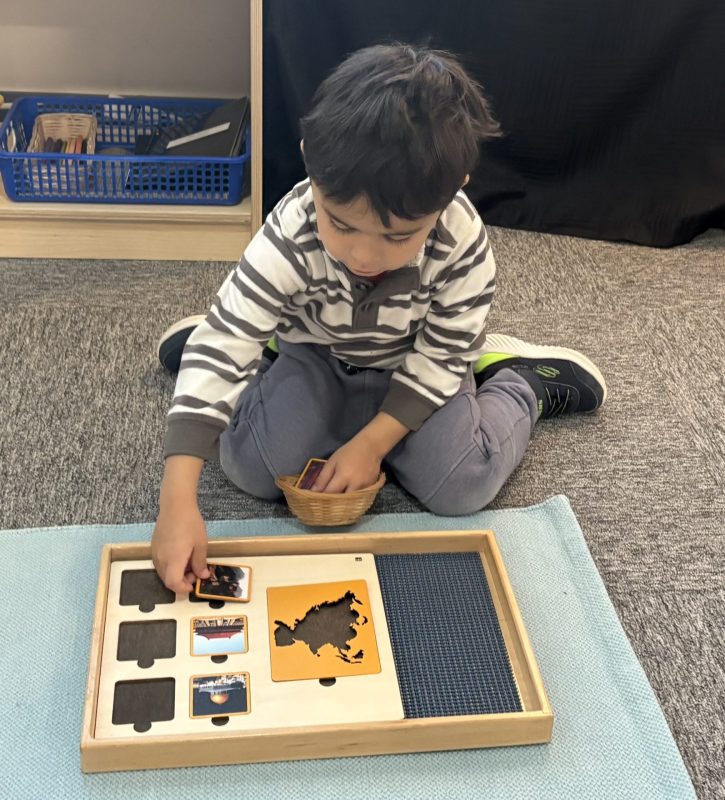
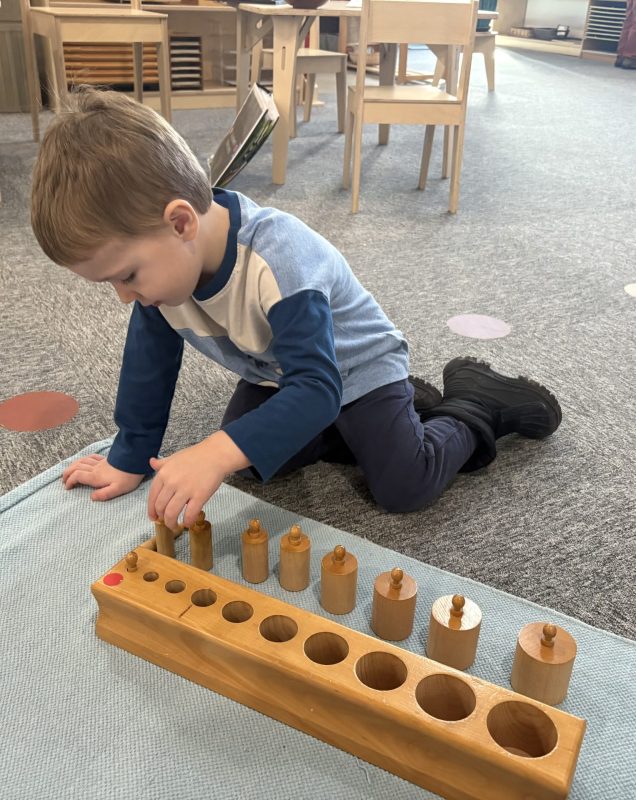
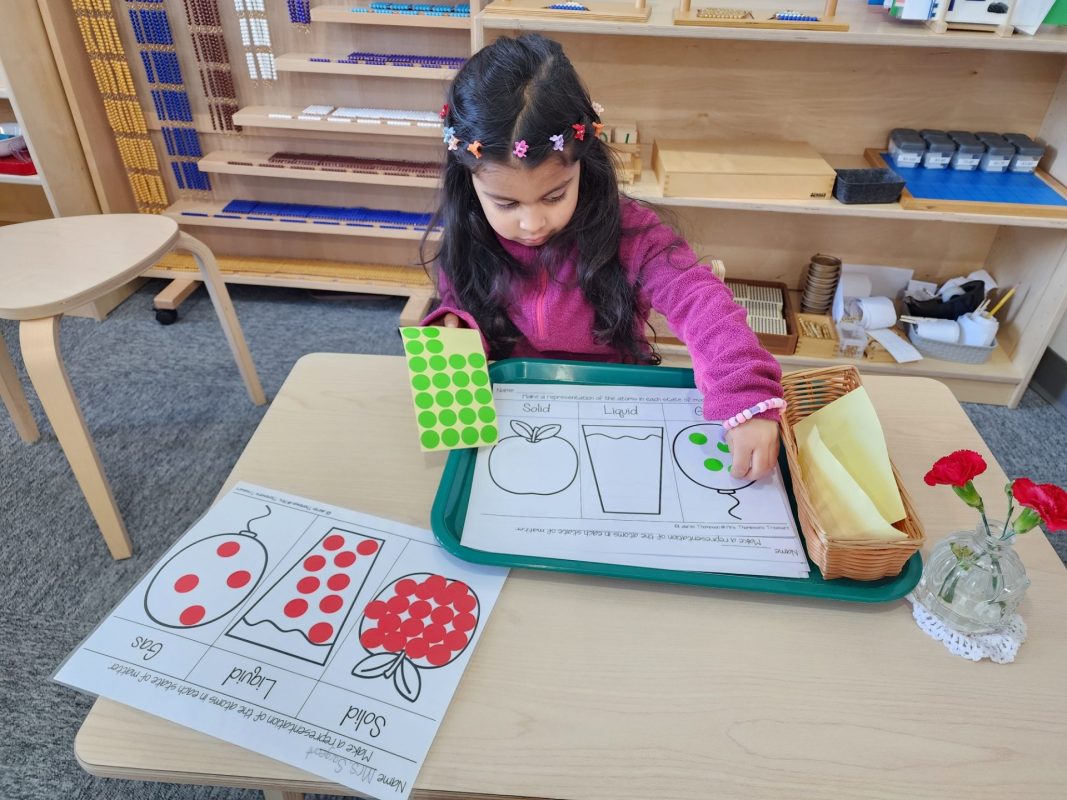
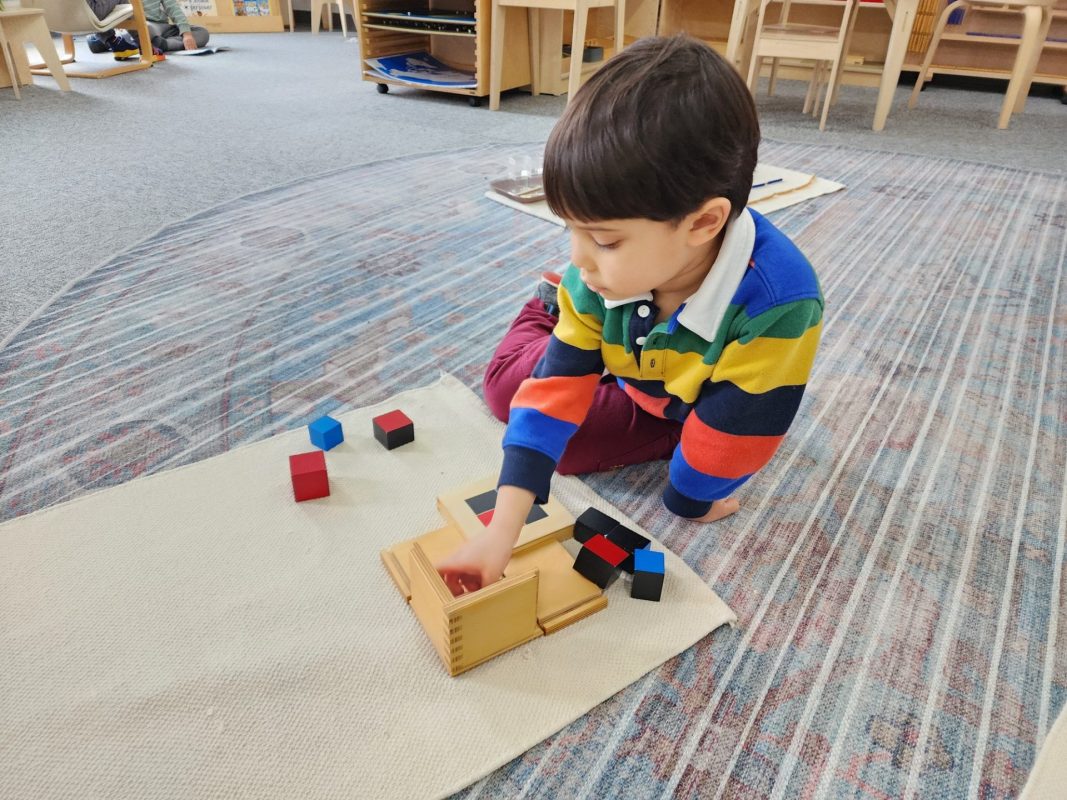
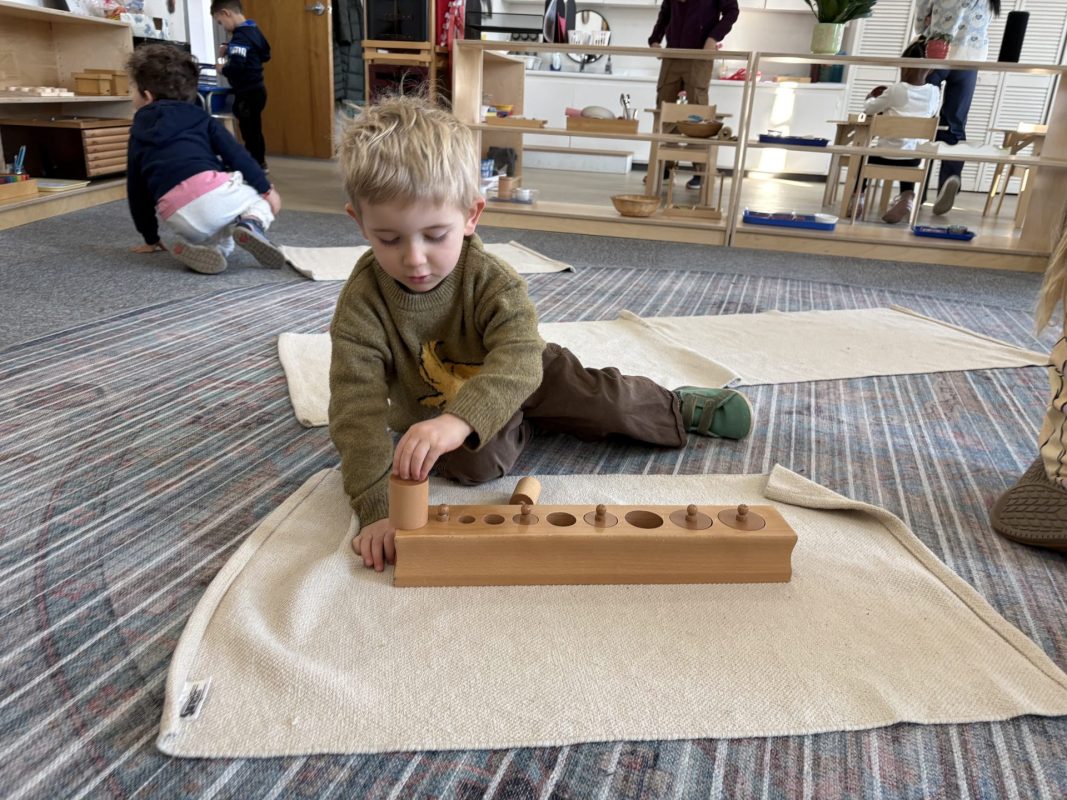
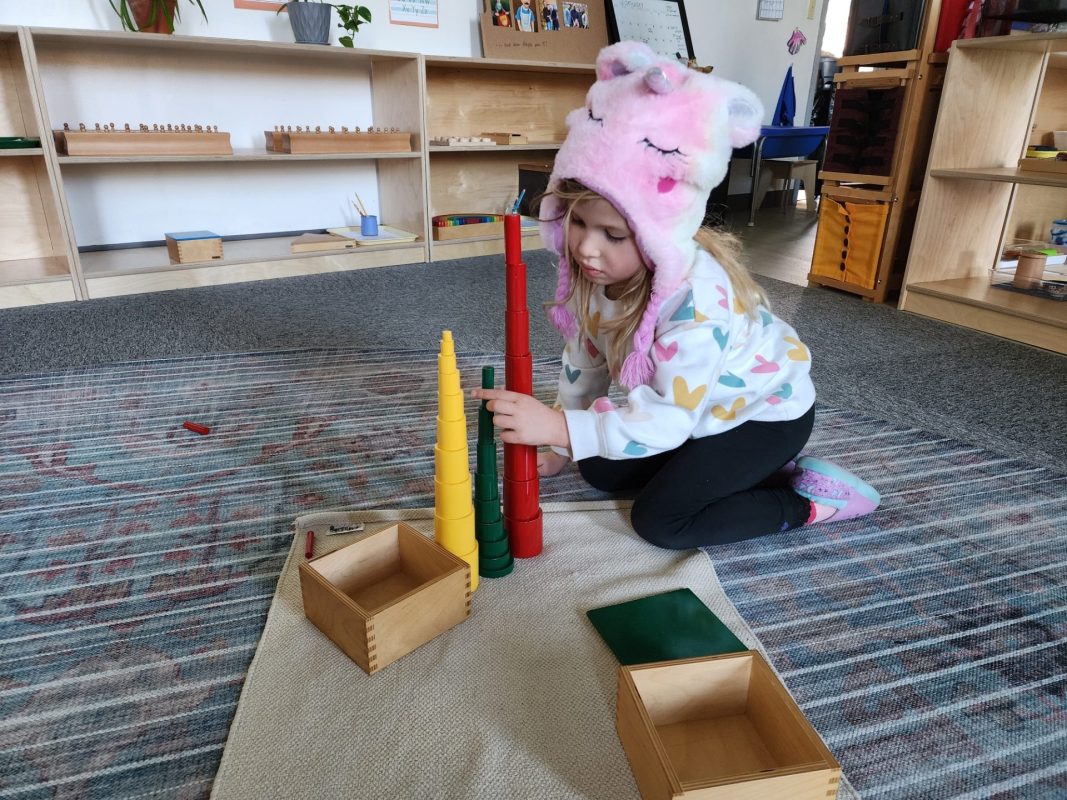
This is true of so many materials—the pink tower cubes that must be carried and stacked, the color tablets that require walking to compare shades in different lights, the sound cylinders that children shake and match. Dr. Montessori designed these materials this way intentionally. She understood that young children don’t learn through passive observation—they learn through their senses and through movement.
From Toddlers to Adolescents
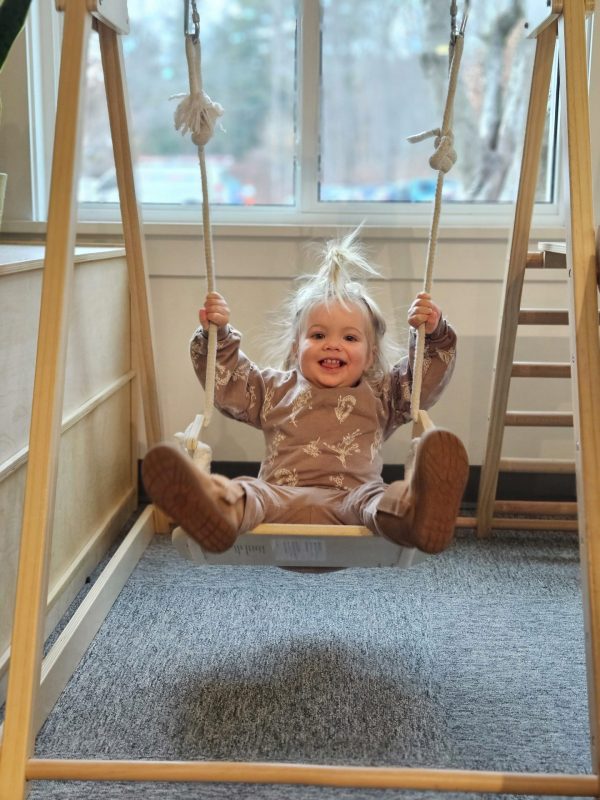
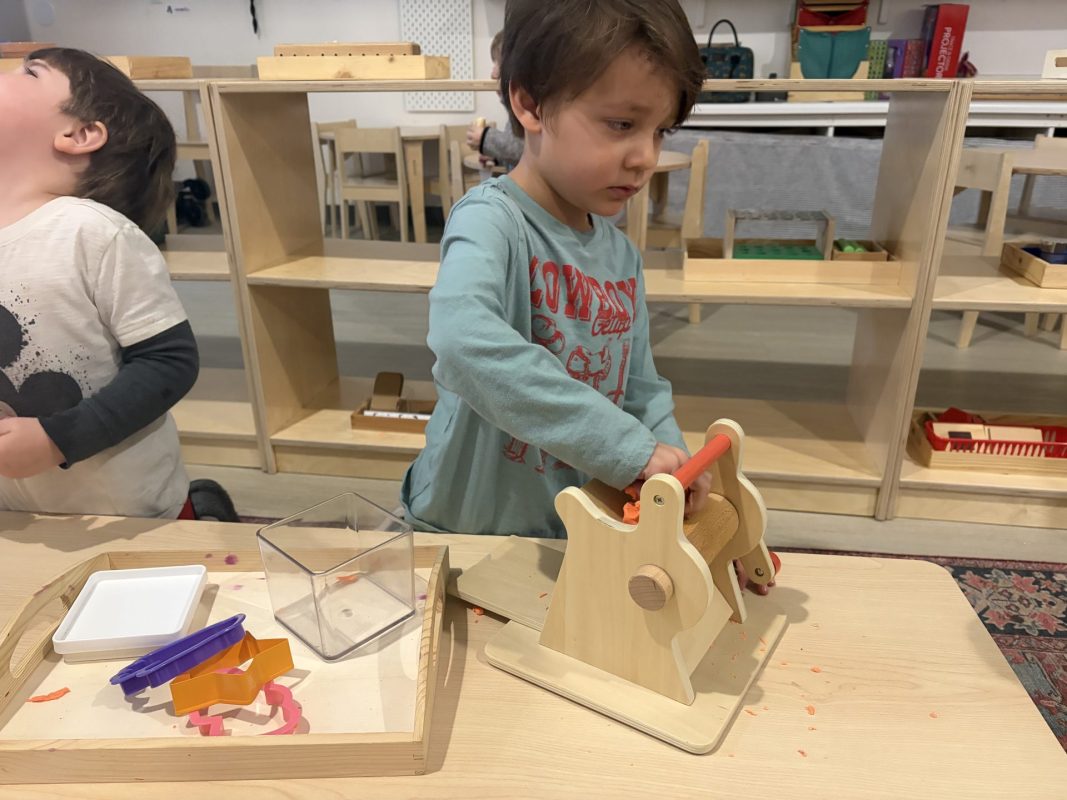
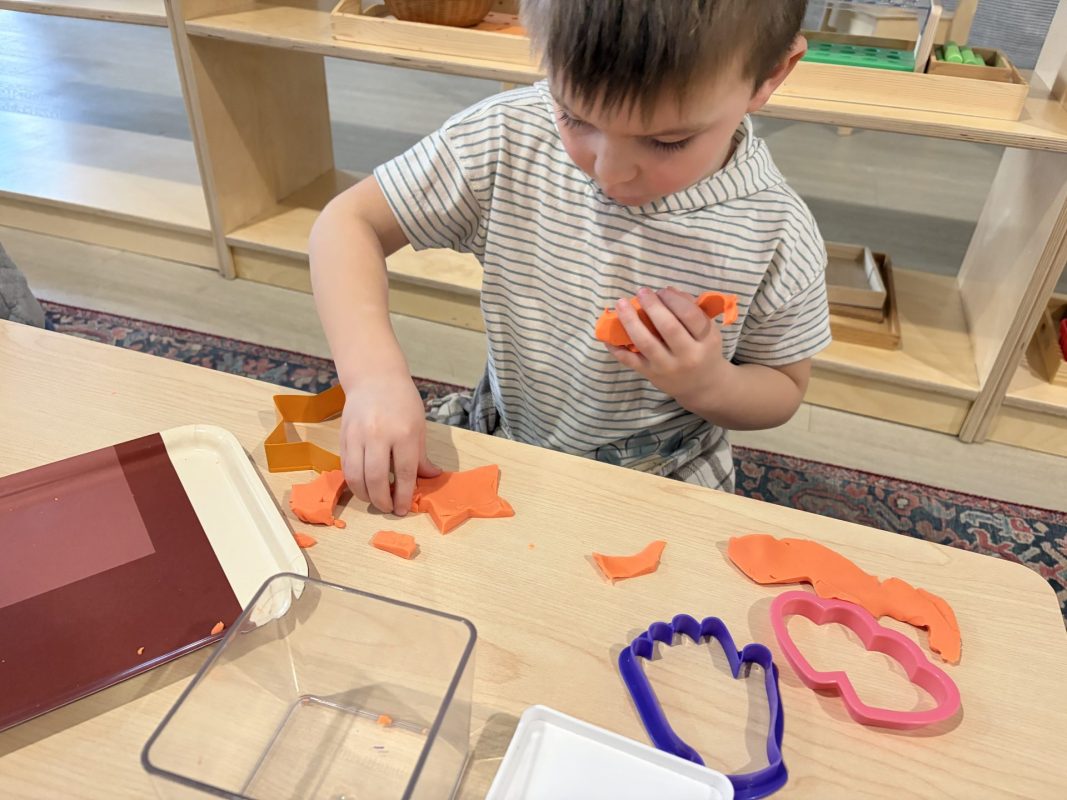
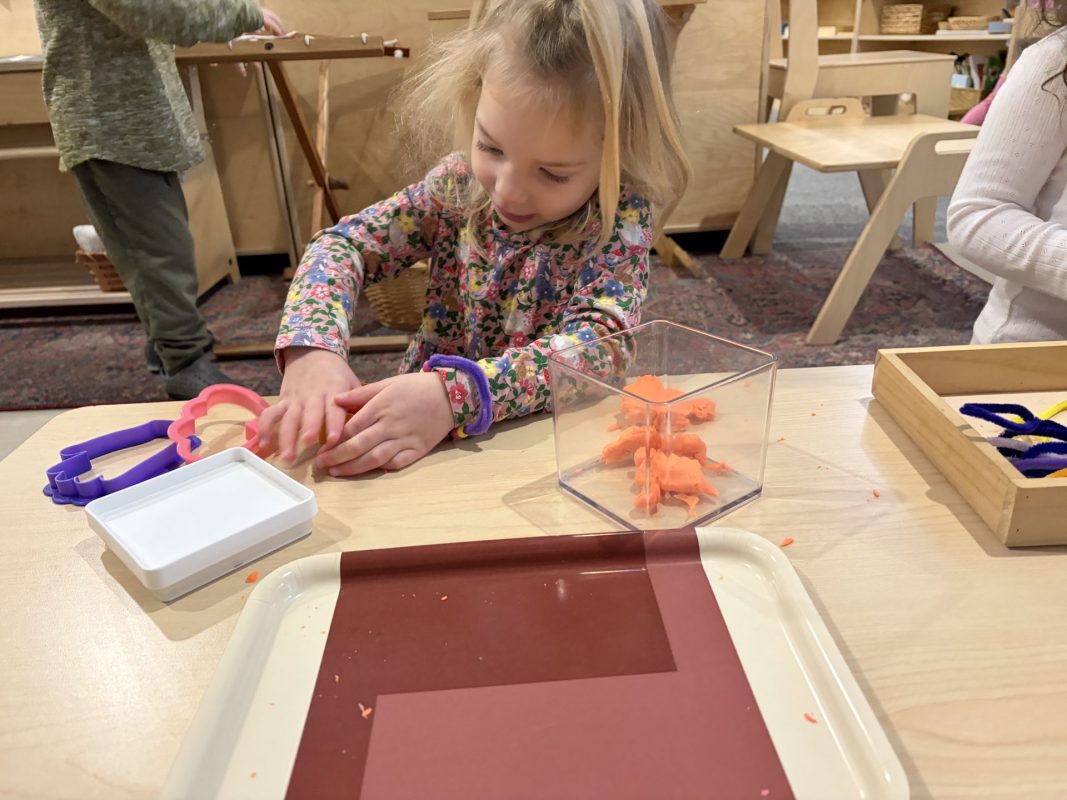
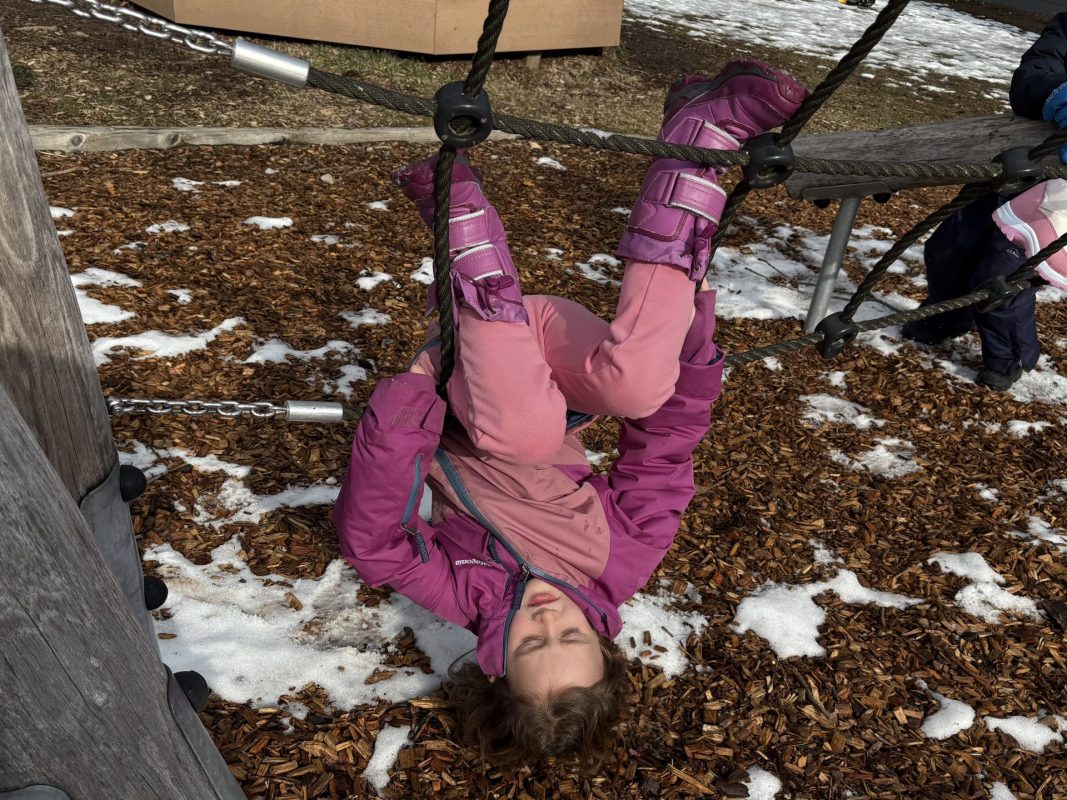
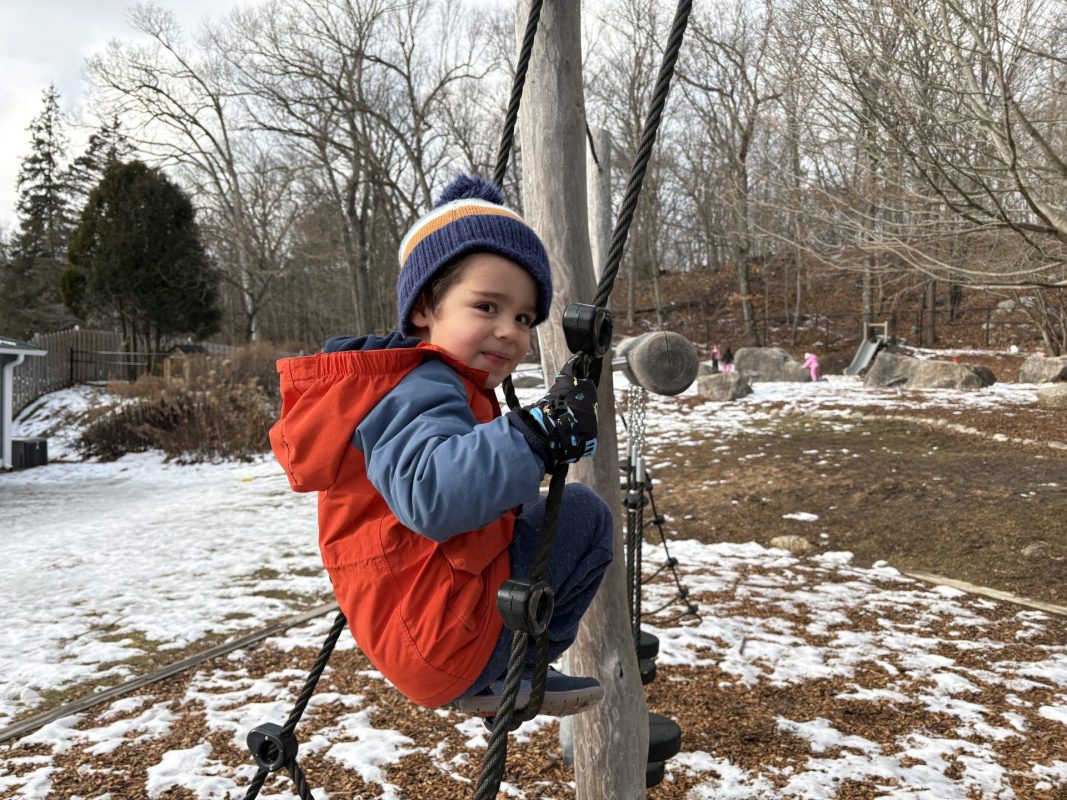
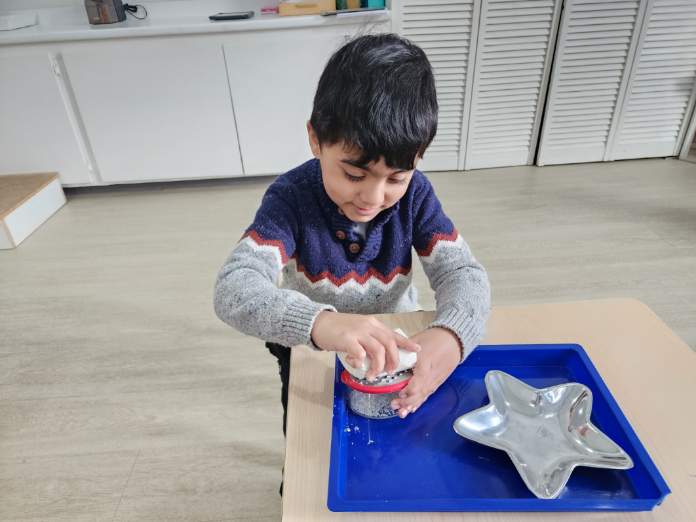
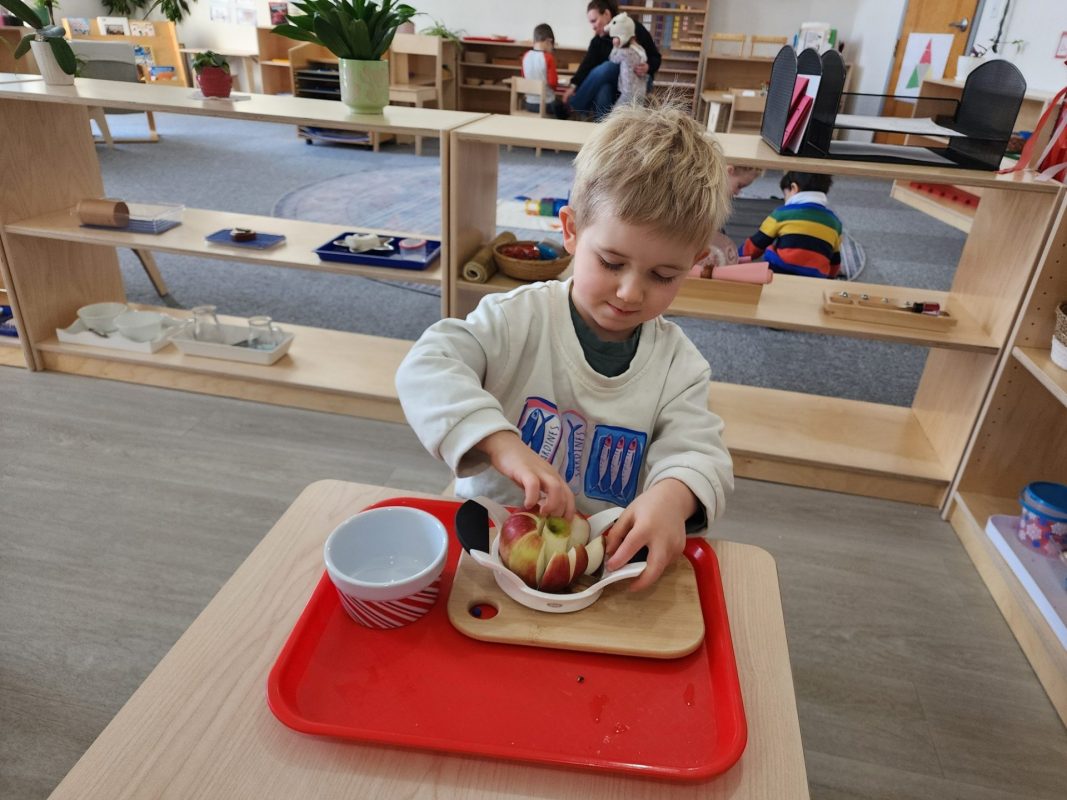
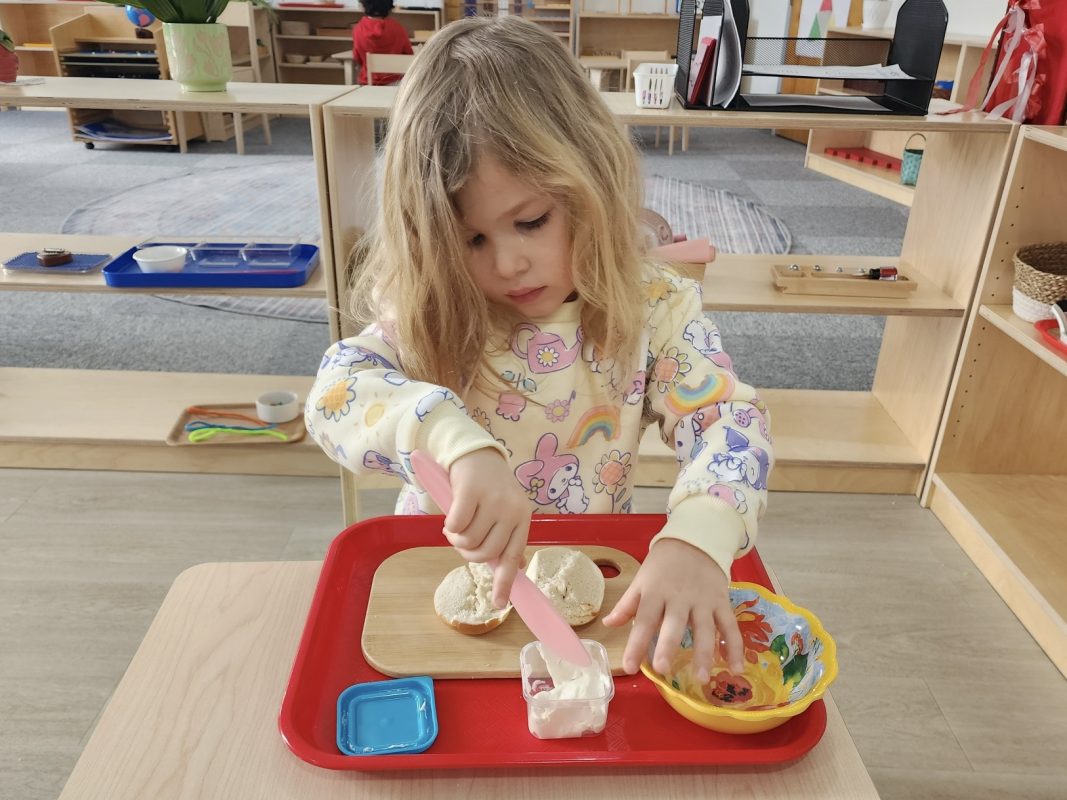
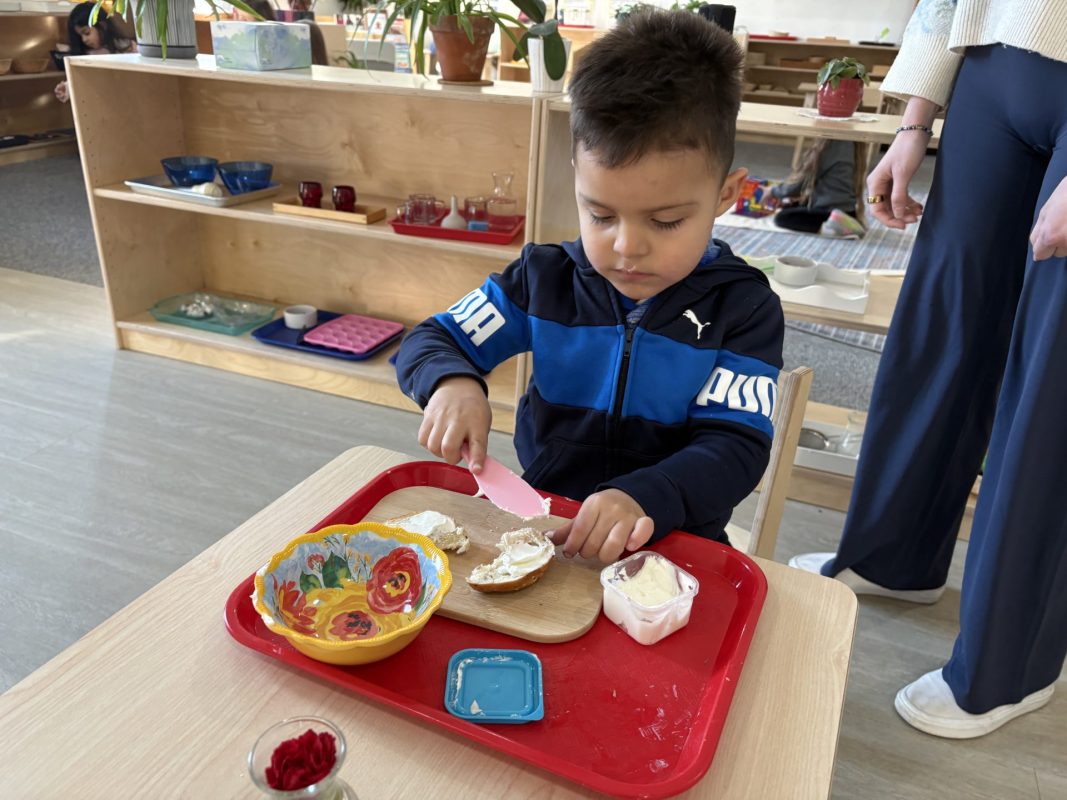
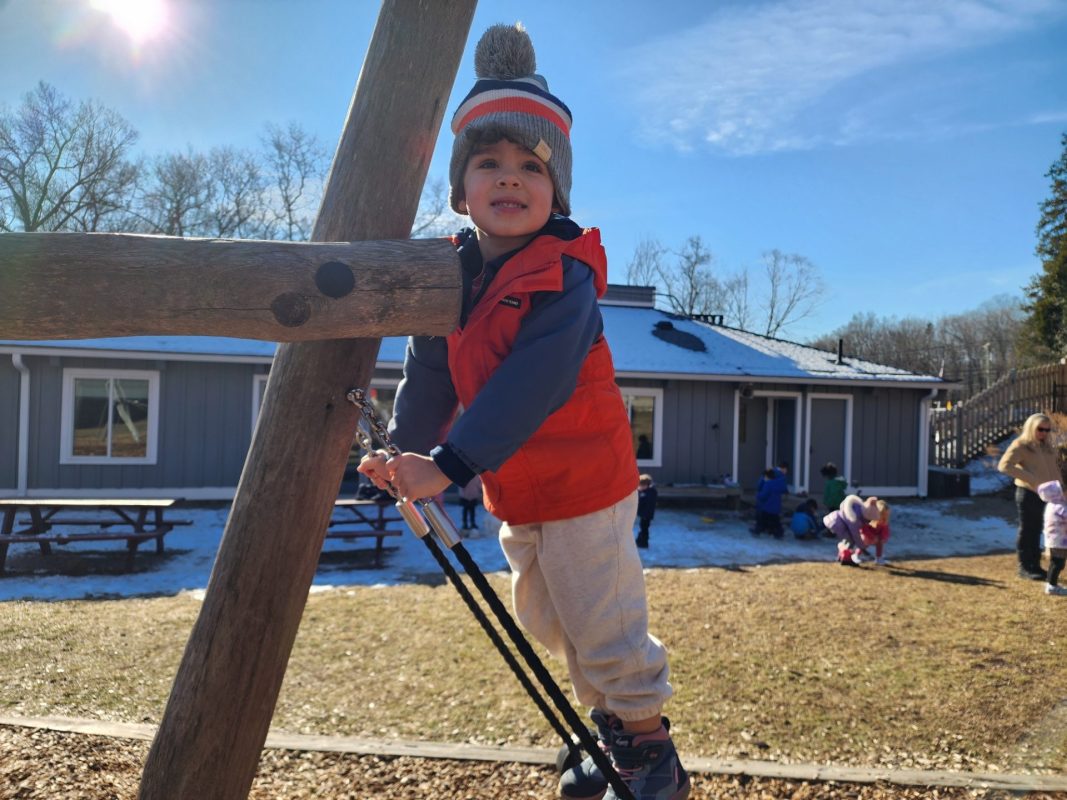
Our toddlers aren’t sitting at tables to learn—they’re baking that focaccia bread together, hands deep in dough. They’re climbing structures that build both gross motor skills and spatial reasoning simultaneously.
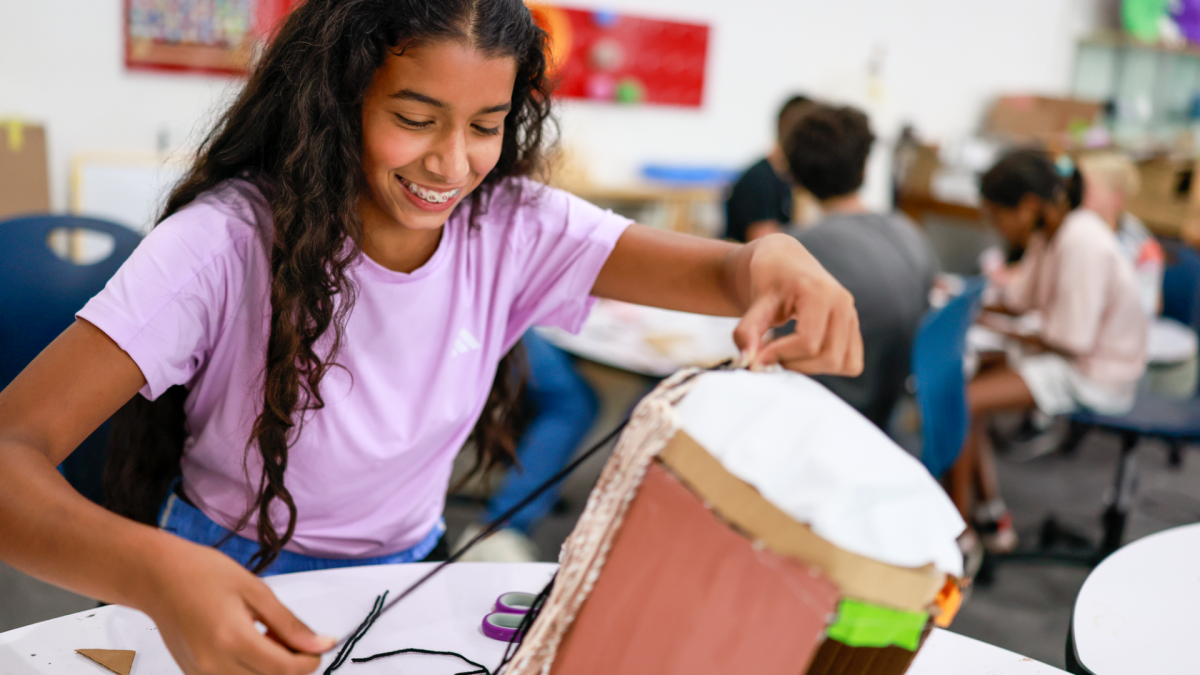
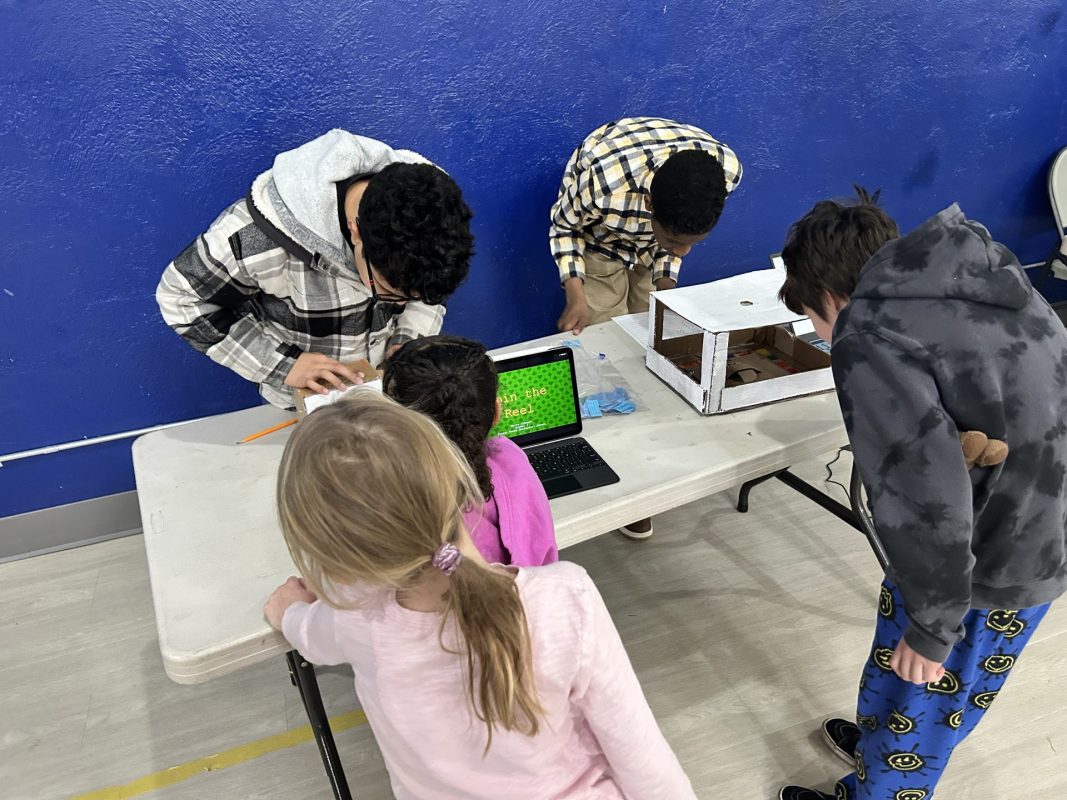
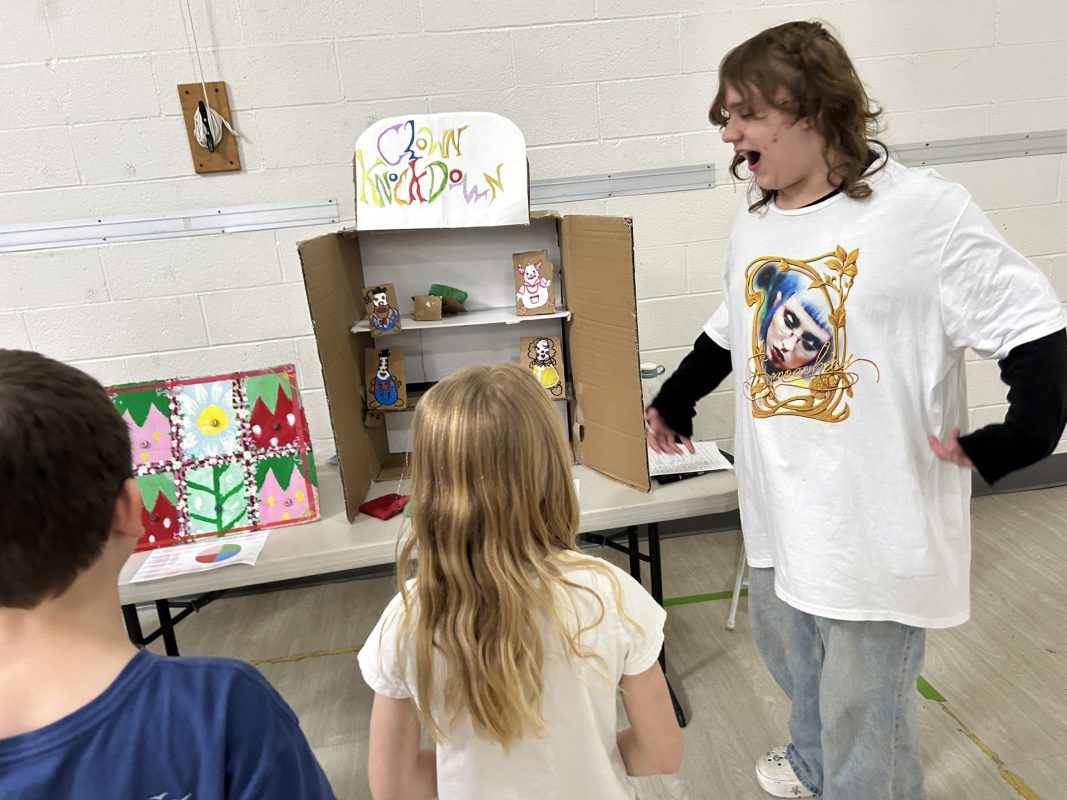
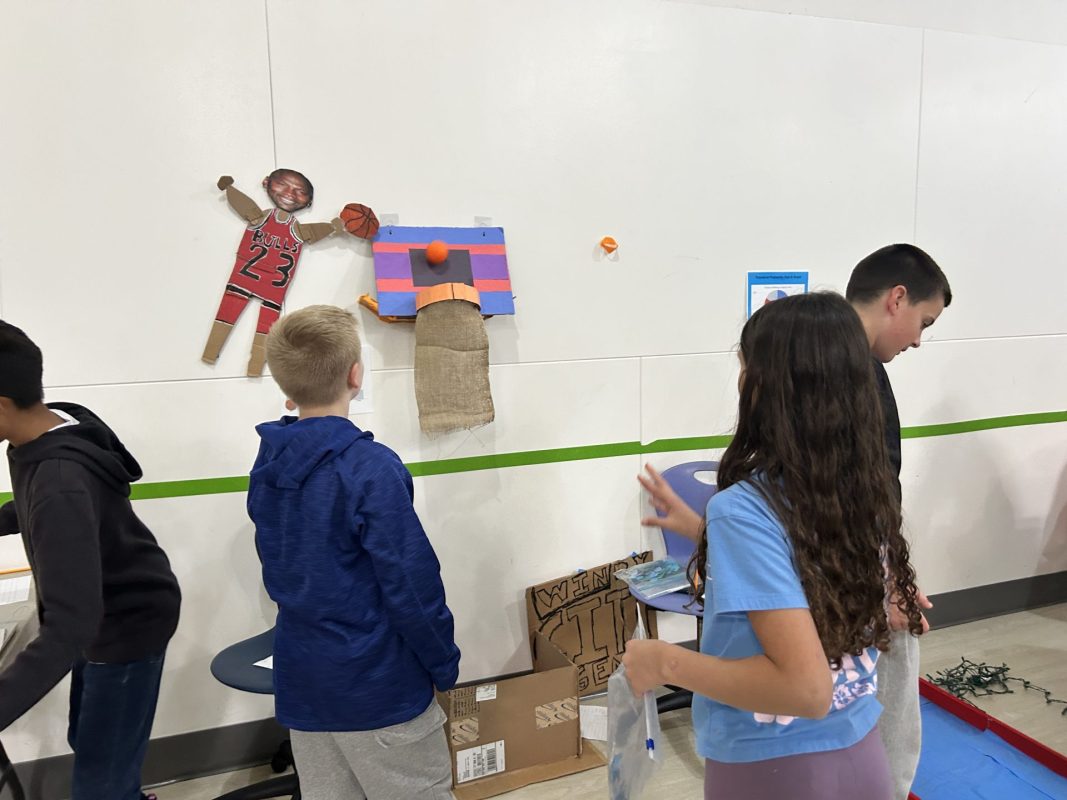
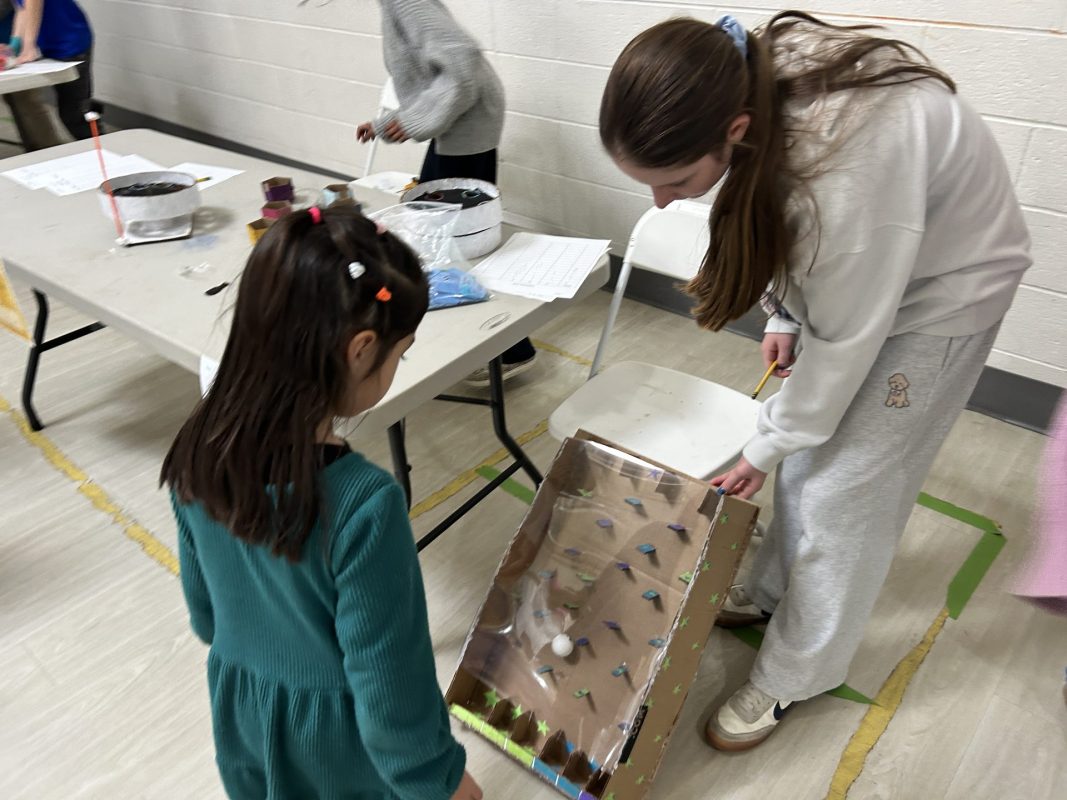
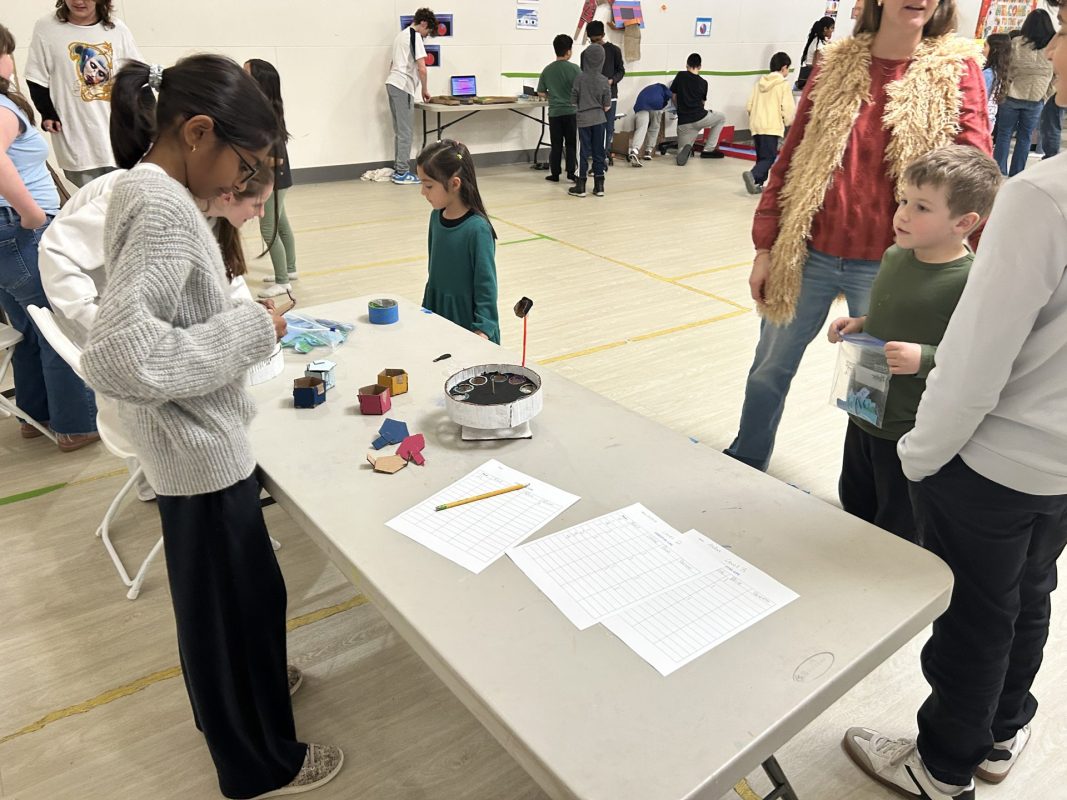
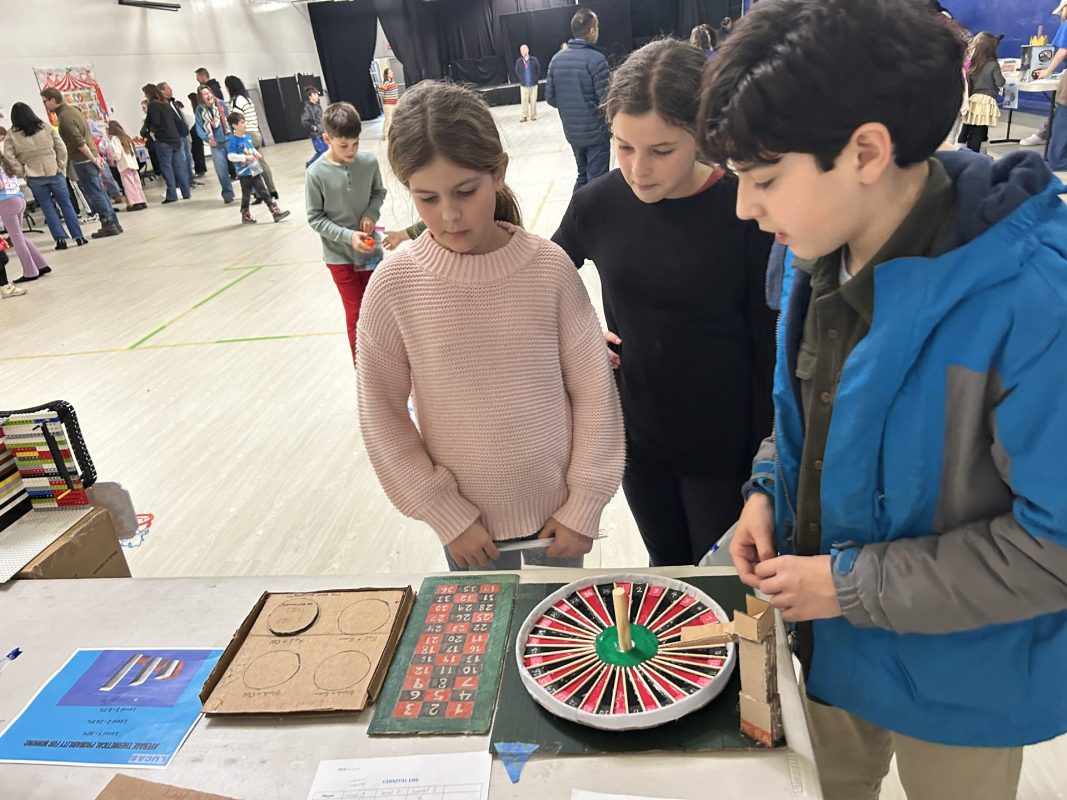
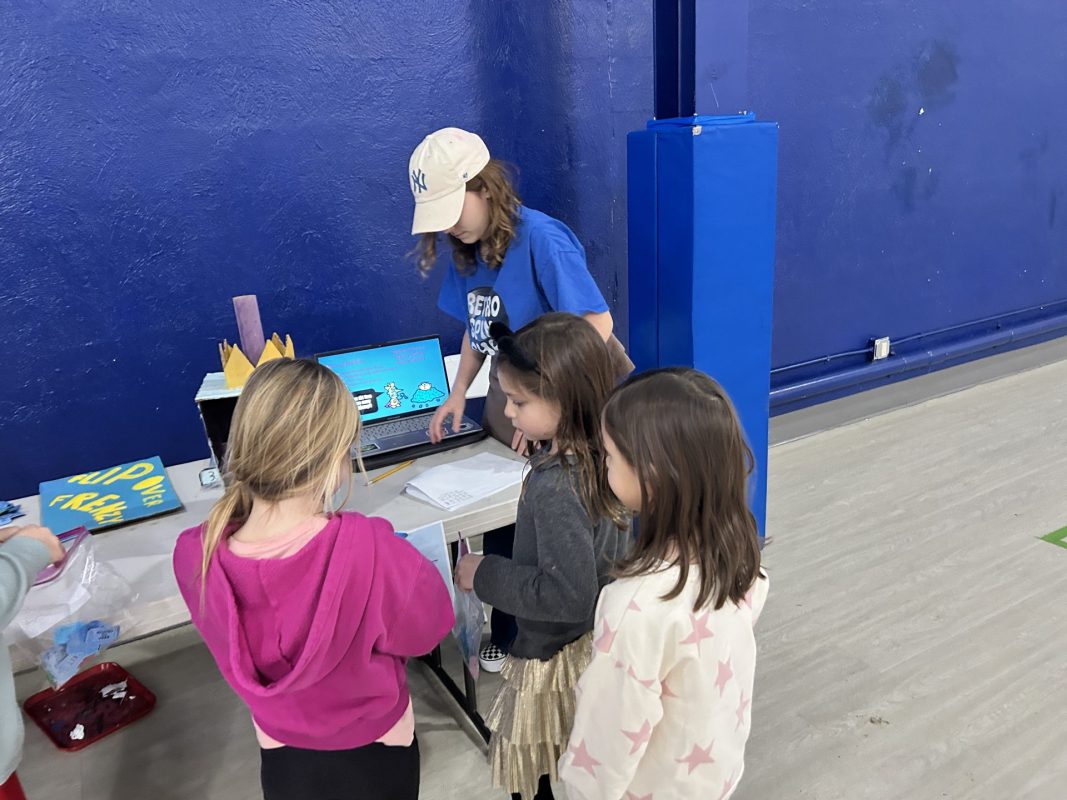
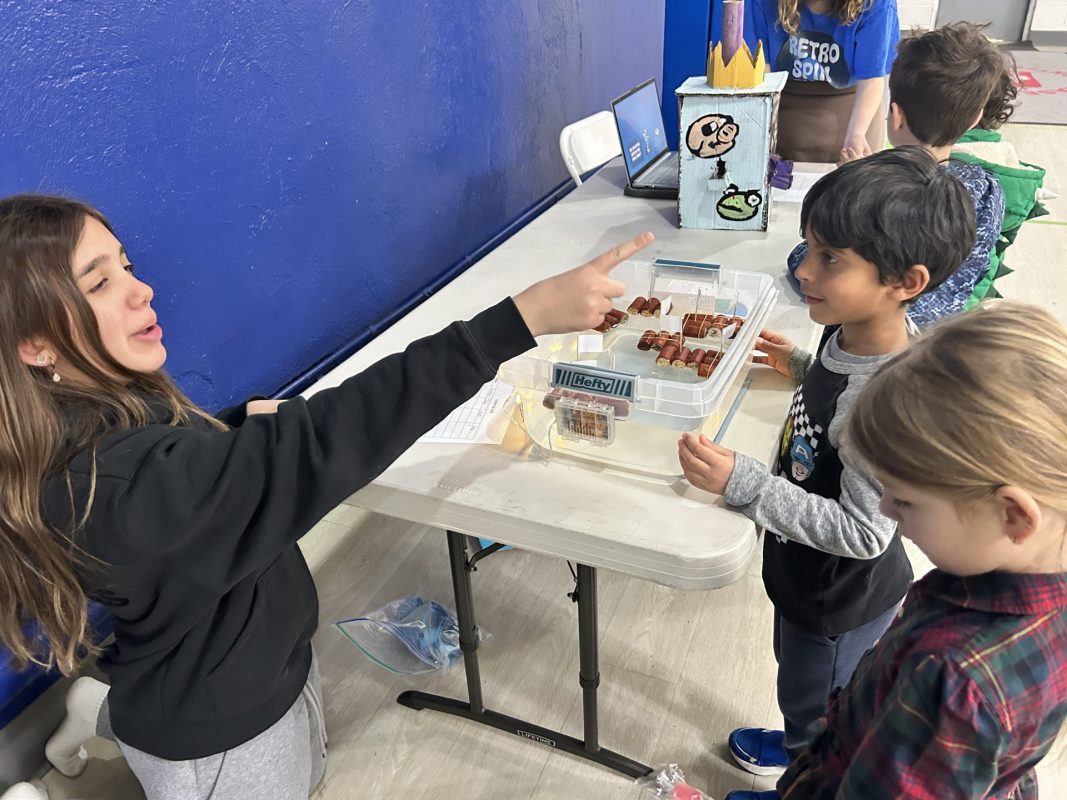
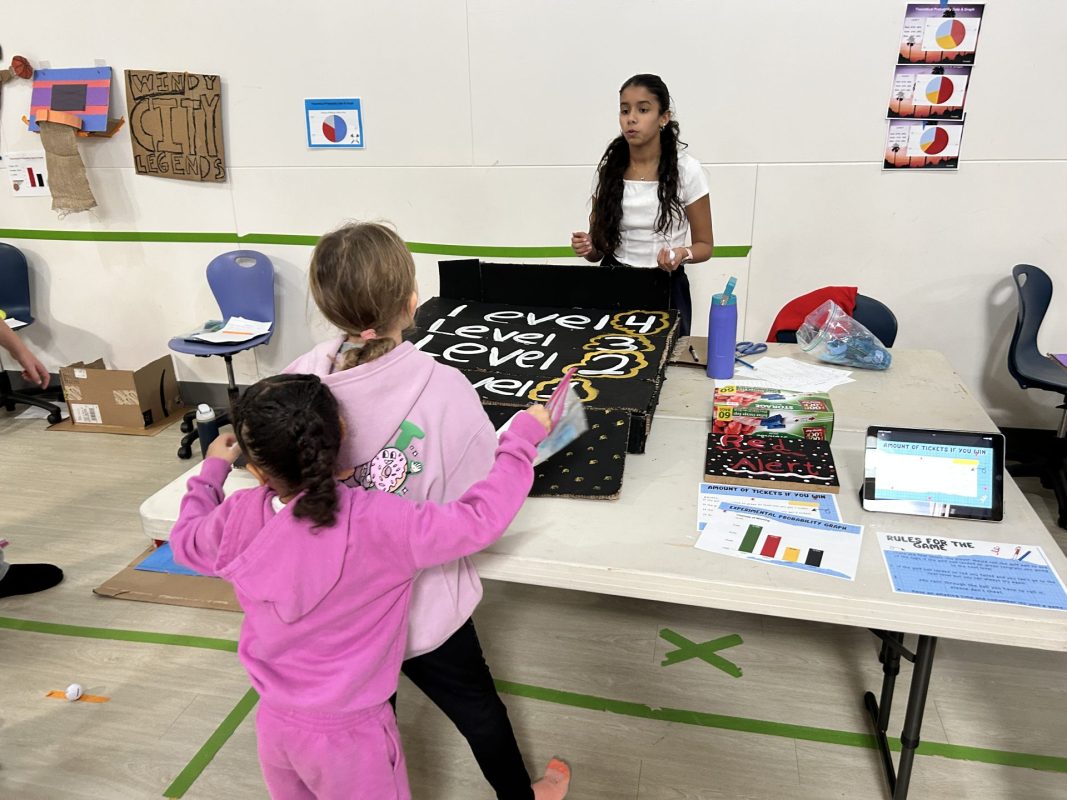
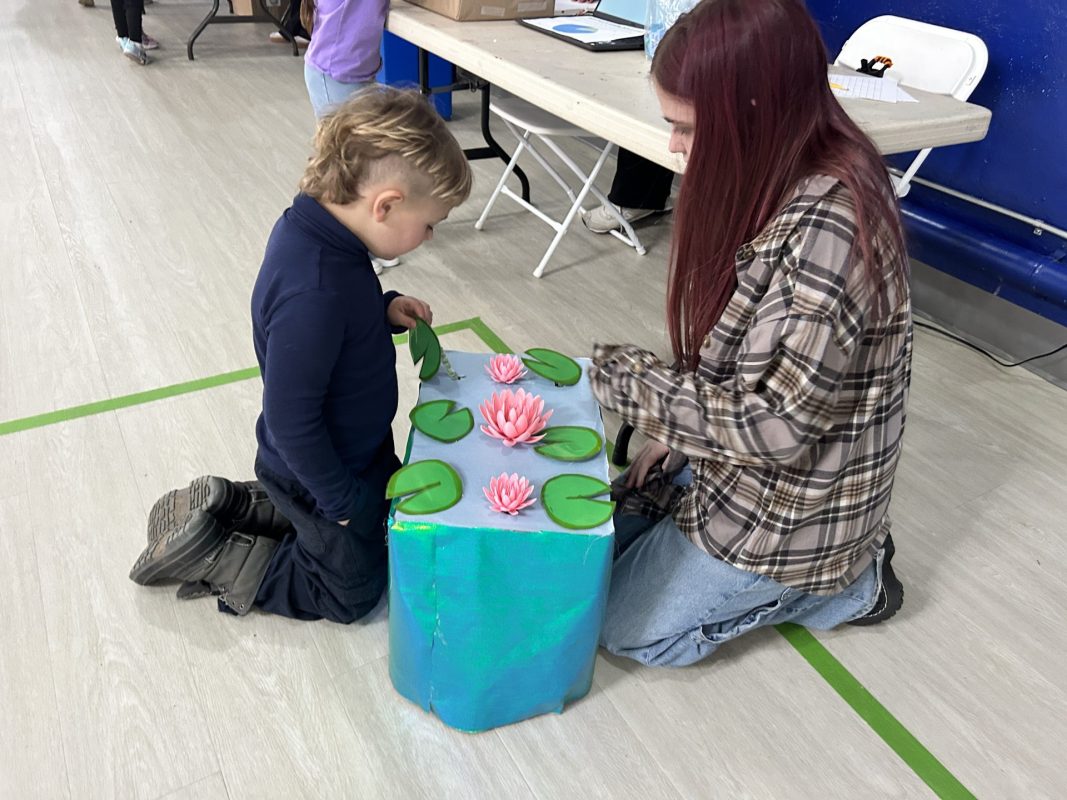
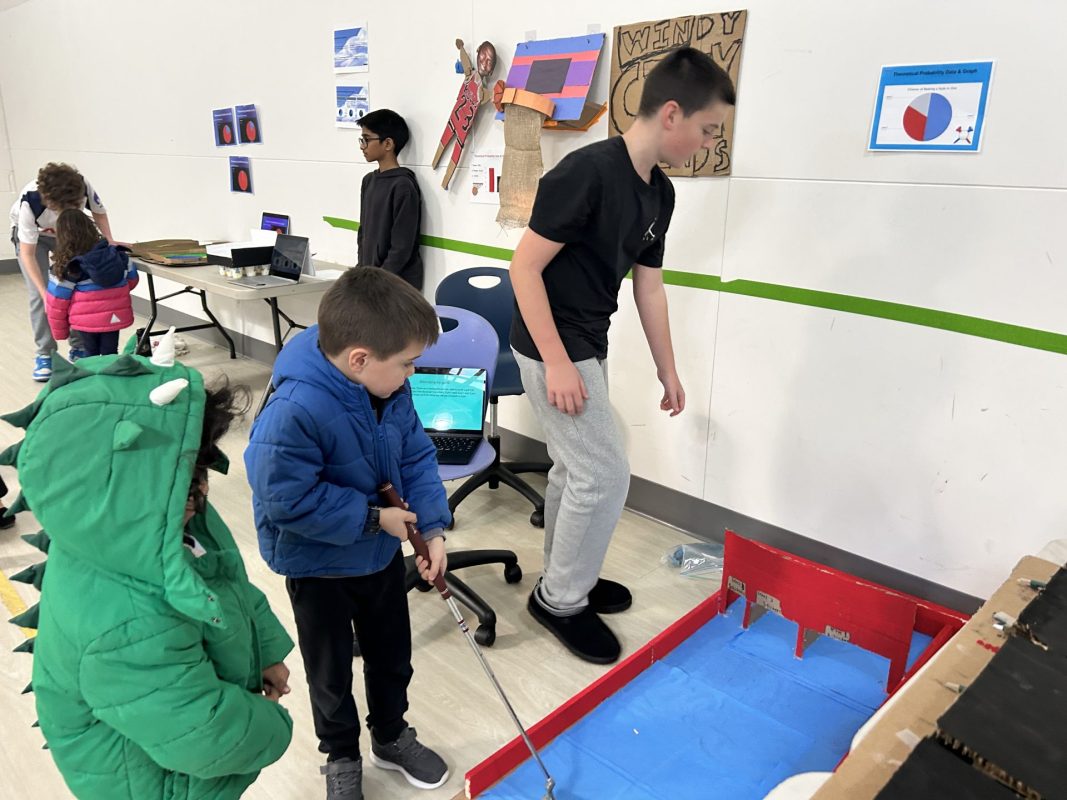
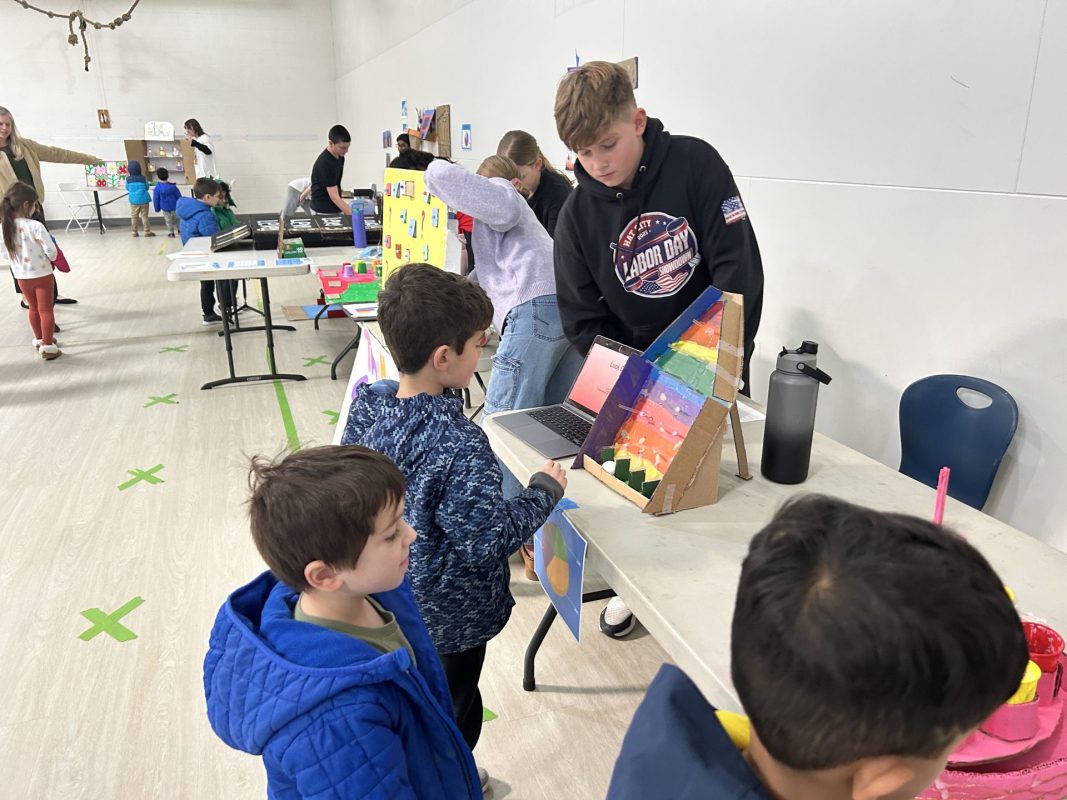
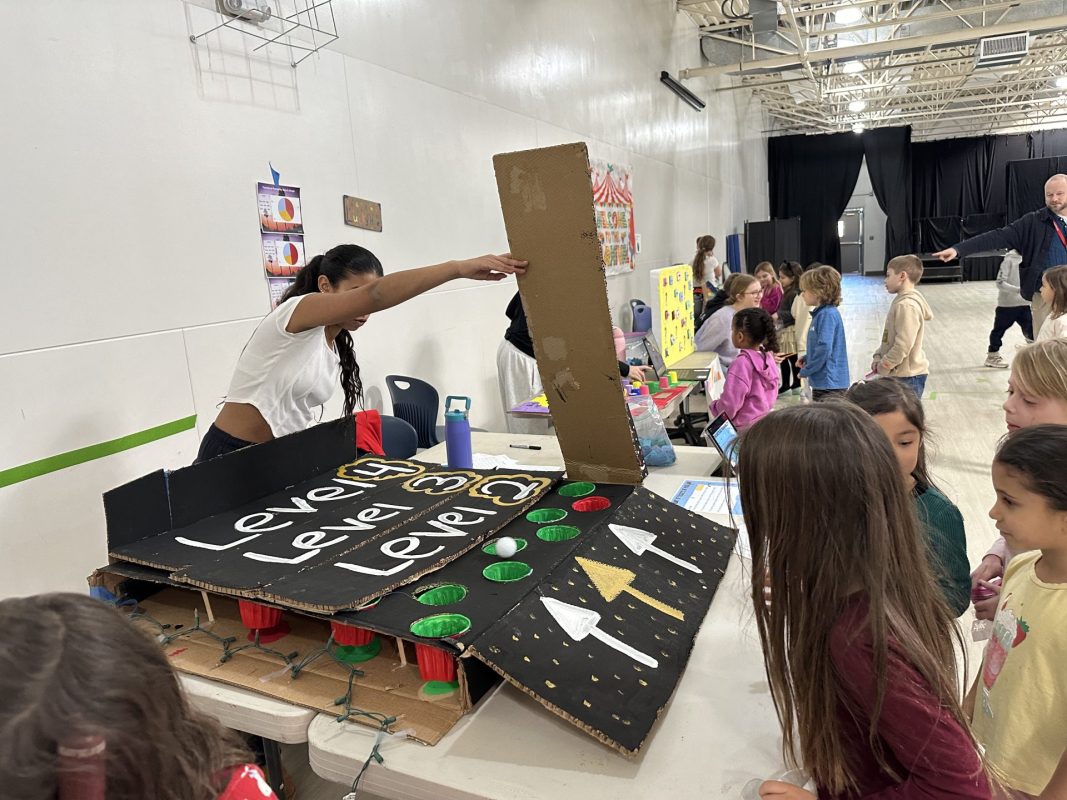
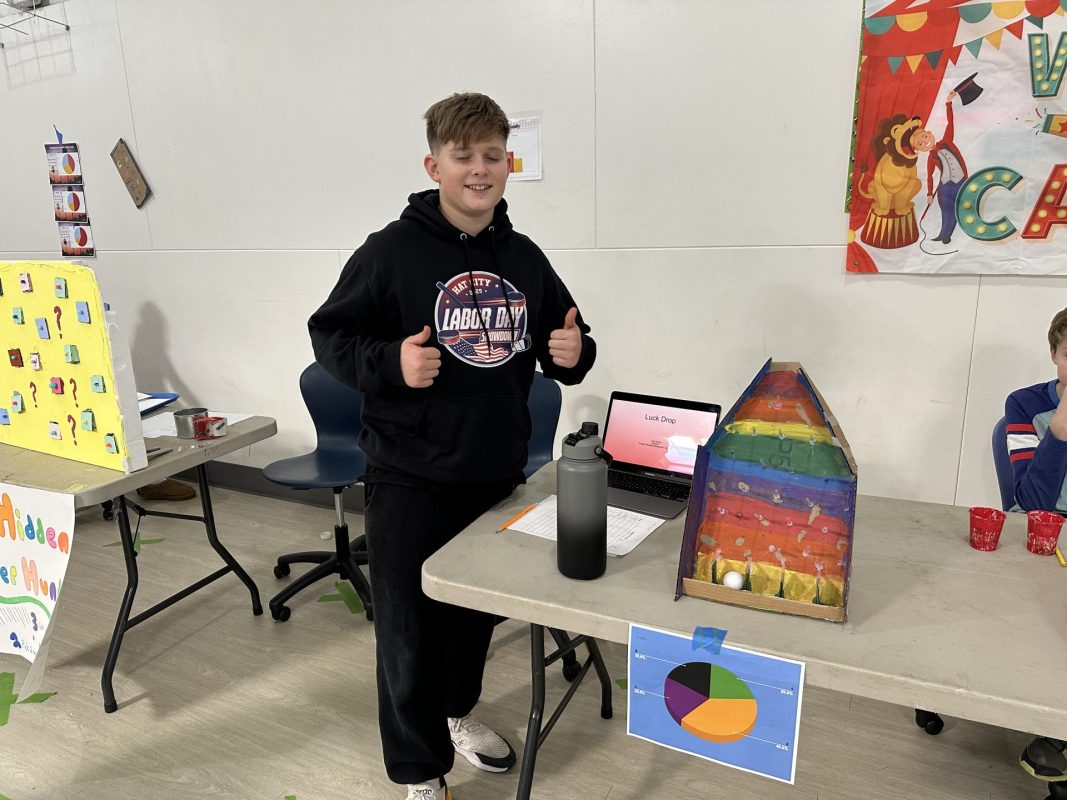
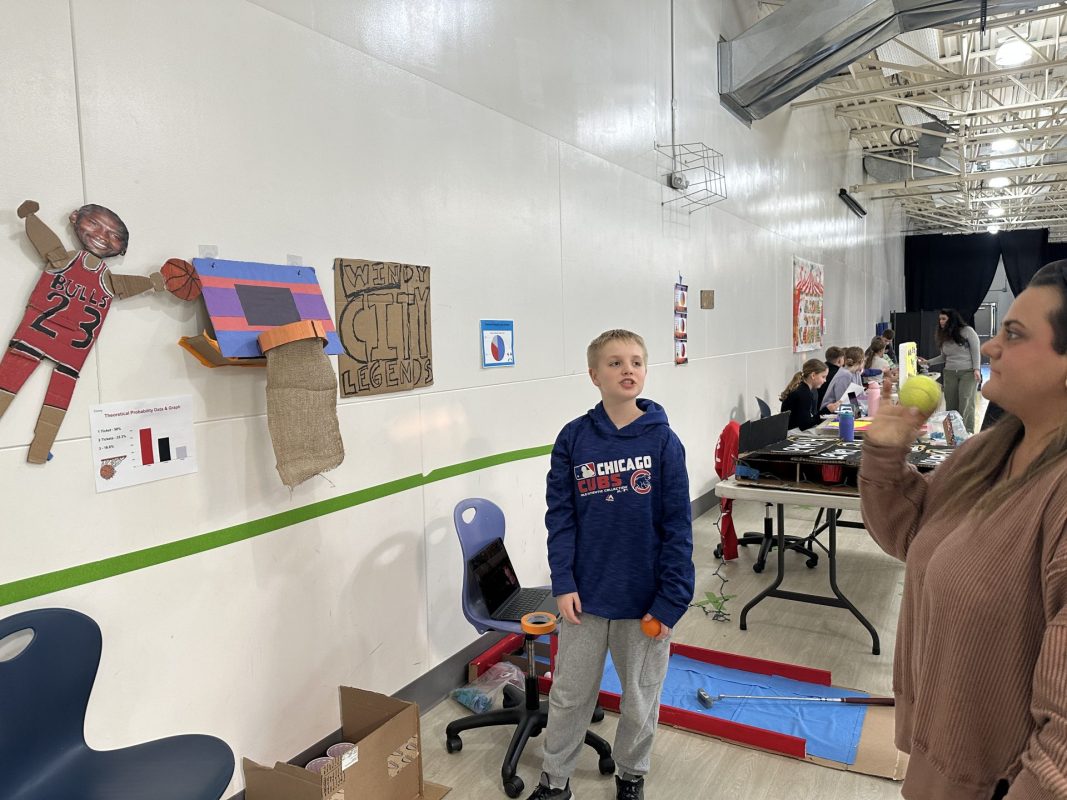
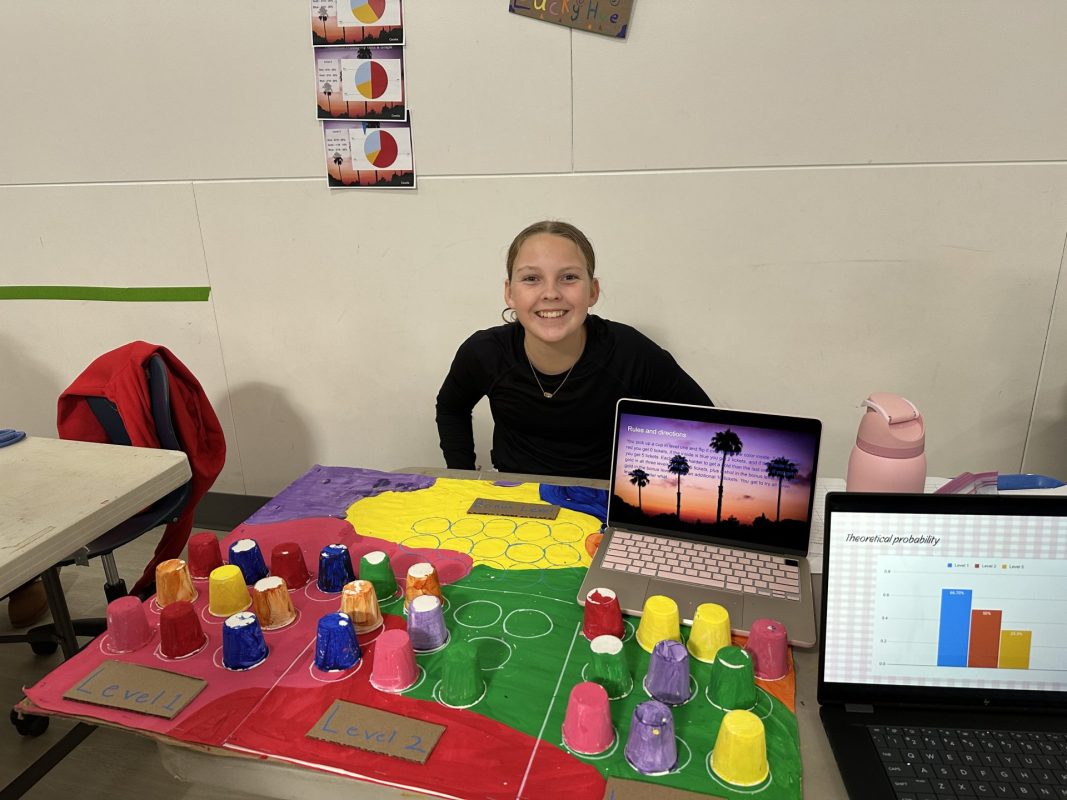
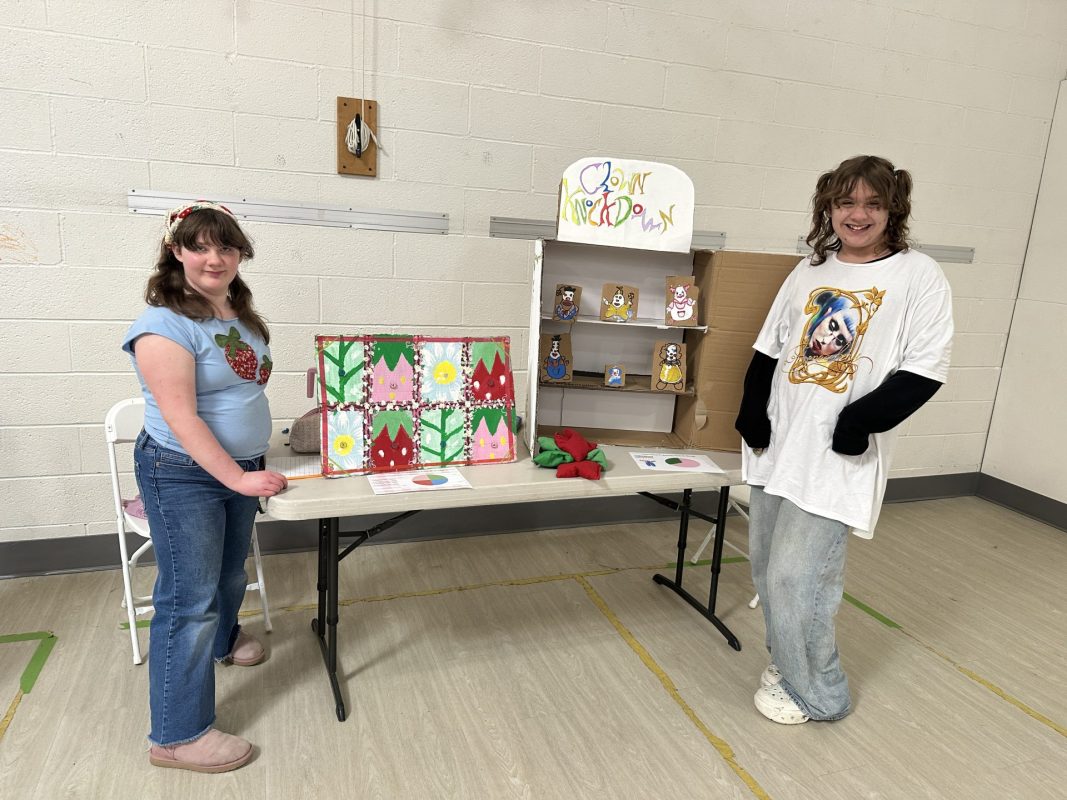
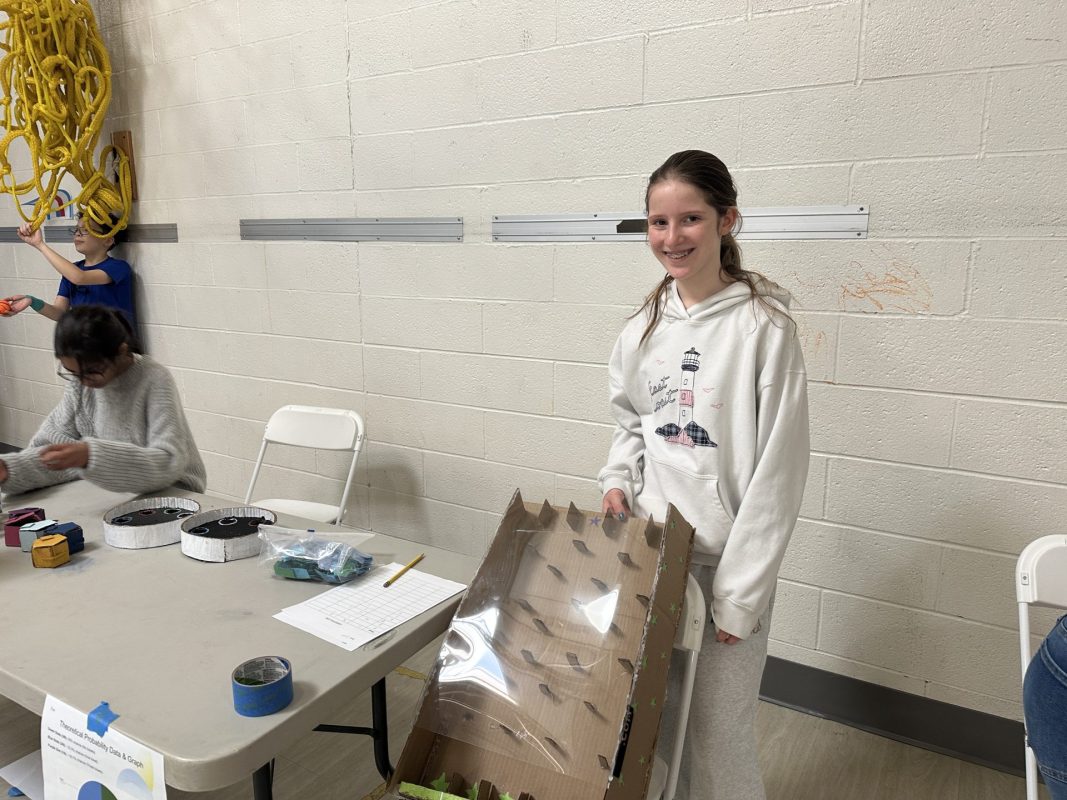
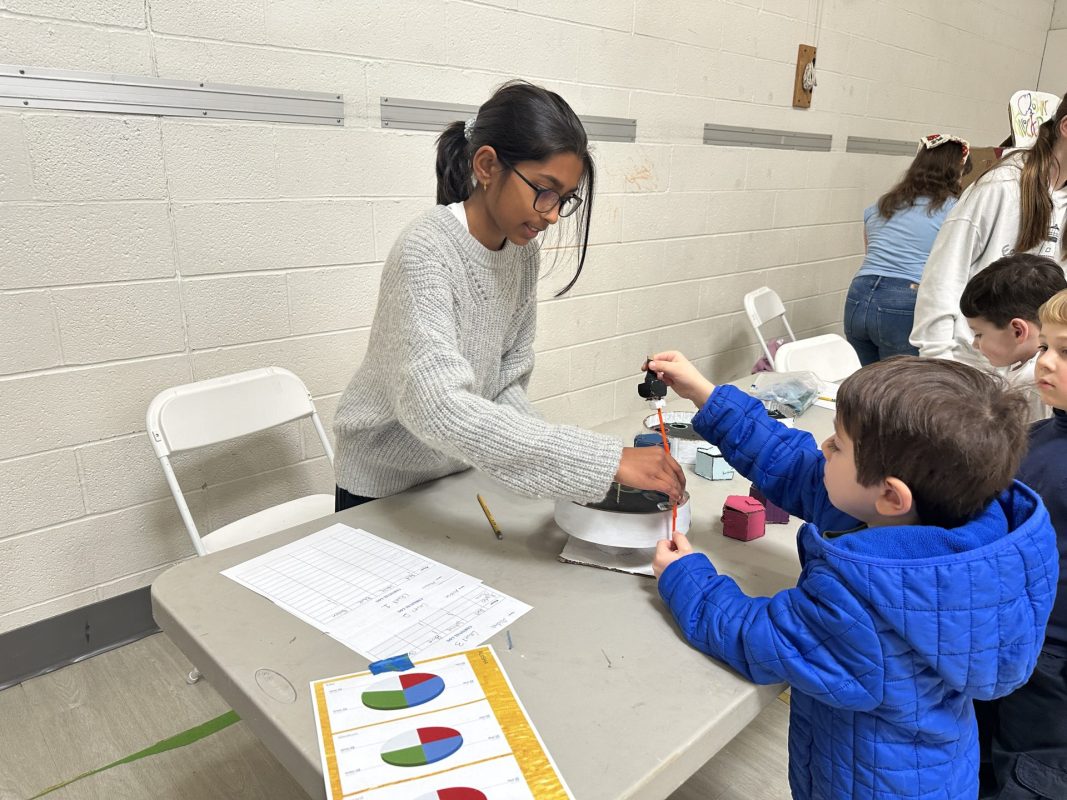
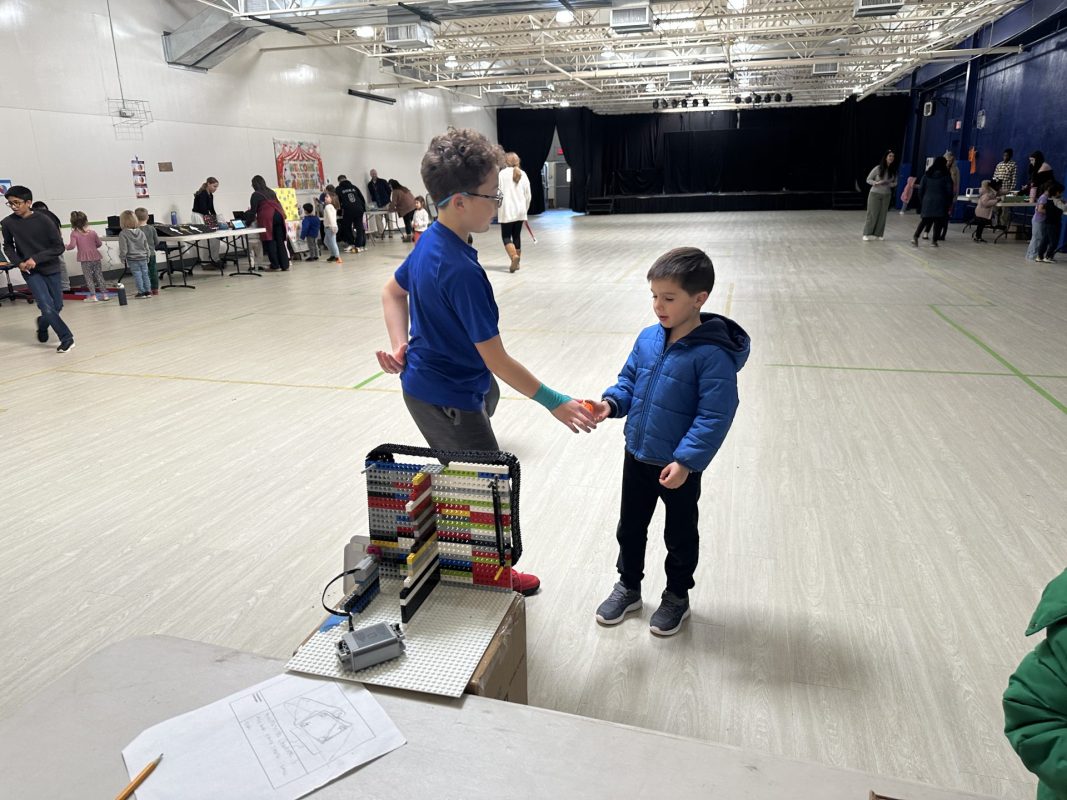
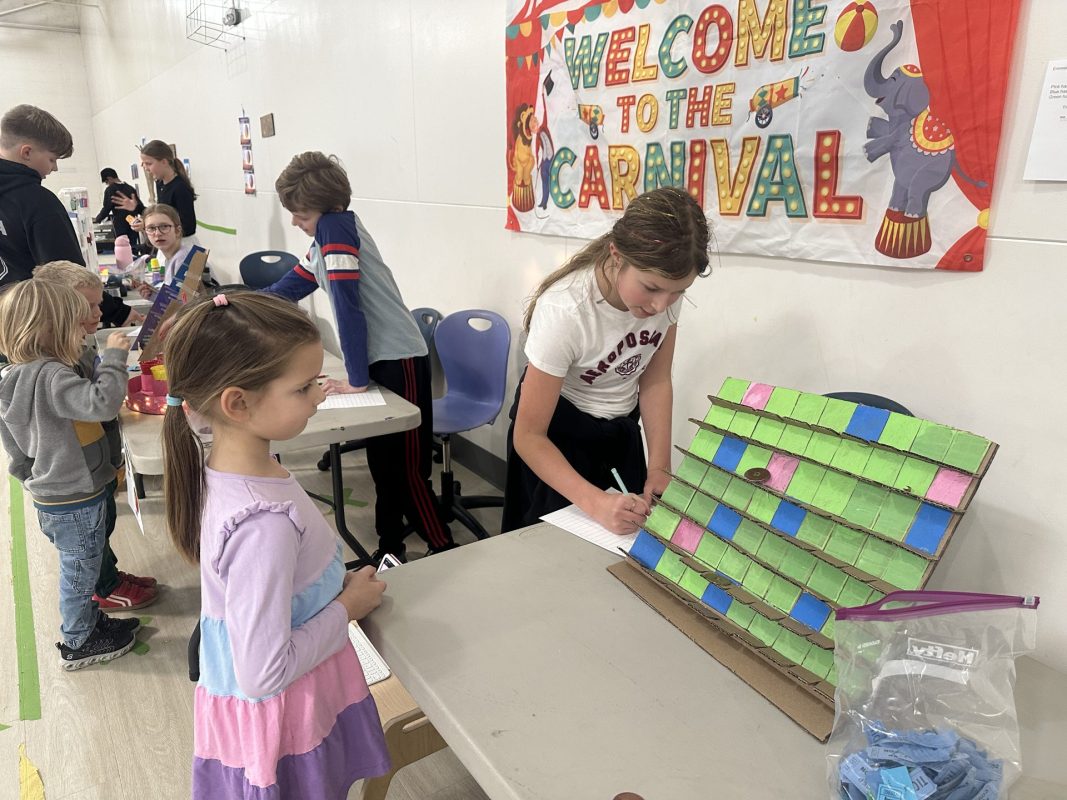
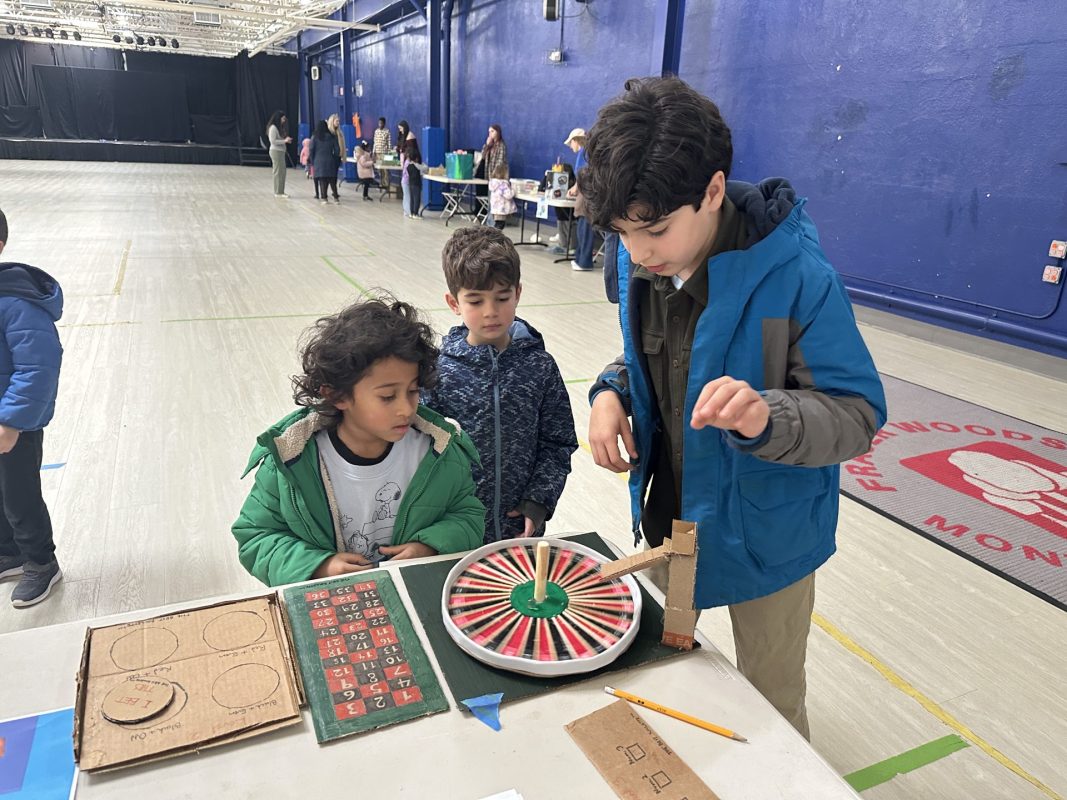
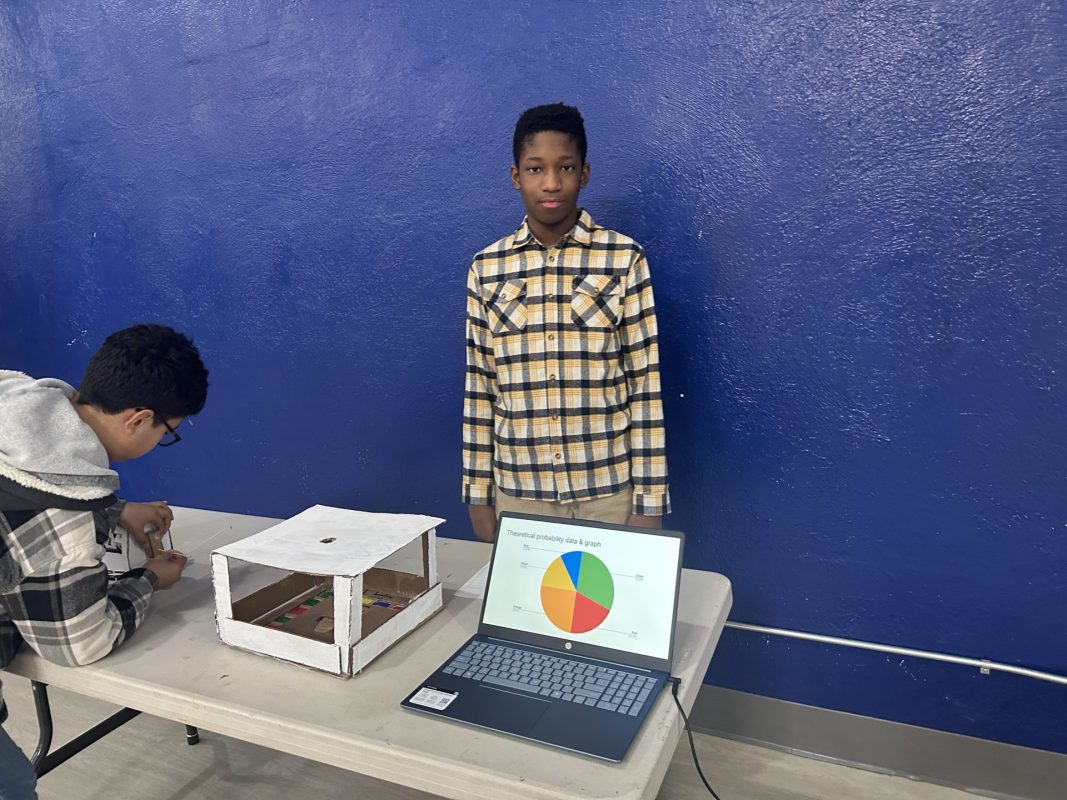
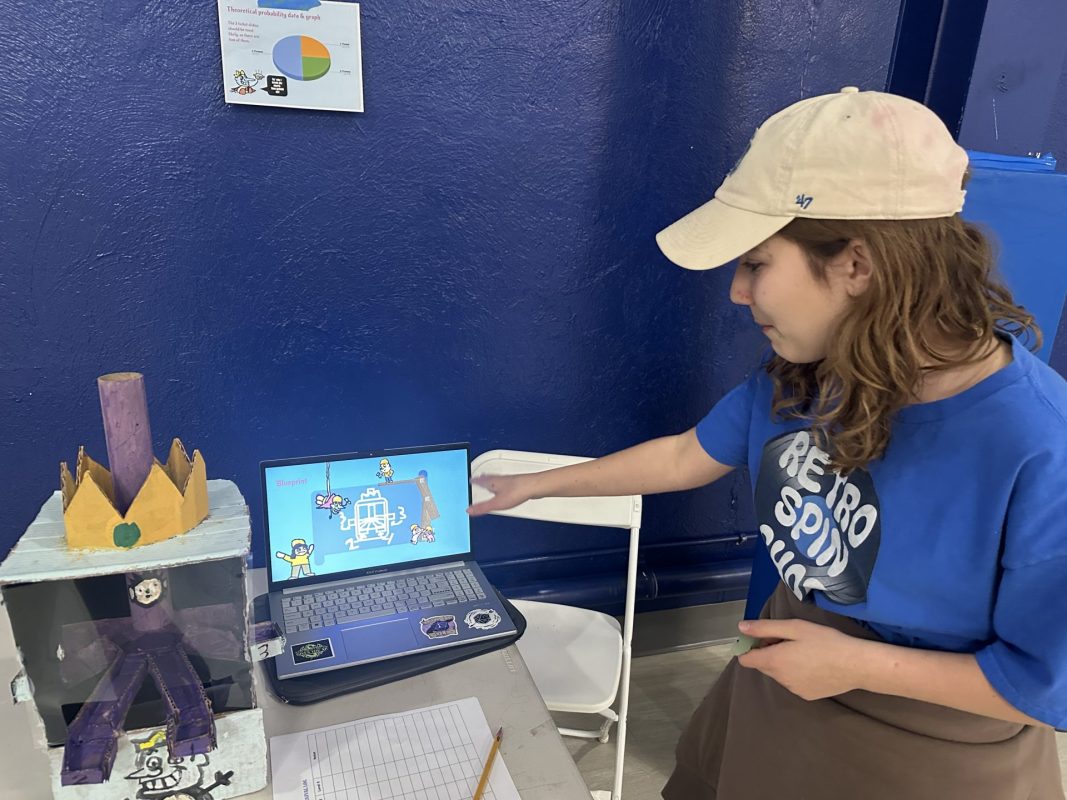
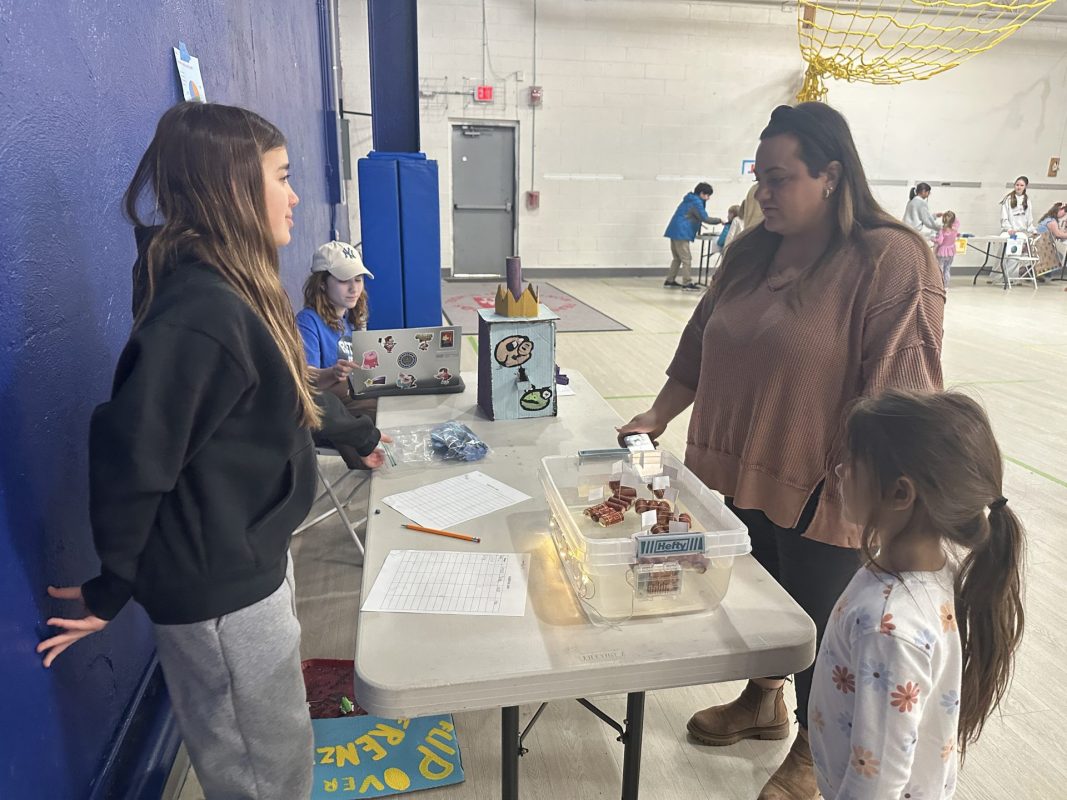
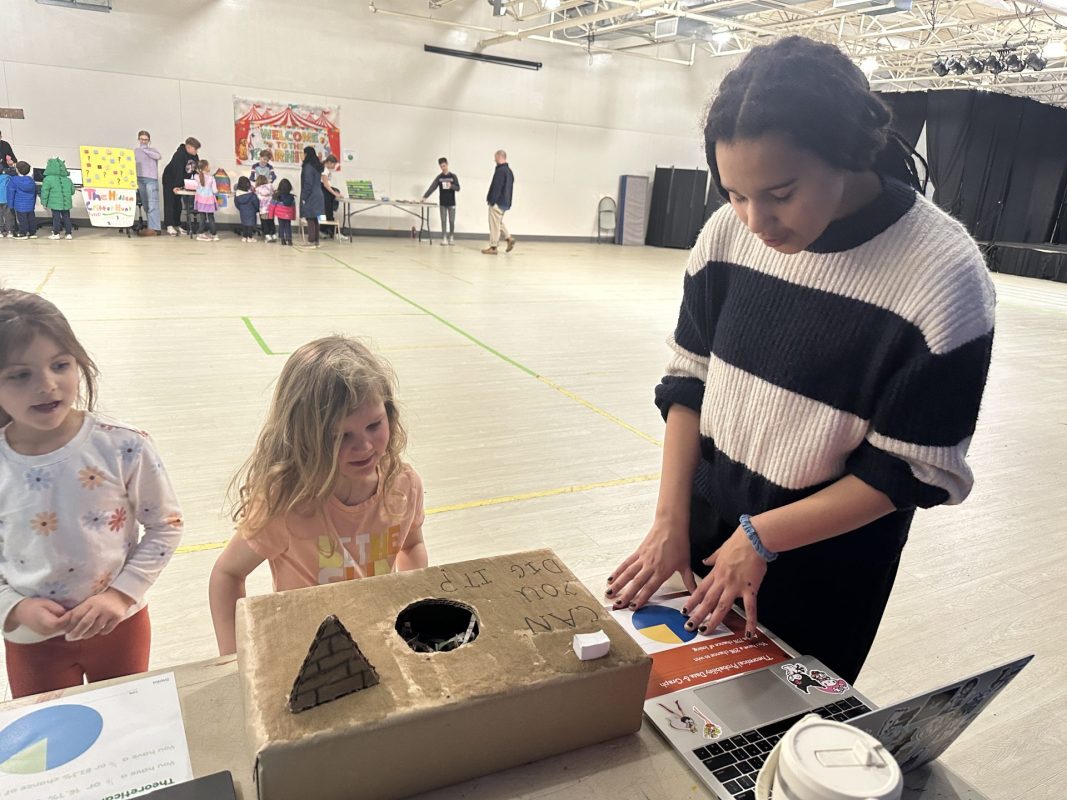
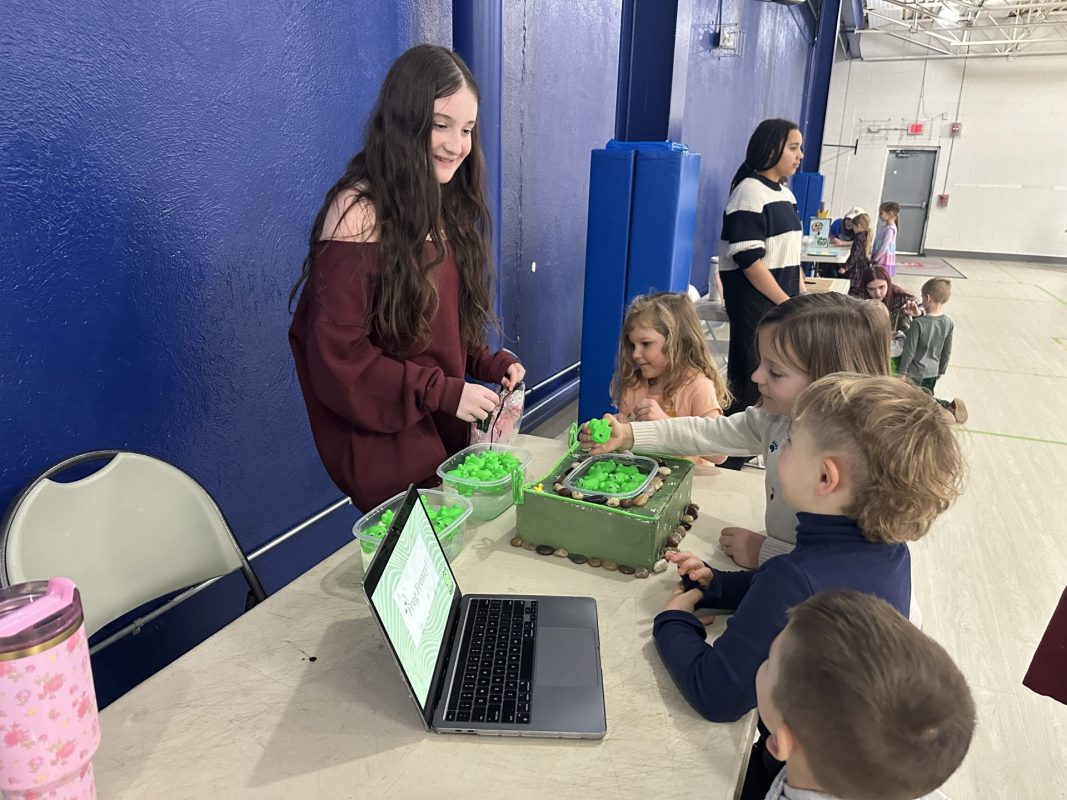
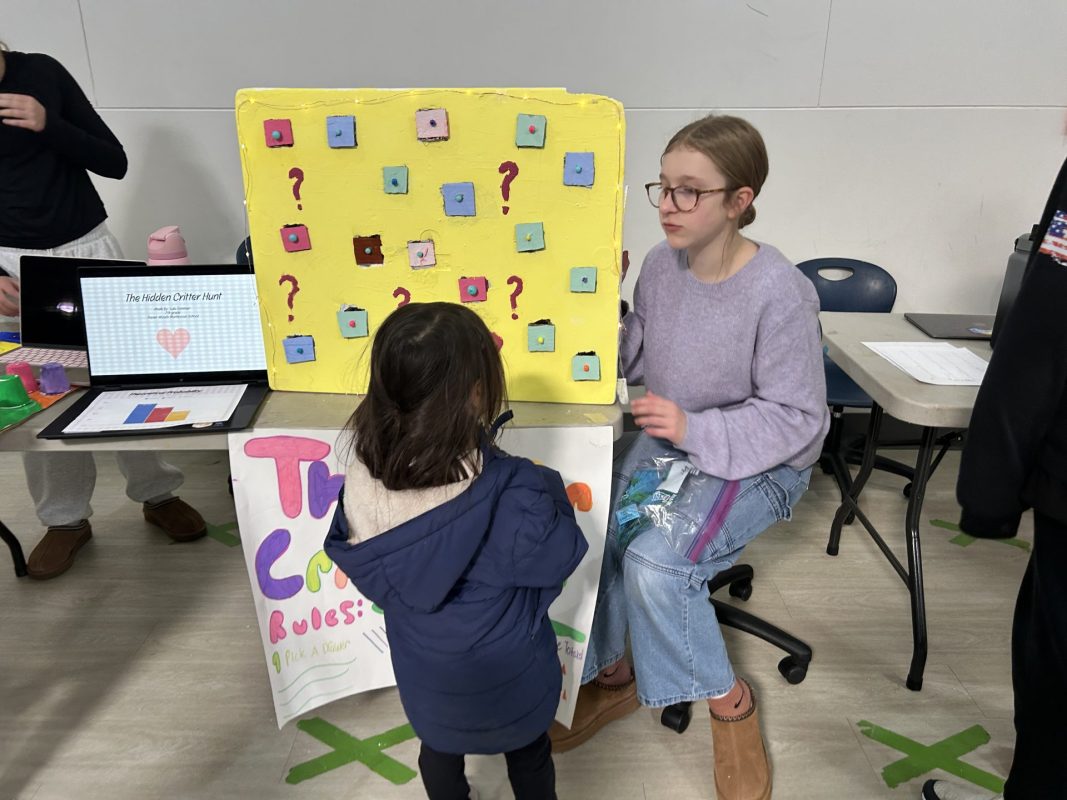
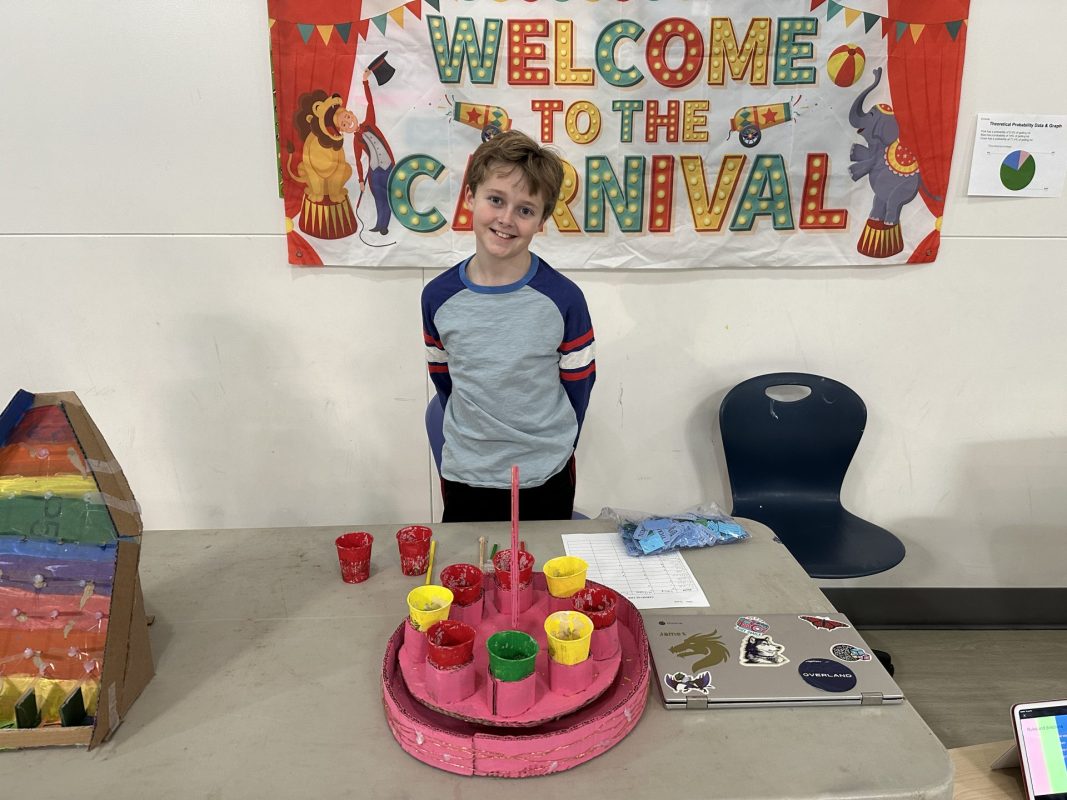
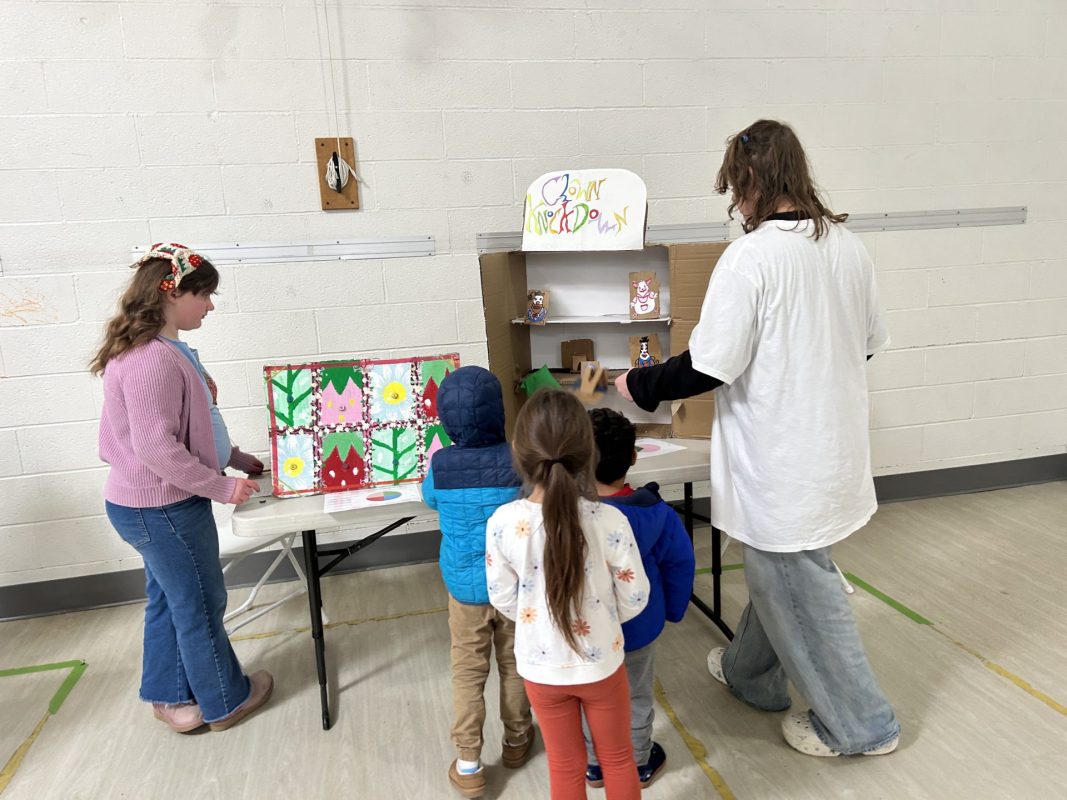
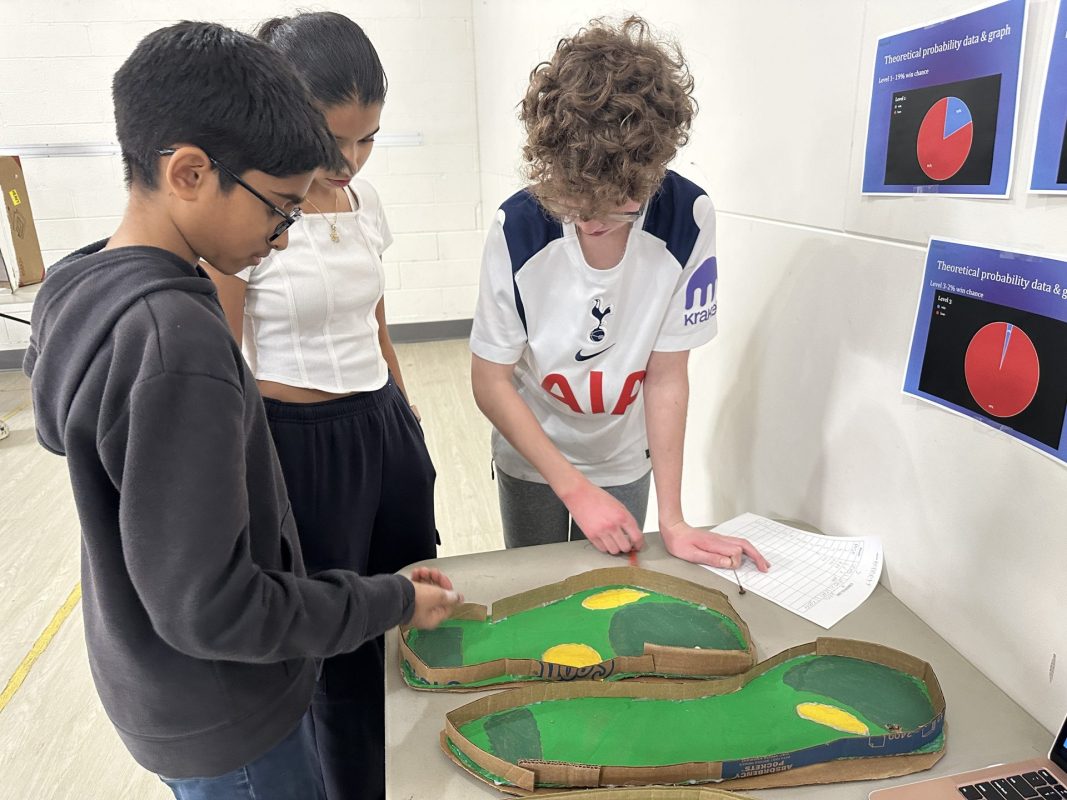
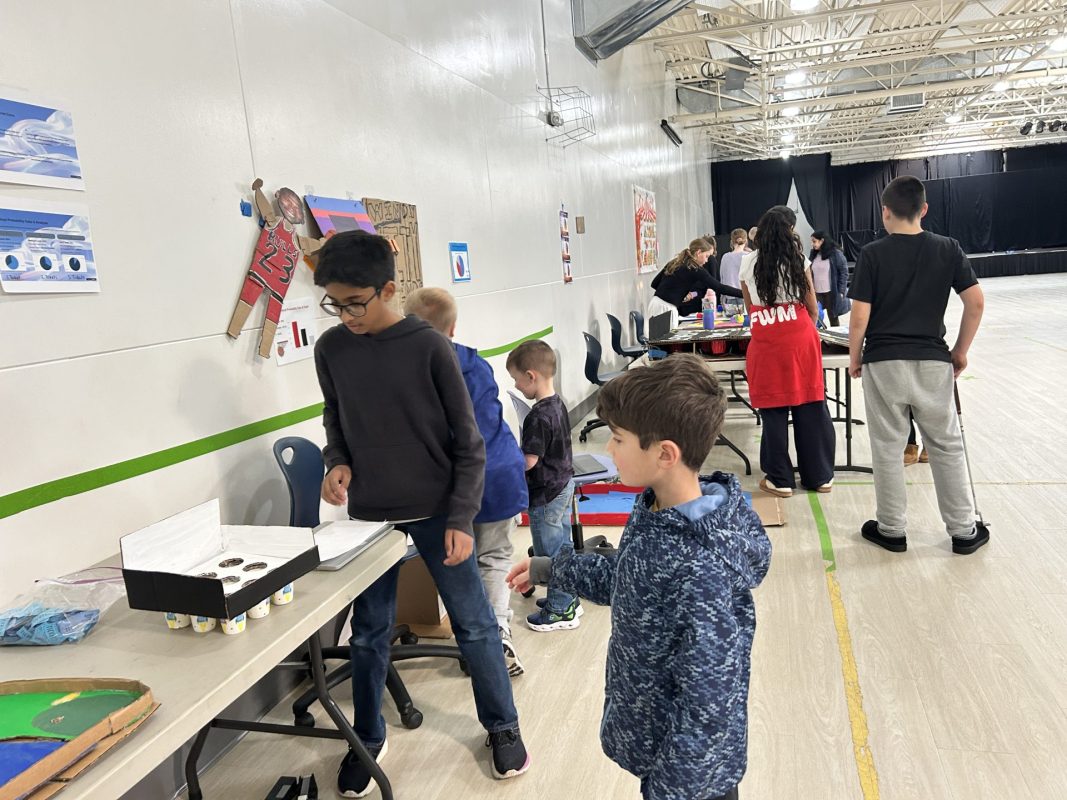
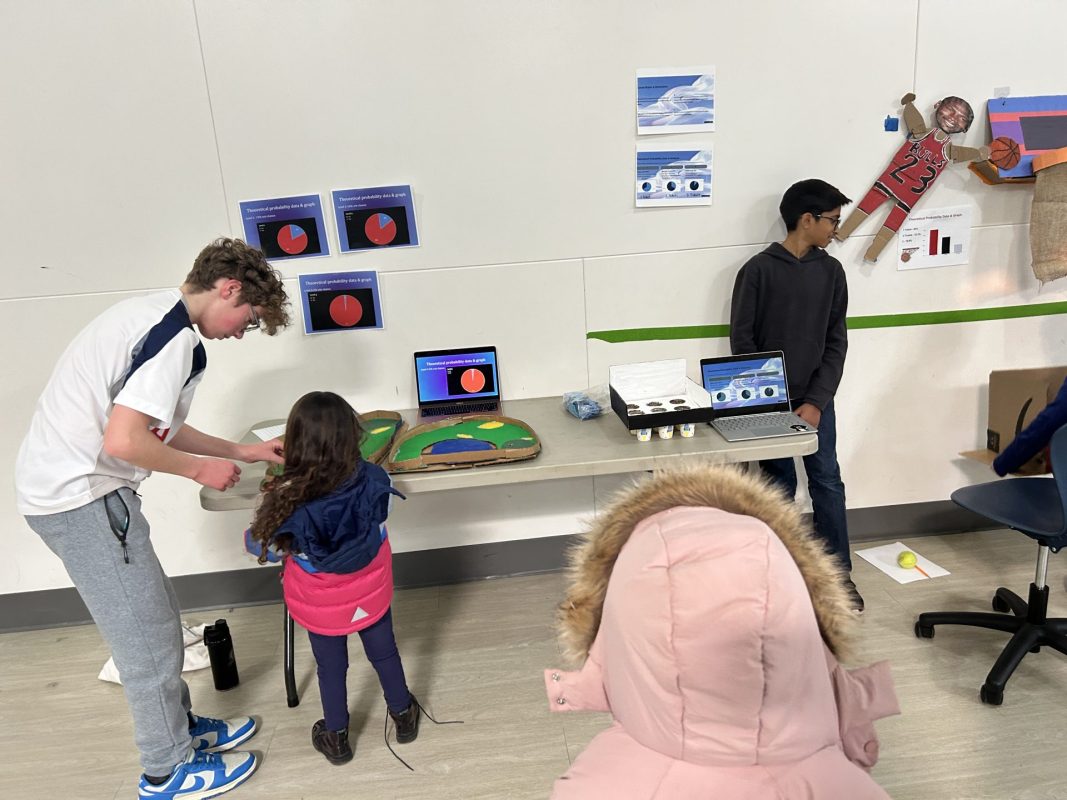
Our Middle School students might begin their day in mindful meditation, but most of their time they’re in motion: building interactive games to illustrate probability and statistics, wading rivers to collect macroinvertebrates and monitor water quality, engineering solutions in the MakerSpace using 3D printers and laser cutters.
When our youngest students are mixing ingredients, they’re not just having fun (though they absolutely are). They’re experiencing the kind of sustained, self-directed engagement that builds capacity for deeper concentration later. This approach requires trust—trust that children will engage deeply when given meaningful work, trust that movement supports rather than disrupts learning.
Making Thinking Visible
A 2025 study analyzing 1,000 solutions to middle school math problems found that when students used an “organizational and elaborative approach”—sketching diagrams, categorizing information, annotating problems with arrows or labels—they were 29 percent more likely to solve successfully.
Why? Because complex problems present more information than students can hold in working memory. Successful problem solvers offload information to sketch pads and margin notes, allowing them to focus on smaller sets of factors.
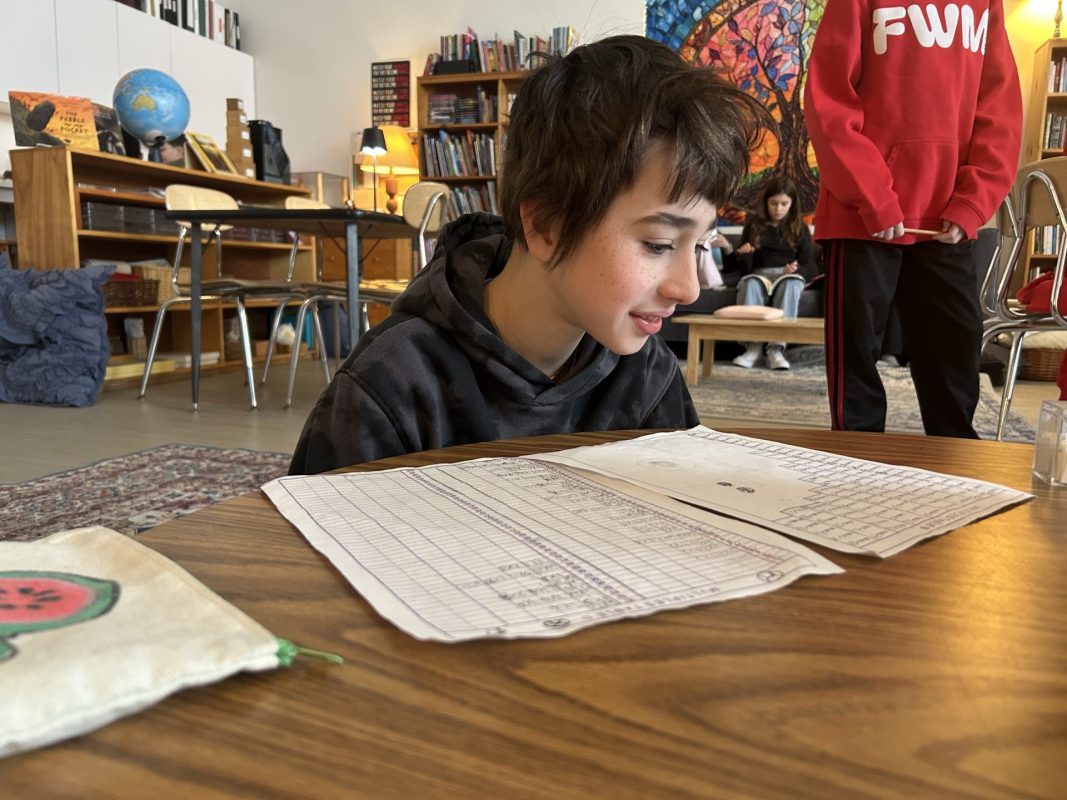
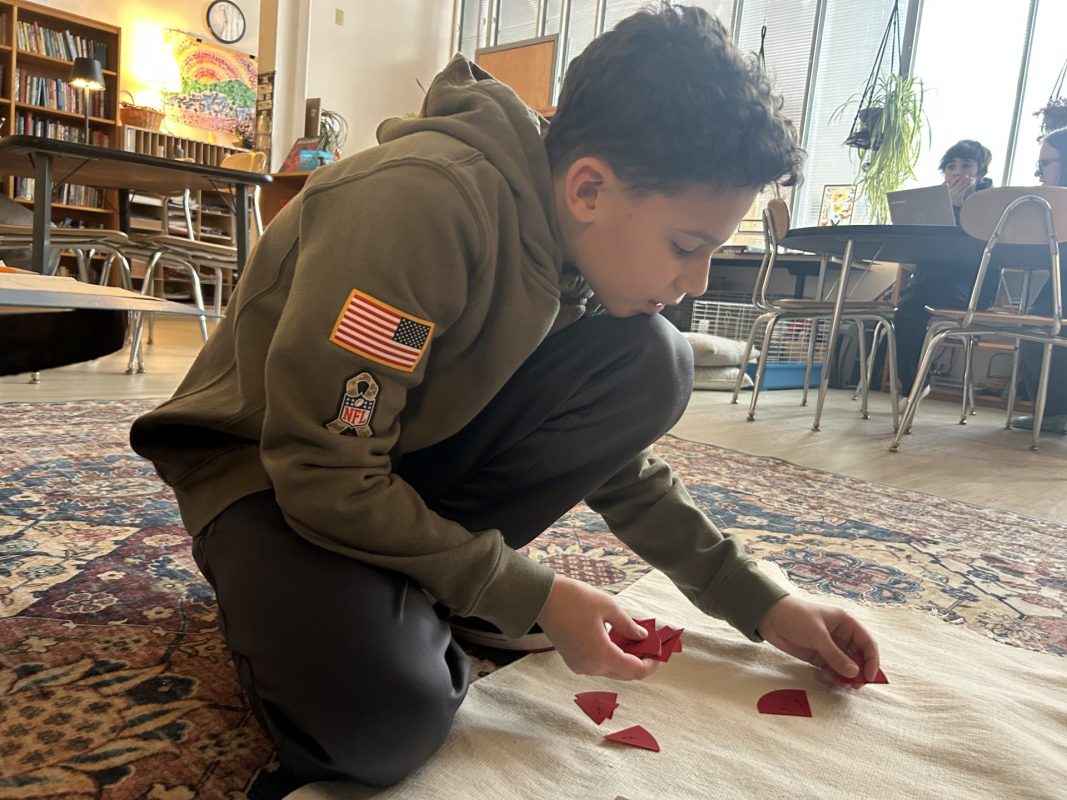
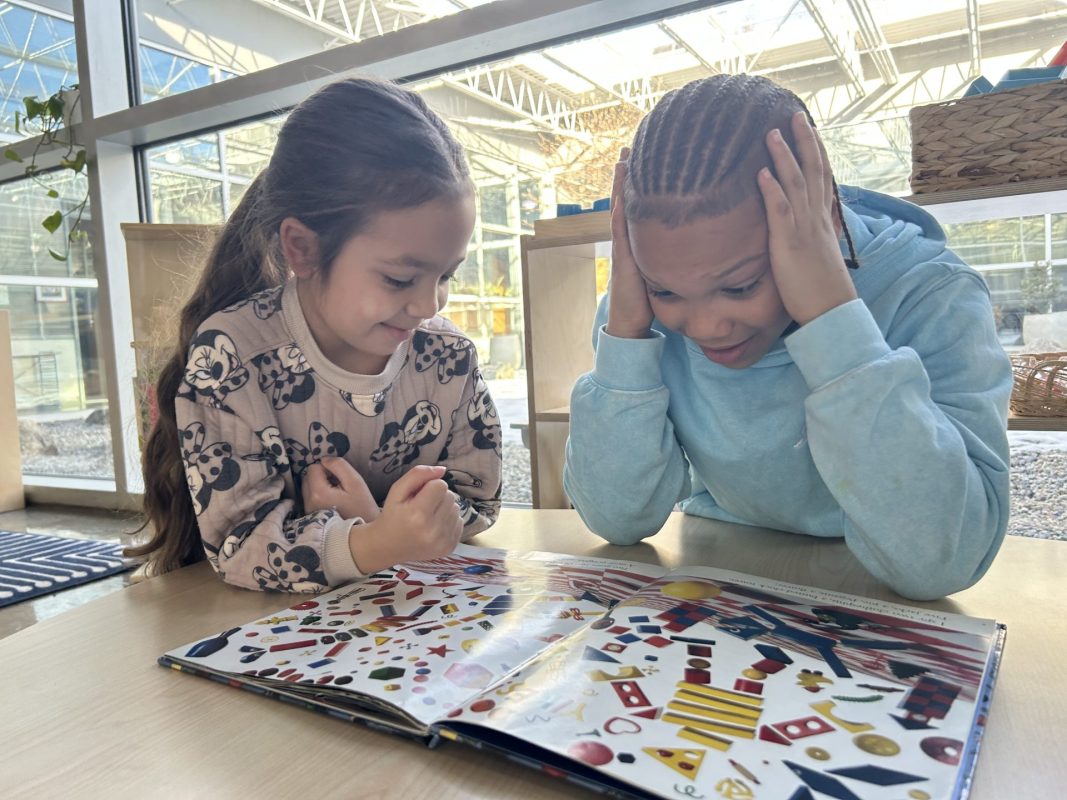
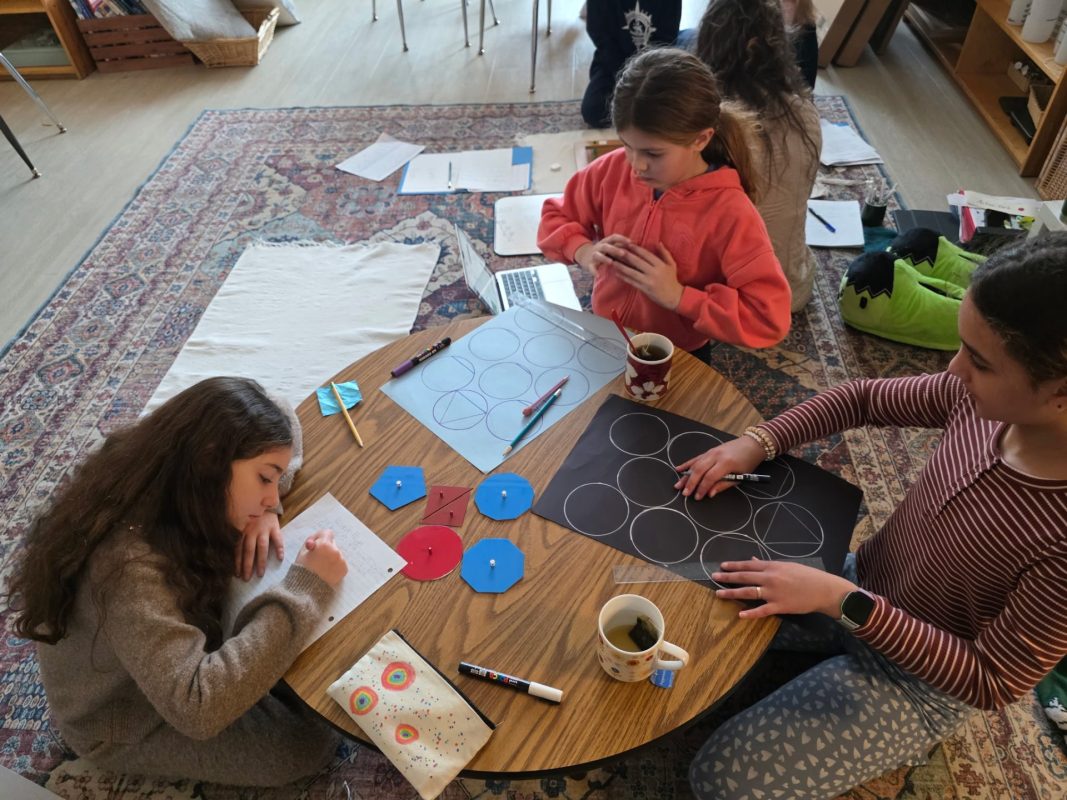
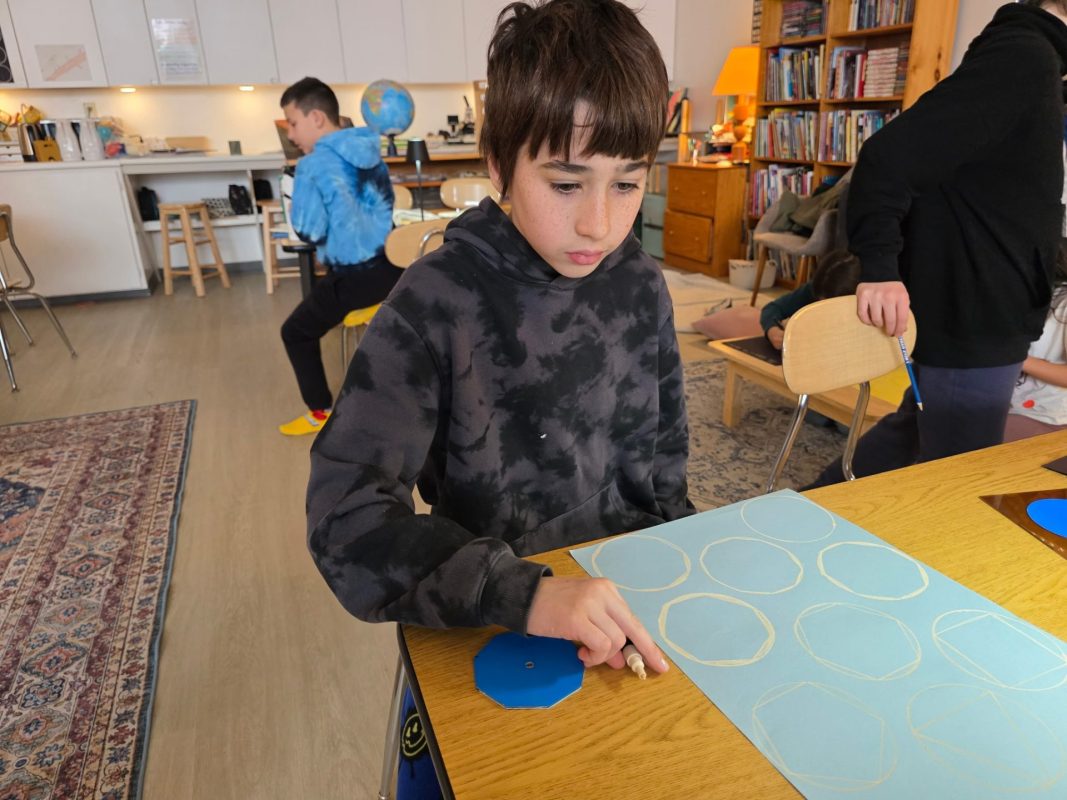
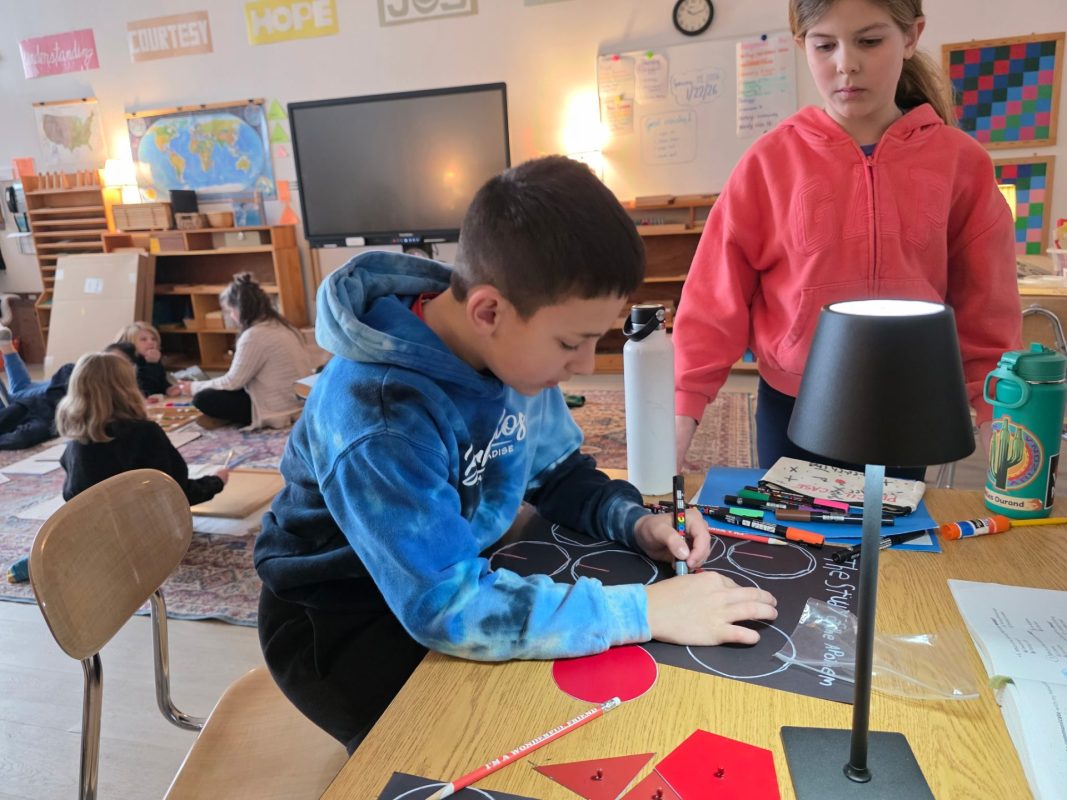
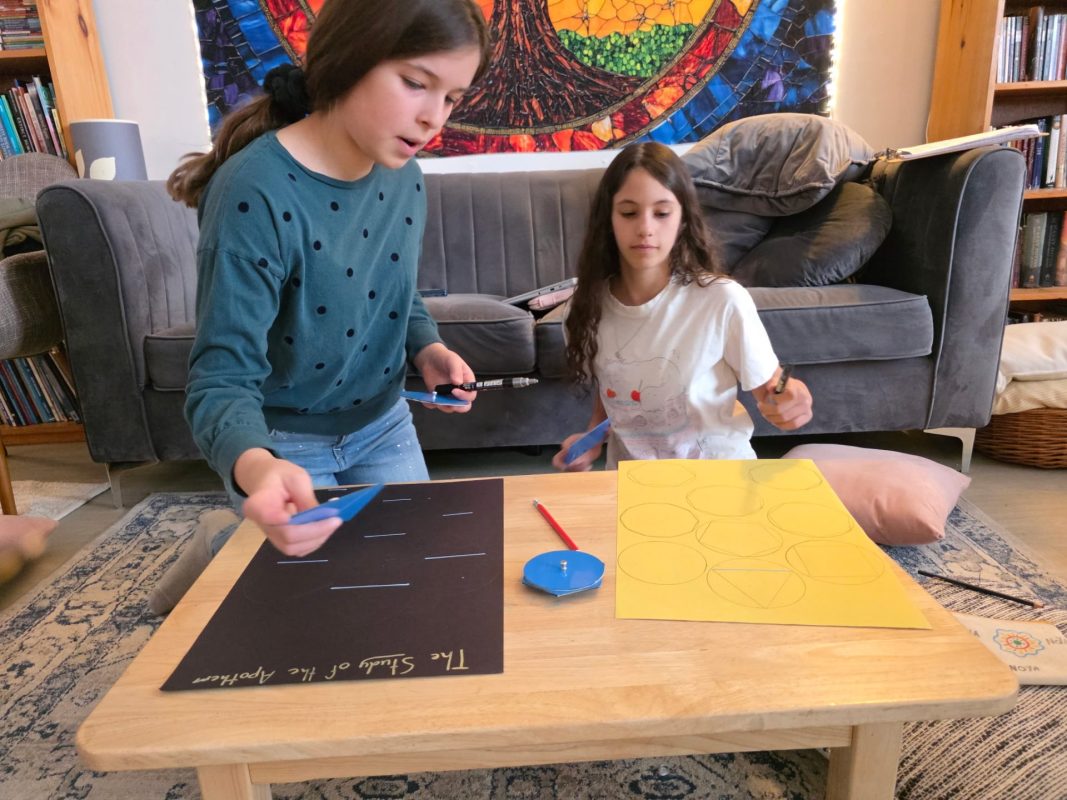
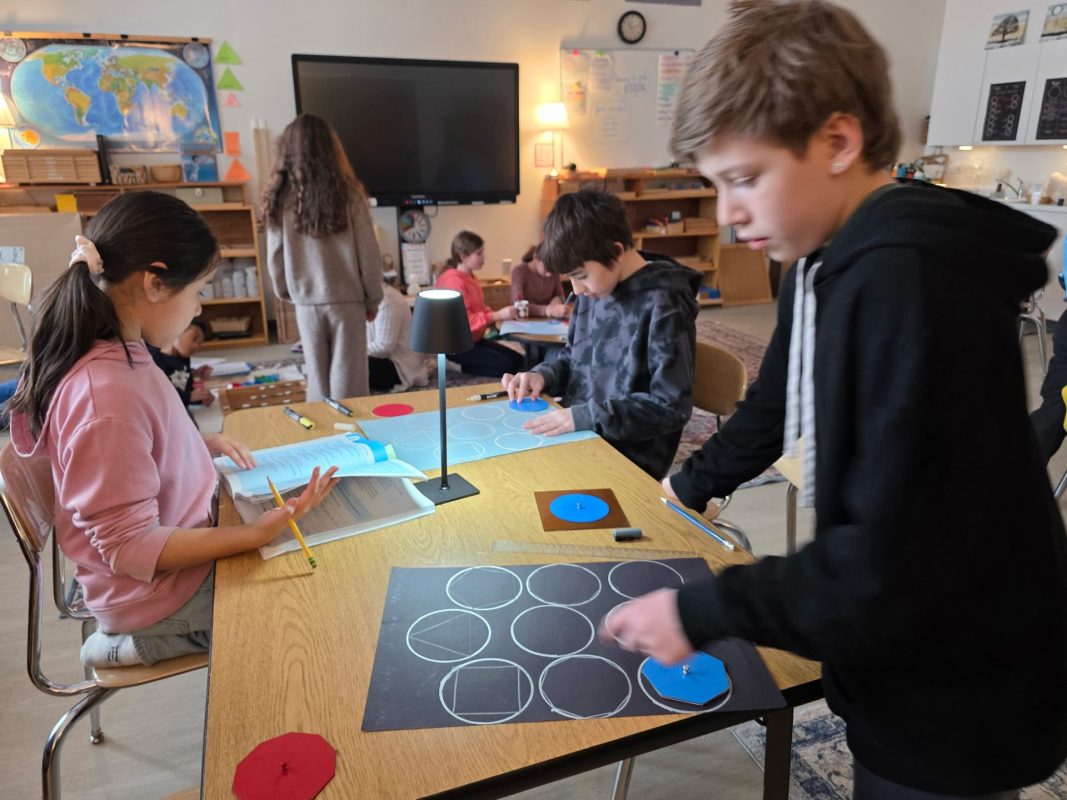
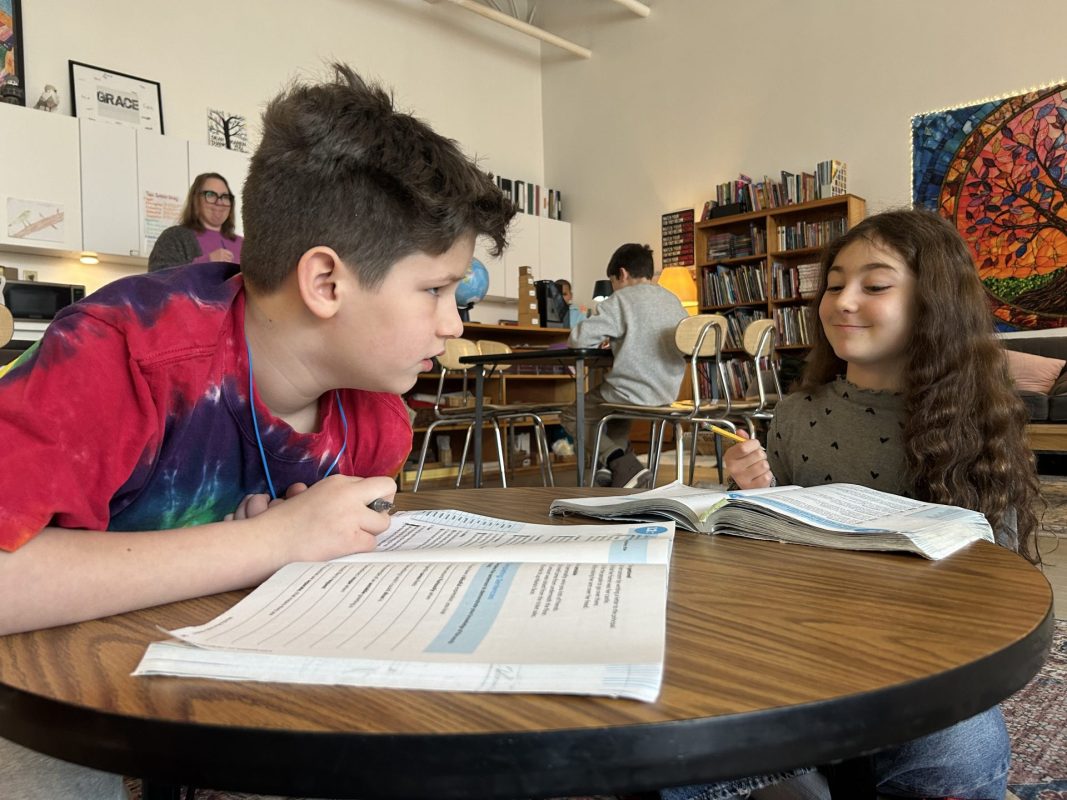
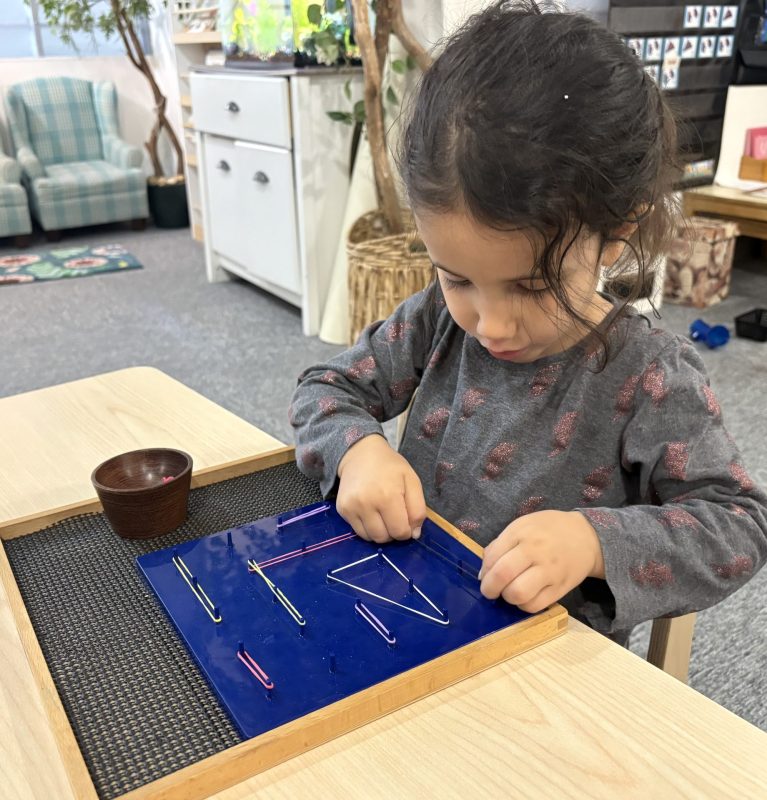
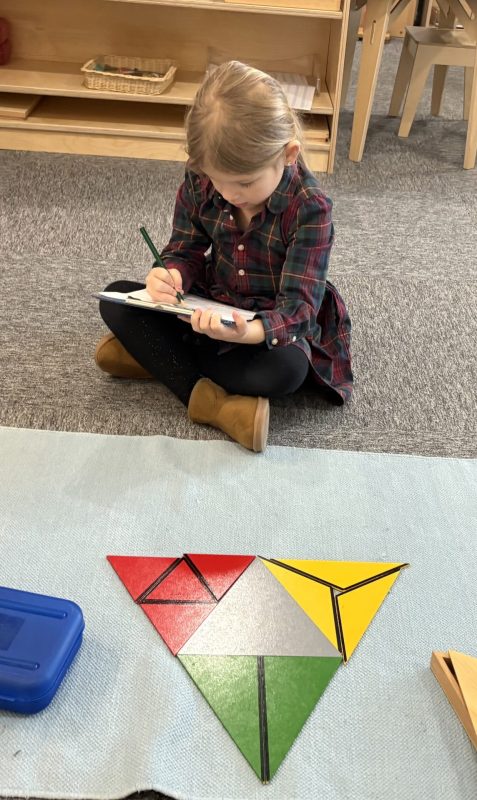
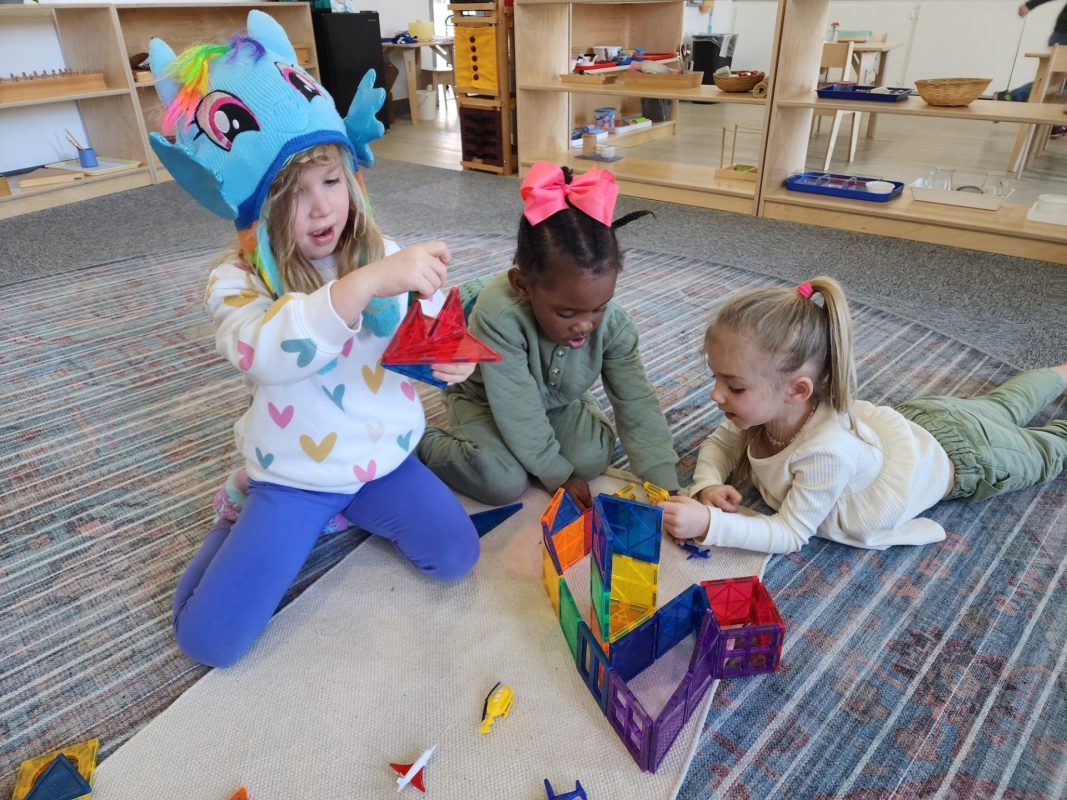
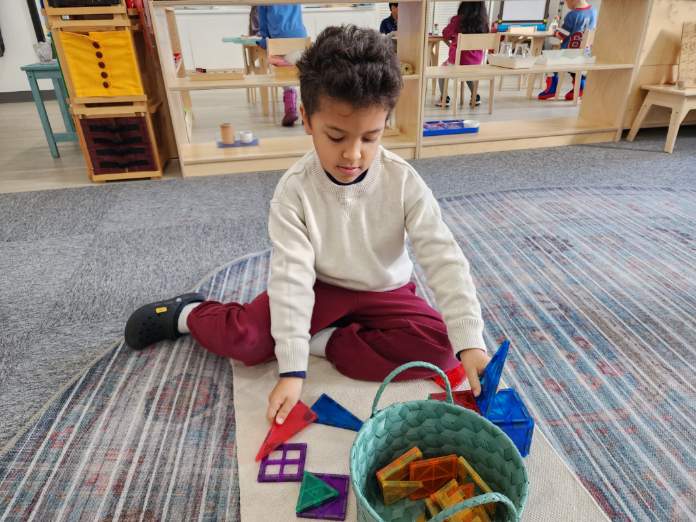
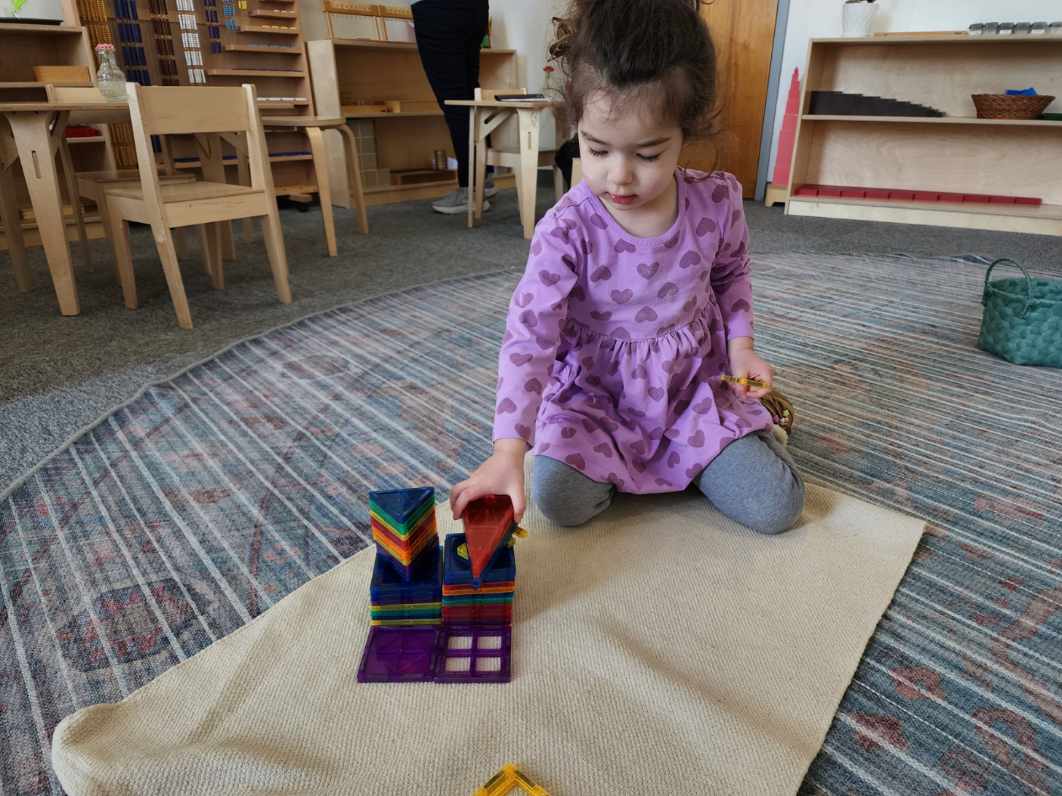
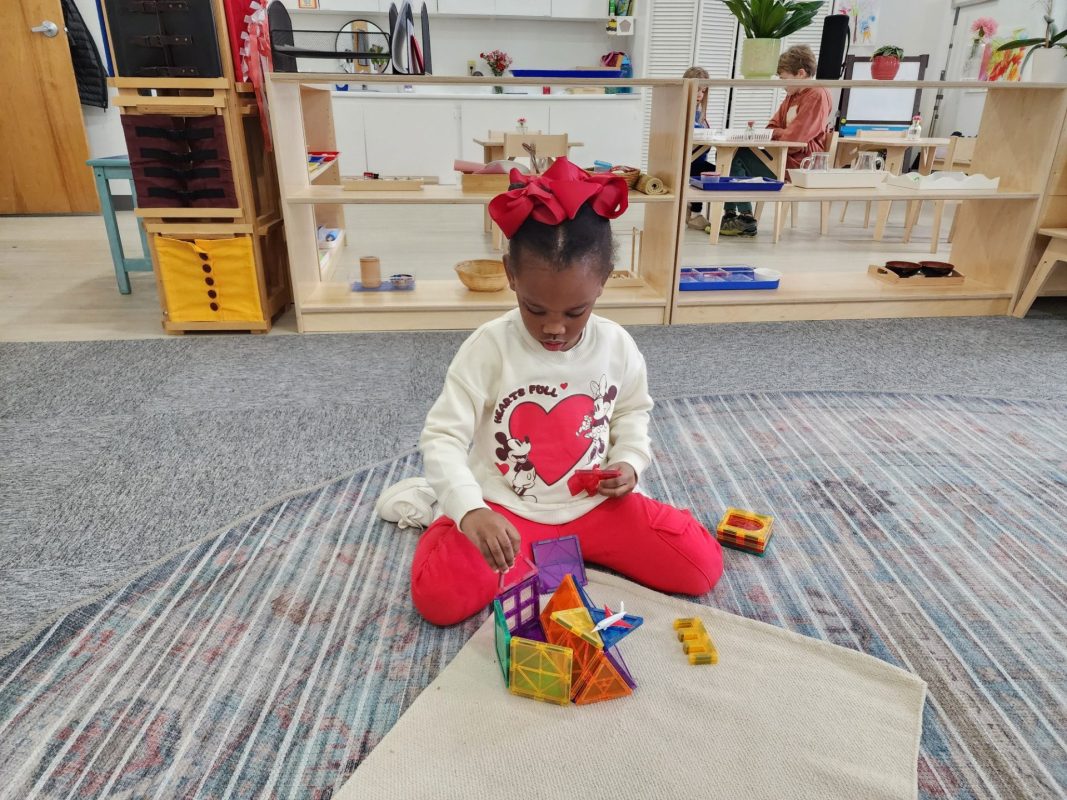
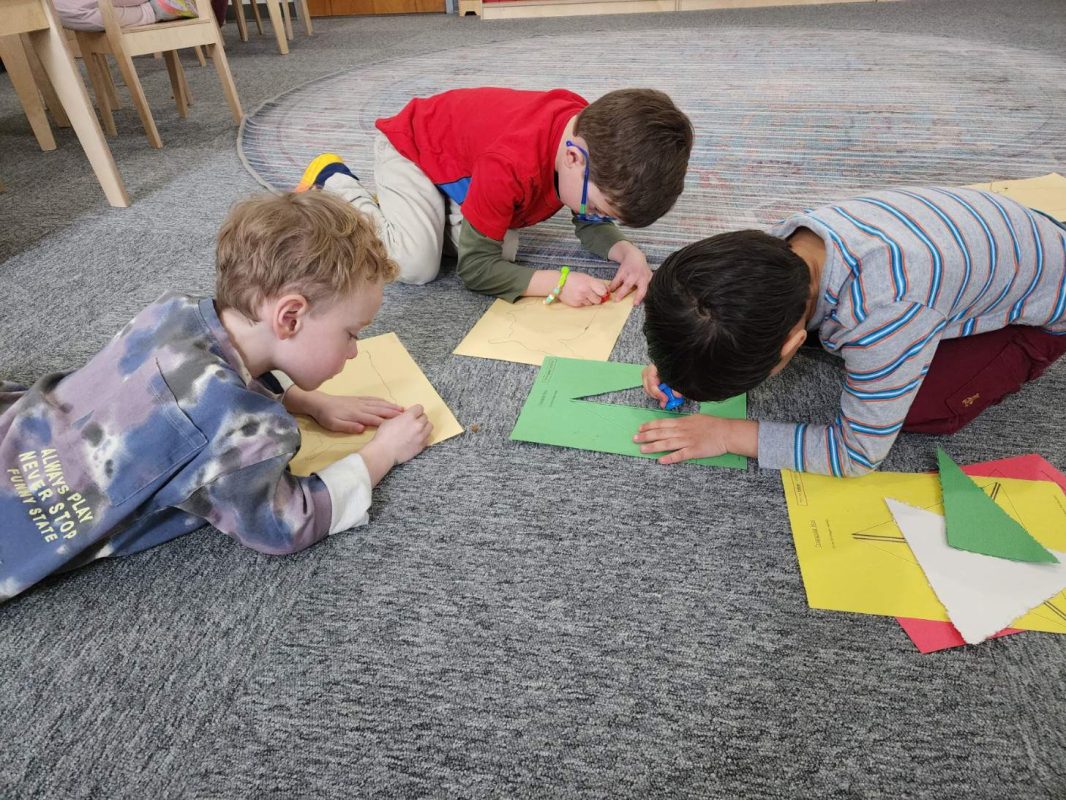
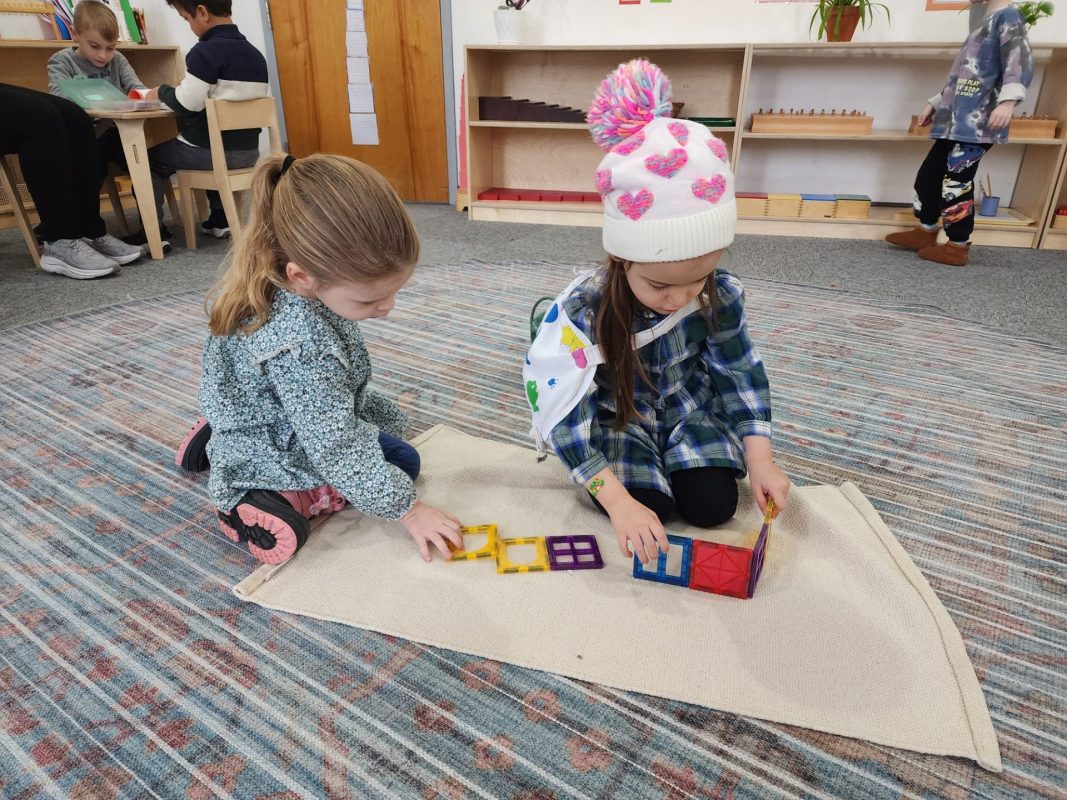
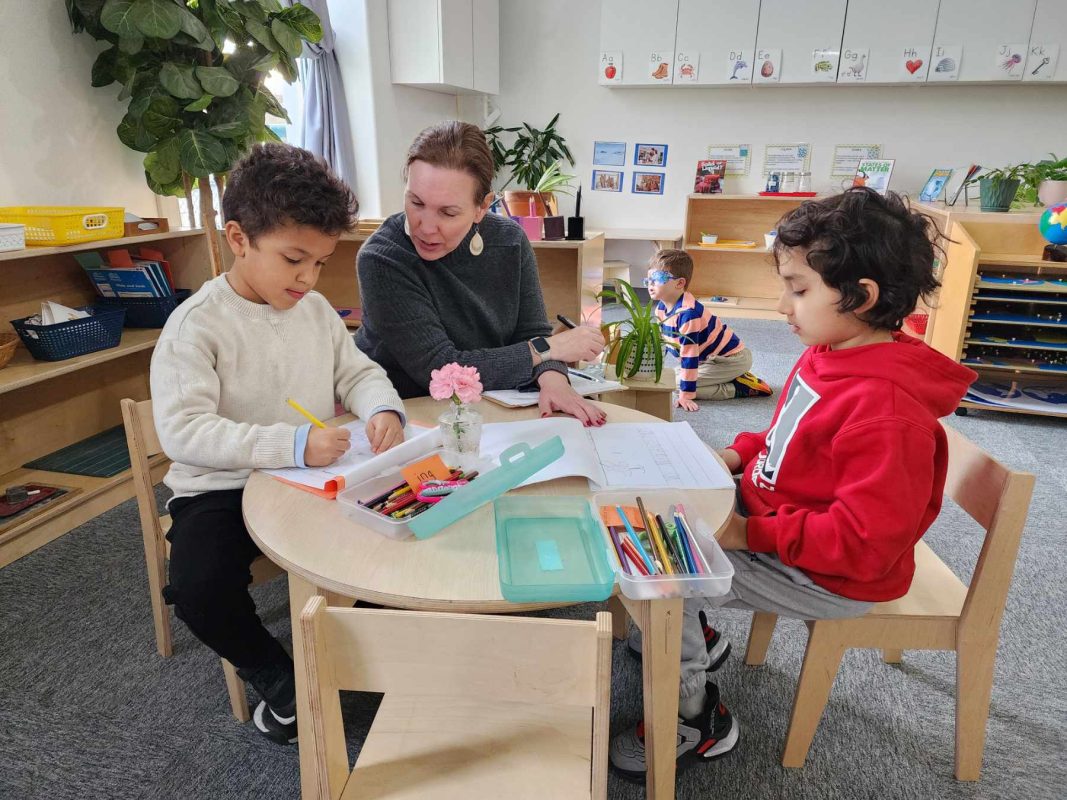
You see this constantly in our classrooms. During a recent geometry unit, a Lower Elementary student was visibly struggling with constructive triangles. Two older students noticed and quietly moved to sit beside him. They didn’t take over—they asked questions. “What are you trying to make?” “What happens when you flip that triangle?”
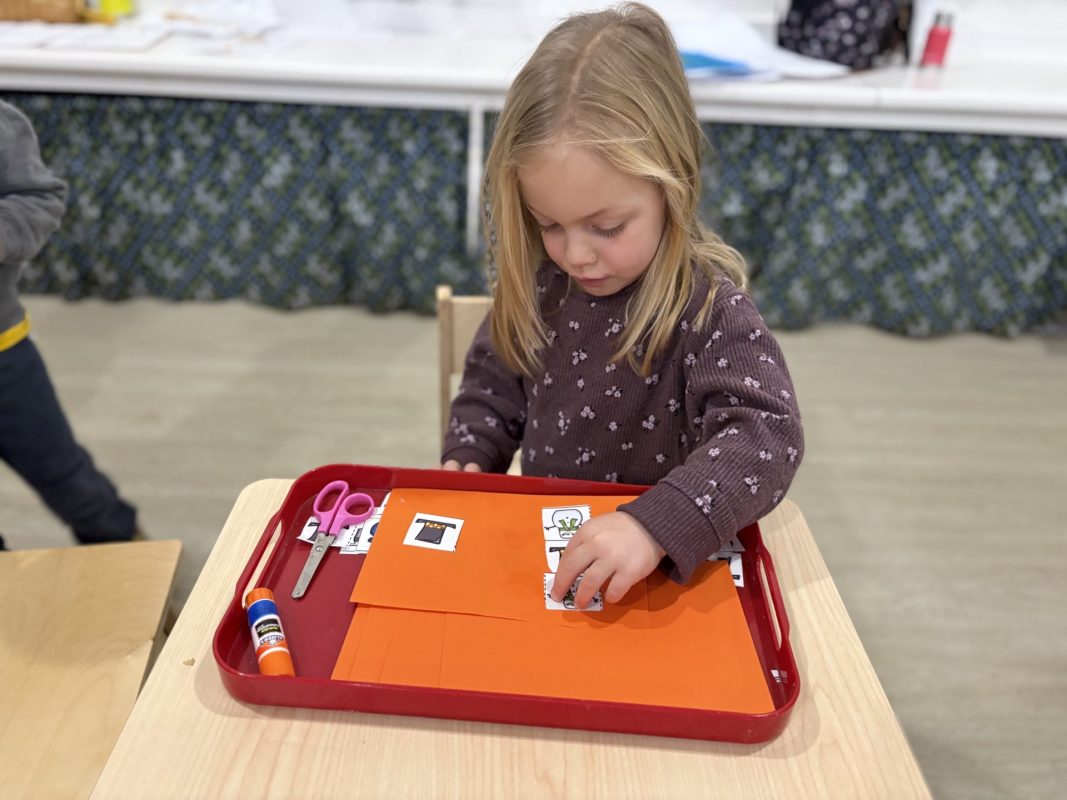
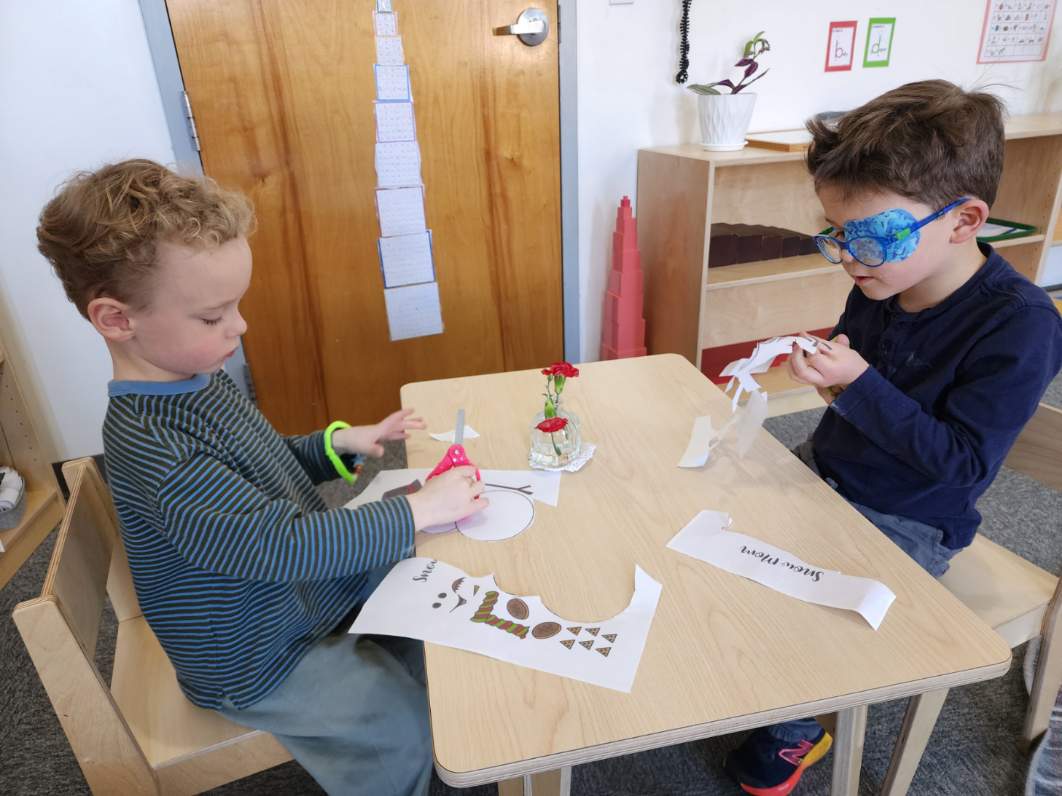
Within minutes, all three children were collaborating, creating increasingly complex designs, their excitement building with each discovery. They were sketching, arranging, and testing their thinking together—exactly the strategies the research identified in successful problem solvers.
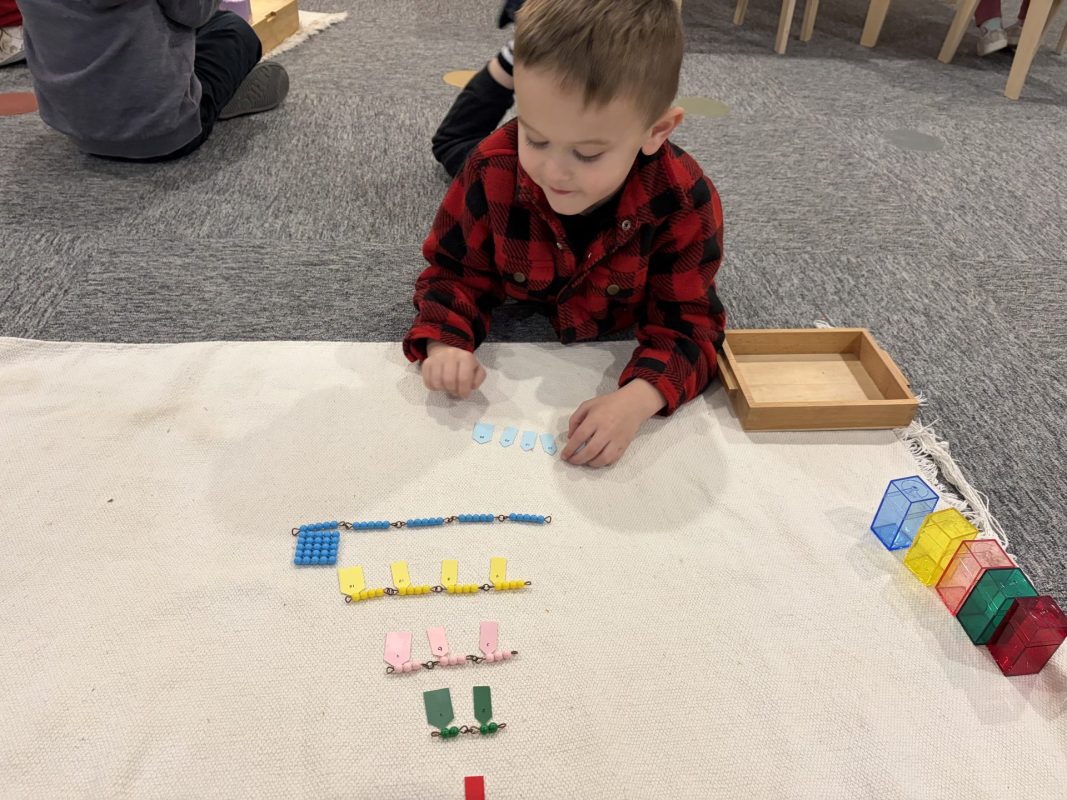
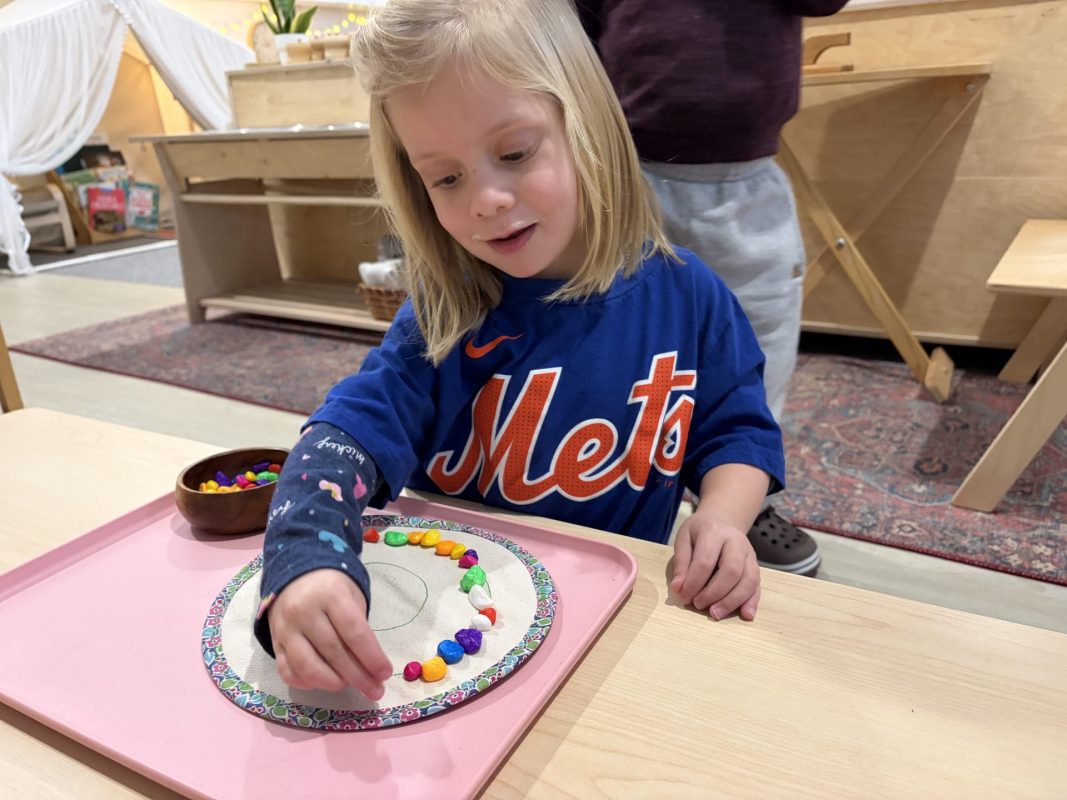
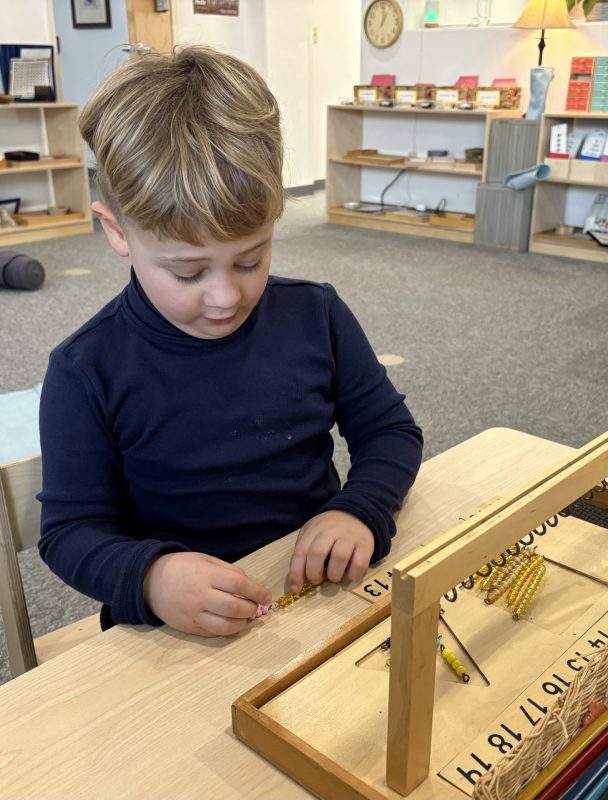
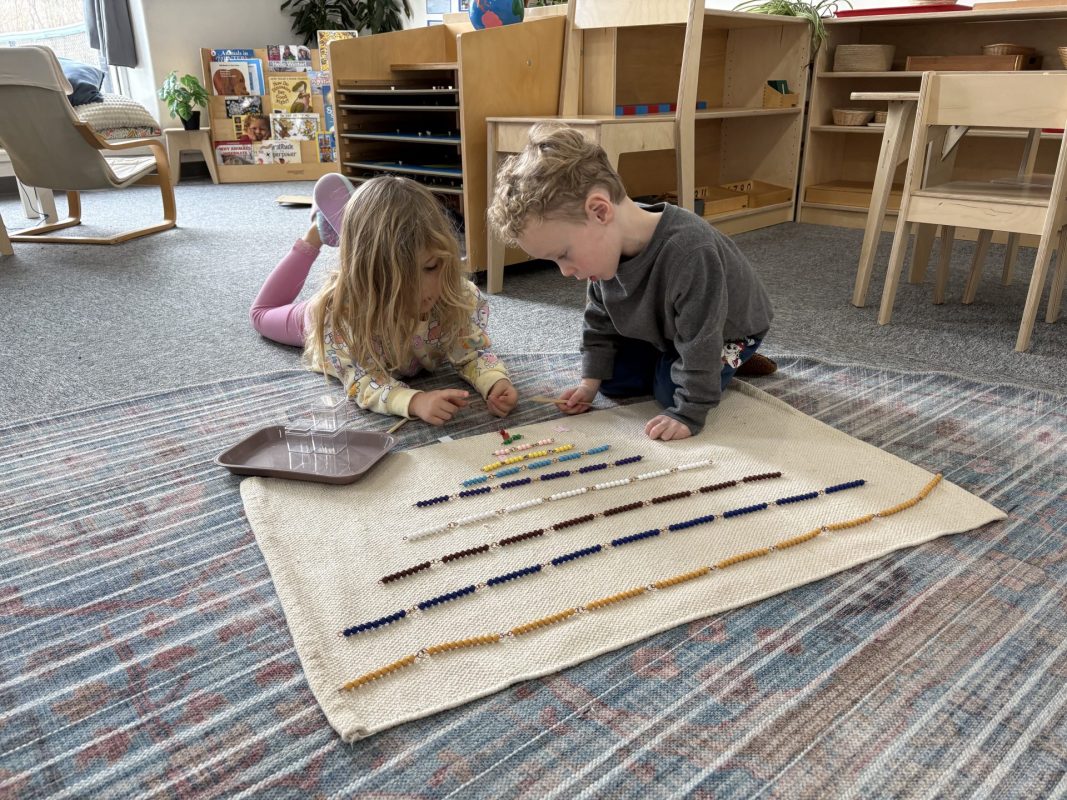
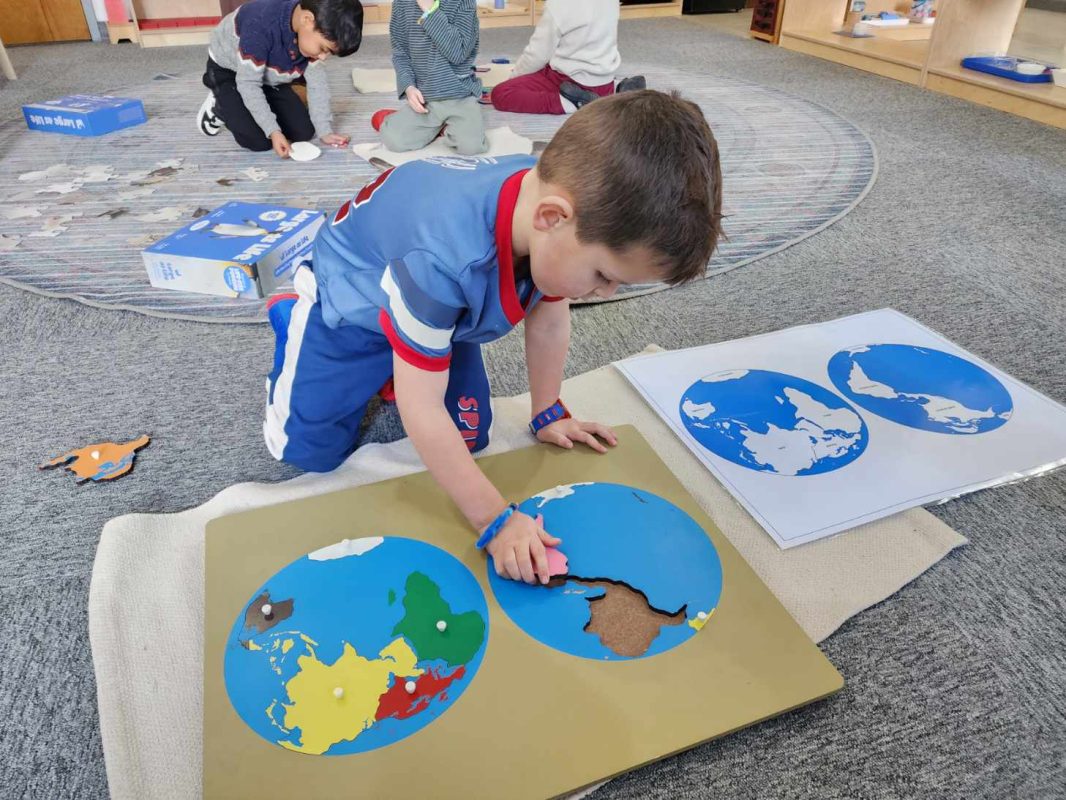
The Montessori materials themselves make this kind of engagement inevitable. You can’t mentally check out while working with the golden bead material or navigating the red rods. The materials require physical interaction that keeps both body and mind actively engaged.
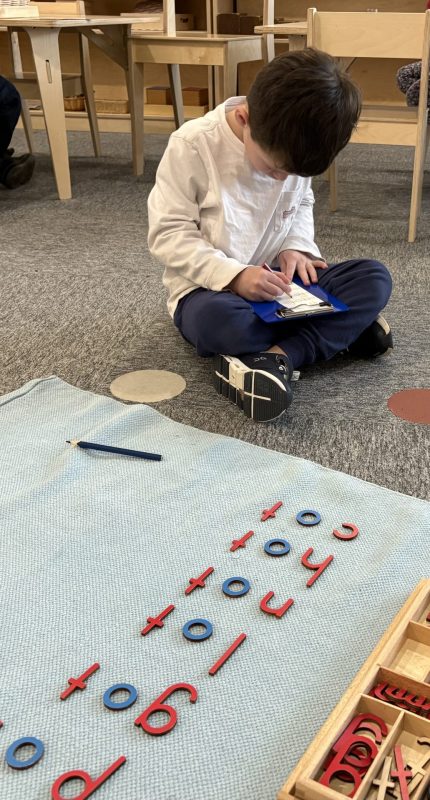
Last week in Lower Elementary, during the fourth Great Lesson on the Communication of Signs, “the children were captivated as they learned about the evolution of the Roman alphabet and how it connects to the writing we use every day.” The captivation didn’t come from a lecture—it came from actively making meaning: comparing different alphabet systems, noticing patterns, making connections.
As one parent captured it: “Fraser Woods teaches to the student, not to a test. The school cultivates a true love of learning, and students are curious, engaged, and absorbed.” That absorption happens because we’ve designed every element—from the materials to the work cycle to the outdoor time—around how children’s attention actually works.
Support: The Courage to Step Back
Here’s one of the most counterintuitive aspects of great teaching: sometimes the most powerful support we can offer is our confidence in a child’s ability to figure things out independently.
Maria Montessori understood this when she wrote, “Never help a child with a task at which he feels he can succeed.” Modern research confirms her insight with remarkable clarity.
The Problem with Swooping In
A 2025 study found that when adults intervene too quickly with struggling students, it can signal that solutions are beyond the child’s ability—dampening their confidence and willingness to take intellectual risks.
As early as age 7, children who received “unsolicited help” during challenging tasks became less motivated to persist. After receiving help—whether direct (giving the answer) or indirect (offering a hint)—children “felt less competent, liked the task less, and felt more in need of help.” Perhaps most concerning, these children became less likely to embrace challenges, preferring easy tasks over difficult ones that offered real learning opportunities.
Premature intervention—no matter how well-intentioned—robs children of something precious: the satisfaction of independent mastery and the deep self-confidence that comes from overcoming difficulty on their own.
The Montessori approach offers an elegant solution: observe carefully, offer guidance when truly needed, but resist the urge to rescue.
What This Looks Like in Action
Observe any of our classrooms and you’ll see this philosophy creating small moments of triumph daily.
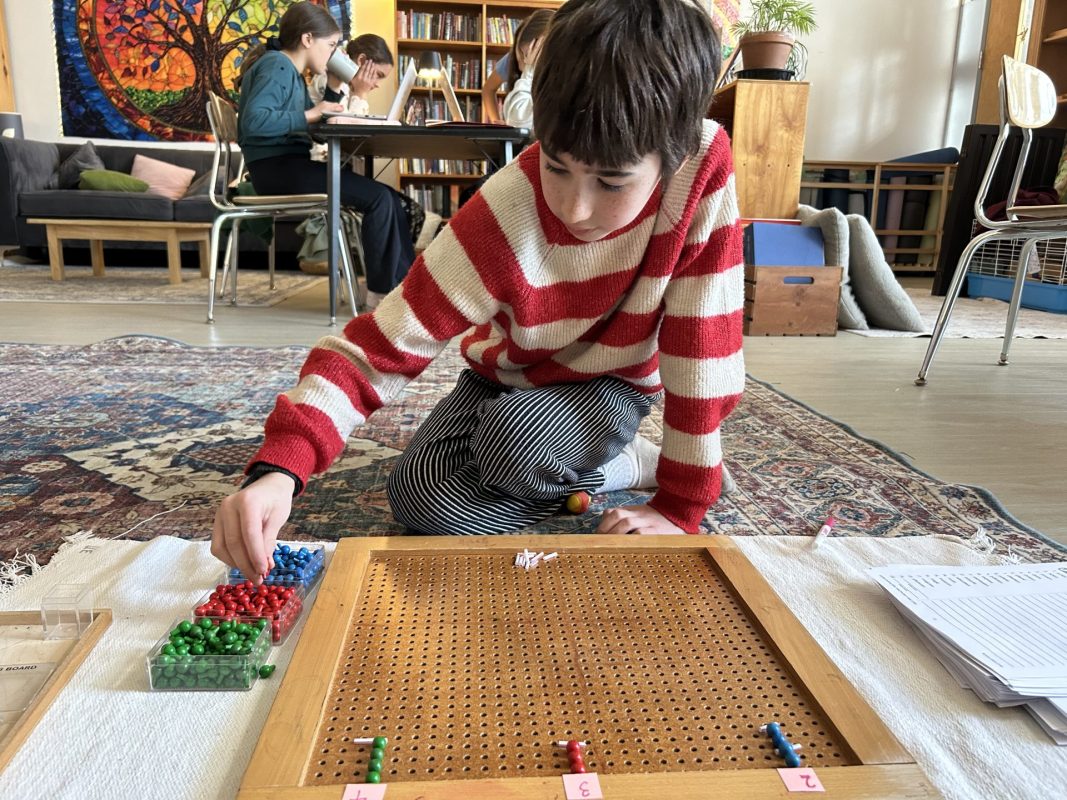
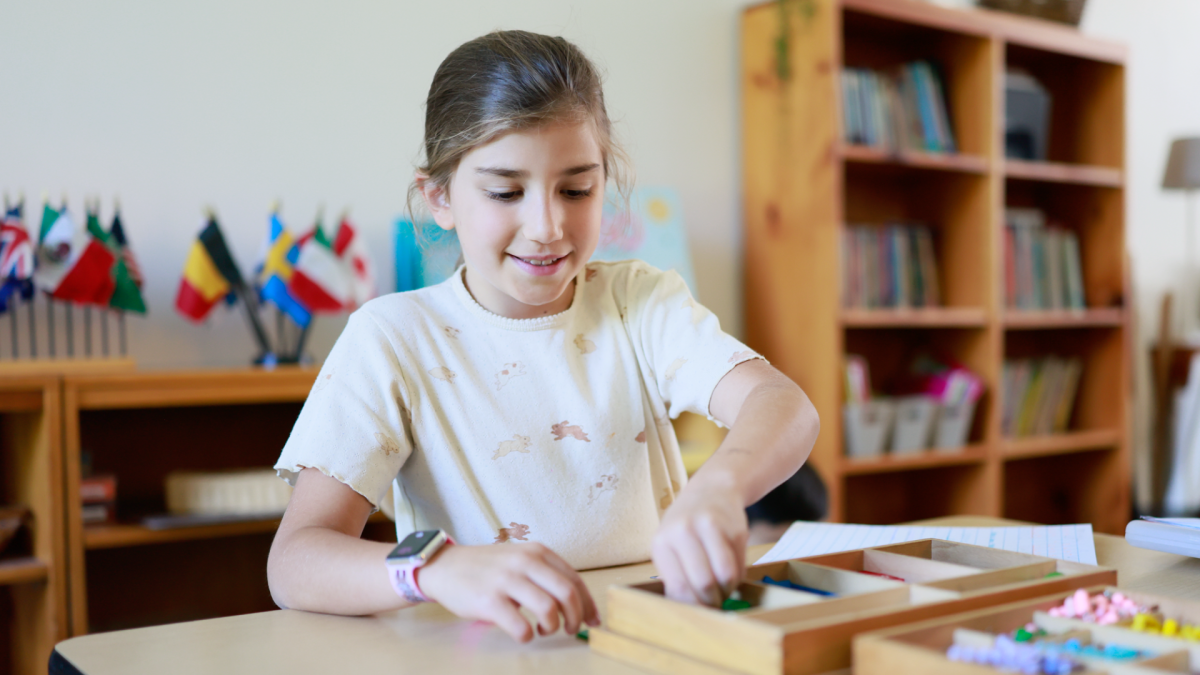
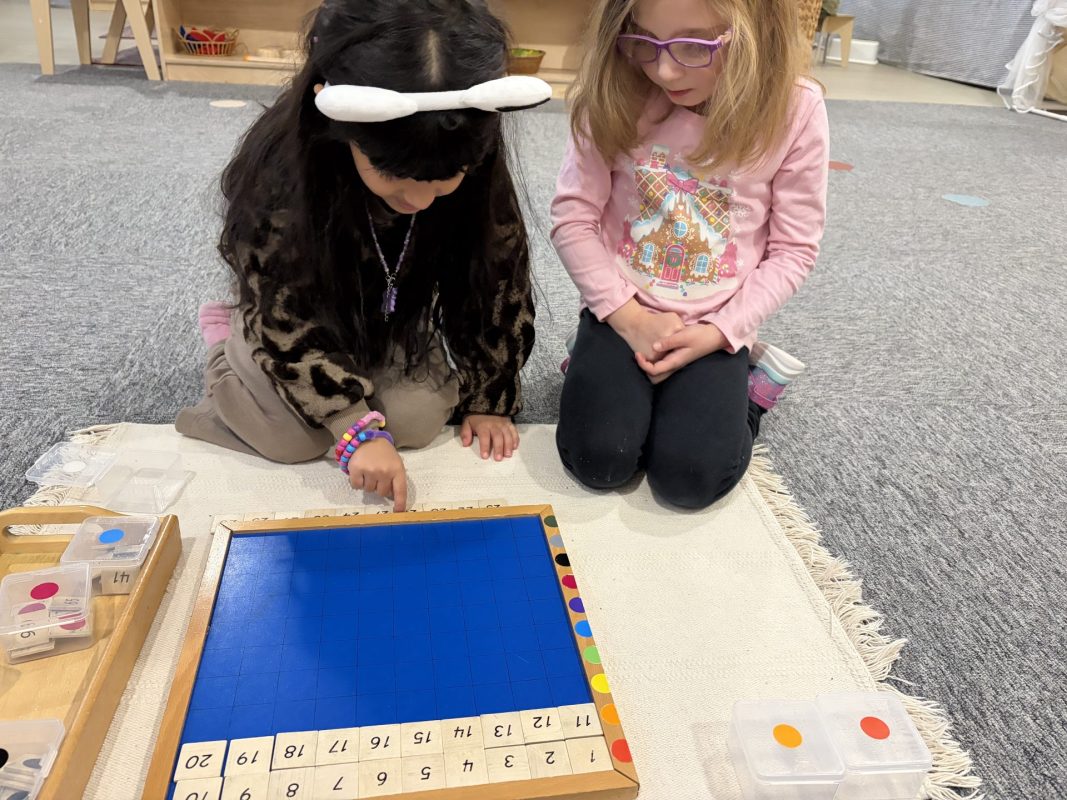
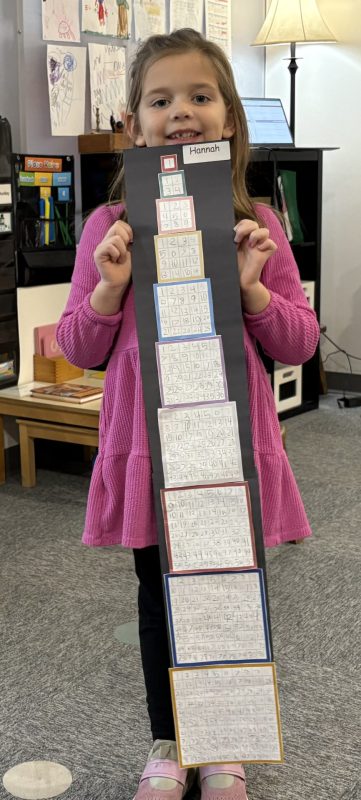
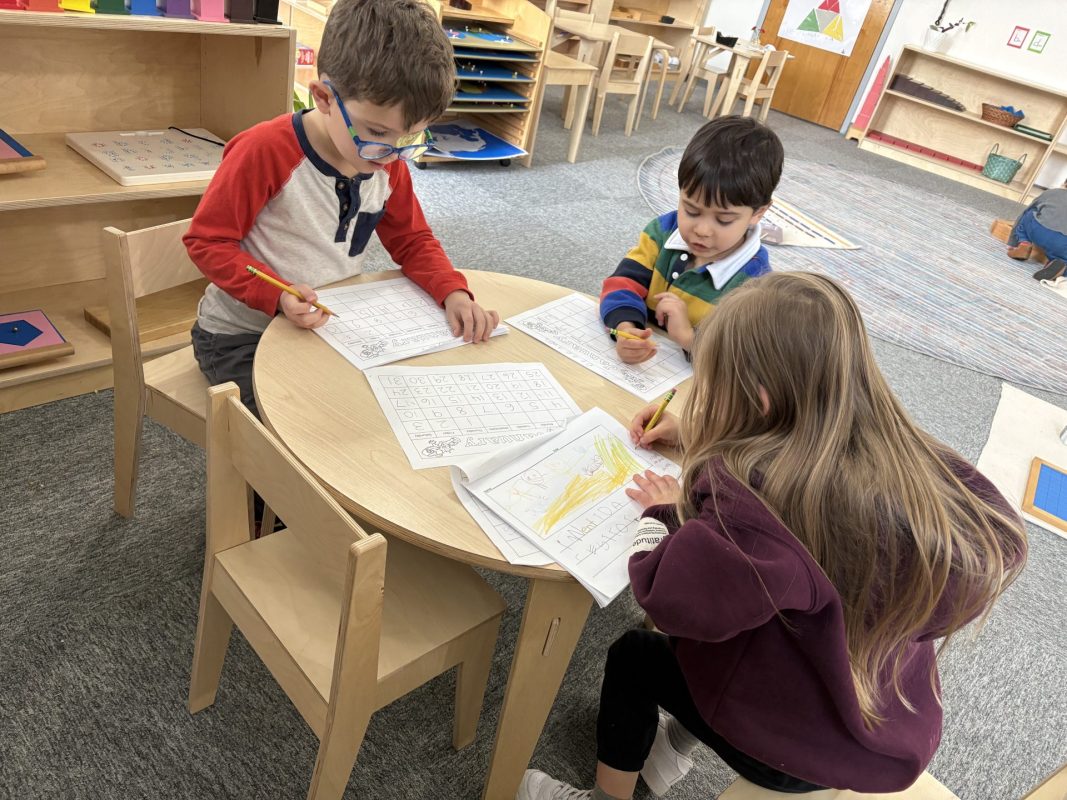
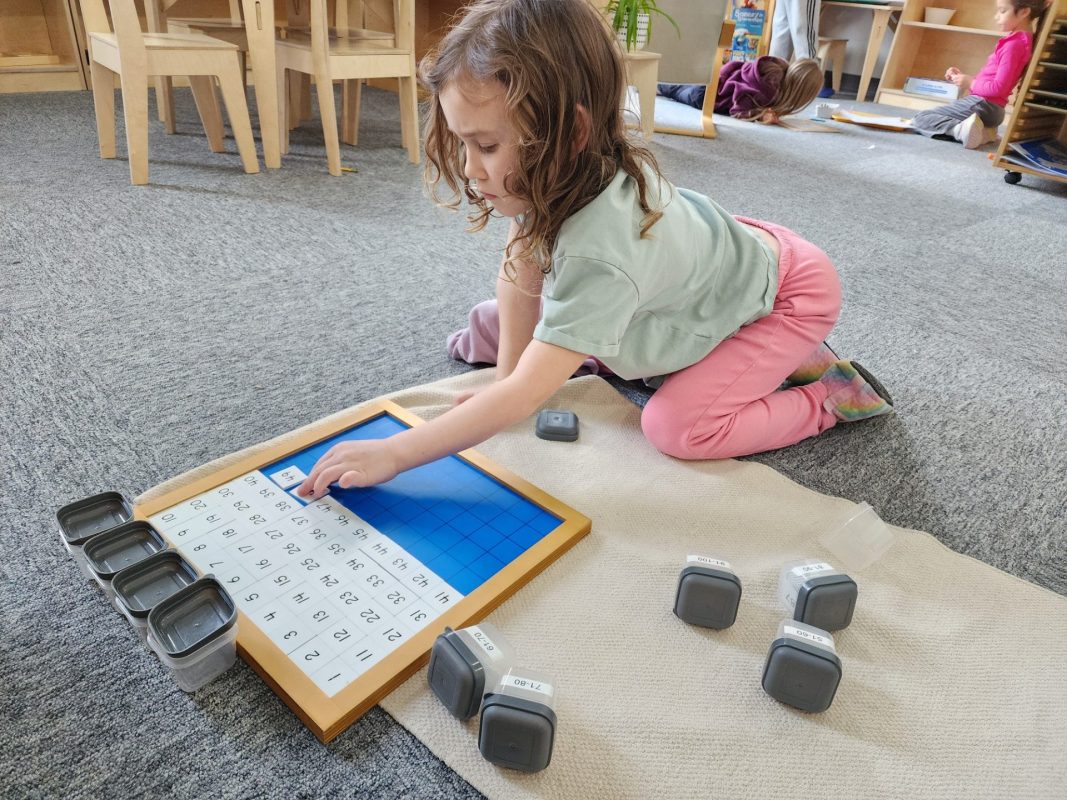
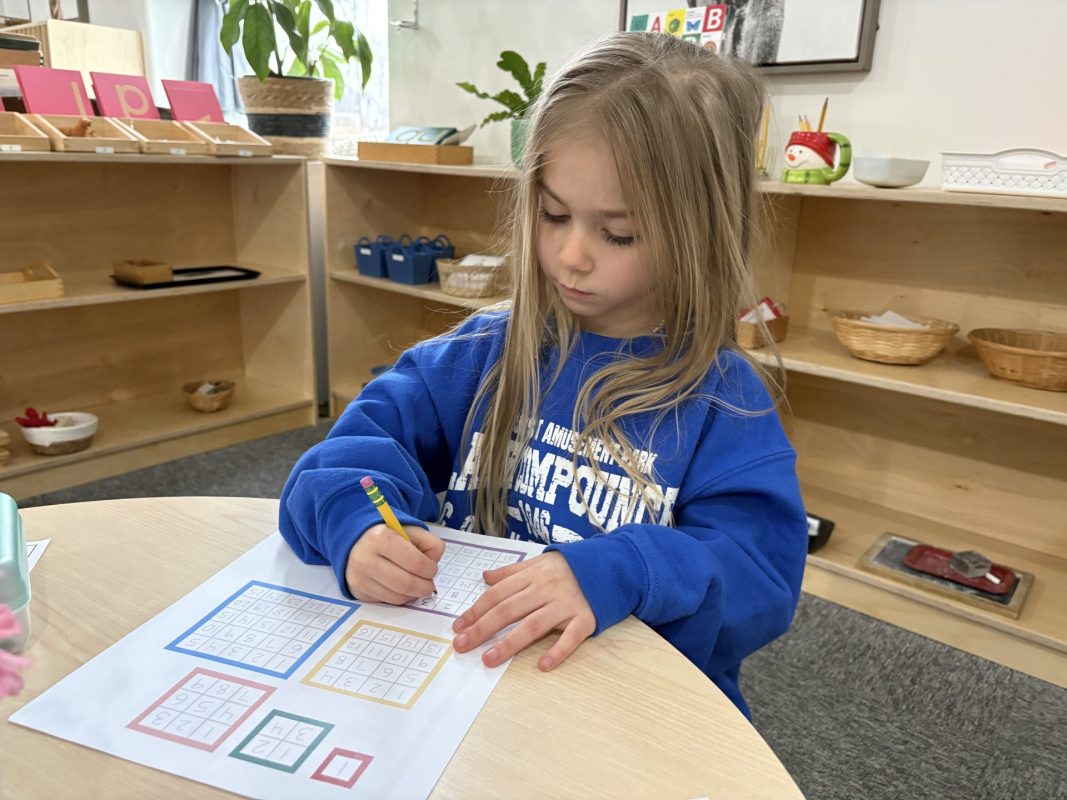
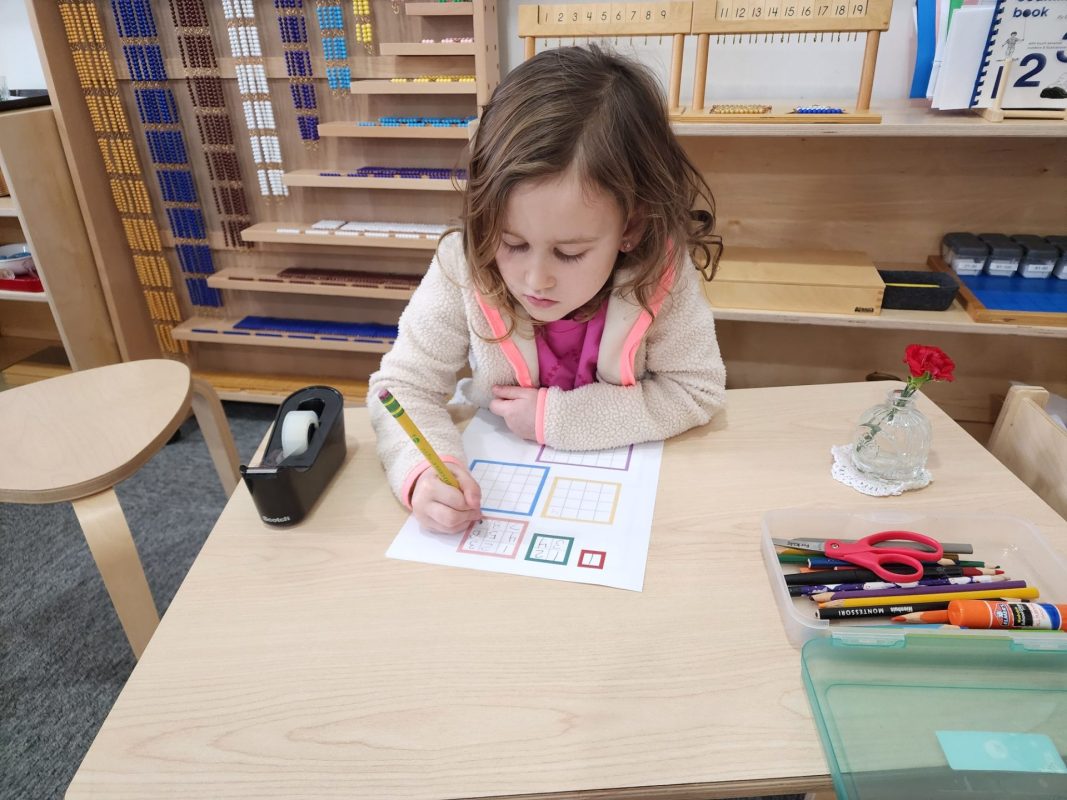
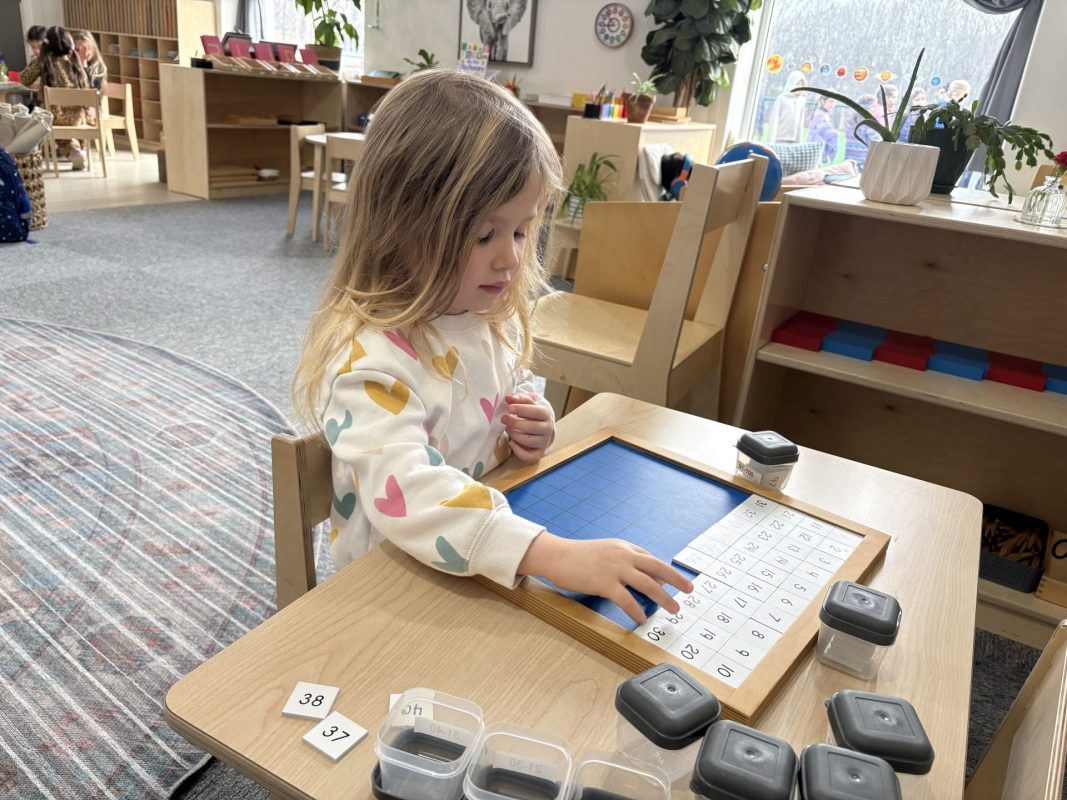
A Primary student works intently with the Hundred Board, carefully placing each tile in numerical order. The teacher observes from across the room but doesn’t intervene when the child pauses, studies the pattern, and moves a tile to correct their own error. As one teacher explained with evident satisfaction: “The beauty of these self-correcting materials is that children can work at their own pace, building confidence as they recognize and correct their own errors. This independent work fosters the mathematical mind while developing problem-solving skills and patience.”
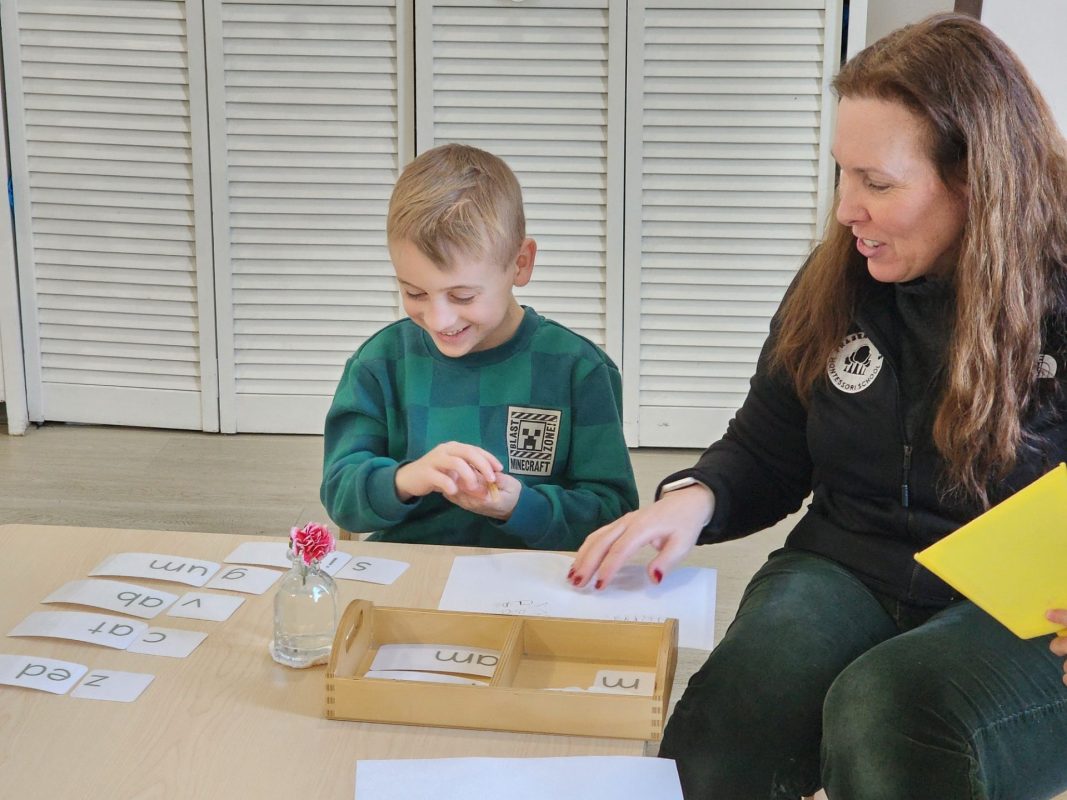
The materials themselves are designed to support without rescuing. A Primary student working with the Pink Tower doesn’t need an adult to point out that the blocks are out of order—the visual mismatch reveals itself. In the Lower Elementary grammar boxes, a child can check their sentence construction against the control card to see if they’ve correctly identified each part of speech. With the Upper Elementary fraction insets, the pieces either fit together properly or they don’t—there’s no way to force 1/3 and 1/4 to equal a whole.
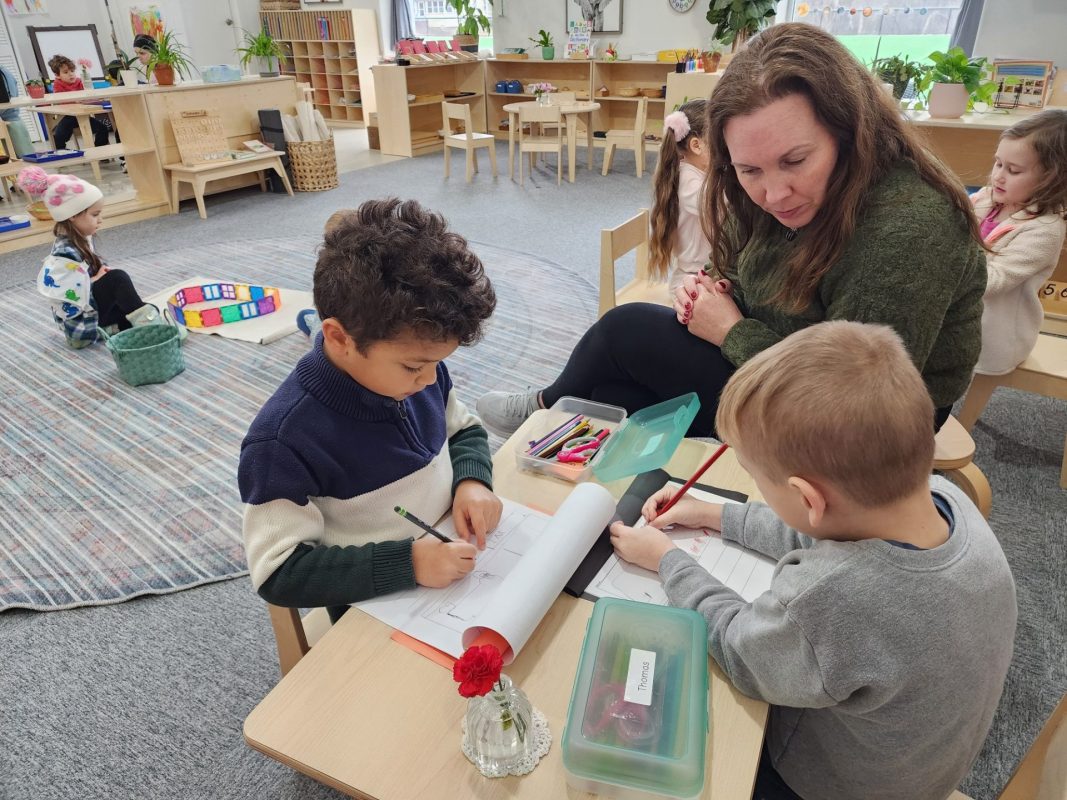
Our teachers understand their role not as problem-solvers but as guides. After presenting a lesson, they step back and observe, intervening only when support is truly needed for success. This means children spend their work cycle in what researchers call “productive struggle”—wrestling with challenges, making adjustments, discovering solutions.
Through repeated practice, children develop something remarkable: they learn to self-critique, looking at how they’re doing something and making slight changes to perfect the action, making it more efficient.
The Power of Peer Support
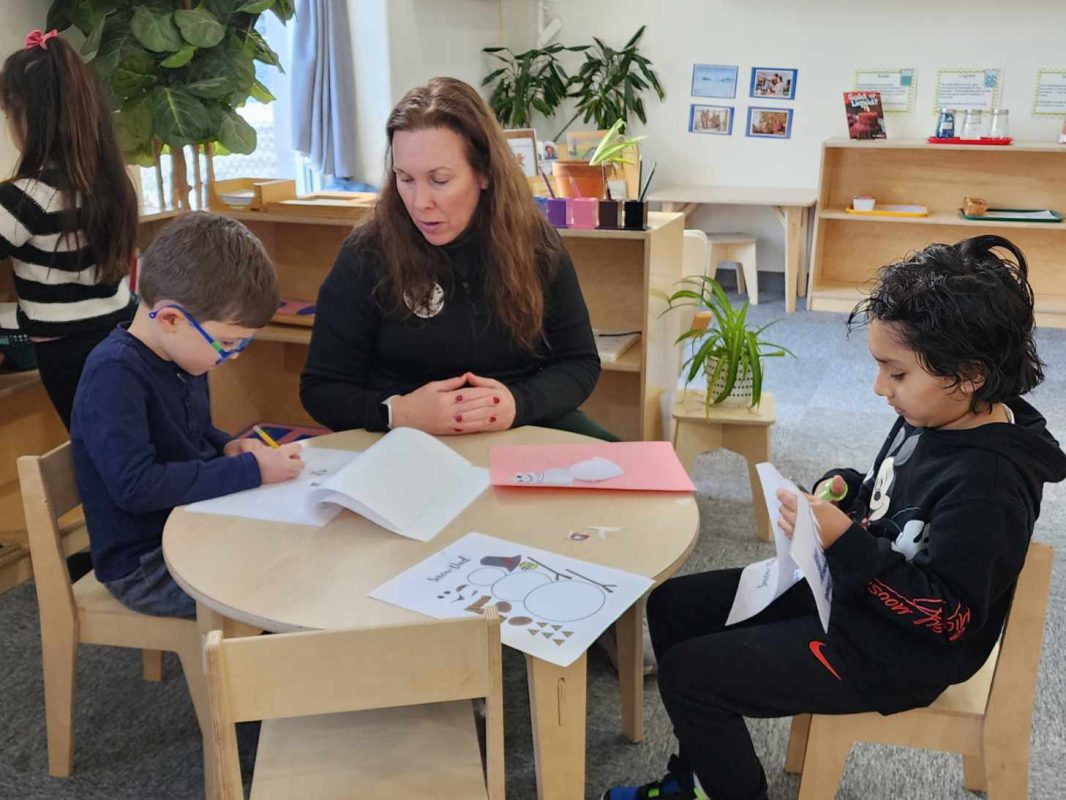
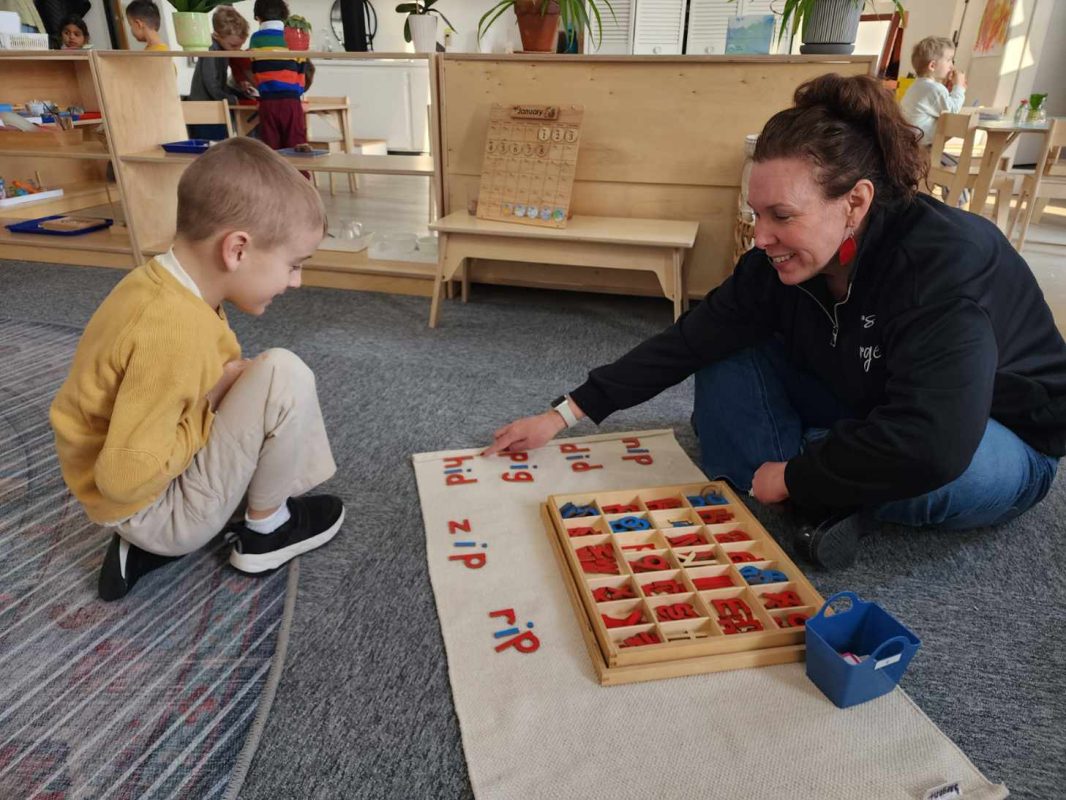
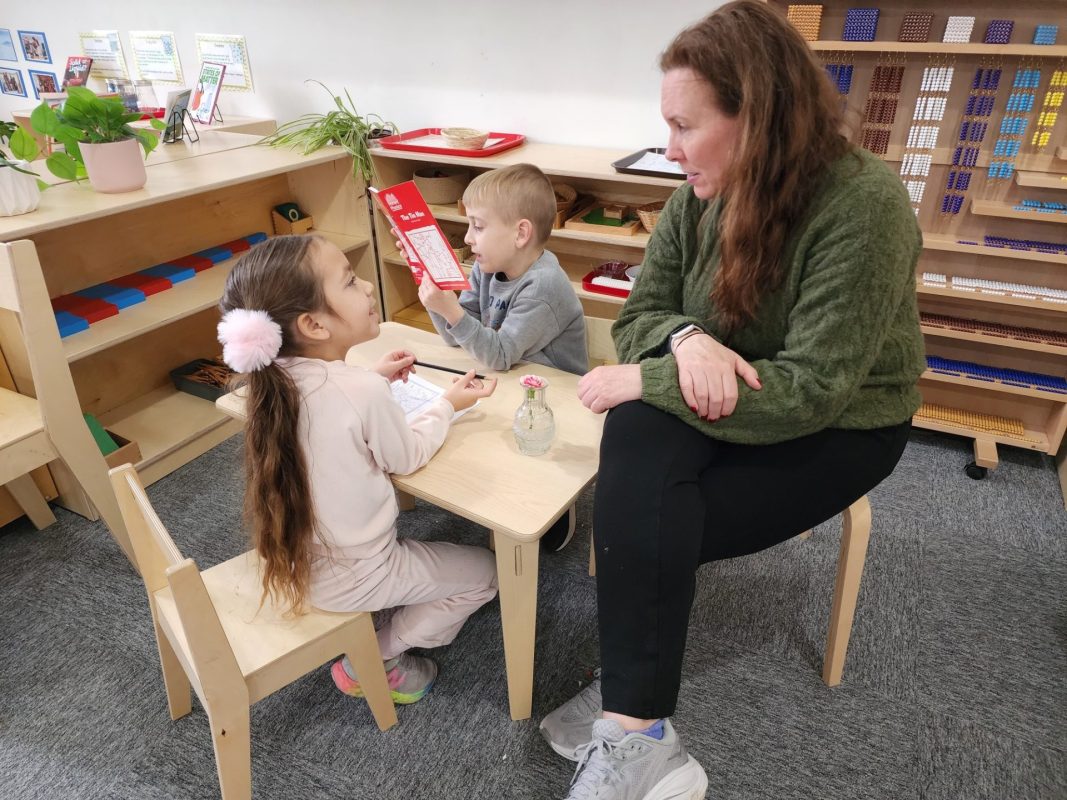
As one teacher explained about the Mystery Word activity in Primary, “Our youngest children aren’t quite ready for this work, BUT it is a wonderful opportunity for our first-year students to connect with Kindergarteners who can help them participate.”
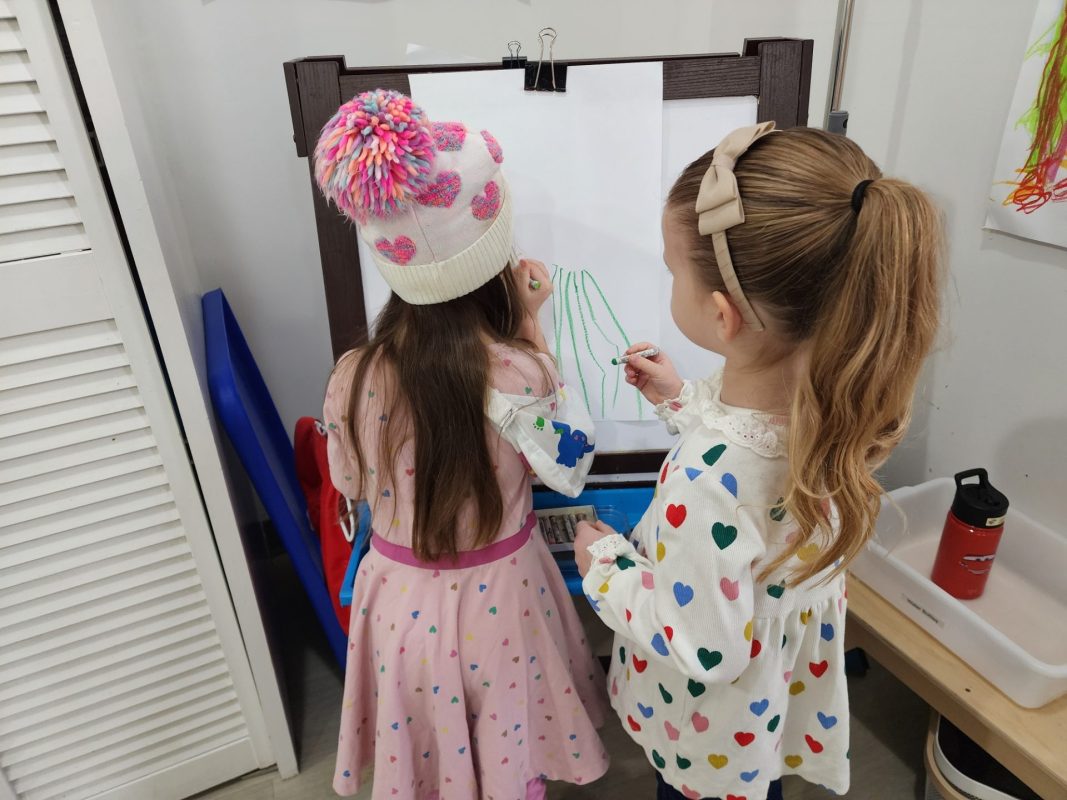
Here’s why this matters: peer support preserves independence in ways that adult intervention sometimes cannot. A second-grader showing a first-grader how to use the Grammar Dice doesn’t carry the same signal of incompetence that adult help might convey.
This approach creates what Montessori called “normalization”—children who are focused, self-directed, and deeply satisfied by their own accomplishments. We facilitate this “by offering engaging, hands-on materials, uninterrupted work cycles, and minimizing the disruption of concentration.”
The result? Children who don’t need constant adult validation because they’ve experienced the deeper satisfaction of solving problems independently.
The Right Tools at the Right Time
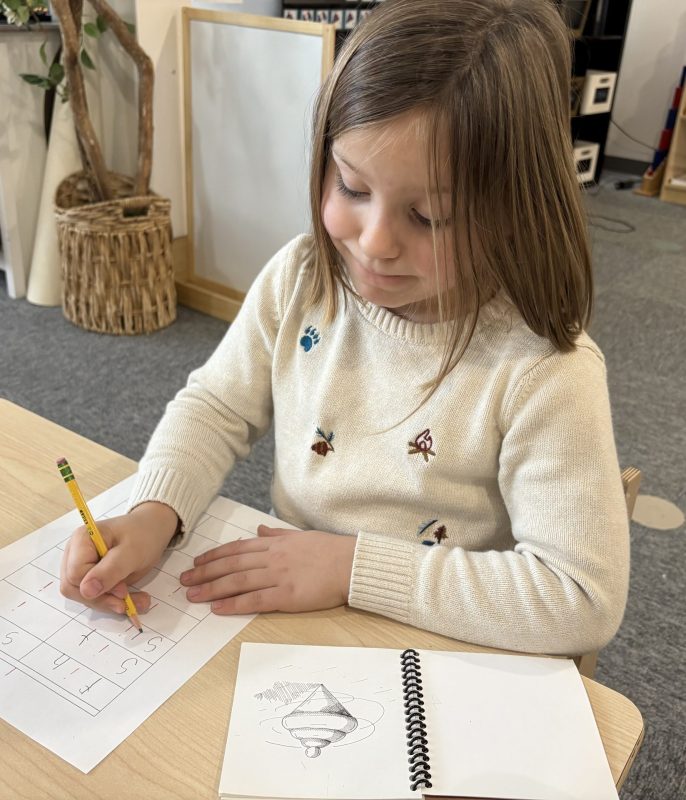
Support also means meeting children exactly where they are developmentally. Here’s a striking finding: a 2025 study of pre-readers found that children who practiced new letters by hand achieved 92 percent accuracy in naming letters, compared to 75 percent for those who typed. For letter writing tasks, handwriters succeeded 64 percent of the time versus just 28 percent for typers.
The researchers noted that handwriting helps build the cognitive framework young students need to decode letters and recognize words—it’s a tool for learning and memory retention across all ages.
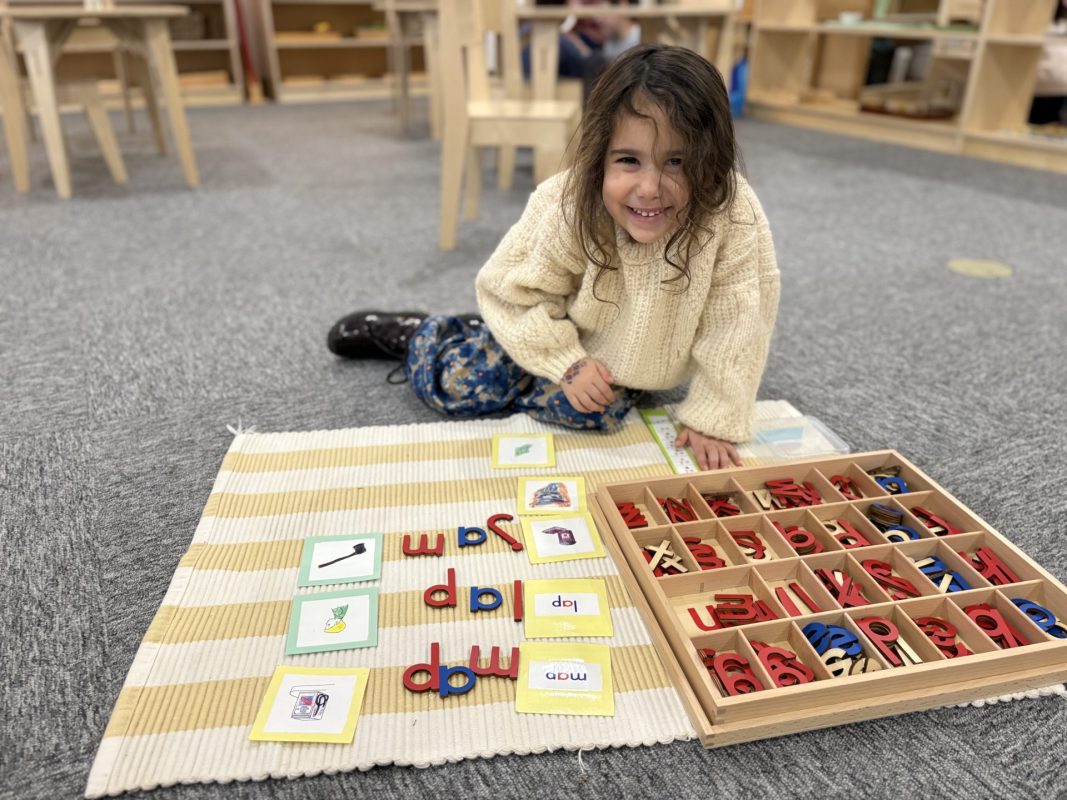
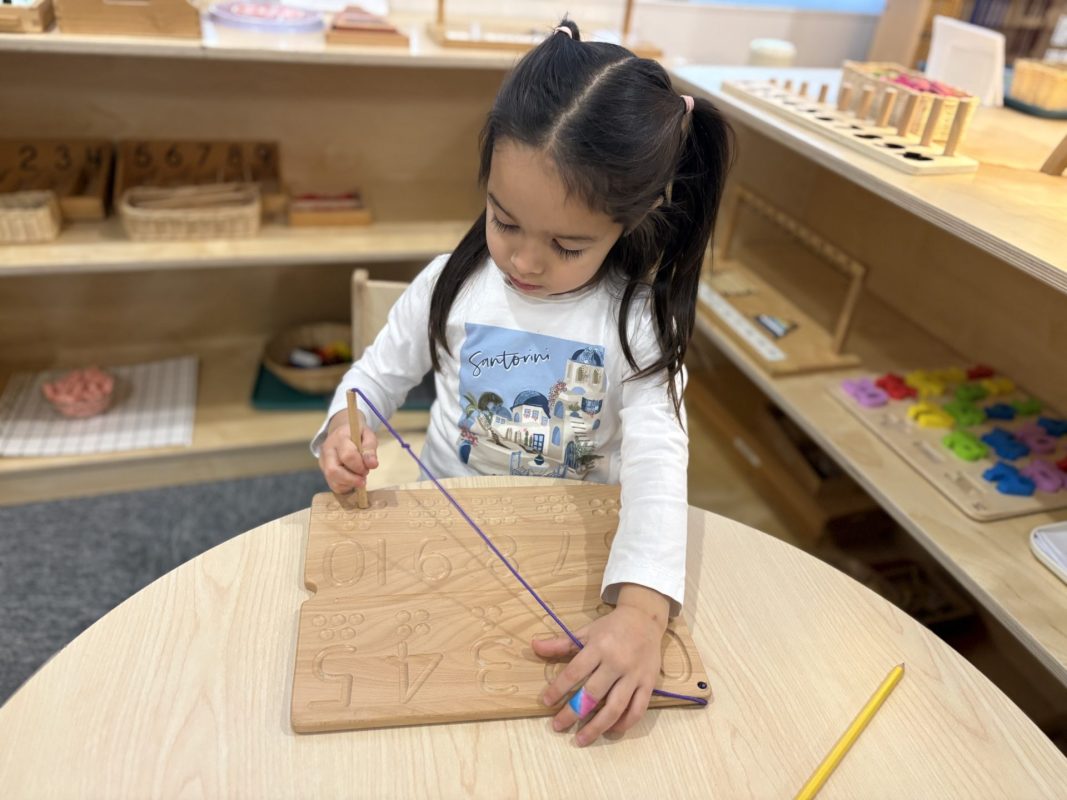
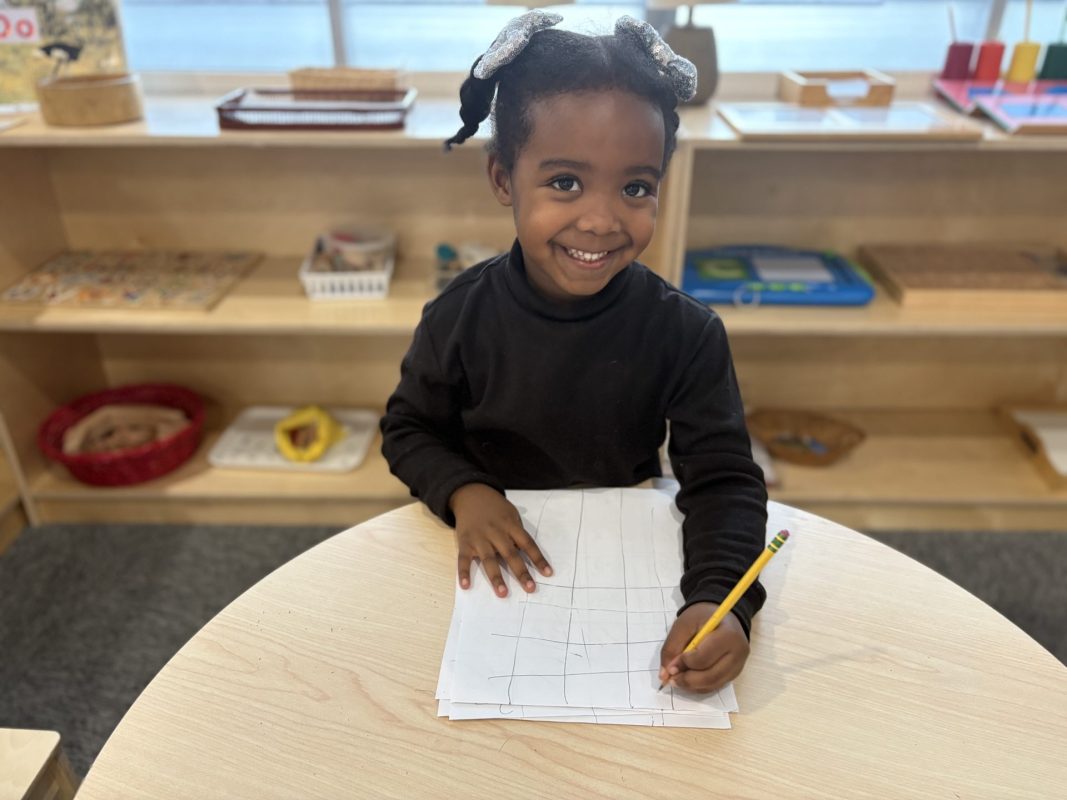
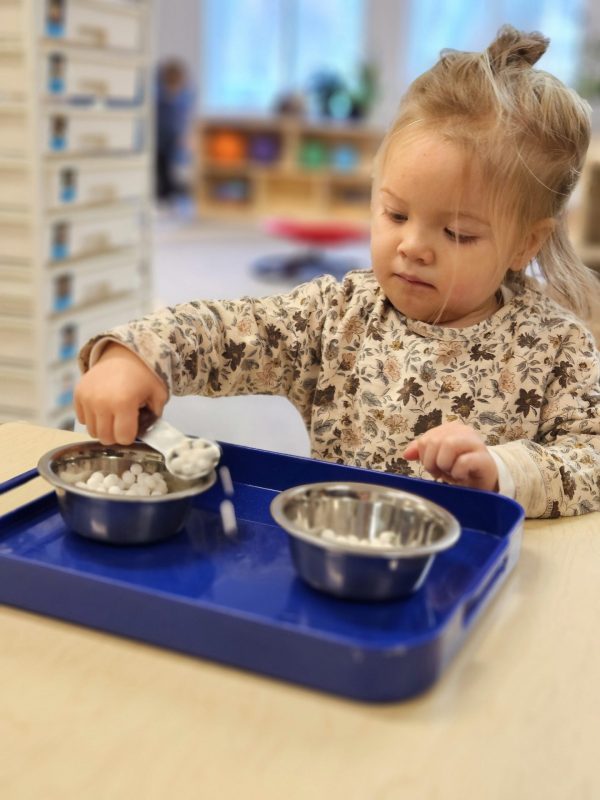
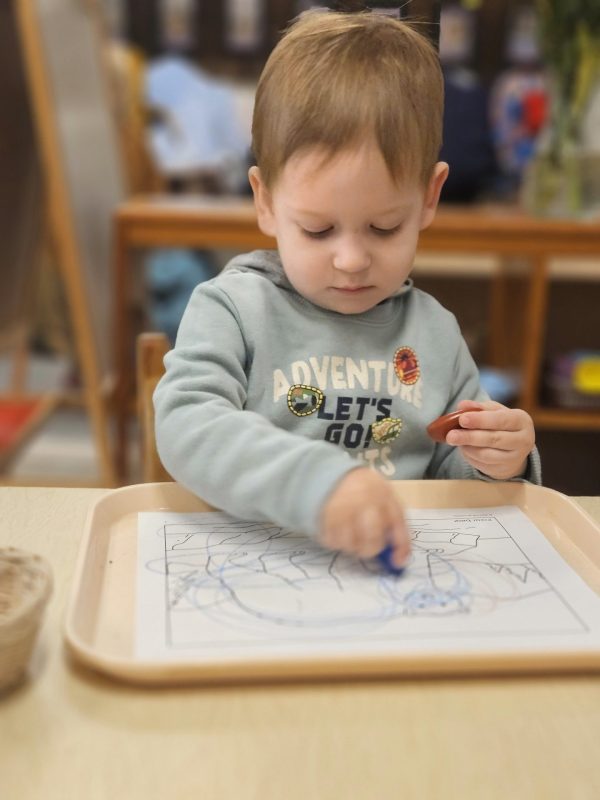
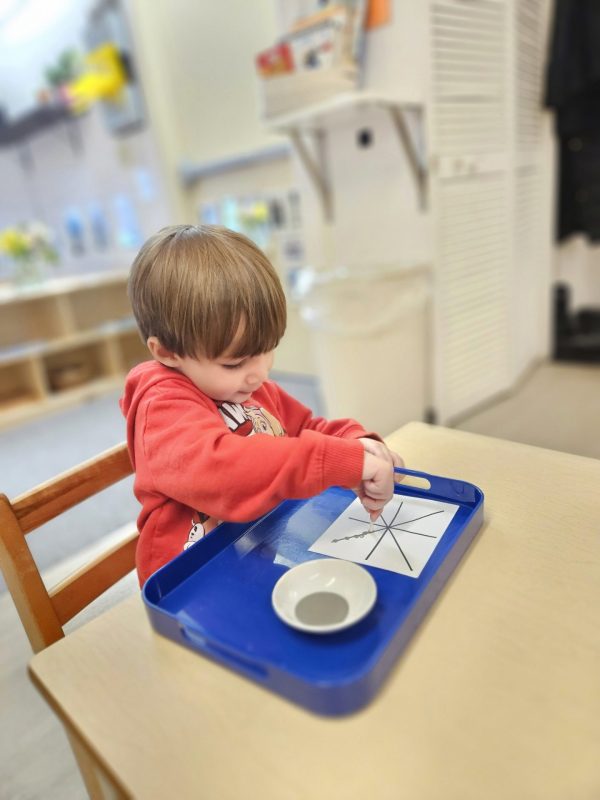
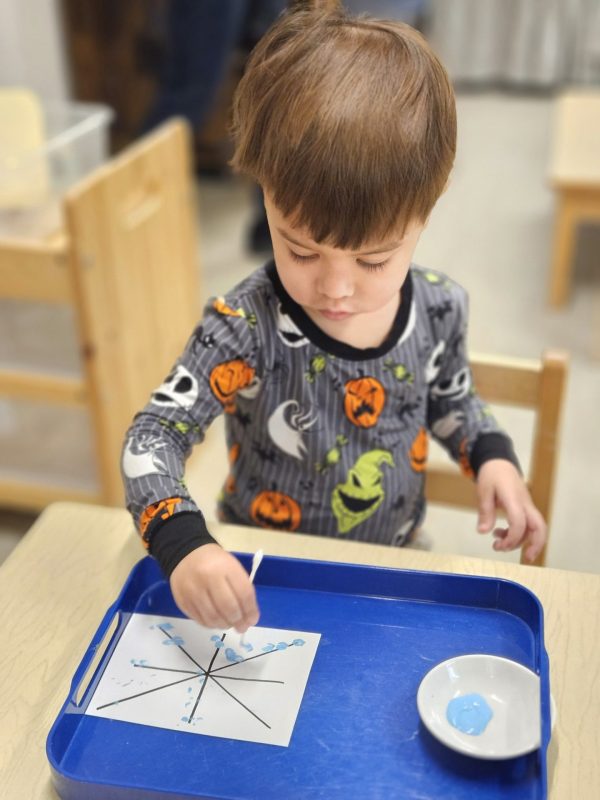
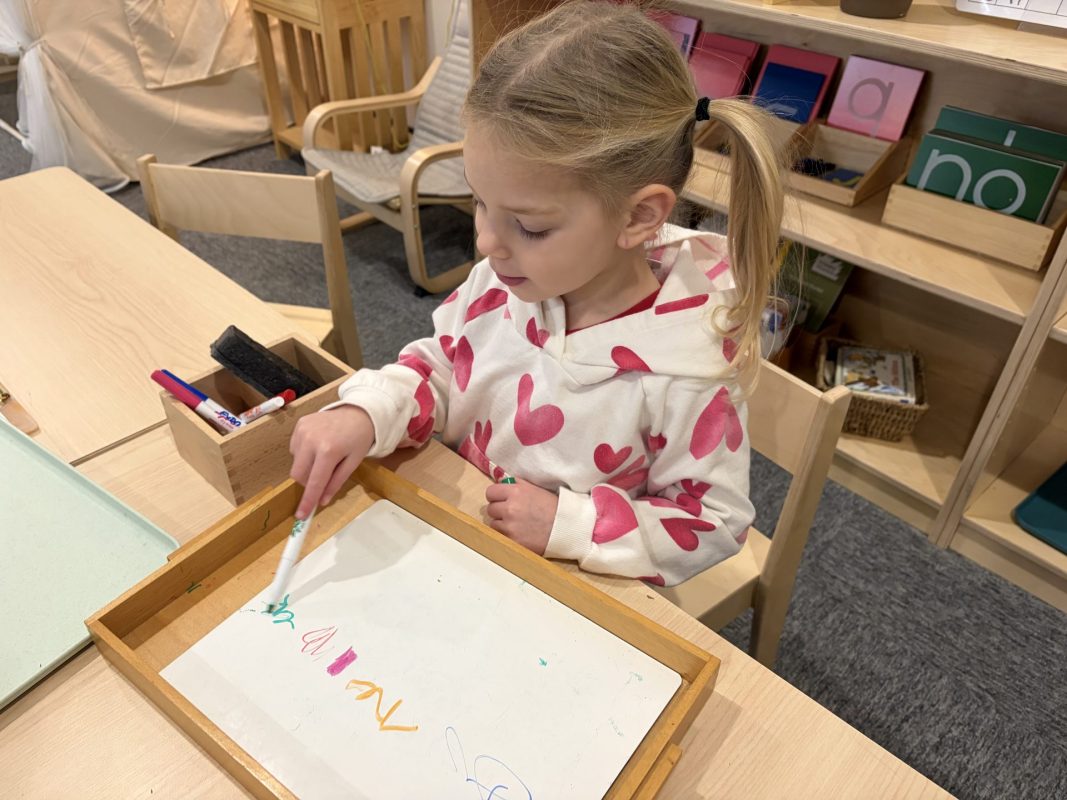
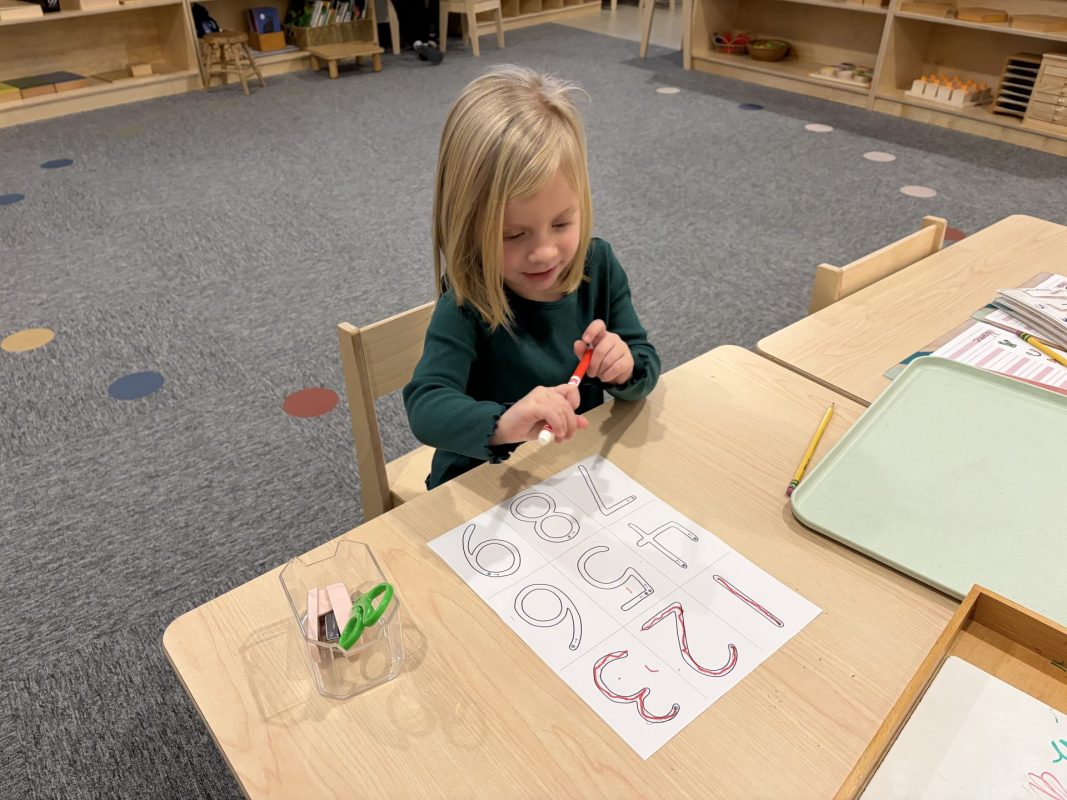
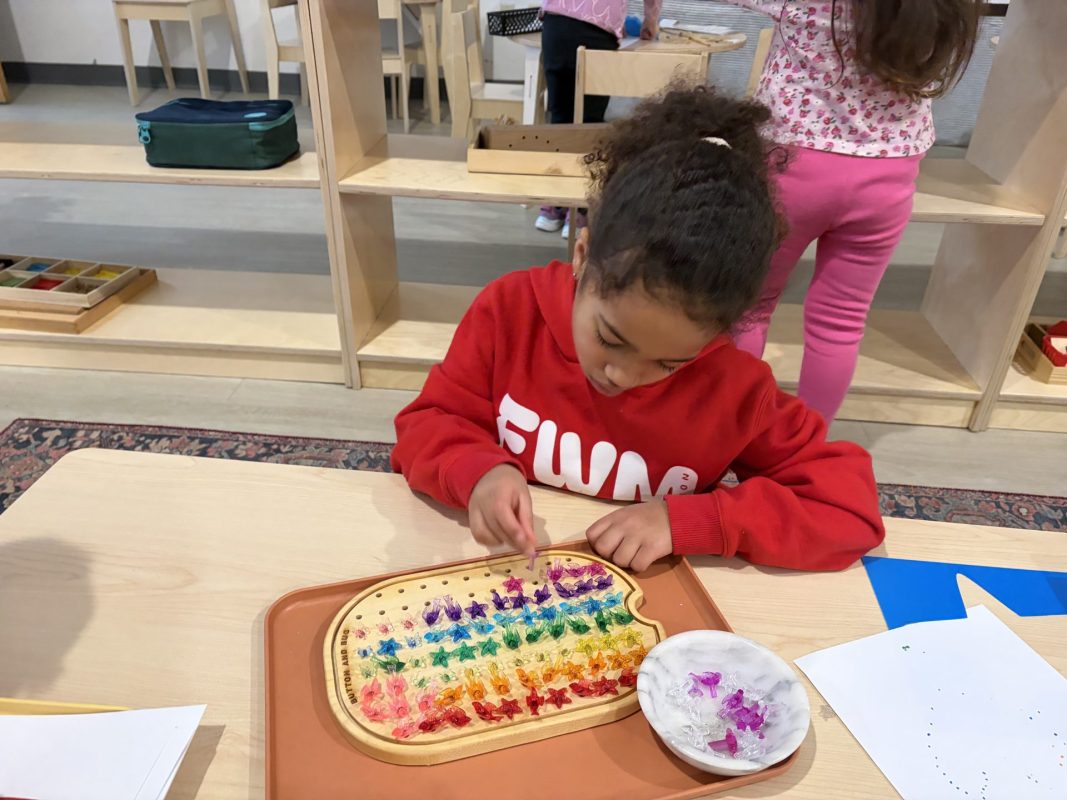
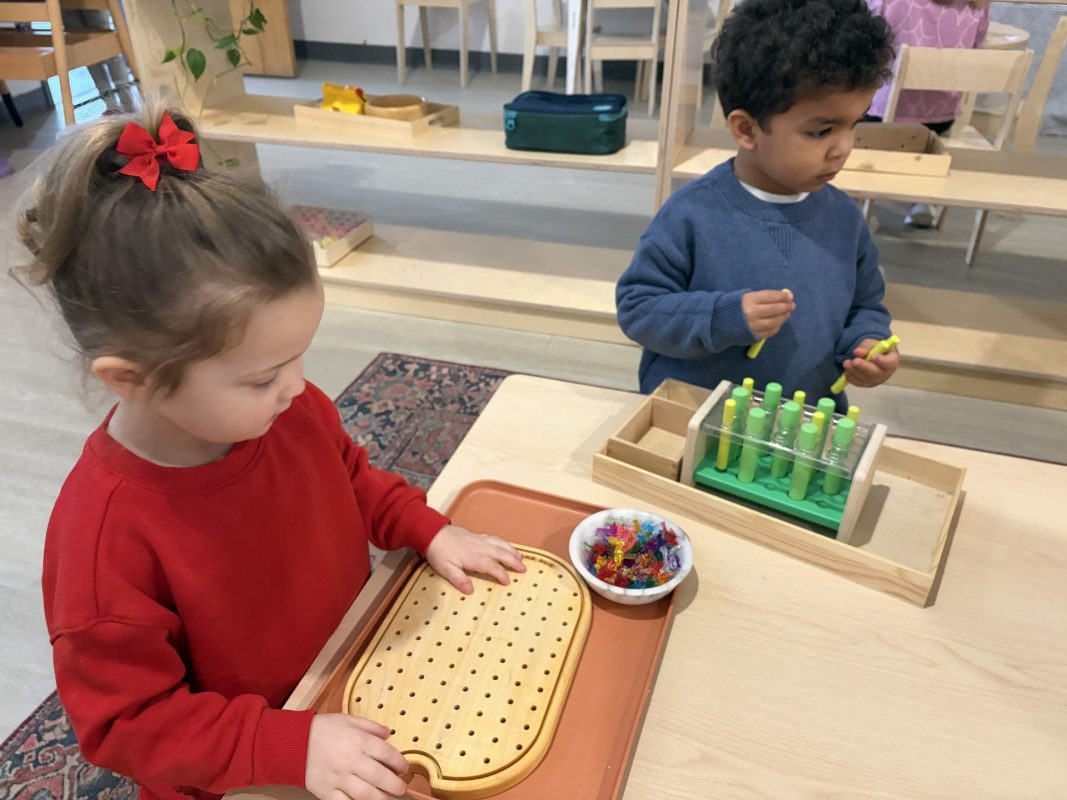
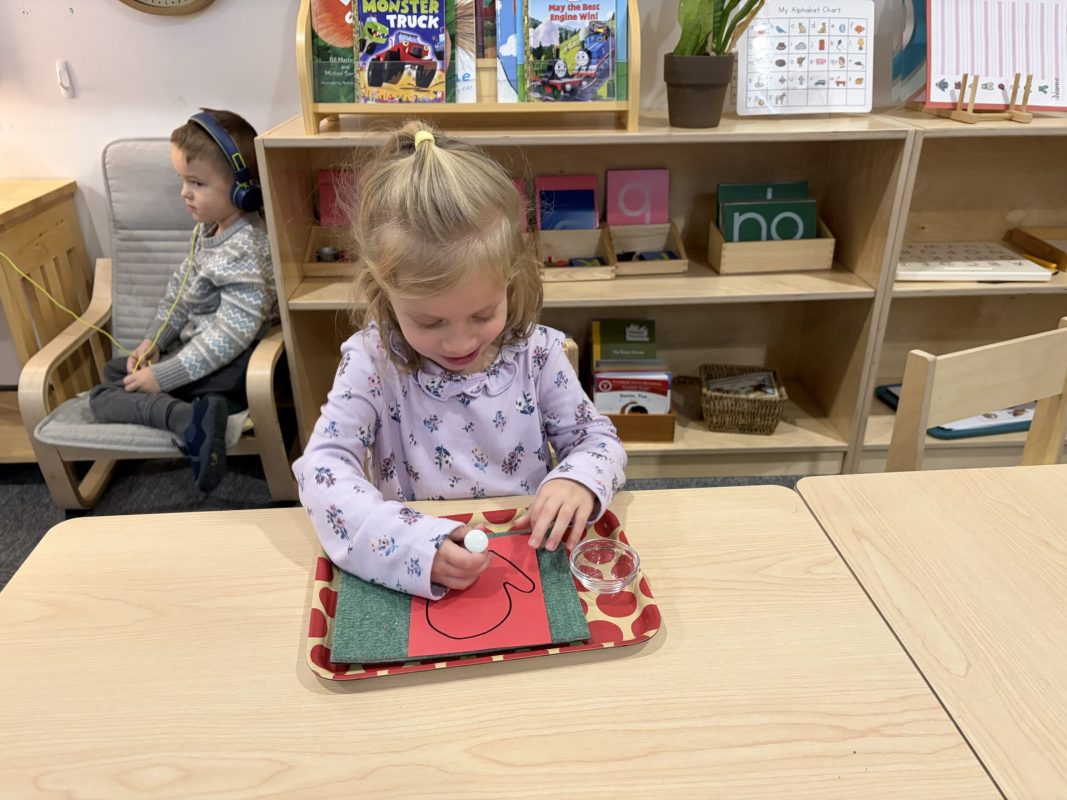
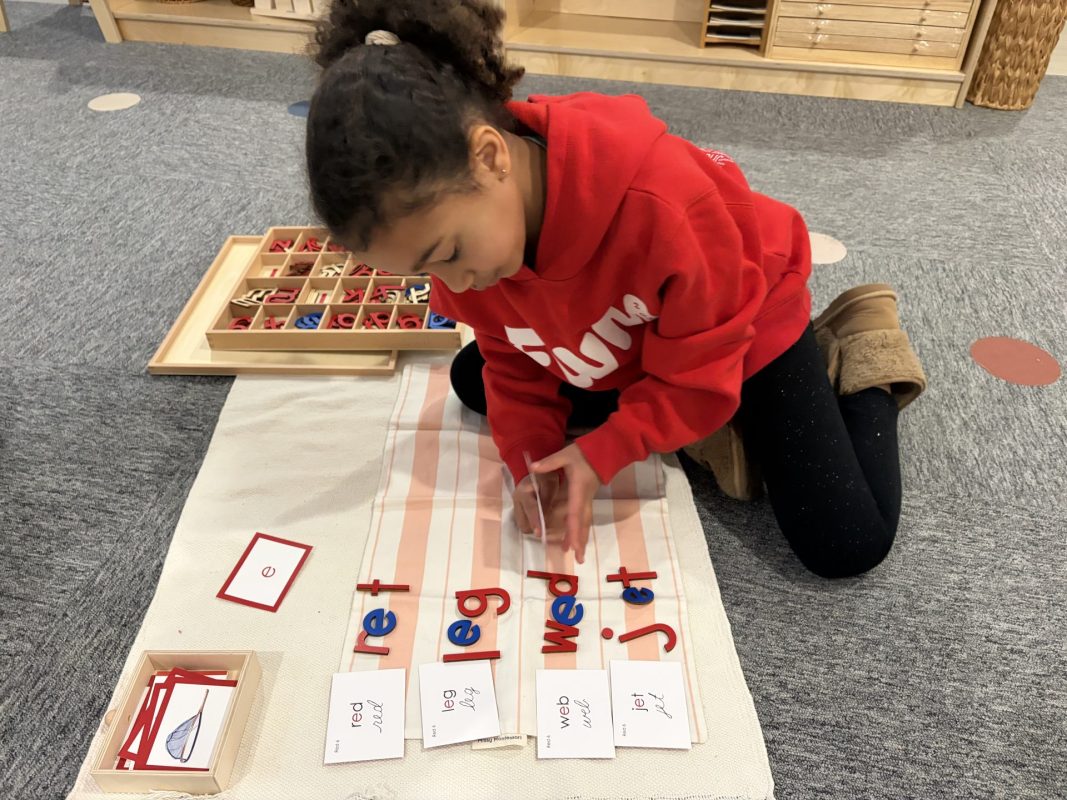
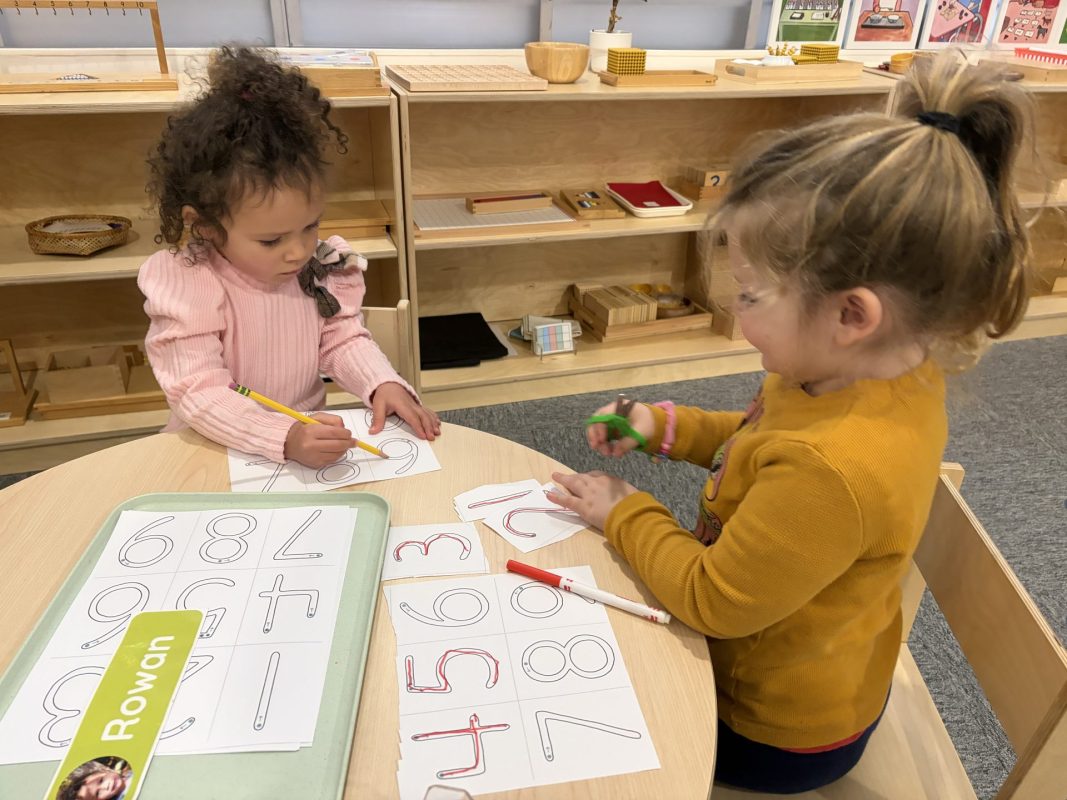
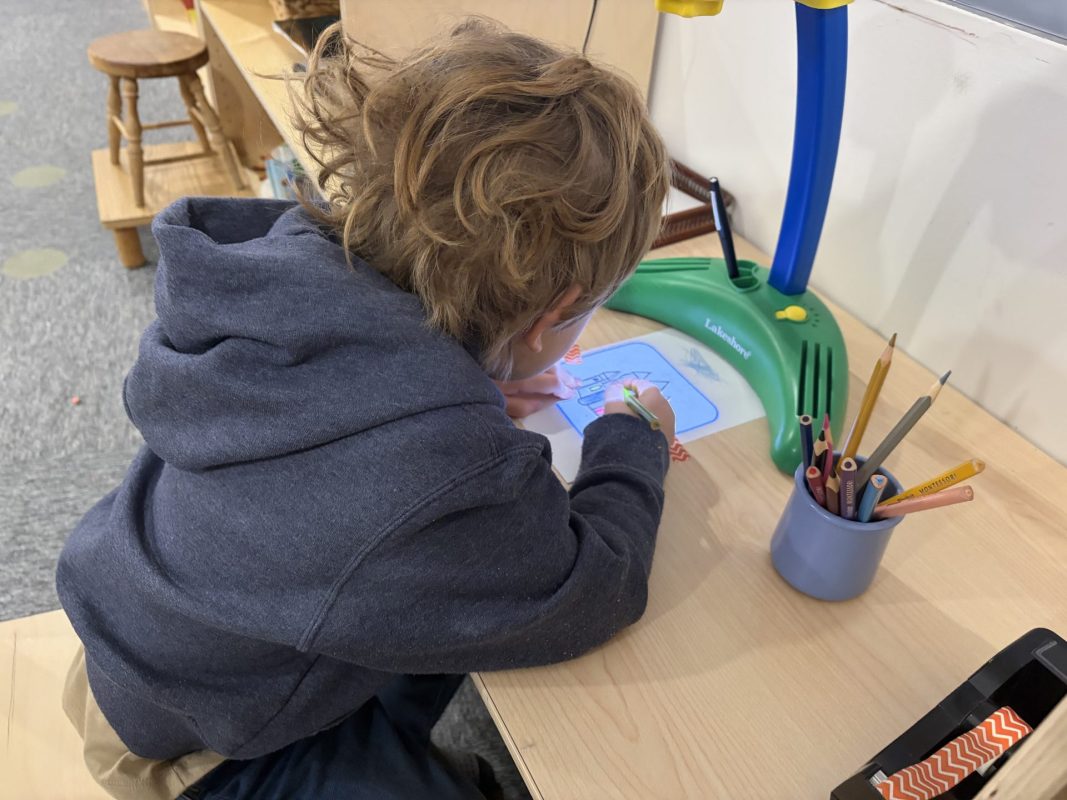
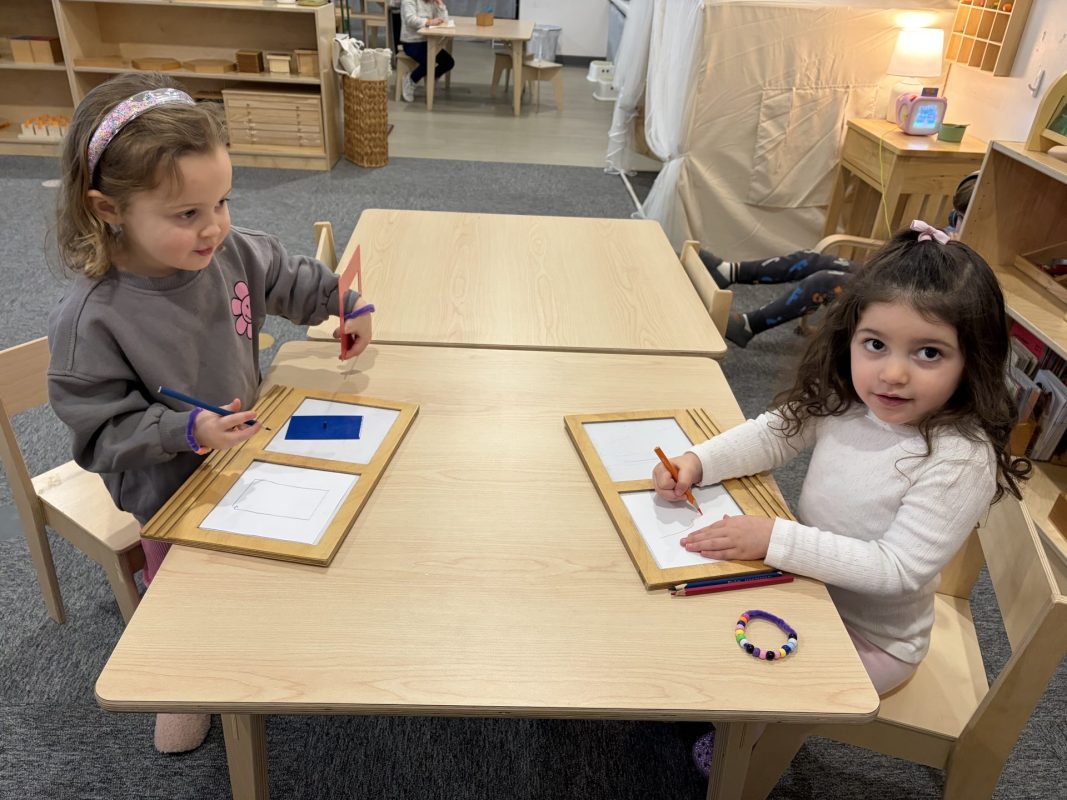
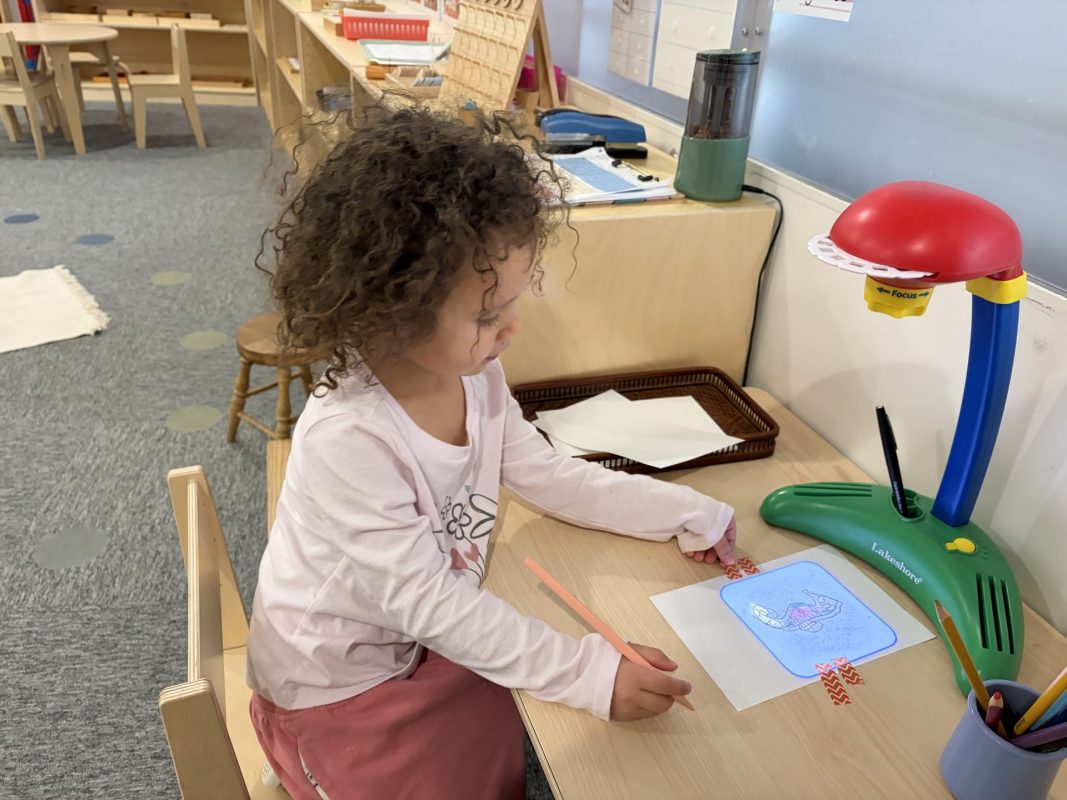
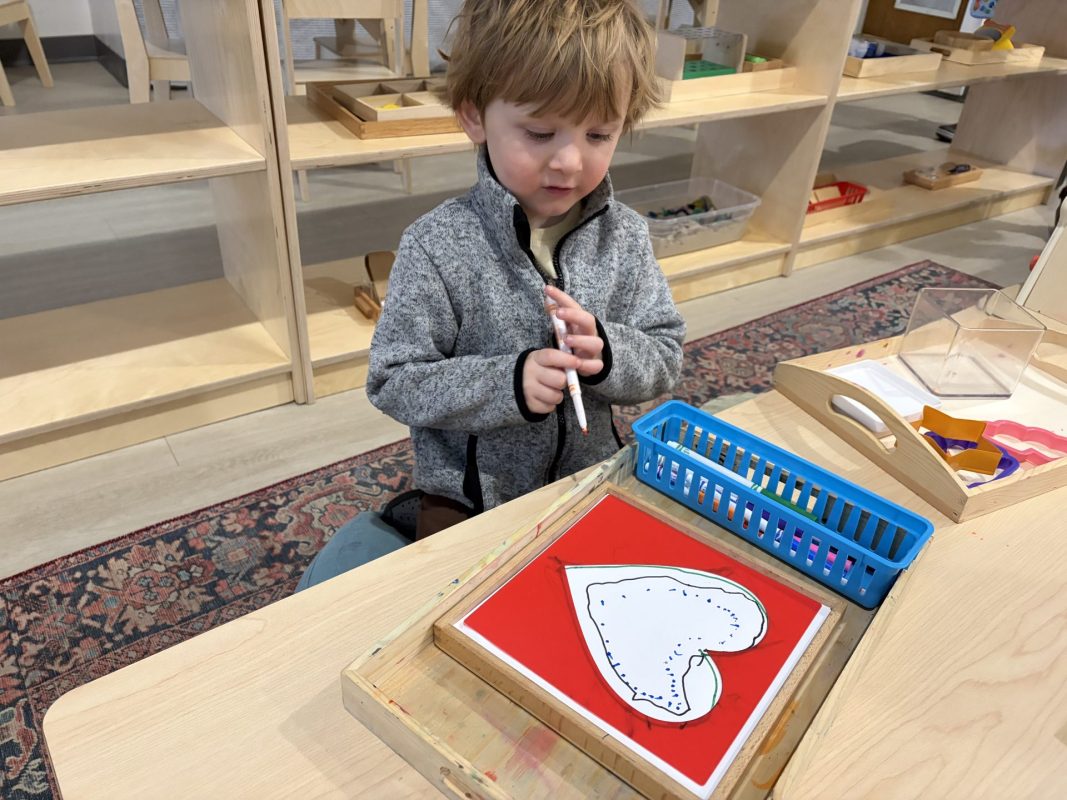
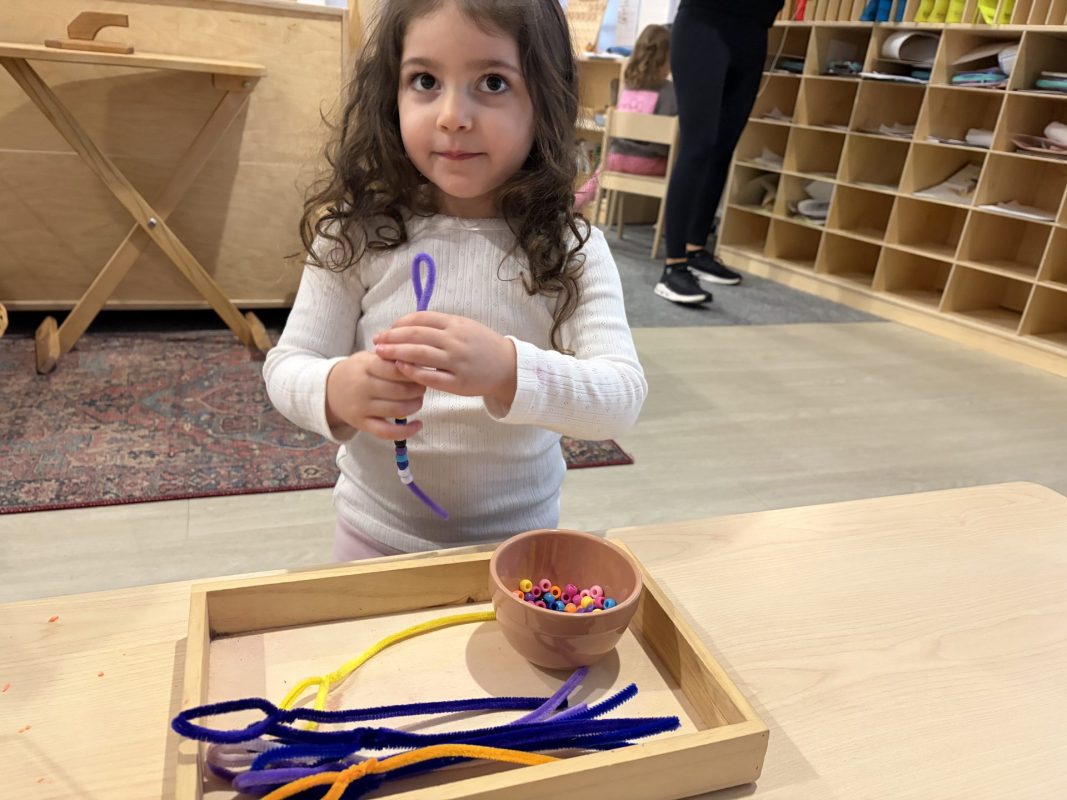
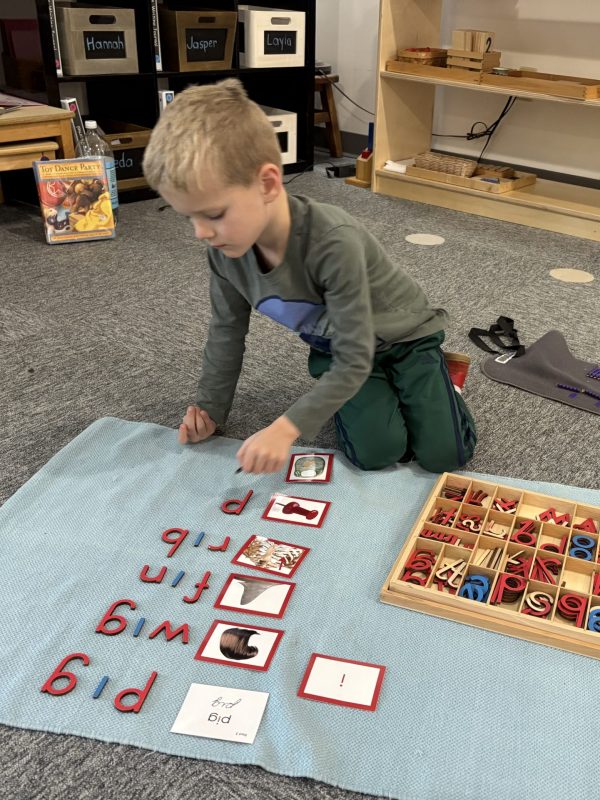
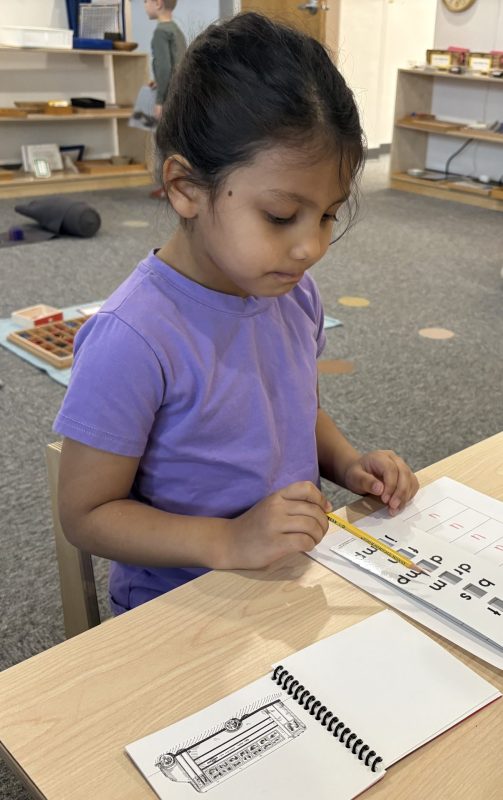
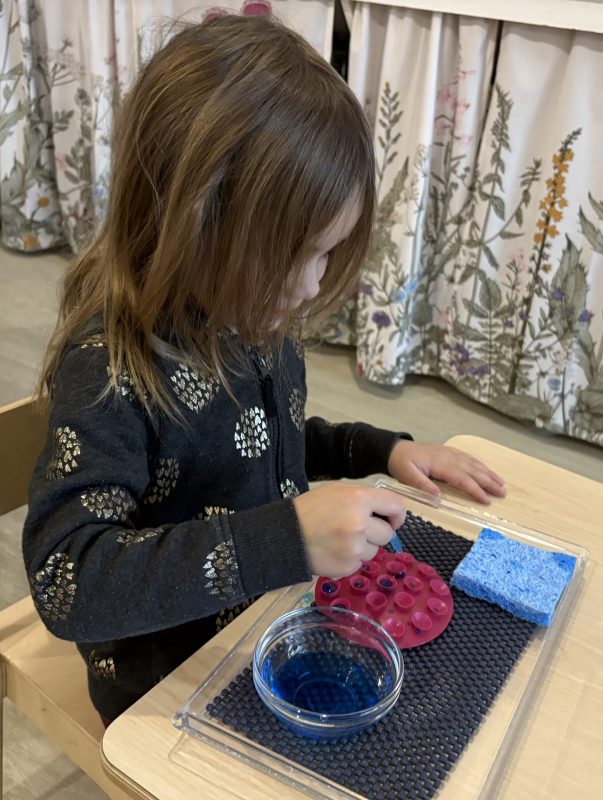
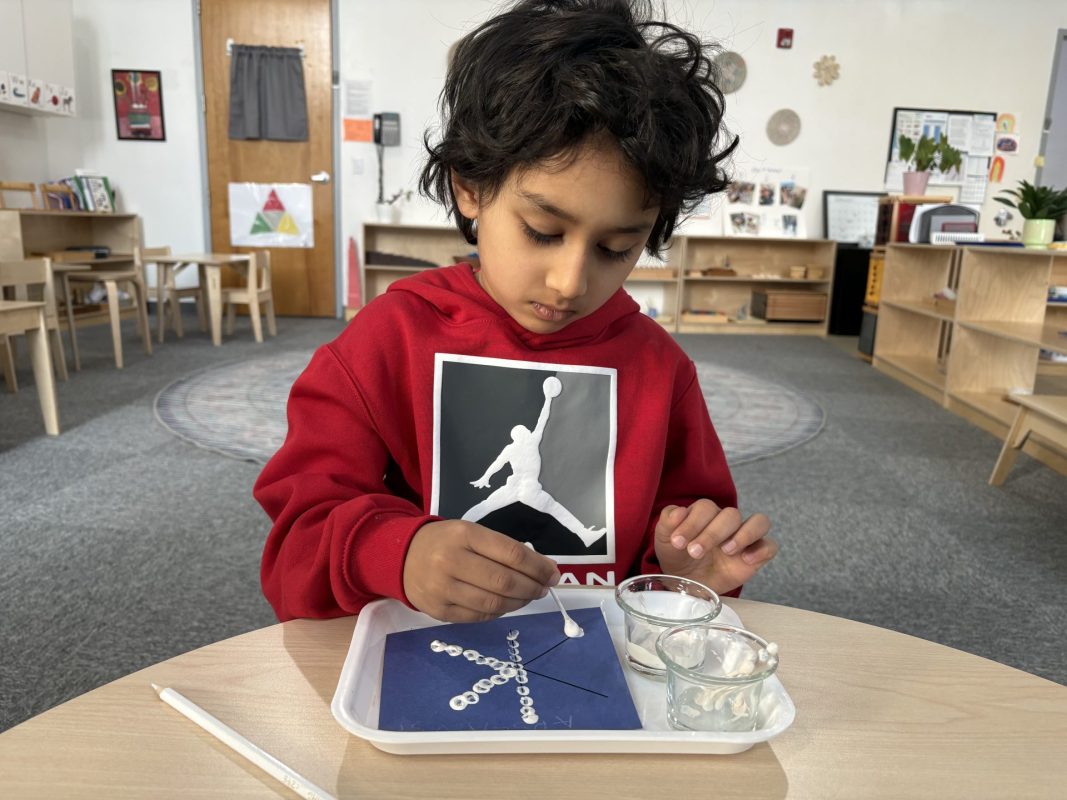
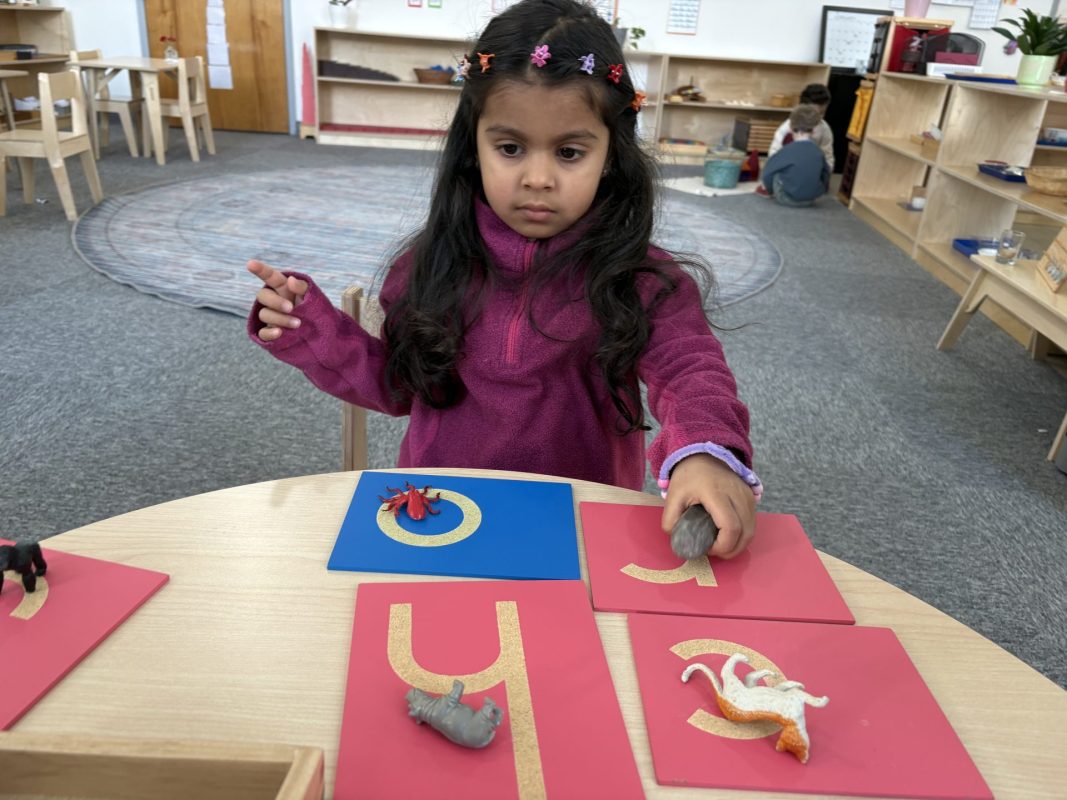
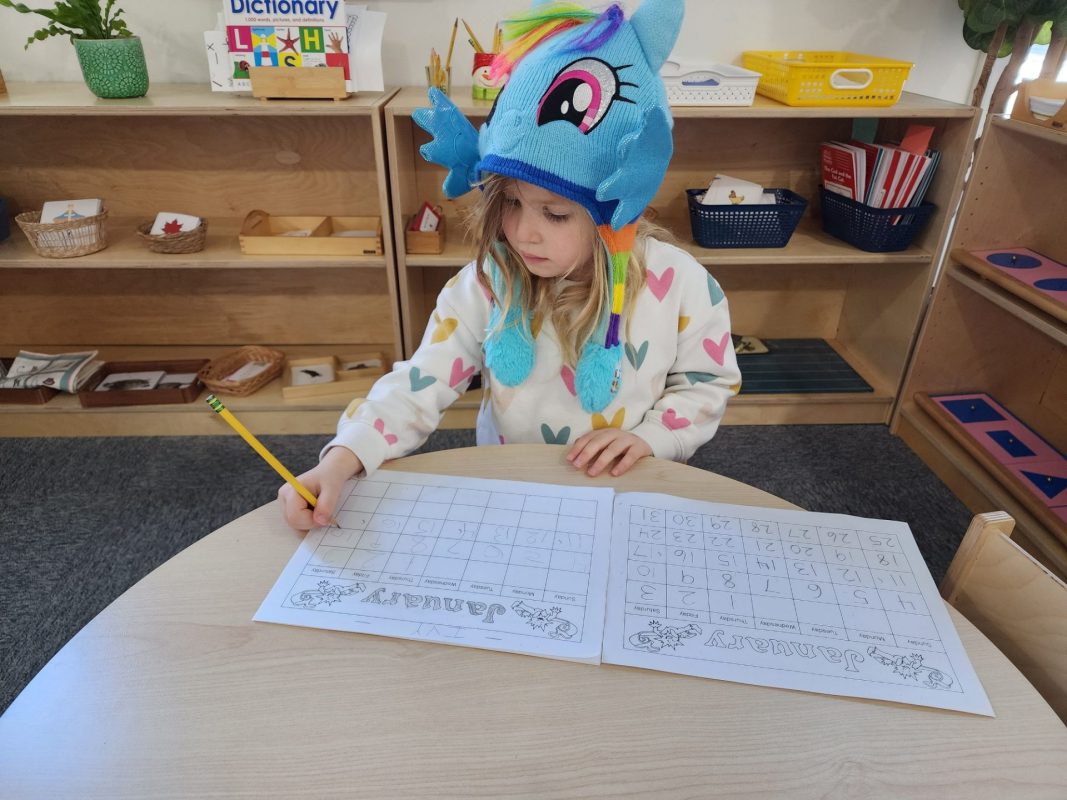
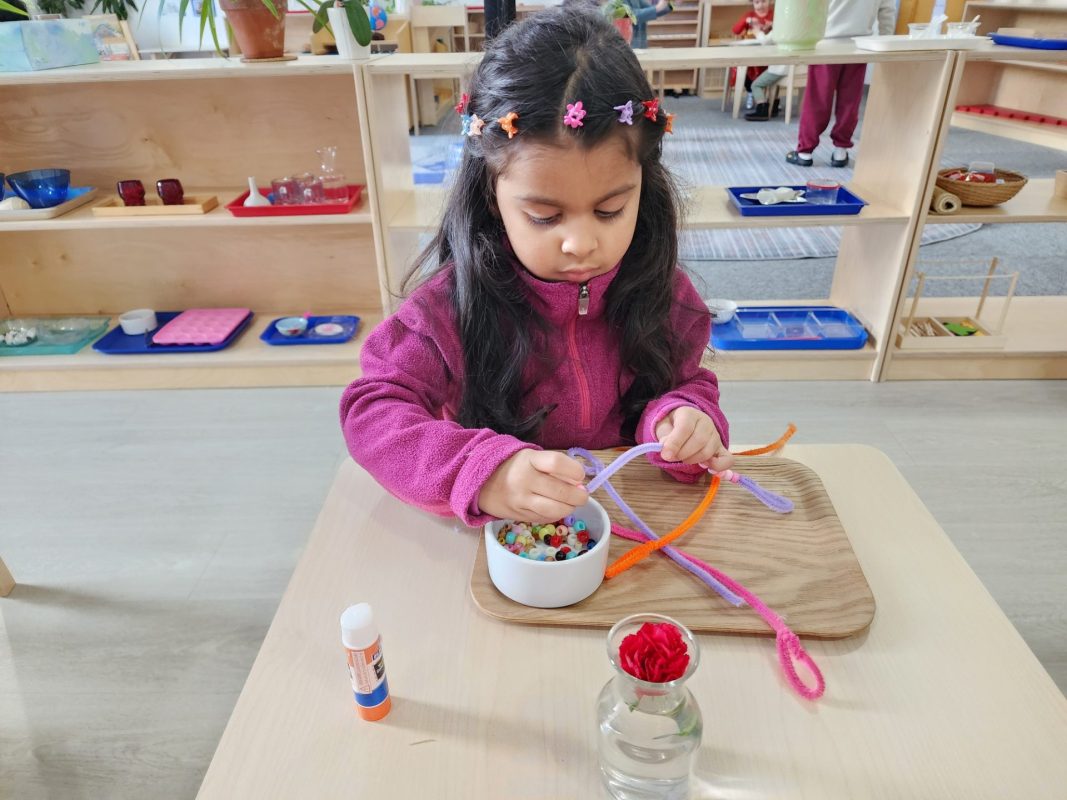
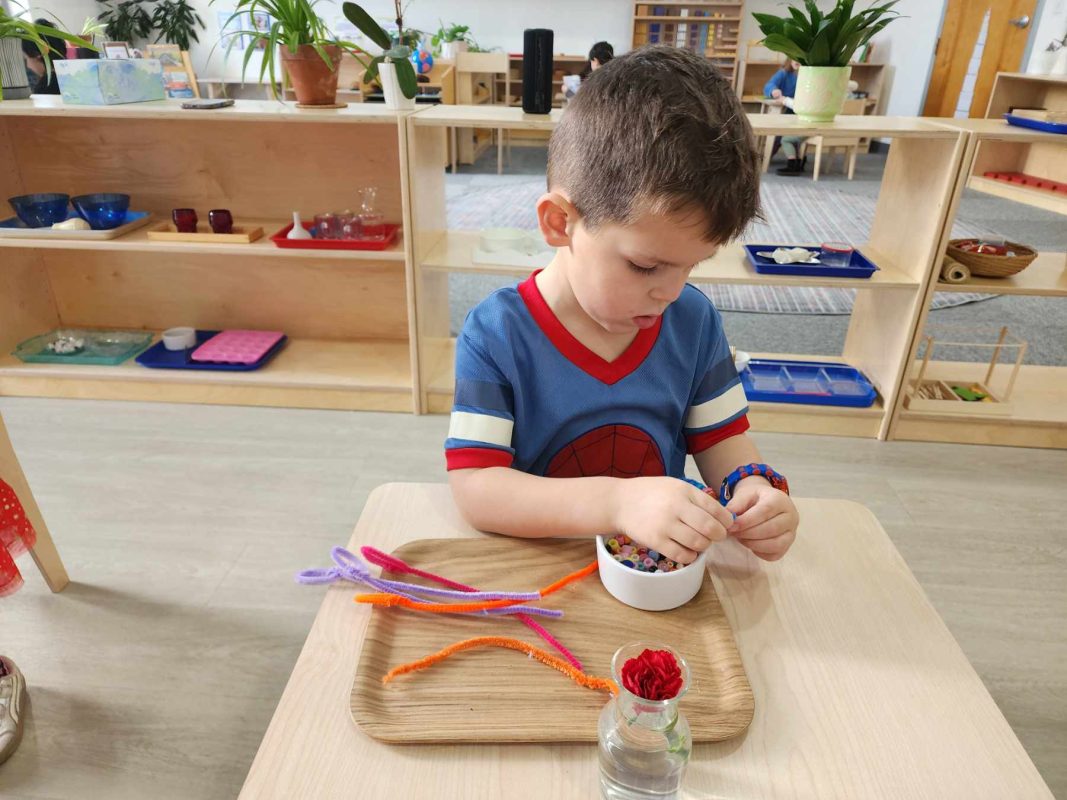
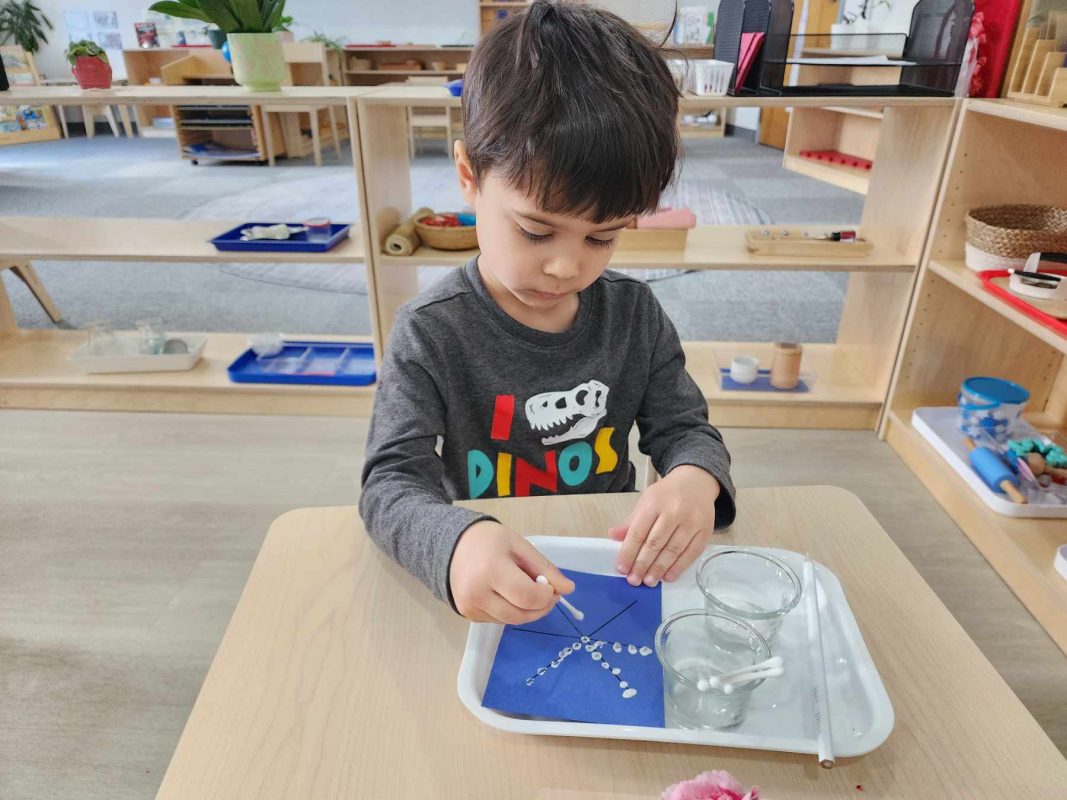
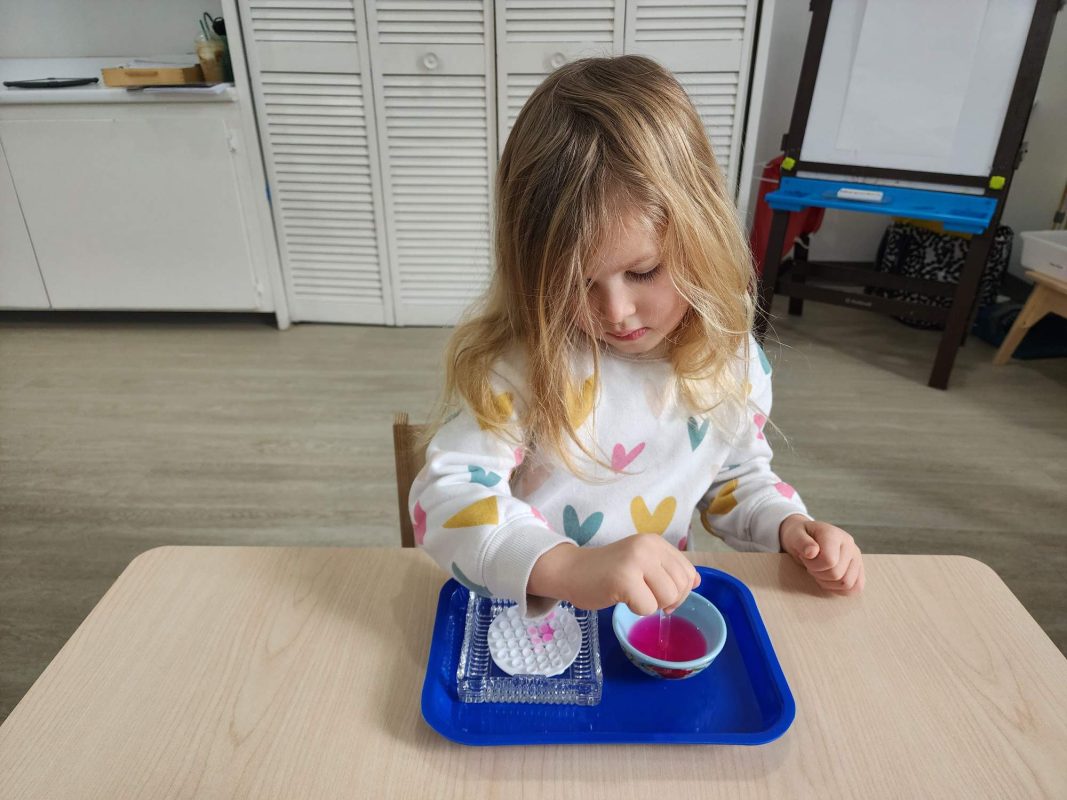
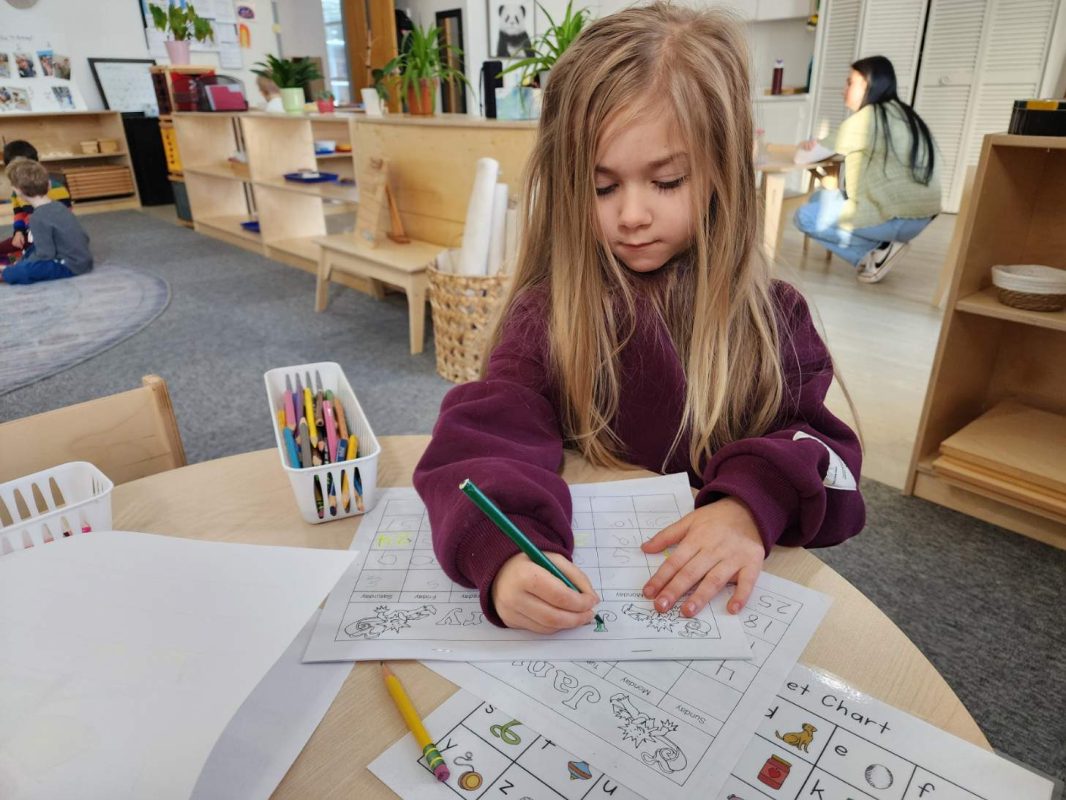
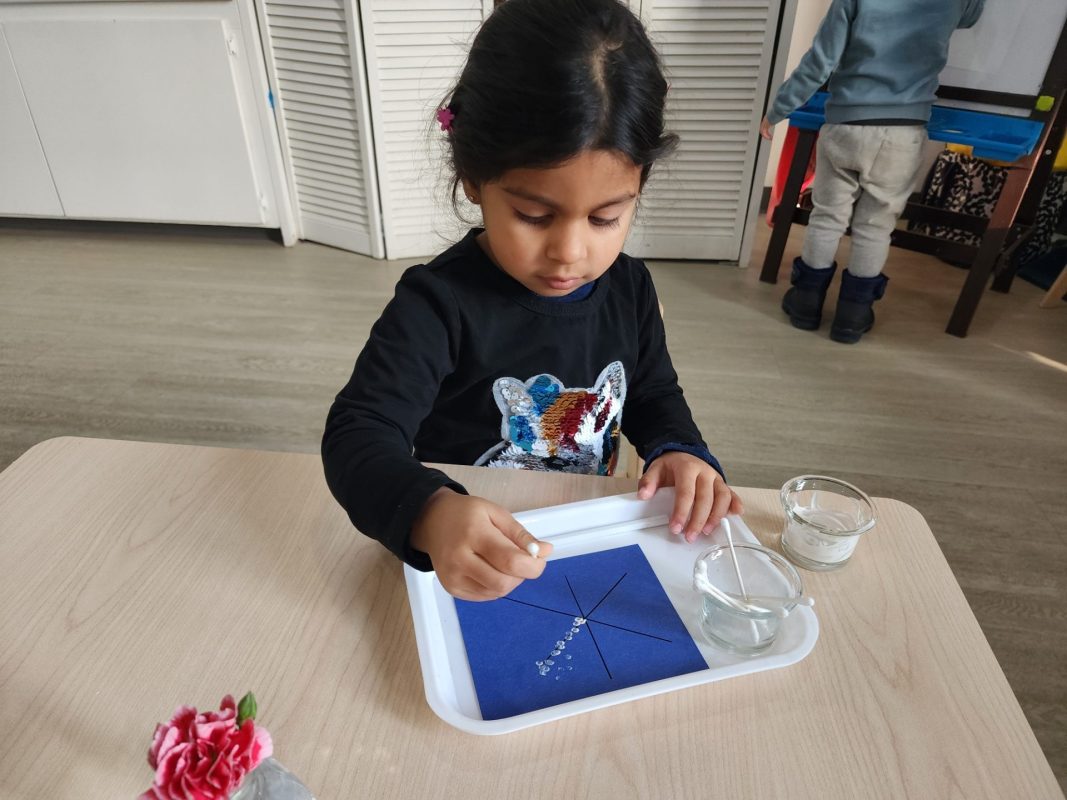
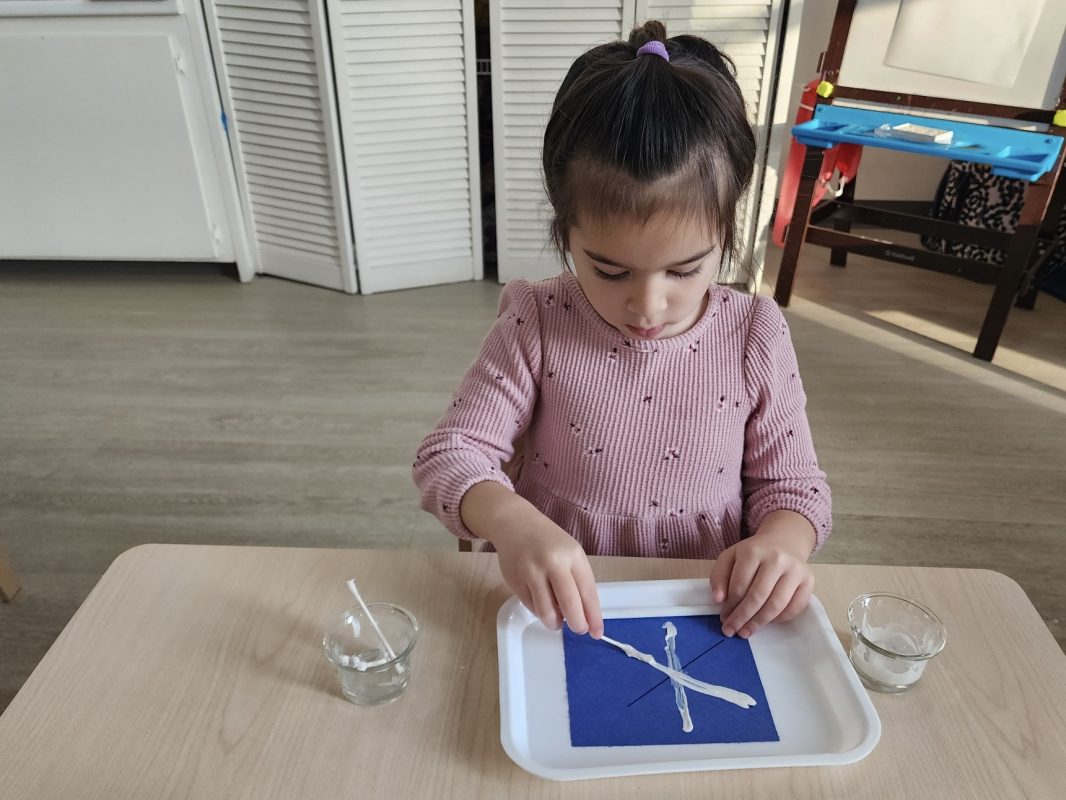
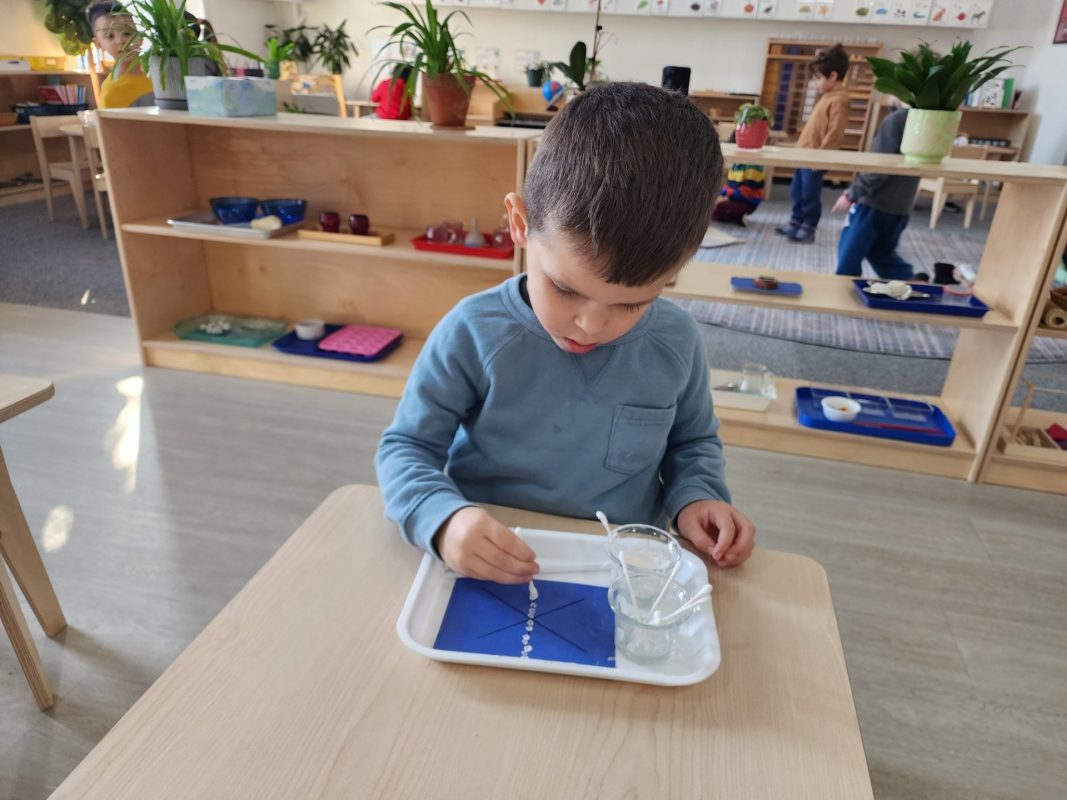
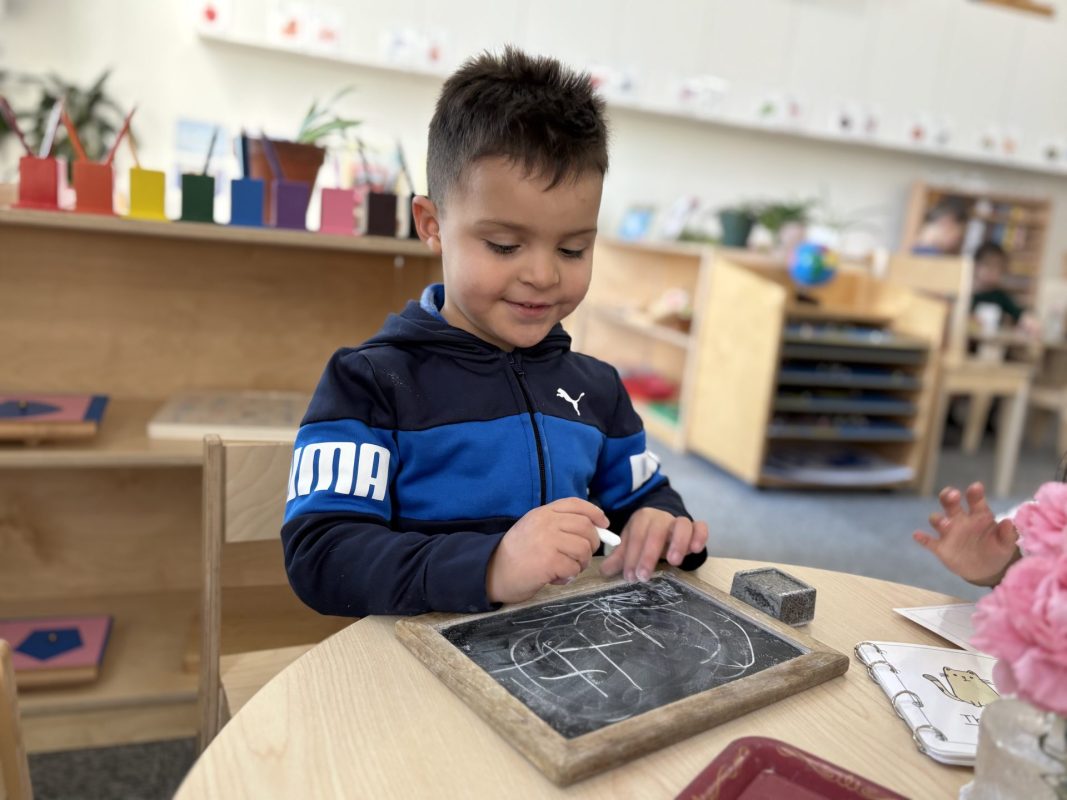
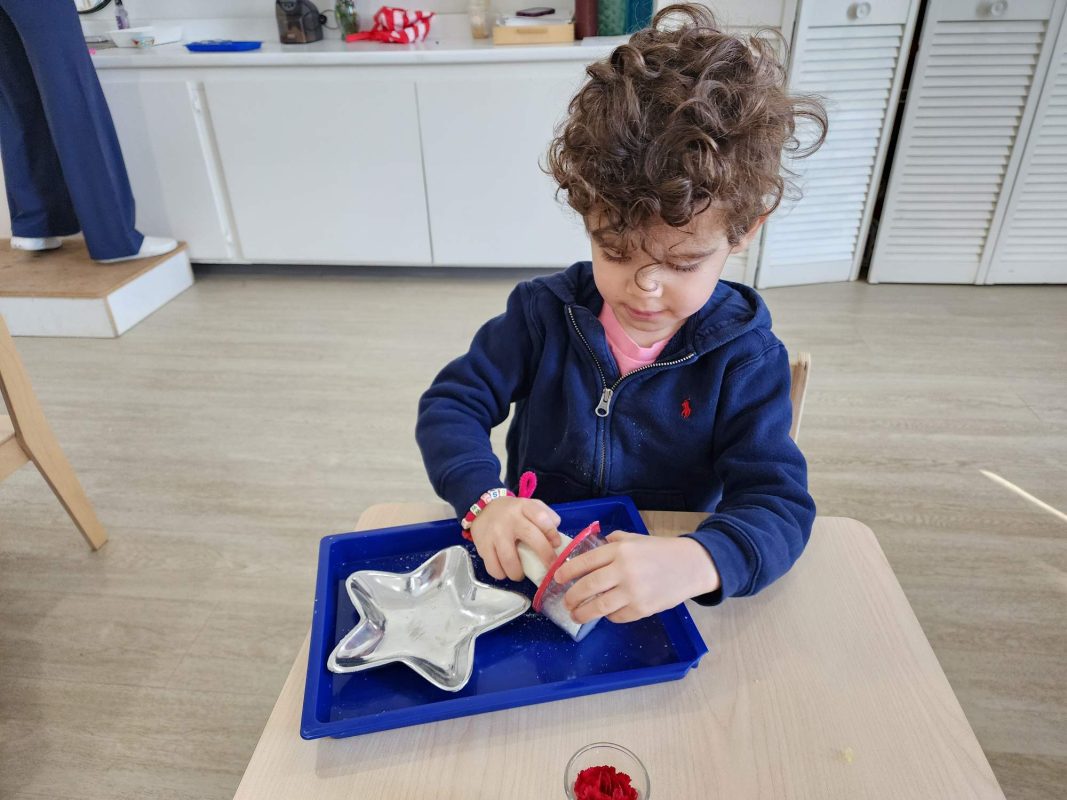
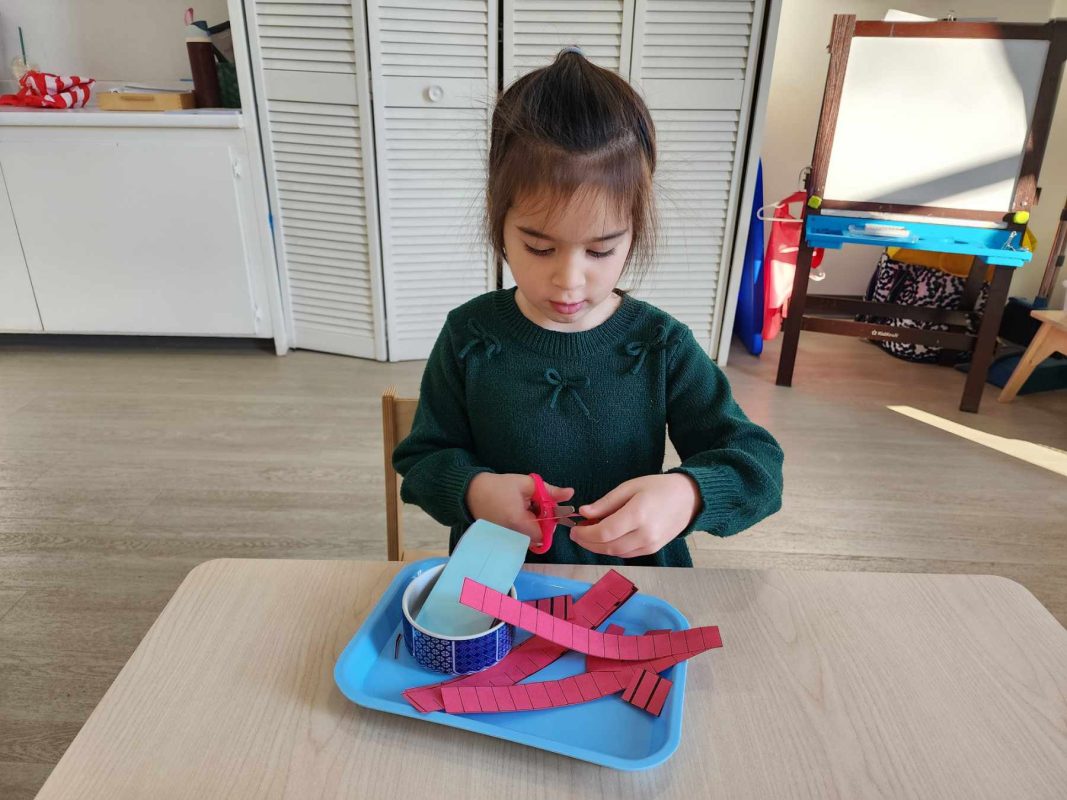
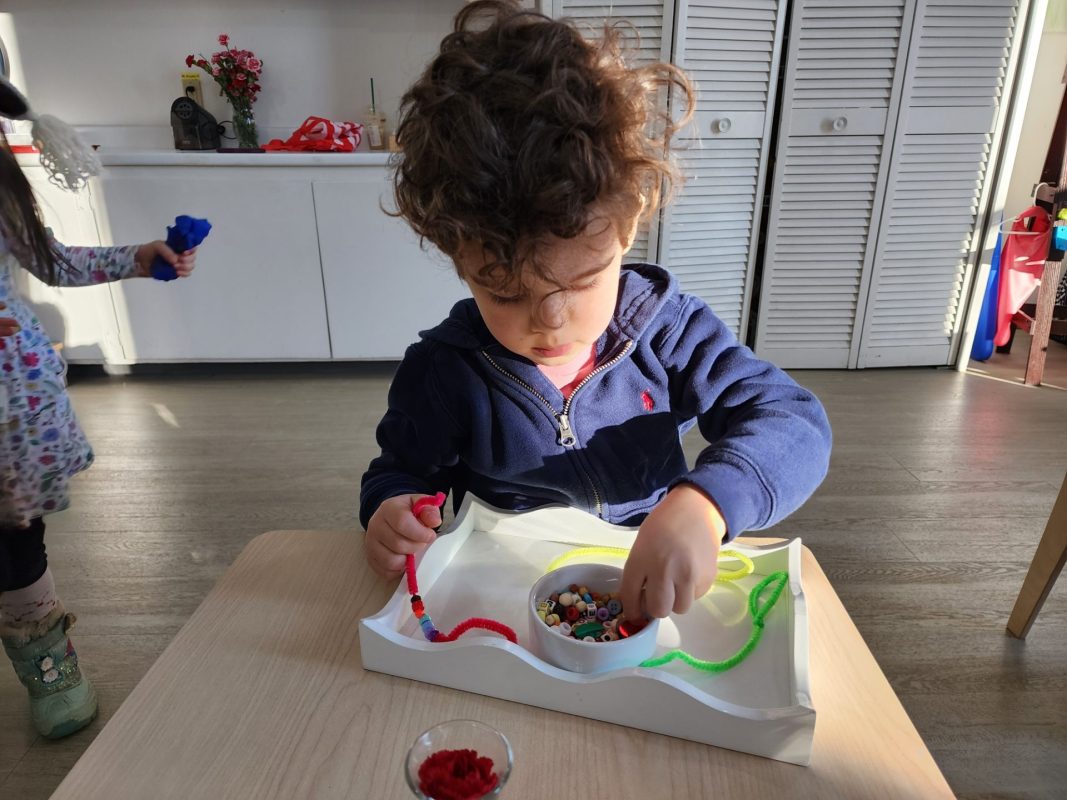
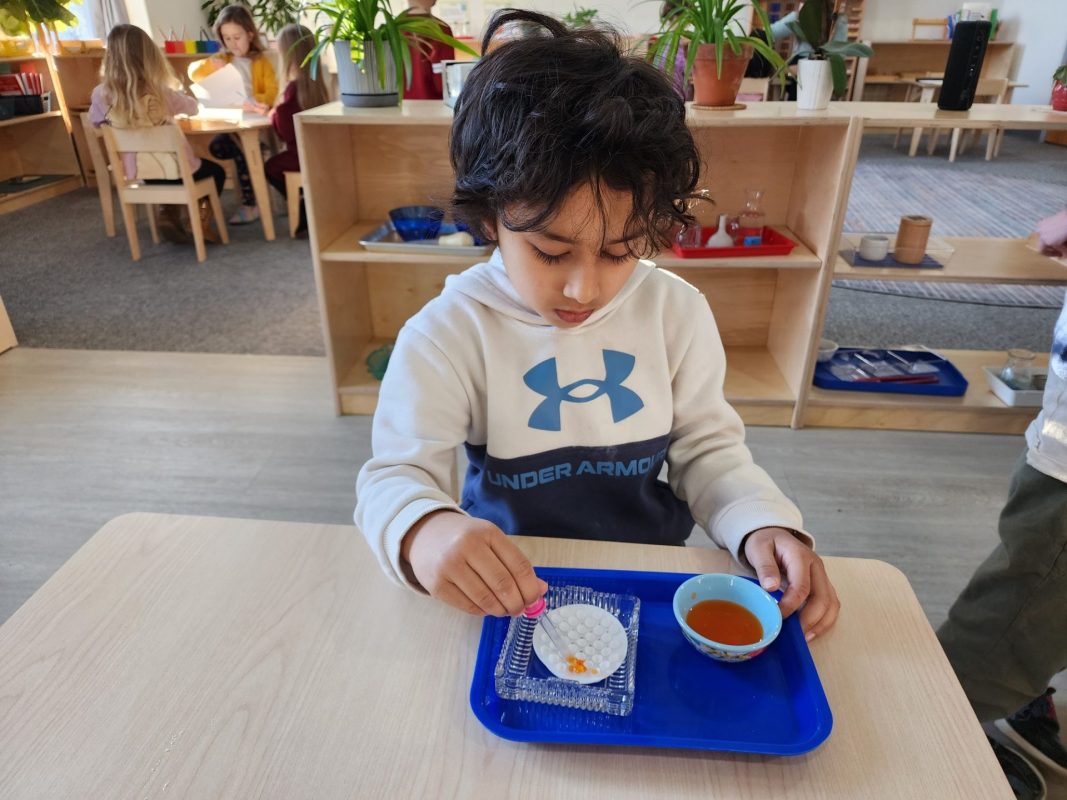
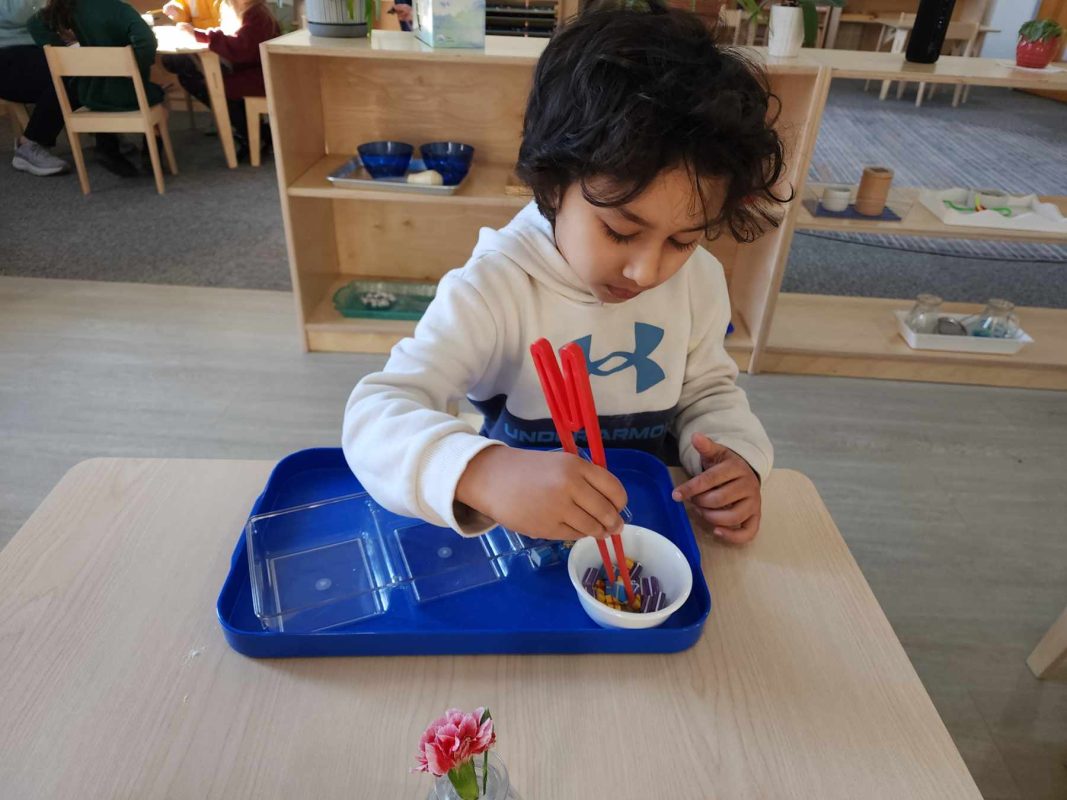
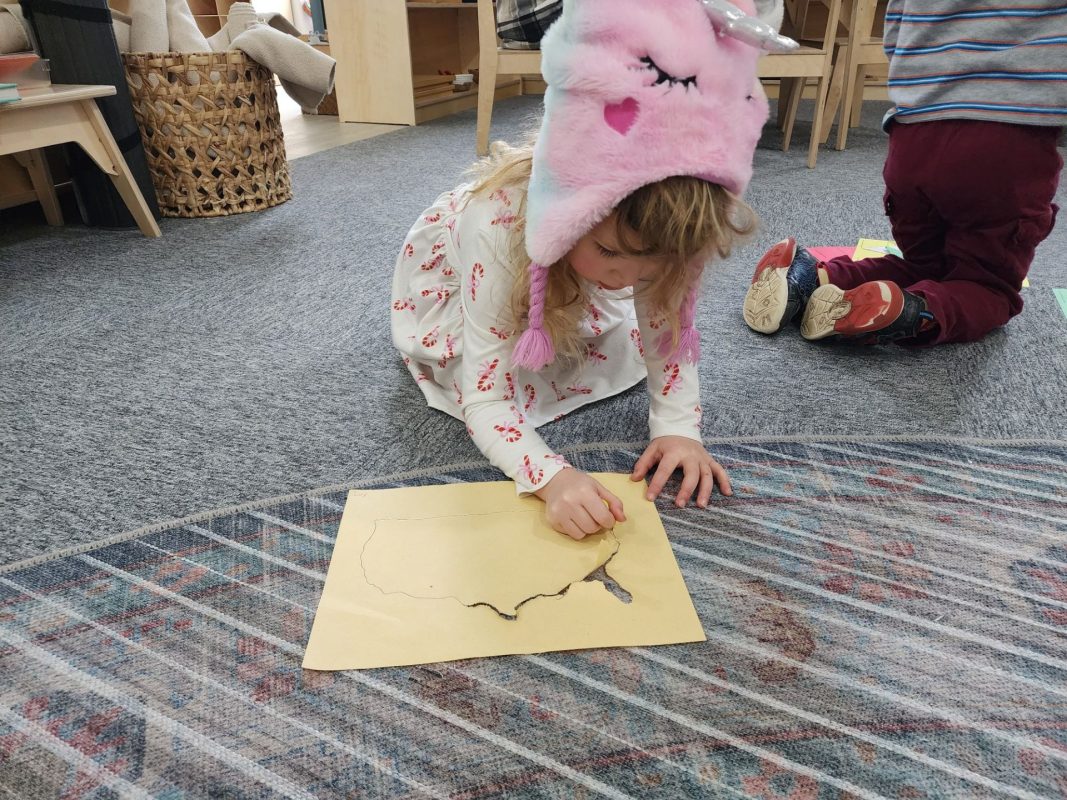
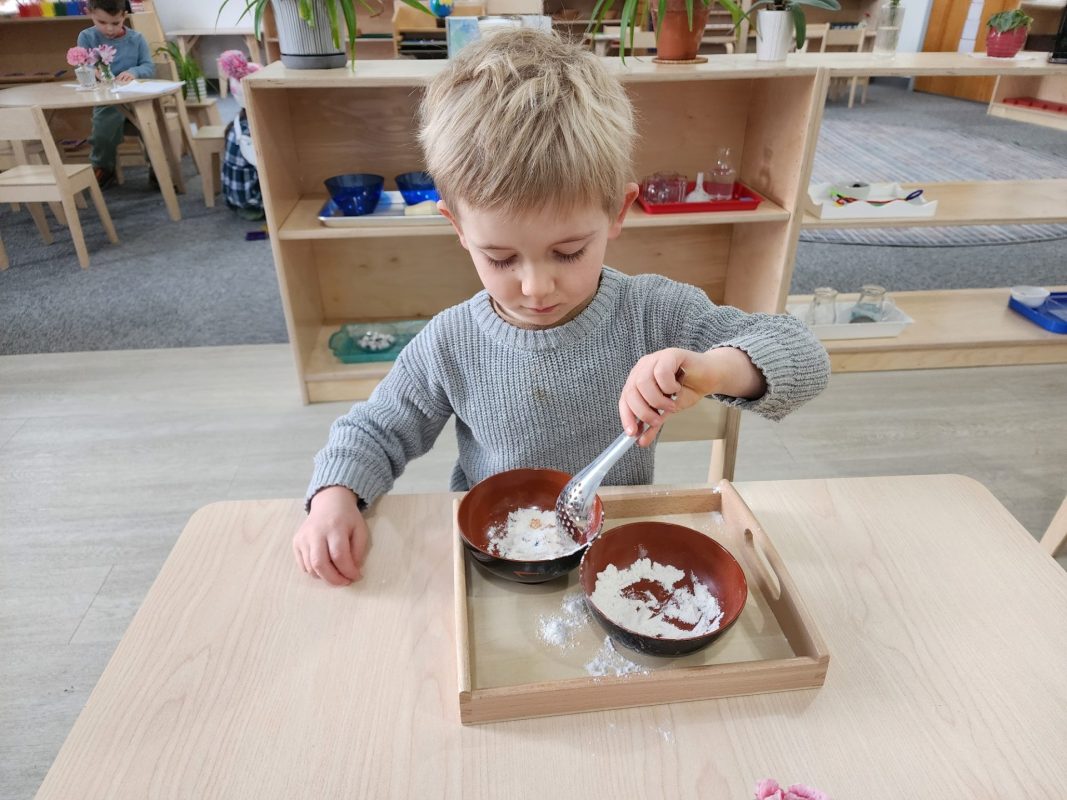
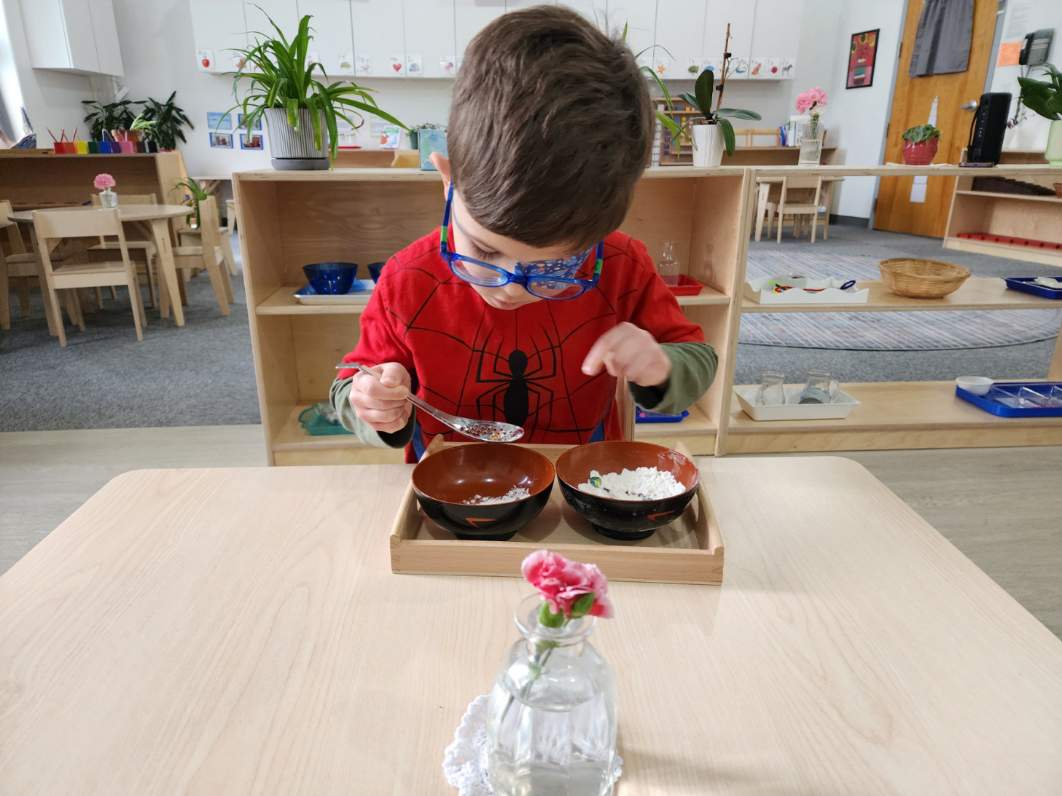
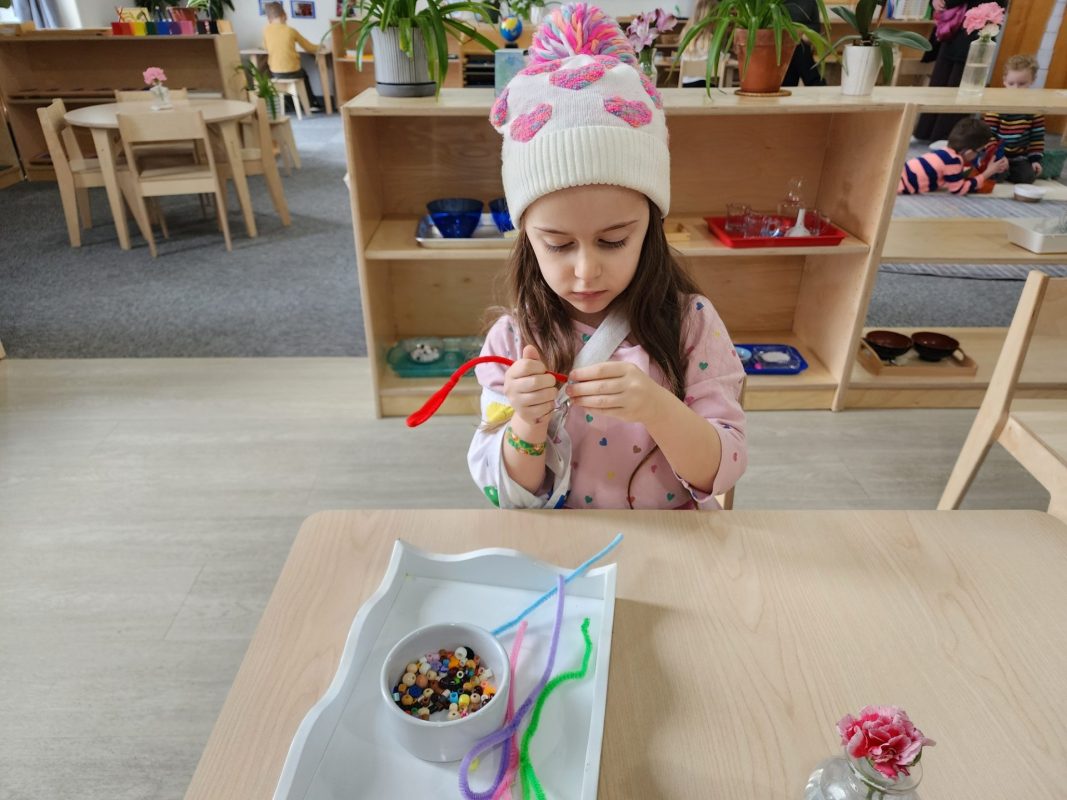
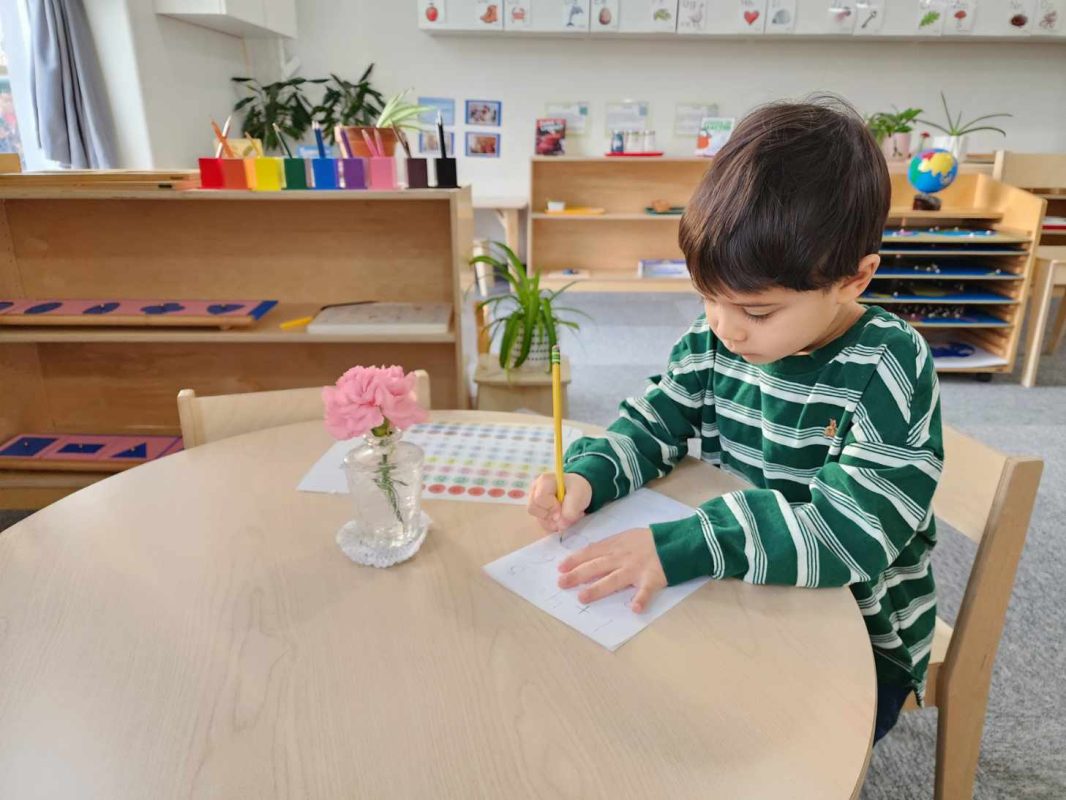
This understanding is built into our Primary classrooms long before children ever pick up a pencil. Through months—sometimes years—of intentional preparation, children develop the fine motor control, hand strength, and pencil grip necessary for writing. They pour rice and water to develop steady hands. They work with metal insets to practice pencil control. They trace sandpaper letters to internalize letter formation through touch. They use tongs and tweezers in Practical Life activities to build the small muscles of the hand.
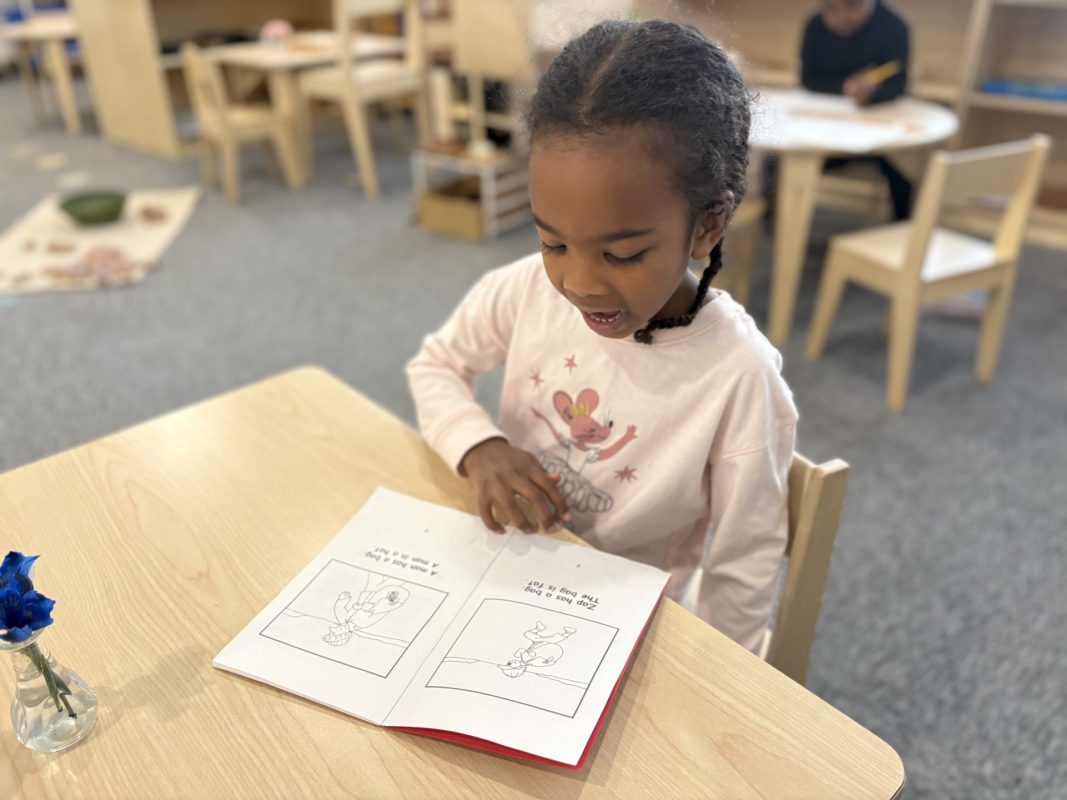
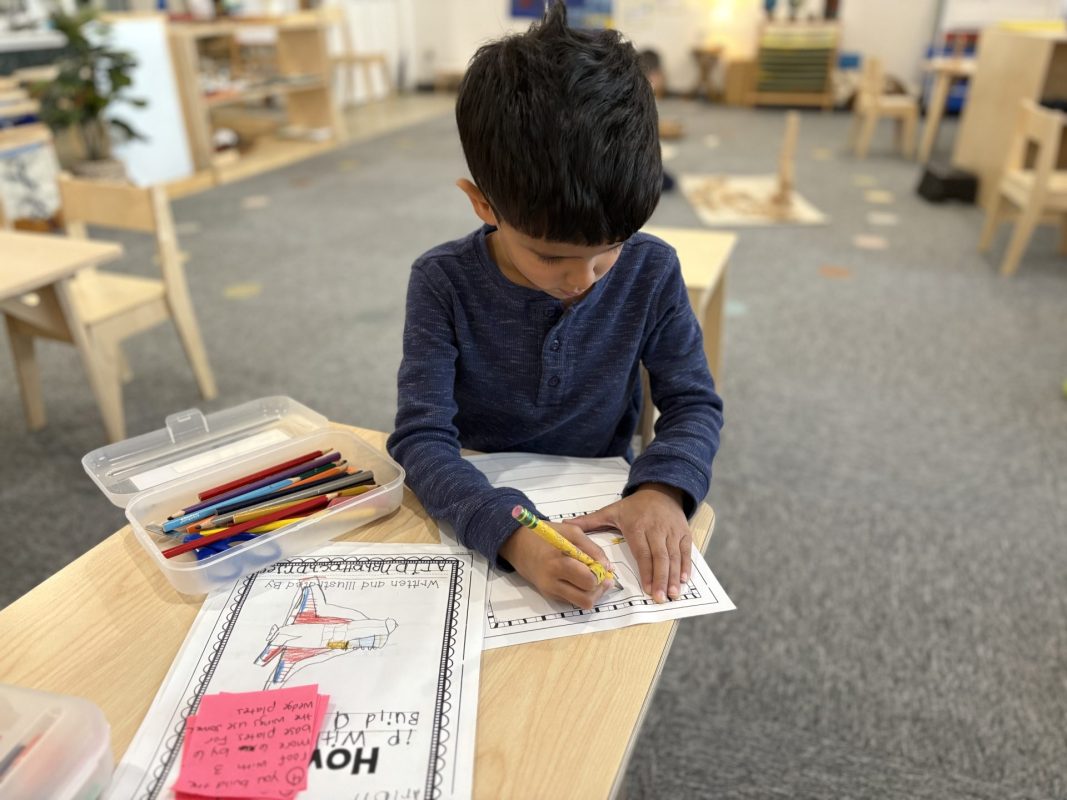
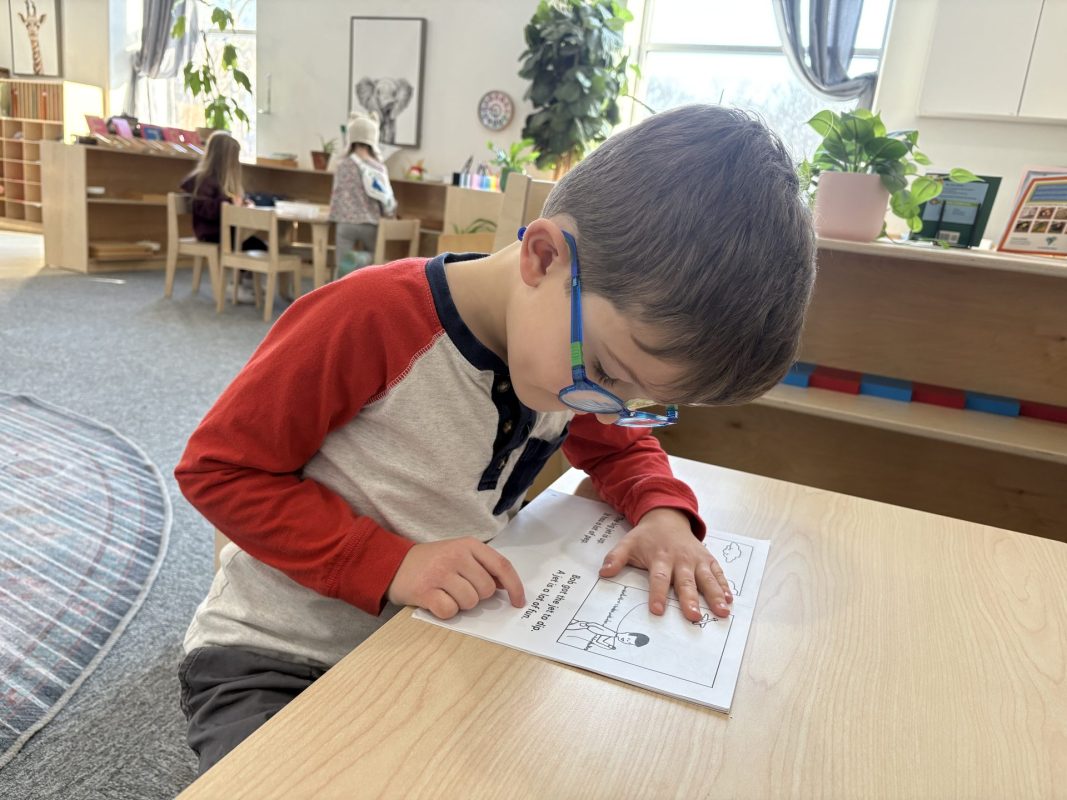
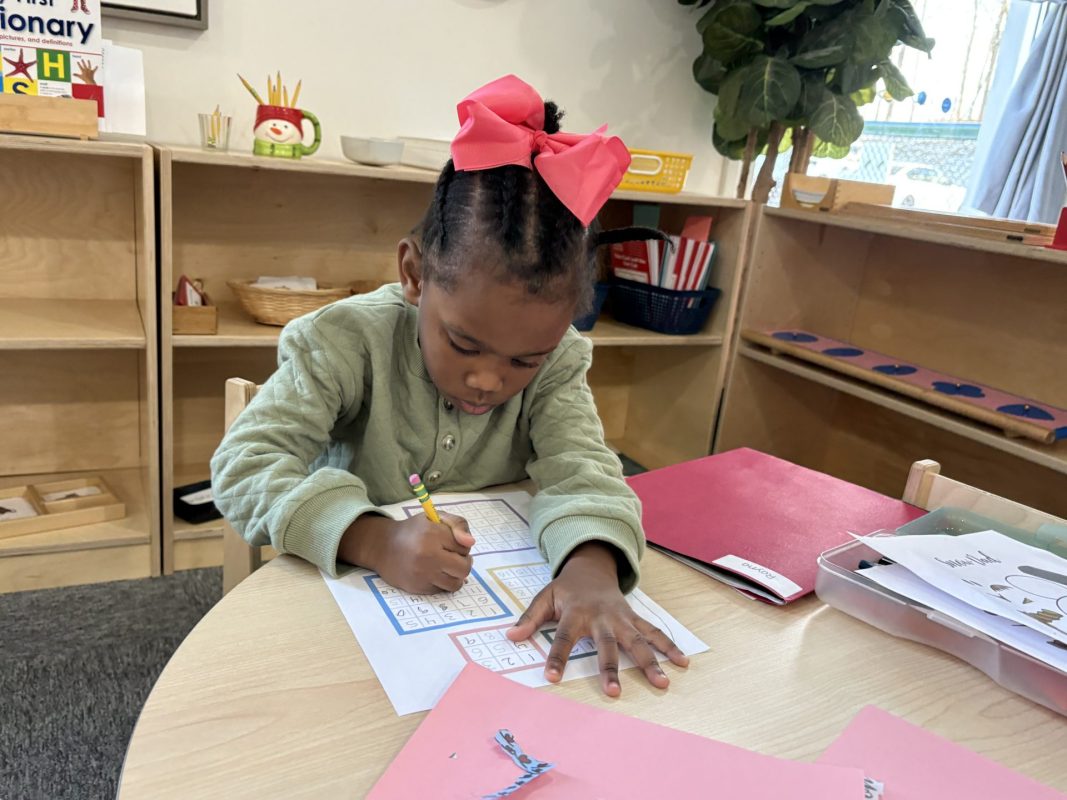
By the time a child is developmentally ready to write, the physical skills are already in place—making that first attempt at forming letters feel natural rather than frustrating. When our Kindergarten students write their own “How to” books, “breaking instructions into small steps,” they’re building neural architecture for literacy while reaping the benefits of years of joyful preparation.
A Spiral of Growing Complexity
This principle—meeting children where they are—is woven throughout our program. Montessori education follows a spiral curriculum, where concepts are introduced with concrete materials and revisited at increasing levels of abstraction as children grow.
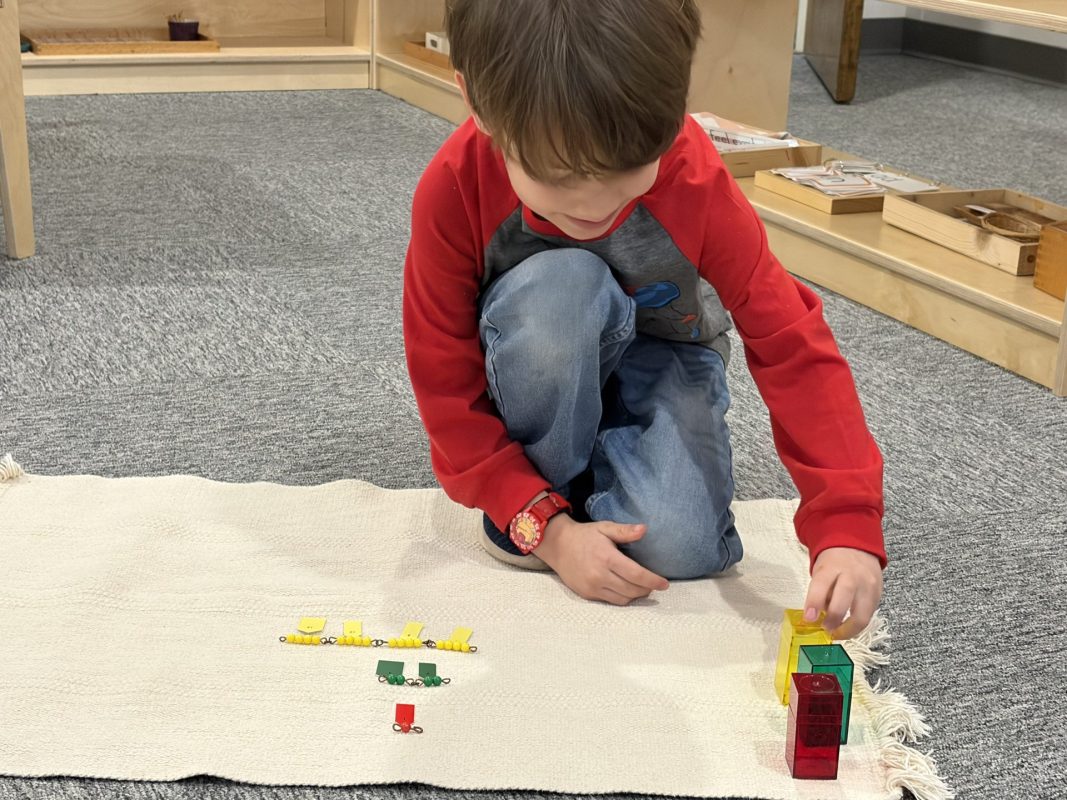
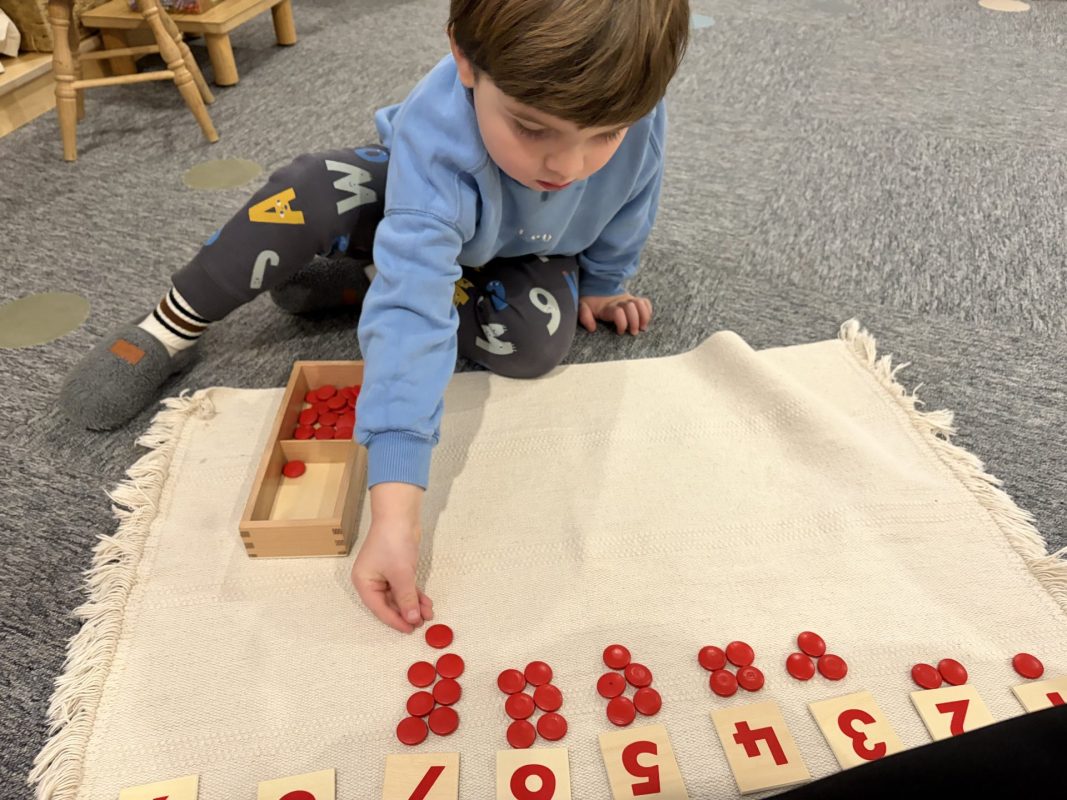
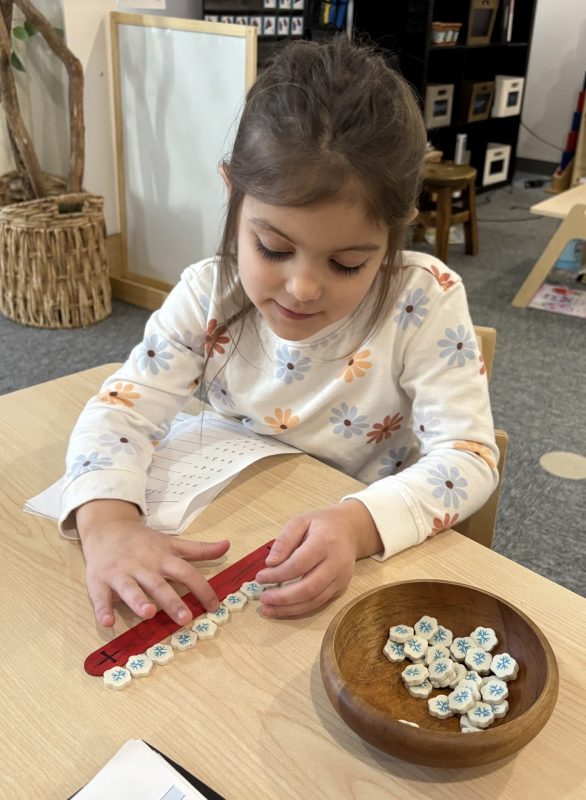
A toddler explores object permanence with a coin box. A Primary student represents numbers with golden beads. A Lower Elementary student uses the checkerboard for multiplication. An Upper Elementary student works with algebraic equations. Each material is carefully sequenced to match the child’s cognitive development, building on previous understanding while preparing for future complexity.
The intentionality extends beyond academic materials. Our prepared environments are designed for each developmental stage—from the low shelves and child-sized furniture in our Toddler program that support emerging independence, to the collaborative workspaces in Middle School that honor adolescents’ need for meaningful peer connection.
Every choice reflects a deep understanding of what children need at that particular moment in their development.
Preparing for What Comes Next
Here’s what makes us especially proud: the way our students leave Fraser Woods.
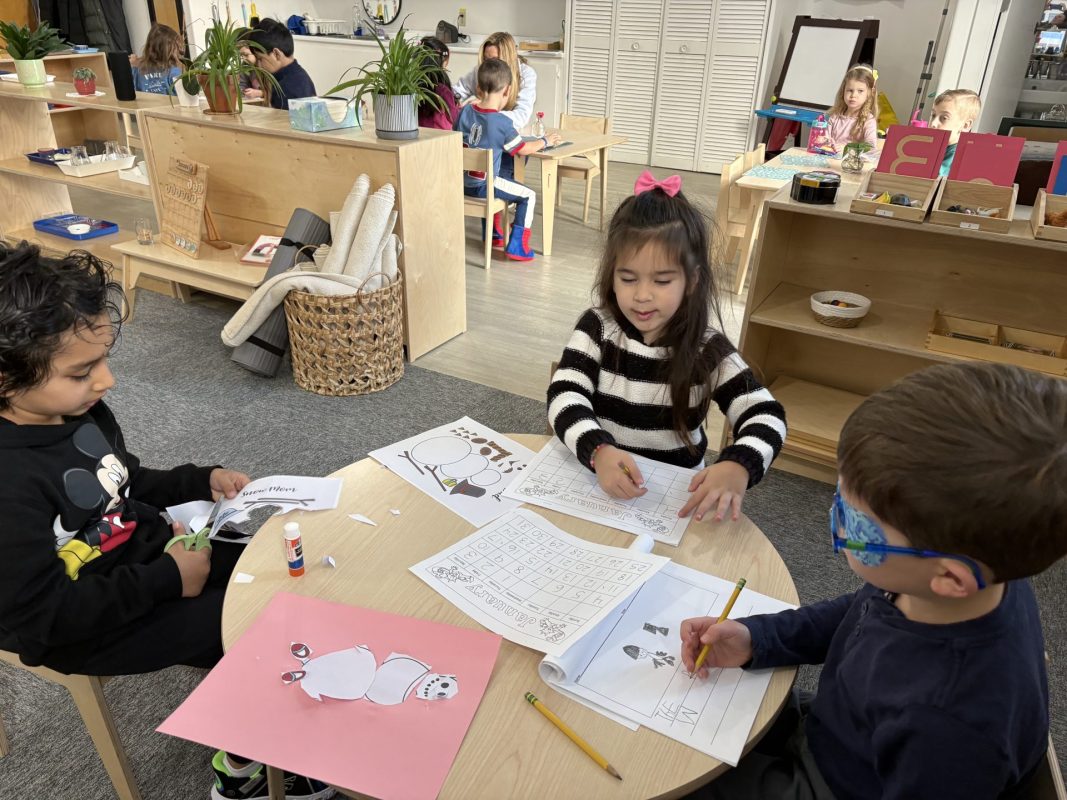
The research habits formed in Lower Elementary—organizing information, sketching out thinking, collaborating on complex problems—become second nature by Middle School. Our students don’t just arrive at high school academically prepared (though they do). They arrive as confident, curious problem-solvers who know how to tackle challenges independently, work collaboratively, and pursue learning that matters to them.
The peace table conversations of Primary become the conflict resolution skills of adolescence. The concentration developed through three-hour work cycles becomes the focus needed for sustained academic work. The joy of discovery never dims—it just gets channeled into increasingly sophisticated explorations.
We’re not just teaching children math, reading, and science. We’re helping them become the kind of learners who thrive in a fast-changing world—critical thinkers with street smarts, creativity, problem-solving skills, and a genuine sense of global citizenship.
The happiness we cultivate isn’t a nice bonus. It’s the foundation for everything else.
Three Dimensions of Learning
What emerges from this research—and from our daily experience—is a clear picture: happiness isn’t what happens after children master skills. Happiness creates the conditions that make mastery possible.
When children feel connected—when they trust their teachers, feel safe with peers, and experience authentic belonging—they’re willing to take the intellectual risks that learning requires.
When children are engaged—when their attention is honored, their bodies are allowed to move, and their natural curiosity is followed—they enter states of deep concentration where learning becomes joyful and powerful.
When children are supported—when adults offer scaffolding without rescue, tools that match developmental stages, and space for productive struggle—they develop confidence, resilience, and genuine agency.
These aren’t three separate initiatives. They’re three facets of the same commitment: creating conditions where children’s natural drive to learn can flourish without limits.
What You See Every Day
As parents, you witness the evidence of this approach constantly.
You see it when your child bounds into school eager to check on the class butterflies. You see it when they can’t wait to show their Book Buddy a story they’ve written. You see it in their careful concentration as they work with math materials, their pride when they resolve a conflict at the peace table, their joy when they finally master a skill they’ve been practicing for weeks.
You see it in the way they tackle challenges at home with the same problem-solving approach they use at school. You see it in their curiosity about how things work, their willingness to help younger siblings or friends, their growing confidence in their own abilities.
These moments aren’t incidental to learning. They are learning—in its most powerful, most durable form.
Dr. Montessori understood this over a century ago. Modern neuroscience is confirming it with increasing precision. And at Fraser Woods, we have the profound privilege of witnessing it unfold every single day—in the delighted face of a toddler mixing dough, in the collaborative energy of students tackling a math challenge, in the quiet satisfaction of a child who’s just solved a problem independently.
This is what it means to build learners who truly thrive.