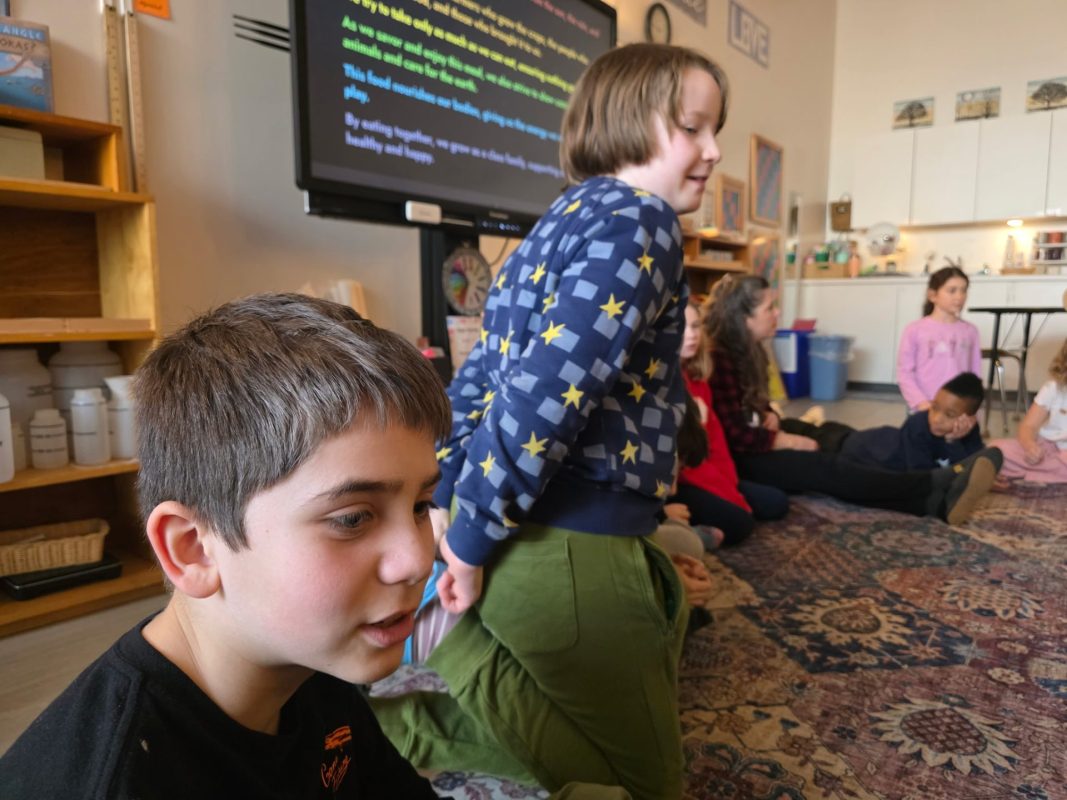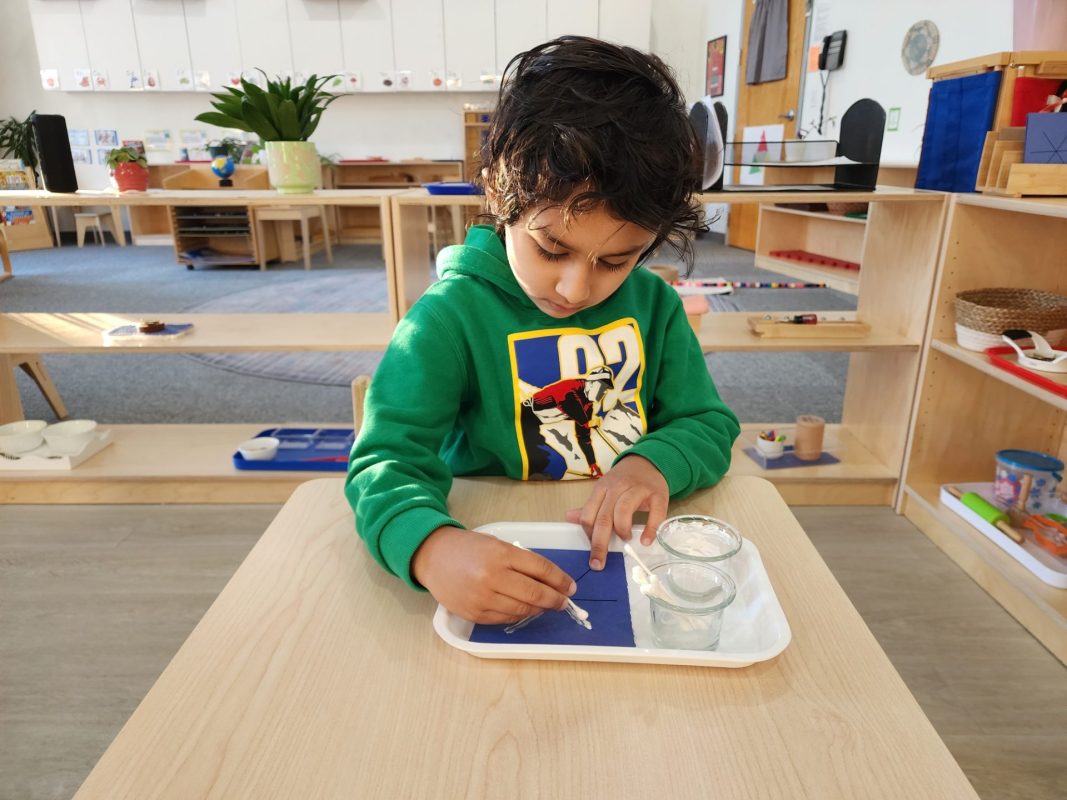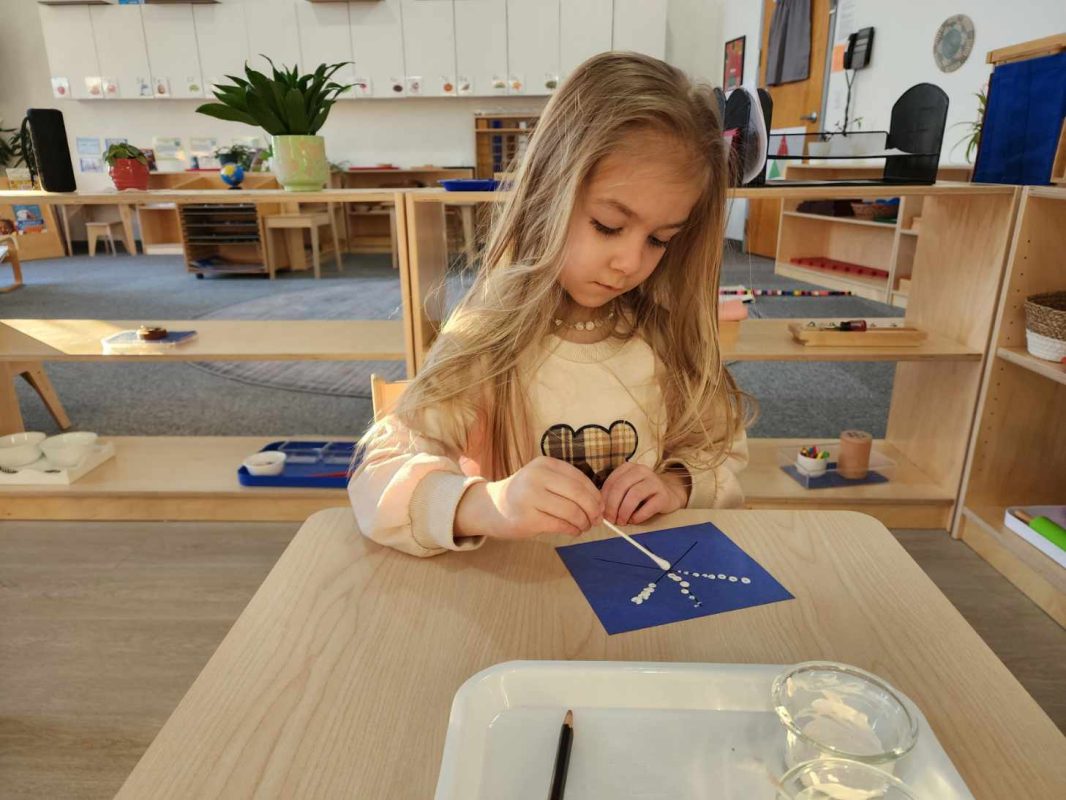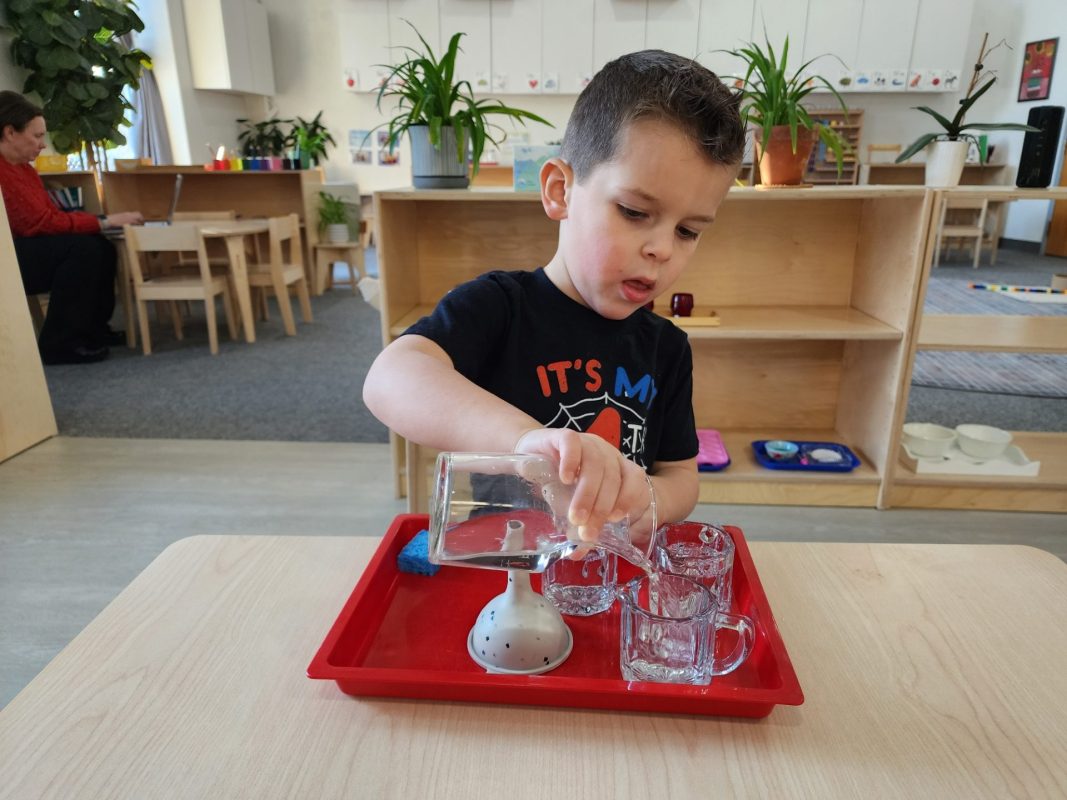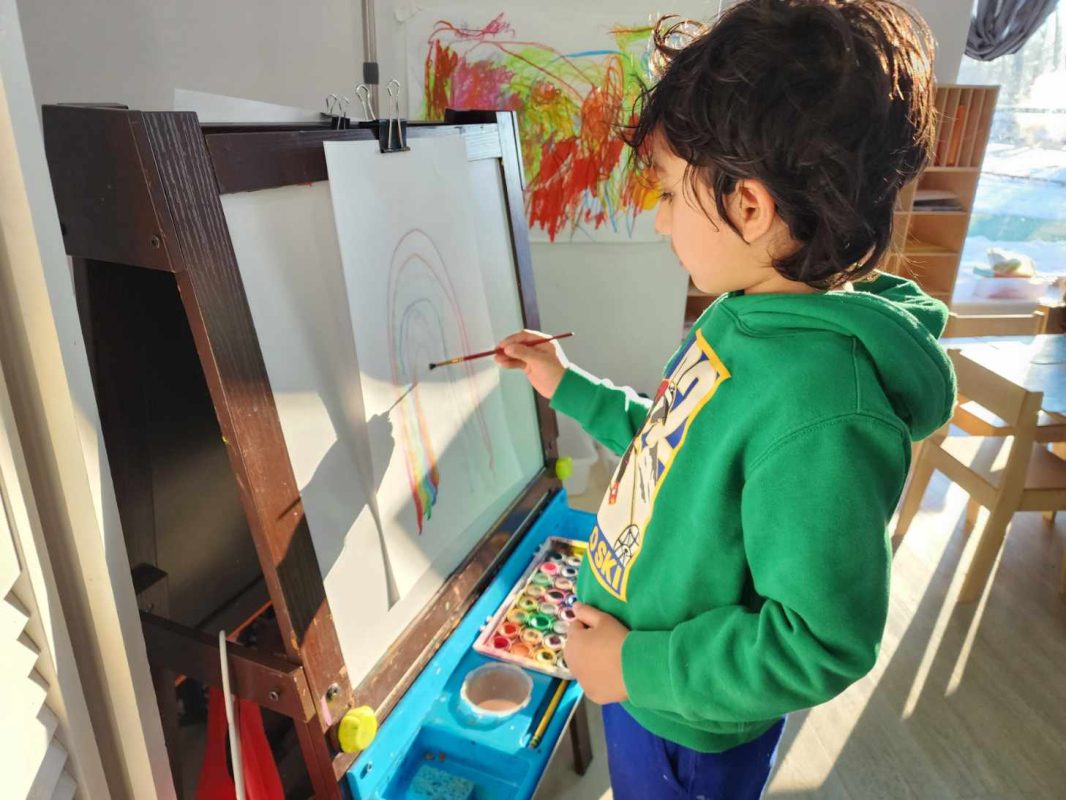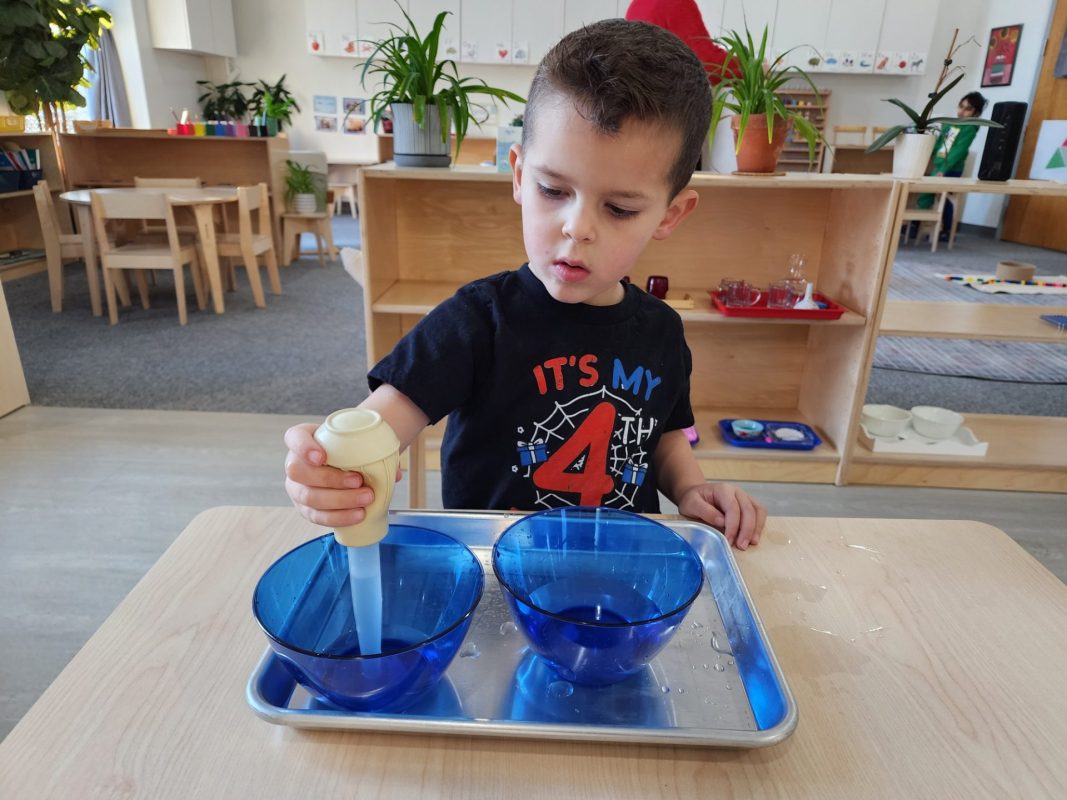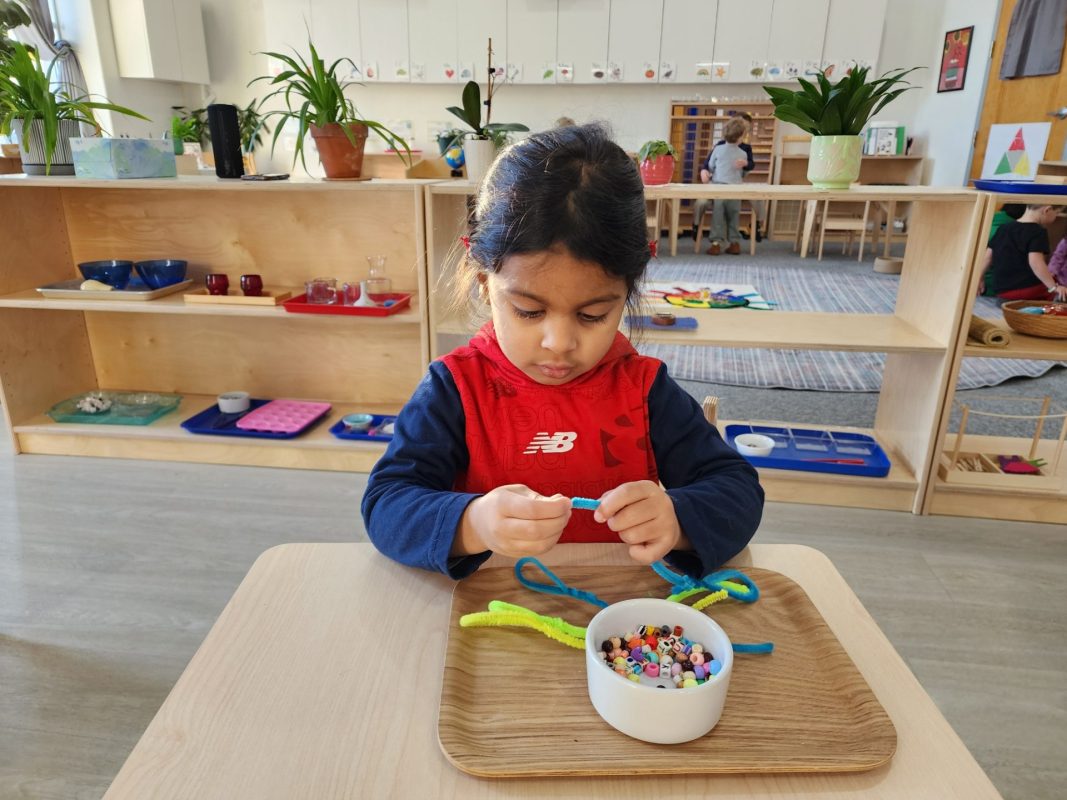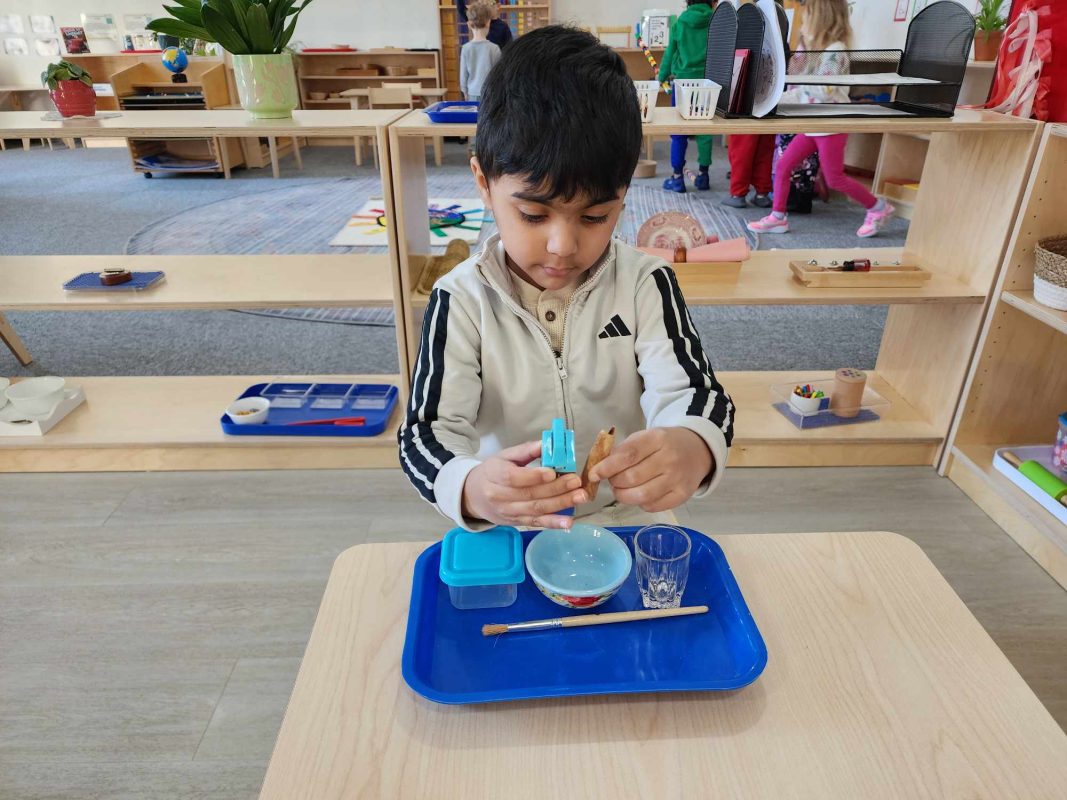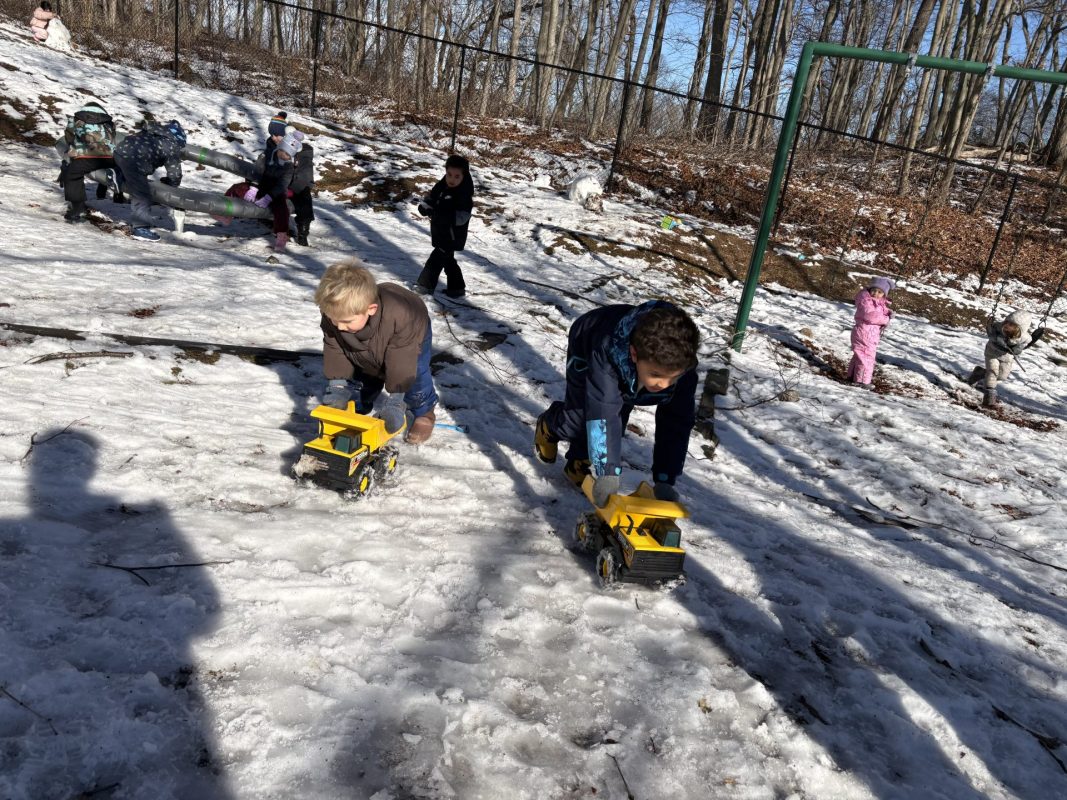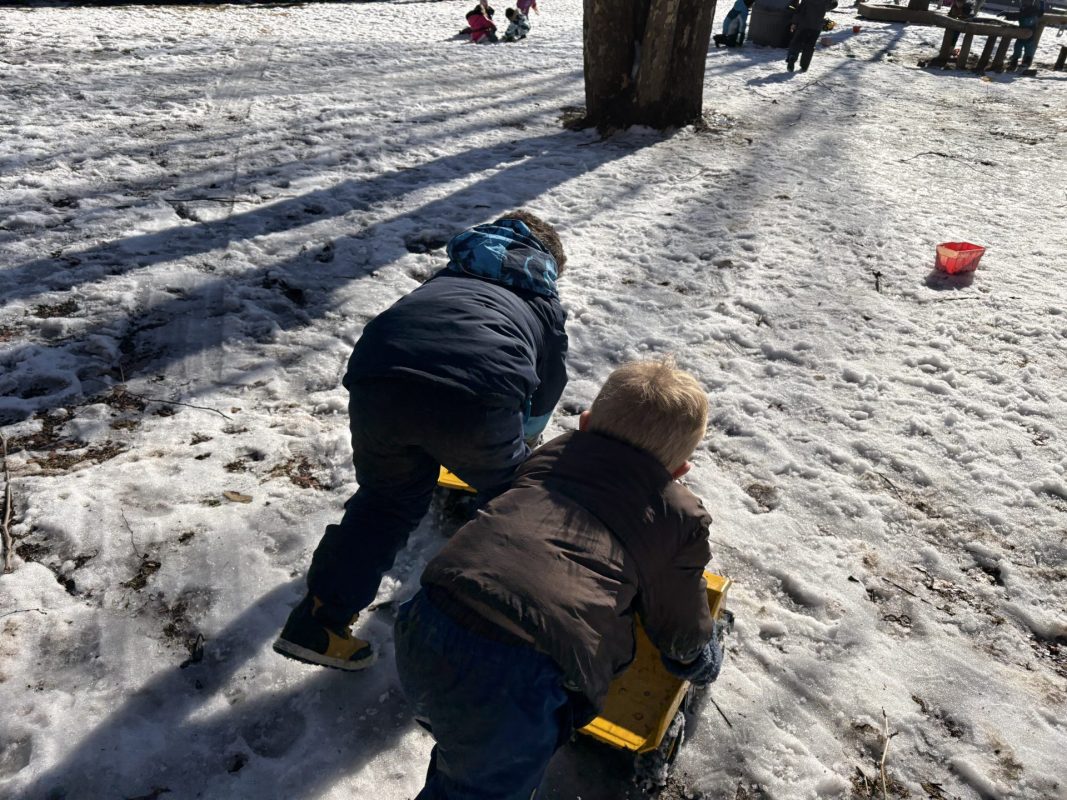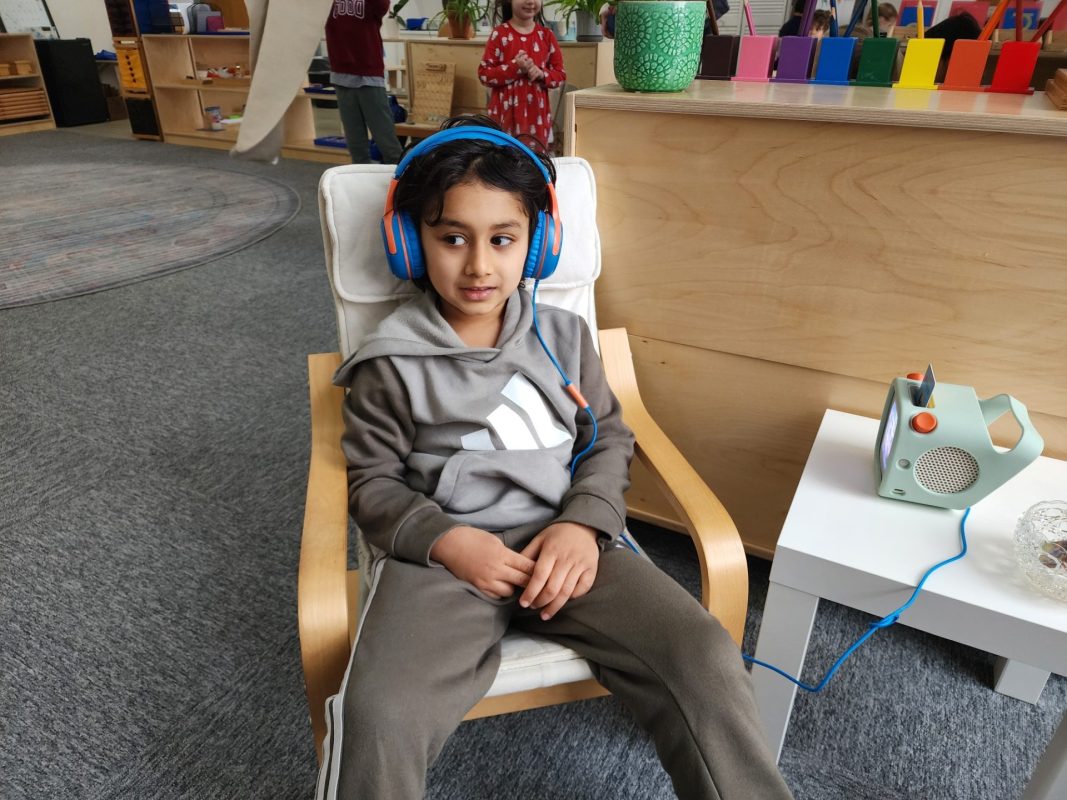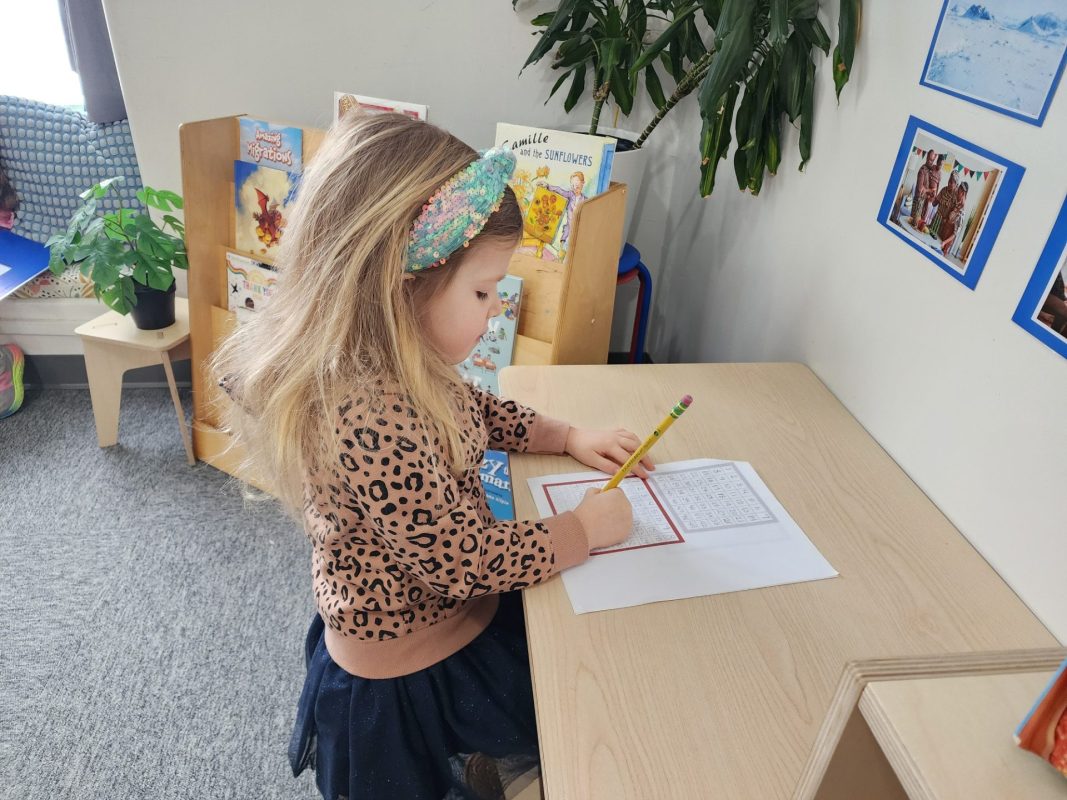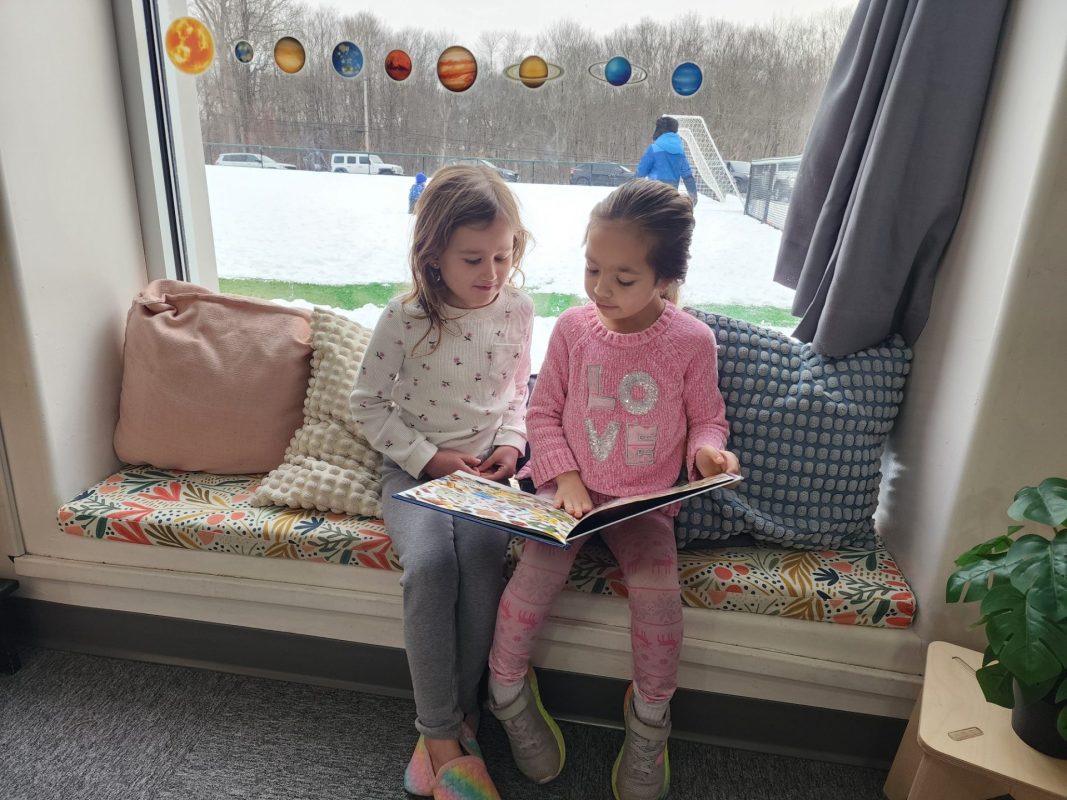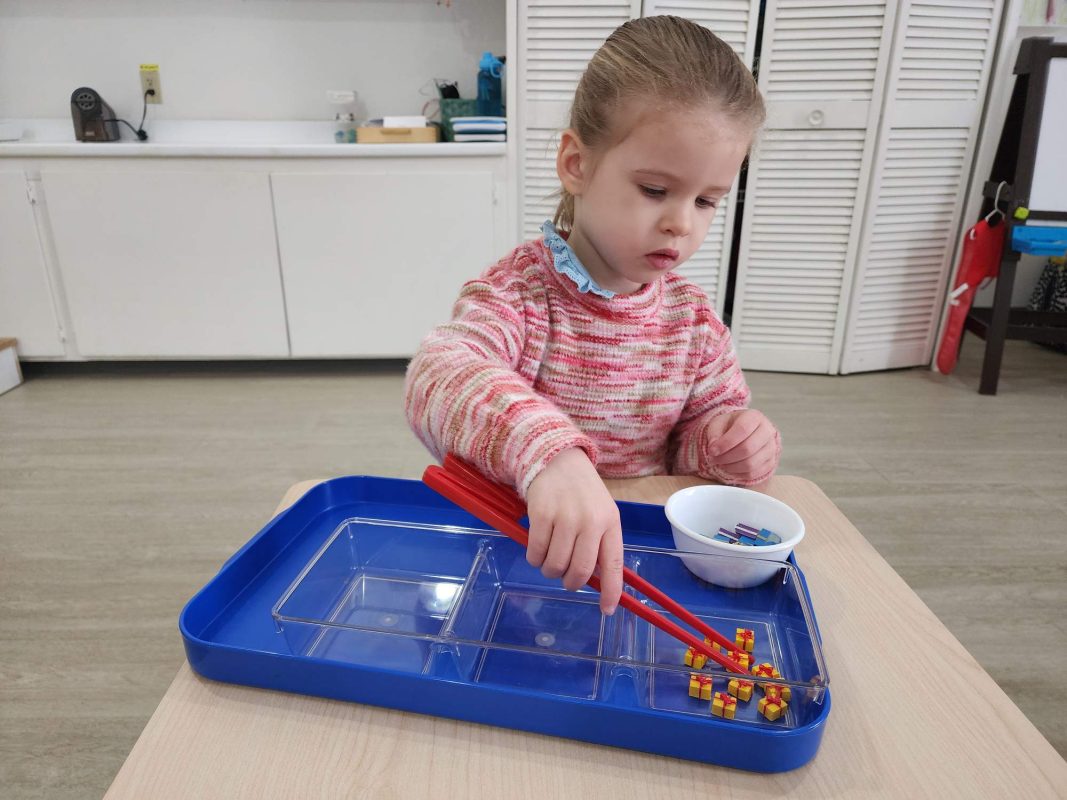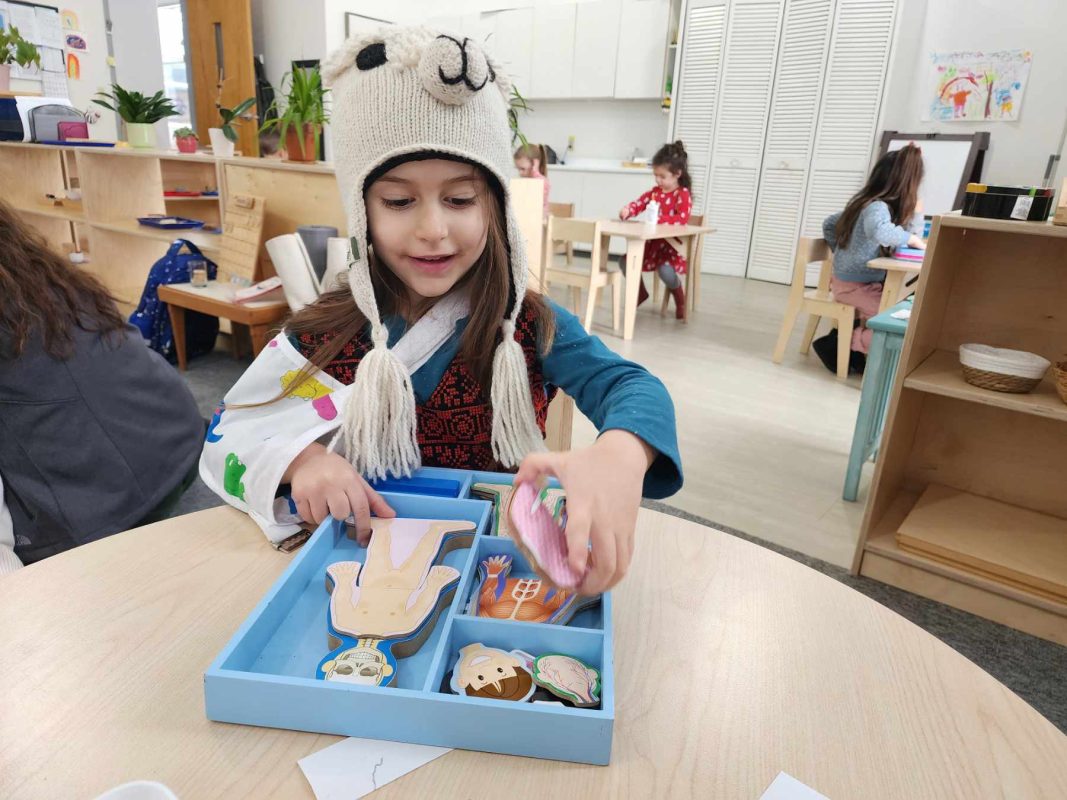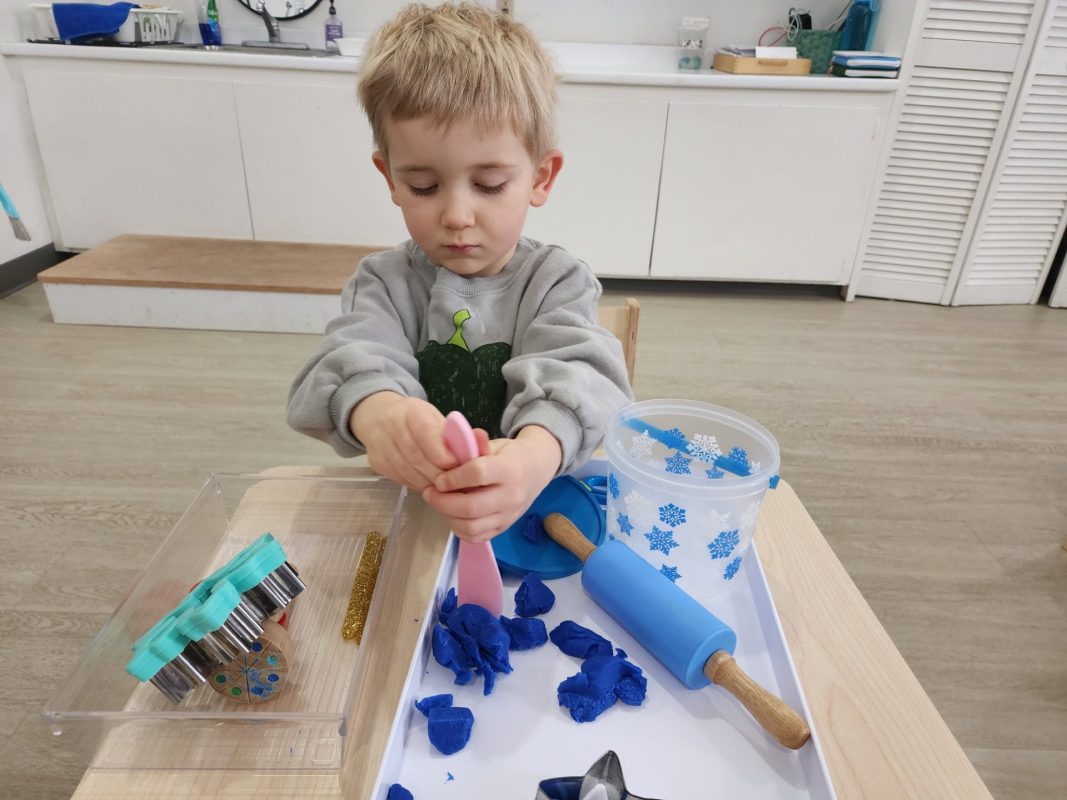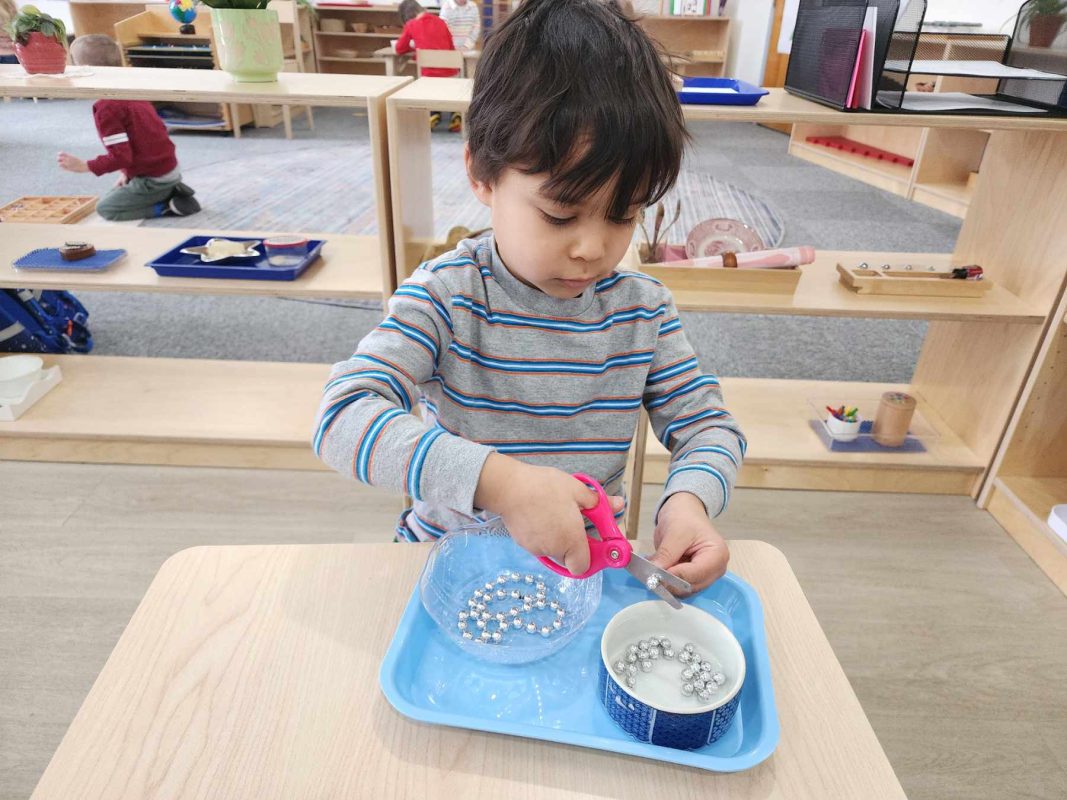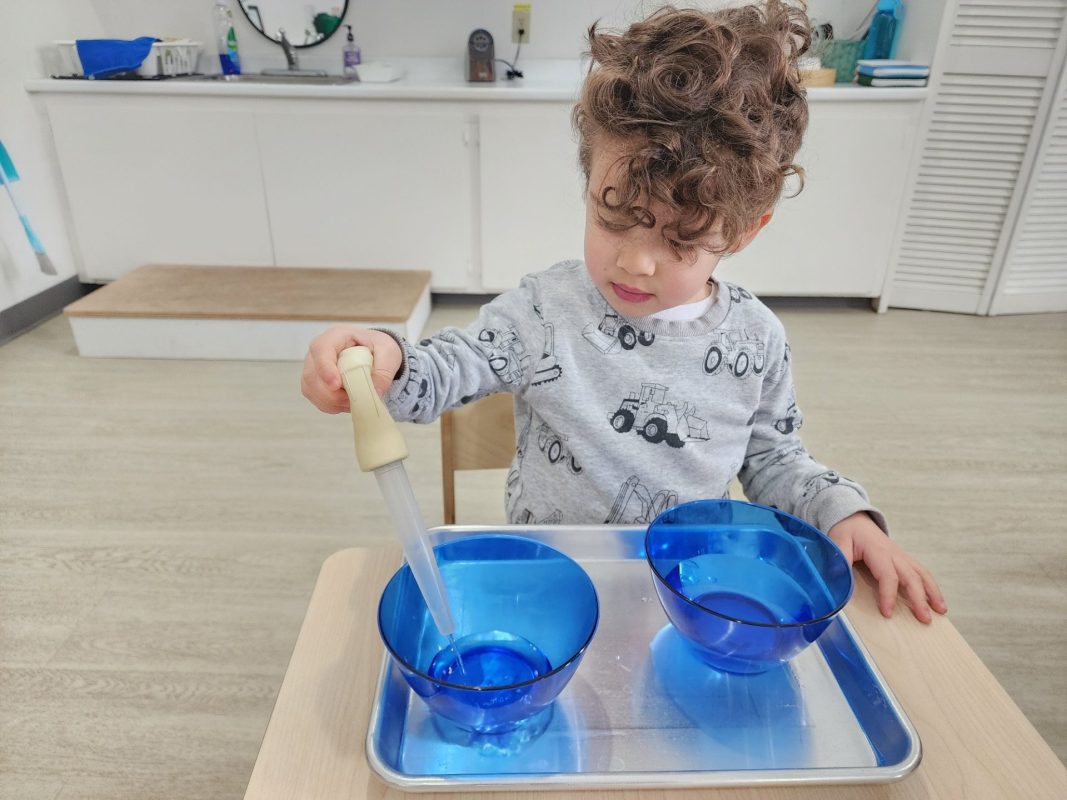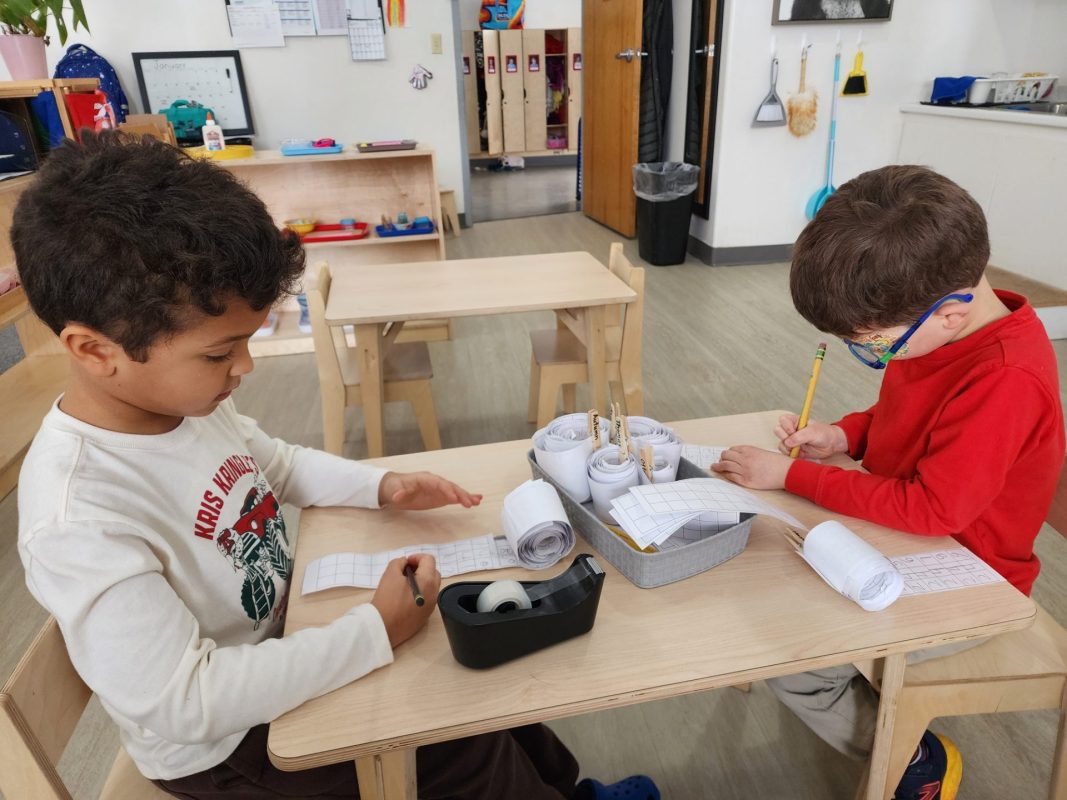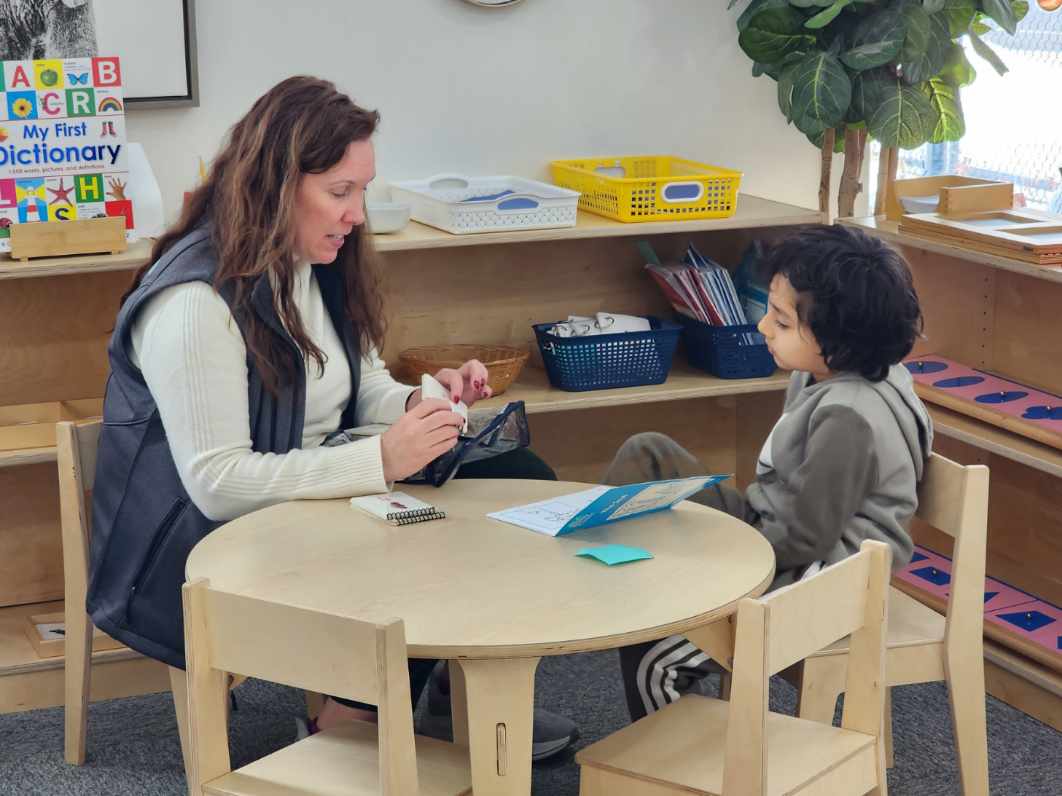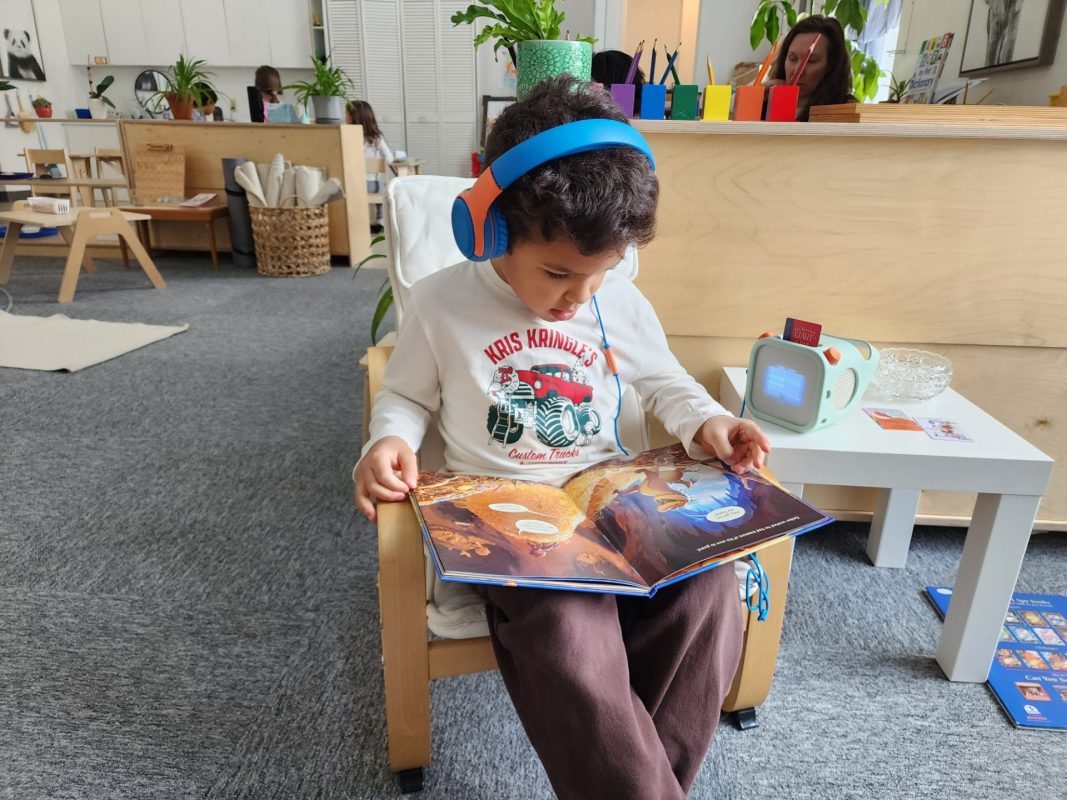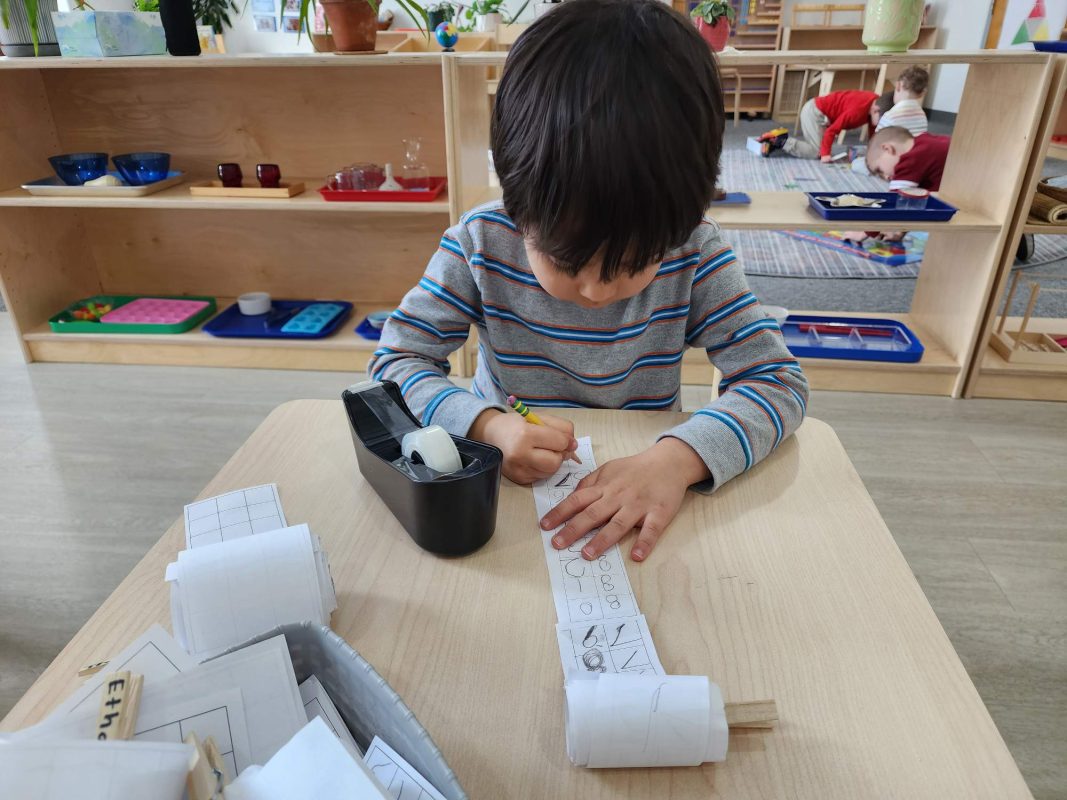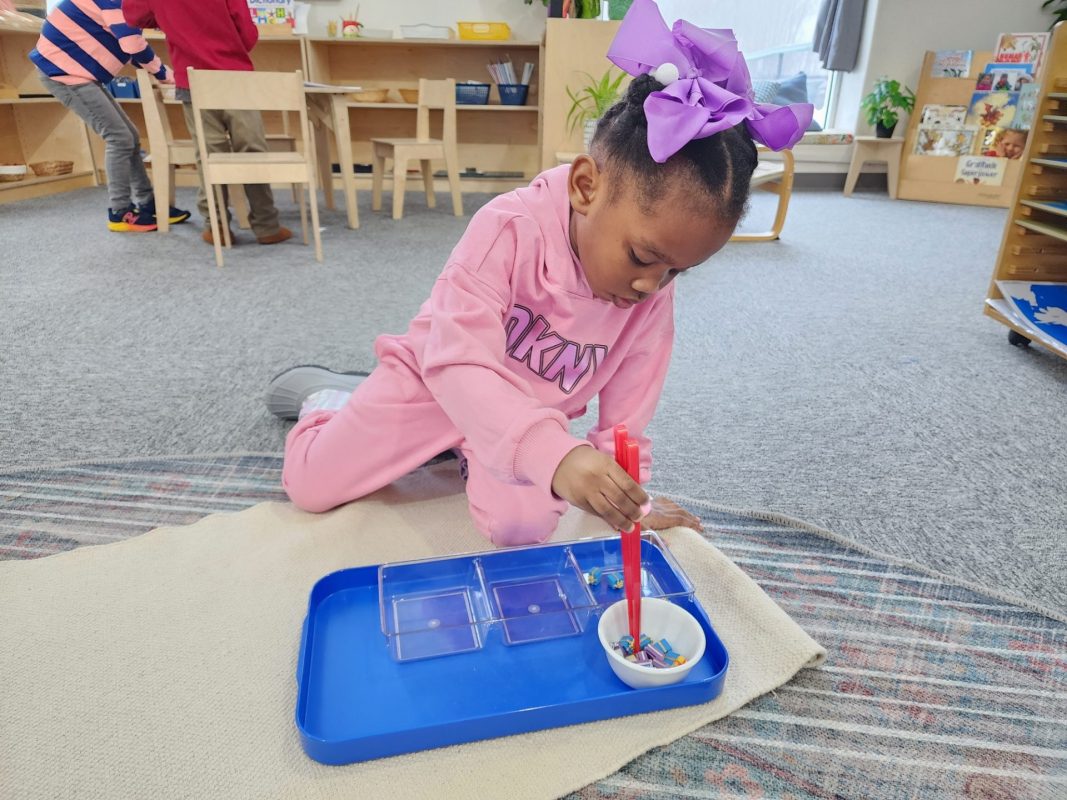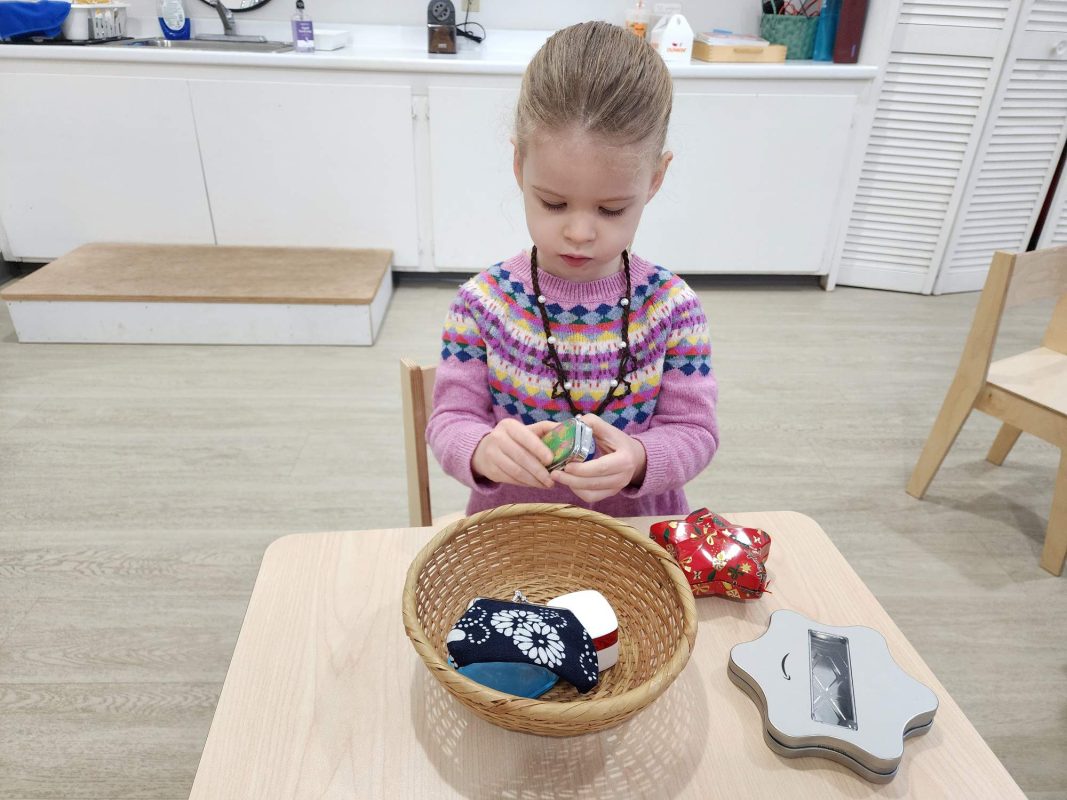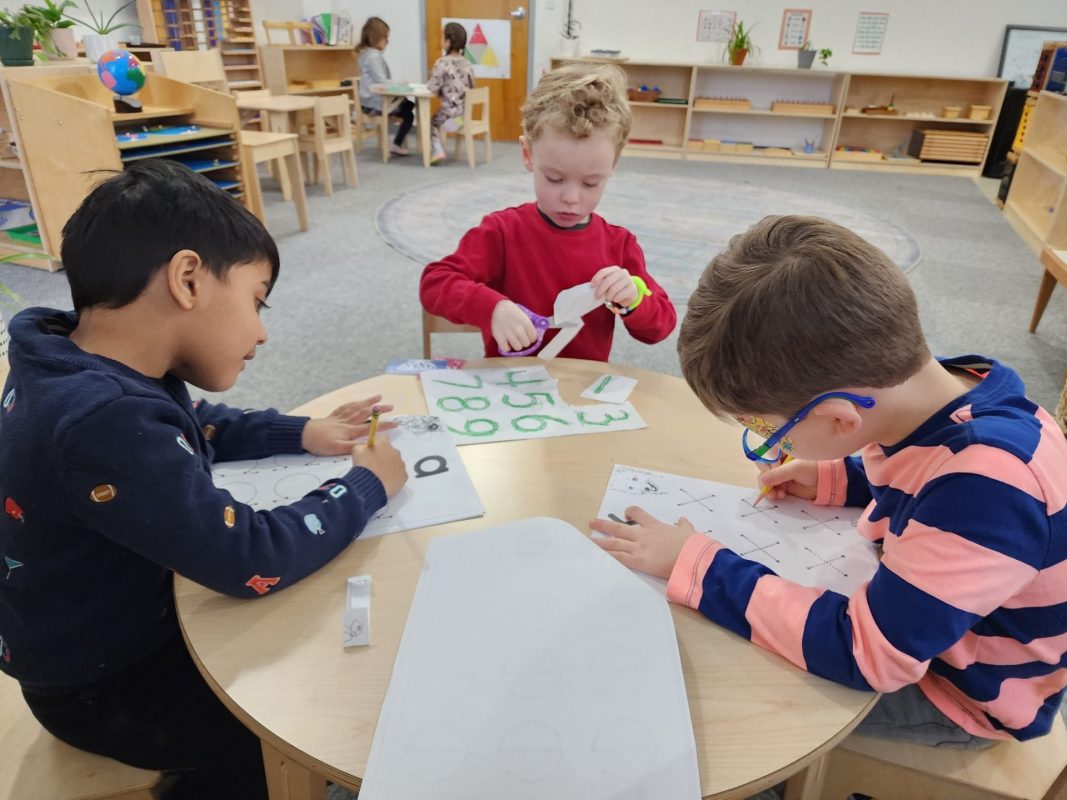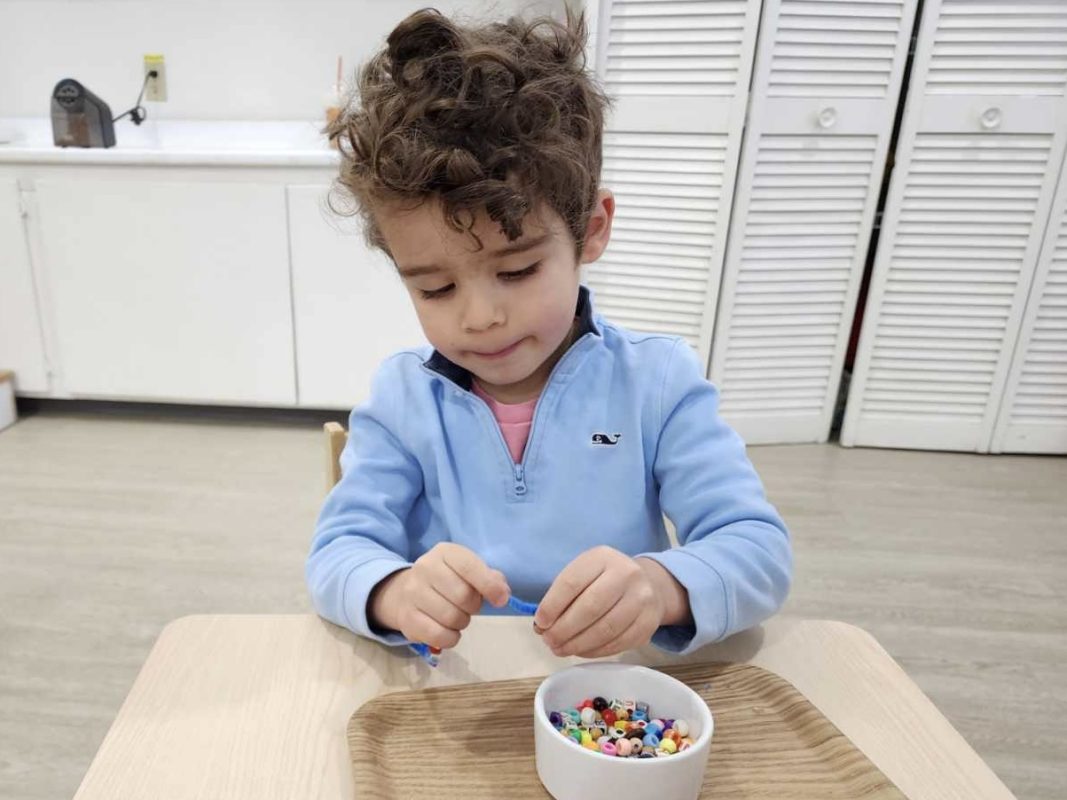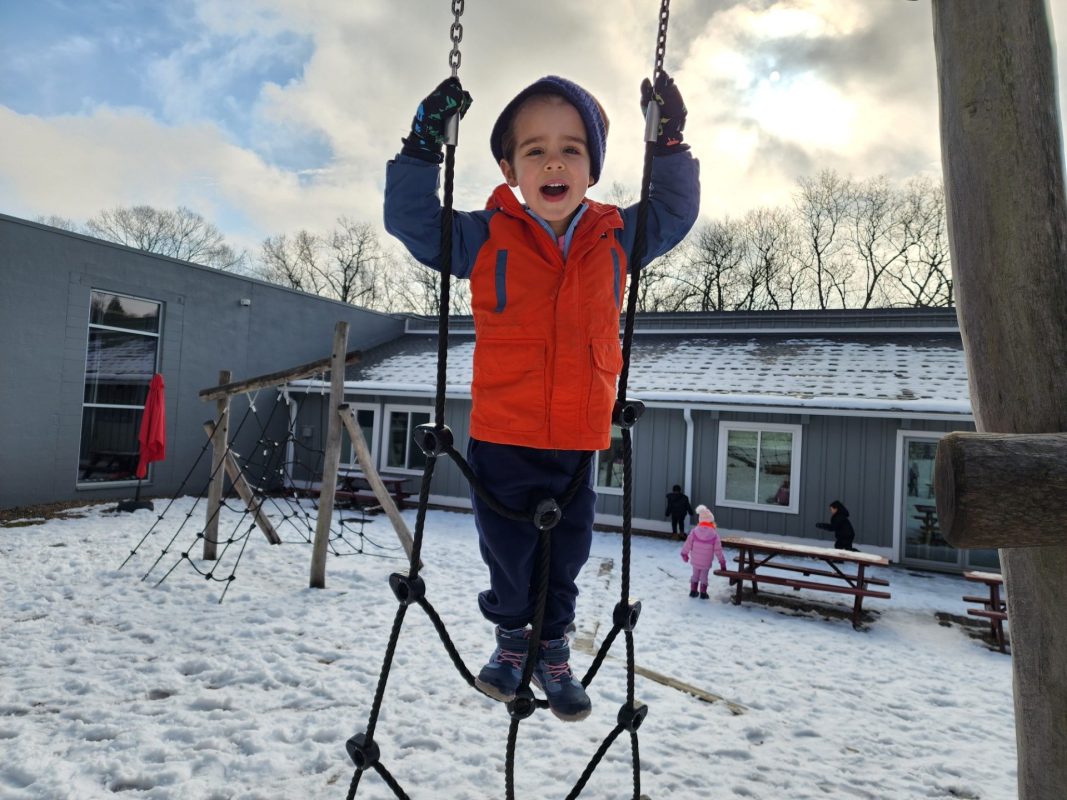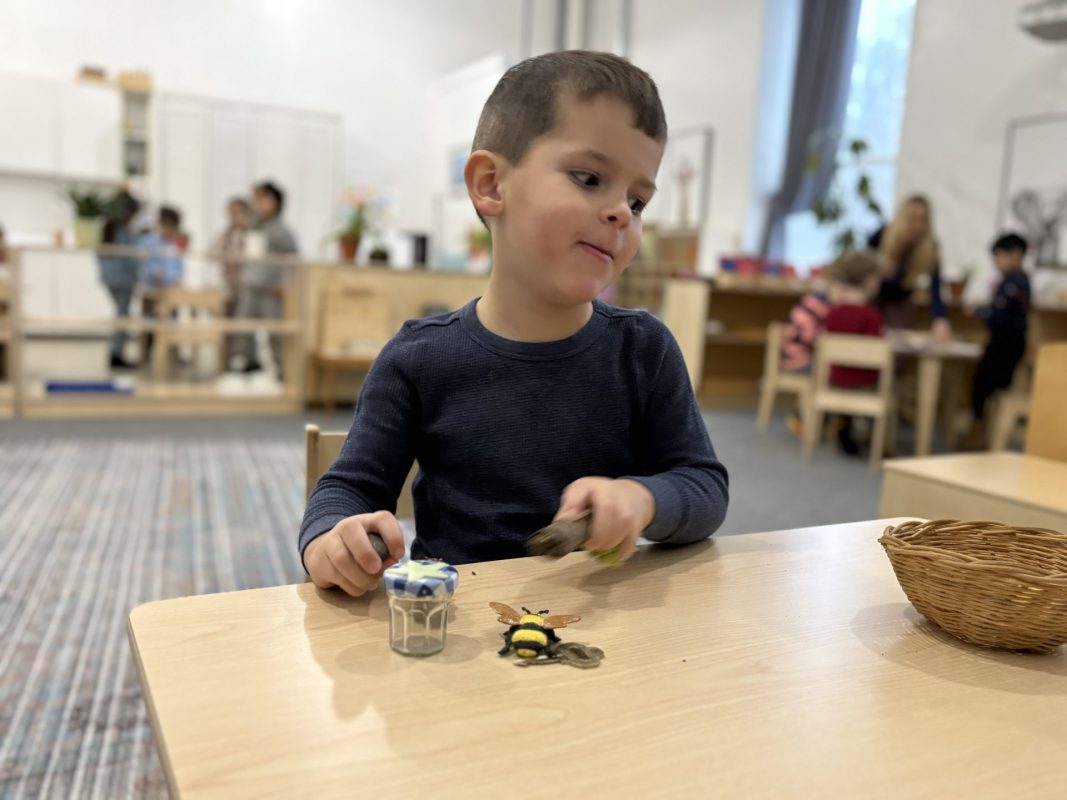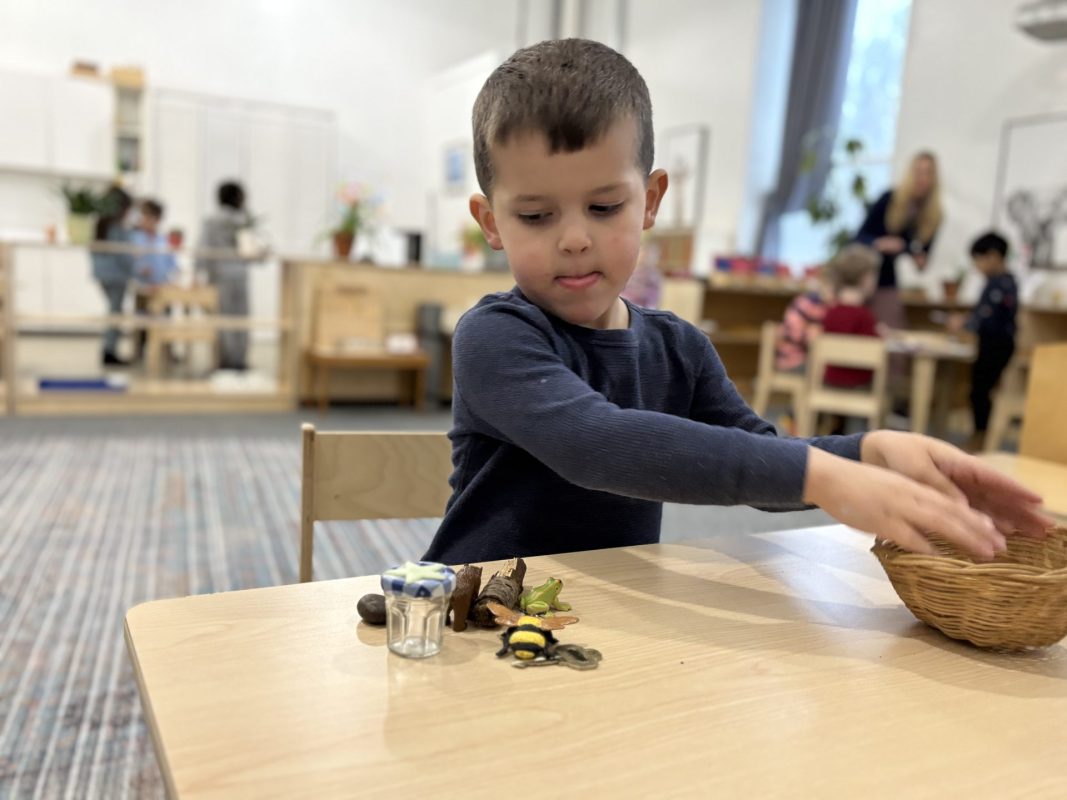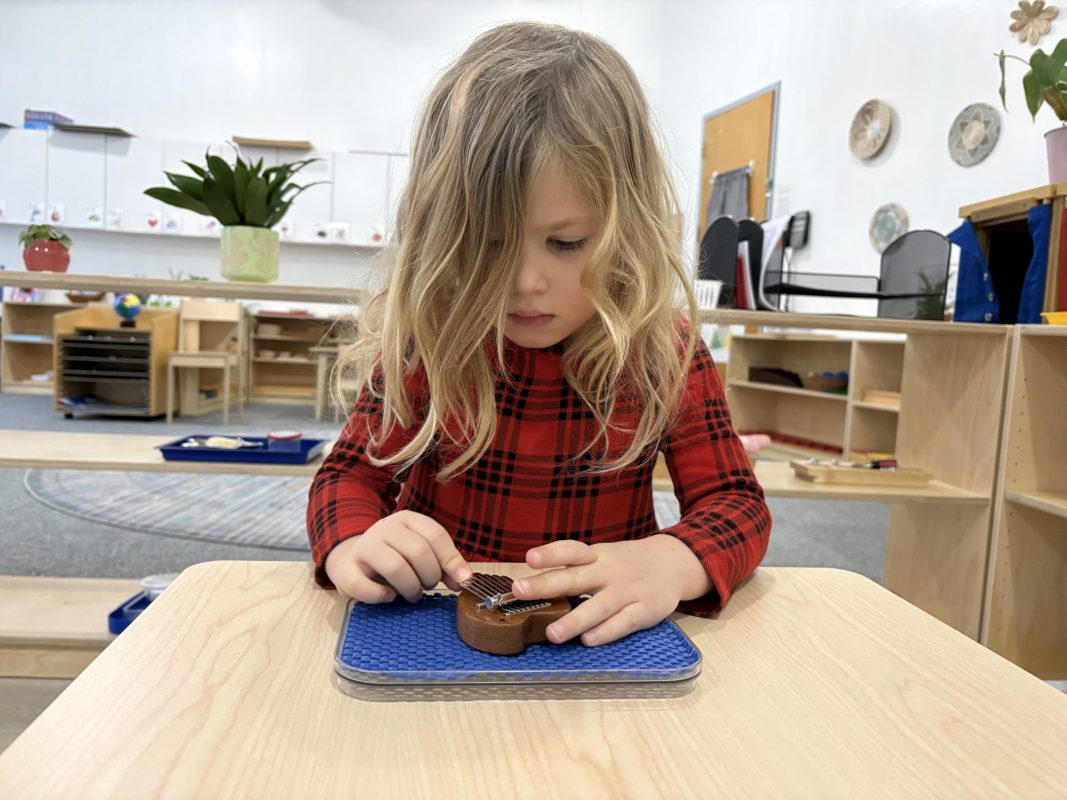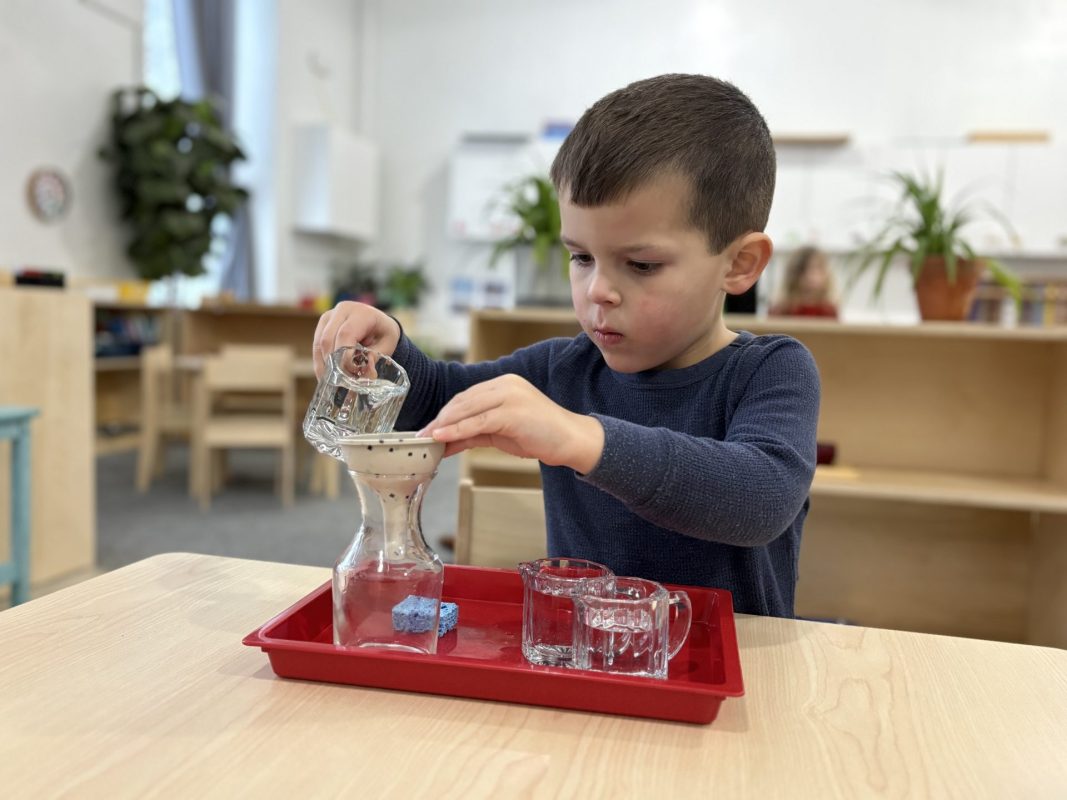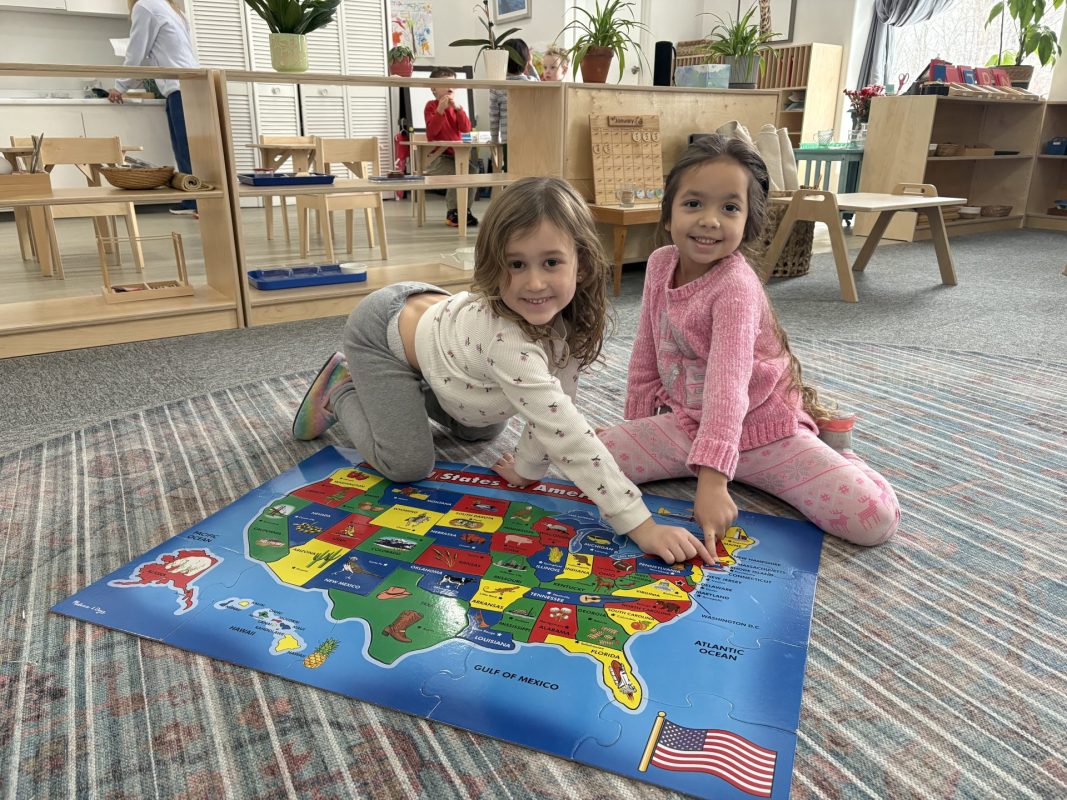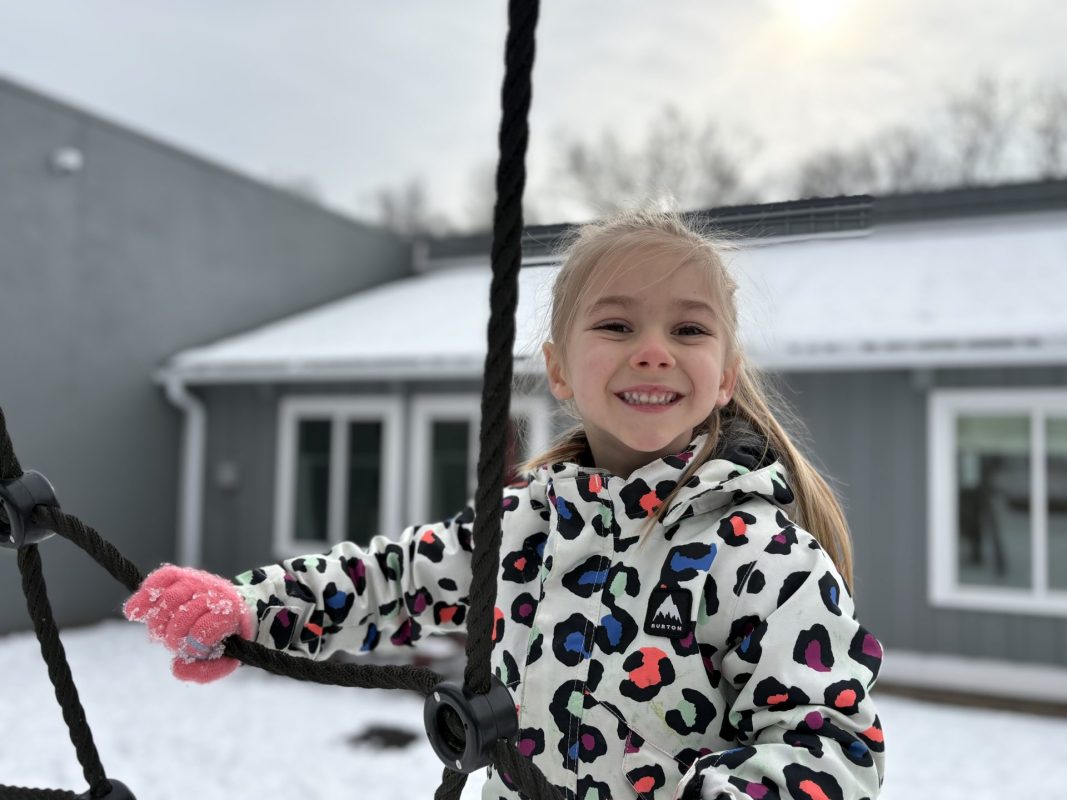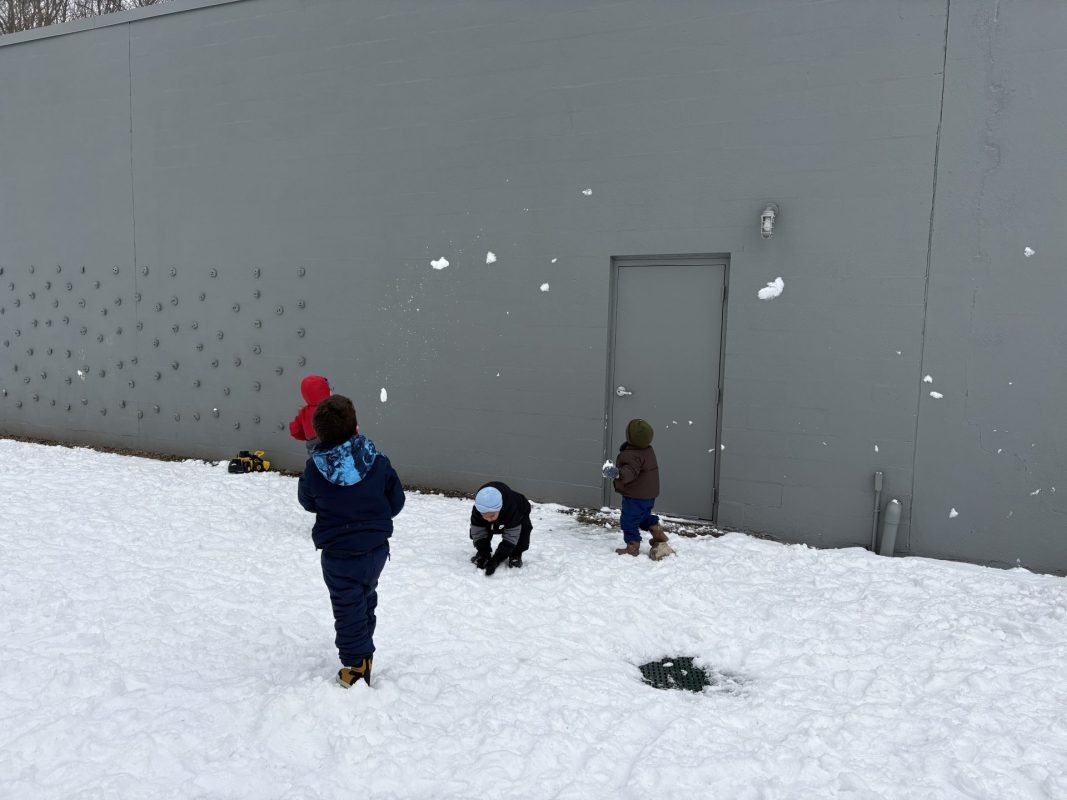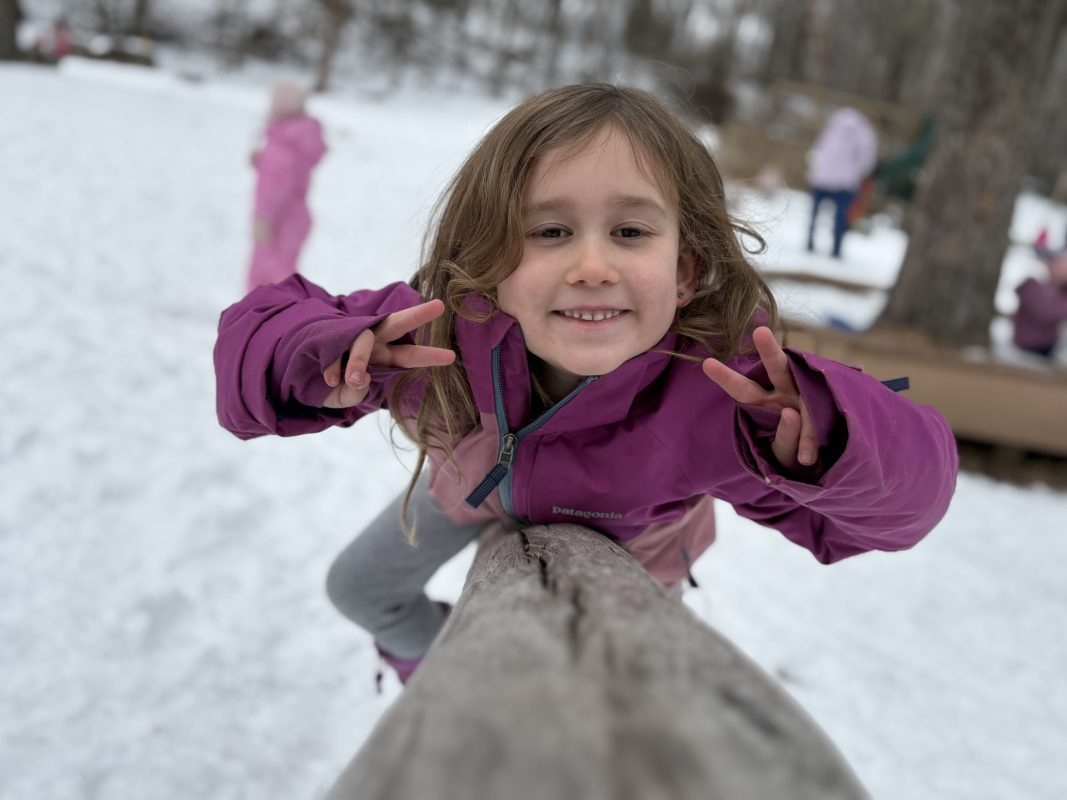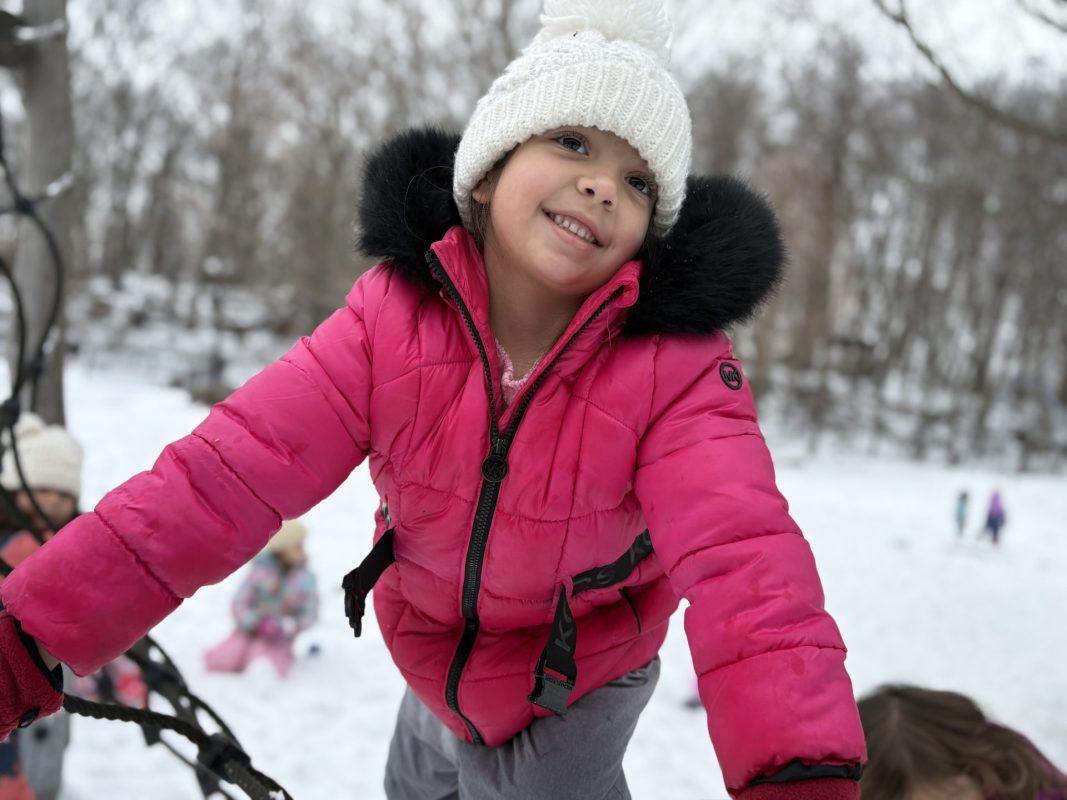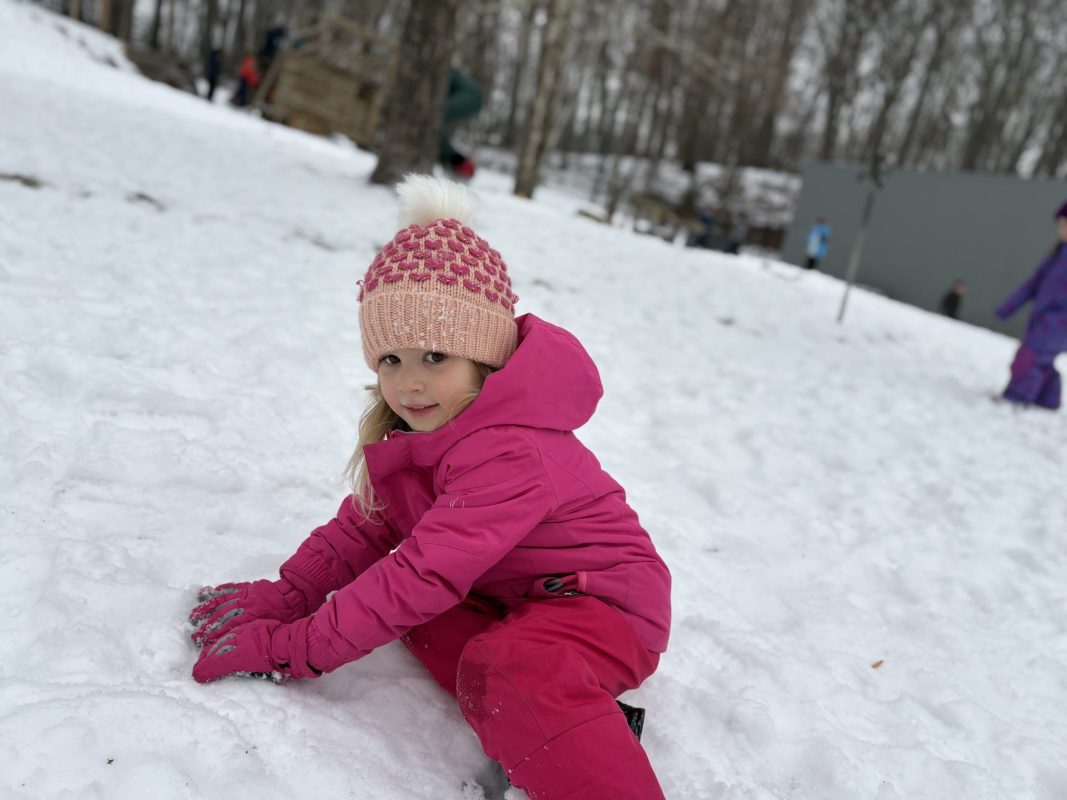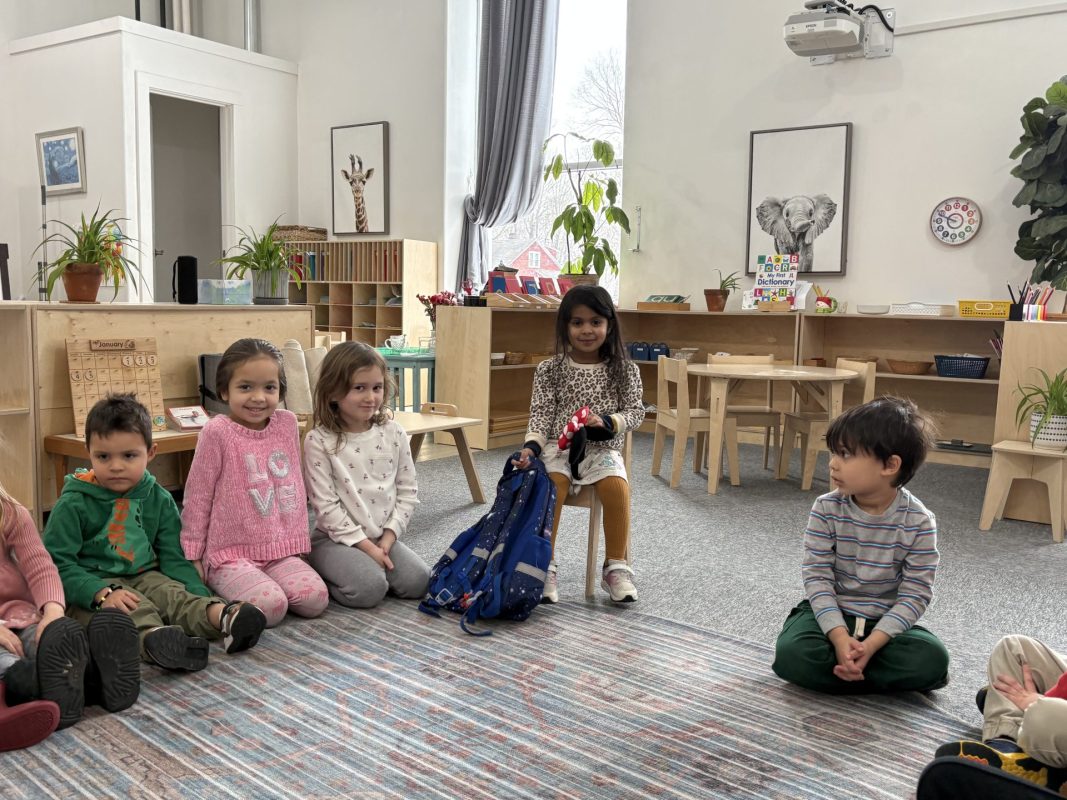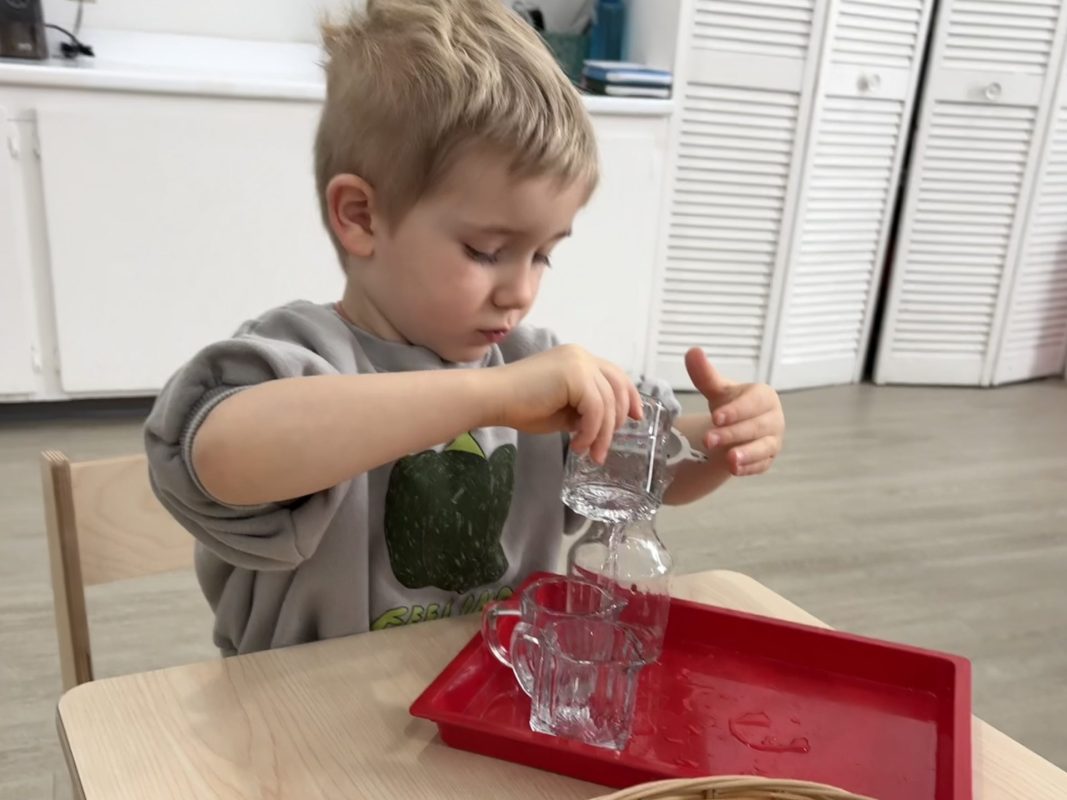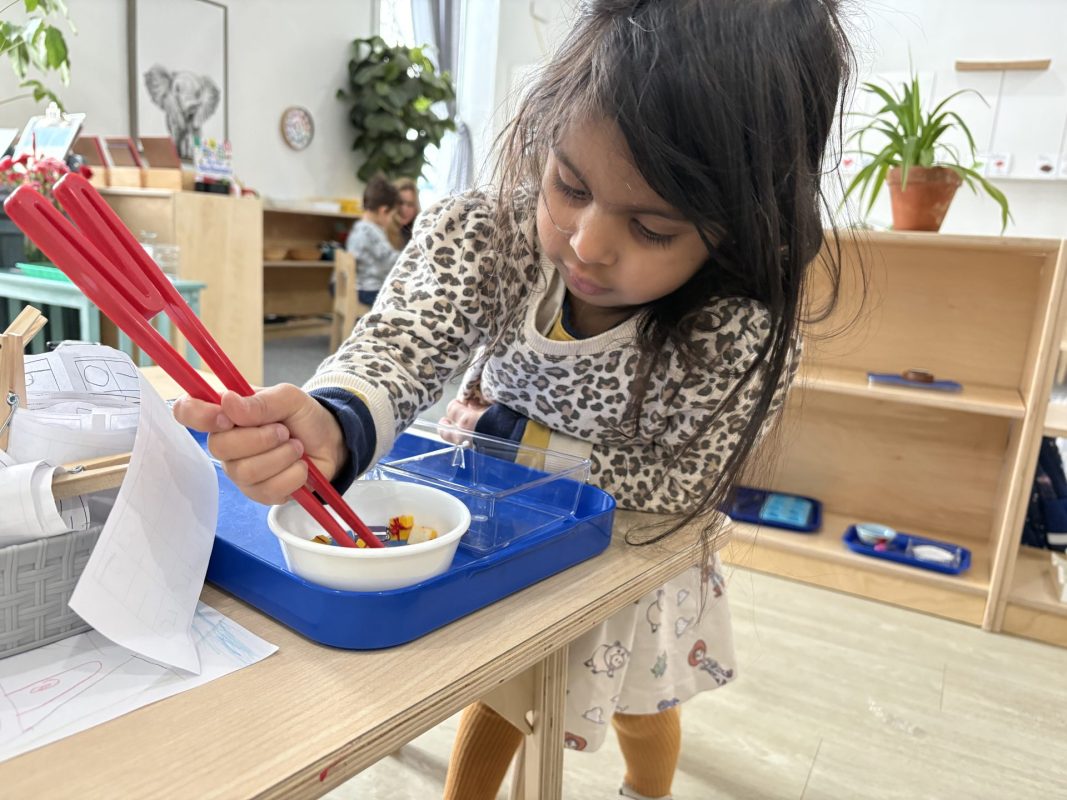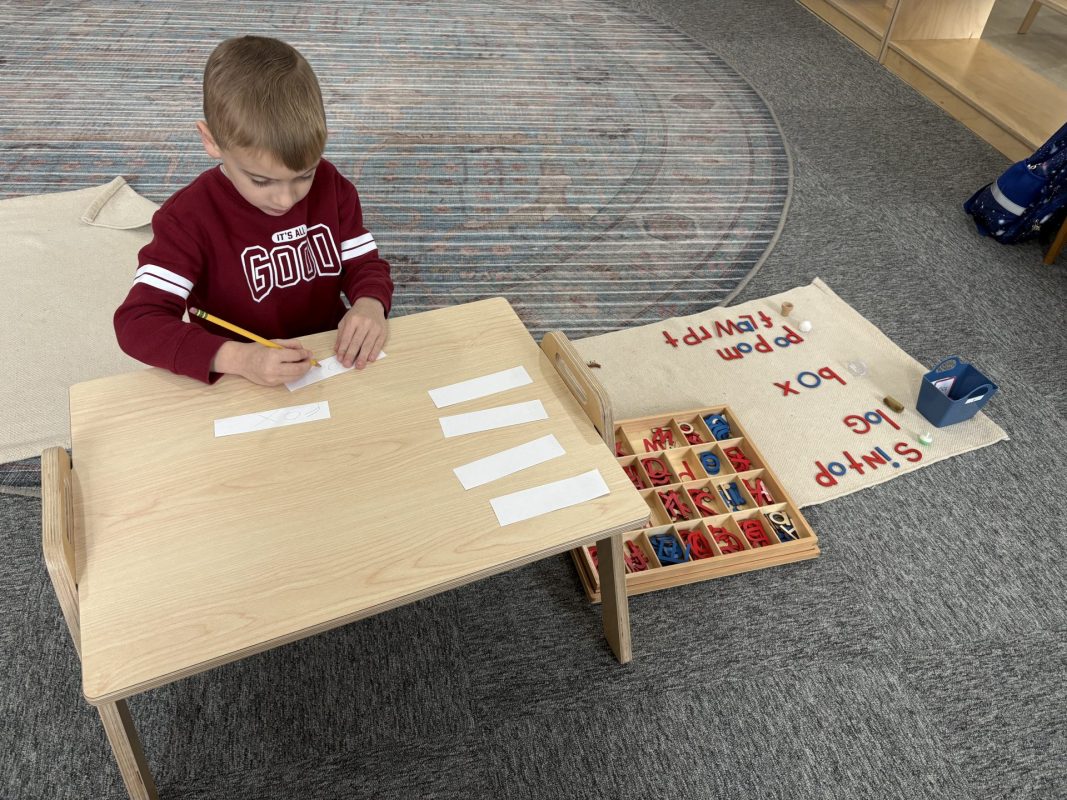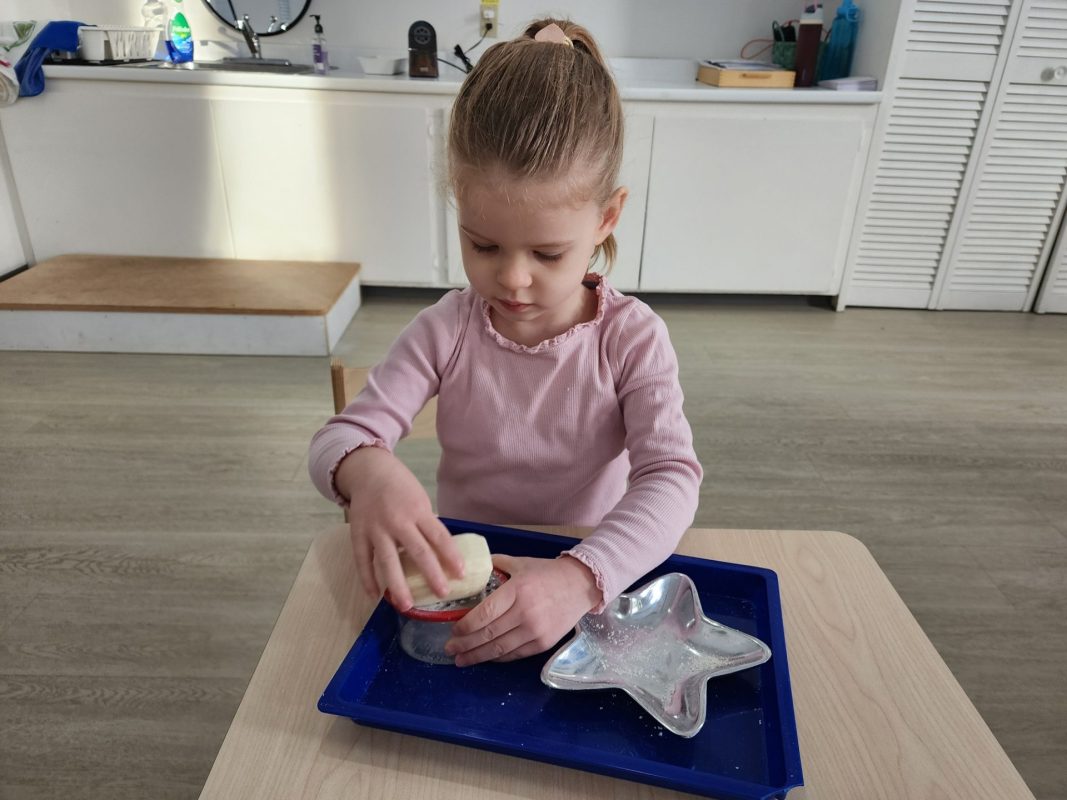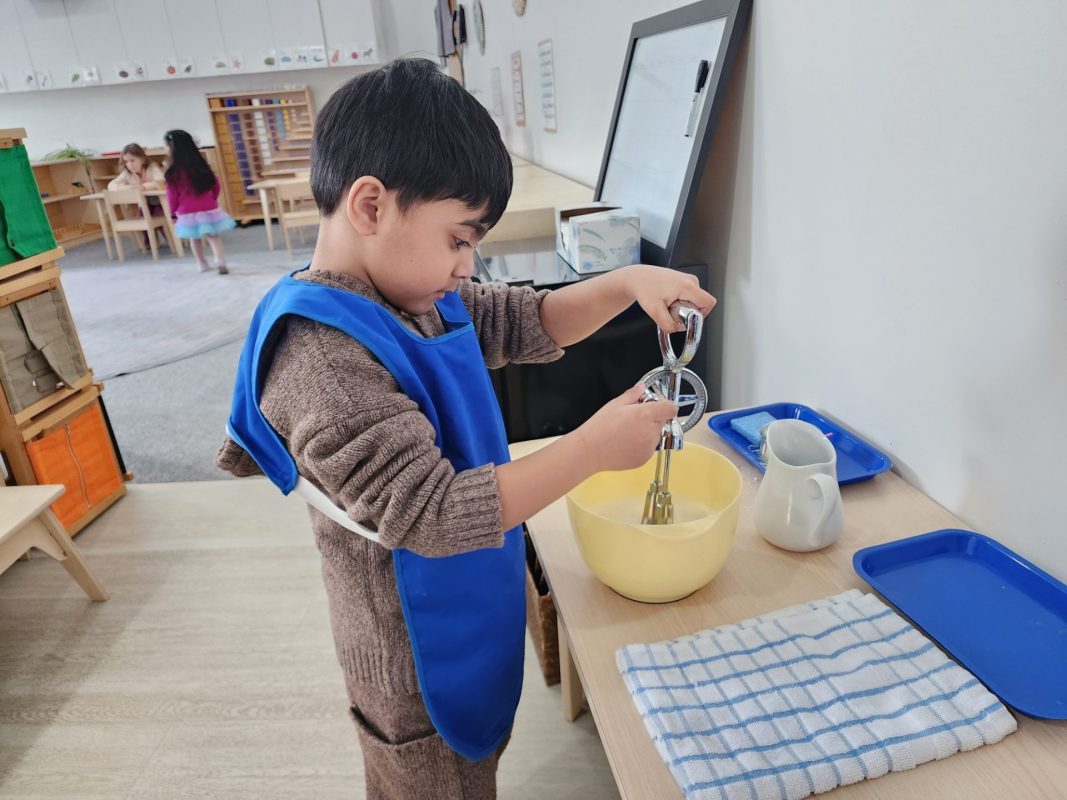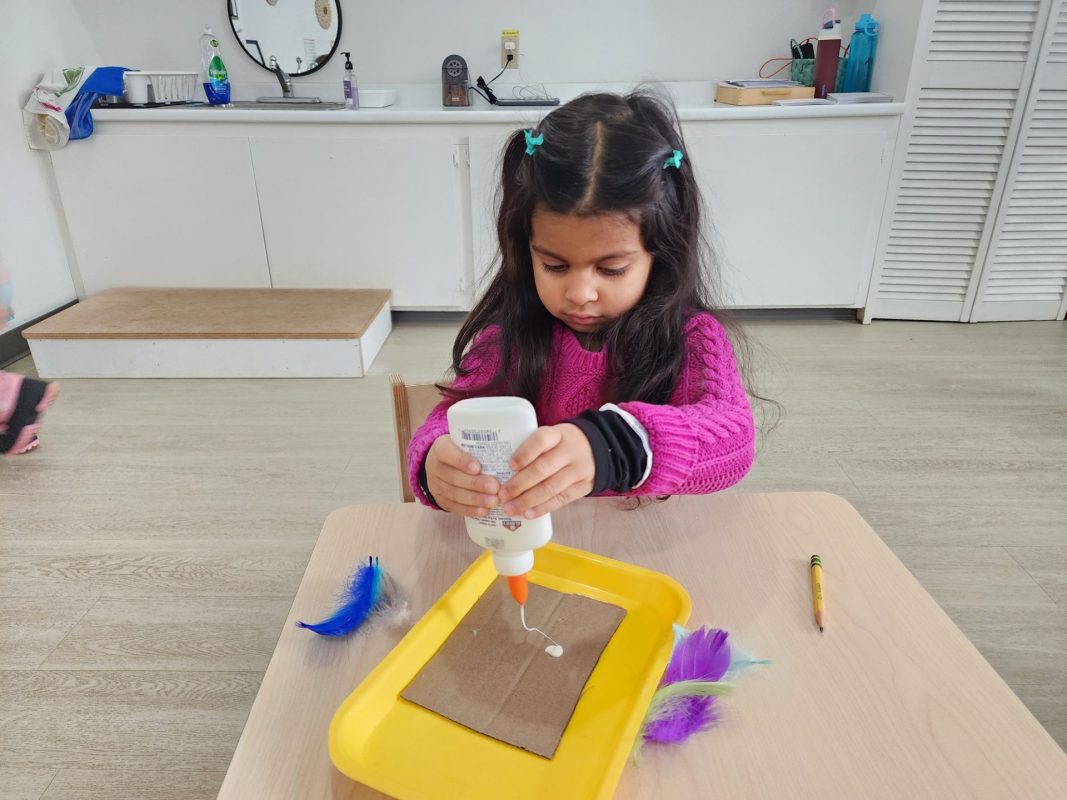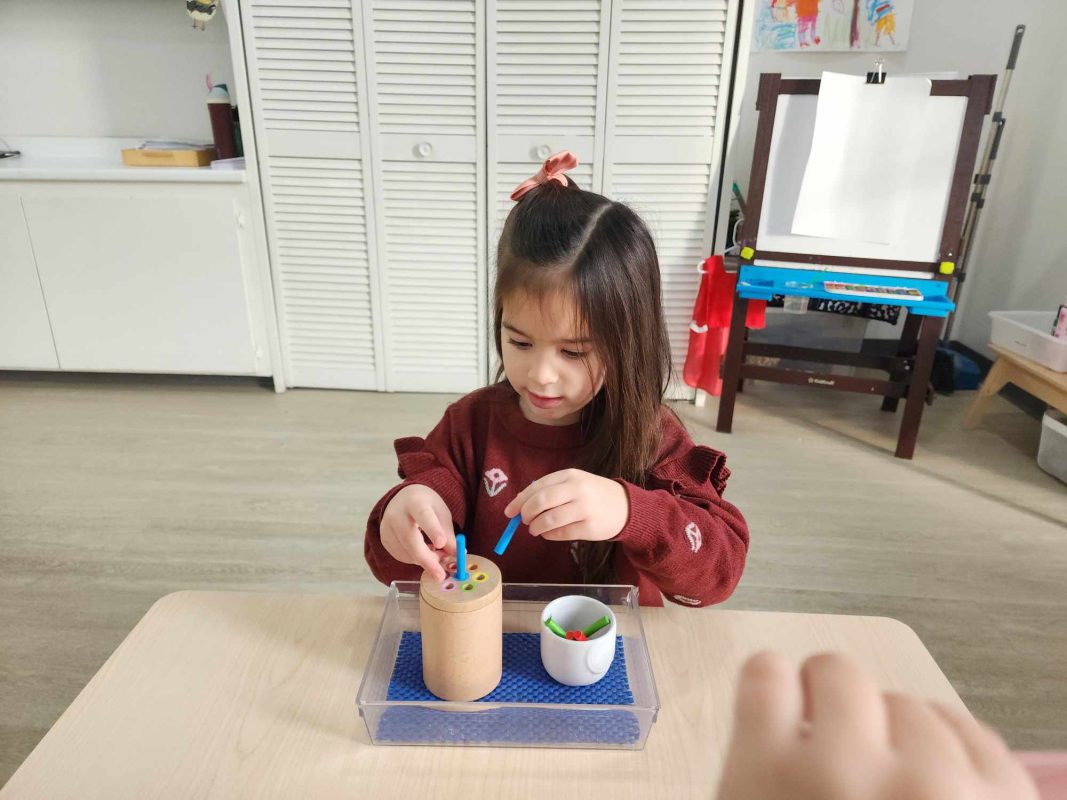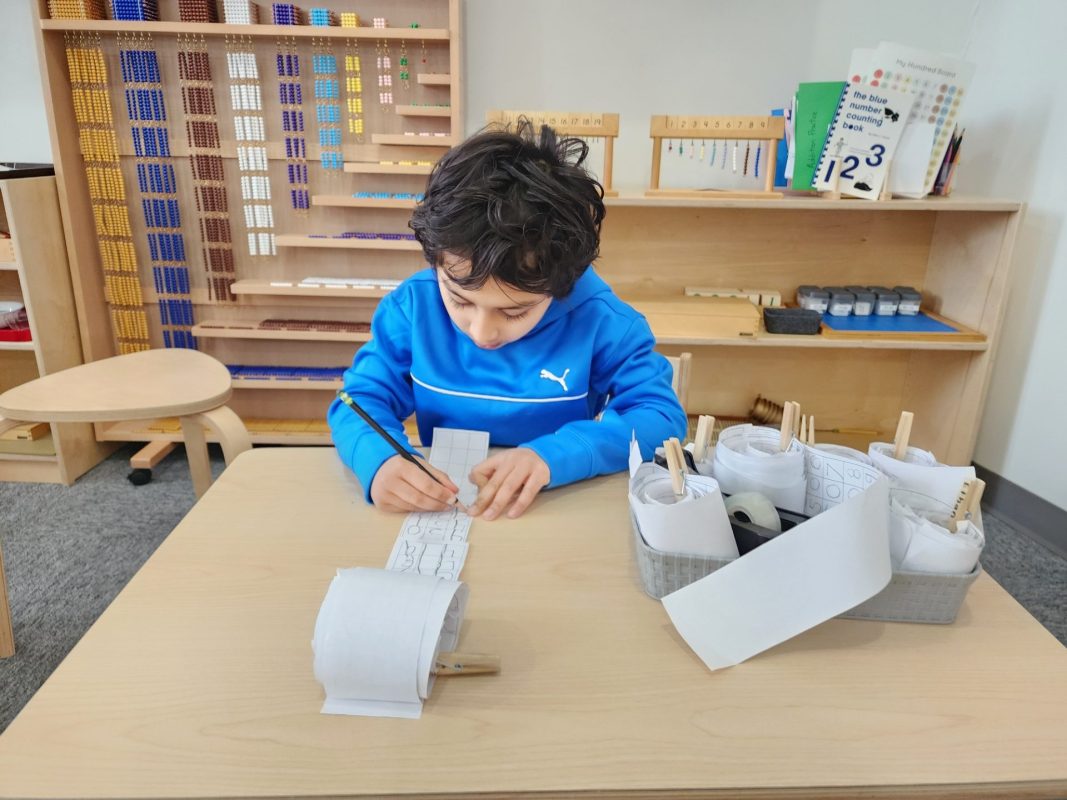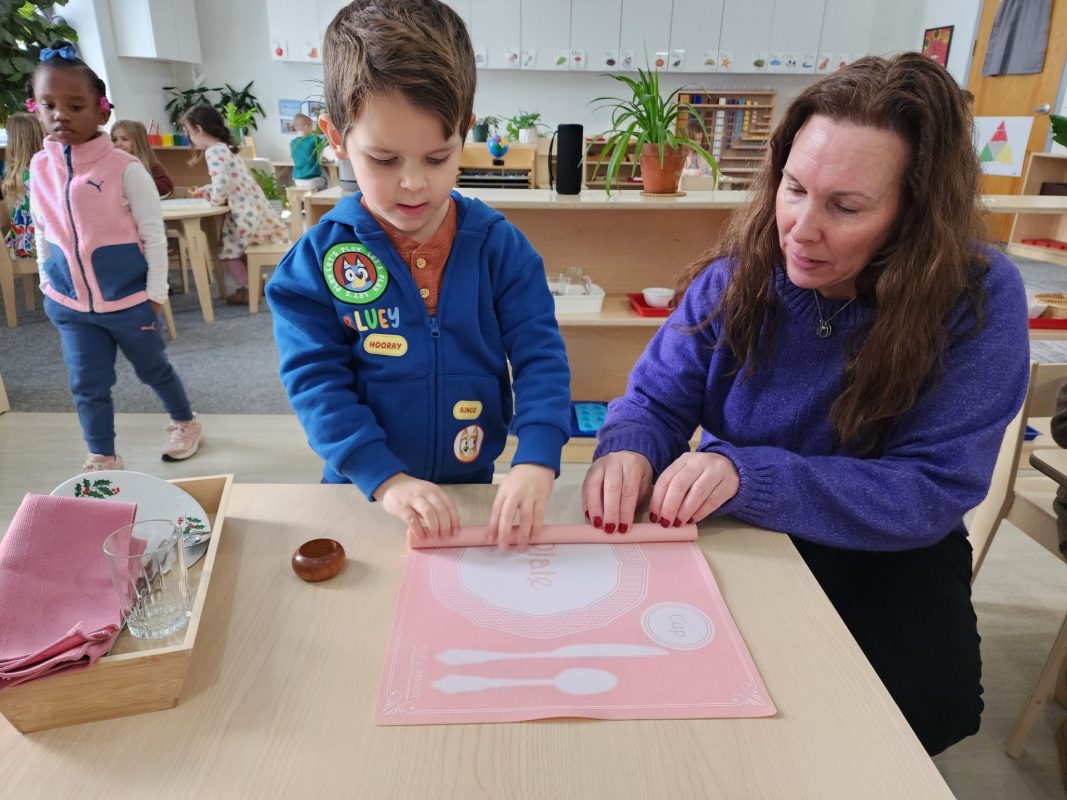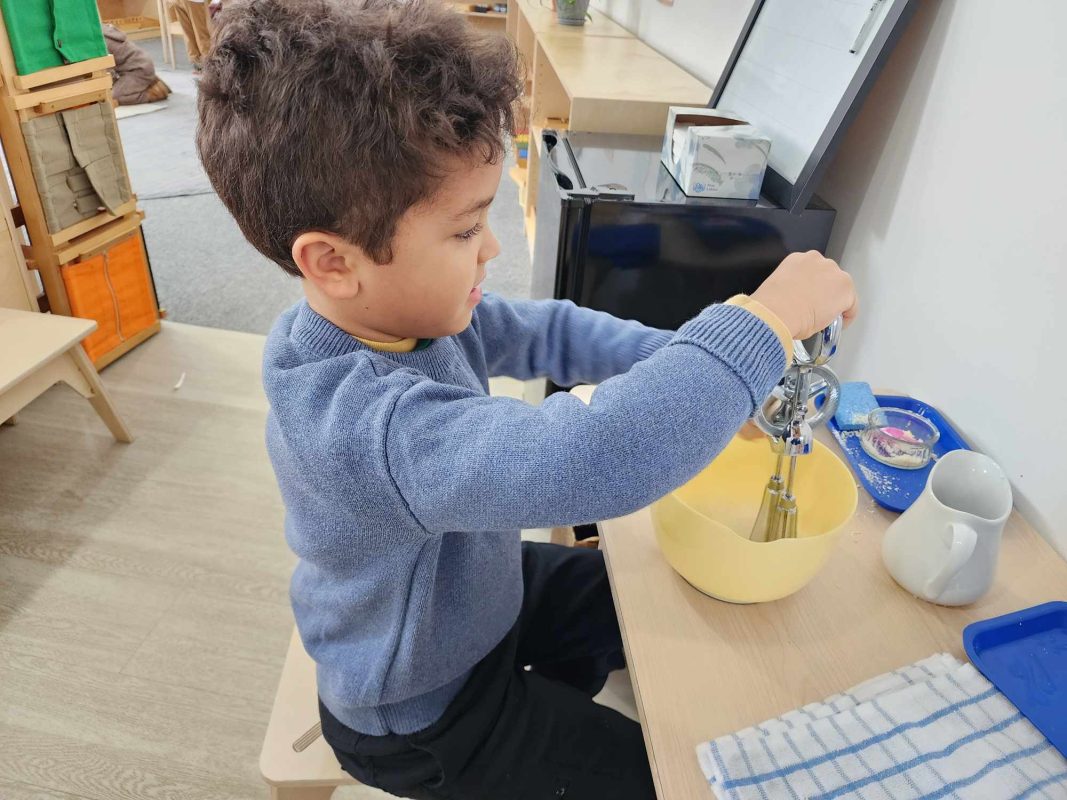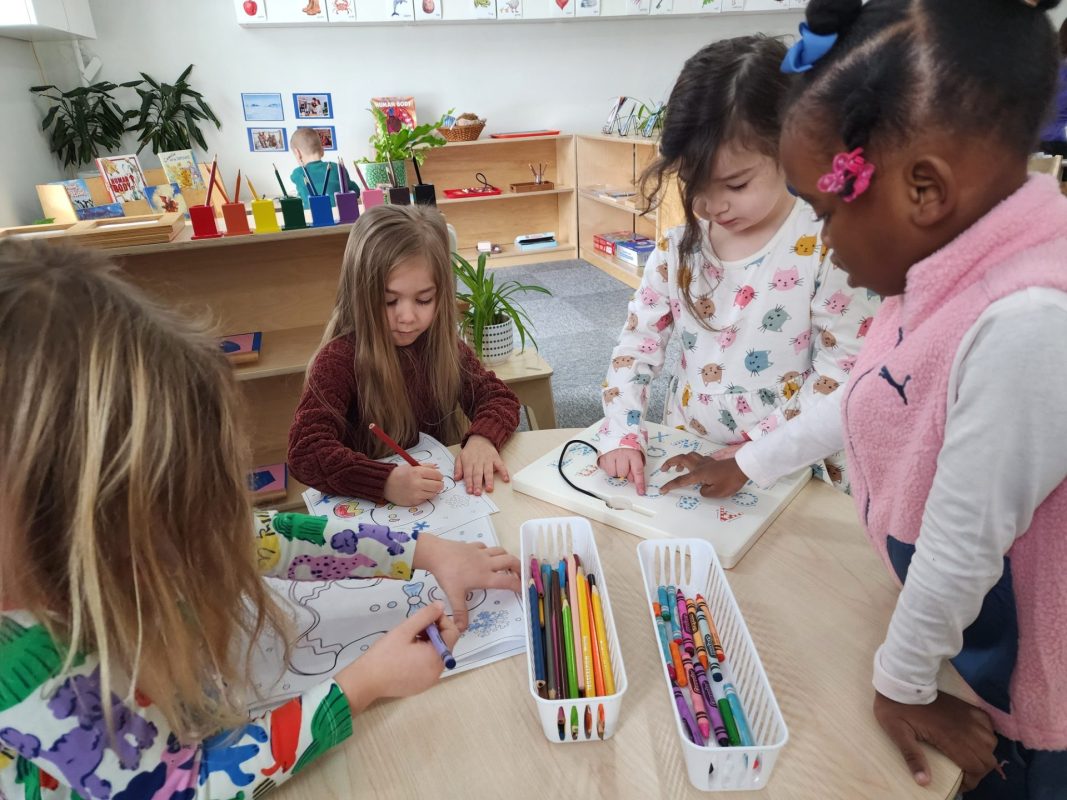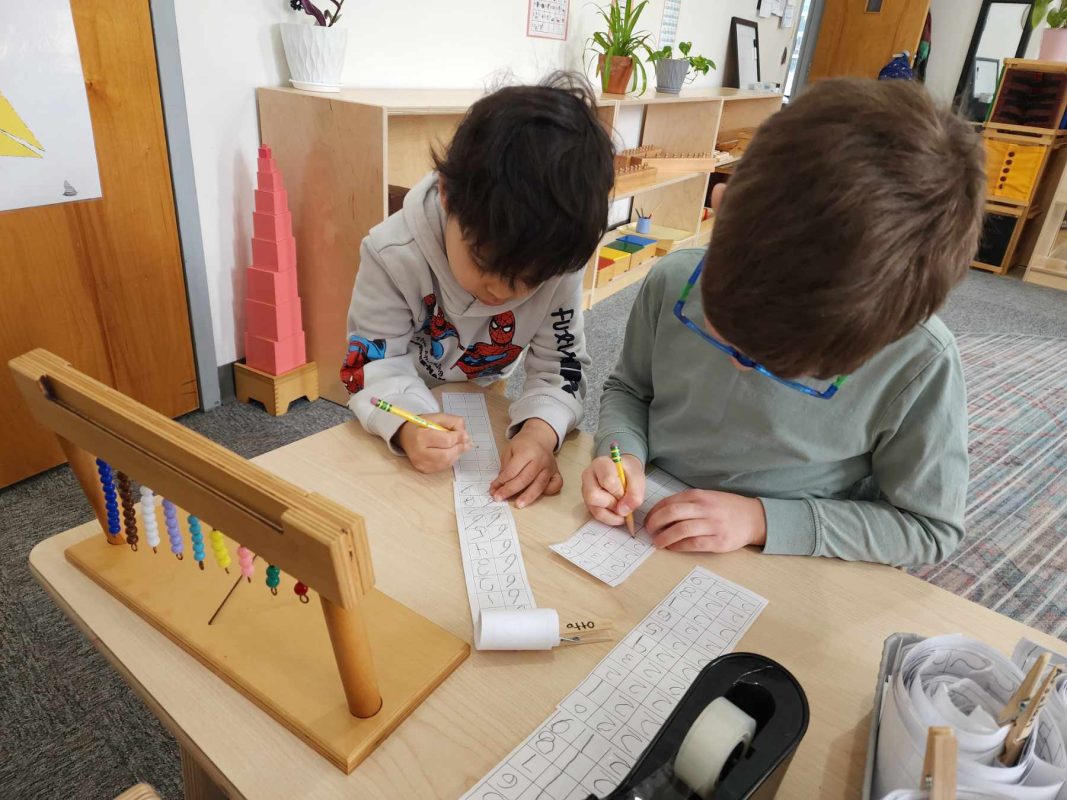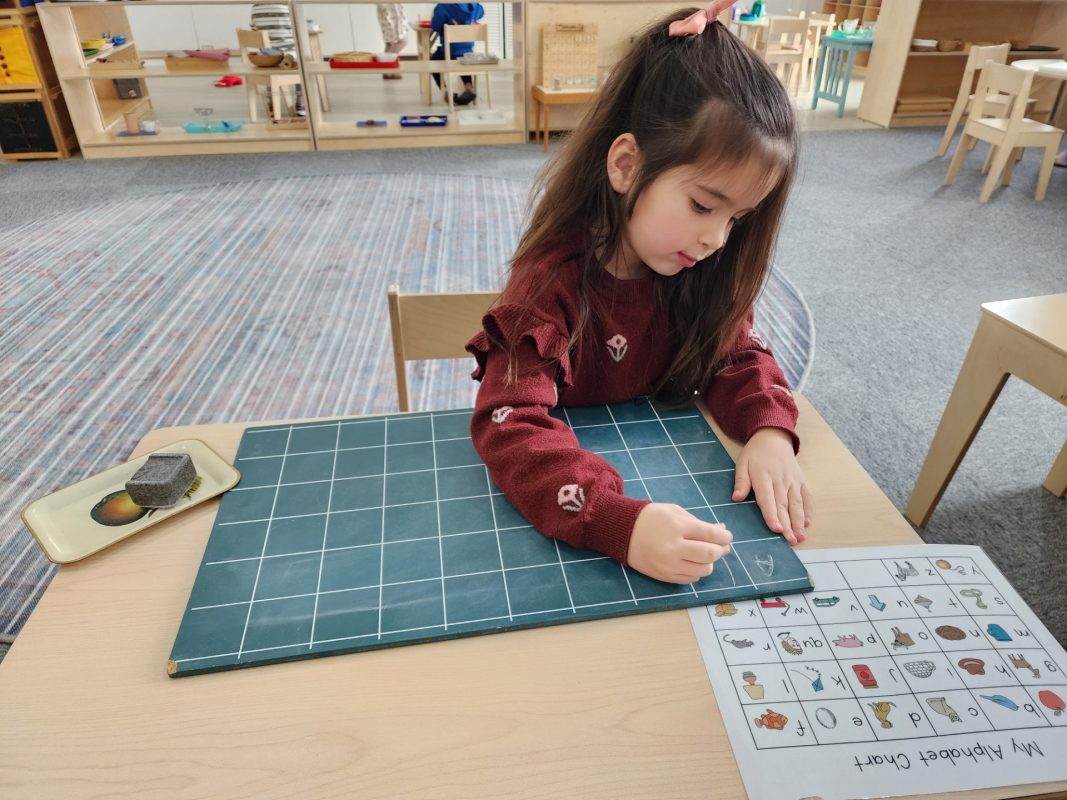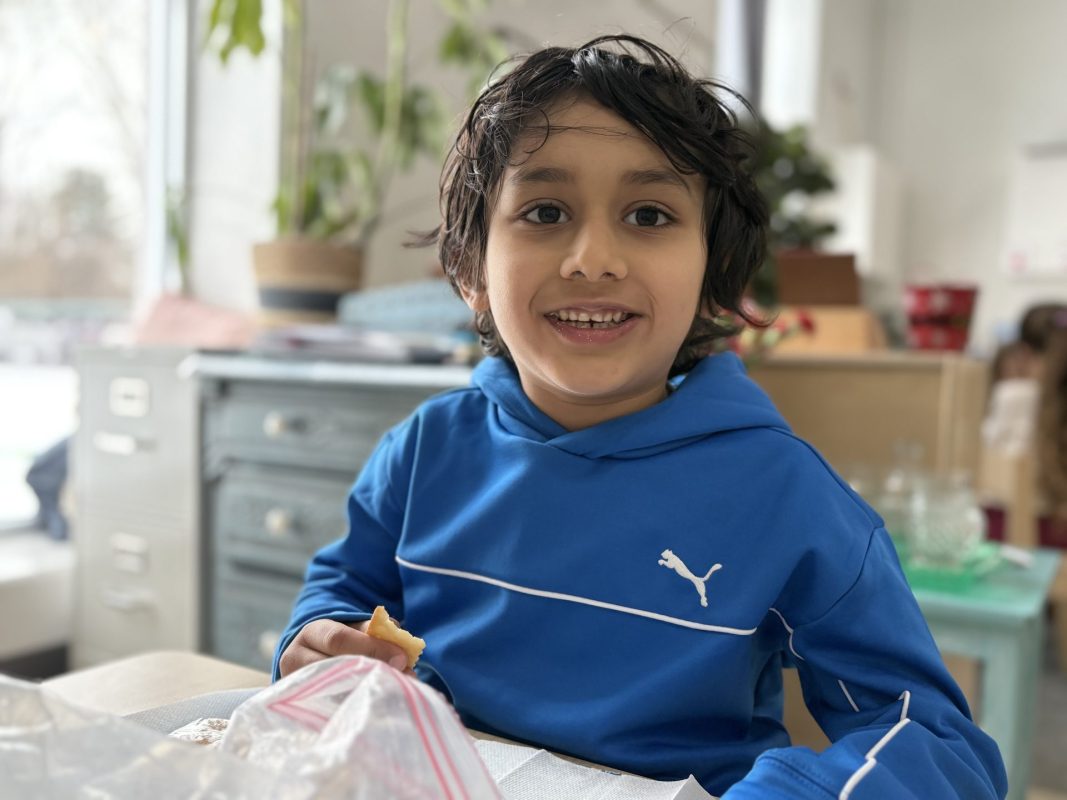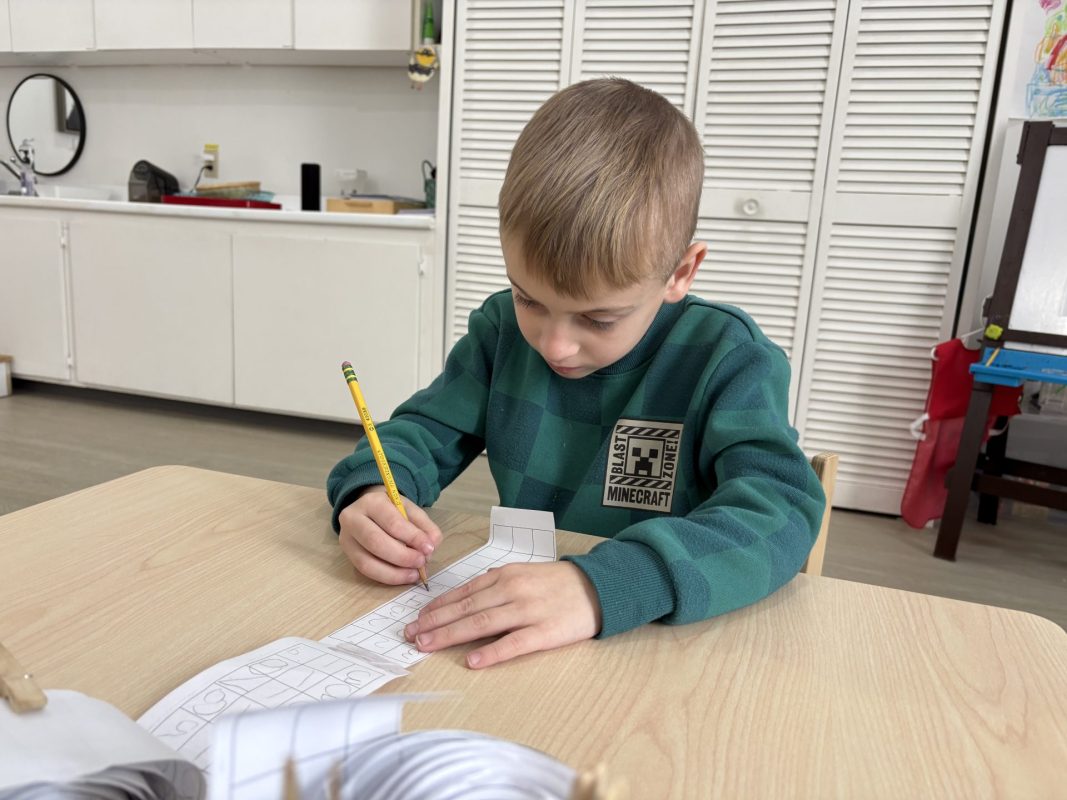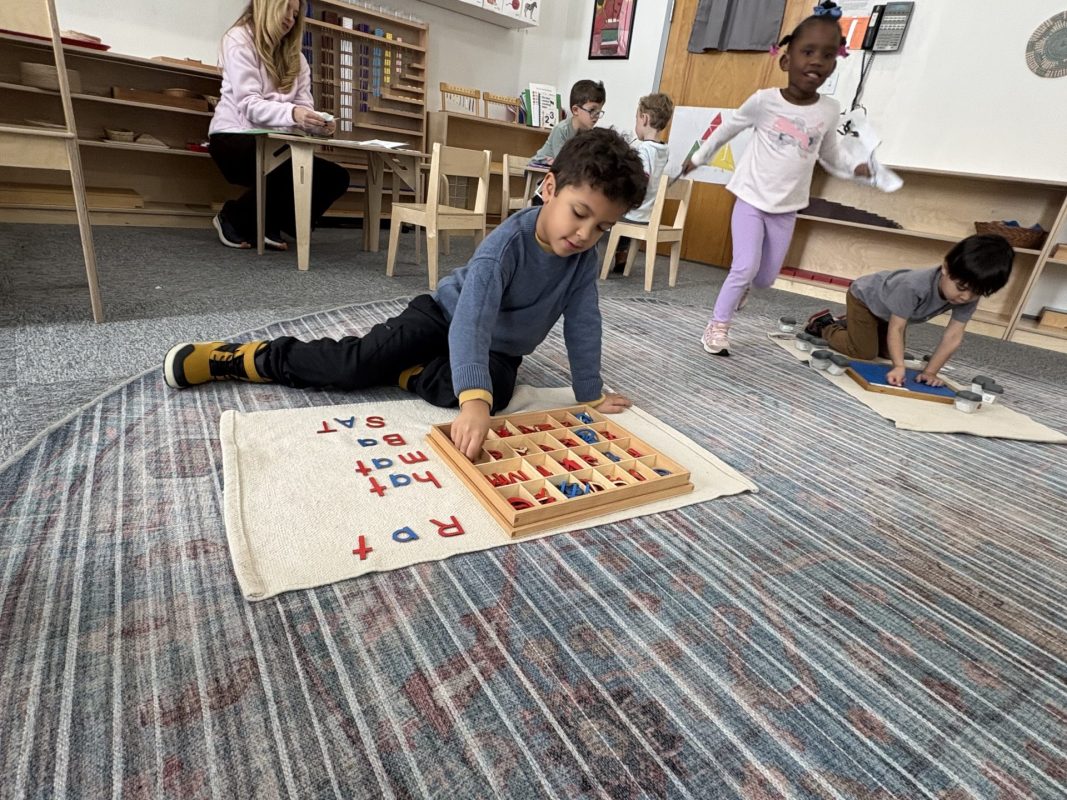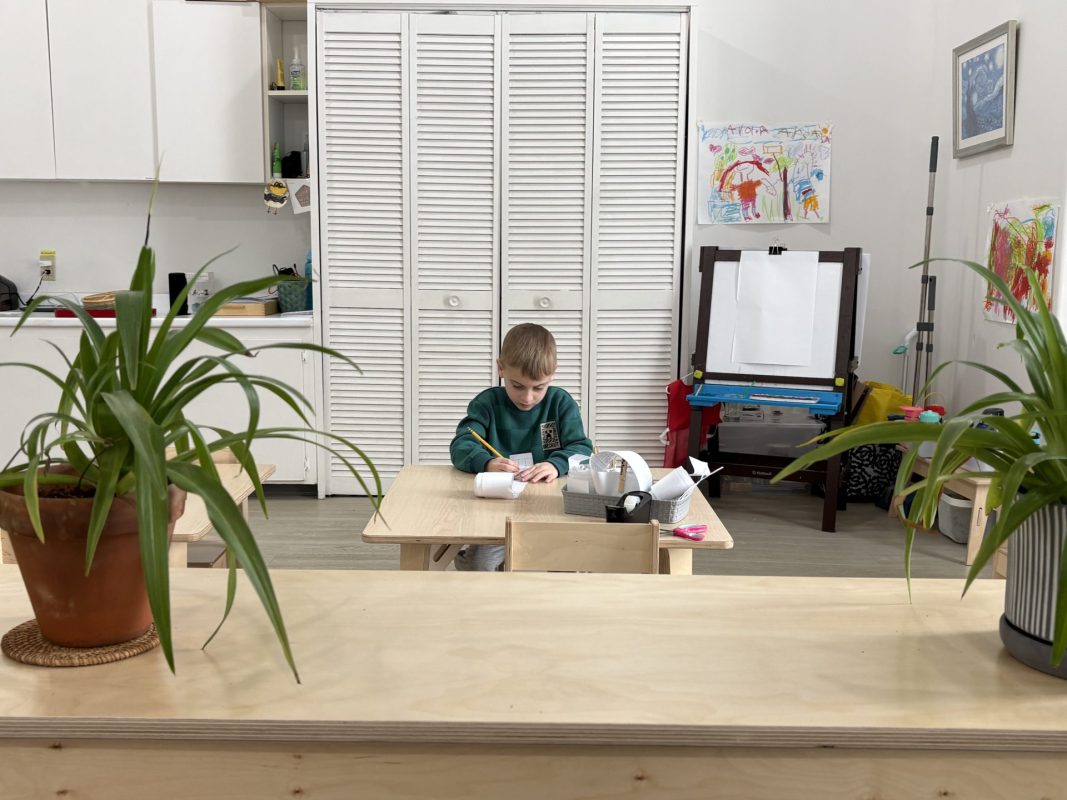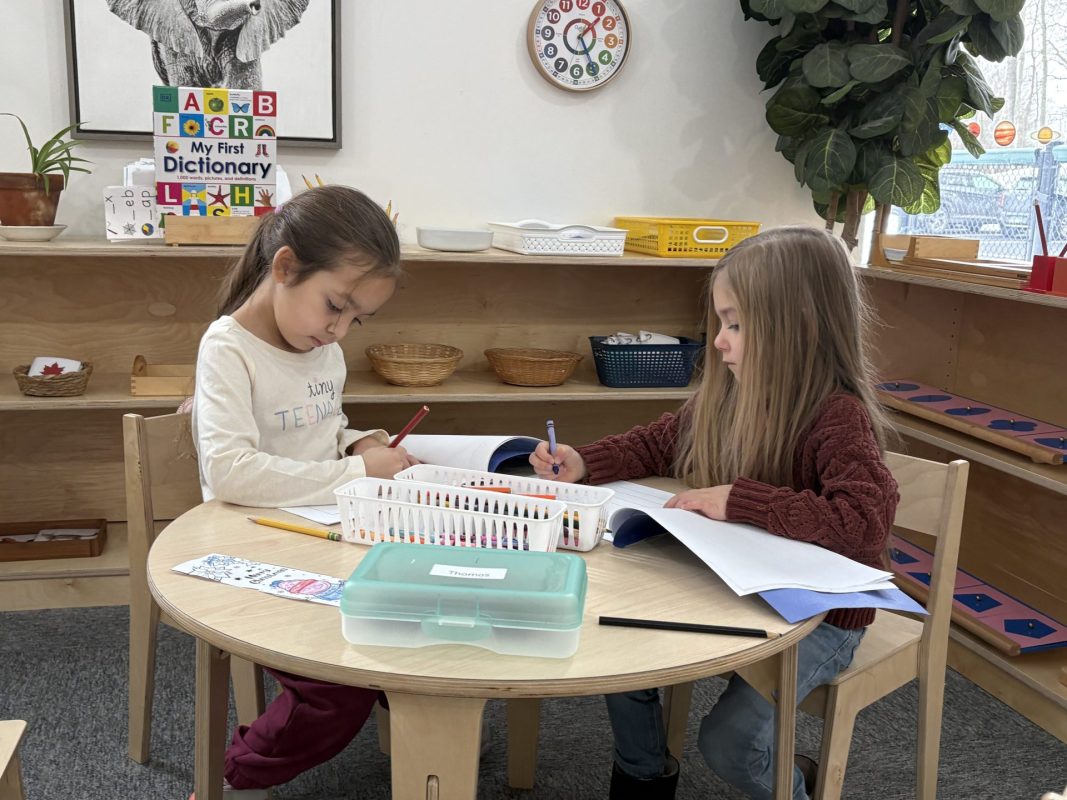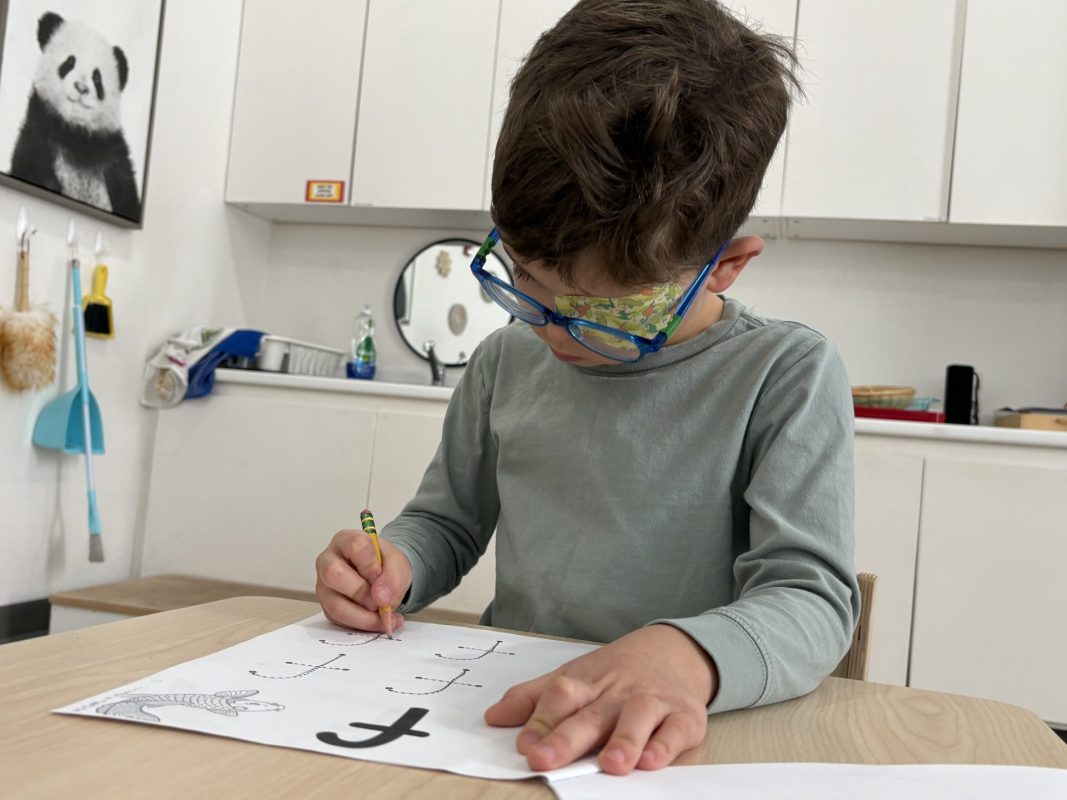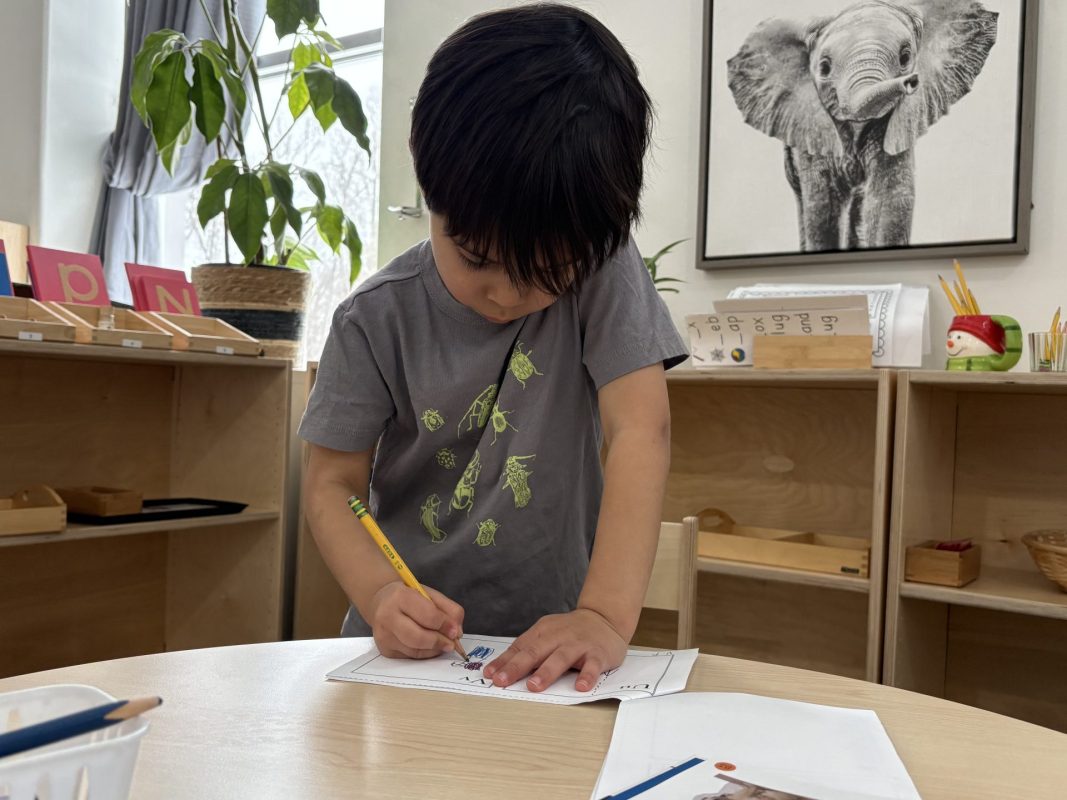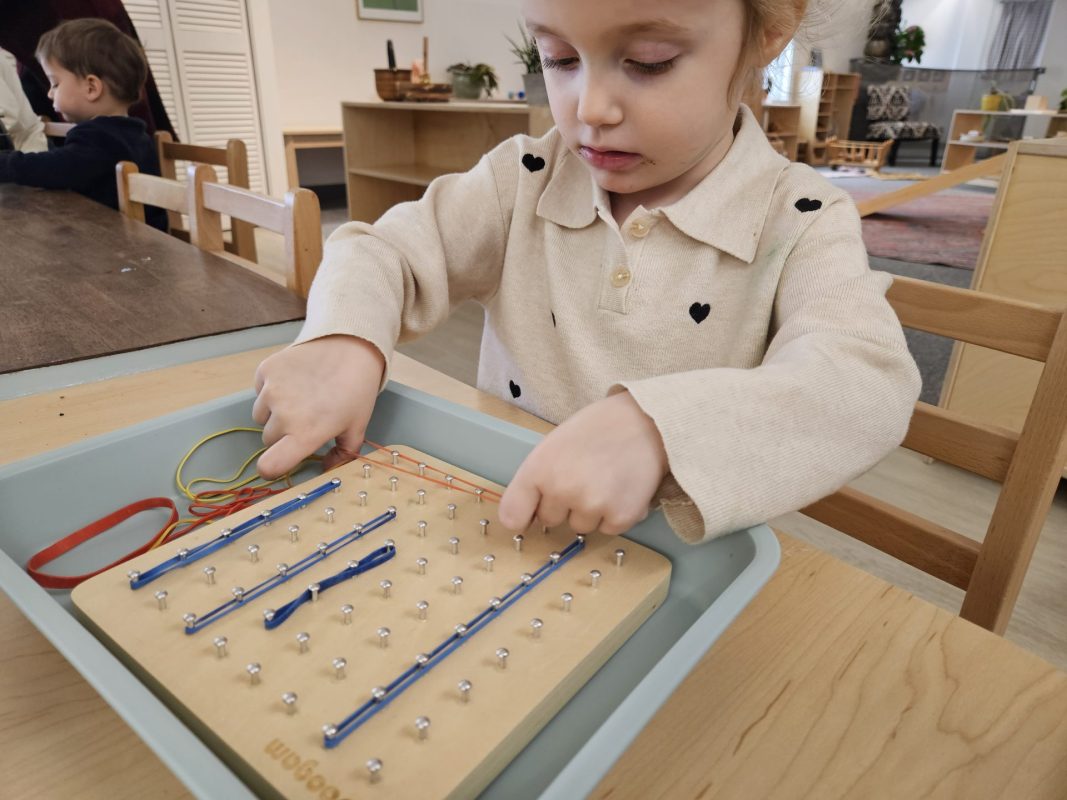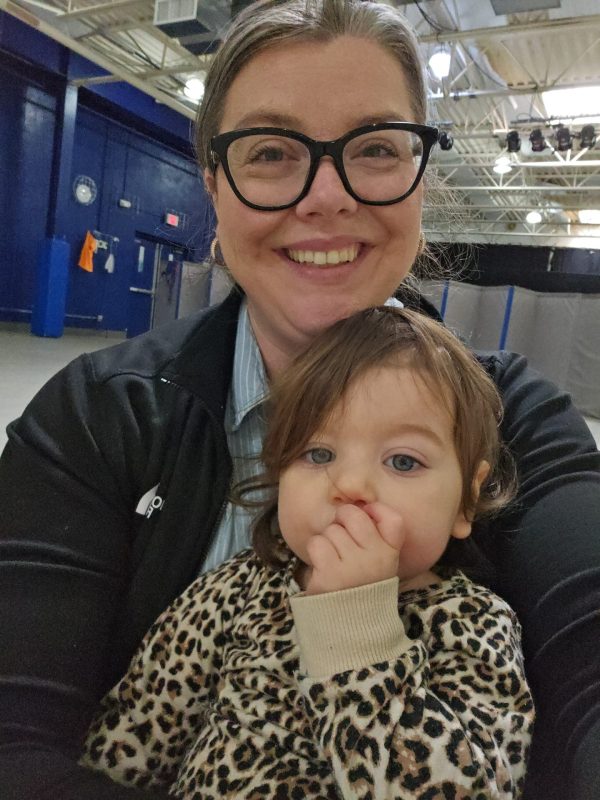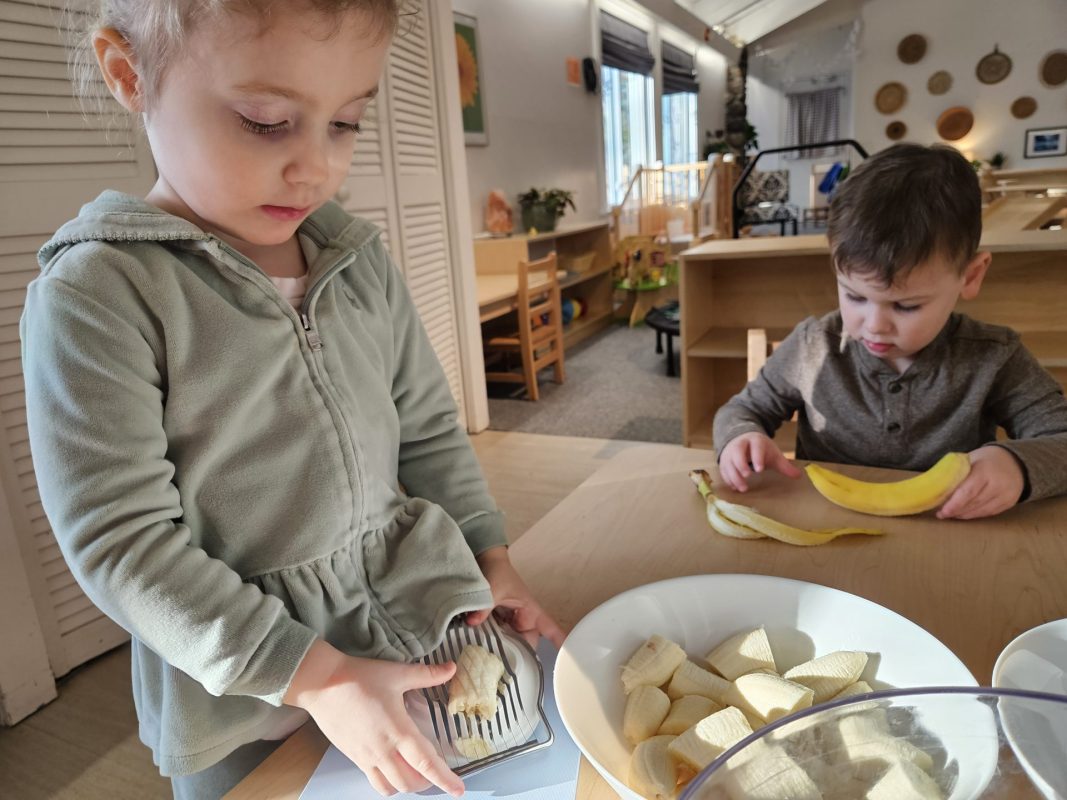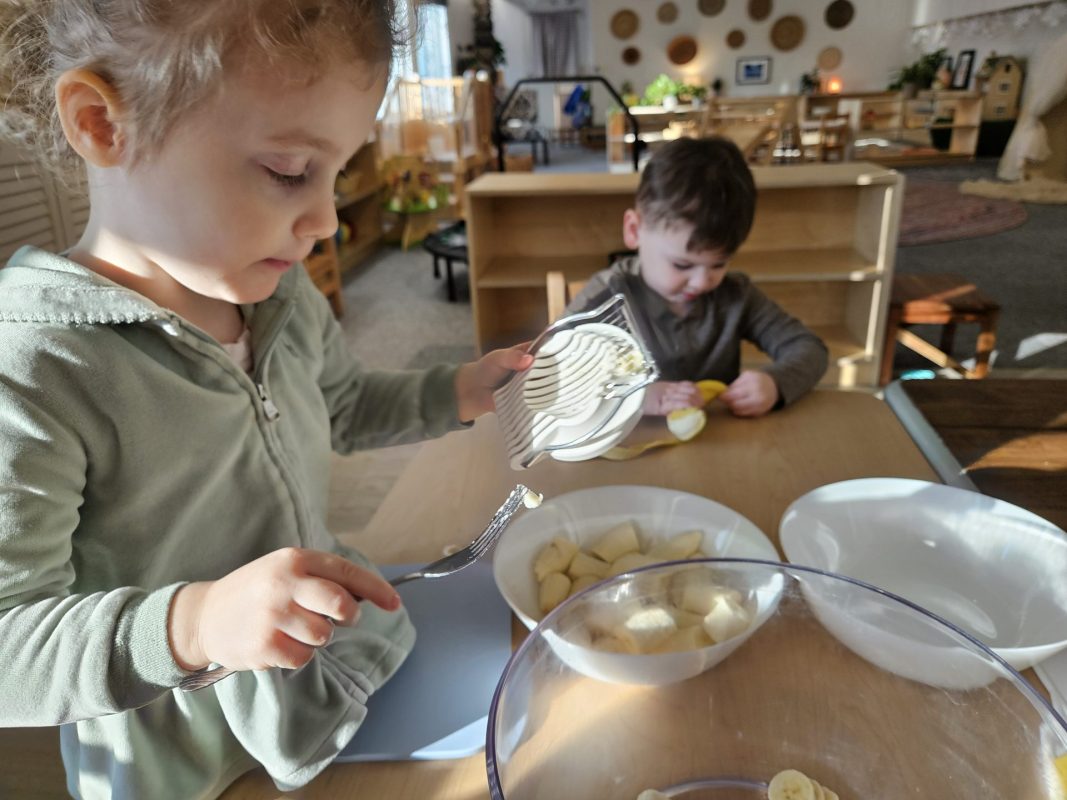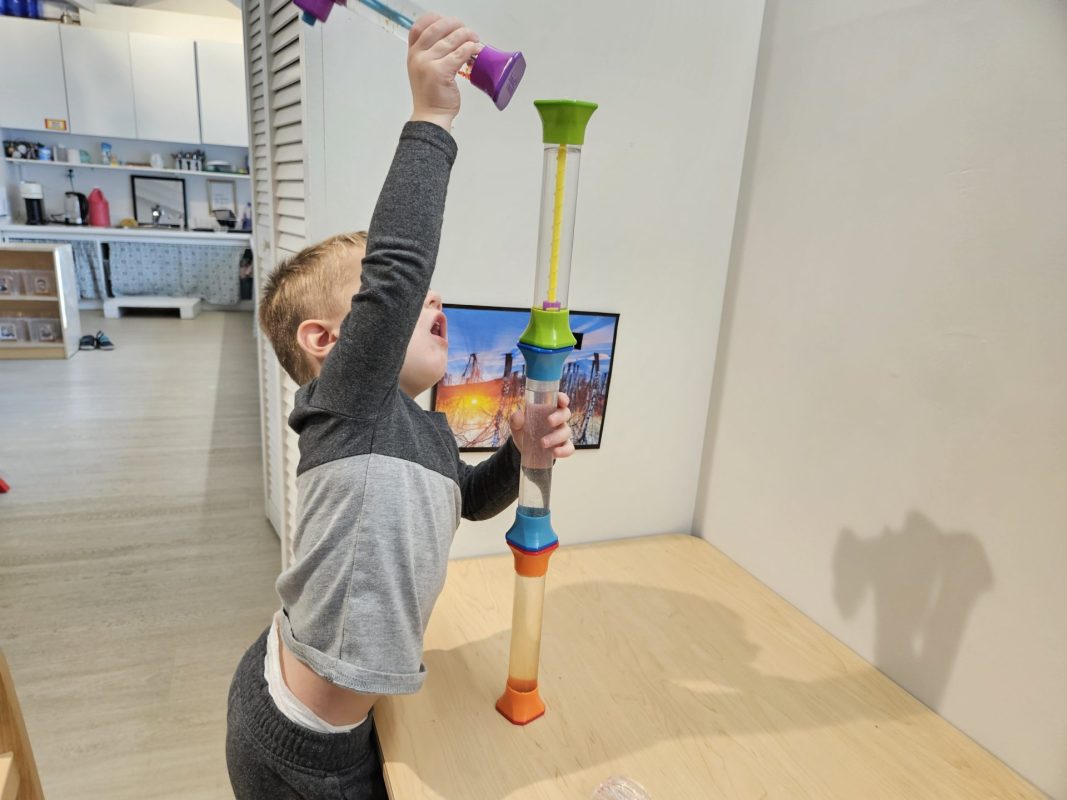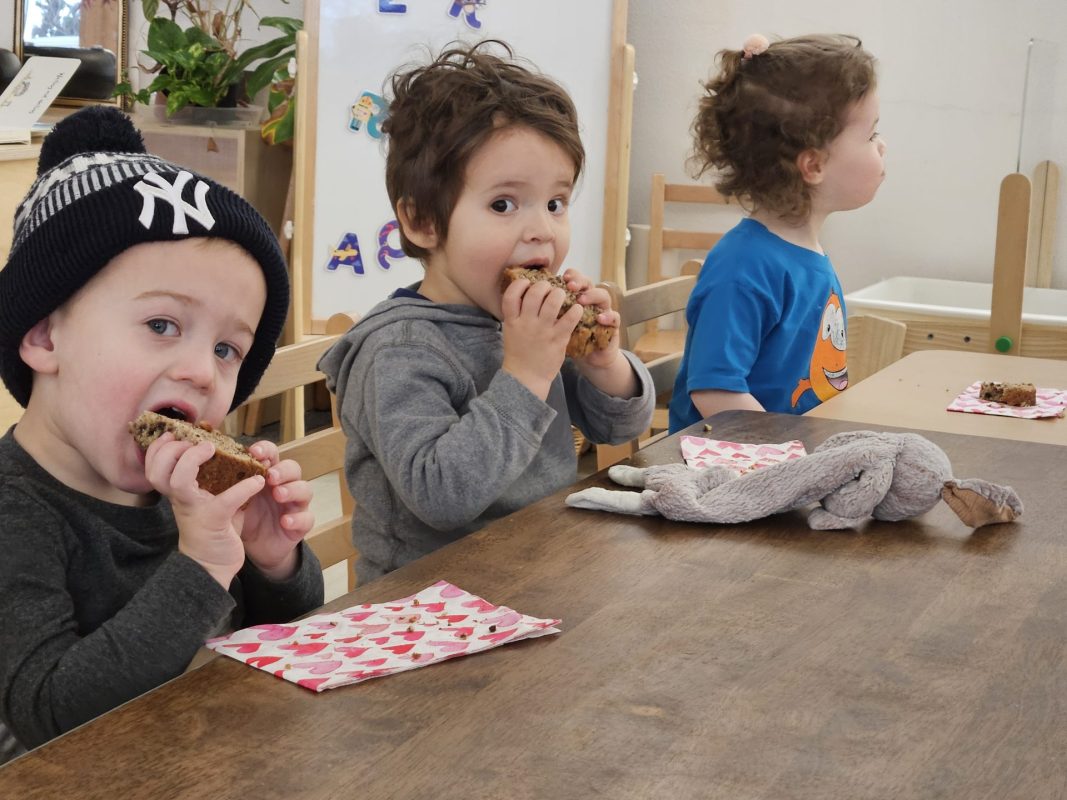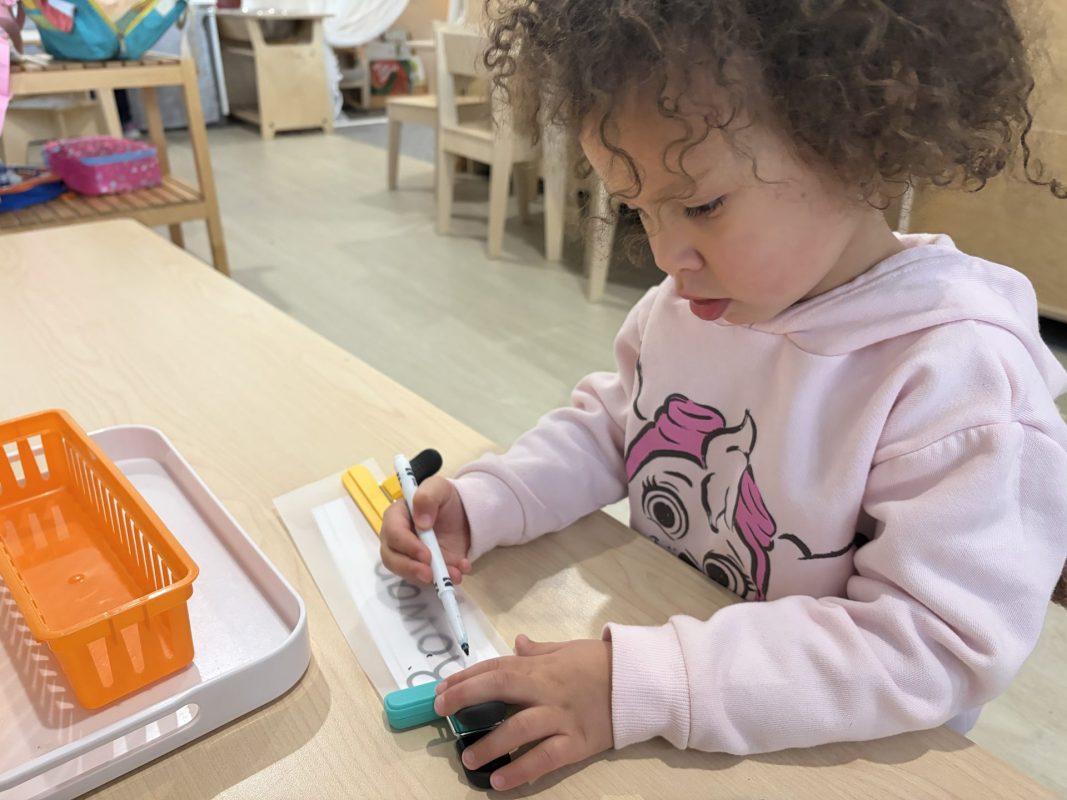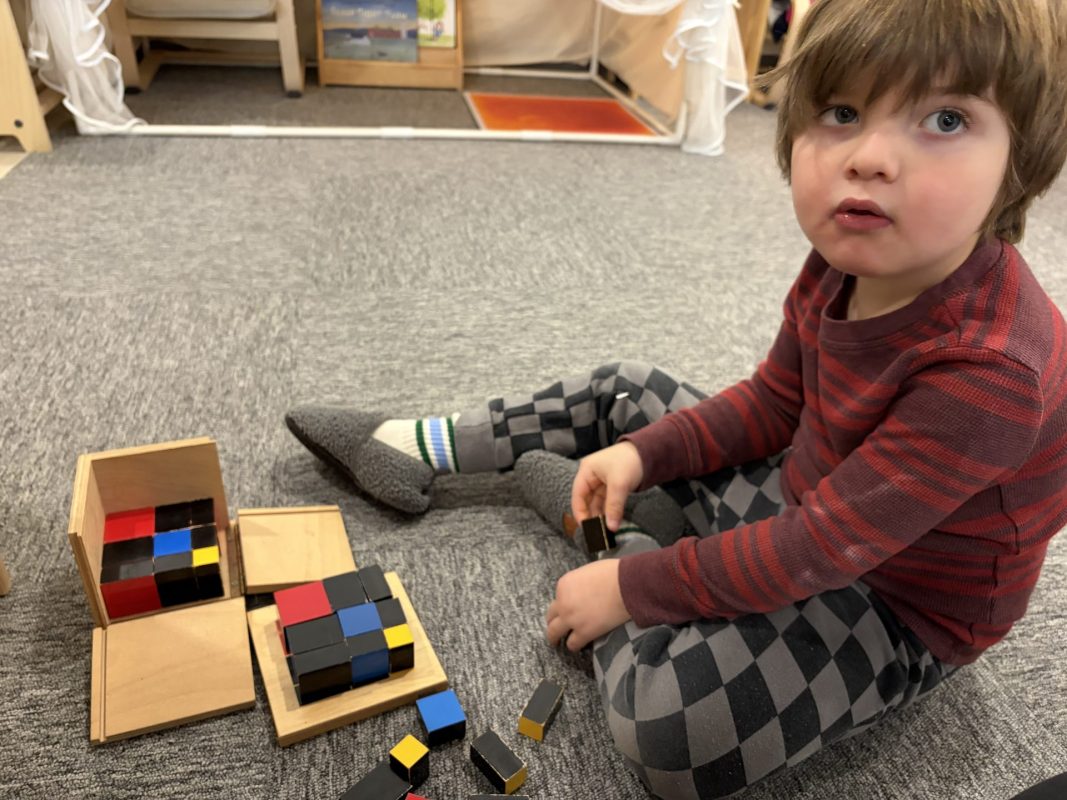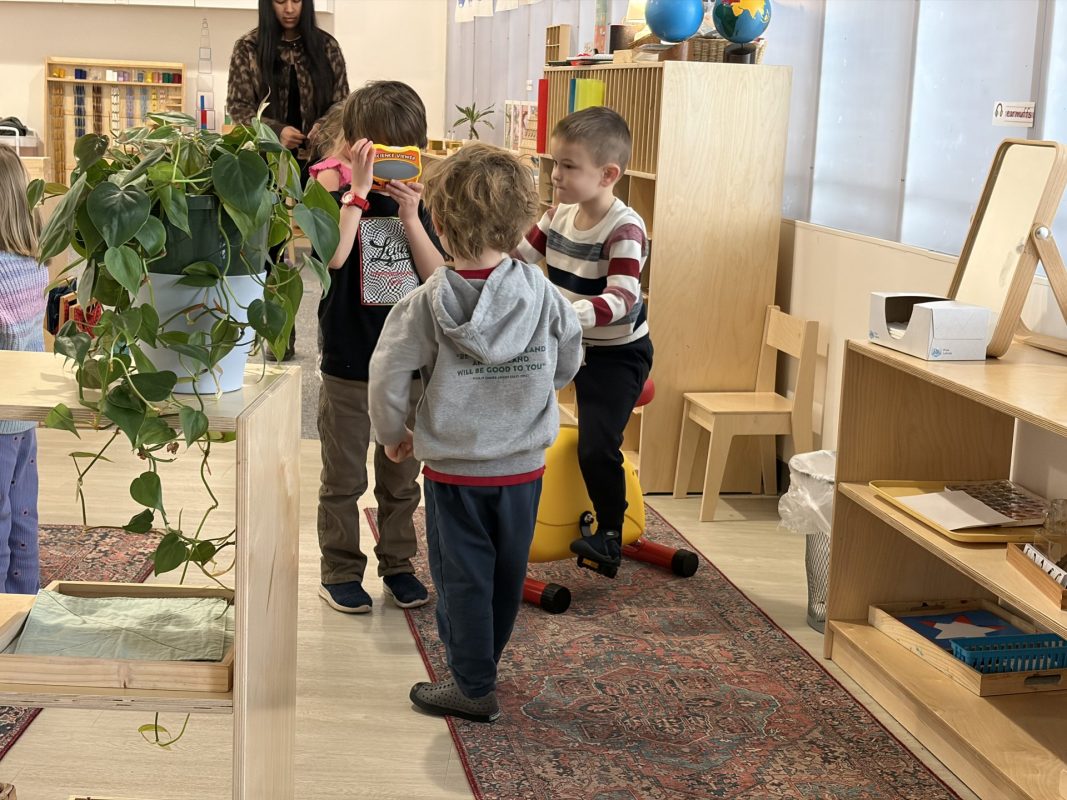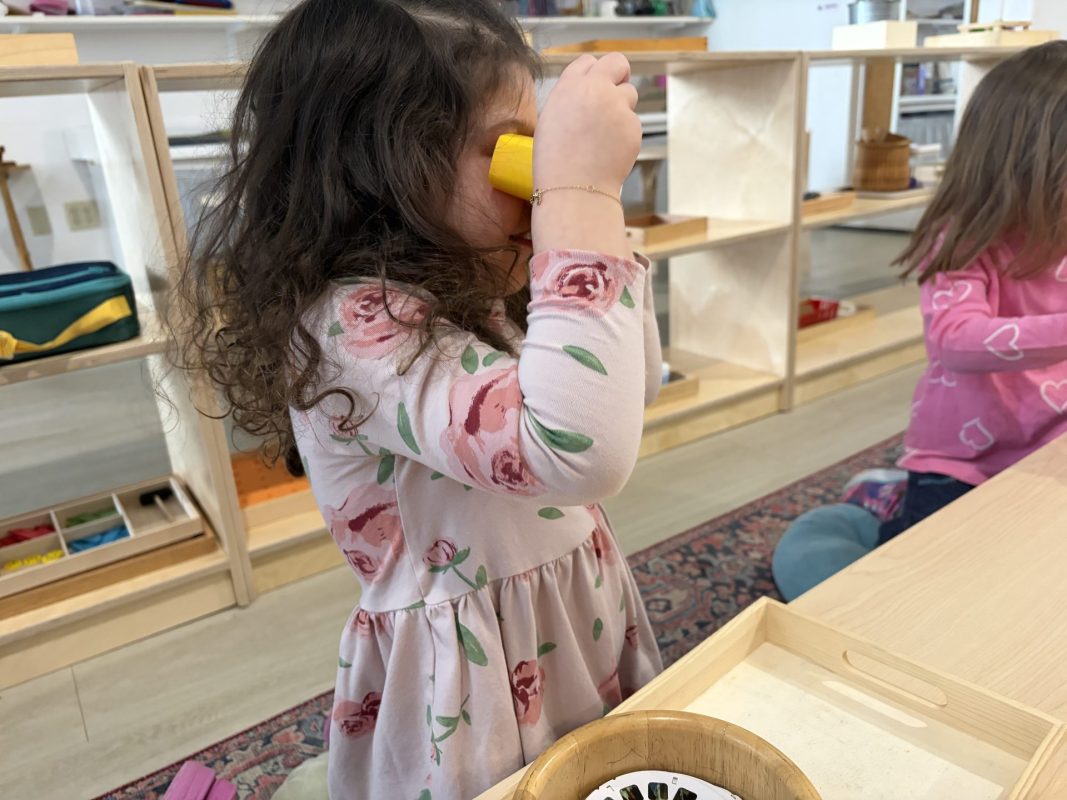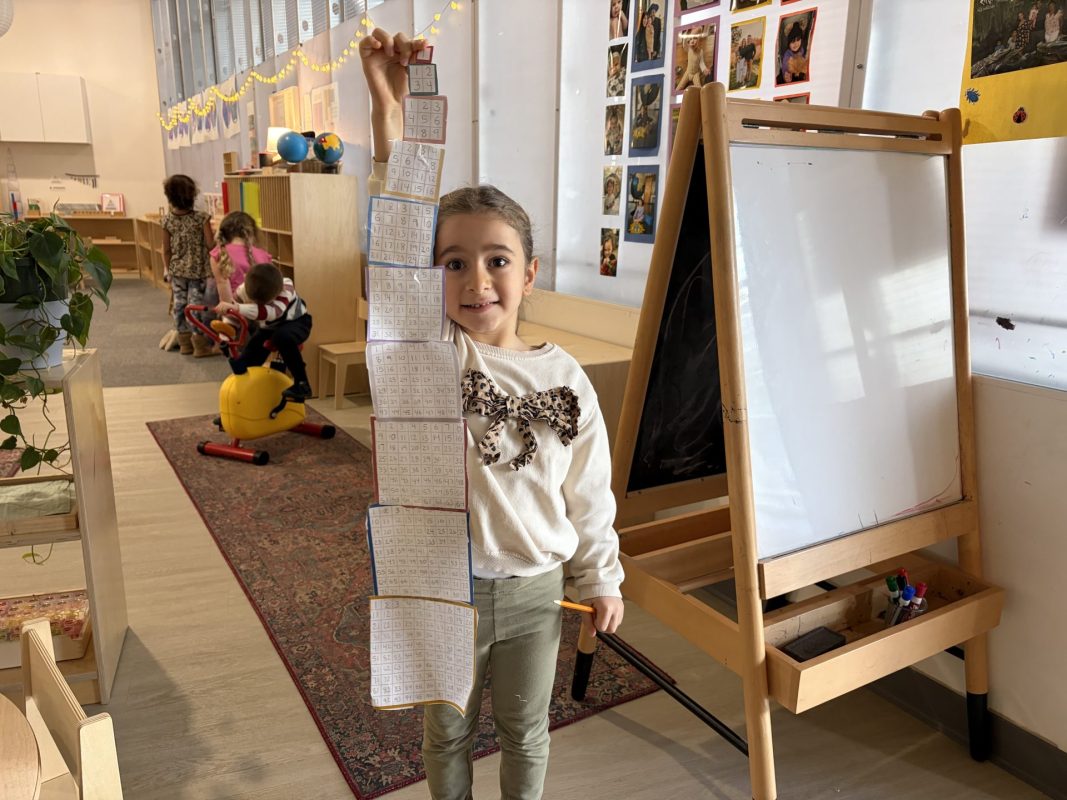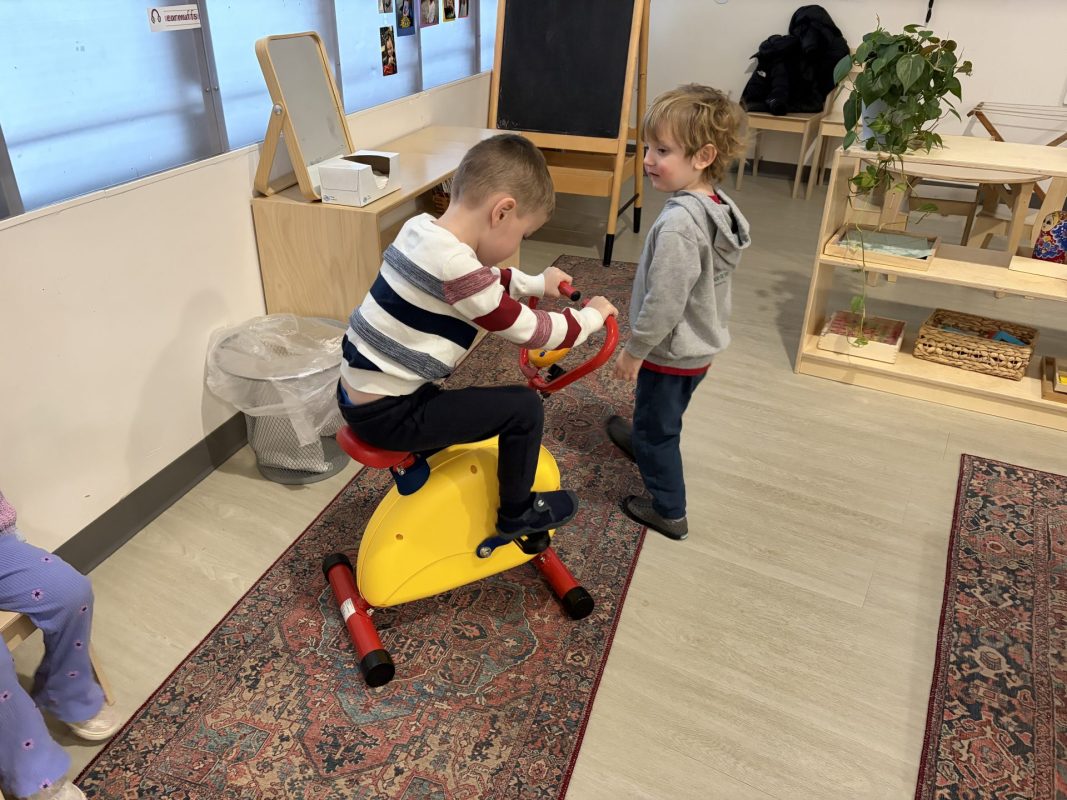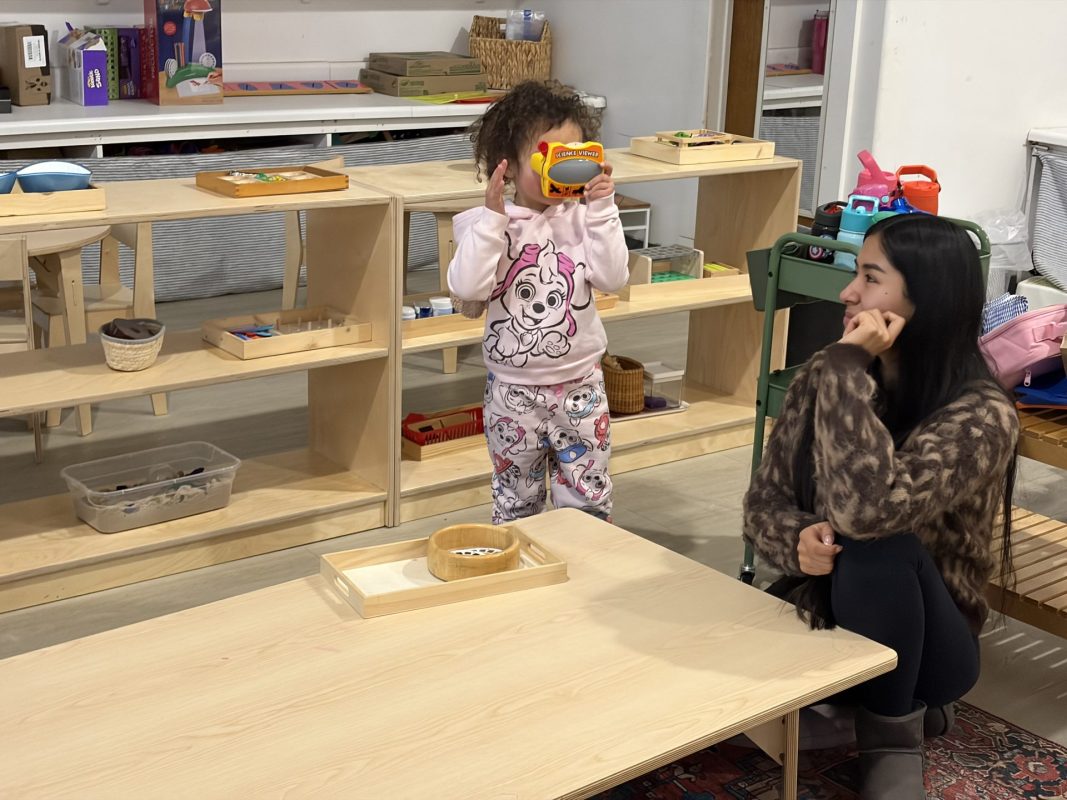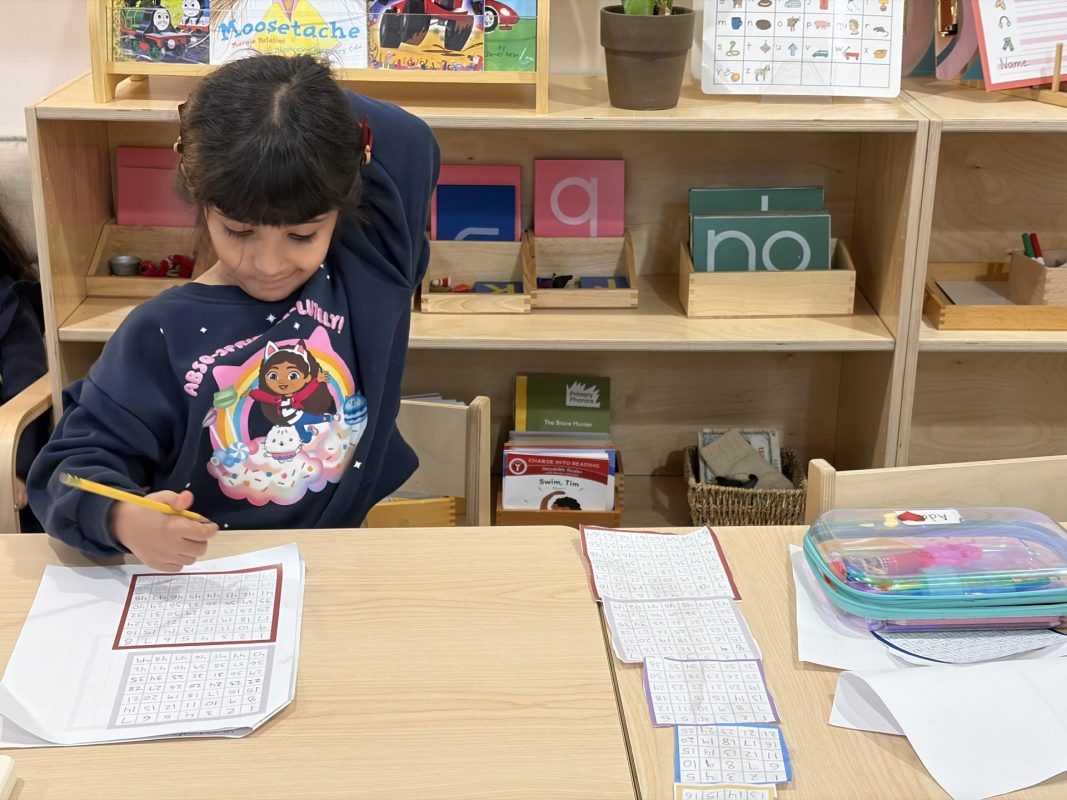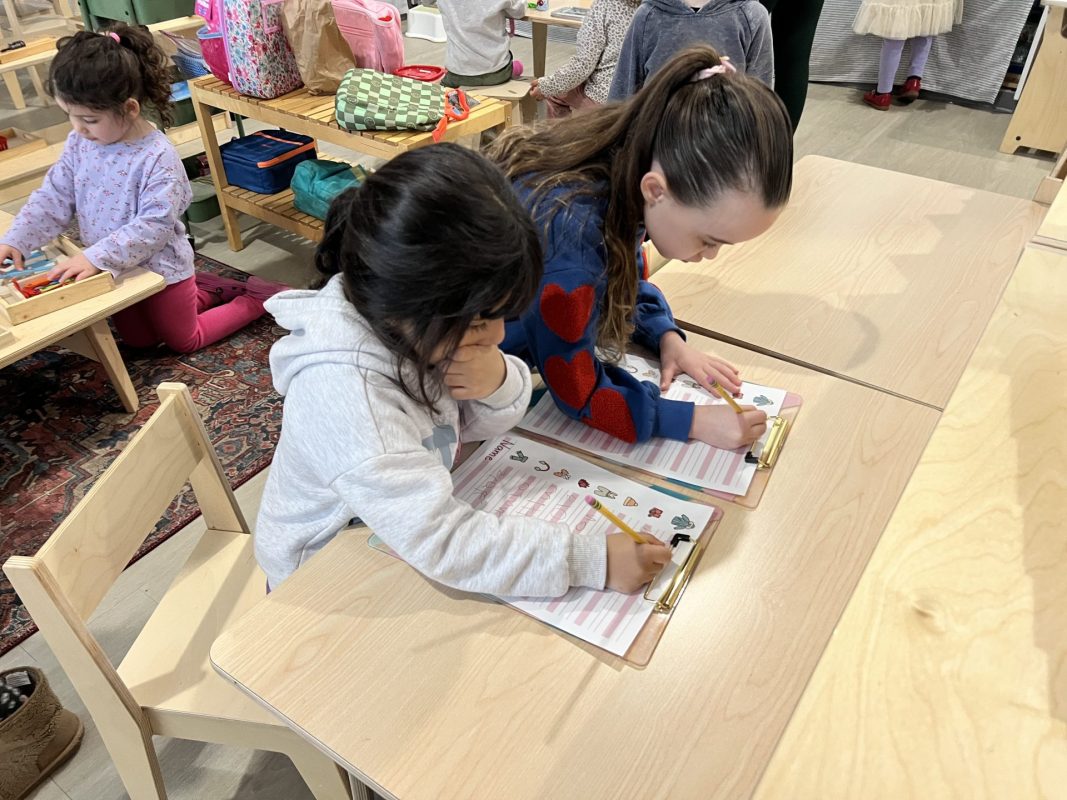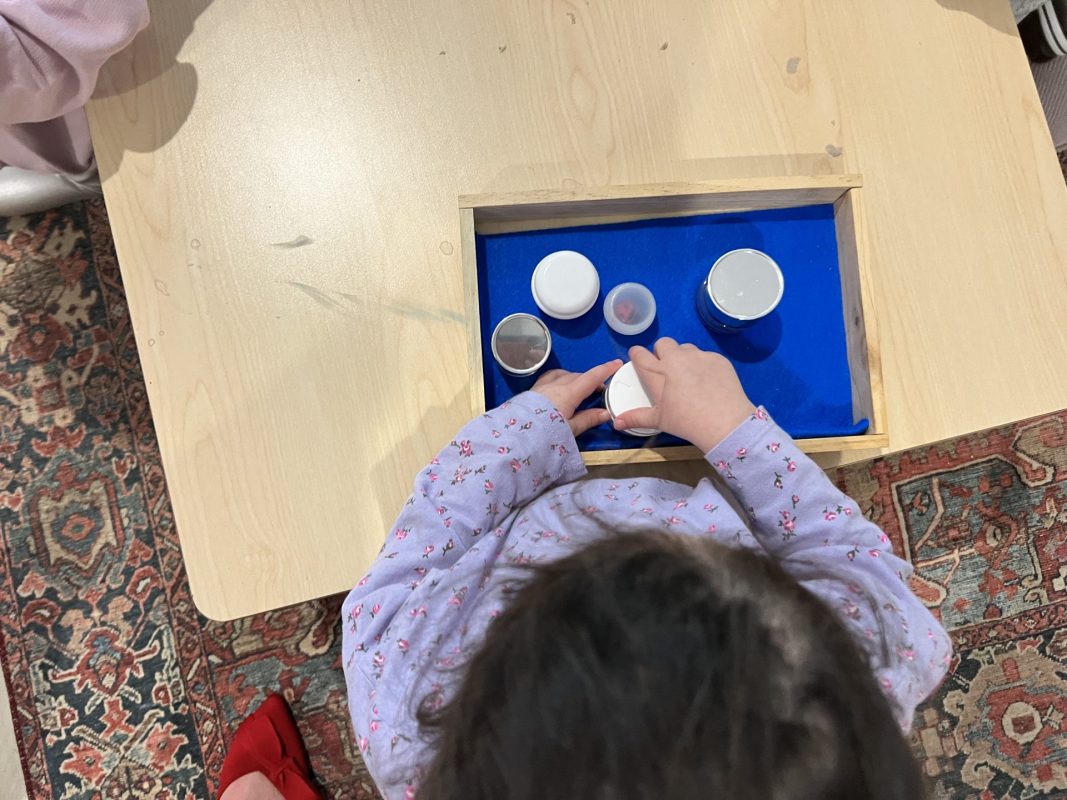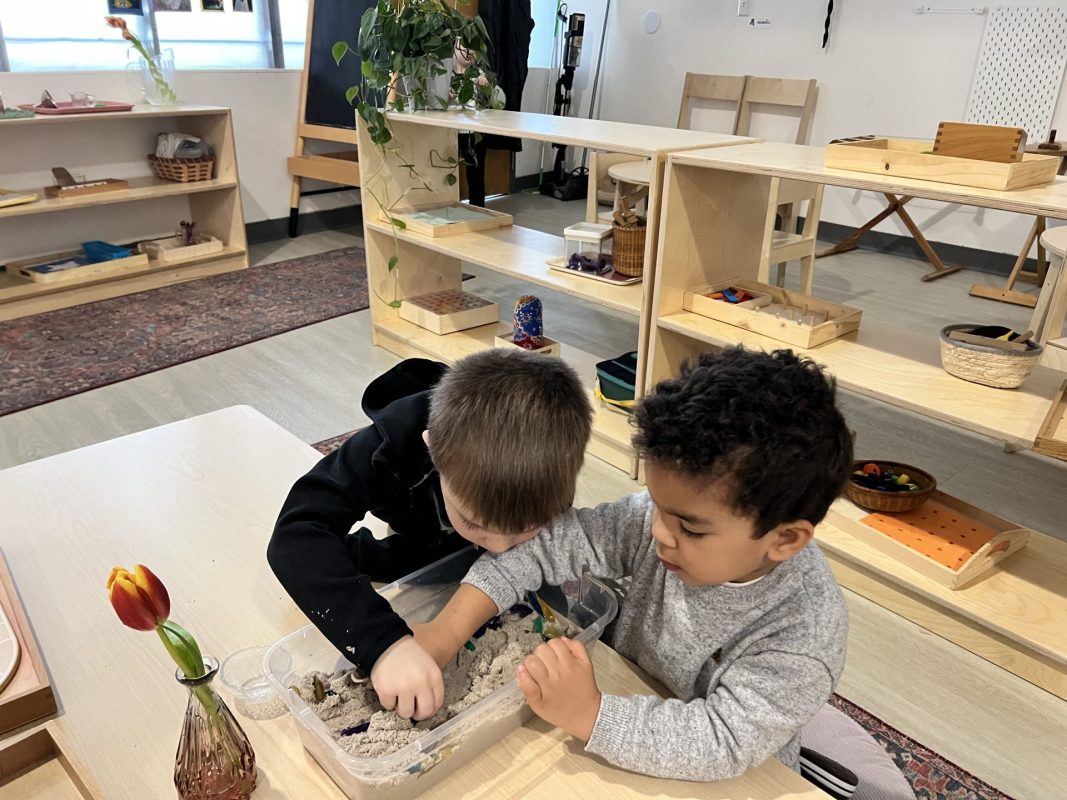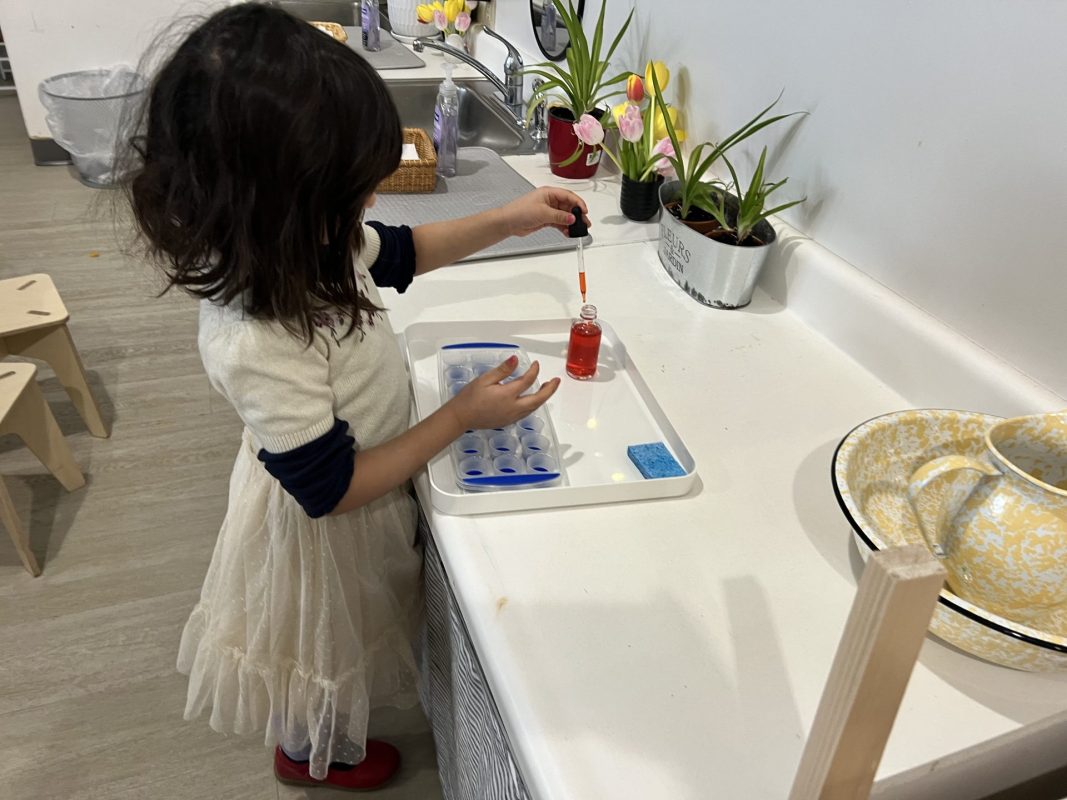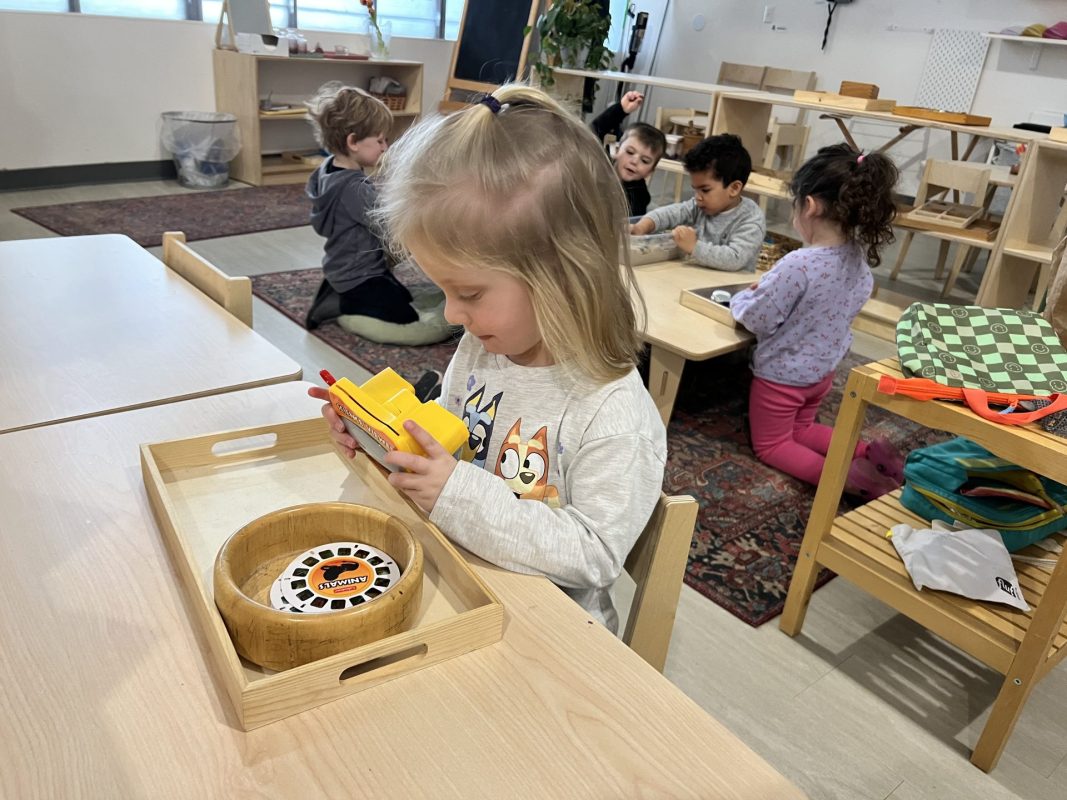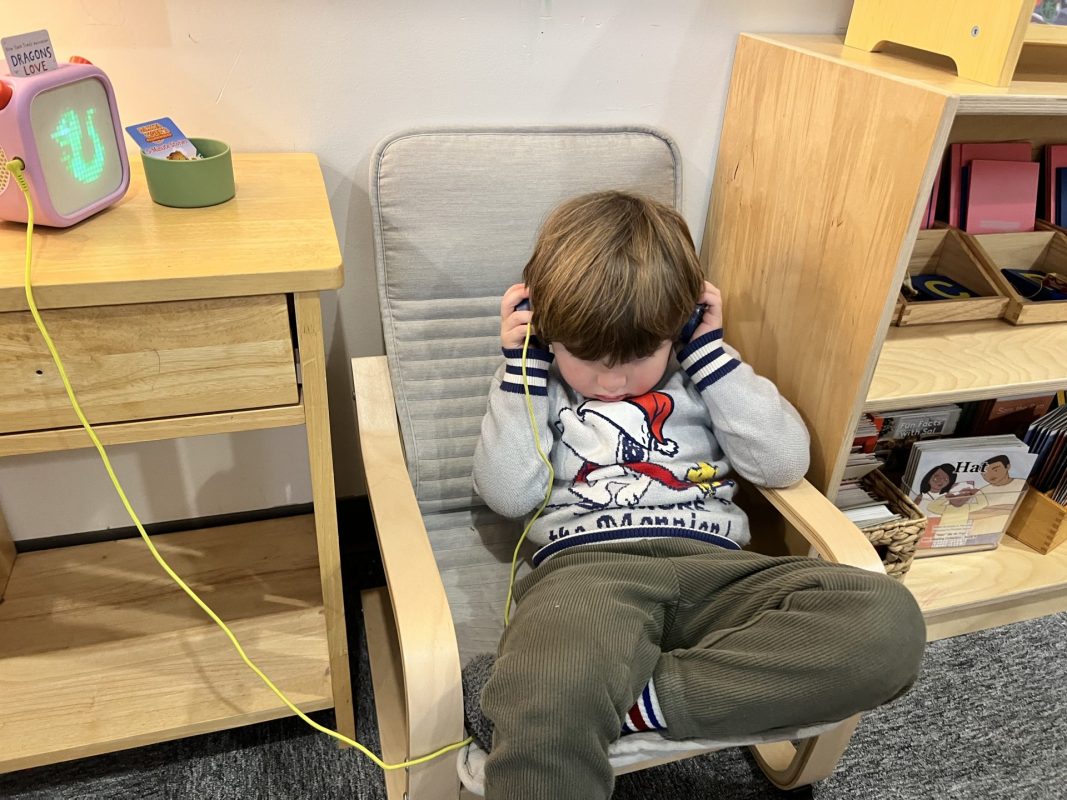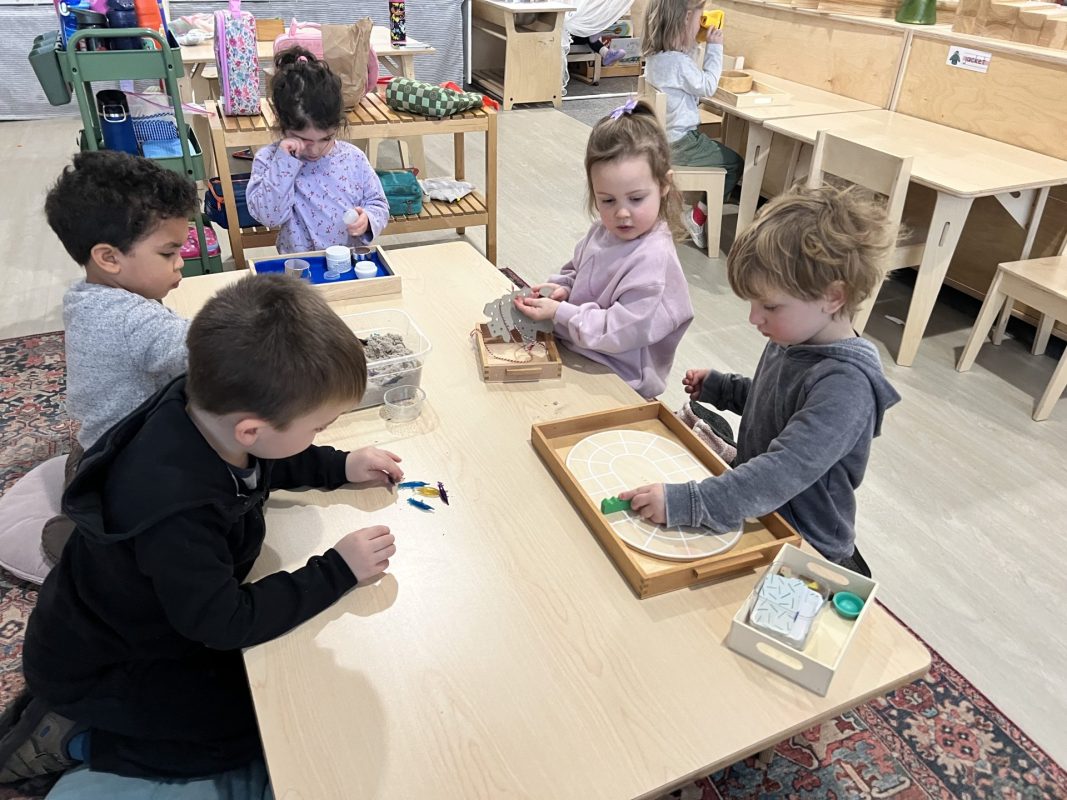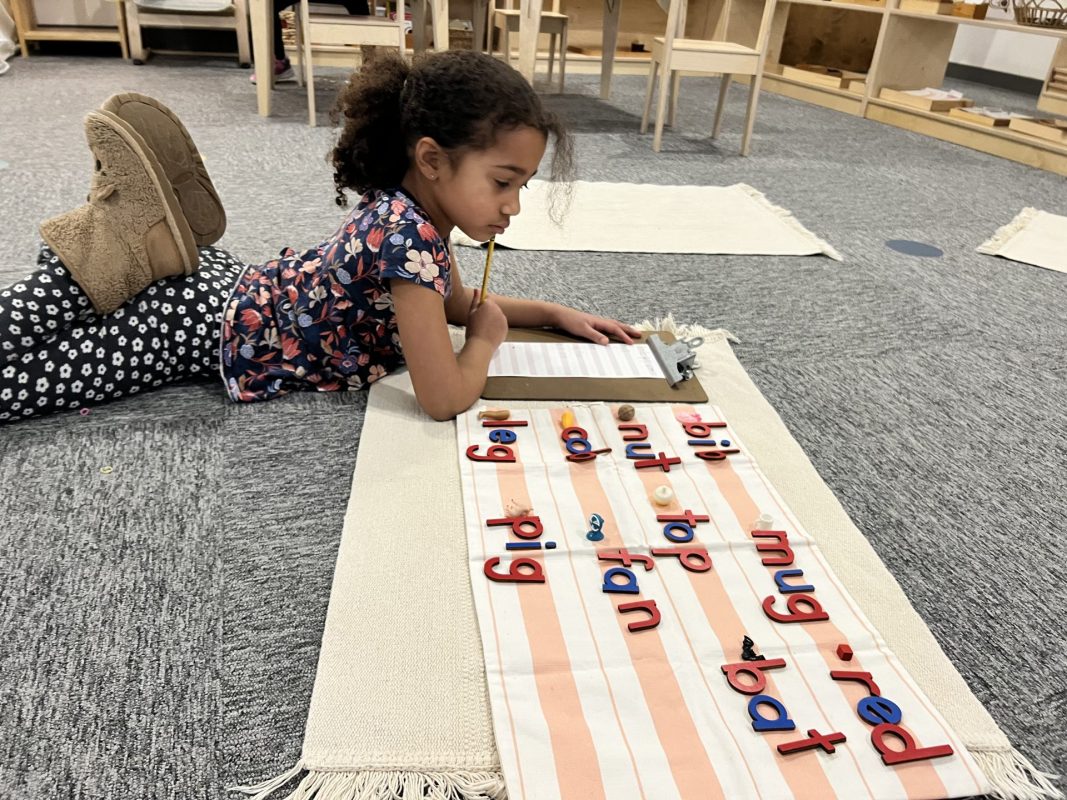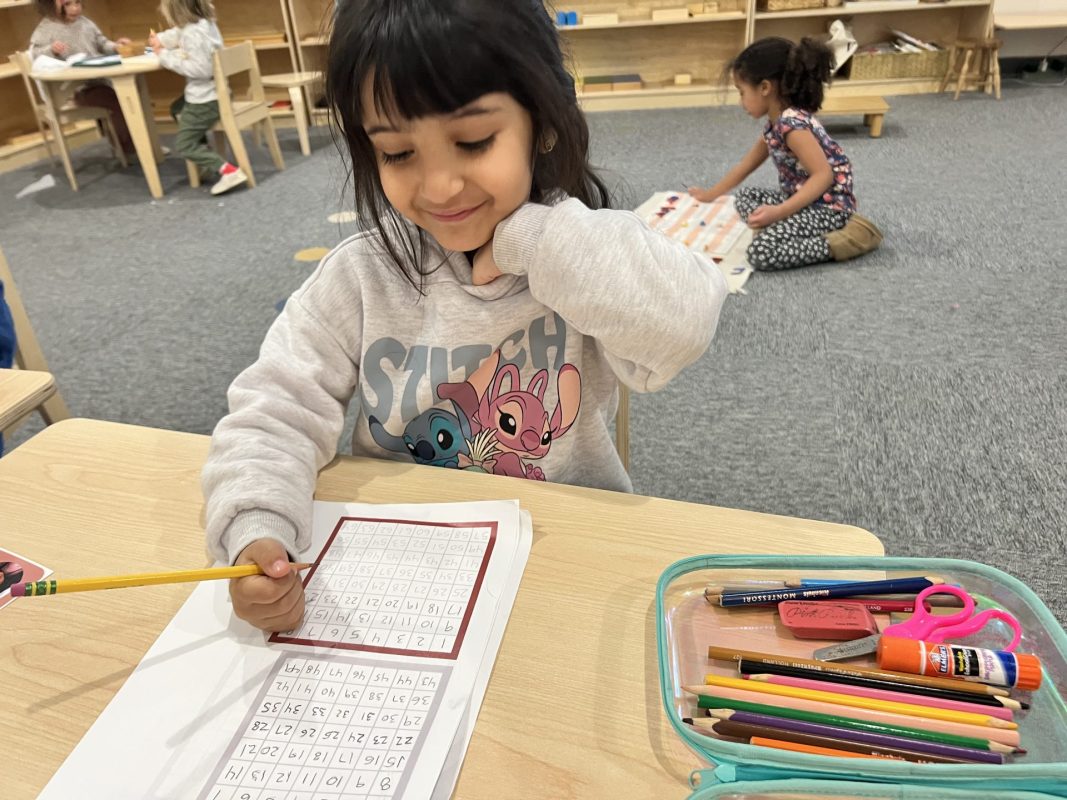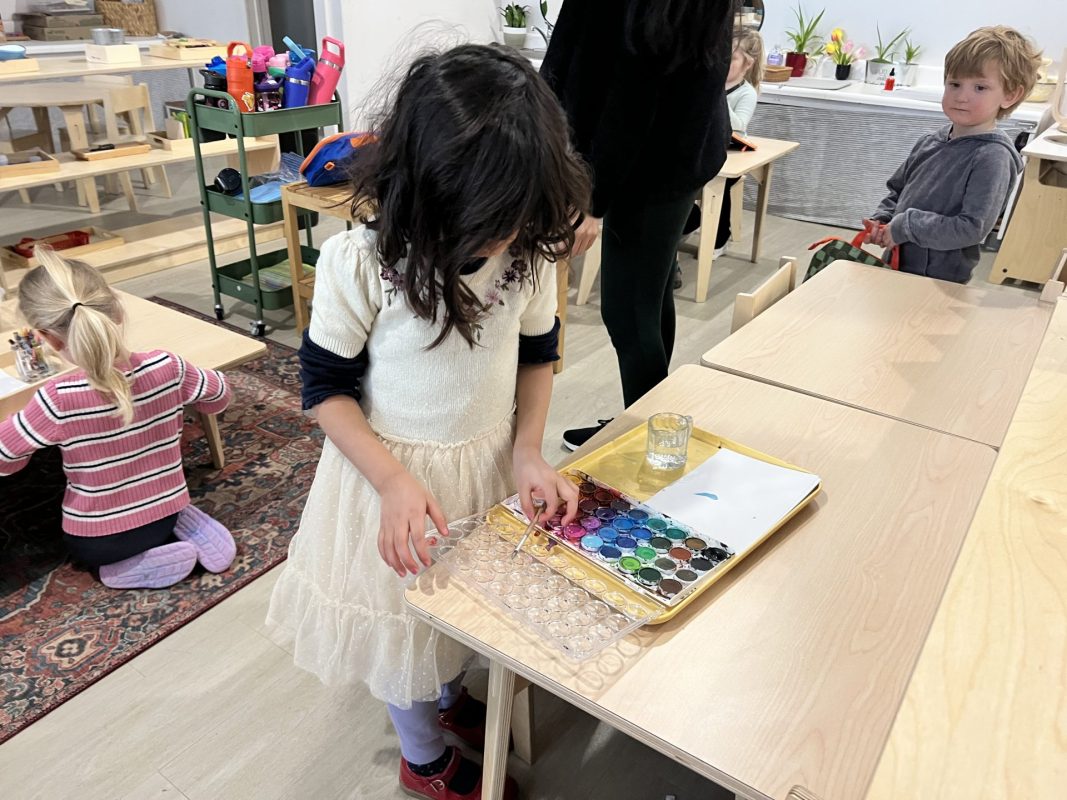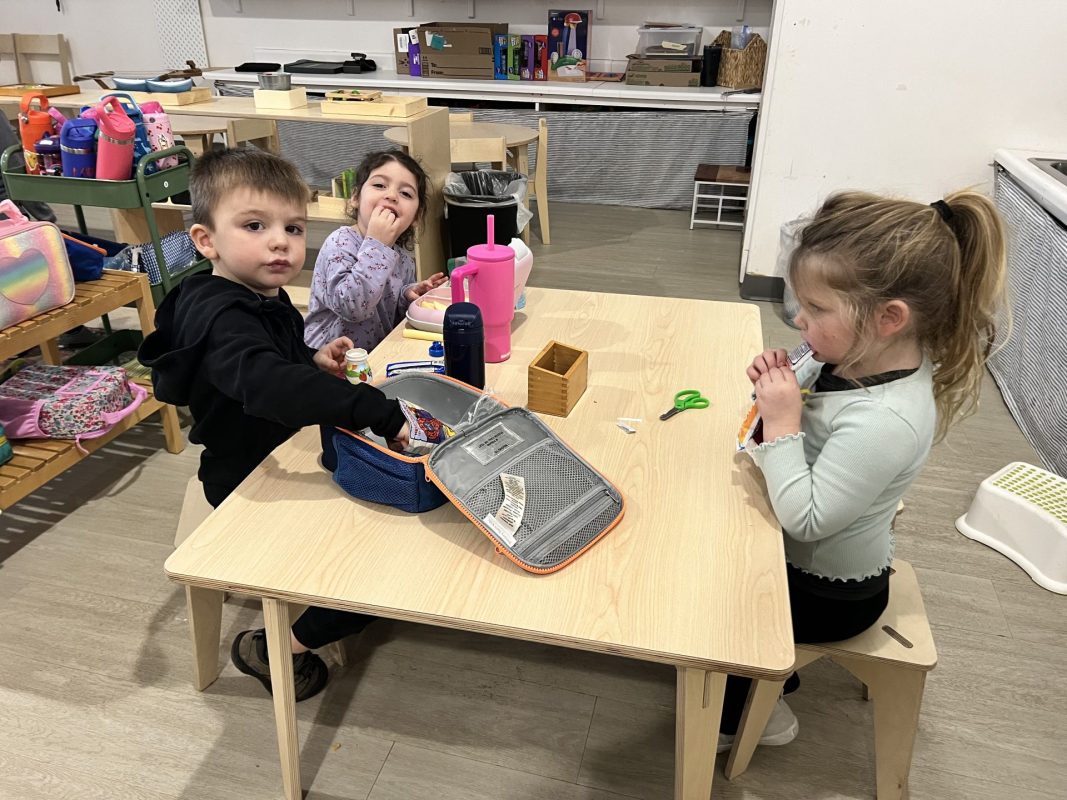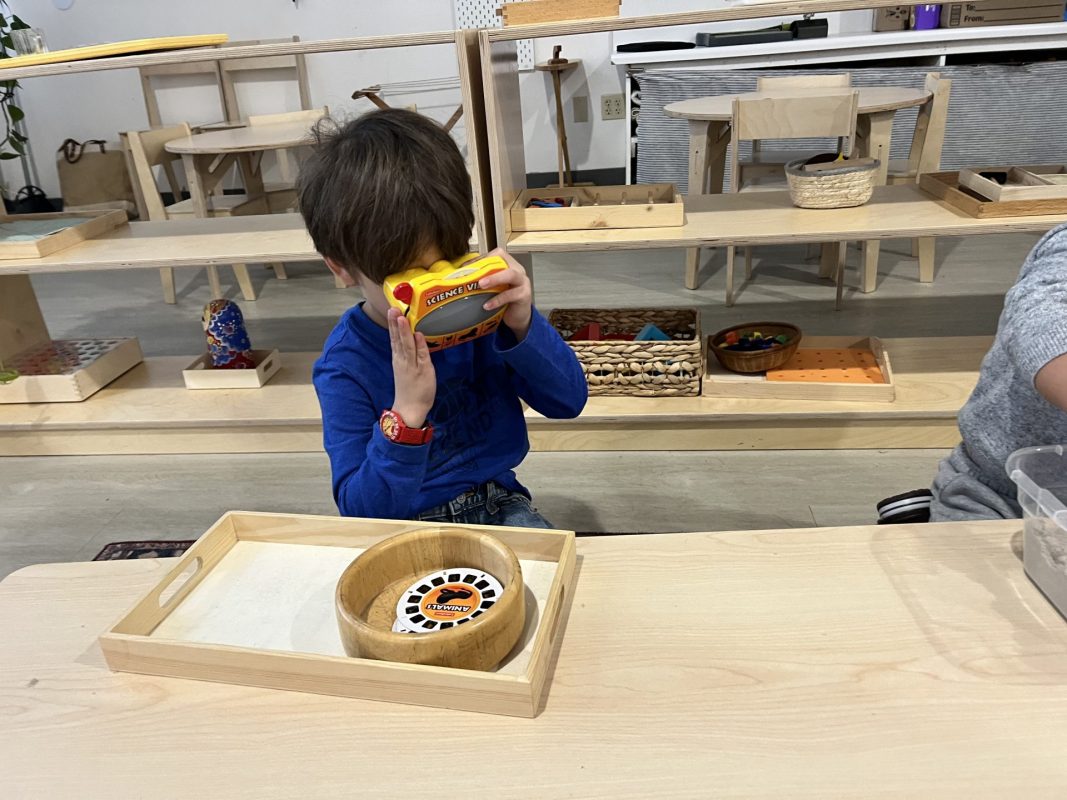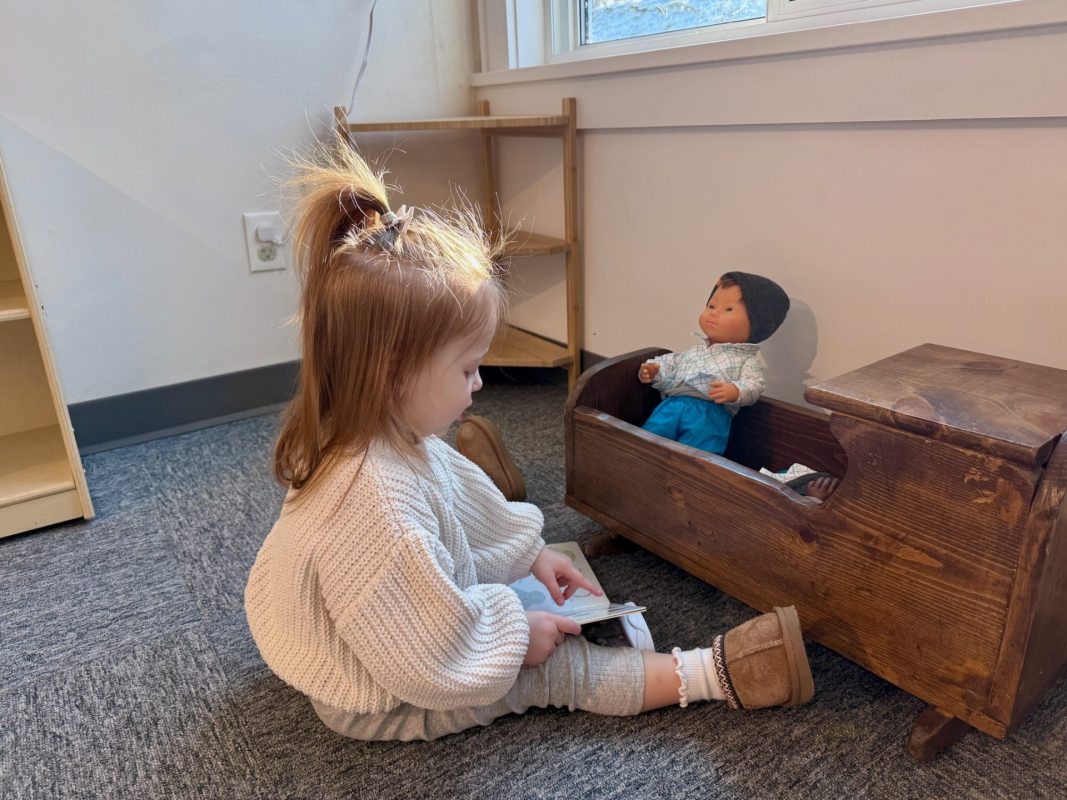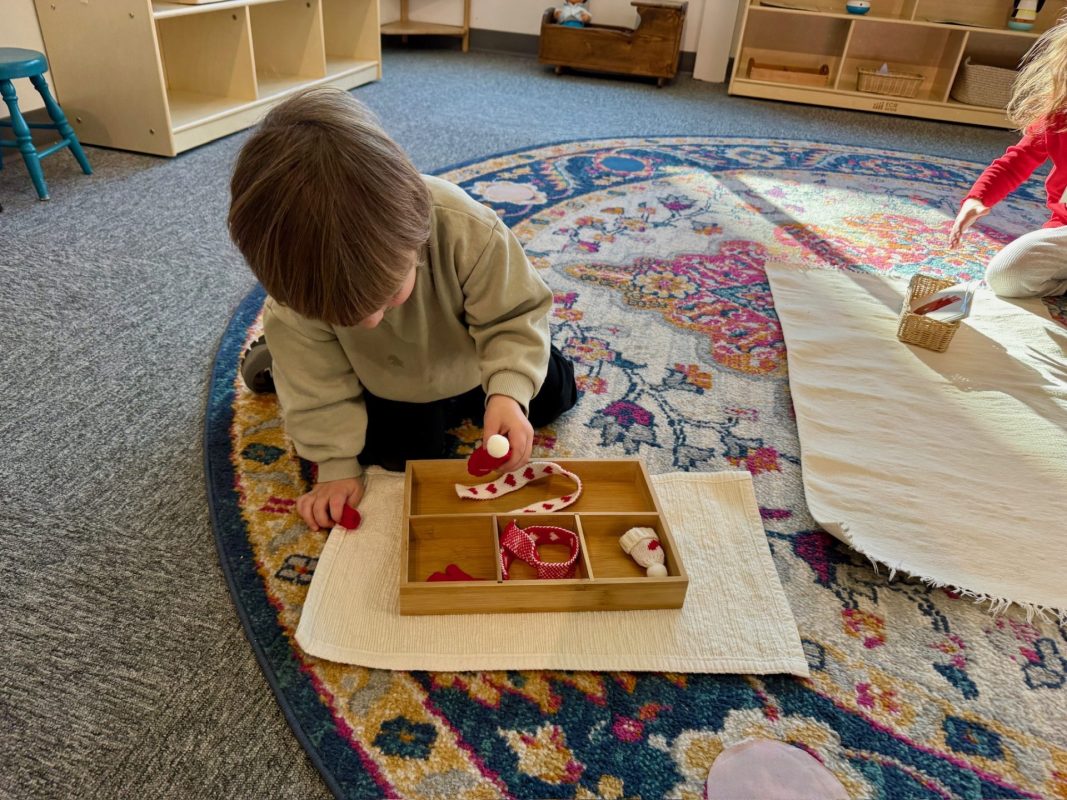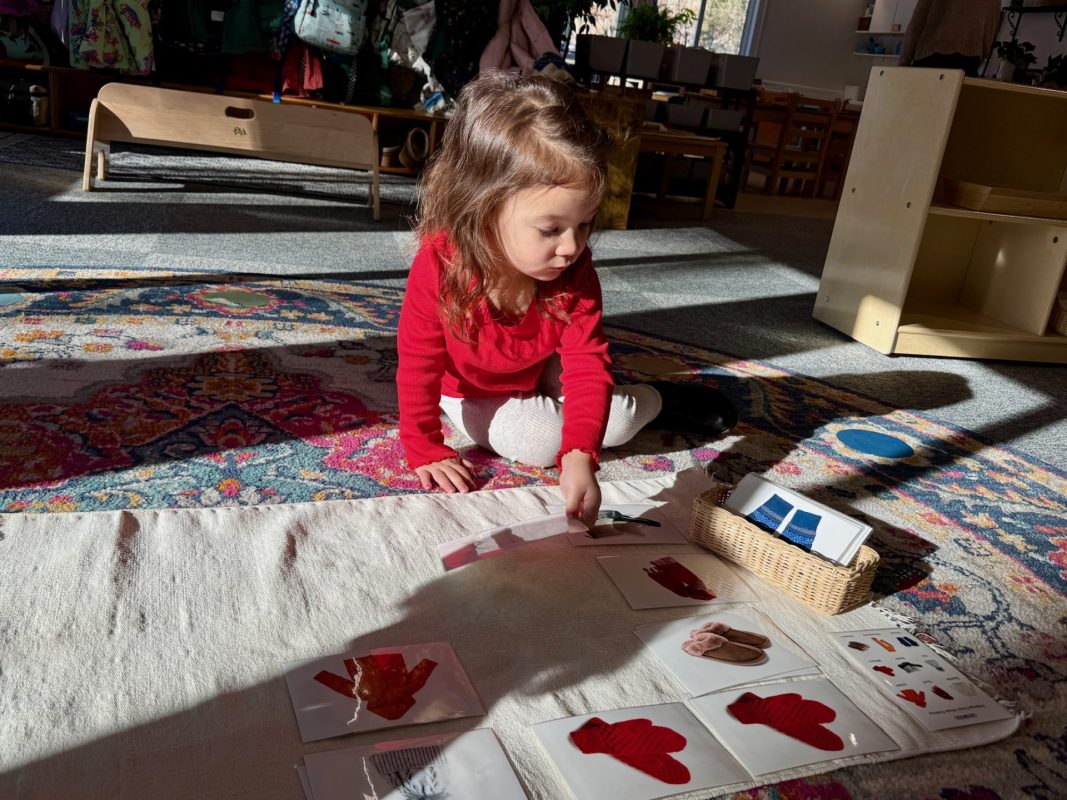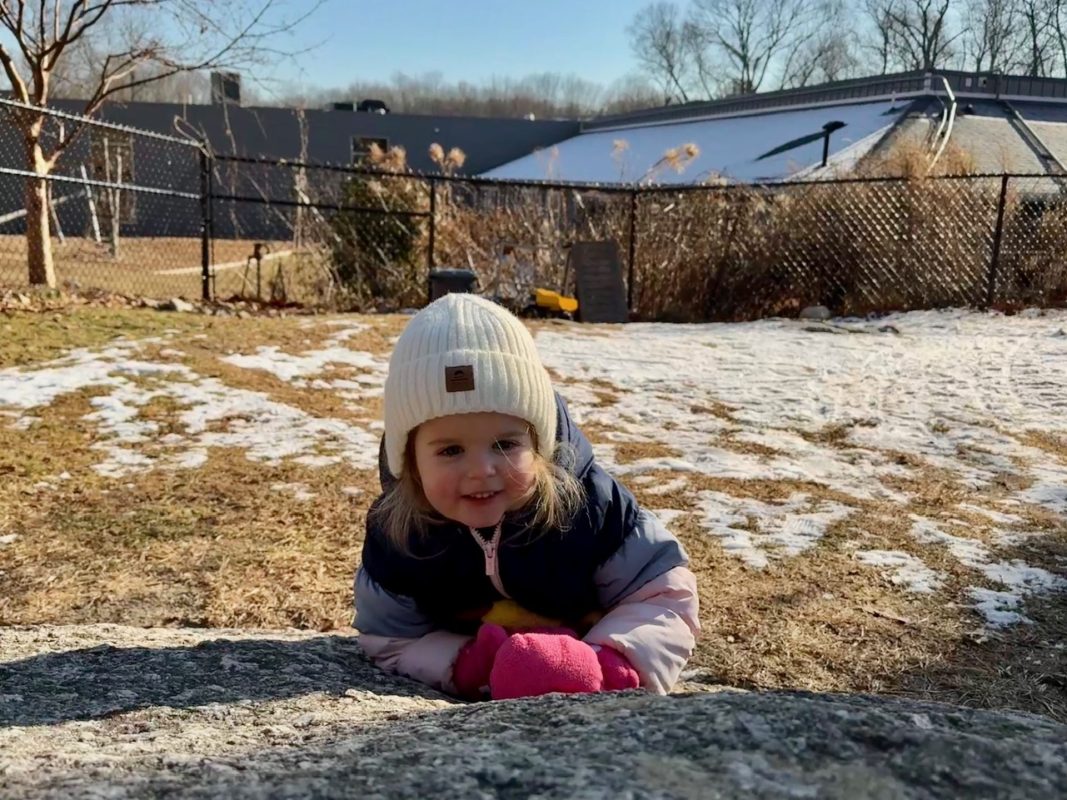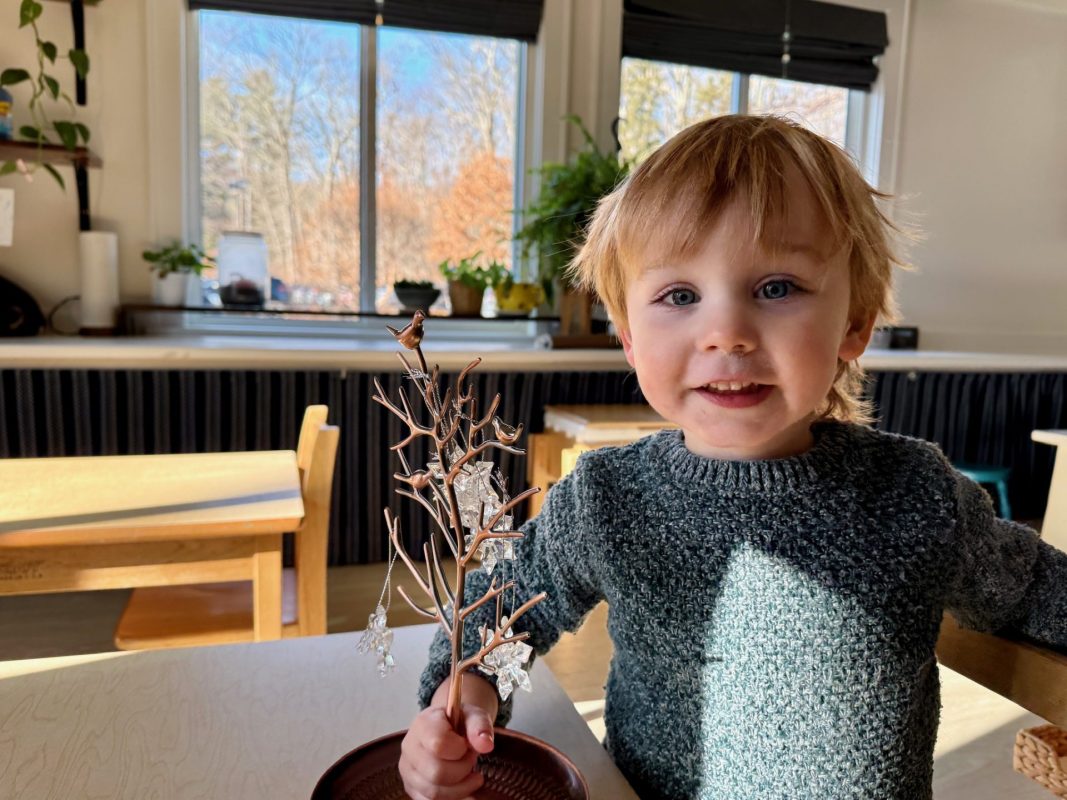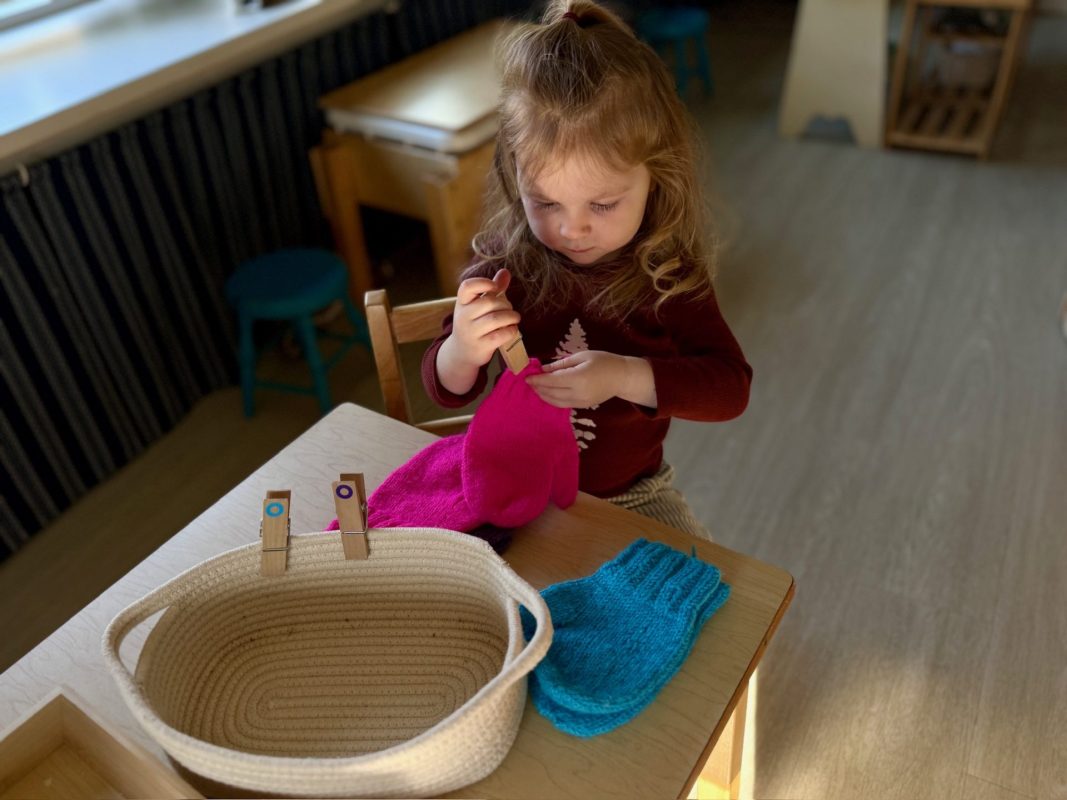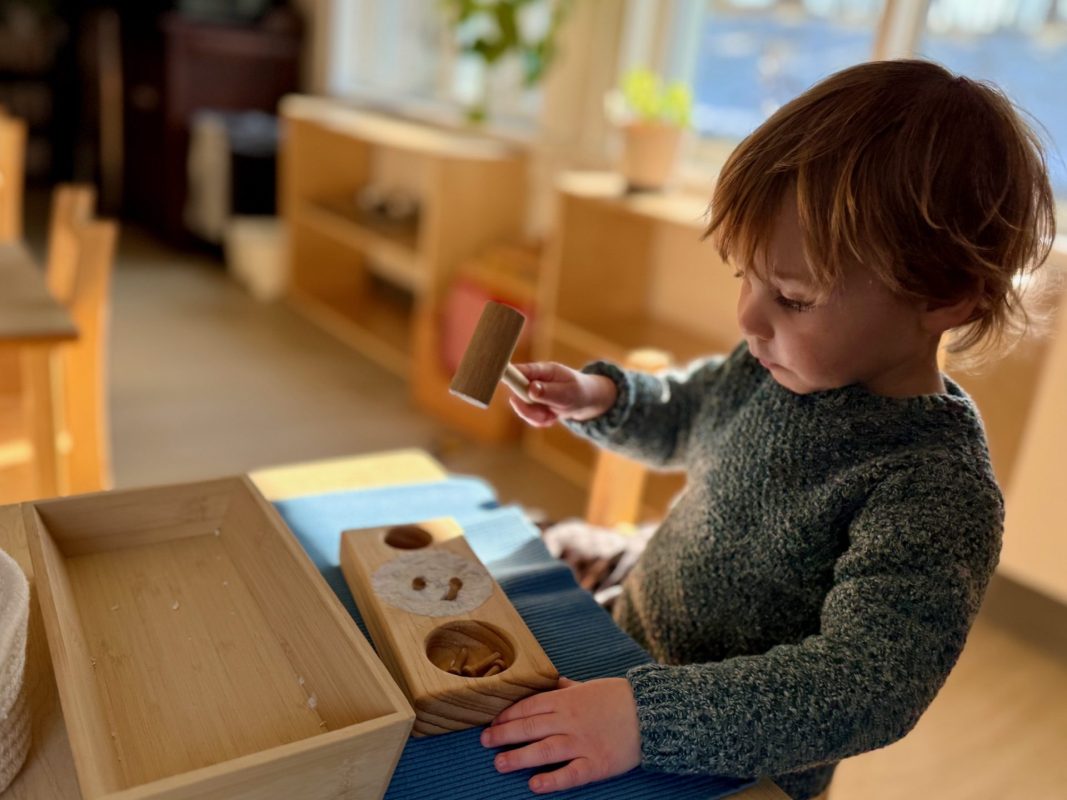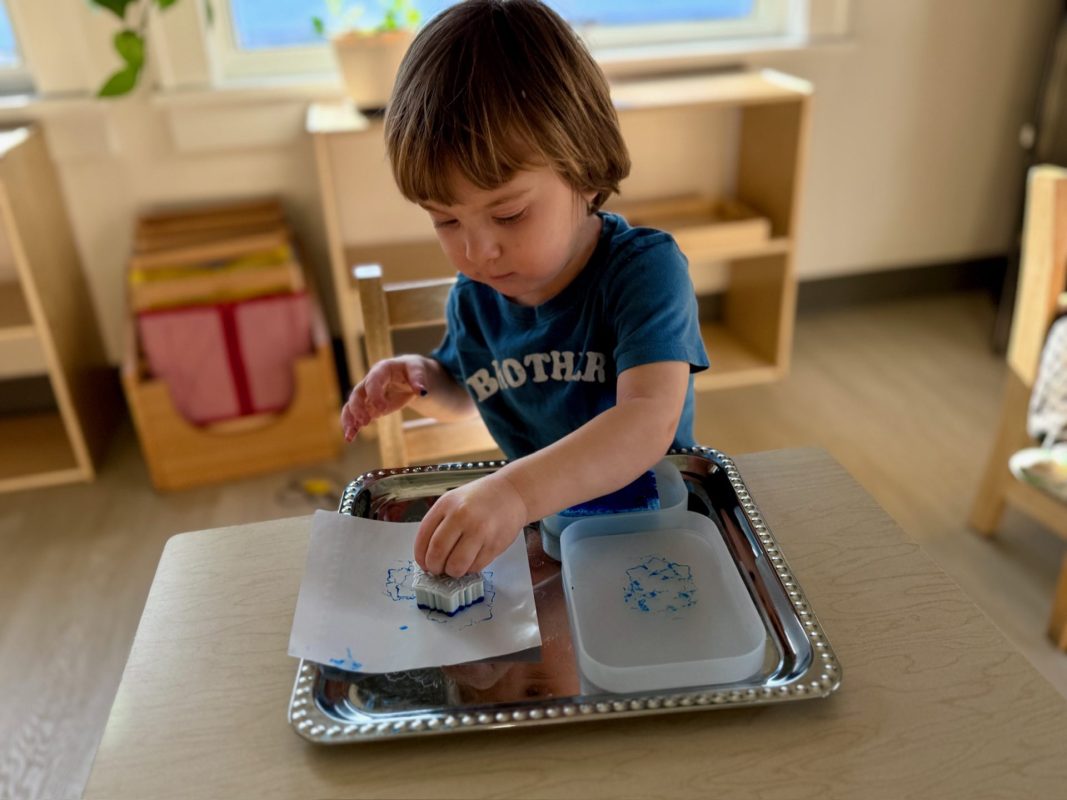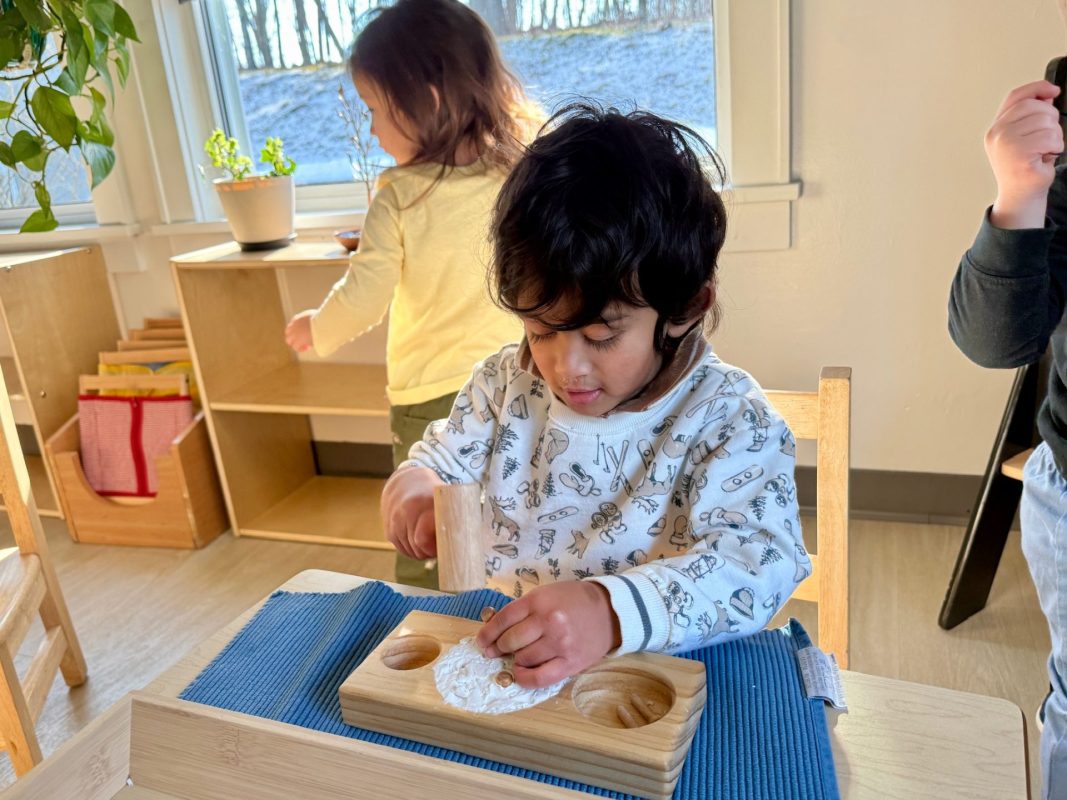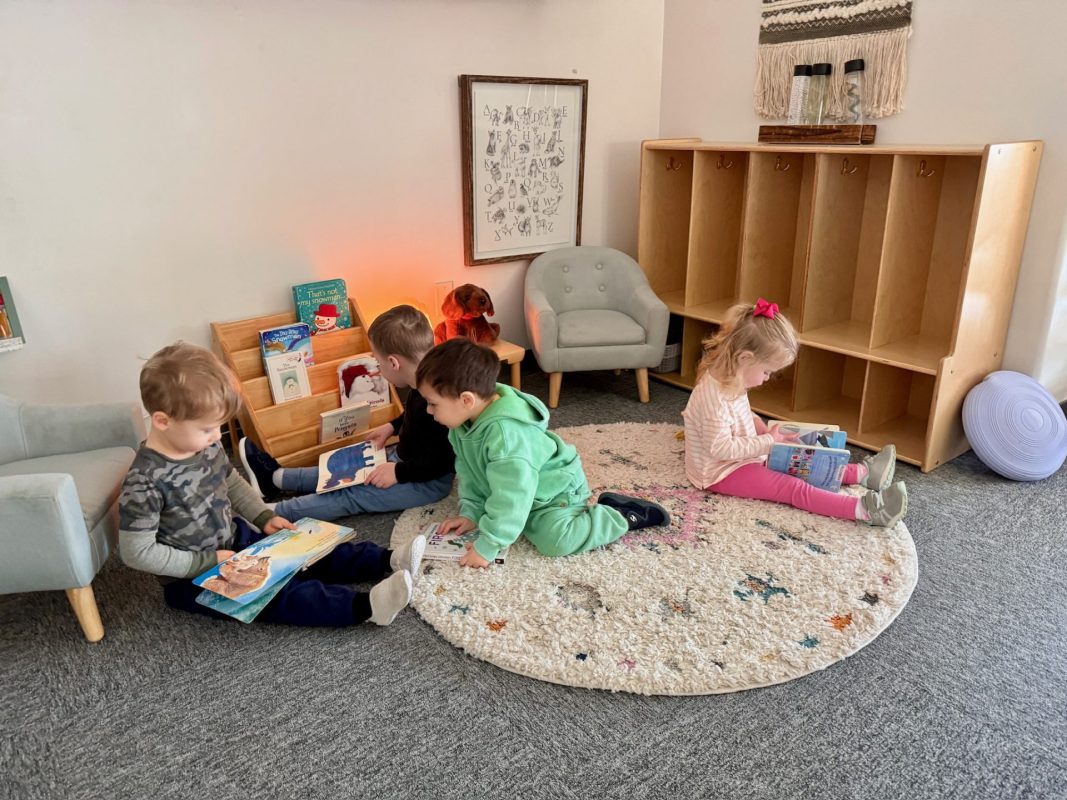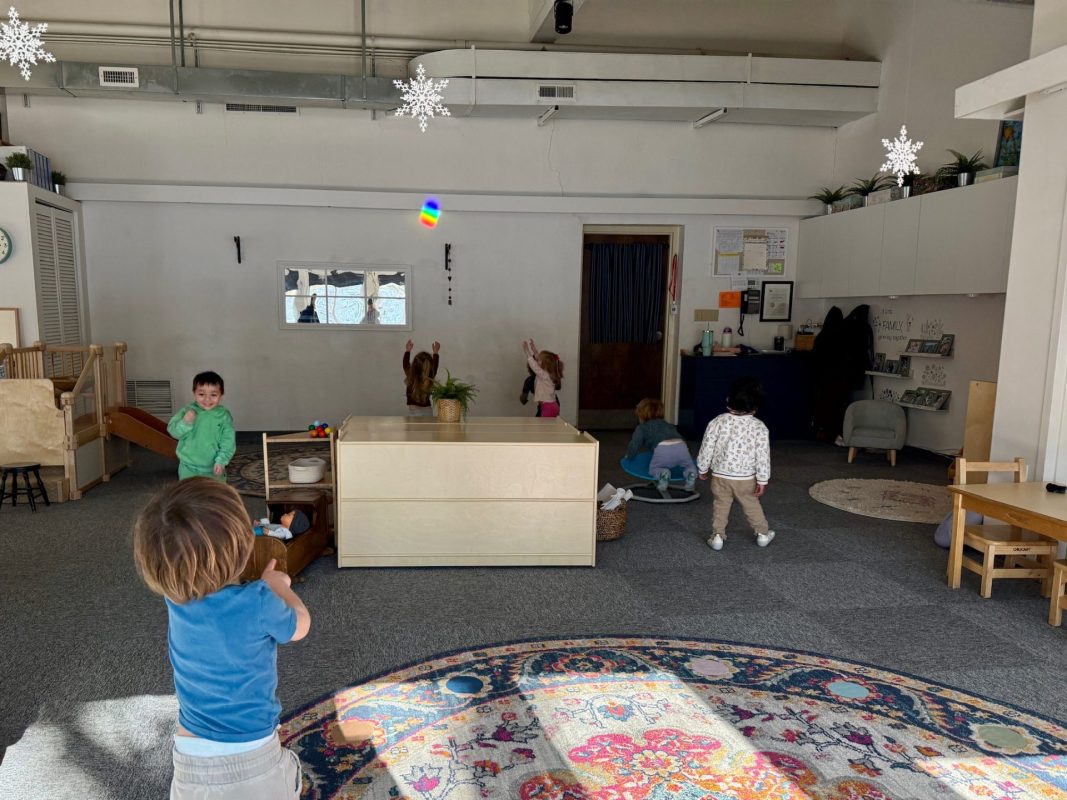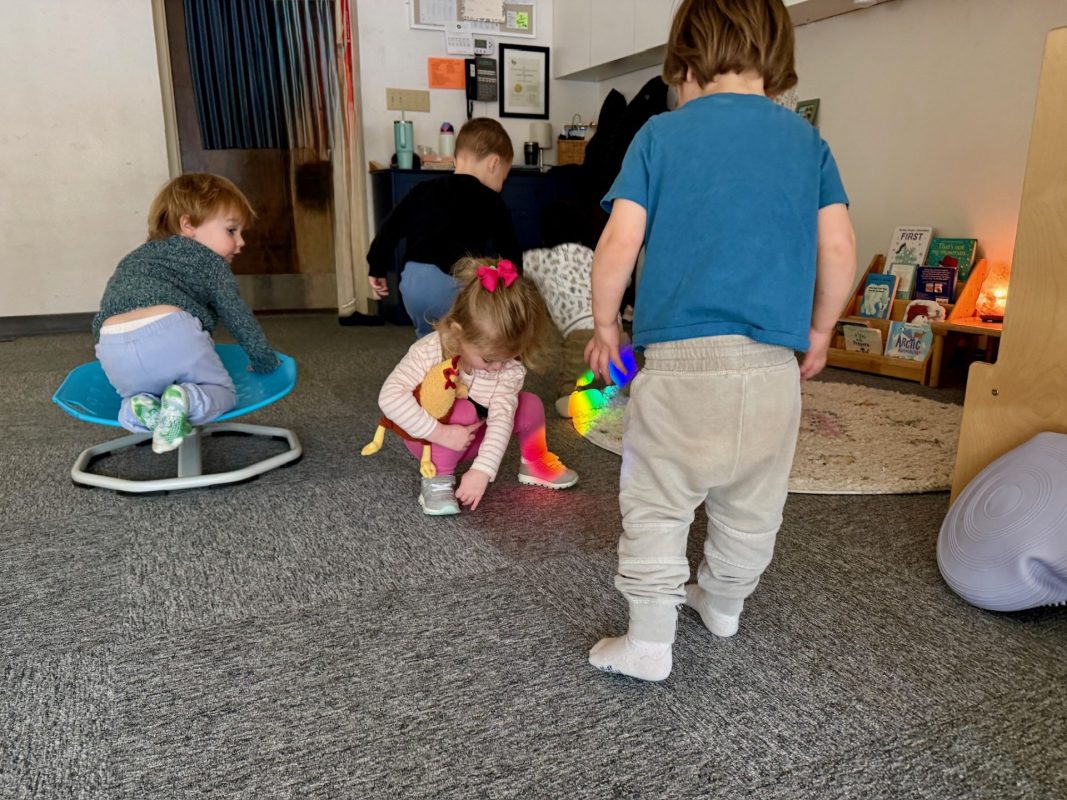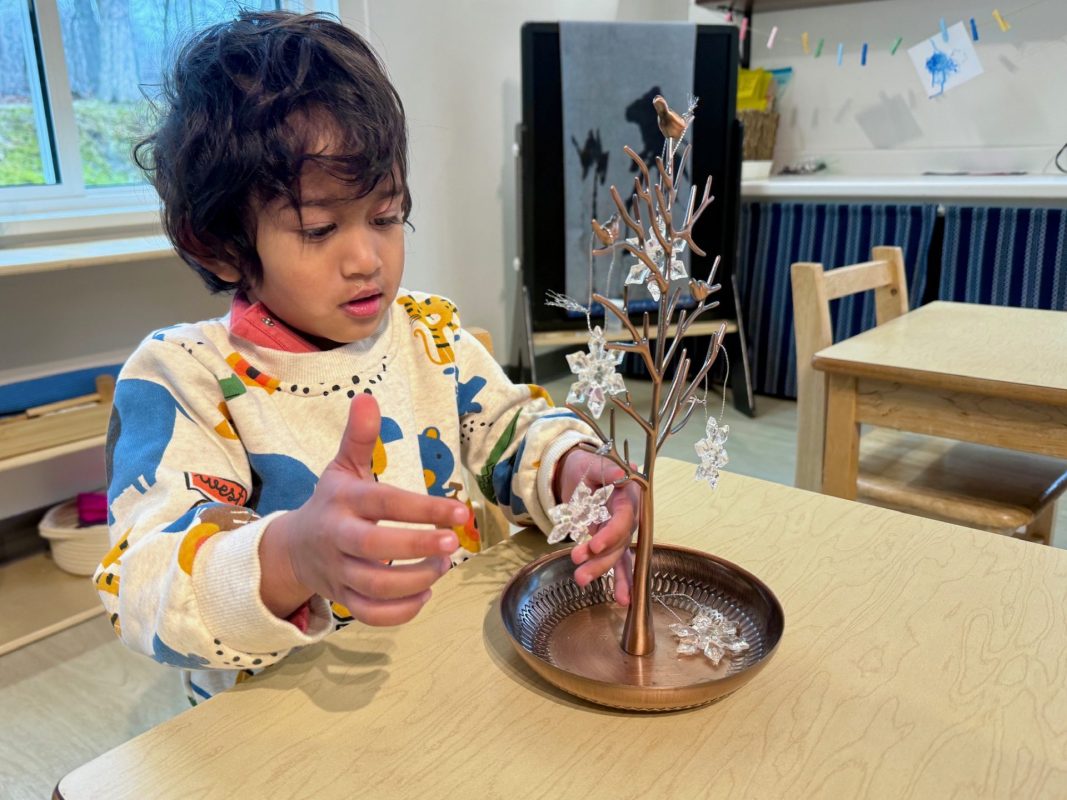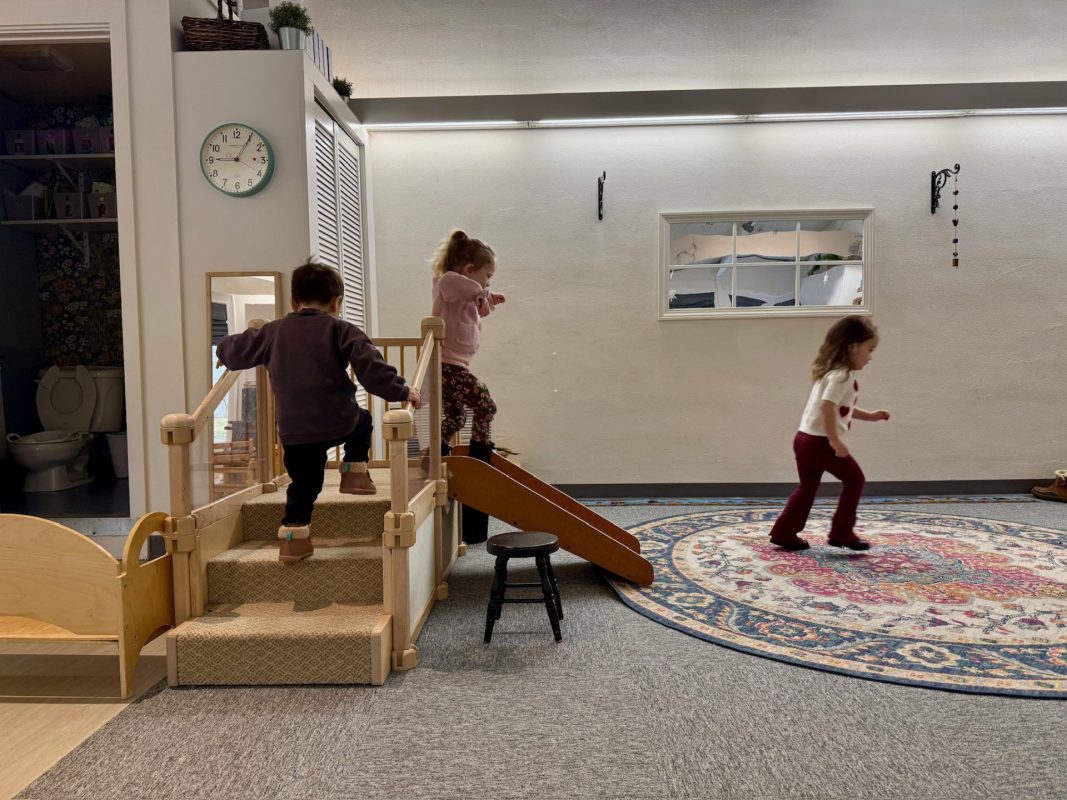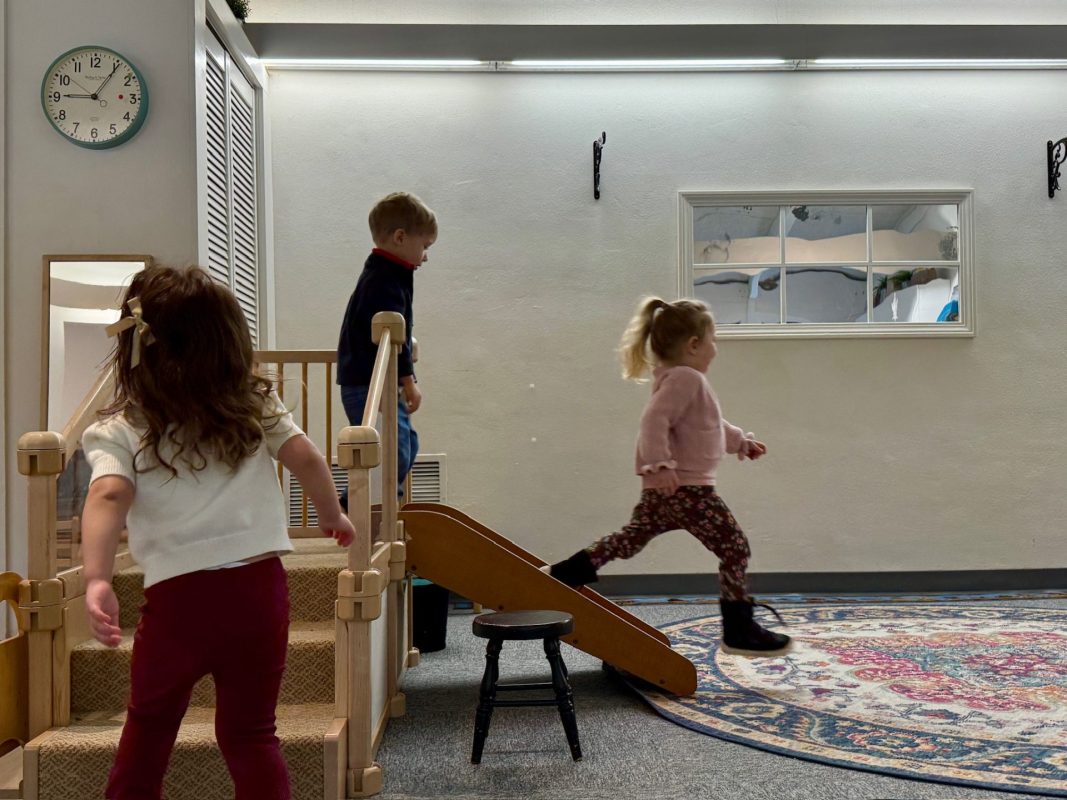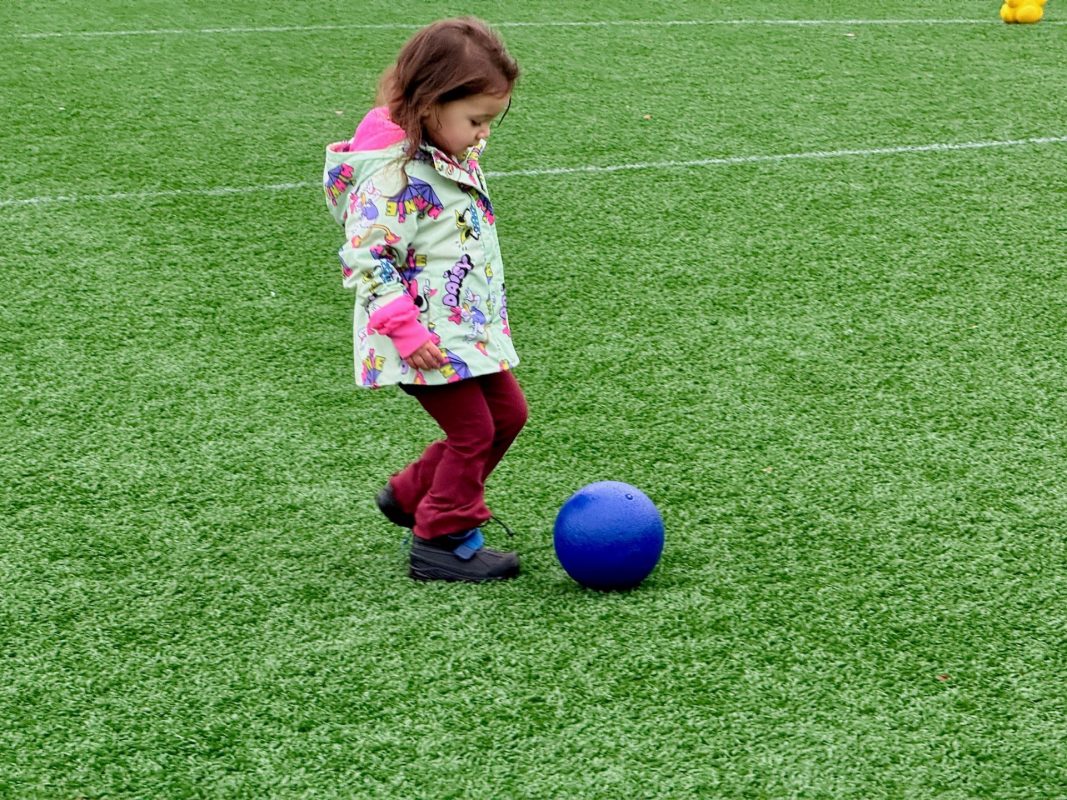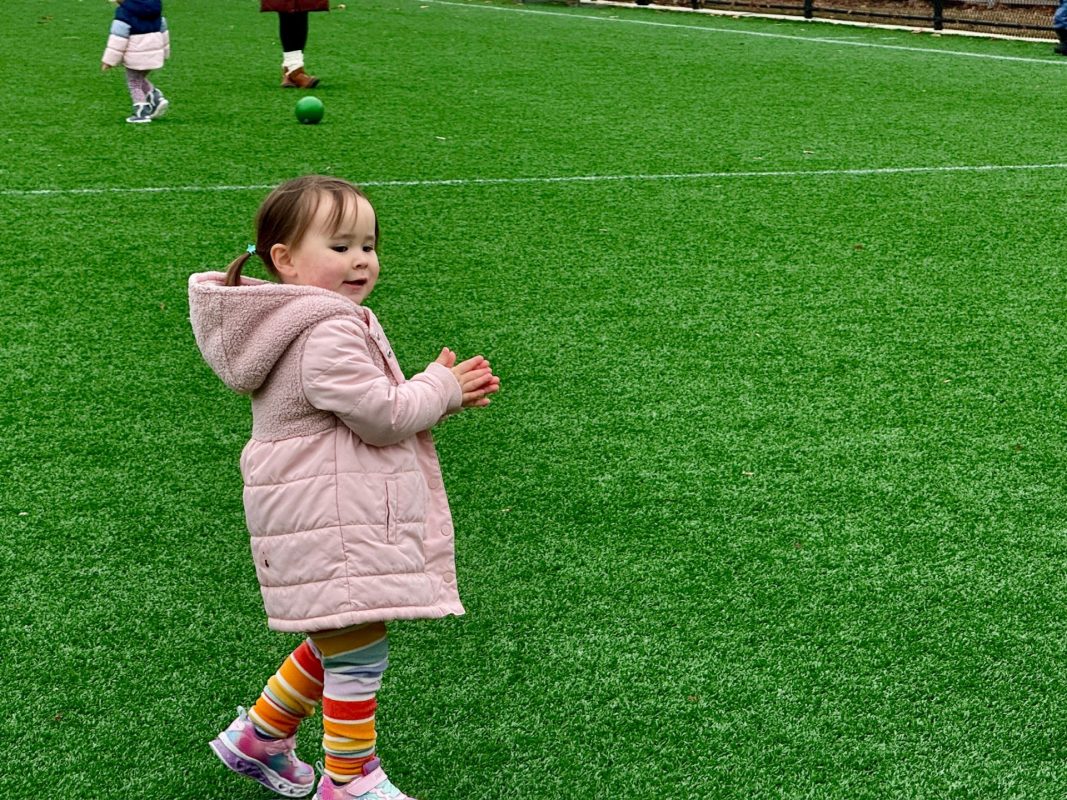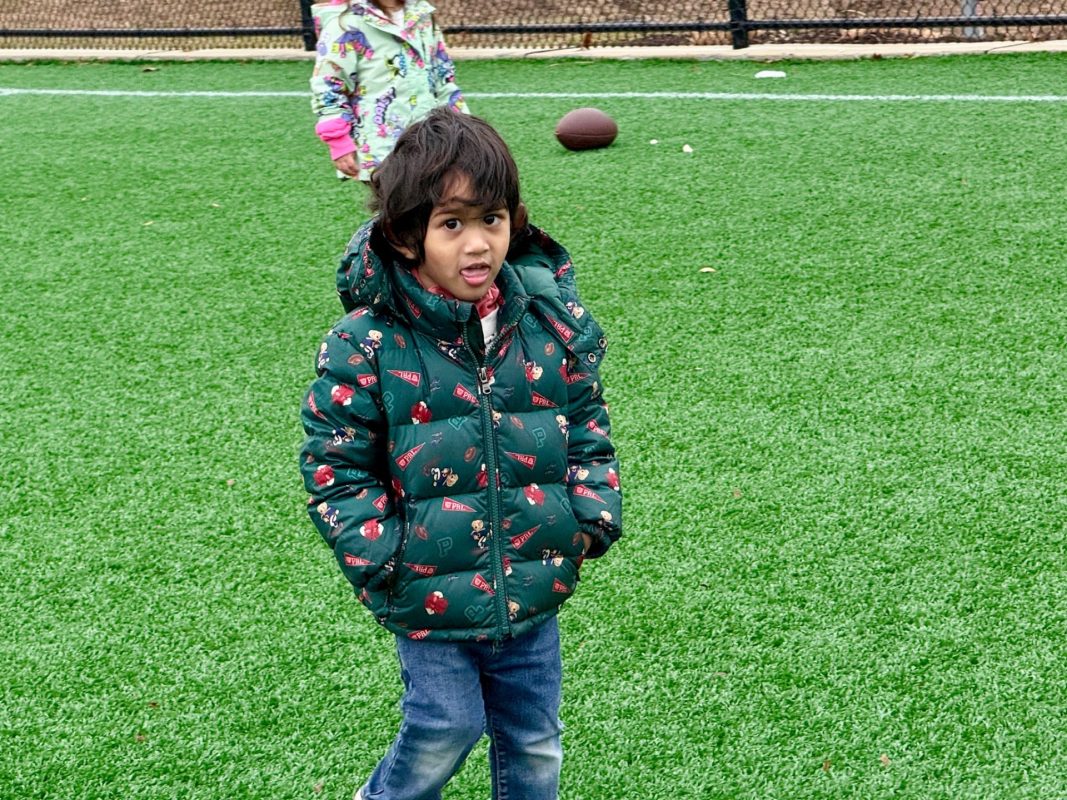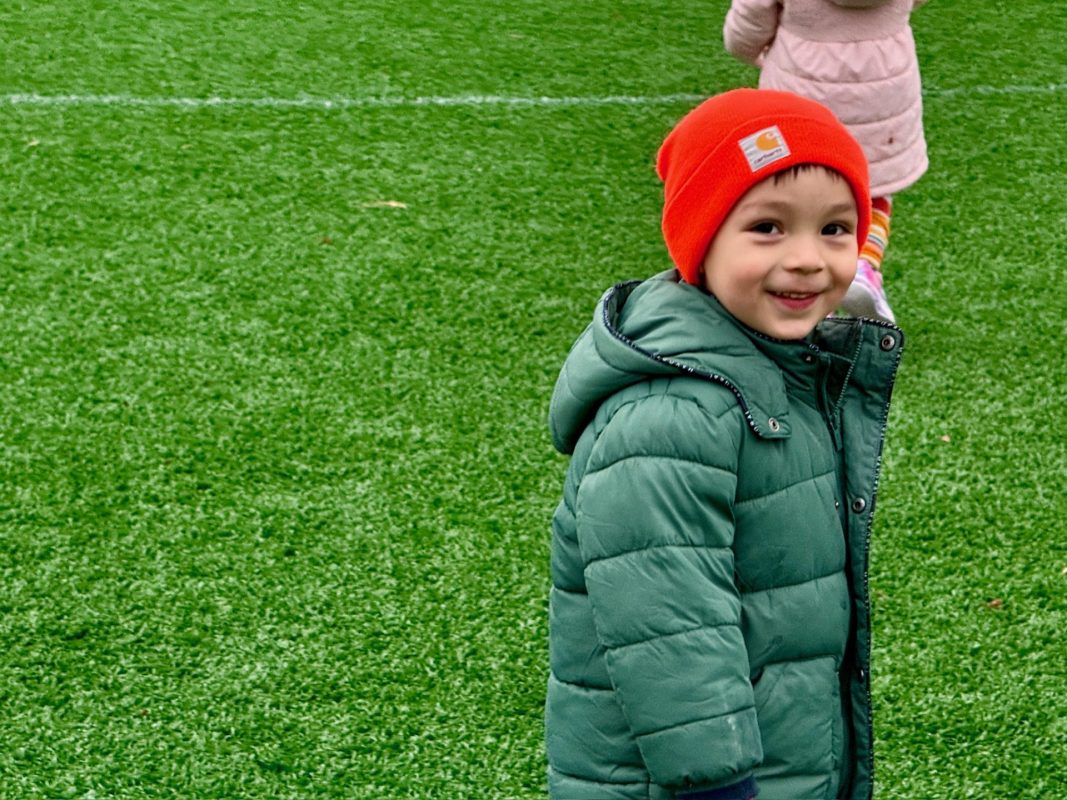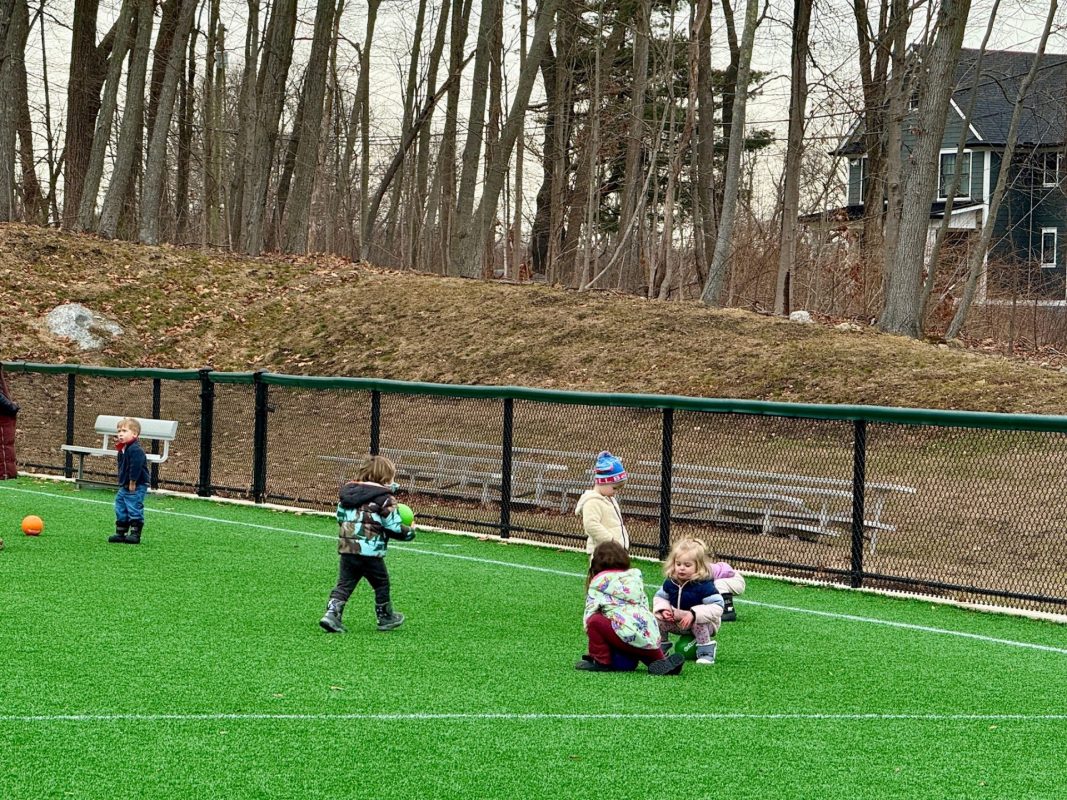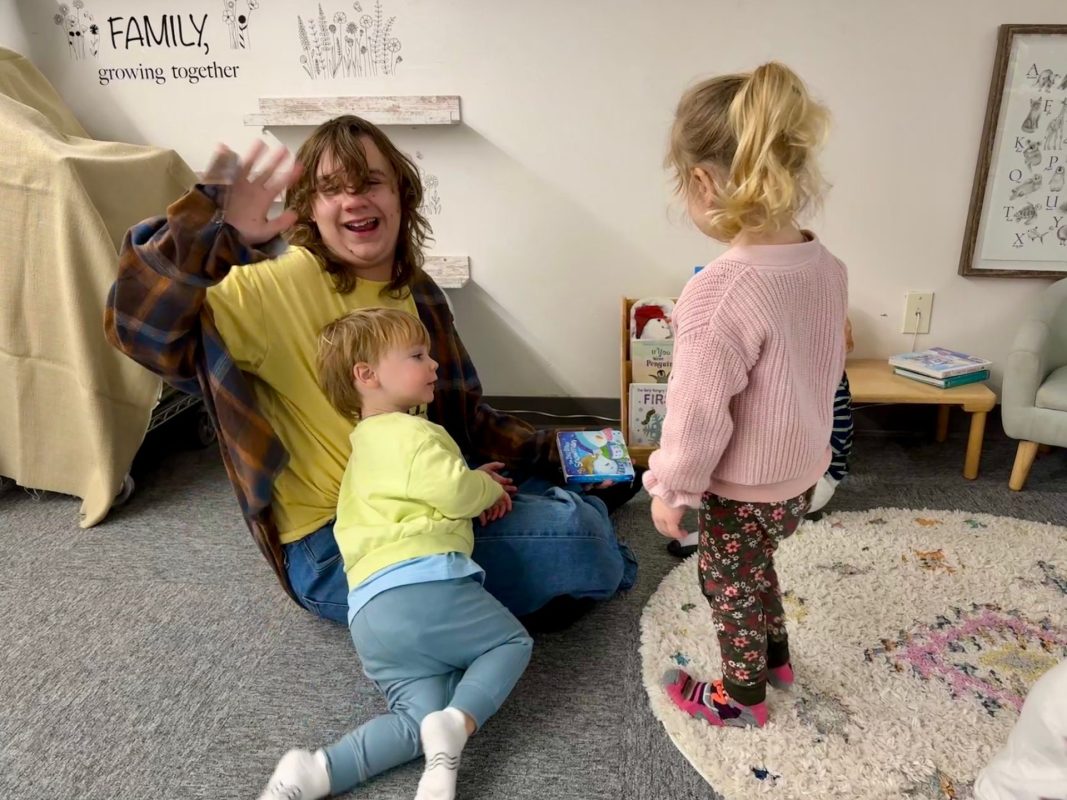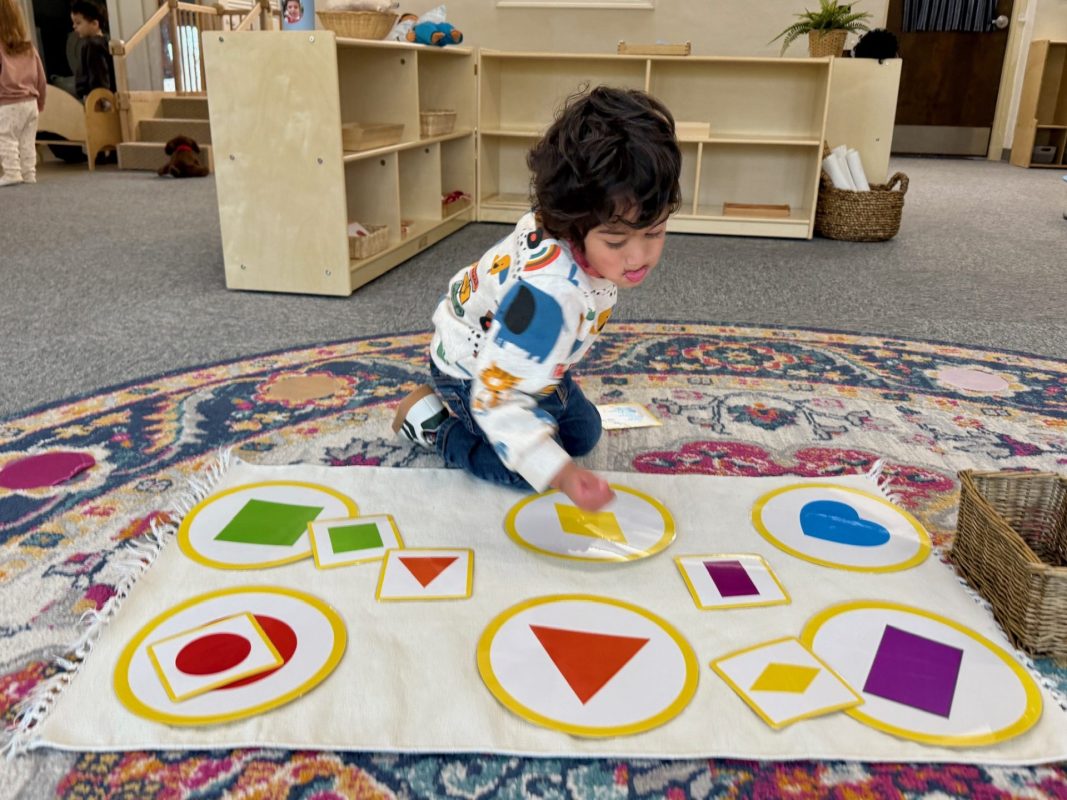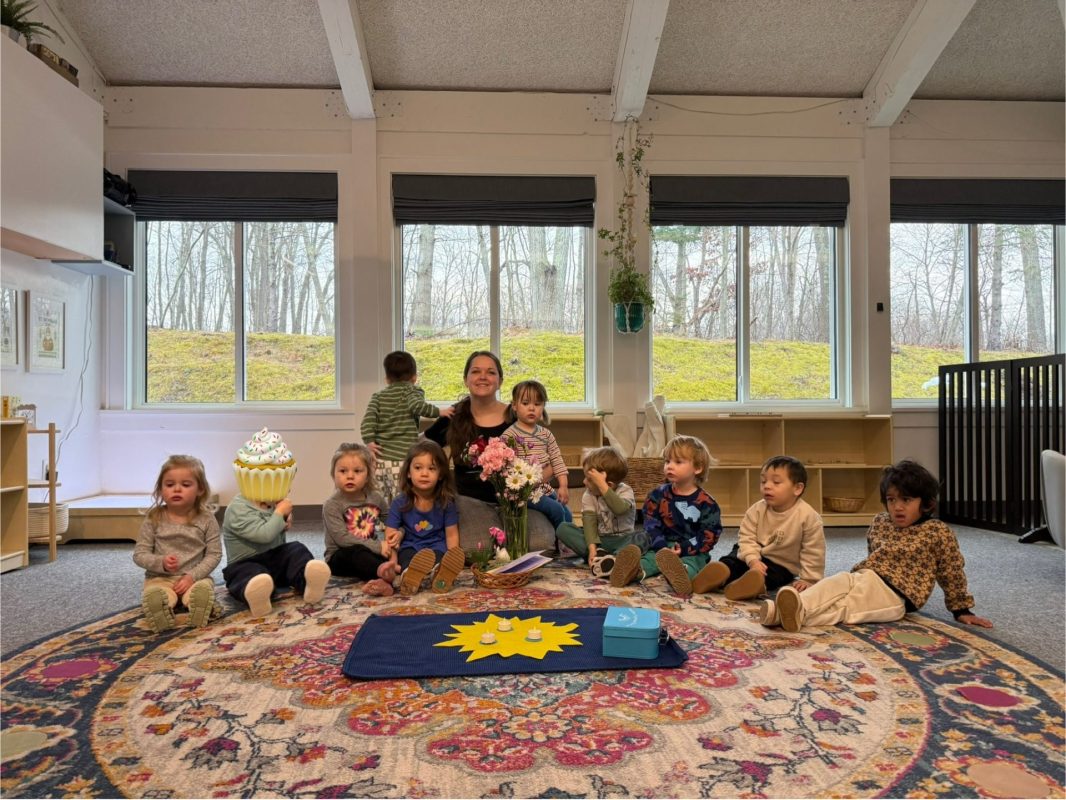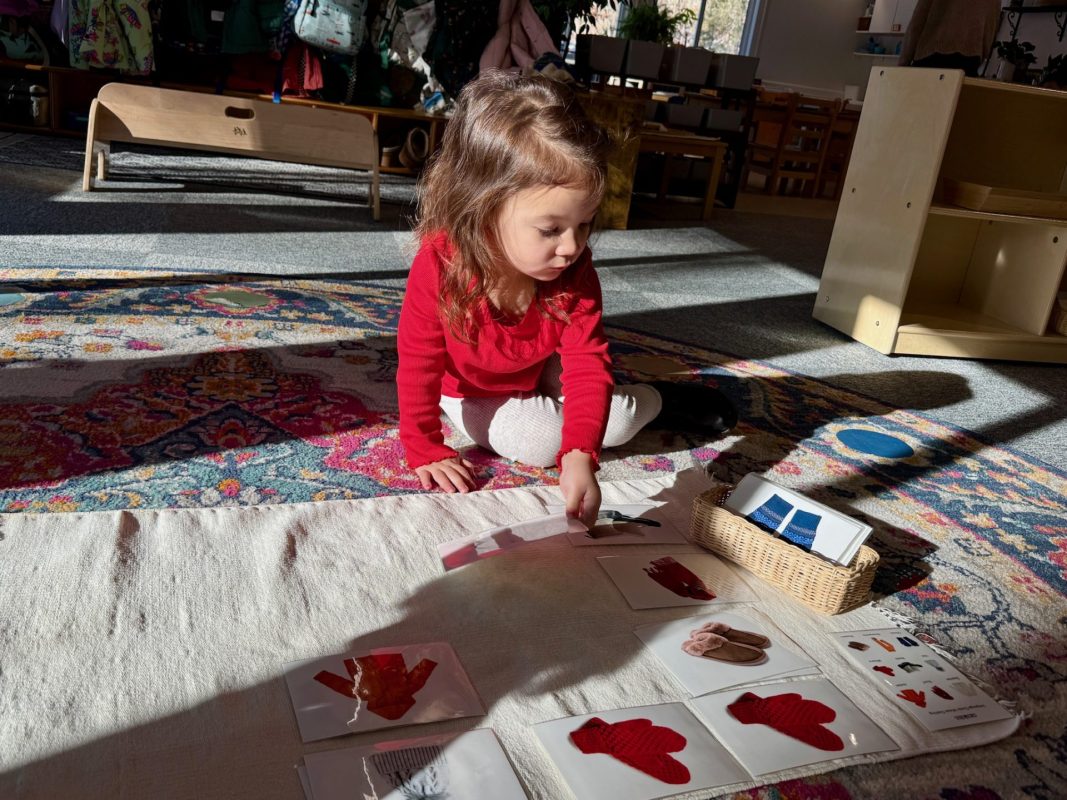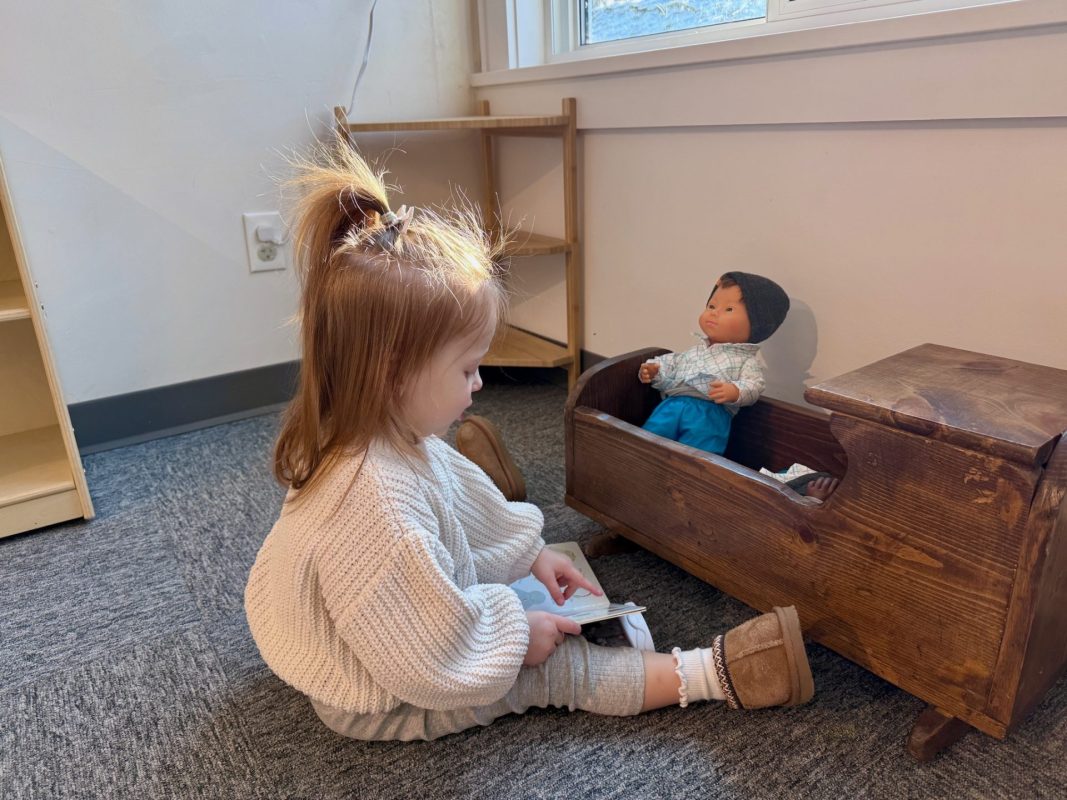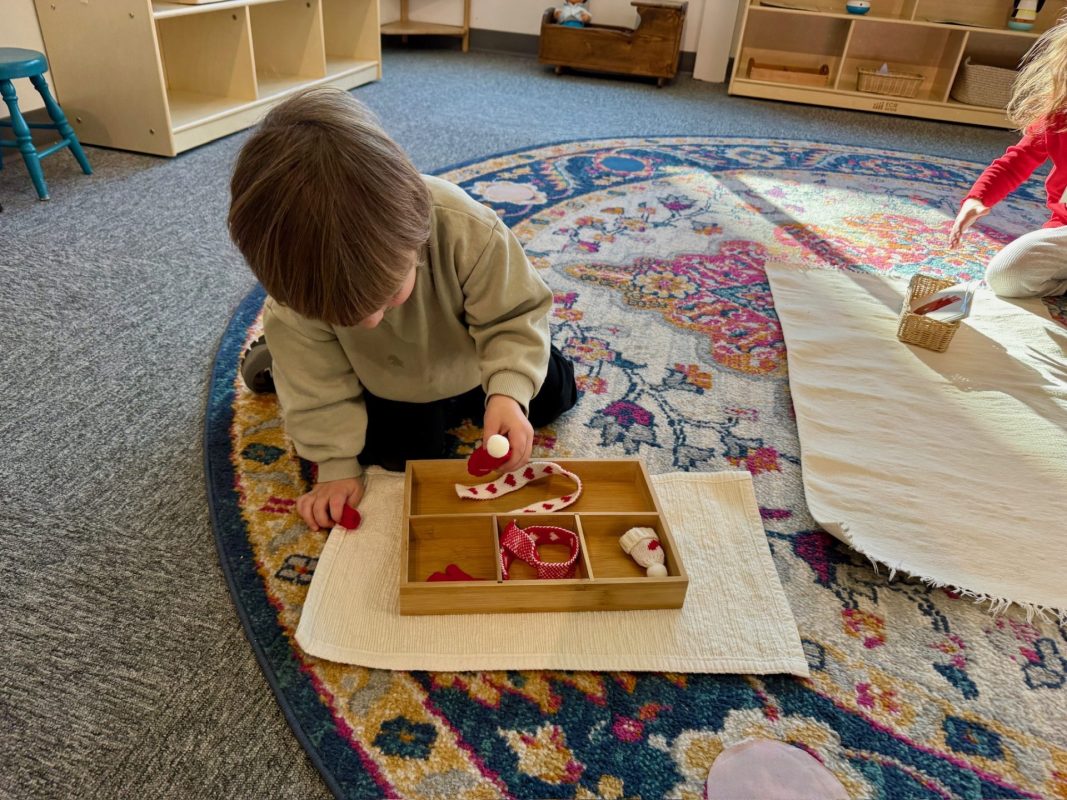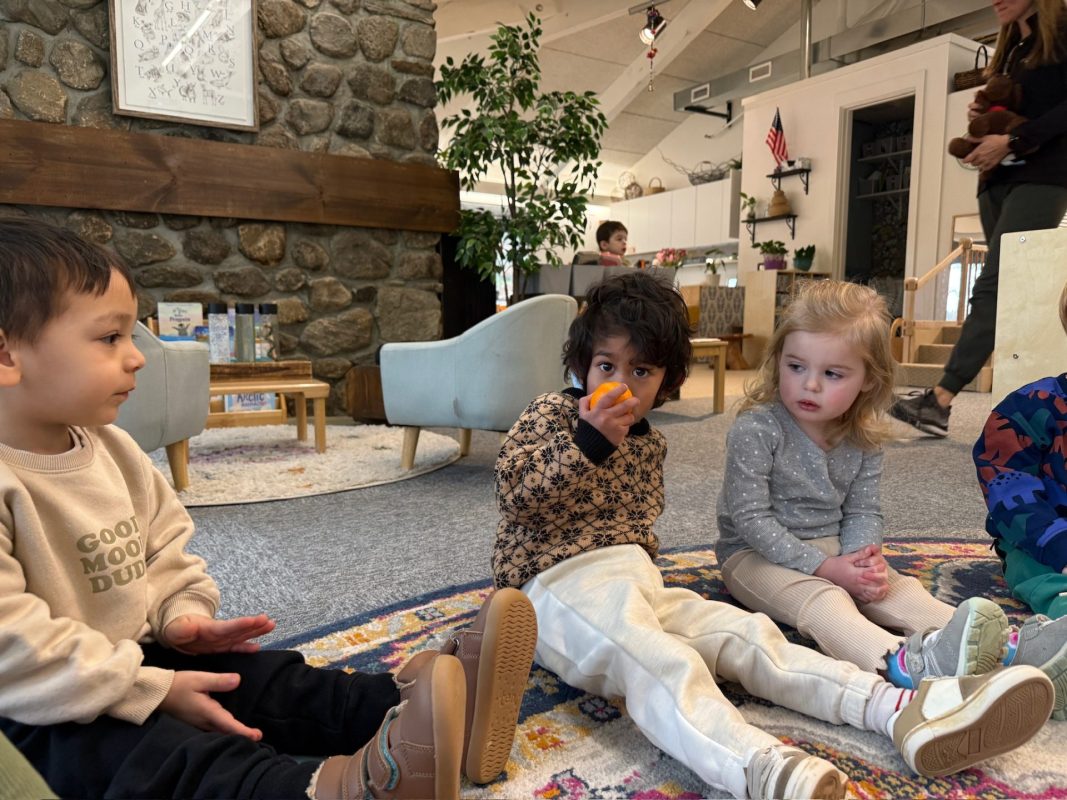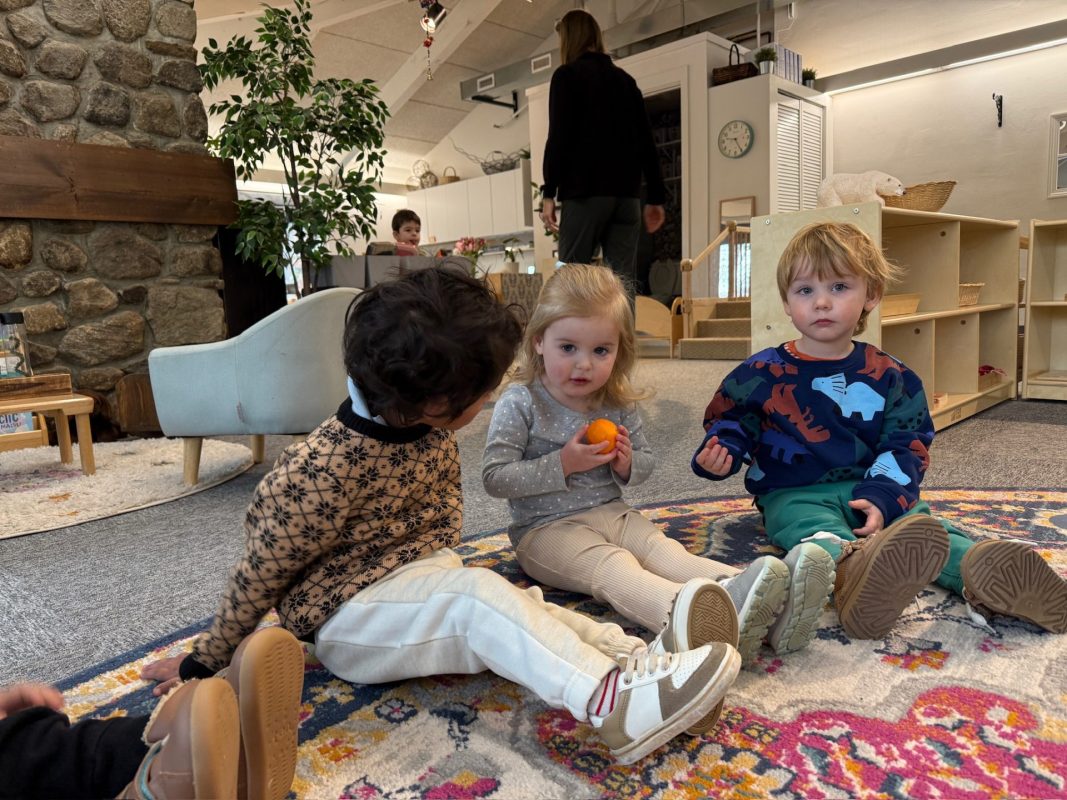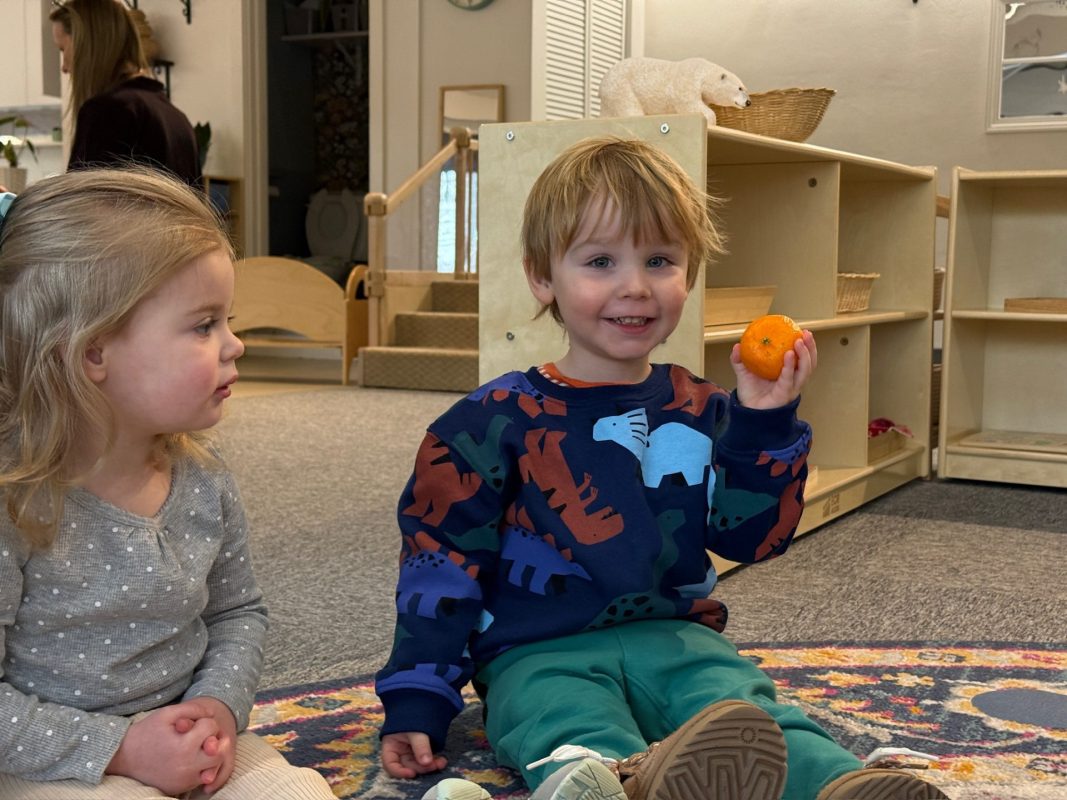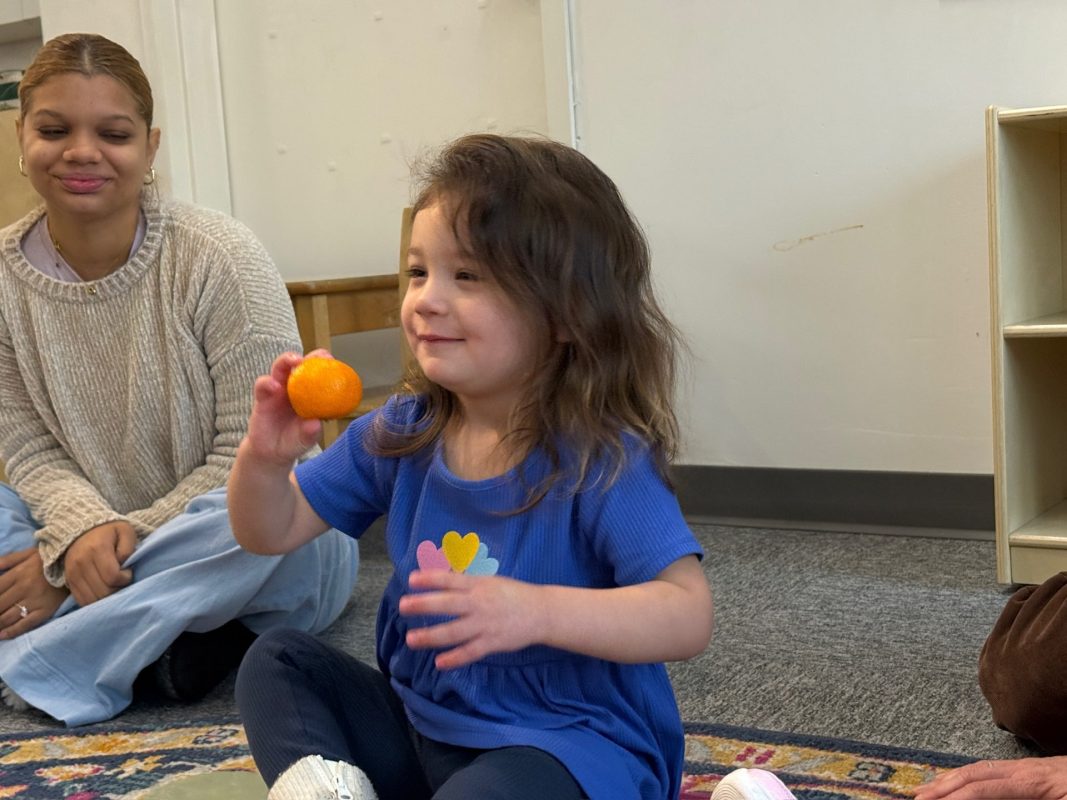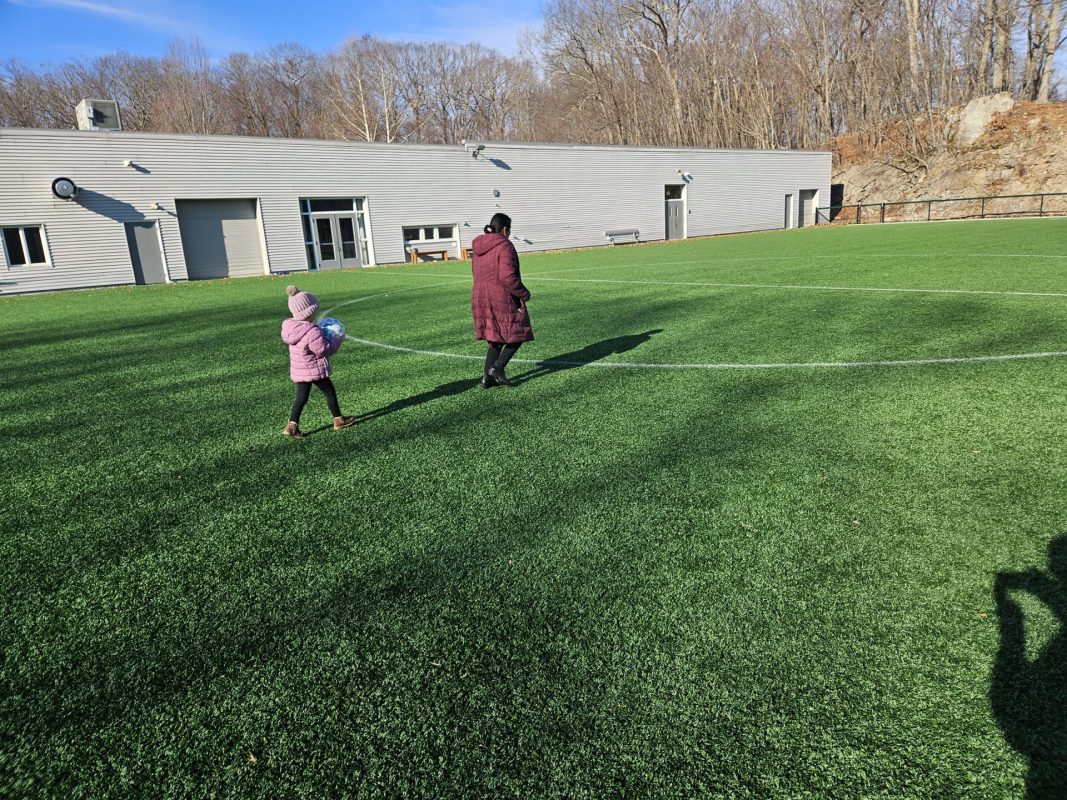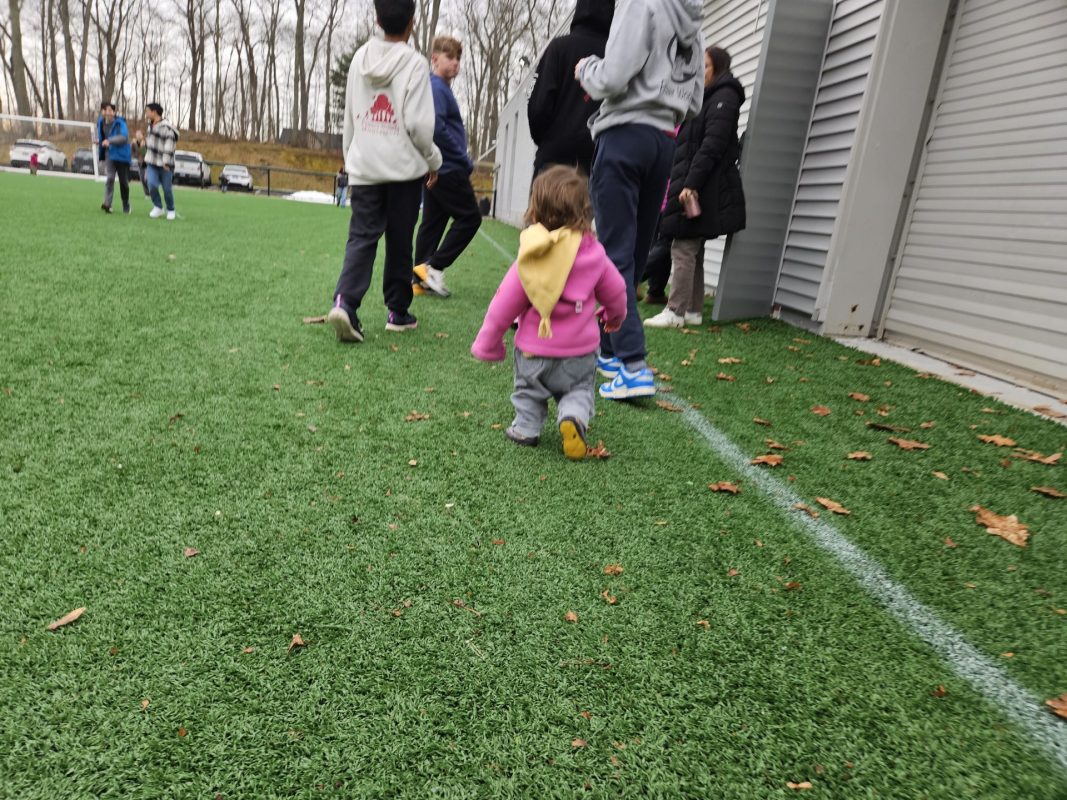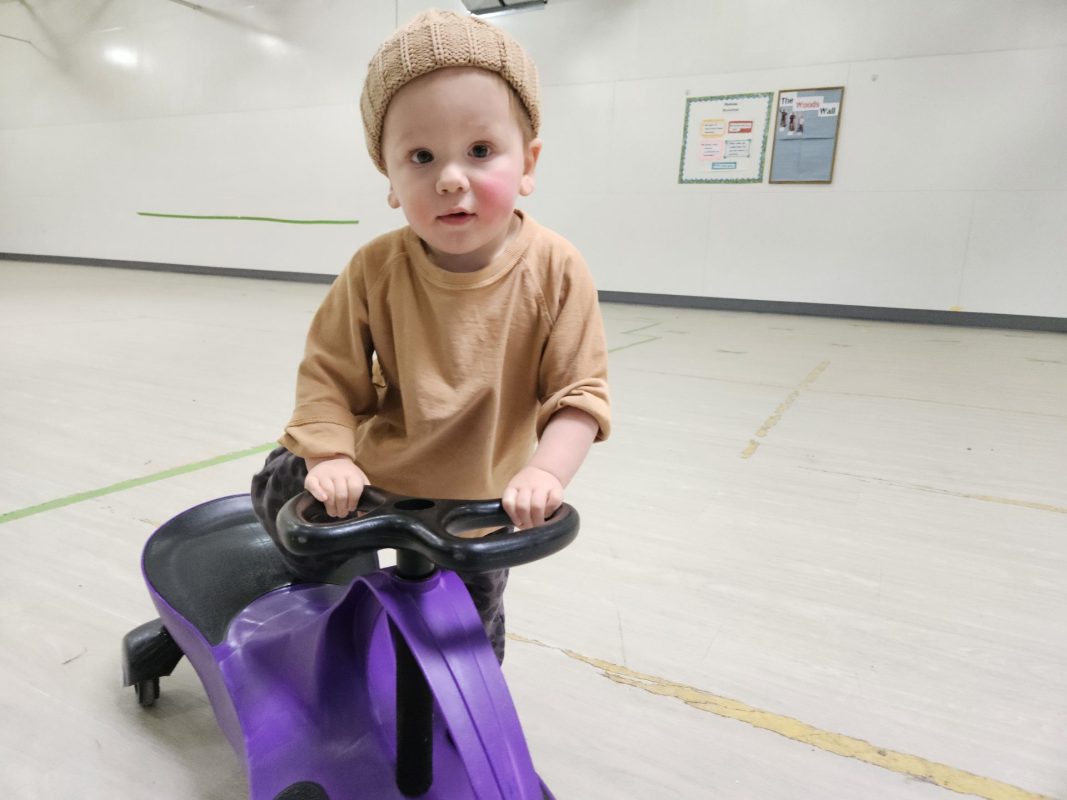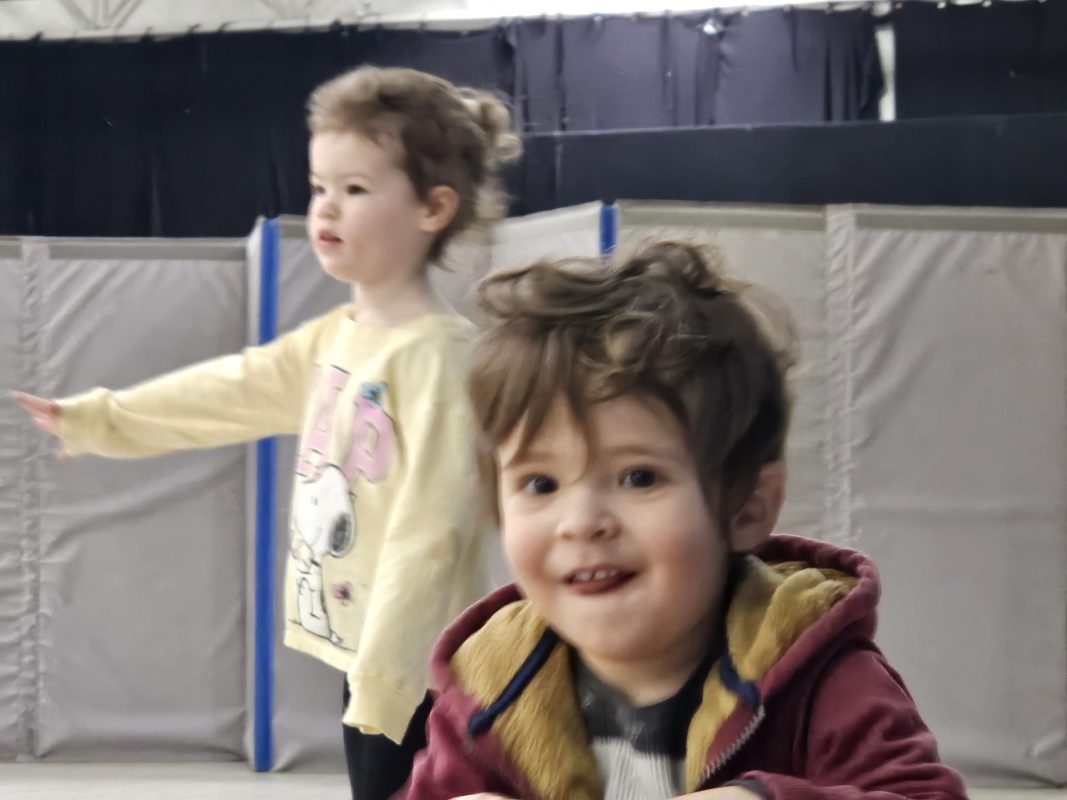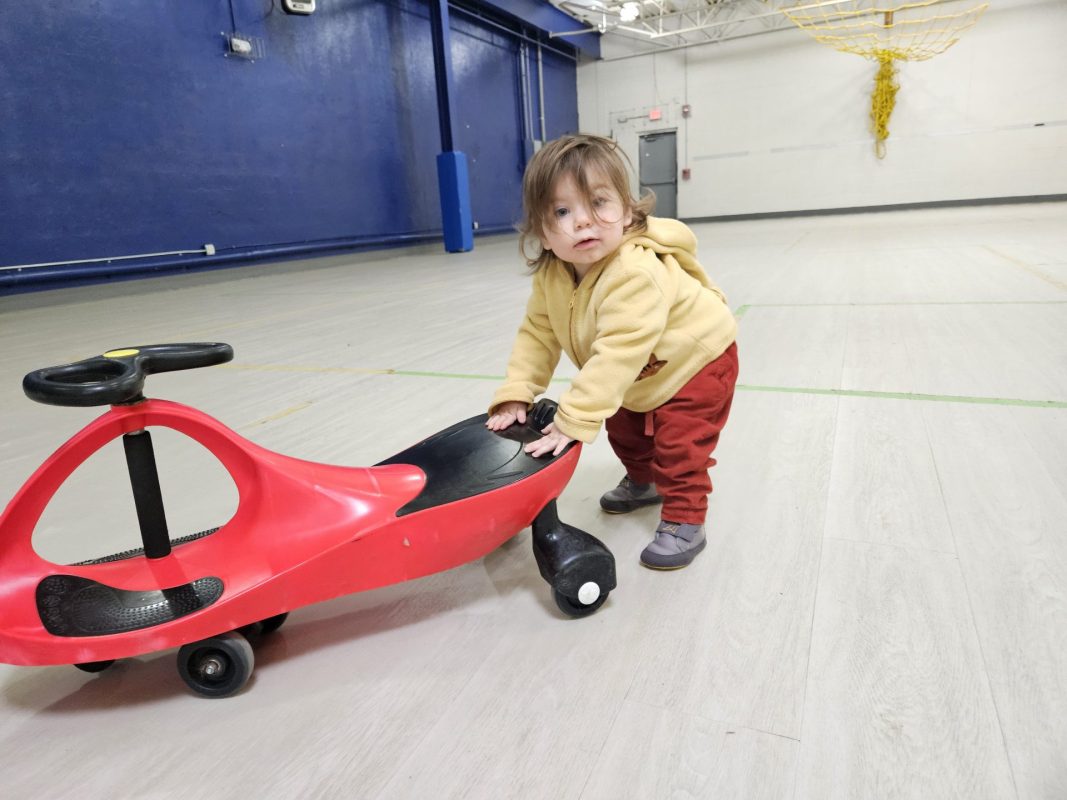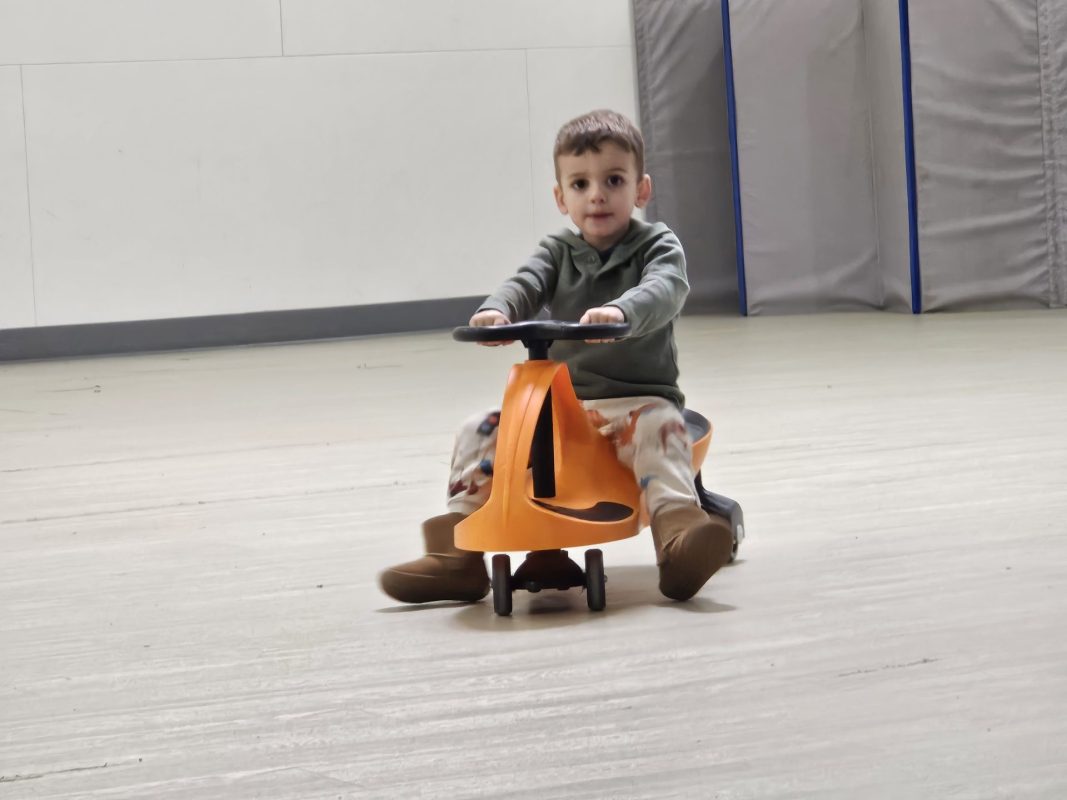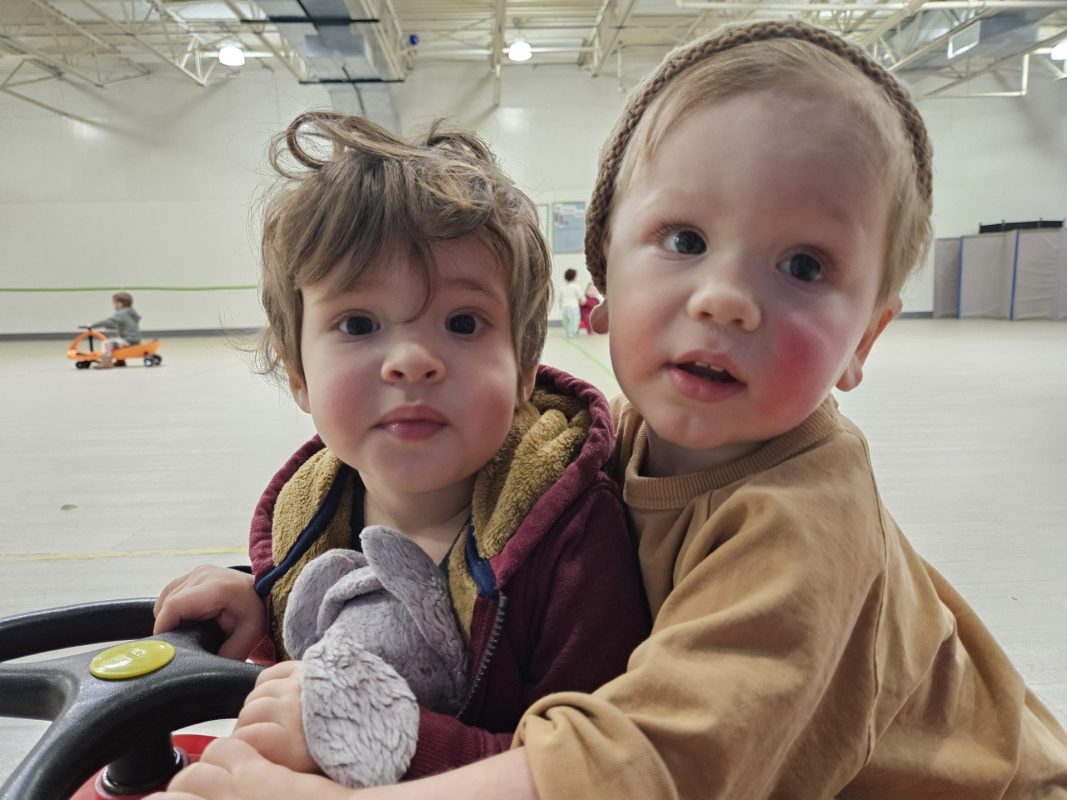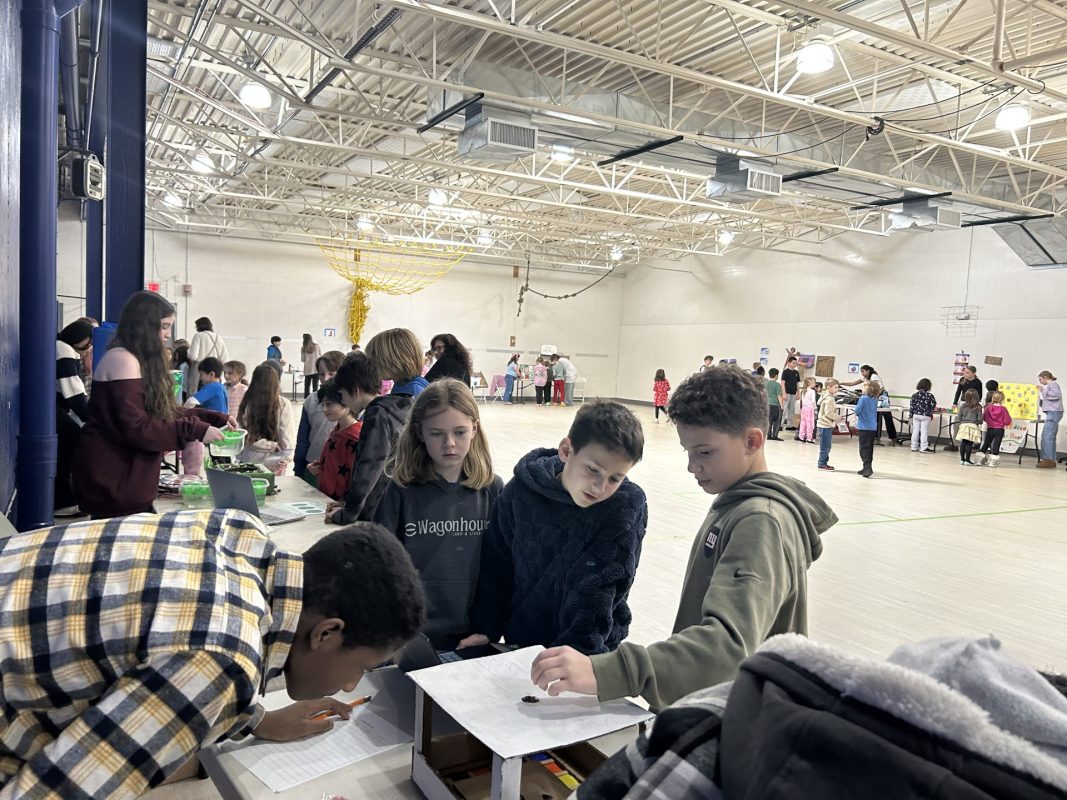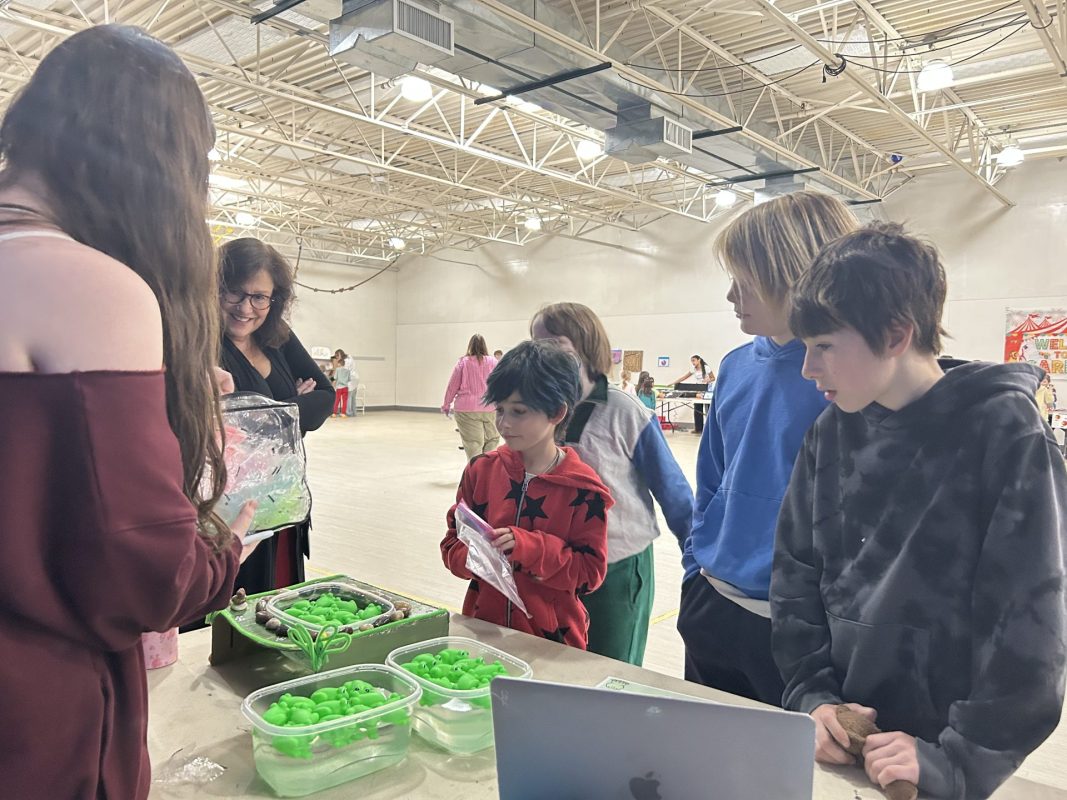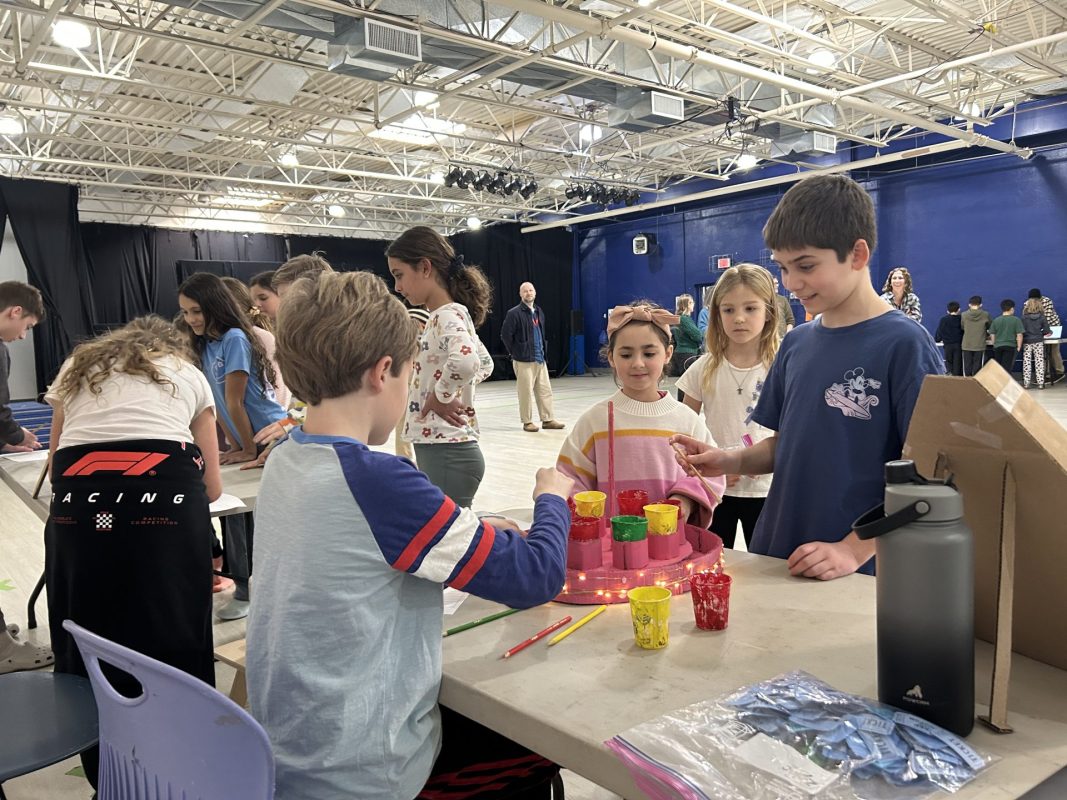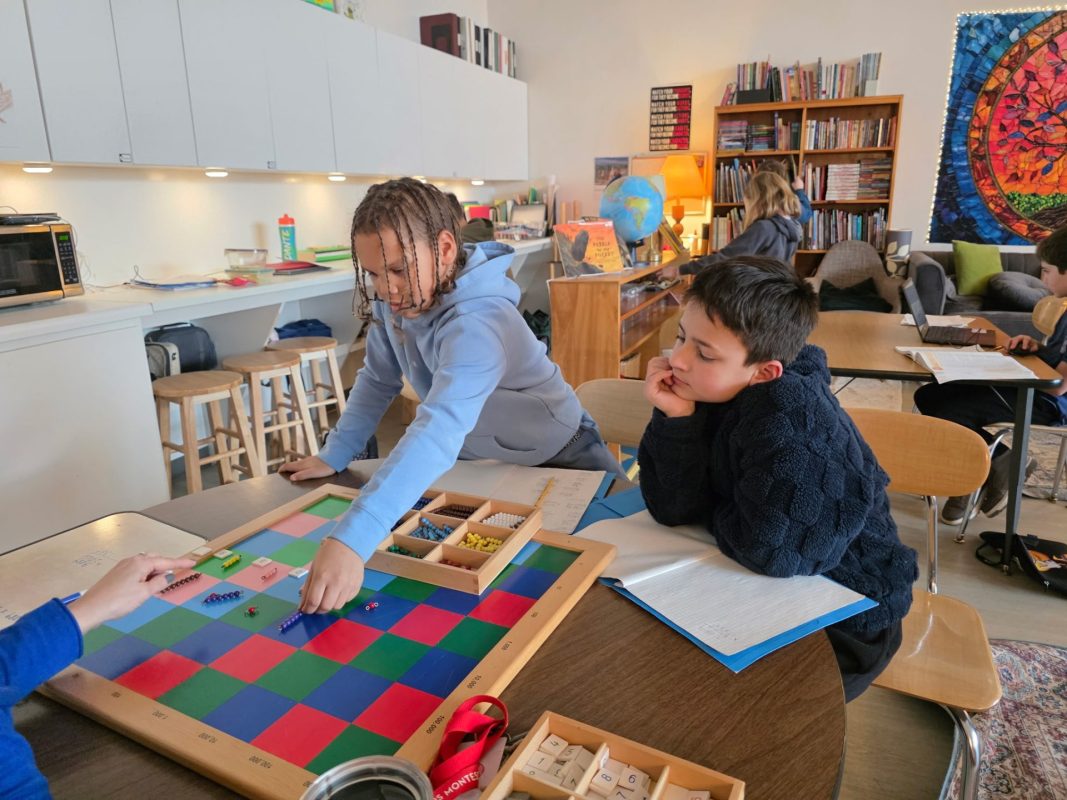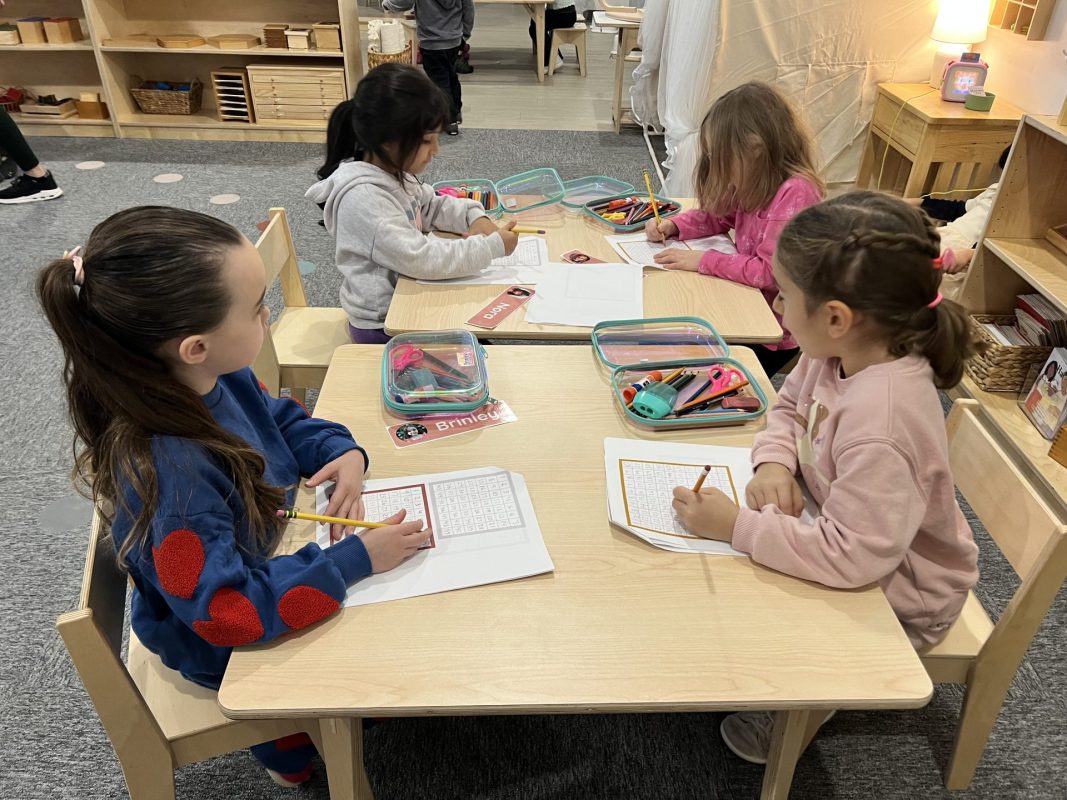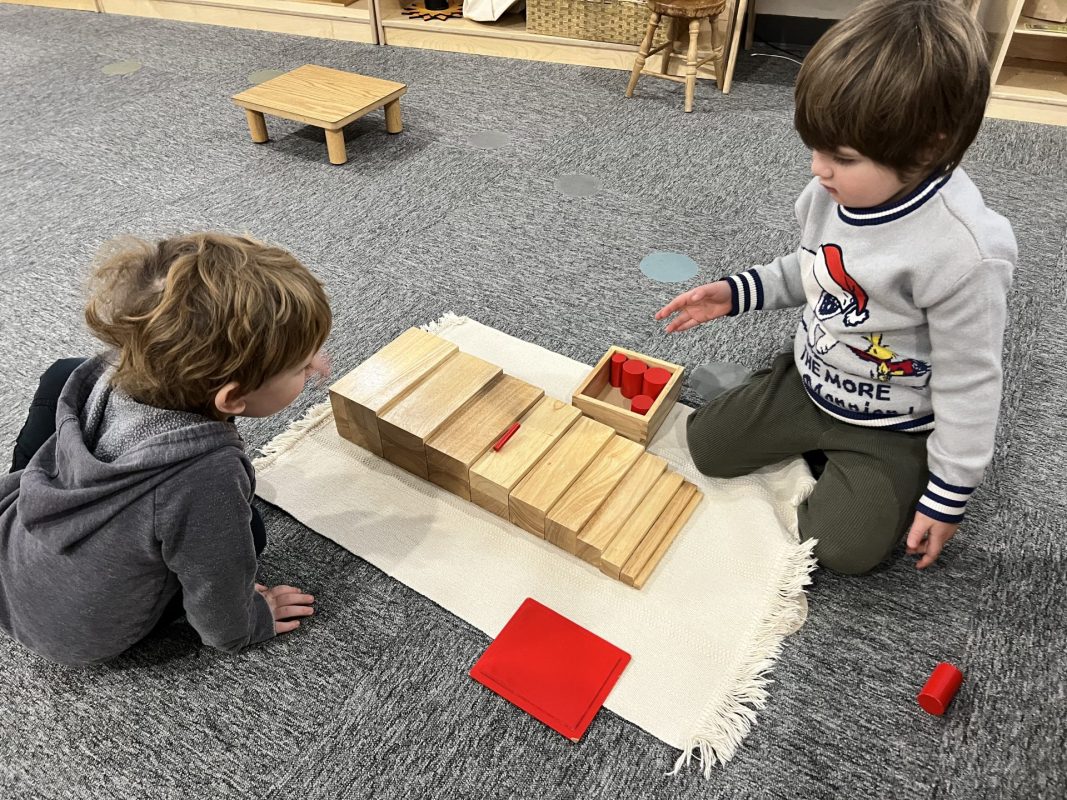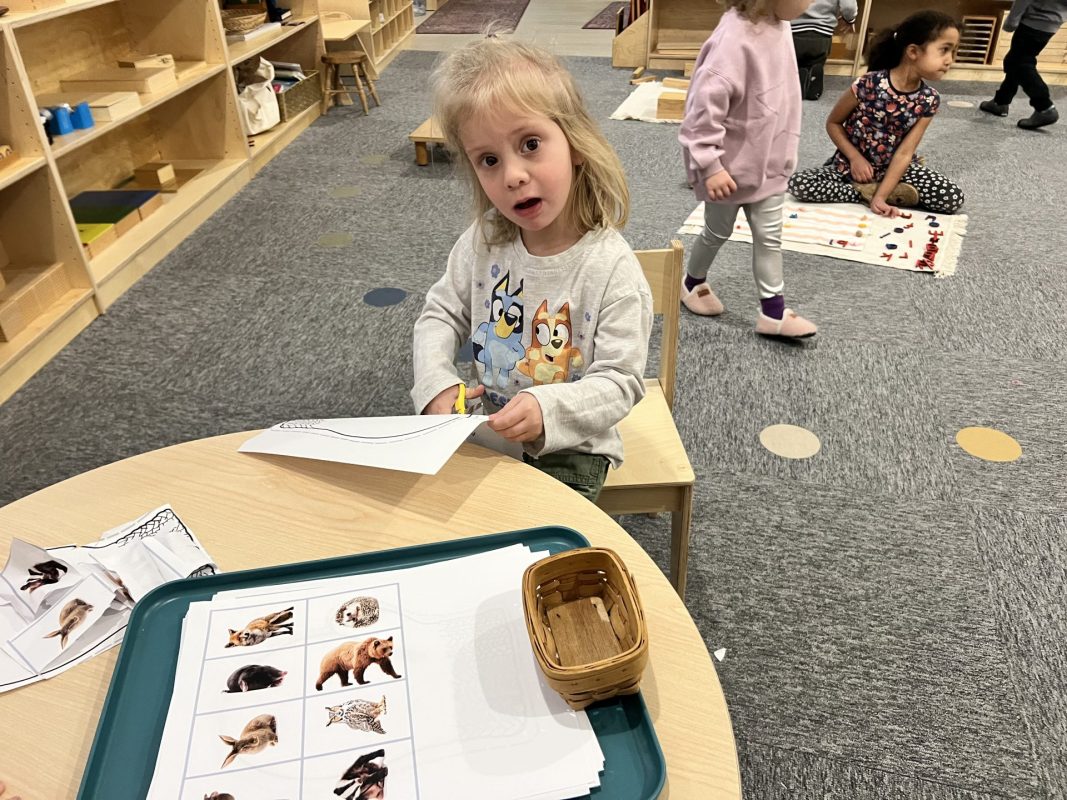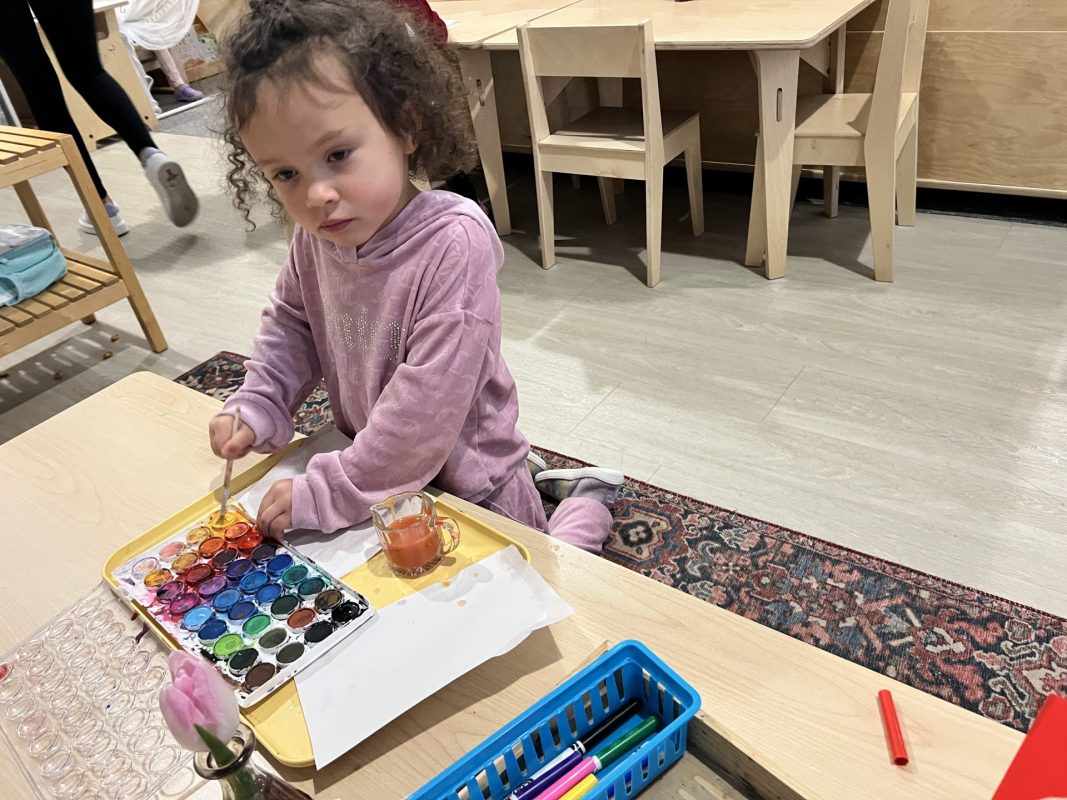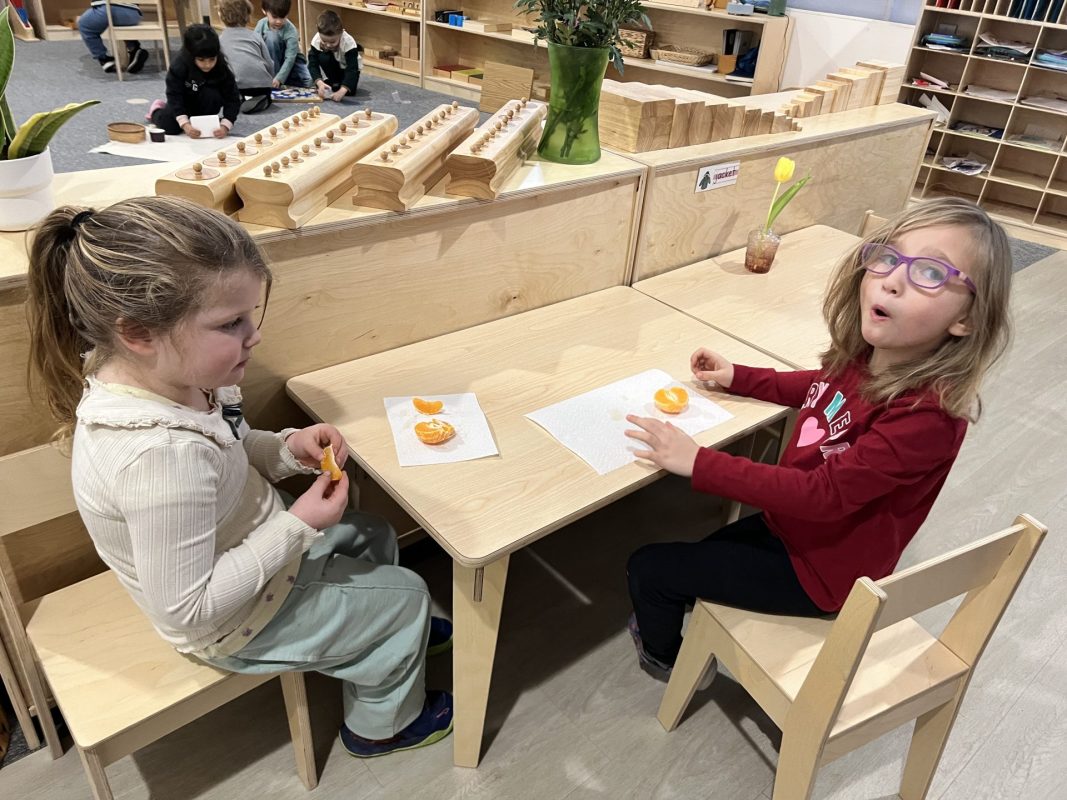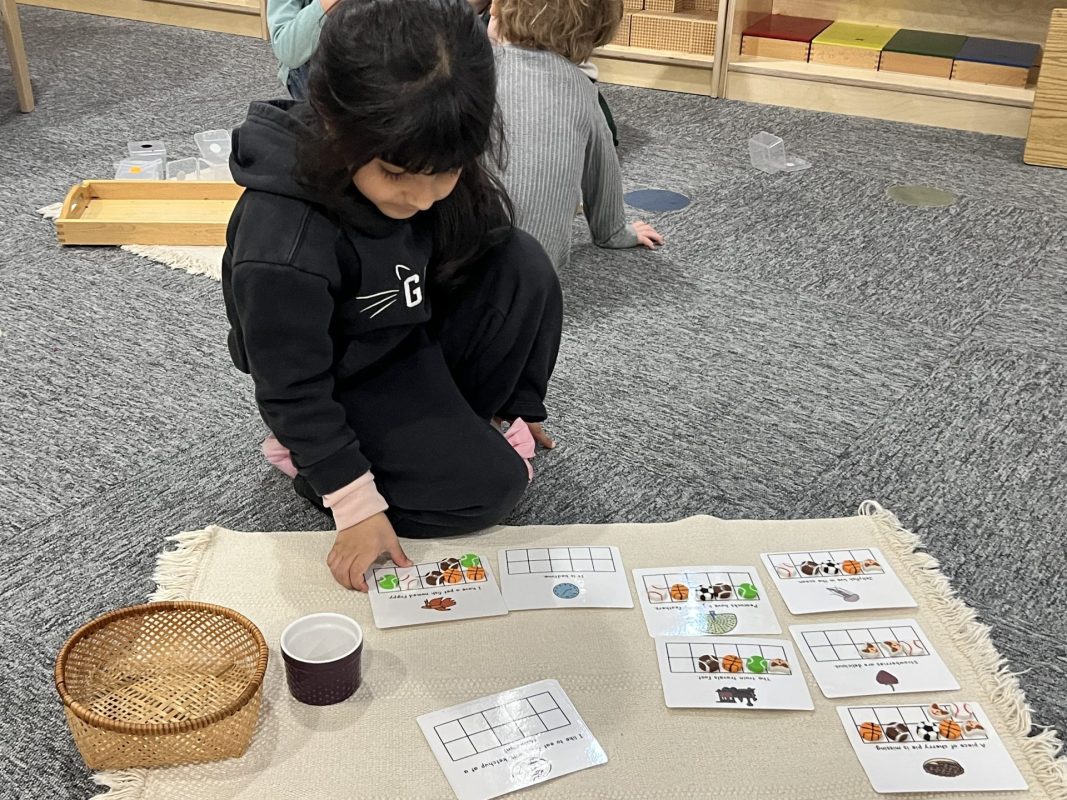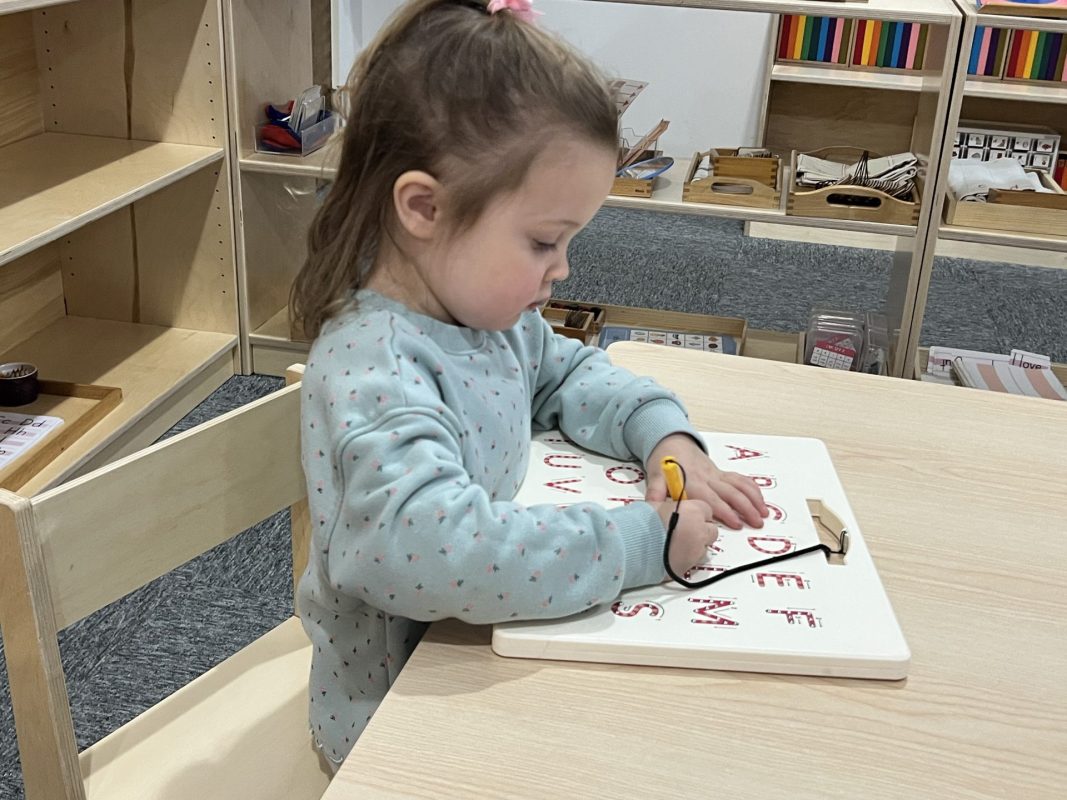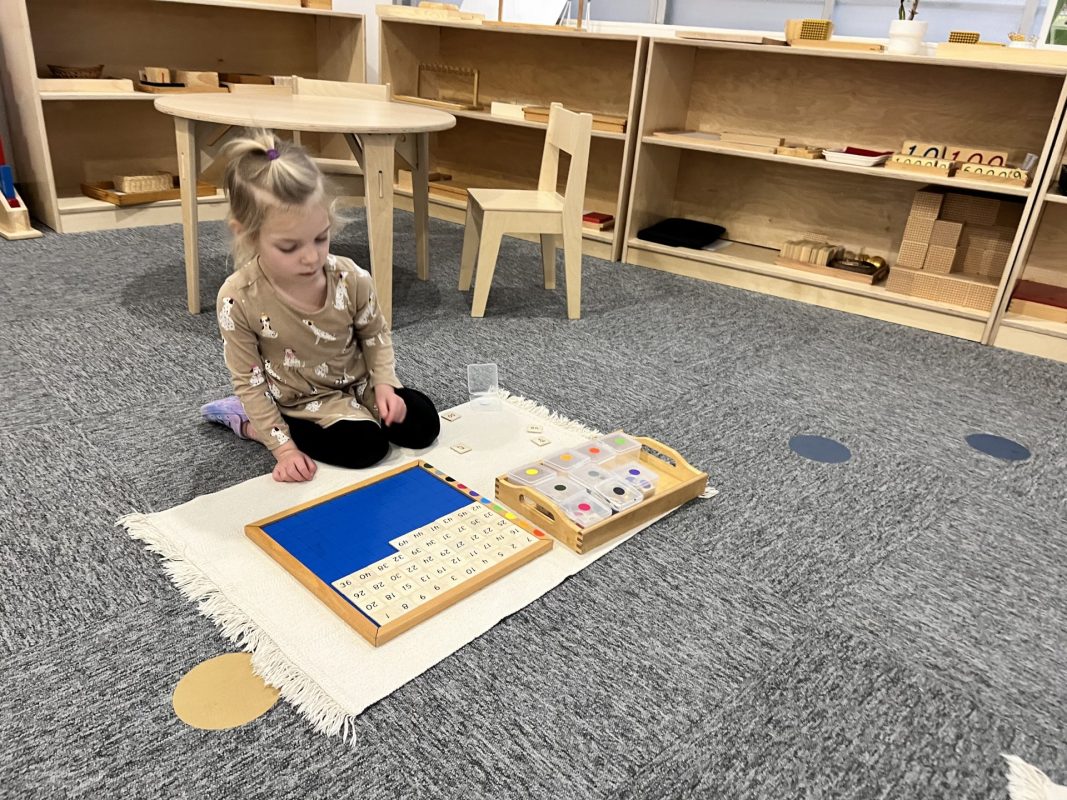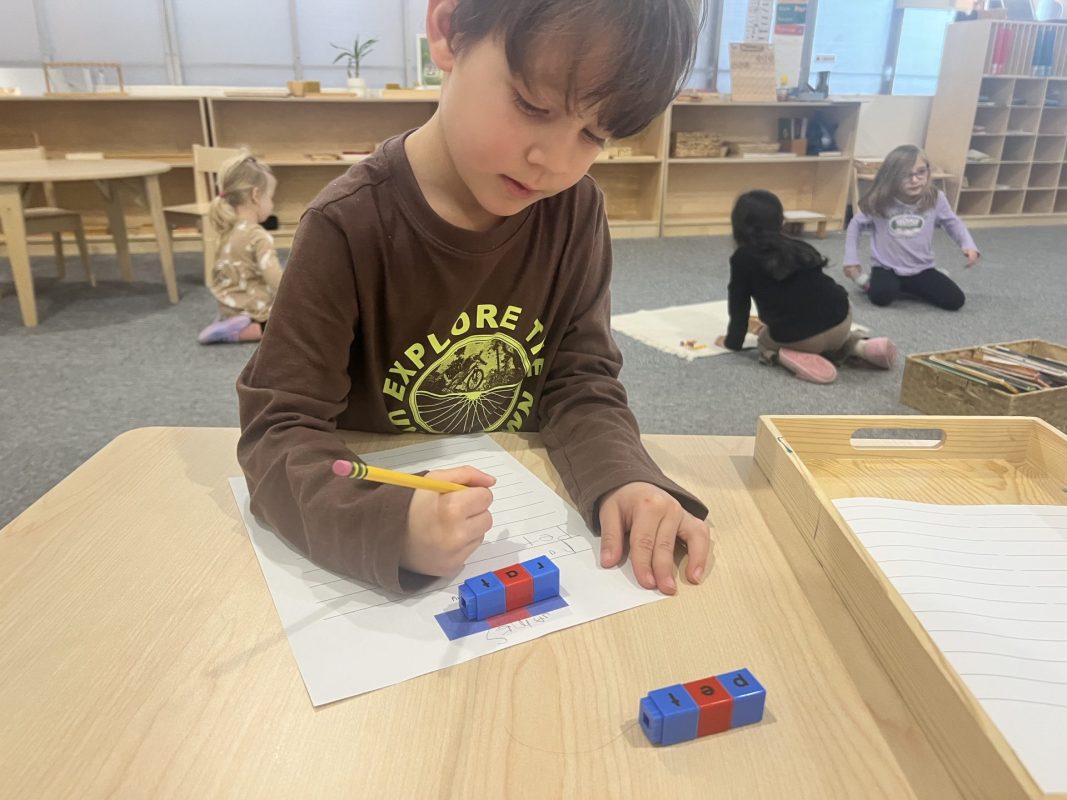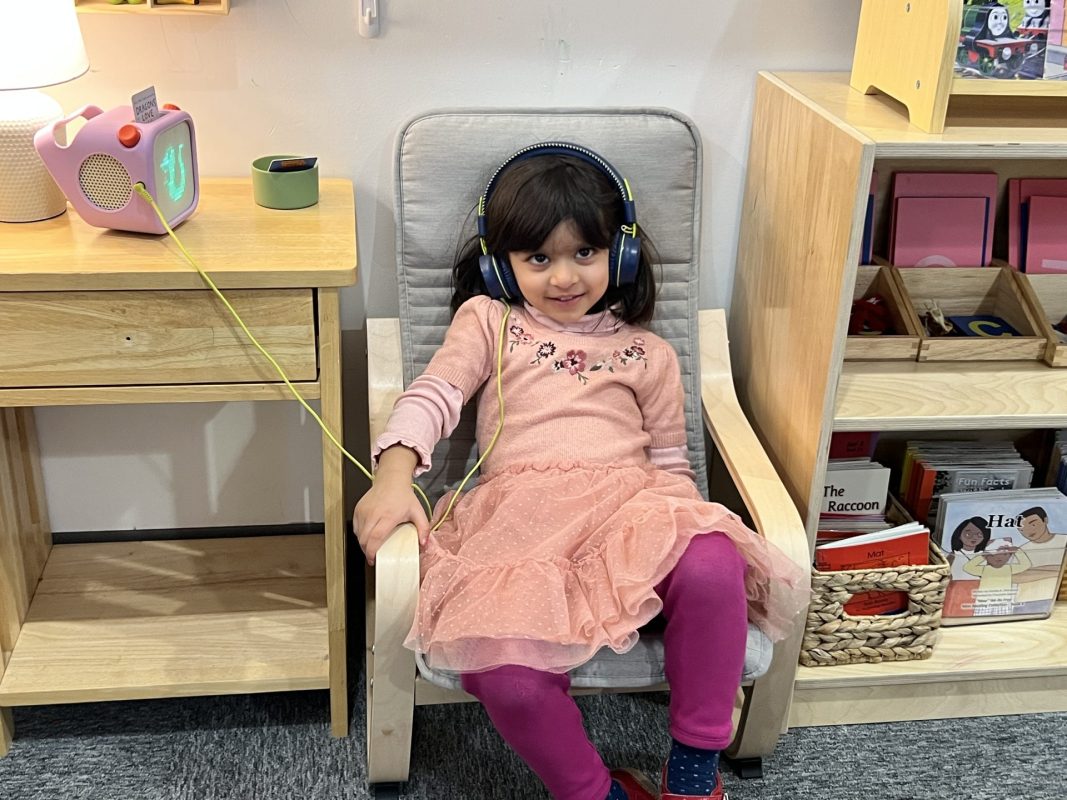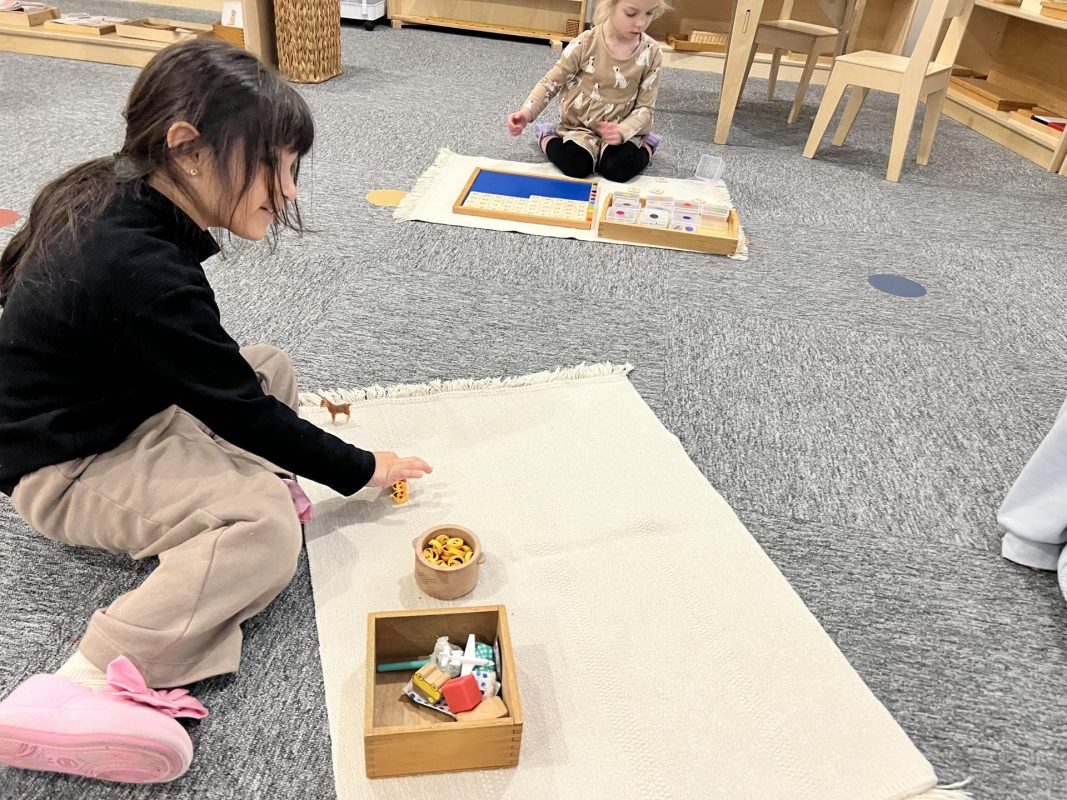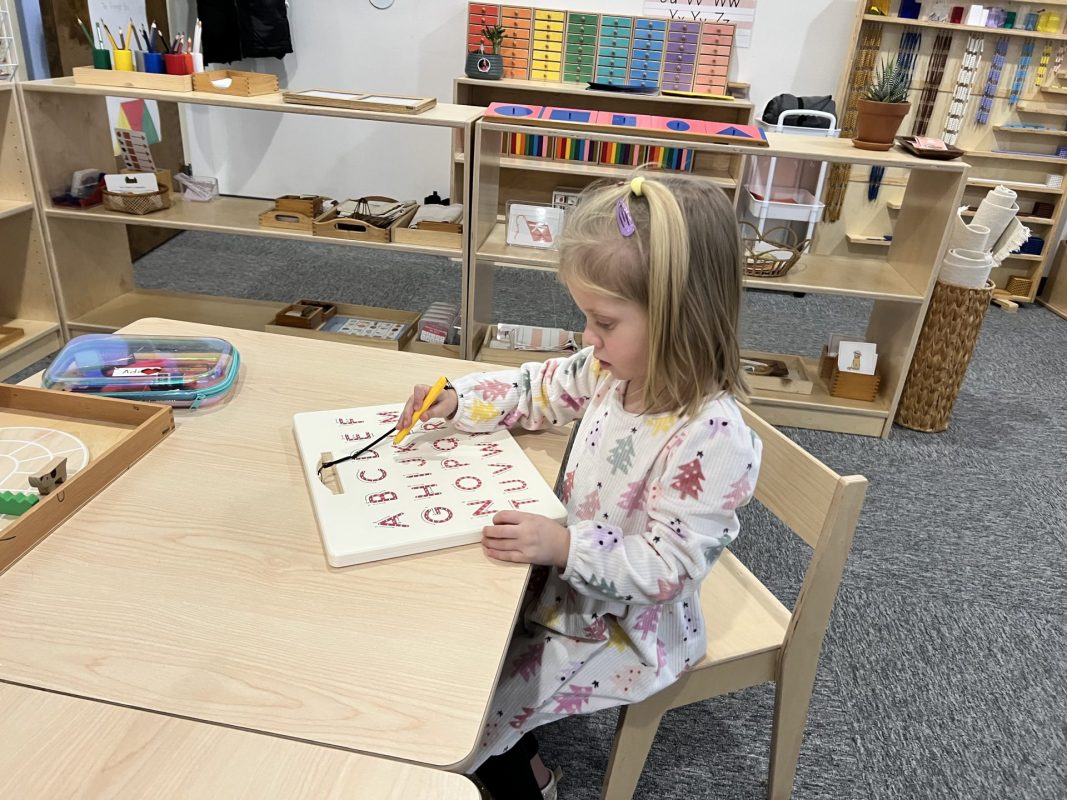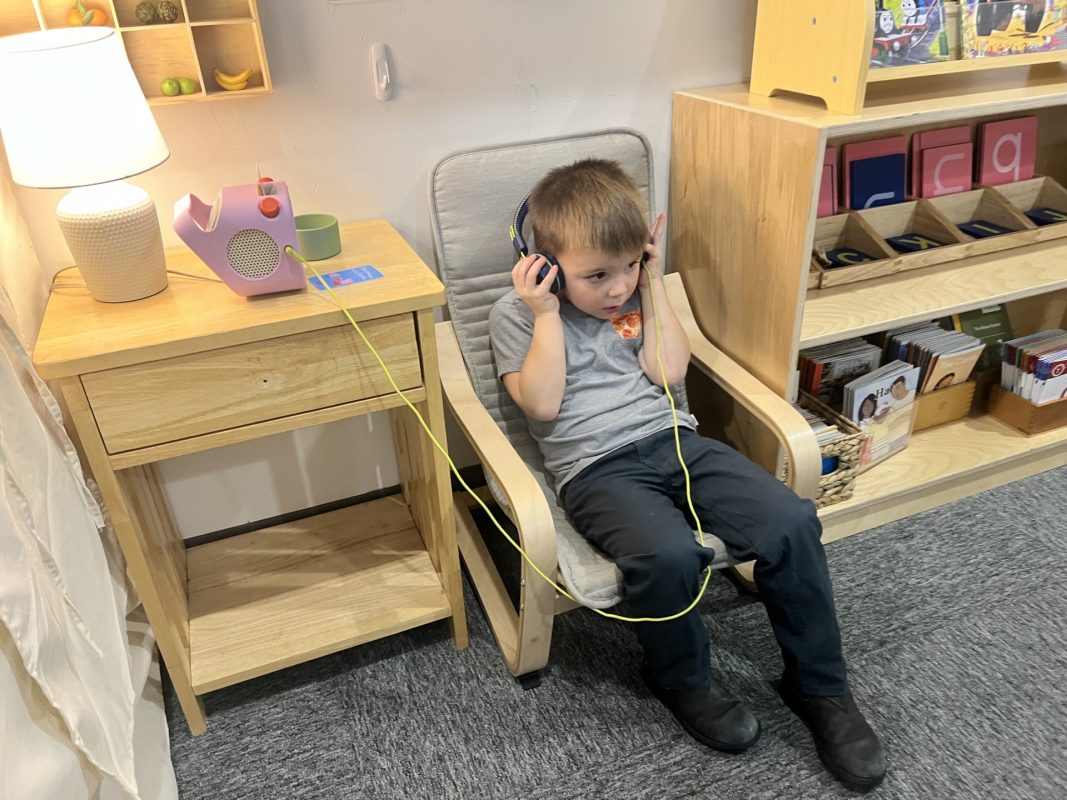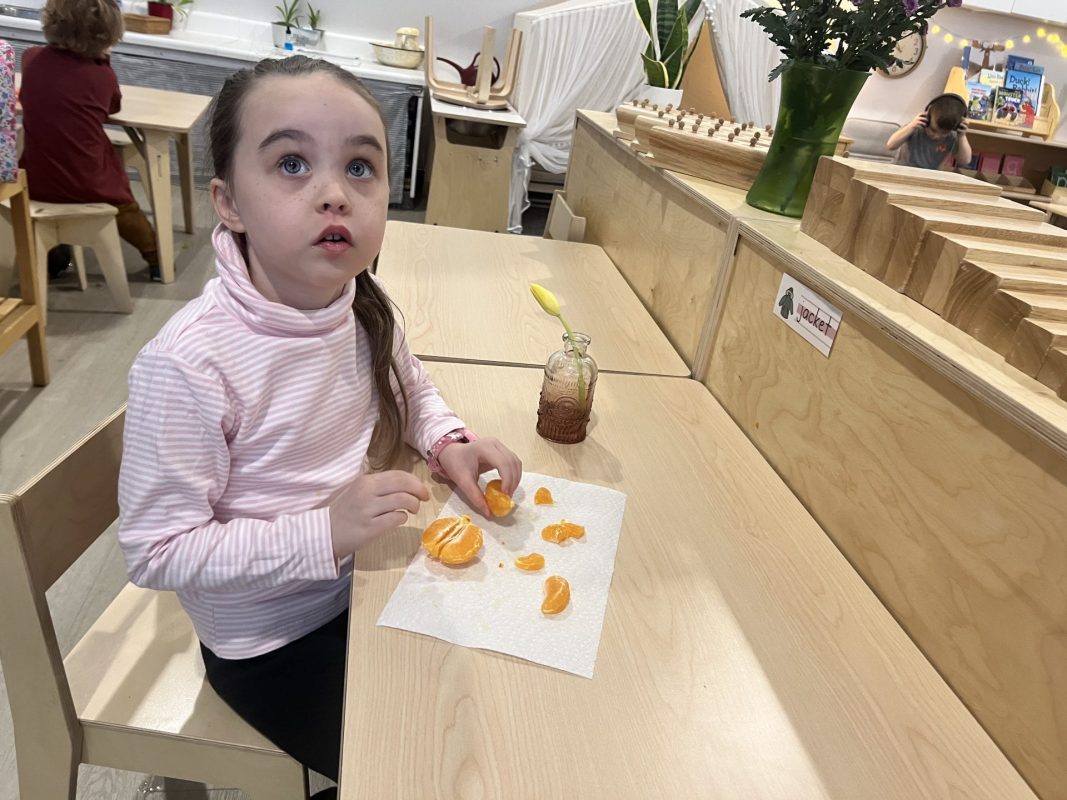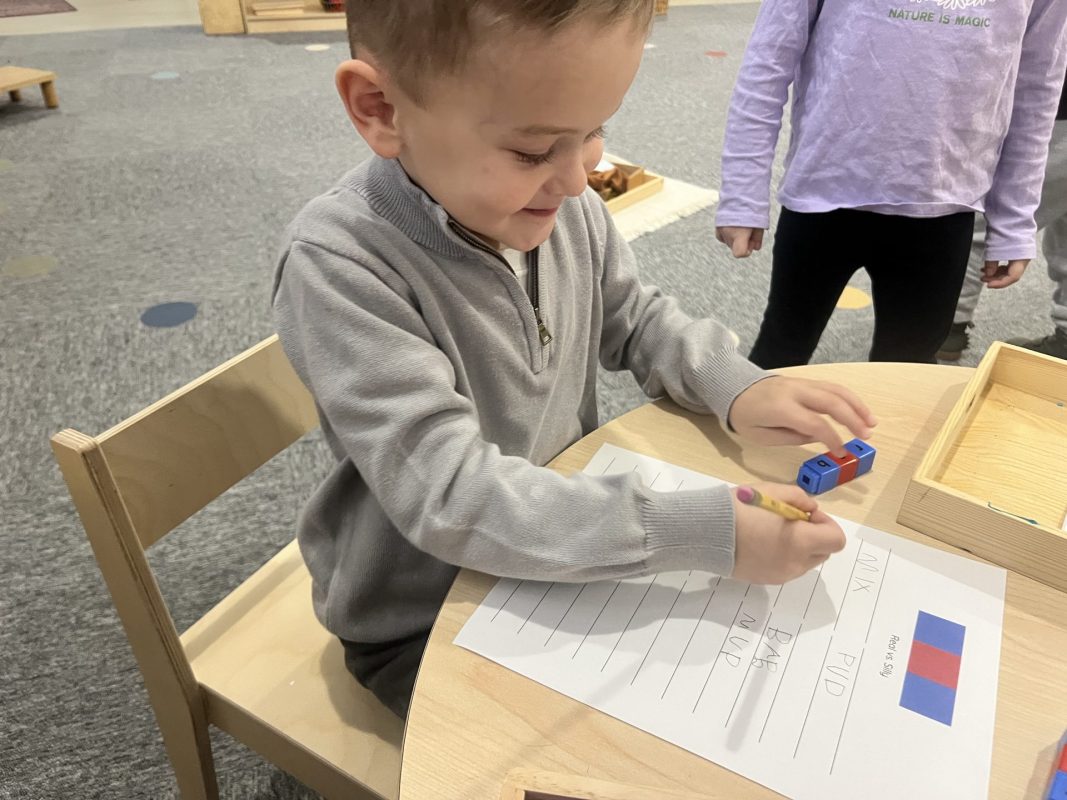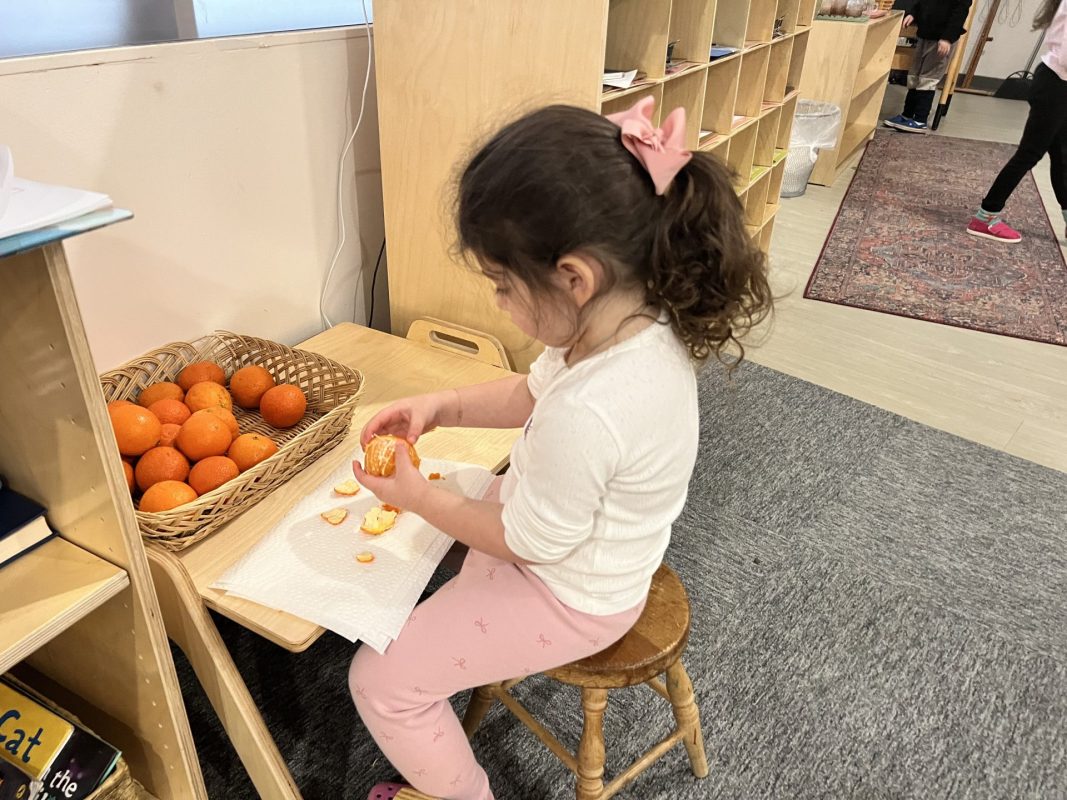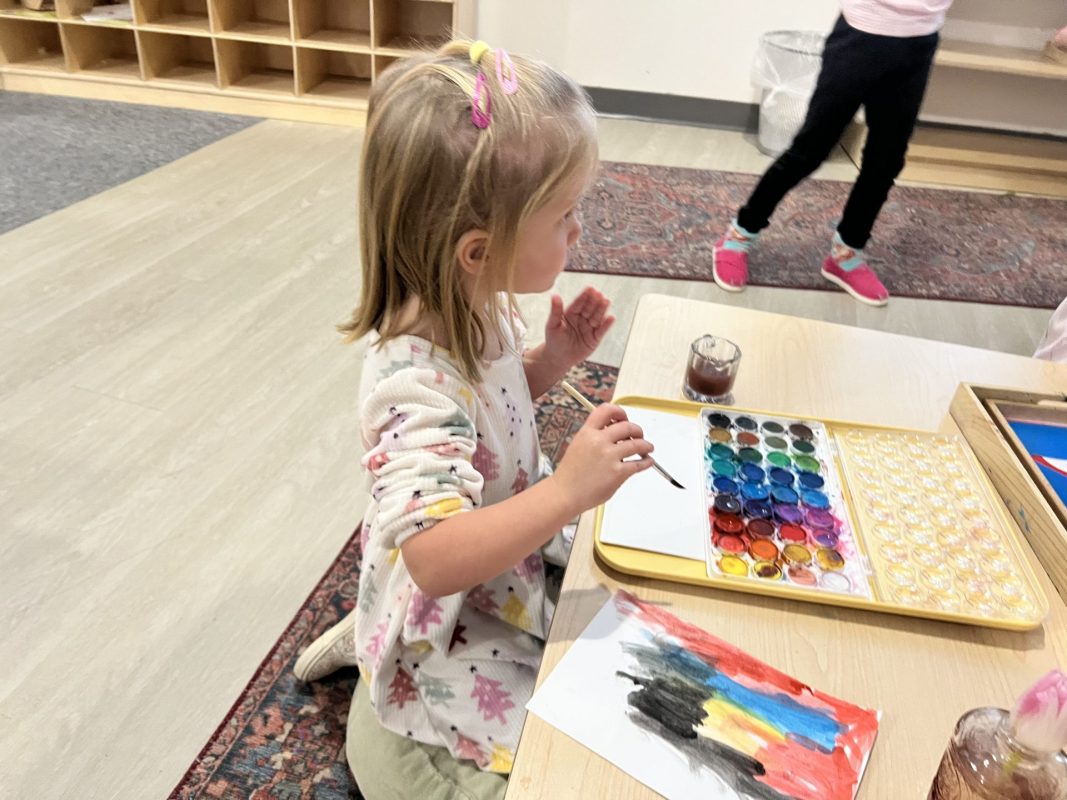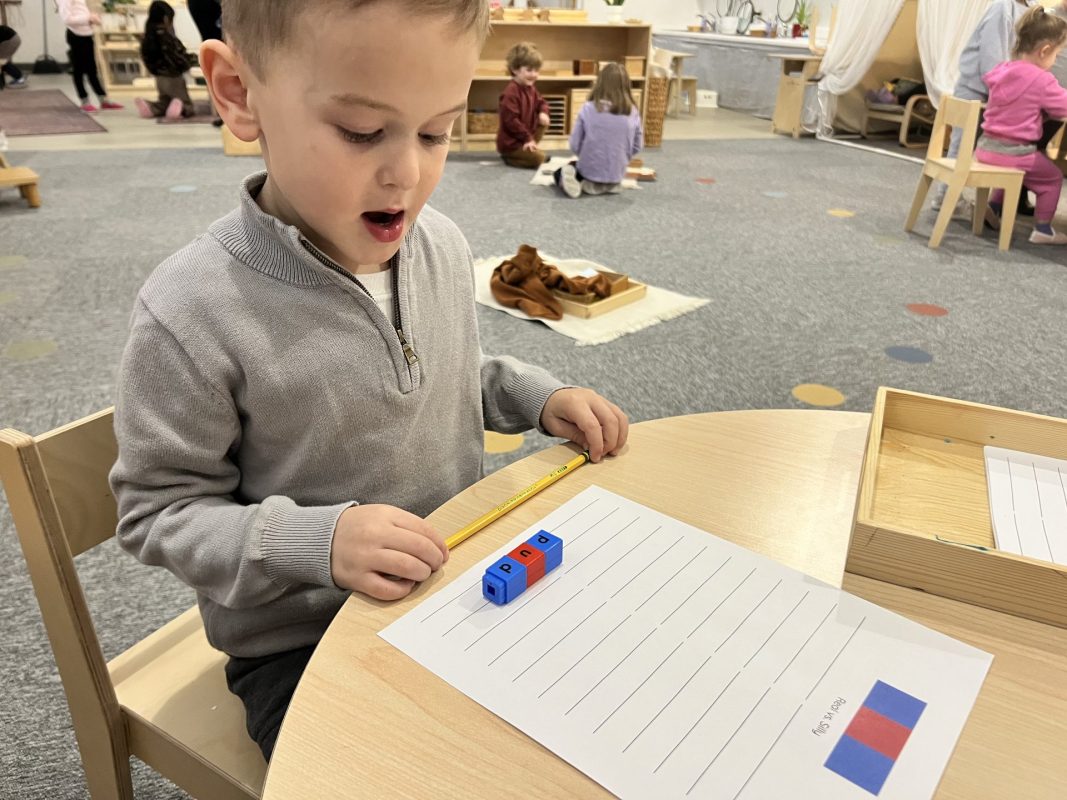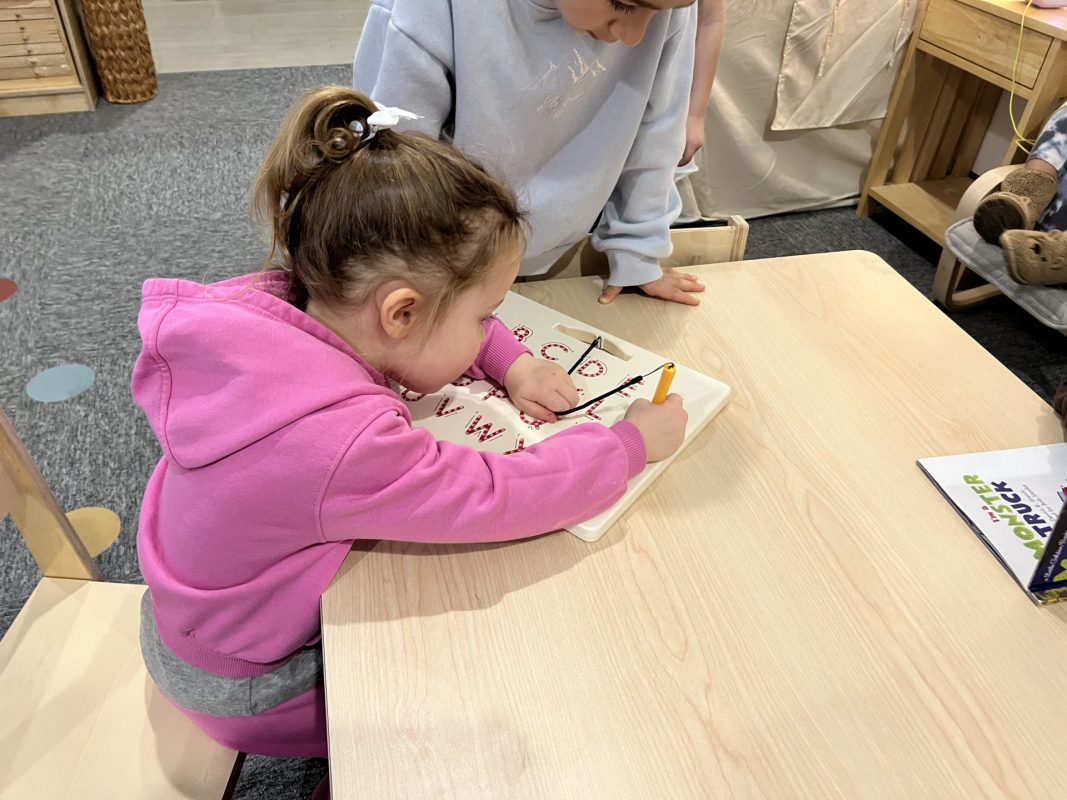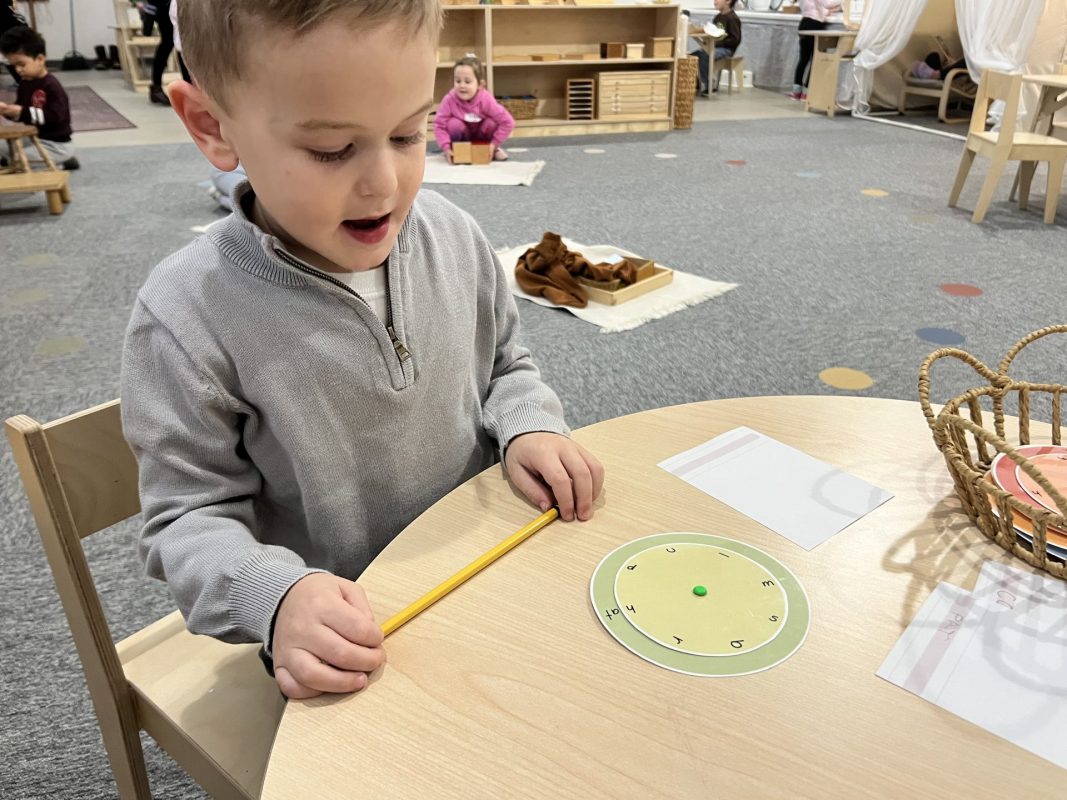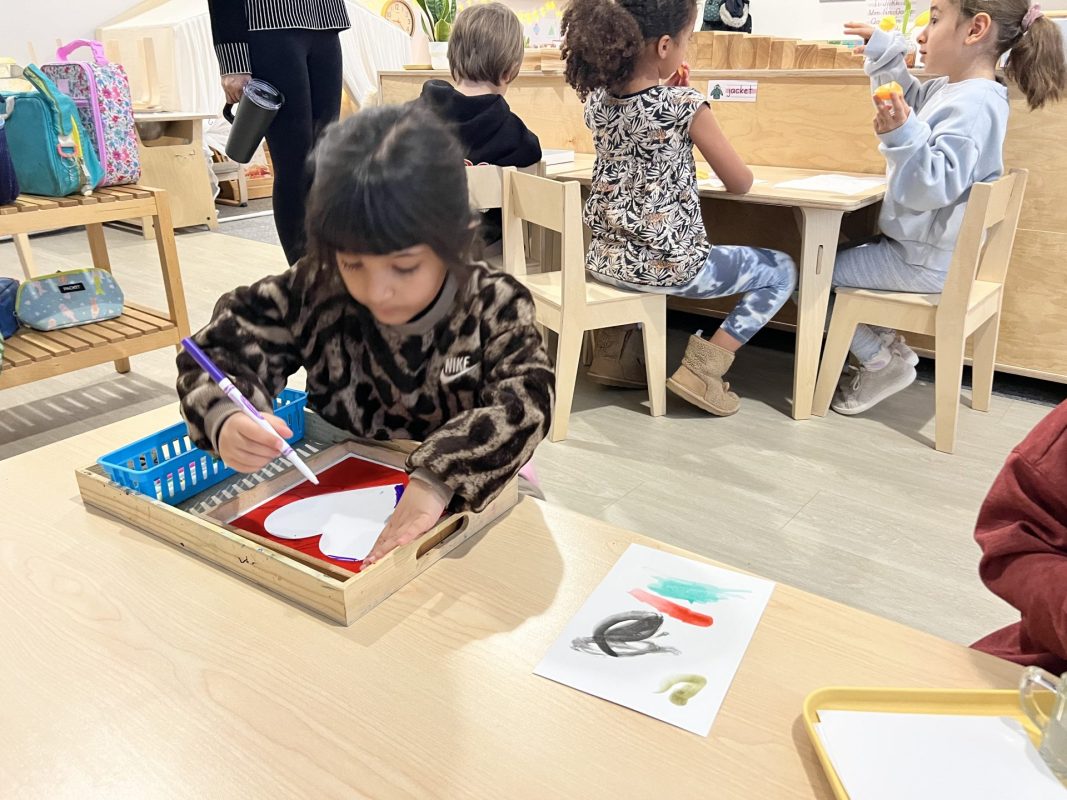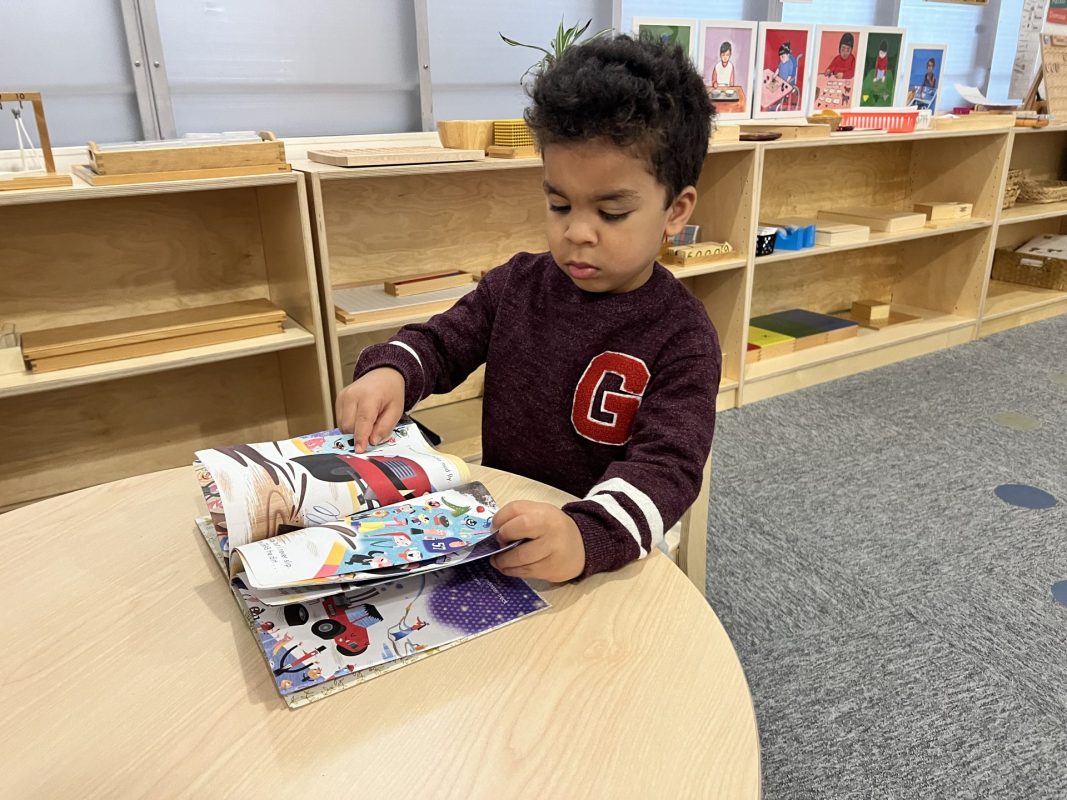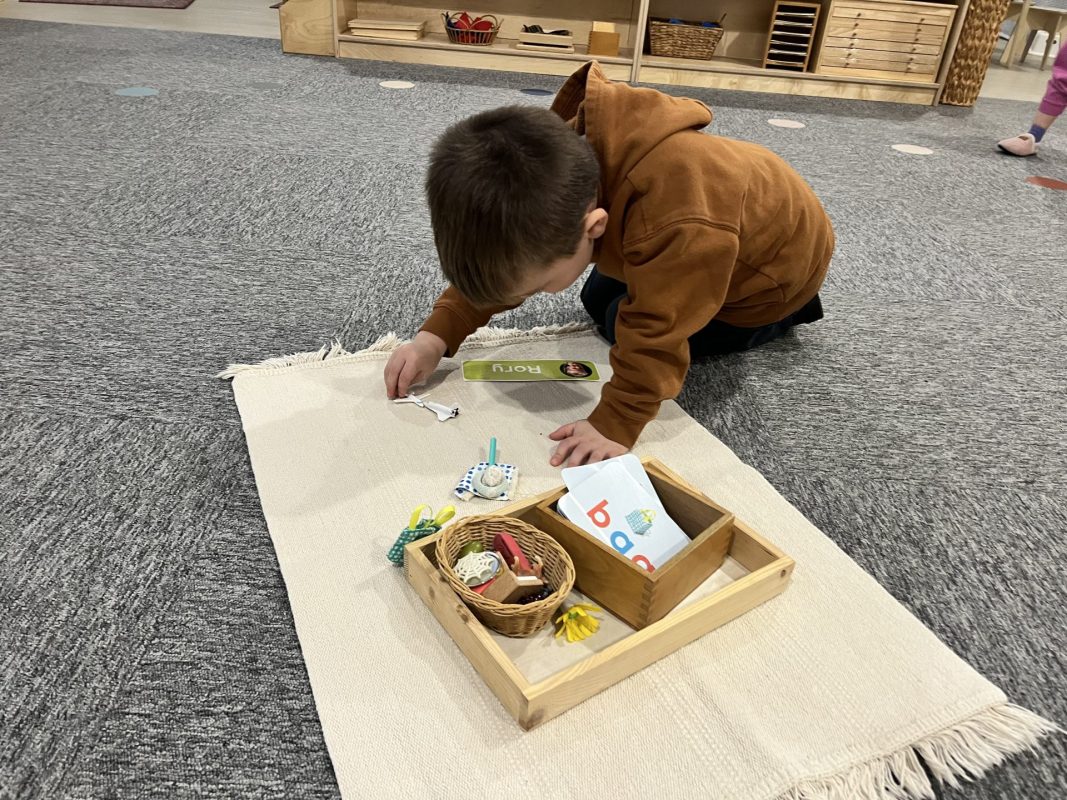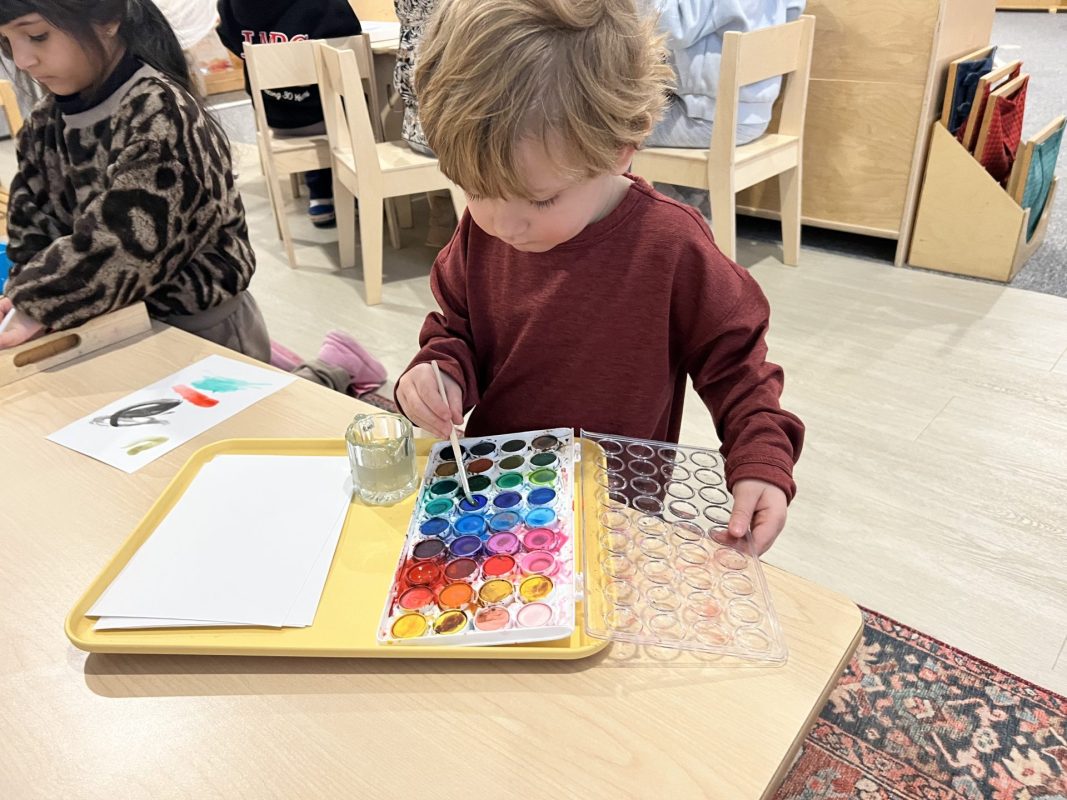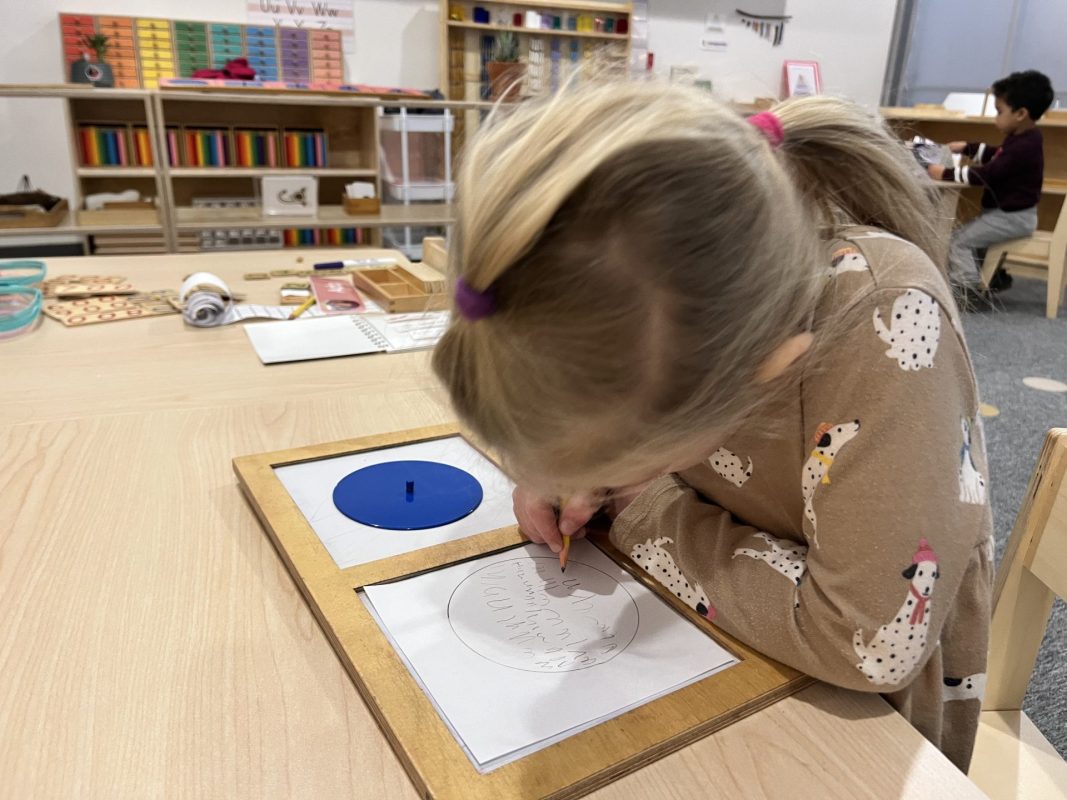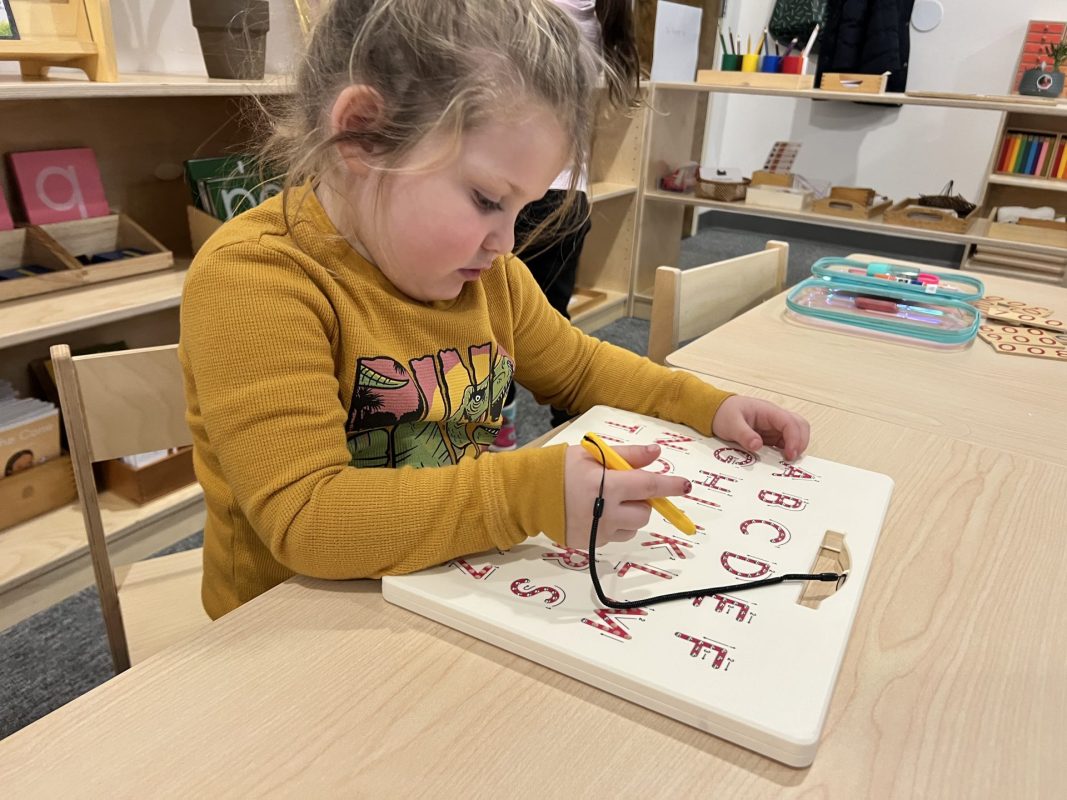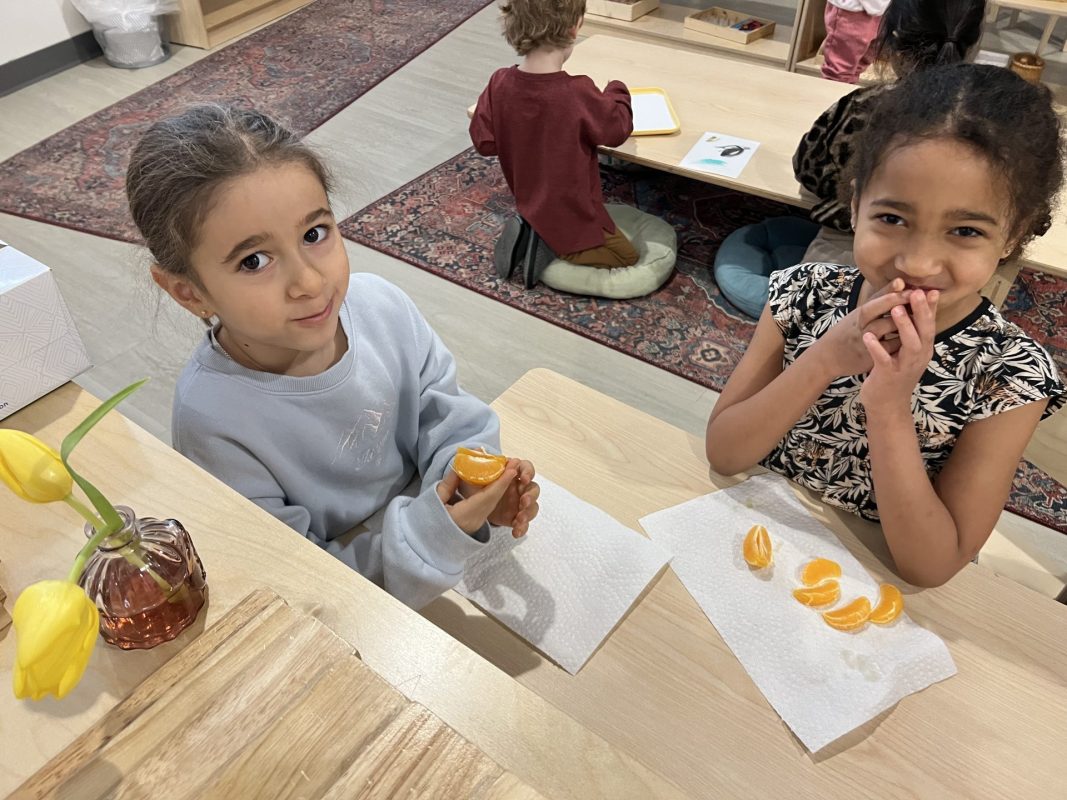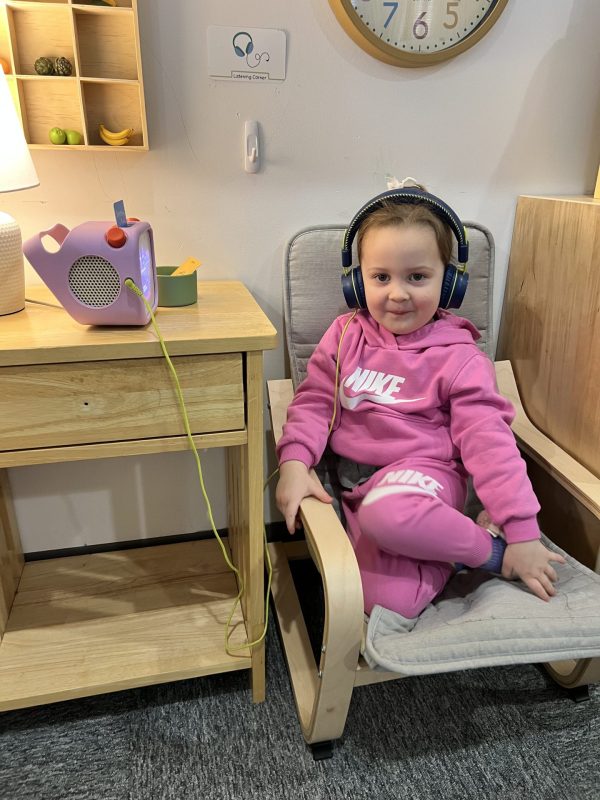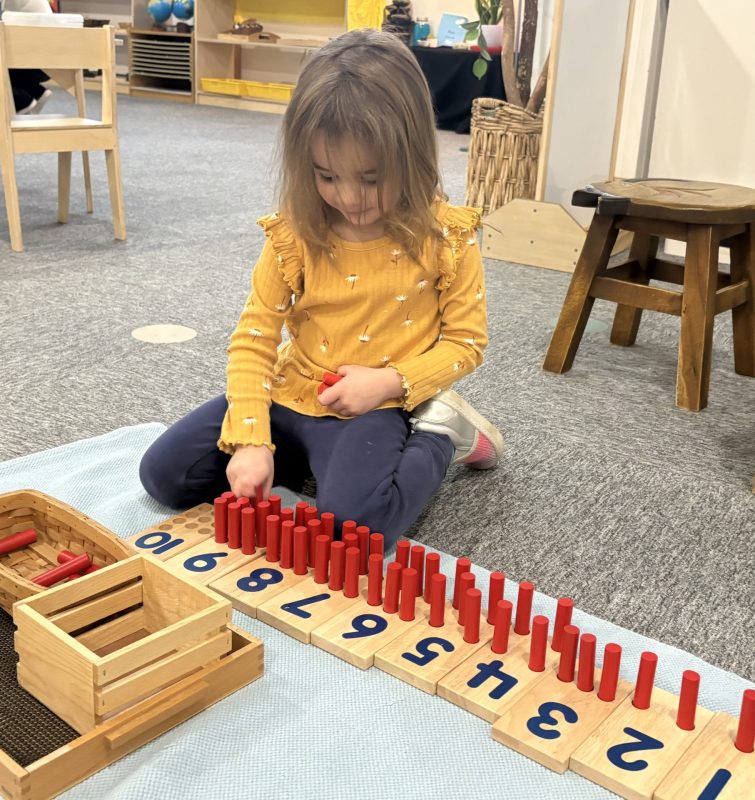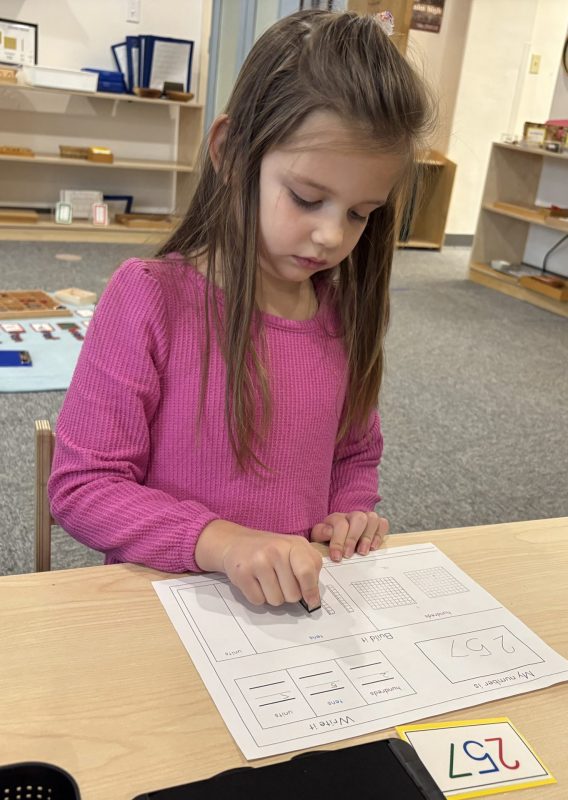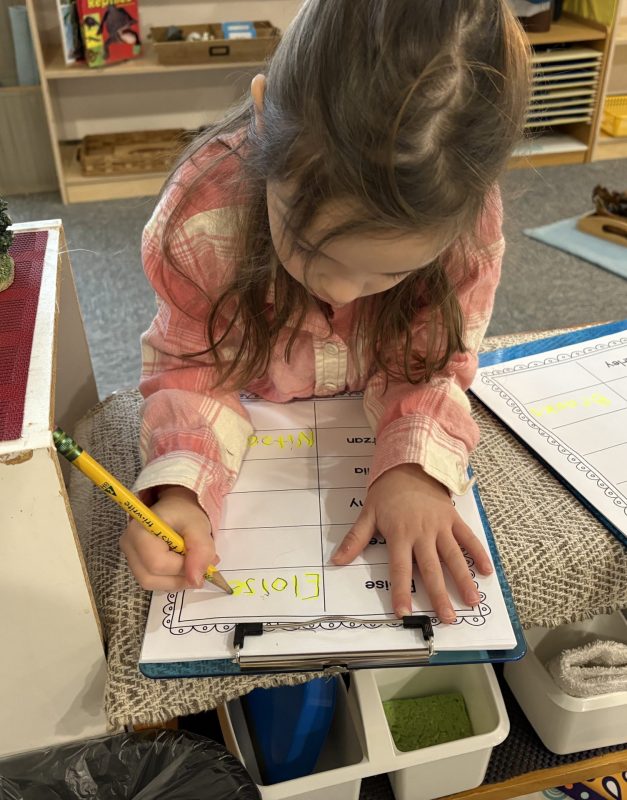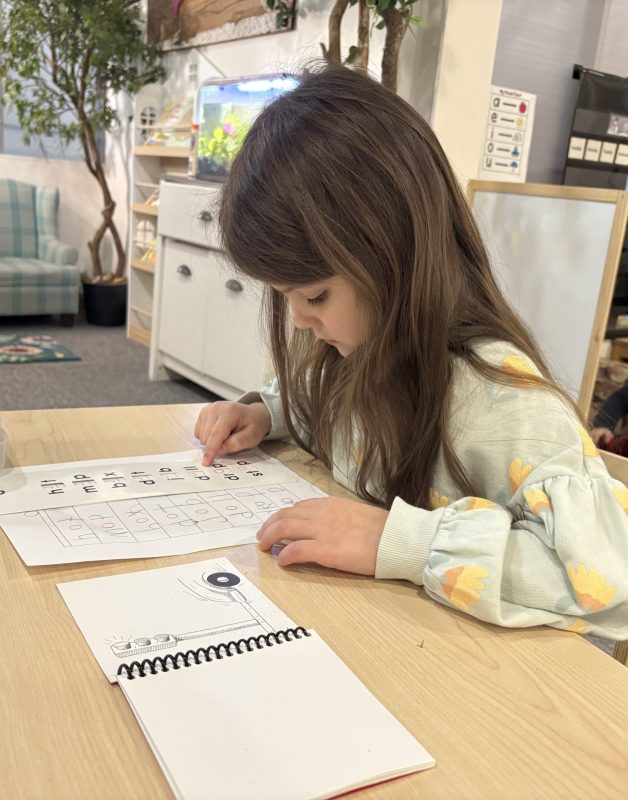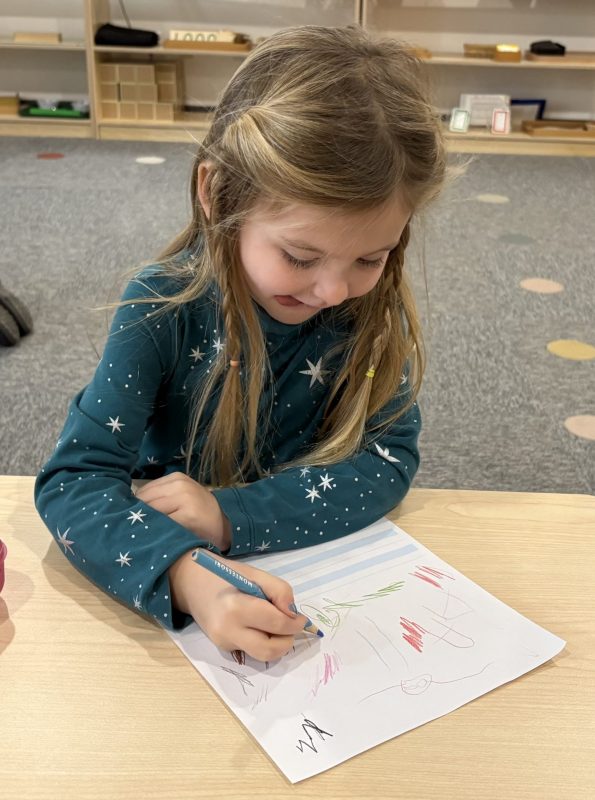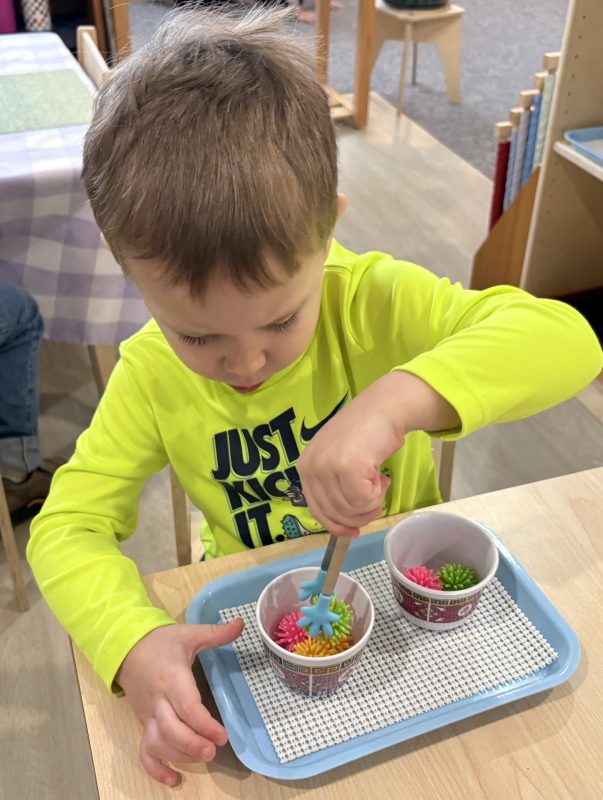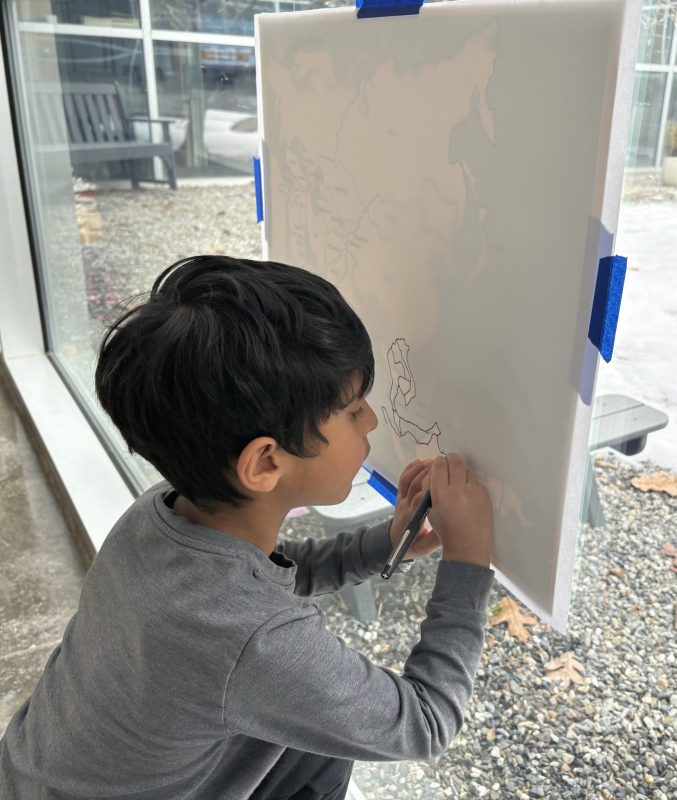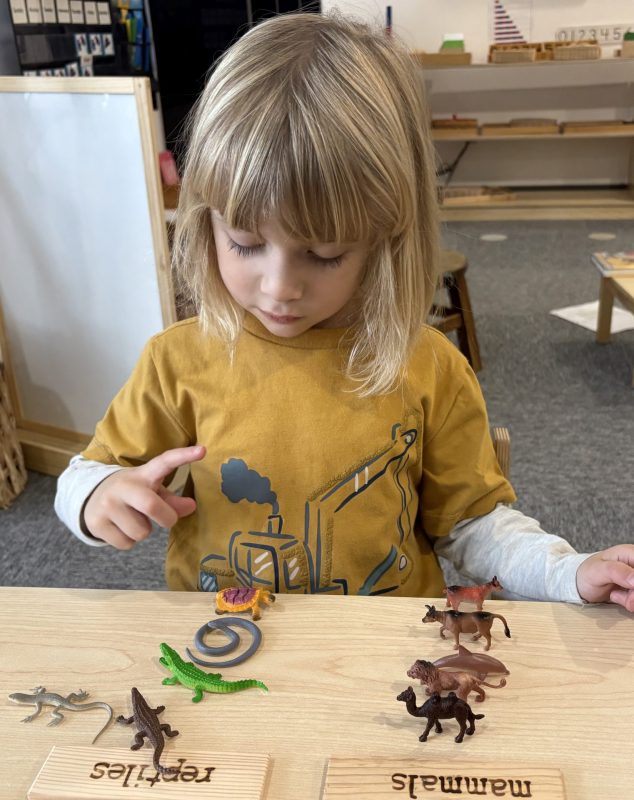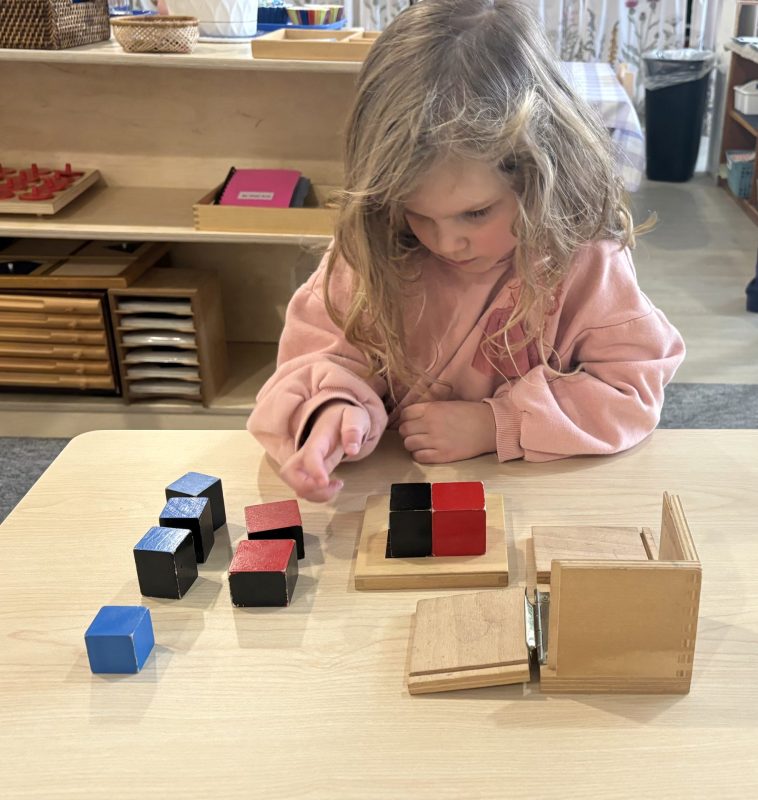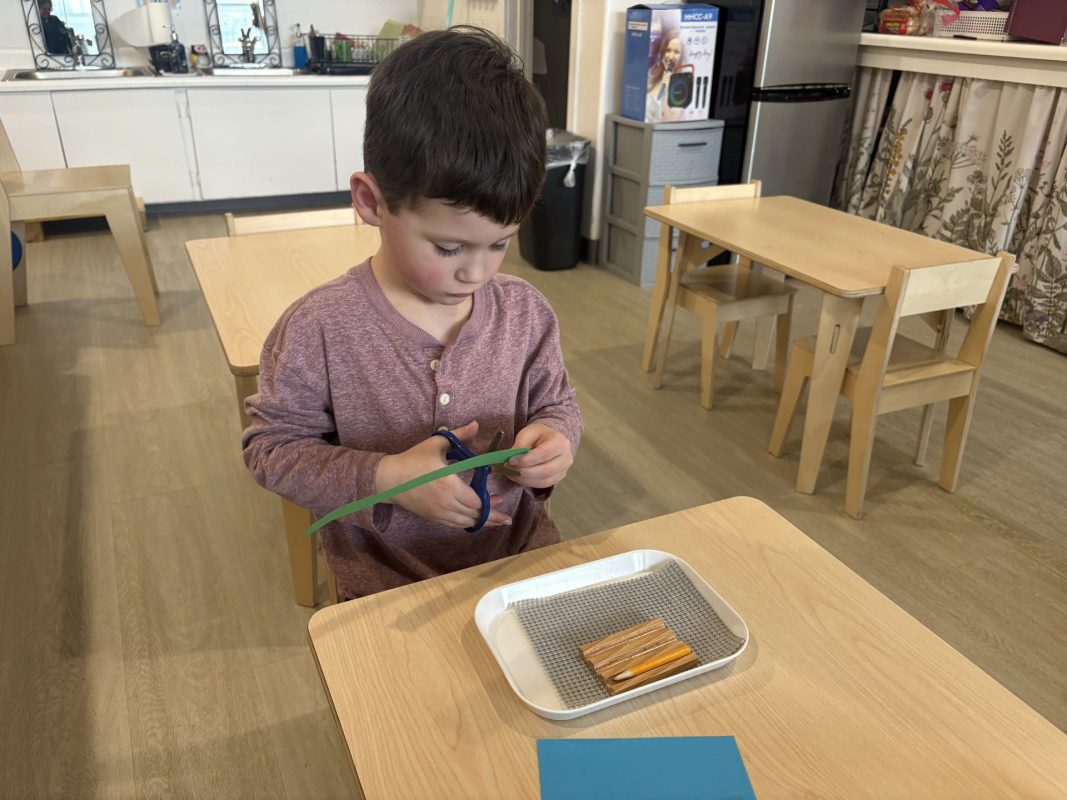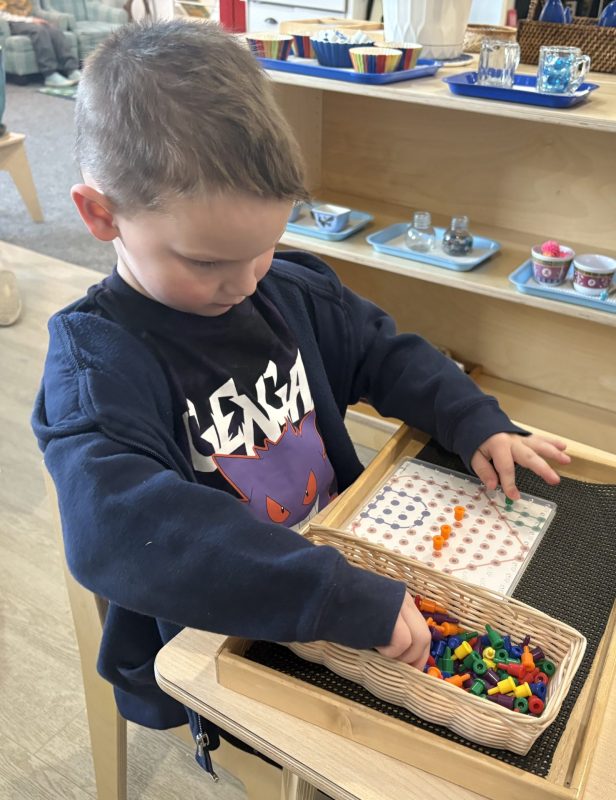
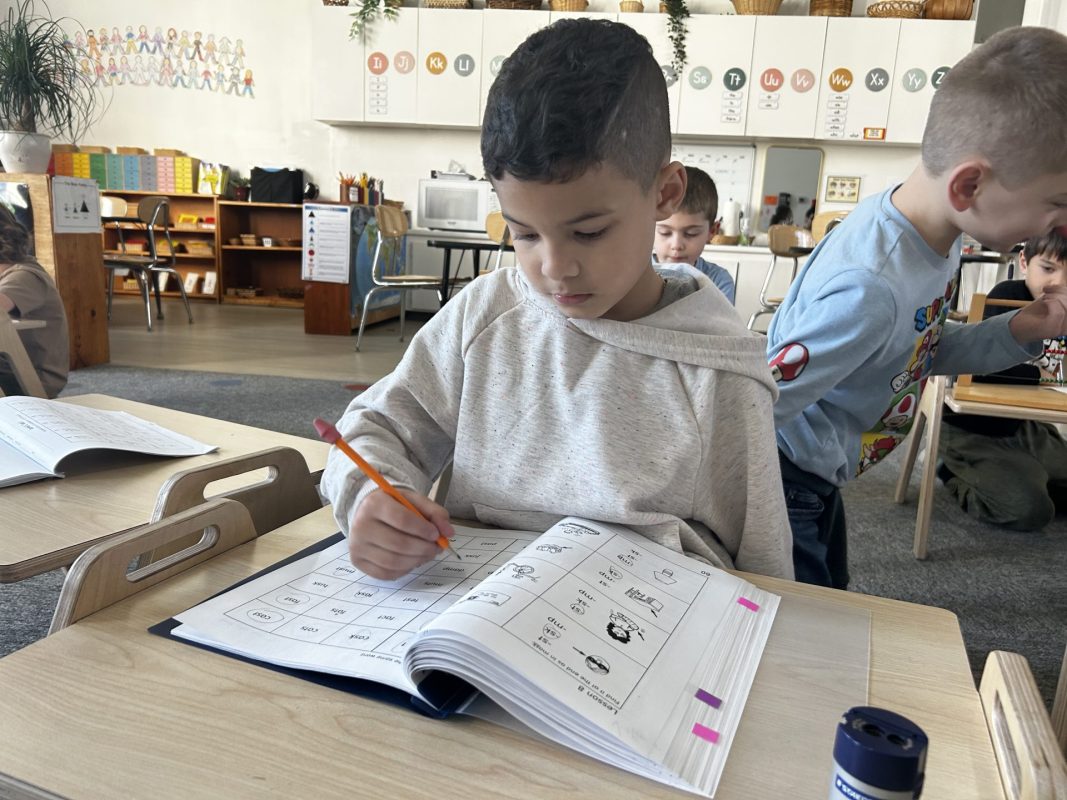
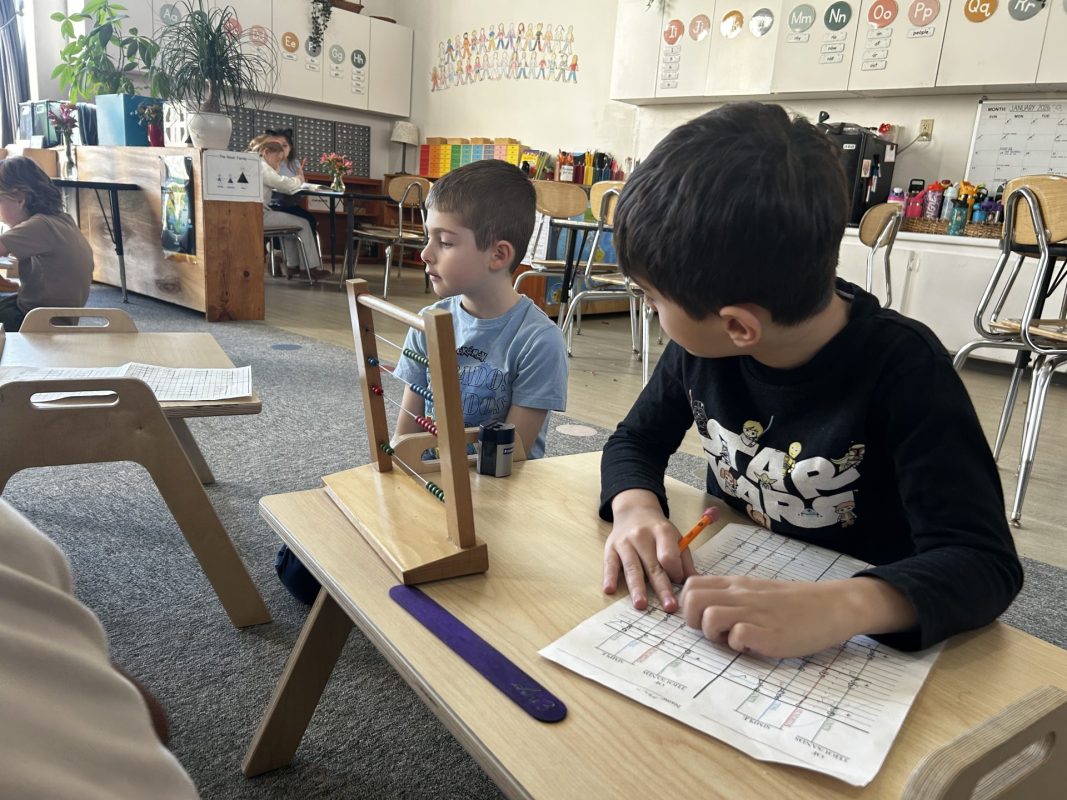
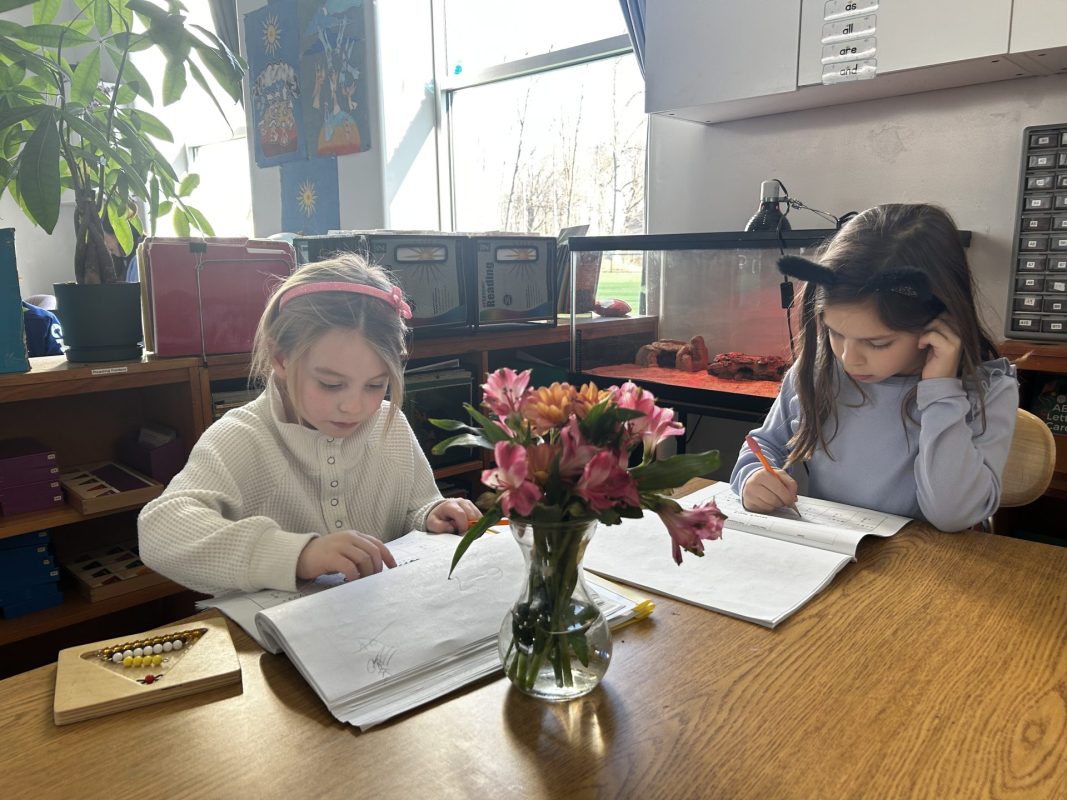
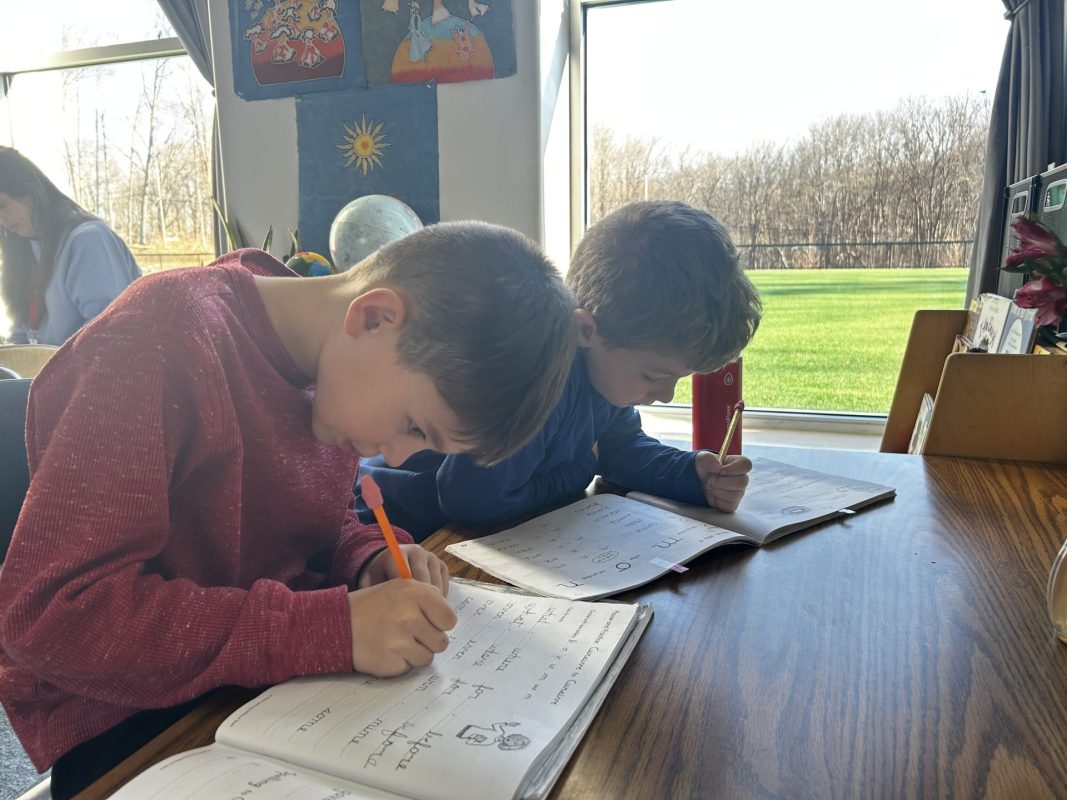
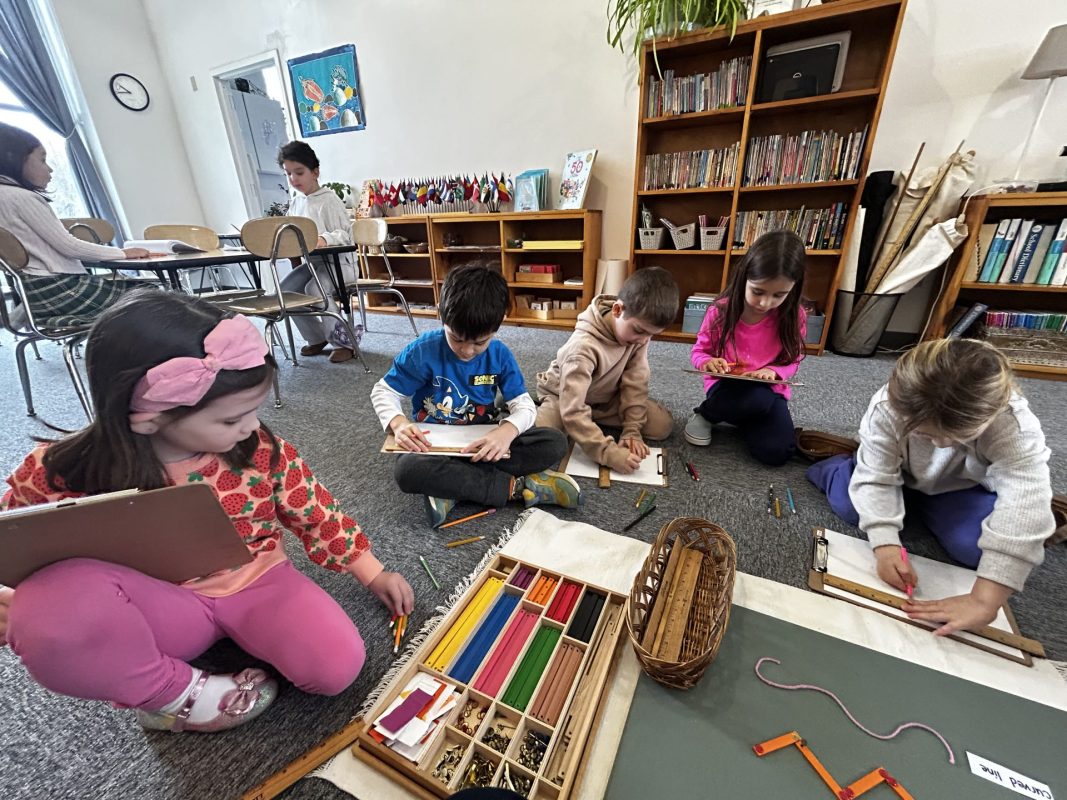
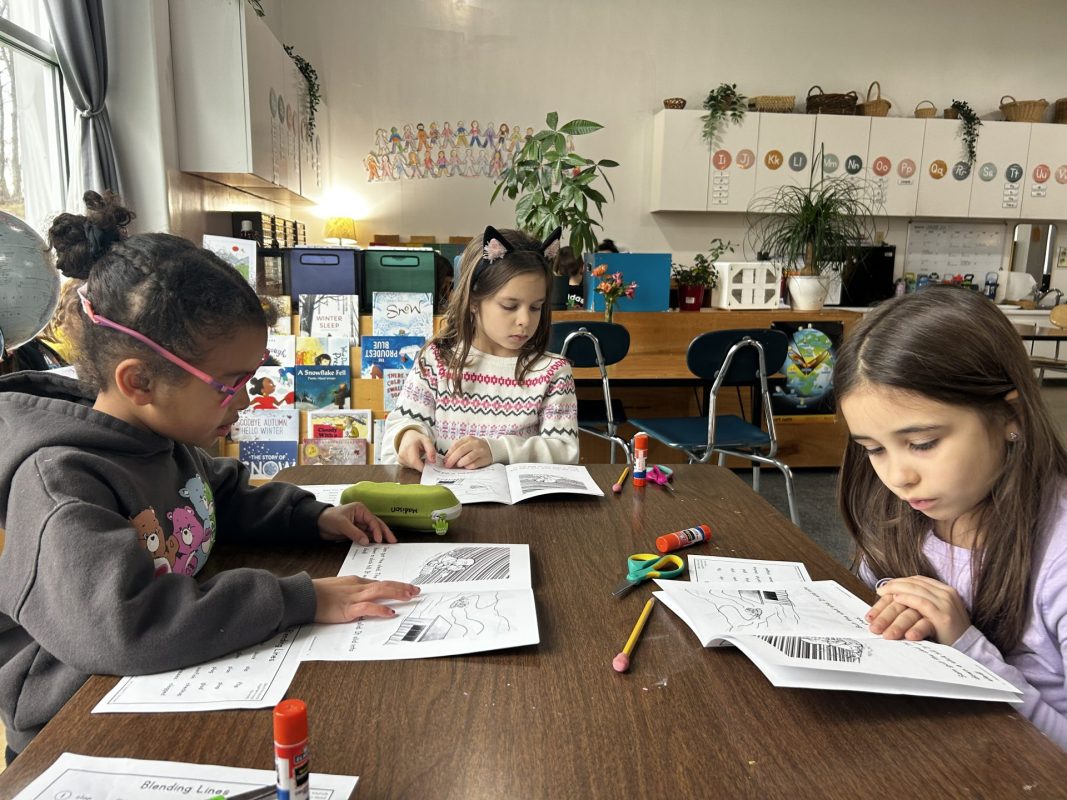
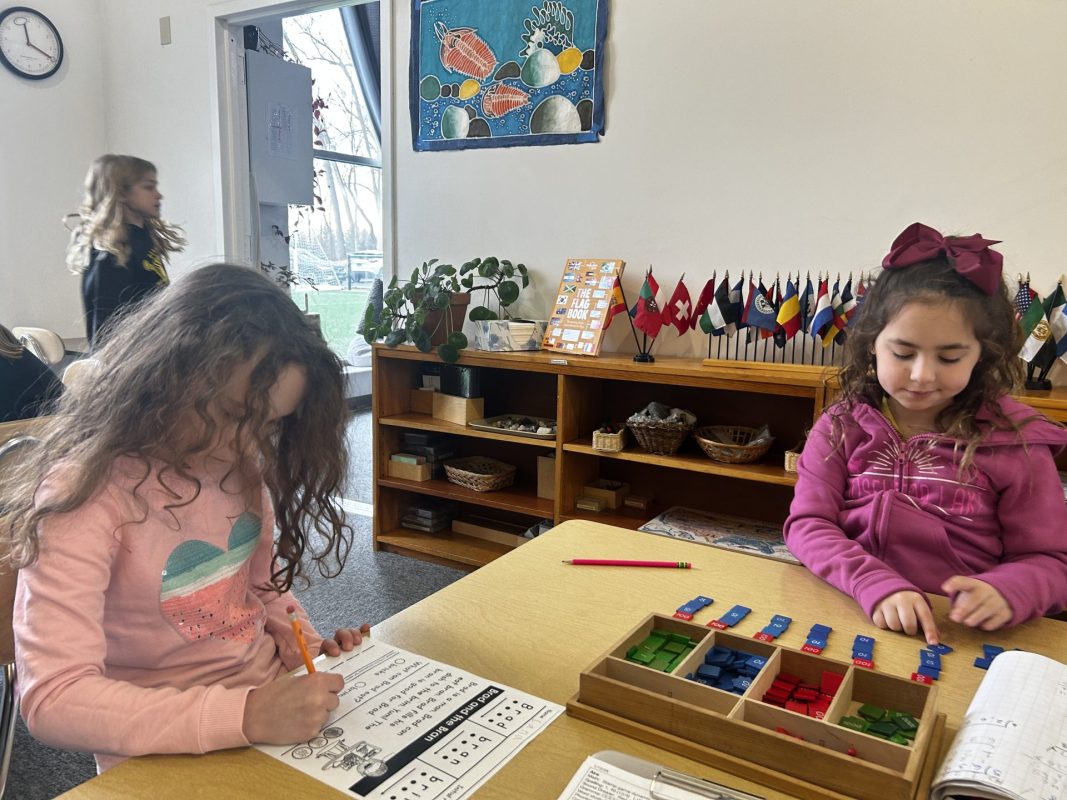
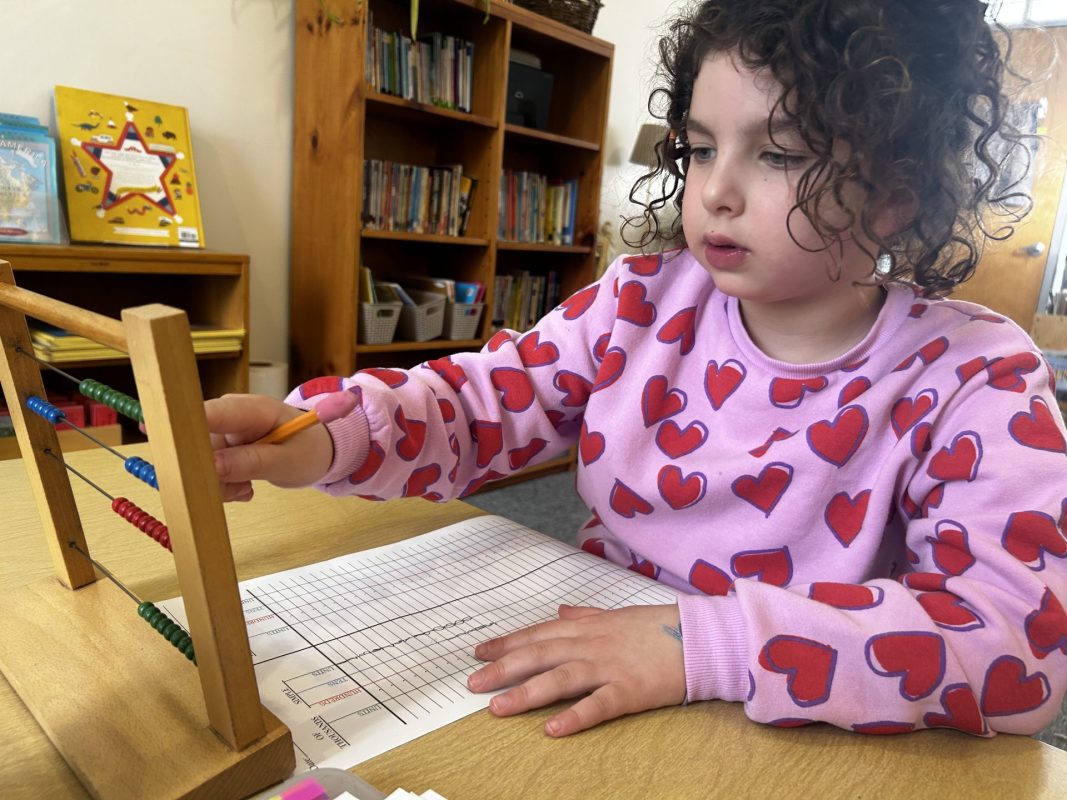
Both of my children were frequent flyers to the Lost & Found during their Montessori years. There were jackets left on the playground, water bottles forgotten in cubbies, and lunch boxes that mysteriously vanished only to reappear days later as unintentional science experiments. I remember the frustration of buying yet another pair of mittens or labeling the third water bottle that month. There were days I was tempted just to pack everything myself to avoid the dreaded “Mom, I forgot my …”
But here’s the thing I’ve learned from two decades of being a mom and working with children—the struggle is actually the work. The forgetting is part of the learning.
When both of our children left for college this past fall—our daughter to her first apartment and our son to his first college dorm room—we watched them pack for themselves, organize their spaces, and navigate new environments without much input from either of us. Seeing them head off with such confidence and capability, I thought back to our Lost & Found days and realized that each lost mitten was really independence found.
How Montessori Education Teaches Children Responsibility and Independence
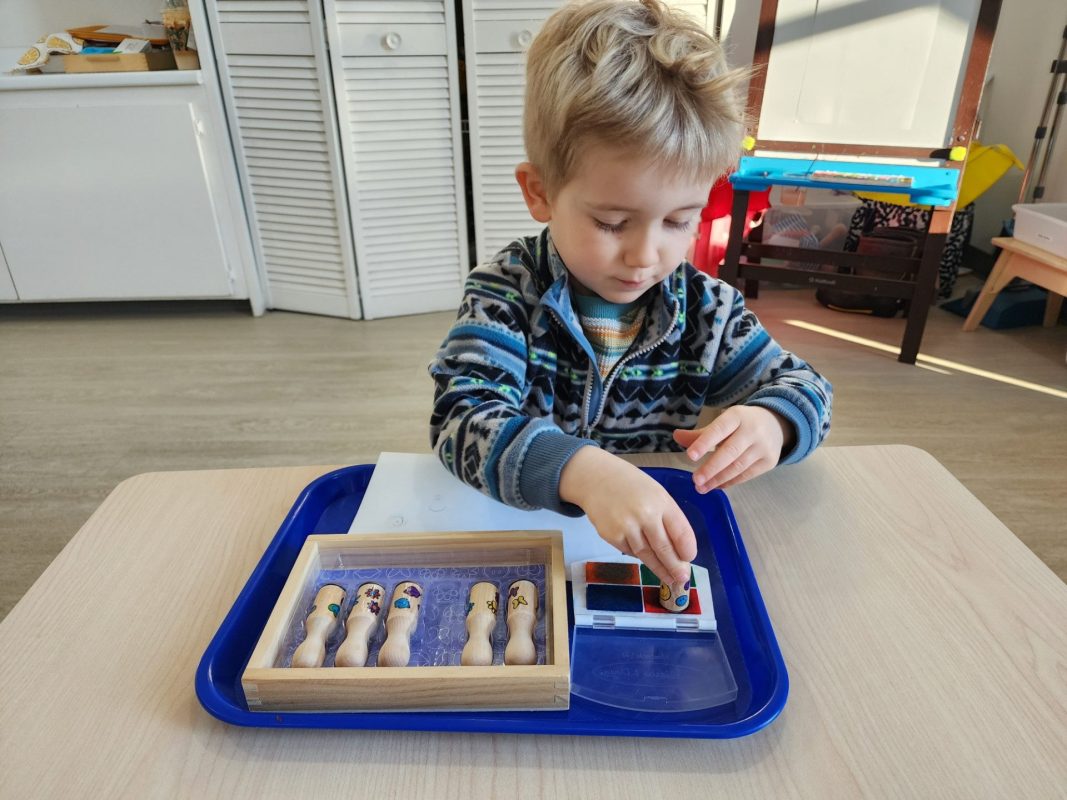
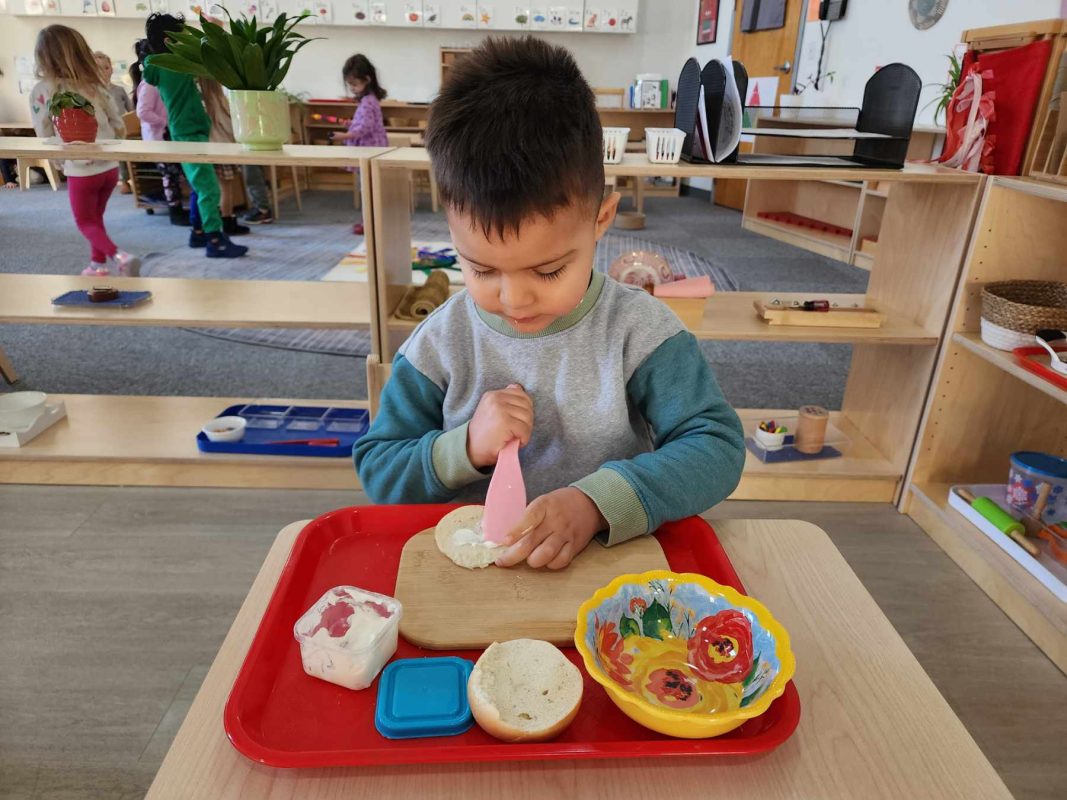
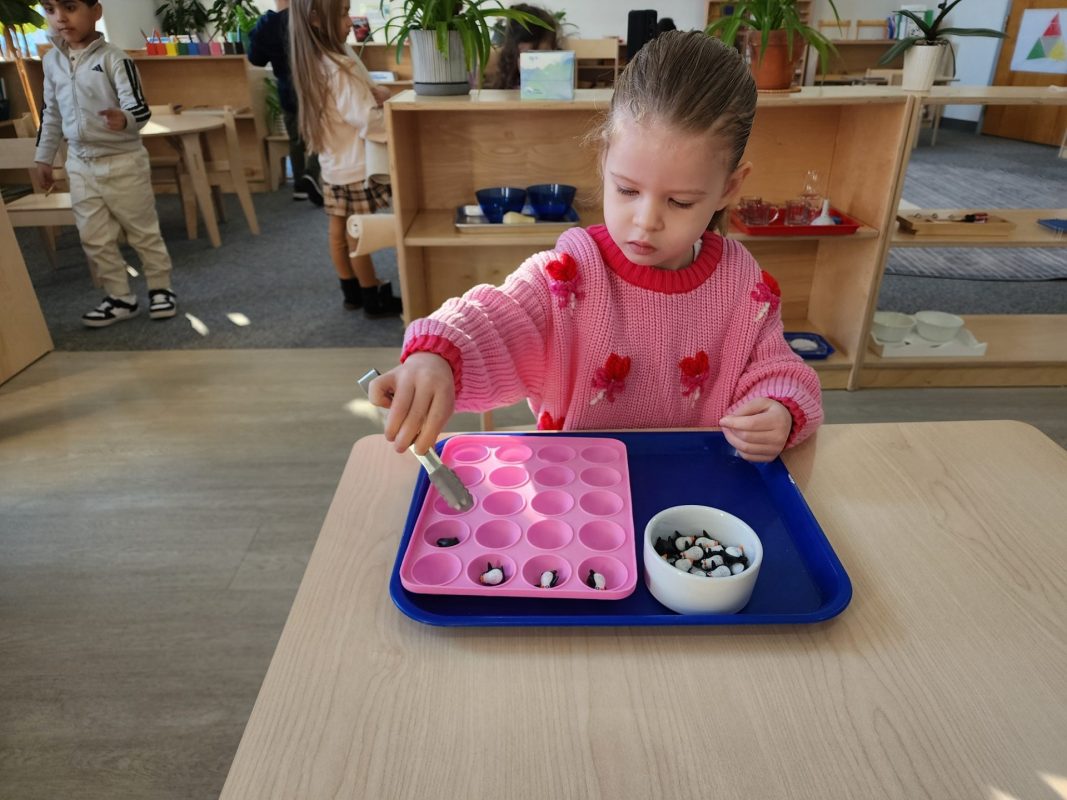
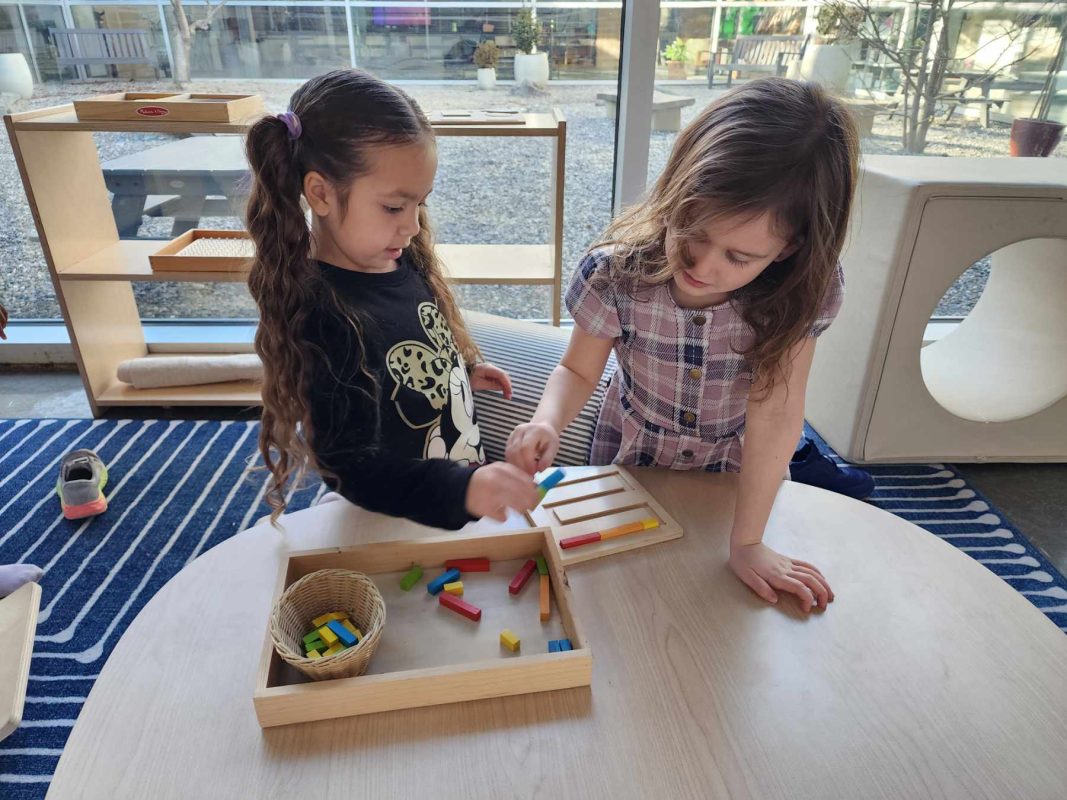
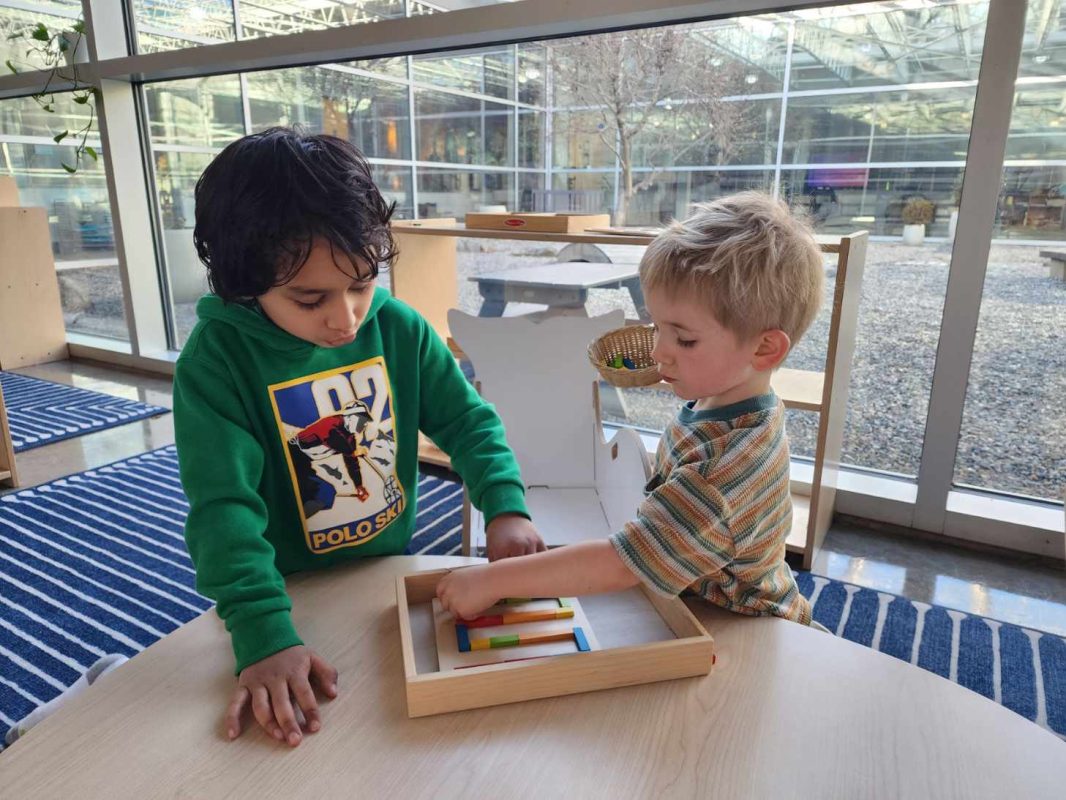
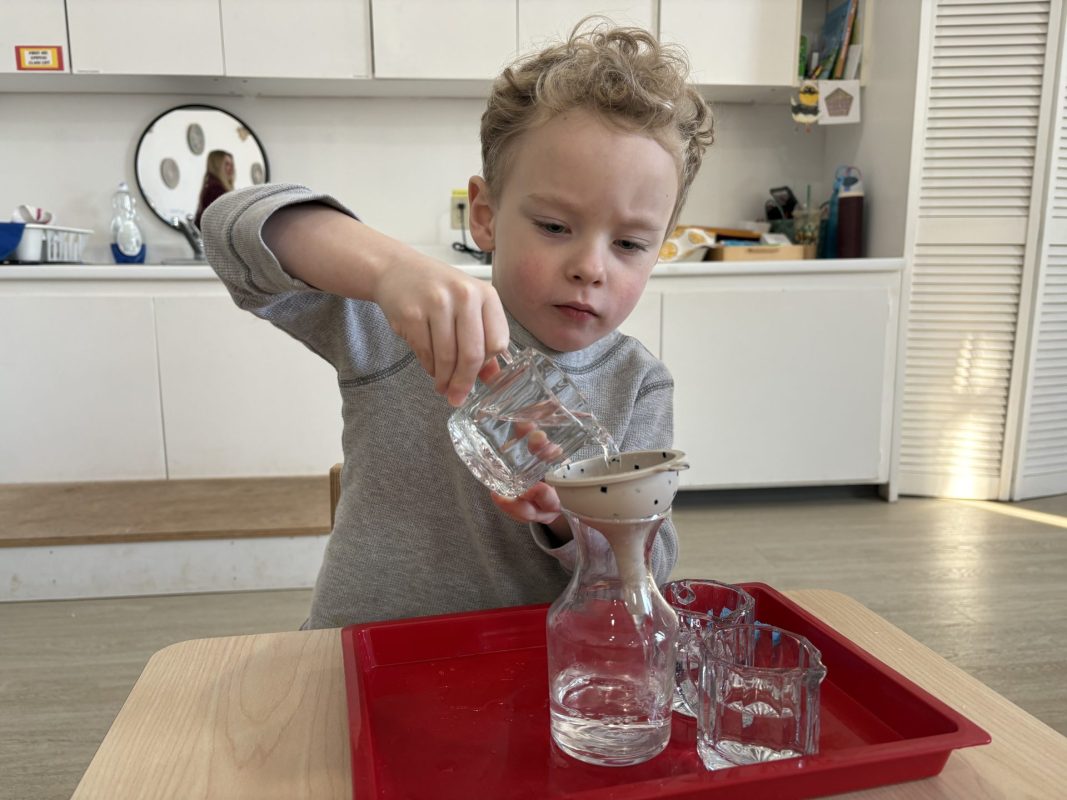
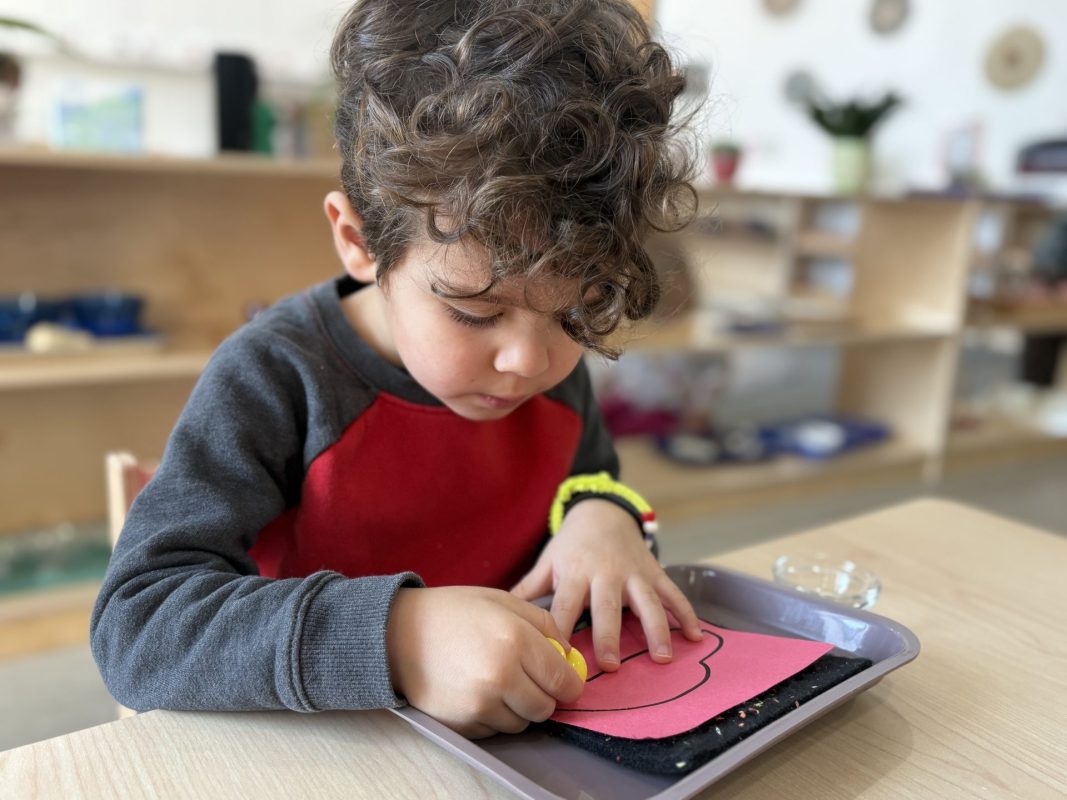
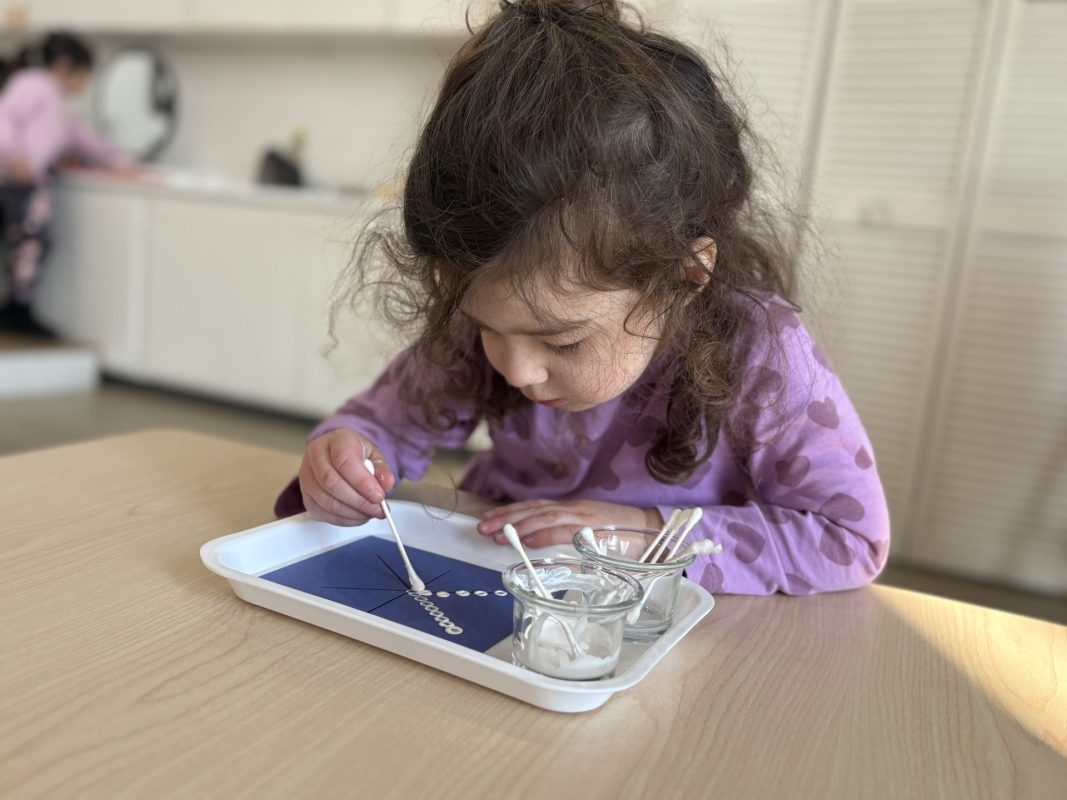
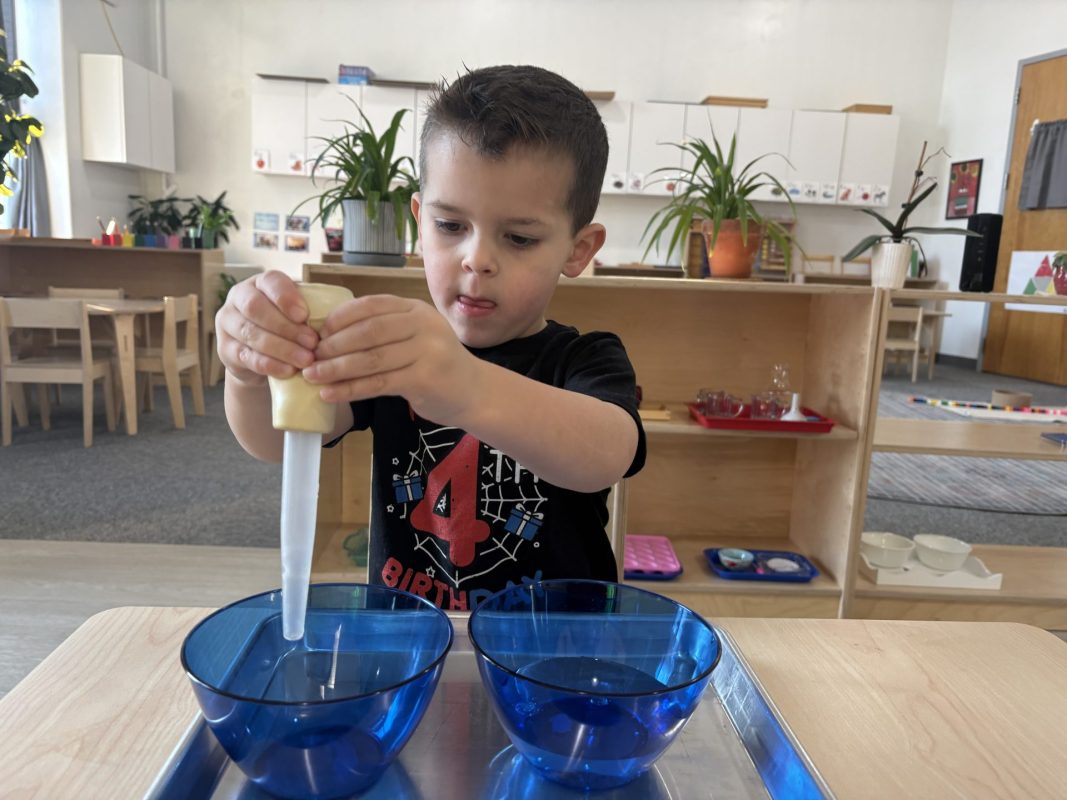
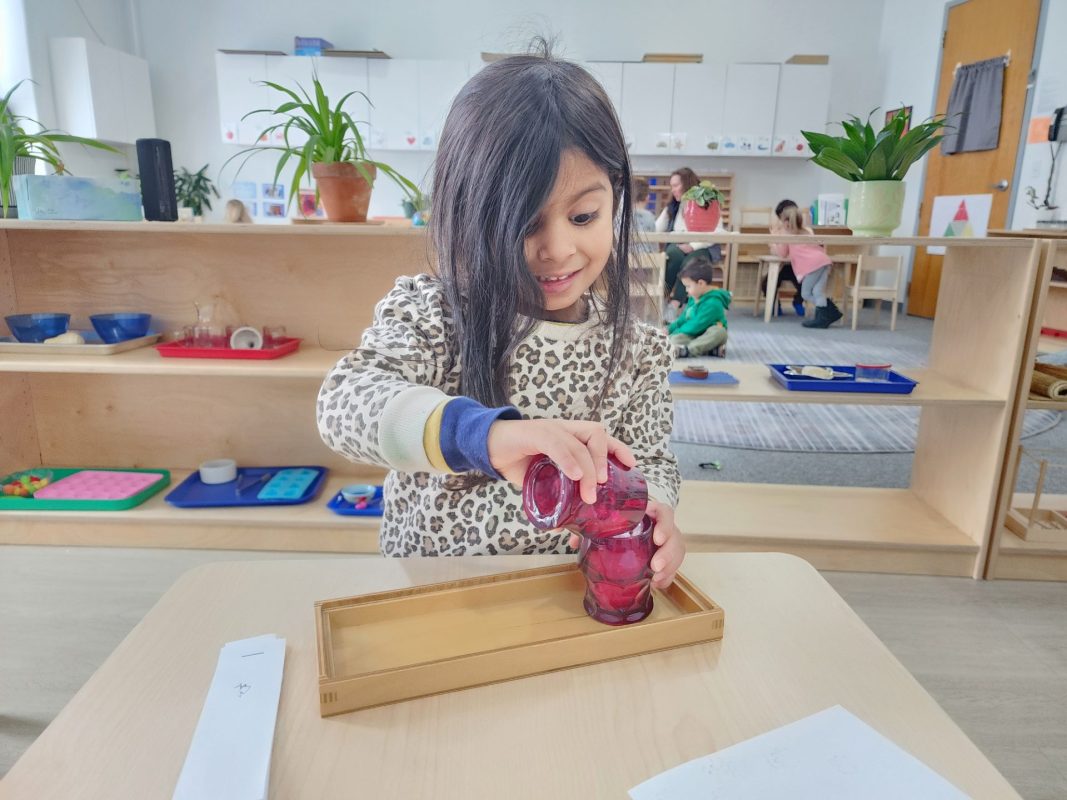
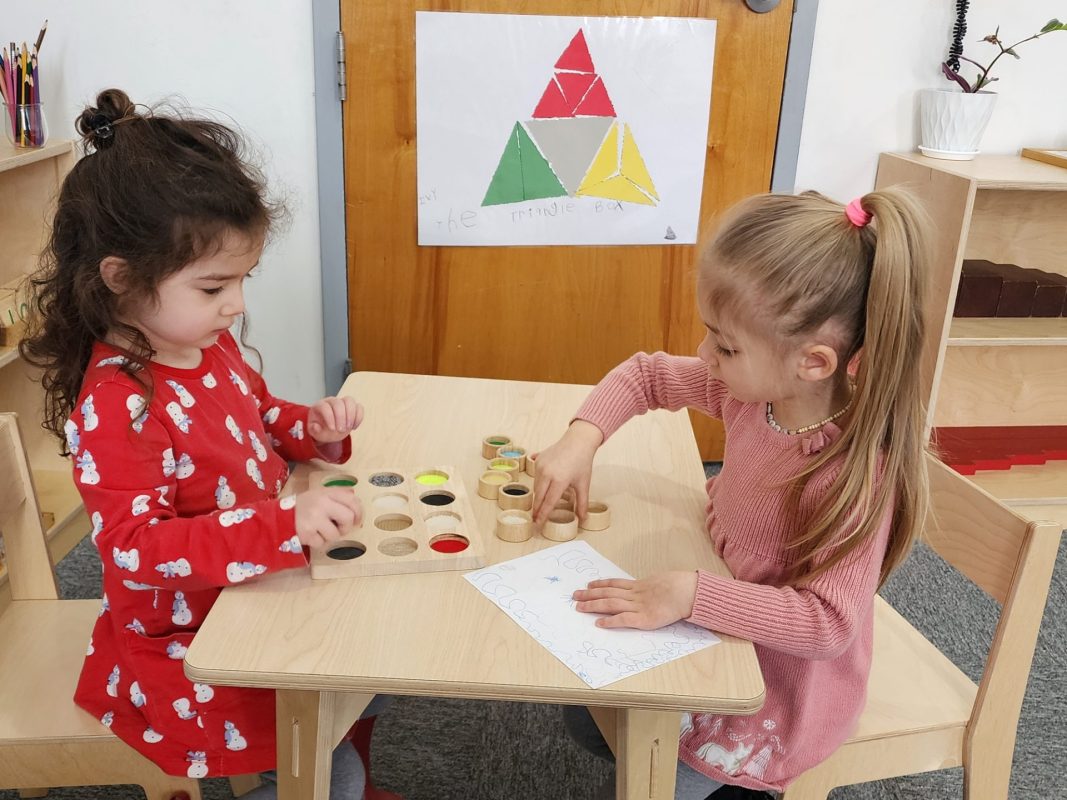
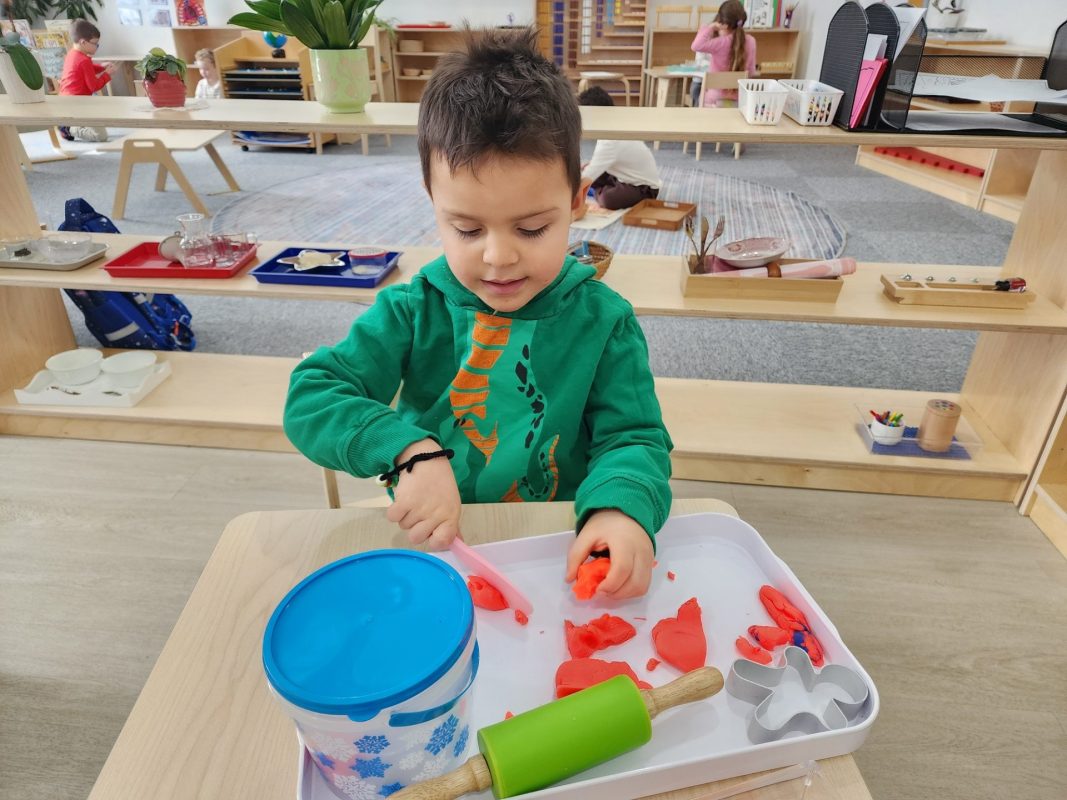
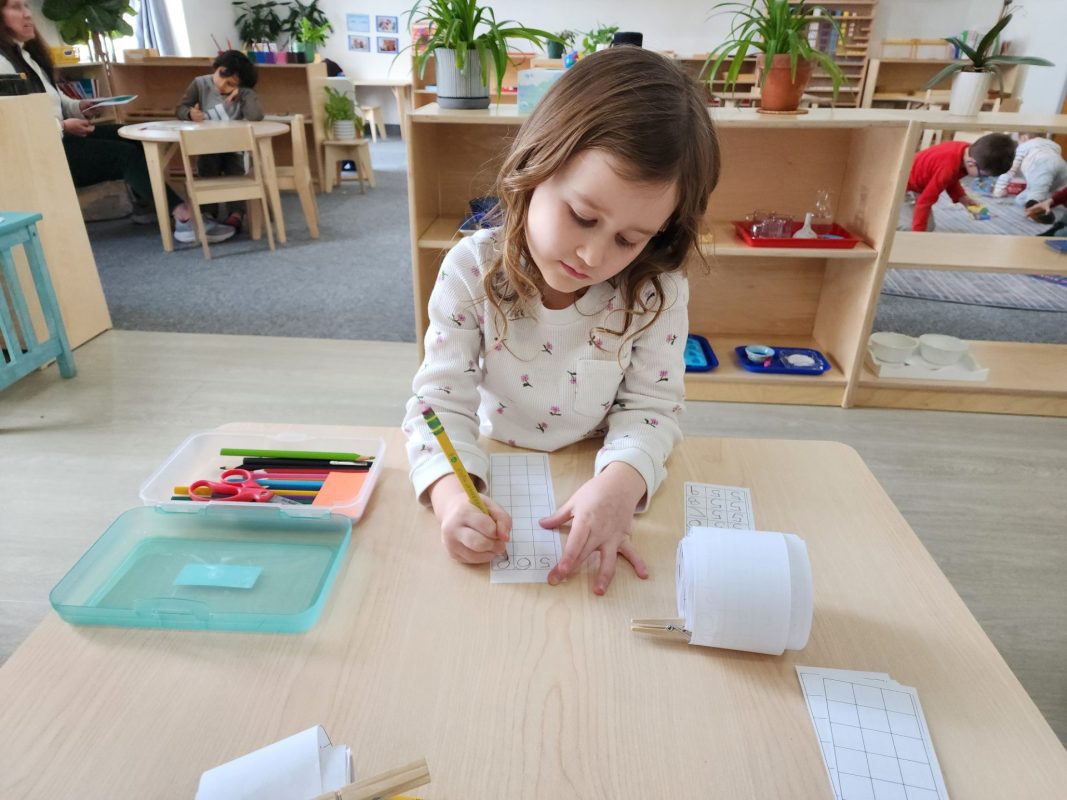
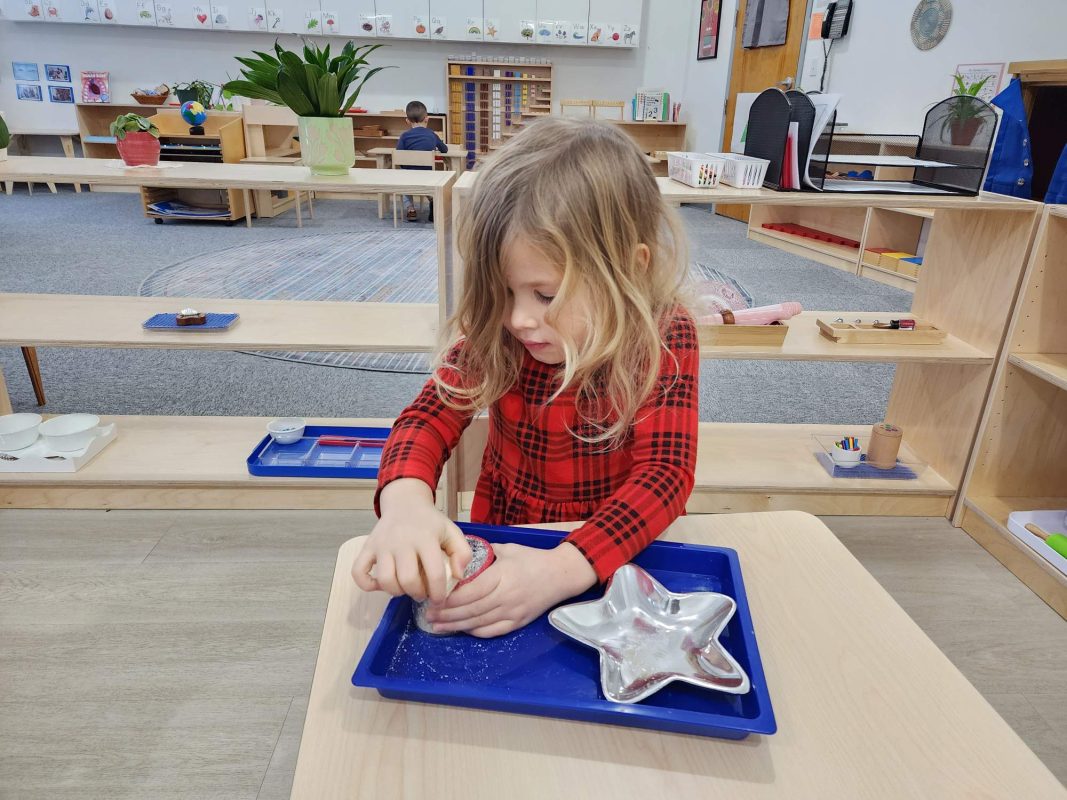
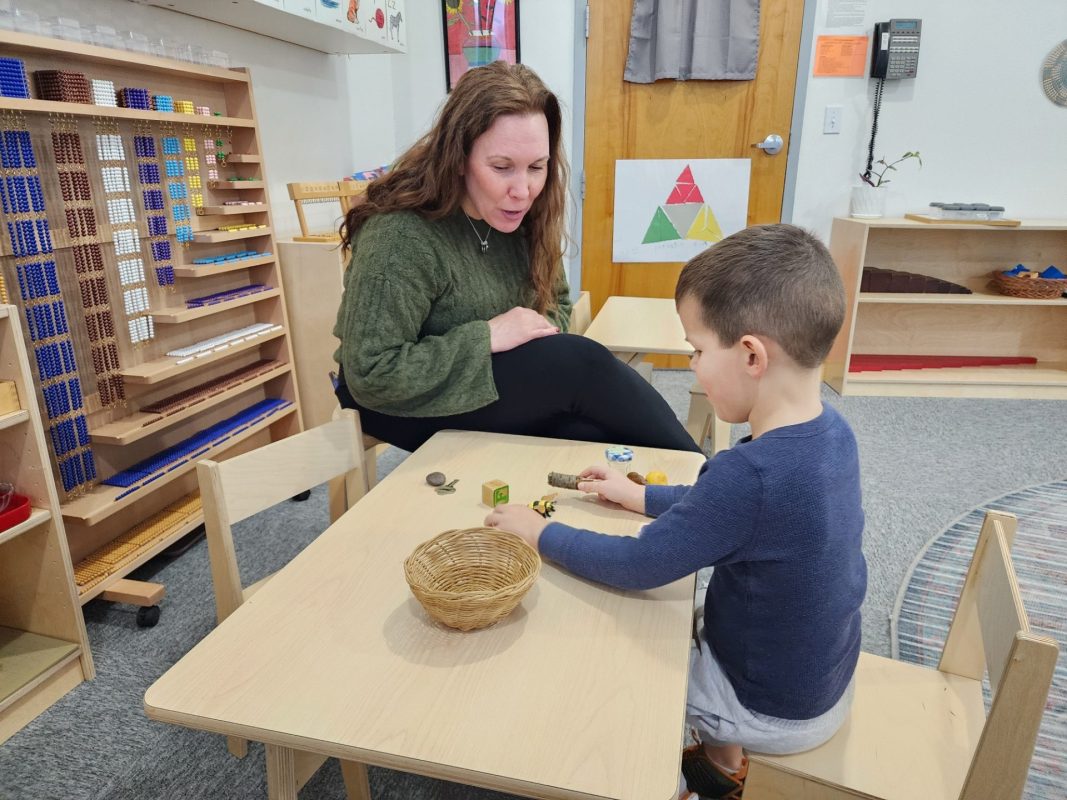
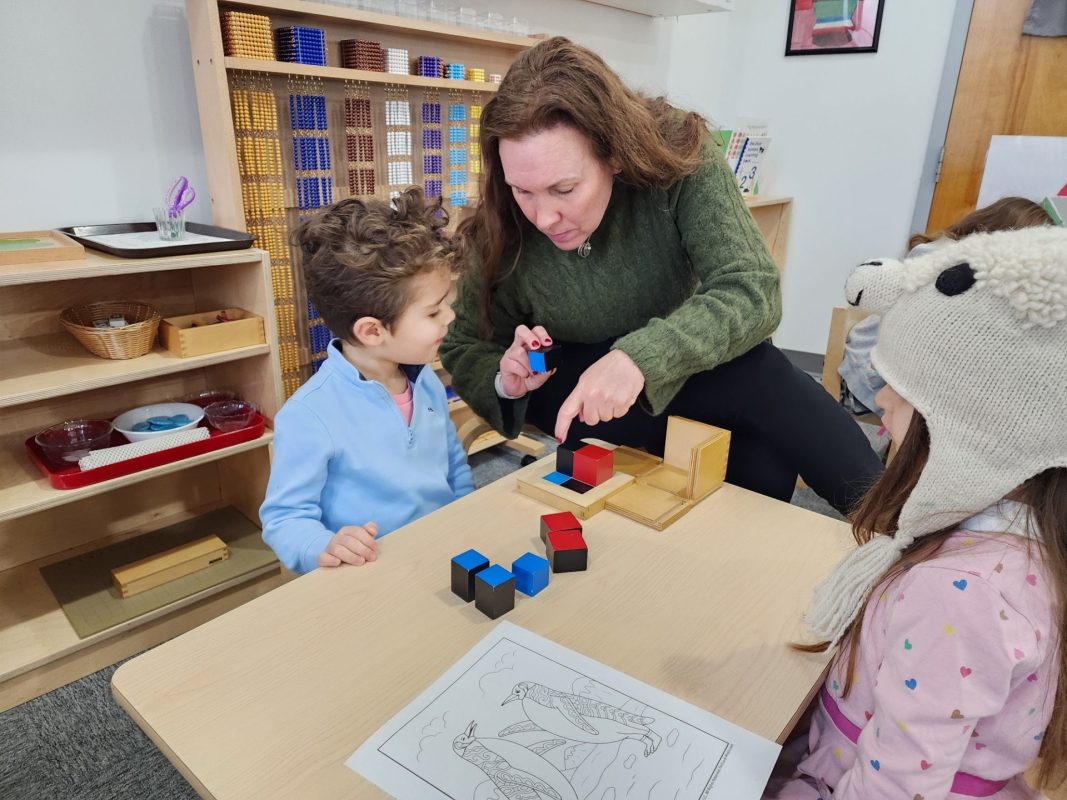
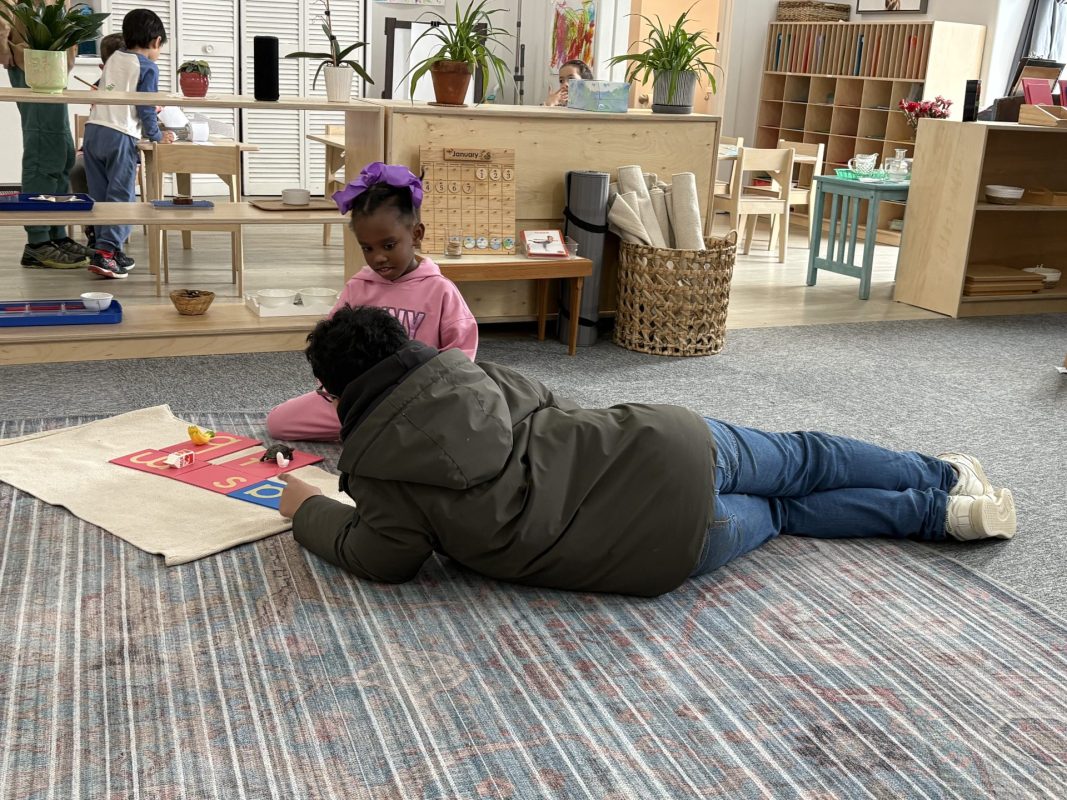
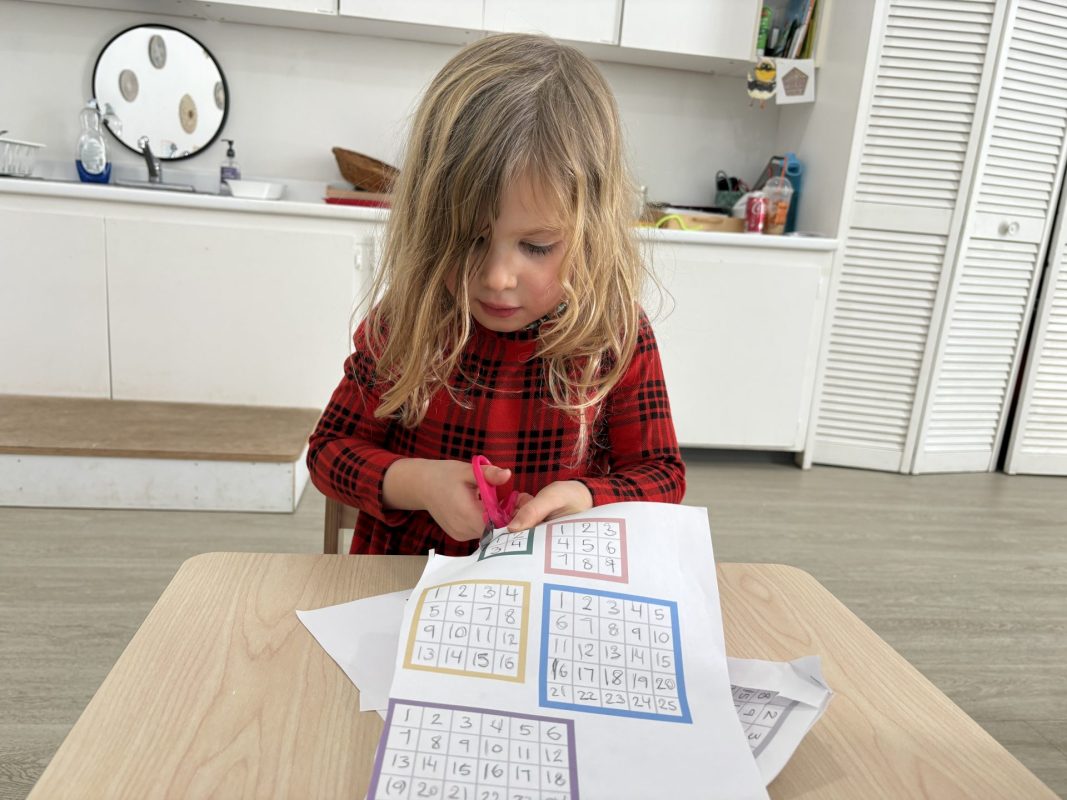
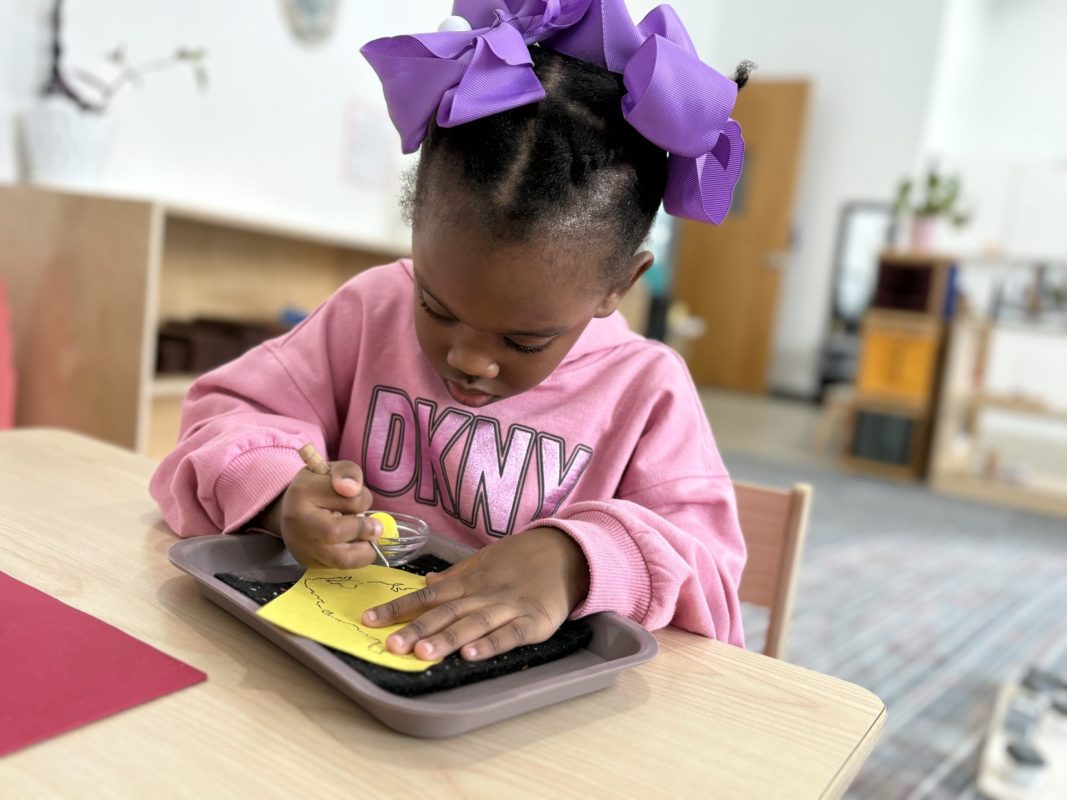
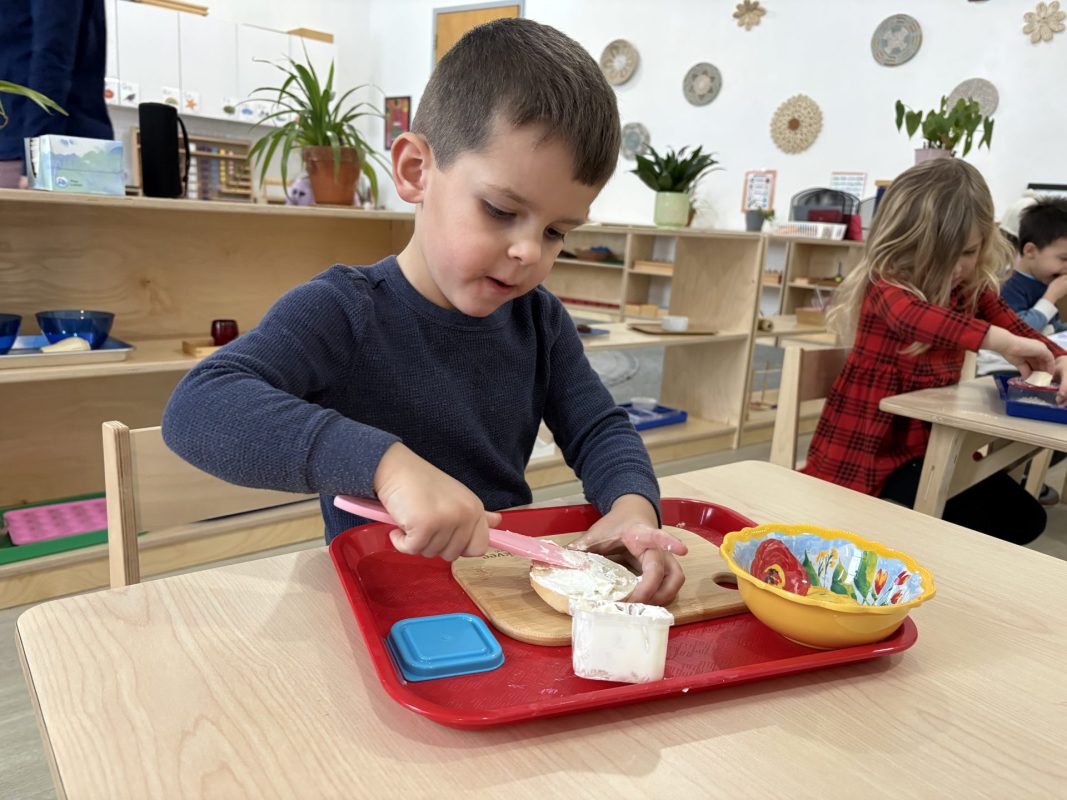
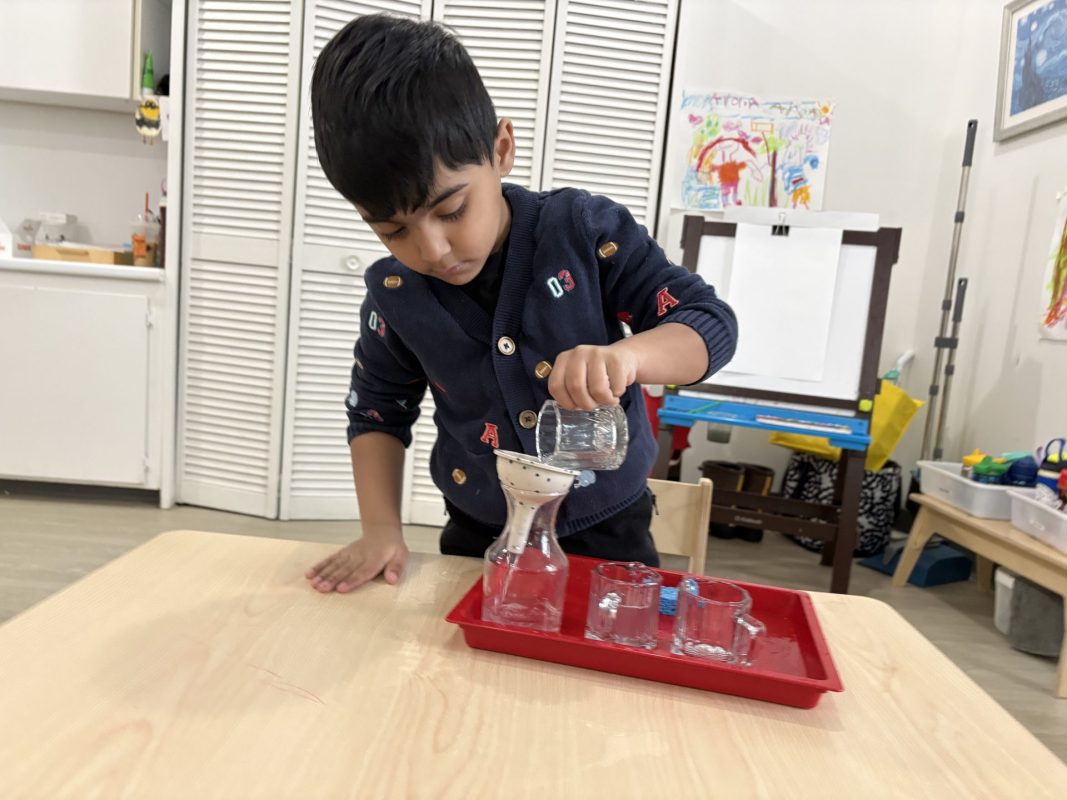
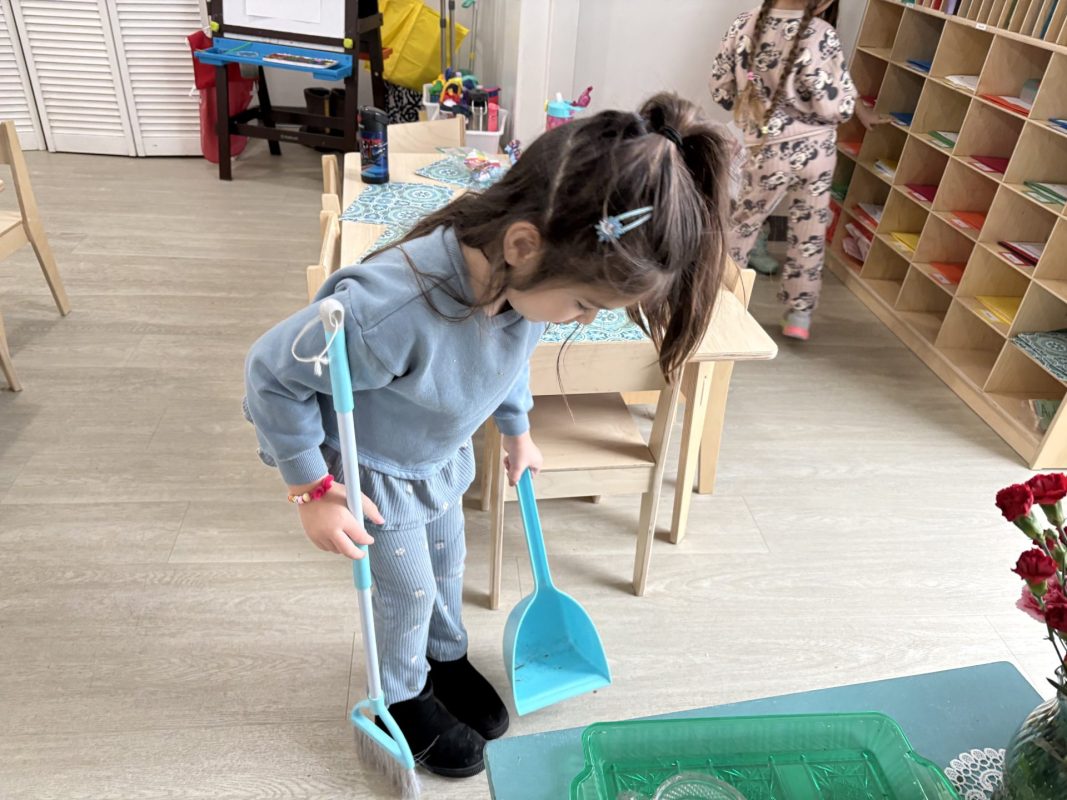
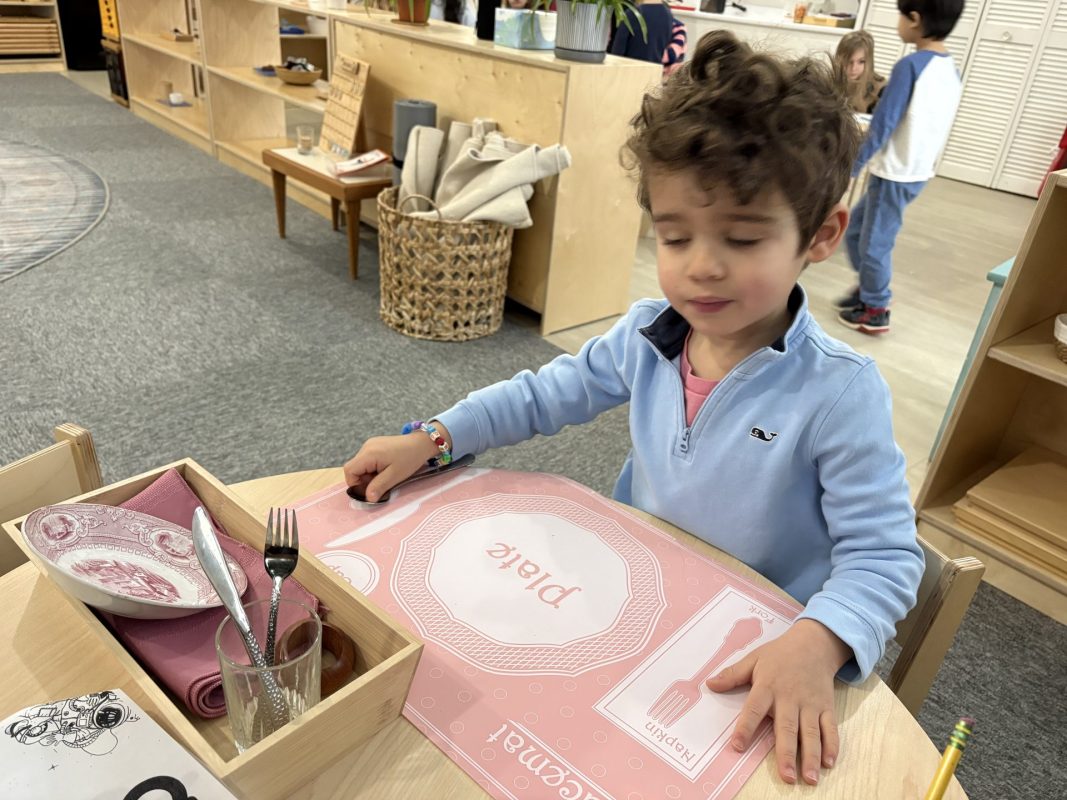
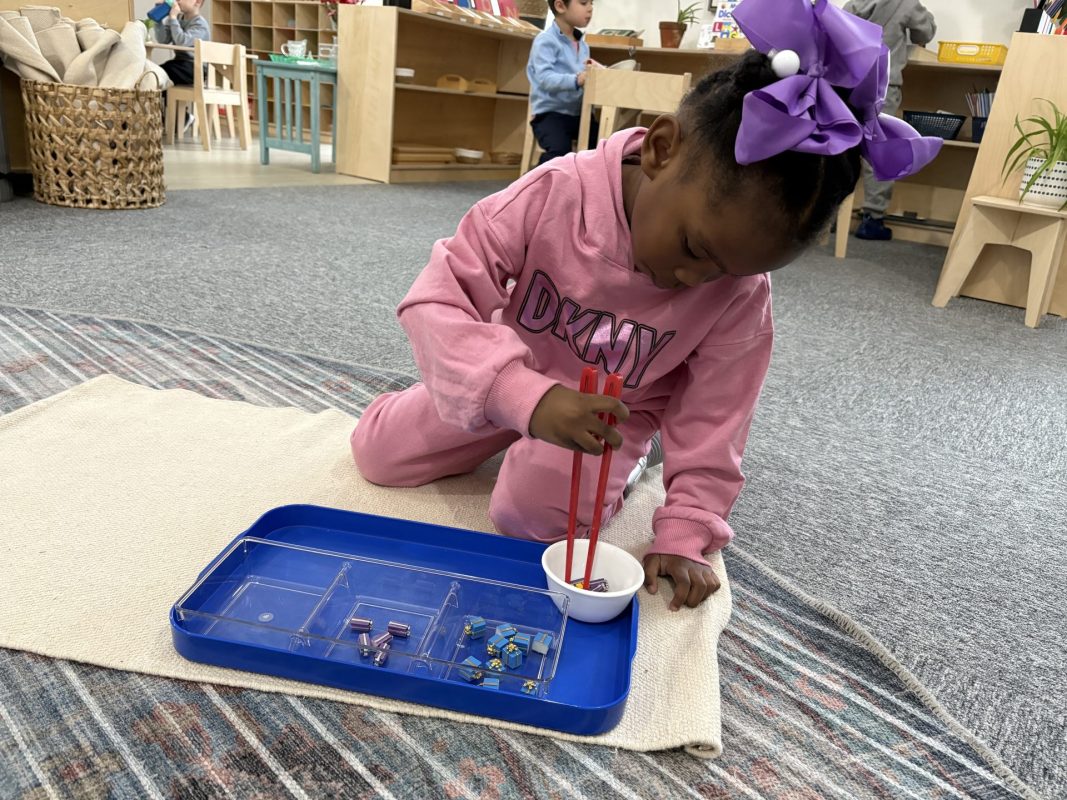
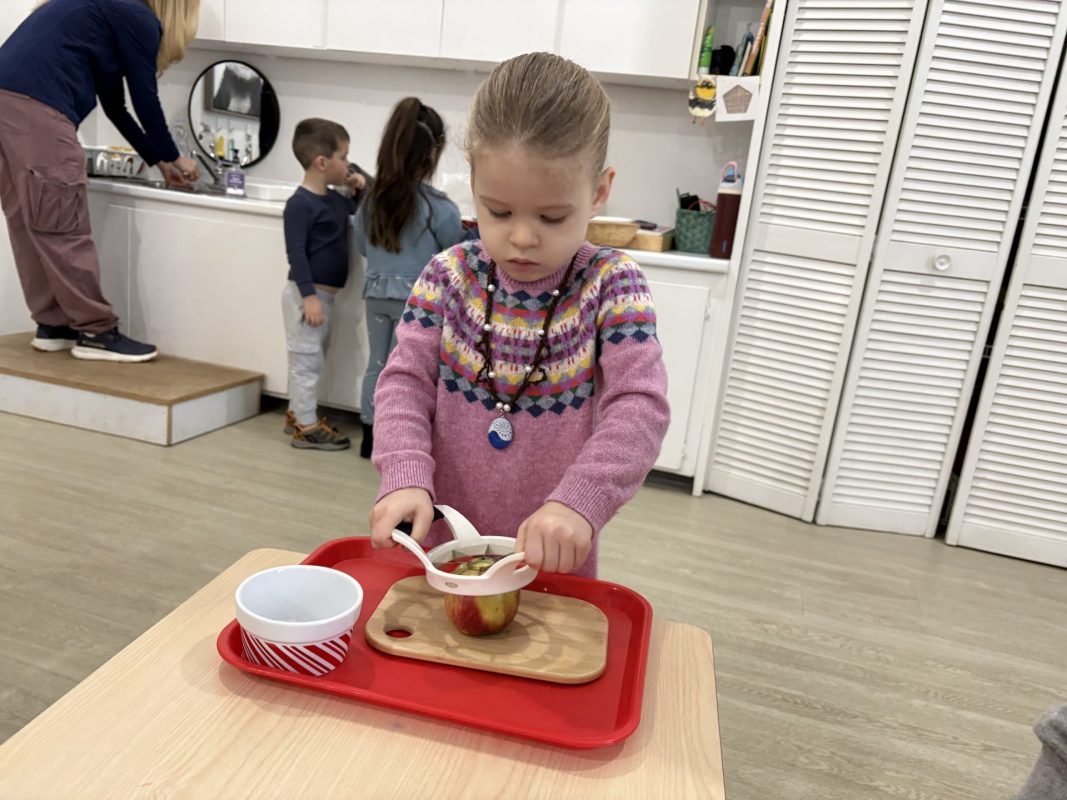
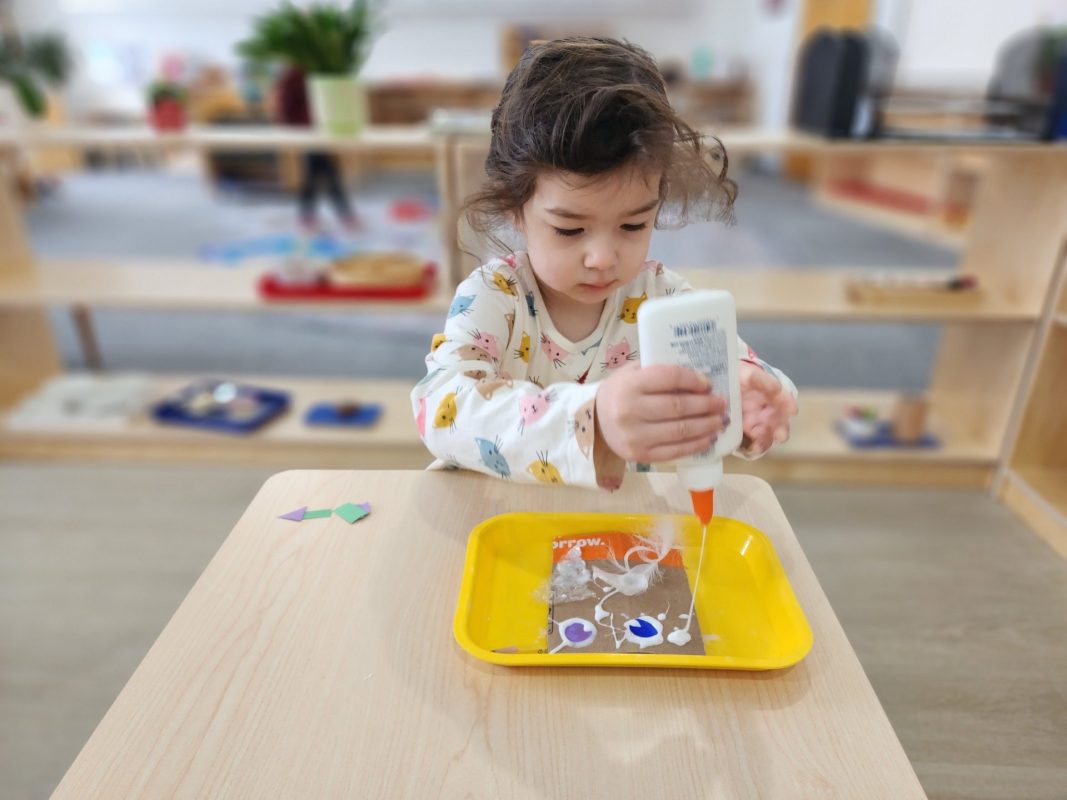
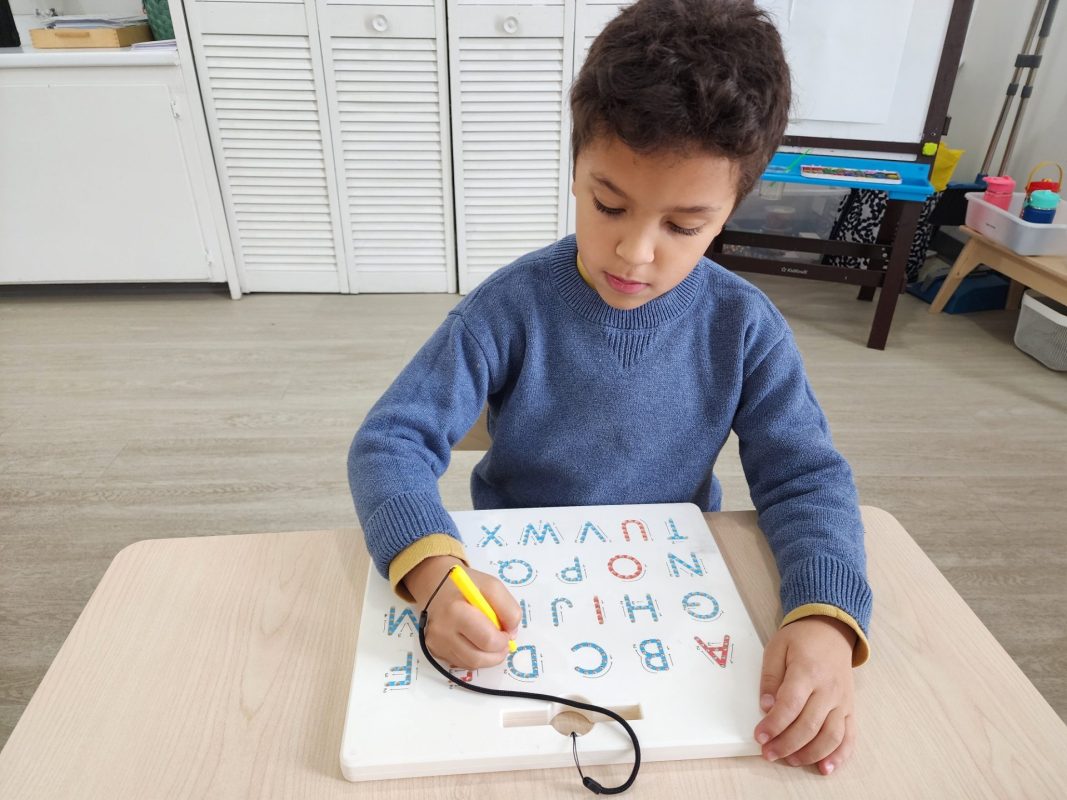
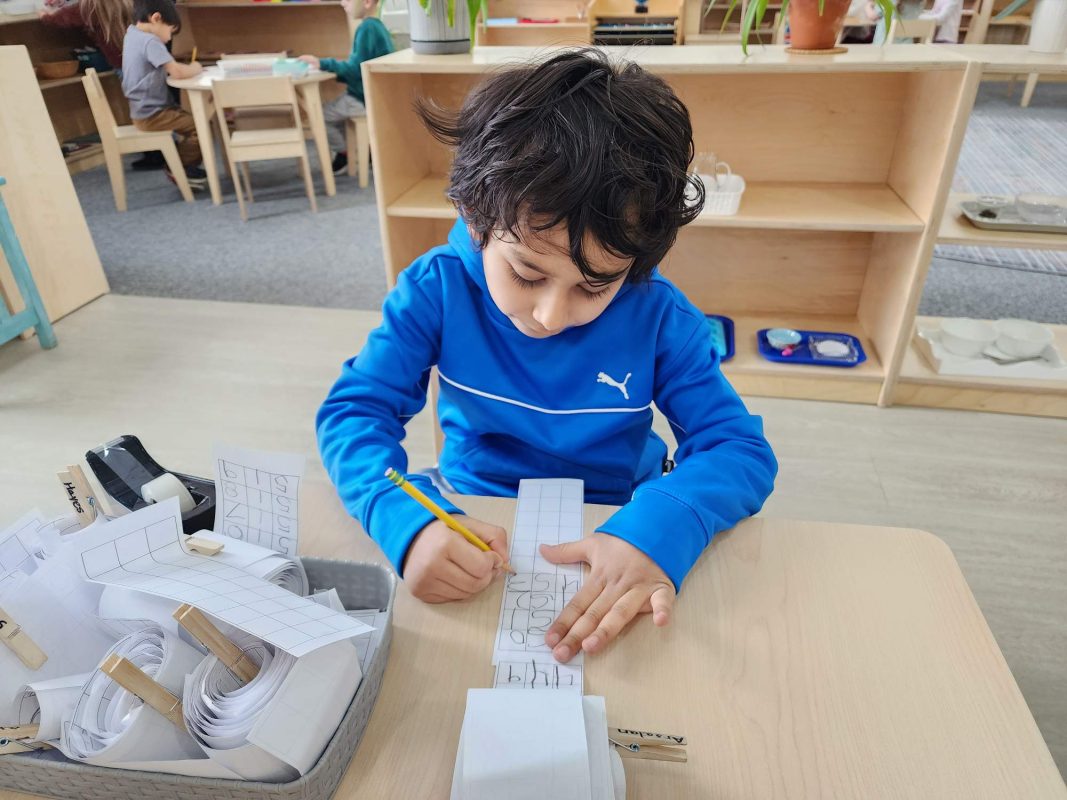
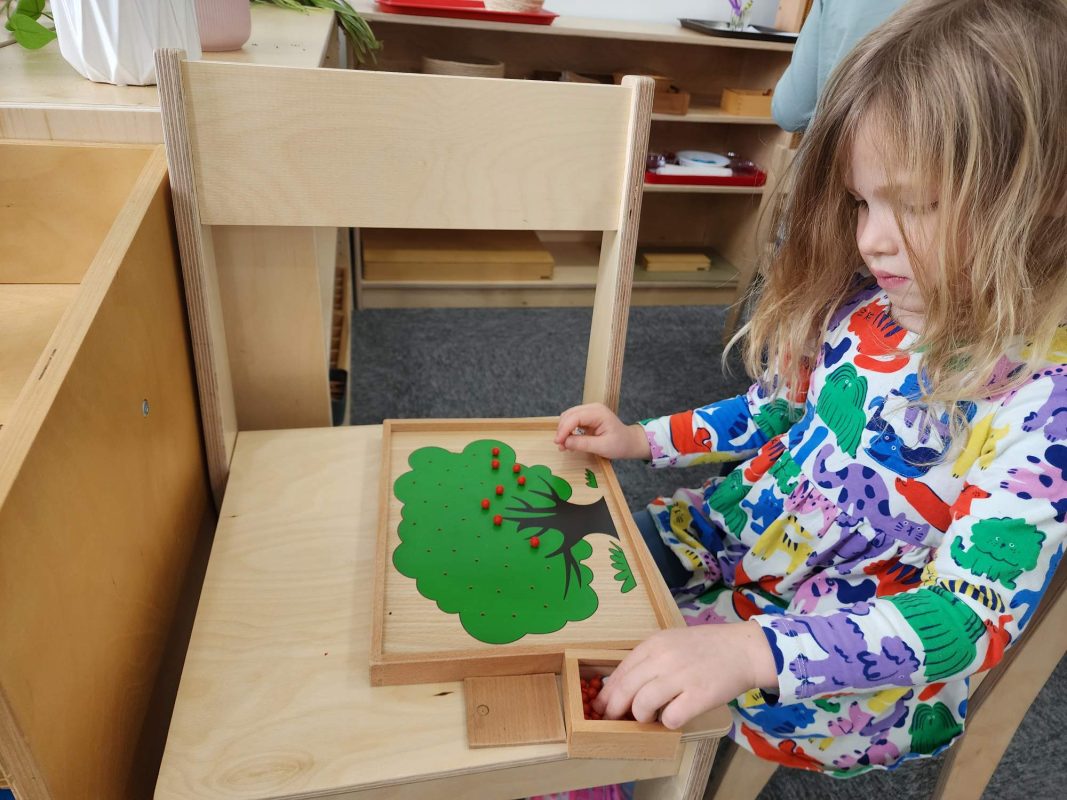
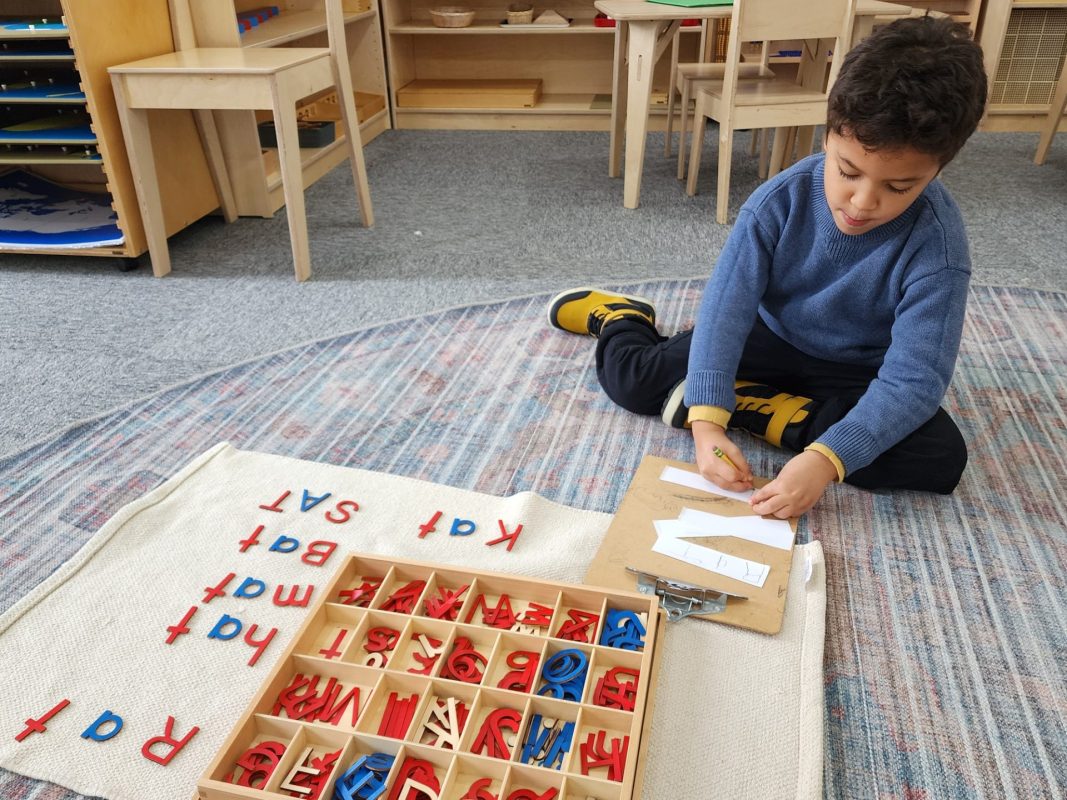
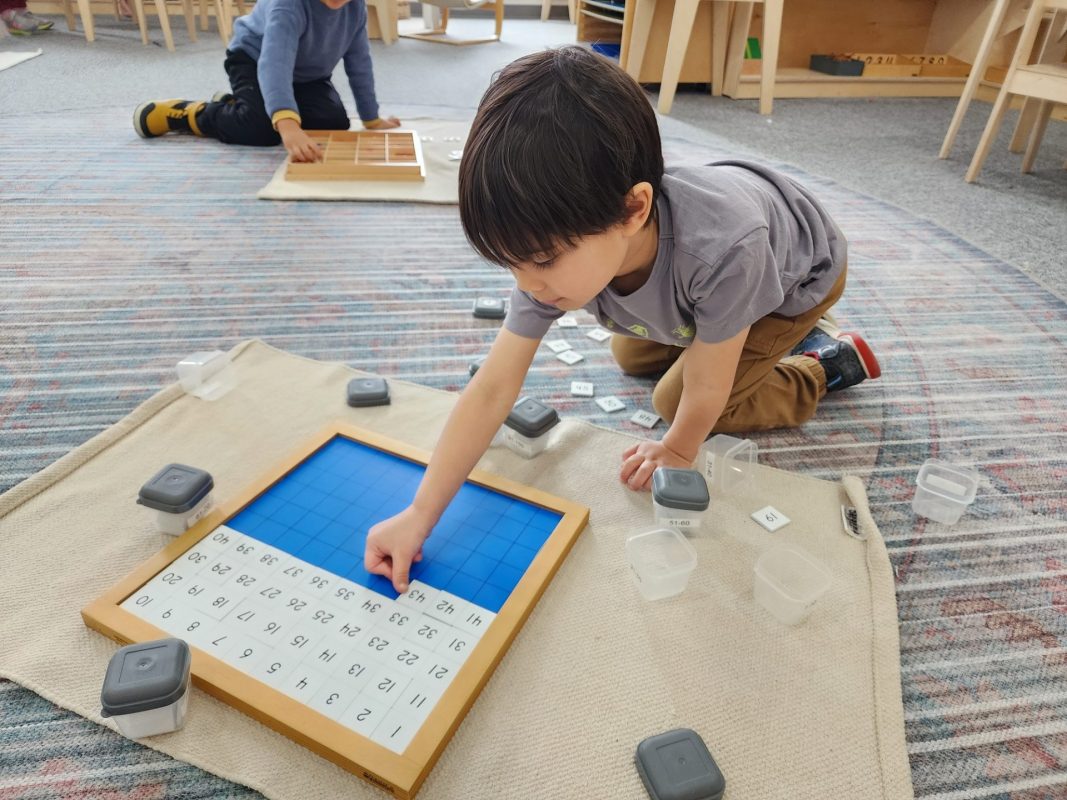
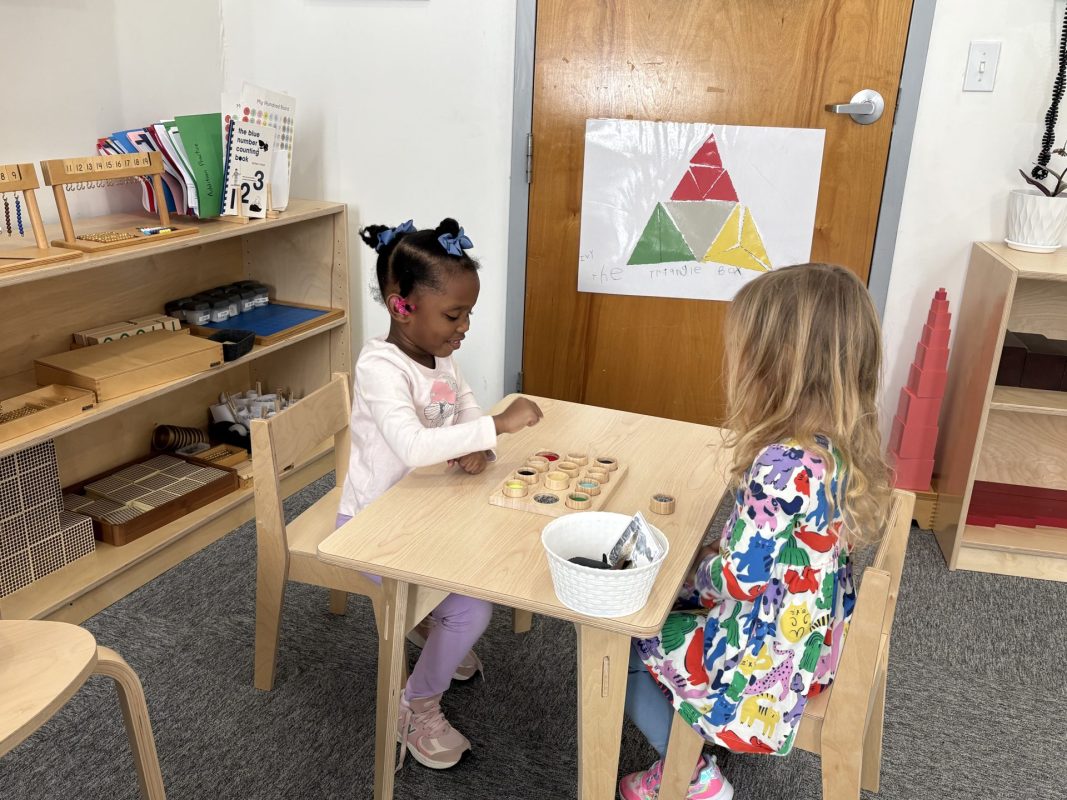
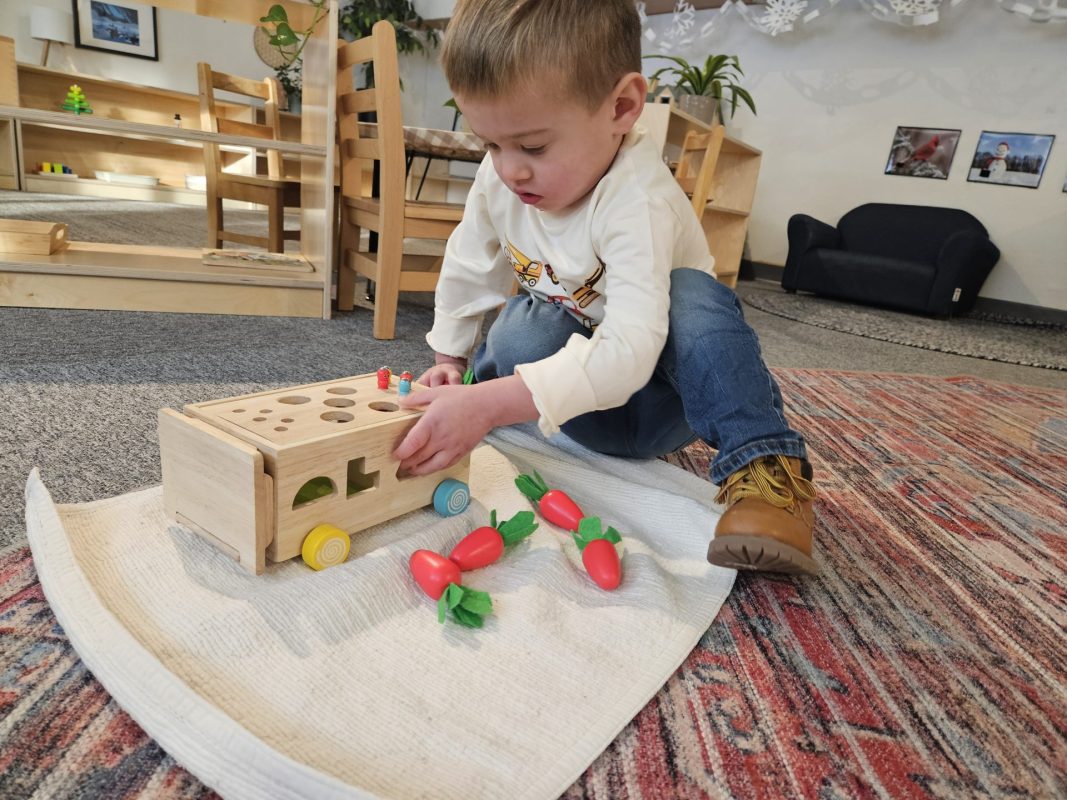
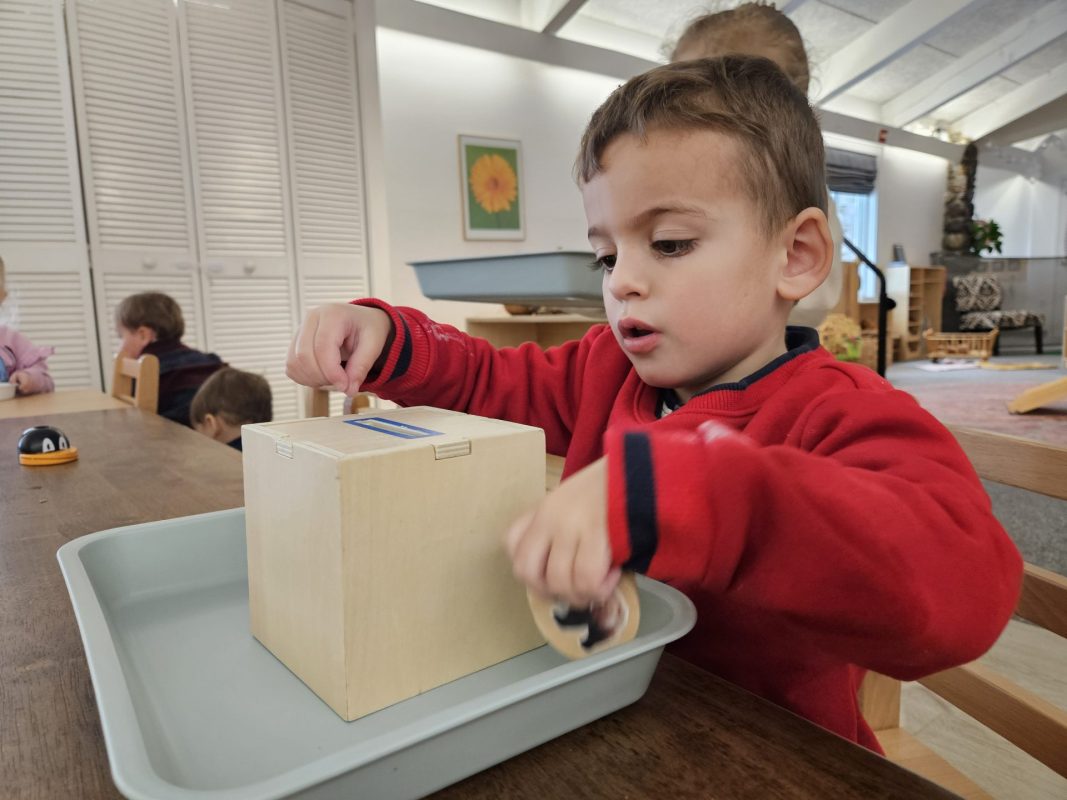
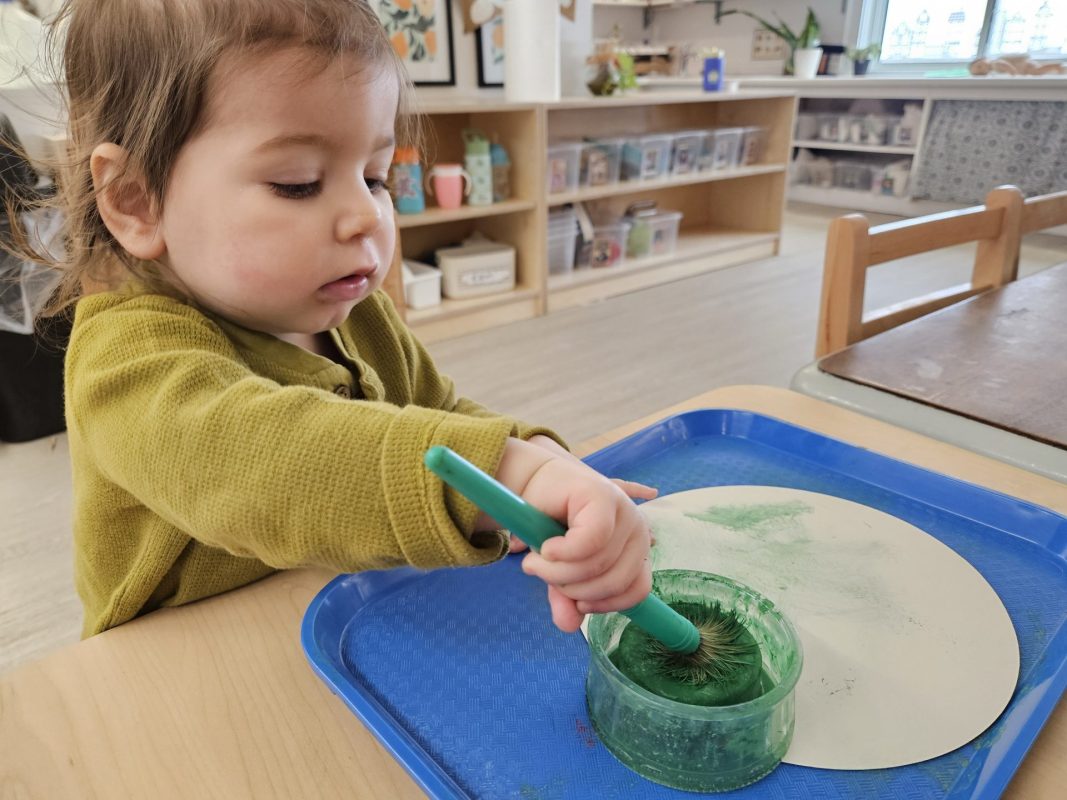
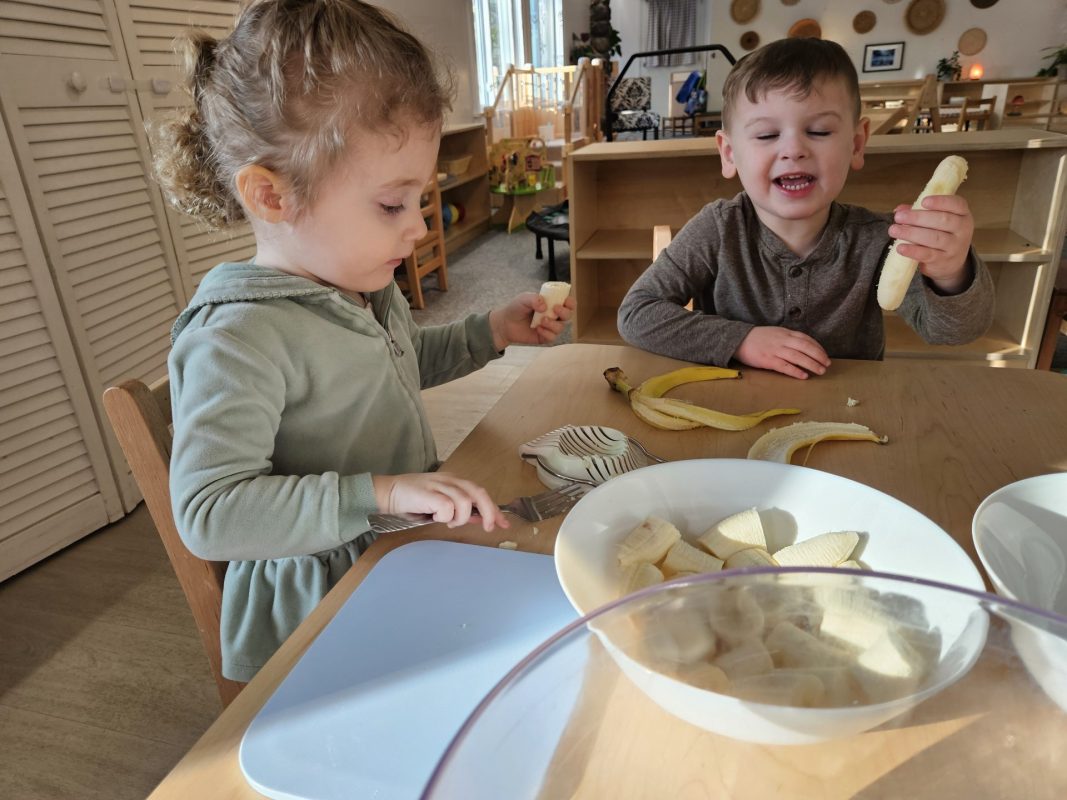
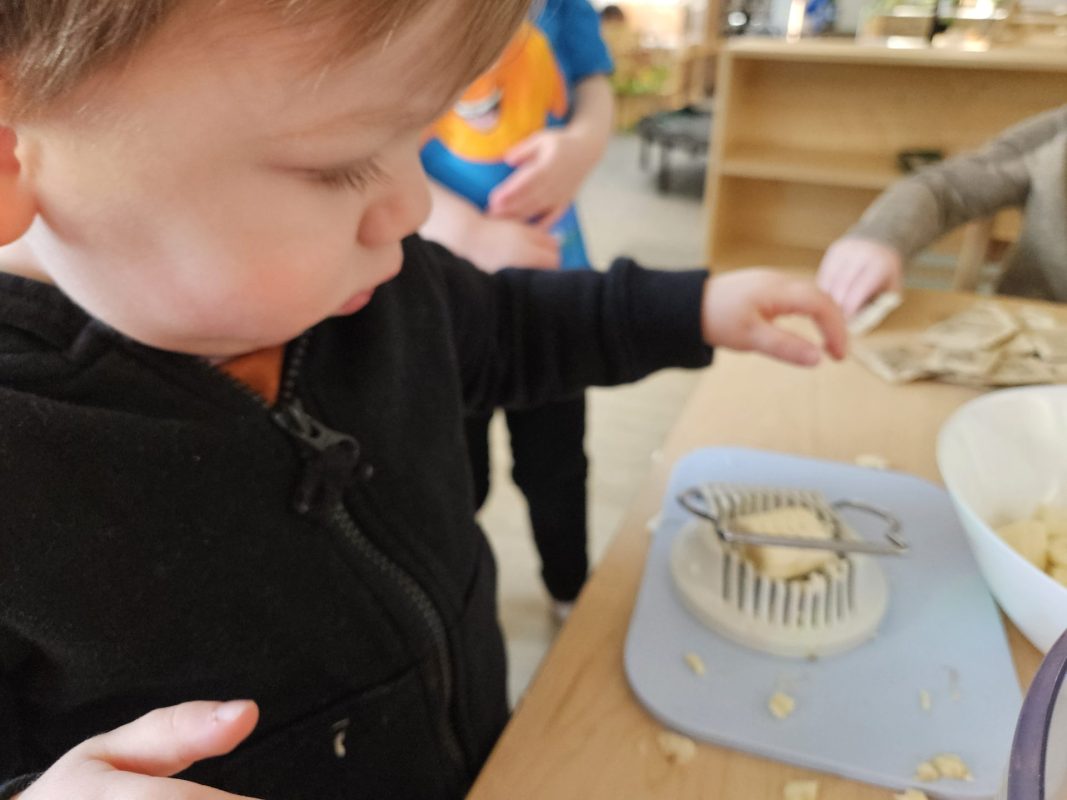
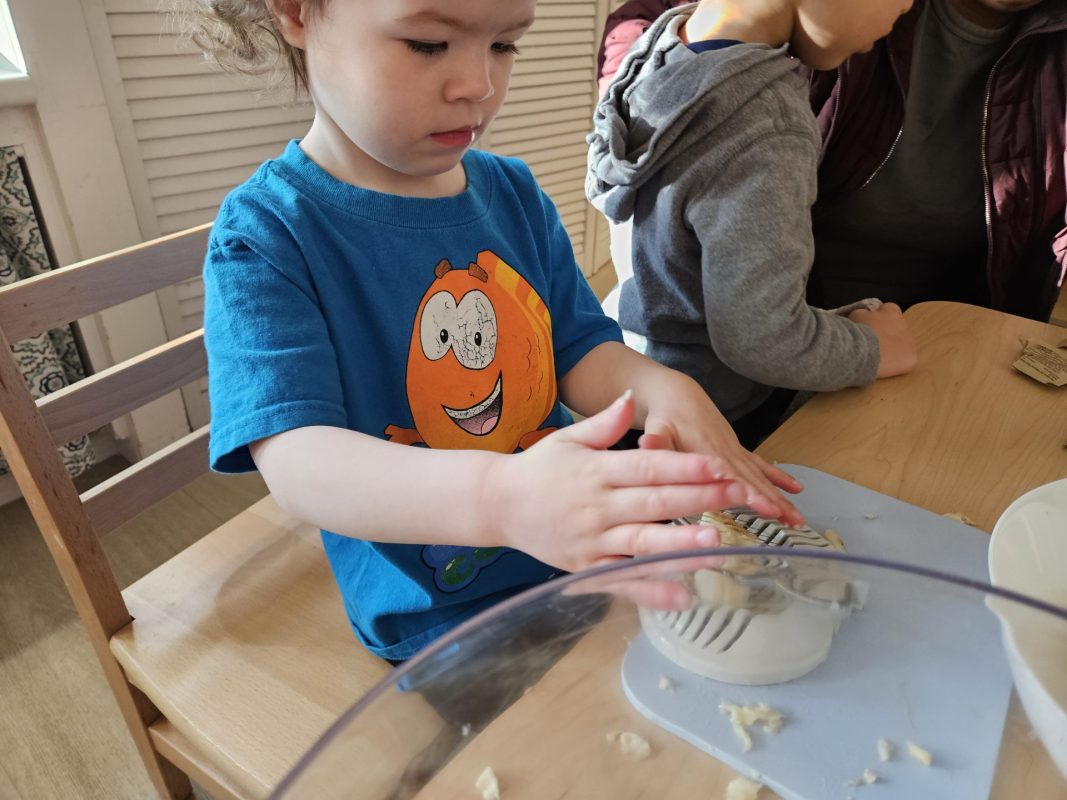
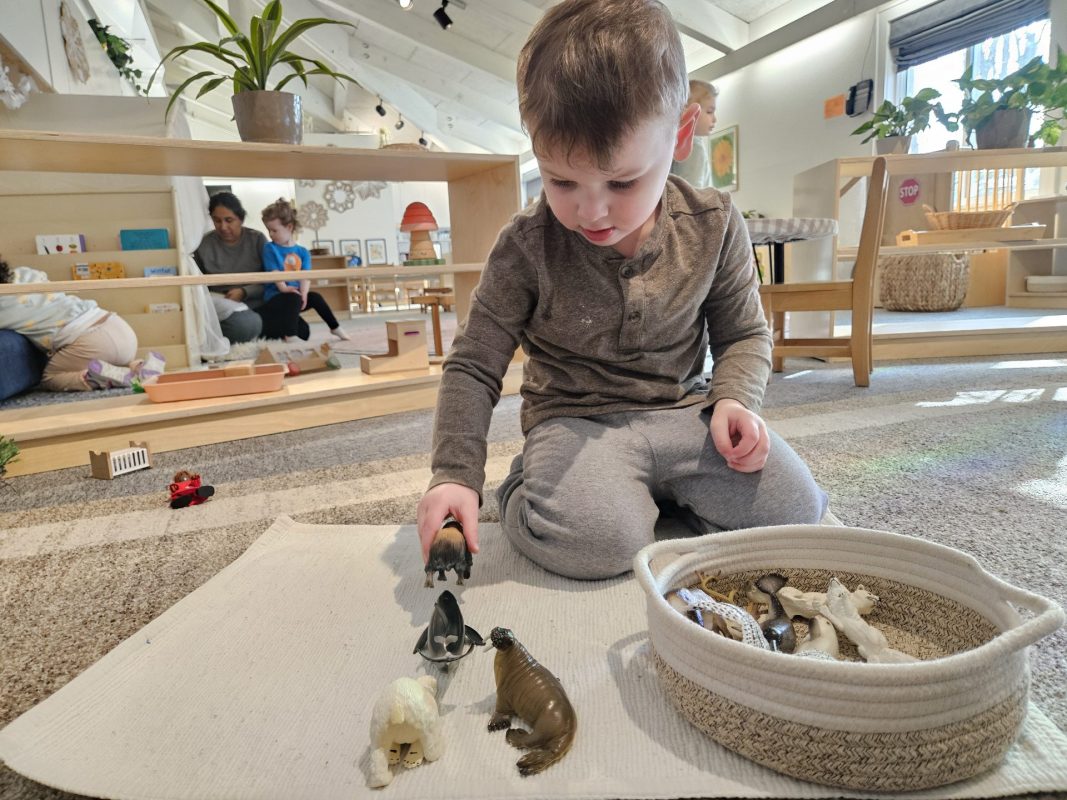
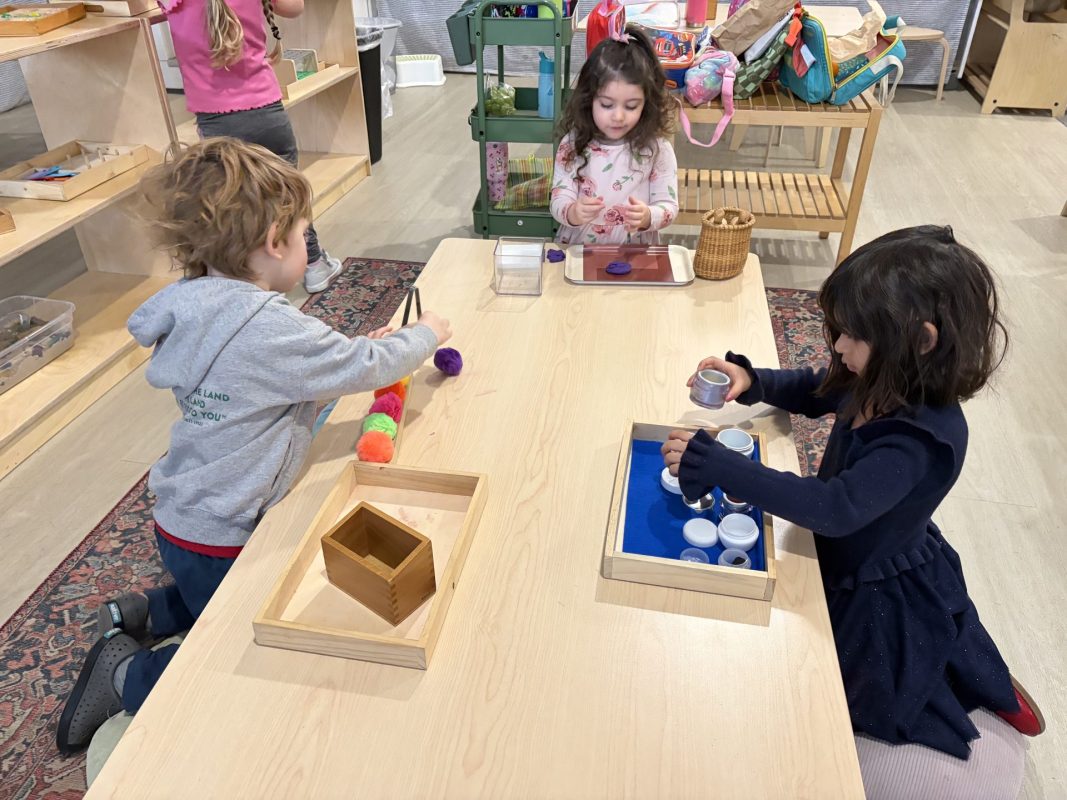
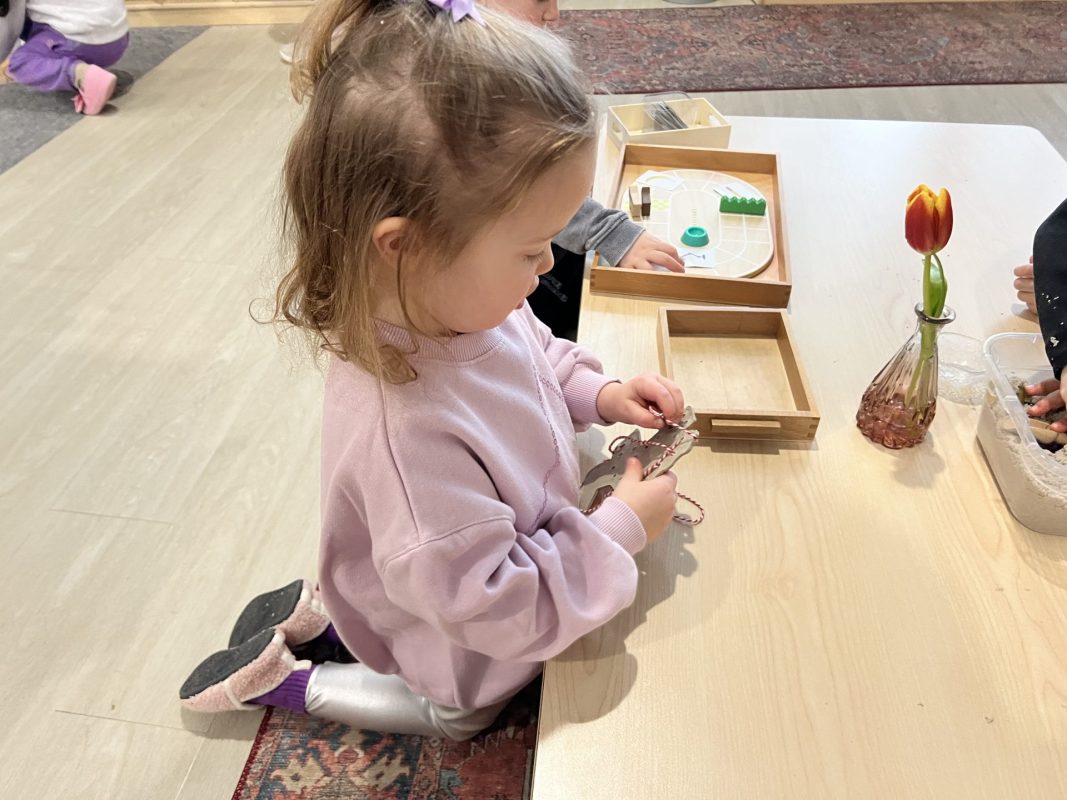
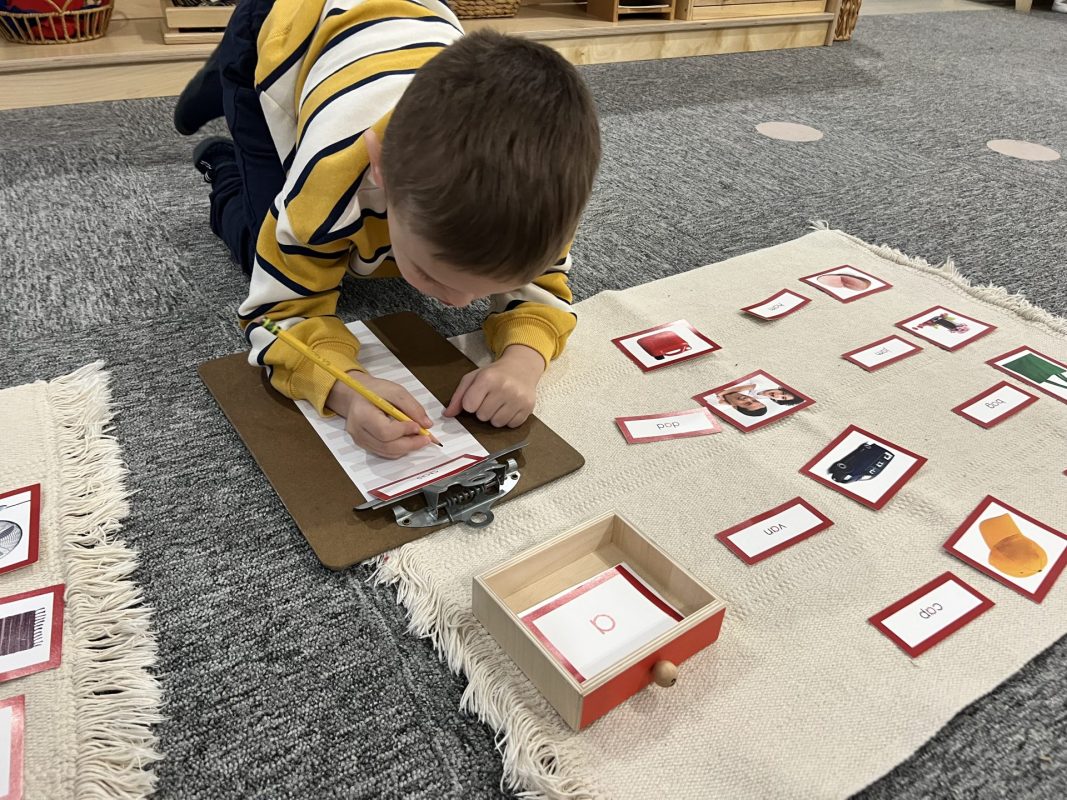
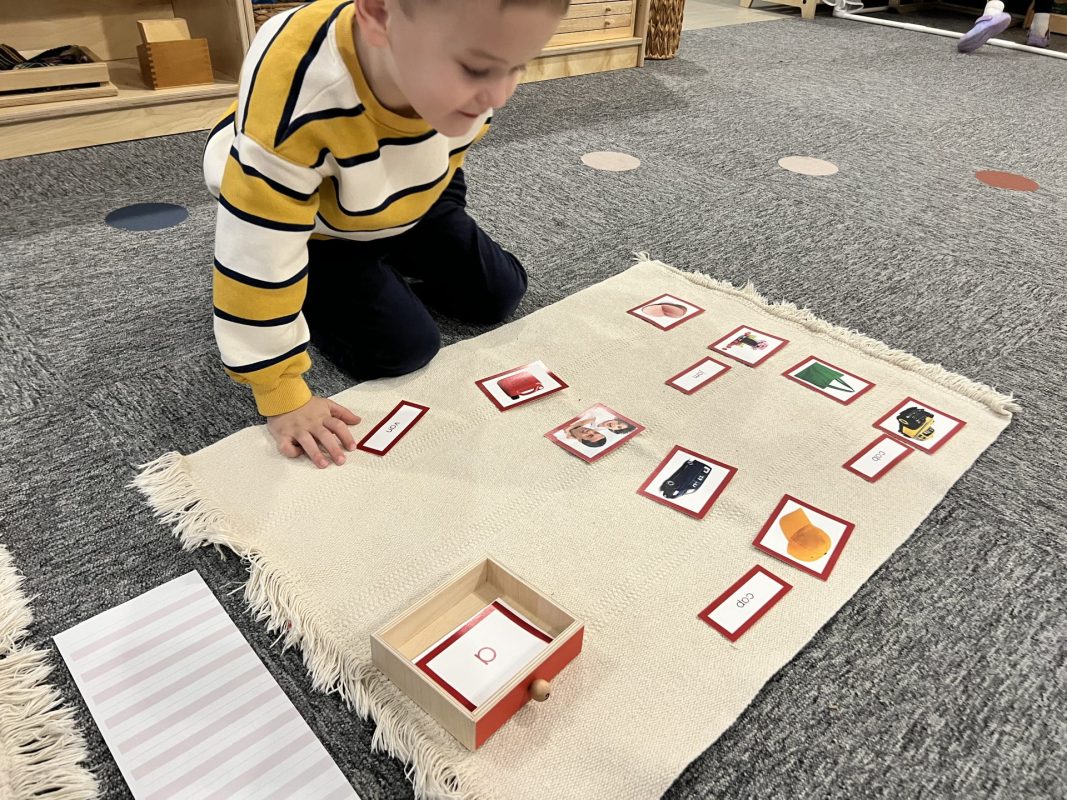
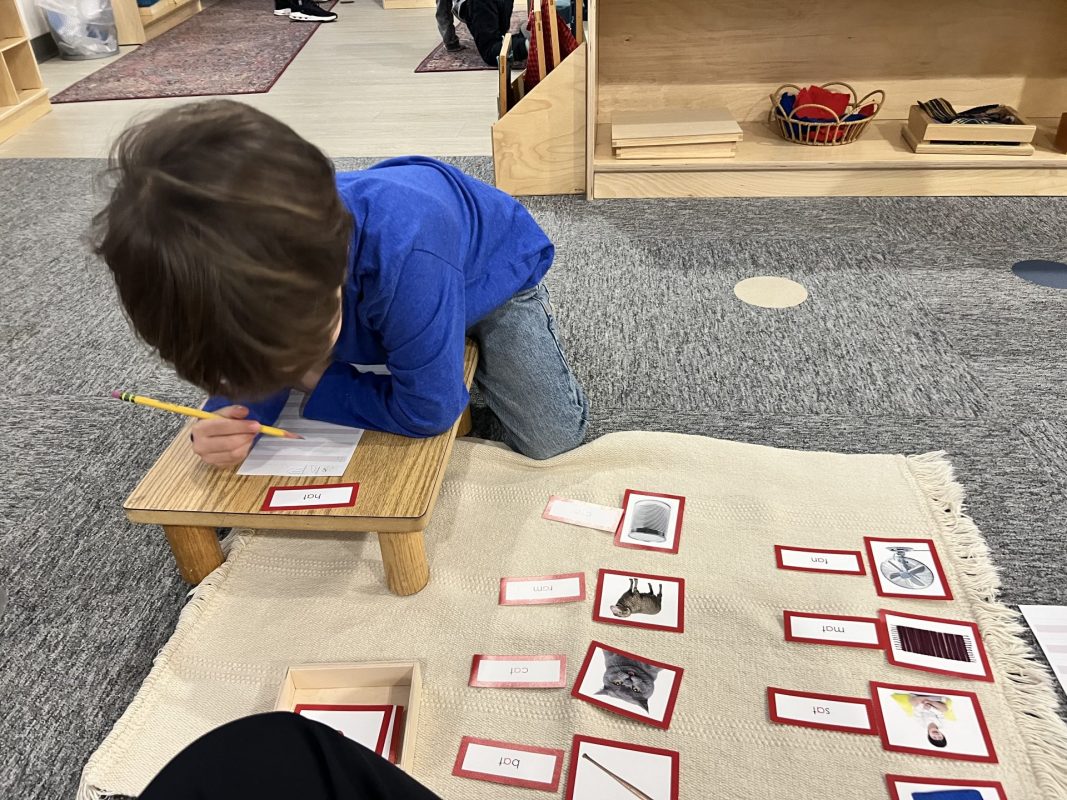
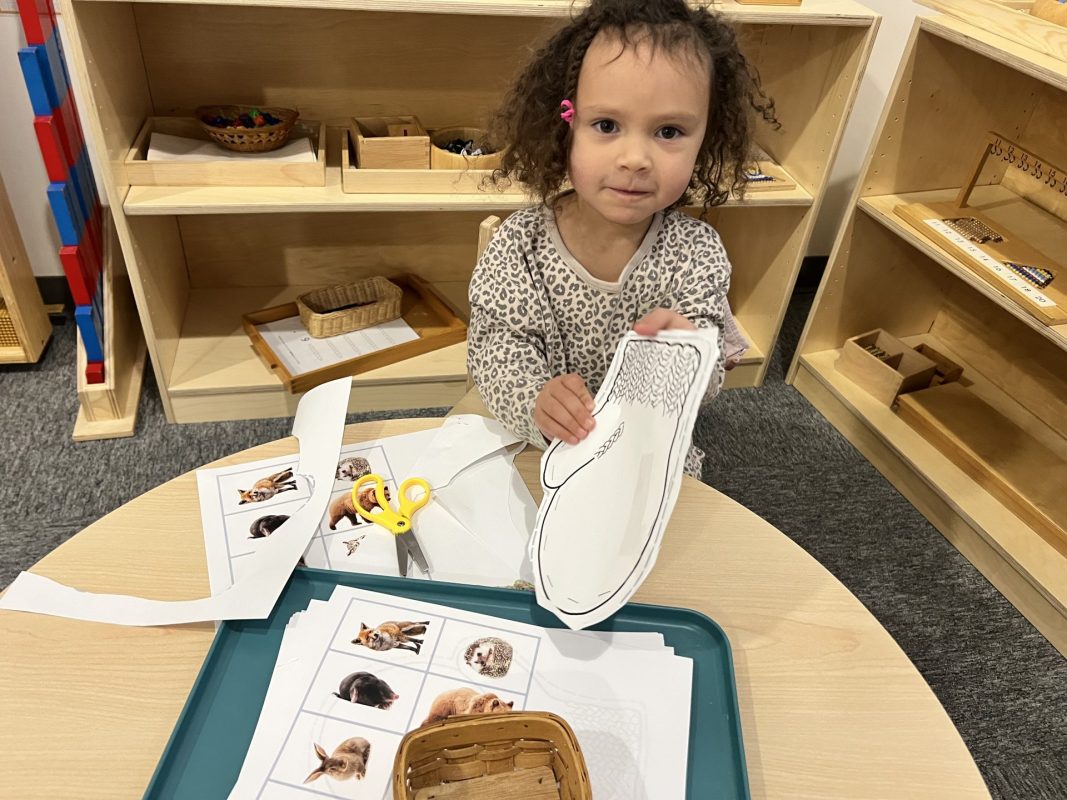
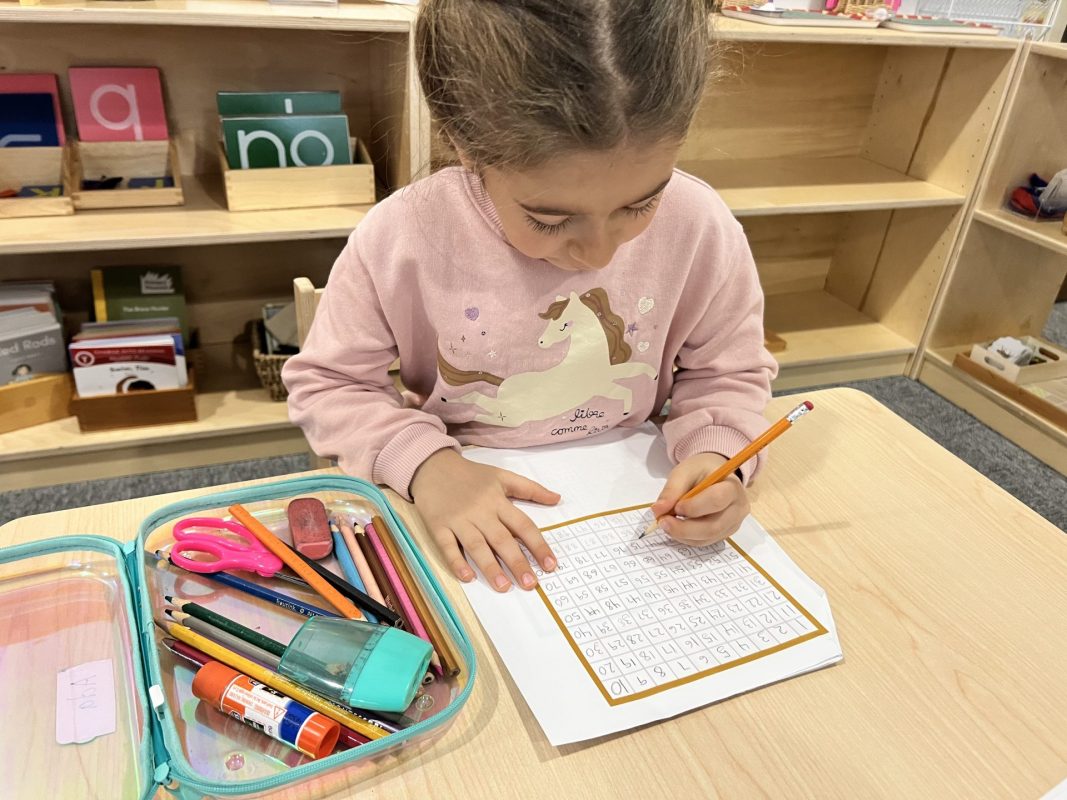
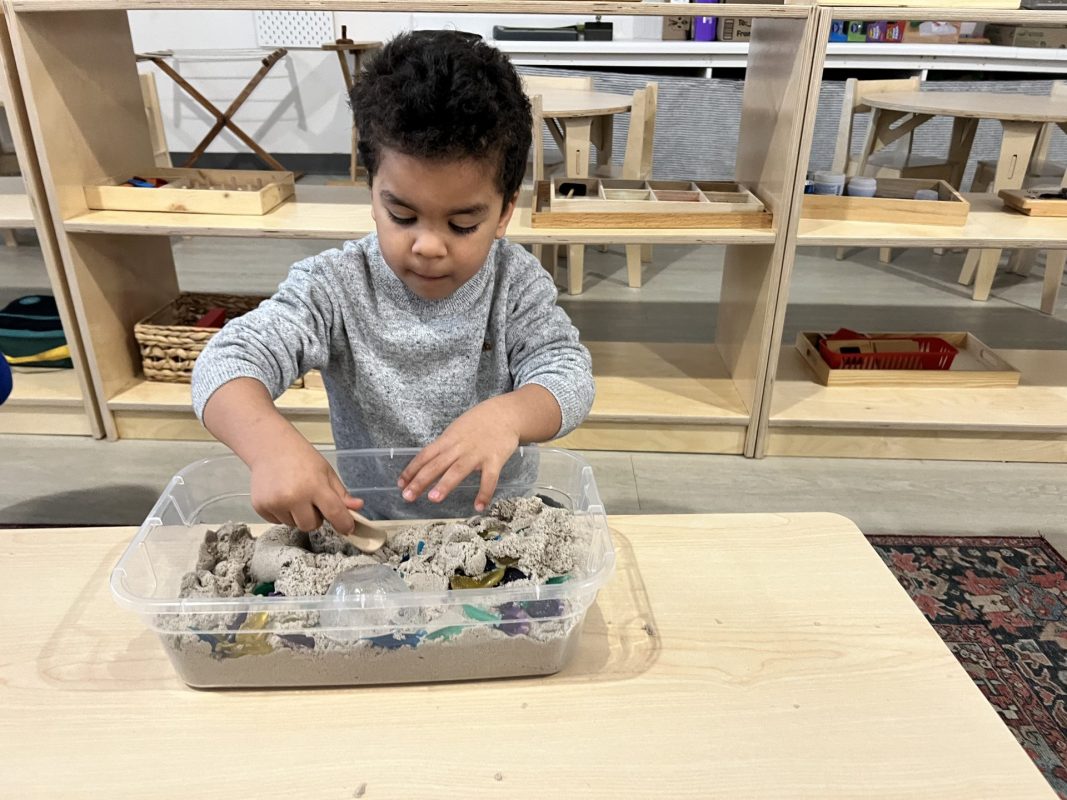
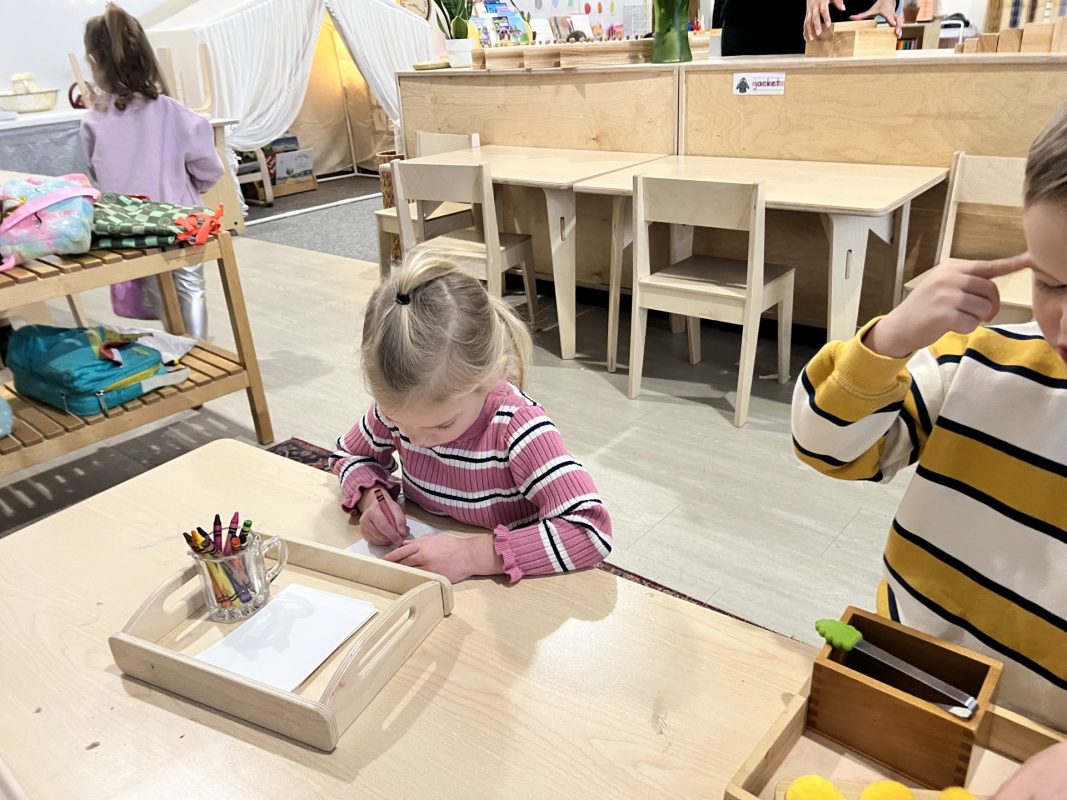
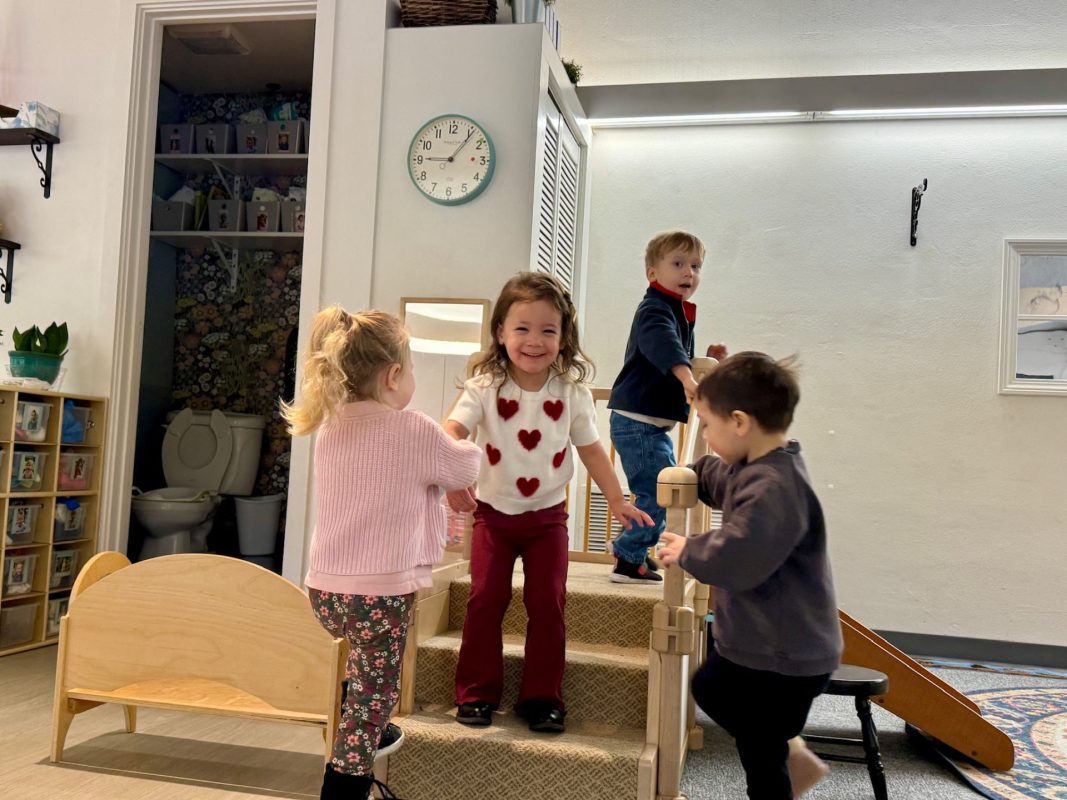
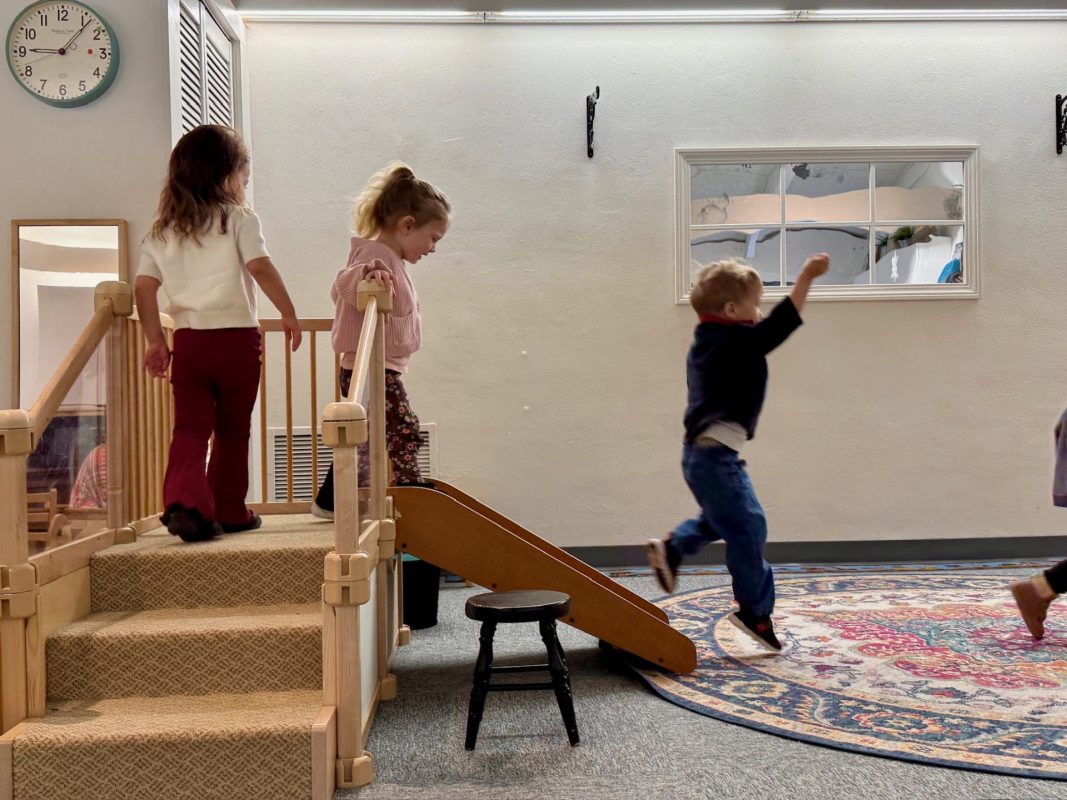
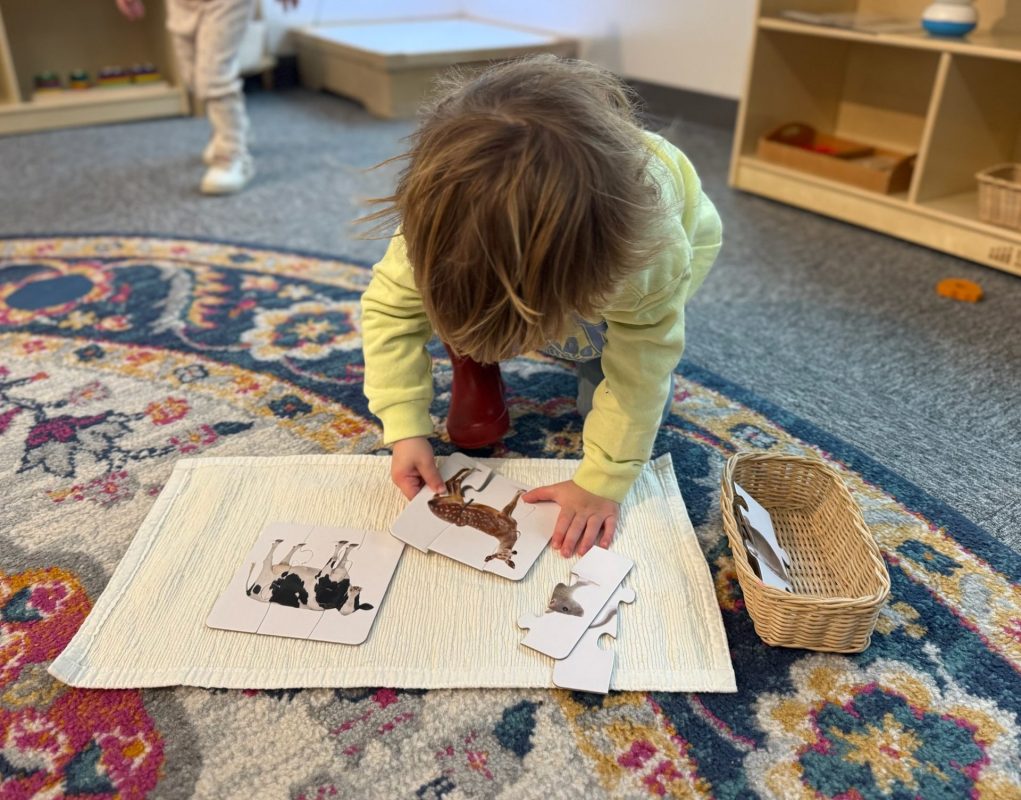
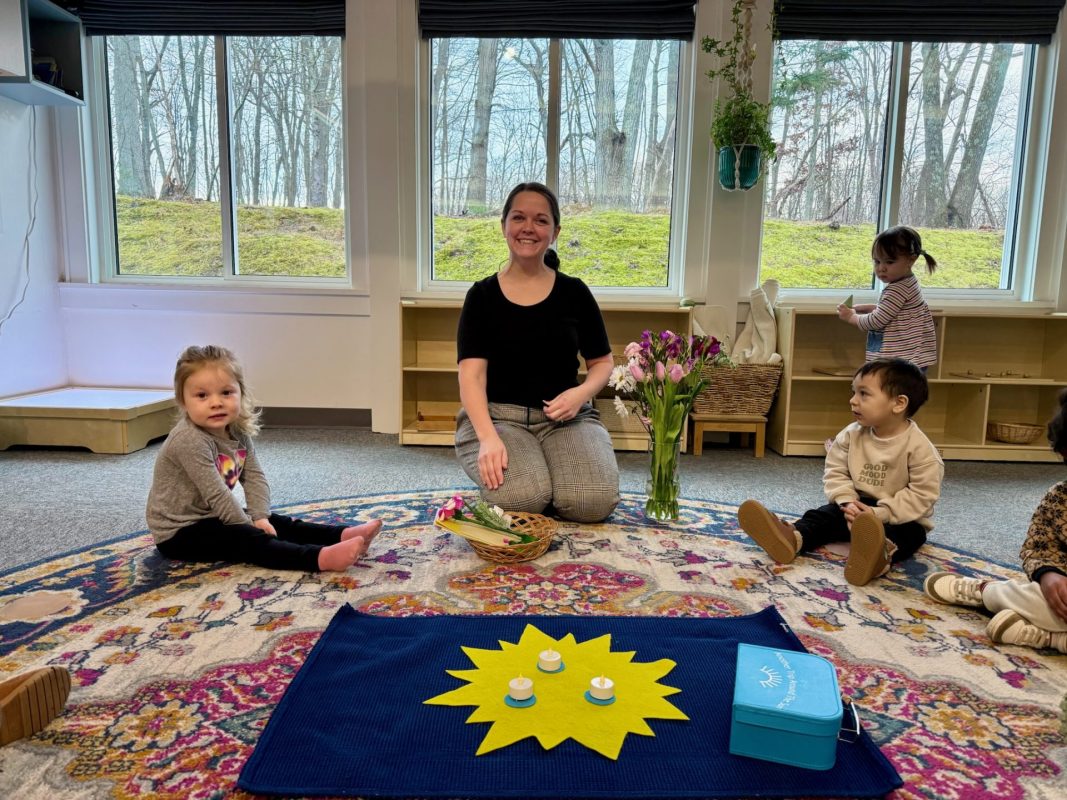
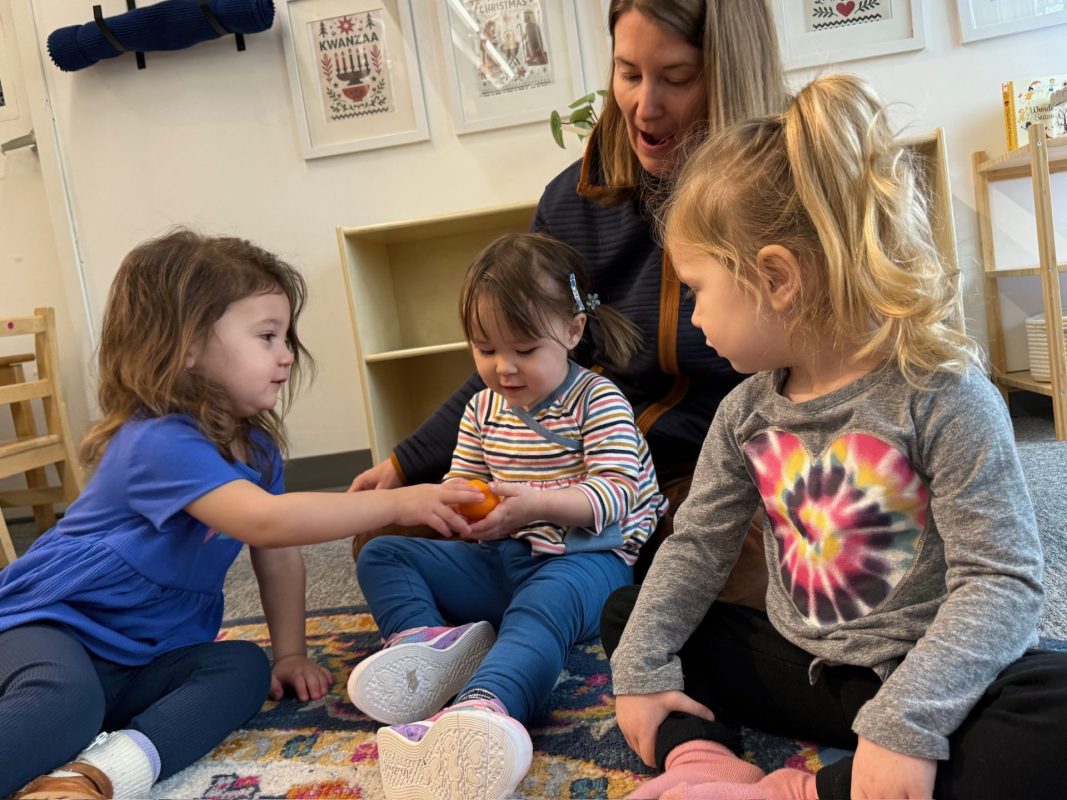
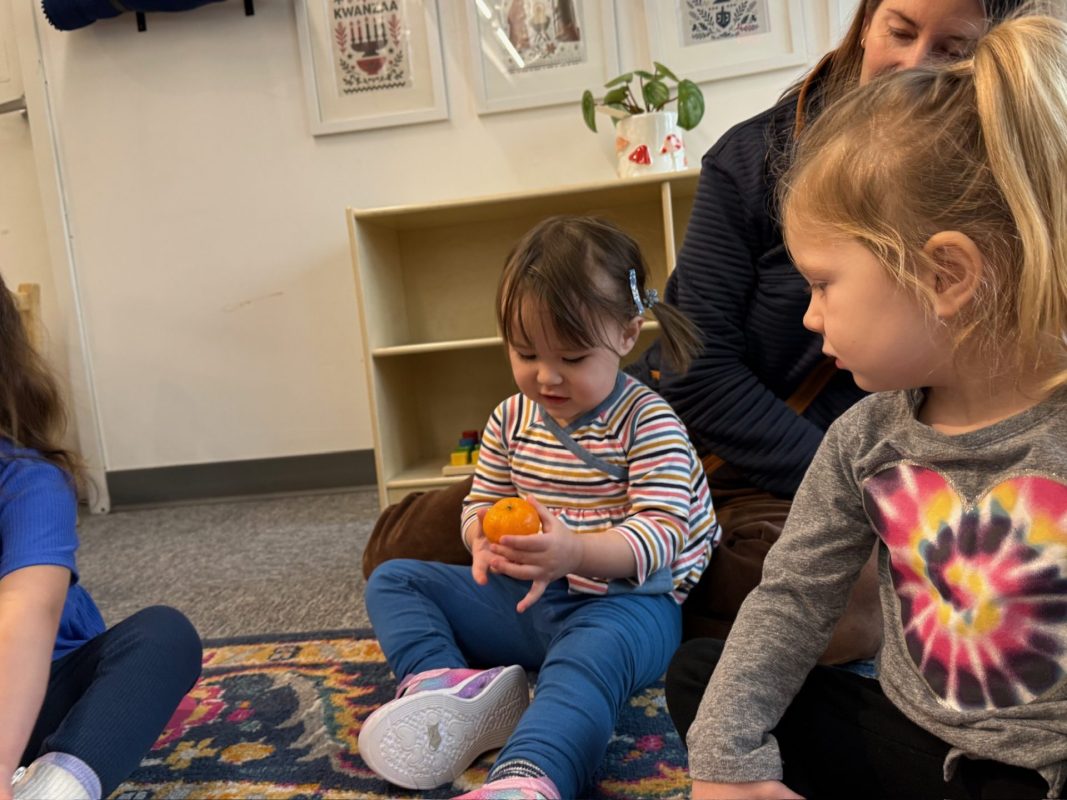
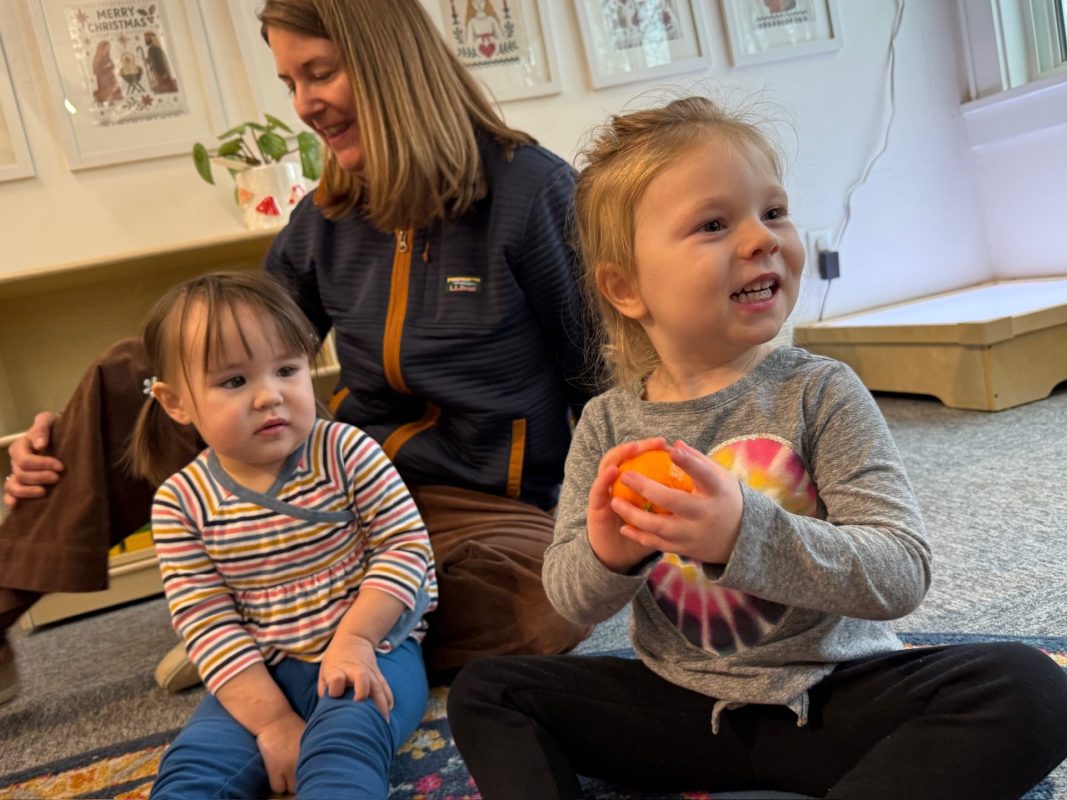
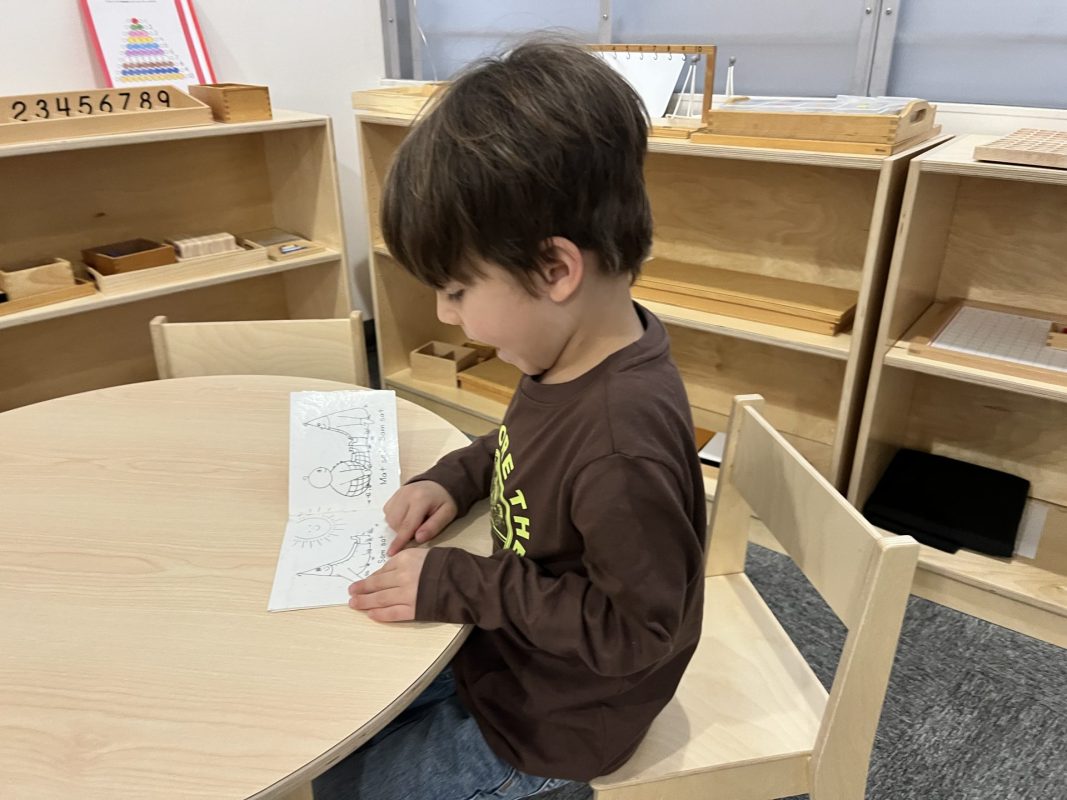
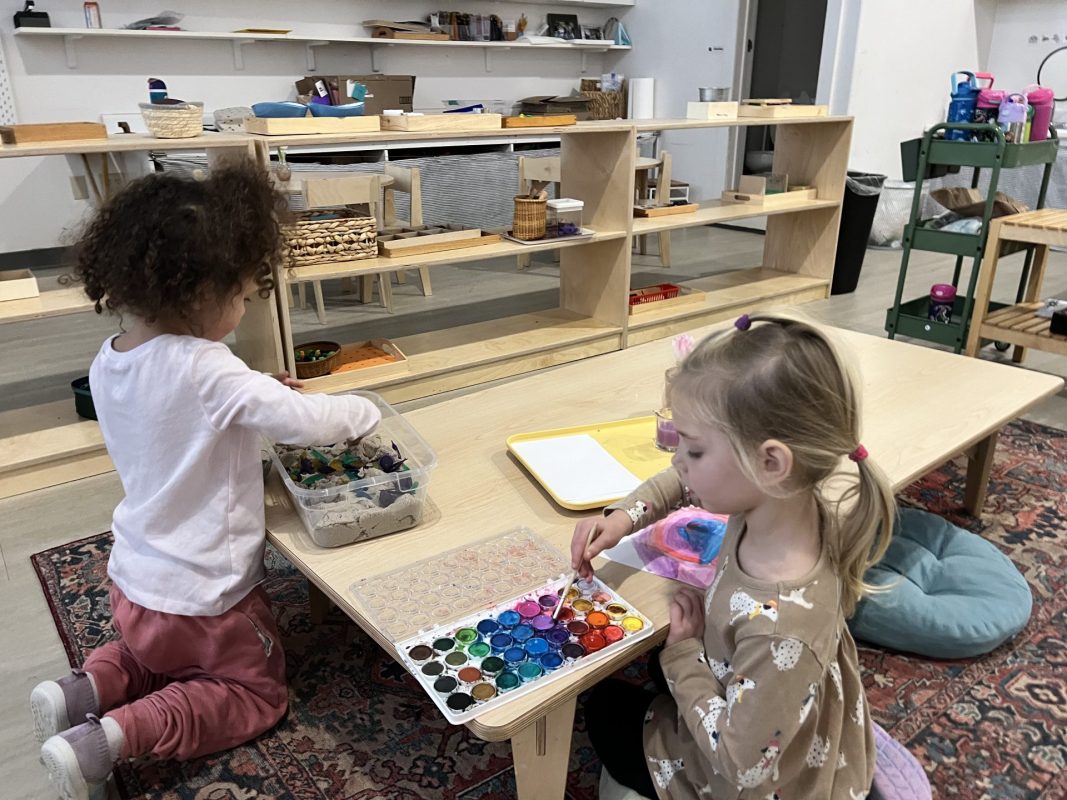
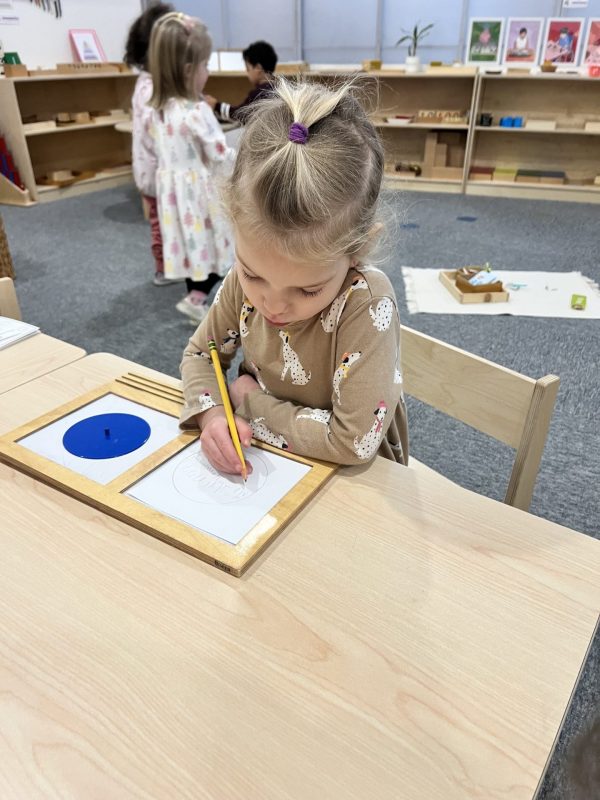
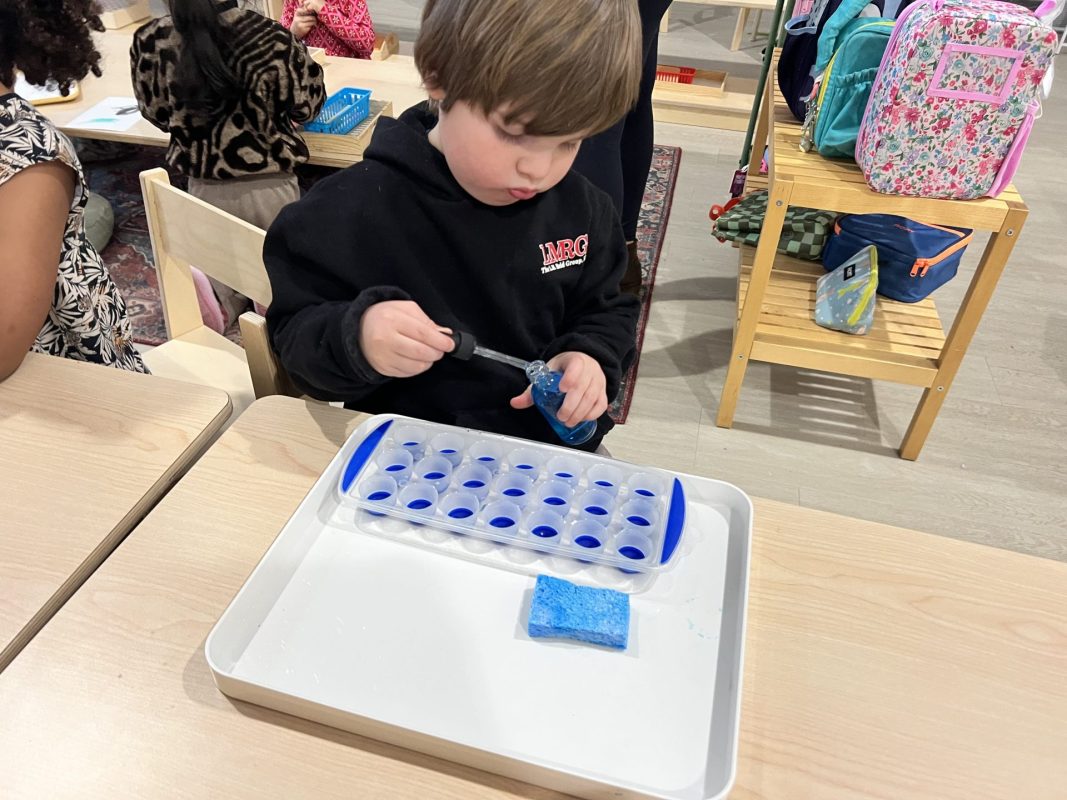
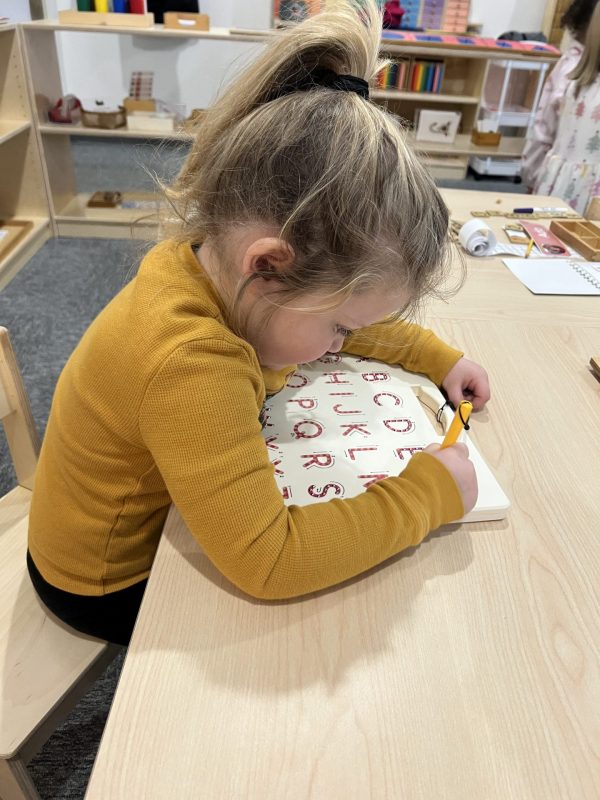
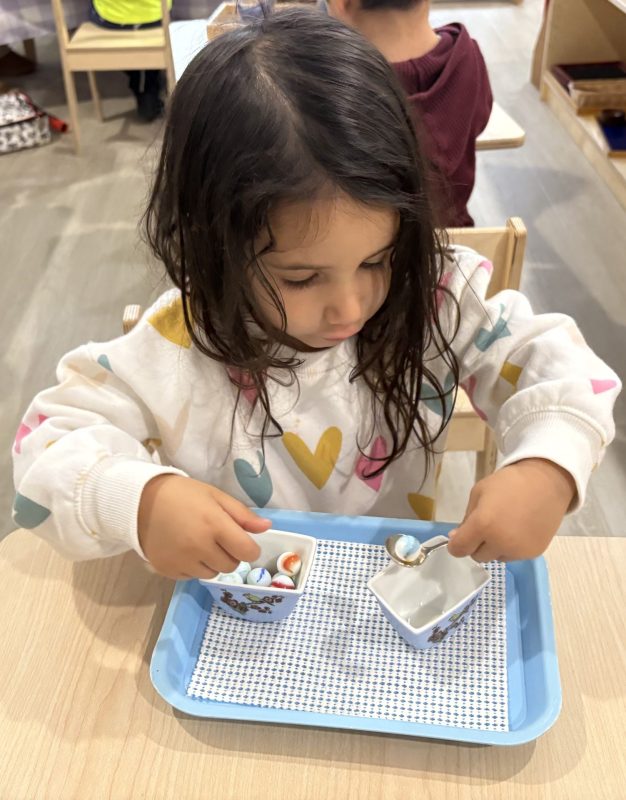
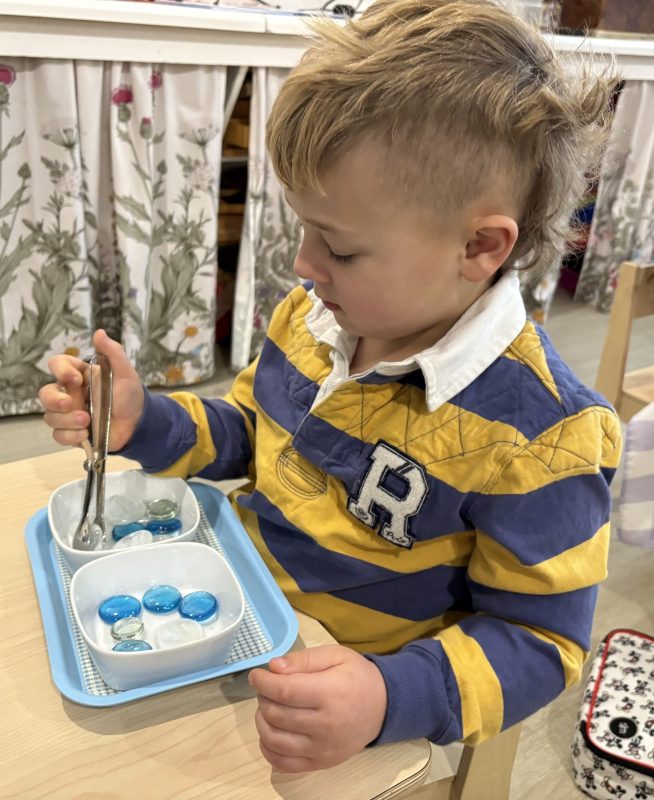
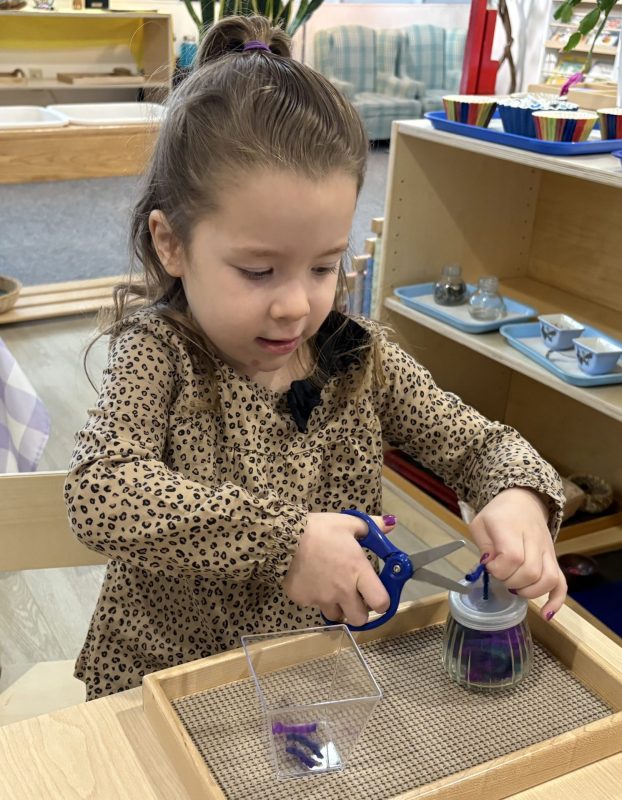
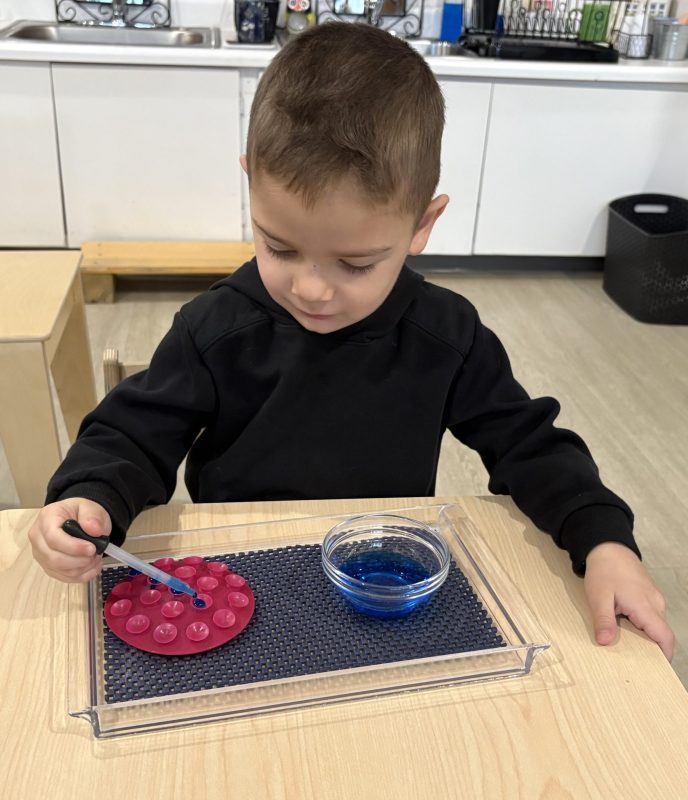
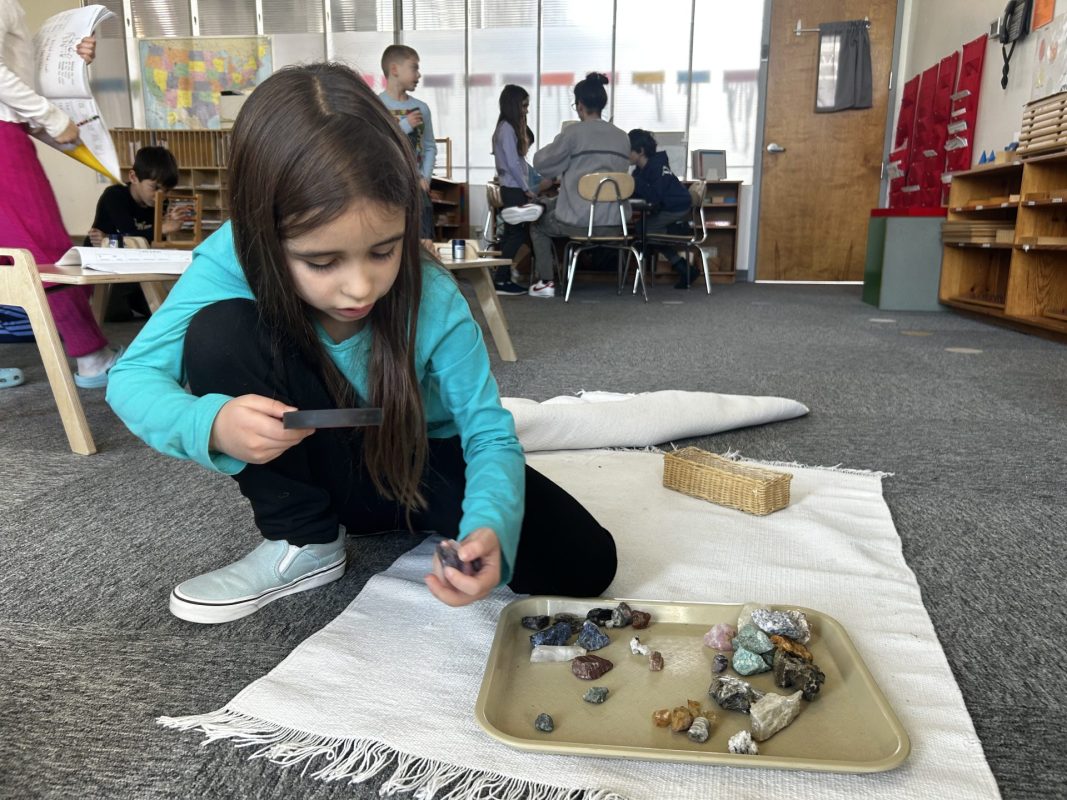
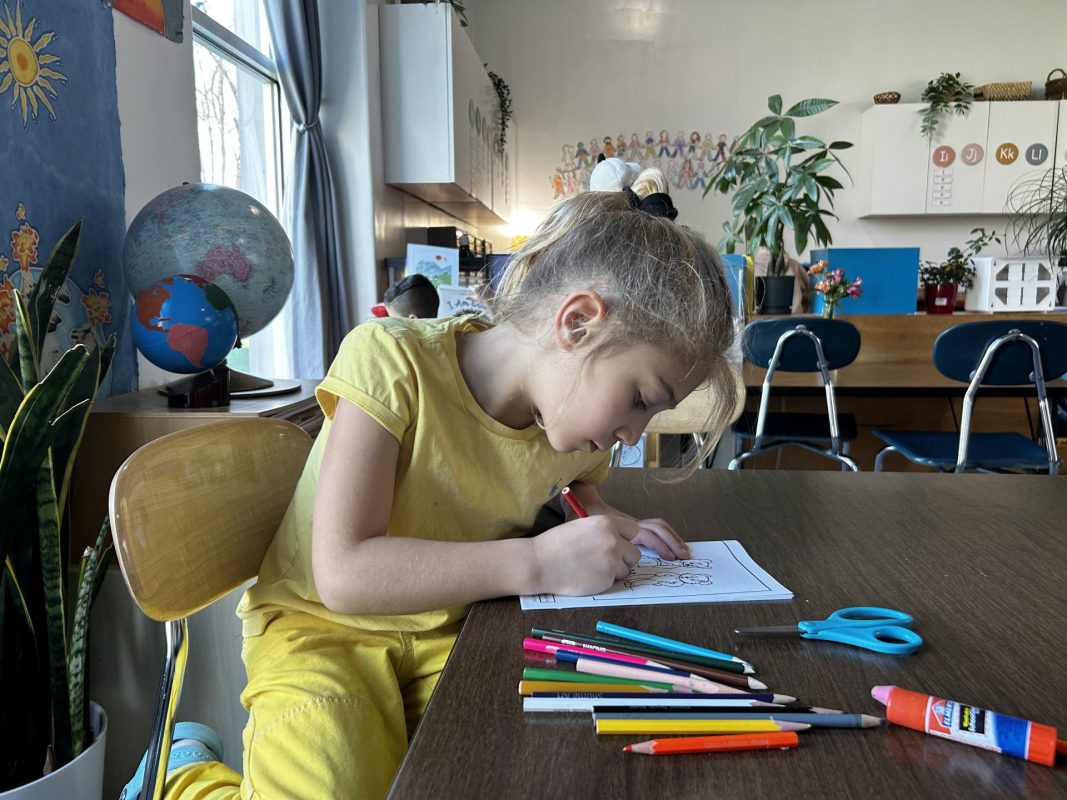
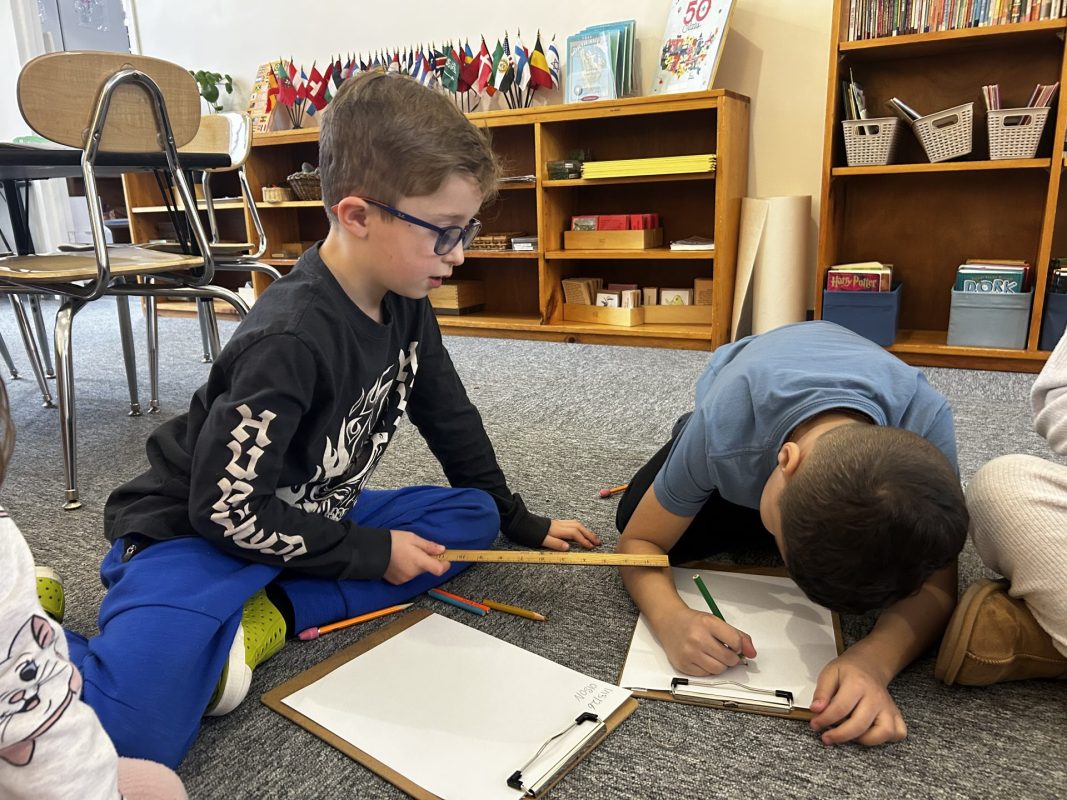
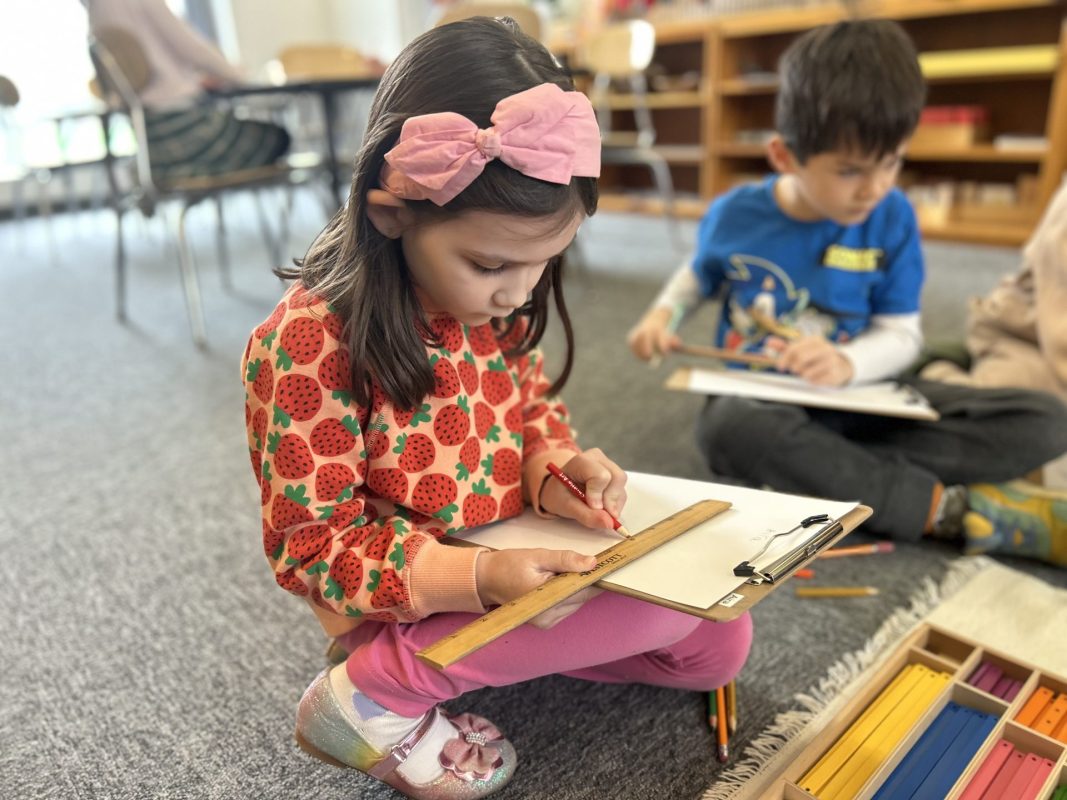
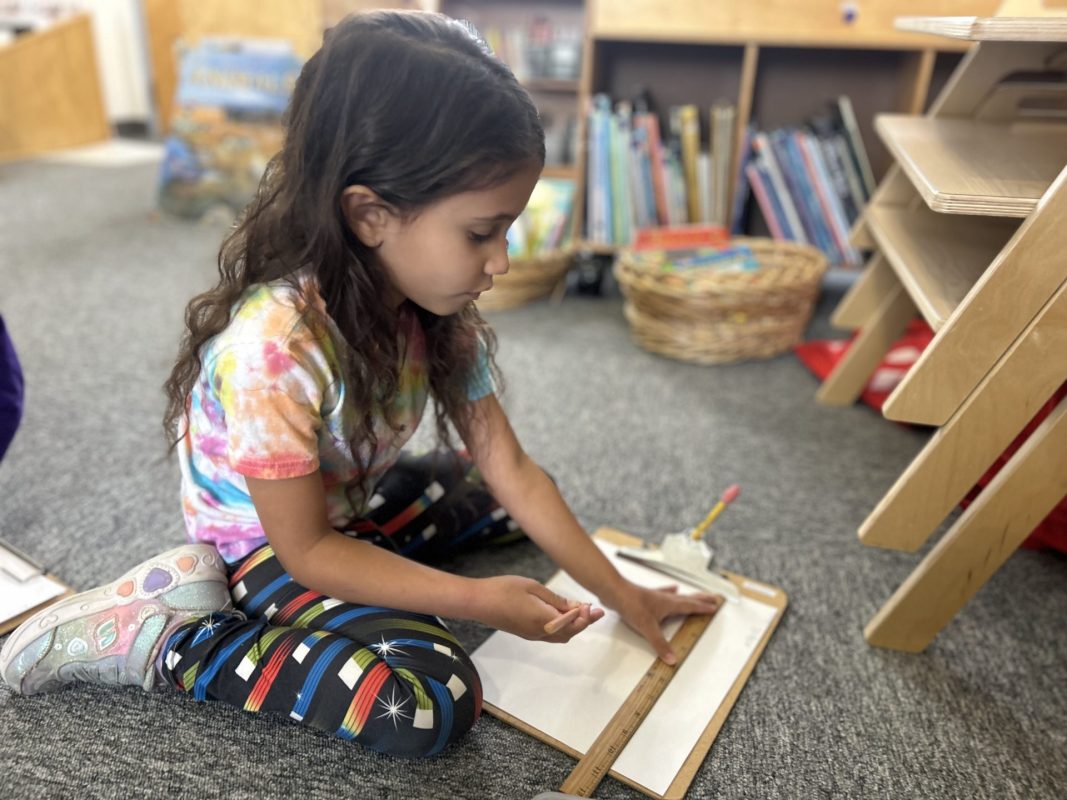
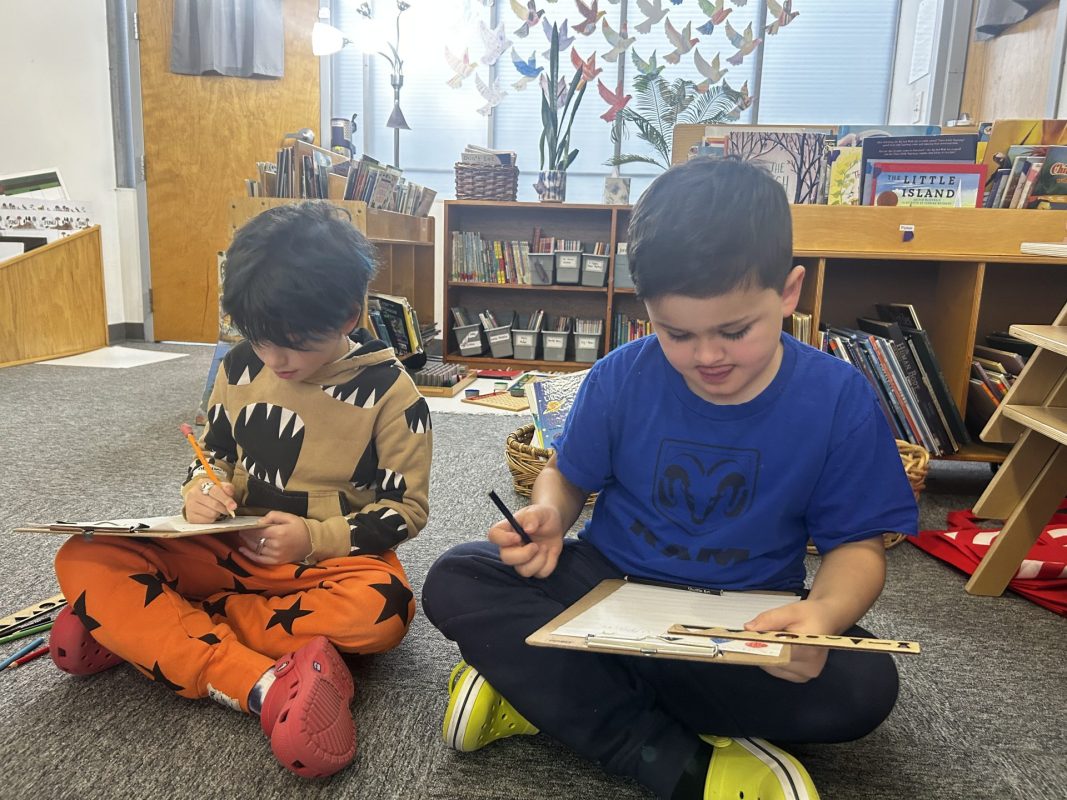
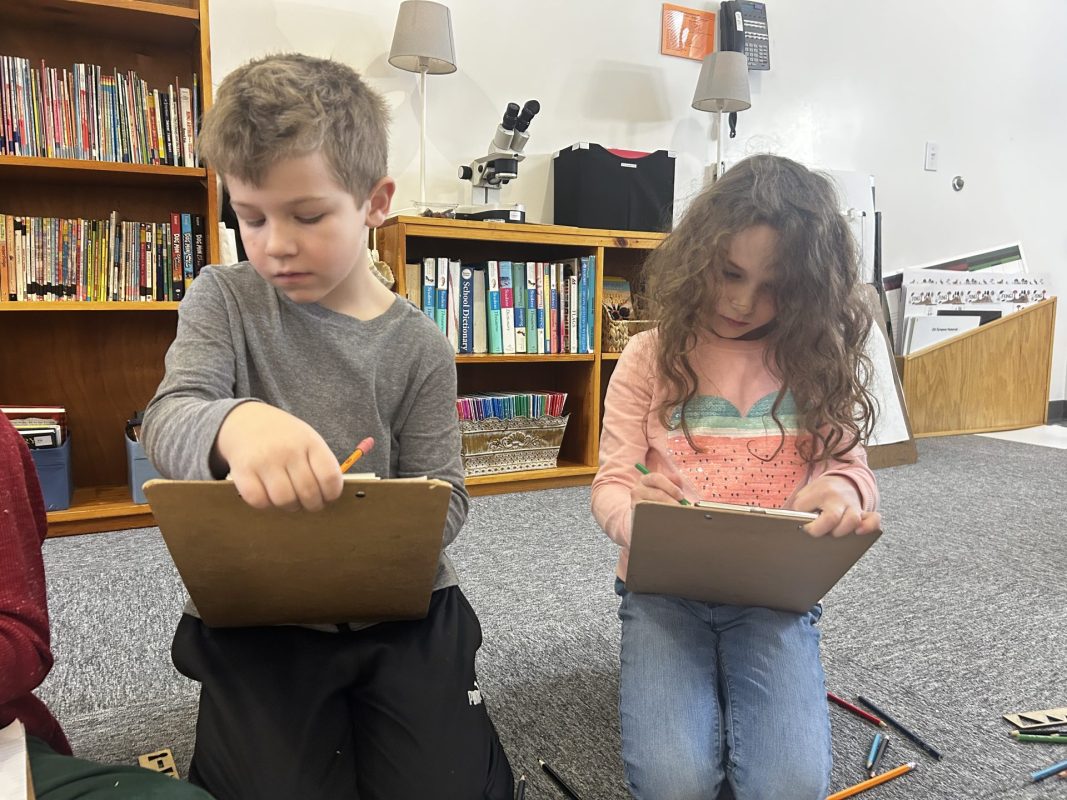
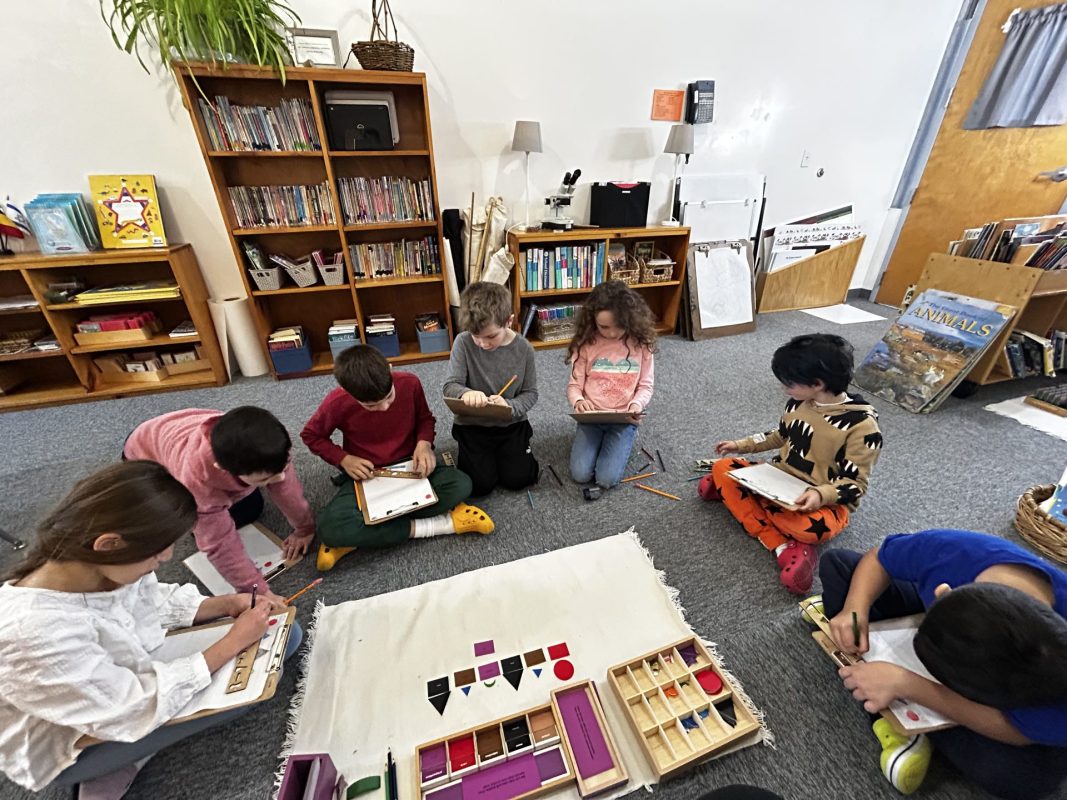
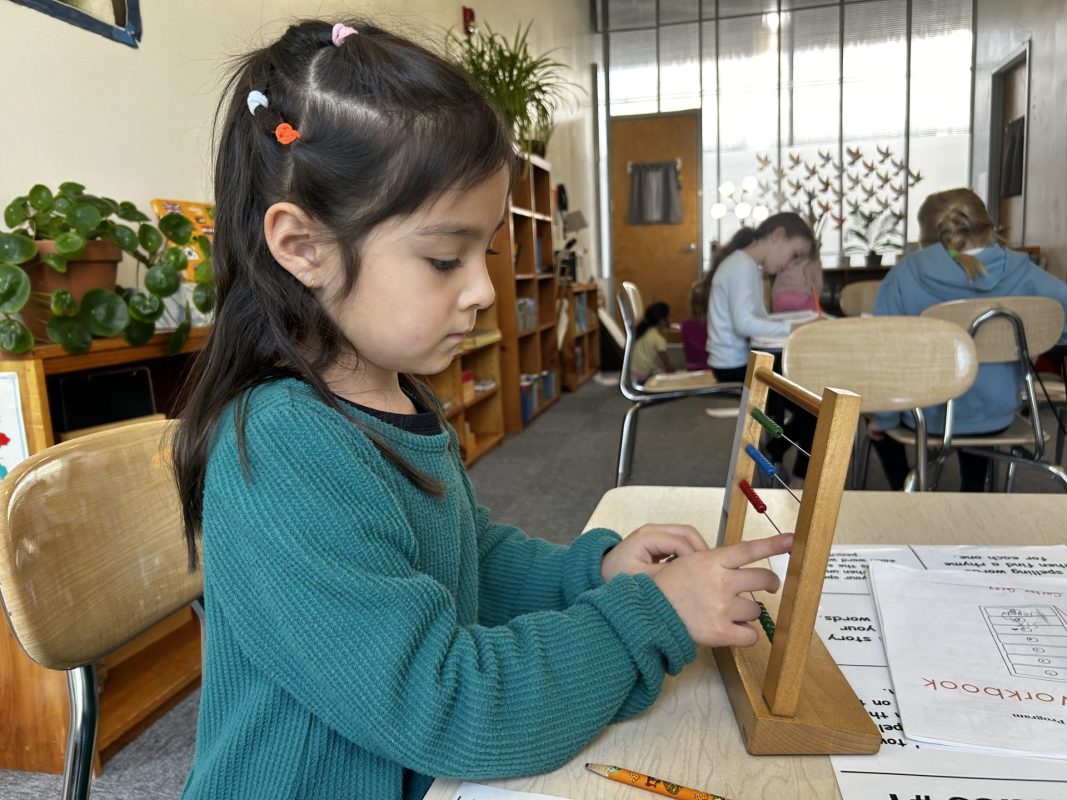
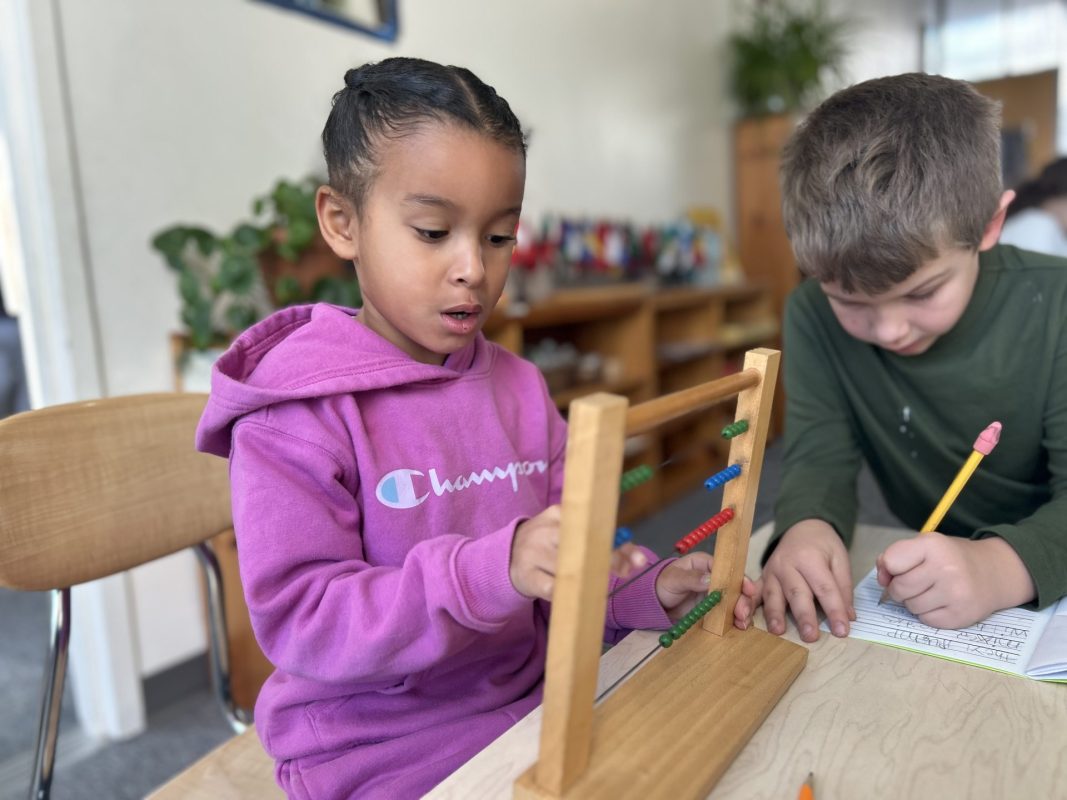
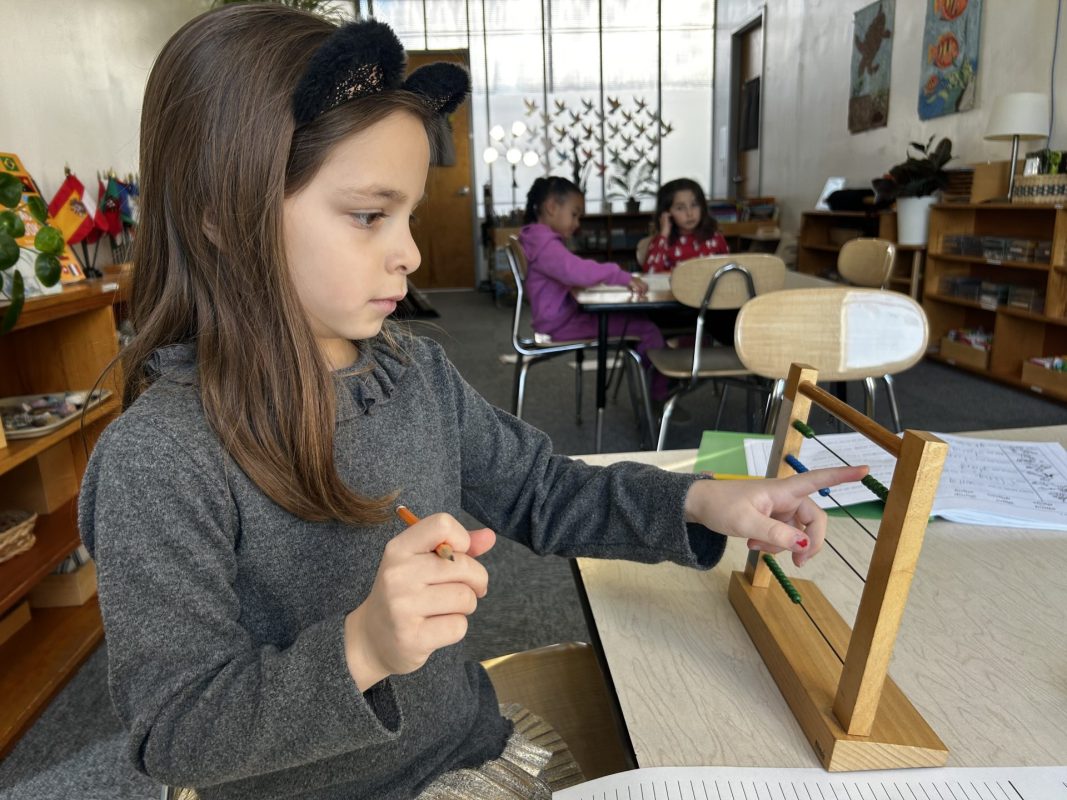
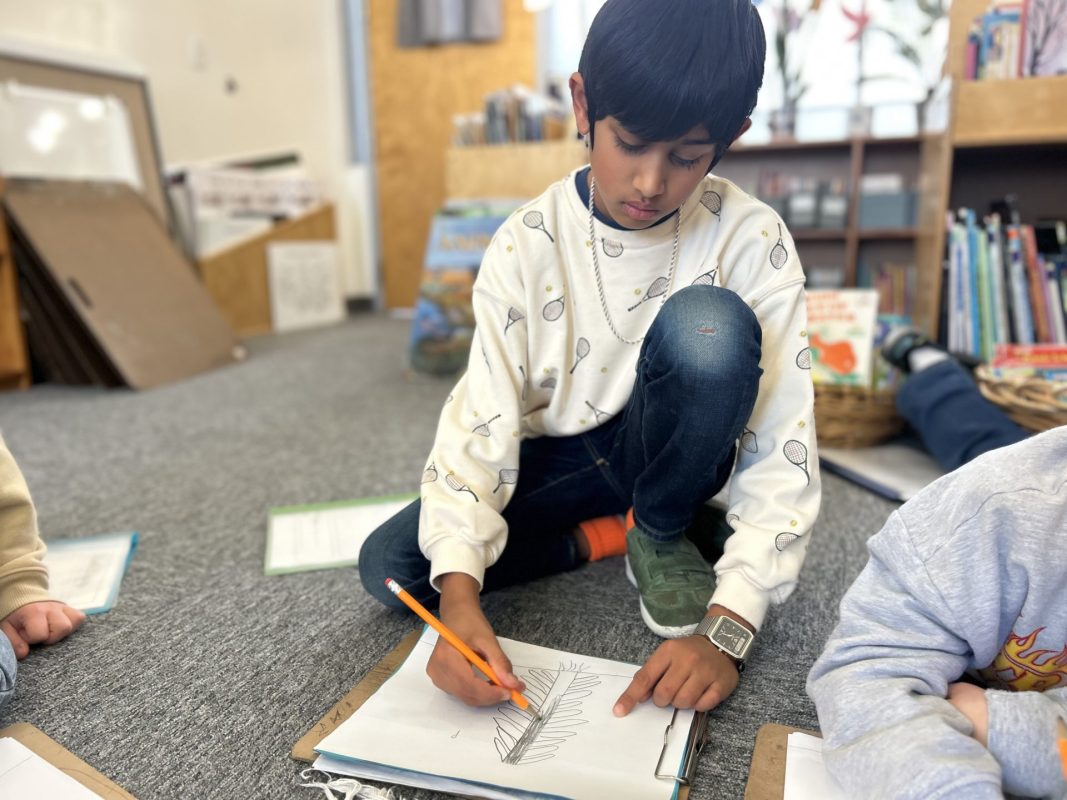
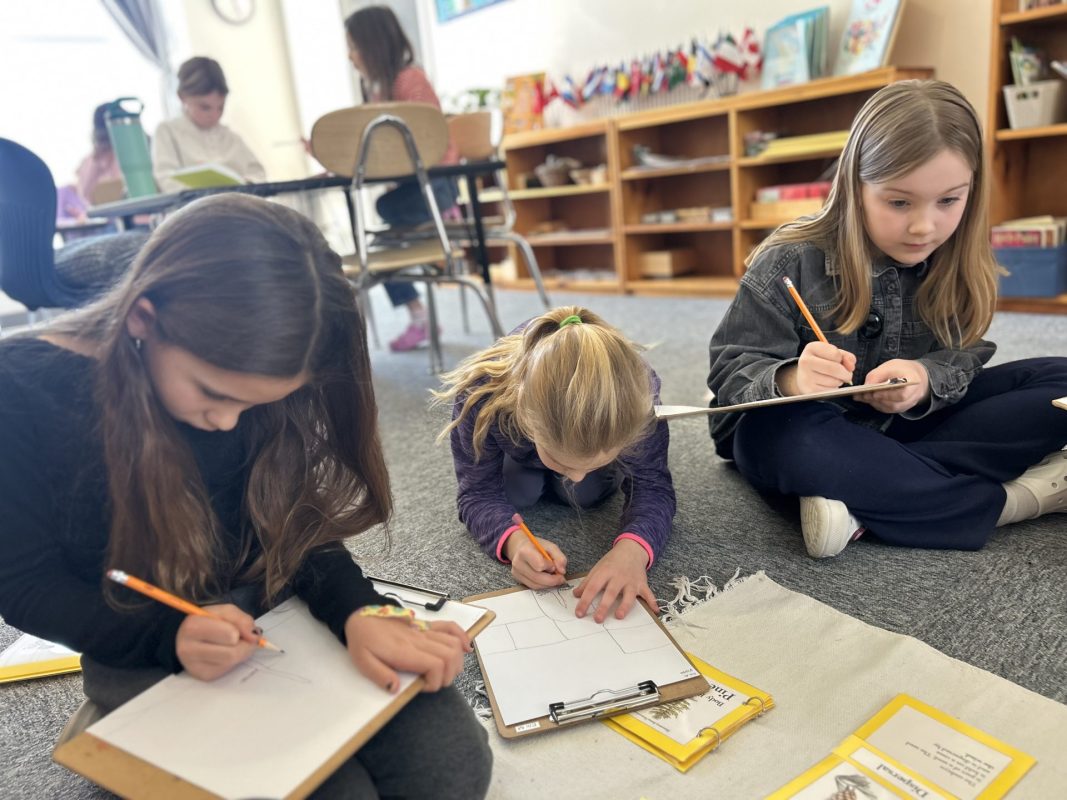
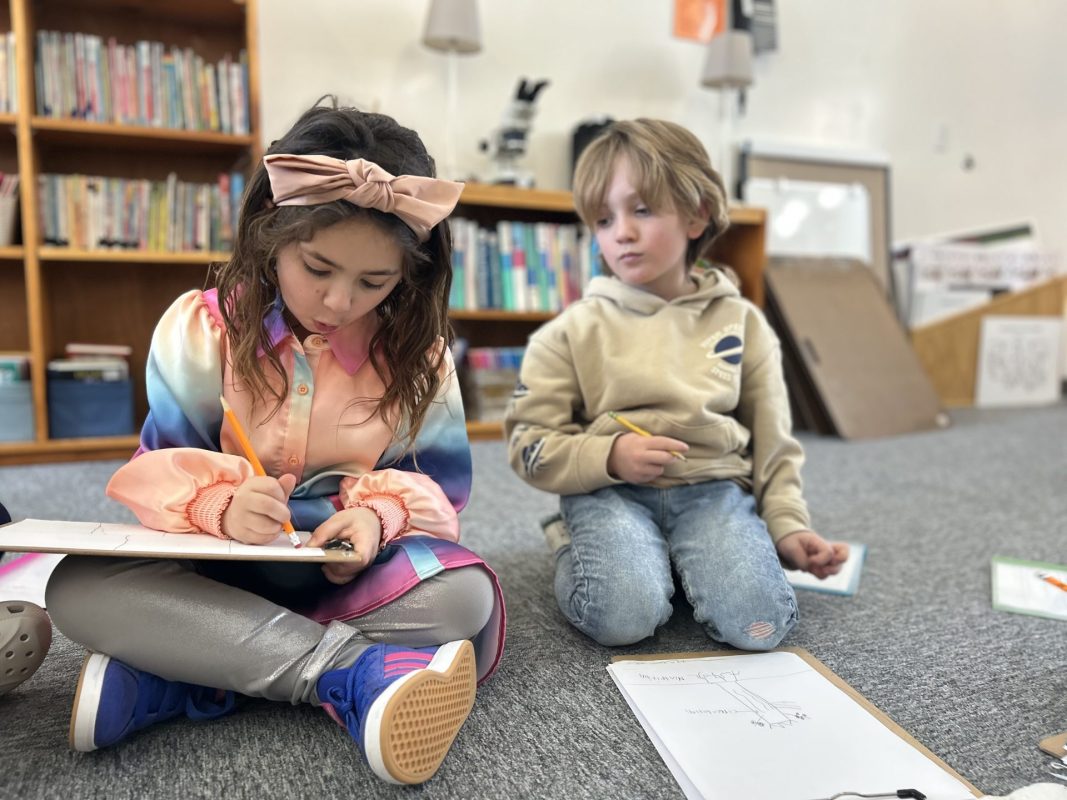
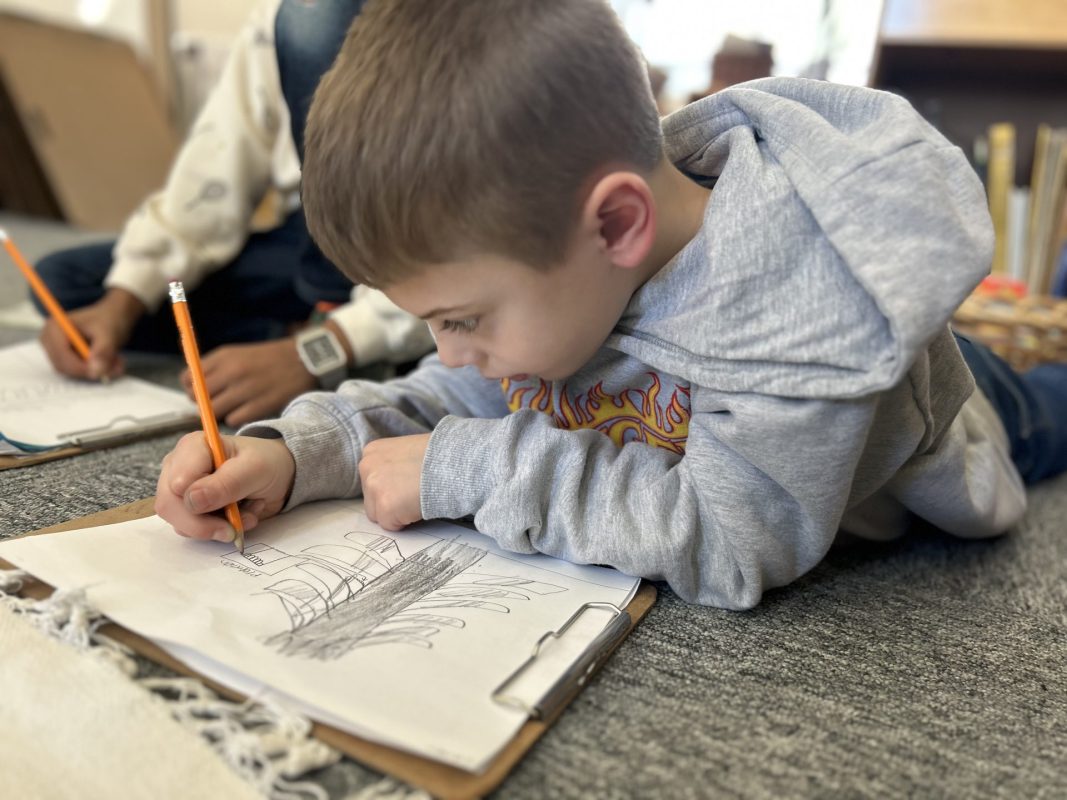
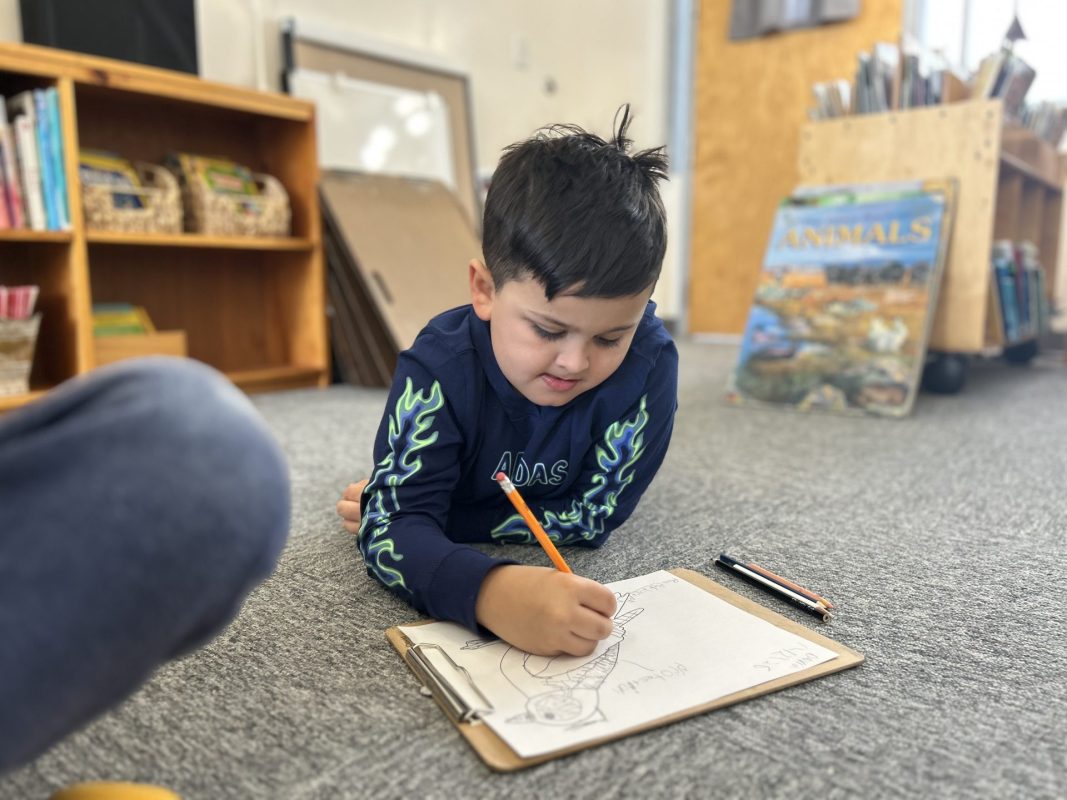
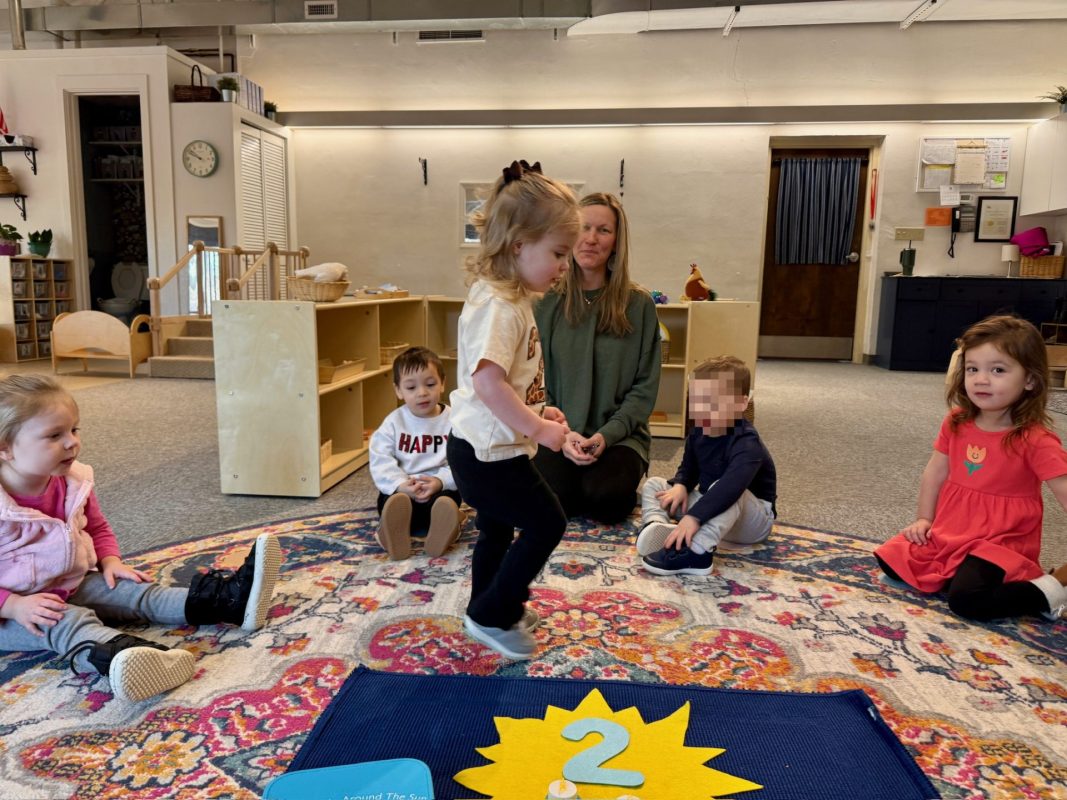
Here’s the perspective shift I experienced when we enrolled our daughter in Montessori at age three. In Montessori education, adults intentionally step back. They don’t panic when kids lose things (or drop things, or spill things, or break things) and they don’t rush in to fix it. They intentionally let children experience the natural consequences of forgetting (or dropping, or spilling, or breaking.)
Recent research from Yale University confirms what Montessori educators have understood for over a century. When children struggle, problem-solve, and yes, even forget their belongings, they’re building the neural pathways and executive function skills that will serve them throughout their lives. “When an adult steps in and completes a task for a young child, it can deprive the child of an opportunity to learn how to complete the task by themselves, which potentially harms their ability to develop self-efficacy, autonomy, and other important life skills’ Shachnai et al., 2024, Child Development).
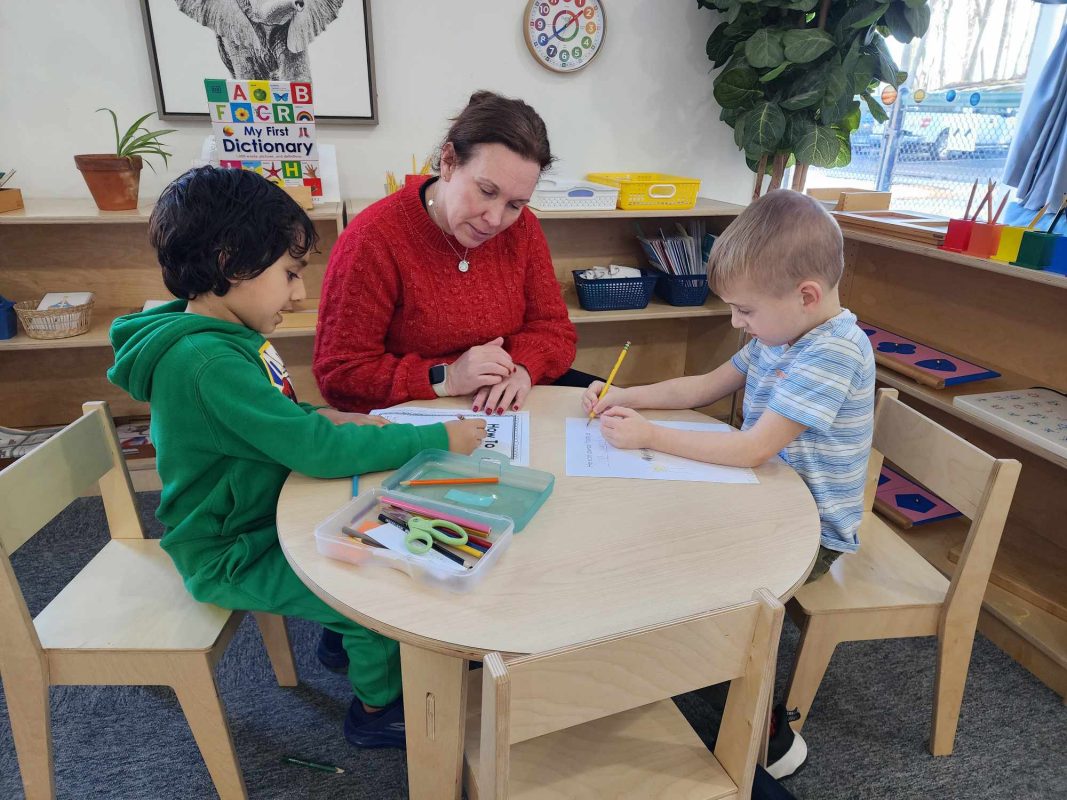
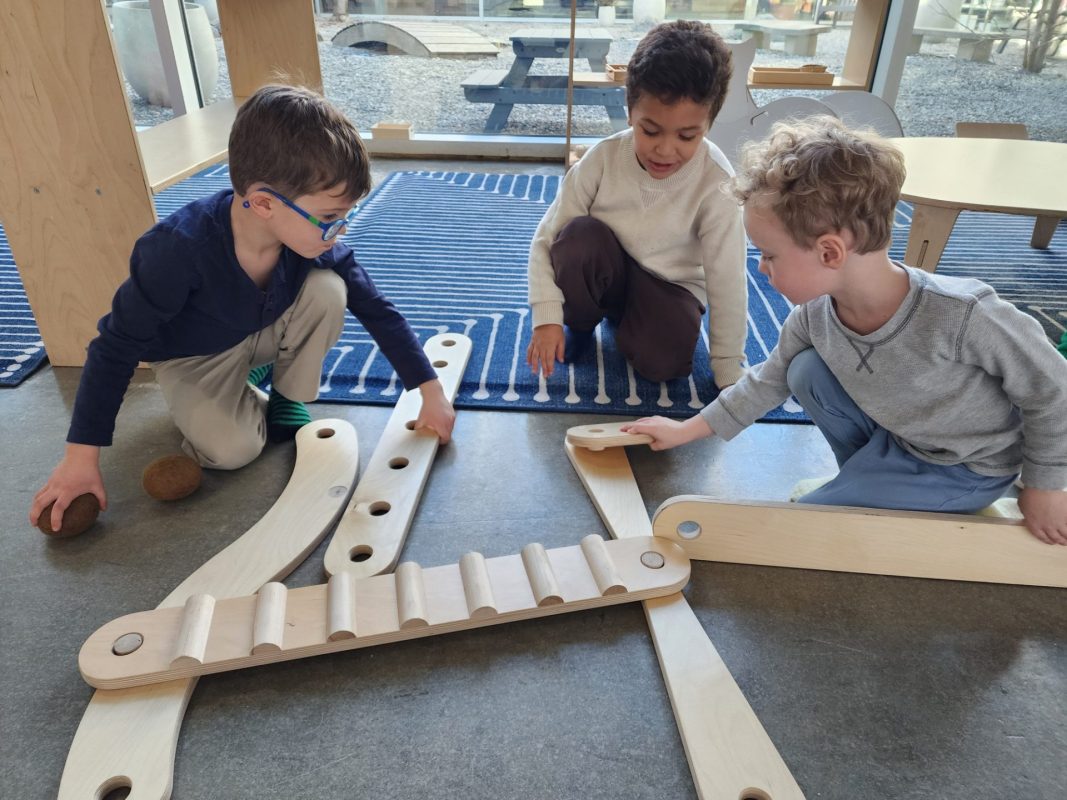
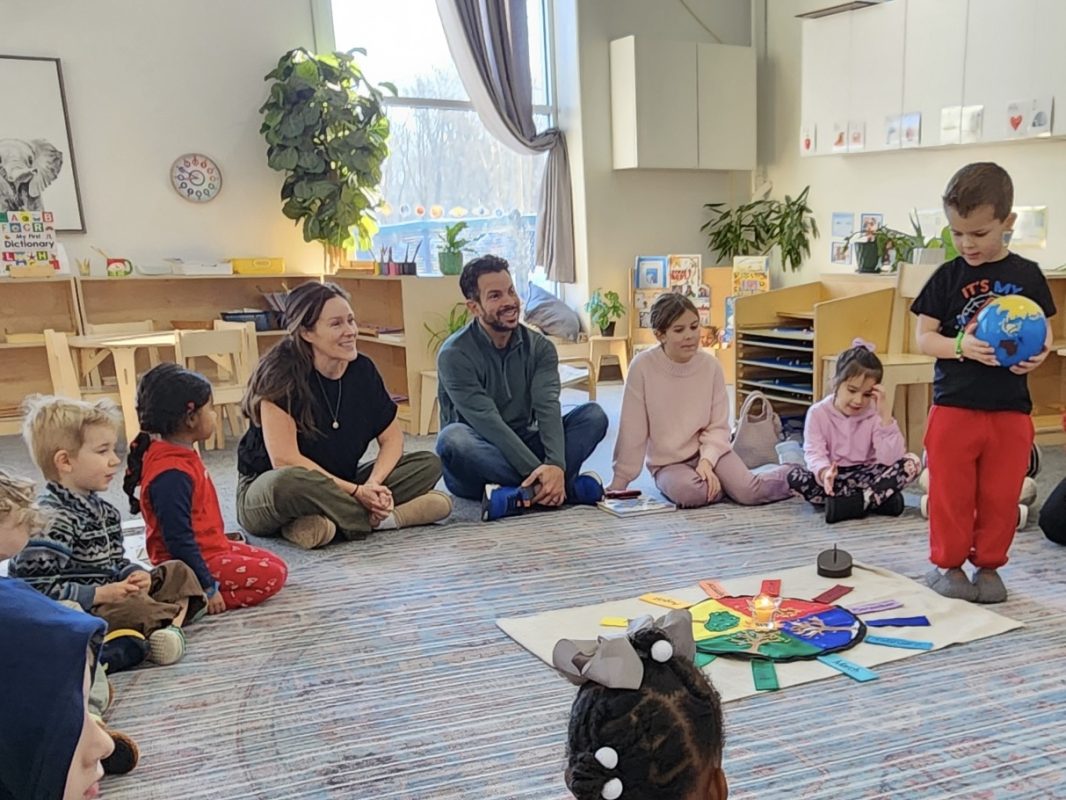
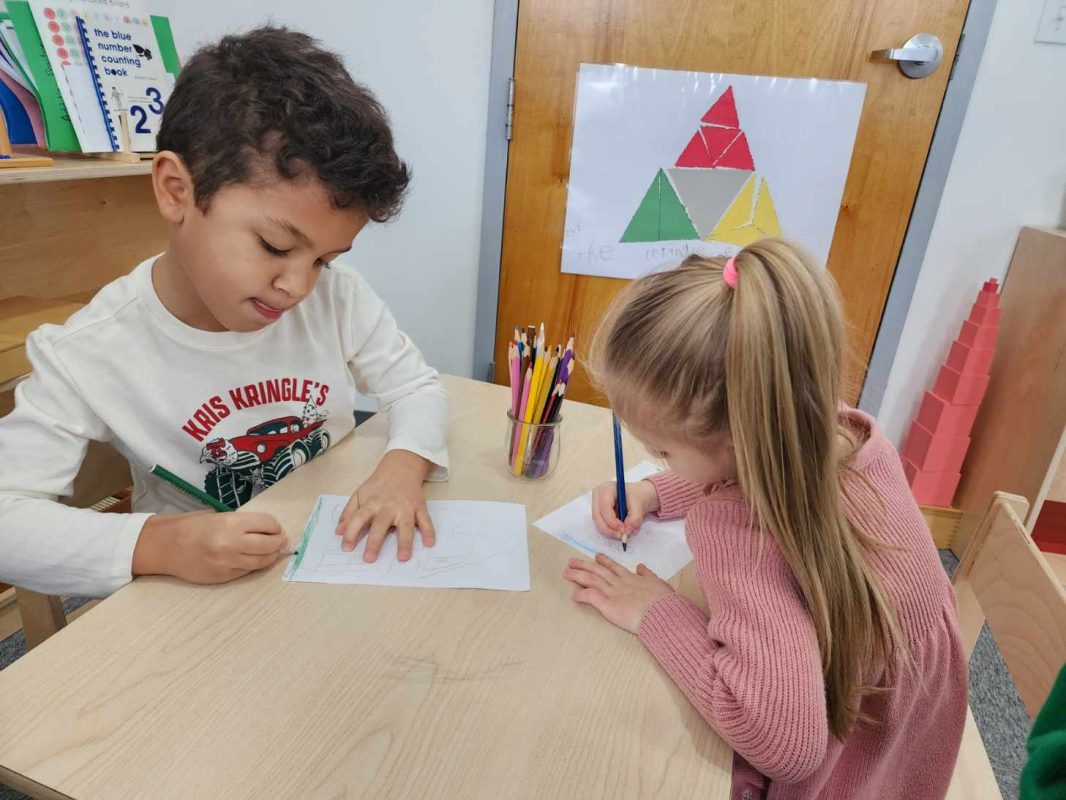
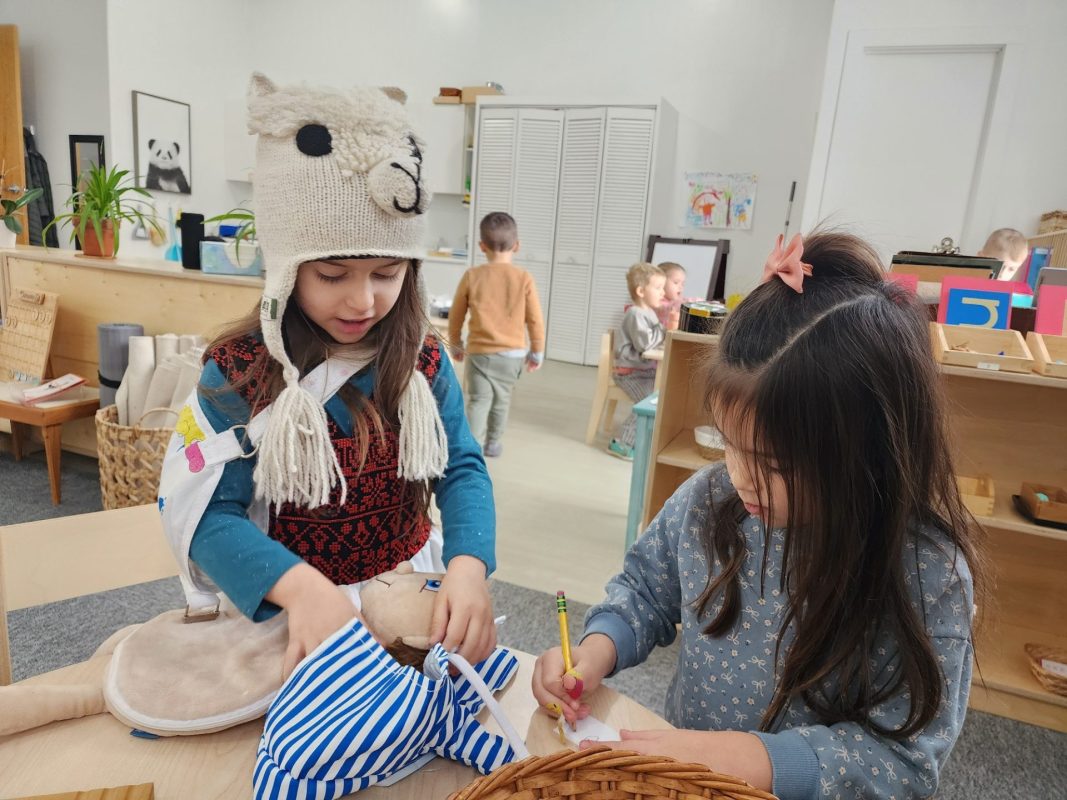
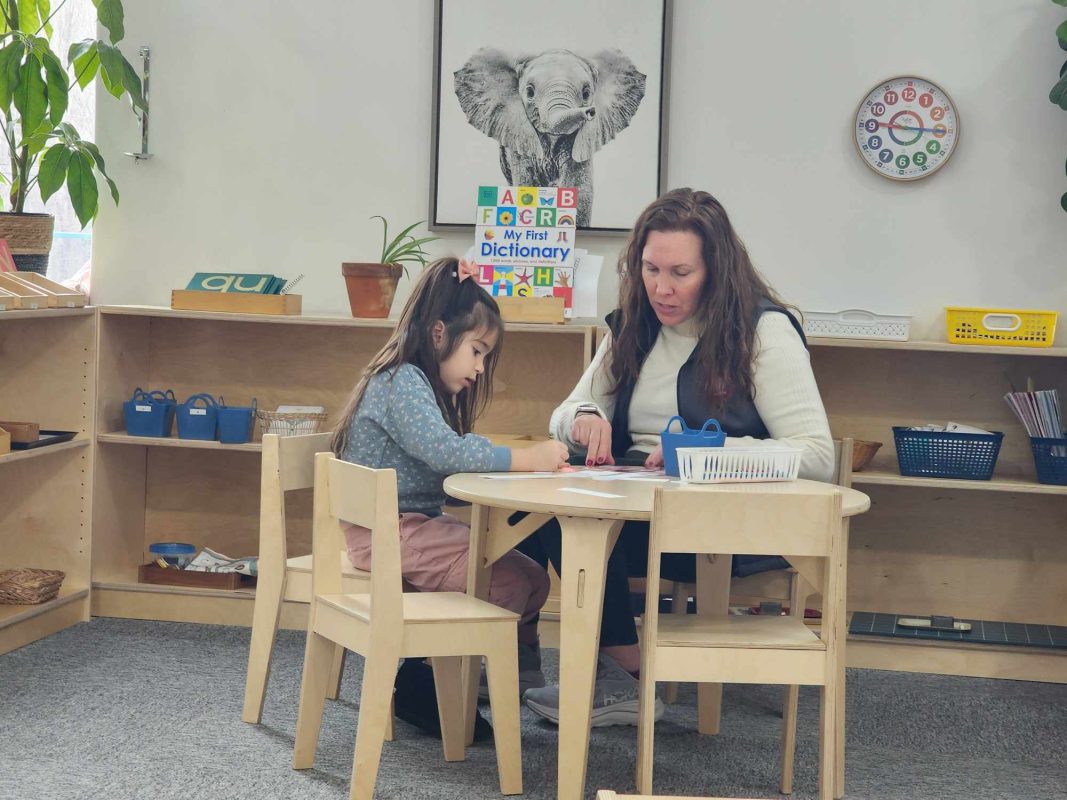
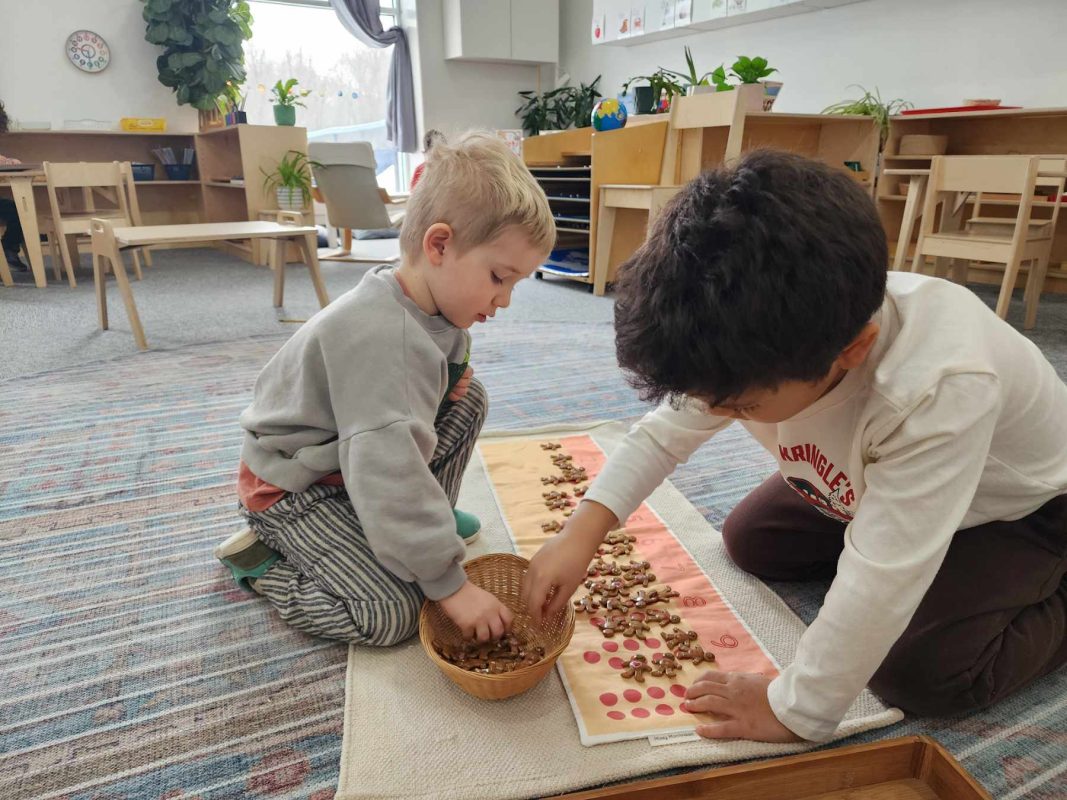
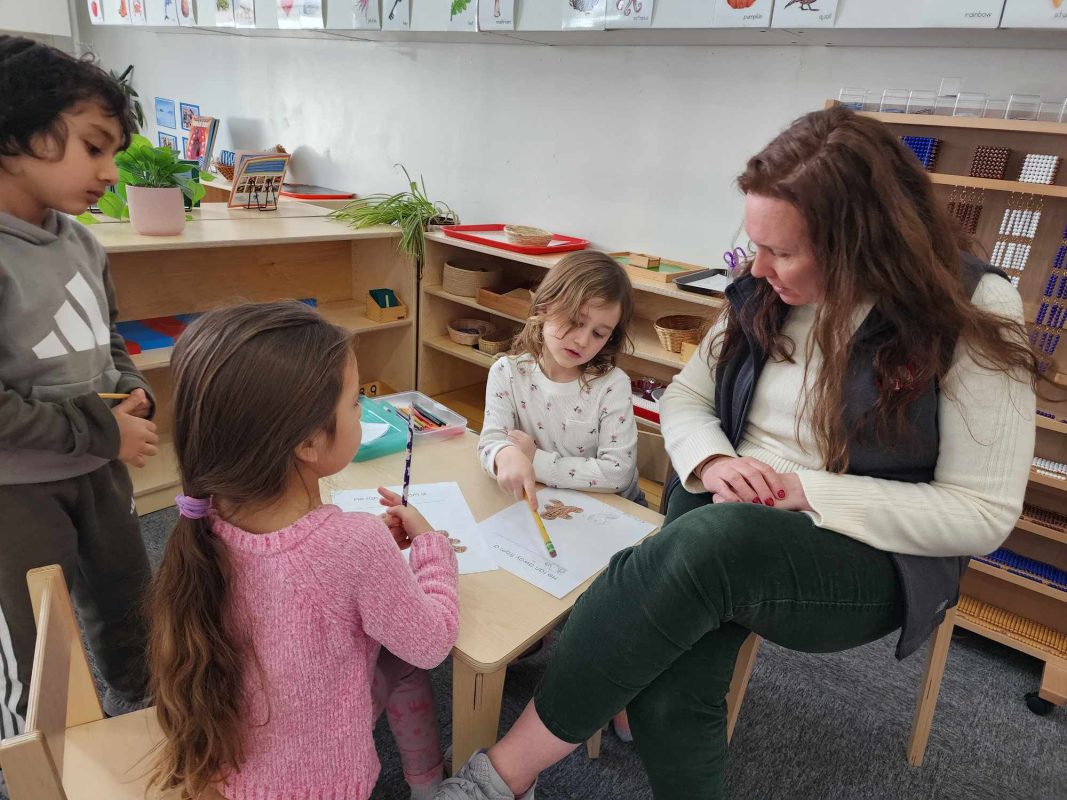
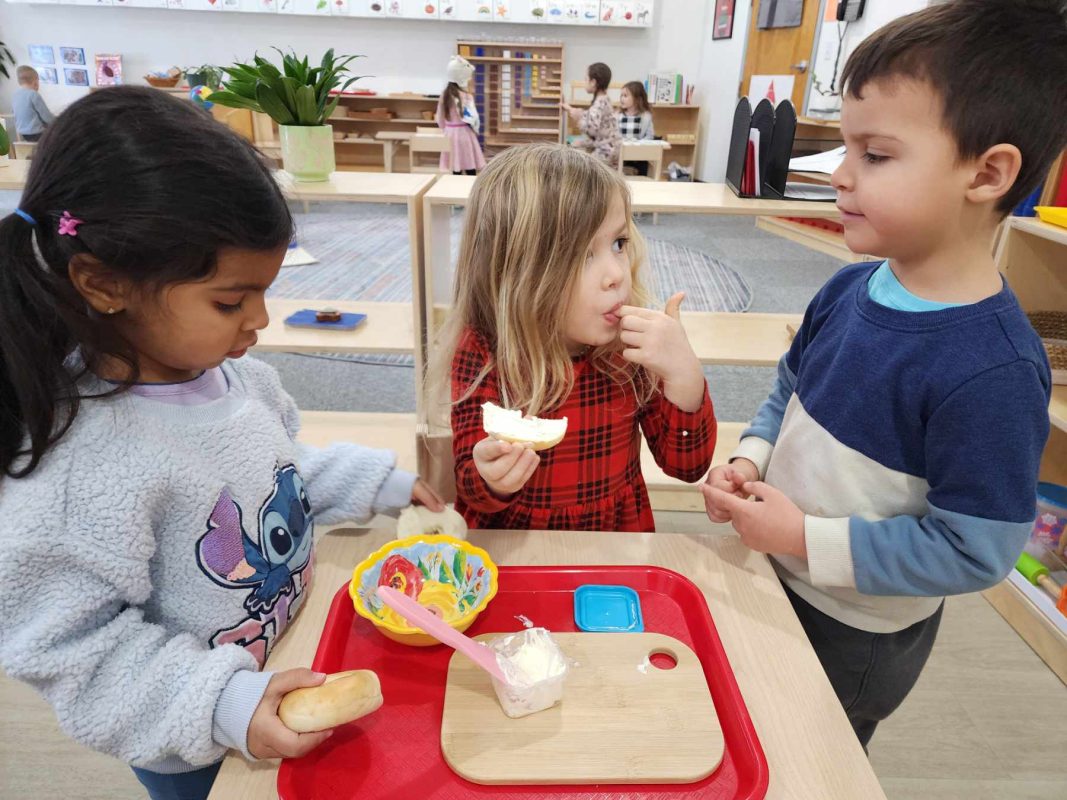
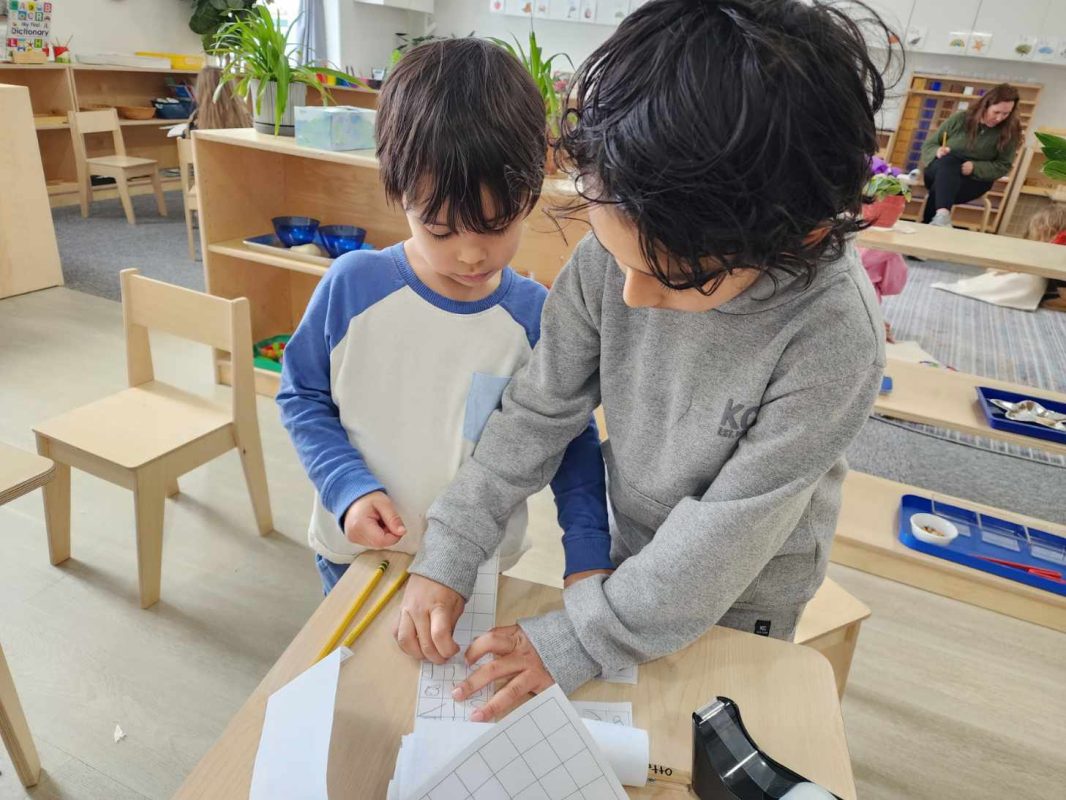
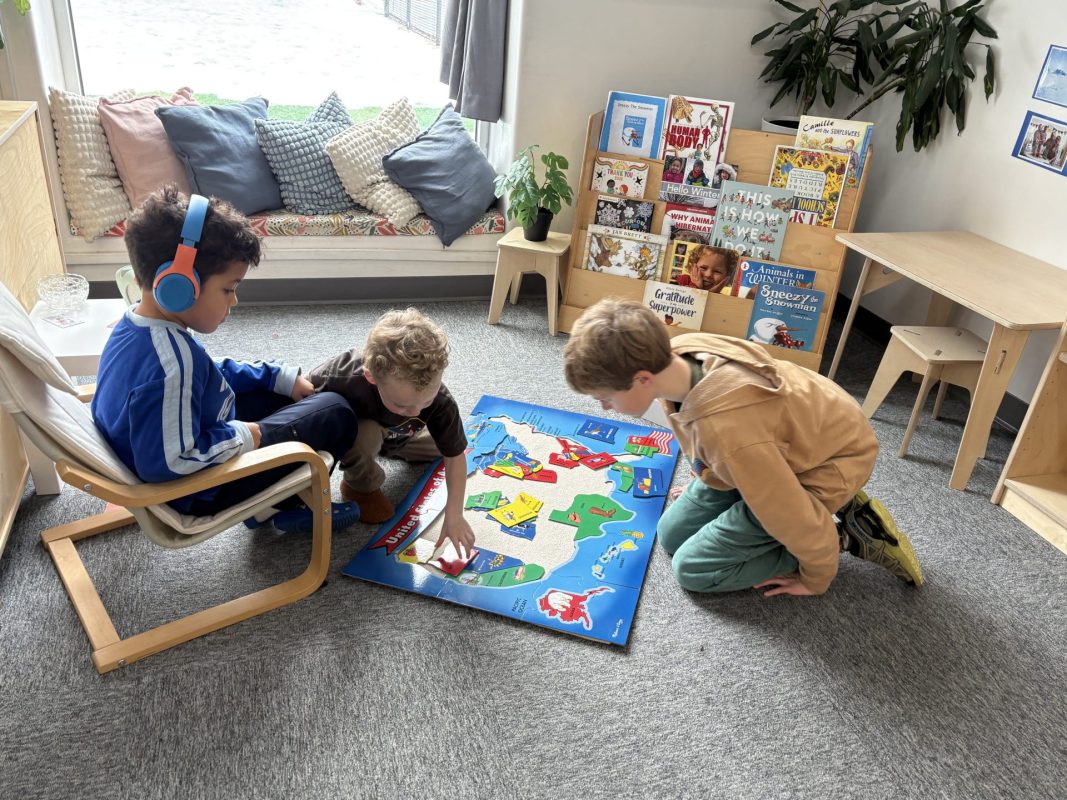
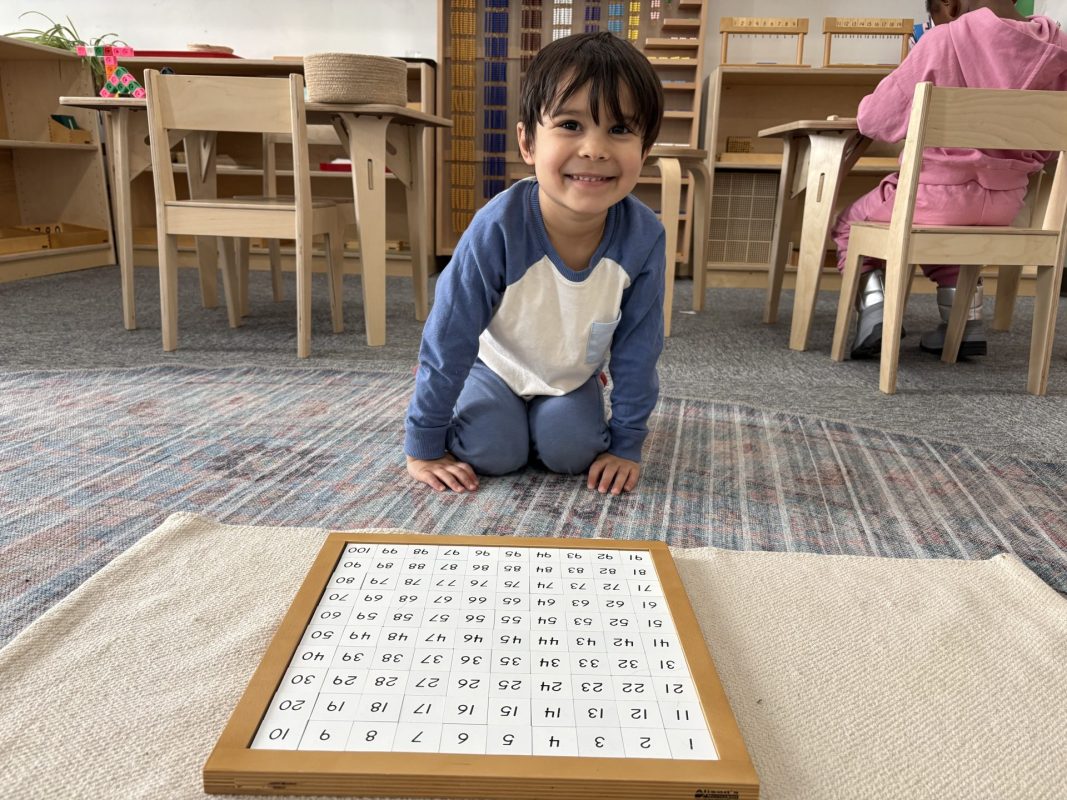
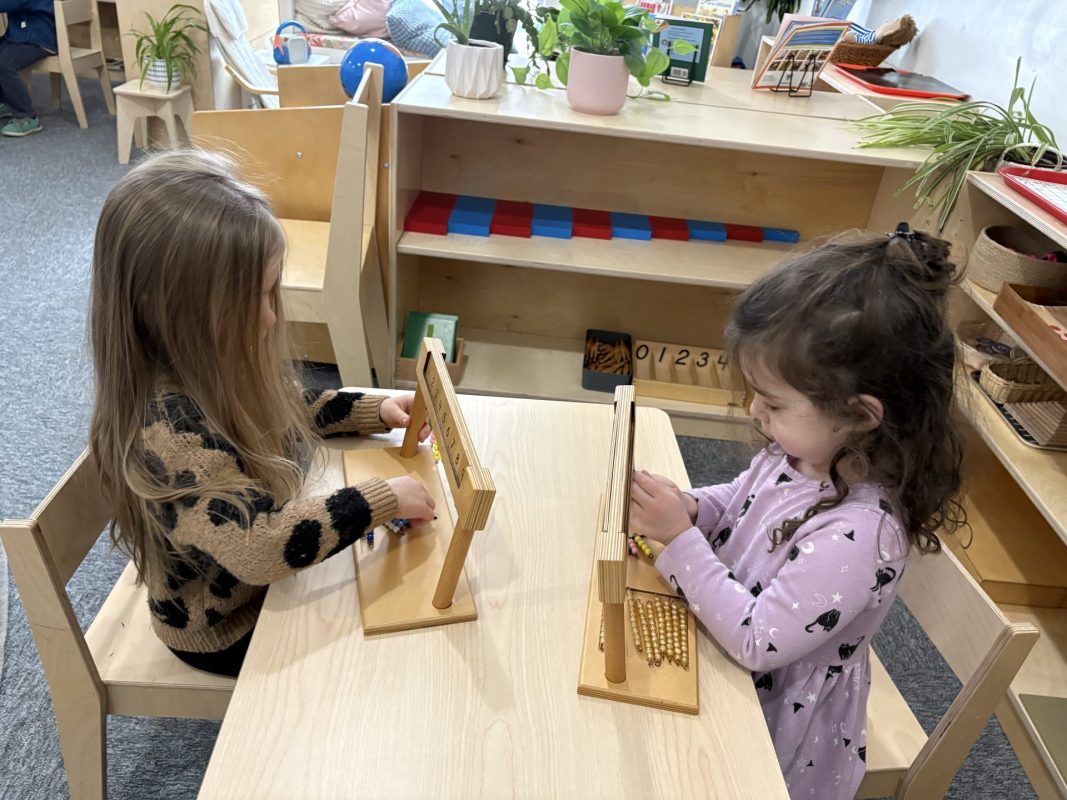
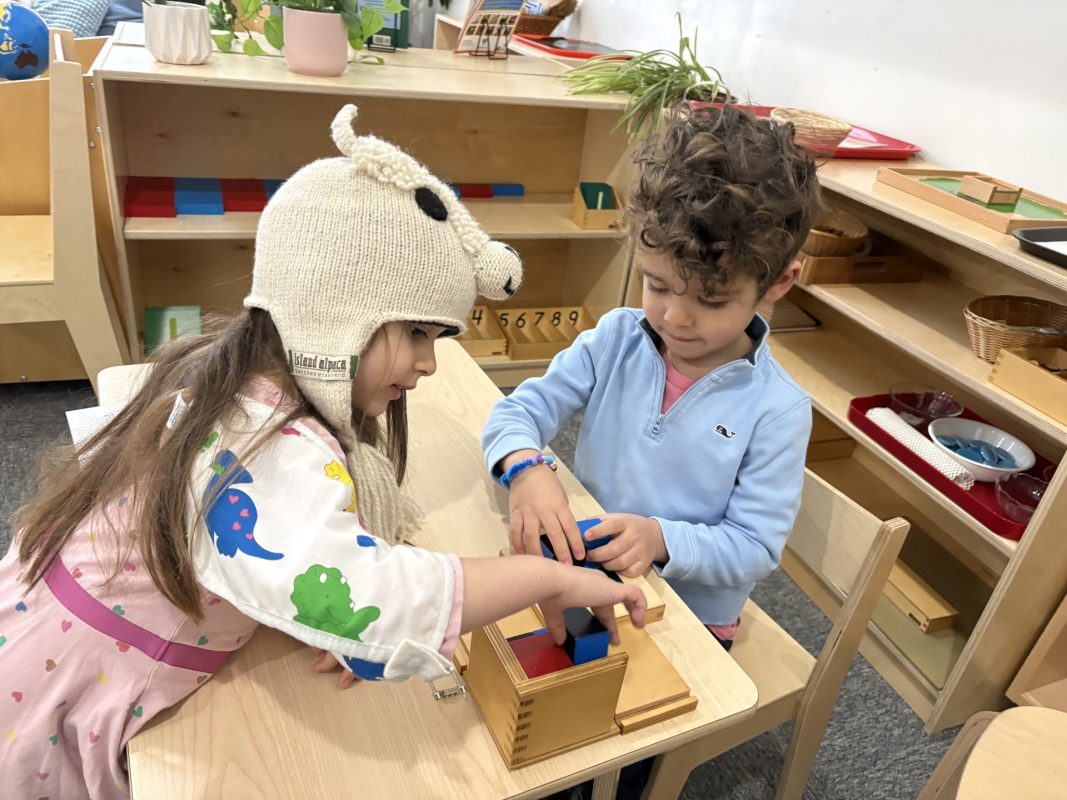
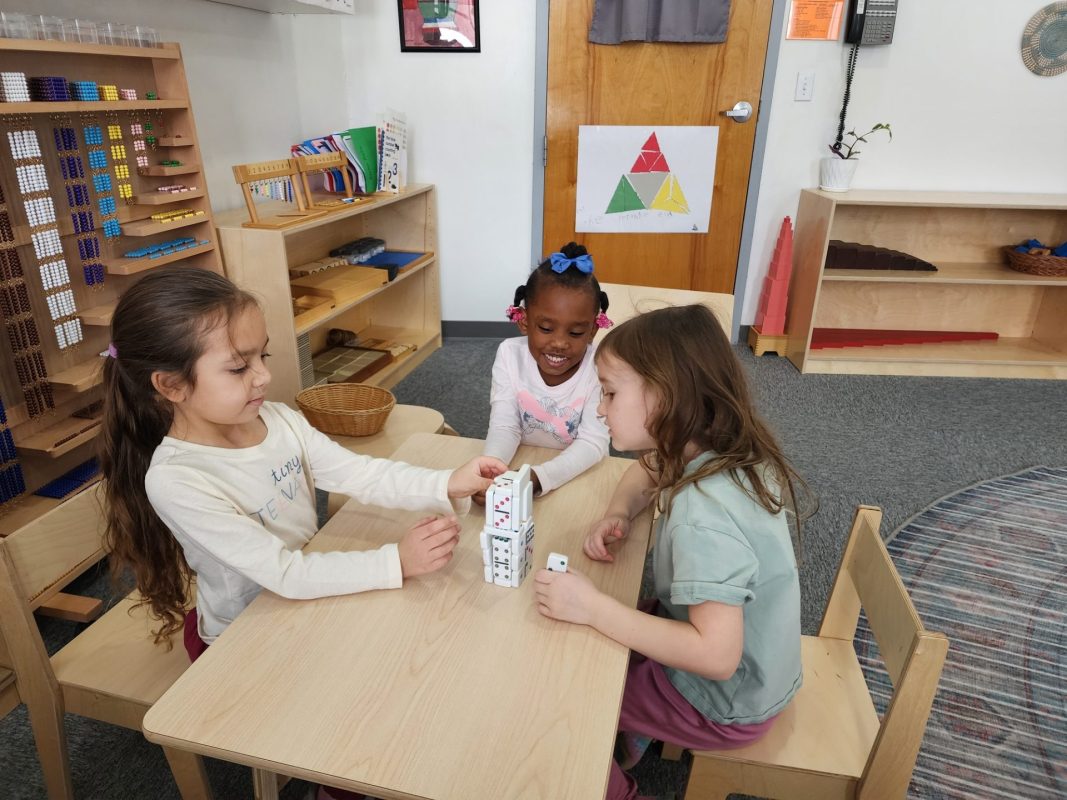
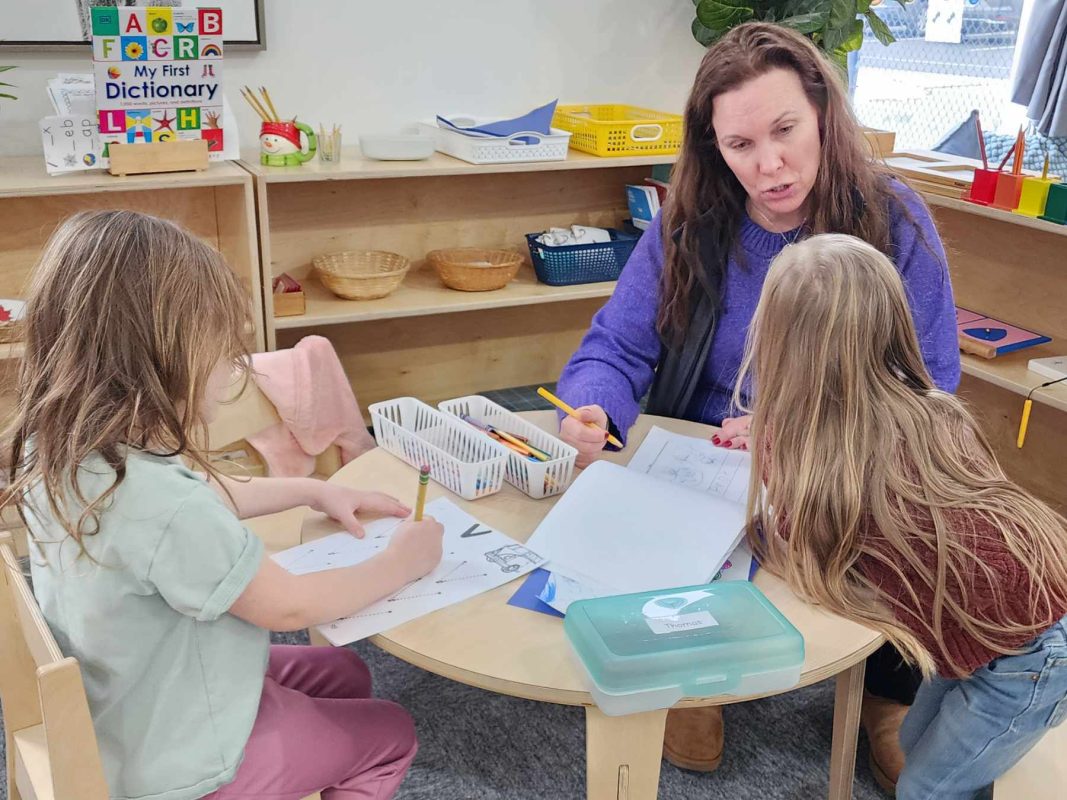
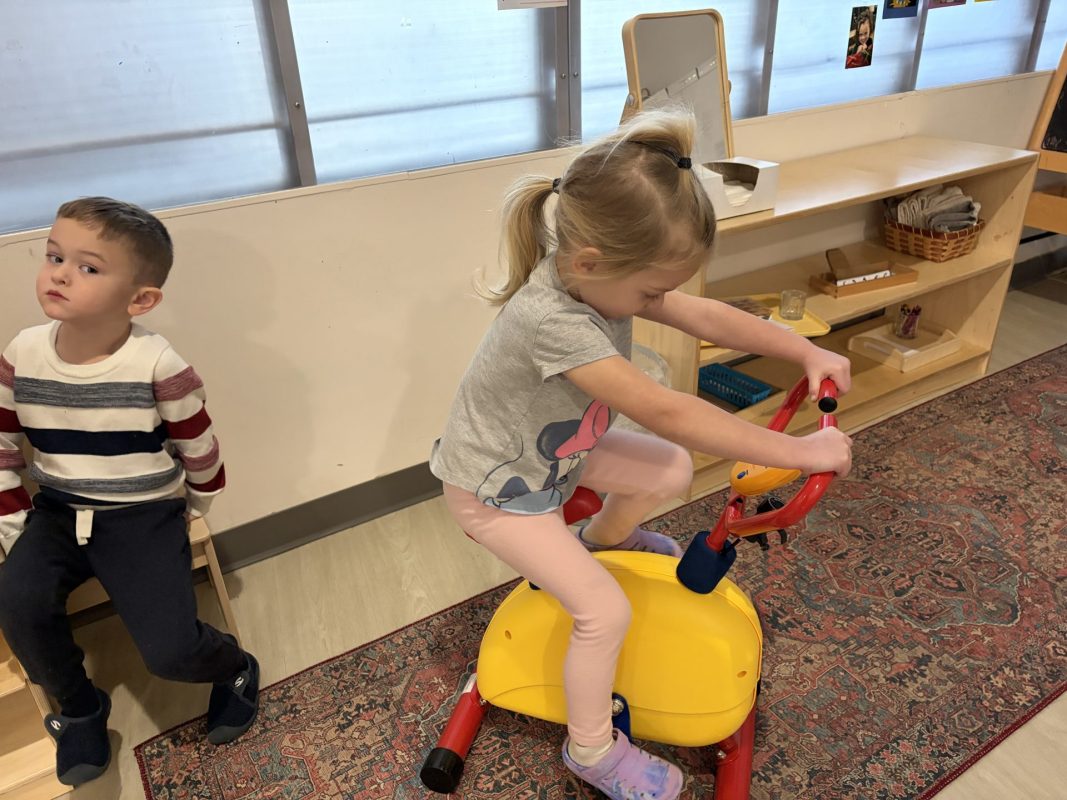
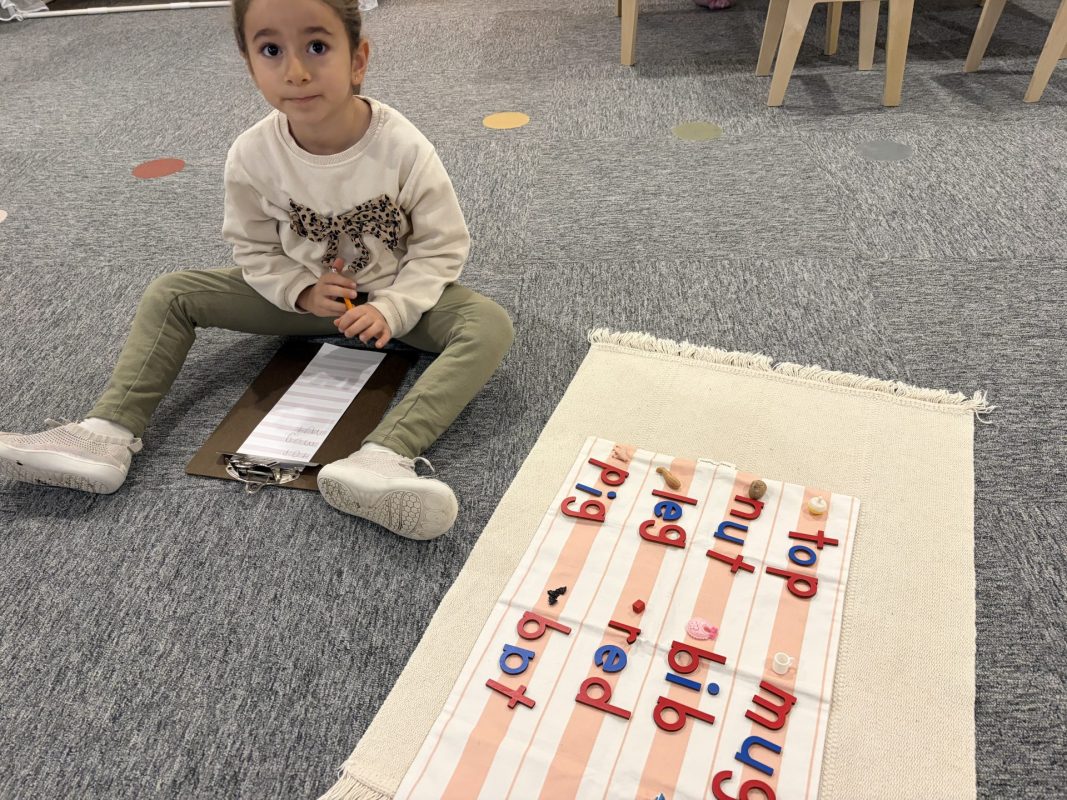
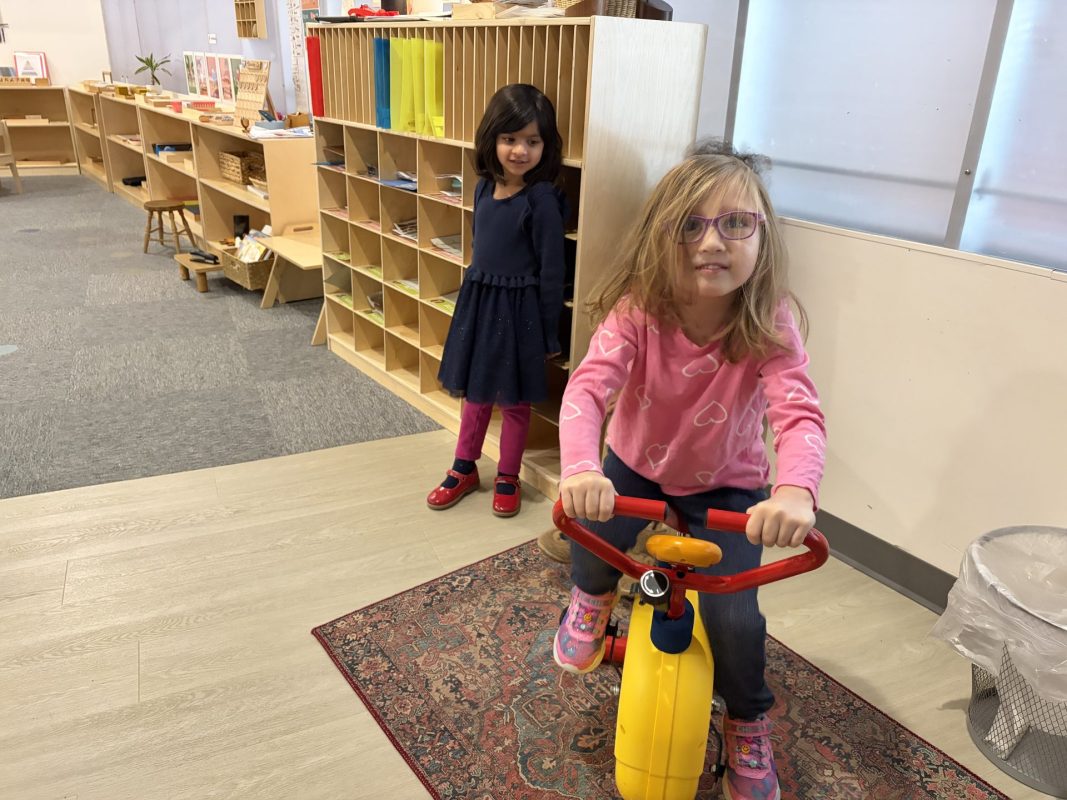
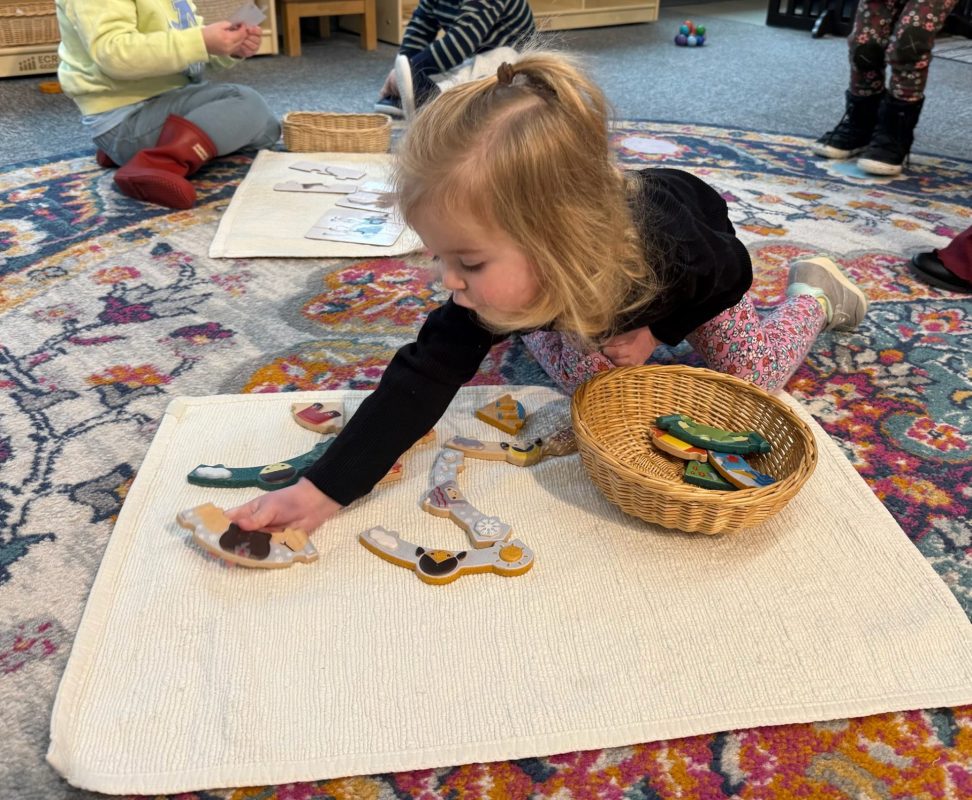
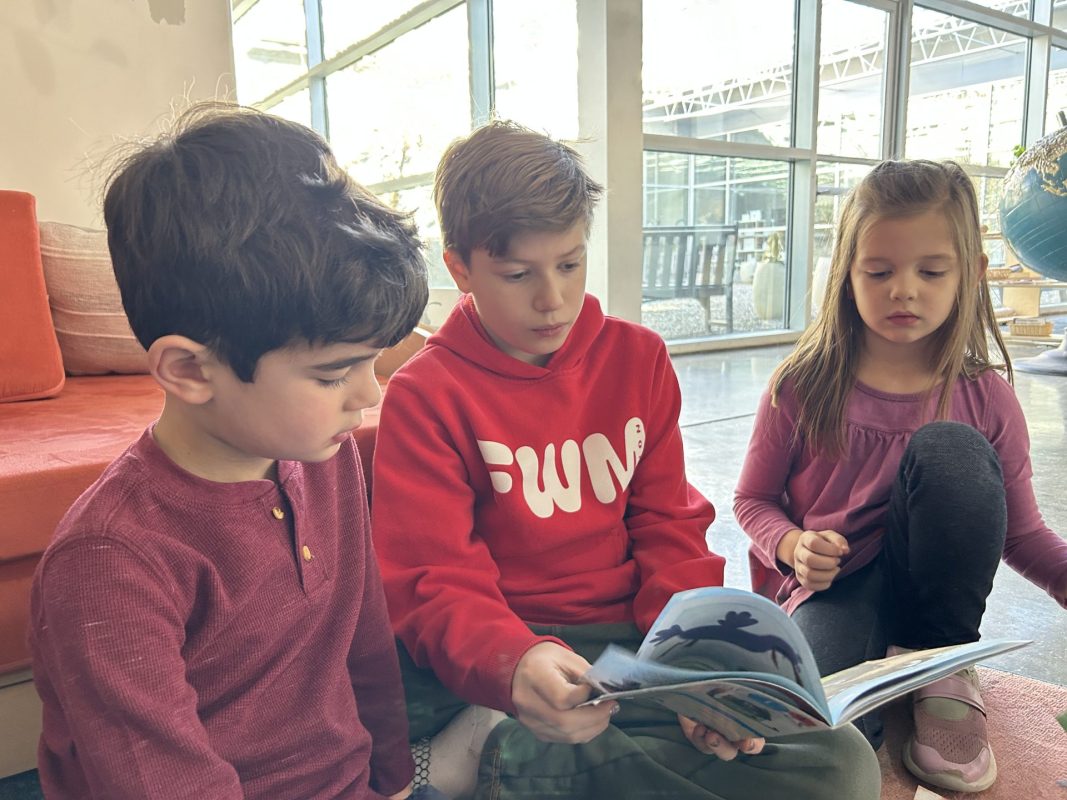
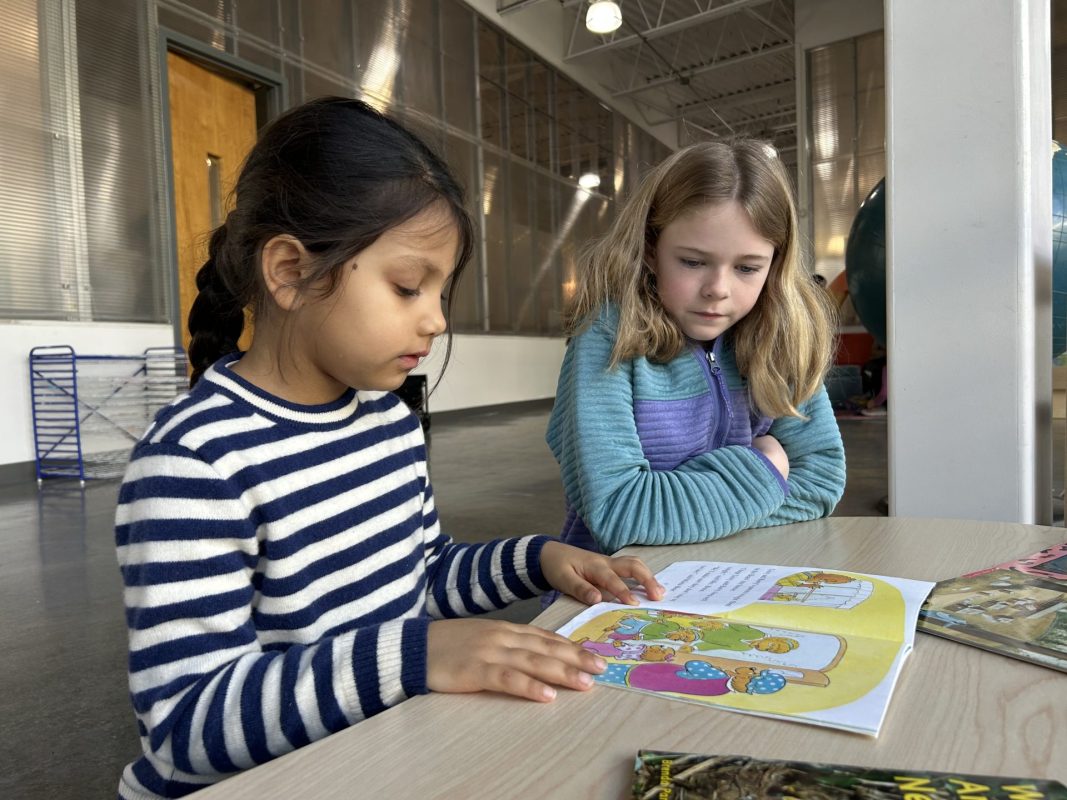
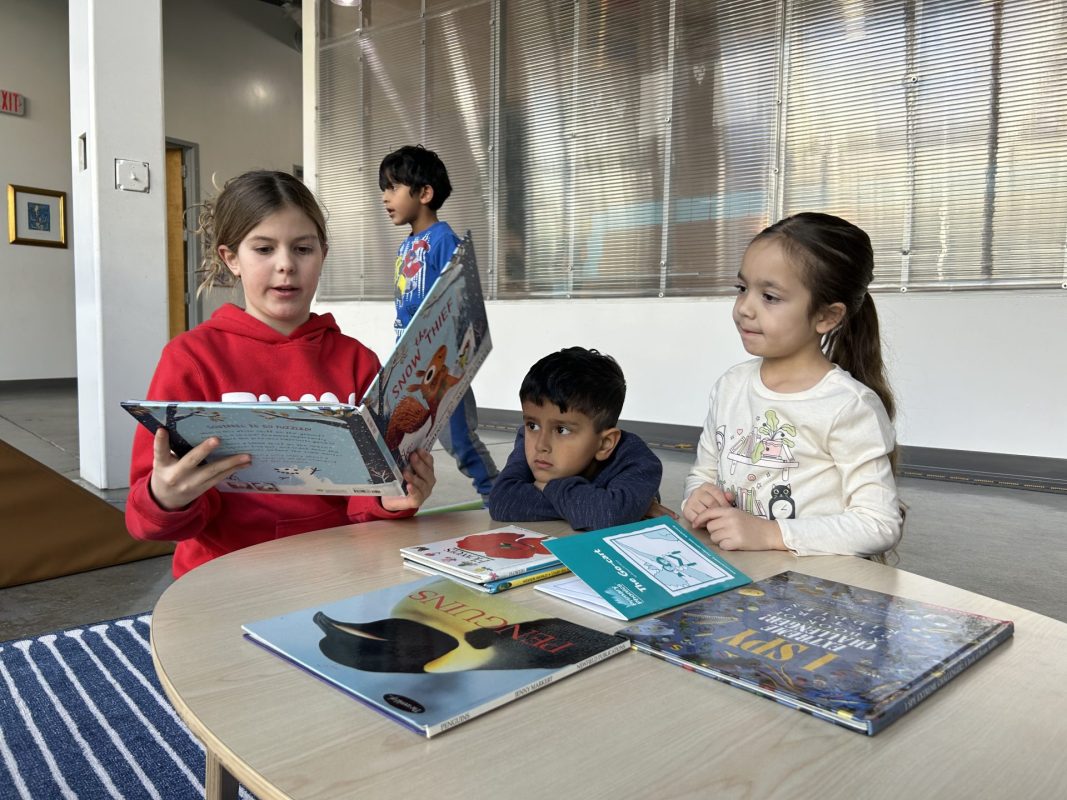
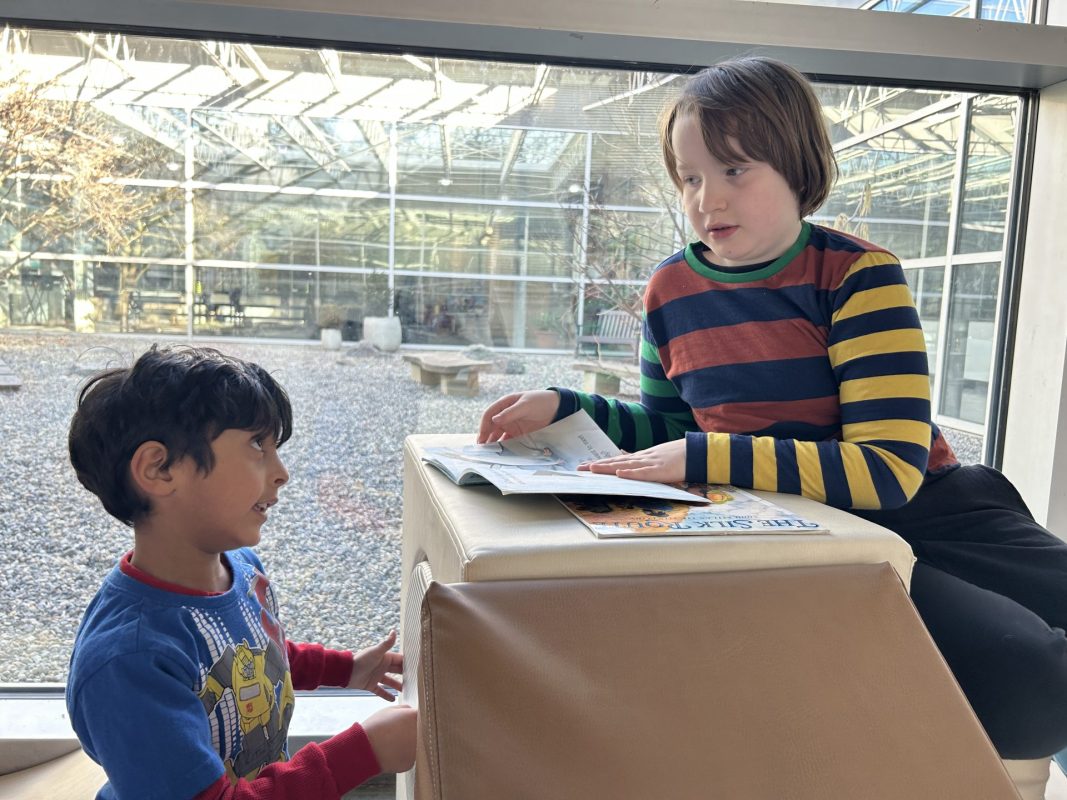
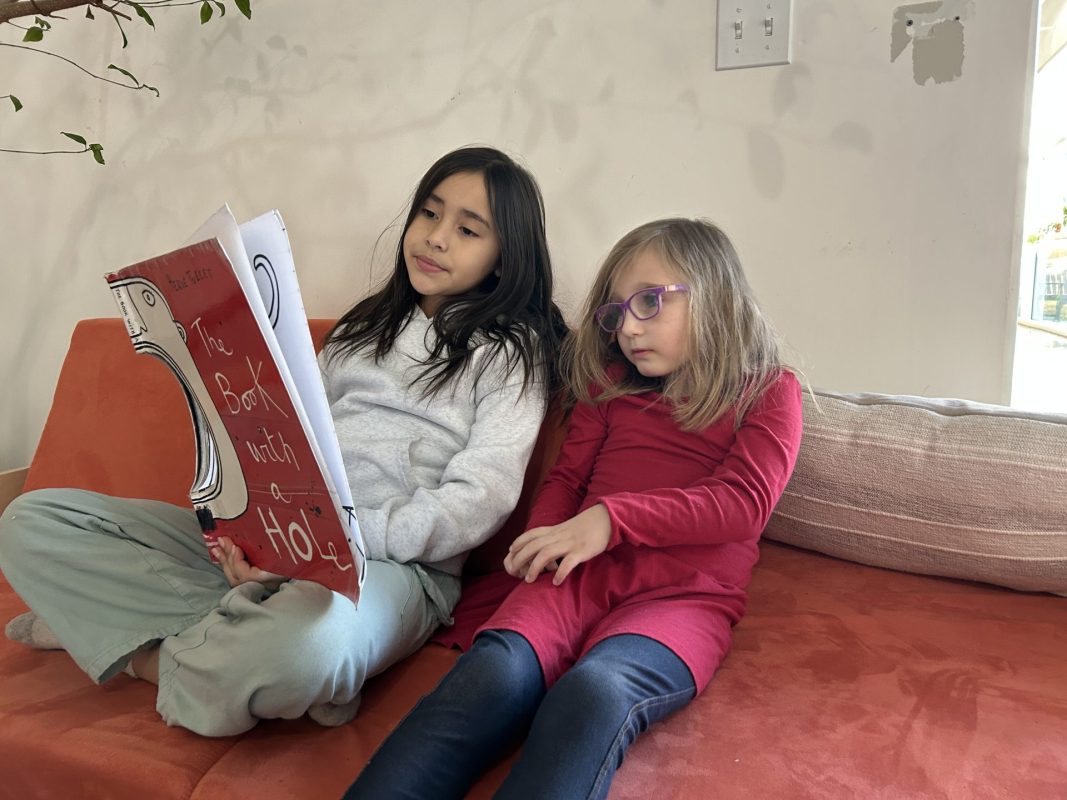
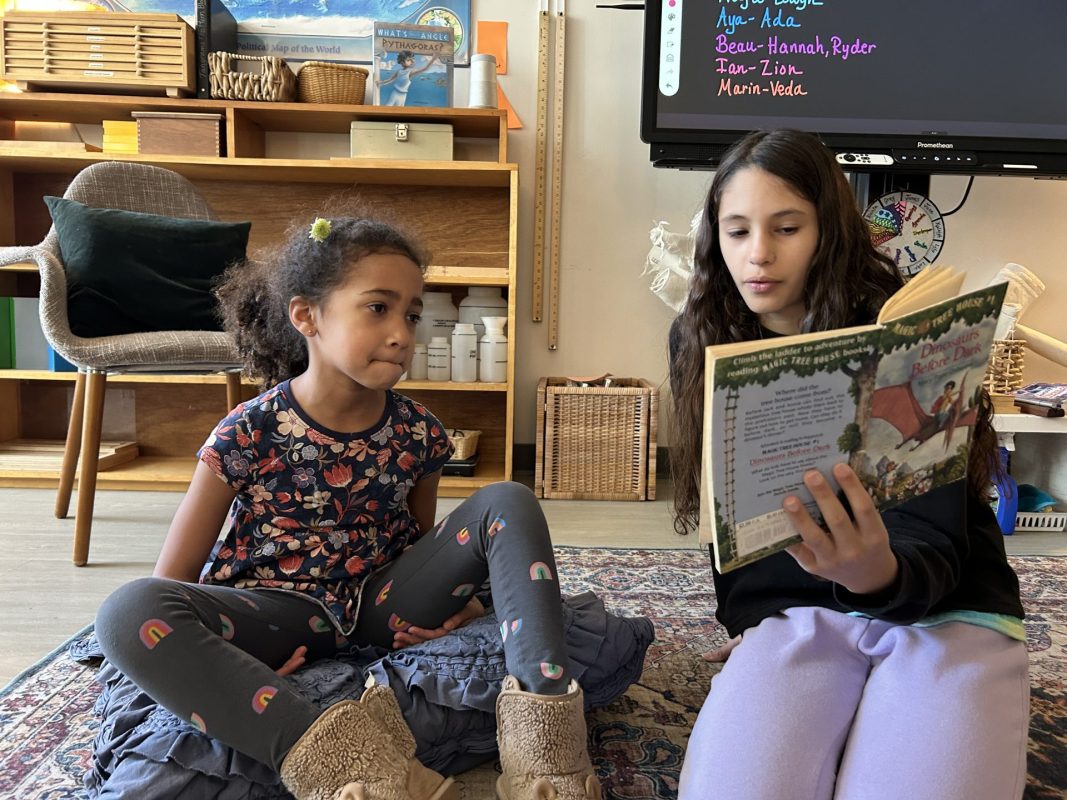
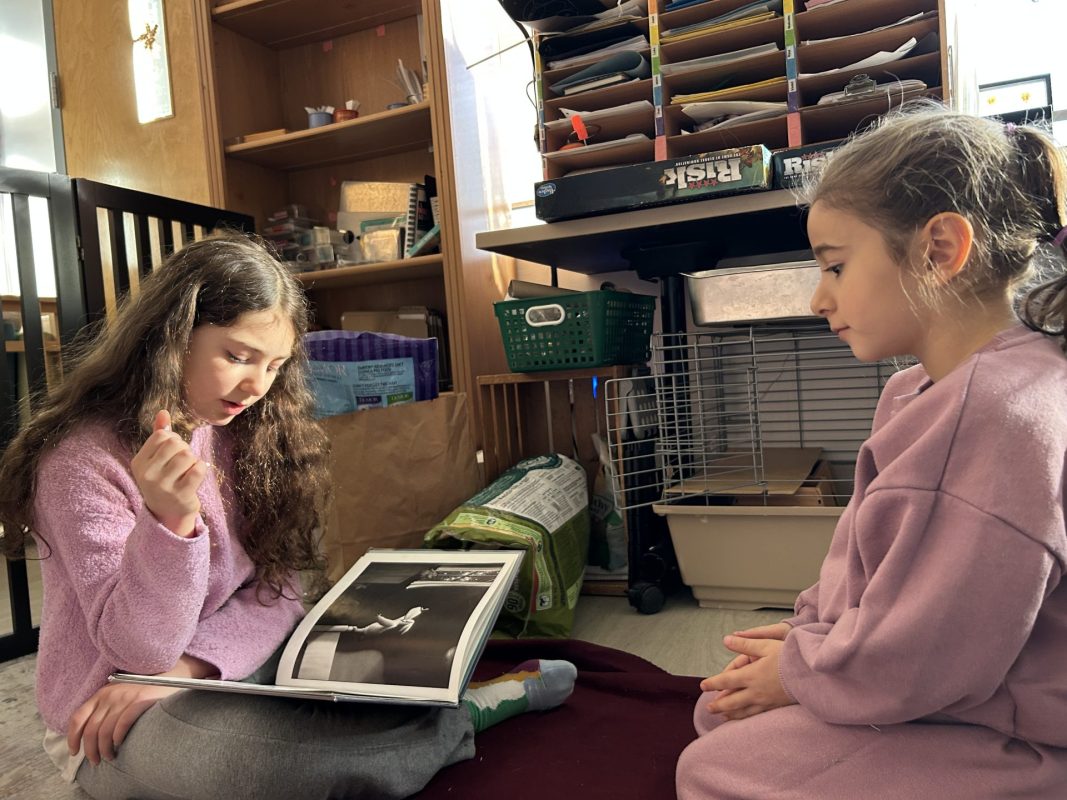
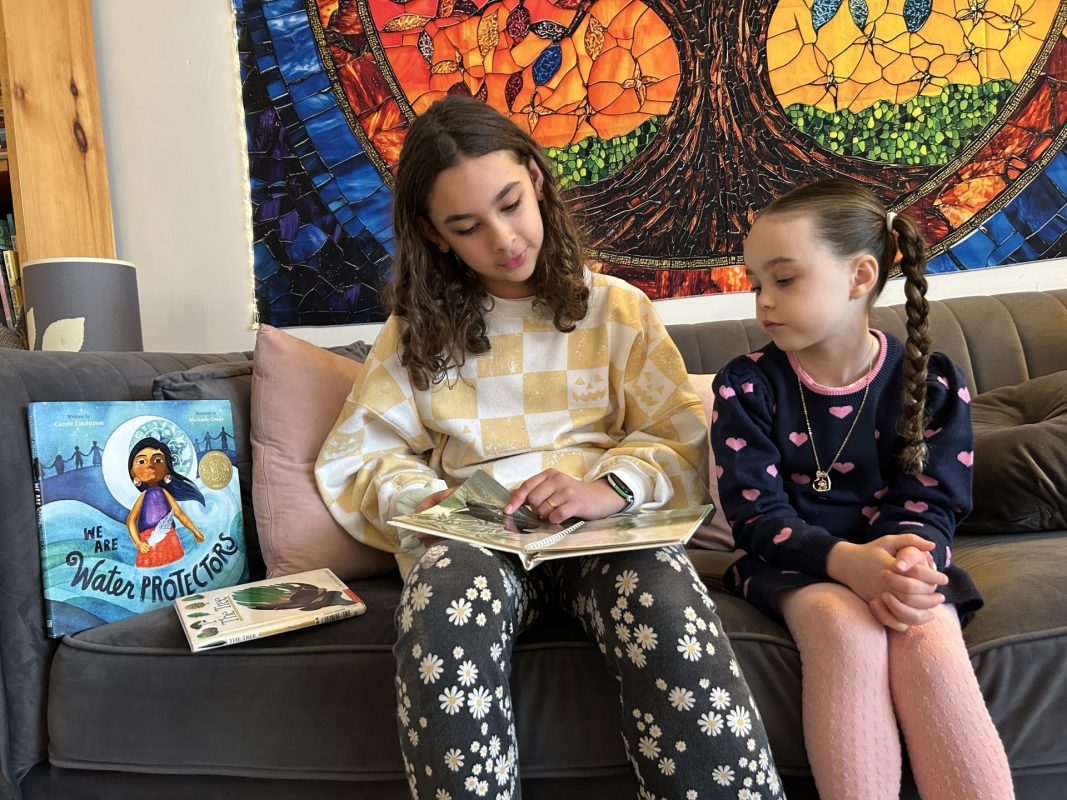
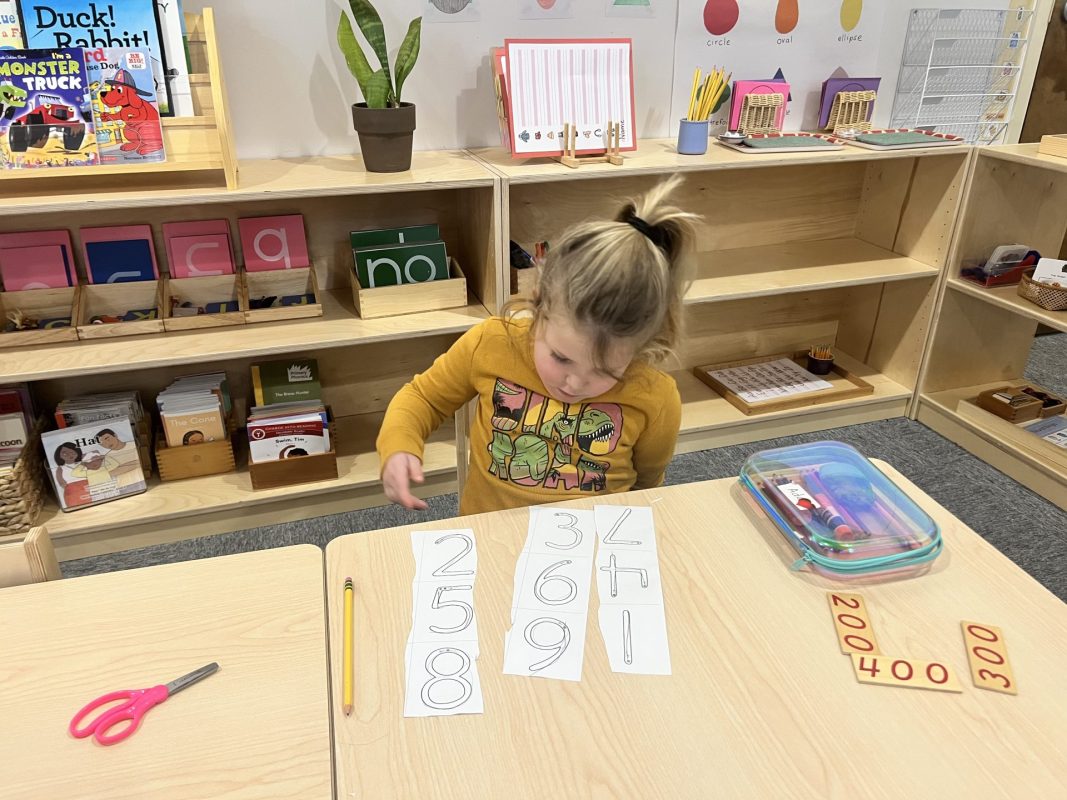
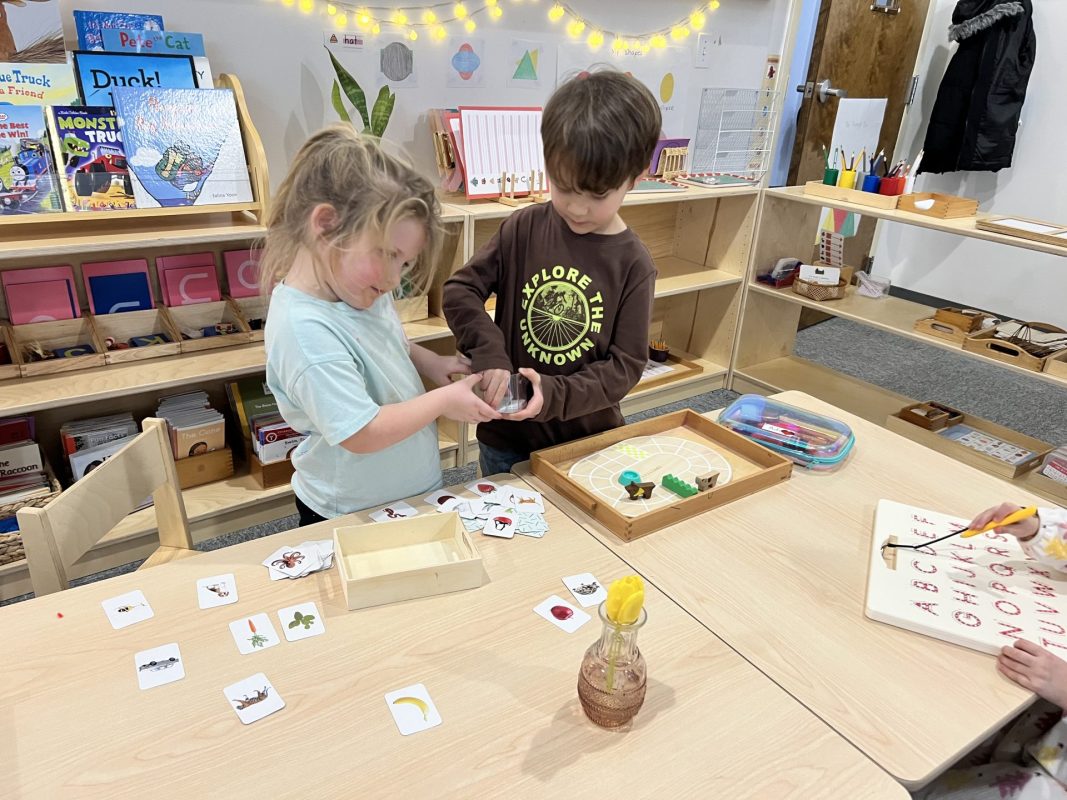
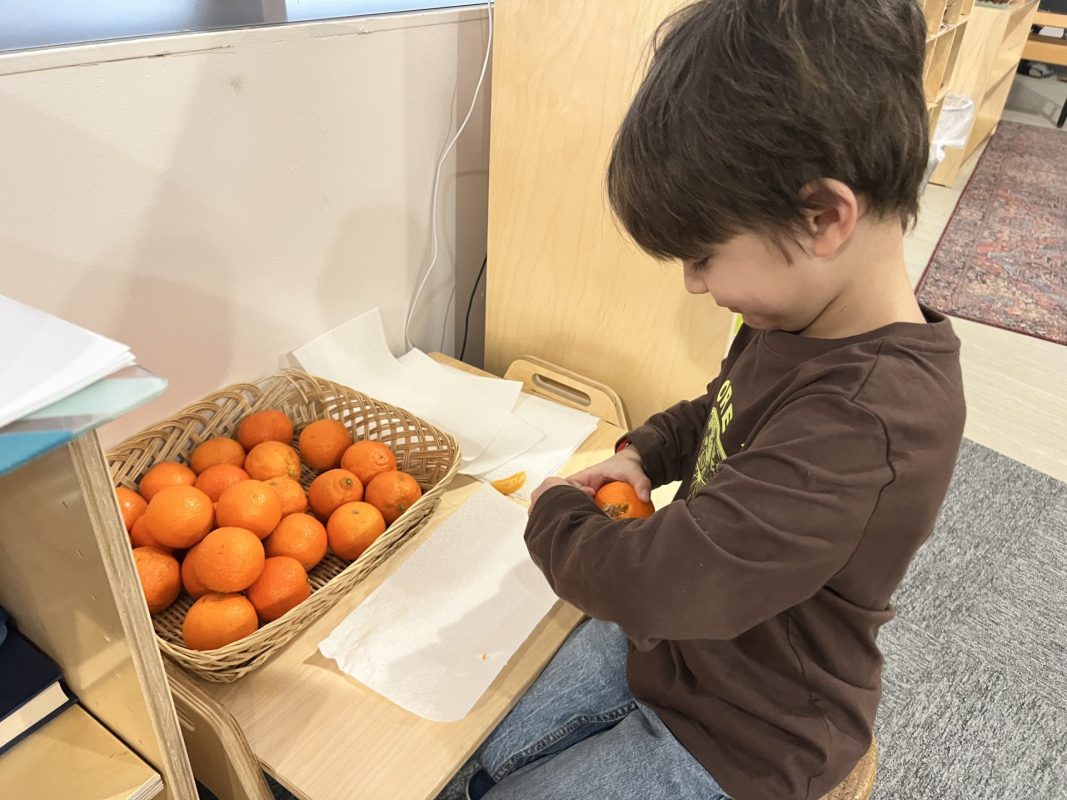
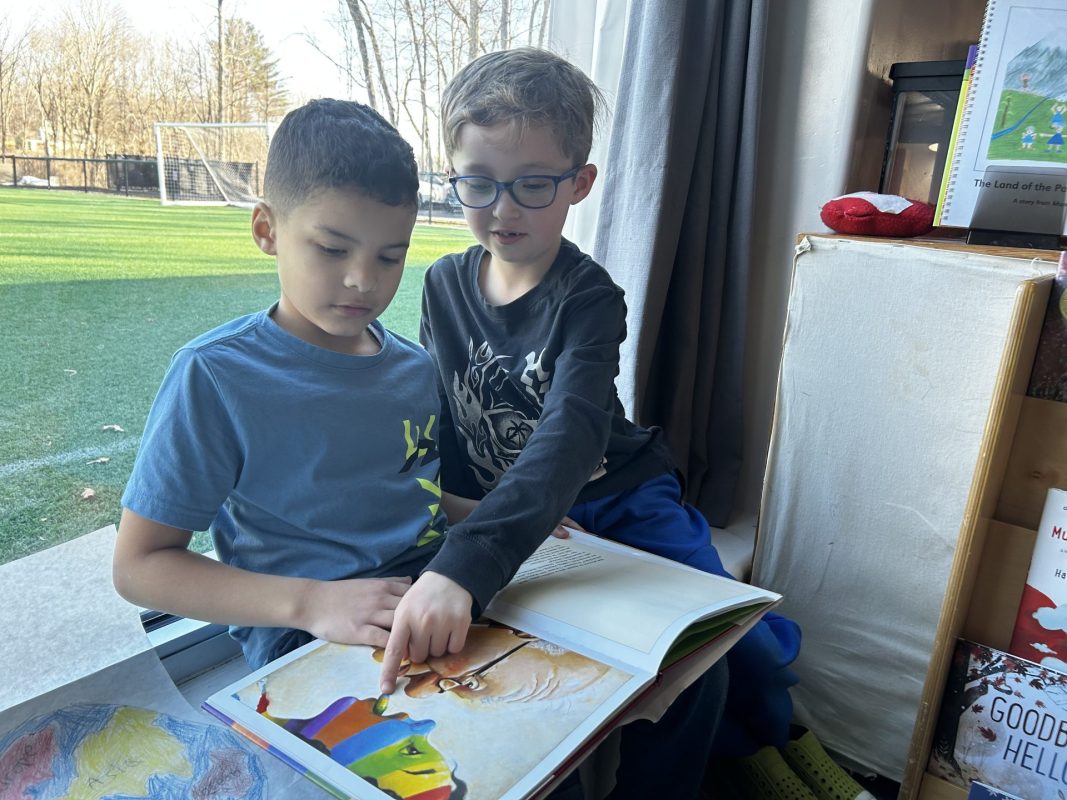
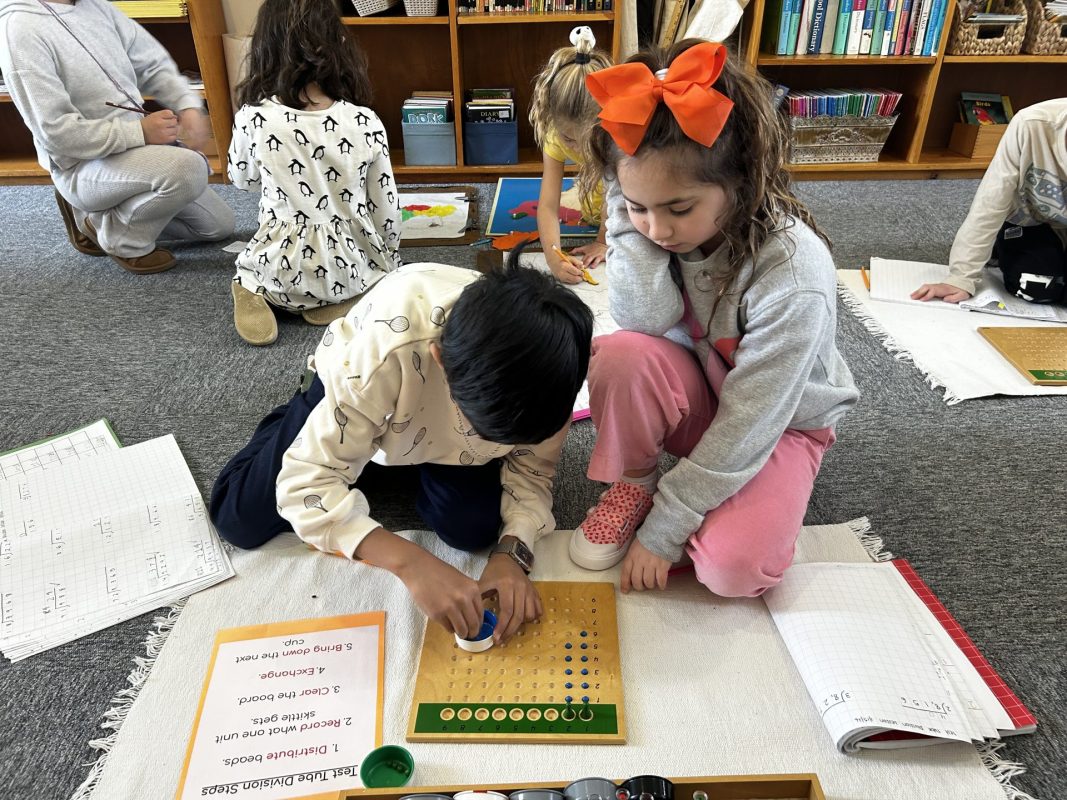
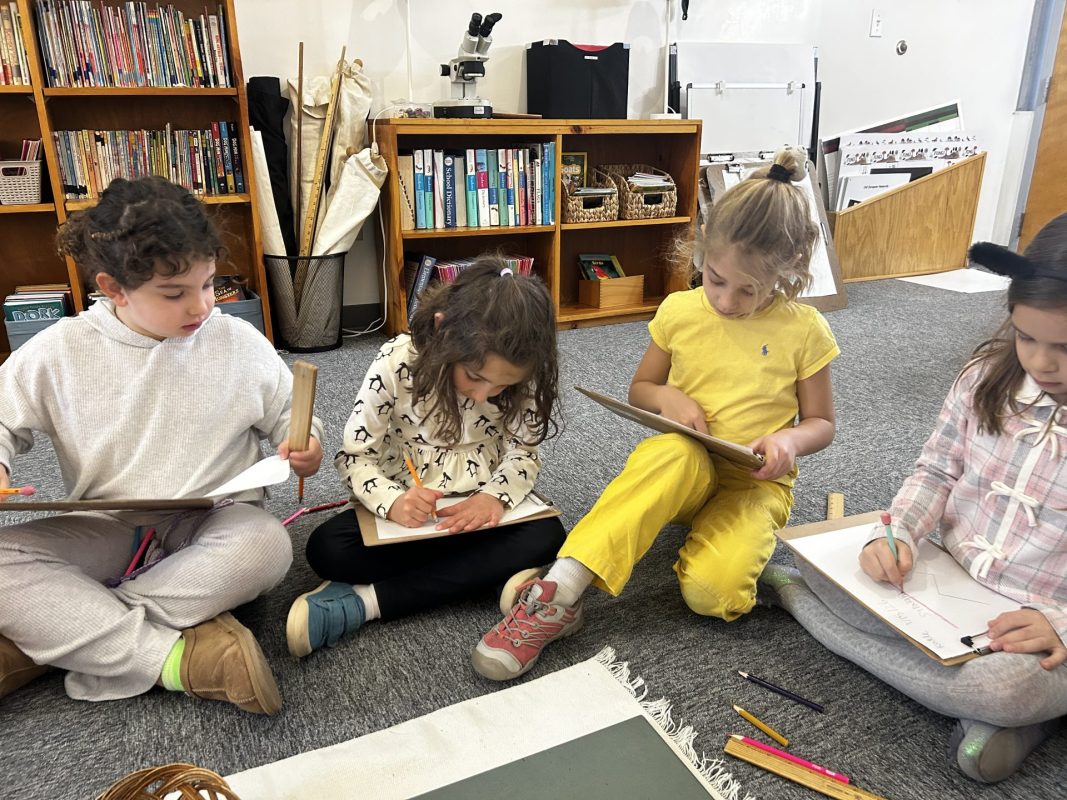
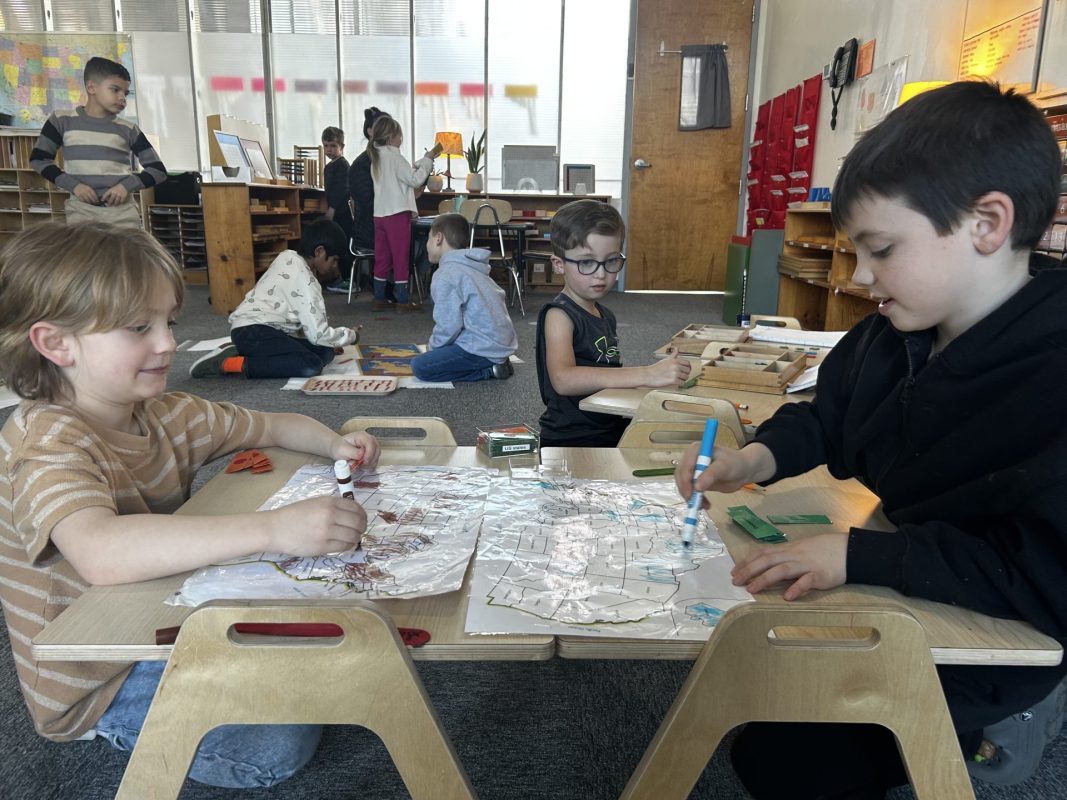
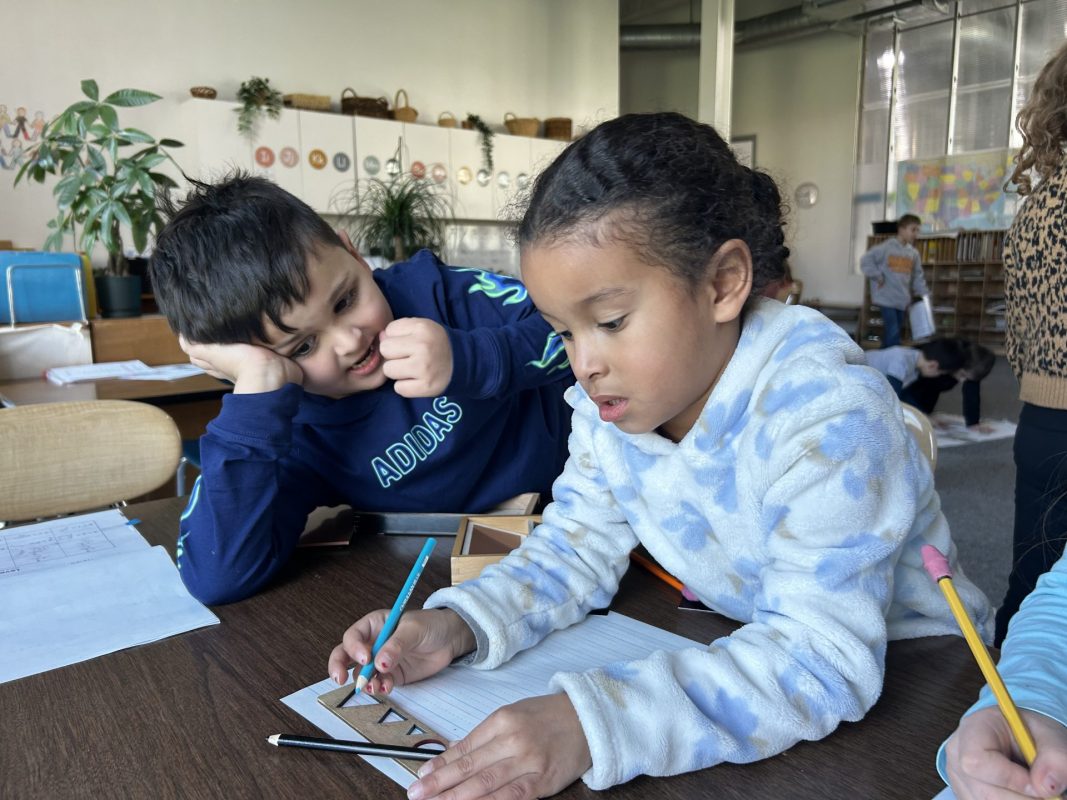
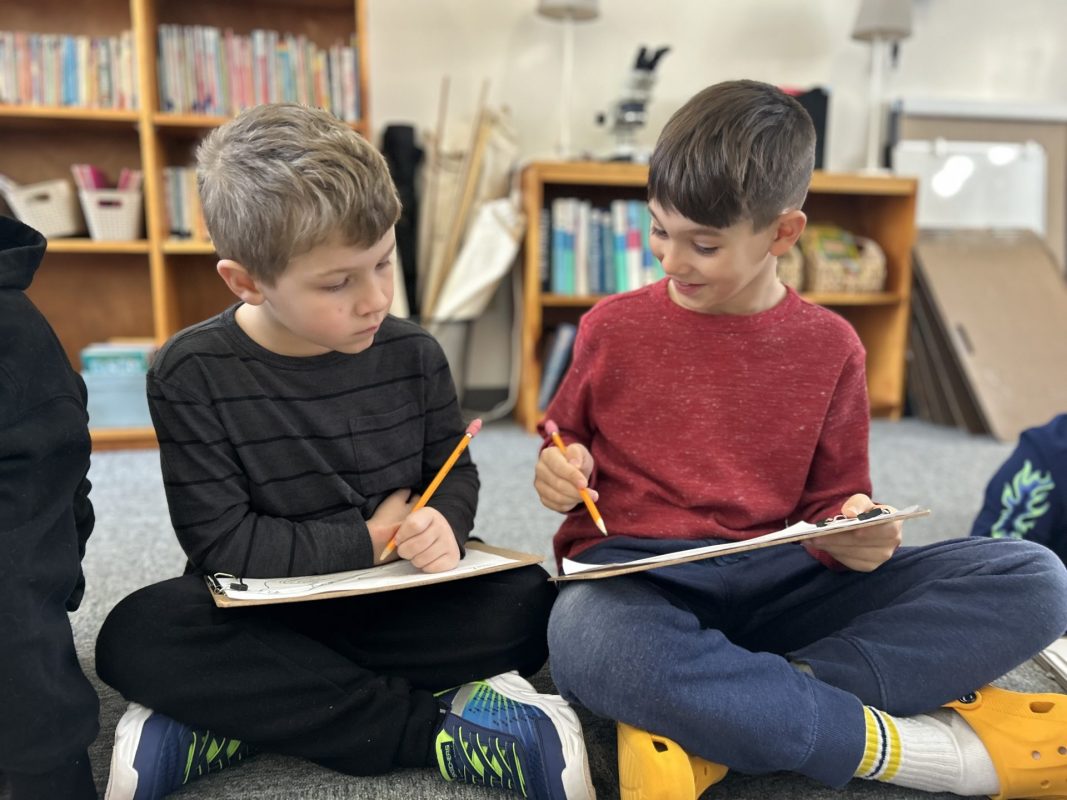
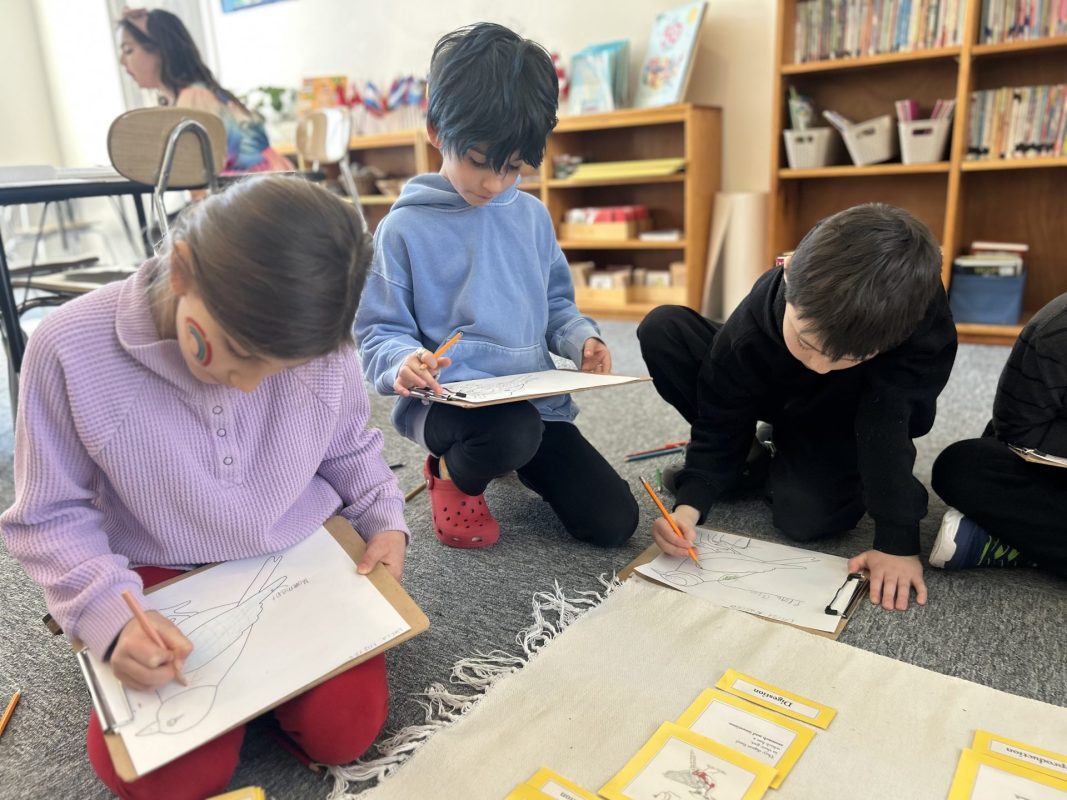
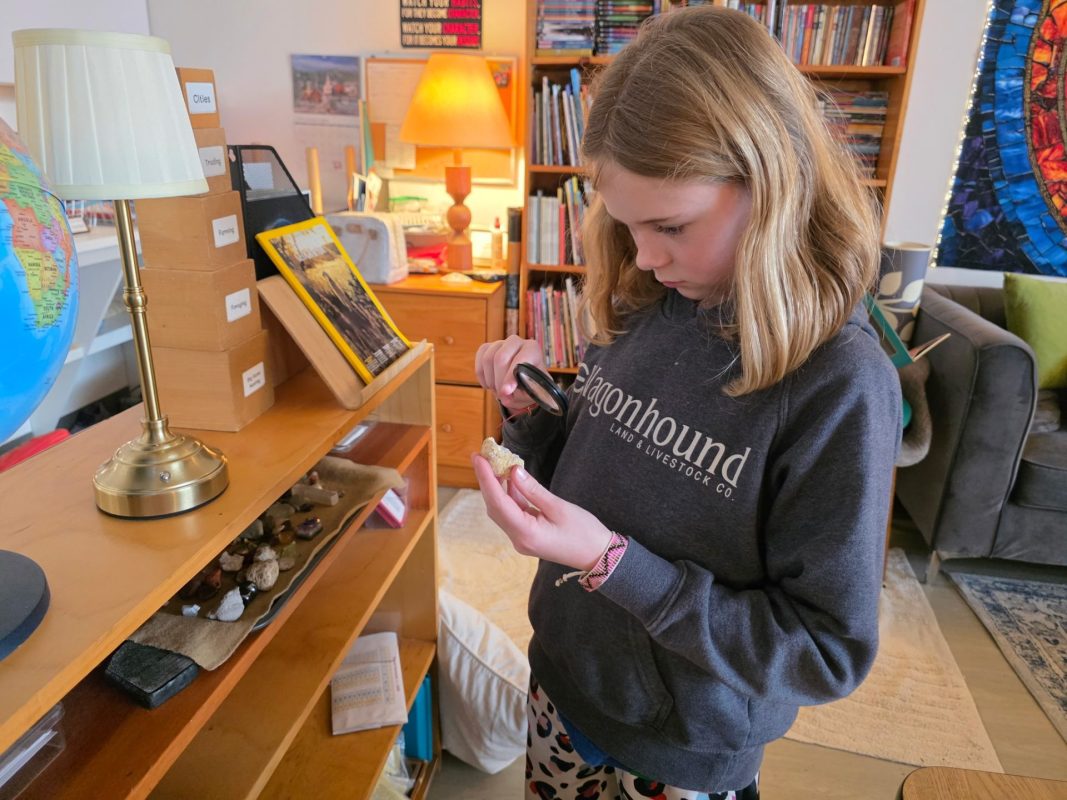
Children need room to figure things out on their own without intervention from adults. Peer learning creates a culture of responsibility that adult reminders simply cannot replicate. Learning from someone just a few years older—but someone who clearly has it figured out— can make tasks feel attainable rather than overwhelming.
What You Can Do to Support This Growth
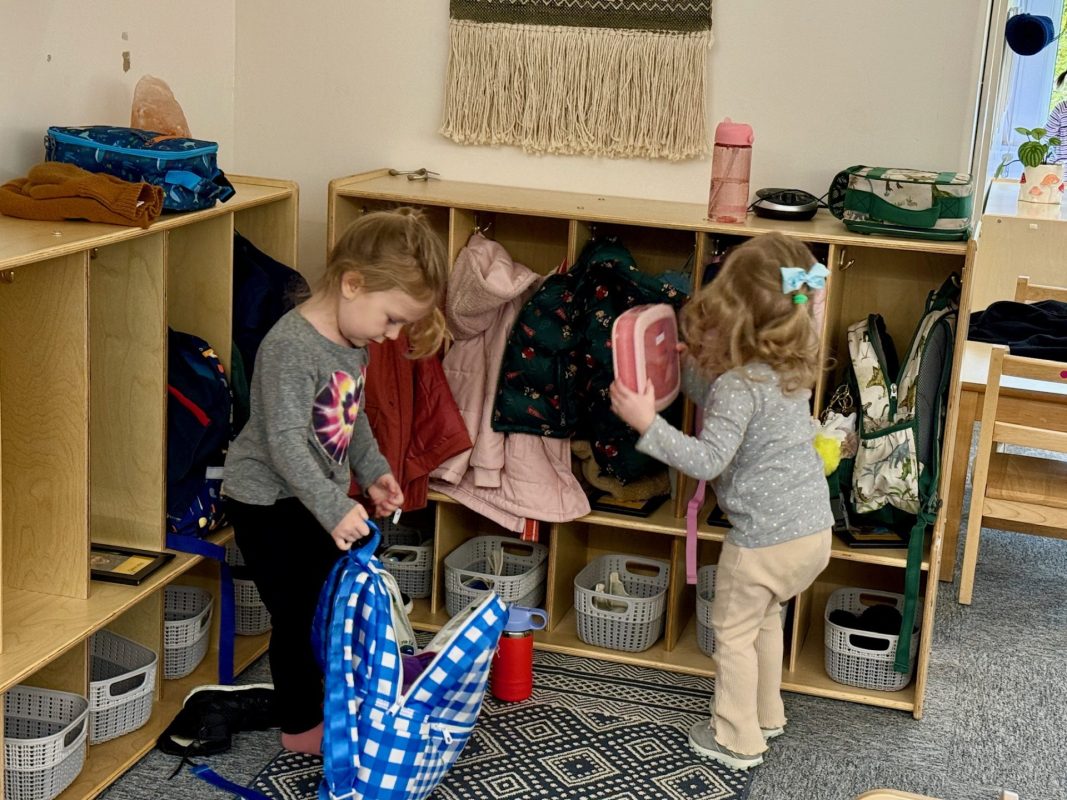
Create simple systems at home that set your child up for success. A designated spot for shoes by the door, a hook at their height for backpacks, a basket for hats and mittens. When you’re heading out, resist that powerful urge to gather everything for them (I know, I know—it’s so much faster!). Instead, ask, “What do you need to bring today?” and give them time to collect their items.
Yes, they might forget something. That’s okay. Really.
Natural consequences are powerful teaching tools. When your child forgets their water bottle and gets thirsty at the playground, they learn why bringing it matters. When they leave their coat in the car and feel chilly, they remember next time. These aren’t punishments—they’re information. The child’s discomfort is minor, their insight immediate, and the correction comes from within. Natural consequences teach far more effectively than any reminder ever could, because children experience the direct result of their choice. Your job isn’t to rescue them from every forgotten item; it’s to let them learn from the experience and help them think through what they’ll do differently next time.
Doing things for your child may be what’s best for you—it saves time, prevents frustration, gets you out the door faster—but it’s not always what’s best for your child. Every time we step in to fix, rescue, or manage for them, we’re sending a subtle message: “I don’t trust you to handle this.” That’s not the message any of us wants to send, yet it’s so easy to fall into that pattern when we’re rushed or stressed.
When something gets left behind, take a breath and treat it as the learning opportunity it is. “Your water bottle is still at school. What can we do differently tomorrow to help you remember it?” This kind of coaching builds the internal checklist they’ll use for the rest of their lives—from their cubbies to college dorm rooms to their first apartments.
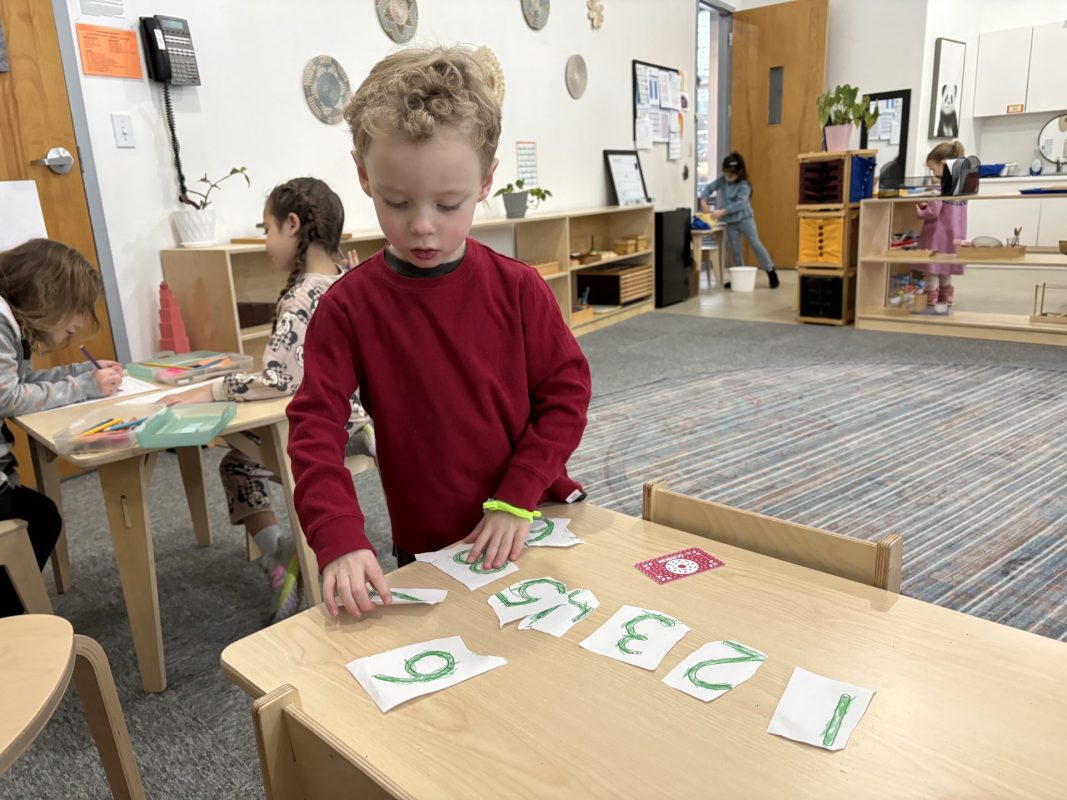
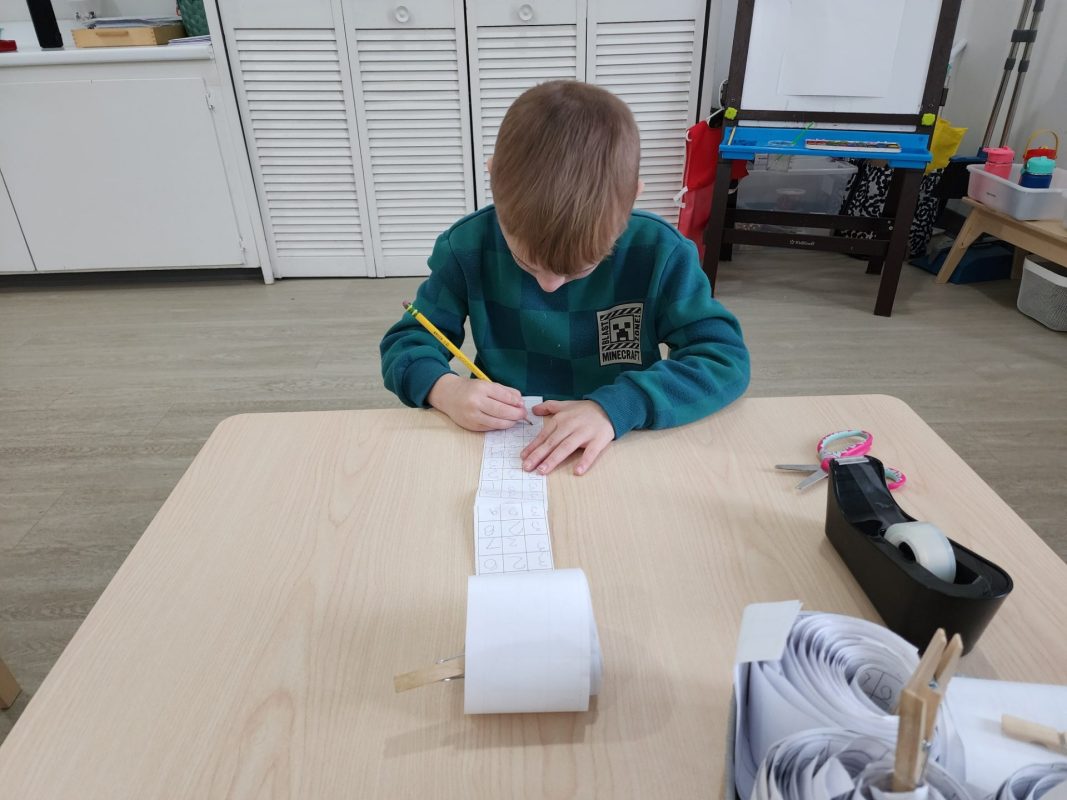
We know from neuroscience that practice and repetition are how we form habits. It’s not exciting, it’s not always convenient, and some days it feels downright tedious. But this is the work. This is how children learn to trust their own capabilities. Will they forget things? Absolutely. Will you have to have the same conversation fifty times? Probably. But each repetition is building neural pathways, strengthening memory, and creating those automatic routines that eventually become second nature. It’s difficult—I won’t pretend otherwise. But real experience is what children need in order to develop the skills of independence and self-sufficiency.
Winter: When Lost Items Multiply
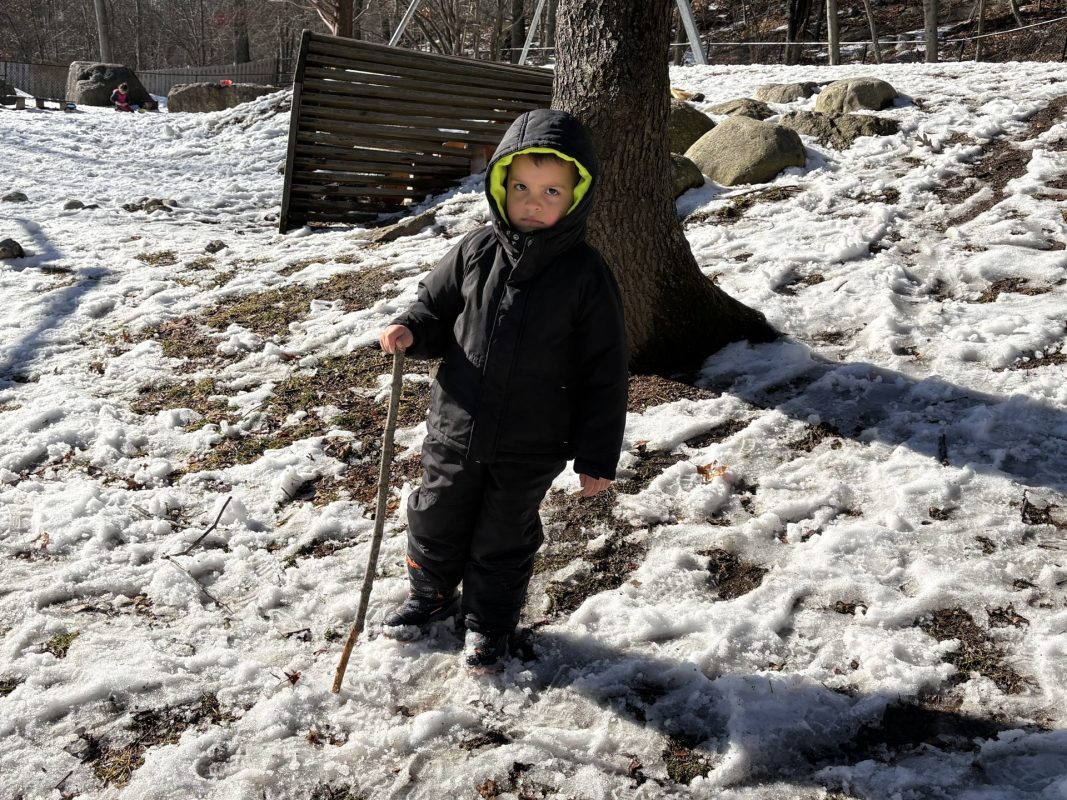
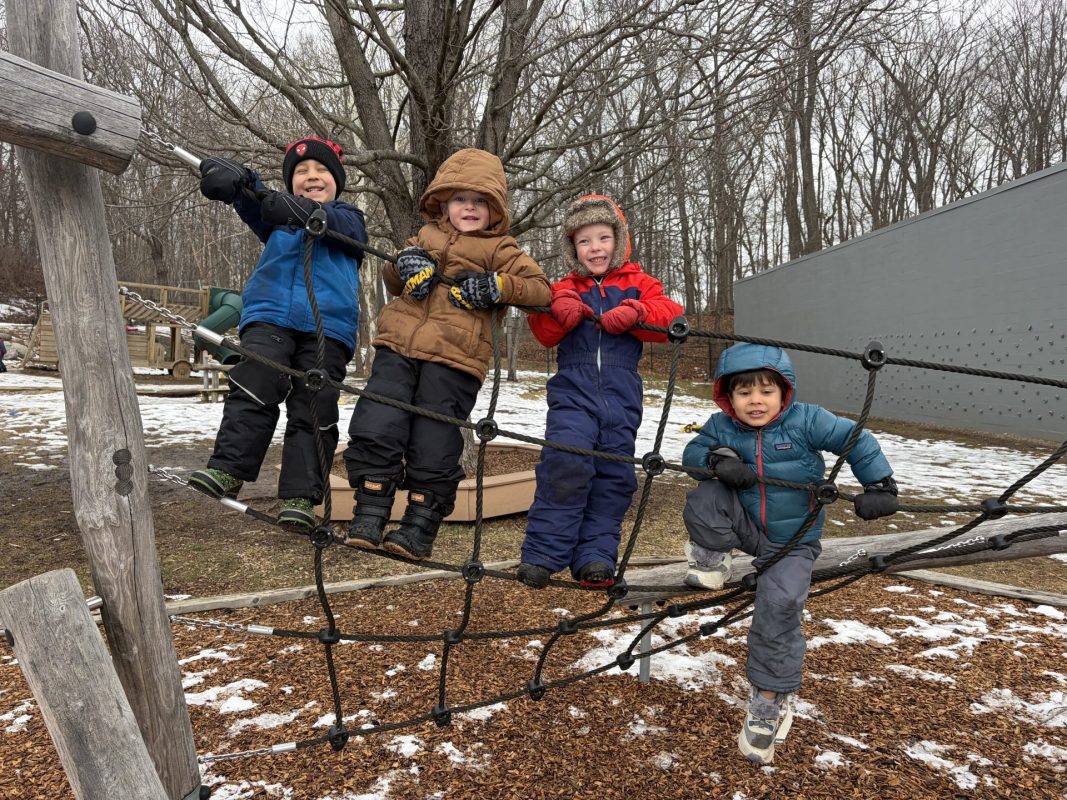
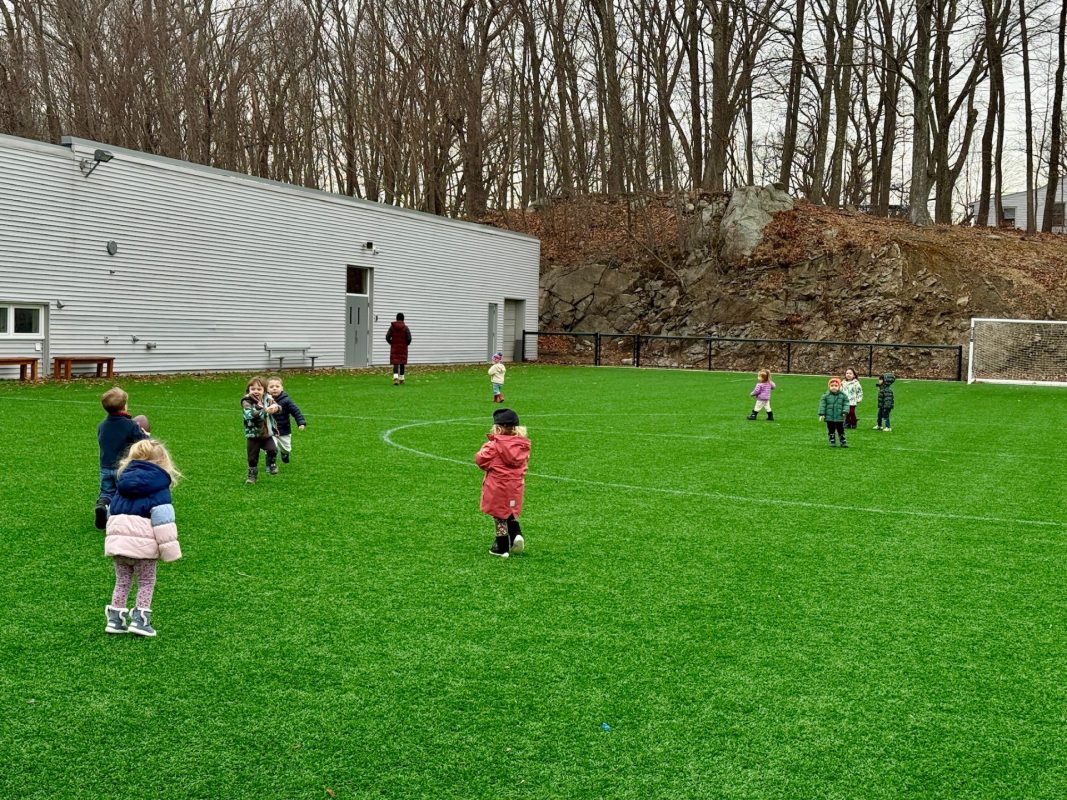
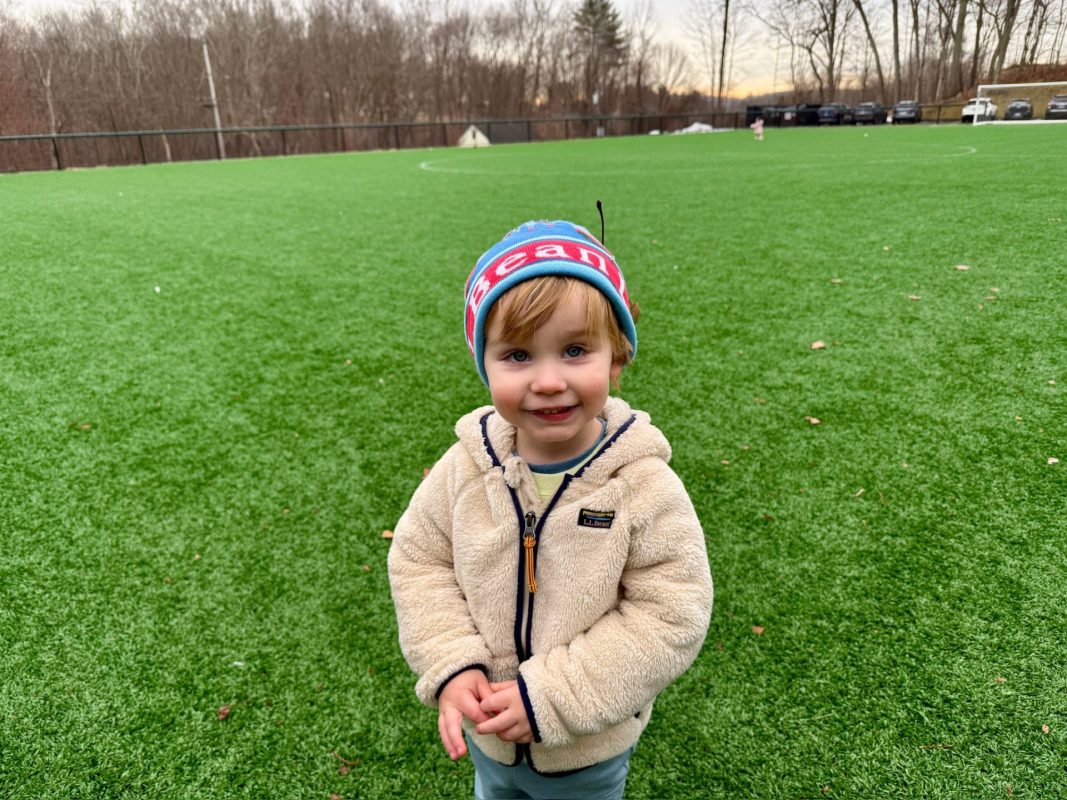
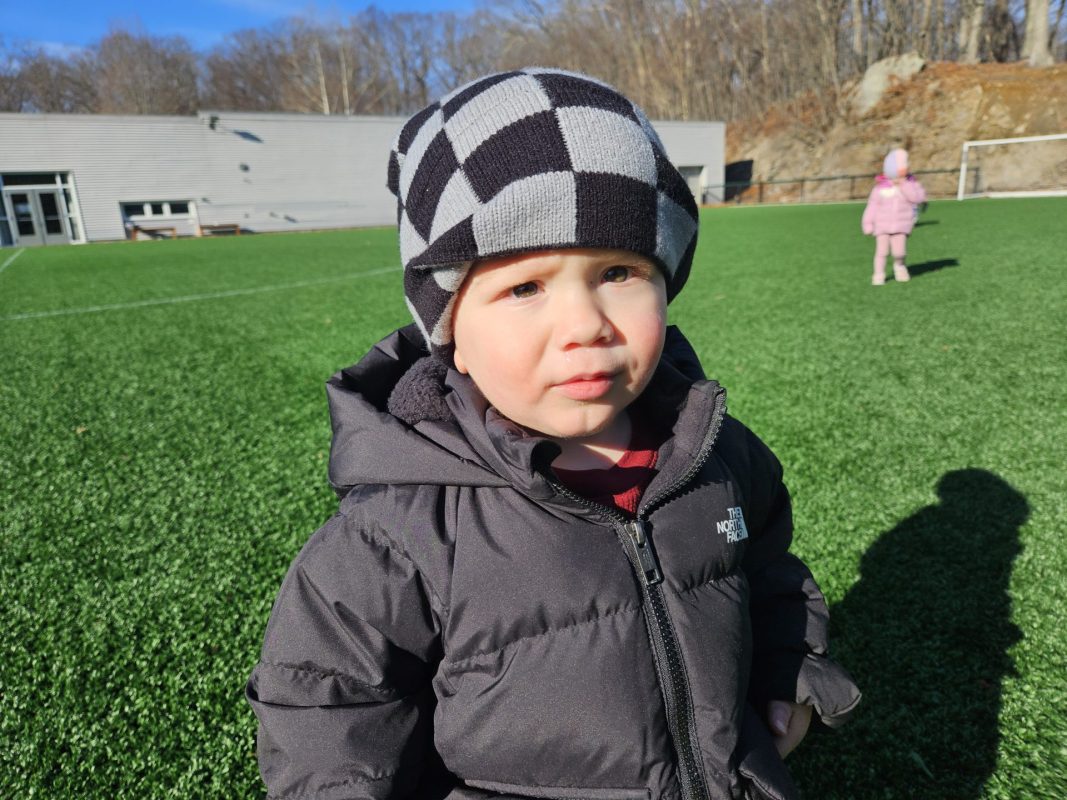
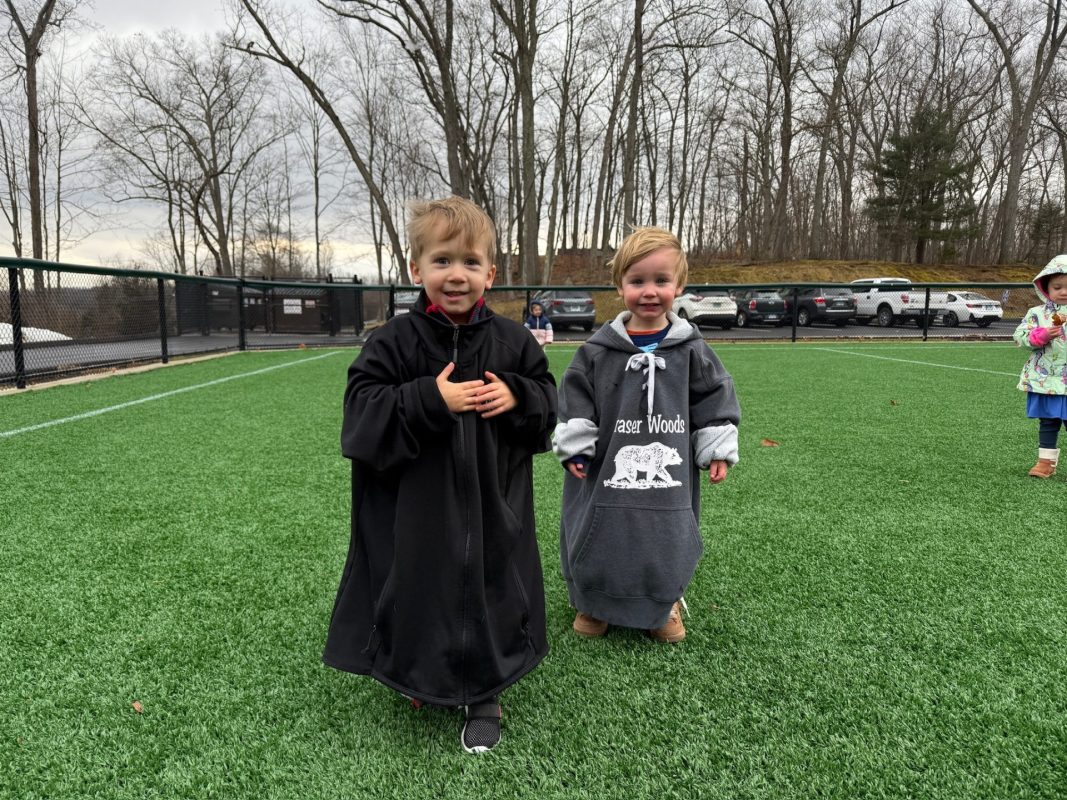
As we approach the winter months, the volume of lost items is about to multiply exponentially. Hats, mittens, scarves, snow pants, boots, extra layers—perfect conditions for all new science experiments. Here are some specific tips to help you get through the season while supporting your child’s independence.
Label everything. I mean everything. Not just the big-ticket items like coats and boots, but every single hat, every mitten (yes, individually), every scarf. Use a permanent marker, iron-on labels, or those stick-on labels designed for clothing. When your child does lose something—and they will—at least there’s a fighting chance it will find its way back home.
Create a winter gear station at home. Designate one specific spot where all winter items live—a bin, a basket, hooks at their height, whatever works for your space. This gives children a clear target for both putting things away and gathering them before heading out.
Practice the “stop and check” routine. Before leaving any location—school, a friend’s house, the car—pause and do a quick body scan: “Do I have my hat? My mittens? My coat?” This becomes automatic with repetition, but it has to be taught and practiced first.
Keep backup items at school. Yes, this feels like admitting defeat, but it’s actually smart planning. A spare pair of mittens and hat in the cubby means your child can still go outside even when the primary set goes missing. Label these as “backup” so they stay put.
Choose mittens over gloves for younger children. They’re harder to lose (less surface area sticking out of pockets) and easier to put on independently, which means children are more likely to actually use them.
It’s not easy to watch your child struggle with responsibility. Some days you’ll succeed, and some days you’ll cave and pack their bags yourself. But on the best of days, they’ll surprise you by remembering everything without a single prompt.
Our Lost & Found years were exhausting, and honestly, I’m glad they’re behind me. Did I experience any sort of personal growth out of replacing the same mittens multiple times or scrubbing moldy lunch boxes? Absolutely not. But my children did. They learned to manage themselves through real experience—the messy, imperfect, frustrating kind. And when they left for college this fall, they packed themselves, organized their spaces, and handled their lives independently because they’d been practicing since they were three years old. That capability didn’t come from me doing everything for them. It came from letting them forget, fail, and figure it out.