Blog

Mrs. Lopes: Journey Through the Solar System


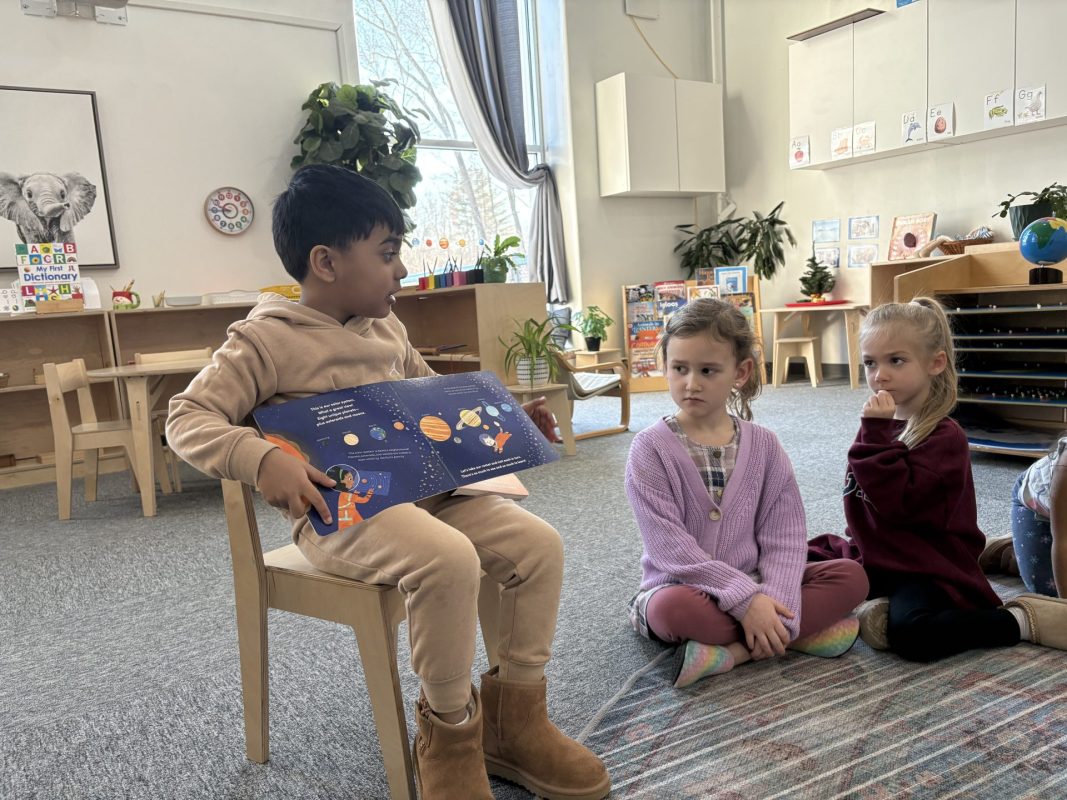
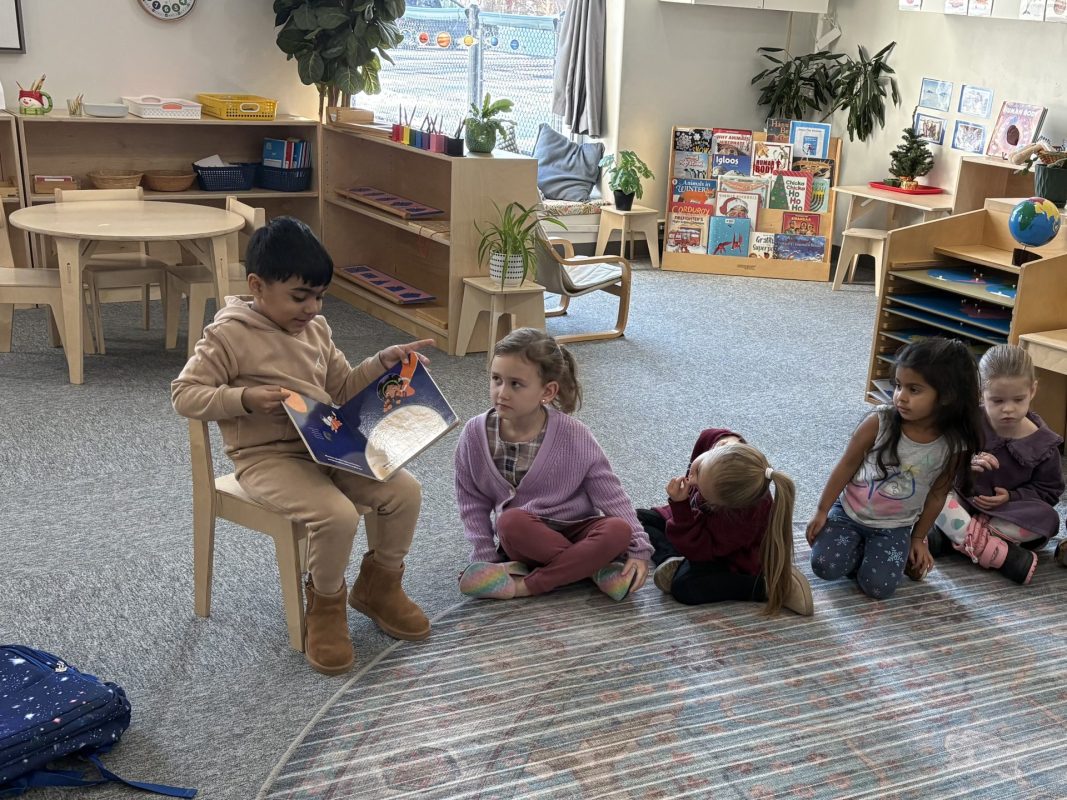
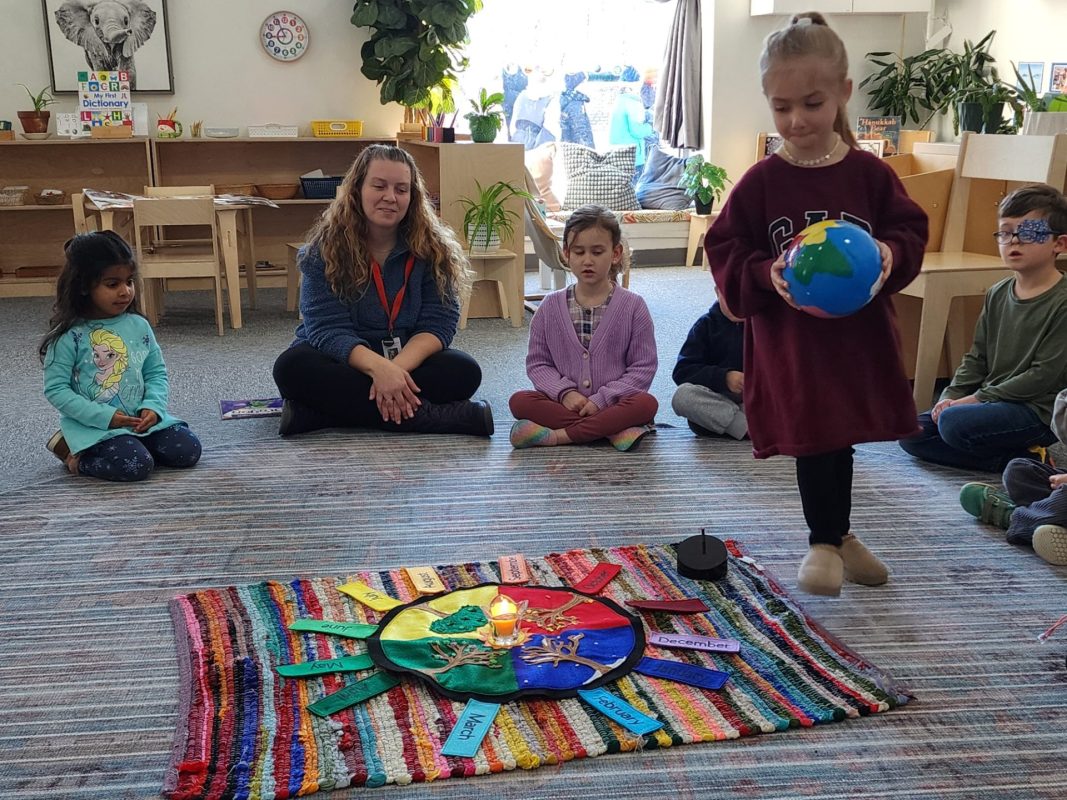
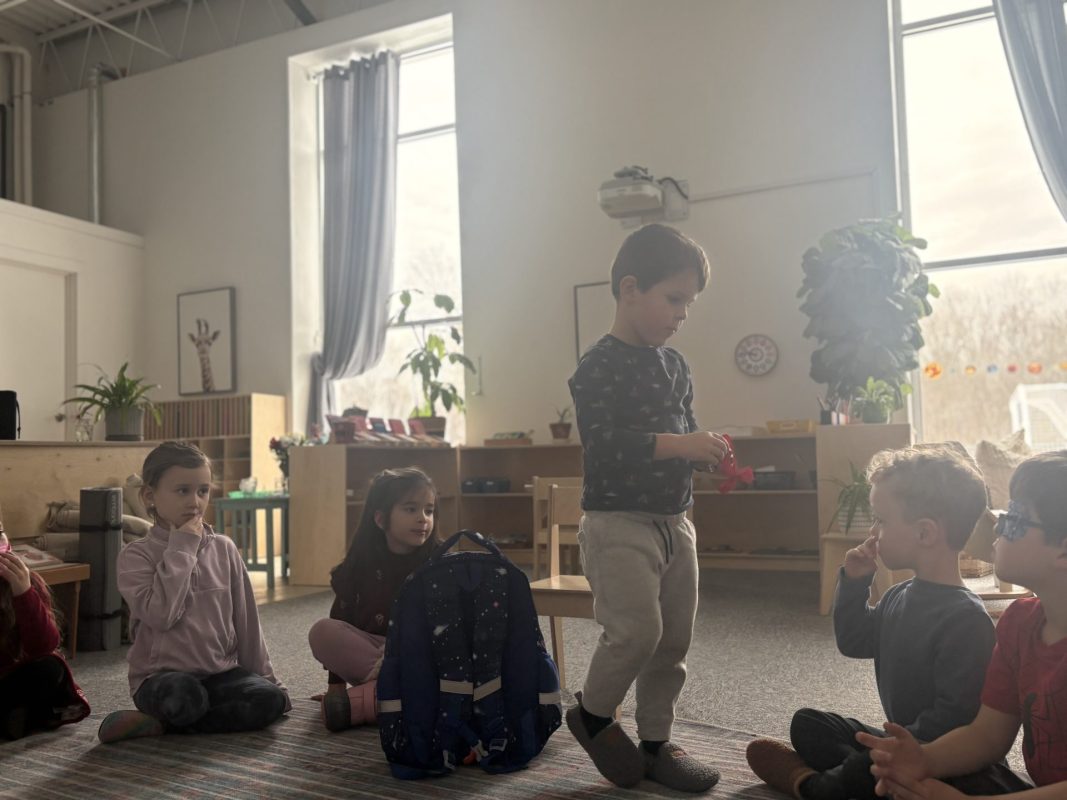
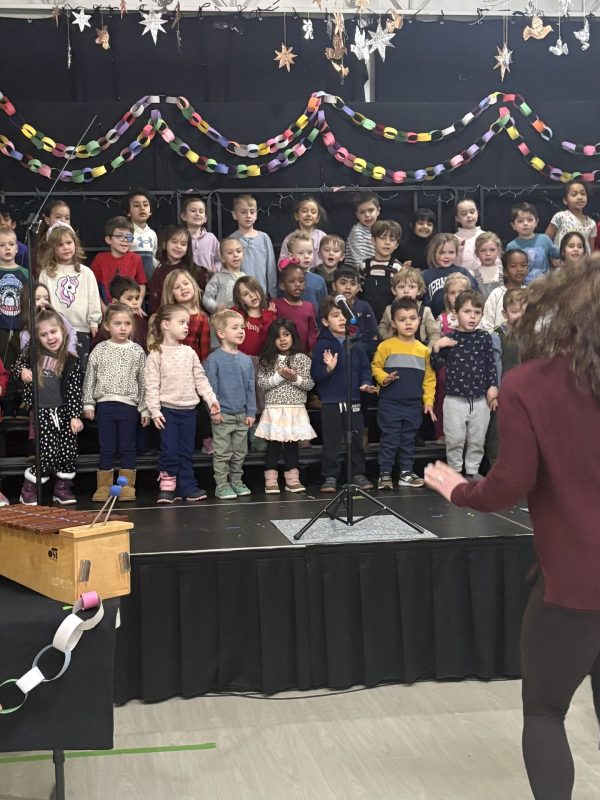
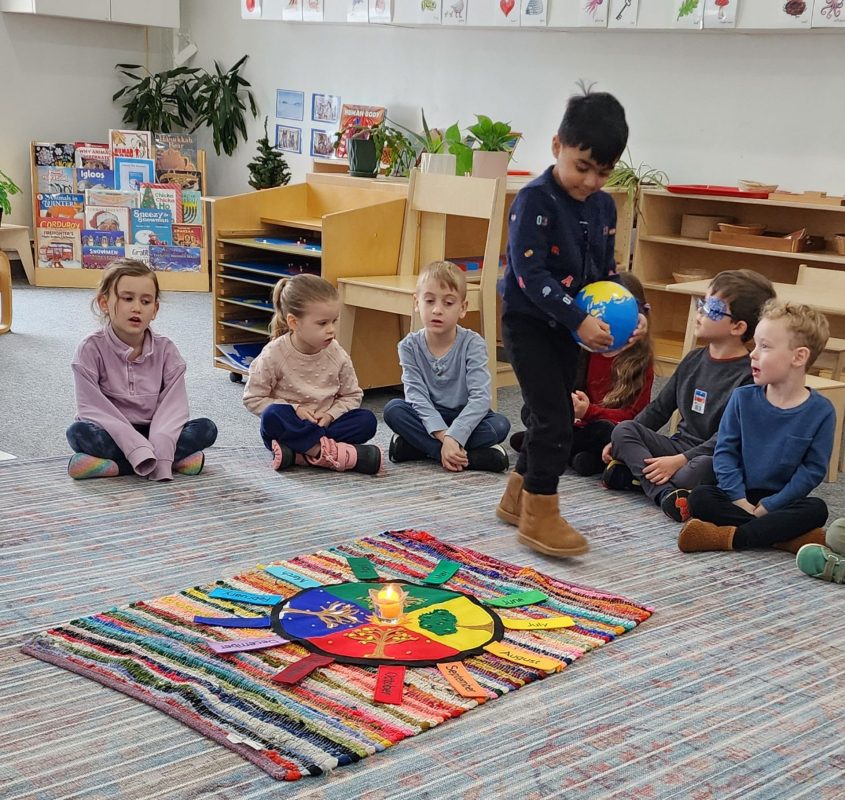
This week, we started our exciting unit on the solar system. The children were captivated as we introduced the planets and their unique characteristics. We taught the children a special song to help them learn the names of all the planets in order from the sun. Through melody and rhythm, the children are joyfully memorizing Mercury, Venus, Earth, Mars, Jupiter, Saturn, Uranus, and Neptune.

We discussed what makes each planet unique—from Mercury’s proximity to the sun to Neptune’s distant, cold atmosphere. The children explored new planet lessons that appeared on our science shelf this week, allowing them to independently discover fascinating facts about our solar system. Their curiosity about space and our place in the universe continues to grow each day.

Community Connection Through Cooking

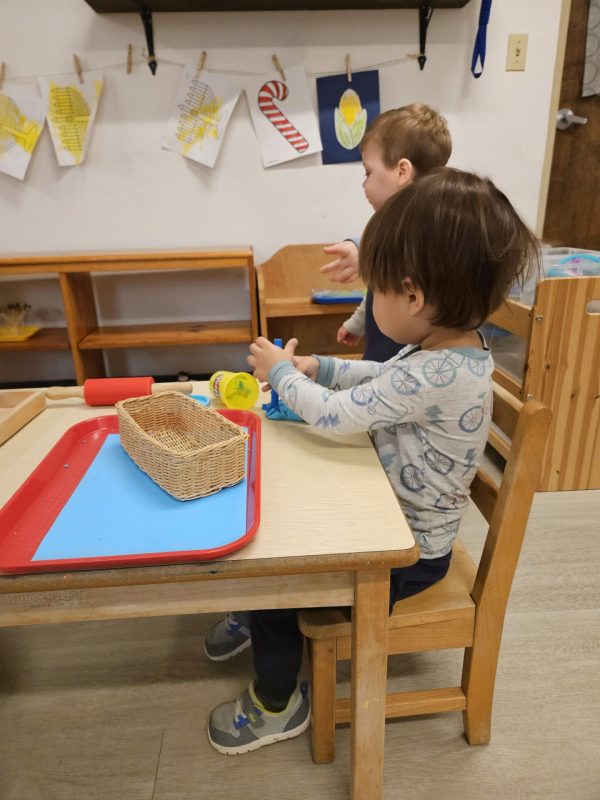
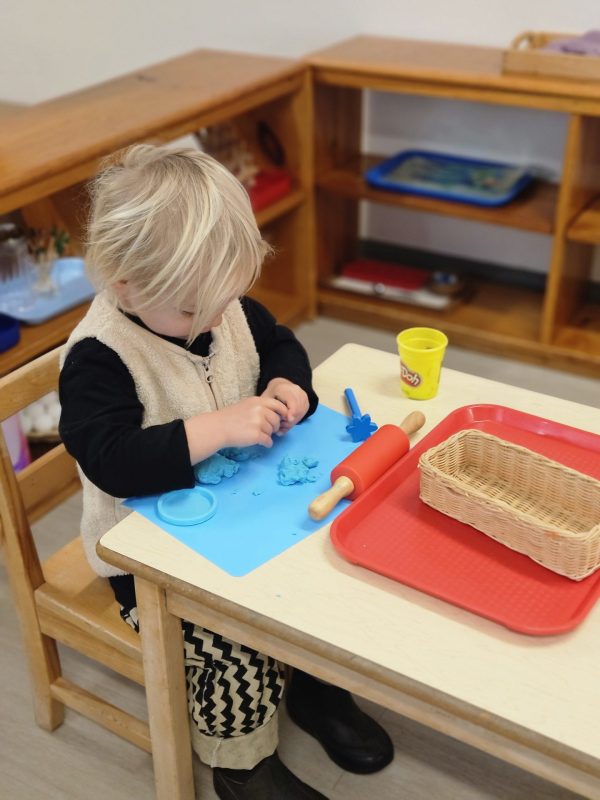
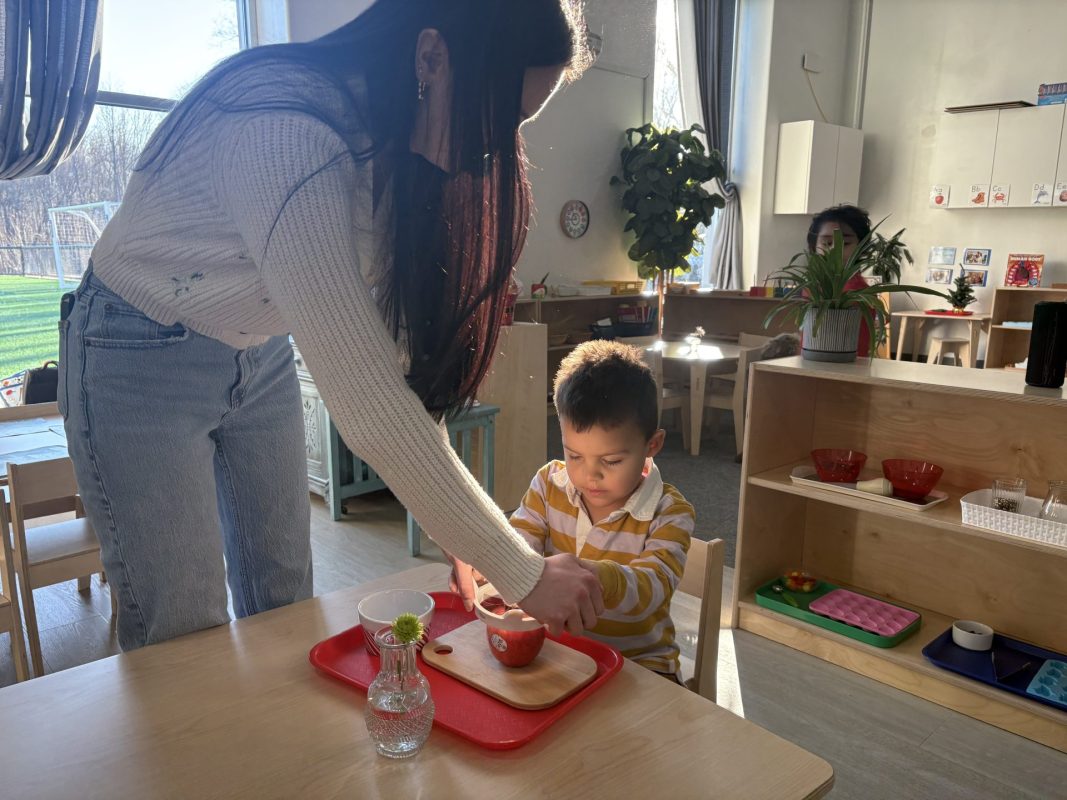
On Tuesday, Nicolas’s mom, Vanessa, came to our classroom to help us make pumpkin playdough. The children enjoyed mixing the ingredients together and then playing with the dough using rollers and cookie cutters. This sensorial experience allowed them to explore texture, develop fine motor skills, and practice following a sequence of steps.

On Thursday, Hadley’s mom, Petra, helped us make bread for next Tuesday’s Thanksgiving Ceremony. Each child took part in adding ingredients and mixing the dough for the pumpkin bread we will be sharing with the school community. Through this meaningful work, the children learned about measurements, the transformation of ingredients, and the joy of contributing to a community celebration.

Extending Learning at Home

Point out the moon and stars with your child on clear evenings. Talk about how Earth is one planet among many in our solar system. If you have the opportunity, share stories about space exploration or look at pictures of the planets together.


UPCOMING EVENTS & ANNOUNCEMENTS

This Week
Tuesday, November 25: Playground Volunteer–Jason L.
Tuesday, November 25: Half-day, 11:30 dismissal
Wednesday, November 26 through Friday, November 28: No School—Thanksgiving Break


Mrs. Wilson: Baking Bread

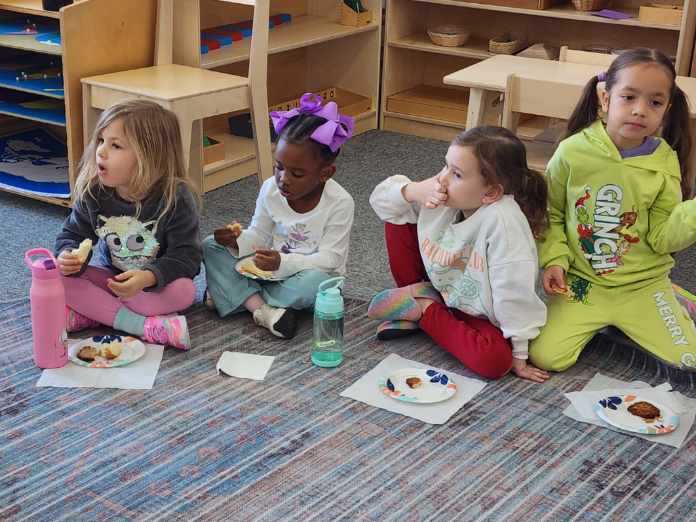
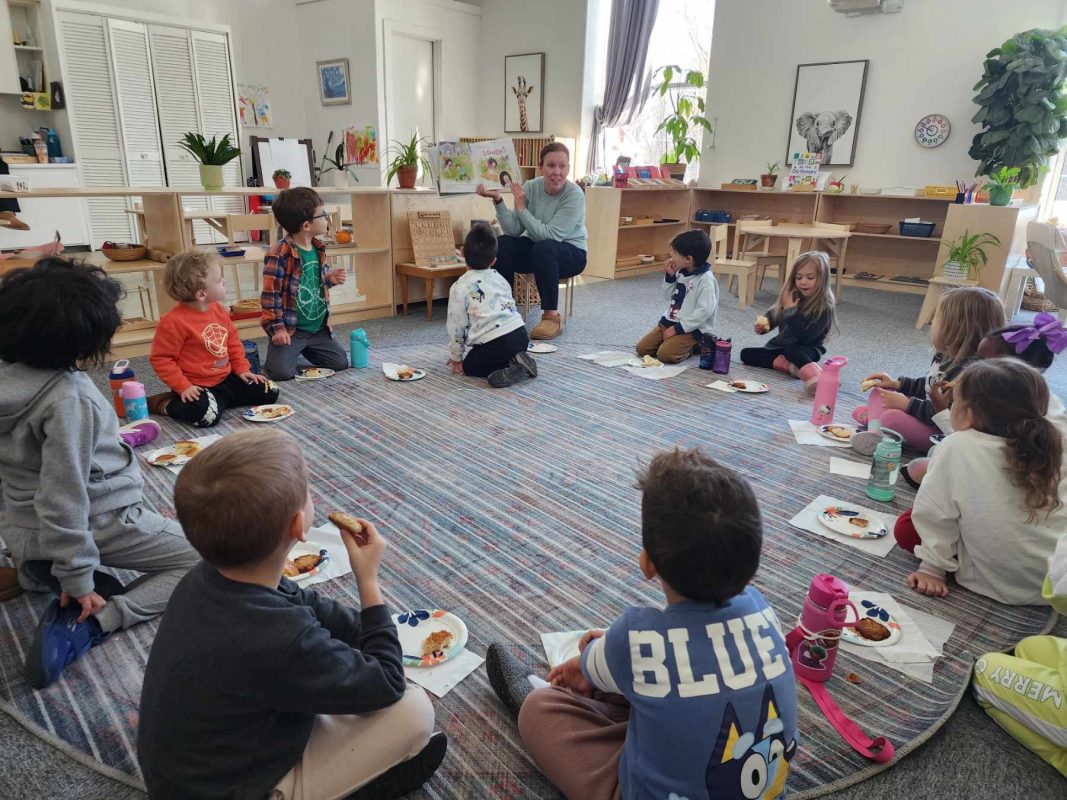
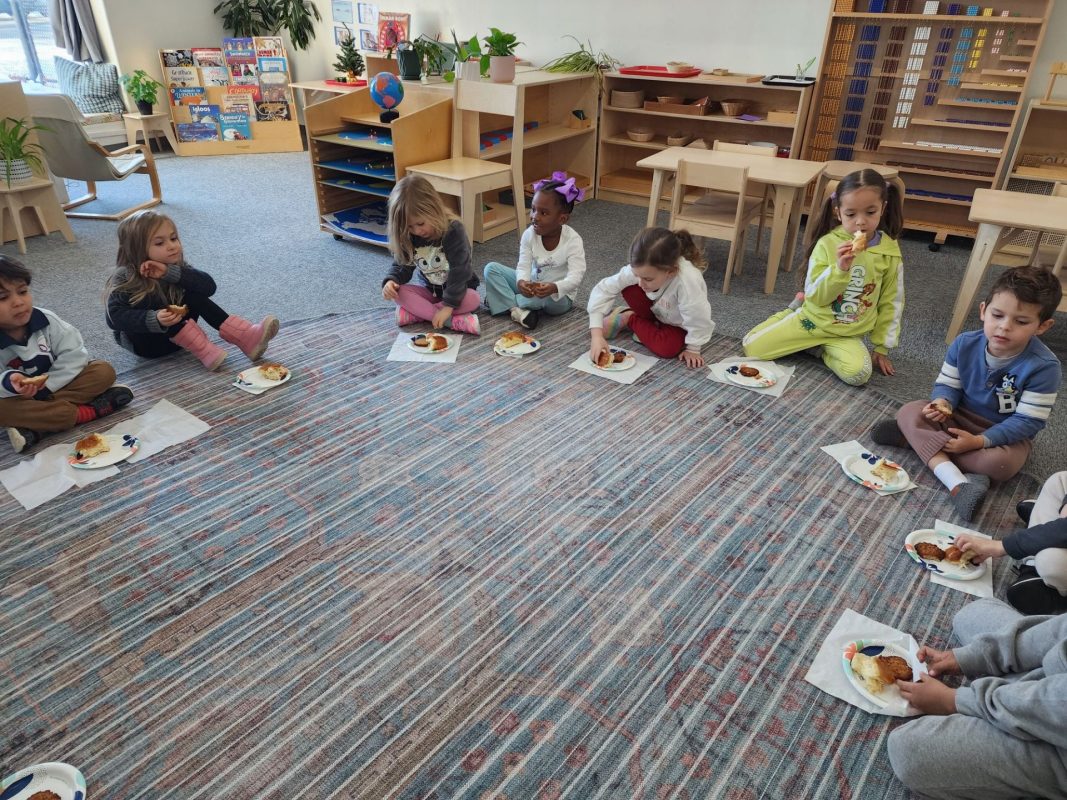
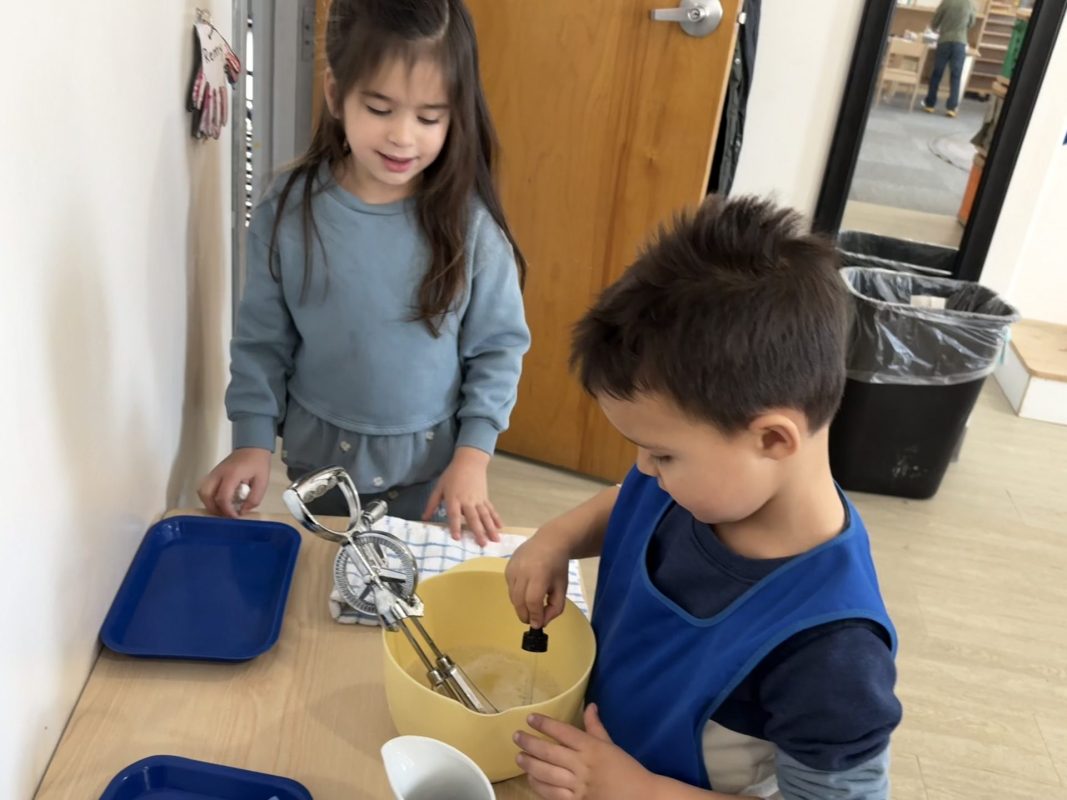
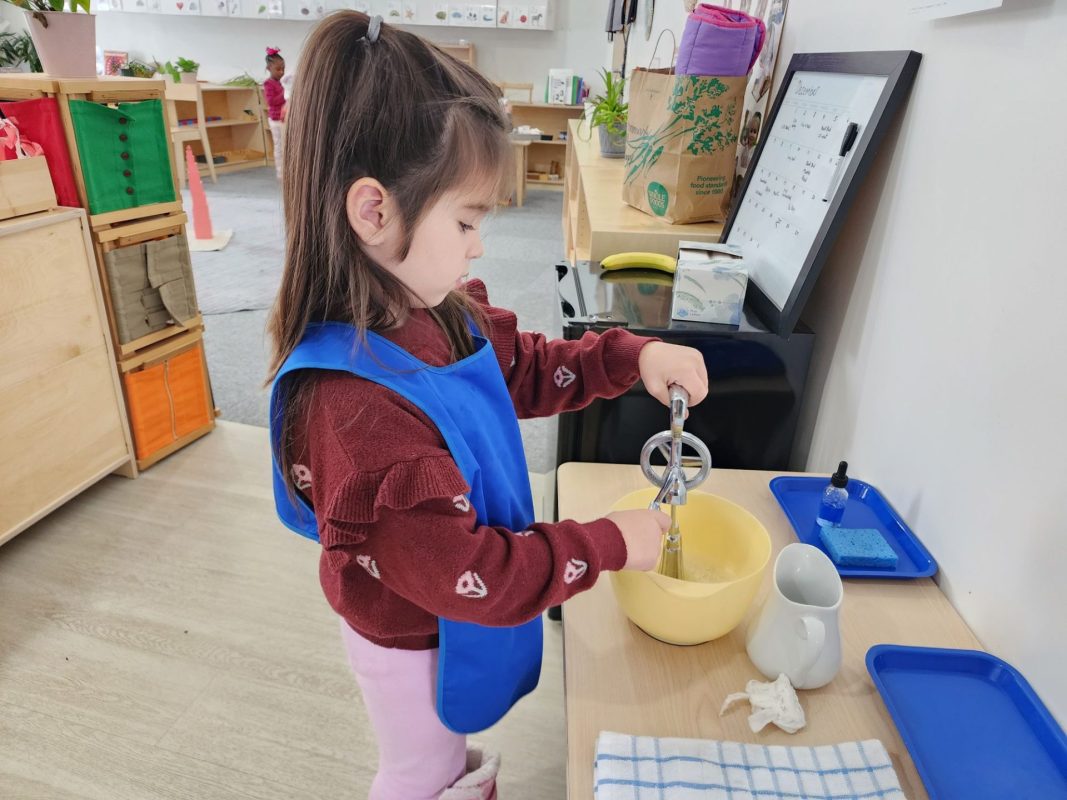
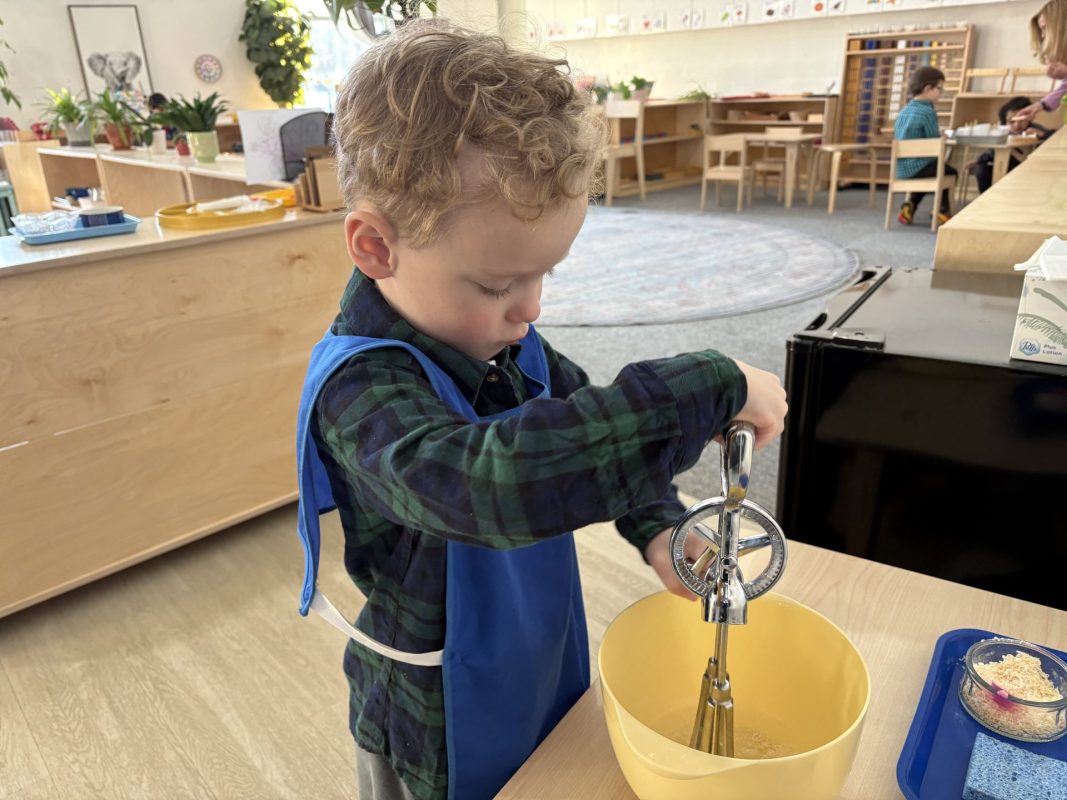
A special highlight this week was baking bread for our upcoming Thanksgiving celebration. This is a tradition we look forward to each year as part of our community-wide event. While we do not attend the Thanksgiving ceremony with the other students, we are always excited to participate in the bread sharing. This year, we chose a festive Cranberry Orange bread. The children gathered around with Ms. Alyssa and Ms. Melissa, eagerly helping to combine, whisk, and mix all the ingredients.

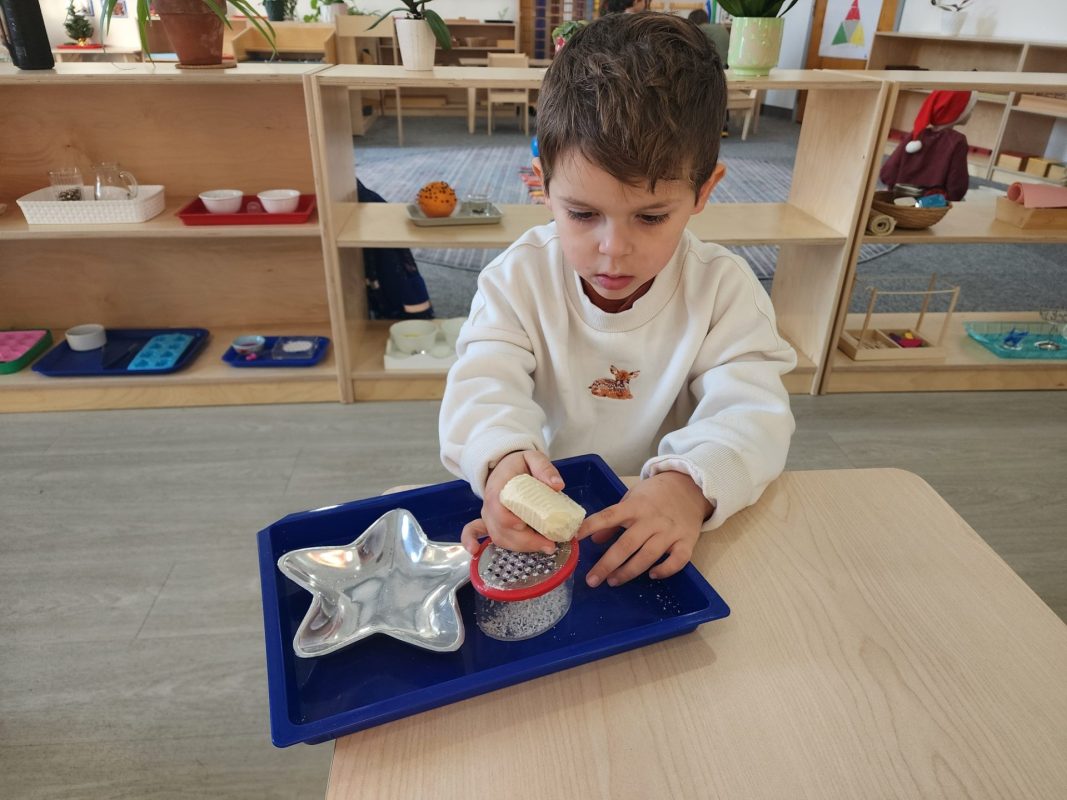
One loaf of this delicious bread will be shared with the whole school next week, while the second loaf will be enjoyed in our classroom alongside the homemade butter the children helped prepare. Turning heavy cream into butter takes plenty of shaking—and even more perseverance—which made the final result all the more rewarding for them.

A lovely moment from this week was introducing a prism to the children. Their excitement grew as beams of light scattered across the room, forming tiny rainbows on the walls and floor. The children eagerly moved around the classroom, trying to “catch” the rainbows as they appeared. It was a simple yet magical exploration of light, color, and movement.

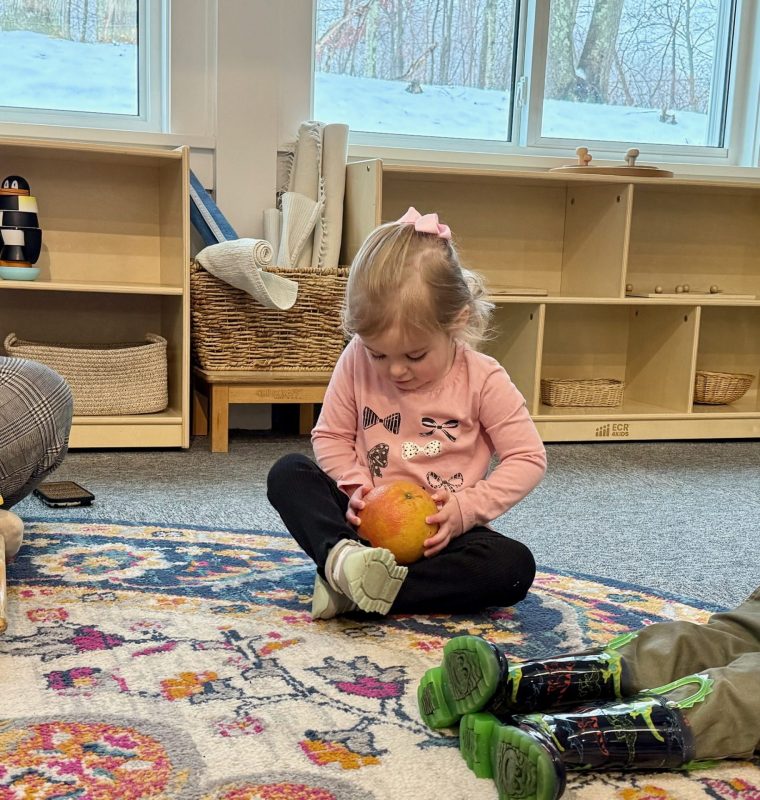
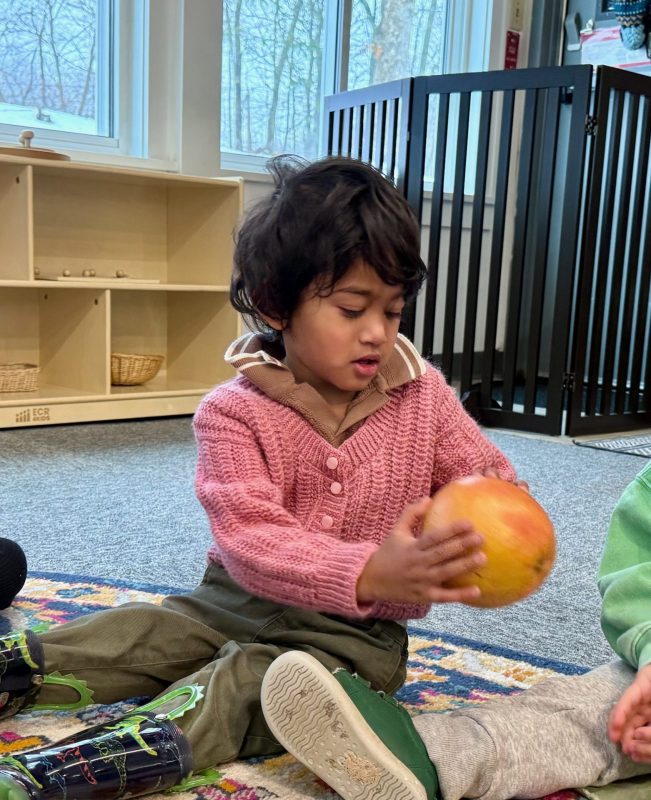
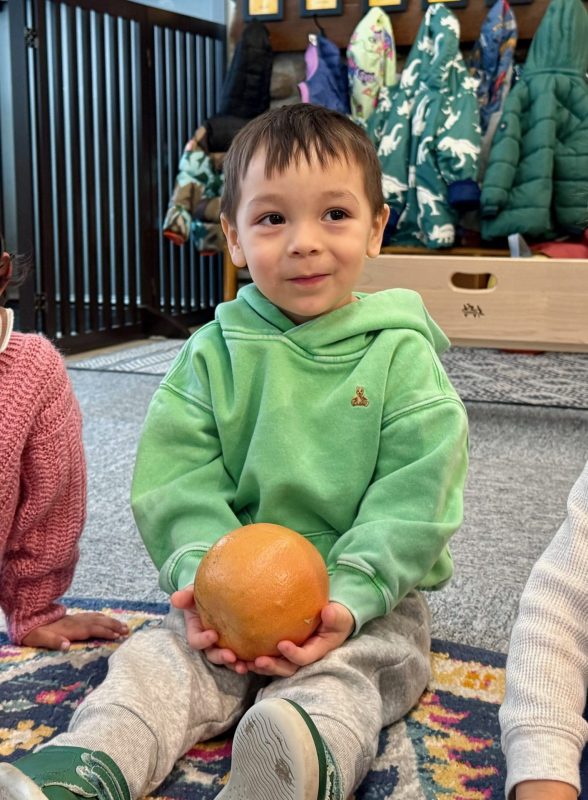
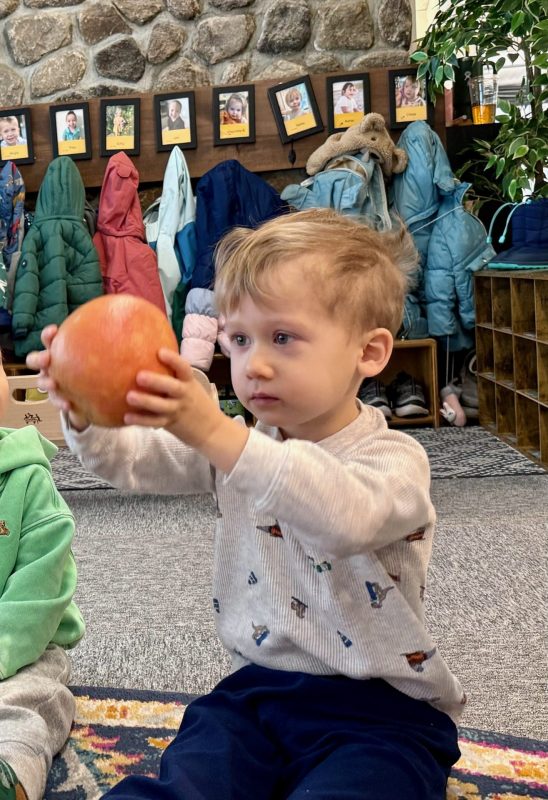
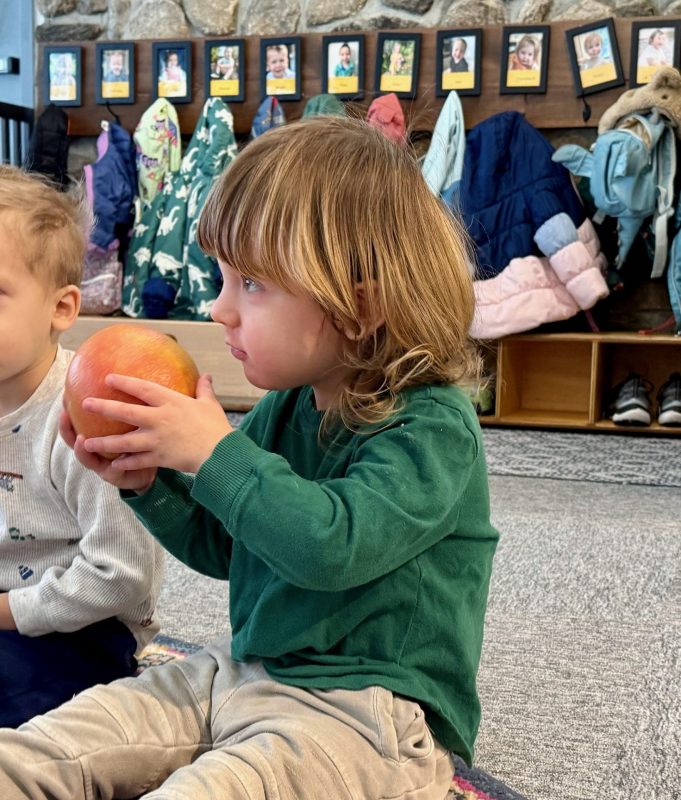
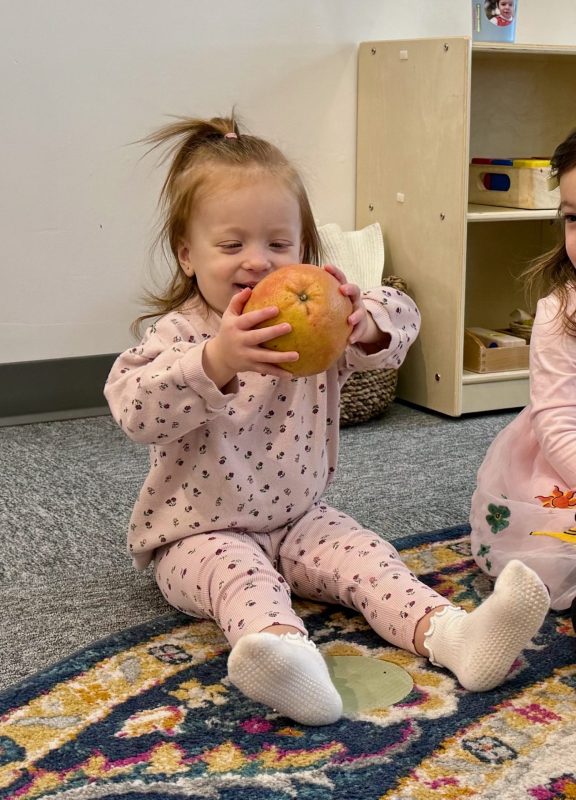
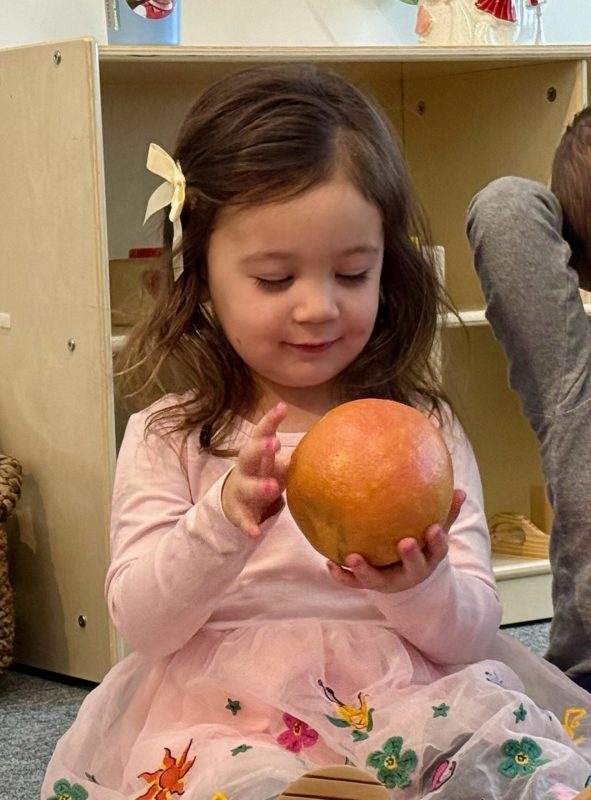
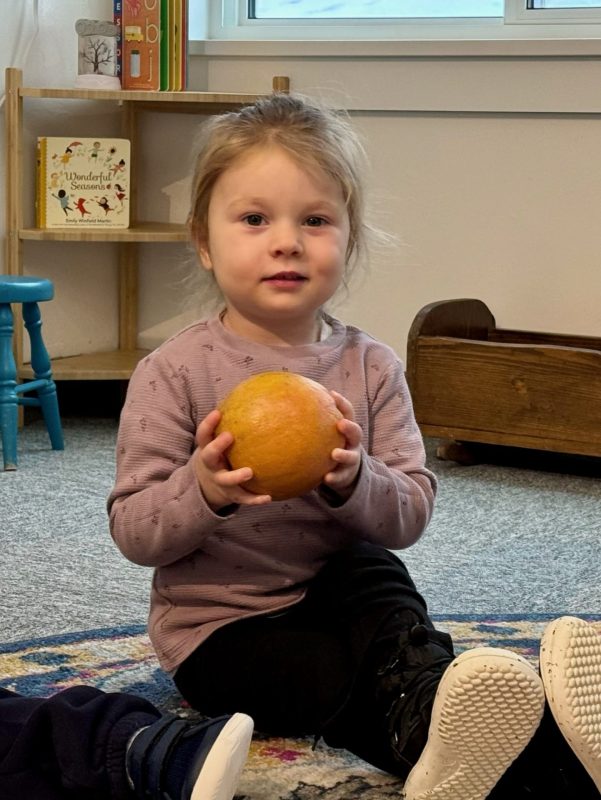
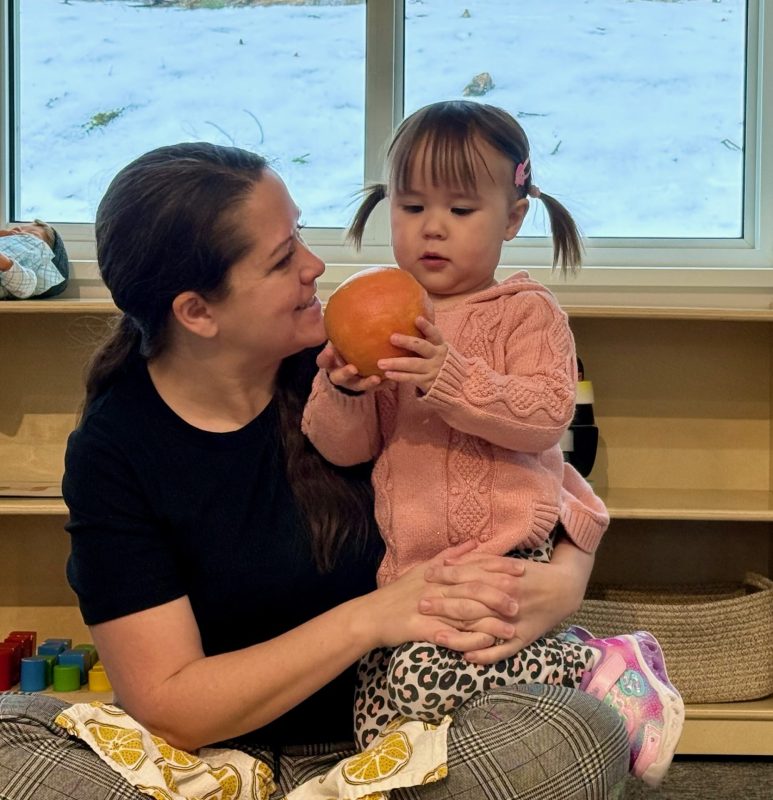
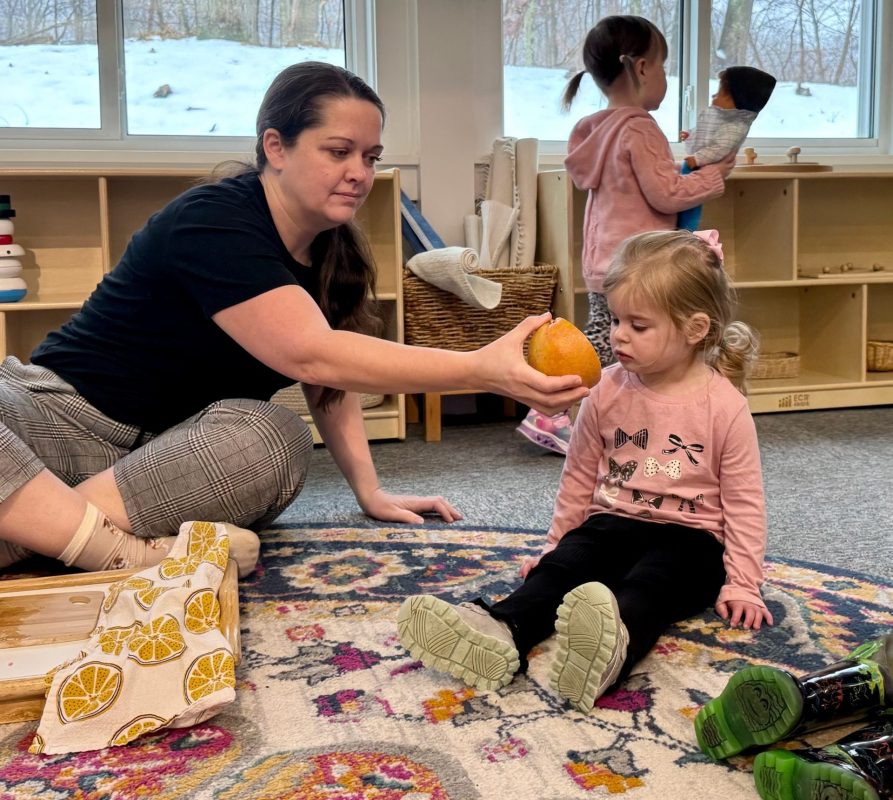
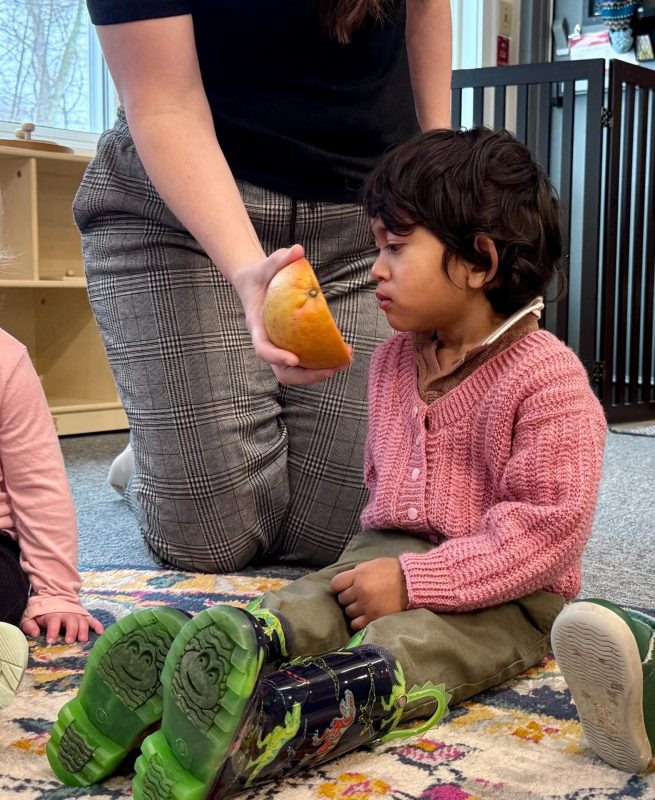
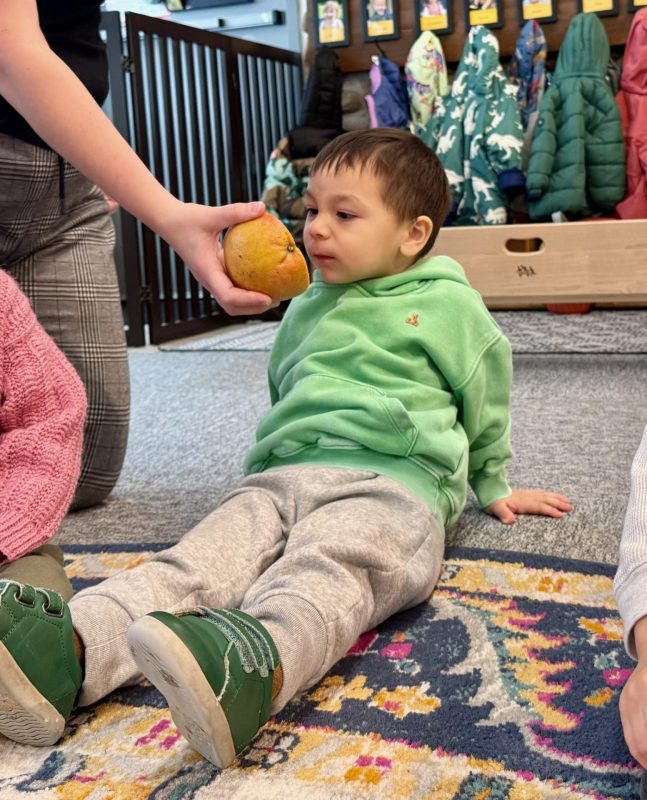
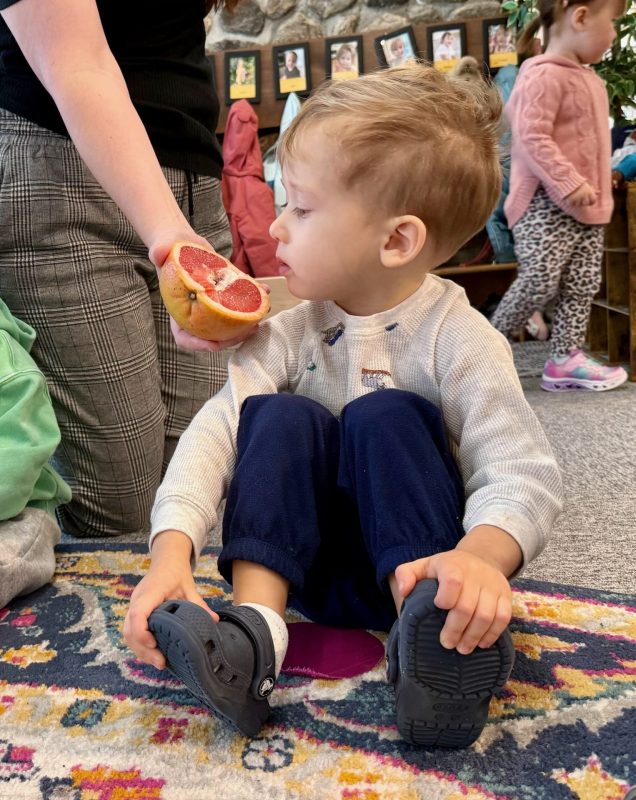
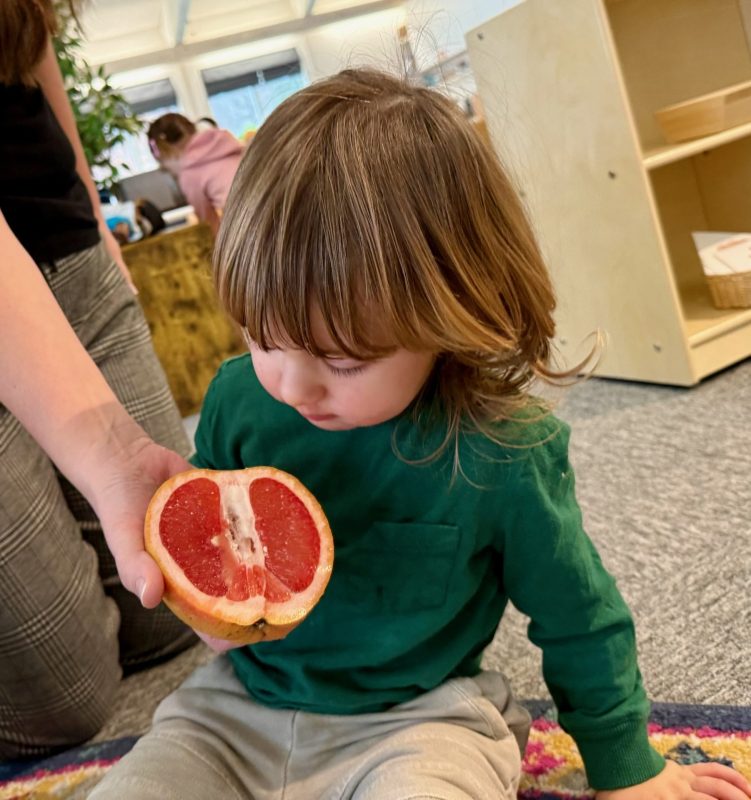
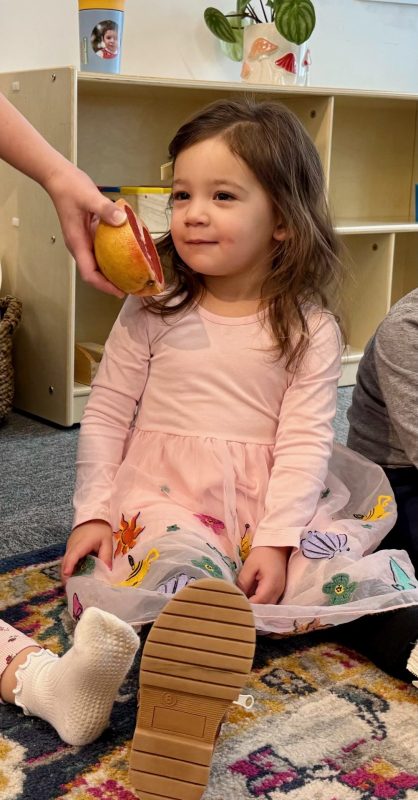
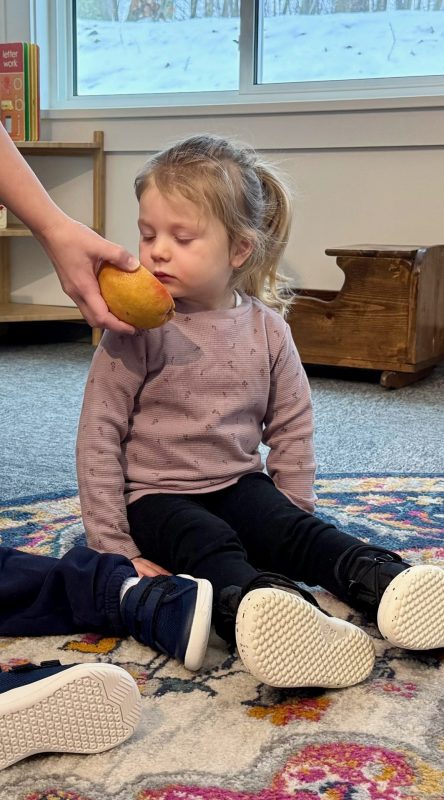
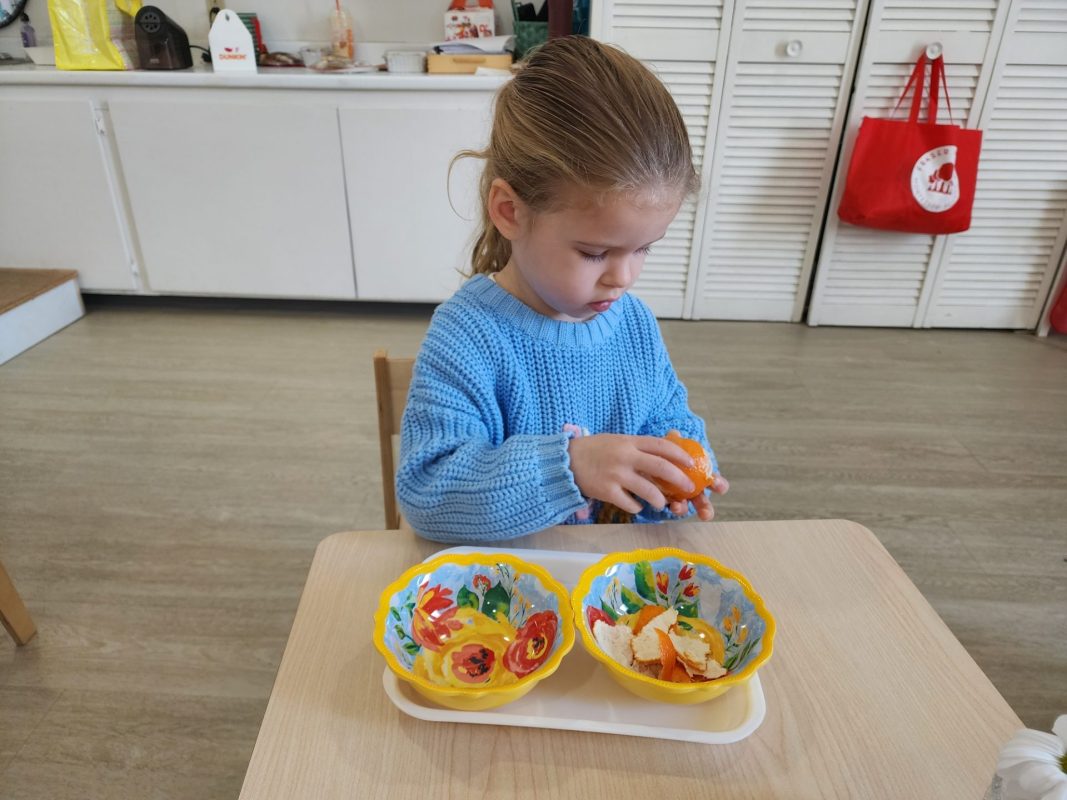
For our food tasting this week, we explored a pomegranate. The children were fascinated as Mrs. Wilson demonstrated how to open it and remove the seeds. By cutting the top, slicing along the natural lines, and tapping the skin with a wooden spoon, the seeds fall out easily into a bowl. It certainly seemed that the children loved tasting the crunchy, juicy, bright red pomegranate seeds!

Love and Light,

Cynthia and Sara


A Week of Gratitude in Lower El

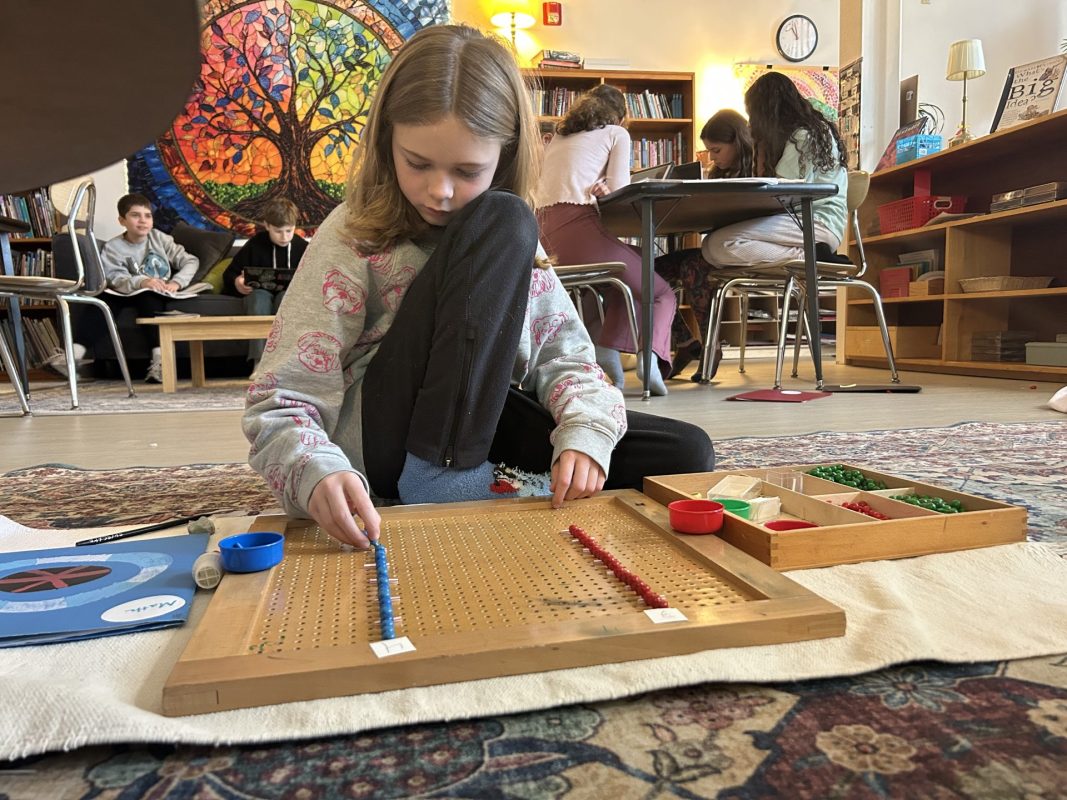
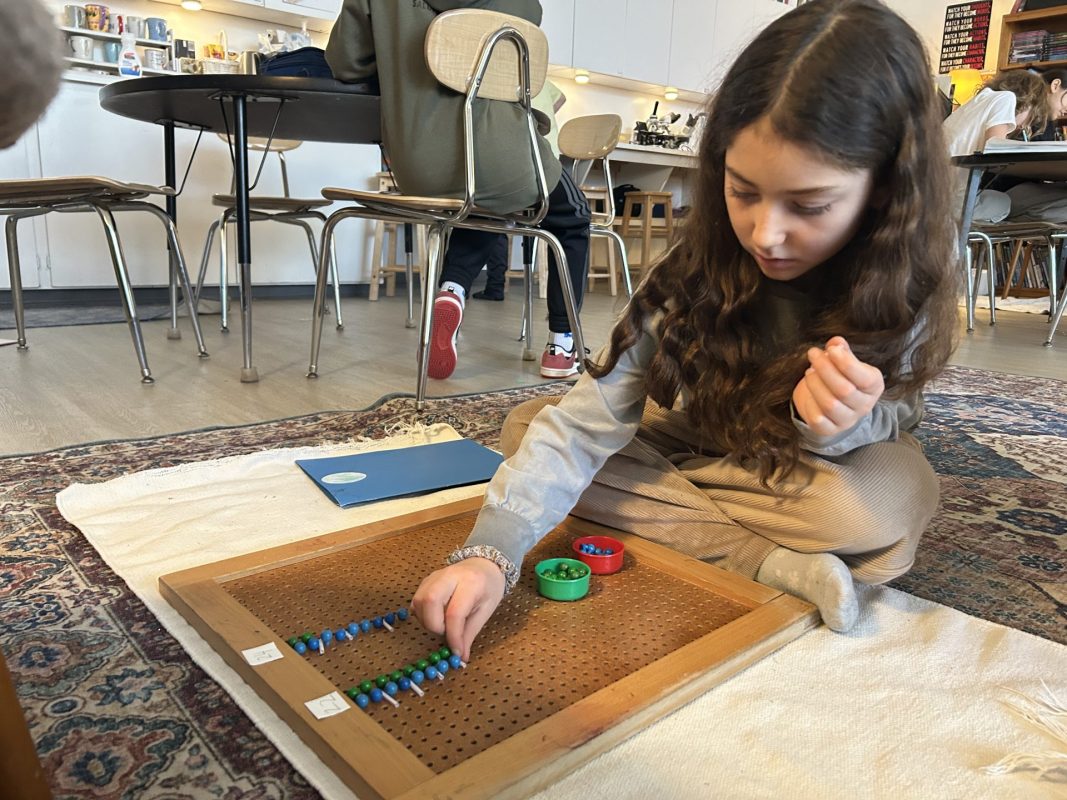
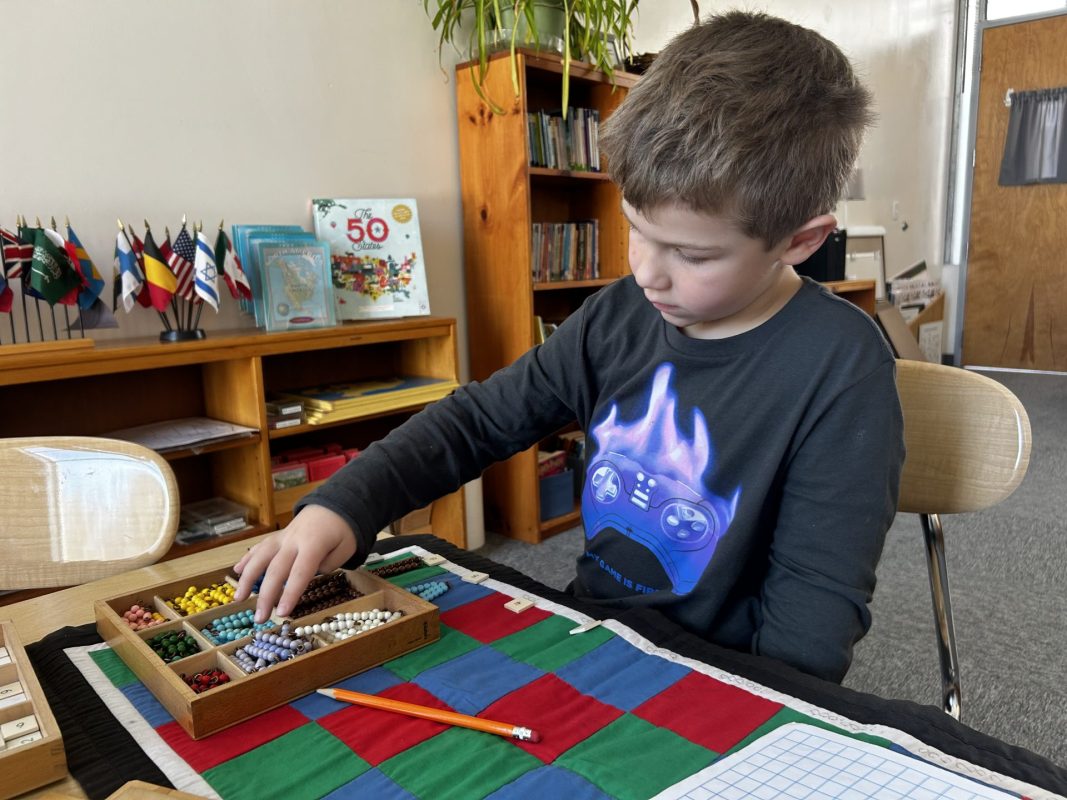
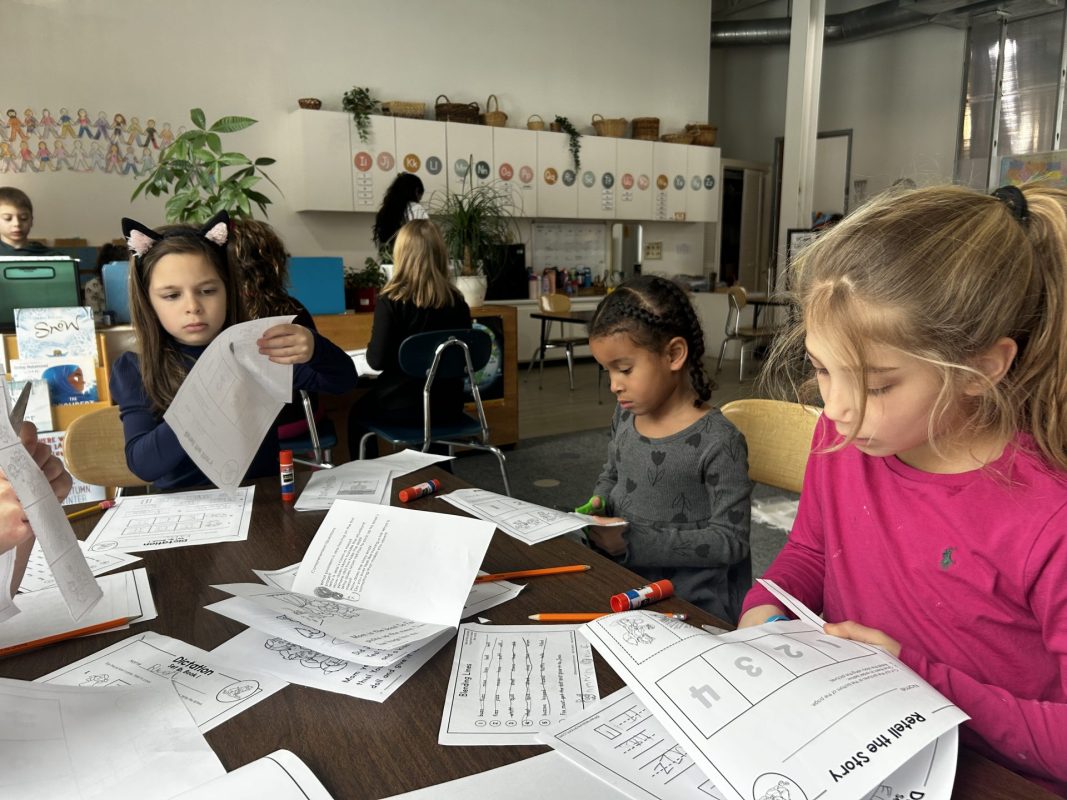
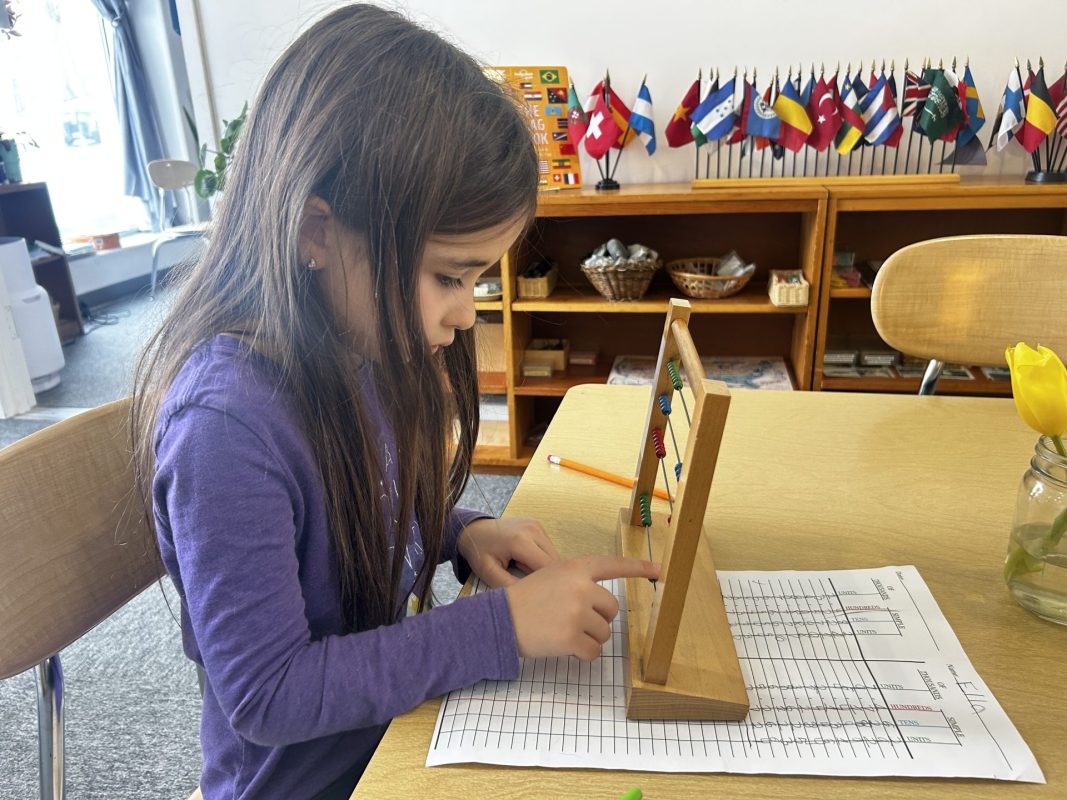
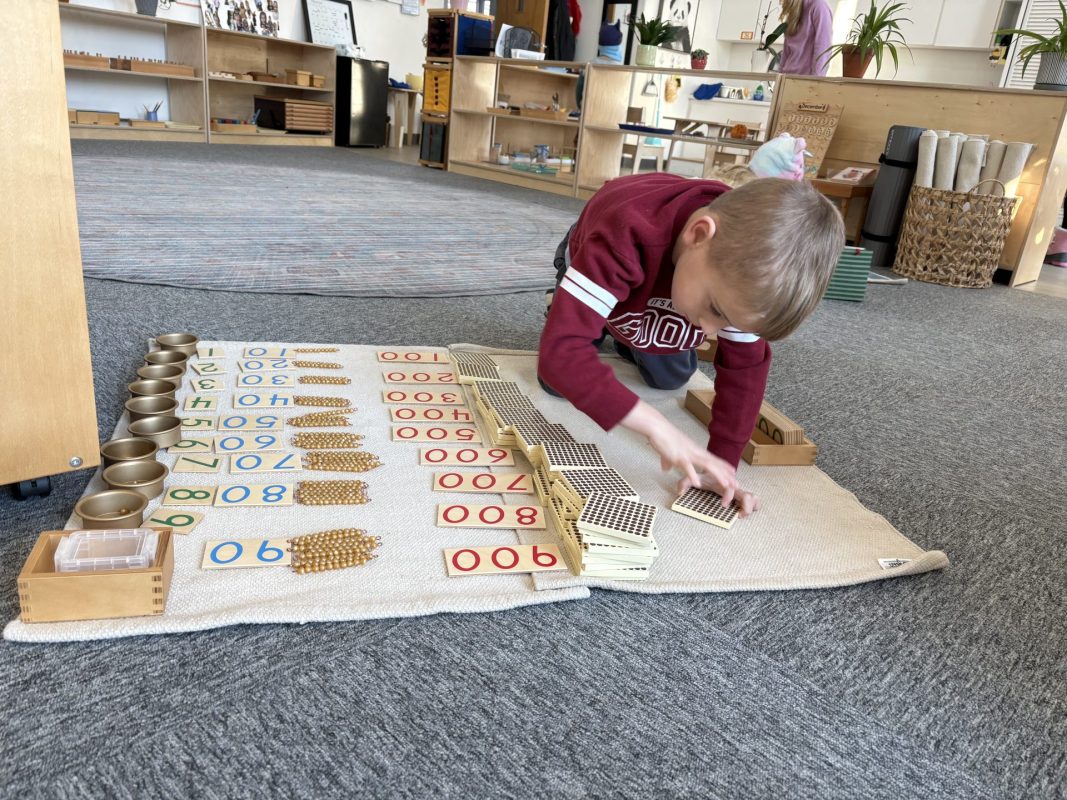
This week in Lower El, we shared “The Story of Numerals” (the Fifth Great Lesson). This story appeals deeply to the reasoning of the elementary child, who is eager to understand the origins of ideas and the human stories behind them. Rather than presenting math as a collection of fixed rules and symbols, the story traces the development of numeration through history, showing that mathematics is a human invention born of creativity, problem solving, and the needs of daily life. Early humans counted stones, made marks on cave walls, tied knots in cords, and used tally marks to track many necessary things for survival, such as food, seasons, and trade. As societies grew more complex, so did their number systems, including the Mayan base-20 system, the Mesopotamian base-60 counting system, the Greek numerals based on their alphabet, the Roman numerals in Europe, and many others. The children learned that all cultures have developed systems of counting, each uniquely suited to the needs of the people who created it. Numbers are not simply symbols; they are a language invented by humans to communicate ideas. Understanding mathematics this way helps children see that the work they do with numbers is connected to real people throughout history, people who observed, experimented, and collaborated to make life more organized and understandable.

The story also introduces the evolution of the decimal system and the essential role of zero. Far from being a simple placeholder, zero represents a breakthrough in abstract thinking that took centuries to conceptualize and accept. Its development opened the door to advanced mathematics, record keeping, and evolved communication. When children hear how zero emerged and spread across cultures, they begin to appreciate math as a living and evolving achievement rather than something static and fully formed.

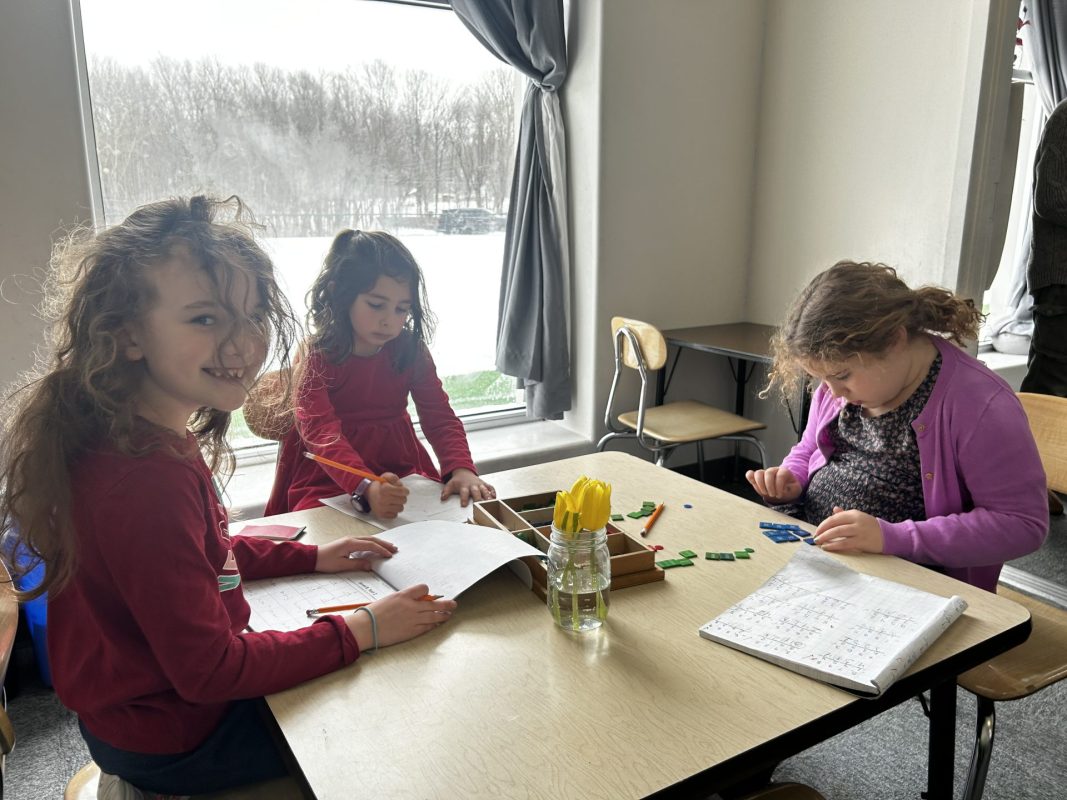
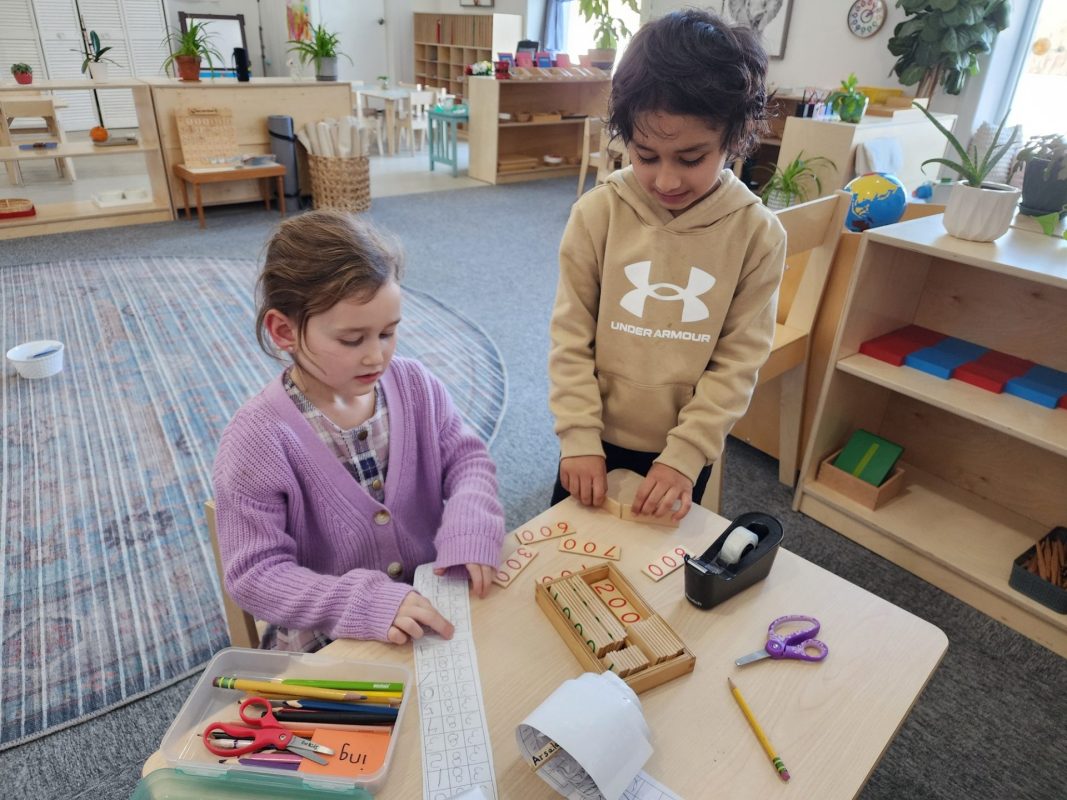
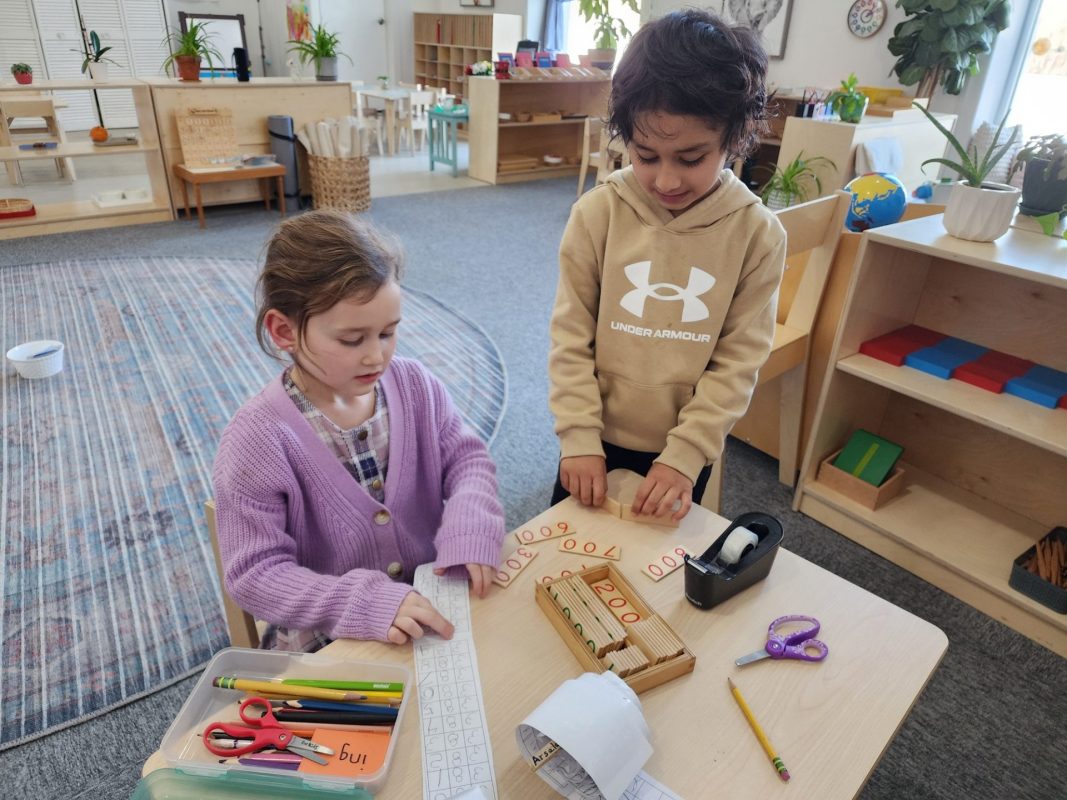
By presenting numeration as a human journey, the lesson inspires gratitude for the countless individuals who contributed to our current number systems and reminds students that mathematical progress continues. It reframes math work in the classroom as part of a much larger narrative, making it more meaningful because it connects to human history and ingenuity. Many children had a great time exploring and working with Roman and Egyptian numerals as follow-up work. Through this great lesson, math becomes not just an academic subject, but a story of human adaptation and survival, one that students can imagine themselves continuing.

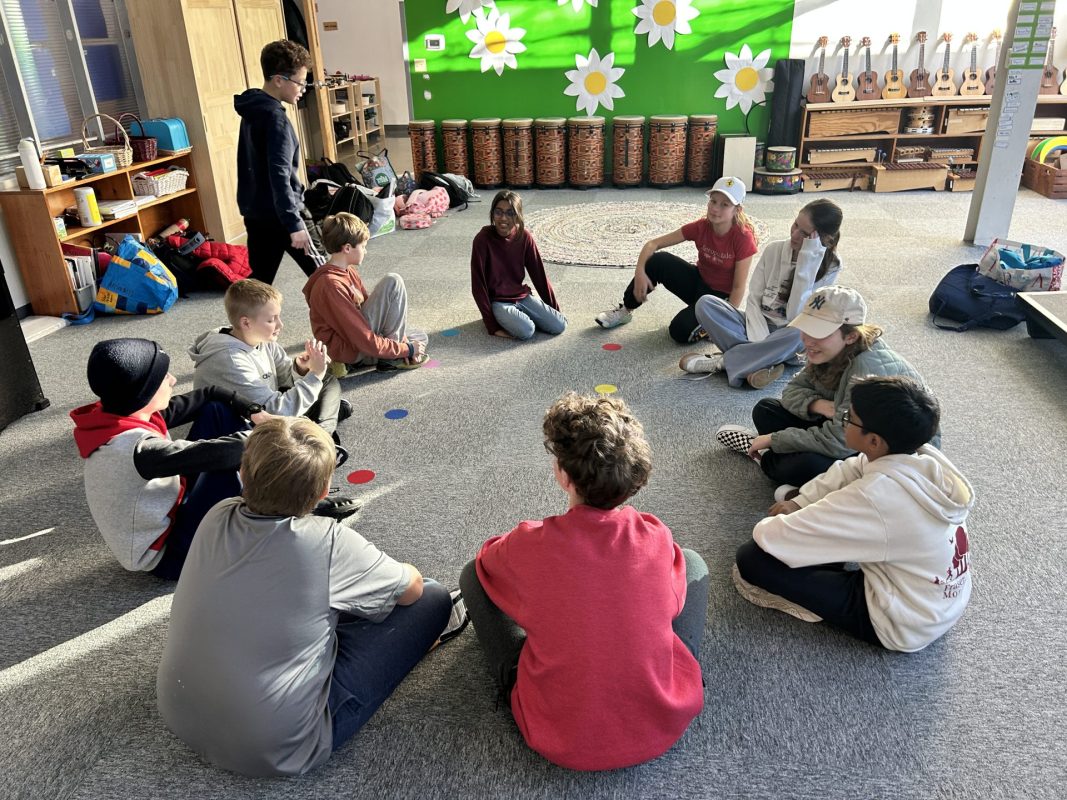
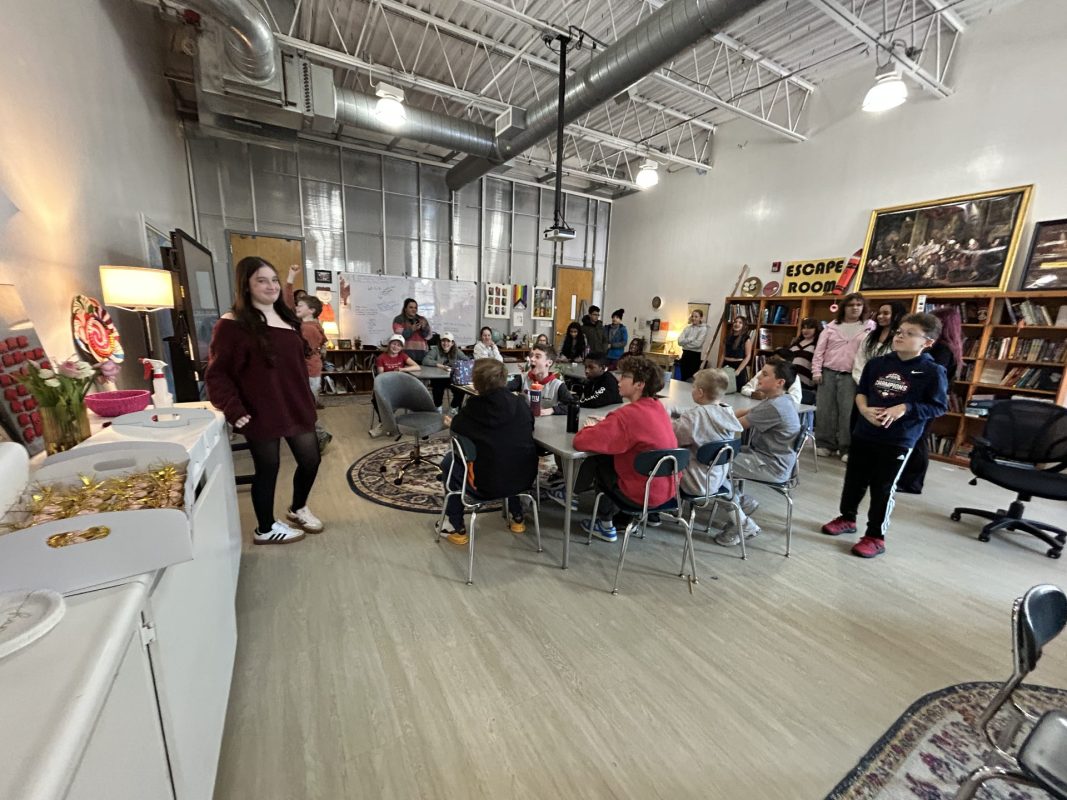
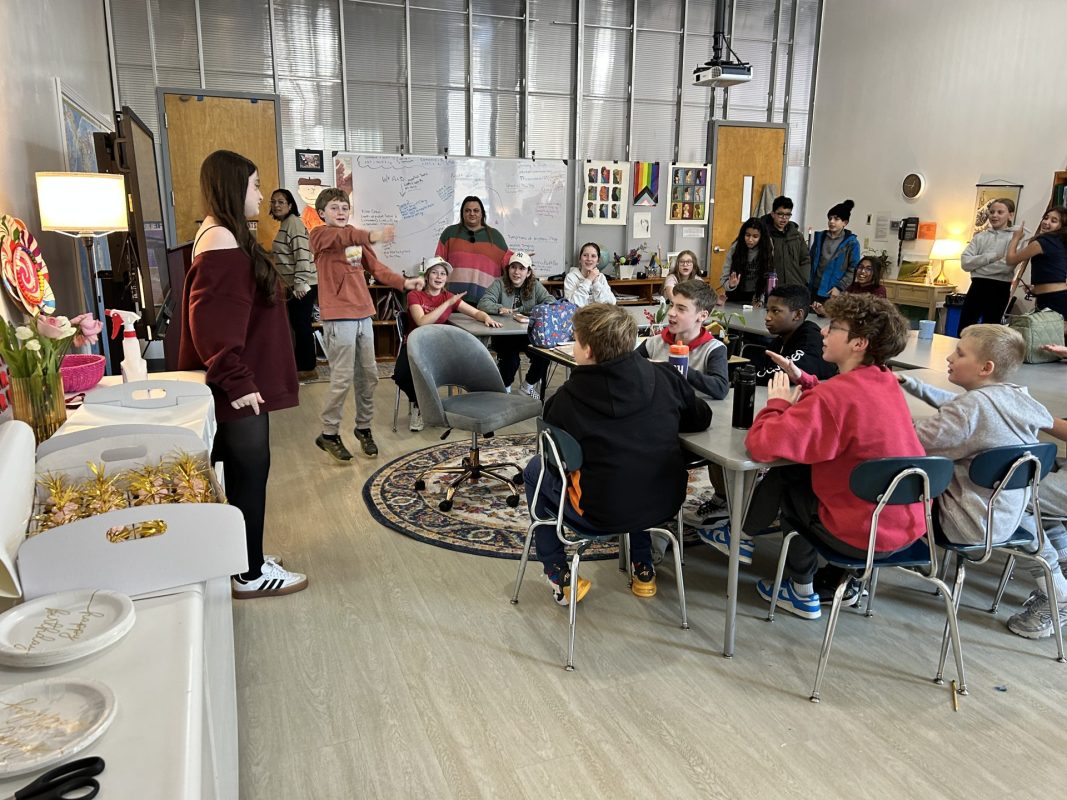
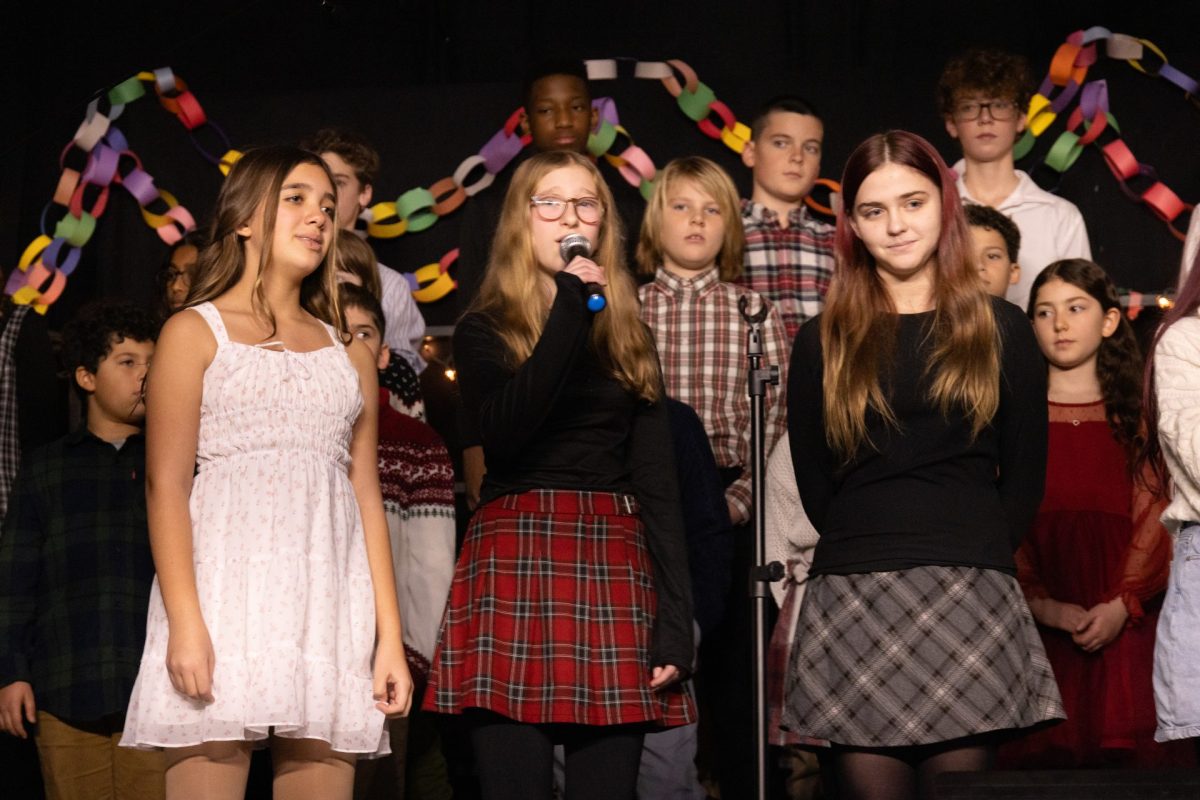
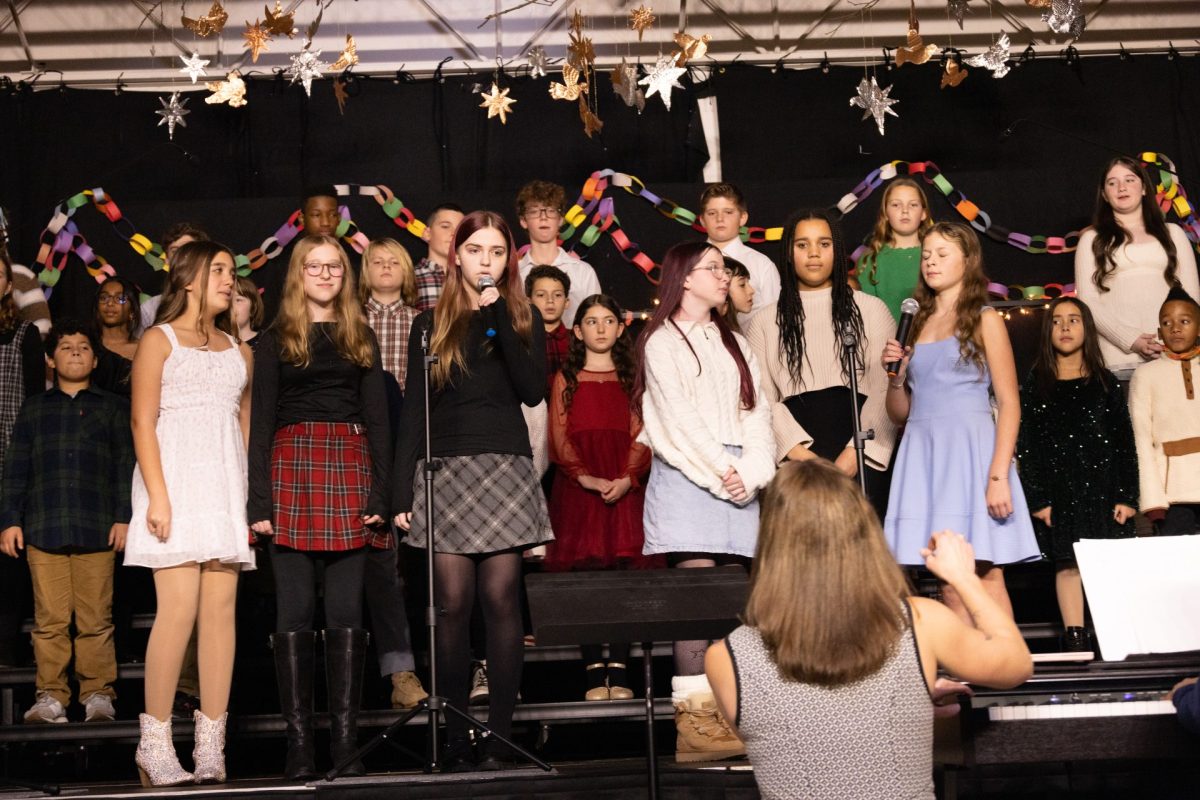
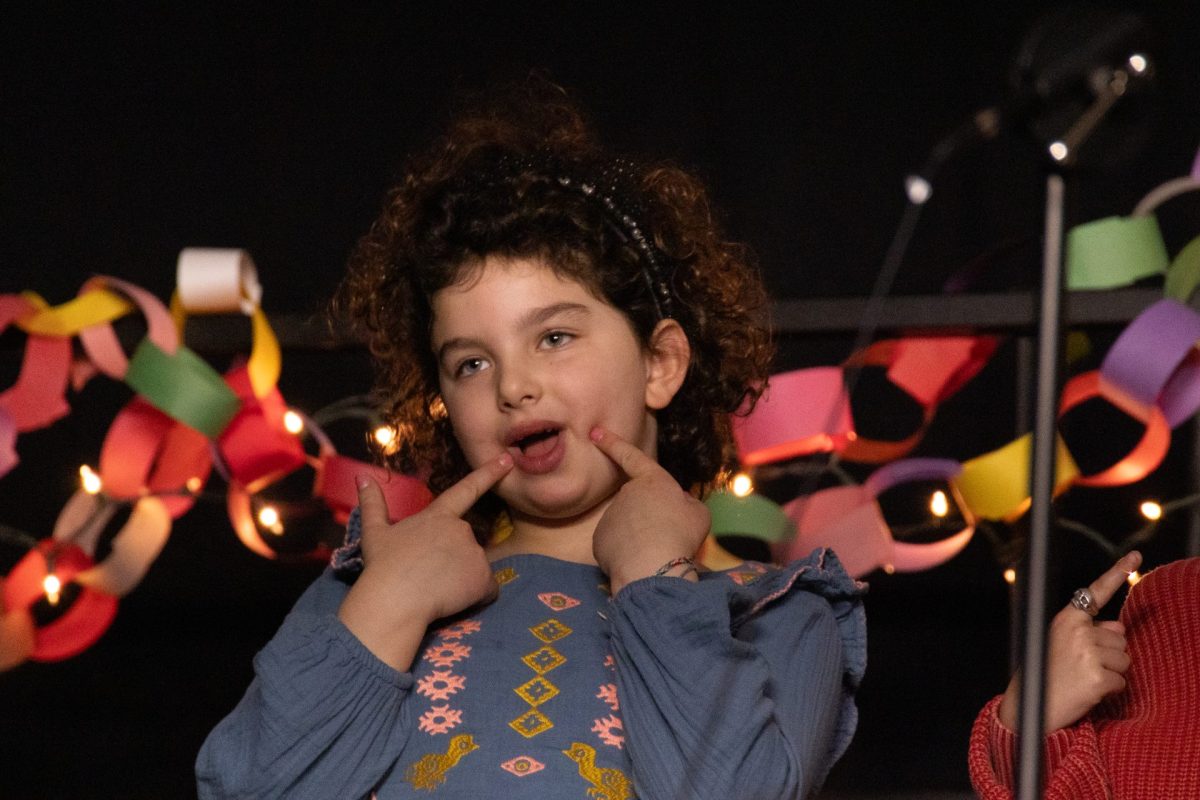
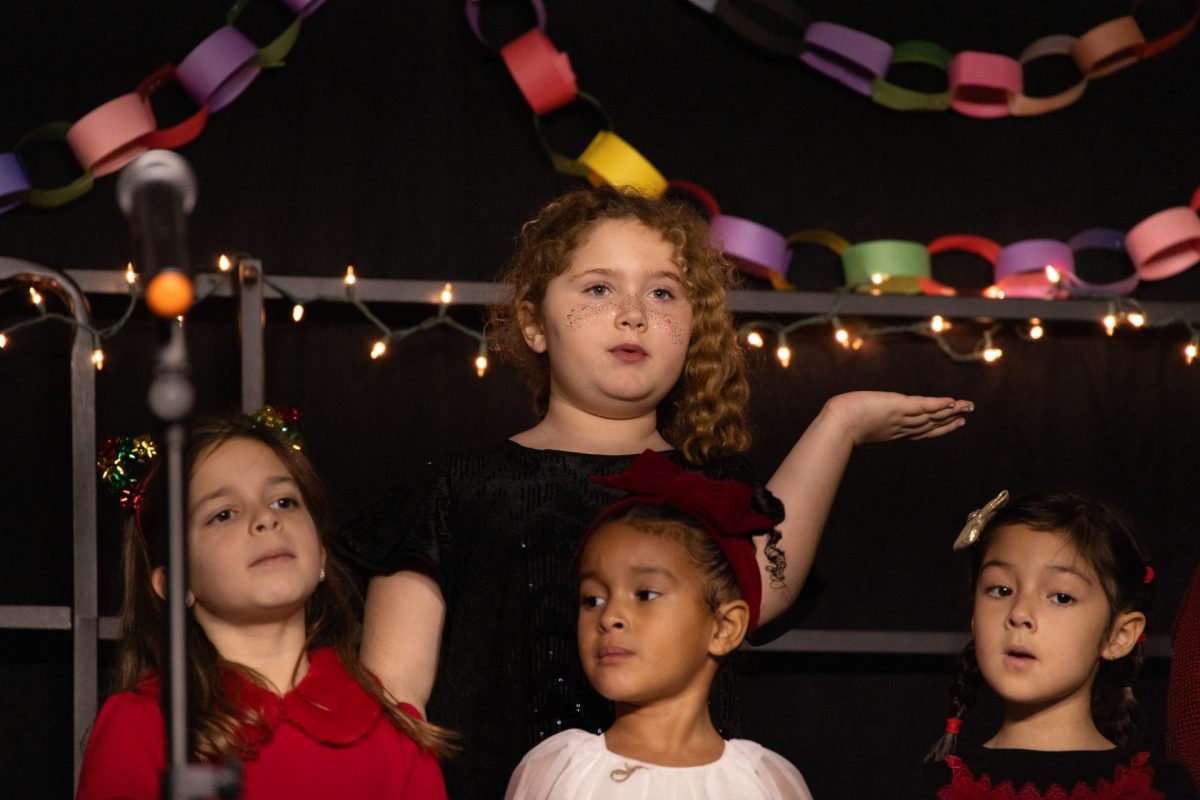
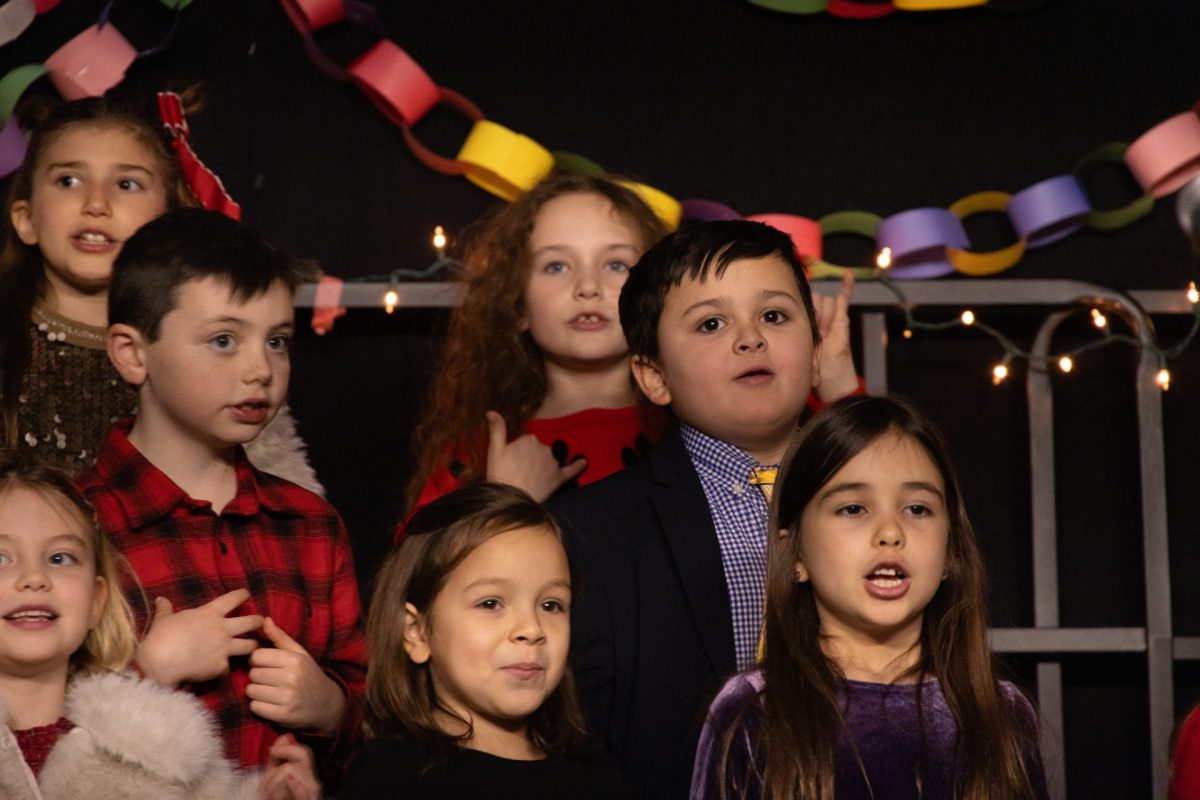
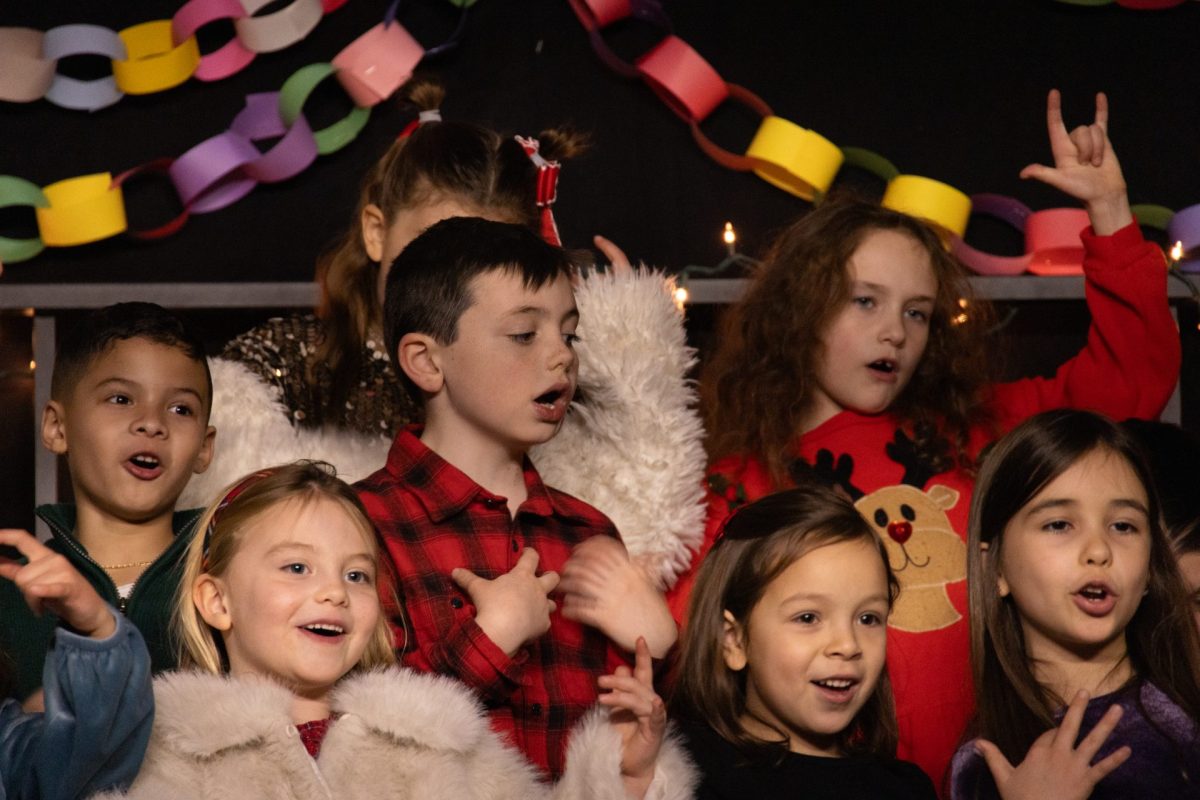
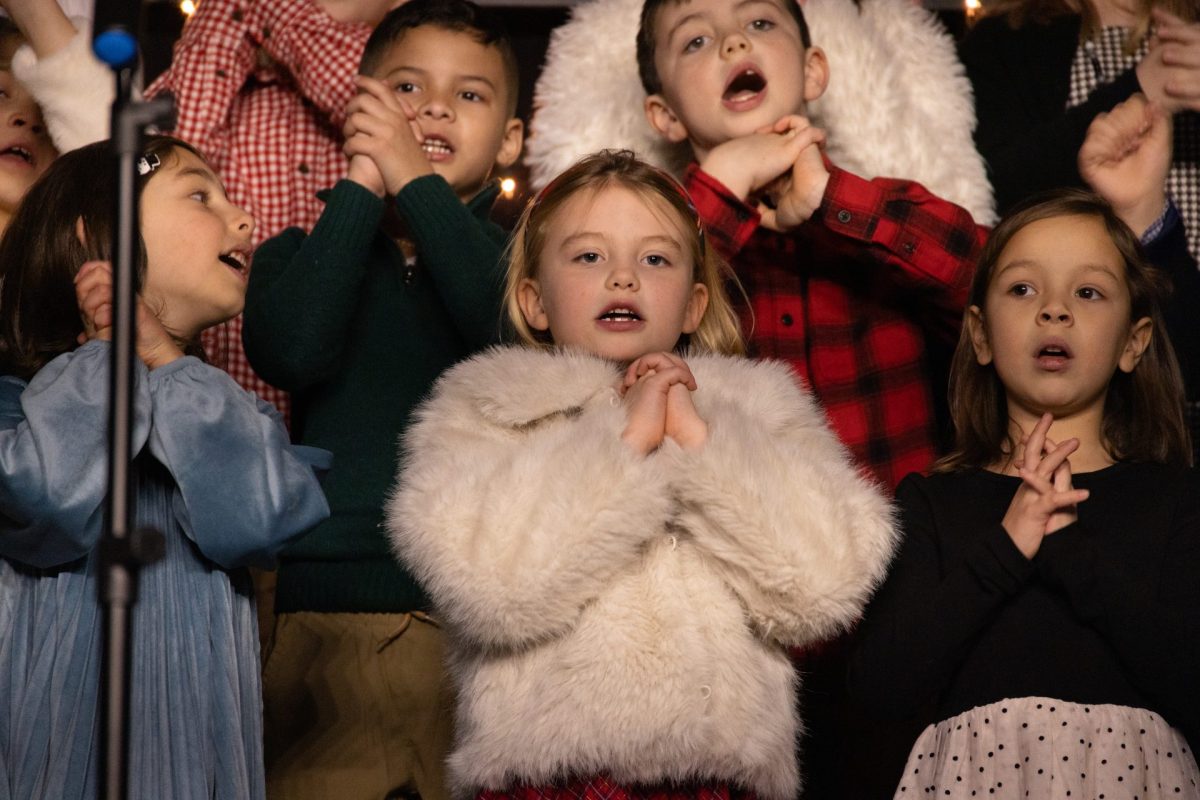
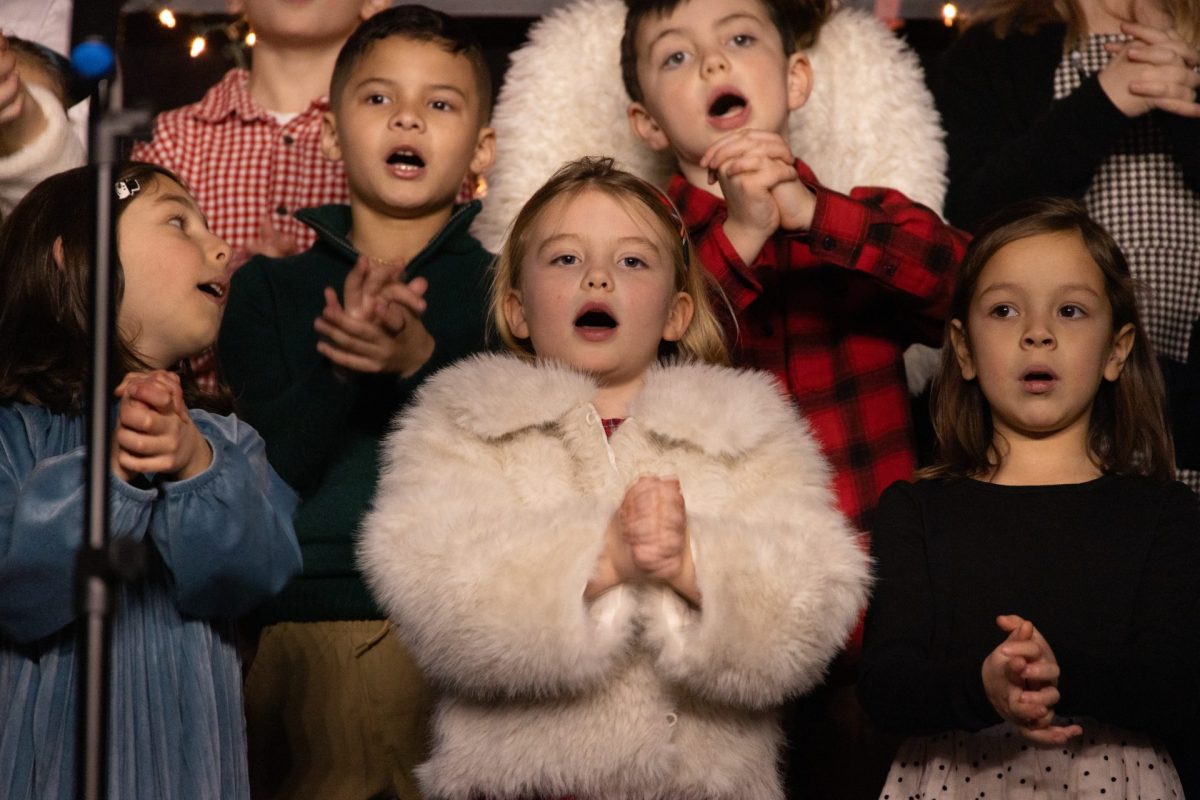
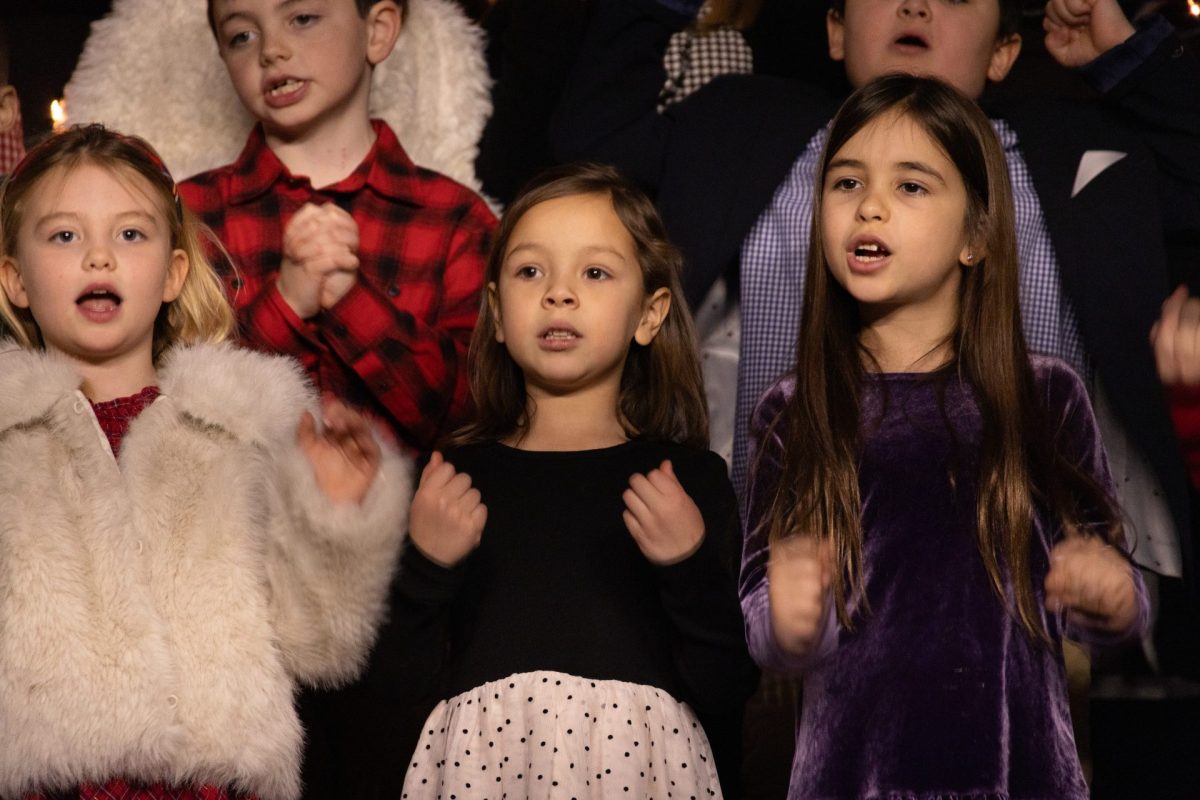
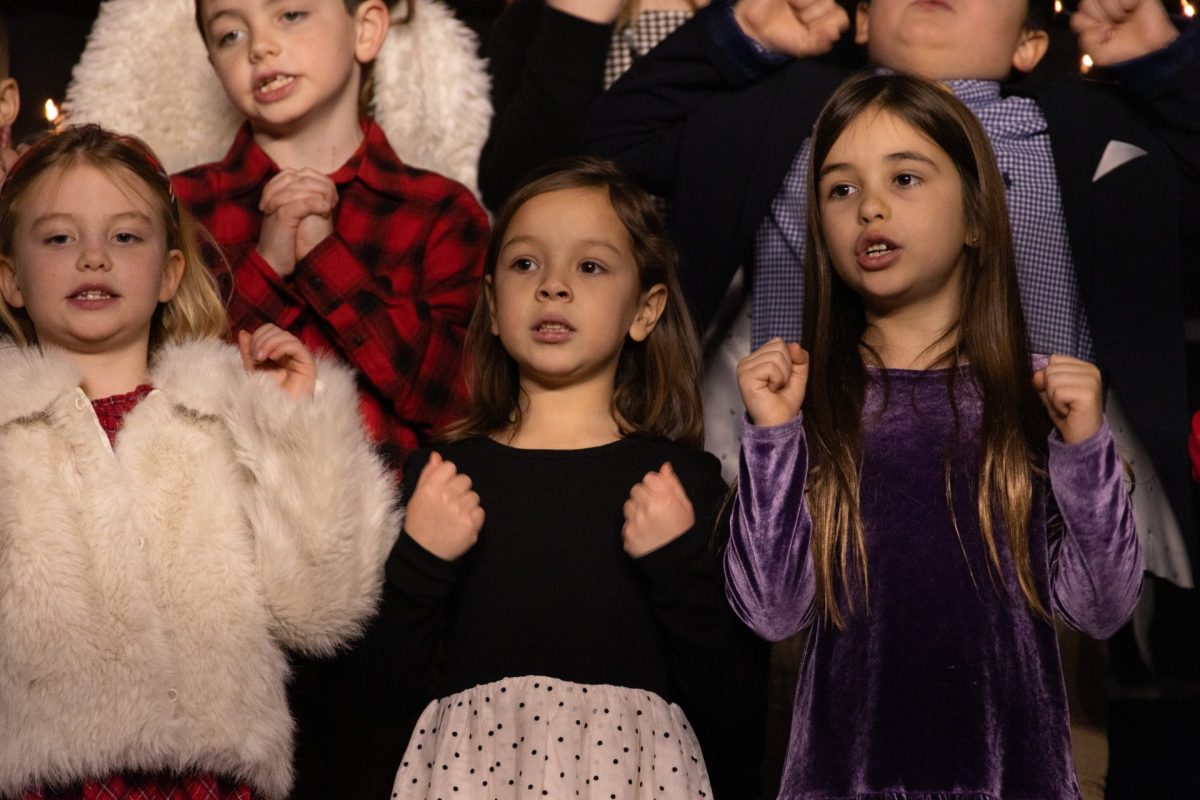
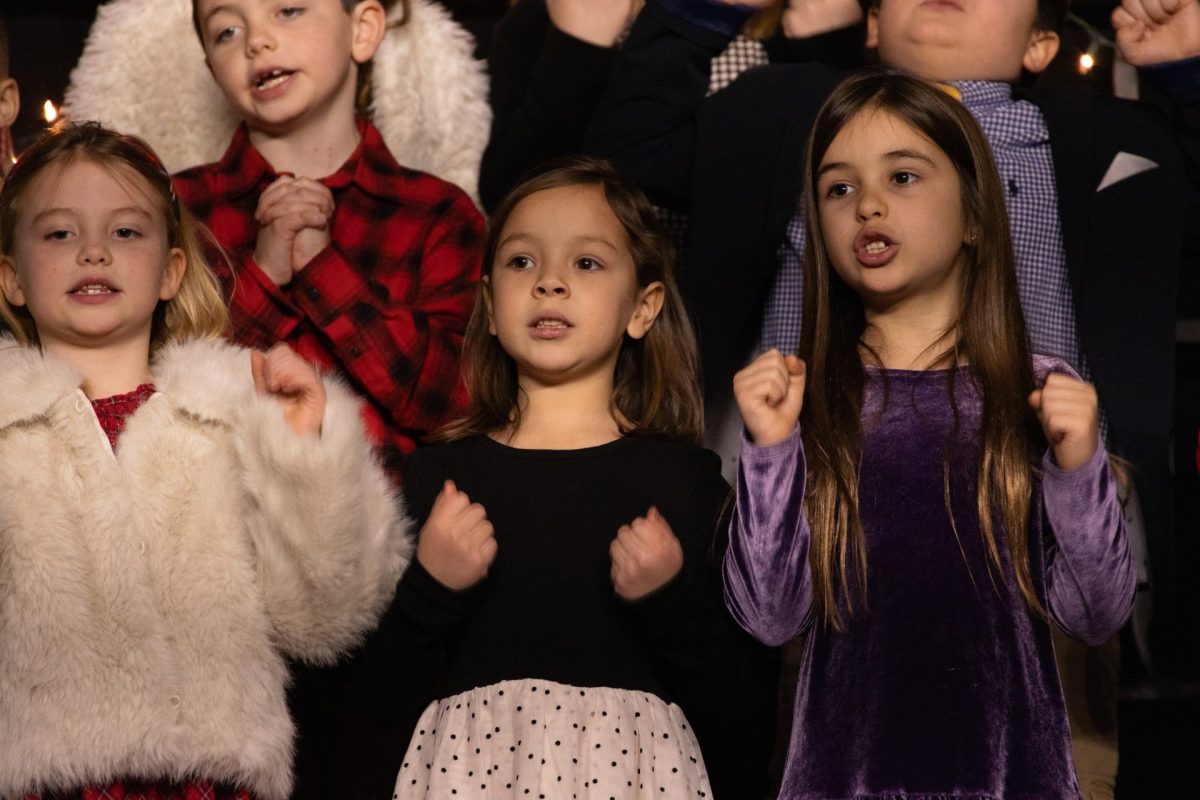
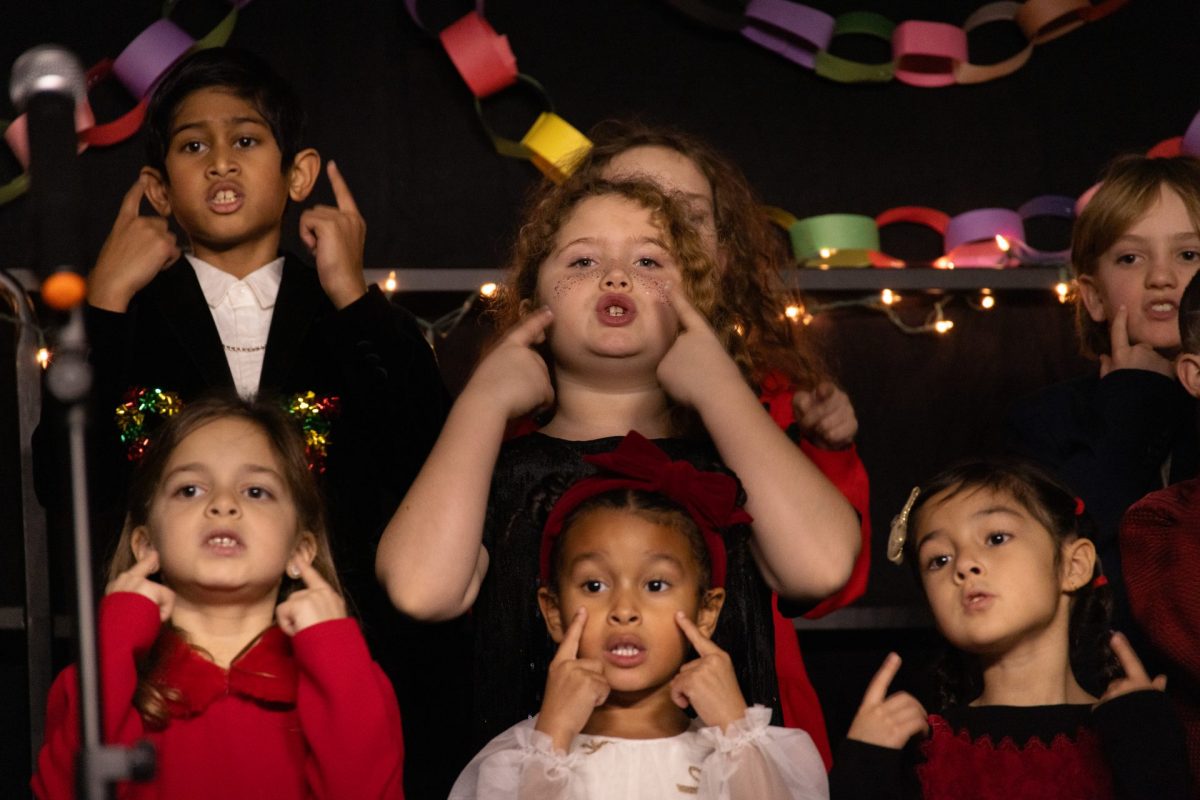
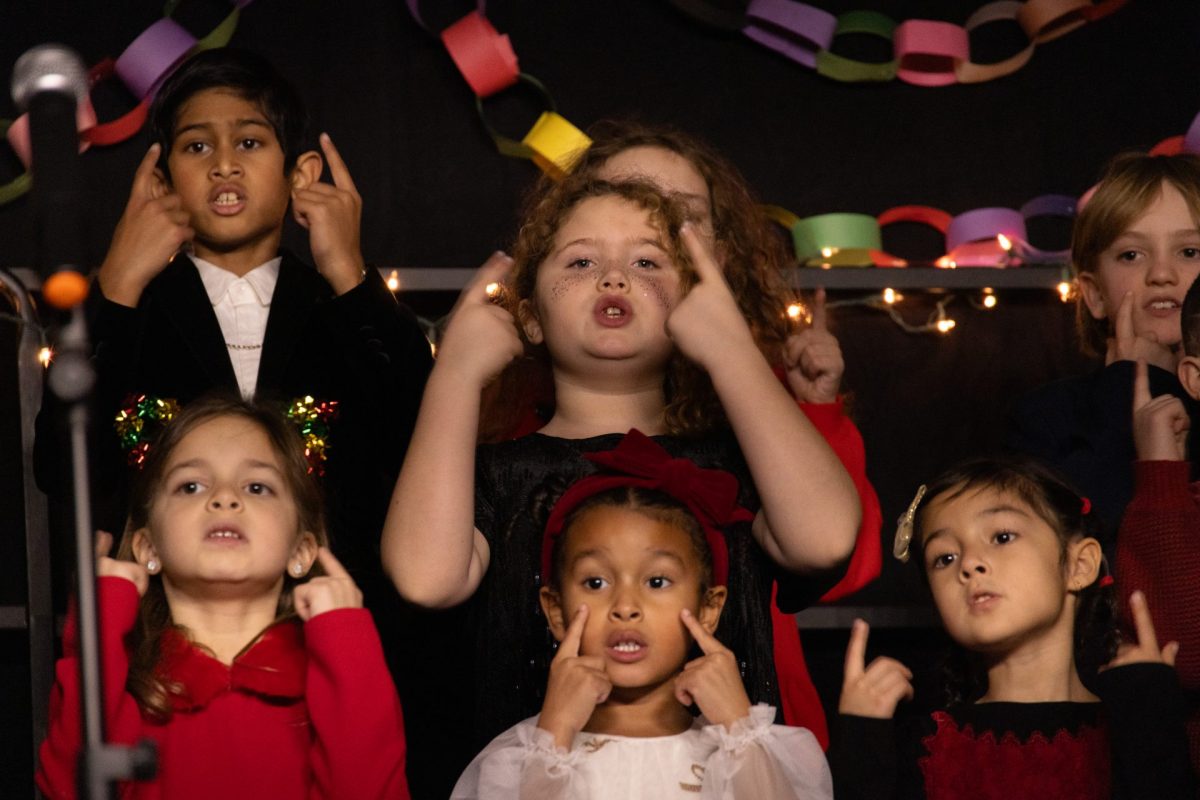
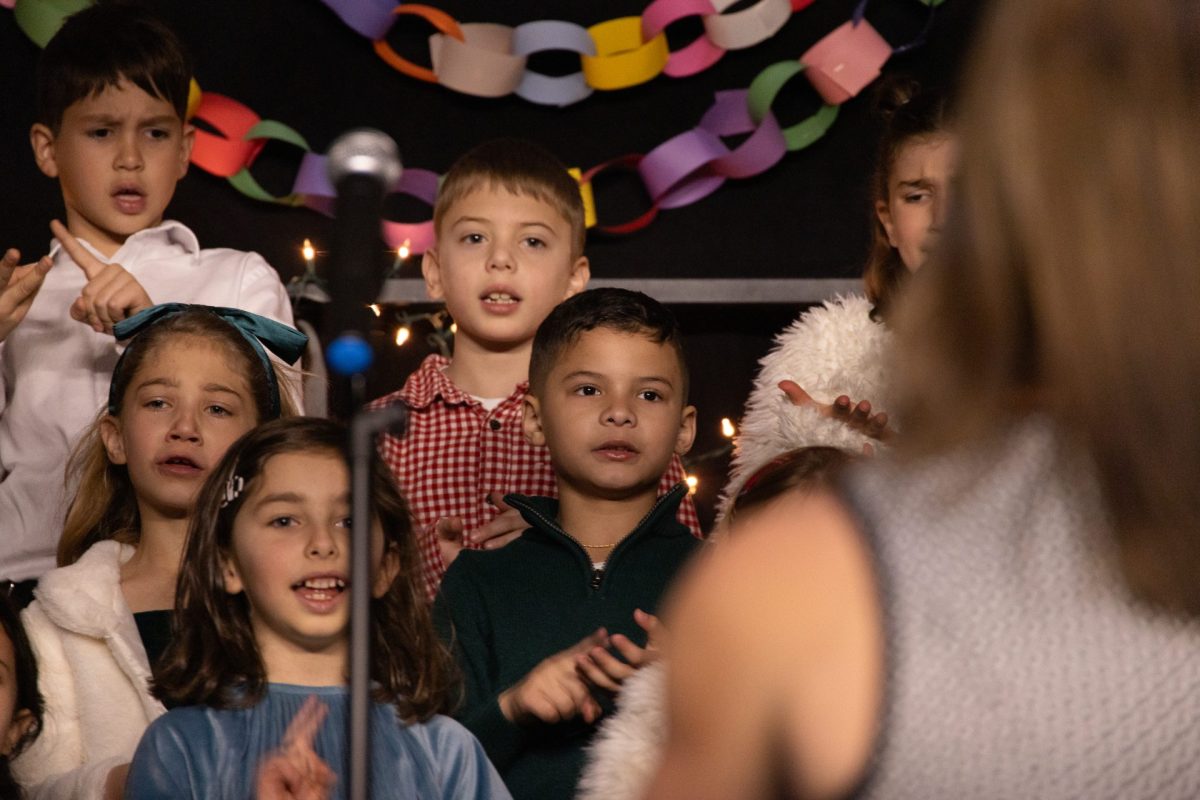
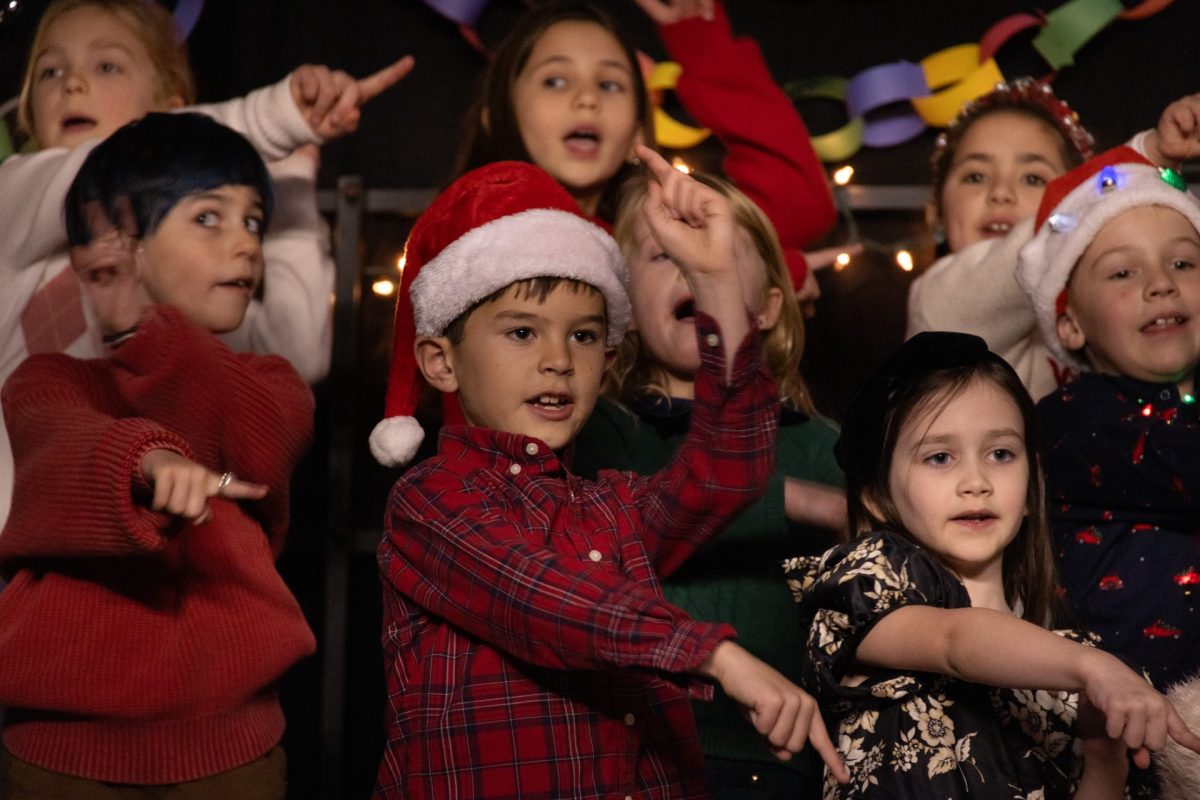
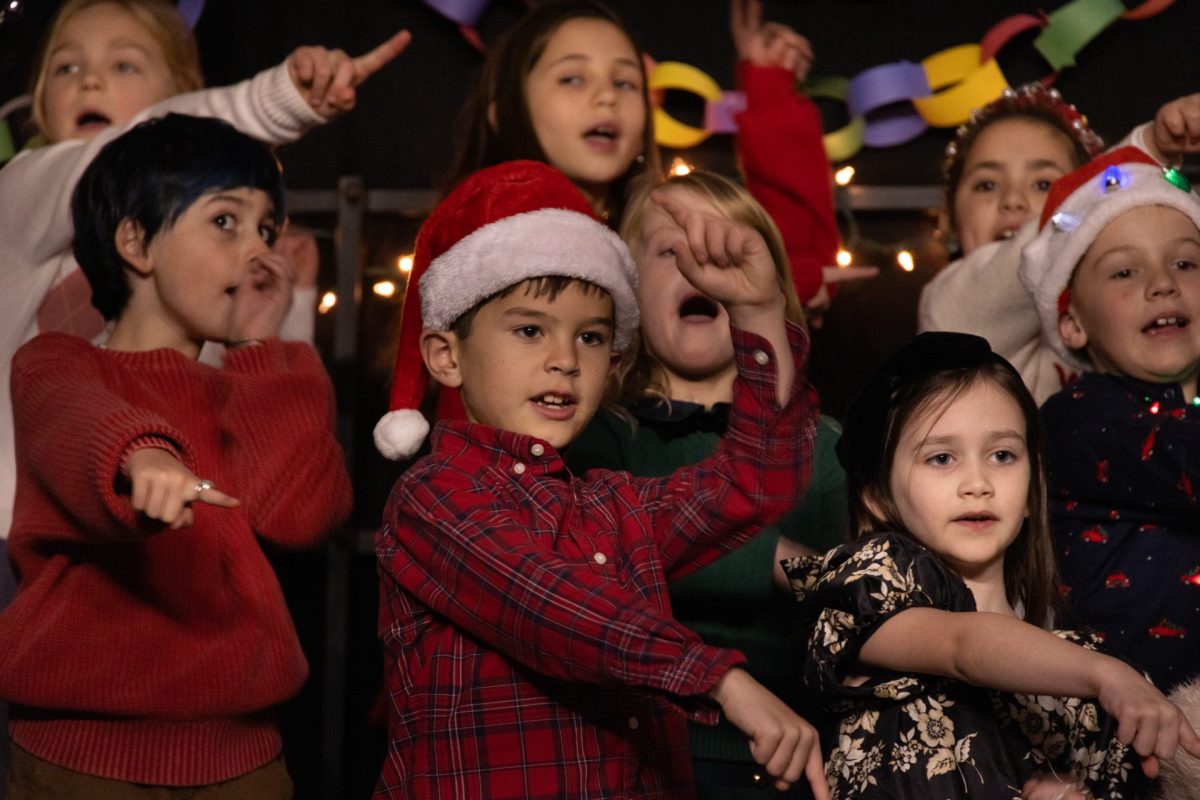
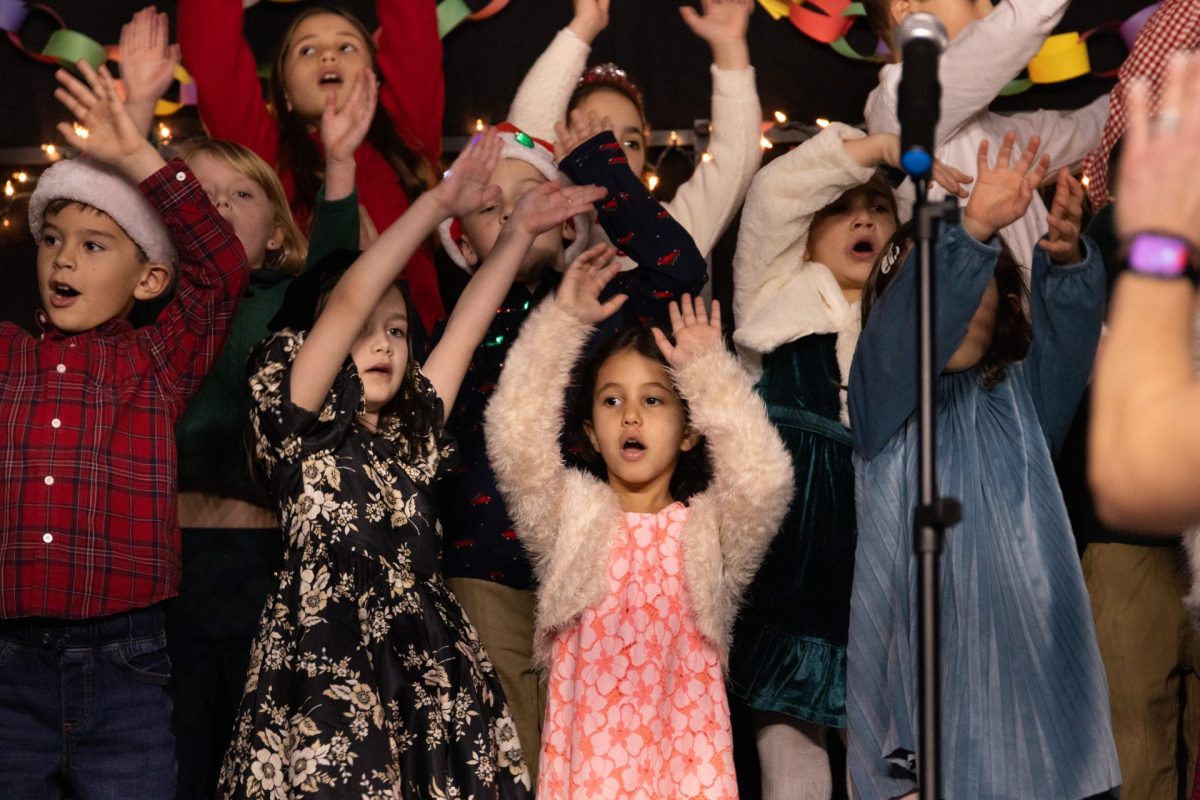
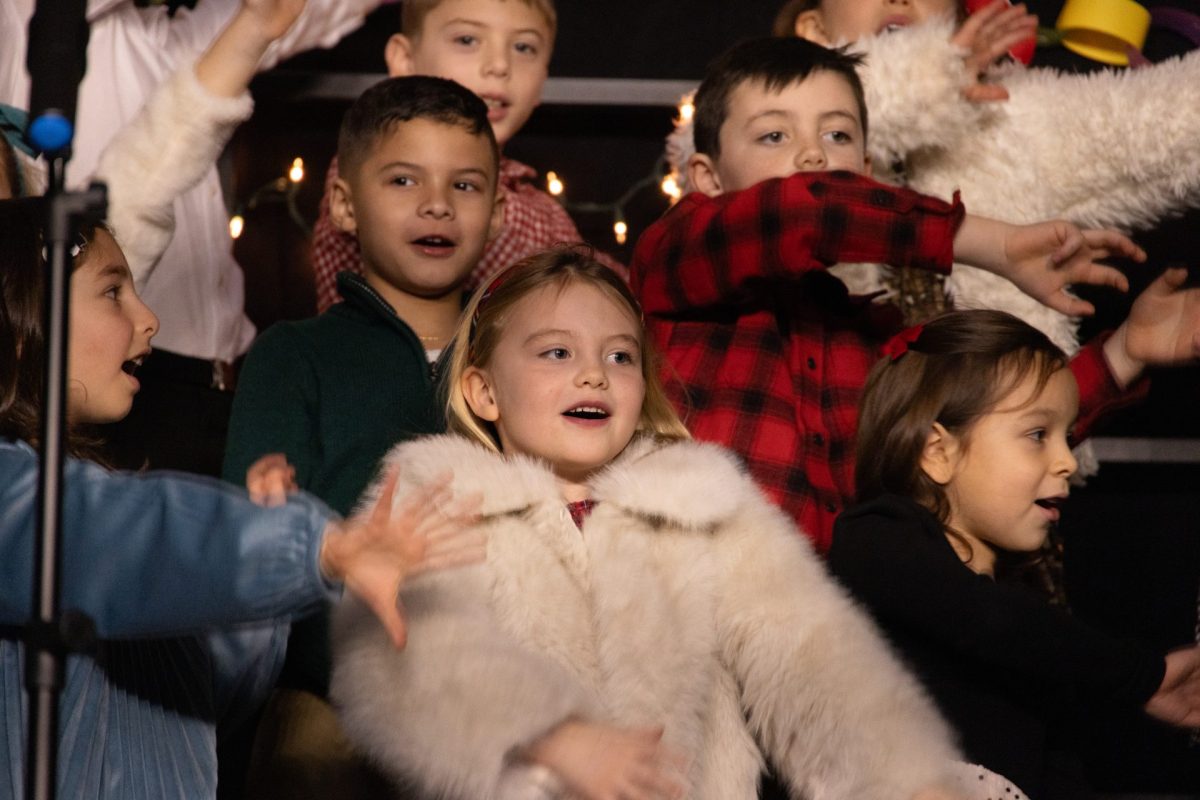
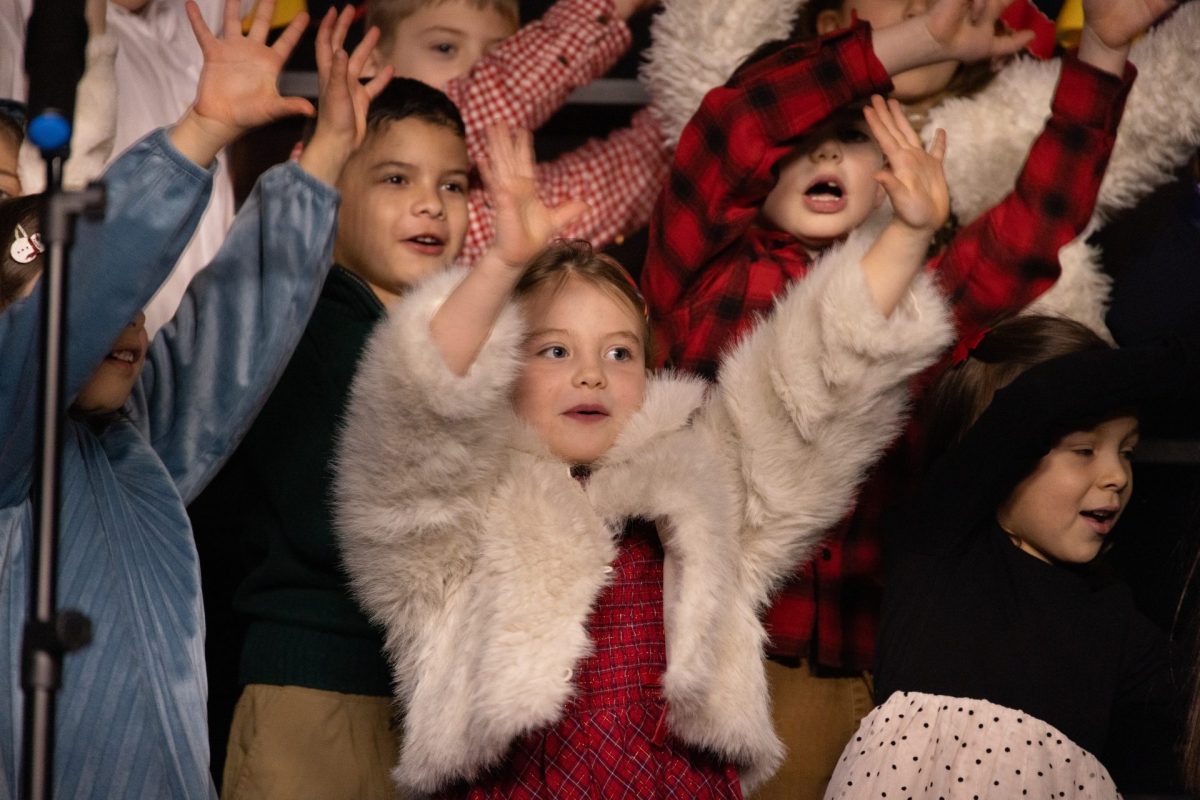
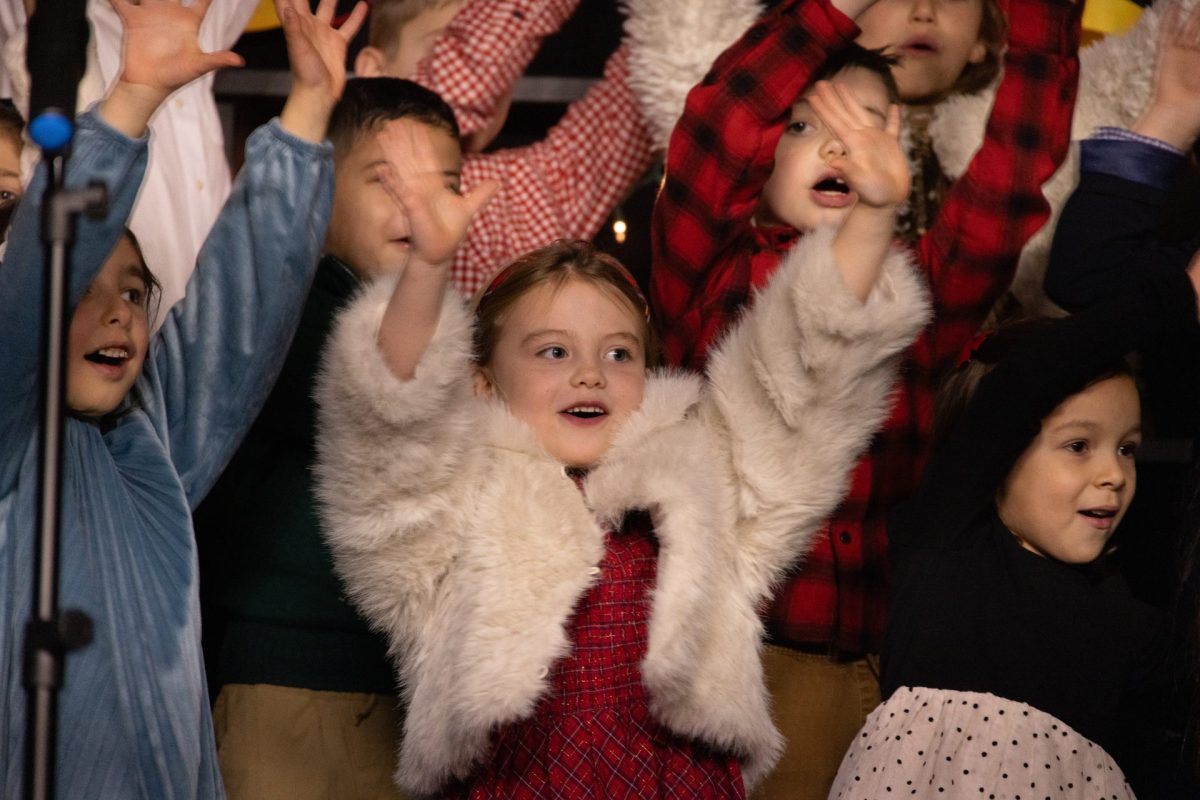
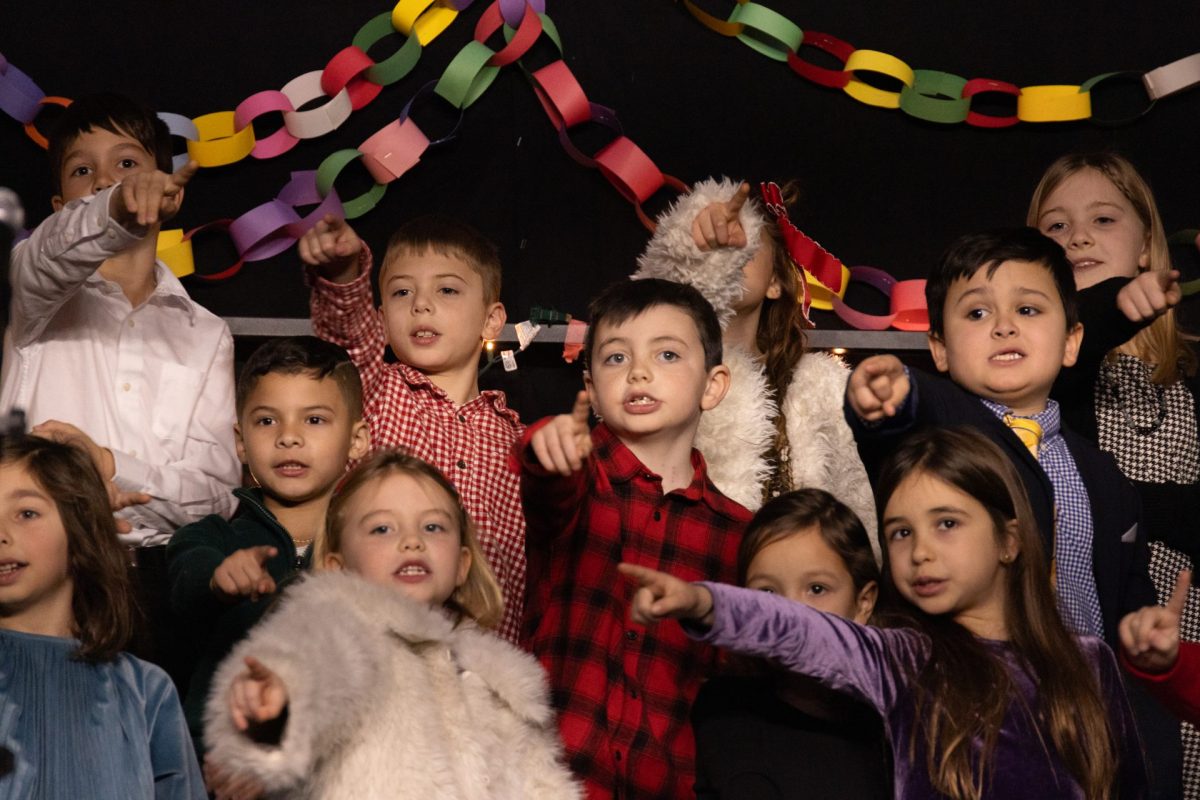
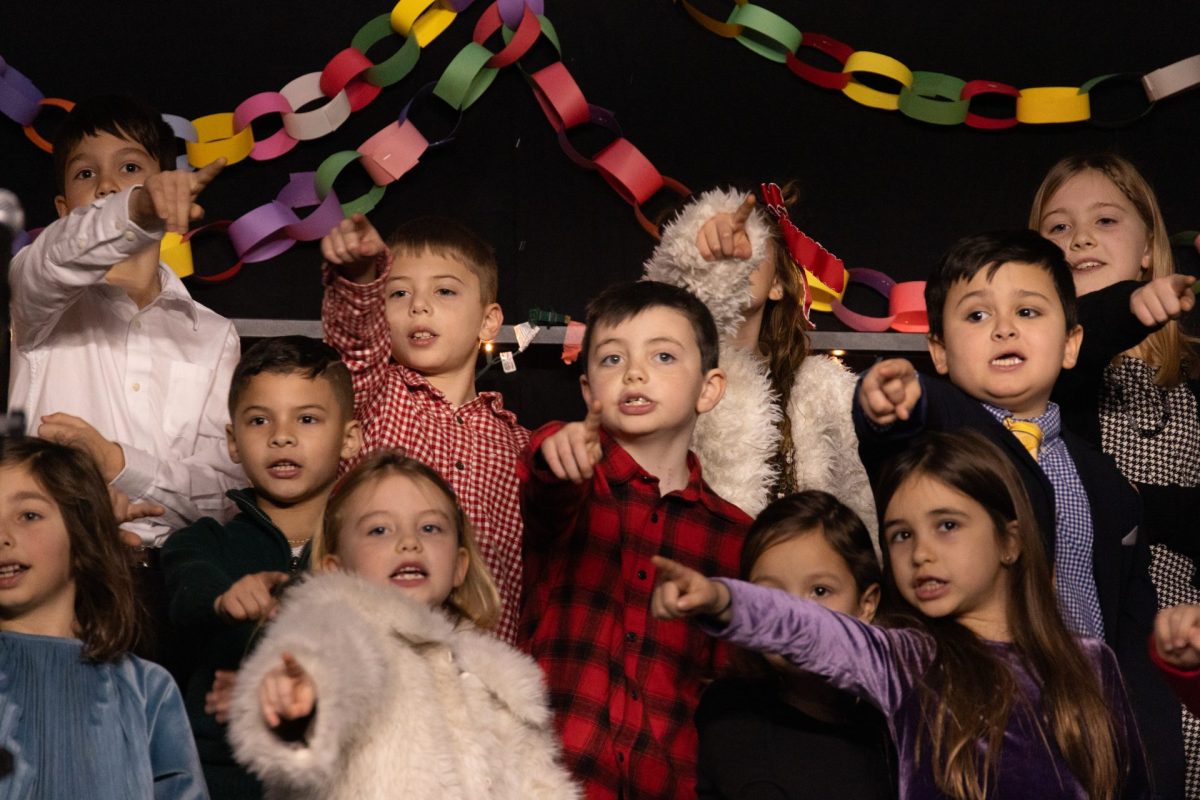
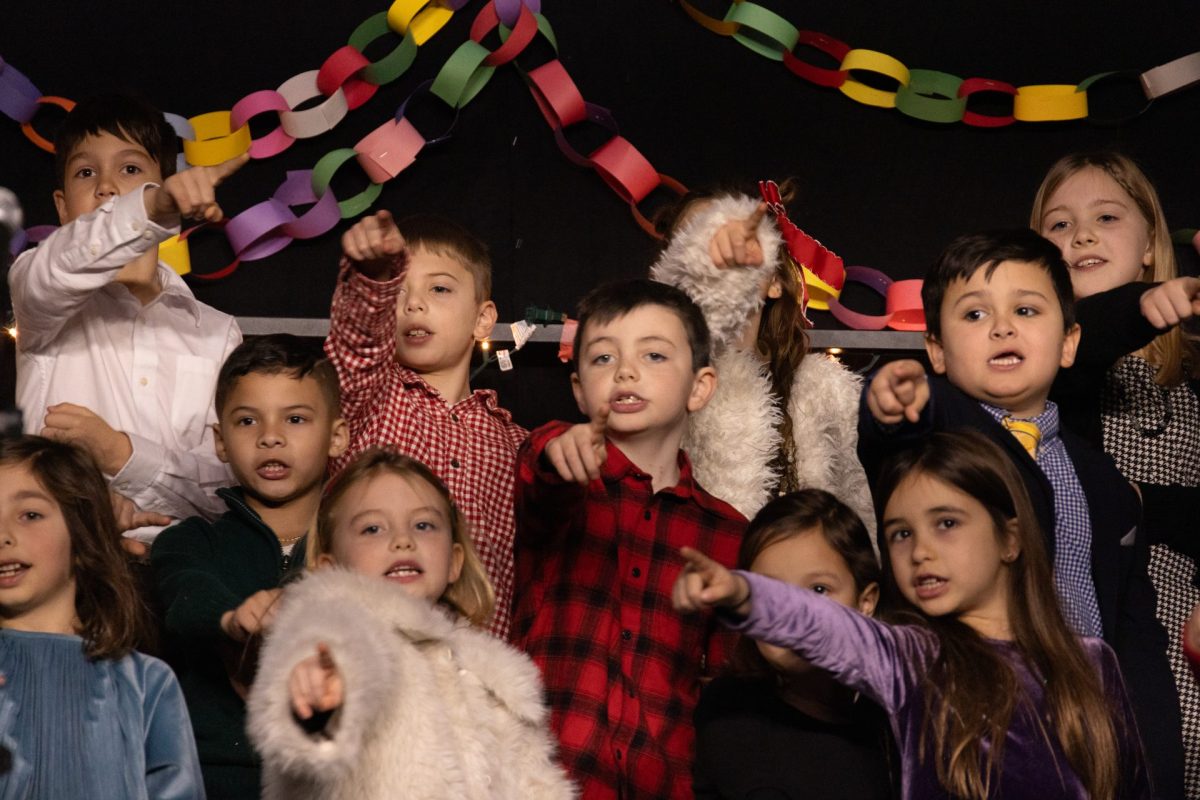
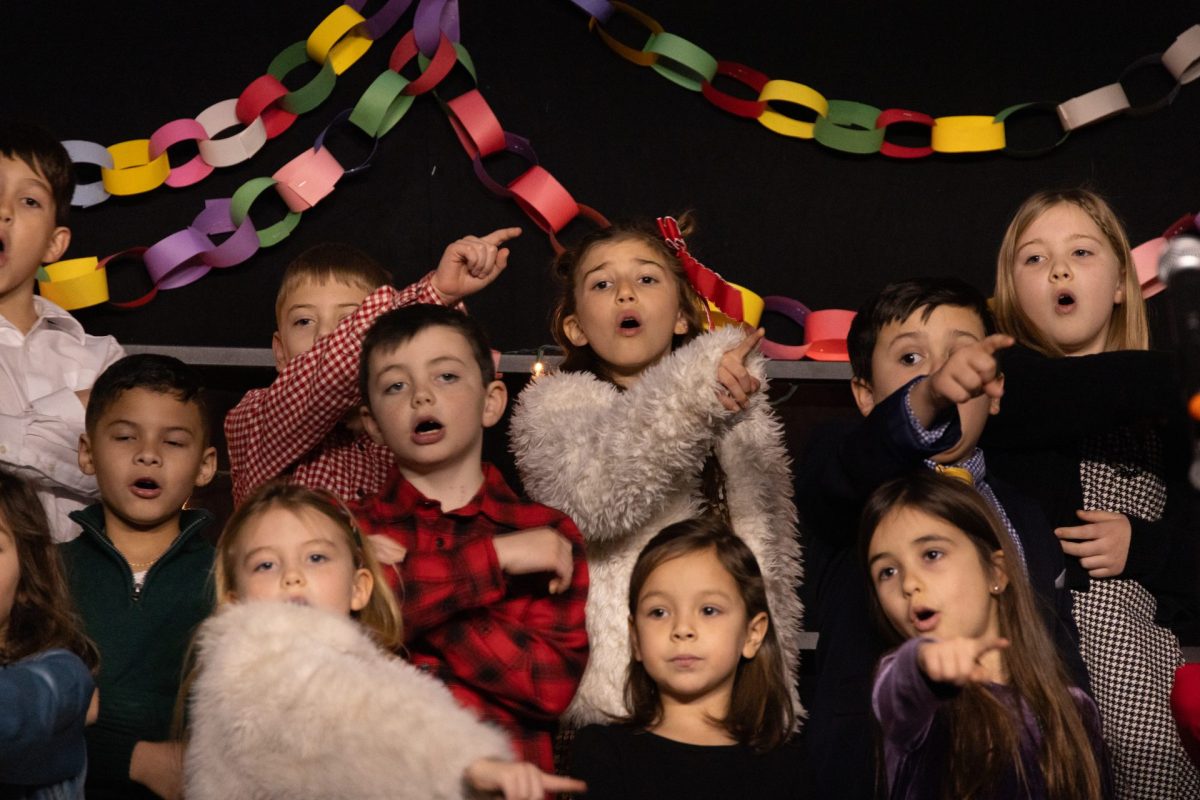
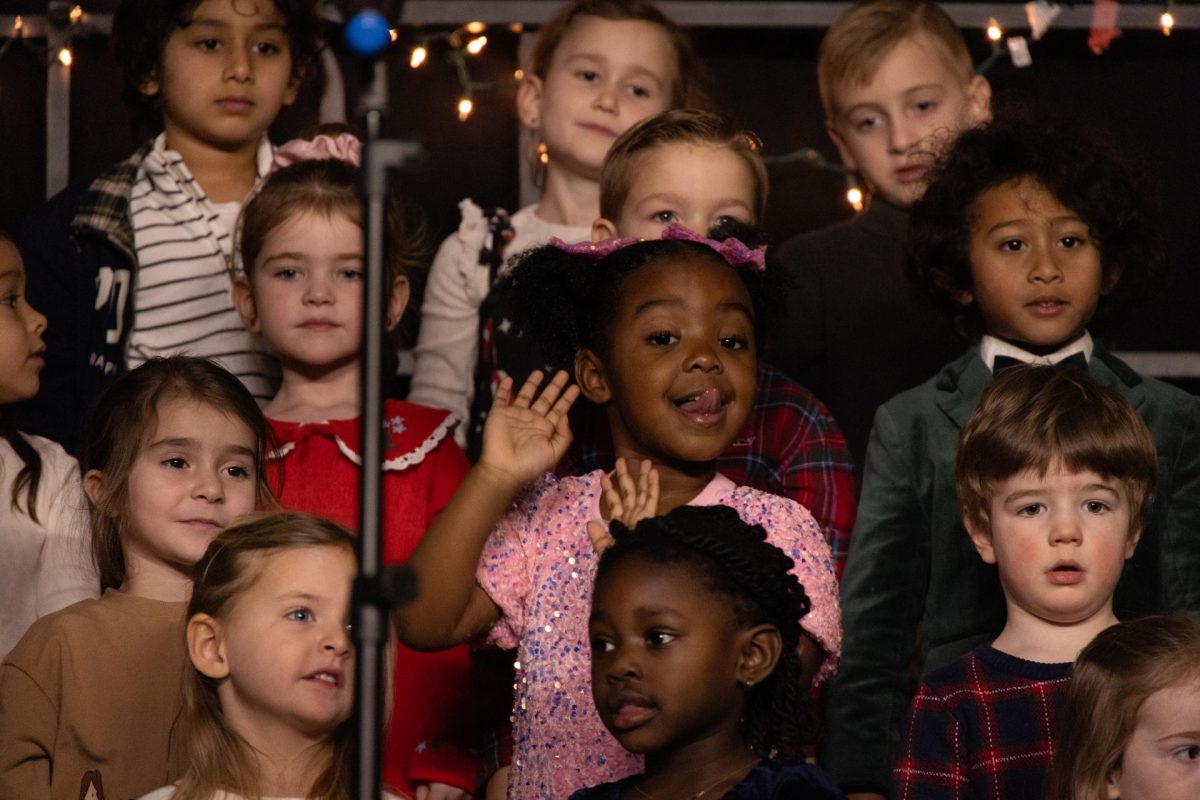
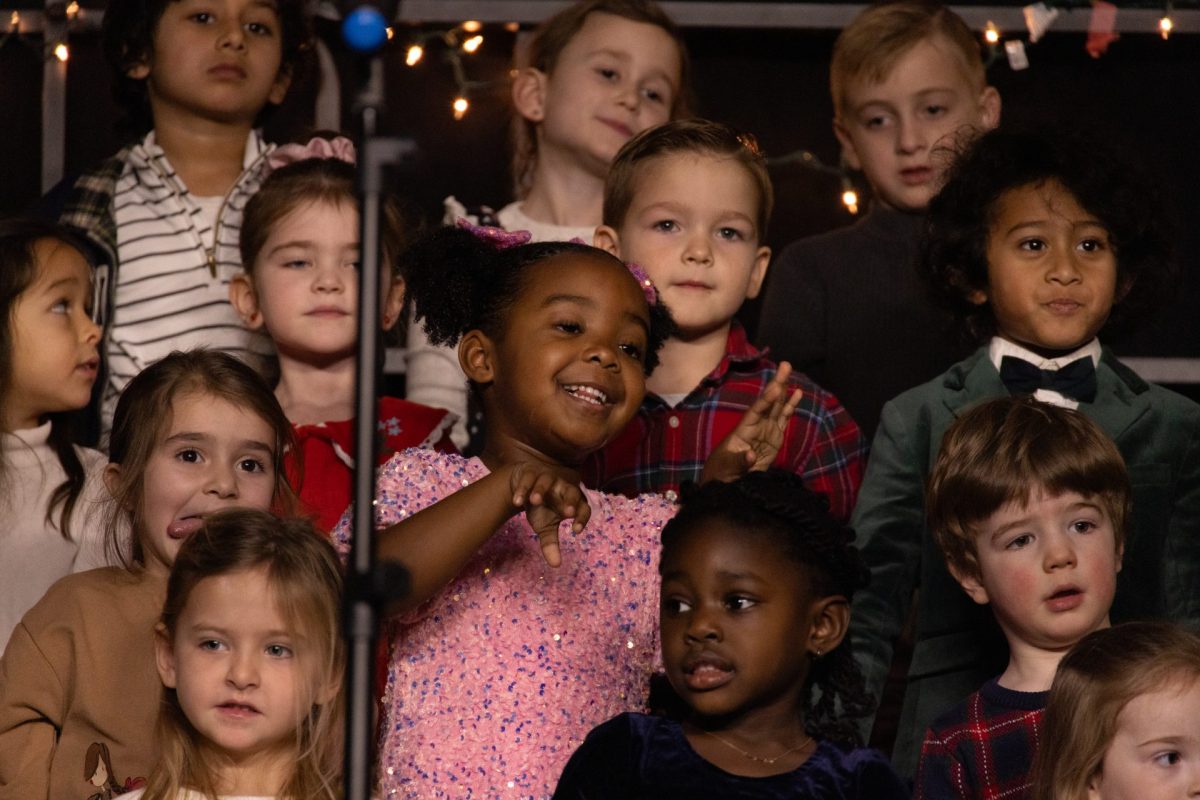
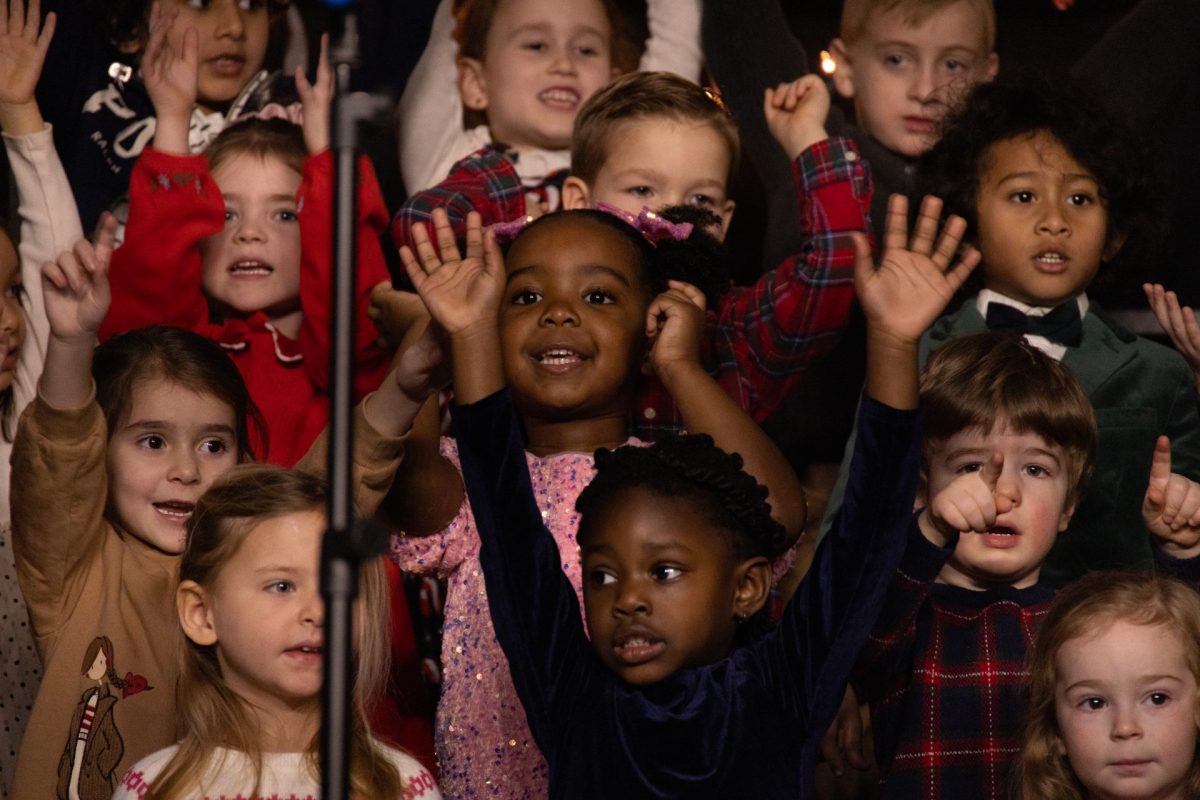
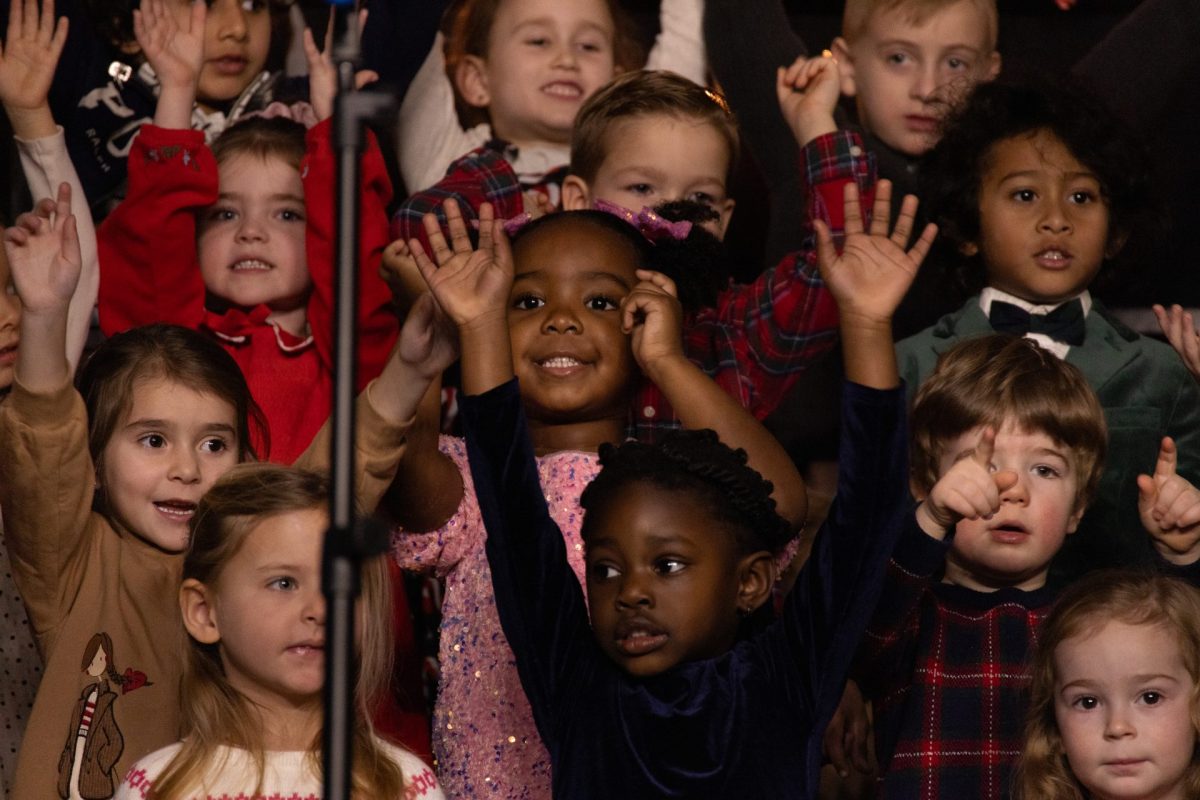
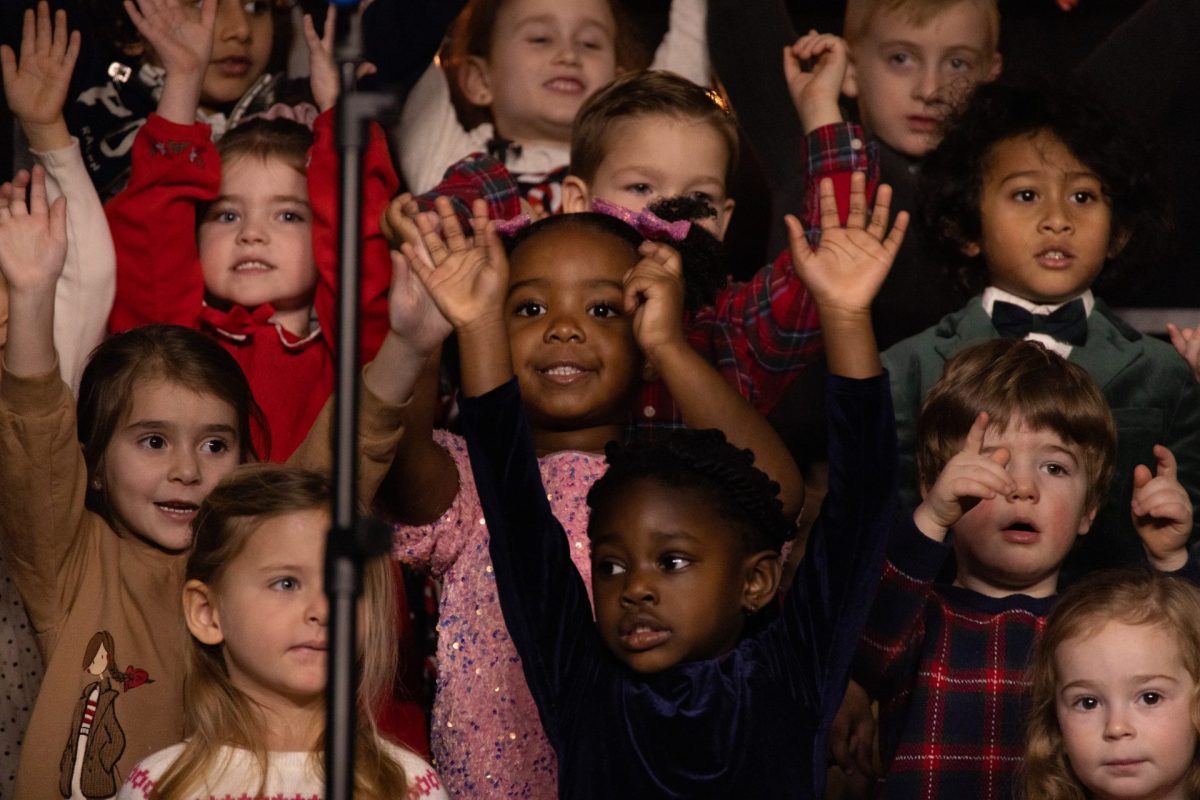
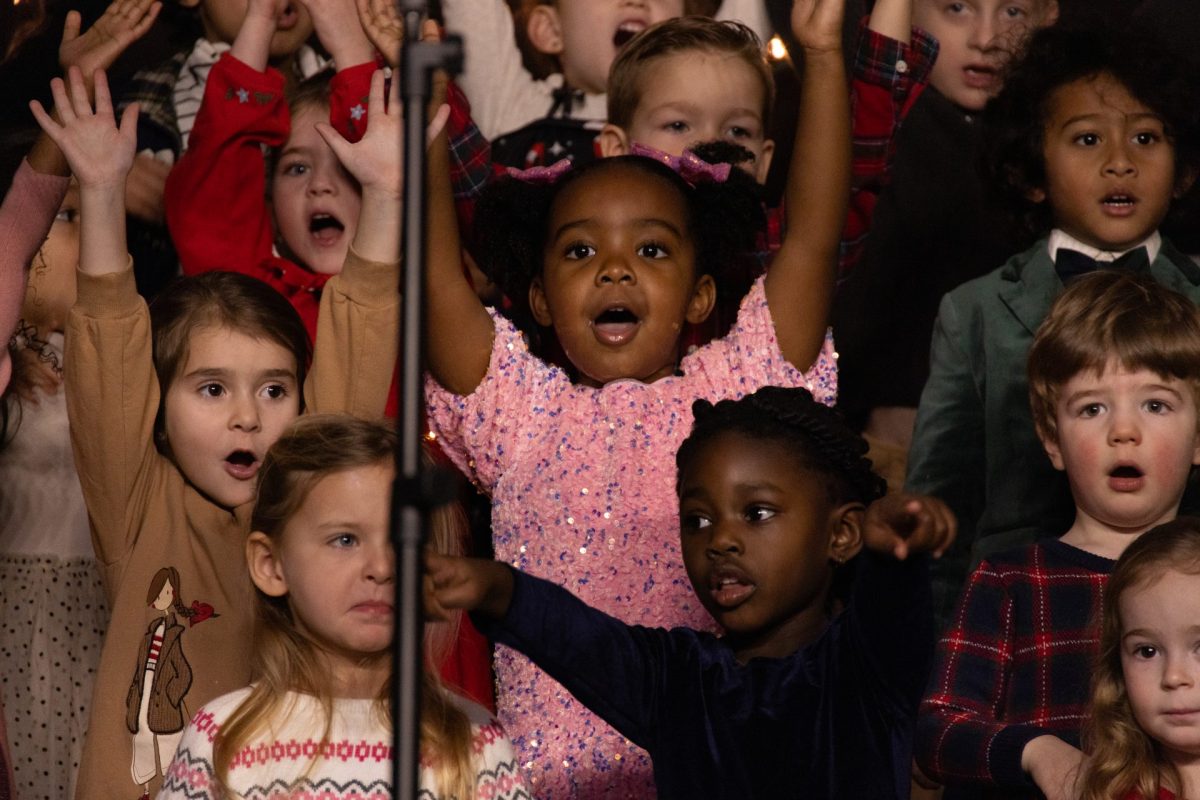
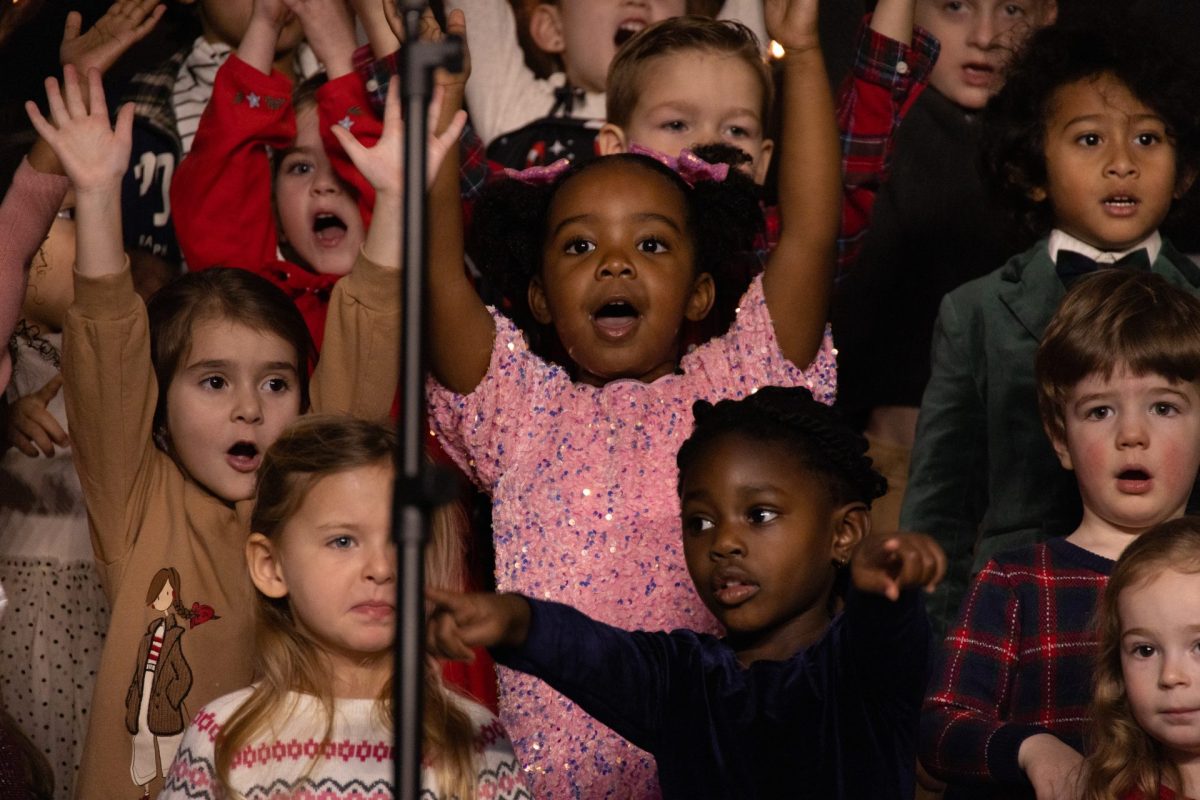
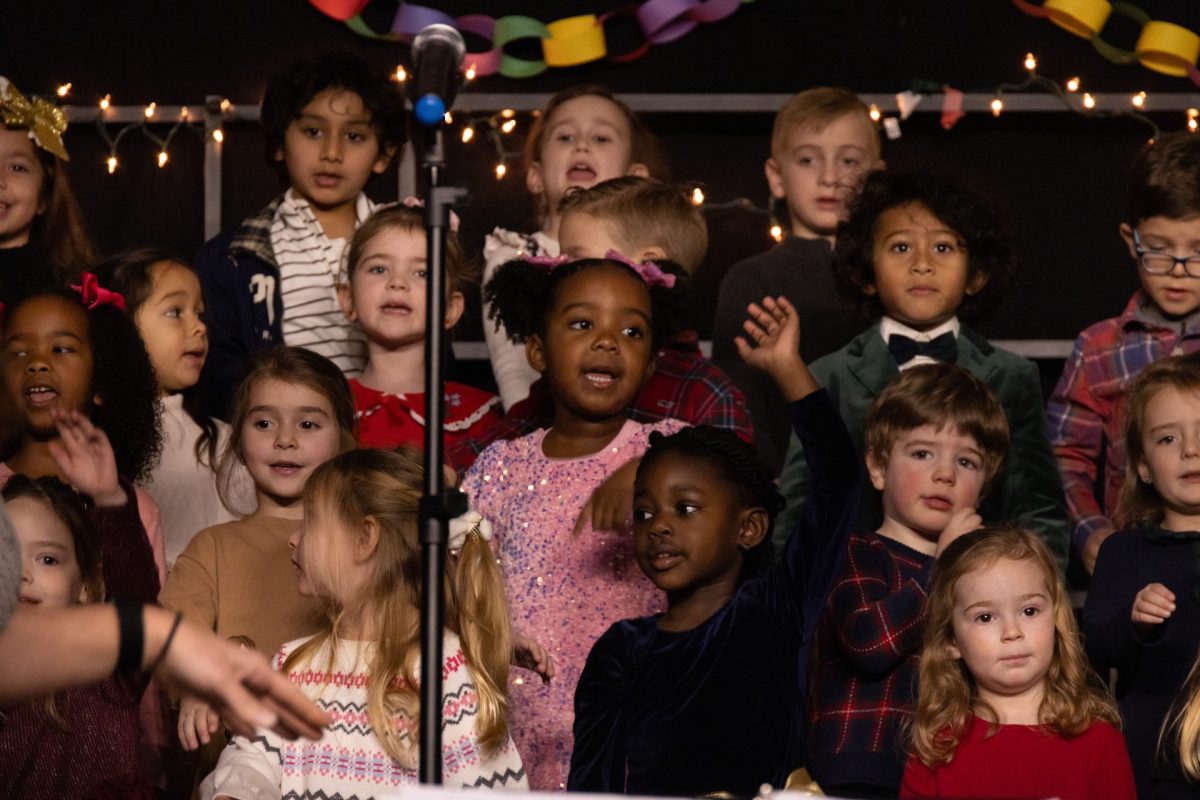
Speaking of gratitude, our hearts absolutely overflowed this week with all the acts of kindness and the tremendous showering of love we received for our birthdays. The day began with the warmest greetings, thoughtful cards, beautiful flowers, and so many sweet surprises, each one making us feel so special and celebrated. It ended with the biggest and most unforgettable surprise of all: the children’s performance of their own version of “Here Comes the Sun,” rewritten as “Here Comes the Fun,” filled with heartfelt lyrics and kind words about their teachers. Their joy, creativity, and love brought happy tears to our eyes and truly touched our hearts. We are so grateful for your incredible children and for the privilege of teaching them each day. We wish you and your families a very happy Thanksgiving and hope you enjoy your time together with loved ones.


This Week in Upper El

“Gratitude is the fairest blossom which springs from the soul.” -Henry Ward Beecher

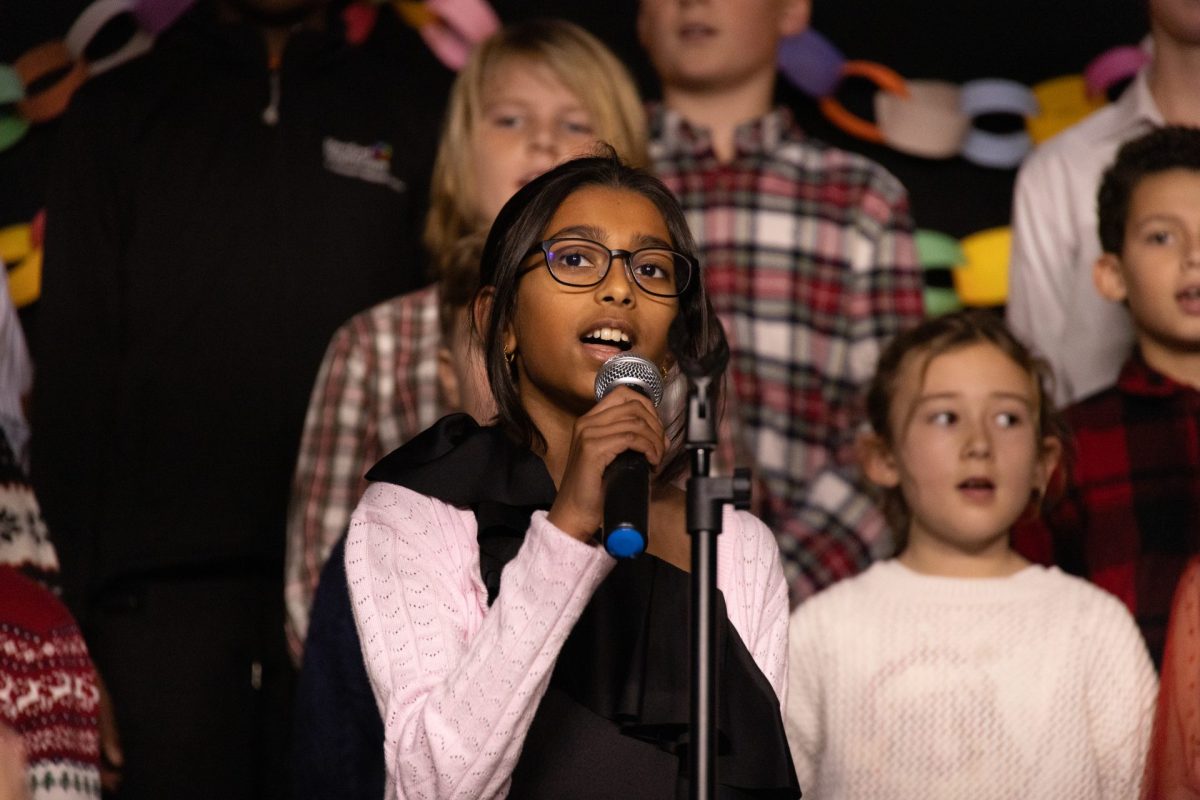
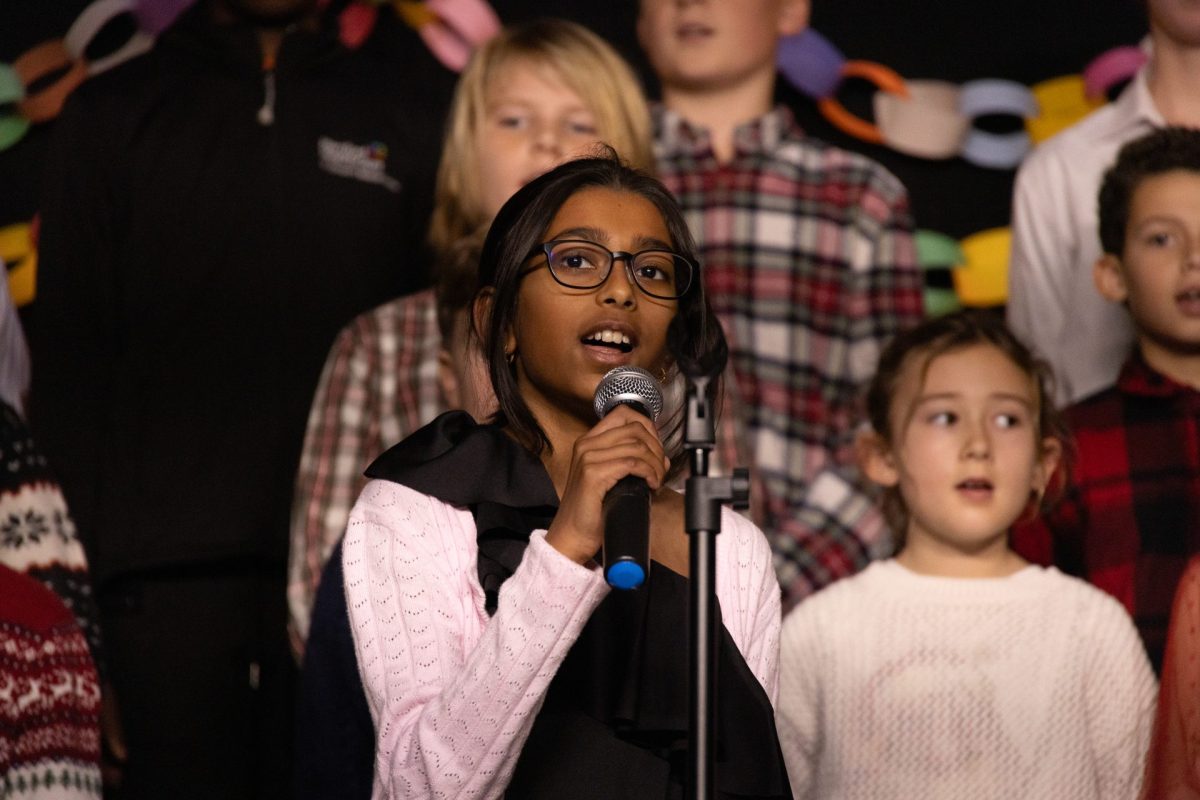
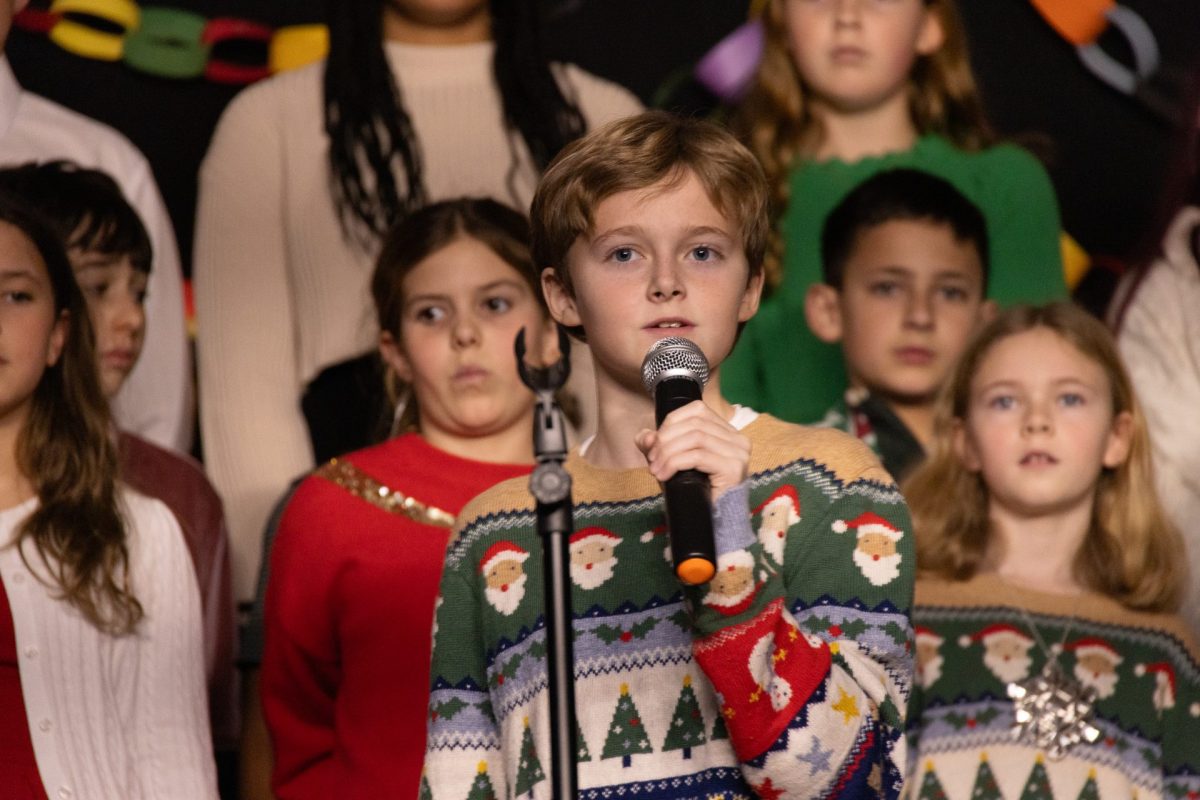
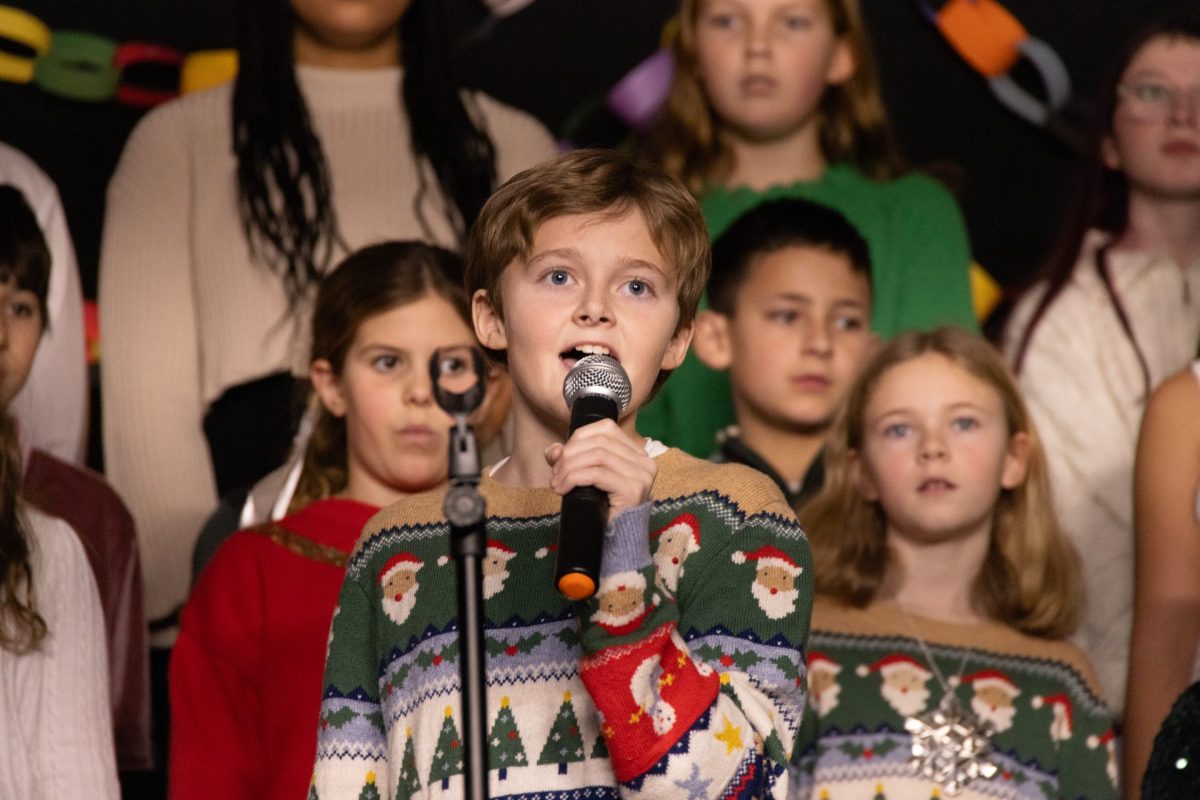
This coming week, we have our schoolwide ceremony of giving thanks and sharing bread, and we couldn’t be more excited! To kick things off, we’ll have a student from each level – primary through middle school – representing one of the four elements: wind, earth, water, and fire, as a poem about the four elements is read by middle school students. It’s a beautiful way to connect with nature and remind us how intertwined we are with the world around us. After the poem, each class will get a chance to share what they’re thankful for. I always love hearing what the children appreciate; it’s a beautiful reminder of the many things—big and small—that fill our lives with joy and happiness. Then, upper el and middle school students will share blessings from various cultures in different languages. This is such a fantastic opportunity for us not only to celebrate our differences but also to embrace the variety of traditions that make our community so unique. Finally, upper el students will present the five contemplations focusing on gratitude and mindful eating. These reflections are important reminders for all of us to appreciate what we have and to be mindful of our blessings. We will end our gathering with middle school students distributing bread that’s been baked by each class to all of us. There’s something really special about sharing bread; it brings a sense of warmth and unity to our celebration.

We prepared for our upcoming celebration by baking three types of bread on Friday. Thank you very much to Elle for helping us bake bread! We appreciate your time and all of your help.

Let’s take a moment to reflect on what we’re grateful for and enjoy this wonderful experience together as a community. Happy Thanksgiving, everyone!


Middle School: Week in Review

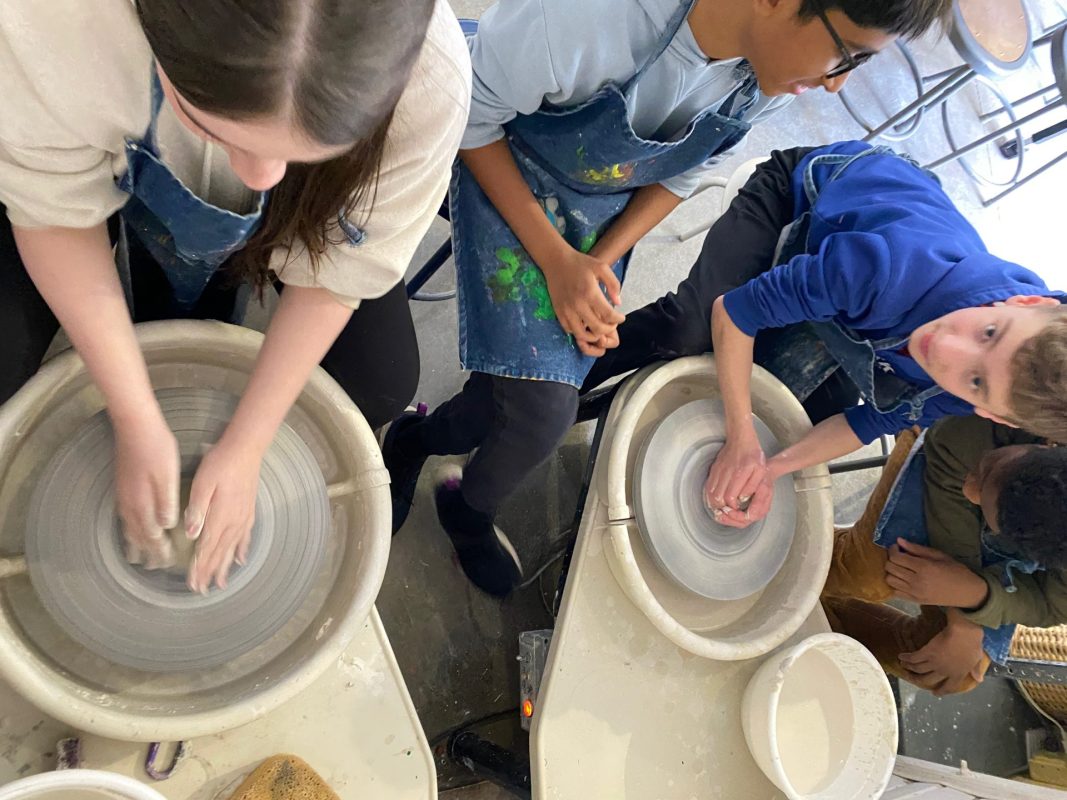
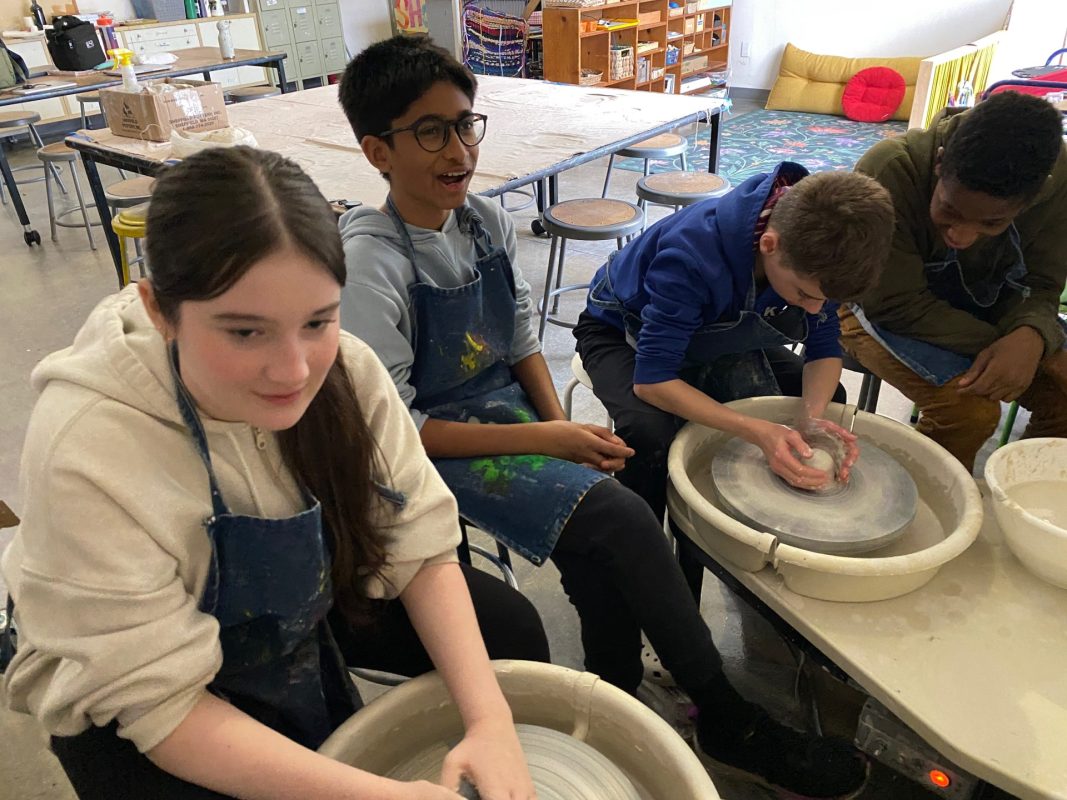
We had a great week in middle school! We had a few special experiences, including a Veteran’s Day Presentation and our trip to CVH. First, we were able to hear from Jennifer Mills, an FWM parent, retired Navy officer, and former diplomat. She gave a comprehensive presentation about who veterans are in our country and the different branches of the military. Next, Our middle schoolers enjoyed a hands-on learning day at the Catherine Violet Hubbard Animal Sanctuary. Using the beautiful Learning Barn and industrial kitchen, students worked in groups to bake breads that will be shared with our school community on Tuesday, November 25. They then headed onto the trails with the CVHAS education team, where they explored the sanctuary while “thinking like animals.” Students imagined how bats and bears find food, choose shelter, and prepare for hibernation. It was a meaningful day of teamwork, creativity, and outdoor learning!

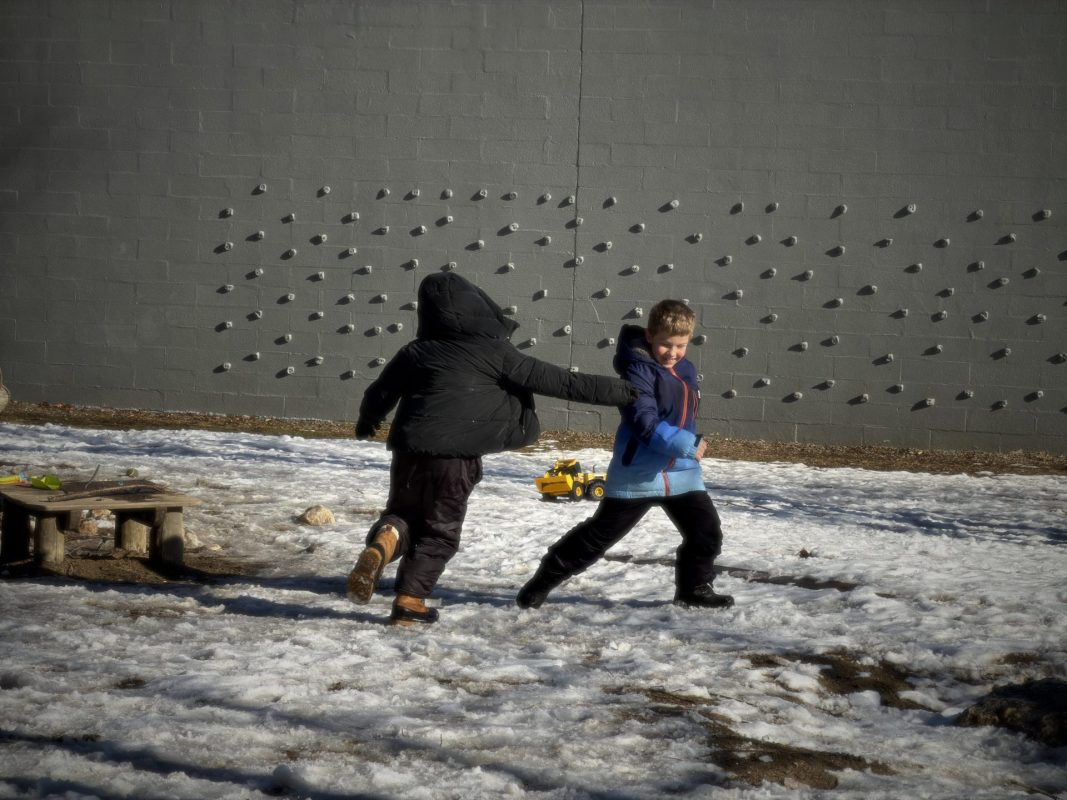
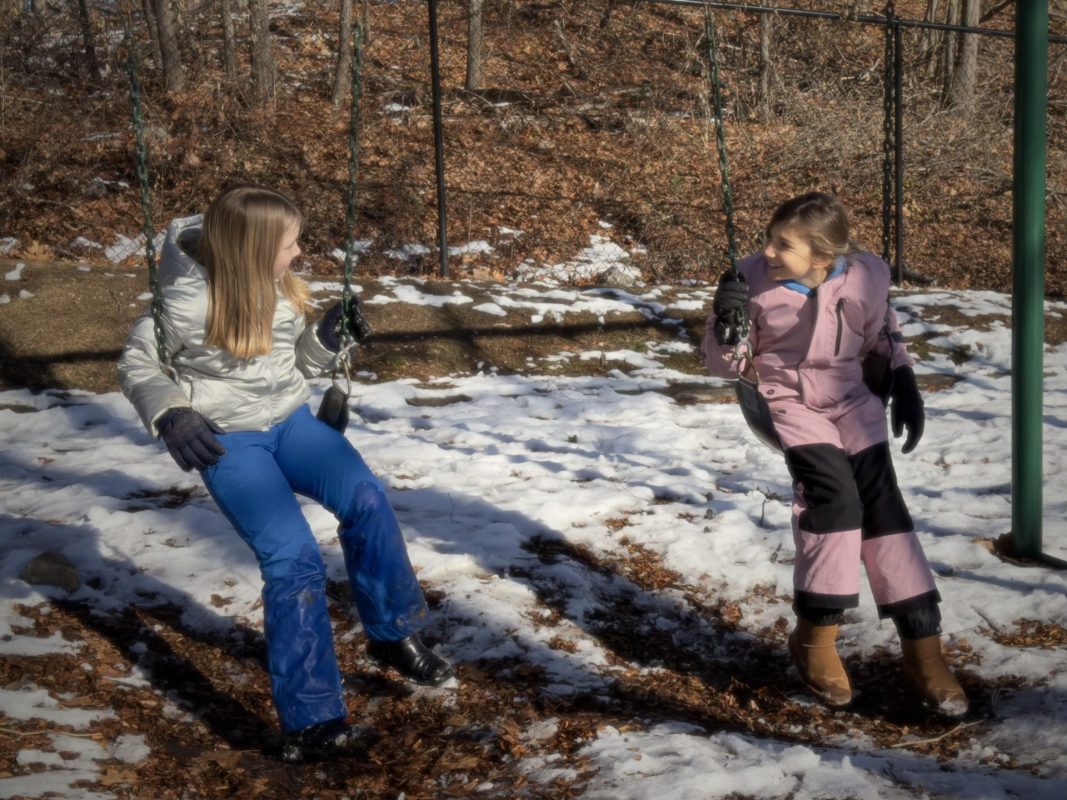
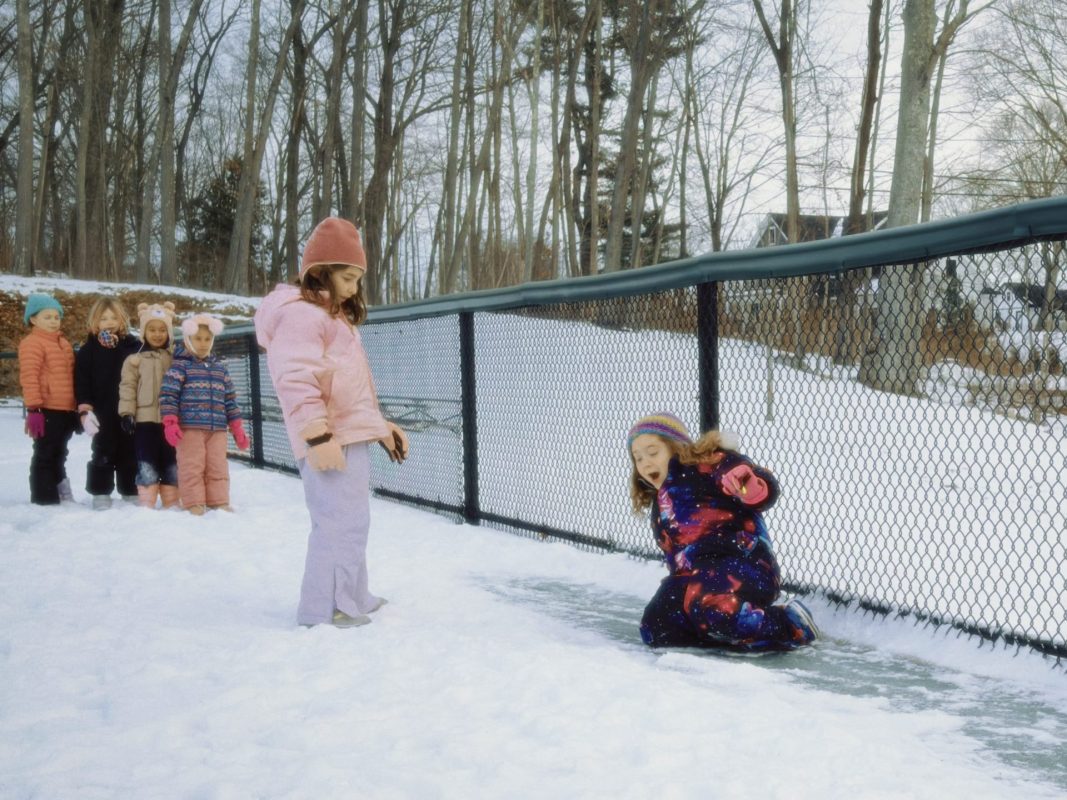
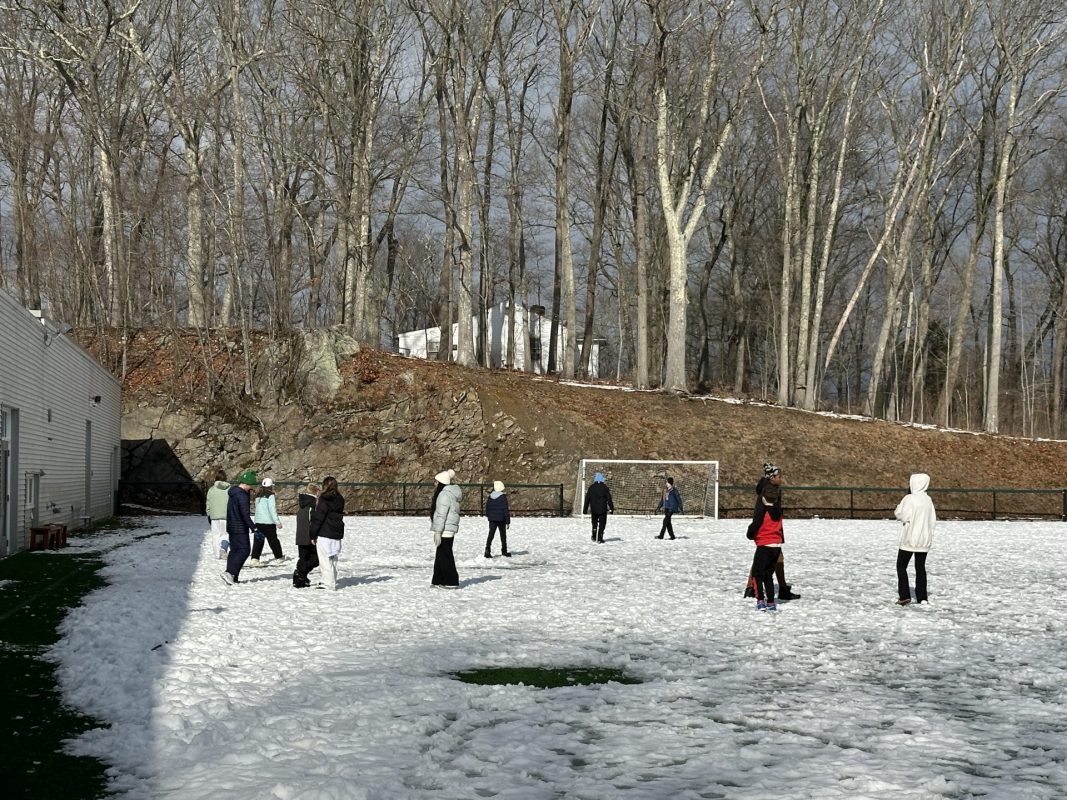
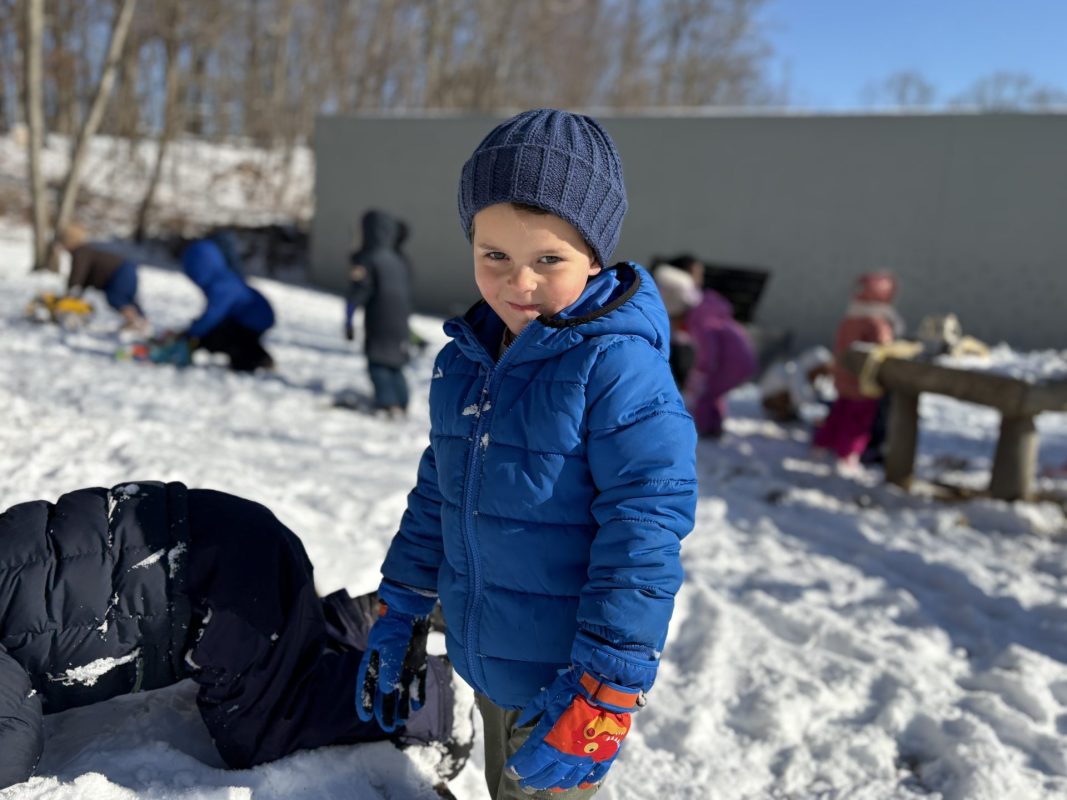
AN IMPORTANT NOTE ABOUT THE OUTDOORS: As part of our program, we regularly spend time outdoors throughout the school year. This includes time outside in the colder, winter months and even when there is snow on the ground. Please ensure students are dressed for the seasonal weather with an outer layer that can withstand colder temperatures for up to 30 minutes. We require a jacket as well as covered arms and legs when temperatures dip below 50°F. This is a great time of year to send in a pair of gloves and a hat to keep in lockers. Also, start thinking about winter boots for those days we will be out in the snow as crocs and athletic shoes are not suitable. Thank you for your attention to this.

Announcements:

  • Check with your MS student(s) to make sure they have their refillable water bottle with them. 
  • Monday, 11/17 – Wednesday, 11/19: 8th Grade Internships
  • MS Flower Schedule

Math

Pre-Transition: Pre-Transition started the week off with a review of all Chapter 2 concepts, before demonstrating their knowledge on the Chapter 2 assessment. Then, students dove headfirst into Chapter 3, learning how to use fractions to add mixed numbers or numbers with mixed units.

Transition: This week, students continued their journey in Chapter 3. They became experts at ordering and comparing decimals and fractions, and learned to graph and read numbers on number lines and coordinate grids. Students learned how to find the greatest common factor and least common multiple of two numbers, and are able to use the equal-fractions property to rewrite fractions in order to add and subtract them.
Algebra: Students in Algebra continued their learning of Chapter 3 this week, which is all about linear equations and inequalities. Students learned to solve problems involving equations in the form y = mx + b using tables or graphs. They also learned how to solve for variables in multi-step equations.
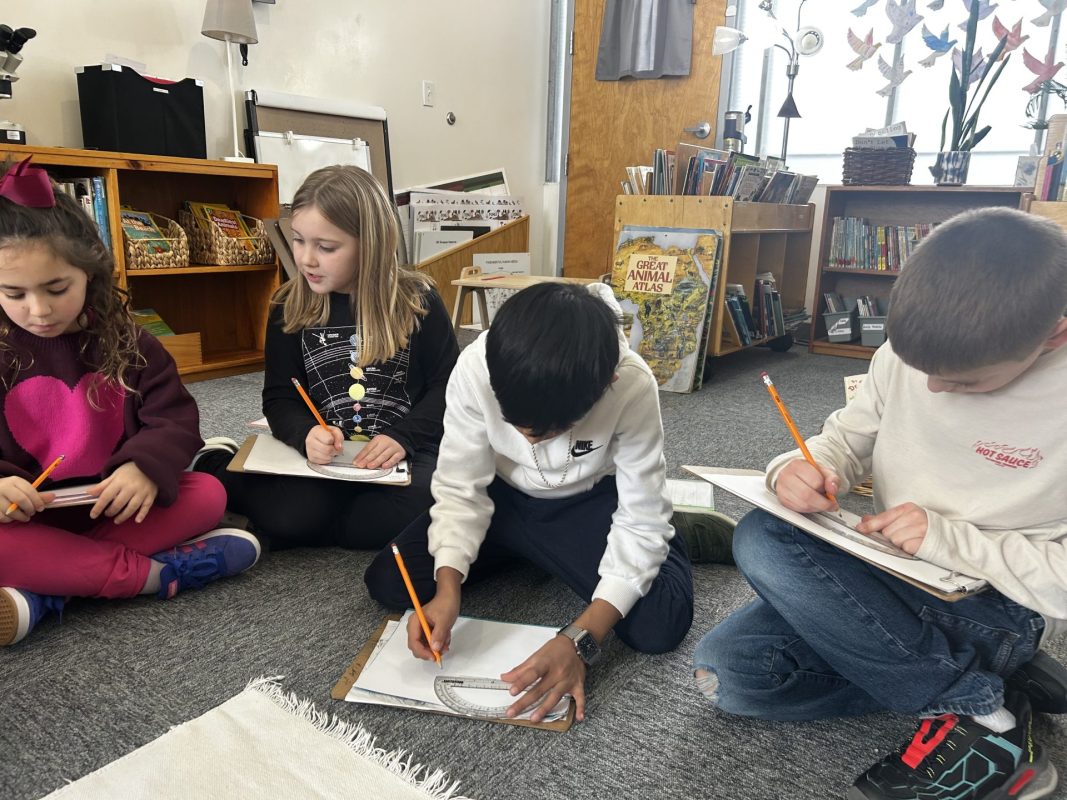
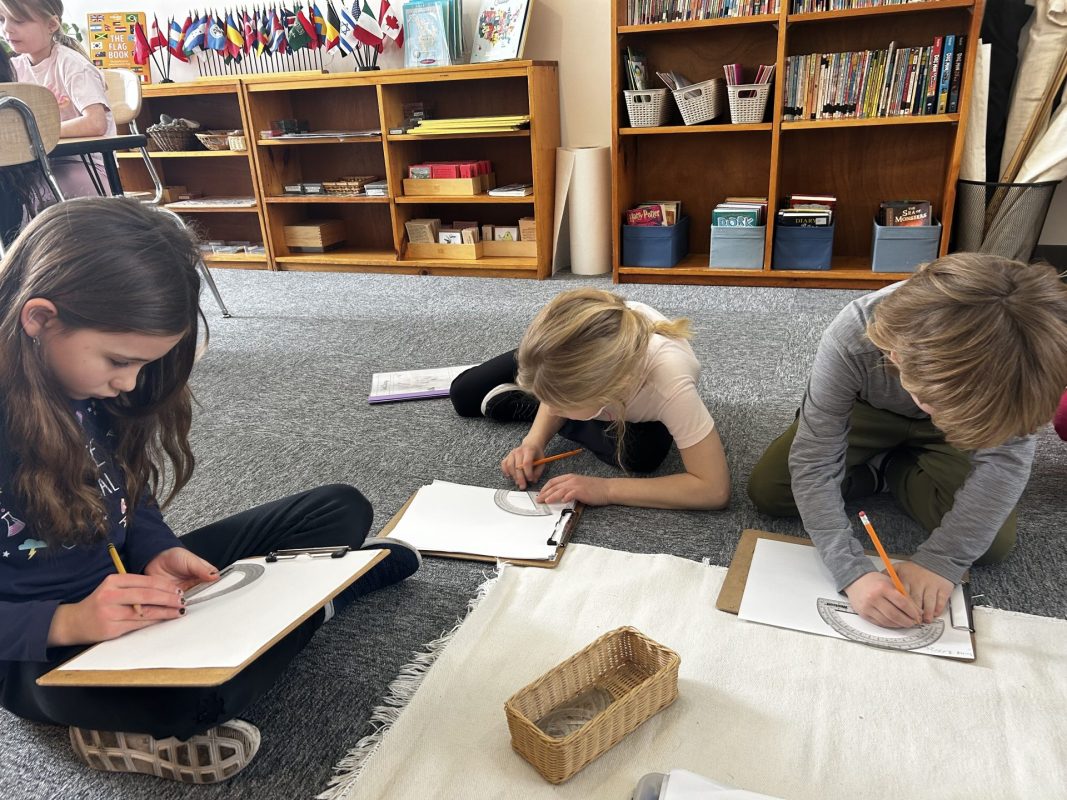
Geometry: Students began Chapter 3 this week, titled “Angles and Lines”. So far, students are able to draw and analyze drawings of angles, find the degree measure of arcs and central angles, and can draw and analyze rotation images.
Algebra II: Students wrapped up their learning of Chapter 2 concepts this week! They can now fit a model to data, use the Fundamental Theorem of Variation, and translate variation language into formulas and formulas into variation language.
Science
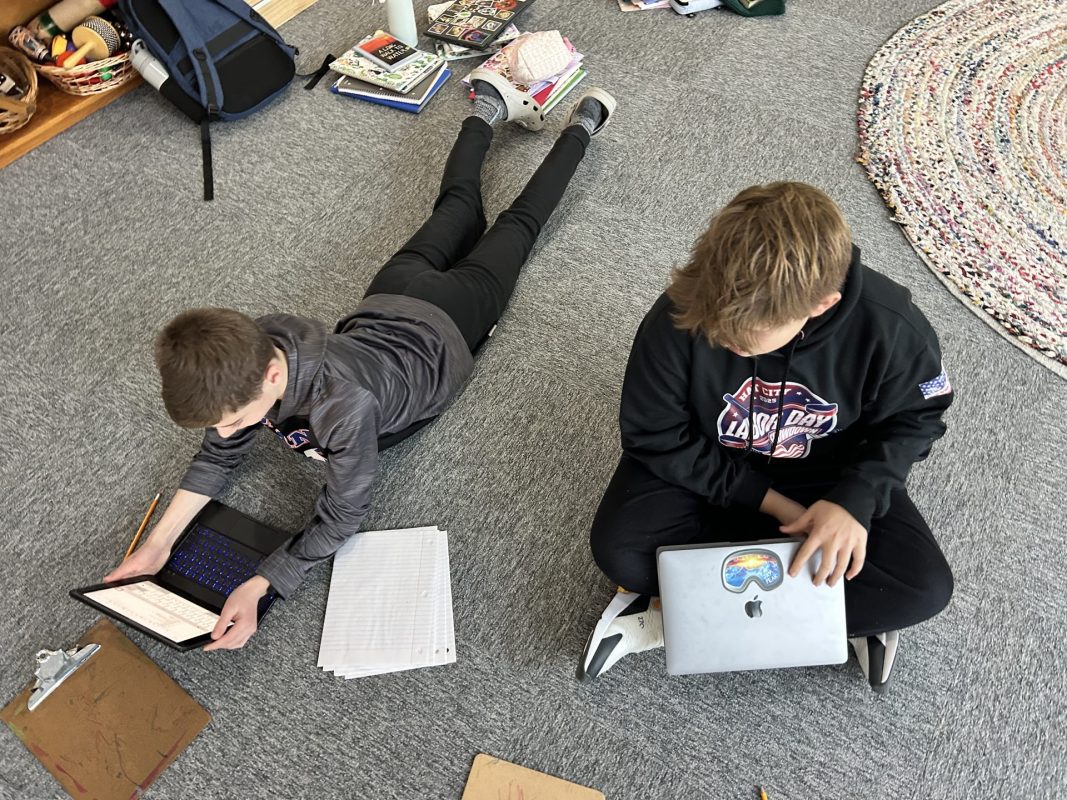
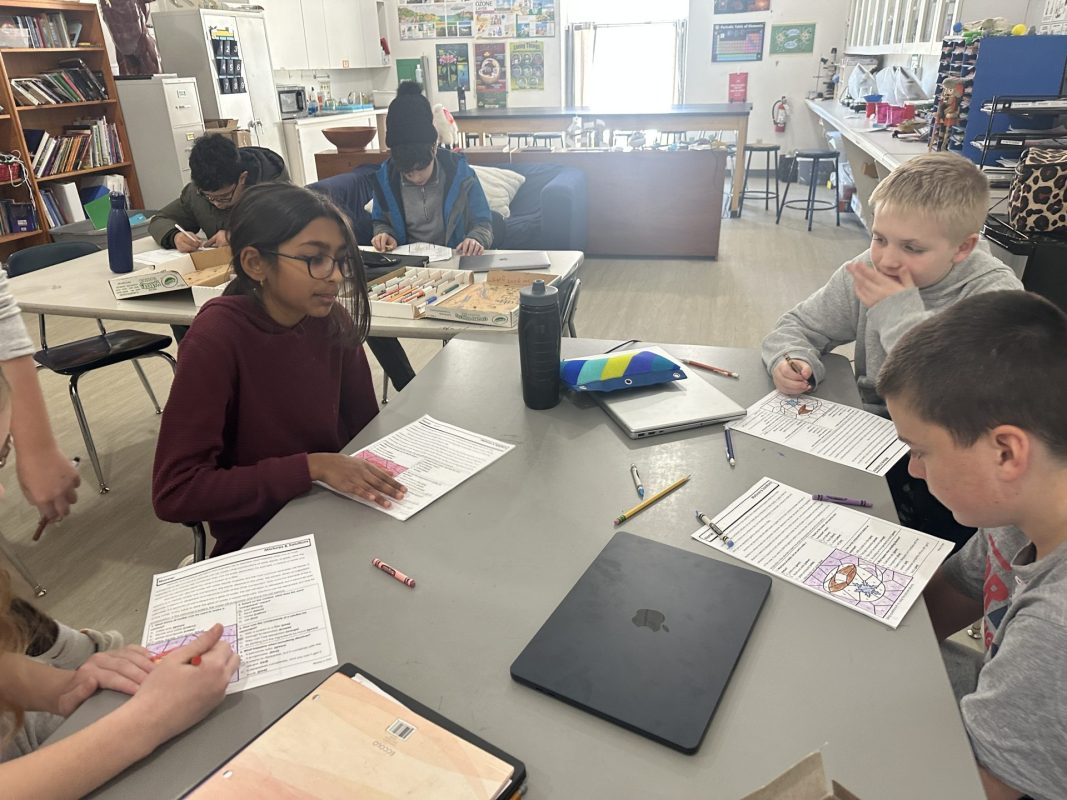
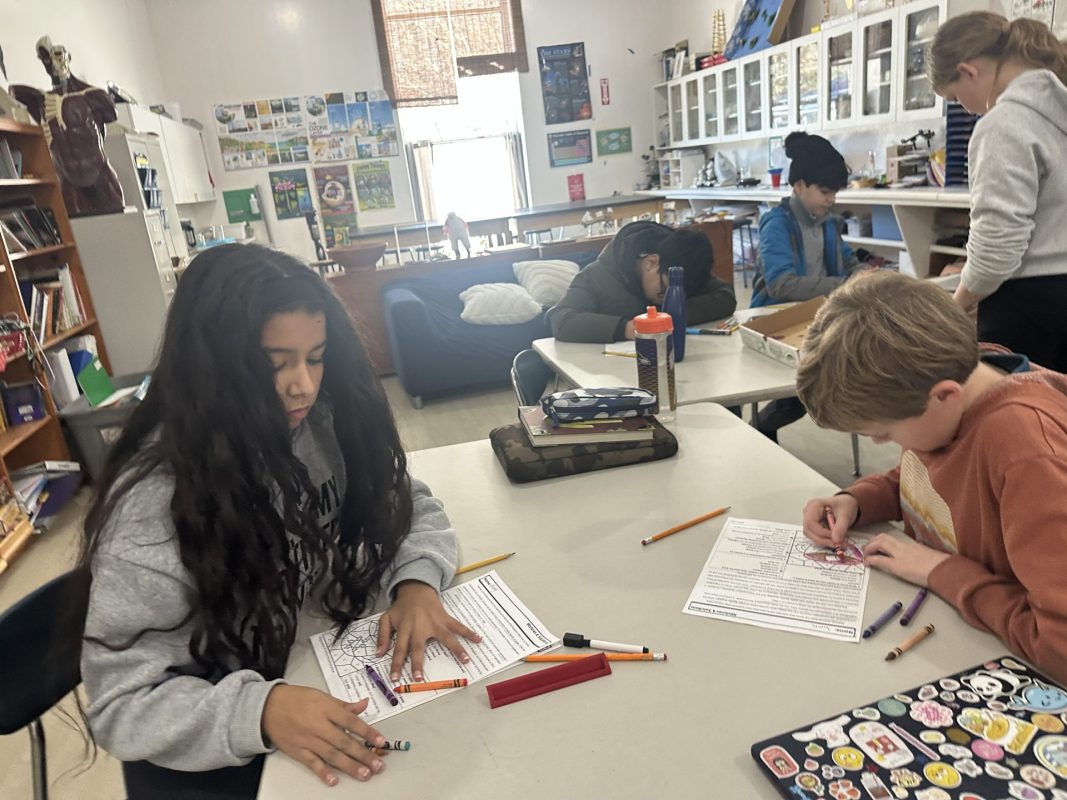
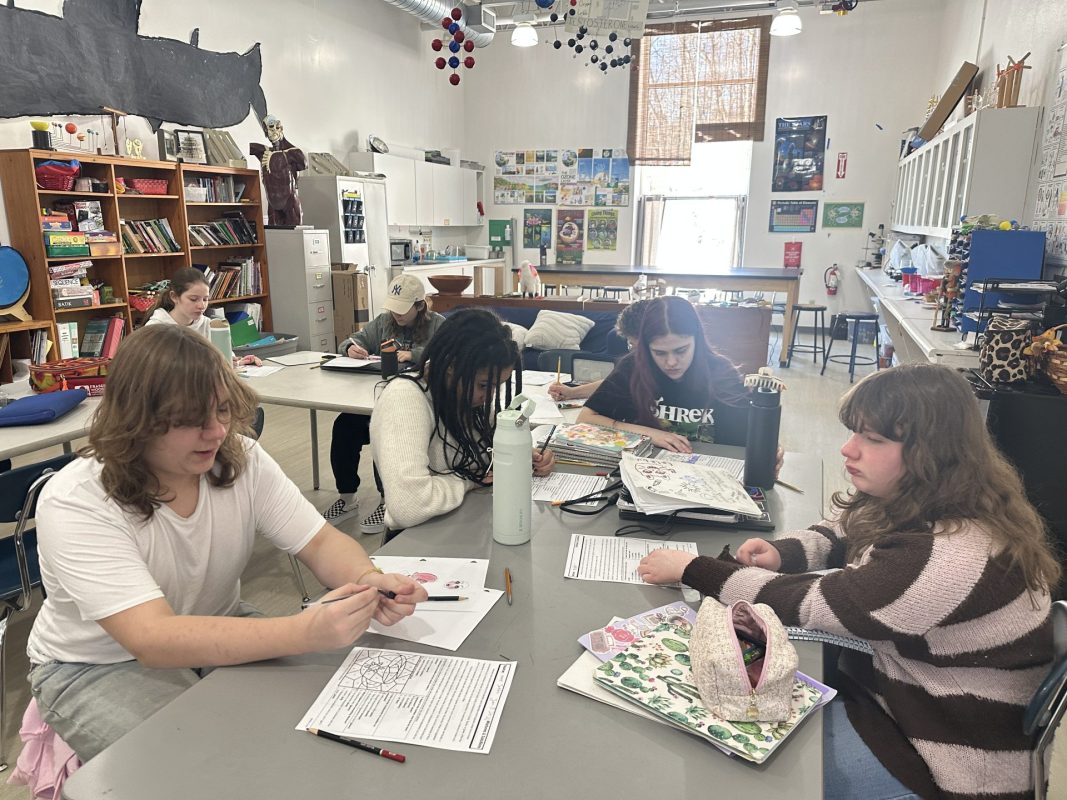
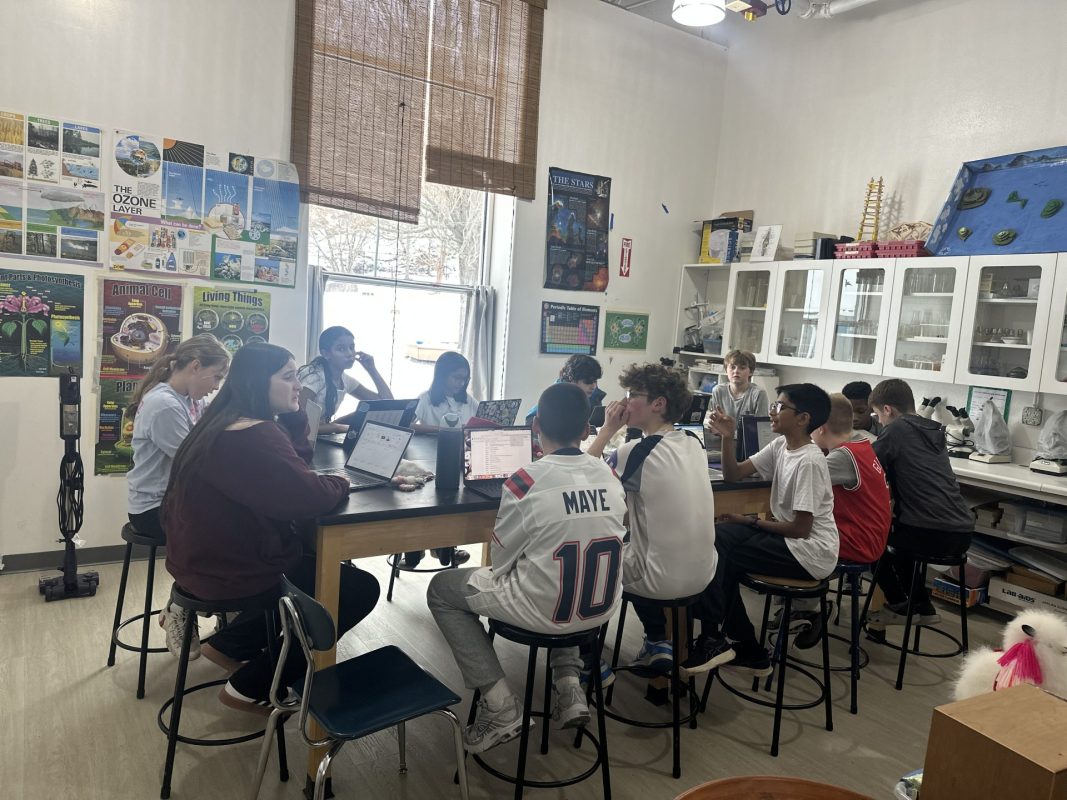
This week, Middle School students are back to work in the regular curriculum of science. All students are learning and understanding some of the most common properties of matter, such as mass, volume, length, temperature, and density. Students were able to add to their knowledge to support these concepts with a hands-on experience: Measurement Lab. In this class, they had to measure the above-mentioned properties of some random objects that were found in class. Students also learned how to measure the mass of objects using a triple beam balance in grams. Overall, the most important concept they learned was the difference between mass and weight, and how gravity has an impact on weight. They understood that an object would never change its mass, but it would change its weight (depending on the gravity of its location). In addition, they learned that the average gravity on Earth is 9,807 m/s^2.
Humanities
6th and 7th grade classes worked hard this week. They finished up their drafts for their final writing piece called “A Letter to Father”, where they assumed the point of view of Ailin, the protagonist in Ties That Bind, Ties That Break, writing to her father about the choices she made in her life after his passing. This assignment had students not only reflect on the plot of the novel, but on the time period after the fall of the Qing Dynasty and the Cultural Revolution, tying together the history they learned and important events in the book. Next, the classes began their unit on Sub-Saharan Africa. They completed maps labeling countries and their capital cities in the region and became “tourists” as they used Google Earth to put themselves on the ground in these places. Additionally, they spoke about the other physical features of this region of the world and their effects on the way people live.
8th grade Humanities class was also busy this week. They focused on the following regarding the Virginia Colony: the impact of tobacco, establishing government, and the formation of social class, including Bacon’s Rebellion. The class also began reading their class novel, If I Ever Get Out of Here, by Eric Gansworth. This book follows Lewis, a middle school student who lives on the Tuscarora Reservation during the 1970s, and his experiences going to a school outside of the reservation. The 8th grade students are ready to head out on their internships next week!

Our Week in Upper El


“The best way to find yourself is to lose yourself in the service of others.” -Mahatma Gandhi

What a fantastic week it was in Upper Elementary! Our week began with a visit from Jennifer Mills, a Lower El parent who is a retired Navy captain and diplomat. She gave a wonderful presentation to students from Lower Elementary through Middle School and answered numerous questions. We wish a Happy Veterans Day to all who serve or have served, and we thank you for your service!

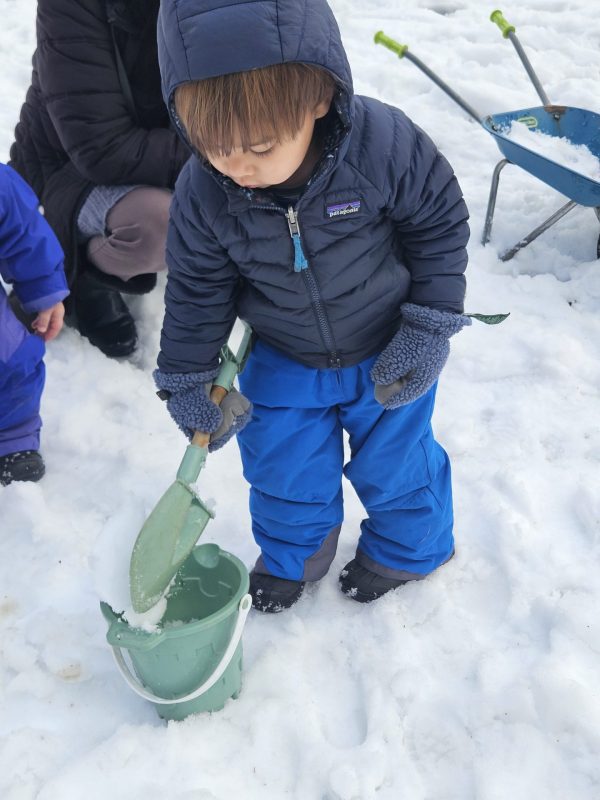
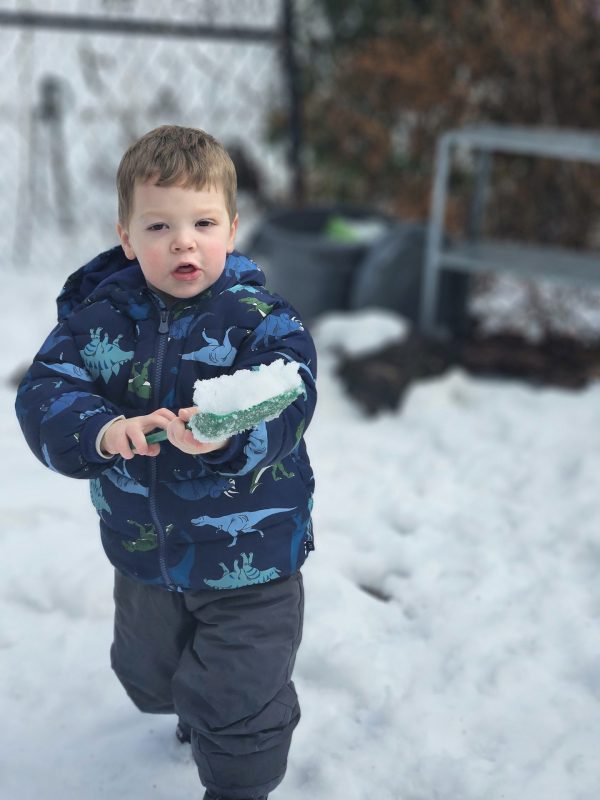
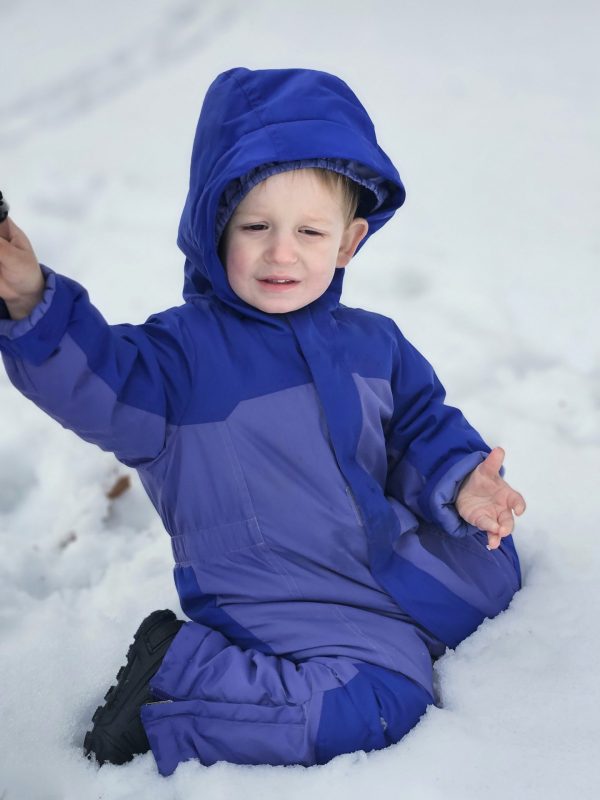
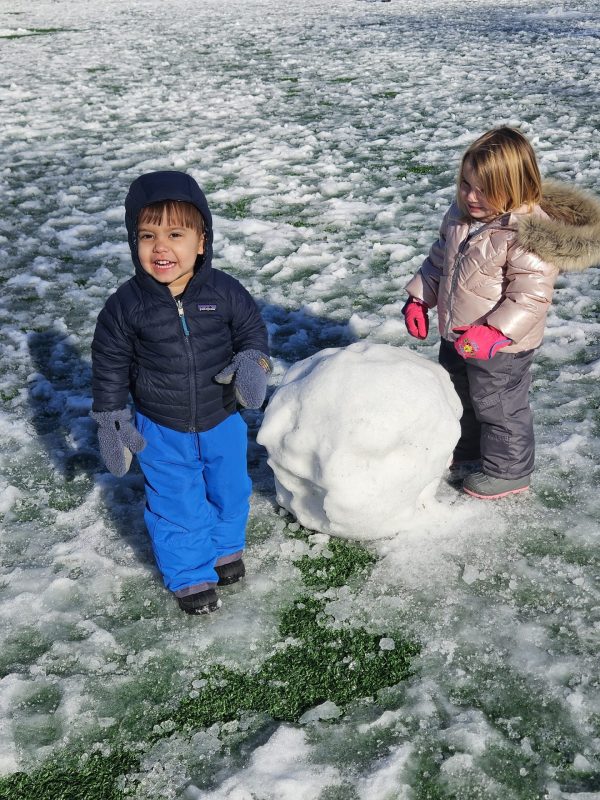
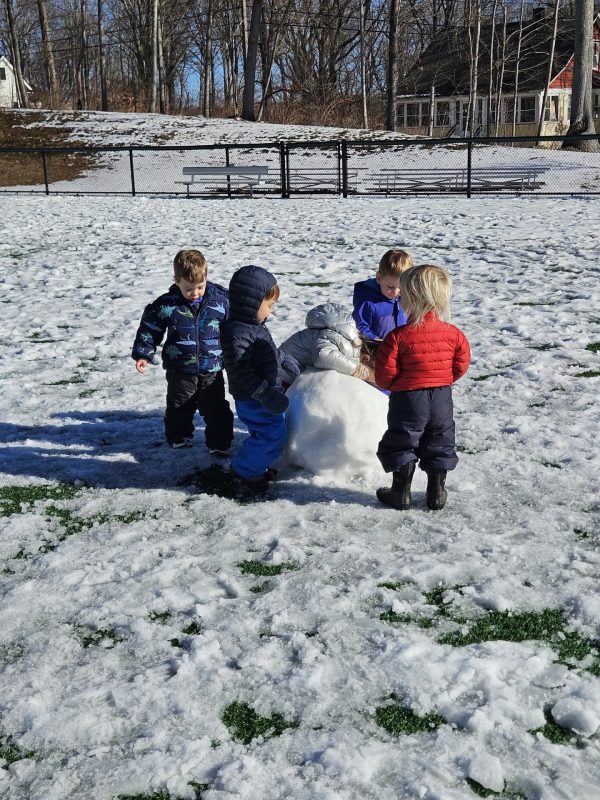
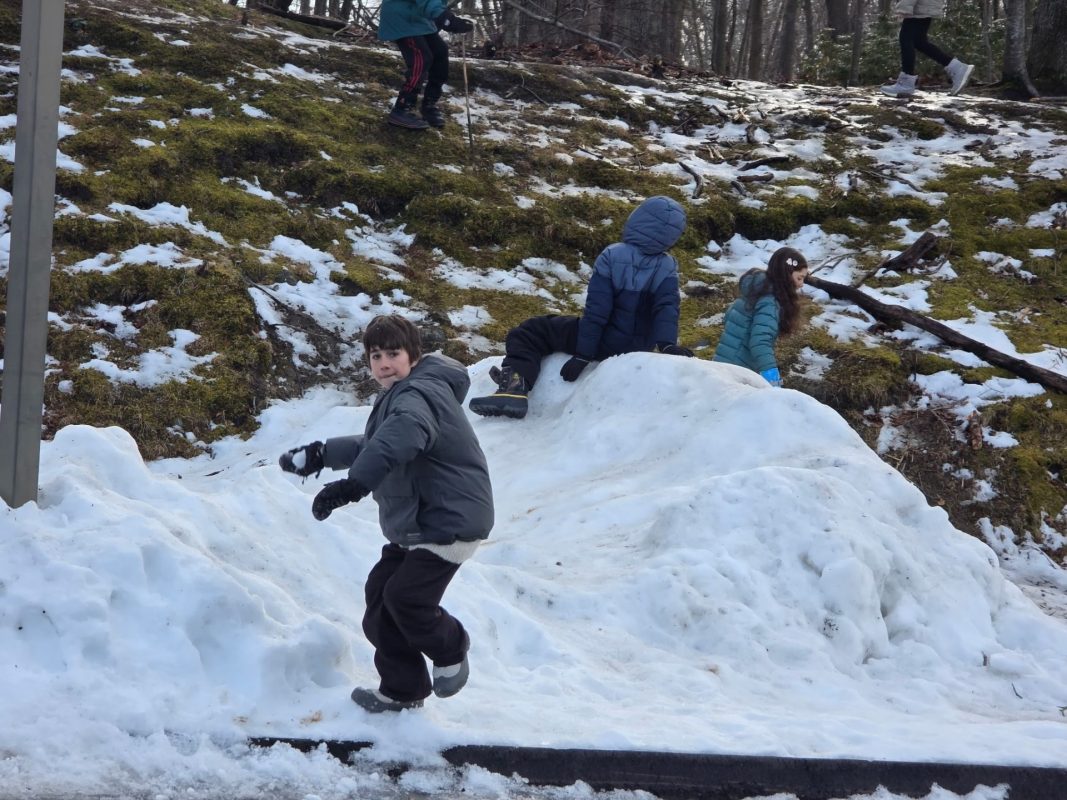
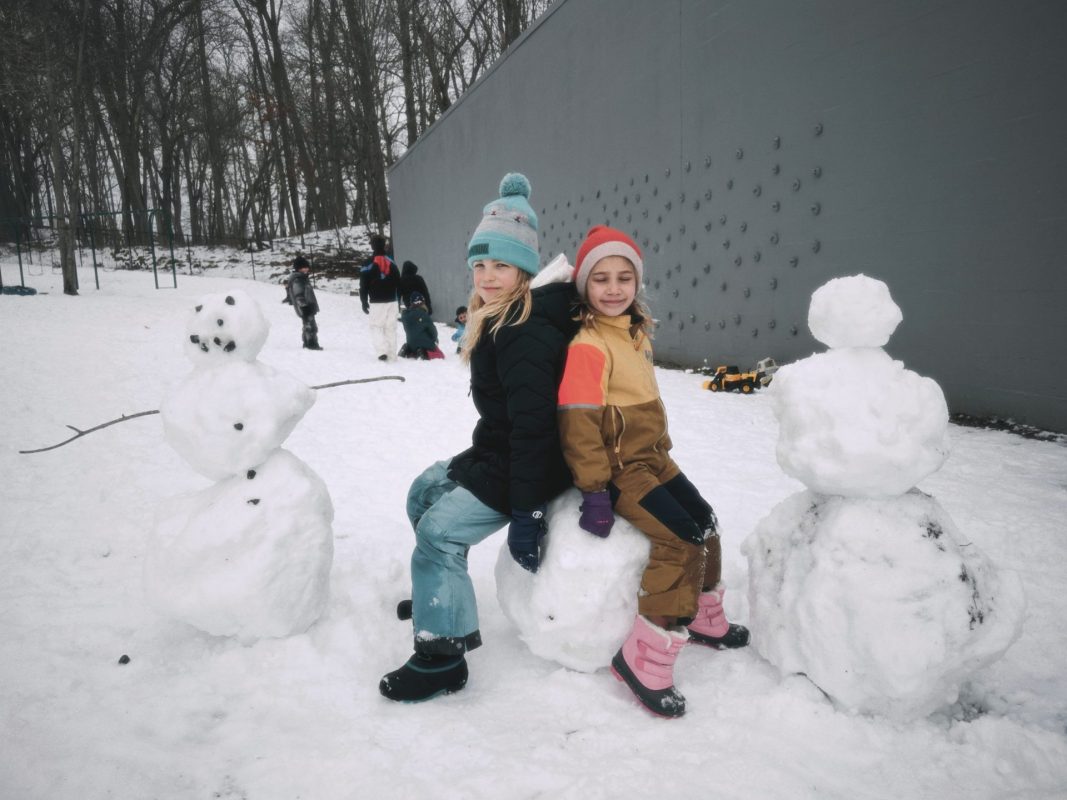
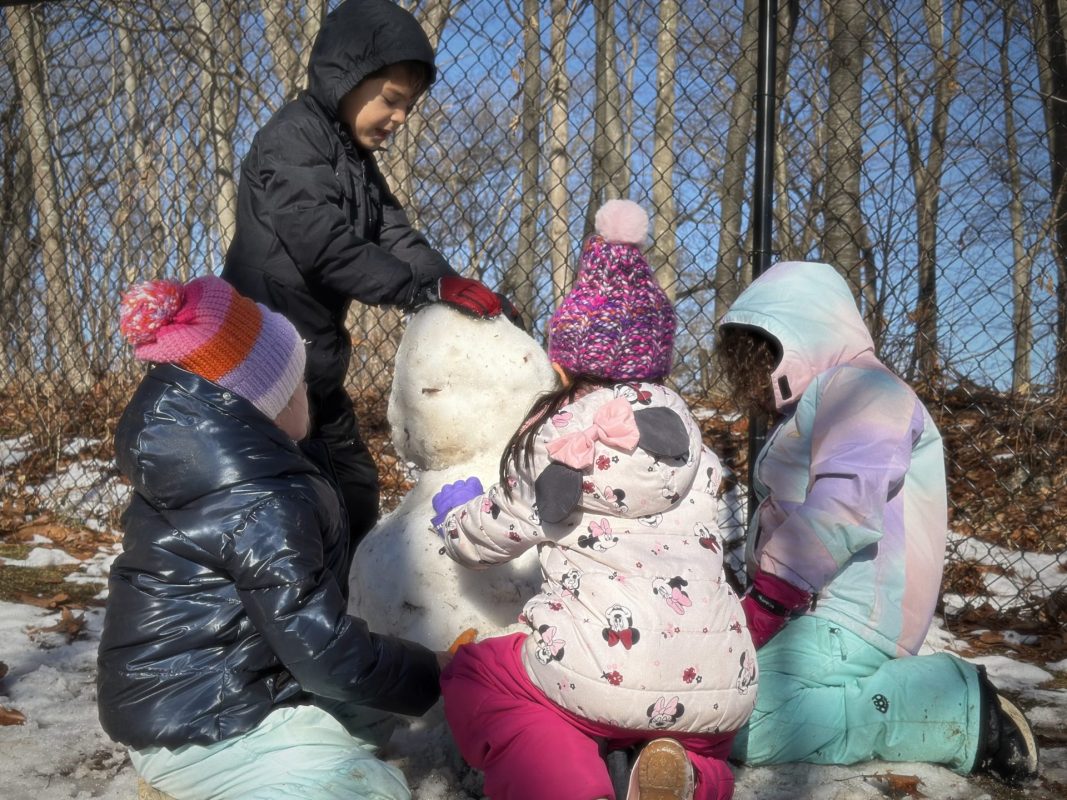
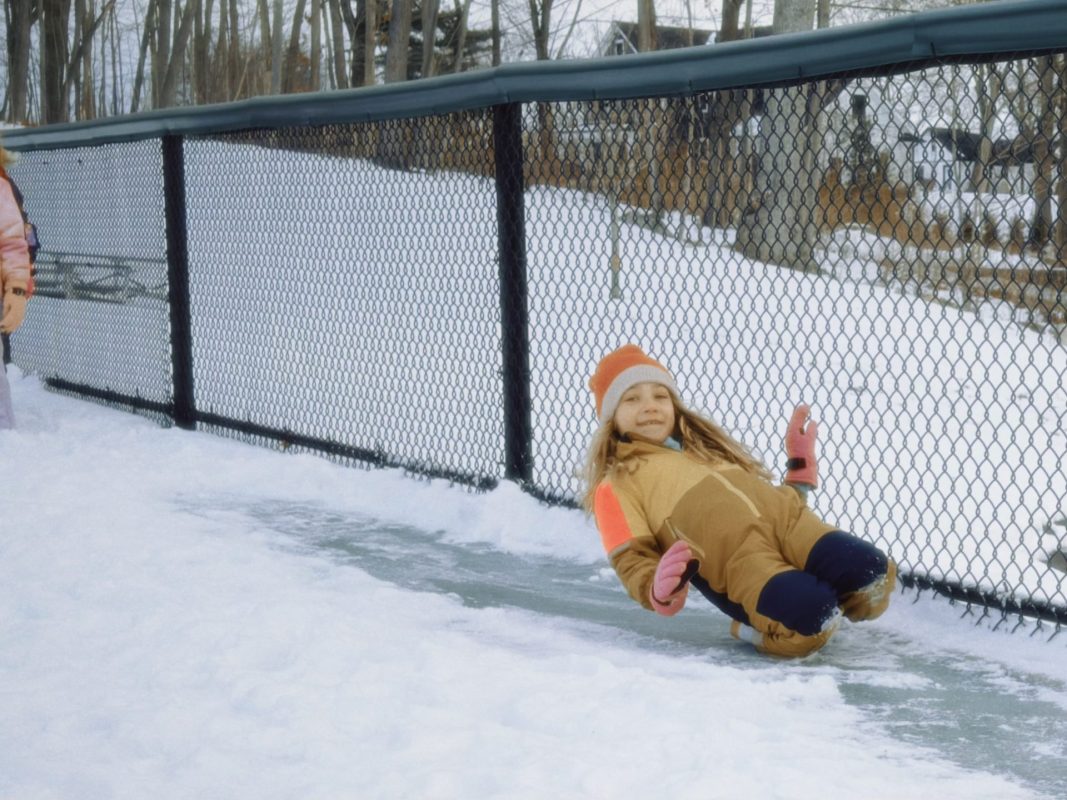
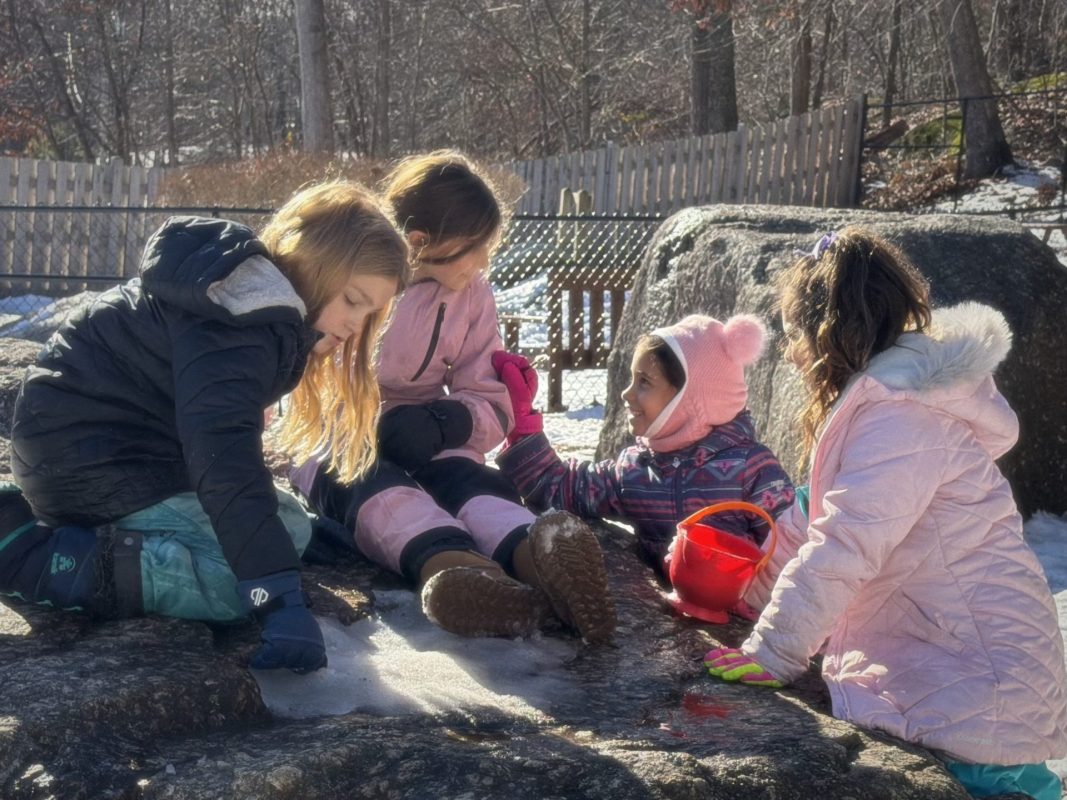
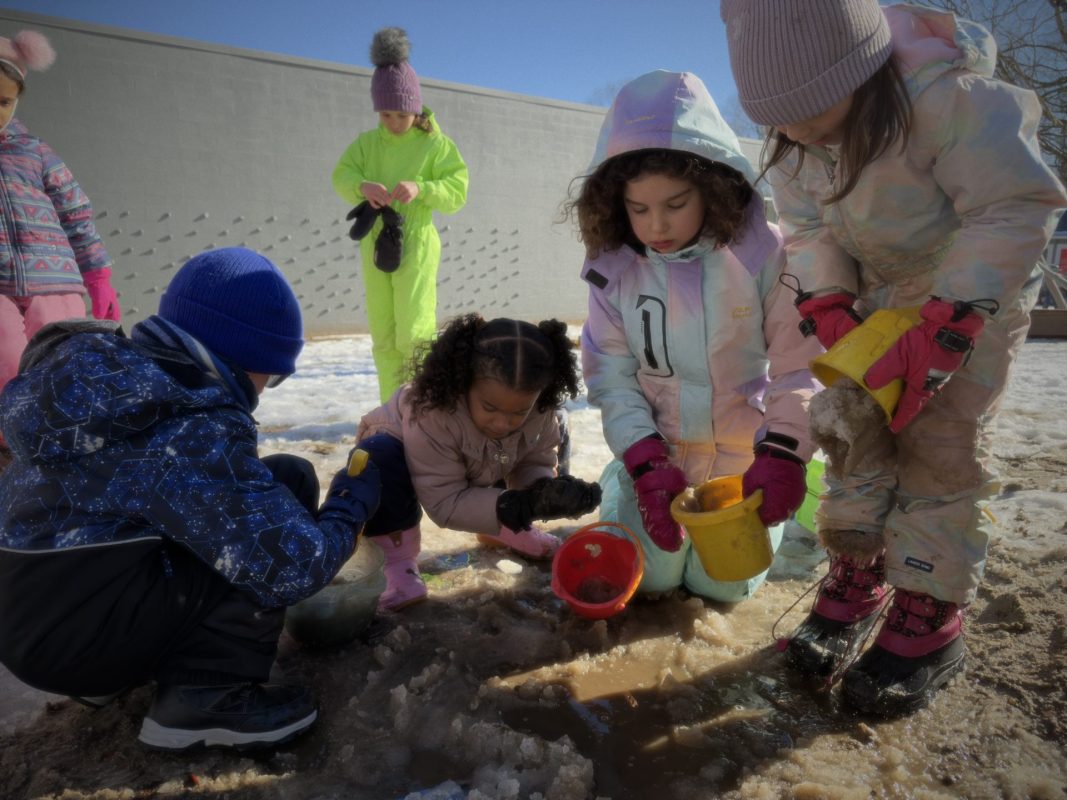
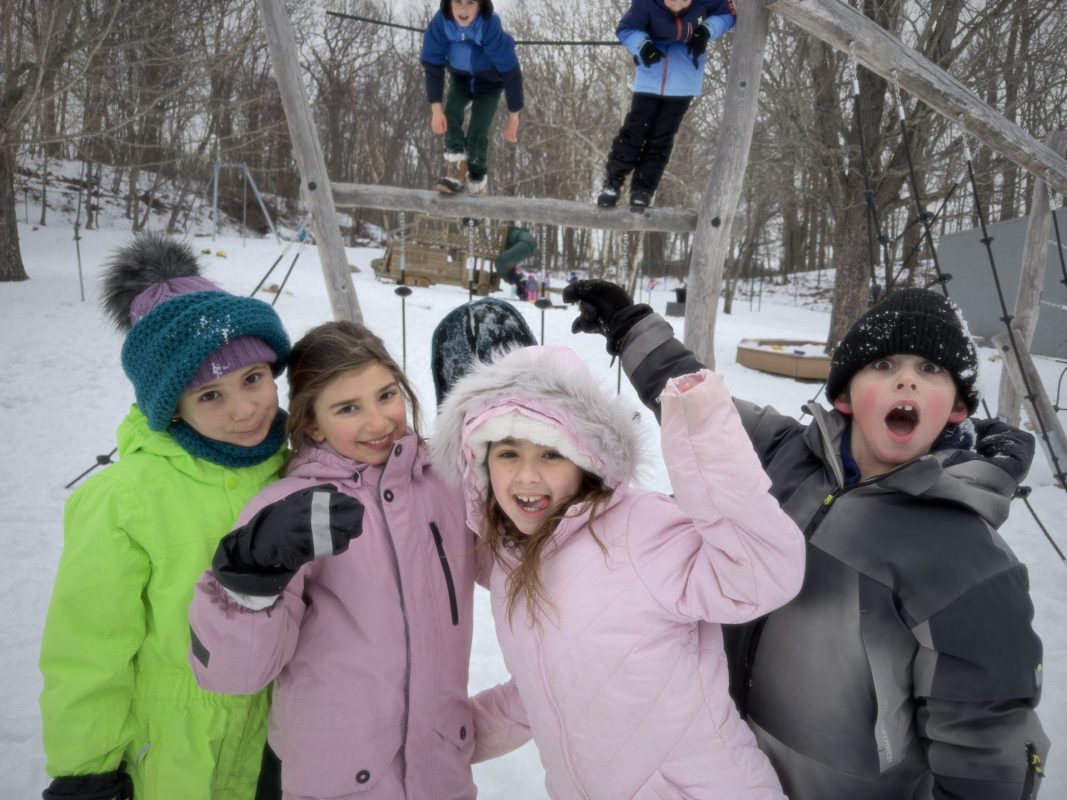
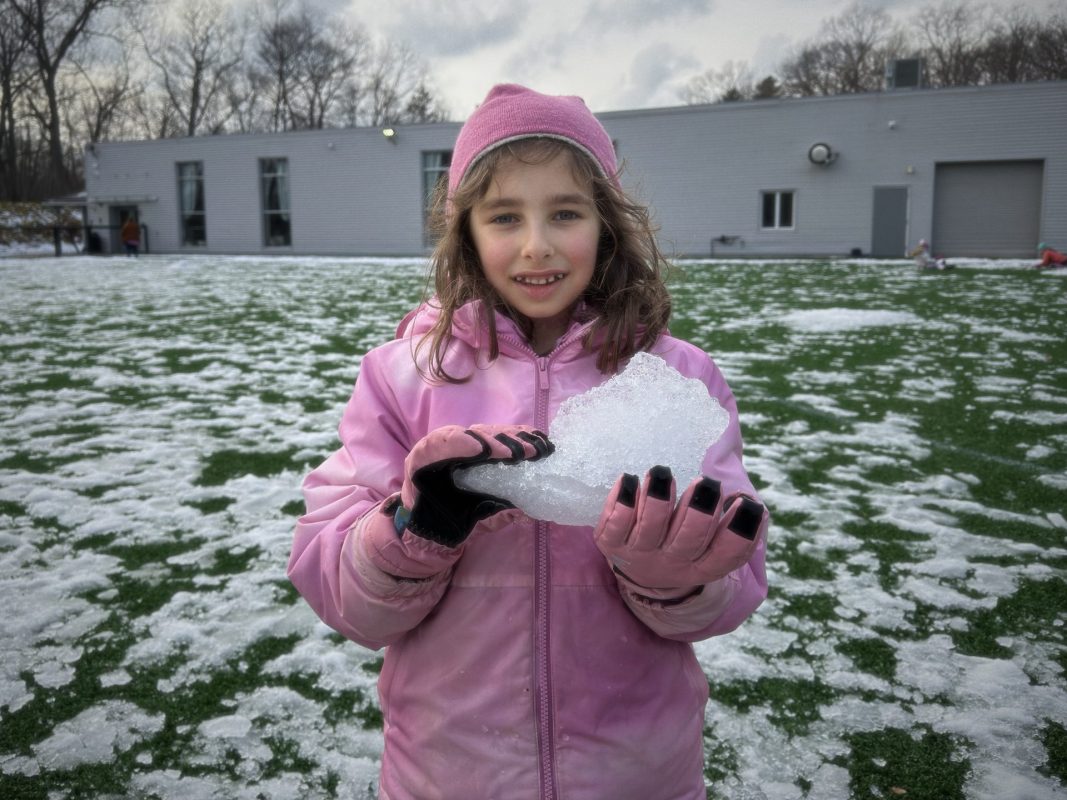
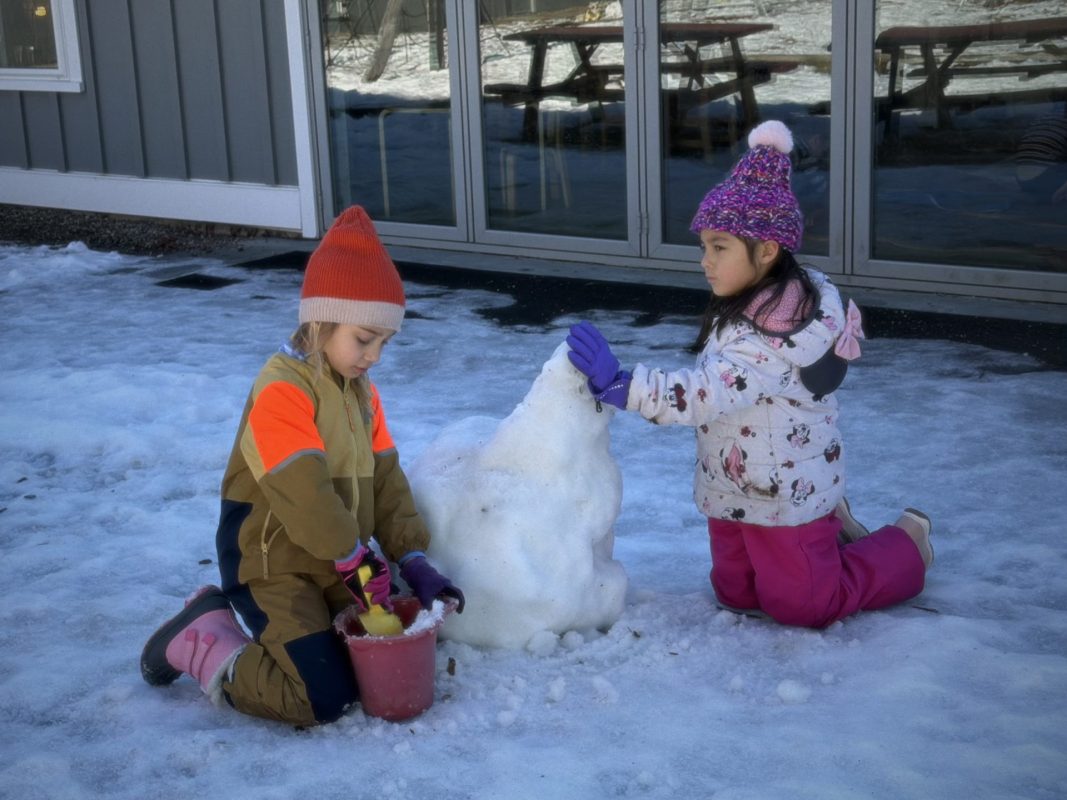
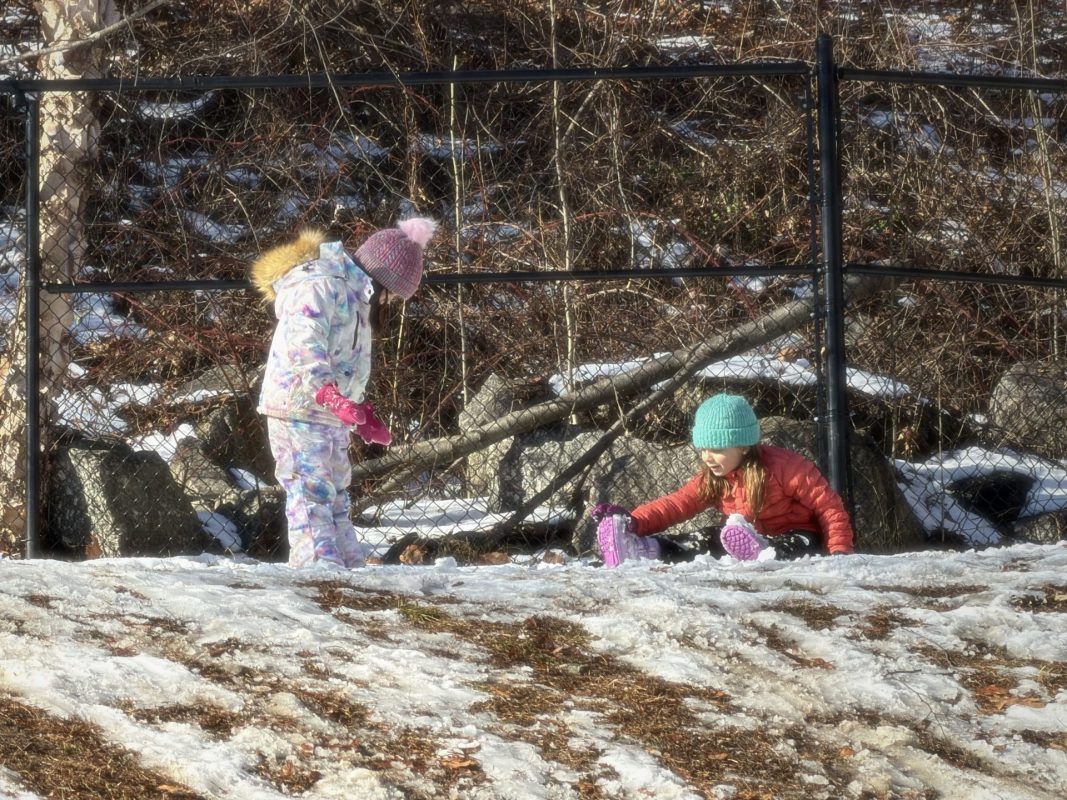
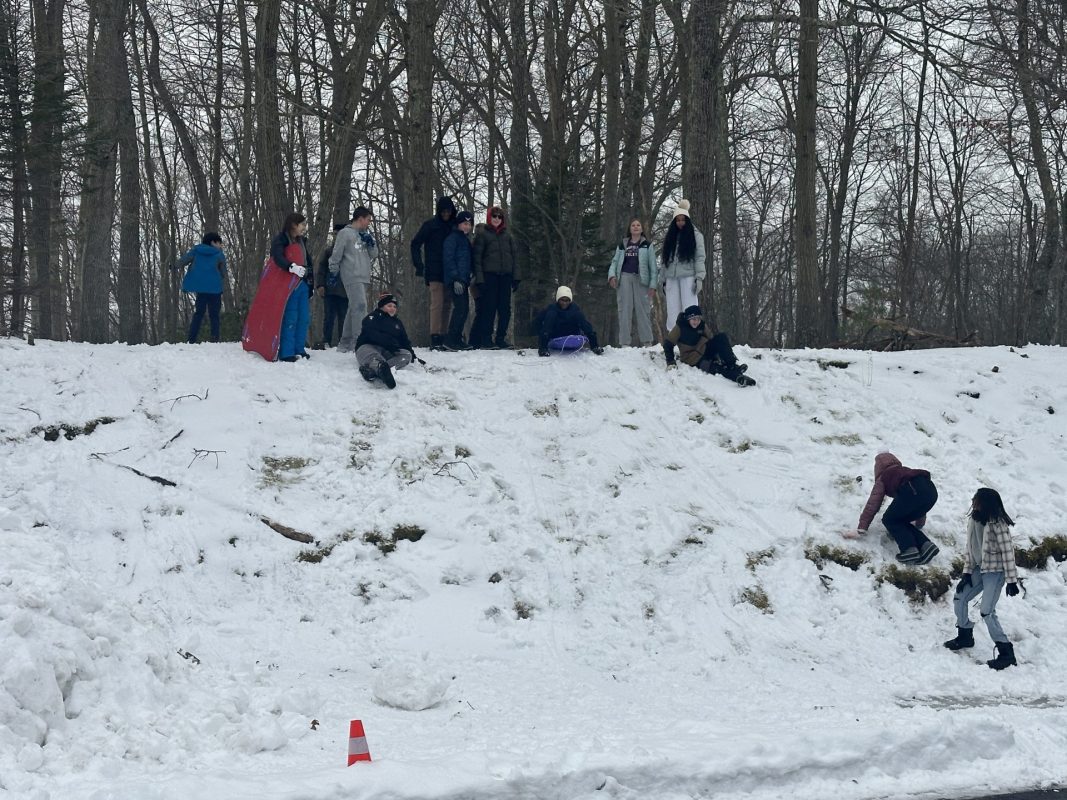
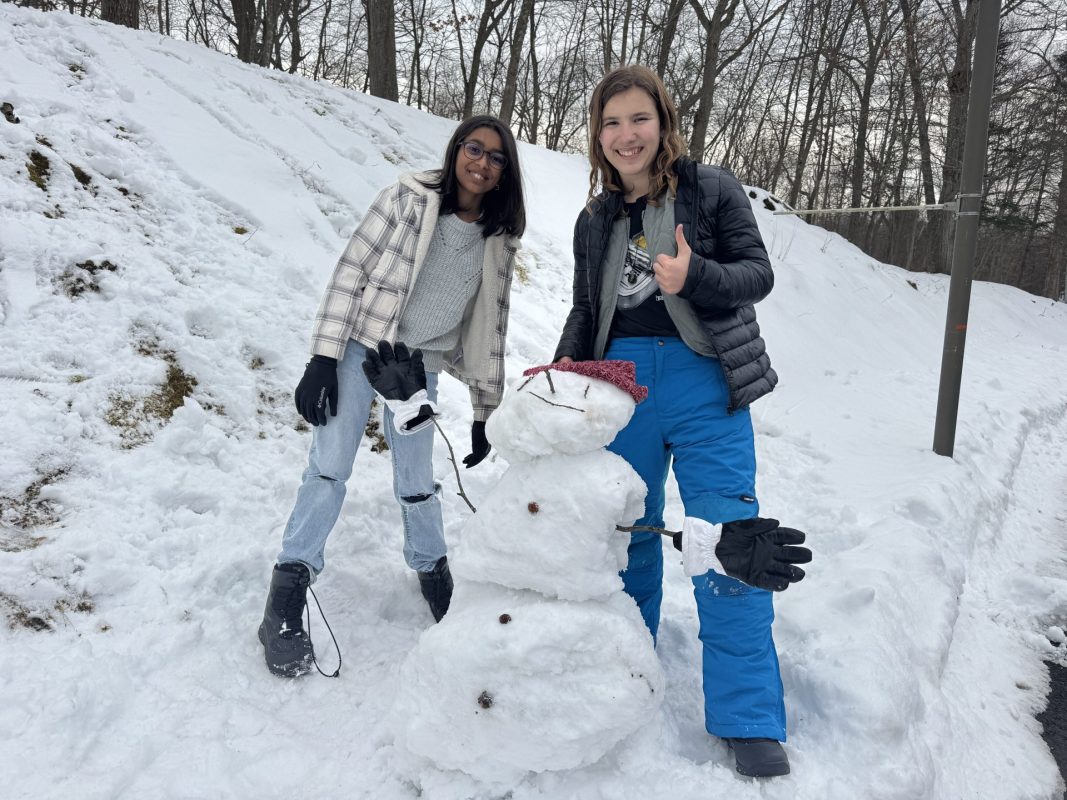
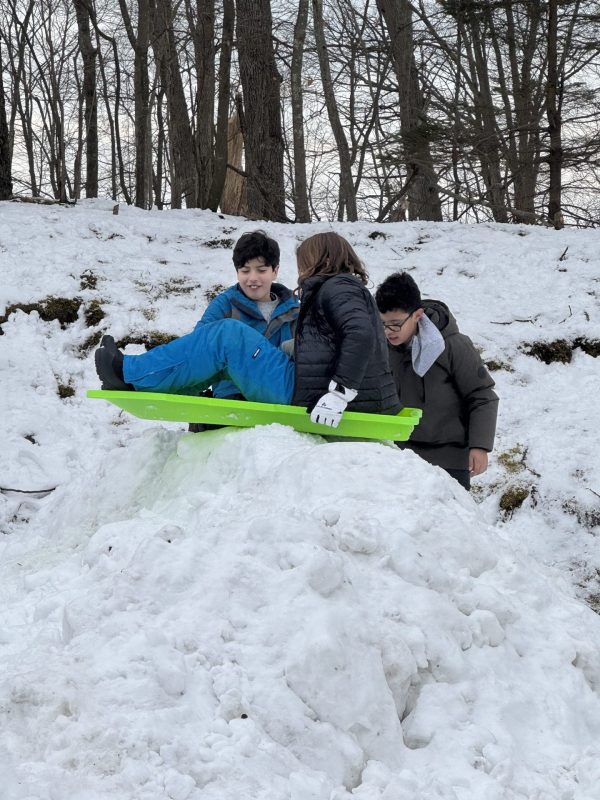
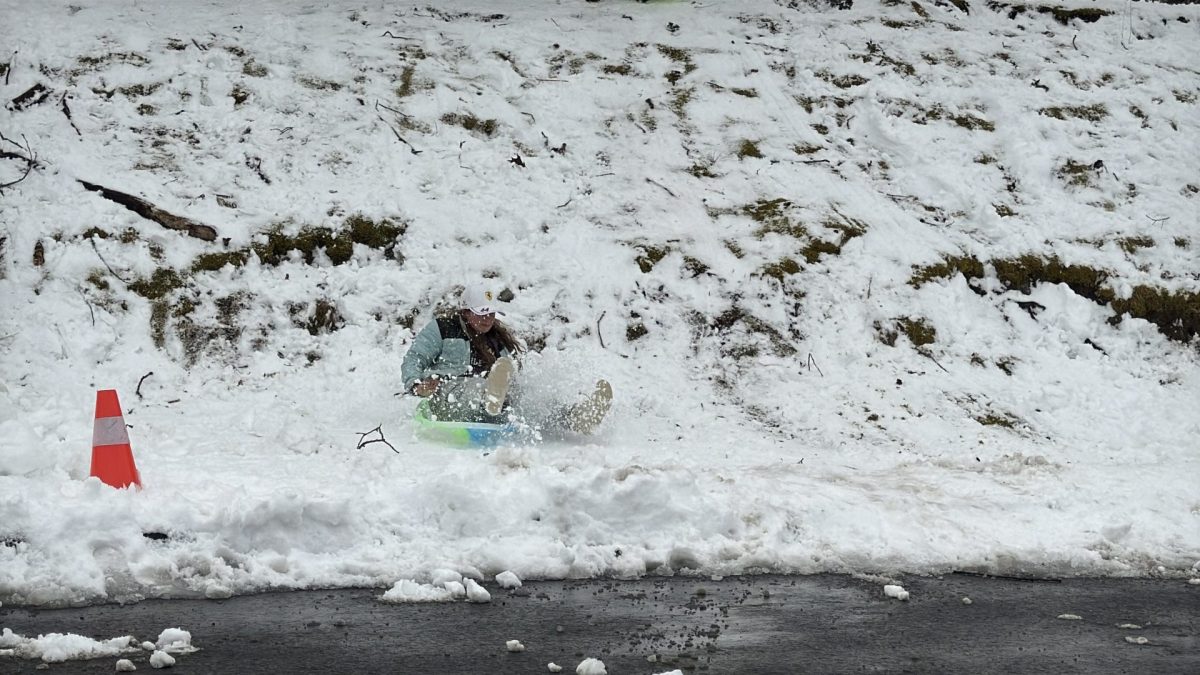
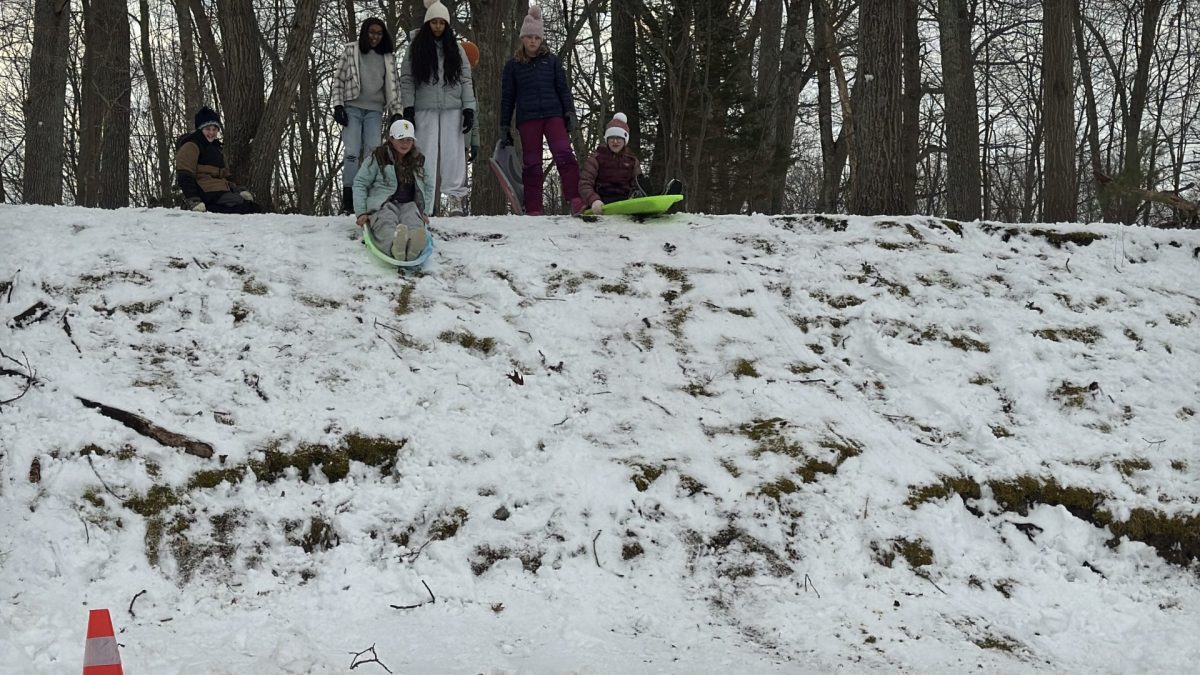
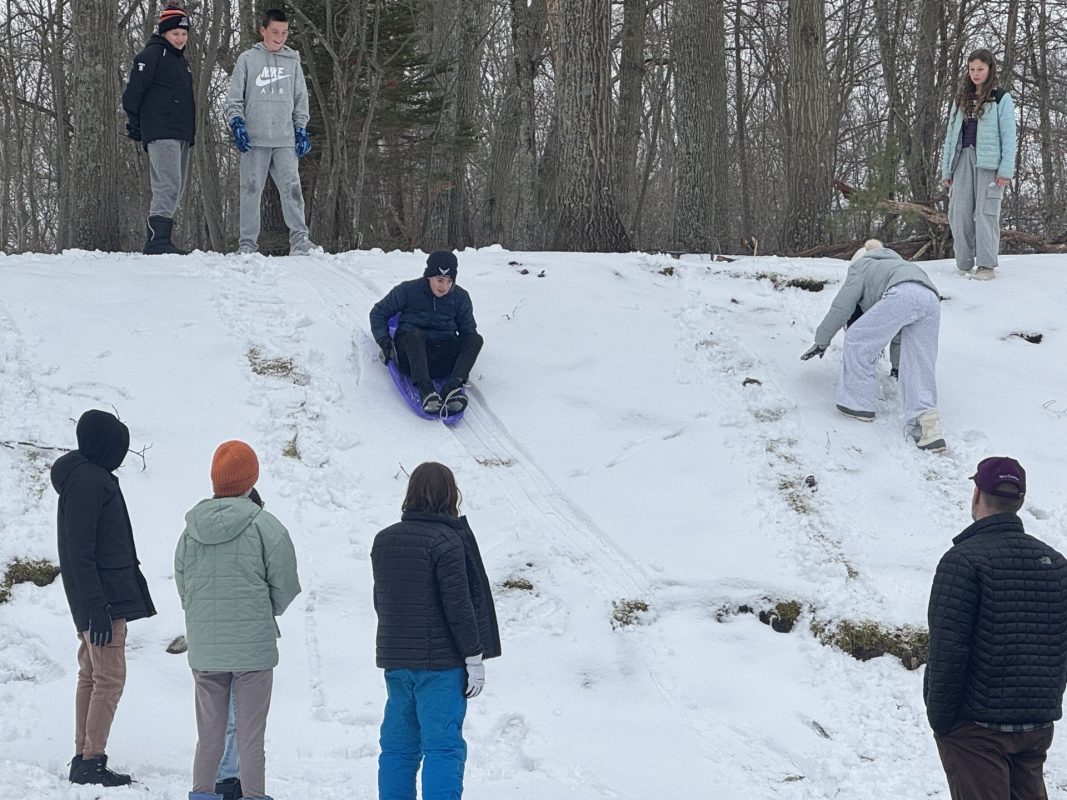
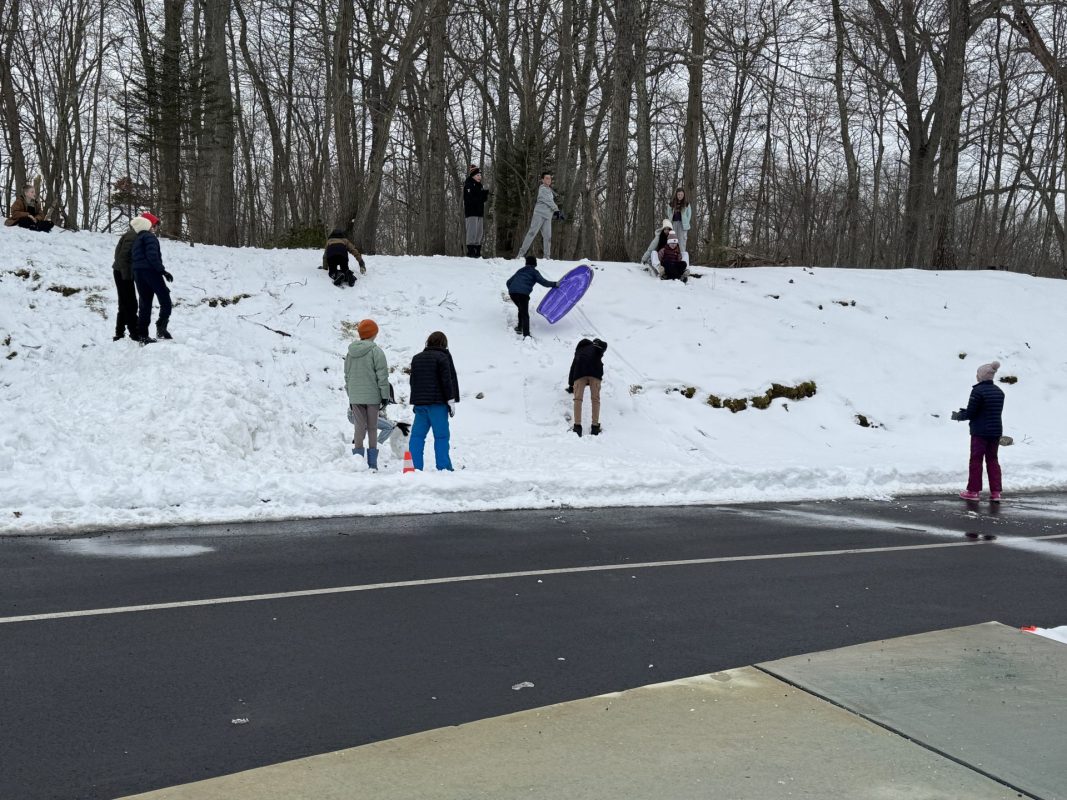
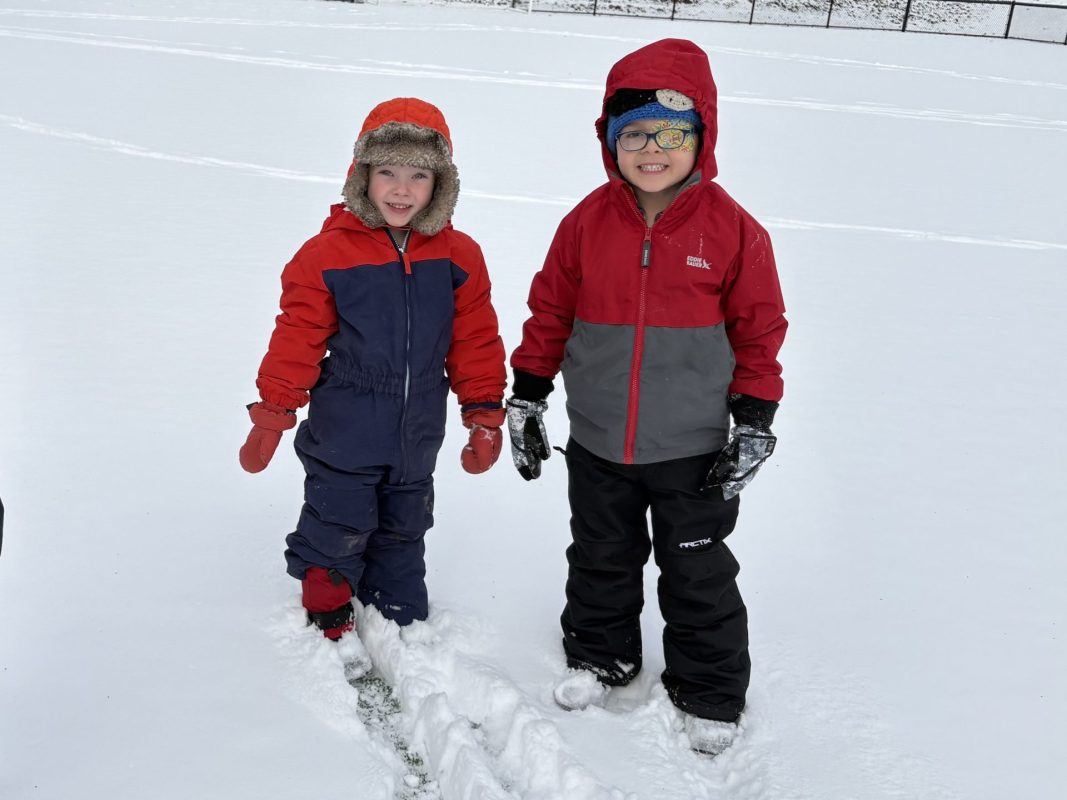
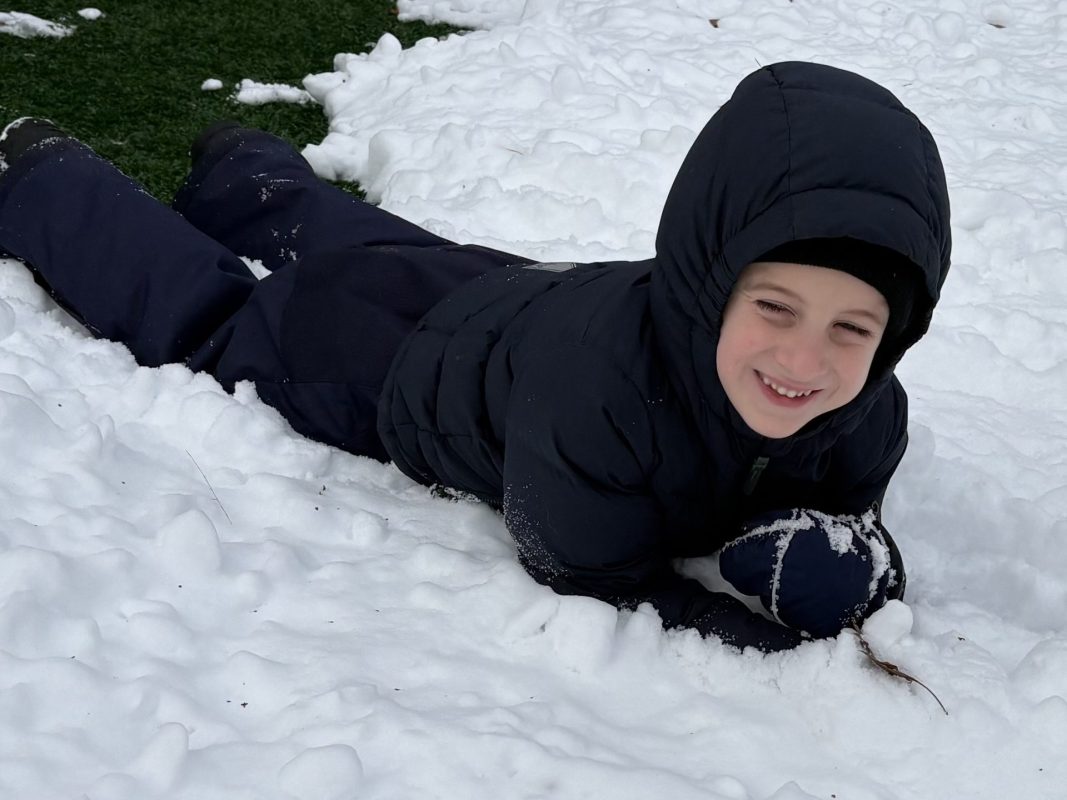
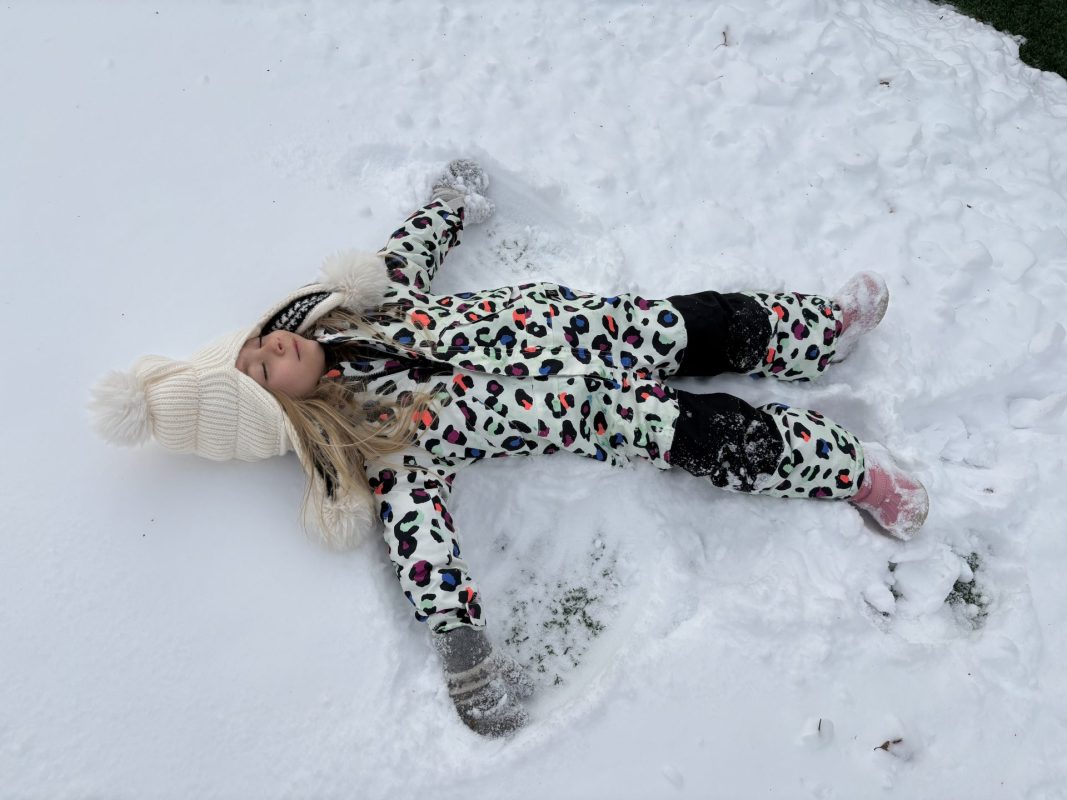
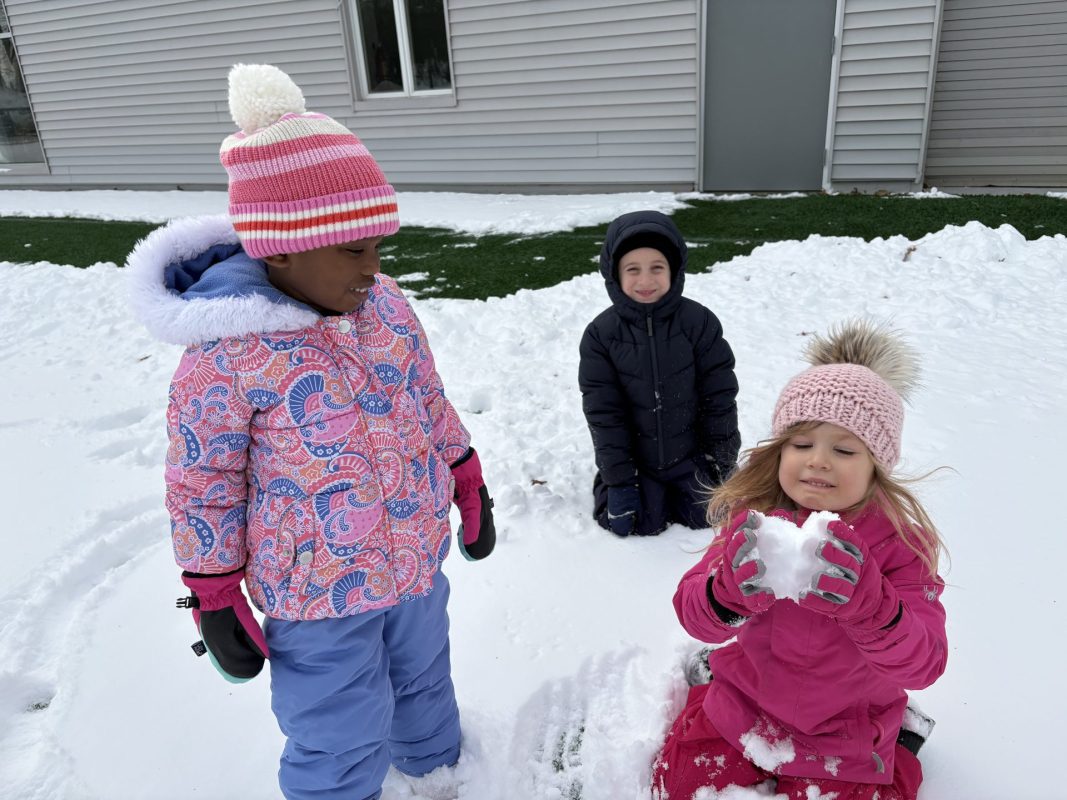
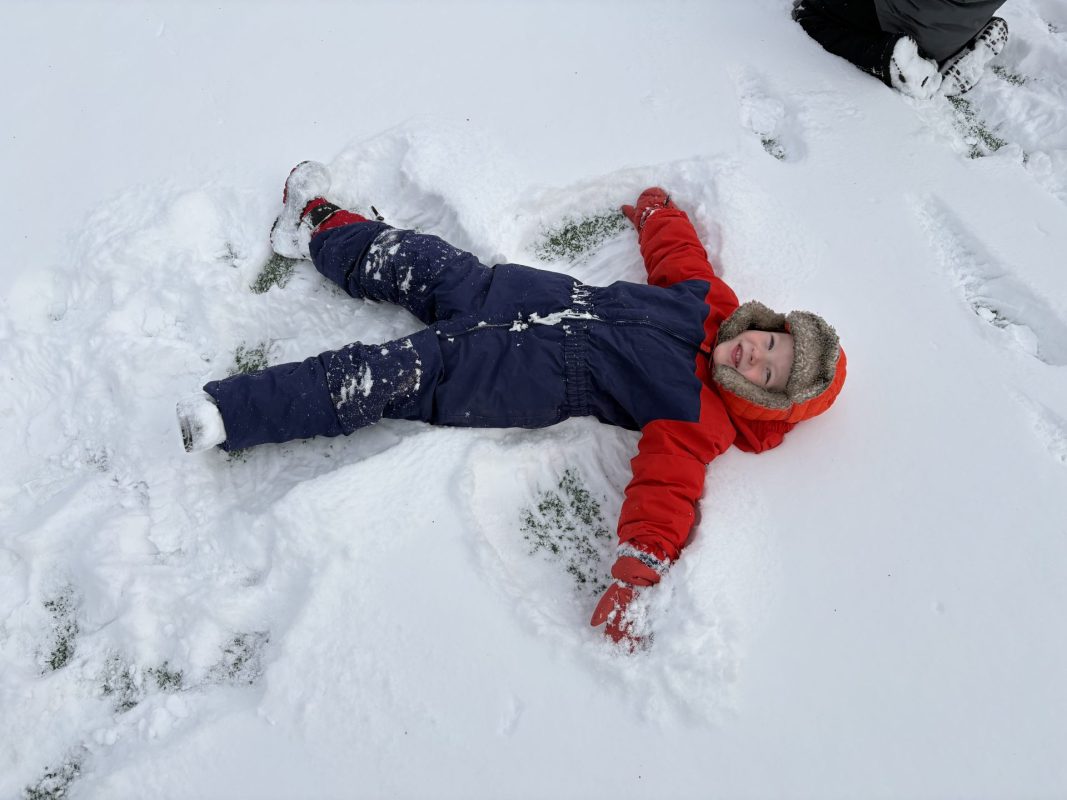
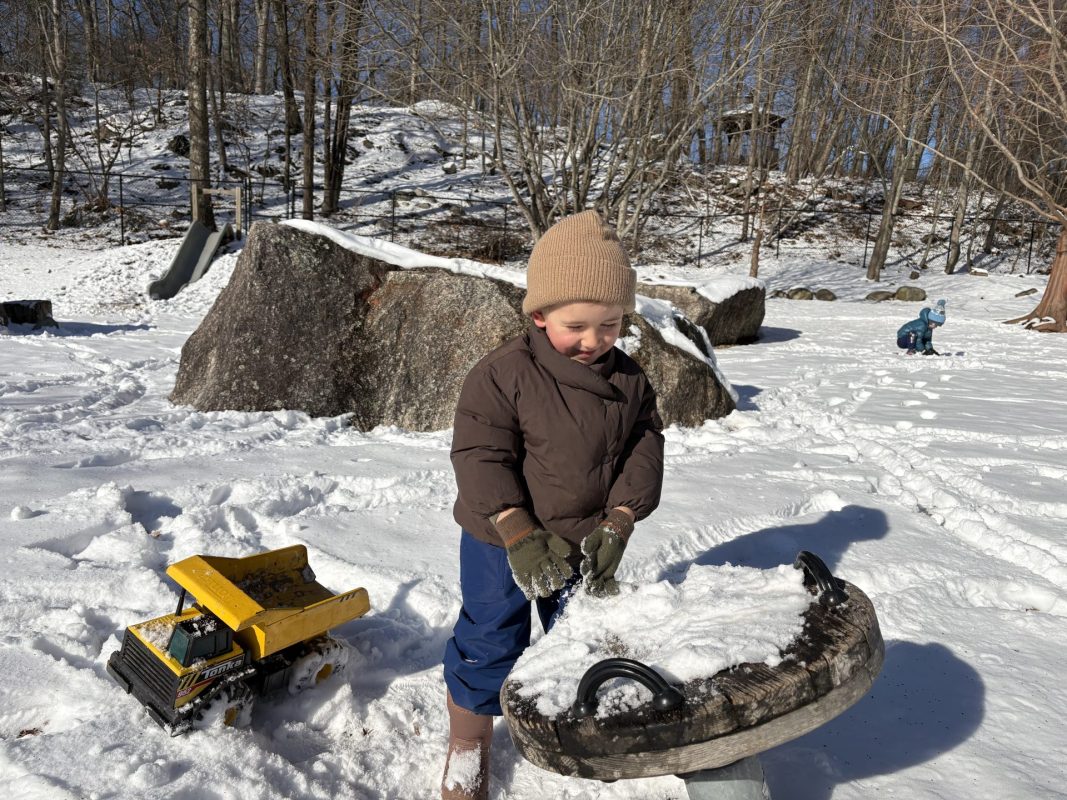
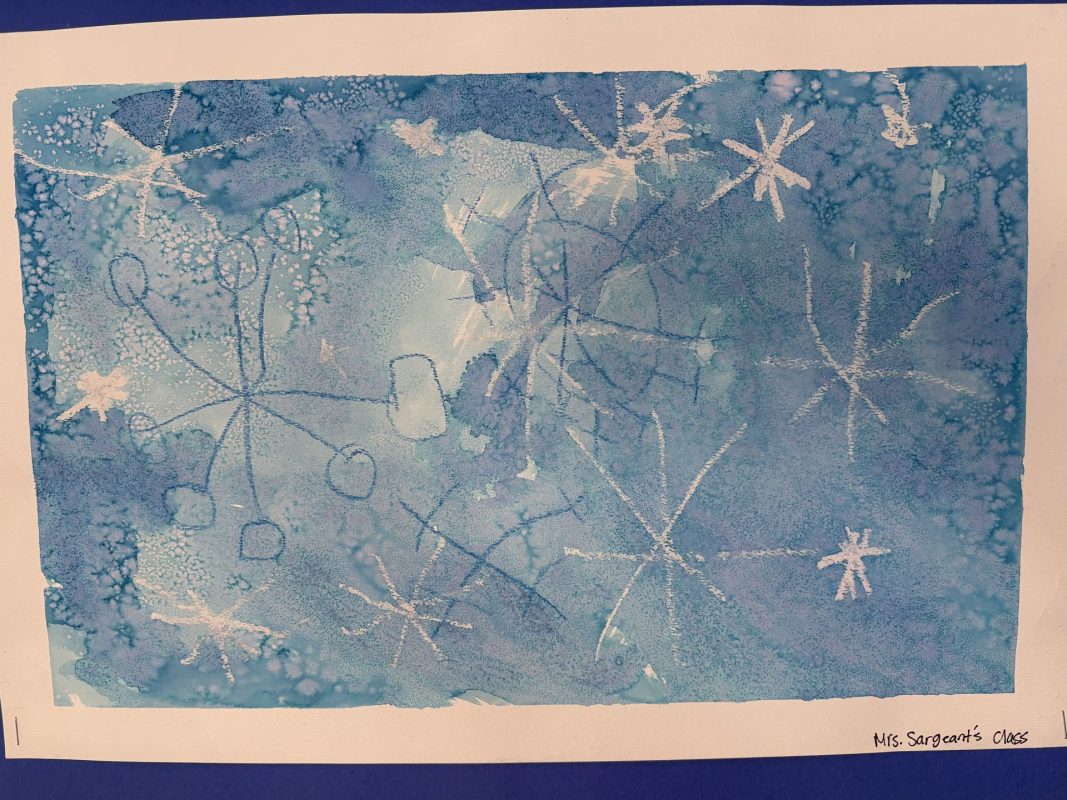
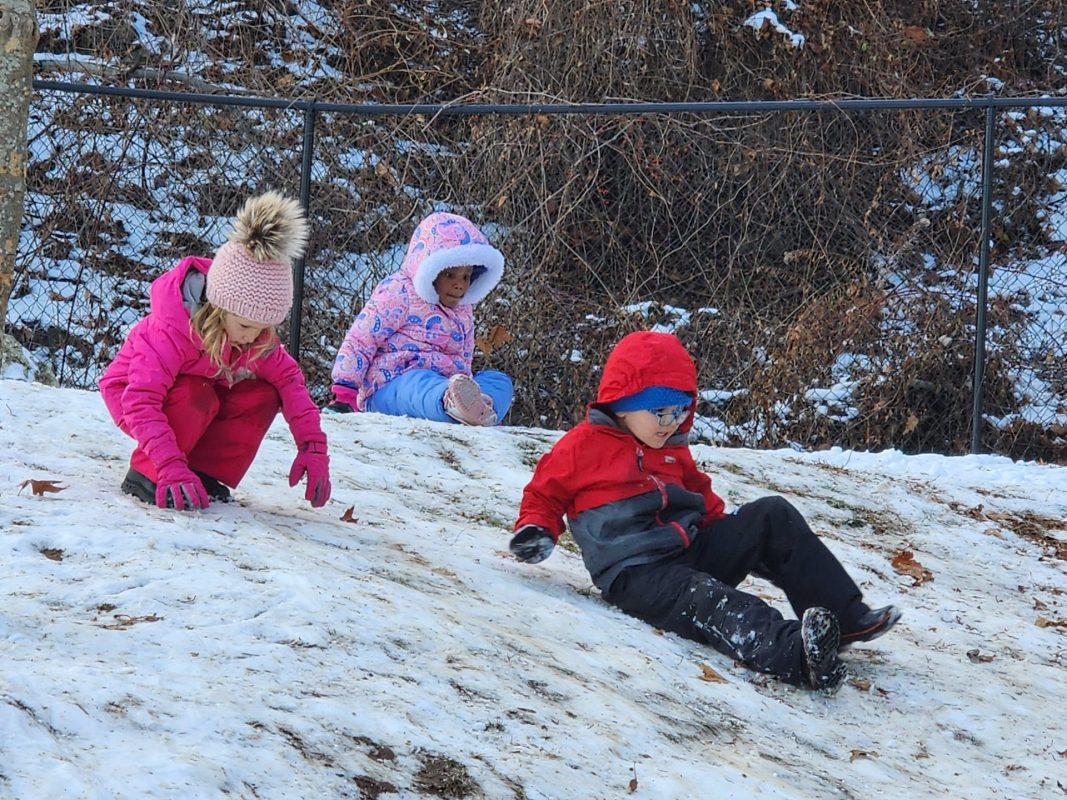
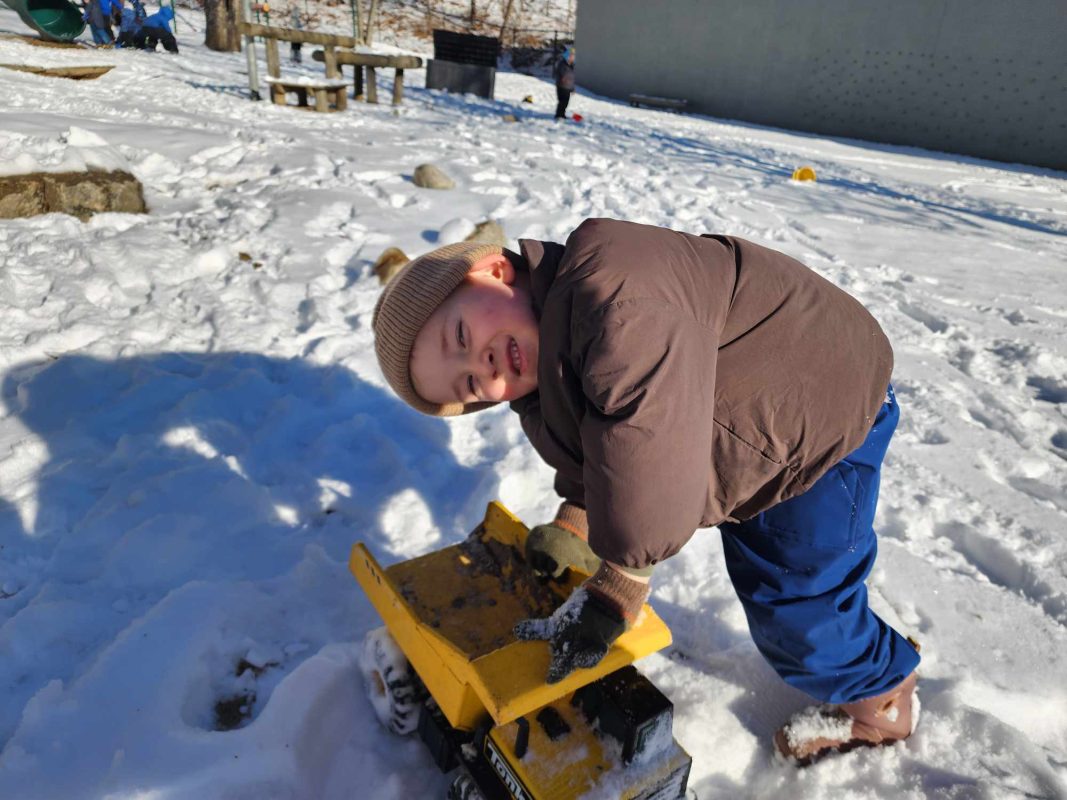
We were thrilled to have our very first snowflakes of the season. There’s something magical about watching the snowflakes drift down from the sky while sipping on some delicious hot cocoa. The warmth of the cocoa and the excitement of the snow definitely made our spirits bright as we settled into another productive week of learning.

On Thursday, we rolled up our sleeves and got to work for a great cause! Our class worked with our amazing volunteers to assemble over 150 sandwiches for the St. Vincent de Paul soup kitchen in Waterbury. It was such a rewarding experience to know that our hard work would help feed those in our community who are in need. Each sandwich was made with care and love, and we couldn’t be prouder of how everyone worked together for this important project. It’s always heartwarming to see what we can achieve when we join forces for a good cause! Thank you very much to Dylan, Nora, Priscila, and Ali (who also delivered our sandwiches to the soup kitchen) for all of your help! And thank you to the many families who donated the ingredients for our sandwiches! We appreciate you all so much.

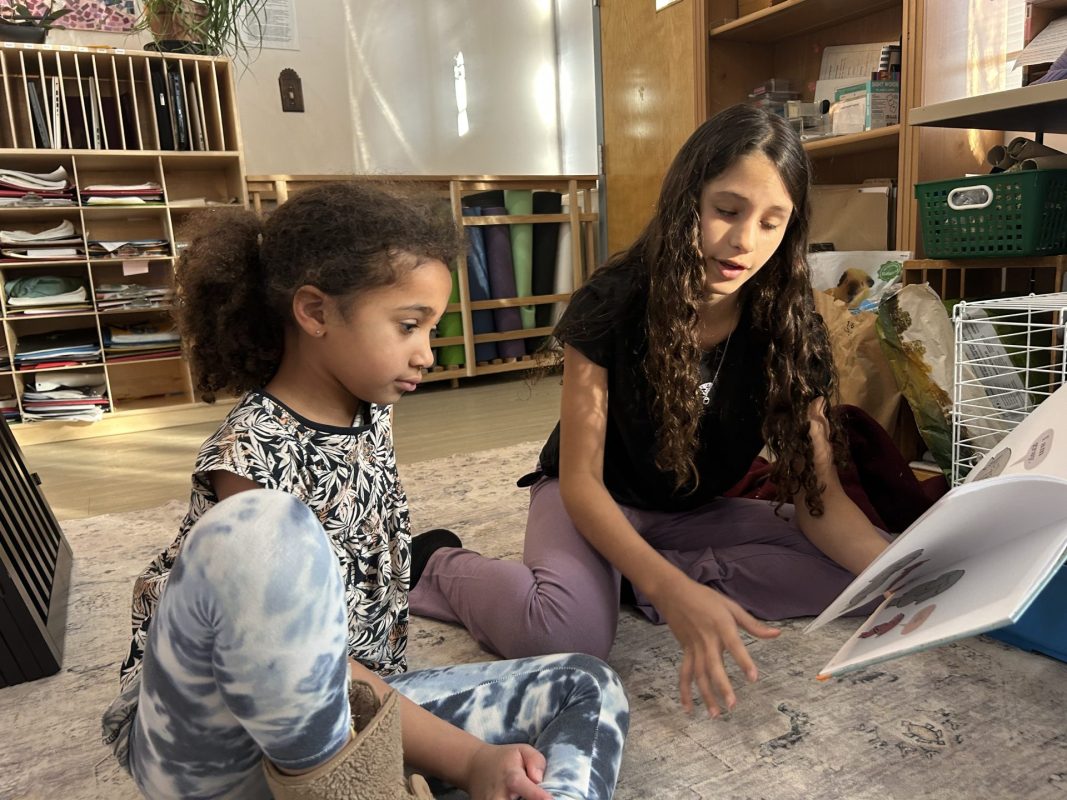
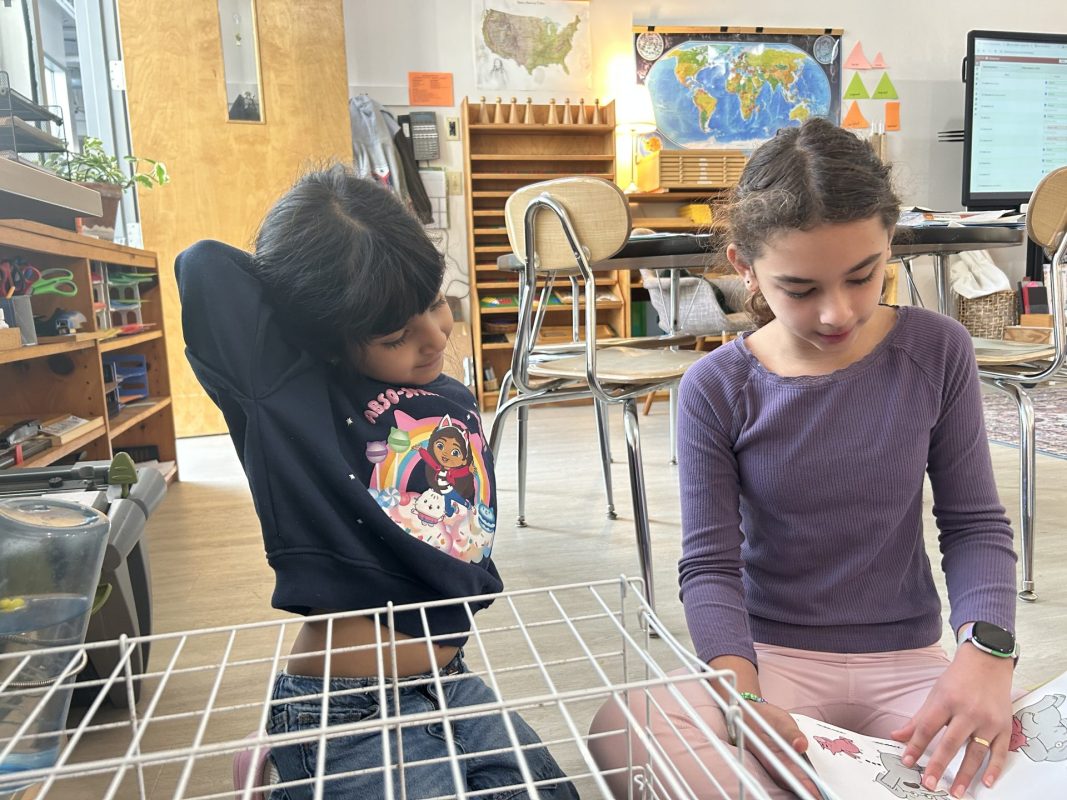
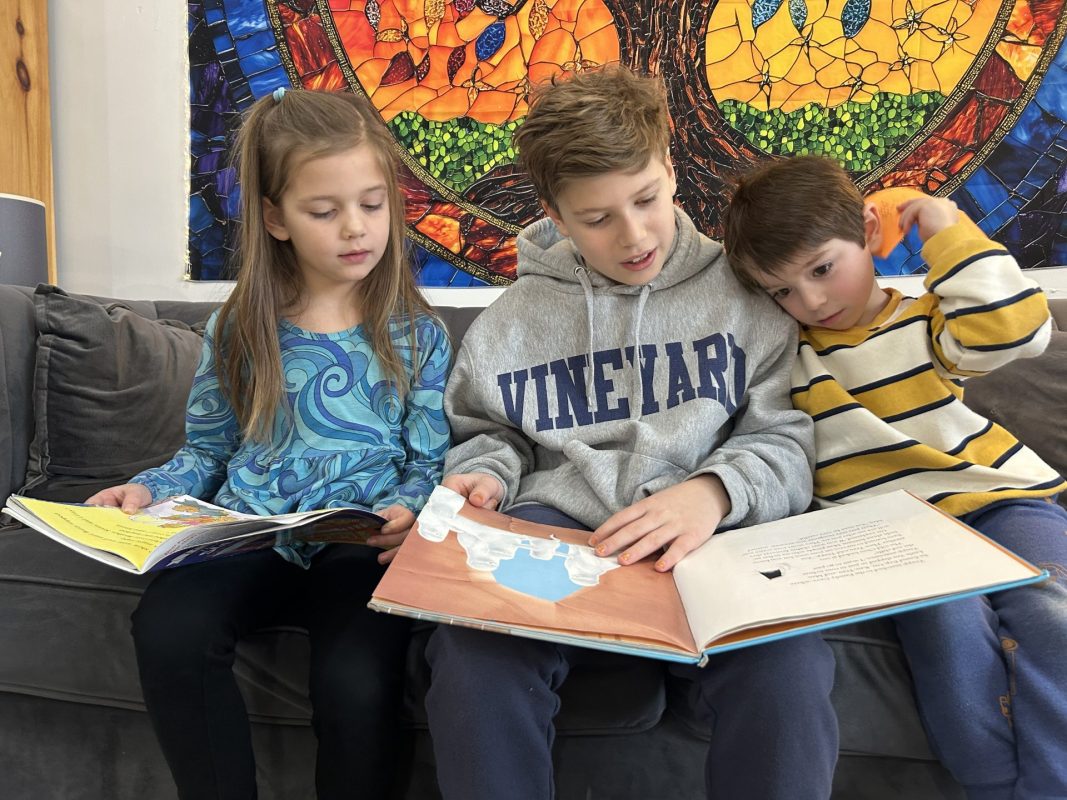
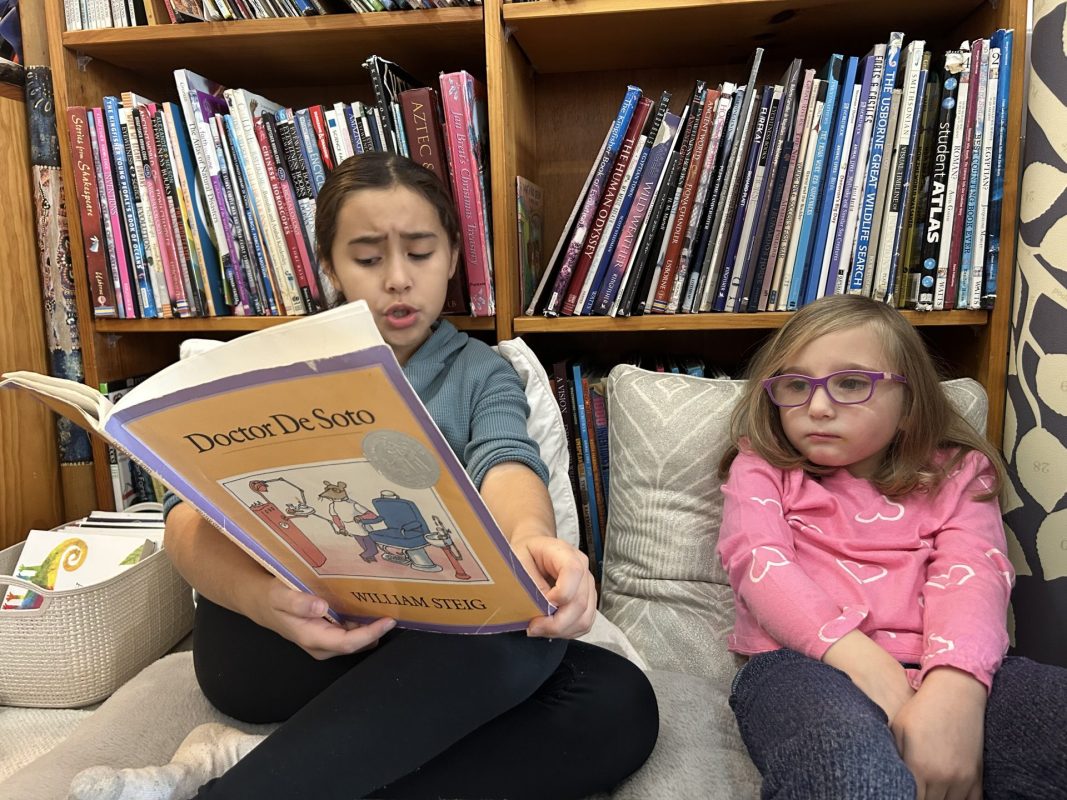
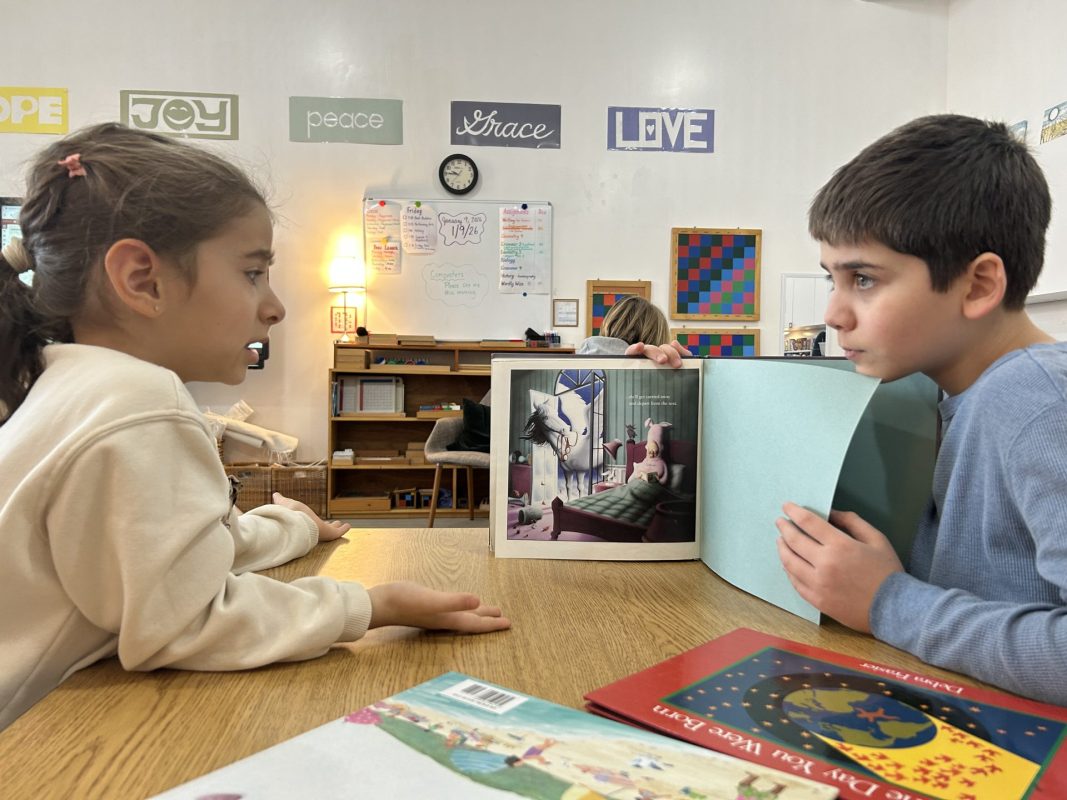
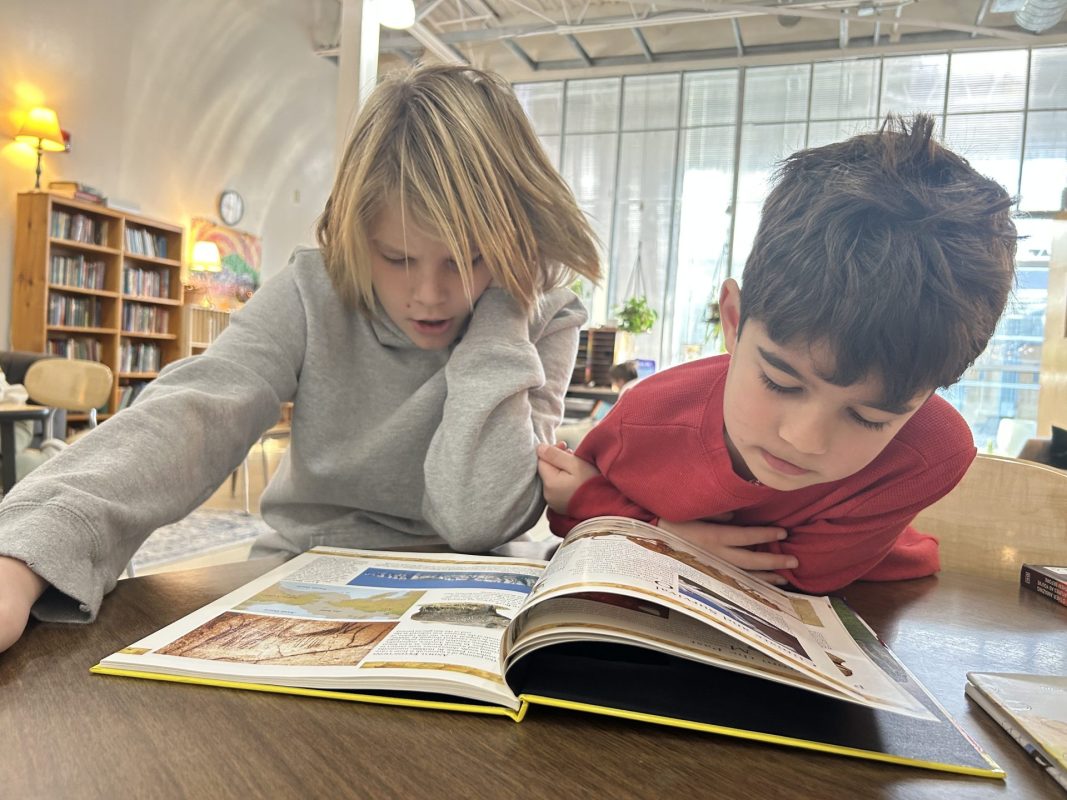
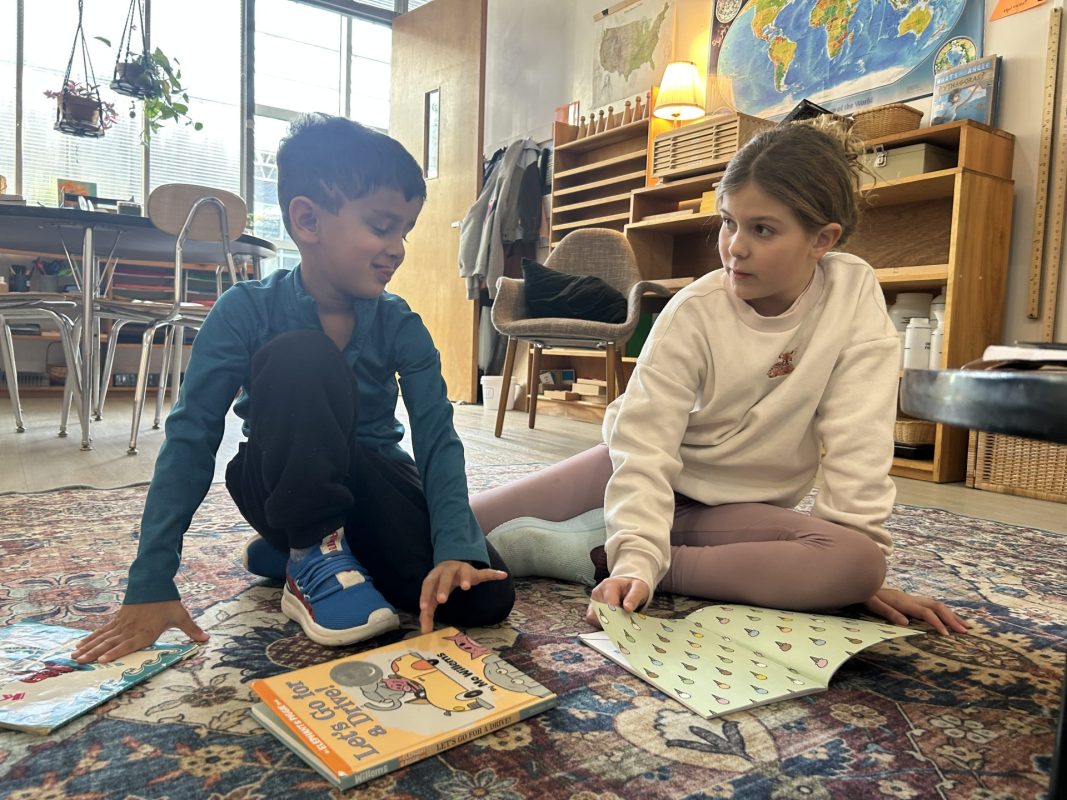
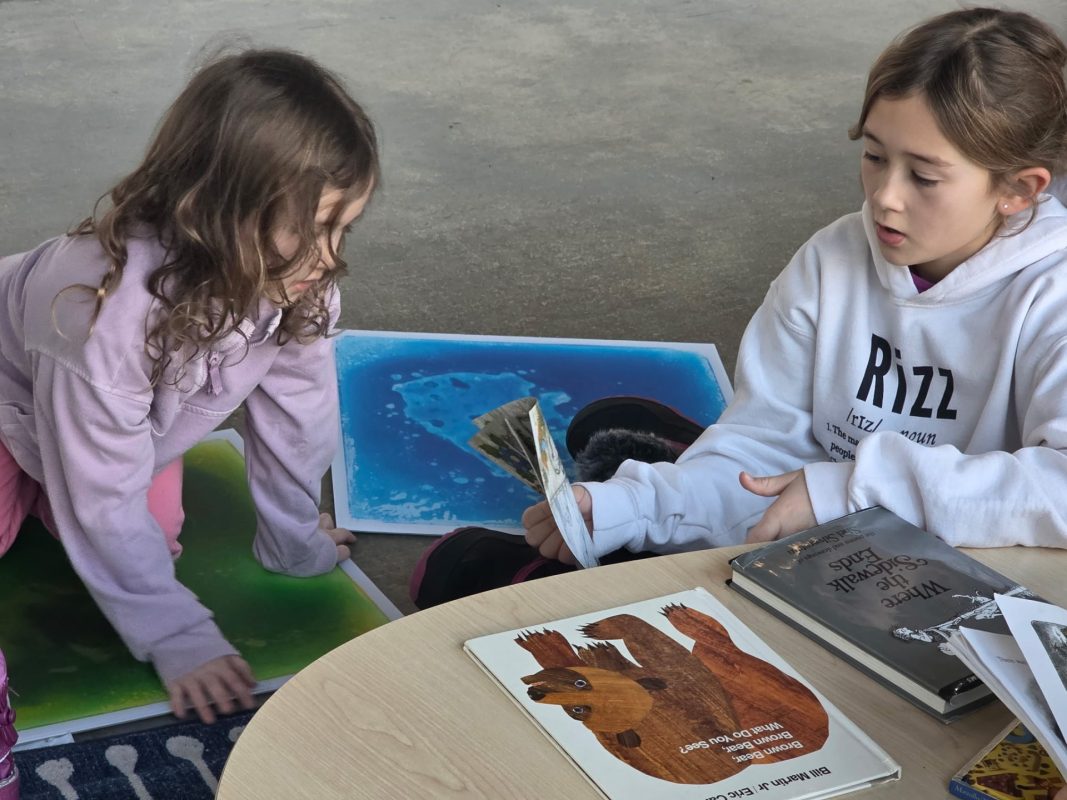
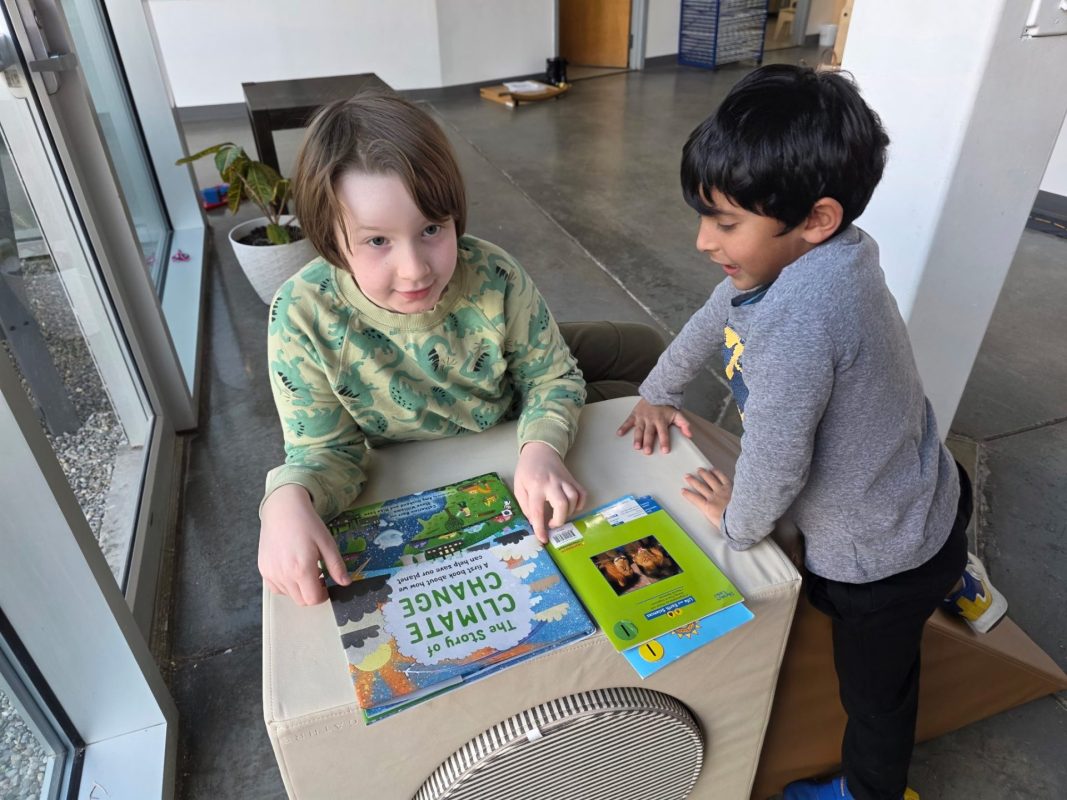
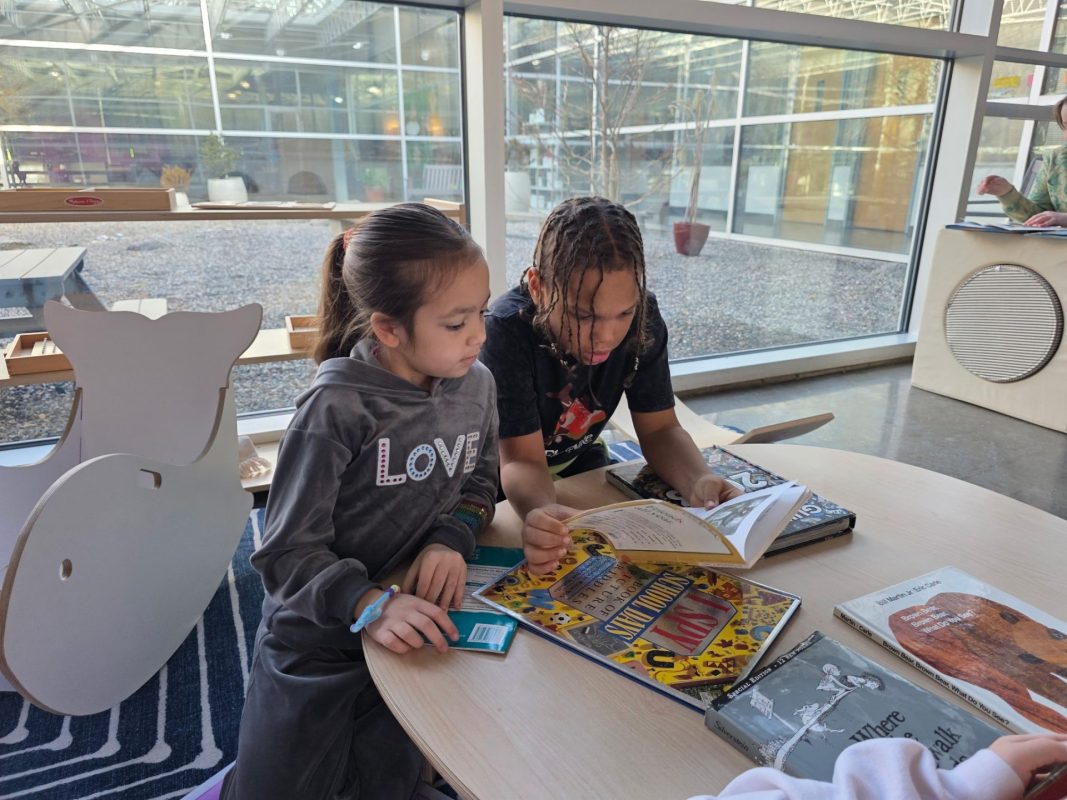
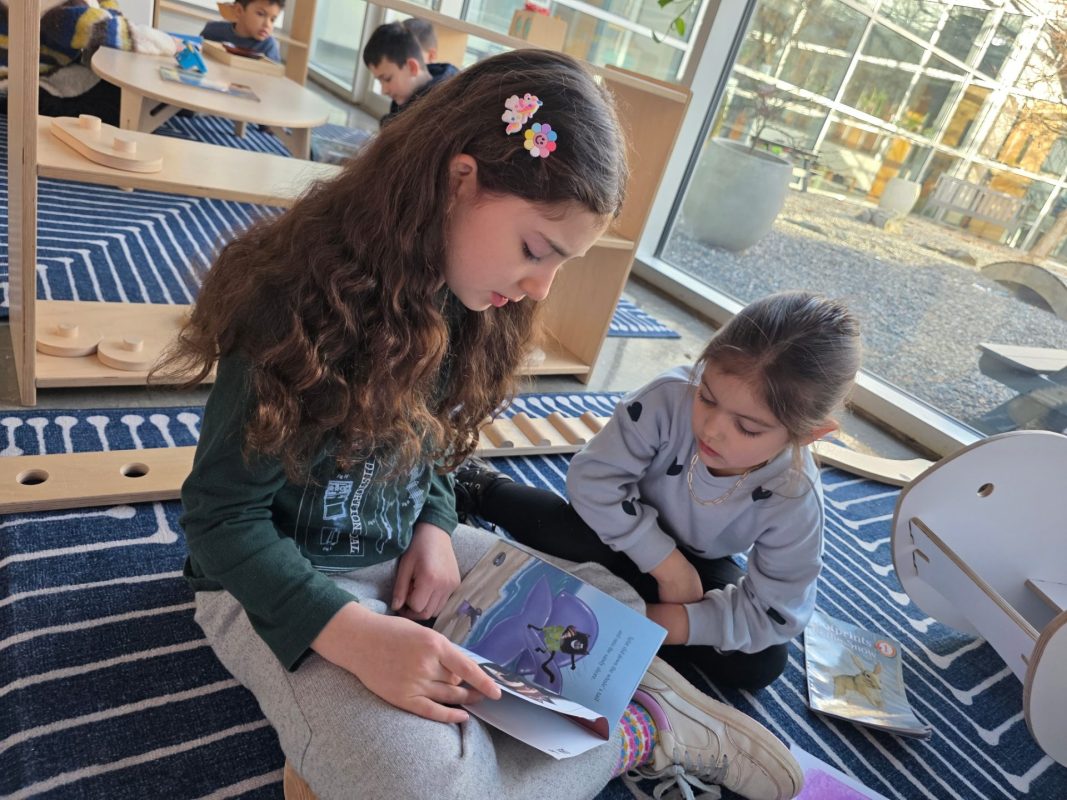
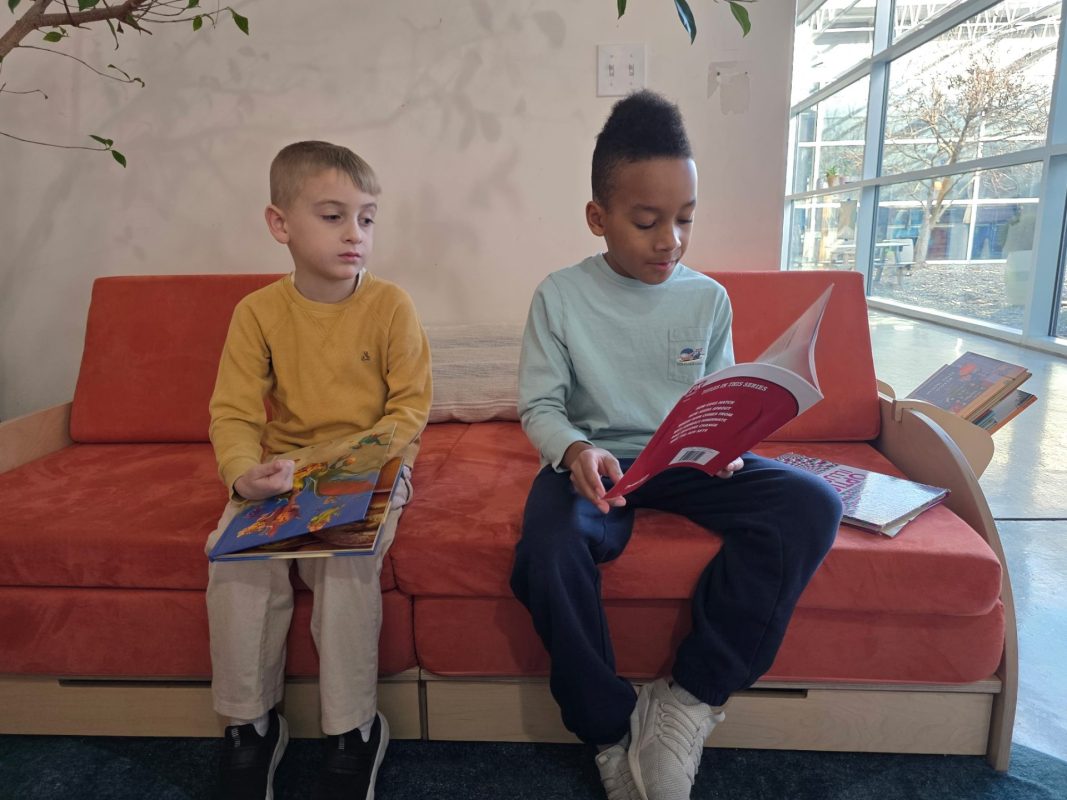
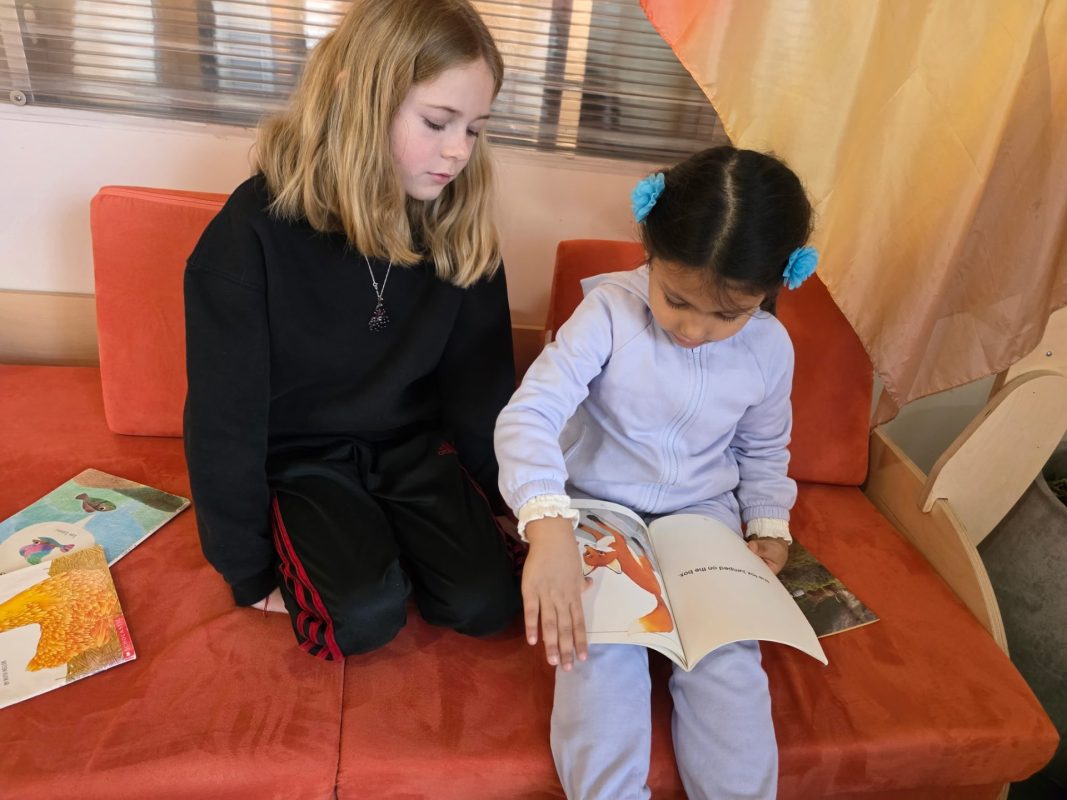
After missing our kindergarten friends for the last three weeks, we were thrilled to get back to our Book Buddies on Friday. There’s a special joy in sharing stories with our younger friends. Watching them light up with excitement as we read together reminds us why reading is so essential! It’s not just about the words on the page; it’s about making connections and sharing imagination.

To wrap up our week, we took a stroll in the woods on Friday for a hands-on history lesson. Our adventure into nature helped us learn about how artifacts are left behind by humans, offering a fascinating glimpse into the past. During our lesson, we discussed the kinds of things people might leave behind (think of all the treasures that could be uncovered in a thousand more years!). It was incredible to be surrounded by the beauty of nature while also diving into how our history is intertwined with the world around us.


This Week in Lower Elementary

This week, we had the wonderful opportunity to welcome a parent visitor, Jennifer Mills (Elinor’s mom), who is also a Navy veteran. In honor of Veterans Day, she offered an engaging and thoughtful presentation for the children. She explained the purpose of Veterans Day, shared her experiences serving in the Navy, and introduced the different branches of the military in a way that was clear, accessible, and captivating. The children were so enthusiastic to hear all she had to share. They asked insightful questions and were truly engaged. We are so grateful that she took the time to visit and share her expertise with our community.

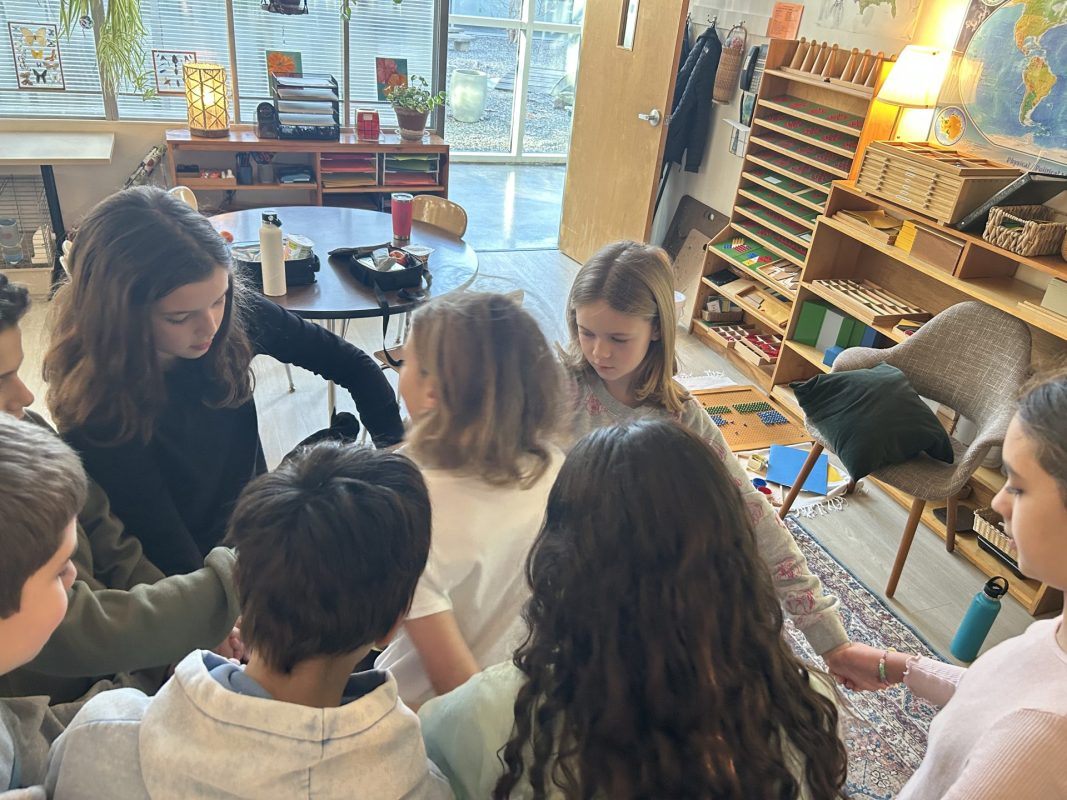
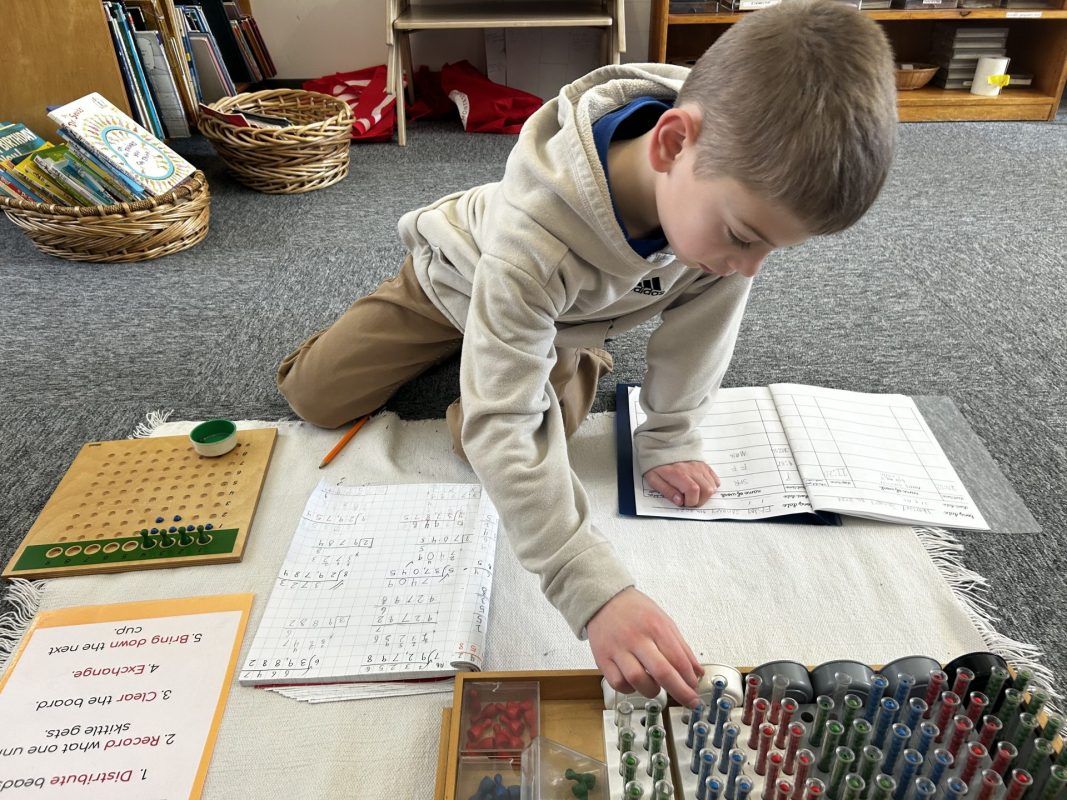
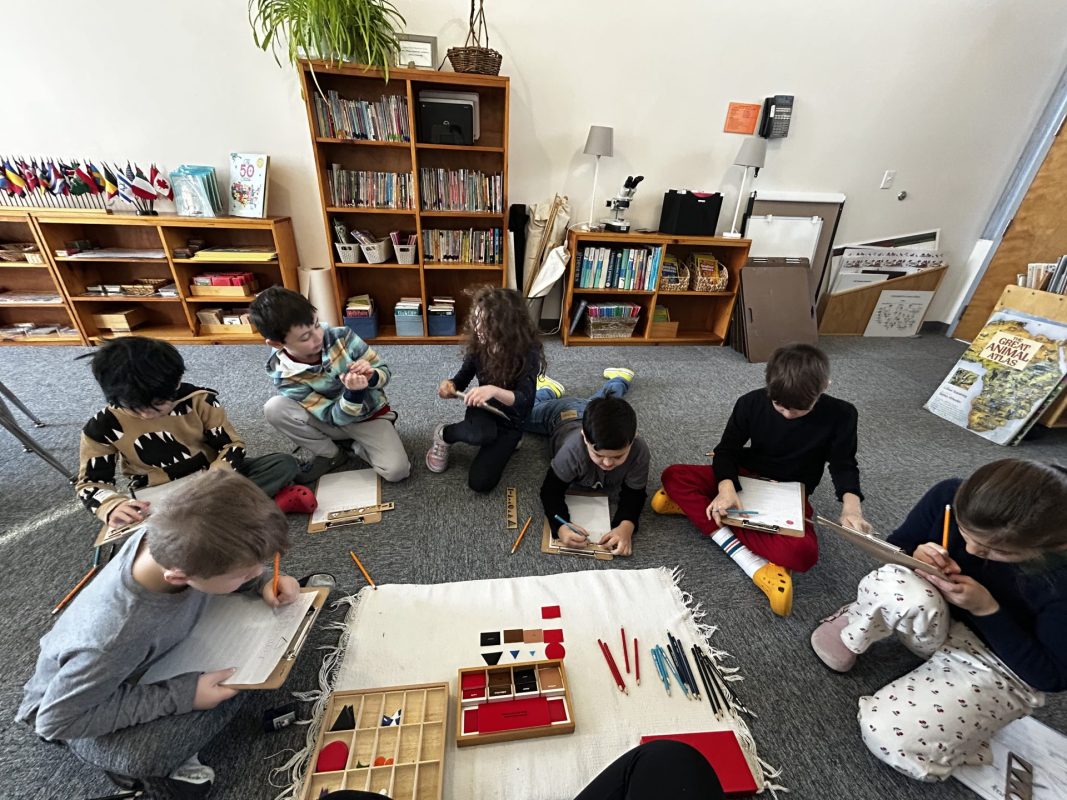
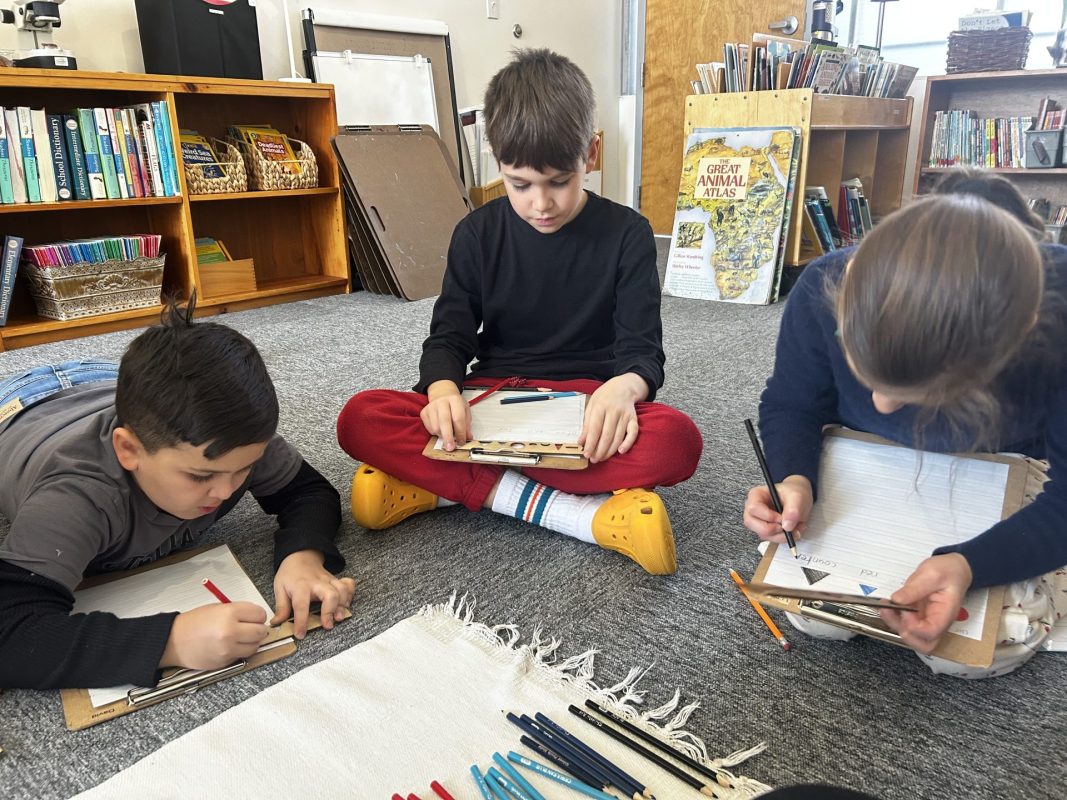
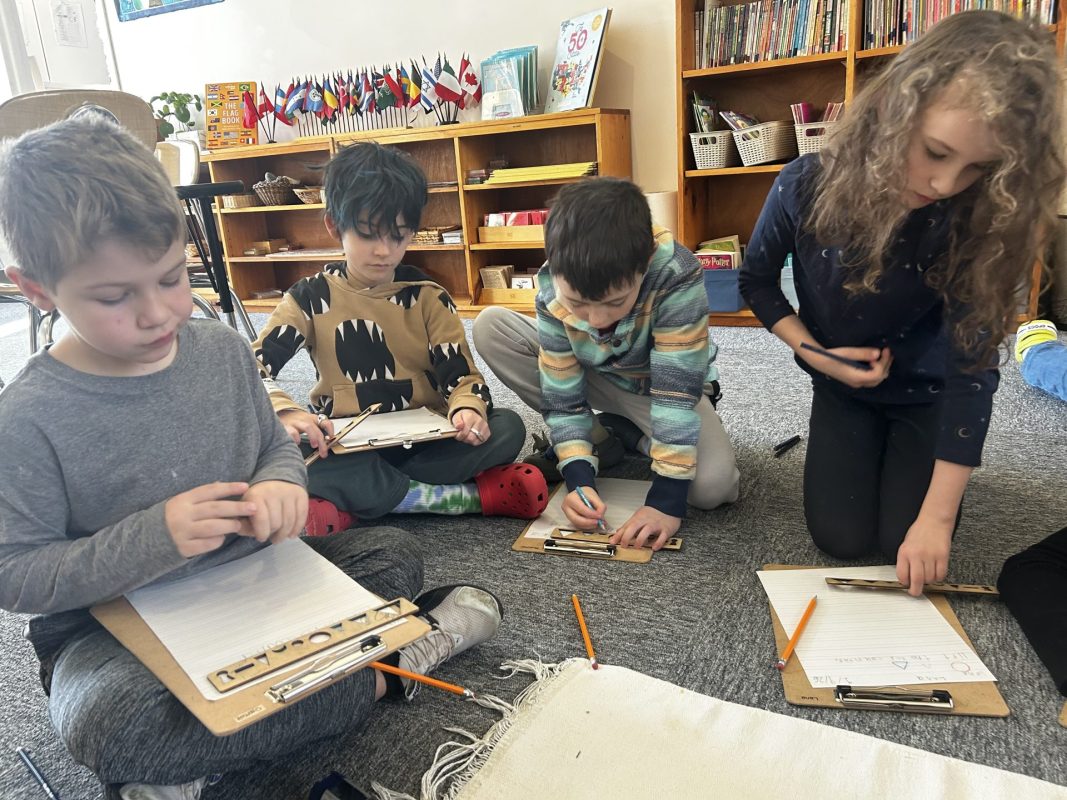
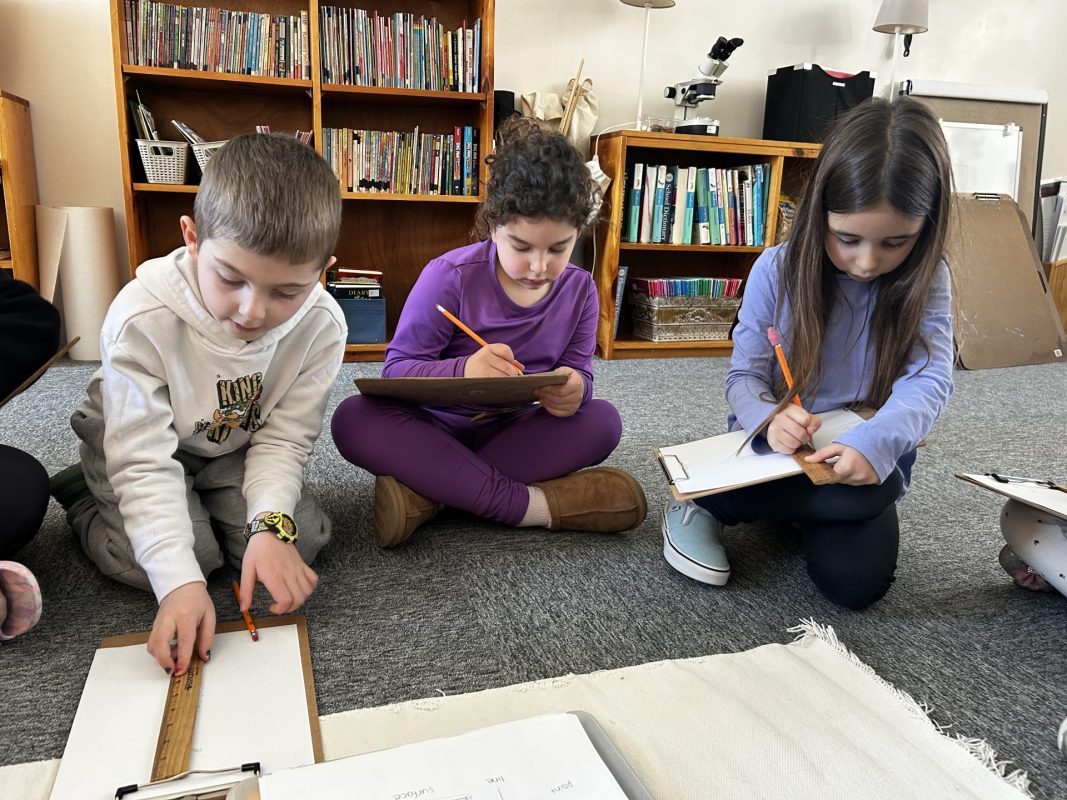
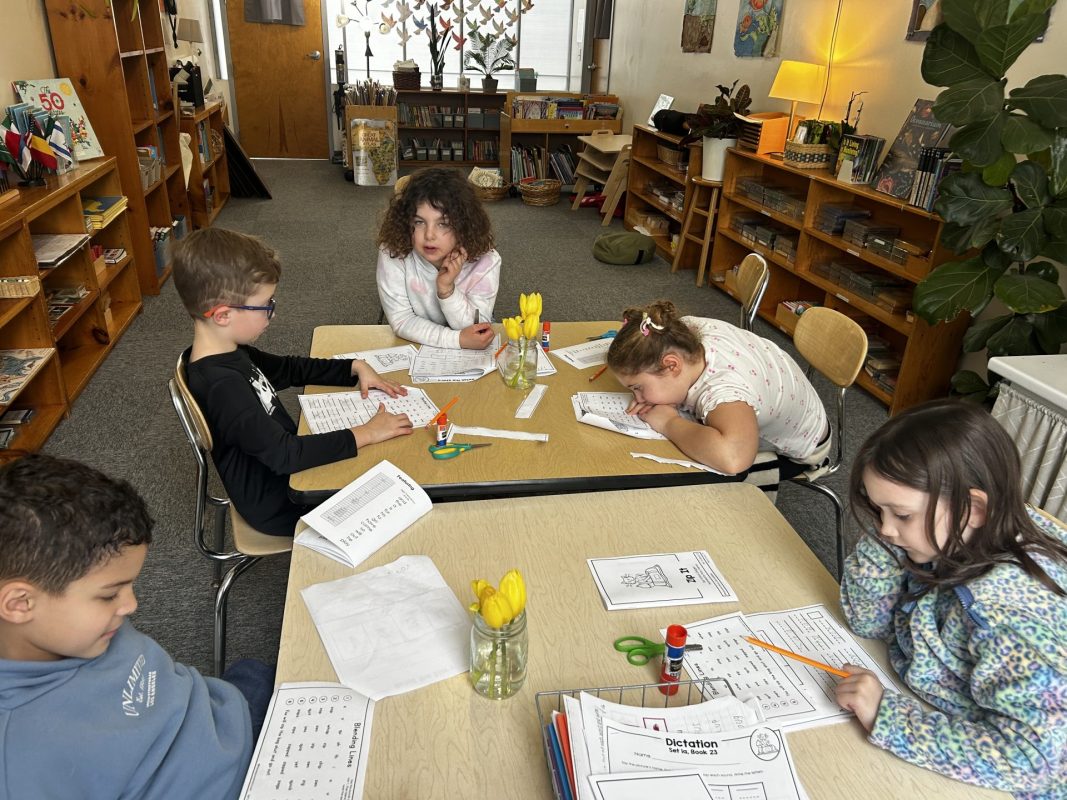
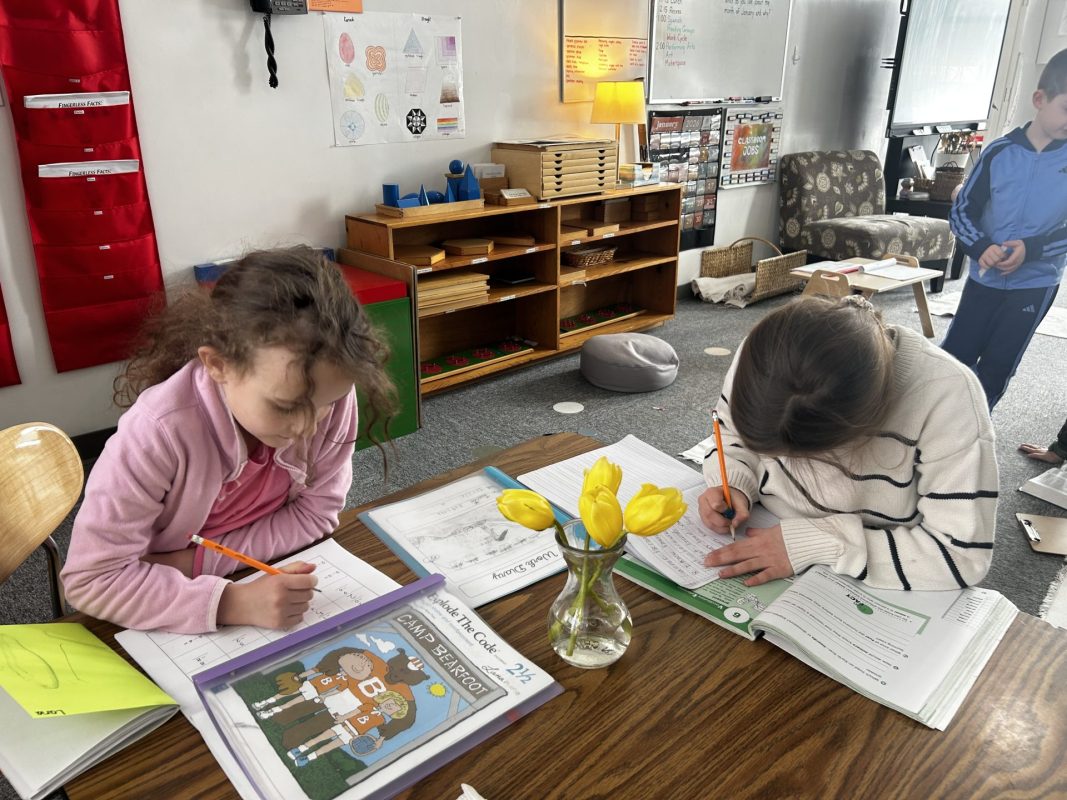
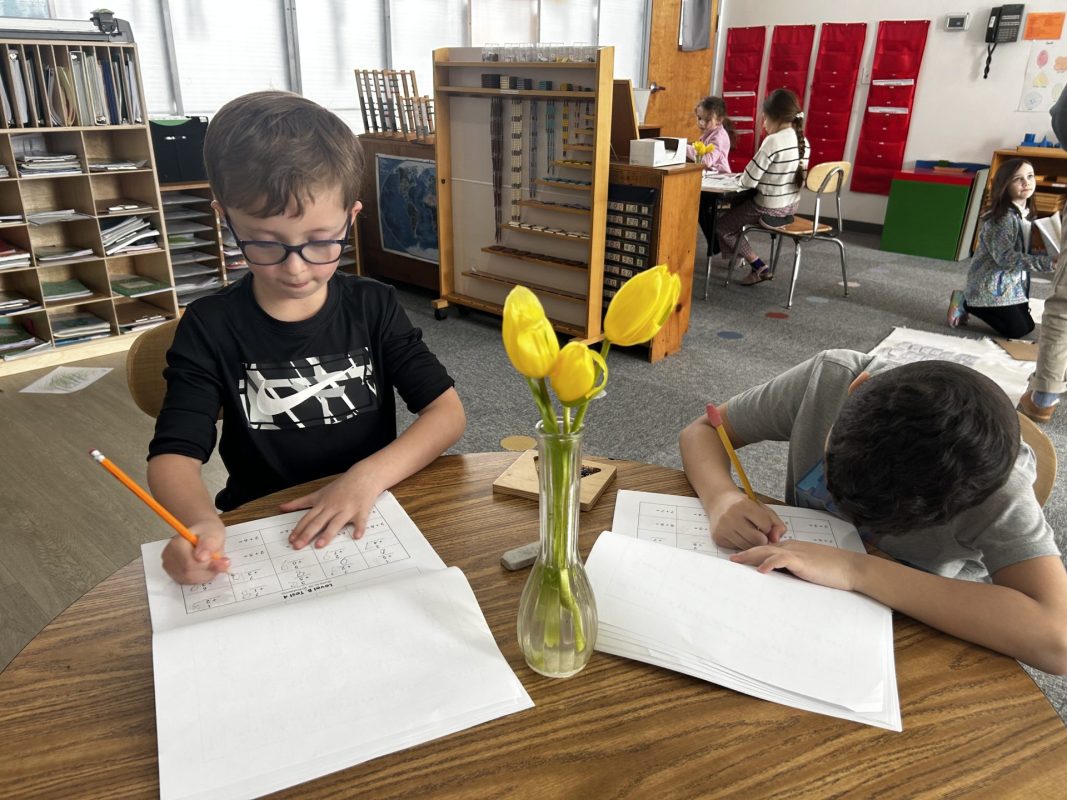
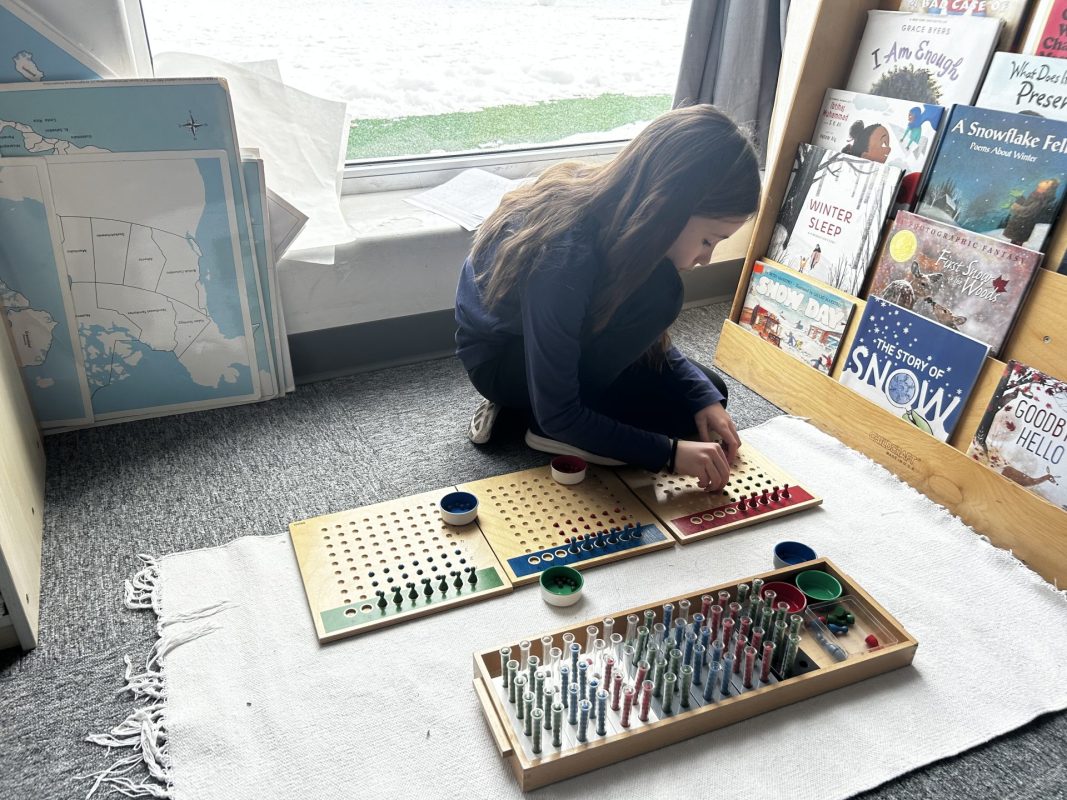
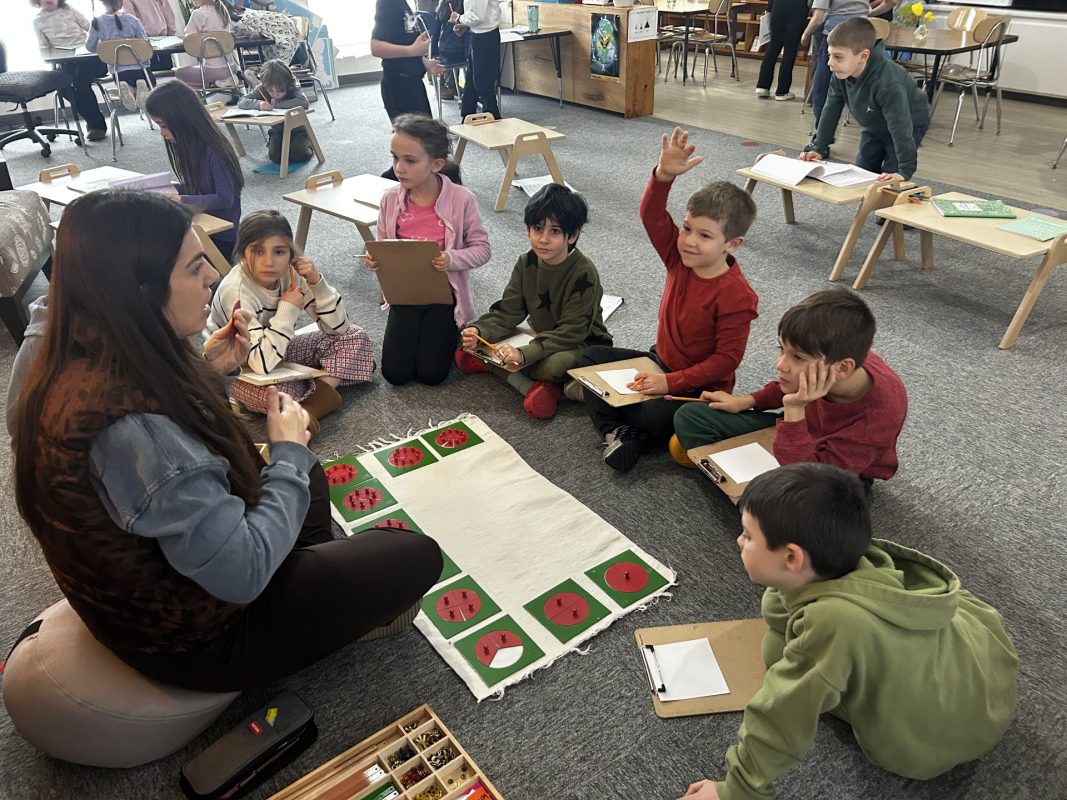
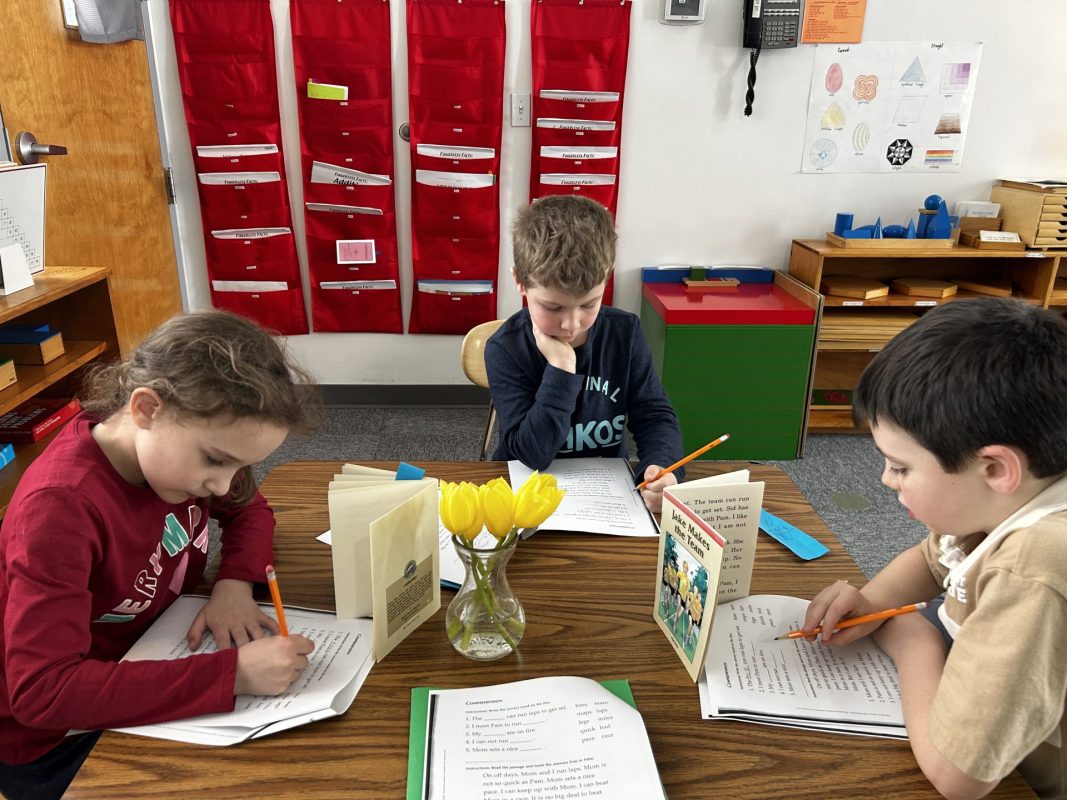
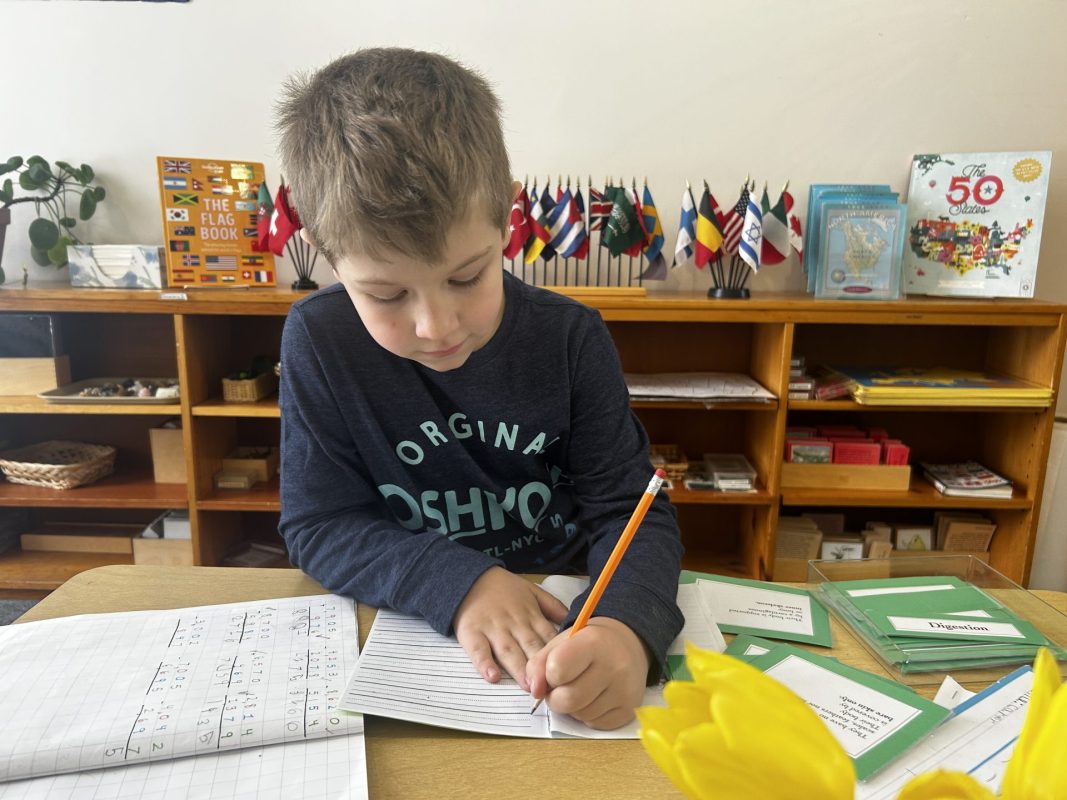
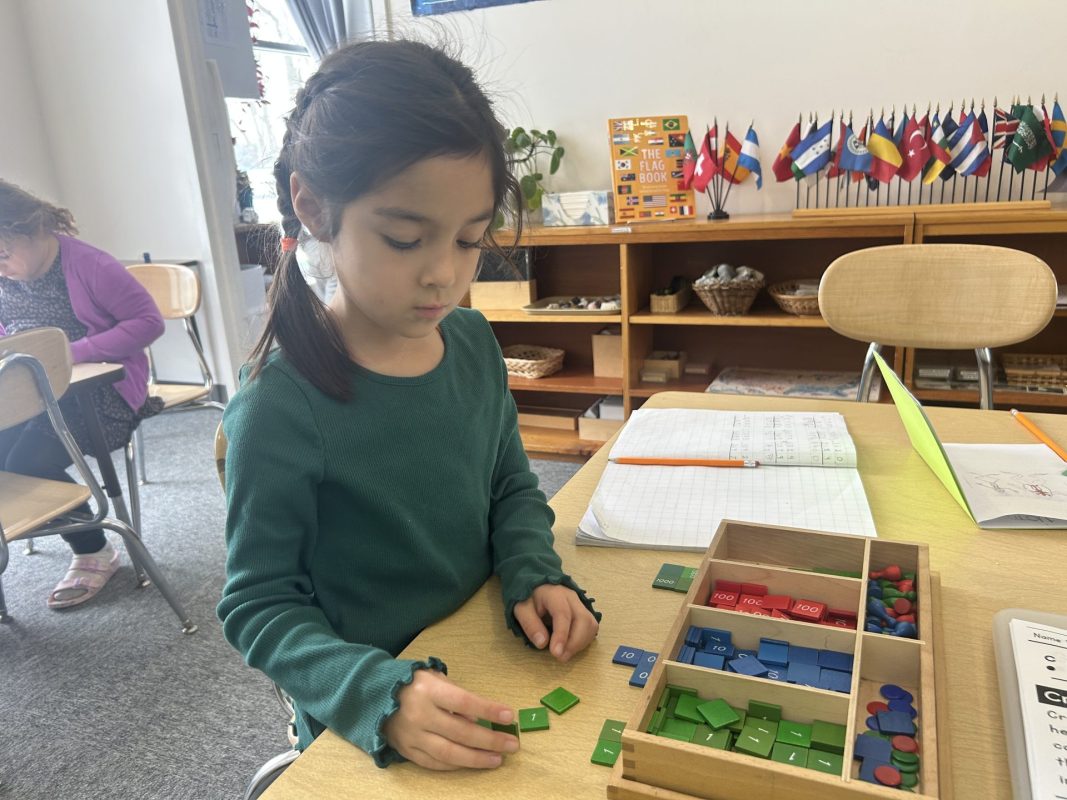
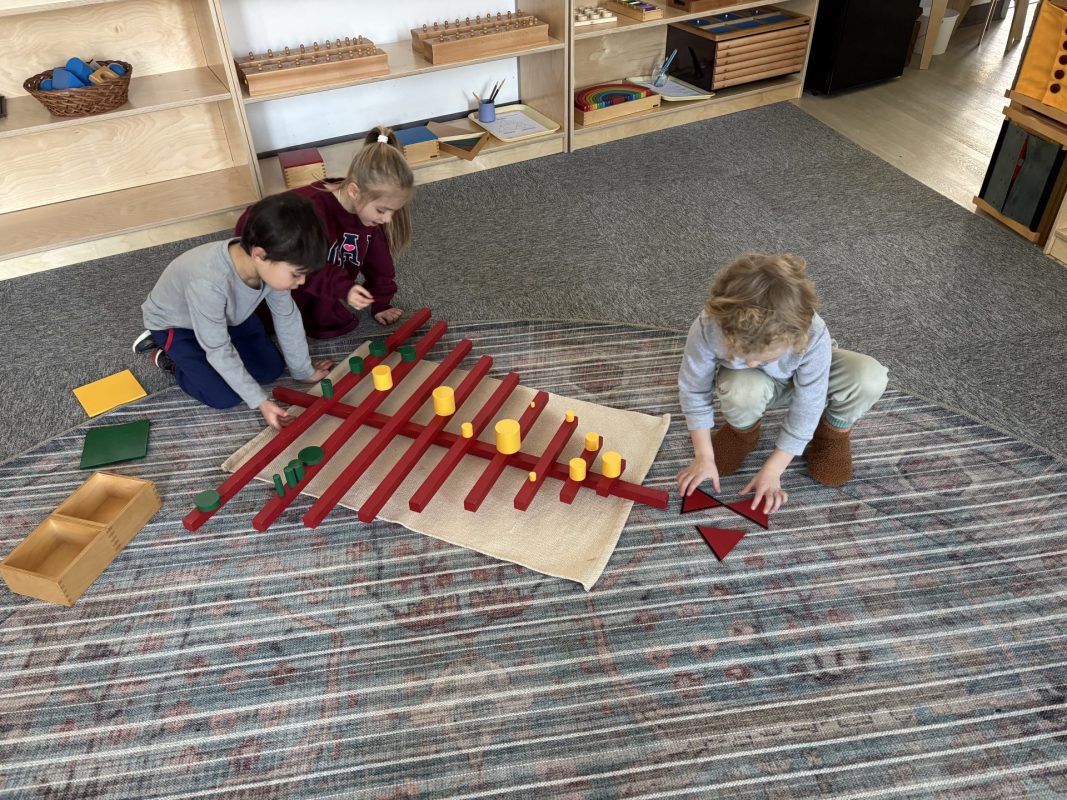
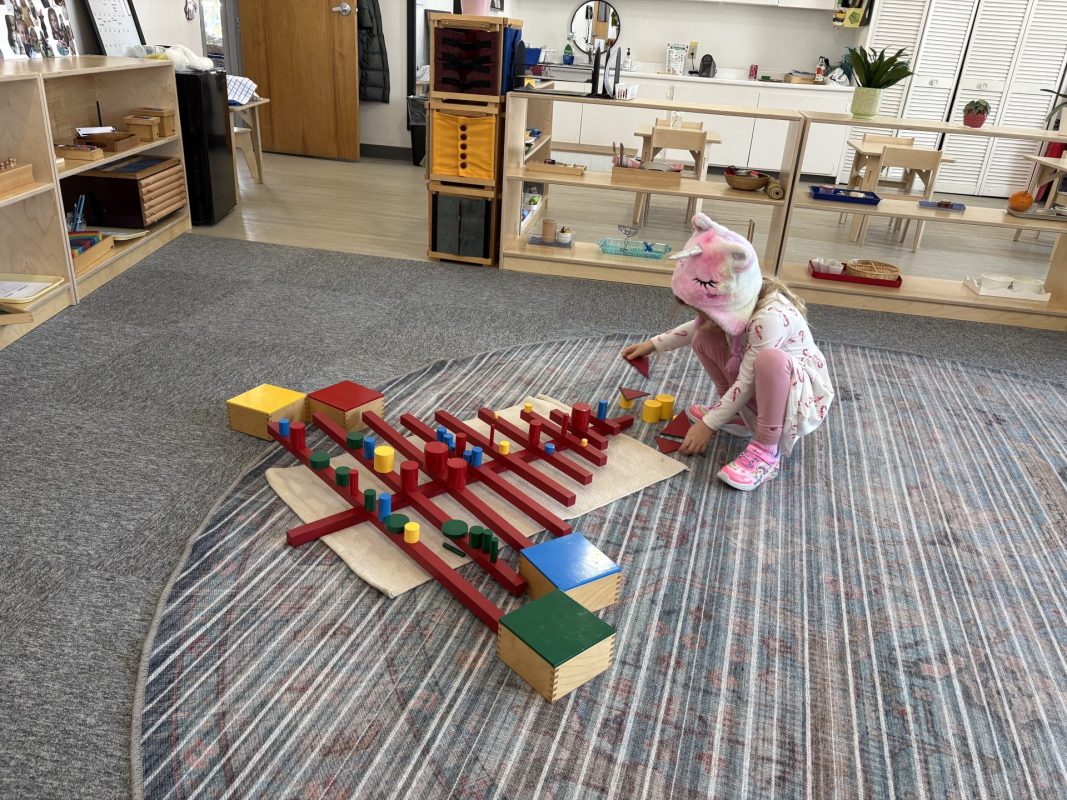
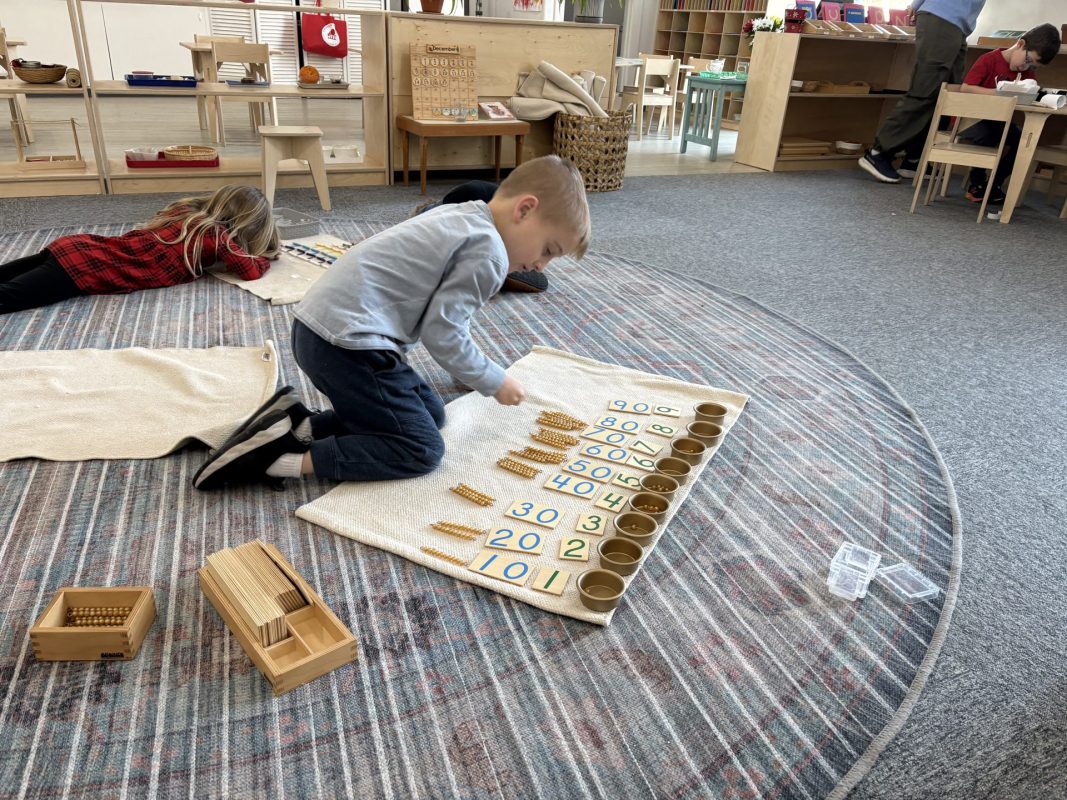
This week, in geometry, the children explored new concepts while strengthening their foundational skills. The first graders worked with polygons, reviewing their names and the meaning behind those names. Using the box of sticks, they created both regular and irregular polygons and quickly noticed how the symmetry and equal side lengths of regular shapes distinguish them from irregular ones. The second graders were introduced to angles for the first time. They explored what an angle is and learned to identify whole, straight, and right angles. Meanwhile, the third graders continued their work with fractions, using concrete materials to understand how fractional parts combine as they learned to add fractions and were excited to move on to subtracting fractions next.
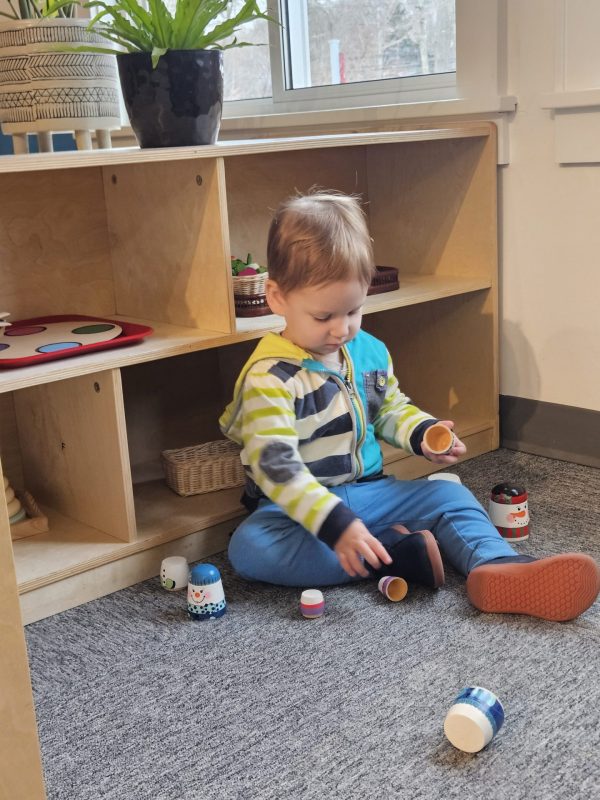
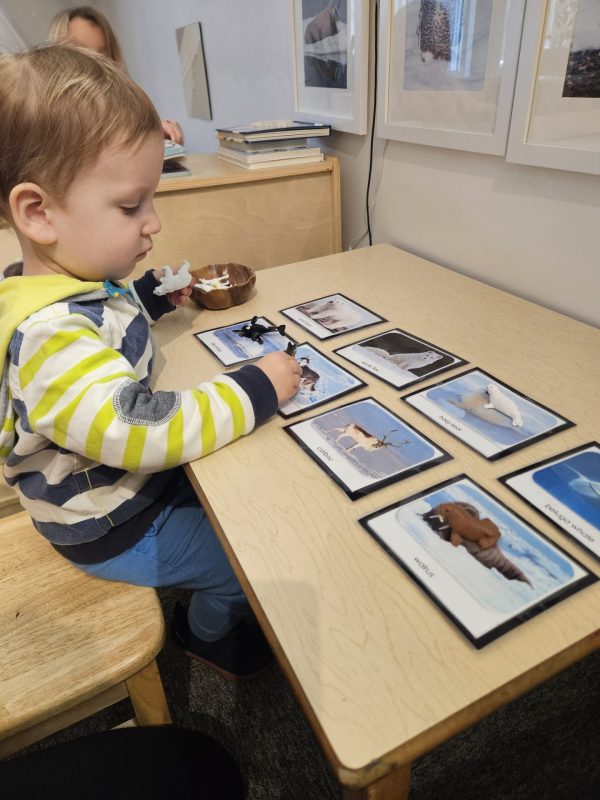
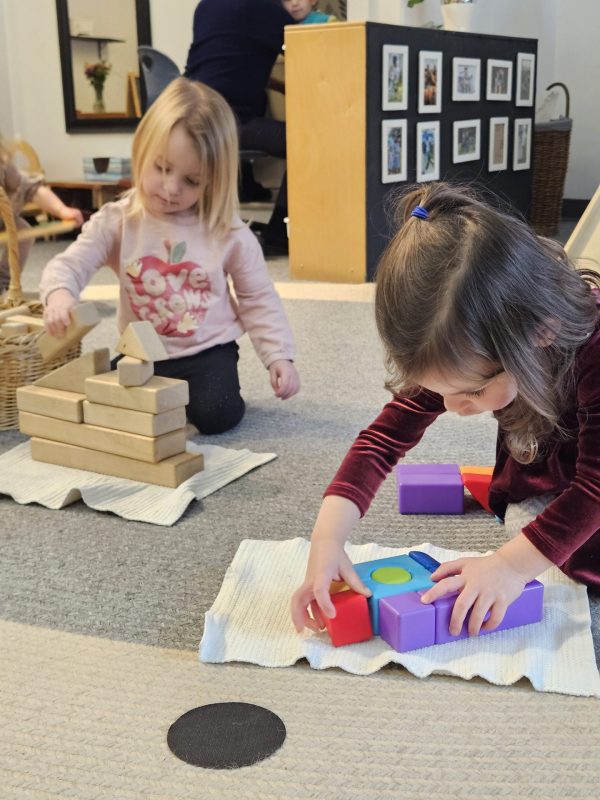
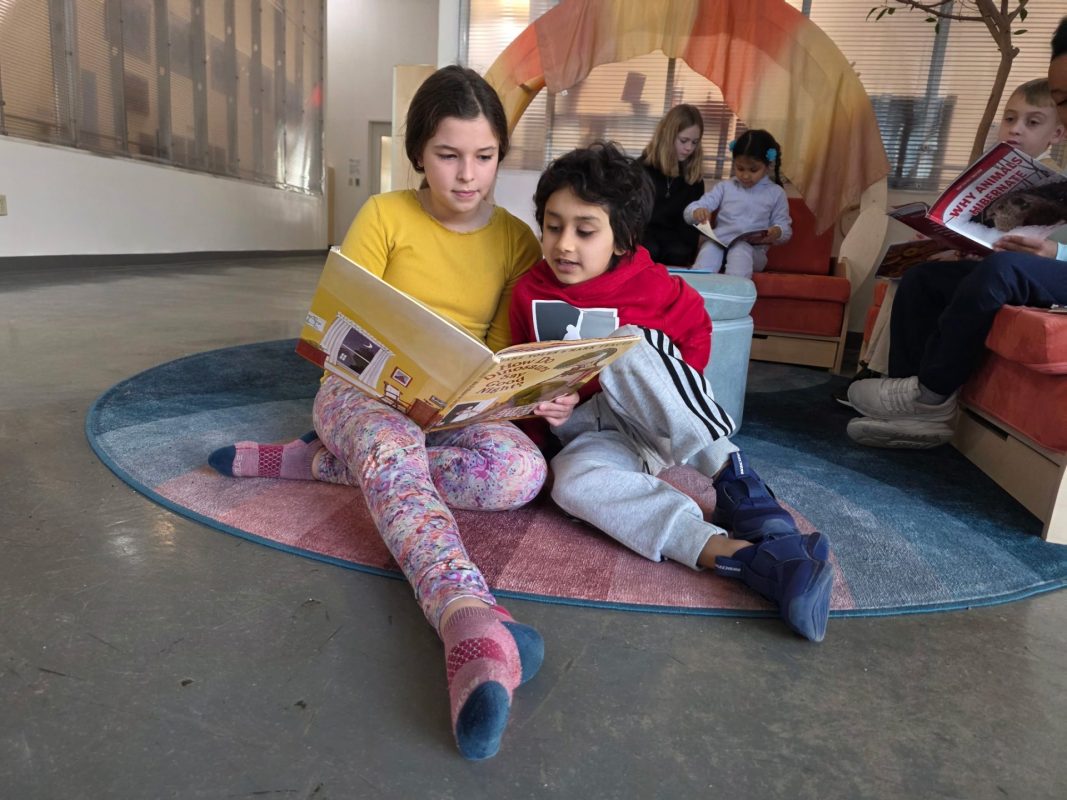
It was a full and exciting week of hands-on learning, meaningful discussion, and joyful discovery in our classroom! 


Ms. Handibode: From Outer Space to Our Orange Continent

I


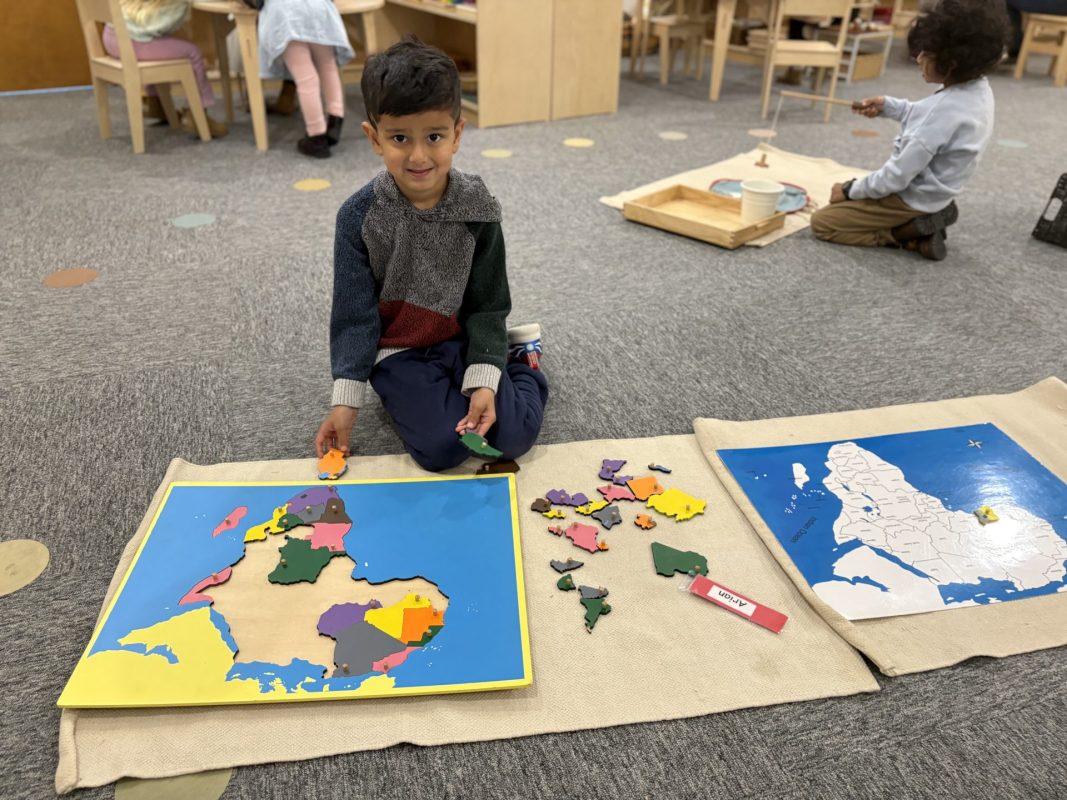
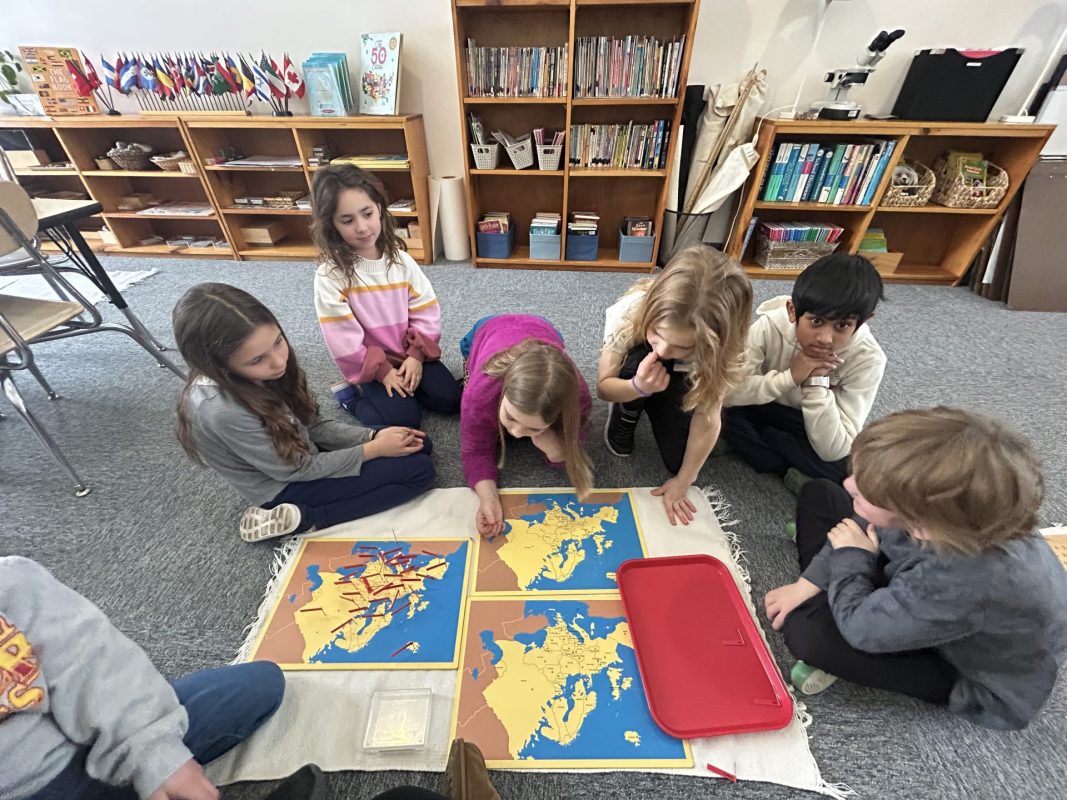
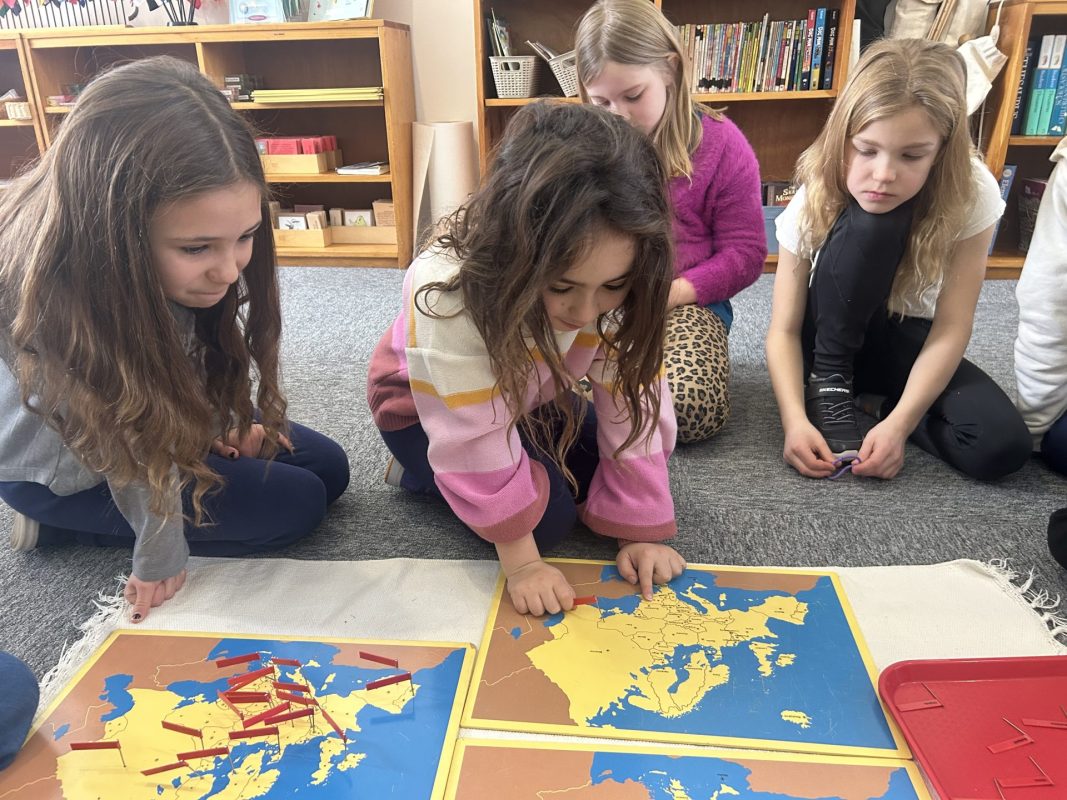
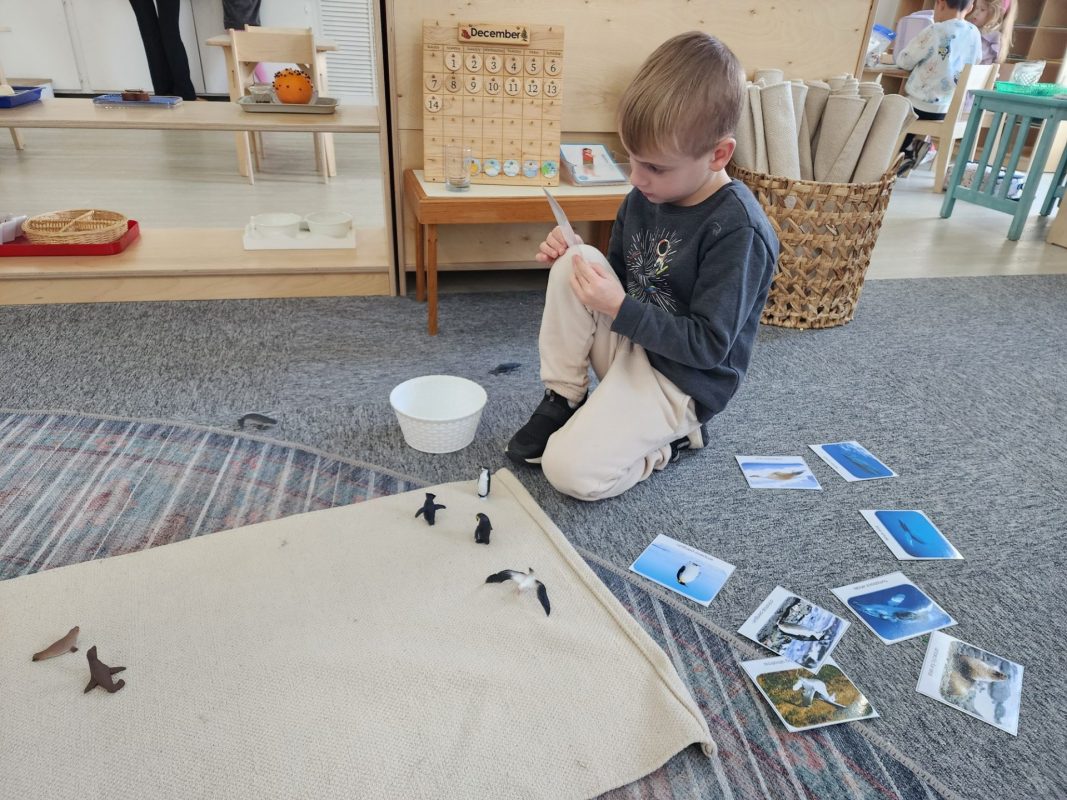
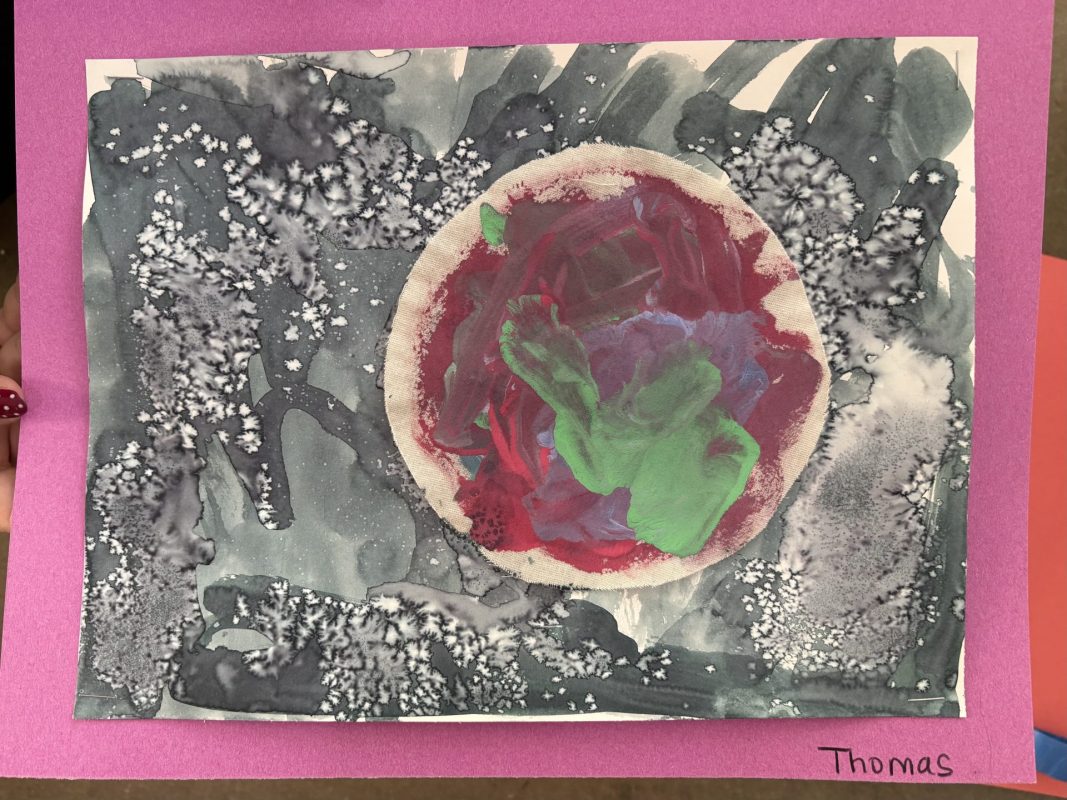
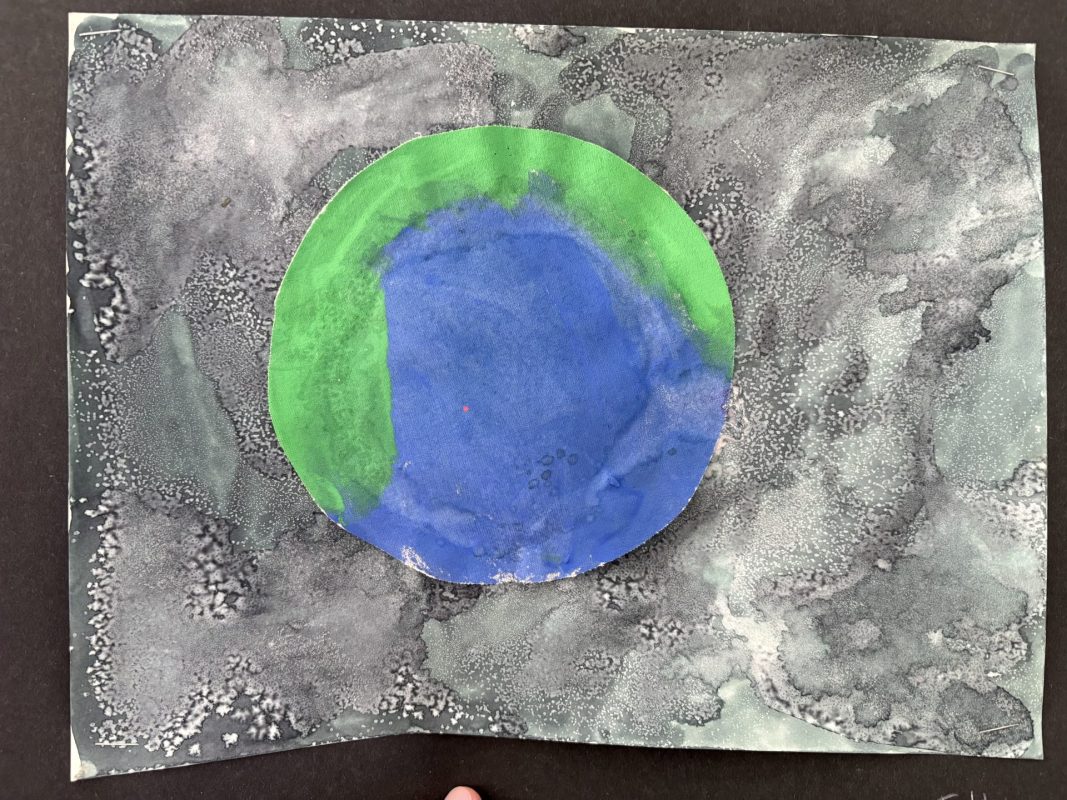
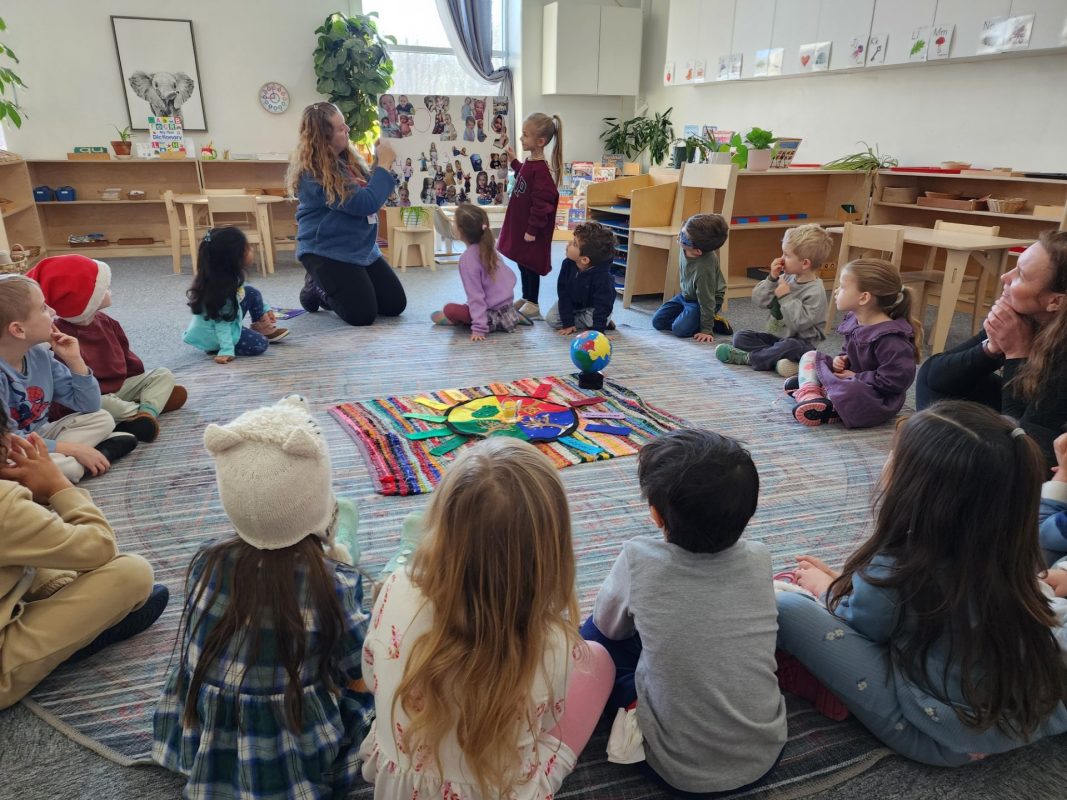
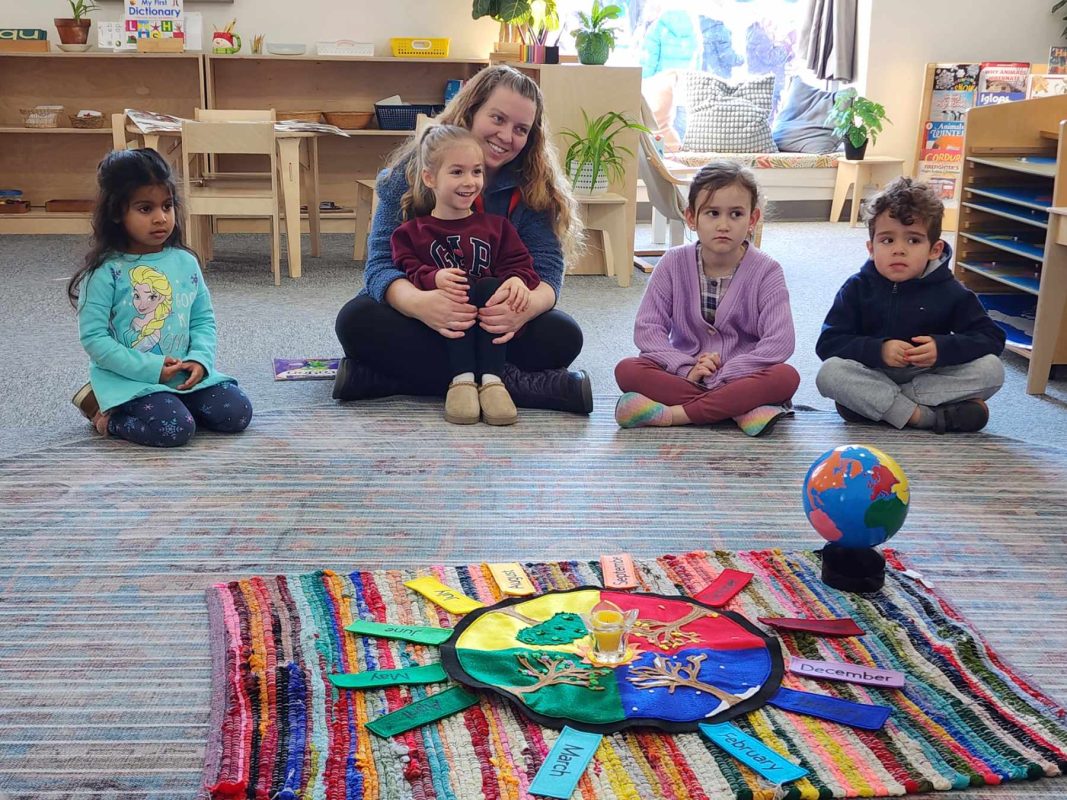
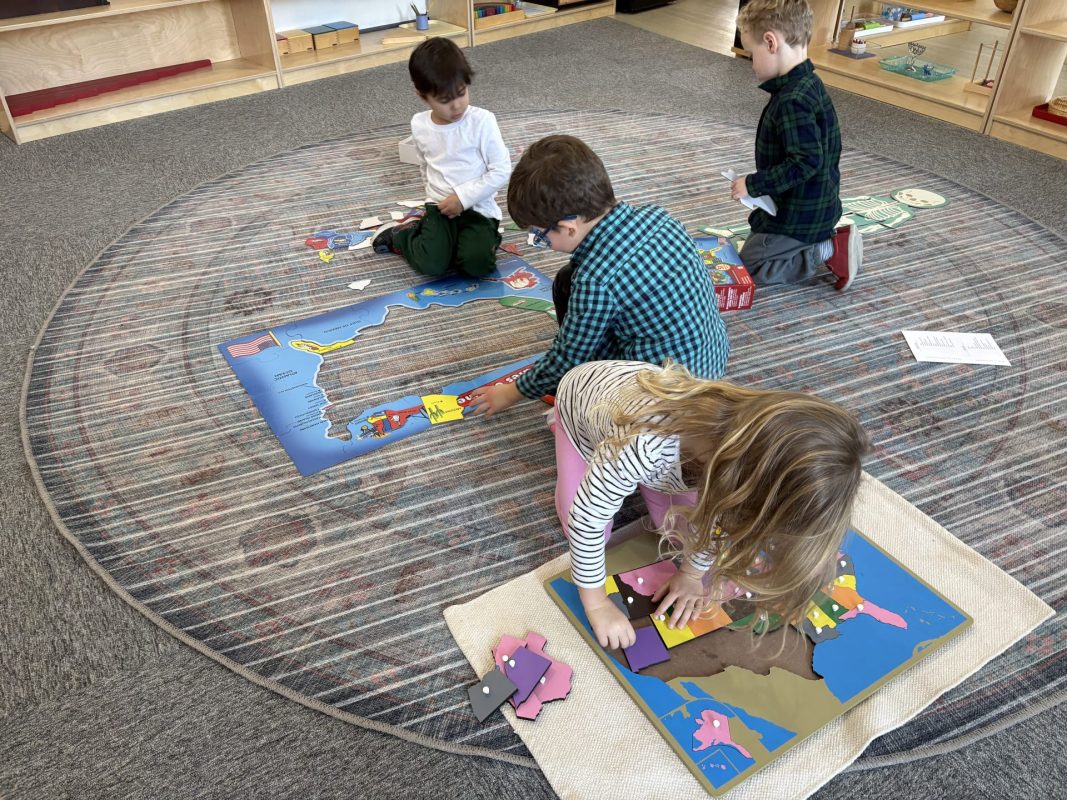
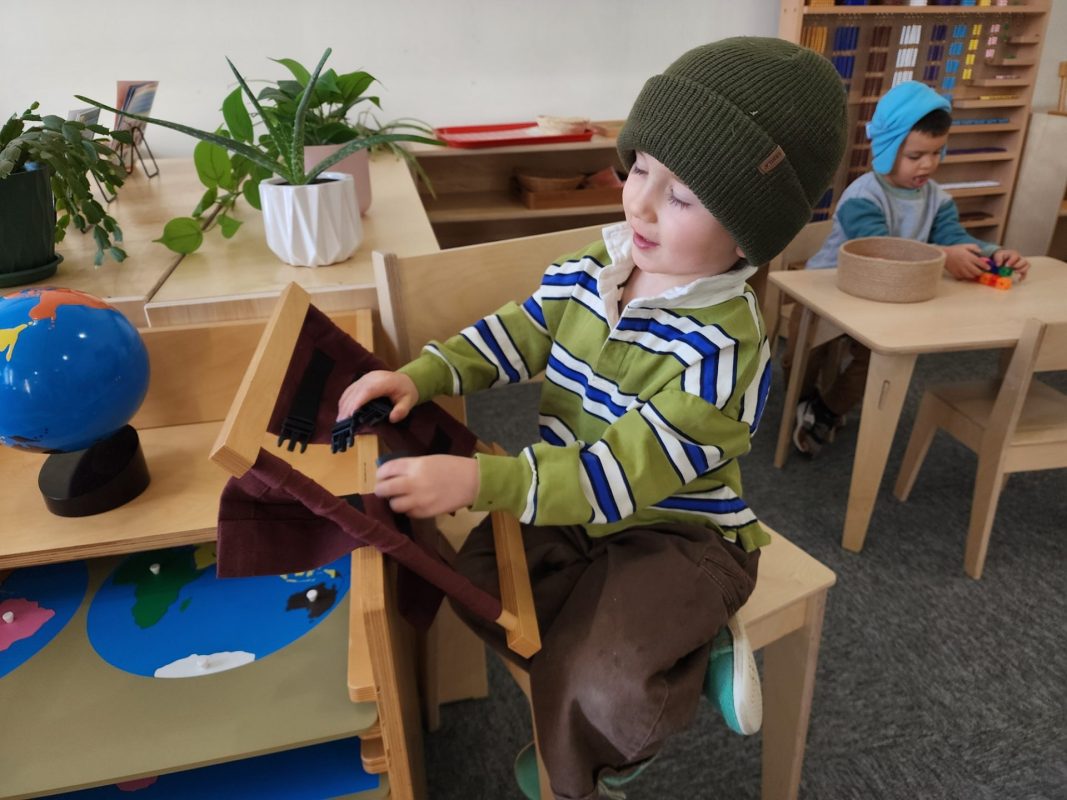
The last few weeks have taken us on an extraordinary journey through the cosmos. The children traveled through space, explored the eight planets, and discovered that our sun is actually a star. After rocketing back to planet Earth, we turned our focus to exploring the first of seven continents: North America. You may hear your children call it “the orange continent”—this is because on the Montessori globe and map, North America is beautifully colored in orange.

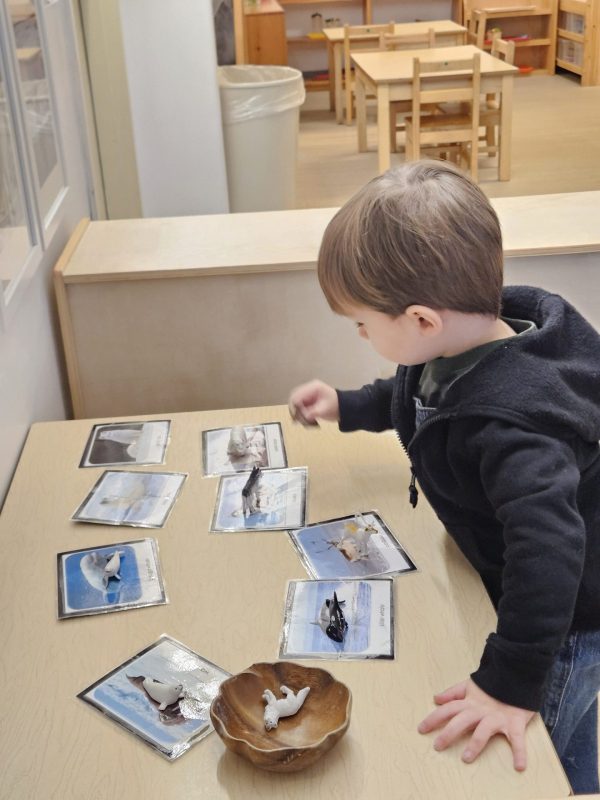
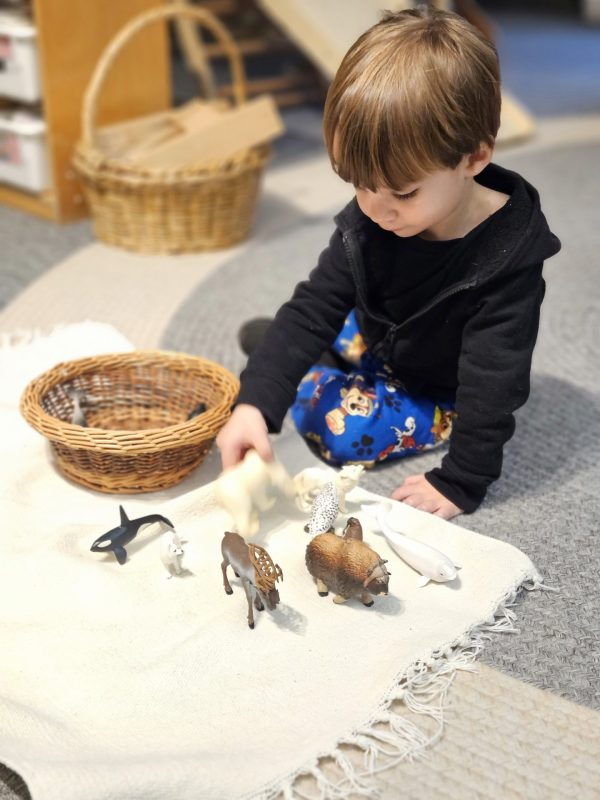
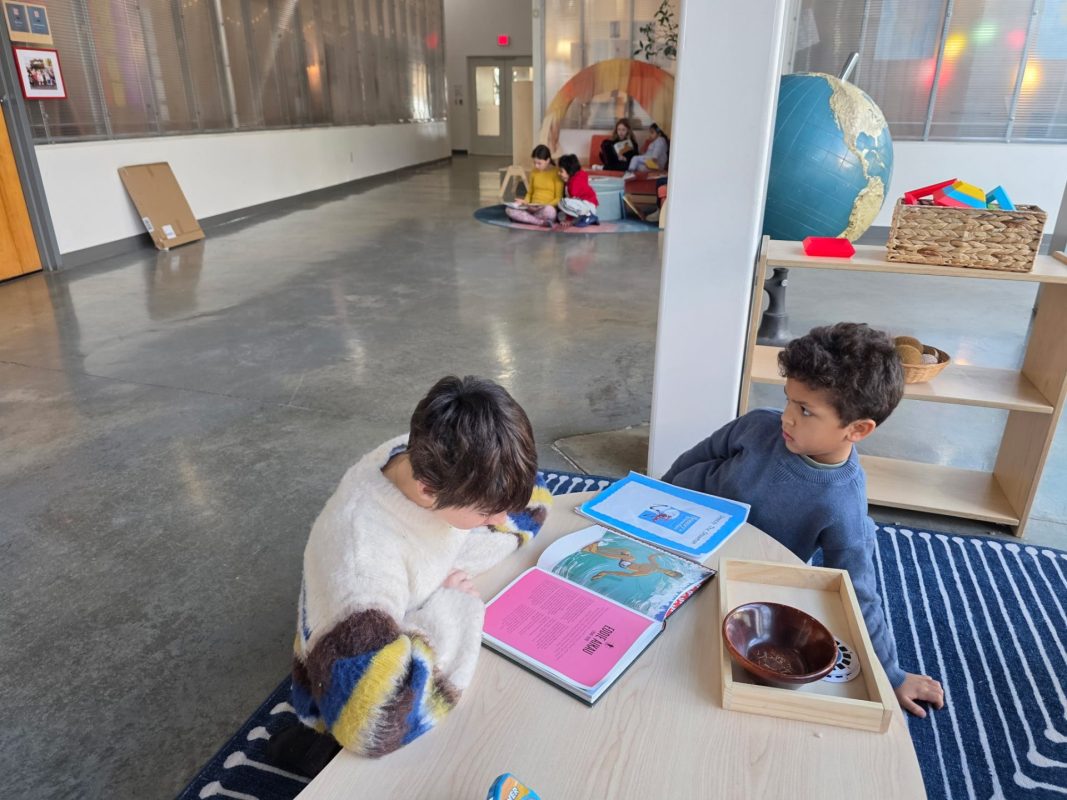
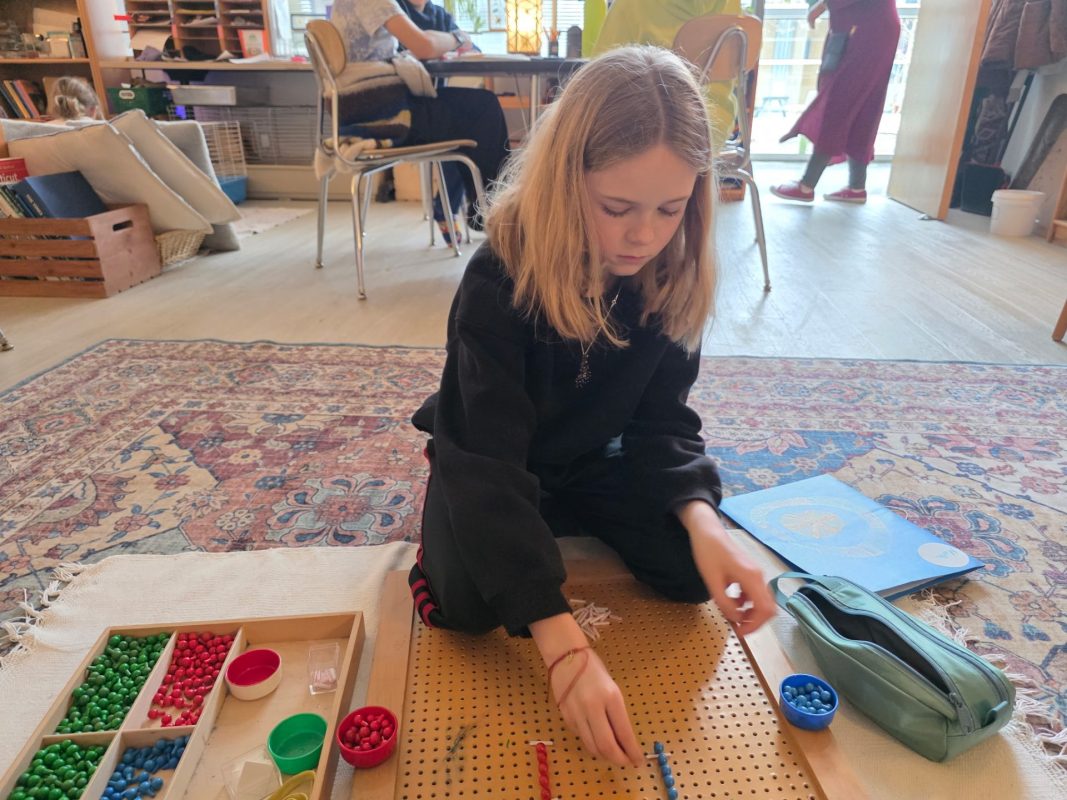
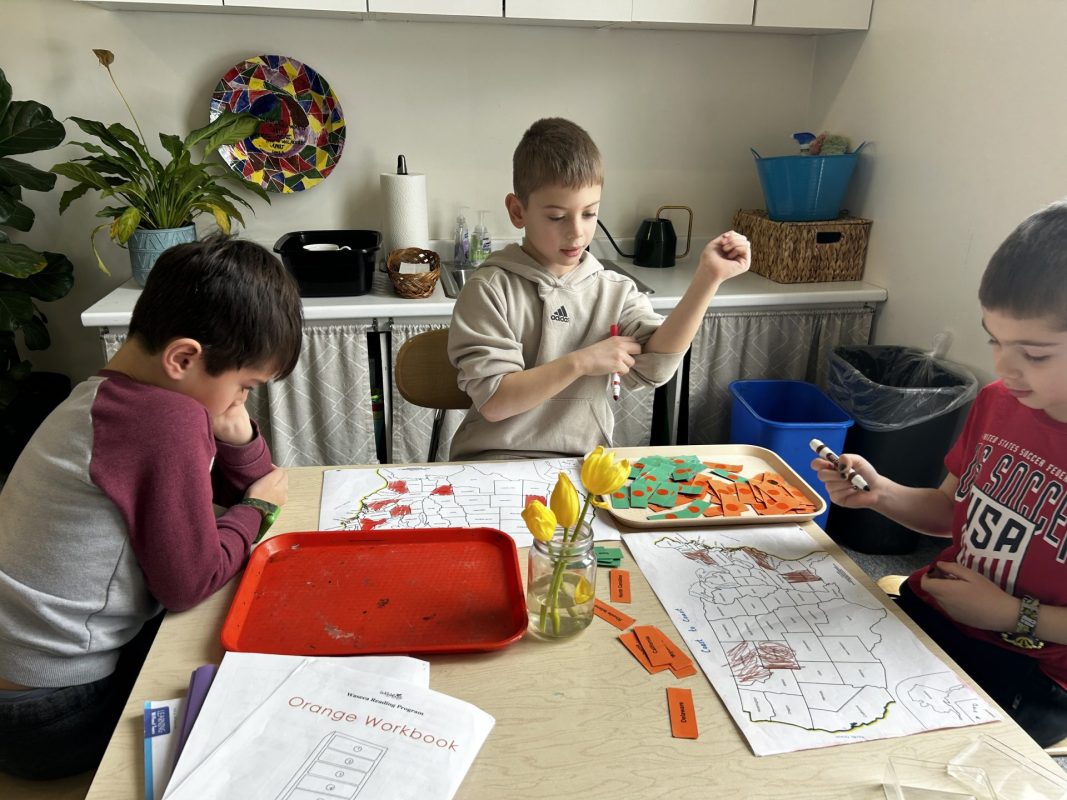
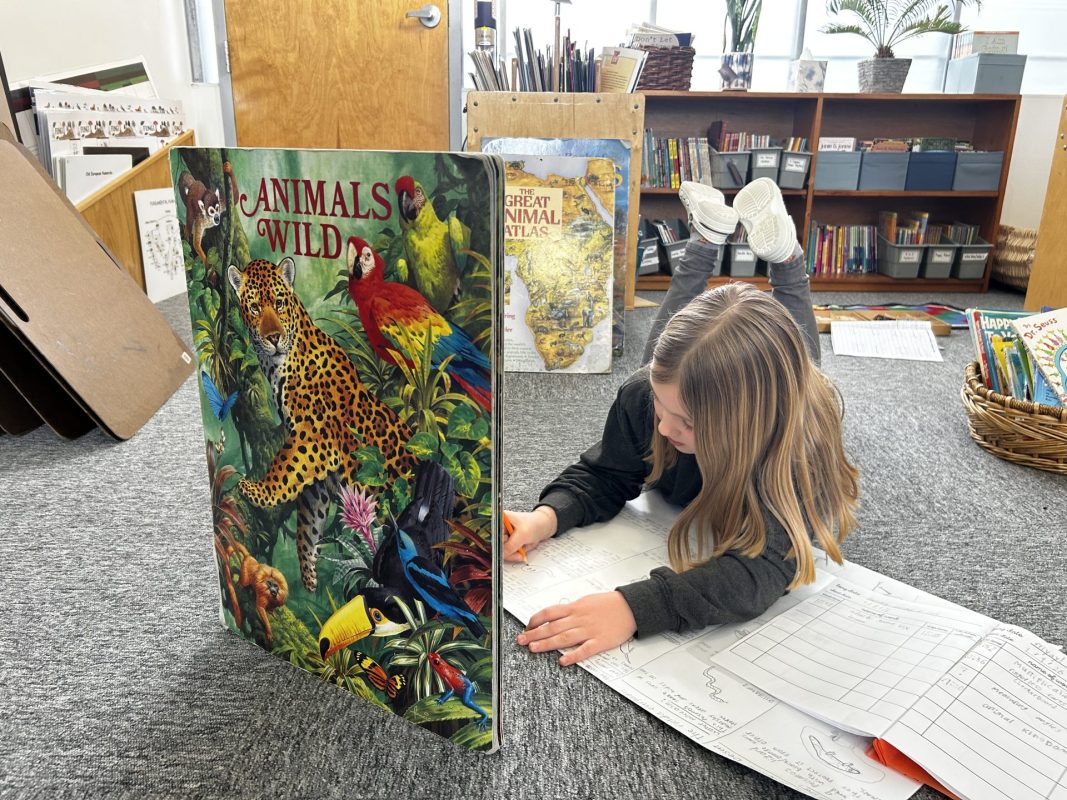
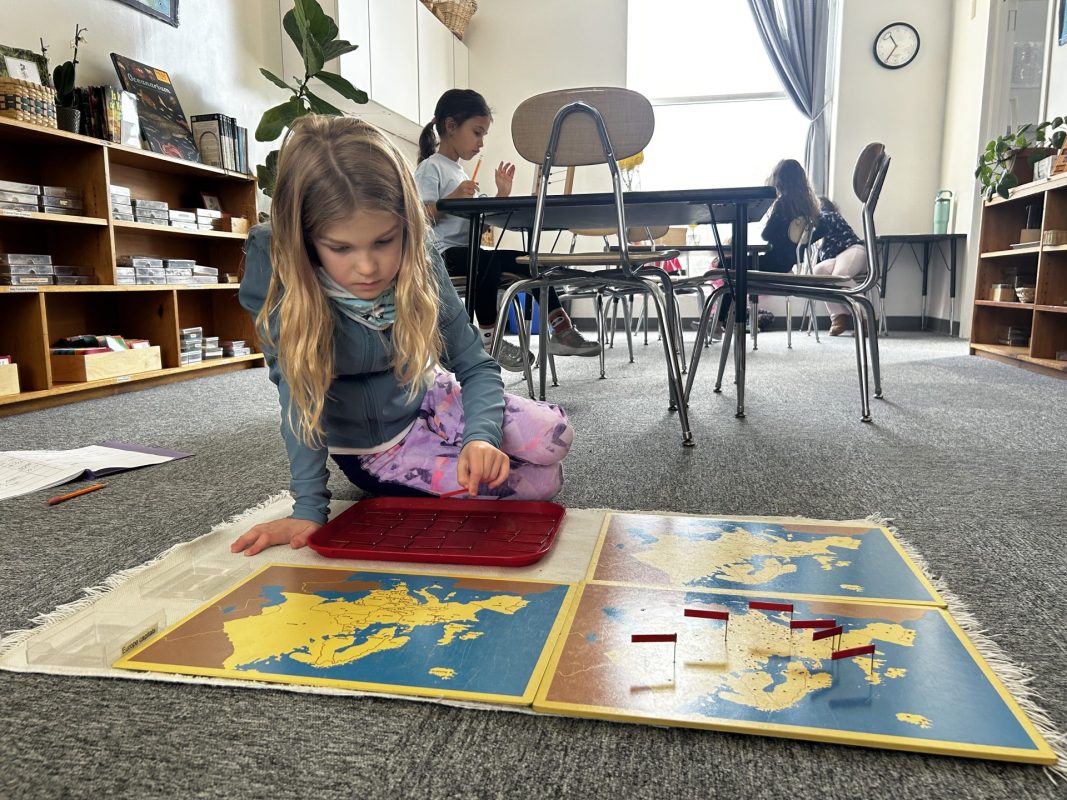
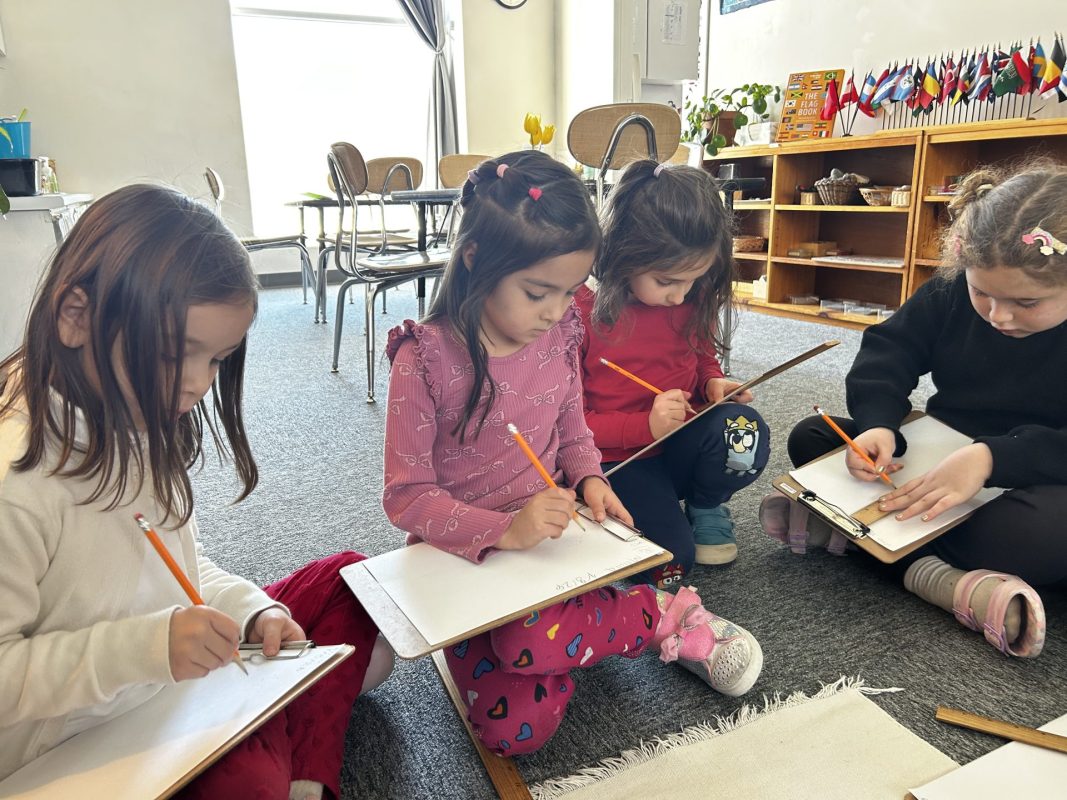
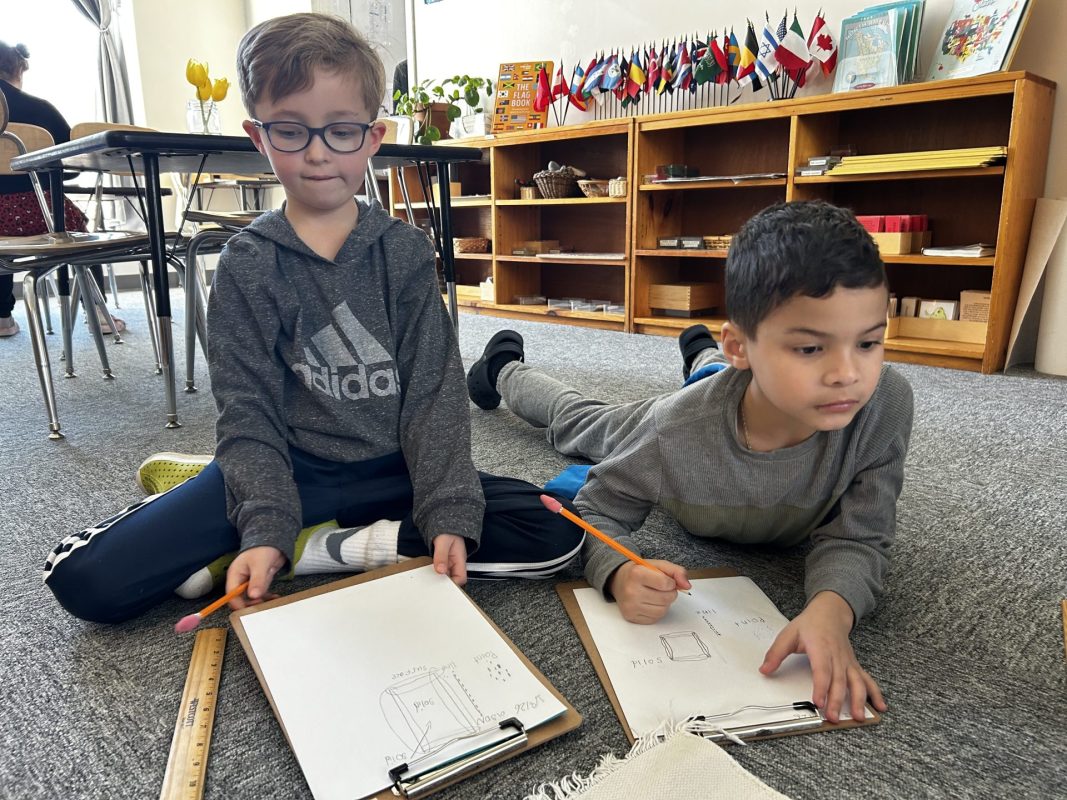
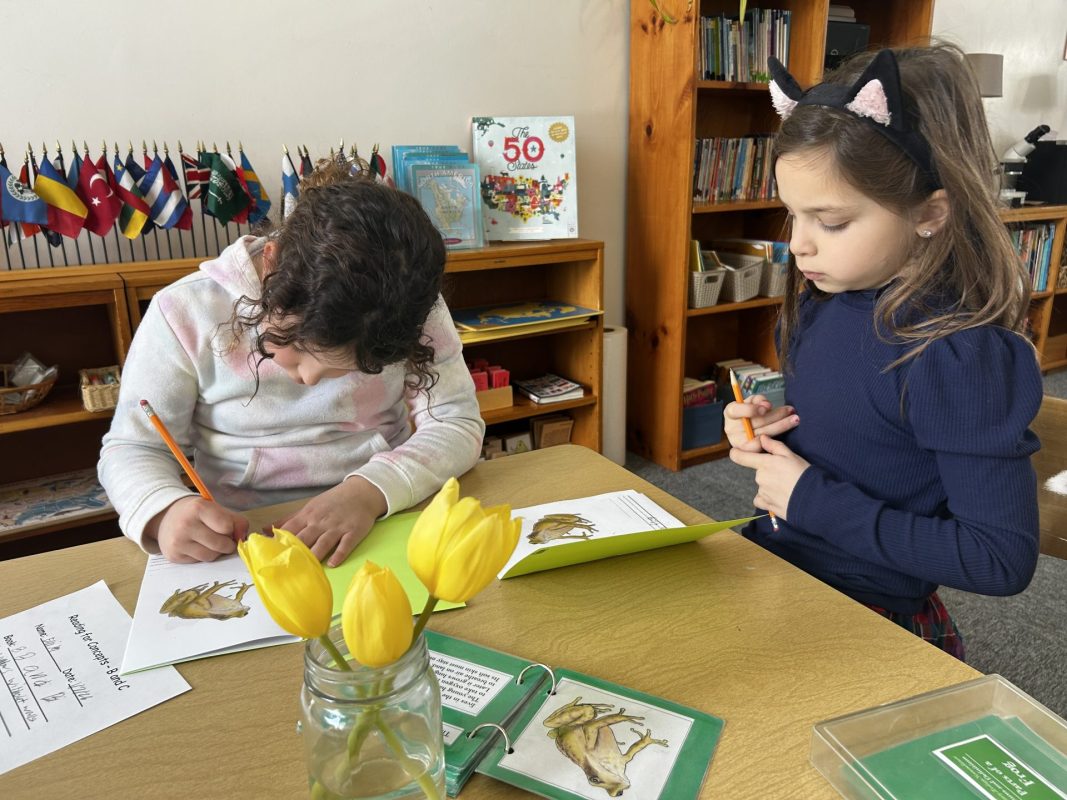
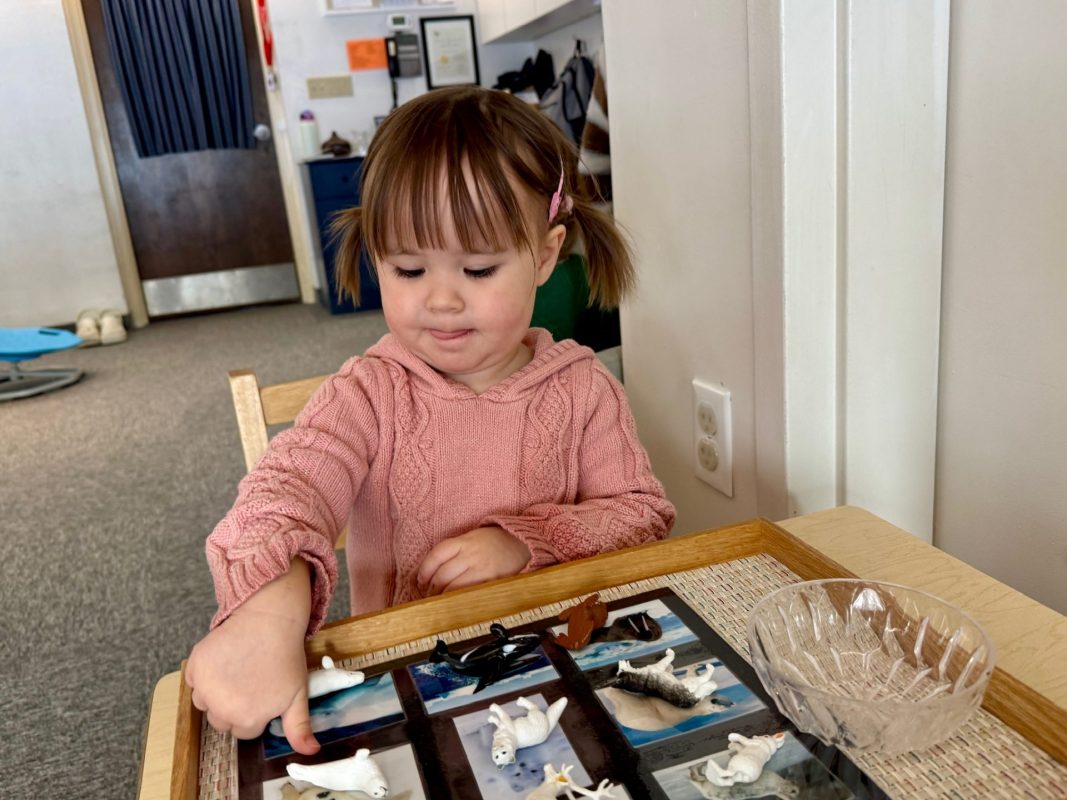
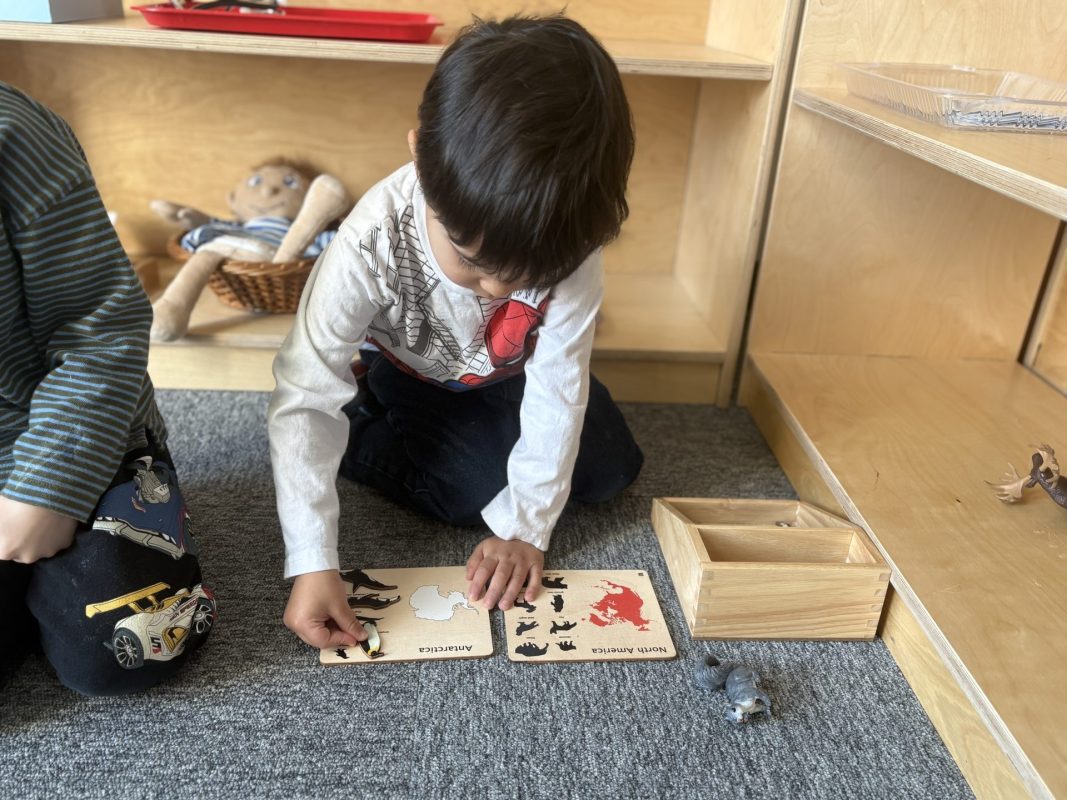
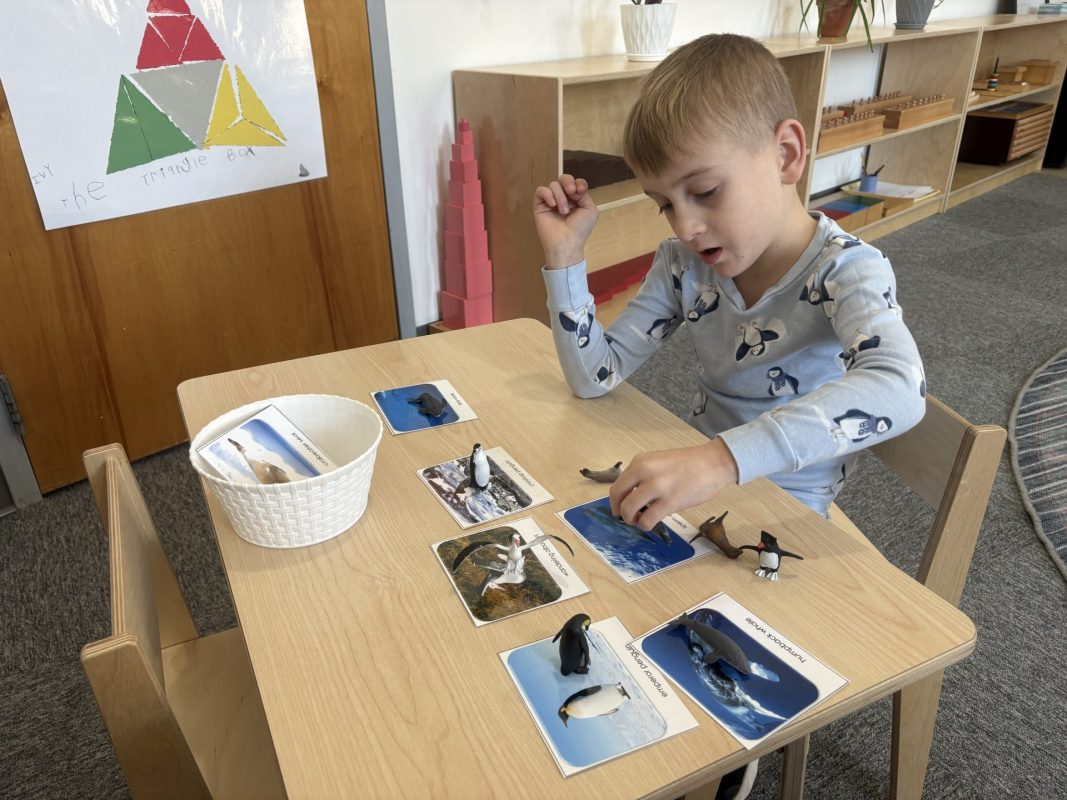
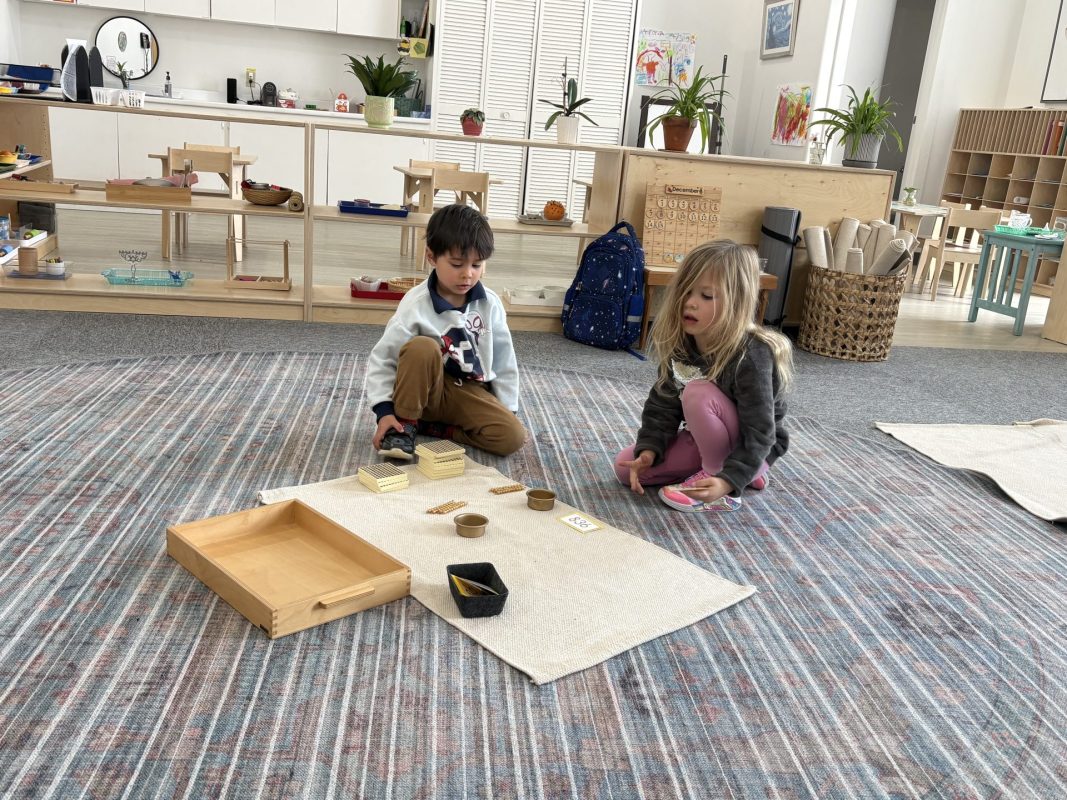
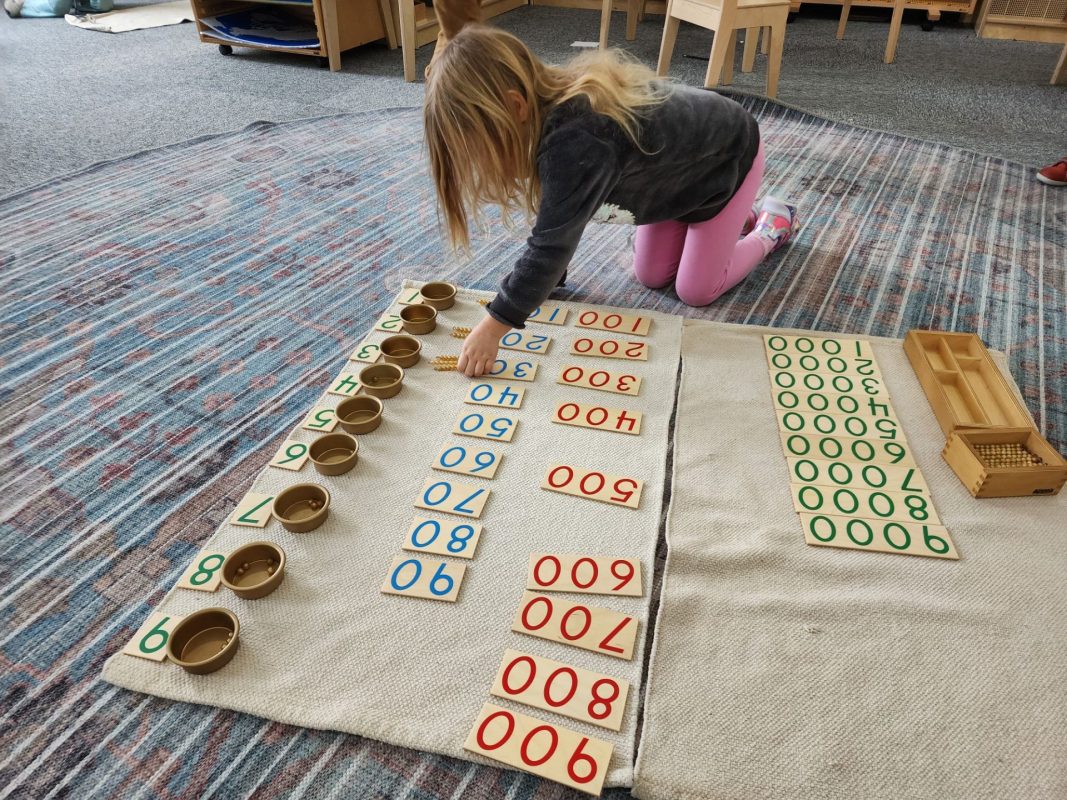
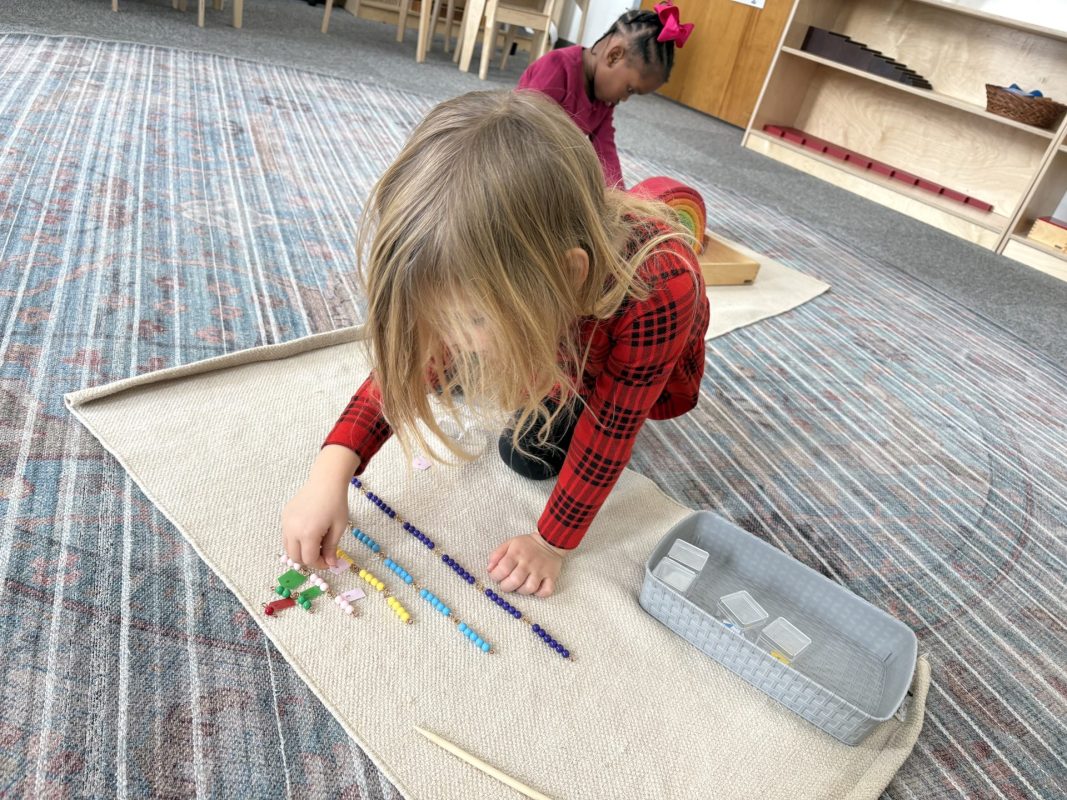
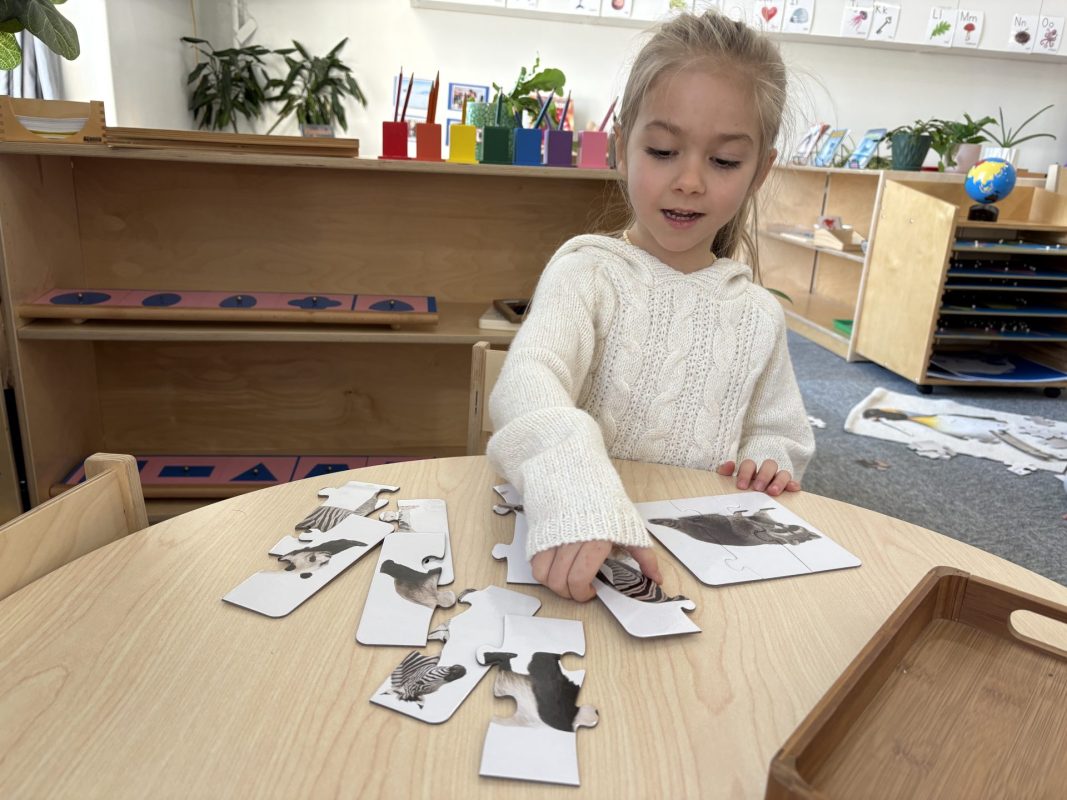
The children worked with didactic Montessori materials to familiarize themselves with the continent’s geography. We mapped North America’s countries, examined its diverse topography, and studied how a continent’s proximity to the equator impacts its climate. We also began discovering the animals native to our continent. The Montessori cultural studies curriculum provides children with an opportunity to explore the whole world, including continents, countries, people, animals, terrain, music, and arts. Through these materials, children learn about the needs of all humans for food, housing, and clothing. This early cultural awareness helps cultivate independent, joyful citizens of our world.

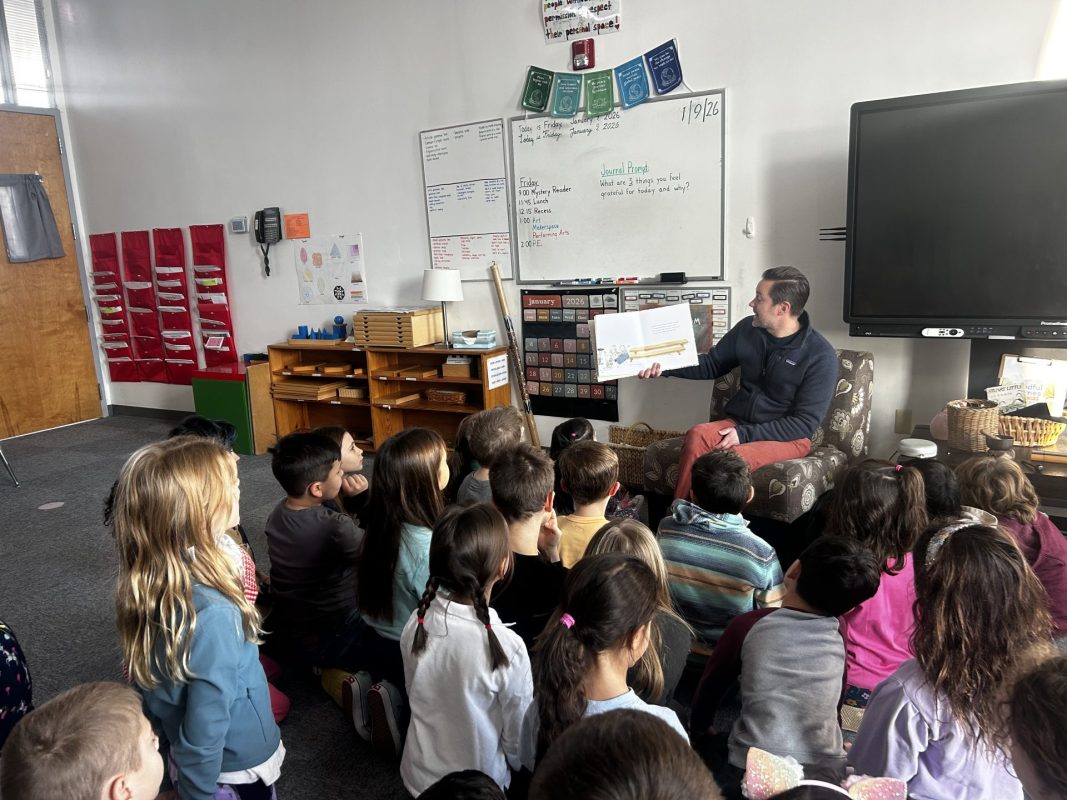
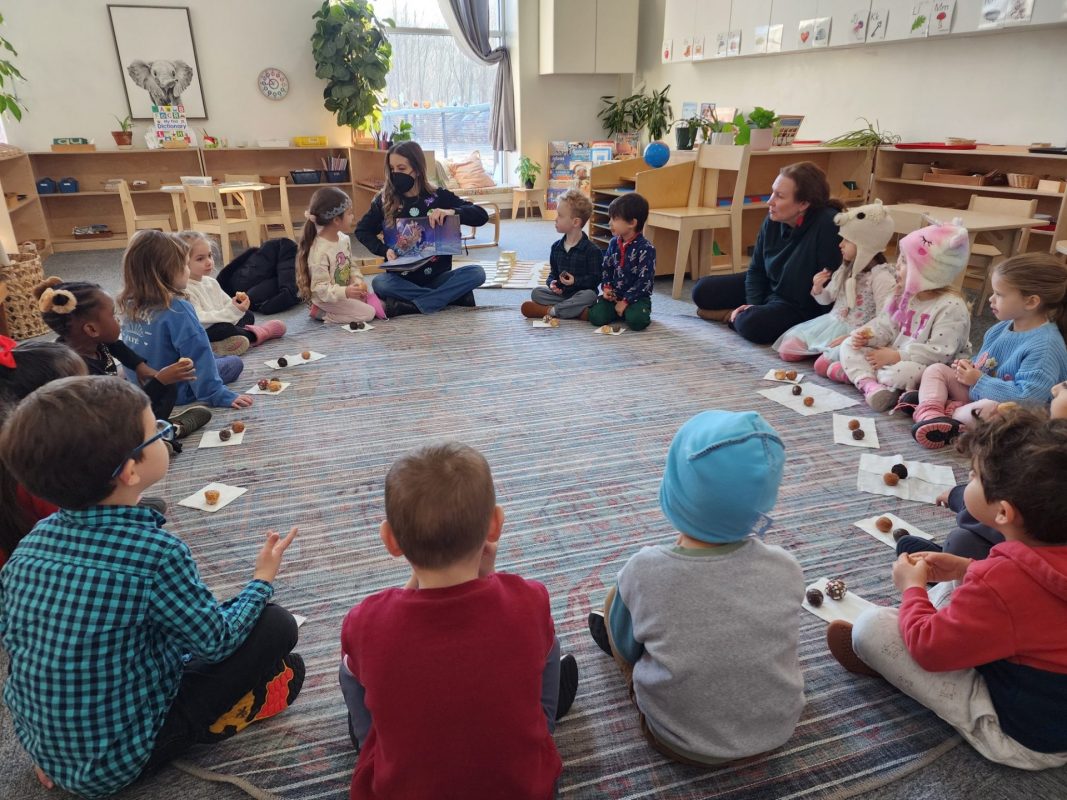
Our guest reader this week was Remi’s dad, who shared Road Crew, Coming Through! Everyone loved this rhyming book about construction crews building a superhighway. The children’s faces lit up with each turn of the page!

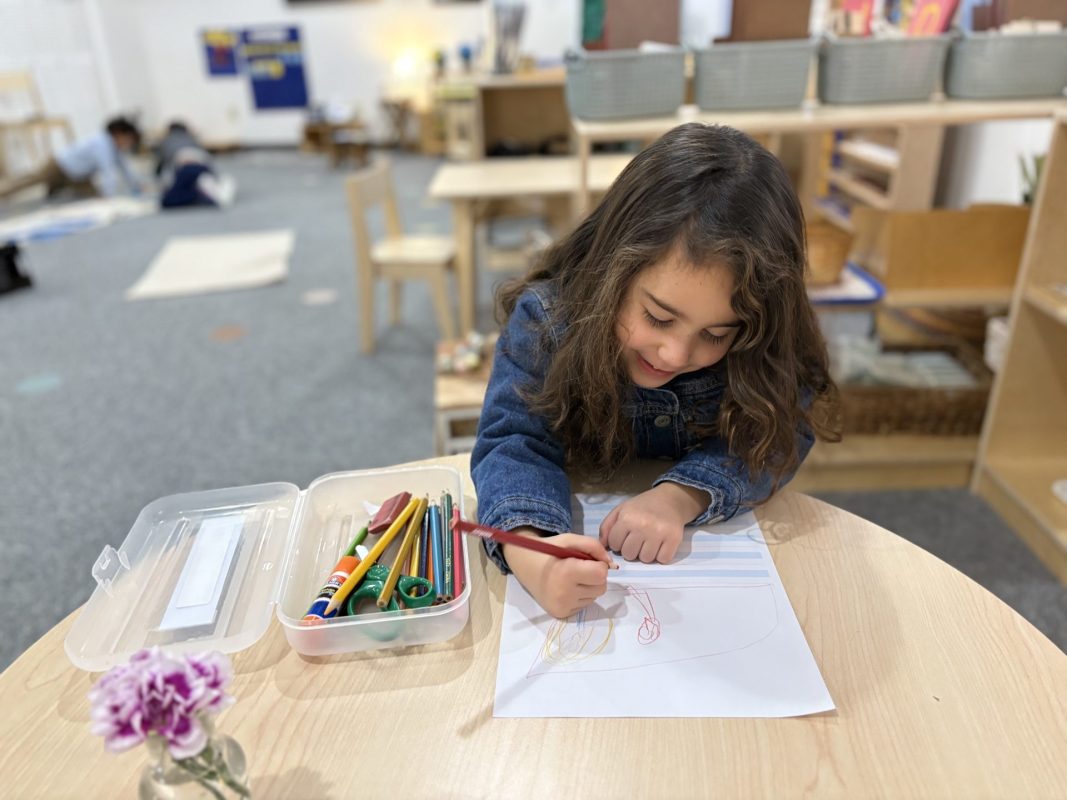
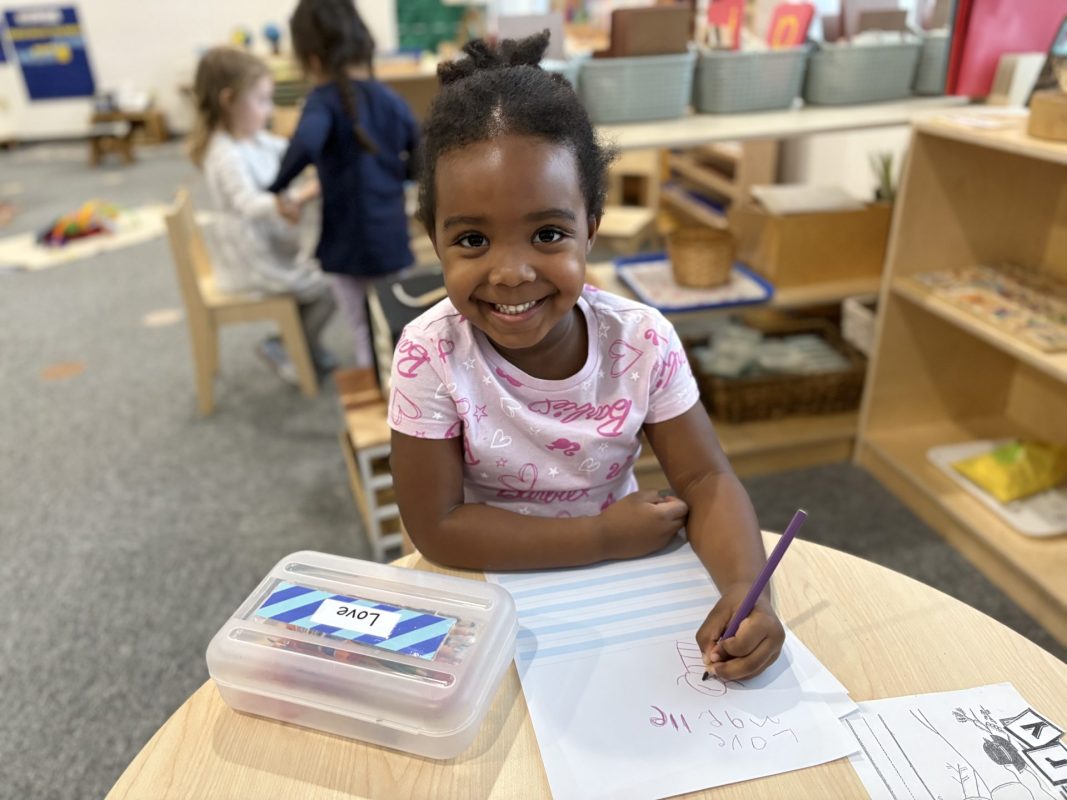
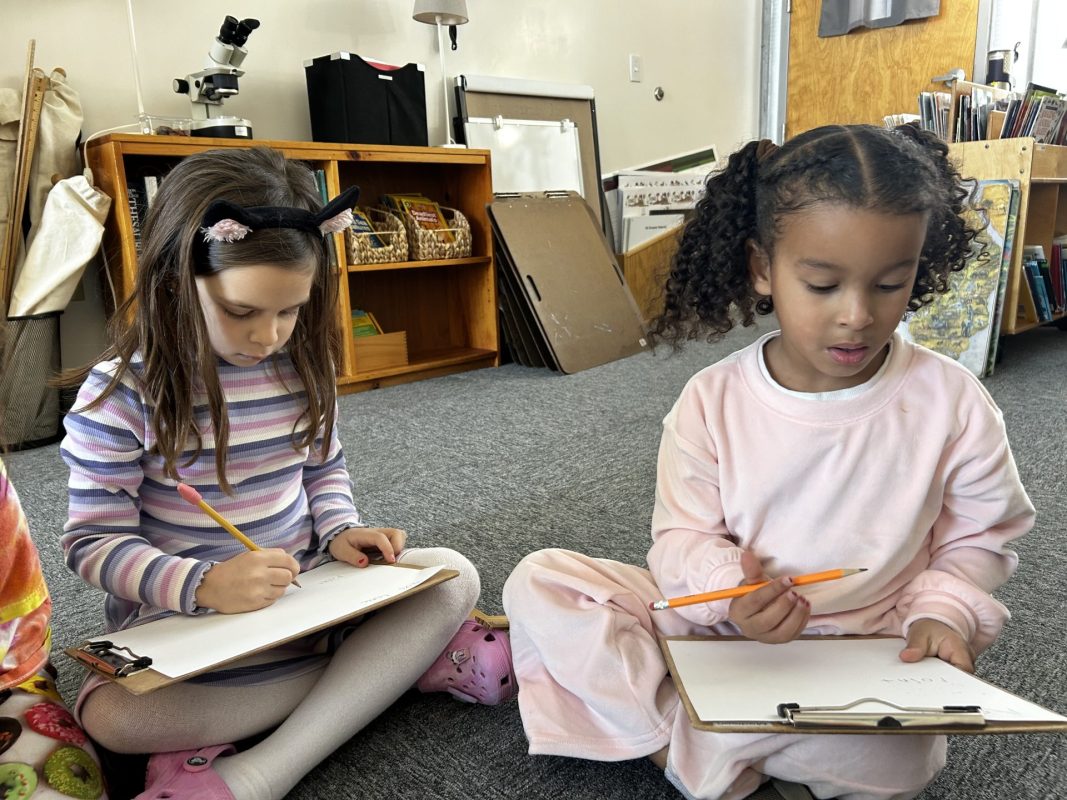
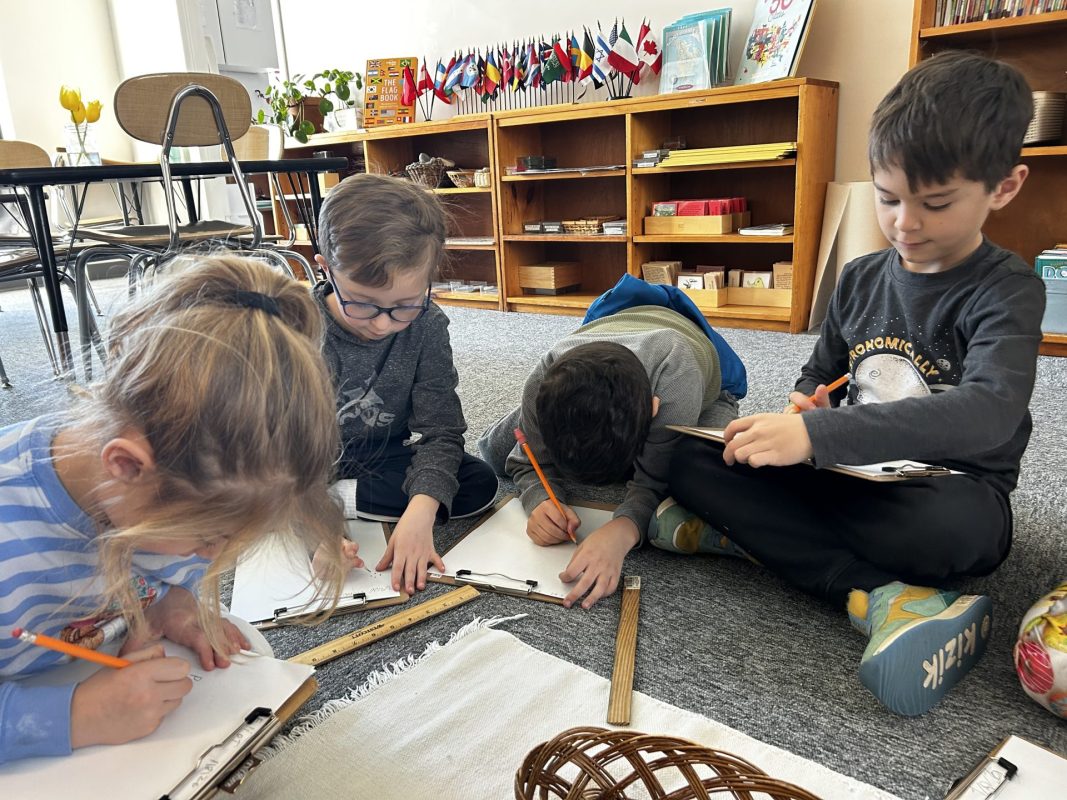
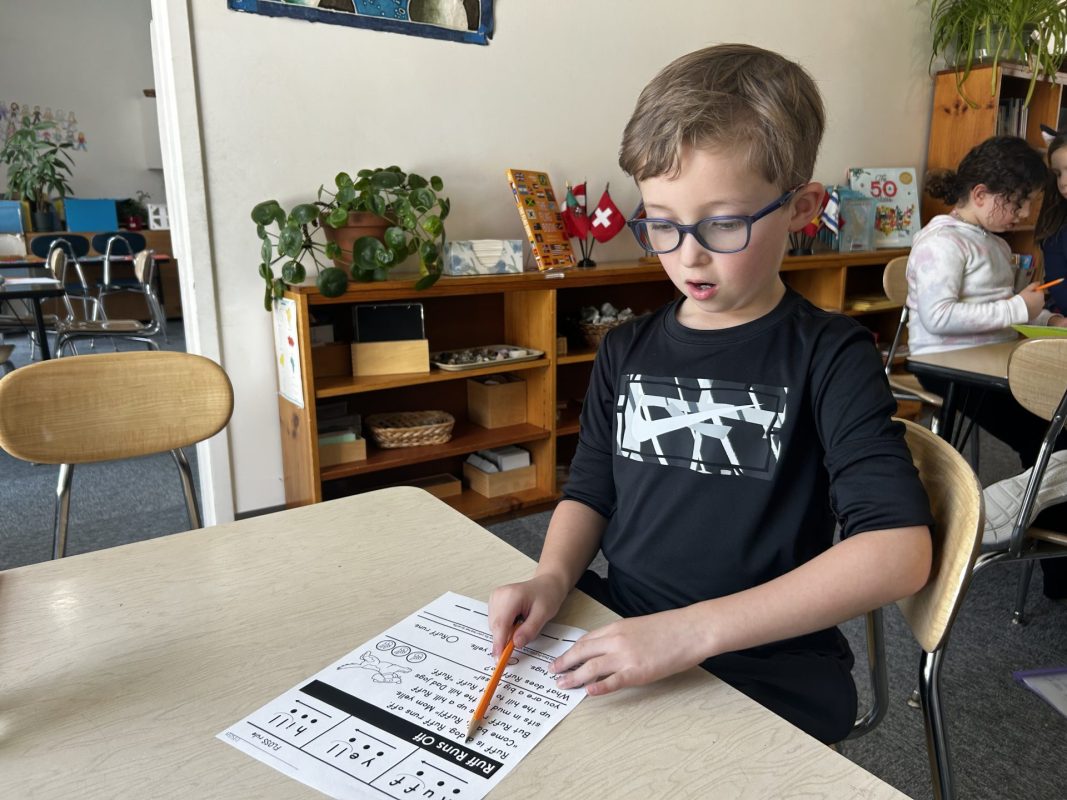
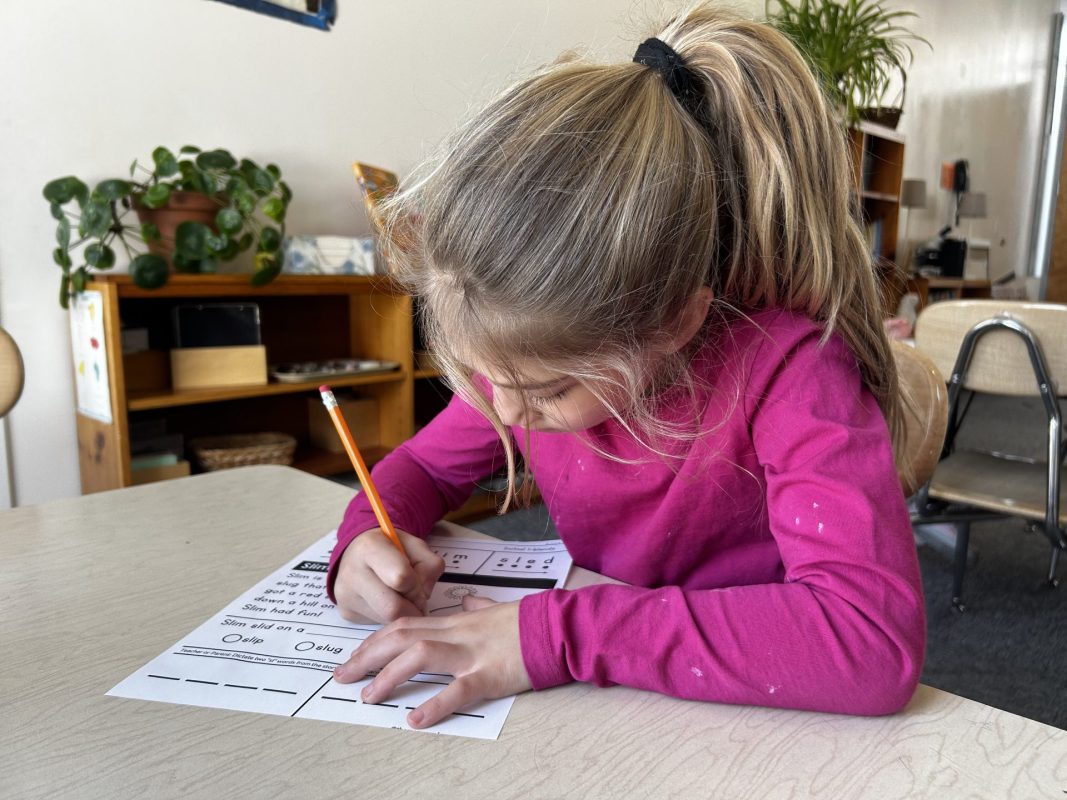
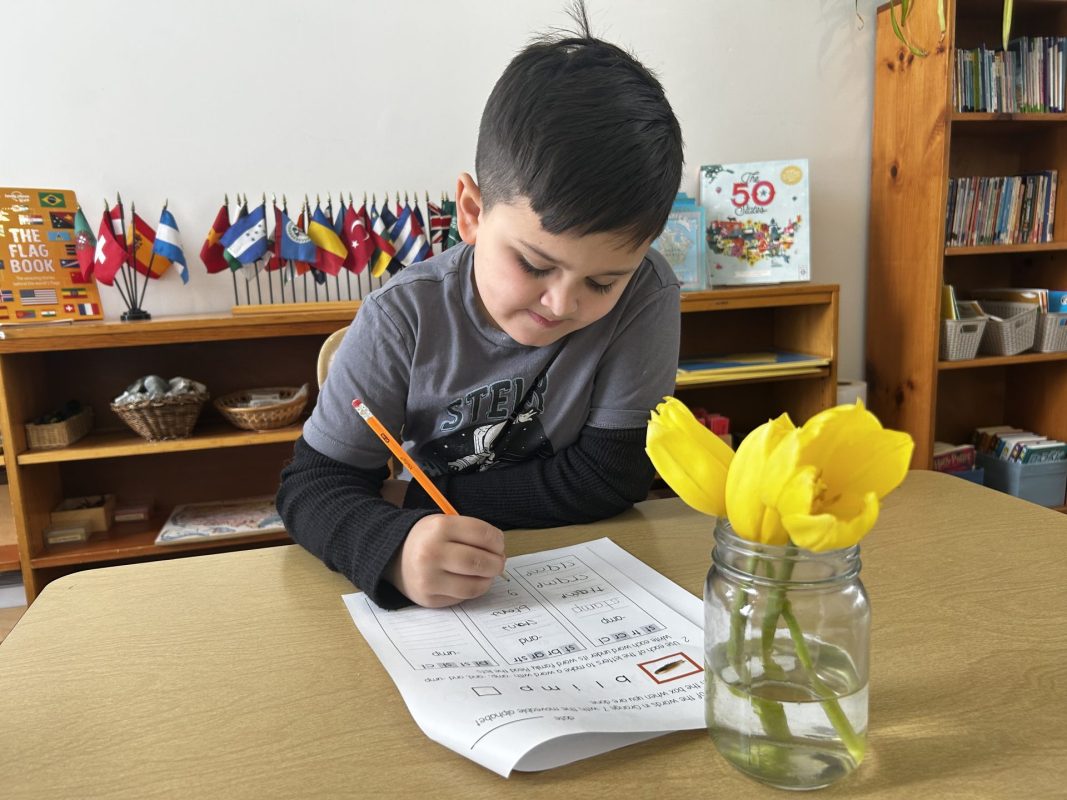
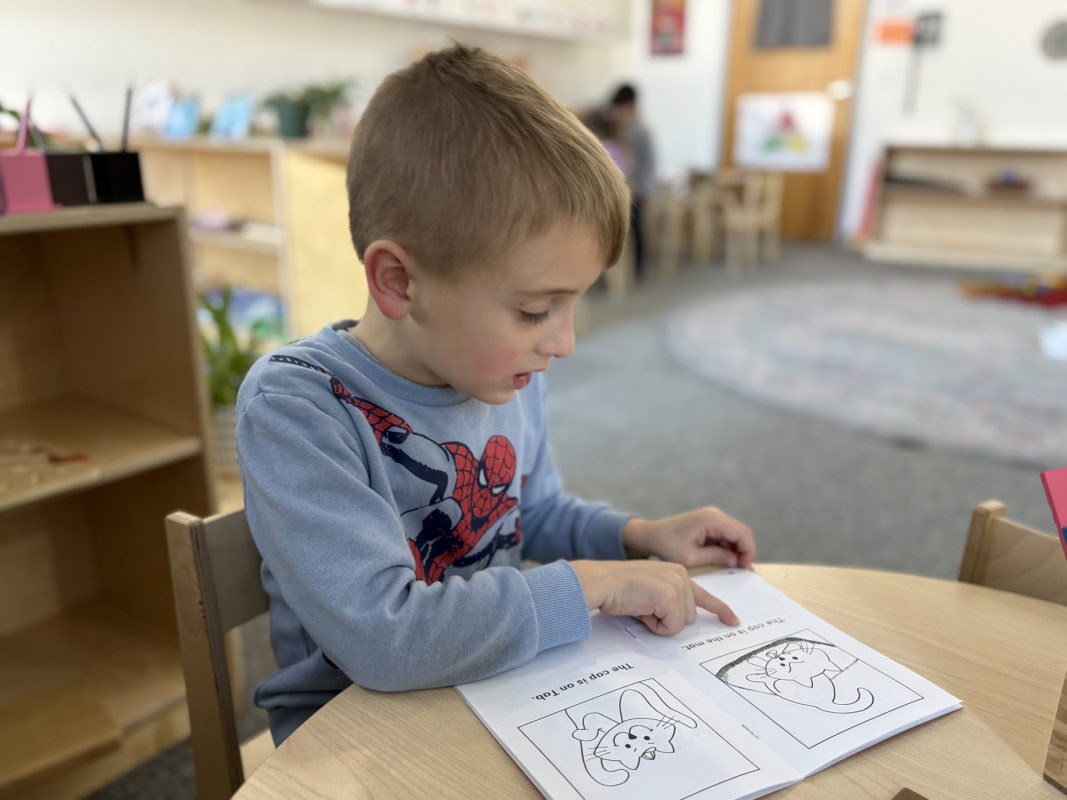
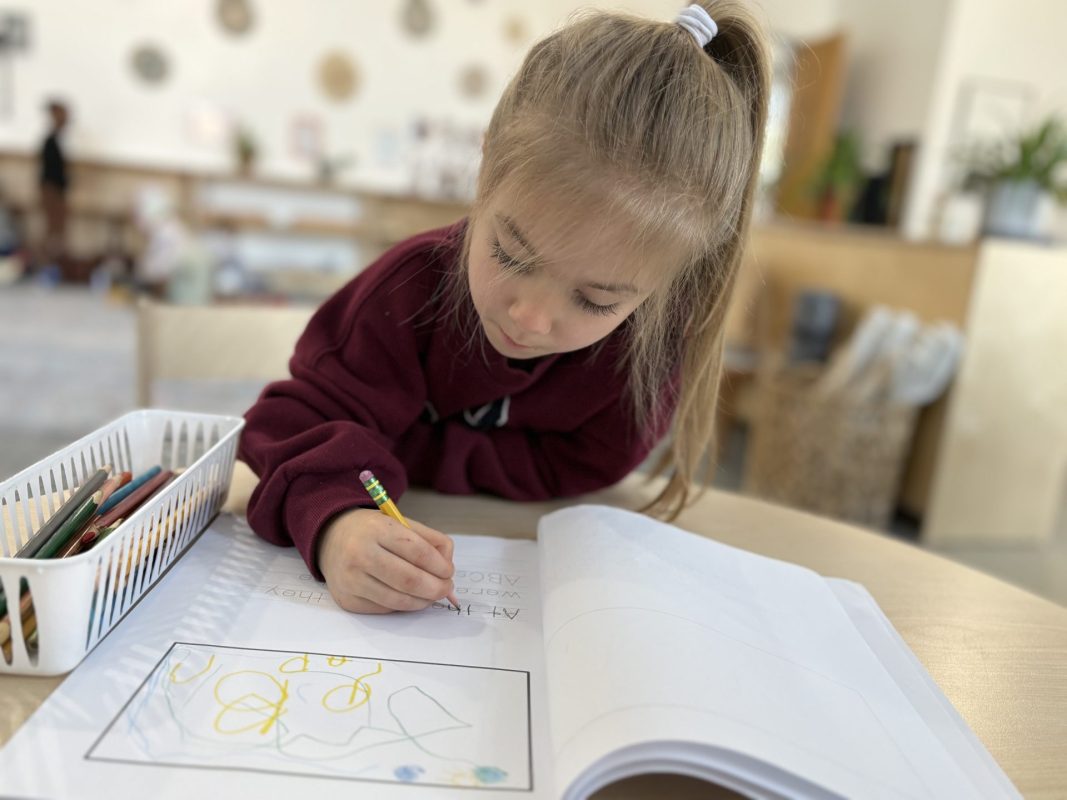
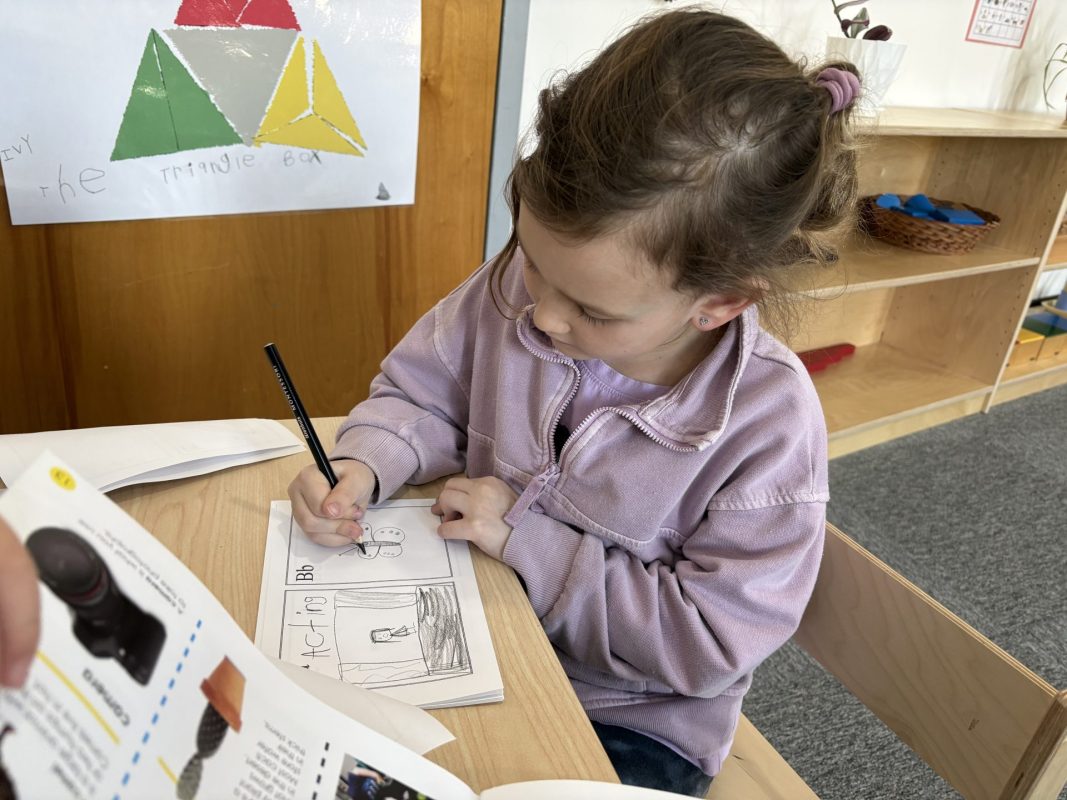
The kindergartners reached an exciting milestone this week as they started writing their three-page stories. They are brimming with enthusiasm and can’t wait to share their completed works with everyone.

Extending Learning at Home

  • Look at a world map or globe together and locate North America, then find your state and town
  • Discuss which animals might live in different parts of North America based on the climate (polar bears in the north, alligators in the south)
  • Encourage your child to tell you a story, helping them understand that stories have a beginning, middle, and end


UPCOMING EVENTS & ANNOUNCEMENTS

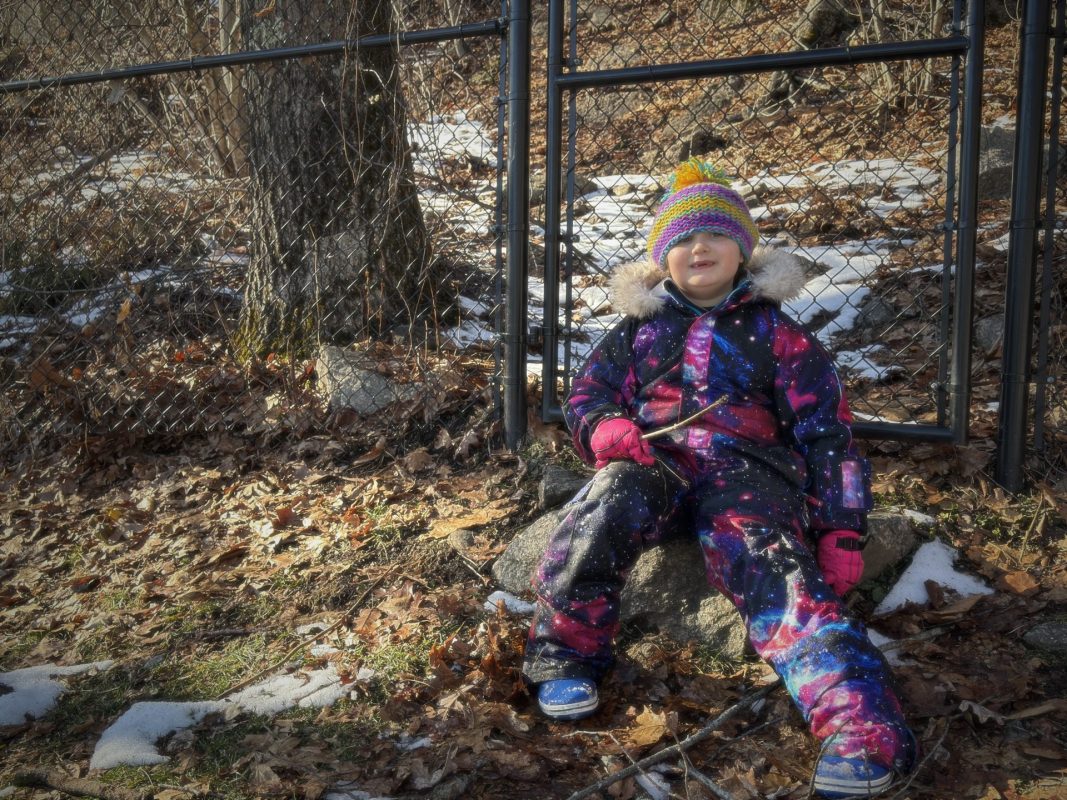
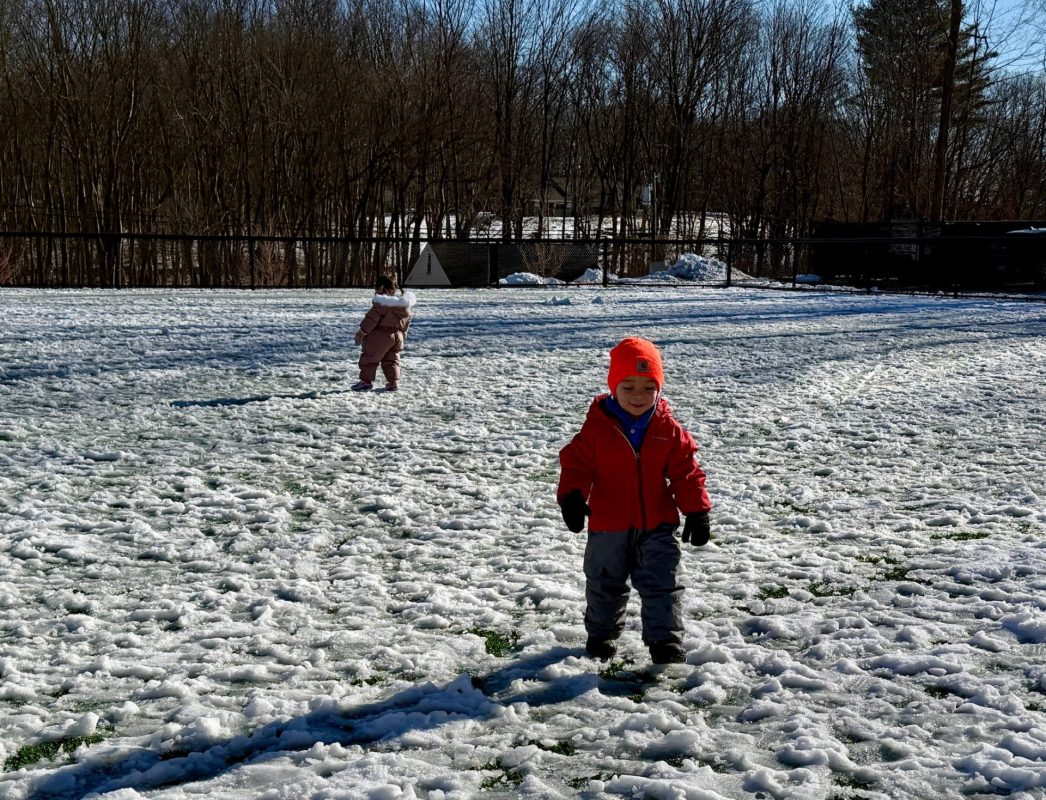
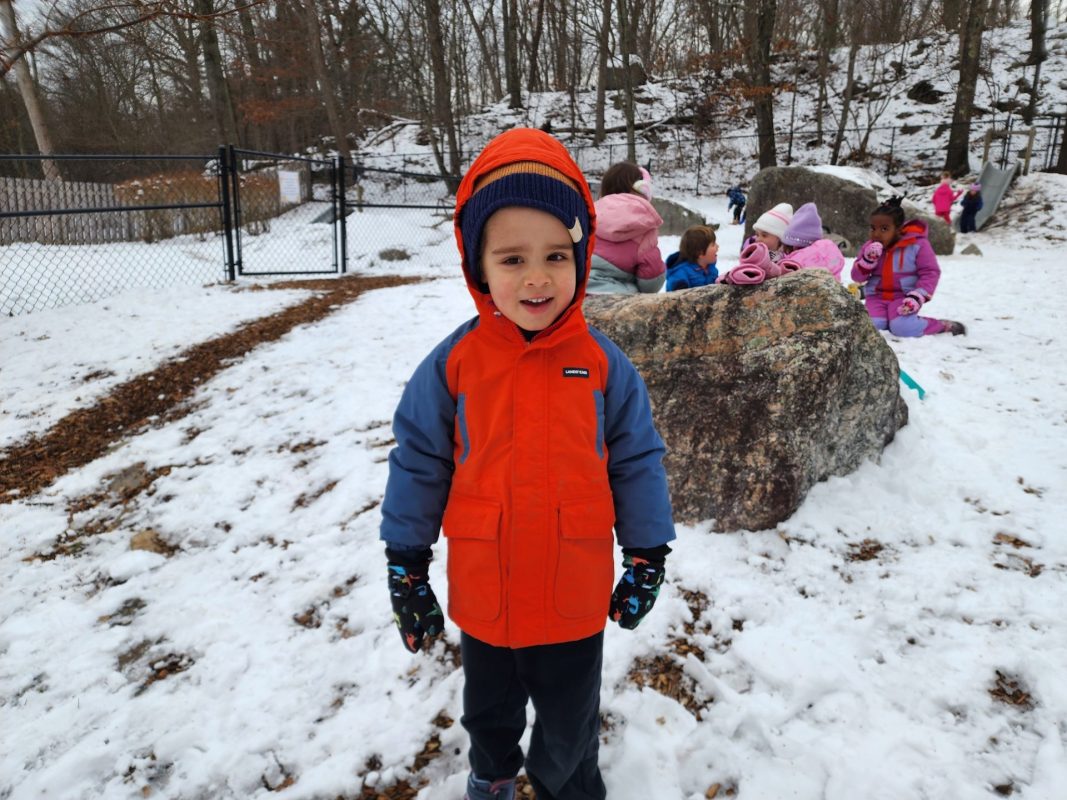
The weather is getting colder and we go outside most days. Please make sure your child has gloves, hats, and winter coats for those chilly outdoor adventures. Label everything!

This Week

Monday, November 17: Veda N’s birthday walk, flowers, and sharing box
Tuesday, November 18: Playground Volunteer—Darshy N
Wednesday, November 19: Guest Reader—Tanya A

Next Week
Tuesday, November 25: Half-day, 11:30 dismissal
Wednesday, November 26 through Friday, November 28: No School—Thanksgiving Break