Blog

Mrs. Wilson: Caring For the Earth and the Littlest of Creatures

The child is both a hope and a promise for mankind.” — Maria Montessori

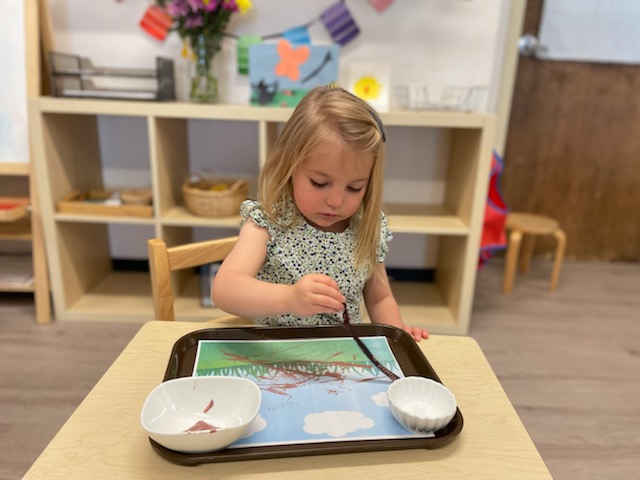
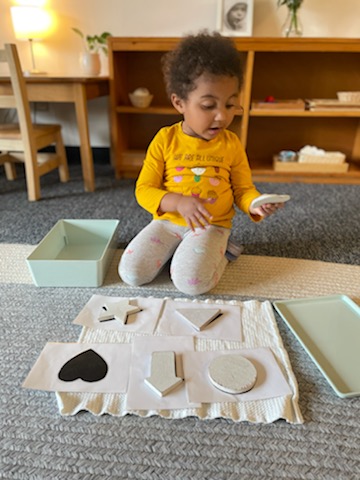
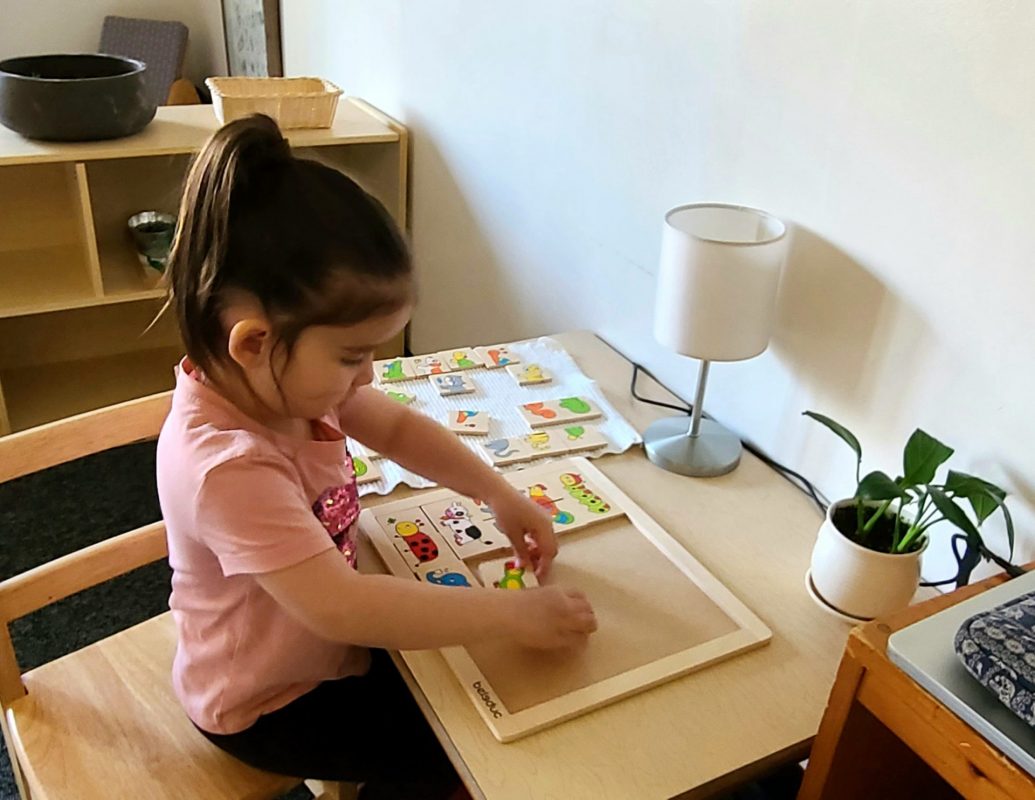
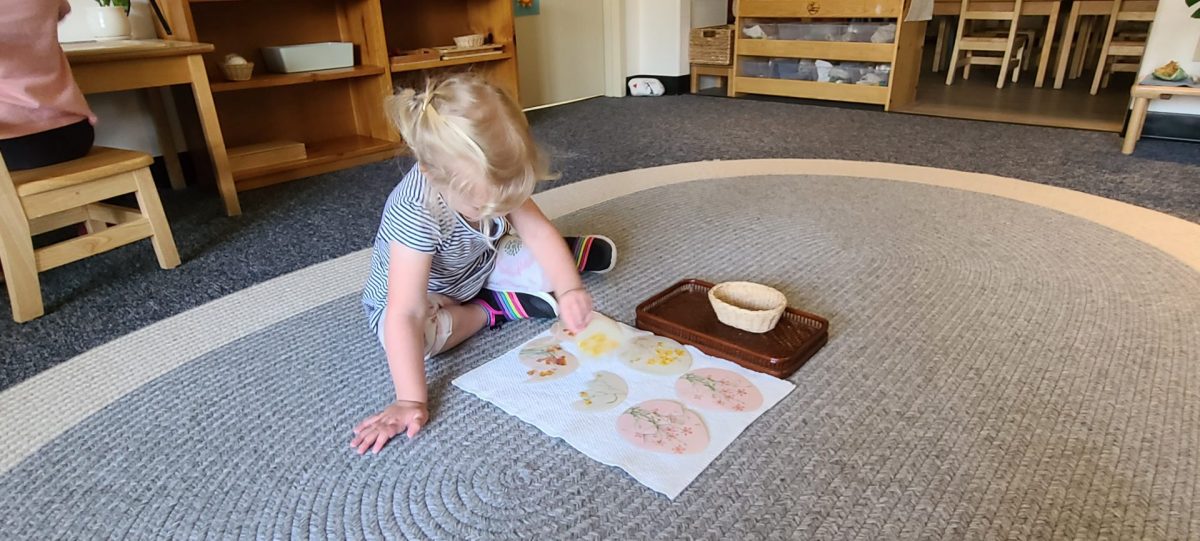
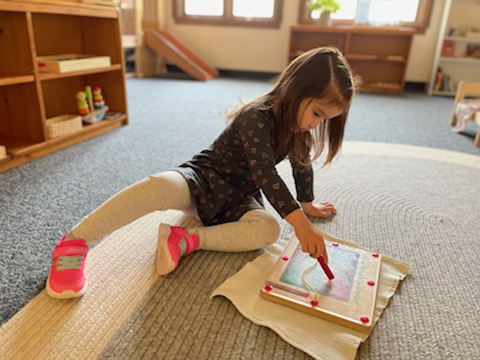
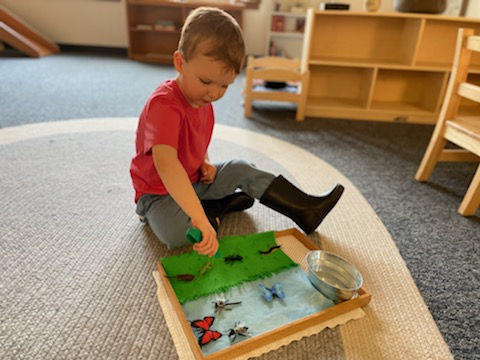
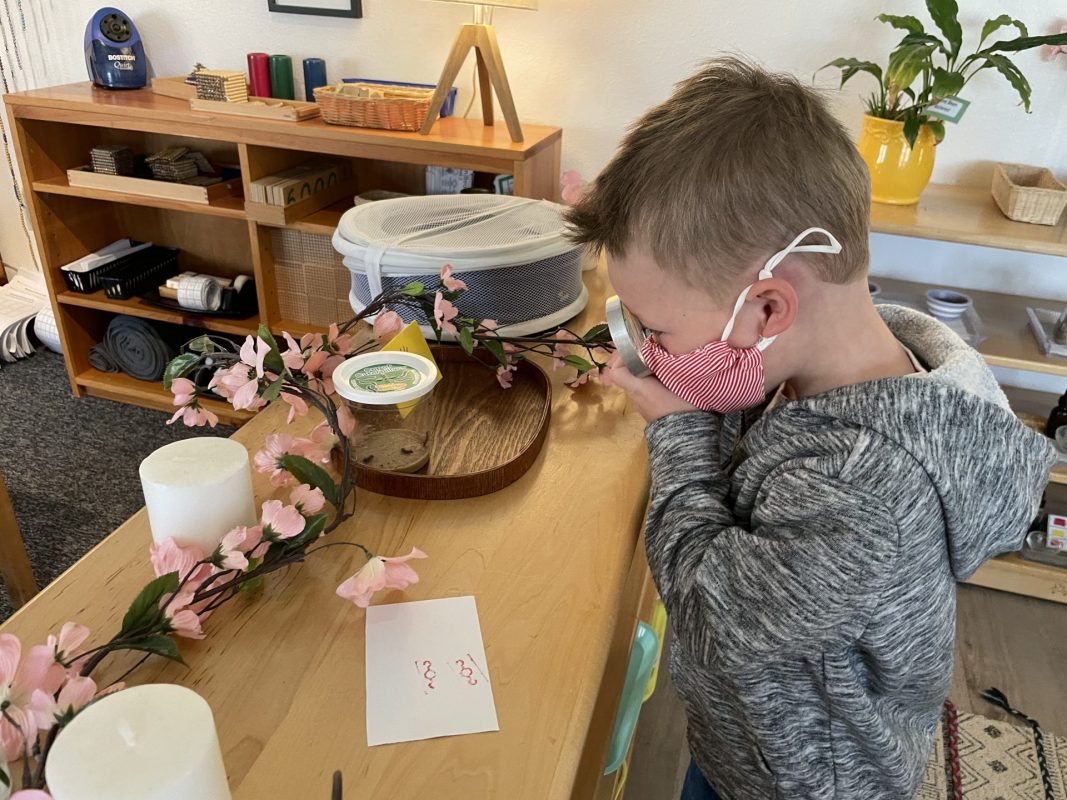
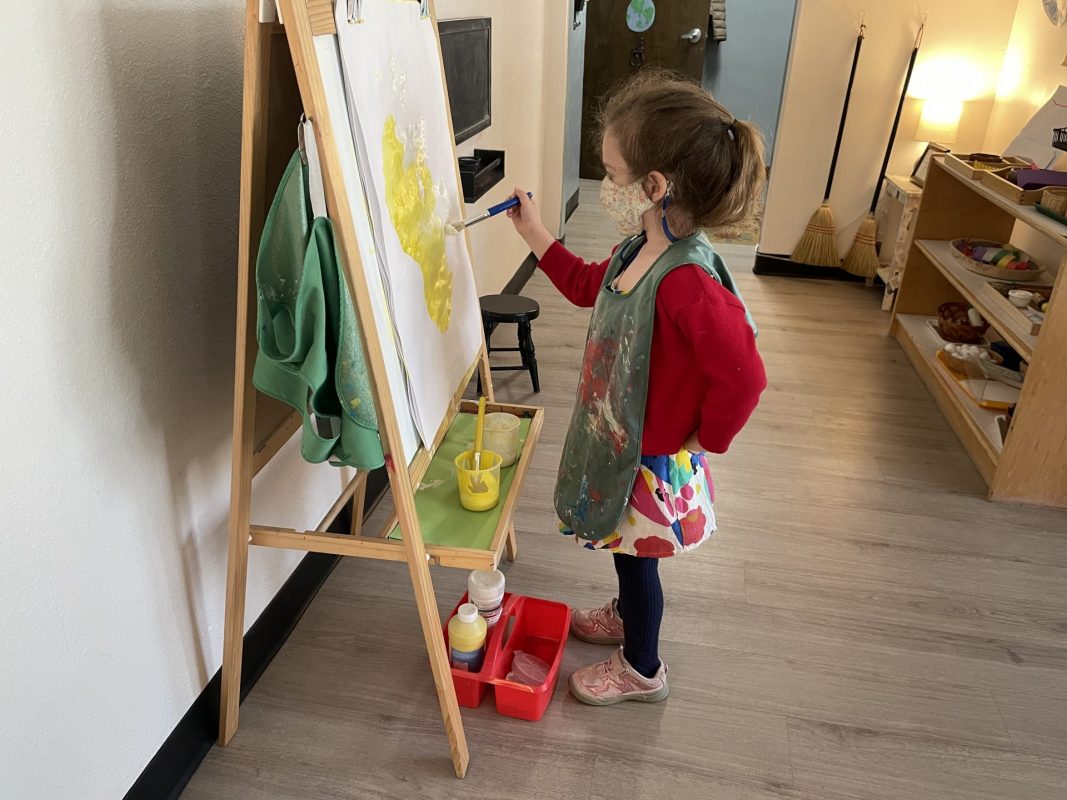
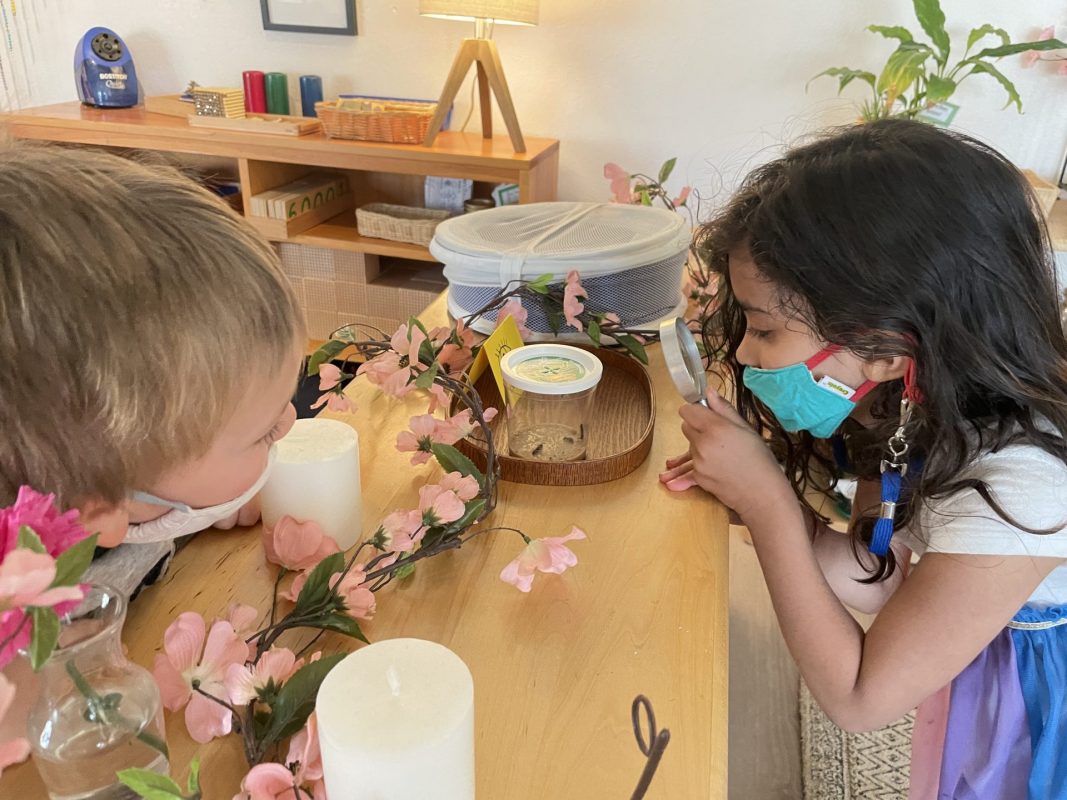
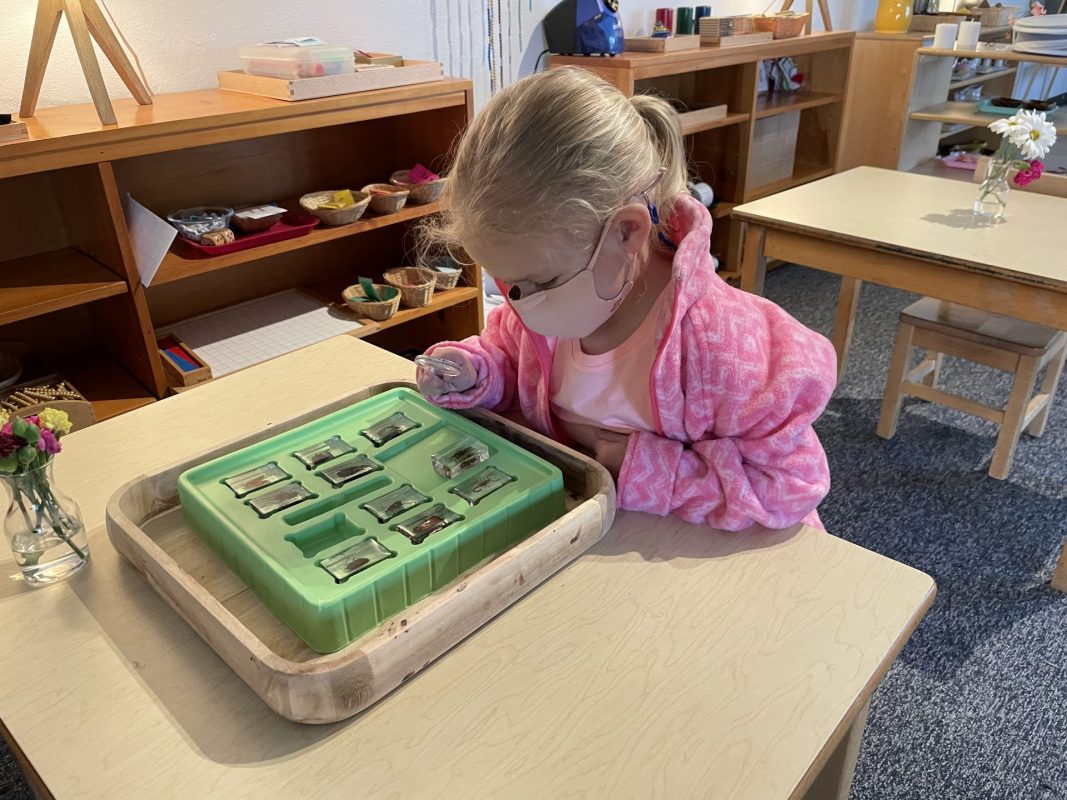
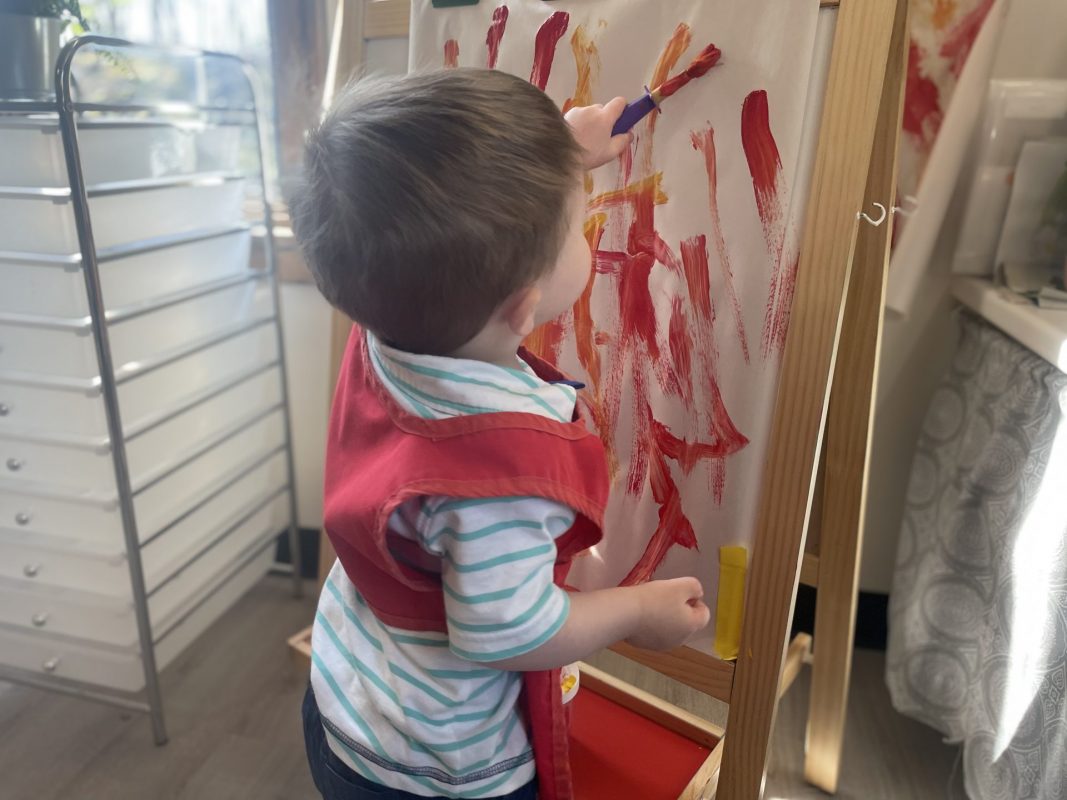
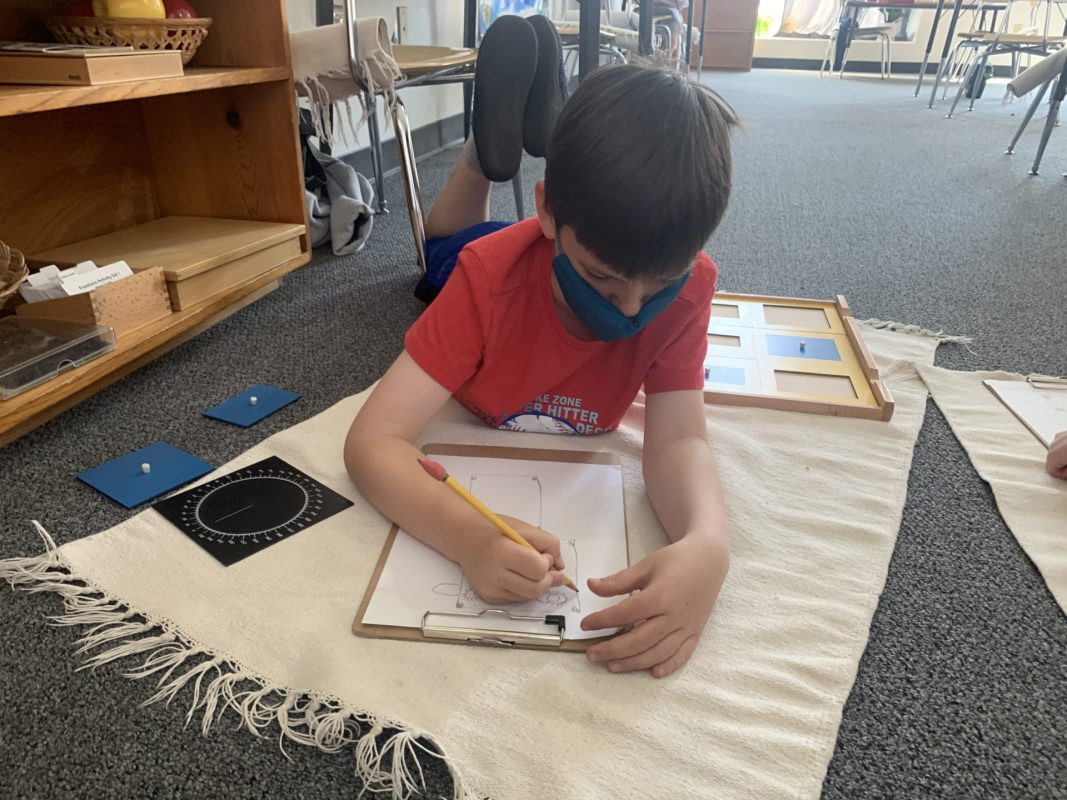
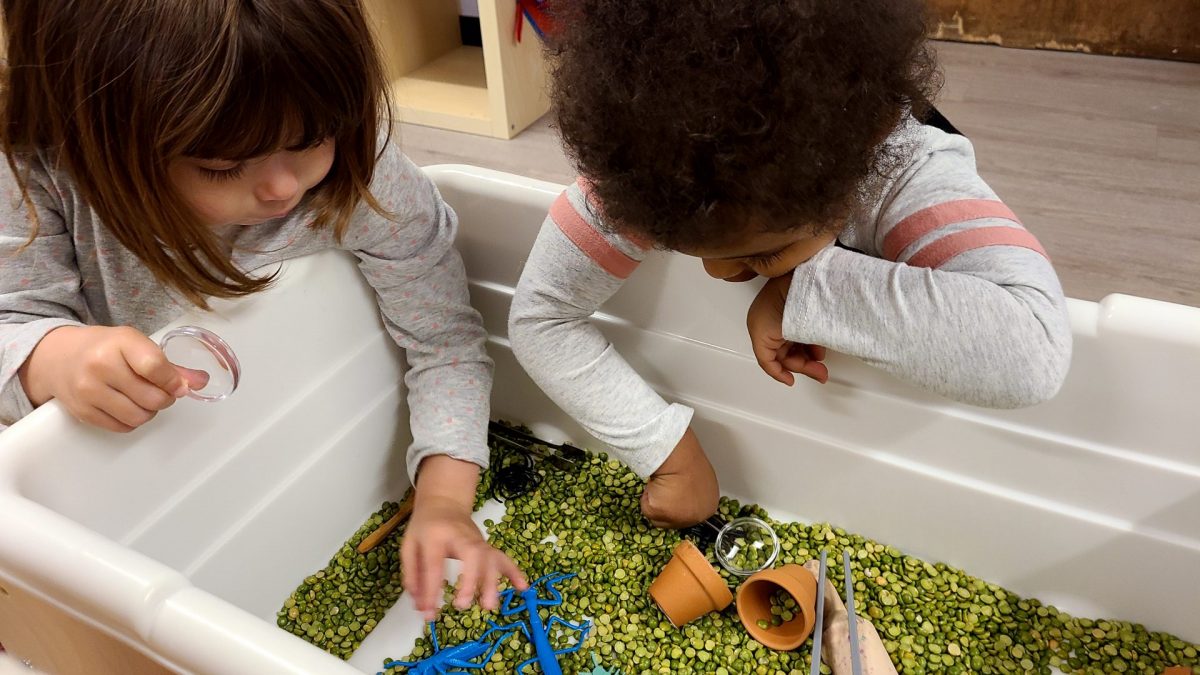
We started this week exploring insects. Some of the new activities available are sorting the insects that fly from the ones that crawl, painting with a (fake) worm, life cycle of a butterfly object to picture matching, and using a magnifying glass to search for the hidden bugs inside a book.

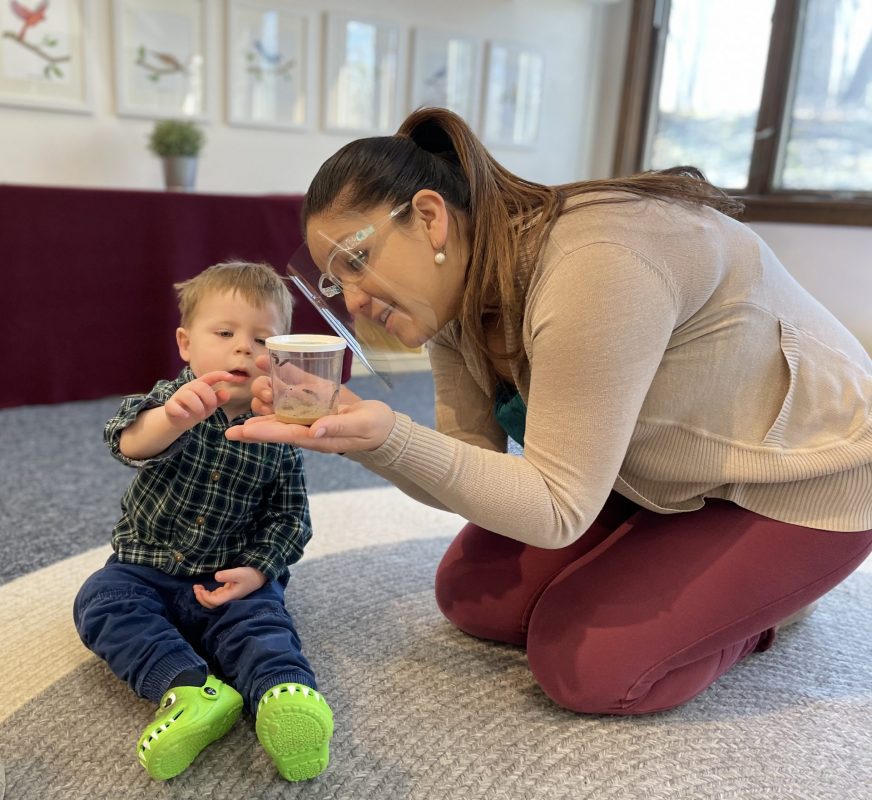
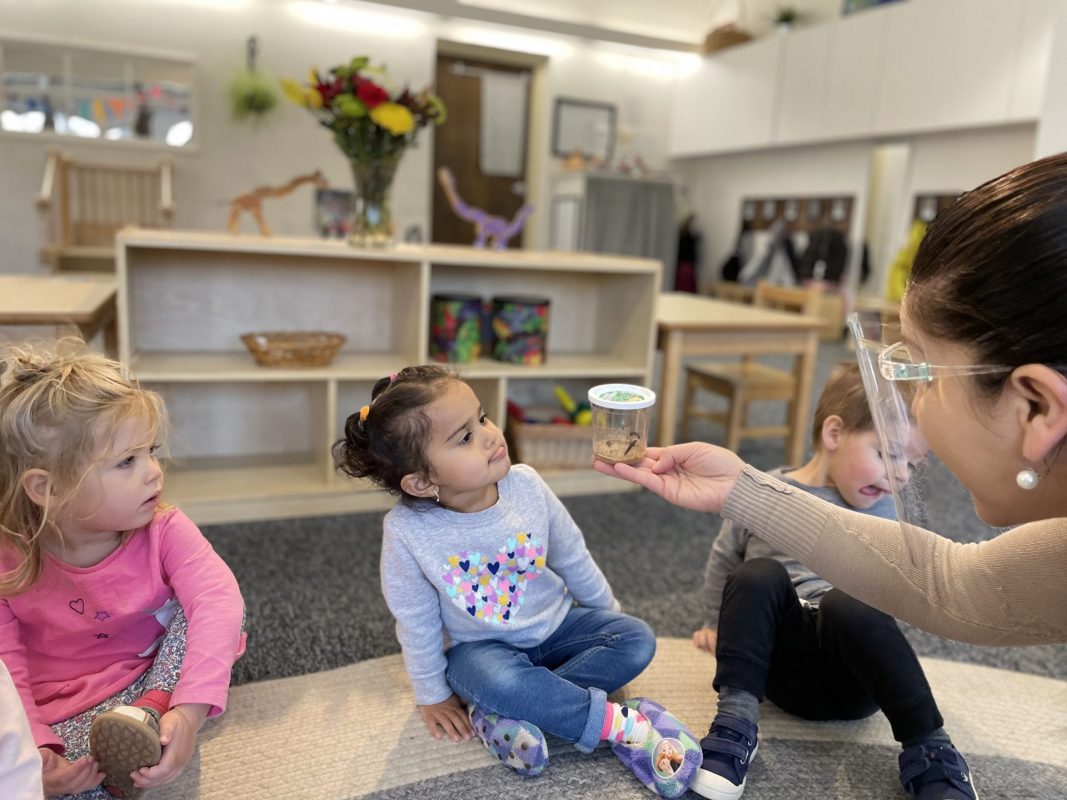
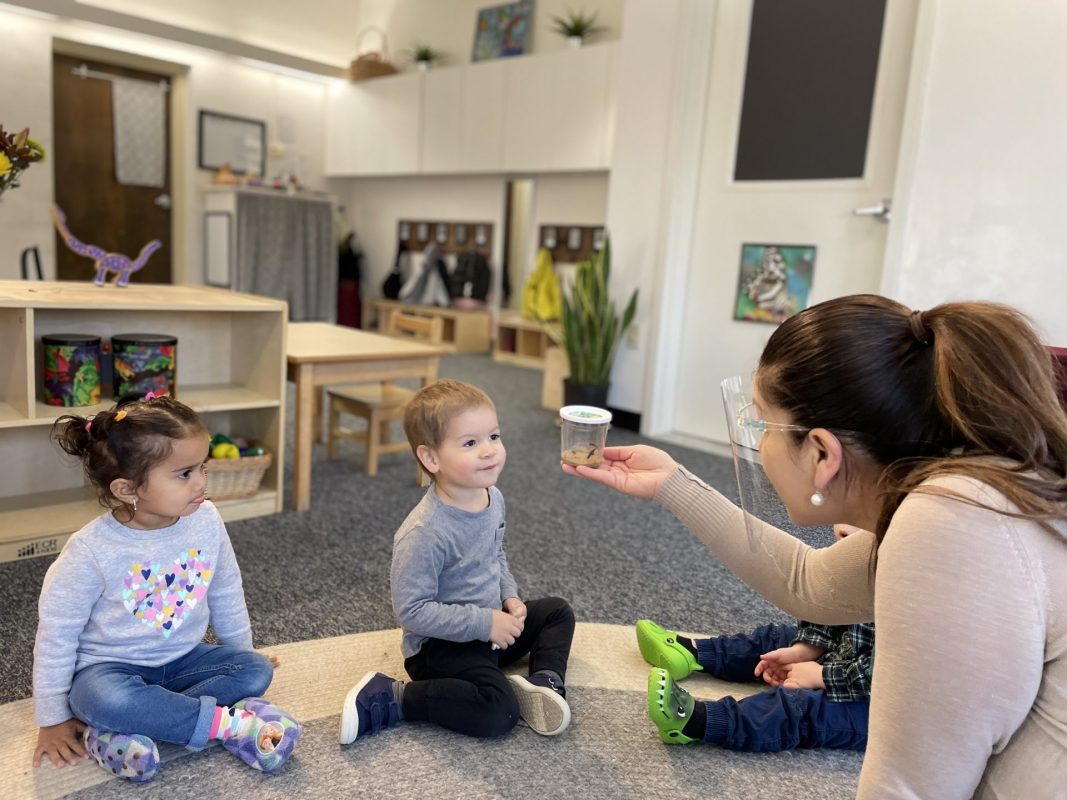
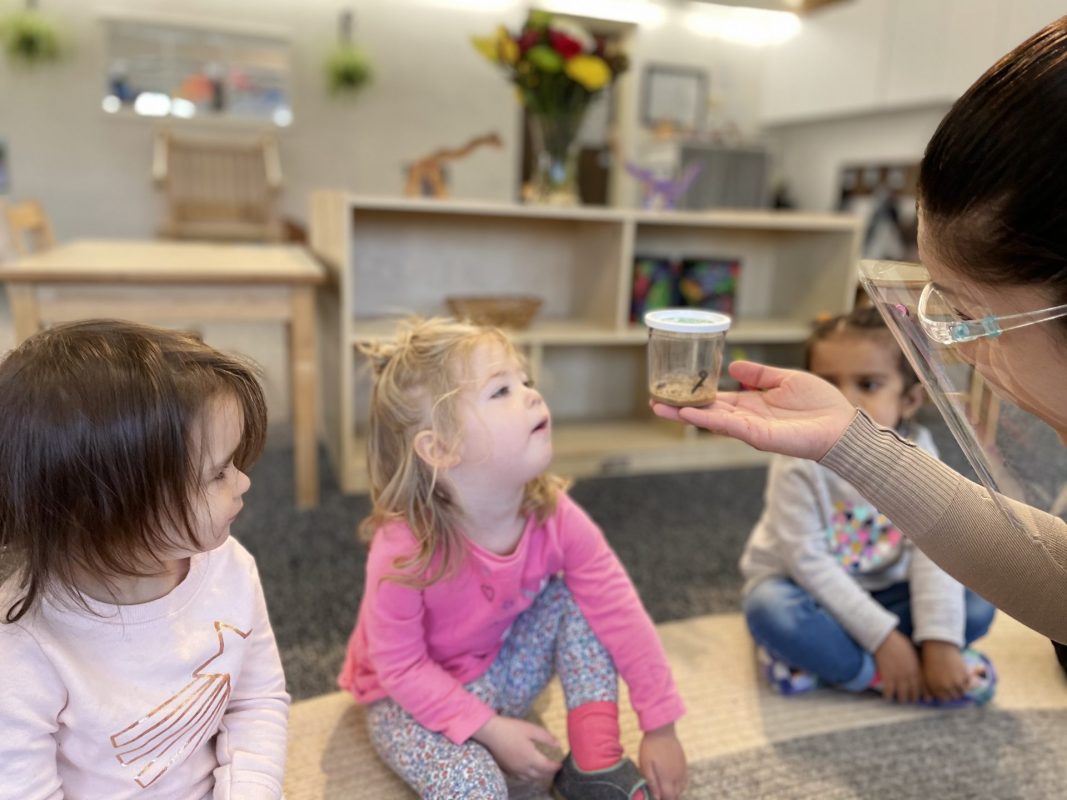
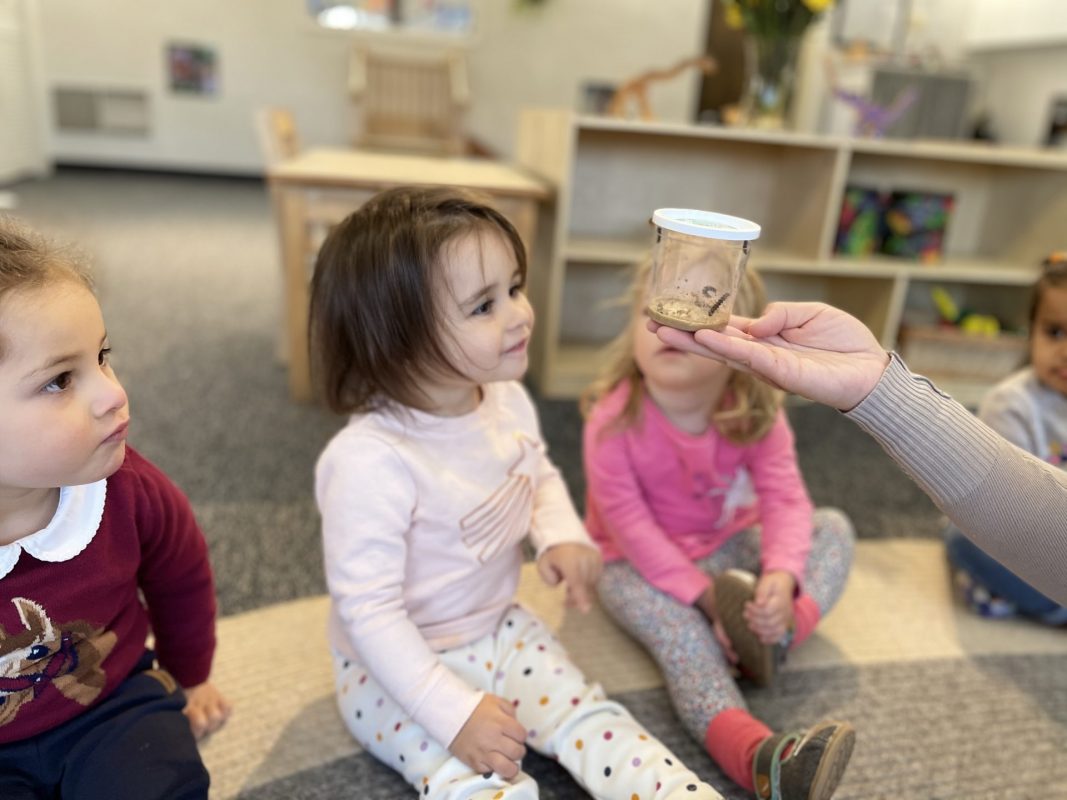
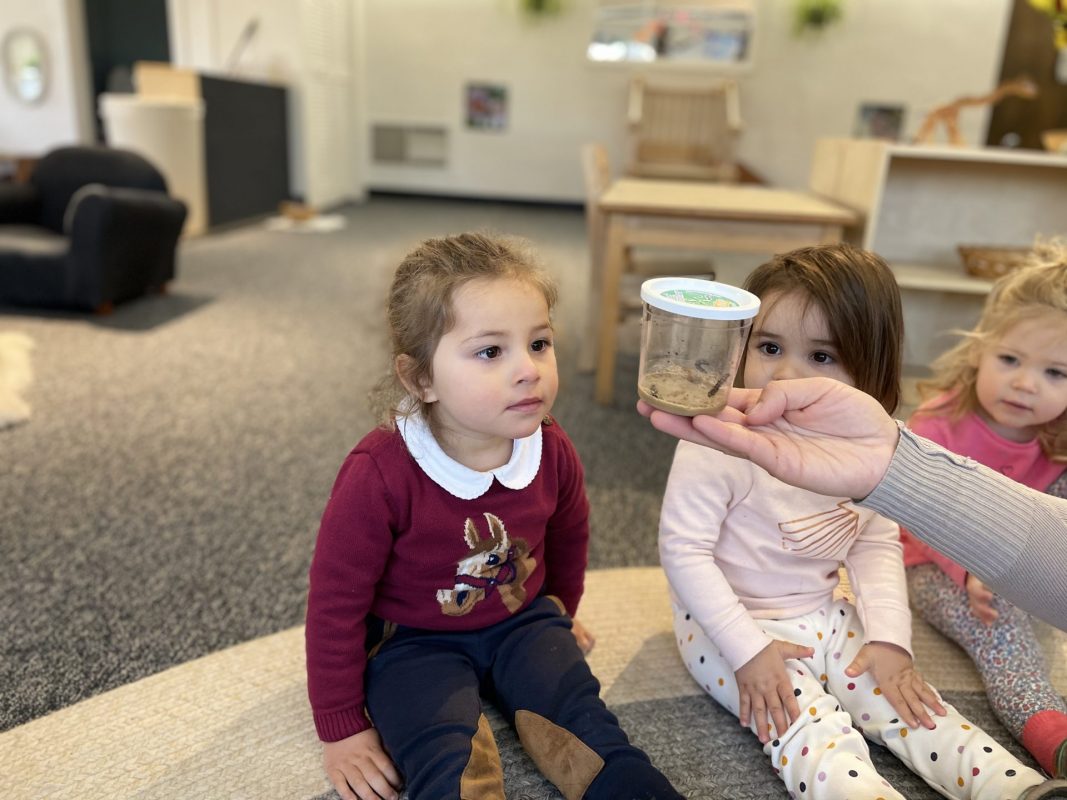
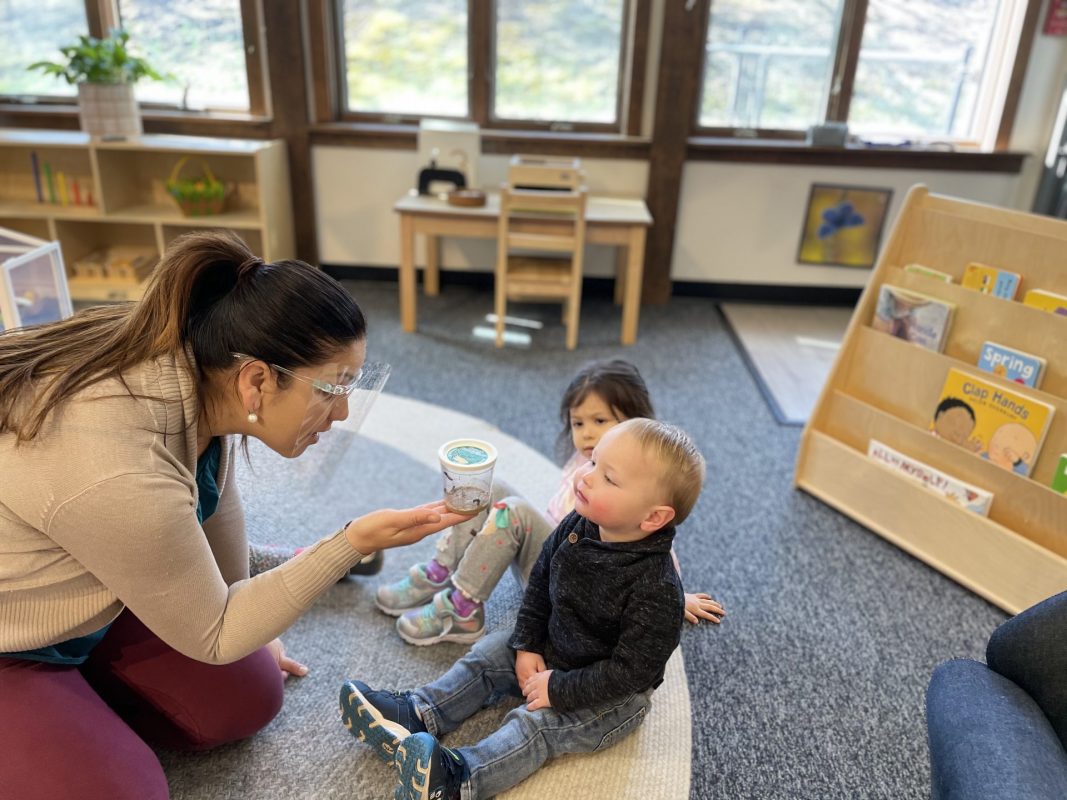
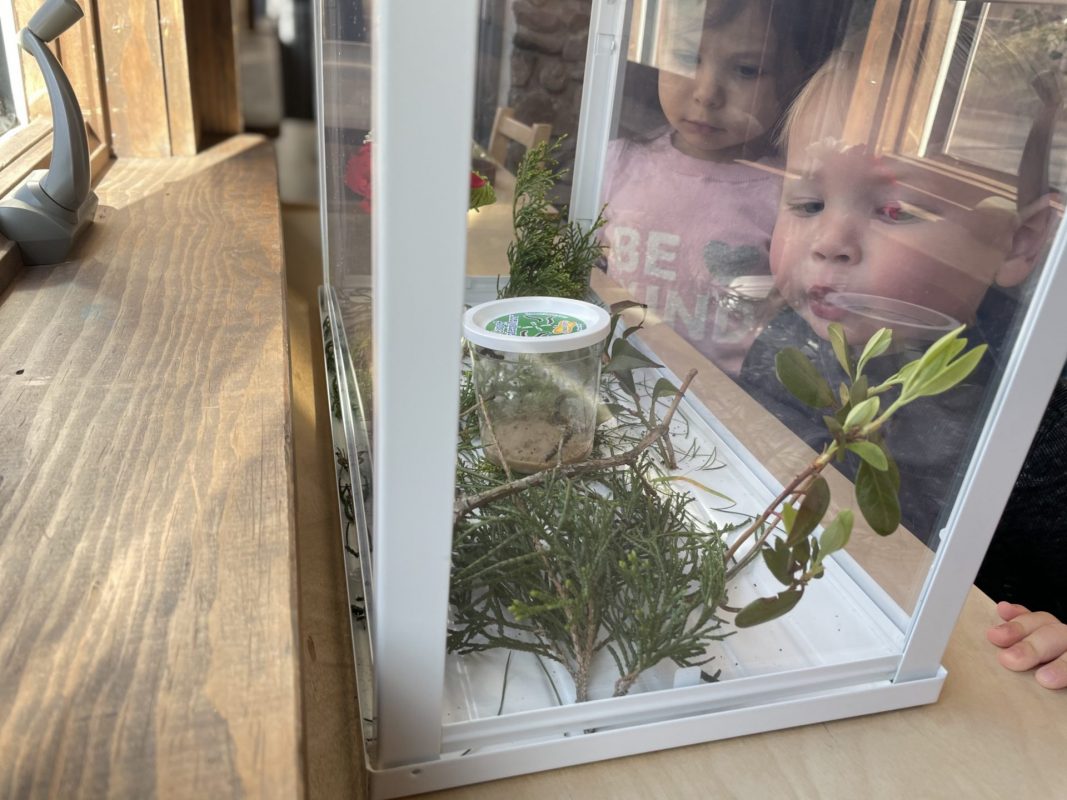
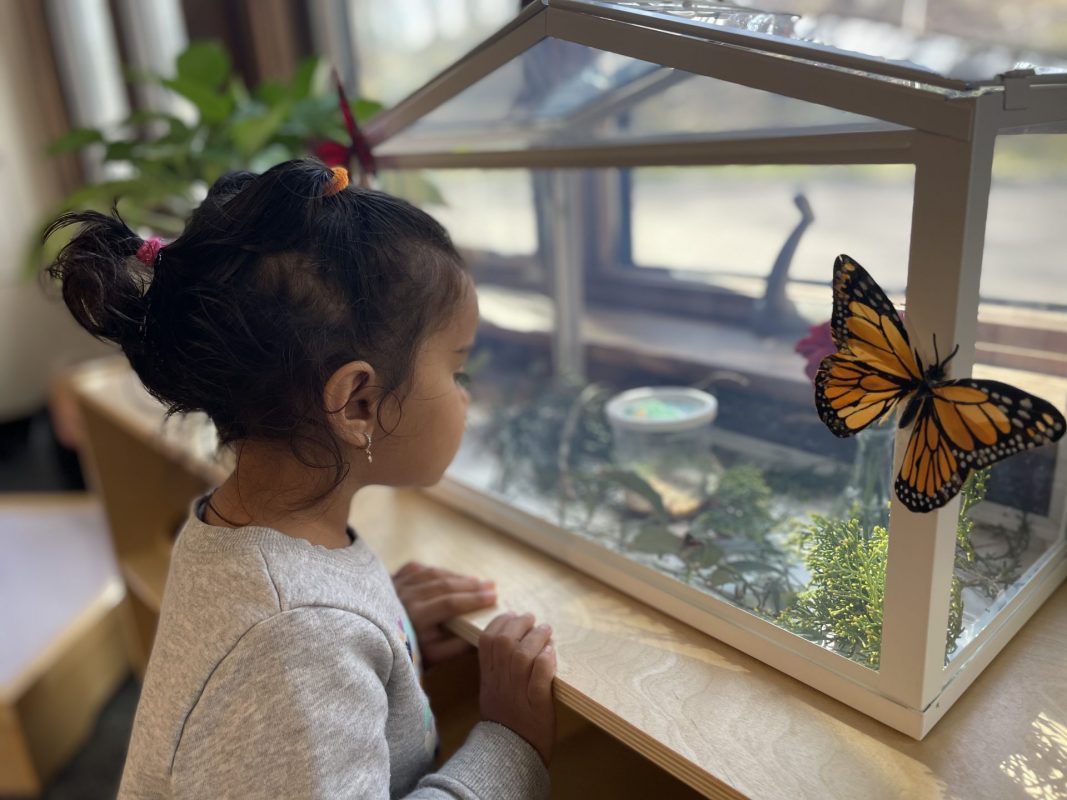
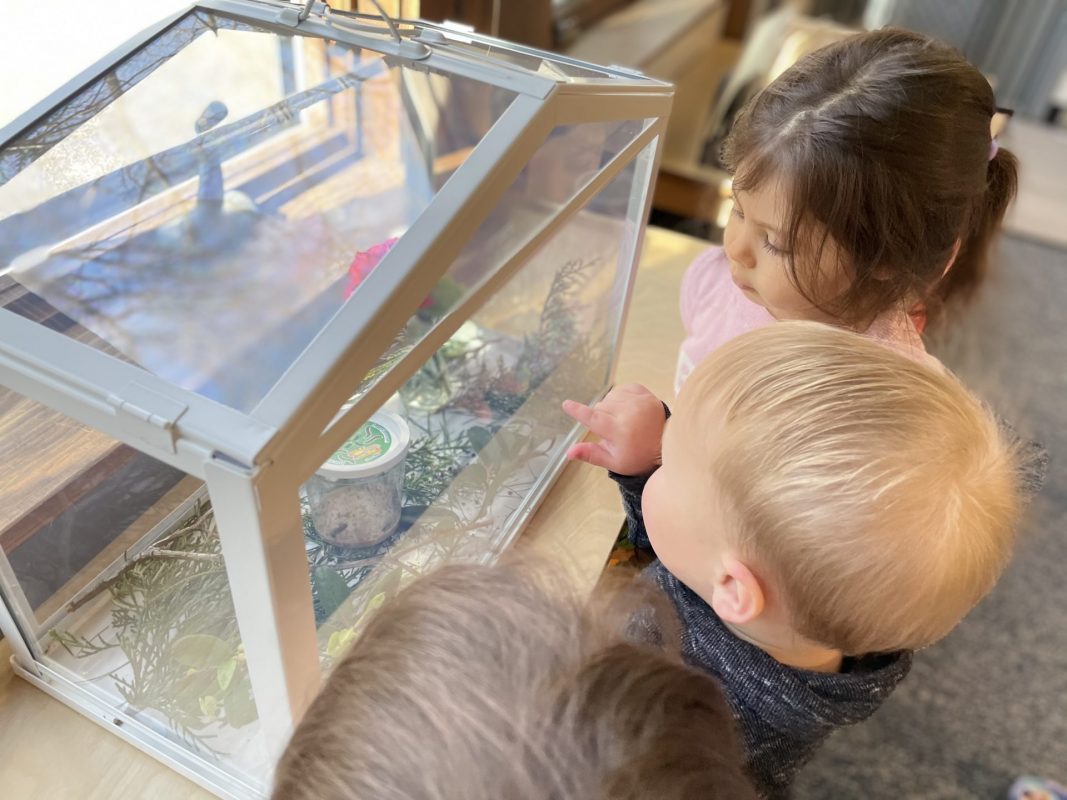
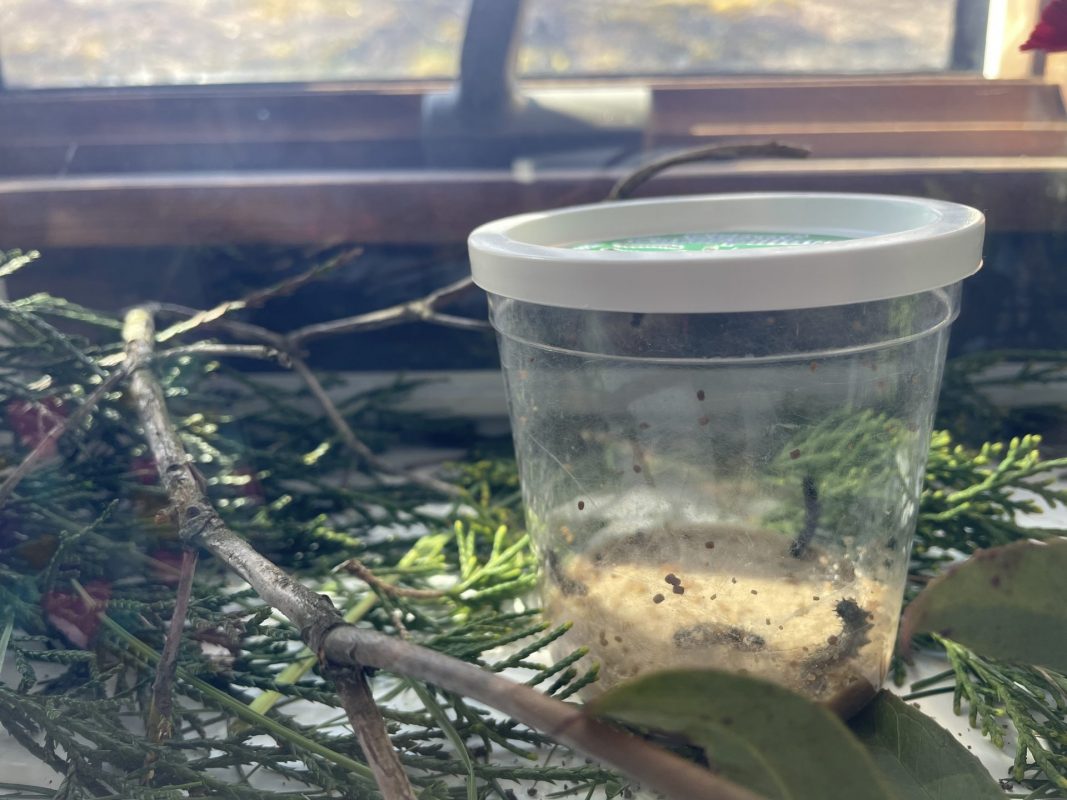
We also received our caterpillars this week. The children are learning to observe the growth of the caterpillars each day. We also are learning that insects are our helpers and we need to care for even the littlest of creatures.

Here is the song they are learning to name all the parts of an insect.

Head (Point to head.)
Thorax (Point to the chest.)
Abdomen – abdomen! (Point to stomach.)
Head, thorax, abdomen – abdomen!
And eyes (Point to eyes.)
And mouth (Point to mouth.)
And antennae, two (Stick 2 fingers up.)
Six legs (Wiggle 3 fingers on each hand.)
And there’s an insect for you!

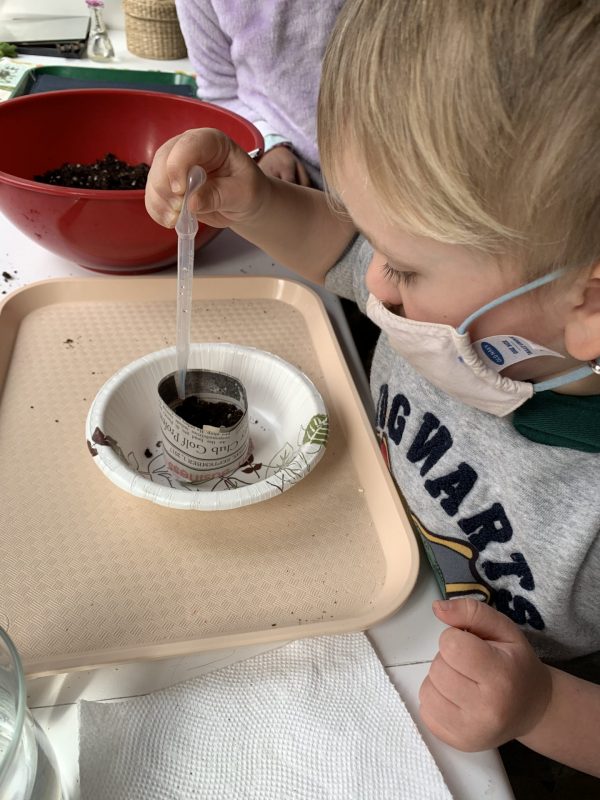
Along with learning about insects, we introduced recycling. The children rinse off the plastic containers and bring them into the recycling bin. We also added a compost bin into the classroom. The children are learning that we can throw our food scraps into the bin vs. the trash can. We will later use our compost to nourish the garden. The seeds that the children planted on their own have already started to sprout. Some will stay here at school so we can create our own garden and some will be sent home.

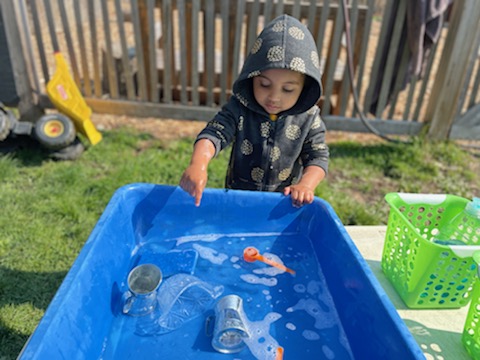
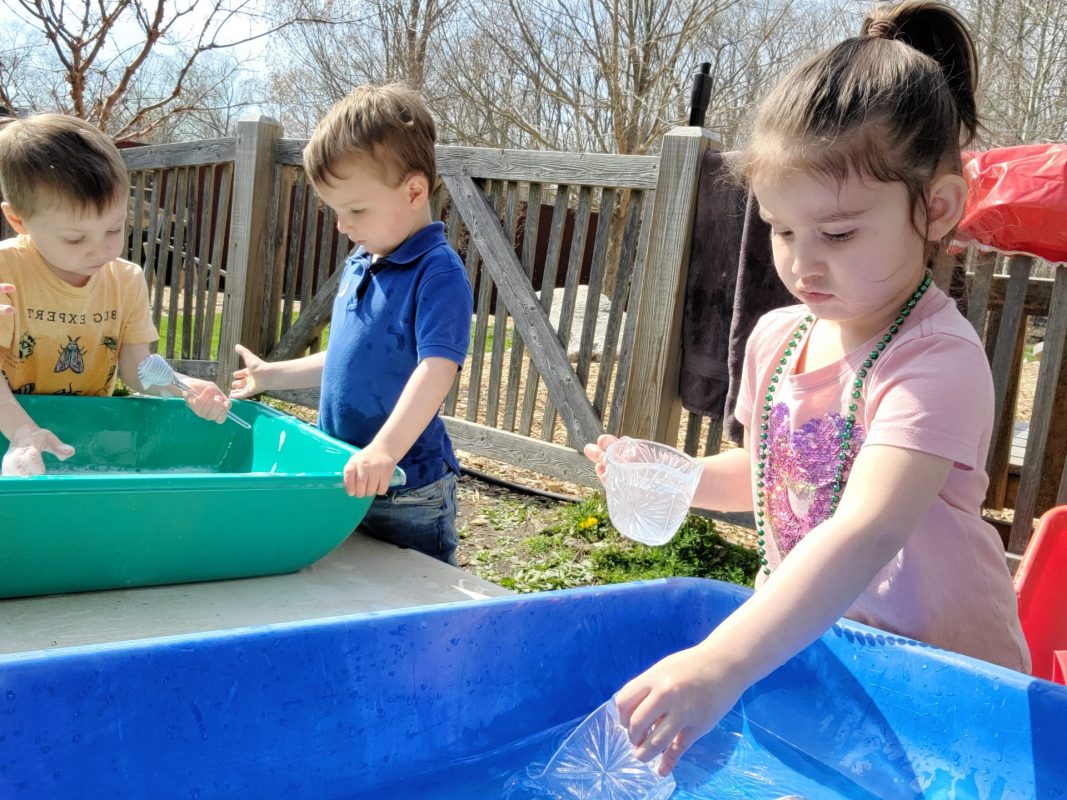
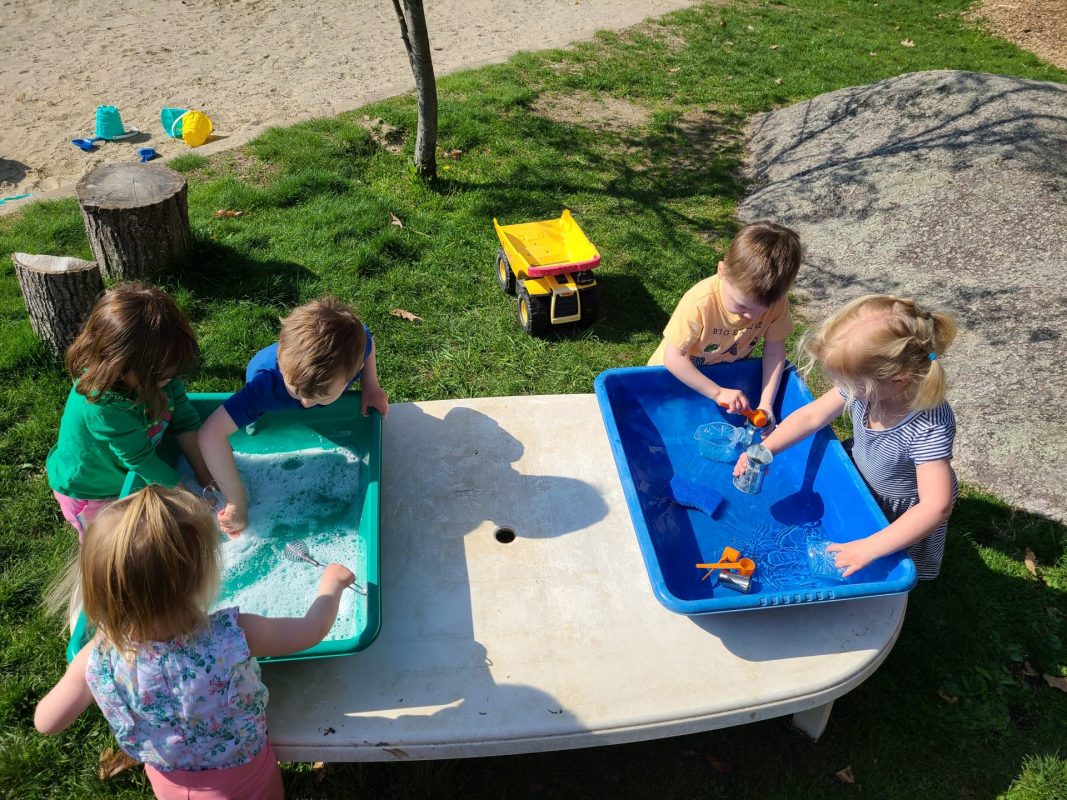
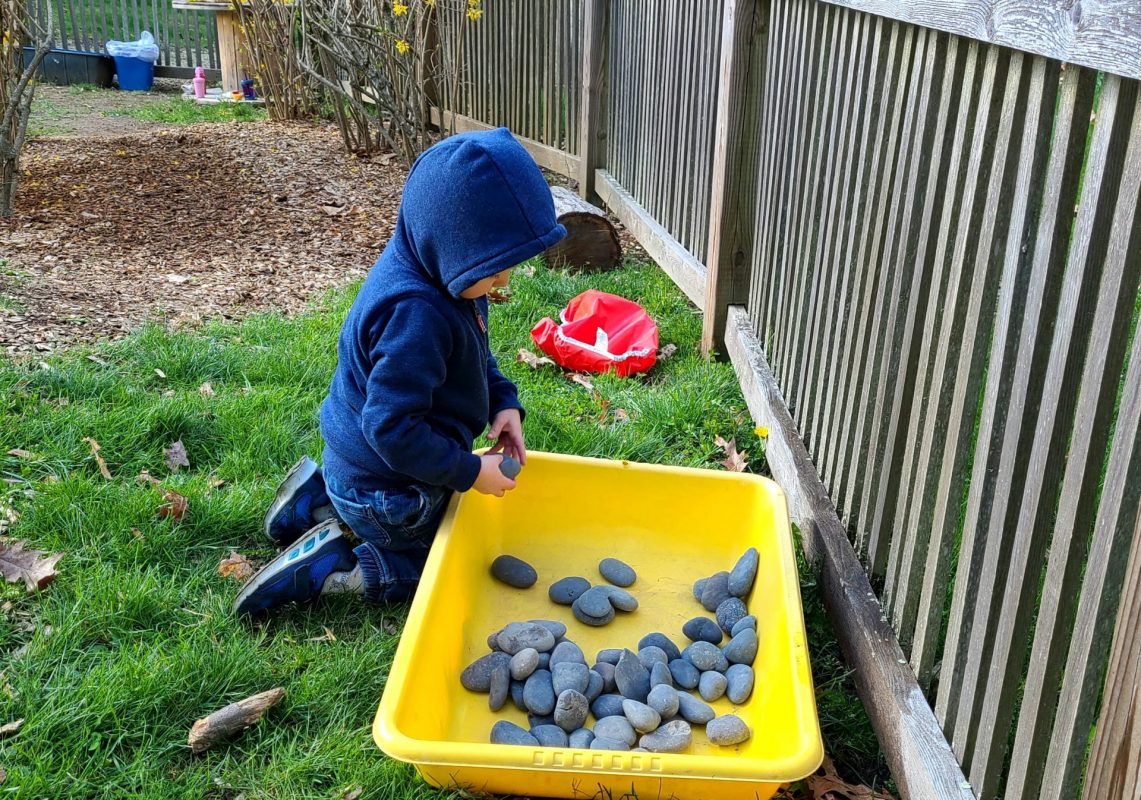
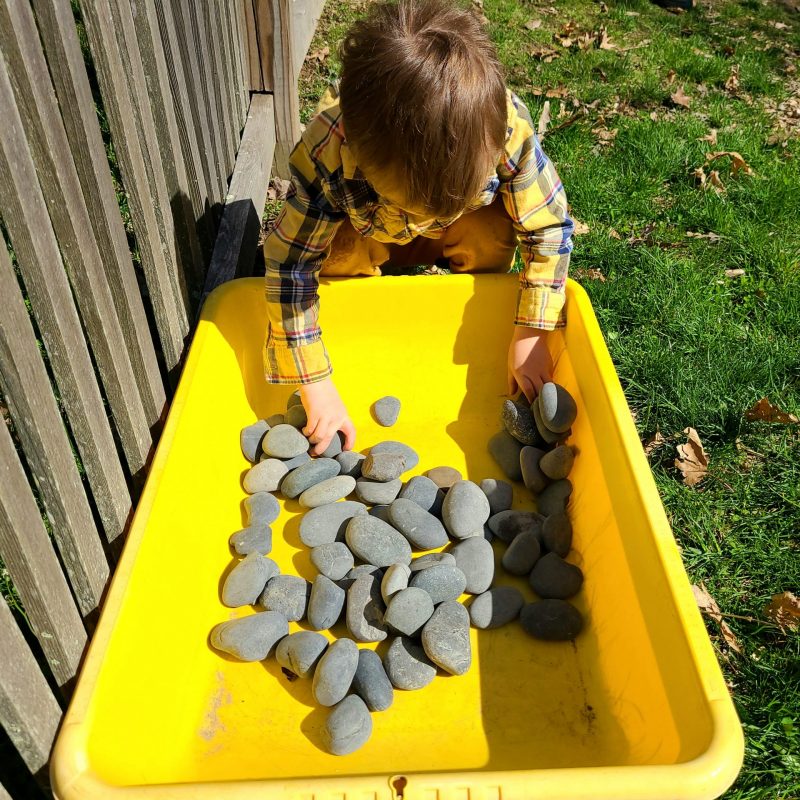
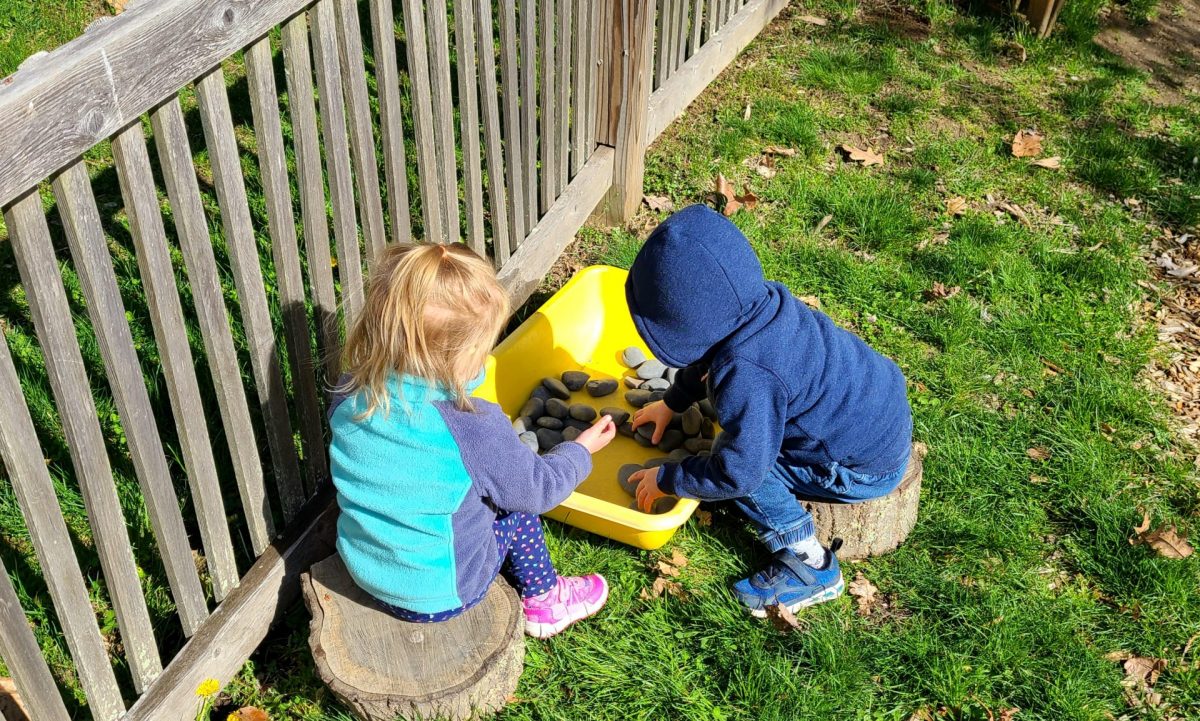
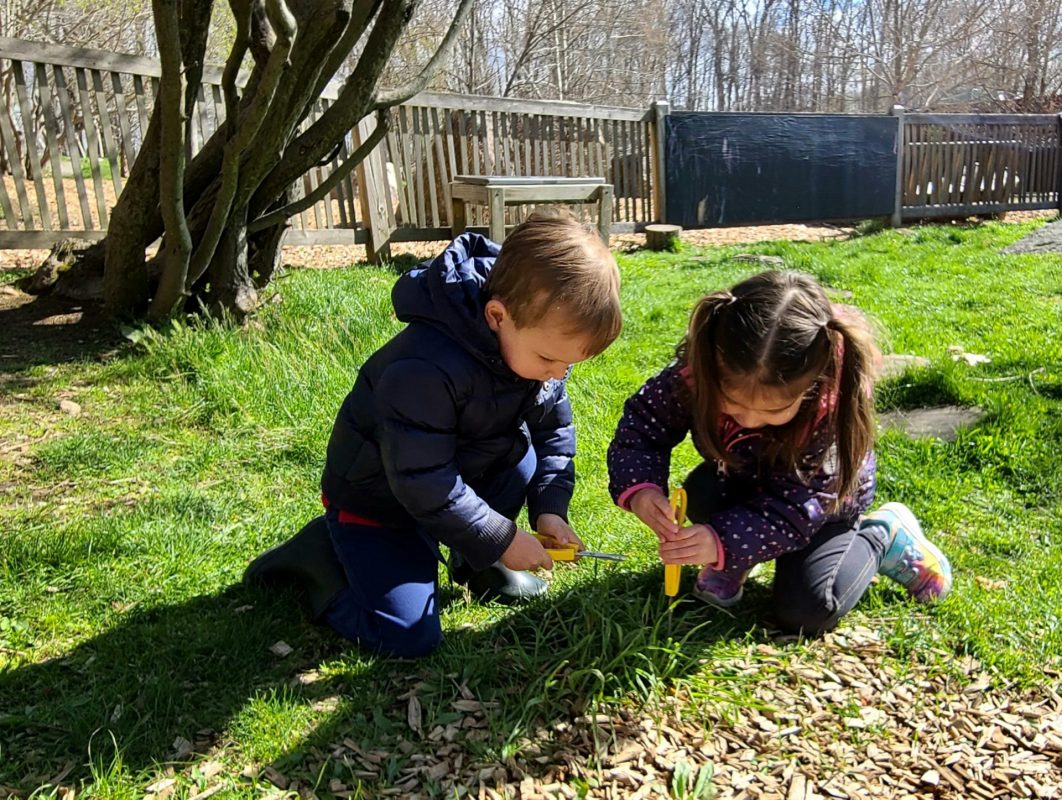
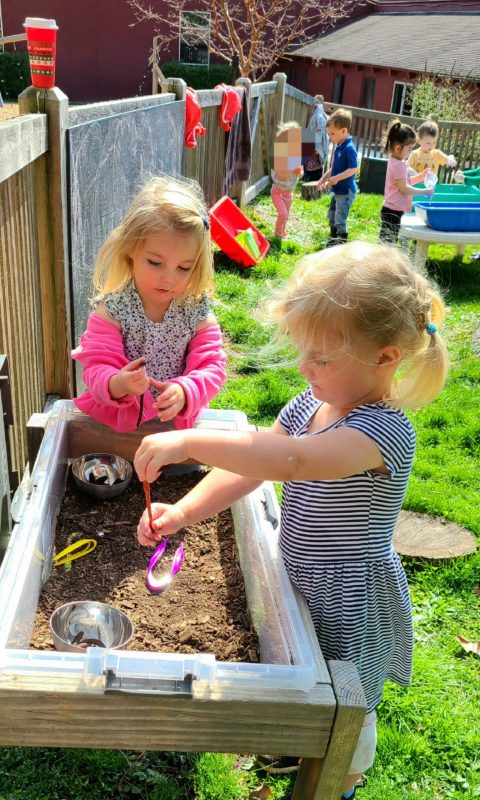
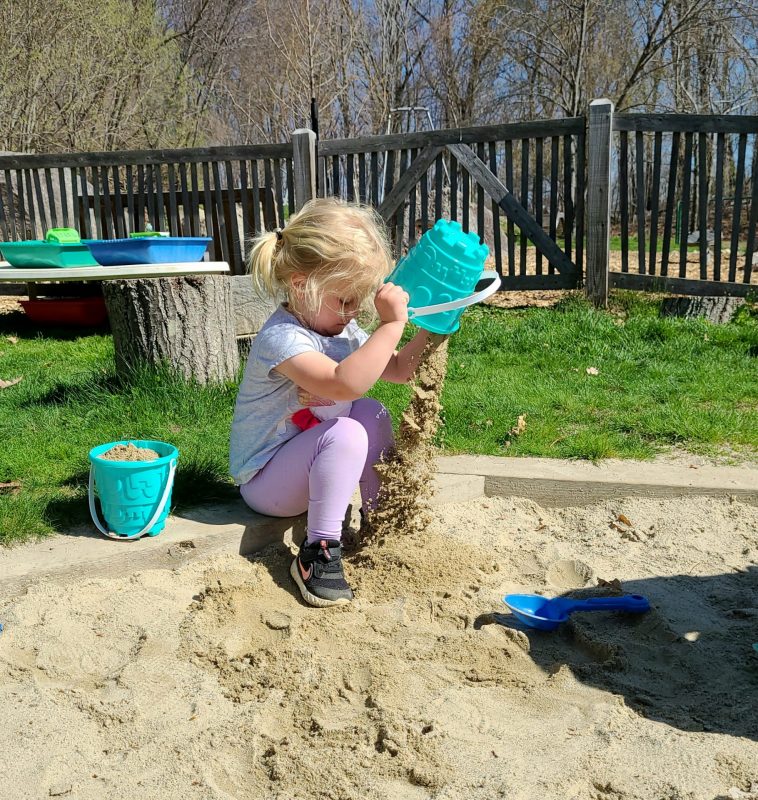
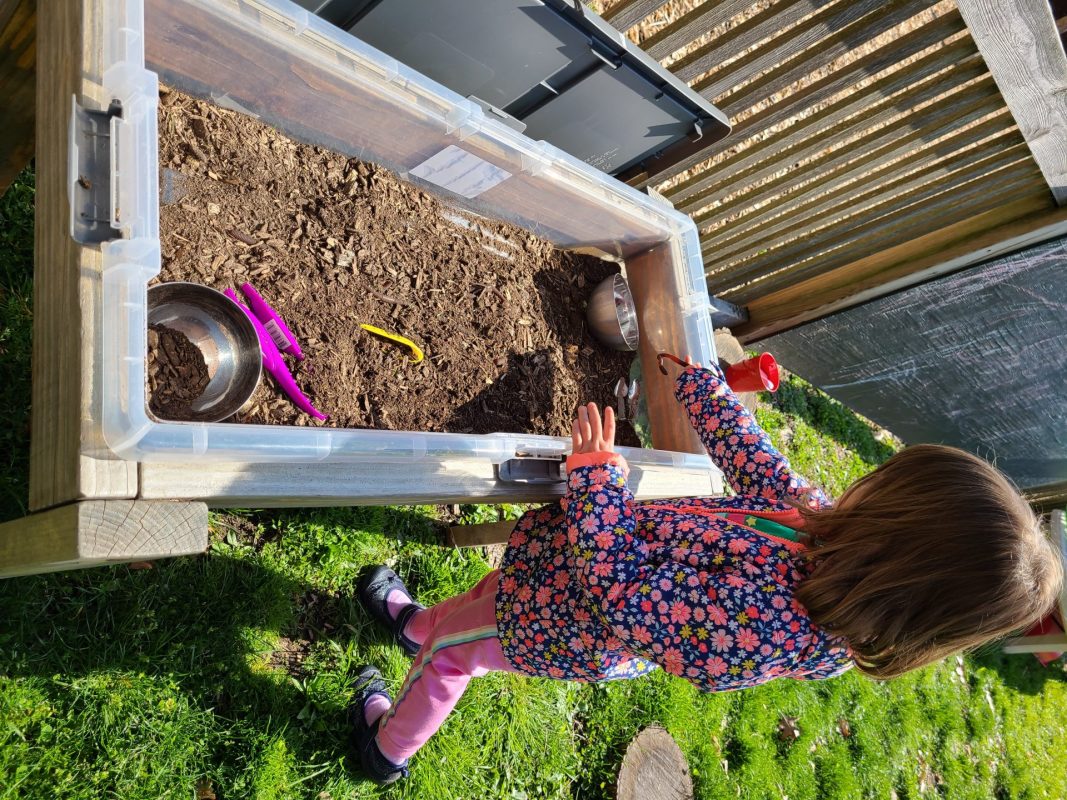
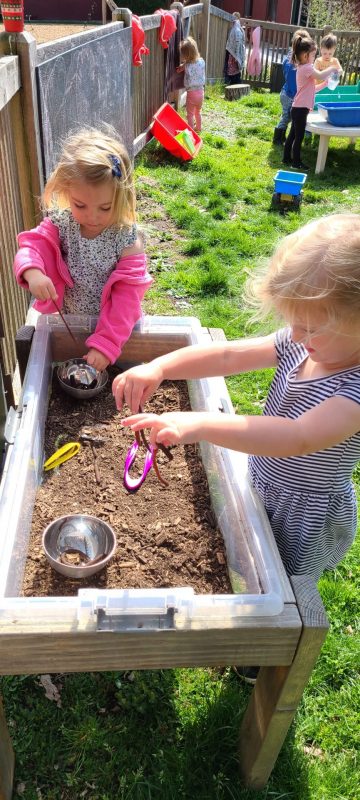
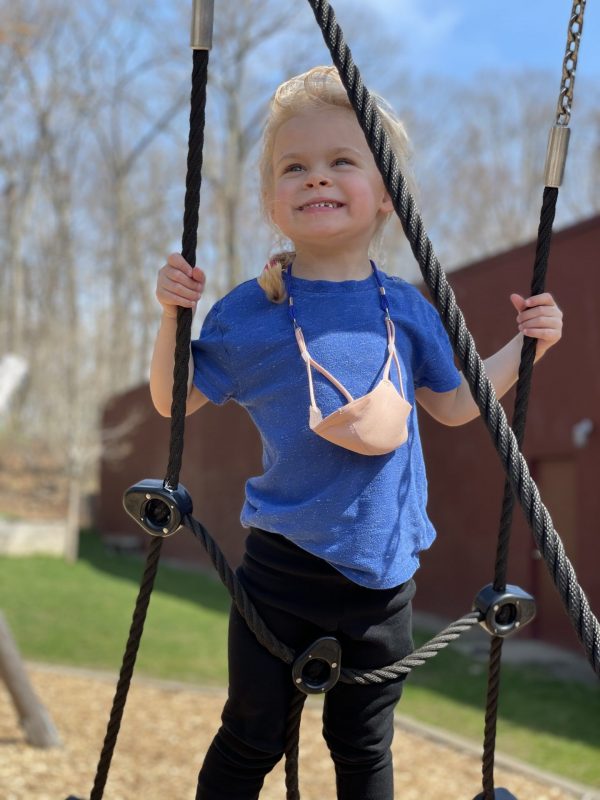
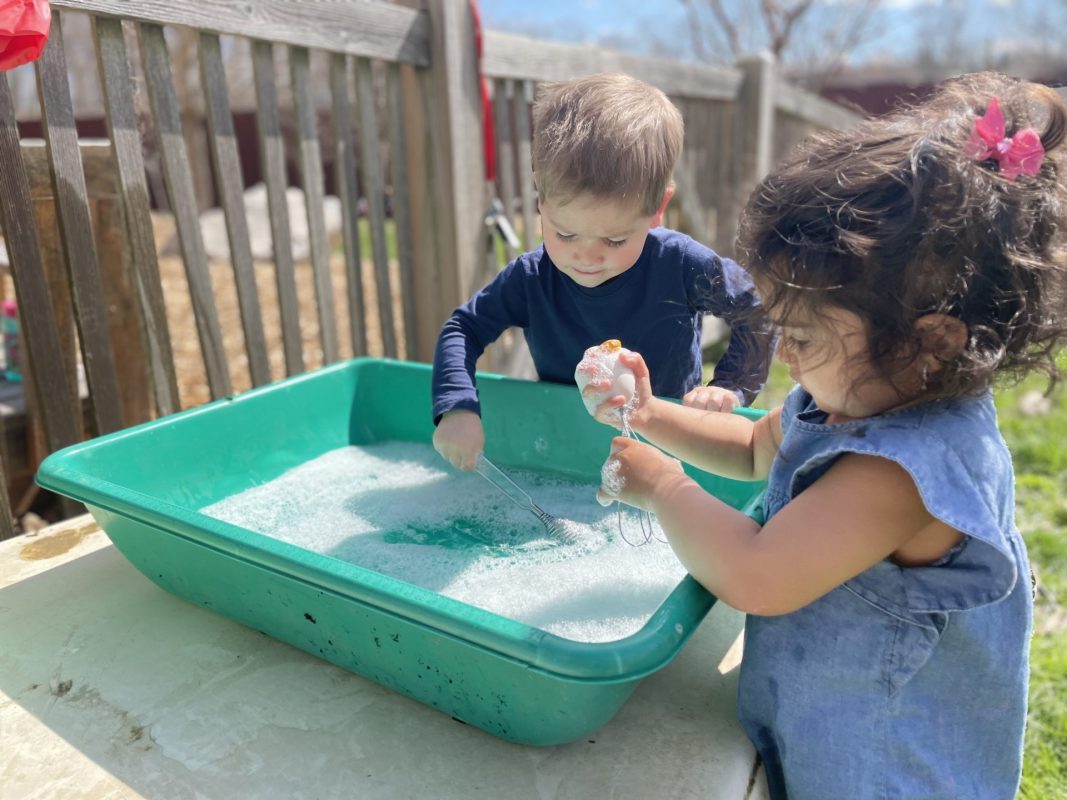
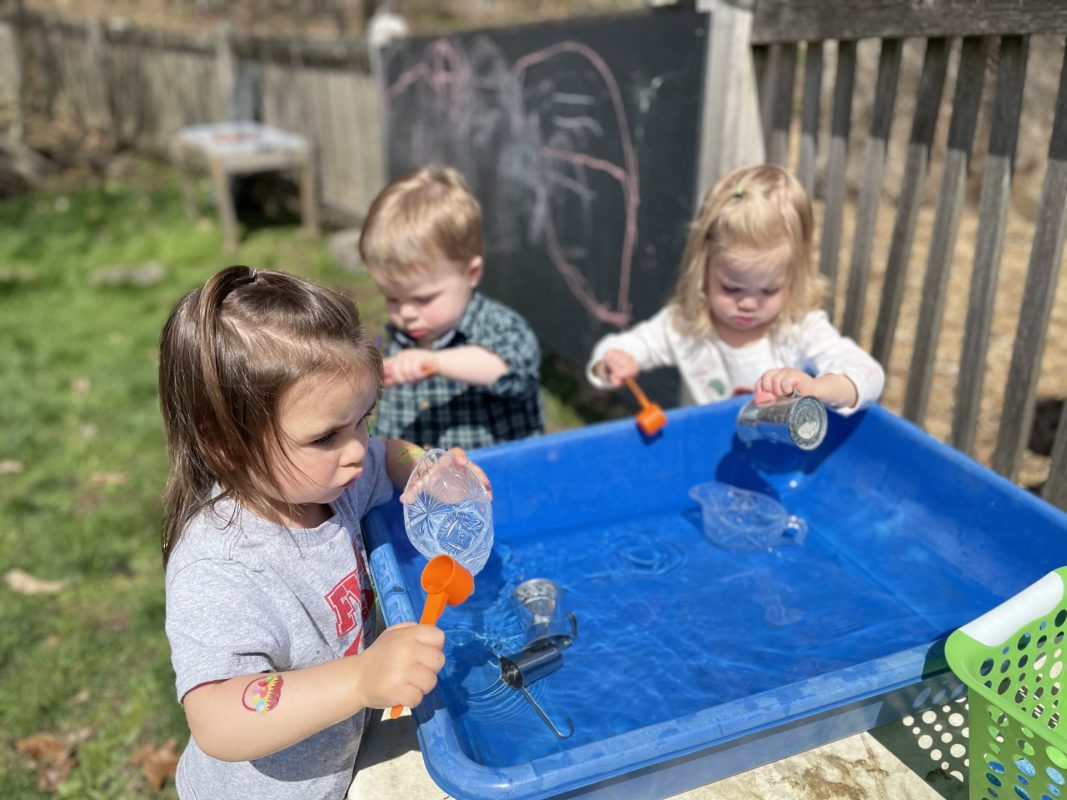
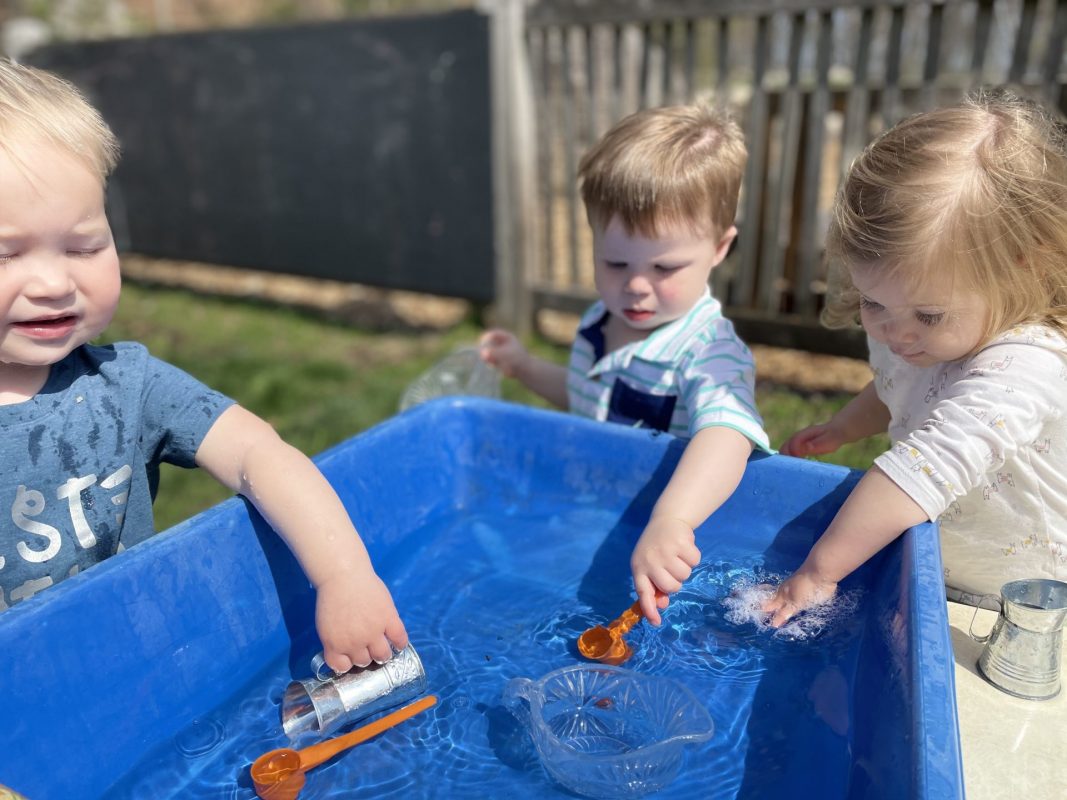
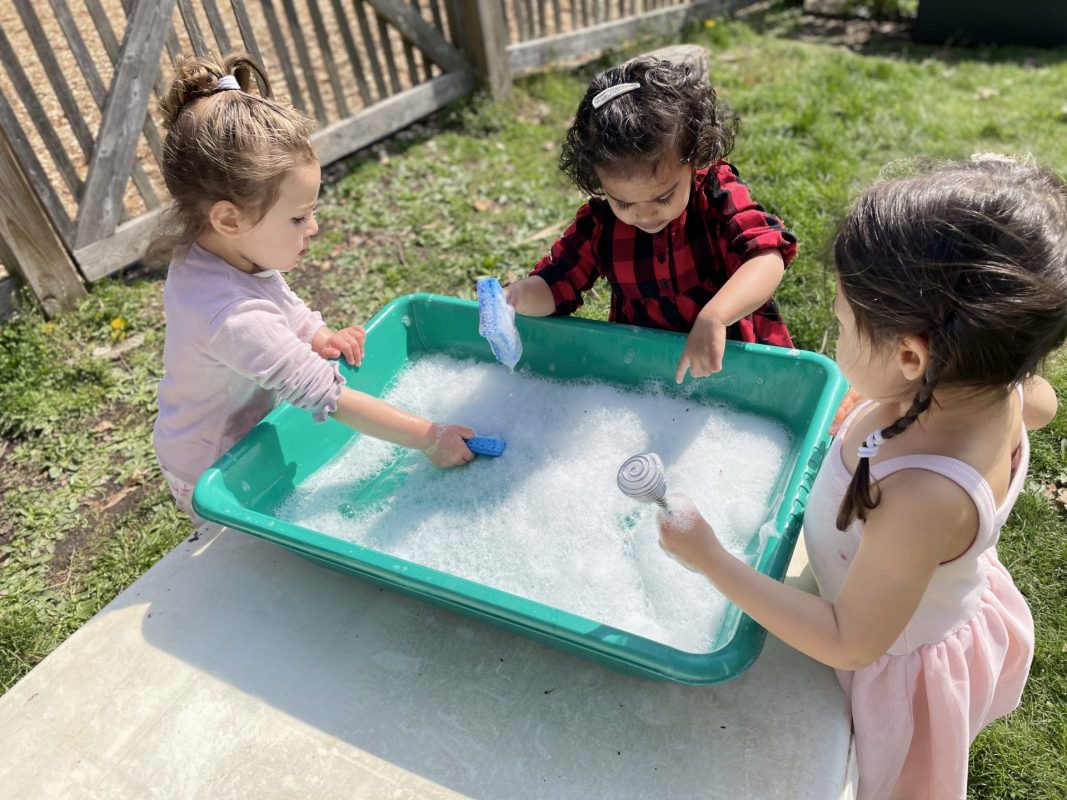
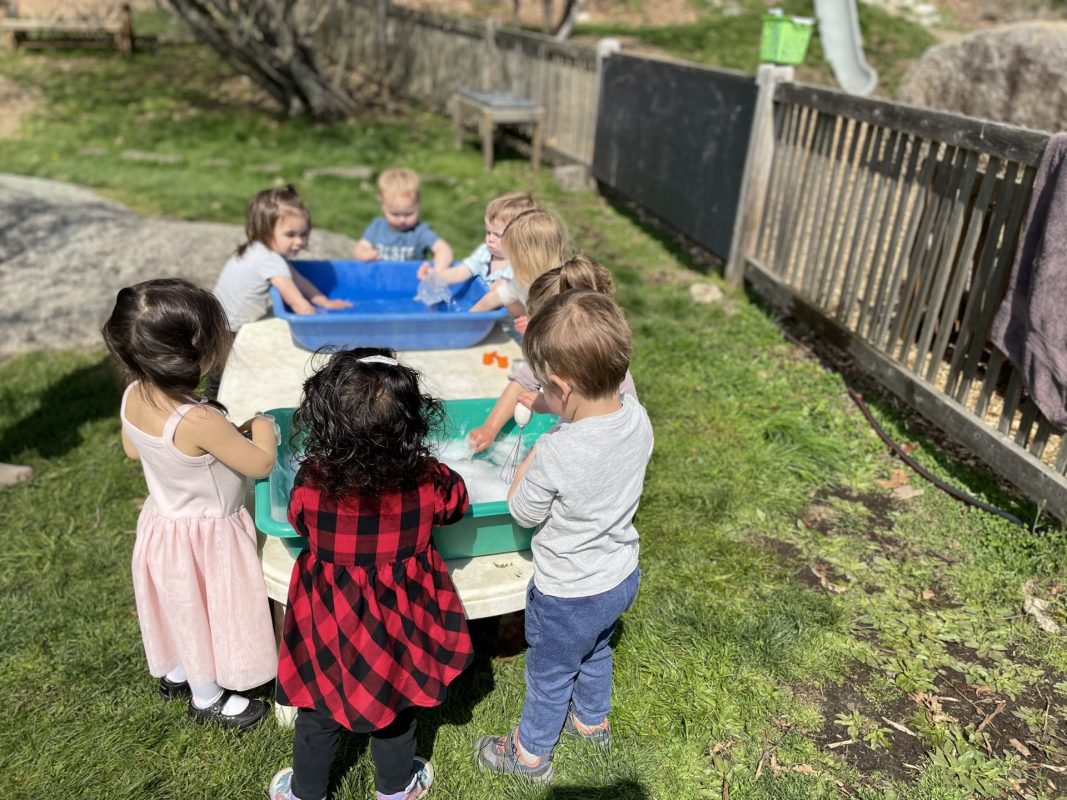
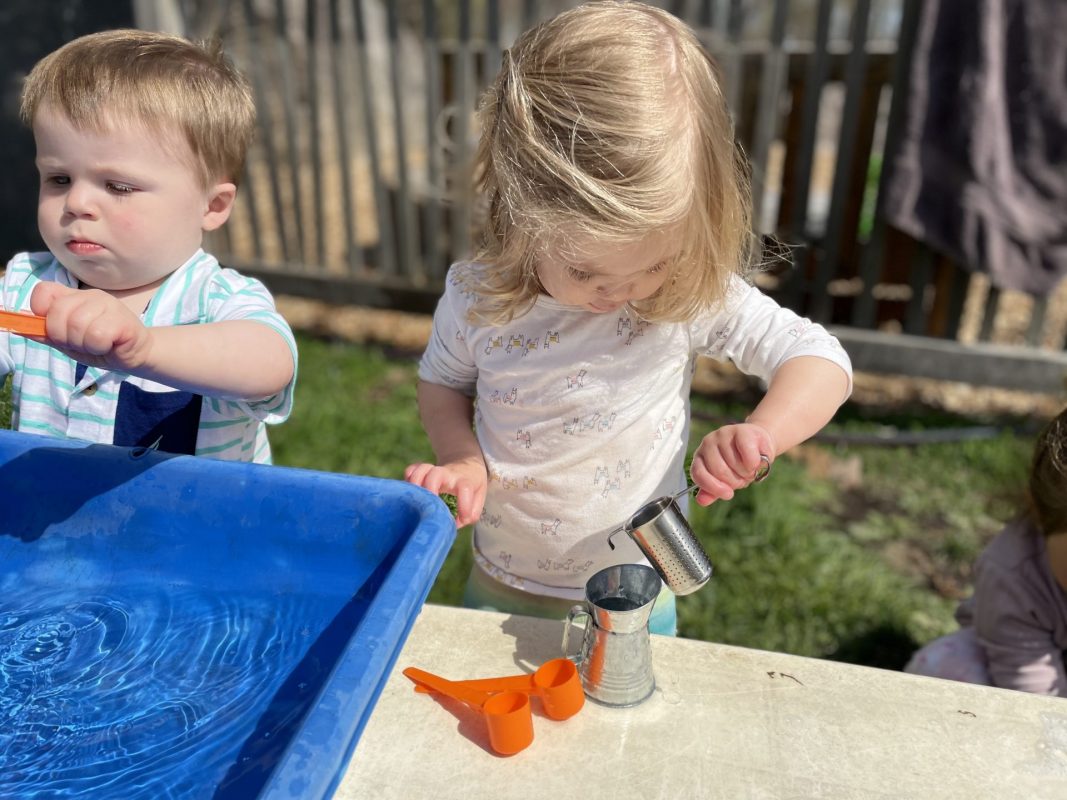
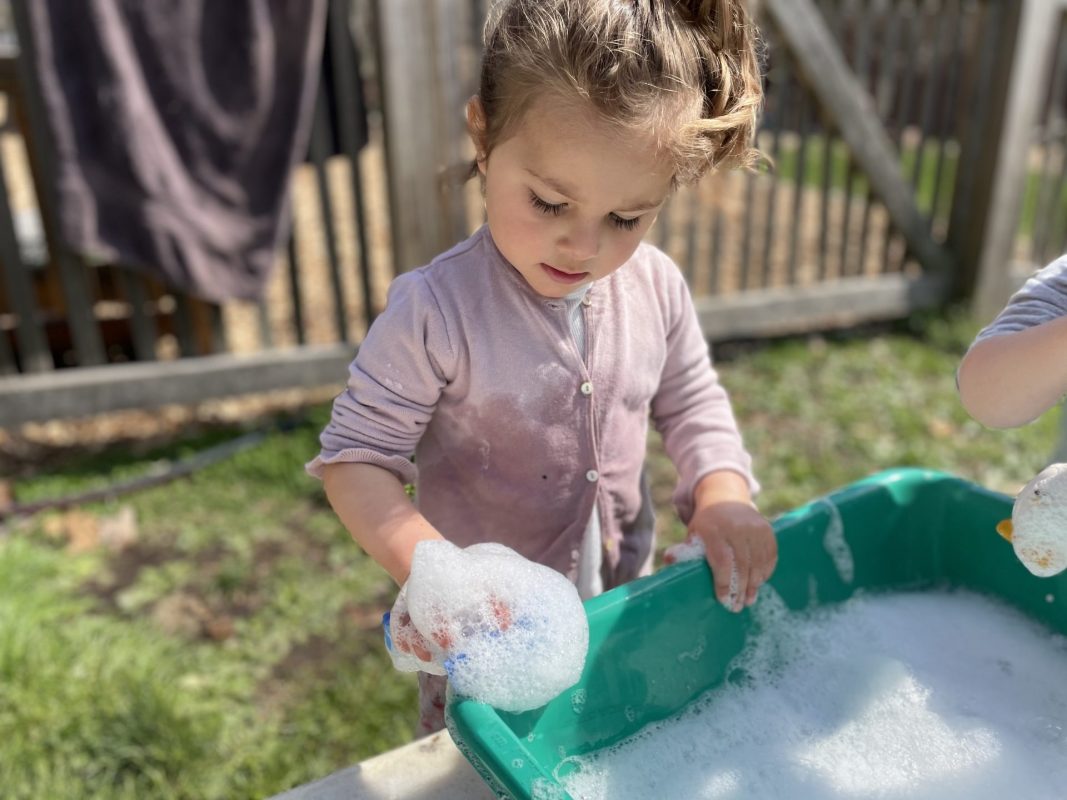
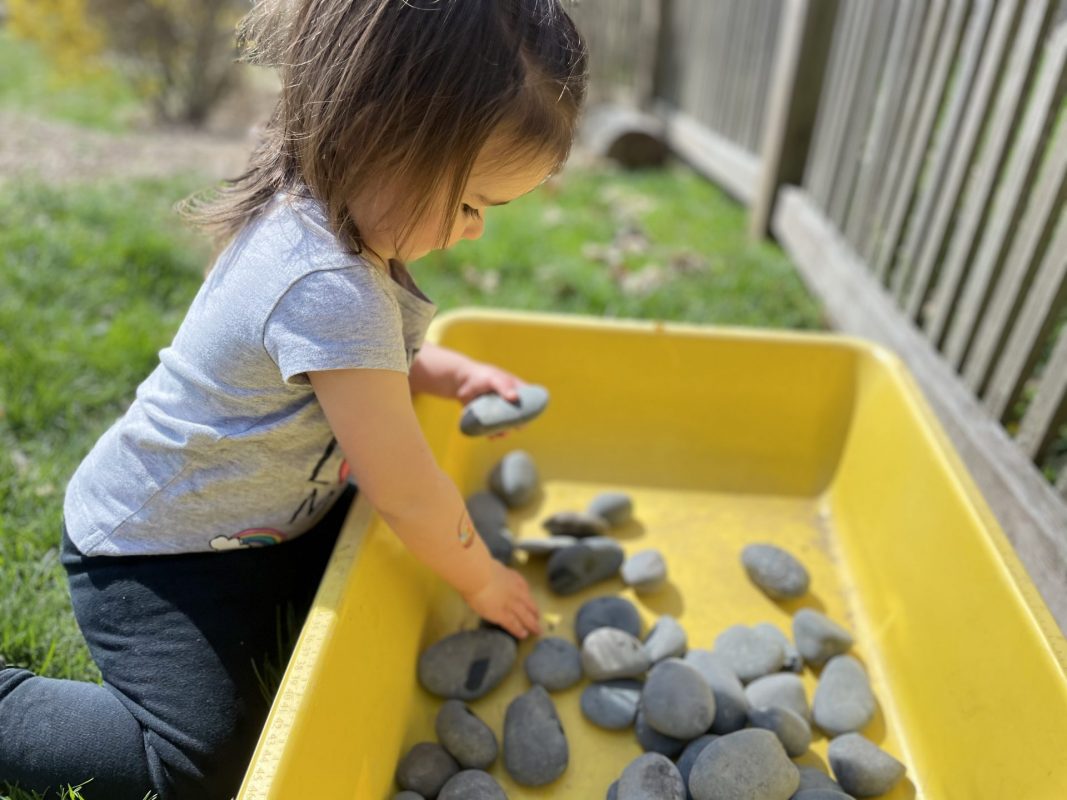
Our outdoor environment has some new water activities as well. The children have enjoyed using these on warmer days. They can choose to use bubble whisking, and water scooping and pouring. There is a bin with smooth flat rocks for building and scissors so they can practice their cutting skills. The children are welcomed to use the scissors to cut the tall grass.

We will be adding more water activities throughout the rest of the year.

Happy Birthday!

Have a wonderful weekend!

Mrs. Wilson and Ms. Sara


Mrs. Lopes’s Class: Celebrating Earth Day!

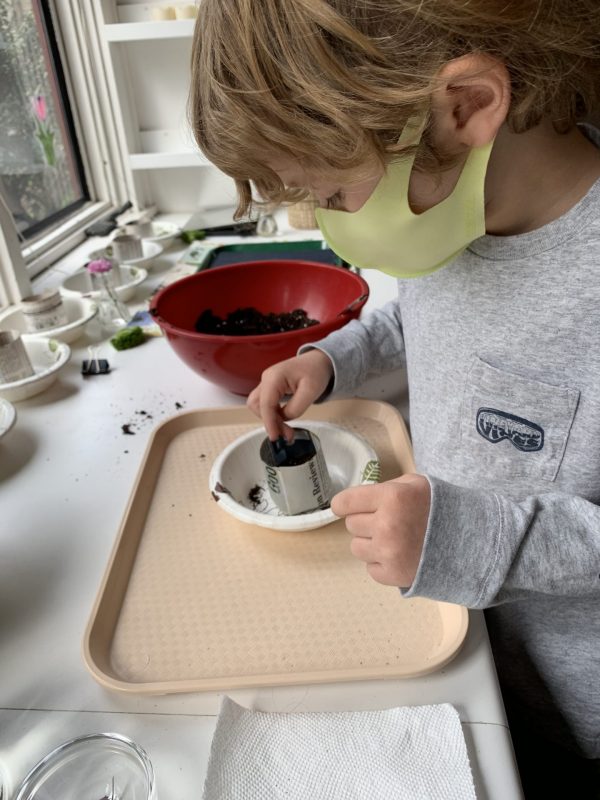
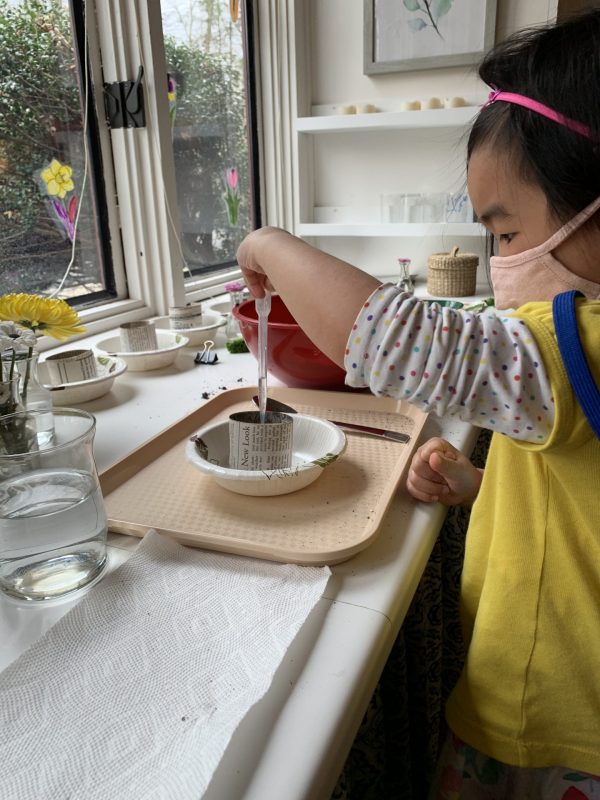
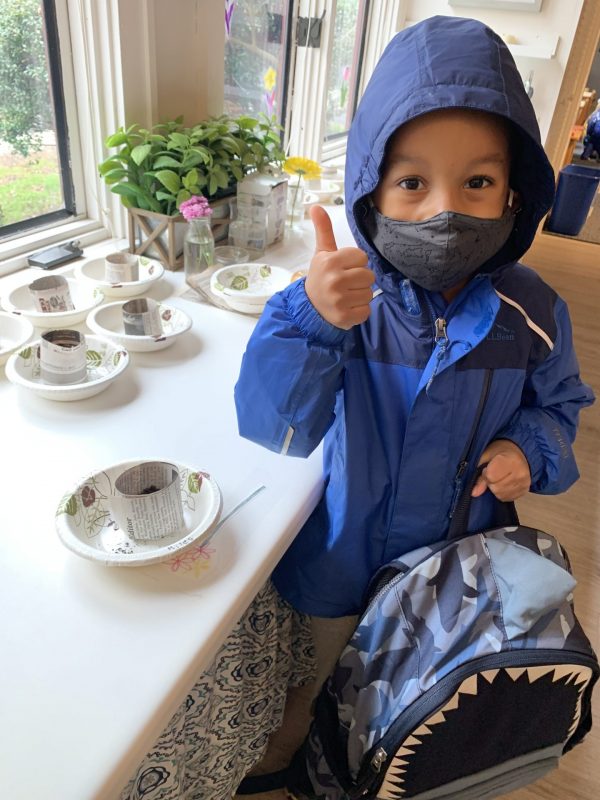
Maria Montessori believed in giving children experiences in nature.  In Montessori education, Earth Day principles are a natural part of everyday learning.  Children are encouraged to think about the Earth and how they can take care of the world we all share.  This week we celebrated Earth Day in our classroom as an extra way to show respect for the Earth and to build community.  Our class discussed what it means to reduce, reuse, and recycle.  We made a list of things they can do to help the environment, such as turning off the water while brushing their teeth or turning off lights while playing outside.  The children also planted marigold seeds in a pot we made from recycled newspaper.  By celebrating Earth Day and encouraging children’s participation at a young age, we contribute to cultivating lifelong caretakers of this planet we call home.

We also had an exciting addition to our classroom this week – baby caterpillars!  The children are excited to watch the caterpillars grow and we will be going into more detail about the life cycle of a butterfly next week!

Have a wonderful weekend,

Amanda & Sharlene


Middle School: Week in Review

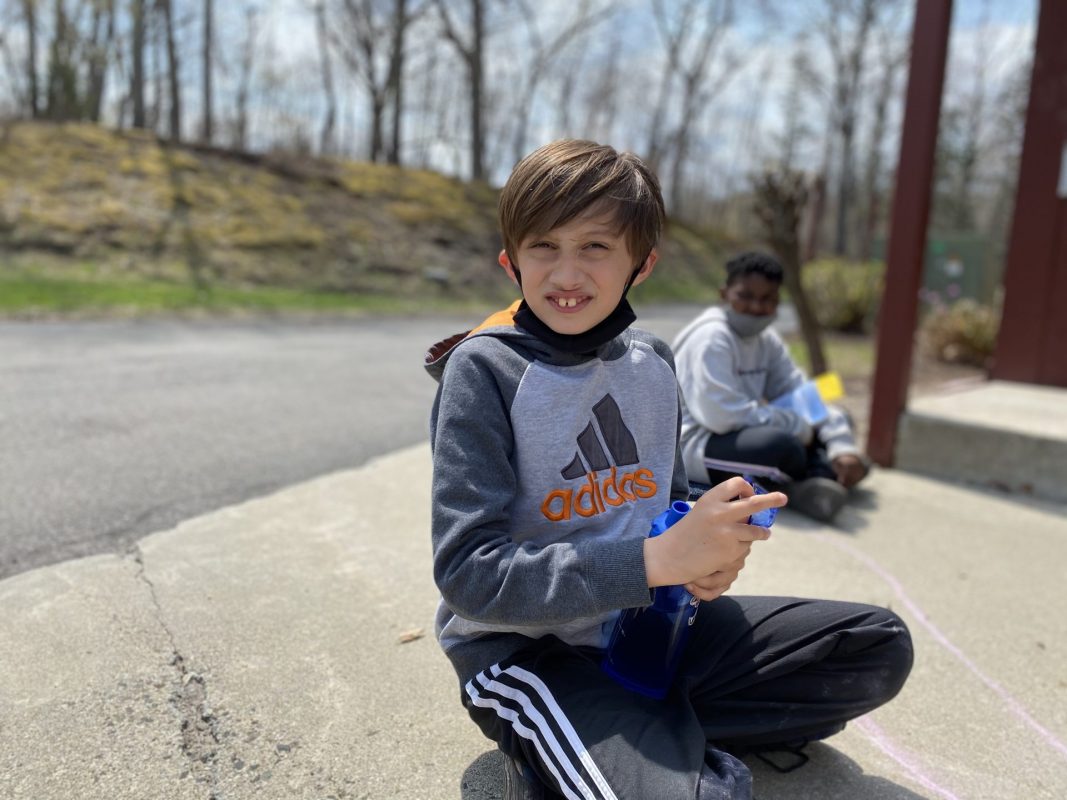
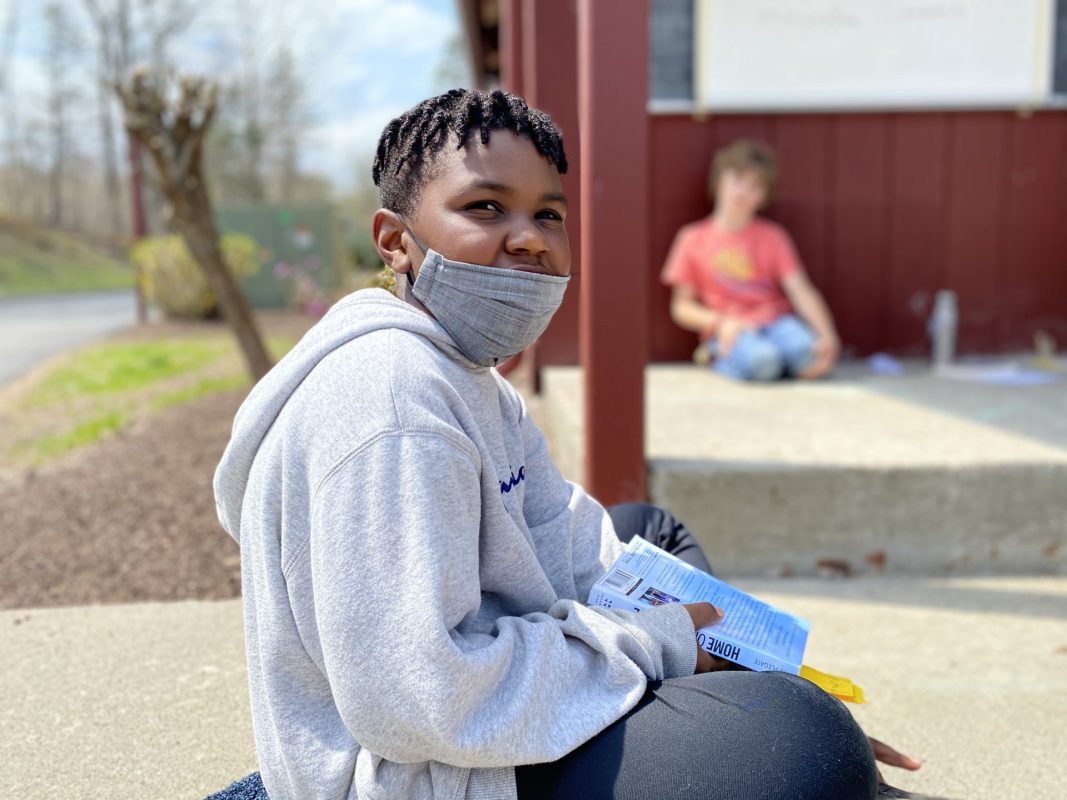
After a quite typical spring week where we felt (almost) the four seasons literally and figuratively, we ended the week with a beautiful spring day outdoors in honor of Earth Day (more on this in next week’s blog)!  Our classrooms were full of activity this week. Spring trimester is such a wonderful time to focus on our curriculums while taking advantage of the outdoors. A perfect combination for learning.

Humanities

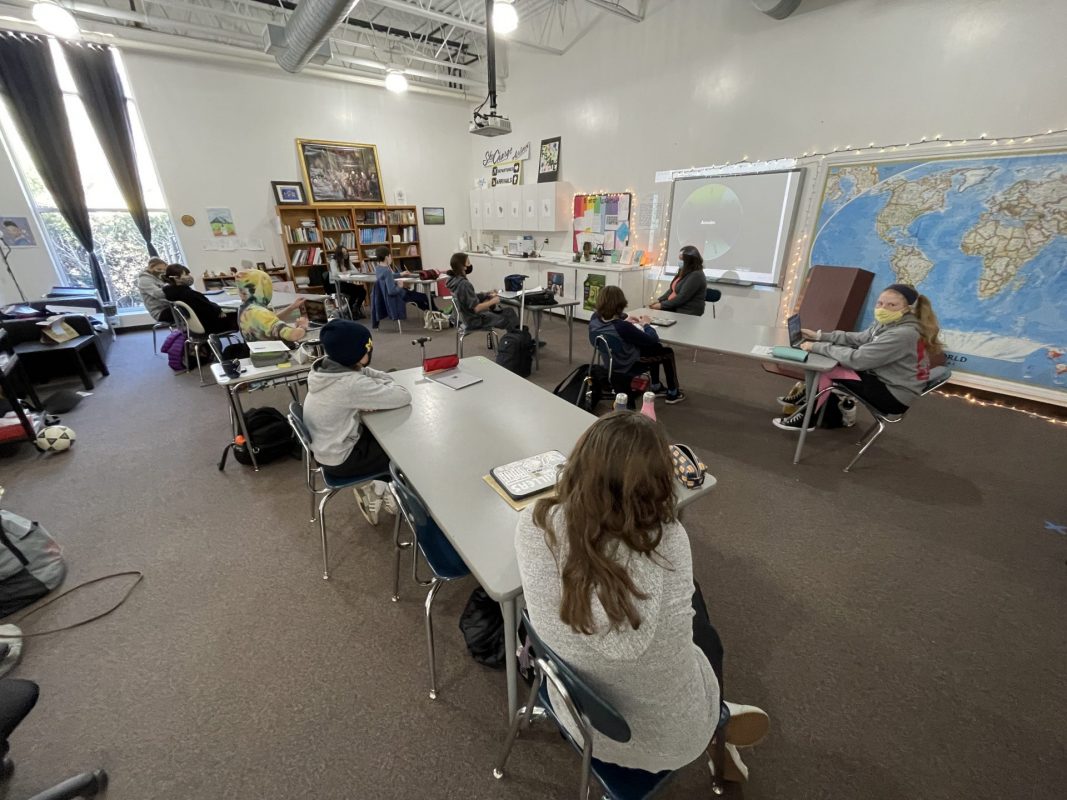
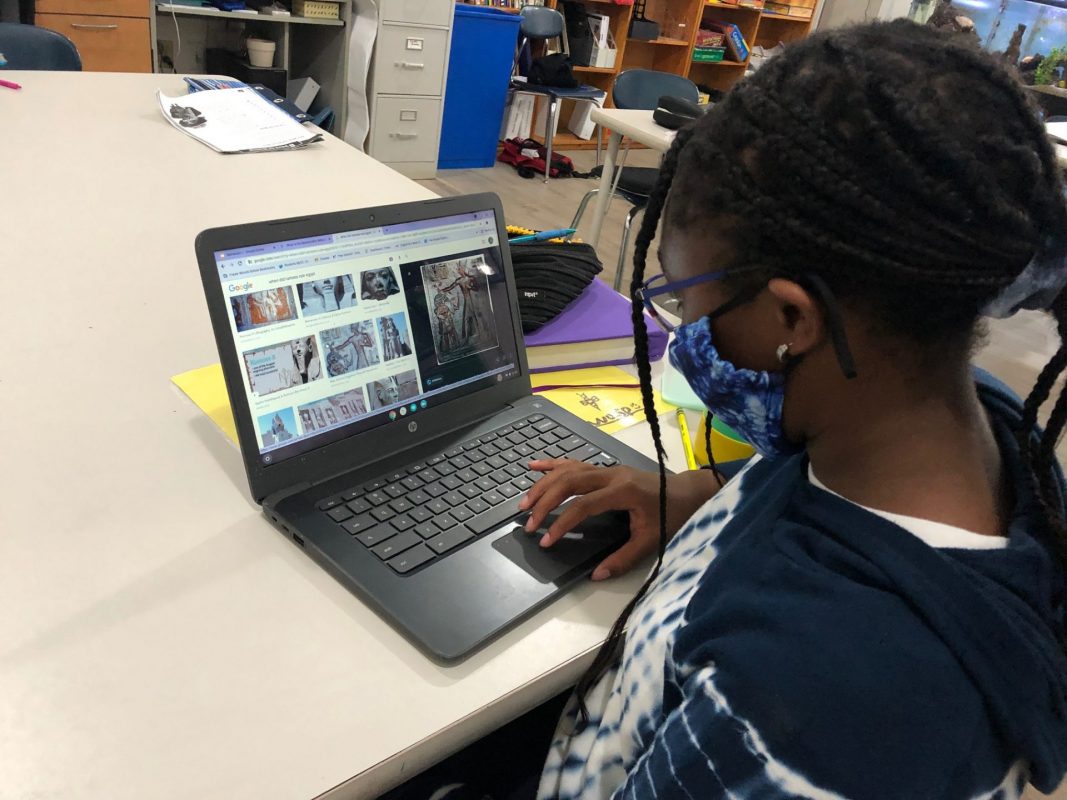
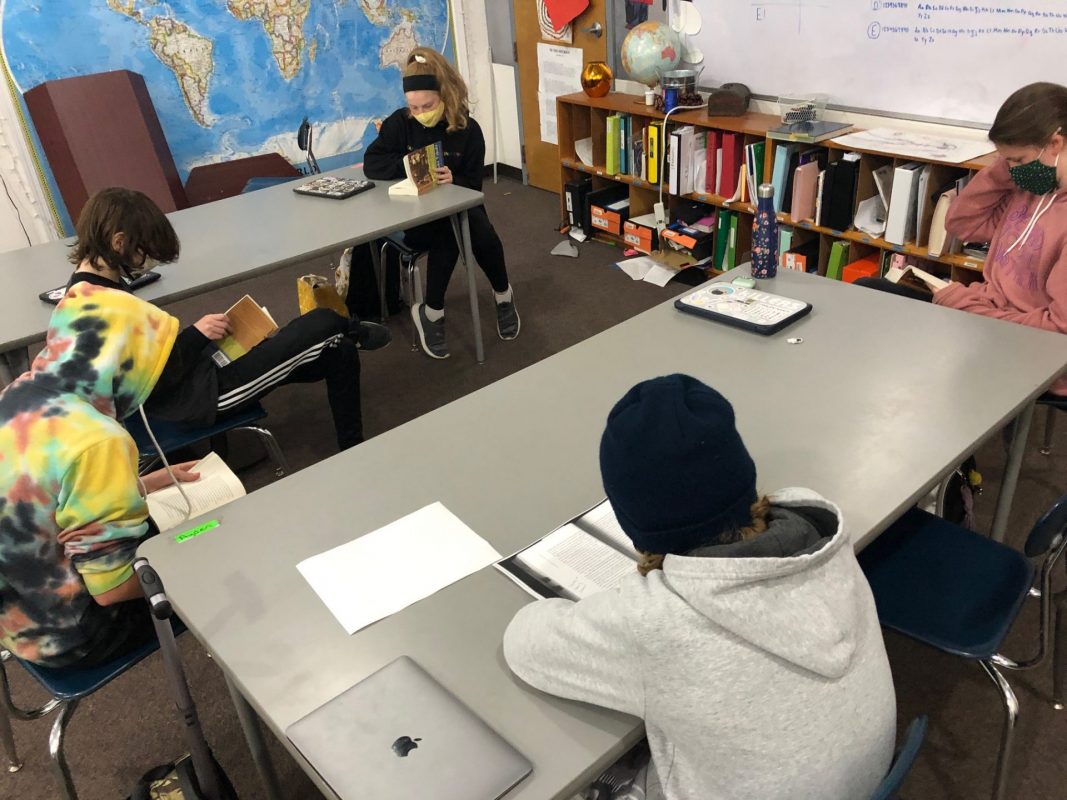
In 6th grade, students completed their pharaoh presentations while transitioning to SubContinental Asia. They toured this beautiful part of the world virtually and finished a map of the region. This class enjoys geography, so we take time to explore, answer questions, and see what we can see from our classroom. Finally, half of the 6th grade students wrote current events essays and developed discussion questions for their presentation.

7th grade Humanities classes are reading George Orwell’s Animal Farm fast and furiously. Before starting, 7th graders continued learning about Russian History, specifically focusing on the Russian Revolution of 1917. This, and its aftermath, is the historical context for their class novel. The class also staged their own Humanities Revolution and overthrew Mrs. Lamb! They had to come together and decide how to proceed and make a plan moving forward. Finally, 7th graders completed current events writing and presentations.

8th grade classes have submitted their Expert Project research paper drafts and are on their way with their presentations. With history, they have transitioned to Black America, a look at US history through the lens of this group with deep roots in our country. They particularly looked at the system of slavery including slave trade with the Americas and the global impact it made. Next week we will move into slavery in the US, legislation developed, social impacts, and influential Black people during the time preceding the Civil War.


Science

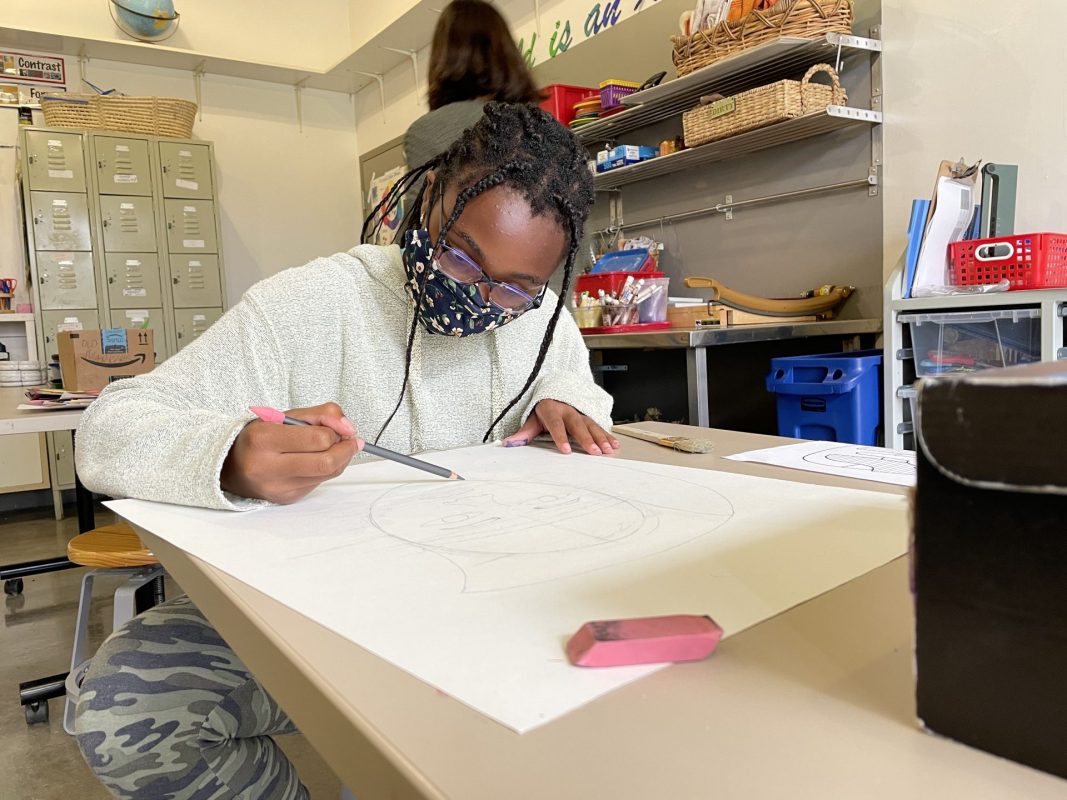
6th year Earth Science students spent the week creating an environmental cartoon that depicts a point of view related to the consumption of natural resources. Some students focused on the effects of climate change on animals while others incorporated renewable energy such as solar energy. In conjunction with Earth Day, students are working on designing a 3-D topographic map representation of Nature’s Classroom at Fraser Woods .

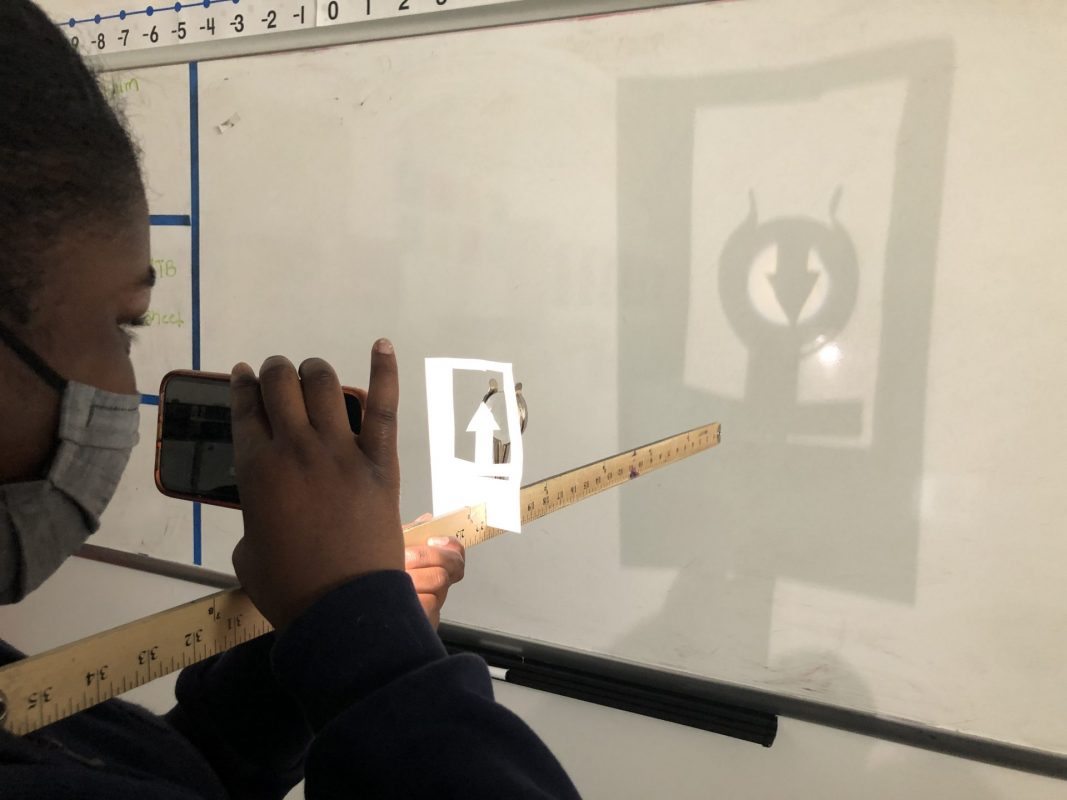
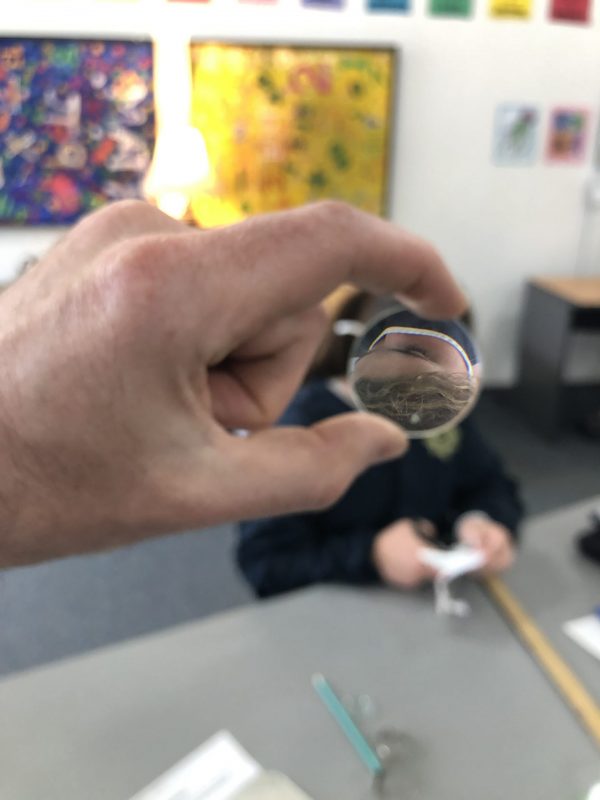
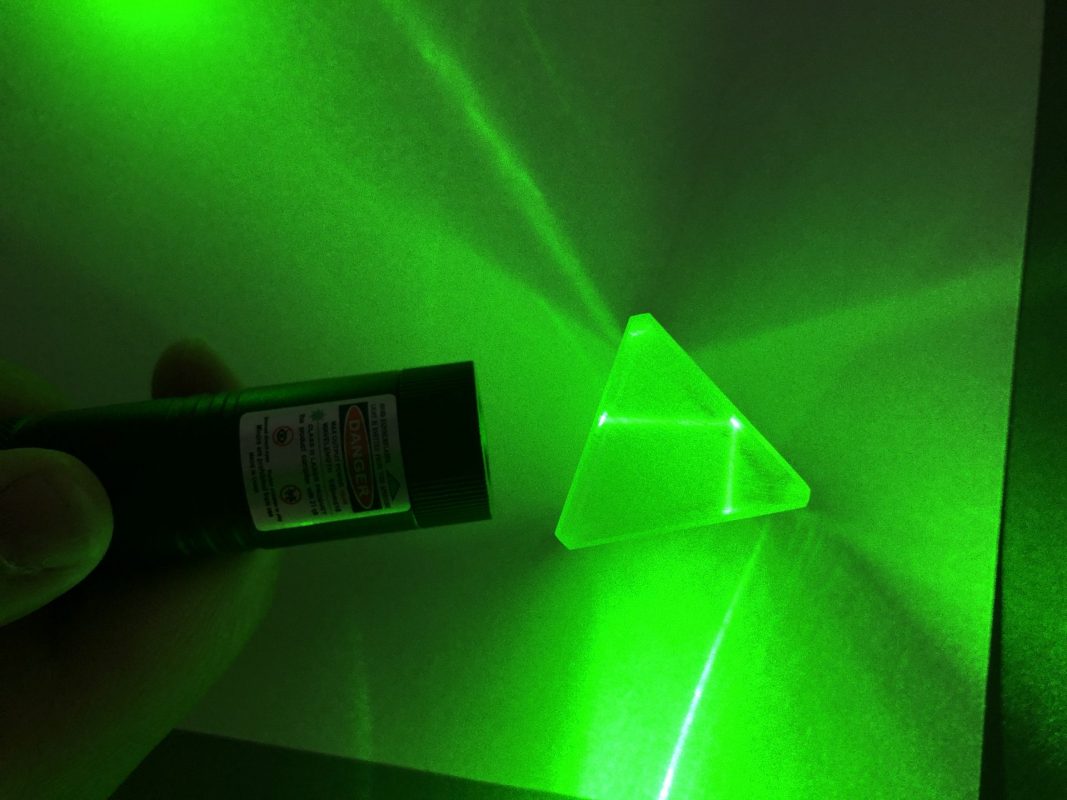
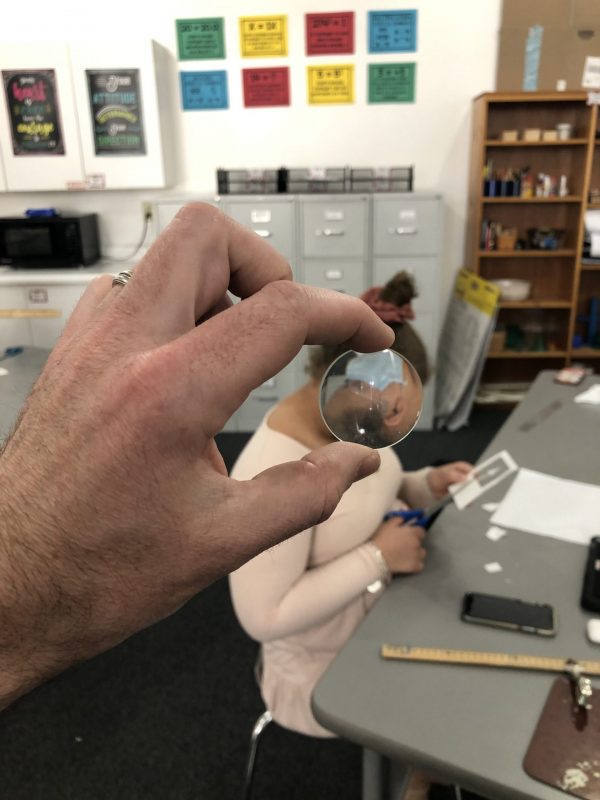
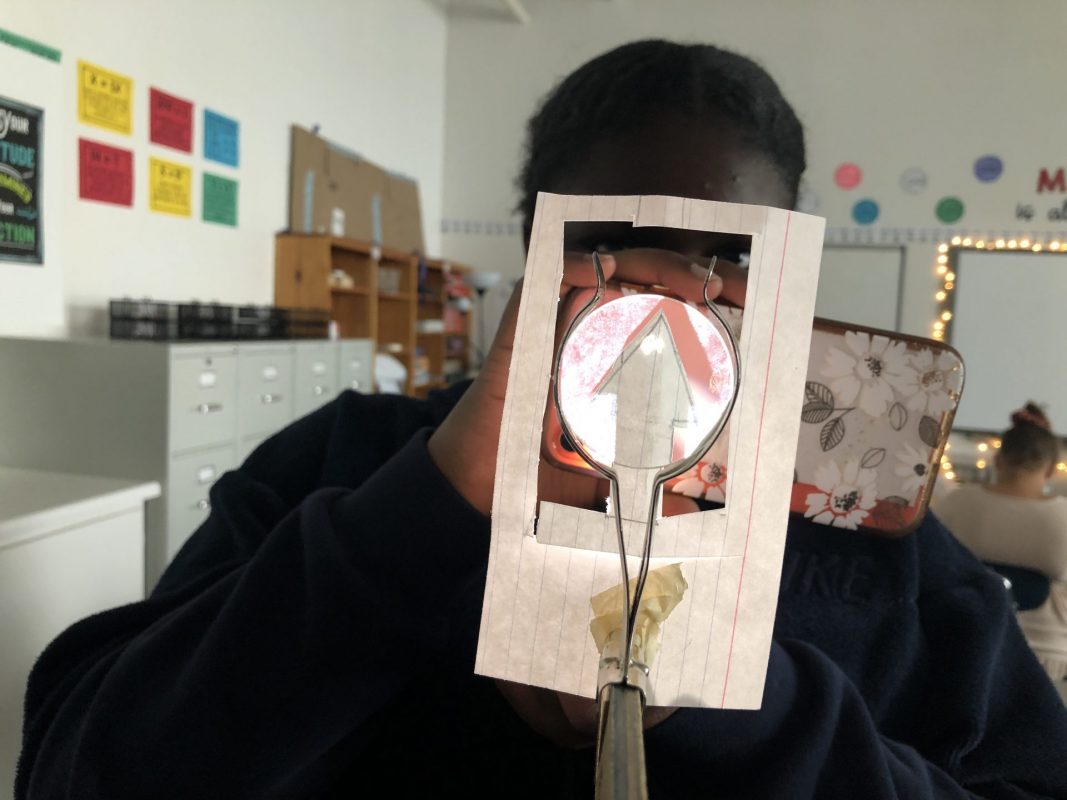
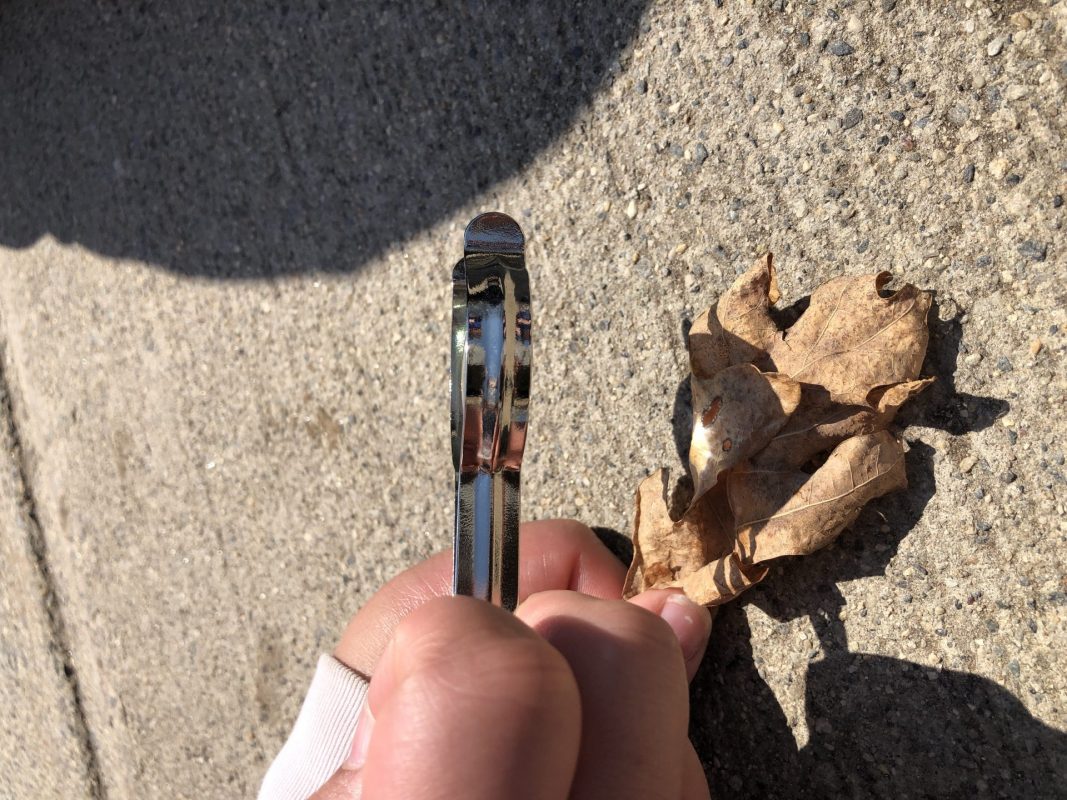
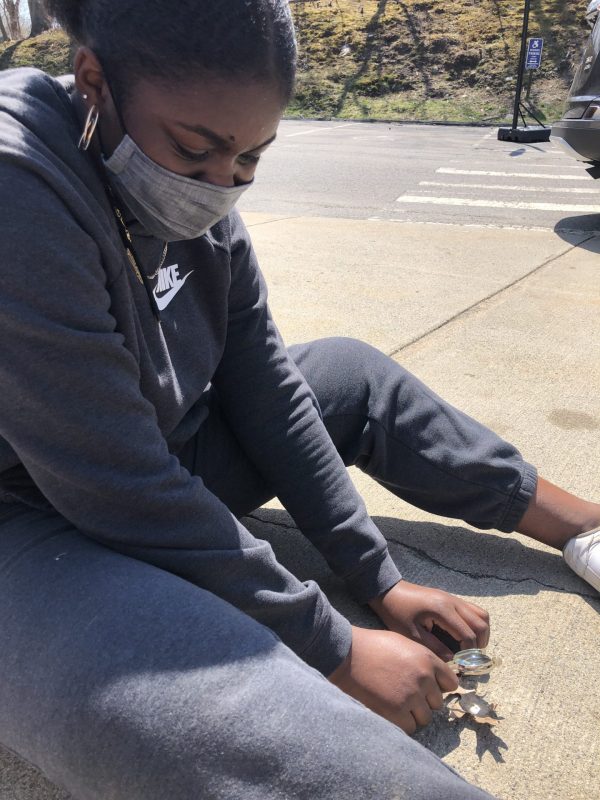
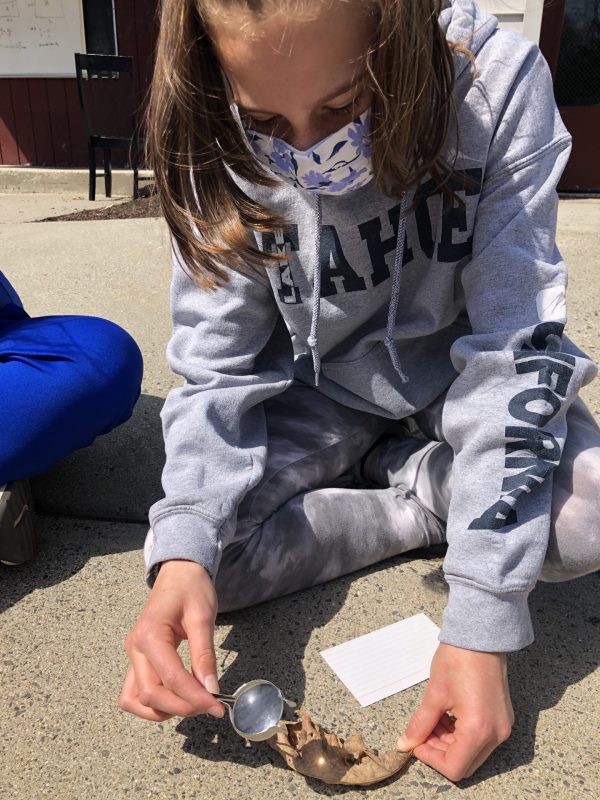
7th year Physical Science students are still exploring concepts and activities as part of their unit on refraction. Students demonstrated how a convex lens is also known as a convergent lens by converging sunlight through a magnifying glass. Yes, many may recall doing such a thing when younger, whether it was burning leaves or ants with this method. Little did you know, it was a first introduction to the refraction (convergence) of light energy. Students also demonstrated how an image is flipped when displayed through a convex lens past its focal point by using a ruler, flashlight, convex lens, and index cards.
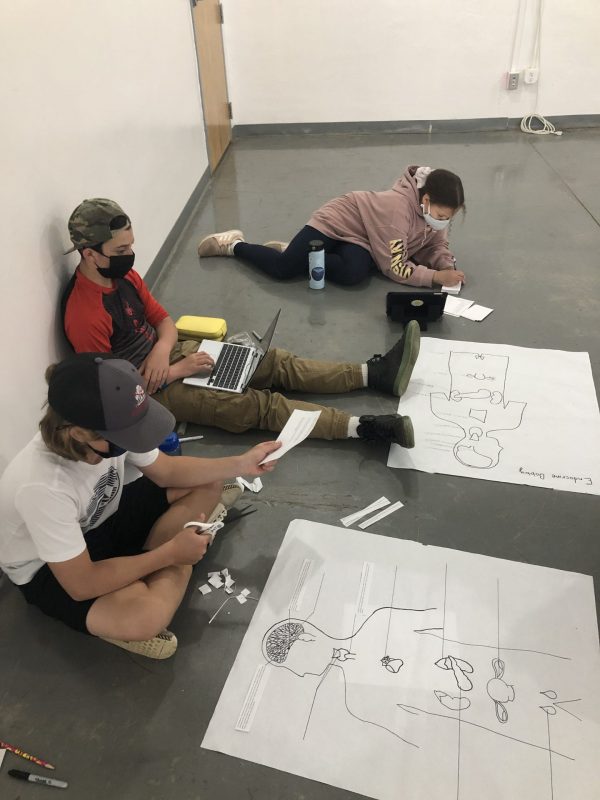
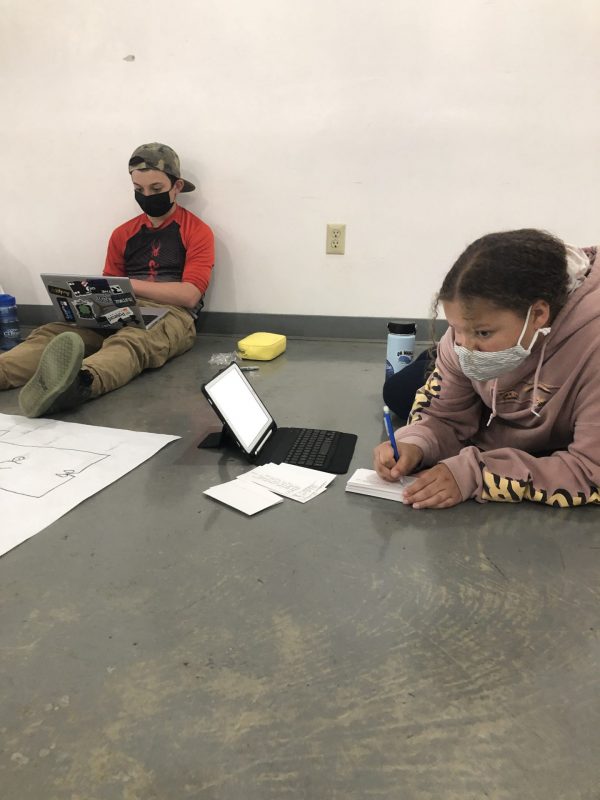
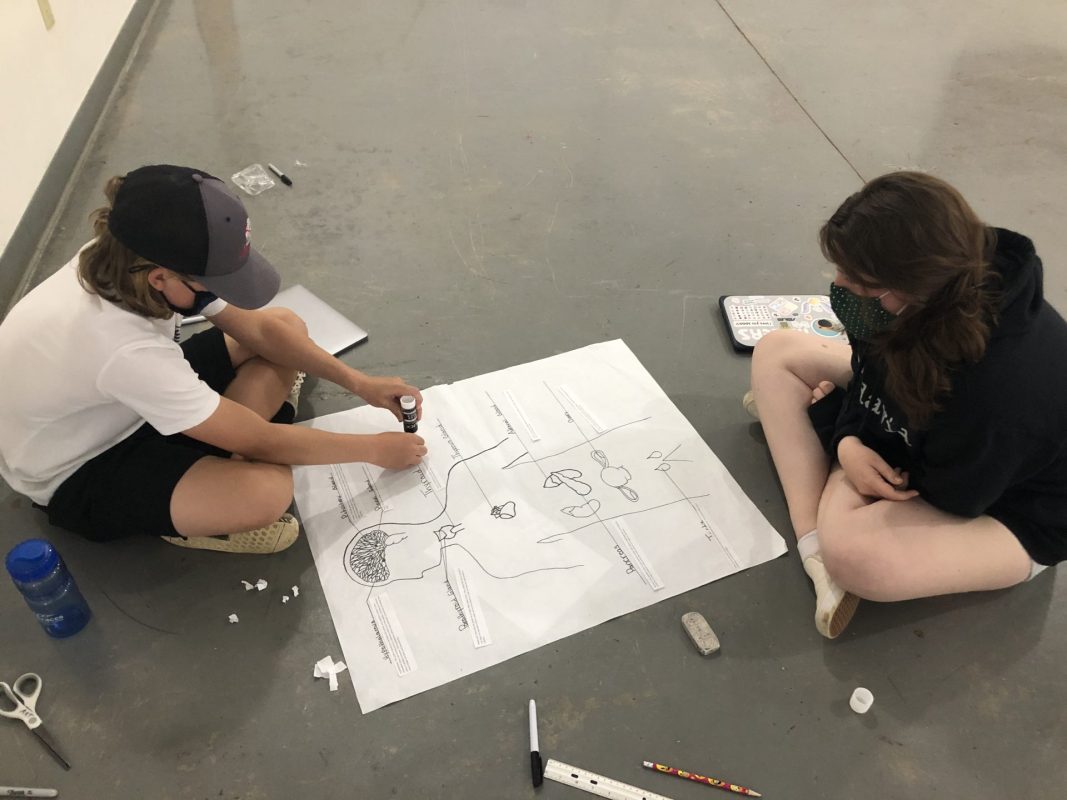
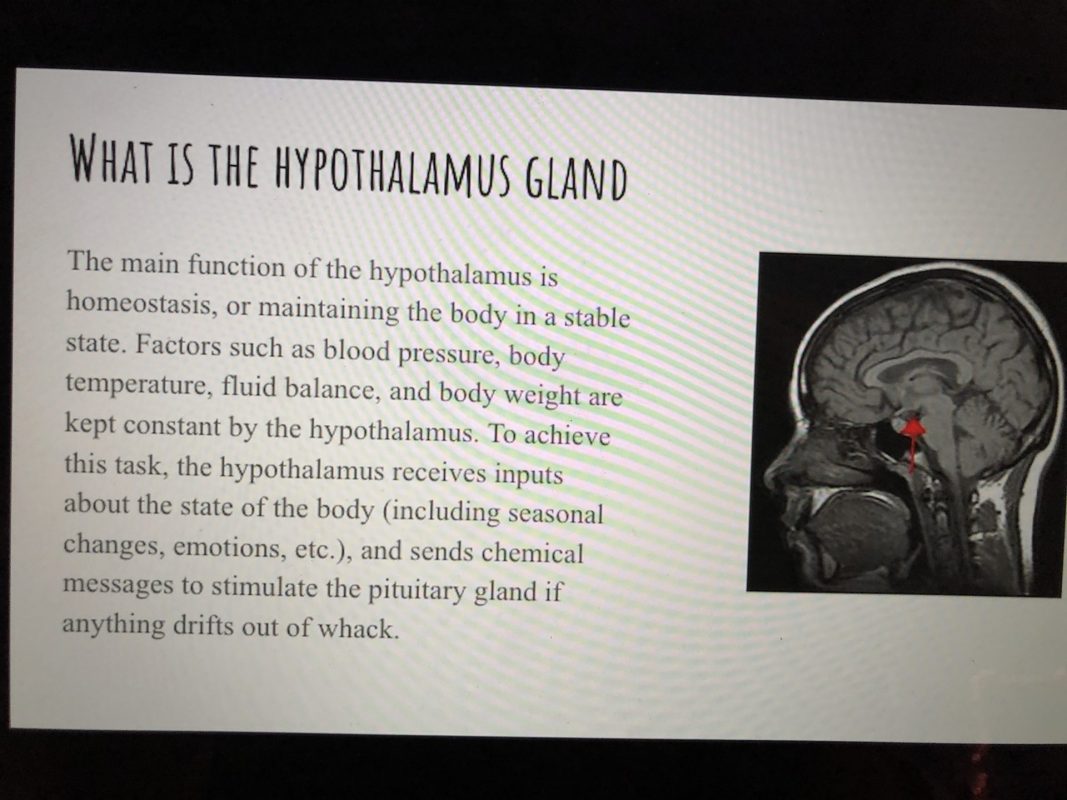
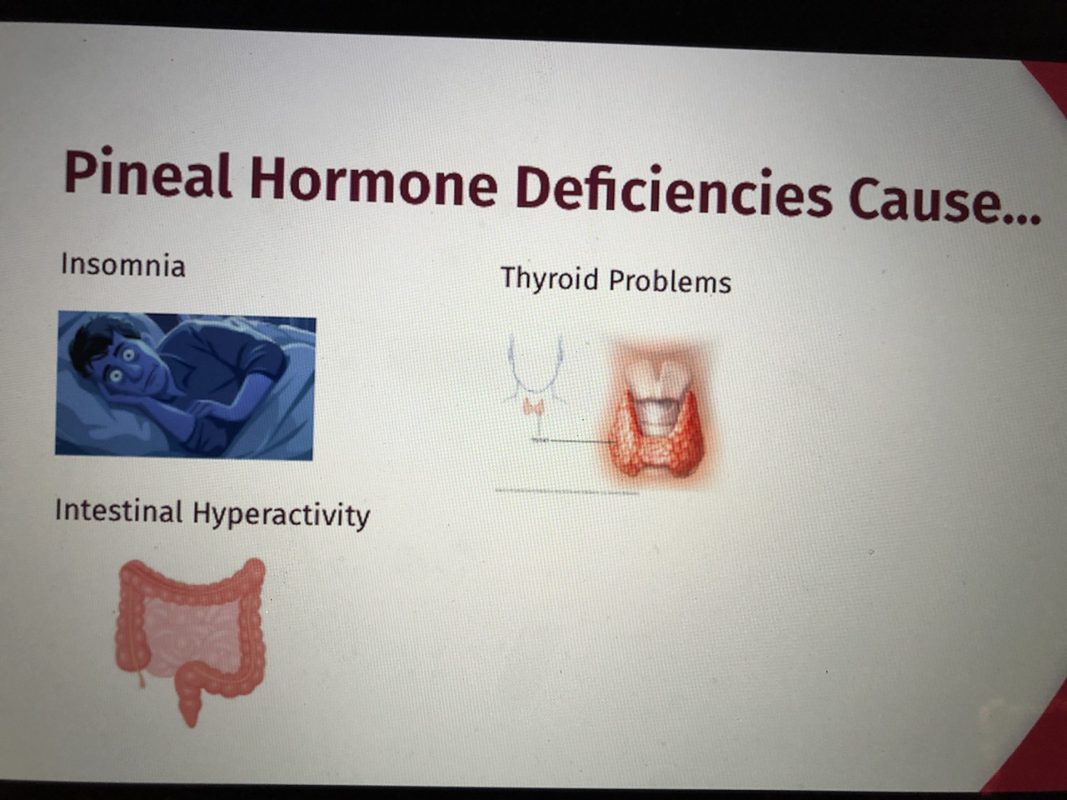
8th year Life Science students are currently learning about the Endocrine System. We have defined each gland of the endocrine system, hormone produced, role that particular hormone serves in the body, and the complications one would face if there were issues in any particular gland. Students were asked to draw and label each gland in its approximate location in the body, the hormone produced, and role served. Each group was then assigned a deficiency in one gland and researched what complications a person would face. Once their research was complete, we held a class discussion sharing our work.
Math
In Pre-Transition class, students are continuing to work with proportions and solve for unknown values using a cross multiplication method. Students are practicing how to create proportion equations from real-world word problems and draw pictures to help visualize their understanding. We are working towards the Chapter 9 unit exam scheduled for Tuesday, April 27th.
In Transition class, students are excited to begin solving single step algebraic equations and are learning how to graph on a coordinate plane. This class can now solve and check for unknown variables in the form ax=b, as well as use and identify the multiplication property of equality.
In Algebra class, students can successfully solve quadratic equations using the Quadratic Formula. Students can identify the discriminant value,  the vertex of a parabola, and correctly graph an equation in the form y = ax^2 + bx + c. Students will begin learning Chapter 10 next week and will finish the year with learning Chapter 11.
In Geometry class, students are able to use and identify the triangle congruence theorems in a two-column proof statement. Students can draw a tessellation using real world design, they can identify specific properties of quadrilaterals, as well as identify triangle congruence within an overlapping shape.
Math Joke: Why did the triangle make the basketball team over the square?………………….He always made three-pointers.
This Pretty Planet

There is no description, no image in any book that is capable of replacing the sight of real trees, and all the life to be found around them, in a real forest. Something emanates from those trees which speaks to the soul, something no book, no museum is capable of giving. -Maria Montessori

Happy Earth Day! We felt inspired this week when we watched Greta Thunberg’s TED Talk about climate change from 2018. After watching and discussing, the UE students journaled reflections about her message, what they thought they could do, and what they wanted to see adults do to take action for the Earth.

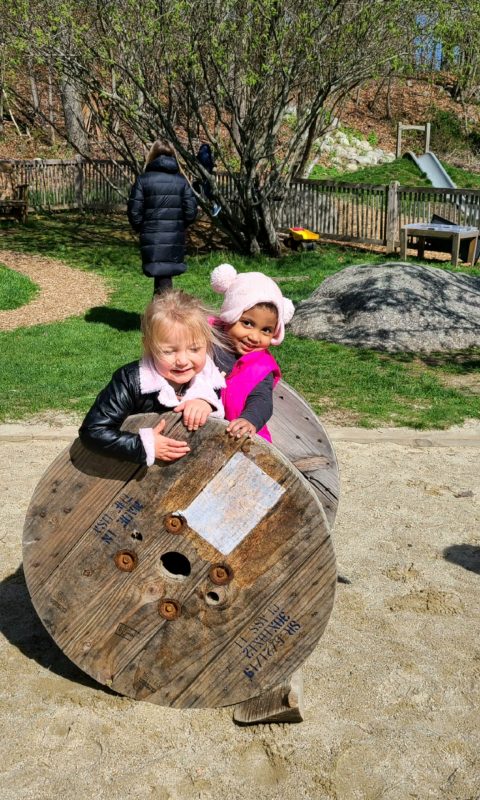
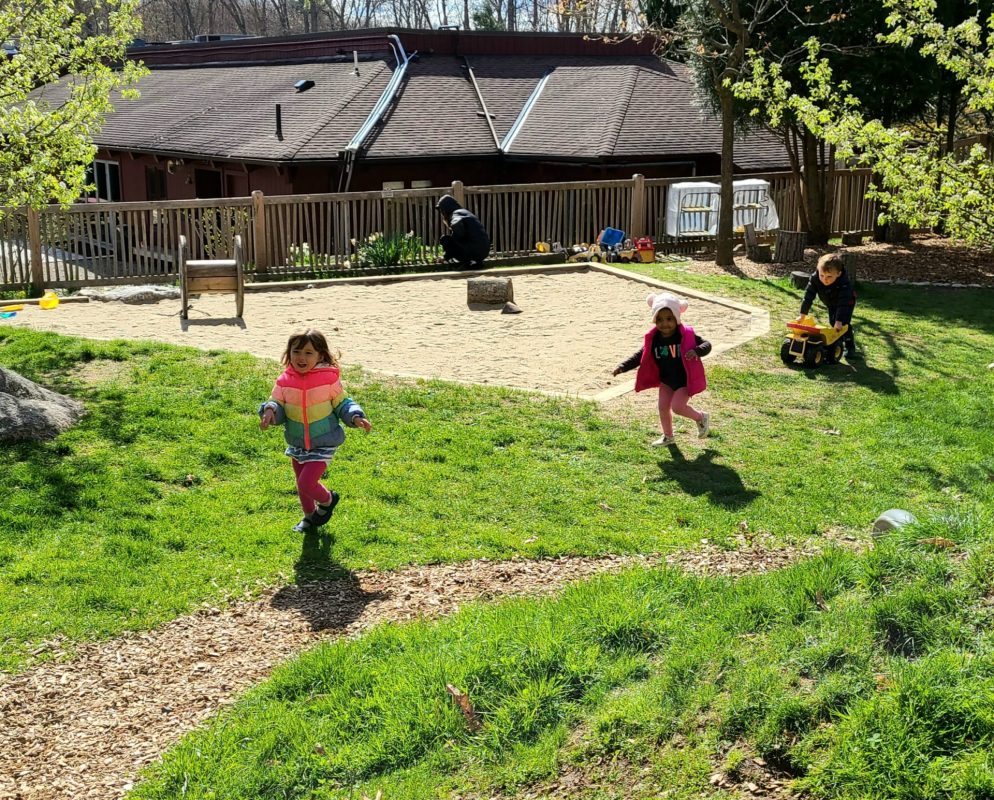
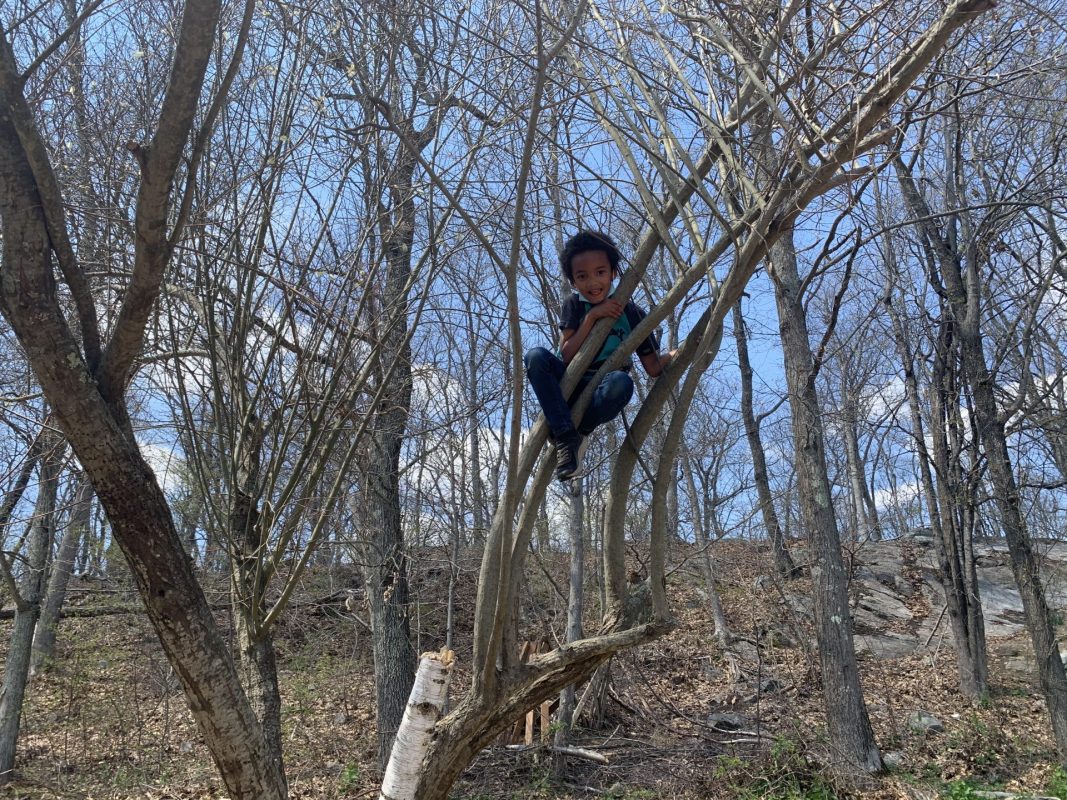
We always enjoy our time in the outdoor classroom, and thanks to the Middle School students, this week we were able to explore a little more of it! This week, the 6th, 7th, and 8th graders spent time clearing and beautifying trails in the woods surrounding the outdoor classroom. We enjoyed walking and running the trails during recess.

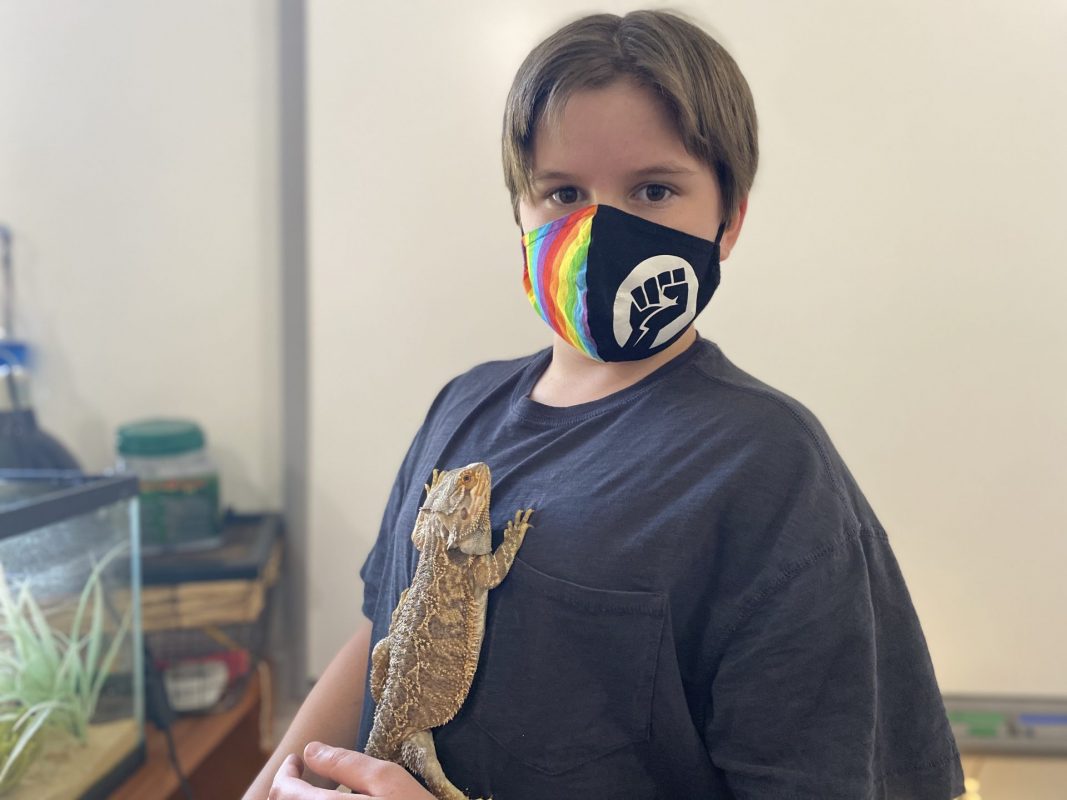
We have a special guest in our classroom this week. Goose the bearded dragon is visiting us for a few days. Many of us enjoyed observing him throughout the day and we are looking forward to spending more time with him next week!


Earth Day 2021

Celebrating Earth Day 2021

Irene Baker, a Montessori Educational Consultant at Montessori Services wrote a wonderful article for Montessori Services that talks about how we can celebrate Earth Day every day.  I shared the highlights with you here.

Earth Day (April 22) is an annual reminder to go outdoors with our children and celebrate the beauty and bounty of the Earth. The first Earth Day was held in the US in 1970 when concern about the environment and interest in ecology was on the rise.

When appreciation and care for Earth are introduced to children early, these habits become everyday practices. Did you know that turning off the tap when brushing your teeth saves 18 glasses of water? You might help your child(ren) fill 18 glasses of water to see just how much they could conserve each time they brush their teeth!  Then use the water to water your plants!

Ways to Celebrate Earth Day Every Day

There are so many fun and interesting activities to do with your children to appreciate nature and to help protect Earth and its resources. Your family can:

  • Plant a container herb garden.
  • Consider saving food scraps for composting.
  • Sprout seeds for eating.
  • Visit a local farmers’ market. (Eating seasonal, local foods means fewer miles traveled, and less energy used to preserve and deliver food.)
  • Go for nature walks and pick up trash.
  • Save a tree by using dishtowels and cloth napkins instead of paper products.
  • Cook a one-pot meal together: stews, soups and casseroles use less energy.
  • Experiment with using vinegar, lemon juice, and baking soda as natural cleaning products.
  • Create art projects together from natural and recycled materials (such as a pine cone bird feeder).

Older children might enjoy:

  • Making a worm box.
  • Keeping a conservation diary for a week, noting when someone in the family:
    • turns off lights
    • walks instead of driving the car
    • takes a shorter shower
    • turns off the TV and plays outside

Maria Montessori understood the importance of nurturing children’s connections with the beauty and wonder of the natural world. She wrote, “There is no description, no image in any book that is capable of replacing the sight of real trees, and all of the life to be found around them in a real forest.” ( From Childhood to Adolescence)


Mrs. Hood’s Class: Marvelous Wonders!

“We cannot create observers by saying ‘observe’, but by giving them the power and the means for this observation and the means are procured through education of the senses” – Maria Montessori 

The grass is getting greener, the birds are chirping louder, and after a long winter, we continue to happily observe how the Earth wakes up from its deep slumber. Even though we witness this season every year, it feels so magical every time! 

Like Dr. Maria Montessori, we believe that nature is a patient teacher and that Earth is our classroom. Corresponding to how we teach children in the Montessori tradition, nature provides us with both concrete and abstract learning for students of all ages. At our level, children have experiences that introduce them to marvelous wonders by using all five of their senses to comprehend concrete things and build a foundation for understanding the processes of natural life.

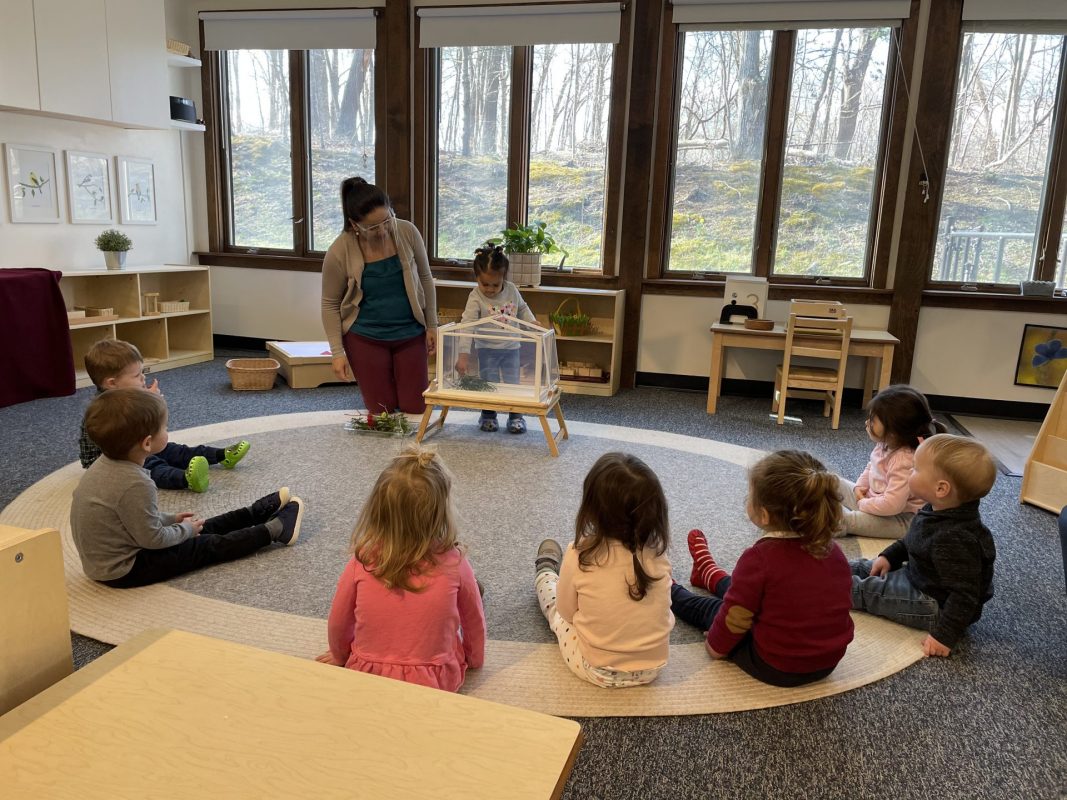
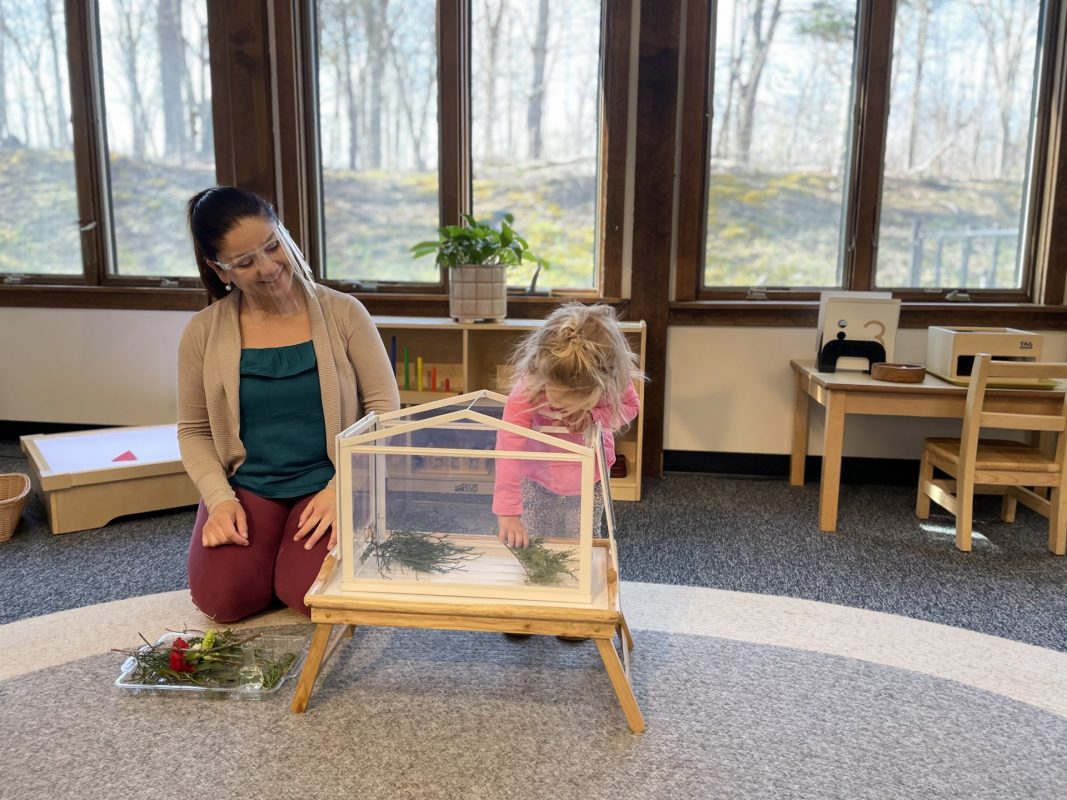
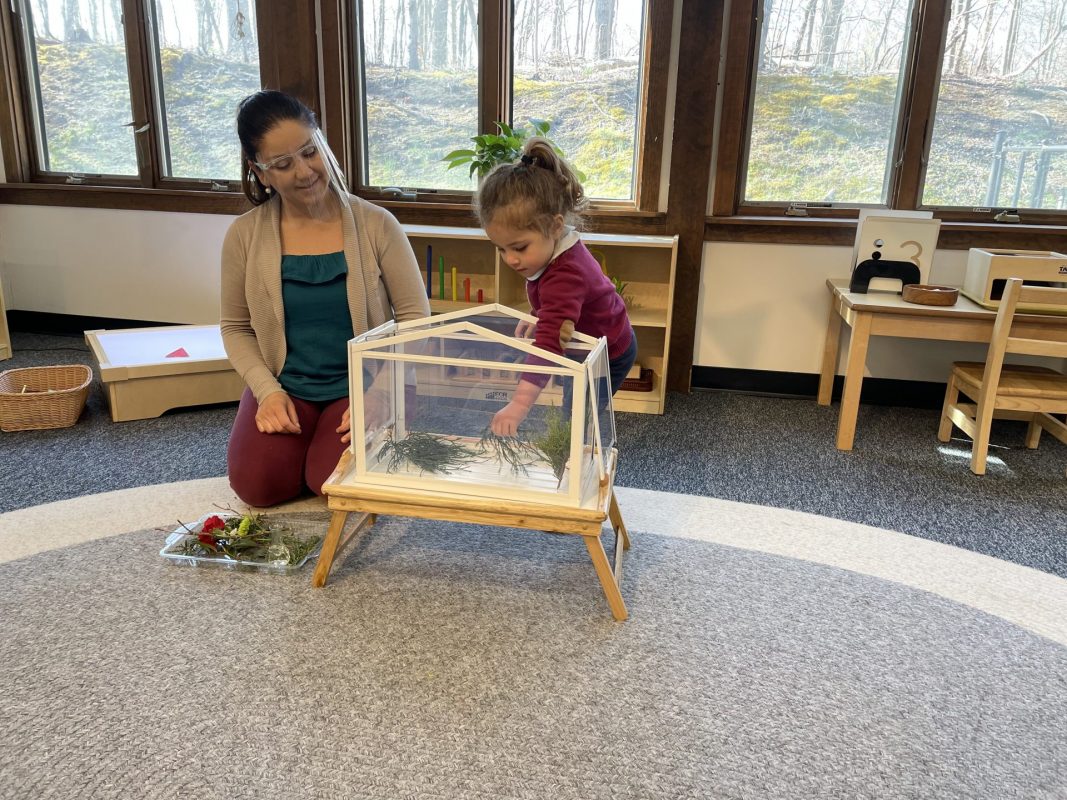
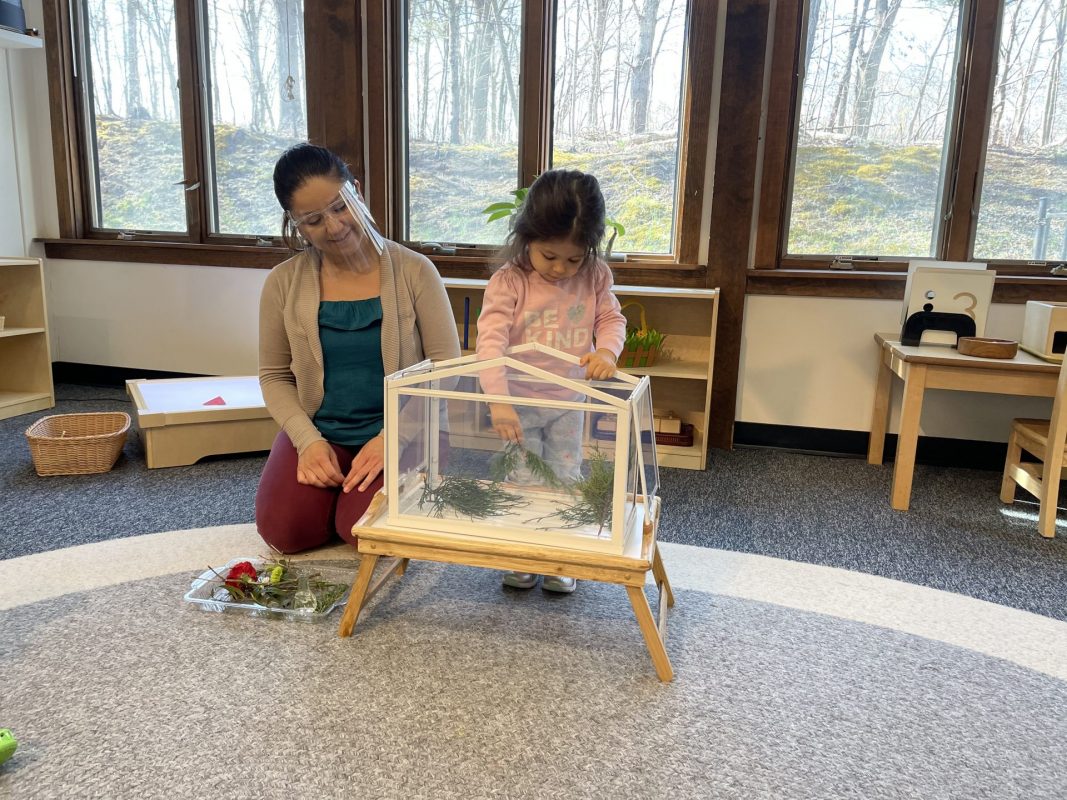
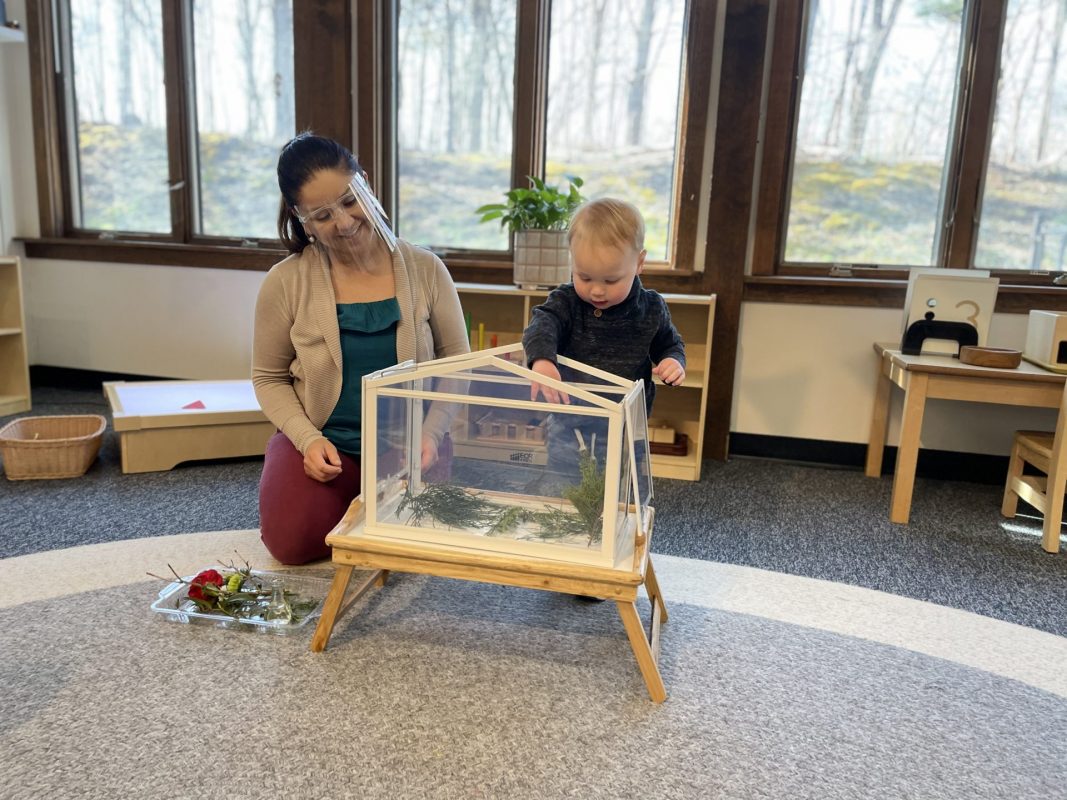
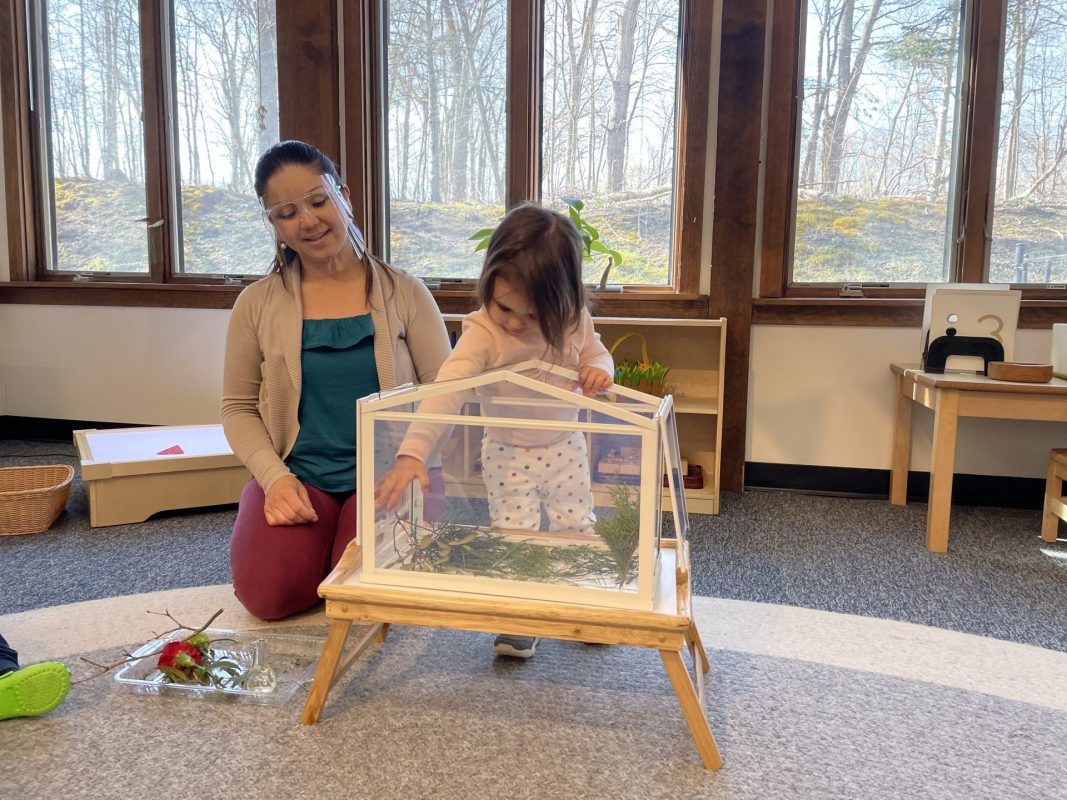
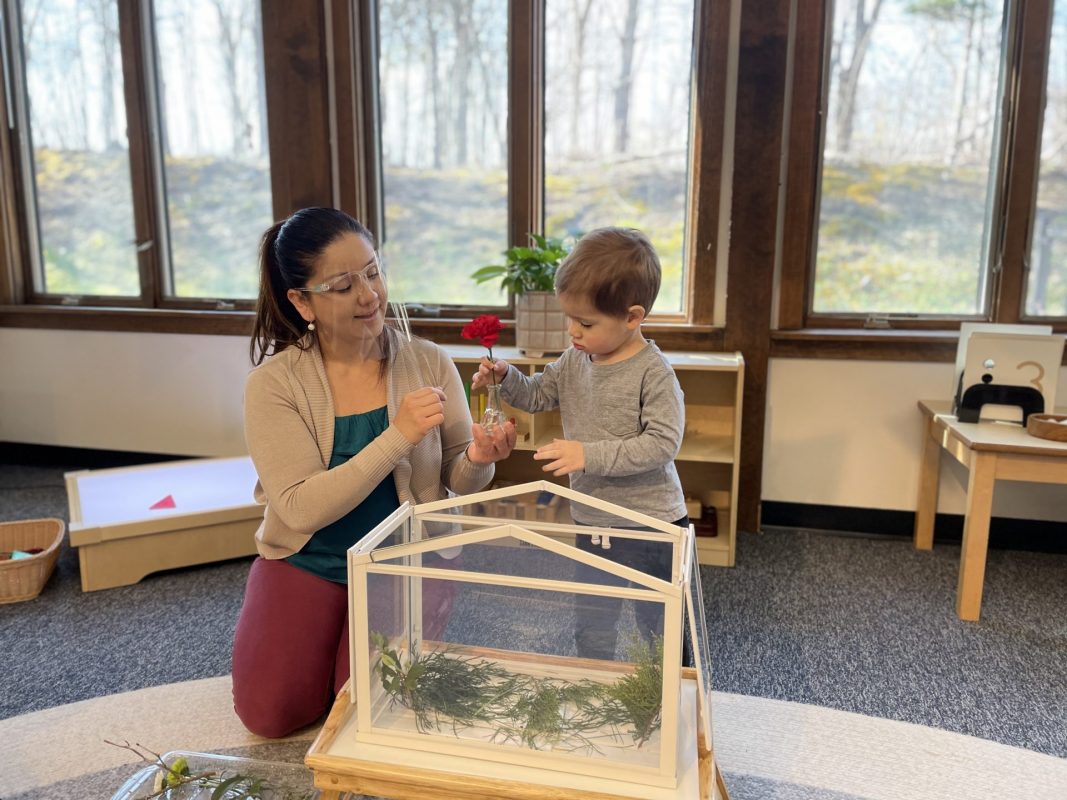
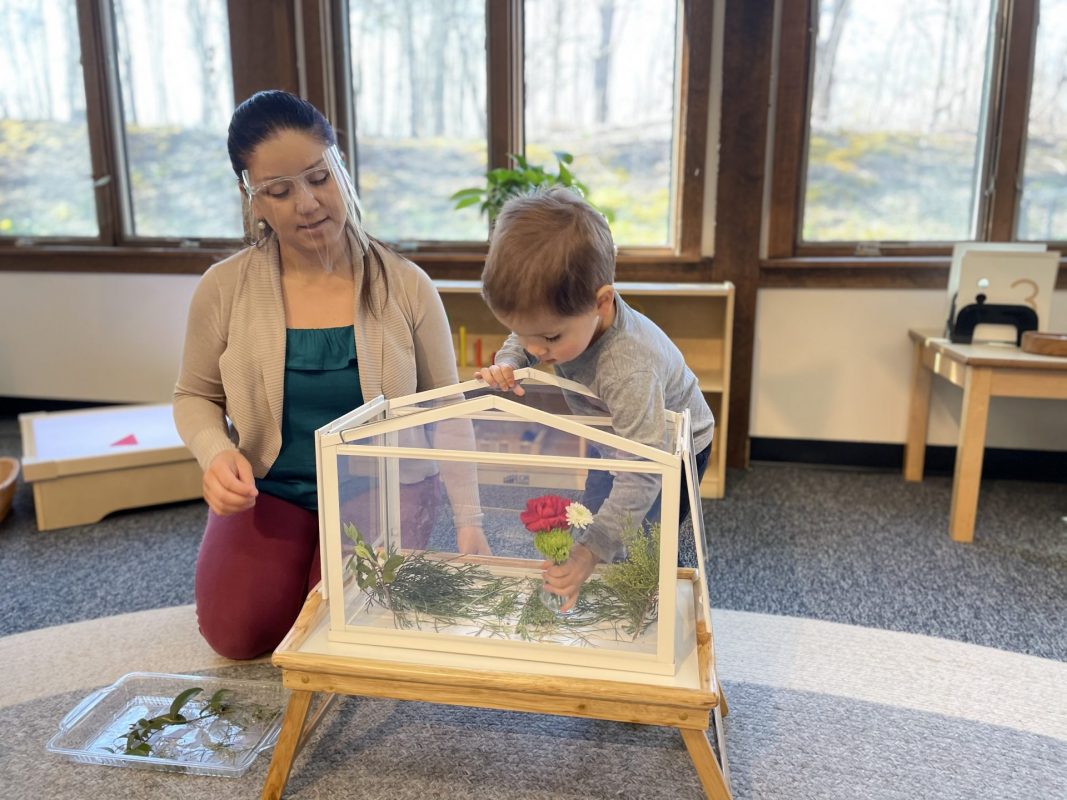
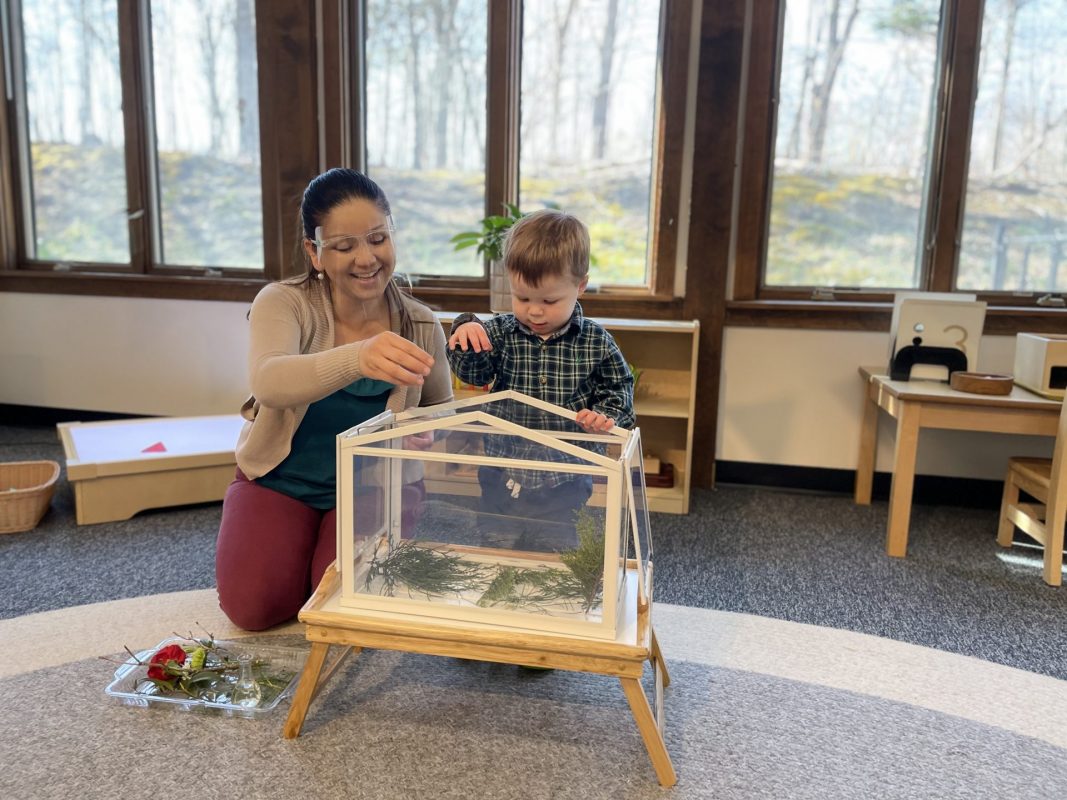
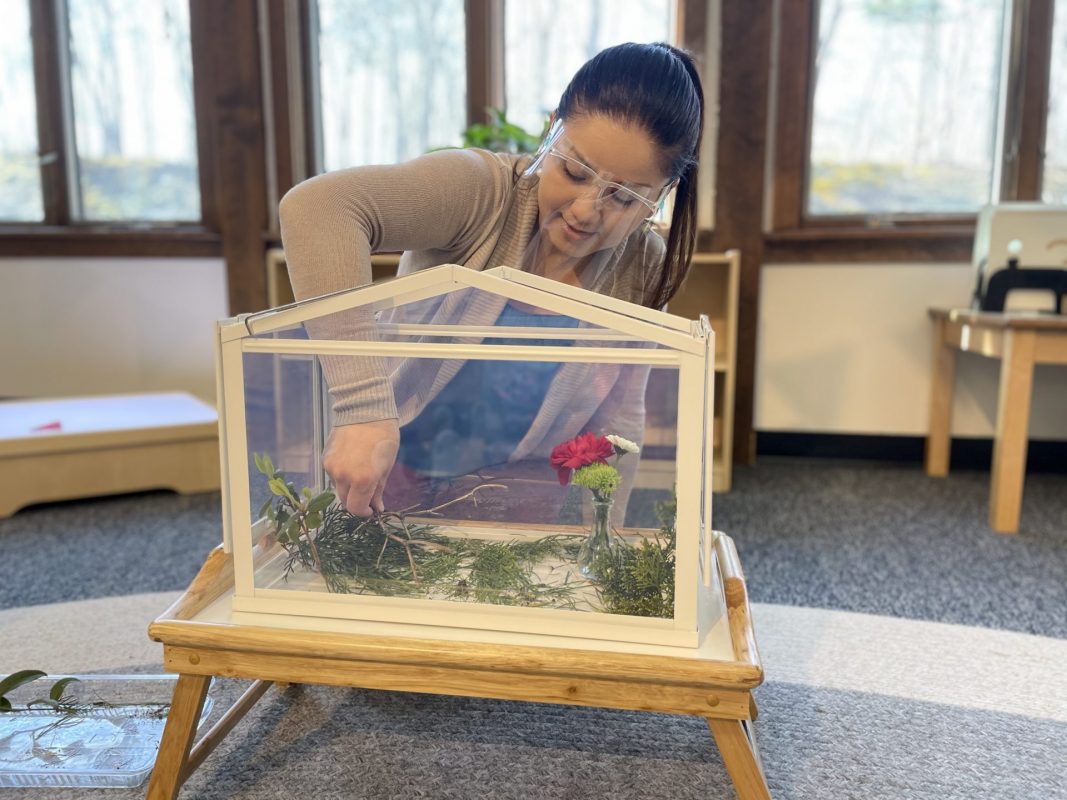
This week children helped to decorate a habitat for some very special guests in our environment: caterpillars. The amazement in your children’s eyes is indescribable but we can tell you that they seem very excited about our new visitors. For the next few days your children will be able to observe the metamorphosis of a butterfly. We introduced this week the first stages of its life cycle  and children seem to be very curious about the anatomy, movement, and feeding procedures  of the caterpillars.  

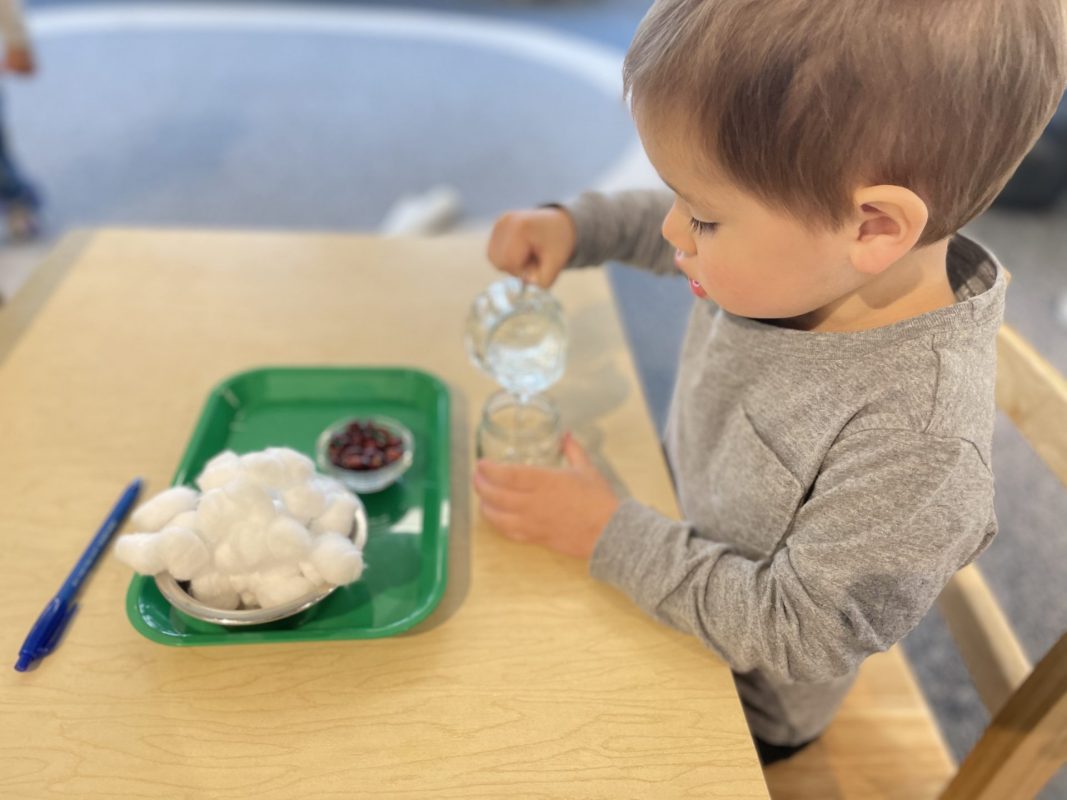
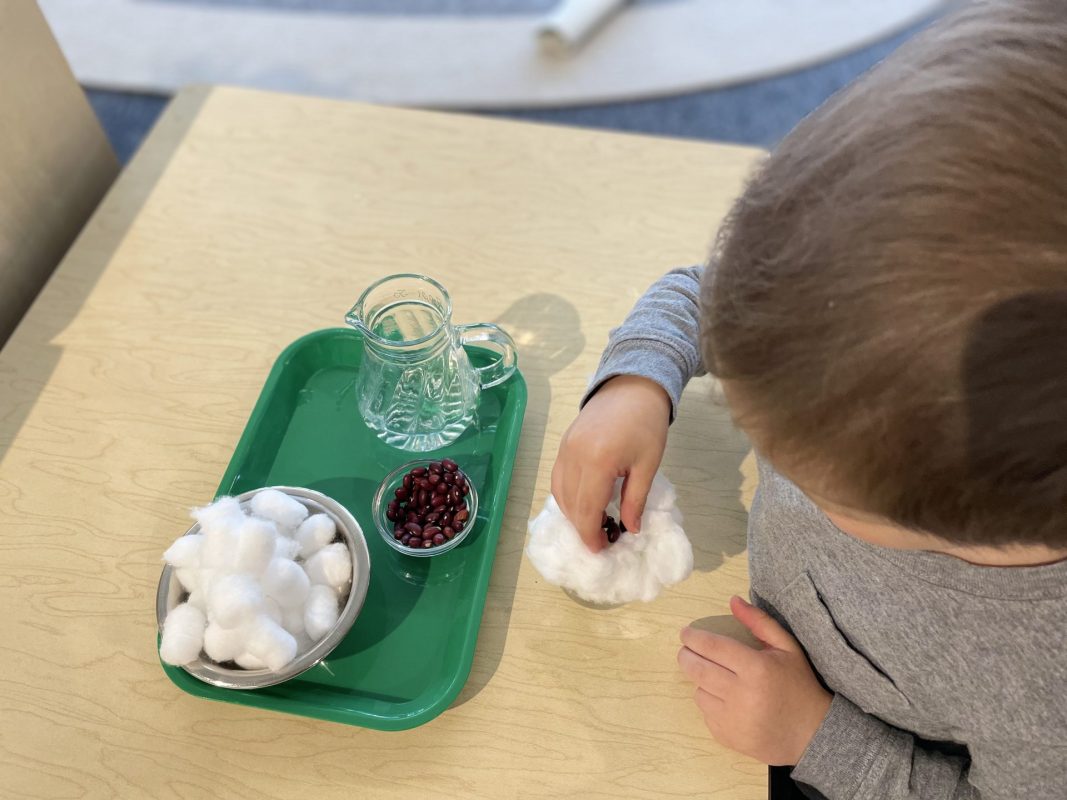
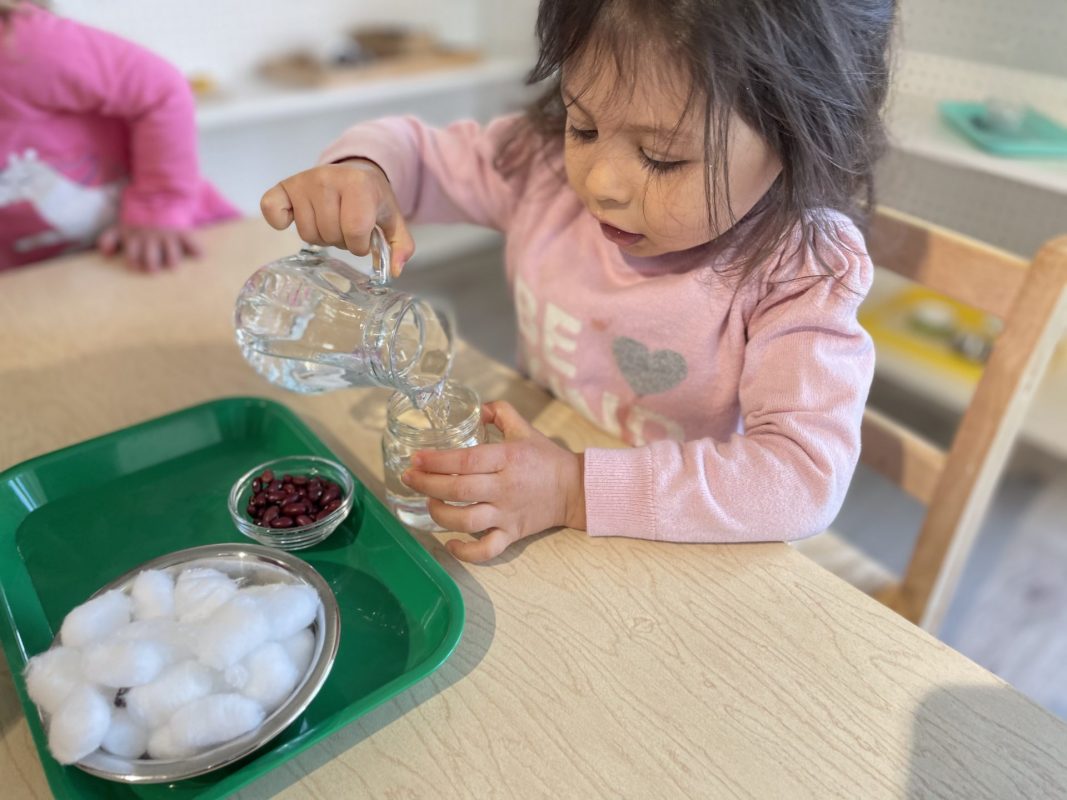
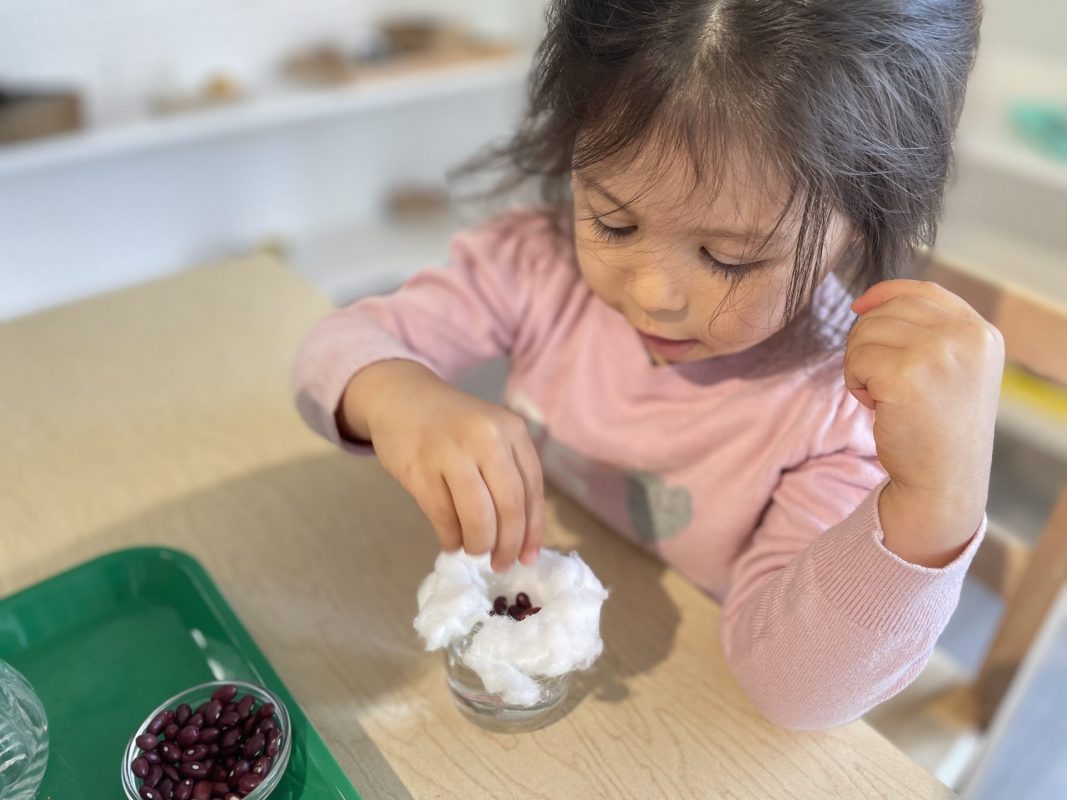
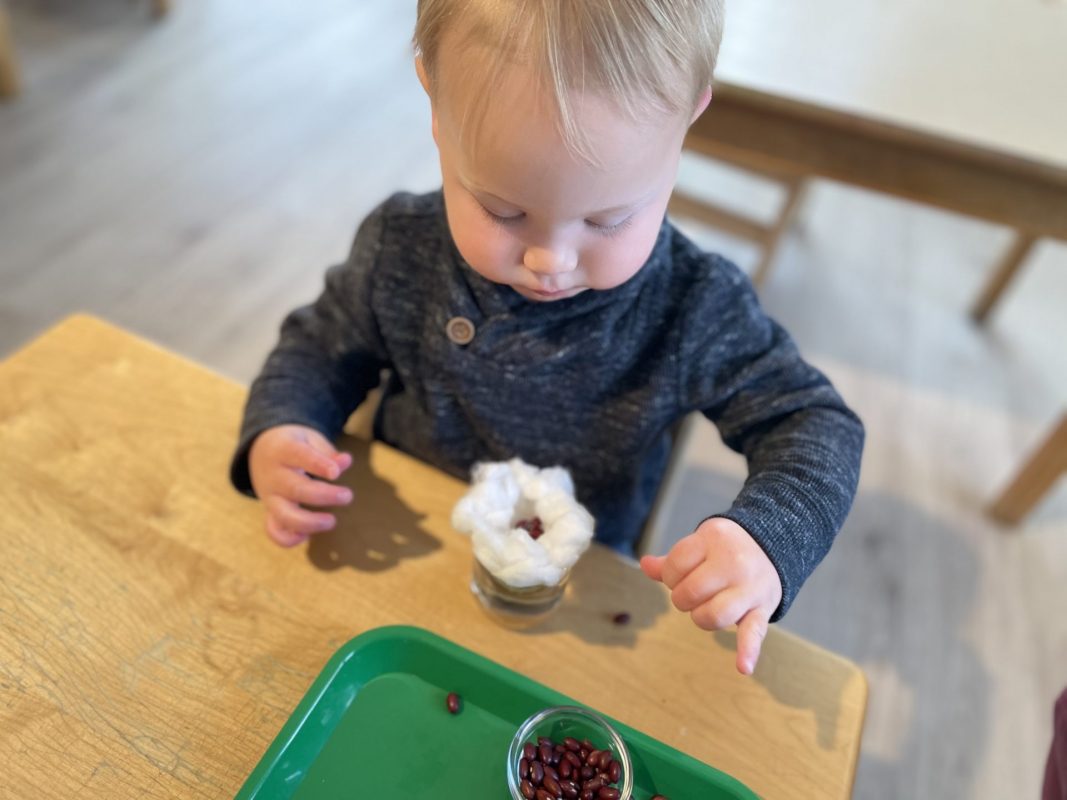
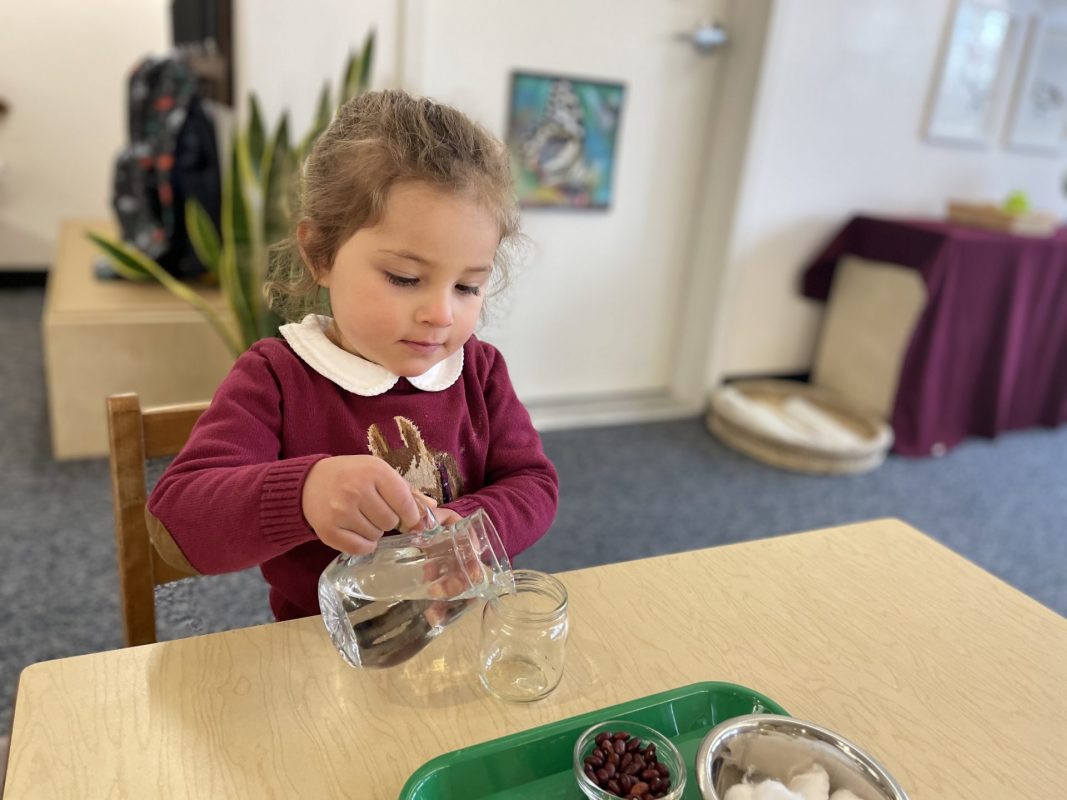
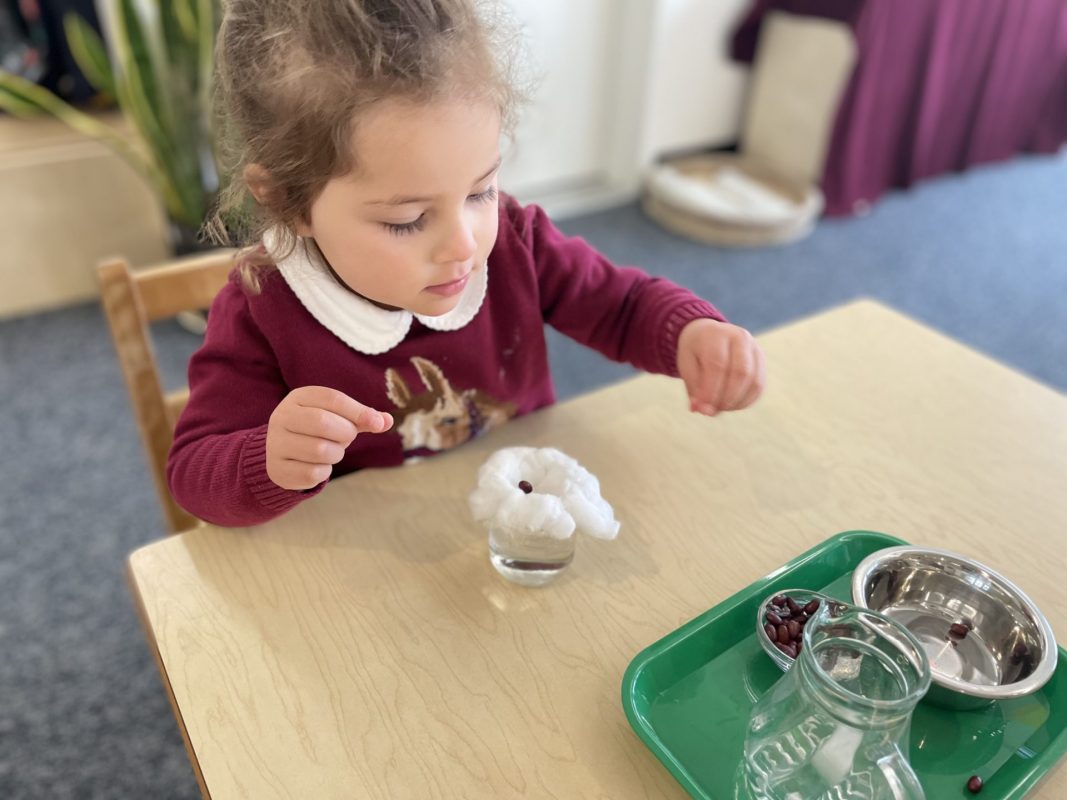
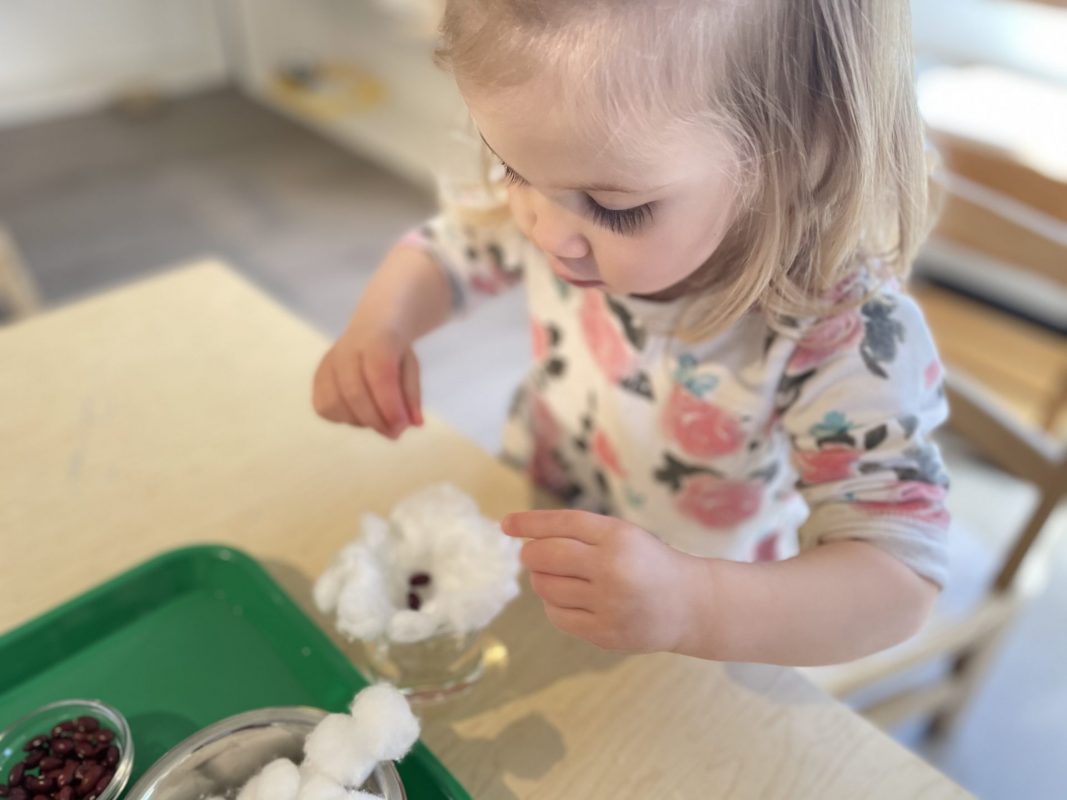
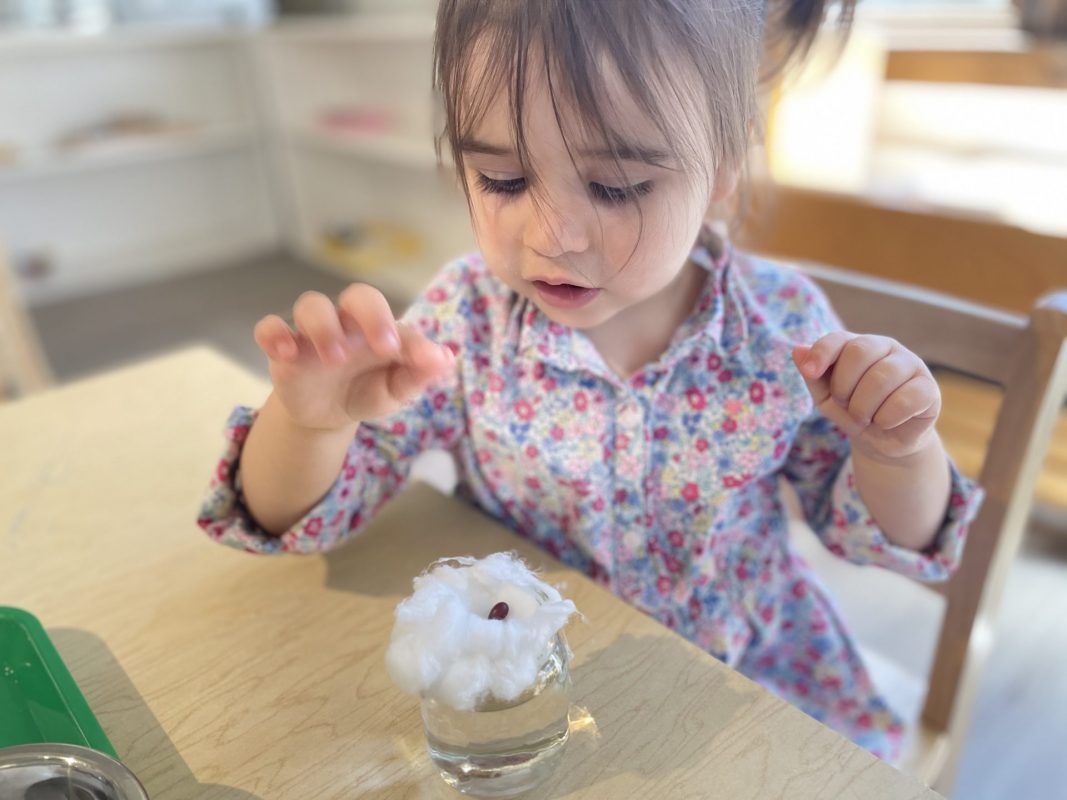
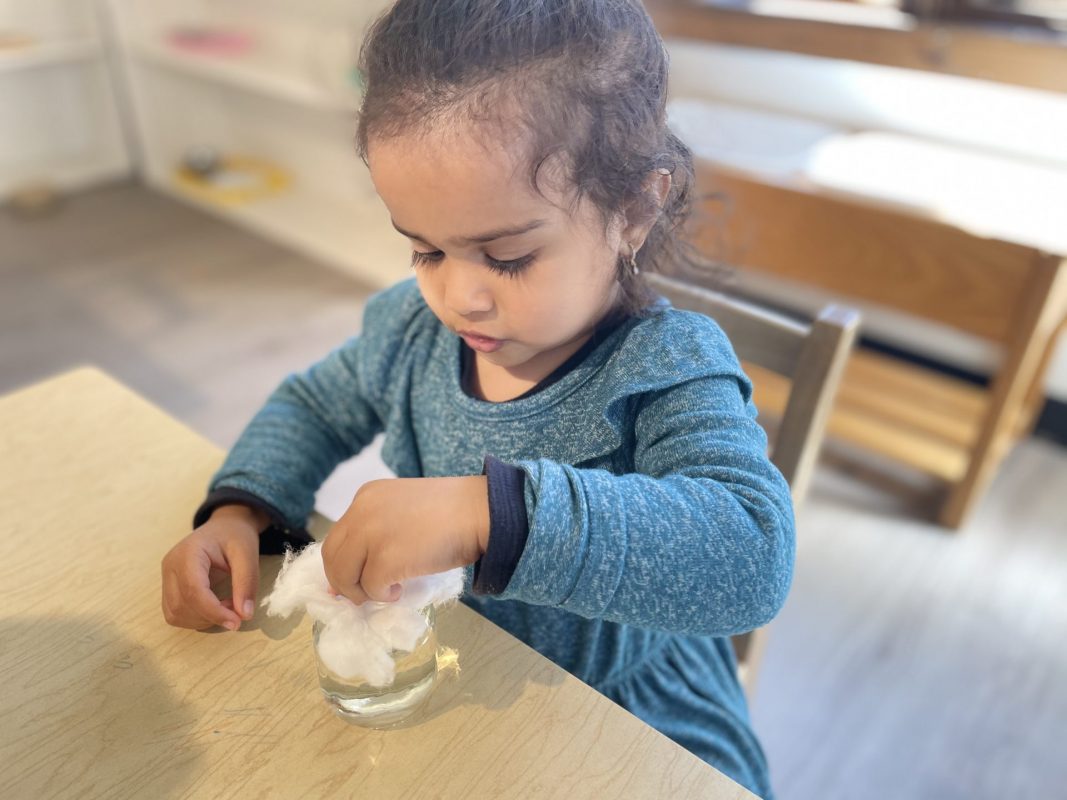
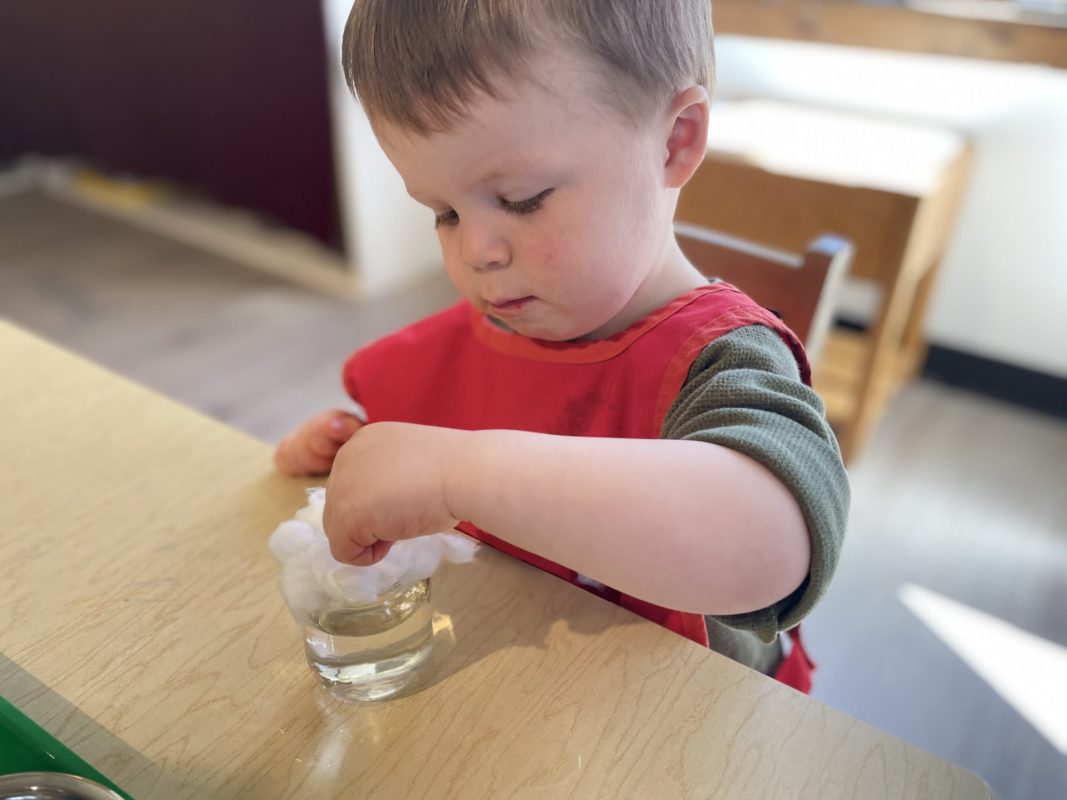
In honor of Earth Day we also started the plant studies by planting a seed using a transparent container, cotton, water and of course, a seed. We chose a bean! During the next couple of days your child will observe the life cycle of a plant and since the container is transparent, they will be able to see how the roots grow first. It’s very exciting! 

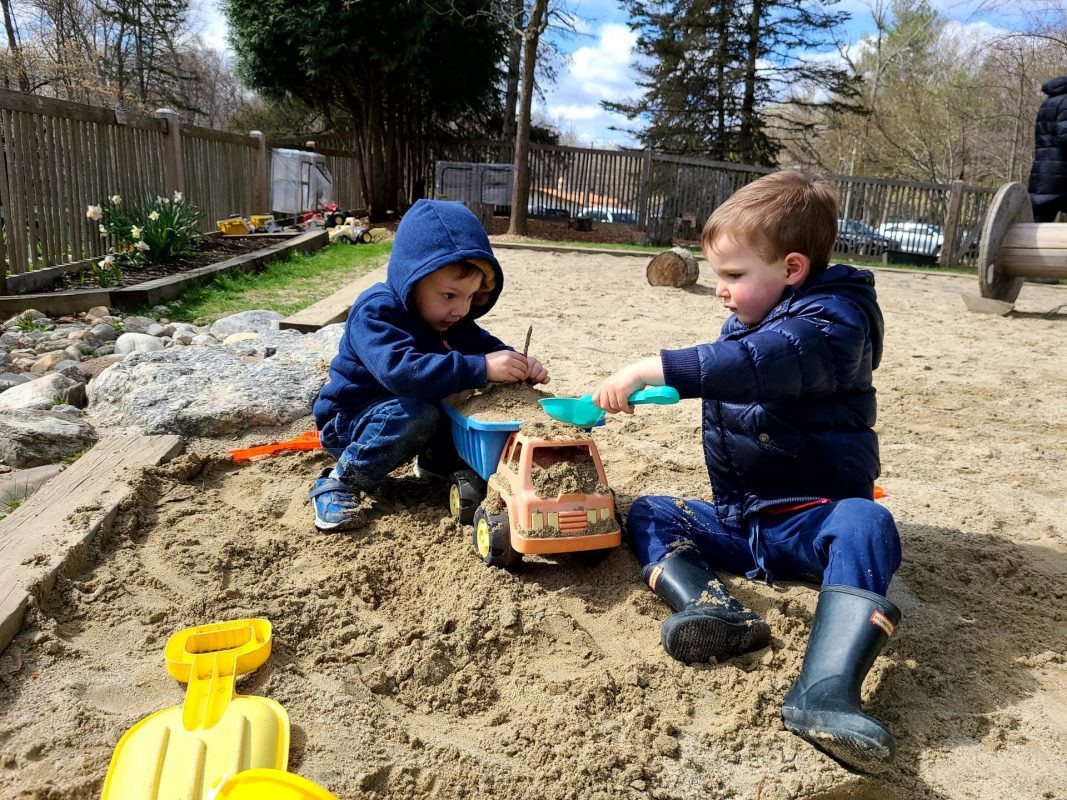
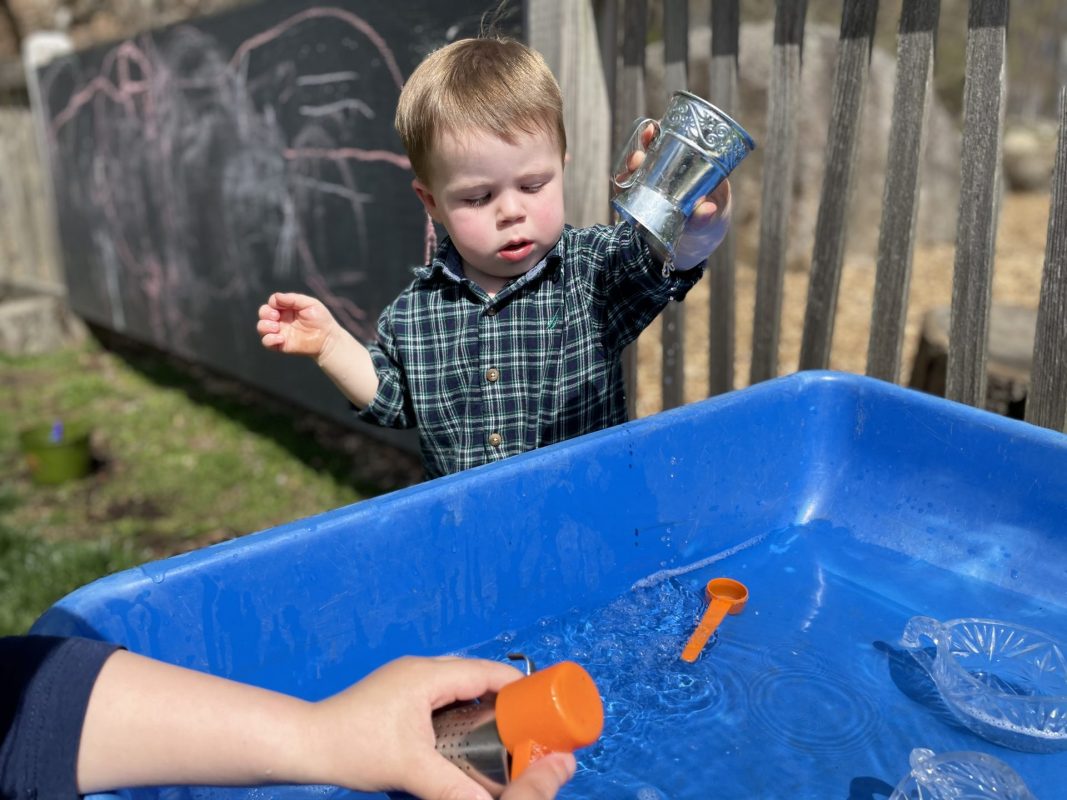
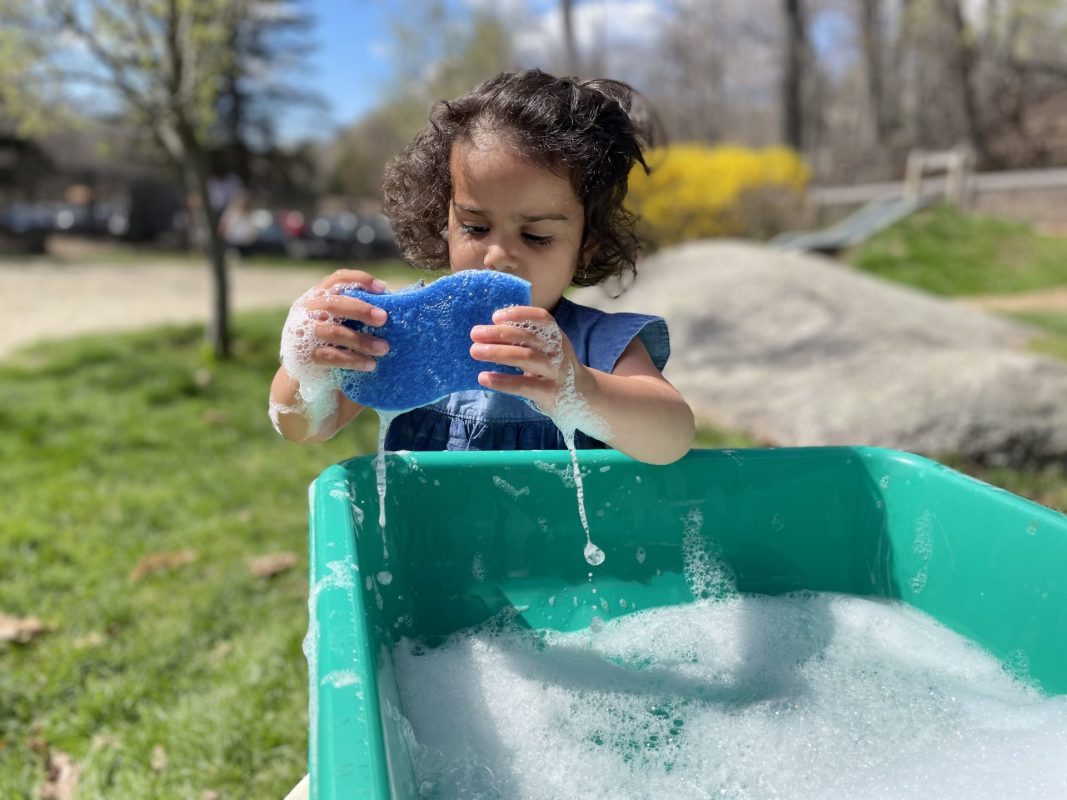
As another highlight of the week, the children enjoyed their outdoor time exploring water. The calming effect that water has in a toddler’s life is just incredible to witness! Children practice their fine motor skills by pouring, scooping, mixing, squeezing, and experiencing a lot of cause and effect. As a reminder, please make sure you send some of sets extra clothes for your child as our spring adventure continues! 

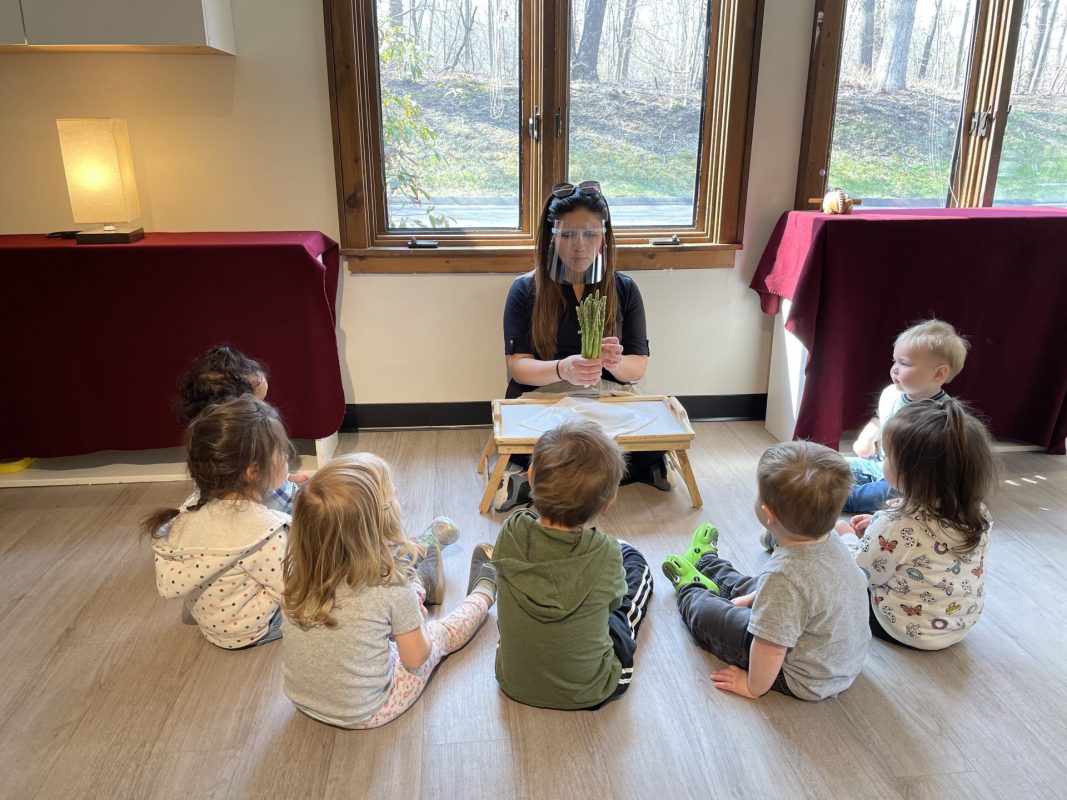
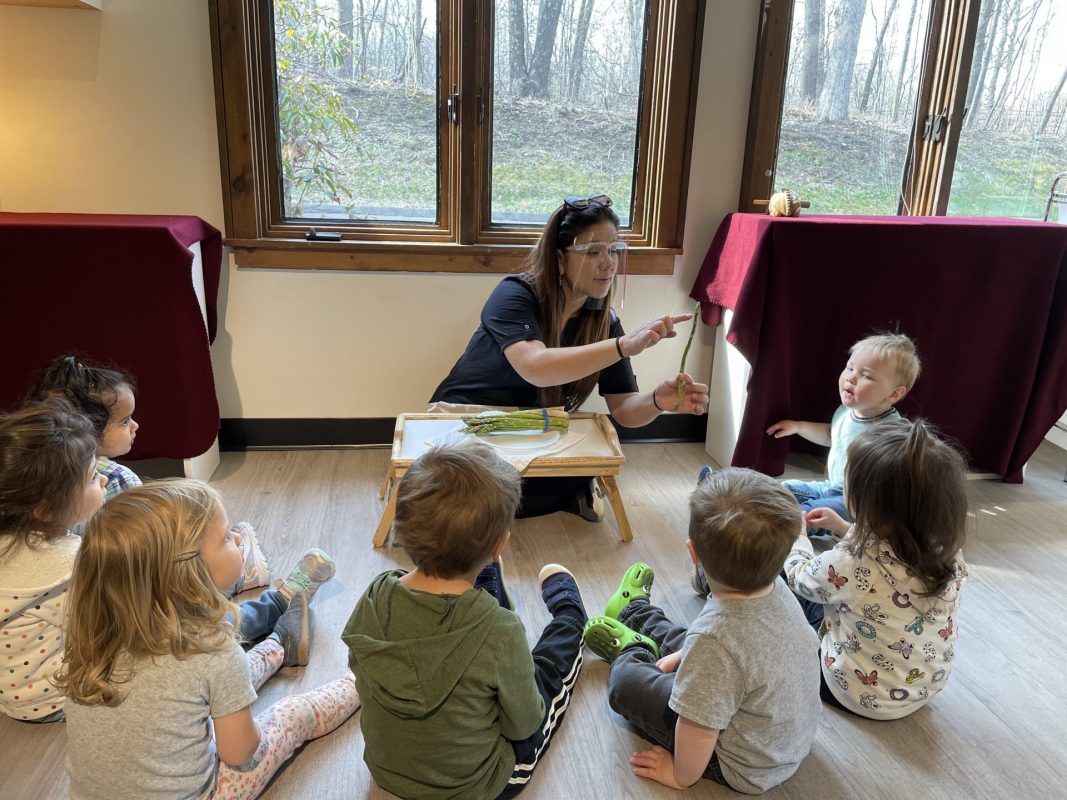
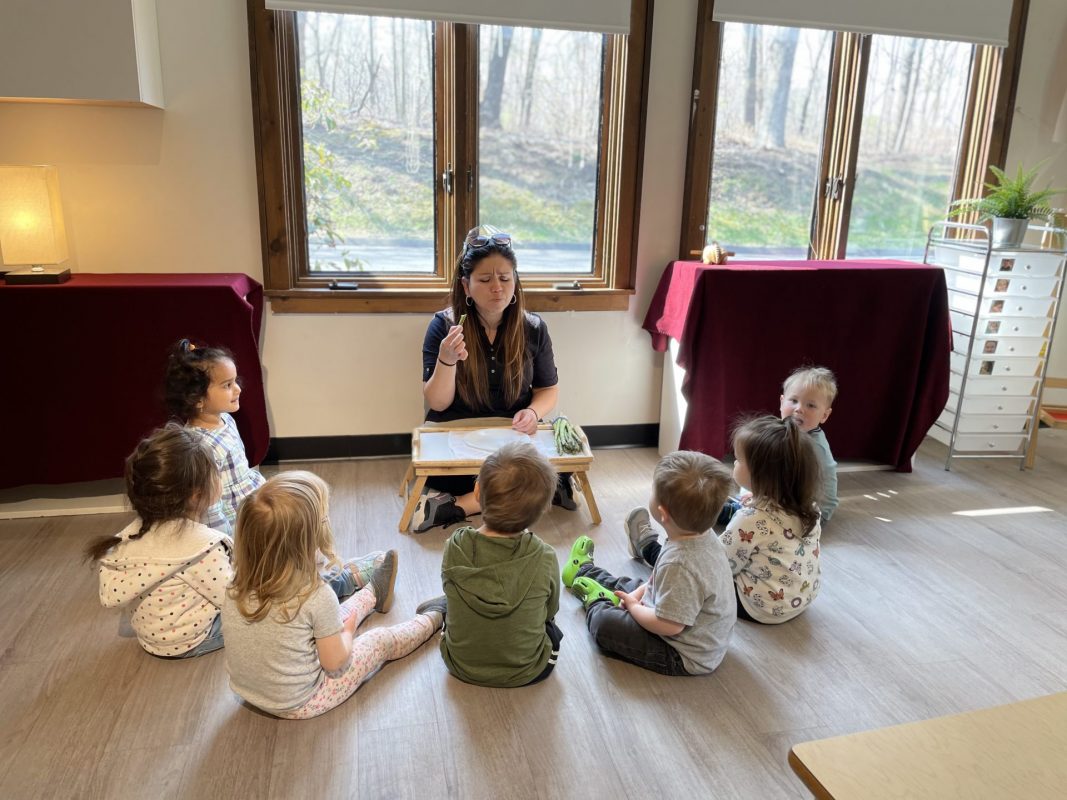
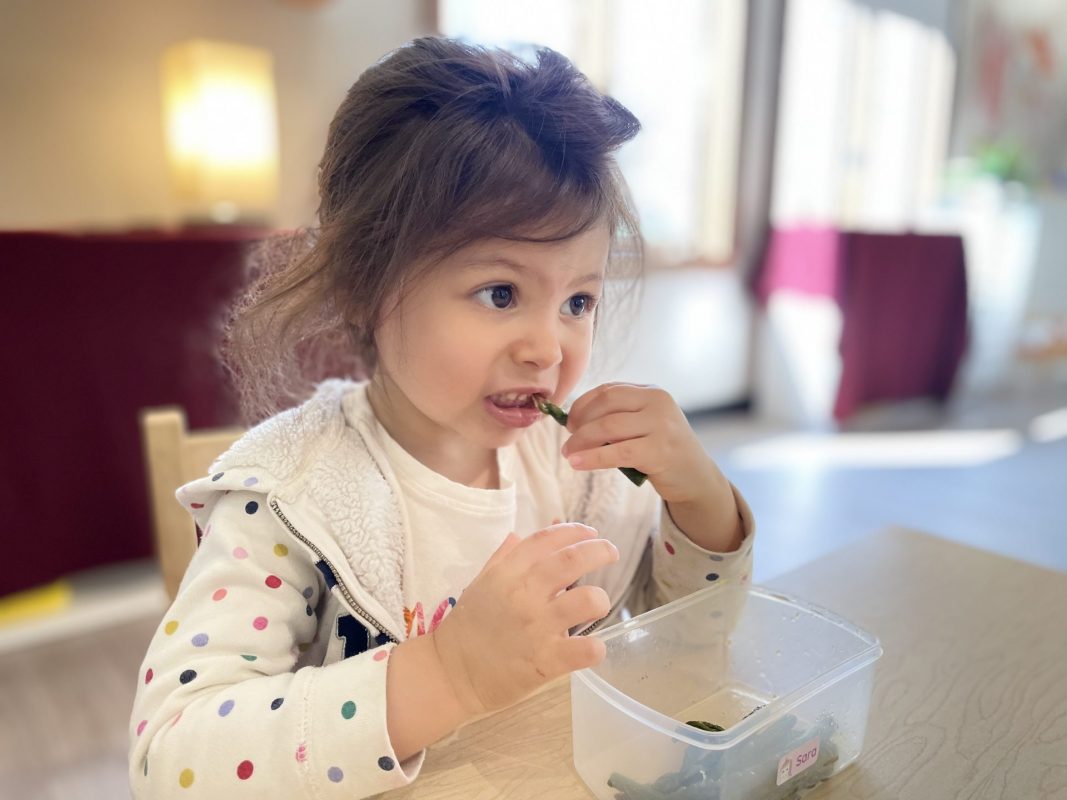
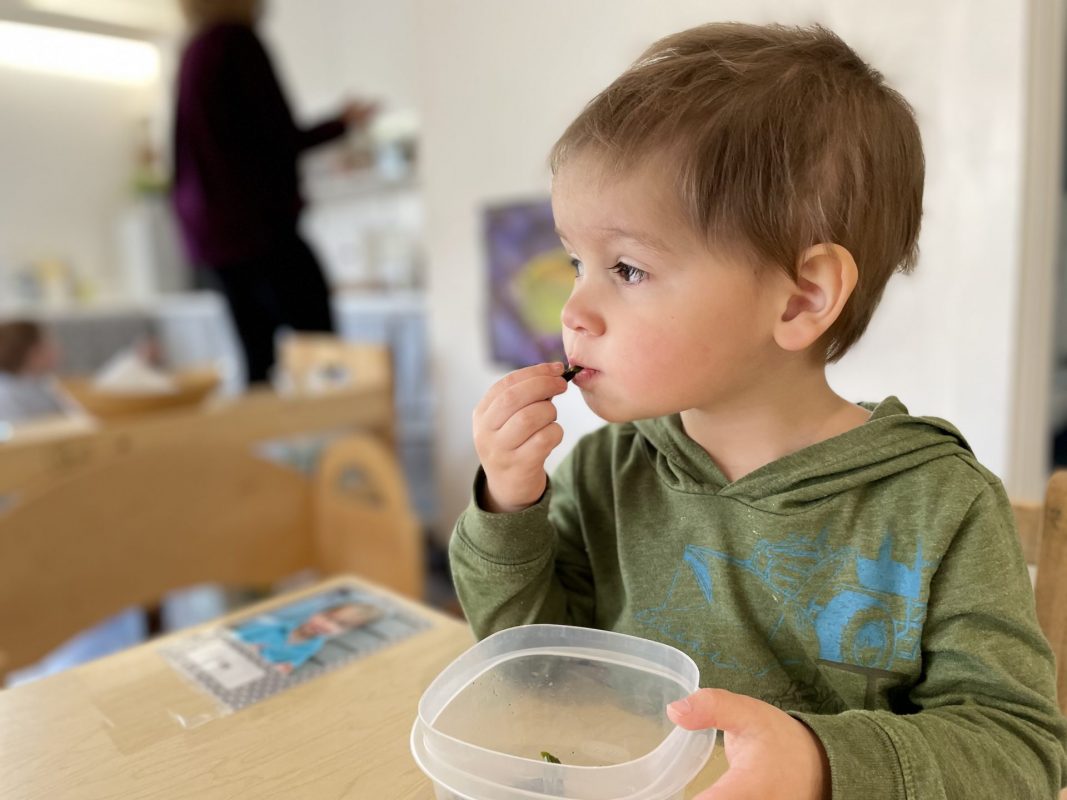
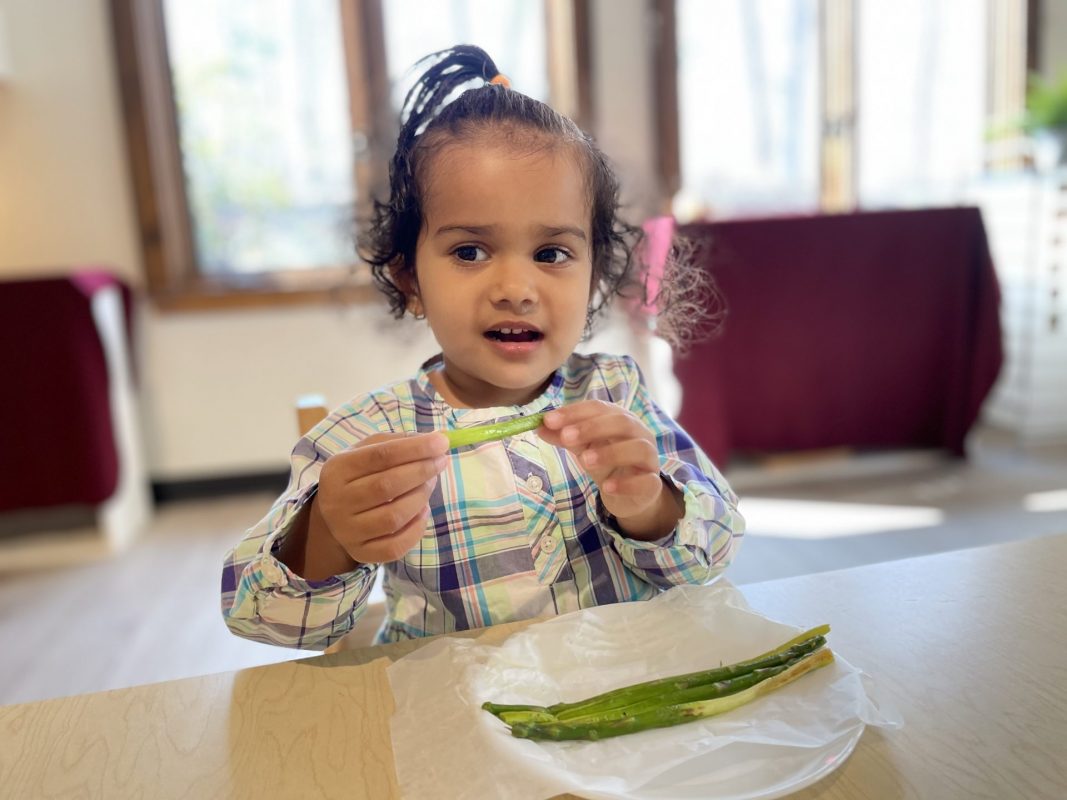
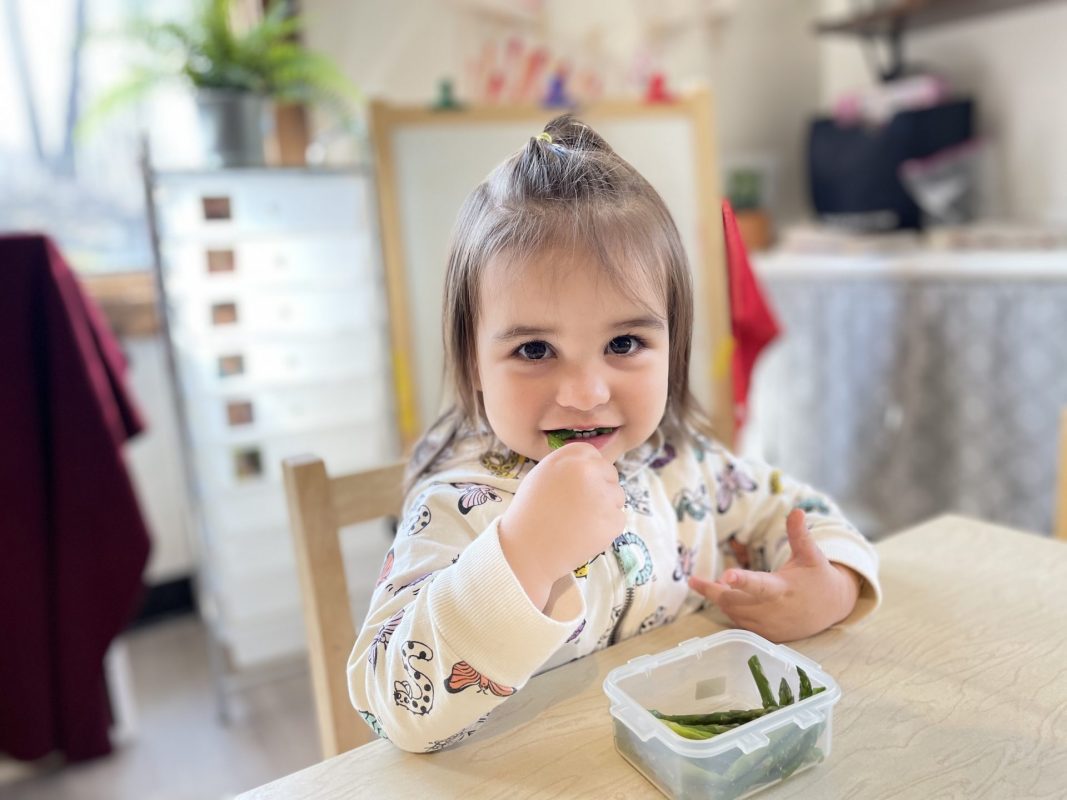
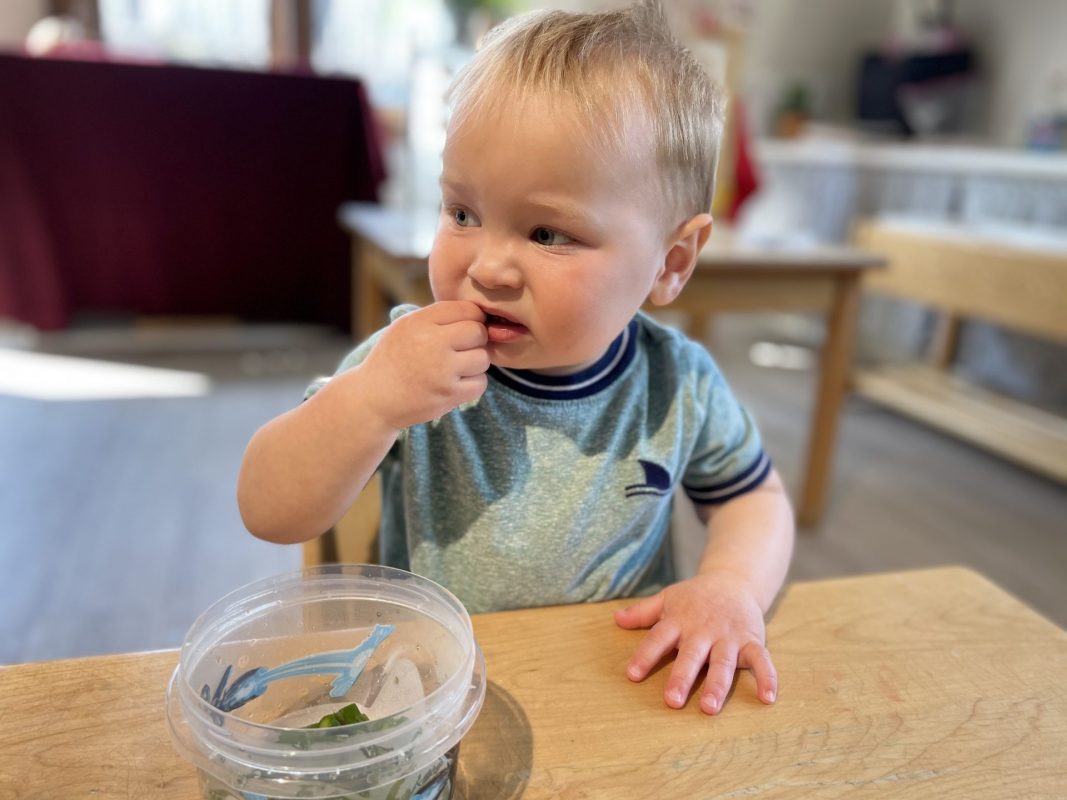
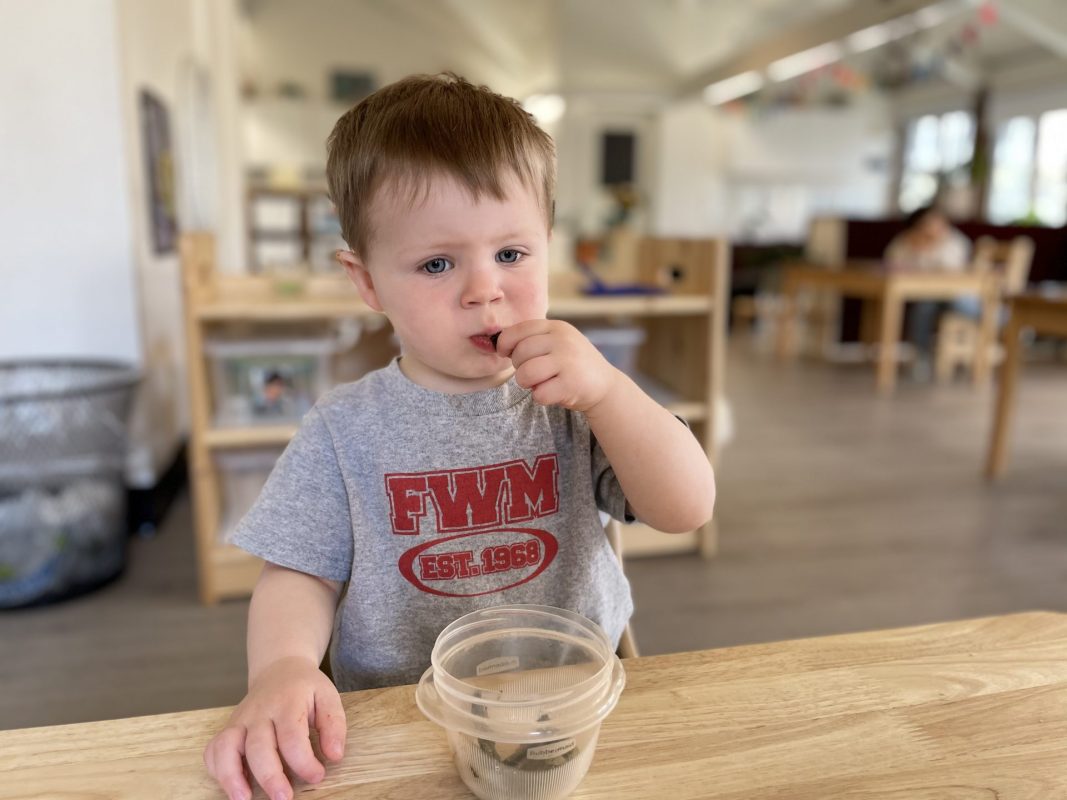
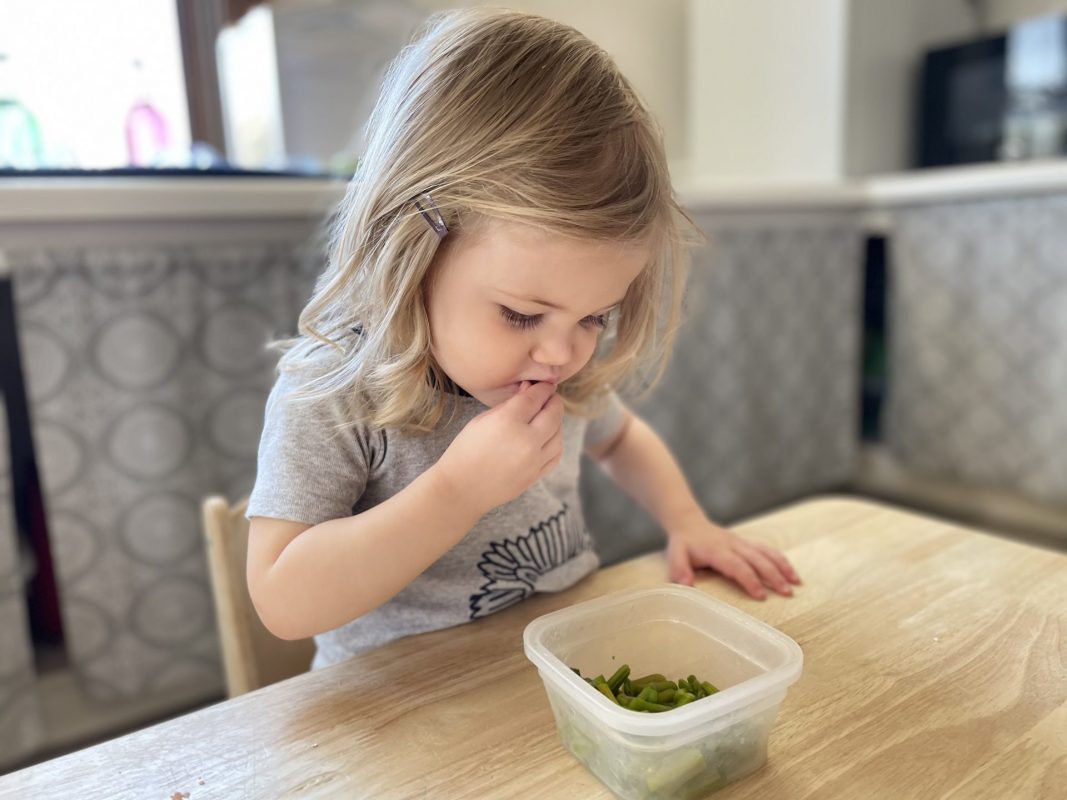
Lastly, children explored asparagus for food testing this week and this vegetable was a complete hit! We hope you add it to your list of favorite toddler foods.

We hope you have a happy weekend and remember to stop and smell the flowers! Nature brings a lot of healing and, oh boy, how we need it! 

Enjoy, 

Mrs. Hood and Ms. Maria


Mrs. Doyle’s Class: We’ve Got the Whole World In Our Hands!

Each year on April 22nd we celebrate Earth Day.  The first Earth Day was celebrated in 1970 and the goal is promote awareness and appreciation for the our planet’s environment. Throughout the world, there are over 175 countries that celebrate this special day.  Over the course of the last two weeks, we have been reading books and having whole class discussions about the wonderful planet we live on. The children also recycled old newspapers to make a flower pot.  They added soil and seeds and will be taking them home this week.  The entire pot can be planted as the newspaper is biodegradable.

We asked the children how they could help keep the Earth a wonderful place to live.  Below are their answers.
Anchor: We can pick up garbage when we see it.

Carmen:  We can plant apple trees and strawberry plants.

Elliot: We can water the plants and trees.

Gregory G:  We can turn off the T.V. when no one is watching it.

Gregory L: We can grow more trees.

Greyson: We can give people stuff if they need it.

Harper: We can try to make paper out of bamboo trees because they grow so much faster.

Julianna: We can recycle and throw trash in the garbage can.

Landon:  We can grow our own food like watermelons and cucumbers.
Lily: We can plant a garden with purple carrots.
Luca: We can not waste water.
Marin: We can turn off the lights when we leave the room.

Mya: We can plant seeds everywhere.

Olivia: We can clean up all the garbage on the roads.
Simrin:  We can recycle all the garbage and put things back in the right place.
Wilder: We can make sure there are no forest fires.

Xander: We can share our things with everyone.

Virginia:  We can feed all the animals that are hungry.

Wishing you a week filled with peace and love.

Michelle & Lizette


Protecting our Planet

To celebrate our beloved planet Earth, we started a discussion by reading the book, Dear Children of the Earth, by Schim Schimmel. The narrator of the story is Mother Earth and she asks for help from children everywhere. She explains that she loves and wants to protect each child on Earth but in order to do so, she needs their love and appreciation in return. This book leaves goose bumps on my body (and almost tears) every time I read it because the message of protecting our planet is so powerful. I recommend this read!

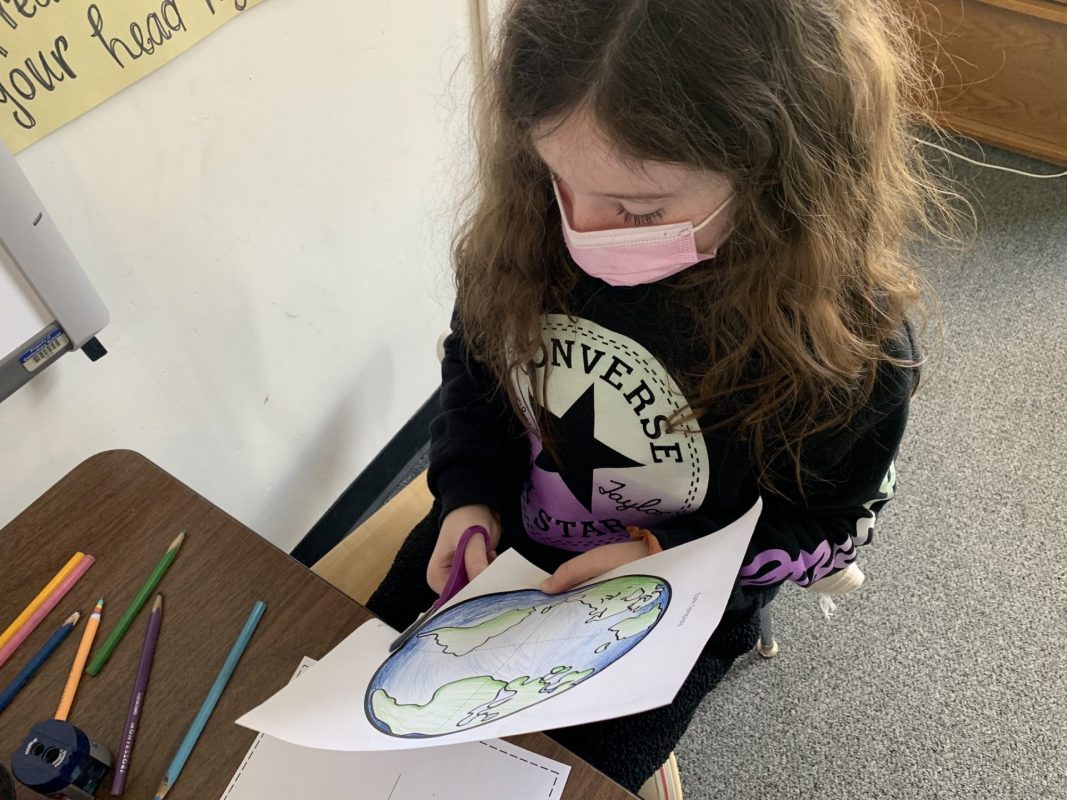
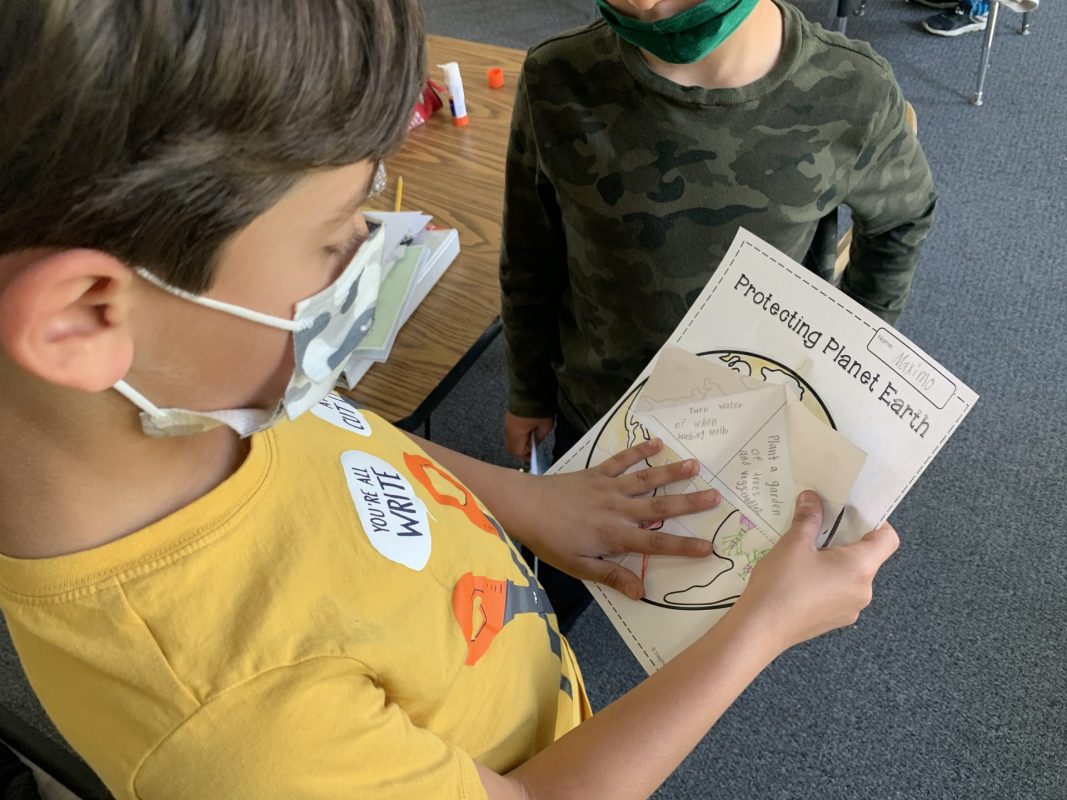
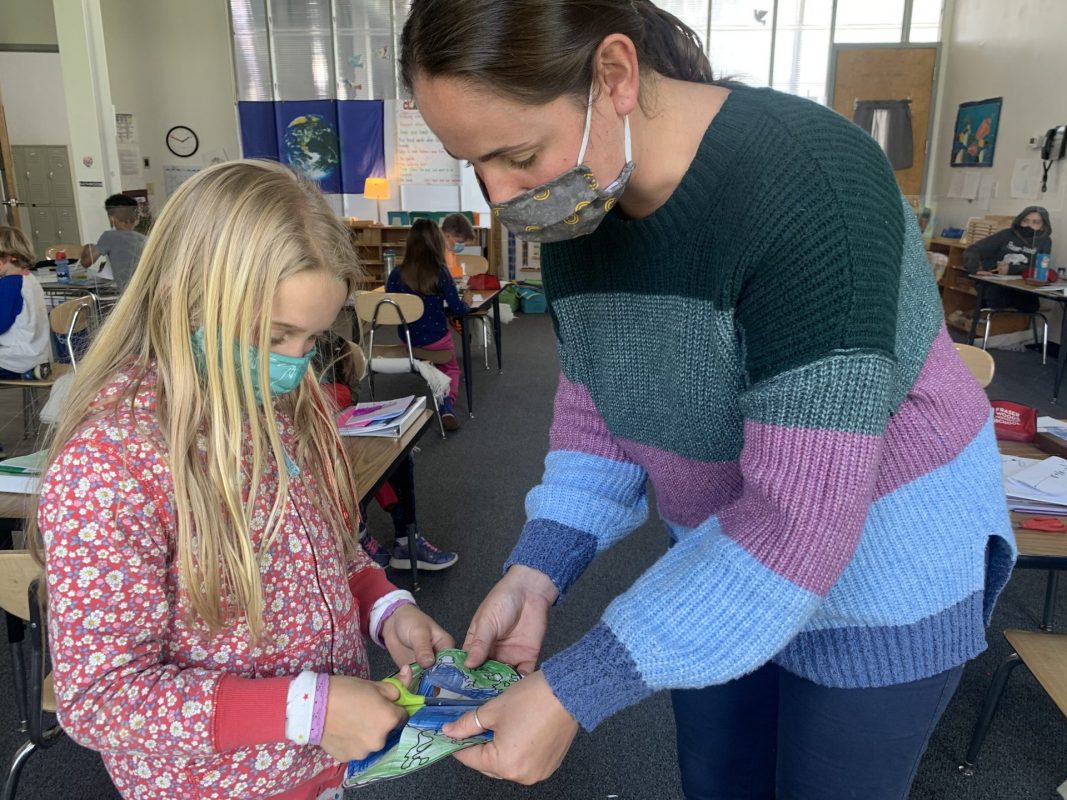
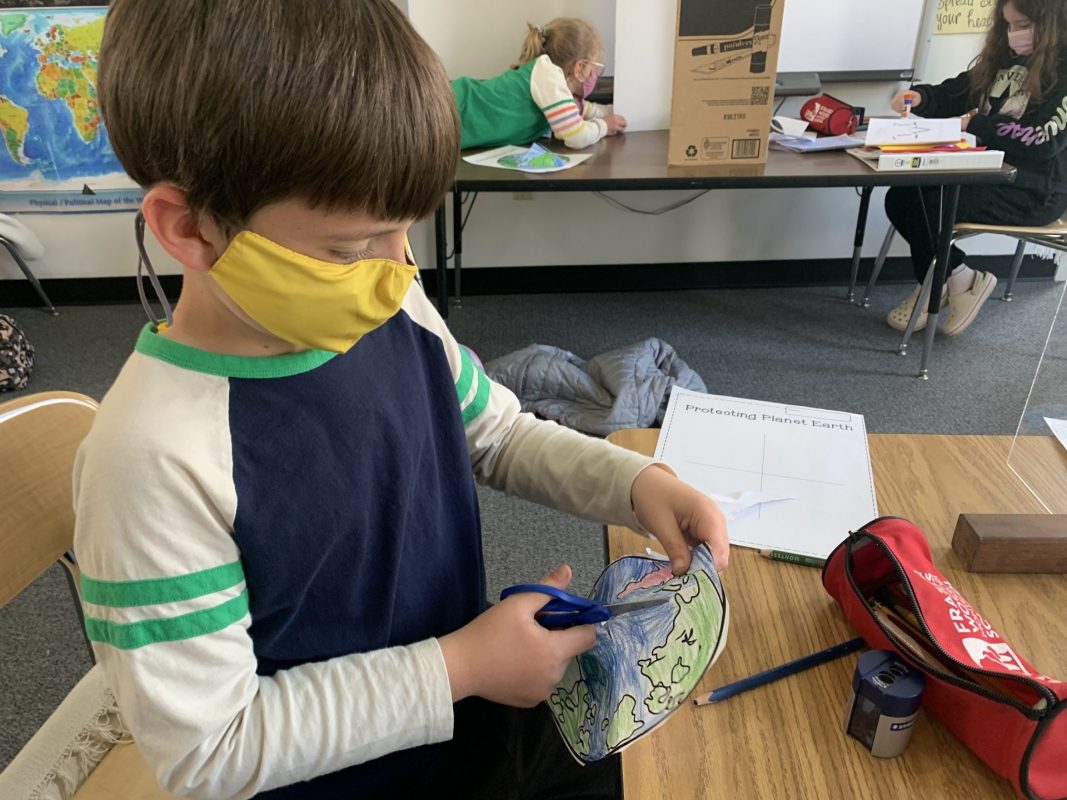
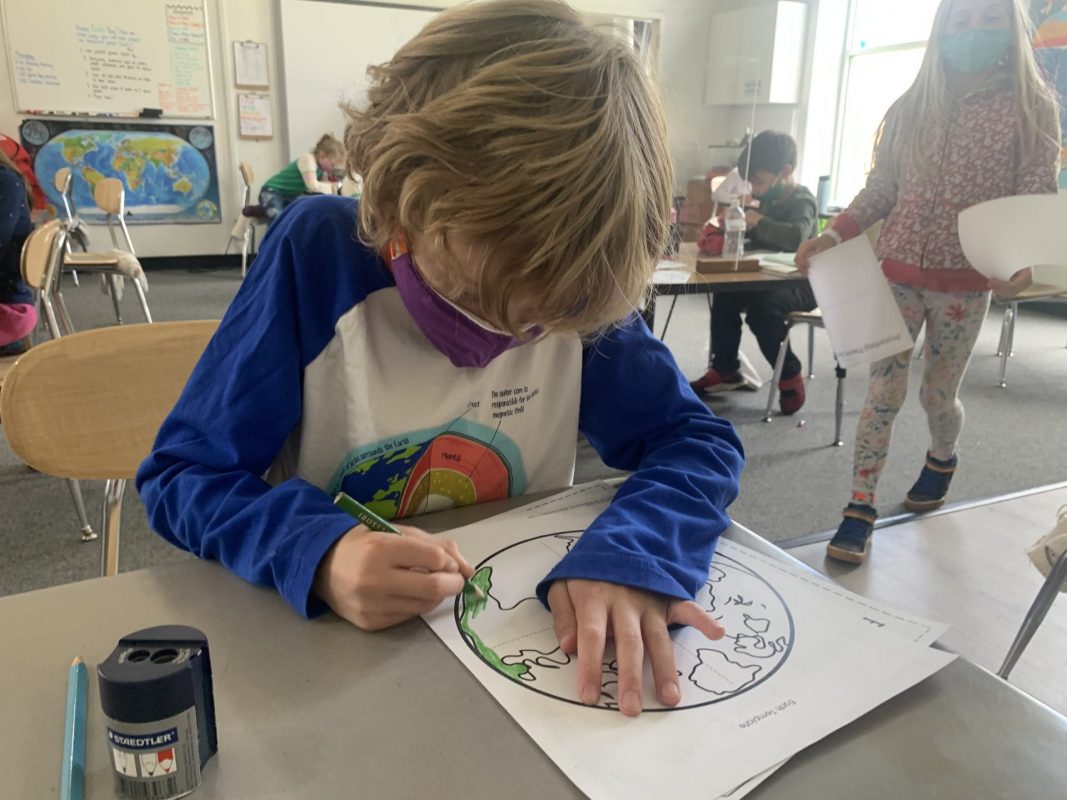
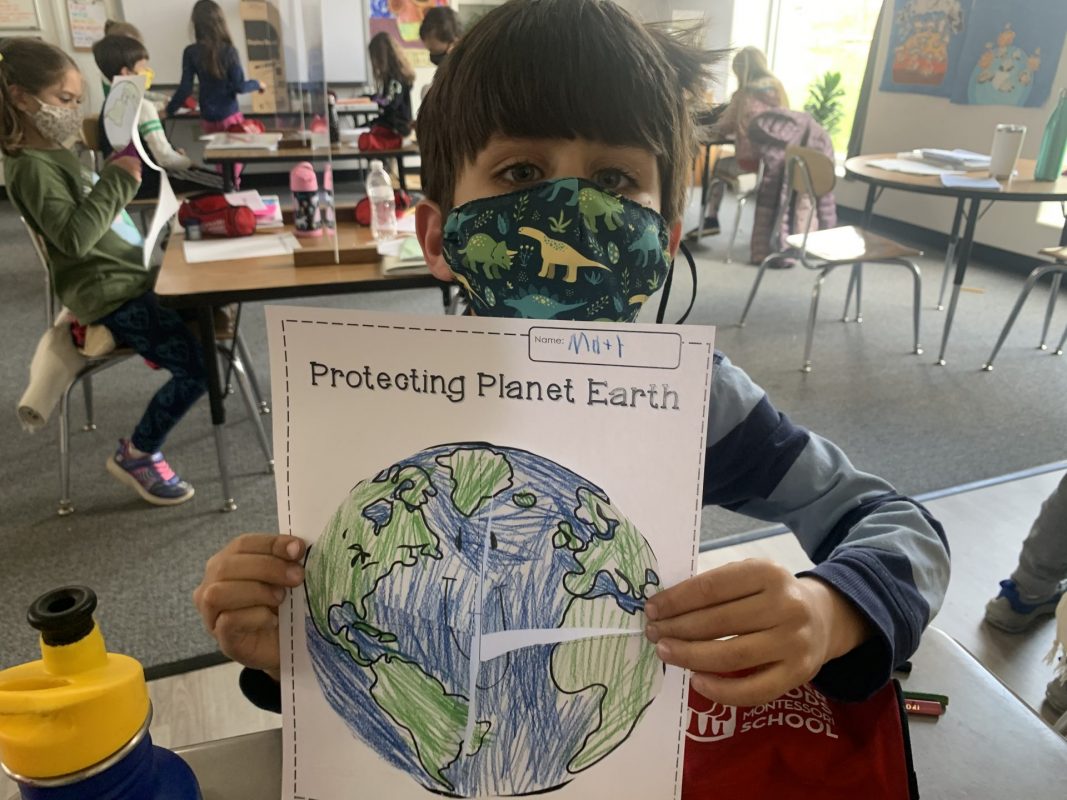
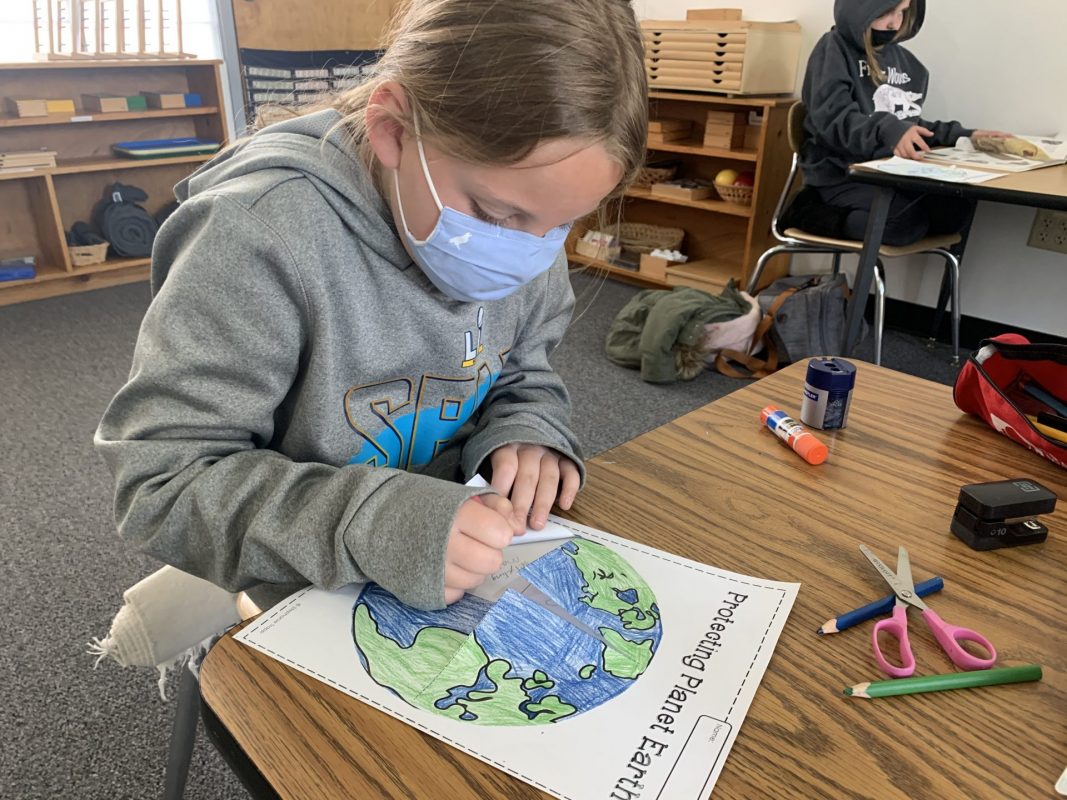
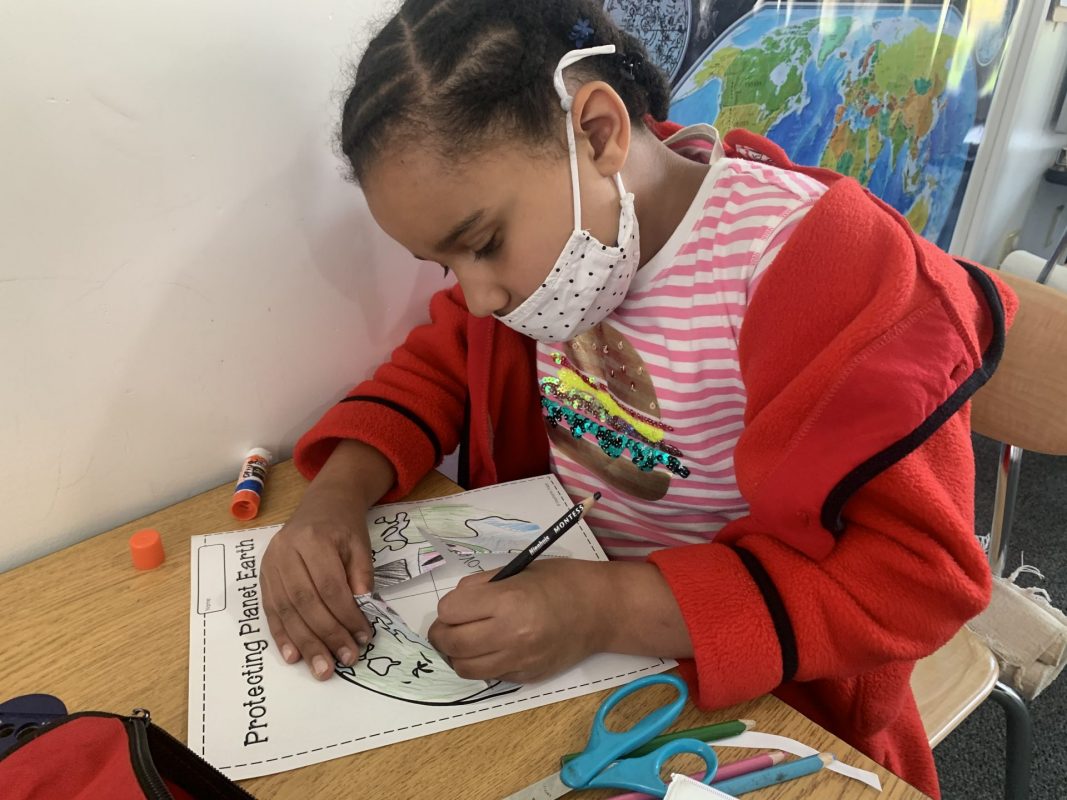
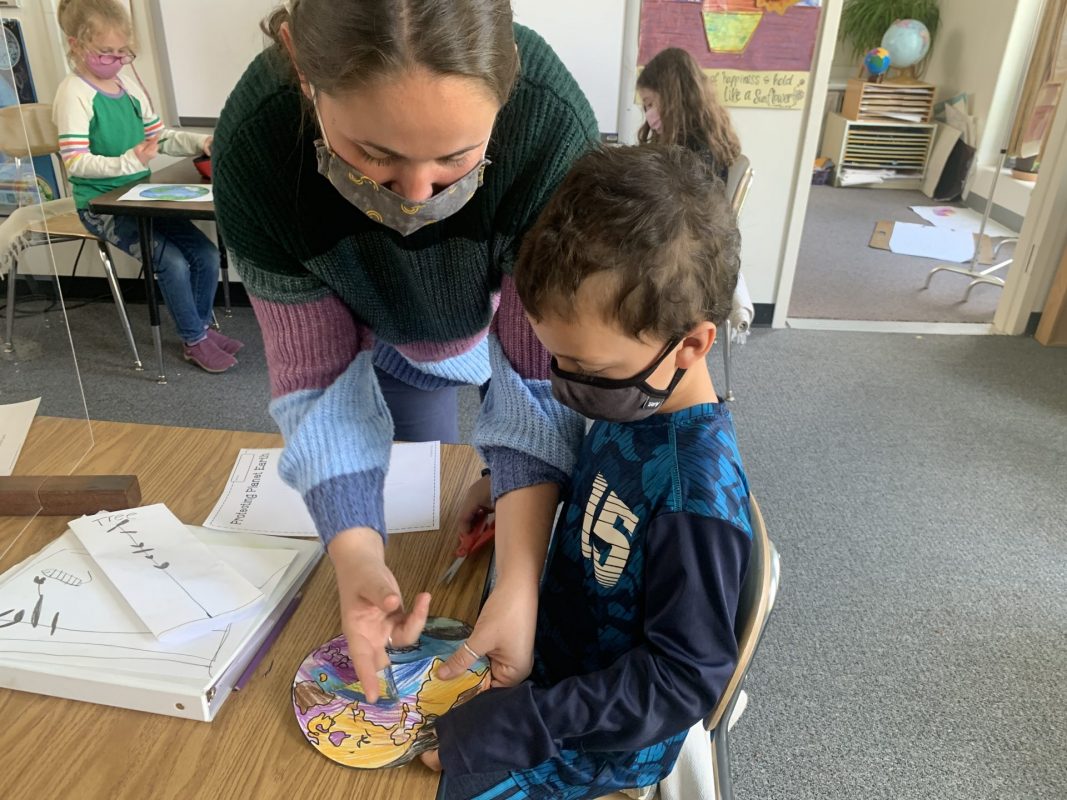
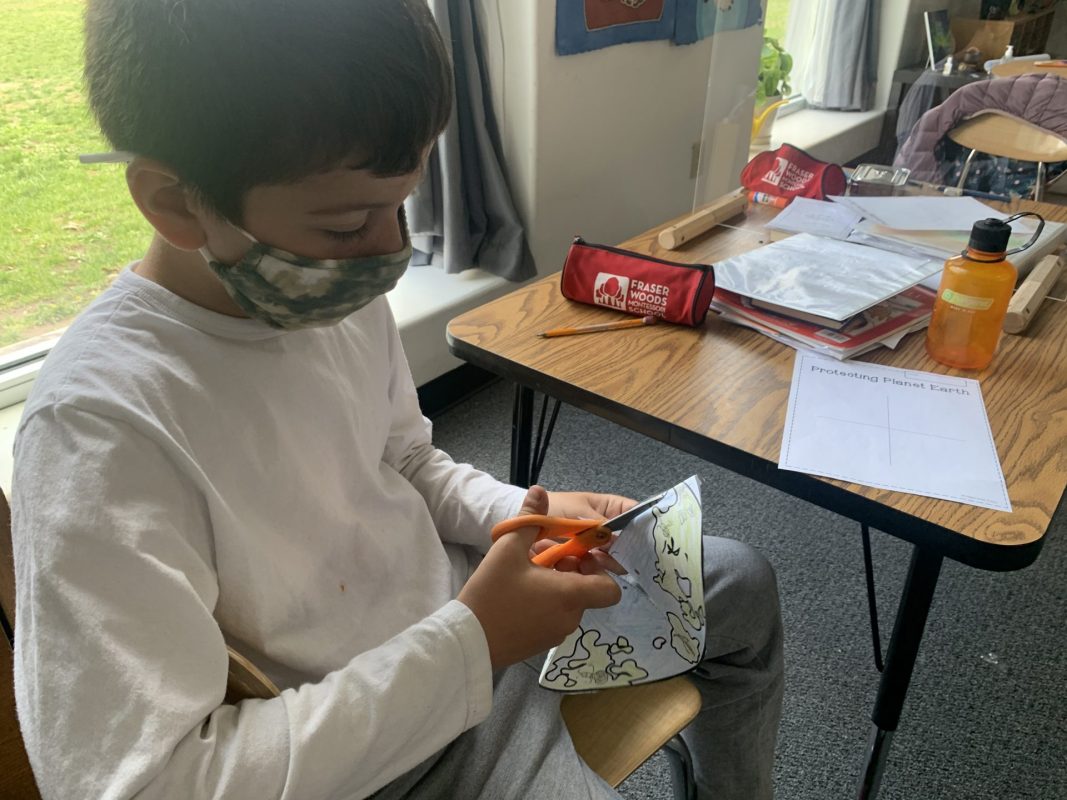
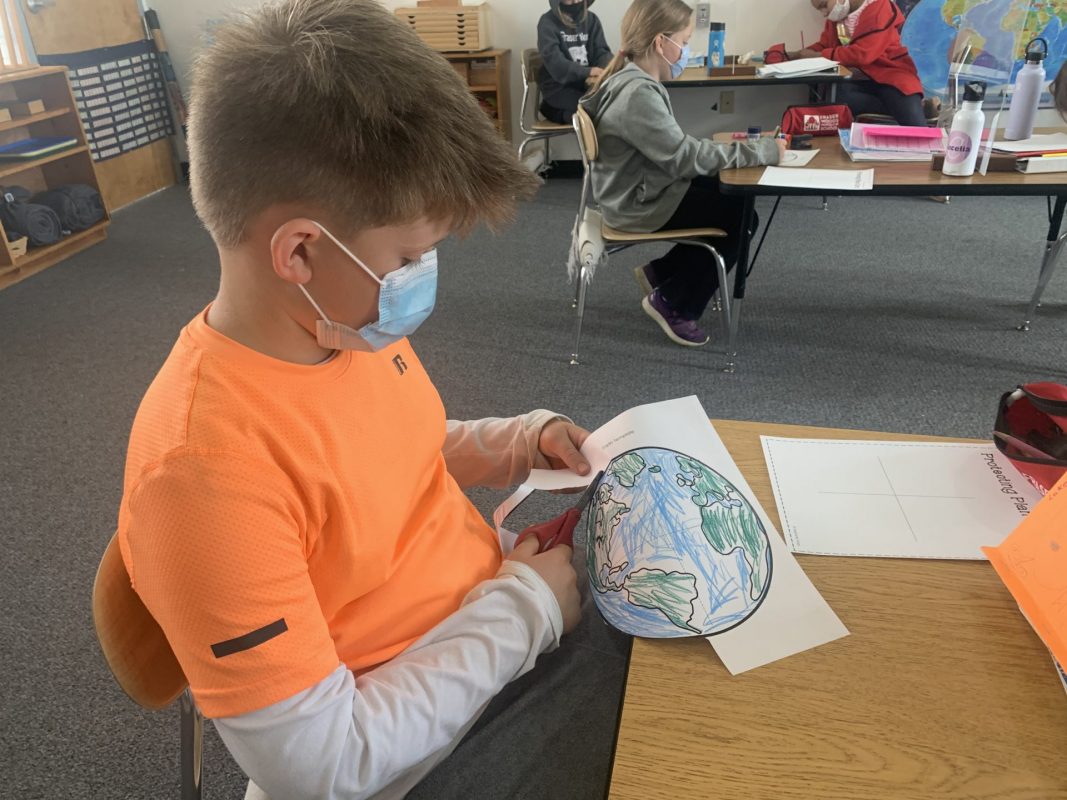
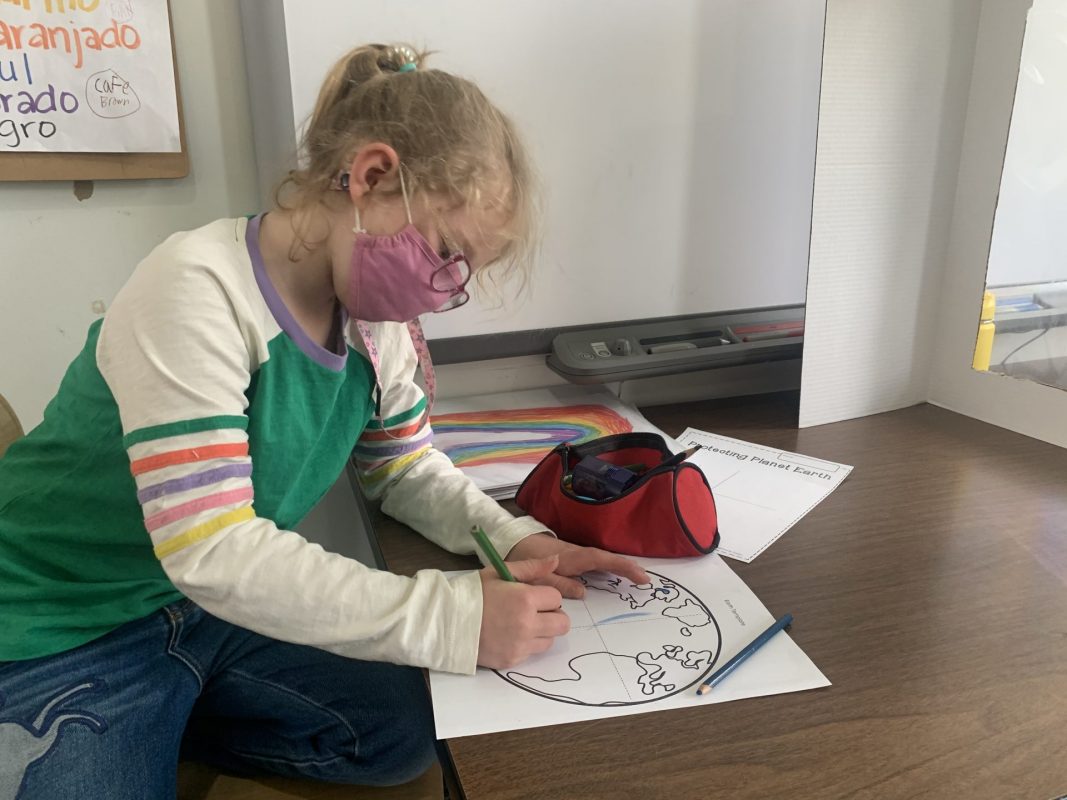
Afterwards, I facilitated a conversation on how we can take part in protecting and preserving our planet. We had a beautiful discussion that ranged in ideas, including: planting trees, not wasting paper, turning off lights, recycling, picking up trash, and much more! From there each child reflected in their journal about their own journey in helping Earth. Later in the day, we also incorporated a fun arts and crafts activity that corresponded with our duty to help protect our planet.