Blog

Upcoming Events

Wednesday, February 3rd, and Thursday, February 4th, 6:30 pm. – Middle School Virtual Research Night

Friday, February 5th Lower Elementary and Upper Elementary Research videos will be shared!

Tuesday, February 9th, and Wednesday, February 1oth – Lower Elementary third-year and Upper Elementary Students – Standardized testing from ERB – the CTP5 (Comprehension Testing Program fifth edition) Lower Elementary-3rd Year to 8th-grade students participate annually. Standardized testing in a Montessori school is viewed as a Practical Life experience. We do not alter our curriculum nor do we conduct test preparation exercises. We understand that a standardized test is only a snapshot and recognize that there is so much more to a student’s learning experience than one test can measure.

Wednesday, February 10th, 7:00 pm. – Kahoot! Trivia-Family Edition. Test your family’s general trivia knowledge against other FWM families in the comfort of your own home. Interactive and not to be missed!

Thursday, February 11th, No School – Virtual Parent/Teacher Conferences 

Friday, February 12th, No School – Faculty Professional Development

Monday, February 15th, No School – President’s Day

Happenings & Events

FWM Summer Camp is OPEN for REGISTRATION!  Weekly sessions for summer program offerings for Toddler, Primary, and Elementary age children.  Register online at MyFWM.org under PROGRAMS. Deadline to register is May 13th.

Elementary Play is this Thursday, May 9th – 7:00pm. Seussical performed by Lower & Upper Elementary students. Exciting musical for children of all ages! Tickets can be purchased here!

8th Year Expert Projects are Wednesday, May 15th & Thursday, May 16th – 6:00pm. 8th Year students culminating projects. This year’s topics include: White Collar Crime, Microsoft, Cognitive Psychology, Criminal Psychology, Nutrition, Tourette’s, Trauma Surgery, Racial Diversity in America, Racial and Gender Bias in the Criminal Justice System, Air Pollution, Child Education in Developing Countries and Major League Soccer. Each night will have different presentations.

Grandparents Day is Friday, May 17th – 8:30-10:30am. Invitations have been mailed to all grandparents with an RSVP date of Friday, May 3rd. The morning includes a light breakfast, concert and visit to the classrooms.


Air Pollution- How often does this come up?

The California fires have brought up many conversations in the MakerSpace. Students have discussed how we can help, why it’s happening, who’s doing something about it, and when will it will stop? A lot of the questions being asked we don’t have answers for.

One thing I have noticed about my students is their constant desire to help others and to help their future. These conversations connected to our class work where we are currently making “wearable” items/objects where thoughts of sustainability and our environment are at the forefront of truly making their future the cause of today.


Here’s a great visual of world-wide air pollution. Check it out!

http://berkeleyearth.org/air-pollution-overview/


Time outside!

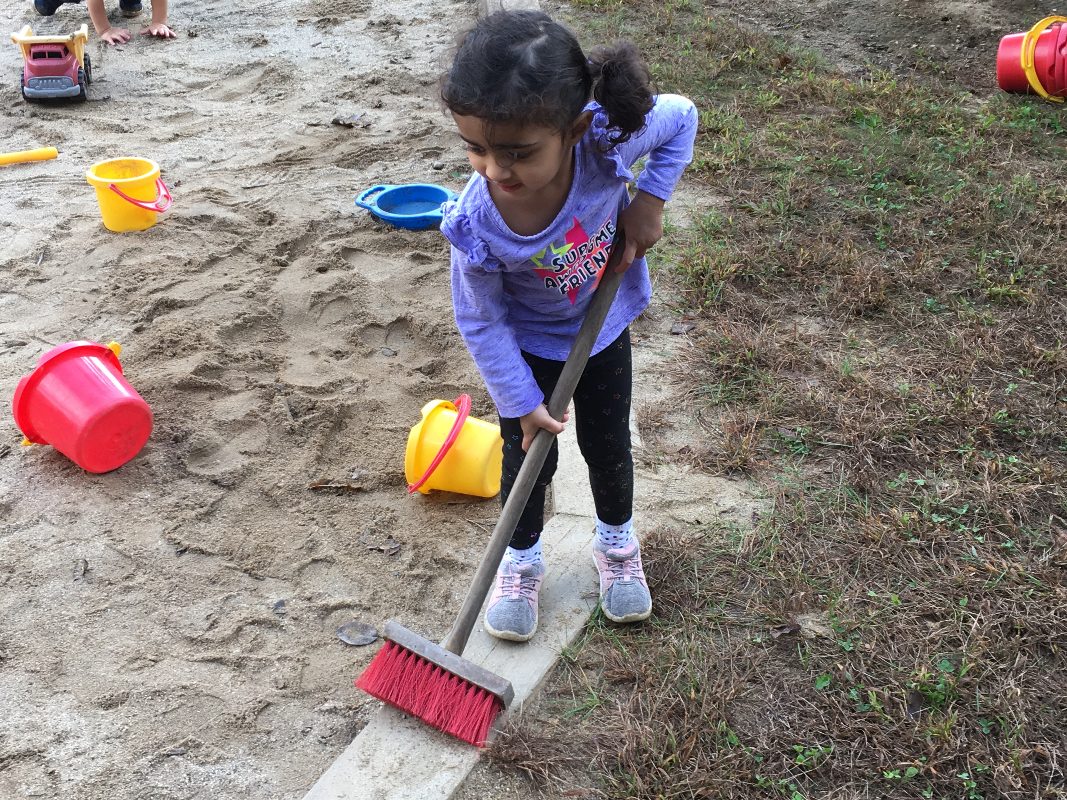
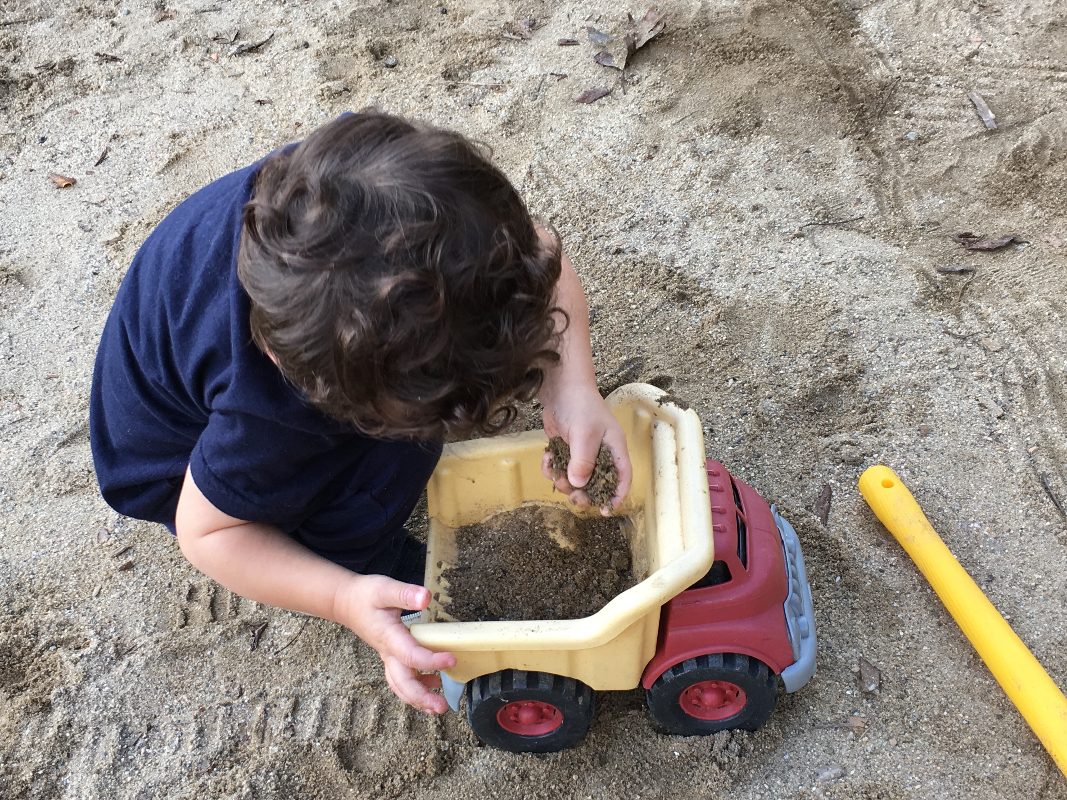
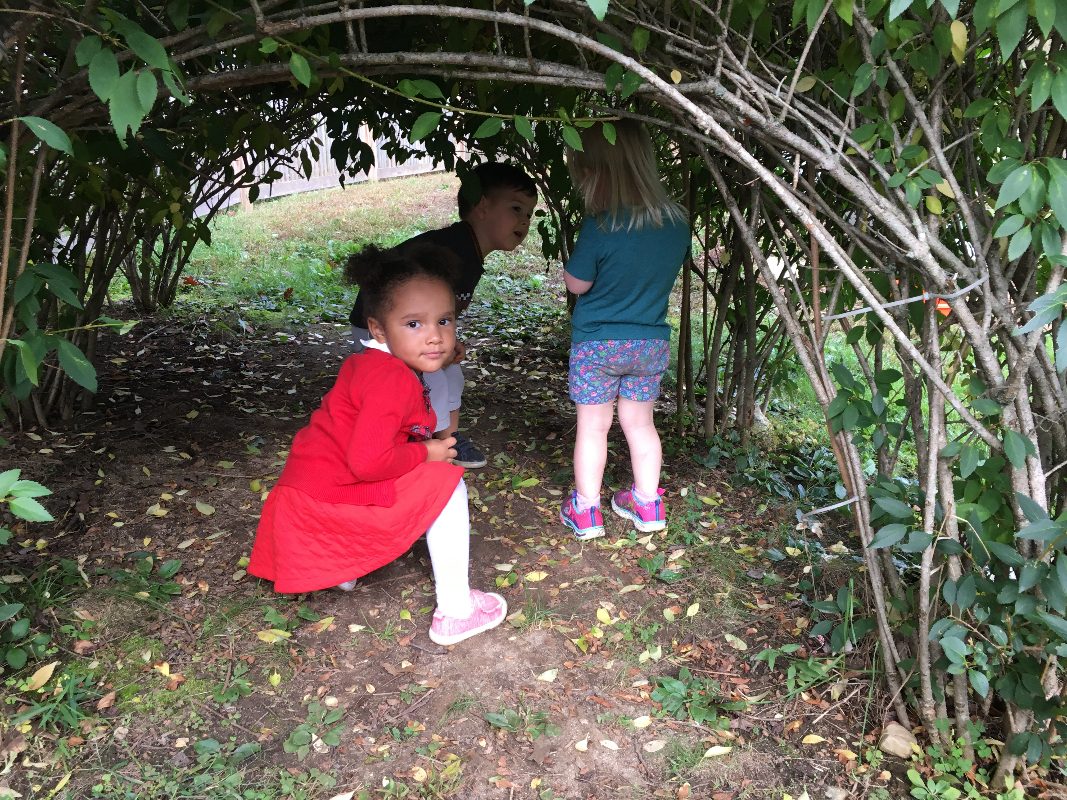
We are enjoying the beautiful weather outside as much as possible. We know that rainy days are headed our way and are taking full advantage of our playground.

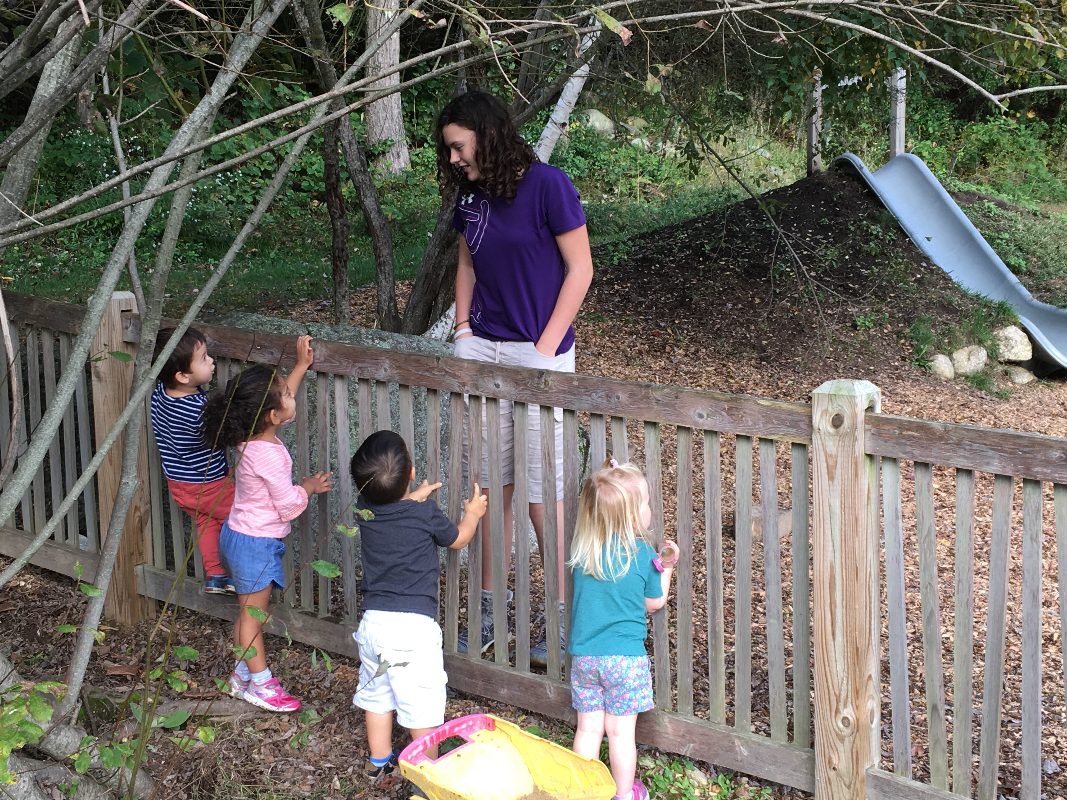
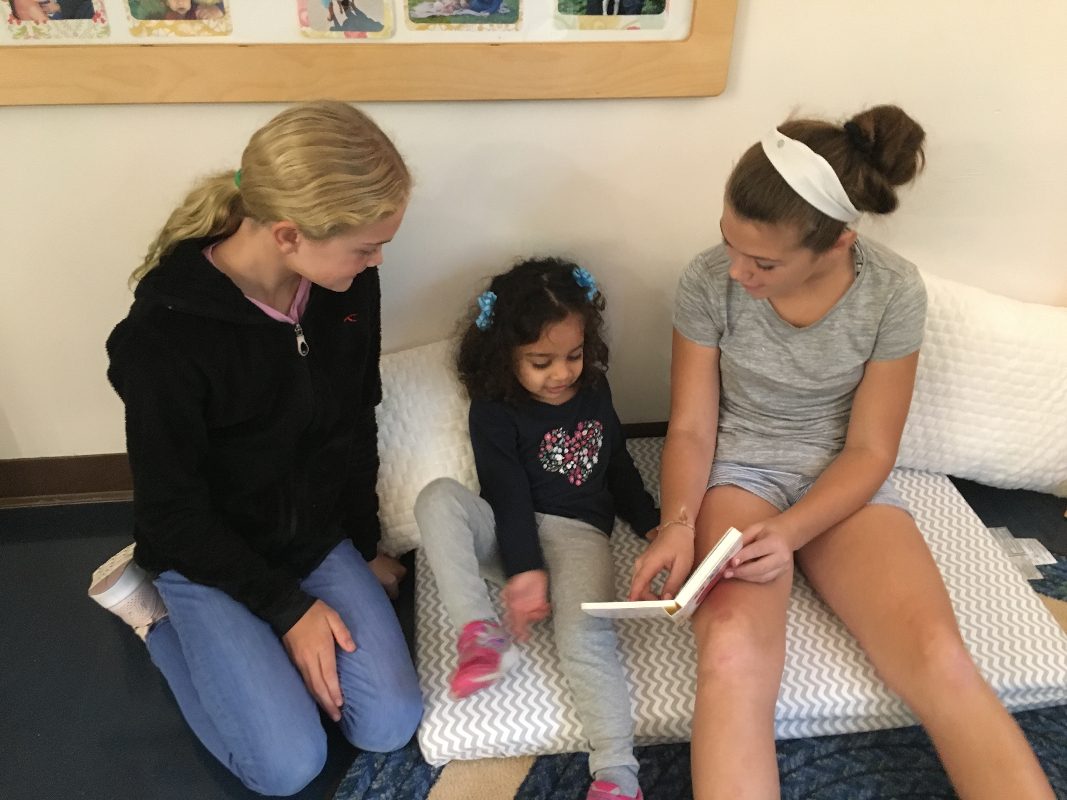
We have had several visits from our Community Service Volunteers over the past few weeks. FWM Middle School students devote one hour every six days to work with those younger than them. This is a pleasurable time for all involved as the children begin to see each other as an extension of their families and class communities.


3D Printing Saves Endangered Ecosystems

My students gain inspiration from every day occurrences. Sometimes they walk in the door with an idea, and at other times they need me to assist in lighting a spark. Below is a great announcement about advancement in 3D printing. Sharing news like this amongst my student community inspires my students to continue designing and prototyping their own unique ideas. Our slogan for my classroom, the MakerSpace, continues to be true every day… ” It’s All Possible”.

http://www.3ders.org/articles/20181003-3d-printed-jellyfish-robots-created-to-monitor-fragile-coral-reefs.html


Mrs. Doyle’s Class: Really Cool Reptiles

We are now ready to move from our study of mammals to reptiles. Building on the knowledge that each class of animals has different characteristics to help us distinguish which class they belong to, we introduce these unique characteristics and learn how to correctly classify animals.

We learned that reptiles:

  • Are cold-blooded.  Therefore, a reptile’s body reacts to the temperature of its surrounding.
  • They are covered in scales.  Reptiles do not have hair or fur.  Their scales help to protect their body.
  • They are vertebrates so they have a backbone.
  • Most of them lay eggs on land.  They also have very strong instincts, so from birth they need to be able to survive independently.
  • They breathe air and have lungs.

Some animals that belong to the reptile class are snakes, alligators, crocodiles, turtles, and lizards.

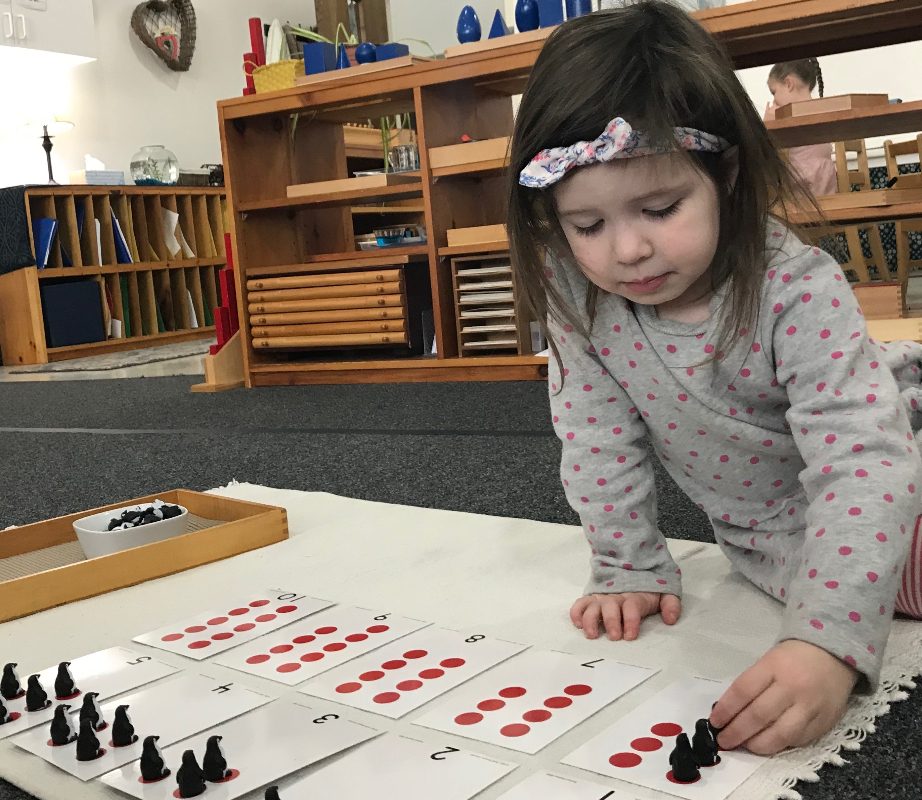
As we introduce a different science concept, we also gently weave the topic into the other areas of the classroom.  For example, we introduced turtle scrubbing in the classroom.  In math, the  counters and manipulative used will be reptiles.  This is a great springboard for discussions to take part in all day long.

Have a wonderful week!

Michelle & Sonja


Transformable Objects

What if we could make objects transform in the same way a flower unfolds from its bud? This is what designer, Harvard professor, and accidental toy inventor Chuck Hoberman is trying to figure out.

All of his ideas (event installations, toys, and more) have earned over 20 patents, all use math and engineering to emulate nature. Check out this episode of Wired‘s “Obsessed” video series takes a closer look at his work.

In our MakerSpace, we have been practicing his designs and have tried to recreate several of his creations, while using him as inspiration for our own unique toys.


Mrs. Doyle’s Class: Heigh-Ho, It’s Off to Work We Go!

When a child works, he does not do so to attain some further goal.  His objective in working is the work itself. – Maria Montessori

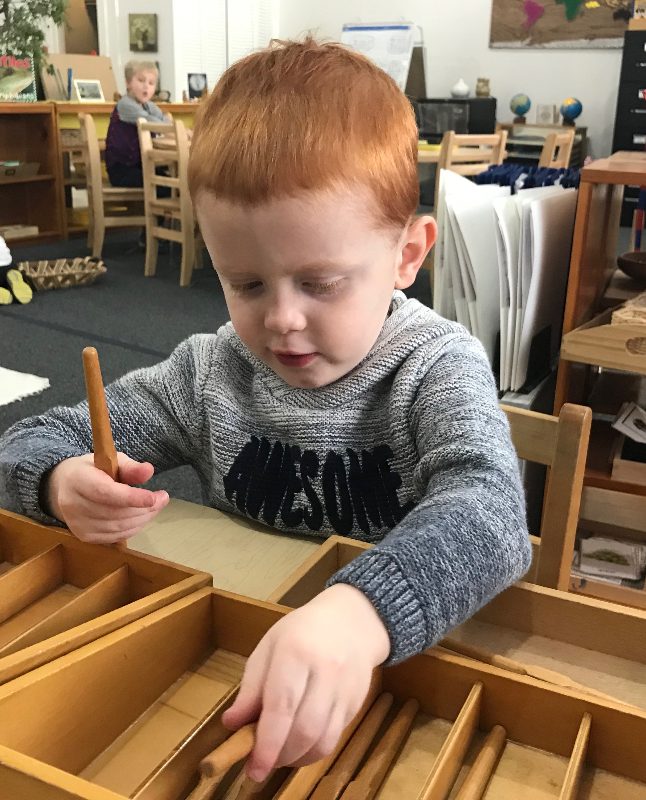
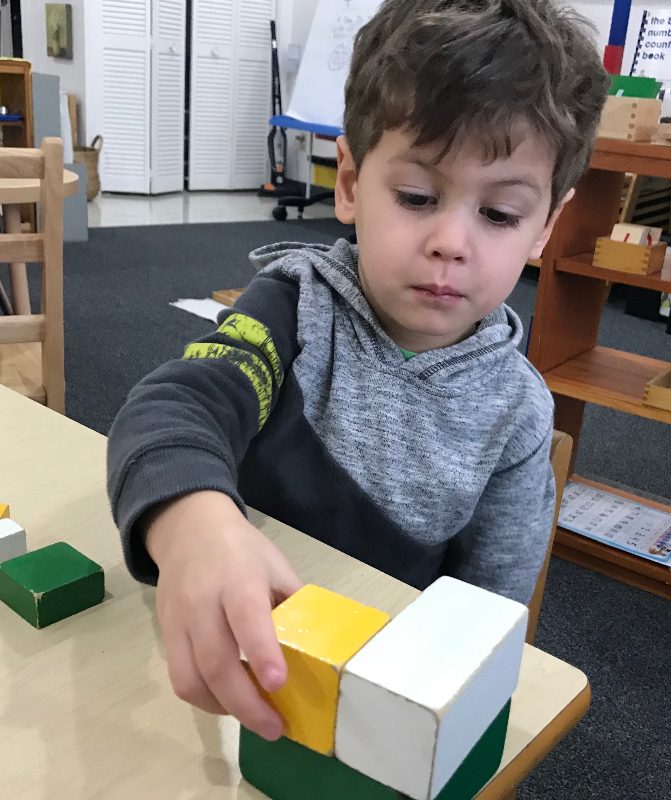
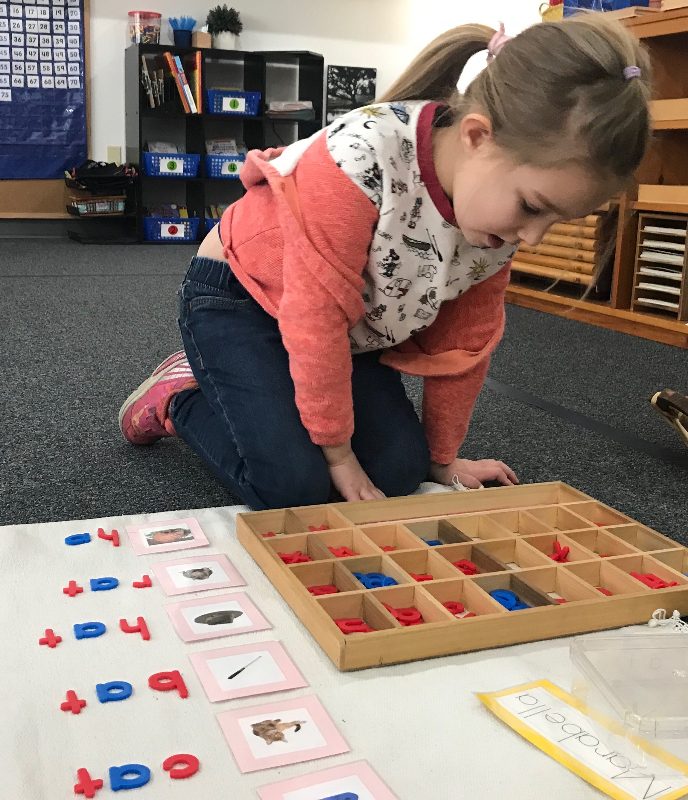
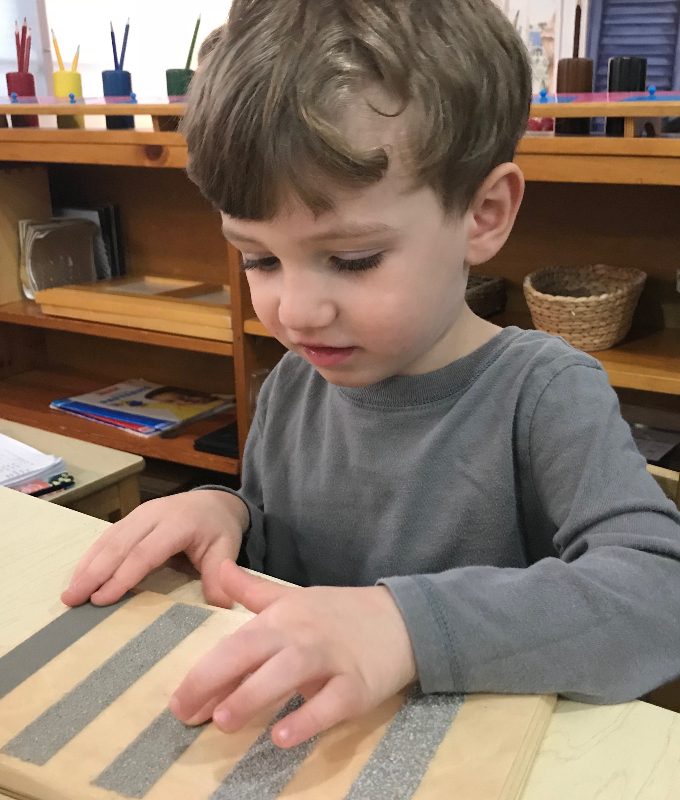
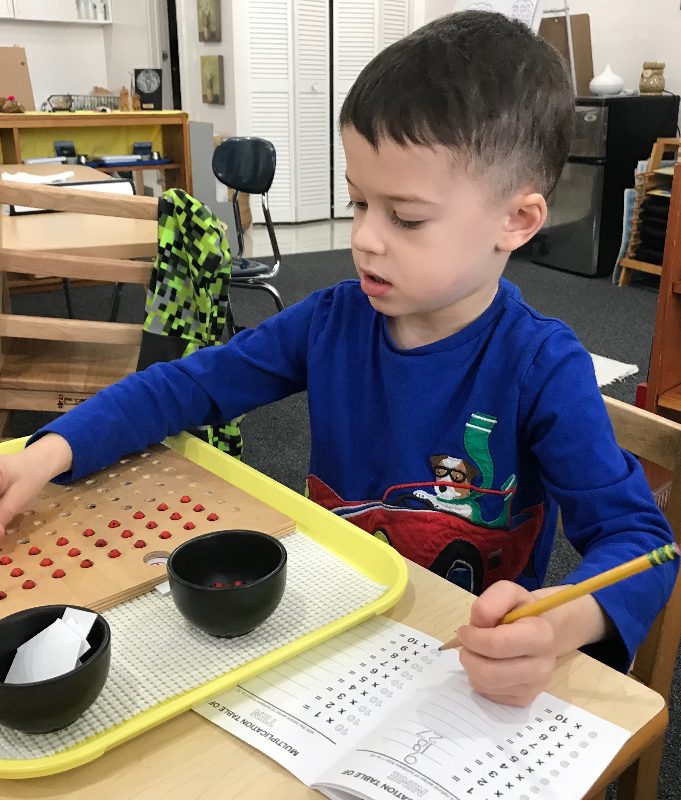
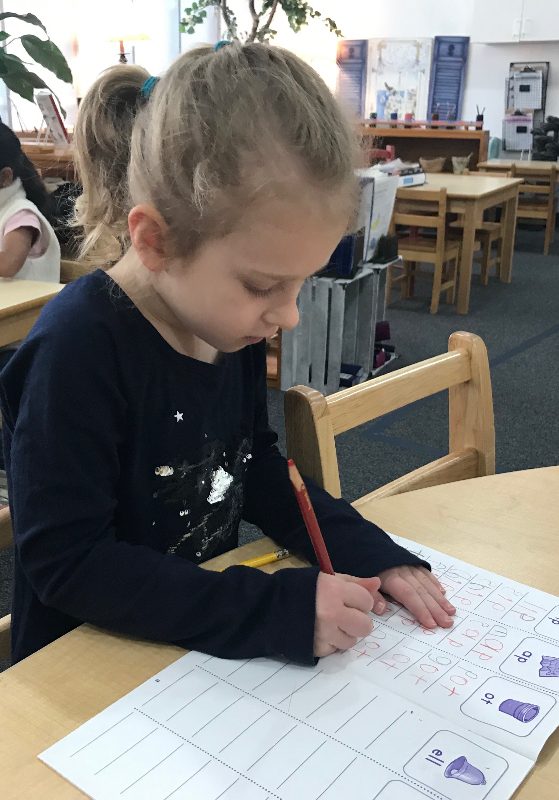
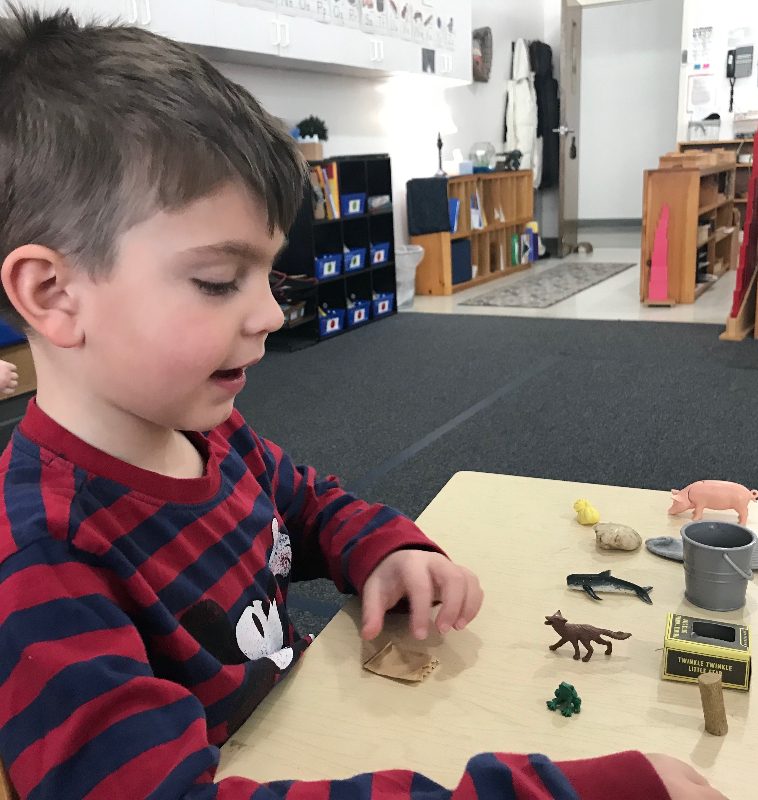
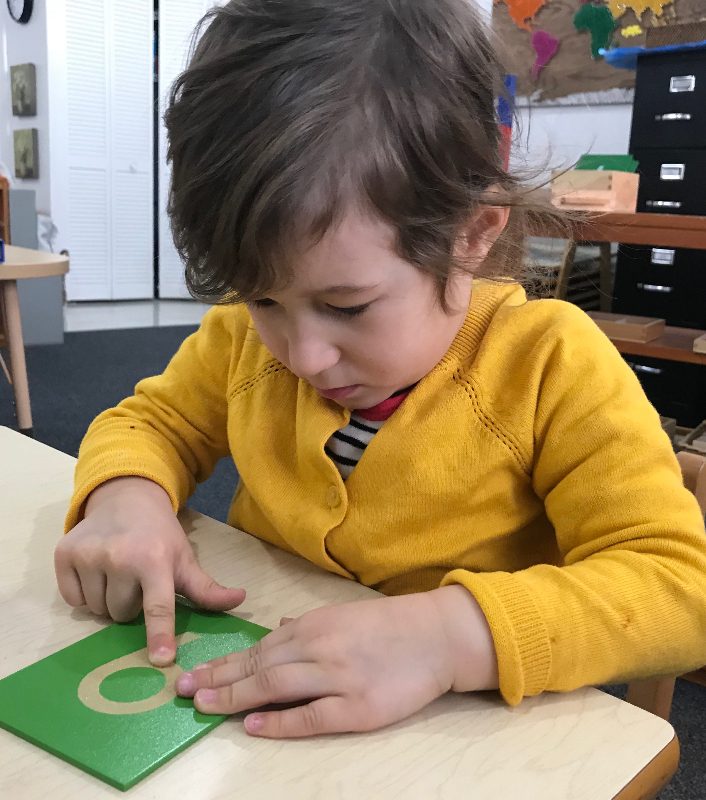
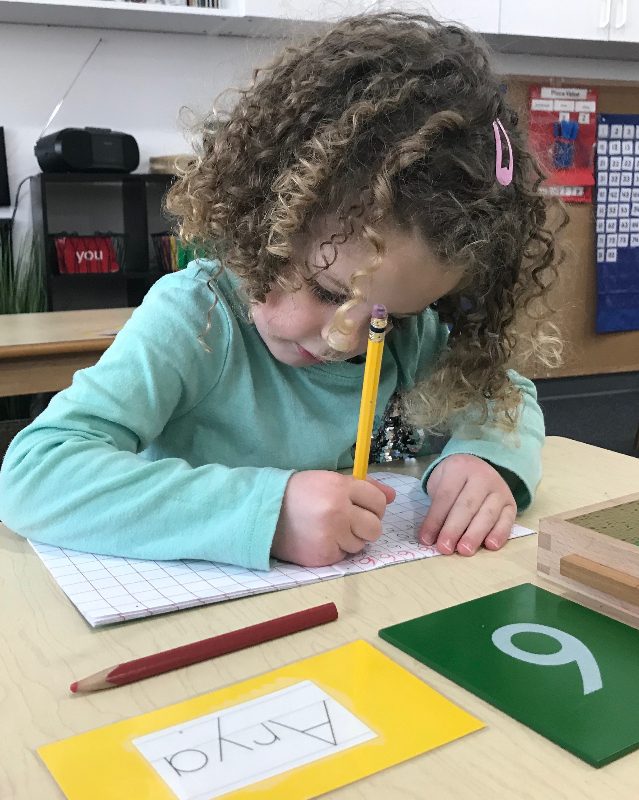
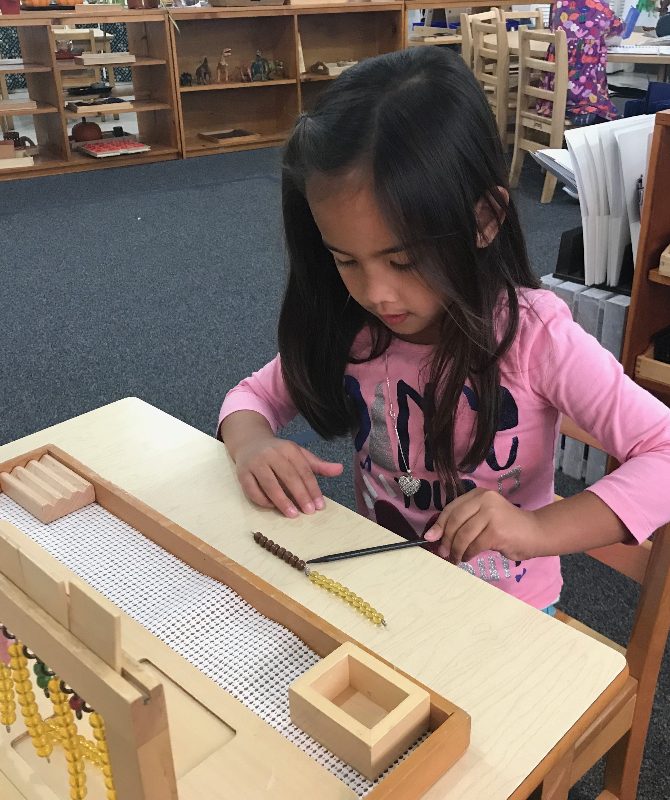
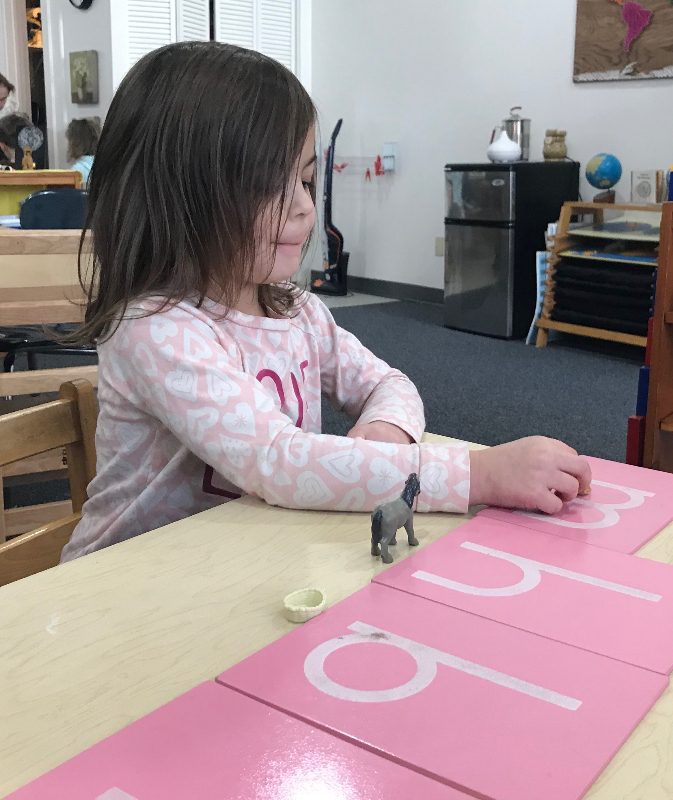
One of Maria Montessori’s more well known quotes is “play is the child’s work.”  We’re sure by now you have heard your child talk about their work at school. Maria Montessori preferred the word work rather than the word play, to describe the learning process children are constantly undergoing. Work conveys the amount of effort that children put into their physical, social, emotional, and academic growth. As adults, our definition of work has a very different meaning.

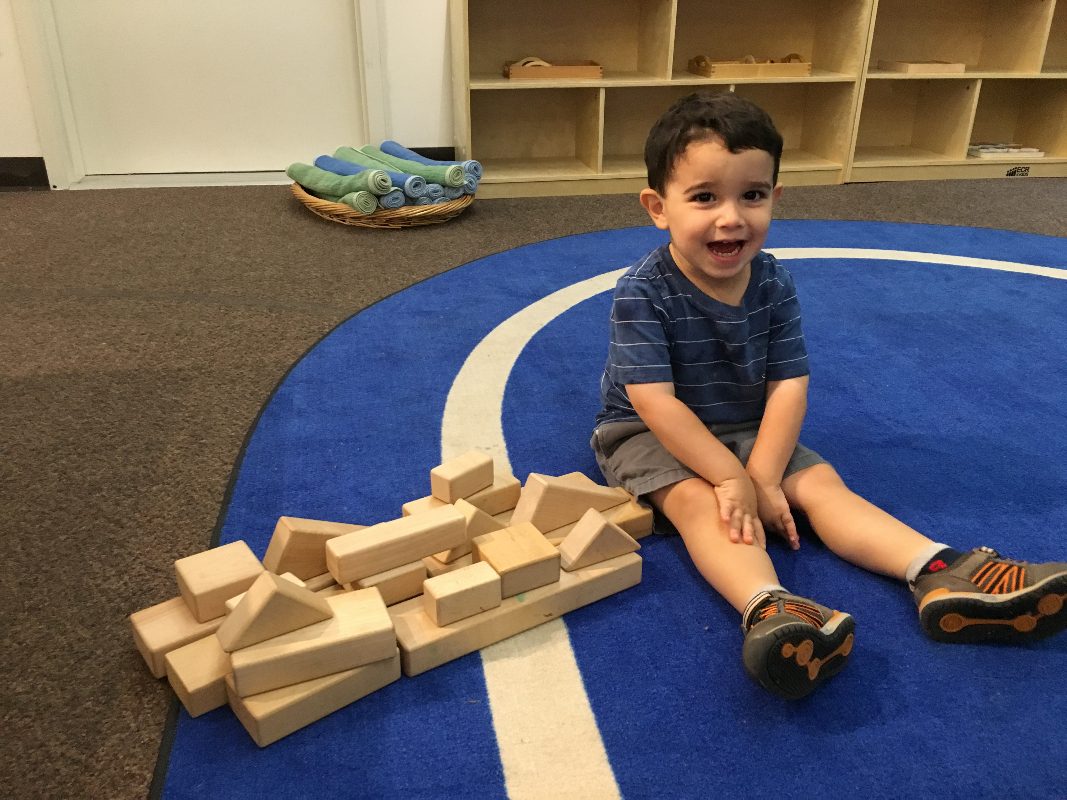
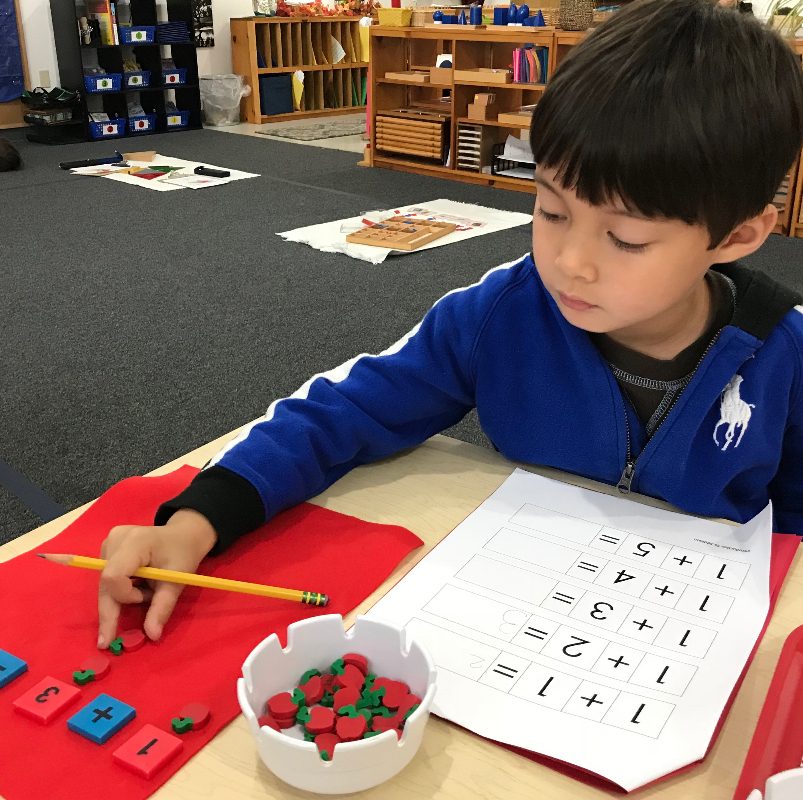
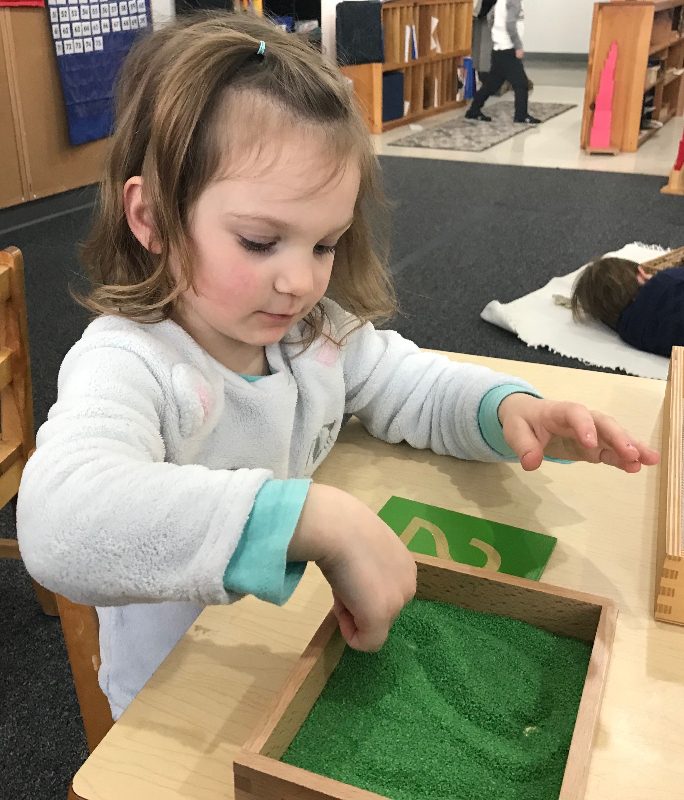
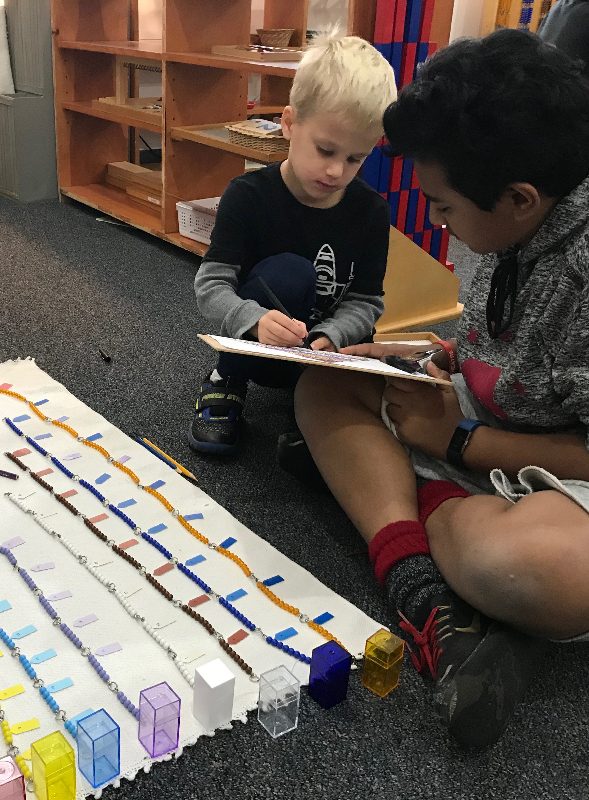
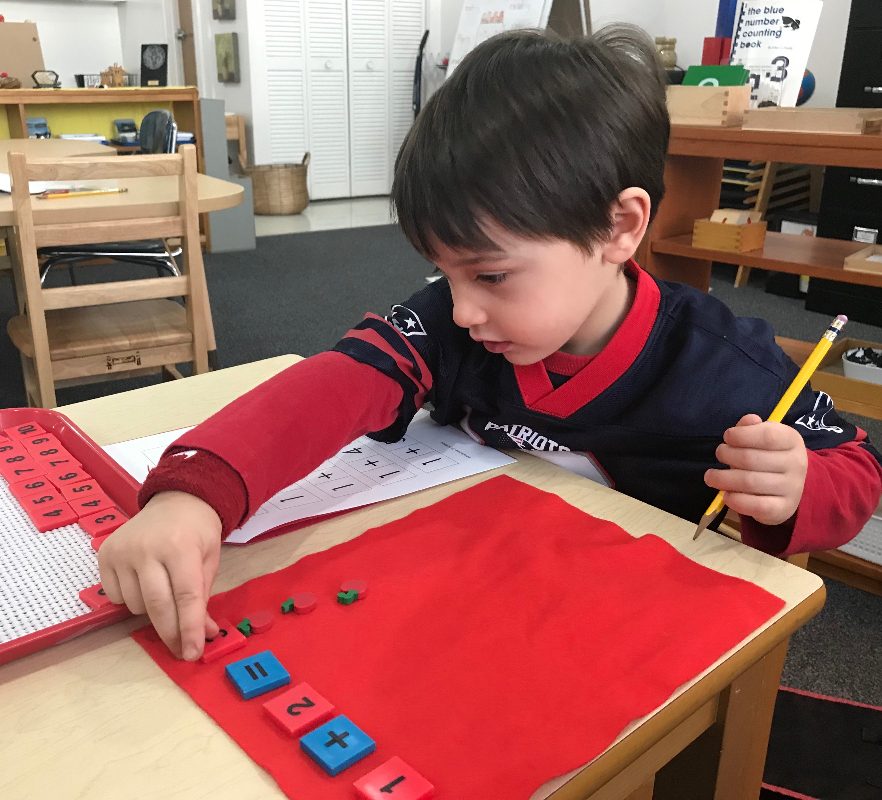
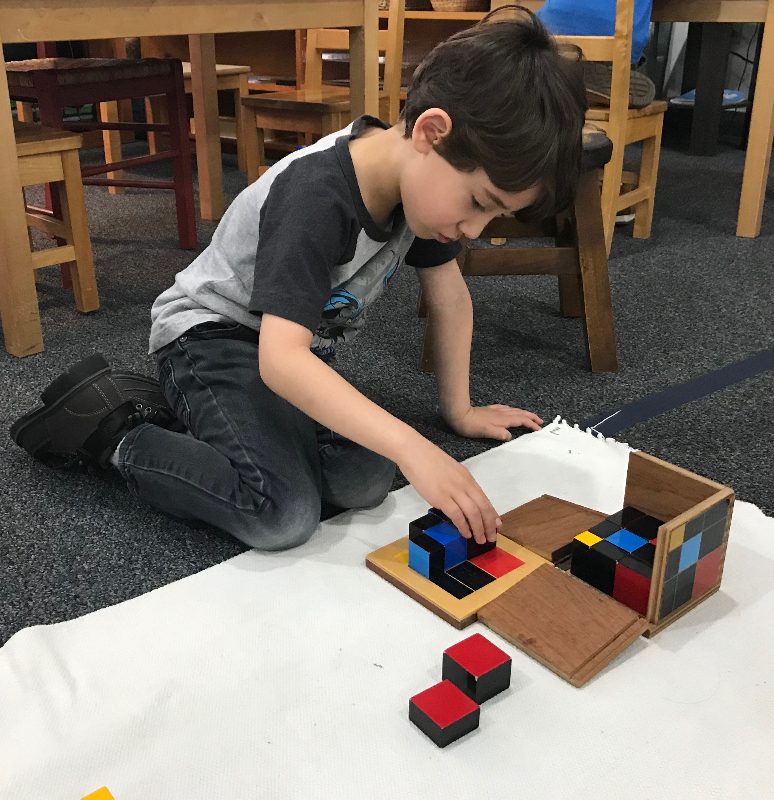
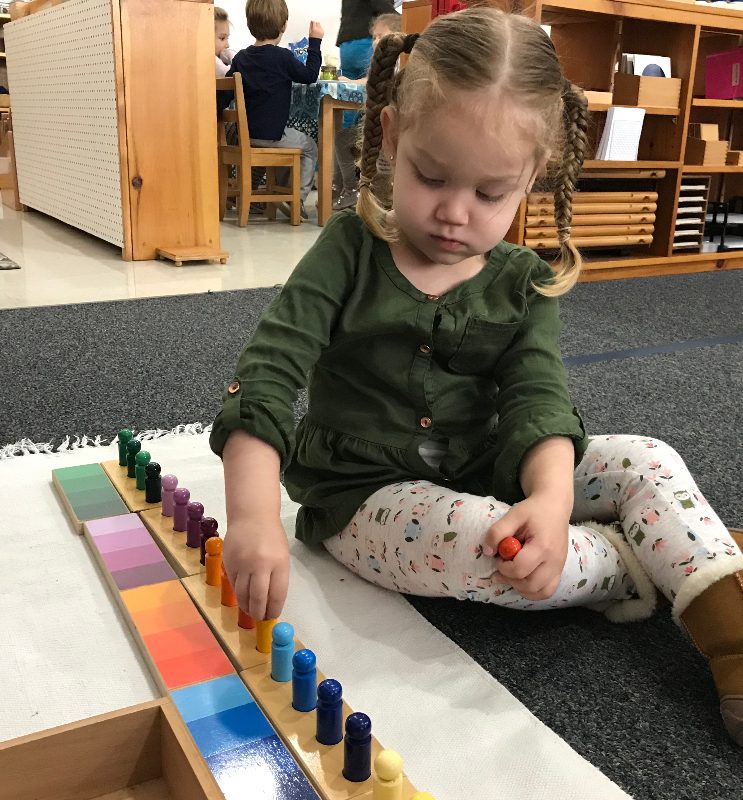
Children are driven by a strong unconscious internal growth process to seek out experiences that will meet their needs. Our role as Montessori teachers is to provide a well-prepared environment that encourages children to be independent and learn at their own pace. The children are free to choose their work and to use it repeatedly. So, while they are ‘working’ each child is also building independence, coordination, self-discipline, and concentration.

Please be on the lookout for information regarding our Valentine’s Day celebration in your Friday folder.

Have a wonderful week!

Michelle & Sonja