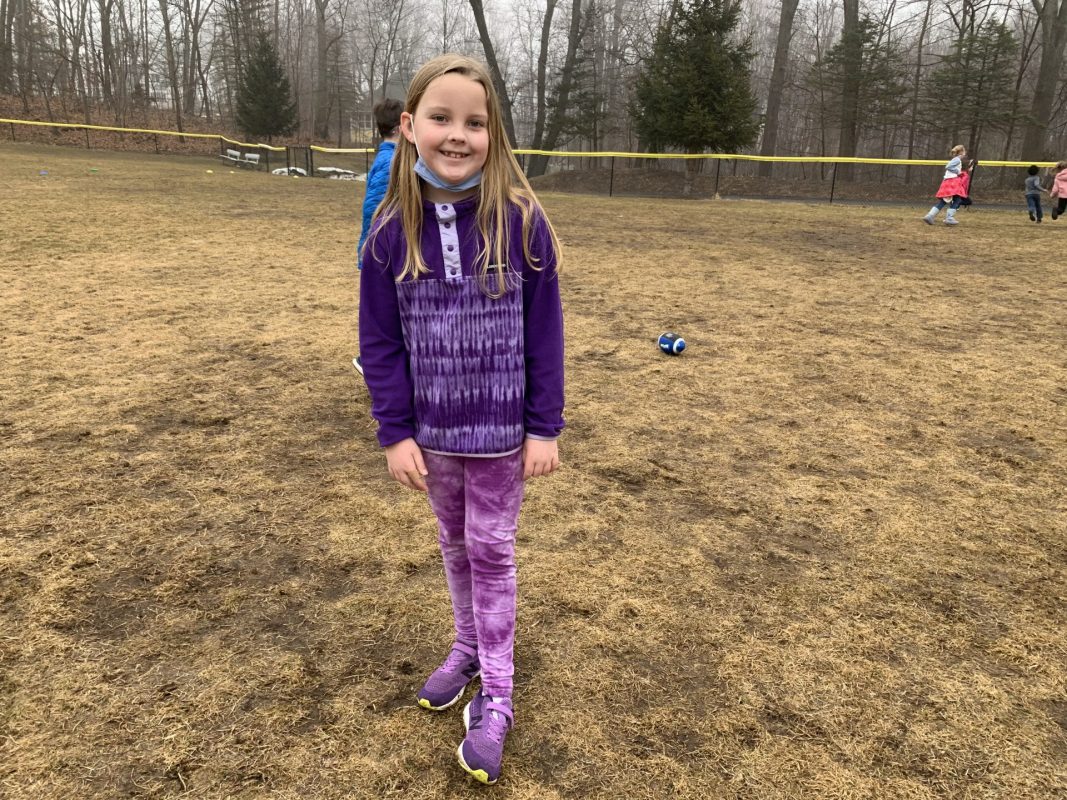
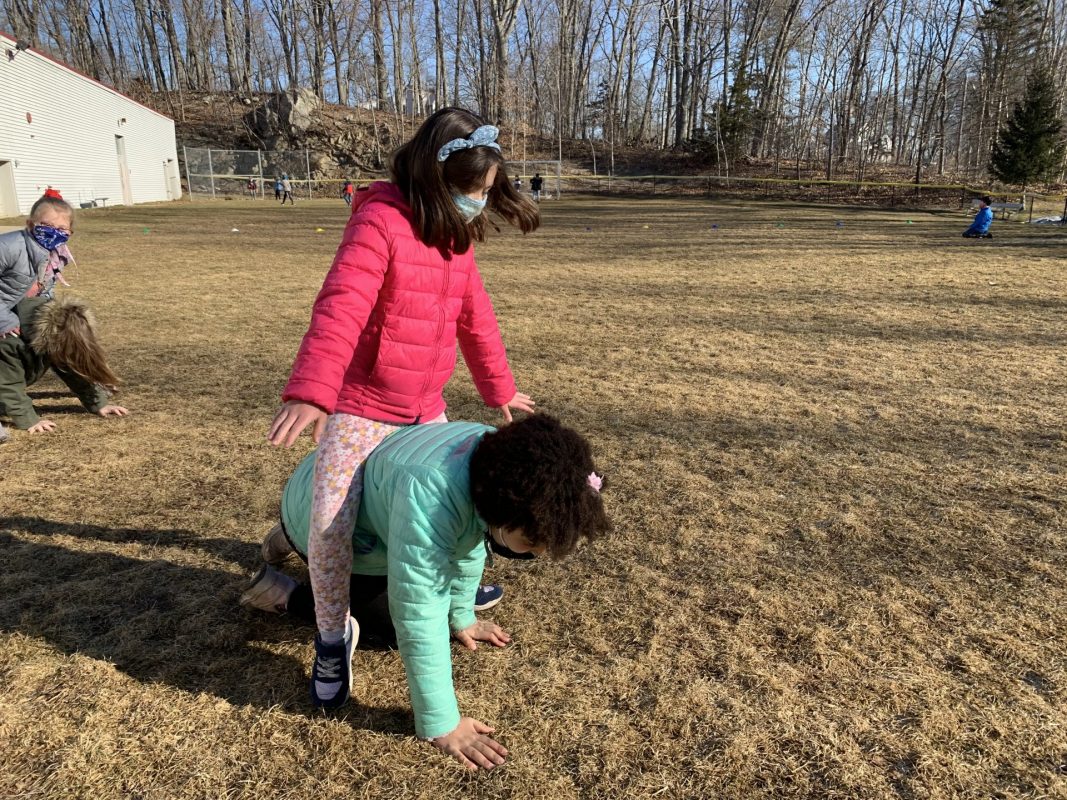
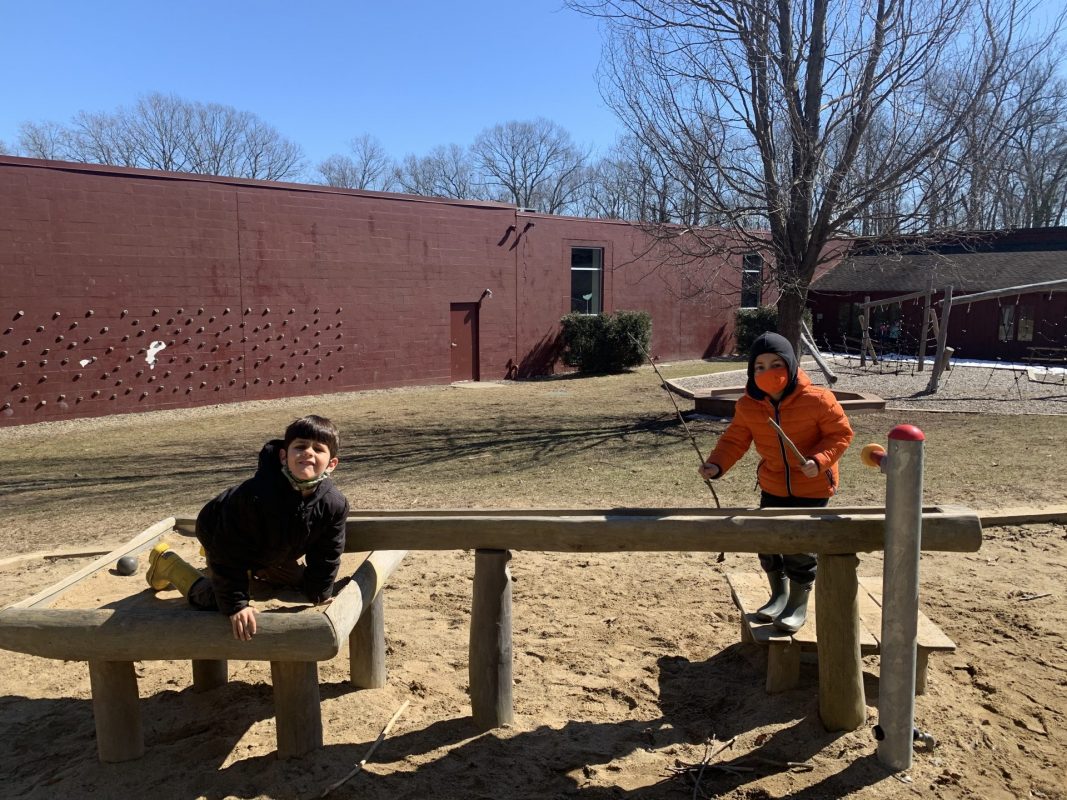
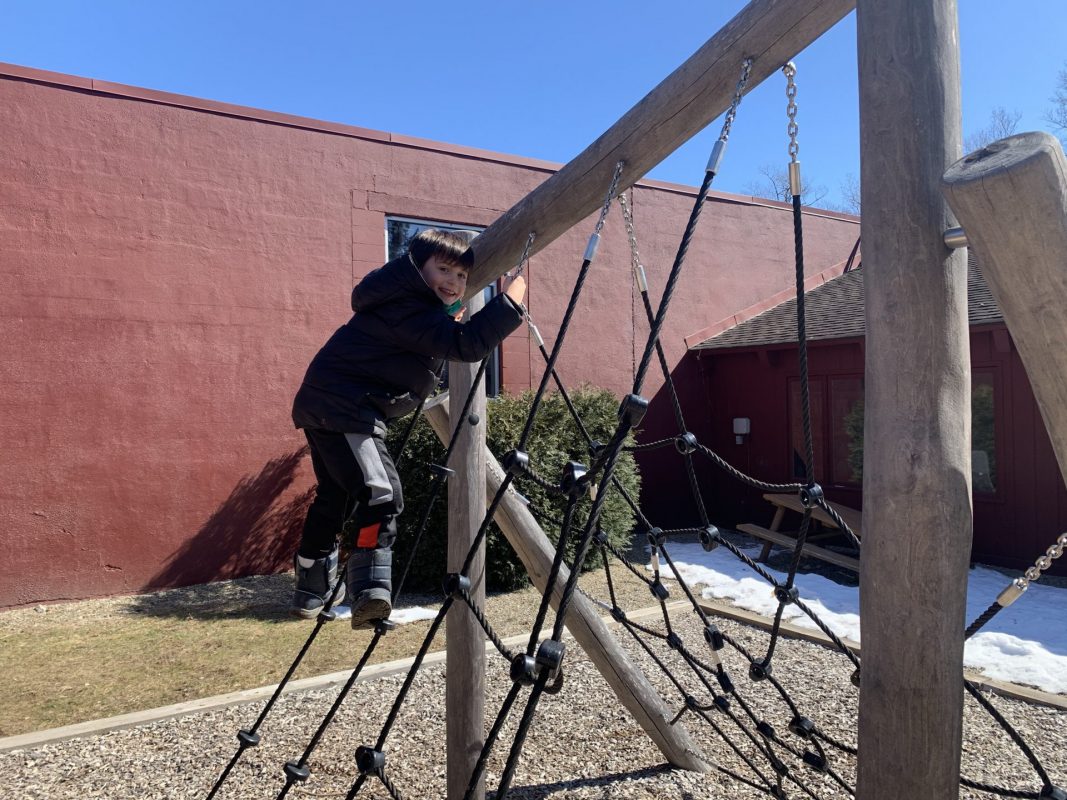
We can’t believe it’s already the first week of March and only one more week before spring break. With spring weather coming, we are still asking that students are mindful of their clothing: layers for colder weather and with the warmer weather, shirts and shorts that are appropriate in length. Thank you!
Humanities
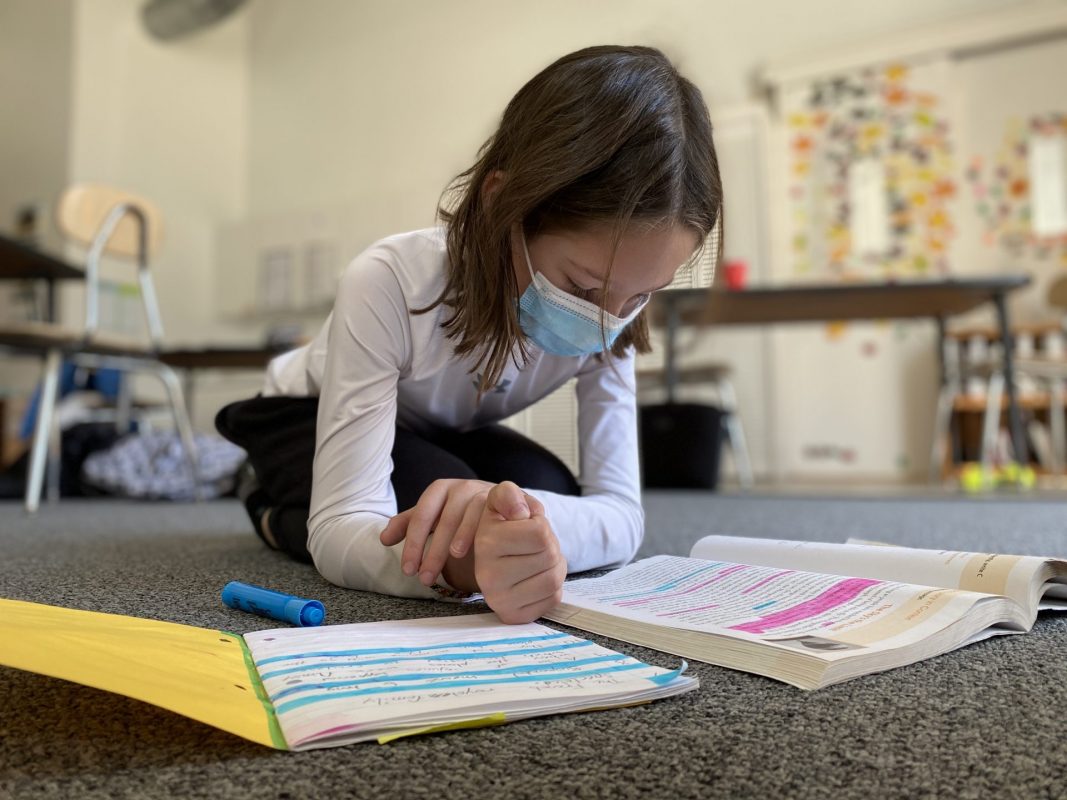
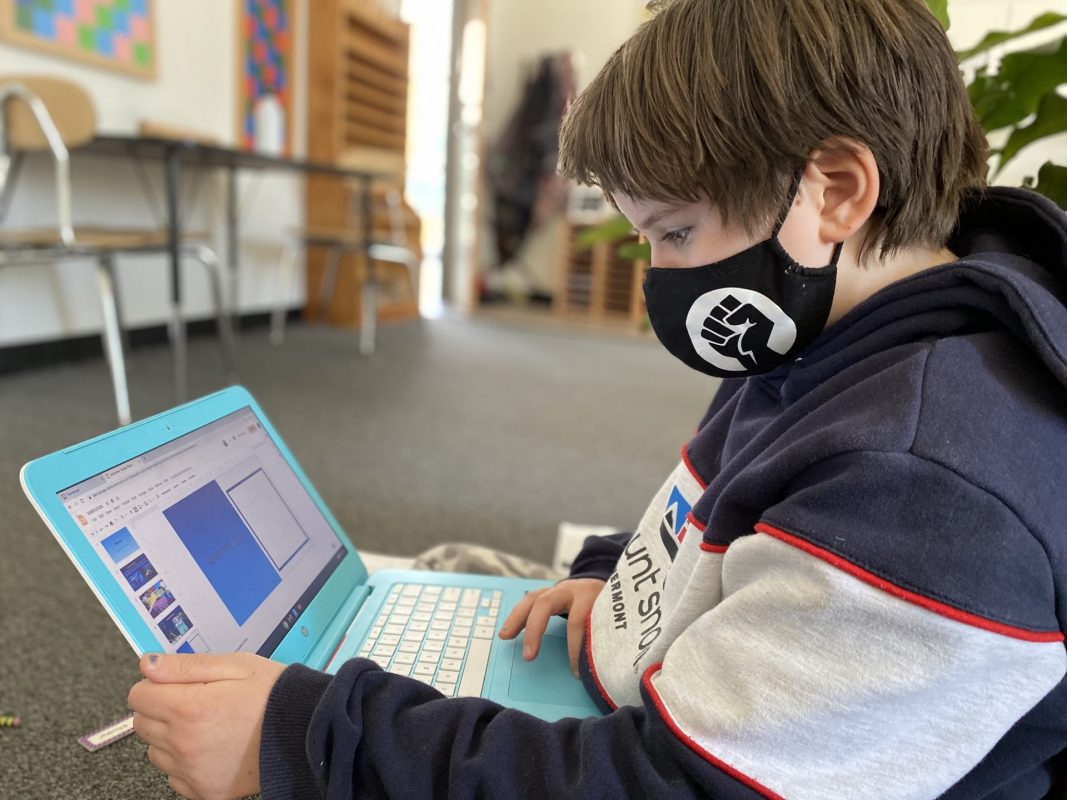
This week is Week 1 of playwriting for the MS play! This week, all students developed their characters and wrote the first three scenes. We have a goal of finishing the play before spring break and look forward to a Covid-friendly immersion experience once we return from Spring Break. More to come about the process and product in next week’s blog!
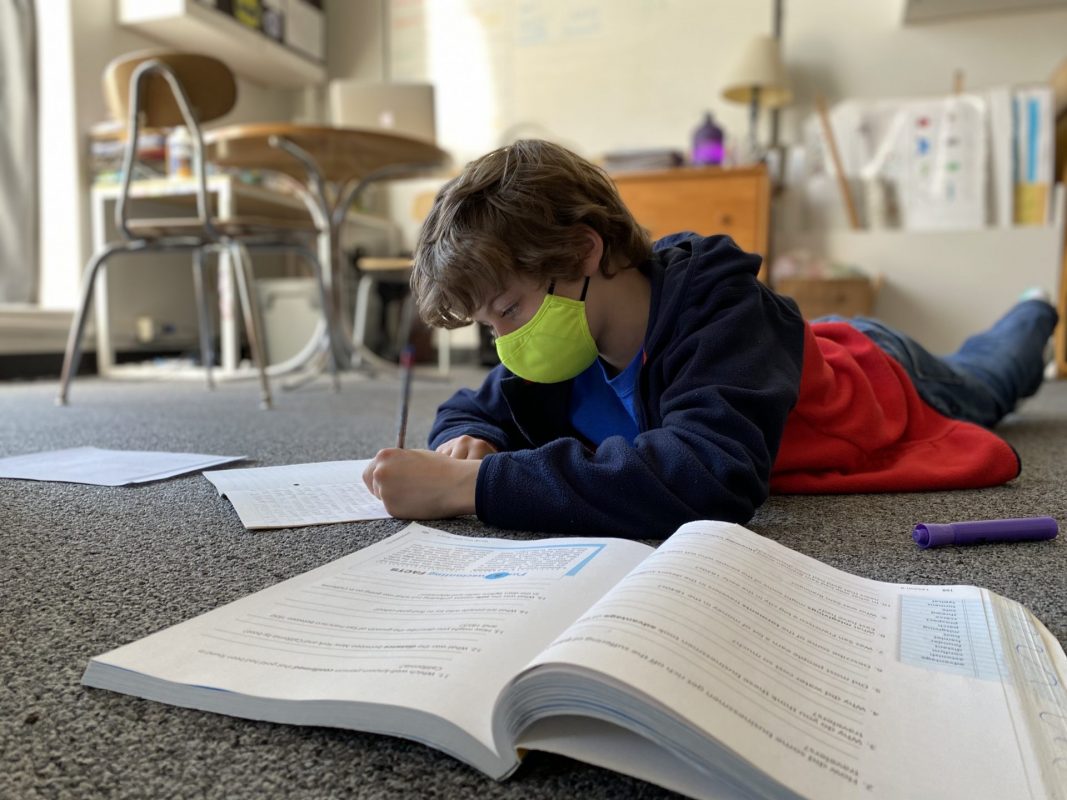
Meanwhile, 6th graders are finishing up with their class novel, The Egypt Game, and the 7th graders are finishing the memoir, Four Perfect Pebbles. 8th grade students are busy with their expert project, with several students conducting expert interviews.
Science
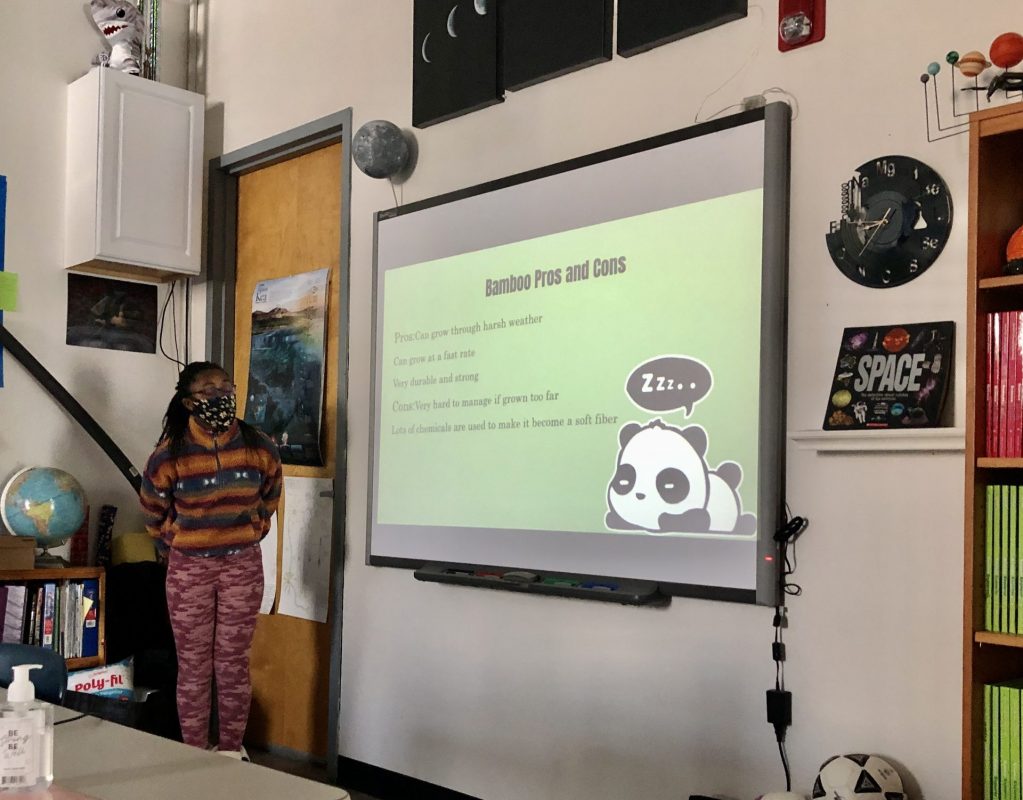
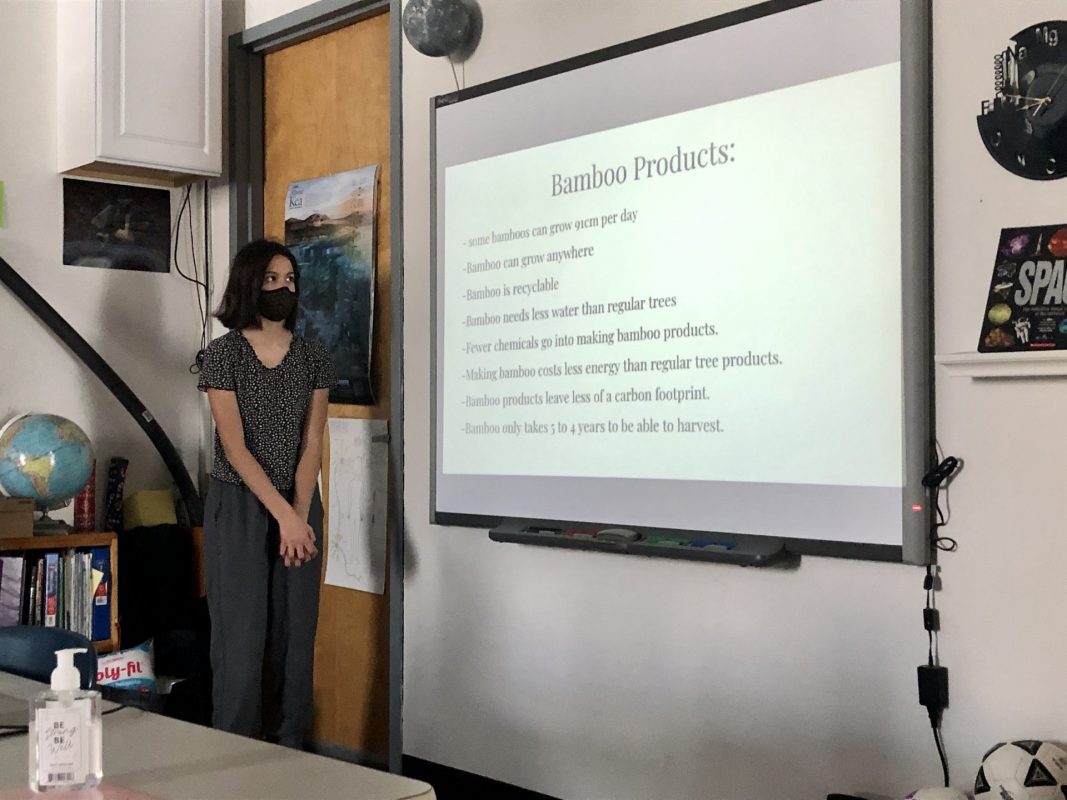
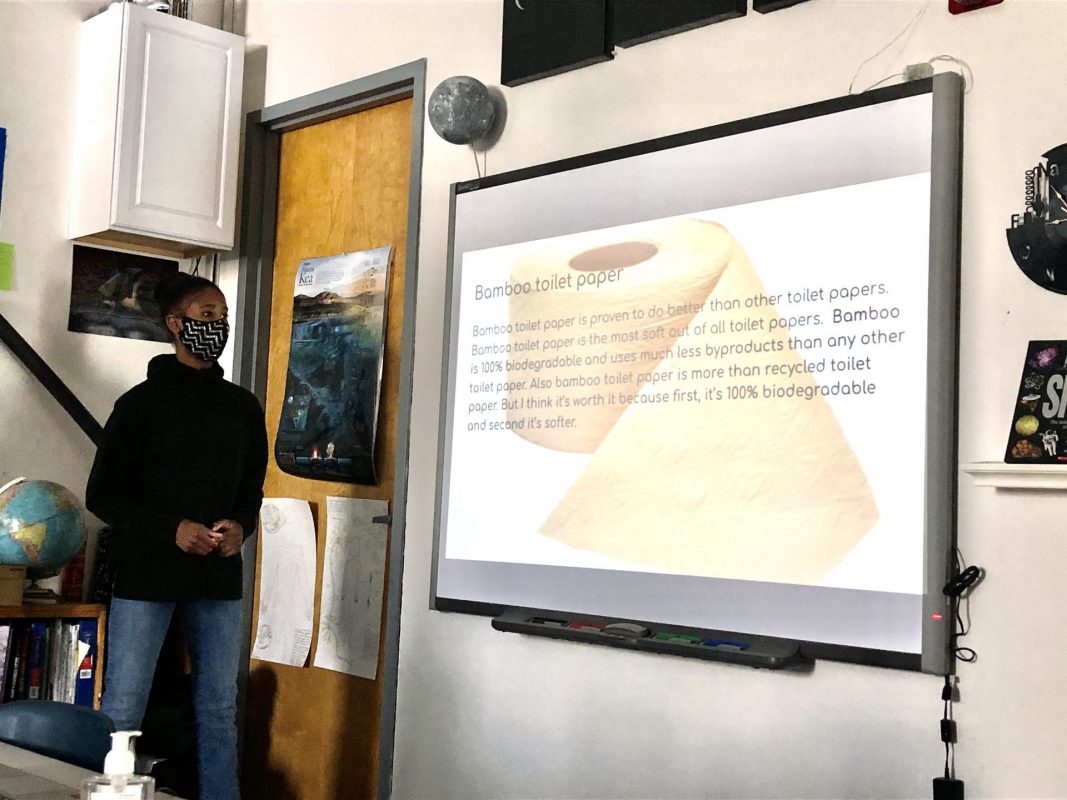
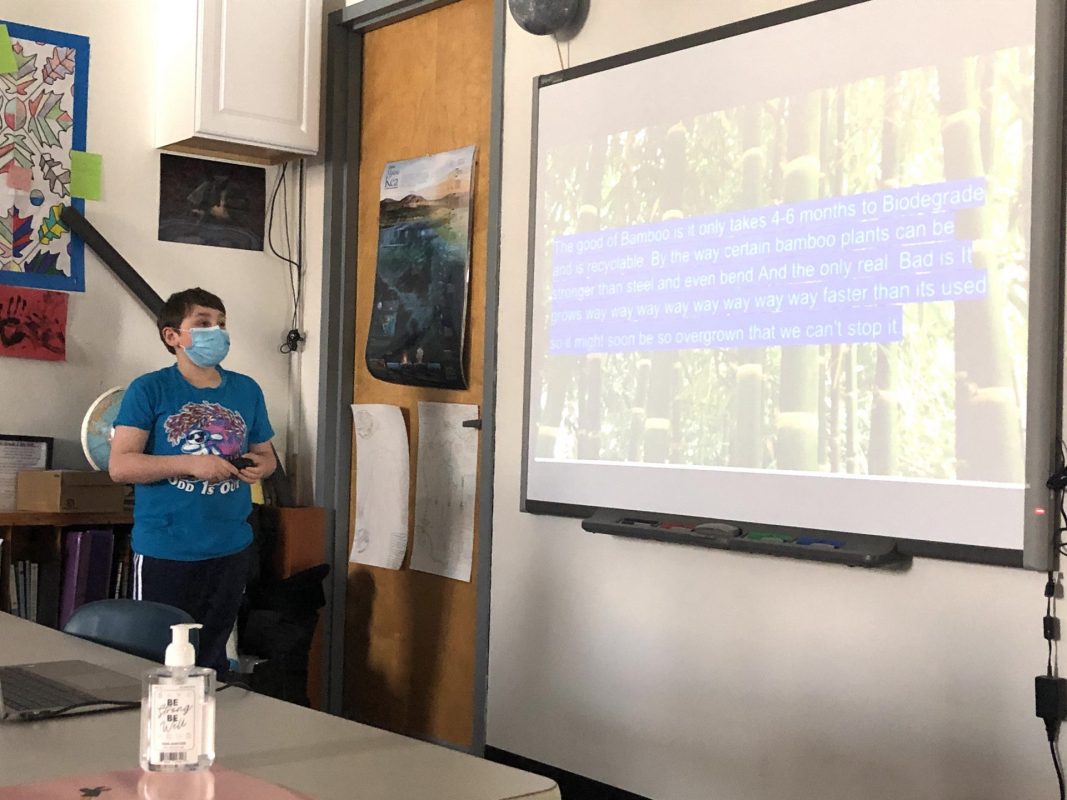
6th year Earth Science students are currently learning about Natural Resources. As part of this unit, students will identify what a natural resource is, where they come from, and what the differences are between renewable and nonrenewable fossil fuels. Students have just presented their research on what products are most environmentally friendly, recycled or bamboo based products.
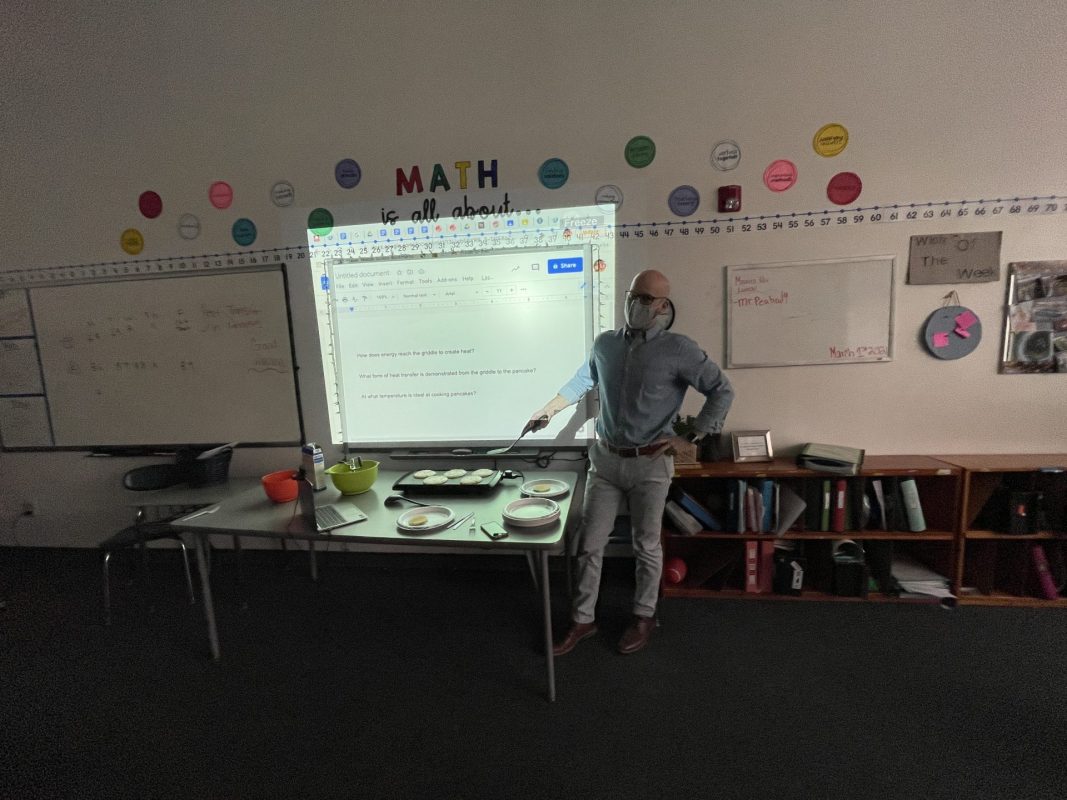
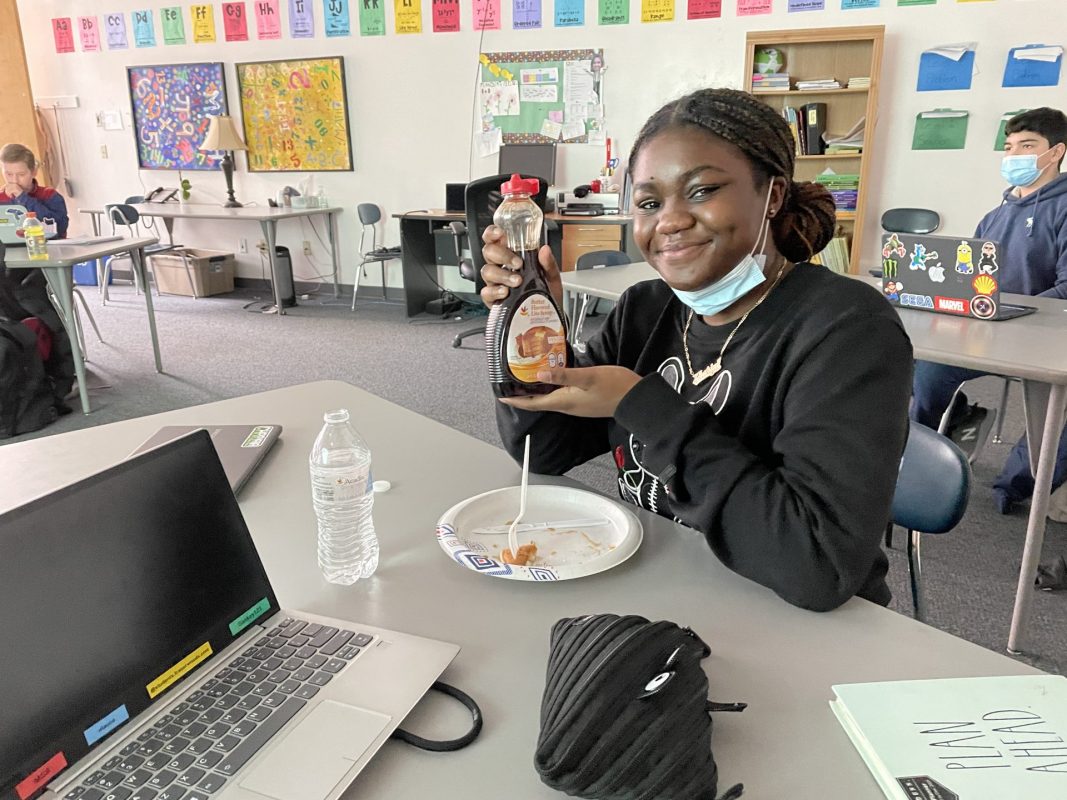
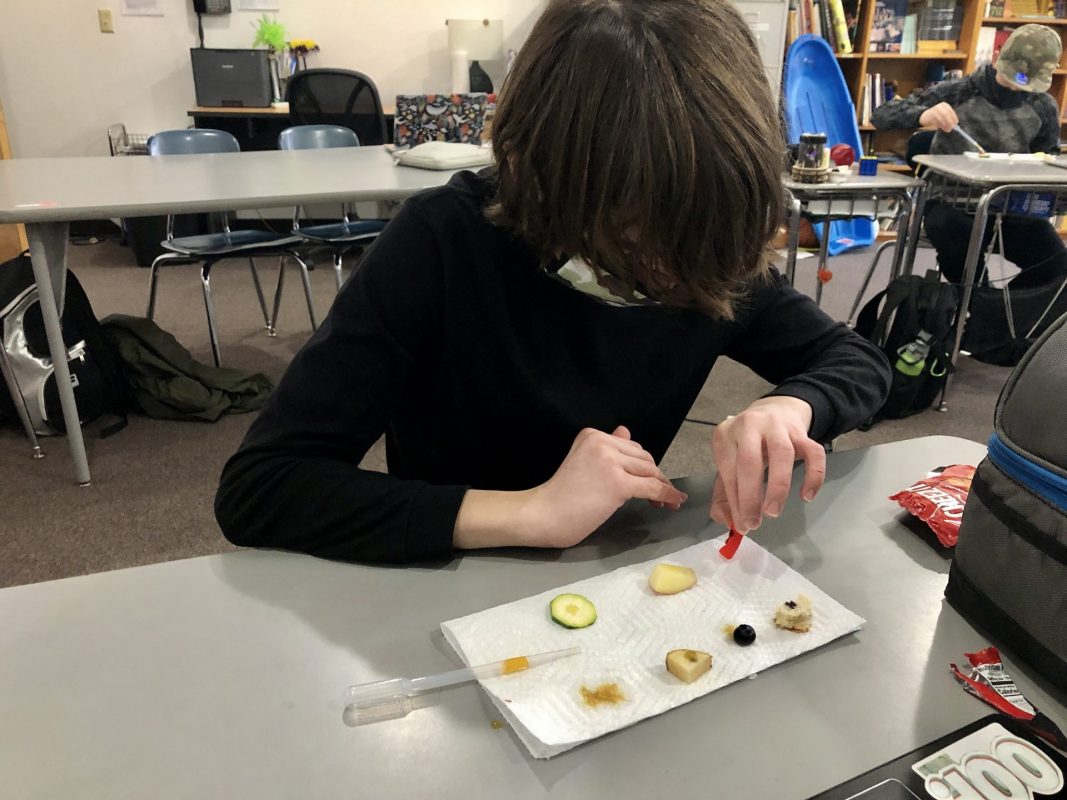
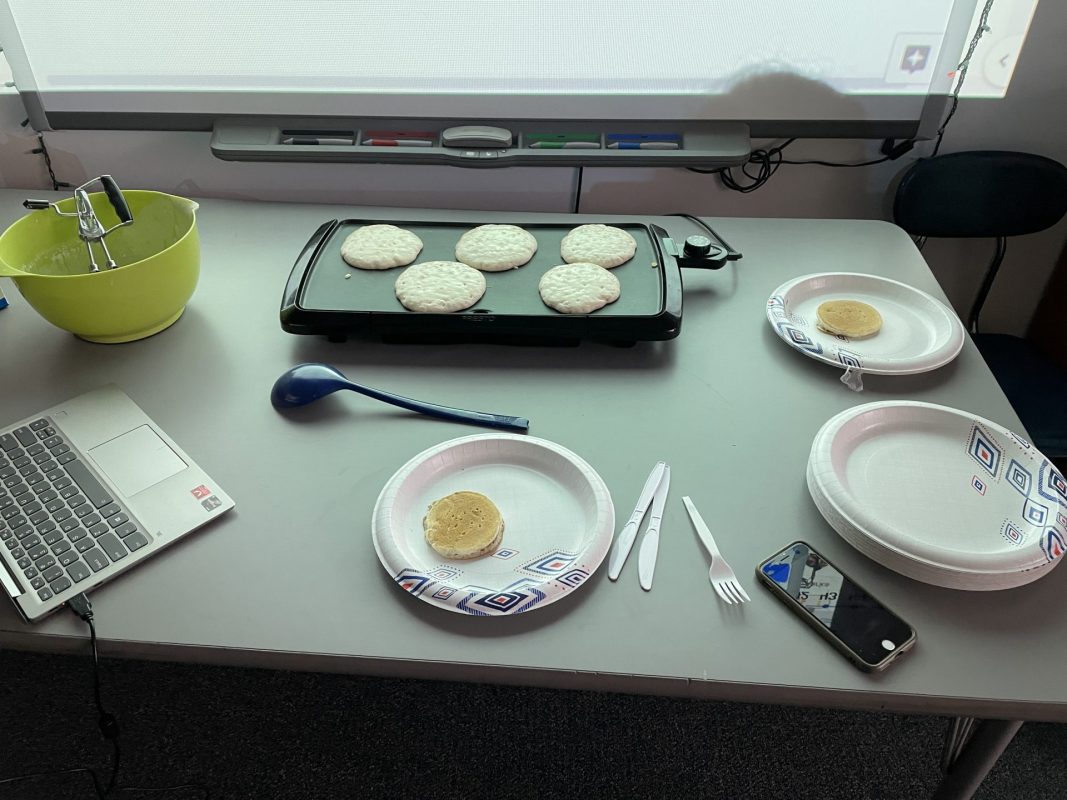
7th year students tested their knowledge and taste buds, enjoying banana pancakes as part of our unit “Heat and Temperature.” Besides enjoying the pancakes, students were asked to reflect how energy was transferred to the skillet in addition to the heat to pancakes. Students were able to explain the transfer of heat through conduction from the skillet to the batter which speeds up the molecules within the batter to spread apart, solidifying a perfect pancake.
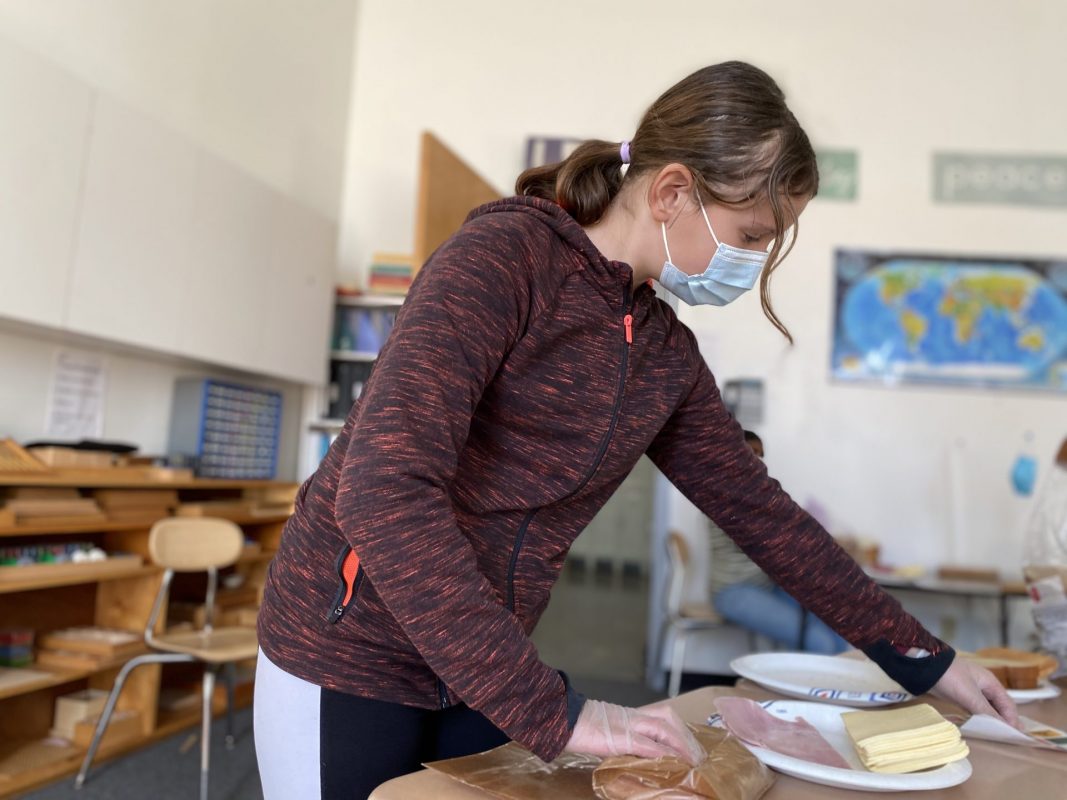
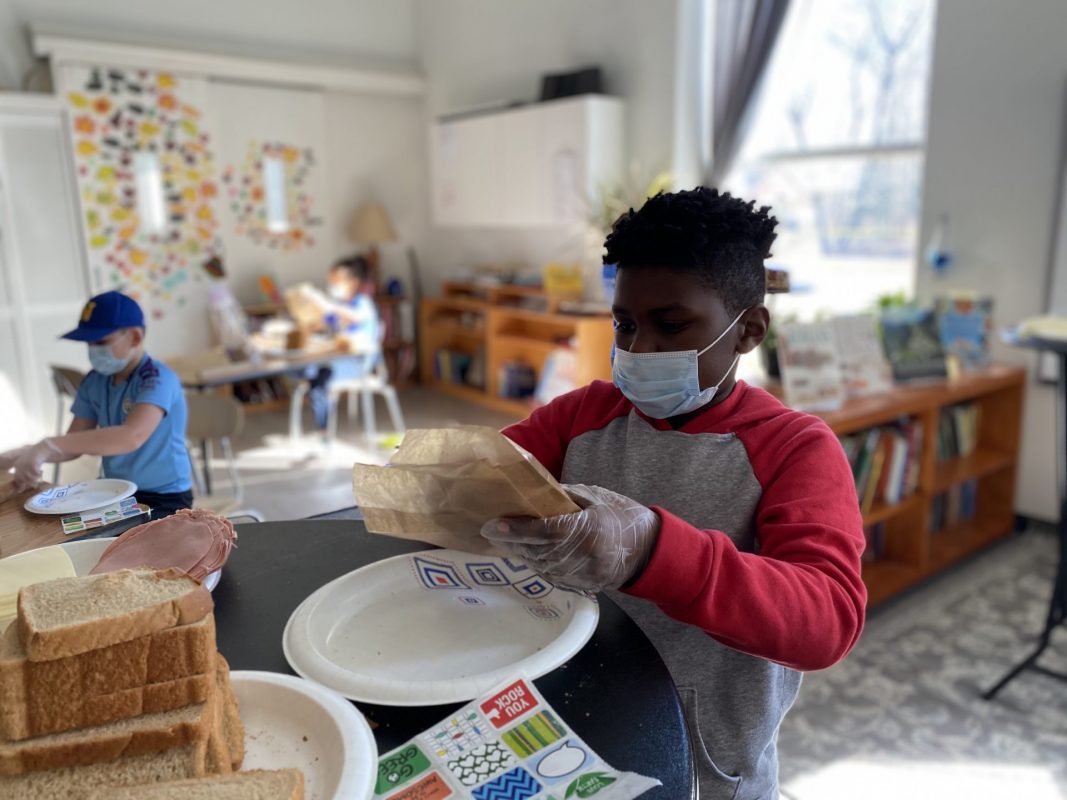
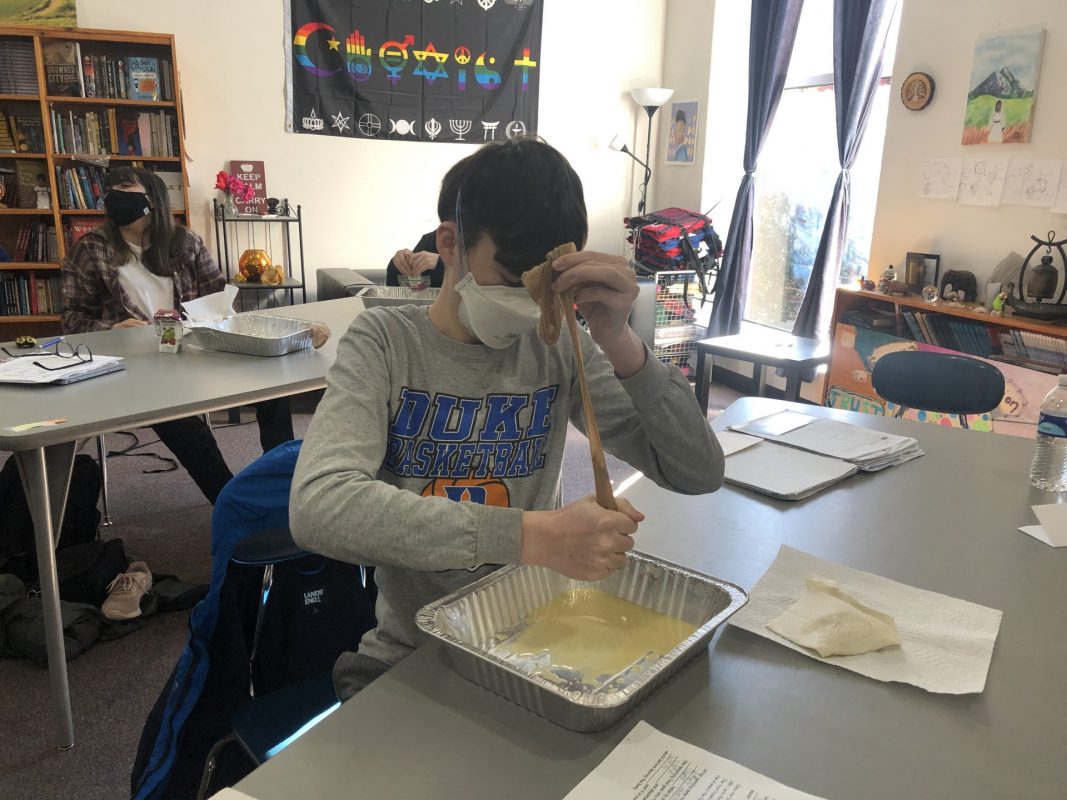
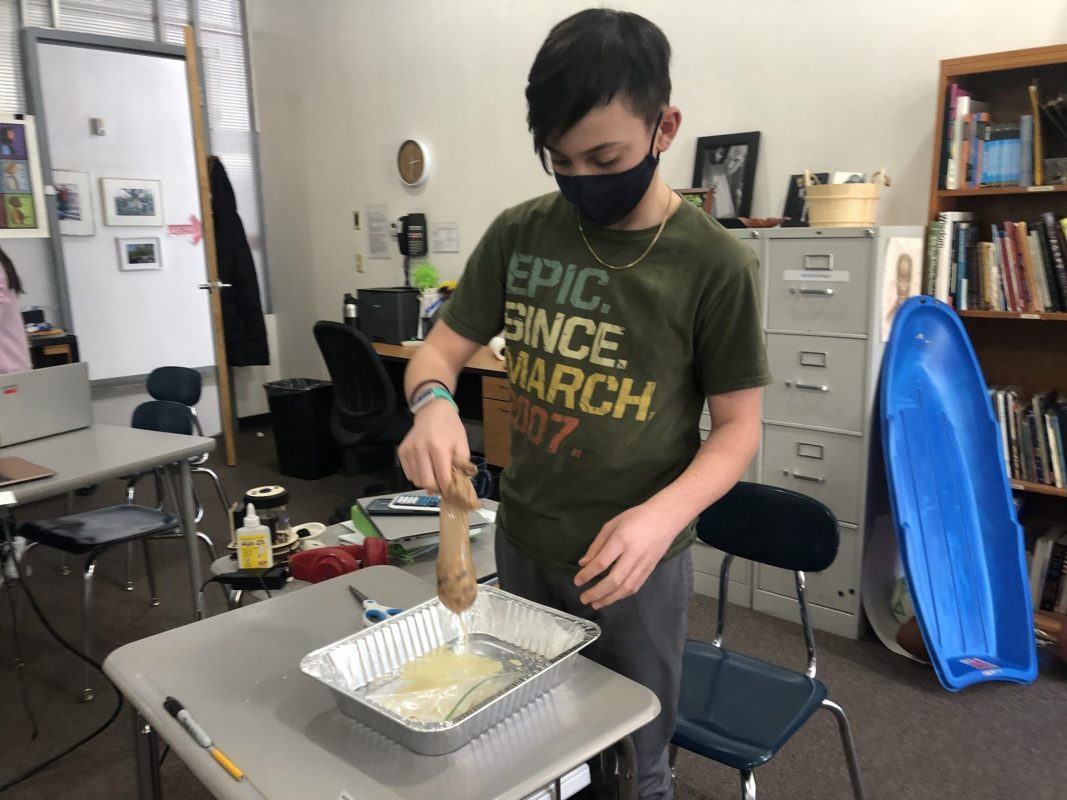
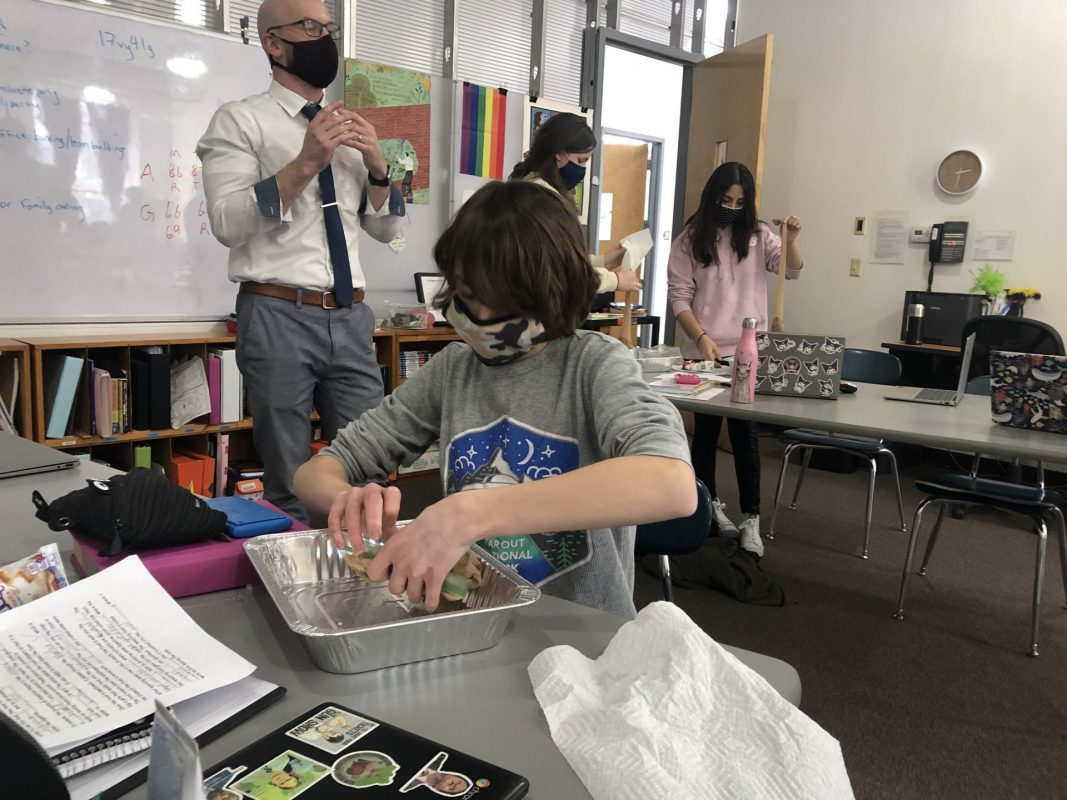
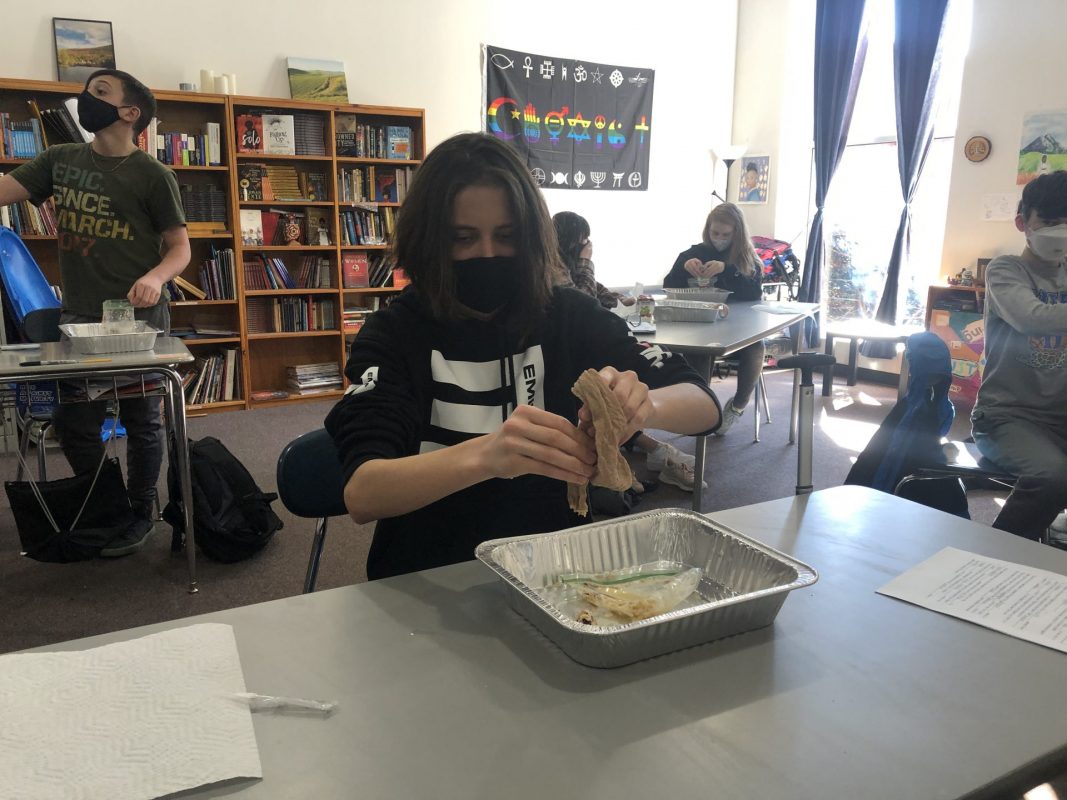
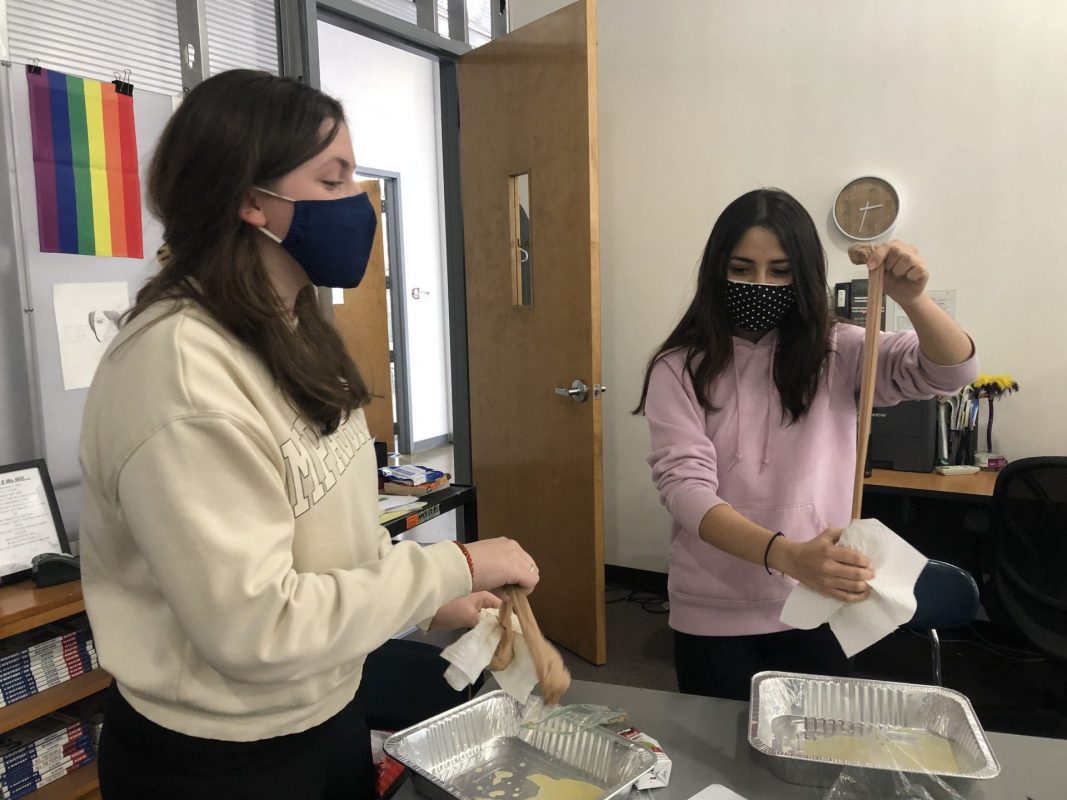
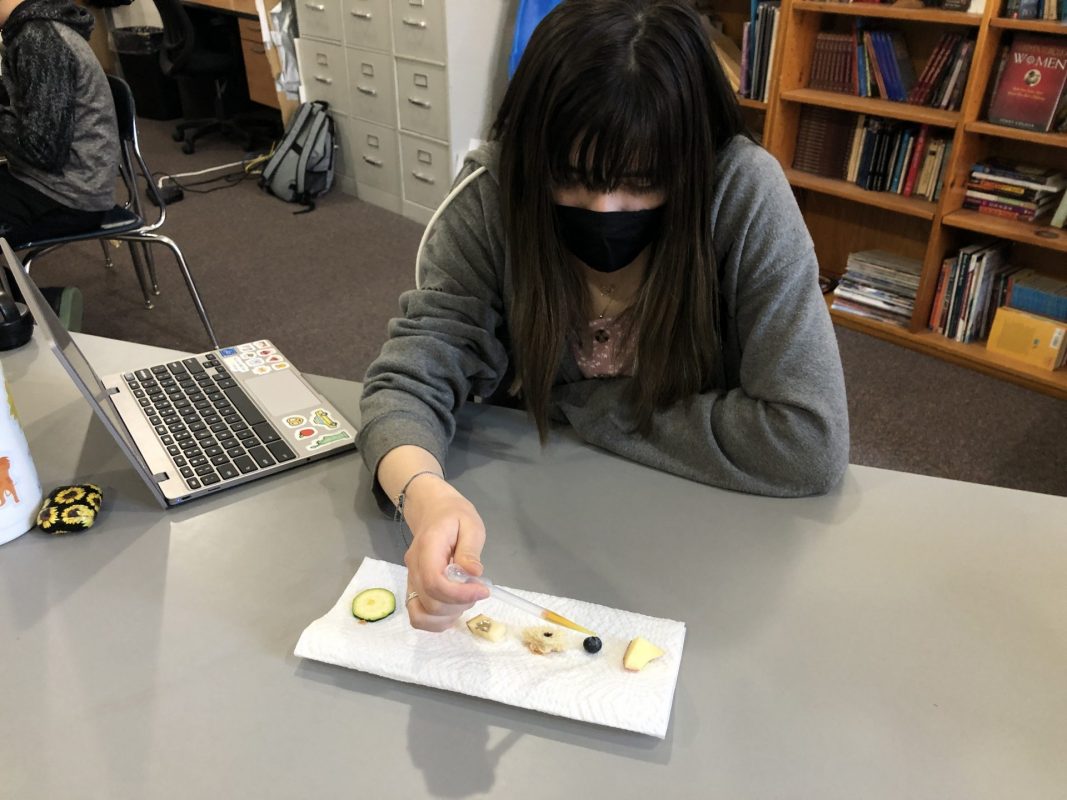
8th year Life Science students were able to demonstrate the 25′-30′ journey of food through the digestive system. Modeling this system required students to simulate the mechanical breakdown of food in the mouth by tearing apart small pieces of bread, accompanied by the addition of juices and beans. These items were then mixed thoroughly in a sealed bag (stomach) and poured into a nylon stocking (intestines). Despite the squeamish nature of students during this activity, they were able to identify portions of the system in which enzymes in our body assist in the breakdown and potential absorption of energy from the food we ingest before its exit.
Math
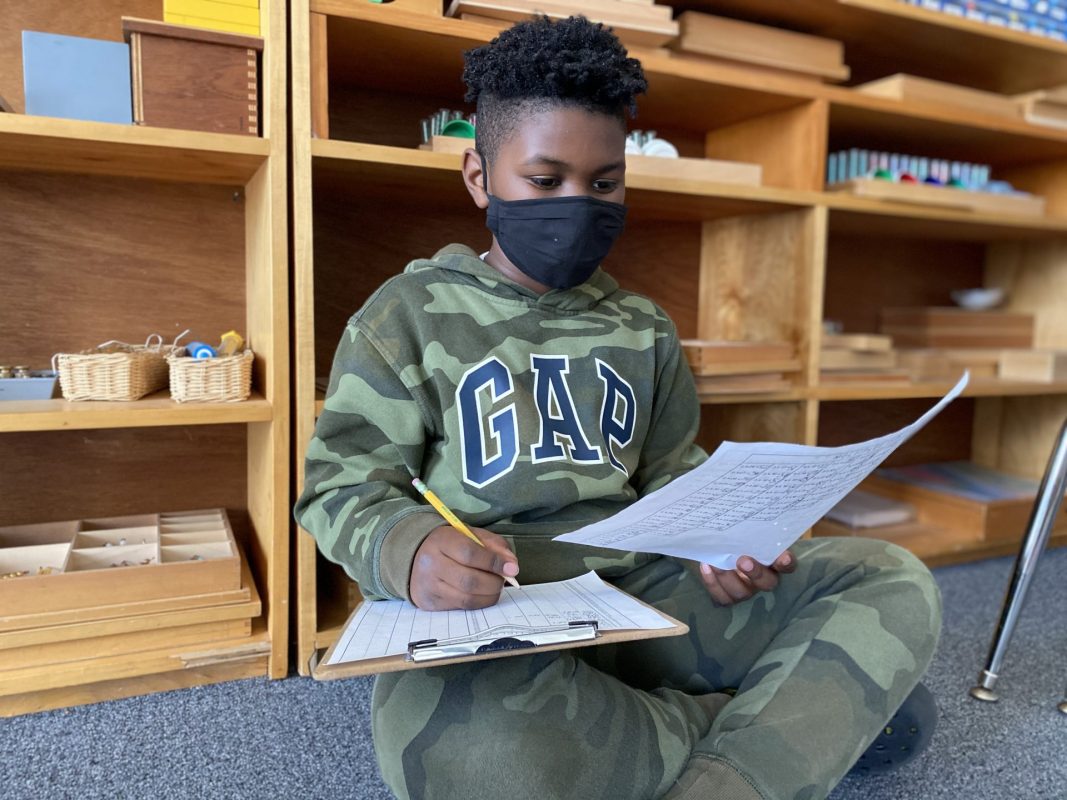
In Pre-Transition class, students concluded their study of Chapter 7. We participated in a scavenger hunt review game to go over key concepts of division properties. Students learned about dividing positive and negative numbers, using fact triangles to solve for missing values, and practicing dividing decimals without a calculator.
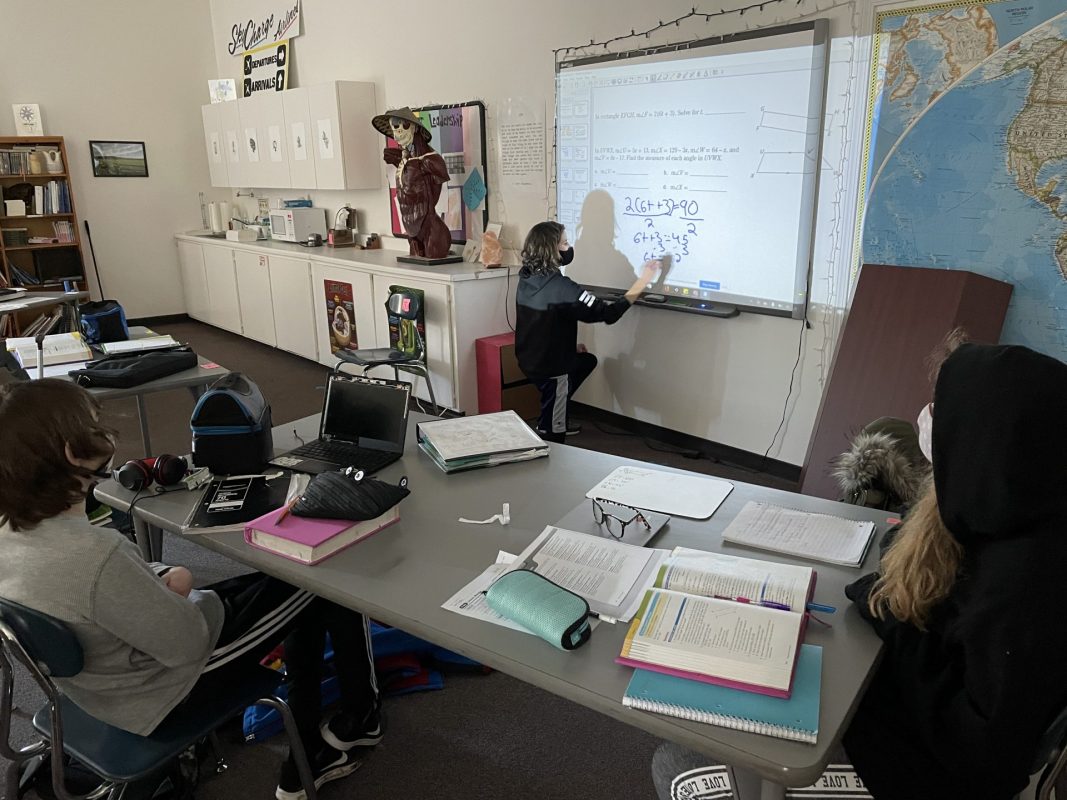
In Transition class, students also concluded their study of Chapter 6. We reviewed concepts such as properties of parallelograms, the Triangle sum theorem, and calculating distances between two points. This class made helpful review questions for each other and supported their peers with a team teaching activity.
In Algebra class, students are excited to continue their learning of exponent properties. This class has a successful understanding of simplifying square roots and cube roots, calculating distance on a coordinate grid, and rewriting powers of products and quotients. This class will have the Chapter 8 Unit Test on Tuesday, March 9th.
In Geometry class, students are able to build their understanding of knowing properties for various types of triangles and regular polygons. This class can identify rotational symmetry, isosceles trapezoids vs regular trapezoids, as well as finding missing side lengths and angles in a given shape.
Math Joke: Why was the equal sign so humble?…………….He knew he wasn’t less than or greater than anyone else.