Blog

Fulfilling, Focused Work

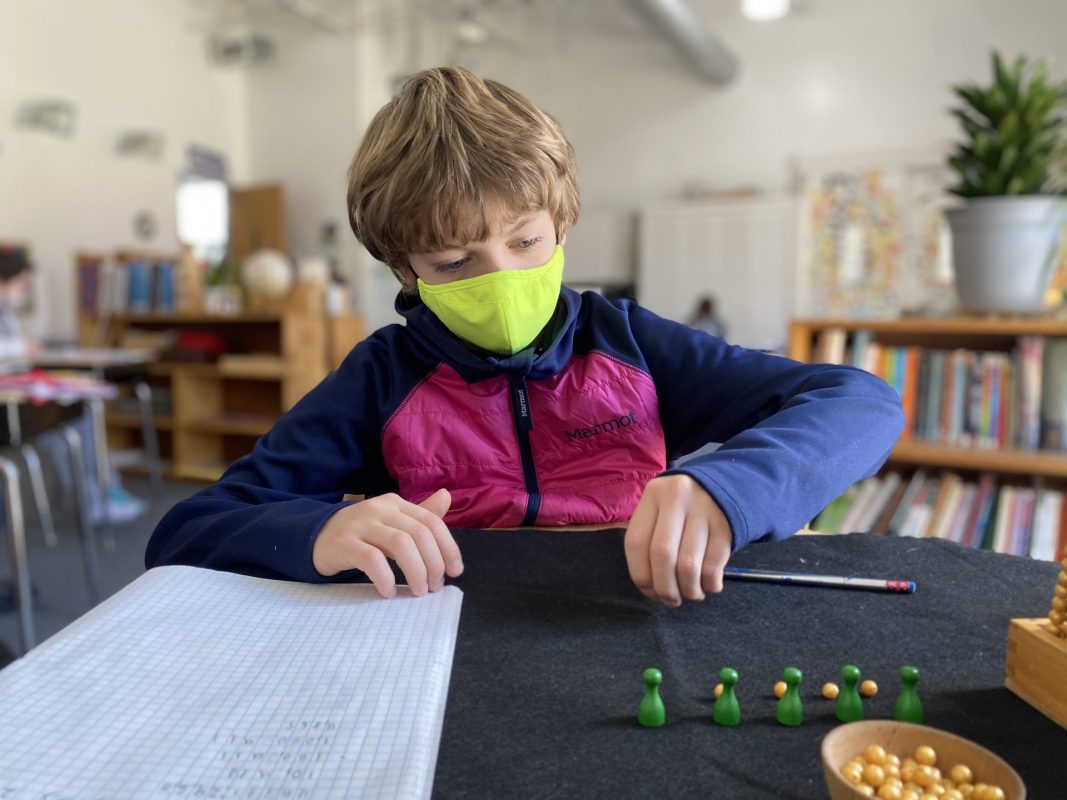
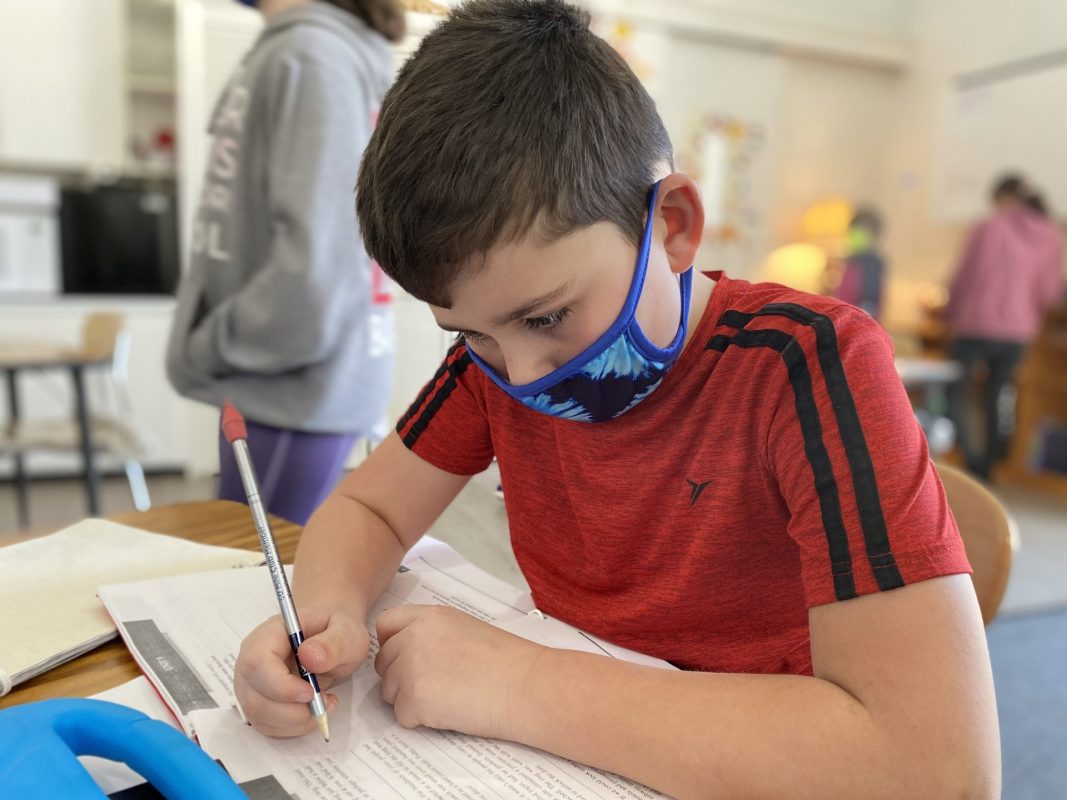
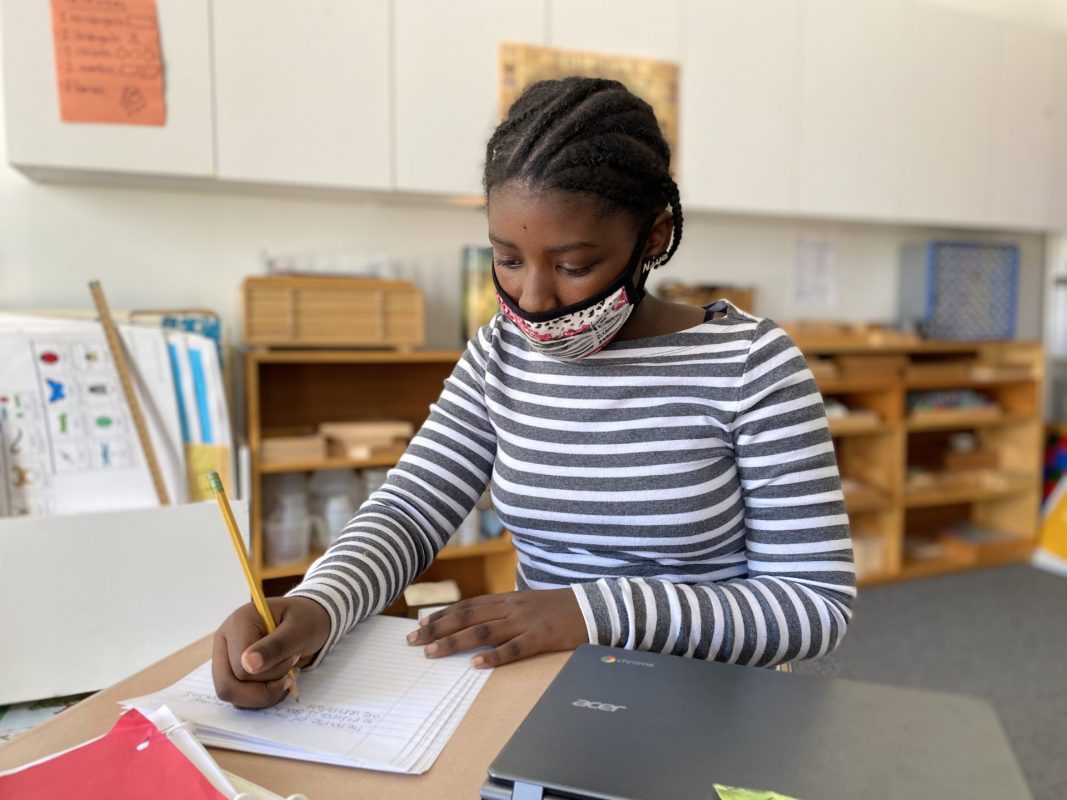
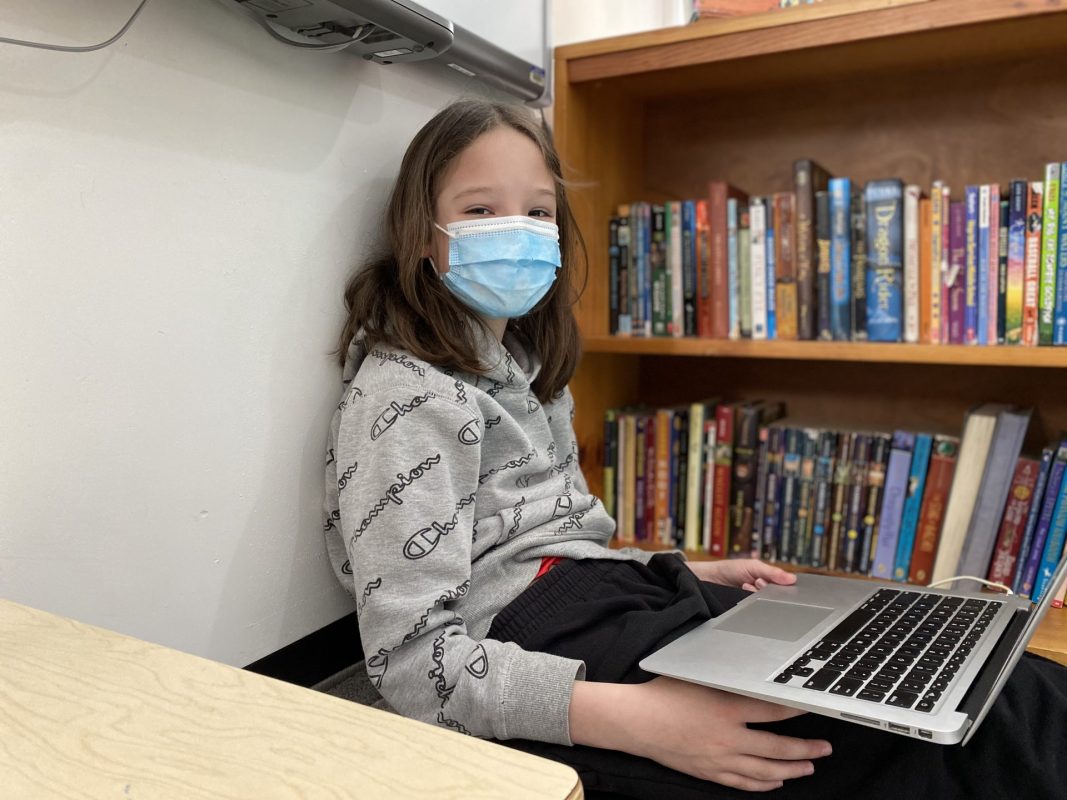
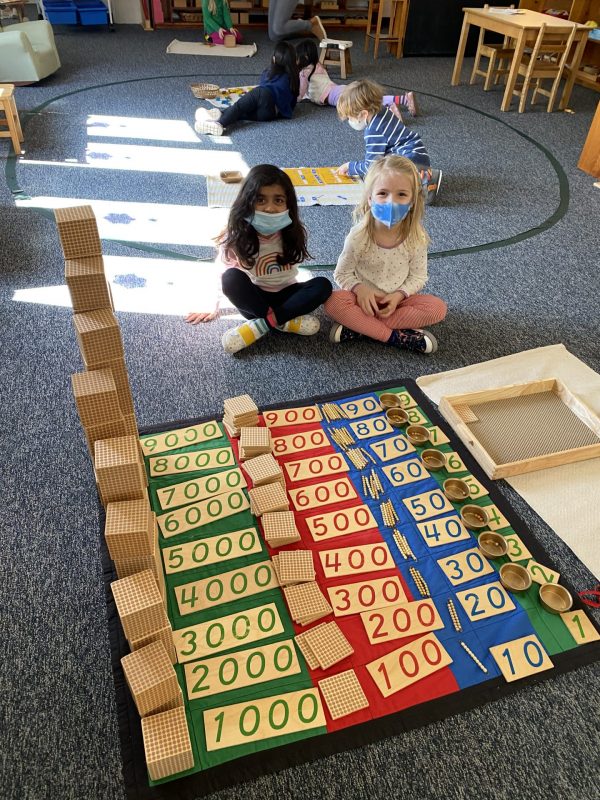
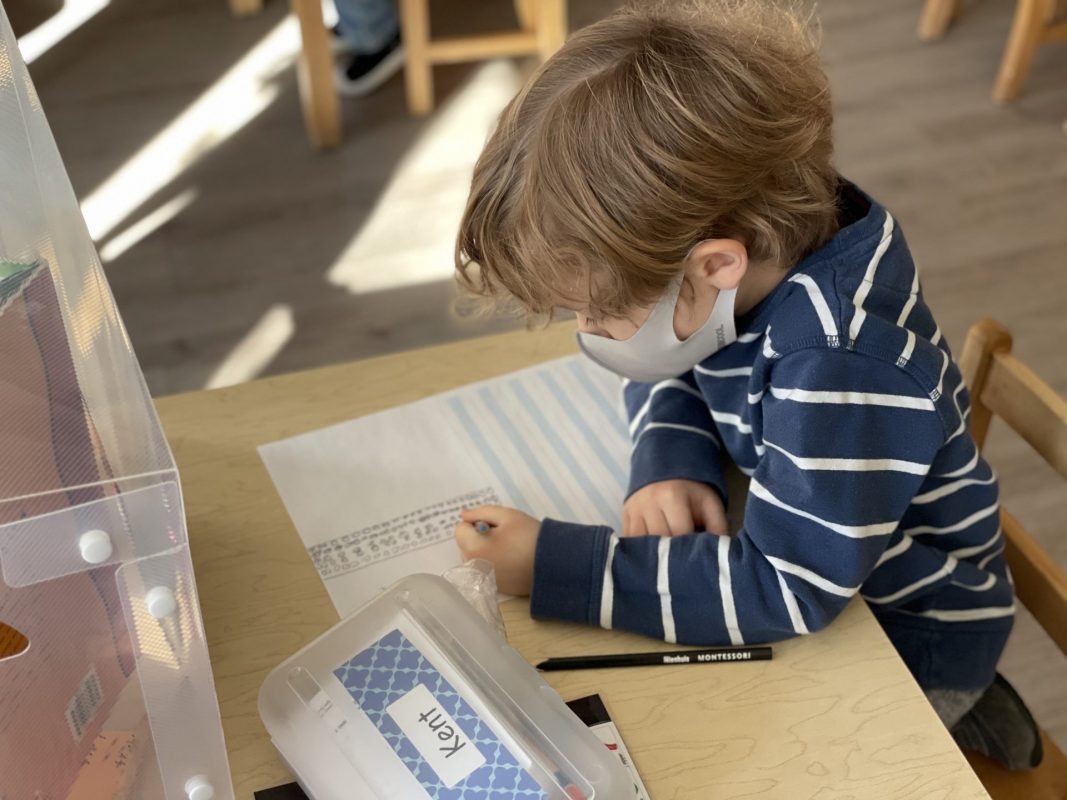
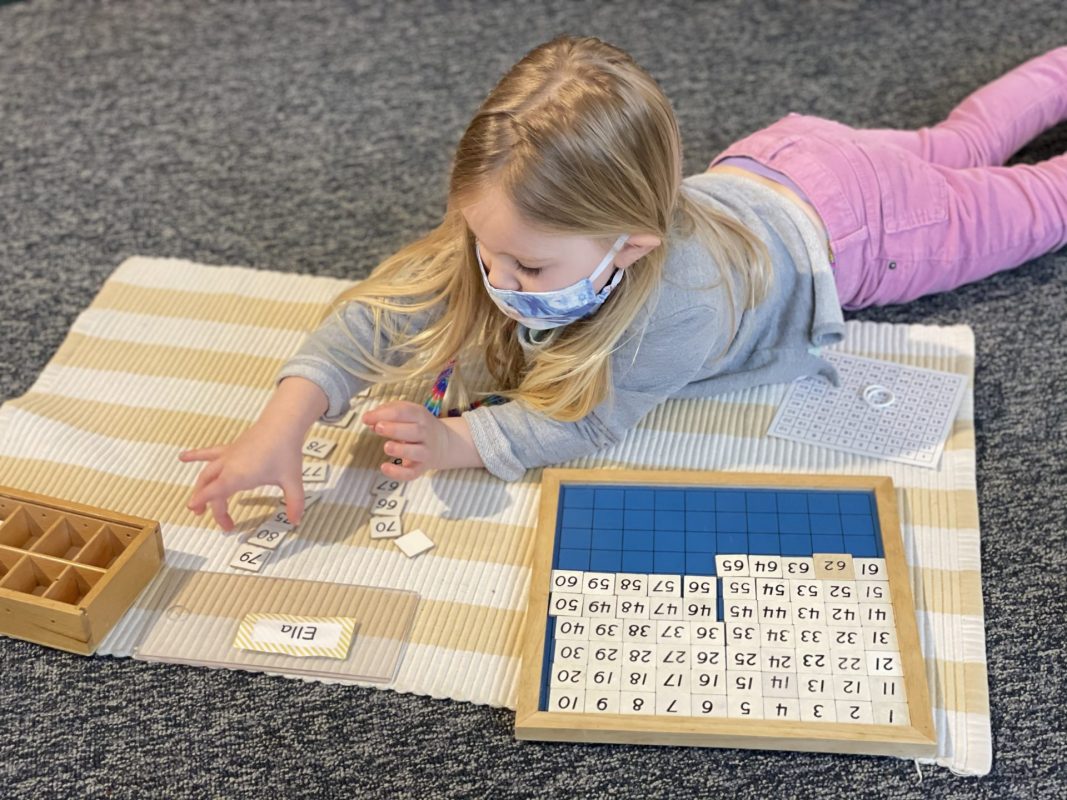
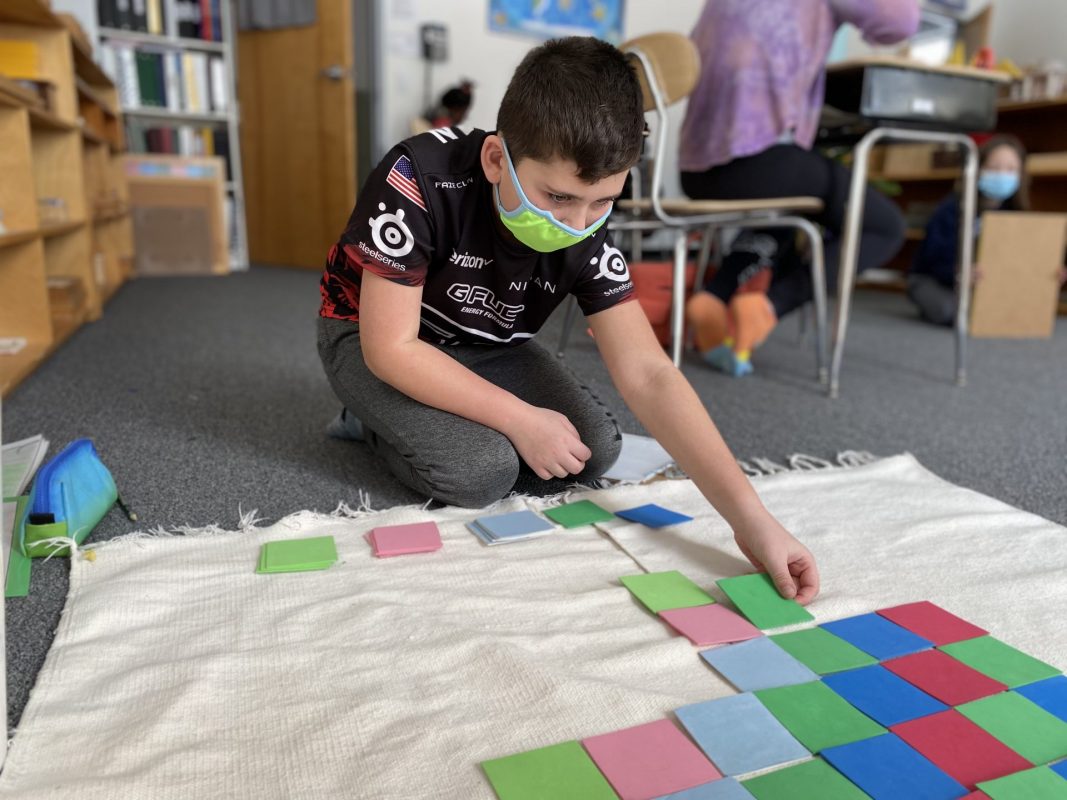
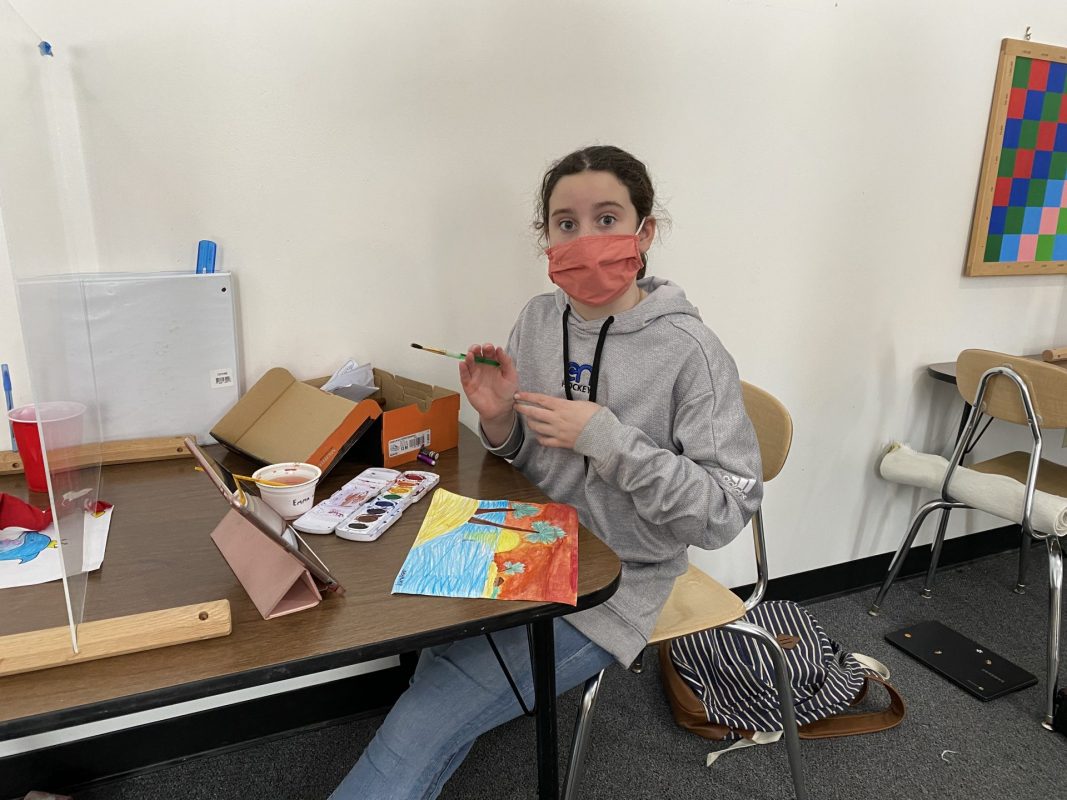
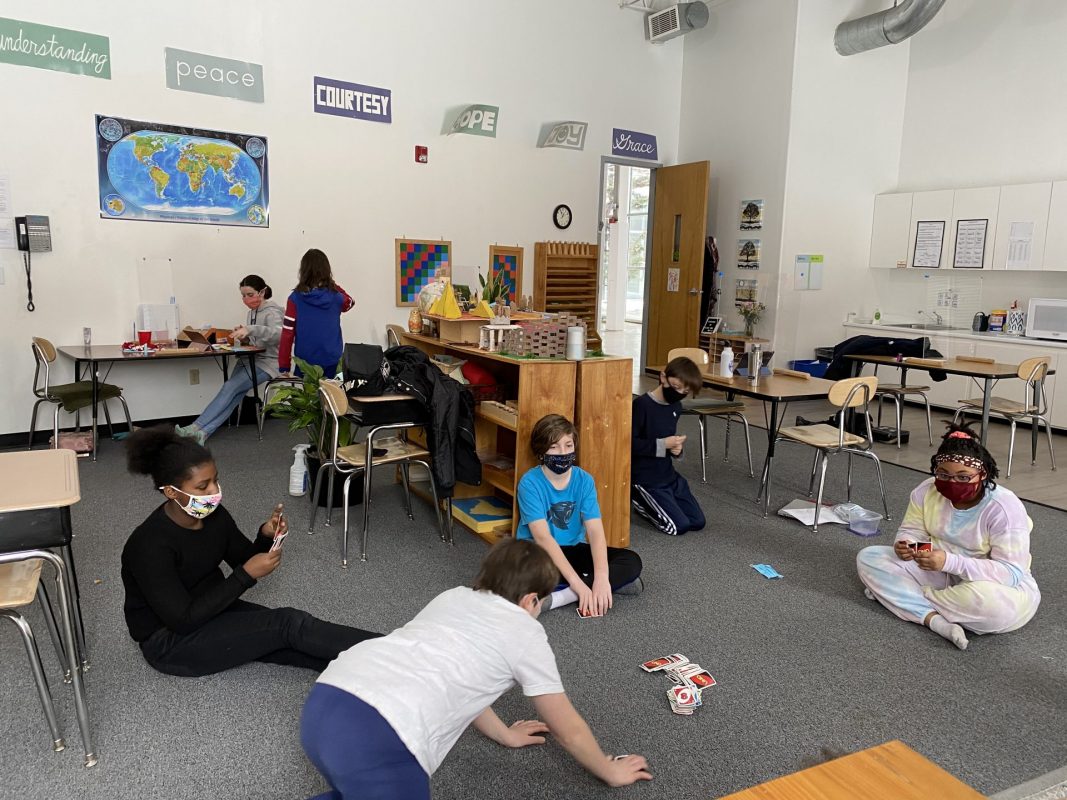
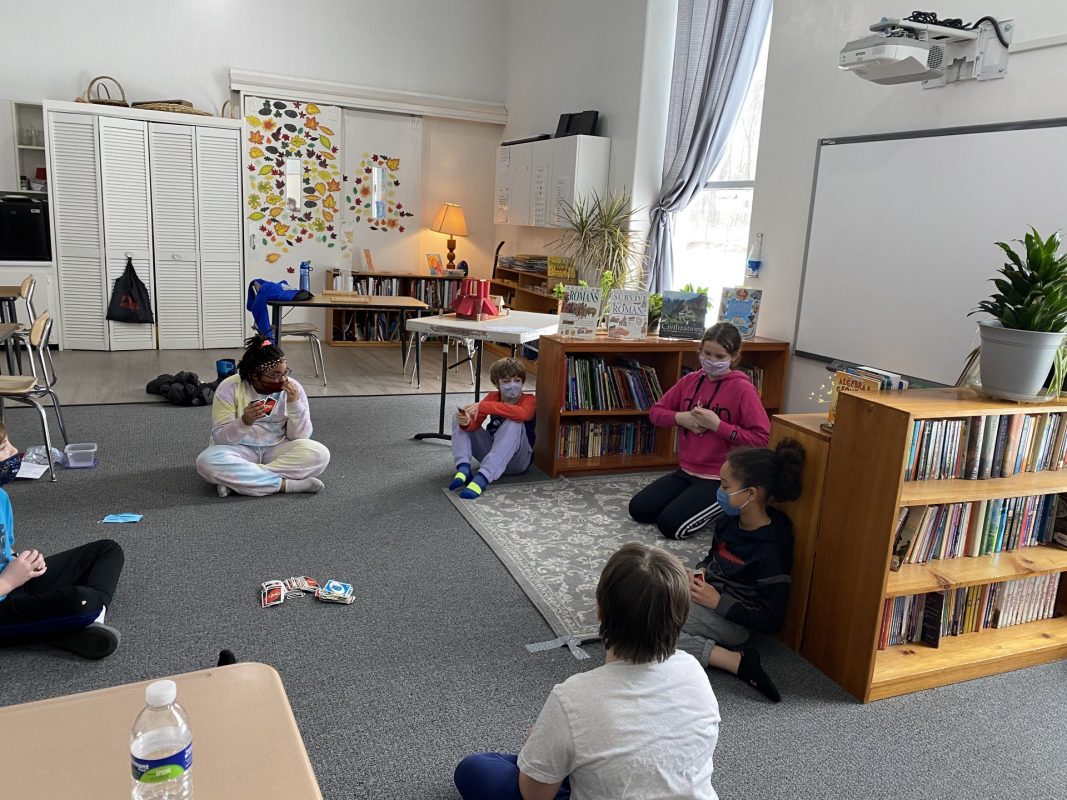
The first week of March has been full of lessons and discussions and we have been busy with lots of focused work in the classroom. It feels really nice to get back to our daily work cycle routine, having individual lessons in math and small and large group lessons in our other subject areas.

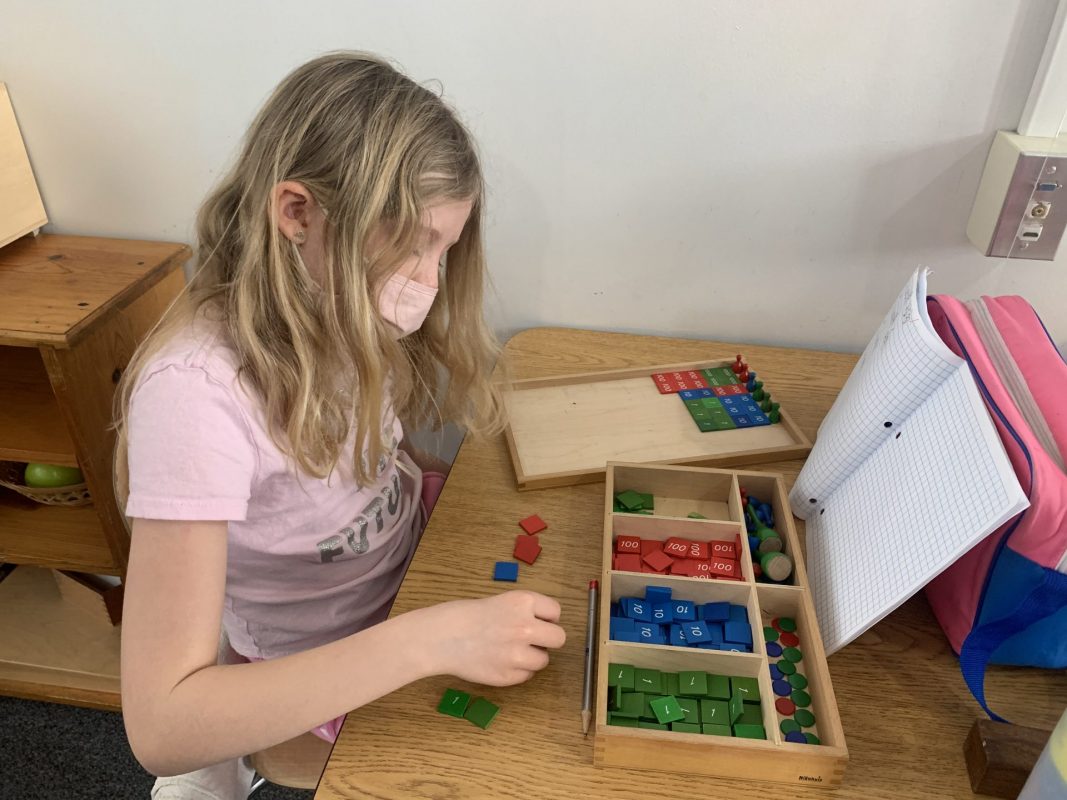
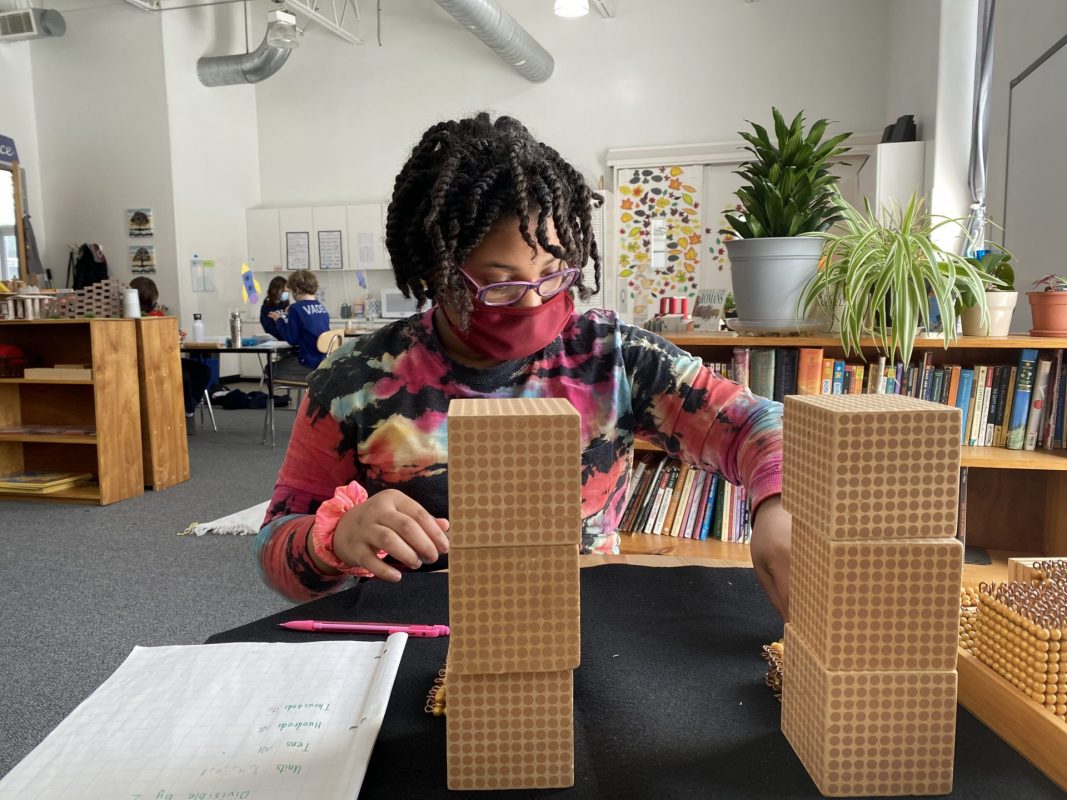
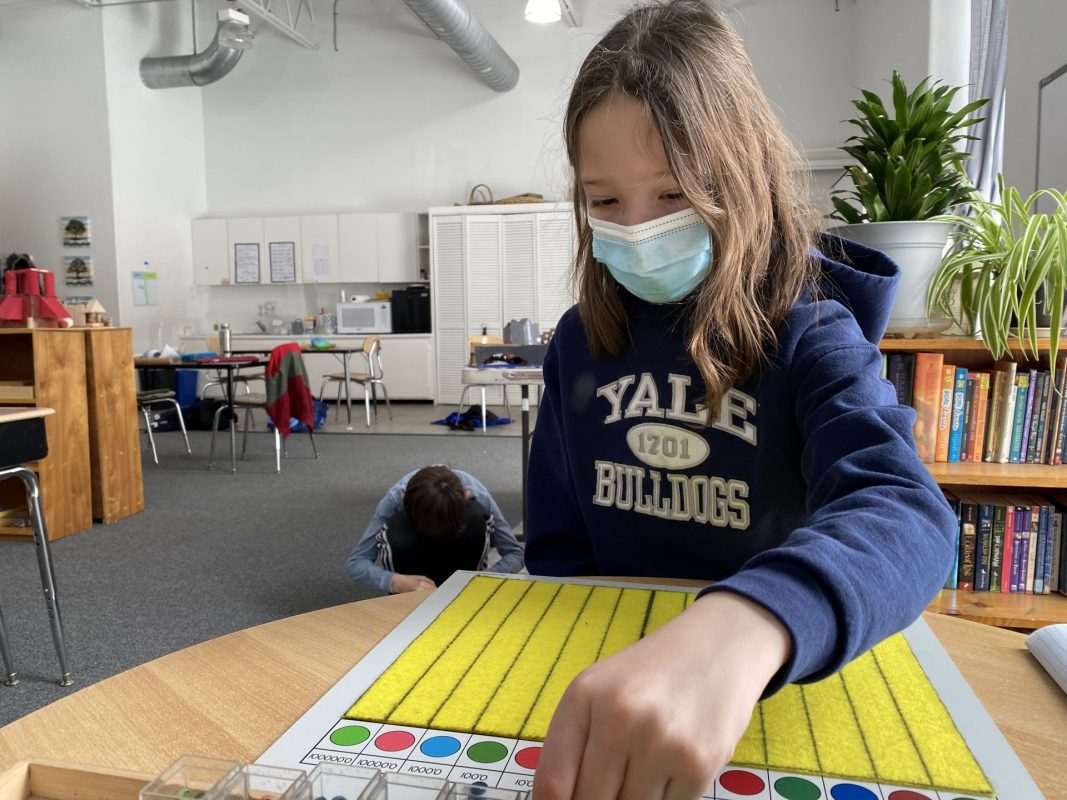
In geometry this week, fourth years learned a theorem based on equivalent figures; that all triangles having the same base and height are equivalent. Fifth years learned to apply formulas for finding the area of a rhombus.

Our biology lesson on the vital functions of plants this week focused on the support that plants need. We learned that some plants are supported by water flowing through their stems and leaves, inflating their cells, others are supported by a woody stem, and other plants cling and climb for additional support.

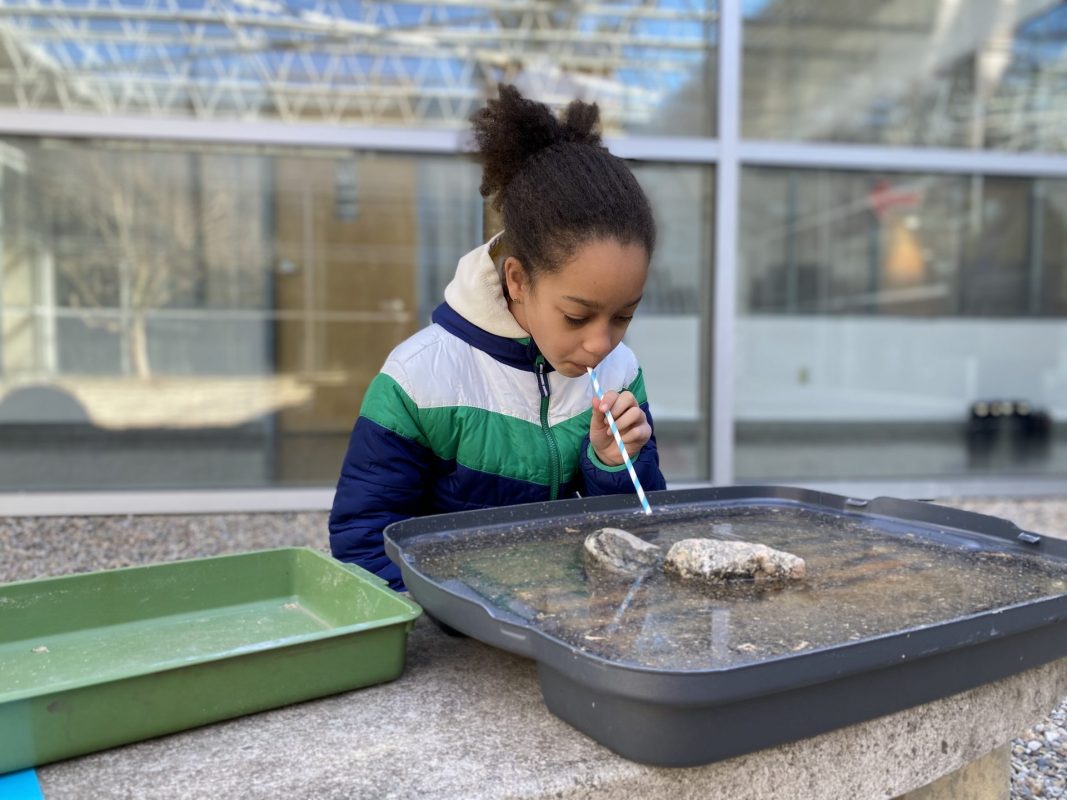
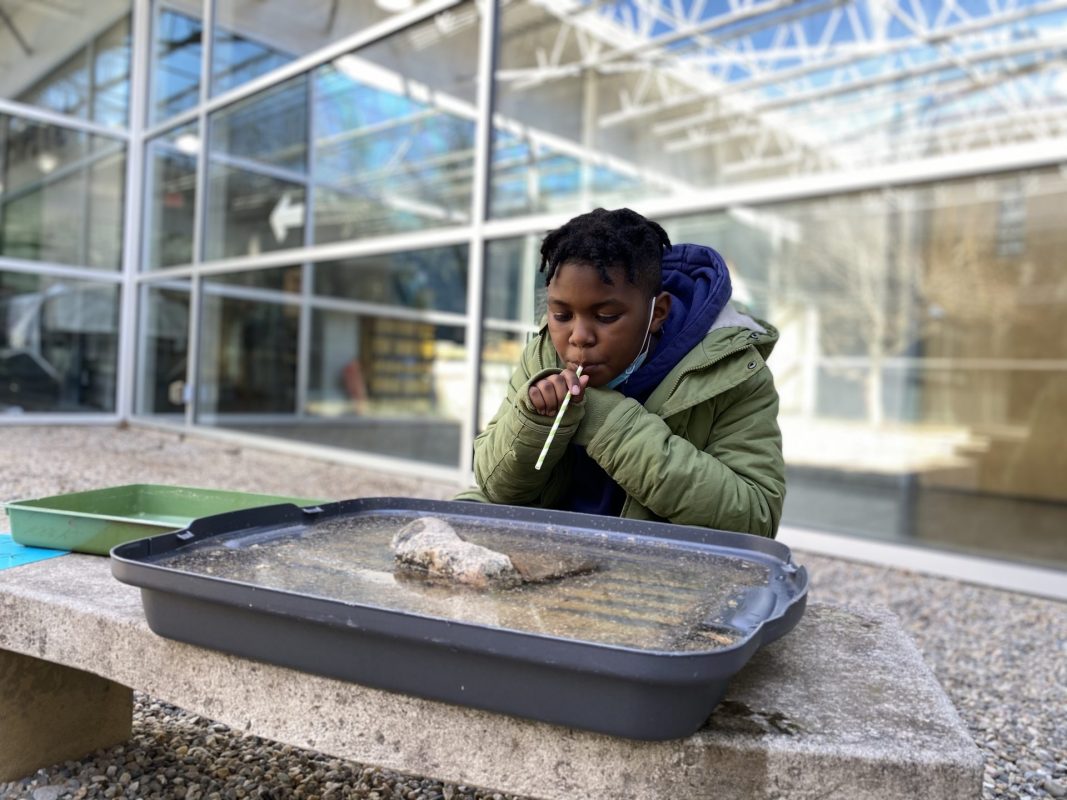
In geography we looked at ocean currents which are caused by wind and were introduced to an activity that students will do to demonstrate this concept, creating or own “ocean current” in a basin of water using rocks to represent continents and islands.

In history, although we will continue to learn about our ancient civilizations as part of our reading and writing workshop, group lessons will pick up with the work we were doing before our research presentations preparation. Fourth years are now learning about Humans’ Closest Relatives, and to kick of this unit of study we learned about the classification of the human animal. Fifths picked up where they left off on their work with Modern Humans with a discussion about Kitchen Midden Folk of the Mesolithic Era. 

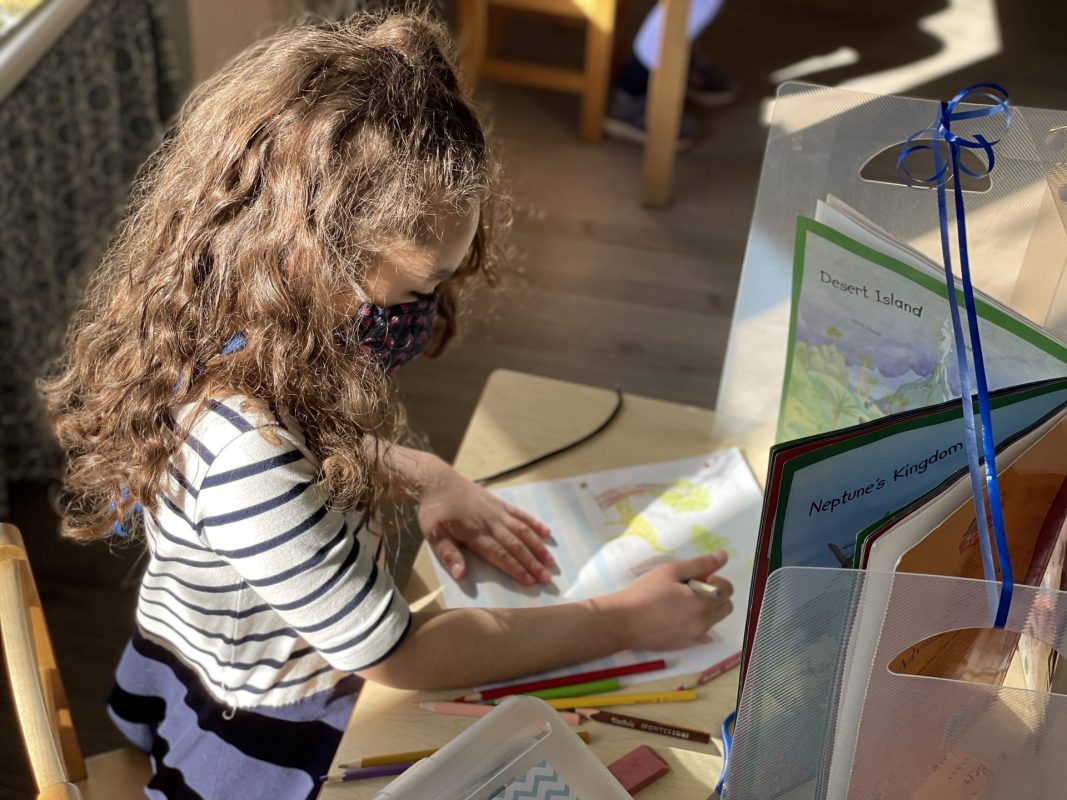
In addition to their lessons and assigned work, almost all of the Upper El students have chosen to work with a friend to research a topic of their choice; a testament to their intrinsic motivation and love of learning!

We are all looking forward to making sandwiches for St. Vincent DePaul Mission next Friday. Please look for the sign up email to contribute to the supplies needed for this important work. Thank you to Kristina for organizing this and thank you very much for your continued support!


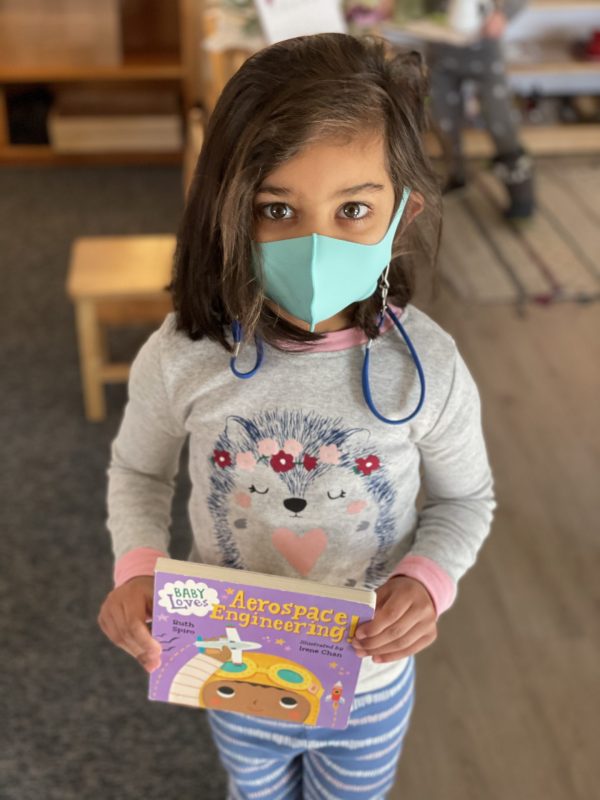
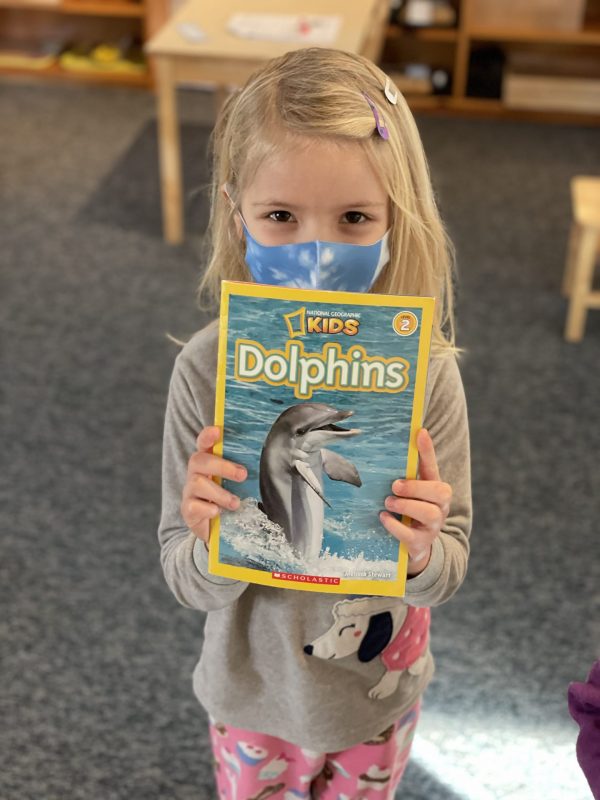
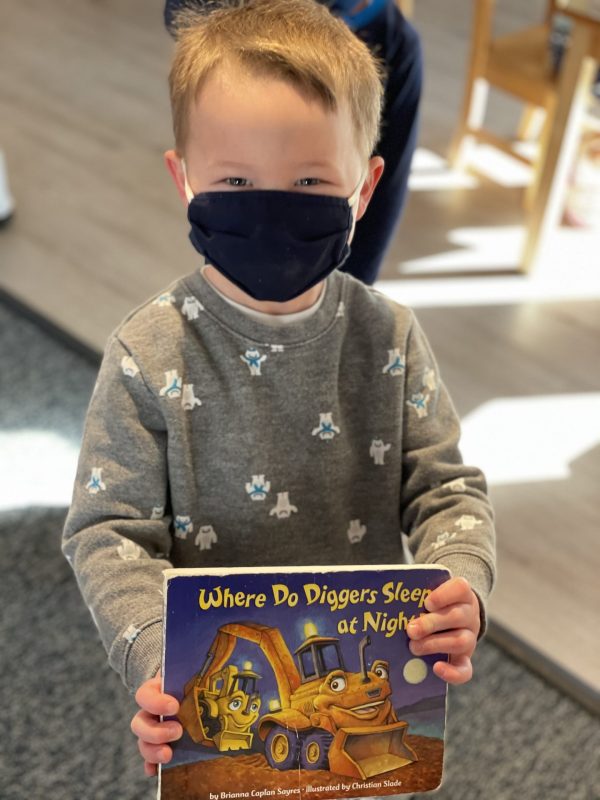
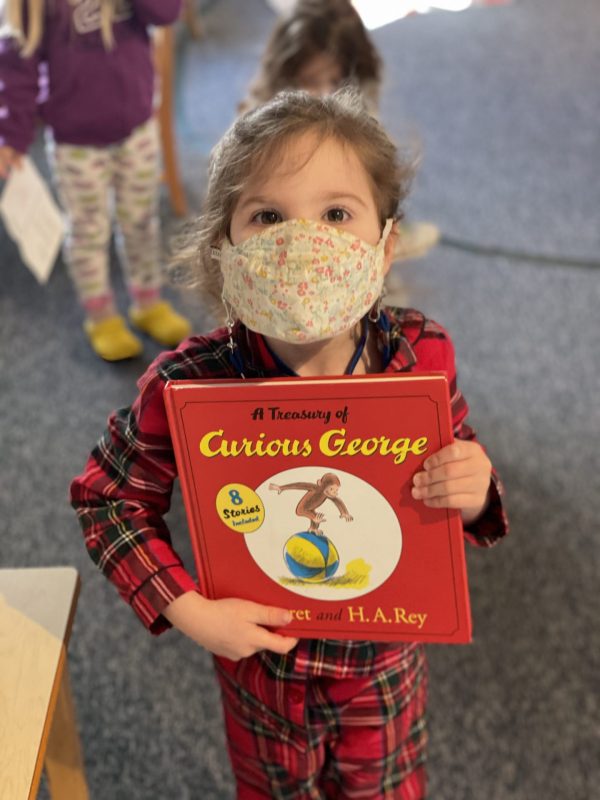
Mrs. Doyle’s Class: Read Across America

I do believe something magical can happen when you read a good book.”   ———-     J.K. Rowling

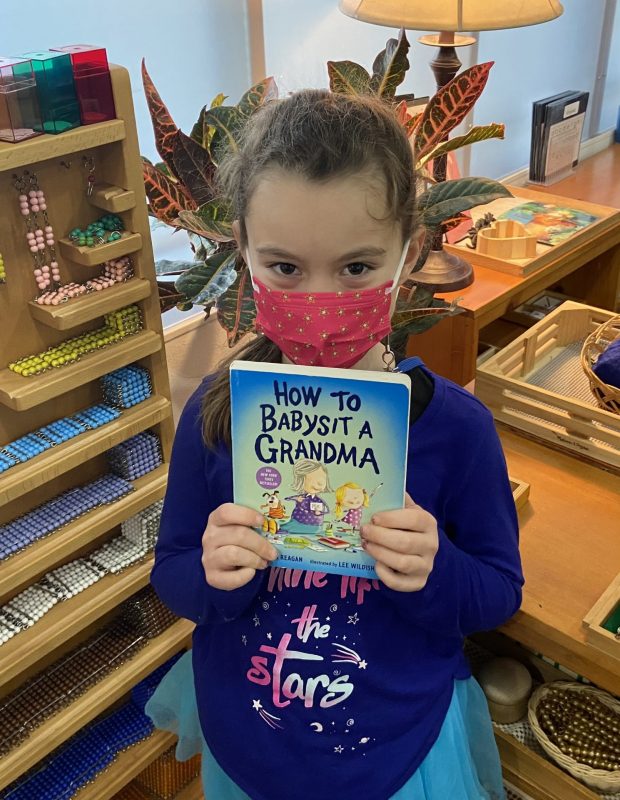
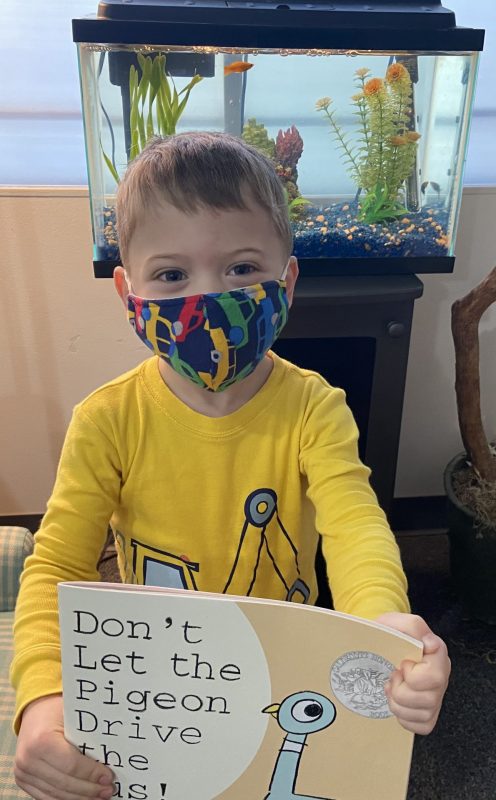
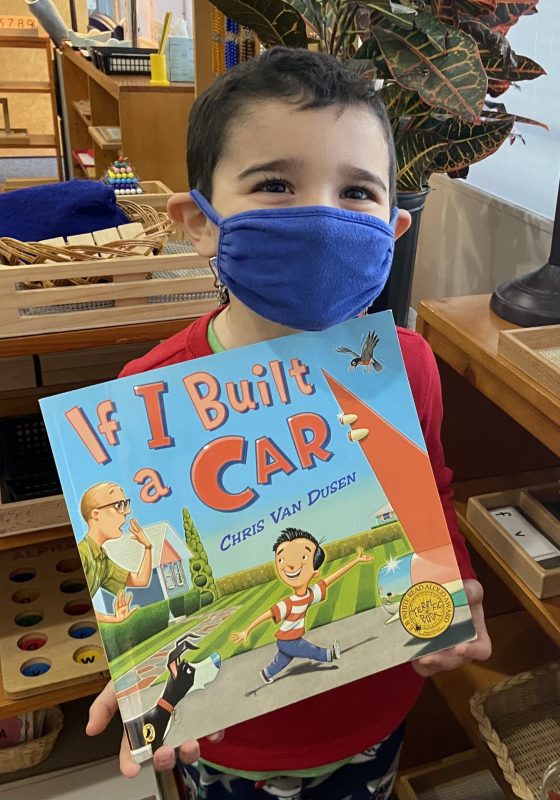
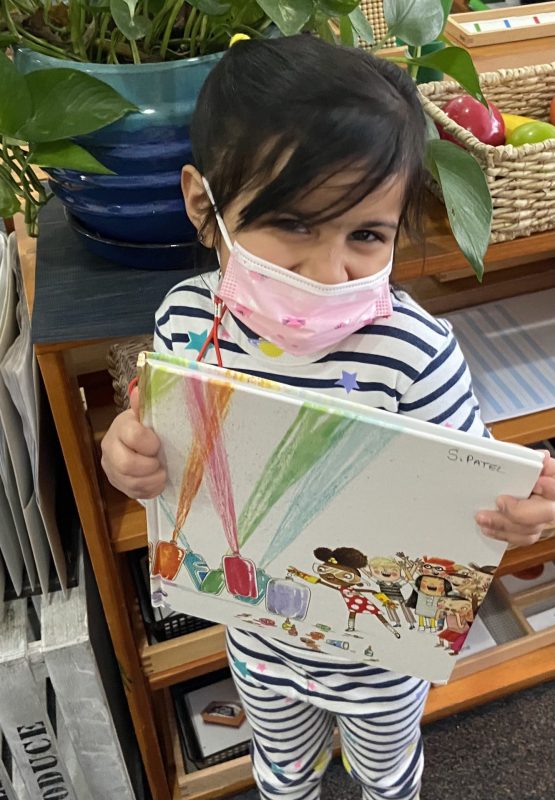
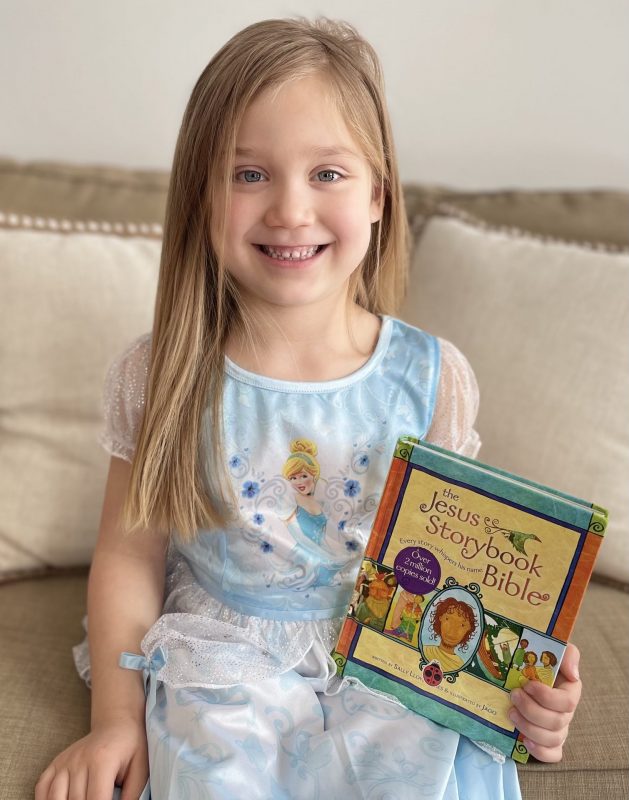
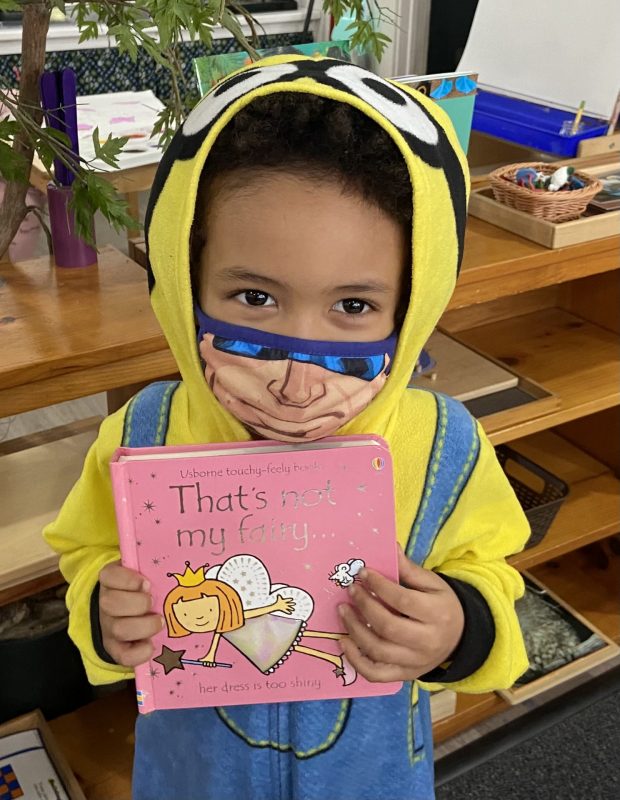
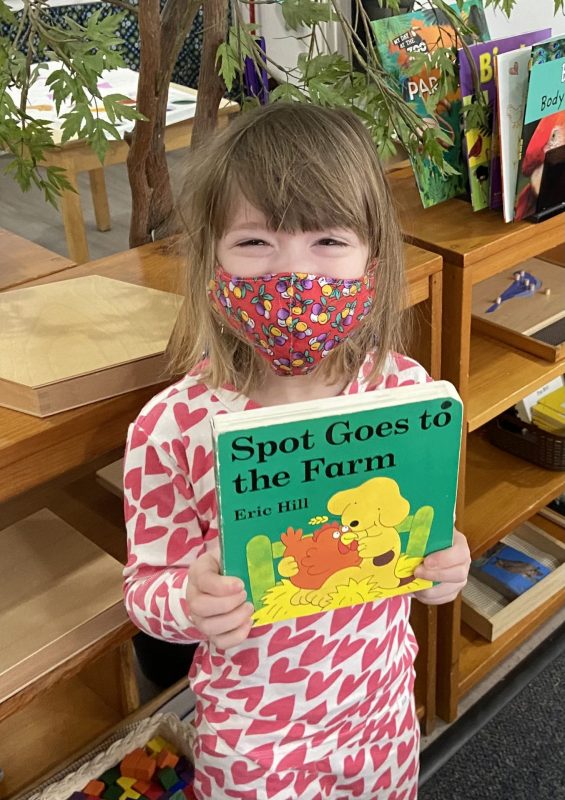
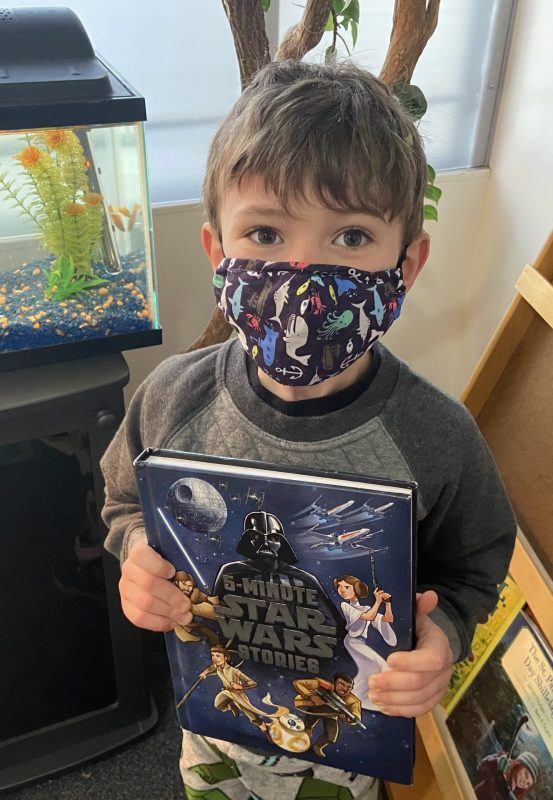
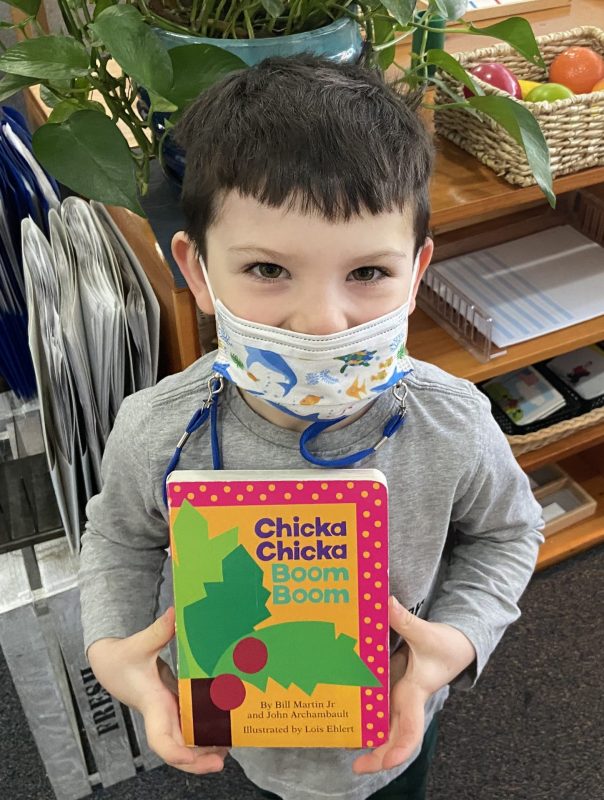
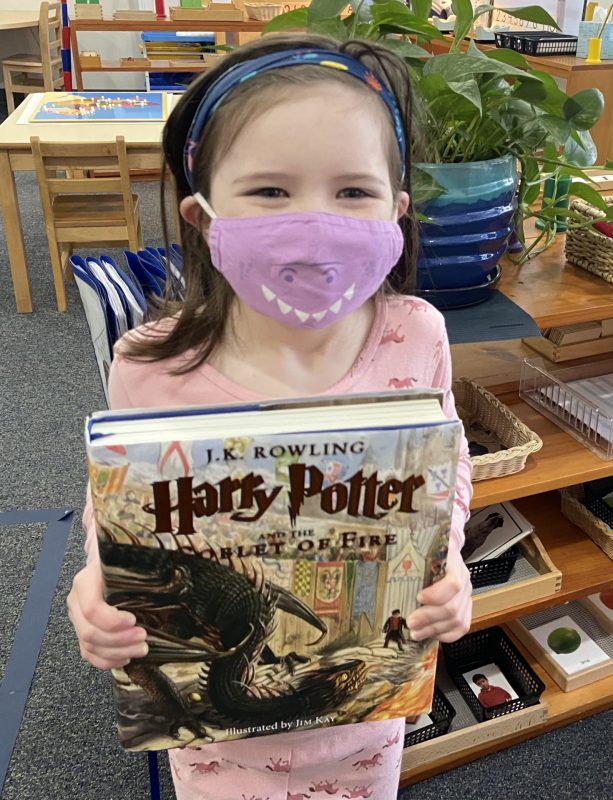
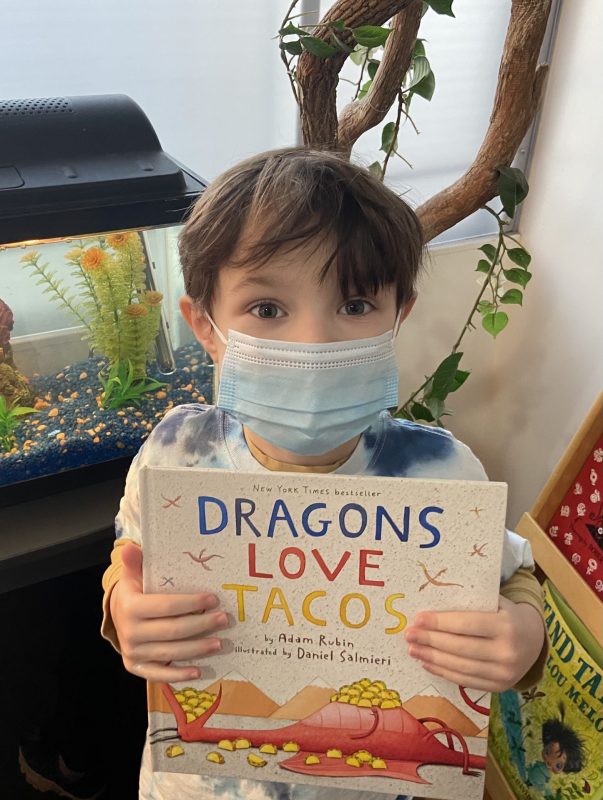
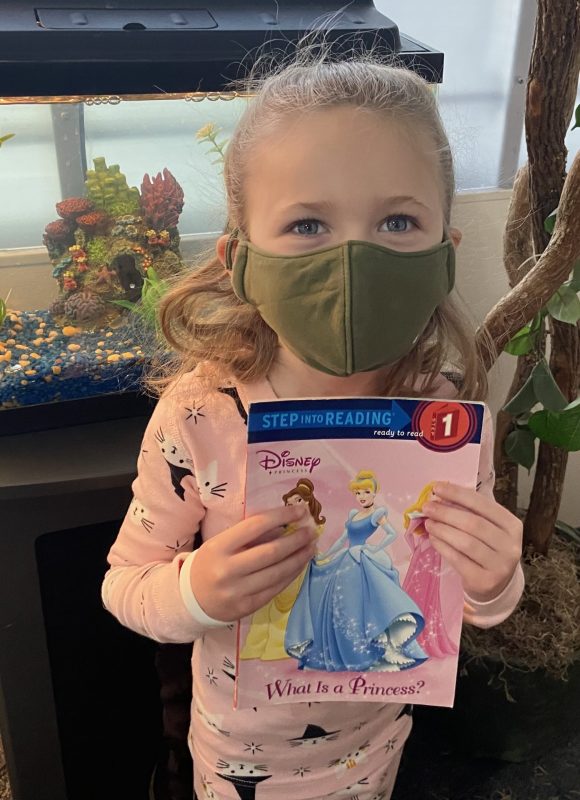
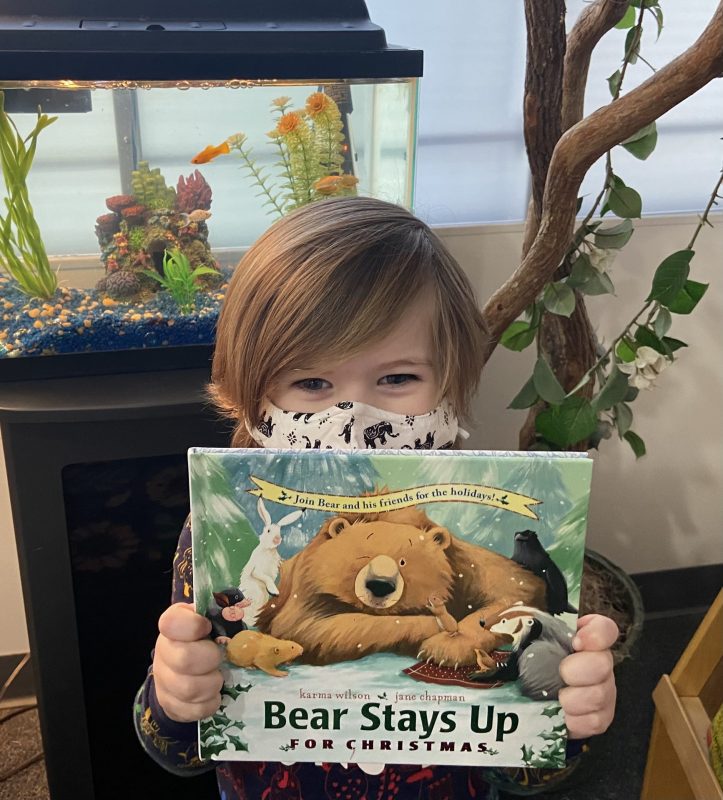
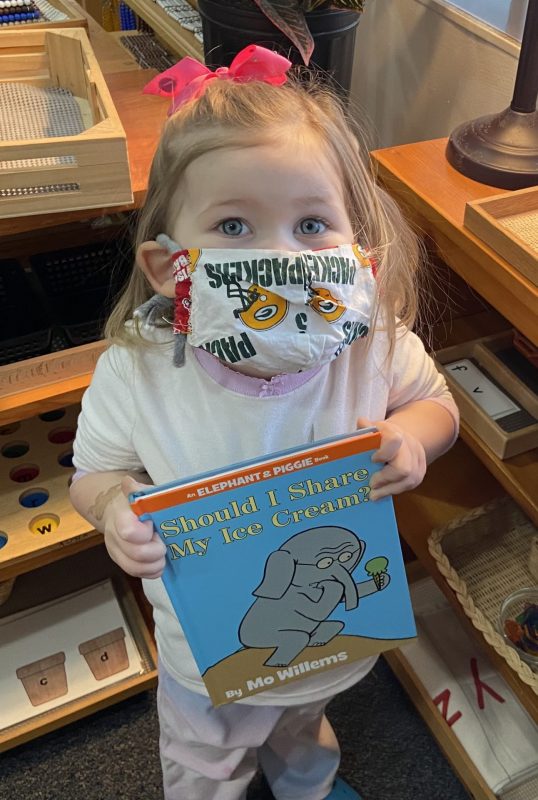
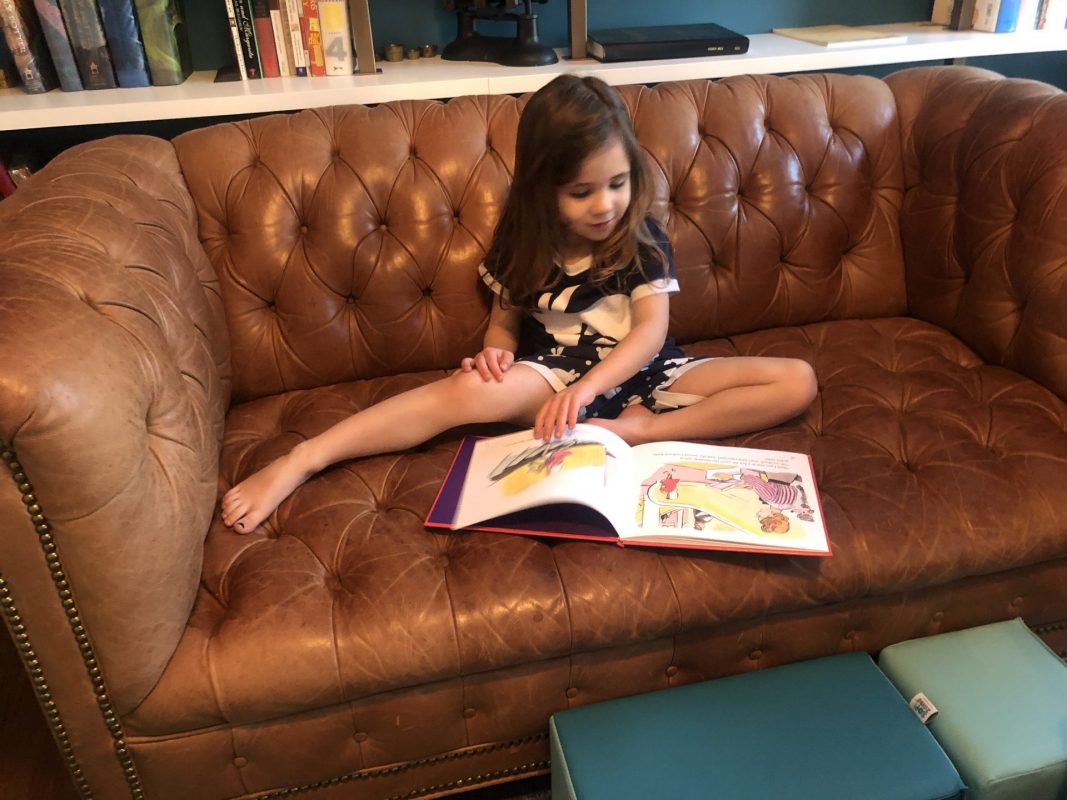
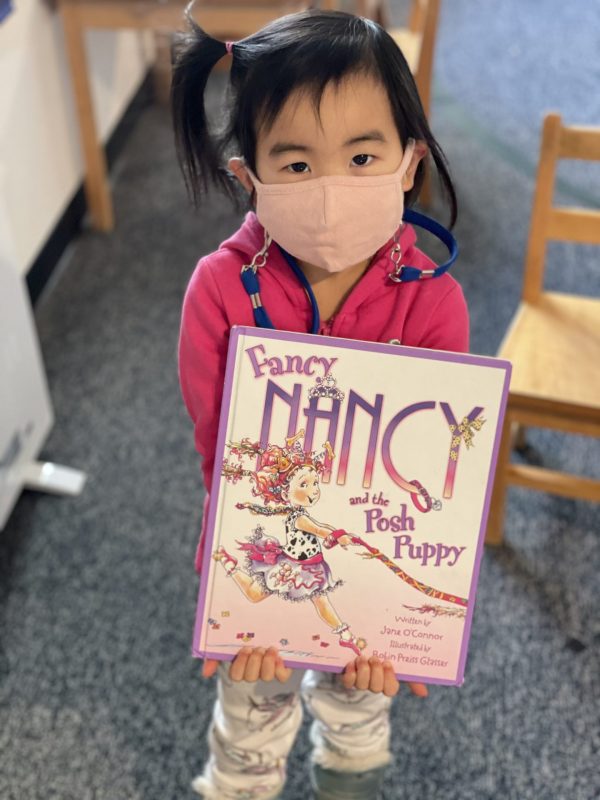
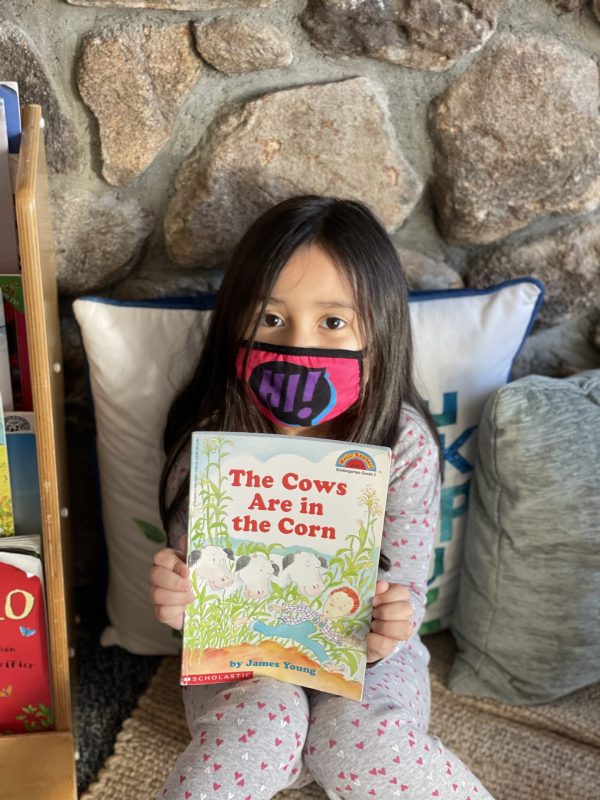
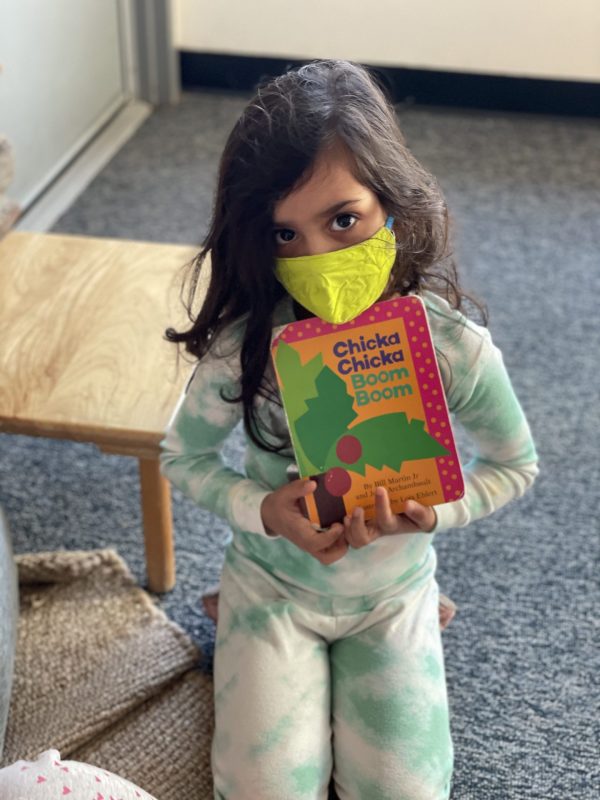
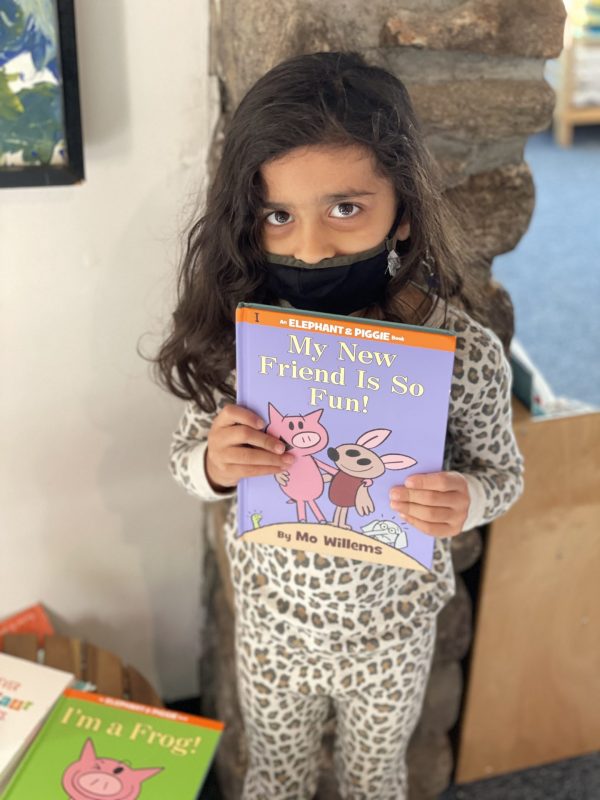
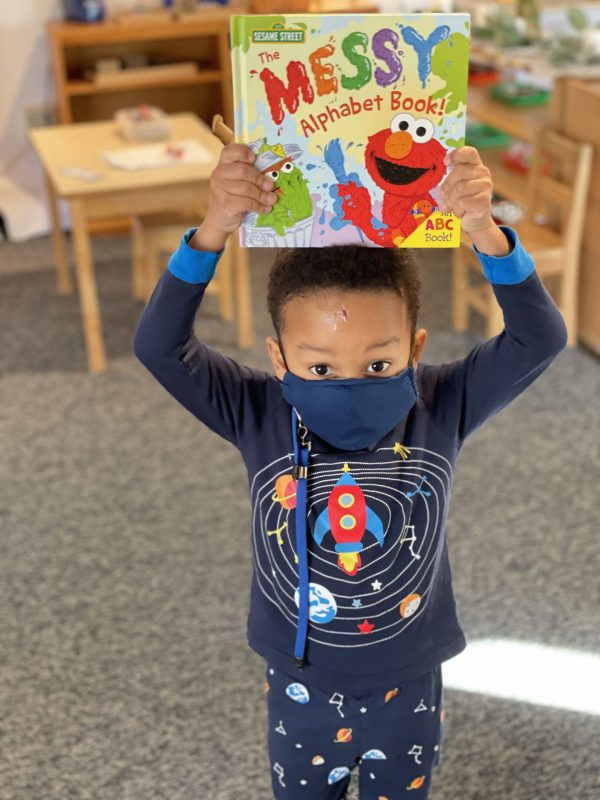
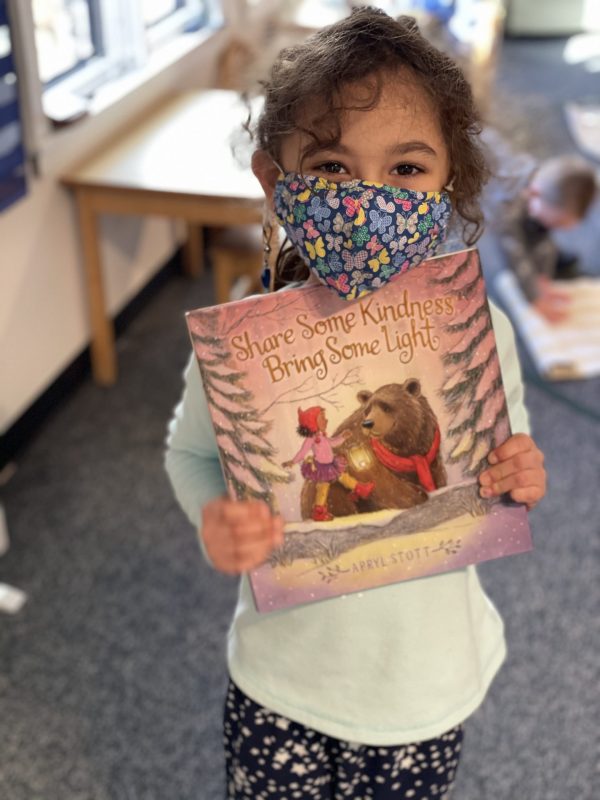
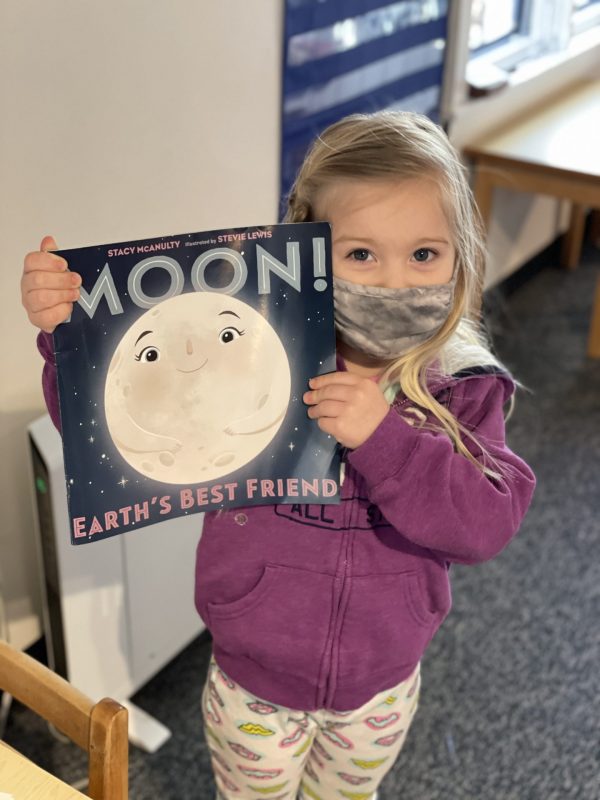
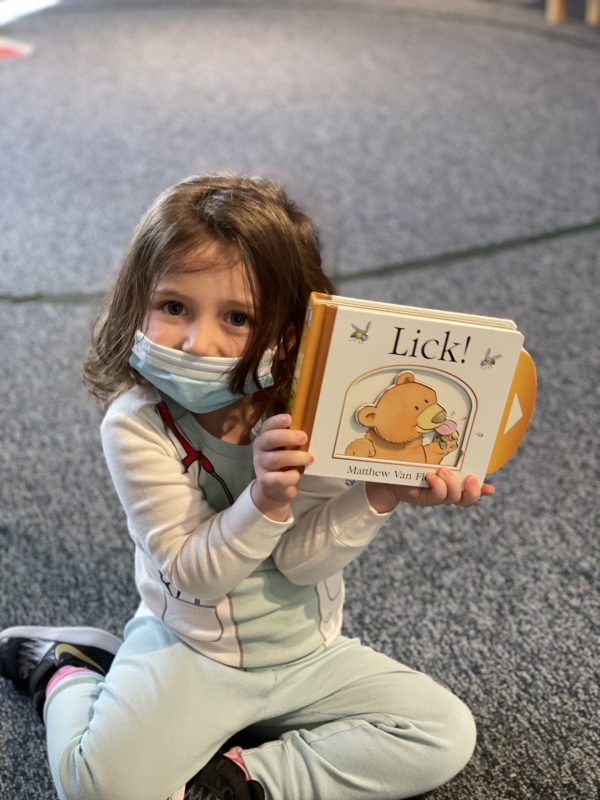
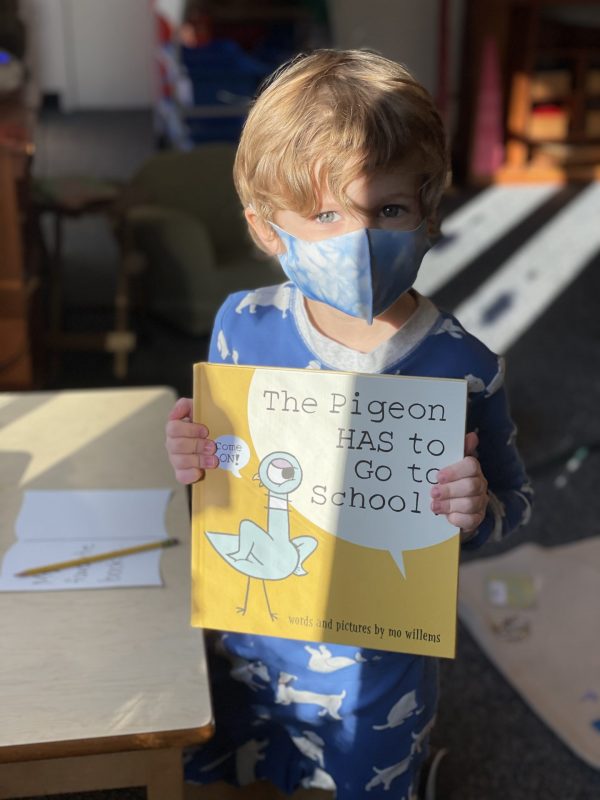
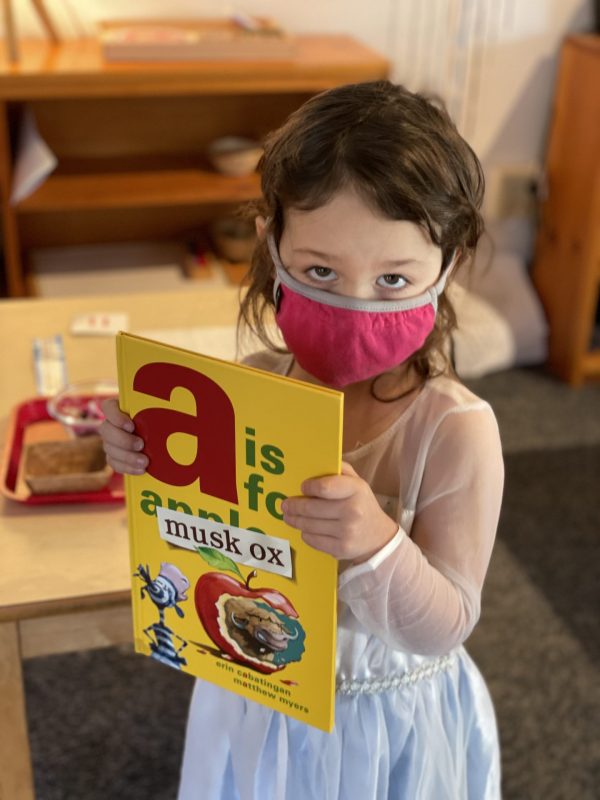
Read across America is a national event that is celebrated on March 2nd, the birthday of Dr. Seuss.  This initiative was created by the National Education Association and was created and implemented to encourage a love of reading in children.

An online article from nationaldaycalendar.com has some wonderful ideas on how to motivate children to read wherever they are.

  • Keep books everywhere you spend time. Put them in the car, in every room of the house, and tuck them in backpacks and purses. Make them easily accessible.
  • Visit the library often. Knowing how to use the library and learning the benefits of a library fosters a love of reading as well as genuine respect for the services libraries provide.
  • Get caught reading. Children imitate what they see the adults around them do. Whether they see you read a magazine, newspaper, or novel, let them know reading is the cool thing to do.
  • Read to your children. No matter their age, reading aloud strengthens their vocabulary and language skills. It also opens up opportunities for discussion.
  • Have your children read to you, too. You never know what you might learn!

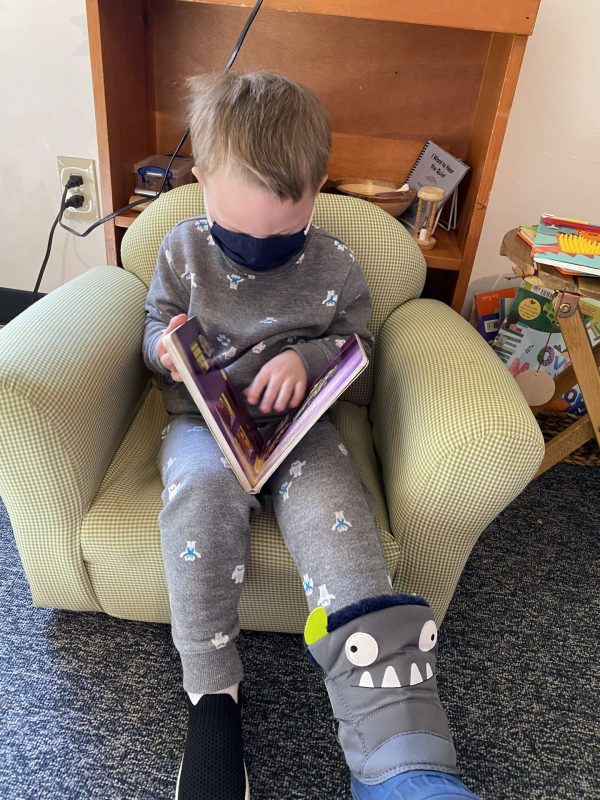
In our classroom, we call books treasures. Reading is an integral part of each school day. I hope that Miss Lizette and I are able to pass on our passion for literature.
Happy Reading!

Michelle & Lizette


Biology and History

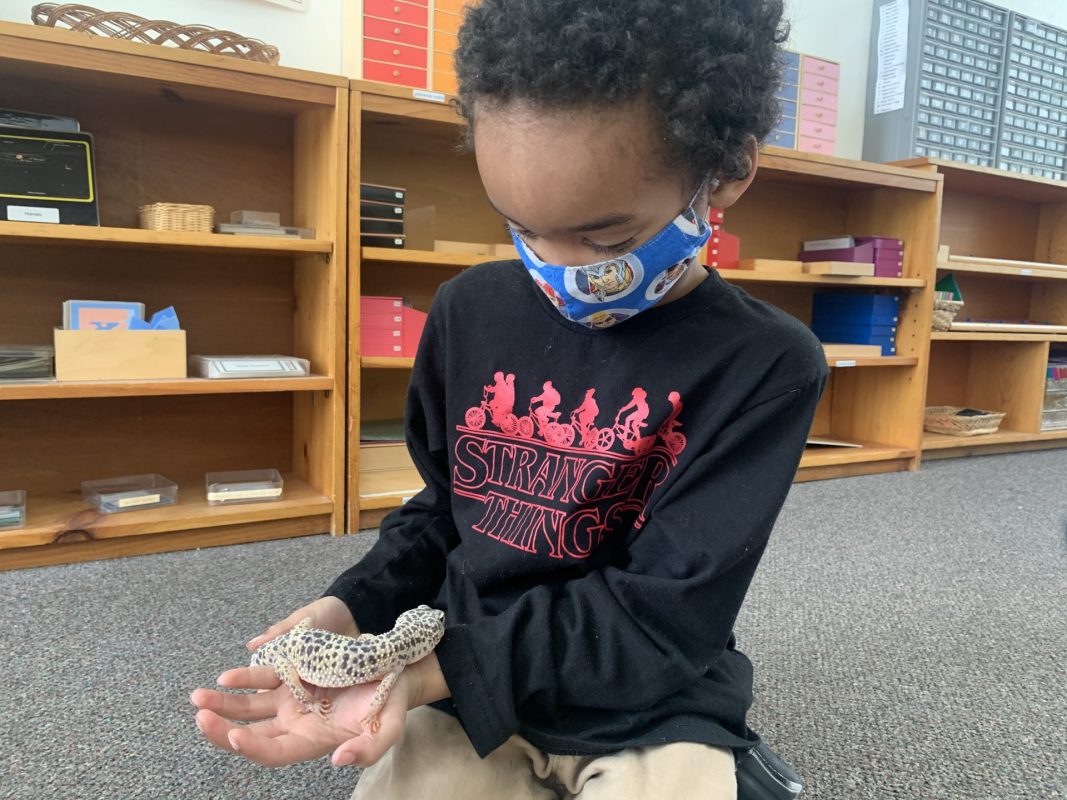
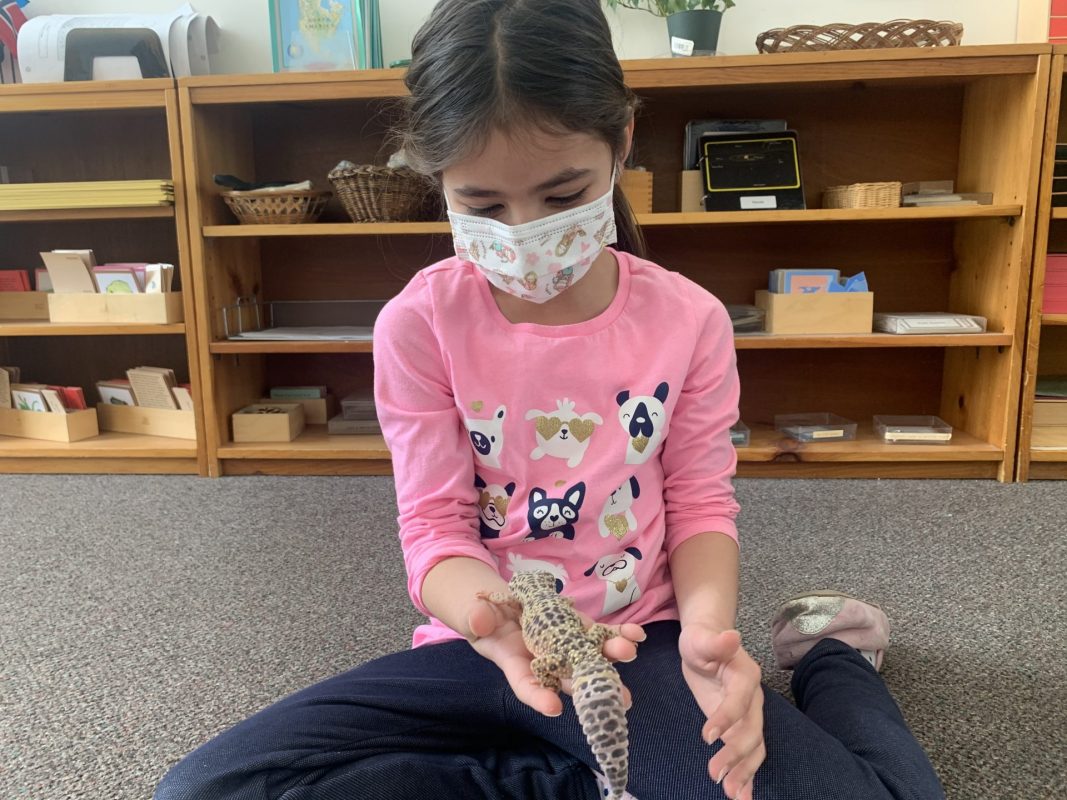
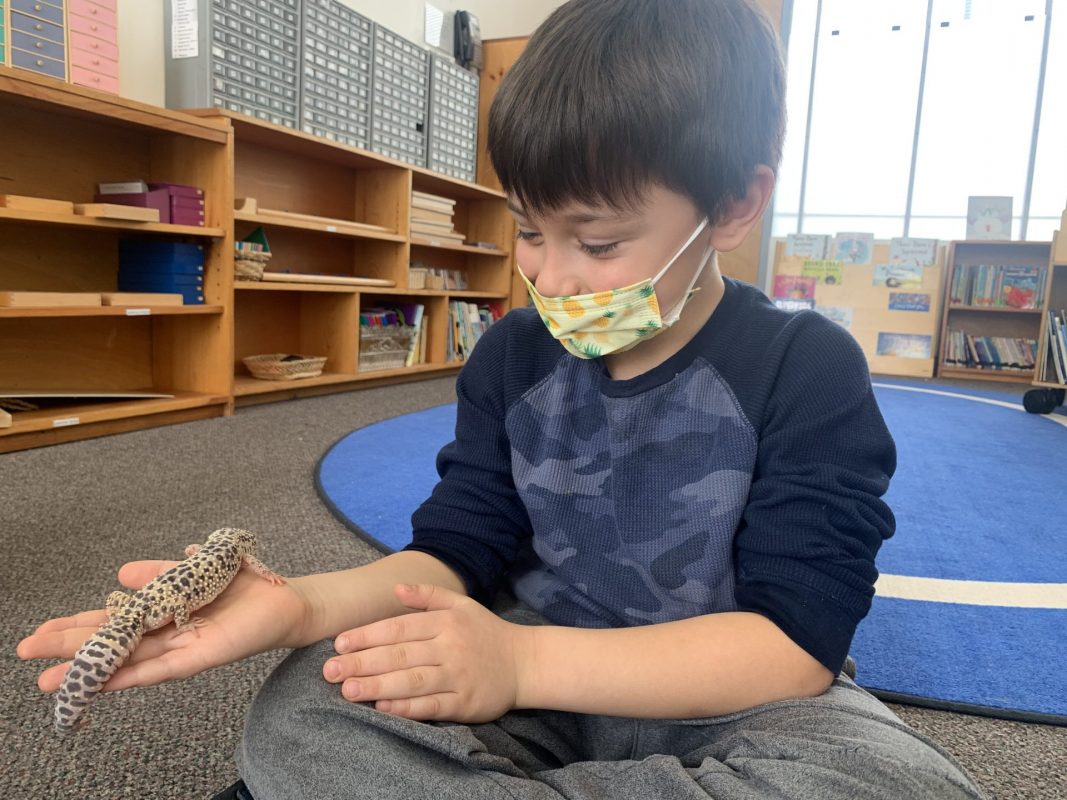
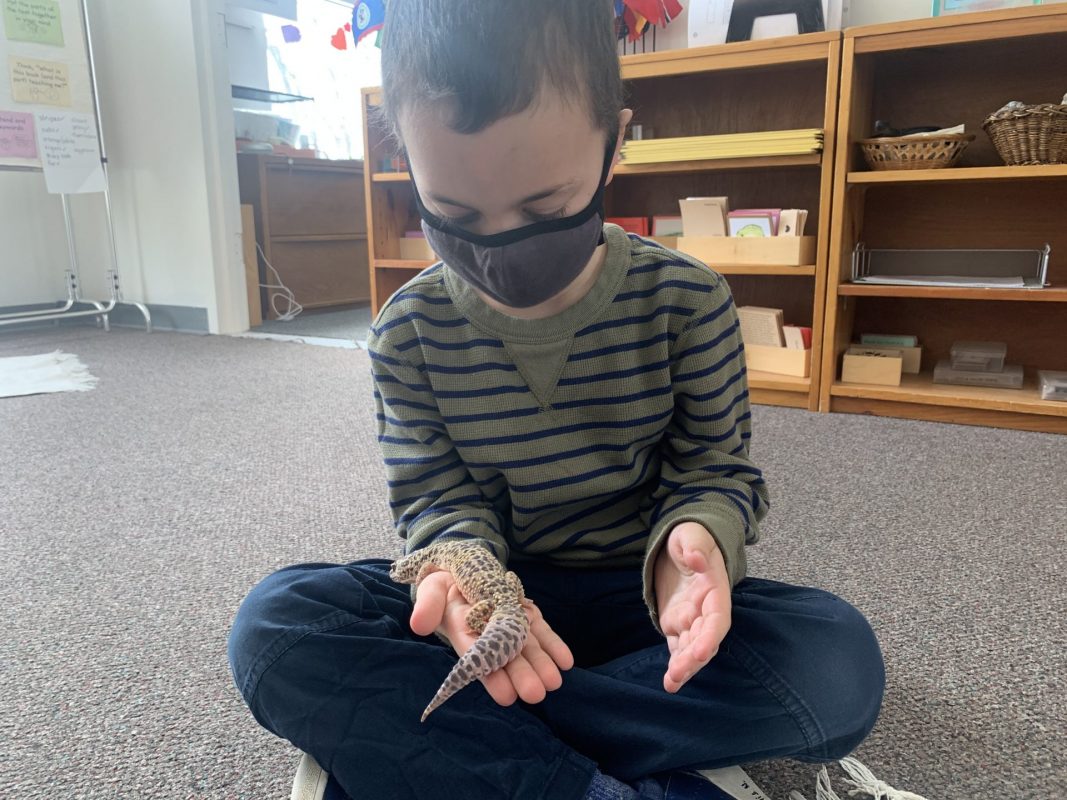
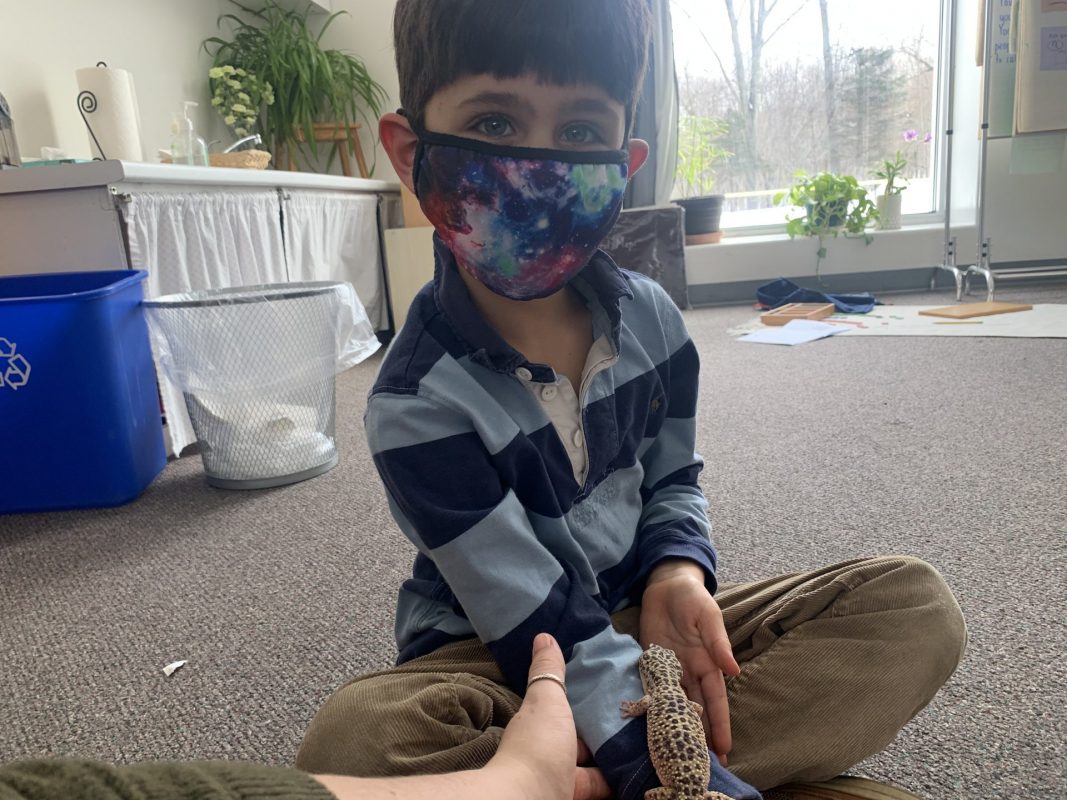
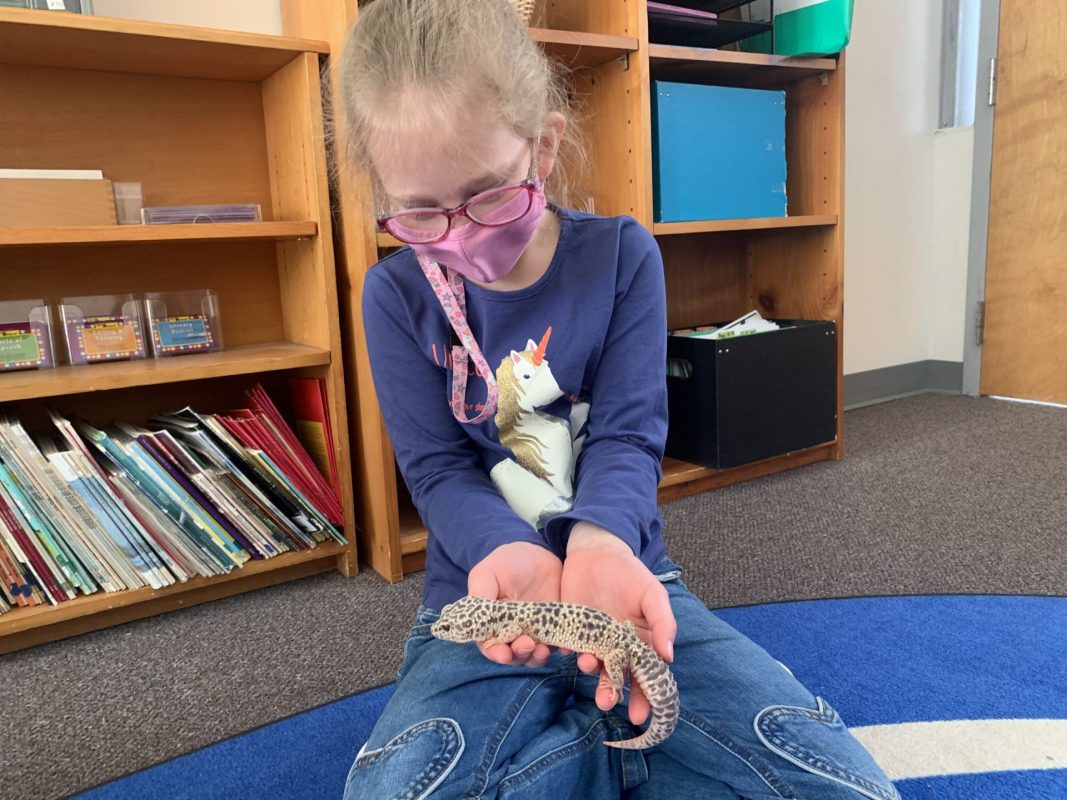
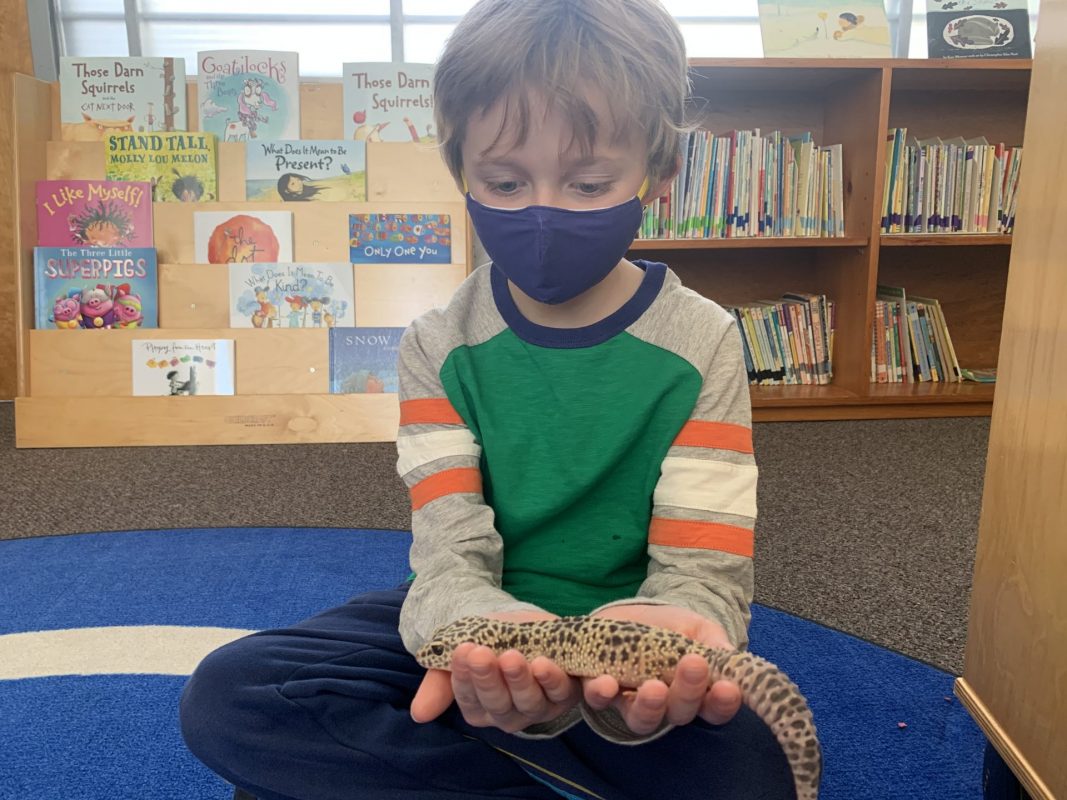
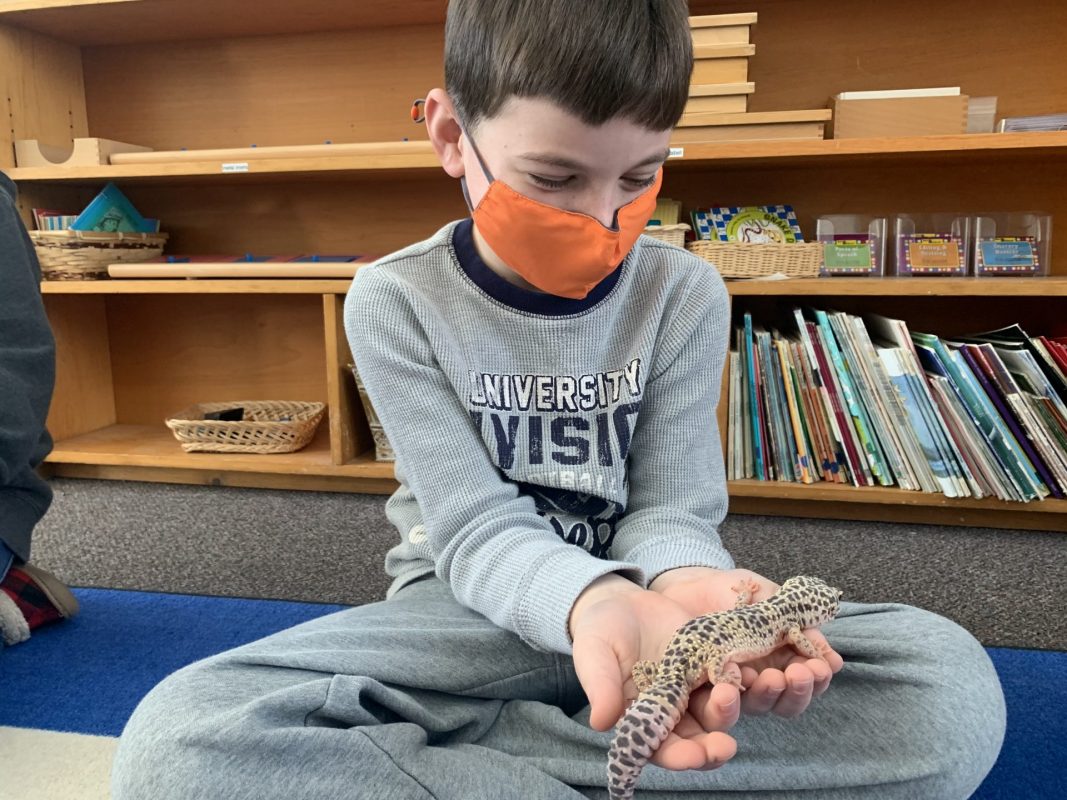
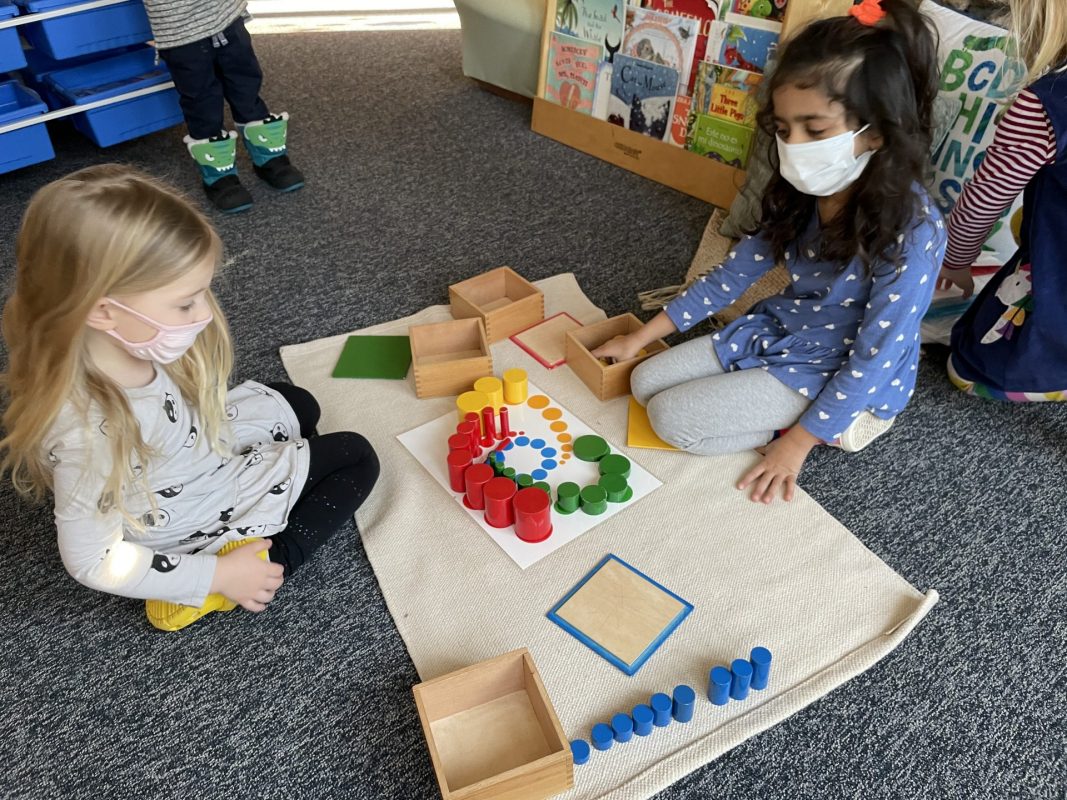
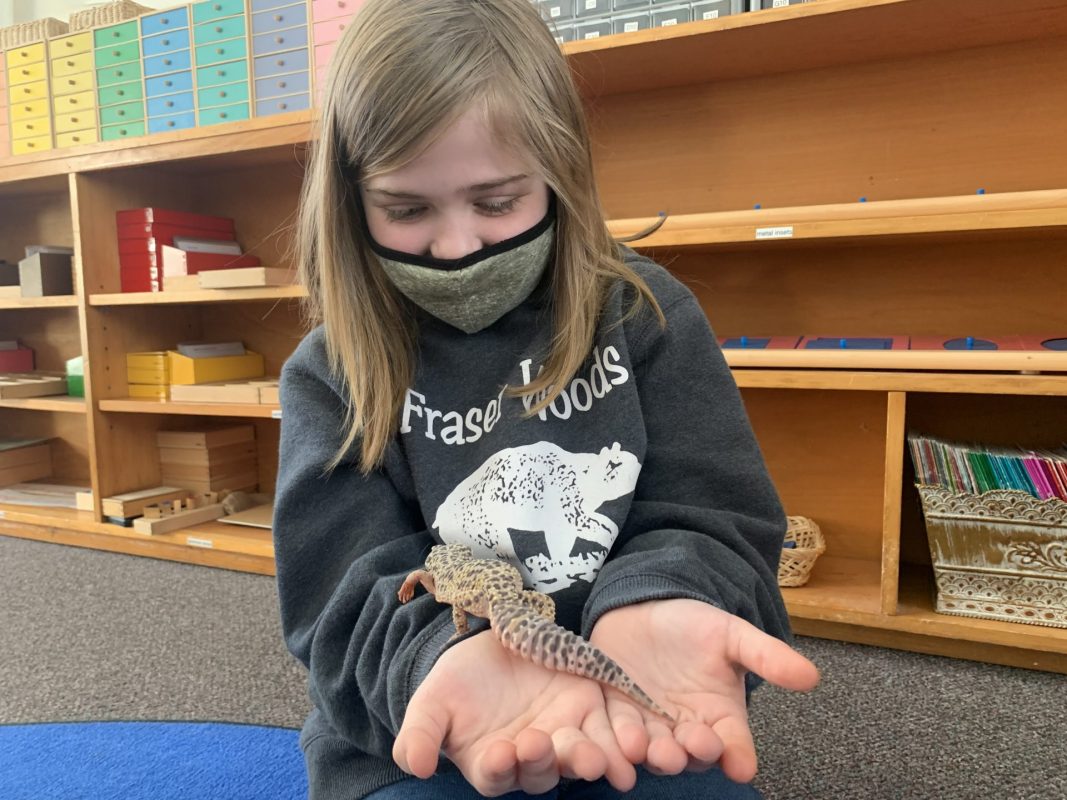
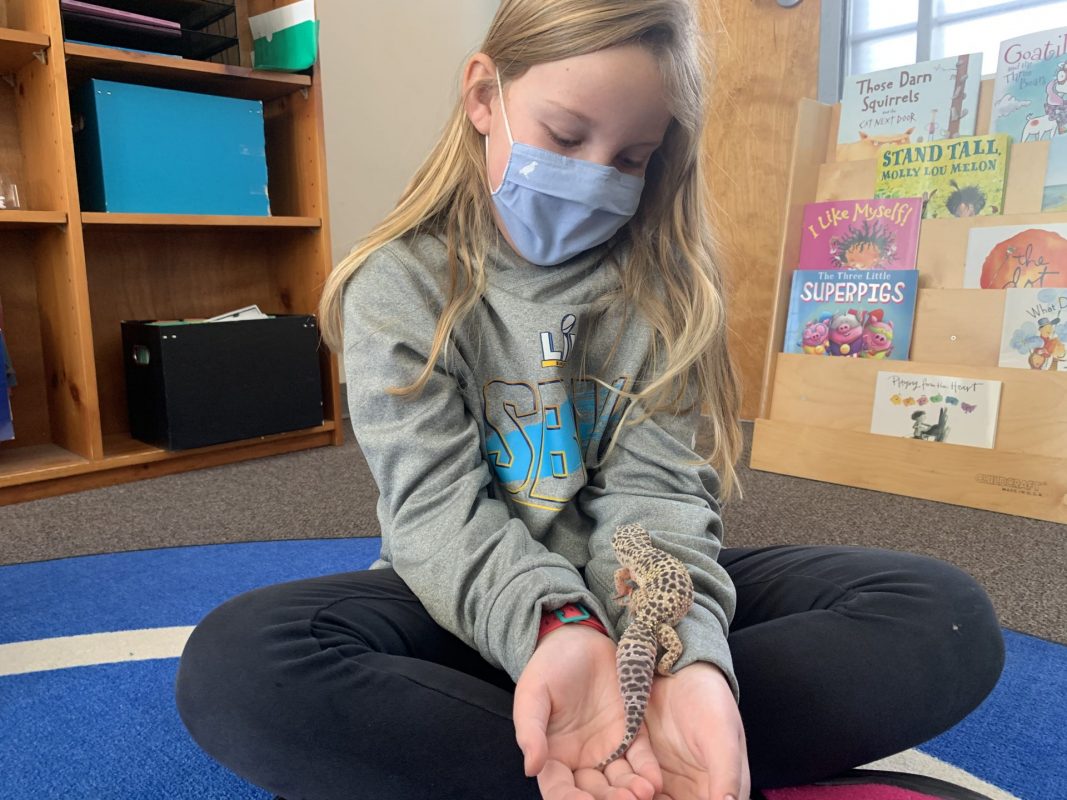
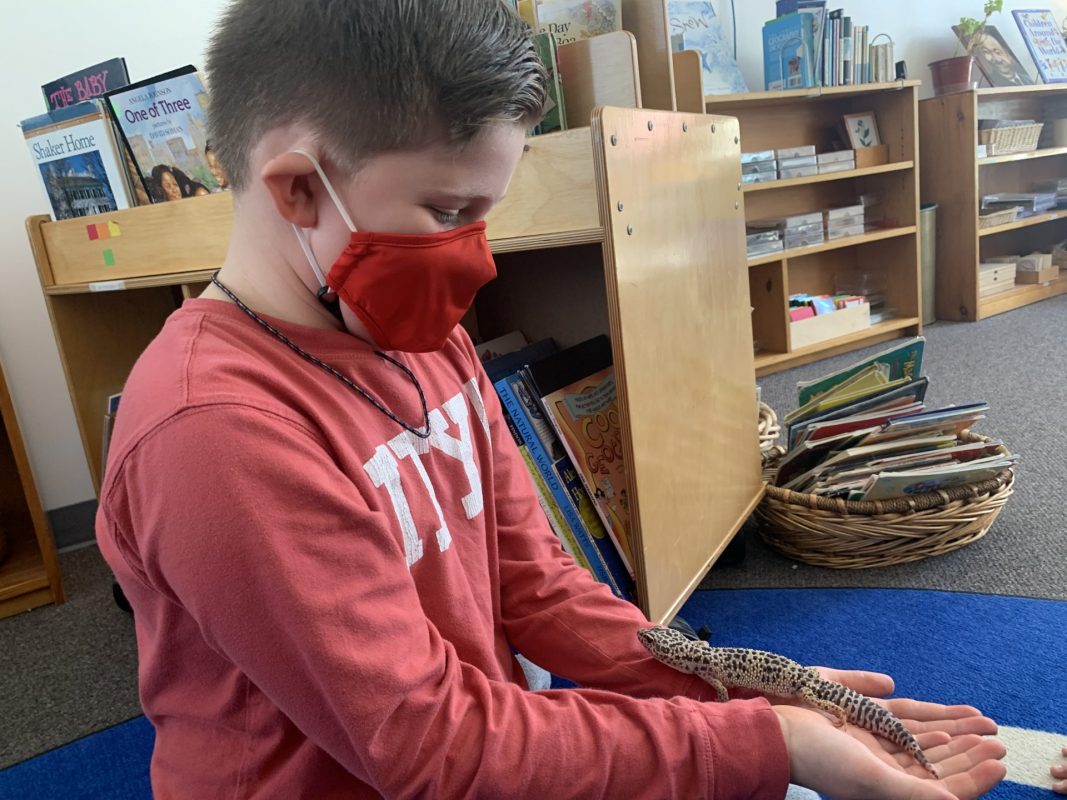
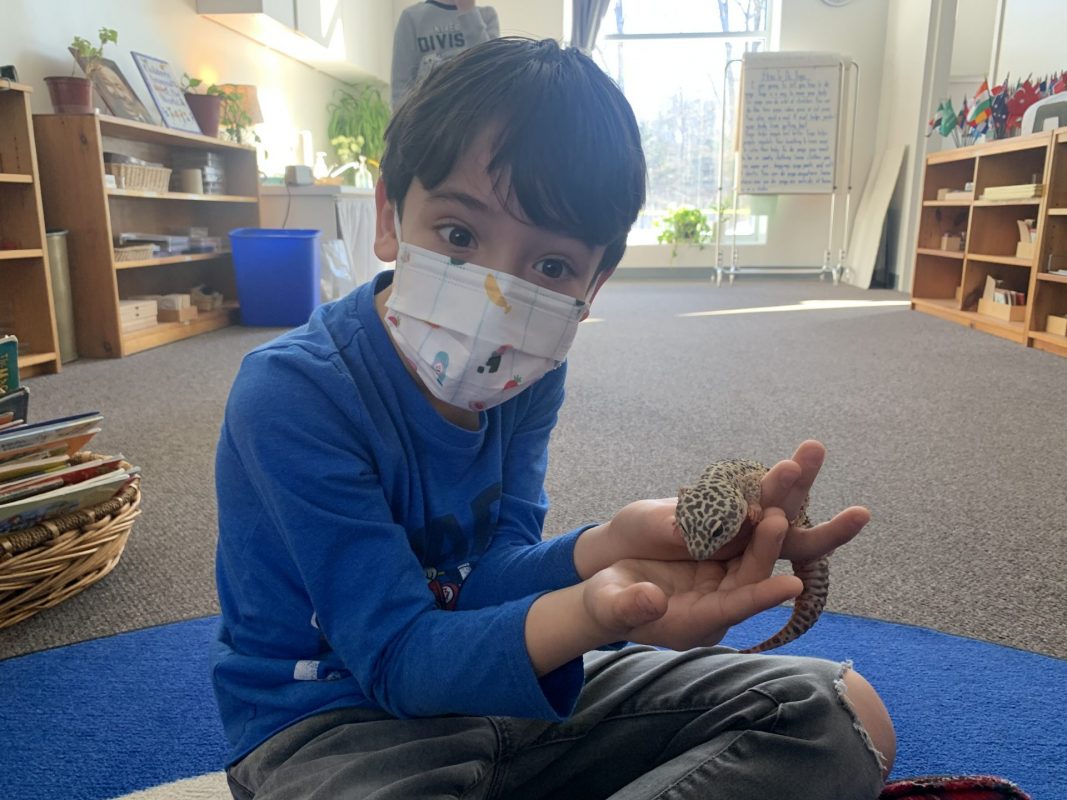
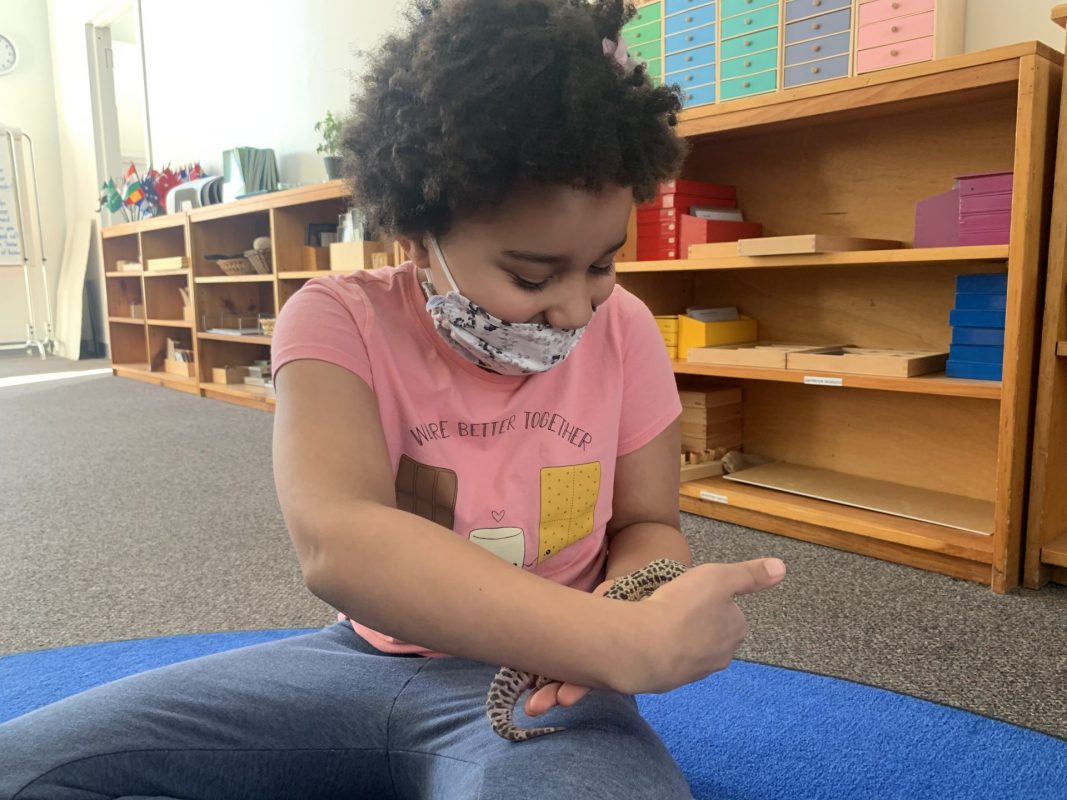
The first and second graders were ecstatic to learn about reptiles this week! The lessons began by taking a moment to observe Rocky, our leopard gecko, closely. You can see their excitement through the smiles on their faces, even behind the masks! From there, we had a group discussion to share our observations and our previous knowledge about reptiles. The first years learned about the external parts of a reptile, meanwhile, second graders took a closer look at the inside of reptiles; learning about the body functions. Working with the biology materials help enhance reading comprehension as well as teach organization, classification, and making comparisons and contrasts.

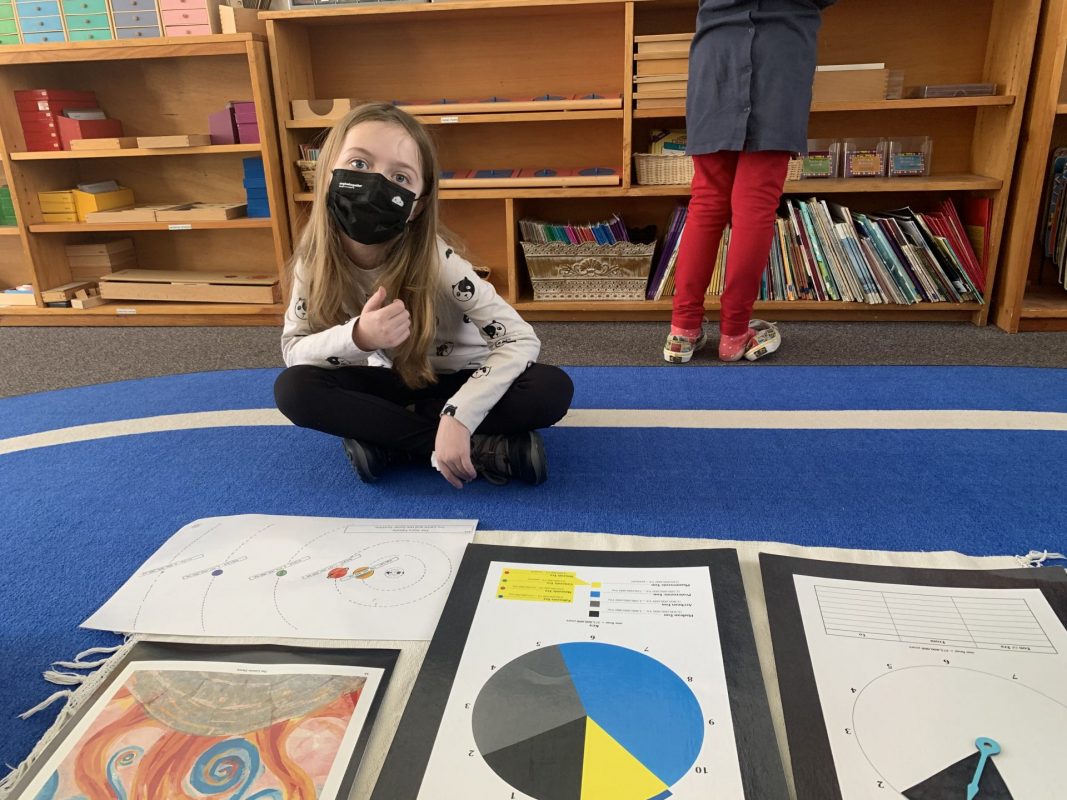
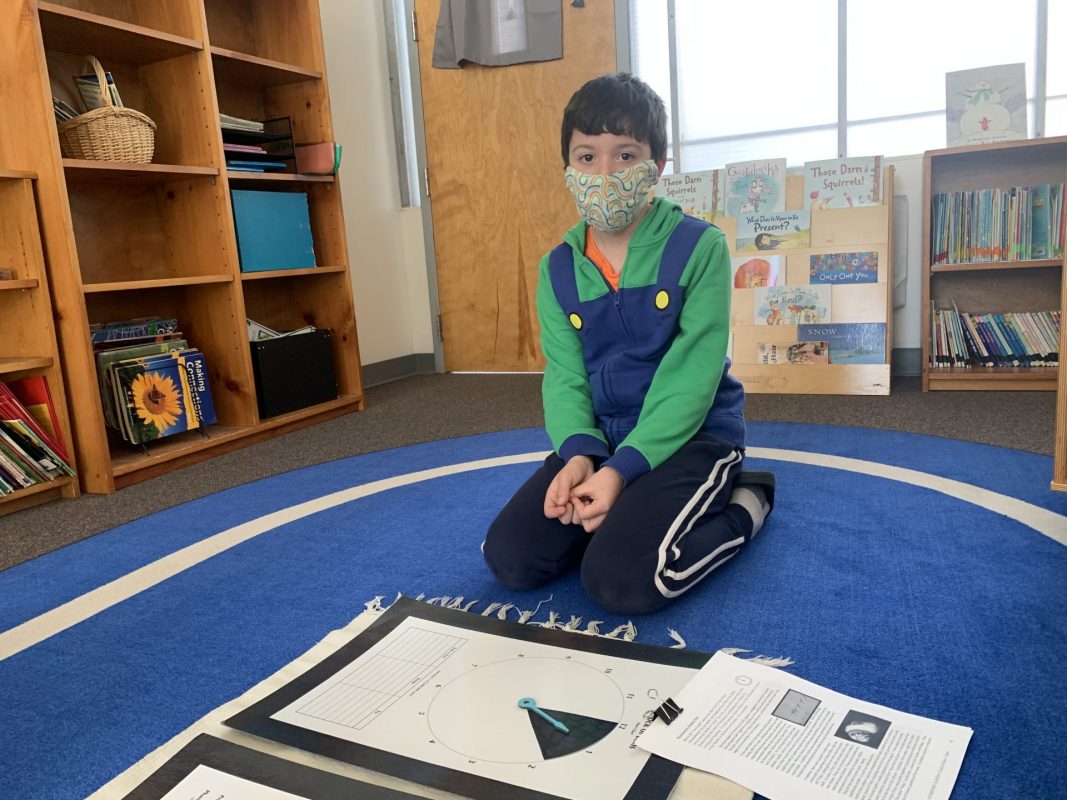
The third graders were immersed in history this week, learning about the Clock of Eons. We zoomed into the clock and took a closer look at the Hadeon Eon and explored the time of formation, bombardment, volcanoes, cooling, and layering. This eon of time is when our planet, Earth, was formed! Ask your child what they learned about proto earth and the planet, Theia!


Mrs. Lopes’s Class: Read Across America Day

“You can find magic wherever you look.  Sit back and relax all you need is a book.”-Dr. Seuss

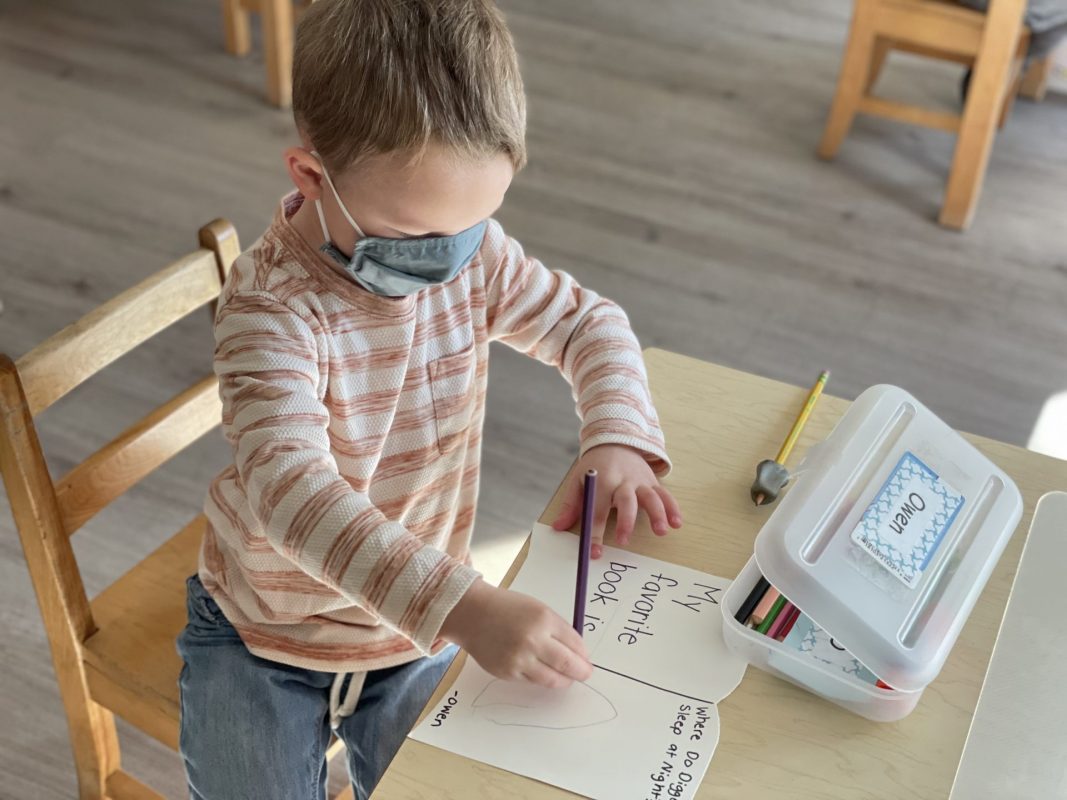
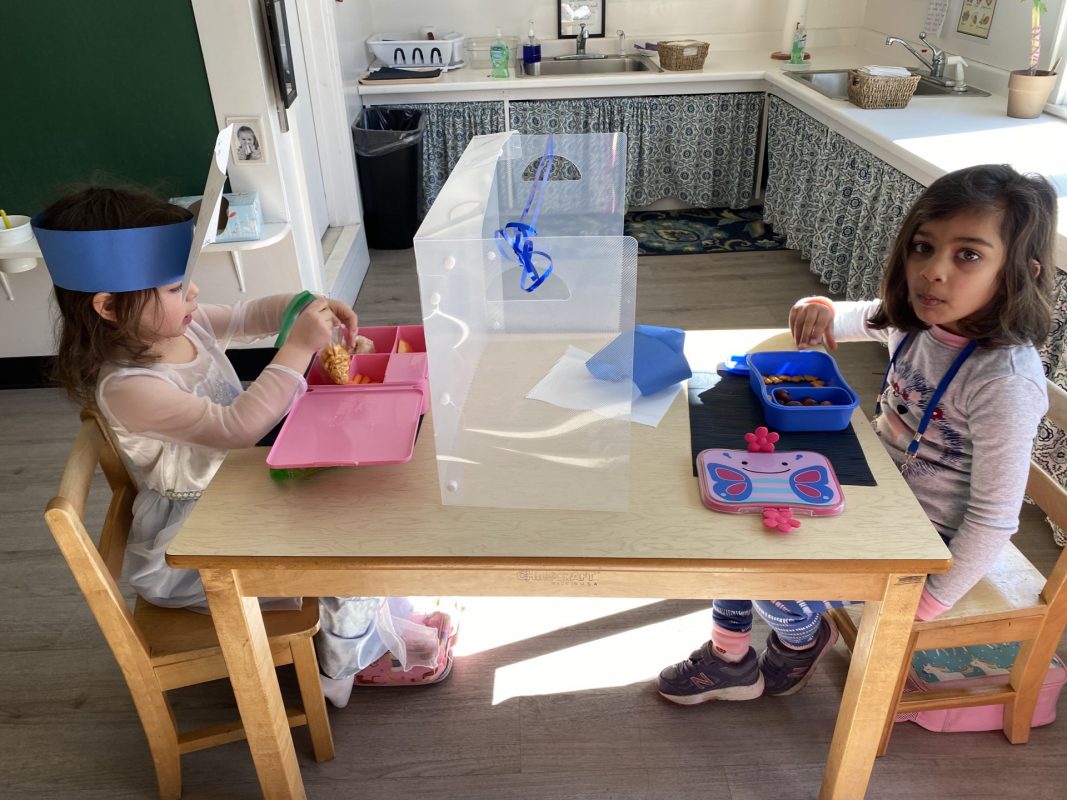
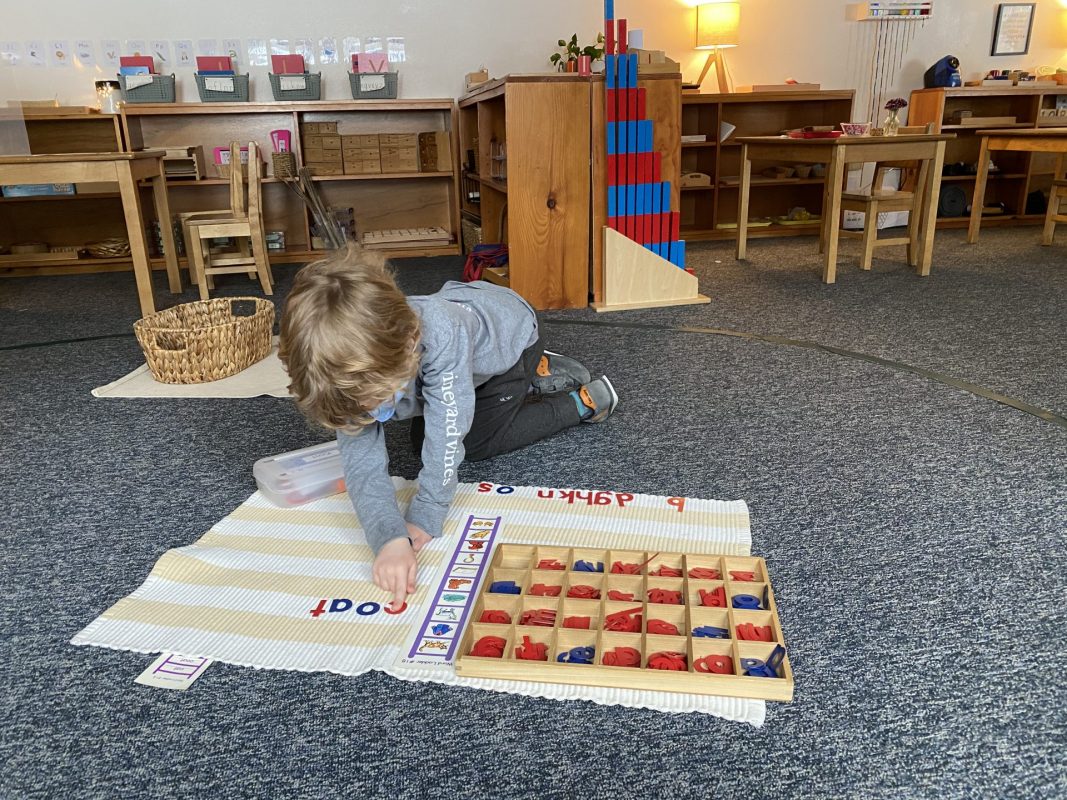
On Tuesday, March 2nd we celebrated Read Across America Day in our classroom.  The children enjoyed sharing their favorite books from home and we loved seeing their version of their favorite part of the story on their headbands.  Read Across America was launched in 1998 by the National Education Association (NEA) and is the nation’s largest celebration of reading.  The program focuses on motivating children and teens to read.

The titles and resources featured by NEA’s Read Across America “include books that students can see themselves reflected in, as well as books that allow readers to see a world or a character that might be different than them.  Readers who feel included, recognized, and a part of the world are engaged readers.”

Please use the link below to find books and resources associated with this wonderful program:

https://www.nea.org/professional-excellence/student-engagement/read-across-america

Happy Reading!

Amanda & Sharlene


Mrs.Wilson: Welcome March

“Springtime is the land awakening. The March winds are the morning yawns.”

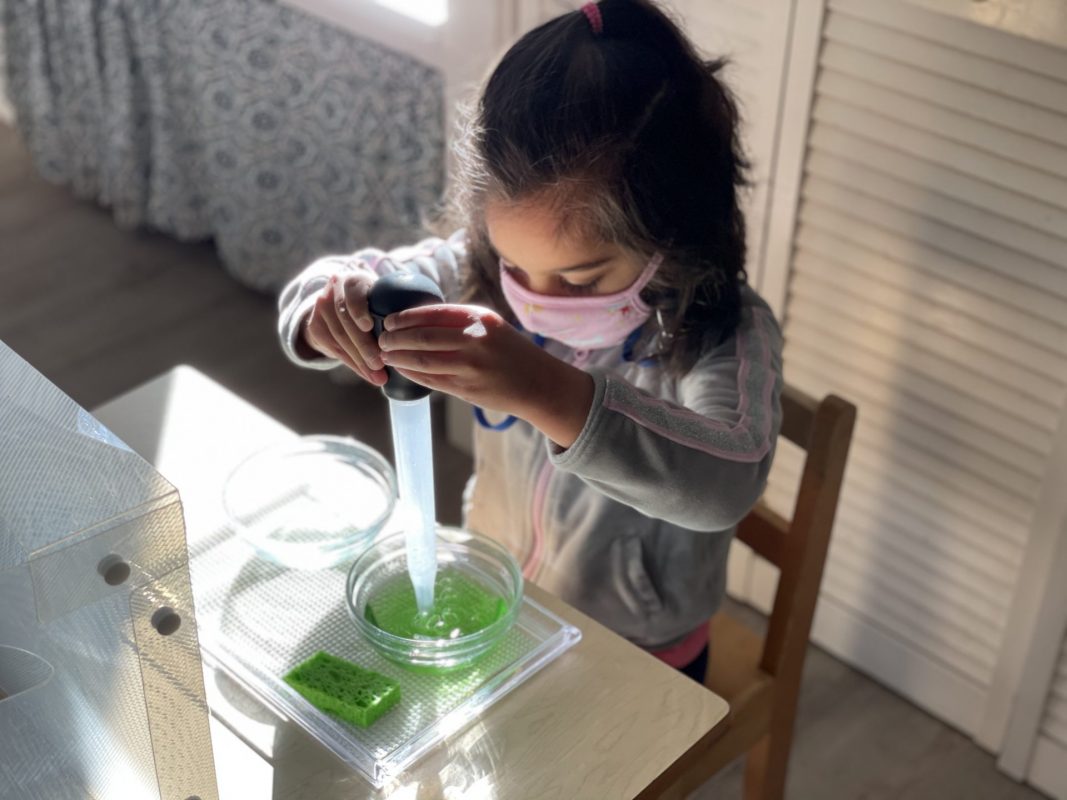
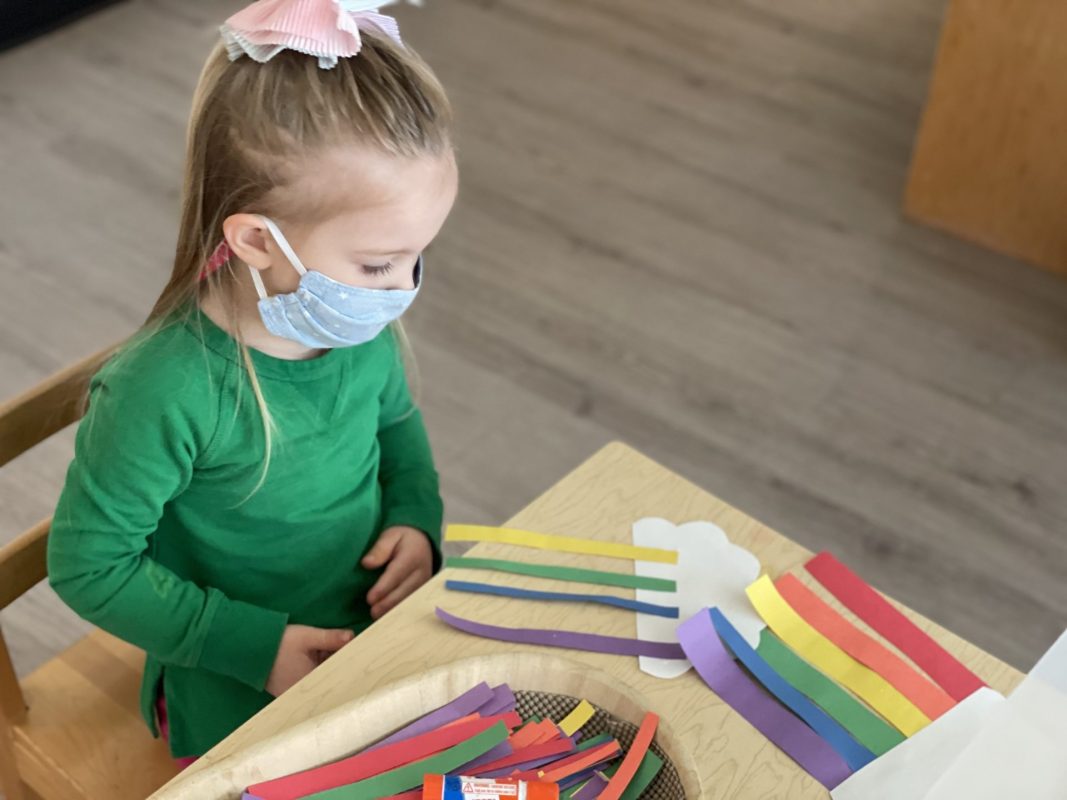
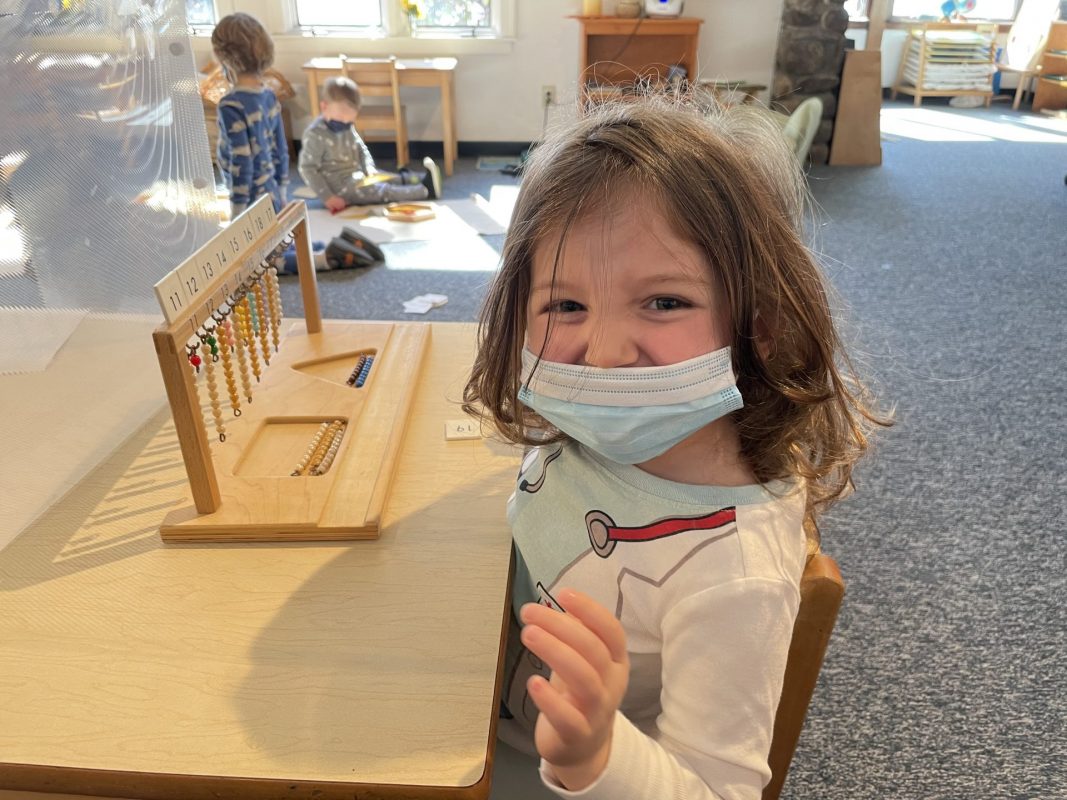
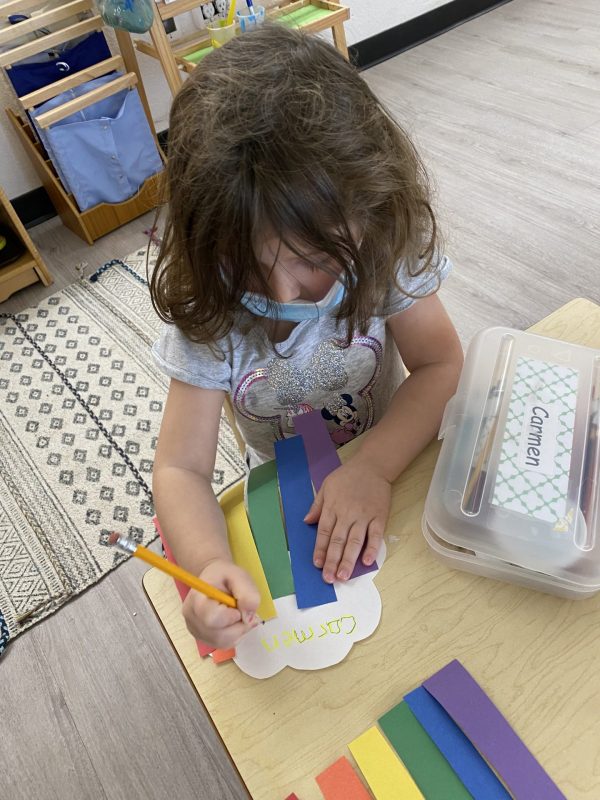
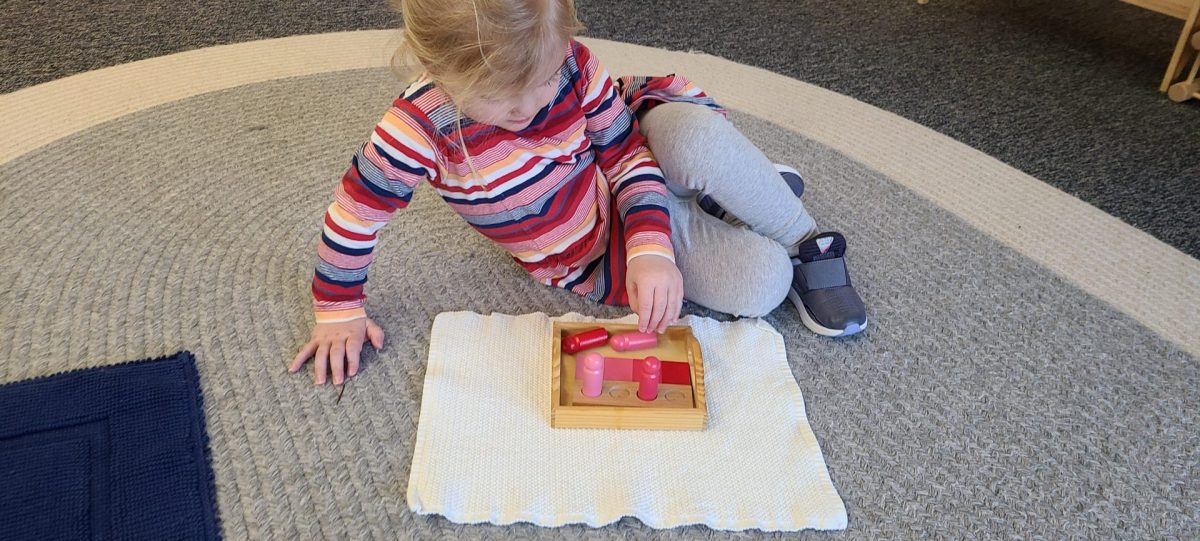
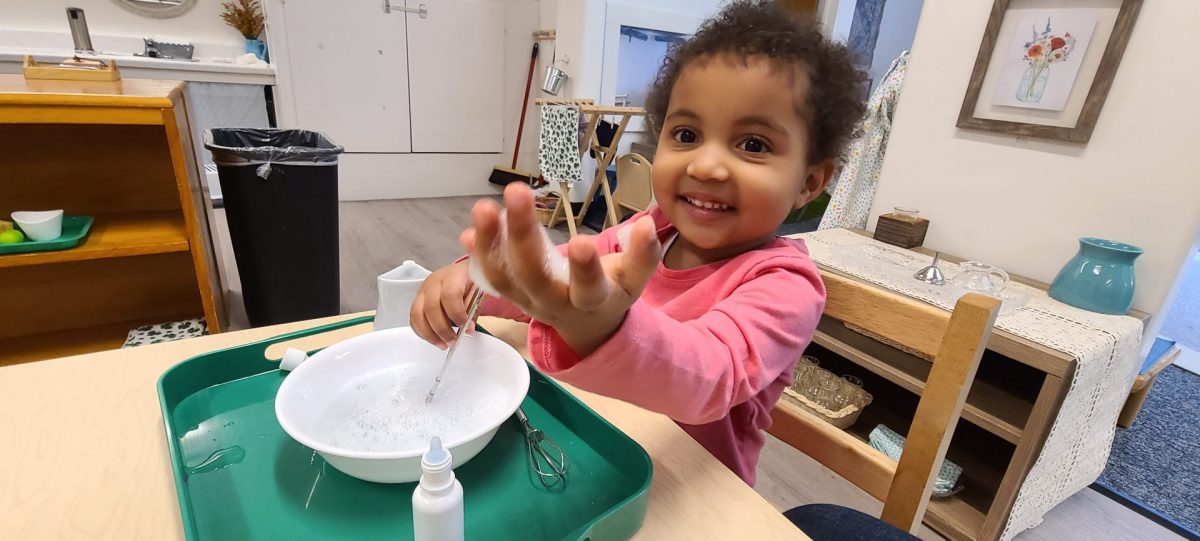
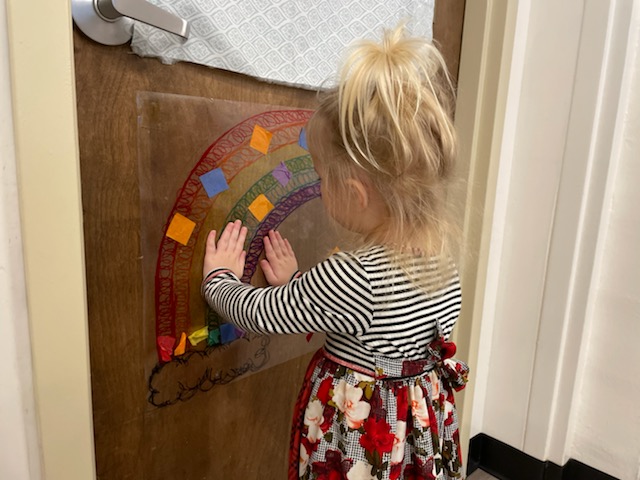
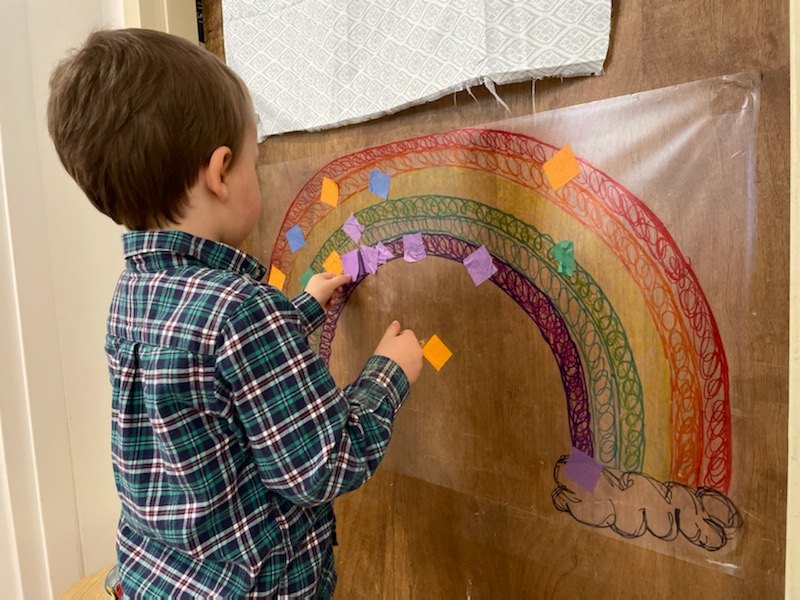
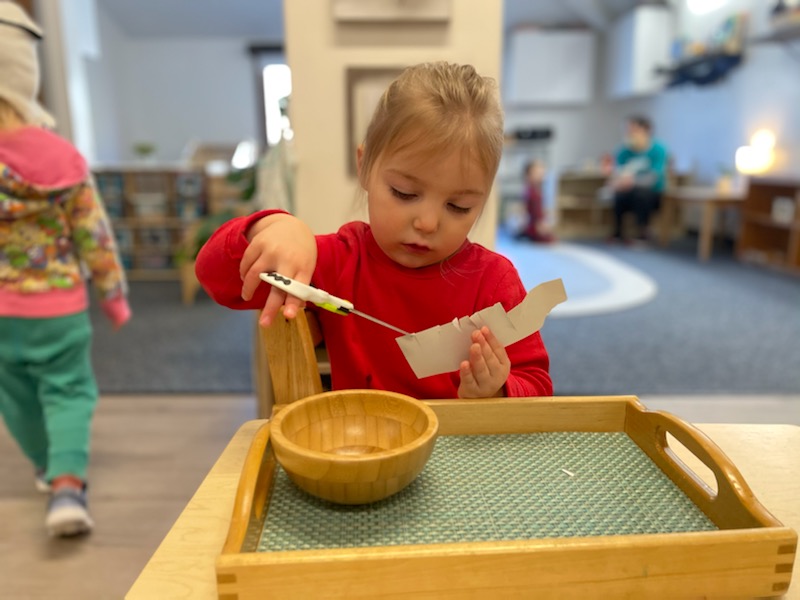
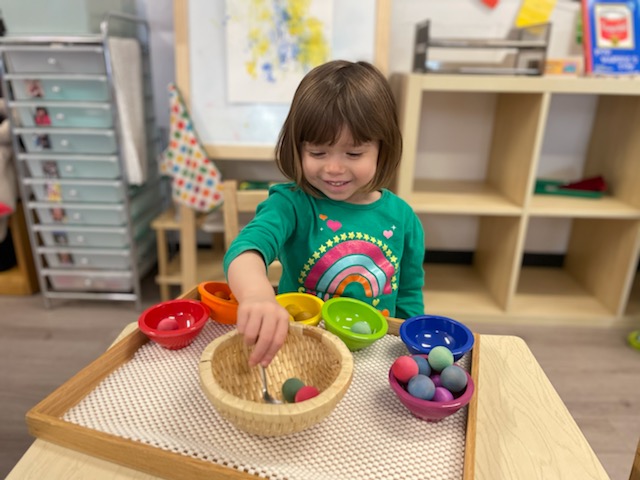
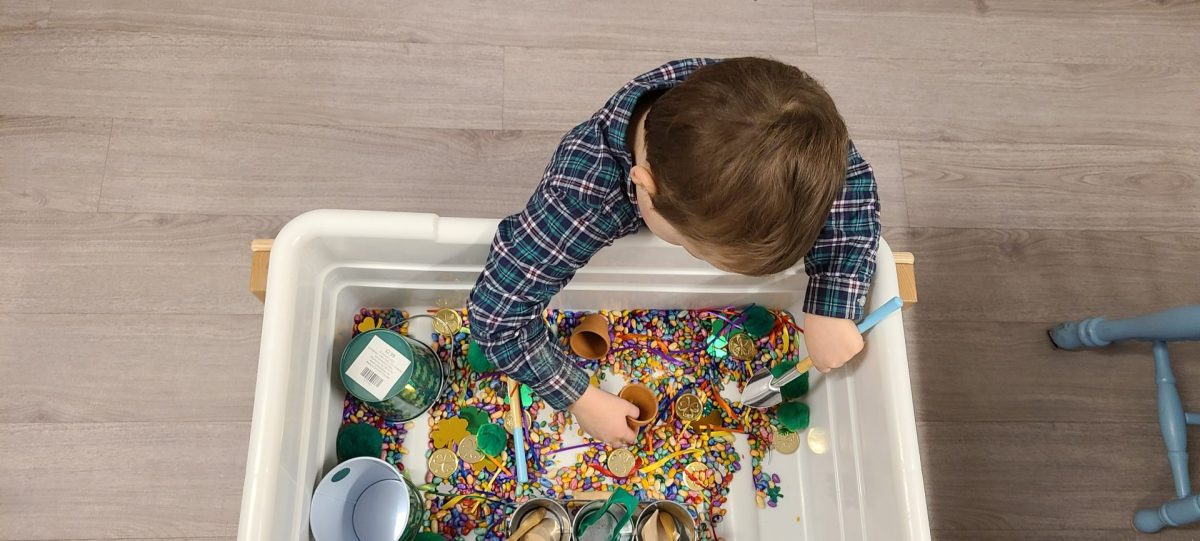
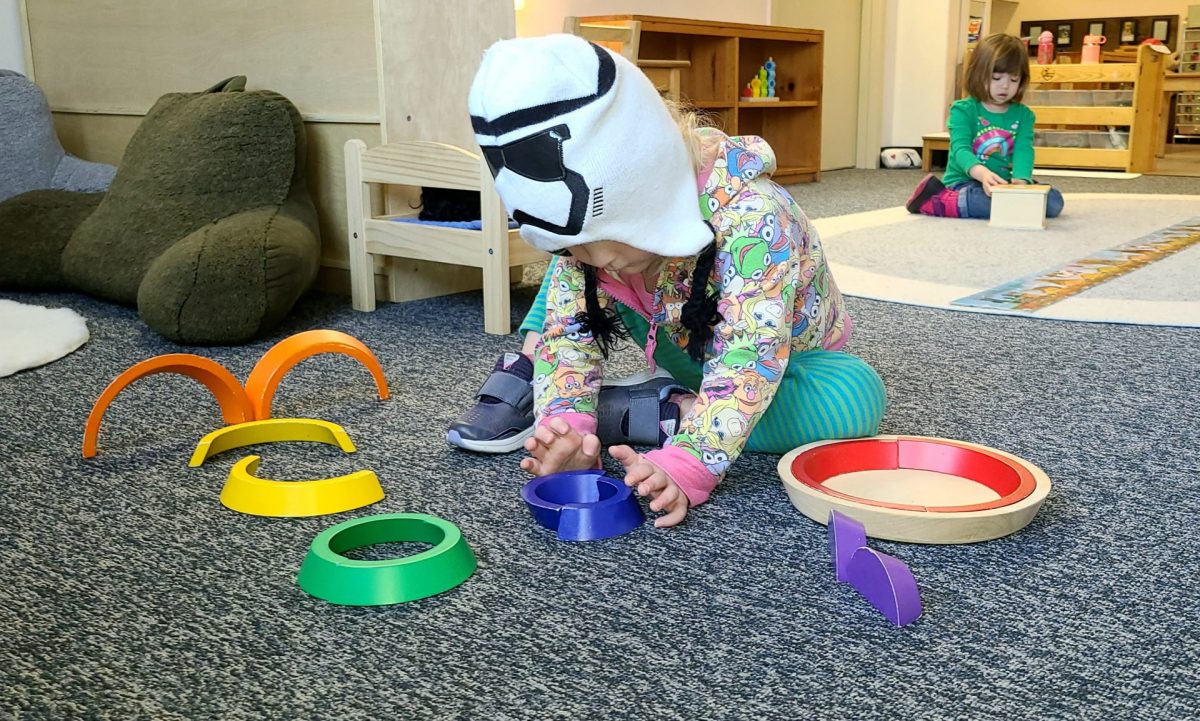
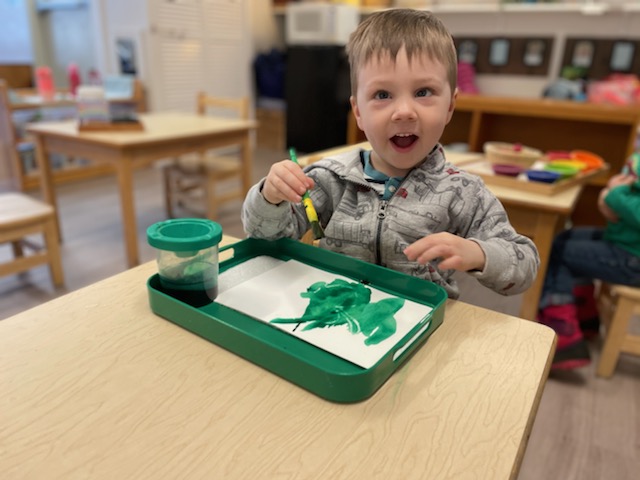
March is a colorful month as we have out materials that represent the color green and rainbows. On the art shelf, the children can choose to use green watercolor to find the hidden shamrock, paint a shamrock using a cotton swab, and practice using scissors. At the easel, we introduced a new painting tool, a roller.

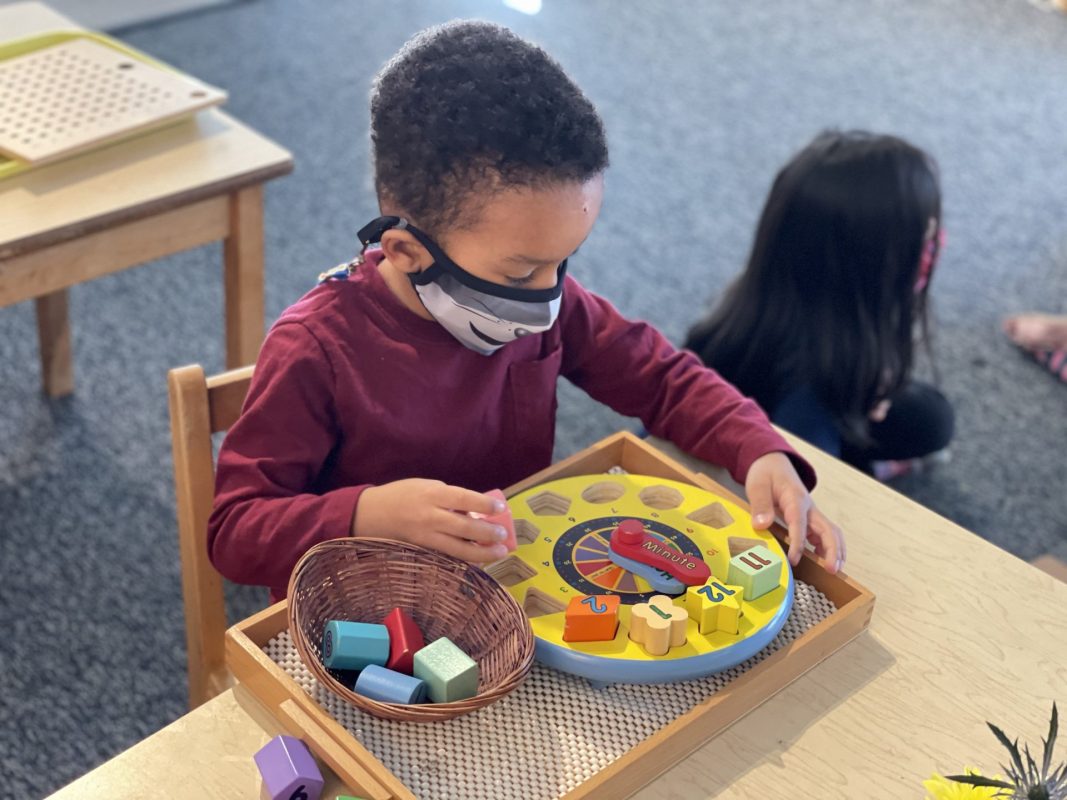
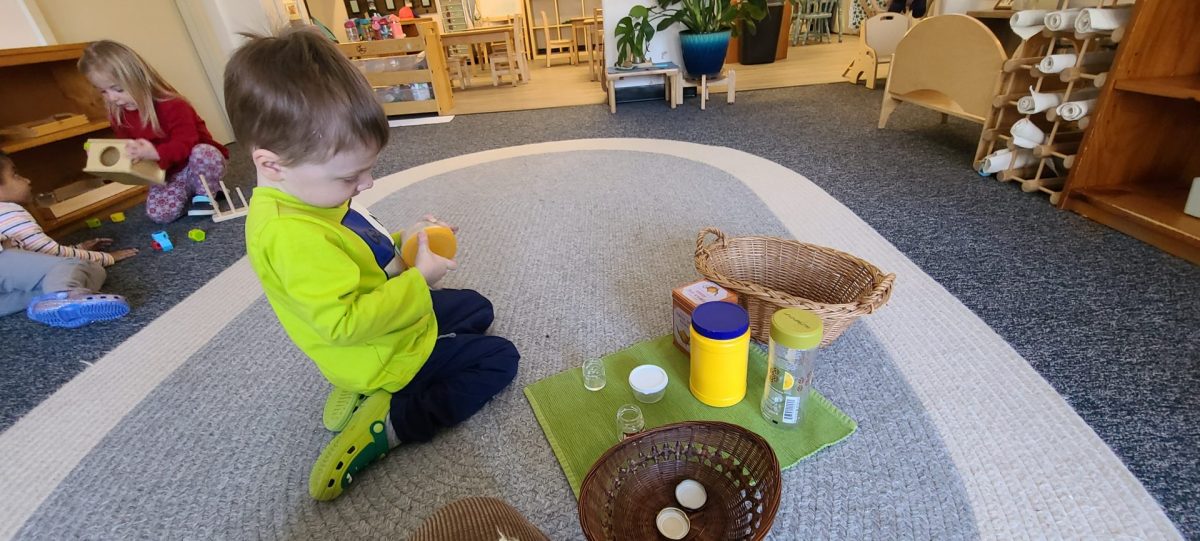
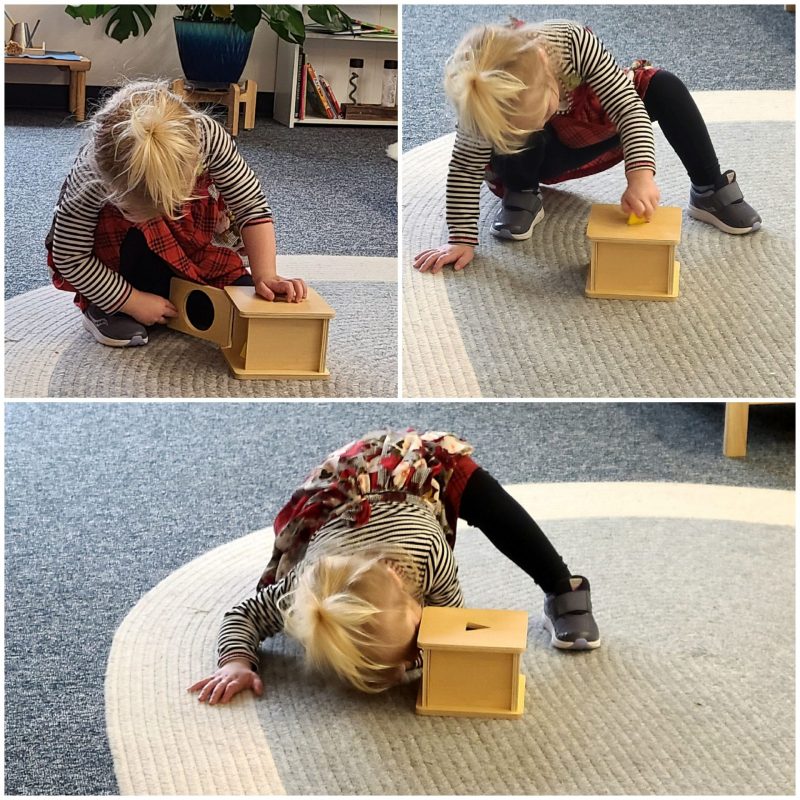
We have extended our open and close basket by separating the lids from the containers. The children try to figure out which lid goes to which container while refining their hand development. This seems to be a well-liked activity.

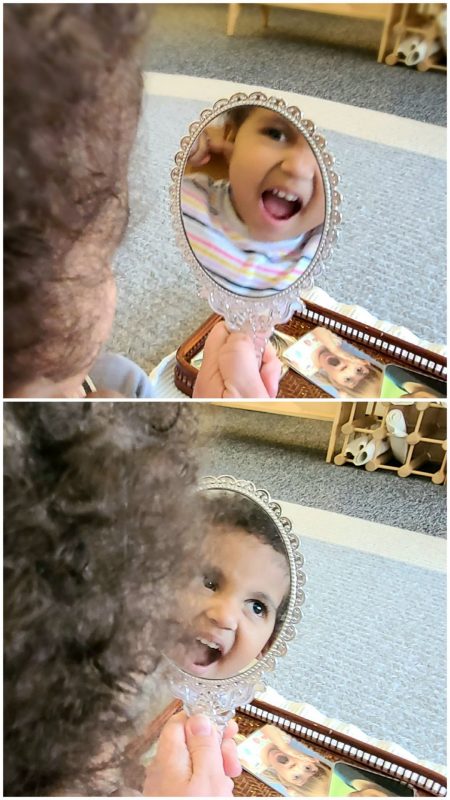
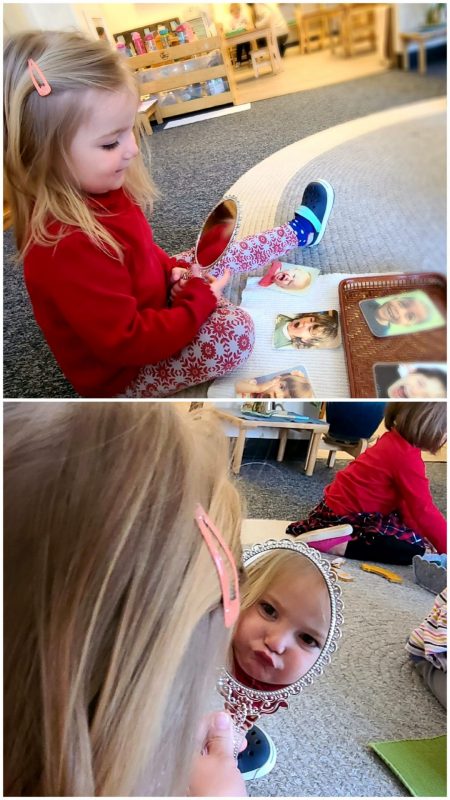
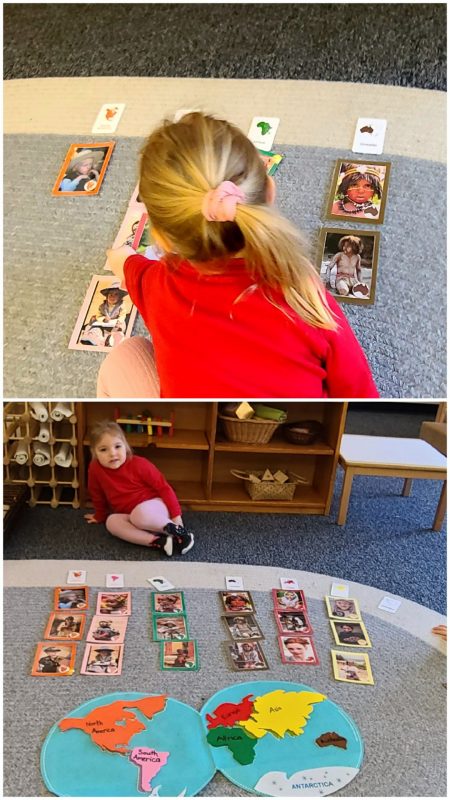
The children are still exploring the Children Around the World language cards as well as the Emotion language cards. For the emotions, I have added a mirror to the tray so they can mimic the face in the photos.

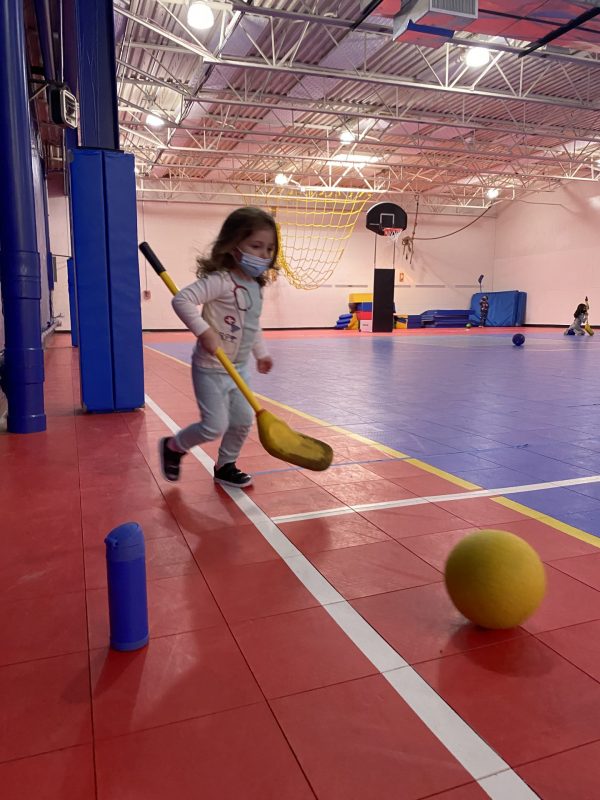
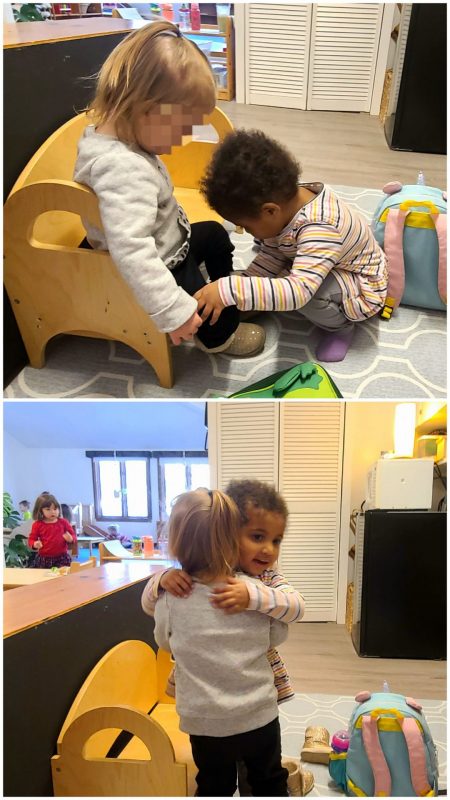
We took away the pikler triangle and brought out the climber and slide. Not only is the climber great for large motor development, but it also adds another area where they can practice their grace and courtesy skills by waiting their turn to go up the stairs and down the slide, being aware of where their friends are. They practice checking to see if the bottom of the slide is clear before going down. When the doors are closed the children have been using their manners to ask politely to open the slide. “Please open the slide.” “Thank you!”

Lastly, as we keep directing the children to ask a friend for help, we are seeing the children offering help before the friend can ask.  The child that helped seems to be so humbled and you can see the happiness they feel, while the child that received help is very grateful and proud for their friend helping, they sometimes announce it to everyone. These children have demonstrated so much empathy and compassion for one another lately. It is such an endearing moment to witness.

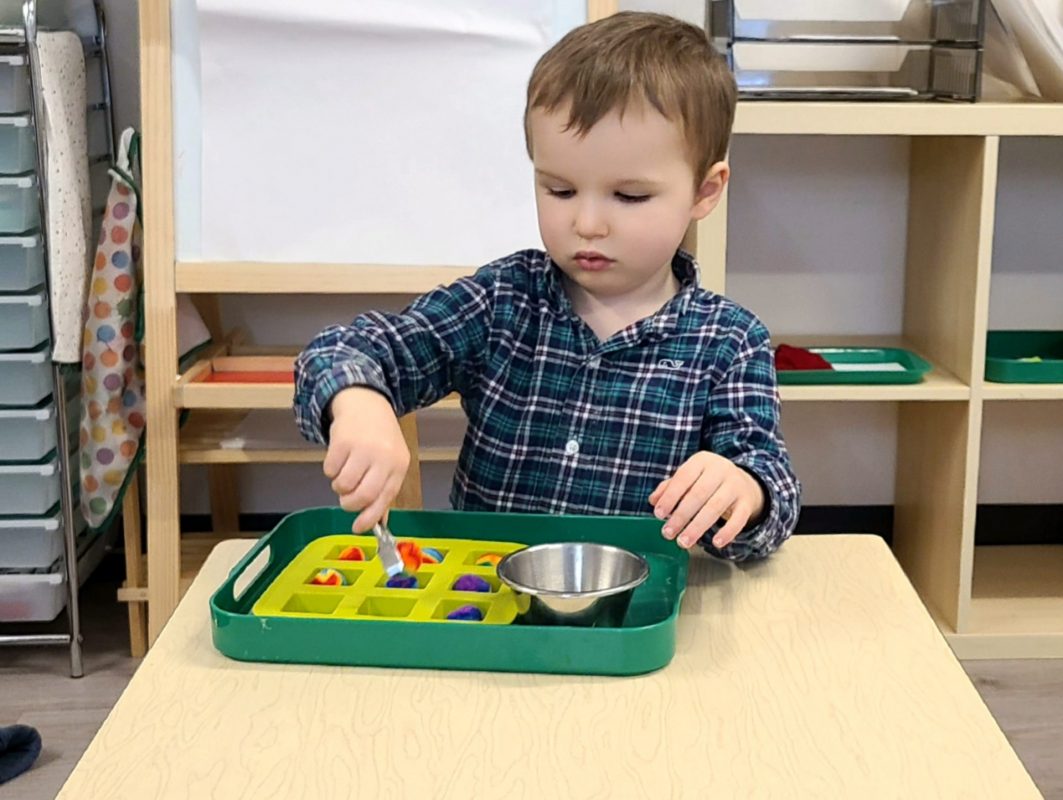
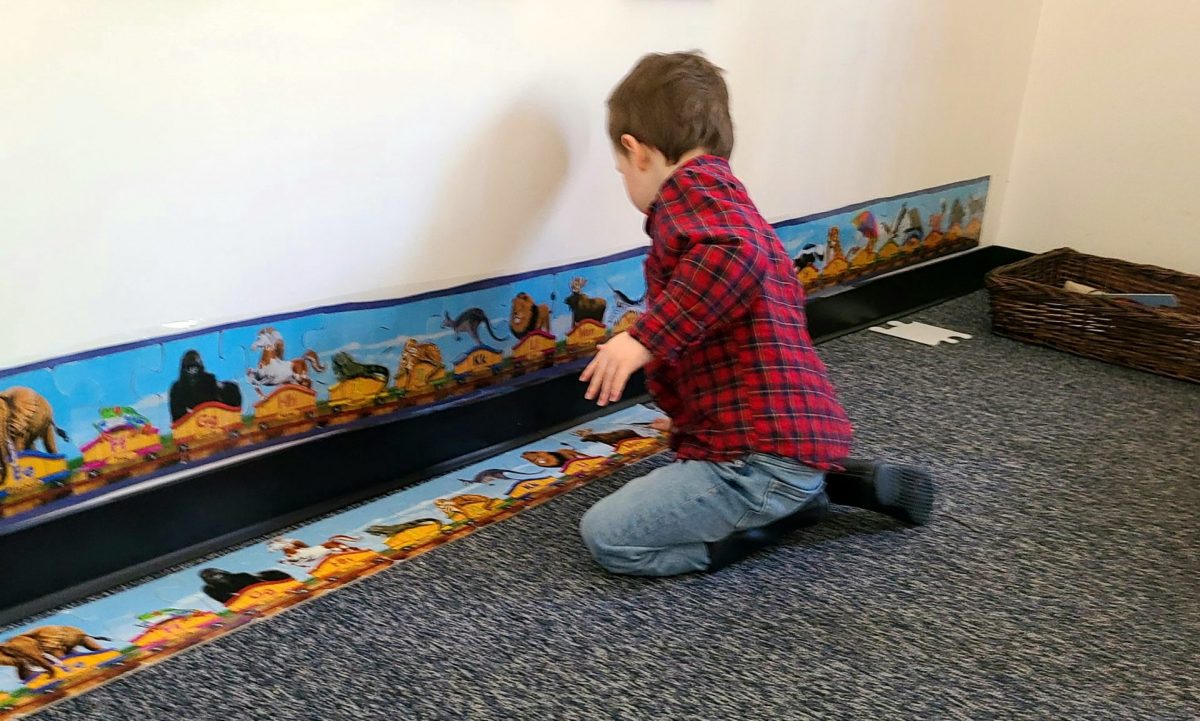
As always, enjoy the photos,

Mrs. Wilson and Ms. Sara


Connections to Humanity

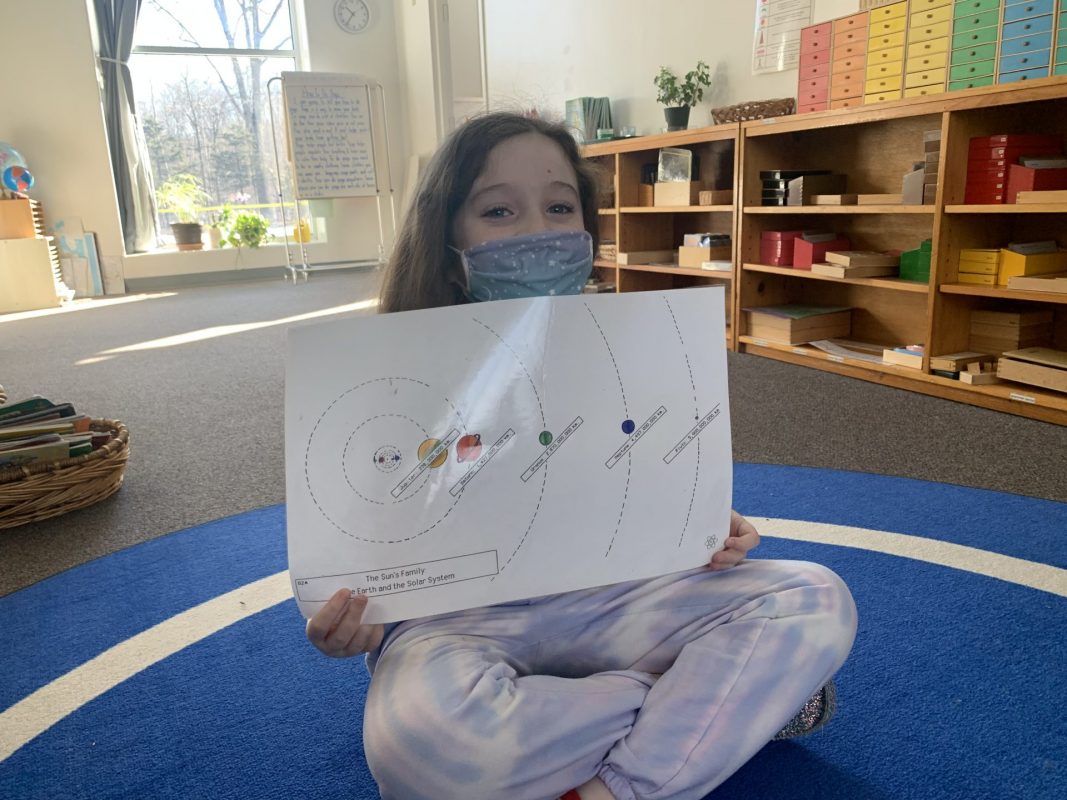
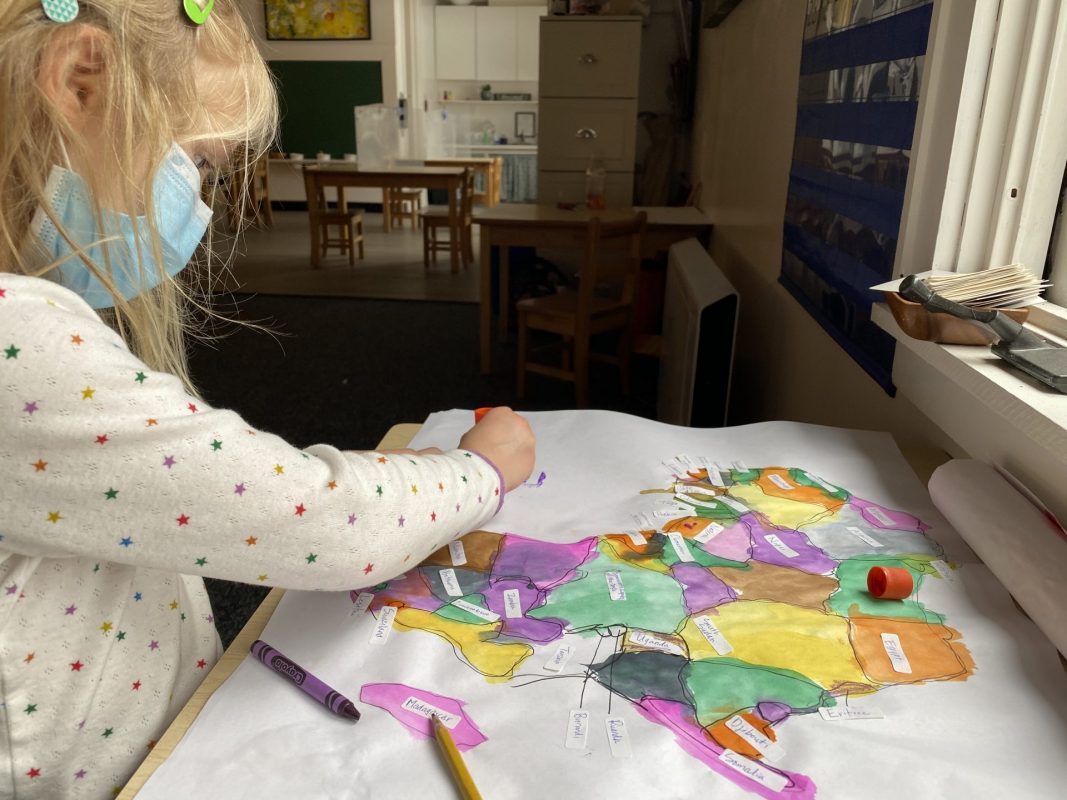
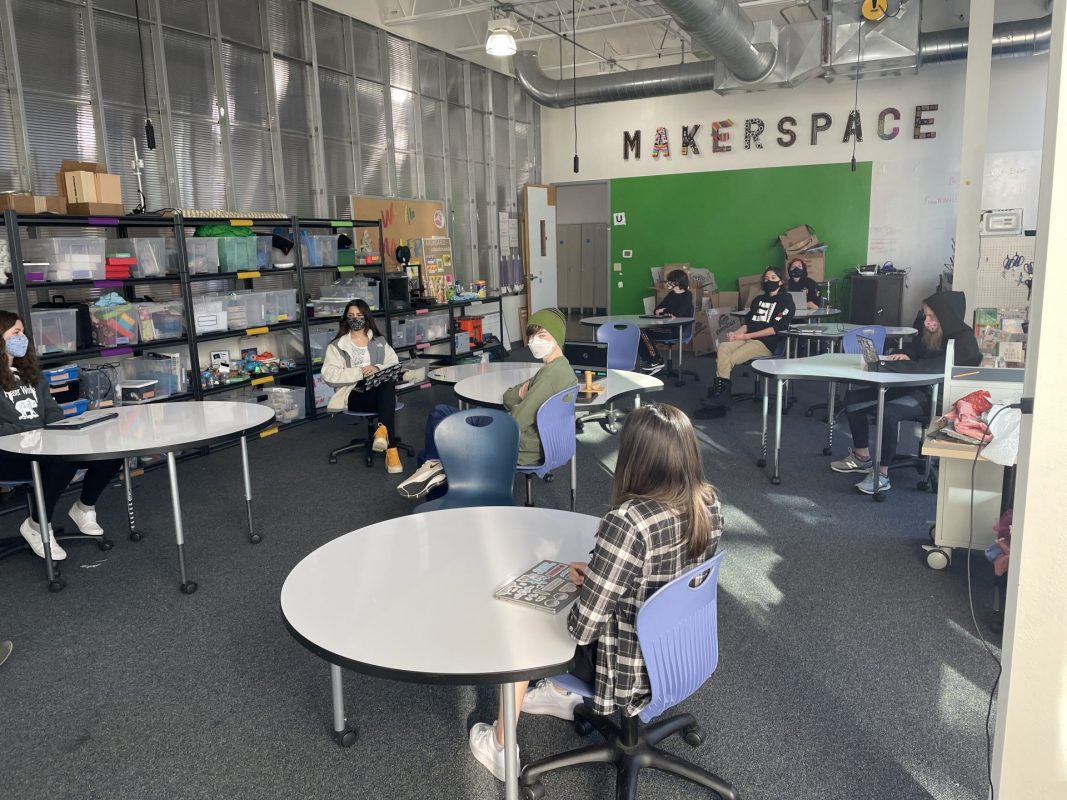
This week the Upper Elementary students were very excited to finally record the presentations they have been working so hard on. Using the Smart Board, they took turns presenting the slides which they worked collaboratively on. They ended by explaining their 3D models and answering questions from classmates. They are feeling very proud of themselves and also relieved that presentations are complete. As we talked about in Parent-Teacher Conferences, our Ancient Civilizations learning will continue in the form of taking what they have already learned and adding new information to it while learning to write and read about history. These lessons, along with many of our other history and geography lessons, encourage the students to have a strong sense of connection to all of humanity. Upper El students develop an appreciation of the contributions of their ancestors and of the diverse cultures and countries around the world. 

This weekend I will be editing and combining all of the research videos into one and will send it to you as soon as it is complete! We all can’t wait to share their hard work with you!


Springtime and Spring Break are Right Around the Corner!

Dear Fraser Woods Families,

As we approach Spring Break, I am humbled and grateful to our community.

Each one of you has played an integral role in keeping our community healthy. We all have done a tremendous amount to protect each other over the past six months and for that I am especially grateful. 

We have kept the health of our children, our teachers, and families at the forefront of what we do each and every day. This has allowed us to be in school full-time and in-person since our (very early) first day of school on August 26th! 
Because we have not had to initiate a full two week closure for quarantine, we will not use the first week of our March Break as a make-up week as was noted in our Reopening Campus Plan. The community will have the full two weeks off for Spring Break. If days need to be made up, we will look first to the week of June 7-11. 

As we all plan for time away from school during Spring break- March 15th  through the 26th, please be mindful to follow the CDC and State guidelines. Christina Benoit, our school nurse, will send an email outlining everything you need to know- the state-mandated travel advisory, quarantine procedures, guidance from our local DPH, and our Fraser Woods policy which states that we don’t accept the State of Connecticut exemptions for travel self-quarantine. 

The first day of Spring falls right in the middle of our Spring Break on  March 20, 2021. This quote by Maria Montessori seems very fitting as Springtime approaches:

There is no description, no image in any book that is capable of replacing the sight of real trees, and all the life to be found around them, in a real forest. Something emanates from those trees which speaks to the soul, something no book, no museum is capable of giving. ~ Maria Montessori,  From Childhood to Adolescence. 


Middle School: Week in Review

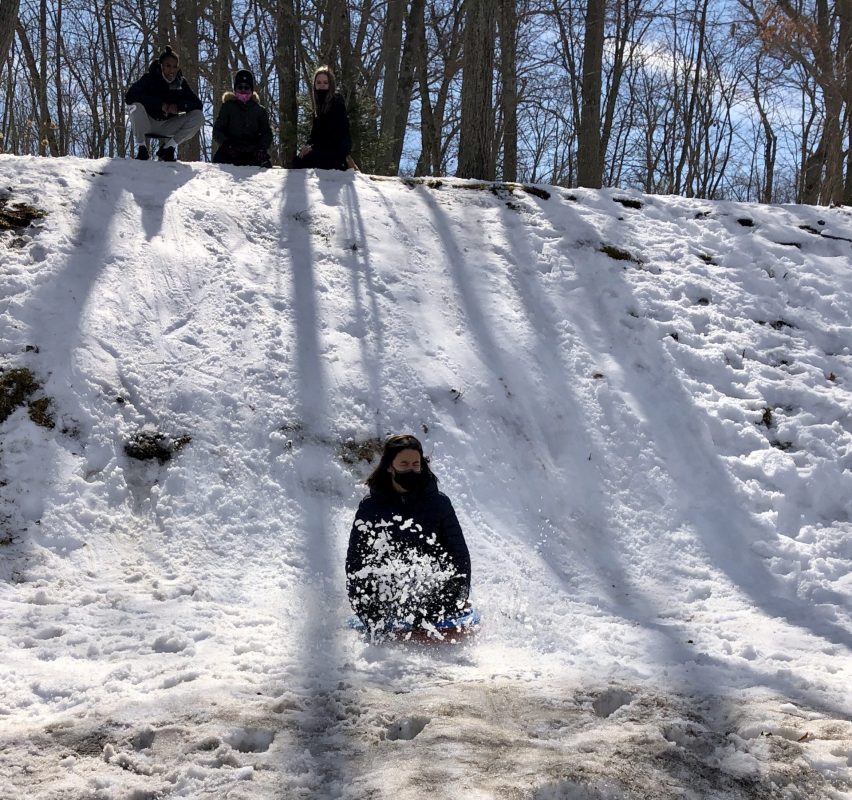
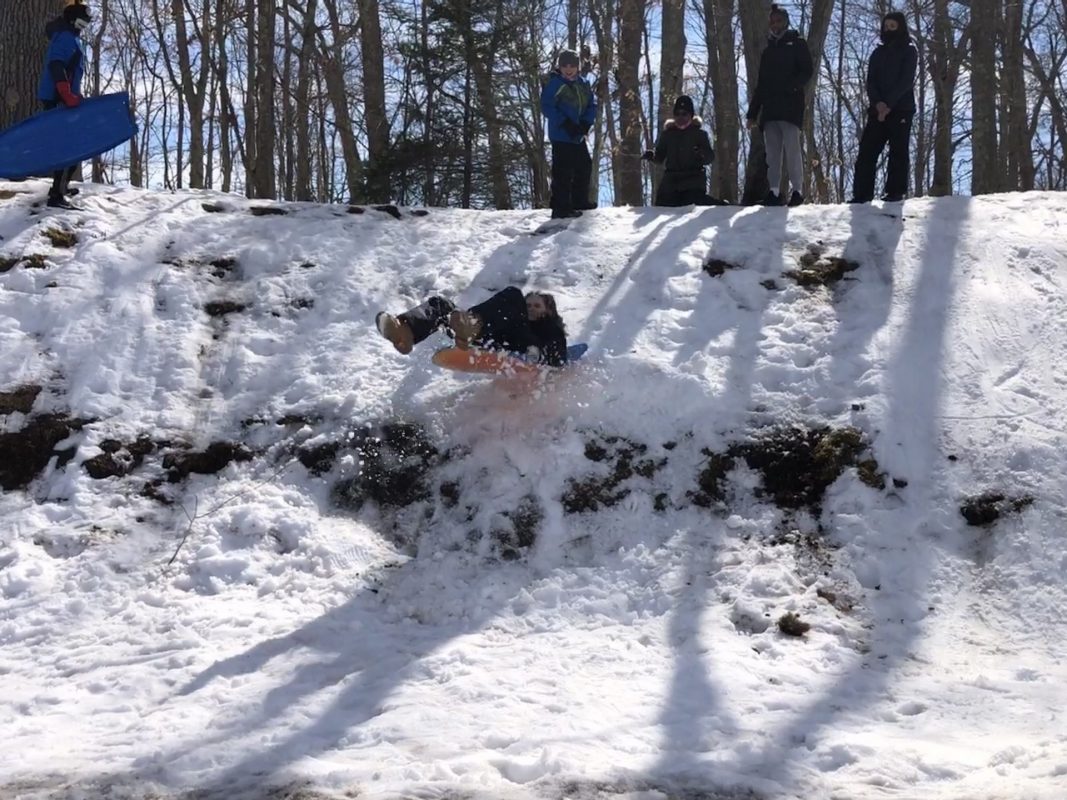
It is the last week of February, and we had a glimpse of spring weather this week (following a wintry Monday). Coming into March, students have been talking about the last year quite a bit and discussing many of the events that have occurred for them personally. We are happy to report that all are having positive conversations with anticipation for the spring season at school!

Humanities

This week, 6th graders were focused on reading! They continued their class novel, The Egypt Game, and learned more about the ancient civilization of Egypt including information about Nefertiti, mummification, and hieroglyphics. Additionally, students all completed current events presentations.

The 7th grade class continued learning about the rise of Hitler, particularly in the years 1933-34. They also began reading Four Perfect Pebbles, a memoir by Marion Blumenthal Lazan, about her Jewish family’s experience during the Holocaust. This profound book also includes information regarding Germany and the Netherlands during World War II. 7th graders also completed current events presentations.

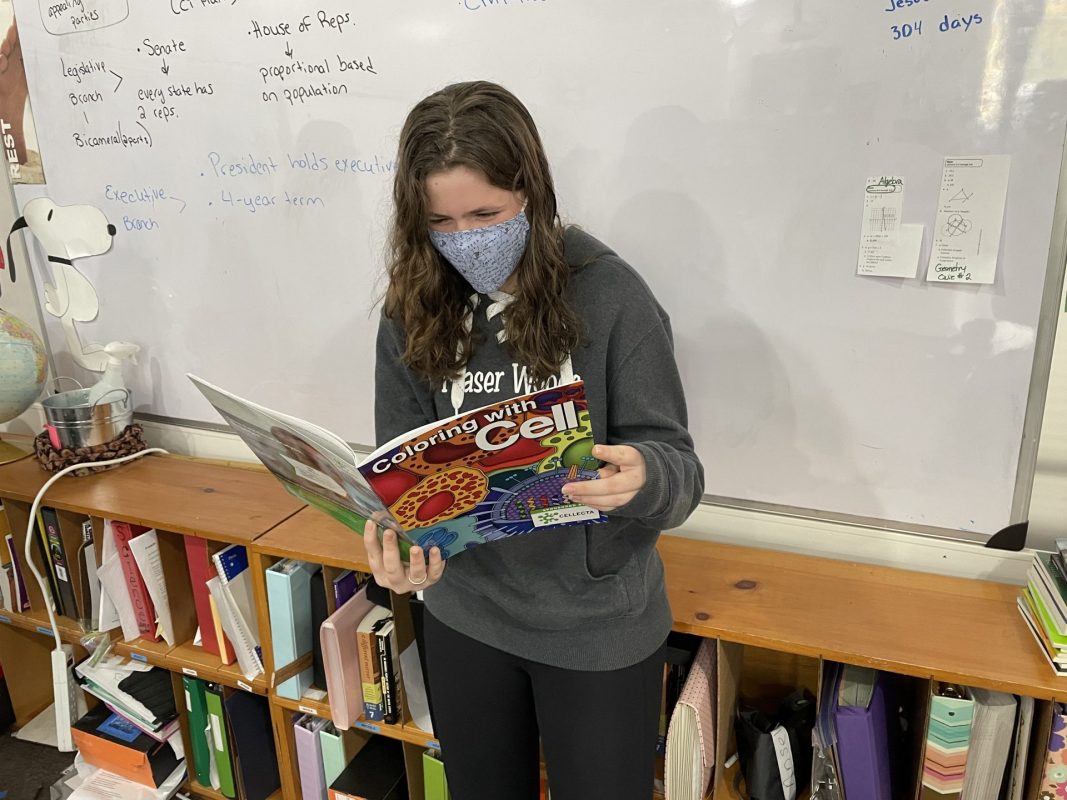
The 8th grade finished the Constitution, particularly the judicial branch of government, checks and balances, a refresher of all three branches, and they read the Bill of Rights. Students also completed a unit of vocabulary and worked on the play!

Math

In Pre-Transition class, students are continuing to work with division problems and understand how we use this operation in the real world. Students are able to find the quotient of a rational number sentence, determine if a fraction is a repeating or terminating decimal, and understand the rules of dividing positive and negative numbers. Students took the chapter 7 quiz 2 on Friday and should continue to practice their skills with the daily homework.
In Transition class, students are exploring unique ways to use angles and lines with geometry. This class can identify a complementary and supplementary angle, determine missing angle types such as acute and obtuse, as well as understand properties of parallelograms. This class will conclude chapter 6 before spring break and then begin learning key basic algebra concepts.
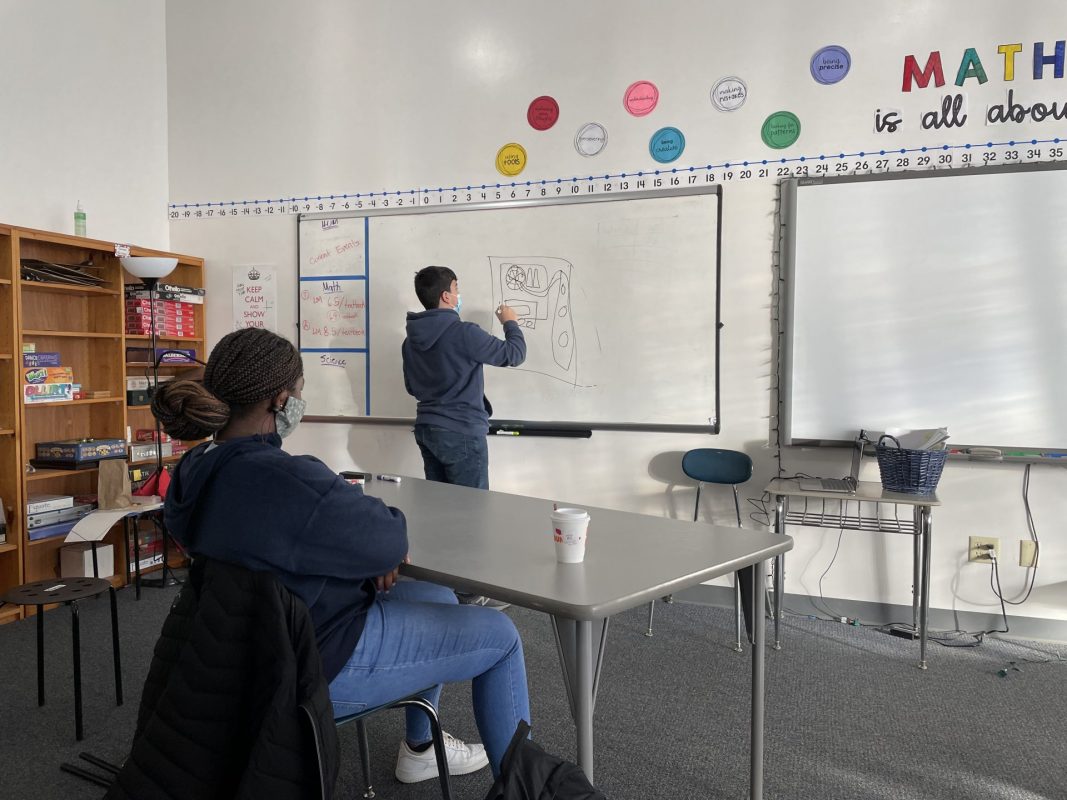
In Algebra class, students are excited to learn more exponent properties and building our foldable notebooks. This class is excited about simplifying negative exponent expressions, evaluating square and cube root expressions, and rewriting powers of products and quotients properties. At the end of the week they will participate in a carousel station exercise to help students memorize the property names.
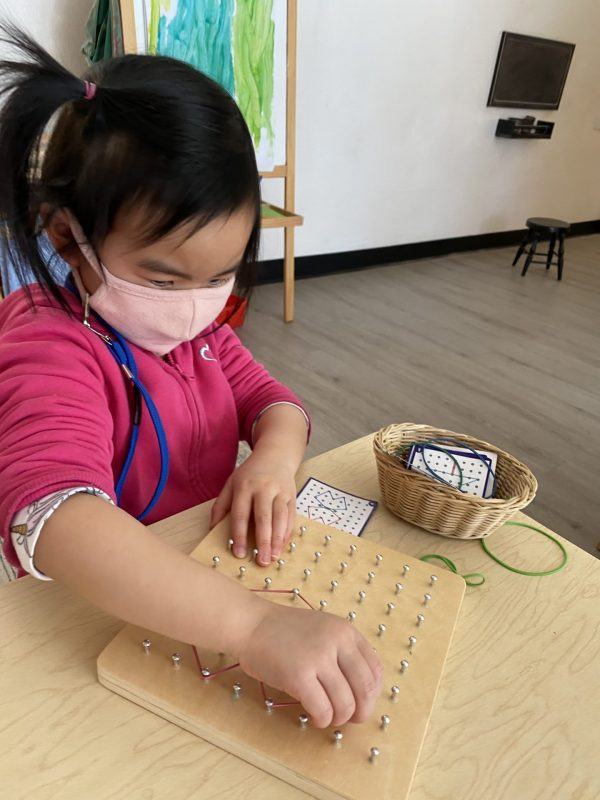
In Geometry class, students are able to build their understanding of polygon shape properties. This week they specifically focused on kites, trapezoids, parallelograms and rhombuses. This class has been excited to play with real shapes and understand the complex connection between shapes and space in the real world today.
Math Joke: 
Which king loved fractions? ………………………..Henry the ⅛
Do you know why seven eight nine? ………………………………Because you’re supposed to eat three squared meals a day!


Science

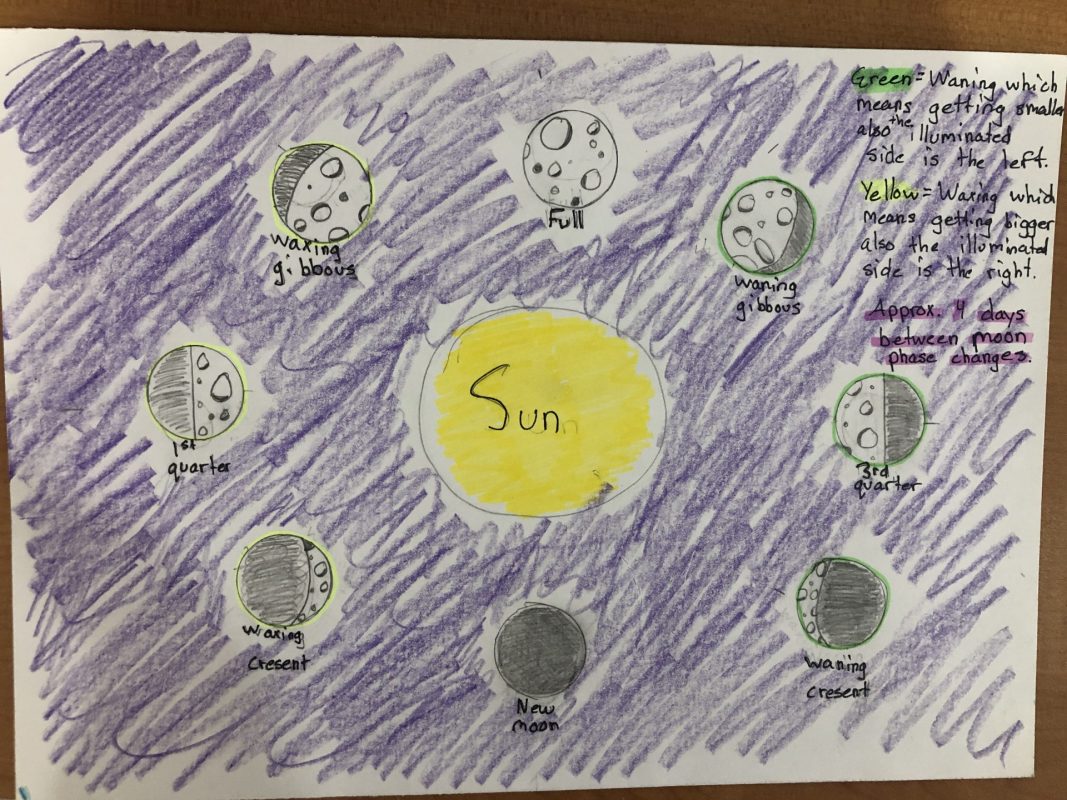
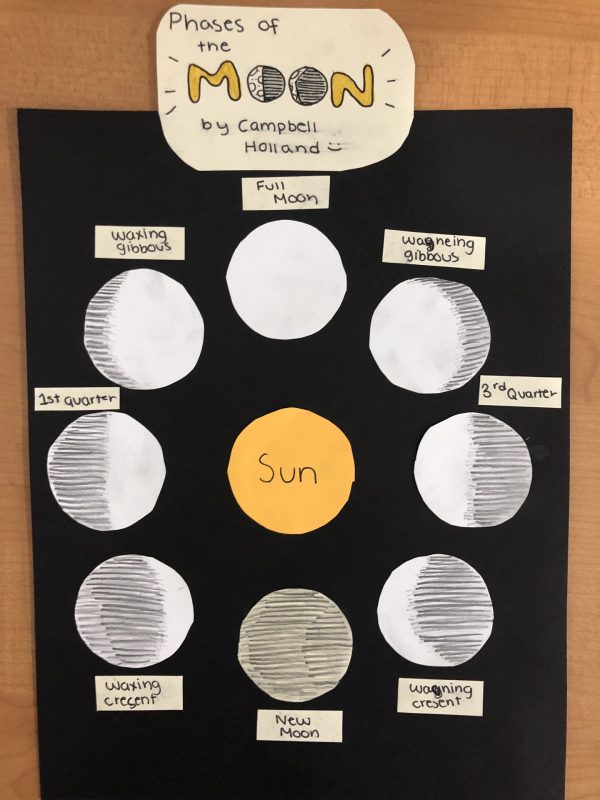
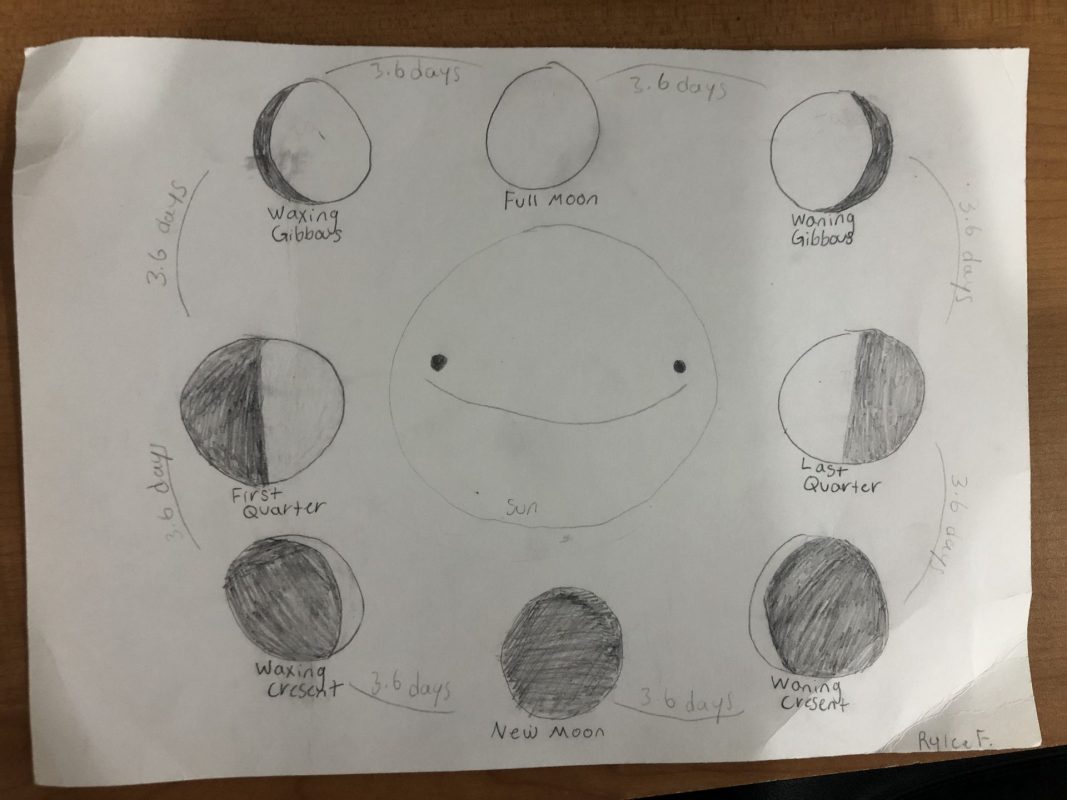
6th year Earth Science students finished up their unit, Phases of the Moon, and have just begun their new unit, Natural Resources.  Throughout this unit, students will become familiar with what a natural resource is and what differentiates a renewable from a nonrenewable resource. Students will look at past and present environmental issues that are based on the application of natural resources.
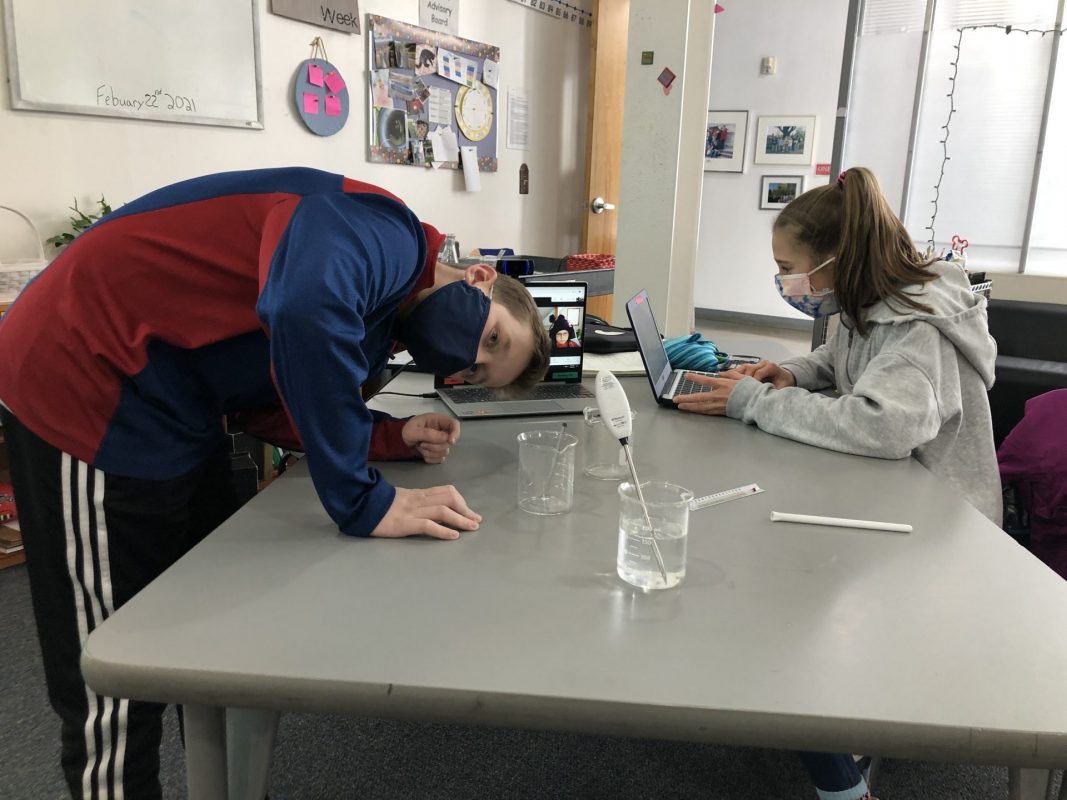
7th year Physical Science students are working on their unit, Heat and Temperature. This past week students performed an experiment identifying how the heat of hot and cold liquids reach thermal equilibrium based on their initial thermal energy. Concluding this experiment, students were asked to write up a formal lab report interpreting the data obtained while conducting the lab.
8th year Life Science students finished their unit, Circulatory System, and are now just beginning their unit on the digestive system. To begin the unit, students are sharing prior knowledge they are familiar with such as, “Why is the digestive system necessary for the body’s health?” and, ” How do structures in the digestive system function?” Concluding this unit, students will gain awareness about how the food they put in their body is directly attributed to the energy (or lack thereof) that they exhibit throughout the day.