Blog

Virtual Parent Teacher Conferences – Thursday, February 11th

Dear Parents and Caregivers,

Parent Teacher conferences are a wonderful platform for communication, building the bond between home and school so that together we can foster the success of each child. Although much of a student’s learning and instruction happens here at school, we believe the connection between home and school should be fluid. The relationship between parents and teachers, and the flow of information between them (each sharing their knowledge of the child at home and at school) can only serve to benefit our students.

Virtual Parent Teacher Conferences will take place on Thursday, February 11th. We have no school on this day.  Please look for a Sign-Up Genius from your child’s teacher with a variety of times available for you to schedule your parent teacher conference.

In addition, if any parent would like to speak with one of our enrichment teachers, please email them directly to set up a time to meet virtually. 

Enrichment team emails:

Jennifer Reid, Art  jreid@fraserwoods.com

Danielle Ulacco, MakerSpace  dulacco@fraserwoods.com

Sara Hall, Spanish  shall@fraserwoods.com

Pam Pascarella, Physical Education ppascarella@fraserwoods.com


We look forward to talking with you about your child’s progress at school.

Kind regards,

Gina


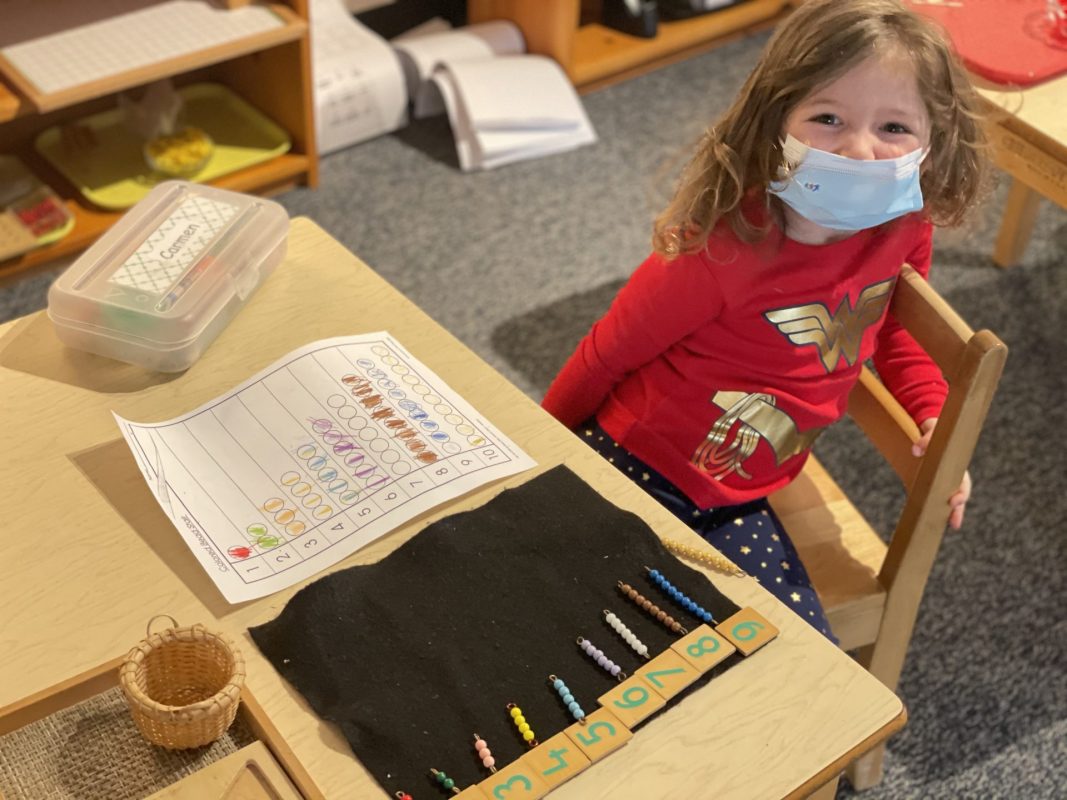
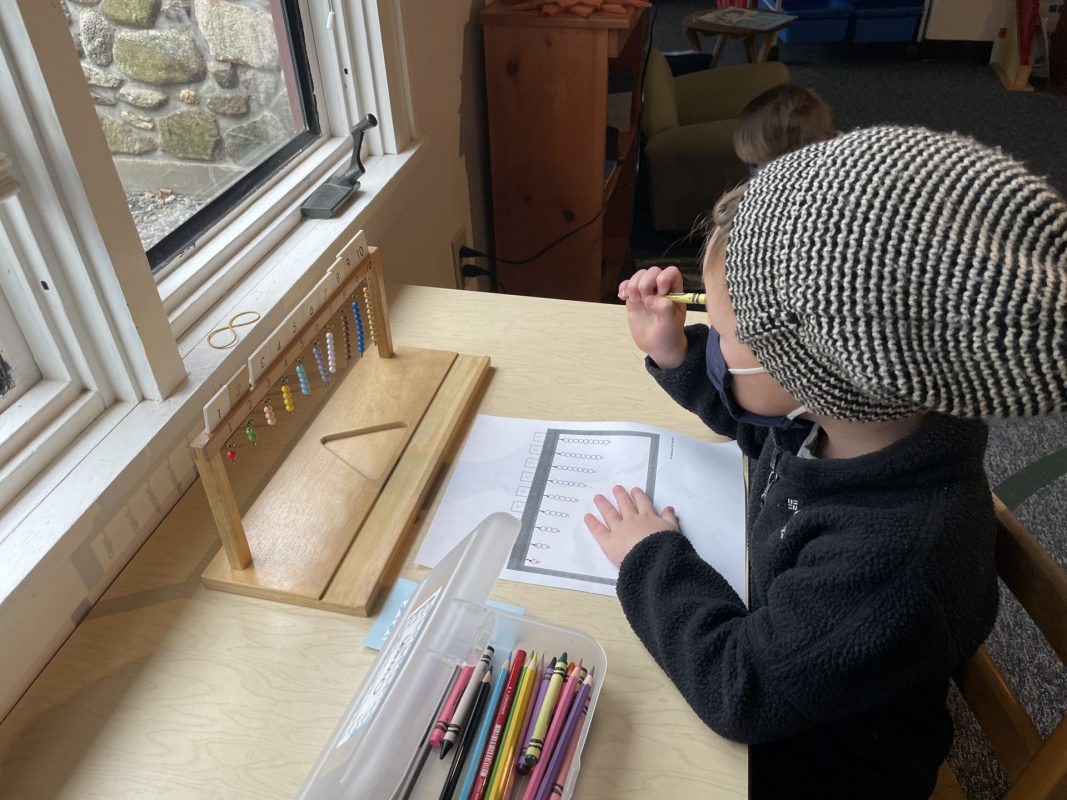
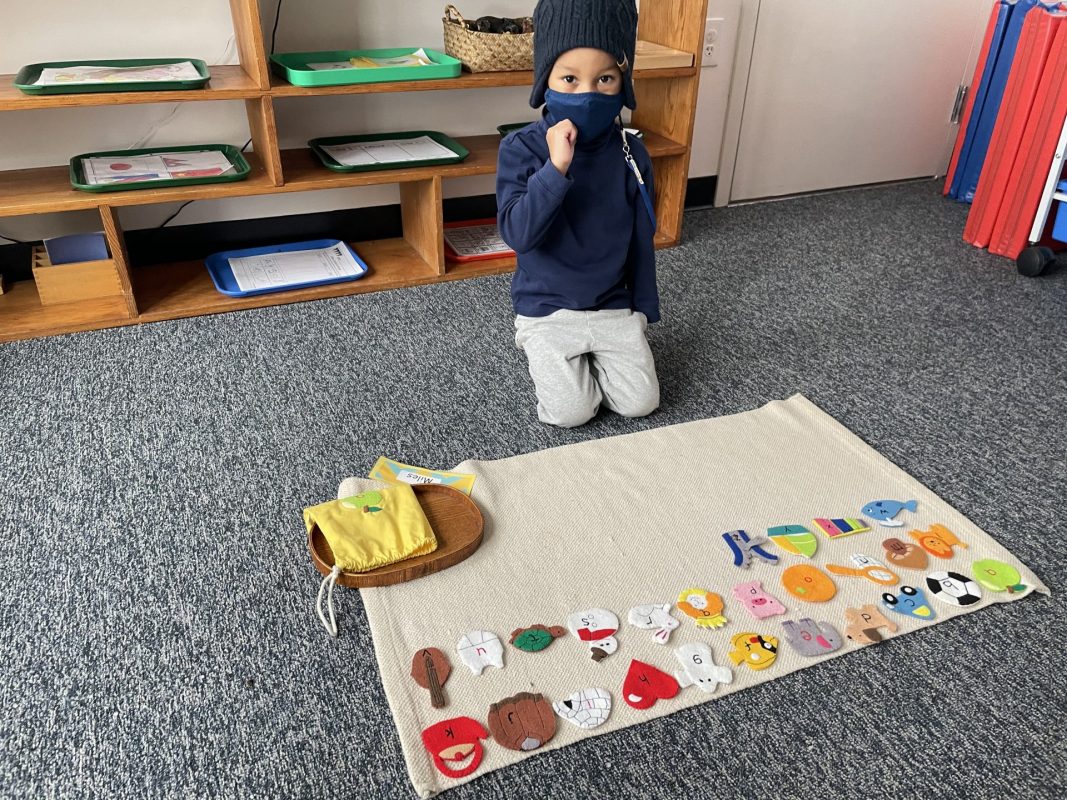
Mrs. Hood’s Class: The Process of Normalization

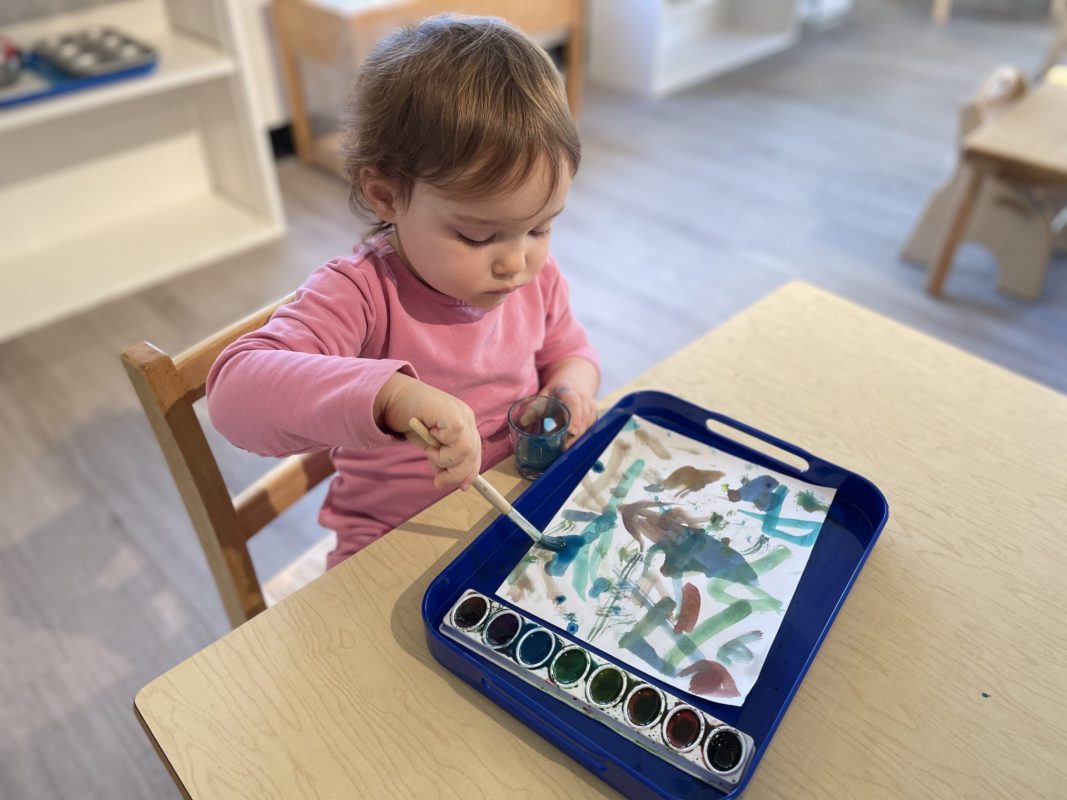
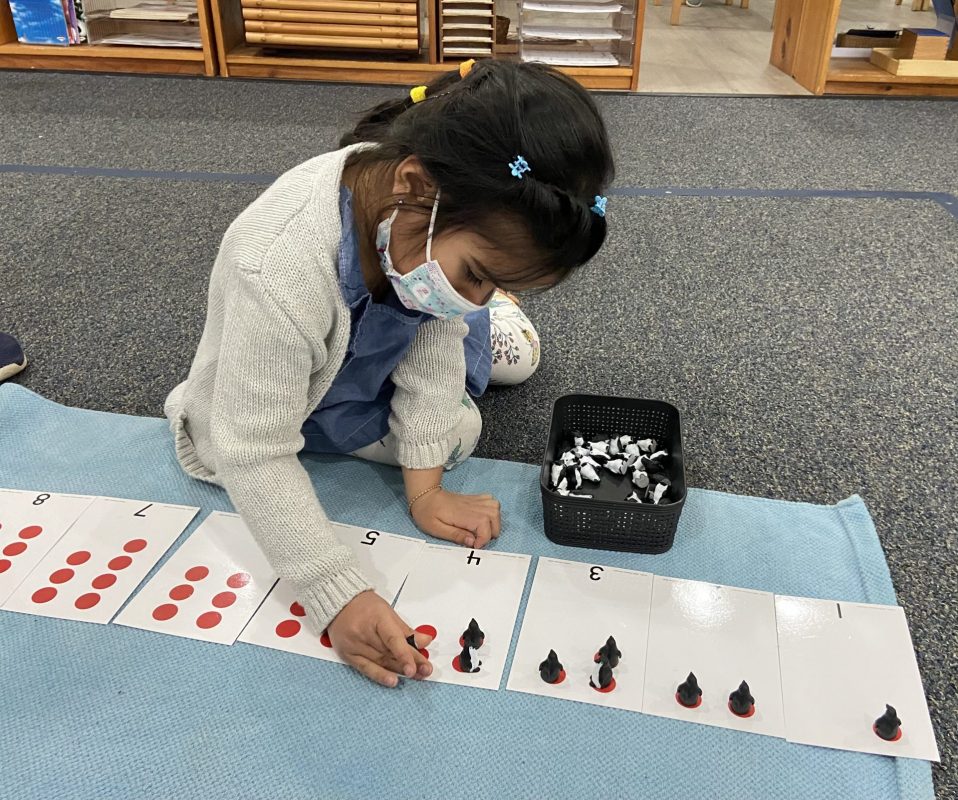
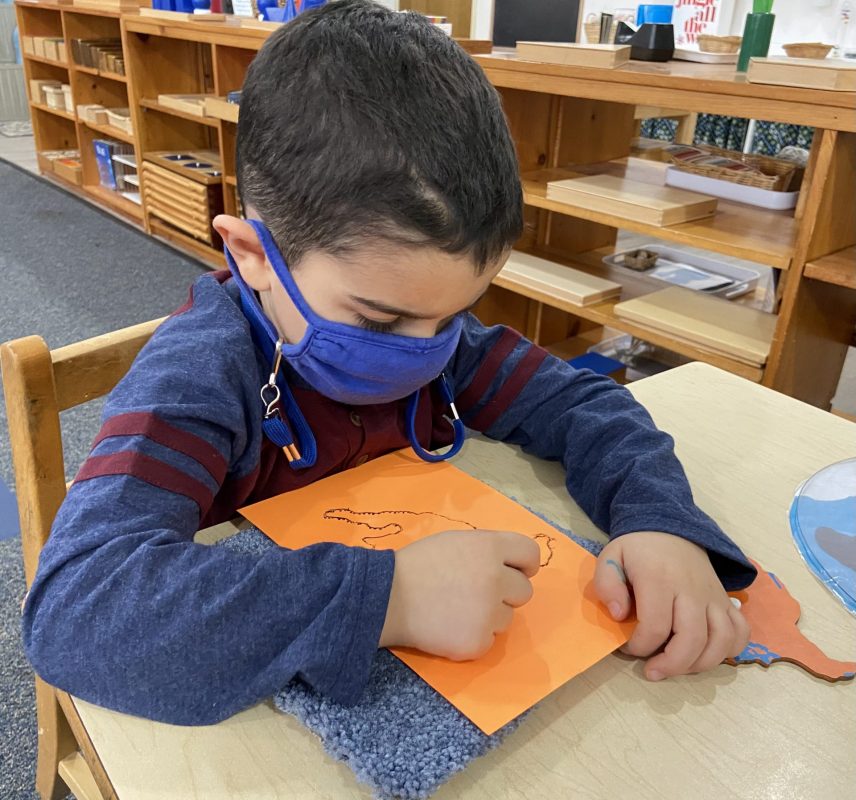
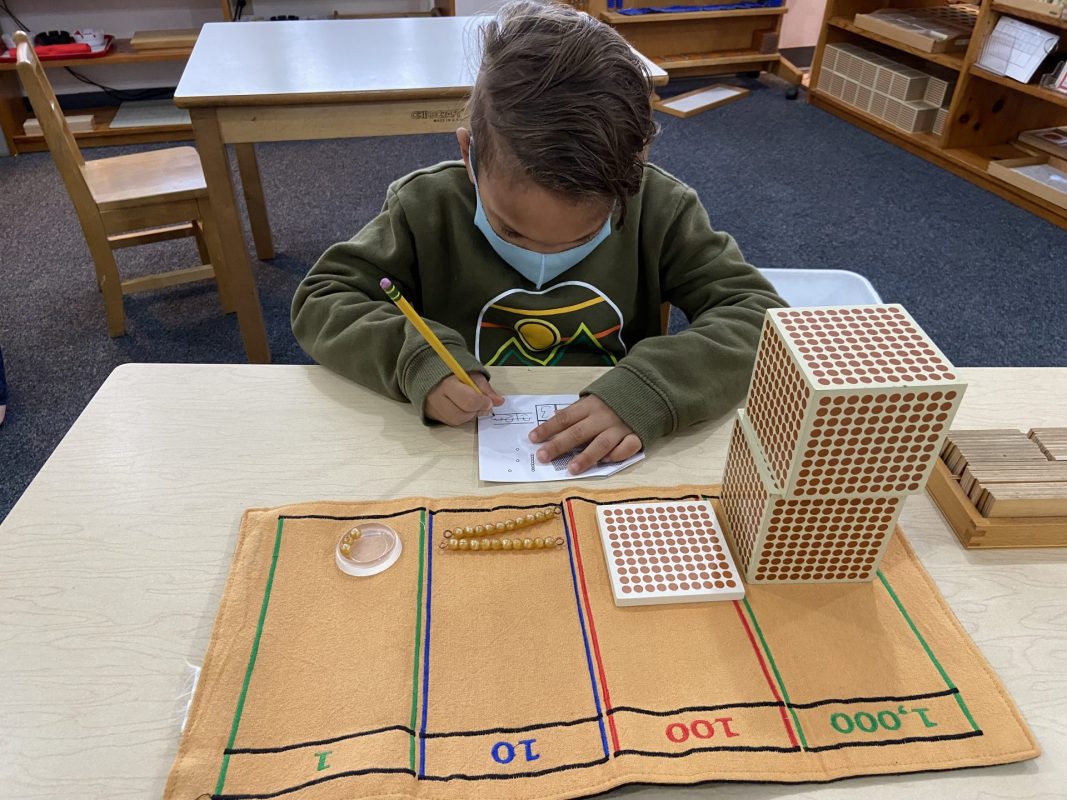
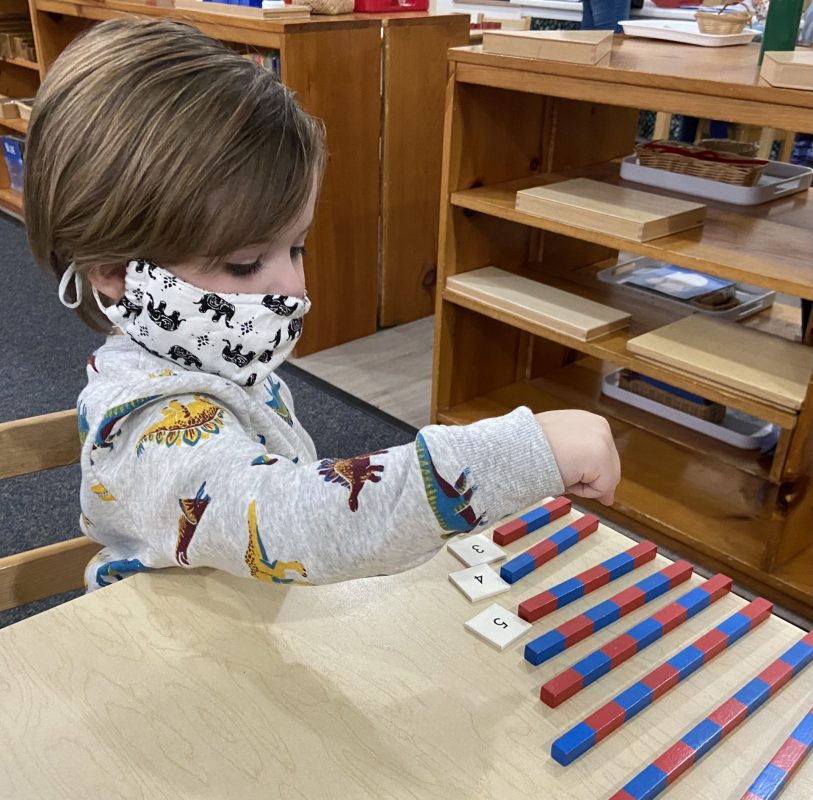
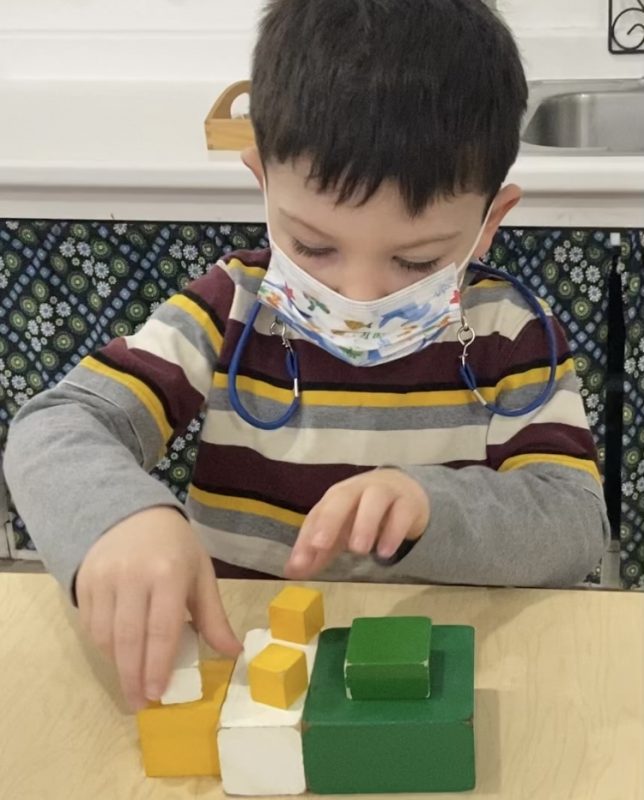
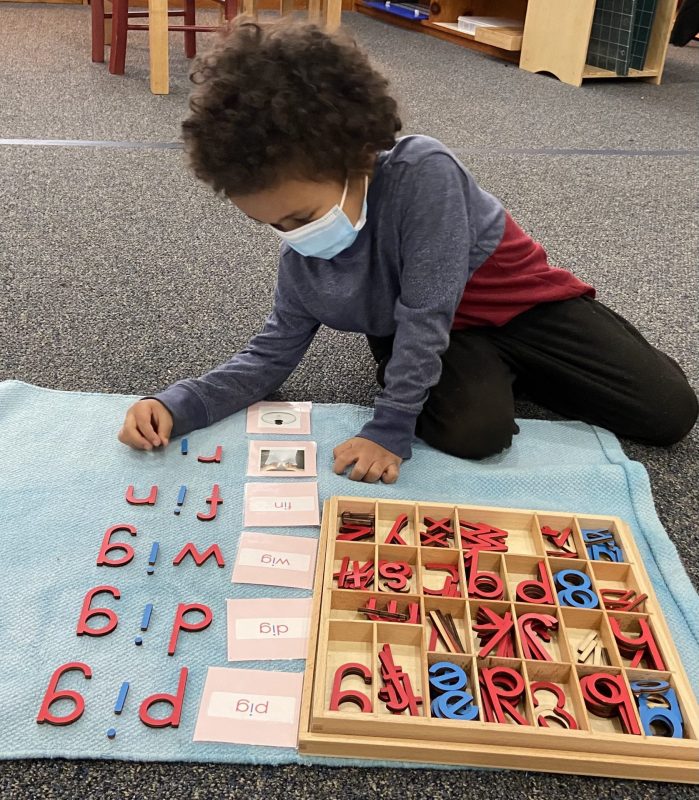
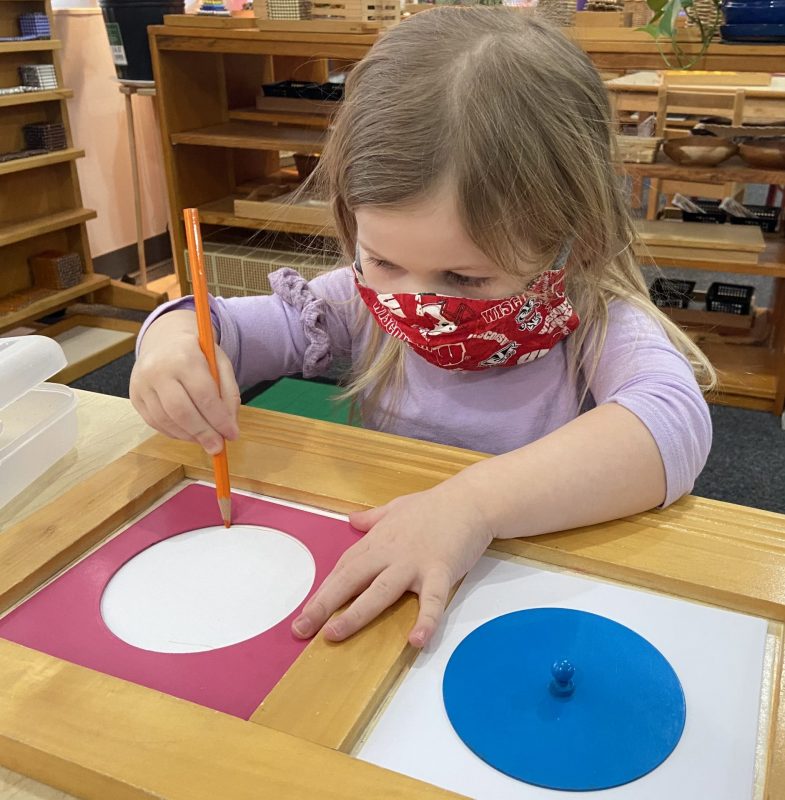
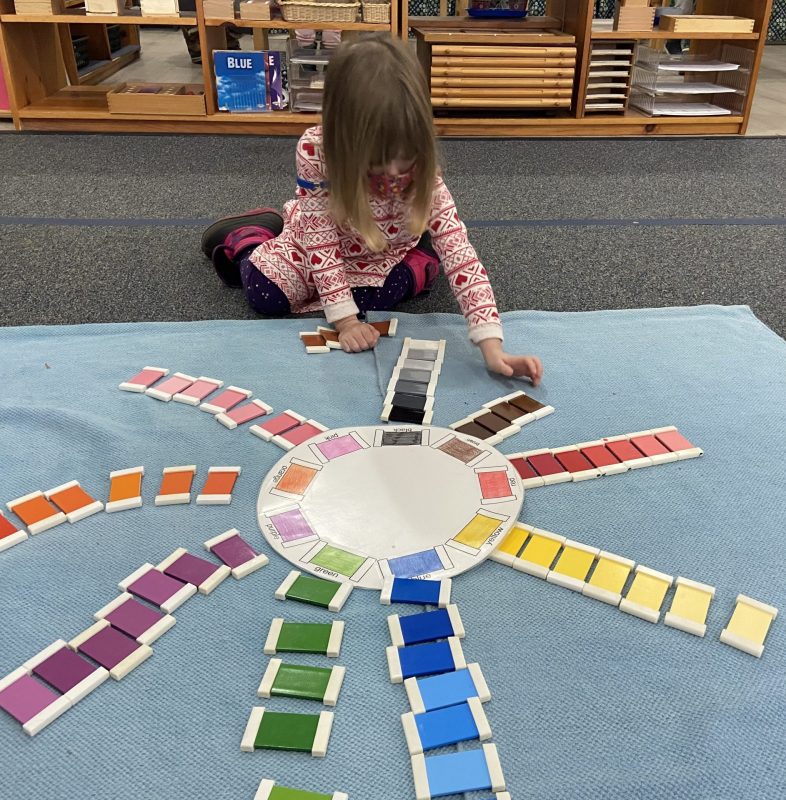
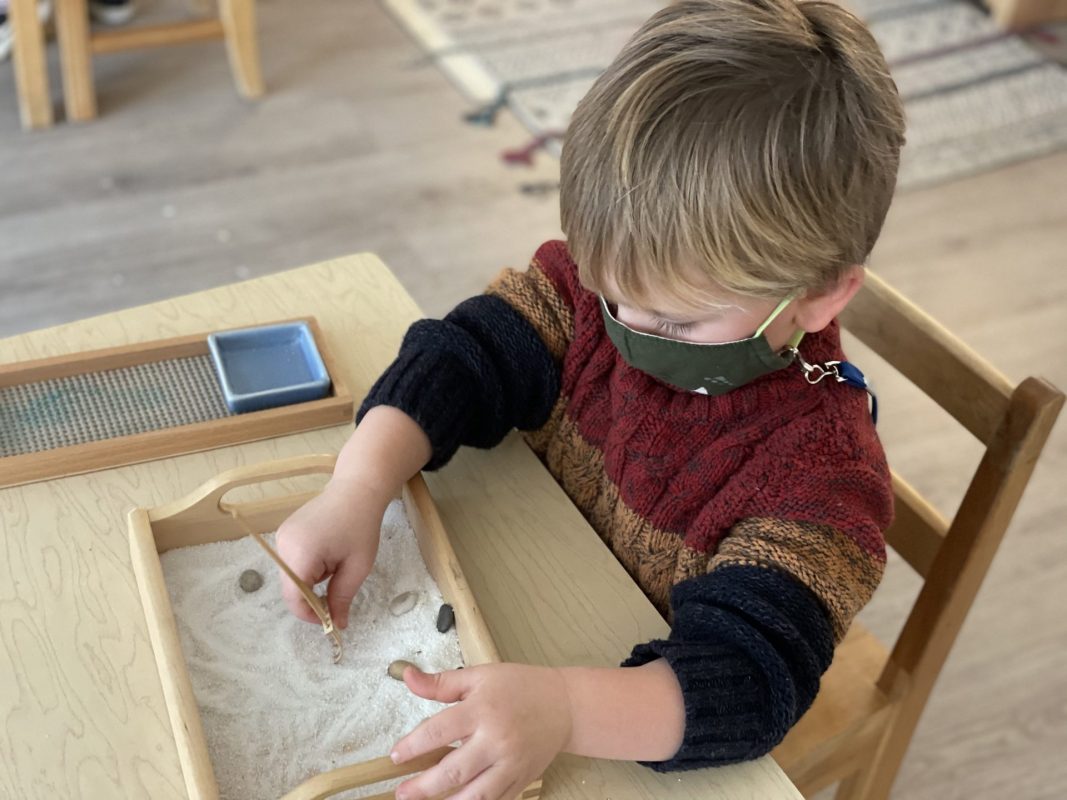
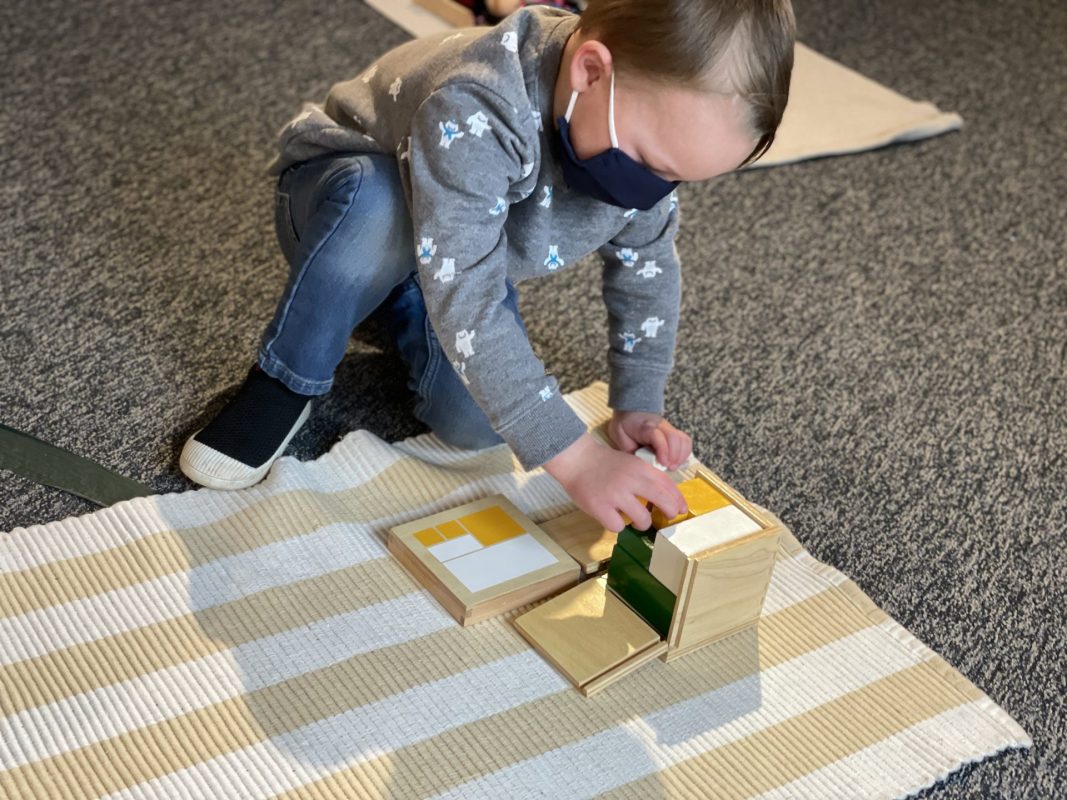
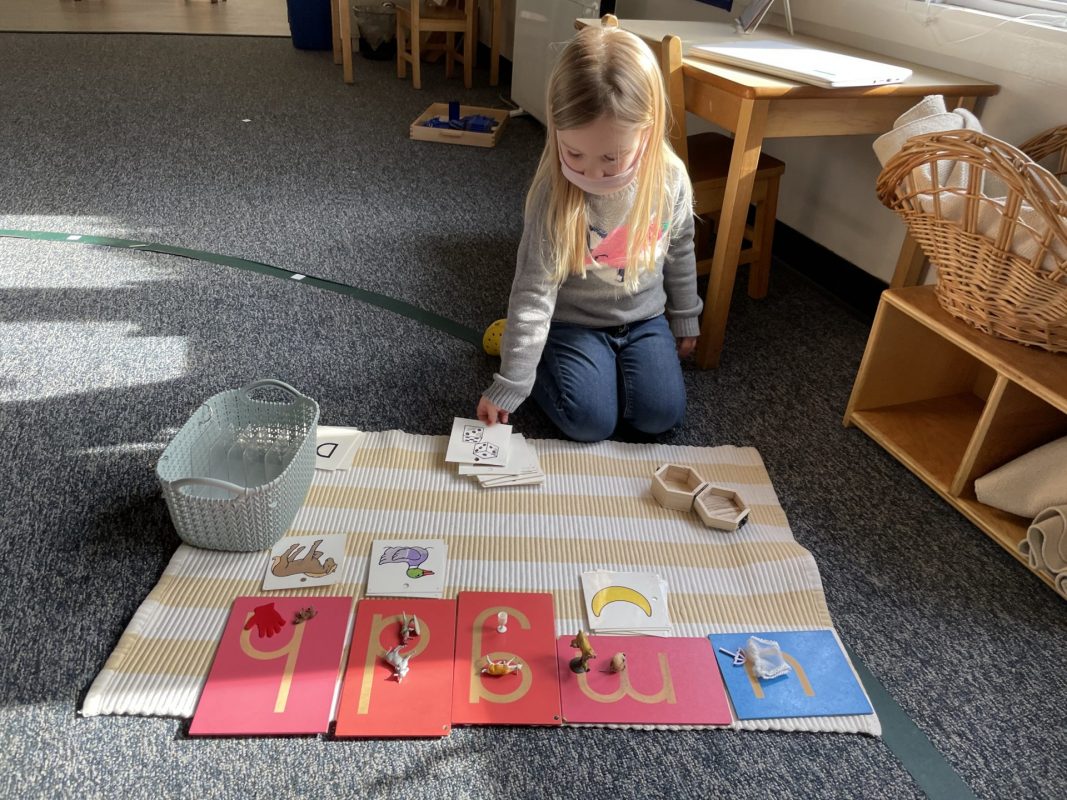
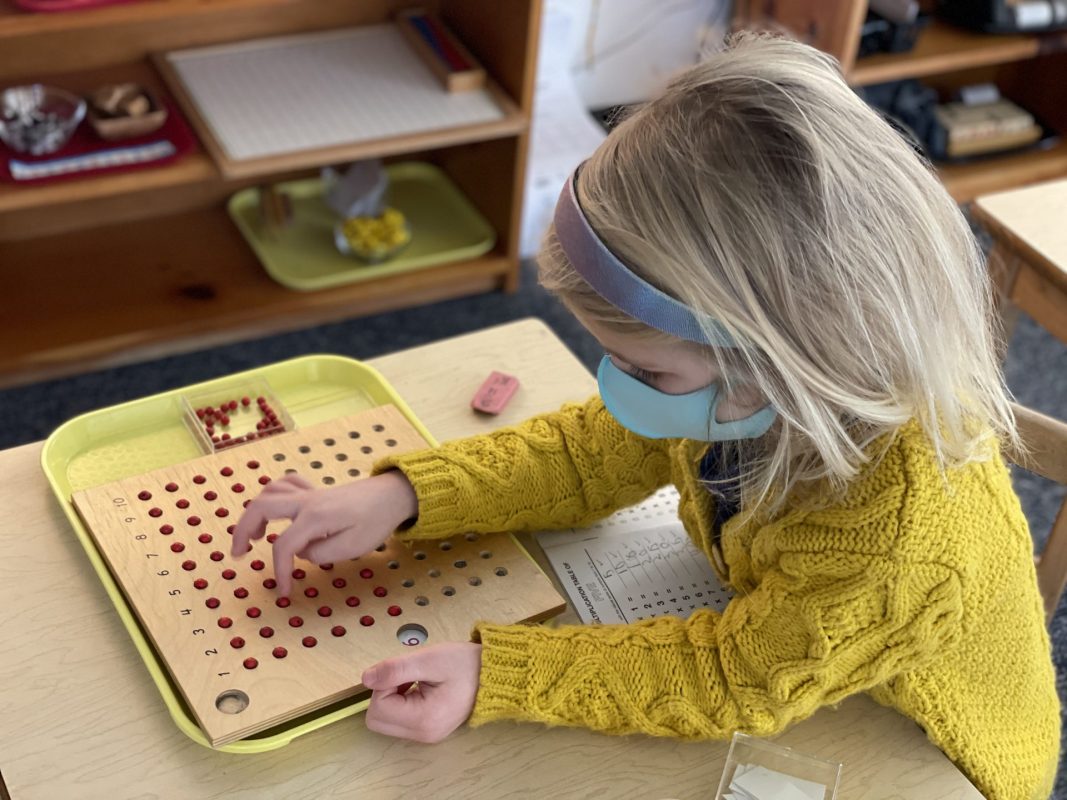
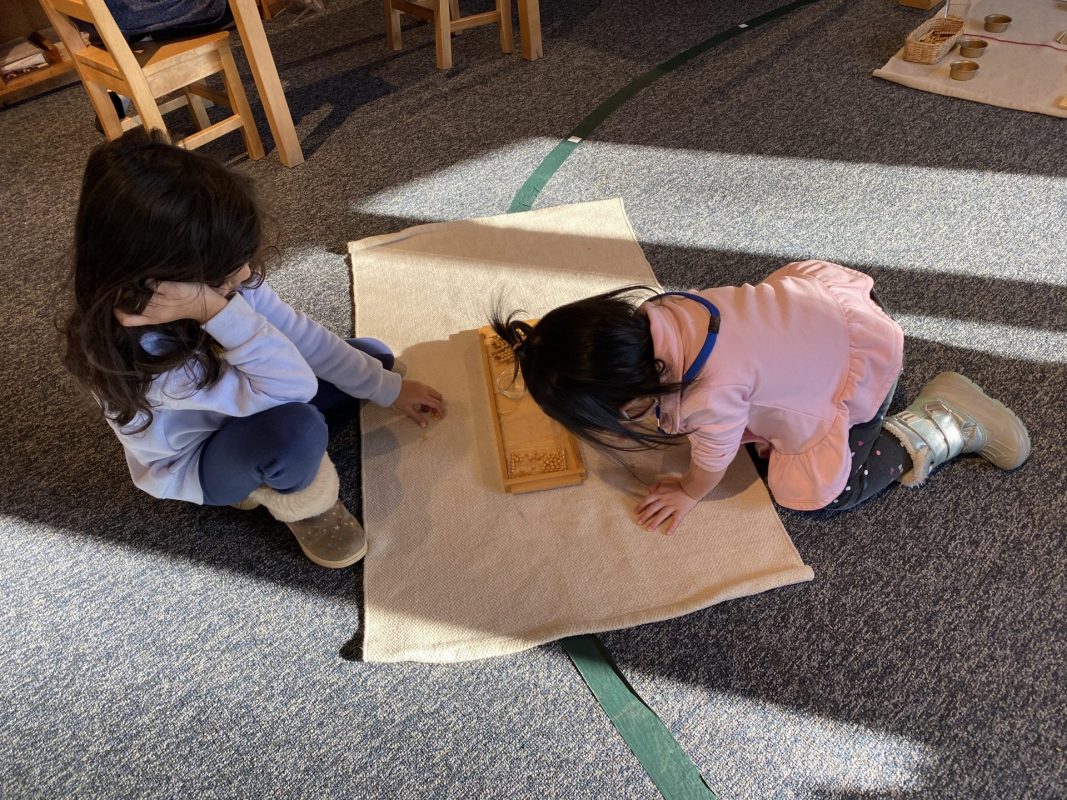
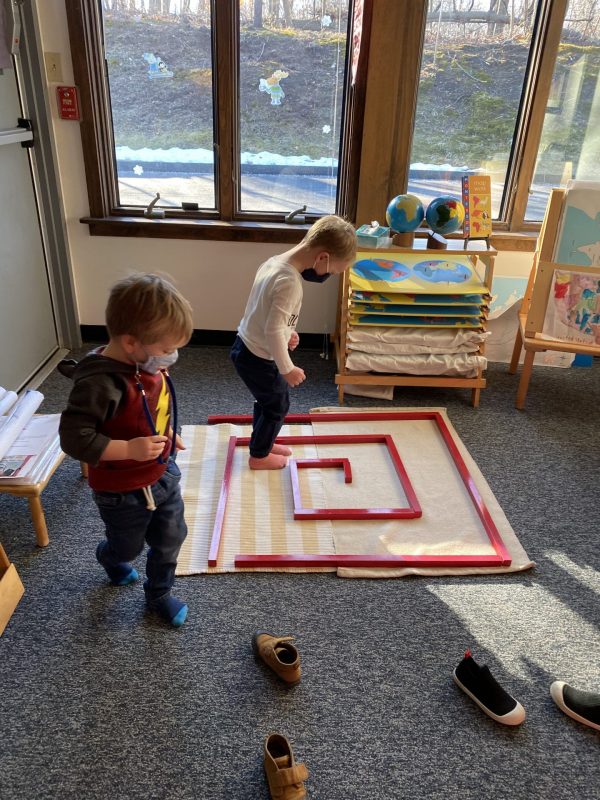
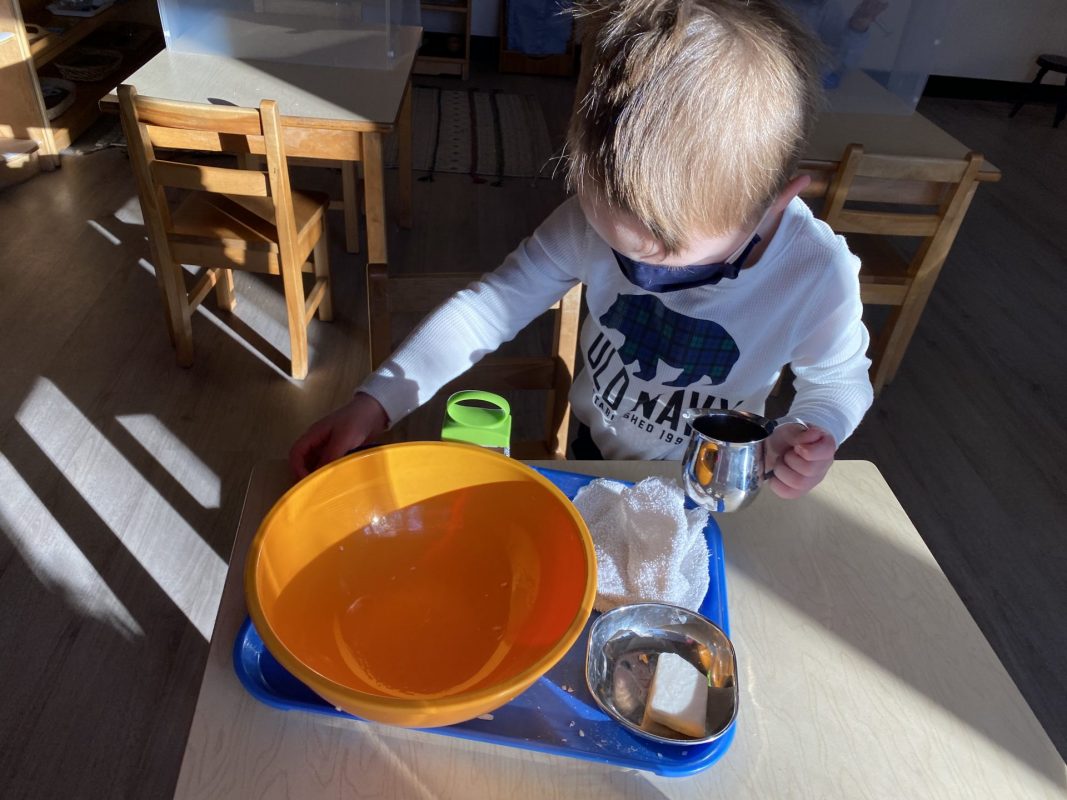
In Montessori education, the term “normalization” has a specialized meaning. “Normal” does not refer to what is considered to be “typical” or “average” or even “usual.” “Normalization” does not refer to a process of being forced to conform. Instead, Maria Montessori used the terms “normal” and “normalization” to describe a unique process she observed in child development.

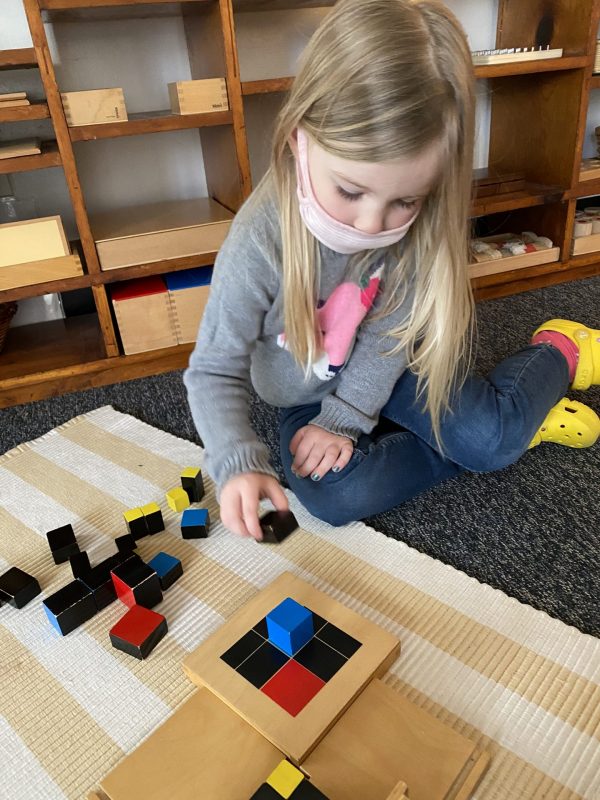
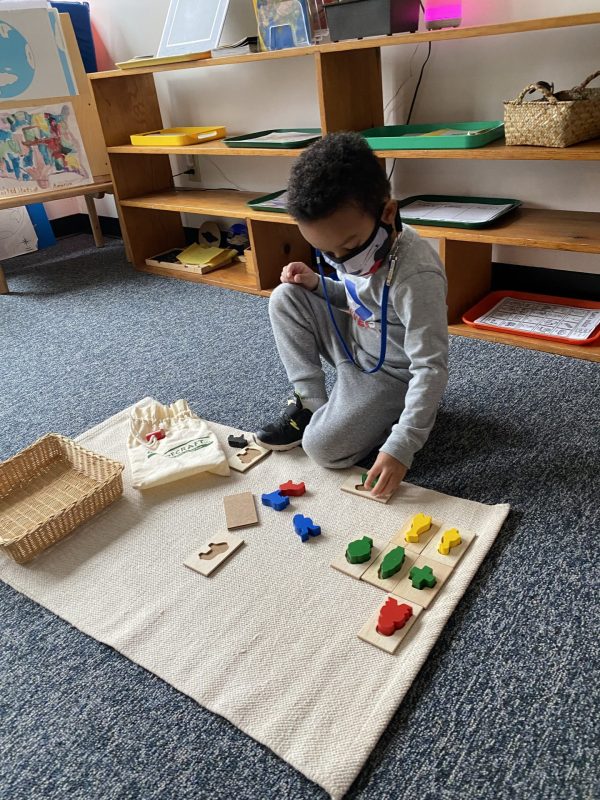
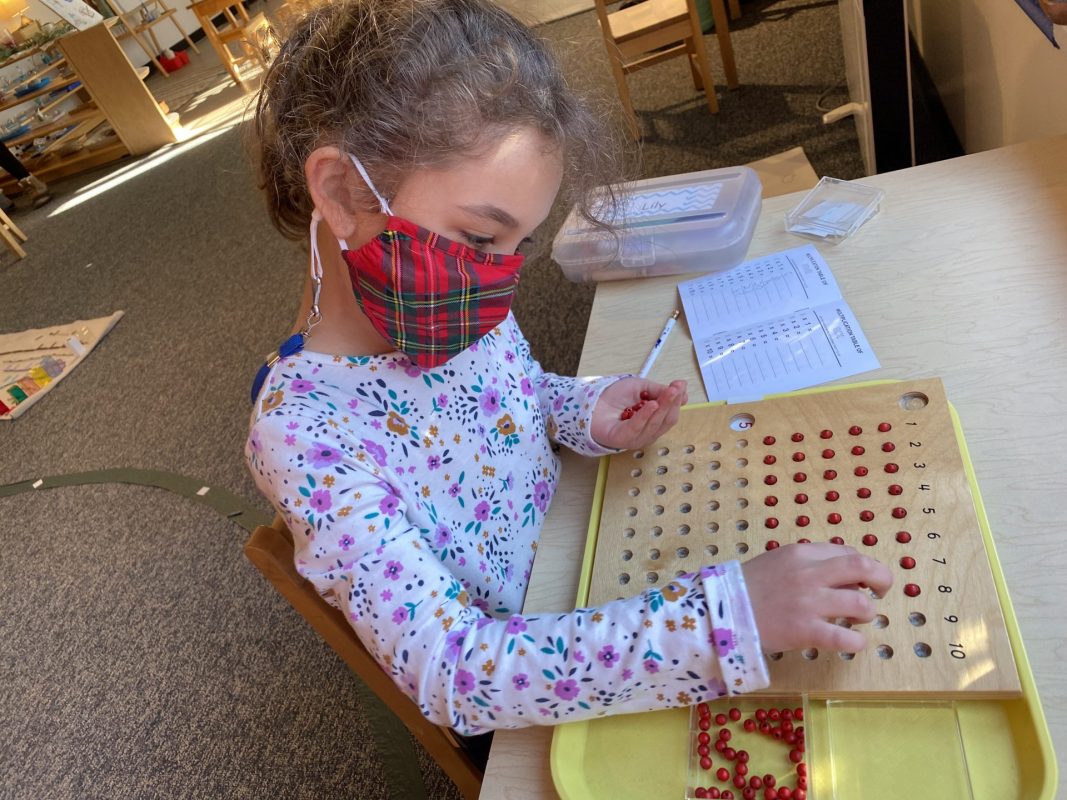
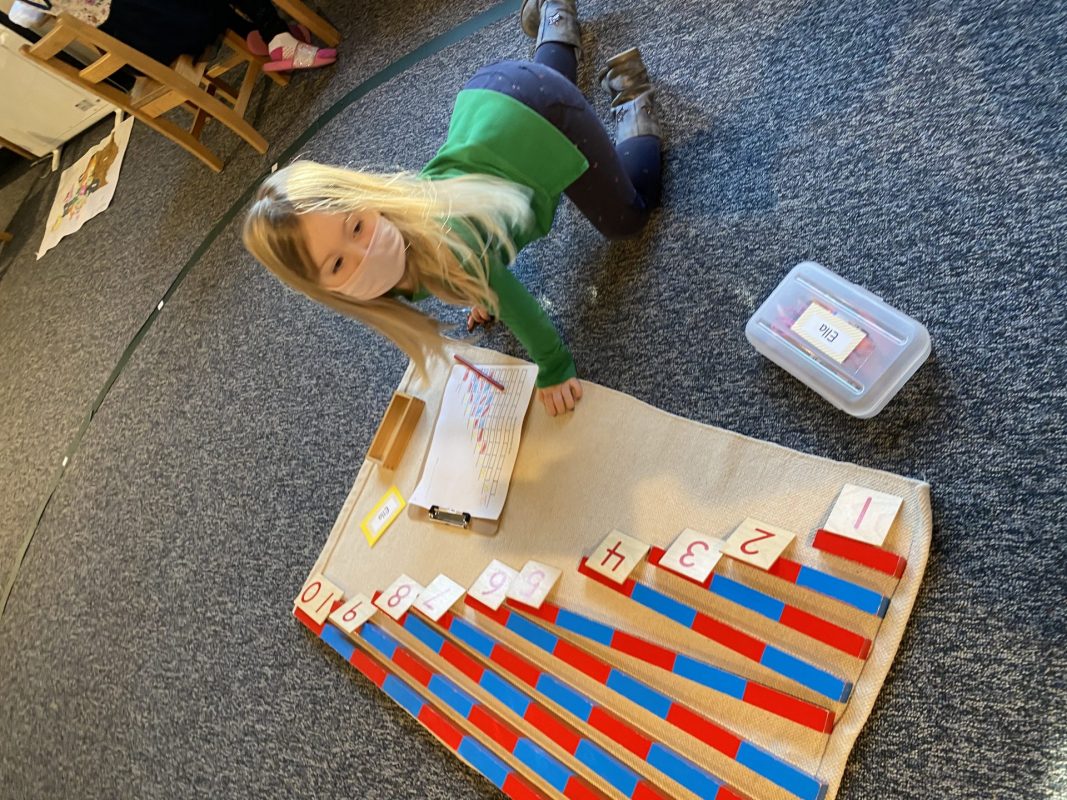
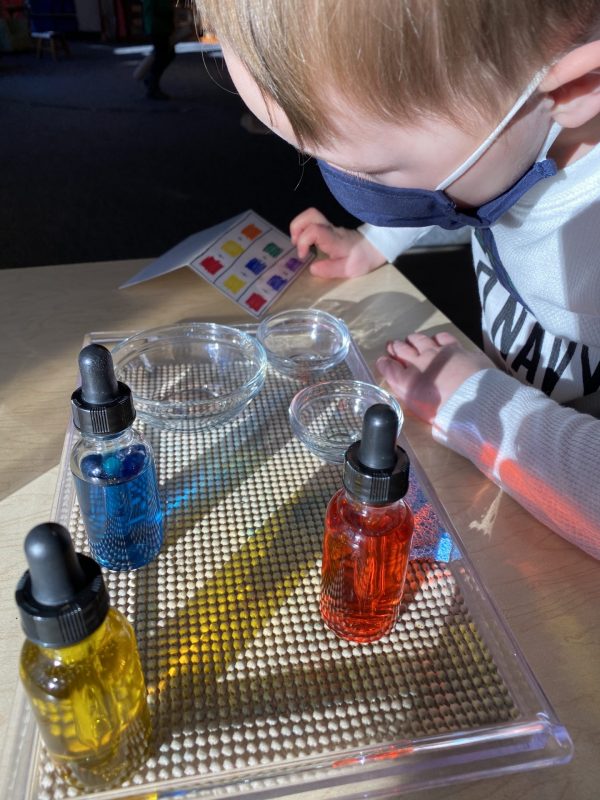
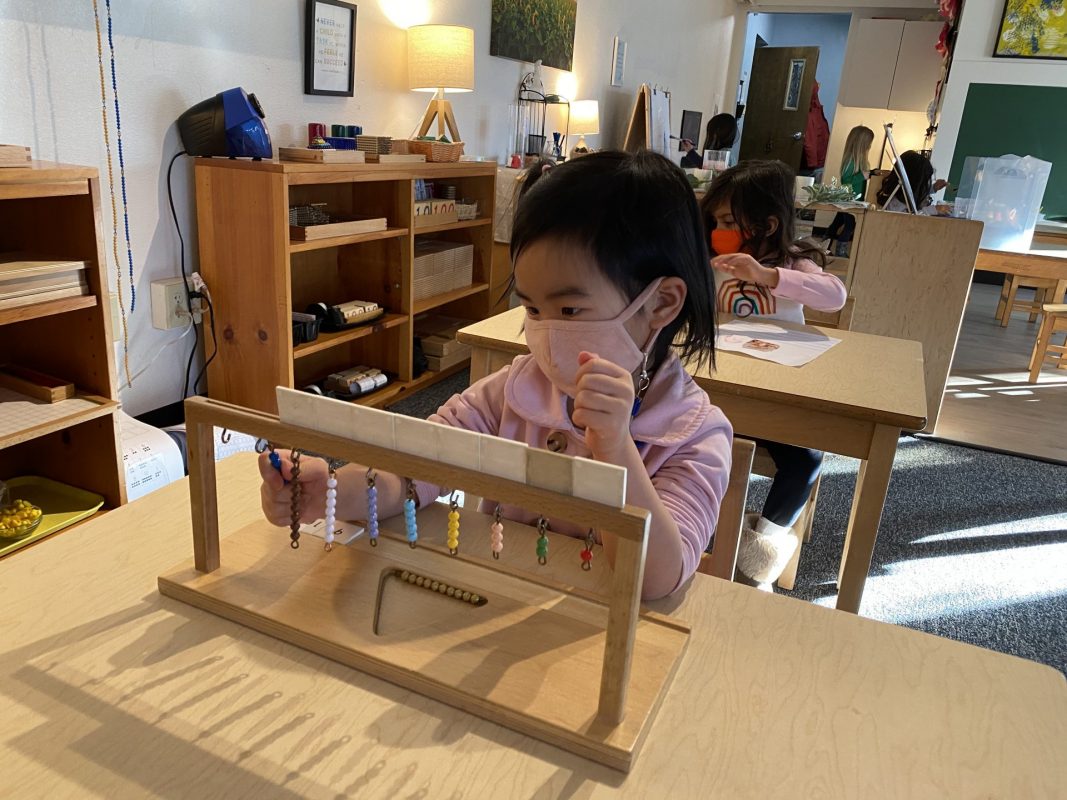
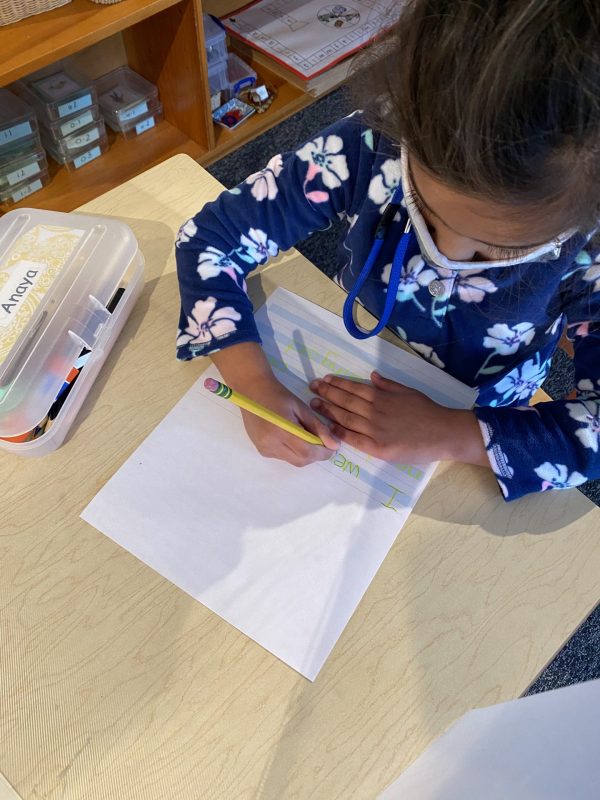
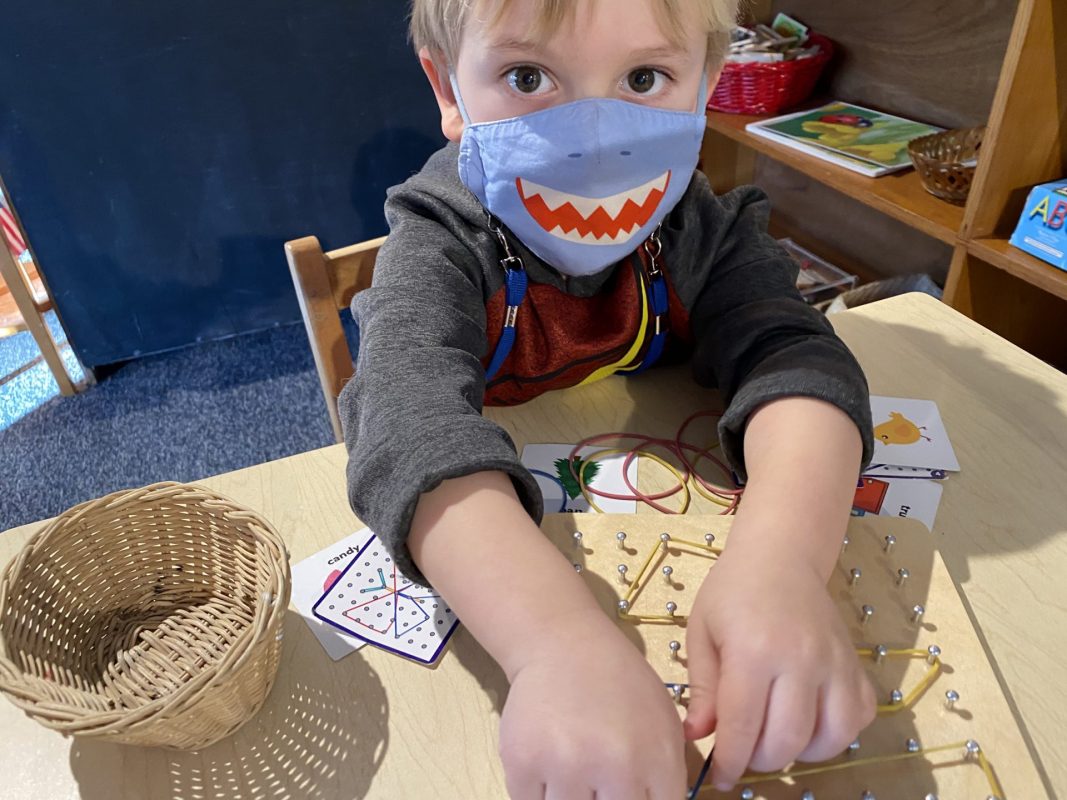
Montessori observed that when children are allowed freedom in an environment suited to their needs, they blossom. After a period of intense concentration, working with materials that fully engage their interest, children appear to be refreshed and content. Through continued concentrated work of their own choice, children grow in inner discipline and peace. She called this process “normalization” and cited it as “the most important single result of our whole work (The Absorbent Mind, 1949).”

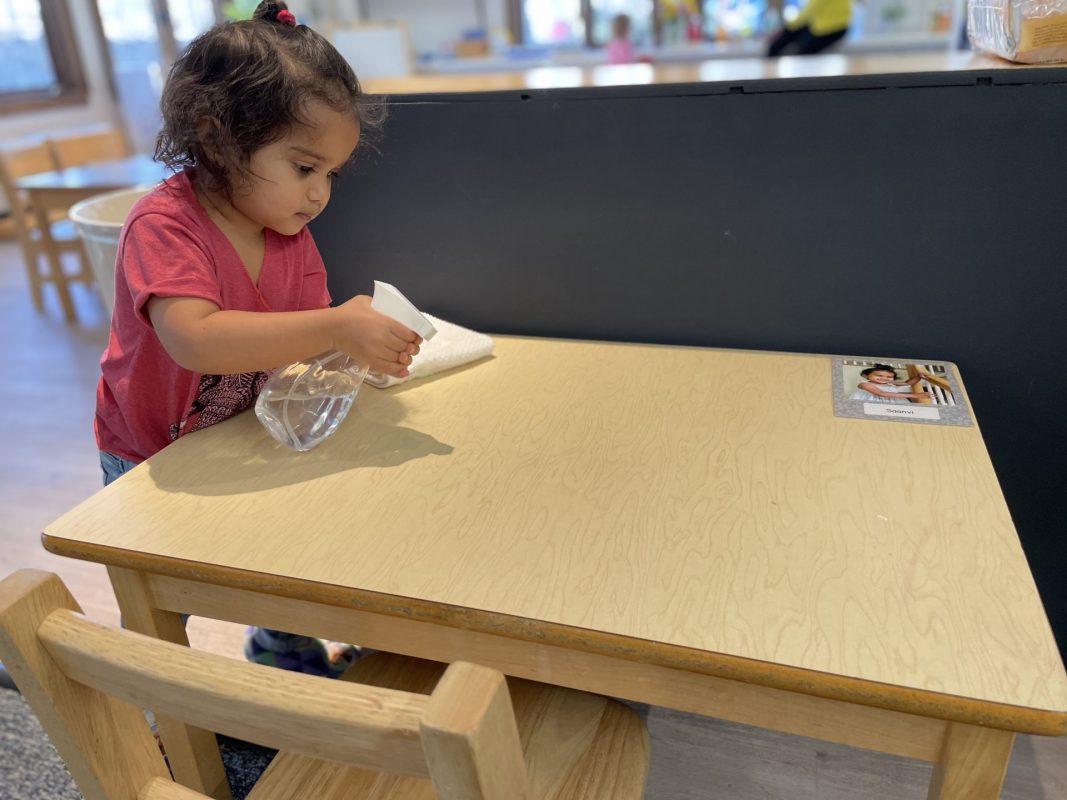
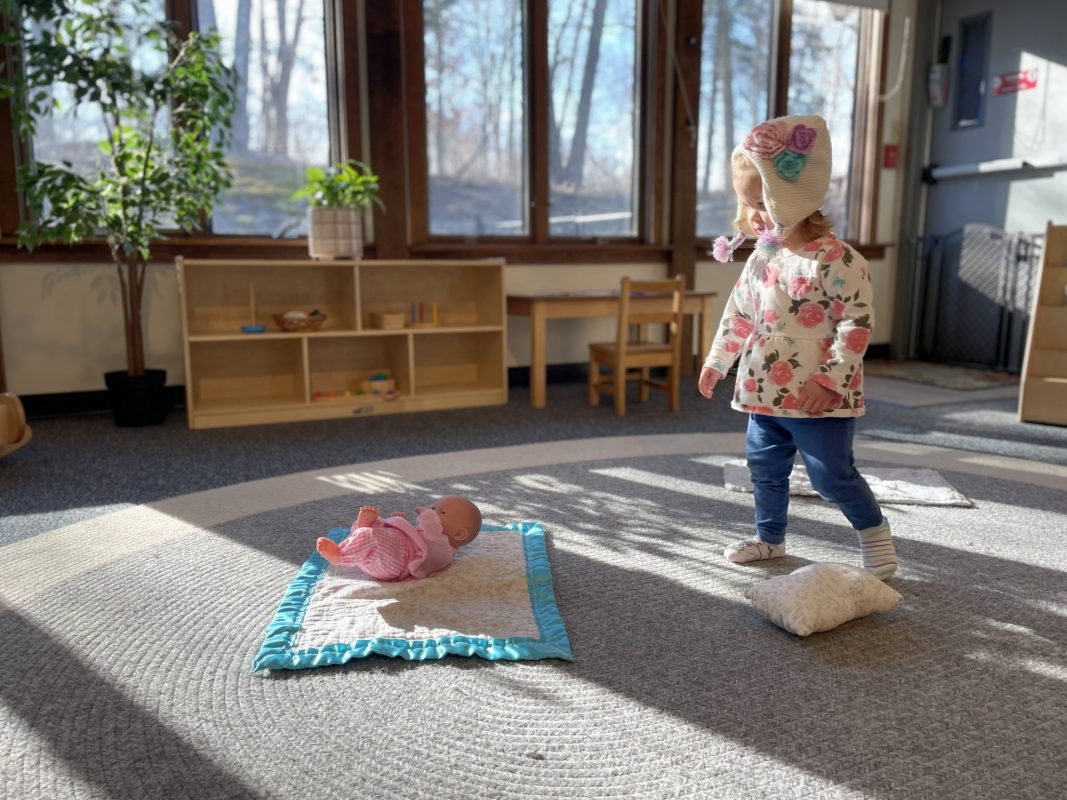
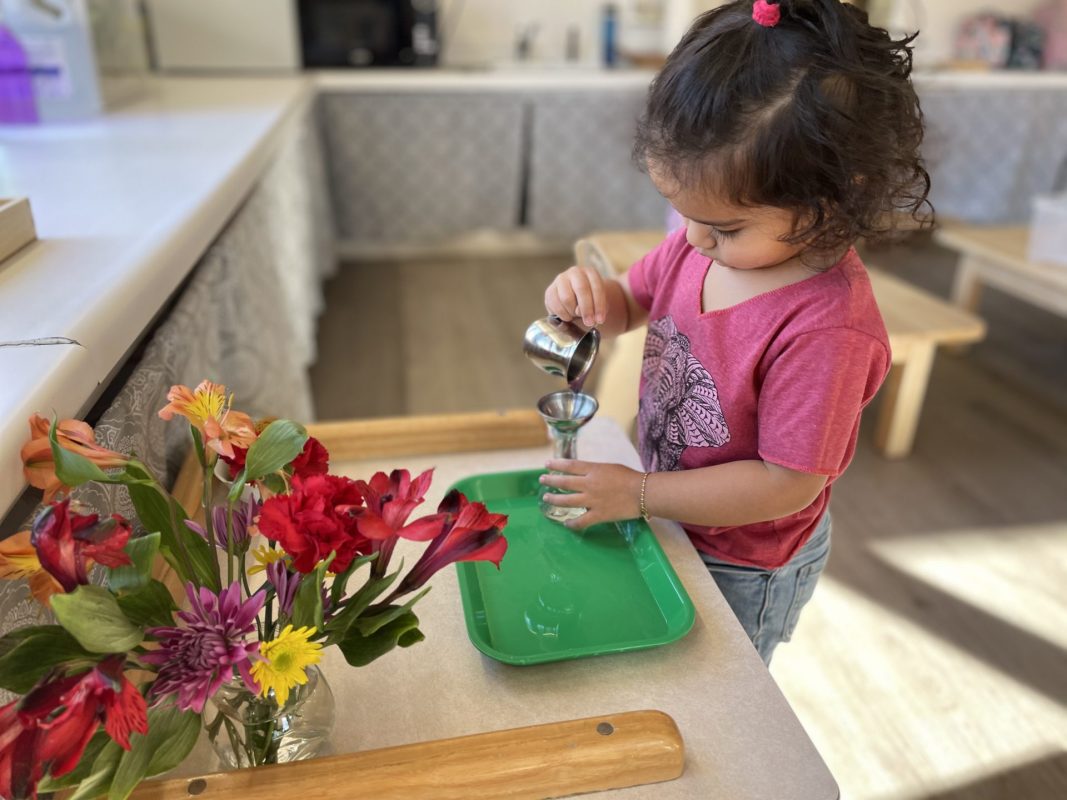
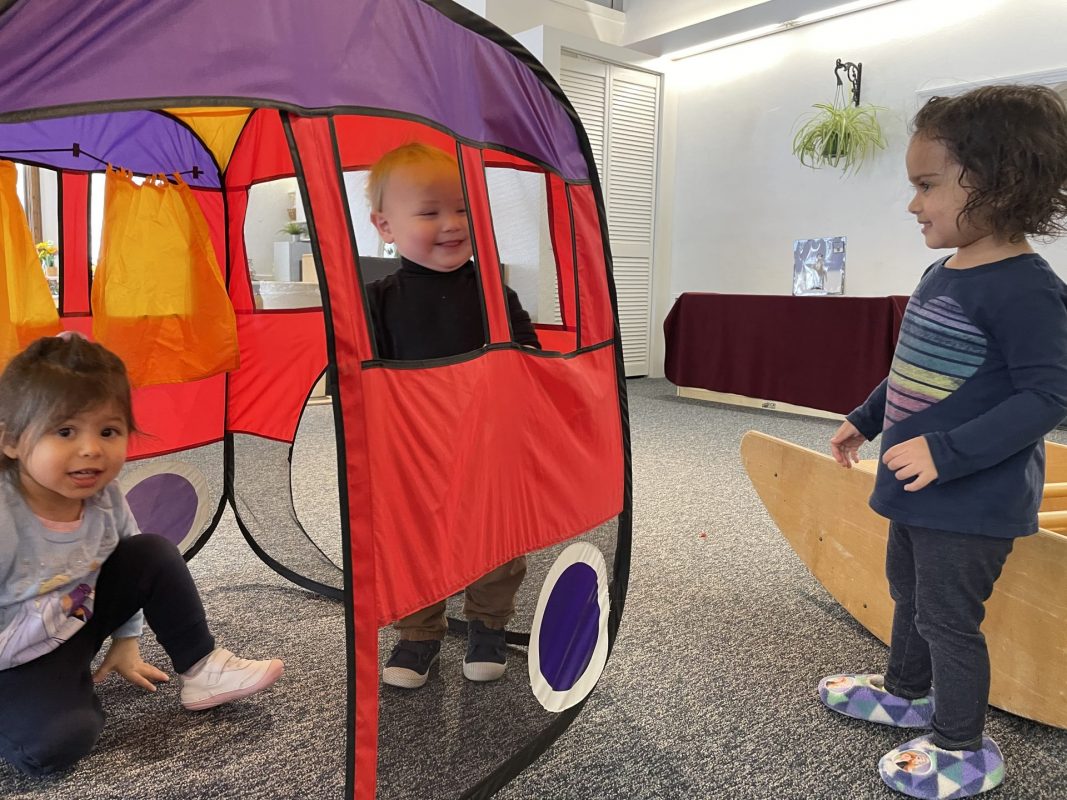
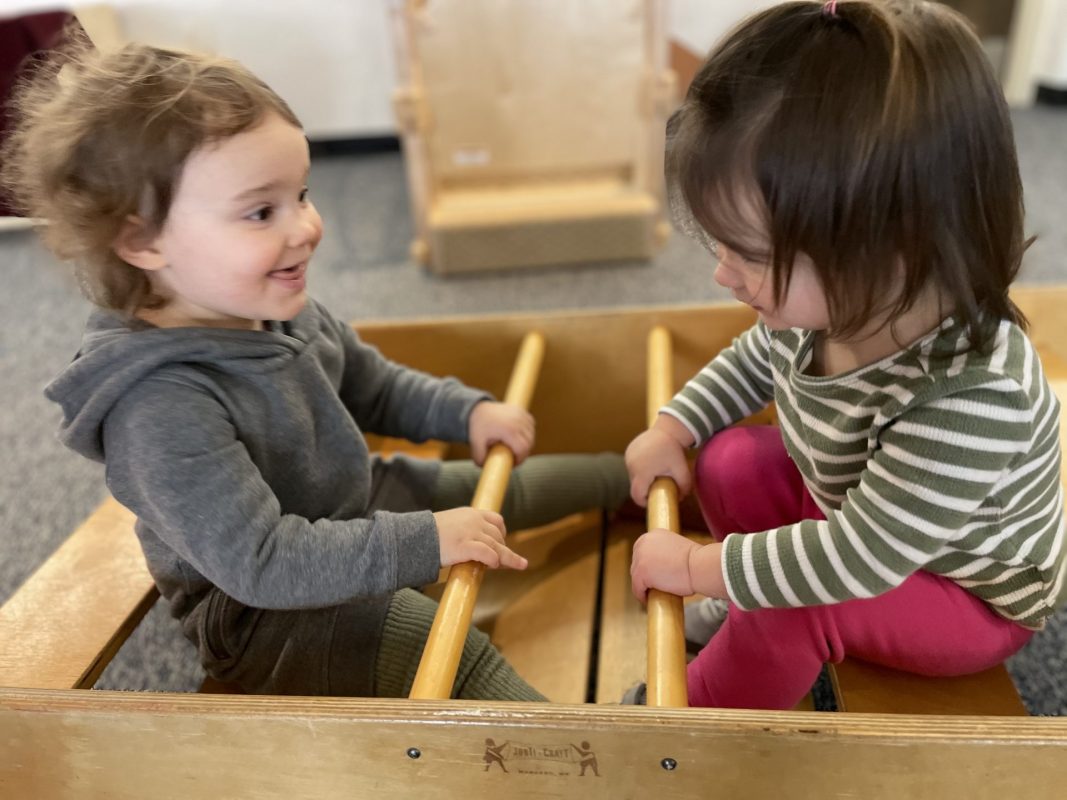
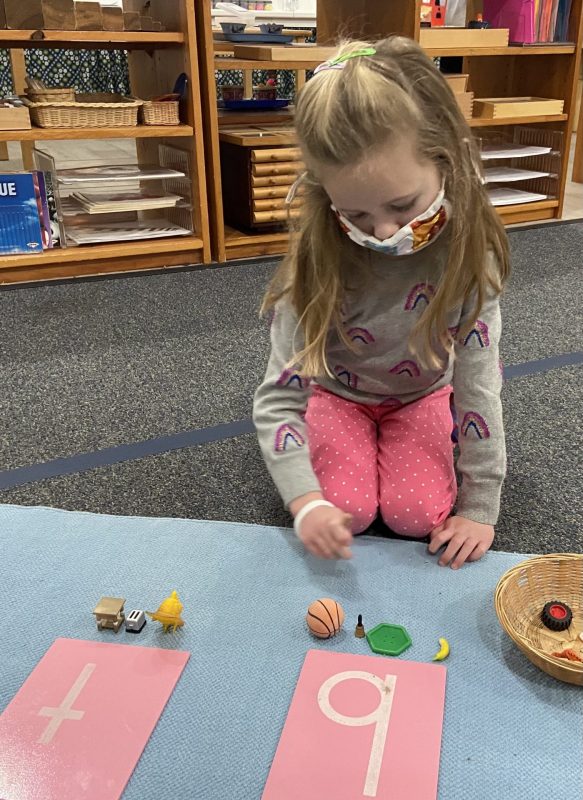
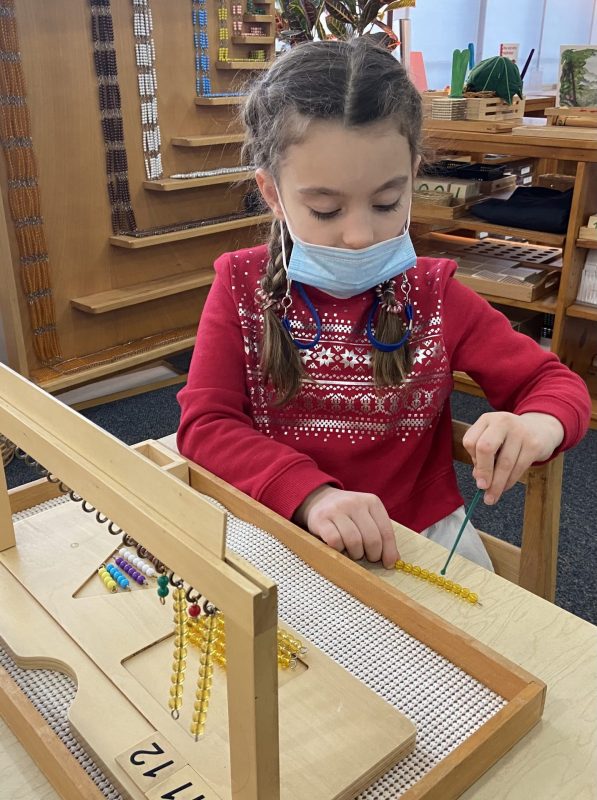
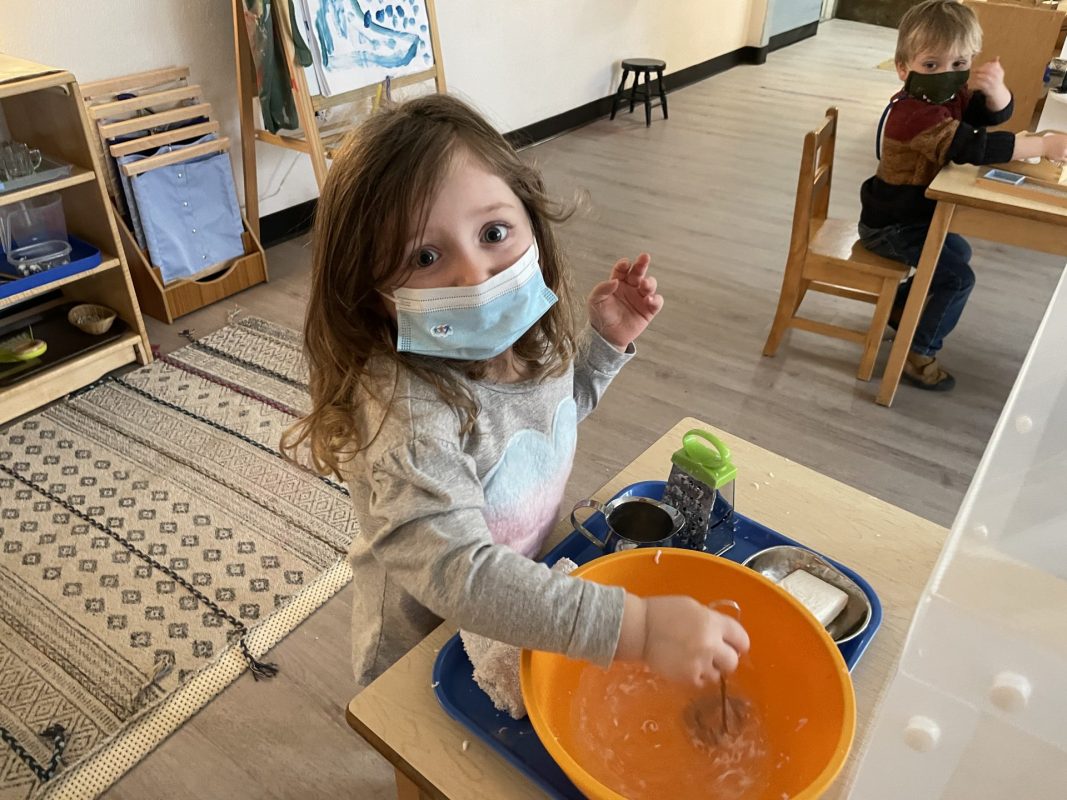
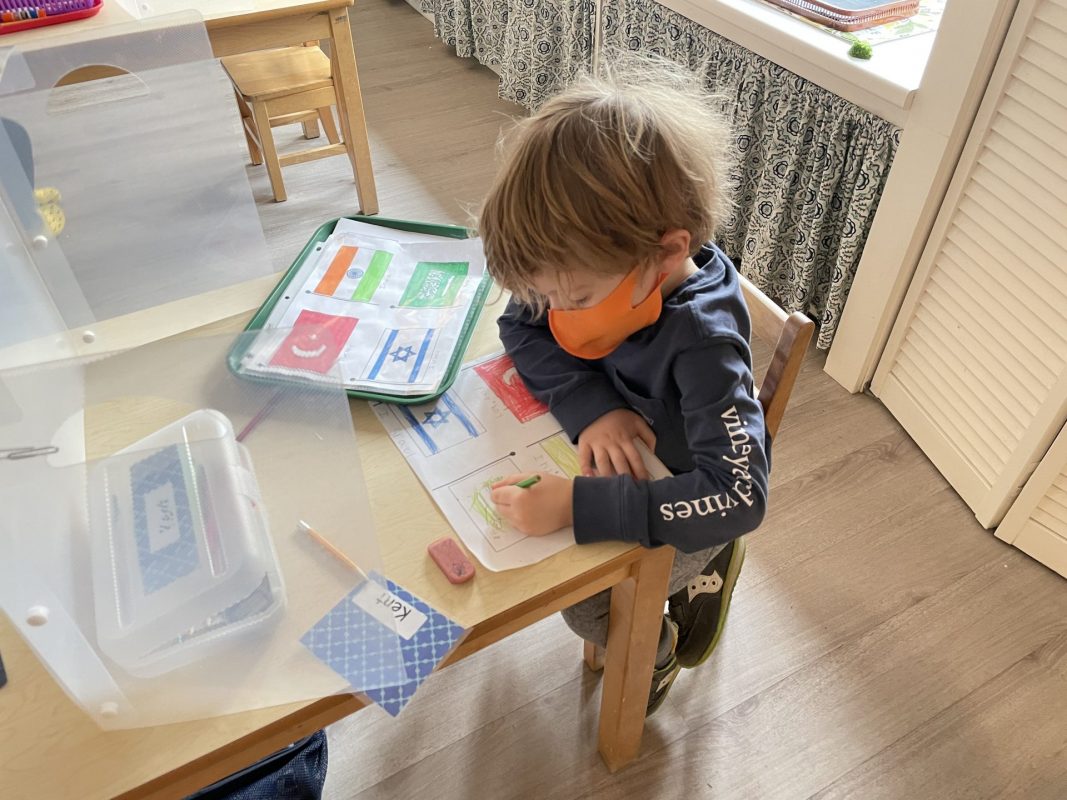
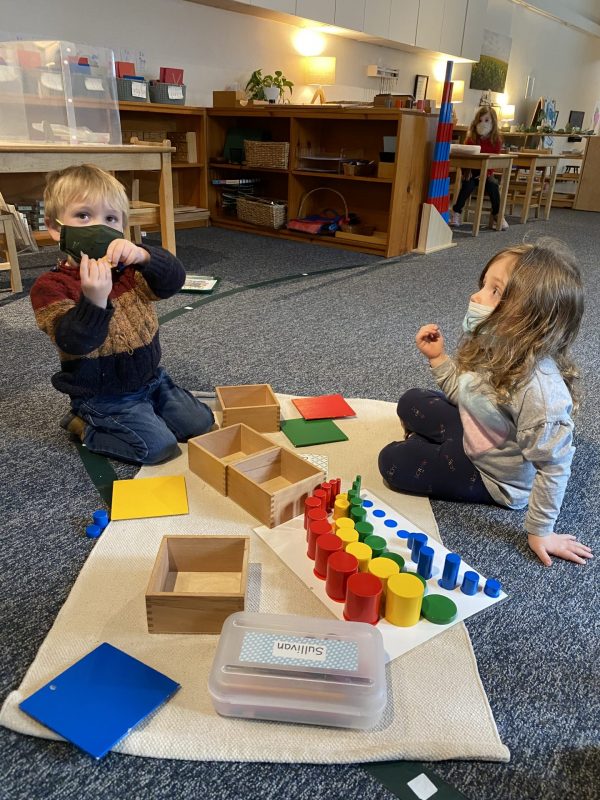
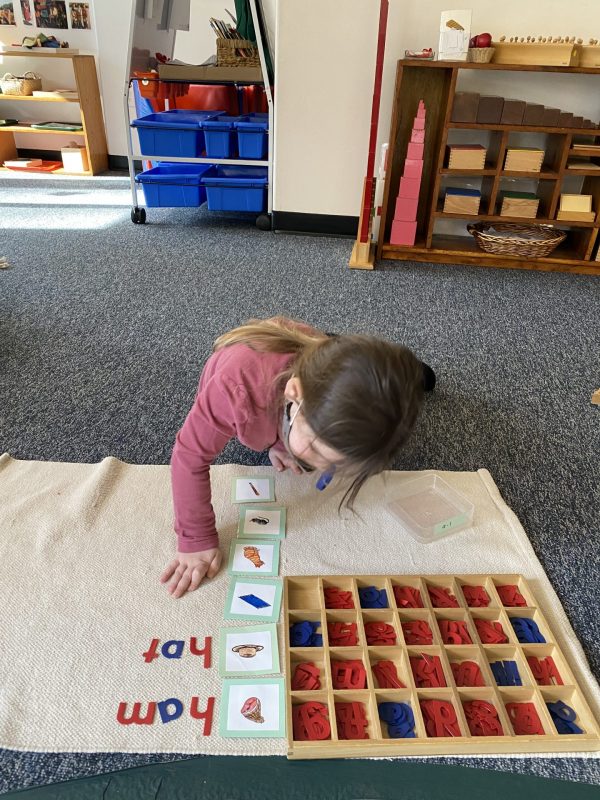
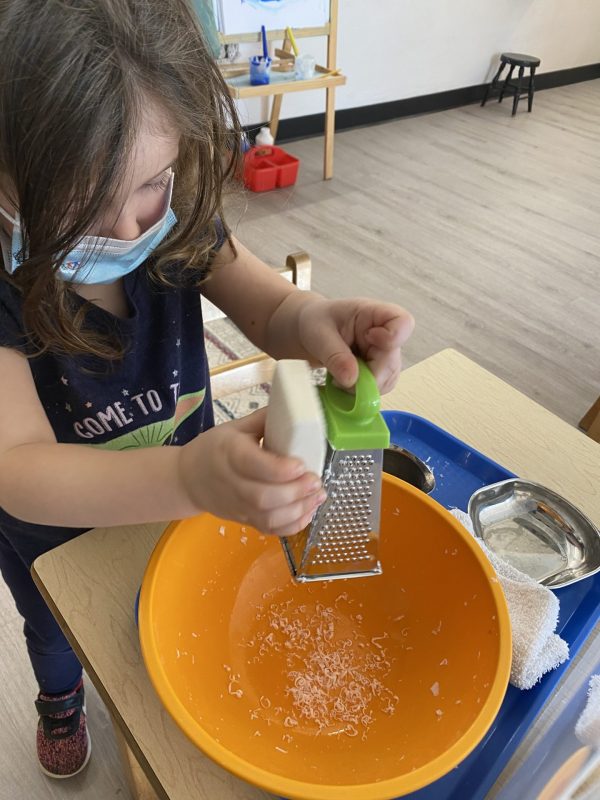
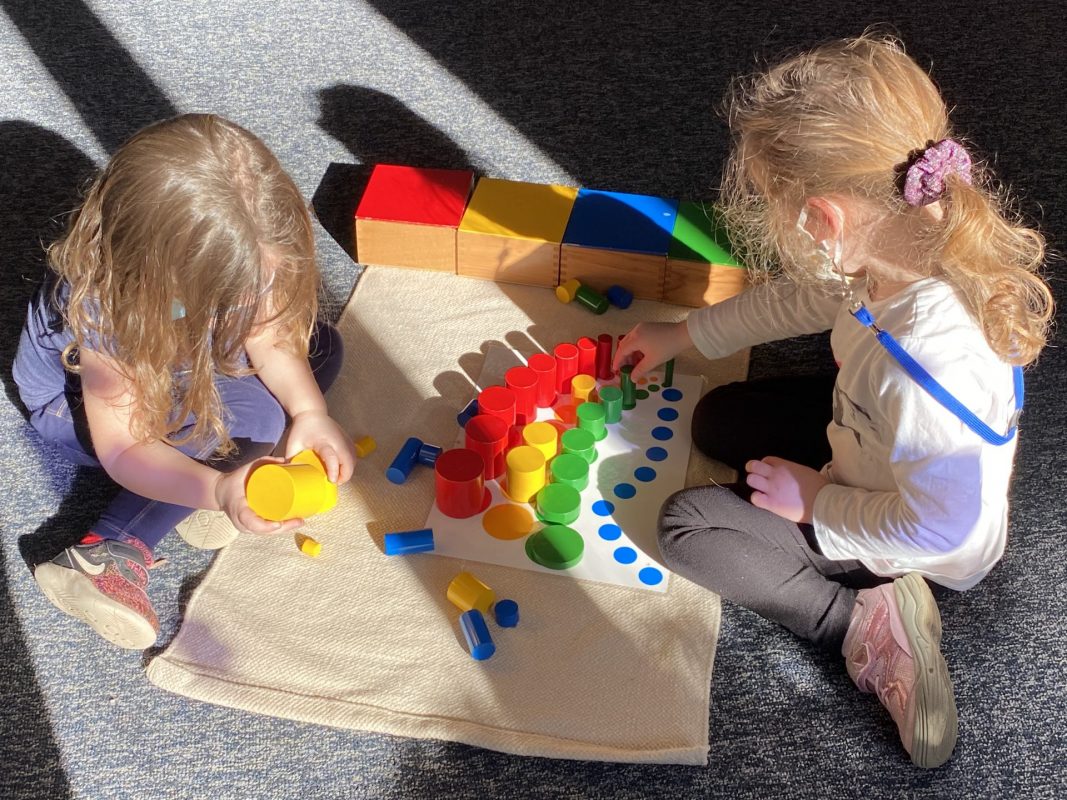
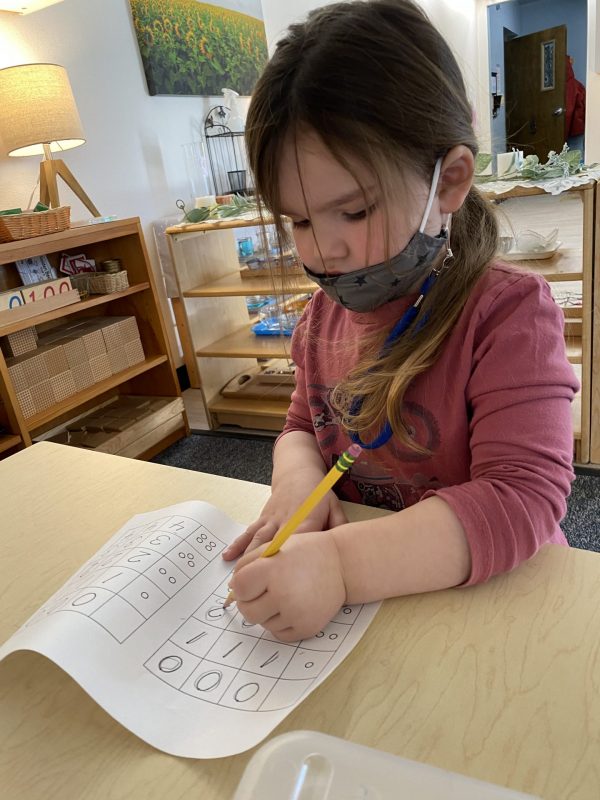
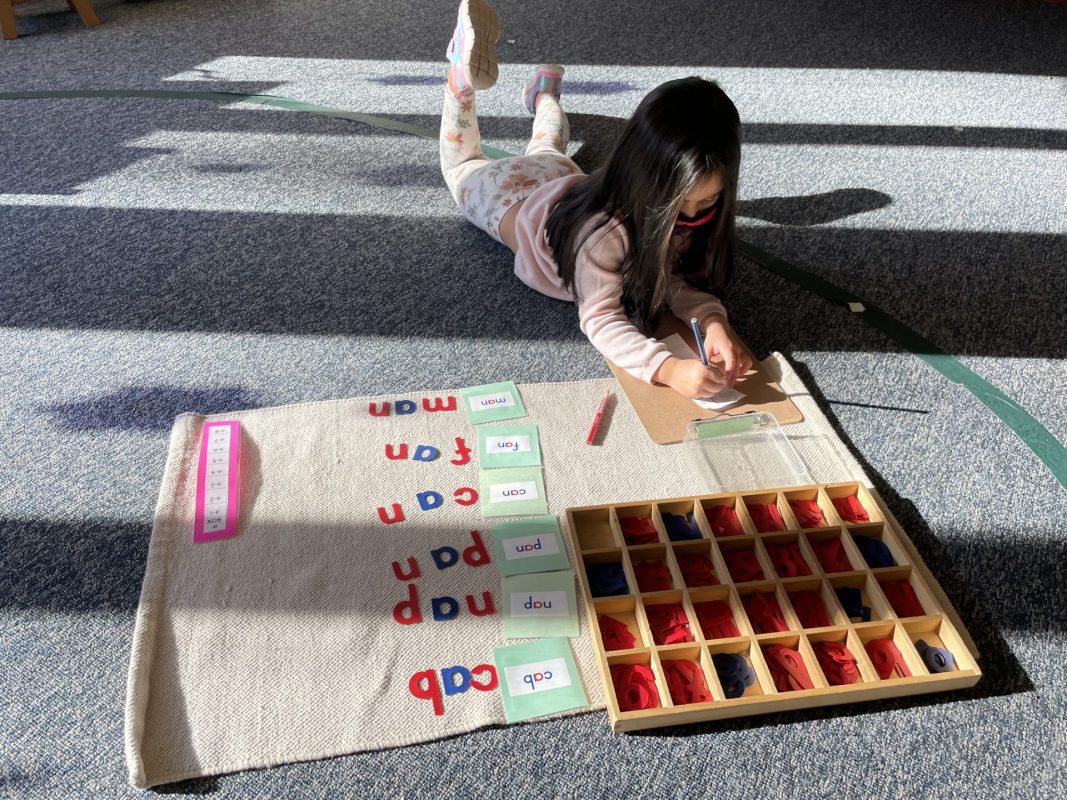
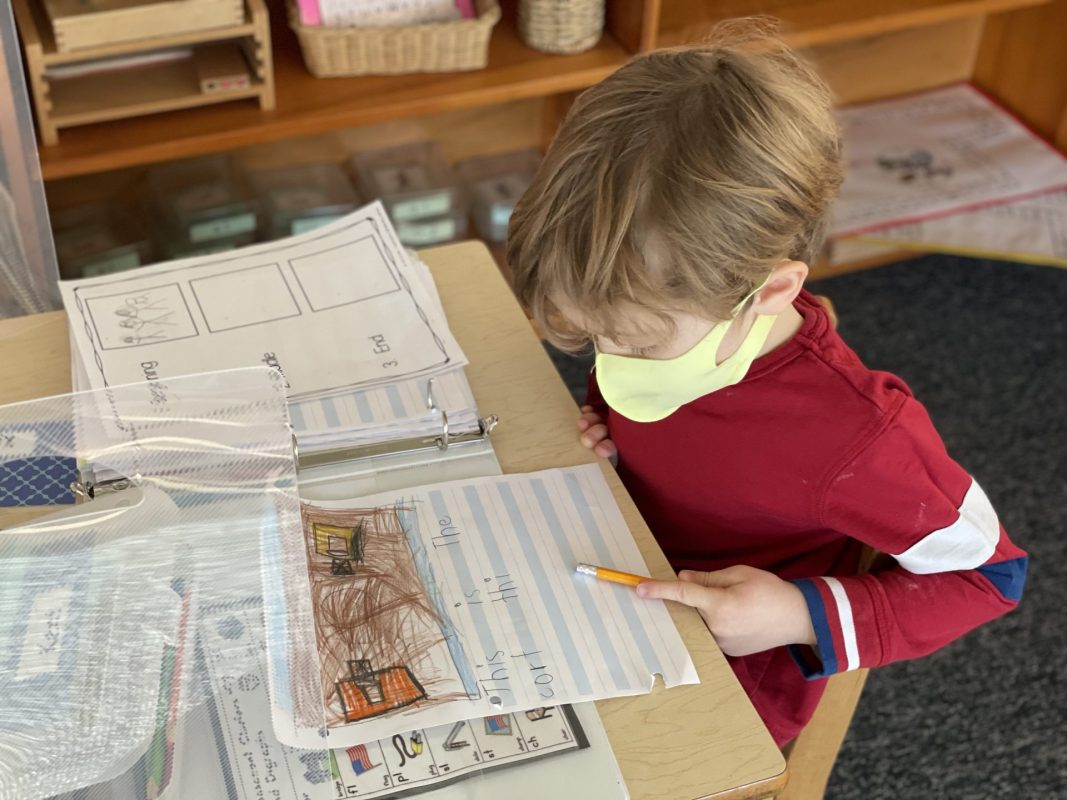
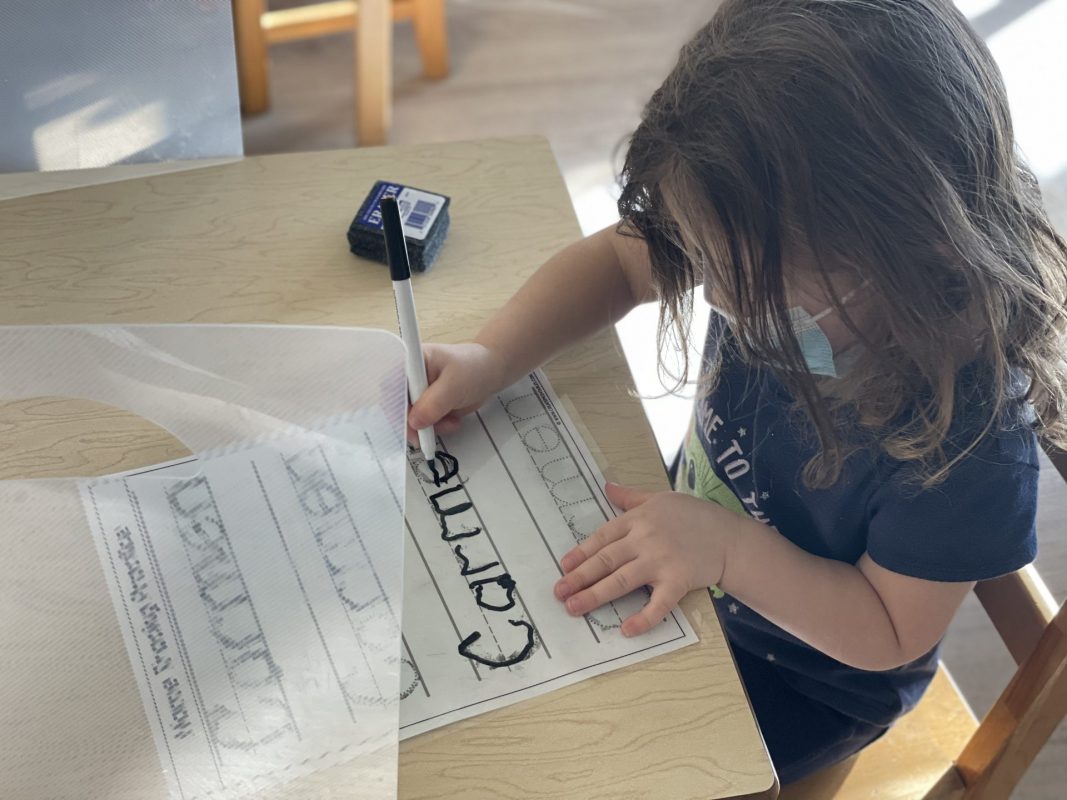
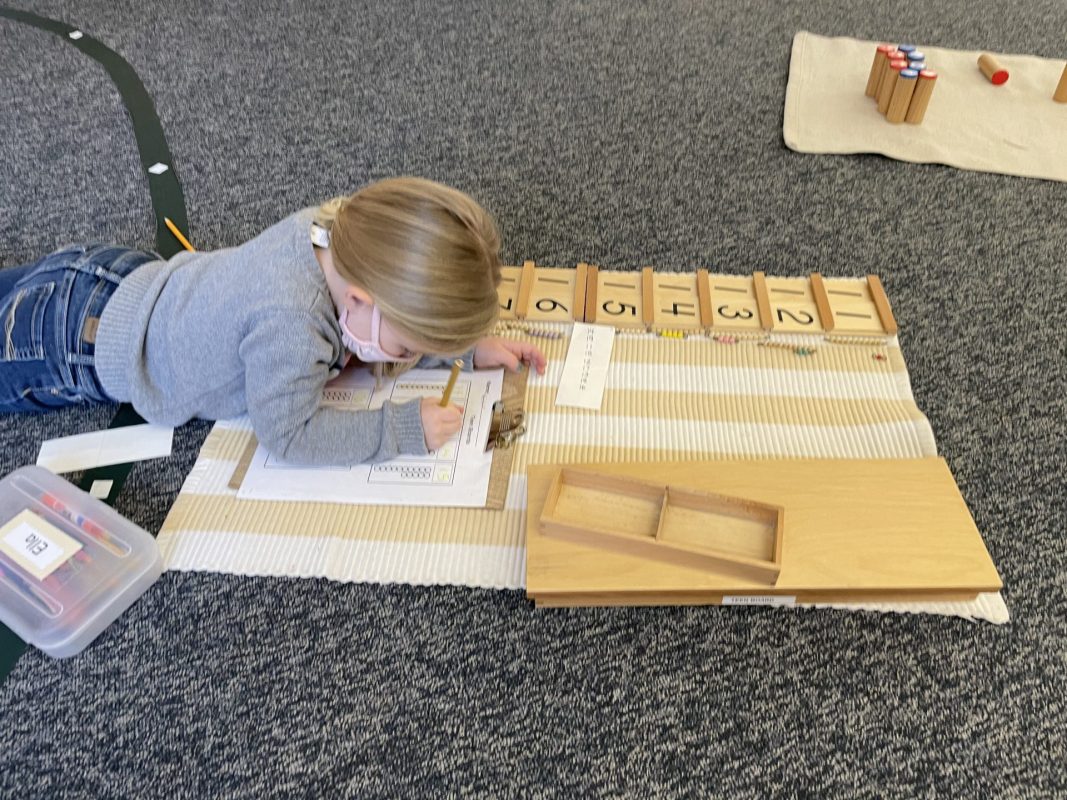
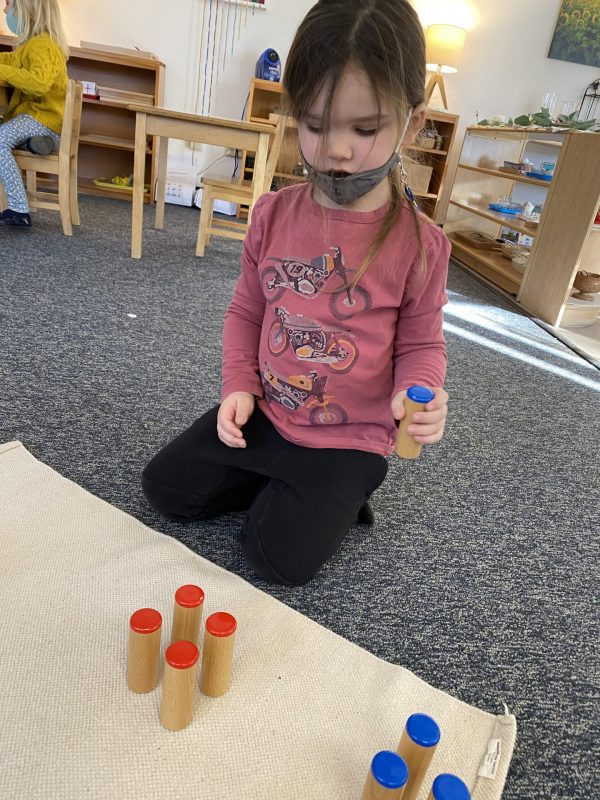
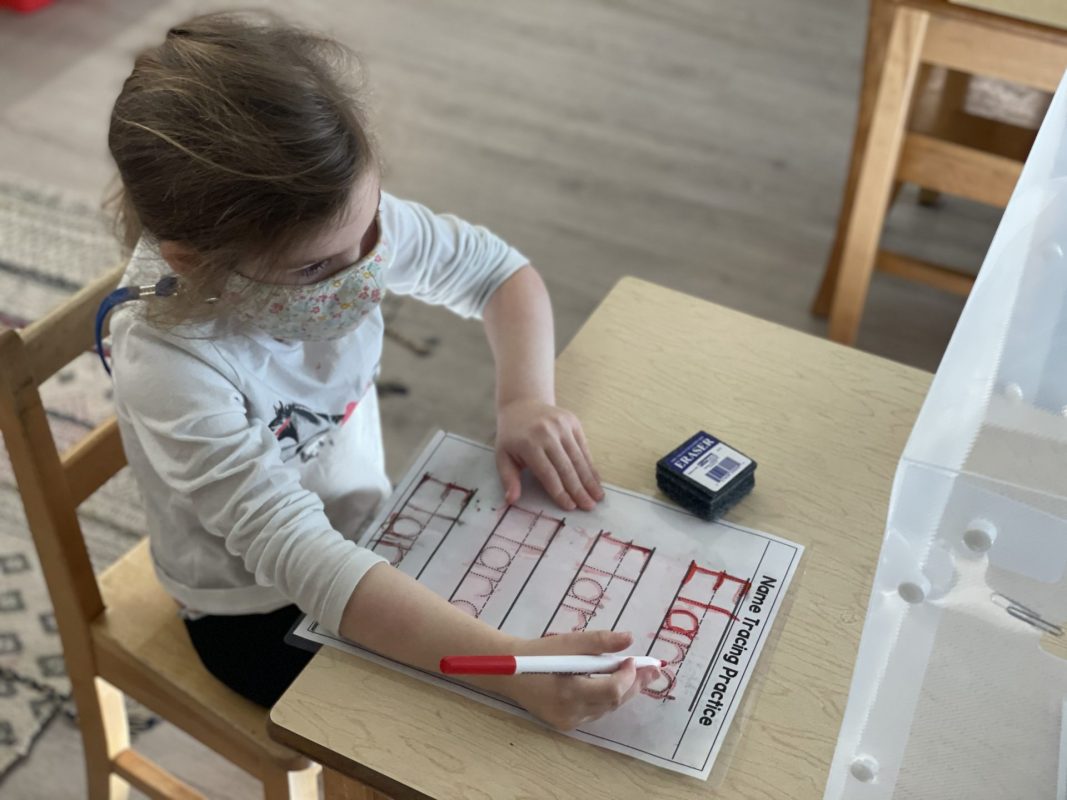
The children in our environment are on a great path to “normalization.” Every morning we get to see its signs! We also watch with joy how children have internalized the routines, and transitions are more peaceful! They recognize their friends and feel comfortable sharing and working together. Deep friendships are developing, and expressions of love and care for each other are more evident.

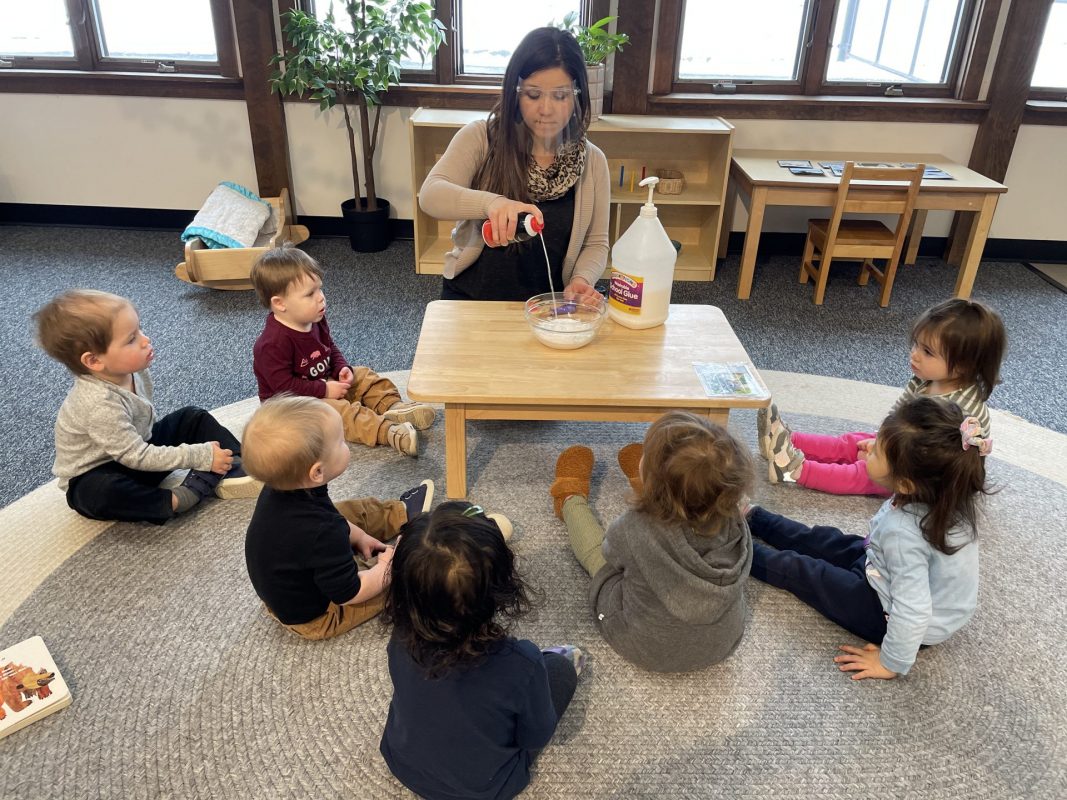
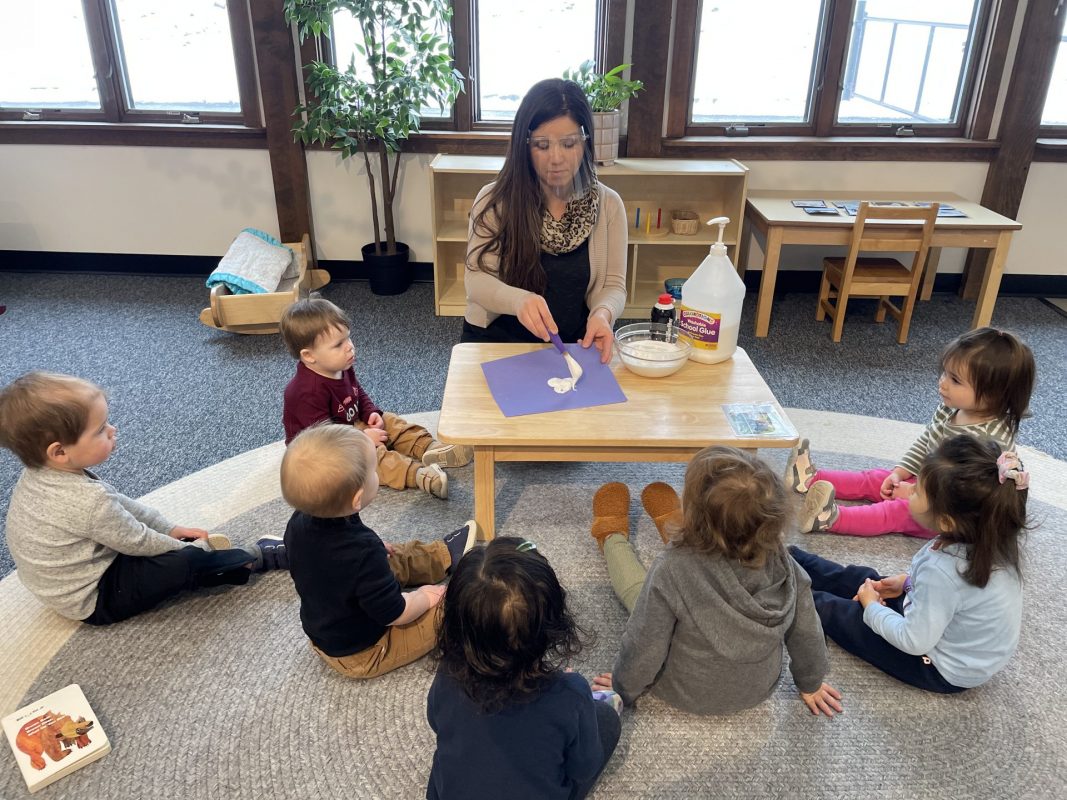
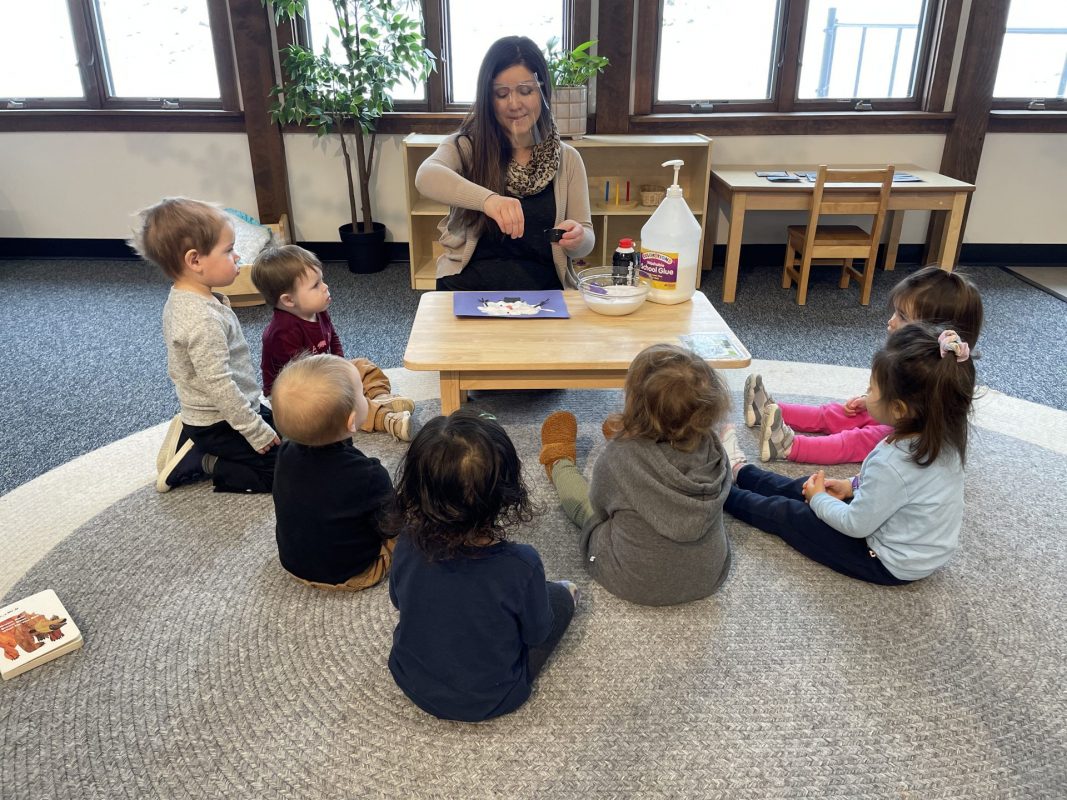
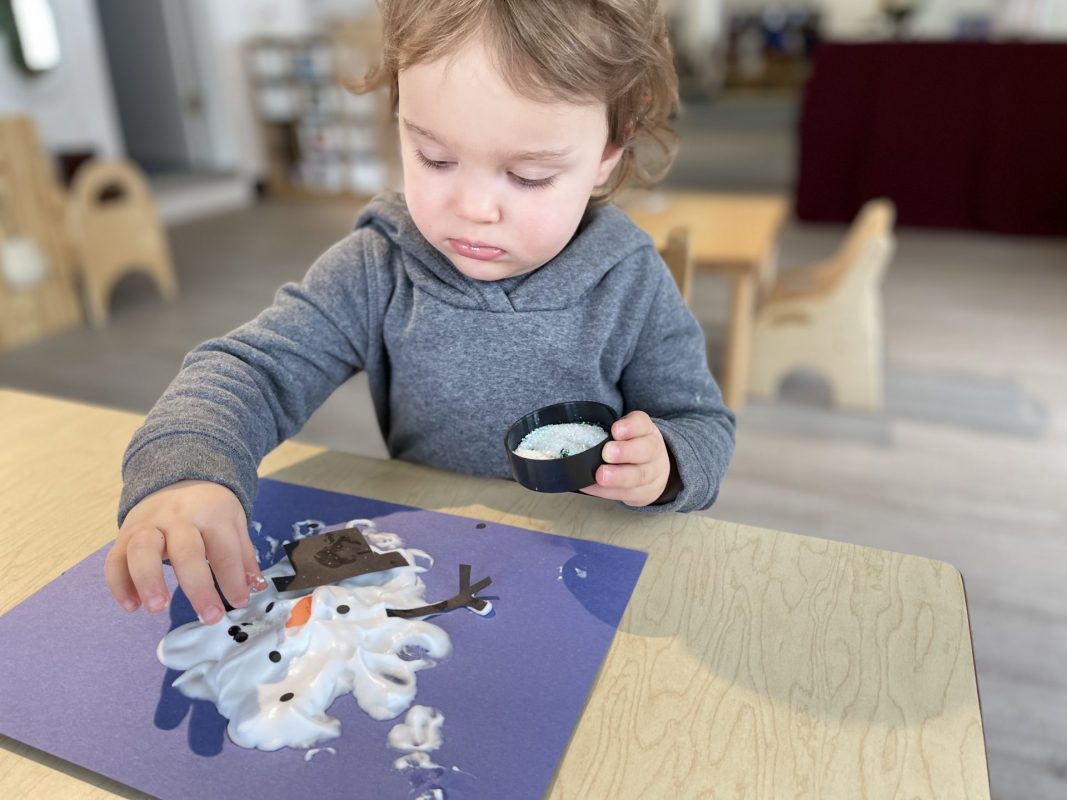
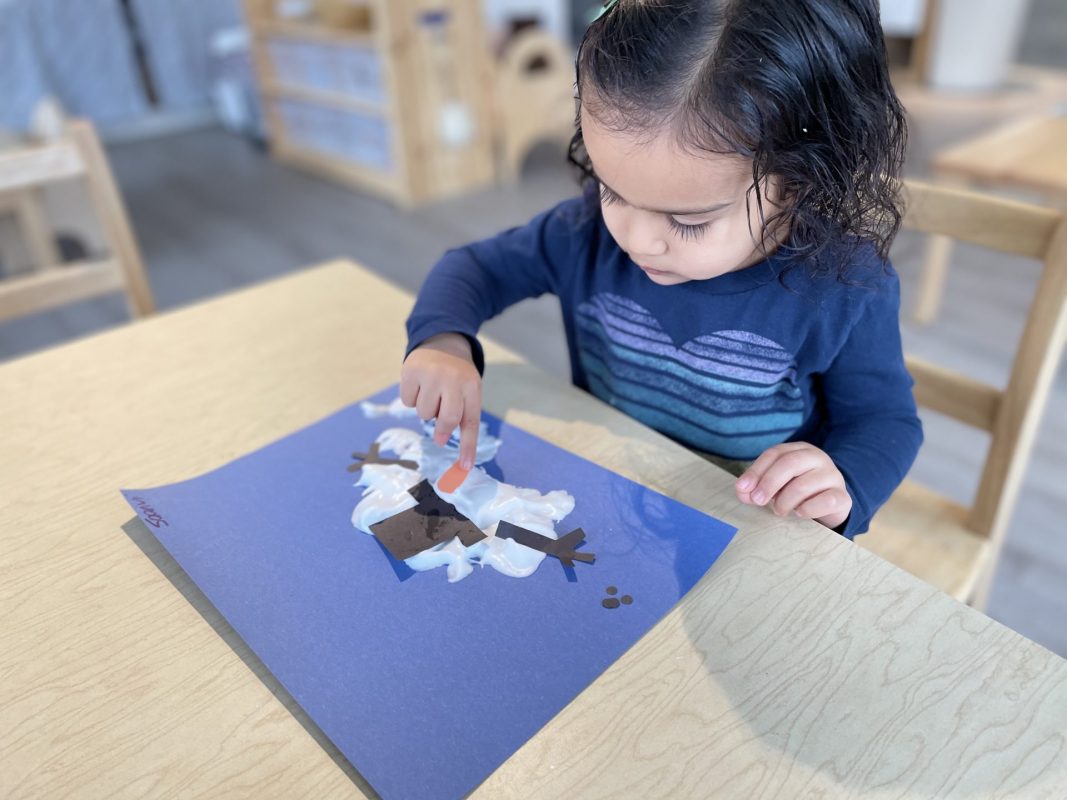
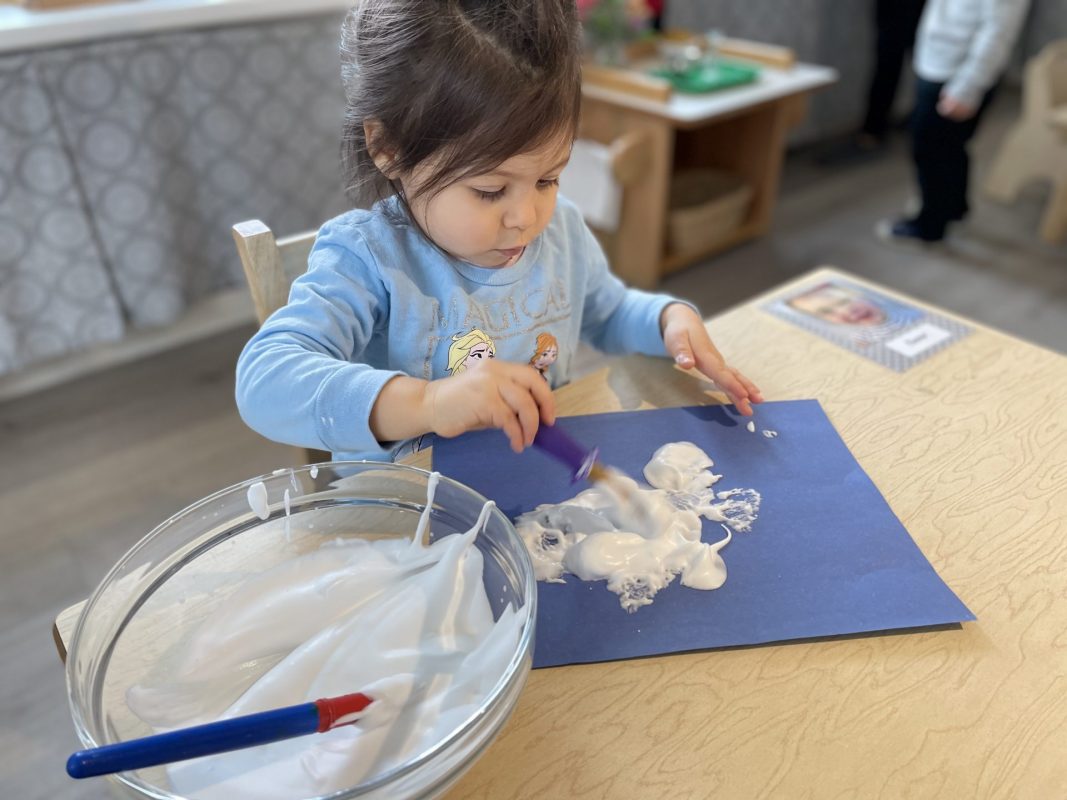
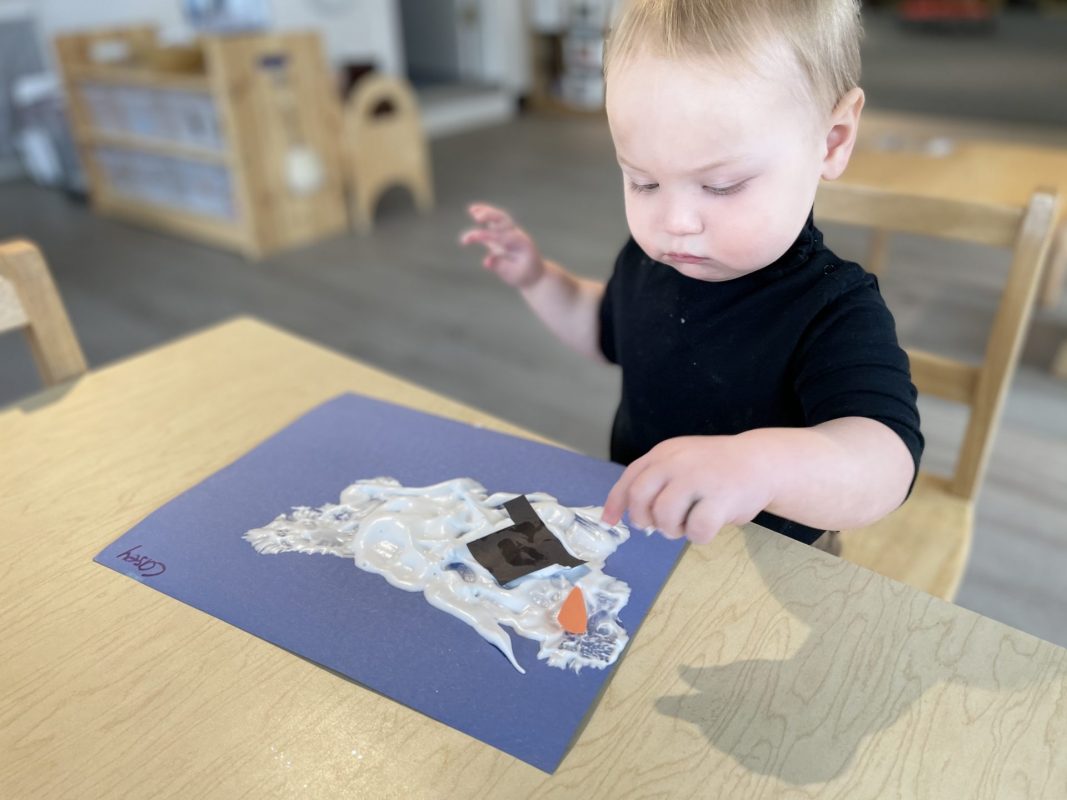
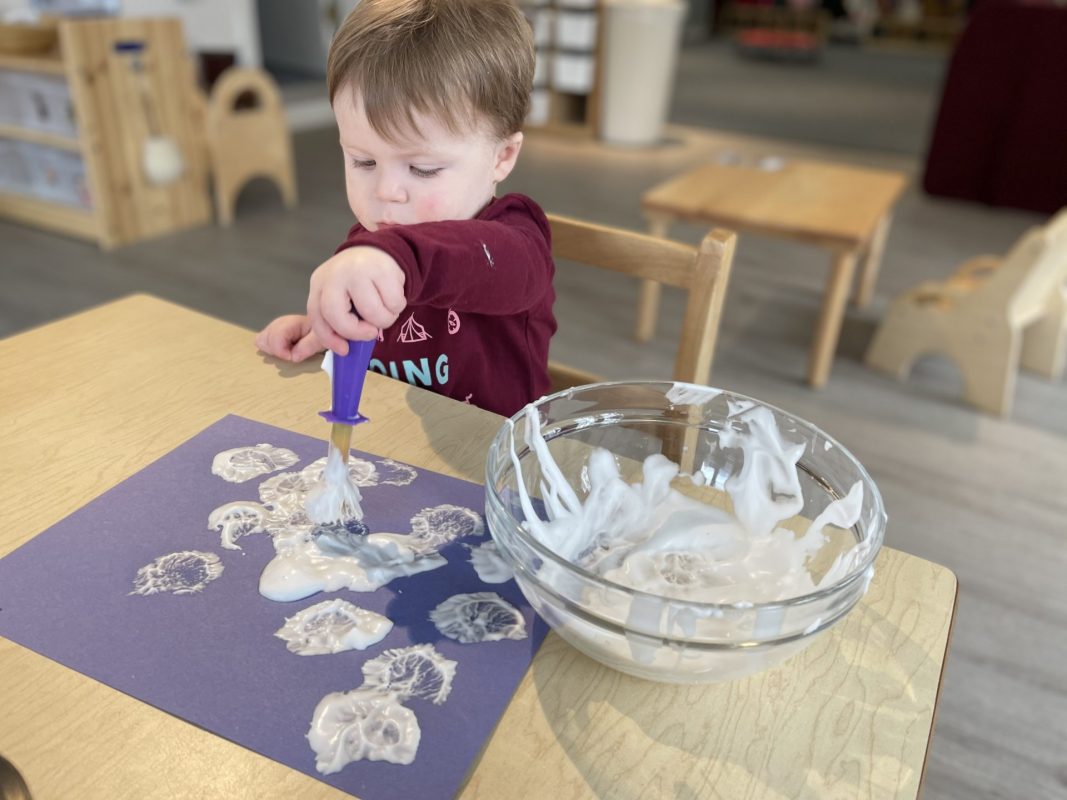
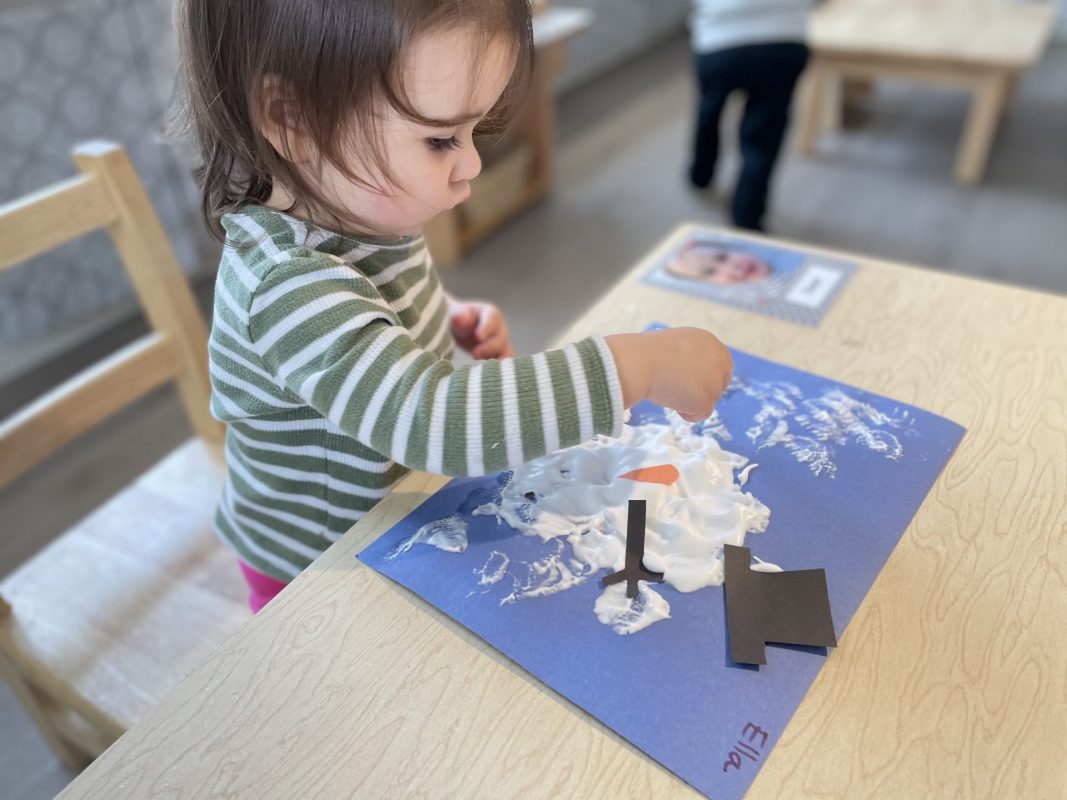
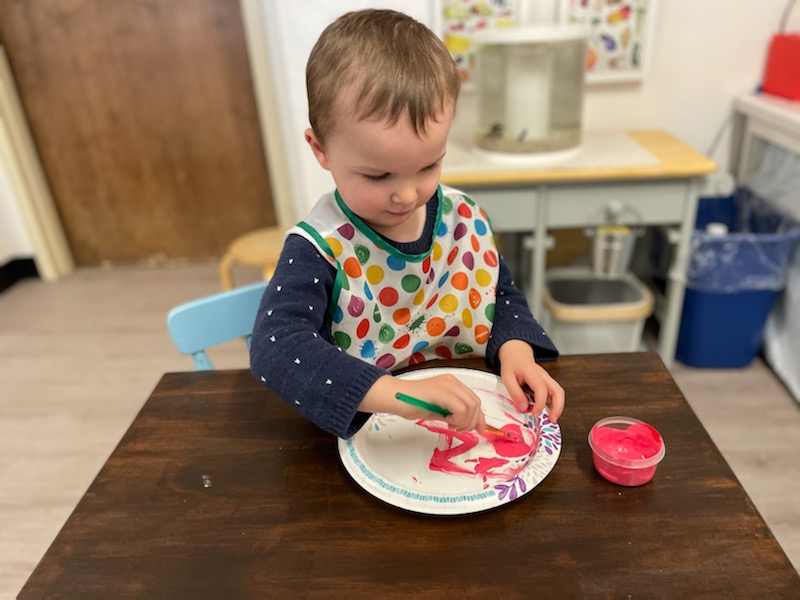
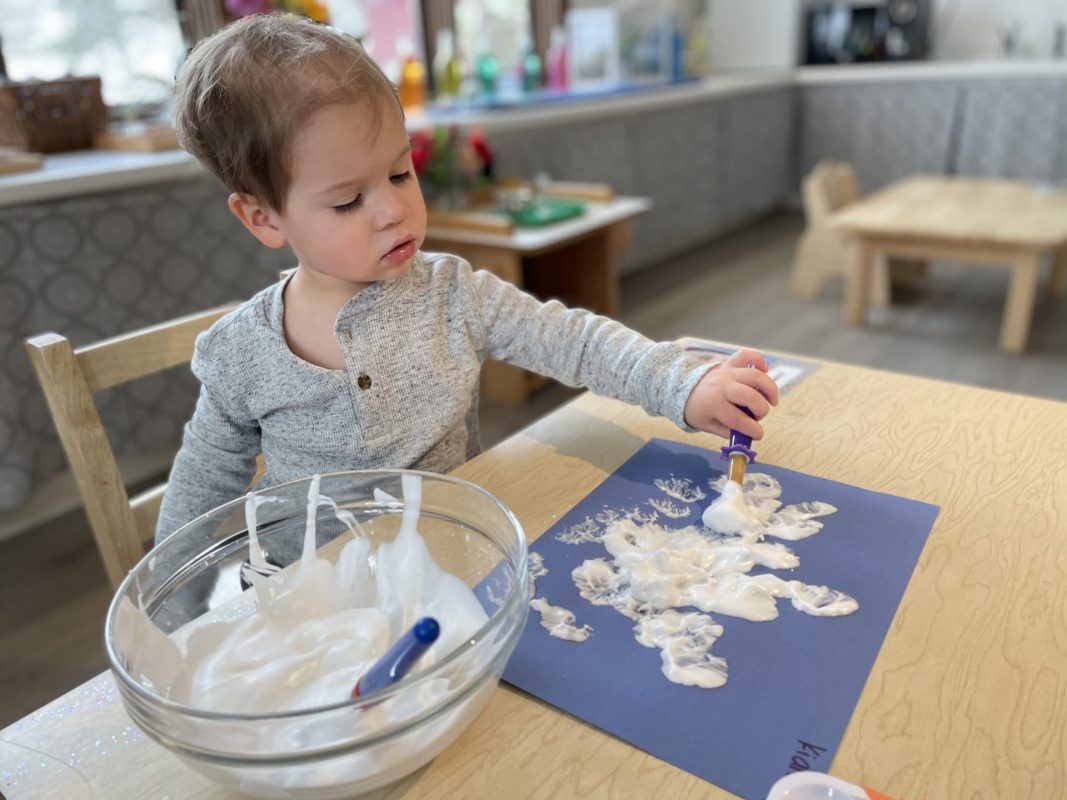
On another note and in continuation with our winter studies, children worked on a fun sensorial art piece called: “My Melted Snowman.” Children had fun mixing glue and shaving cream to create snow puff paint and then explore the mixture while painting their own piece of art. They added a hat, arms, nose, eyes, and smile as they pleased, finishing it with the magic of glitter. Even though the result was adorable, it seems what they loved the most was the experience and process of this fun project. Their smiles throughout the activity were just priceless.

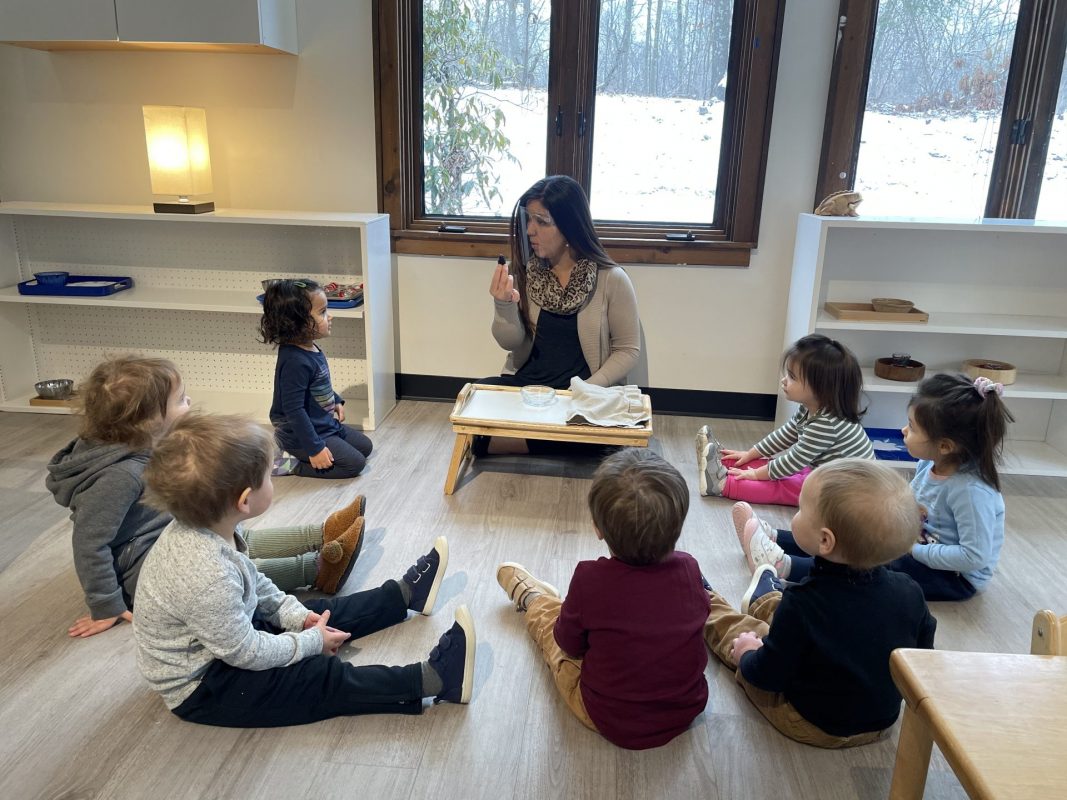
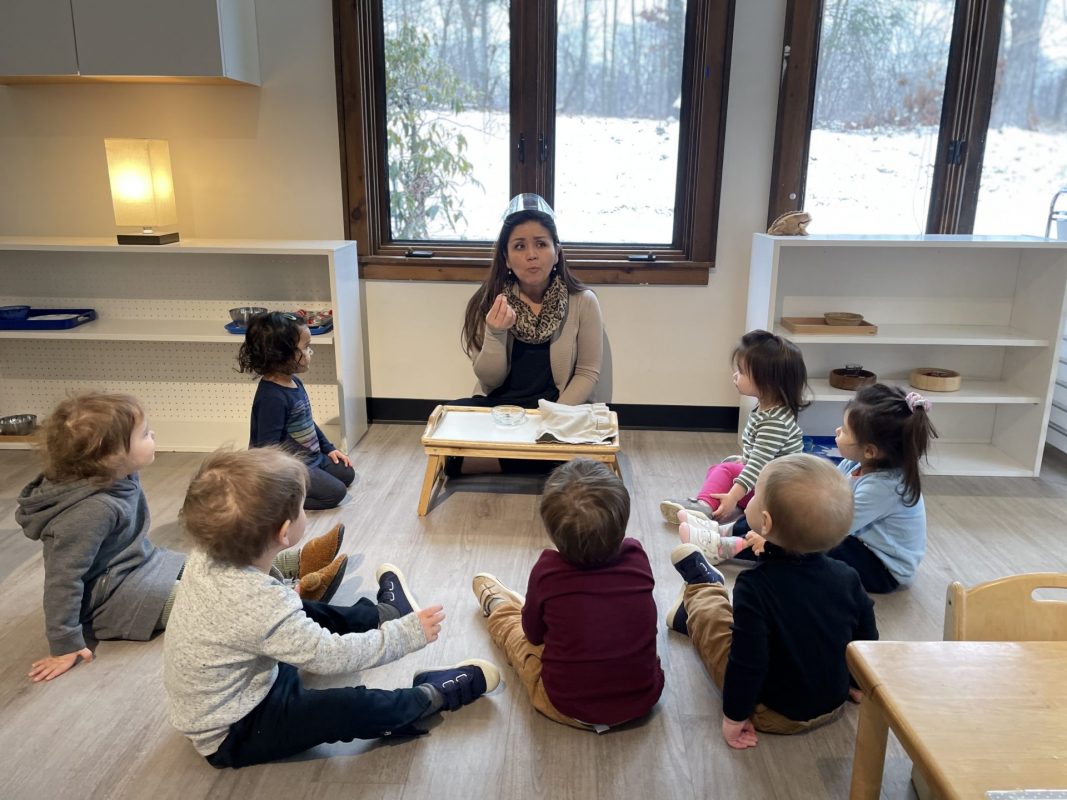
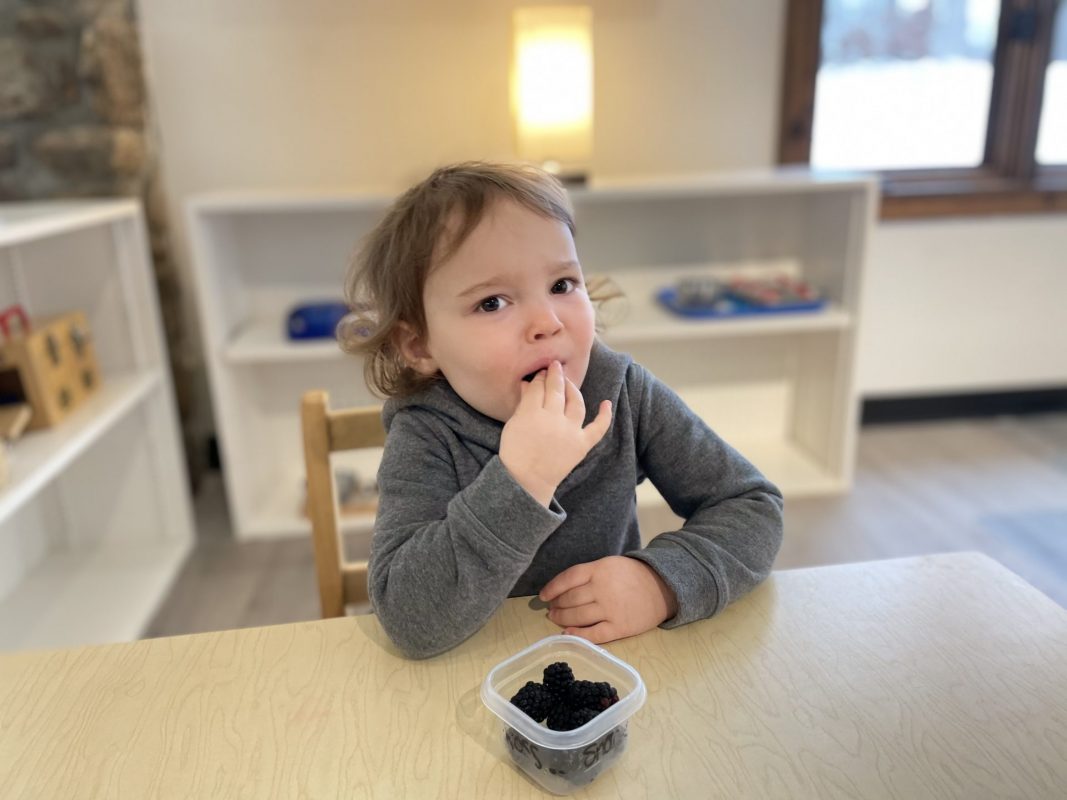
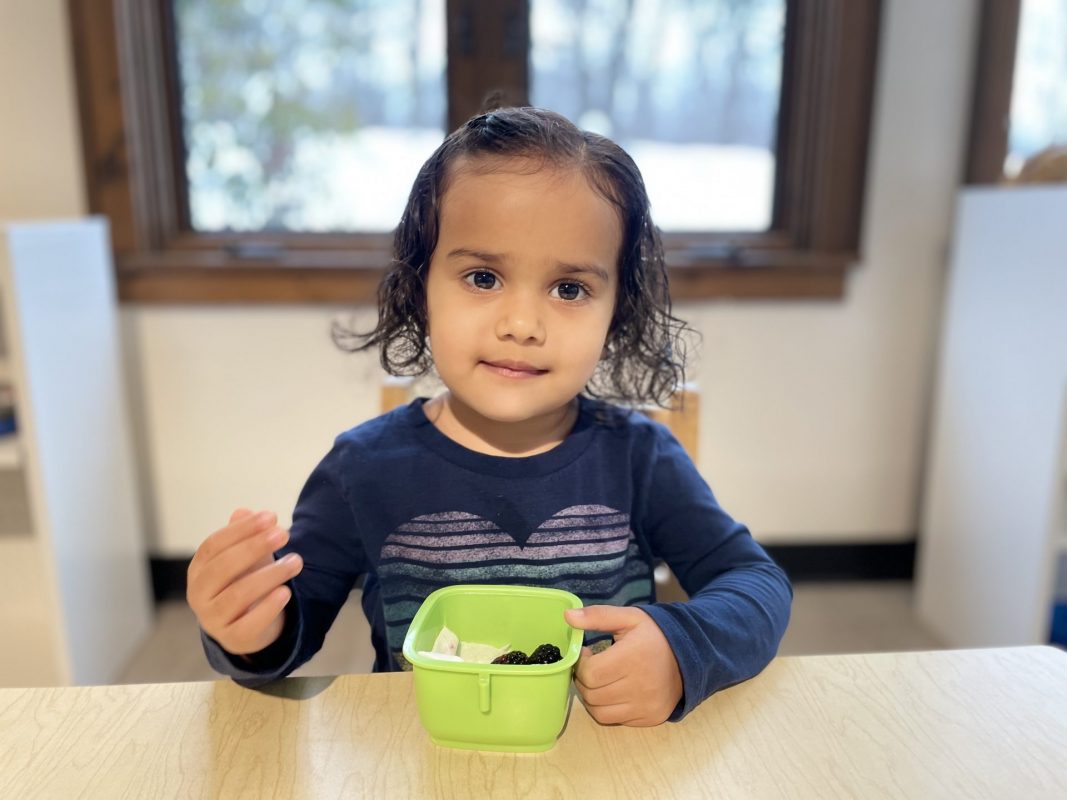
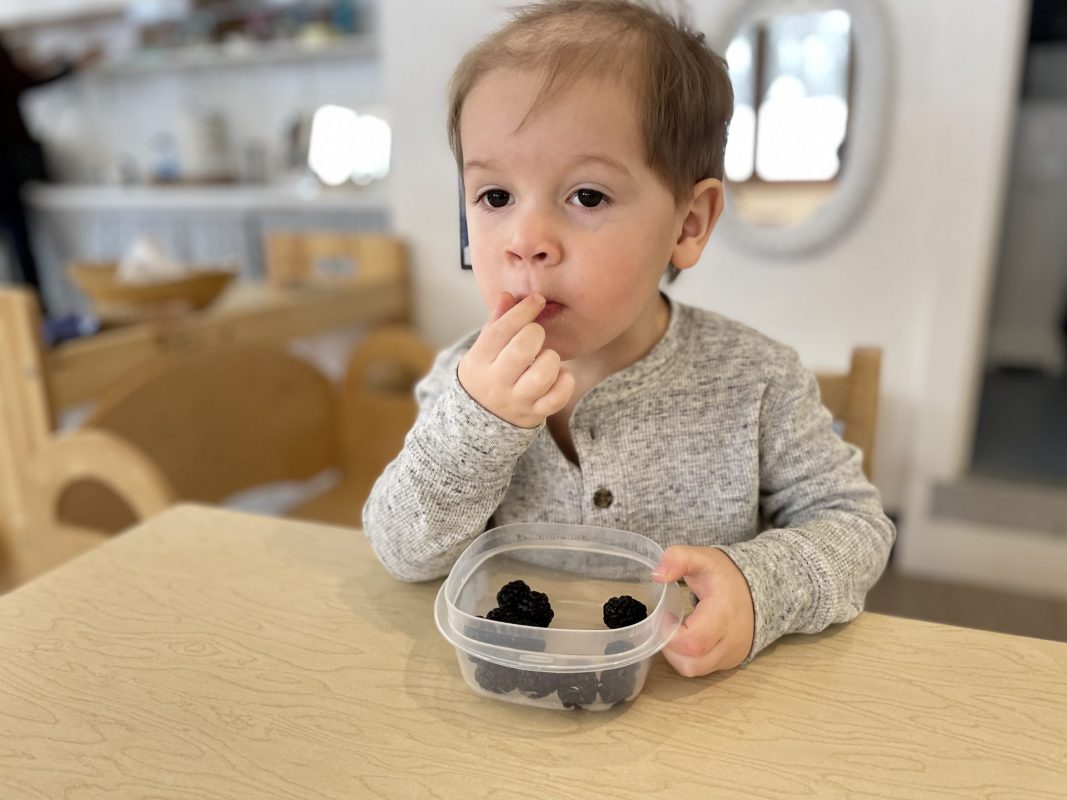
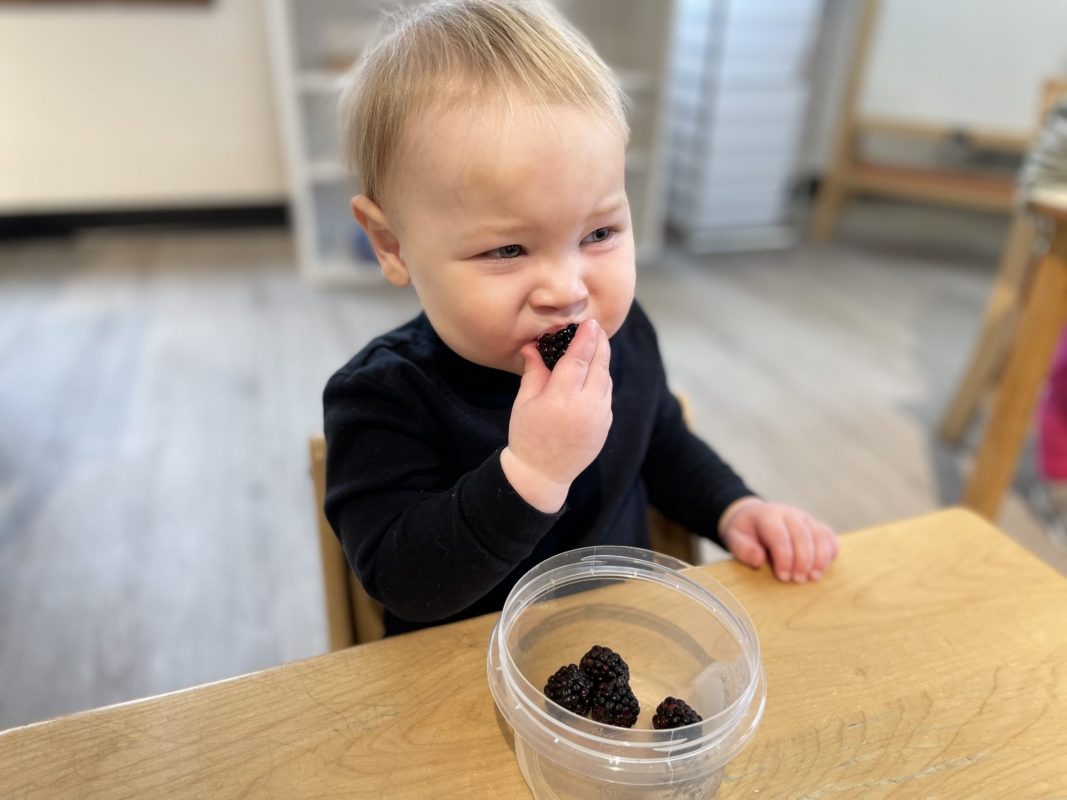
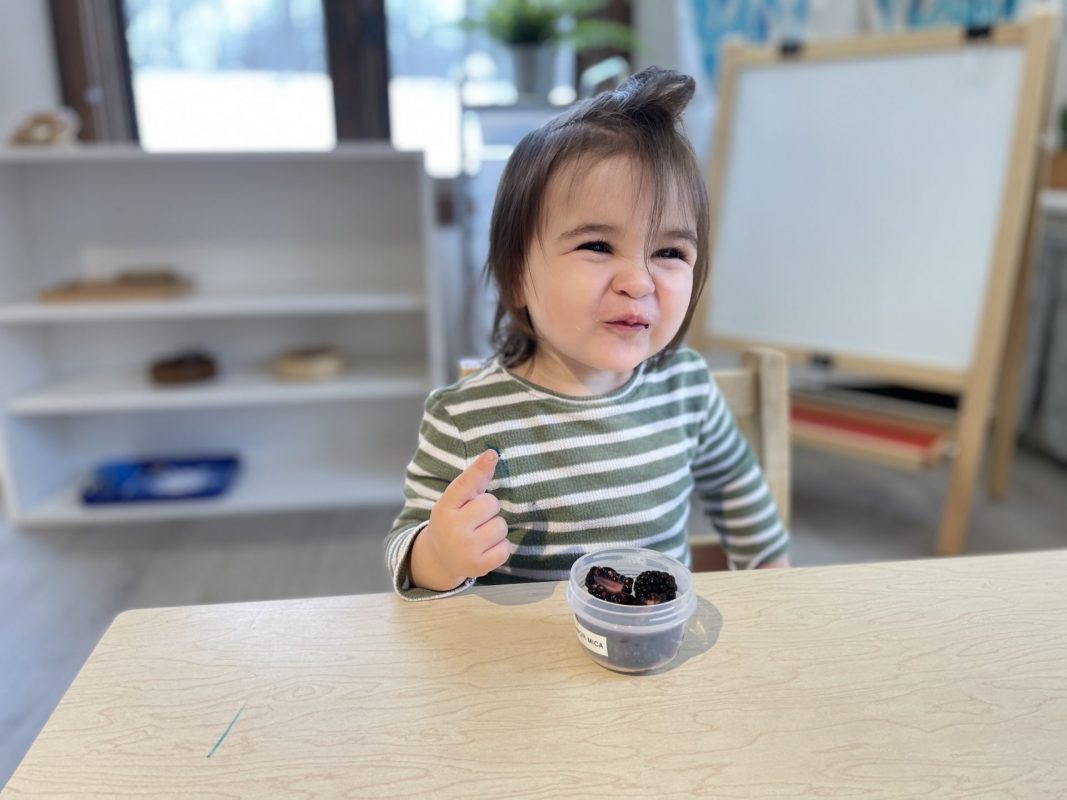
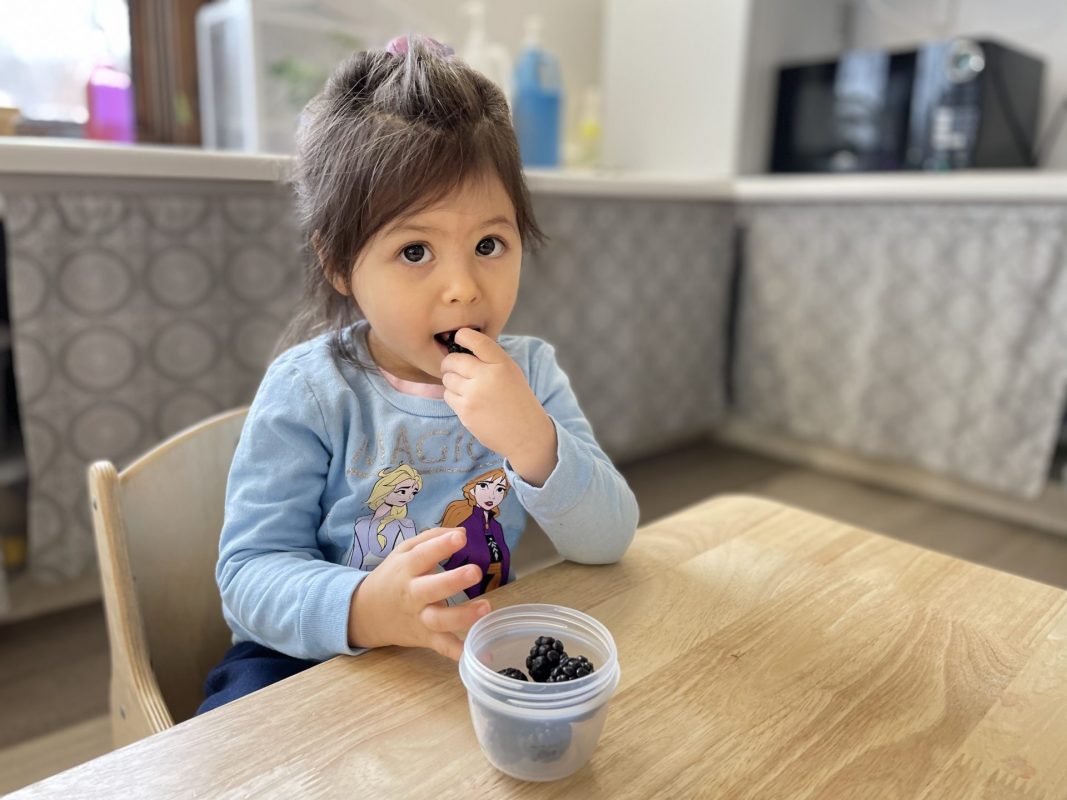
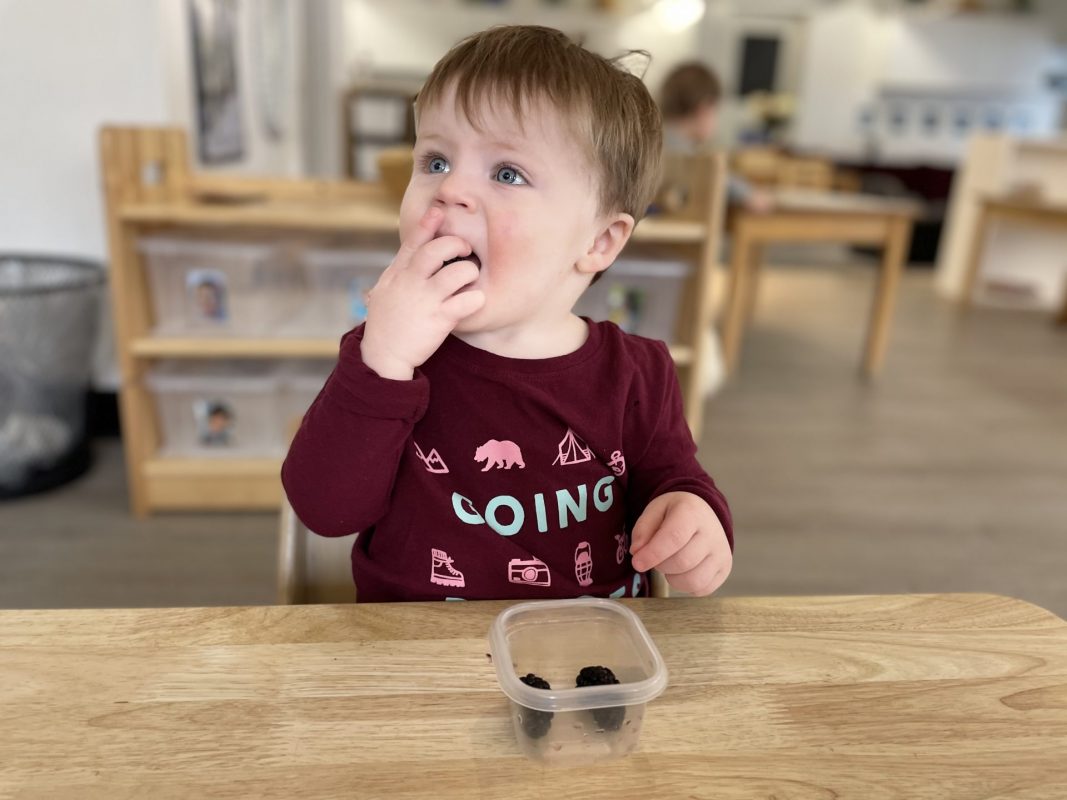
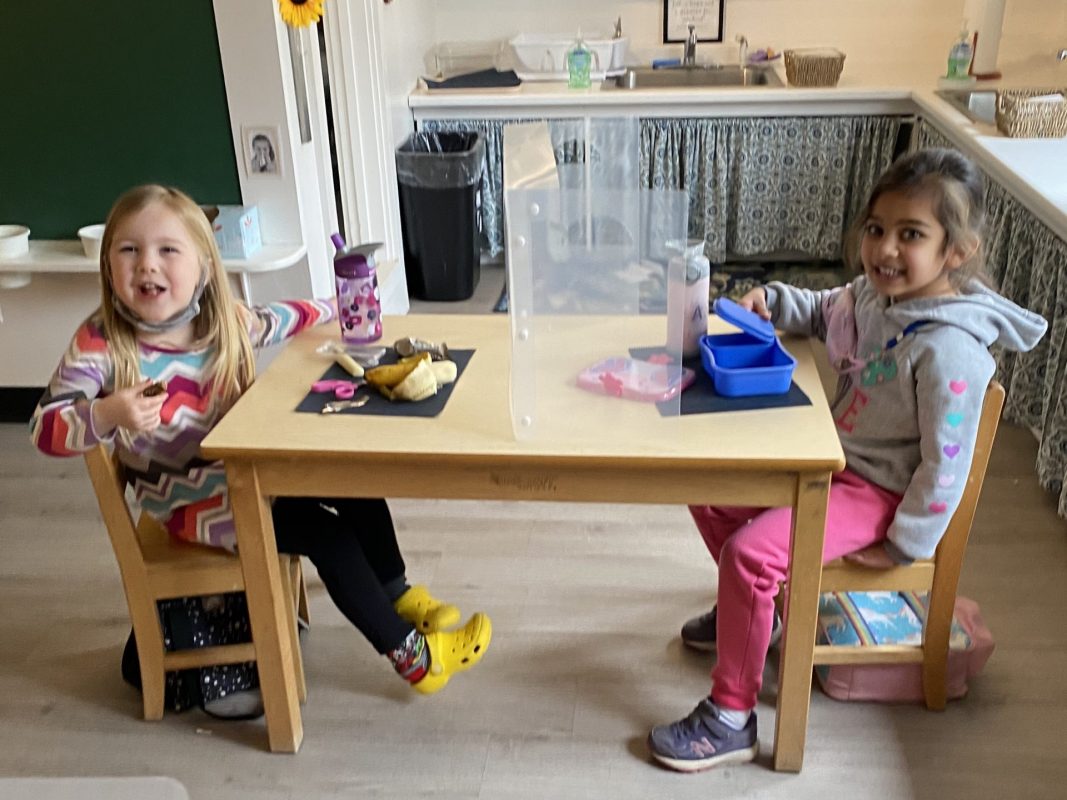
For food tasting, children enjoyed exploring blackberries! This fruit was a hit and most of the children kept asking for more!

Stay safe and warm,

Mrs. Hood and Ms. Maria


Middle School: Week in Review

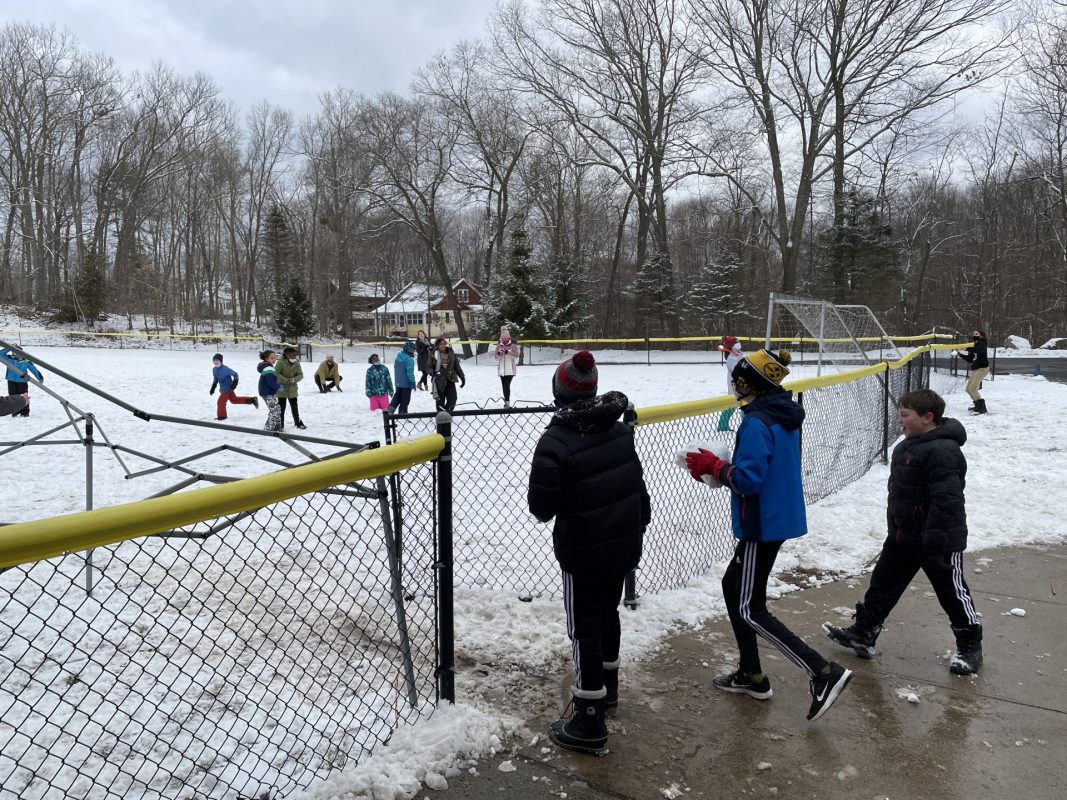
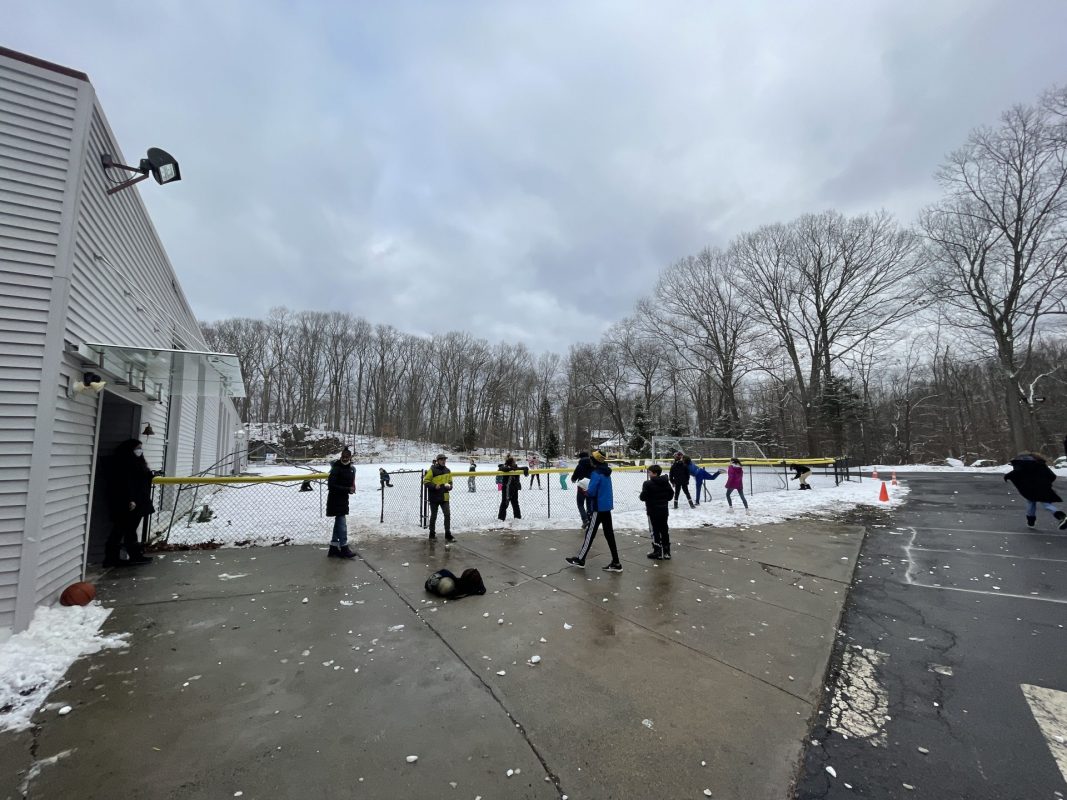
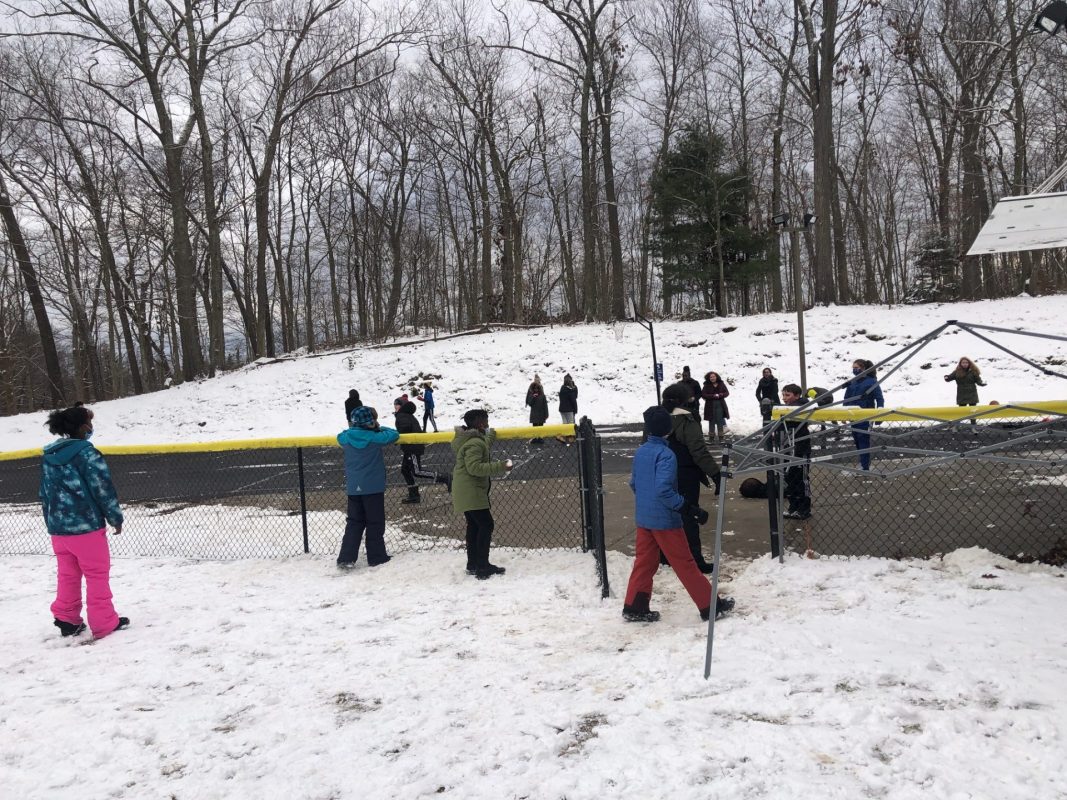
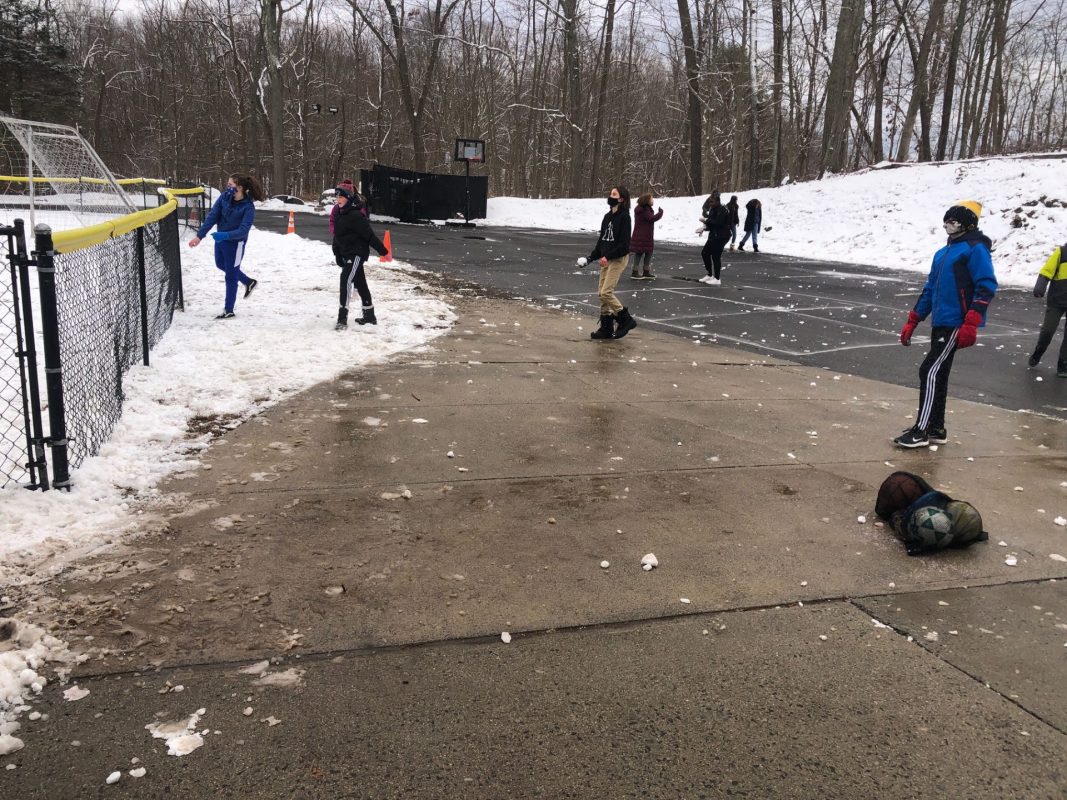
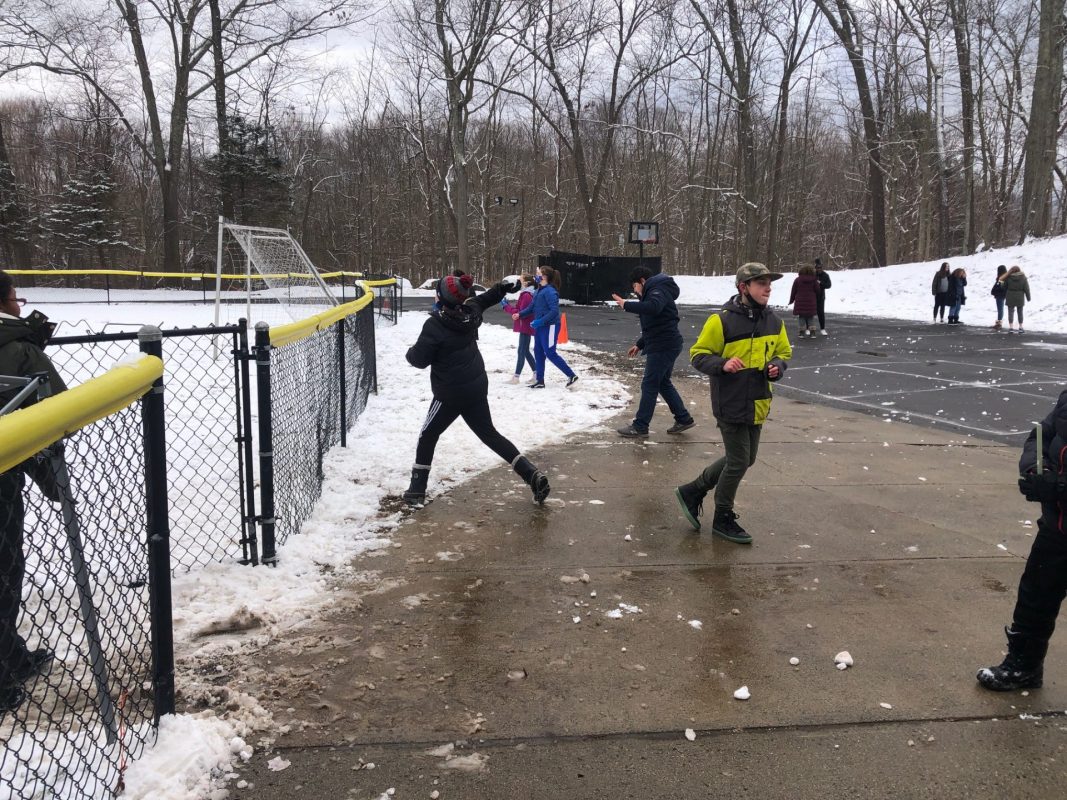
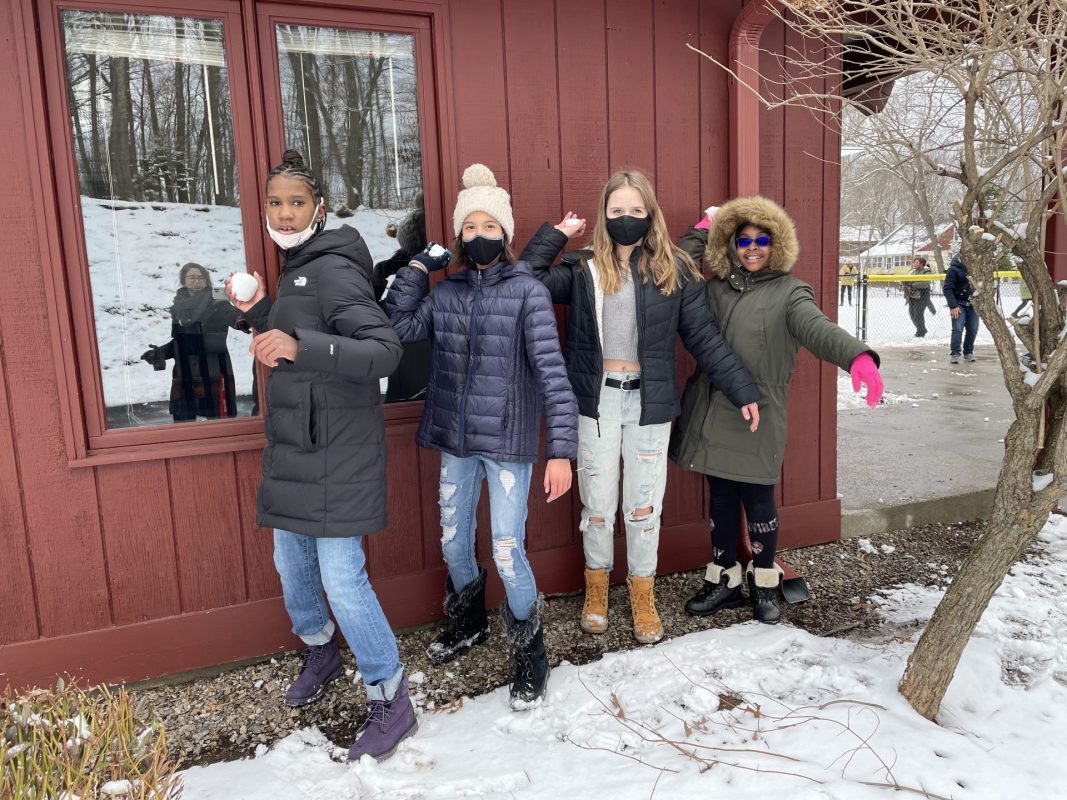
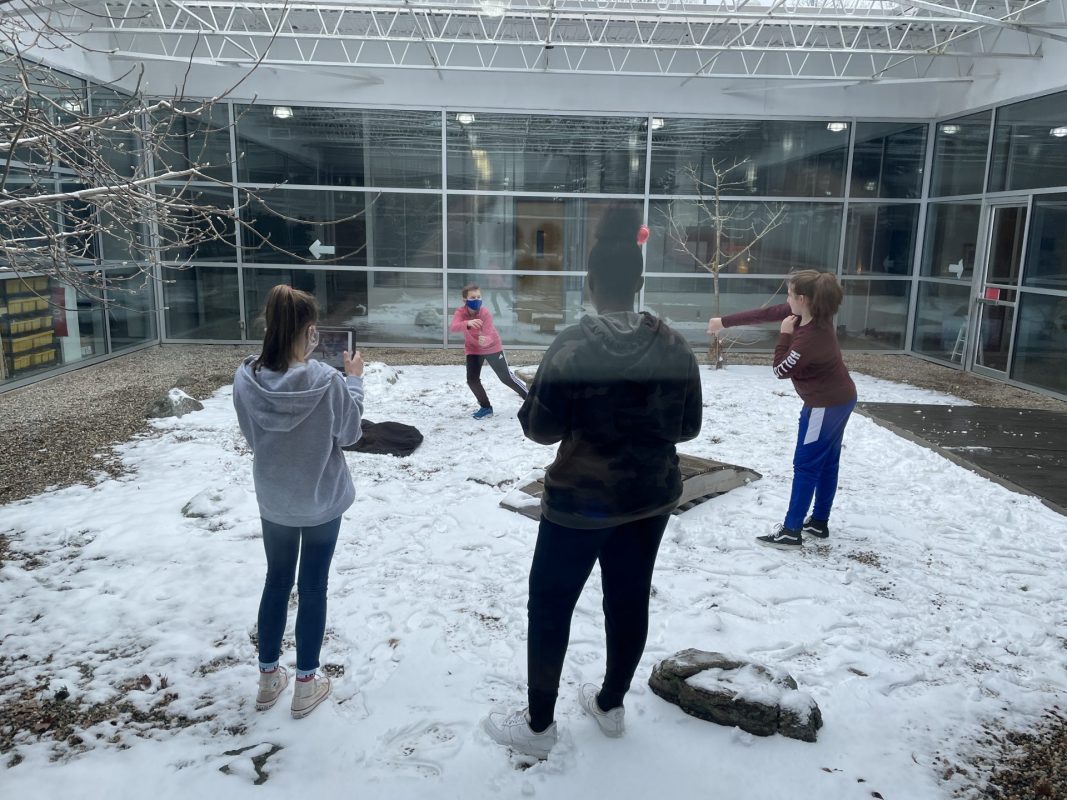
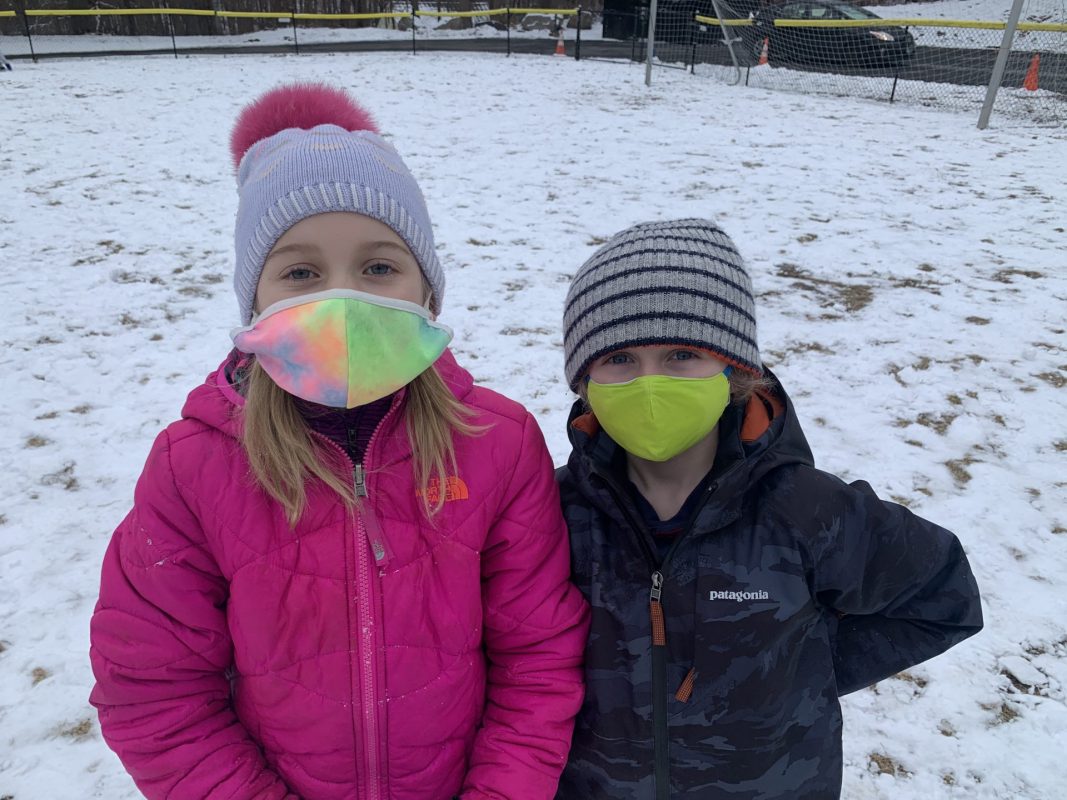
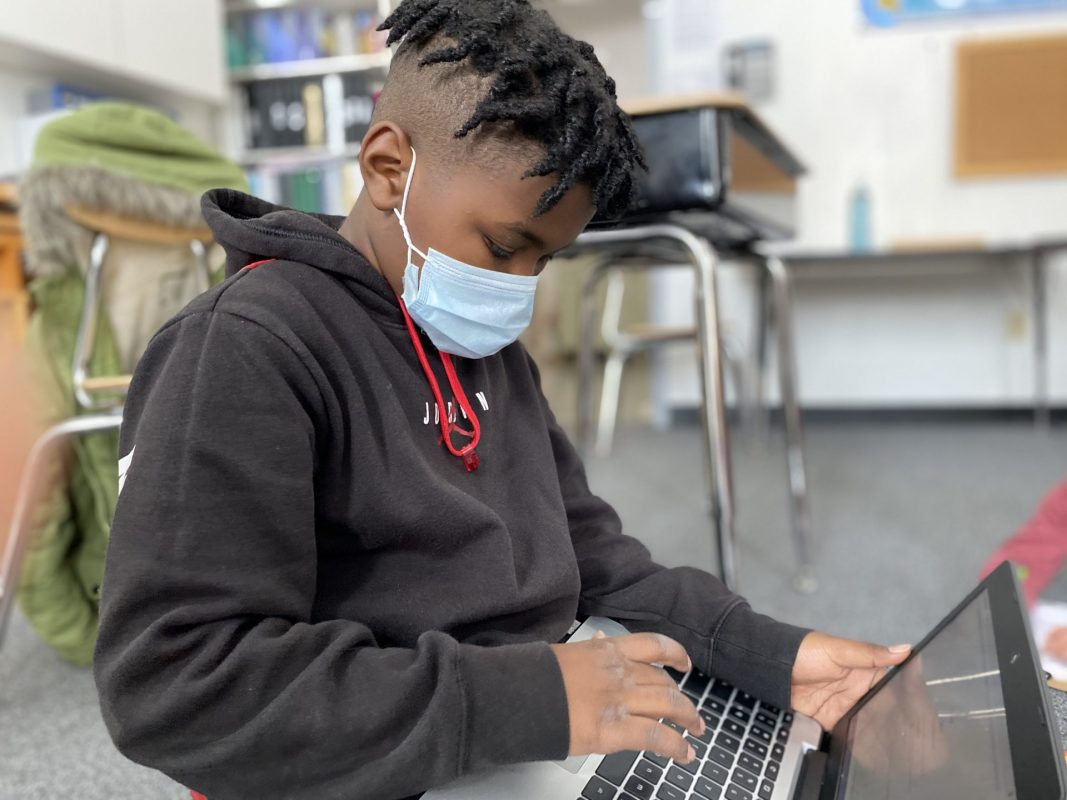
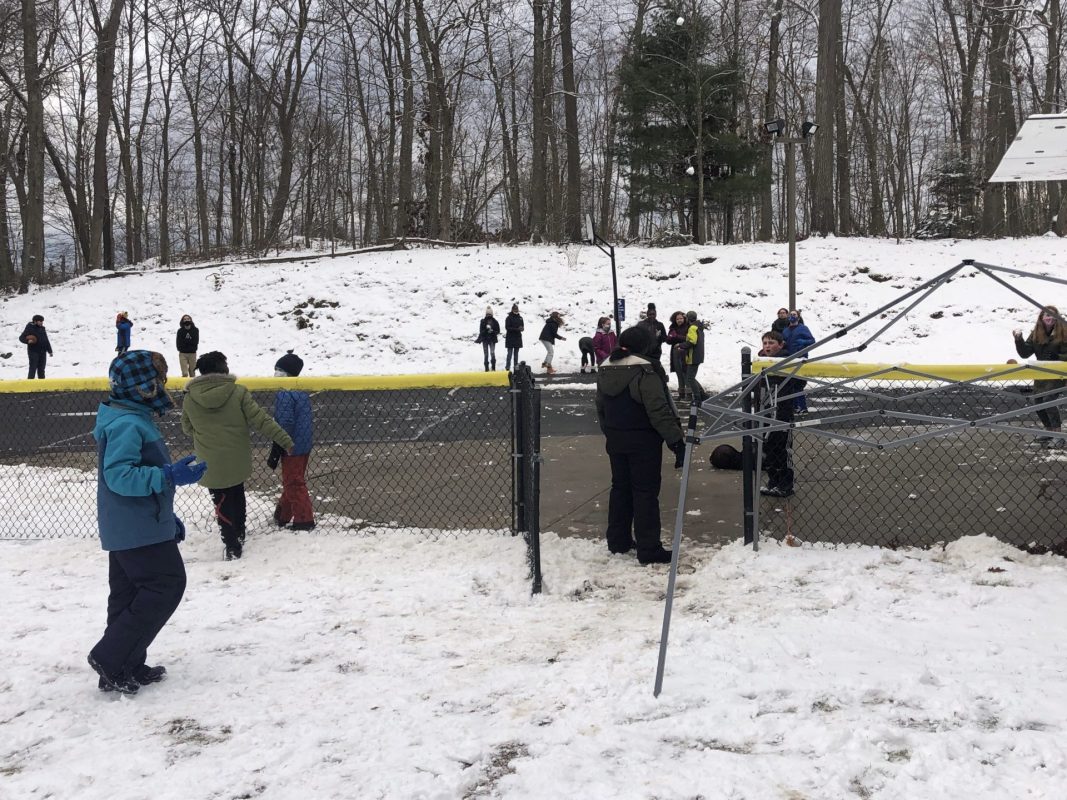
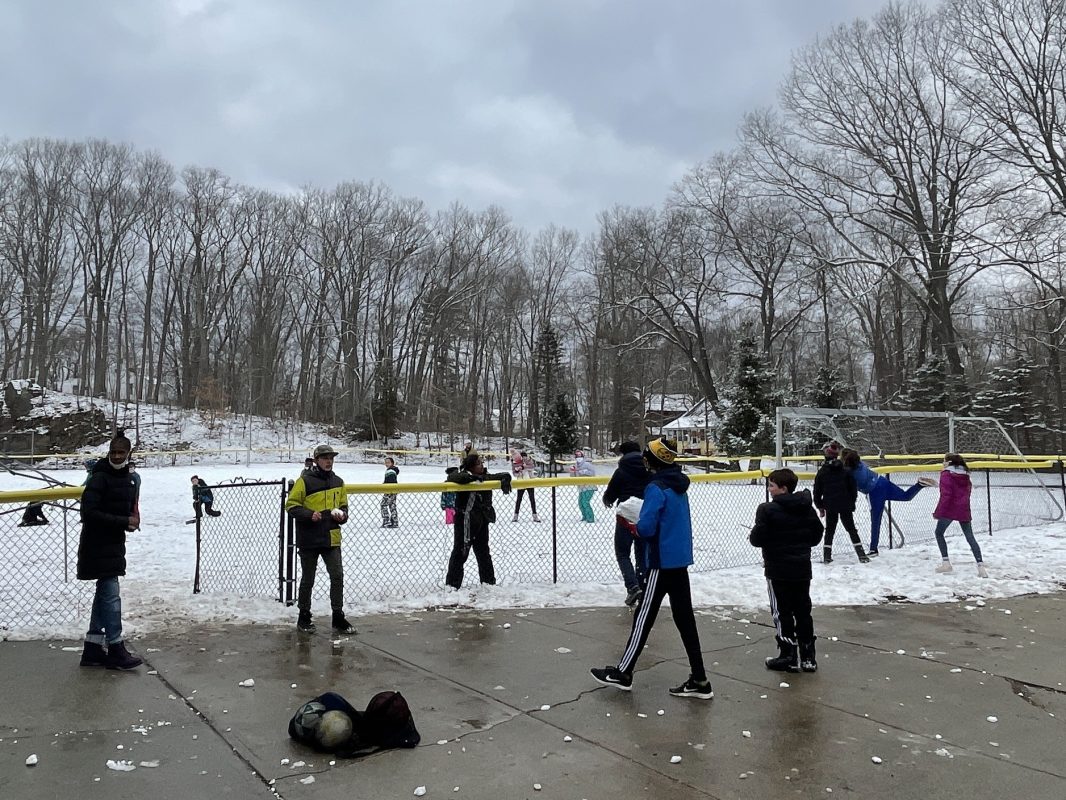
Brr! It’s cold out there this week! Students had fun in the snow and even a Middle School vs. Upper Elementary snowball fight across the field! Inside, Middle School students kept warm and busy.

Please make sure your child/children has a warm jacket, gloves, hat, and any other necessary cold-weather accessories for recess. Of course, we will not be outside for extended periods in temperatures below 30 degrees with the exception of a brief mask break.

Humanities

This week, 6th and 7th year students are gearing up for research project presentations next Wednesday and Thursday nights! They worked on revising their research essay drafts and ran through their presentations for the first time. This group has been working diligently through the process. 6th year students have been incredibly conscientious with their first research projects of this caliber. Mrs. Lamb is excited for them to present to you!

The 8th grade learned about the American Revolution this week. They learned about the formation and first two meetings of the Continental Congress that drafted the Declaration of Independence. Before reading it, students guessed what would be included as reasons given to King George III for wanting to be independent. All of their speculations were correct! After reading the document, 8th graders learned about the battles of the war and involvement by other countries. Next we will cover the Treaty of Paris and move into Westward expansion.

Science

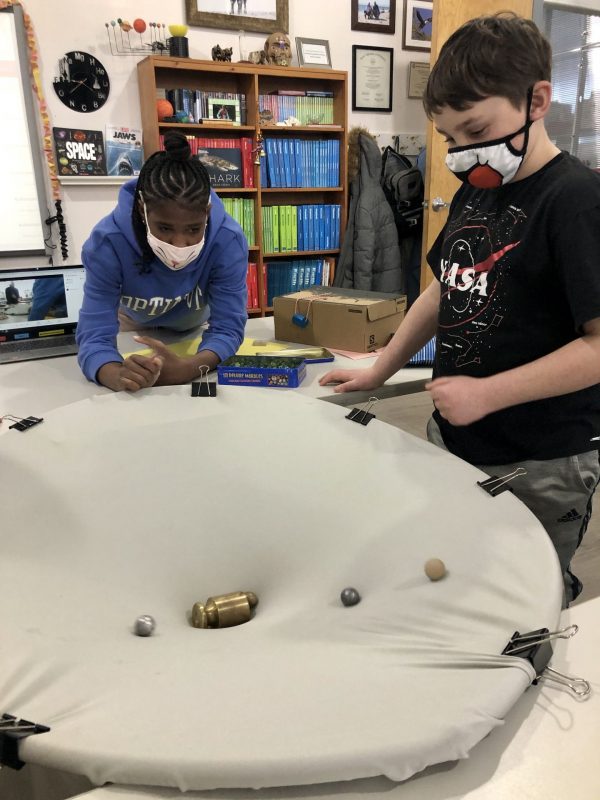
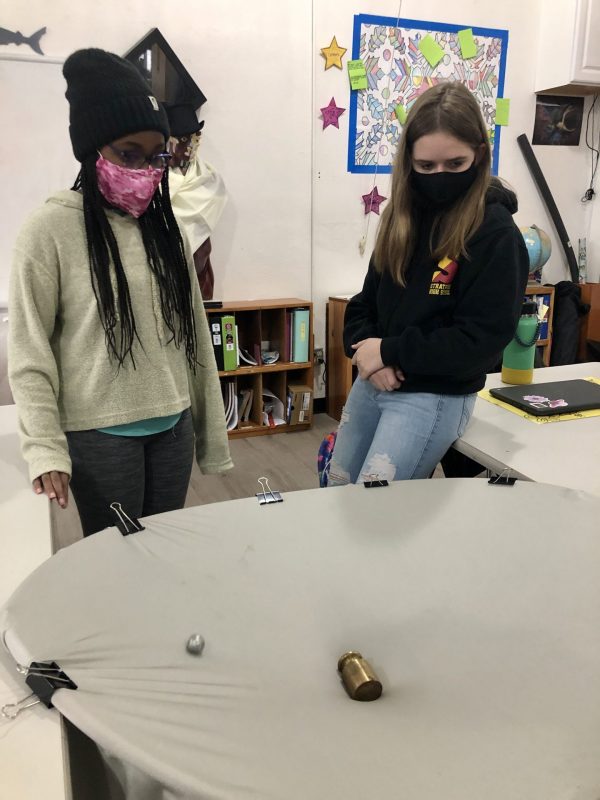
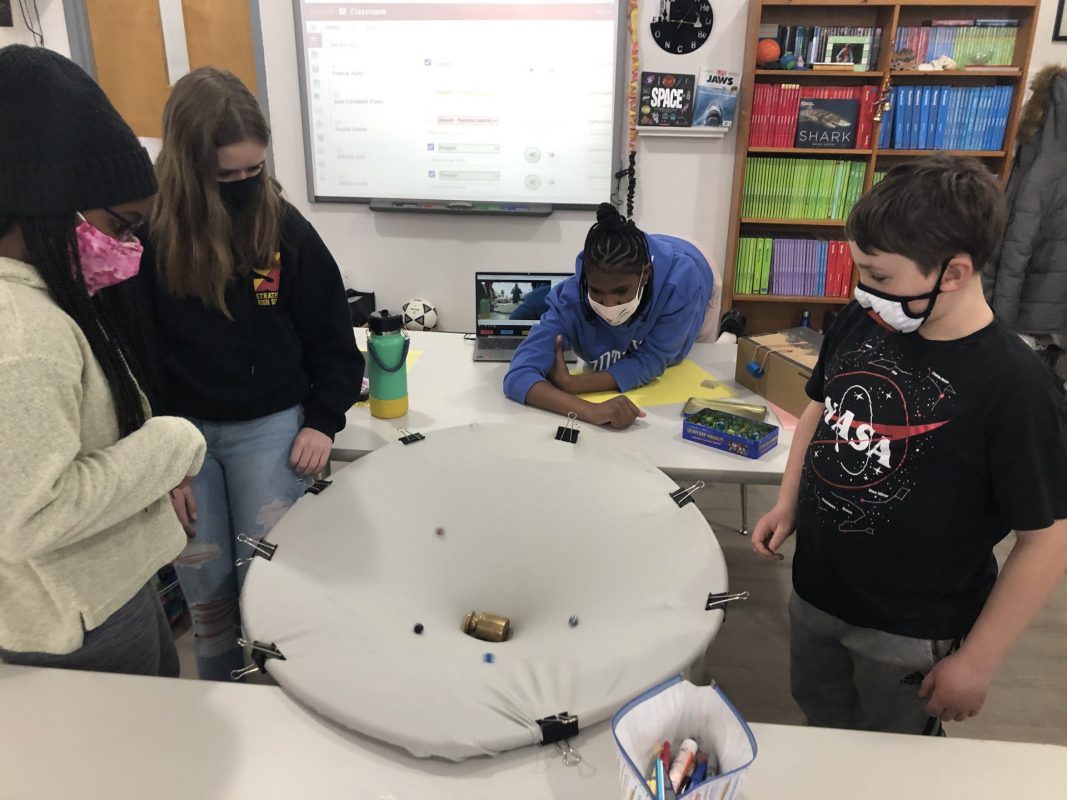
6th year Earth Science students have been finishing their unit, Rotations, Orbits, and Seasons. This past week, students have demonstrated the cause and effects of Earth’s orbital path around the sun. Students were able to represent the orbital path and gravitational attraction of an object using a sheet of spandex stretched over a hula hoop with a central weight and marbles. Each student projected a marble of different weight around our central weight (sun), recording how the paths differed from one another.

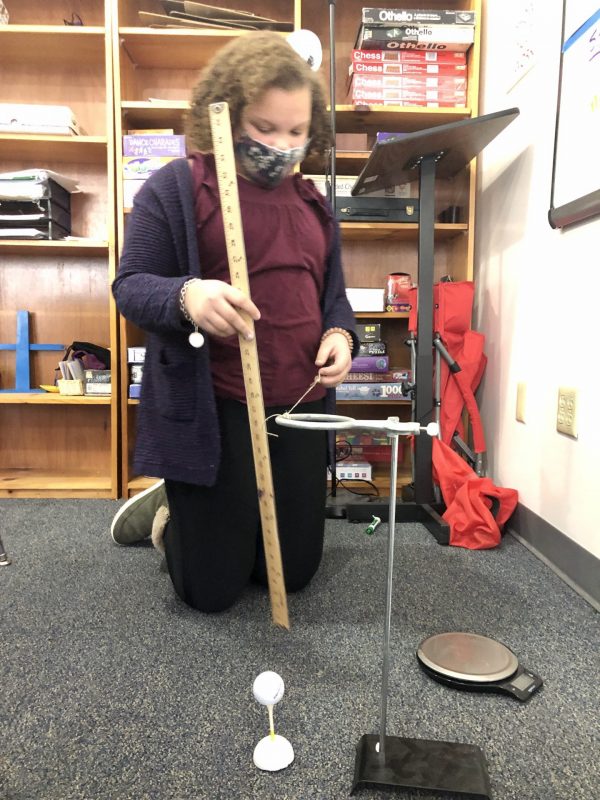
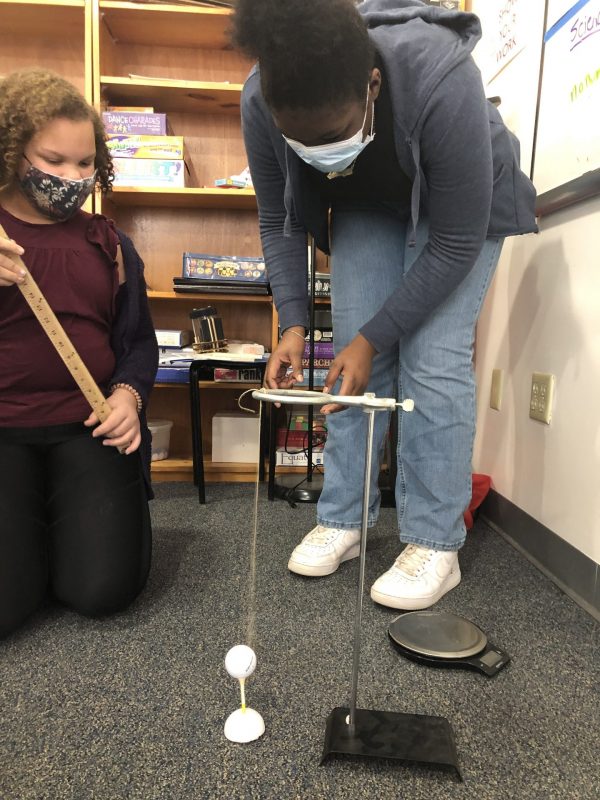
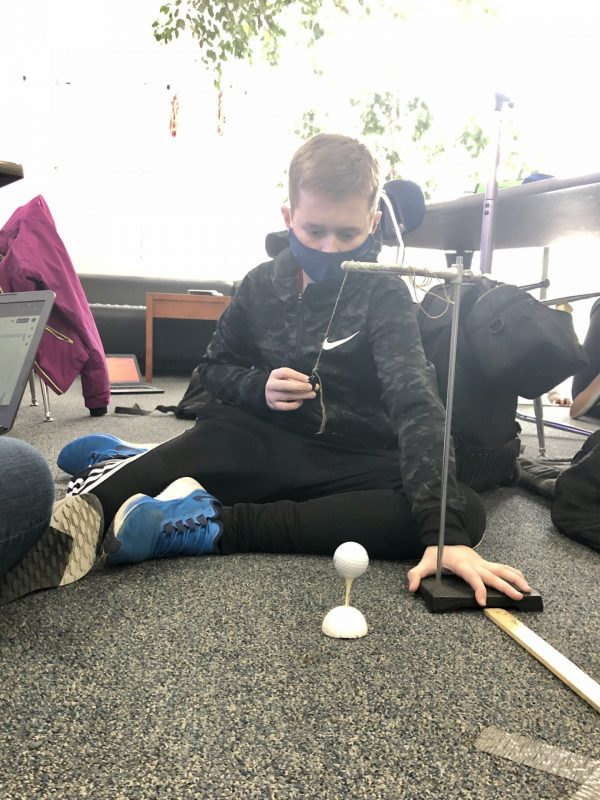
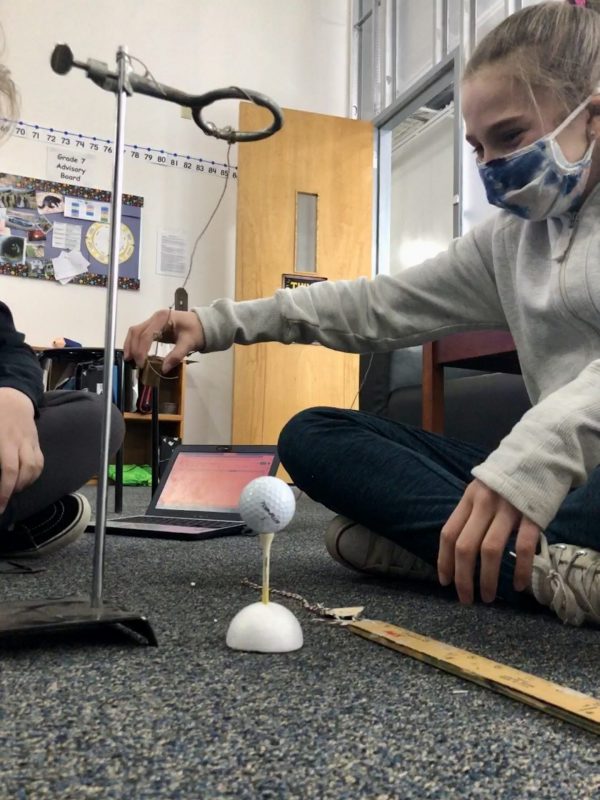
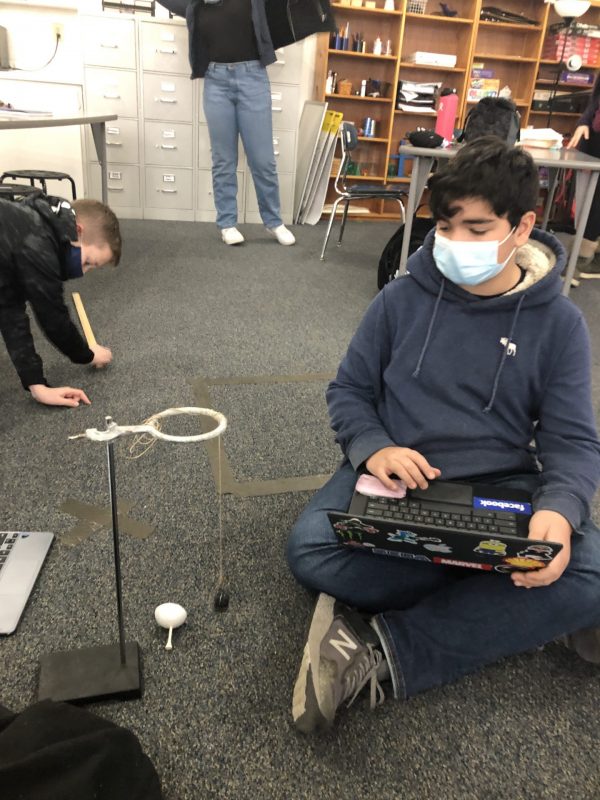
7th year Physical Science students have begun the unit, Potential Energy. This week, students have been conducting a laboratory investigation that analyzes how the weight and height of a pendulum affects an object’s stored potential energy. Students are recording the distance a golf ball travels, which is representative of the amount of potential energy stored prior to the pendulum’s release. Students are to record each of their trials, analyzing their data through a series of graphs and charts which will be a part of their formal lab report.

8th year Life Science students are just beginning their new unit, Circulatory System. So far this week, the class has held discussions to gauge what background knowledge of the circulatory system students may have. They began identifying myths of the circulatory system such as blood in our body is blue. They have identified the four chambers of the heart, roles of both the arteries, veins and capillaries, and the path in which the blood travels through the body. Students will work on several artistic representations of the heart and circulatory system, identifying the role and importance each holds.

Math

In Pre-Transition class, students are learning all about order of operations questions, finding the percent of a quantity, multiplying fractions and mixed numbers, as well as multiplying negative and positive numbers in real world situations. They have been preparing for the Chapter 6 unit test by going over good study strategies for math class. This includes reviewing old homework questions, correcting past quizzes, and reading the textbook lesson for more examples.
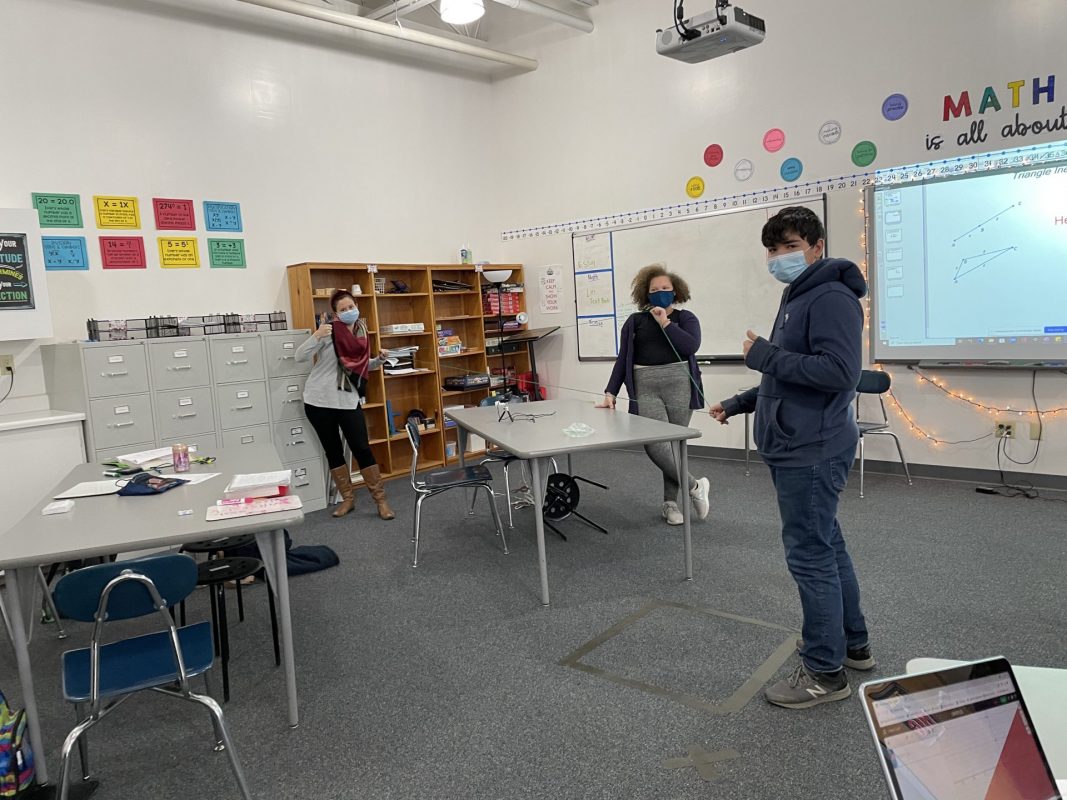
In Transition class, students had the opportunity to learn about graphing solutions to linear equations by using an input and output chart. Students are also more confident in using the triangle inequality theorem, calculating absolute values, and rearranging equations to isolate a variable. We are concluding our learning of Chapter 5 and will start Chapter 6 next week.
In Algebra class, students are using a unique set of notes to build their understanding of slope/rate of change. We have learned about the general form equation, line of best fit on a scatter plot, graphing linear inequalities on a coordinate grid, and identifying the x and y intercepts of a linear equation. Students have been working very hard to prepare for their Chapter exam this week.
In Geometry class, students are learning how to use the triangle-sum theorem, quadrilateral- sum theorem and the exterior angle theorem. Students are able to draw and identify auxiliary figures, demonstrate a two-column proof using the perpendicular bisector theorem, as well as find missing angle measures in polygons.
Math Joke: What do mathematicians do after a snowstorm? ……………………Make snow angles!
EXTRA JOKE: Are monsters good at math? ………………………………Not unless you Count Dracula.
Thanks for reading! Have a great weekend!
Mrs. Doyle’s Class: Animals In Winter

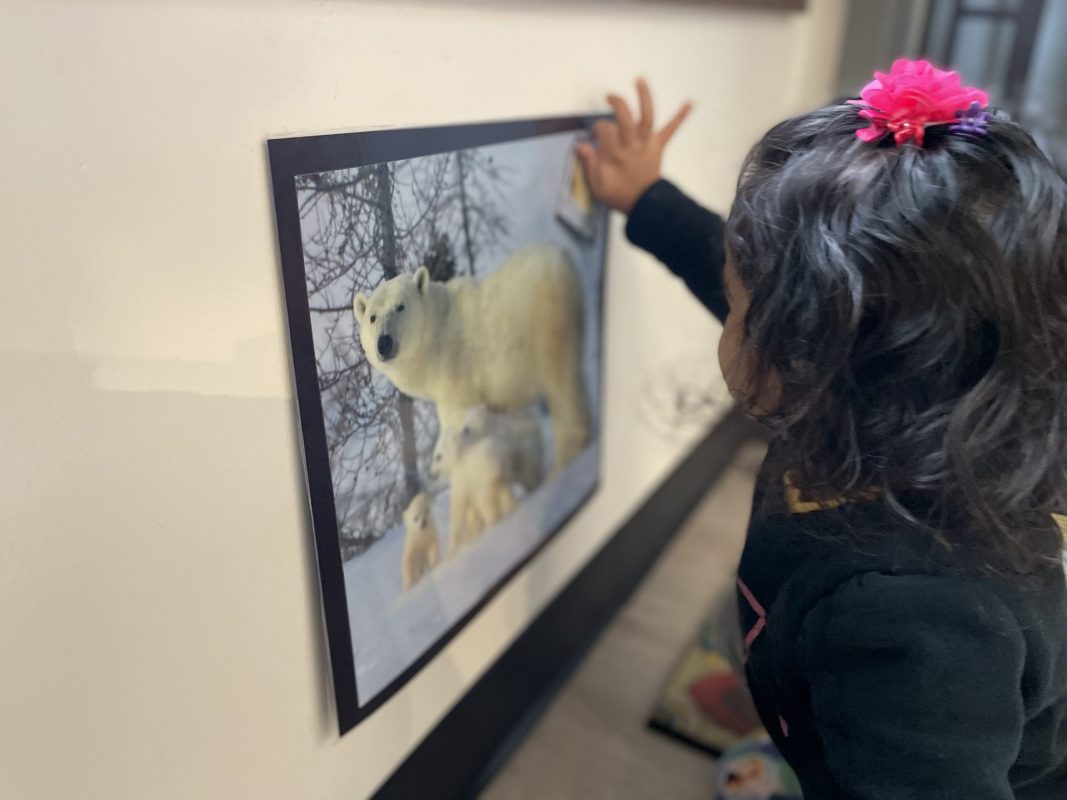
Over the course of the last few weeks,  we have been learning that winter can be very harsh for animals. The weather and lack of food can make their survival difficult. To help ensure their survival, animals will hibernate, migrate, or adapt to their surroundings.

Animals that hibernate for the winter go into a deep sleep. Their body’s temperature drops, their heartbeat and breathing slow down and they use very little energy. We’ve learned what animals hibernate as well as where they hibernate.  Places that animals hibernate can be above ground such as a cave, nest or den or they can be below ground such as a burrow, a hole or deep down in the mud.  We explored which animals migrated or traveled to other places where the weather is warmer and they will be able to find food. We also examined why animals would migrate and where they may go. Animals that adapt, remain and stay active in their environment. They adapt to the changing weather and their behavior and bodies may change too.  We talk about what changes animals may make to ensure they will have enough food for the winter.

So, as the cold weather is becoming more frequent, how many of us are thinking about hibernating or migrating?

Parent/Teacher Conferences are quickly approaching.  An email, with a link to sign up for a time slot will be shared today.  We look forward to meeting with all of you to share your child’s growth and progress since our last conference.  Please be sure to leave a comment on the sign up, stating whether you prefer a phone conference or zoom conference.

Have a warm and happy week!
Michelle & Lizette


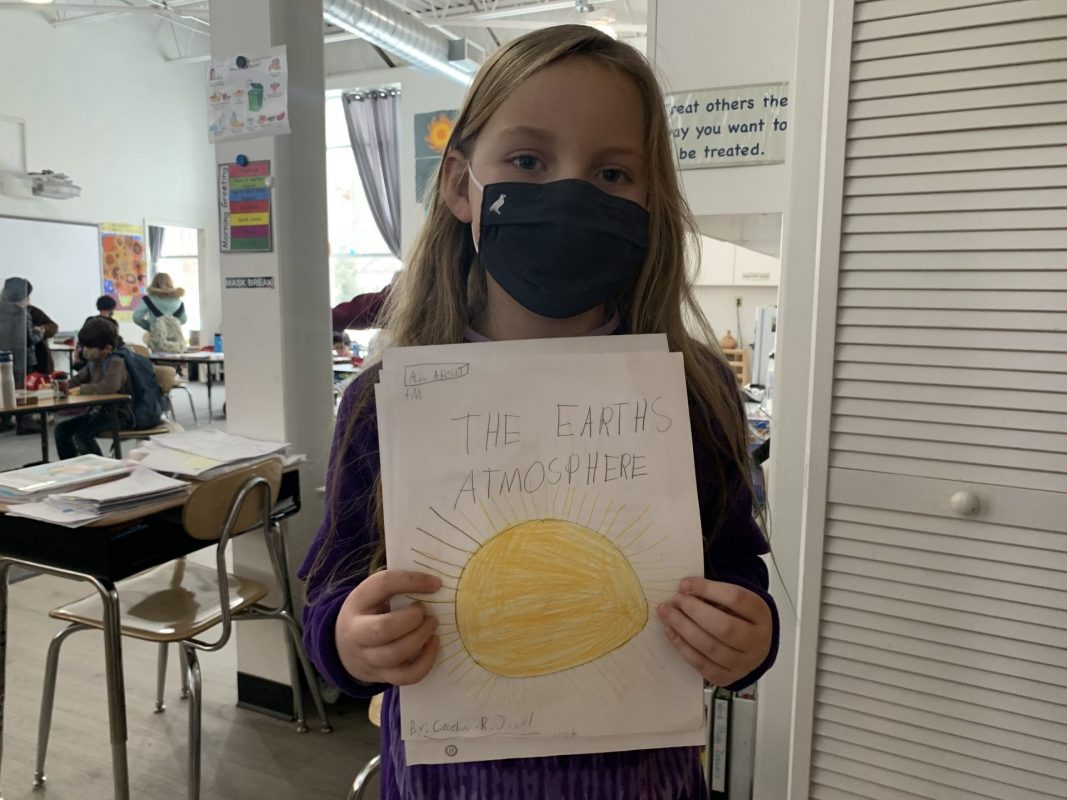
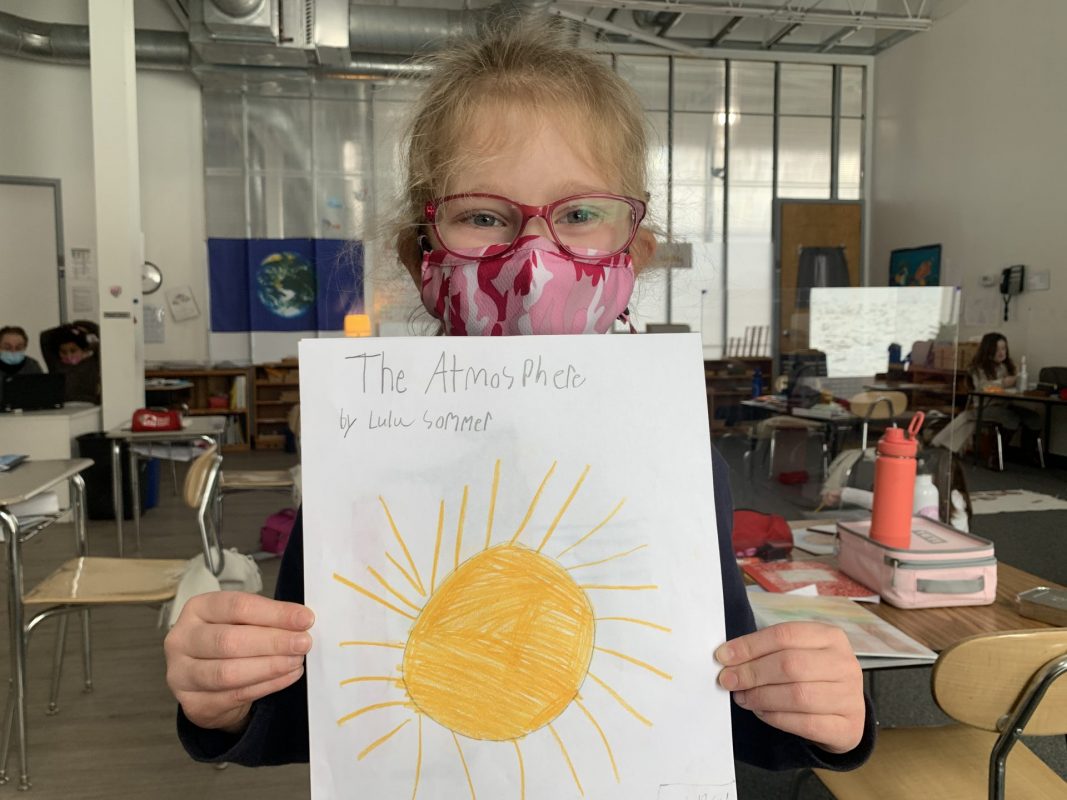
The Earth’s Insulation

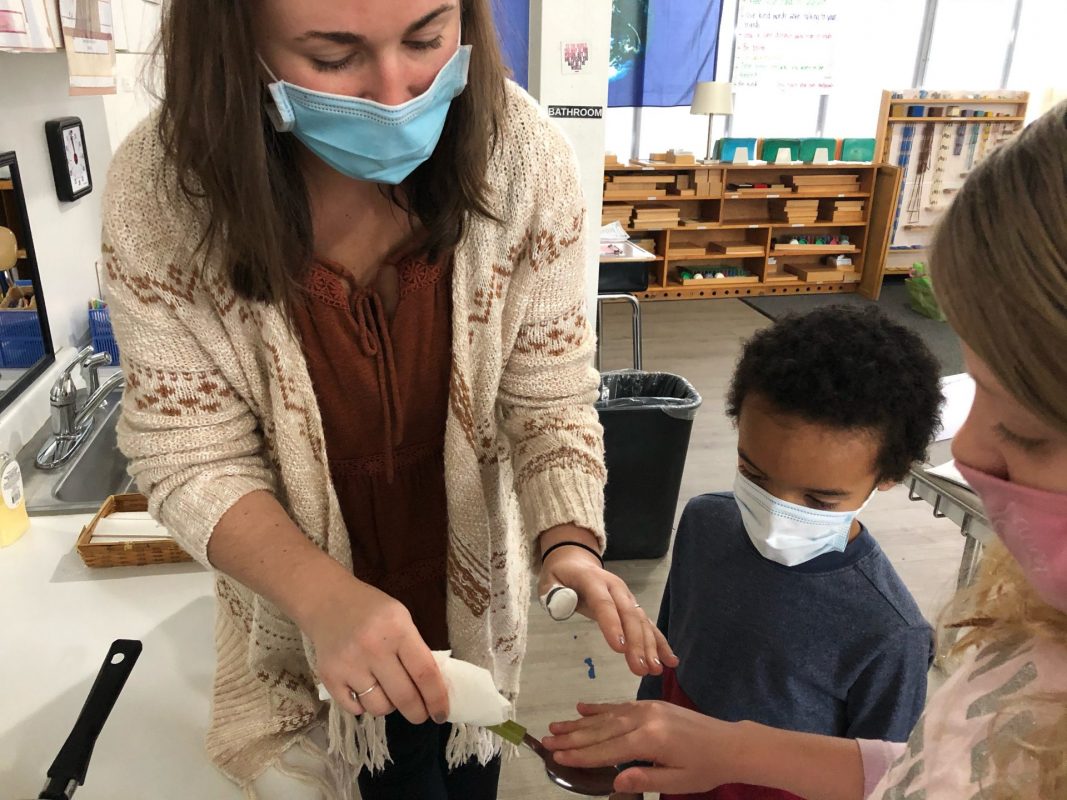
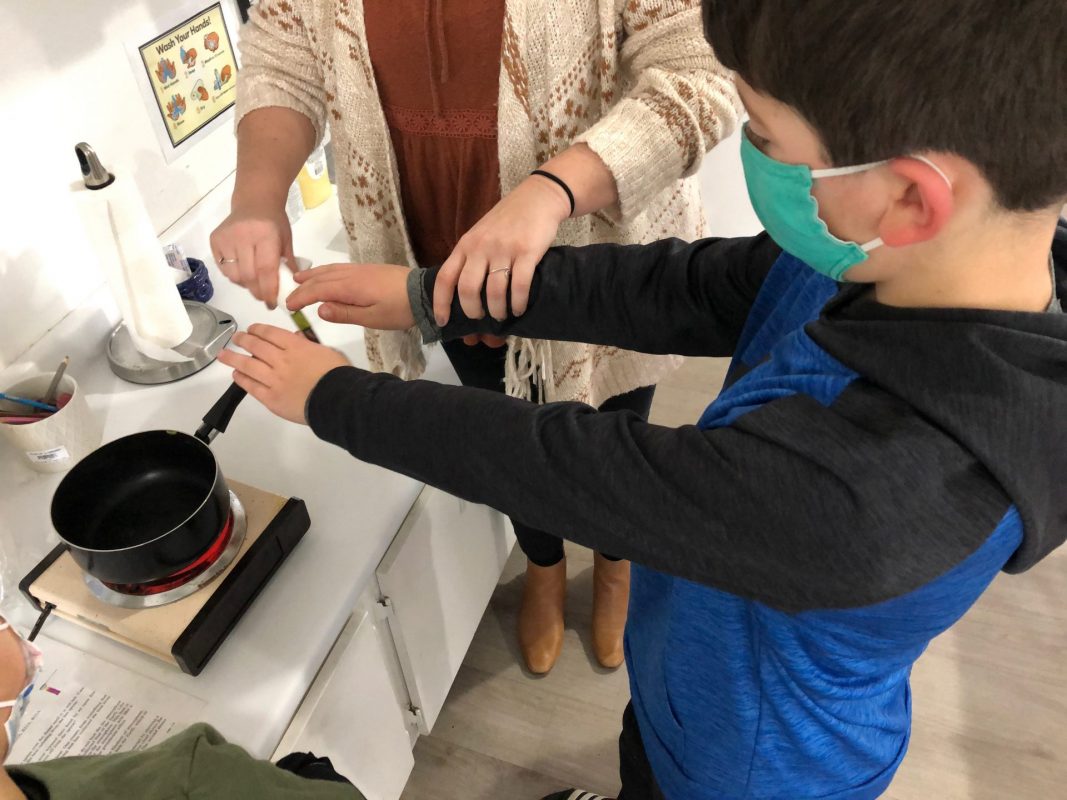
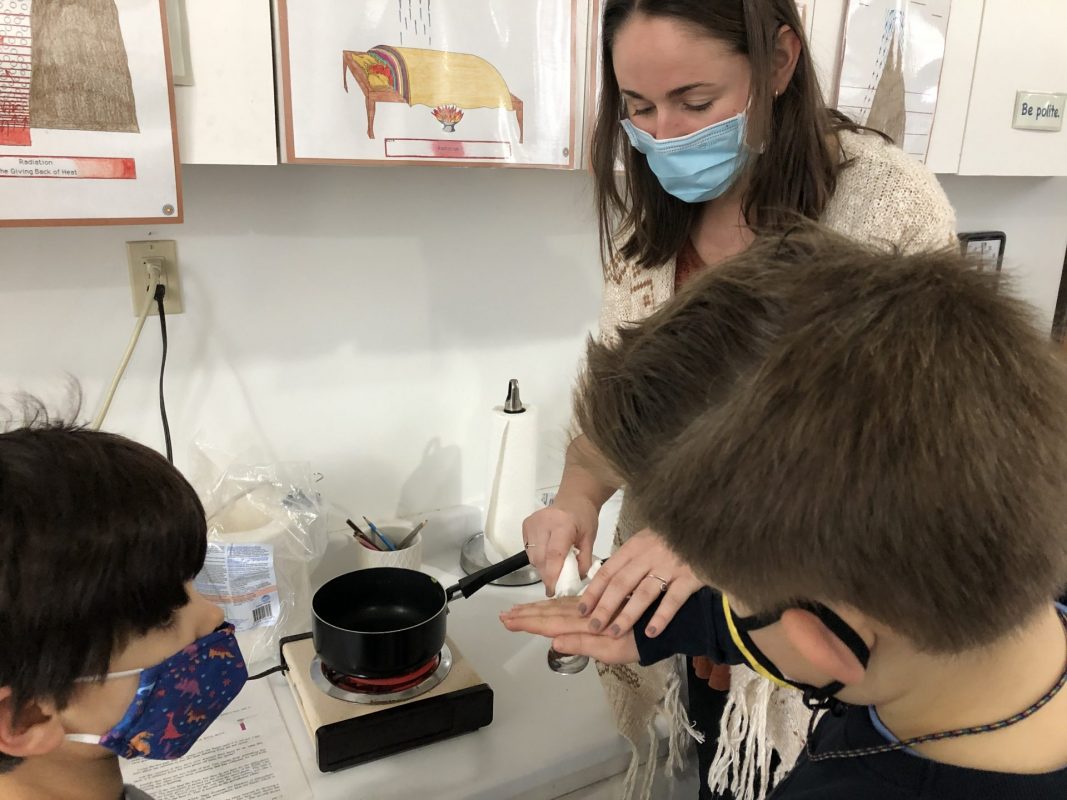
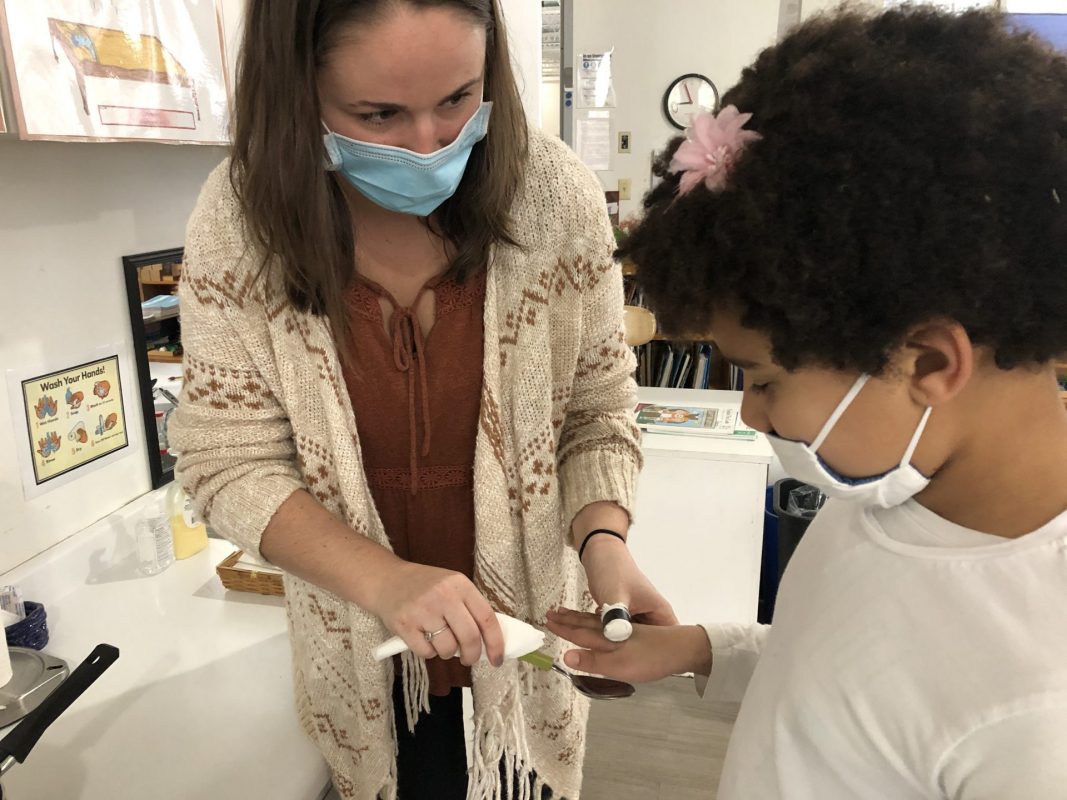
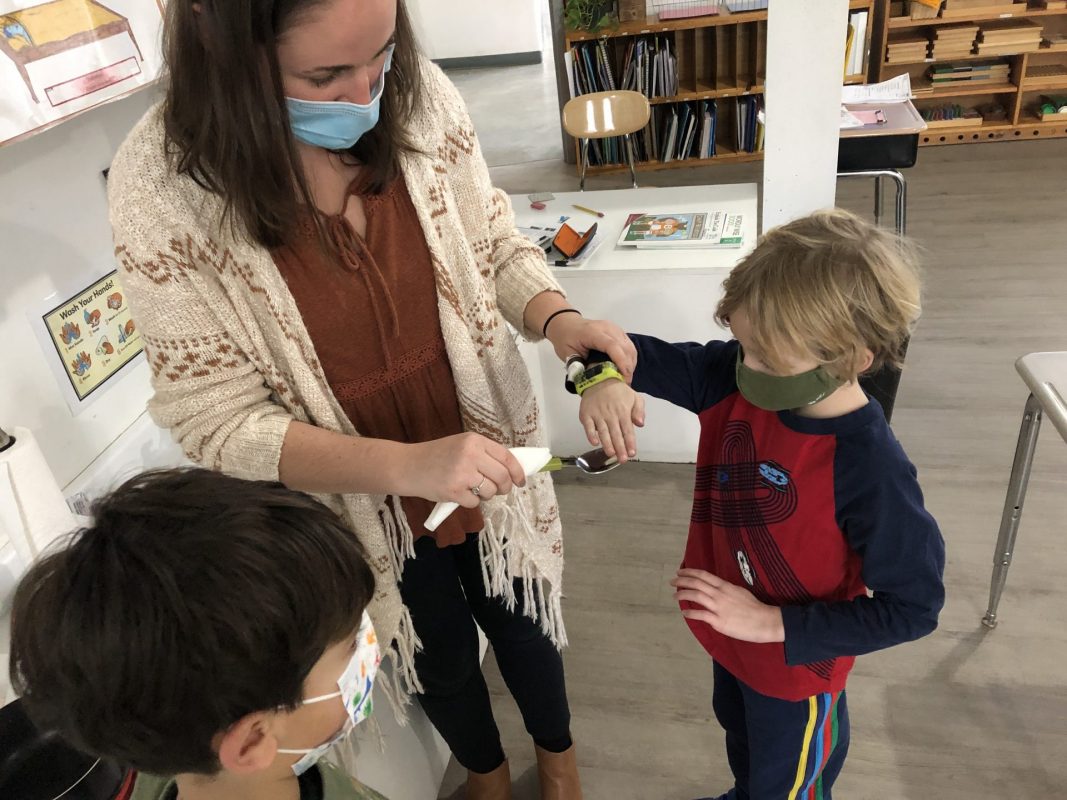
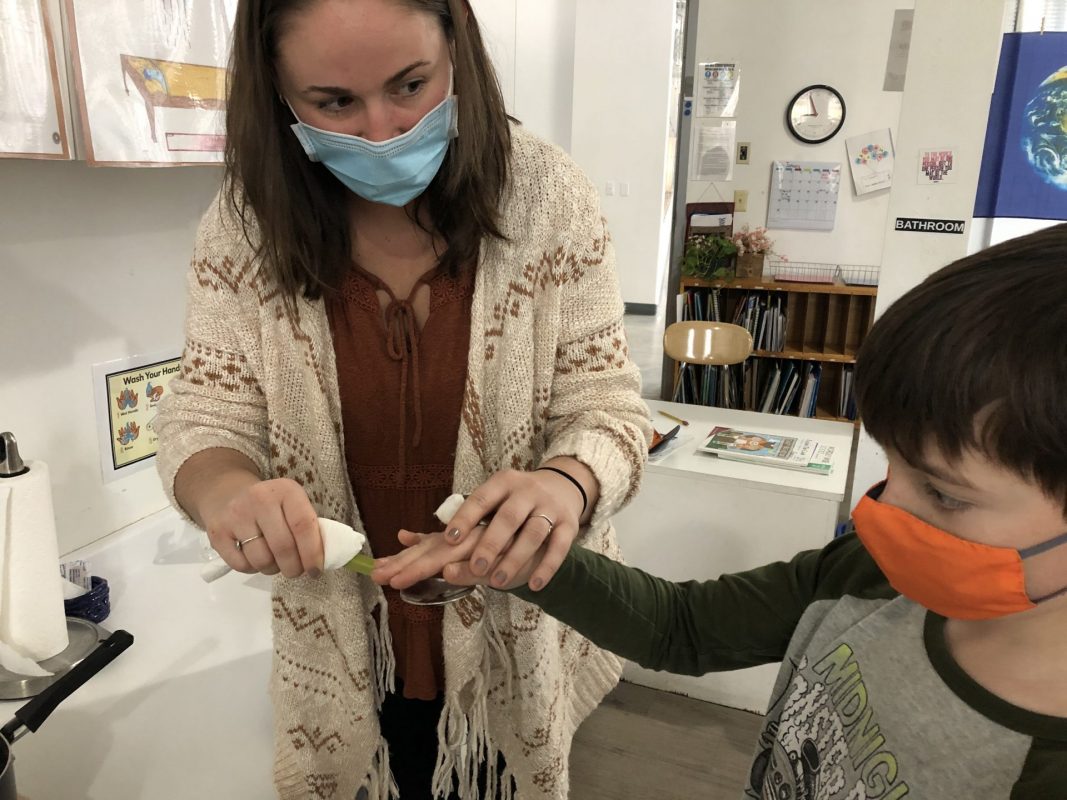
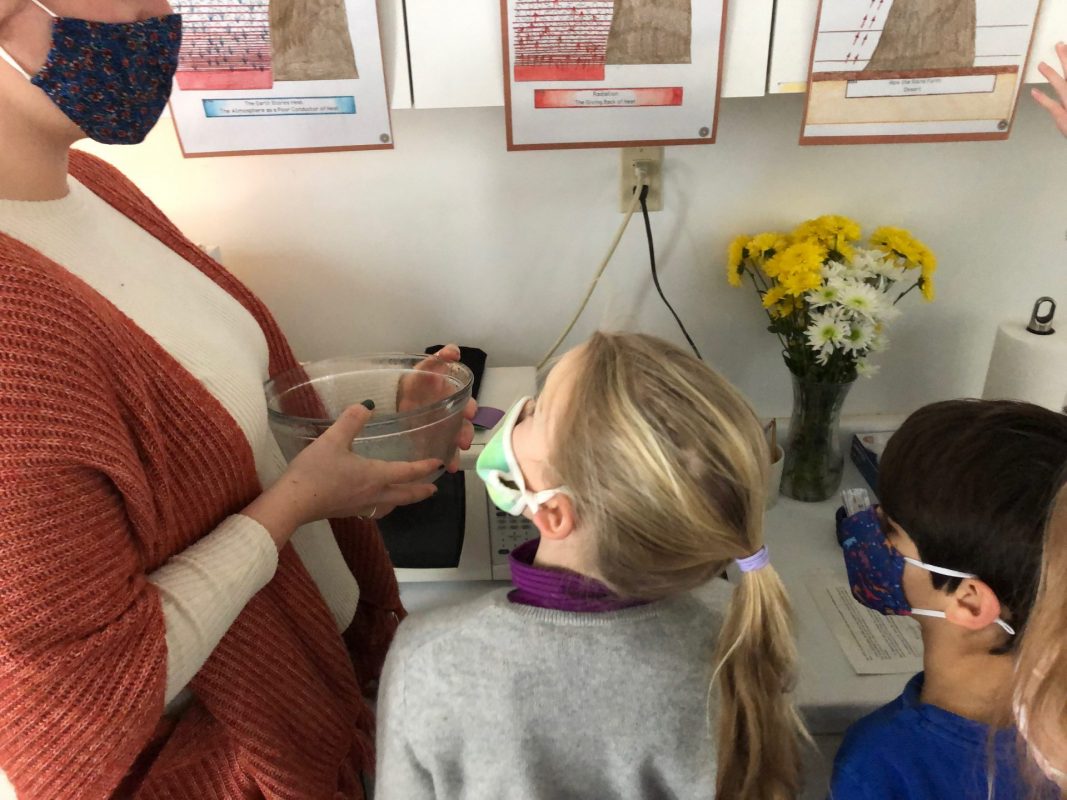
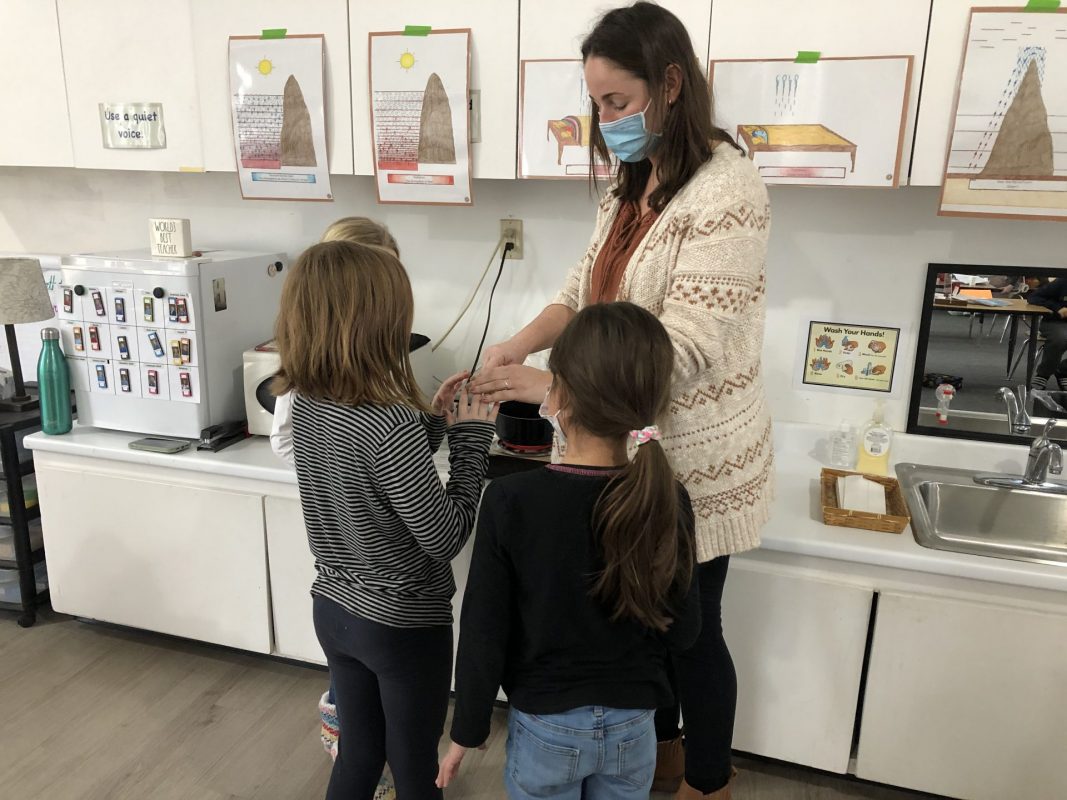
In continuation of our Composition of the Earth lessons, the children enjoyed learning about the Earth’s insulation. To begin the lesson, each child had a turn to feel the heat radiating off of a spoon that was heated up. From there we had a group discussion about the difference between warming your hands near an open fire and feeling the heat coming off of the spoon. From there, we talked about the two different types of heat: radiant and passive. Radiant heat comes from something burning; when the sun heats up the Earth’s surface. Passive heat comes from something that has collected heat from something that is burning; when the Earth’s surface heats up the atmosphere.

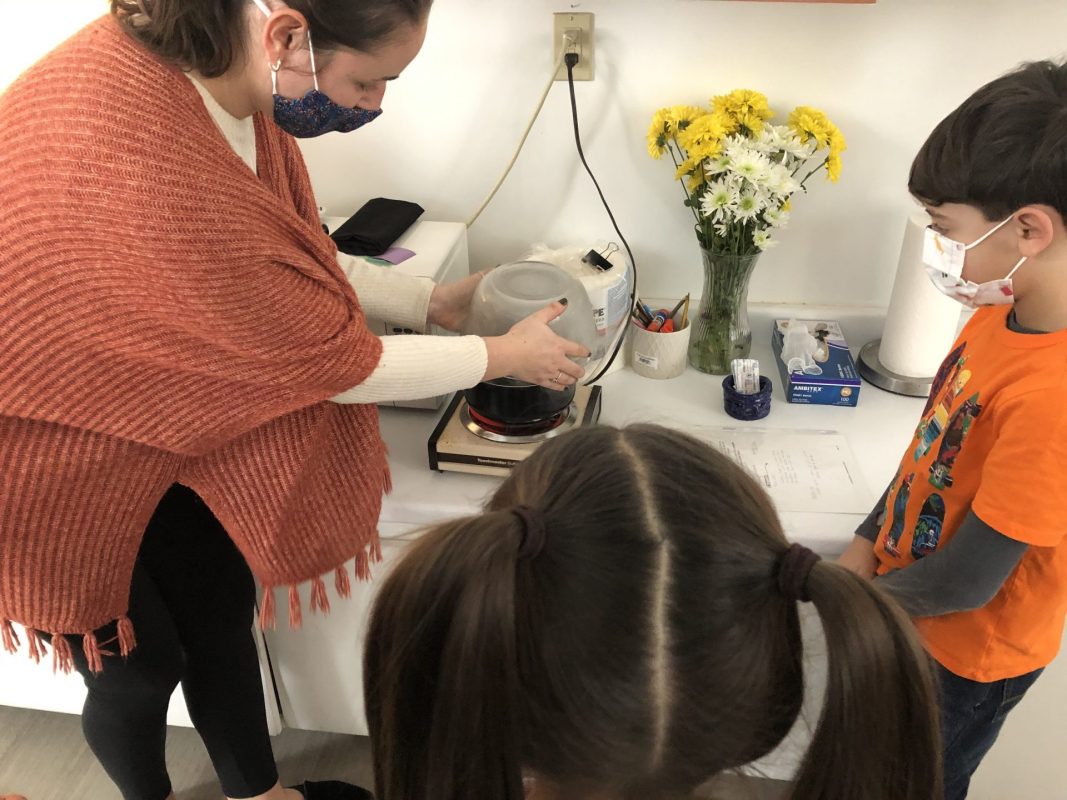
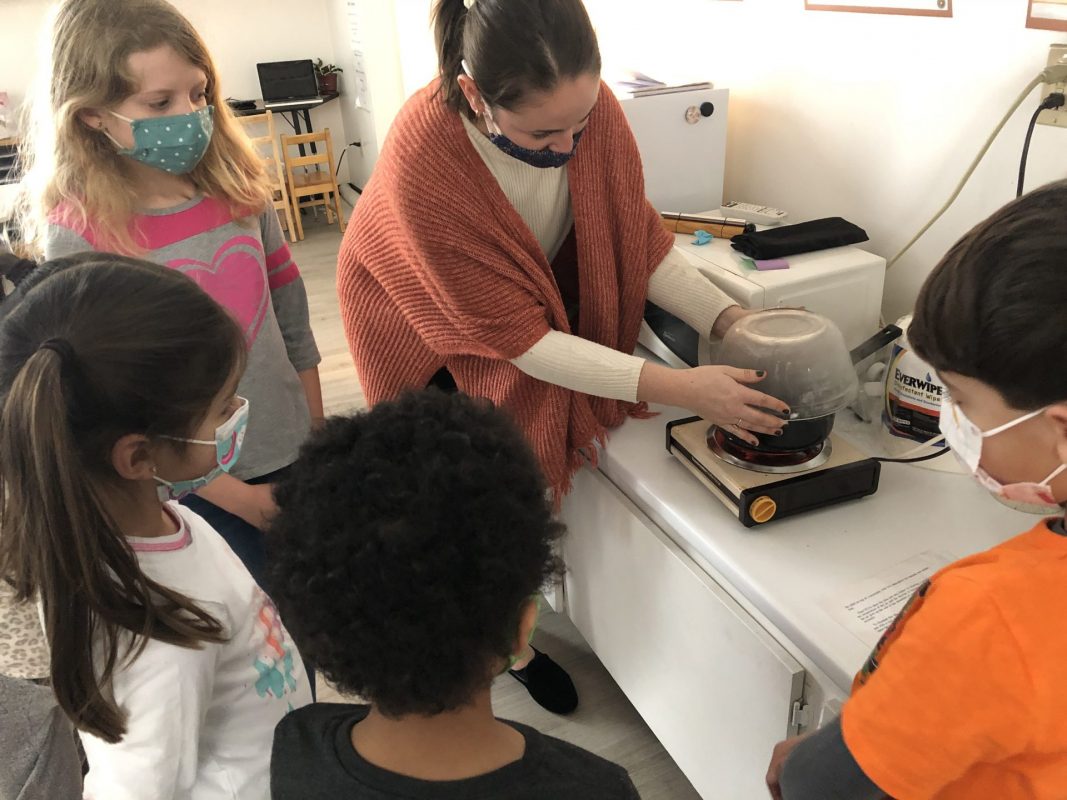
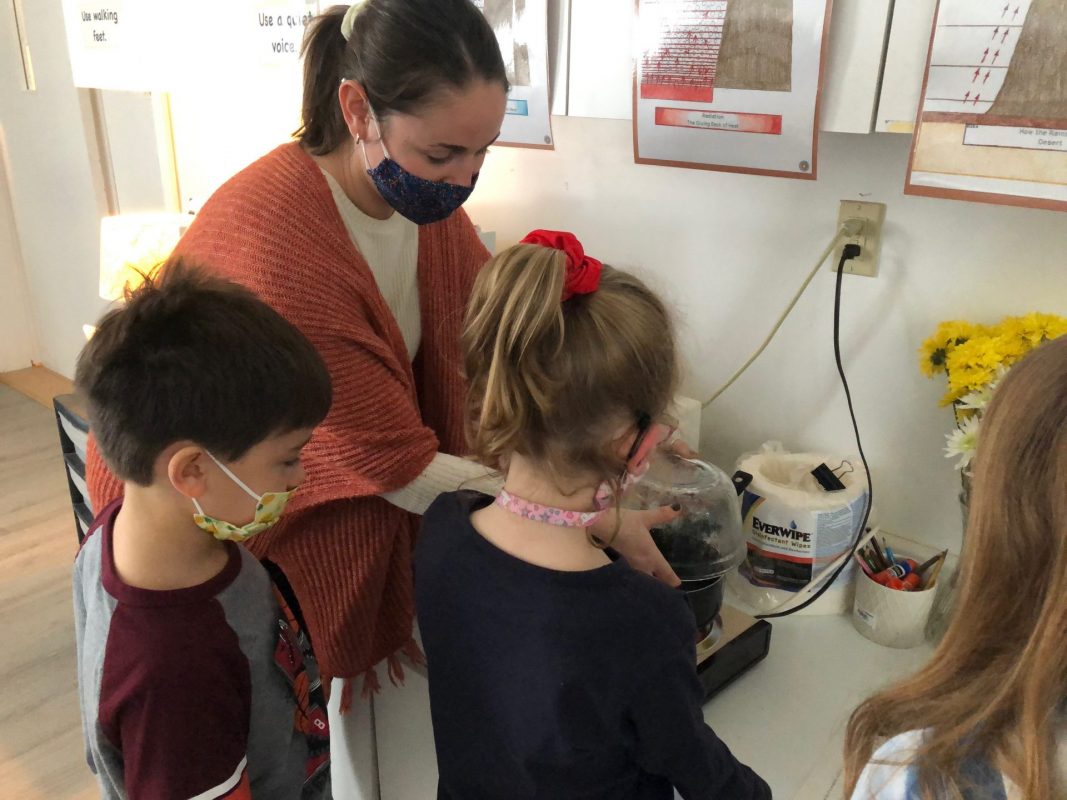
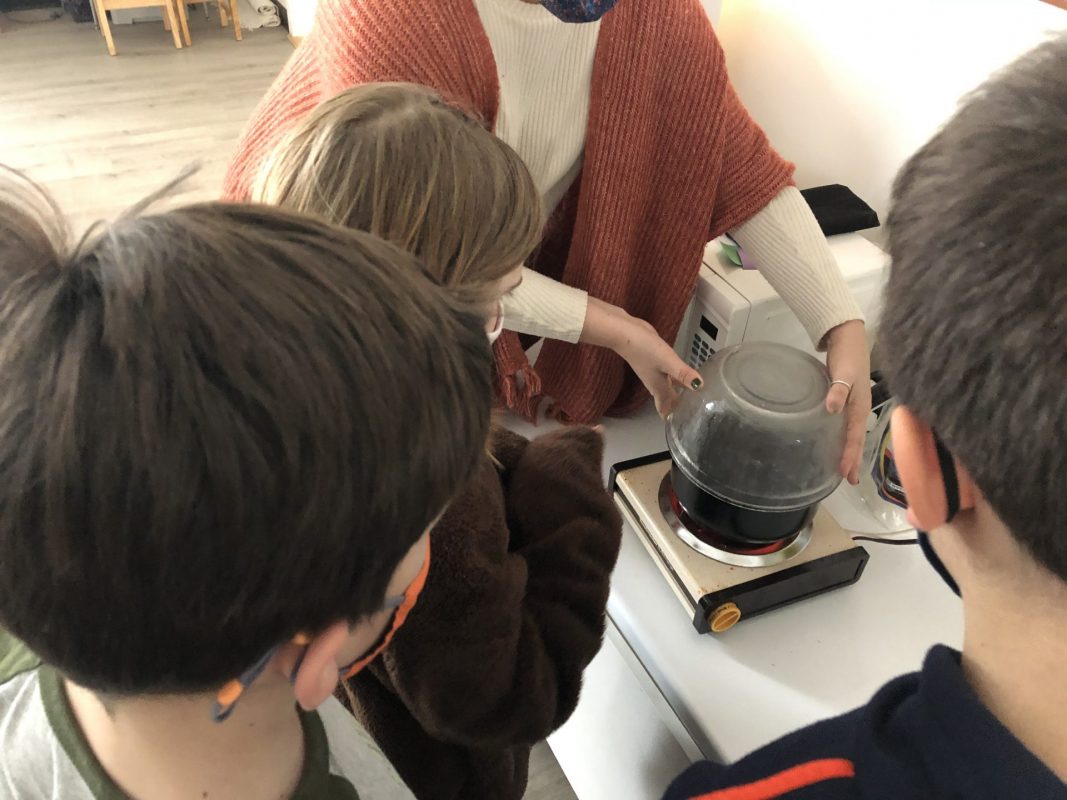
In addition, the children learned that as hot air rises, it cools and is forced to release moisture. To illustrate this concept, I boiled water in a pan and covered the pan with a cool glass bowl. Water droplets quickly appeared on the bowl because the coolness of the bowl allows the air to release its moisture. This is called condensation.


Mrs. Wilson: Budding Artists

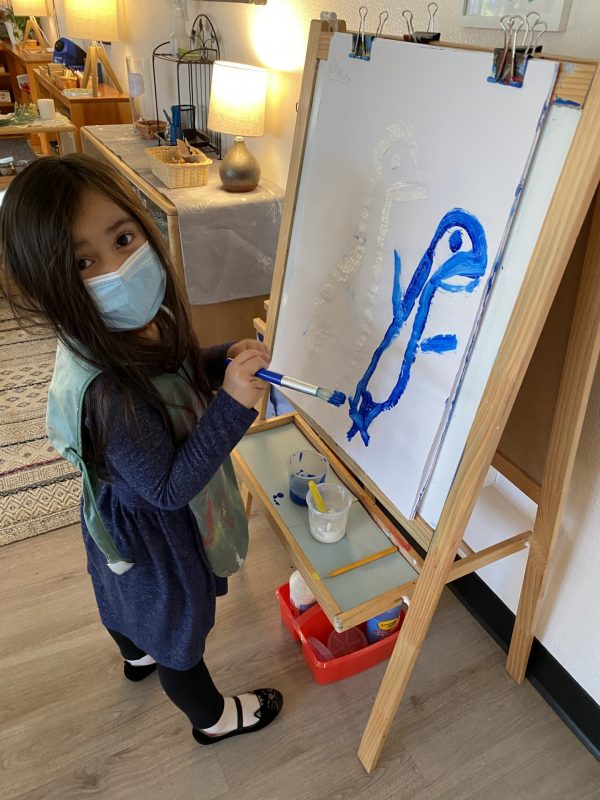
Can you guess what this is?


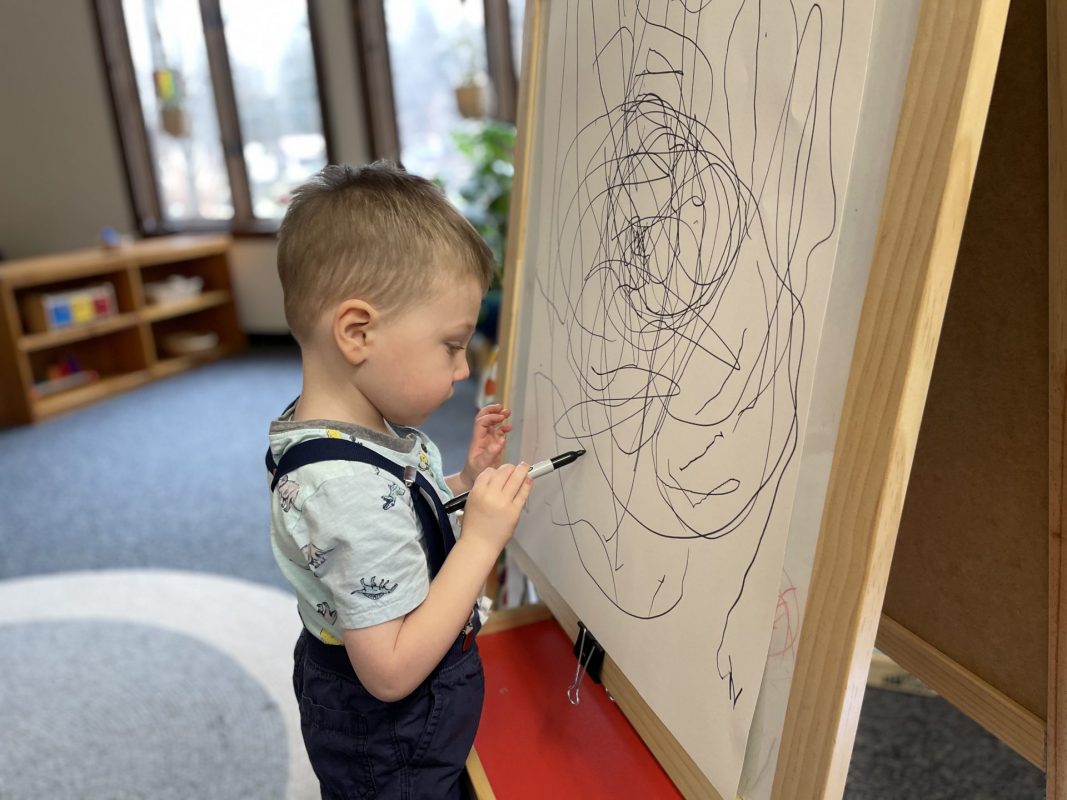
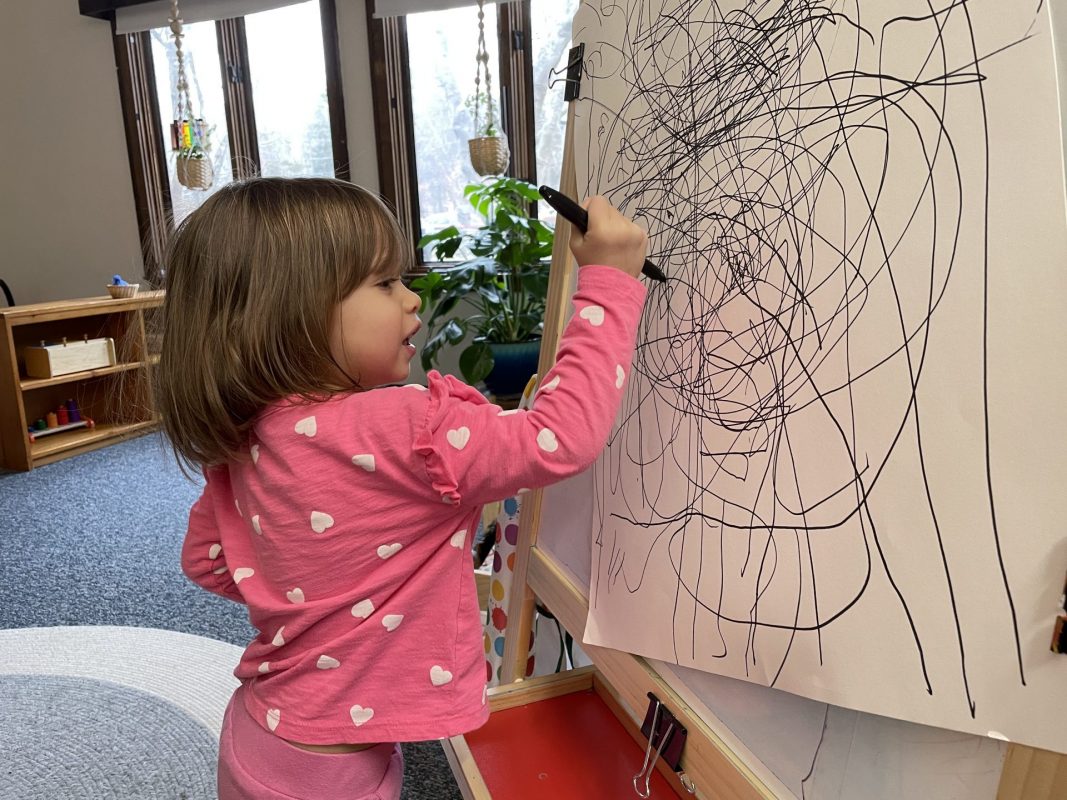
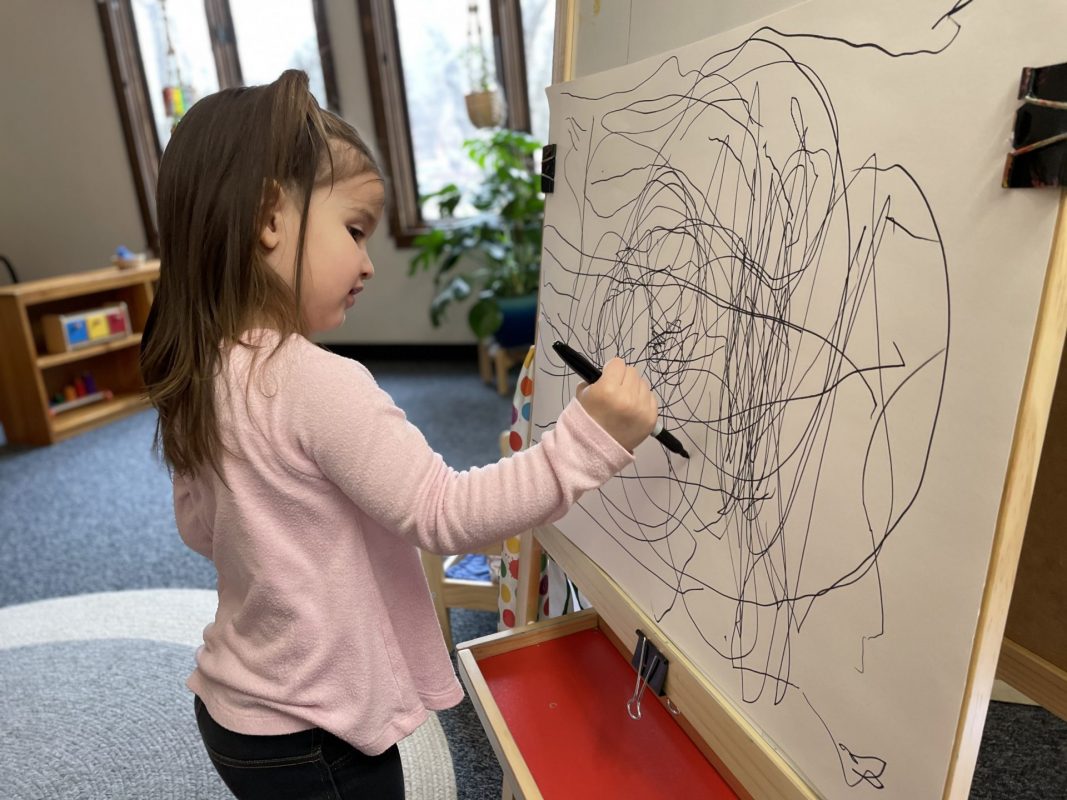
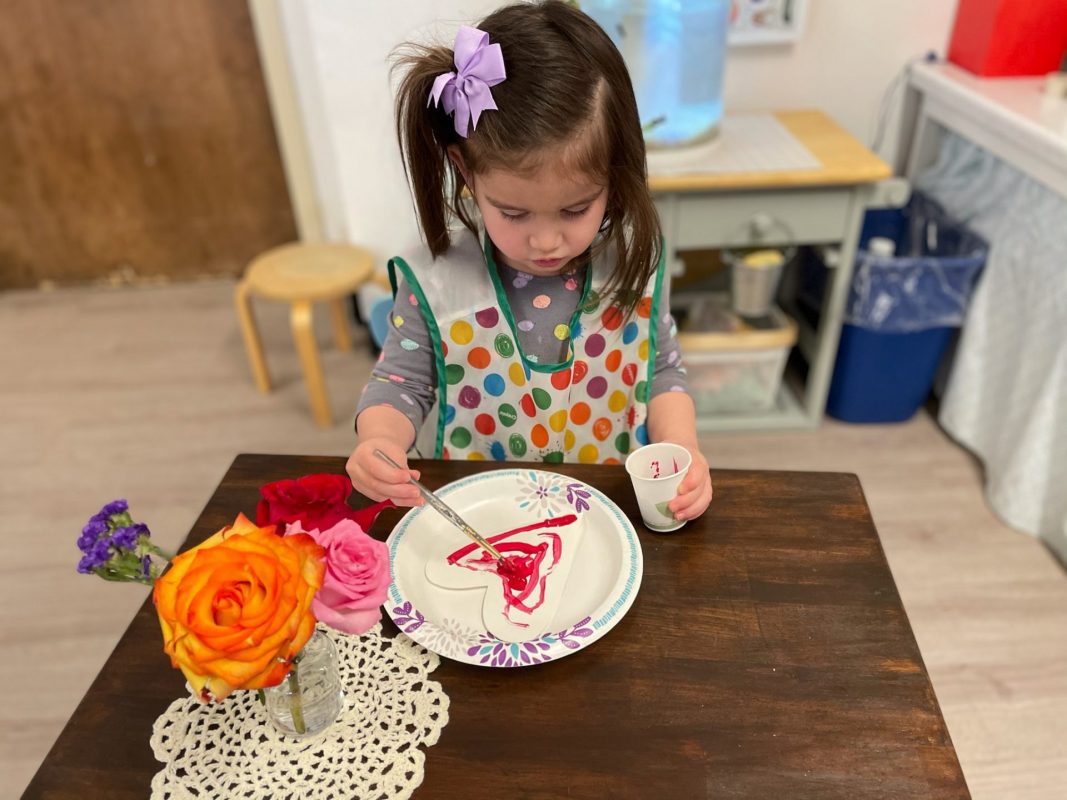
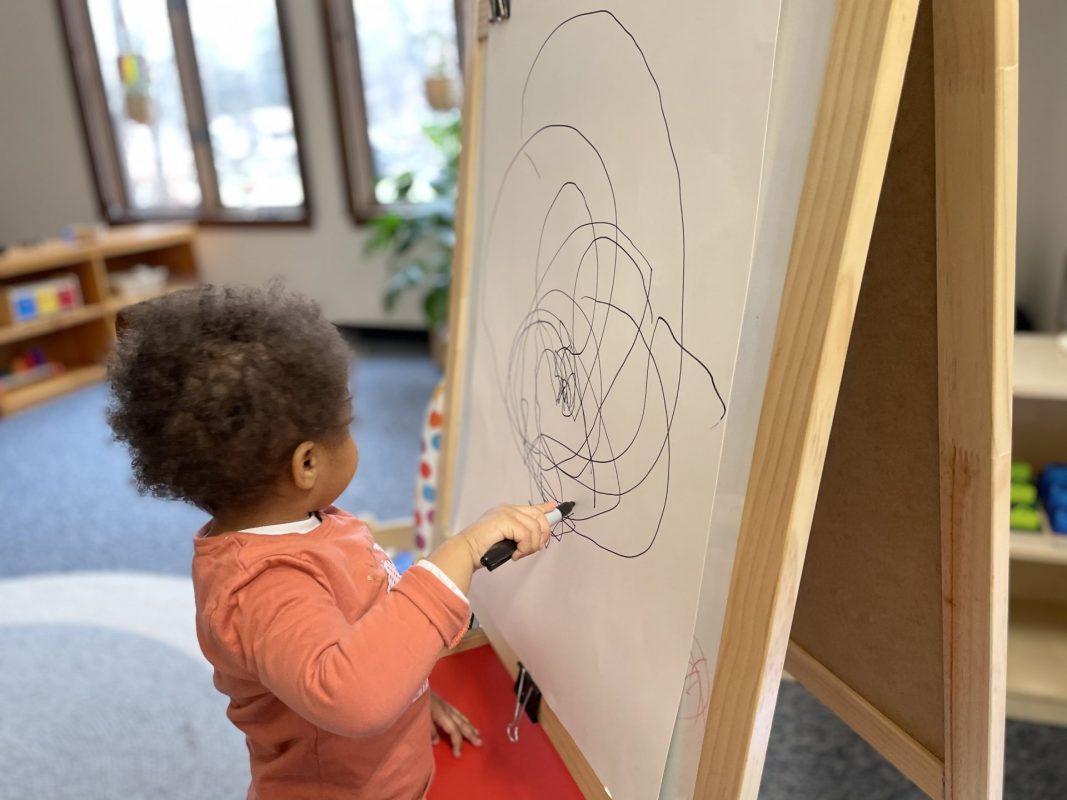
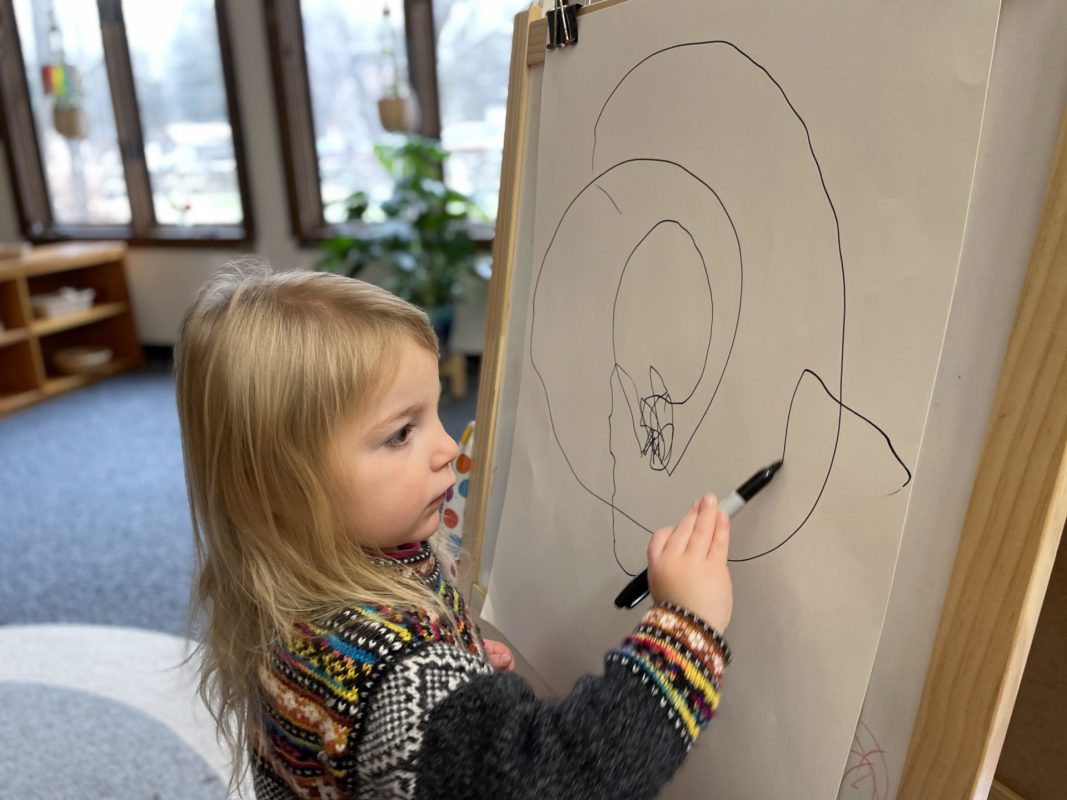
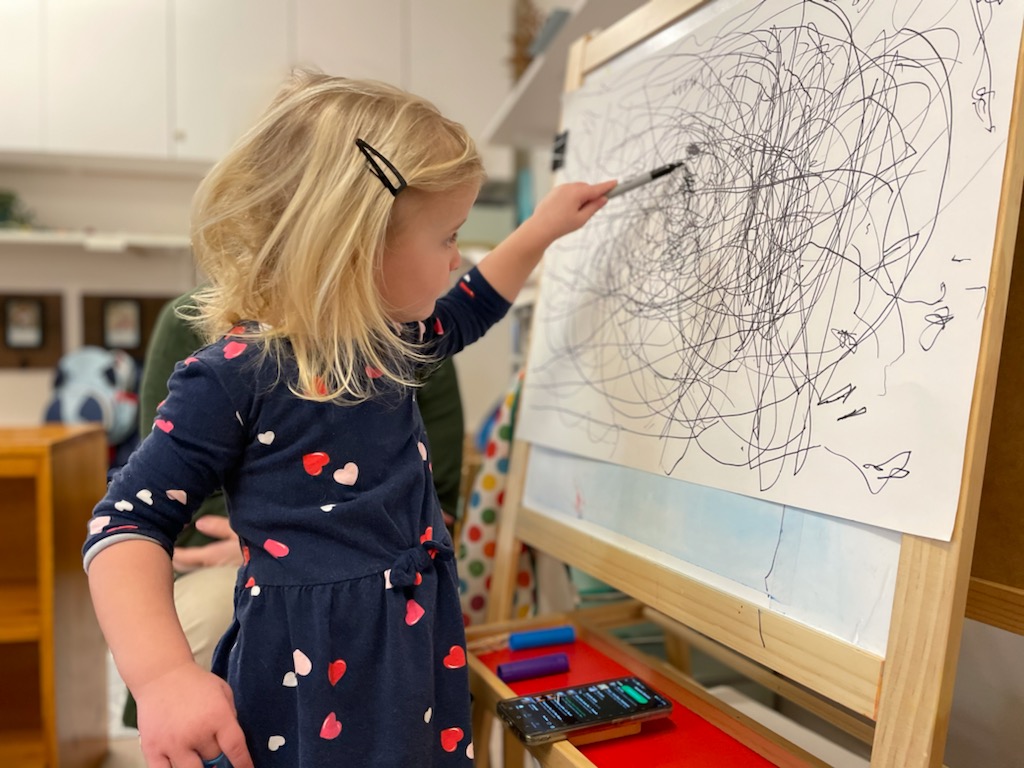
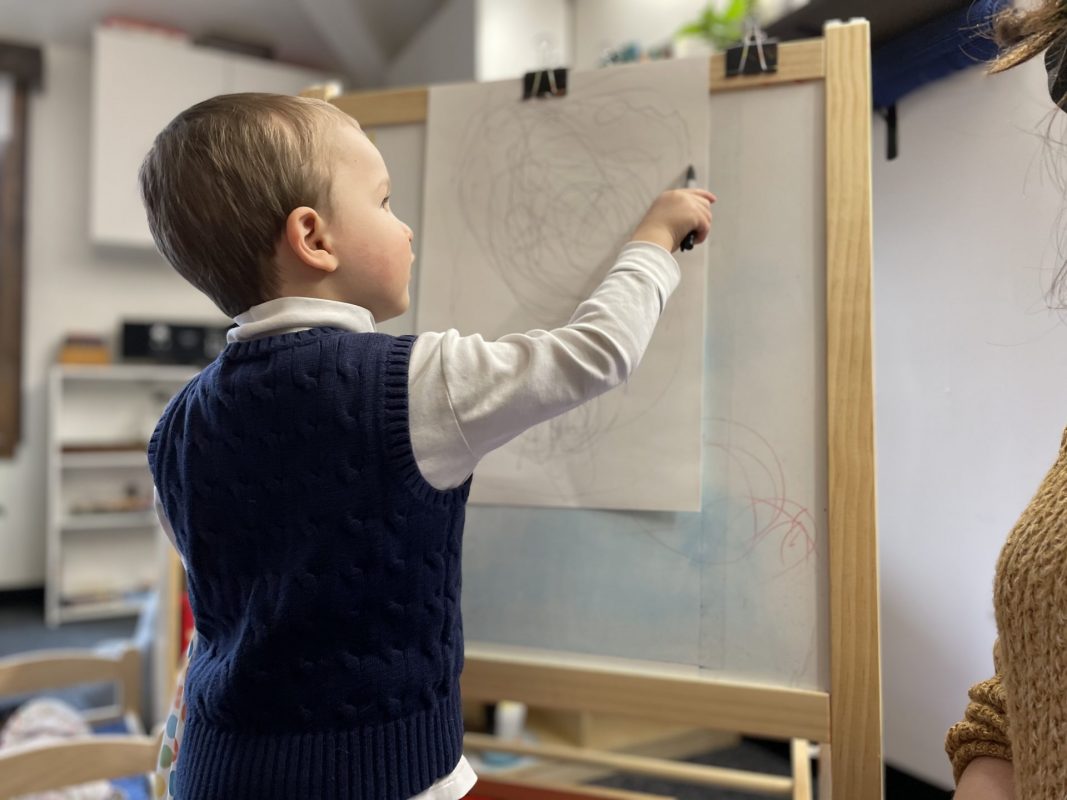
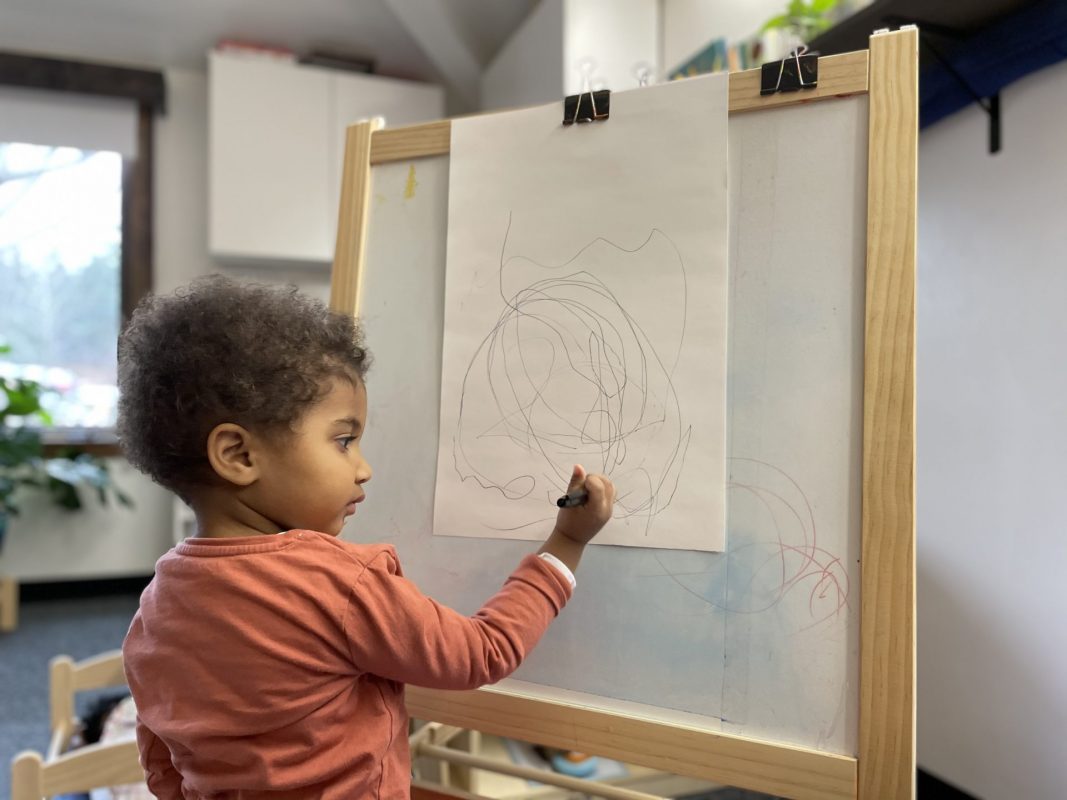
The last two weeks the children have worked on a collaborative art piece. We started the process by listening to classical and instrumental music. I then held up one finger and made it dance in the air along with the music. The children joined in making their fingers air dance along with me. We used language that went along with the tempo of the musical piece played. The first song I played was “Butterfly Waltz,” by Brian Crain. Then I played “Flight of the Bumblebee,” by Nikolai Rimsky-Korsakov. The children were able to distinguish which one sounded slow and which one sounded fast.

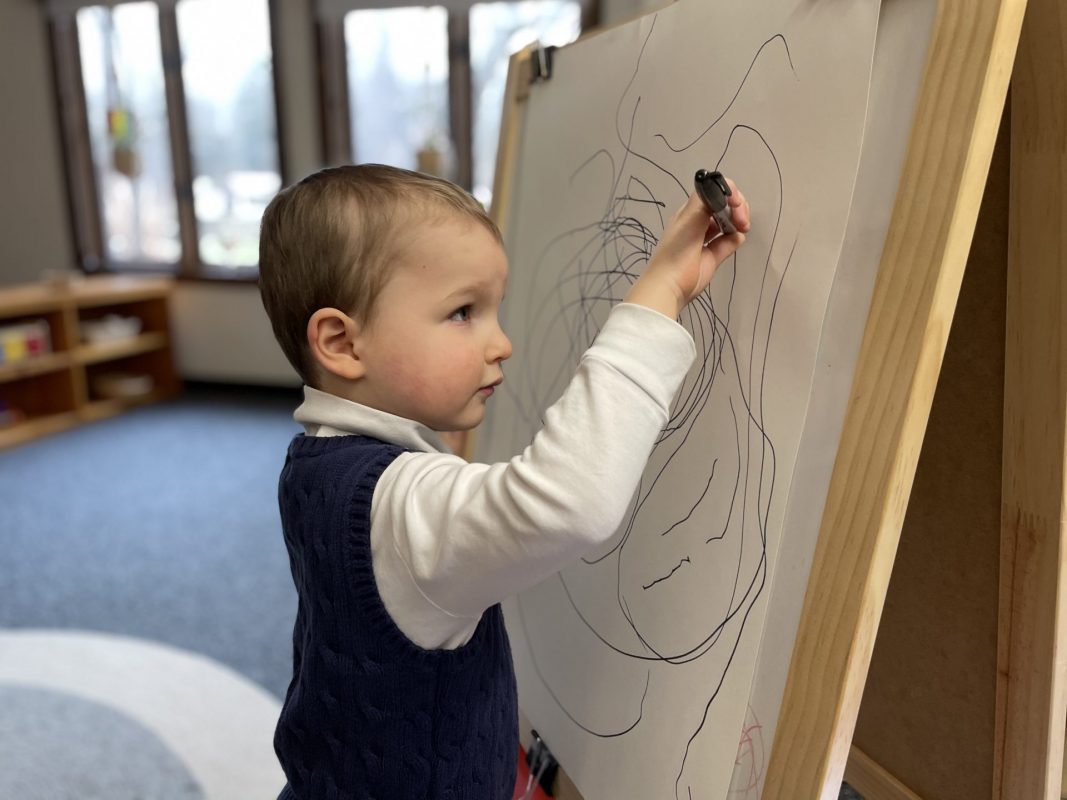
The next step was playing the music and letting my marker dance on the stage (paper). I needed to be very careful not to let the marker fall off the stage. They all had a turn making the marker dance in the recital and then took a bow or a curtsey. Bravo!
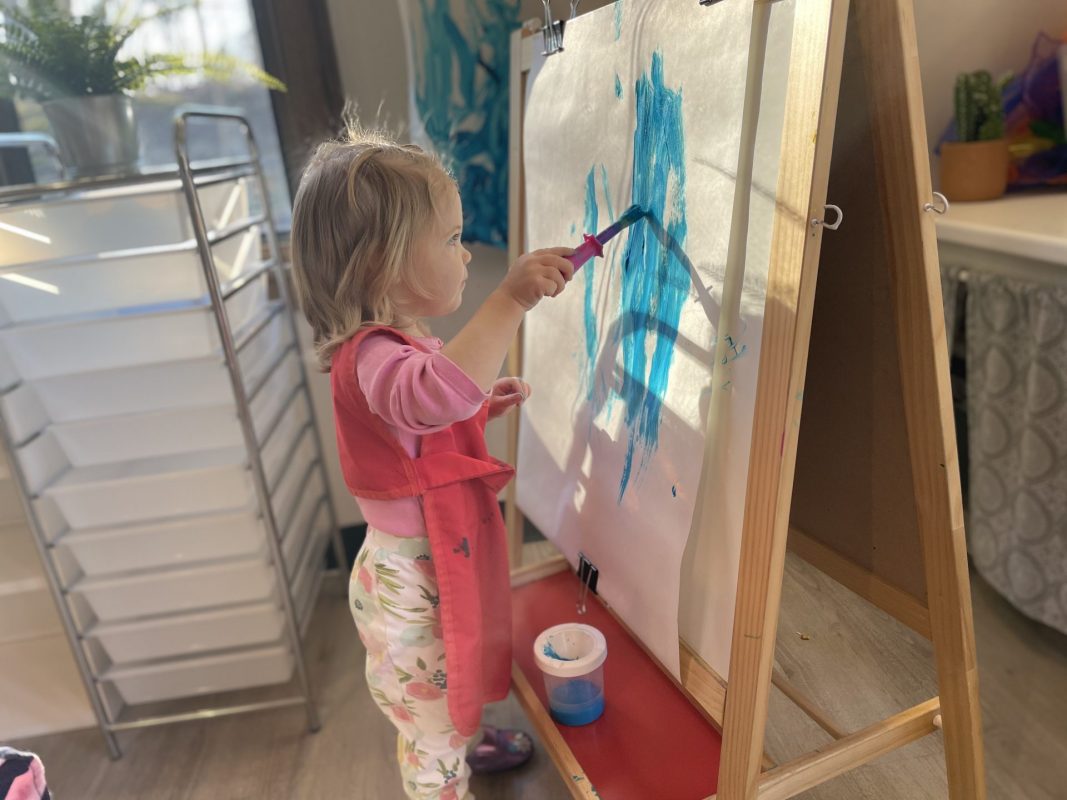
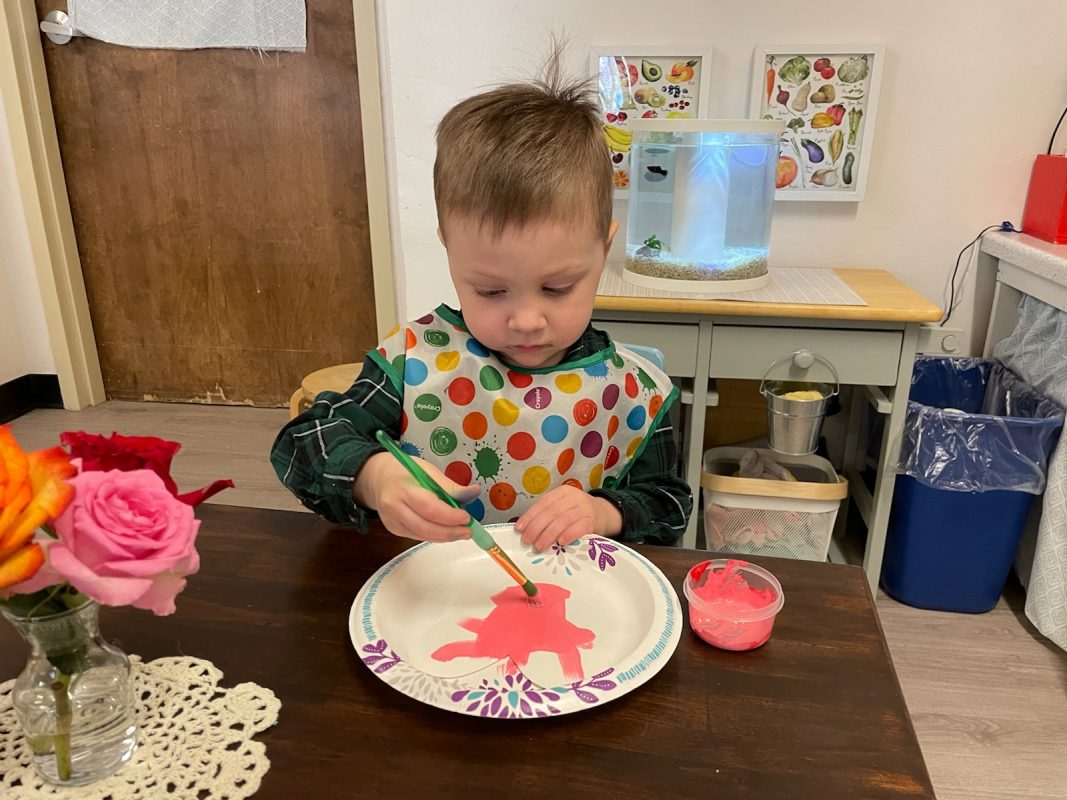
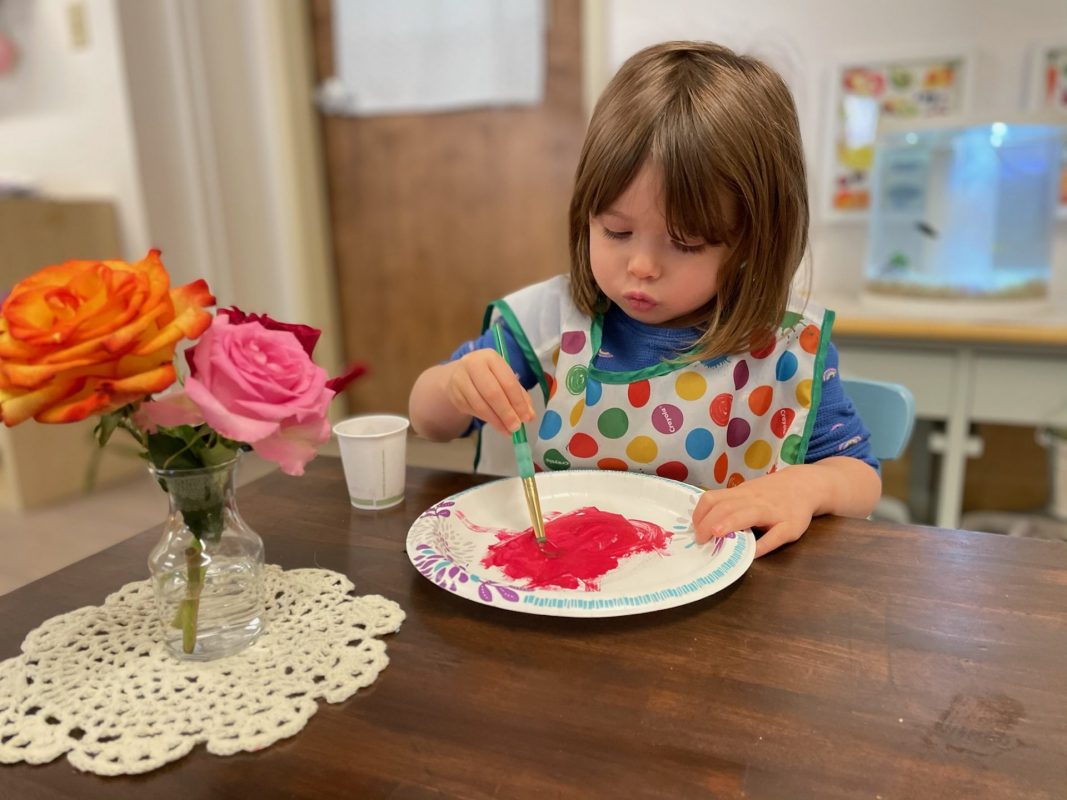
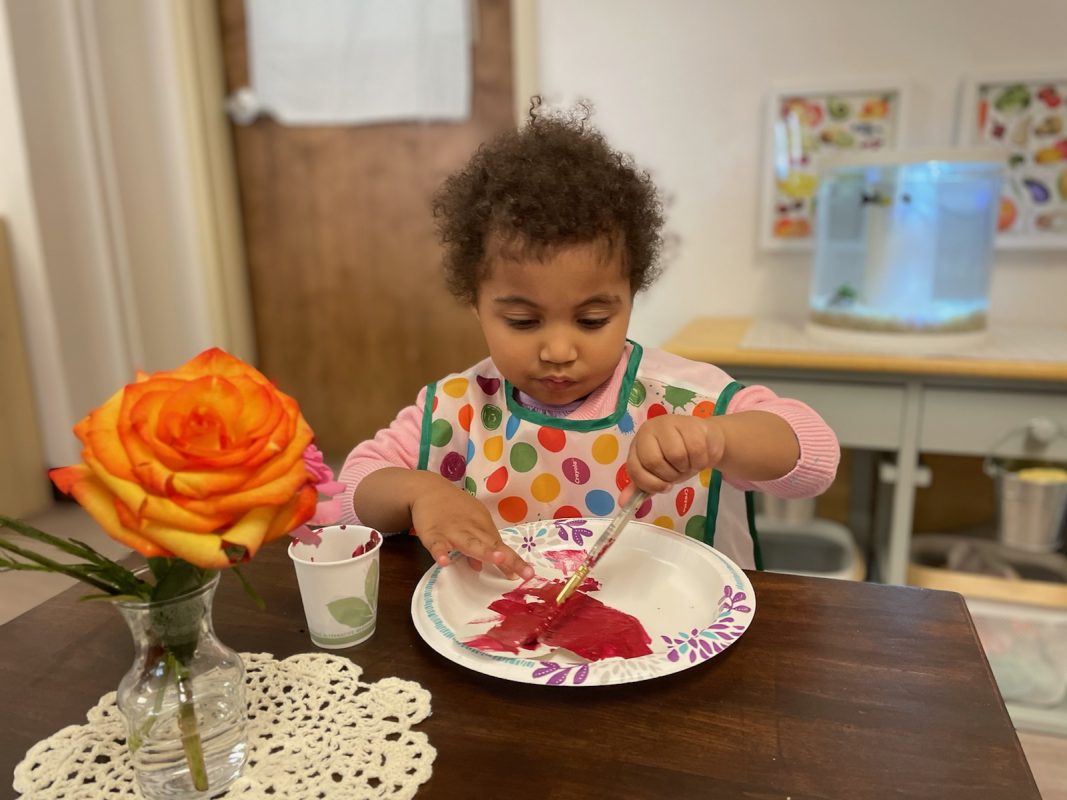
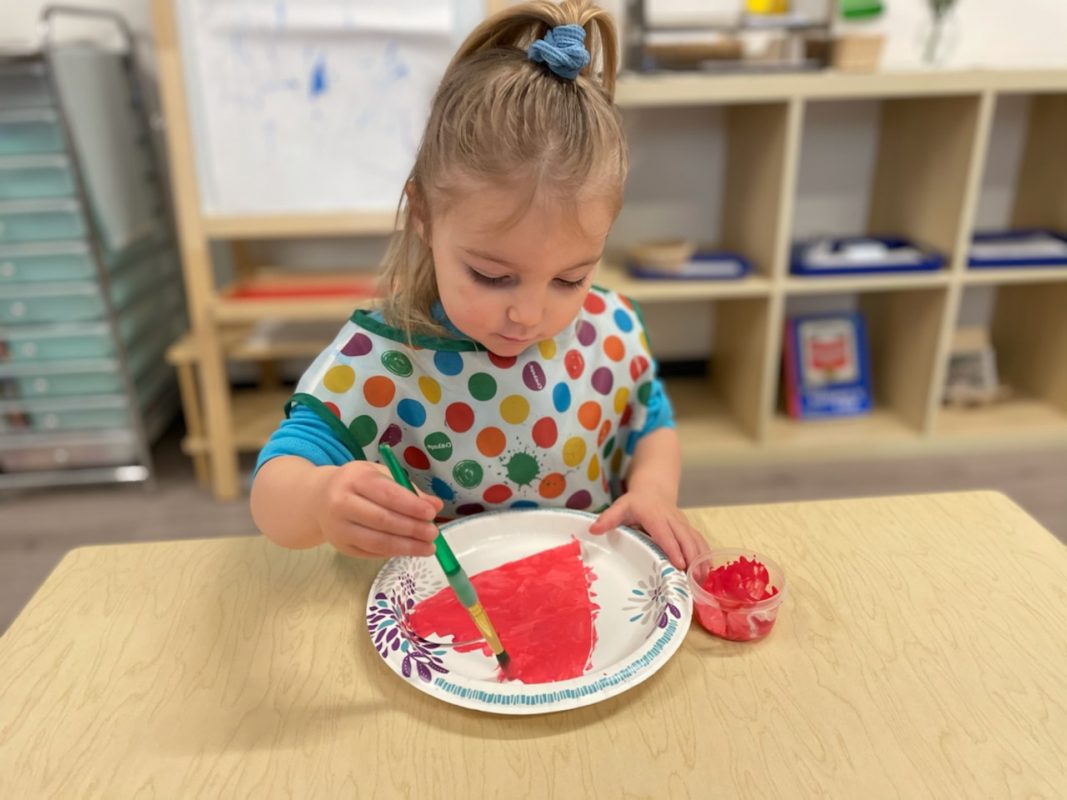
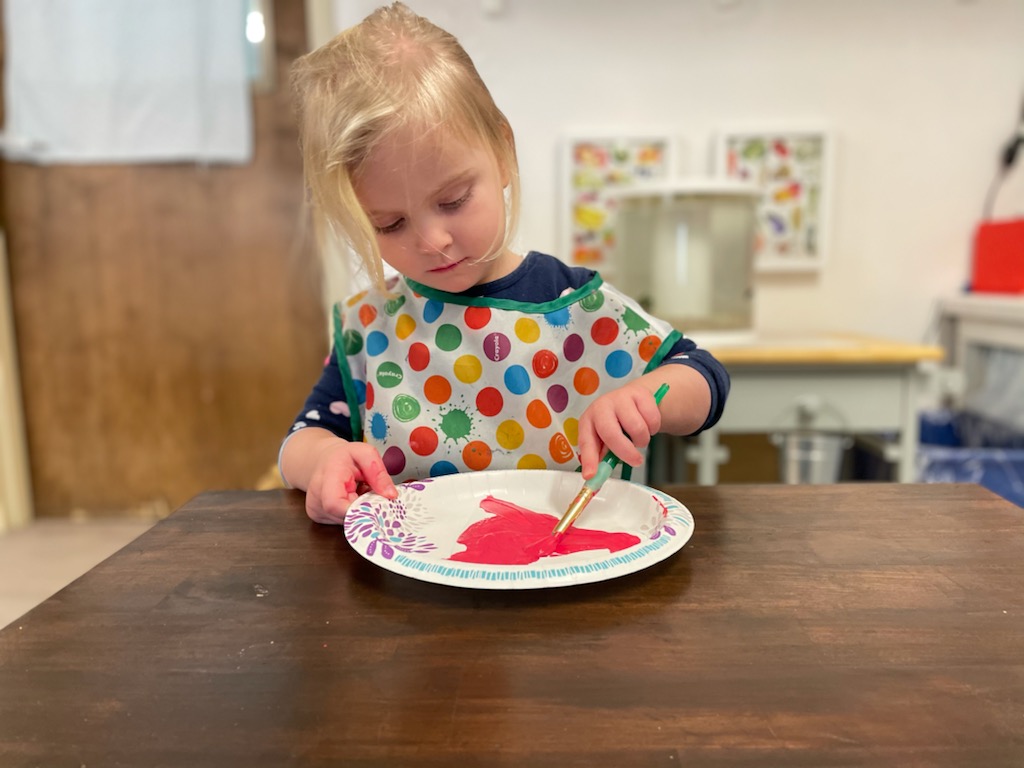
But that’s not all…The children also painted on a heart-shaped piece of paper, which we will add to the dancing art piece. Be on the lookout for the finished masterpiece.

Enjoy,
Mrs. Wilson and Ms. Sara


Mrs. Lopes’s Class: Exploring the States of Matter

This week we started our unit on the states of matter! We learned that everything in our world is made of matter. We also identified the three states of matter: solid, liquid, and gas. The children enjoyed exploring each state of matter on our introduction tray and sharing examples of a solid, a liquid, and a gas. We discussed how the molecules move in each state of matter and what characteristics classify a solid, liquid, and gas.  Be sure to ask your child if they can give you an example of each state of matter. You may be surprised at all the kinds of solids, liquids, and gases they can name! We are looking forward to more exploration of this concept next week with hands-on experiments and activities!

As we are nearing the end of January, we are beginning to prepare for our February parent teacher conferences in a few weeks. Be sure to look out for an email with the link to sign up for a conference time. We look forward to meeting with you all soon to share how your children have been growing and progressing since our last conference!

Best,

Amanda & Sharlene


Finding Joy in Work

“As we observe children, we see the vitality of their spirit, the maximum effort put forth in all they do, the intuition, attention and focus they bring to all life’s events, and the sheer joy they experience in living.”  – Maria Montessori – The Child, Society and the World (Unpublished Speeches and Writing)

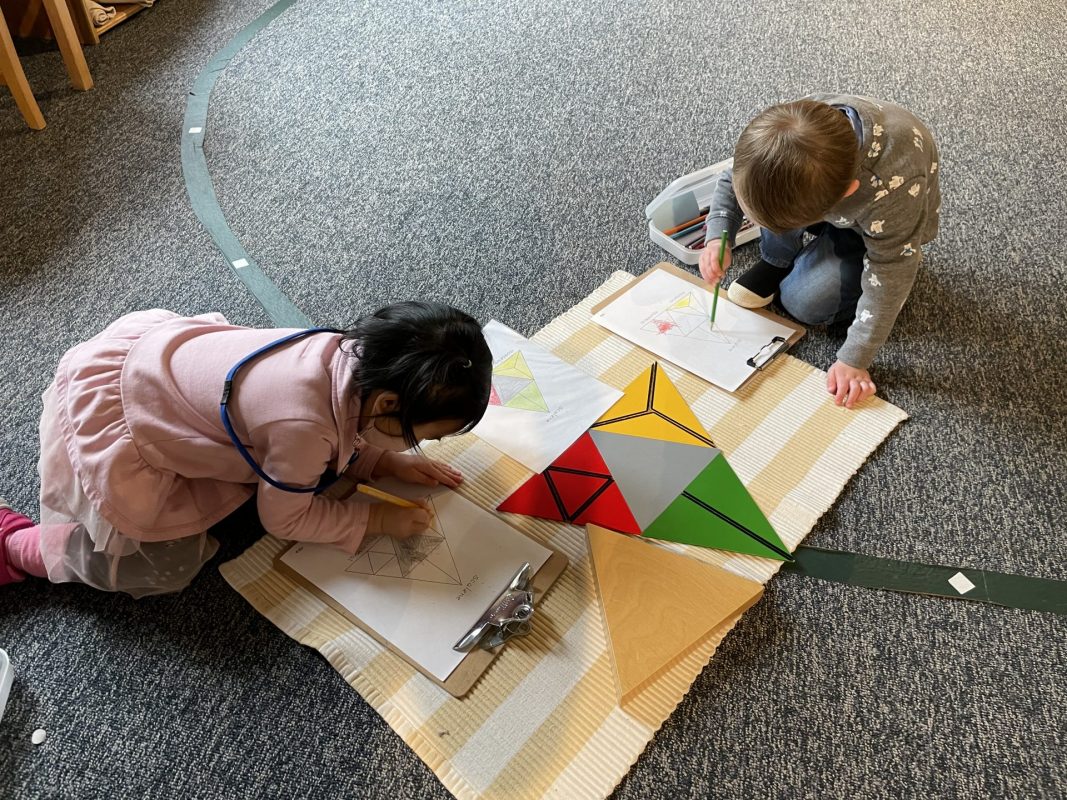
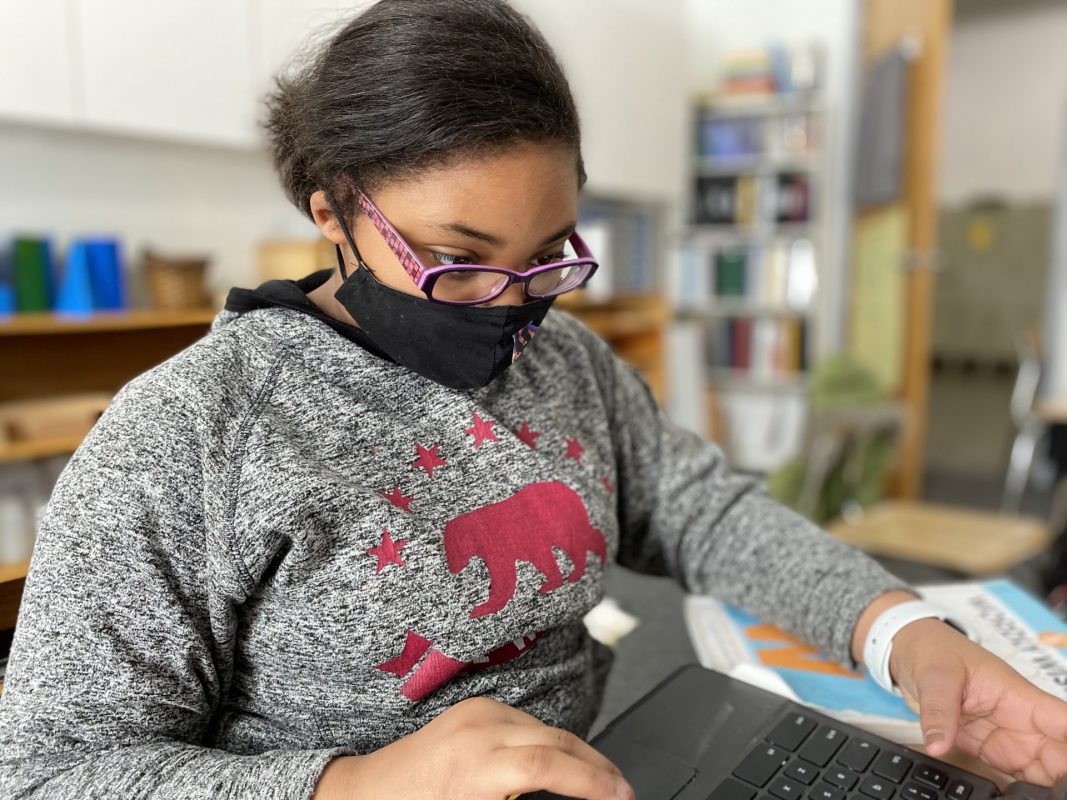
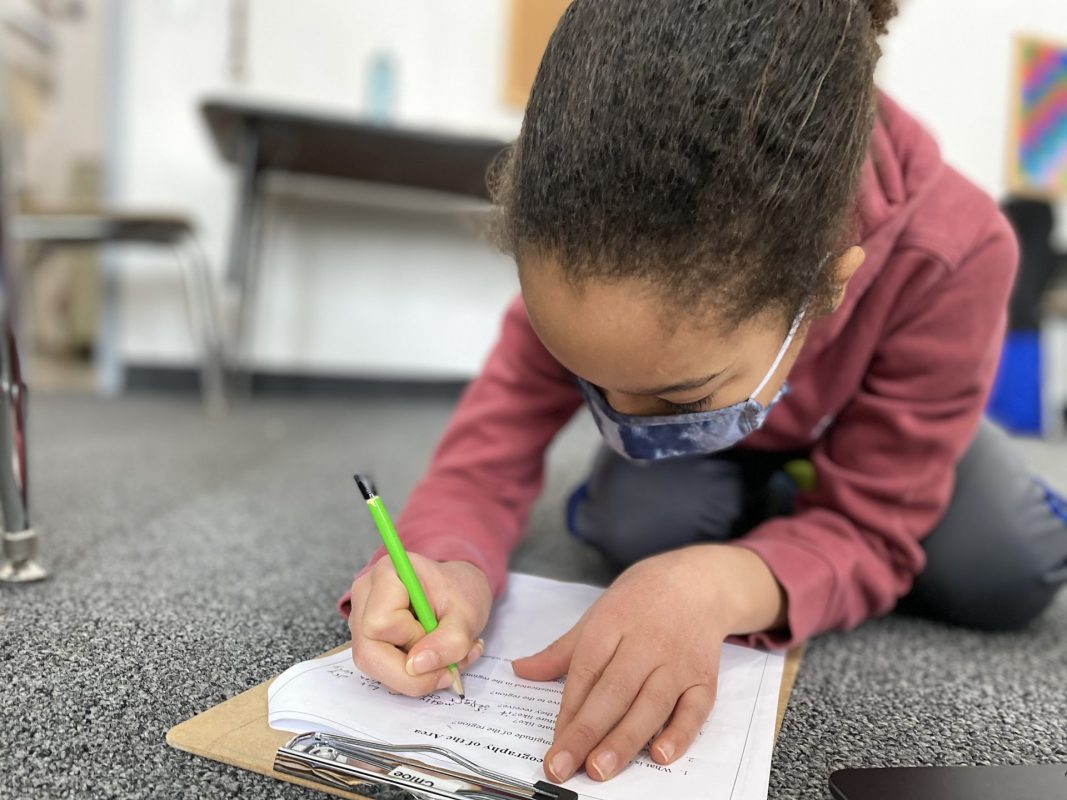
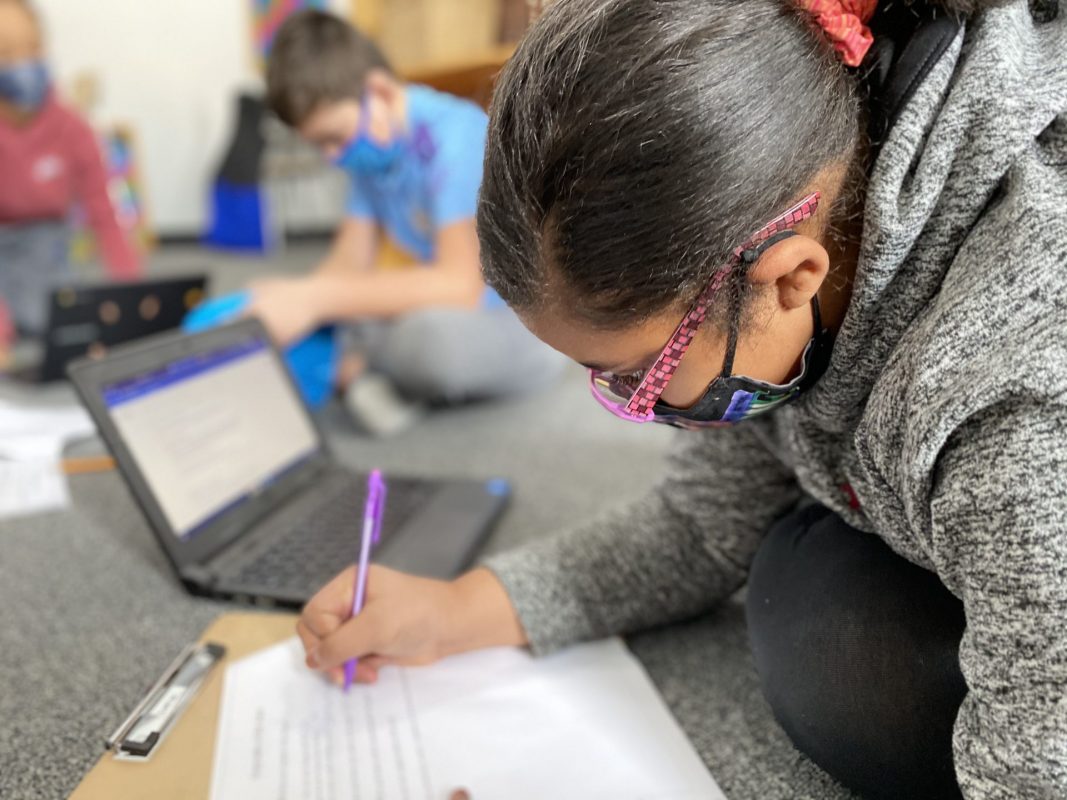
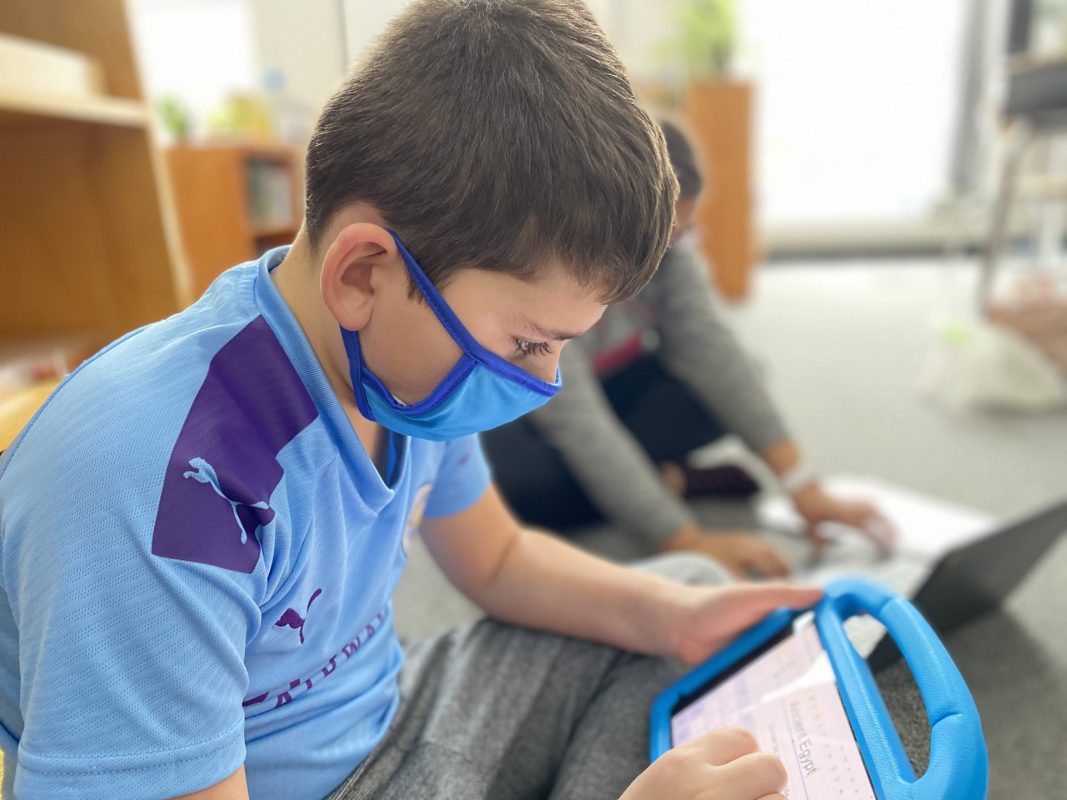
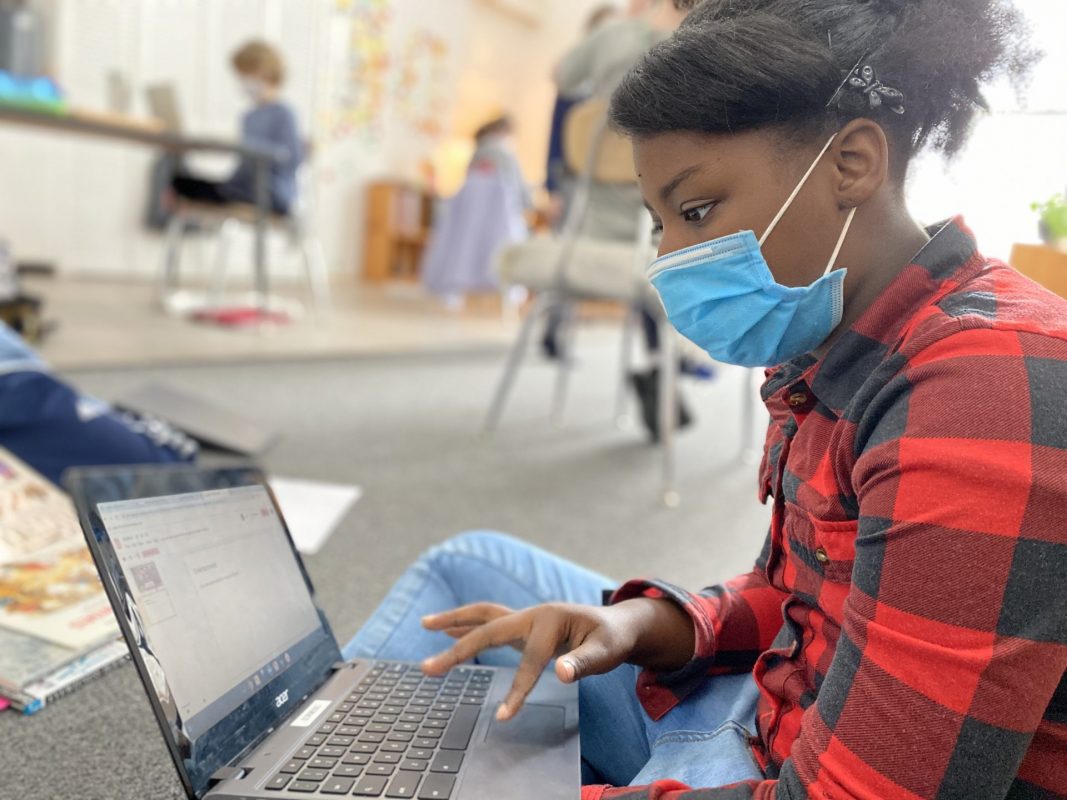
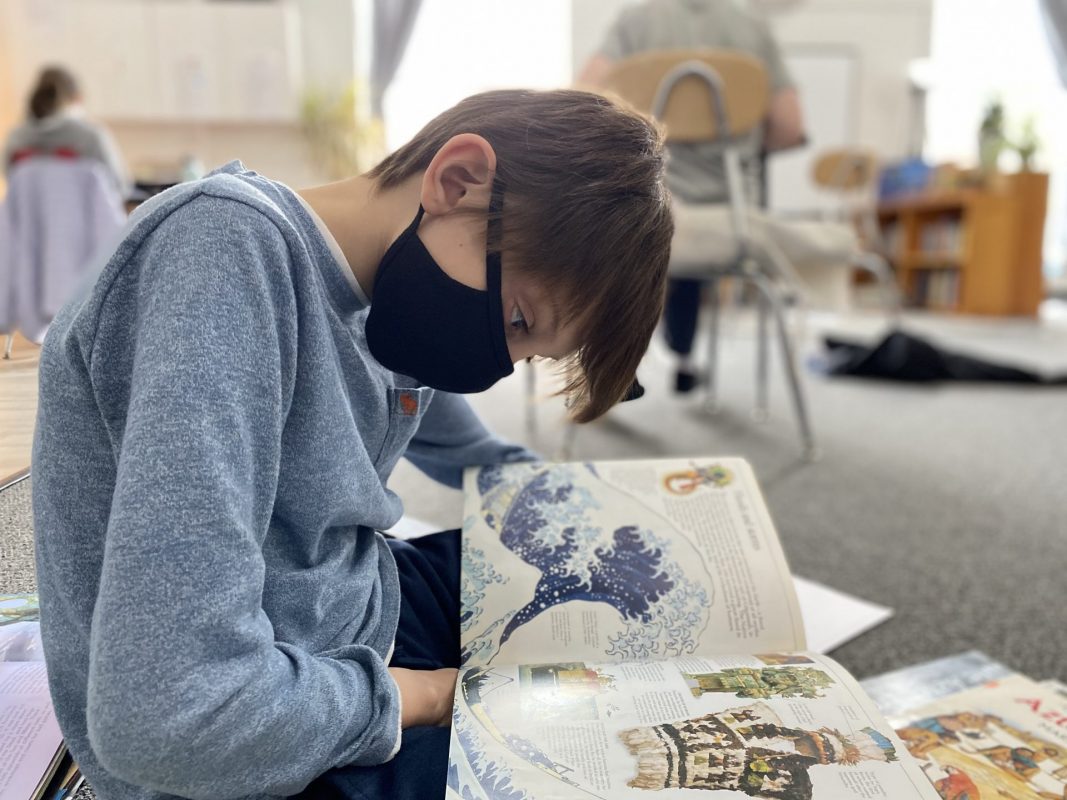
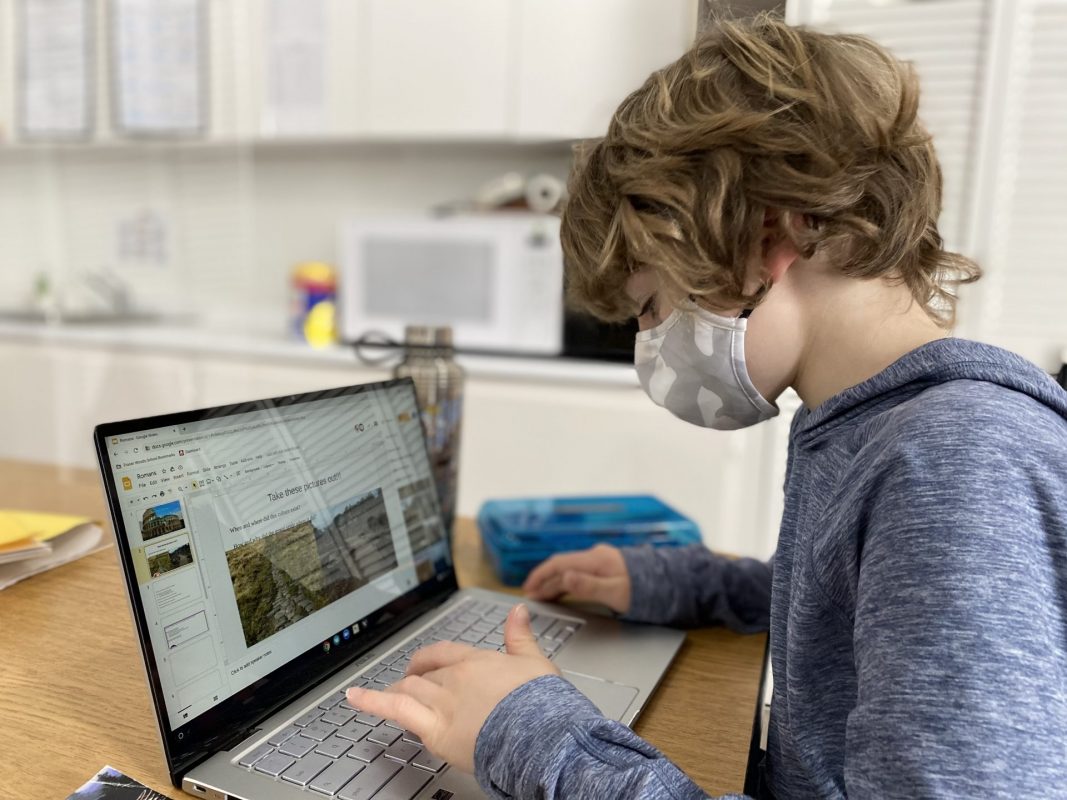
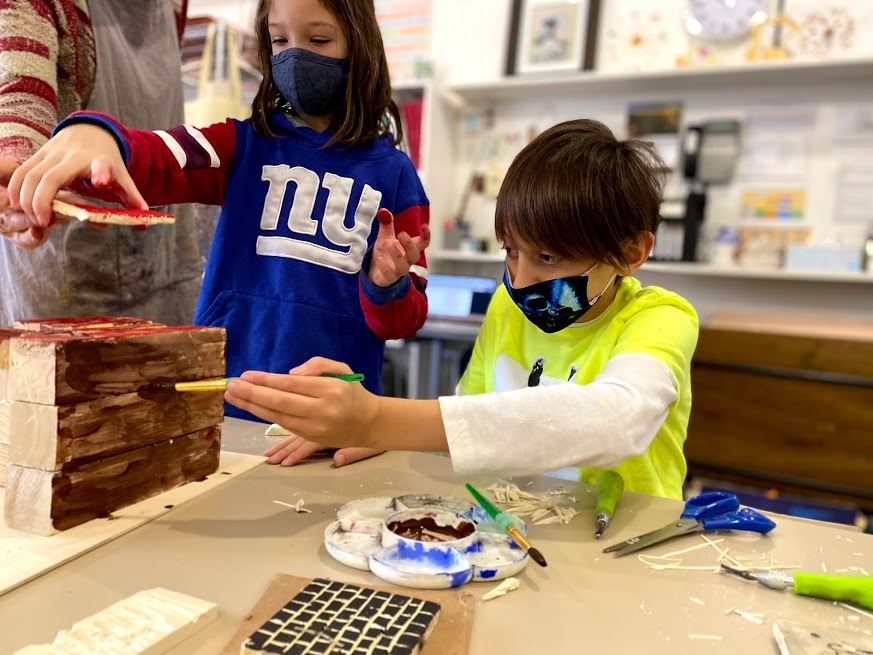
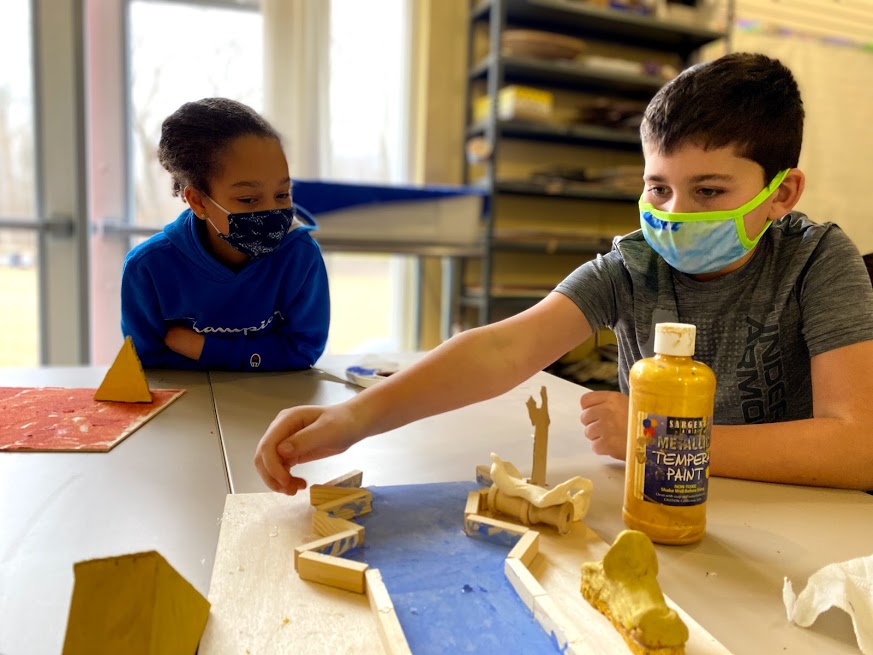
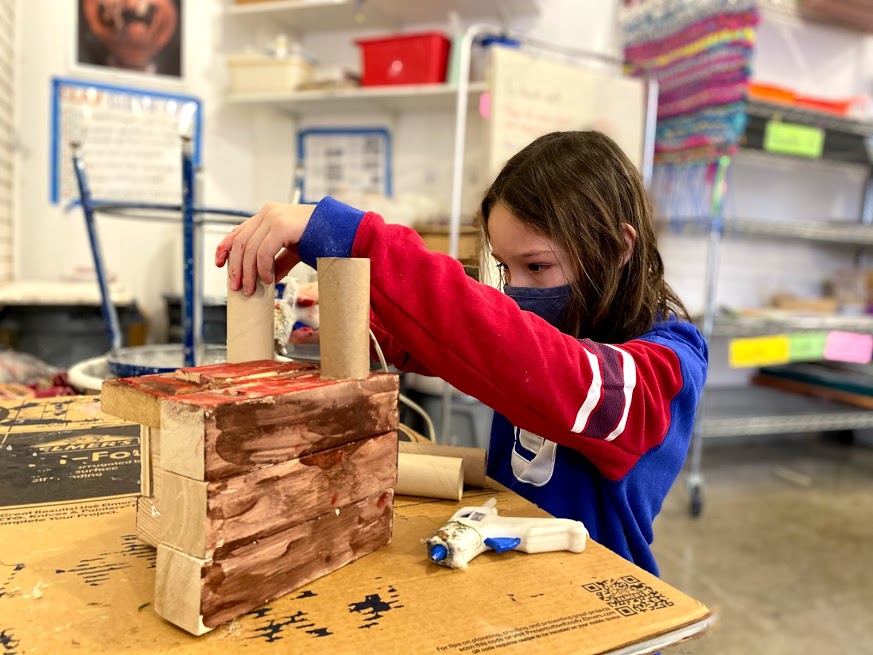
As we get closer to recording presentations of Ancient Civilizations, we are focusing more of our time on research, even devoting morning work cycle to gathering and recording information in small groups. In addition to writing presentations, Upper El students are learning to keep track of and cite their resources, both printed and digital. We have now moved the dioramas into the classroom as well and students will be working on completing their models in addition to the written work they are doing for their group presentations. All of this intense focus is met with great enthusiasm by the Upper El students. They are thrilled and energized to immerse themselves into this work with their peers. We are looking forward to sharing the recorded presentations with you on Friday of next week.

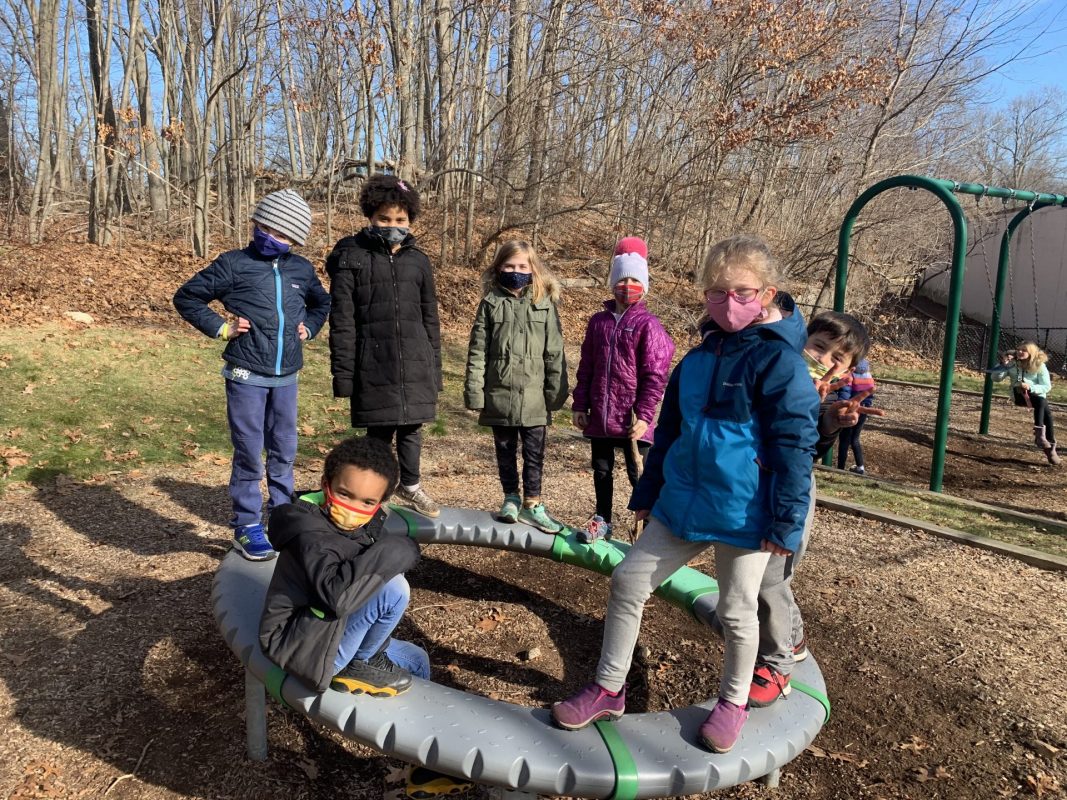
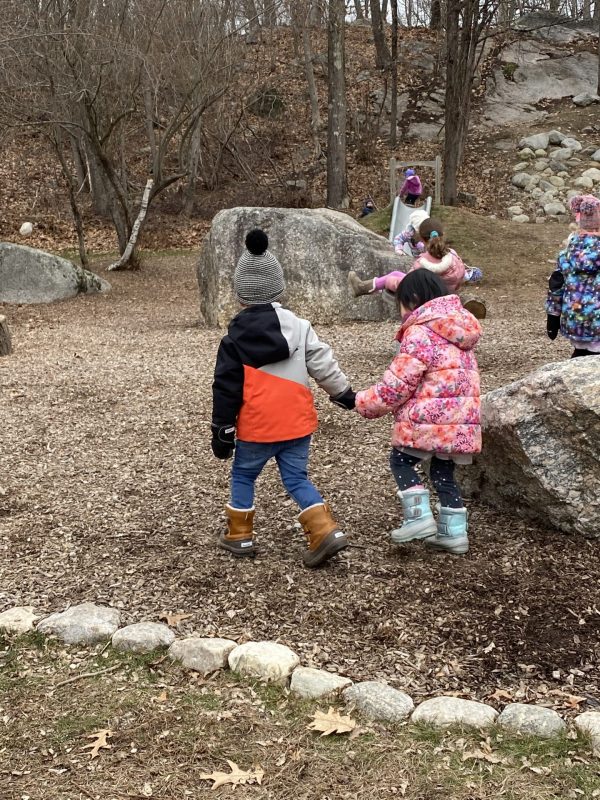
Even with all of our focus on work, we are finding time to have lots of fun together. We had a great time playing outside in the snow this week, including an awesome Upper El vs. Middle School snowball fight. Upon returning to the classroom after recess that day, an Upper El student shared, “That was the best recess I’ve ever had in my entire life!” Another day this week, they created a snow slide on our playground and enjoyed taking turns sliding down the hill.