Blog

Love the Skin You’re In!


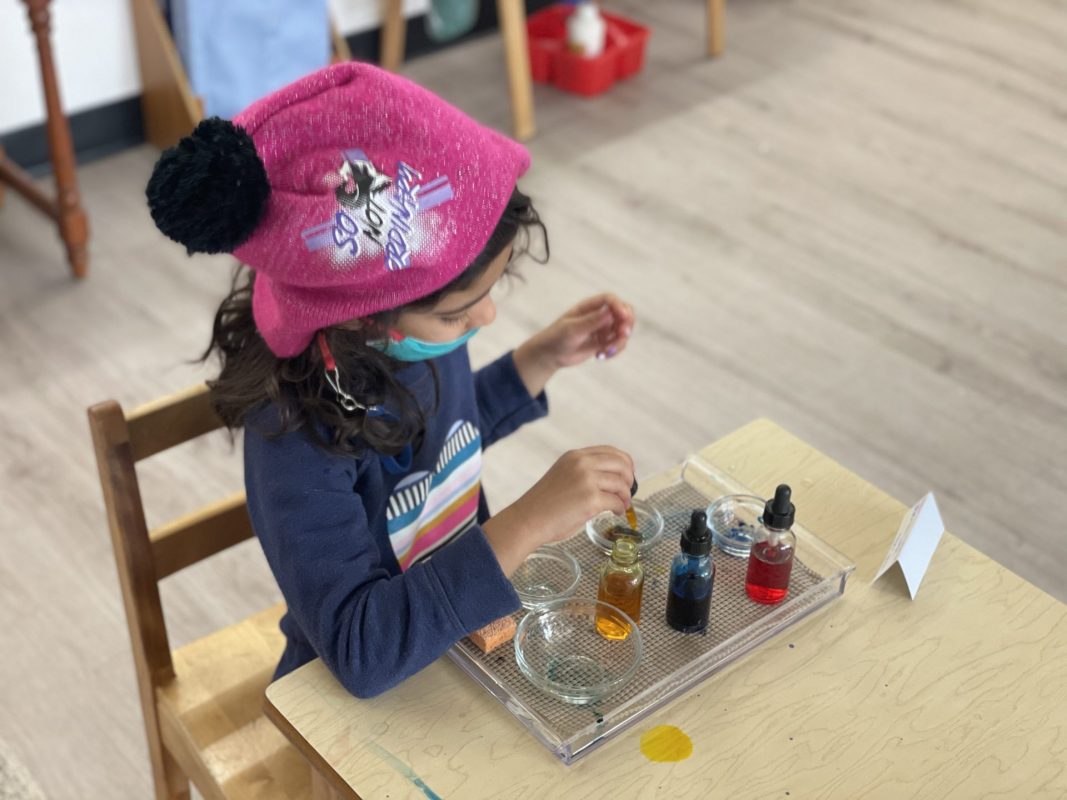
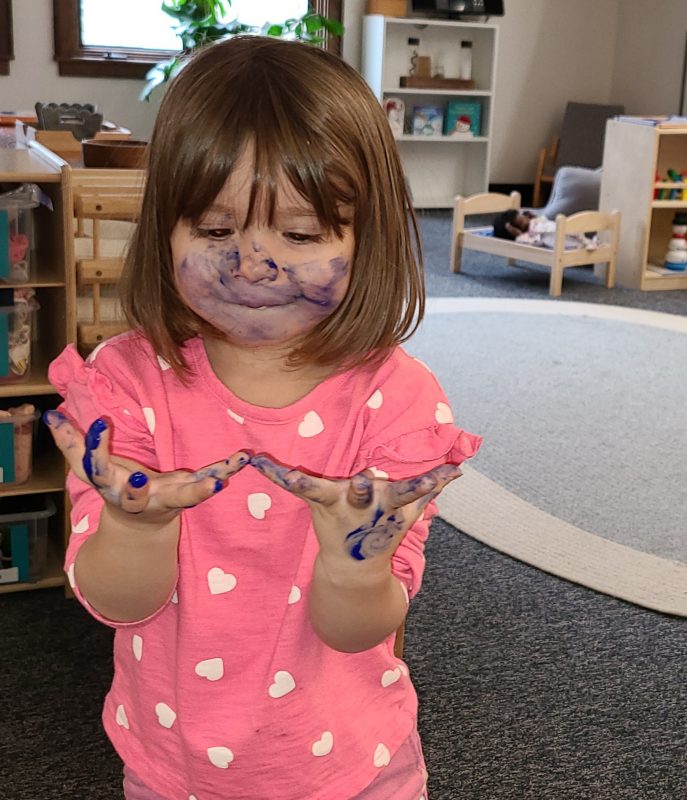
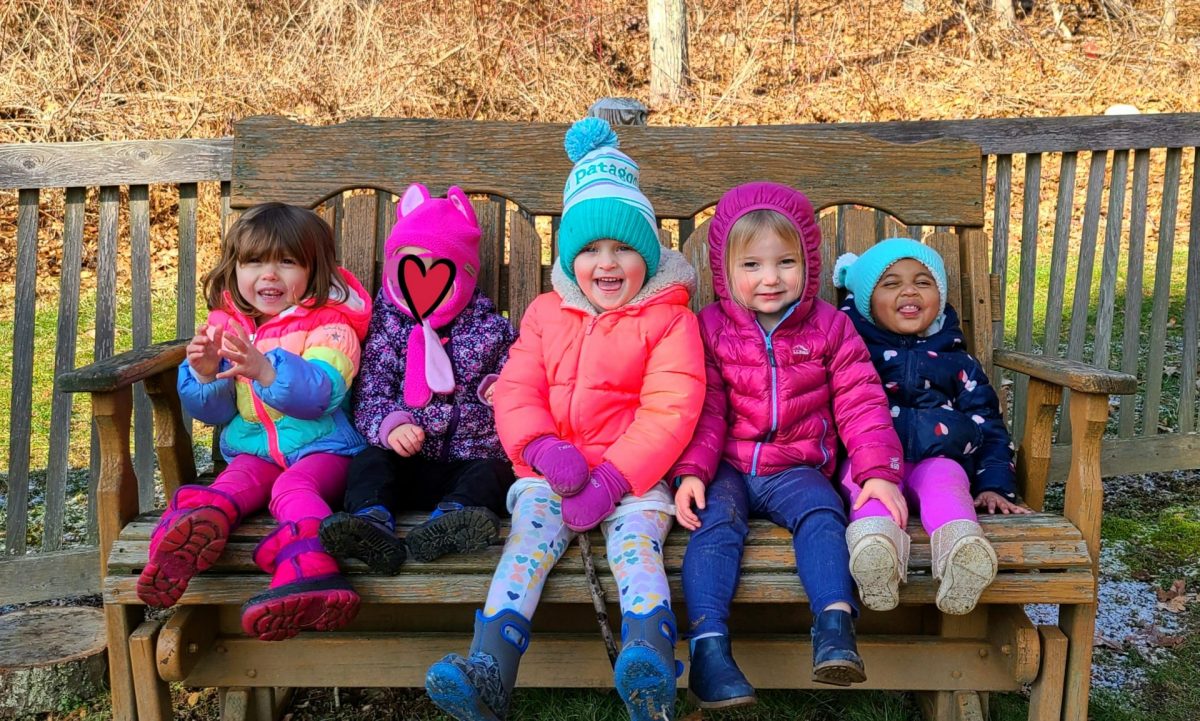
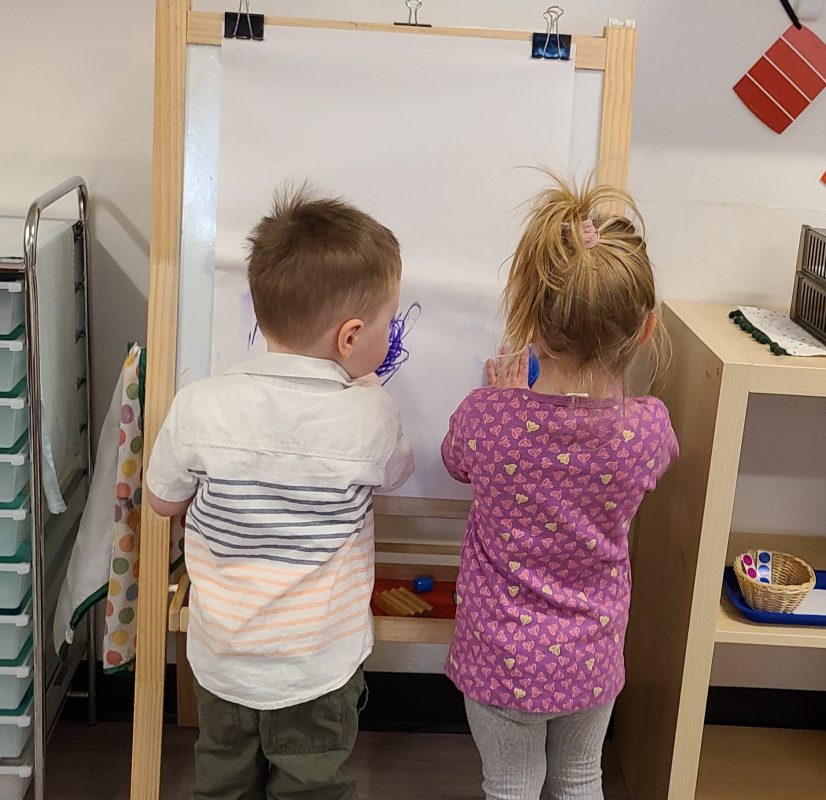
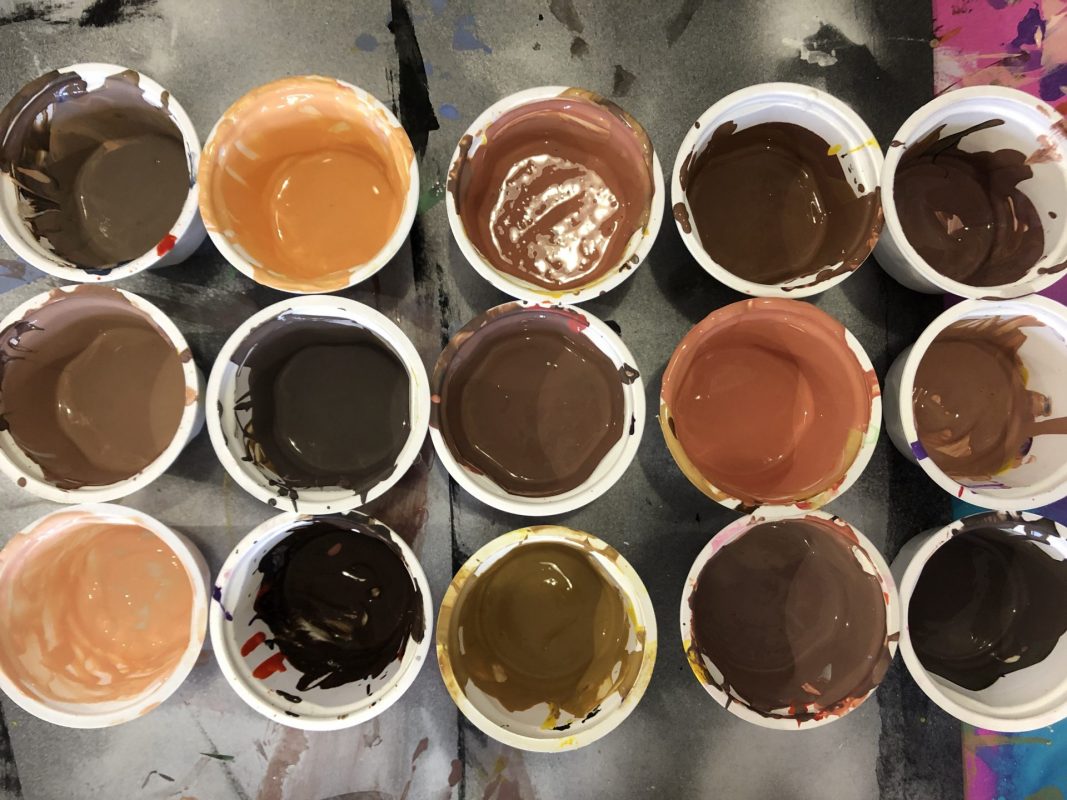
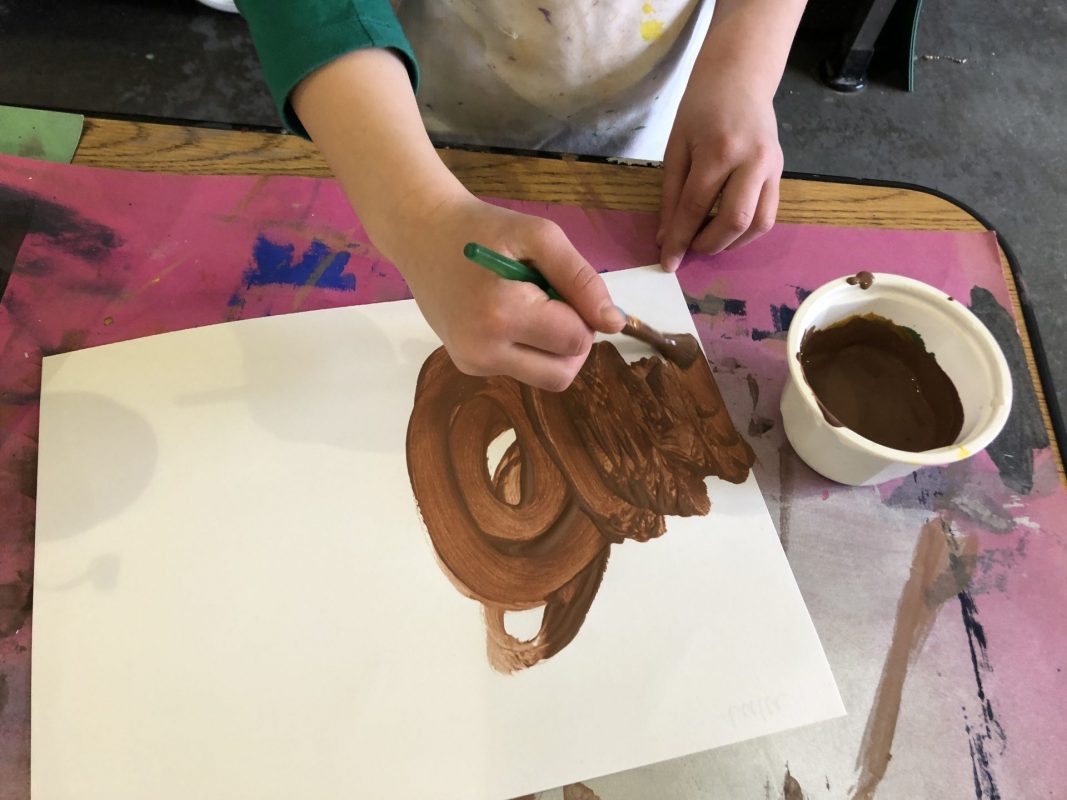
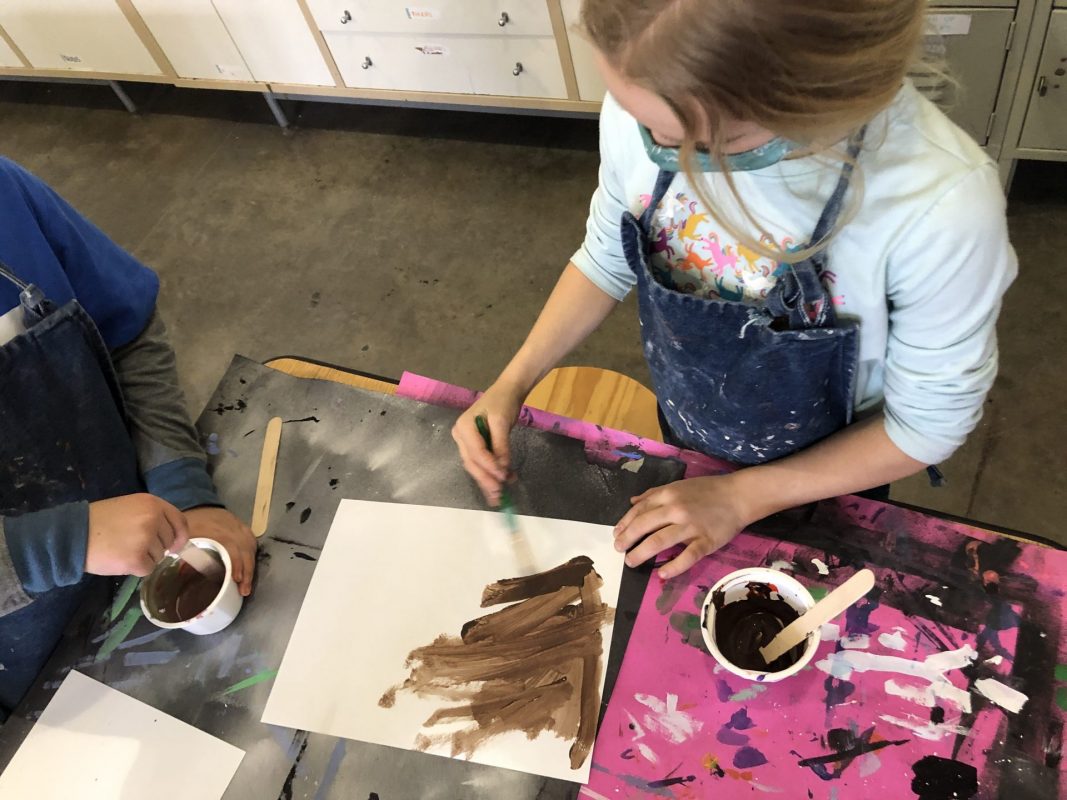
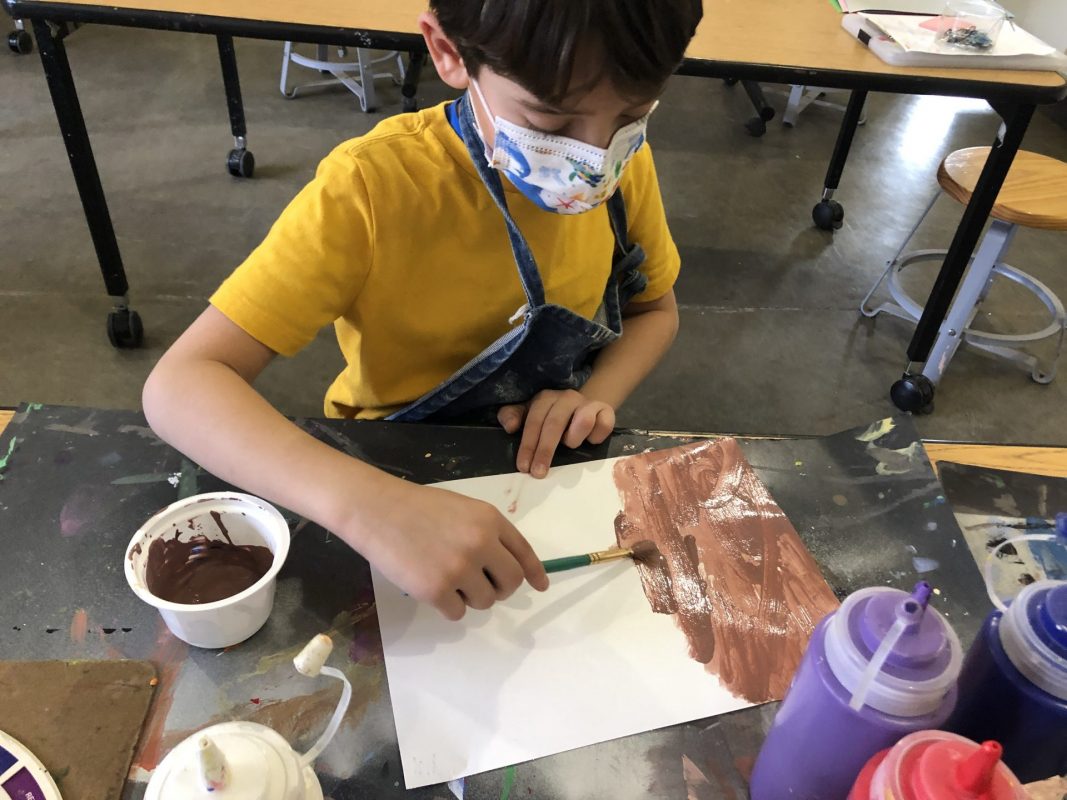
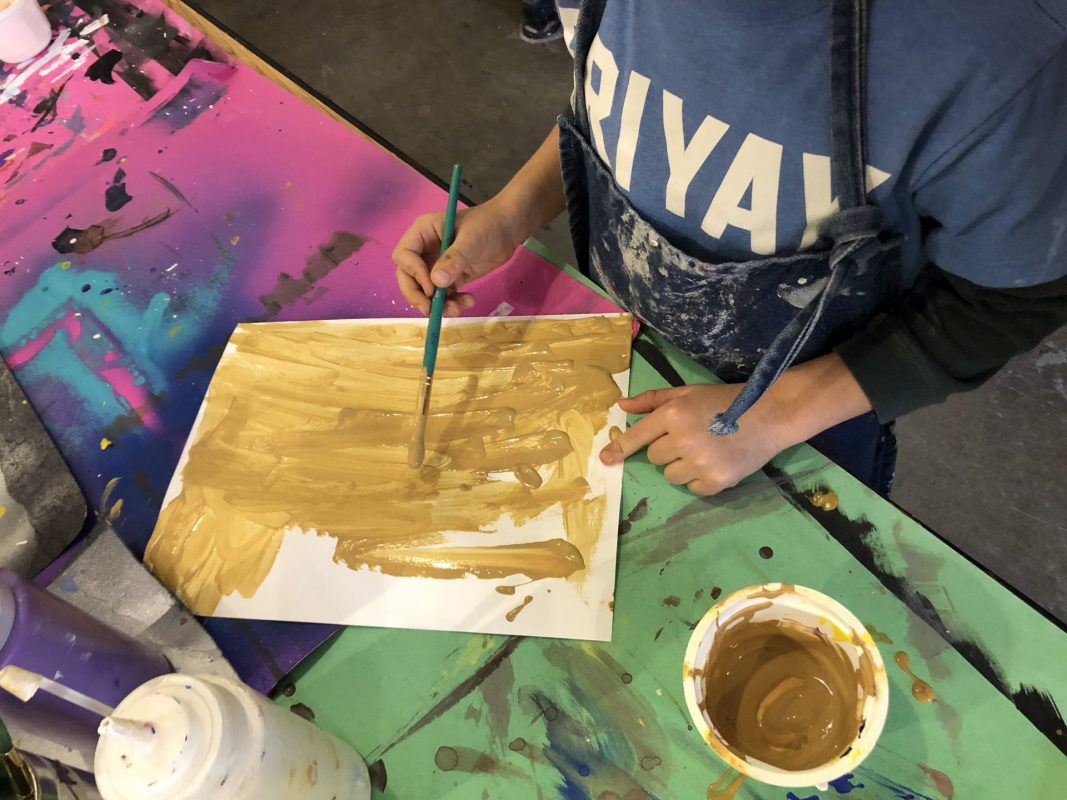
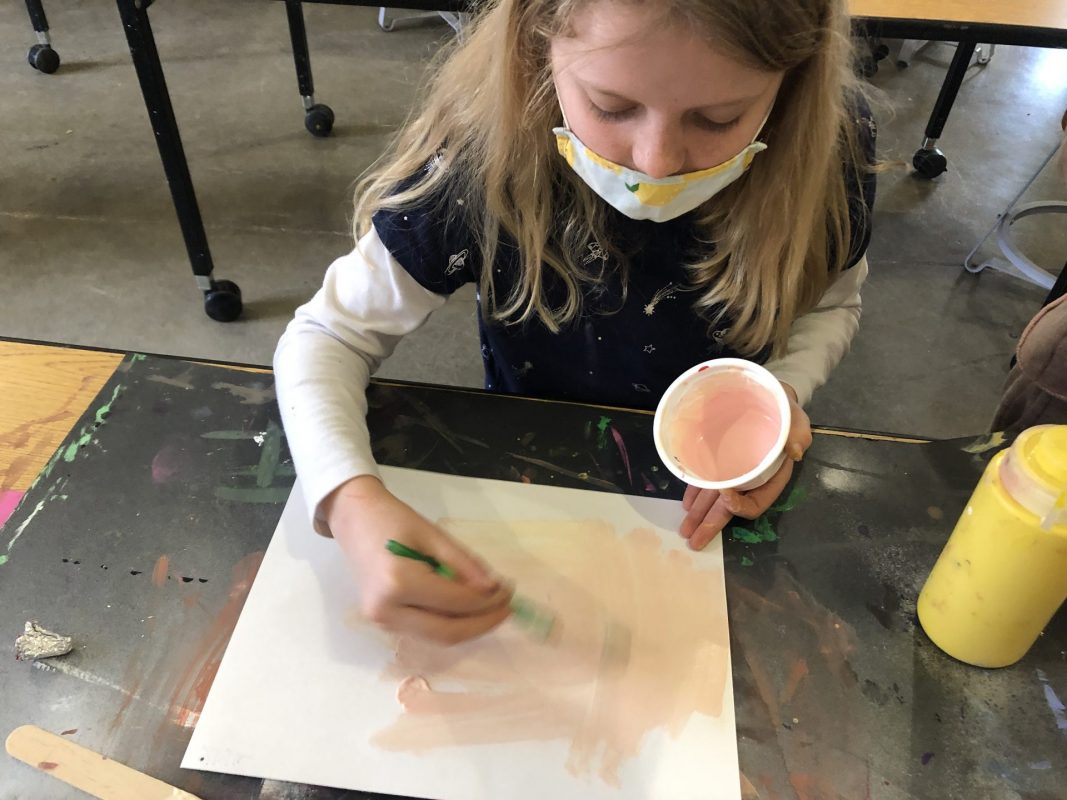
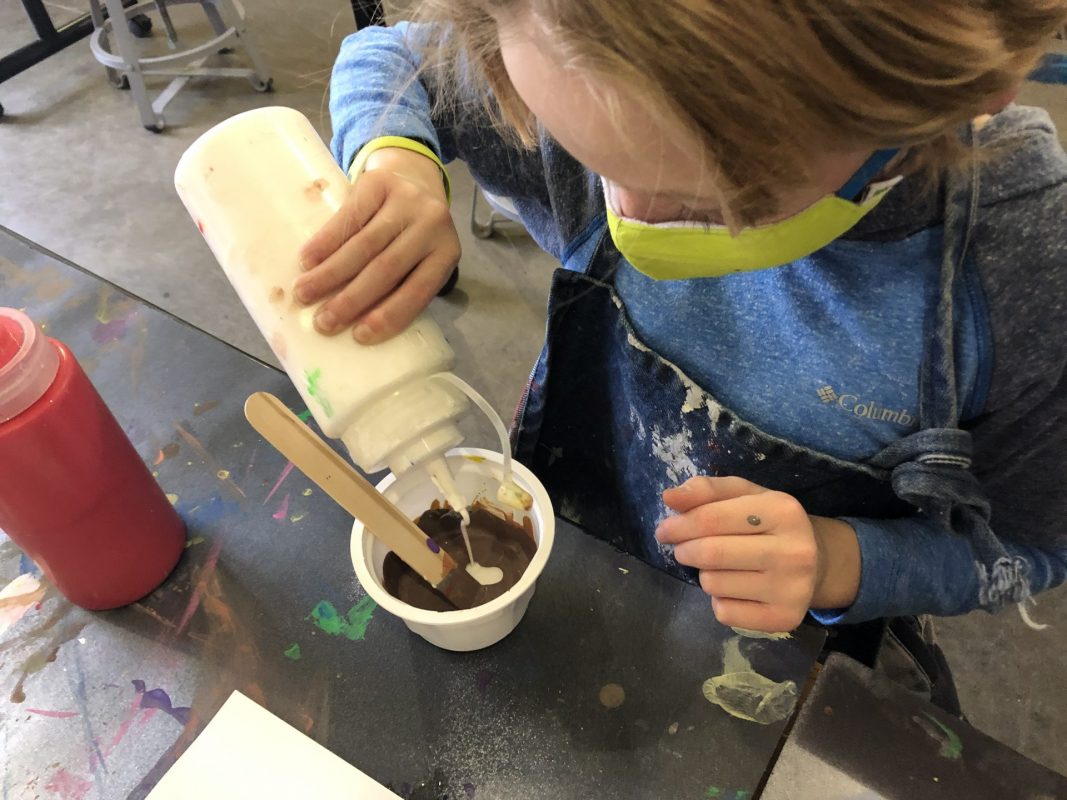
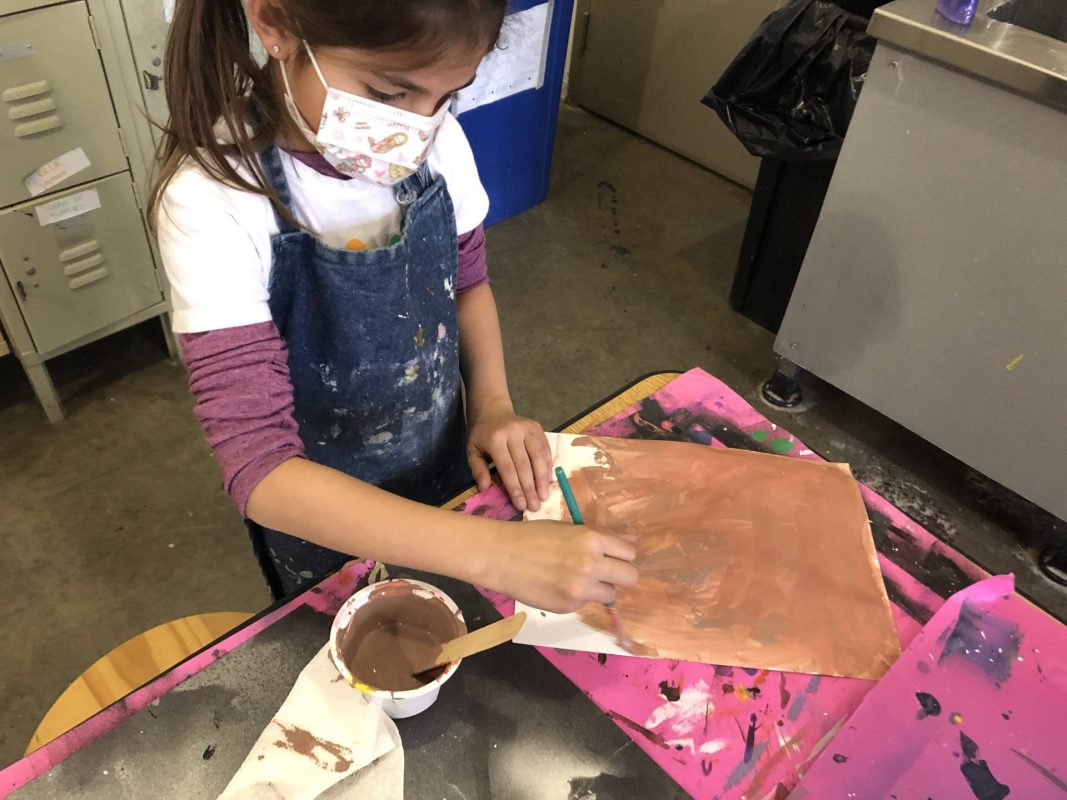
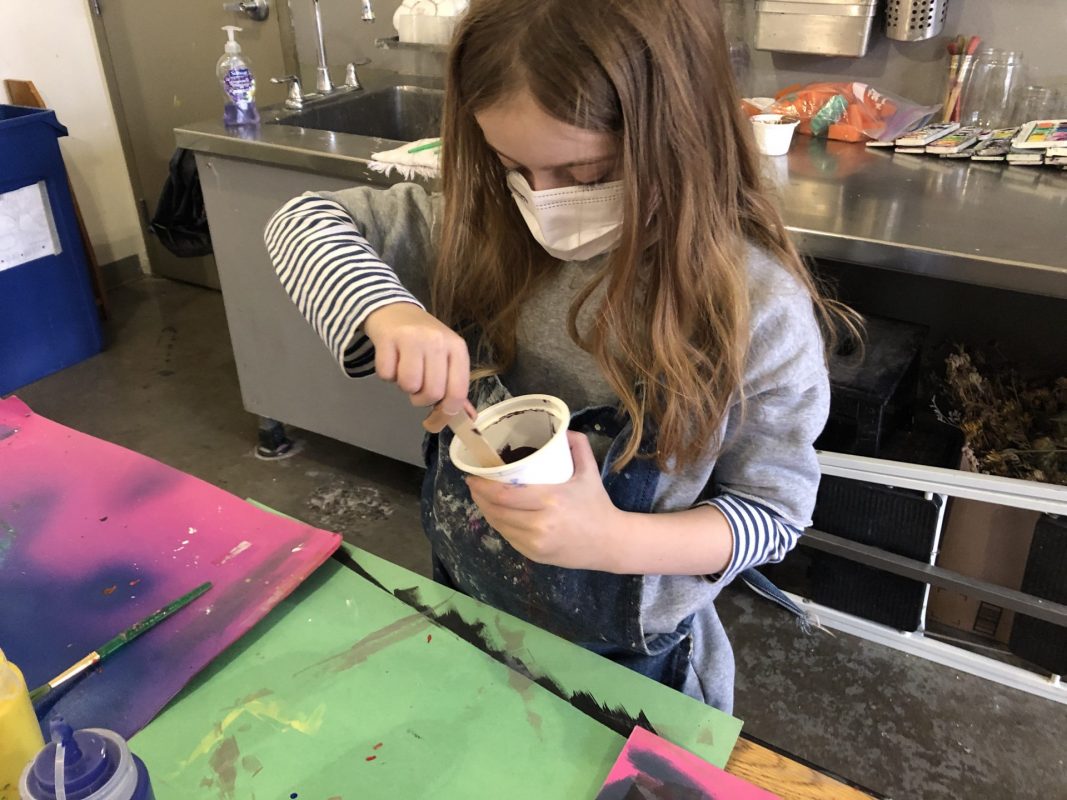
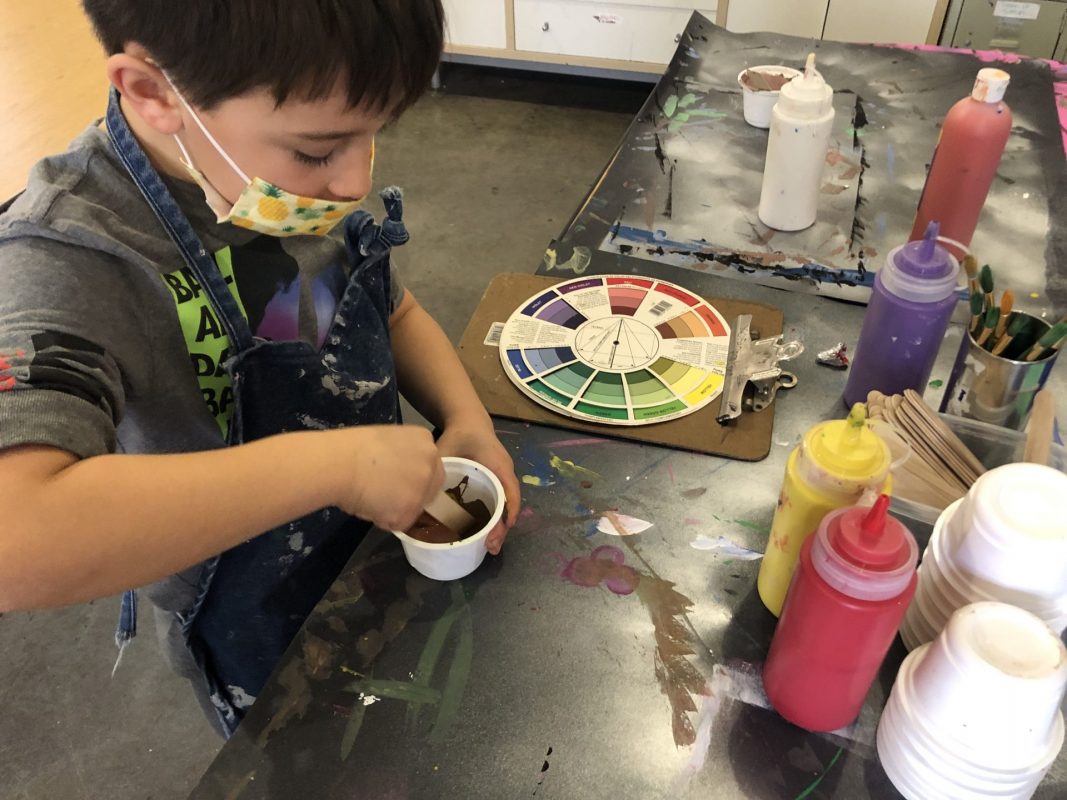
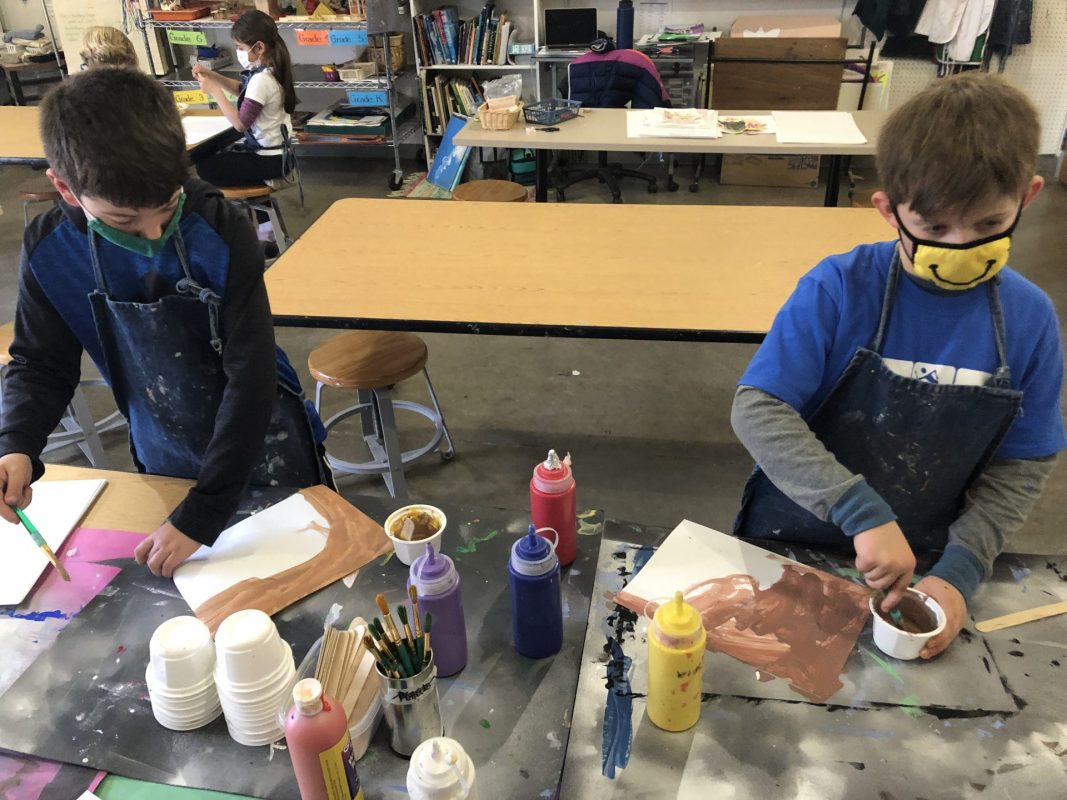
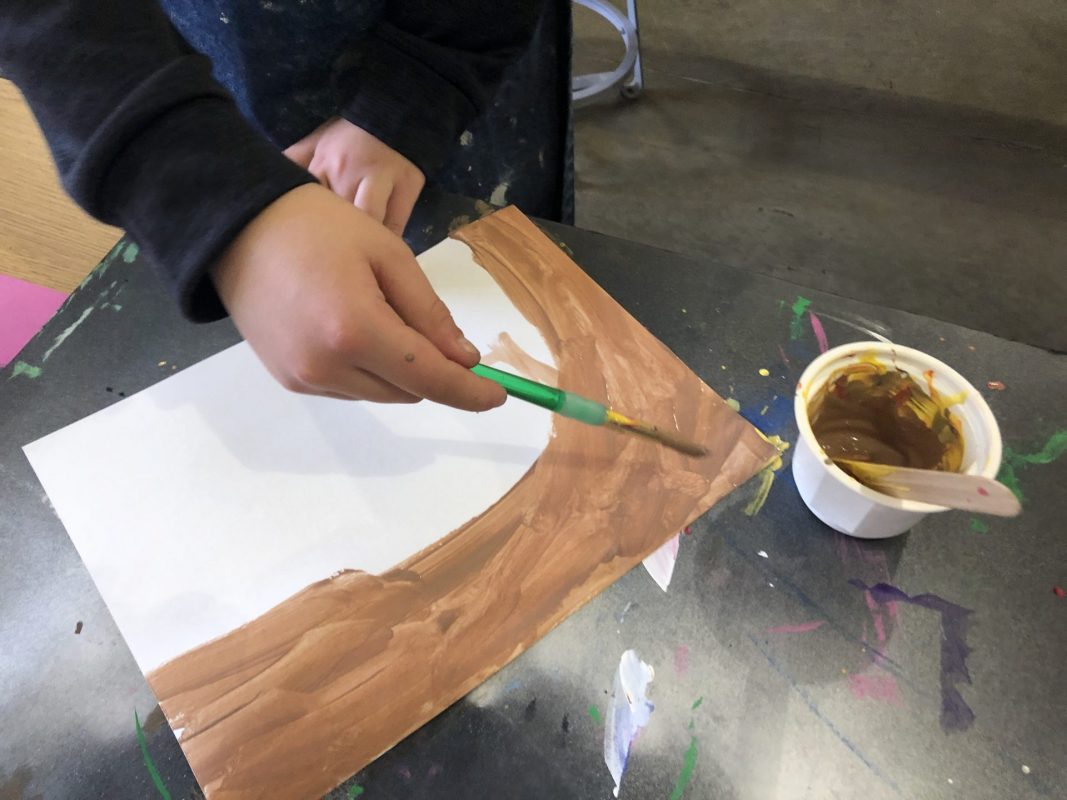
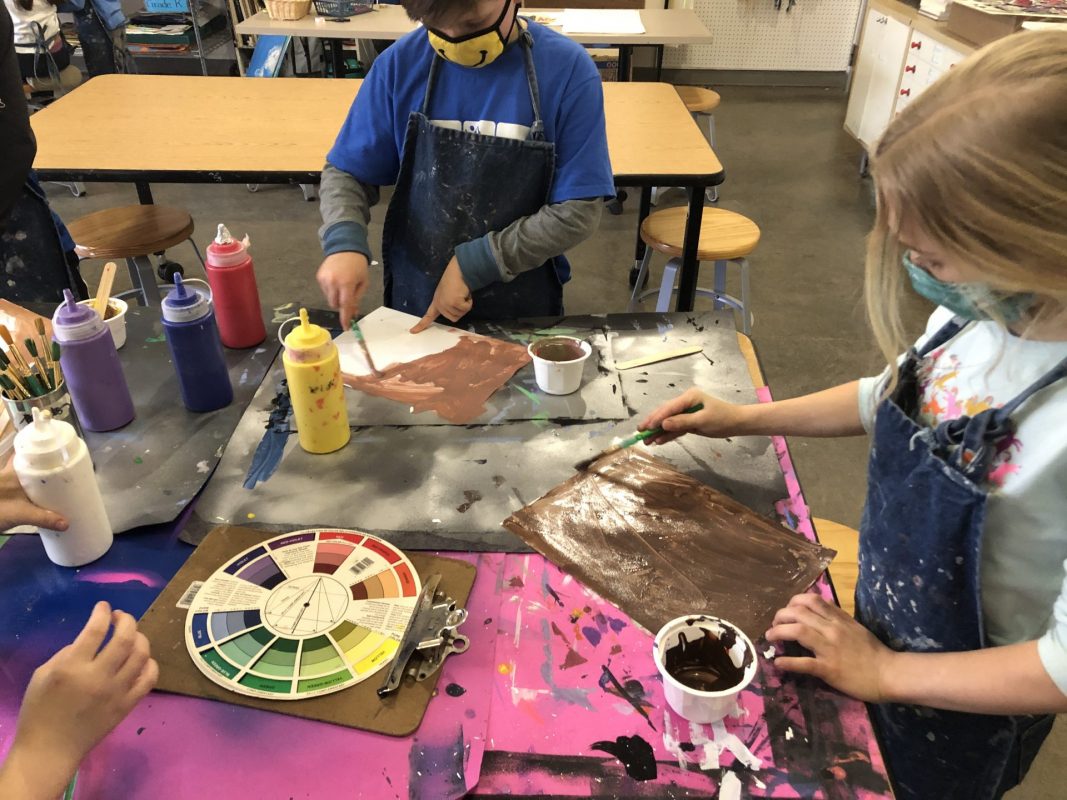
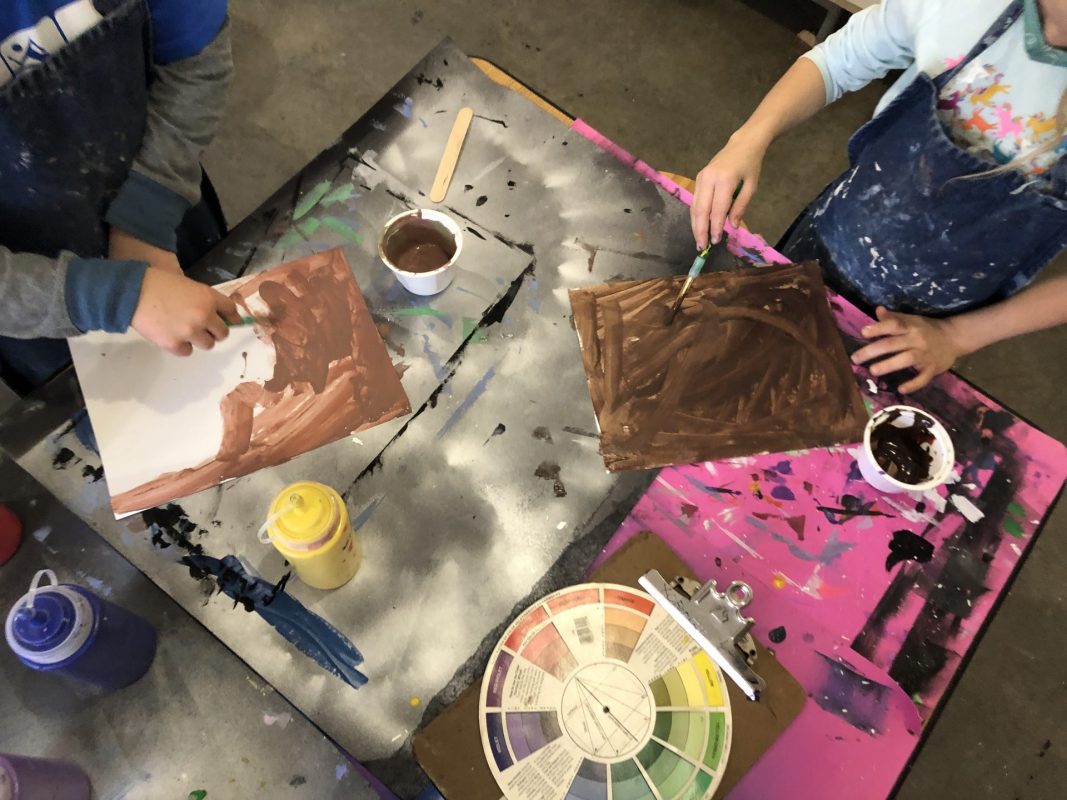
Humanity in its infinite beauty is made up of a complex array of diverse skin tones. Our Lower Elementary artists explored mixing a range of skin tones using tempera paints and simple color theory techniques.

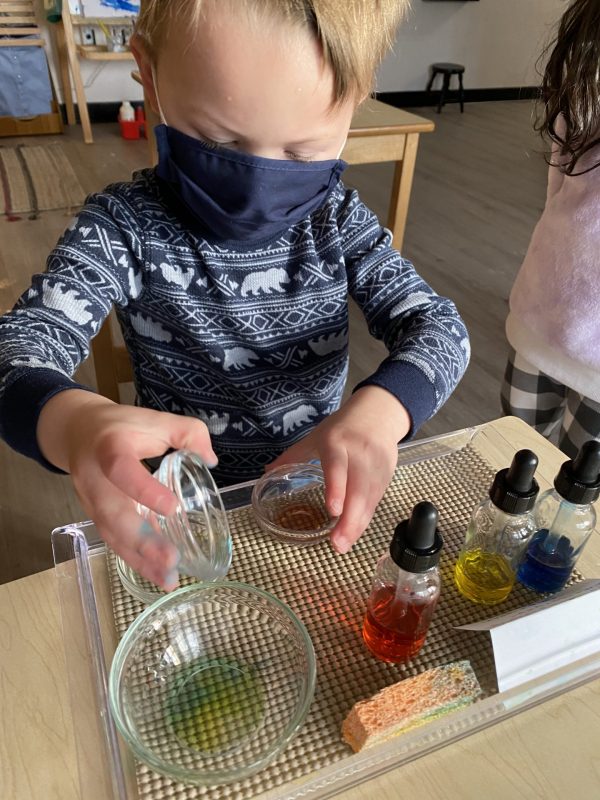
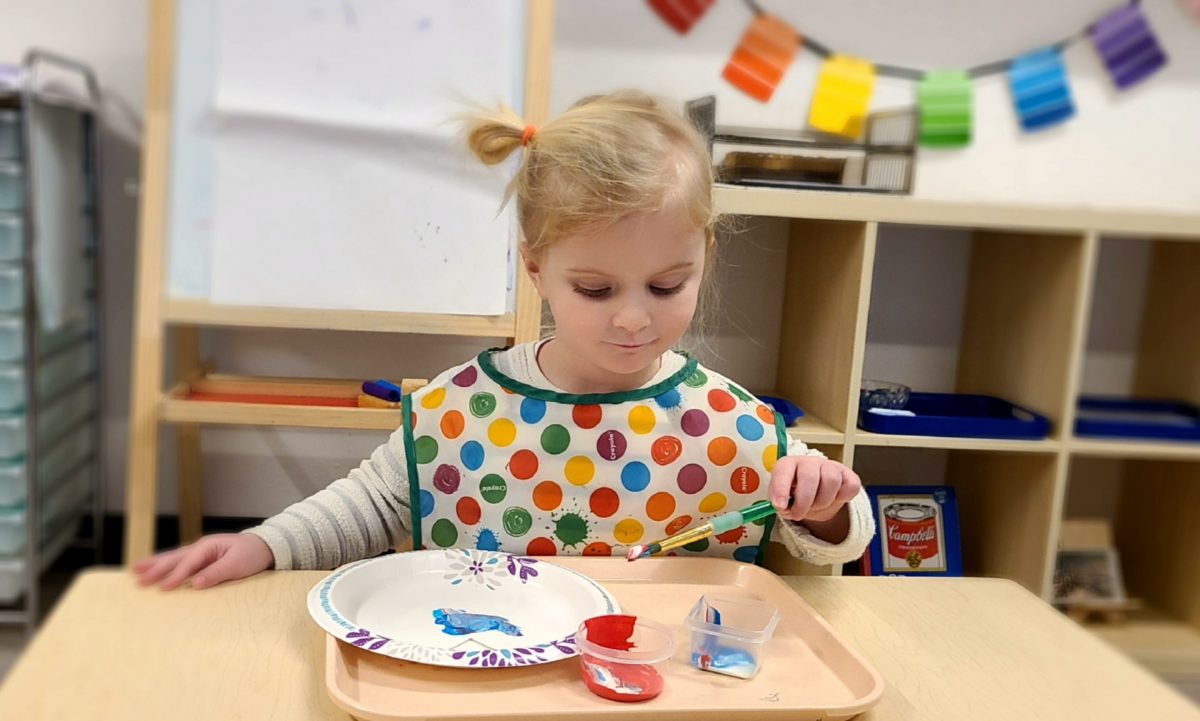
Mixing skin tones is all about experimenting and playing around to get the right shade and tone; and that is where color theory comes into play! First, we took a look at the color wheel and studied the three sets of complementary colors: blue + orange, red + green, and yellow + purple. Complementary colors are opposite each other on the color wheel. Each child chose one set of complementary colors to start with in their mixing cup. The experimenting, problem solving and discovering began as soon as those two colors were mixed! For instance, we noticed that blue is a very strong color, so more orange is needed to create a more brown tone. Then we added some white to bring out the color a little and to make it more opaque. Students also discovered that adding more white created a lighter skin tone. The experimenting continued as each child went back and forth mixing, looking, adding color, and mixing again. If the color looked too red, for instance, we would refer to the color wheel to find it’s complement (green), add a few drops and mix it up! Too yellow? Add purple. And so on until their skin tone color was achieved. Some students even mixed up more than one to represent another skin tone different from their own!

Once each artist was happy with their mixed up color, they painted multiple papers with each skin tone color. The papers were then left to dry and will be used to create a collage art piece to represent the diverse array of skin tones. The magic of this color mixing process was that it allowed each child to discover the unique rainbow inside of both their own and their classmates’ beautiful skin!

The Application of Knowledge-Another Hallmark of a Montessori Education

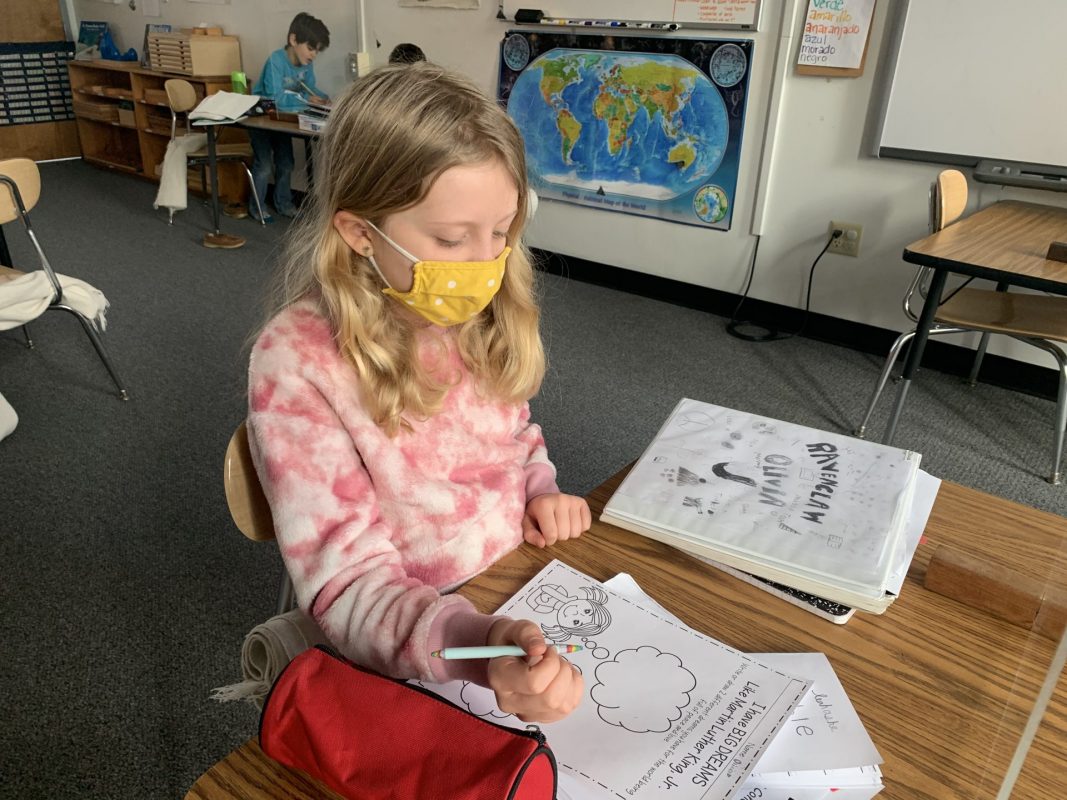
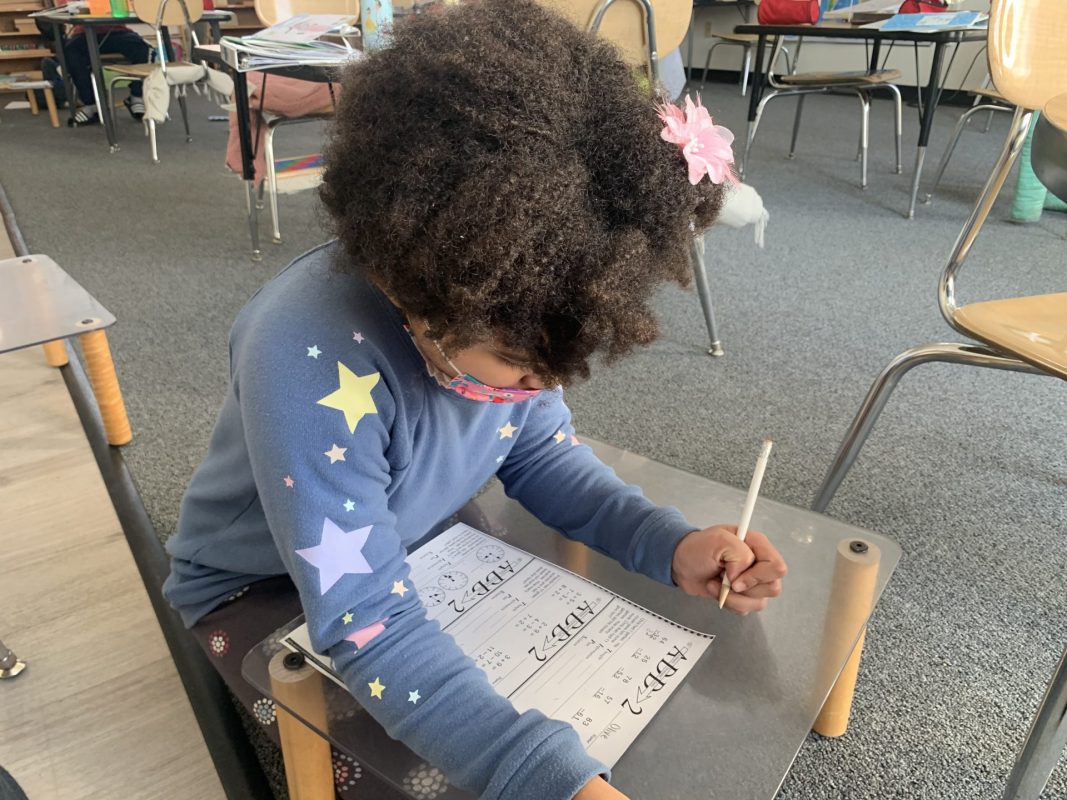
As I visited each classroom this week, I was struck by another hallmark of a Montessori Education- The Application of Knowledge.

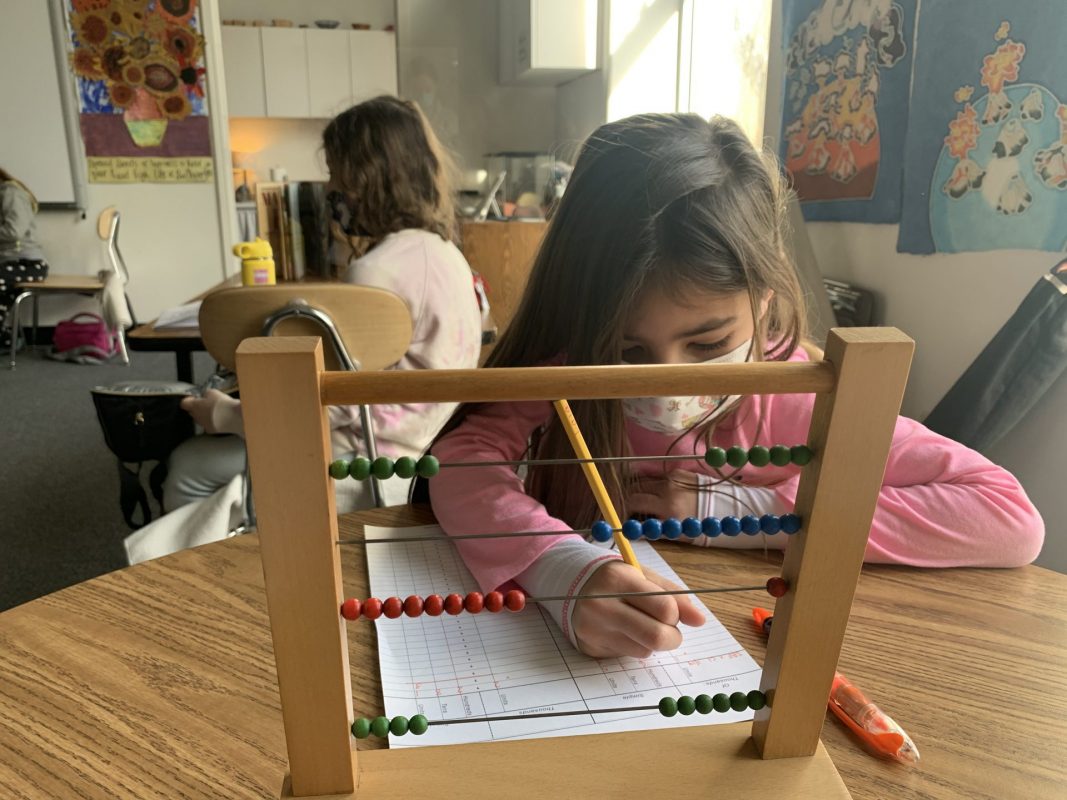
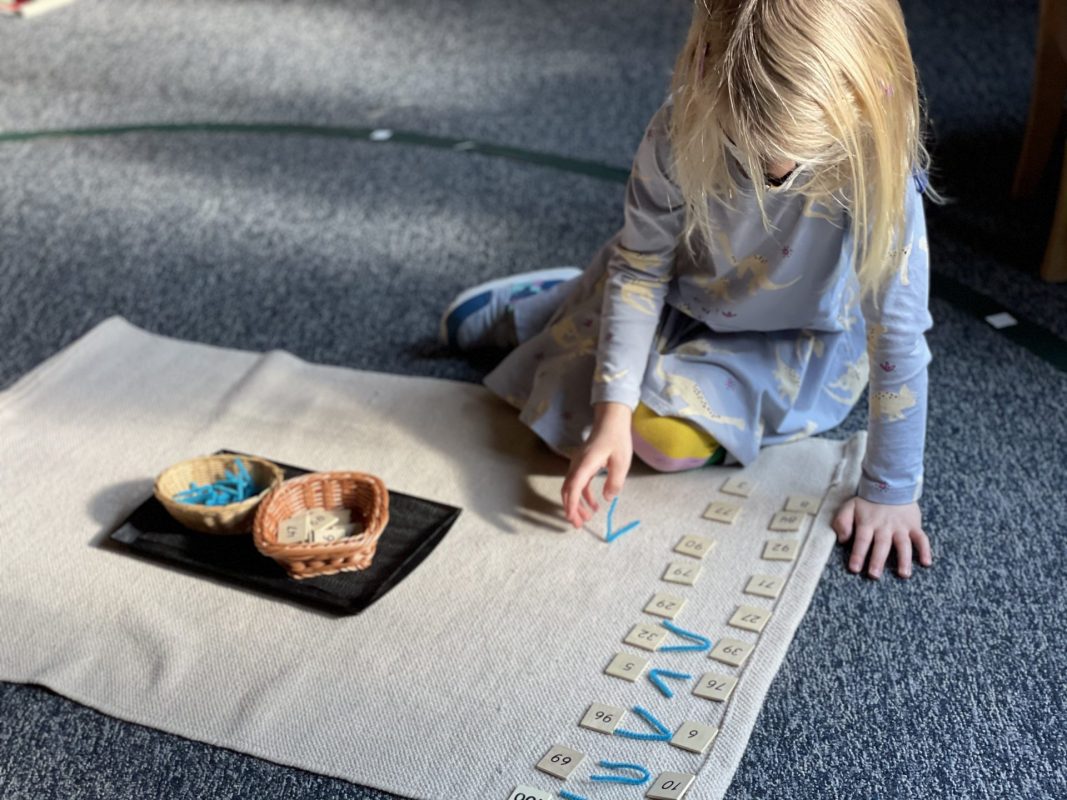
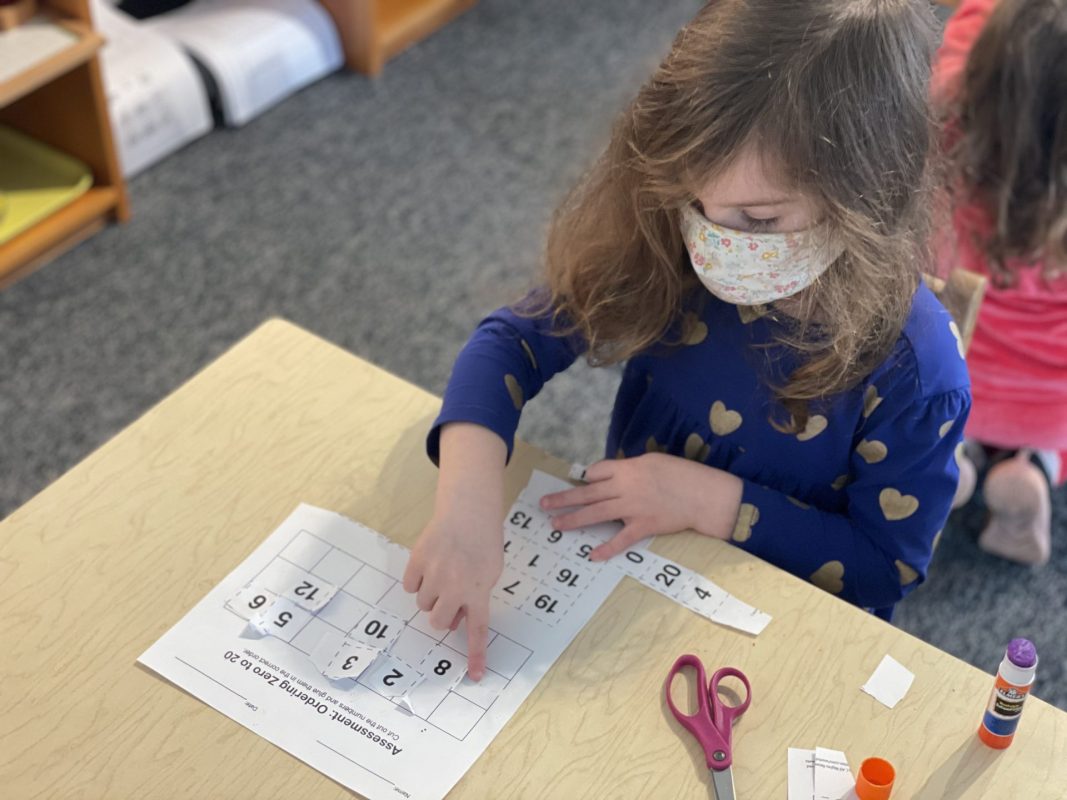
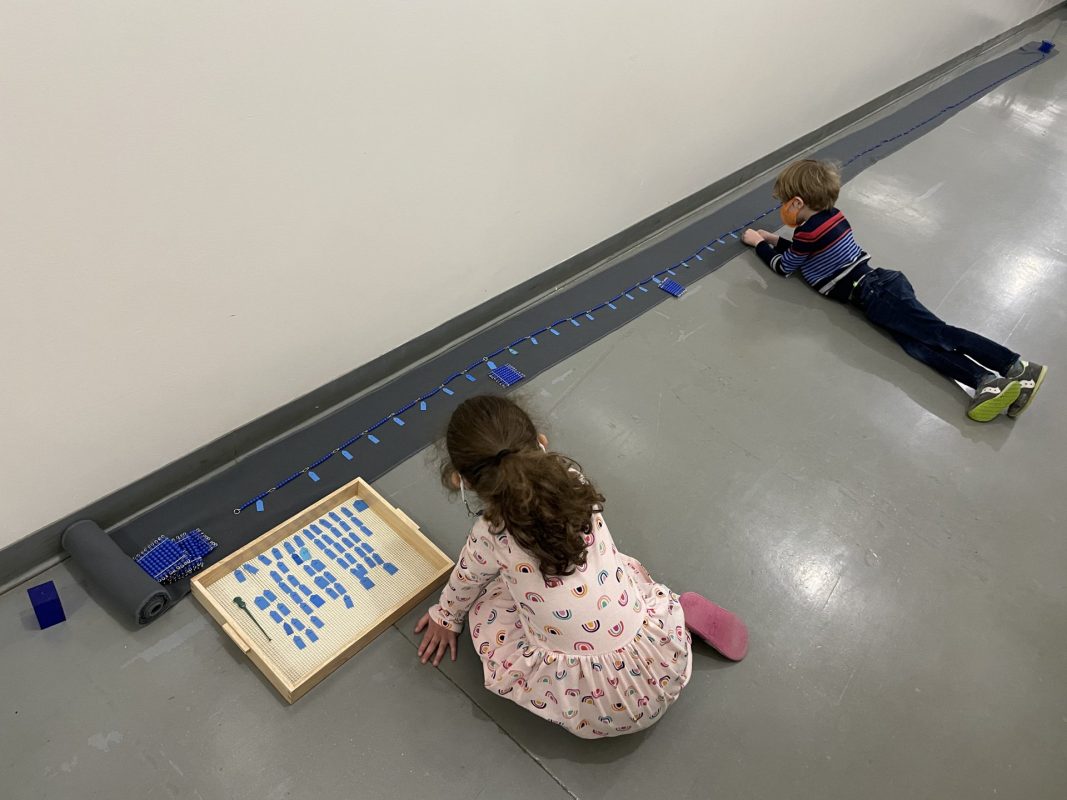
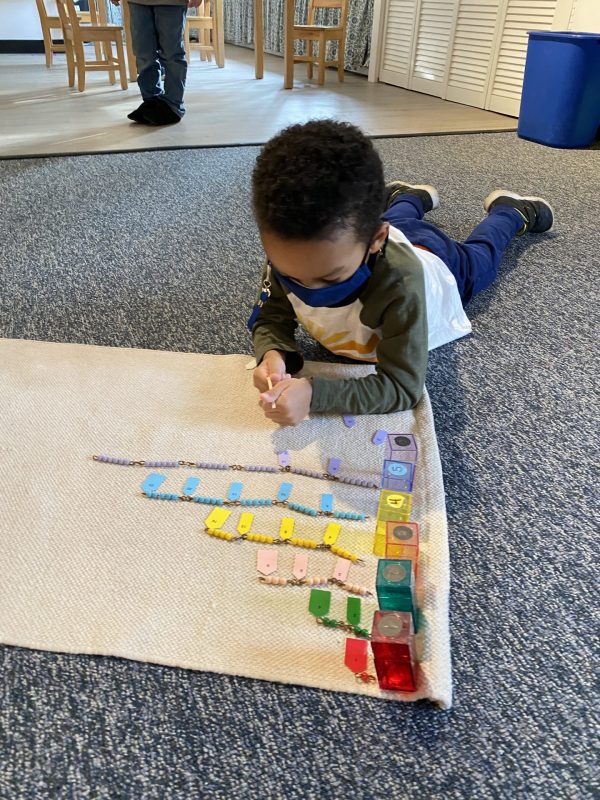
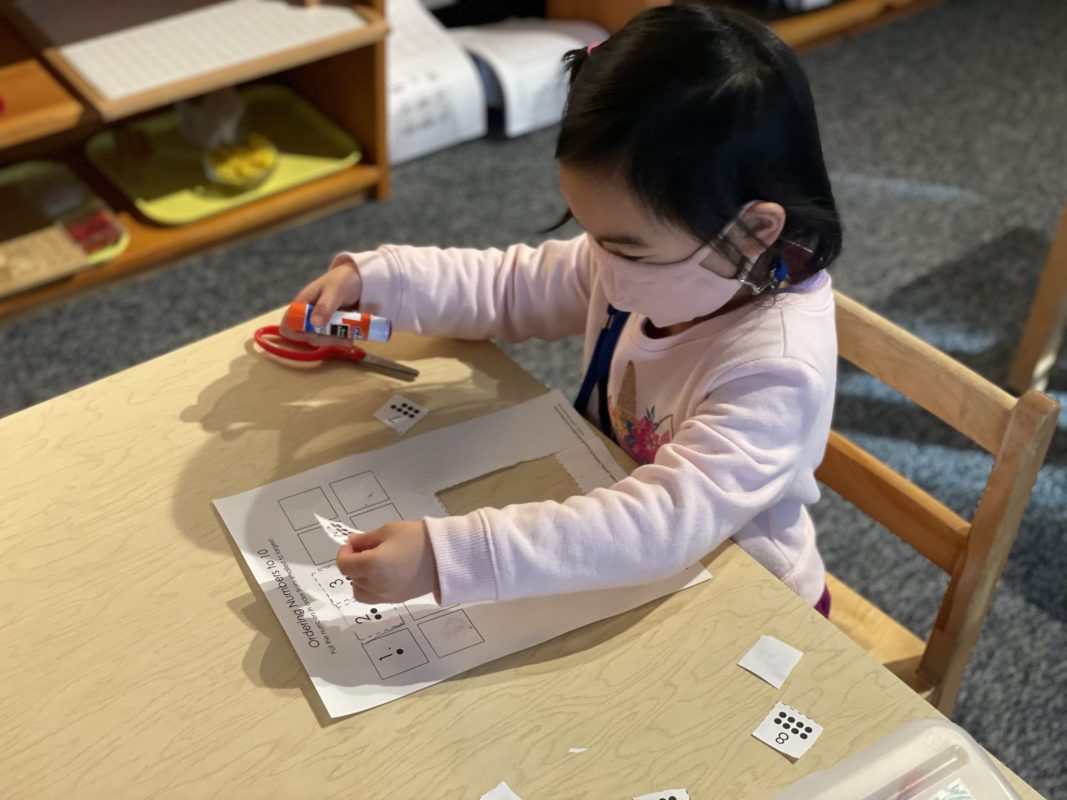
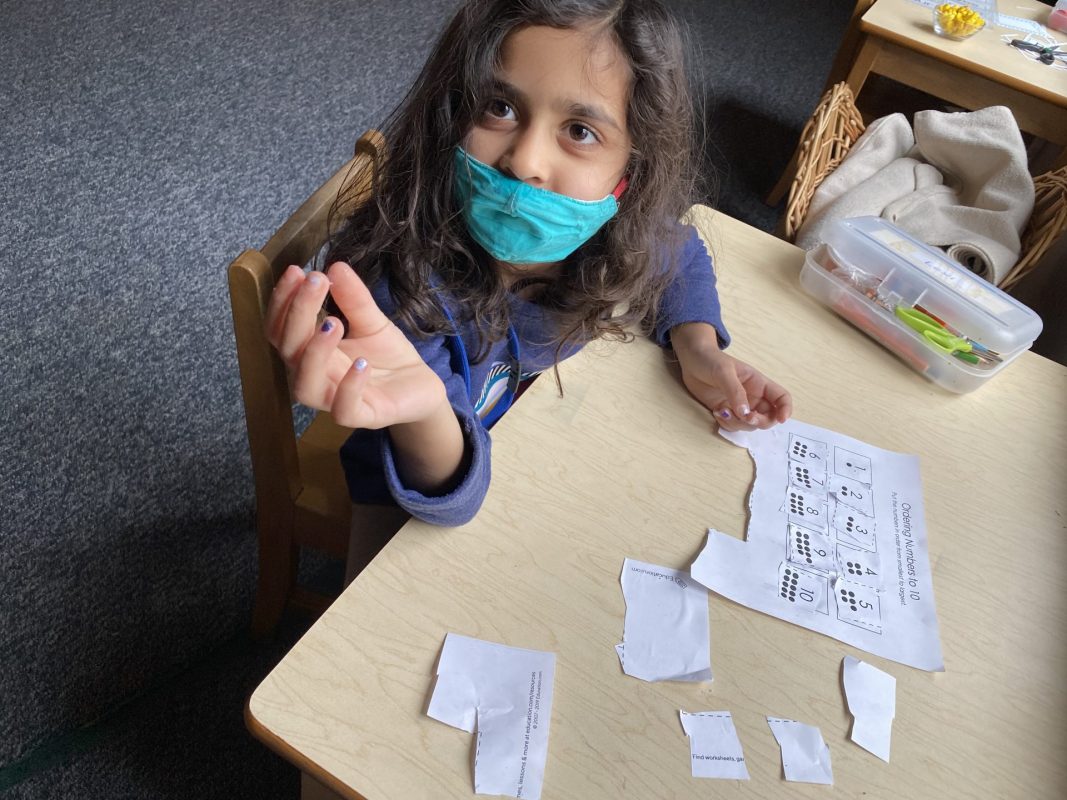
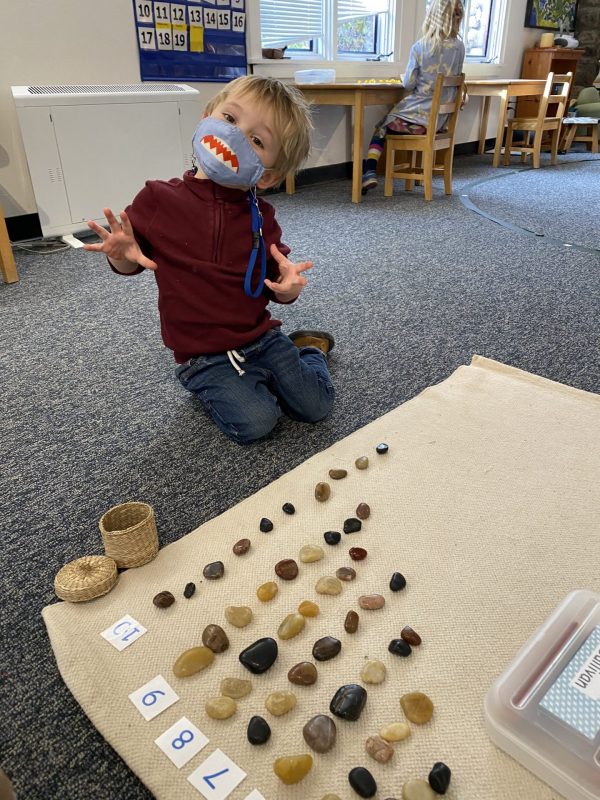
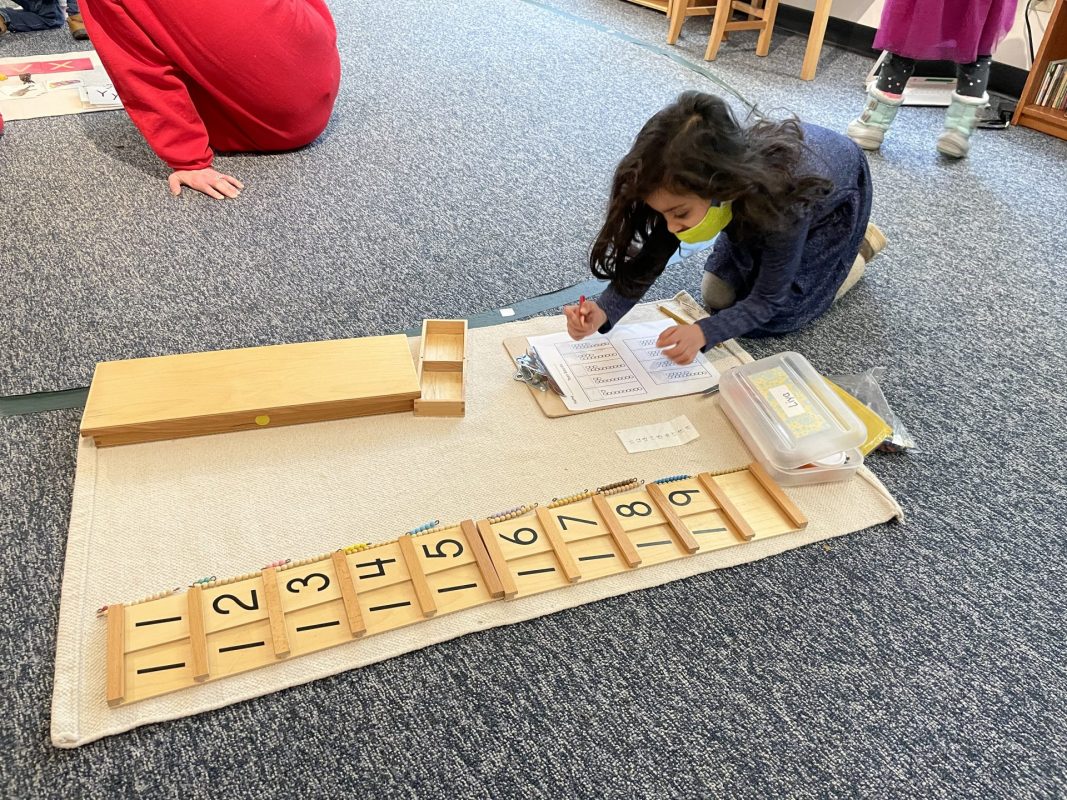
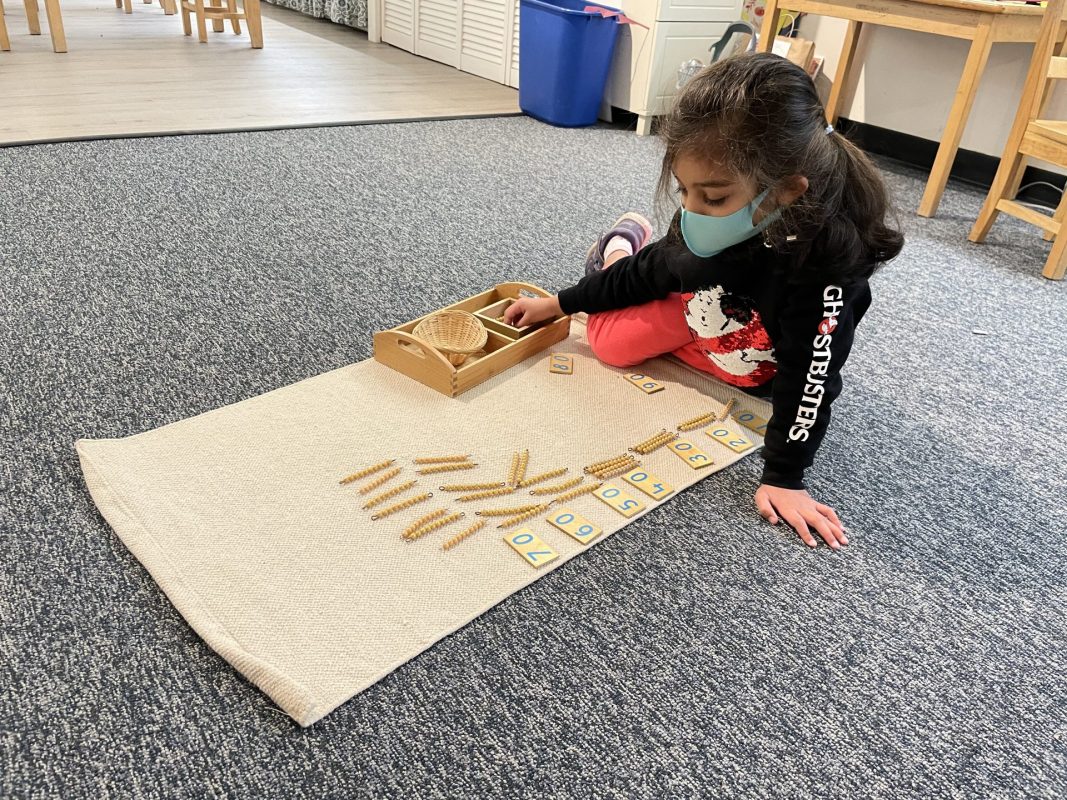
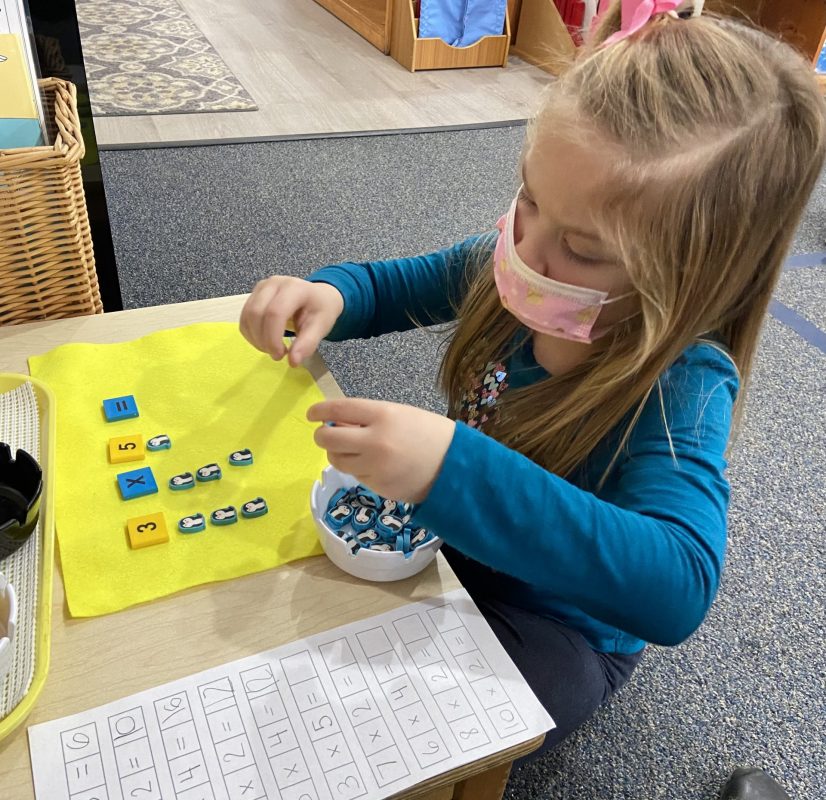
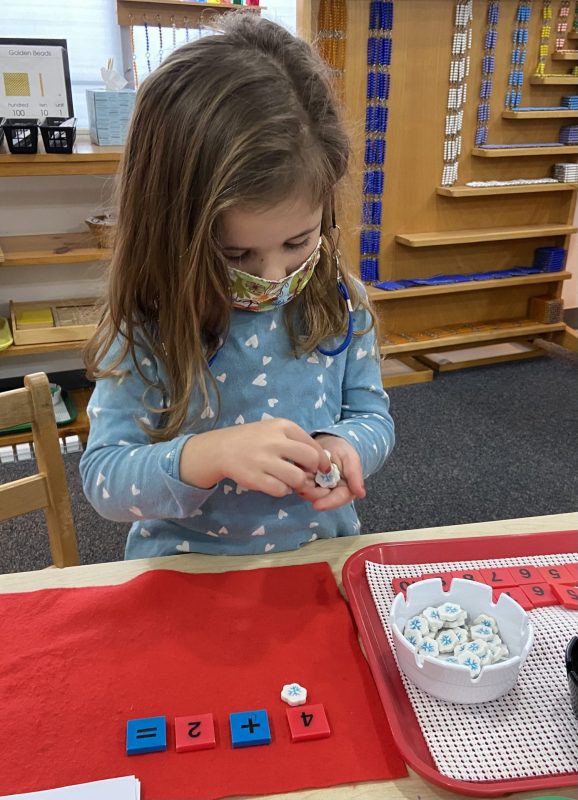
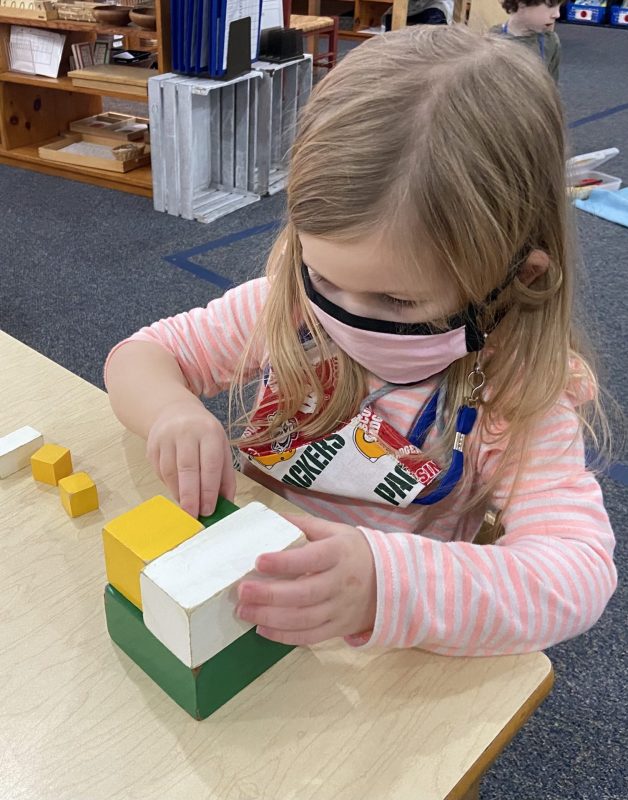
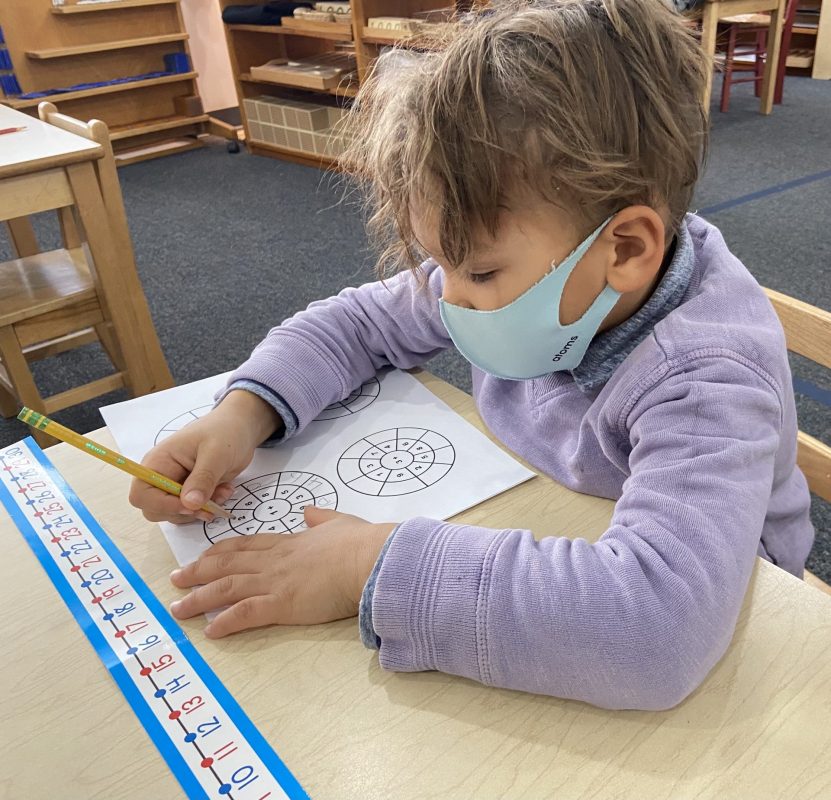
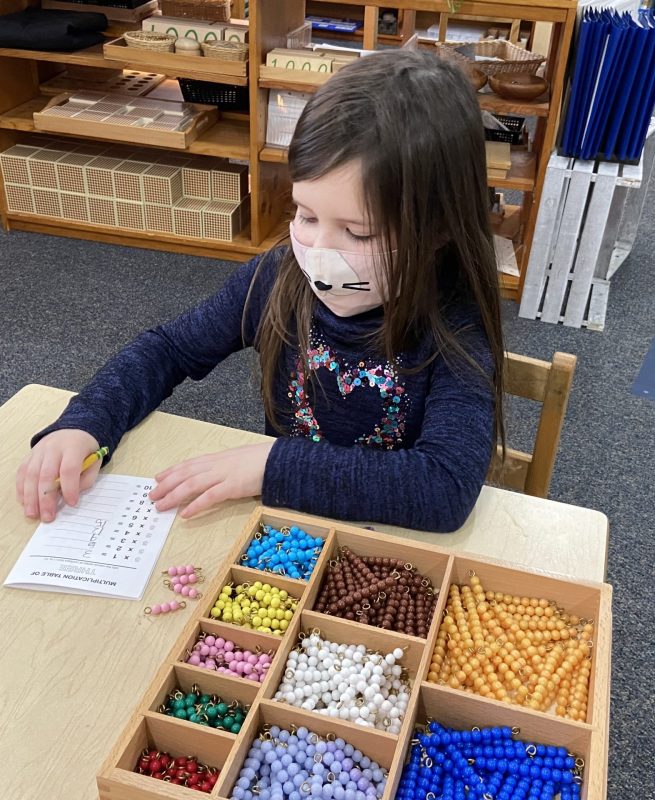
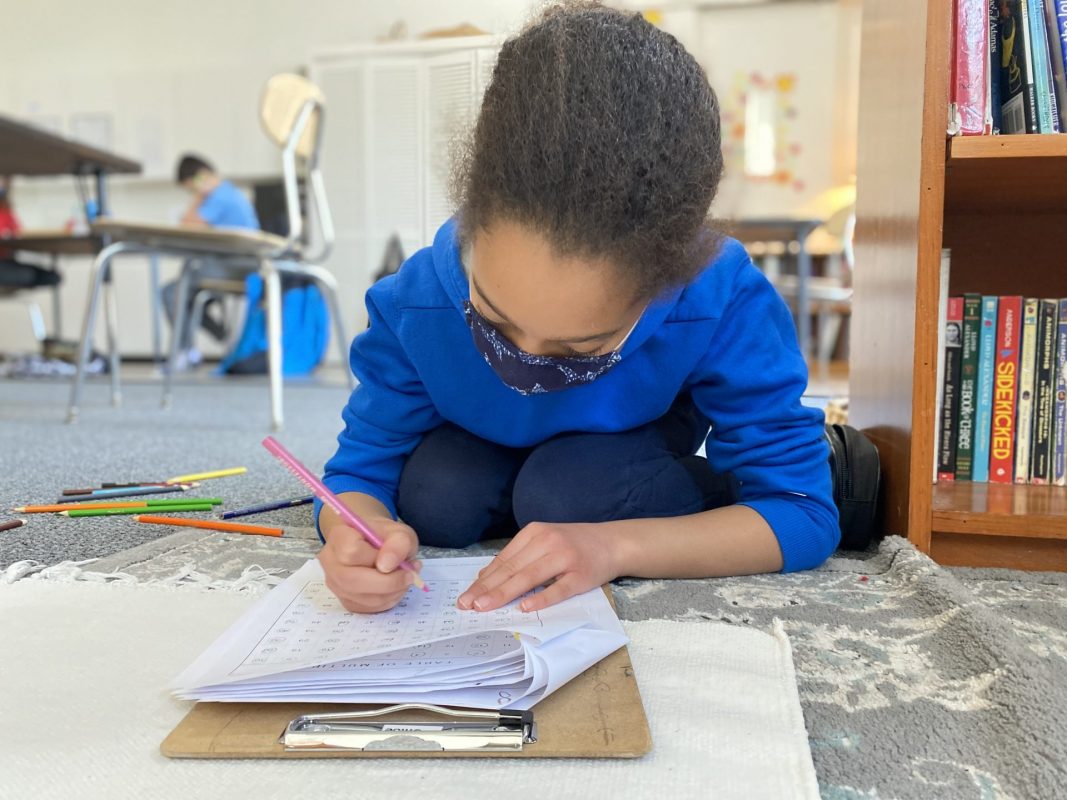
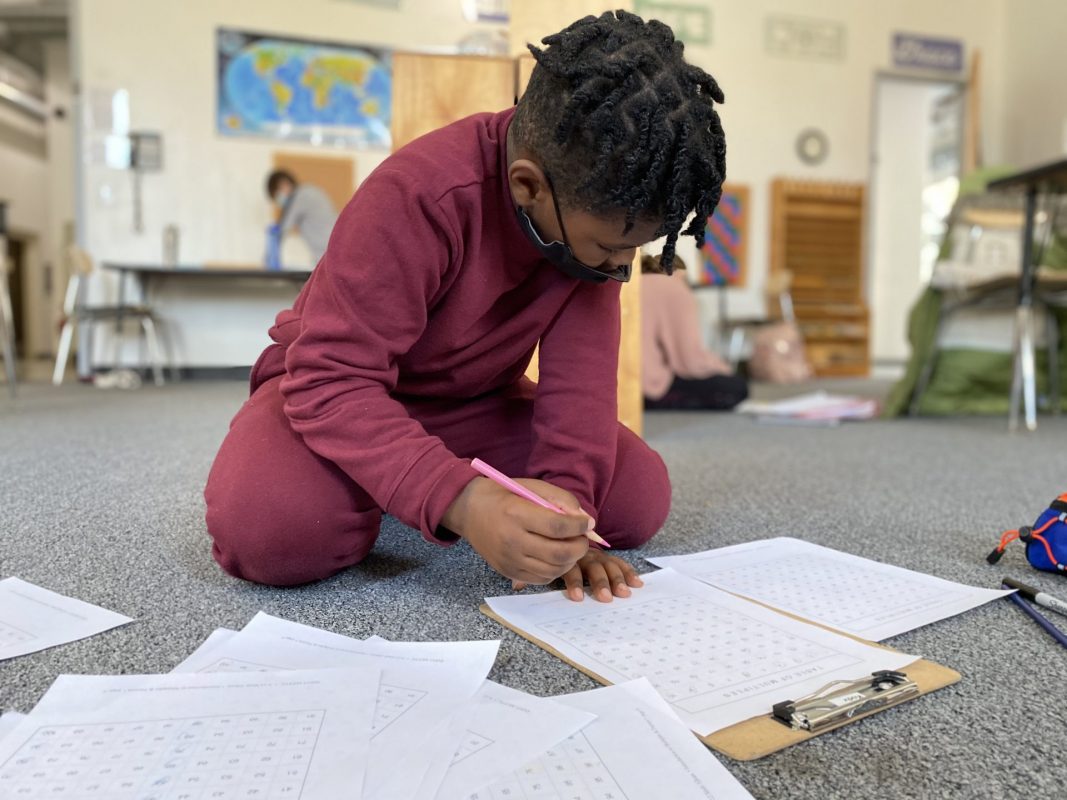
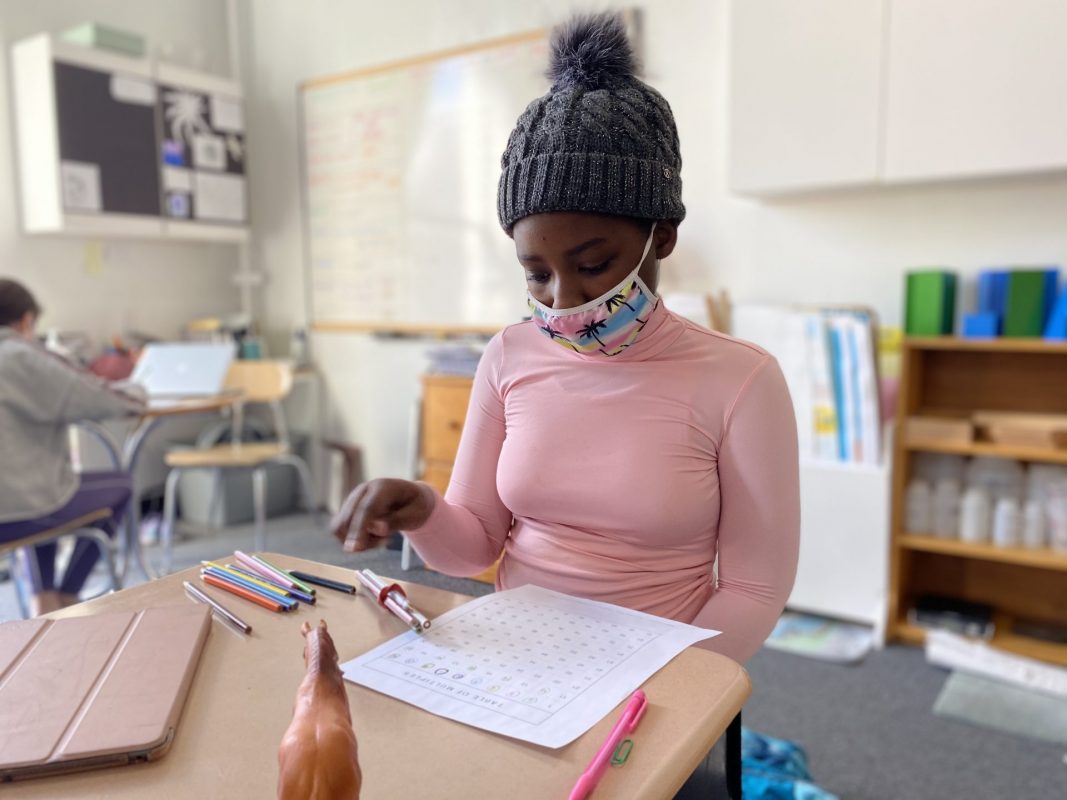
Each child is provided learning opportunities that continue to organize their thinking through work with the Montessori materials. This is most easily observed in mathematics. As a student moves from the concrete to the abstract, you can see the application of their knowledge to real-world experiences. This organization of information, making sense of facts and figures and applying them to arrive at a solution, prepares the child for the world of adolescence. As children move into adolescence, thought and emotion evolve into understanding more abstract, universal concepts such as equity, freedom, and justice.

“… the child’s individual liberty must be so guided that through [their] activity [they] may arrive at independence … the child who does not do, does not know how to do.” —The Montessori Method


Preparing for Research

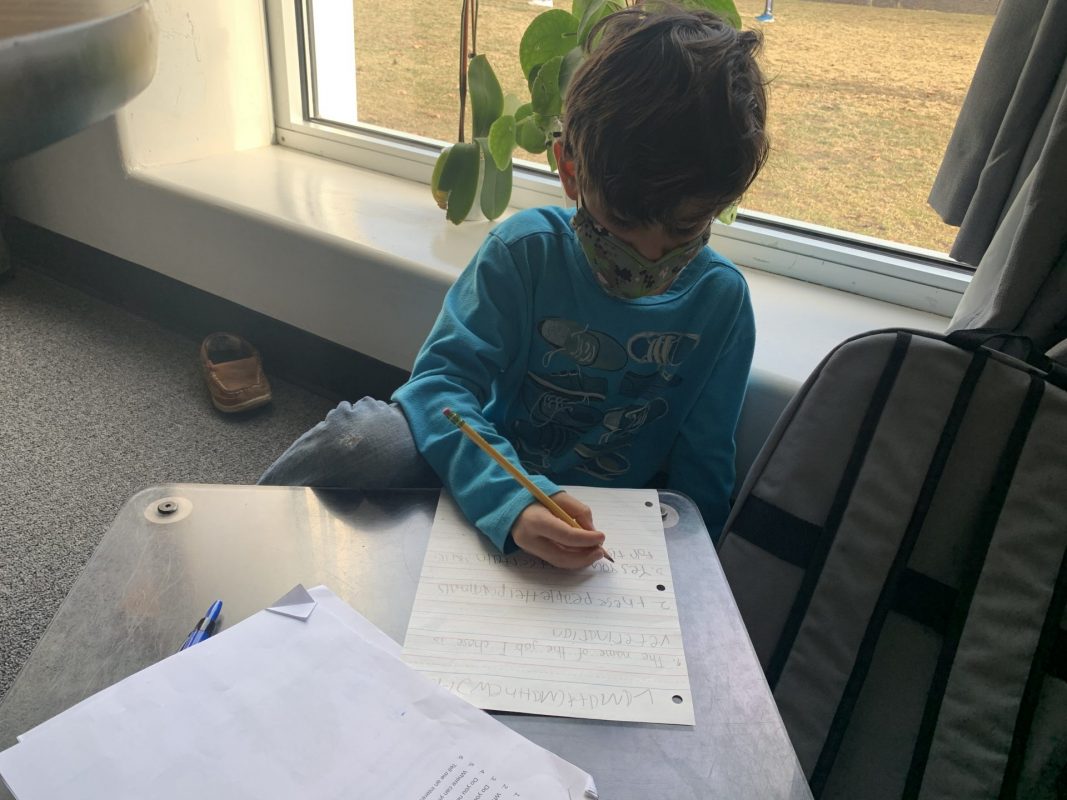
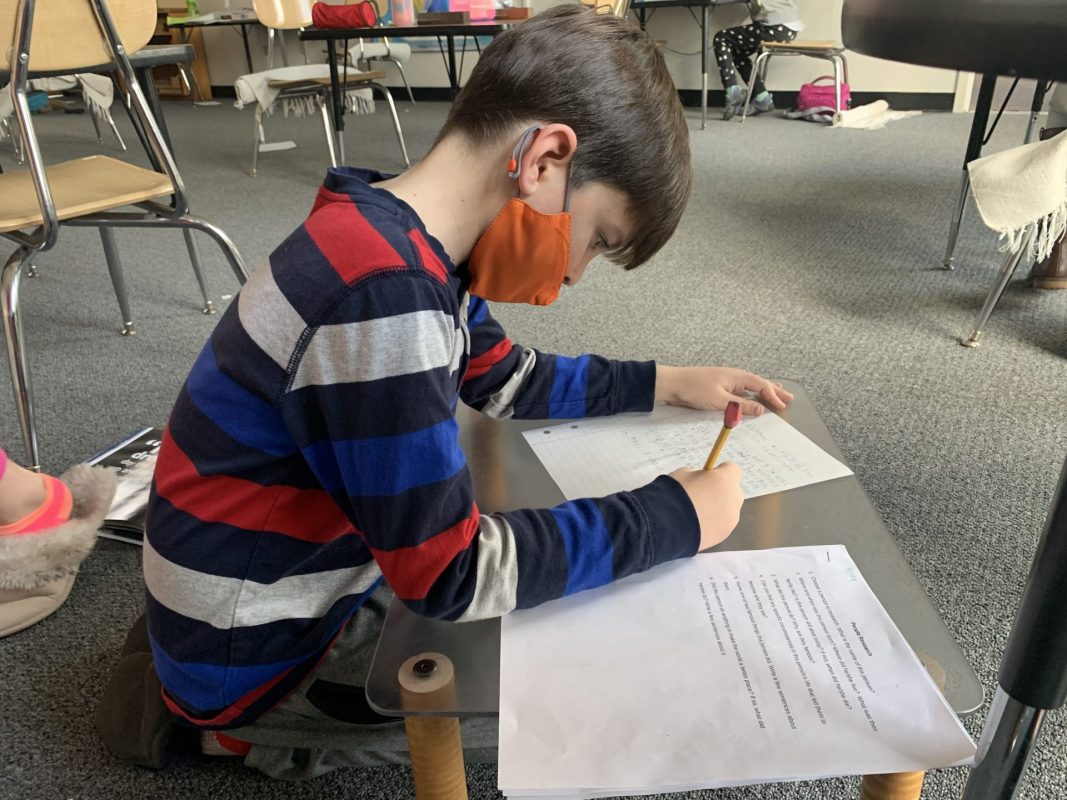
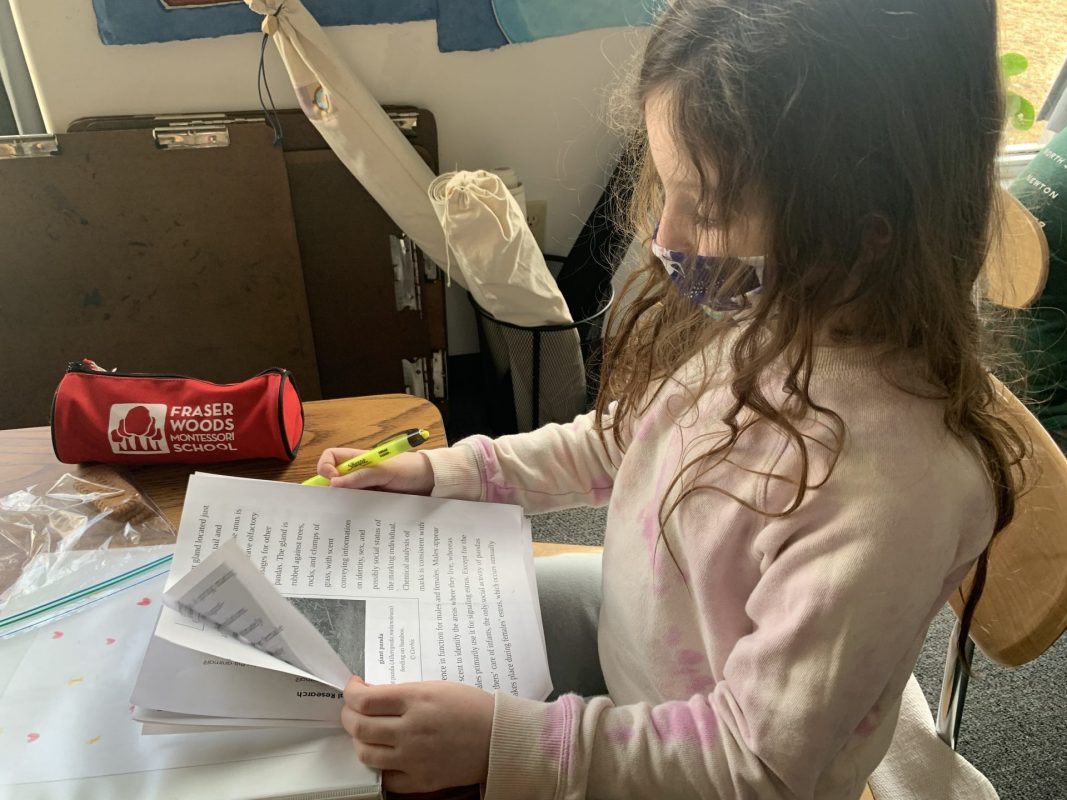
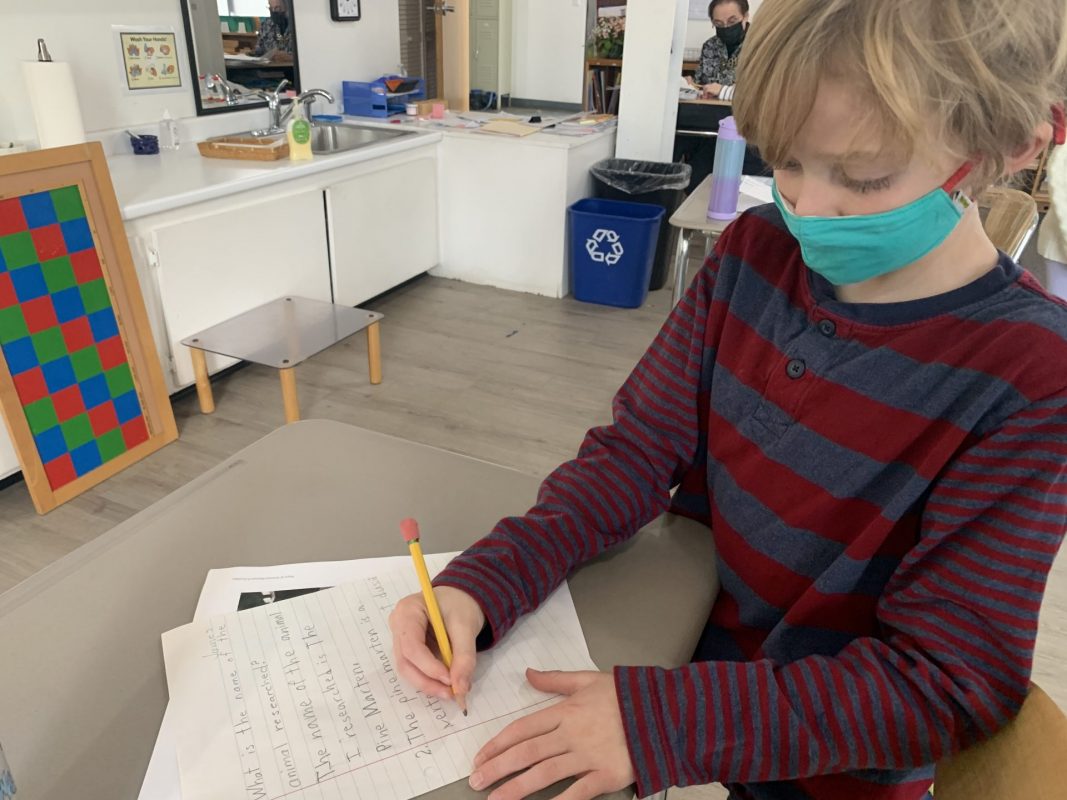
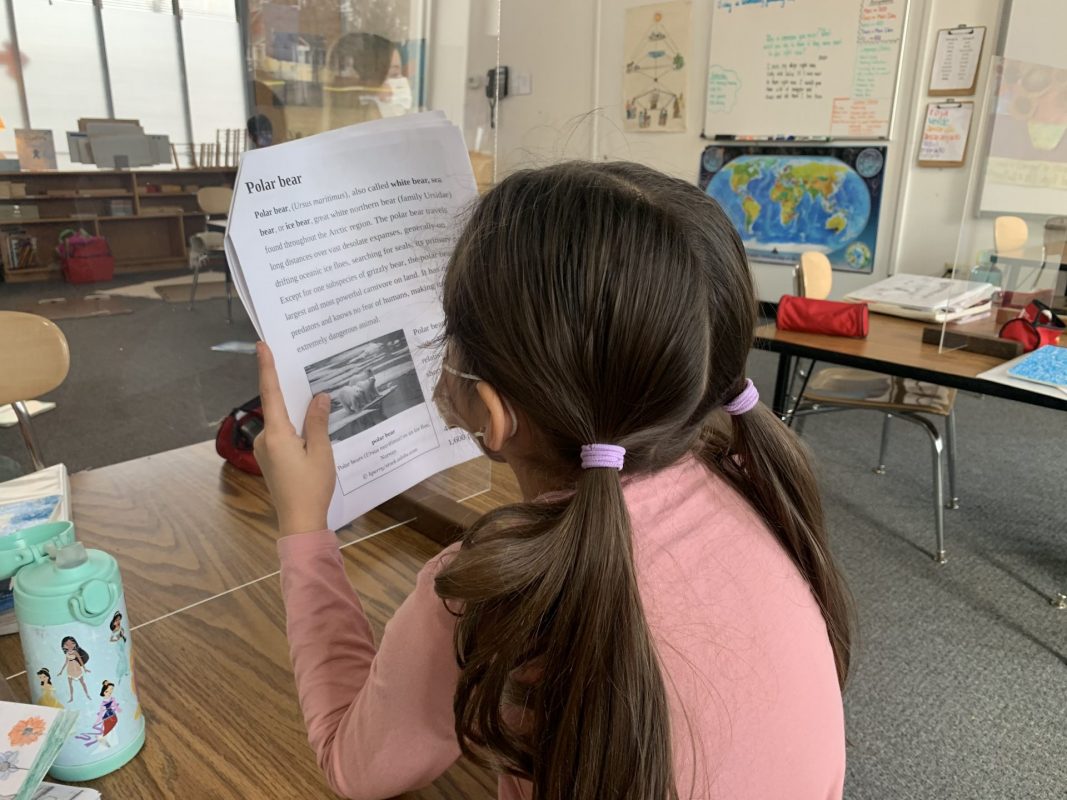
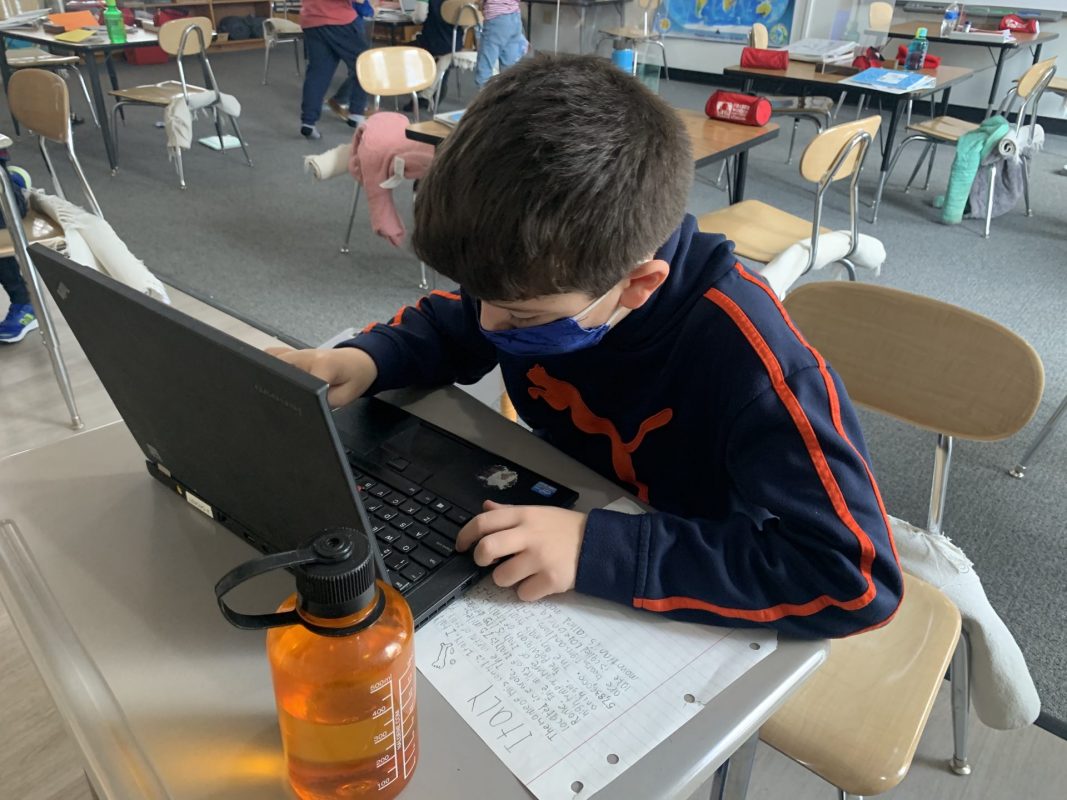
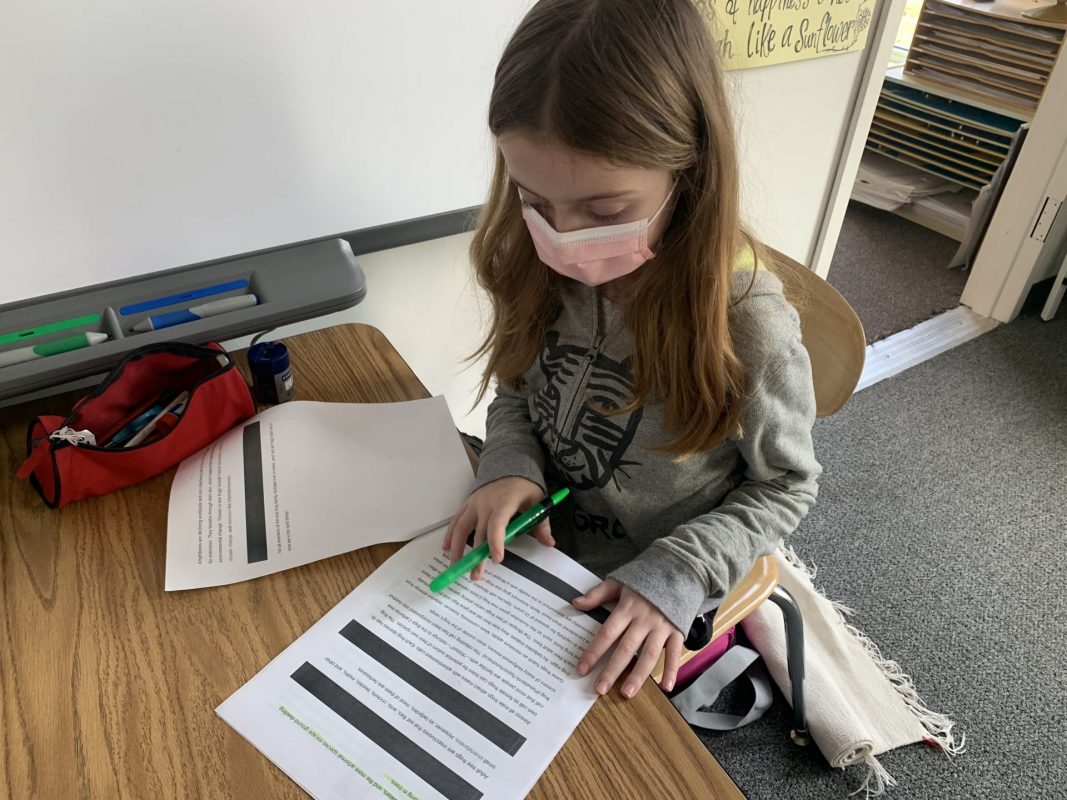
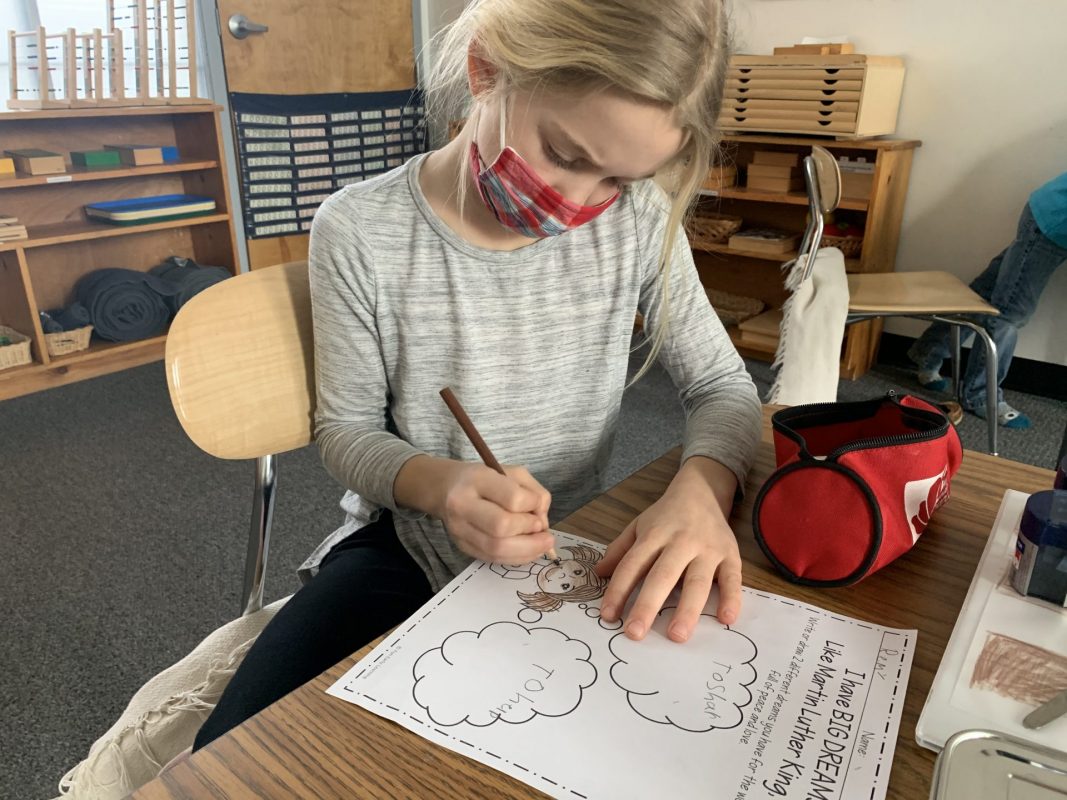
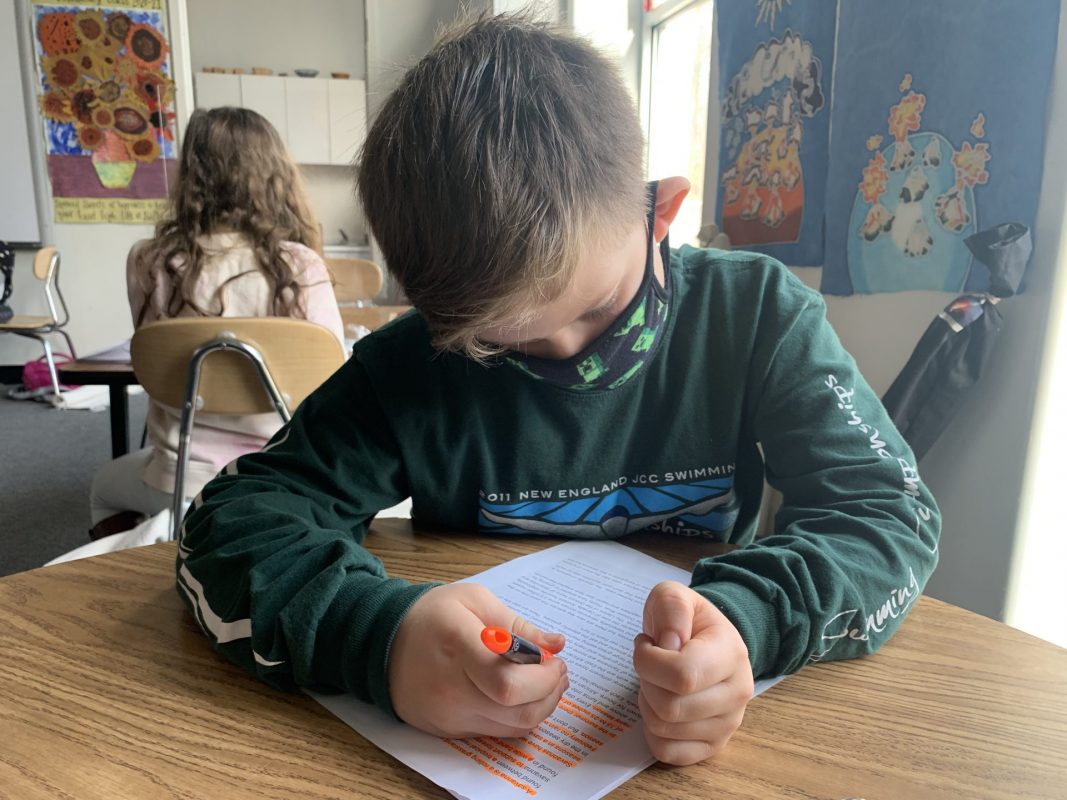
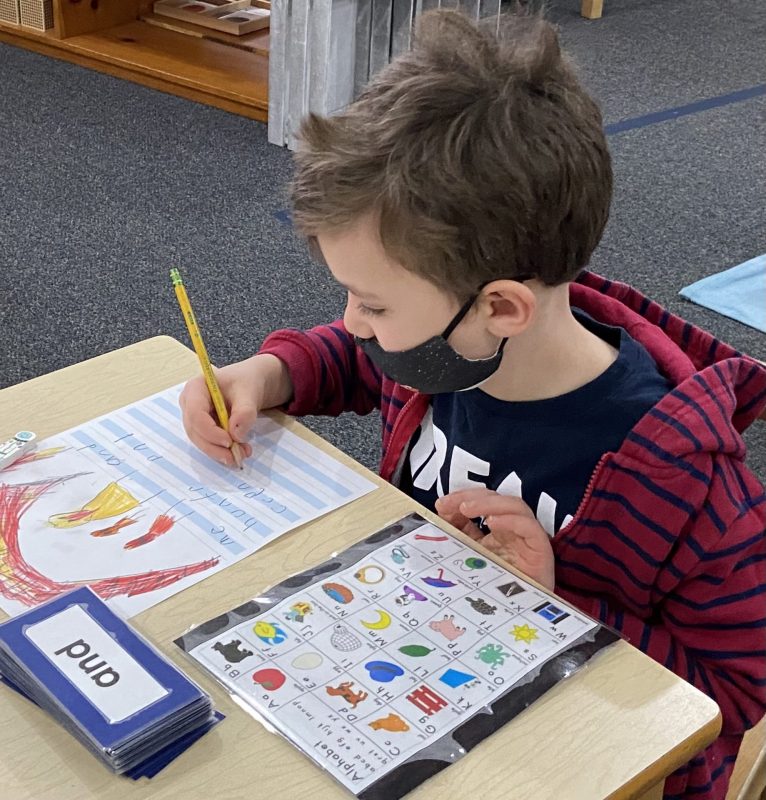
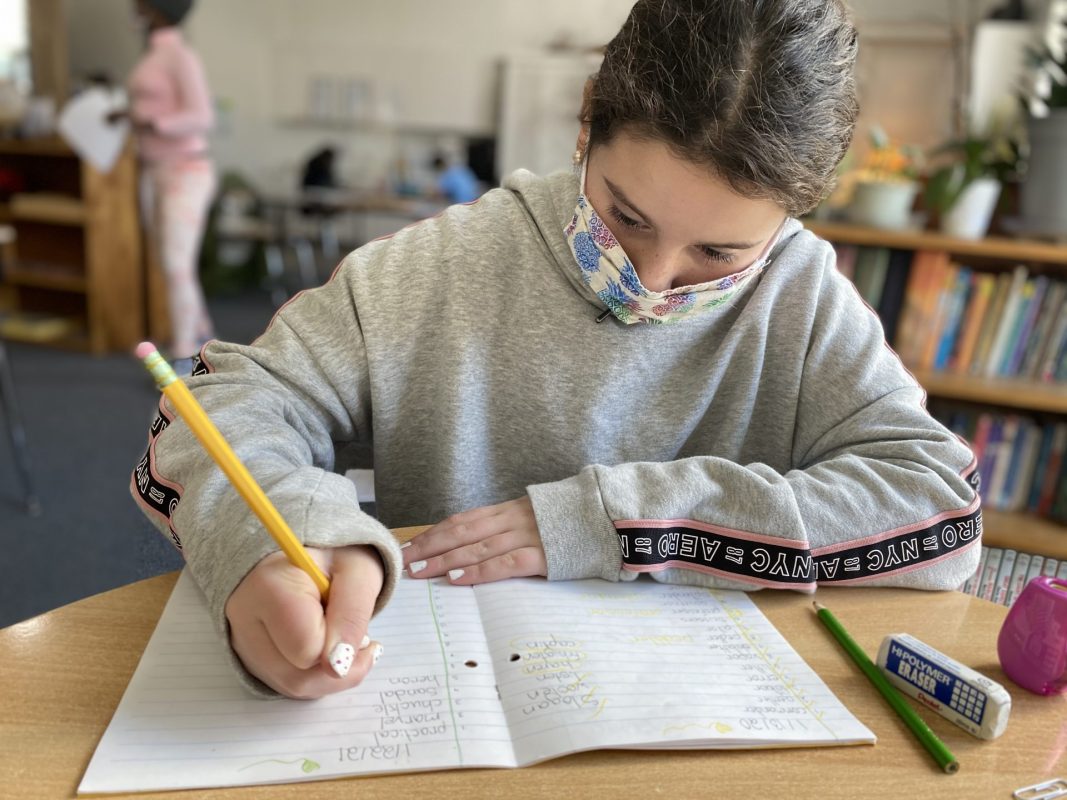
This week the children have been busy working on their research projects in preparation for the upcoming Research Fair on February 5th. This year, since we can’t have large group gatherings, their research will be presented to you via video. They are enjoying learning more about the topics they chose and they are looking forward to sharing all of their newly learned information with you!  First and second year students will make posters and write research papers, and third year students will make presentation boards, write papers, and give oral presentations. We will provide all of the information and resources for the children to complete this process successfully.
Also, please enjoy this heart warming video of the children sharing what they love most about Lower Elementary. This video was optional for the students to participate in and was made for Moving Up Night, for prospective parents entering LE and it was too great not to share with you all! I hope it makes you smile as much as it made me!


Mrs. Lopes’s Class: Our Five Senses

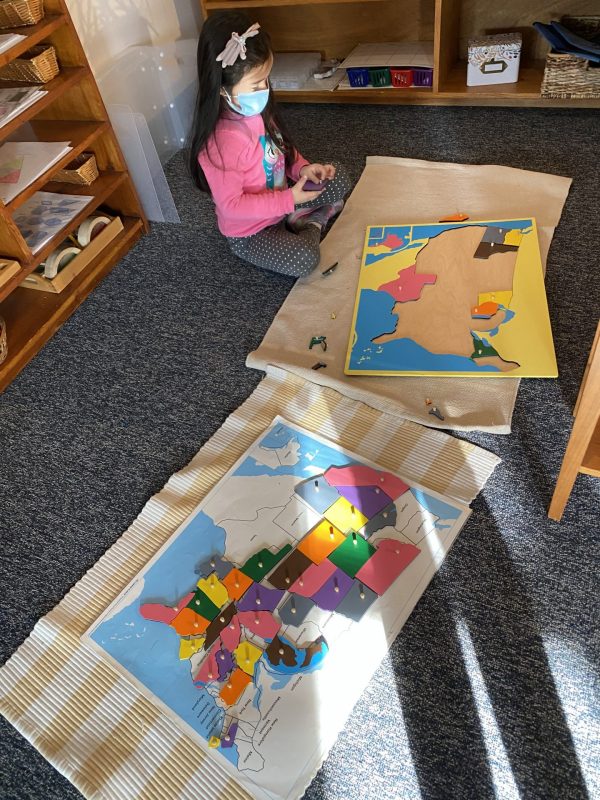
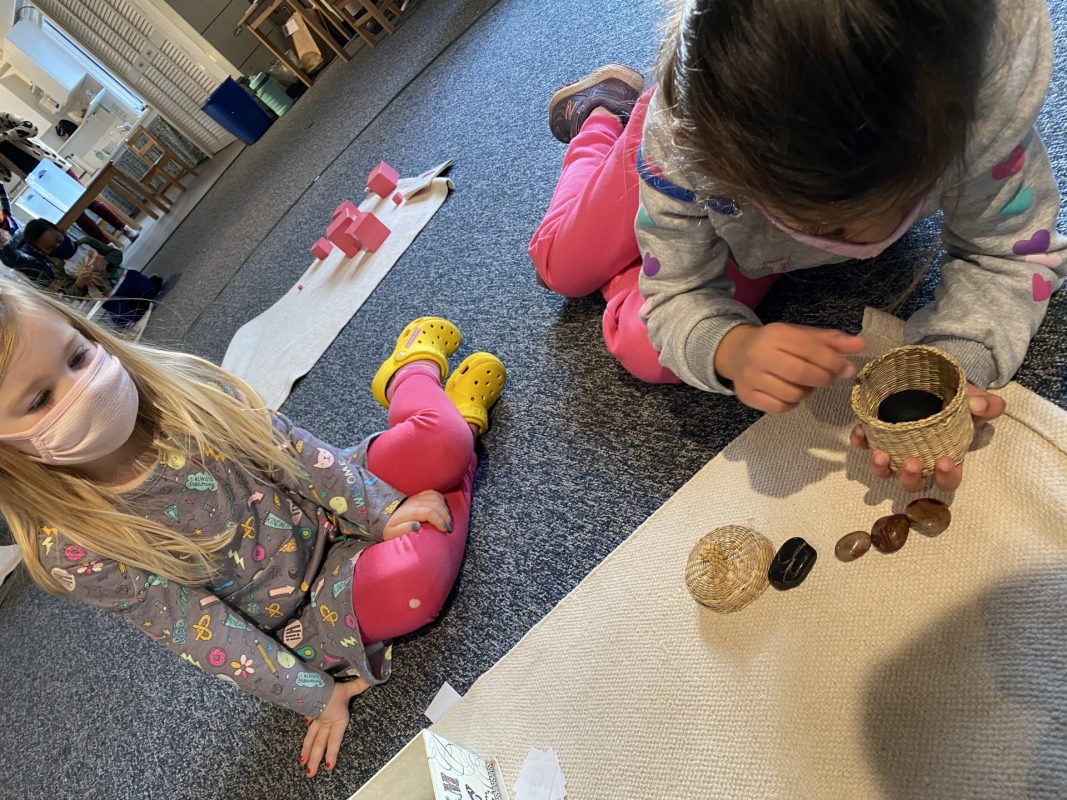
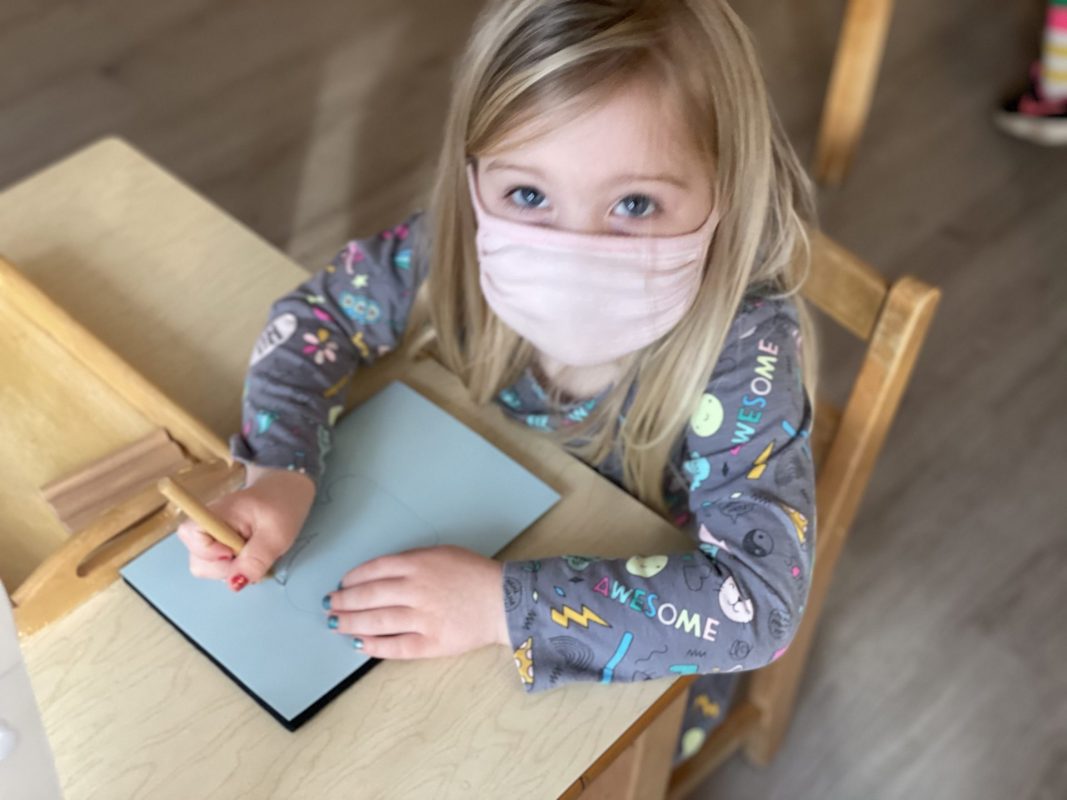
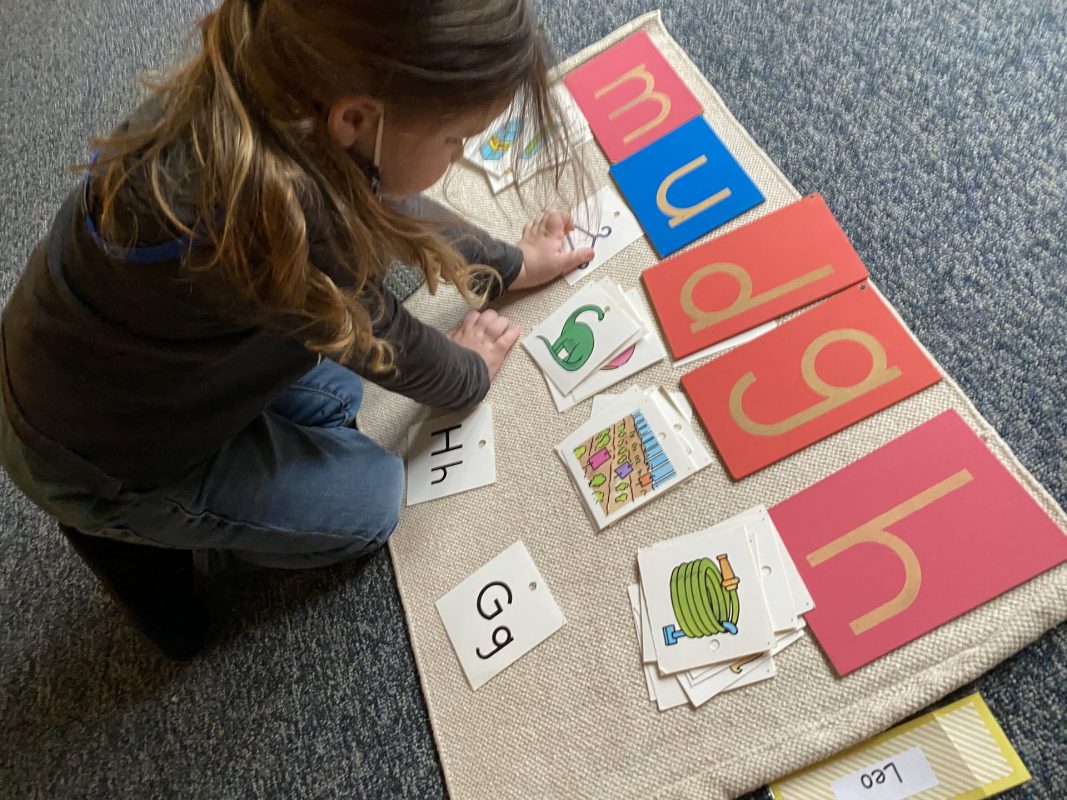
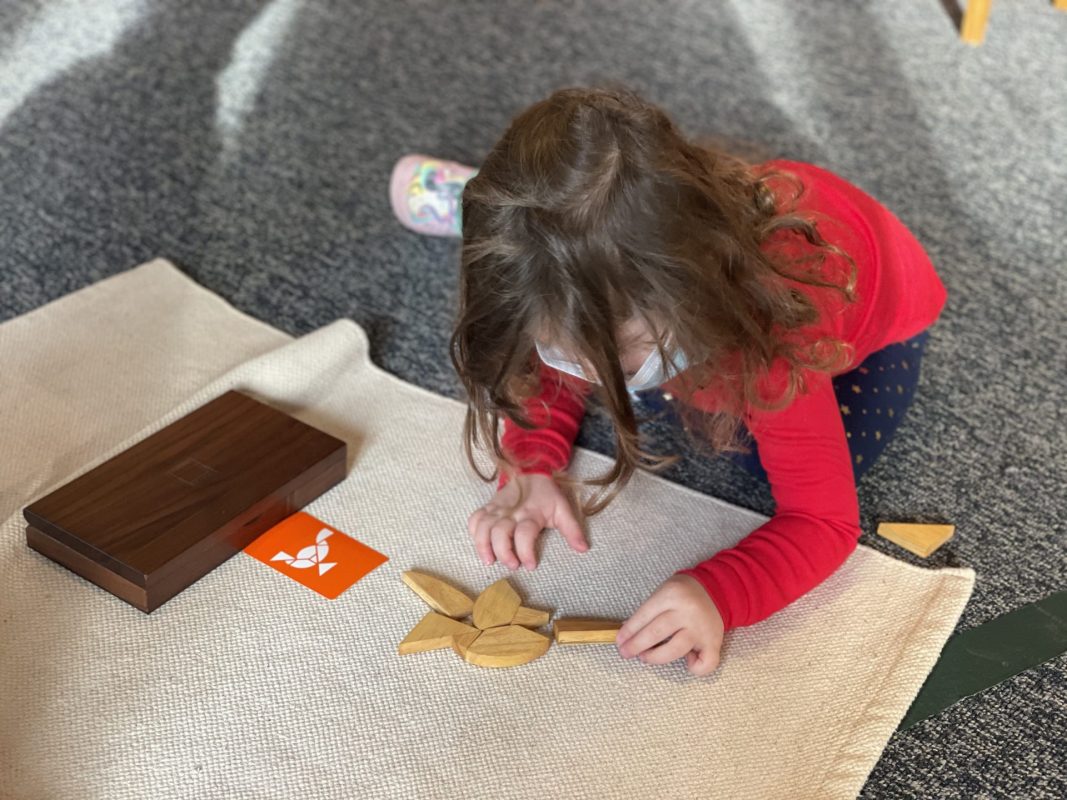
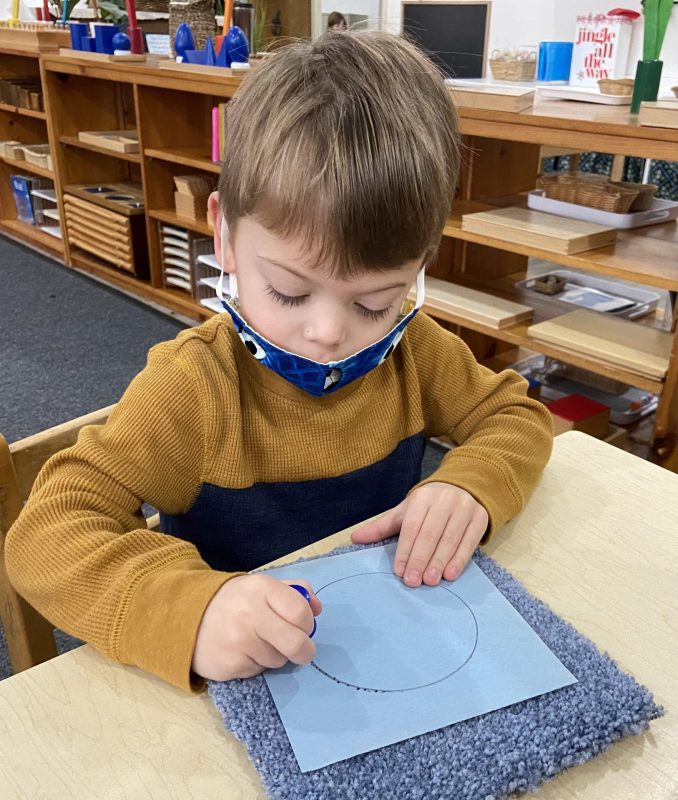
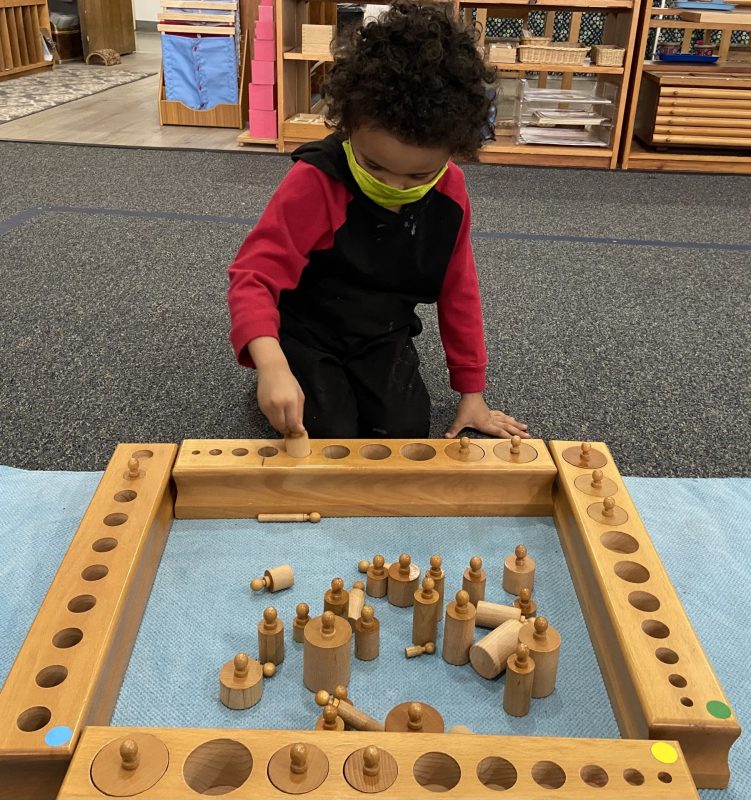
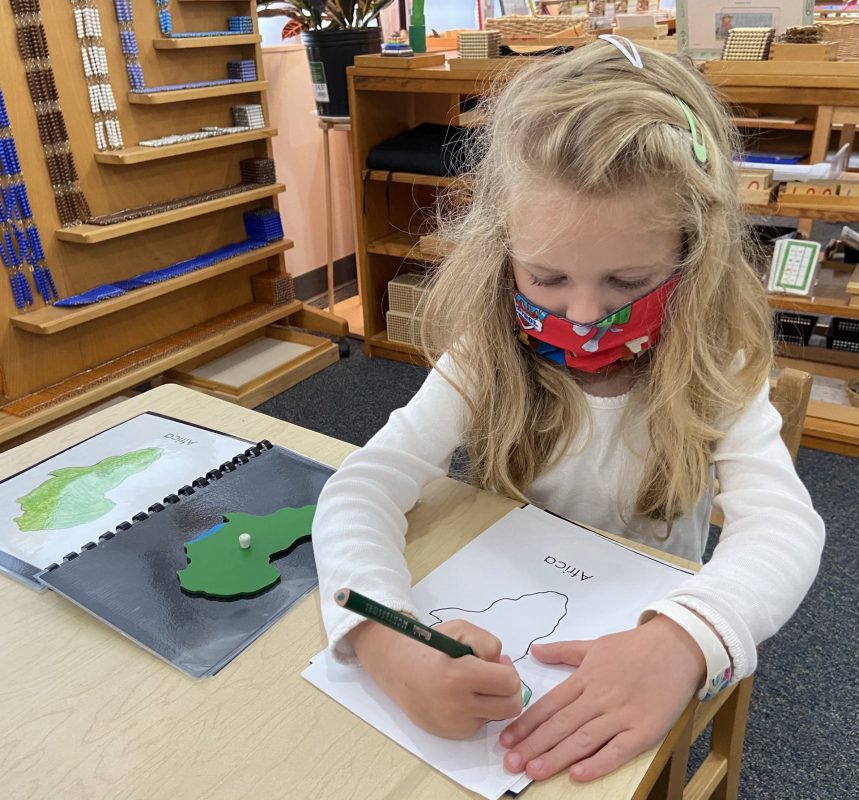
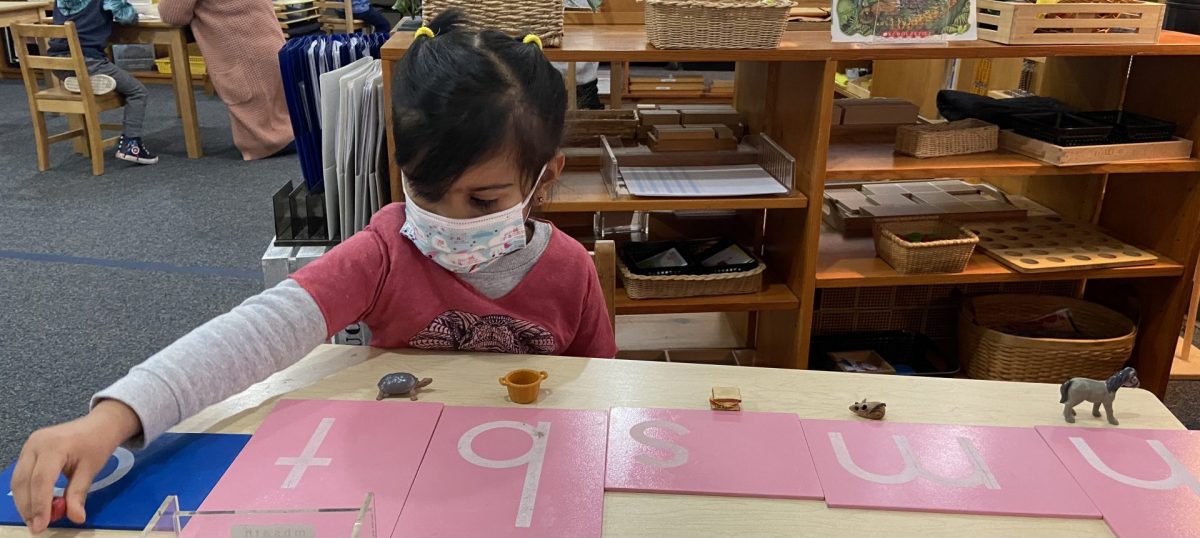
Children of all ages are eager to learn about their world and everything in it.  When young children use all of their five senses, they understand how their bodies work and find new ways to experience the world. In the Montessori environment, children are taught to experience the world through all five of their senses. This can give them new insights and allow them to think creatively.  This week we explored each of our senses in depth and talked about how we use our senses to understand the world around us. The children have been enjoying the new lessons this unit has brought to our Sensorial shelf.

Wishing you a wonderful week ahead,

Amanda and Sharlene


Mrs. Doyle’s Class: What Exactly Is a Normalized Classroom?

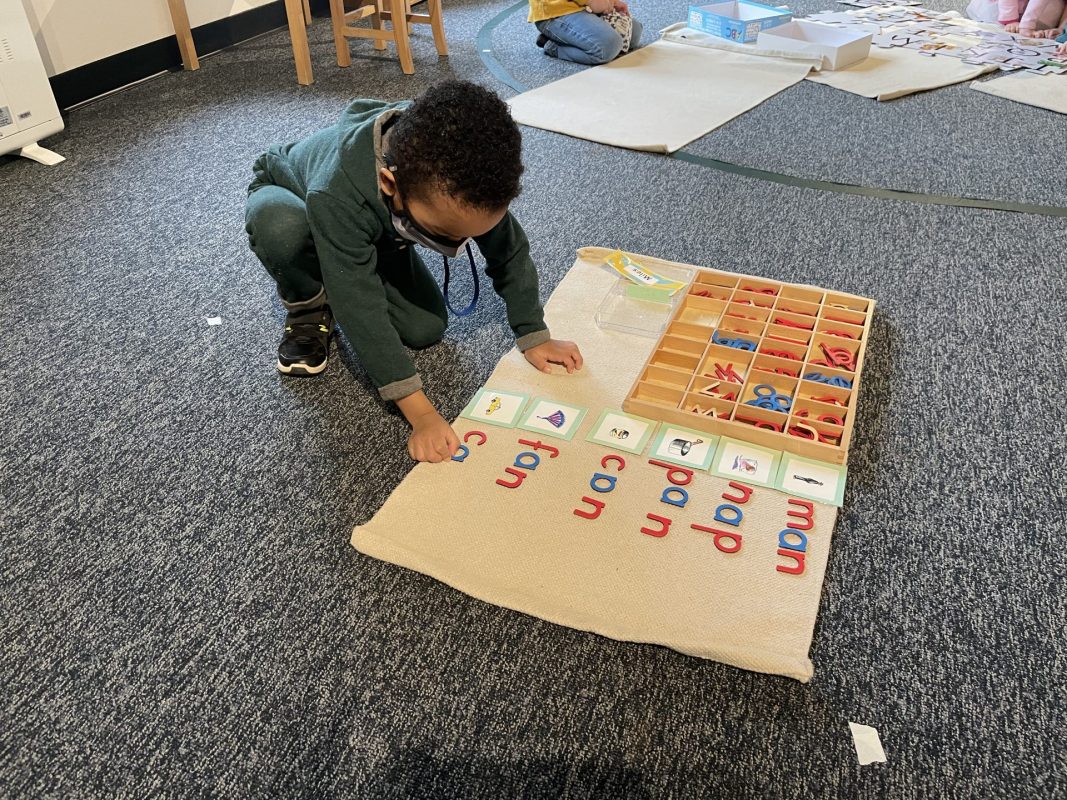
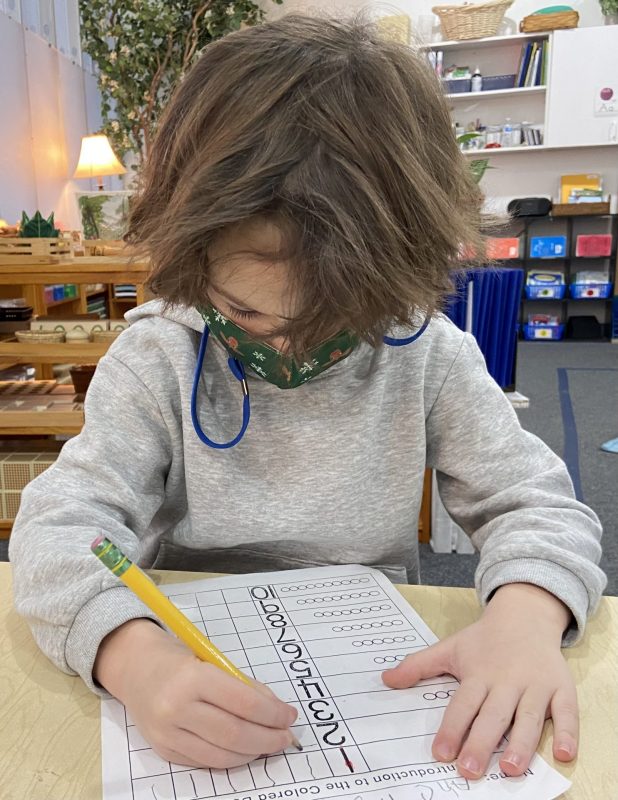
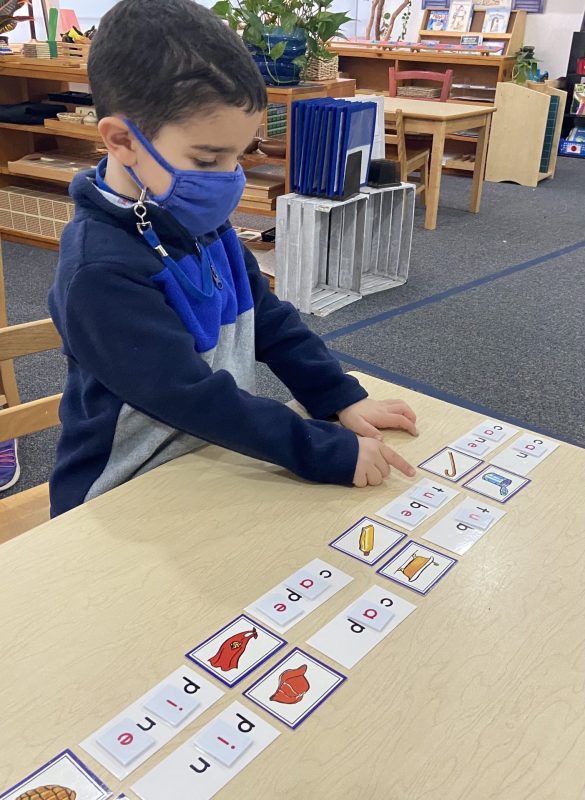
Normalization is a buzzword often used by Montessori teachers everywhere. So what exactly does it mean, and more importantly, how do we achieve it? When children in a Montessori environment demonstrate deep concentration, self-discipline, social skills, and a true love of work, we describe this as a normalized classroom. Normalization is achieved by consistent and clear ground rules that everyone is familiar with. It is our job to ensure the environment is always well prepared and designed to meet the needs of the children. As Montessori teachers, we are confident that if we do our job well and the children are free to experience the opportunities provided by the environment and Montessori materials, they will thrive.

After the winter break and upon our return in January, we often see noticeable growth in the children’s social and emotional development. They come back eager to learn and raring to go! The first half of the year, they have become comfortable and confident with our classroom routines and expectations. They have developed deeper relationships with their peers and teachers. It is always an exciting time and sets the groundwork for the second half of the school year.

Have a wonderful week!

Michelle & Lizette


Middle School: Presidential Inauguration


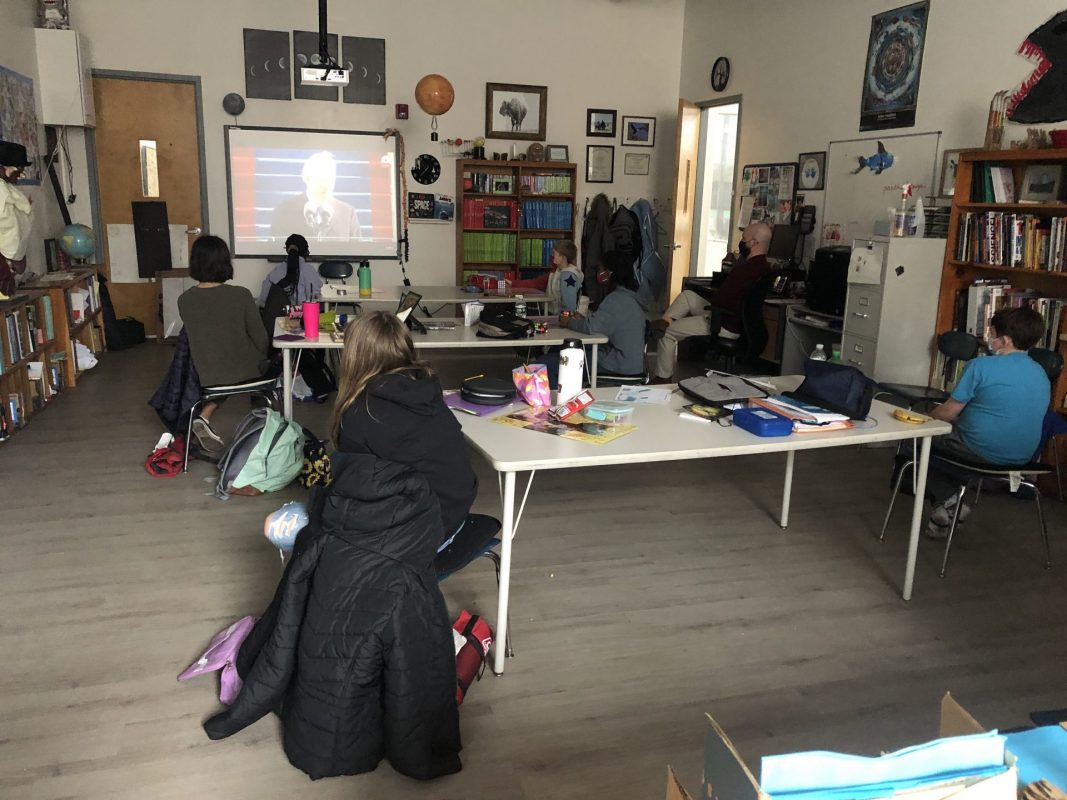
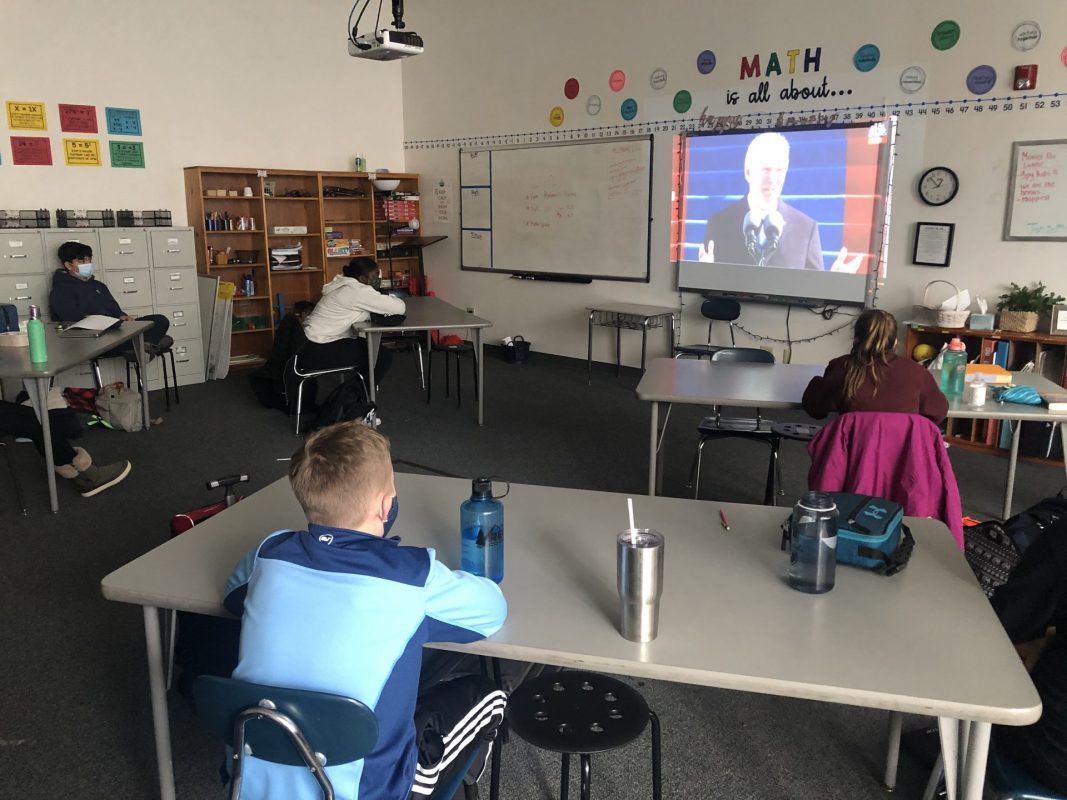
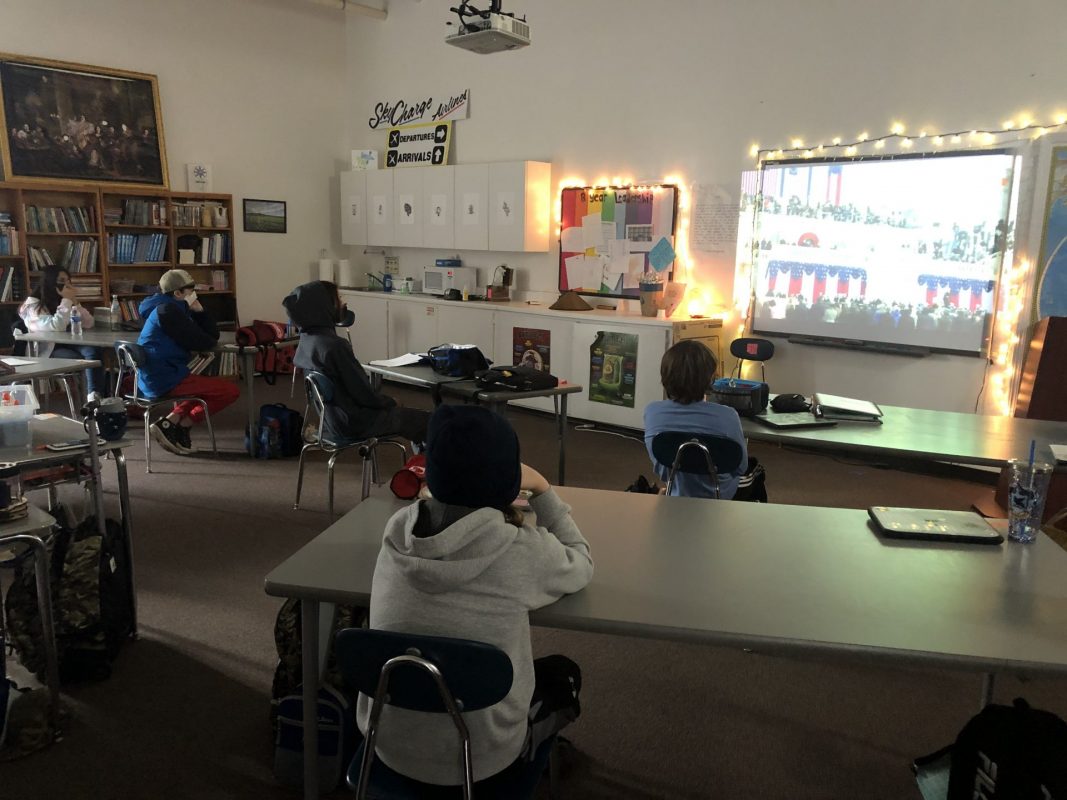
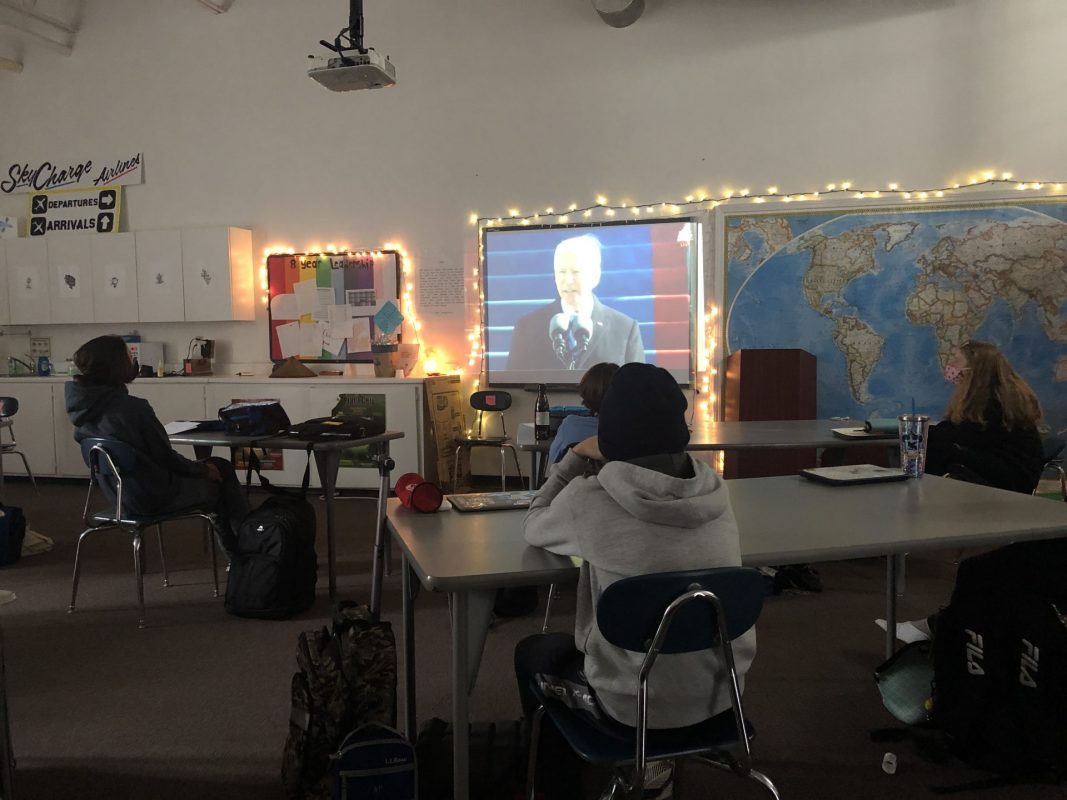
As you know, Wednesday was the 59th Presidential Inauguration and first viewed by most of the MS students. After months of following the process of presidential nominations, the primaries, debates, elections, and taking time to really learn about the executive branch of the U.S. government, the ceremony had a long build-up.

It was a memorable experience for the teachers to share this with their students and for them to share with their peers. Seeing the tears of some of the students in the rooms while watching Kamala Harris be sworn in as Vice President reaffirmed how connected the students are to what is going on in our country. Some were equally moved by the Inaugural Address which called for unity, condemned white supremacy and systemic racism, and ensured representation for all people in the country- including a promise to those whose politics differ. Students are always watching and listening to the leadership.

In Humanities, I continually work with students to speak to each other respectfully, always listen, and show tolerance of others’ perspectives. While we are never allowed to use hate speech and rhetoric that oppresses others, we work to understand what we hear, how our words are heard, and how we feel.

Finally, we watched Amanda Gorman recite her poem, “The Hill We Climb”. This was another affirmation of how language moves us. As a lifelong poetry enthusiast, I was thrilled to have my students see the possibilities of the genre and in Amanda Gorman.

Thank you for supporting this opportunity. We look forward to more profound moments in the times ahead.


Mrs. Wilson: Intrinsic Motivation

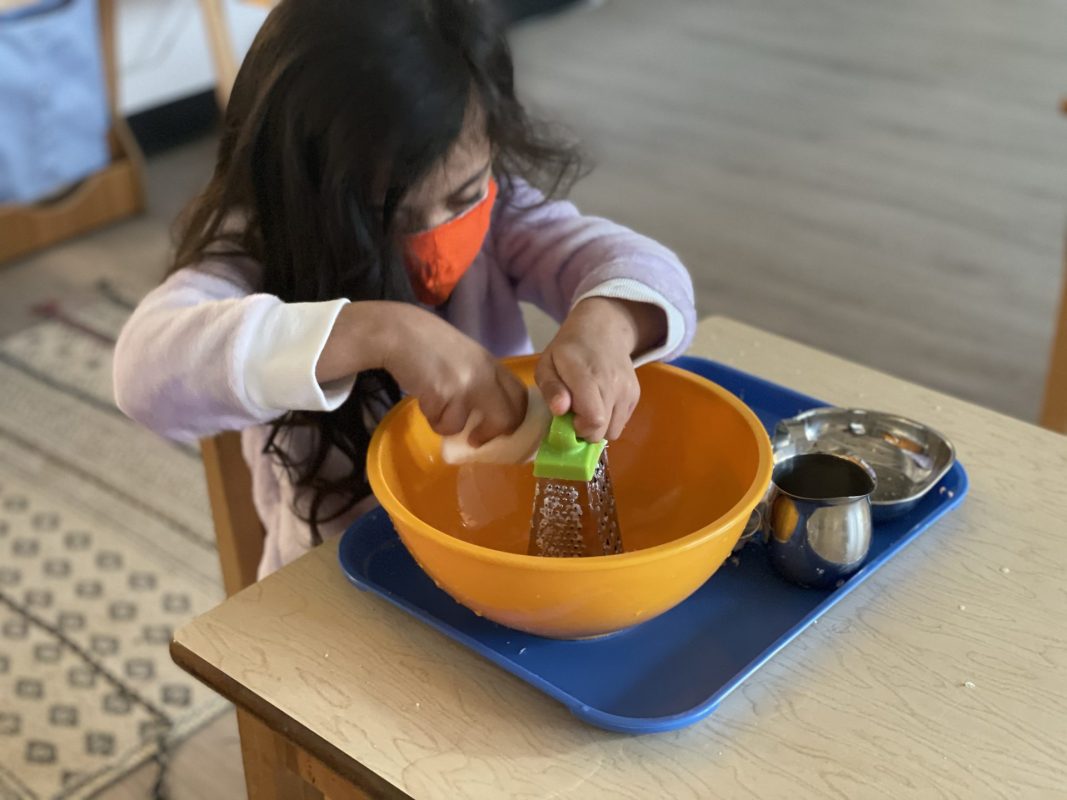
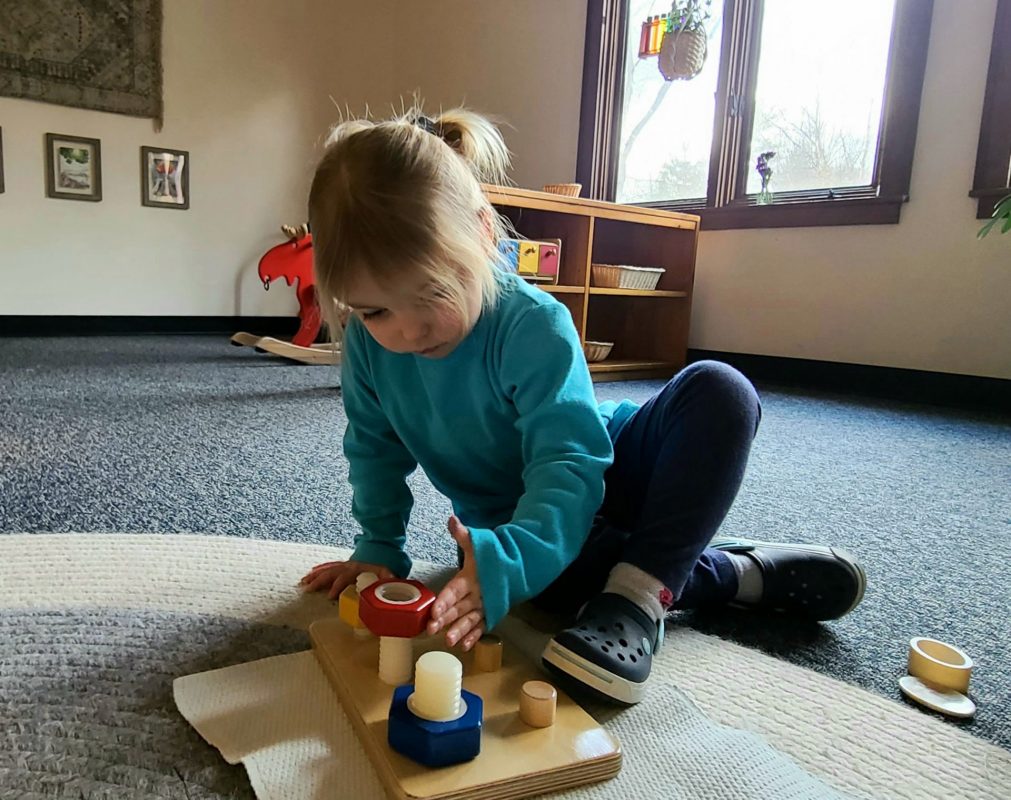
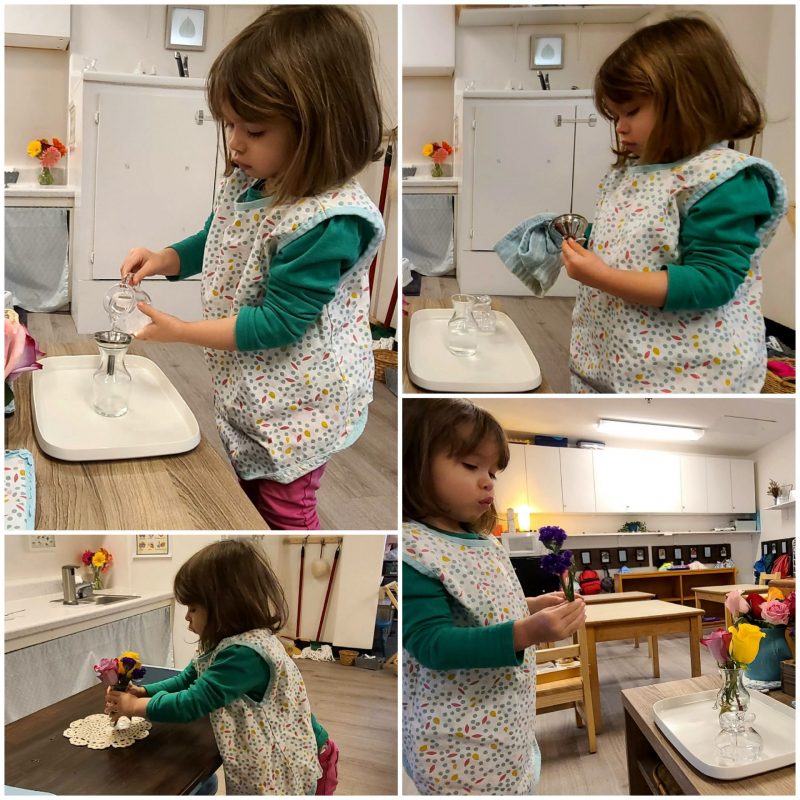
Independence is a huge part of a toddler Montessori classroom. We work with the children to do for themselves and only give just enough help so they can become independently successful. This is what builds up their self-esteem and self-motivation. With struggle comes success and with success comes confidence.

Toddlers have an innate drive to take charge of whatever it is they need to learn. This is what Dr. Maria Montessori calls “sensitive periods.” The children will enthusiastically and repetitively work on this development until they feel they have mastered it. We, as the children’s guides, respect this time and protect the spirit of the child. It is crucial that we don’t verbally reward the children with the phrases like, “Good job!” Instead, we acknowledge what it is we see. For example, a child who has been working on rolling up a work mat. We see their little face light up and hear them exclaim, “I did it!” We will say, “I see that you rolled up the mat. You did it all by yourself.” If we were to reward the children with praises, we would rob them of that intrinsic motivation.

Enjoy the photos,
Mrs. Wilson and Ms. Sara


Dynamite Dioramas

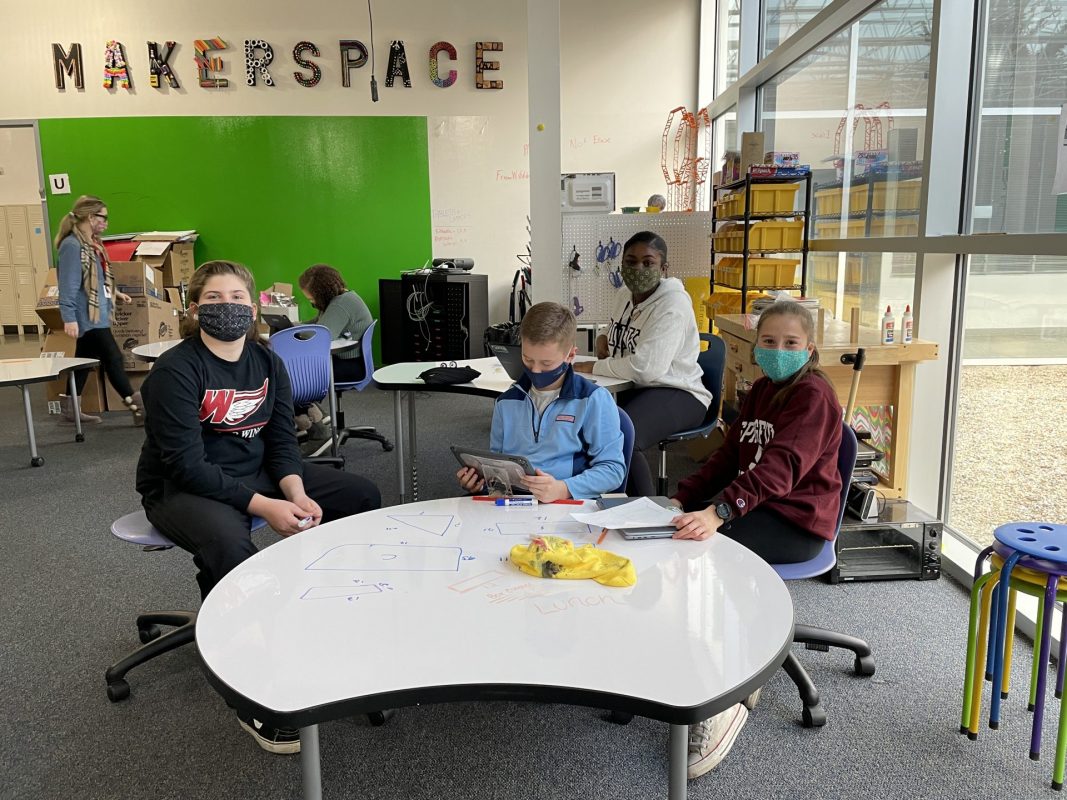
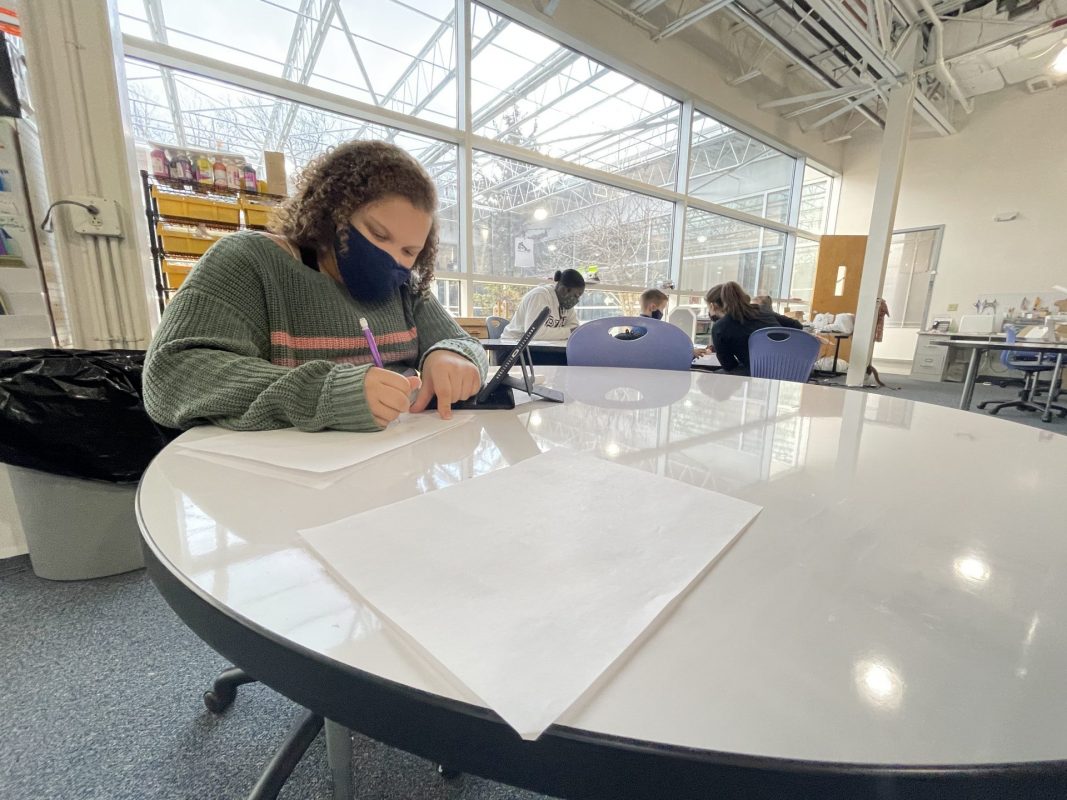
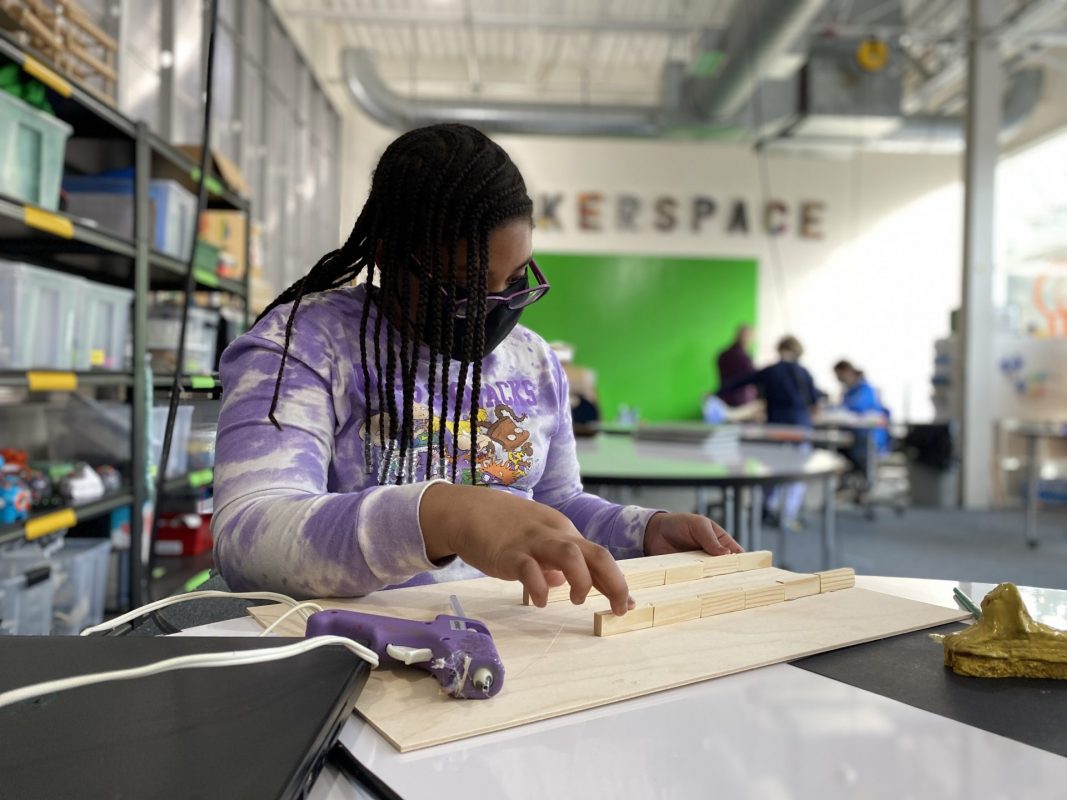
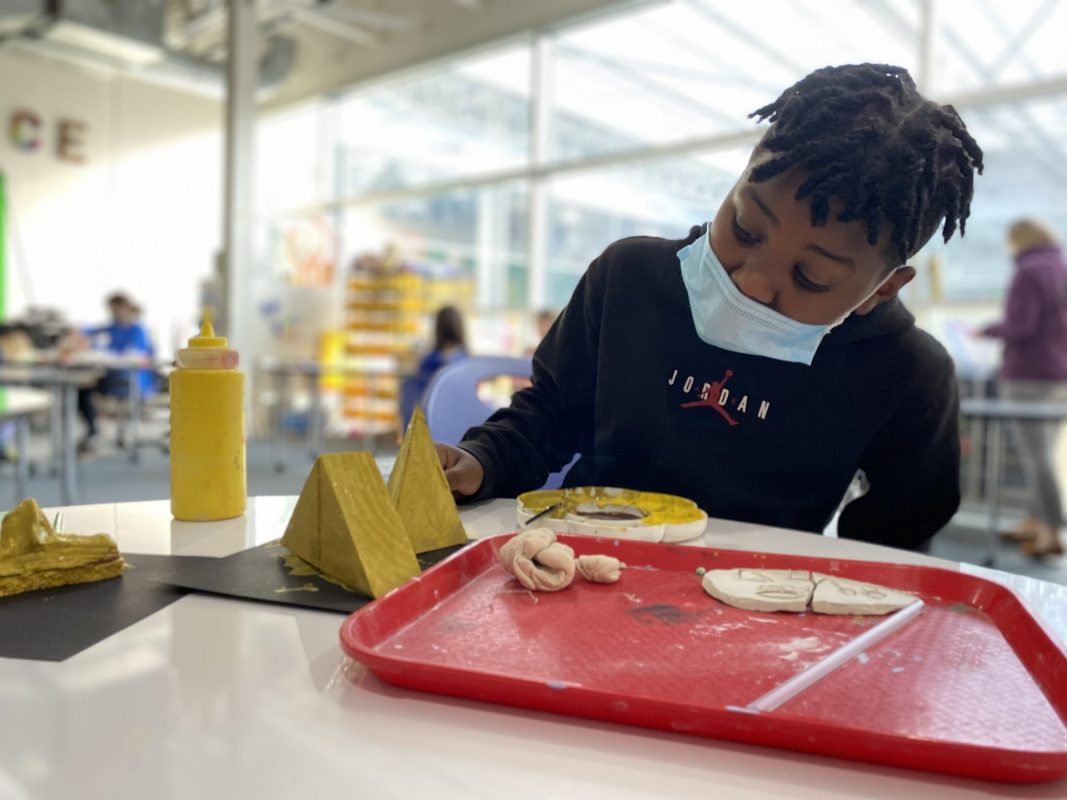
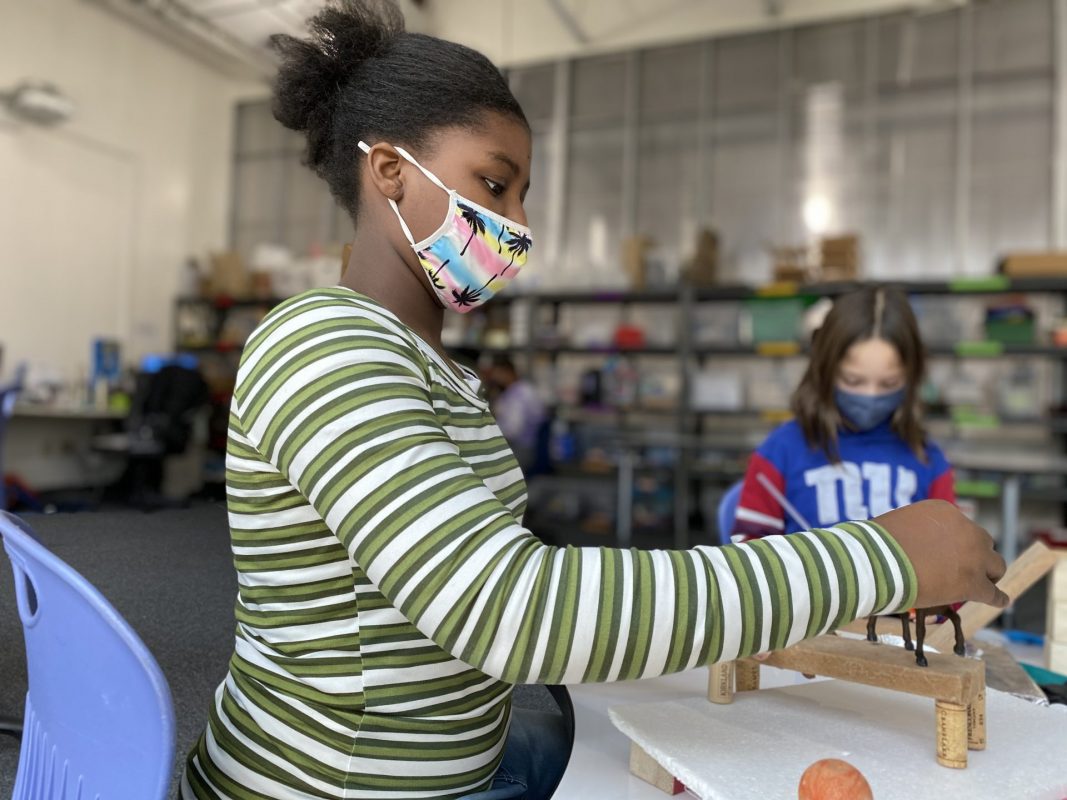
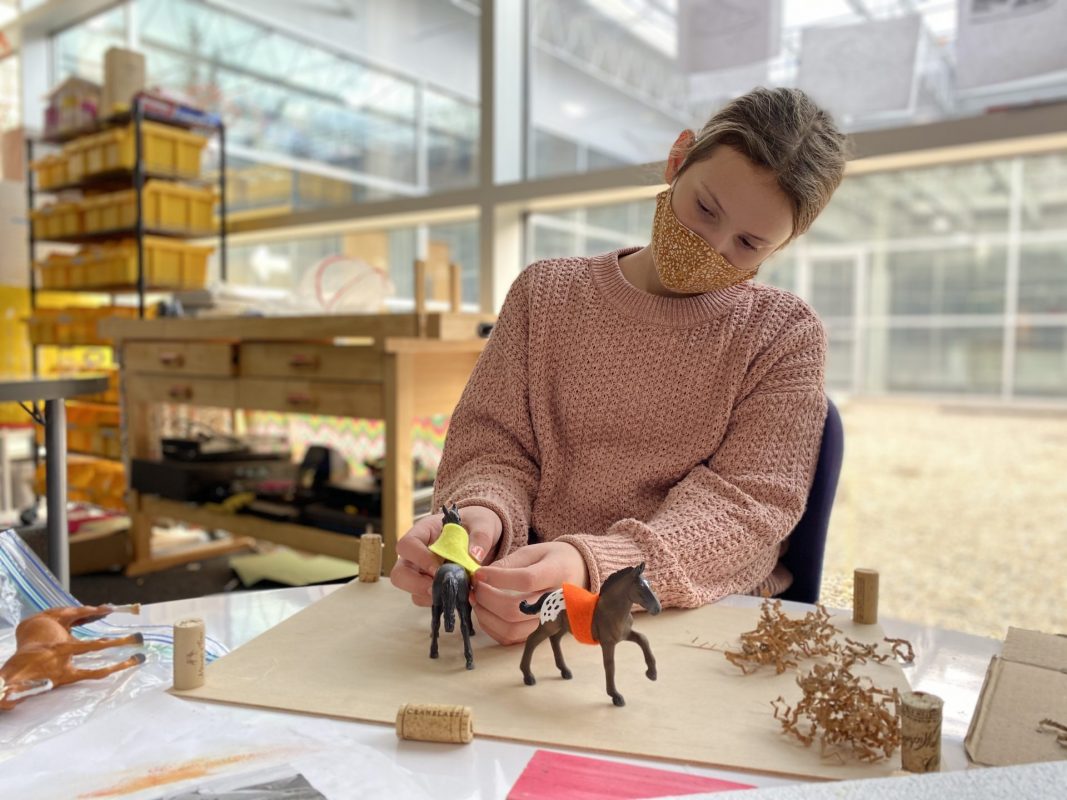
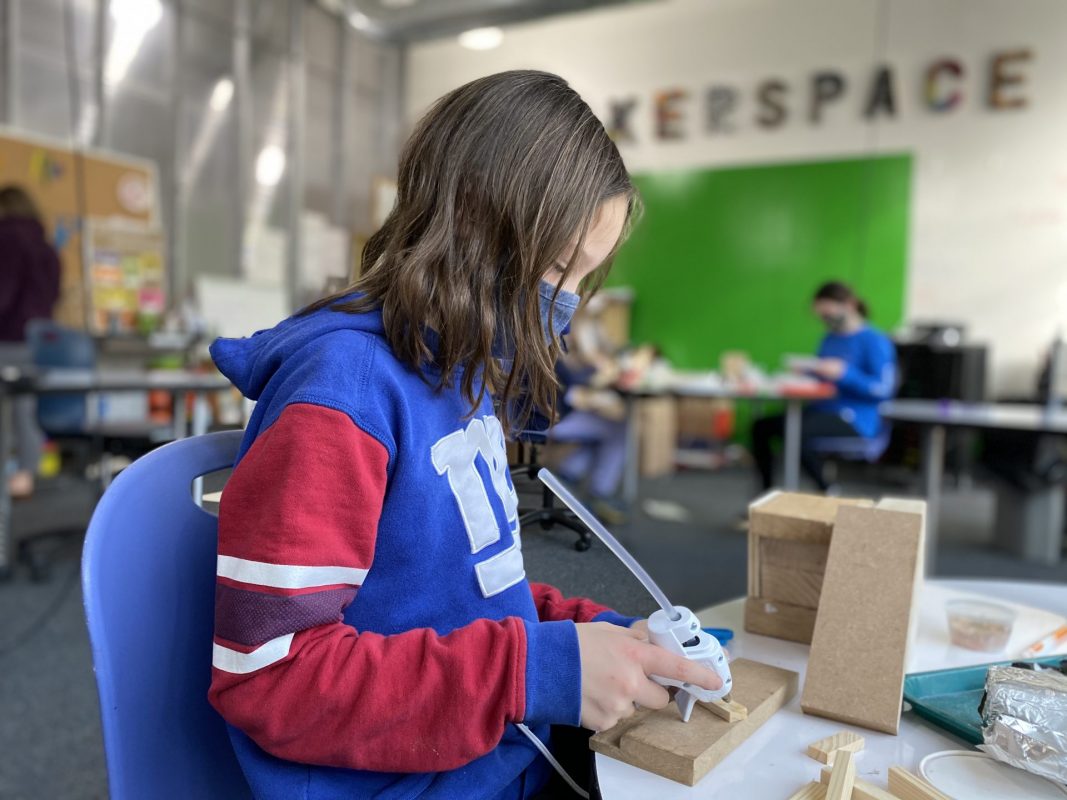
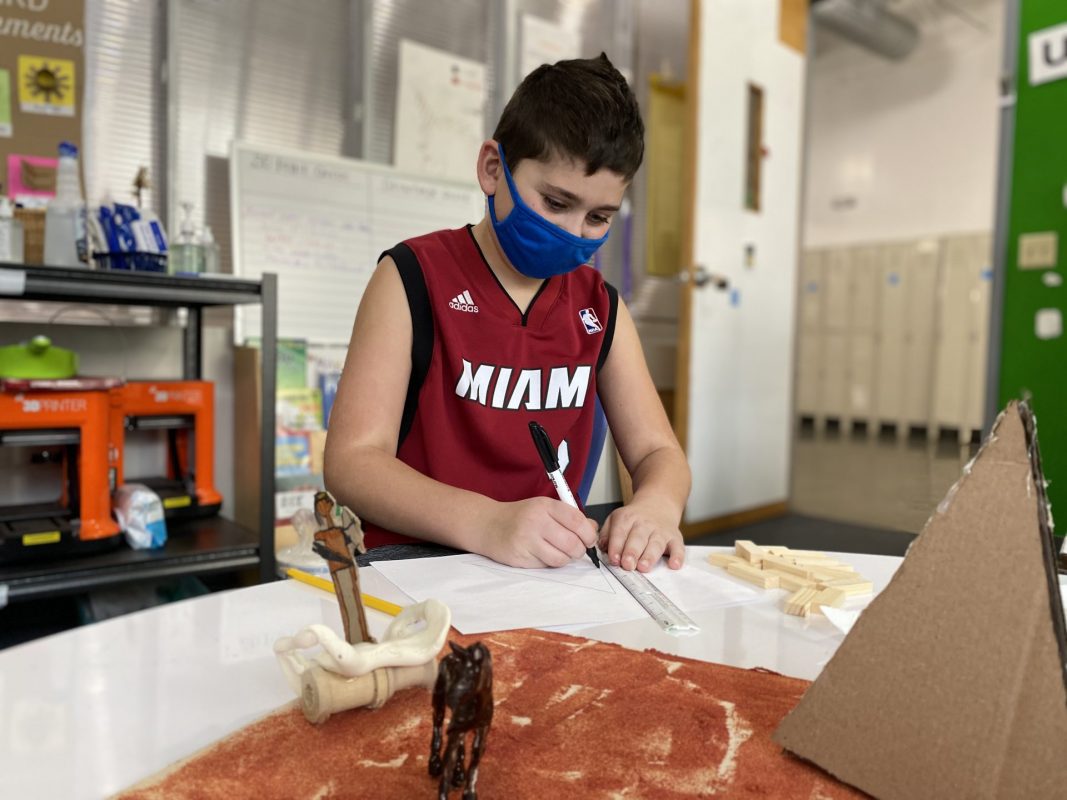
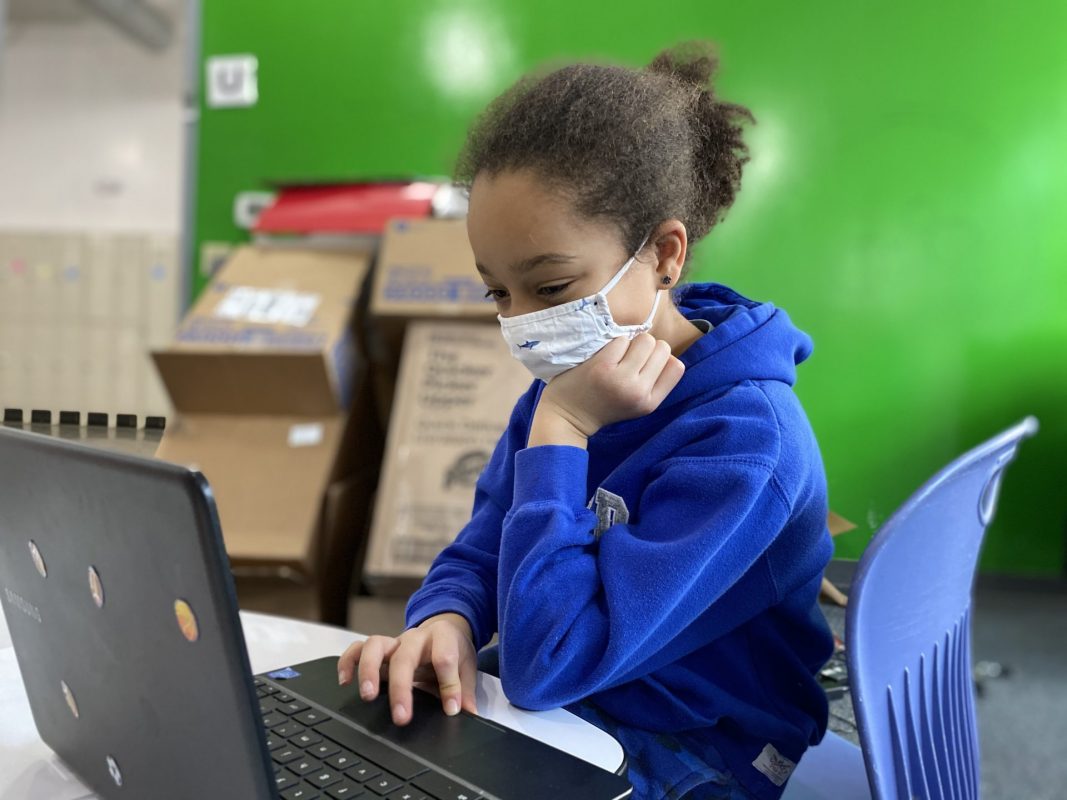
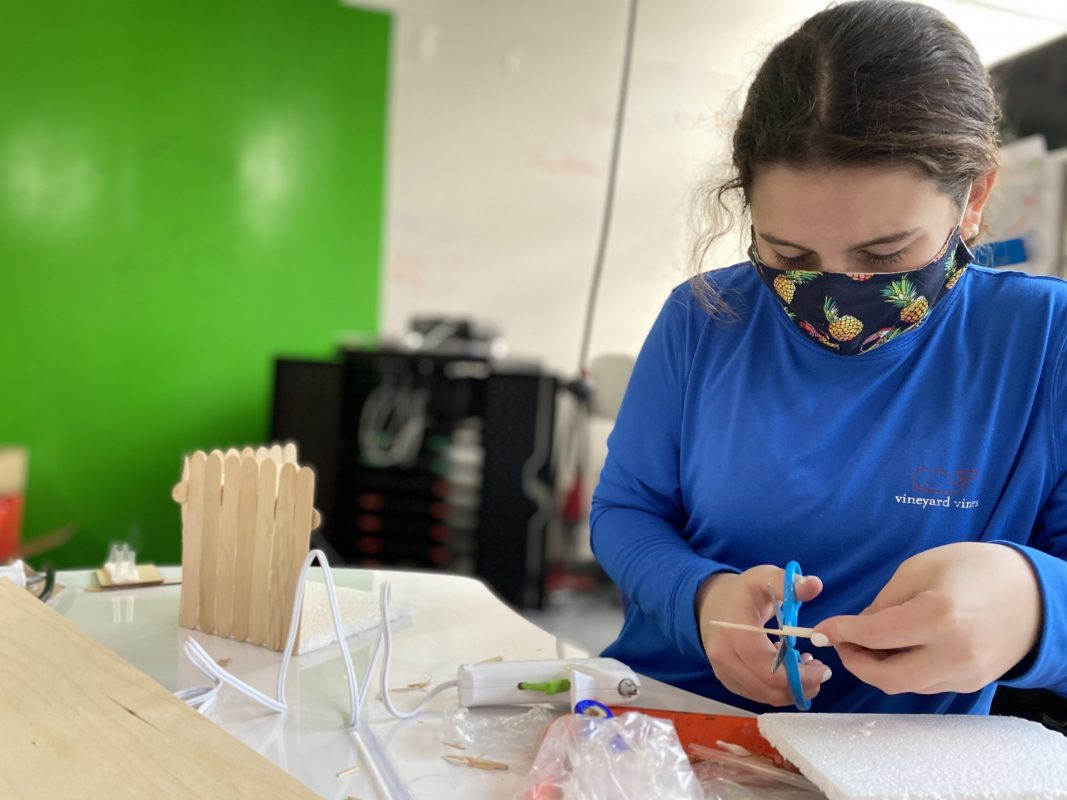
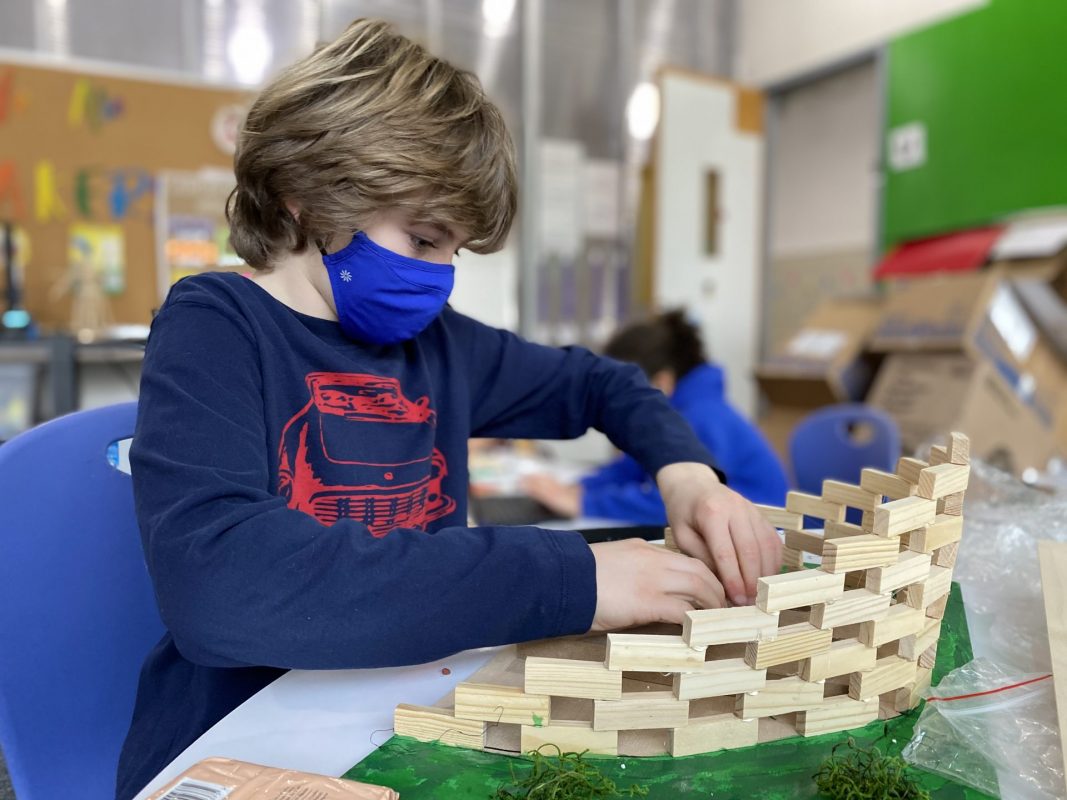
We have worked hard during this short week. The students’ ancient civilizations research projects are starting to come together. They are putting their MakerSpace and Art time to good use, making dioramas of their civilizations. It is wonderful to see how well they are collaborating on these projects. As we get closer to recording the presentations, we will concentrate our focus more completely on this group work and, towards the end of next week, will dedicate our work cycles completely to immersing ourselves into research.

In addition to our focused research in History, we continued with lessons in our other subject areas this week. In Geometry, the fourths learned to prove the equivalence between regular polygons and rectangles and fifths learned to apply a formula for finding the area of a trapezoid. In Biology we looked at functions of relationship in plants with a lesson on sensitivity and movement, called tropism. We learned about five different types of tropism: photo- (towards light), thermo- (towards heat), geo- (towards gravity), hydro- (towards water), and thigmo- (in response to touch or contact). Our Geography lesson on the work of air focused on the causes of local winds and rain.