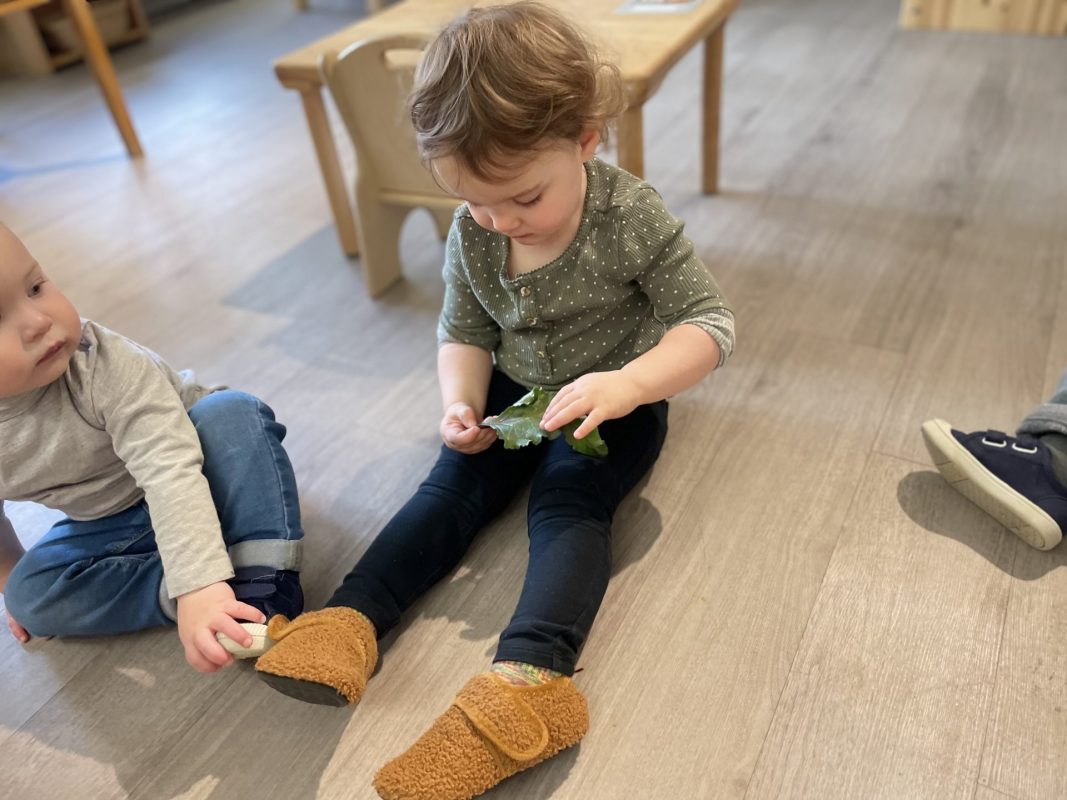
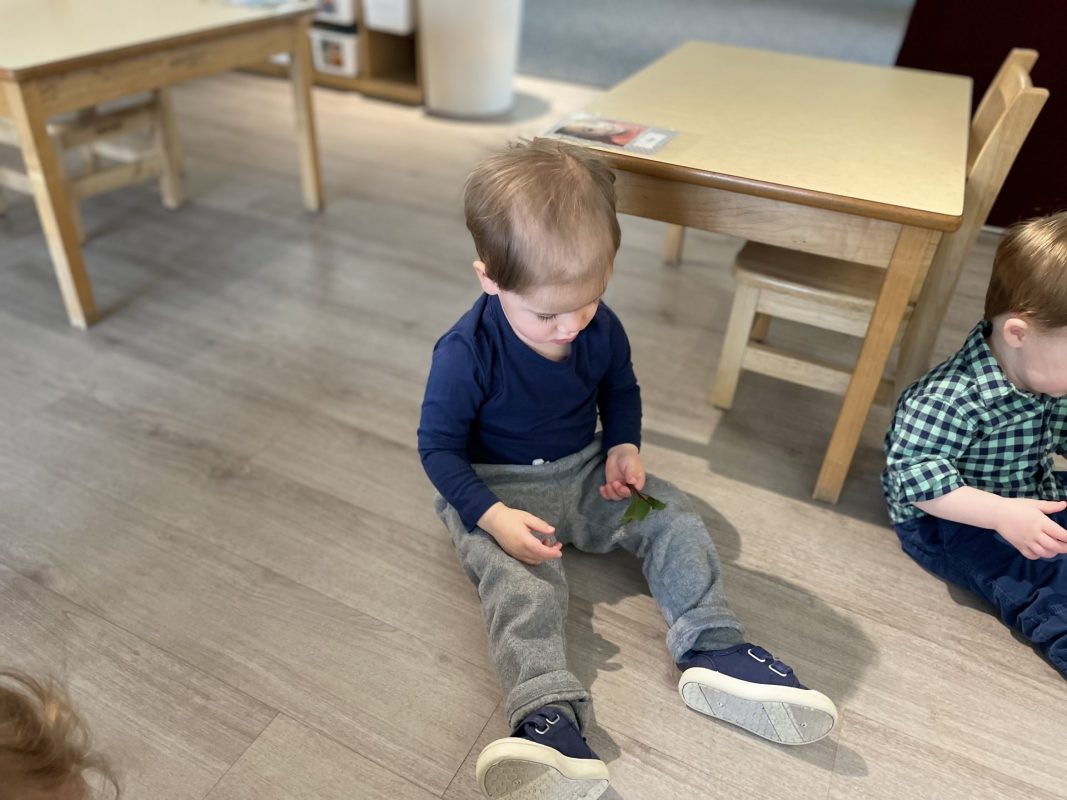
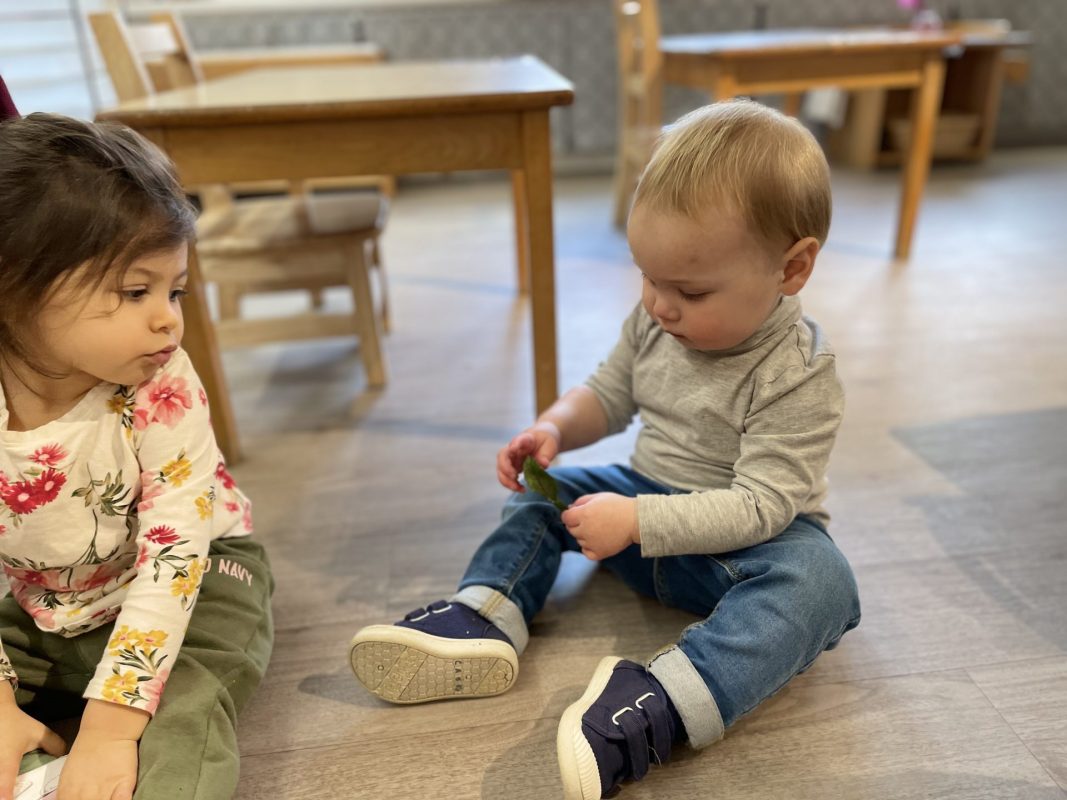
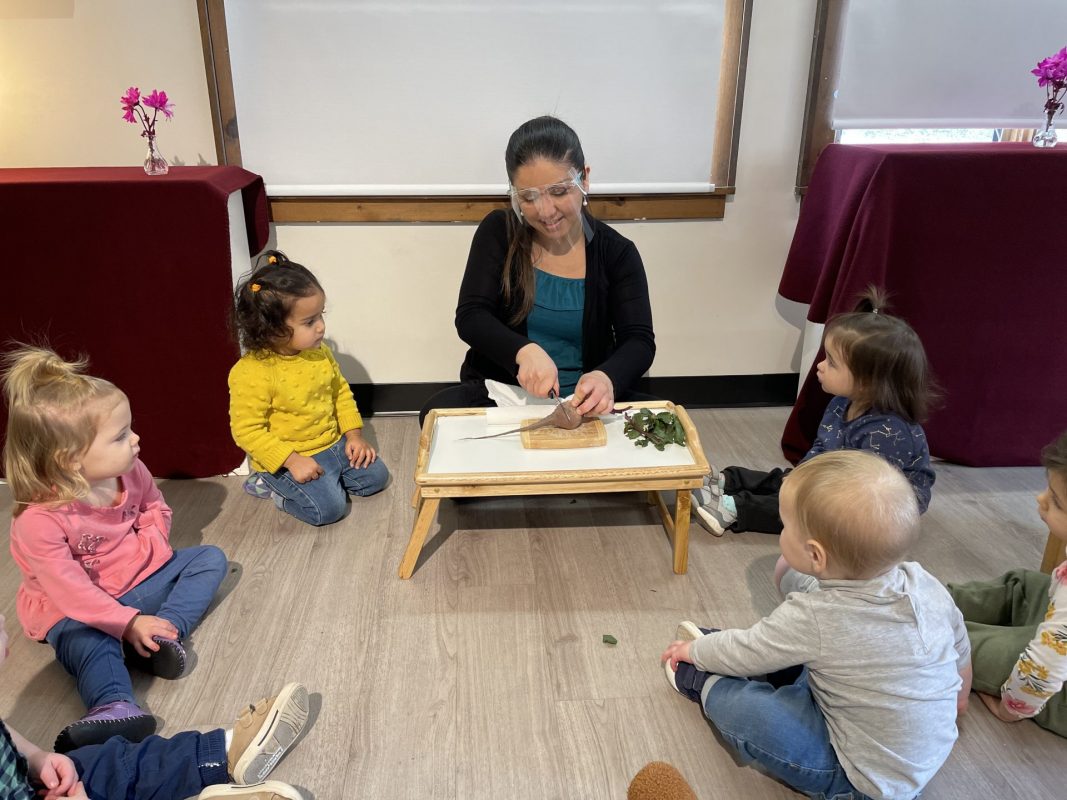
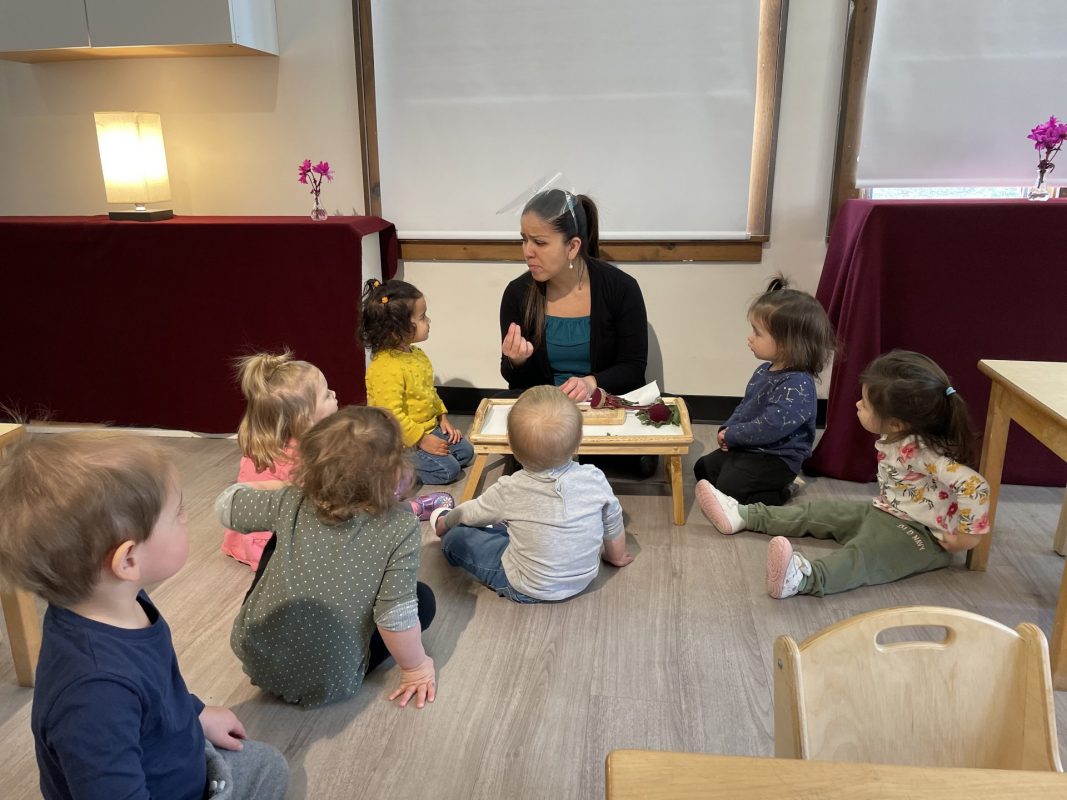
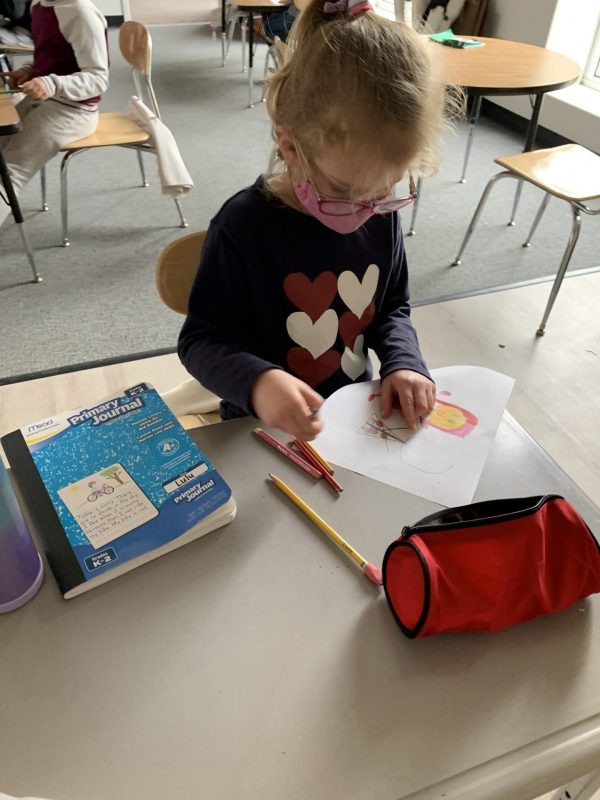
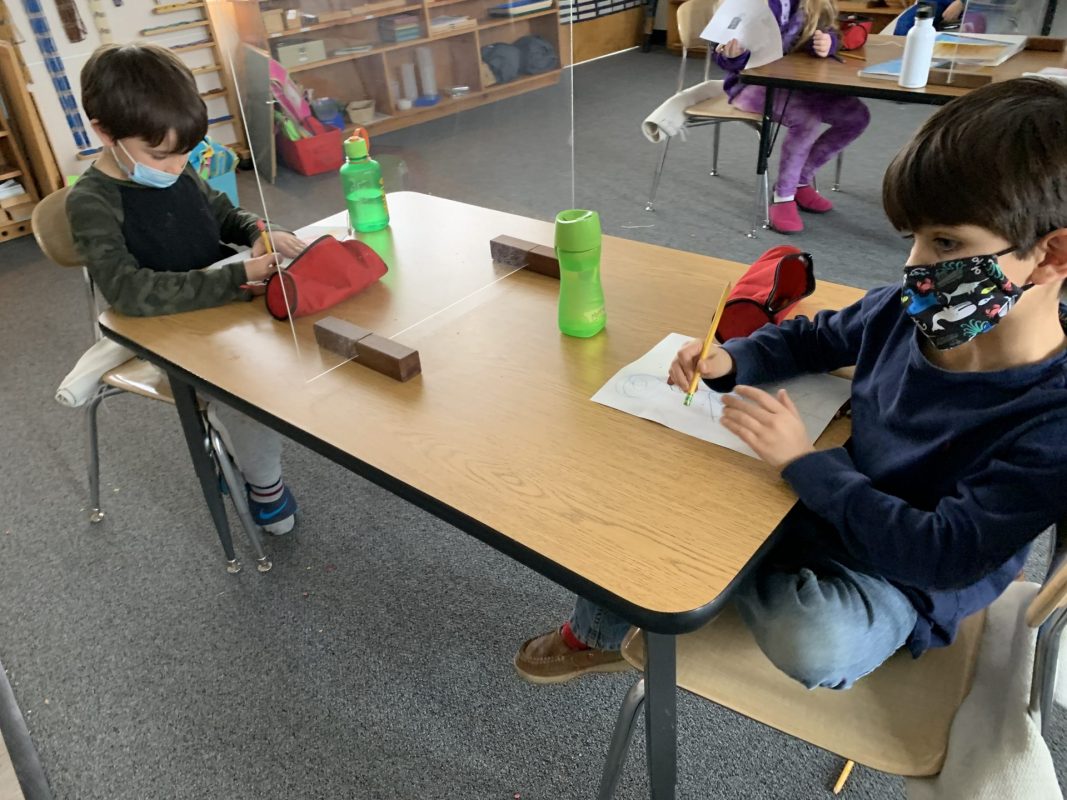
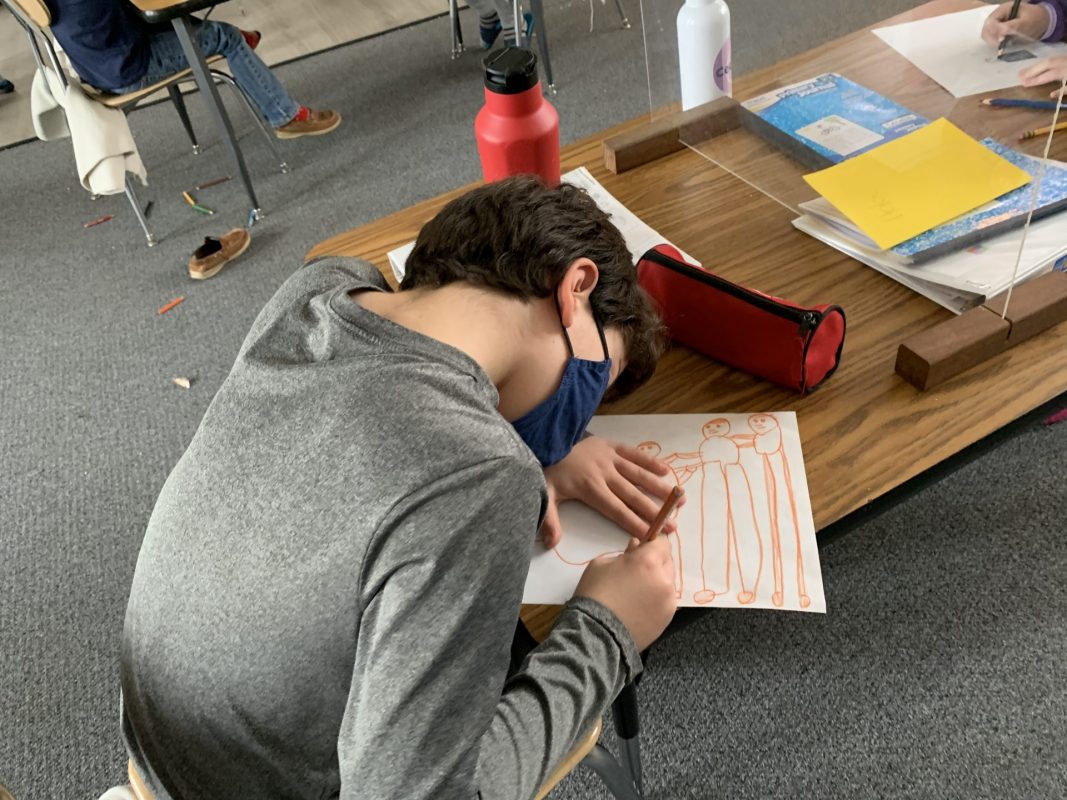
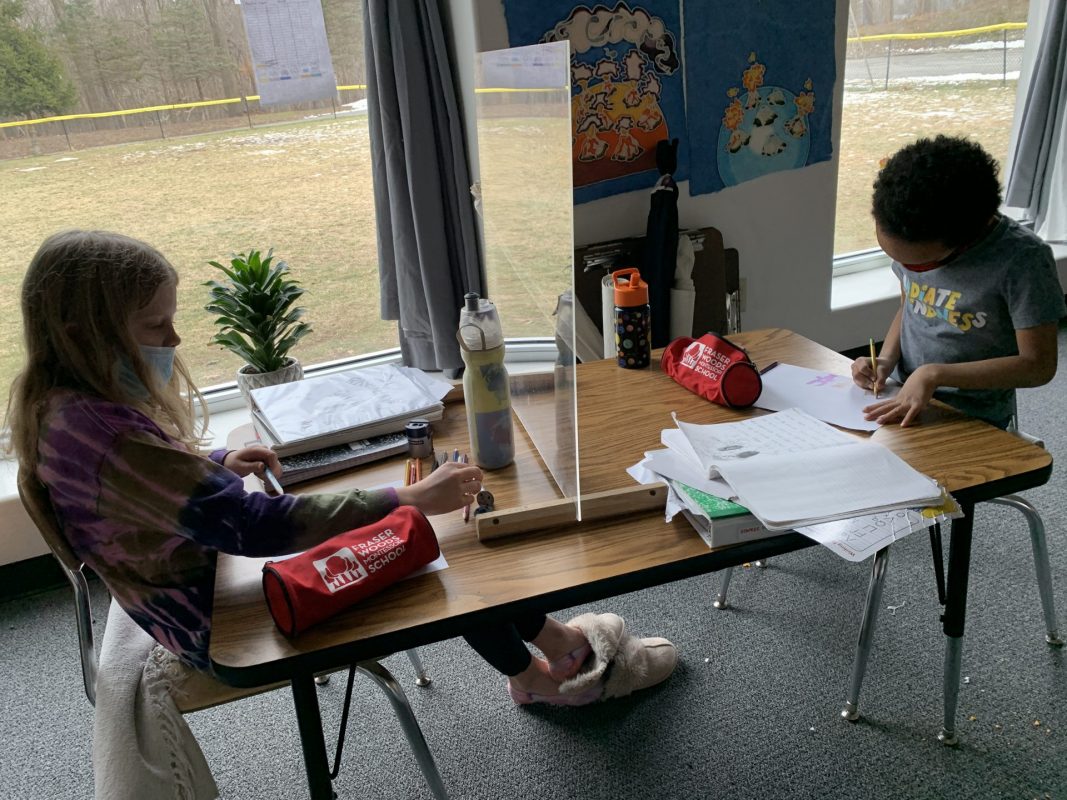
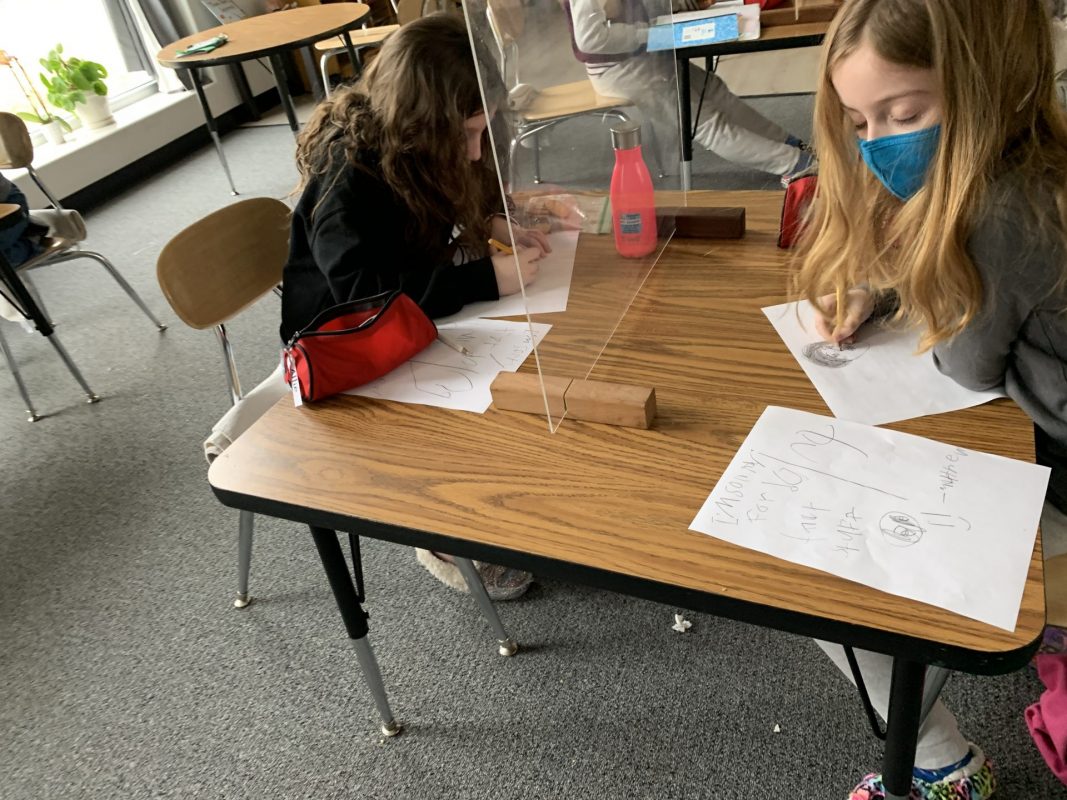
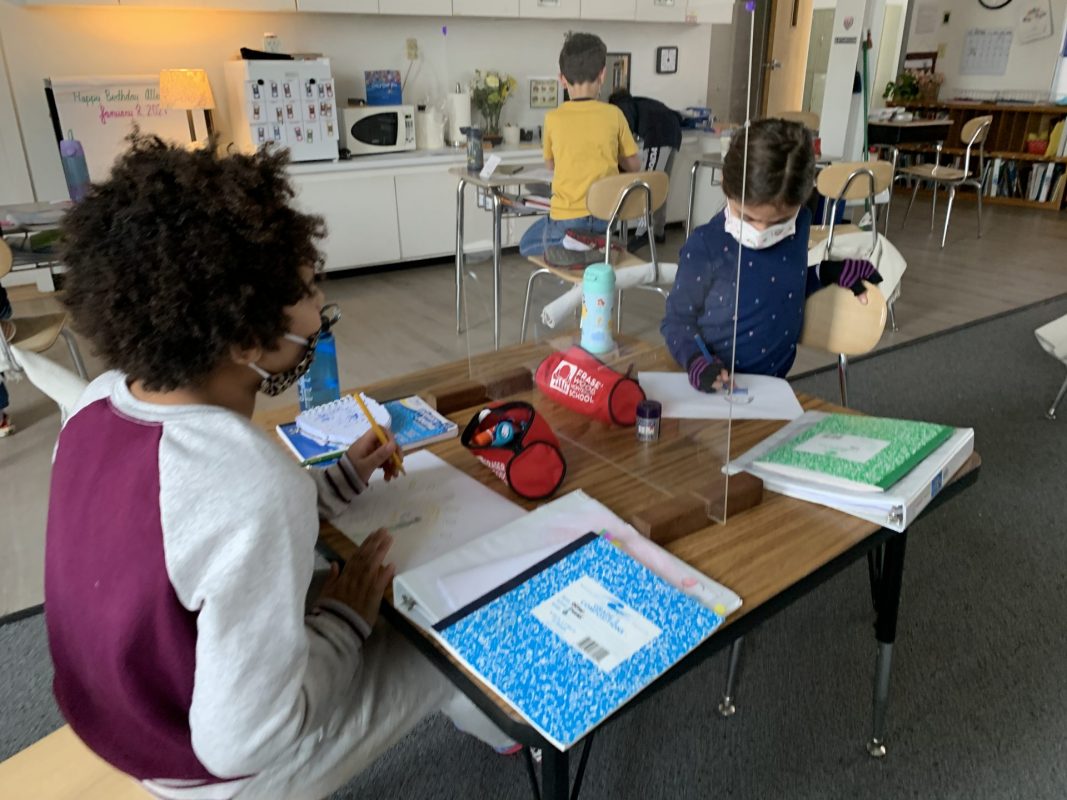
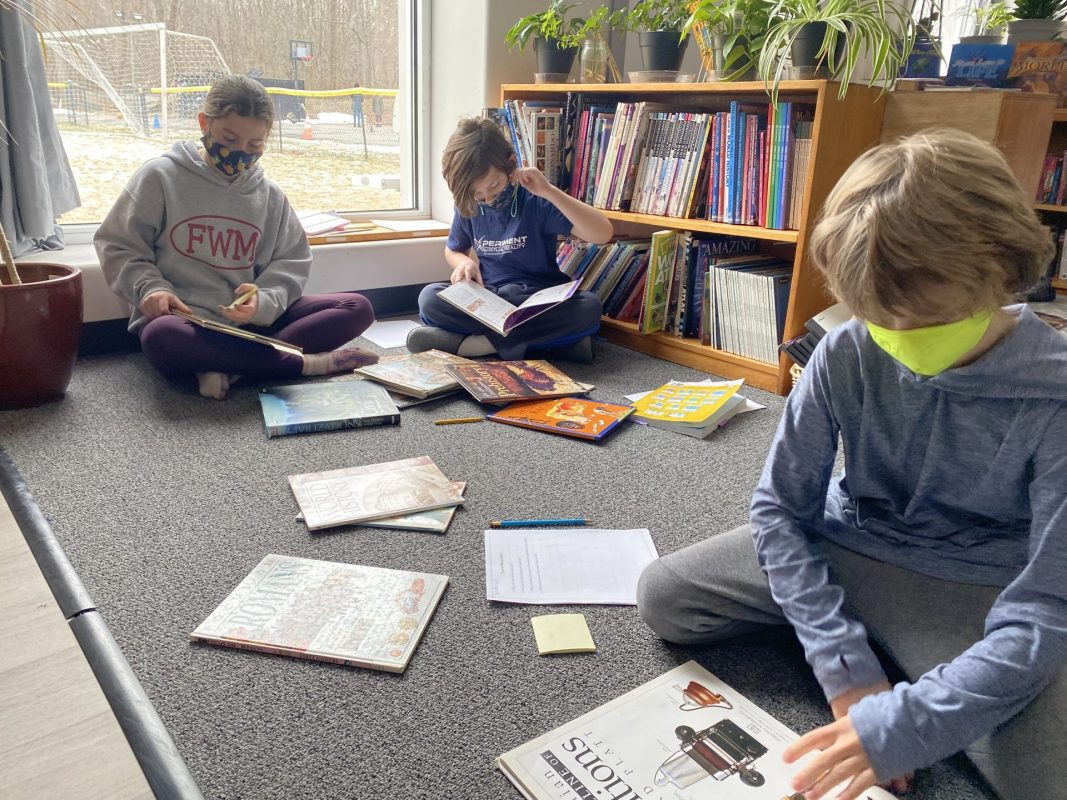
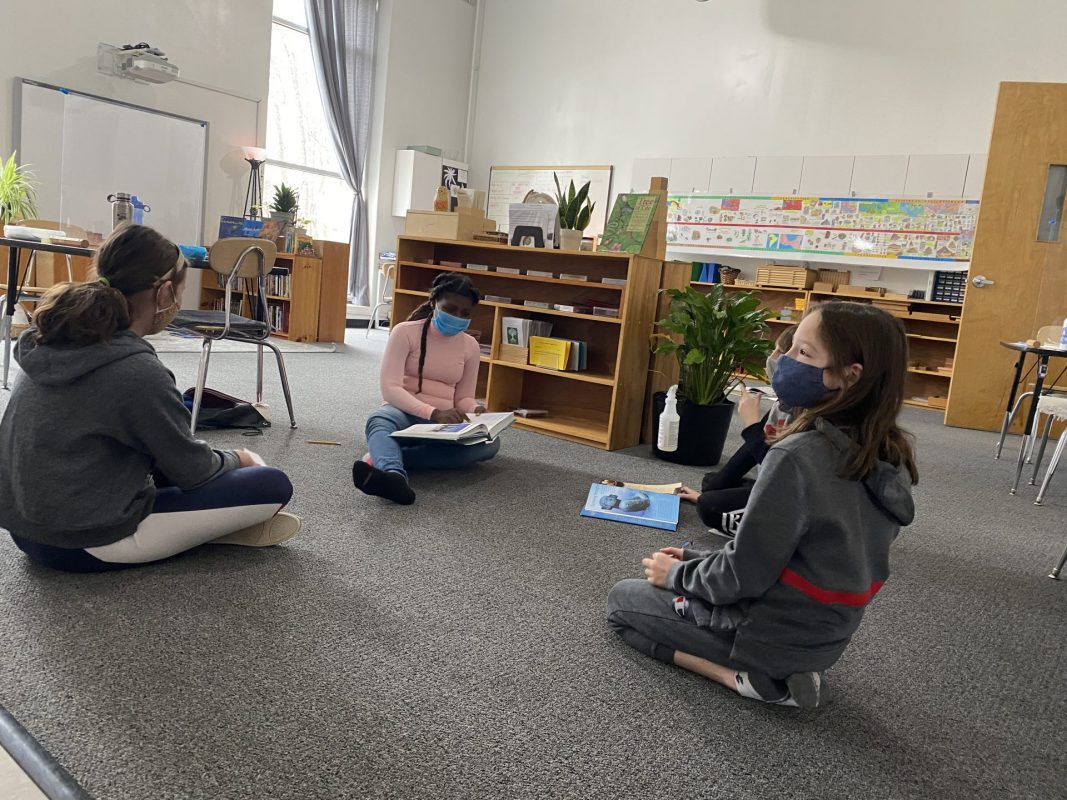
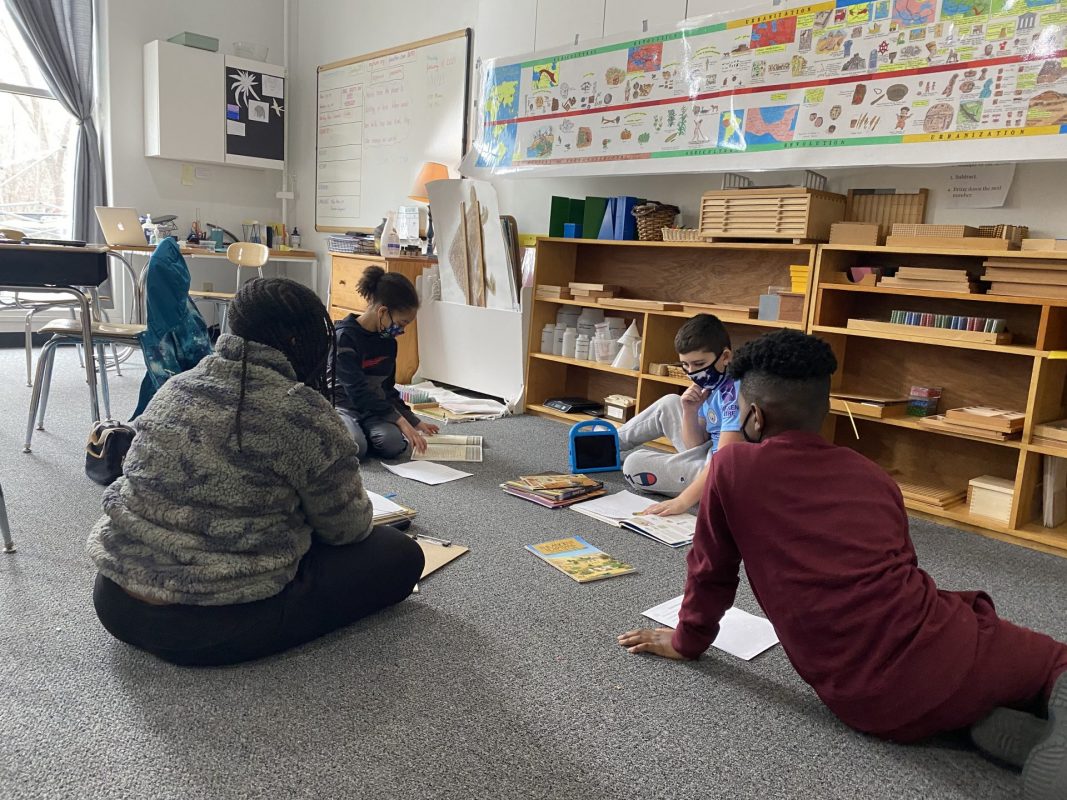
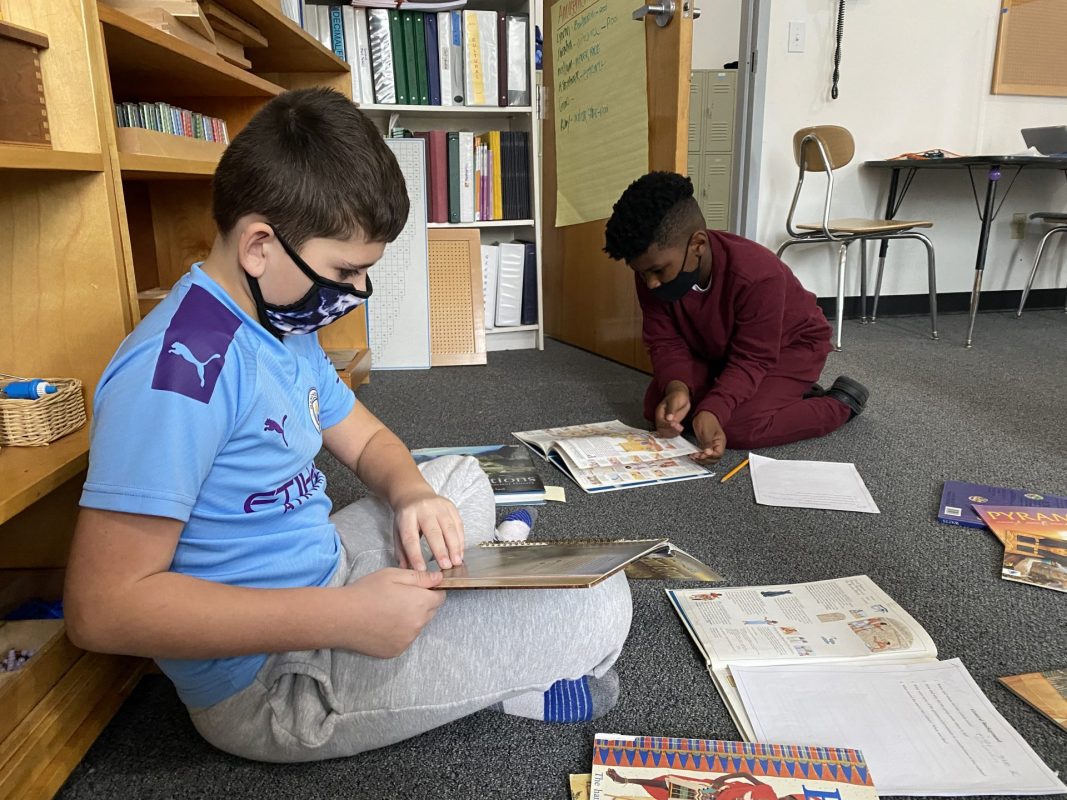
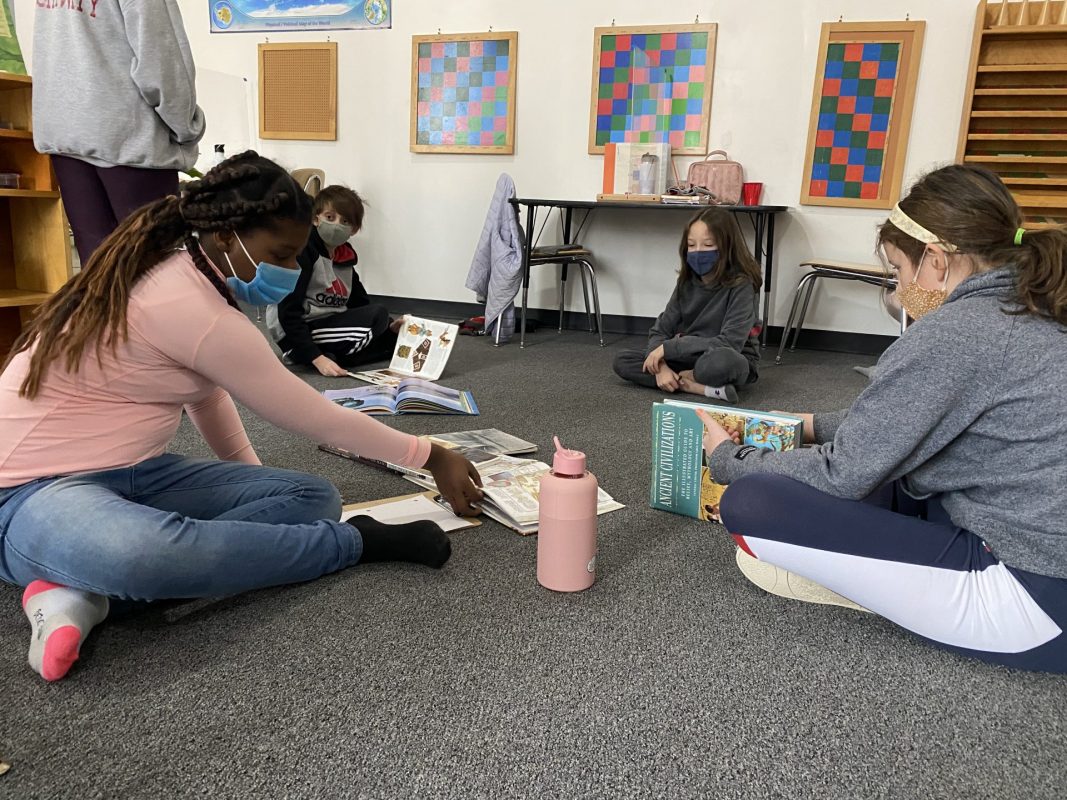
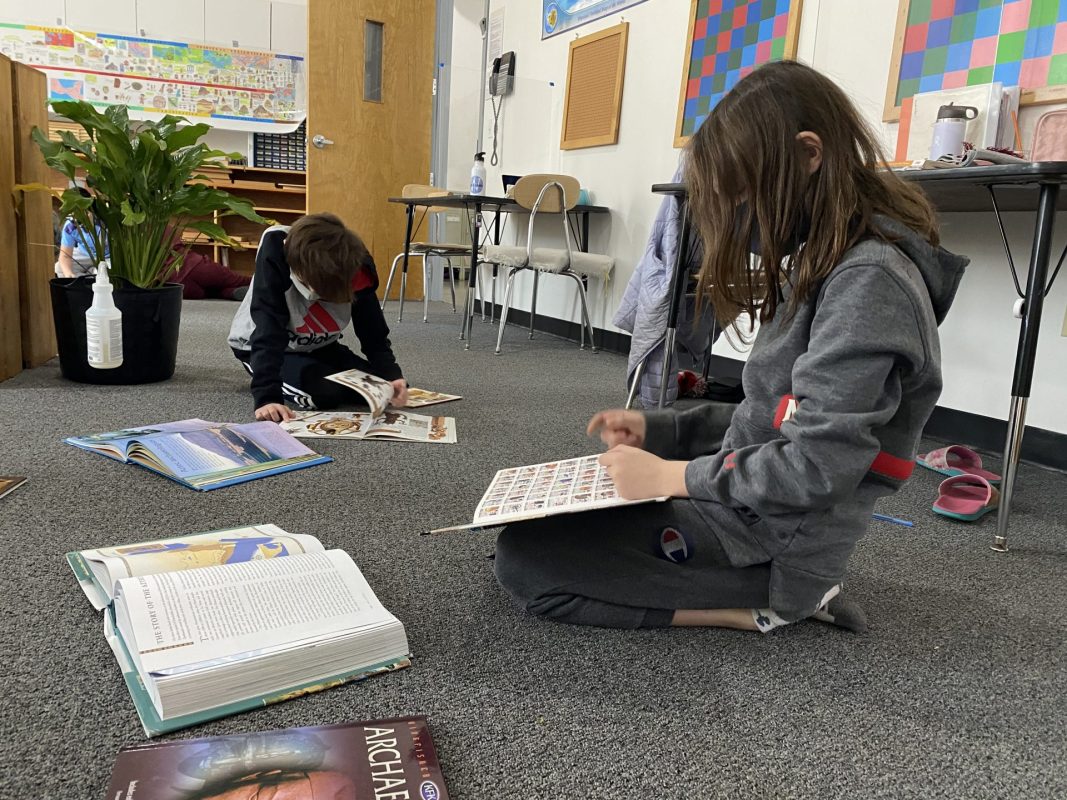
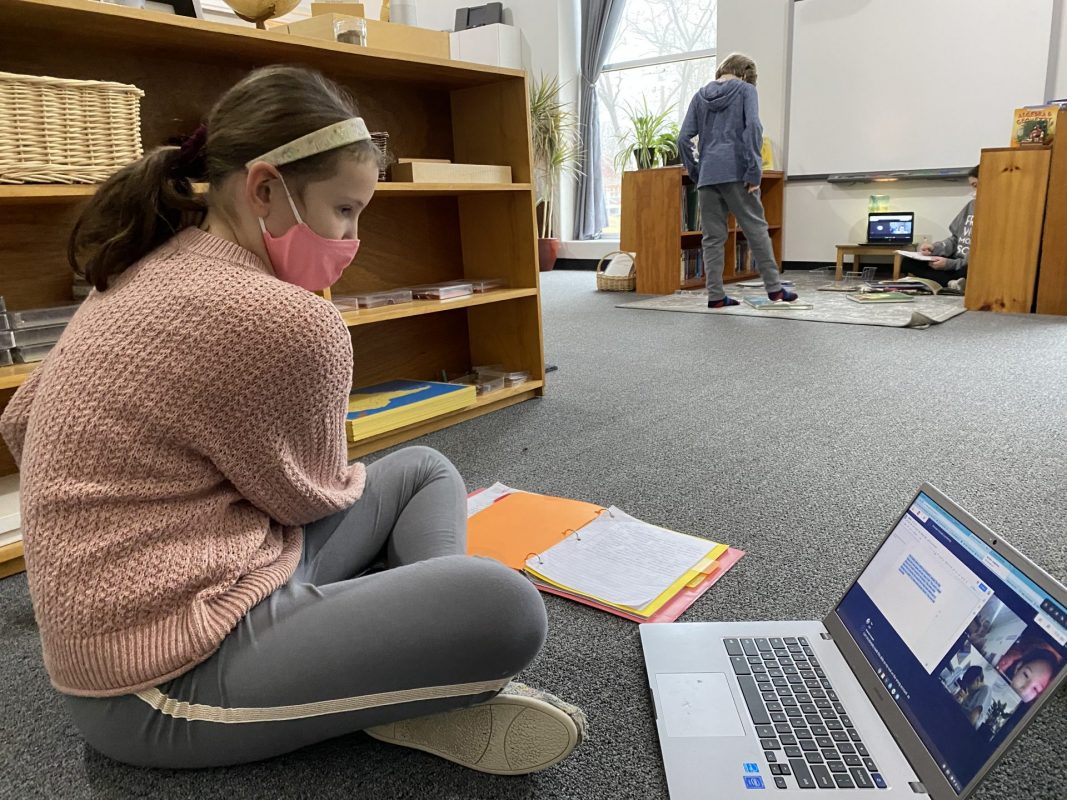
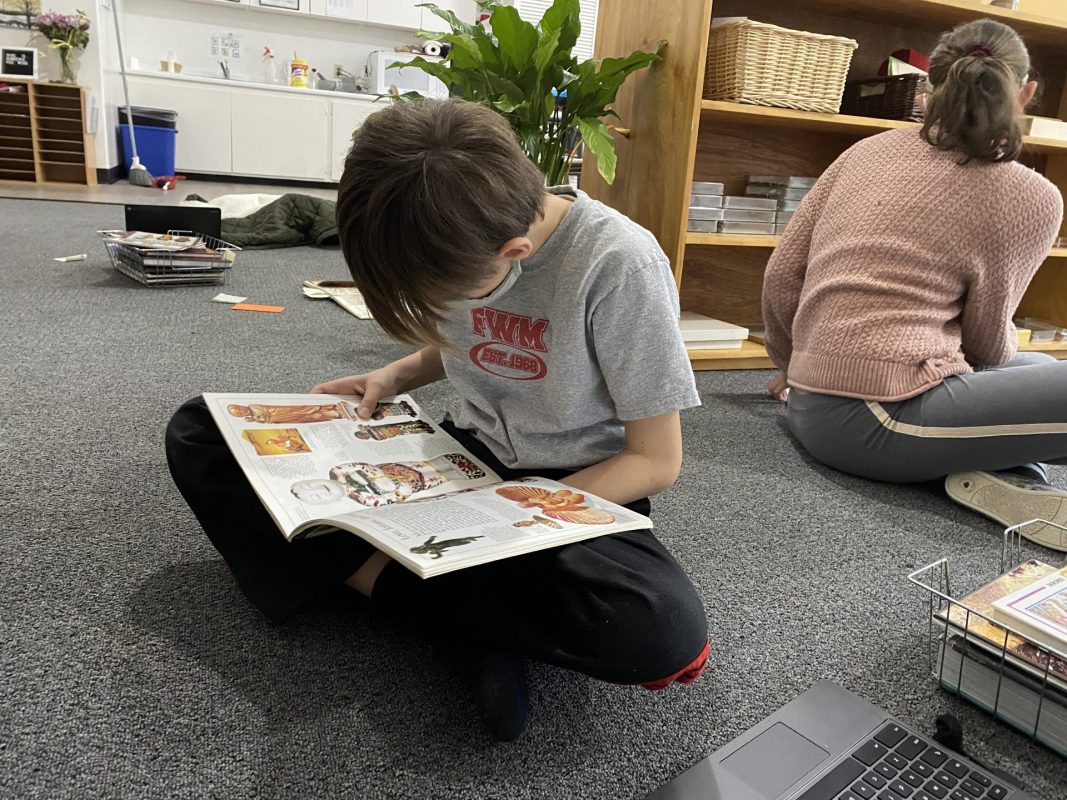
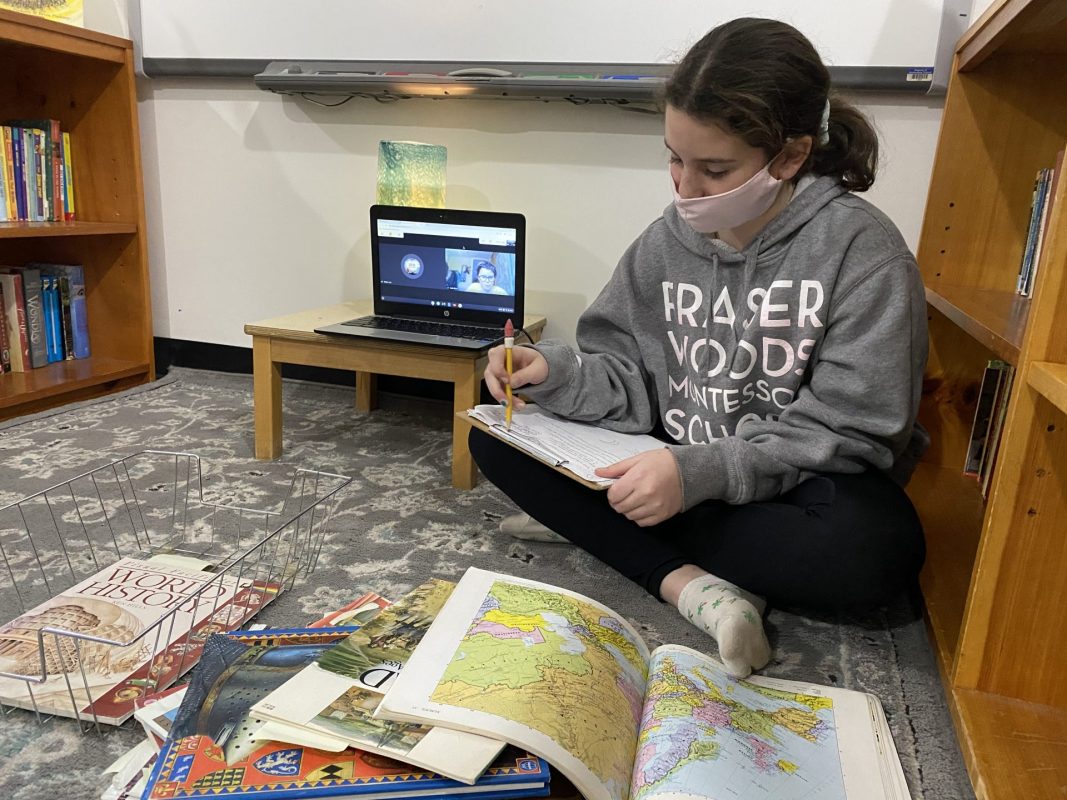
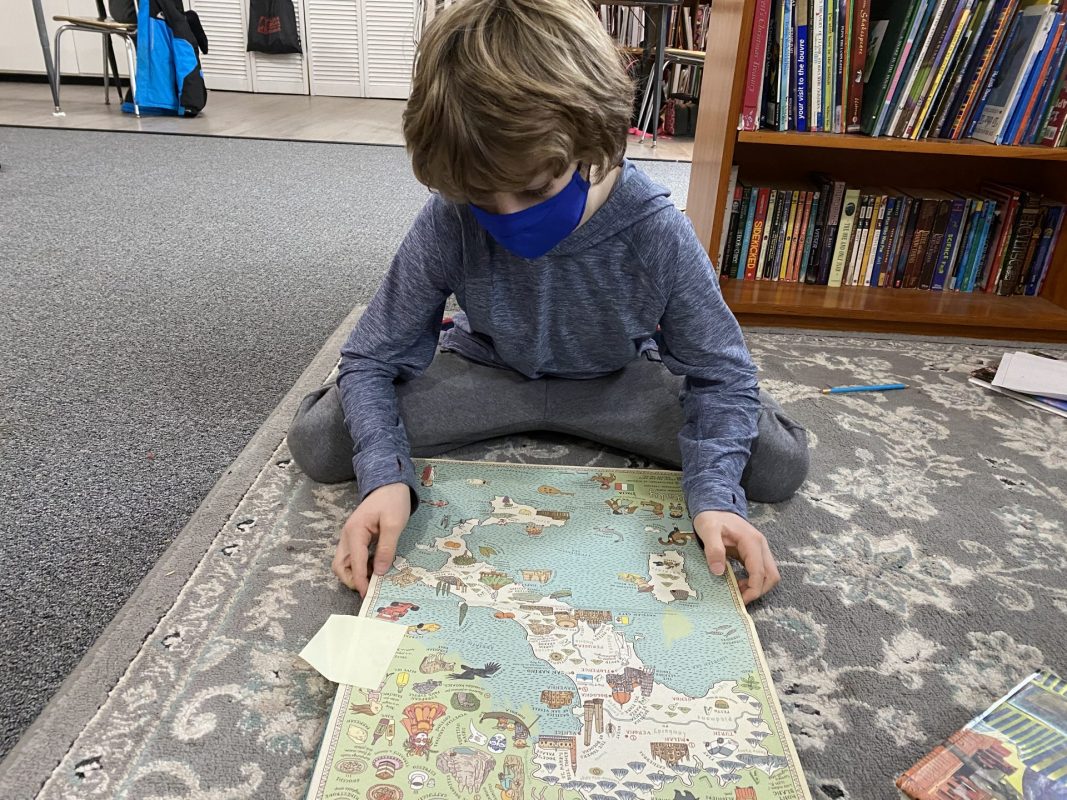
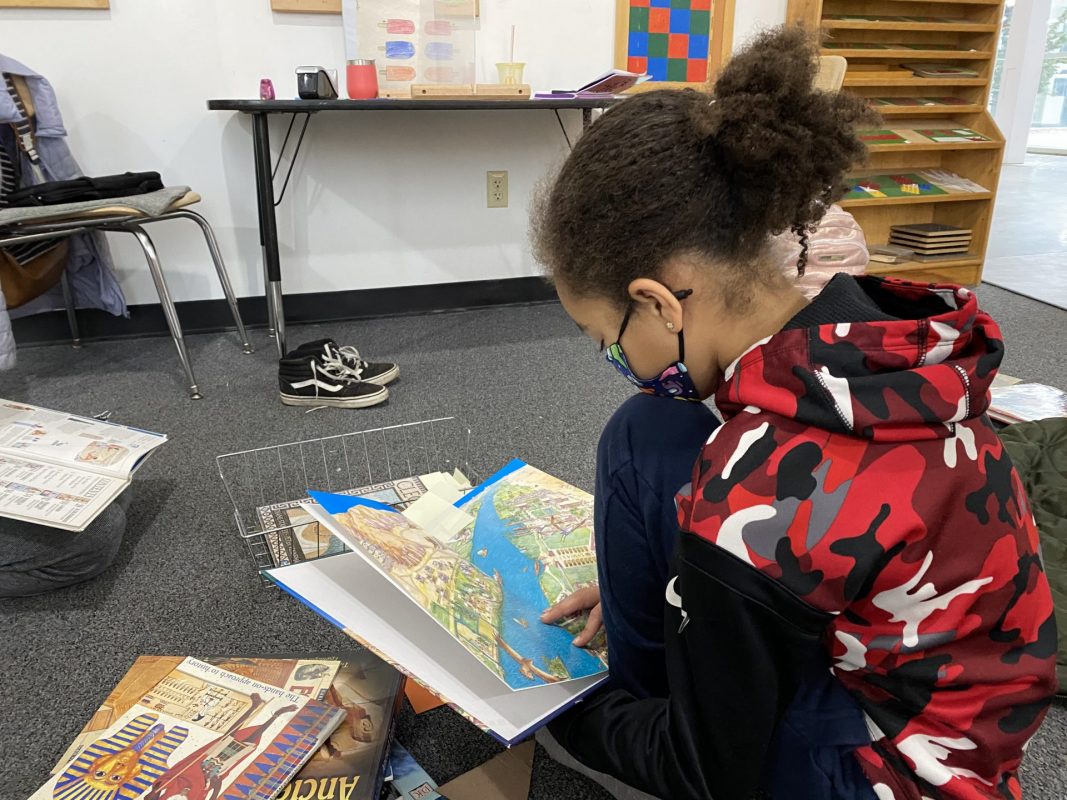
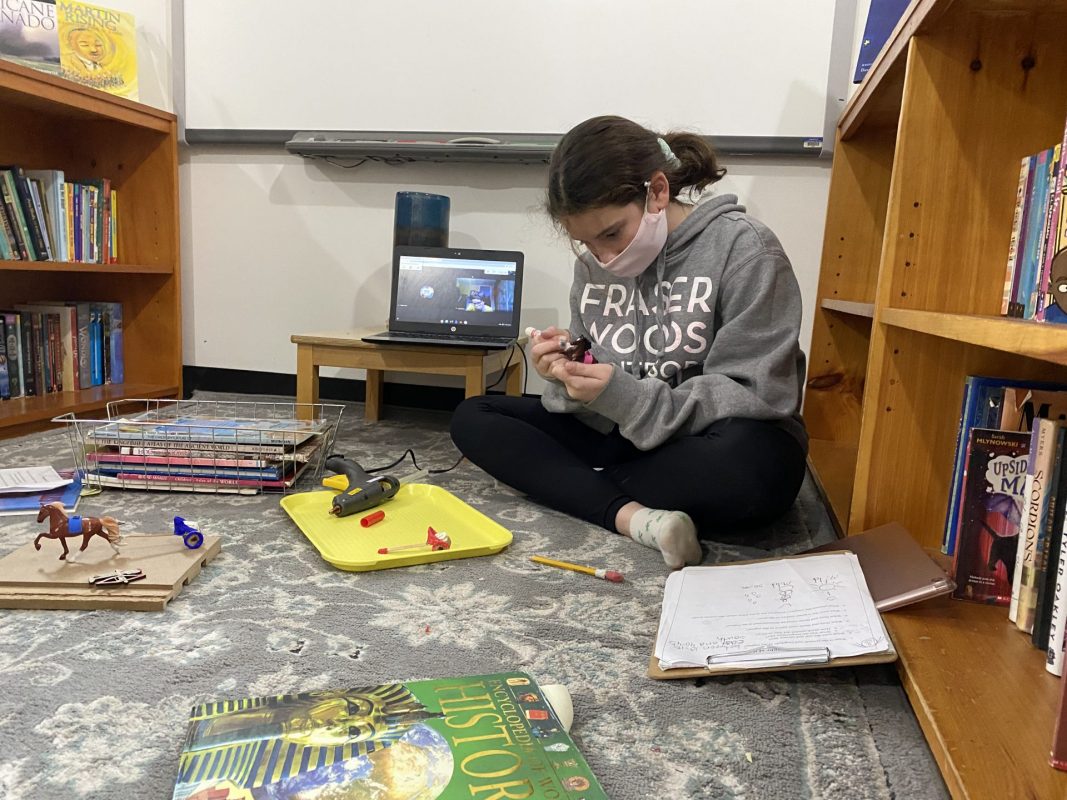
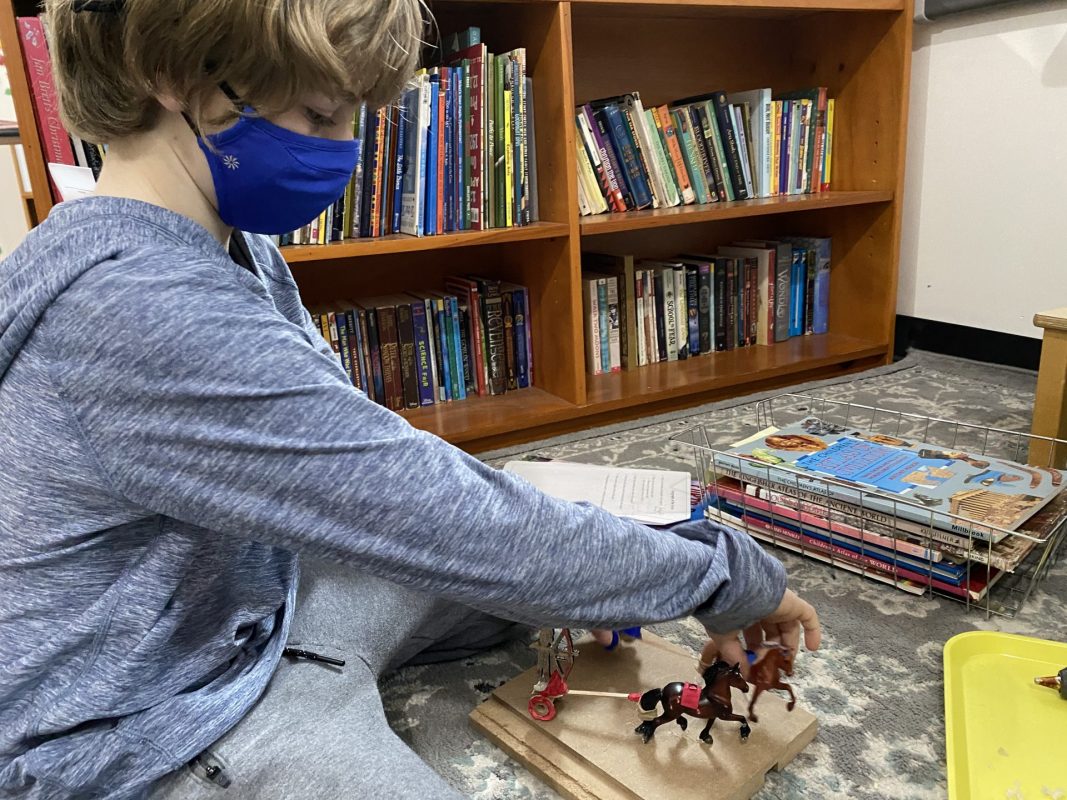
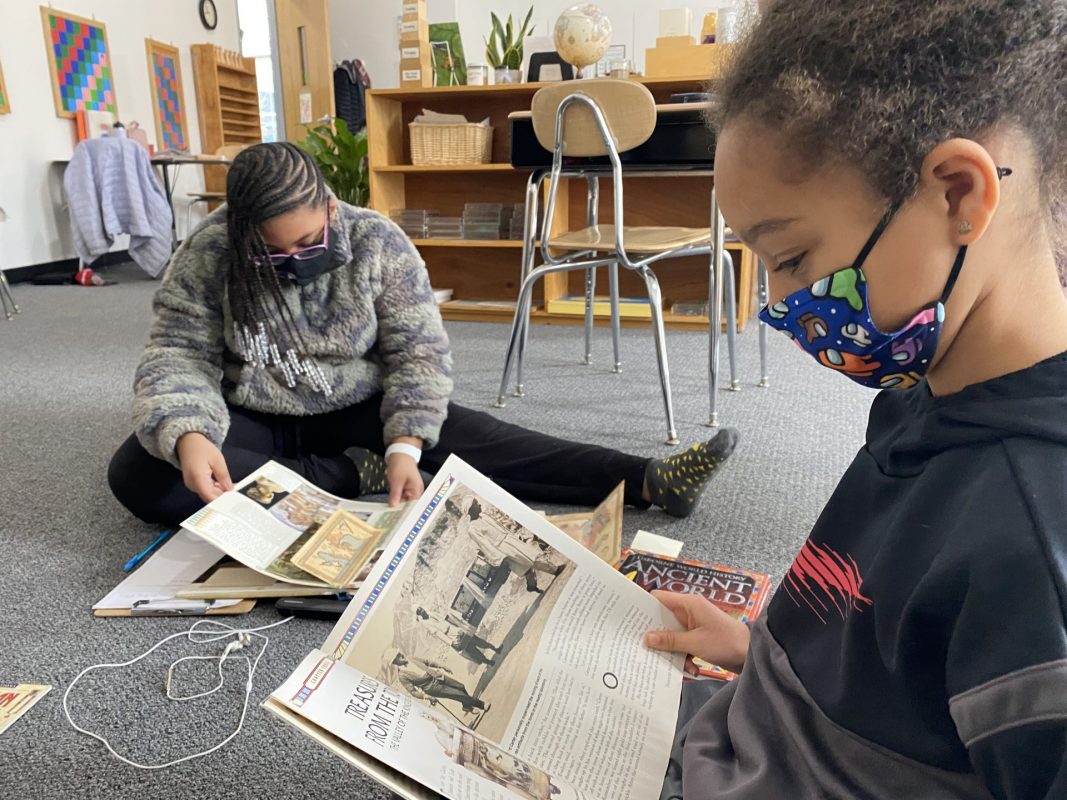
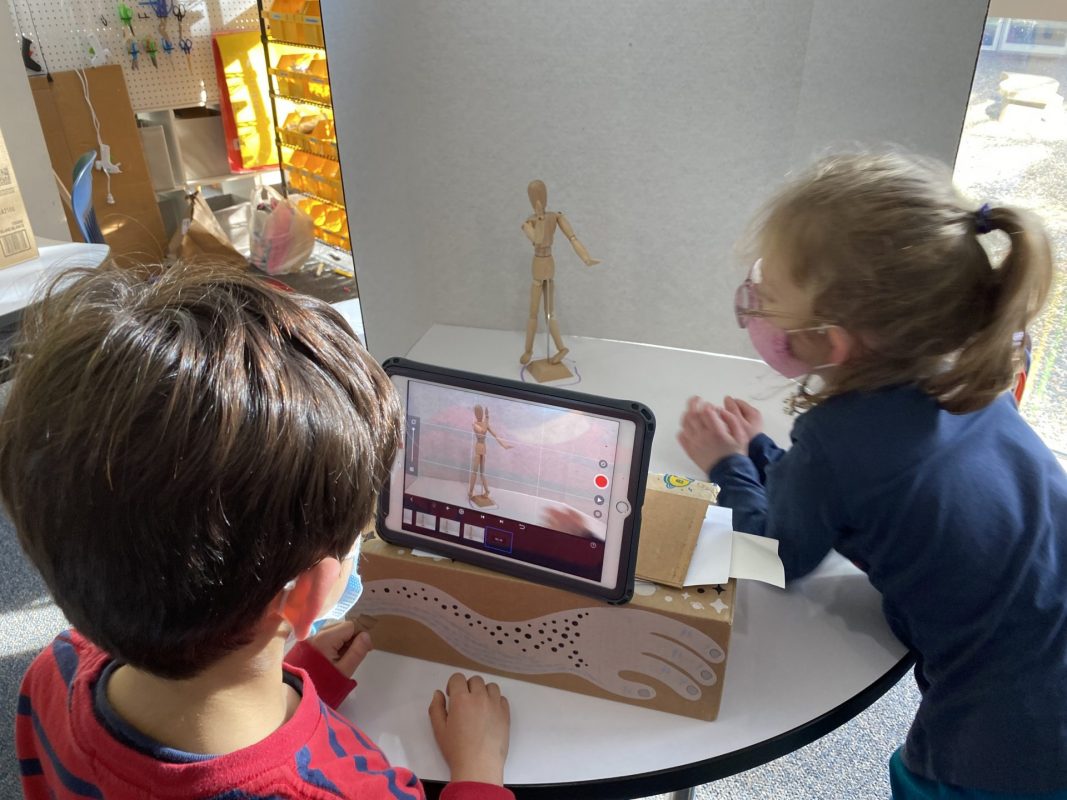
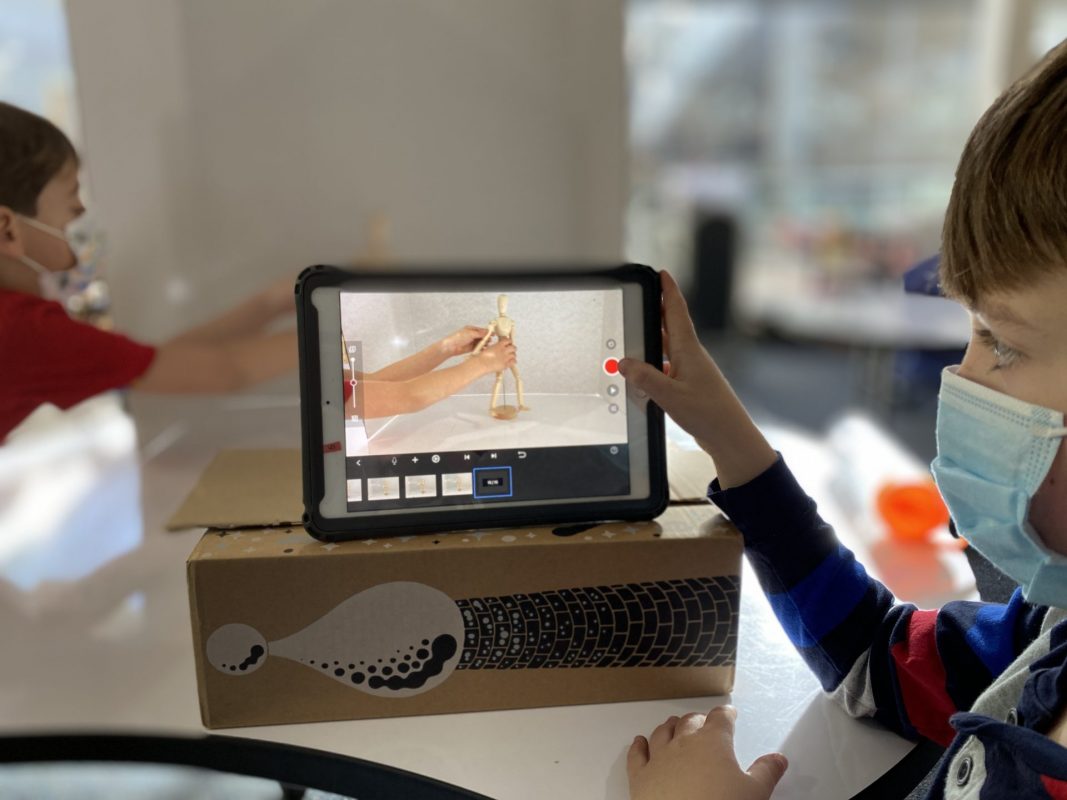
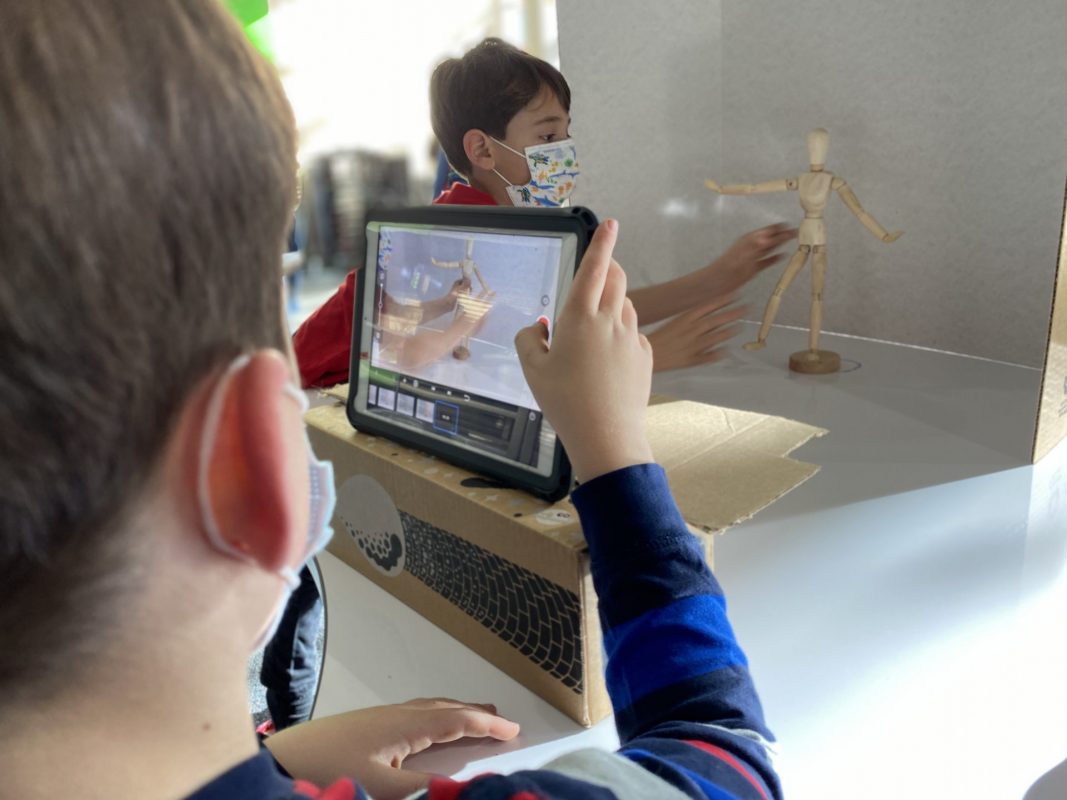
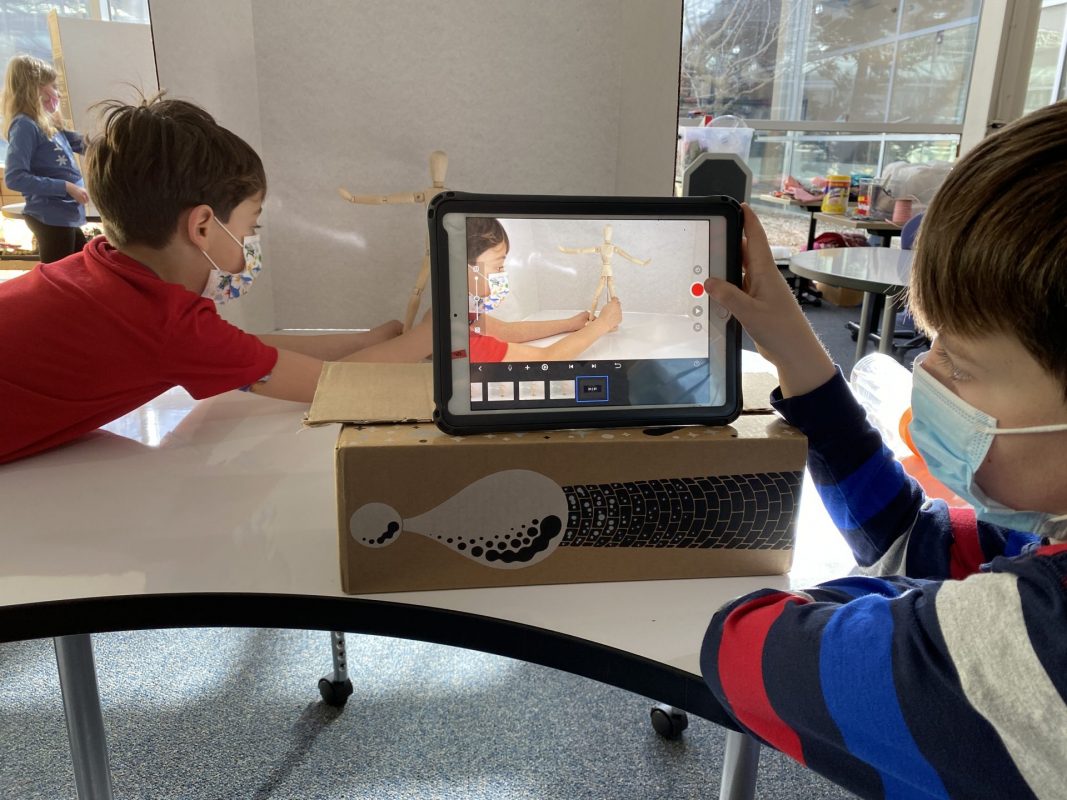
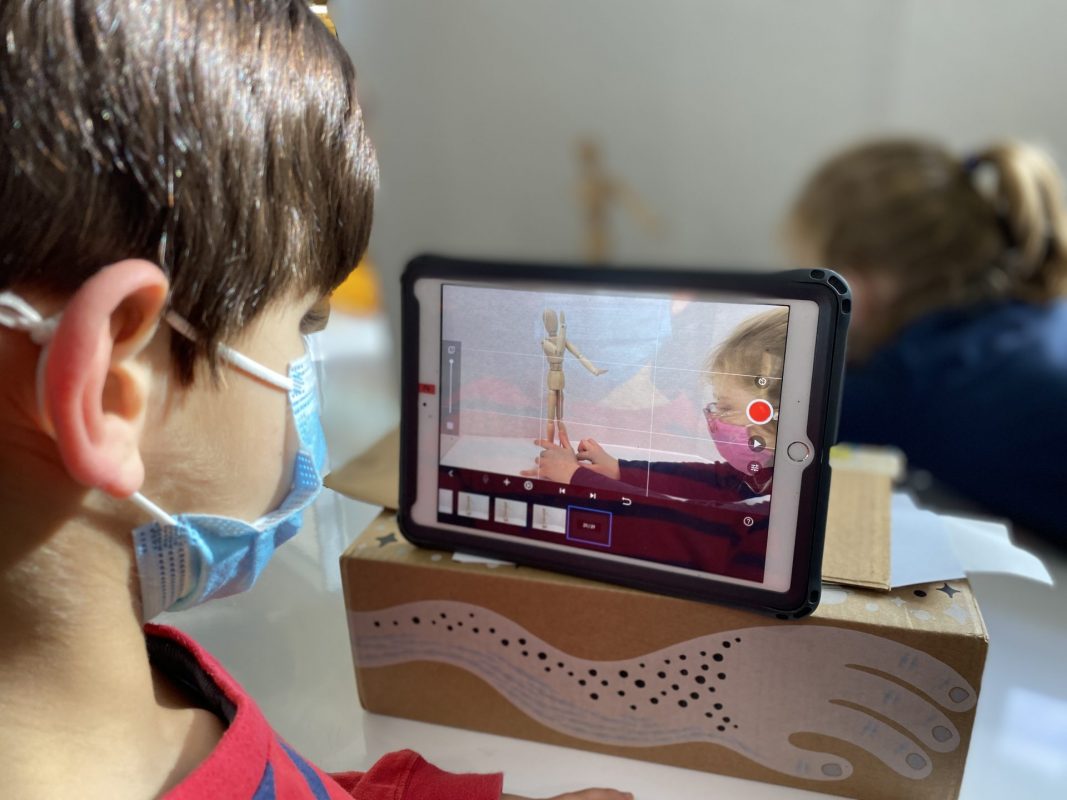
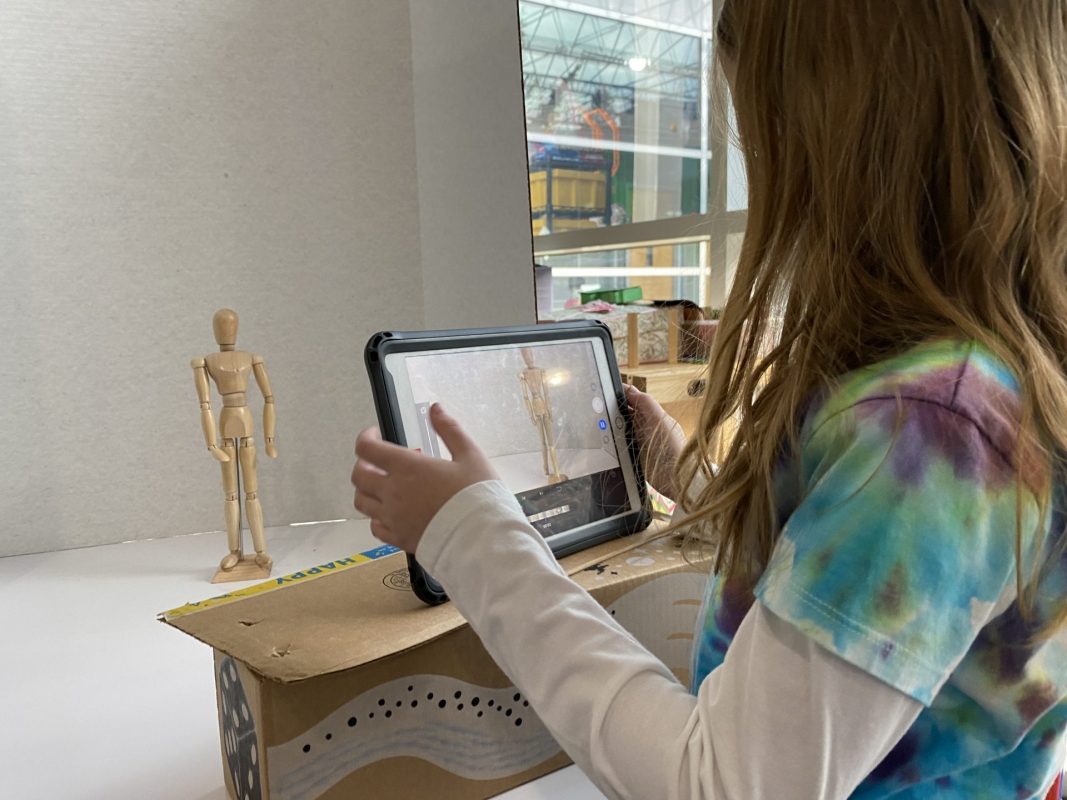
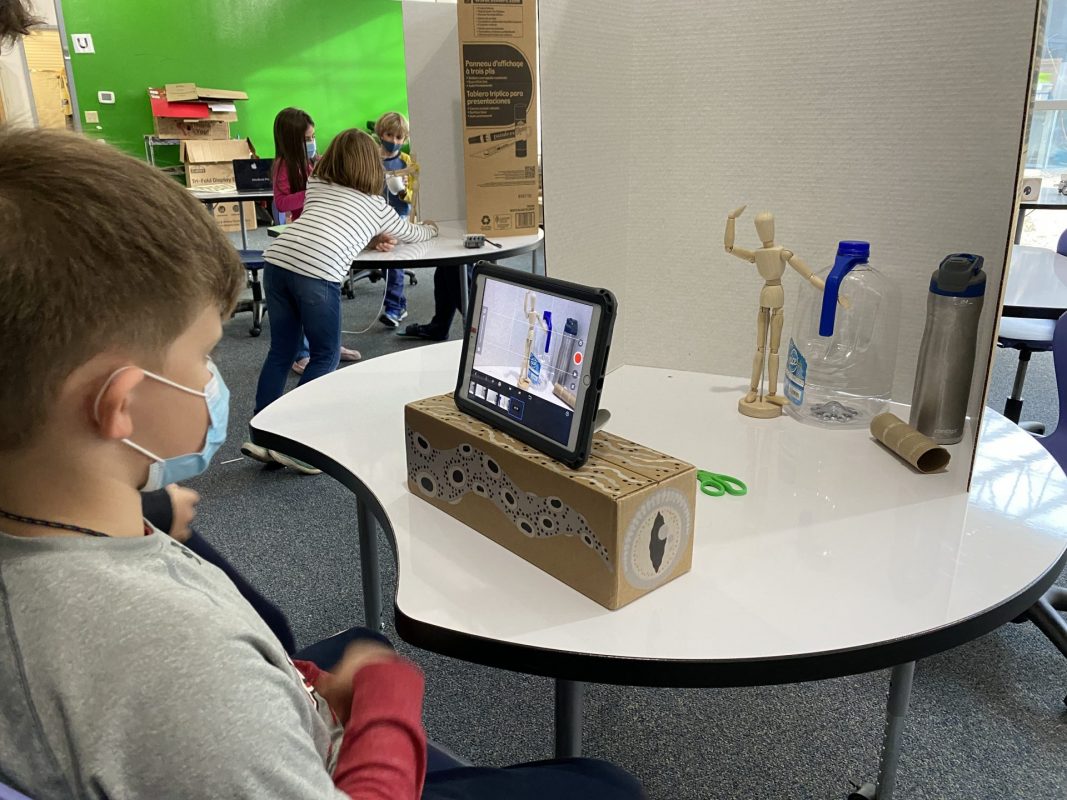
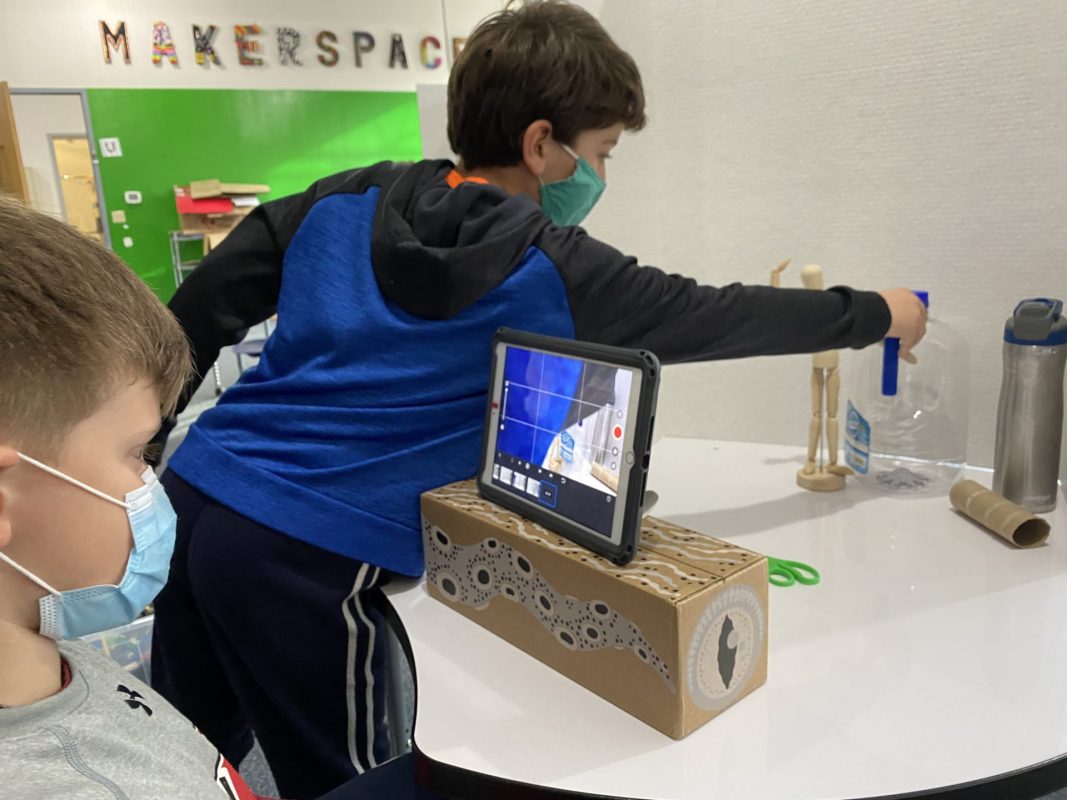
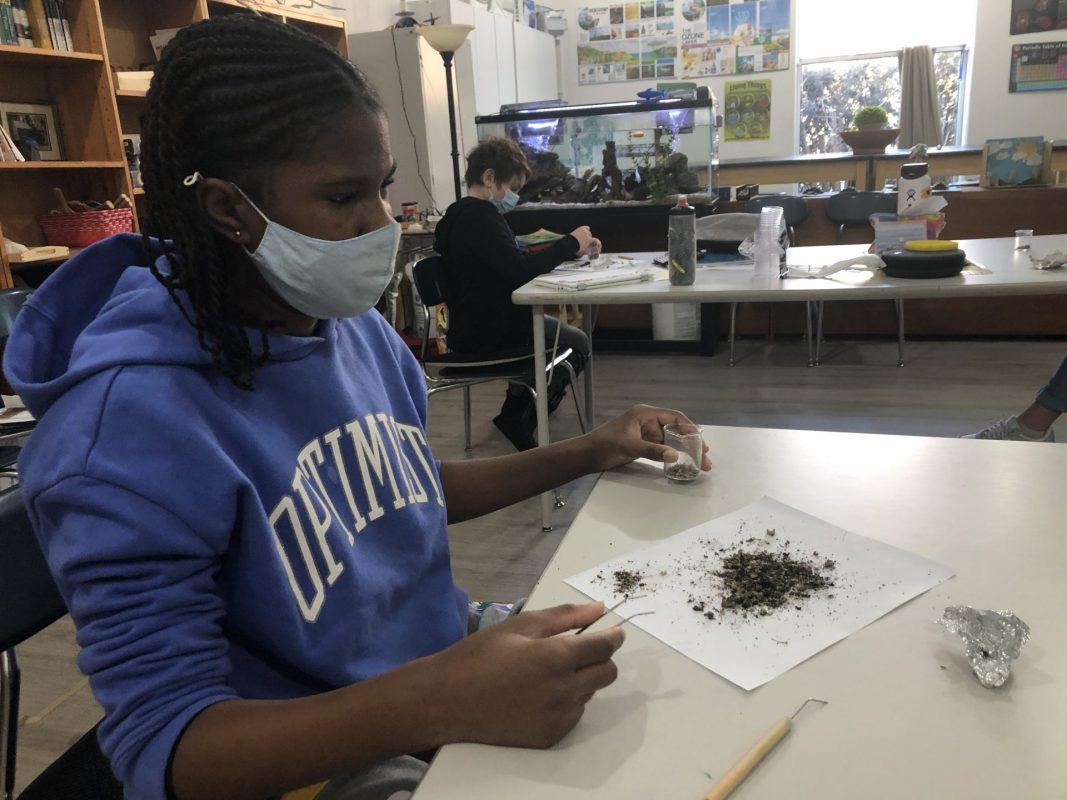
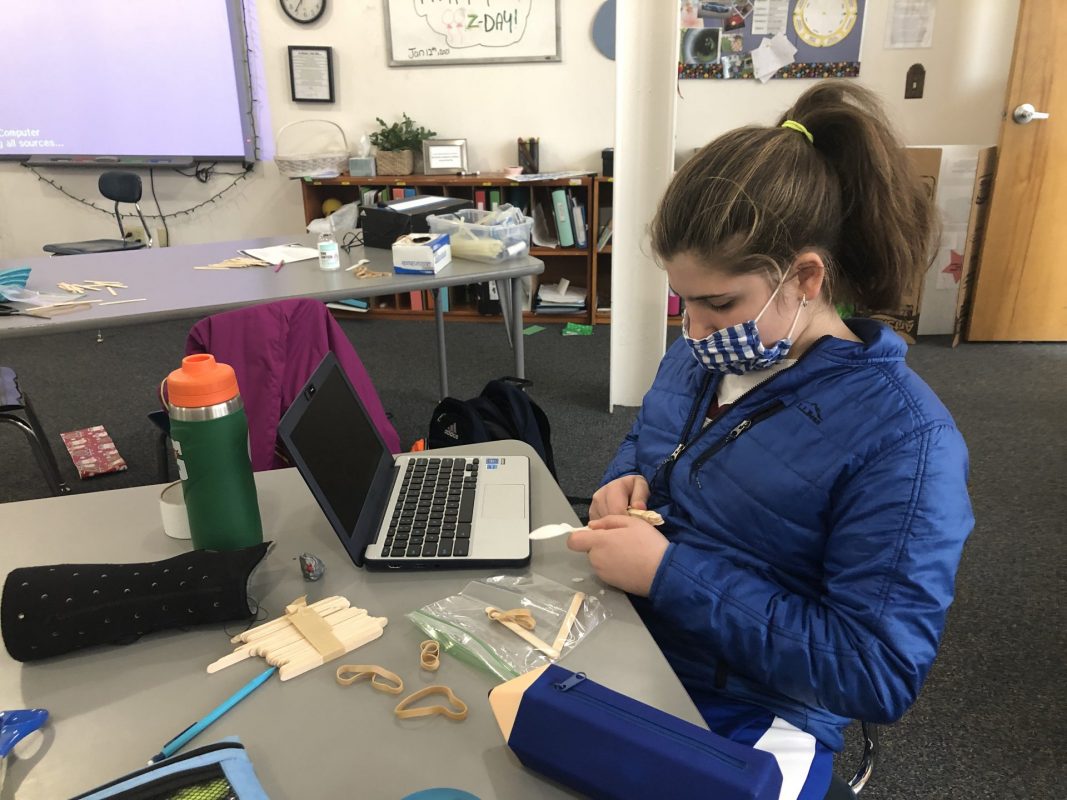
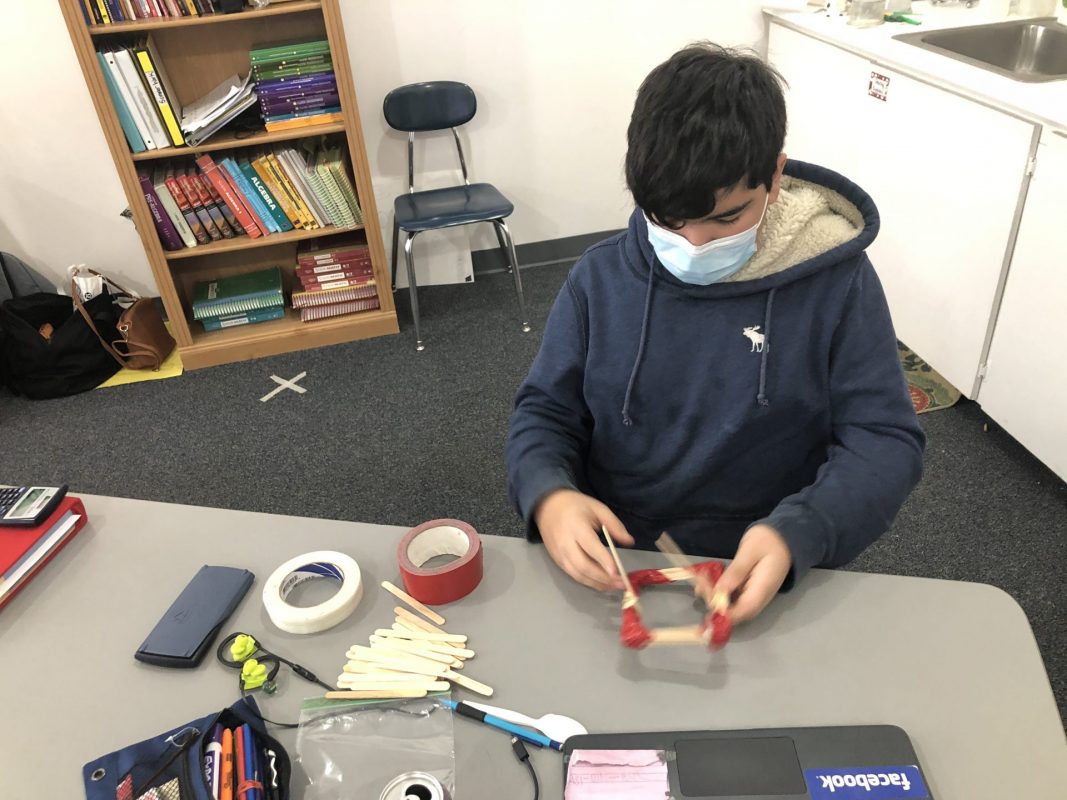
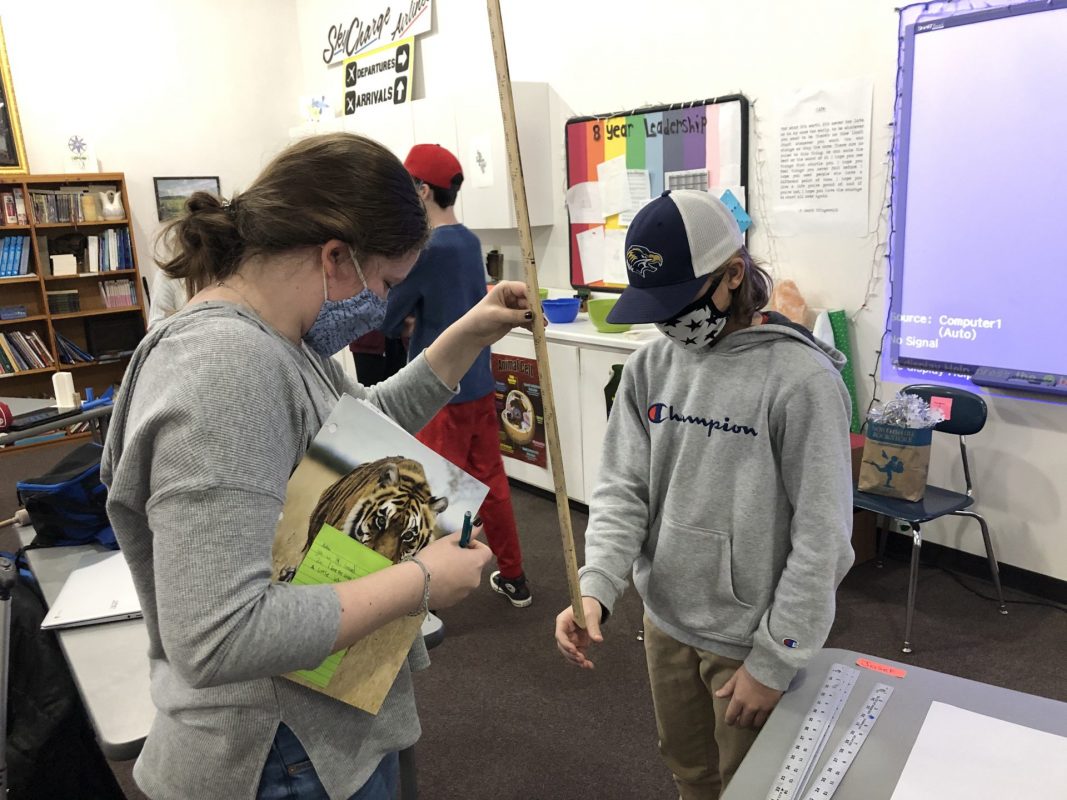
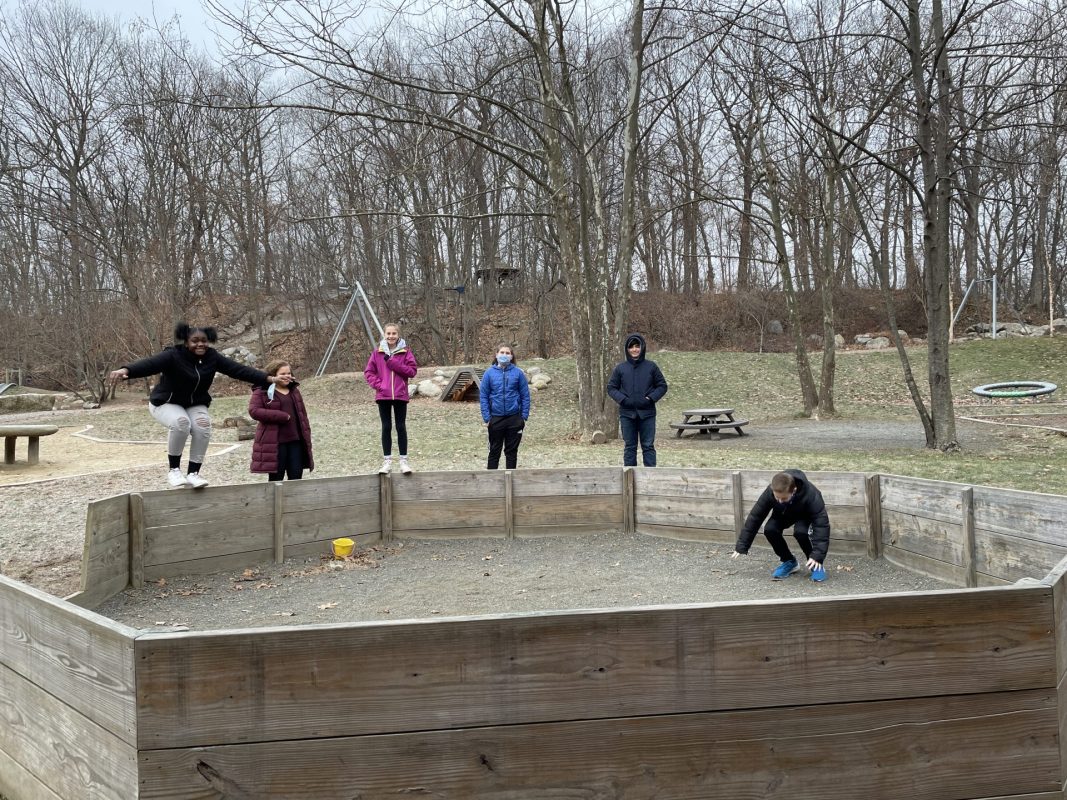
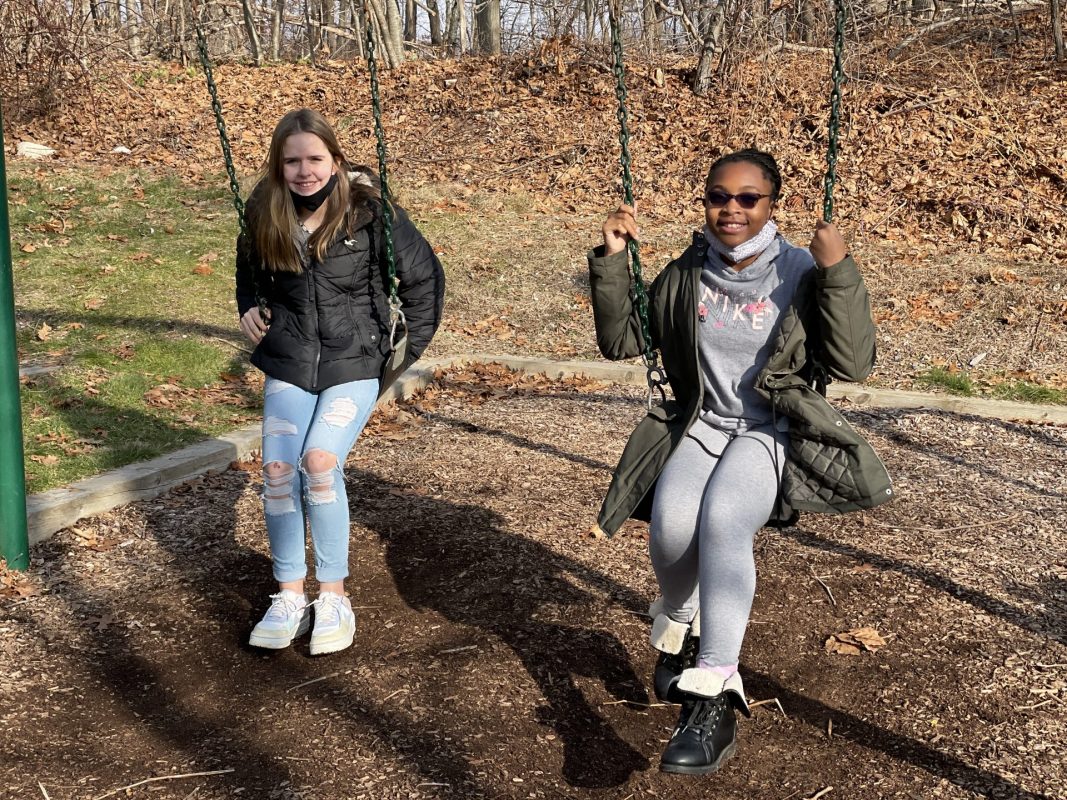
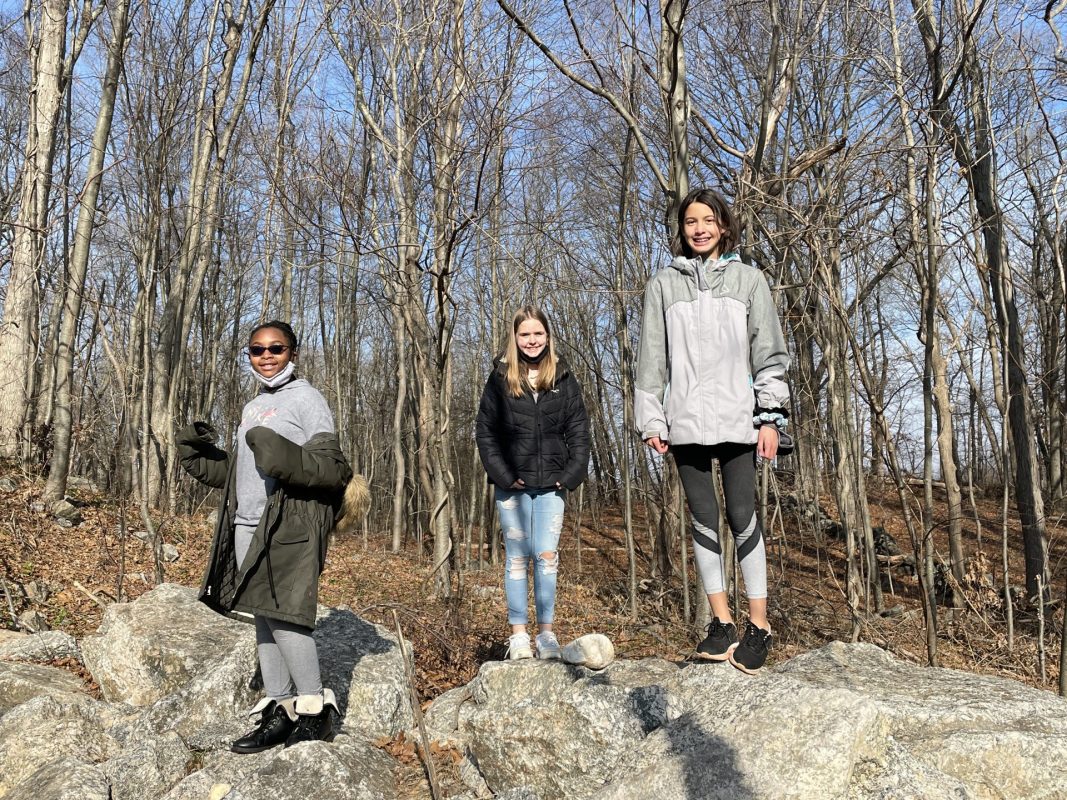
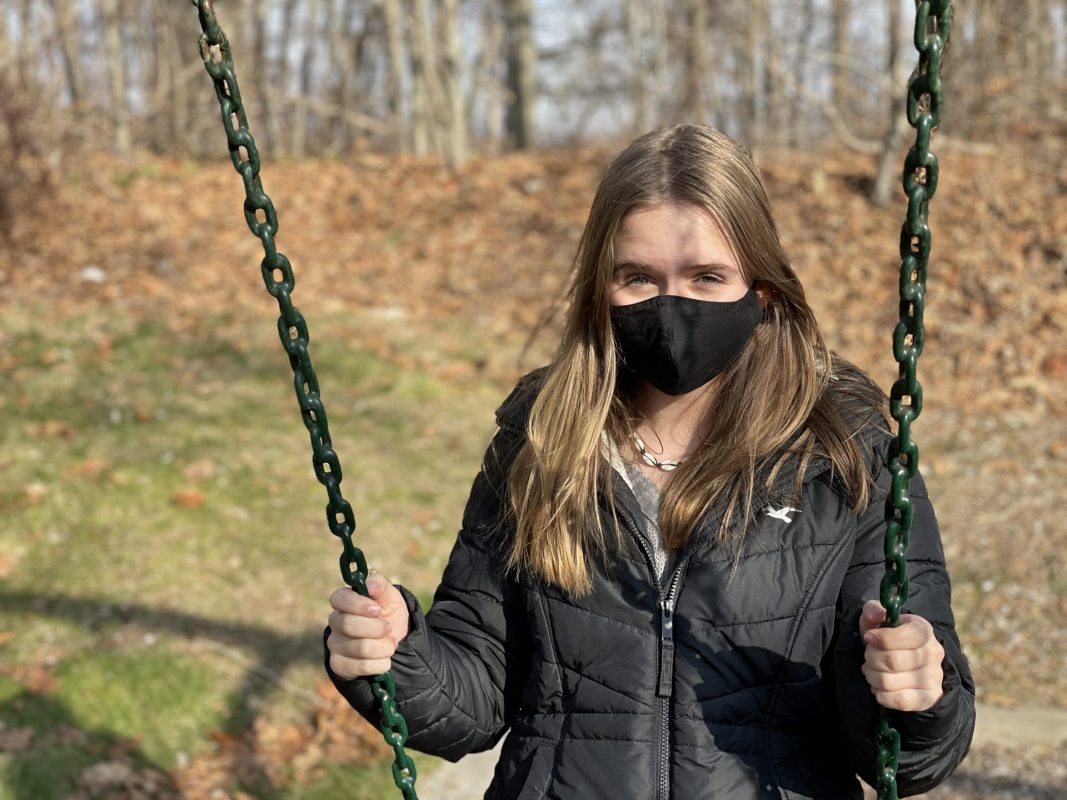
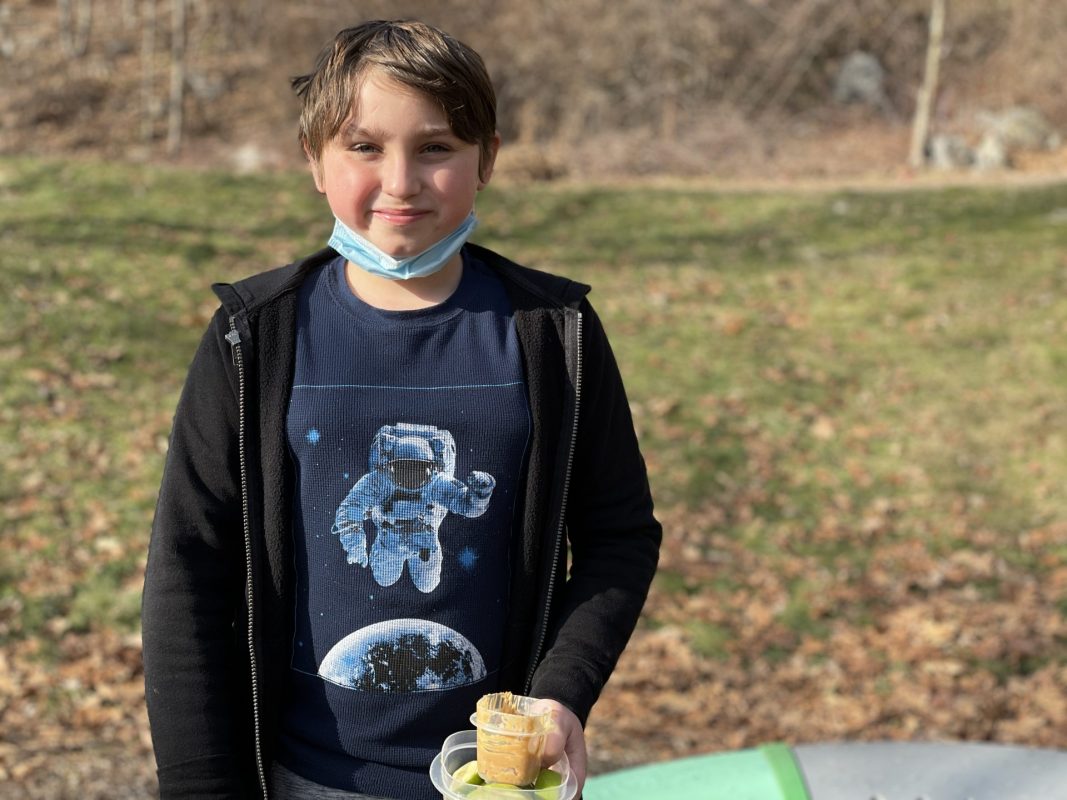
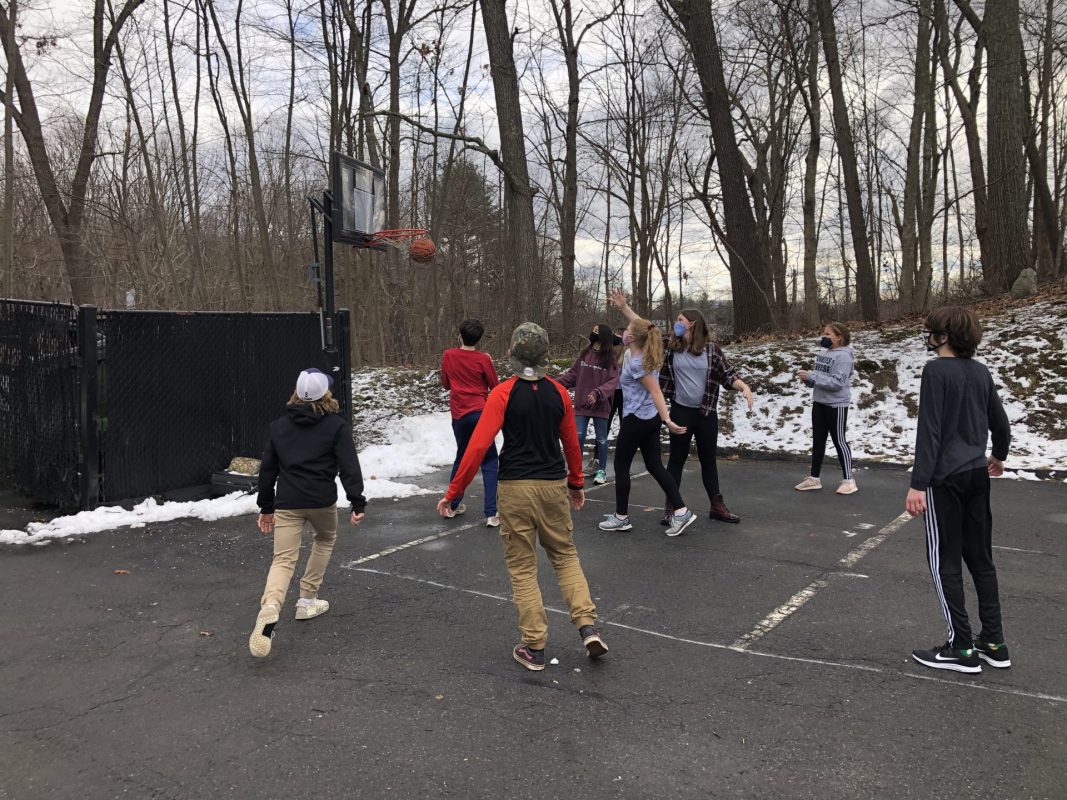
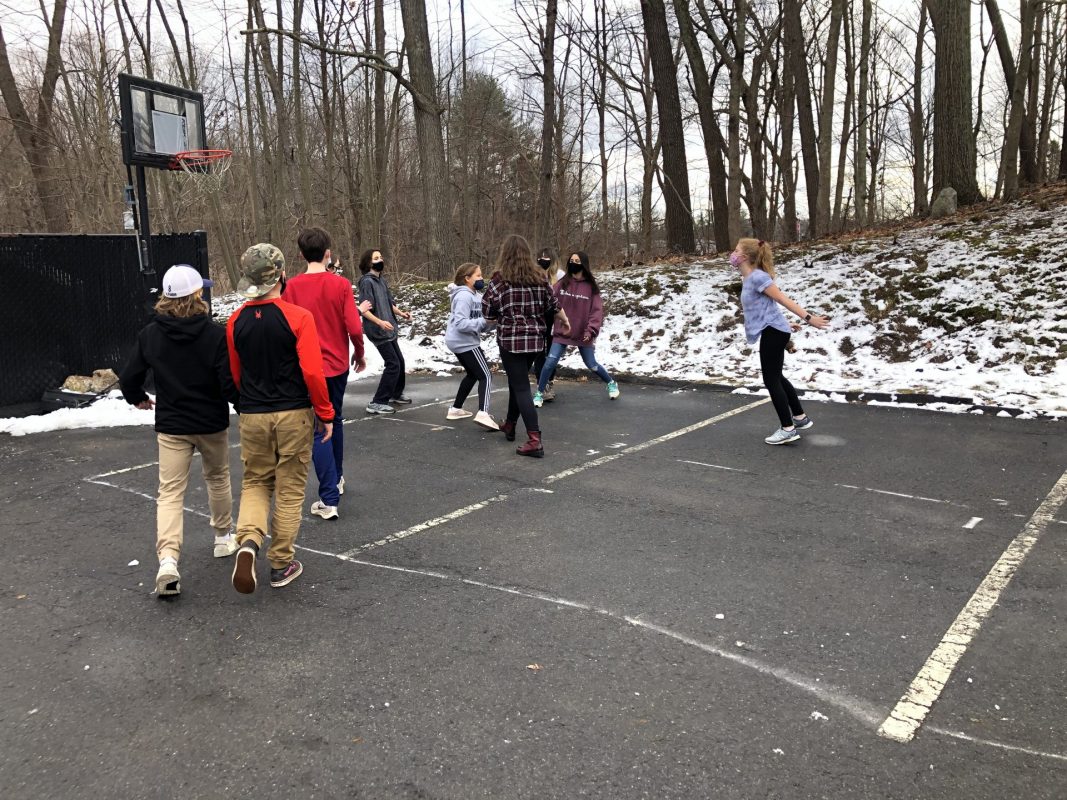
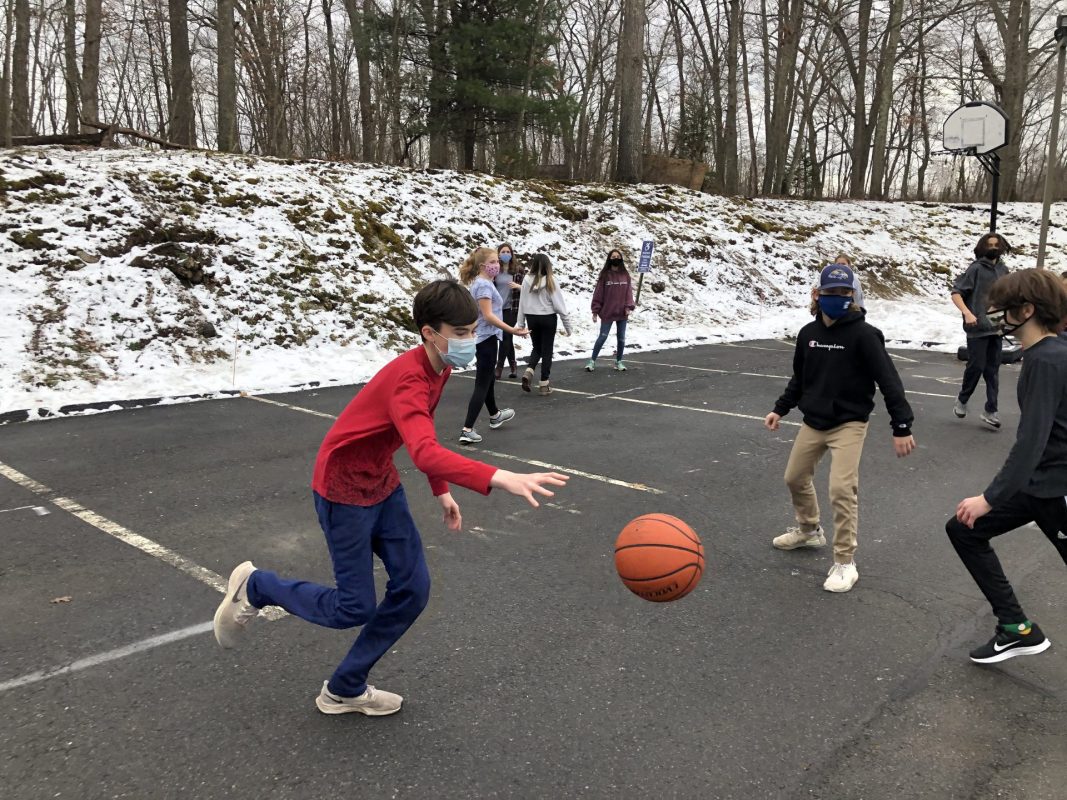
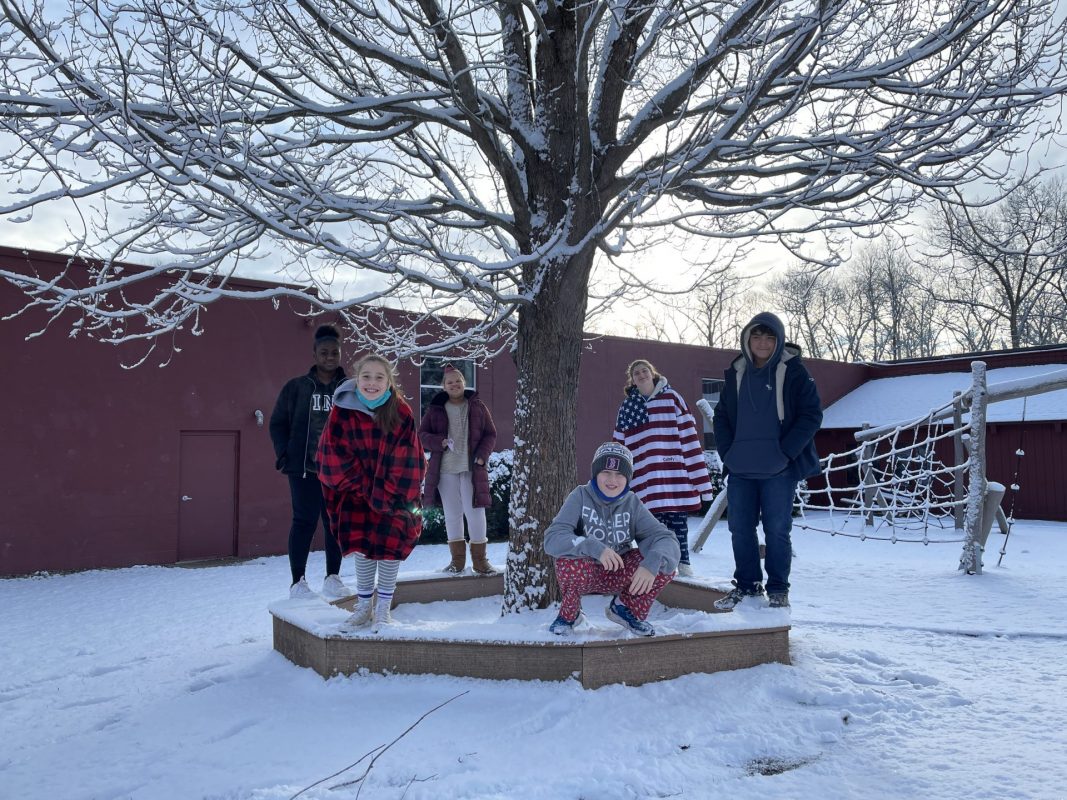
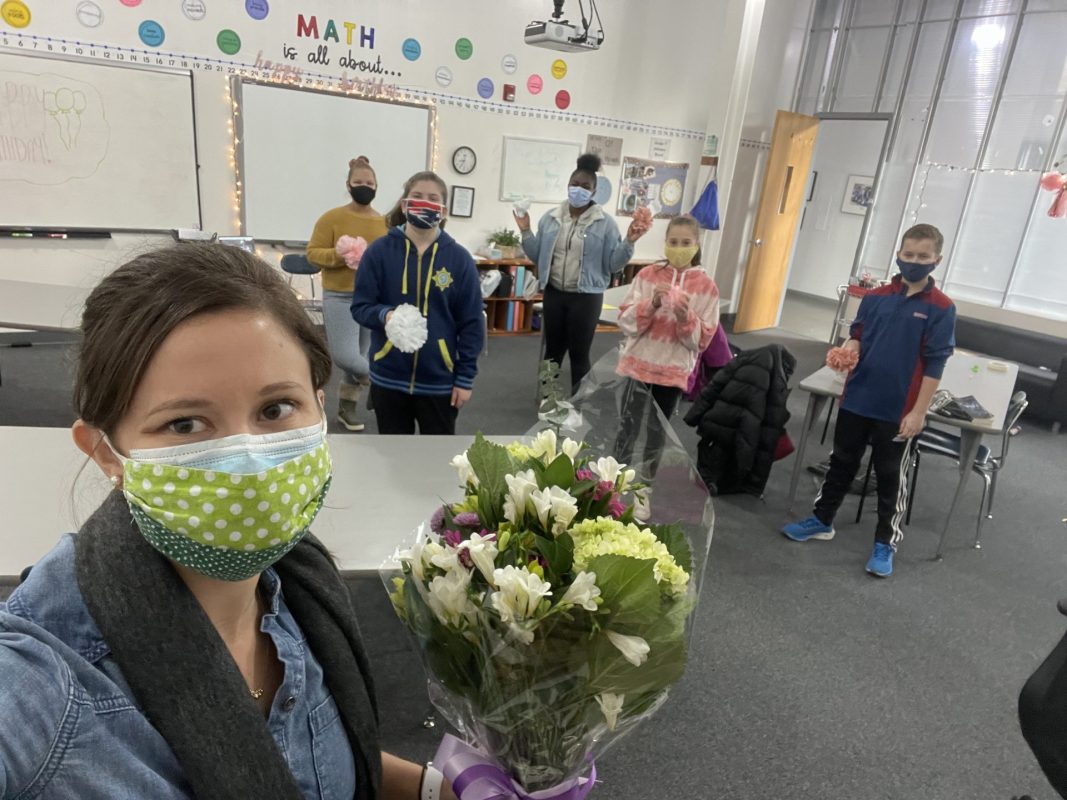
The first two weeks after Winter Break have been filled with recharged mental and physical energy. As you can see, the Middle School classes have been incredibly busy!
**As a reminder, next Tuesday-Friday mornings, the MS will be taking the CTP-5 test. The following is important to keep in mind:
- Please be prompt. Drop off is between 7:50-8:10.
- Please have your child/children get a good night’s sleep and eat a good breakfast in the morning.
Math
Now that the Math Carnival has come and gone, all classes started learning a new chapter in the UCSMP textbook. Please remember to check Google Classroom regularly for upcoming assessment dates and posted homework assignments.
In Pre-Transition class, students are learning all about multiplication strategies for dealing with real world problems. Students took time this week to understand multiplying fractions and mixed numbers, finding the area of a shape using multiplication, as well as the basic ideas of powers (exponent values). This class is working hard to build their confidence in multiplying decimals, finding the percent of a specific quantity, and evaluating expressions using order of operations.
In Transition class, students had the opportunity to learn about the commutative and associative property for addition and subtraction with integer numbers. This class can successfully calculate absolute values, use fact triangles to depict relationships between rational numbers, and add and subtract positive and negative numbers on a number line. This group of students is working on being more comfortable with solving x+a=b equations and understanding how to graph their solutions on a coordinate plane.
In Algebra class, students were excited to learn the first few lessons of chapter 6 which discusses the importance of slope (rate of change). We have learned how to find the slope of a line given two ordered pairs, writing an equation of a line in slope-intercept form or slope-point form, as well as use the equations of a line to describe real-world situations.
In Geometry class, students are learning how to make conclusions for congruent figures, identify and determine measures for congruent figures, as well as write proofs for the transitive property of equality. This class can now construct equilateral triangles and construct circles through three non-collinear points. Students are going to continue to work on using the perpendicular bisector theorem and practice identifying interior/exterior angles created by a transversal.
Math Joke: Why do teenagers travel in groups of three?………………Because they can’t even.
EXTRA JOKE: What kind of meals do math teachers eat? ………………………… Square meals!
Humanities
There is some fantastic learning and work going on in Humanities classes. It should be mentioned that with the unprecedented events occurring in the United States at the moment, Humanities classes have been having daily current events updates and discussions during part of their classes. The 7th years named this now-daily part of class, “History in the Making”. Fraser Woods is lucky to have such mature and curious students who denounce violence, have respectful dialogue, and ask thoughtful questions.
6th and 7th grade classes are well into their research projects surrounding the theme, Great Discoveries. Some of the topics include Pompeii, the Chicxulub Crater, Stonehenge, and the Nazca Lines. Students completed topic proposals, thesis statements, questions to guide research, and have been spending time researching. Additionally, 6th year students have been studying the geography of the Fertile Crescent that was the location of Mesopotamia. The Sumer people will be the first they study from this region. 7th year Humanities students wrote essays and discussed the notion of leadership which will be leading into their look at the the rise of Adolf Hitler. They also read about the history of anti-Semitism.
8th year students have begun Expert Projects. Topics have been selected, thesis statements were written, and students are working on writing the questions to guide their research for the next several months. 8th year students have also begun discussing the plot of this year’s MS play, which is shaping up to be exciting. Finally, the 8th year students researched and completed a presentation surrounding the causes of the American Revolution.
Science
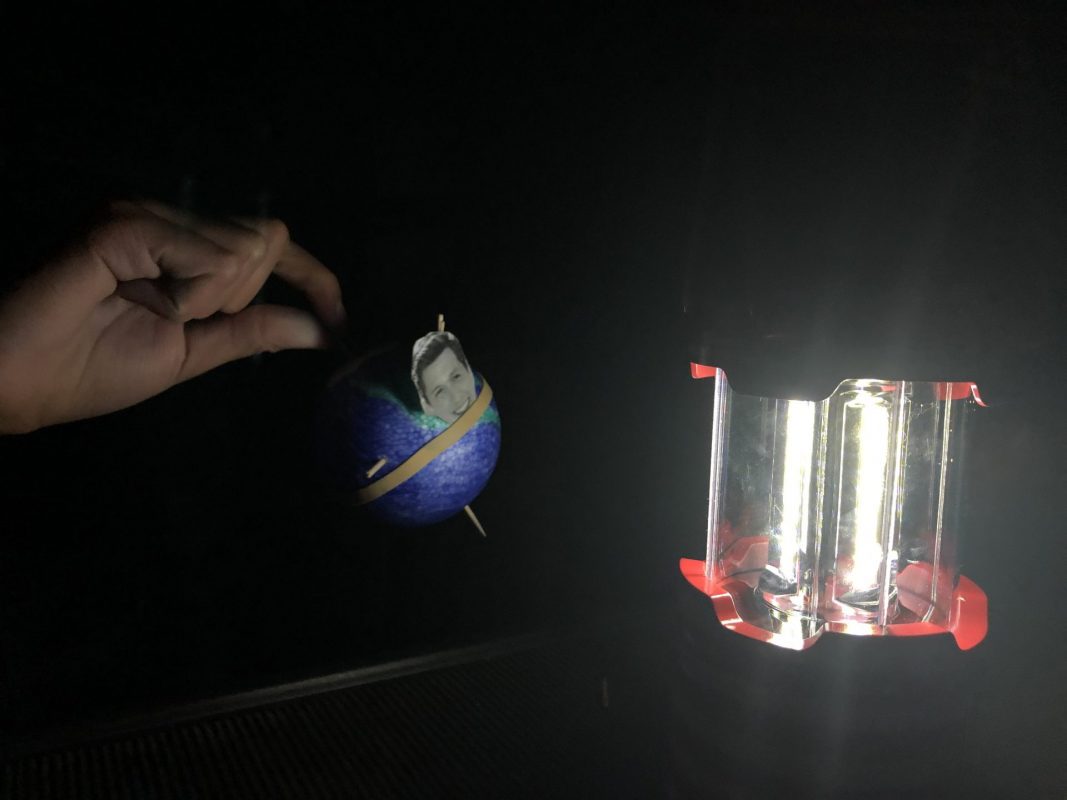
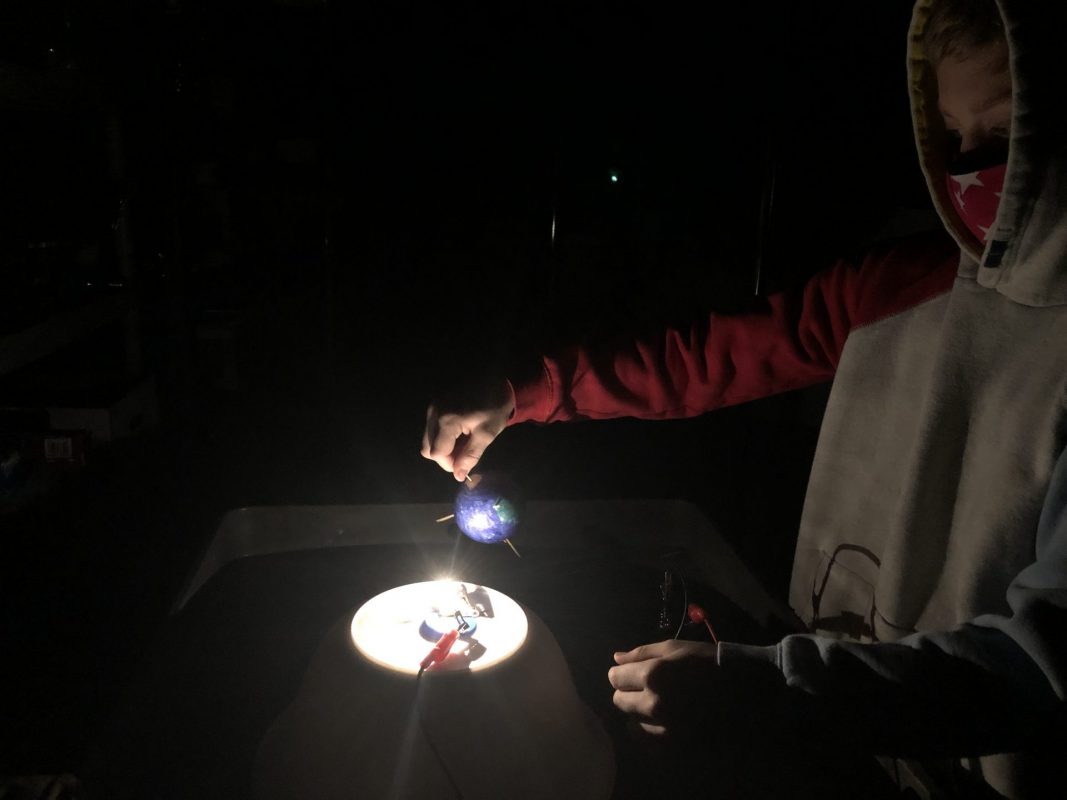
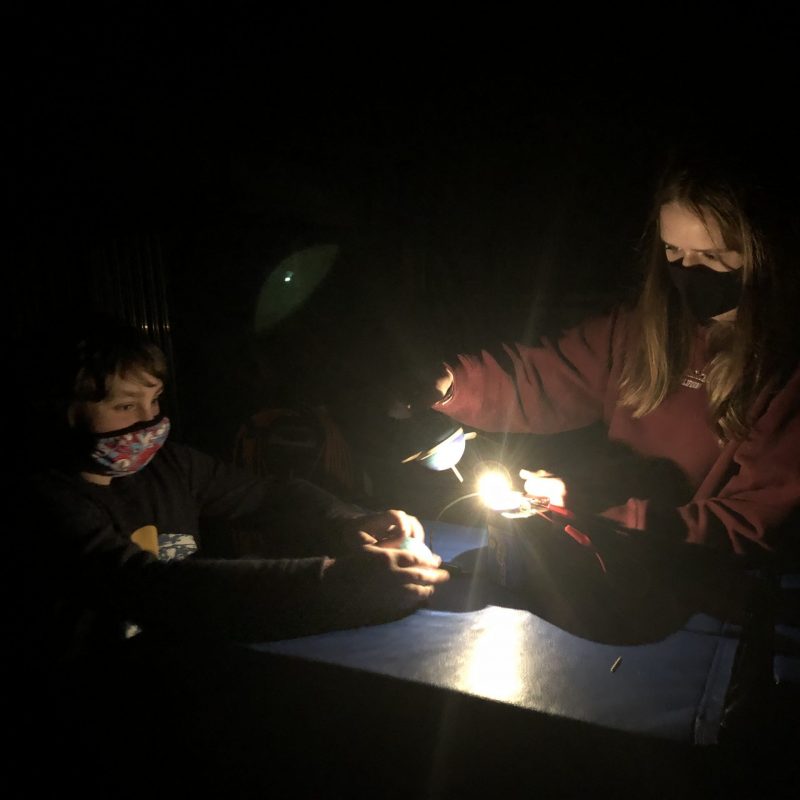
6th year Earth Science students have been conducting experiments that represent what causes seasons and a difference in the amount of daylight throughout the course of a year. In order to represent this understanding, students constructed their own model of Earth using a Styrofoam ball and toothpicks (Earth’s axis). Students rotated their models around a lamp (sun), monitoring the difference in lit portions of their model as it orbited around the light.
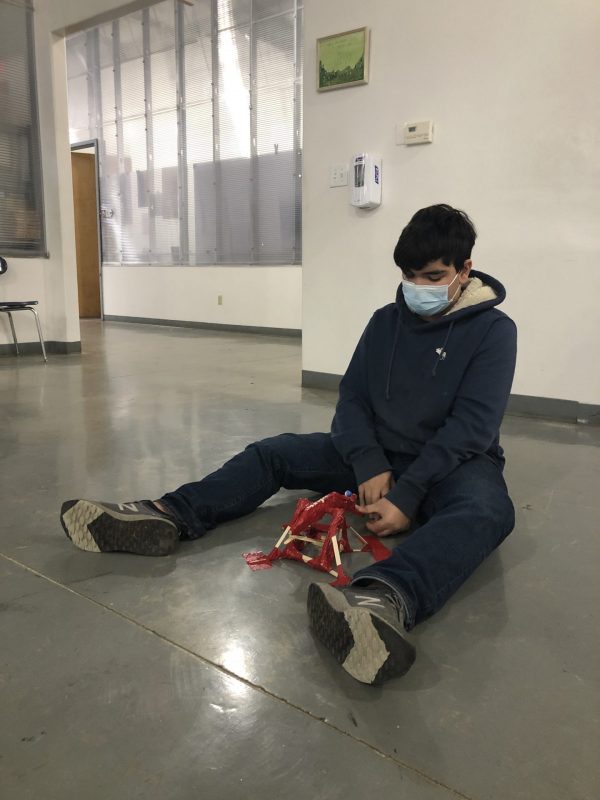
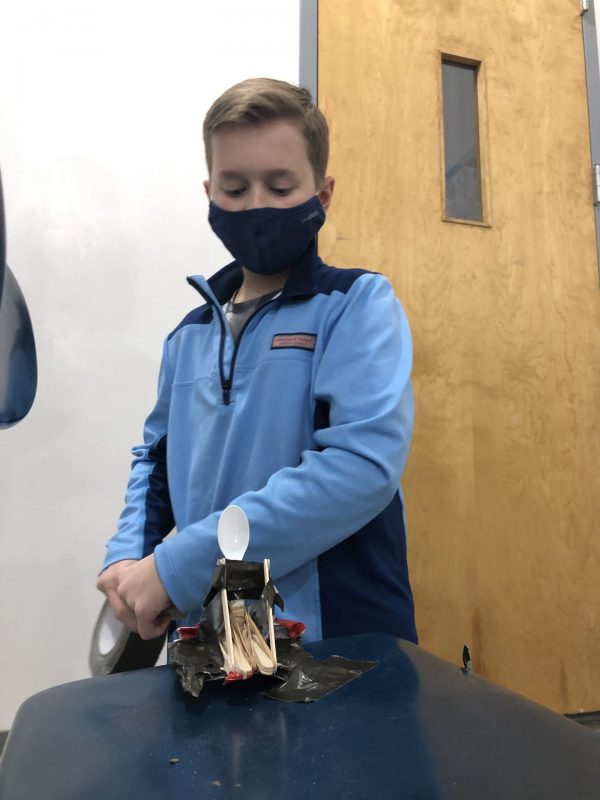
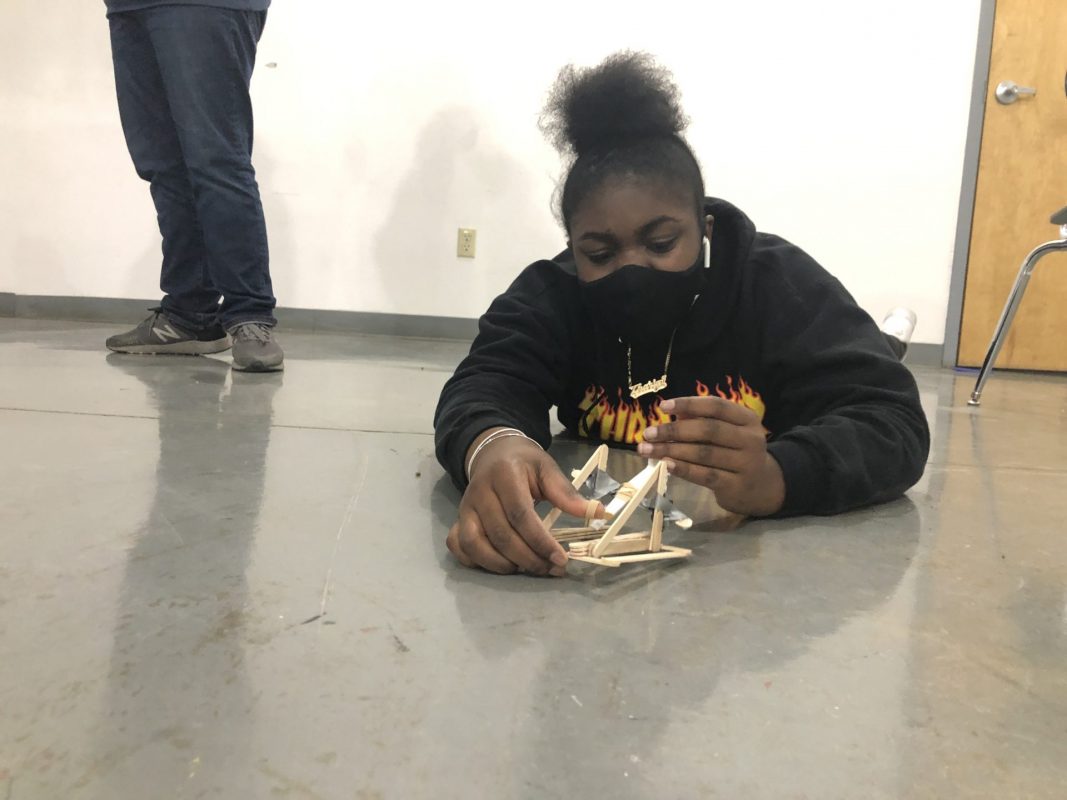
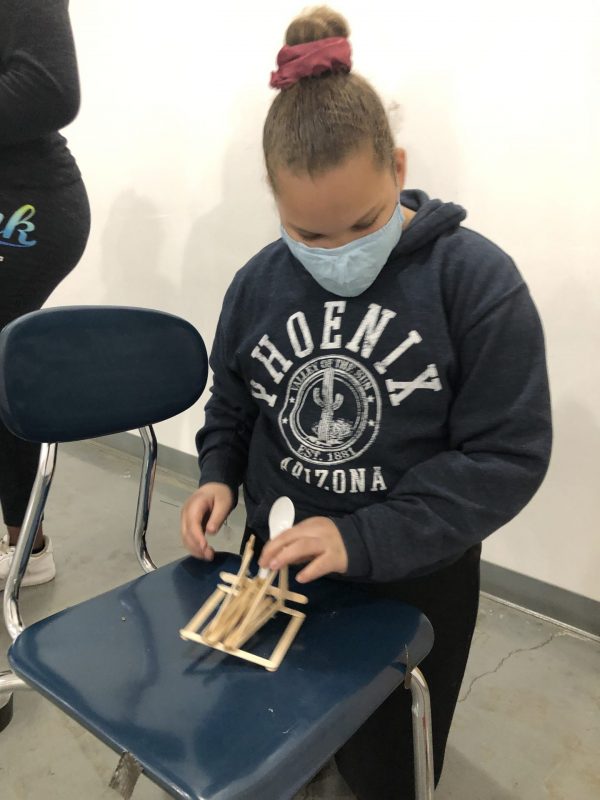
7th year students just finished constructing and testing their catapults as part of our Kinetic Energy unit. Each student spent two days constructing a catapult out of Popsicle sticks, a plastic spoon, and rubber bands. Students tested their design several times and followed up with a reflection for potential changes to enhance performance. Last week, 7th year students also demonstrated their working knowledge of potential and kinetic energy by building a “roller coaster” out of halved pieces of foam insulation. Students were able to express their creativity in designing how many twists, loops, and ramps they wished to include in the design. After completing it, students were able to determine the kinetic energy of their design by calculating the velocity and mass of the marble.
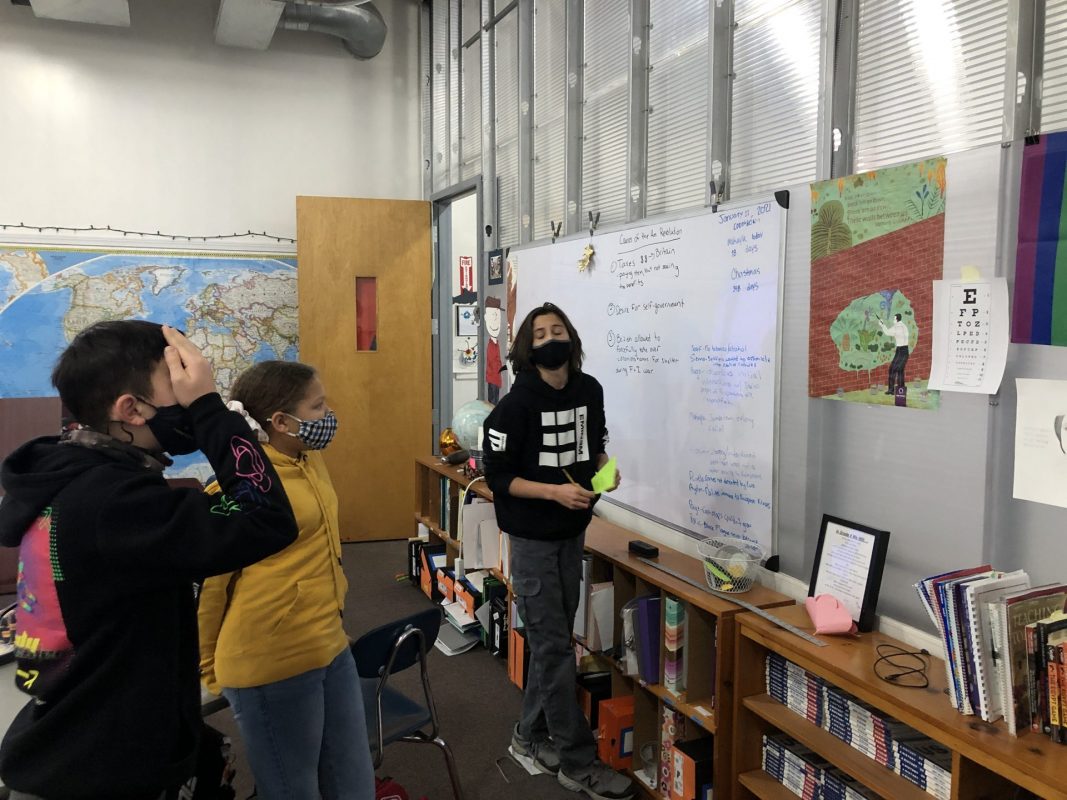
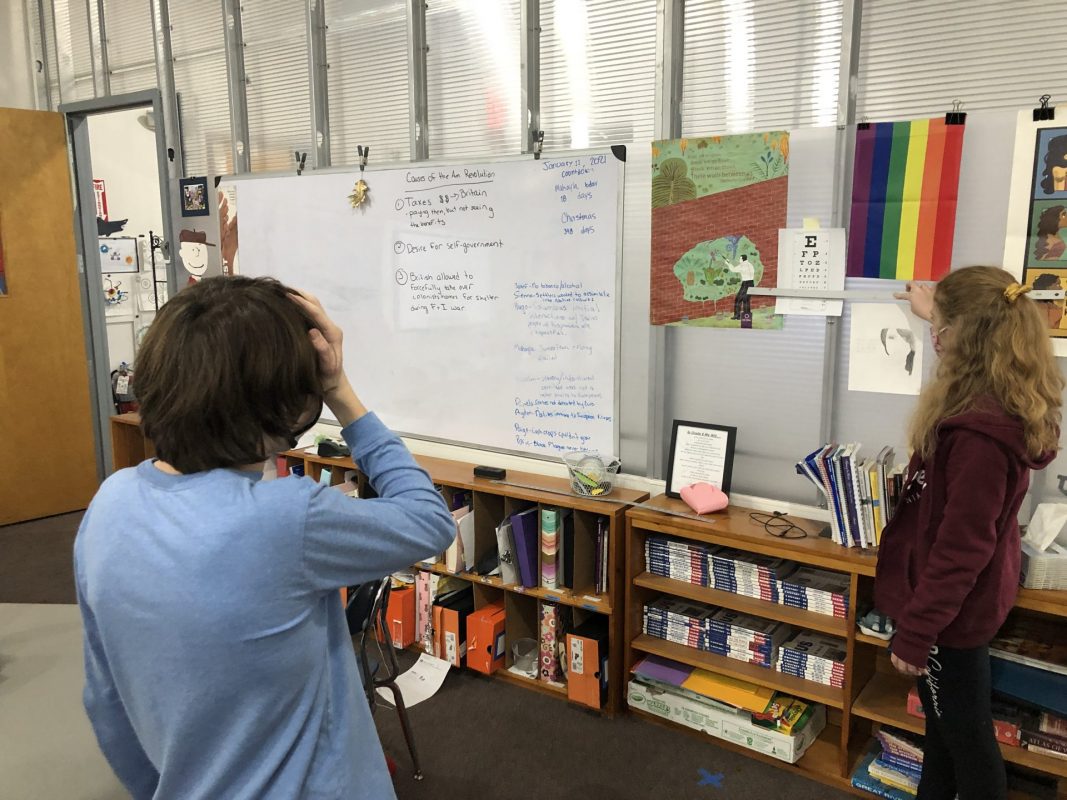
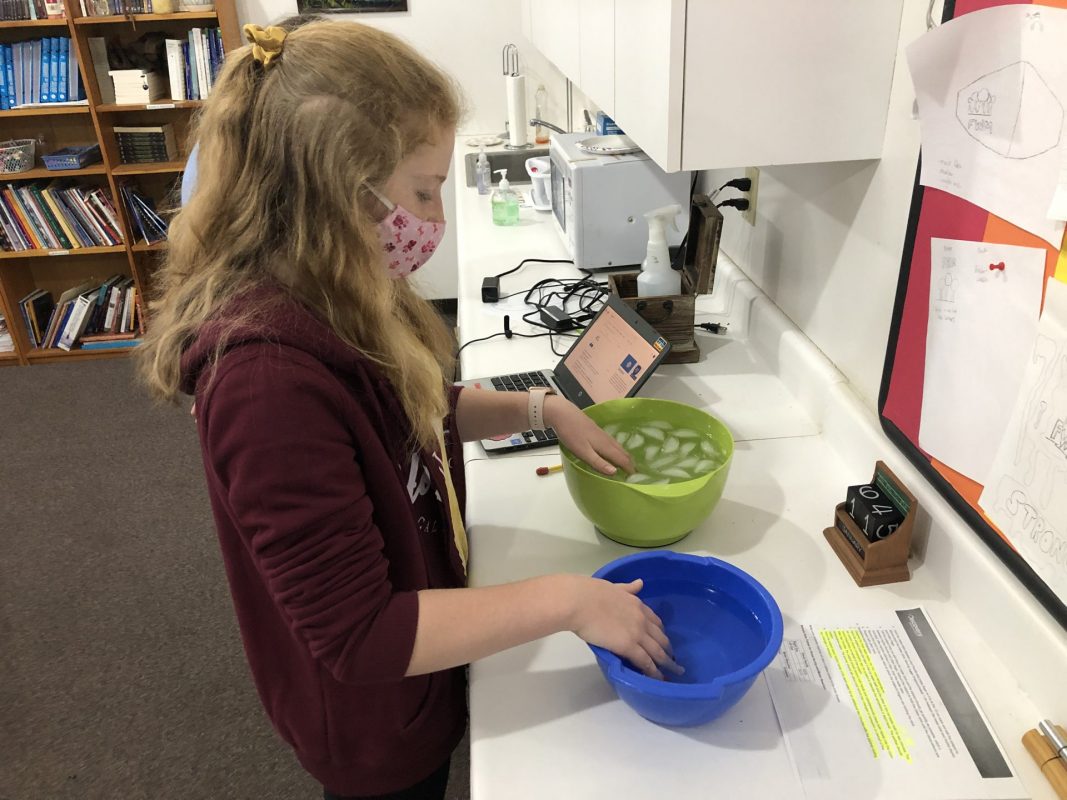
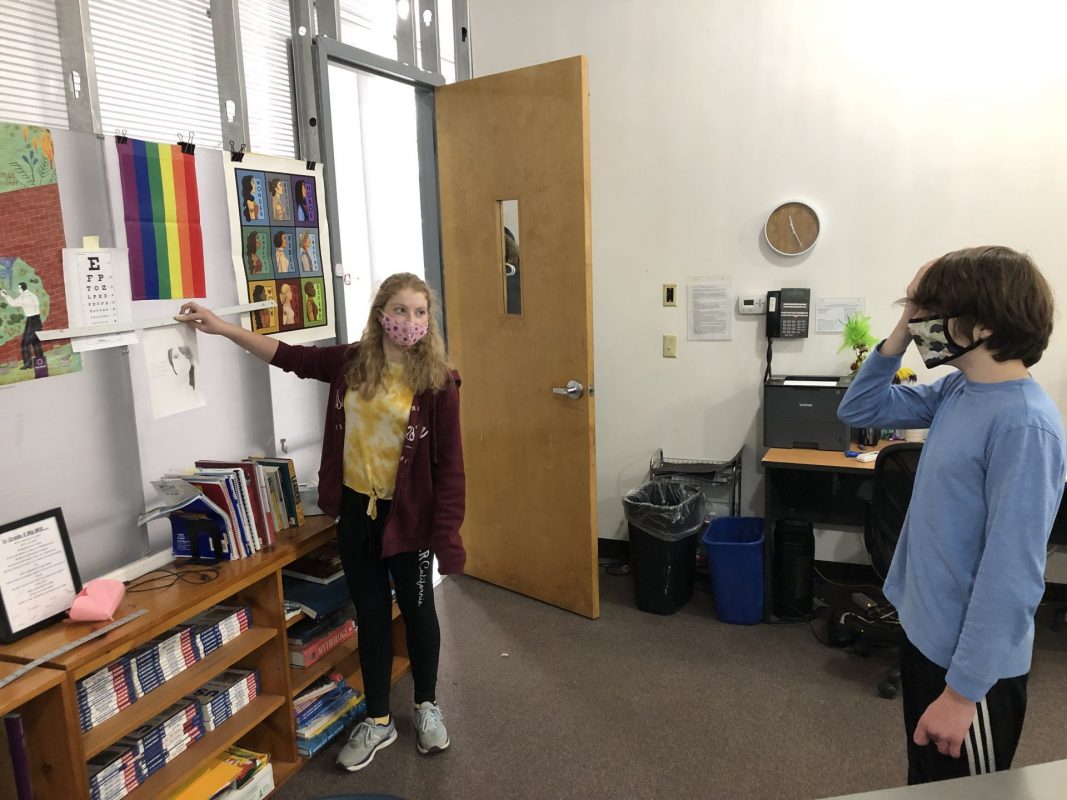
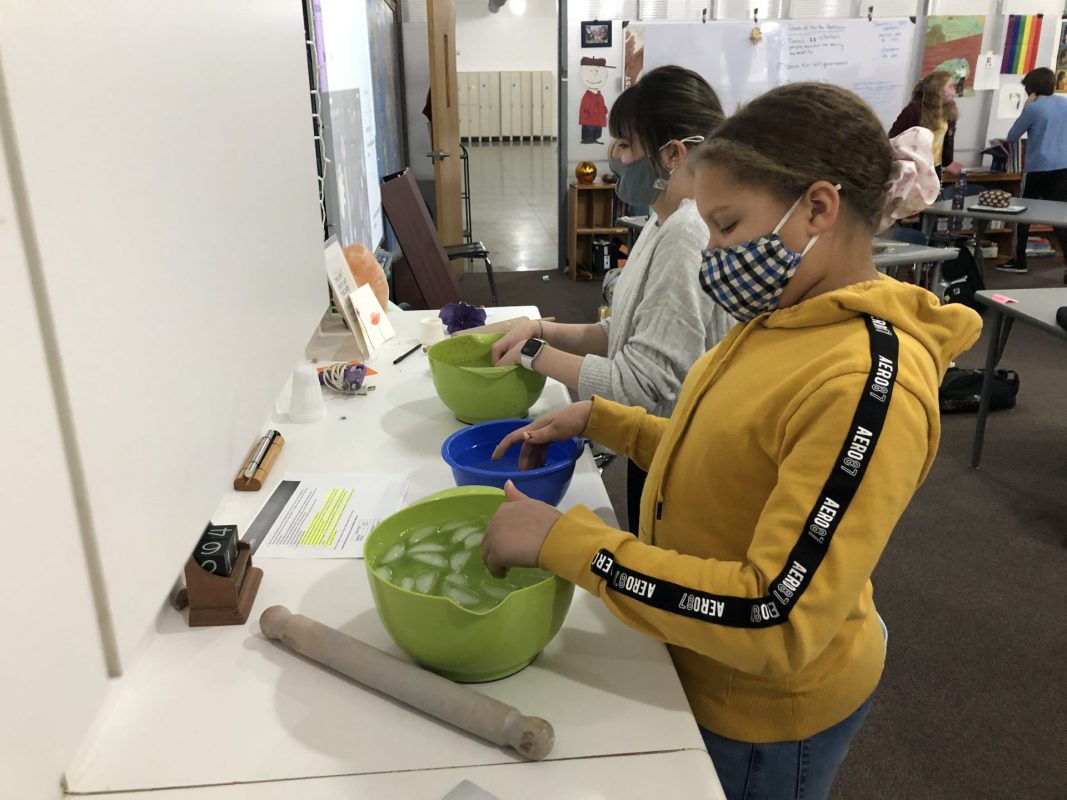
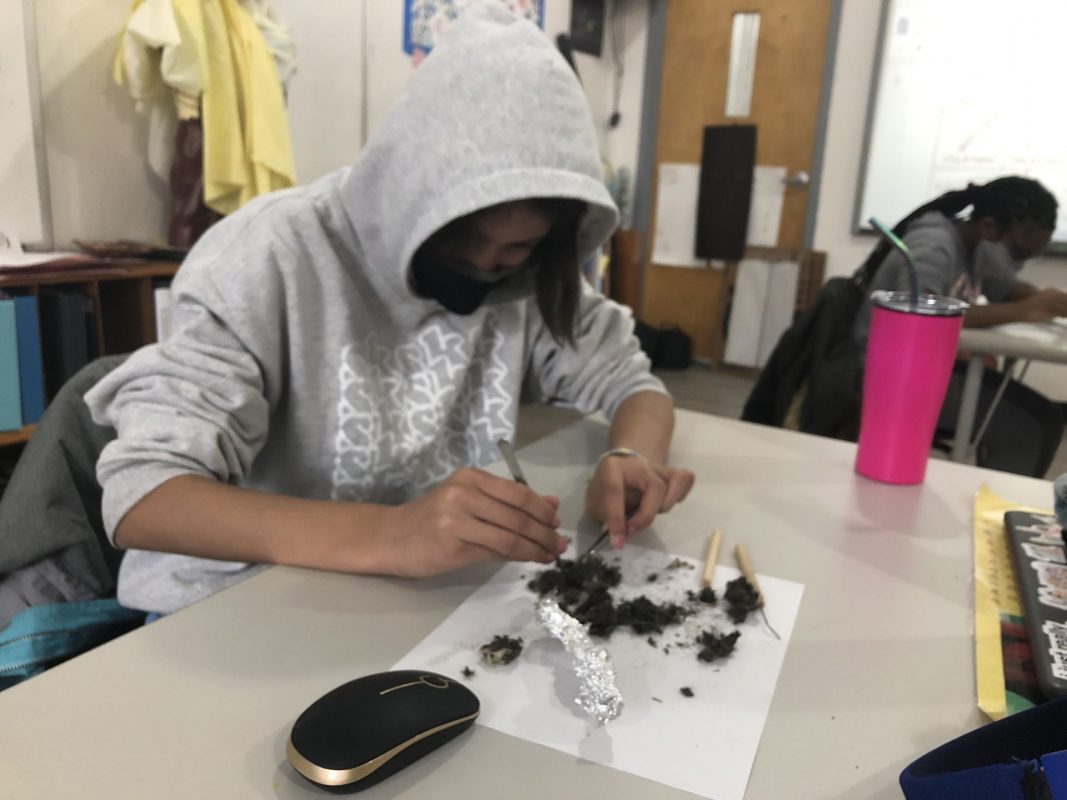
8th year Life Science students are currently exploring the unit, Nervous System. Within this unit, students are understanding what our peripheral and central nervous systems are composed of and how each plays a role in everyday functions. Students were able to perform several activities that tested their senses in relation to their own nervous system. These activities included testing reflex speed by catching a falling meter stick without warning, submerging hands in ice and warm water simultaneously, eye test, and reflex test. Time was provided for students to openly discuss how heavily we rely on our nervous system from the simplest of daily functions to the most difficult choices we are faced to make.