Blog

Mrs. Hood’s class: The Secret of Perfection

“To have learned something for the child is only a point of departure. When he has learned the meaning of an exercise, then he begins to enjoy repeating it, and he does repeat it an infinite number of times, with the most evident satisfaction”

 Maria Montessori – The Montessori Method

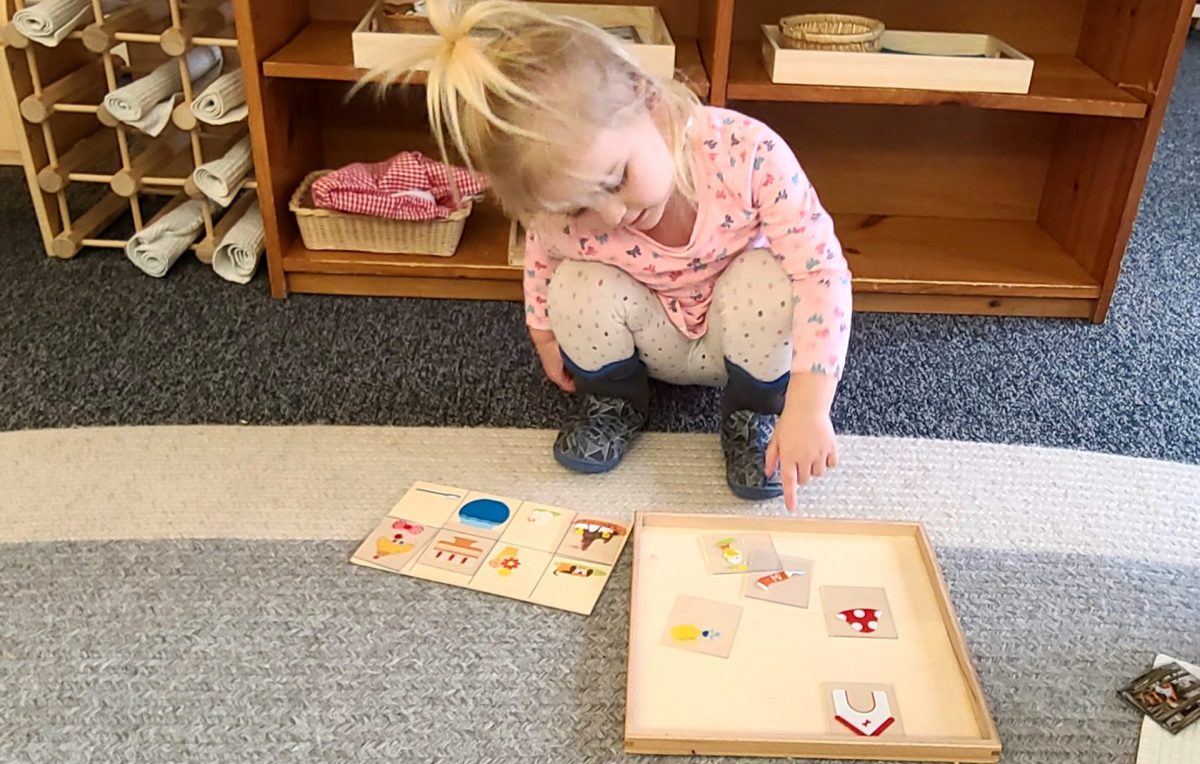
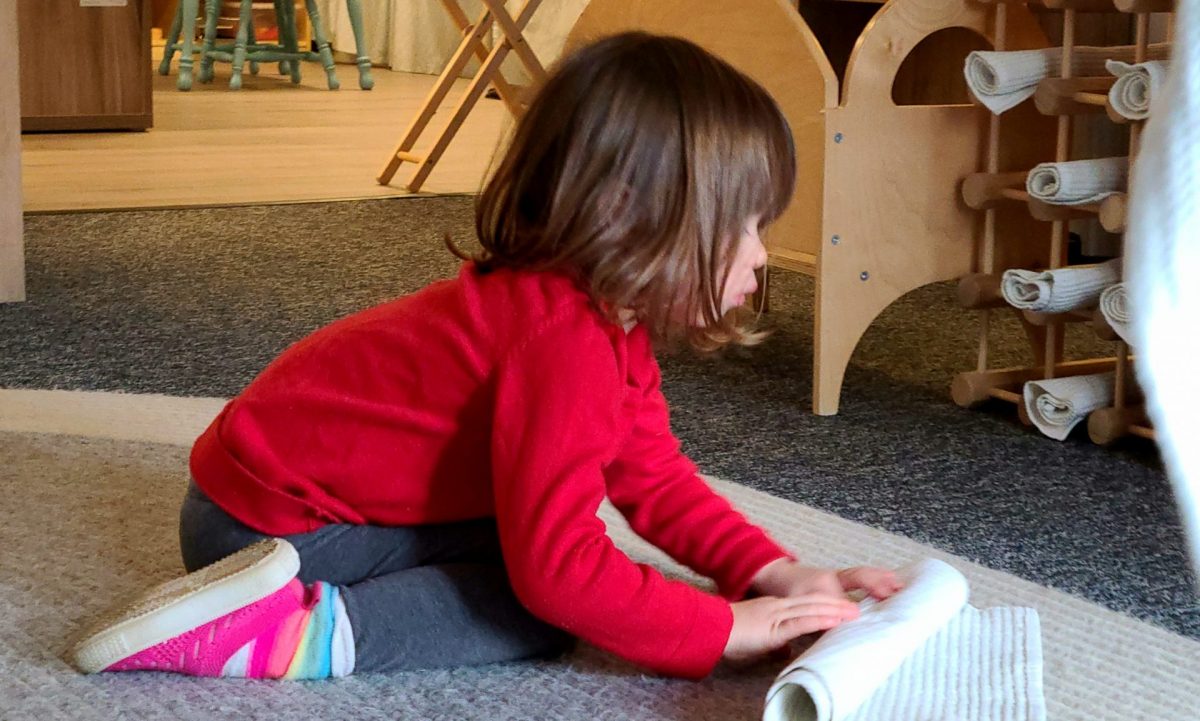
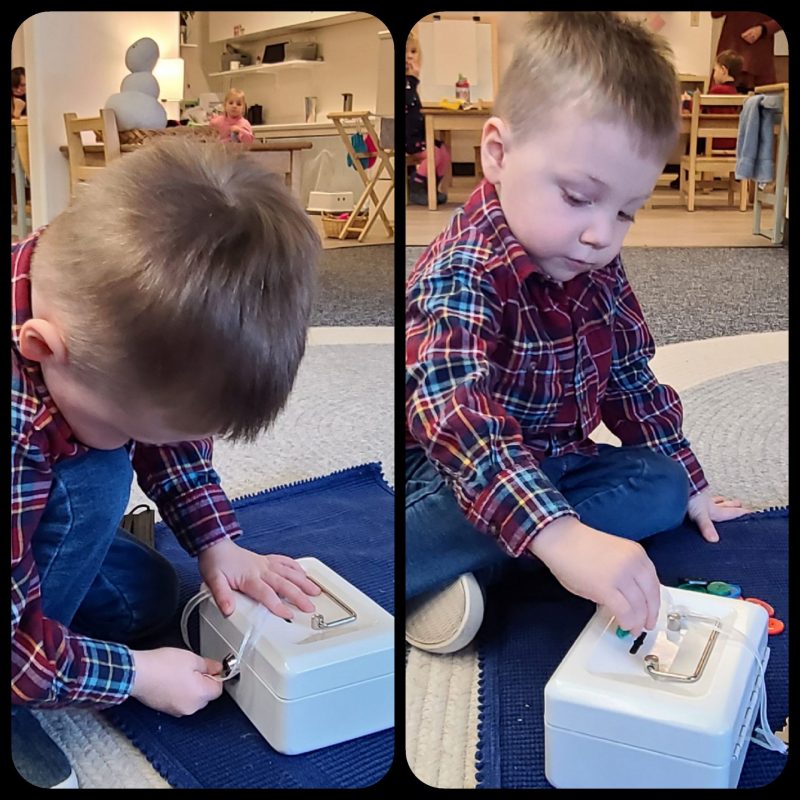
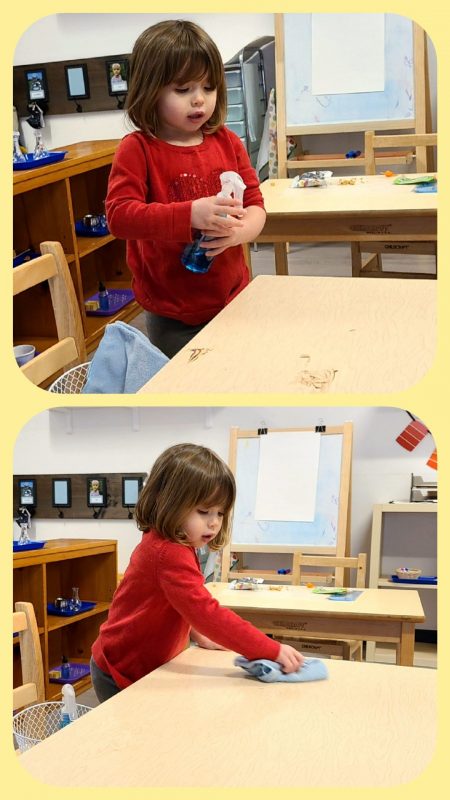
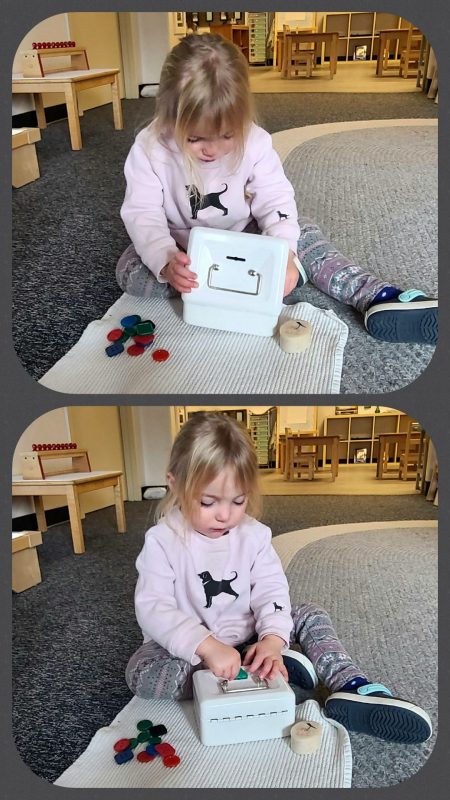
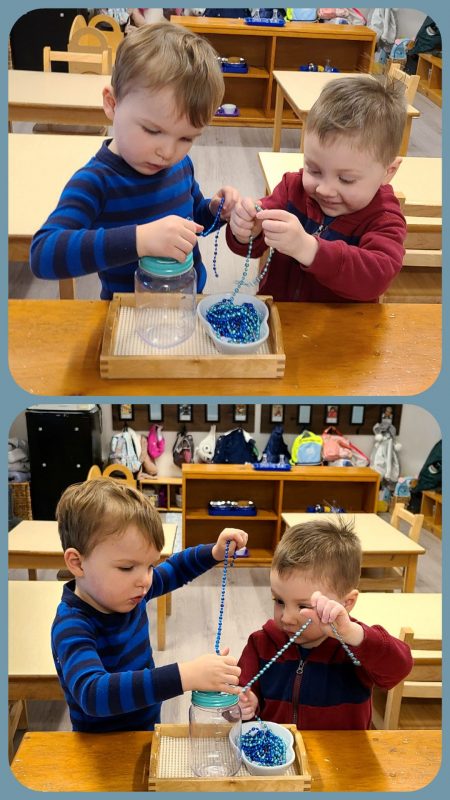
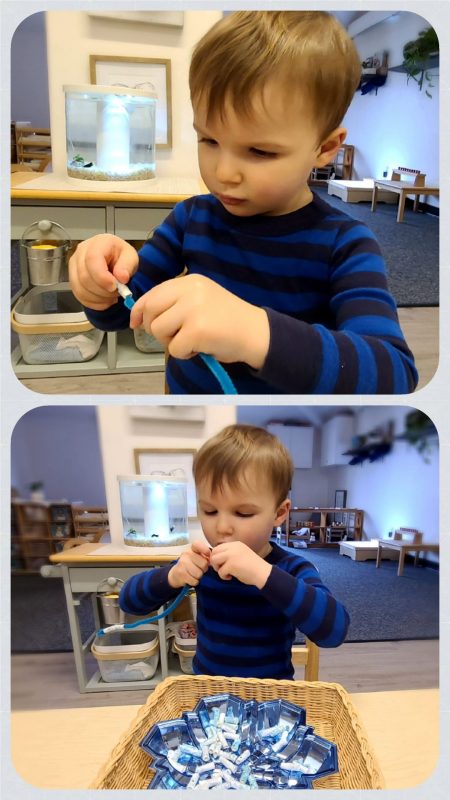
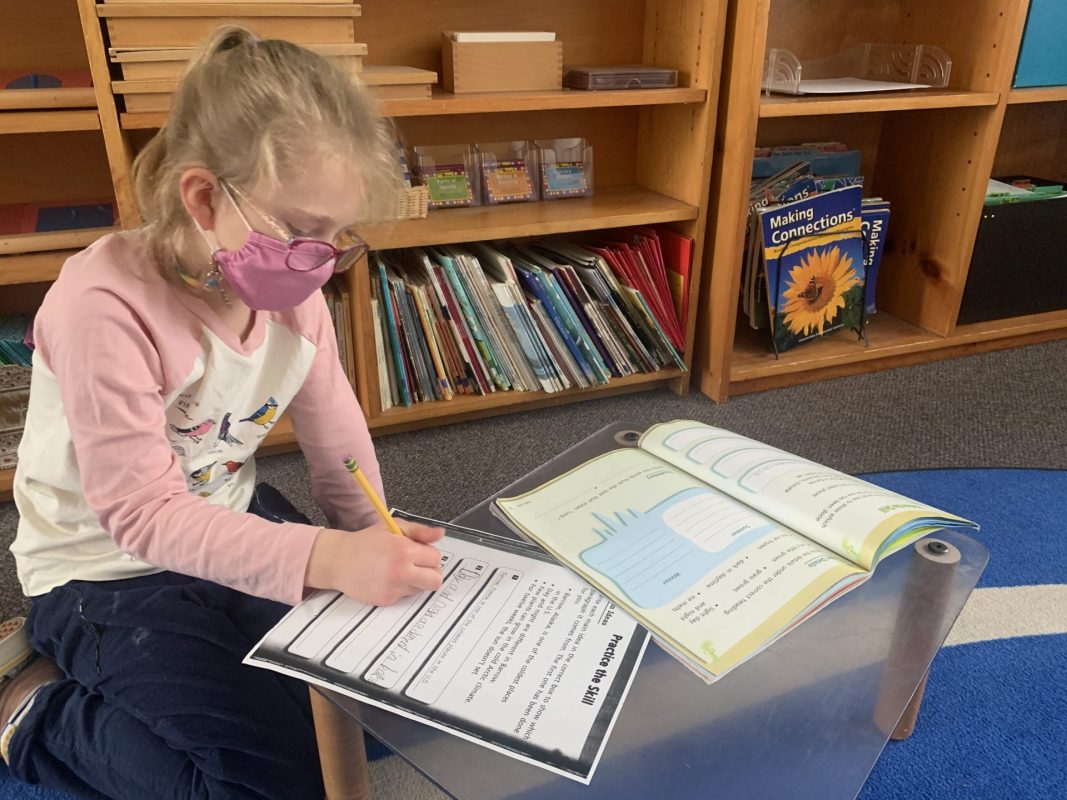
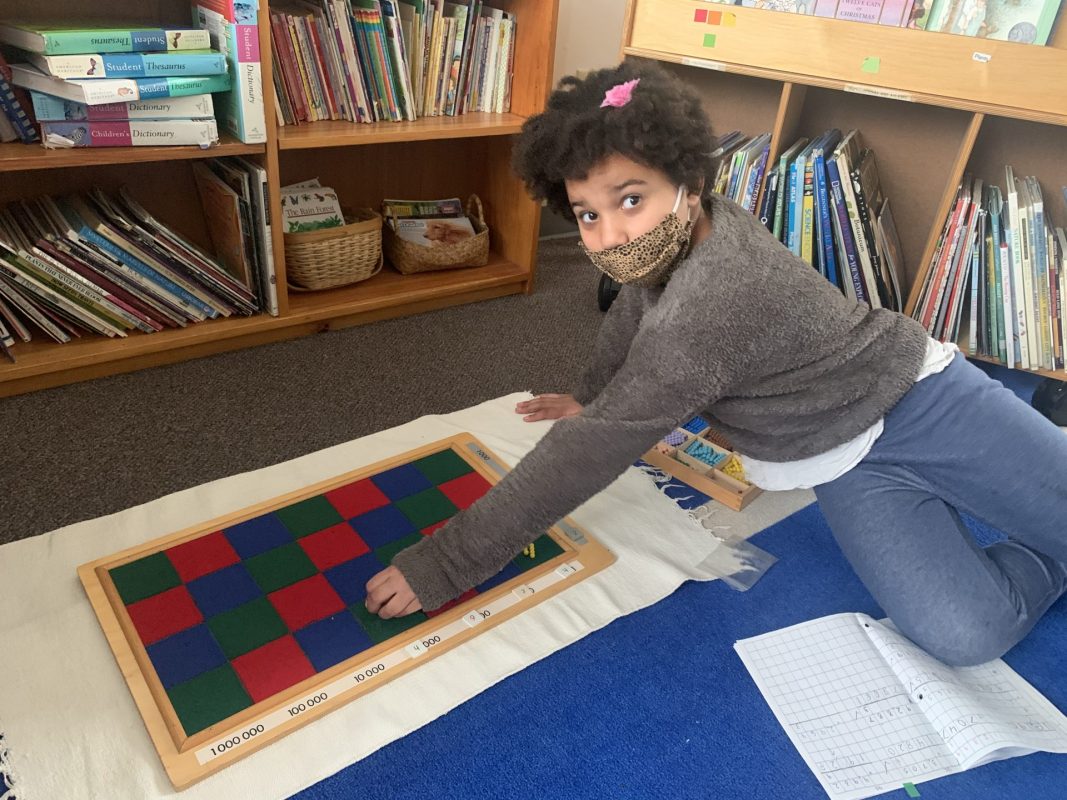
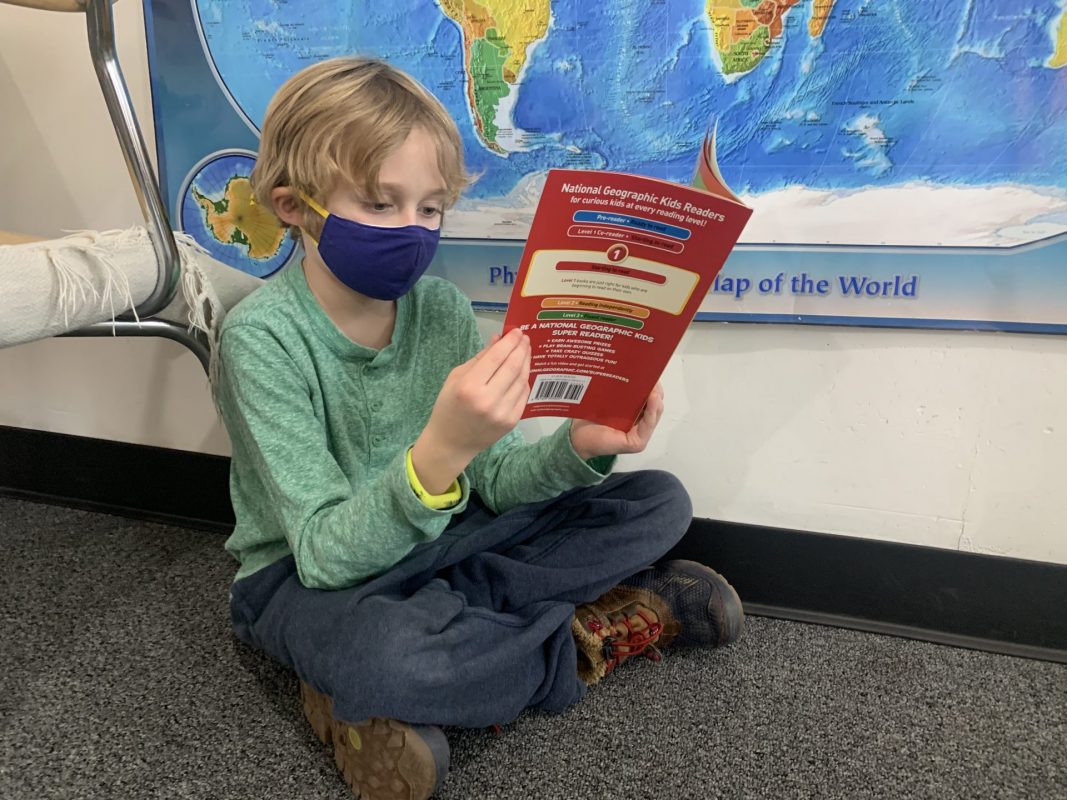
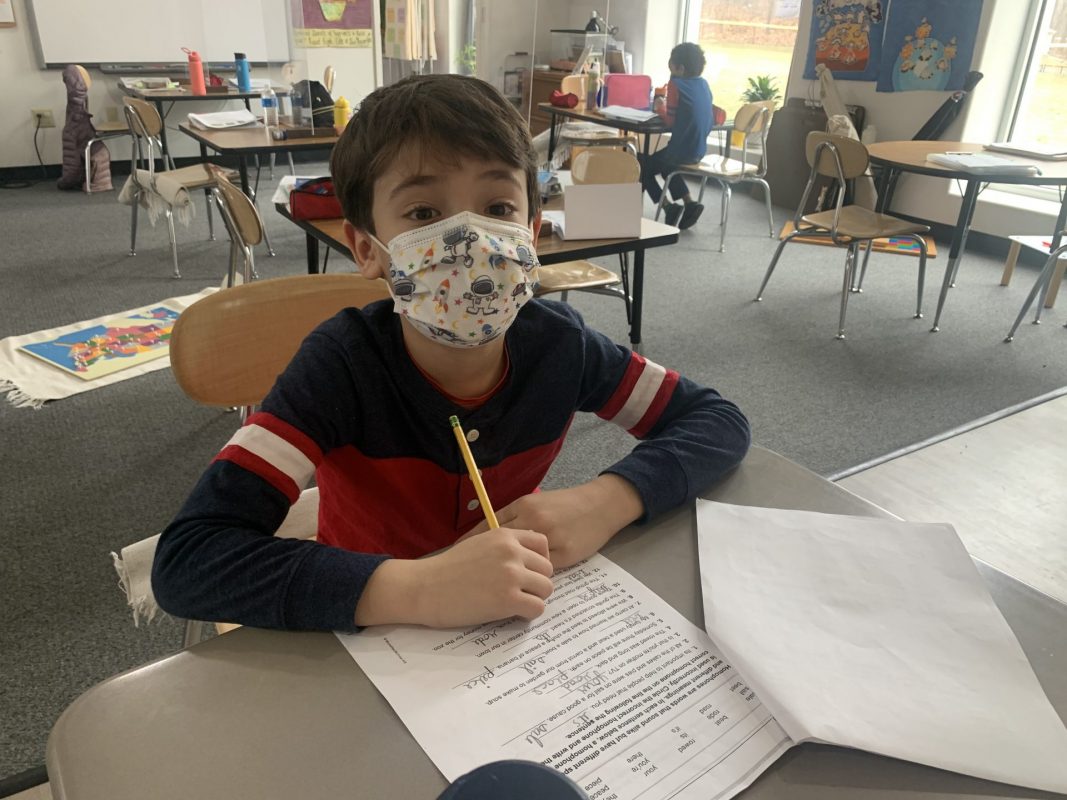
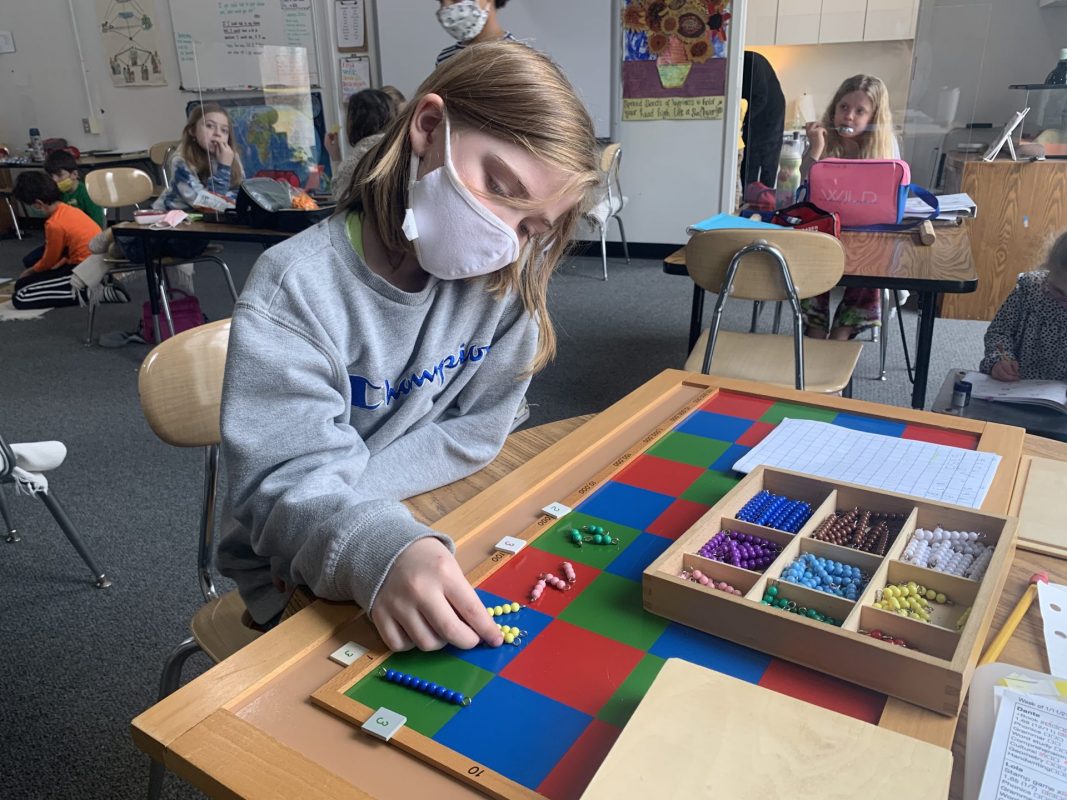
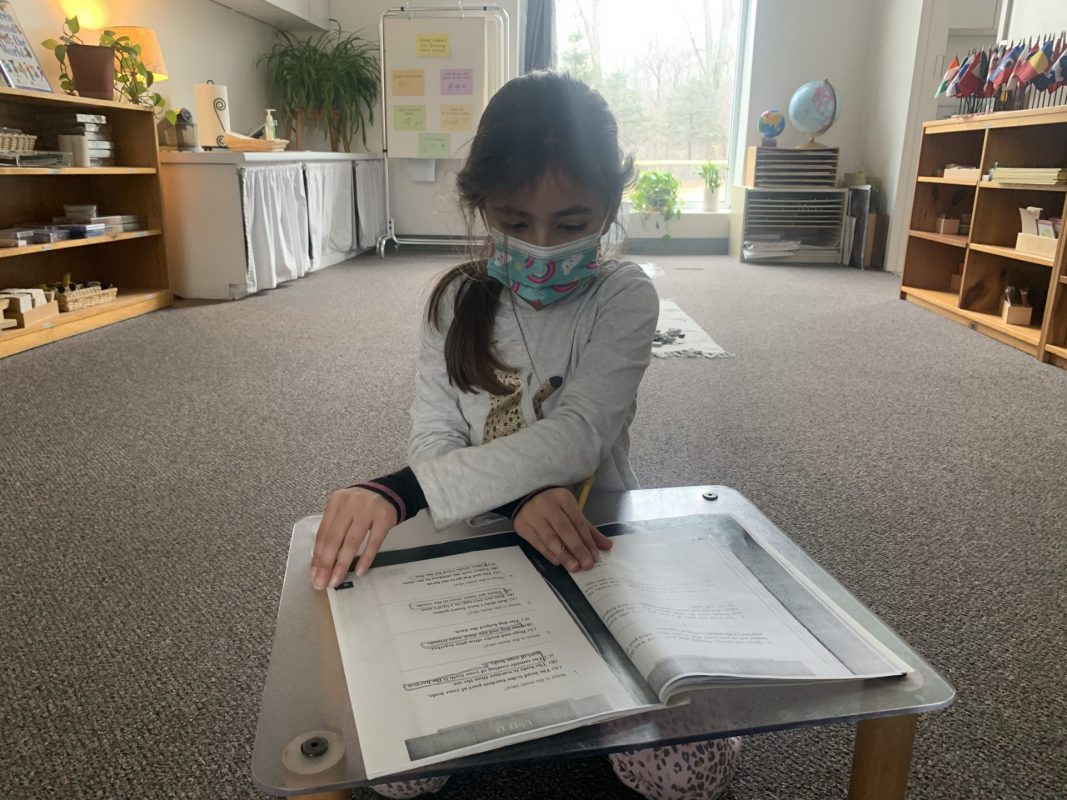
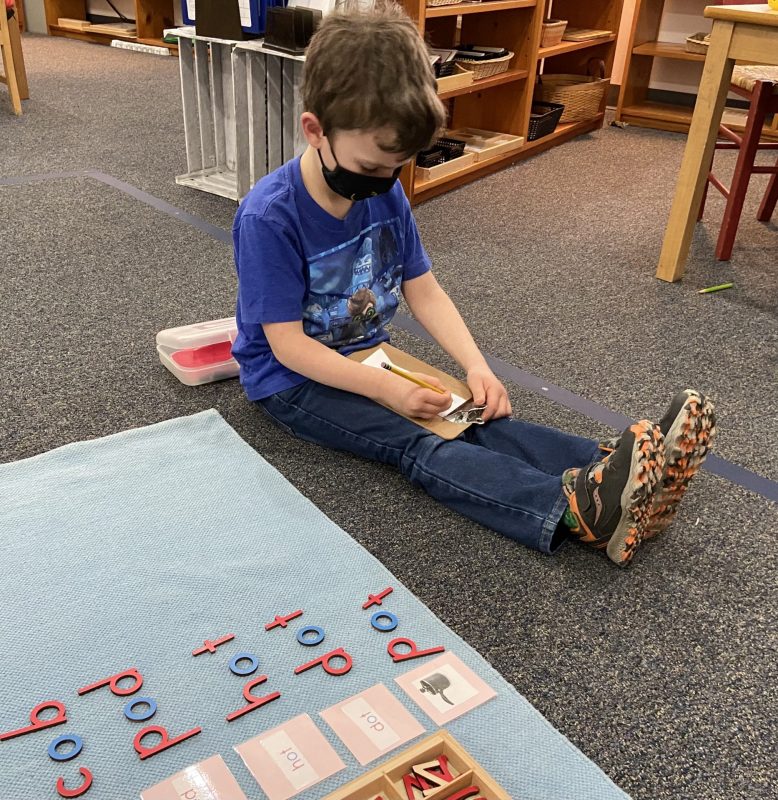
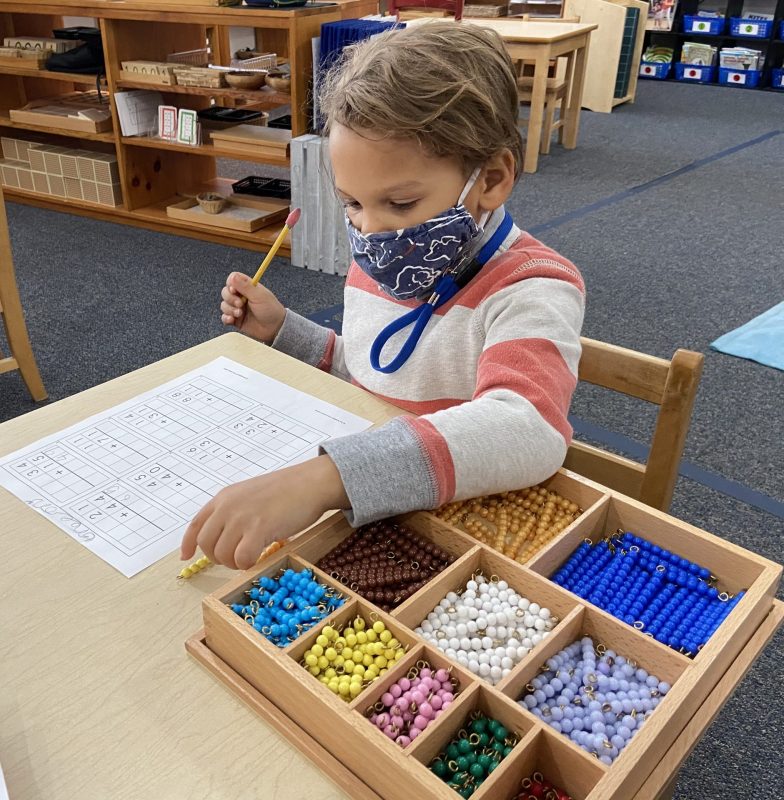
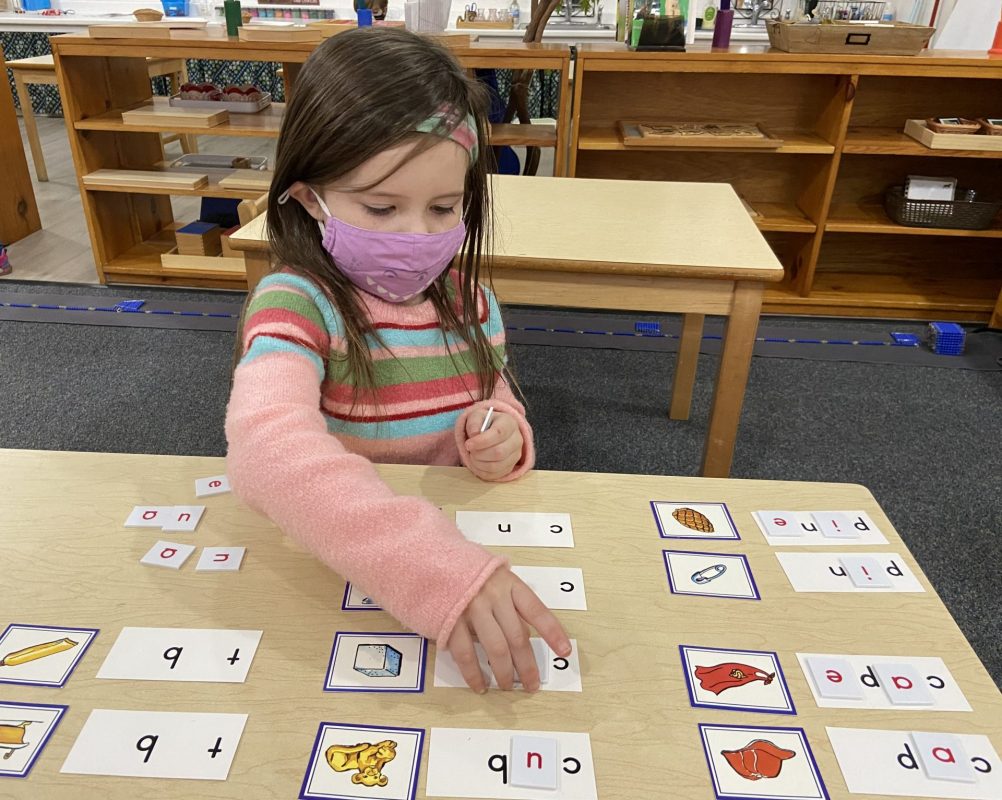
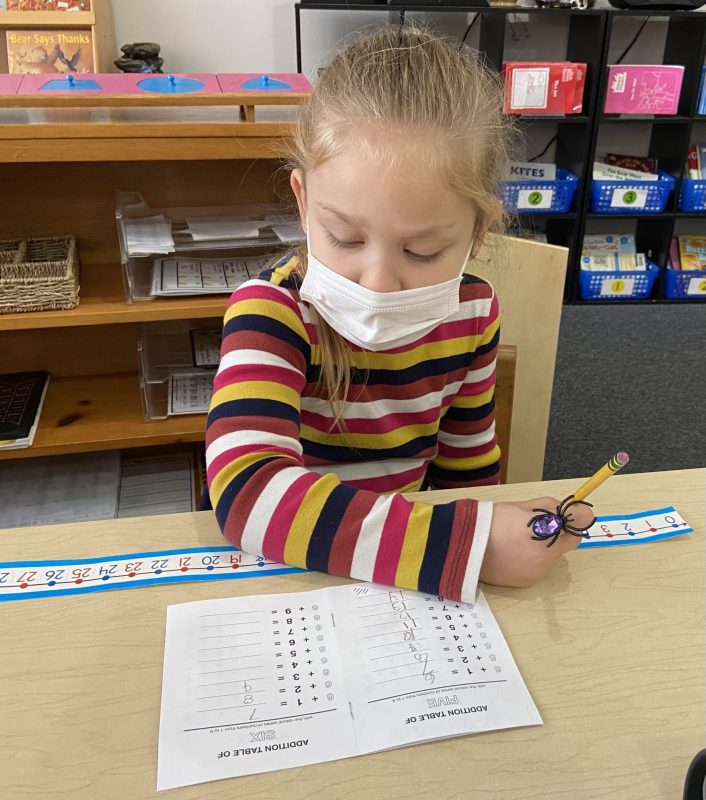
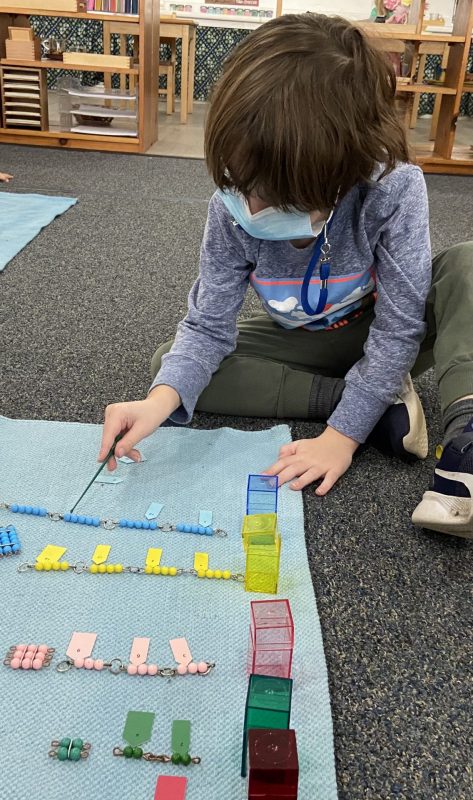
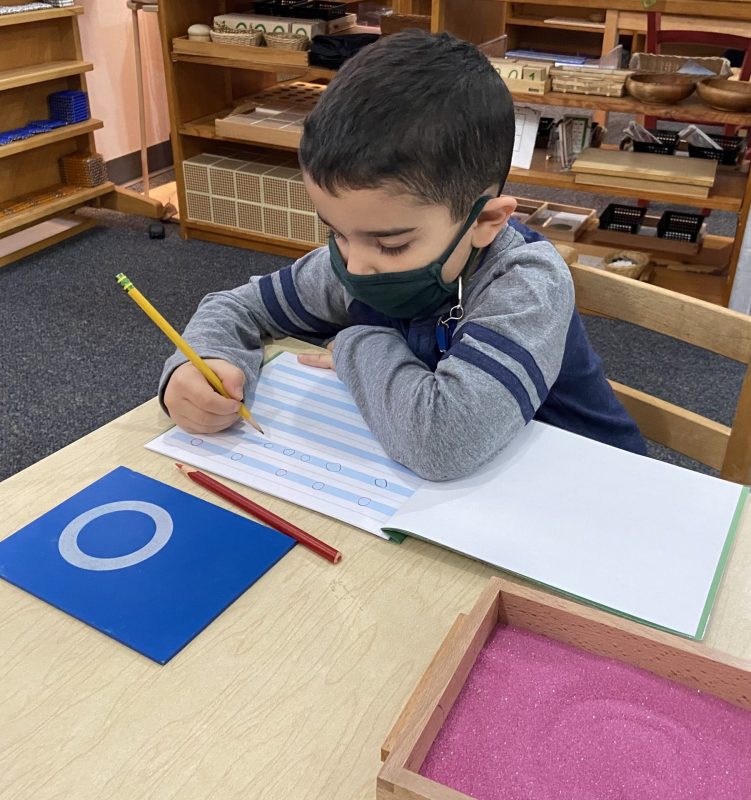
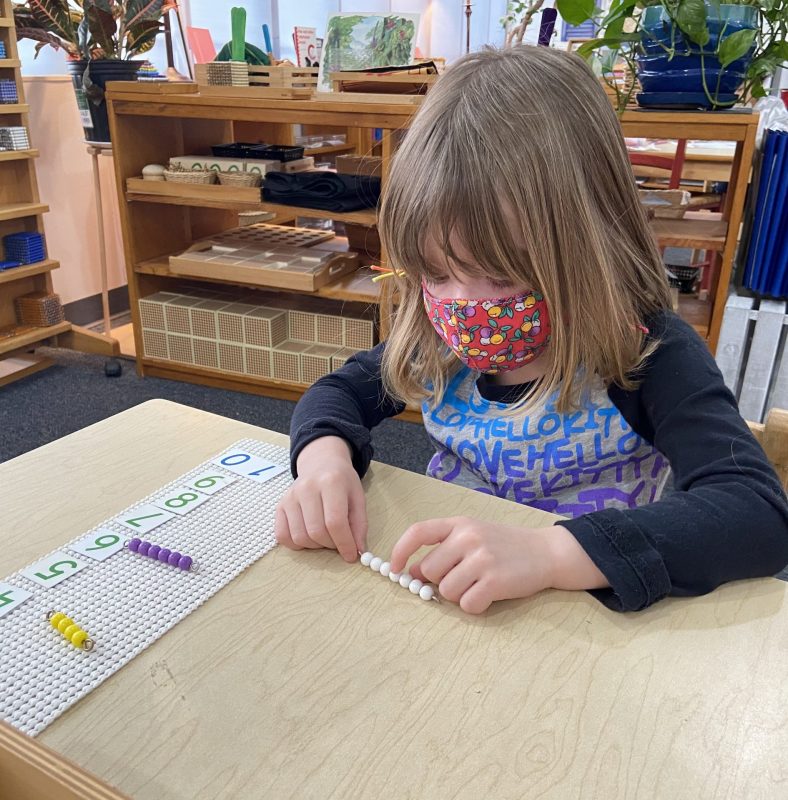
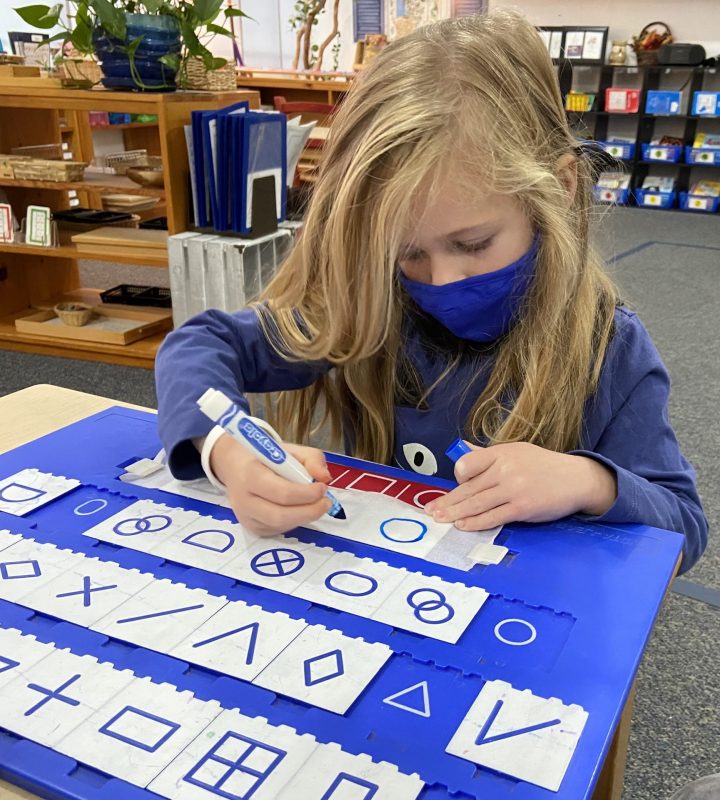
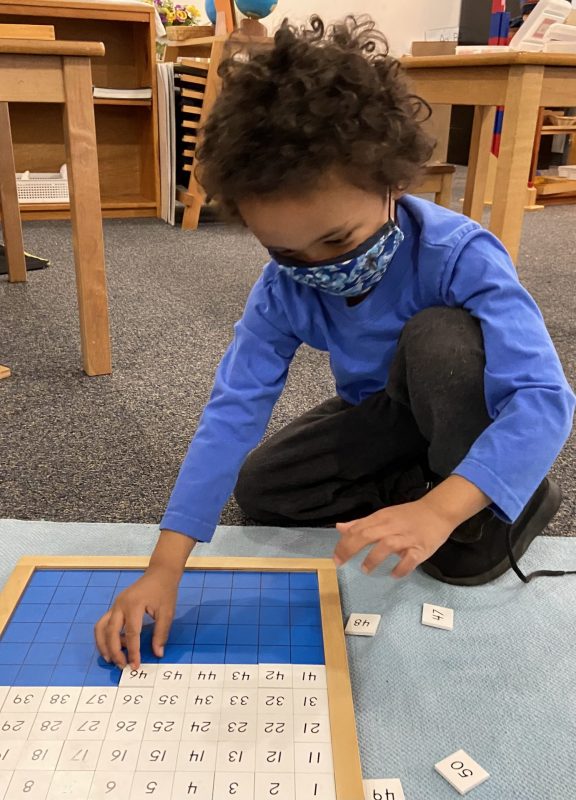
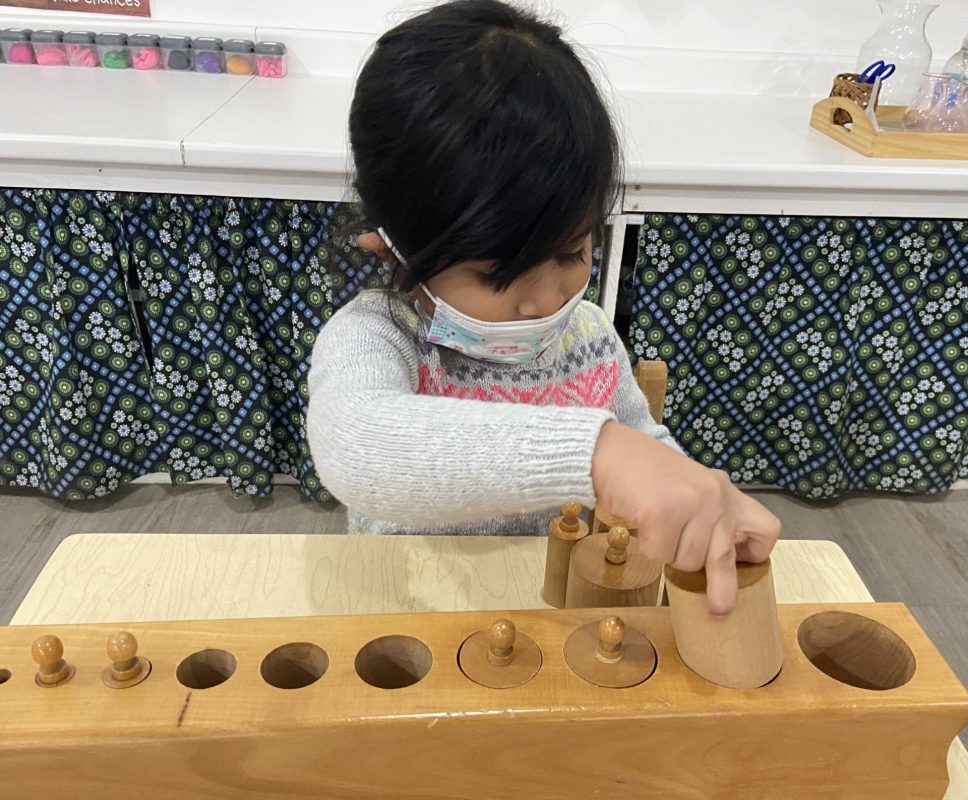
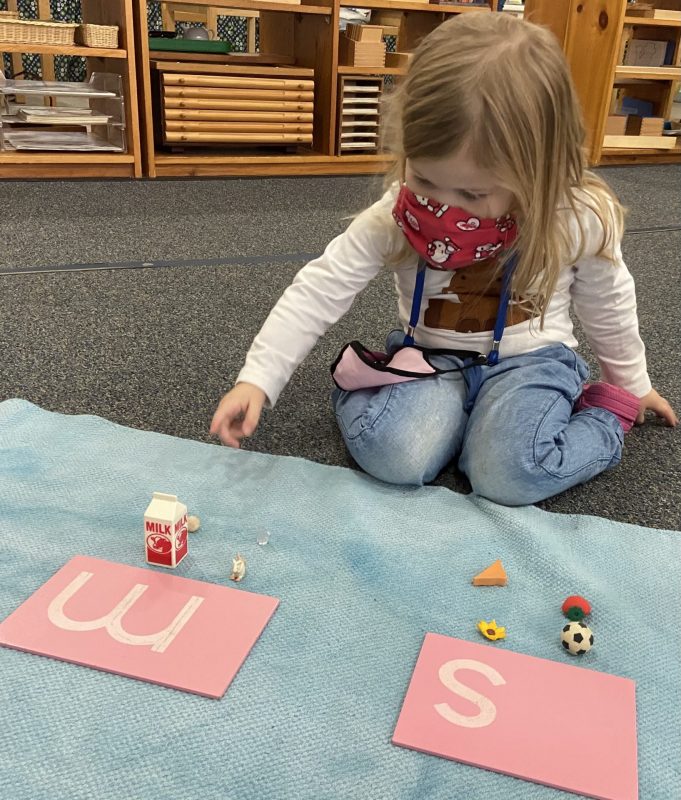
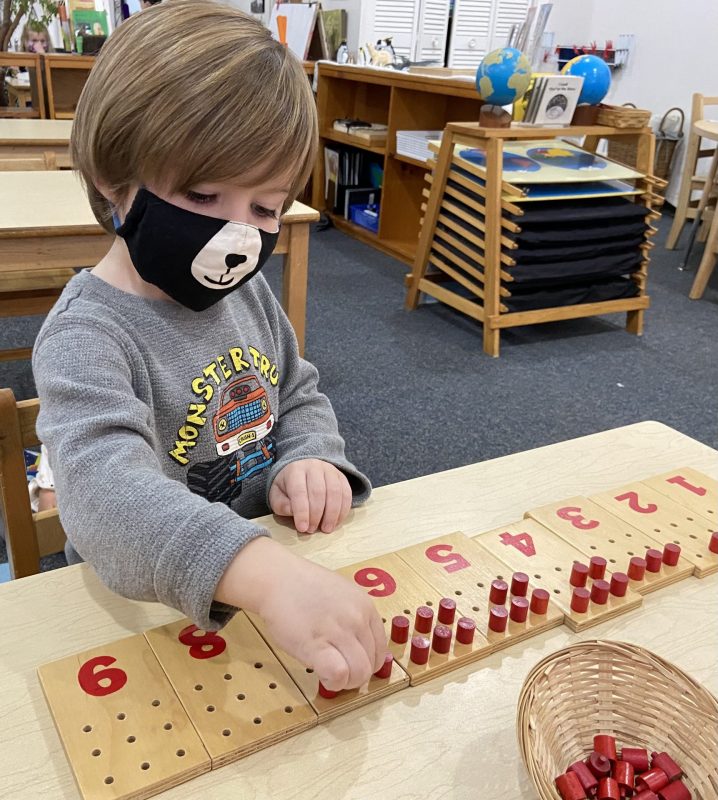
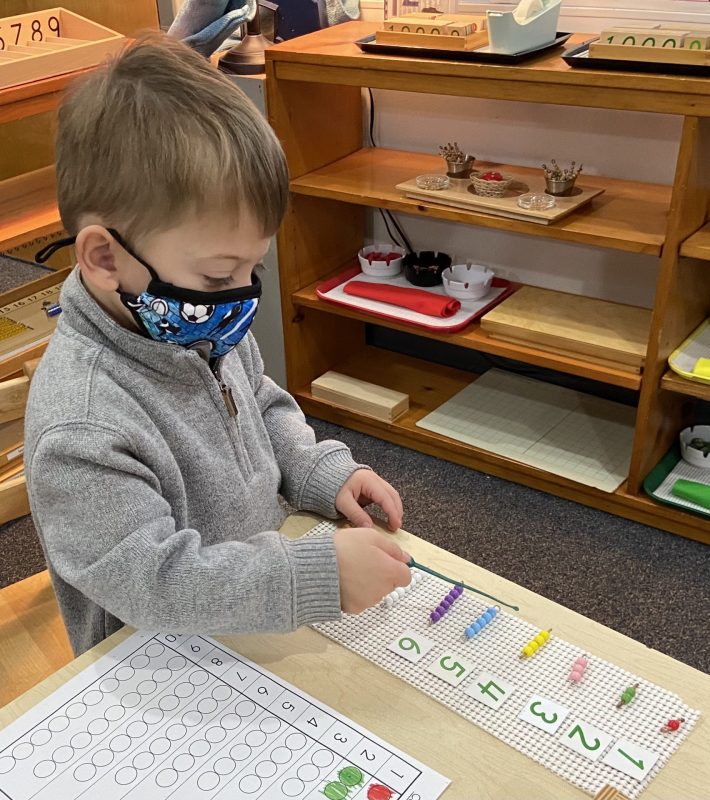
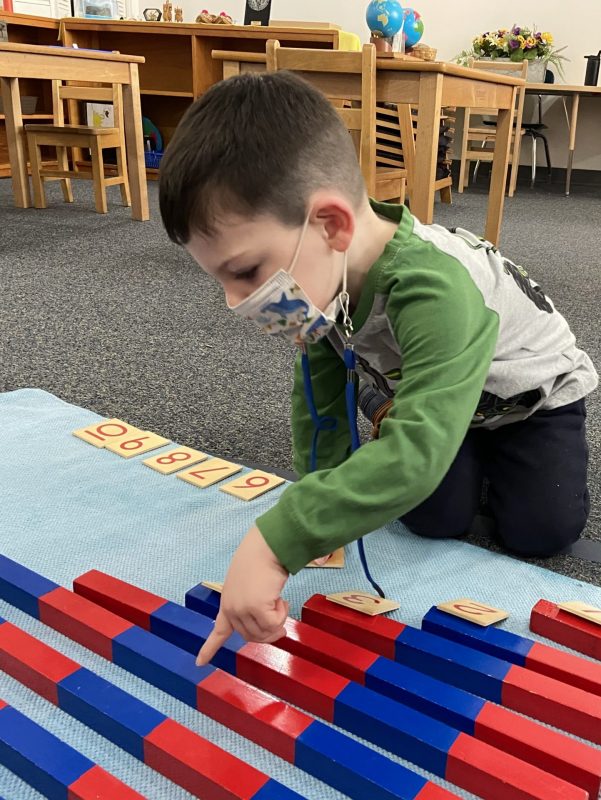
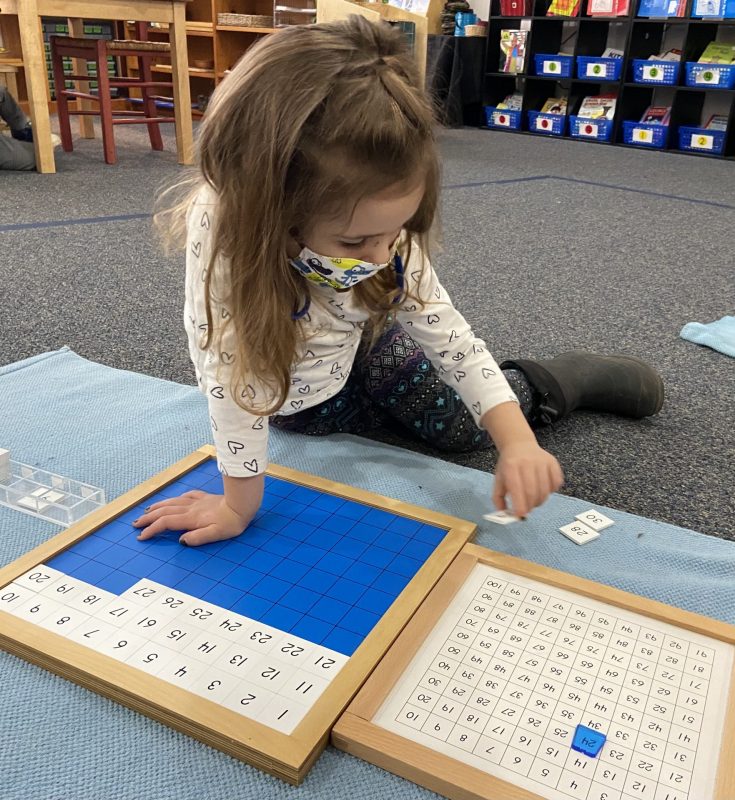
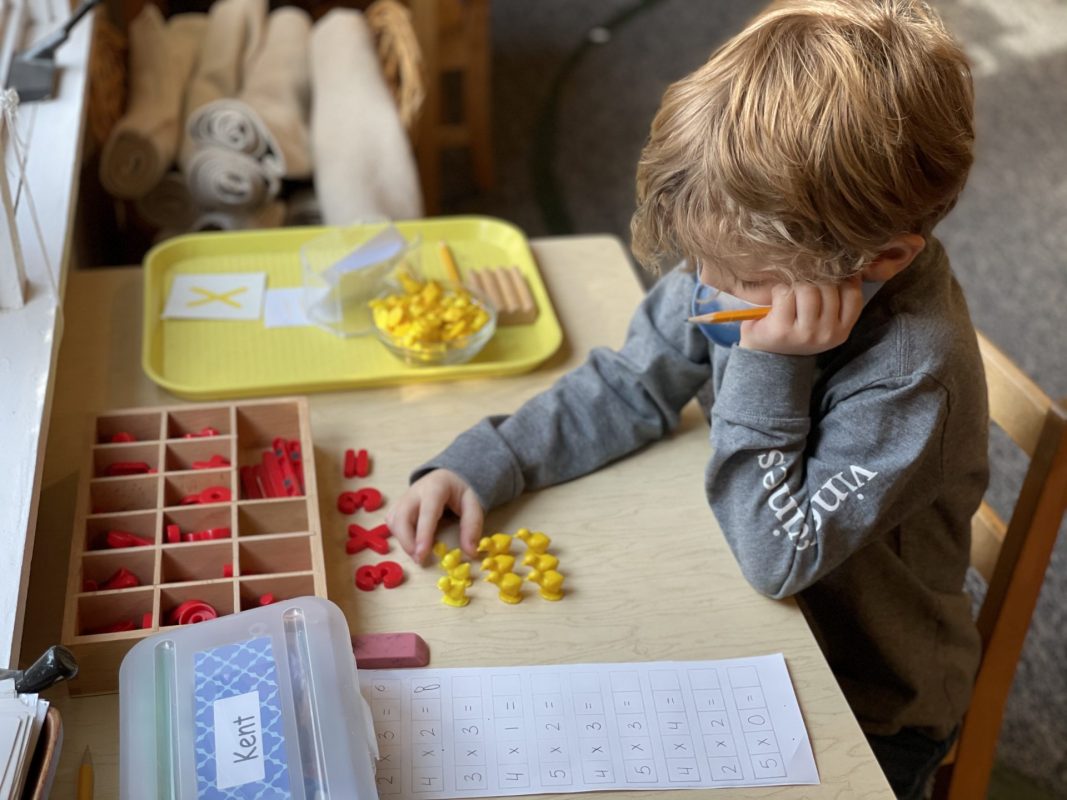
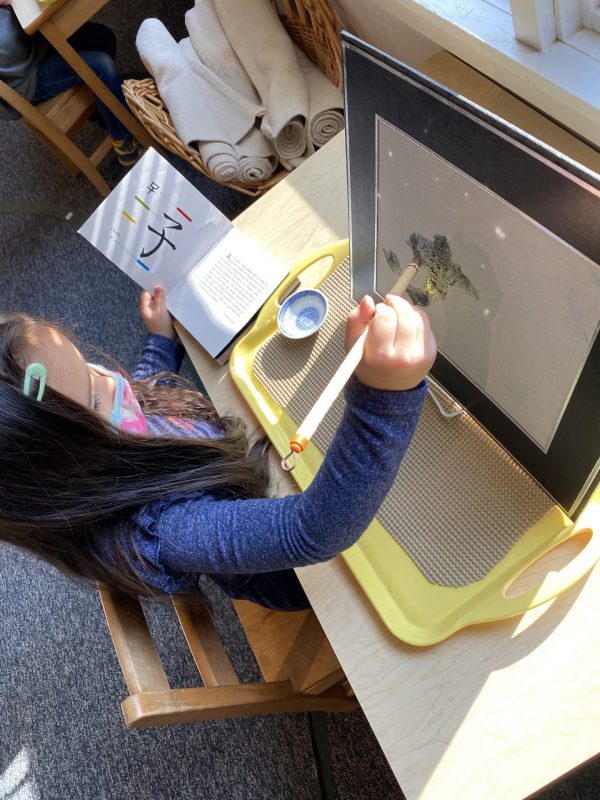
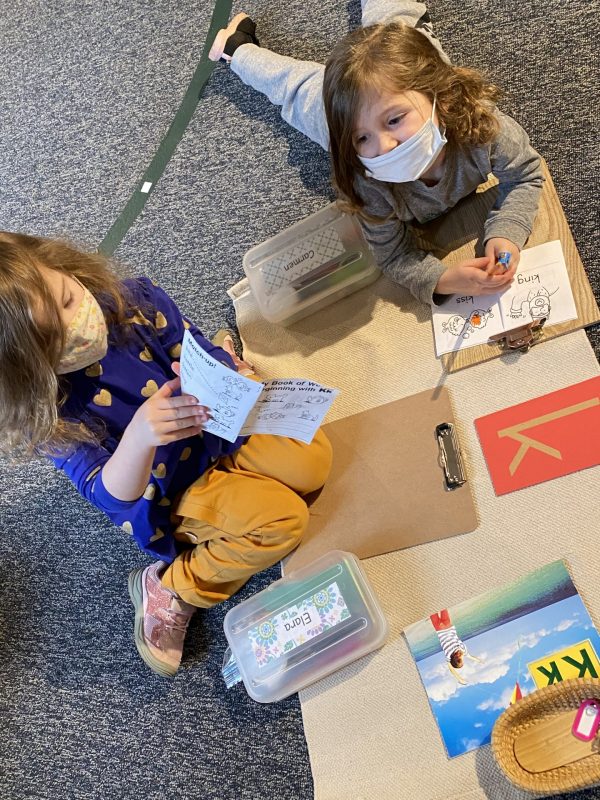
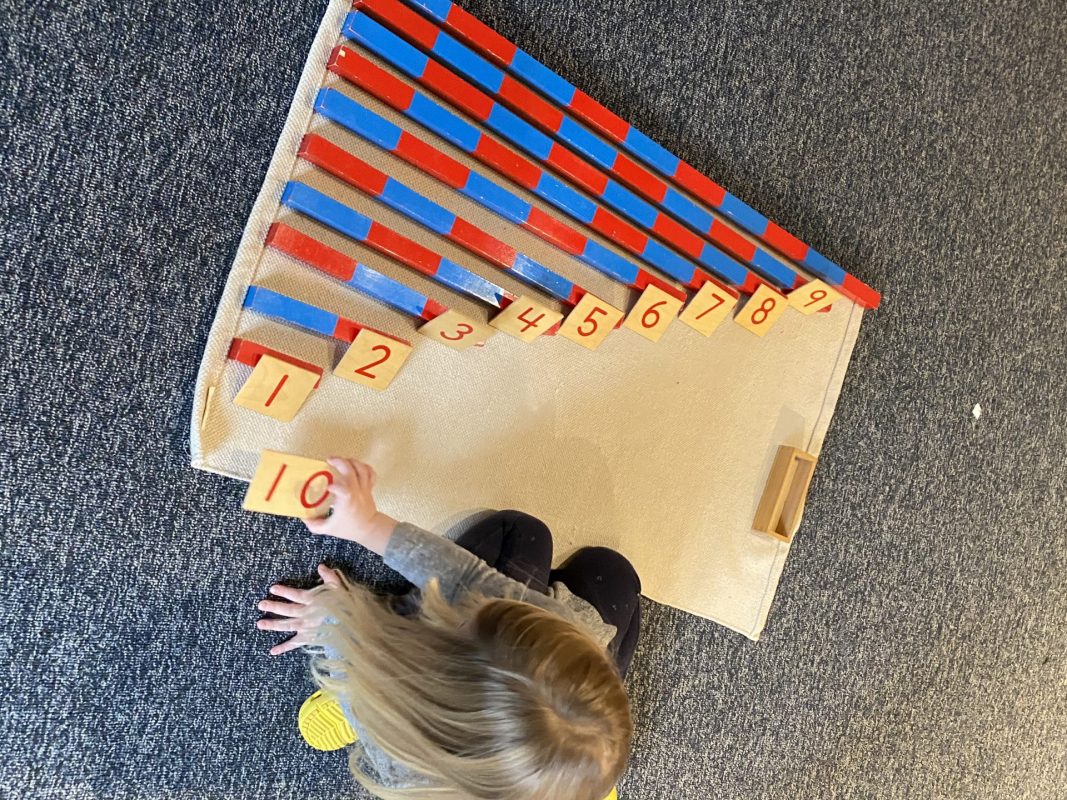
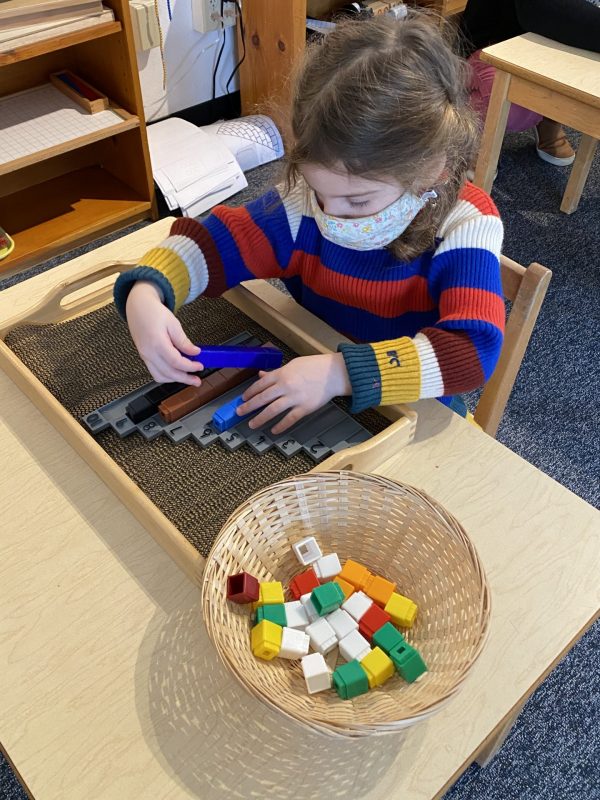
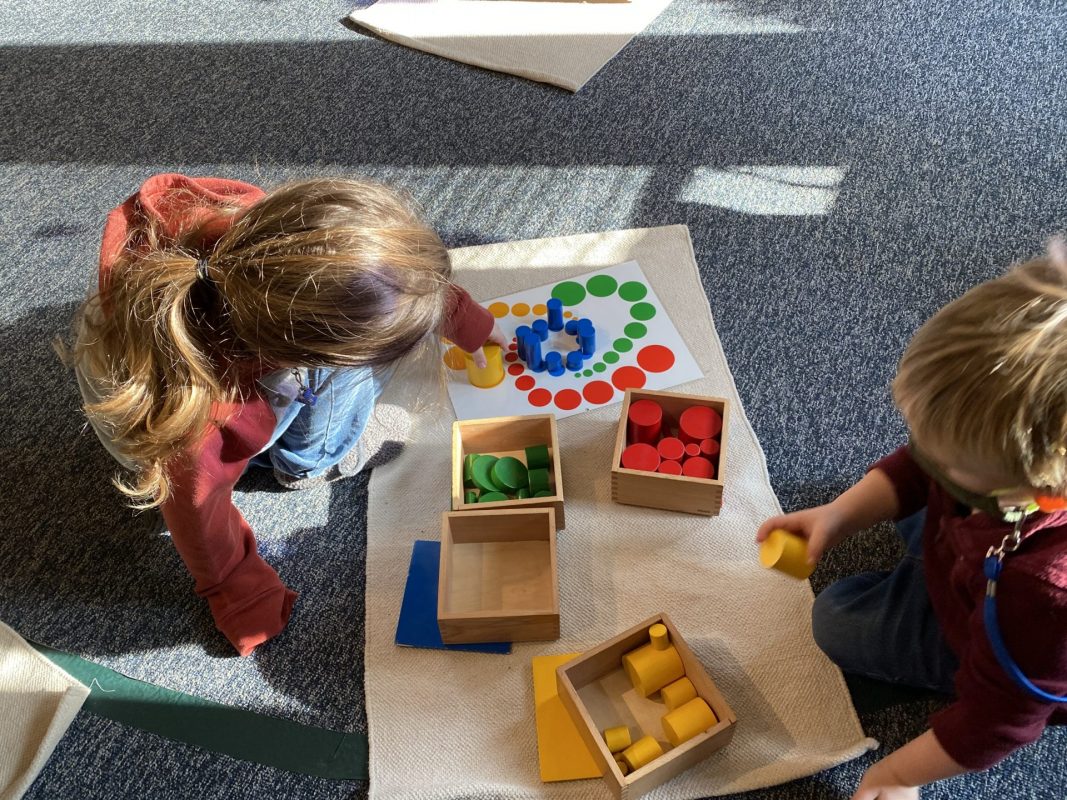
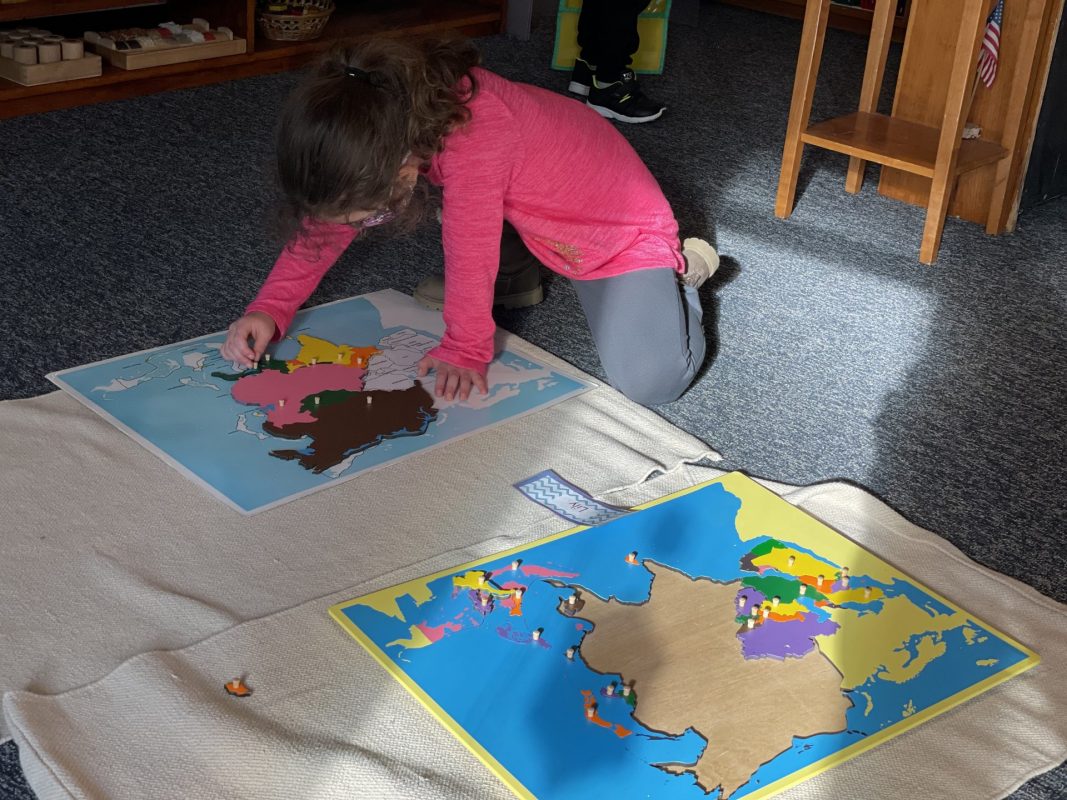
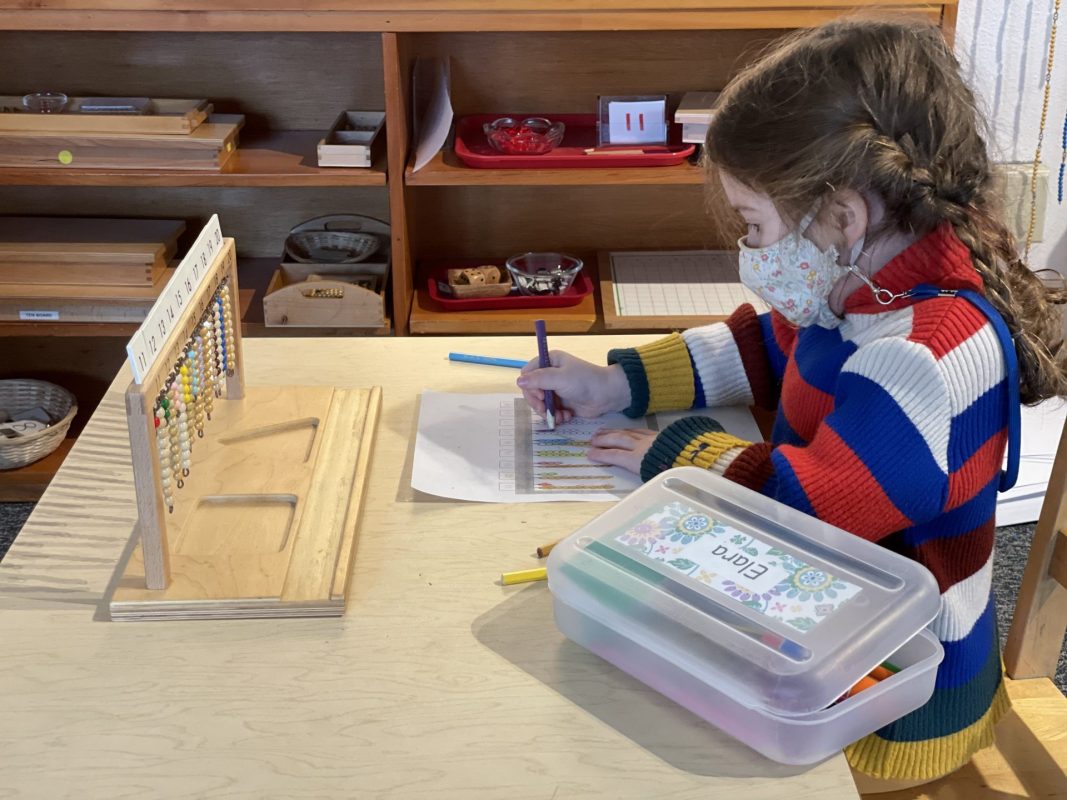
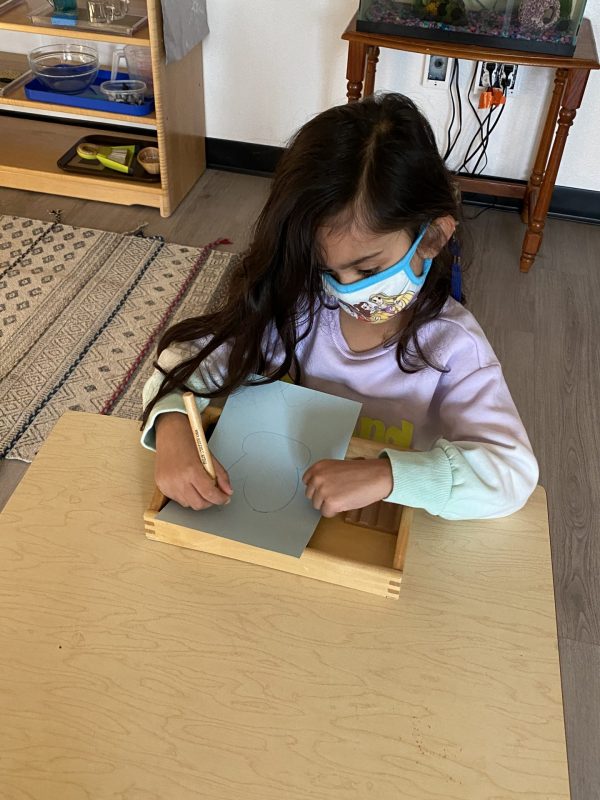
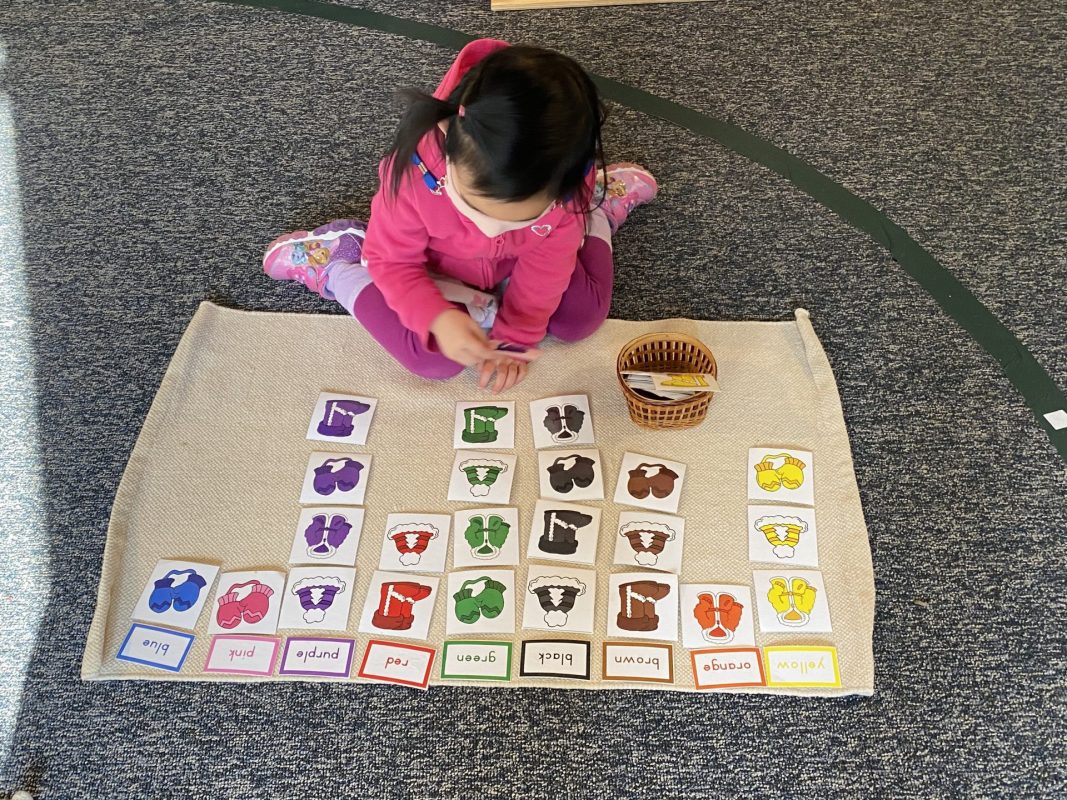
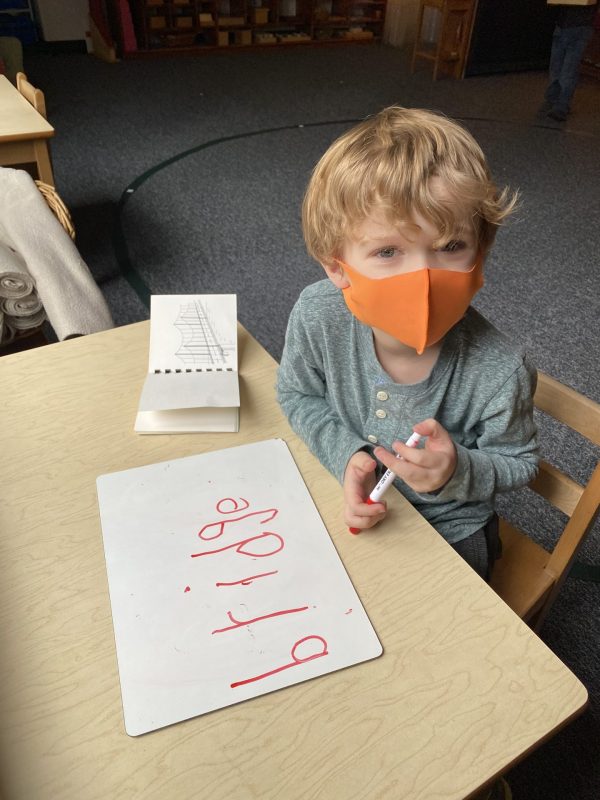
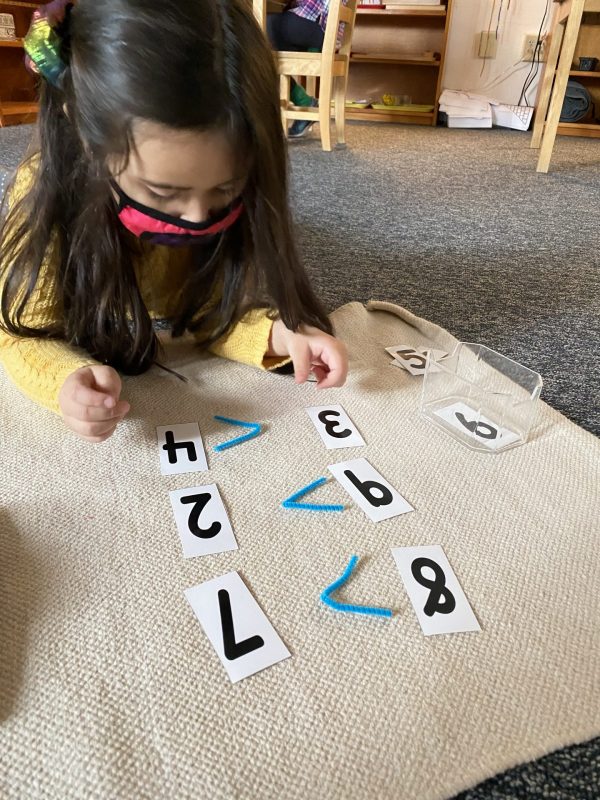
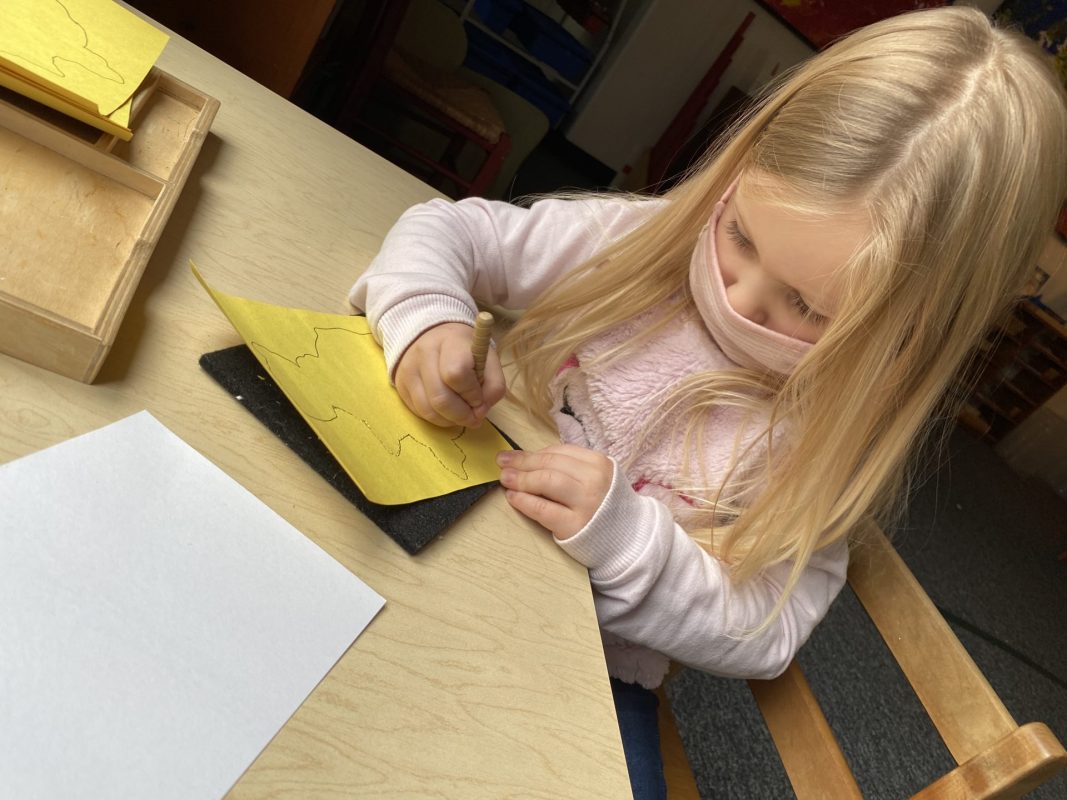
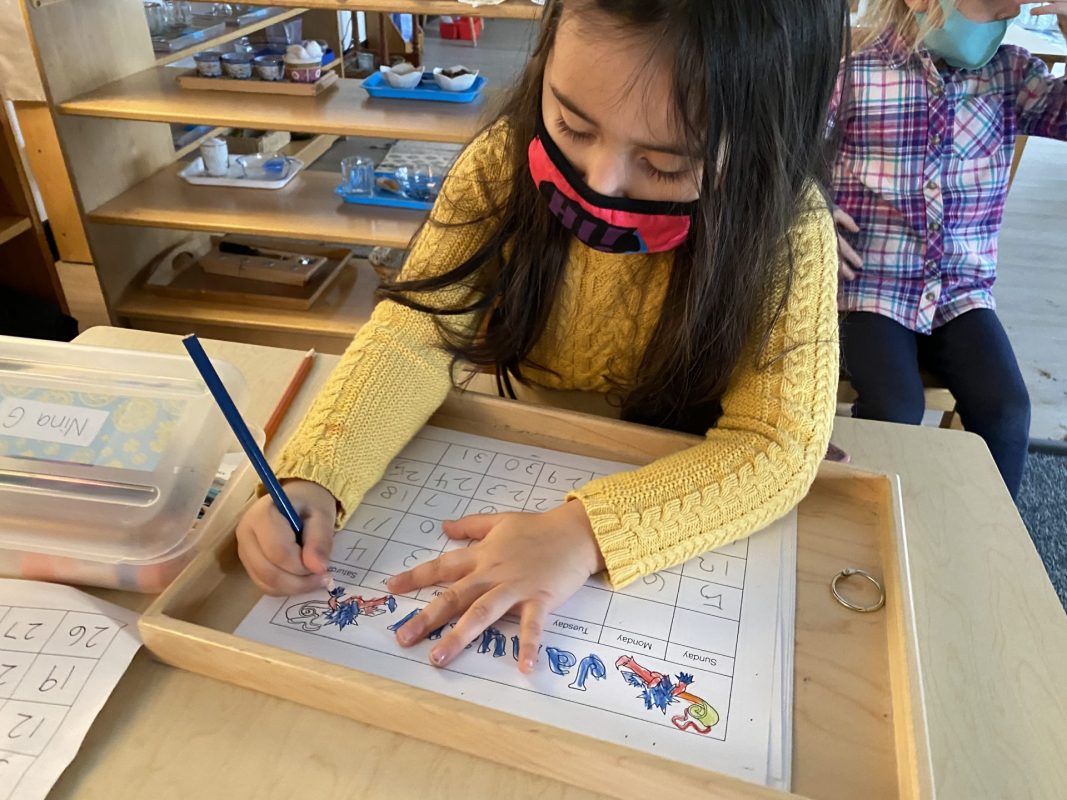
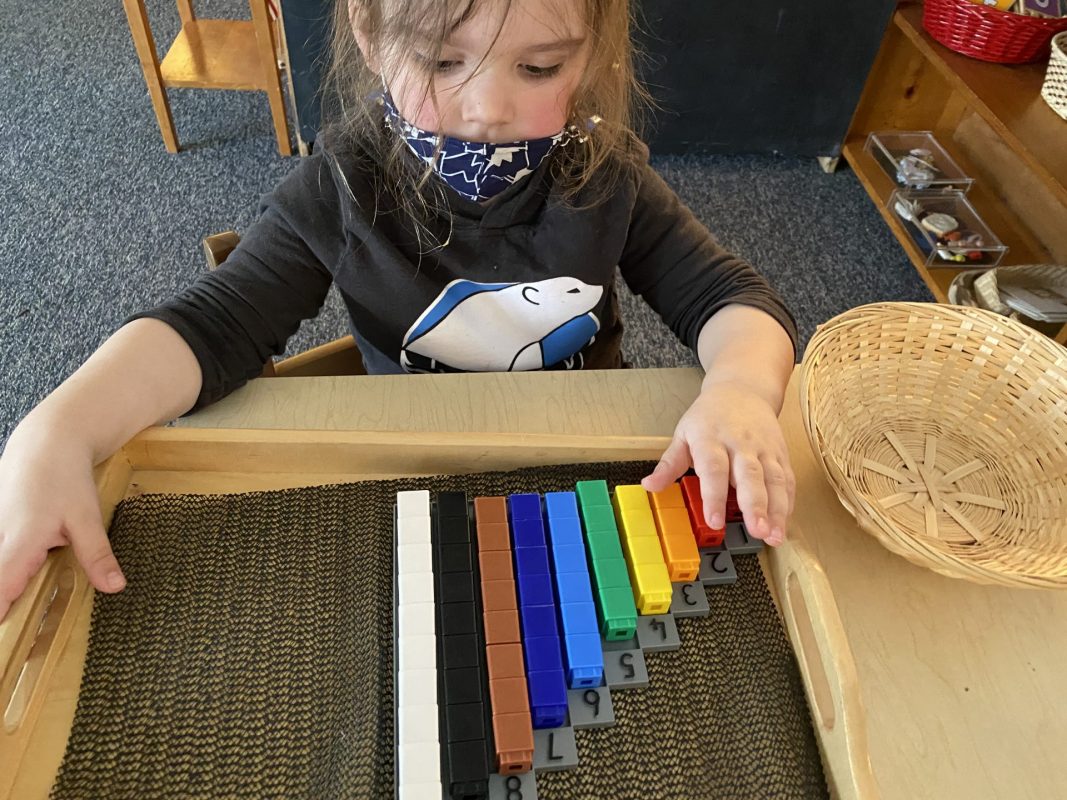
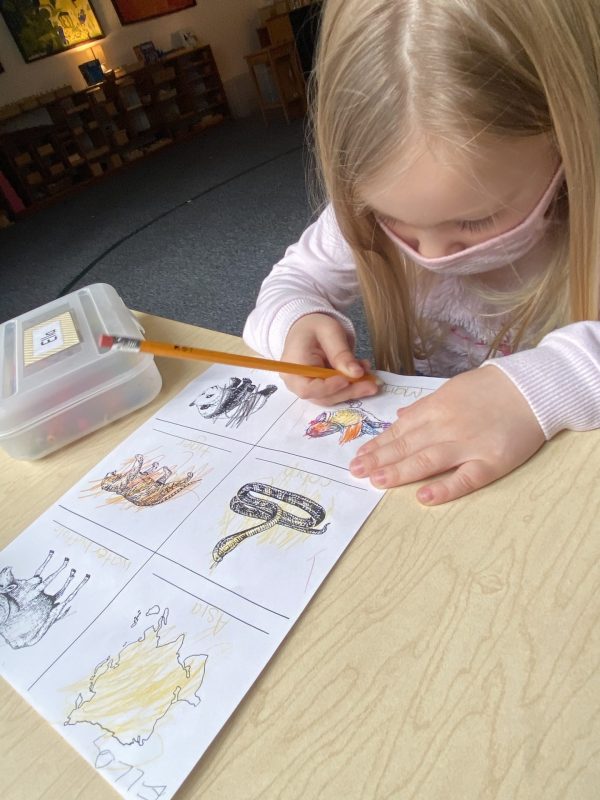
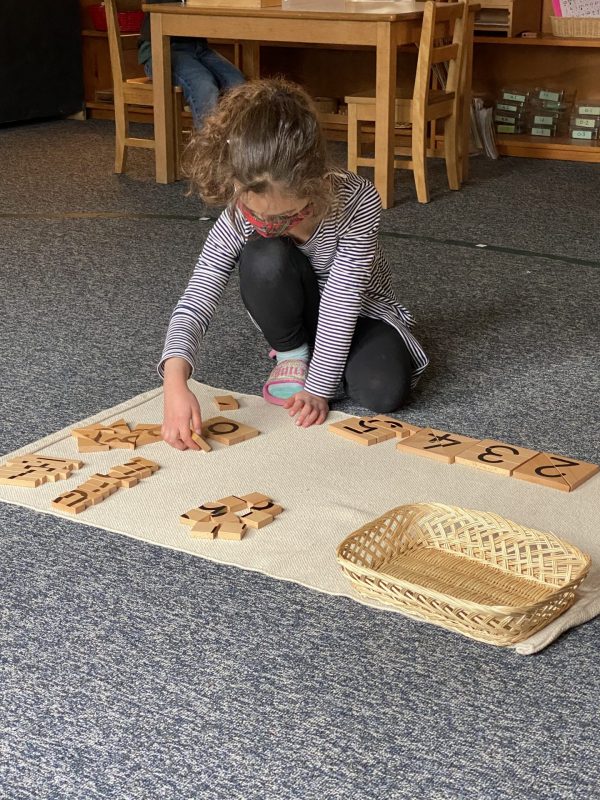
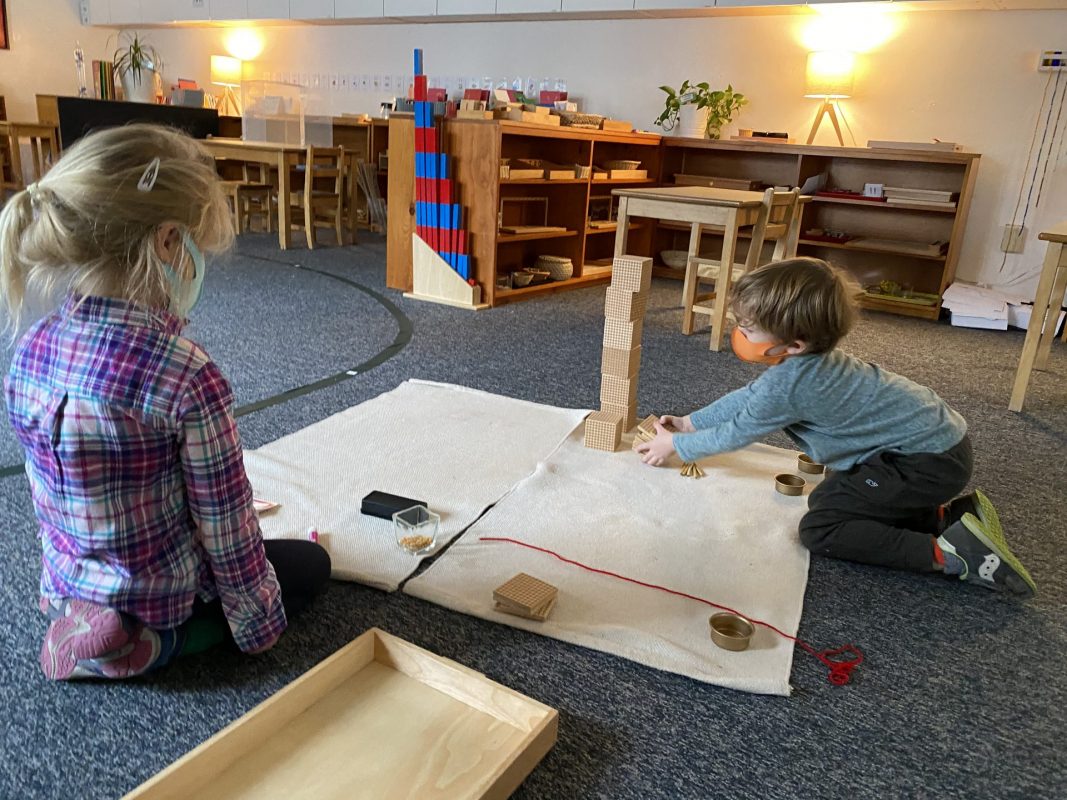
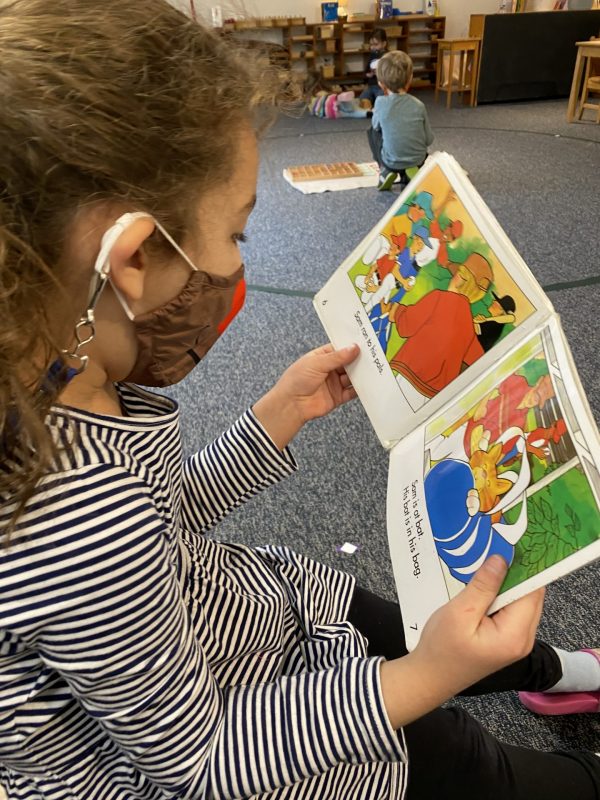
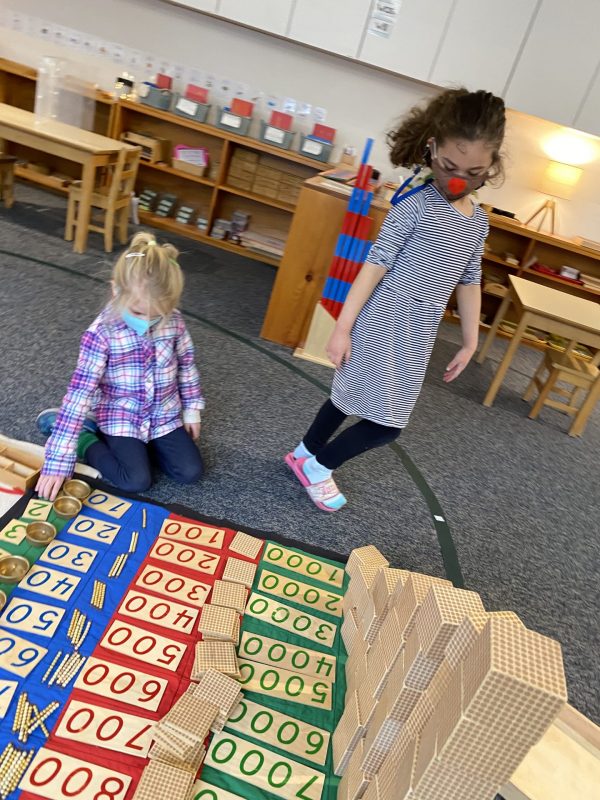
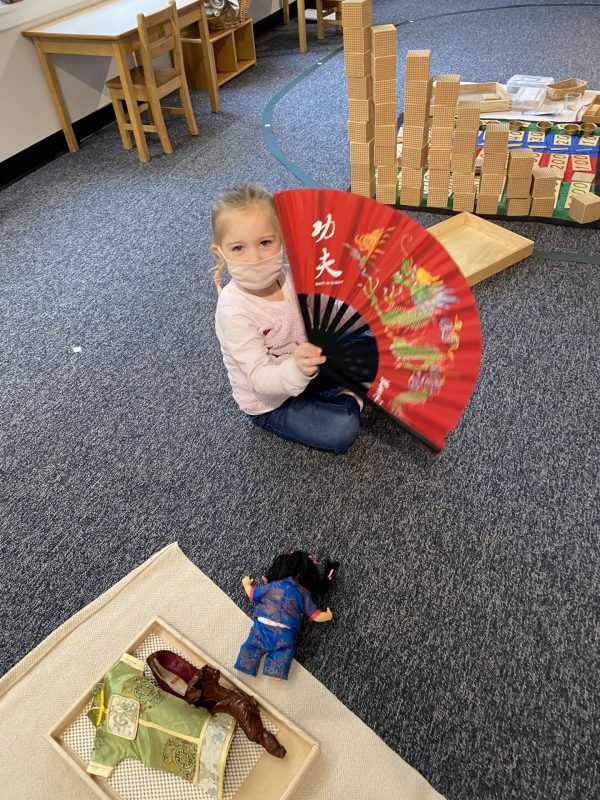
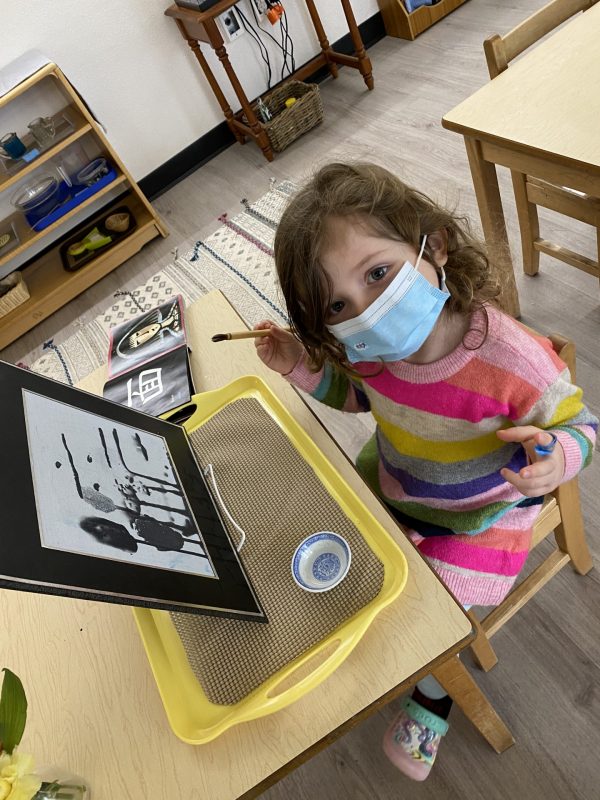
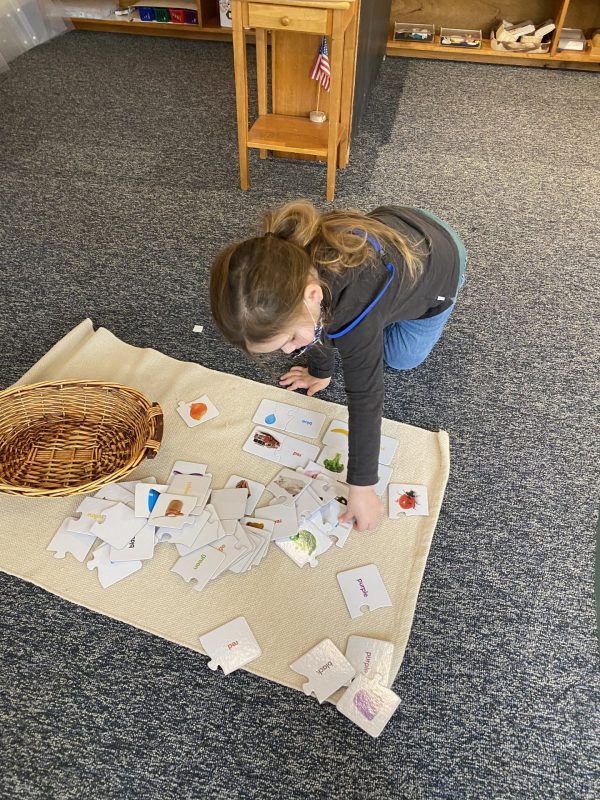
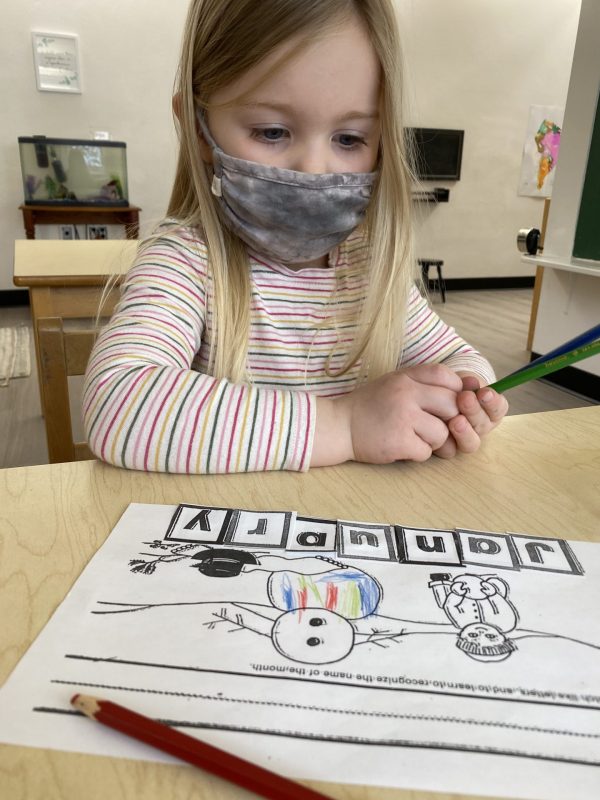
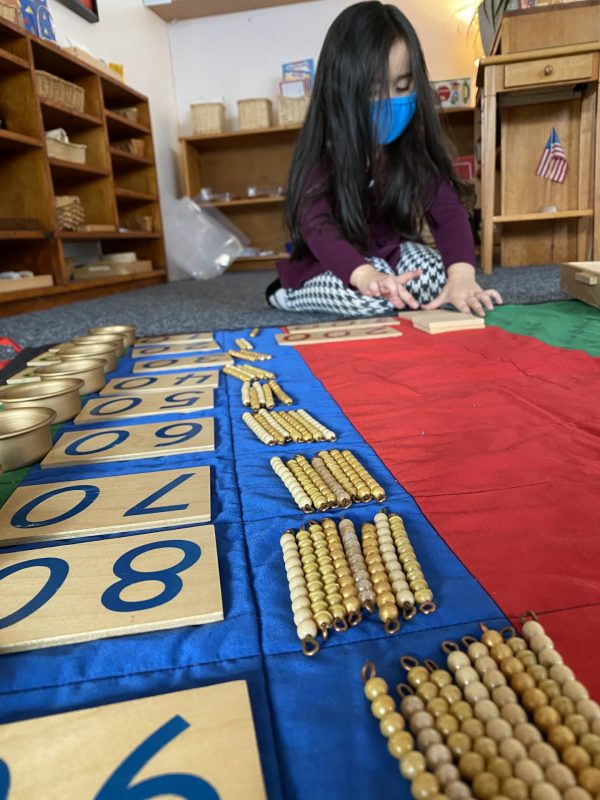
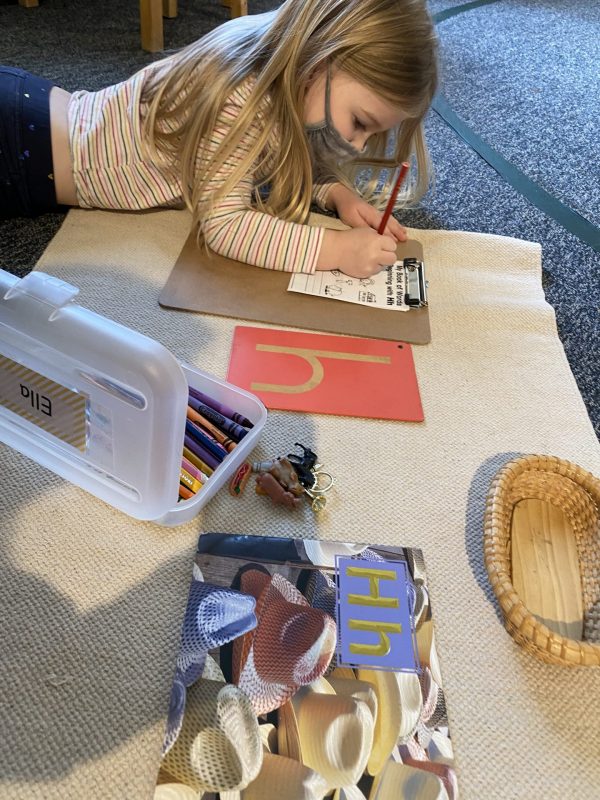
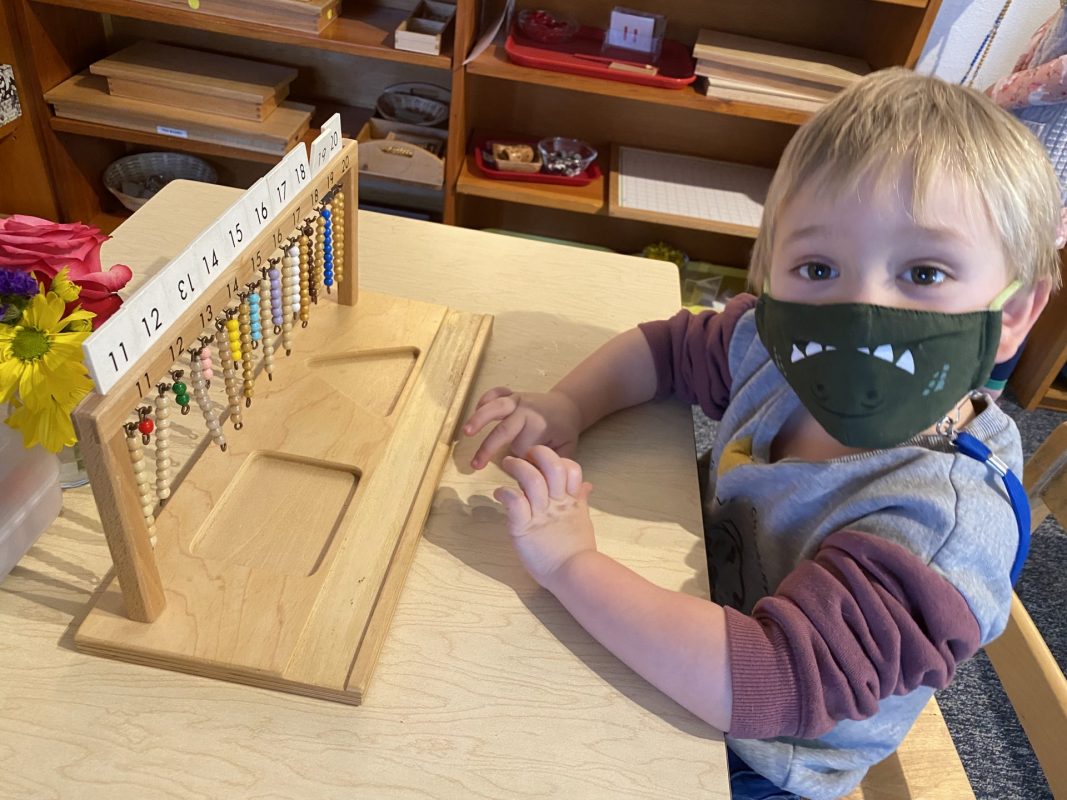
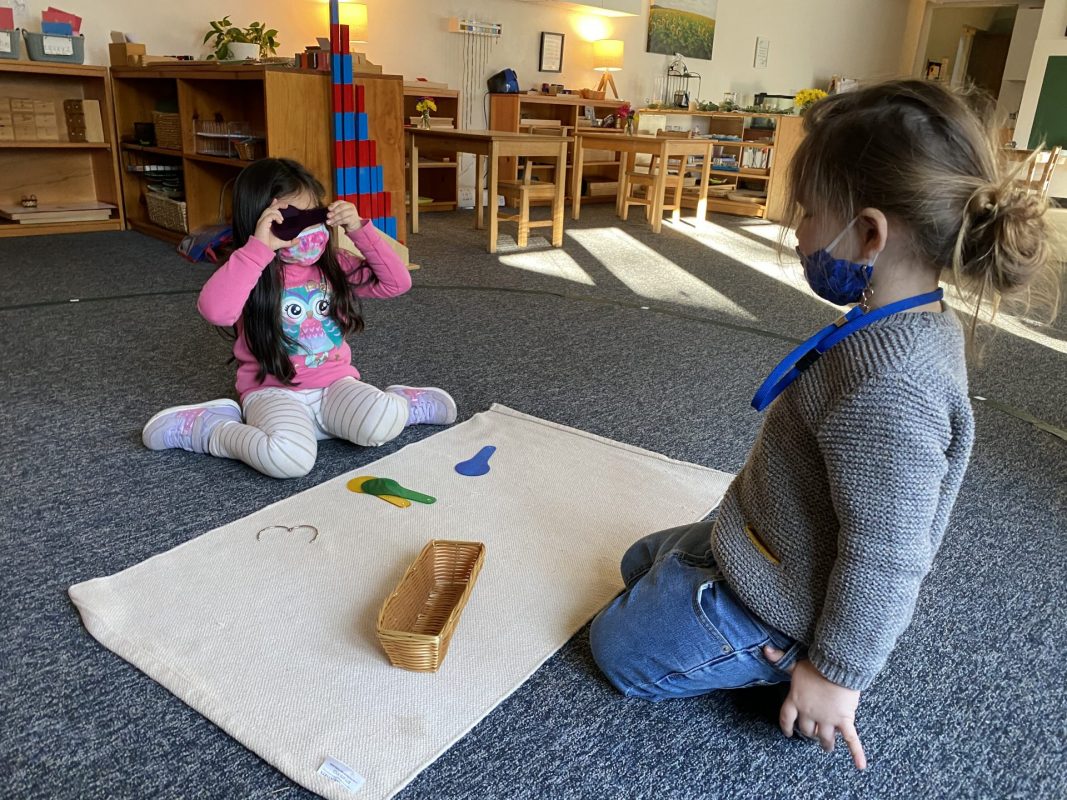
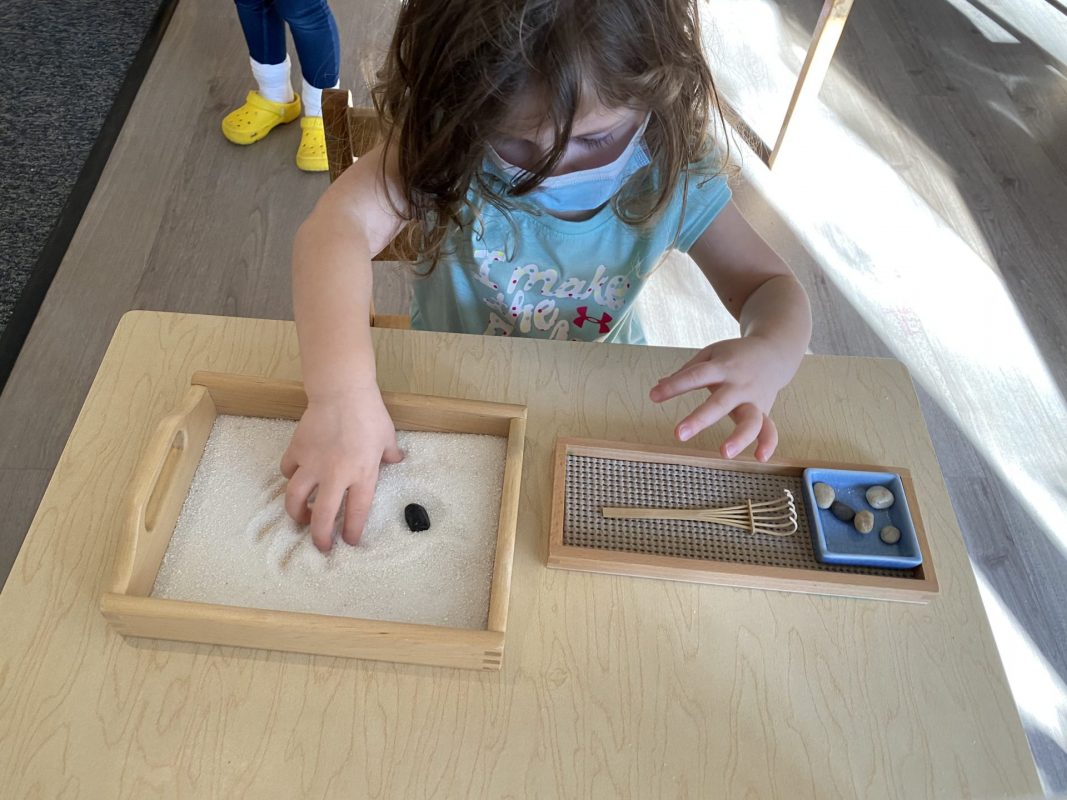
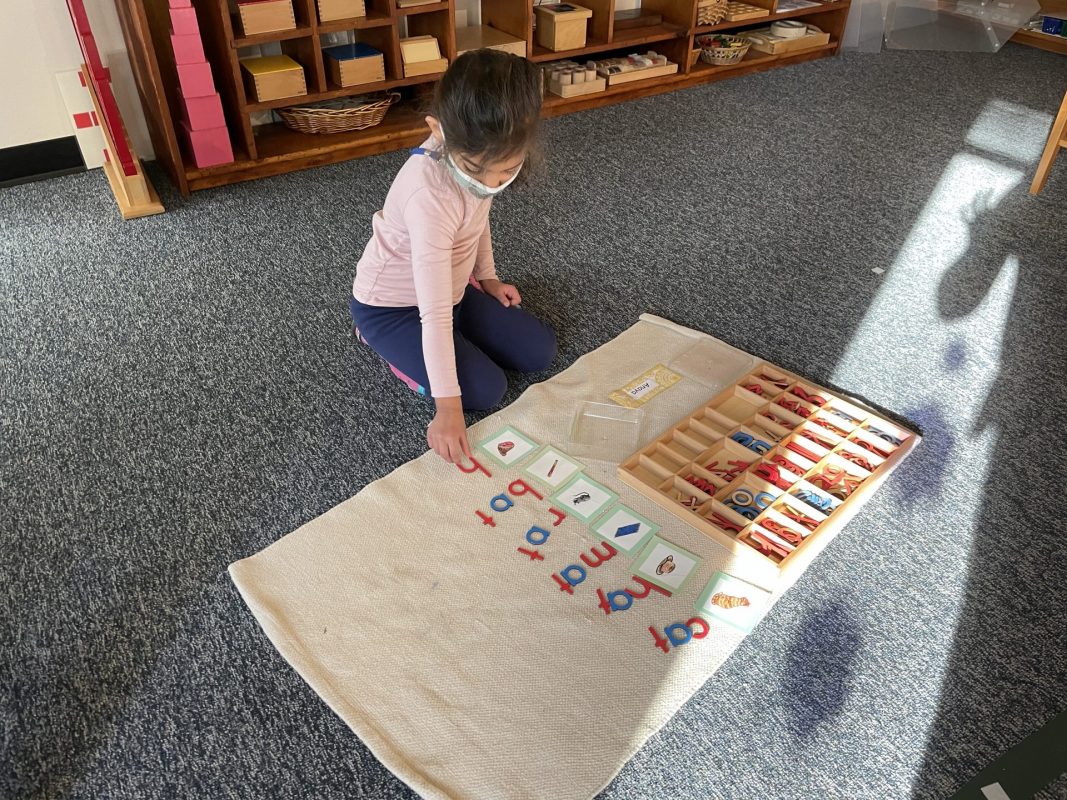
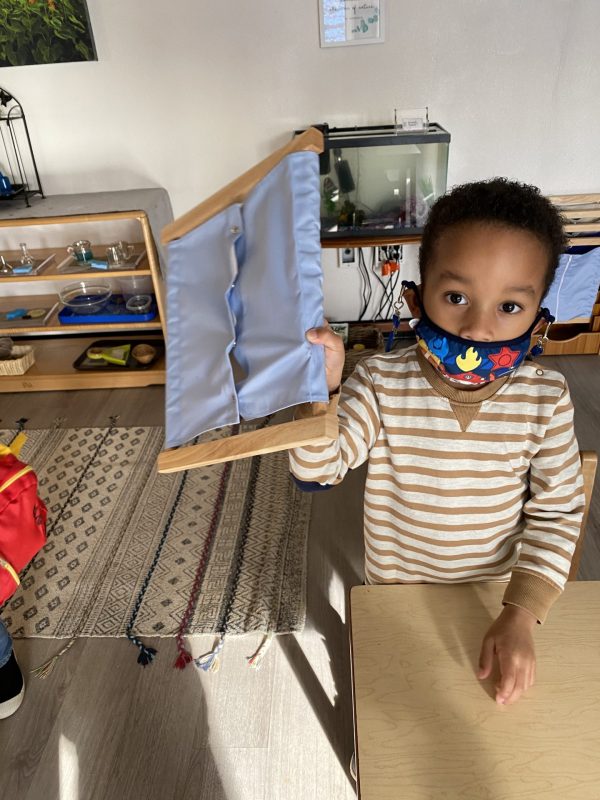
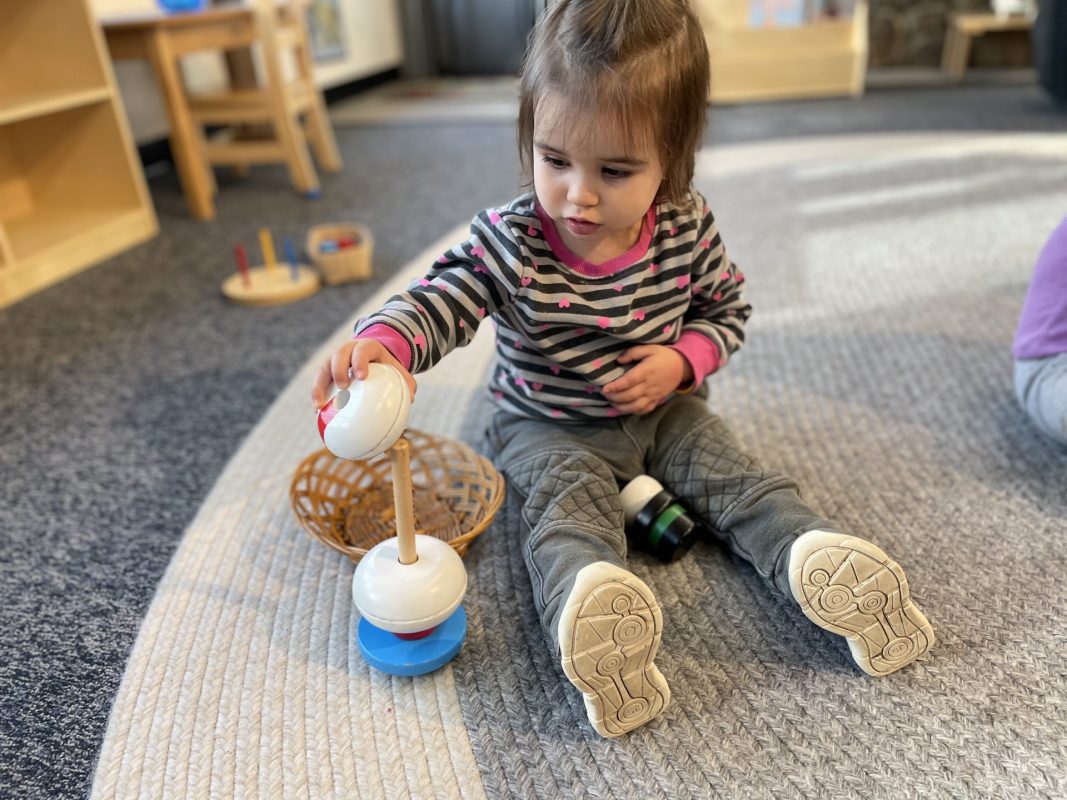
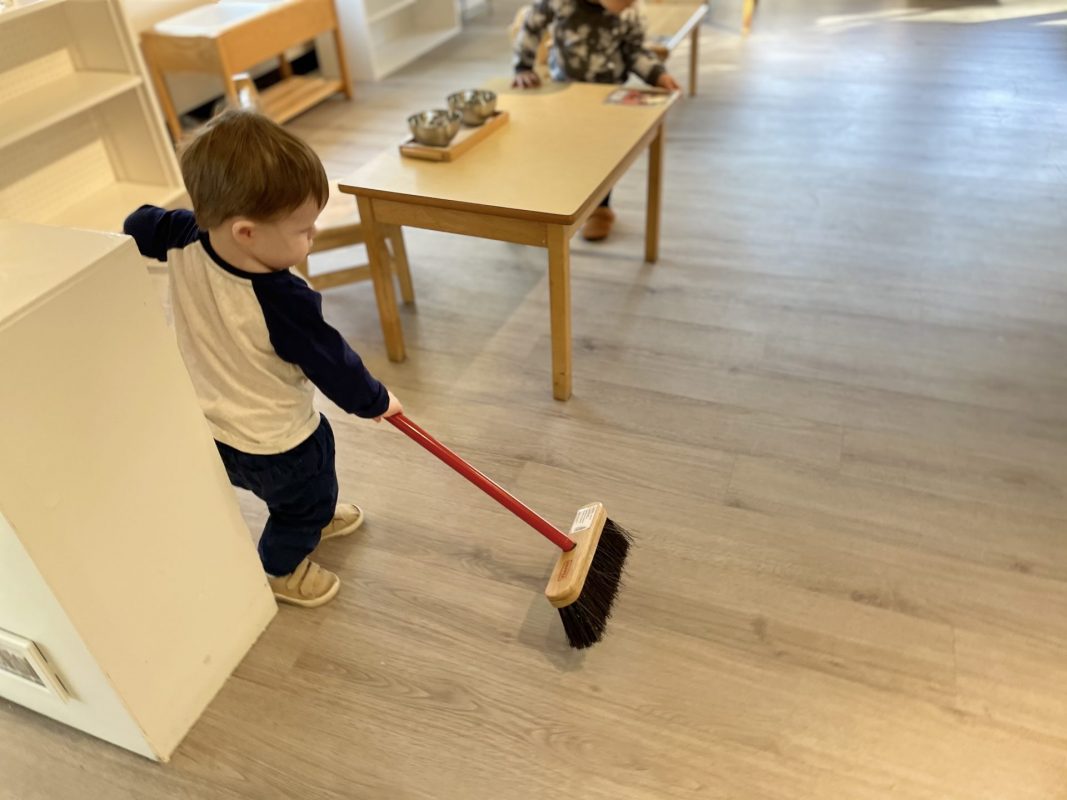
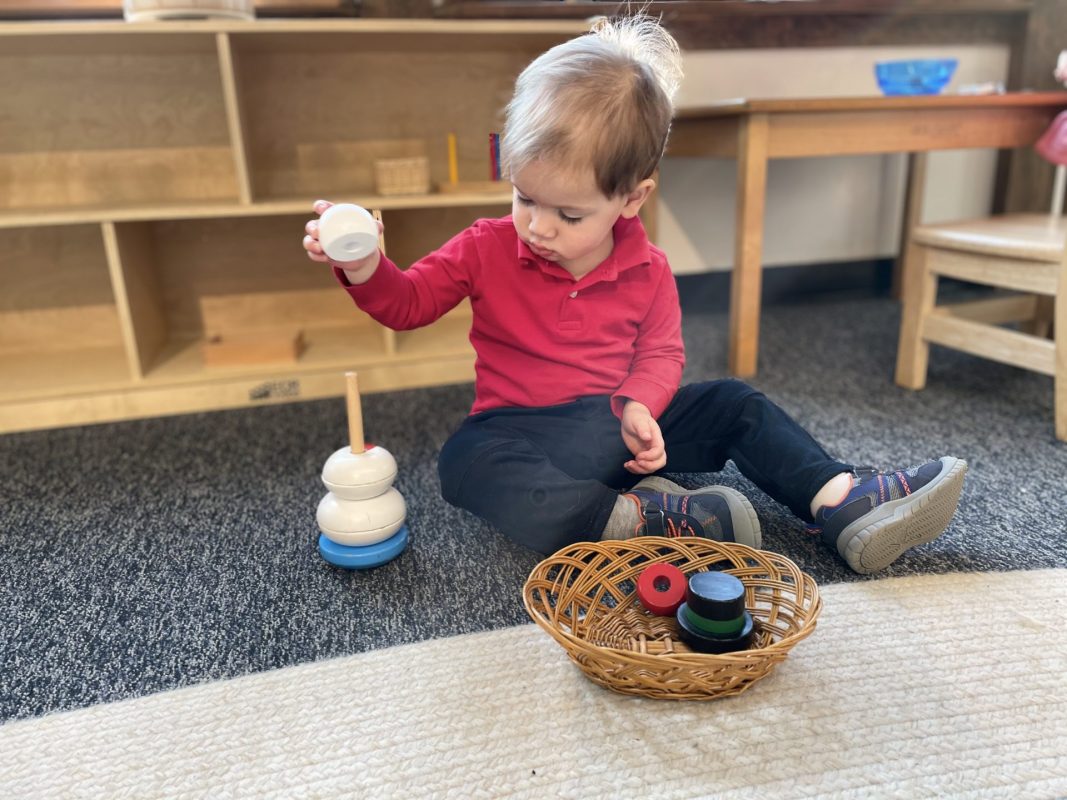
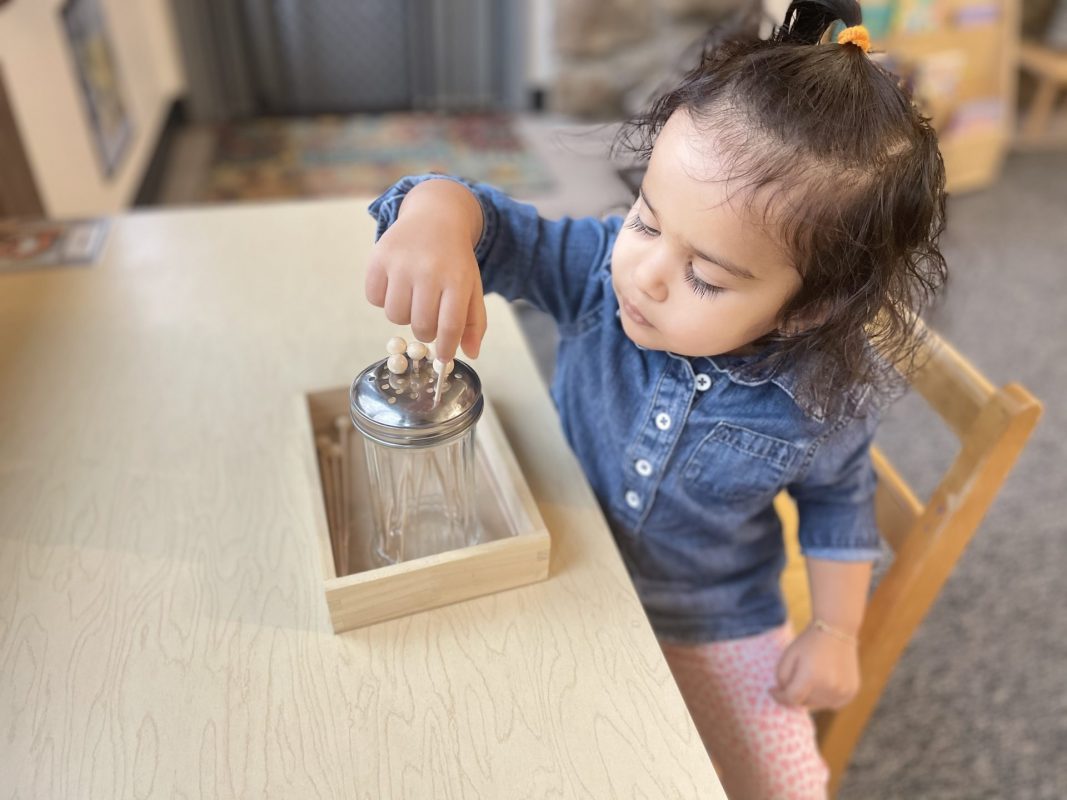
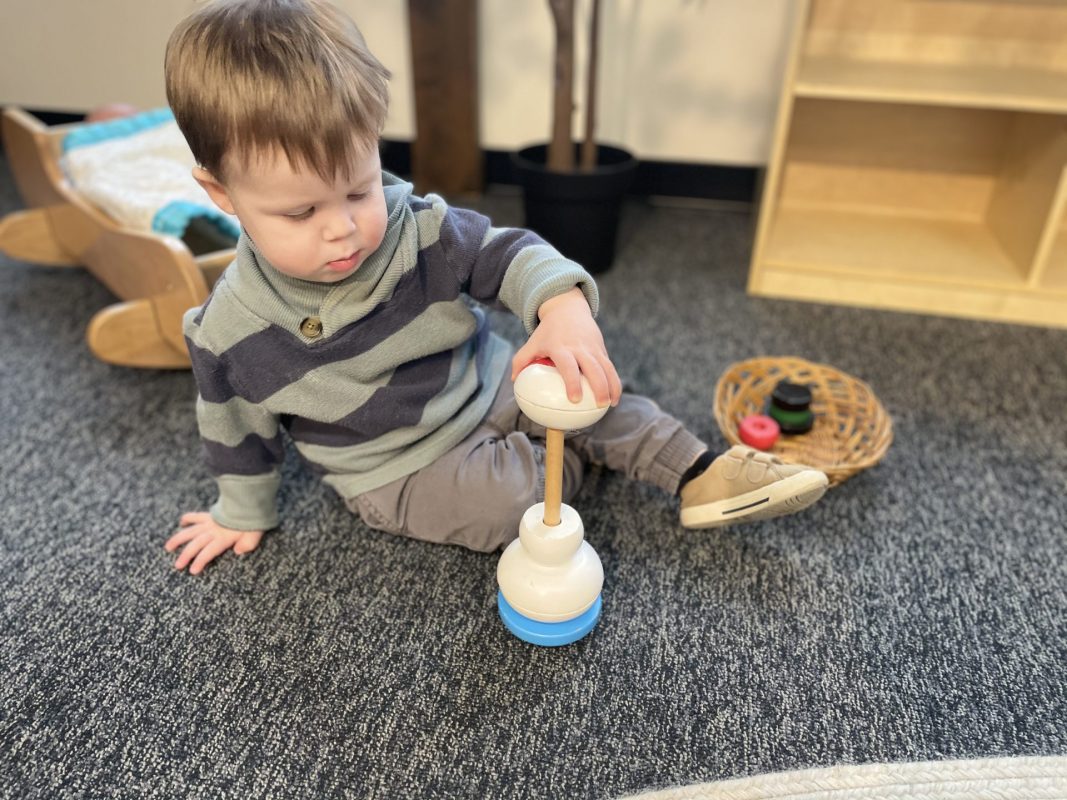
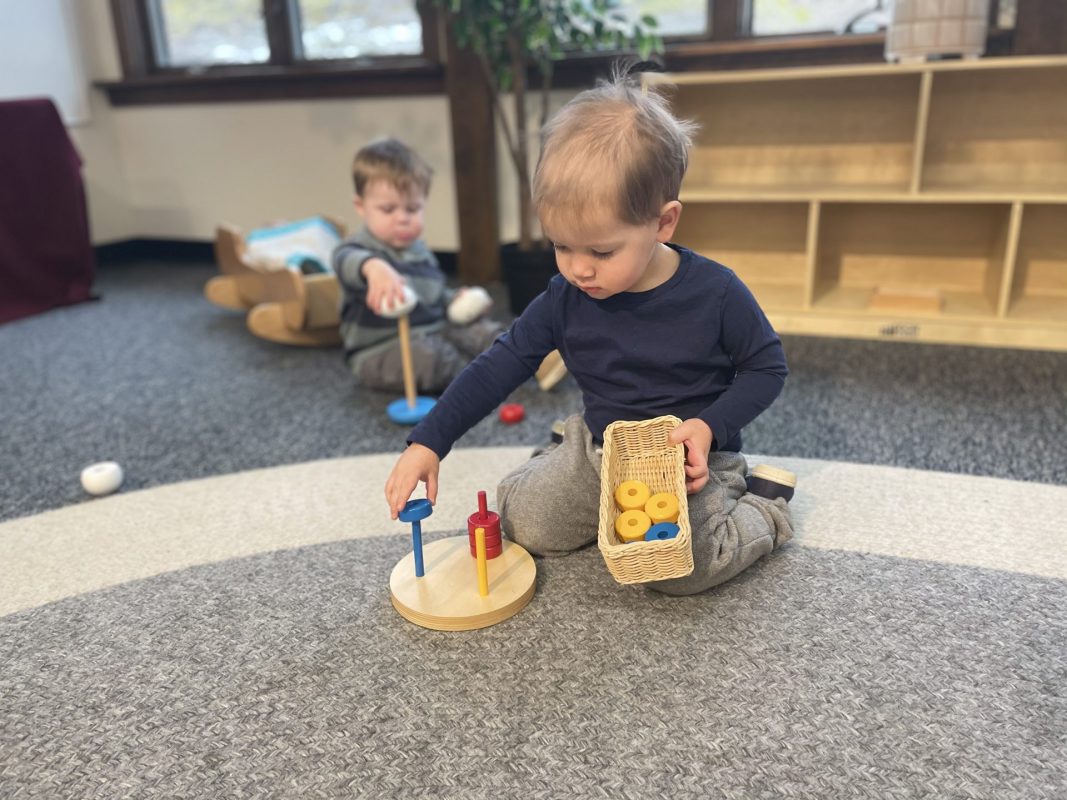
Children had a great time this week exploring and repeating some of the new materials in the environment. In a Montessori environment, repetition does not necessarily mean that the child has to engage in the same exact work over and over again. Anything that provides the child with practice of a previously learned skill, including extensions and games, is repetition.

 Dr. Montessori said, “Repetition is the secret of perfection.”

Through repetitive exploration your children are able to look at a material from different angles and explore it, letting it become part of their understanding of the world. At the same time, it allows them to self-critique; they look at how they are doing something and make slight changes in order to perfect the action, making it more efficient. The Montessori environment is designed to support exactly this kind of learning. Children choose their own work, allowing their interest to guide them to a choice. They are drawn by desire and that allows them to return to an activity with frequency, working with it until they have perfected it. It is, in fact, a developmental need. A common phrase you can hear in our environment is the children saying, “Again!”  Dr. Maria Montessori wrote, “When a child has attained this stage, of repeating an exercise, he is on the way to self-development, and the external sign of this condition is his self-discipline.”

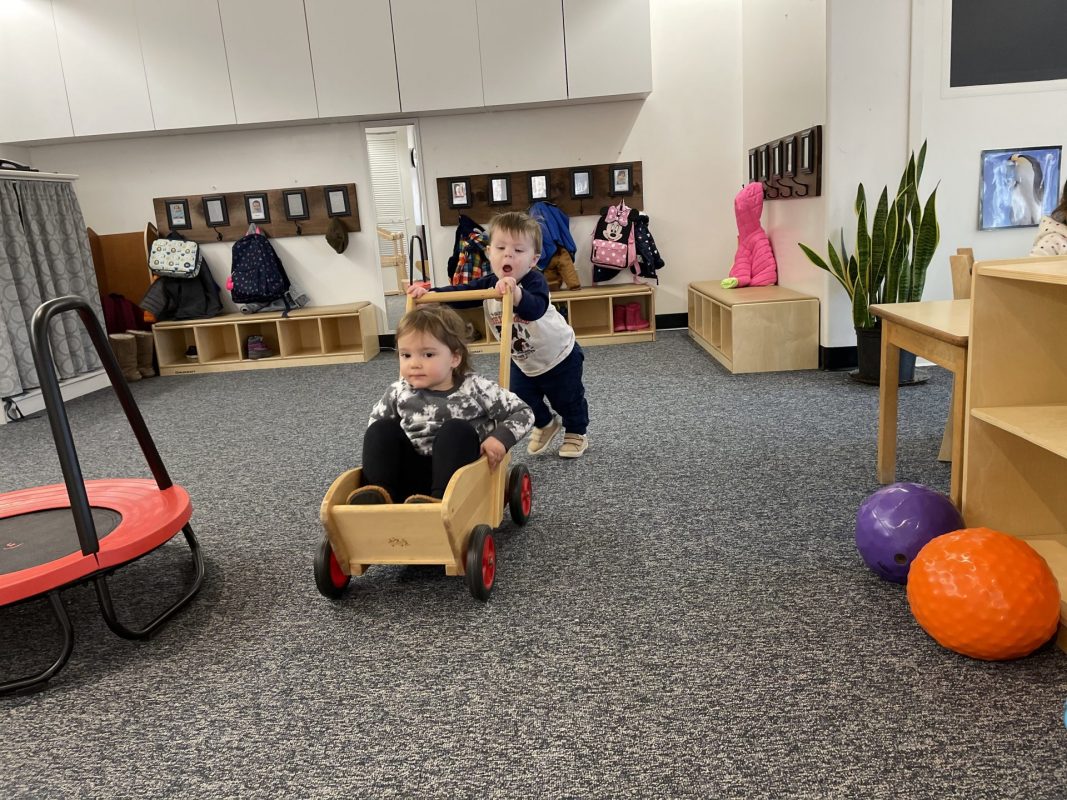
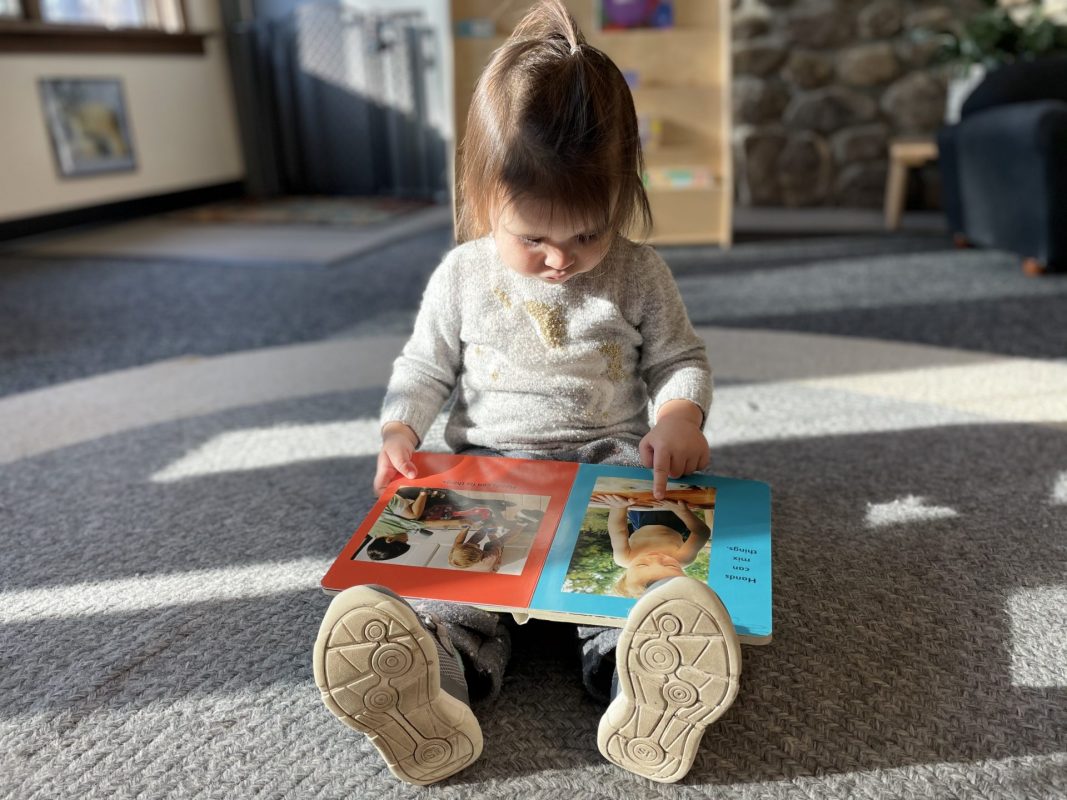
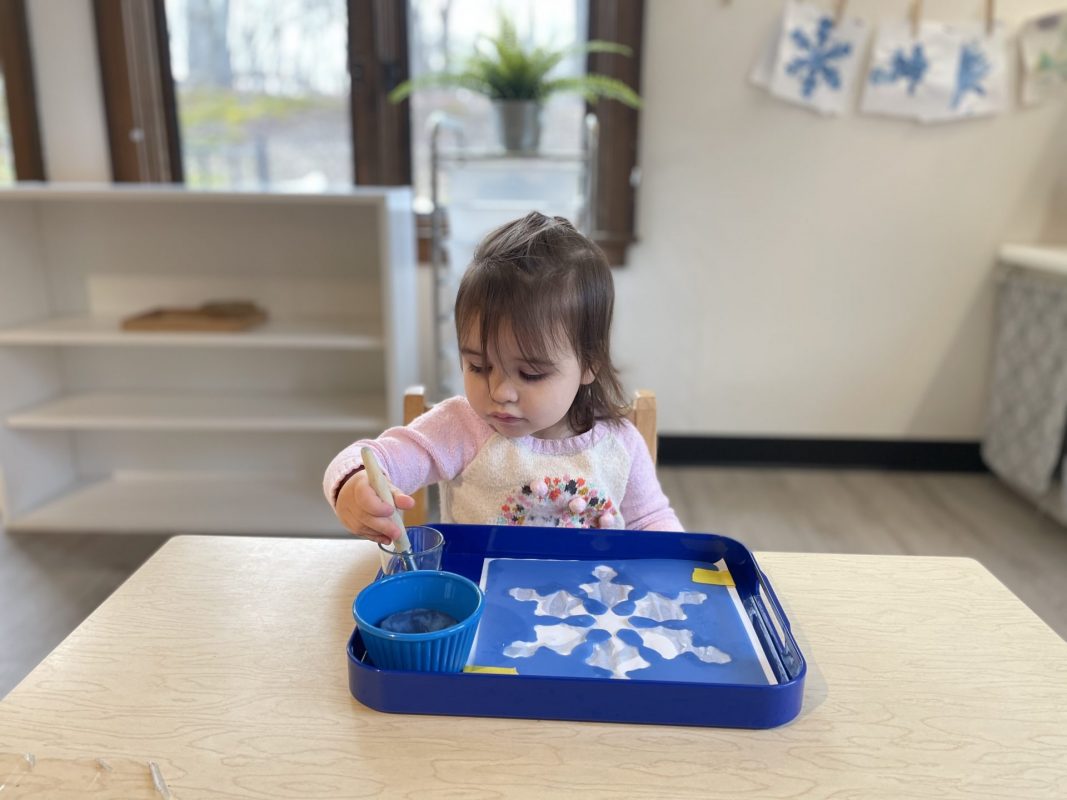
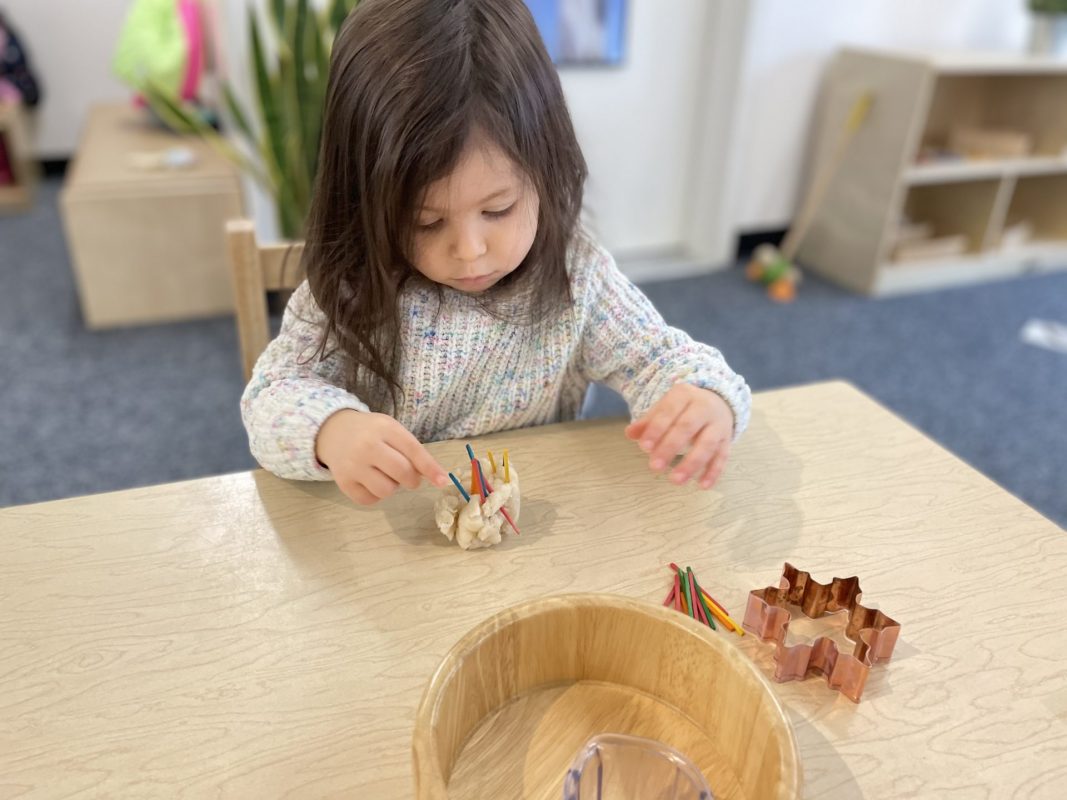
Based on our observations, this is  just ONE of the works your child seems VERY attracted to lately and enjoys repeating: 

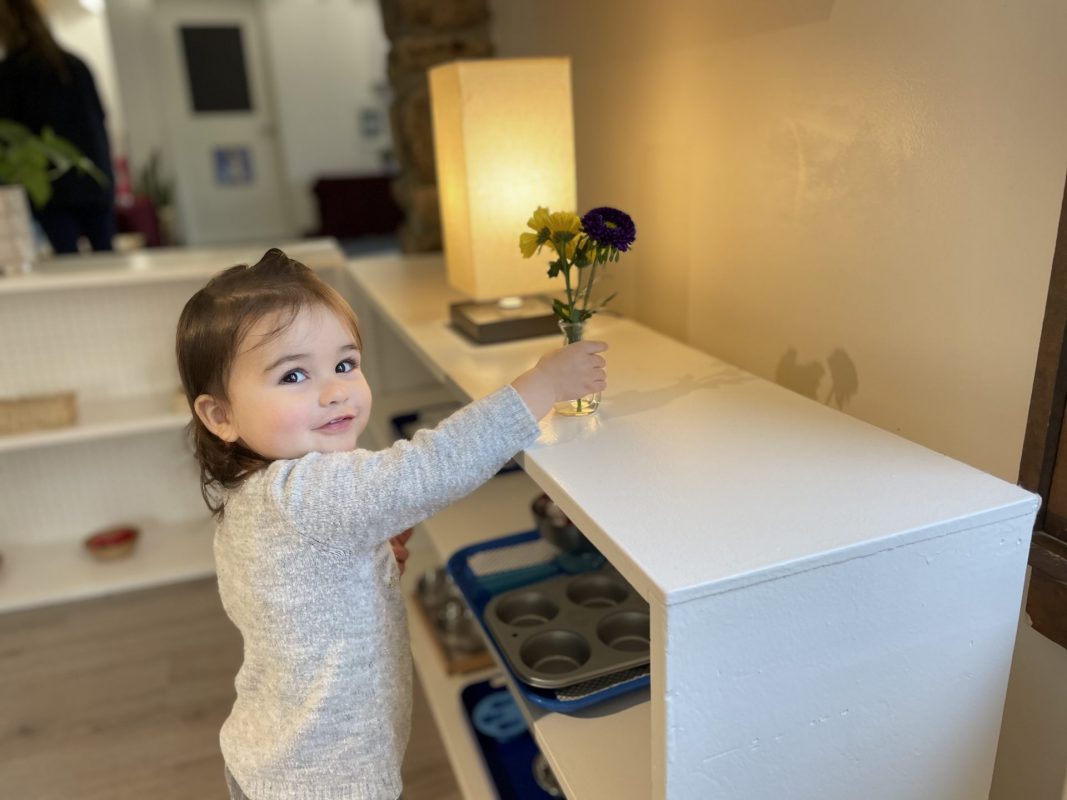
Ella – Flower arrangement 

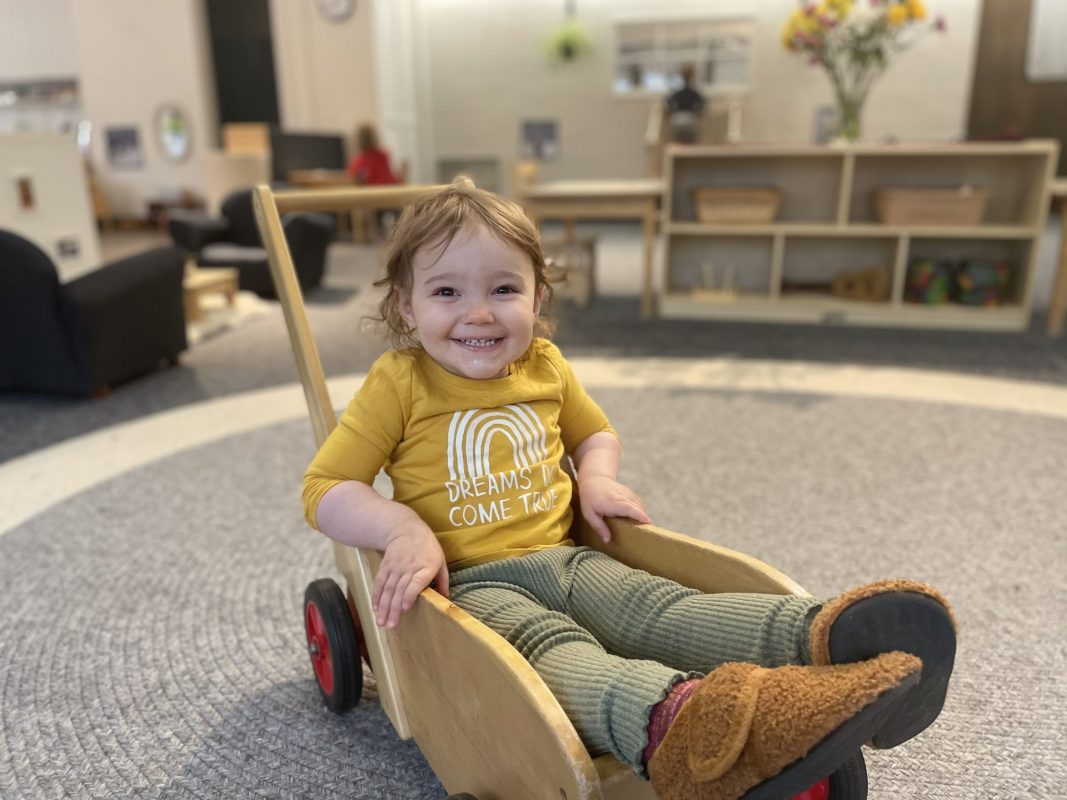
Shea– Maximum effort using the wagon 

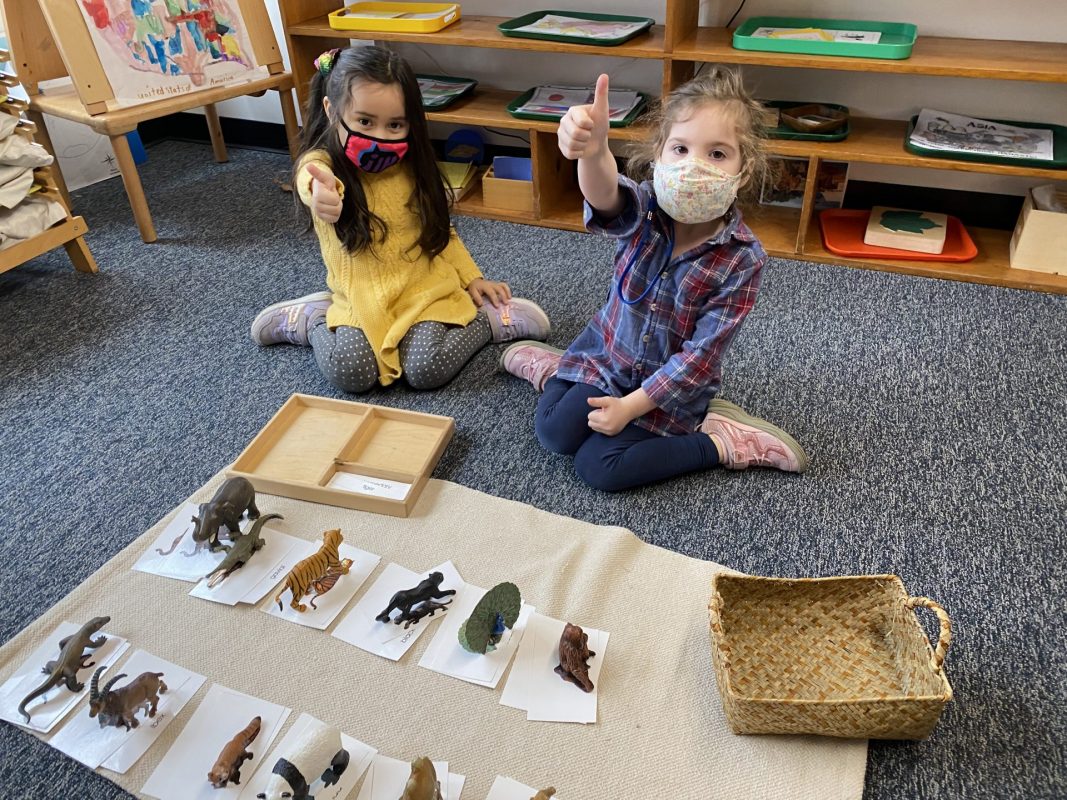
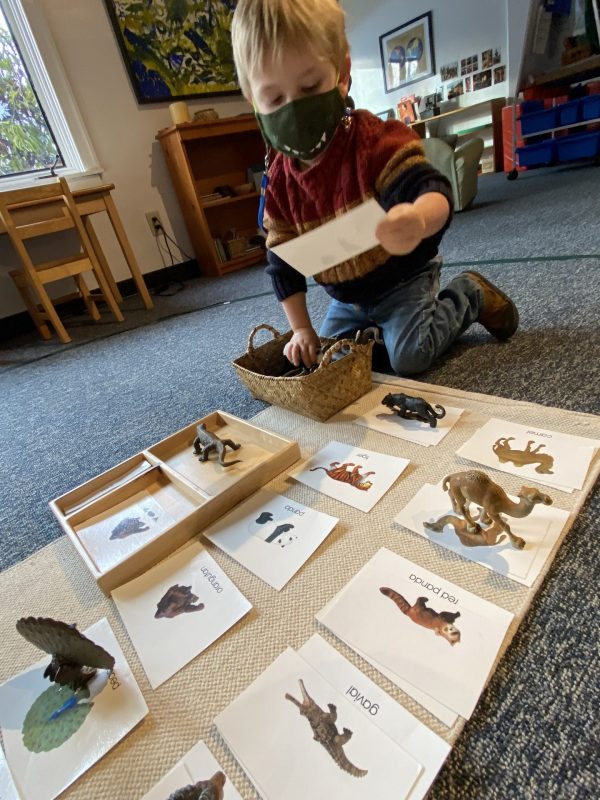
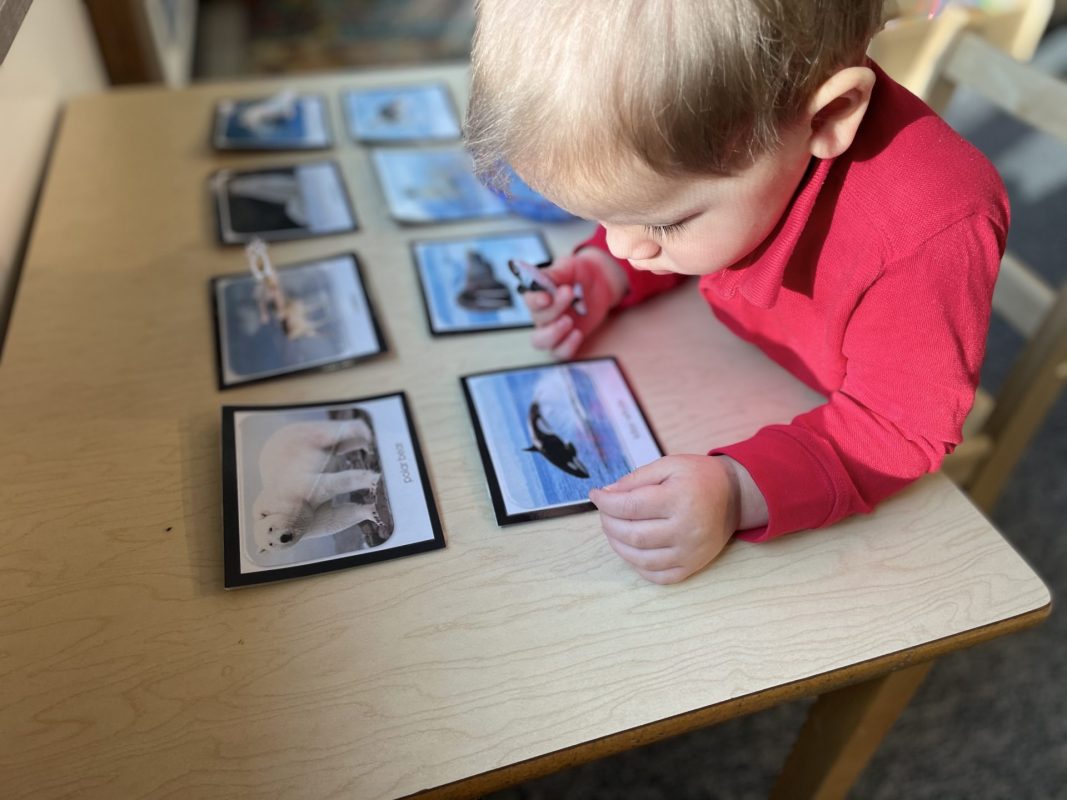
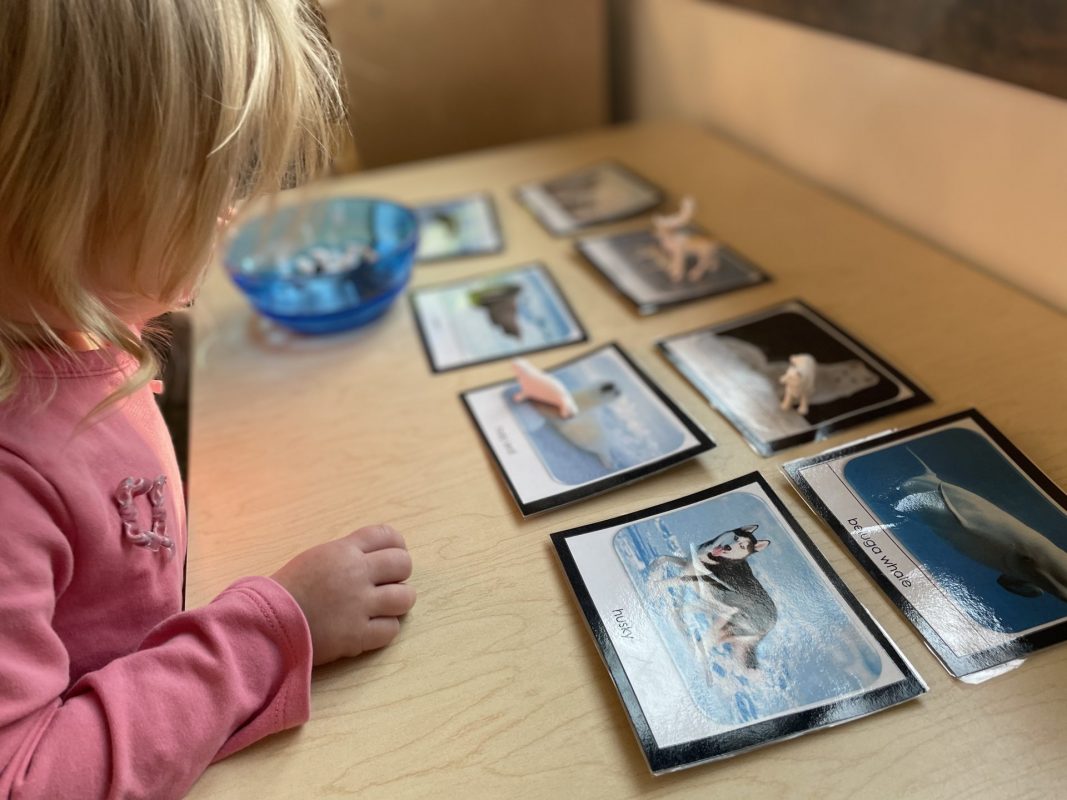
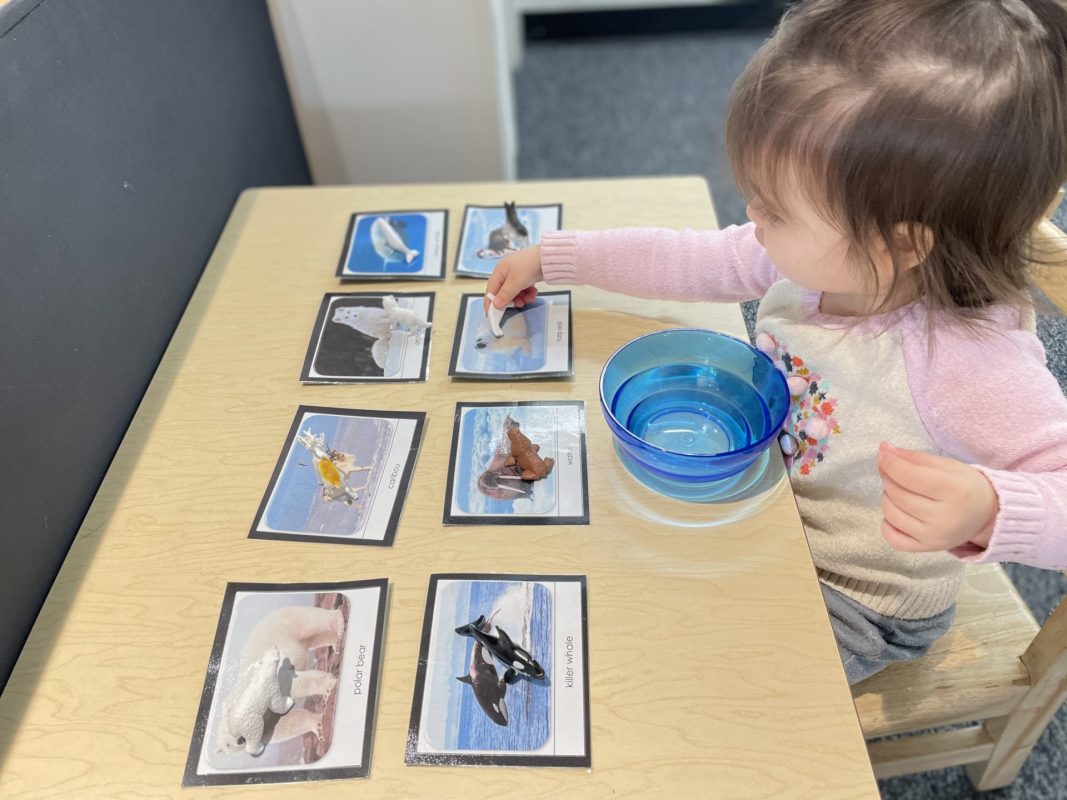
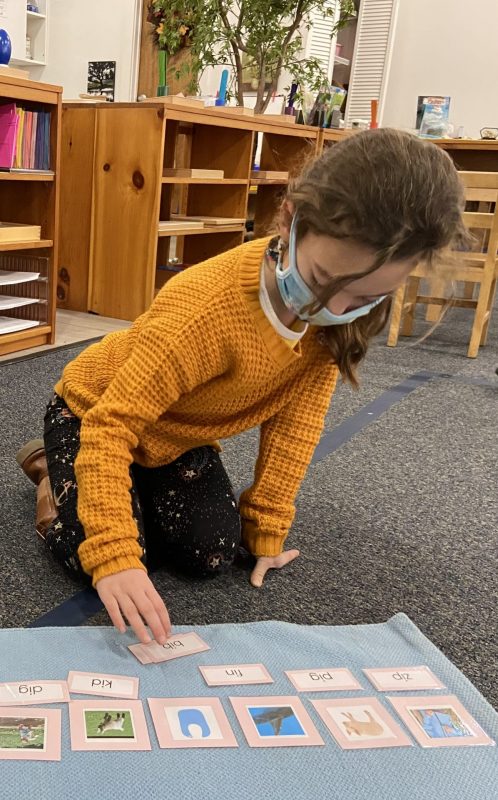
Kian– Object to picture matching- Arctic animals 

Chey–  Dressing and undressing 

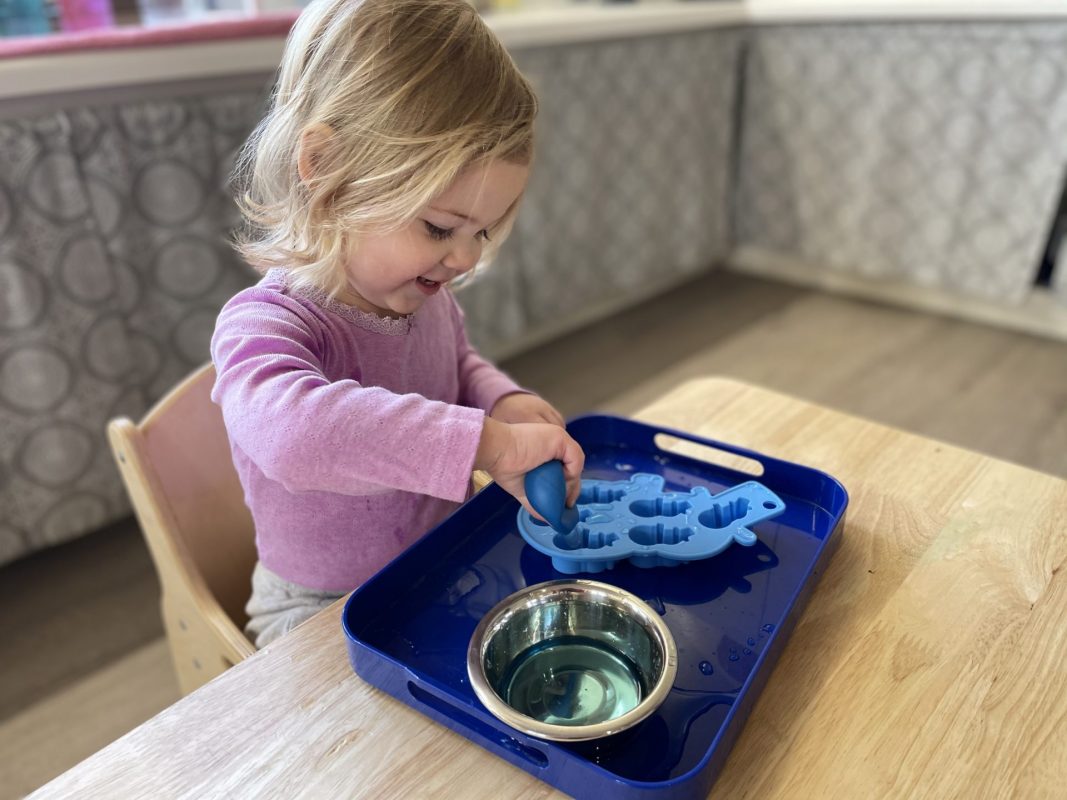
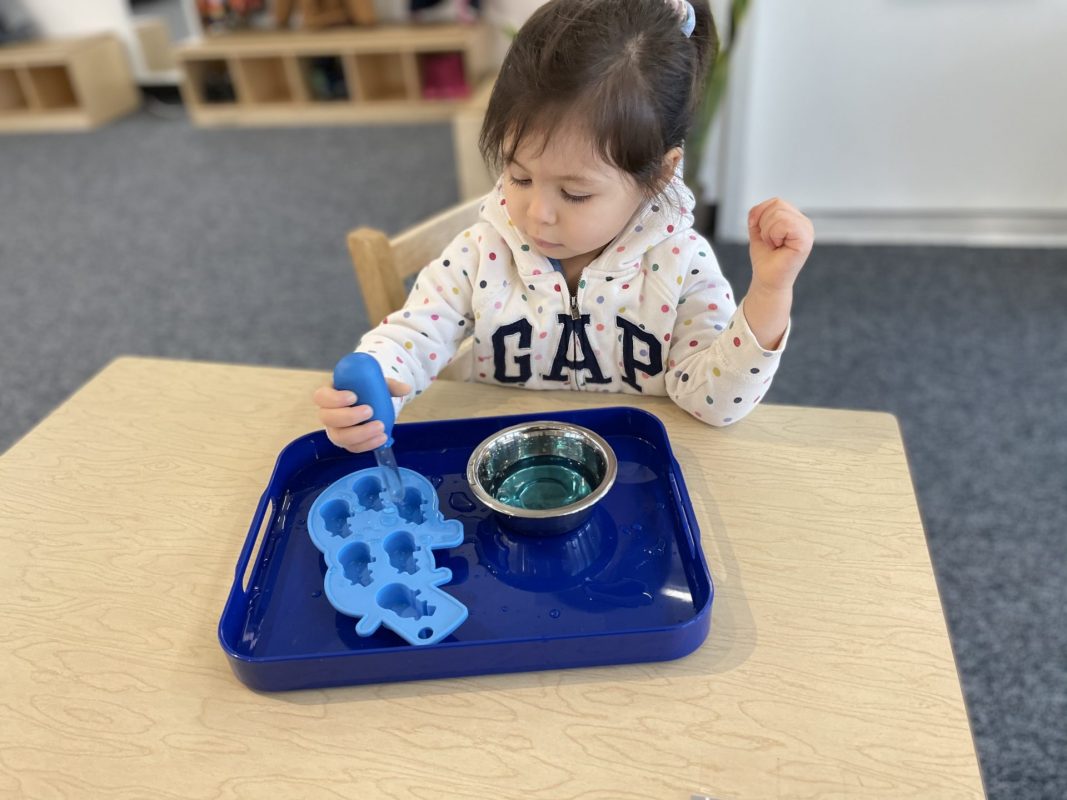
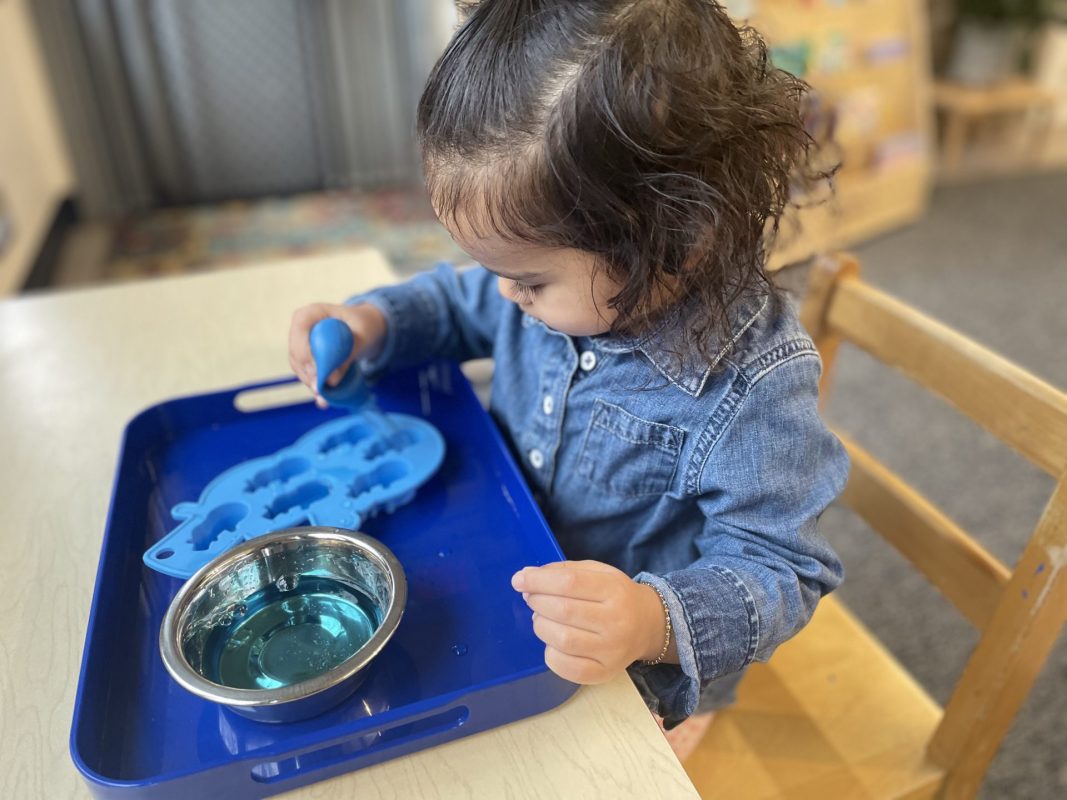
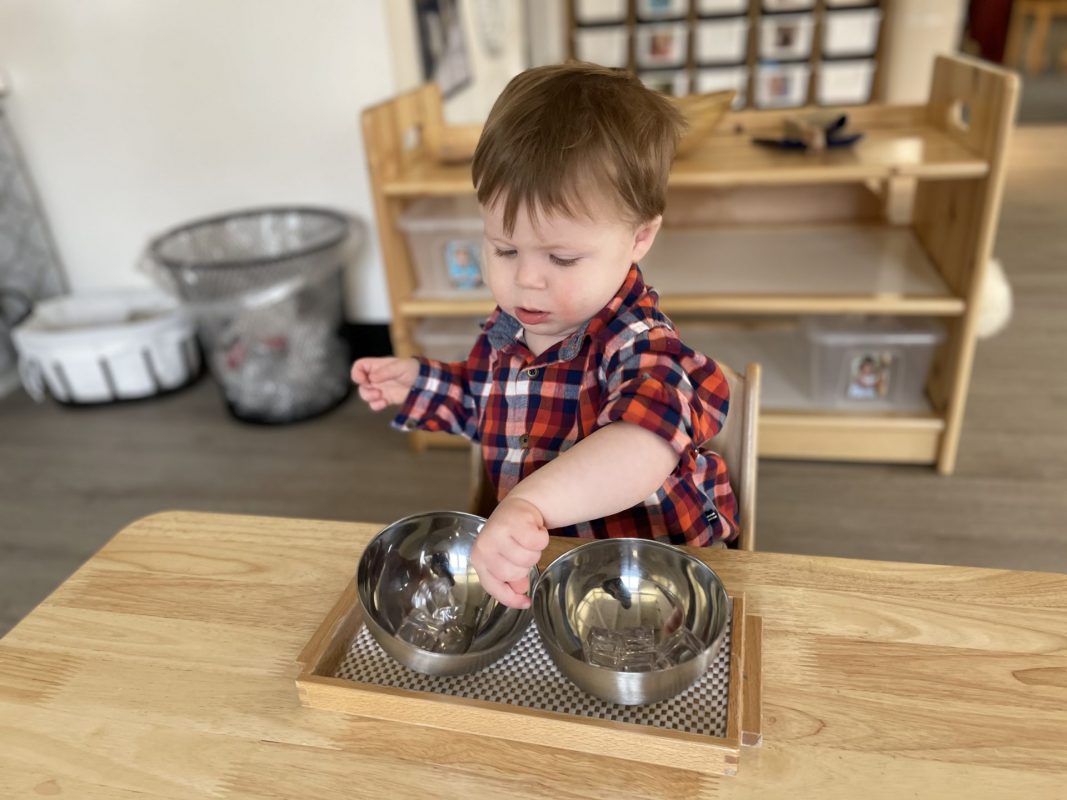
Sara–  Transferring water with a dropper 

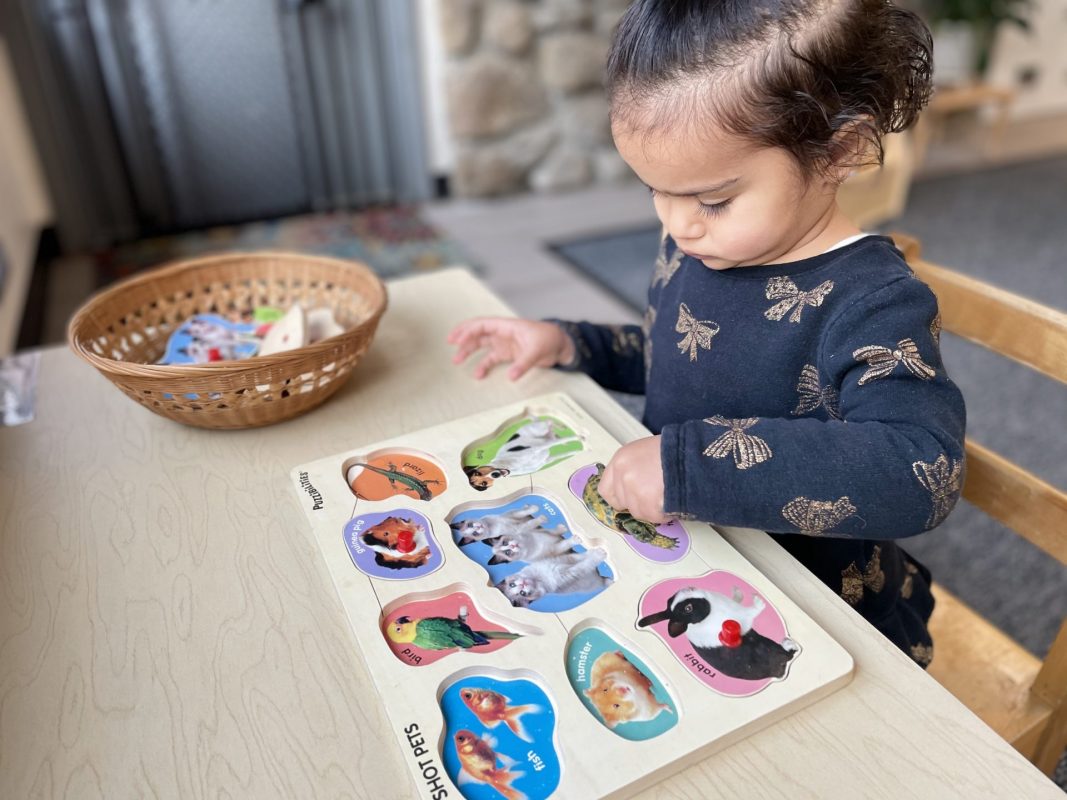
Maya–  Puzzles 

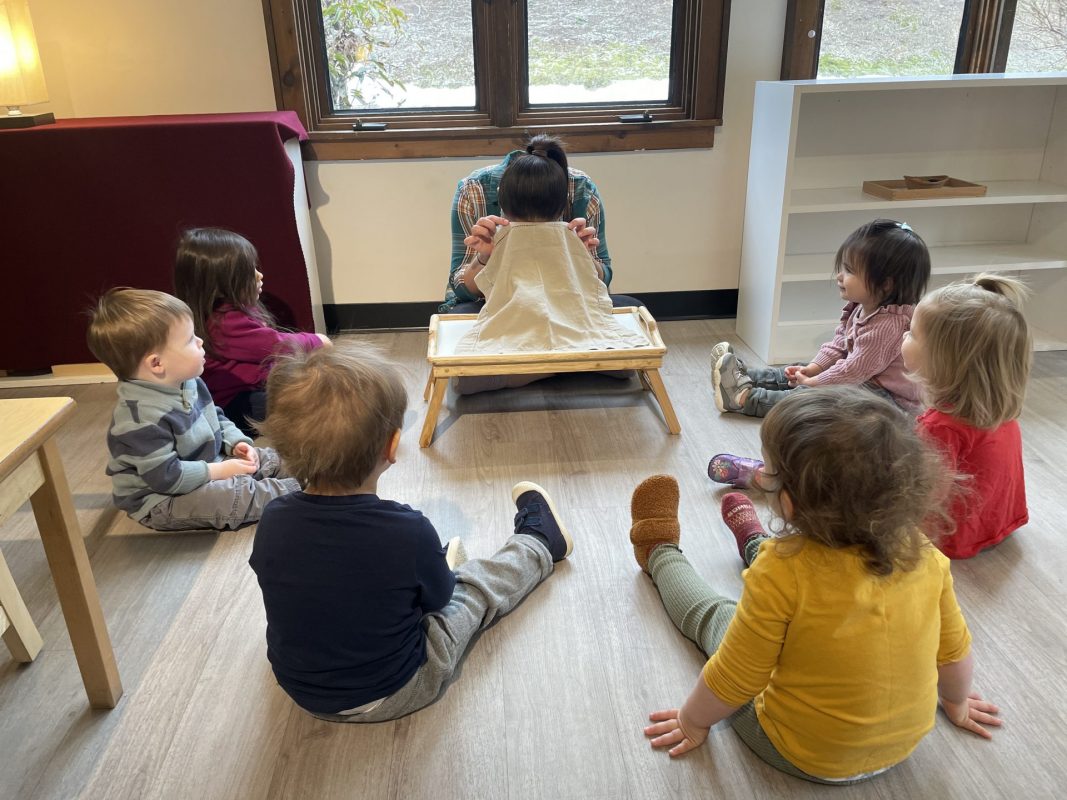
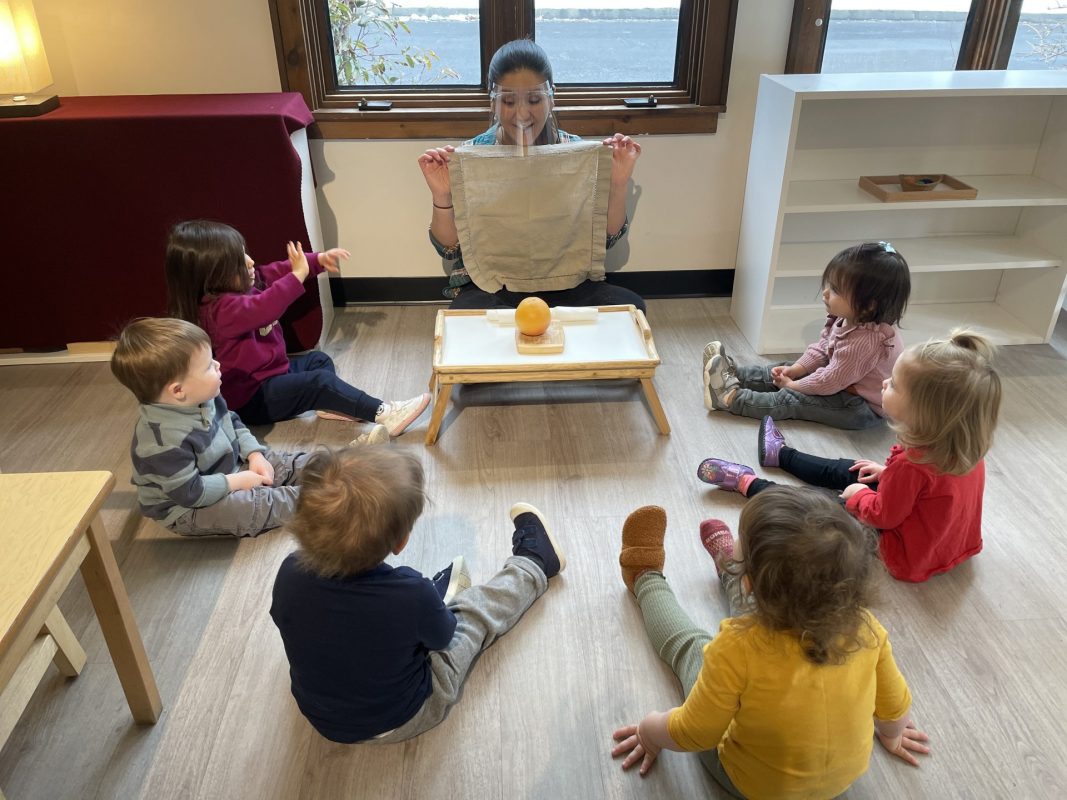
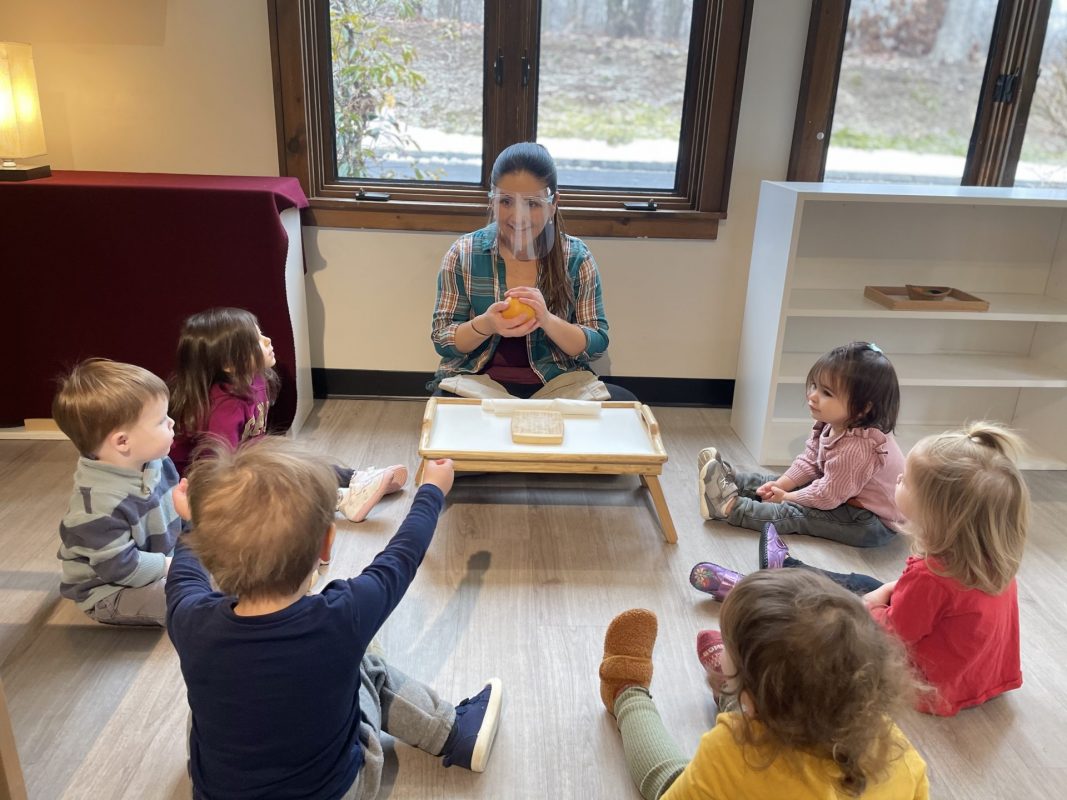
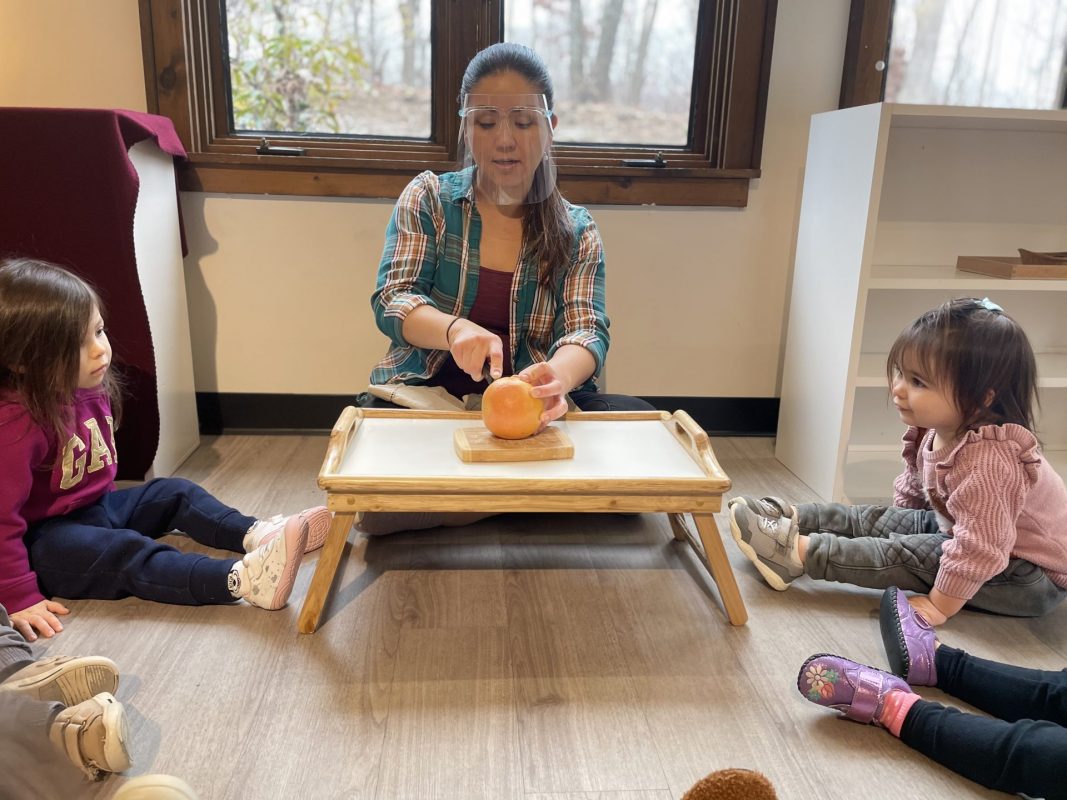
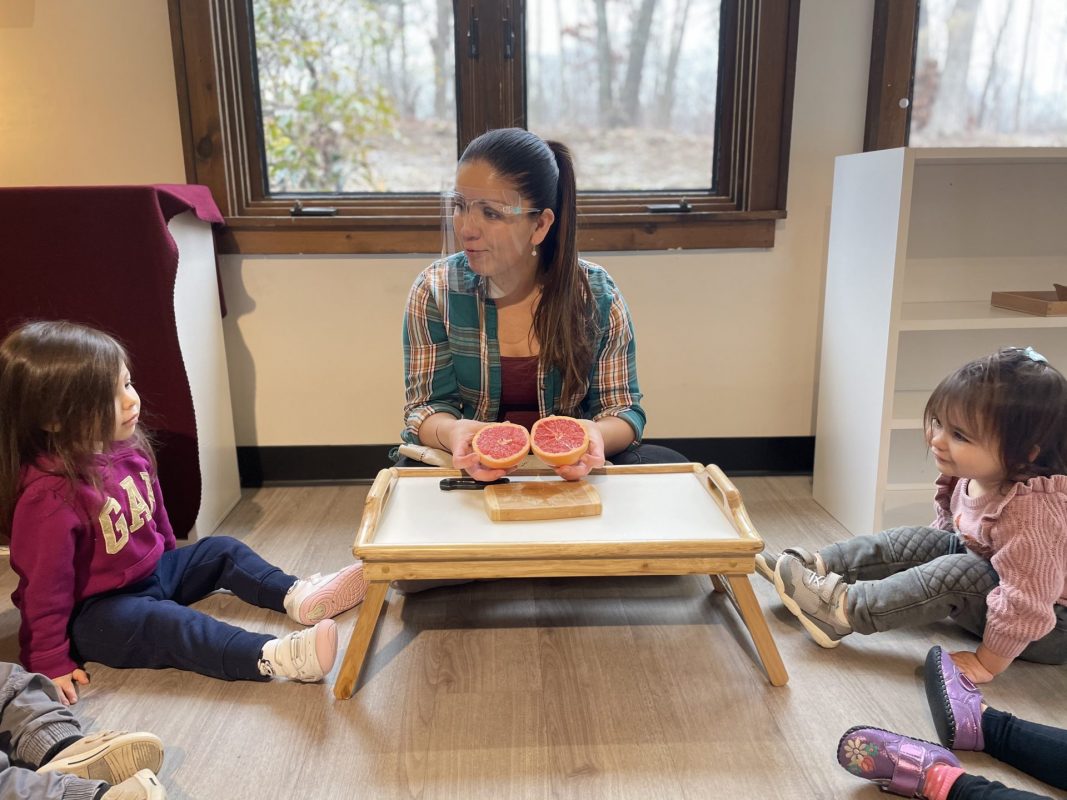
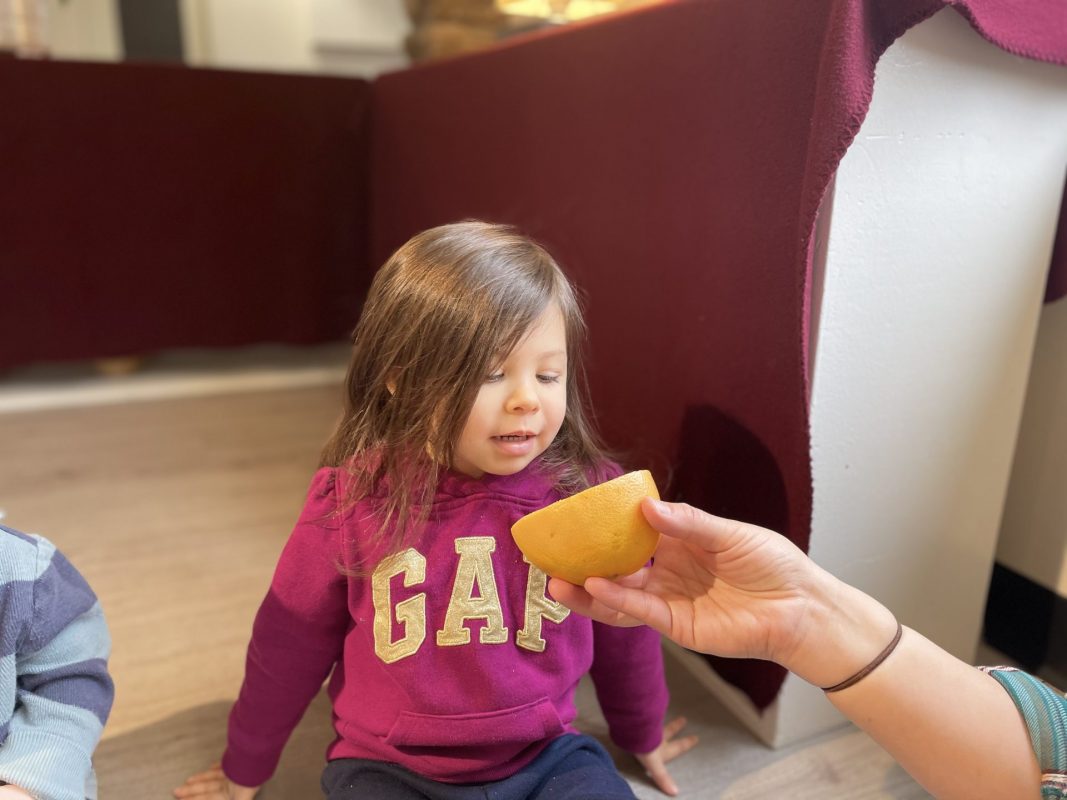
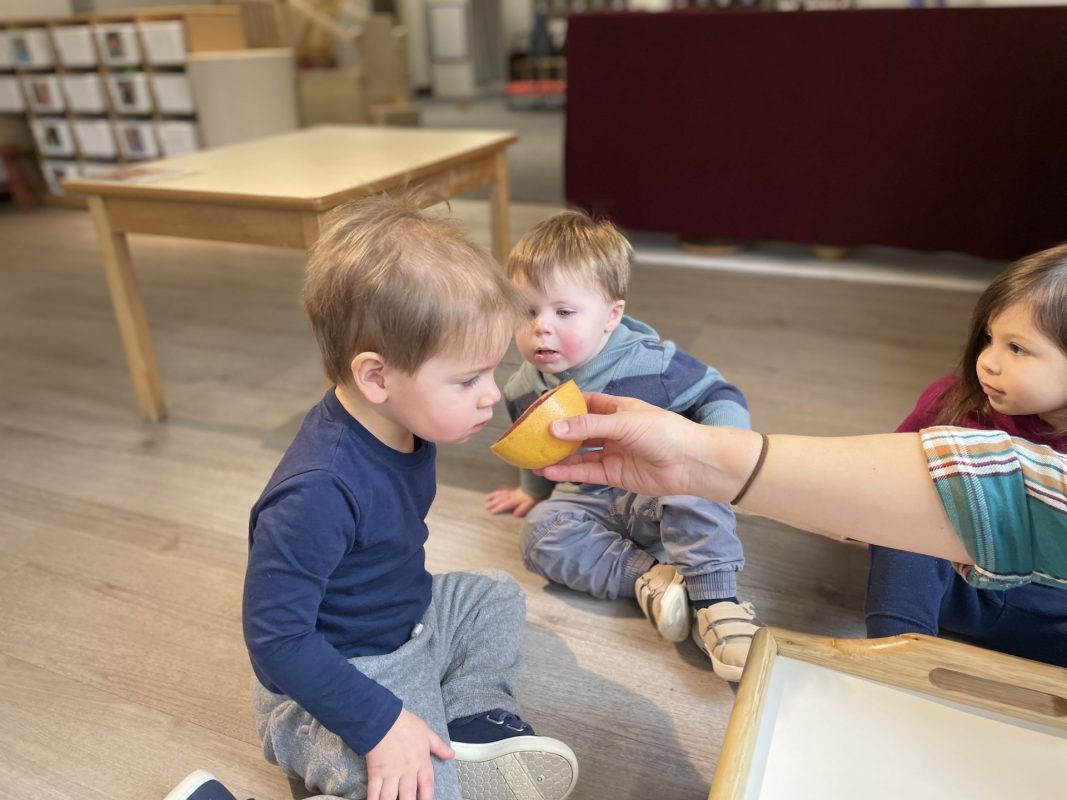
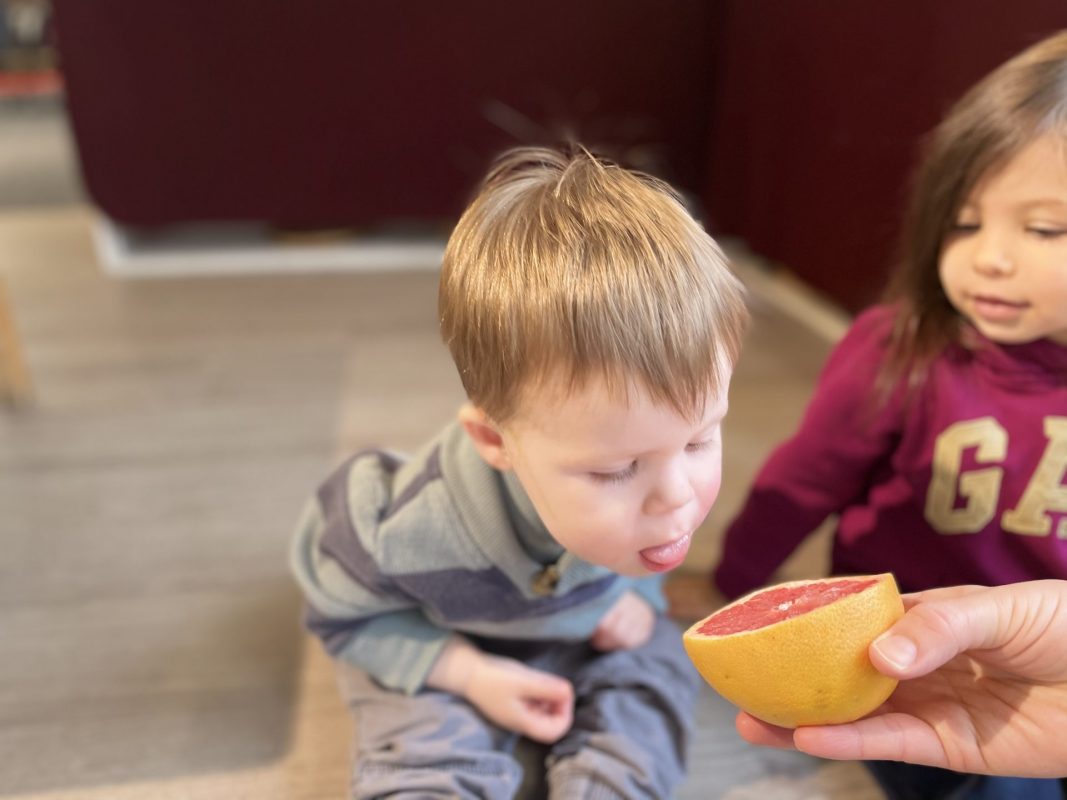
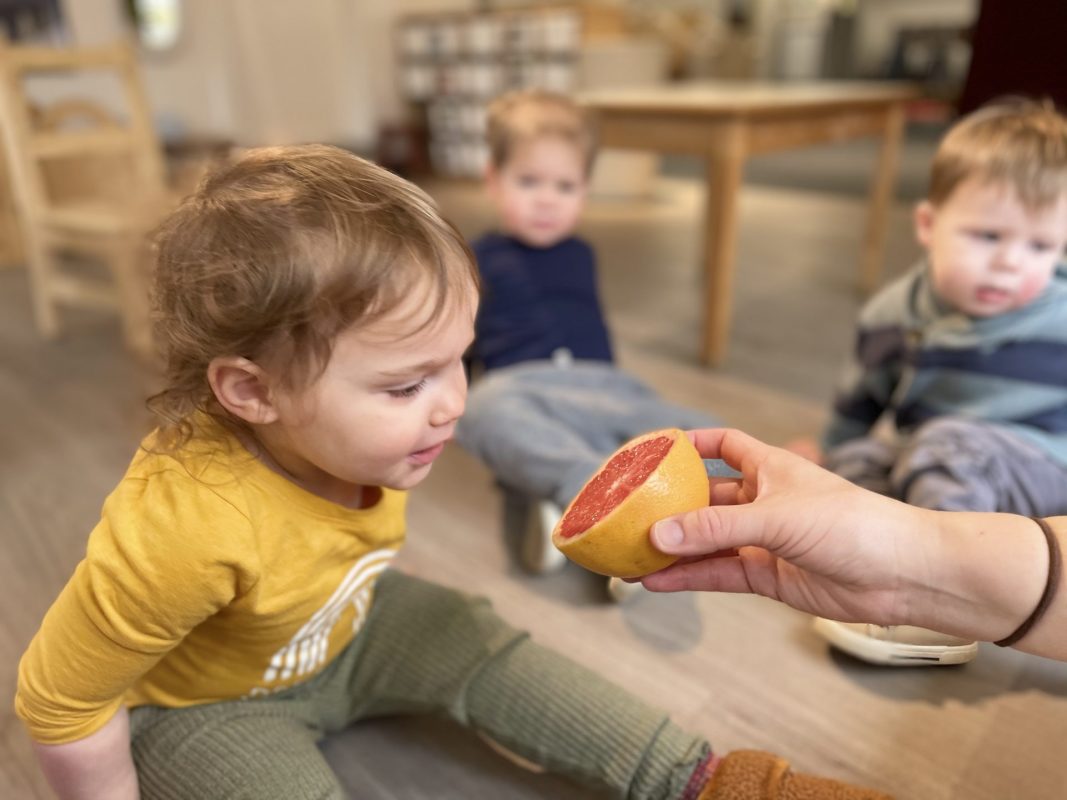
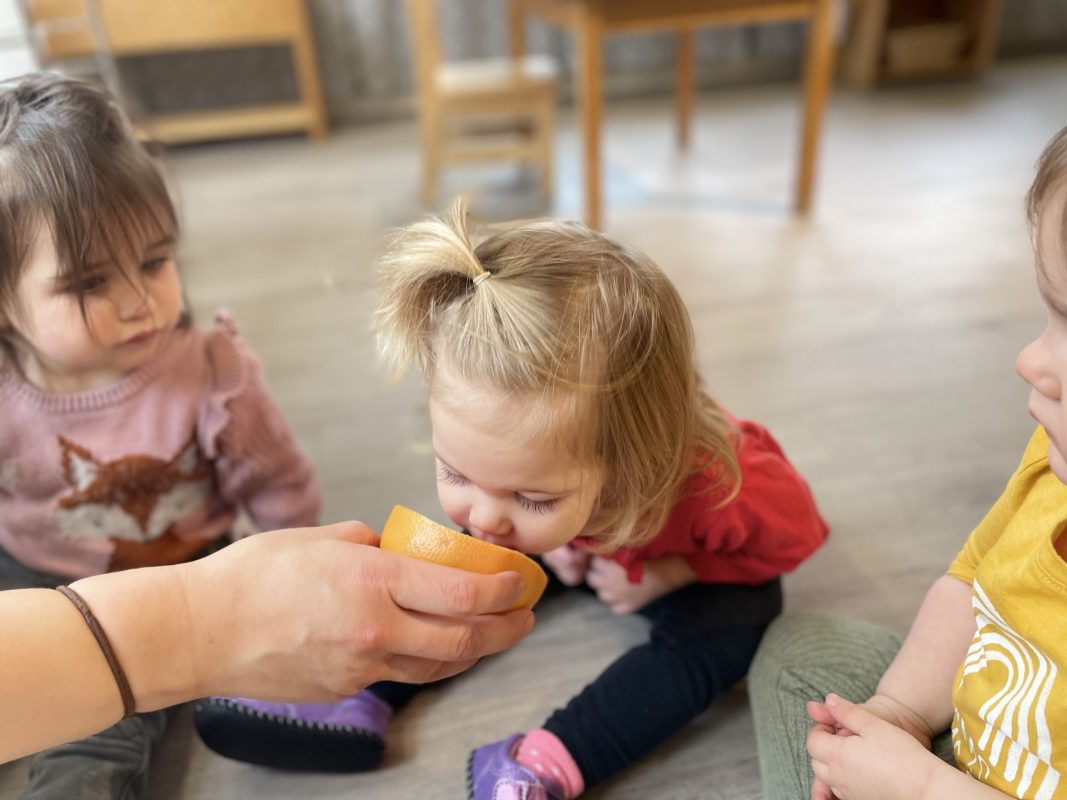
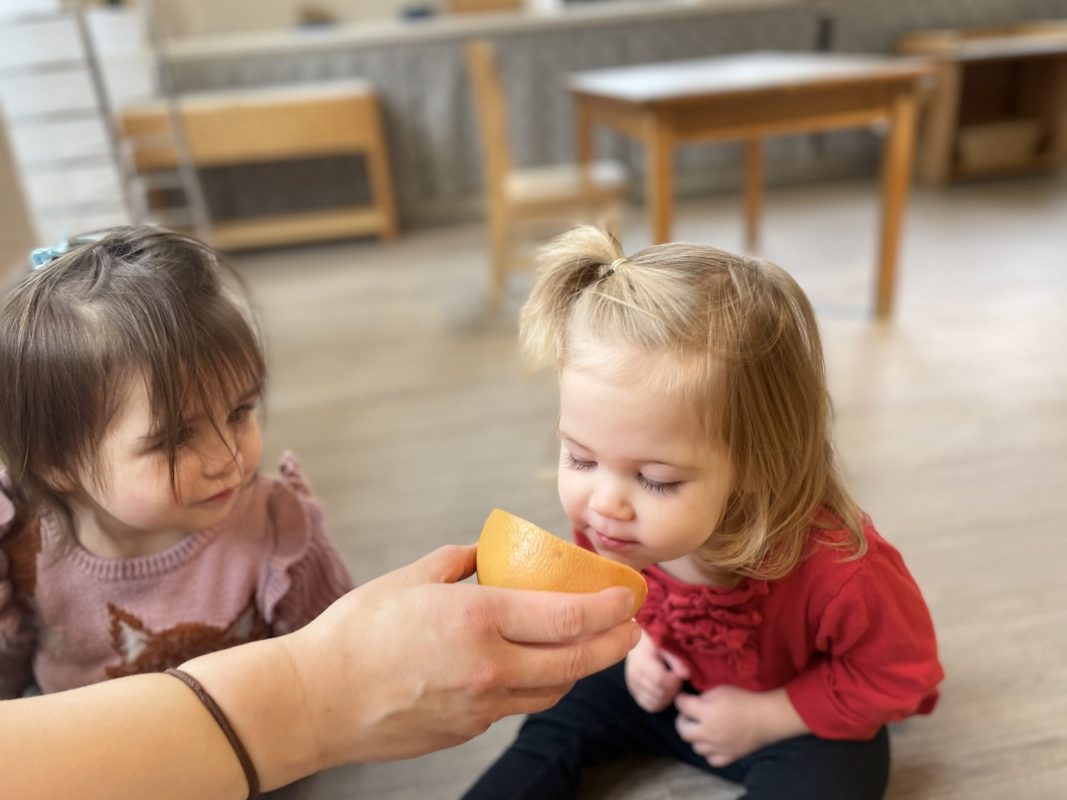
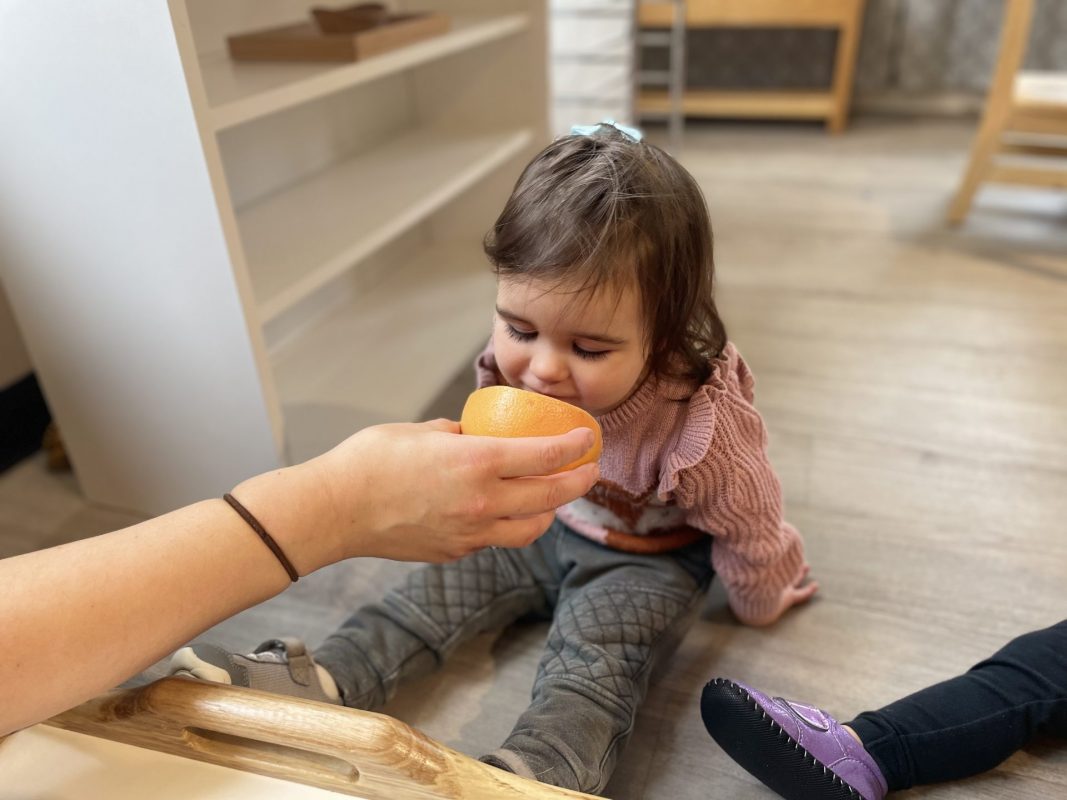
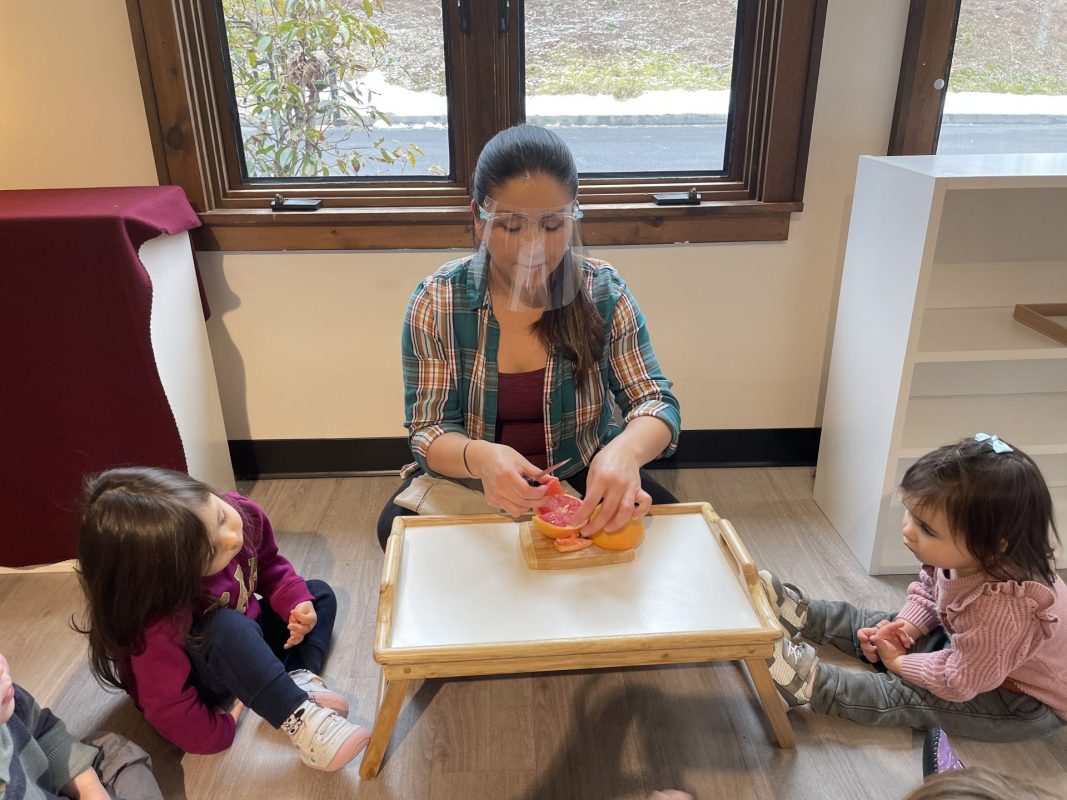
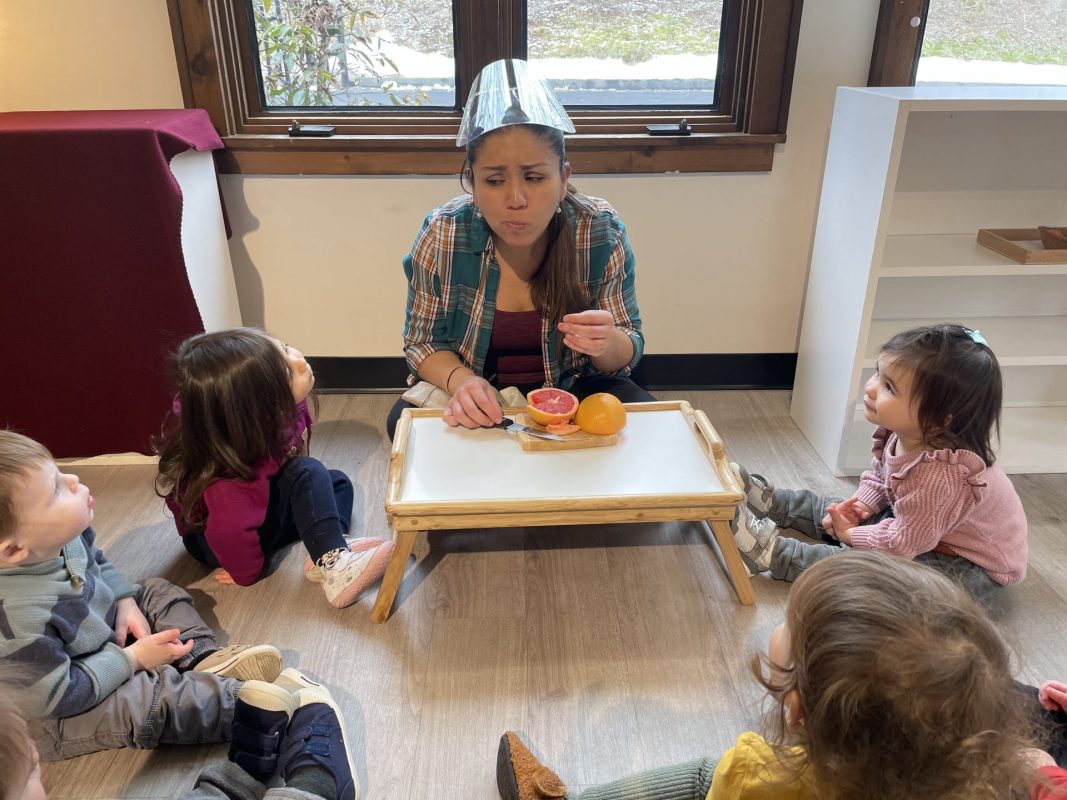
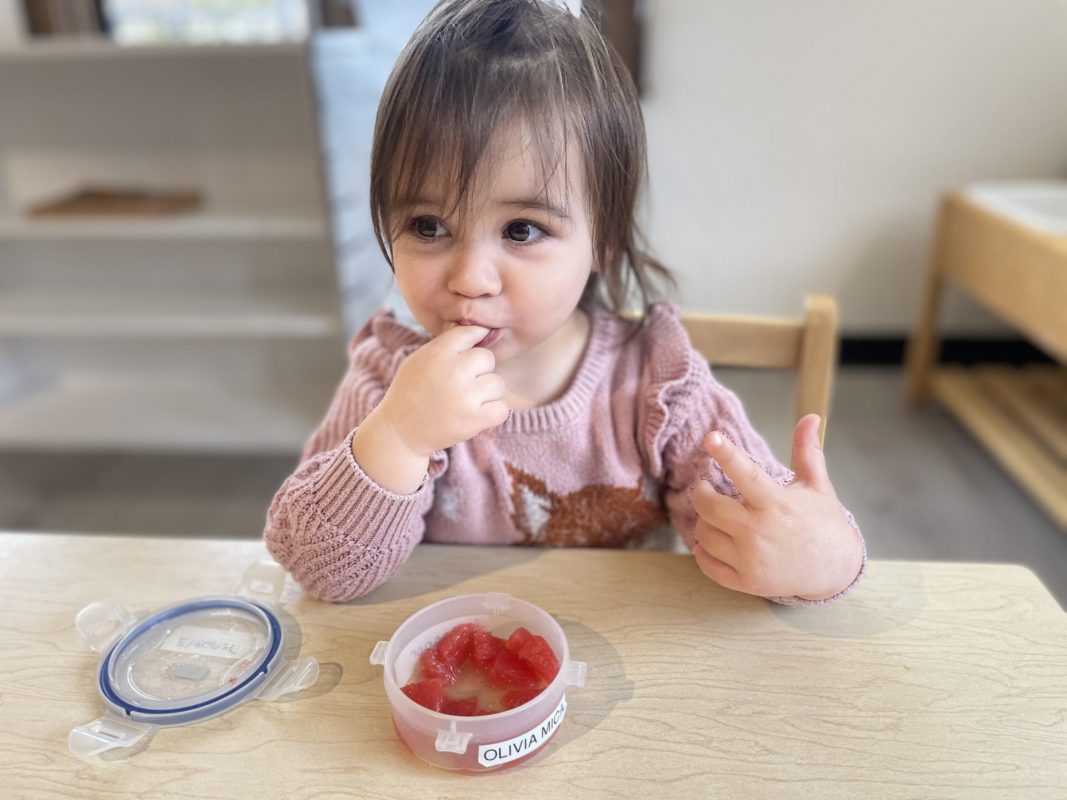
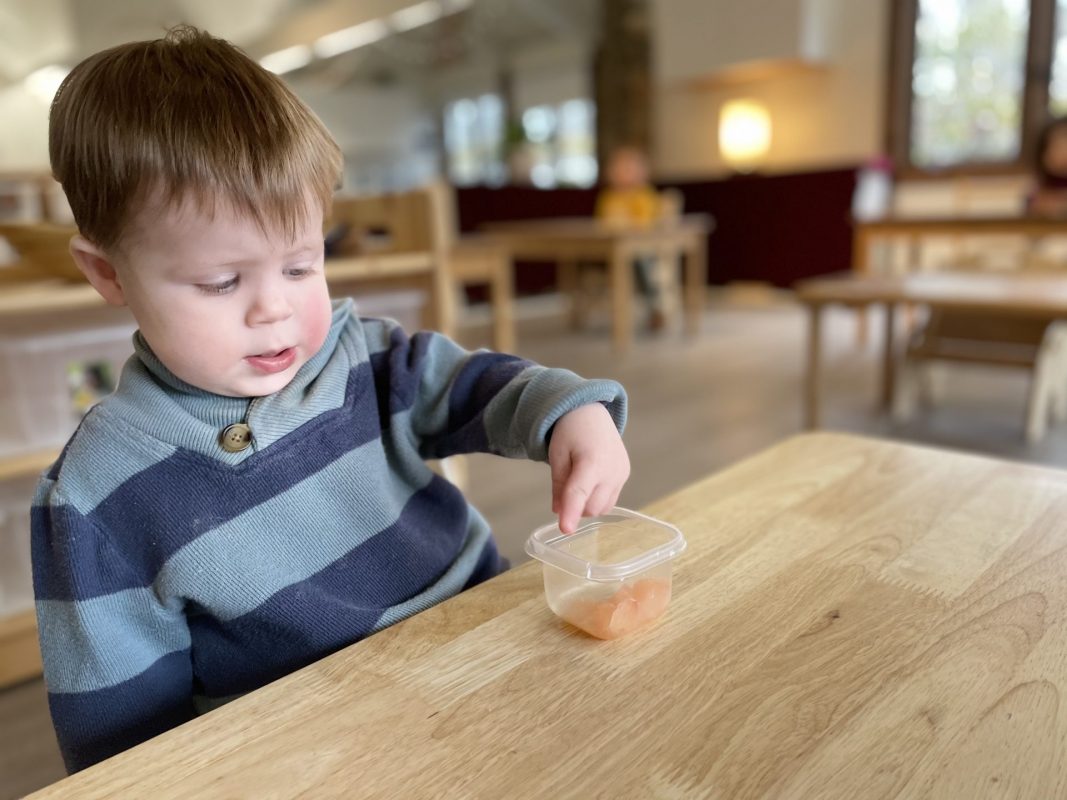
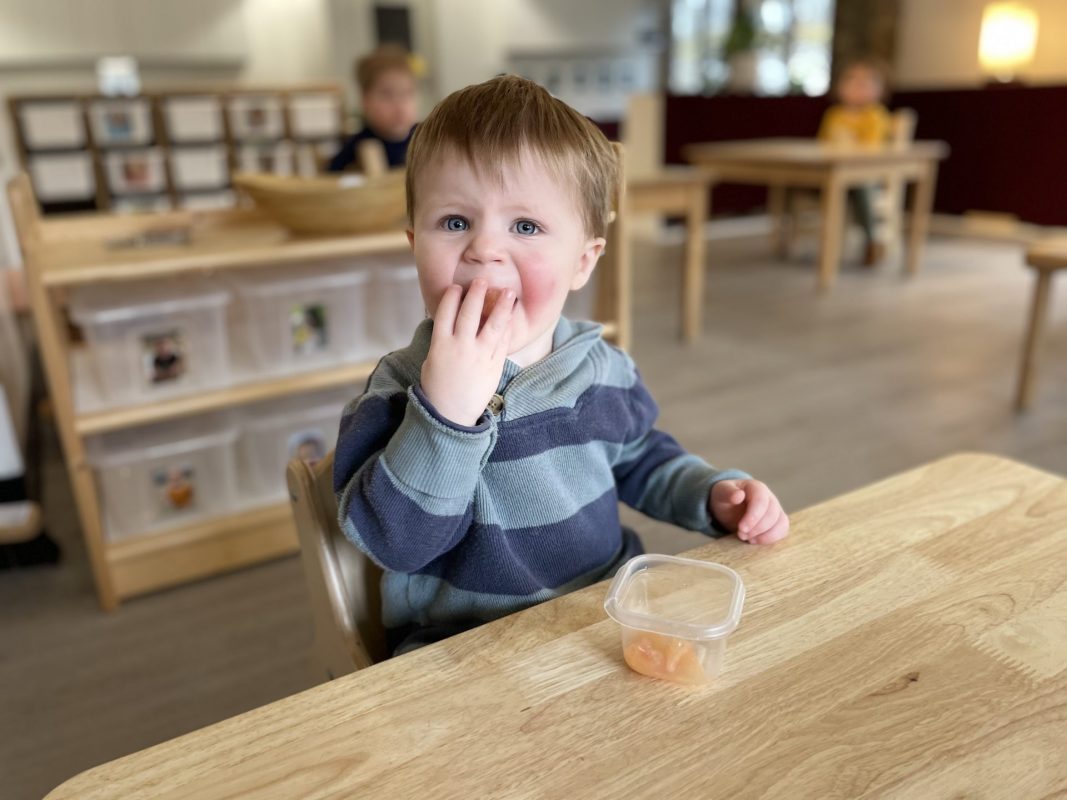
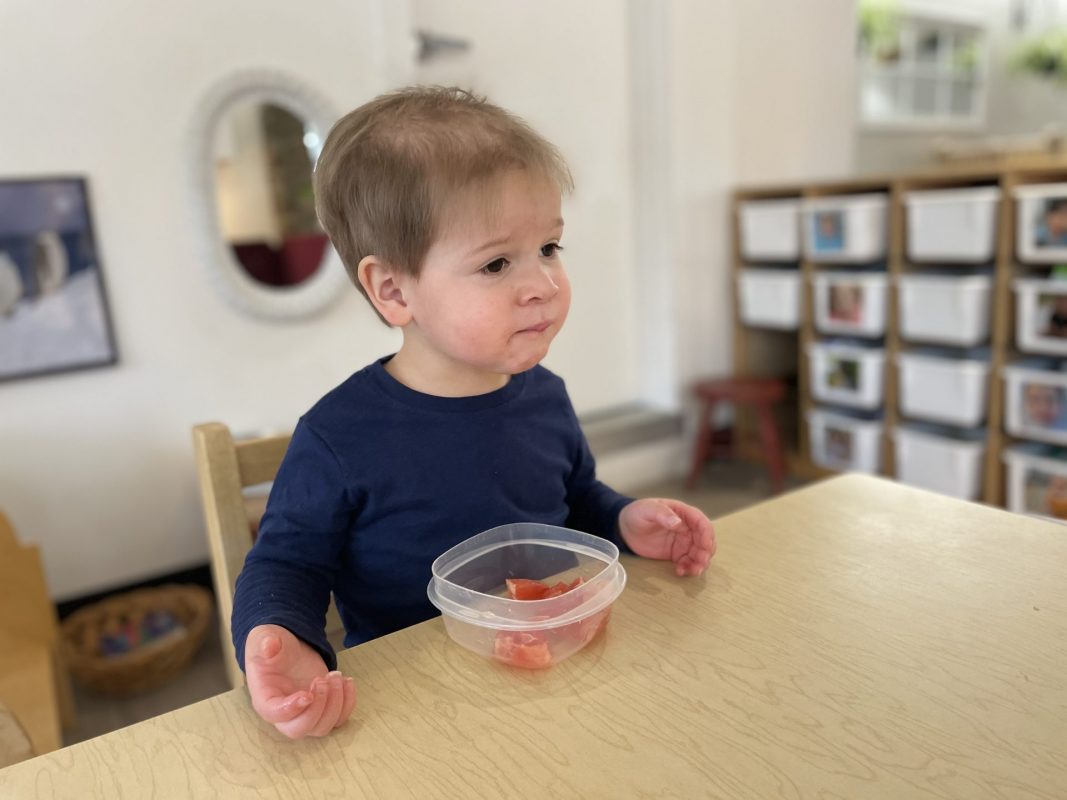
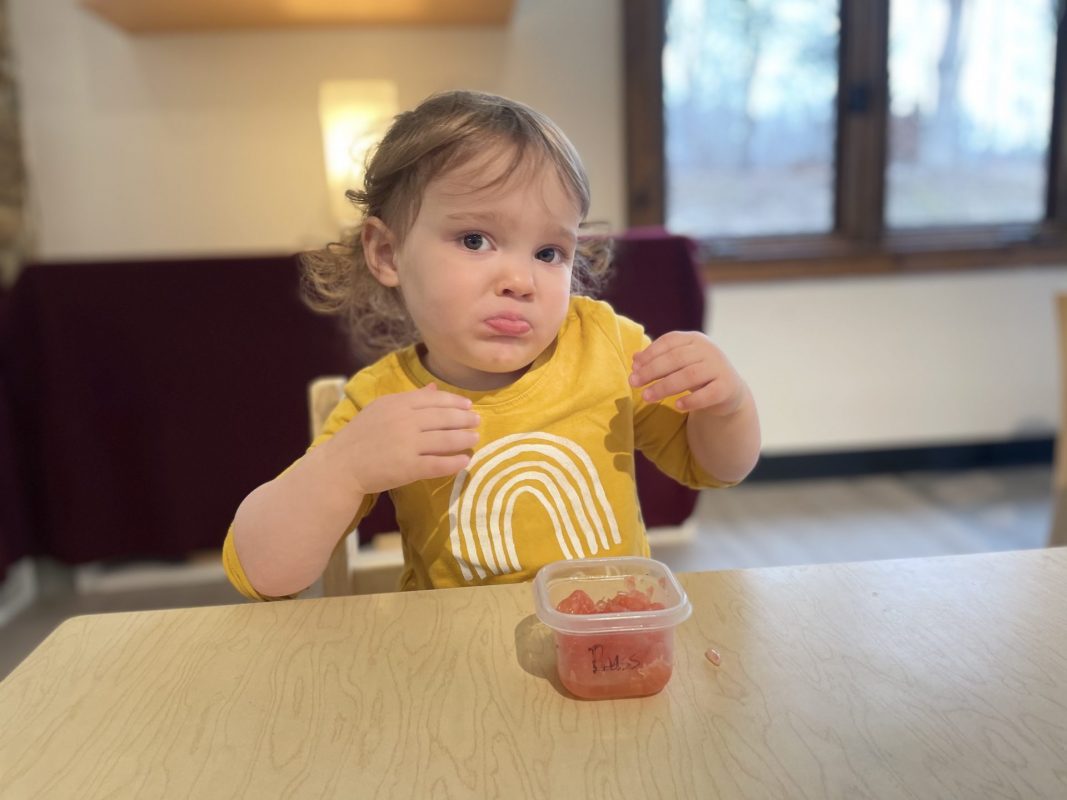
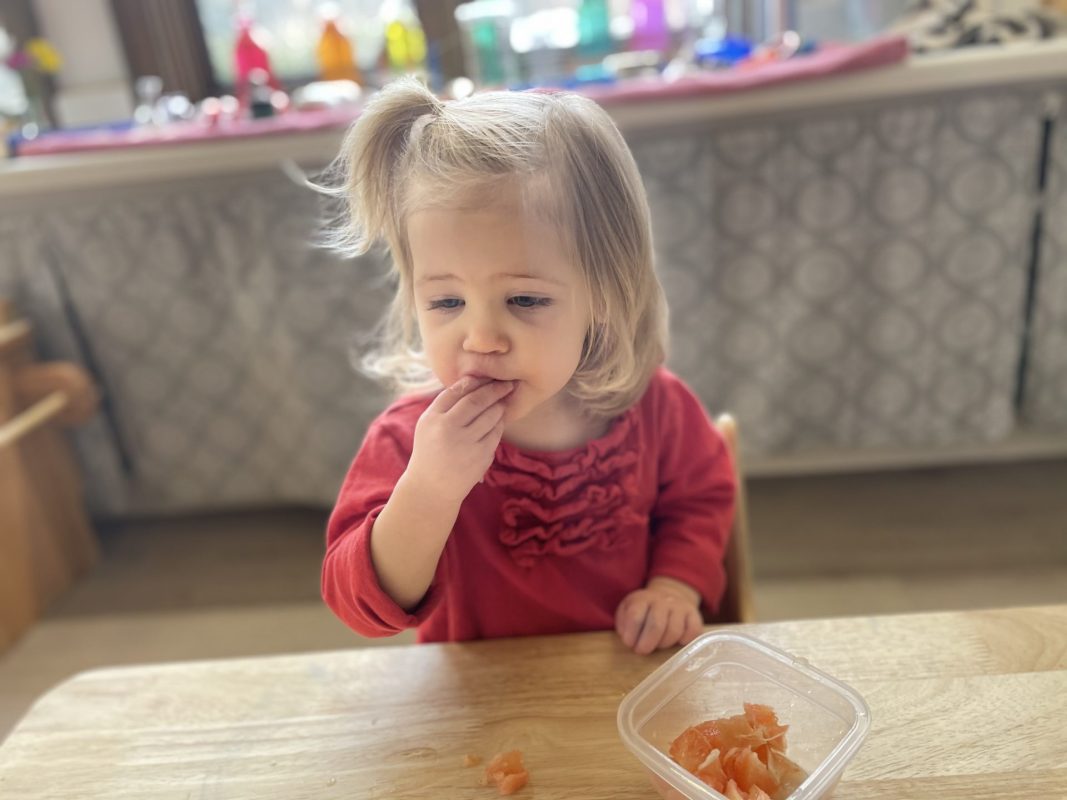
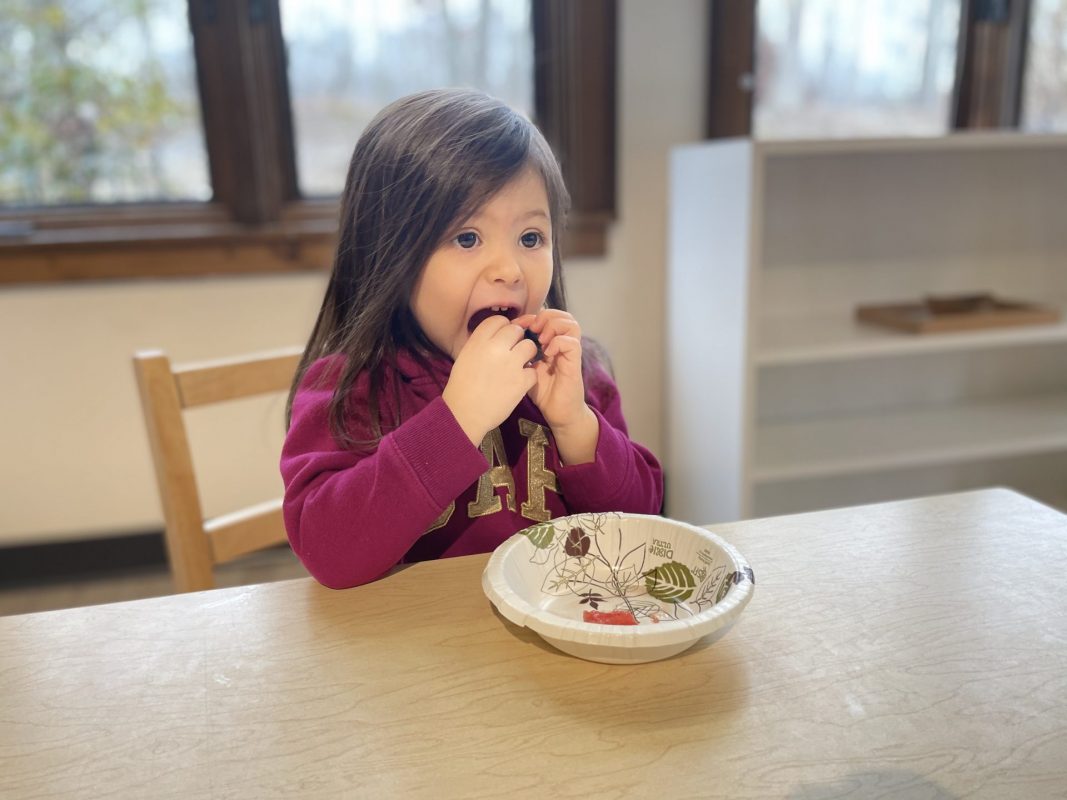
On another note, children enjoyed exploring a juicy  grapefruit for food tasting. It was a fun and tangy experience! 🙂

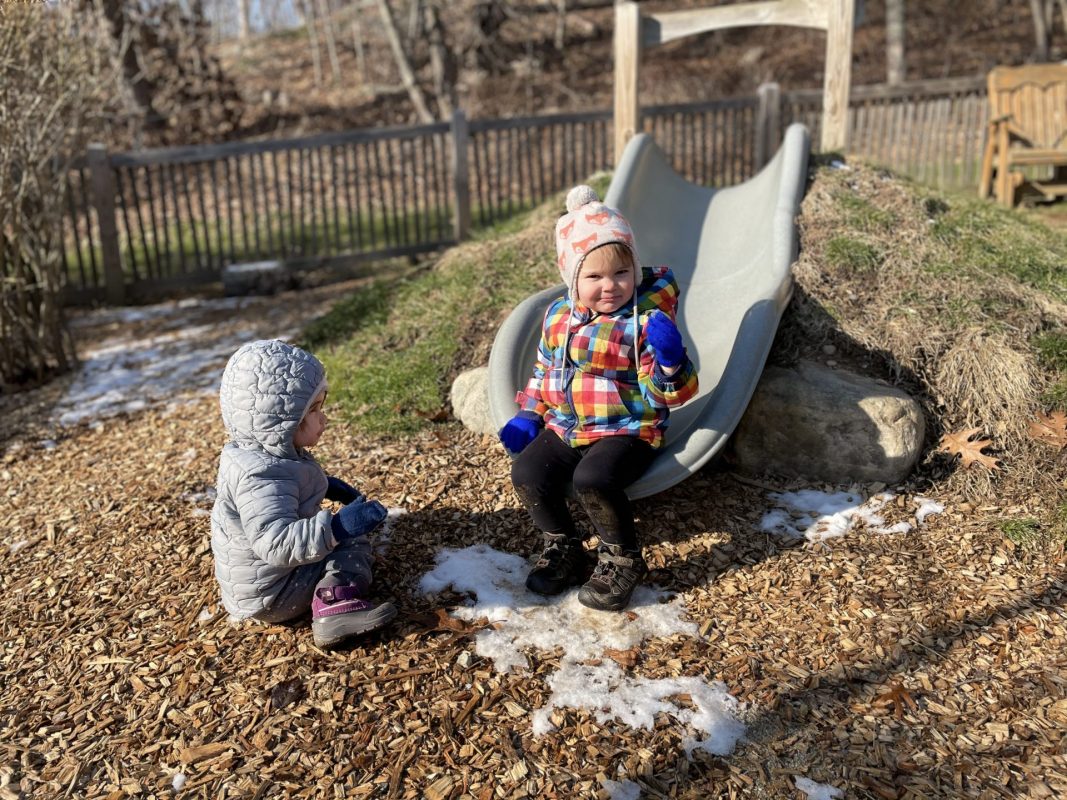
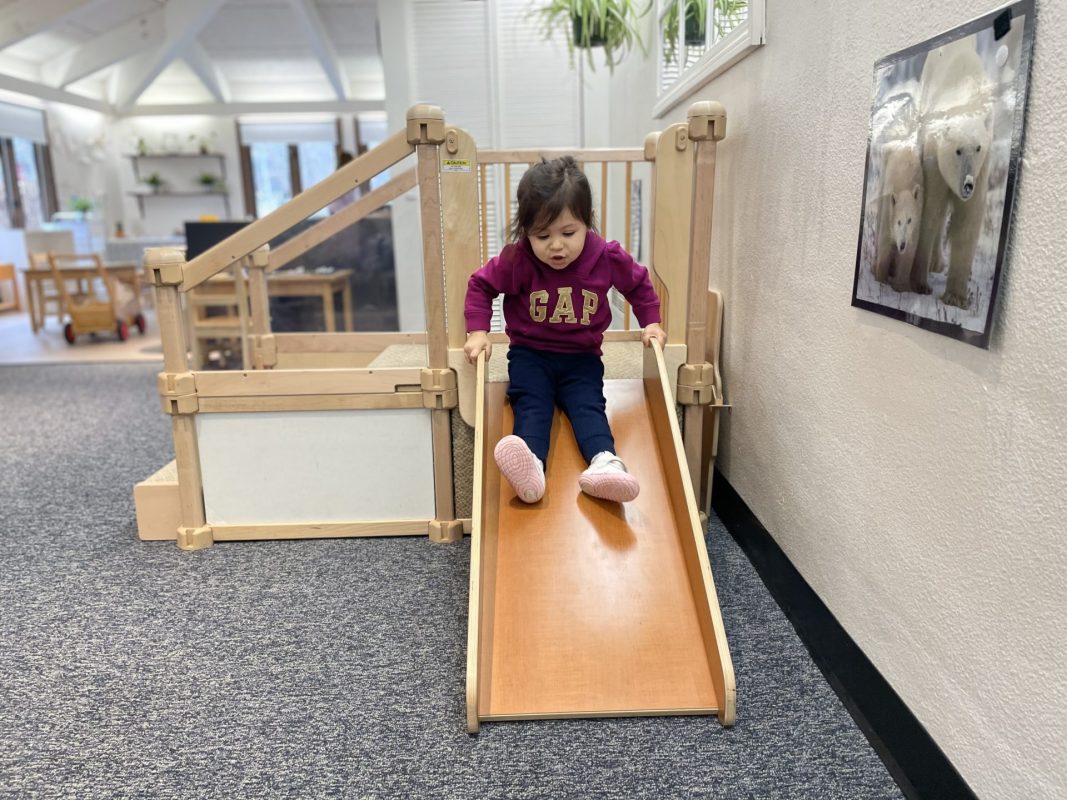
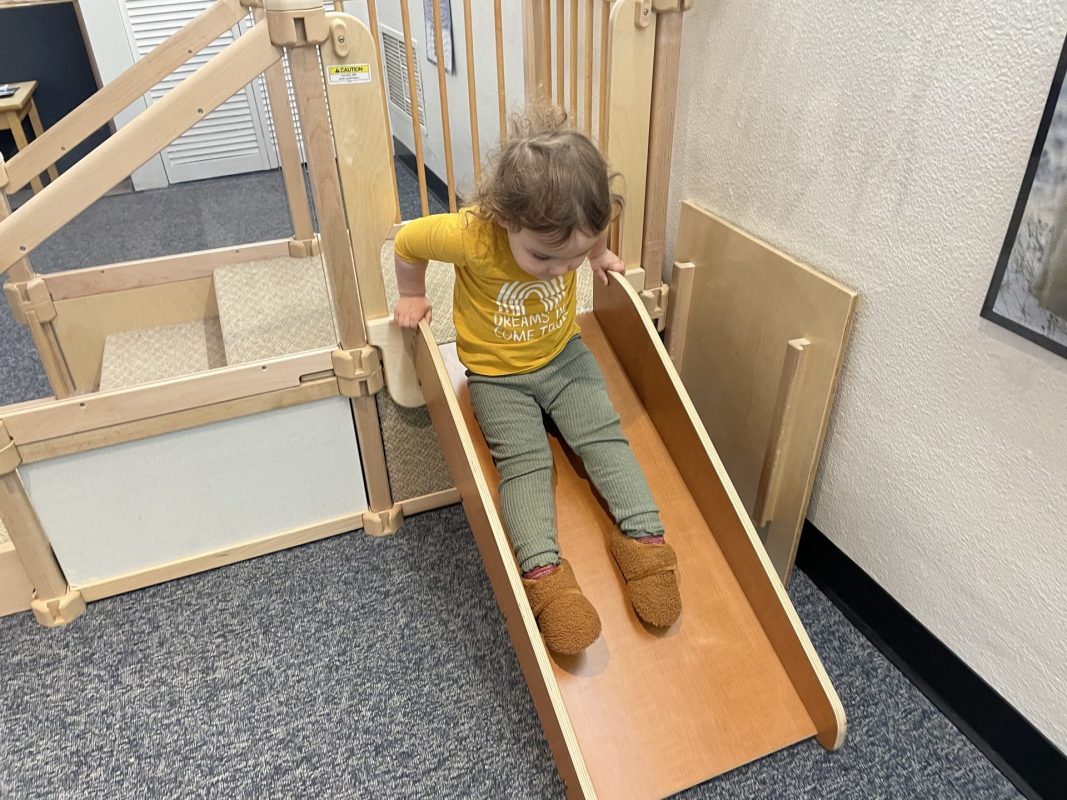
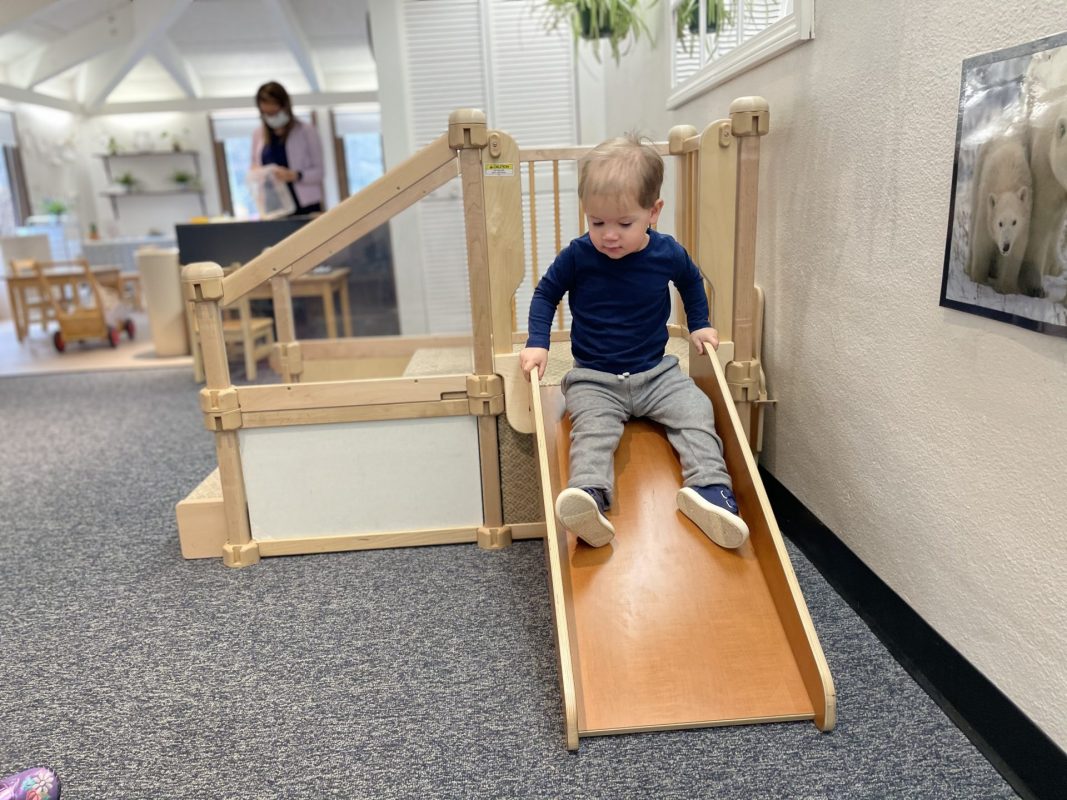
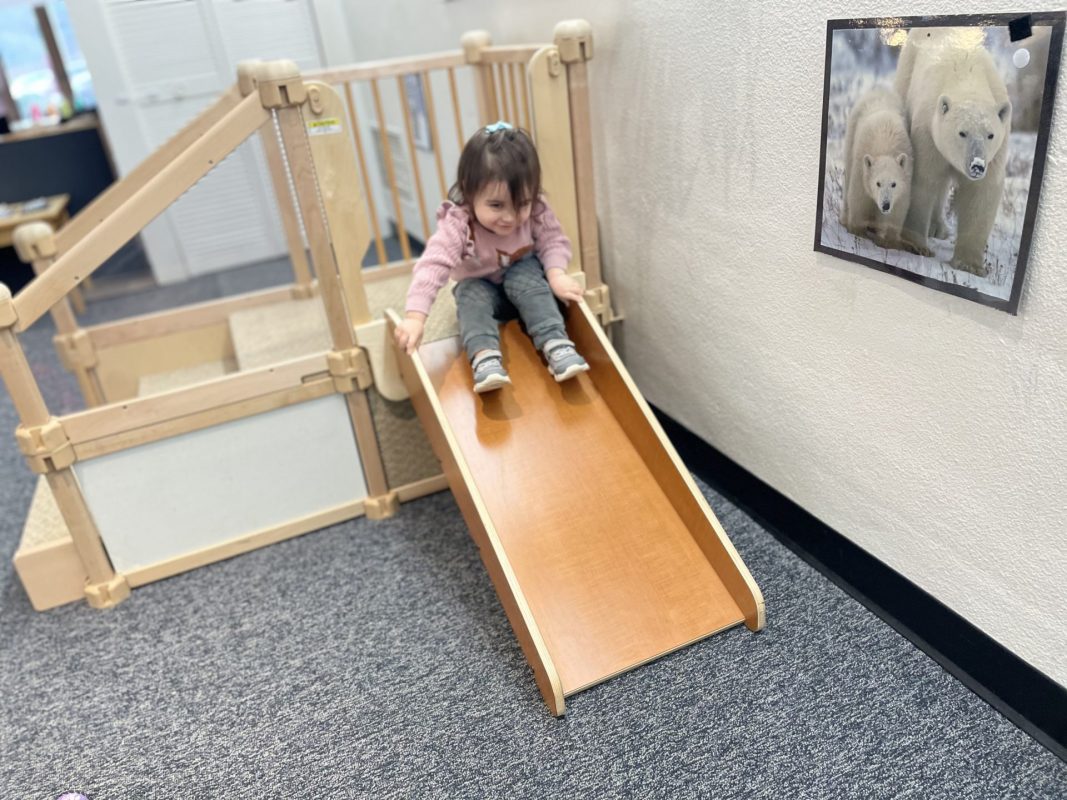
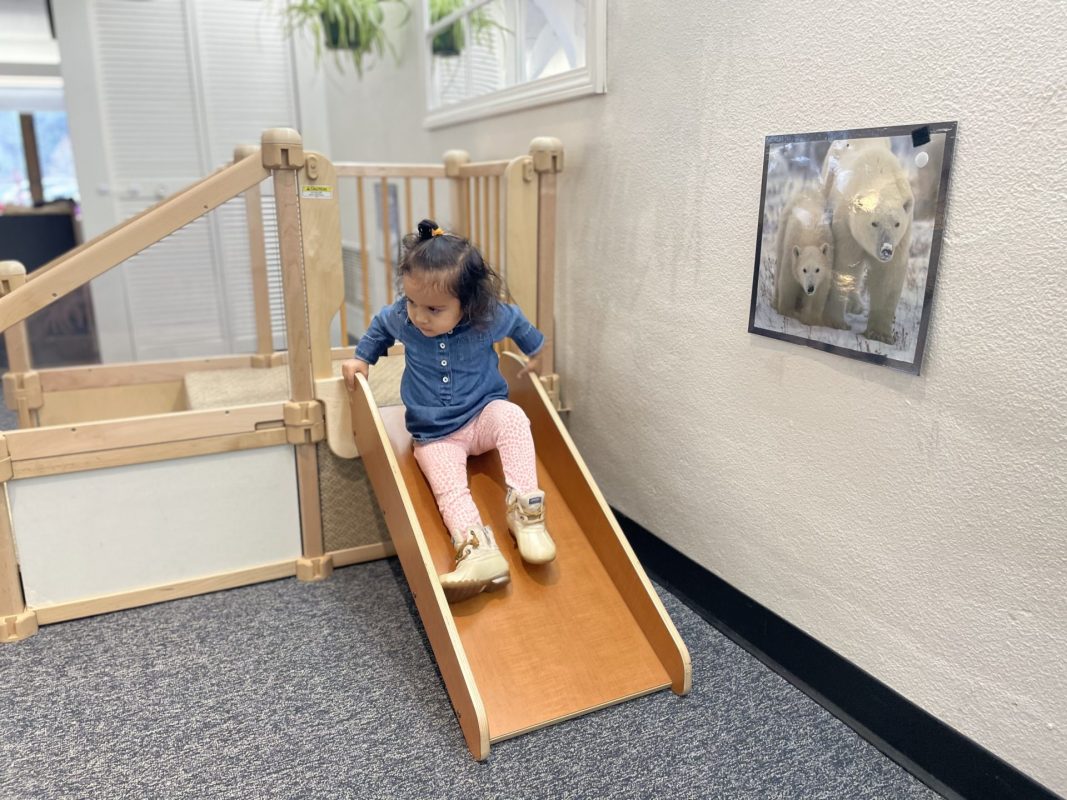
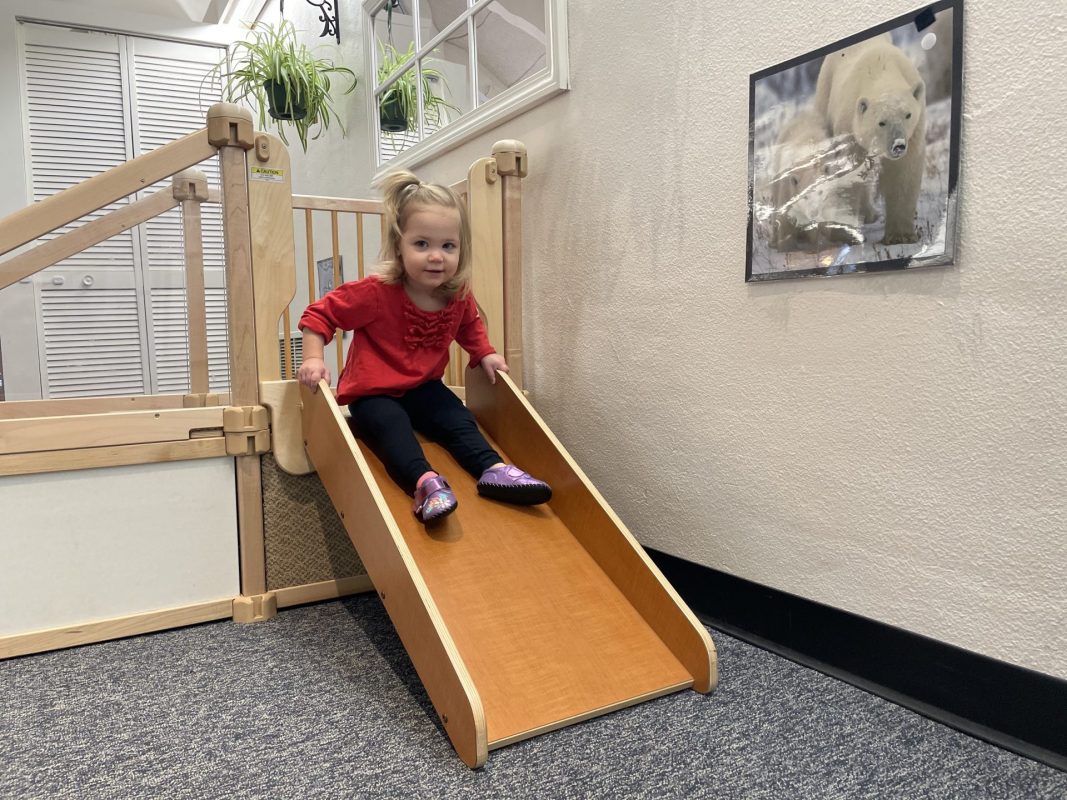
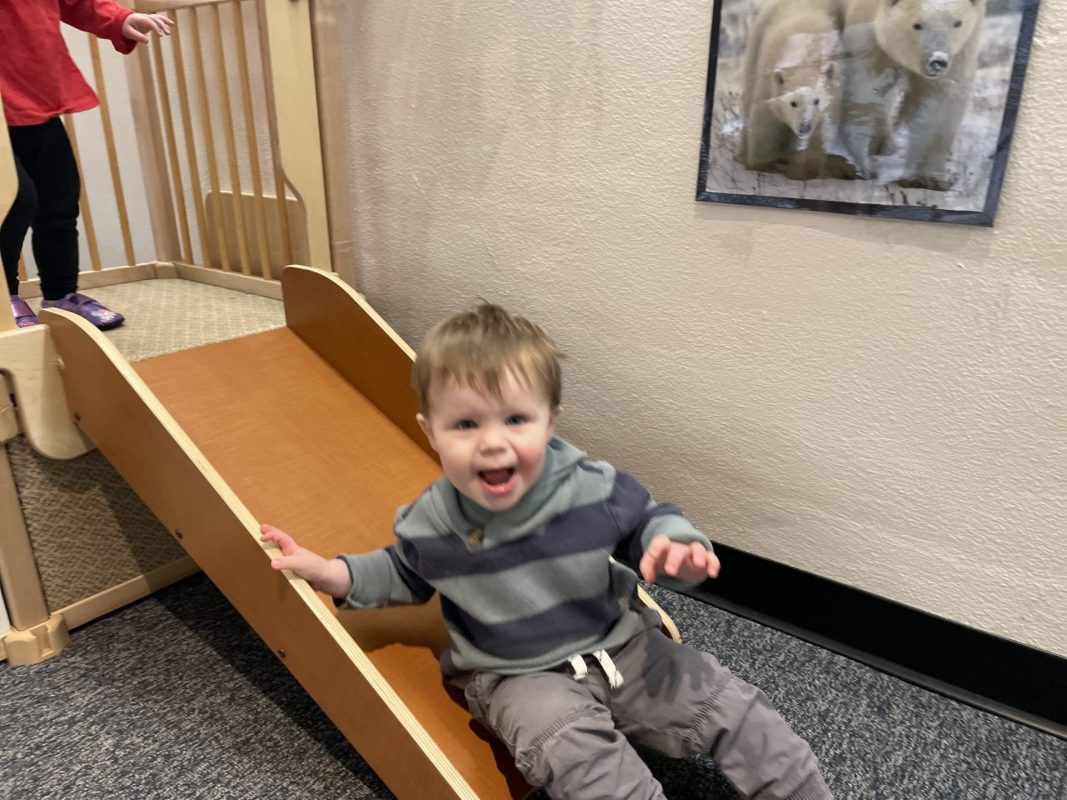
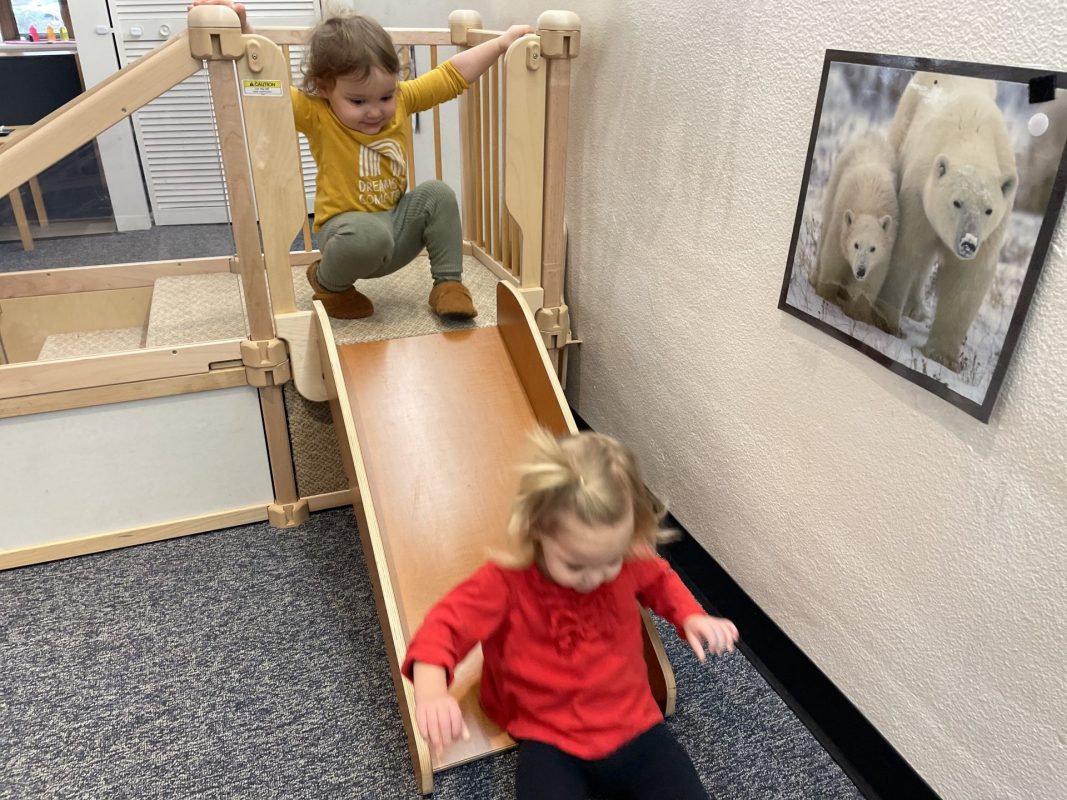
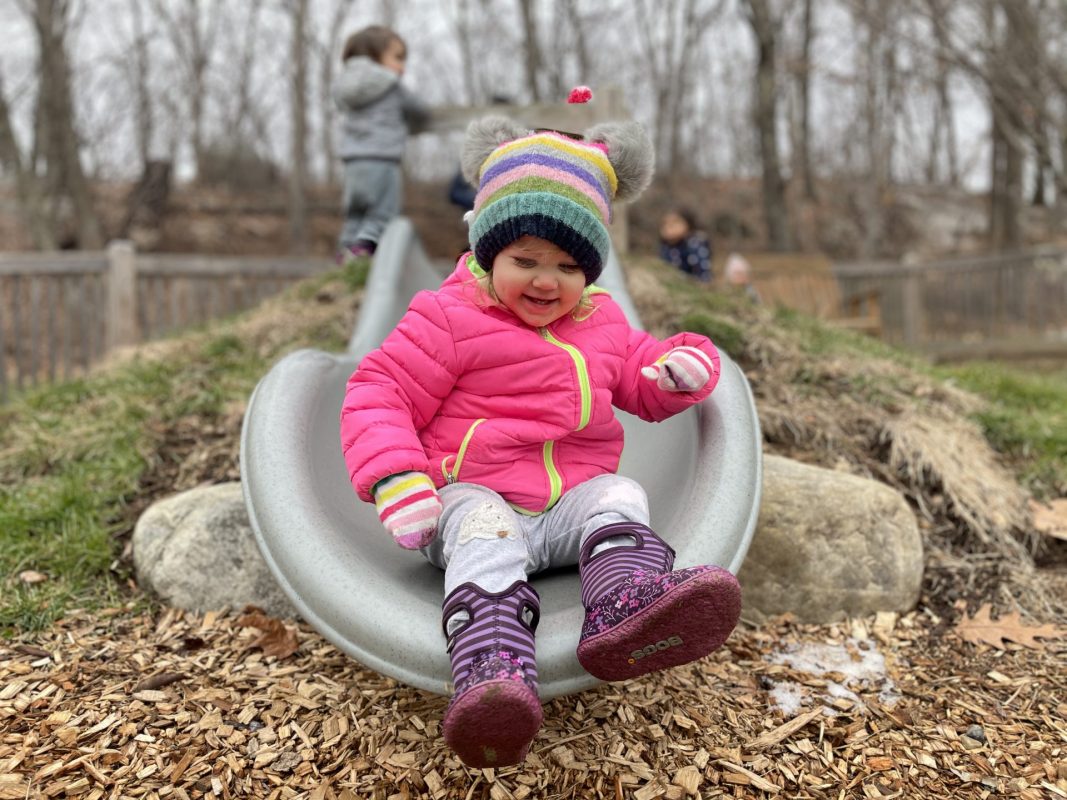
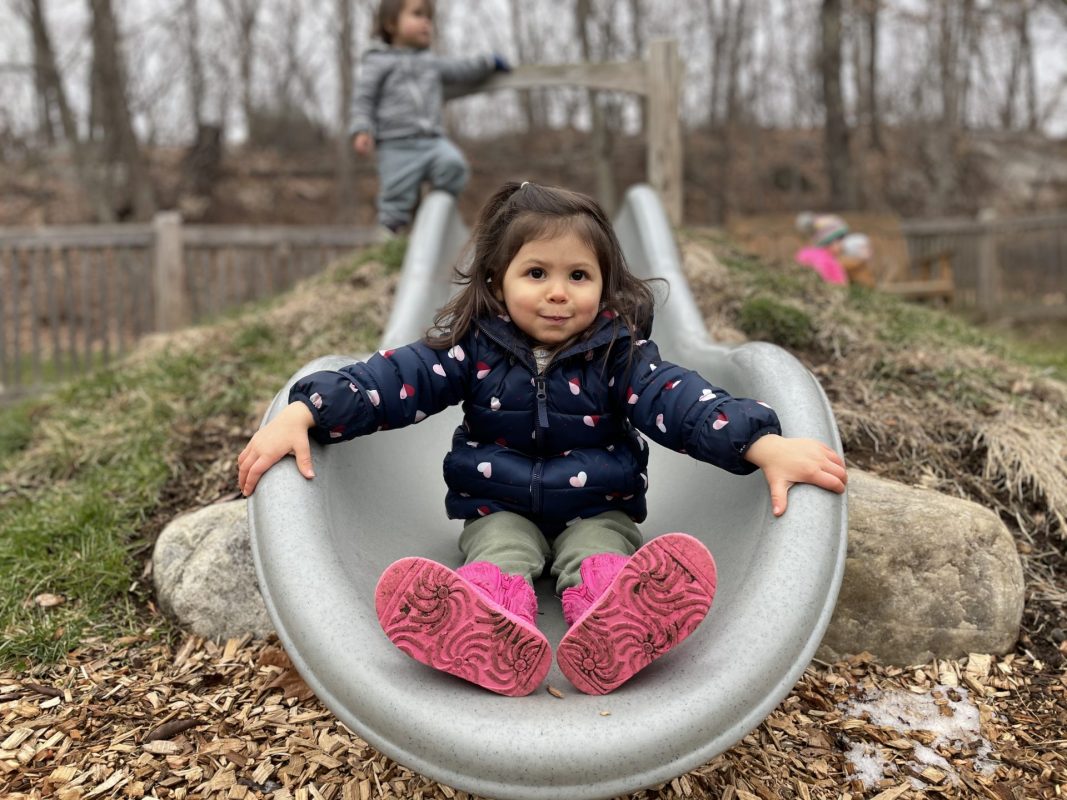
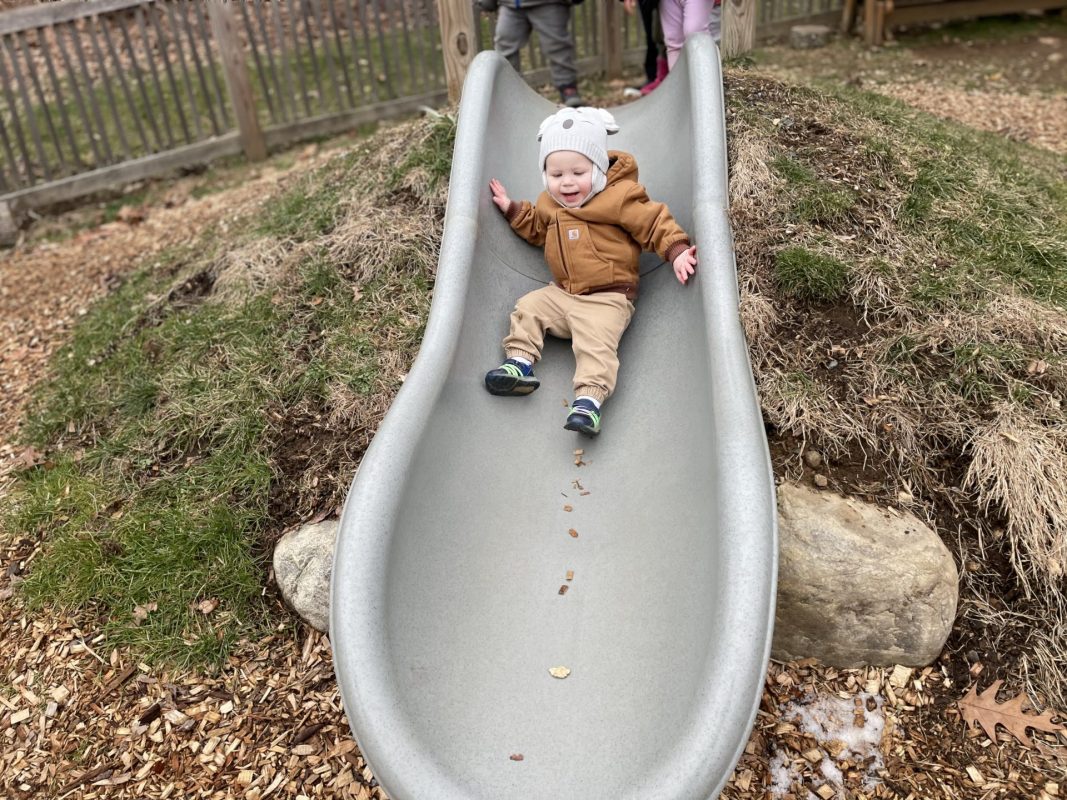
Lastly, In our movement area we added the slide to our stair structure and, oh boy, children really enjoyed it! Slides are encouraging to children and invigorating to play on. Children will climb almost anything if it means going down a slide and since they use it over and over, it encourages balance, coordination, and spatial awareness. It also teaches the children social skills and organization. It’s so fun!

Wishing you a fun and safe holiday weekend, 

Mrs. Hood and Ms. Maria 

Mrs. Wilson: Sensitive Period for Social Aspects Of Life

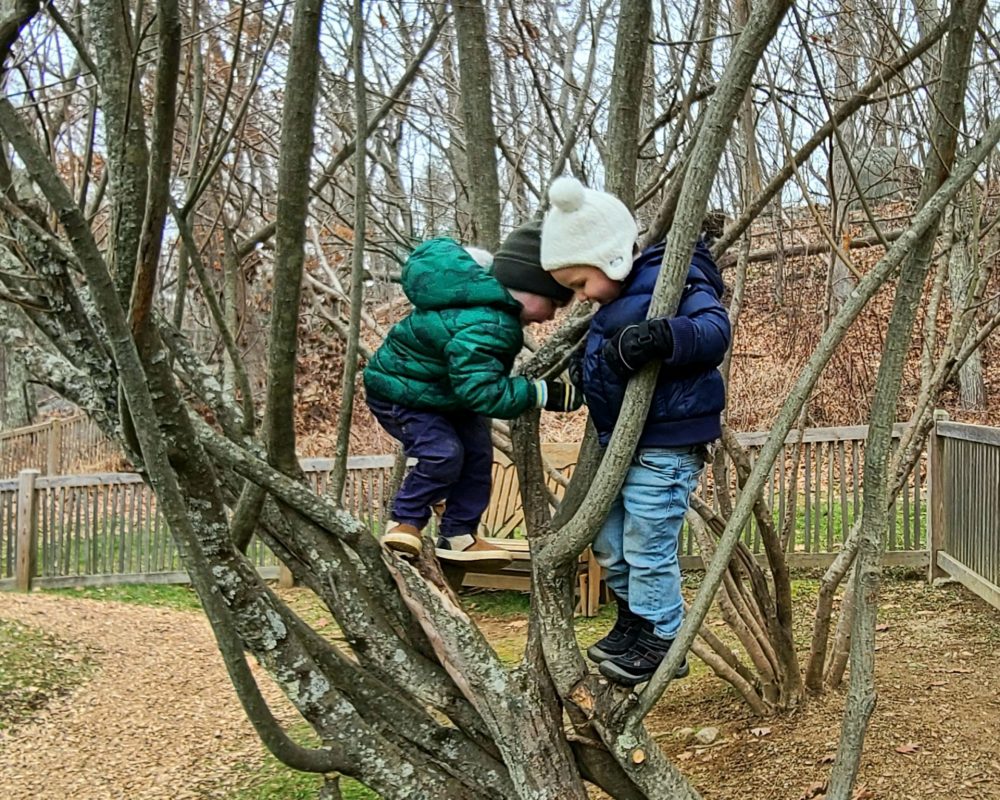
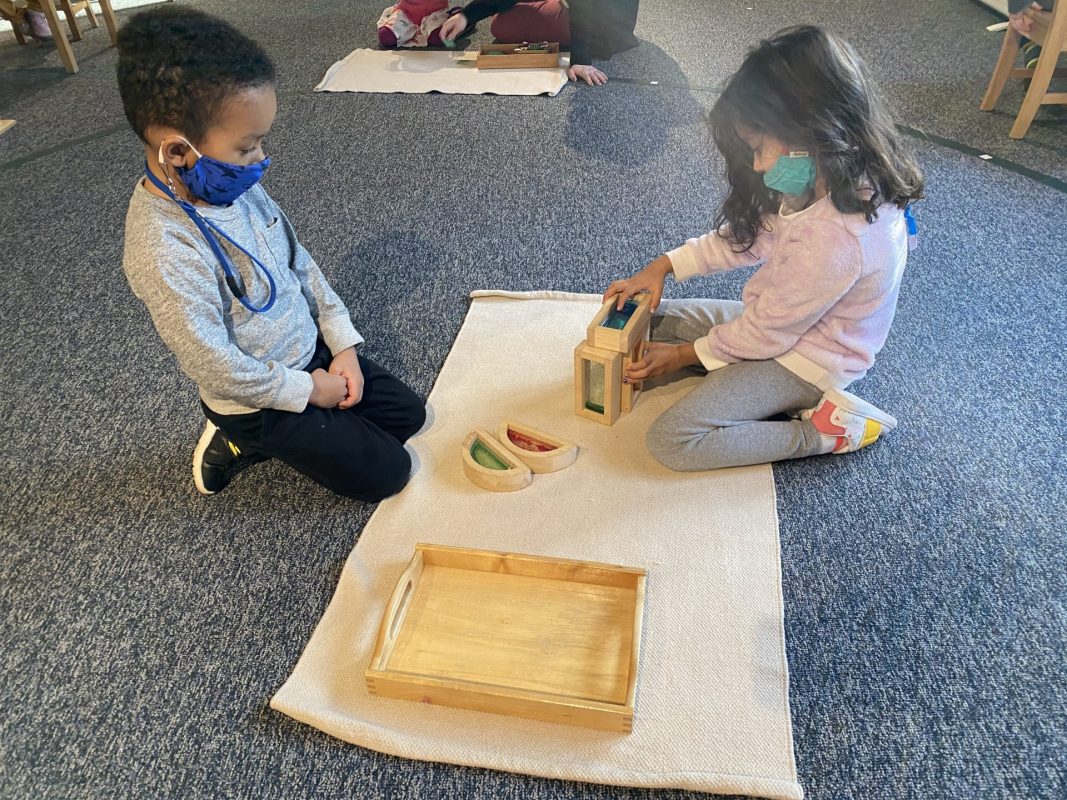
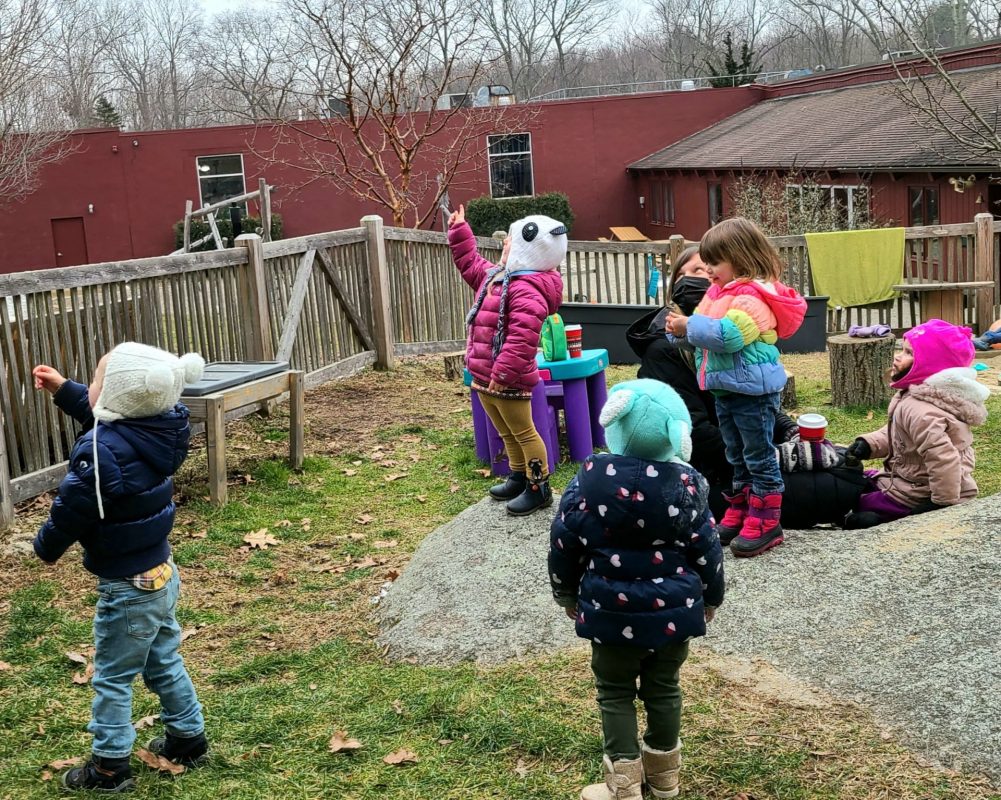
As I sit back and observe the children, I noticed they are in a sensitive period for developing friendships and being part of a group. I know I have mentioned this in previous blogs, but this week has really shown me how much they seek each other out. They look for the reaction of the others, especially to make each other laugh. When one laughs we all laugh together.

I have seen children wanting to help out one another, and the other child that they are helping notices how nice their friend is and tells them so. We have been encouraging the children when they come to ask us for help, to ask a friend instead. The friend feels so empowered to be helpful, while the one that needs help feels appreciative.

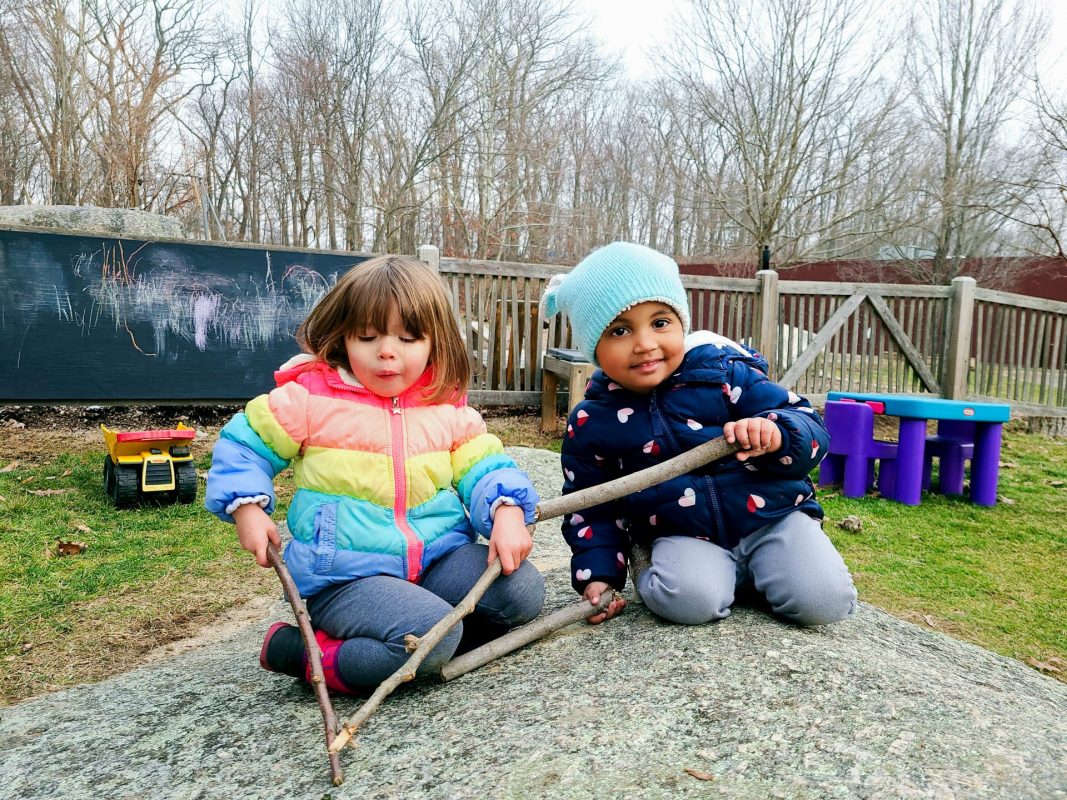
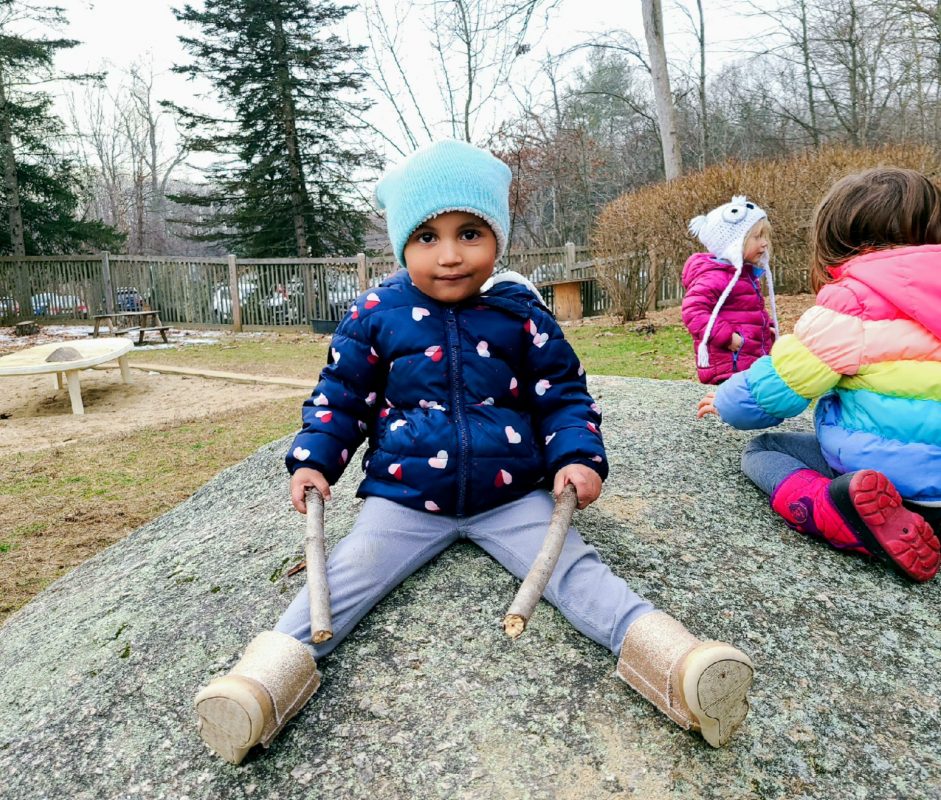
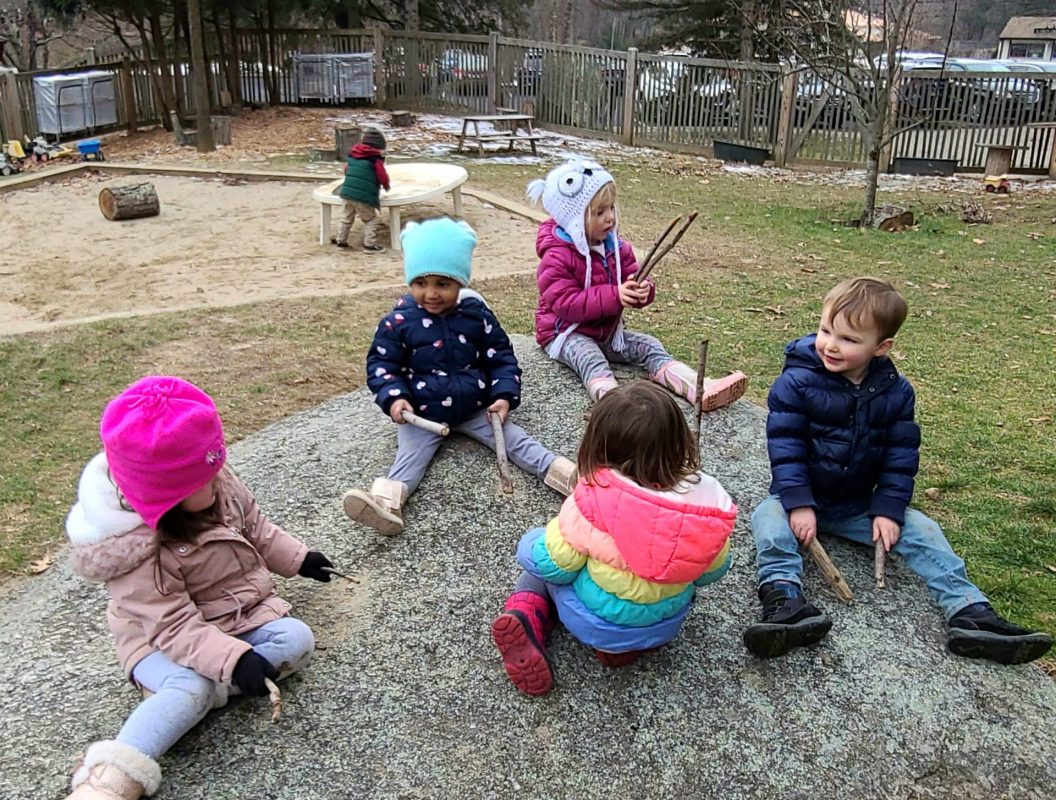
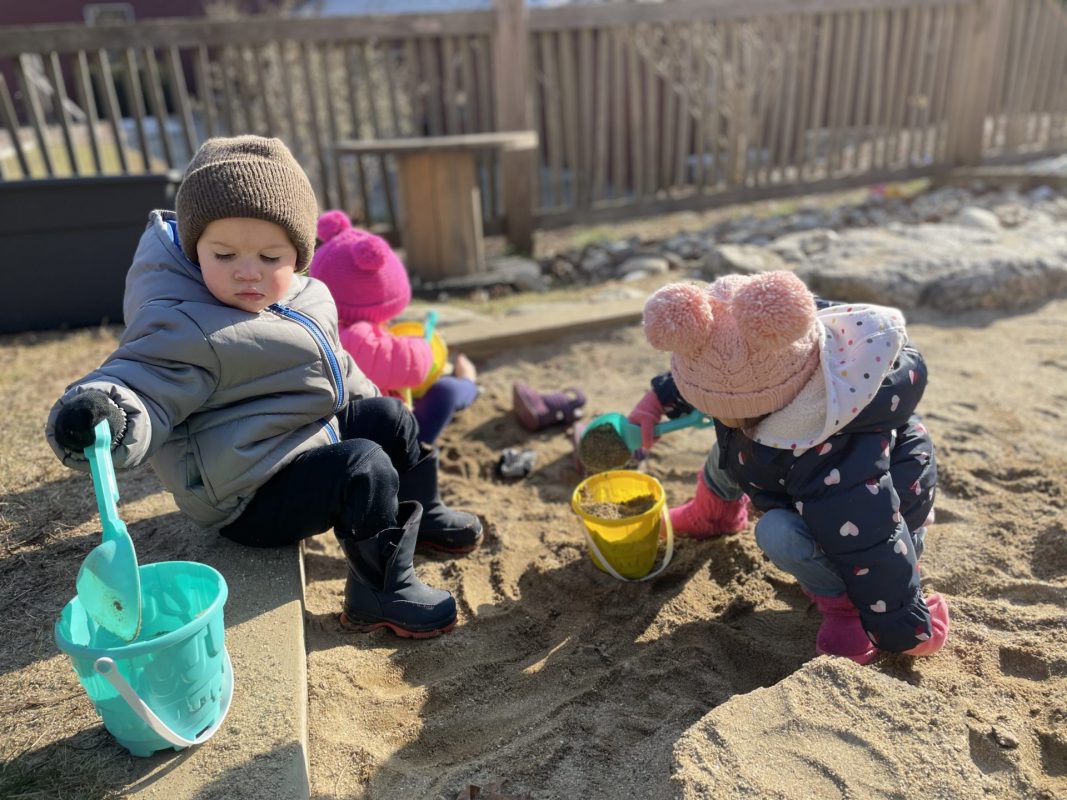
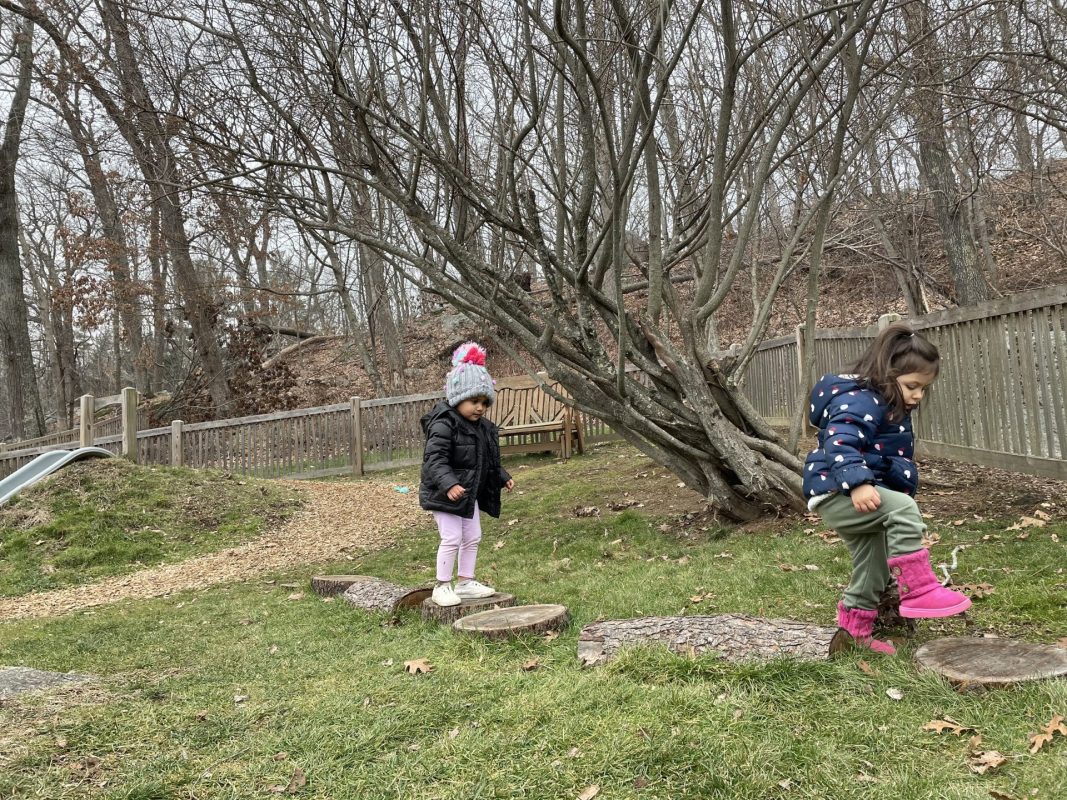
Outdoors the children are coming together more and more, playing more games together. Check out the “Rockband” they formed using the sticks they have found.

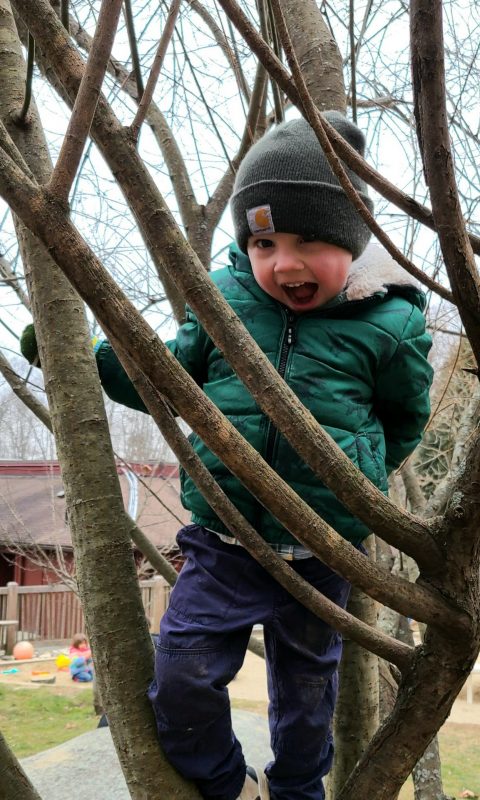
Enjoy the photos of these incredible children,
Mrs. Wilson, and Ms. Sara


Geography and Geometry Galore!

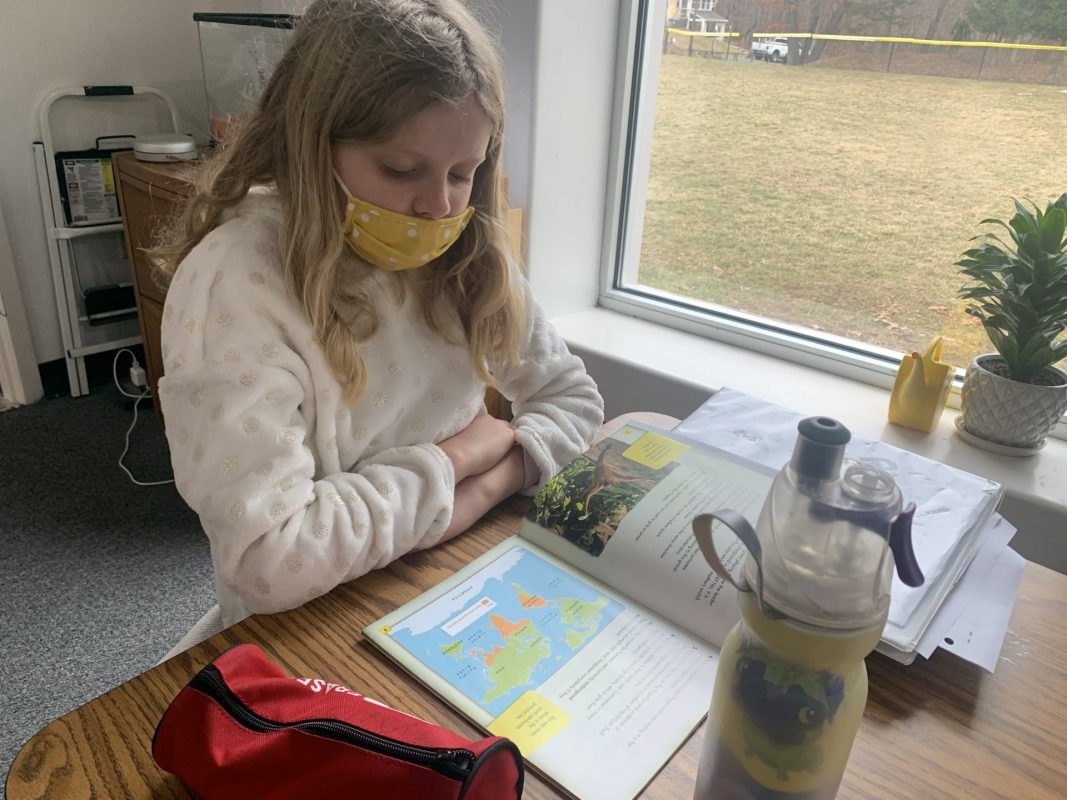
The students were hard at work this week working on their geometry and geography assignments.

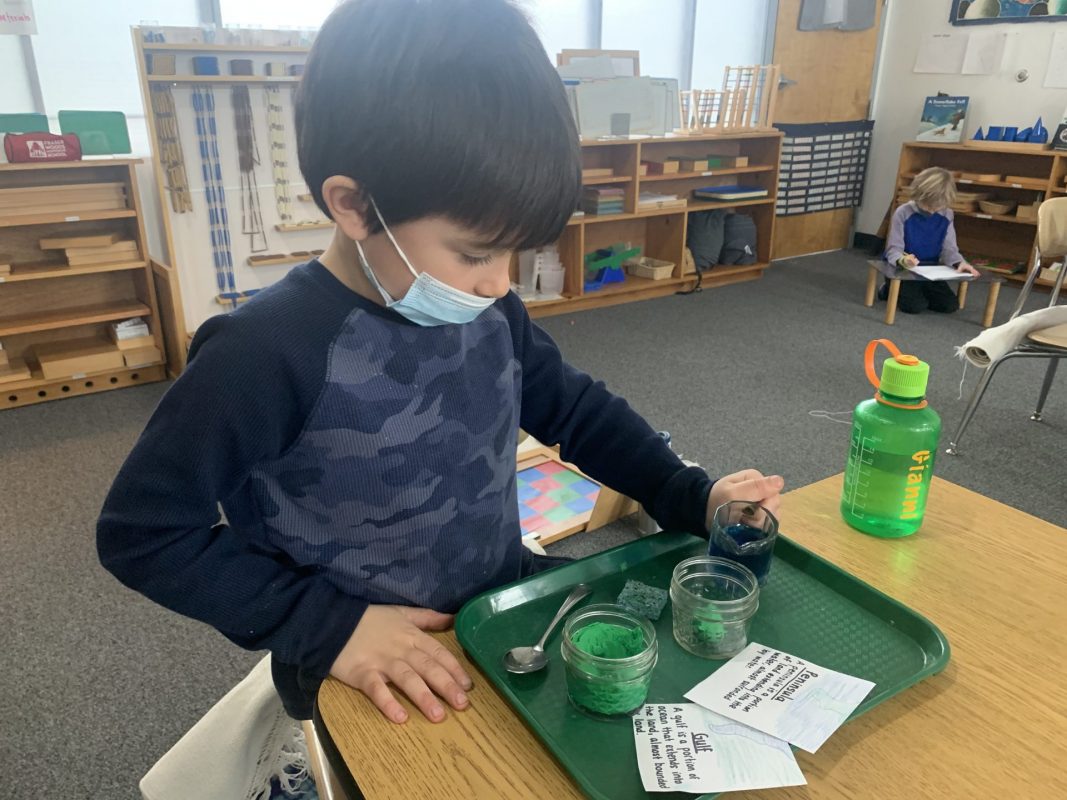
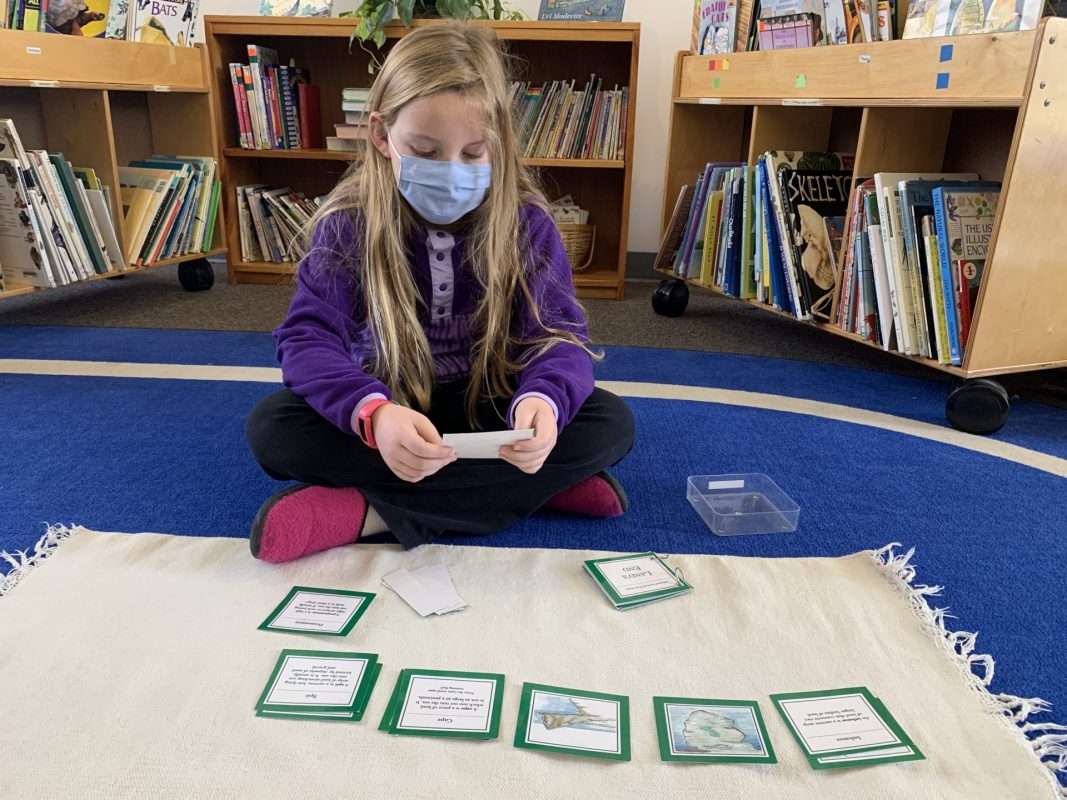
In geography, the first graders enjoyed their follow up work, making a peninsula and gulf out of clay and water. The second years explored a Montessori material called lands end. With this material they learn about capes, peninsulas, promontories, isthmus, and spits. The third grade group was intrigued about the parts of a mountain. The parts of a mountain they are learning about are: summit, peak, crest, slope, and base.

In geometry, the third graders are continuing their study of polygons. They are having a blast making different polygons with the box of sticks and, as follow up work, polygon posters. The second graders have a great grasp of measuring angles with the Montessori protractor, which is a pretty difficult concept. Last but not least, the first years have begun their geometry study of basic concepts. Here they are studying the relationship between points, lines, surfaces, and solids.


Mrs. Doyle’s Class: Moving Like Molecules

We just finishing our science unit on States of Matter.  Matter is all around us.  Everything that you can touch, taste, smell, and see is made of matter.  There are three states of matter: solids, liquids, and gases.

We learned that solids have a definite shape because these molecules are very close together and do not move very much.  The shapes of solids do not change unless some type of force makes them change.  Liquid matter does not have its own shape.  The tiny molecules in liquids are not as close together as solid molecules and they move around more.  Liquids take the shape of the container they are in. Gas matter also does not have its own shape.  The molecules in gas are far apart and they move around a lot.  Gases spread out and fill up their container too.

The children loved taking part in experiments that helped to highlight the different properties of solids, liquids and gases.  We made raisins dance and also blew up a balloon without blowing air into it.  When we get some snow on the ground, our plan is to explore the life cycle of a snowman and observe how it changes from a solid to a liquid to a gas.

Please be sure to check this week’s Friday folder for a letter regarding the upcoming Valentine’s Day protocols.

Lastly, we are thrilled to welcome back our friend, Simrin, to our classroom community.  The children have been so excited to see her and help her step right back into our classroom routines.

Wishing everyone a wonderful week!

Michelle & Lizette


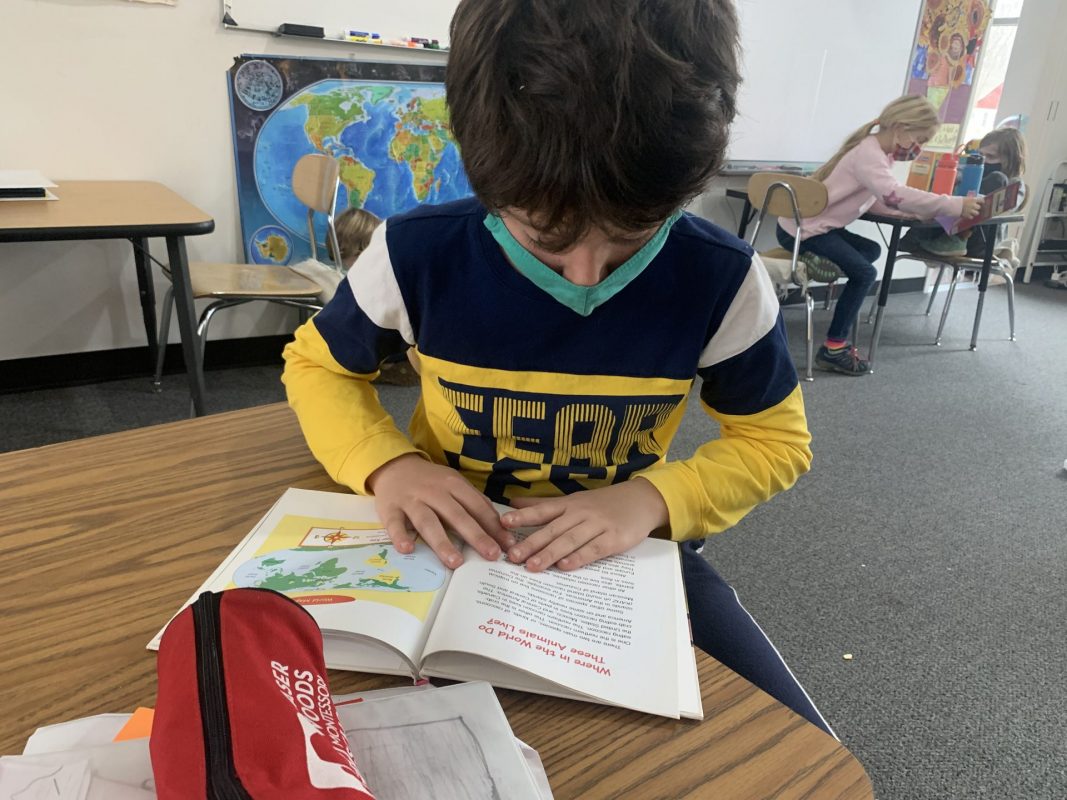
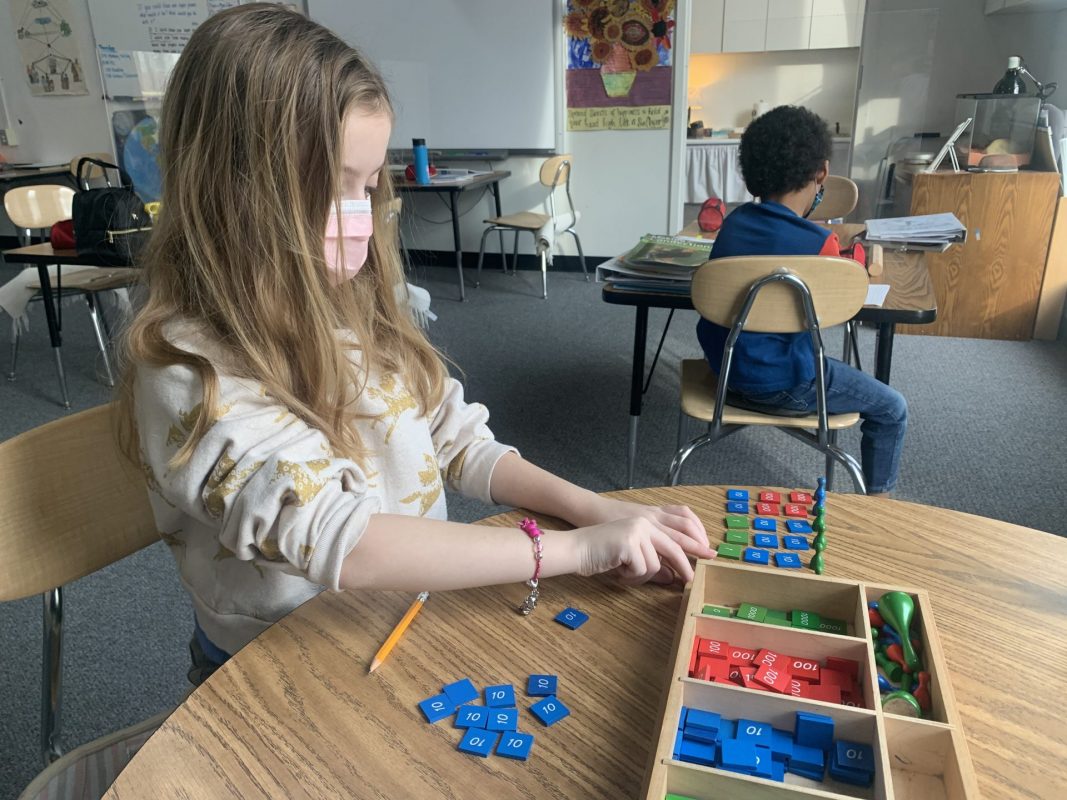
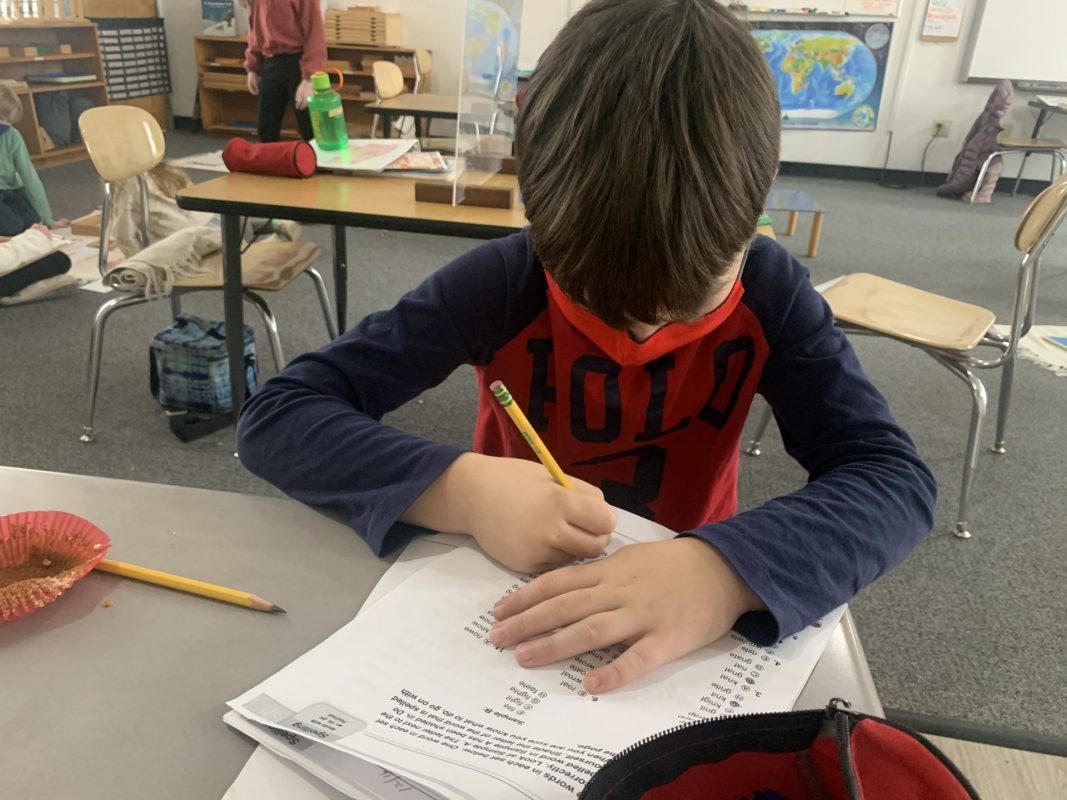
Mrs. Lopes’s Class: The Beauty of a Normalized Classroom

Normalization “is the most important single result of our whole work.” ~Maria Montessori, The Absorbent Mind

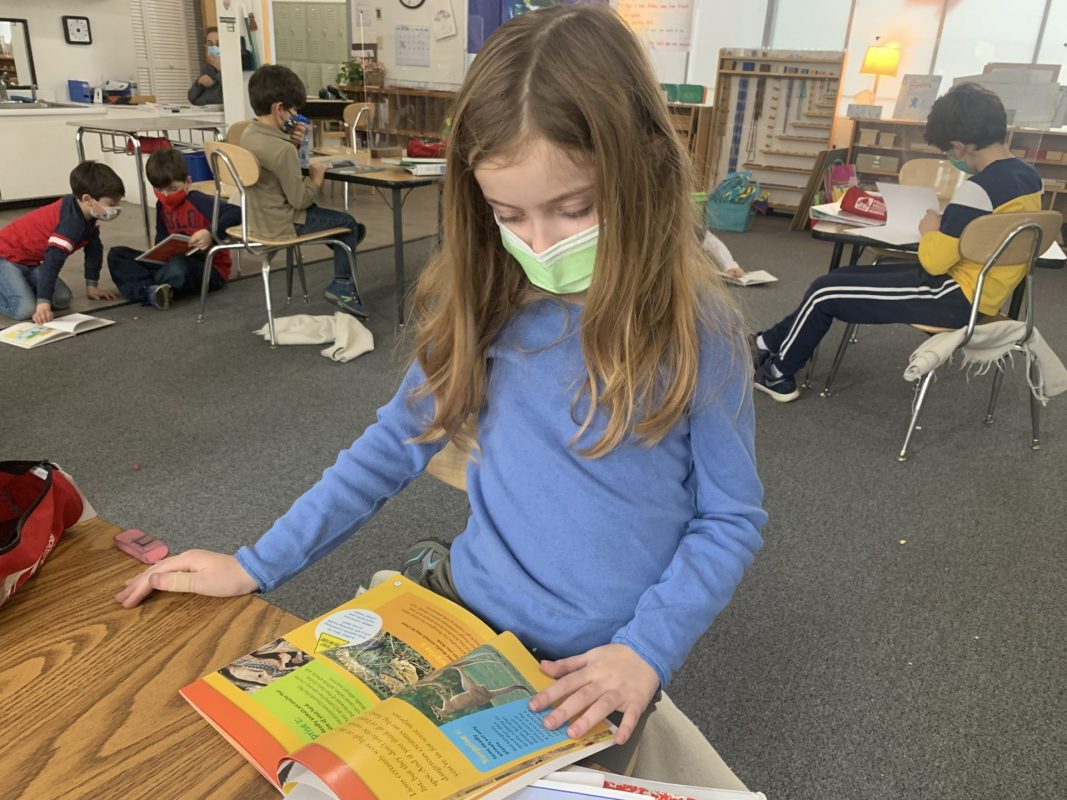
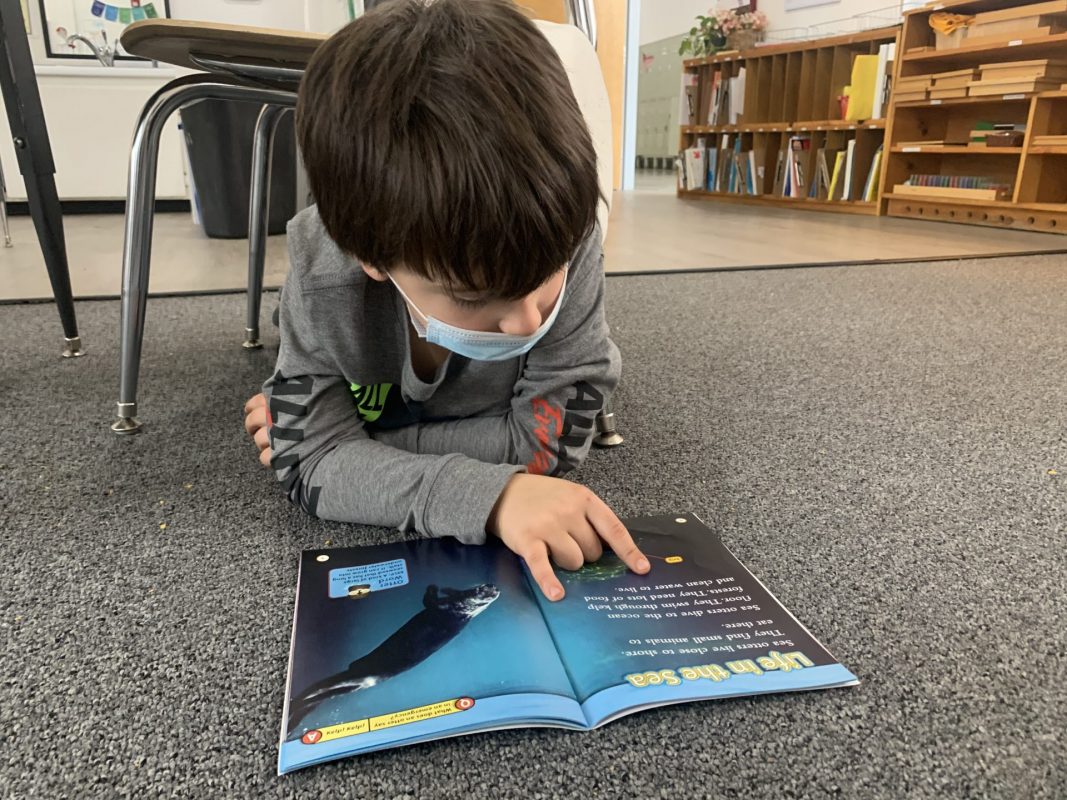
When hearing the term “normalization” for the first time, most people cringe, “What do you mean my child isn’t normal?”  The word normalization is actually a term borrowed from anthropology and means “becoming a contributing member of society.” As a Montessori teacher, we are constantly working toward this goal of a normalized classroom.  So what is a normalized classroom? When children in a Montessori environment demonstrate deep concentration, self-discipline, social skills, and a true love of work, we describe this as a normalized classroom. Normalization is achieved by consistent and clear ground rules that everyone is familiar with. It is our job to make sure the environment is always well prepared and designed to meet the needs of the children. As Montessori teachers, we are confident that if we do our part, coupled with the opportunities provided by the environment and Montessori materials, our children will thrive.

After the winter break and upon our return in January we often see noticeable growth in the children’s social and emotional development. They come back eager to learn and raring to go! The first half of the year they have become comfortable and confident with our classroom routines and expectations. They have developed deeper relationships with their peers and teachers. It is always an exciting time and sets the groundwork for the second half of the school year.

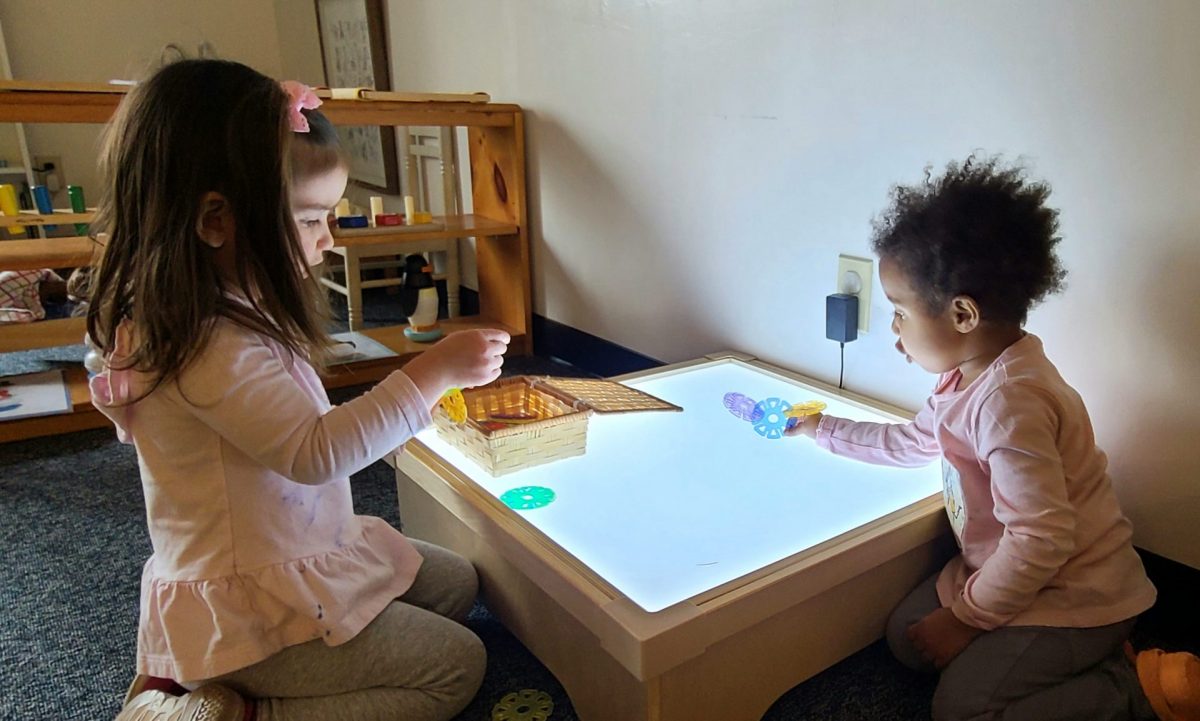
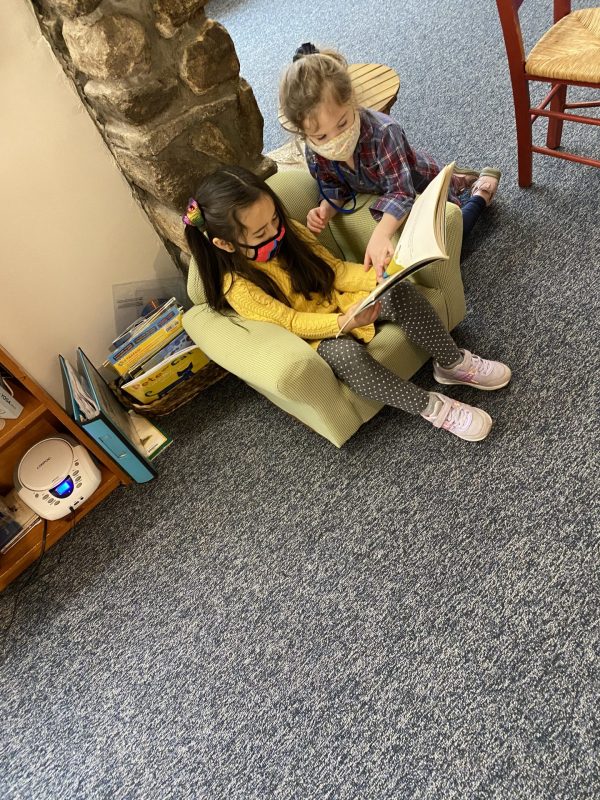
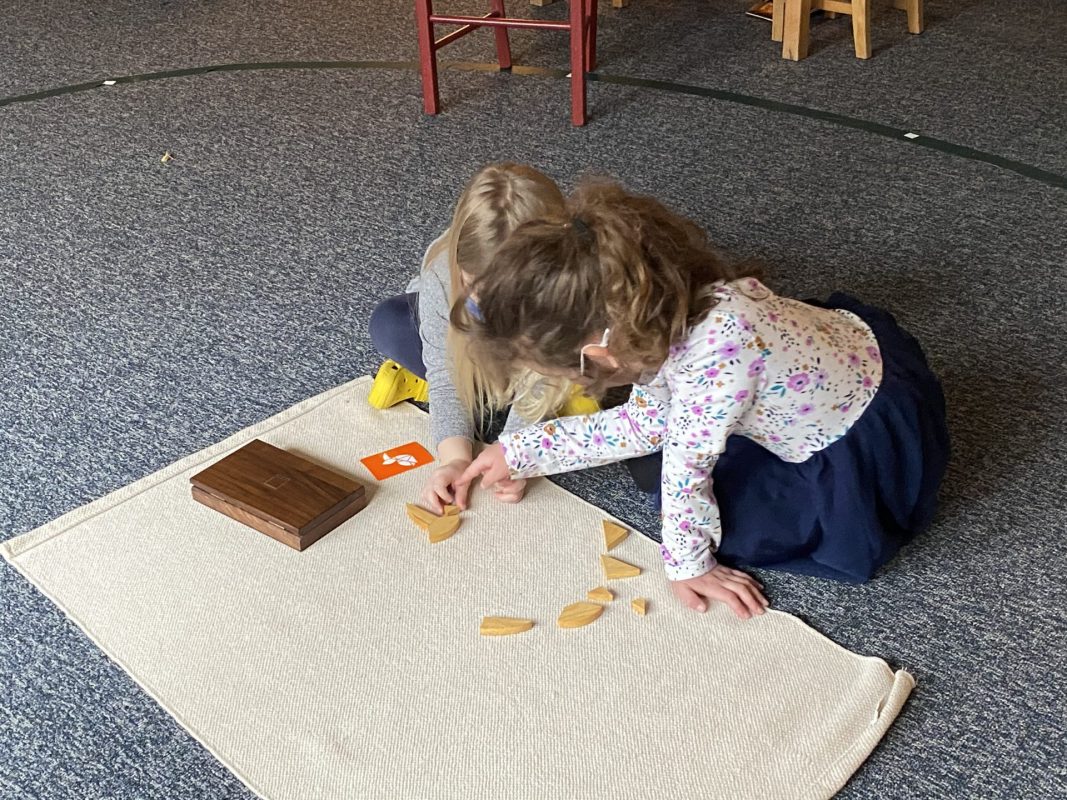
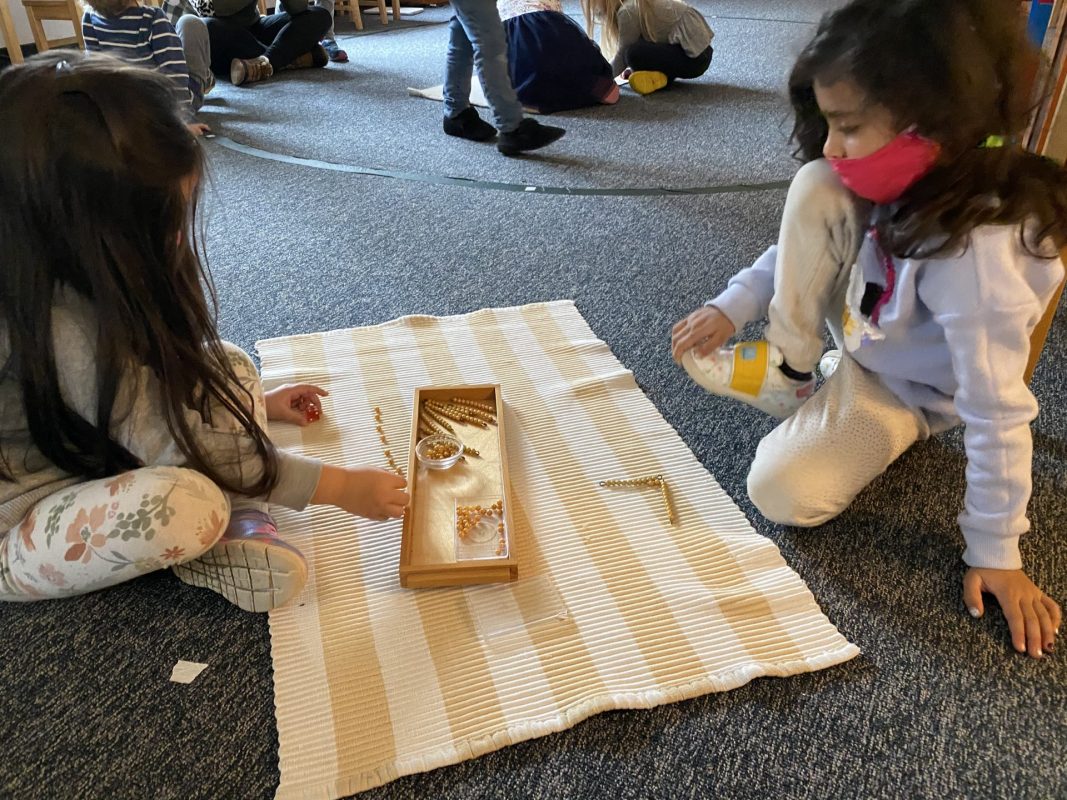
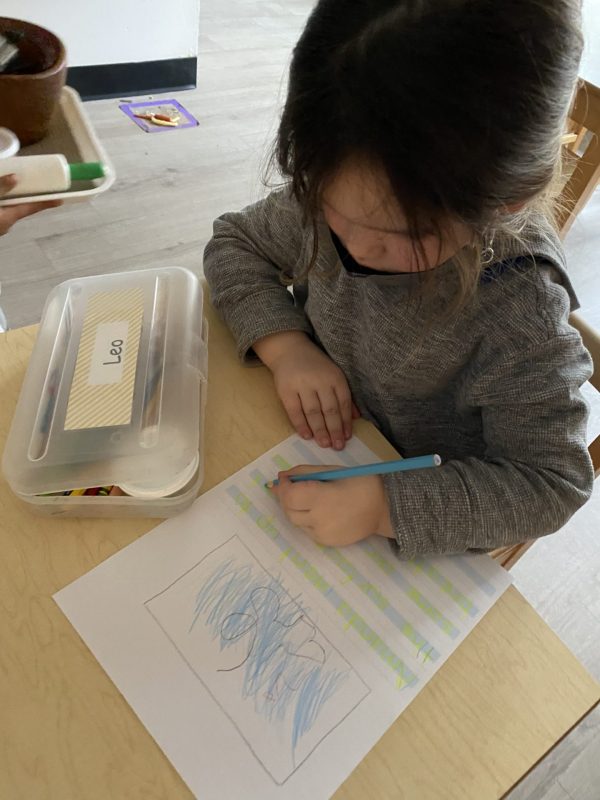
Enjoy these pictures of your children hard at work!

Best,

Amanda & Sharlene


Parachute Fitness Fun!


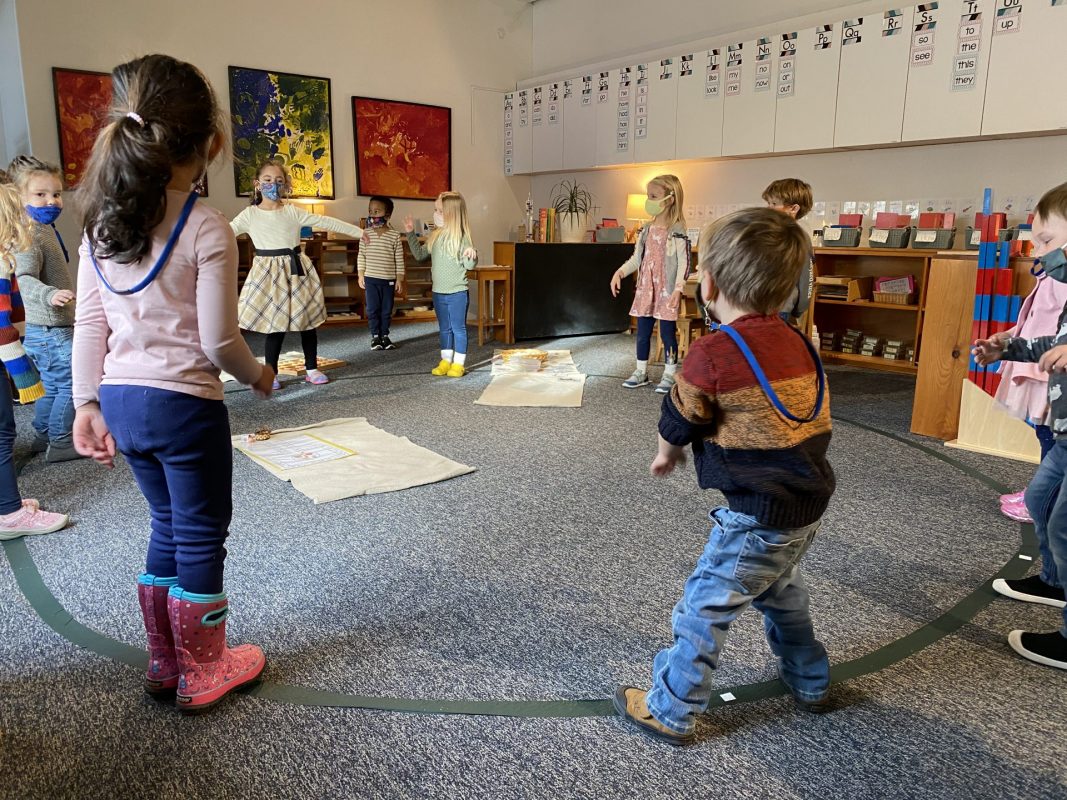
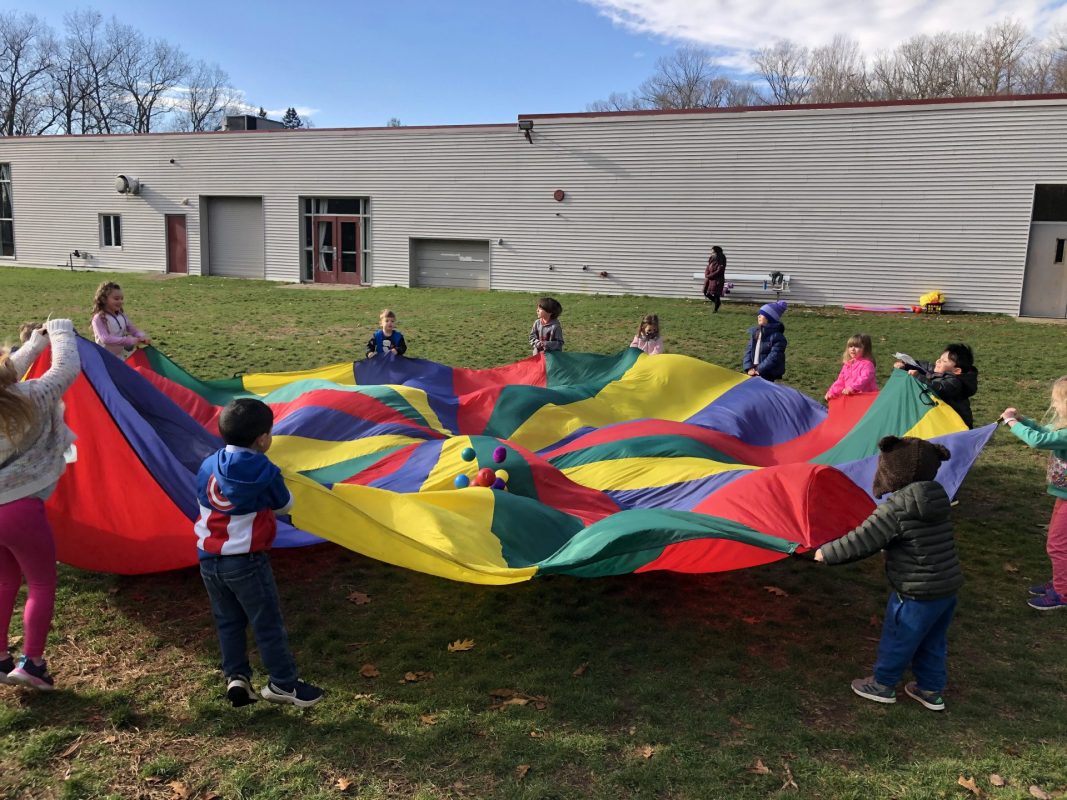
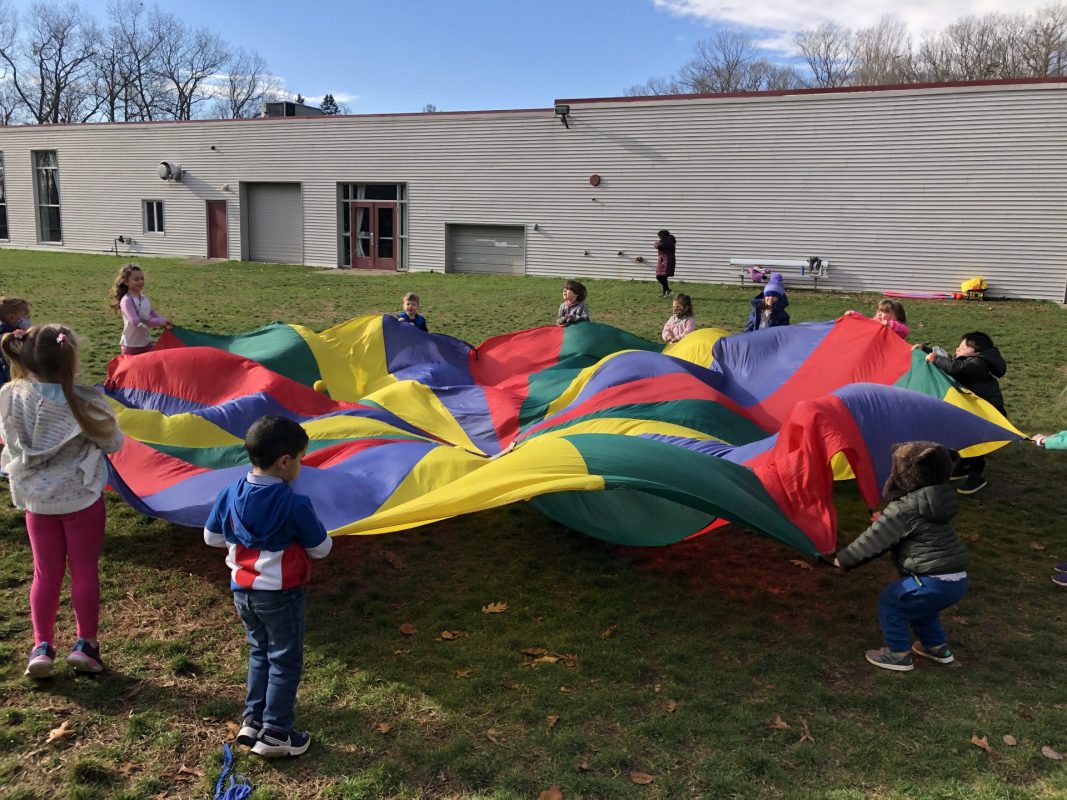
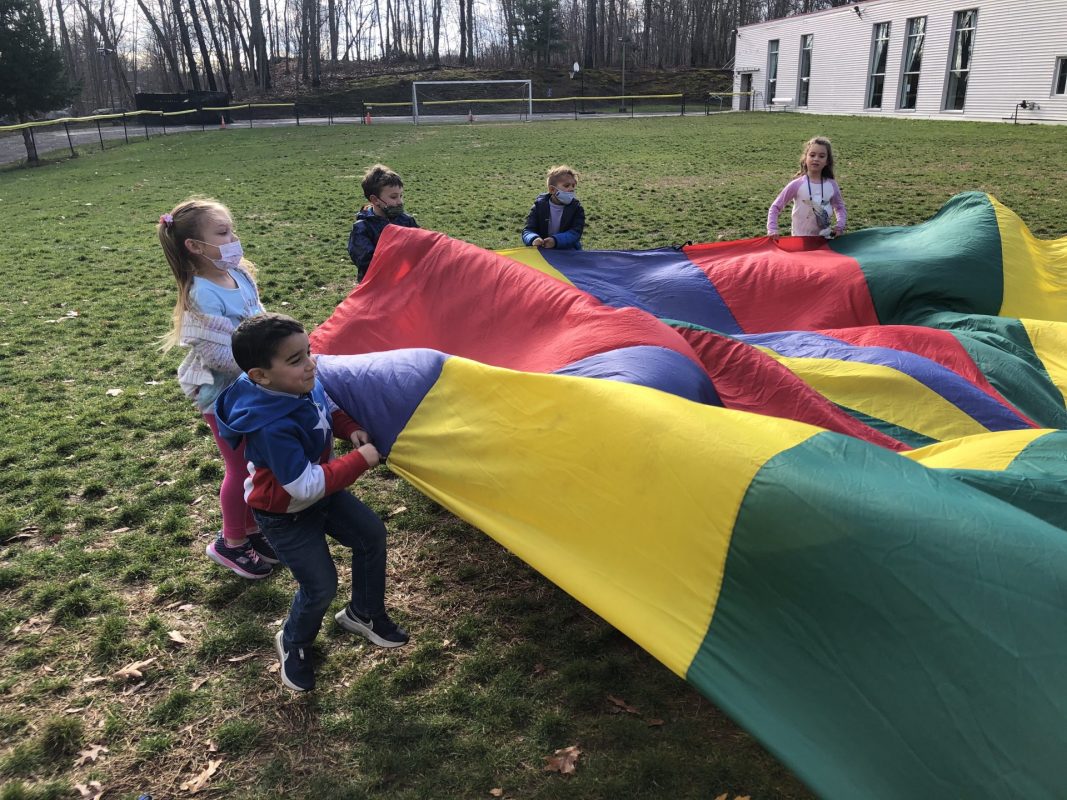
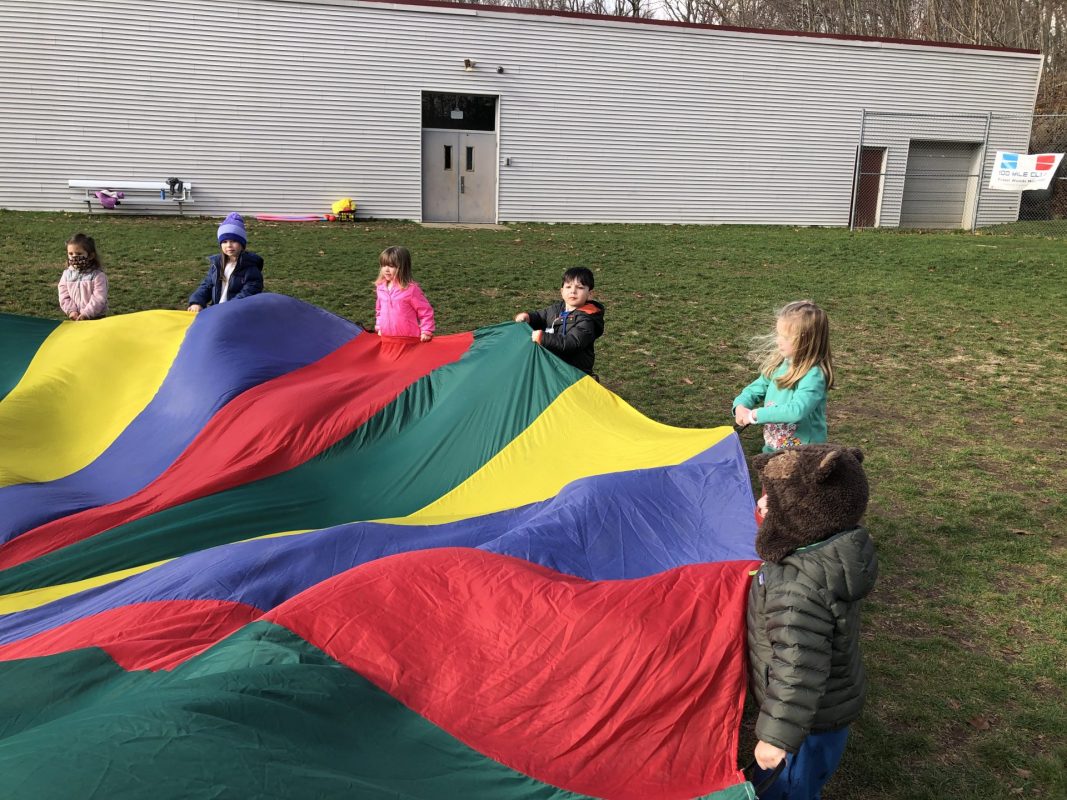
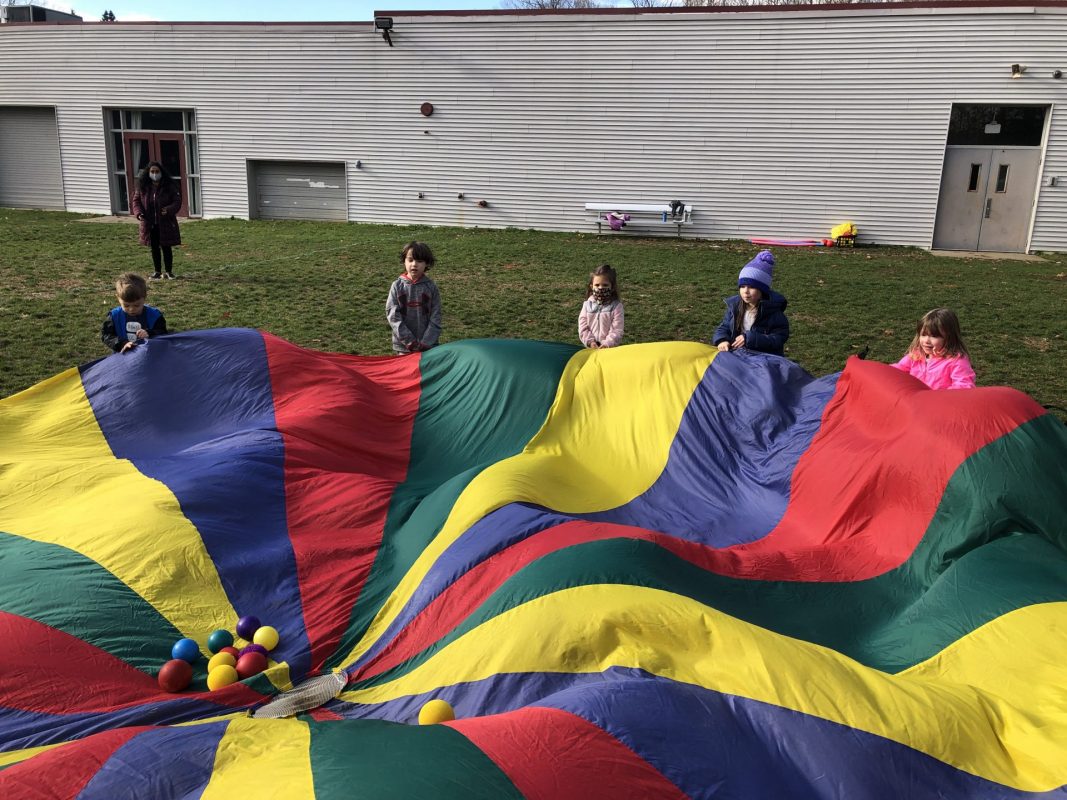
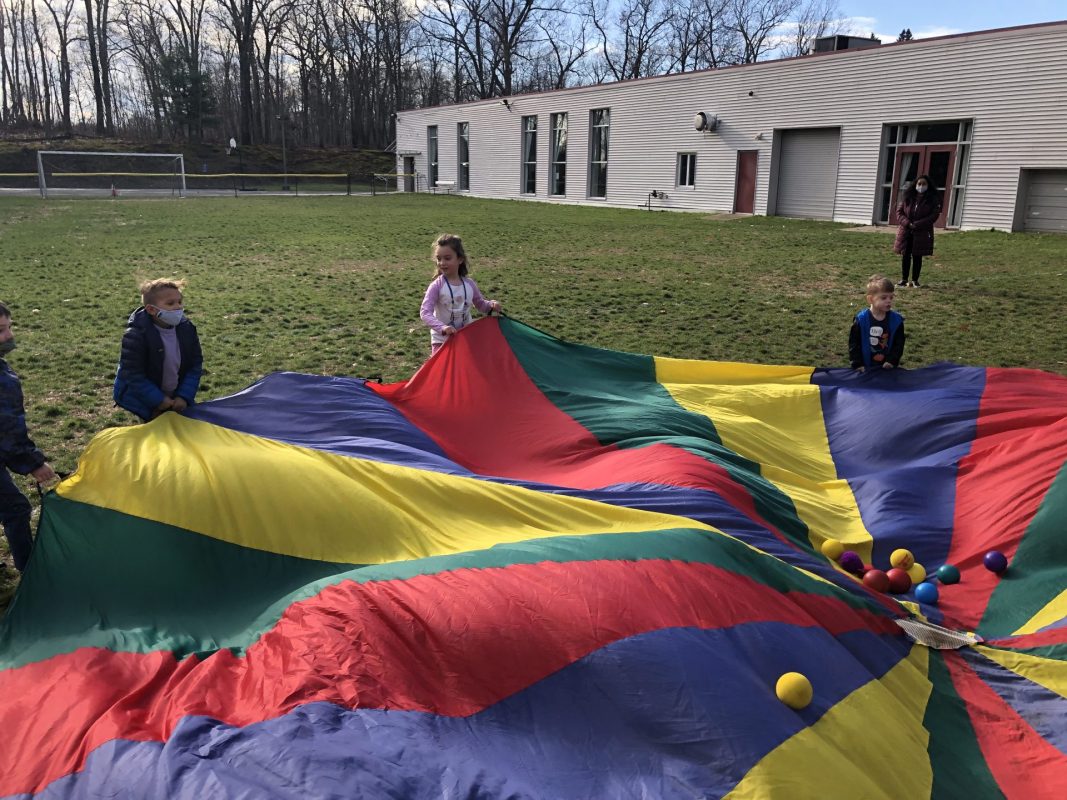
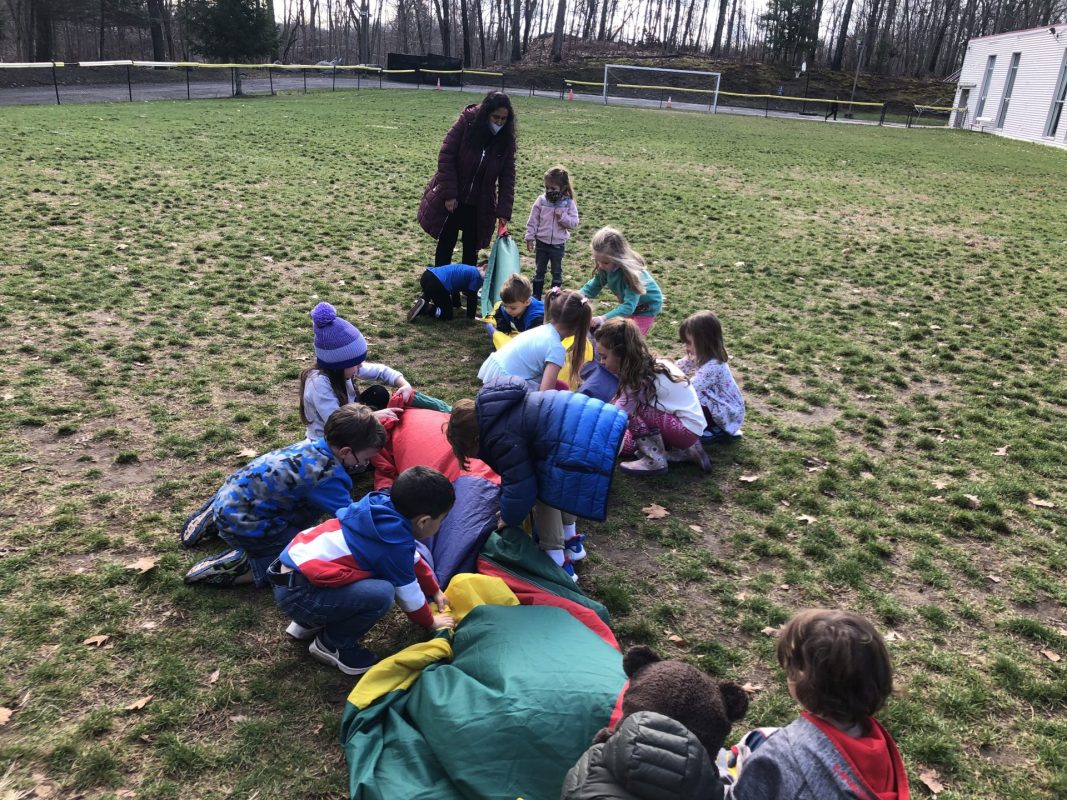
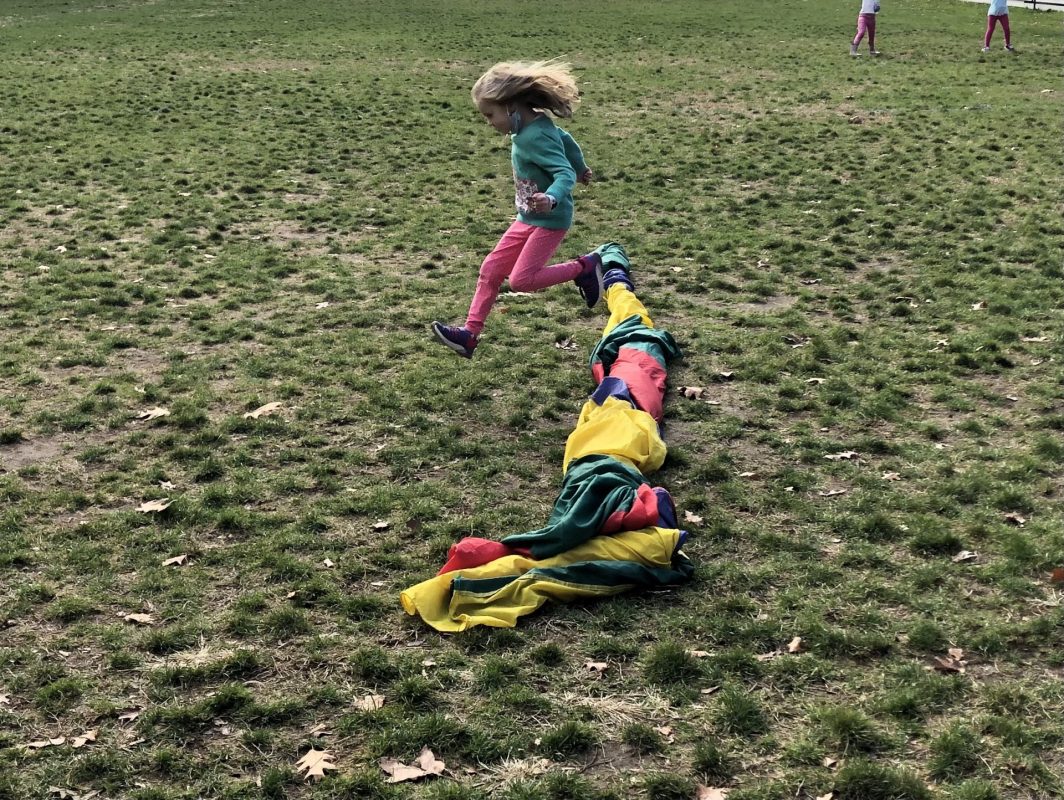
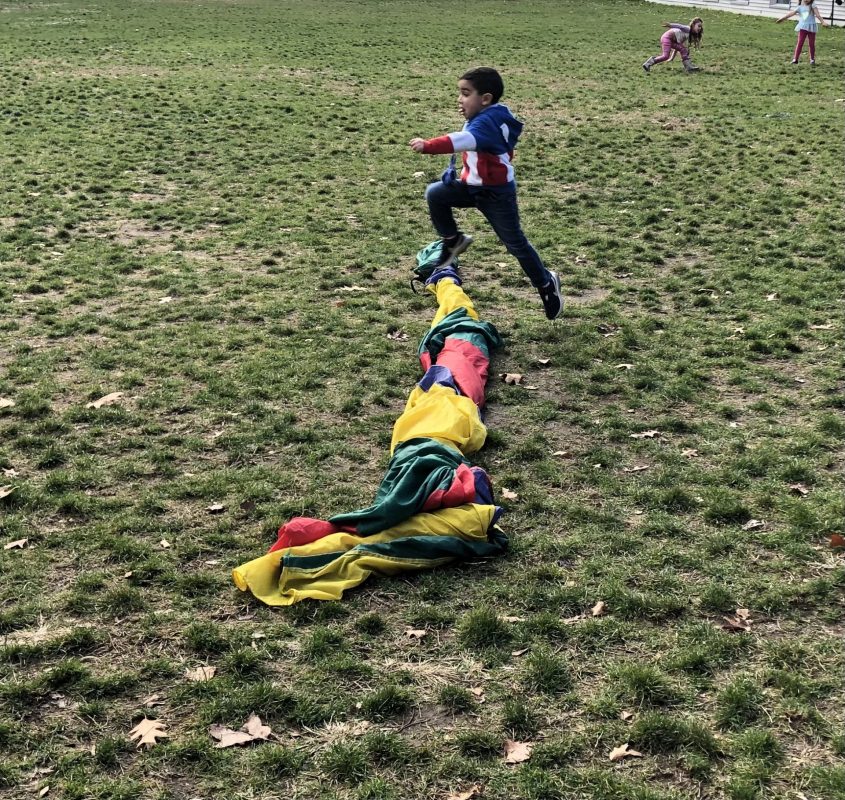
The Primary and Kindergarten students participated in parachute play. Parachute games encourage cooperative, non-competitive play and reinforce turn-taking and sharing. While most gross motor activities for young children develop muscles in the lower body more than the upper torso, parachutes strengthen primarily shoulder, arm, and hand muscles. When children work together to make the parachute billow, they also refine perceptual motor skills and develop a sense of rhythm. Language activities are also be incorporated into most parachute games. Parachute games played were: “Merry Go Round,” “Climb the Mountain,” “Popcorn,” and “Running through the Tunnel.”  At the end of class, students helped roll up the parachute and had a chance to jump over Sammy the Snake!


Upcoming Events

Early Dismissal-Friday, January 15th at 11:30 for all students. Faculty & Staff Professional Development

No School-Monday, January 18th Martin Luther King Jr. Day

Save the Date: Thursday, January 21st, Moving Up Information Night time tbd. Hosted by the upcoming program level’s teachers, learn about the program curriculum, a glimpse into their student’s day, and ask questions.  This is especially helpful for parents whose children are currently in Toddler and moving to Primary, Primary 4 moving to (Primary 3rd year) Kindergarten, Kindergarten moving to Lower Elementary, Lower Elementary 3rd year moving to Upper Elementary, and Upper Elementary 5th year moving to Middle School. Be on the lookout for an email invitation.

Friday, January 22nd – 9:30 am. – Coffee & Chat with Gina. Whether you are interested in learning more about Montessori pedagogy, wanting to chat about your child’s experience in the classroom, moving up to the next program level, homework help, or another topic of interest, Gina would love for you to join her, virtually of course. Guest presenter to be announced. In order to be better prepared for our chat, we kindly ask that you submit your question(s) via the question form link here.

Save the Date: Wednesday, February 10th, 7:00 pm. – Kahoot! Trivia-Family Edition. Test your family’s general trivia knowledge against other FWM families in the comfort of your own home. Interactive and not to be missed!


Happy New Year and Welcome Back!

Dear Fraser Woods Families,

I hope each of you had a restful winter break and spent meaningful time with family.

As we returned to school Monday, the atmosphere was buzzing with positivity and excitement. I’m sure returning to school in pajamas for our delayed pajama day helped! The children have all returned with smiling faces, eager to be at school! Teachers and students enjoyed being back and catching up with what we did during the break. The energy was electric and at the same time heartwarming.

The events that unfolded Wednesday at the Capitol Building in D.C. are yet another in a series of incredibly challenging events for our nation and its people over the course of the past year. There is no justification for violence, and unfortunately these events will continue to be aired on the news and will have an emotional impact on both students and adults.

Your children may ask questions. Even younger children may ask for an explanation about what they have seen or heard.  Here are some suggestions that may help when talking with your children:

  • Remind children that there are trusted adults they can talk to at any time.
  • Show a sense of calm and let children know, no matter what, they are safe.
  • Be honest and talk about the events or information in age-appropriate ways.
  • Echo the values and core beliefs that home and school hold dear -respect, kindness, tolerance, and acceptance.

At FWM, I am reminded how blessed we are as a Montessori community.  Maria Montessori believed that education was the most universal and the most impactful way to reconstruct a society from war to peace (she lived through two world wars). She believed that we should think of education as peace, not education for peace. What is the difference?  As Montessorians we understand that talking about peace or teaching about peace is not enough; we create an environment that promotes the development of peaceful individuals.
The American Montessori Society shared: As a community, we must live peace over hate, ensure justice for all, and inspire critical consciousness.  

Together, I believe we can.

Gina