Blog

Mask Making

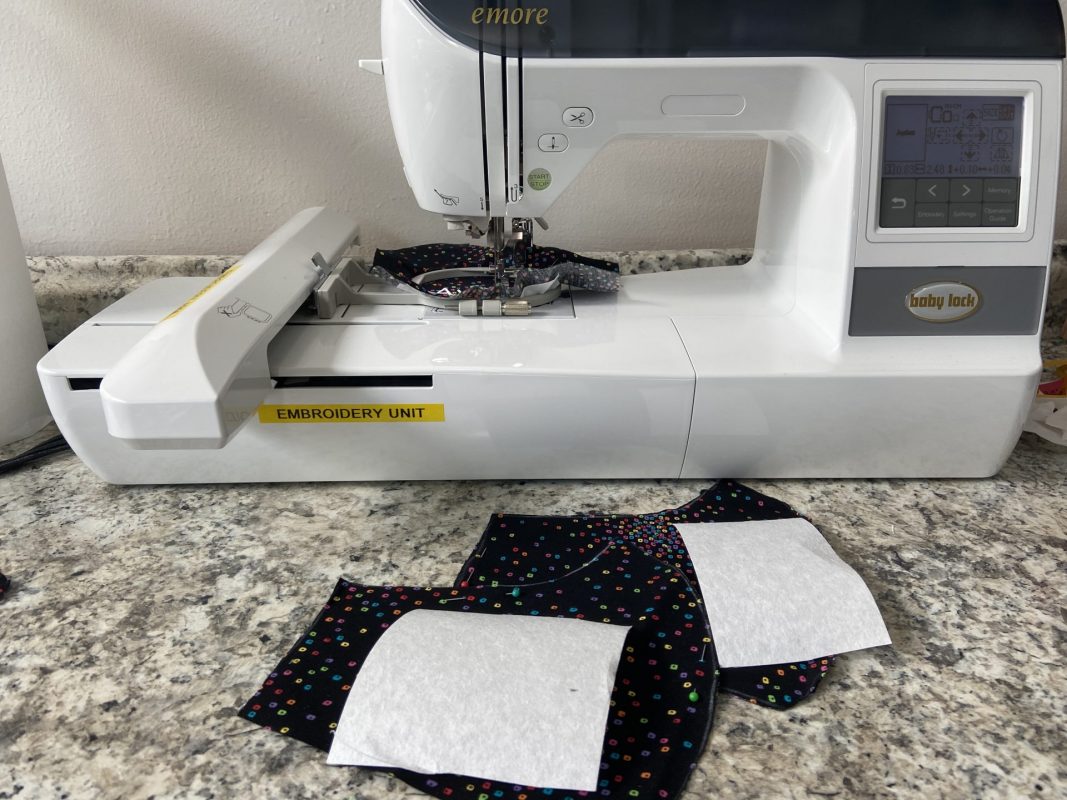
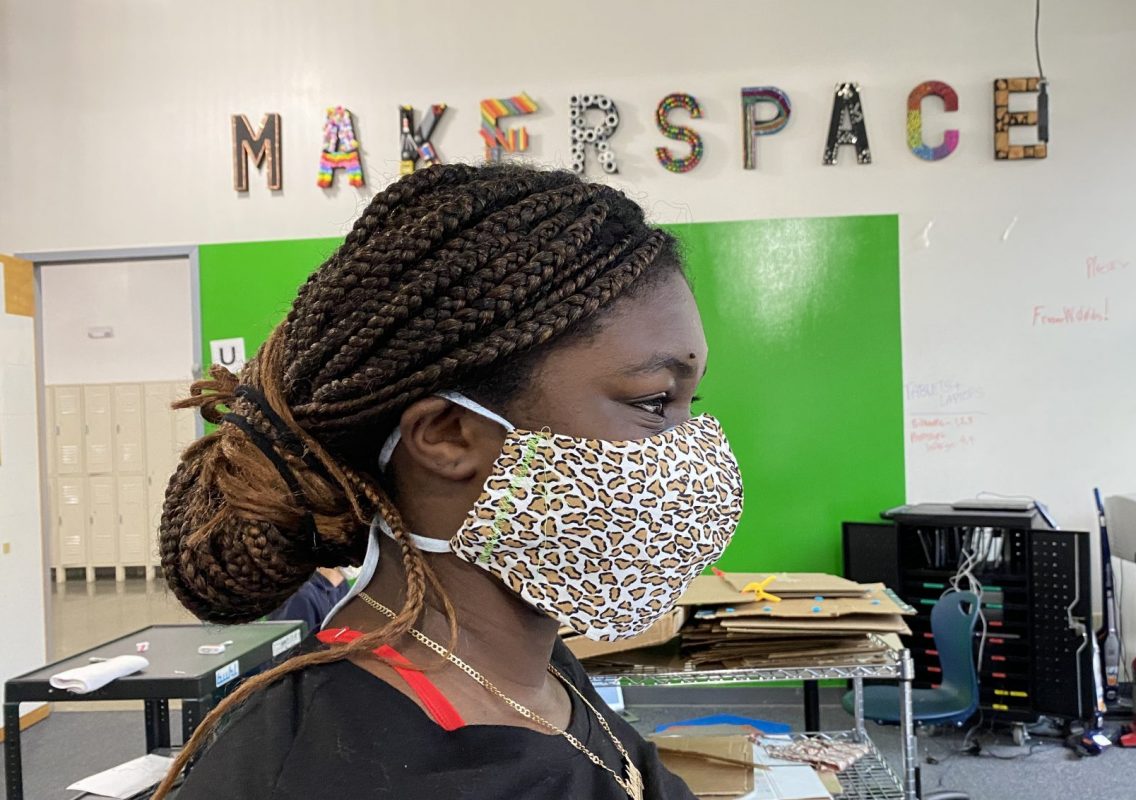
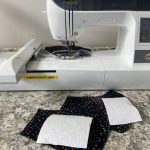
It’s hard to believe that we are celebrating the fourth year of the MakerSpace at FWM. Year after year we continue to add purposeful and authentic programs to our MakerSpace curriculum. In 2018, I added several sewing machines to our fleet of tools. At that time I never envisioned a mask, that wasn’t part of a costume, would ever fly off these machines.

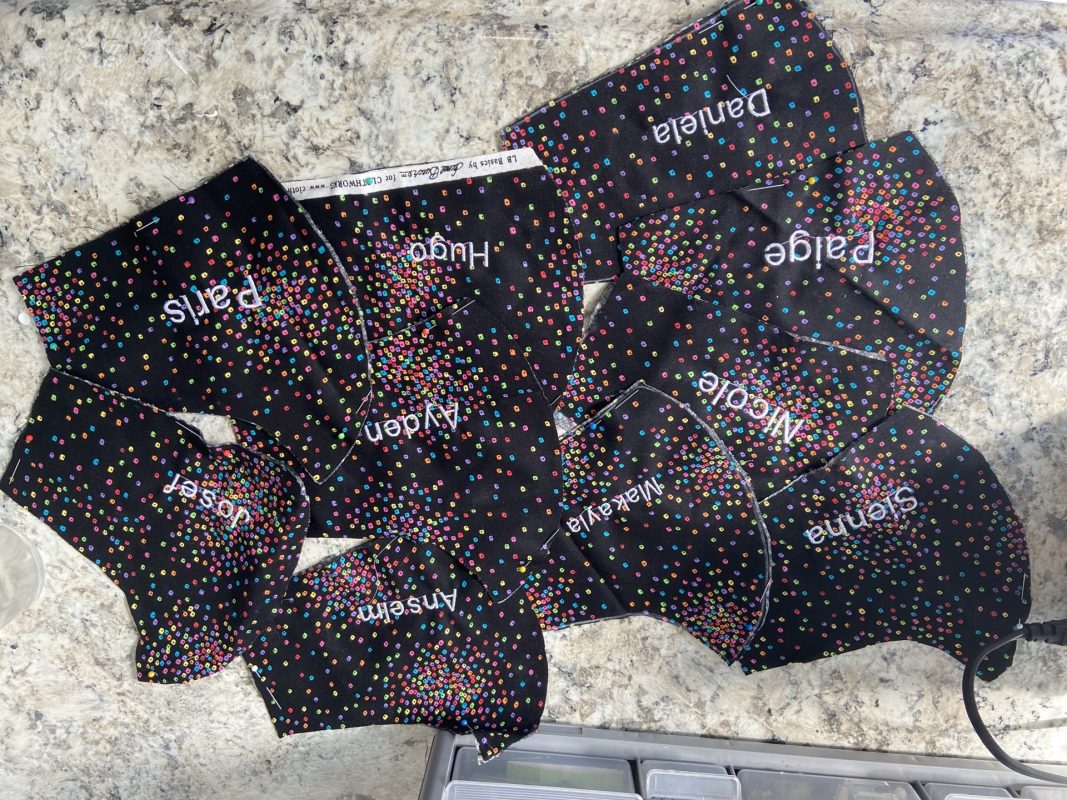
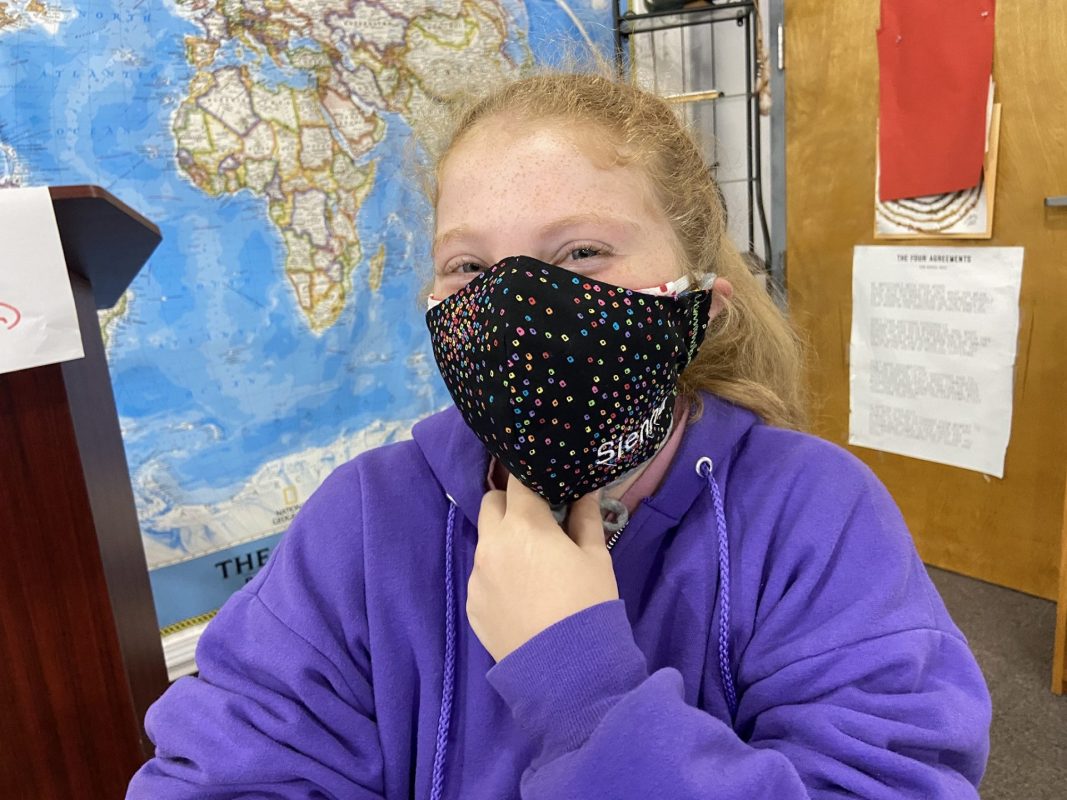
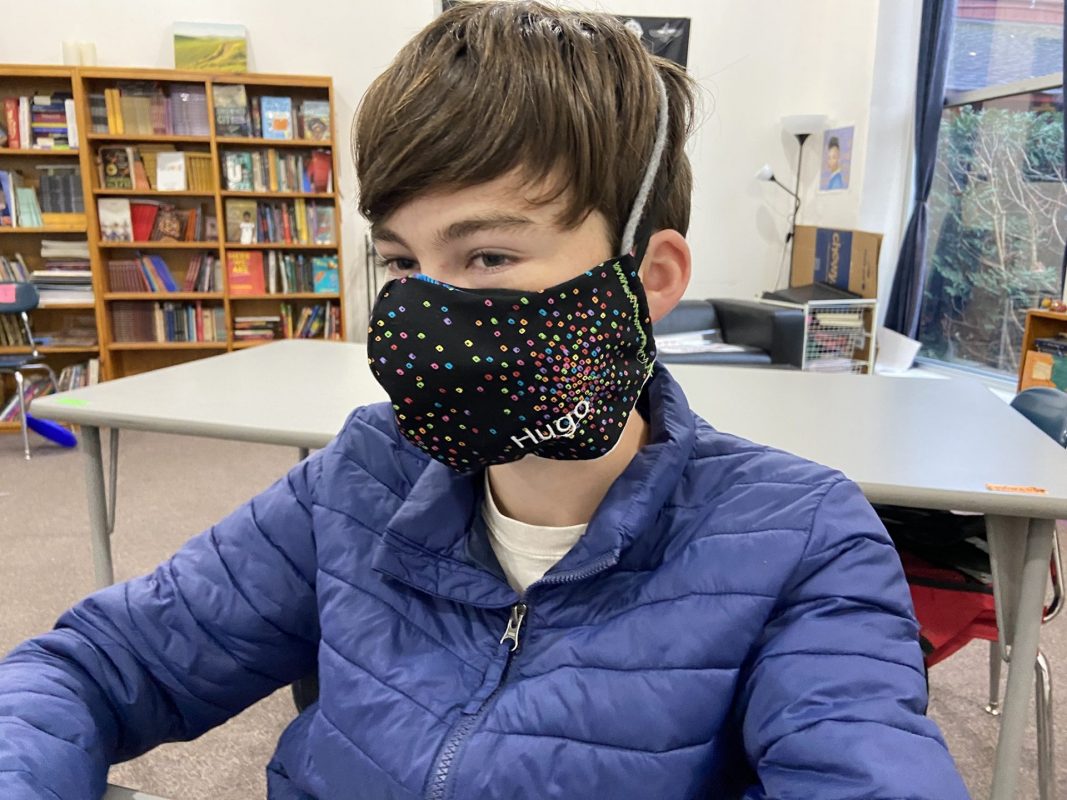
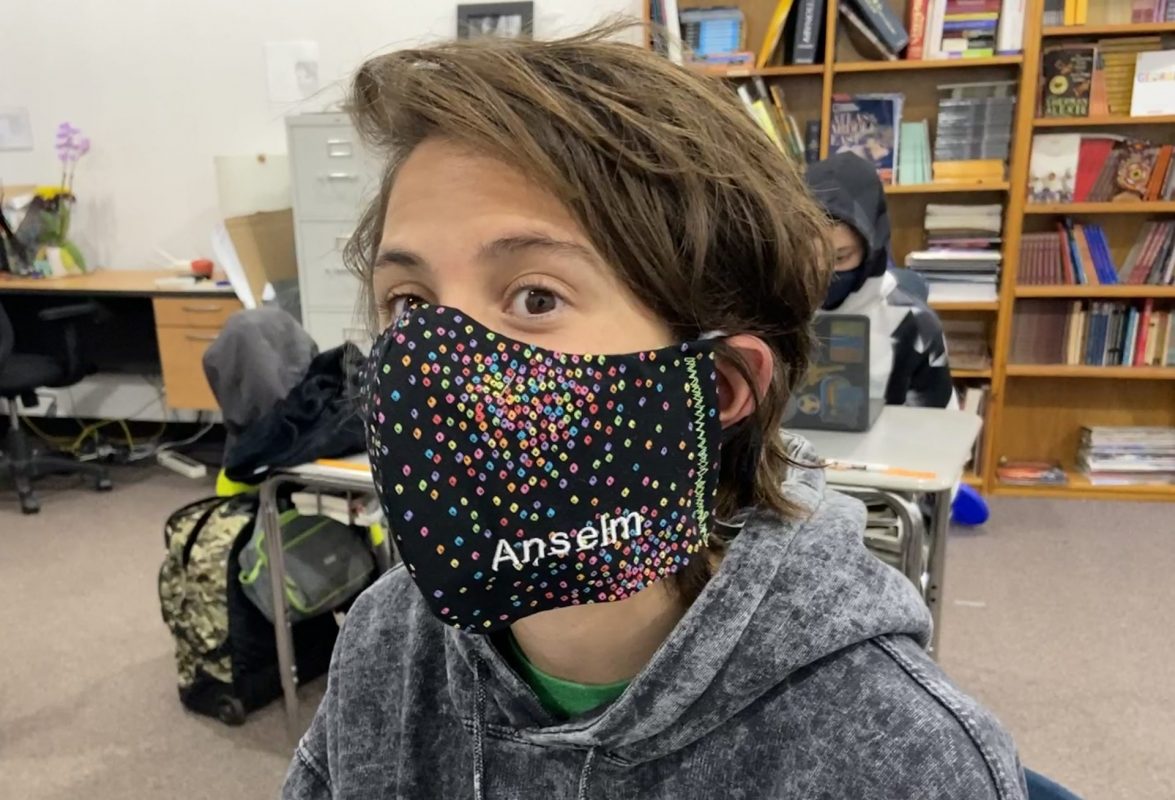
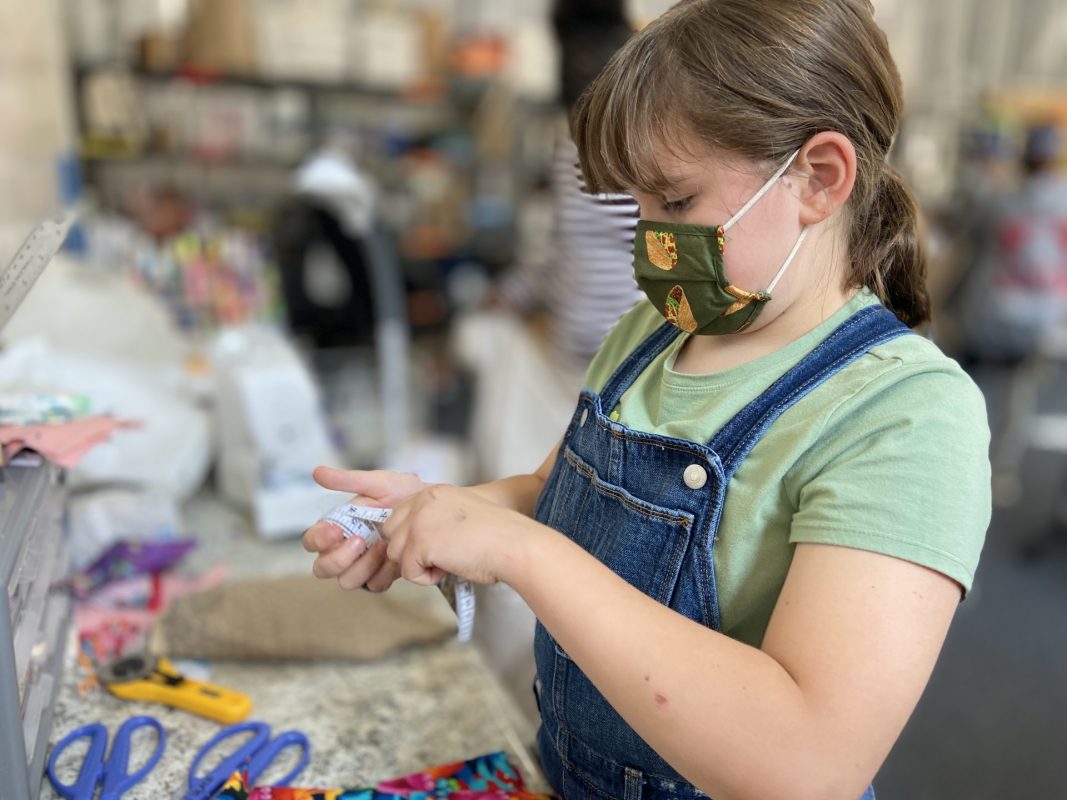
What started as an idea in September, to make masks for our 8th grade class, turned into a joyful opportunity for students to make their own mask. By my side was Christina Benoit, our school nurse, who lended her time and knowledge to me as we began designing masks for our 2021 Graduates. After surprising them with their one-of-a-kind embroidered masks, children across the building wanted to learn “how”, “where”, and “when”, they could sew their own.

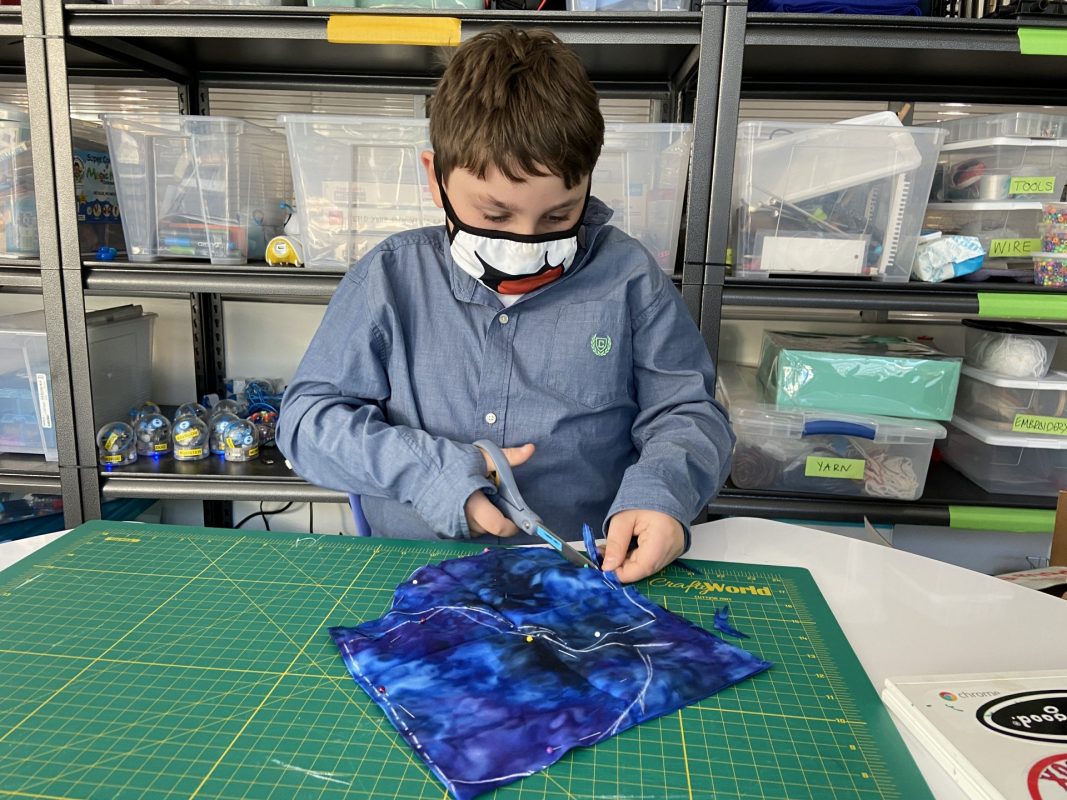
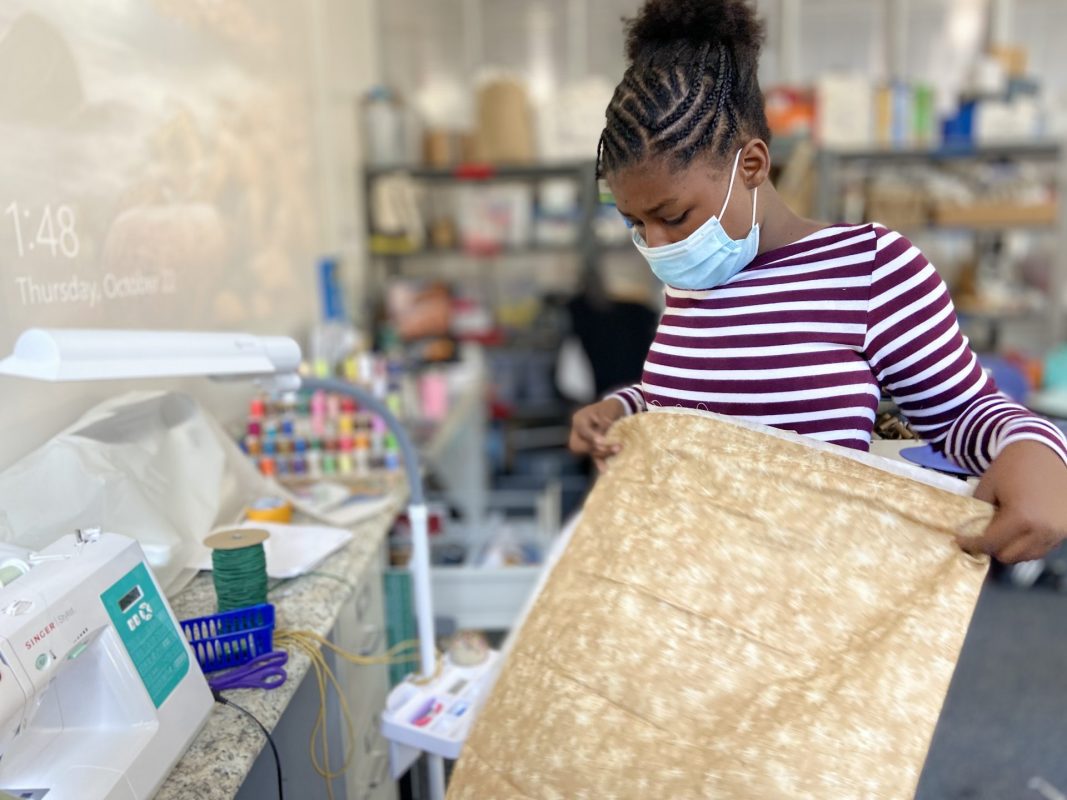
At any point in the MakerSpace, you will see fabric laid out, rulers and templates ready to guide, scissors ready to slice, and both hands and minds ready to work. The process to complete one mask takes a middle school student two full MakerSpace classes. Sewing also compliments our Middle School STEAM program.

As we approach 2021, I am honored to announce that my young seamers are now capable of making a durable, two-ply, custom sized, comfortable fitting mask…. out of hand-selected fabric. Bravo, my makers- you inspire me every single day.
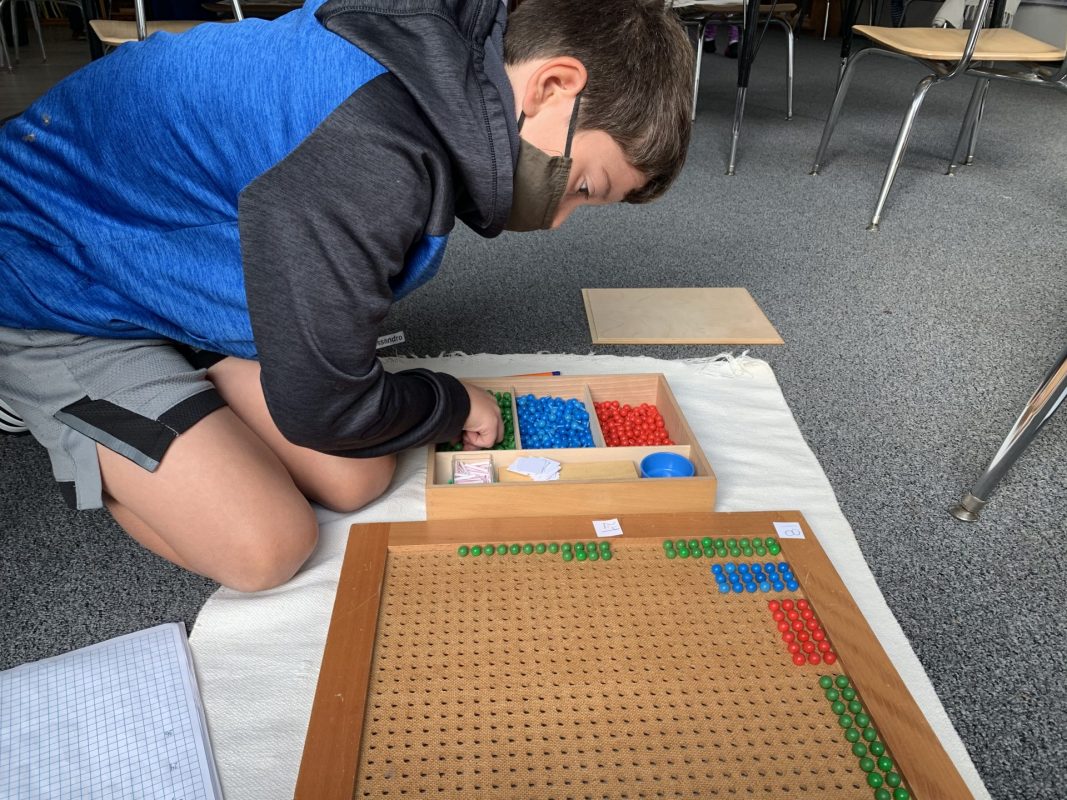
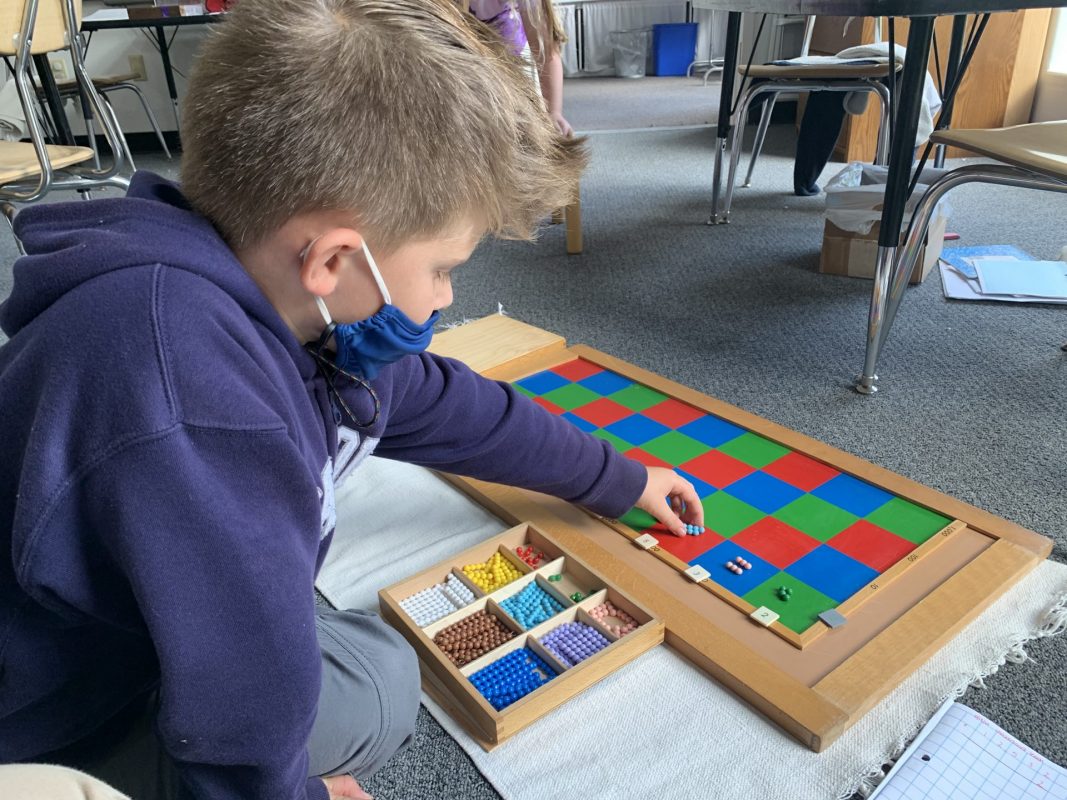
How We Montessori in Upper Elementary

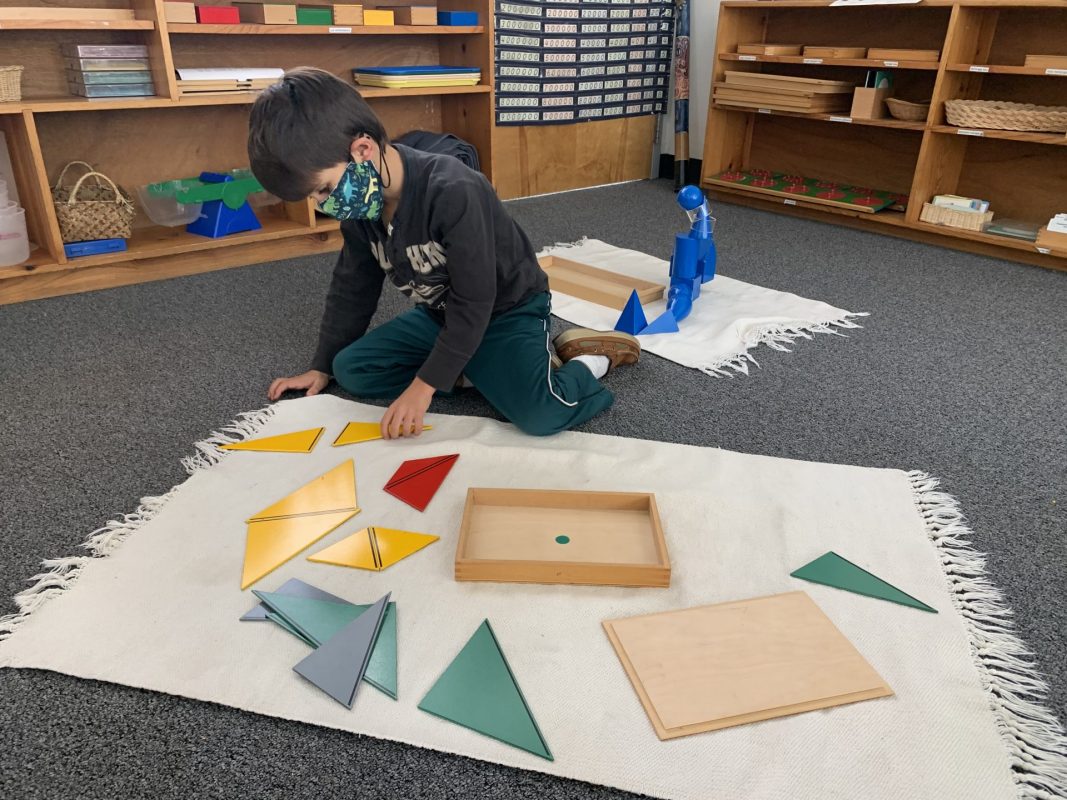
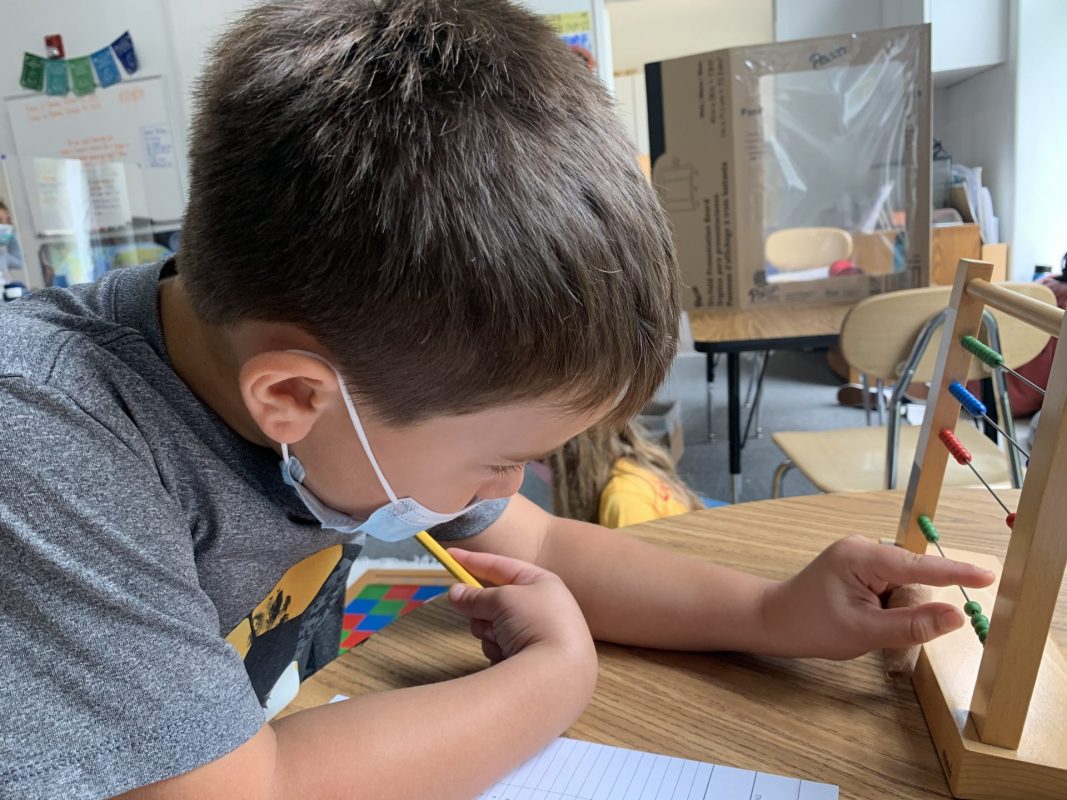
The Upper Elementary classroom at FWM offers students in 4th and 5th grades a customized learning environment.

What do we mean by that?

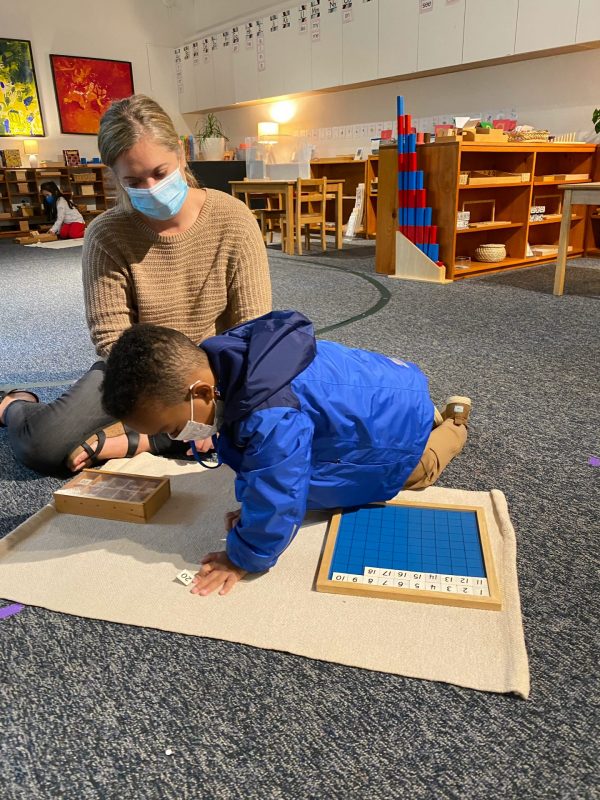
The UE program is designed to have a smaller class size with a 1:15 teacher-student ratio. This allows for countless opportunities for individualized attention to each student’s unique learning needs and encourages self-paced learning.

In Montessori, the Upper Elementary Classroom is an extension of the students’ own world. The emotional aspects of being an elementary aged student play a fundamental role in the child’s development and in their day to day time in school. We help our students understand how to work, how to fit in, and how to be part of a community in a positive and productive way. At this level, we do not avoid addressing difficulties or issues; instead, we work through them. Our community meetings are an example of this. Led by the fifth year students and supervised by the classroom teacher, the whole class works together to solve problems and discuss issues as they arise in the classroom. Everyone has a voice in making the UE environment a better place to learn and grow together. 
The Montessori Upper Elementary program encourages students to have a strong sense of connection to all of humanity. Our students develop an appreciation of the contributions of their ancestors and of the diverse cultures and countries around the world. They are working to become well prepared to be contributing global citizens. Our goal is for each student to reach their fullest potential in all areas, so they can move forward with confidence in who they are and in their individual abilities.

News & Upcoming Events

Thank you to all families who participated and supported our fall gift wrap fundraising from Meadow Farms

No School Thursday, October 29th – Virtual Parent-Teacher Conferences Please refer to the email from your child’s teacher with the sign-up link.

No School Friday, October 30th – Faculty Professional Development – Montessori Schools of CT Annual Conference

Halloween Parade Drive-Thru next Friday, October 30th – 3:00-4:00 pm. Families are invited to stop by anytime between 3:00-4:00 for a drive-thru trick or treat. Dress in Halloween costumes or festive attire, deck out your car, and drive through our one-way driveway, stopping at various treat stations. Wave hello to teachers and staff! RSVP here! A BIG thank you to our event sponsors: CT Braces and Ingersoll Automotive.

FWM Cookbook Recipe Submission Contribute your family’s favorite recipe(s) to our school cookbook. Due to the current pandemic, we are unable to host our annual Global Culinary Night. As a result, an idea to create a FWM cookbook was shared by a current FWM parent, Raquel Kokkoros (Allie’s mom). Some of you may remember Raquel’s delicious street corn dish that she shared at last year’s Global Culinary Night. Great idea we thought! Let’s invite current parents, grandparents, alumni, faculty, and staff to contribute a recipe to our cookbook. We have heard from alumni families that they are still using the FWM cookbook that was last published in 2004! Click here to log in and submit recipes. Group Name: fwmontessori & Password: kitchen87. The deadline to submit recipes is November 30th.


Primary Obstacle Course

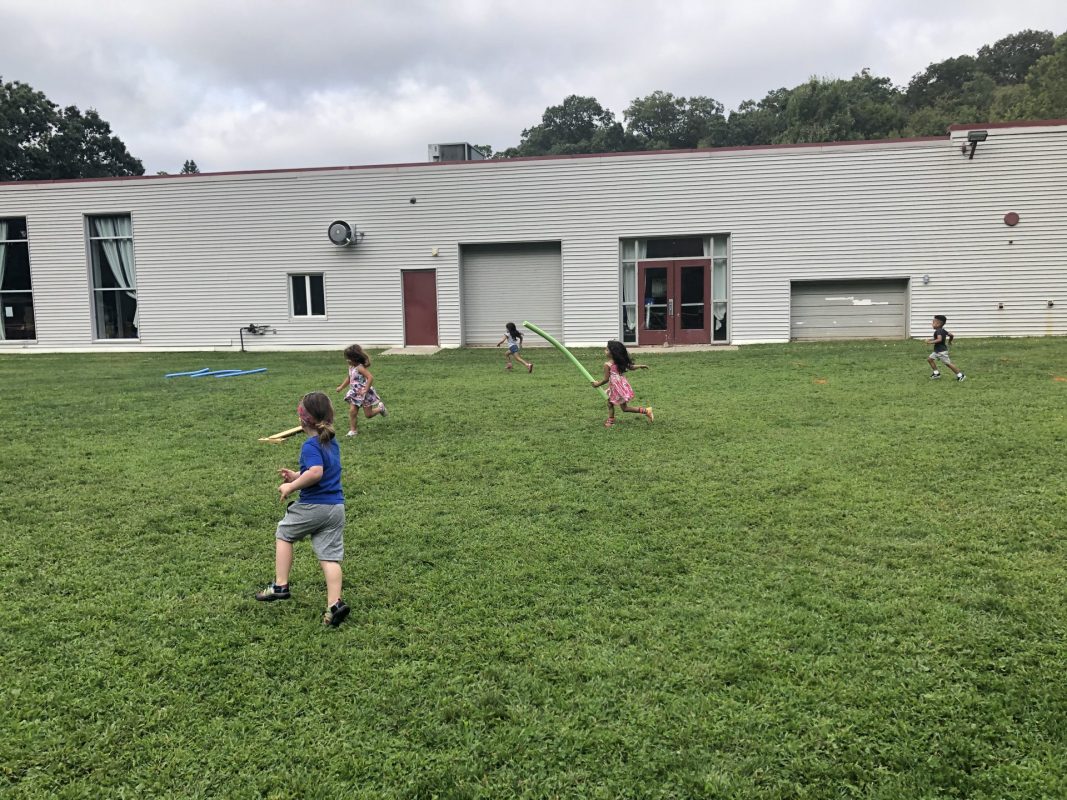
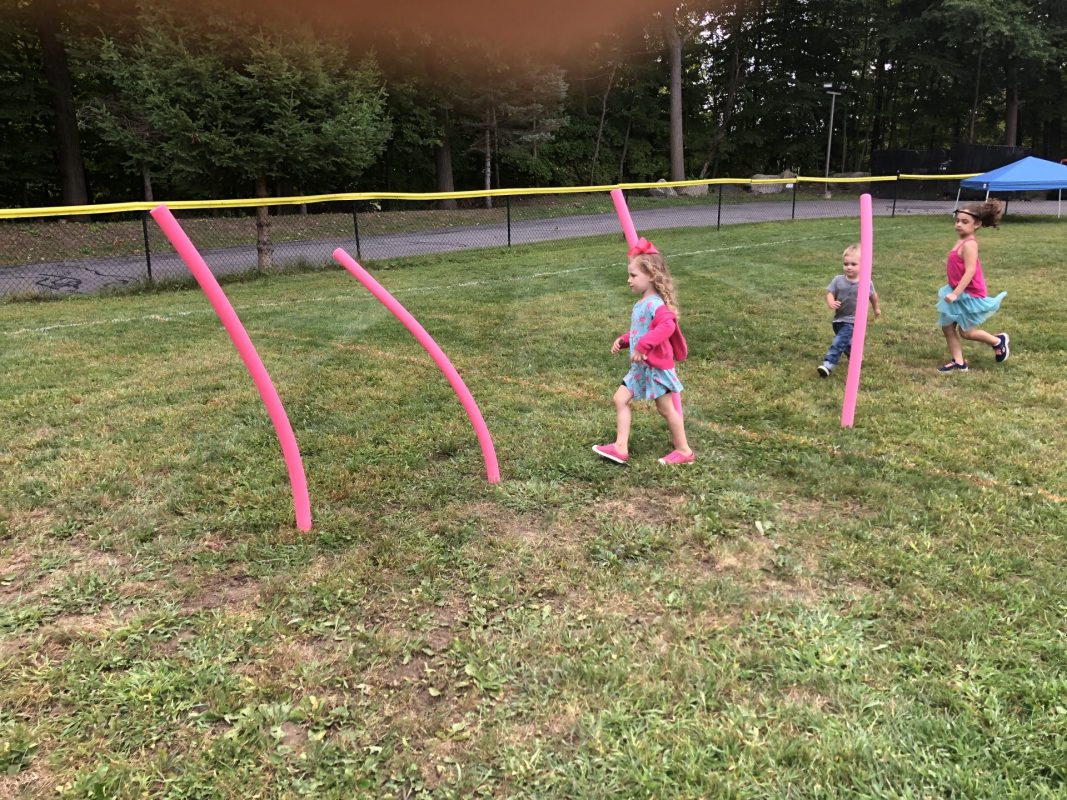
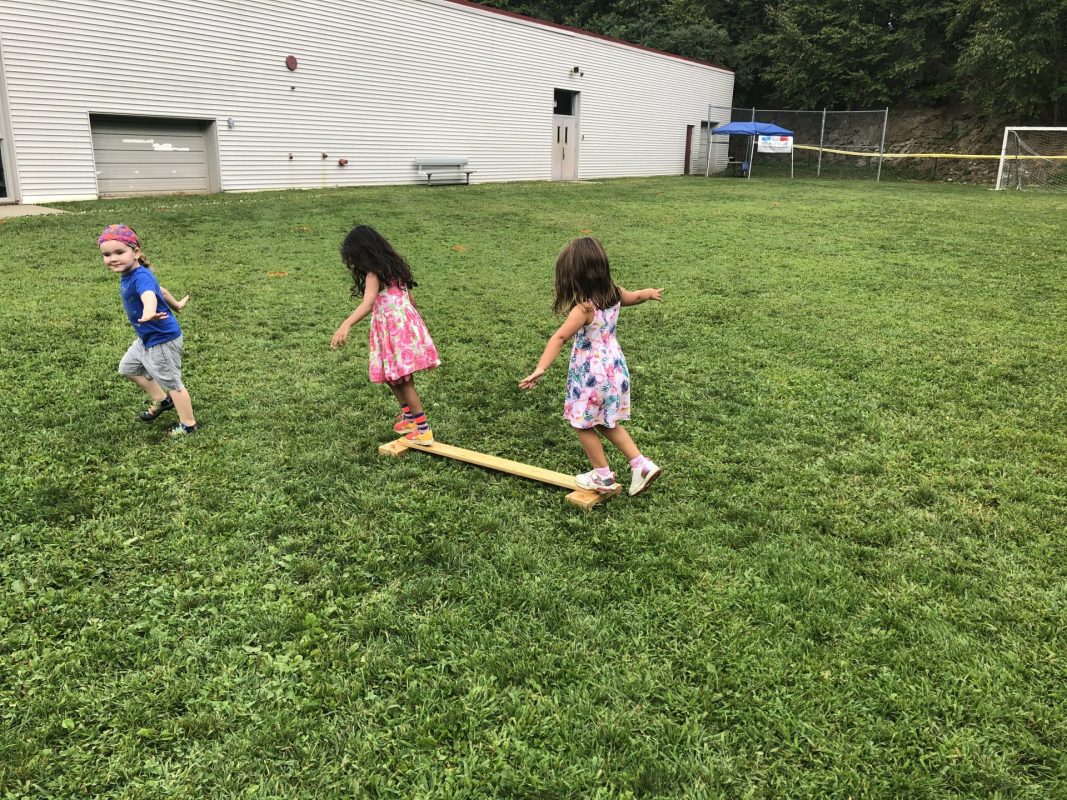
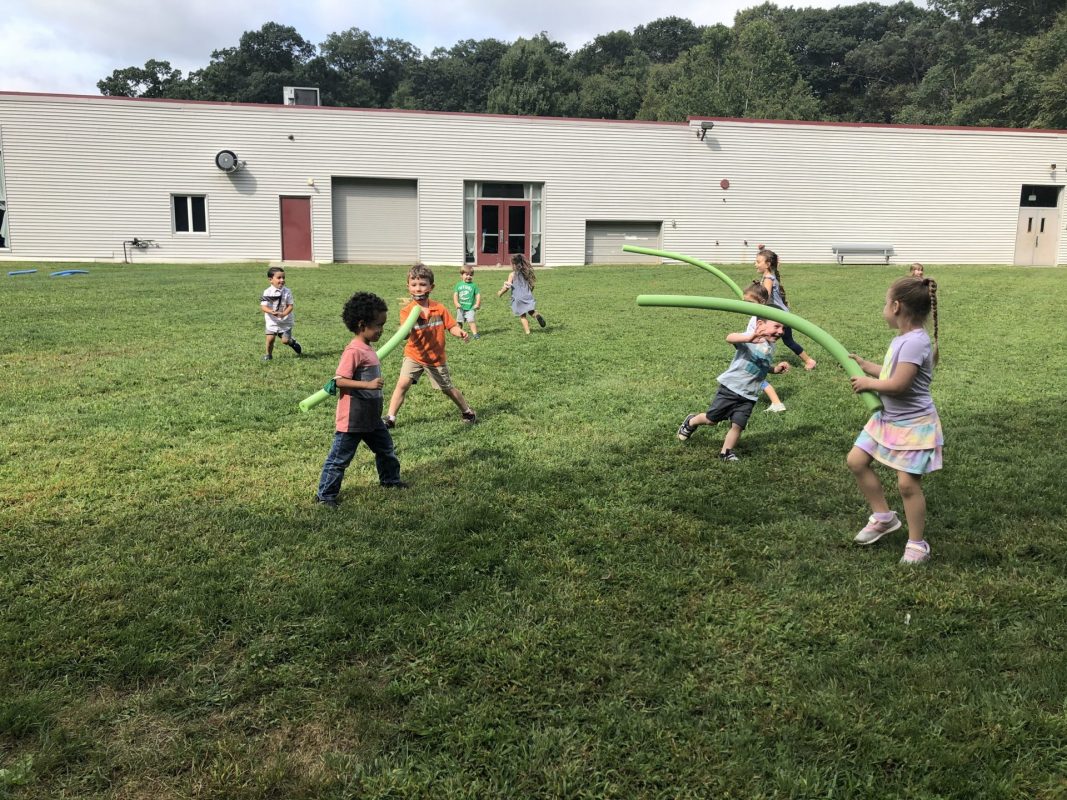
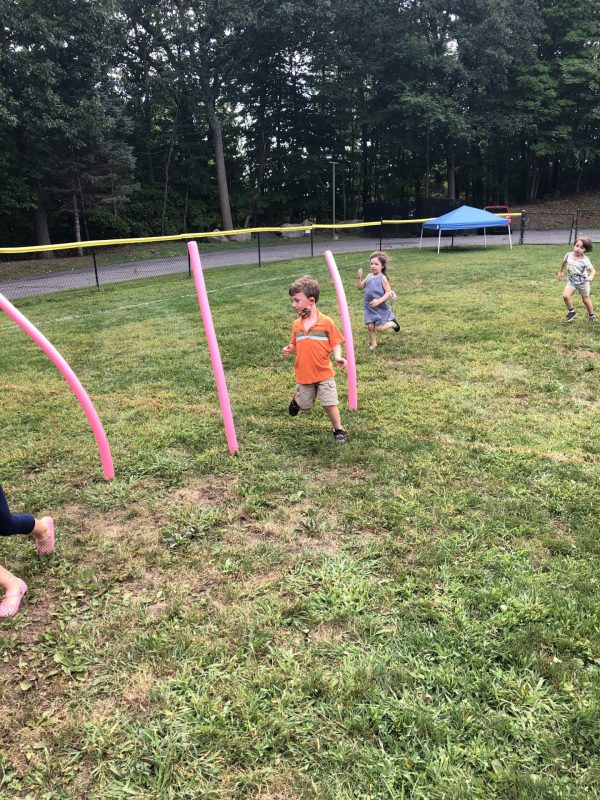
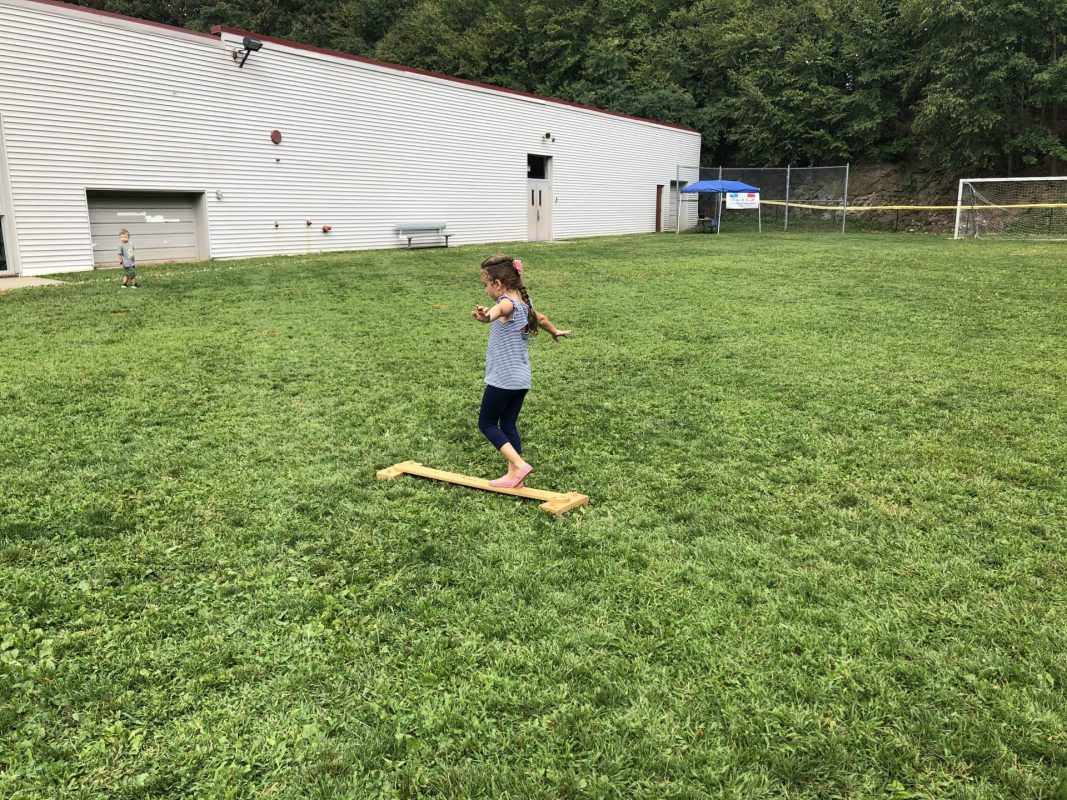
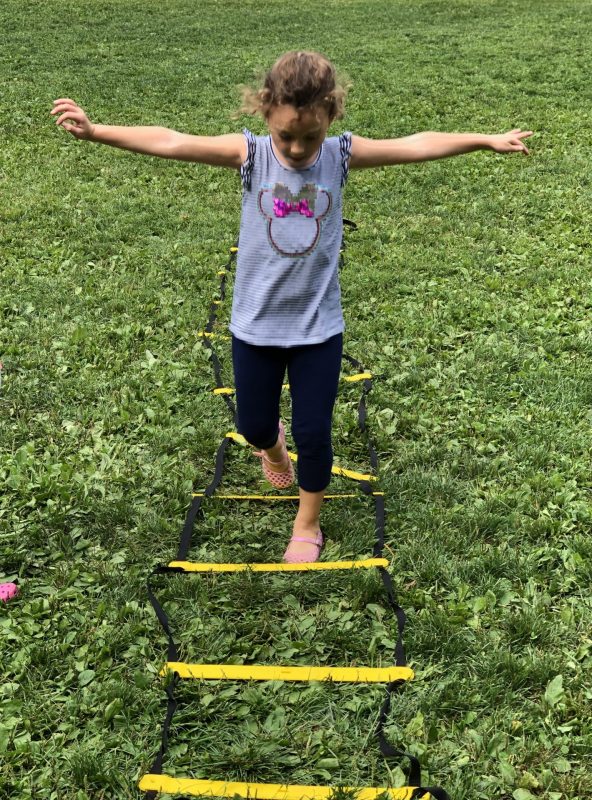
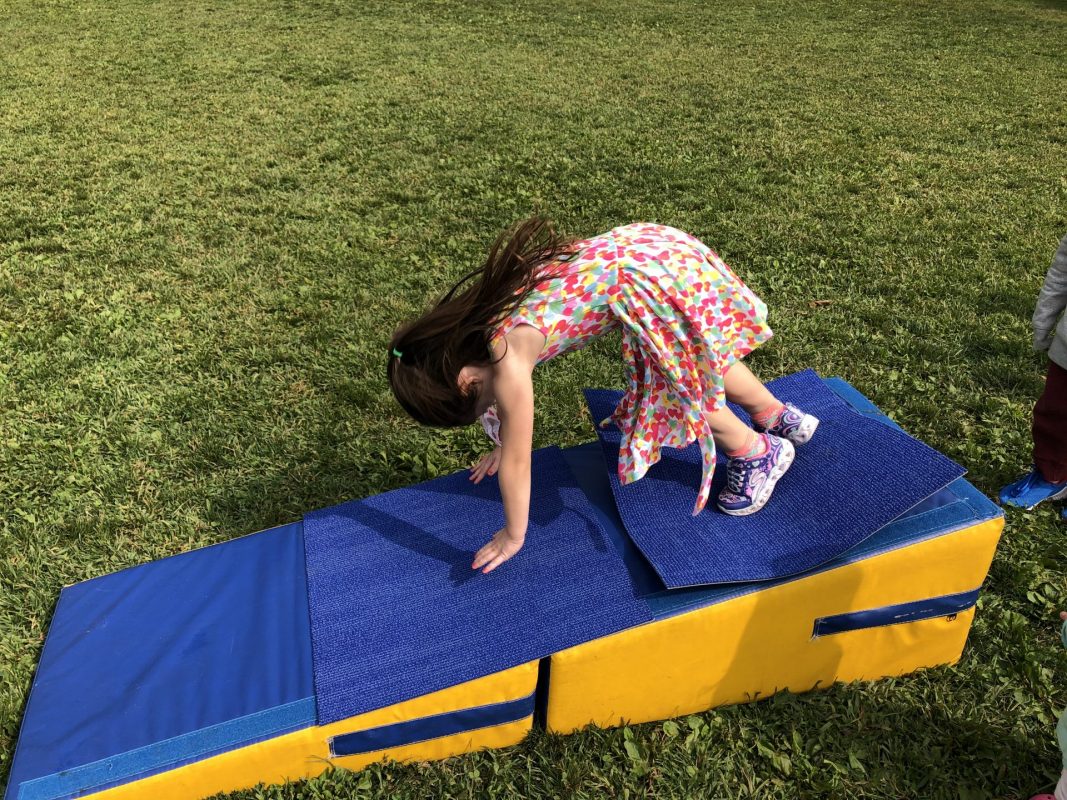
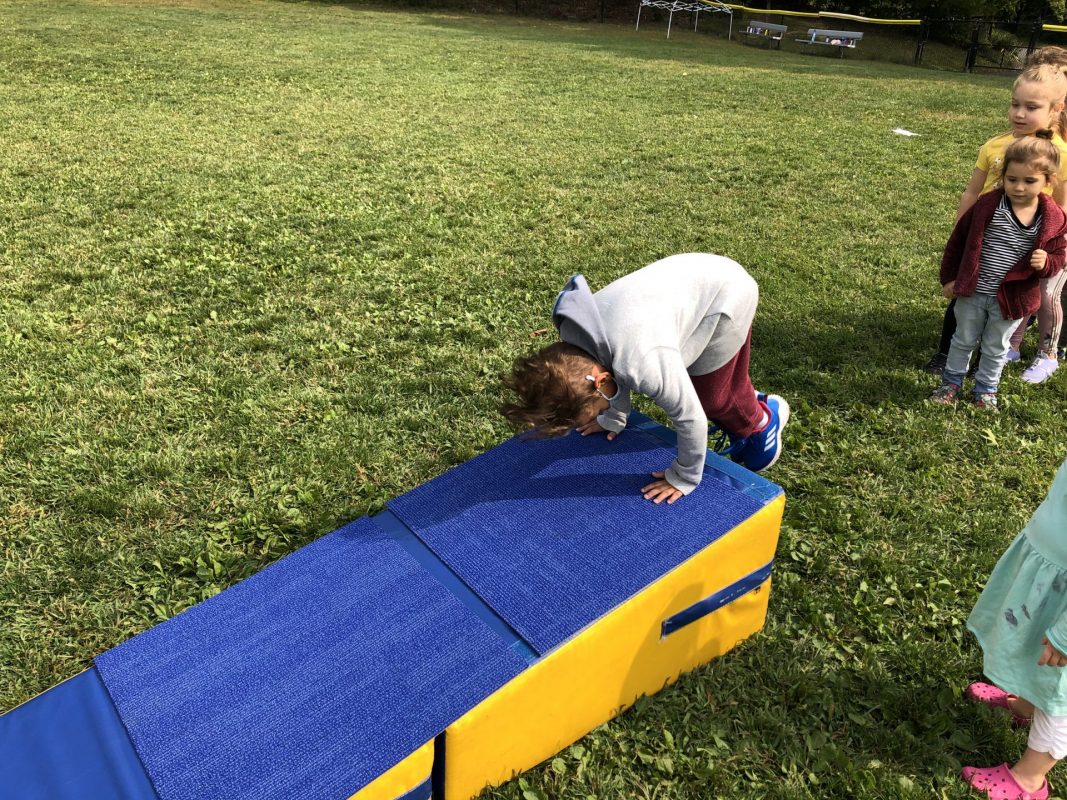
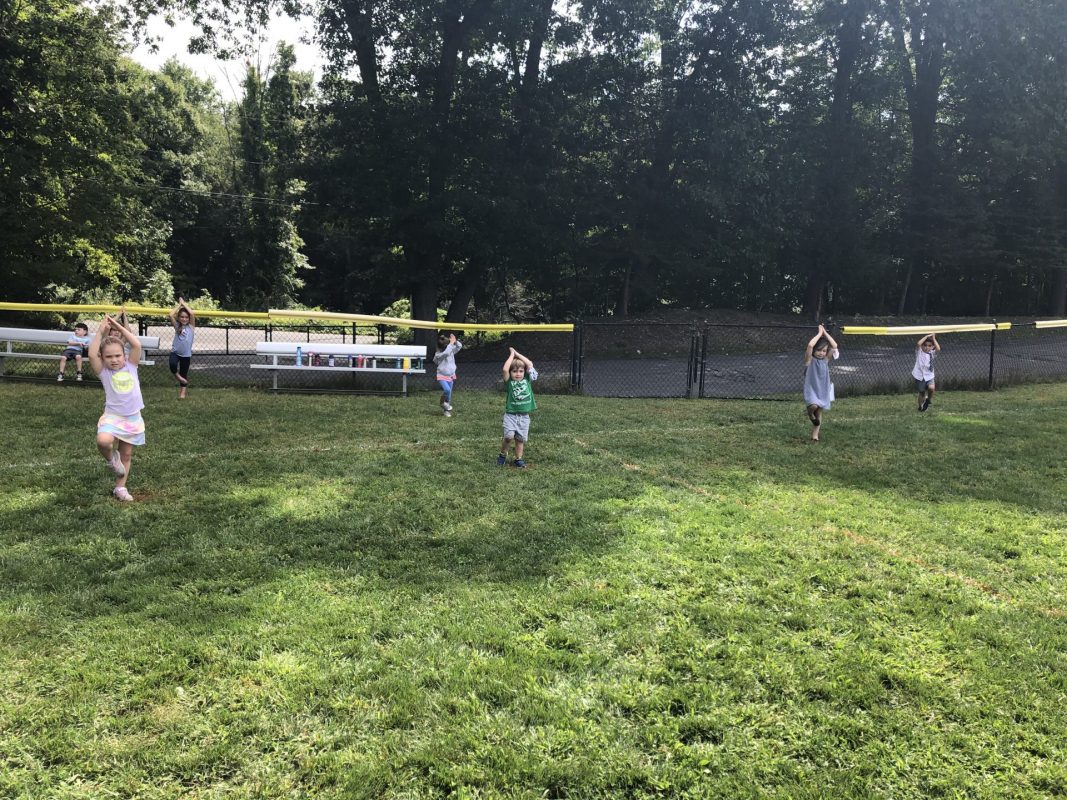
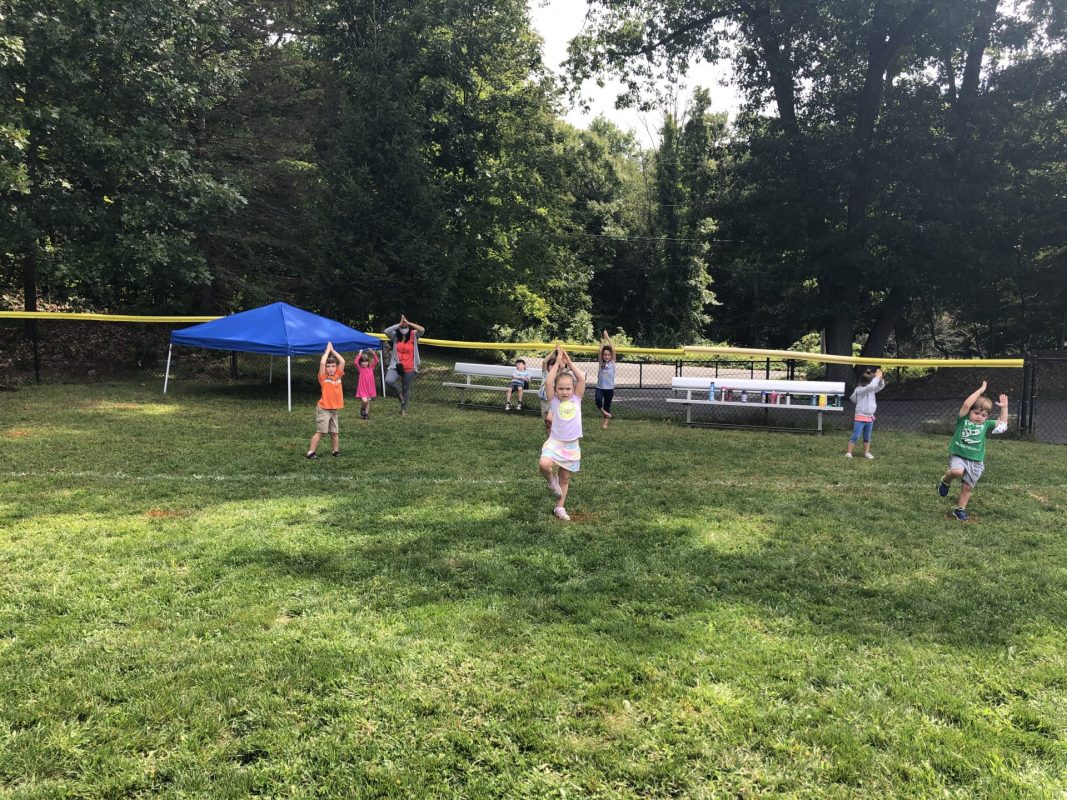
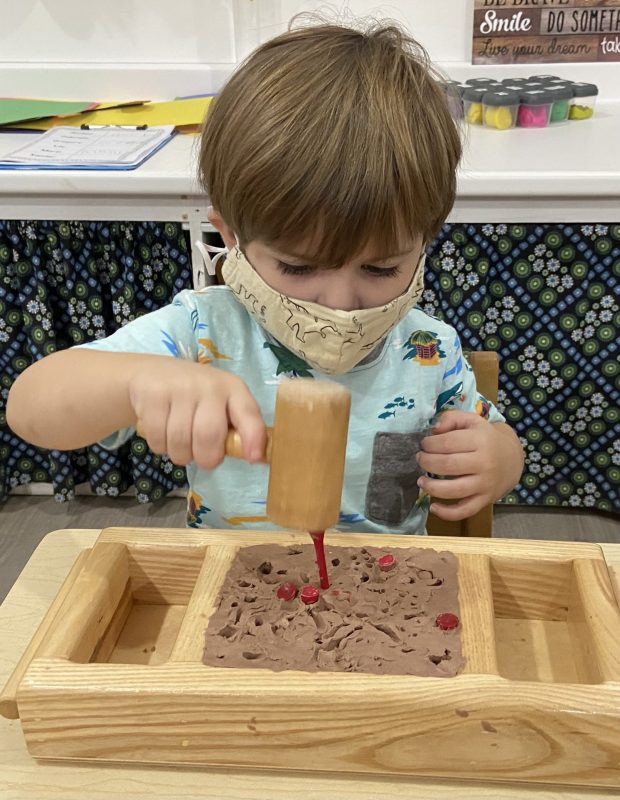
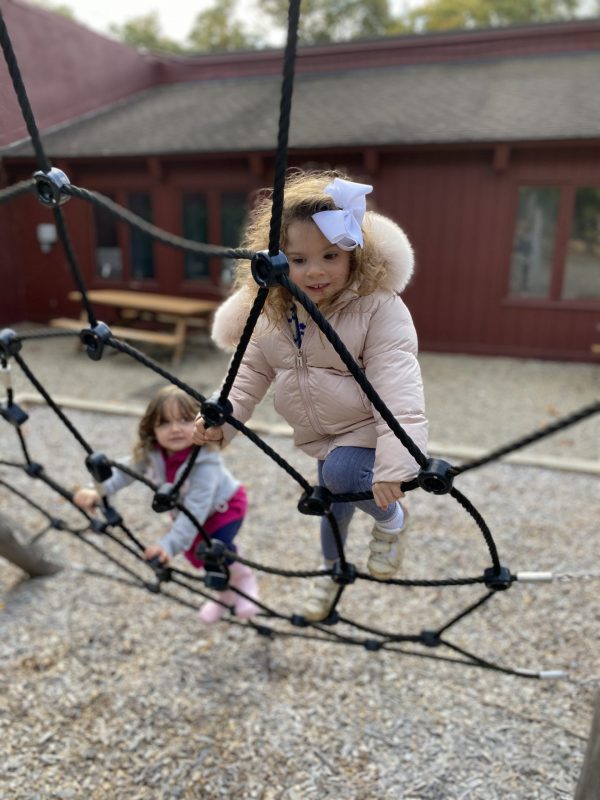
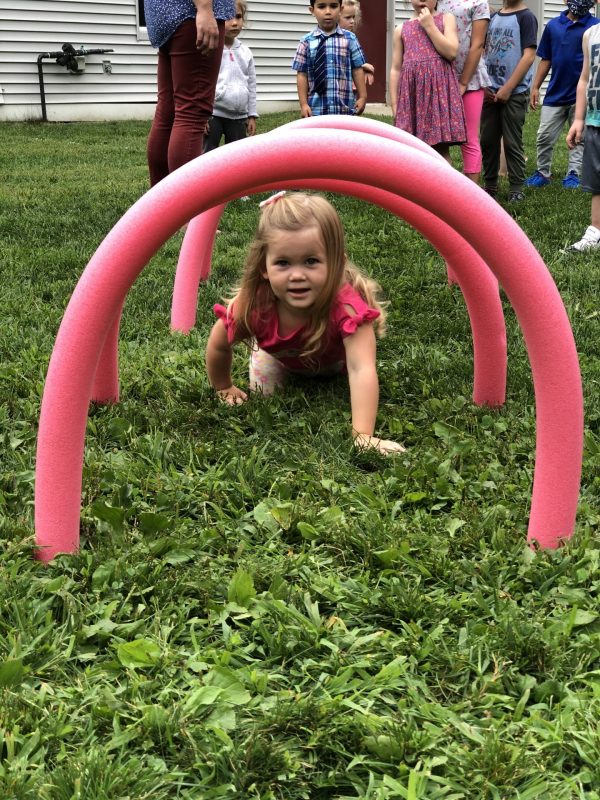
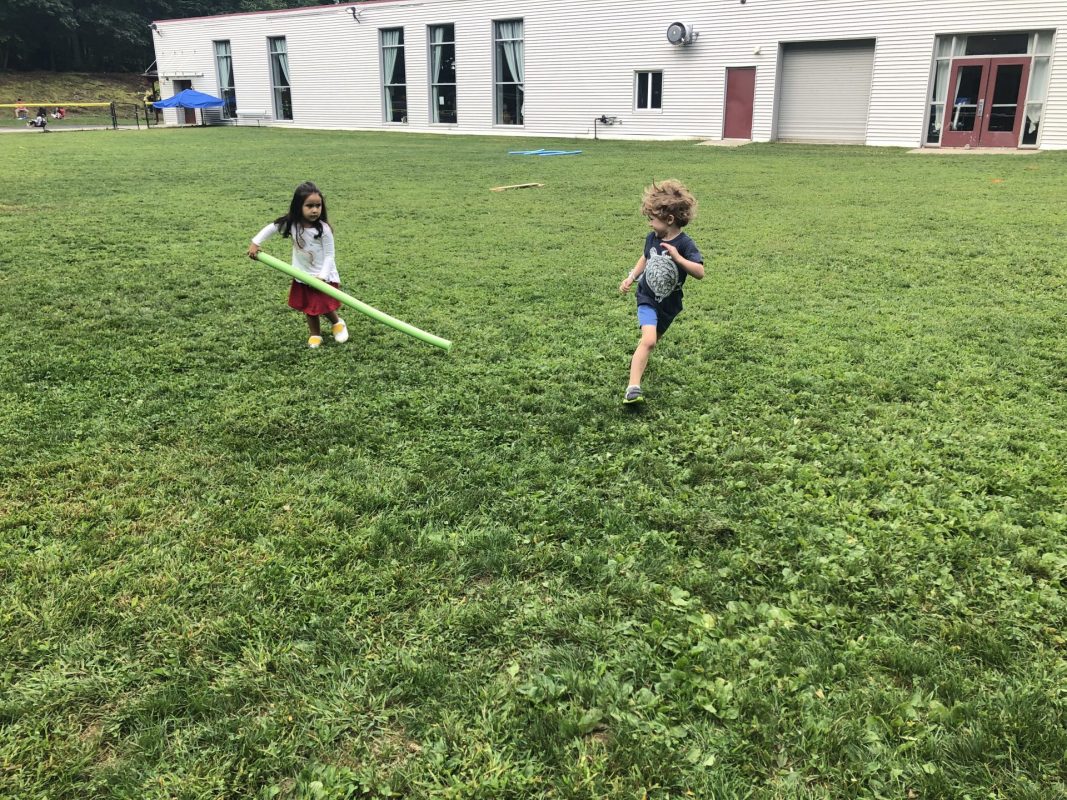
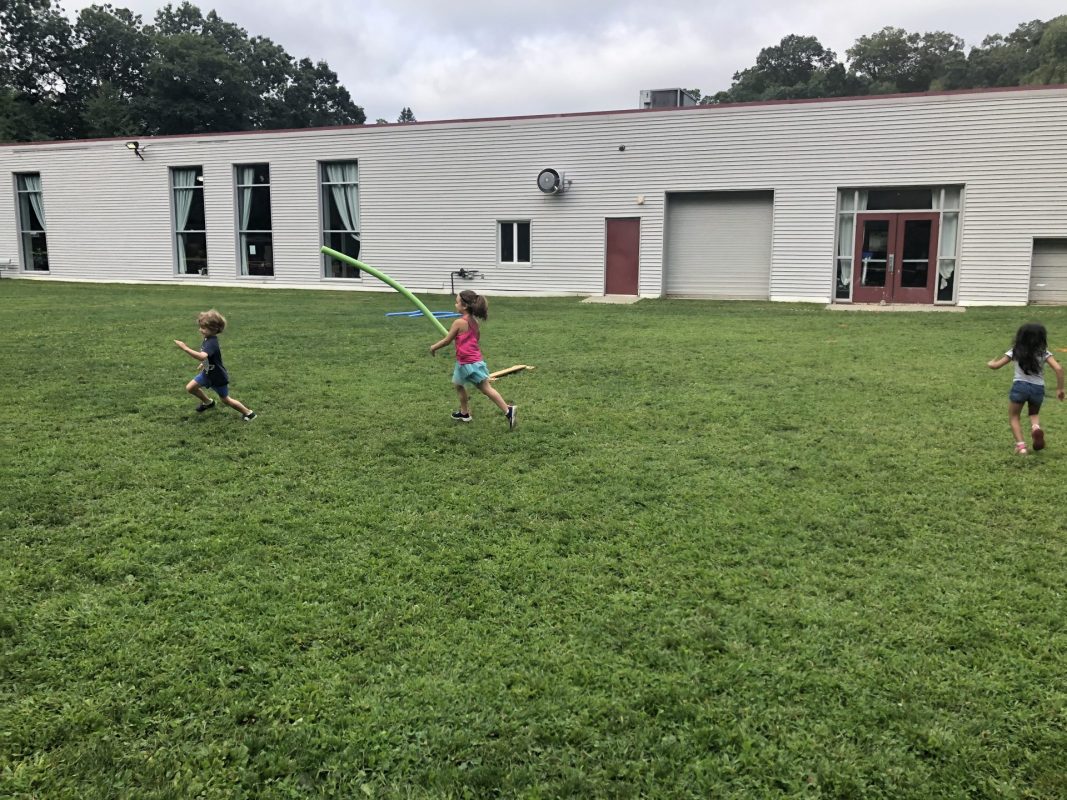
The Primary students enjoyed an obstacle course comprised of gymnastics mats, hoops, noodles, an agility ladder, and a balance beam.  The obstacle course helped students practice their gross motor skills. They were jumping in and out of hoops, zig-zagging through noodles, performing a forward roll on an inclined mat, walking on a balance beam, crawling under a bridge, and tip-toeing through the agility ladder.  We started the classes with a moving train run around the soccer field followed by a 10 minute pumpkin tag warm-up using pool noodles. We cooled down with fitness exercises, yoga, and stretches at the end of each class. Throughout our gymnastics unit, the children are enhancing their social skills, developing strength and coordination, and gaining self-esteem and confidence.

During each class, the children practice learning skills. We practice observing, waiting our turn, and following directions.  Improving all of these skill areas is helpful for those children still learning how their bodies move. Our lessons help them become more comfortable and happy with themselves as they continue to grow.


Mrs. Doyle’s Class: Pumpkins, Pumpkins Everywhere!

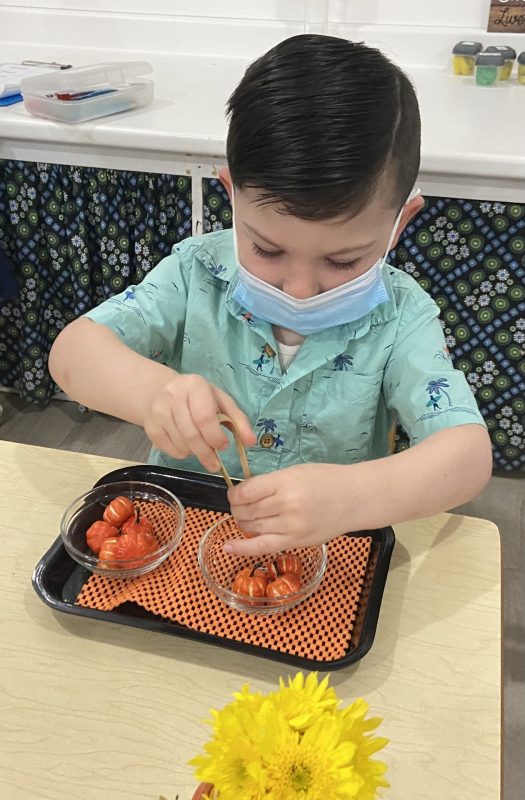
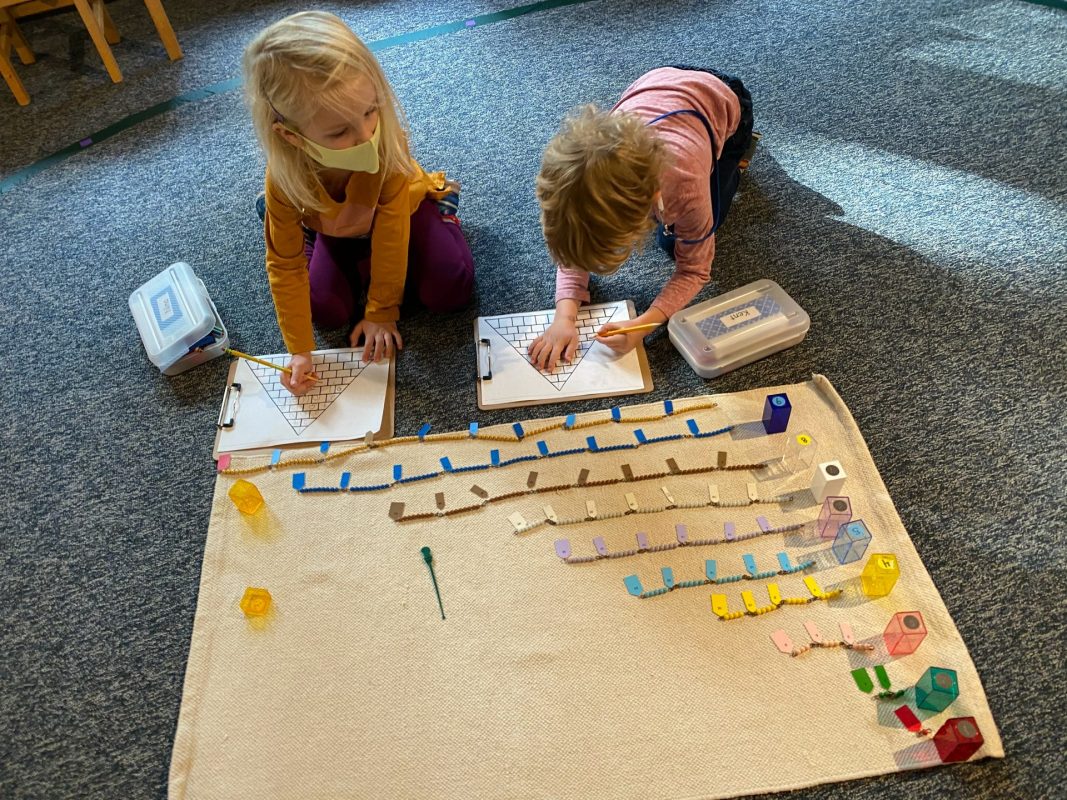
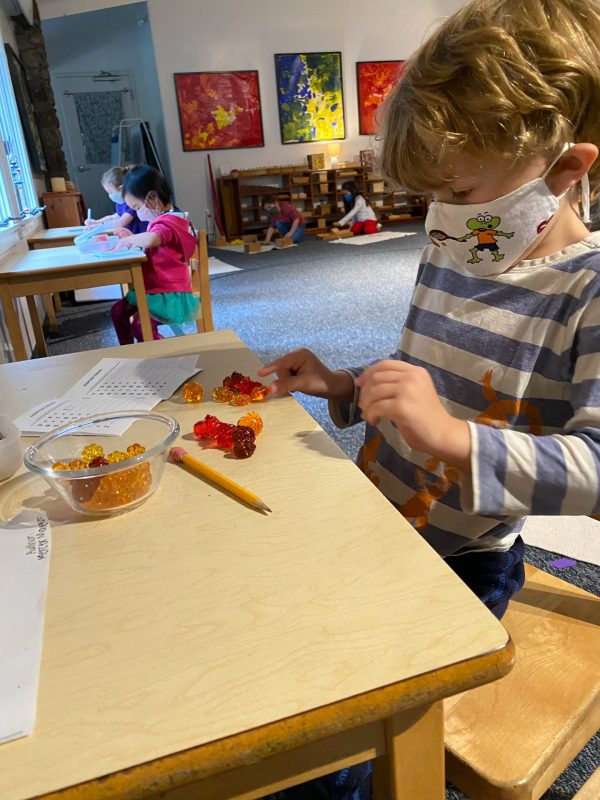
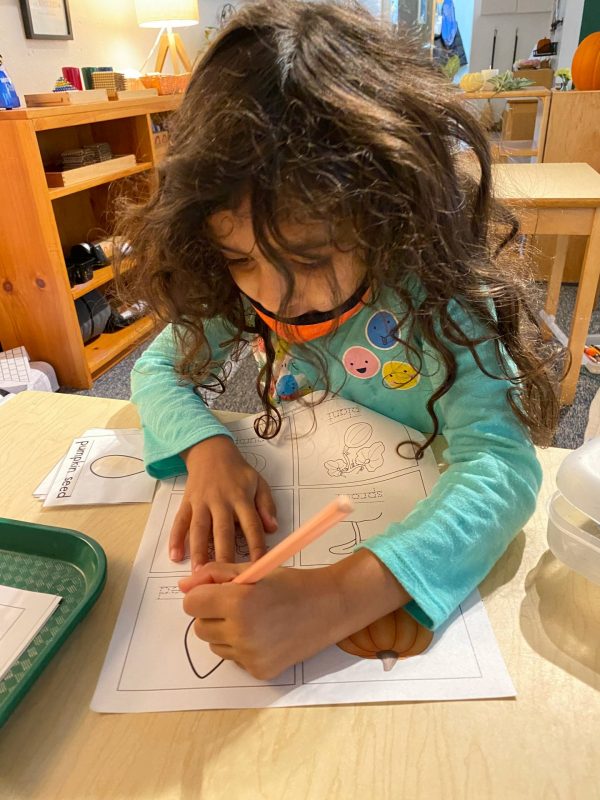
Welcome to our pumpkin patch!  There are pumpkins everywhere in our class. Having pumpkins in the classroom provides so many opportunities for the children to observe and to introduce basic science and math concepts.

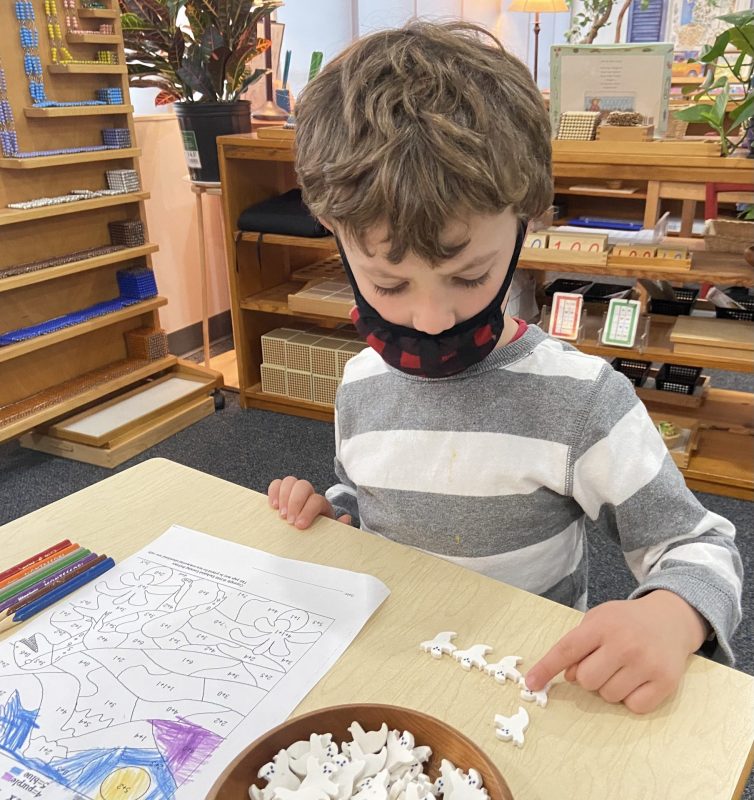
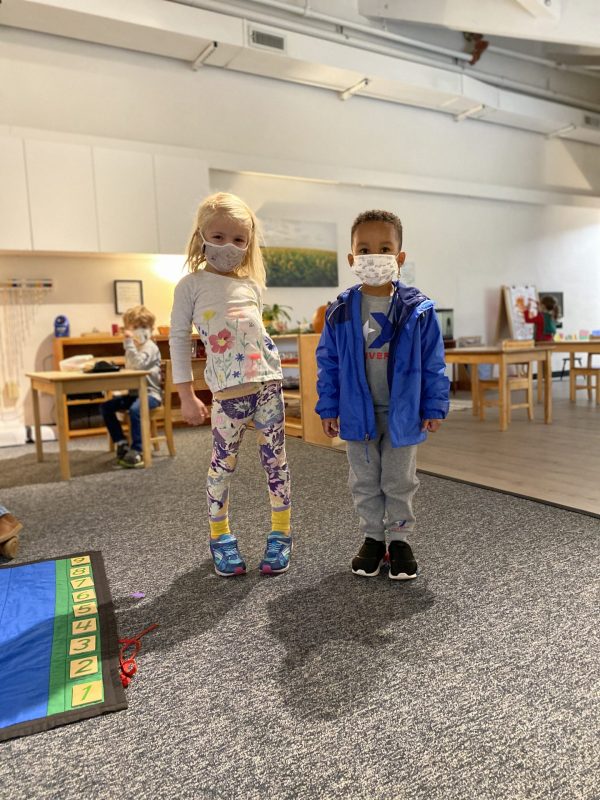
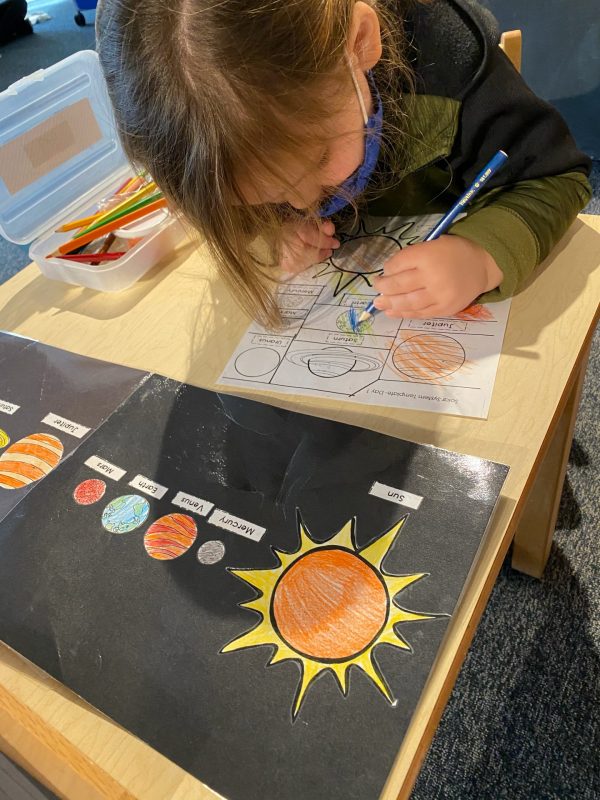
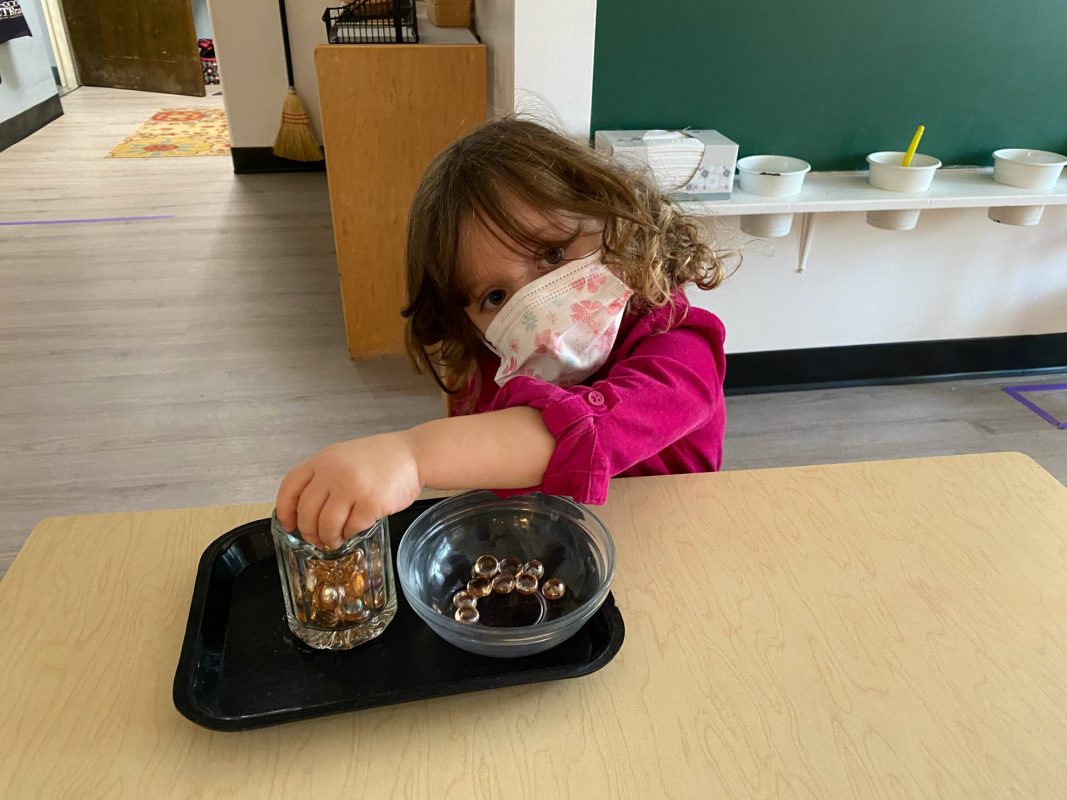
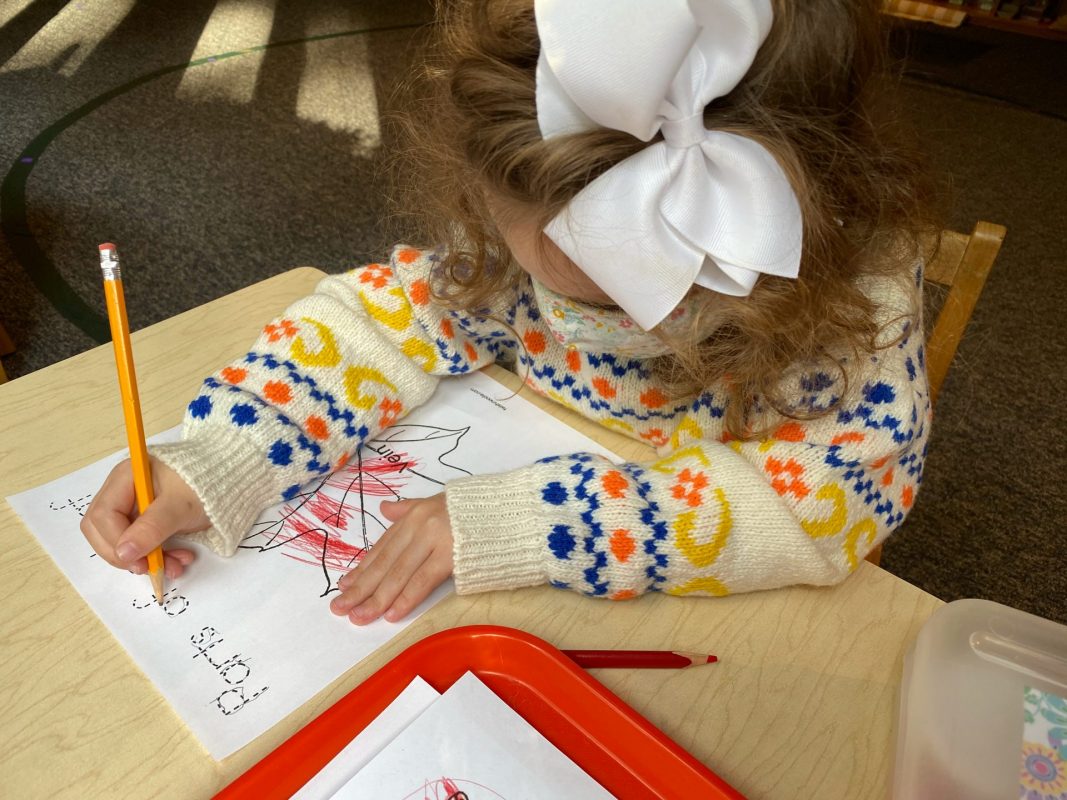
In Practical Life, we have pumpkin spooning, pumpkin pouring, and pumpkin grasping. In Science, we learned about the parts of a pumpkin and the pumpkin life cycle. We compared pumpkins and categorized them as small, medium, and large. We are using our five senses to determine what pumpkins look, smell, feel, sound, and taste like.  This year we can’t clean and roast the pumpkin seeds so we are relying on our memories of what pumpkin tastes like. In Math, we were faced with the very difficult question of how do you measure the circumference of a pumpkin. We counted the lines/ridges on pumpkins and learned why some pumpkins have more and some have less. We are experimenting to see if a pumpkin will sink or float.

Wishing everyone a week filled with peace and love!

Michelle & Lizette


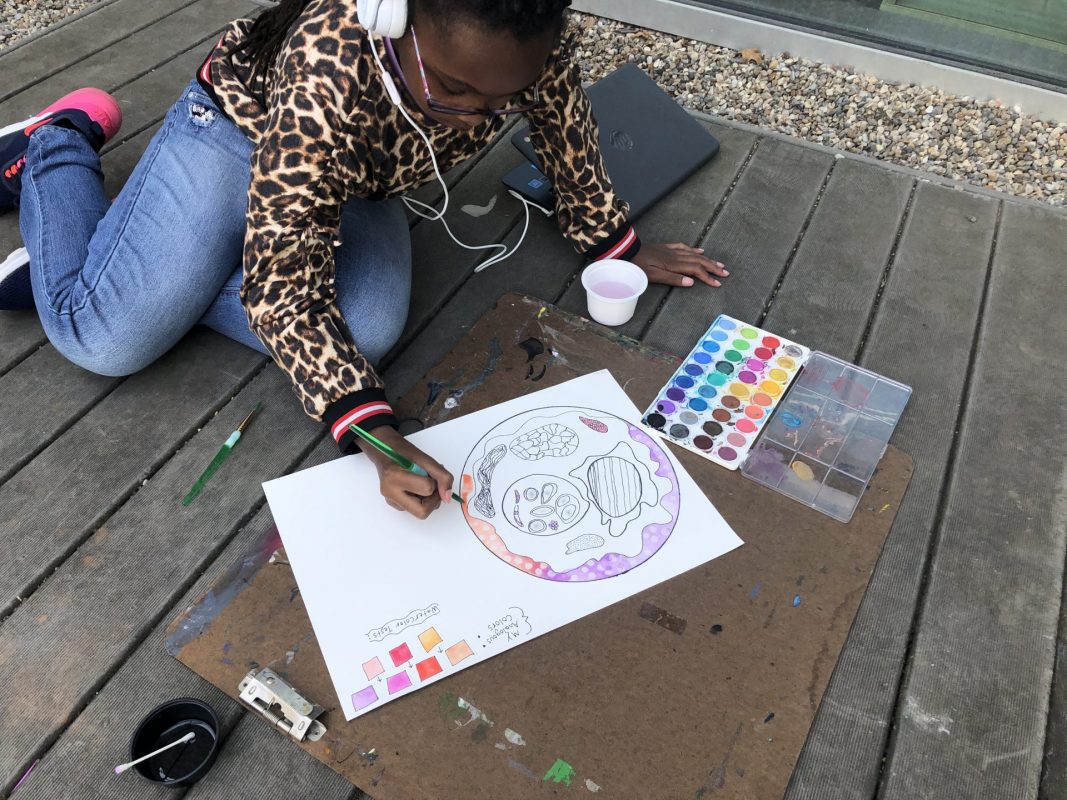
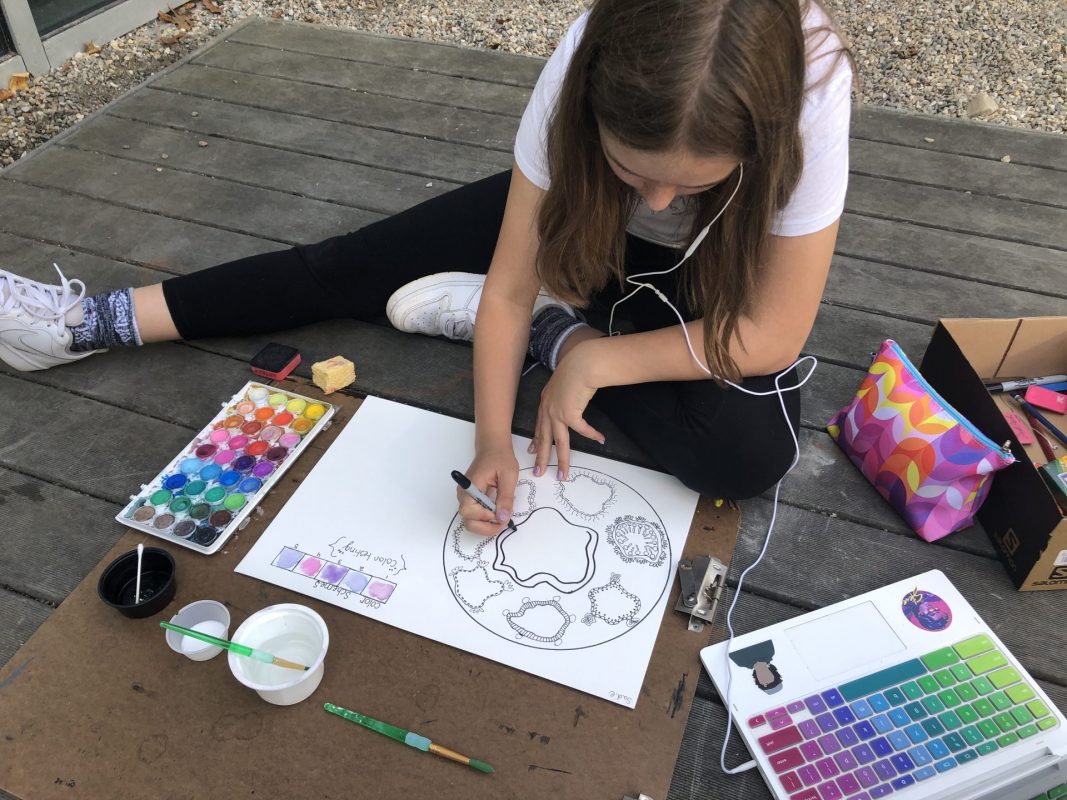
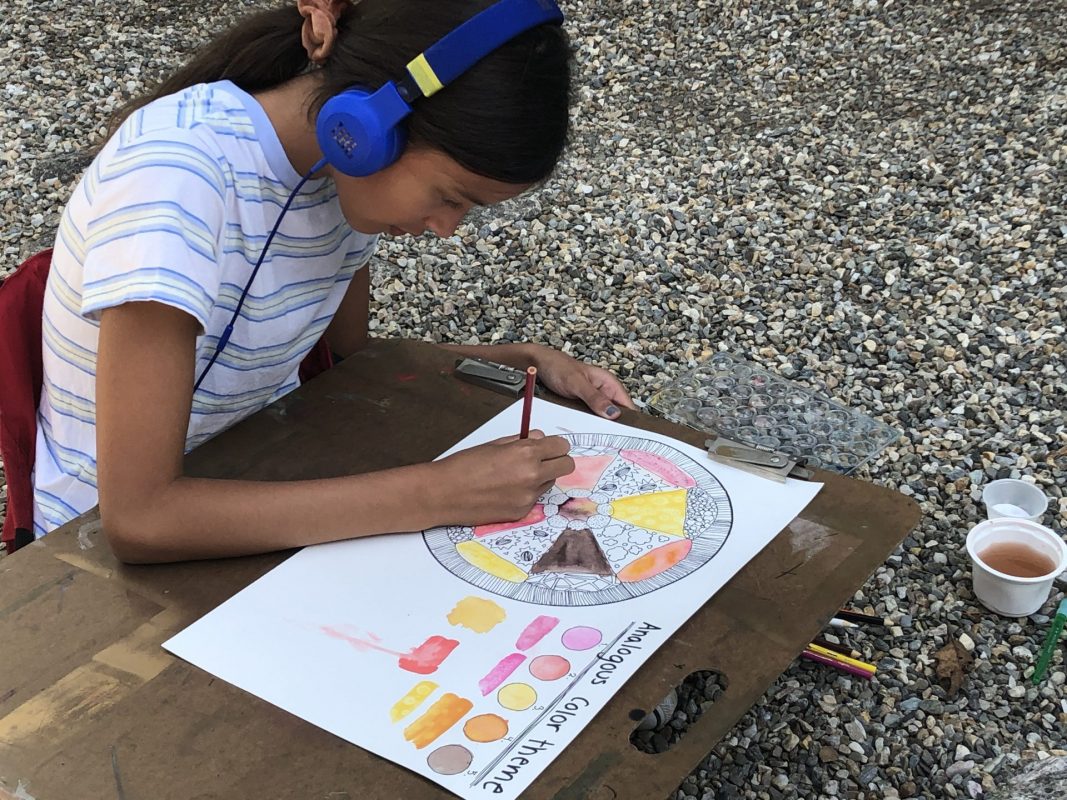
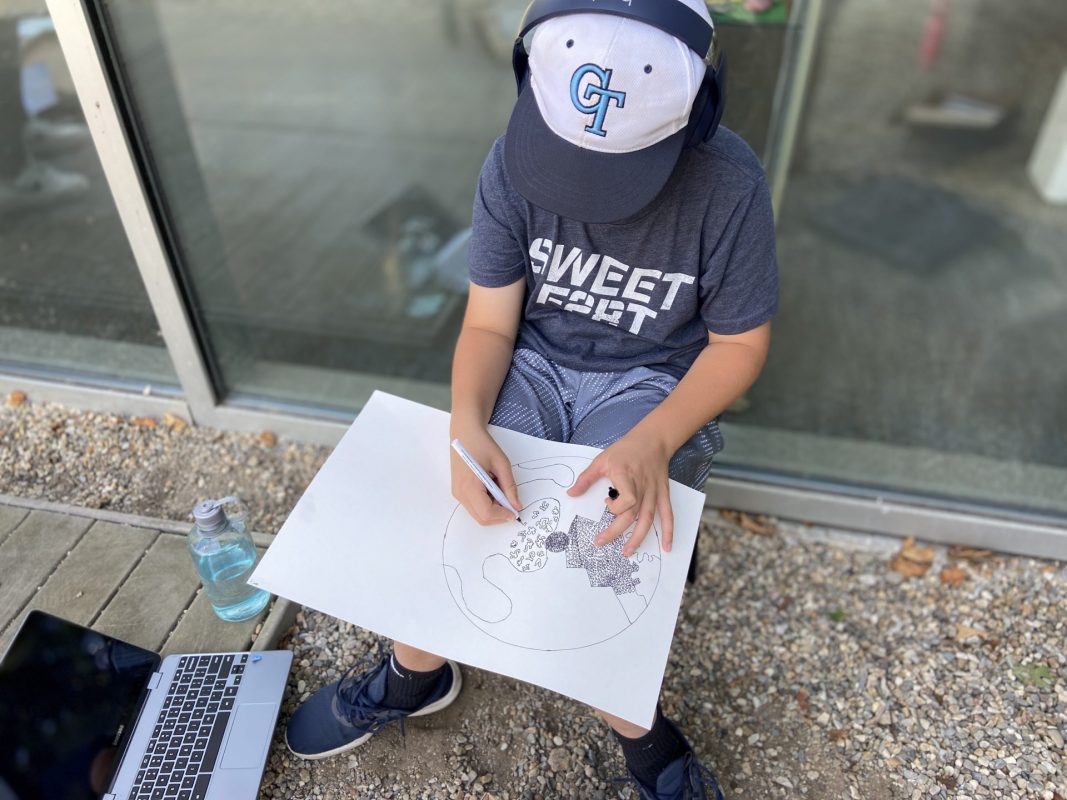
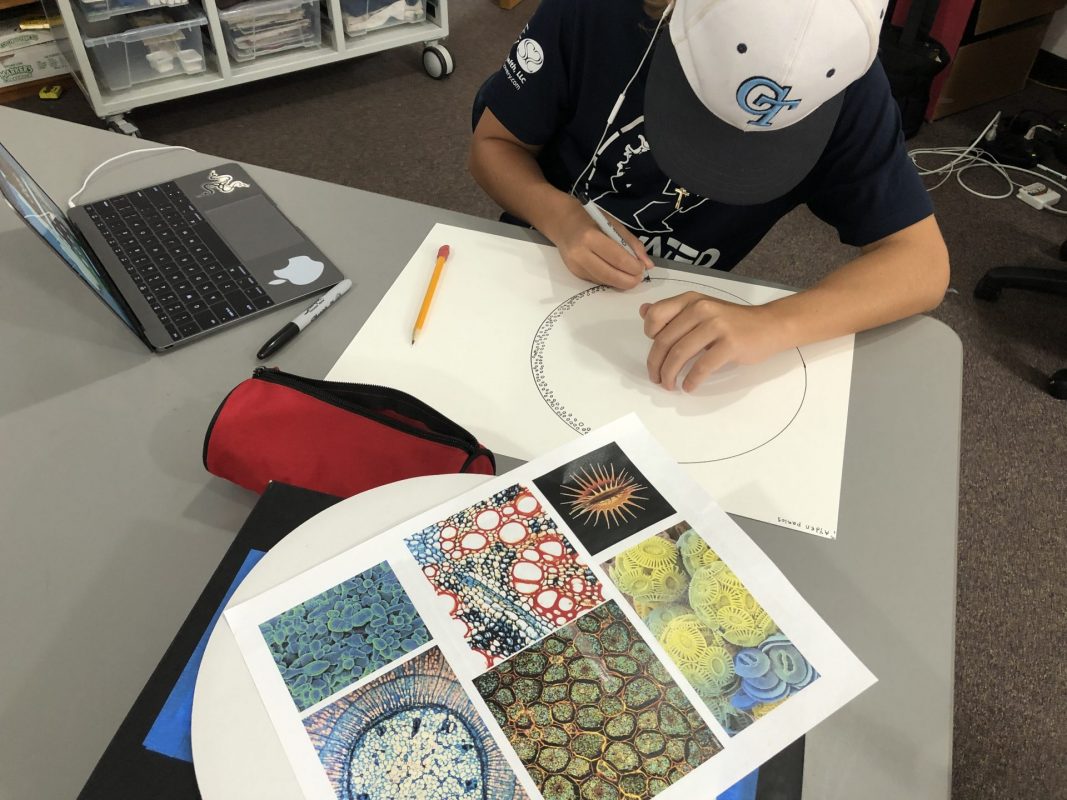
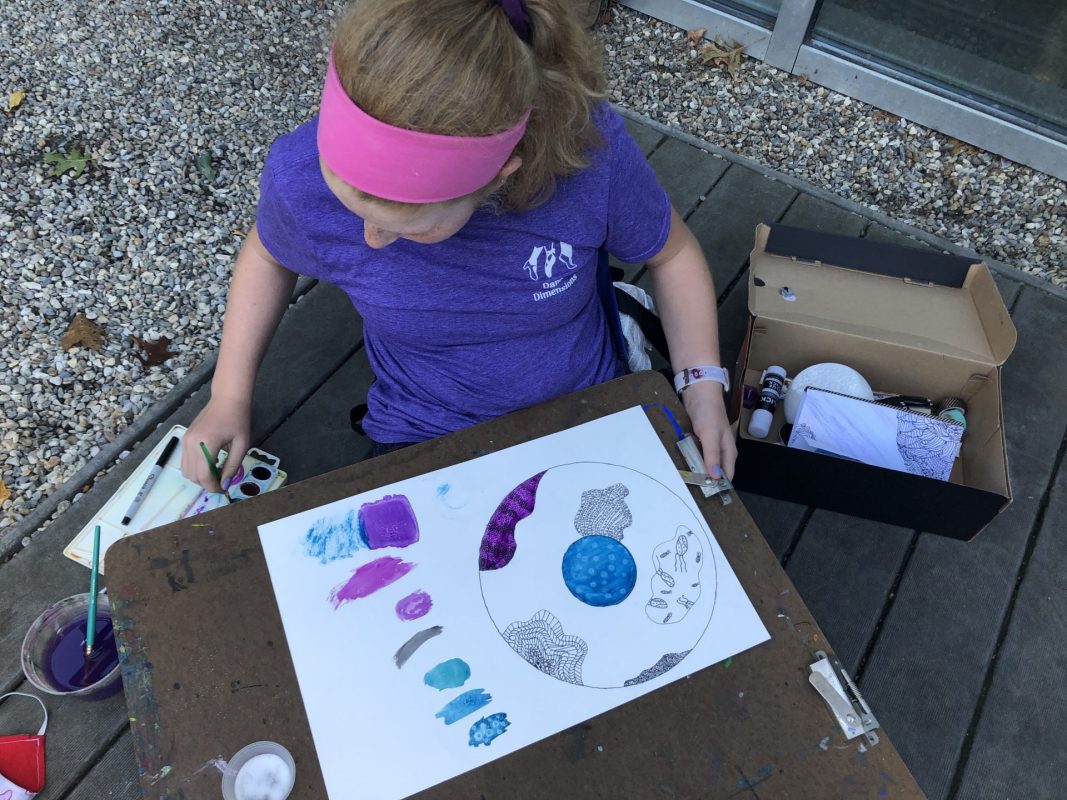
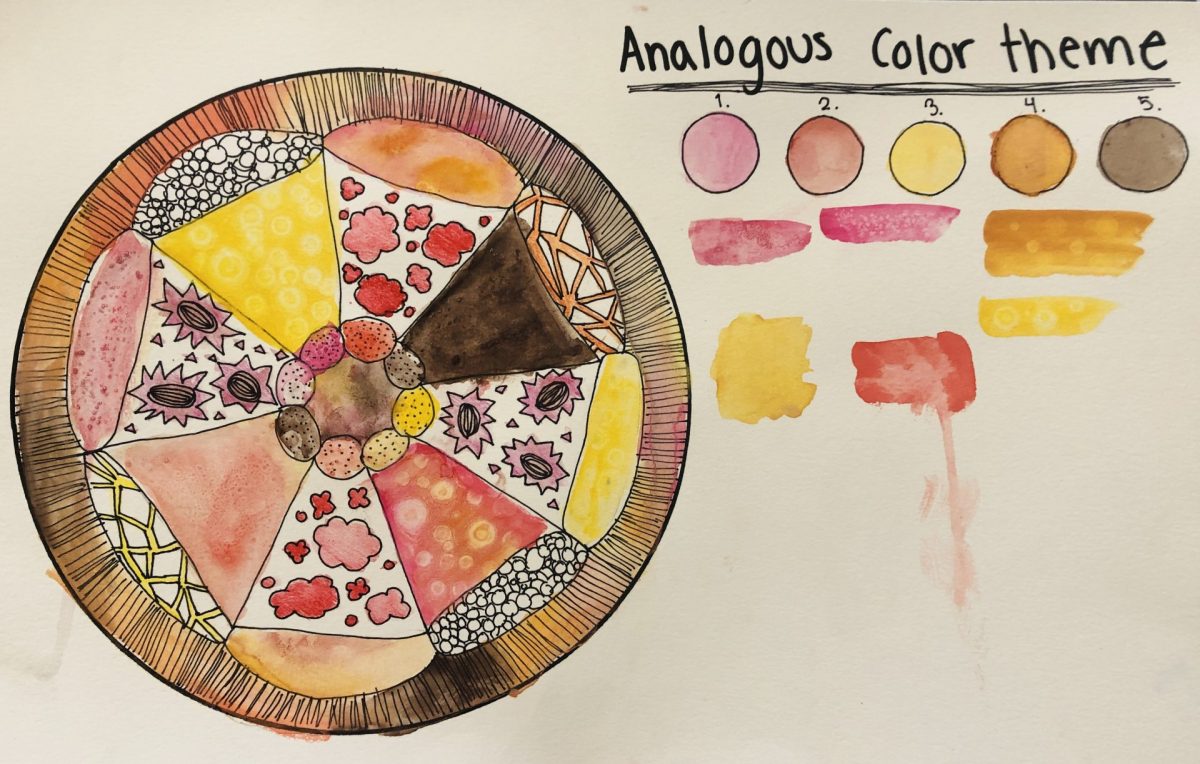
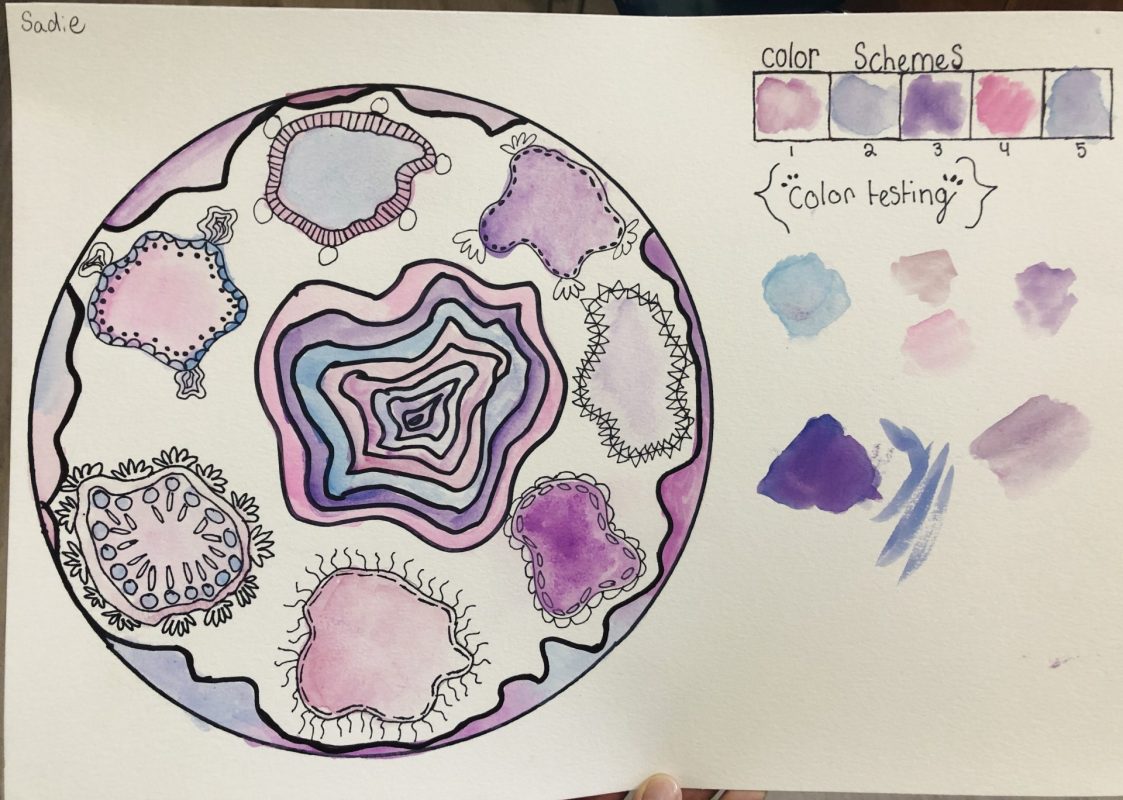
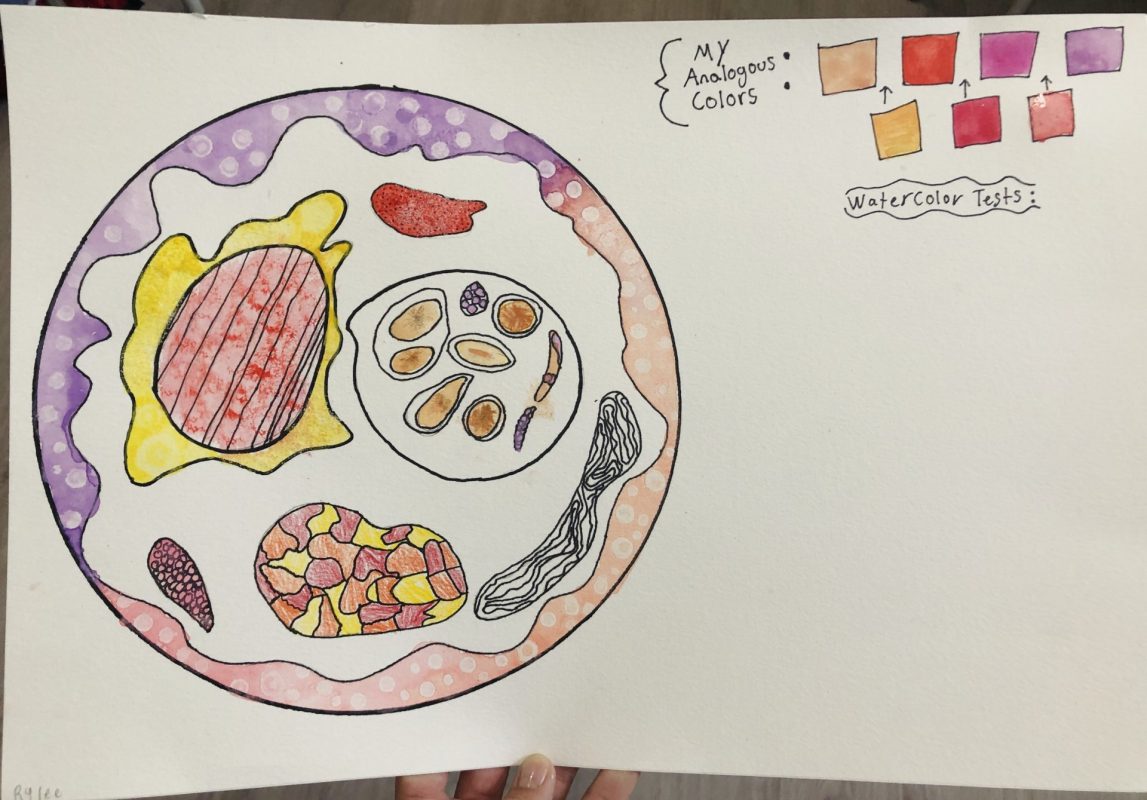
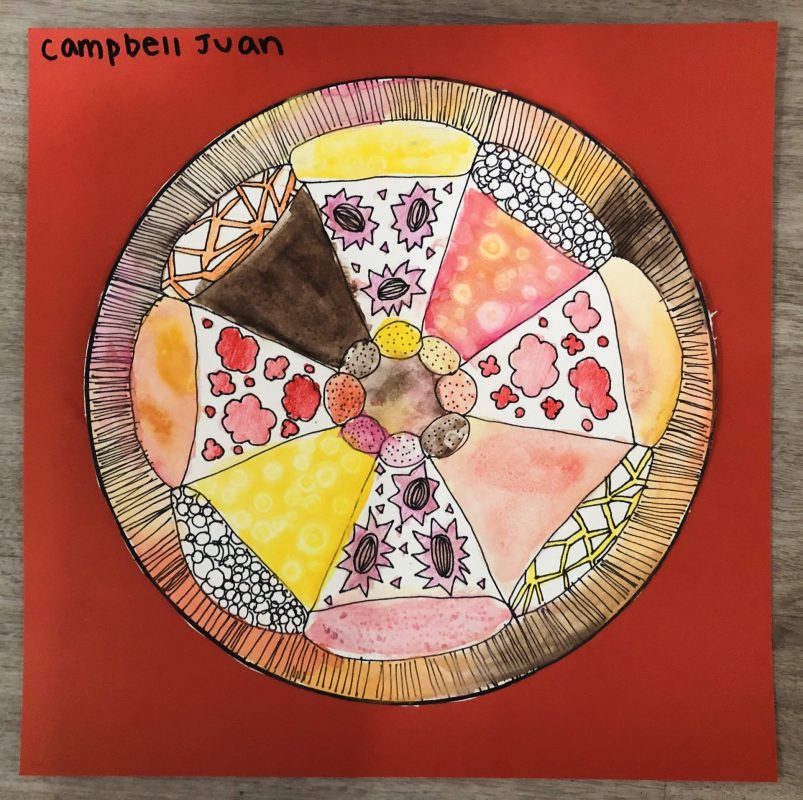
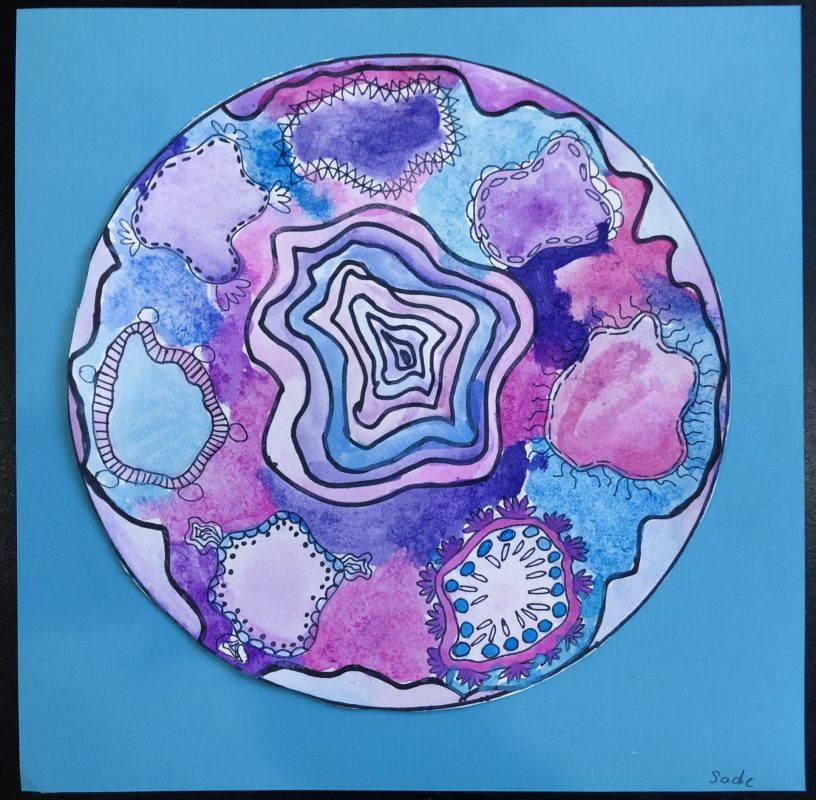
Microscopic Watercolor Paintings!

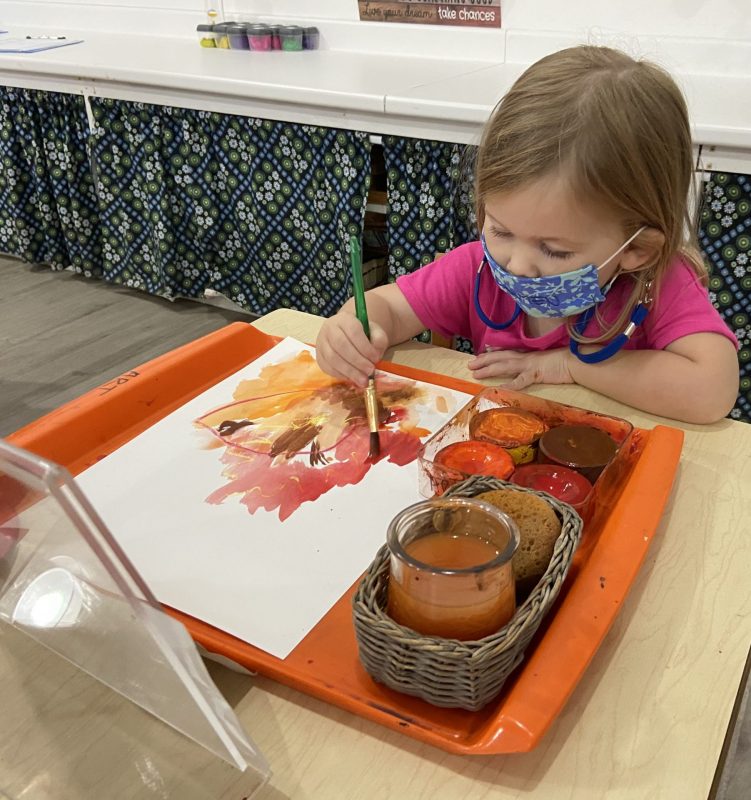
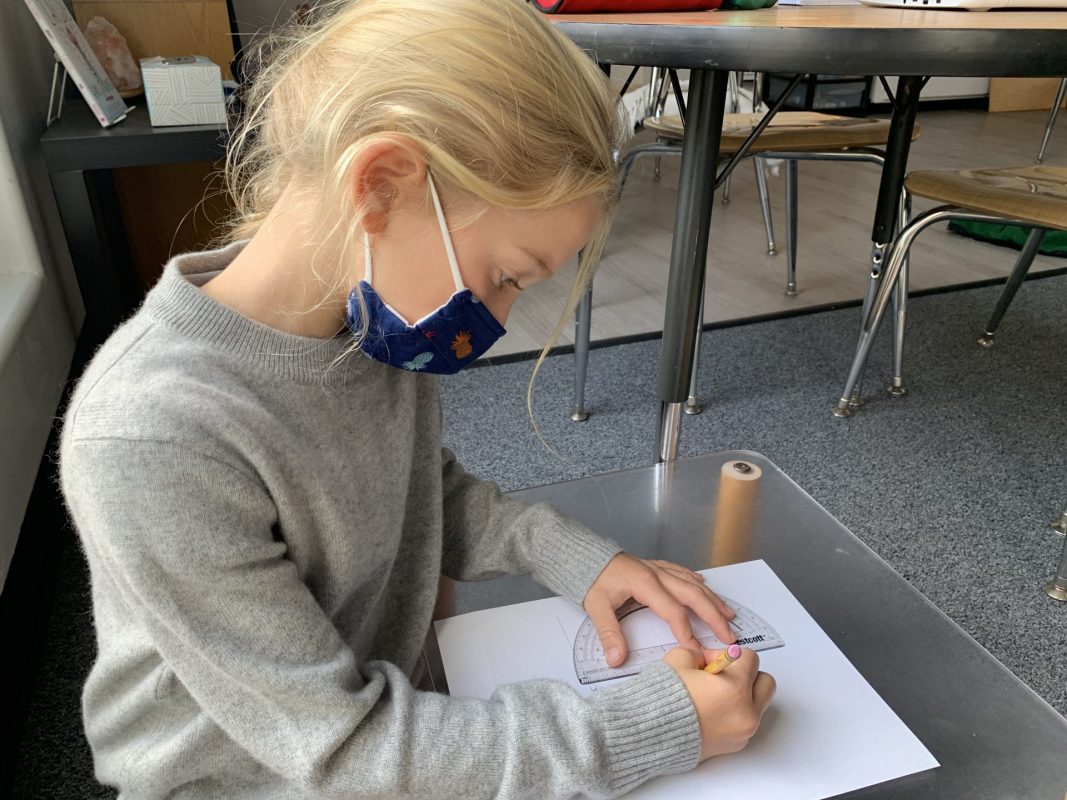
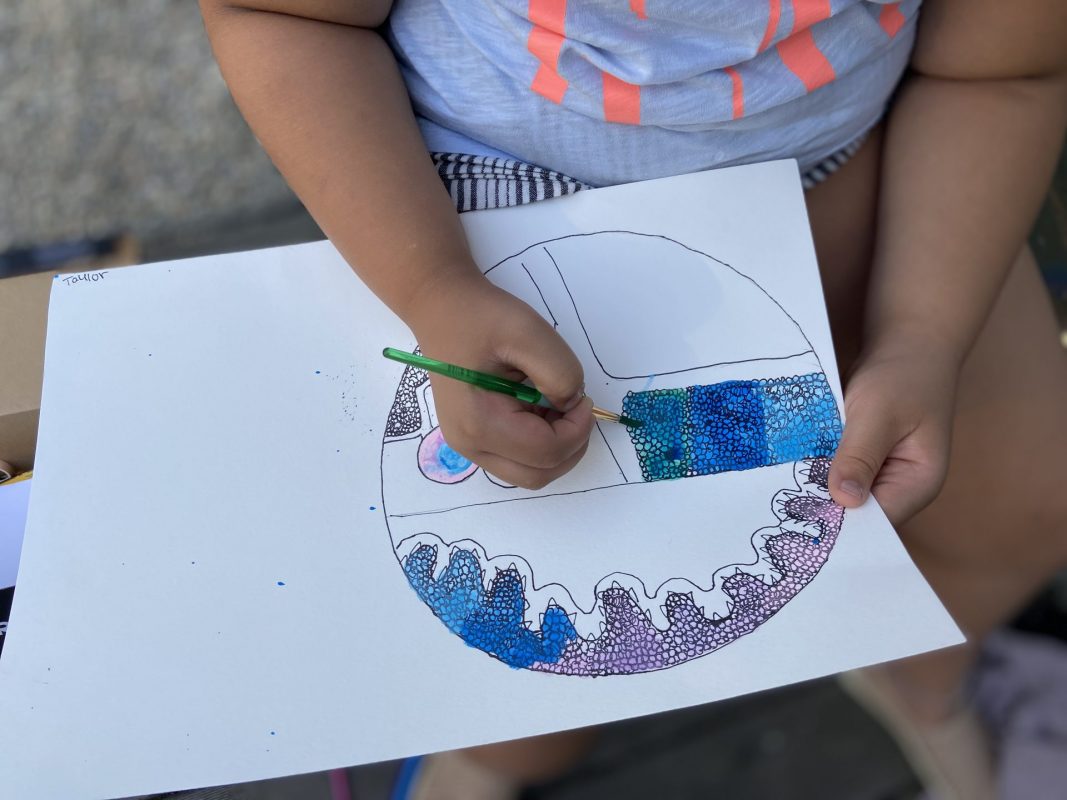
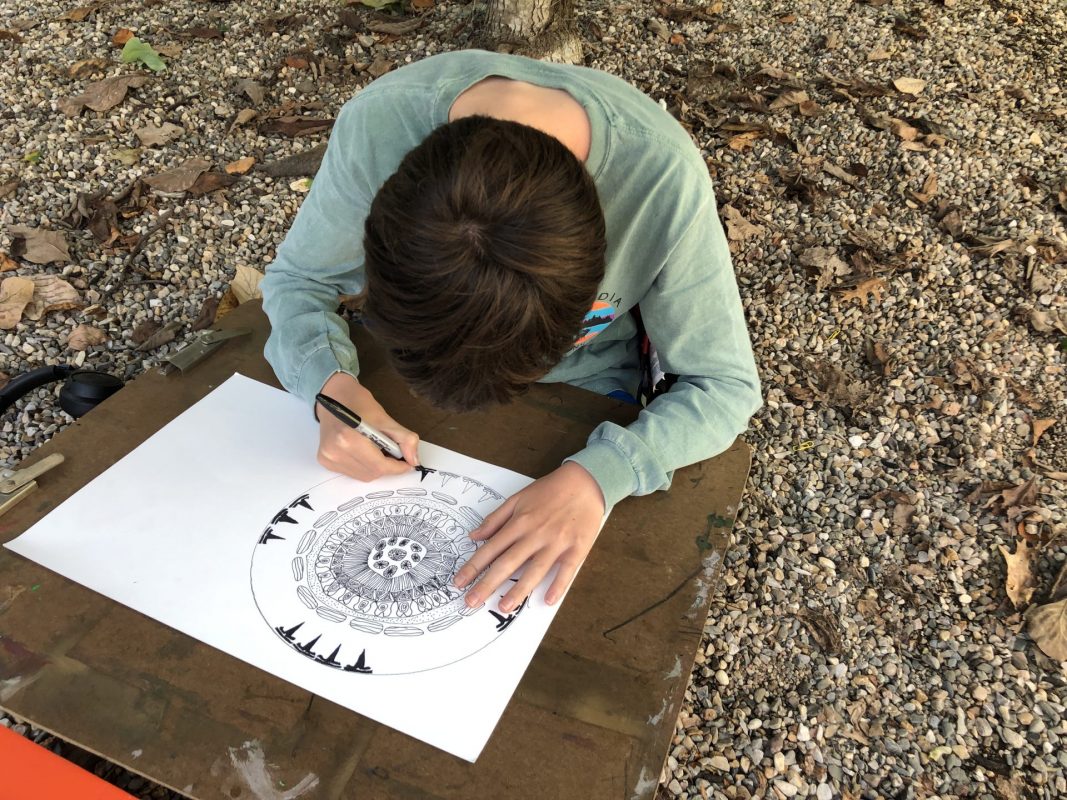
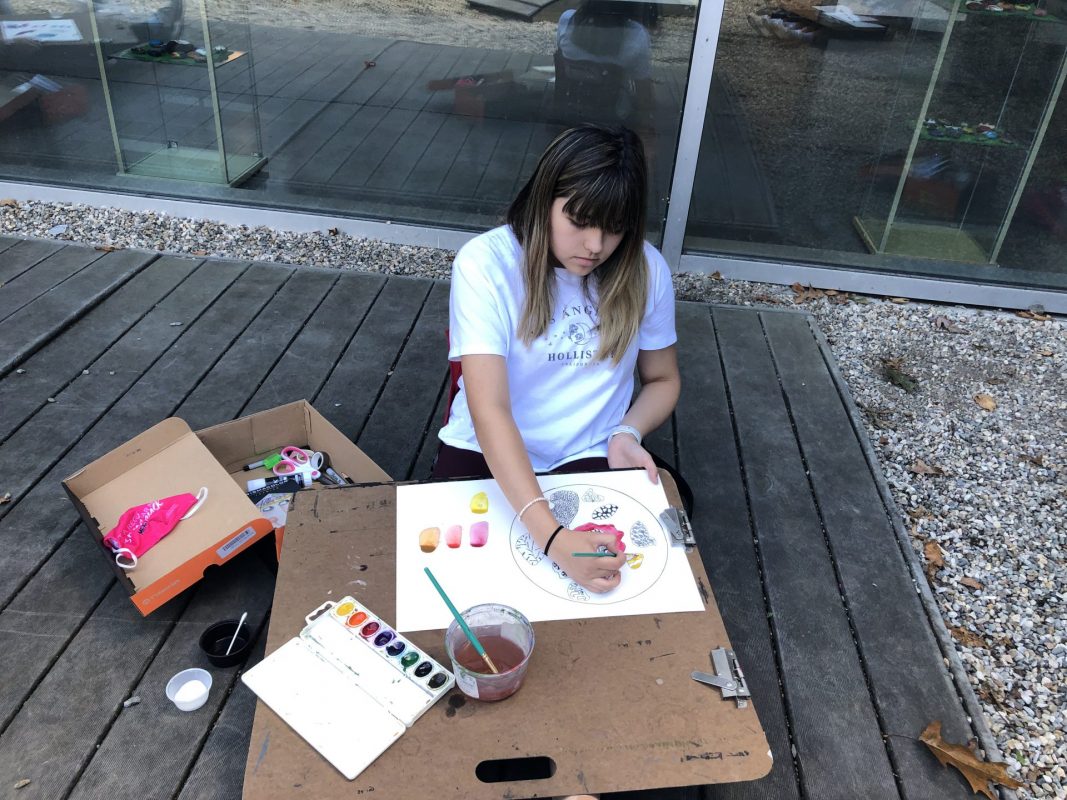
Middle School students created vibrant works of art inspired by life under the microscope! This project encouraged students to realize the many ways in which Science and Art can connect: both artists and scientists closely examine their subjects in an attempt to understand and describe the complex world around us. Artistically, our focus was composition arrangement, pattern making, and color theory.

Each middle school artist began by looking at microscopic plant images and other cellular references for shape and pattern inspiration for their artwork. While planning their composition, we reviewed and discussed Art vocabulary and concepts pertaining to this project, such as organic vs. geometric shapes, balance, contrast, repetition, and space. After sketching out their imagined microscopic world in pencil, they then traced their design with sharpie. Students then chose an analogous color scheme (groups of 3-4 colors that are next to each other on the color wheel) and filled in their composition using various watercolor techniques. Each finished painting is a striking sight of complex organic forms and vibrant color!


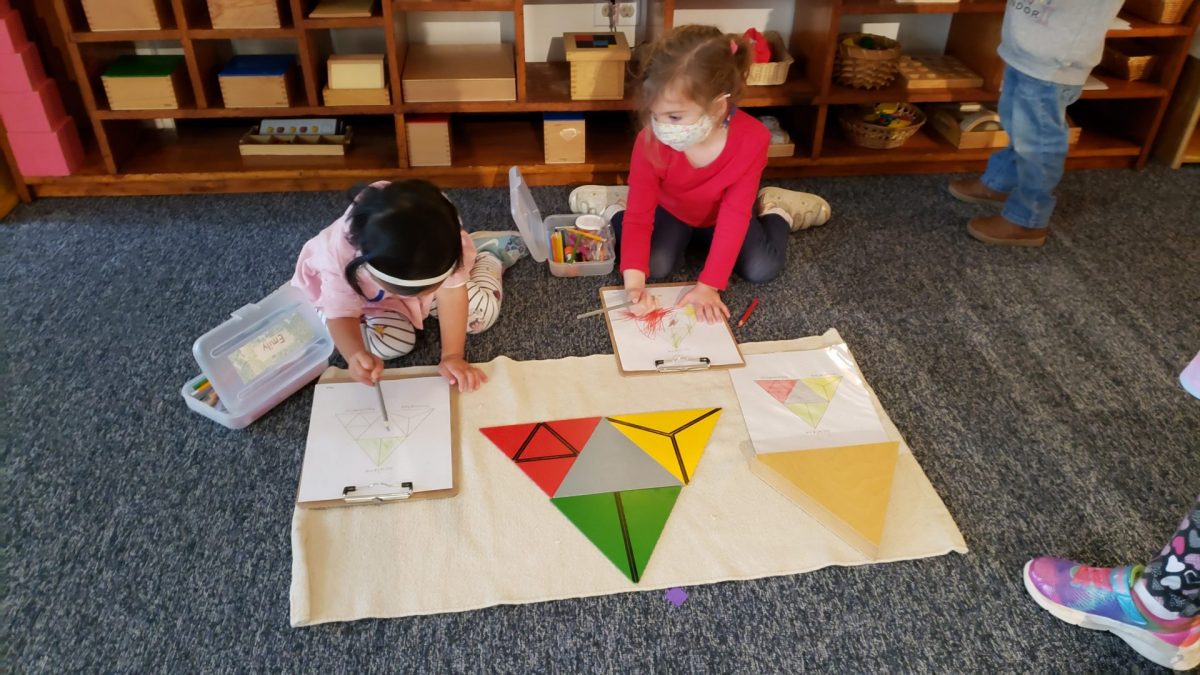
Mrs. Lopes’s Class: The Three Period Lesson

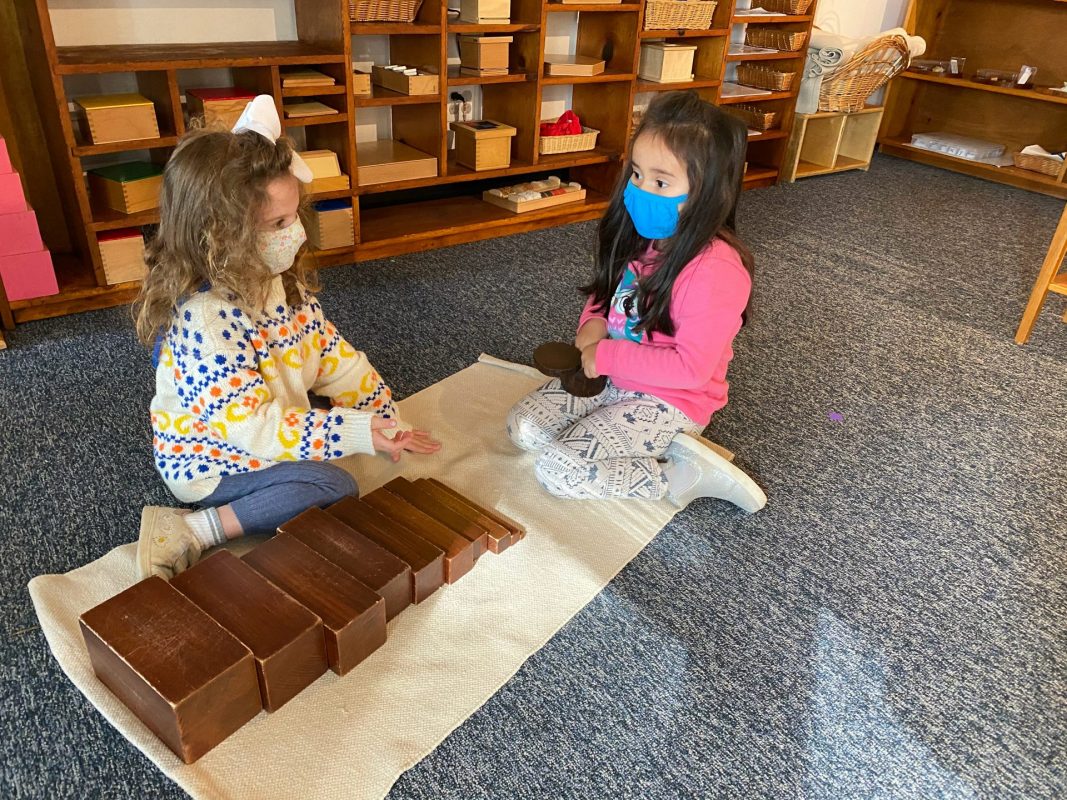
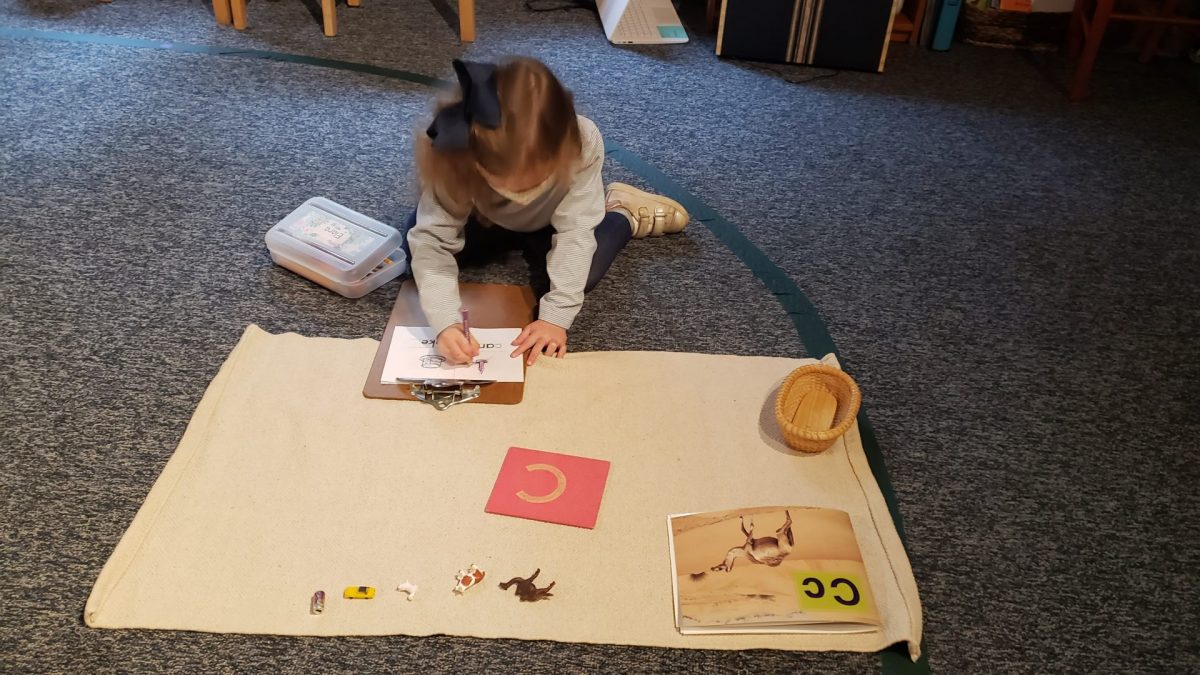
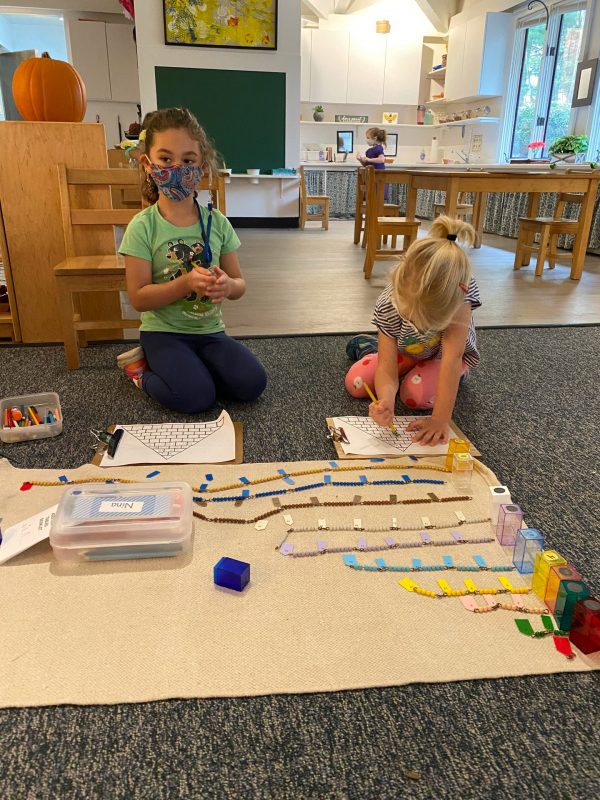
Maria Montessori described the developmental brain of the young child as the “absorbent mind” because of their ability to retain great deals of information during the early years.  She designed the three period lesson to utilize their brain development and interests to help move children from the introduction of a concept to retention.  When we introduce new concepts or materials to the children in our classroom, we often do so using a three-period lesson.

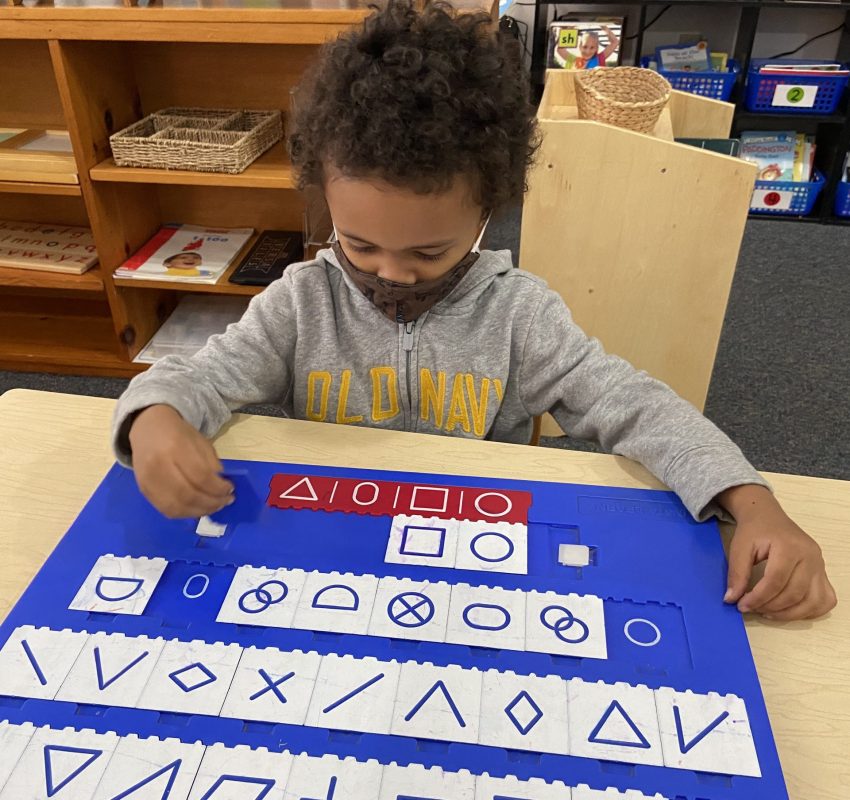
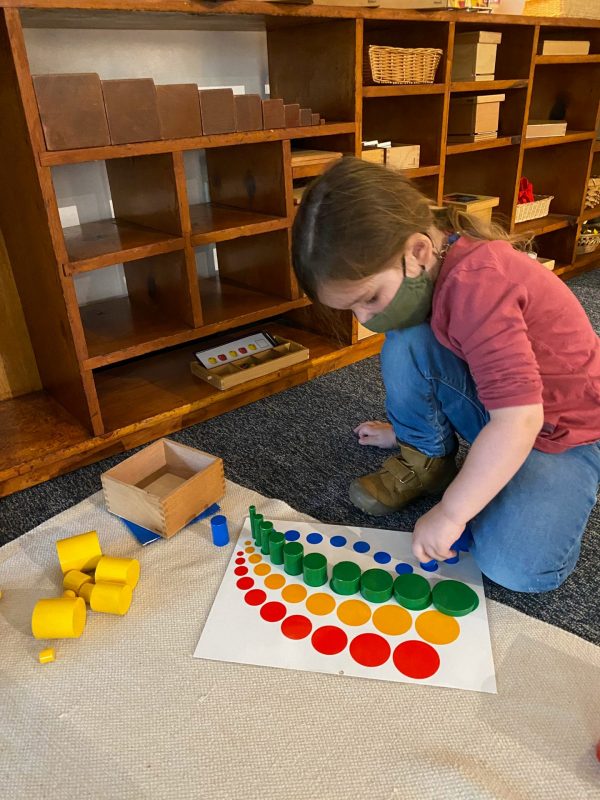
Period One is the introduction stage. In this stage we are isolating new vocabulary to the children. For example, if we are introducing the color tablets, we say, “This is blue.”  Repeating that statement and allowing the child to manipulate the blue color tablet are crucial during this stage.

Period Two is all about association and recognition. It is often a separate lesson. We do not ask the children to remember the vocabulary or recall the concept. We are simply reinforcing the concept taught in Period One. We use words such as, “Show me the blue tablet,” or, “Can you place the blue tablet on your lap?”

Period Three is the recall stage and the first time we ask the child to remember the concept independently. We ask them, “What is this?” when showing them the blue color tablet. We are careful not to begin Period Three until we know they are ready for success.

Every time a child masters a new concept it paves the way to move towards another one.

We are looking forward to meeting with you virtually next Thursday, October 29 to share all the growing and learning your children have accomplished over these last few months!  If you have any specific questions you would like answered during our meeting please email me before our conference so I can make sure to make the most of our time together.  Thank you in advance!

Best,

Amanda and Sharlene


Writers Workshop

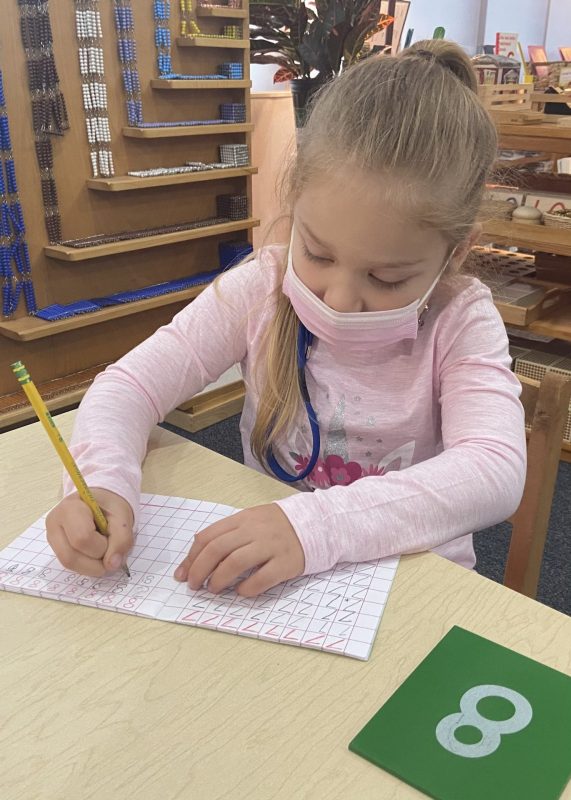
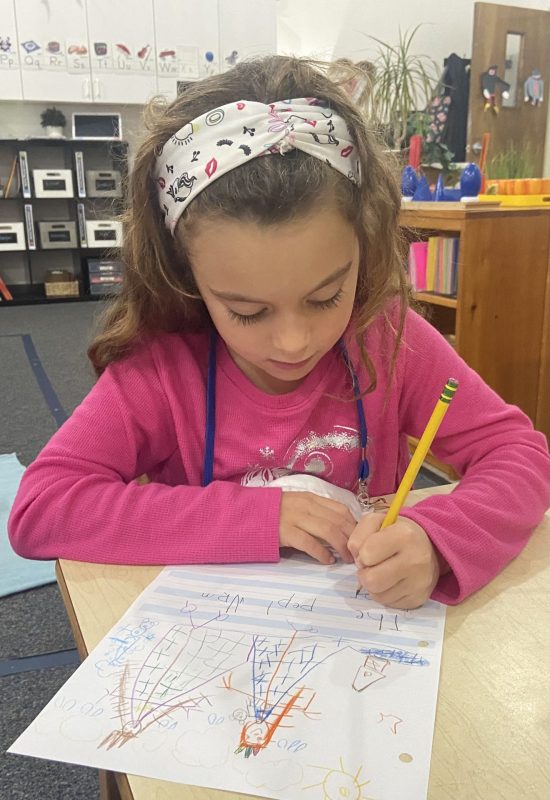
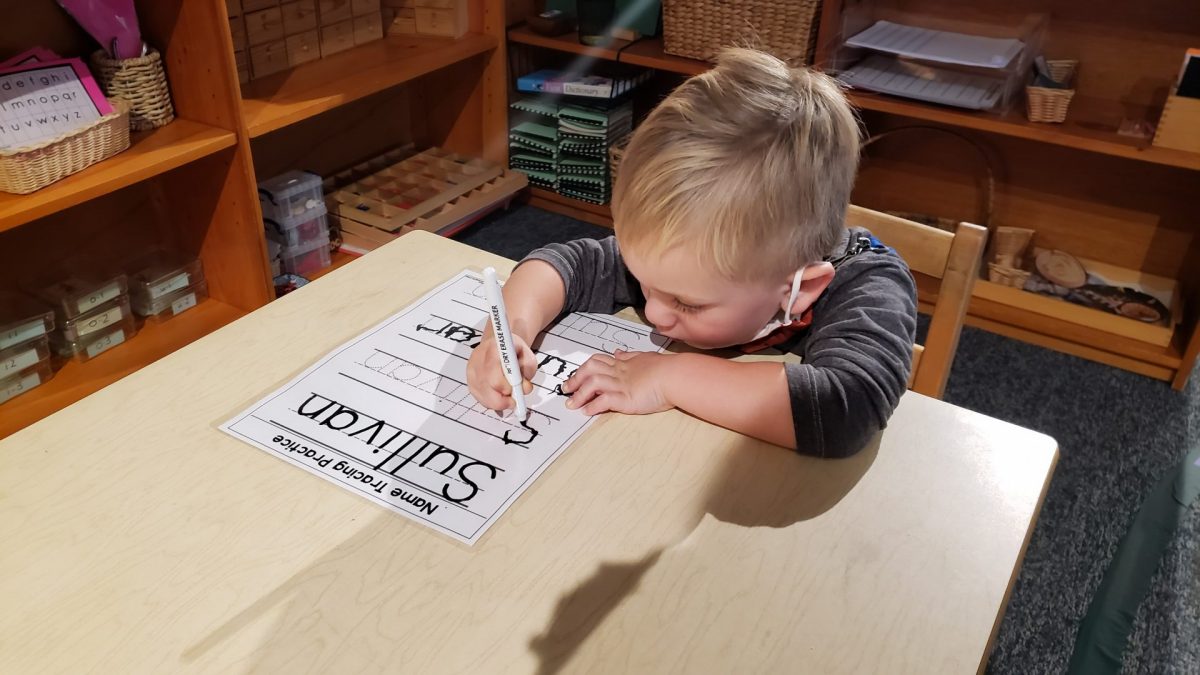
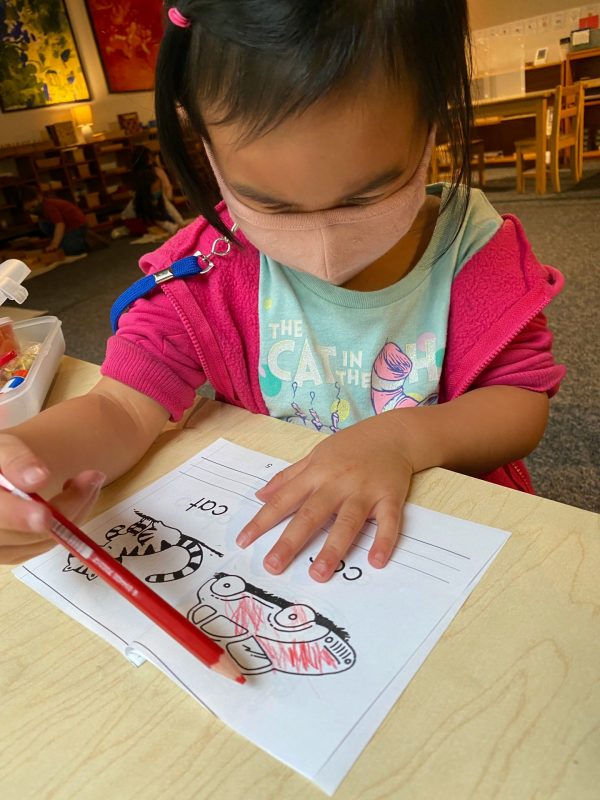
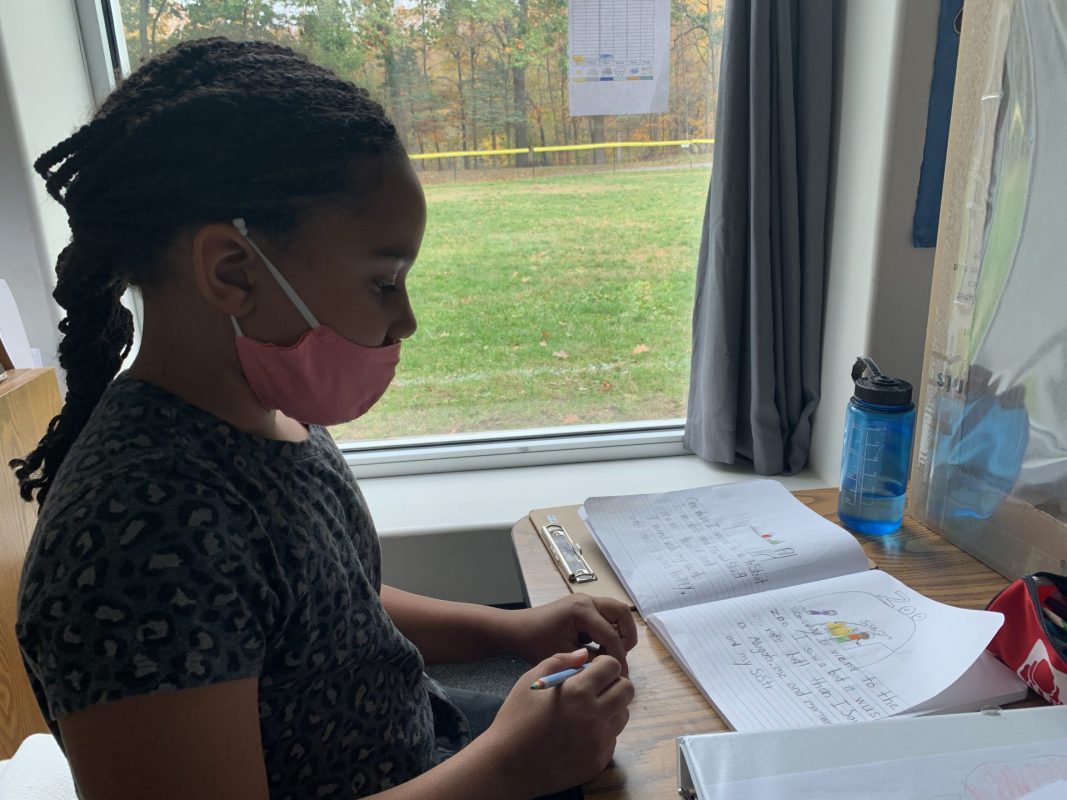
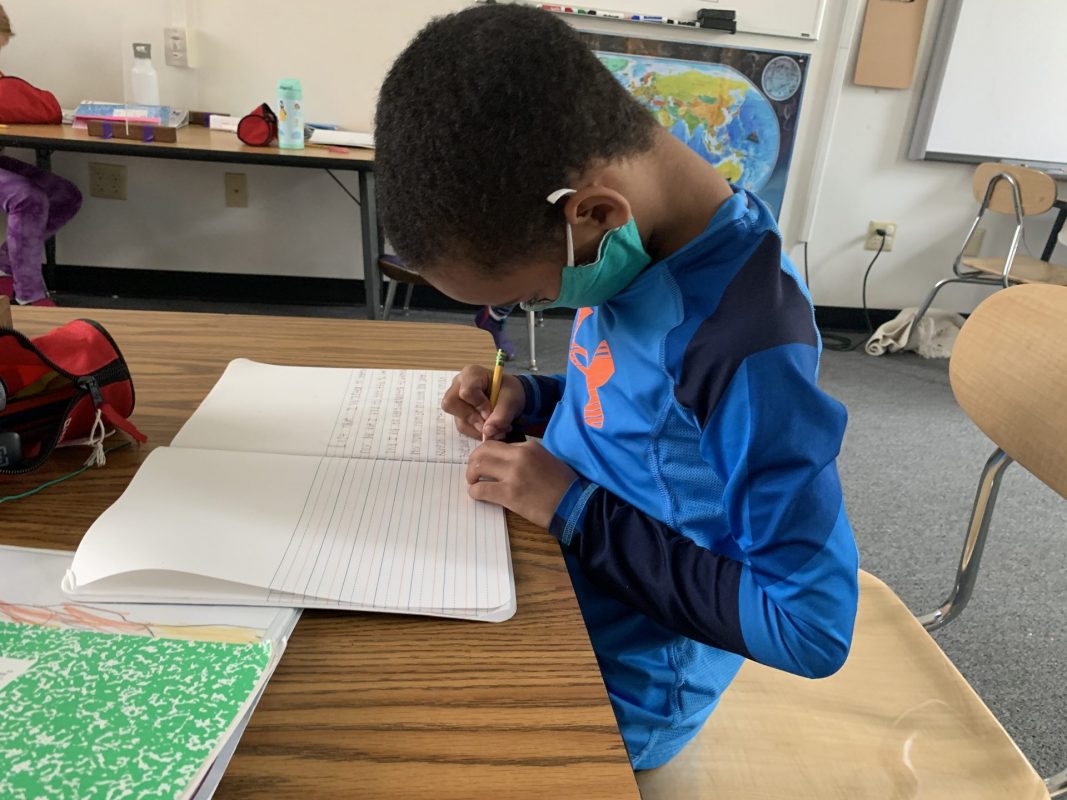
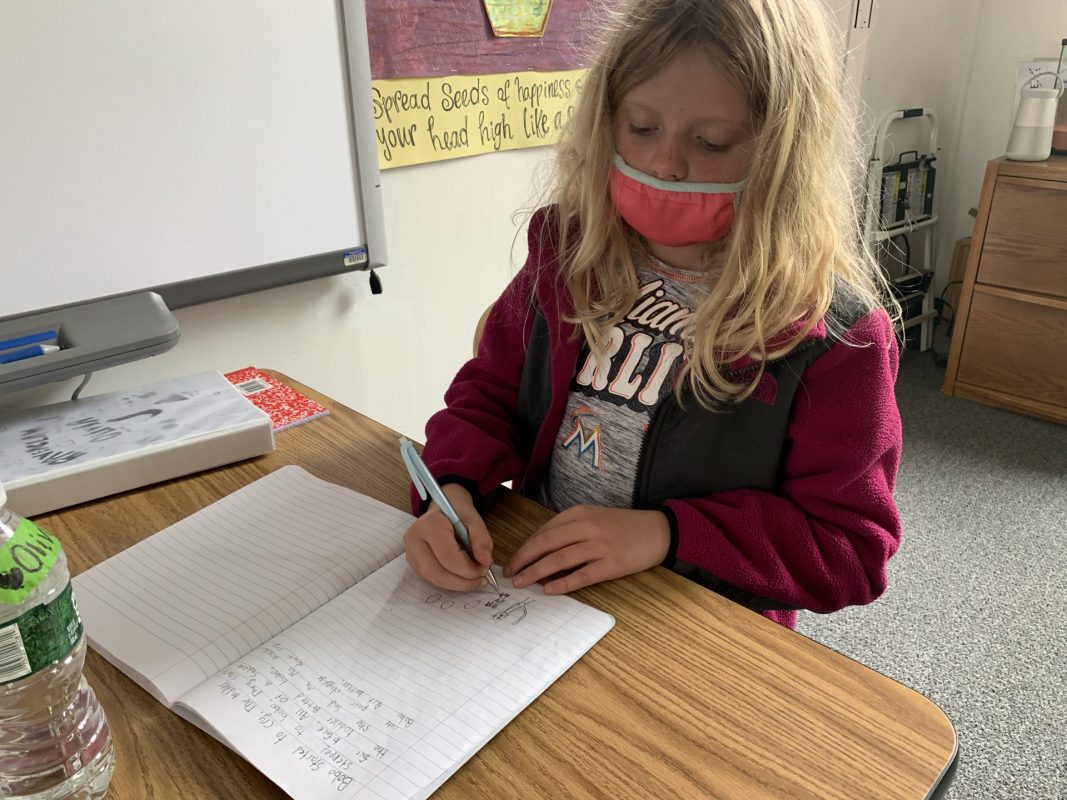
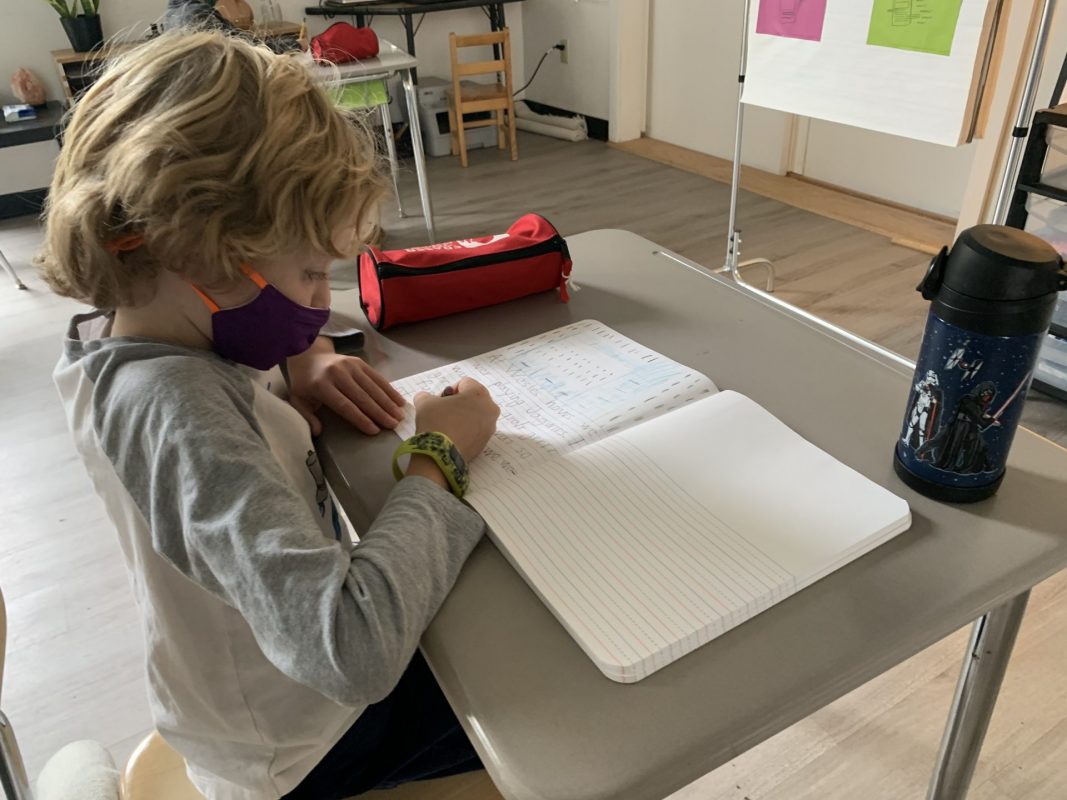
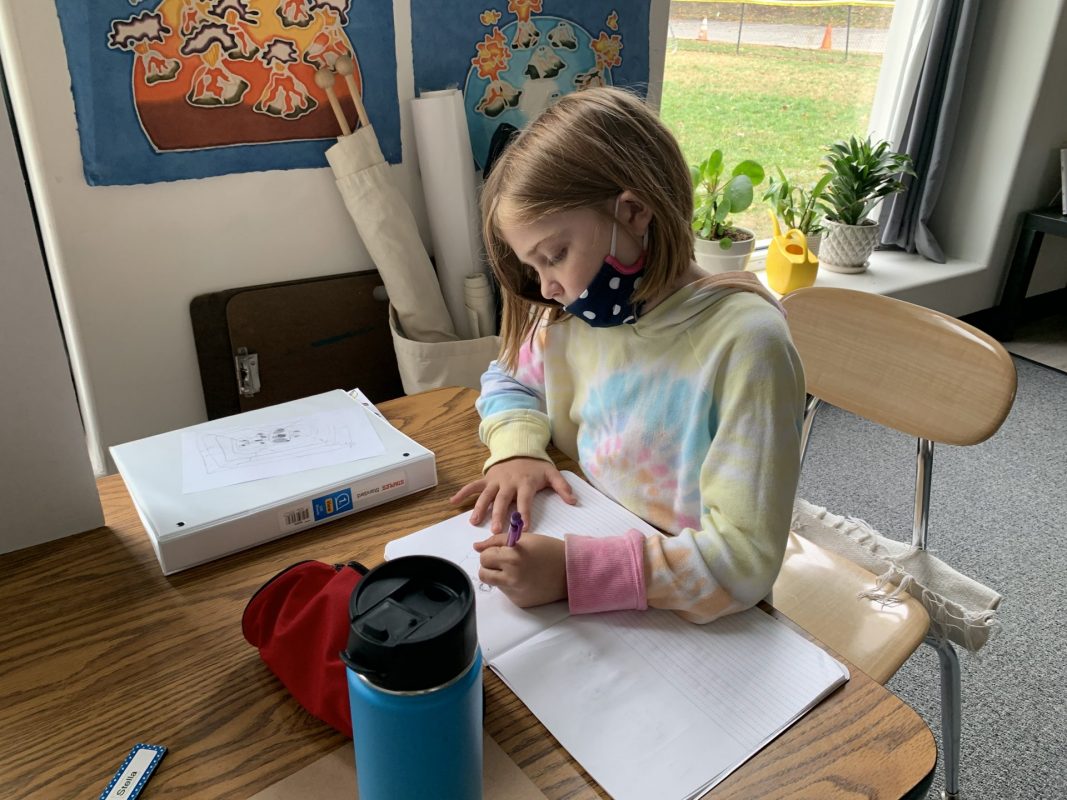
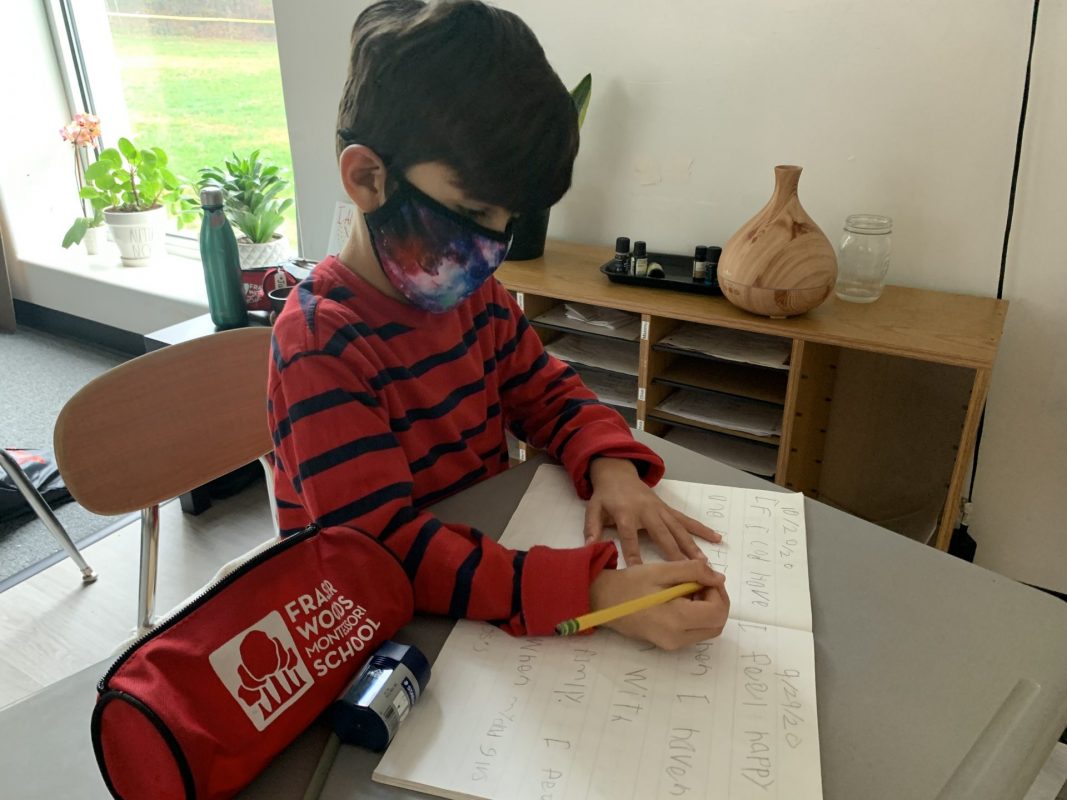
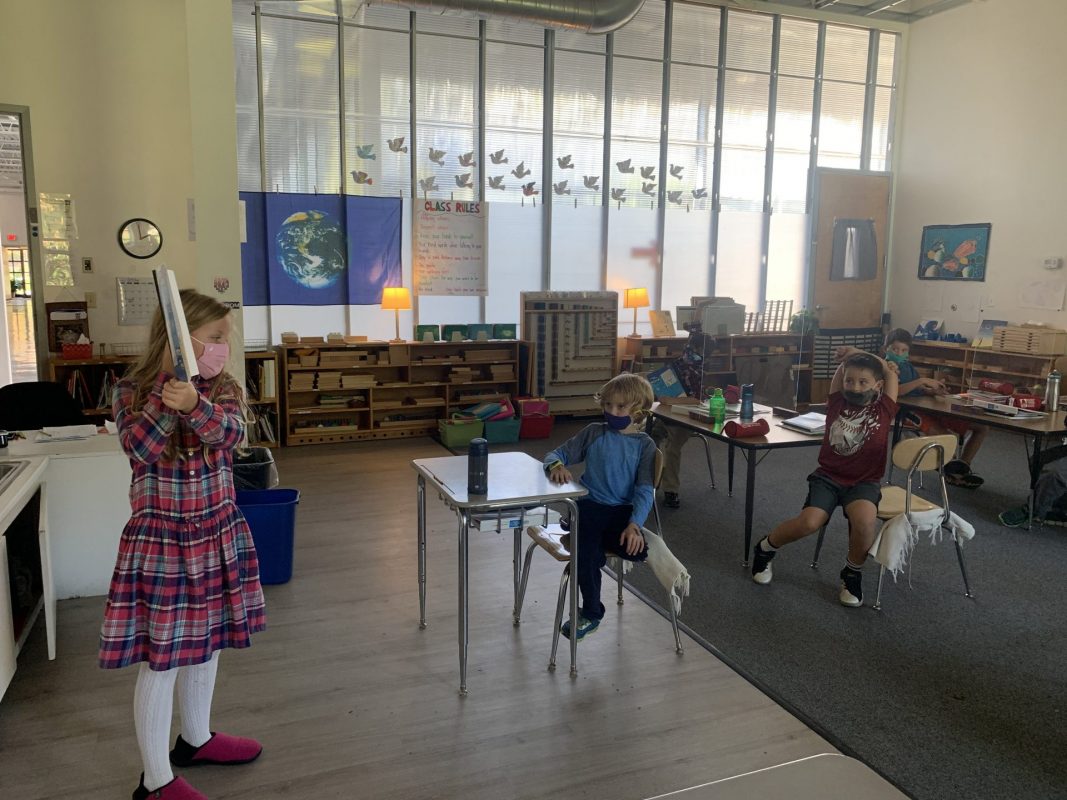
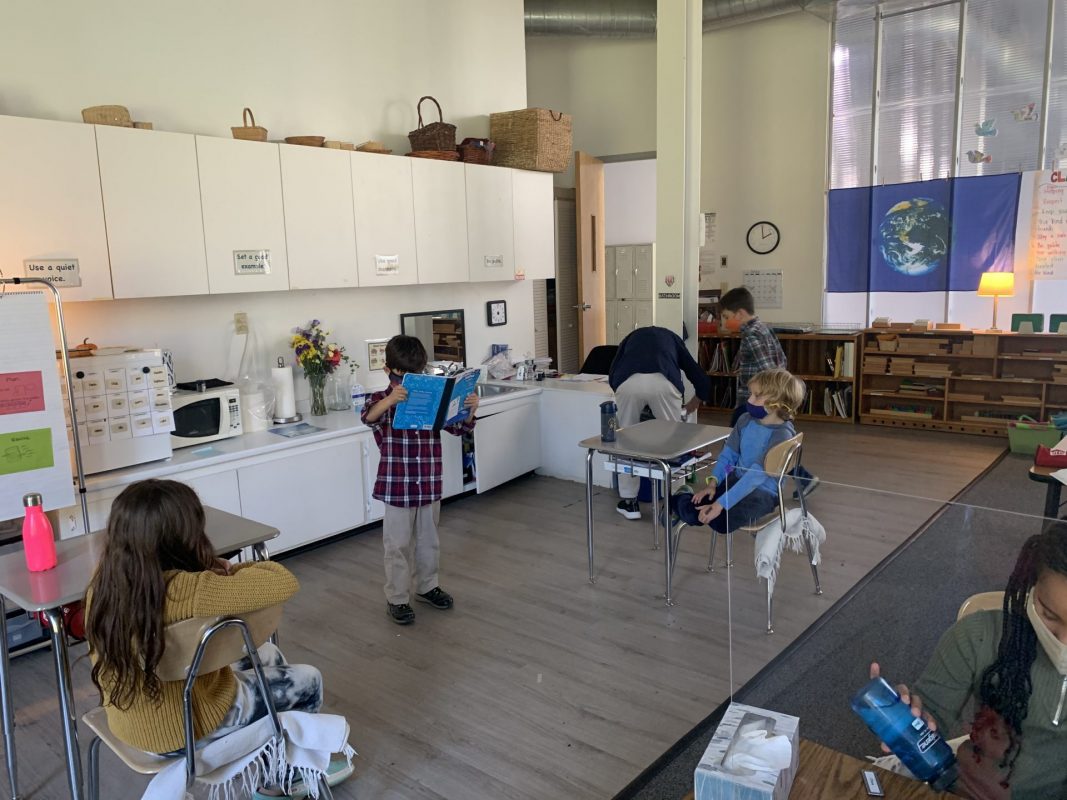
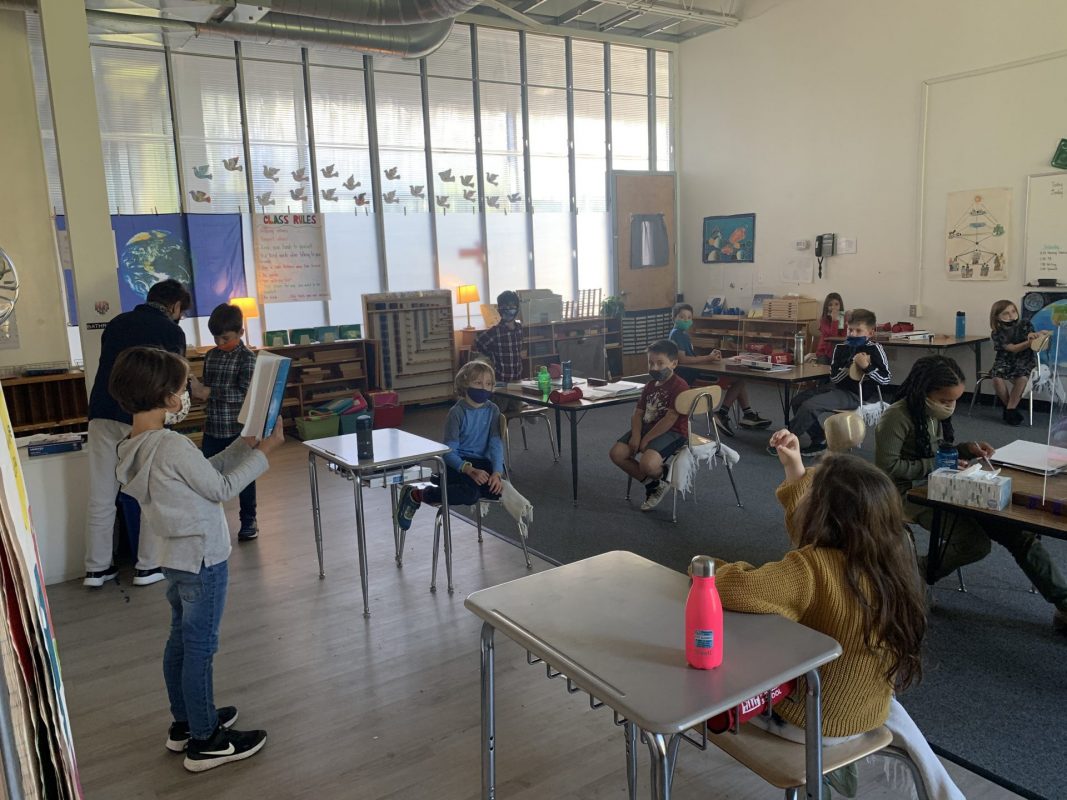
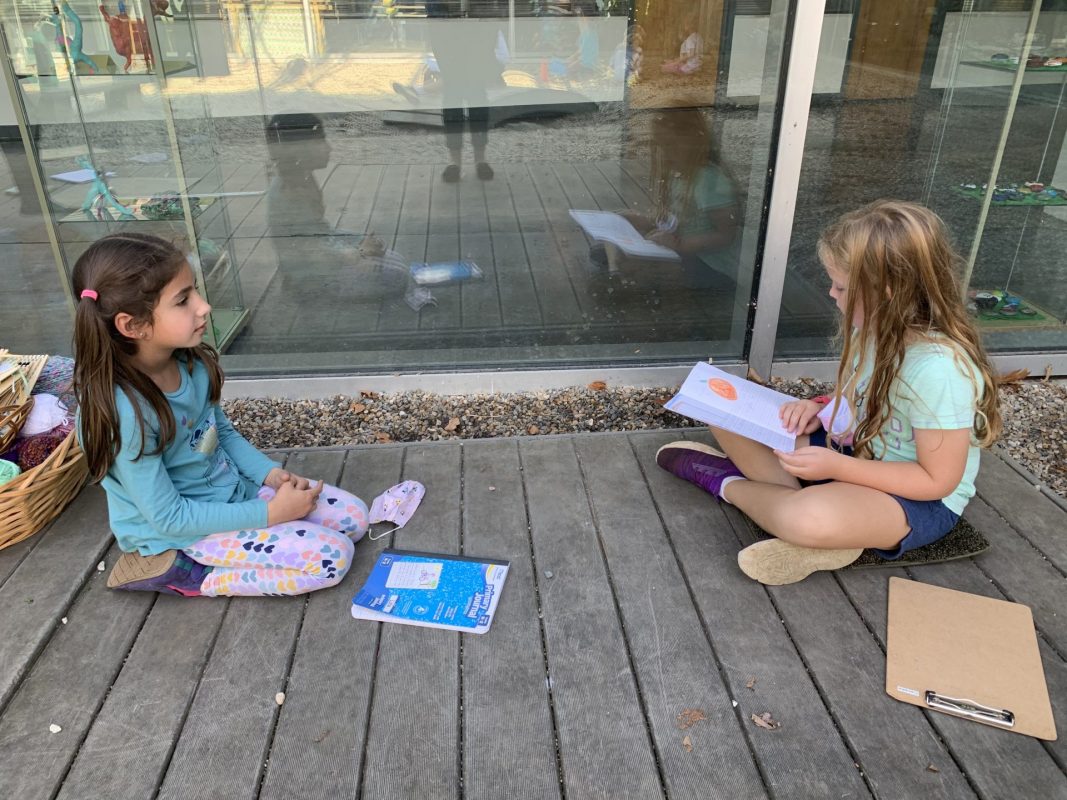
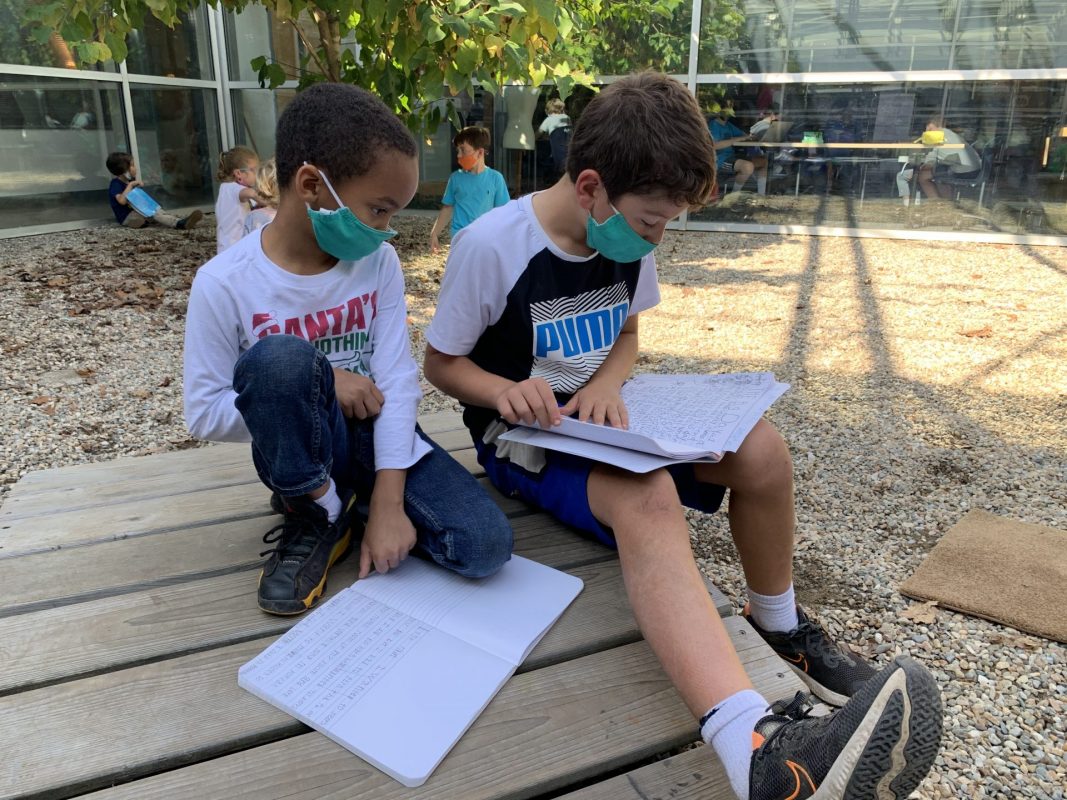
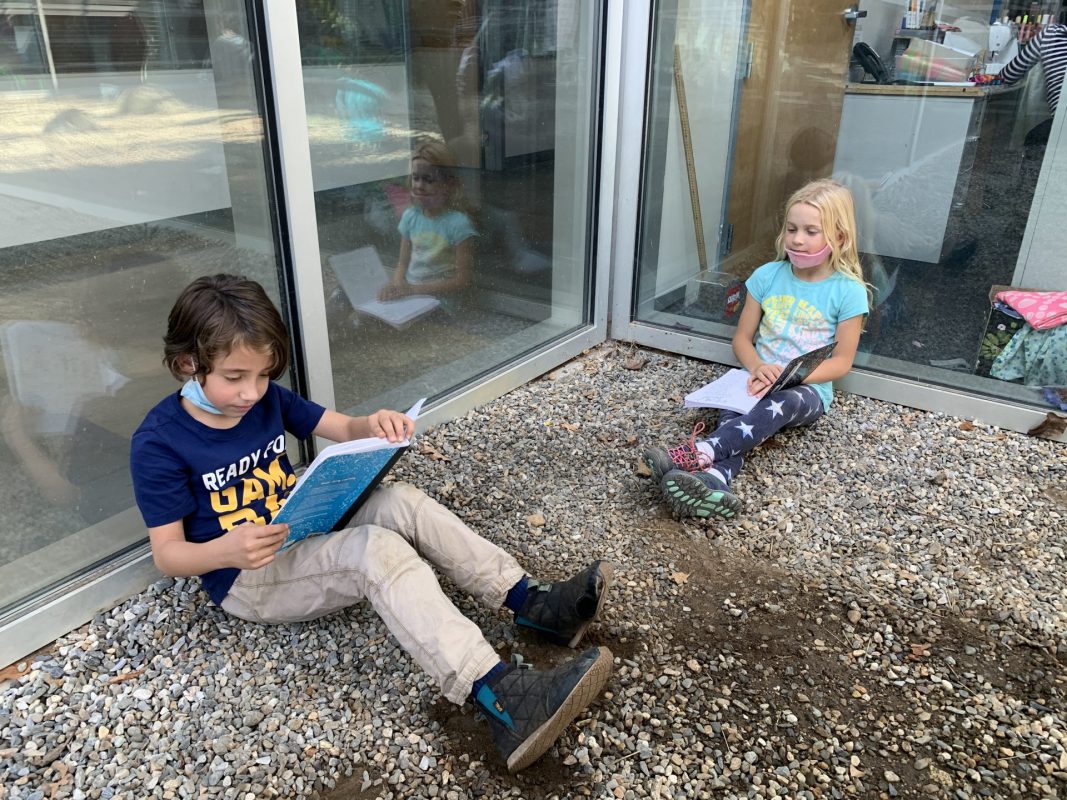
We are diving right into our Writer’s Workshop lessons and the children are loving it! Our first unit focuses on writing true stories about our own lives; “small moment” stories. The children participate in a mini lesson and then spend some quiet time writing and practicing the new skills they are learning. This week the children have learned about how to stretch out their memories by magnifying a small moment and adding details. To help solidify this objective, we have been dissecting the book Owl Moon by Jane Yolen. We did this by finding a powerful part in the story, deciding what made the part powerful, and finding details and examples in the passage that proved it. After our mini lessons, Ms. Mary and I move around the room and conference with individual students, giving help and instruction where needed.

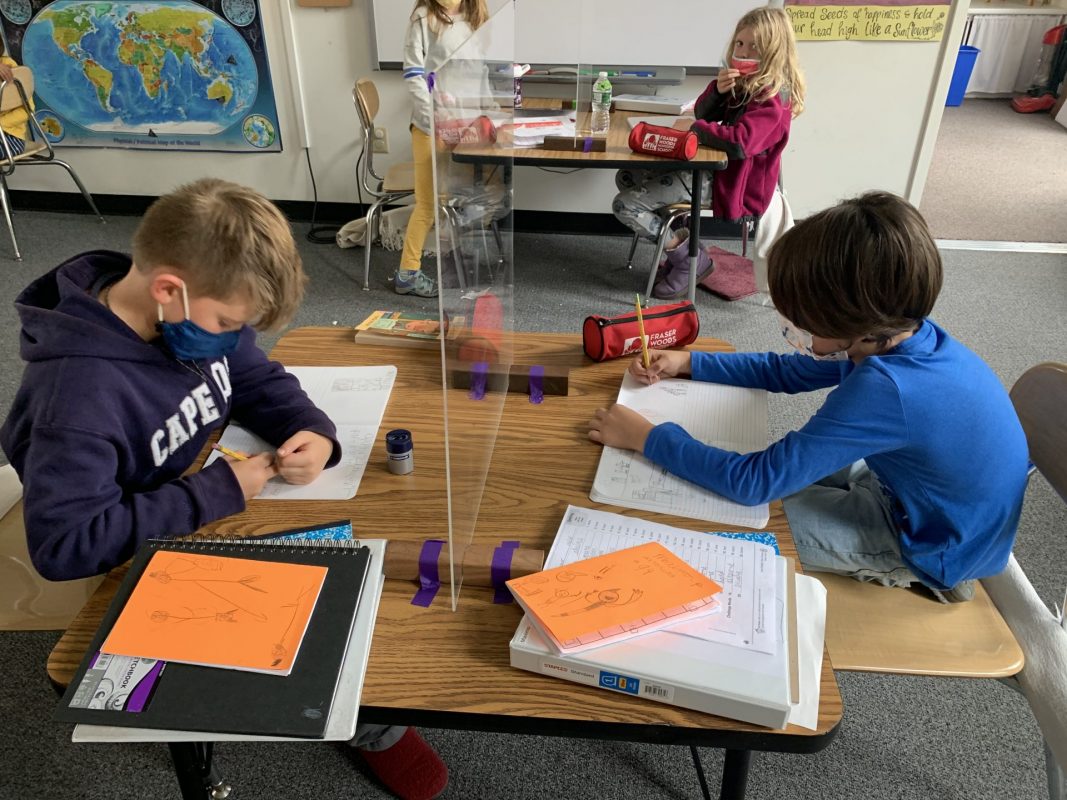
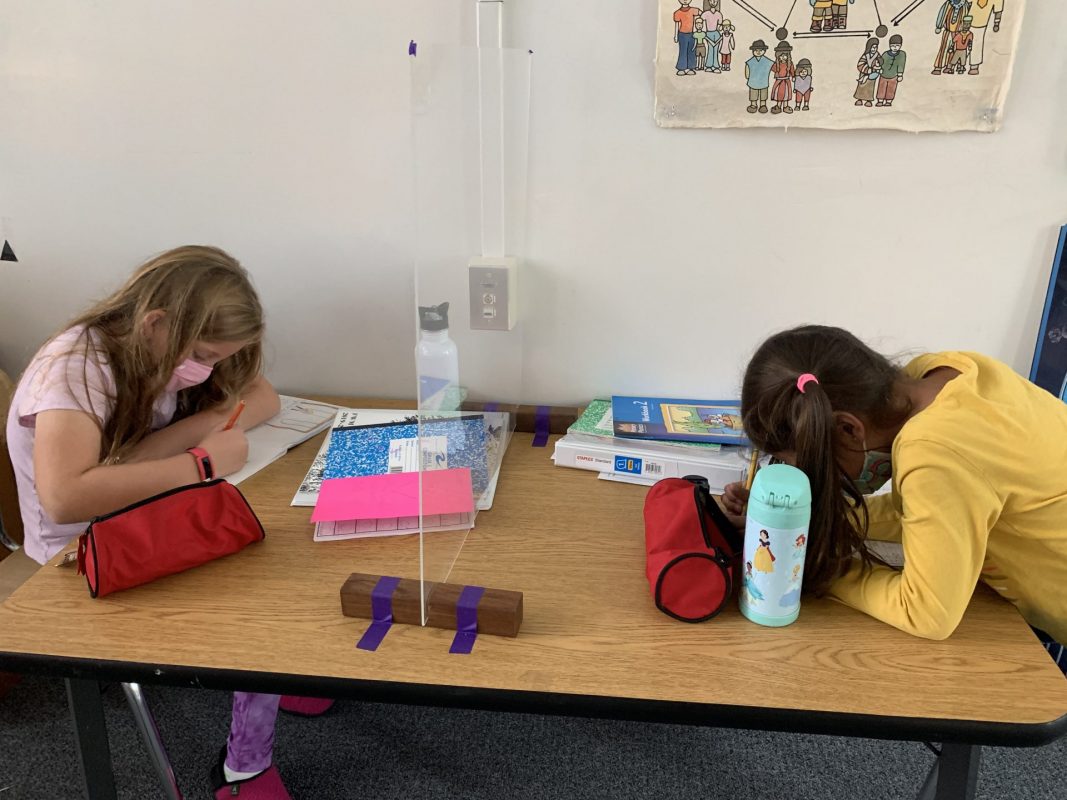
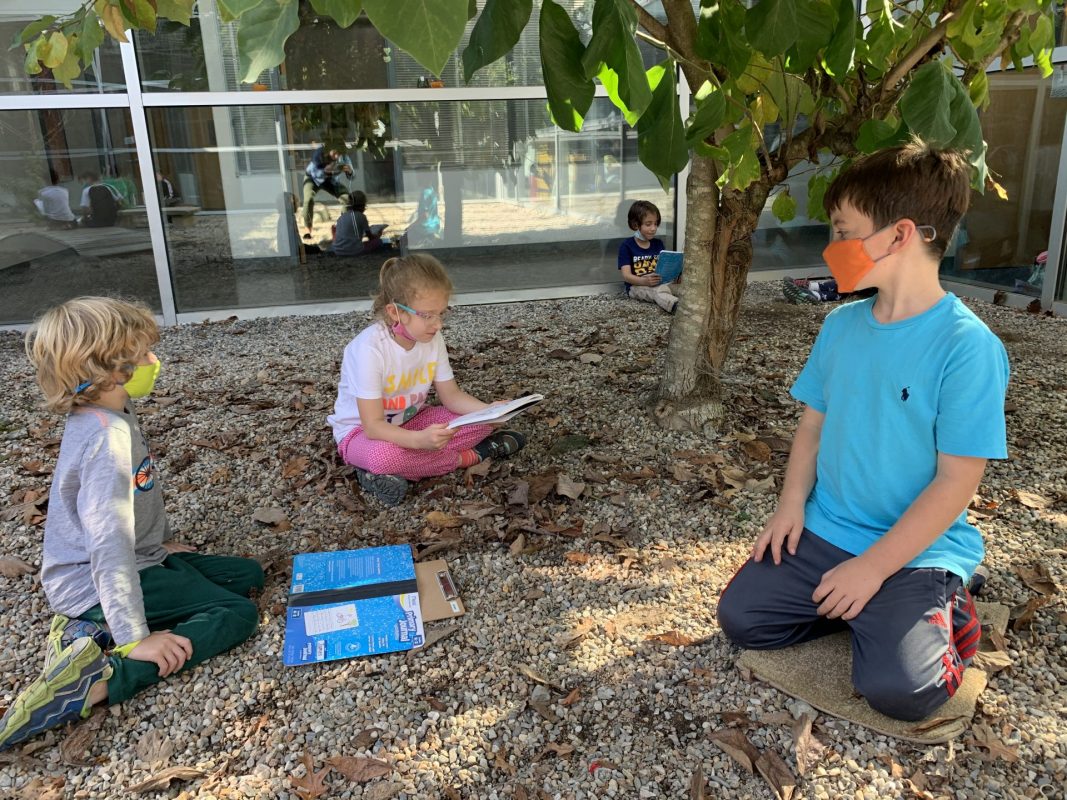
We periodically get together as a whole group and share our writing with each other; this is a favorite part of Writers Workshop for many. This year, our author’s circle looks a bit different in order to facilitate the social distancing guidelines, but that is okay! Some children shared from their work spots, and others wanted to come up to the front of the classroom to read. How incredibly wonderful is it that the children feel safe and respected, and as a result, want to share their writing with their peers!