Blog

Middle School: A Week in Review

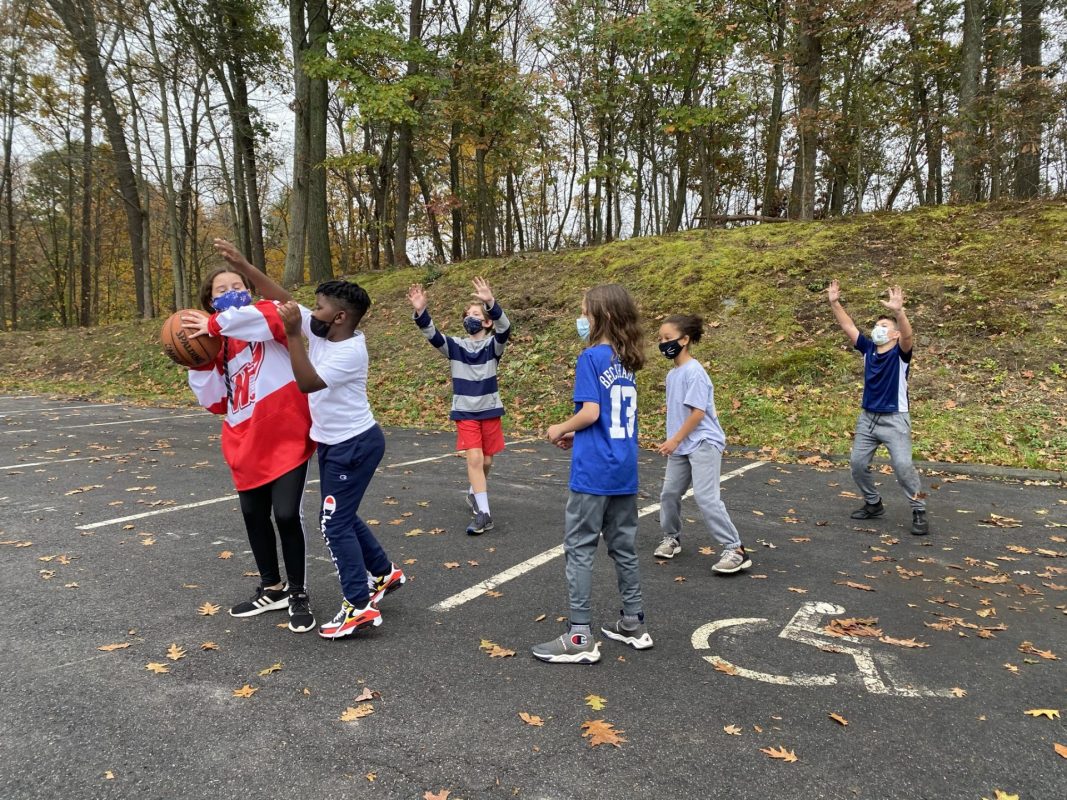
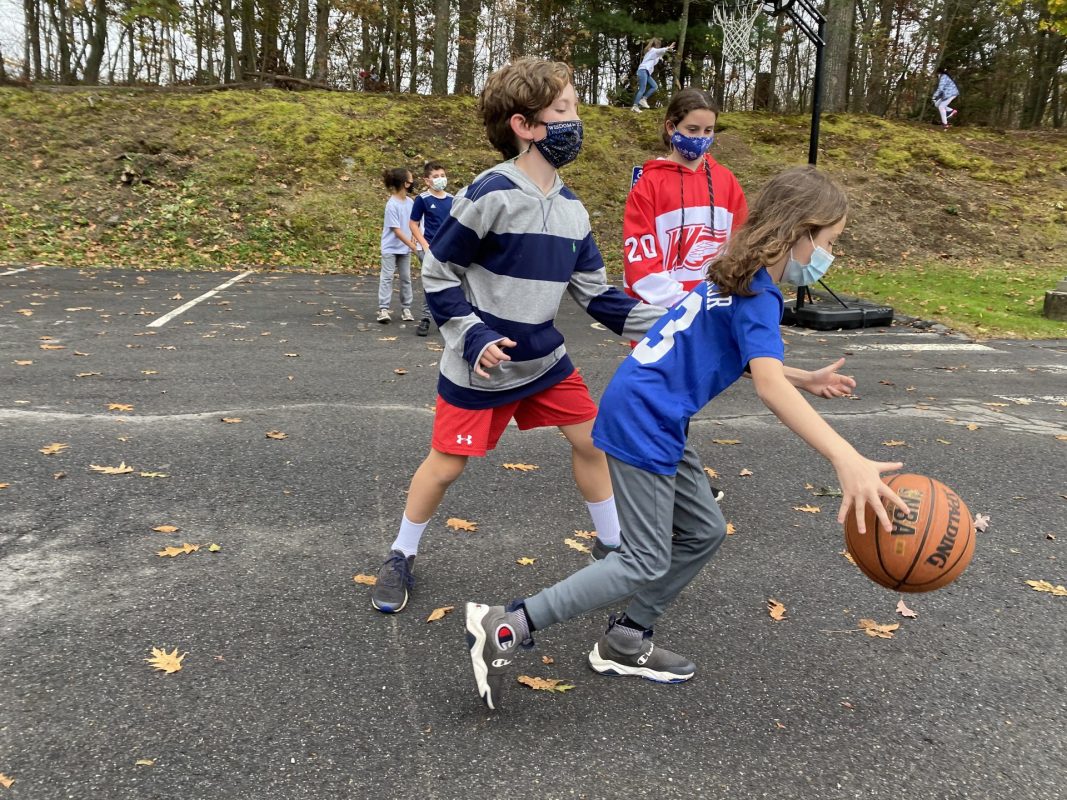
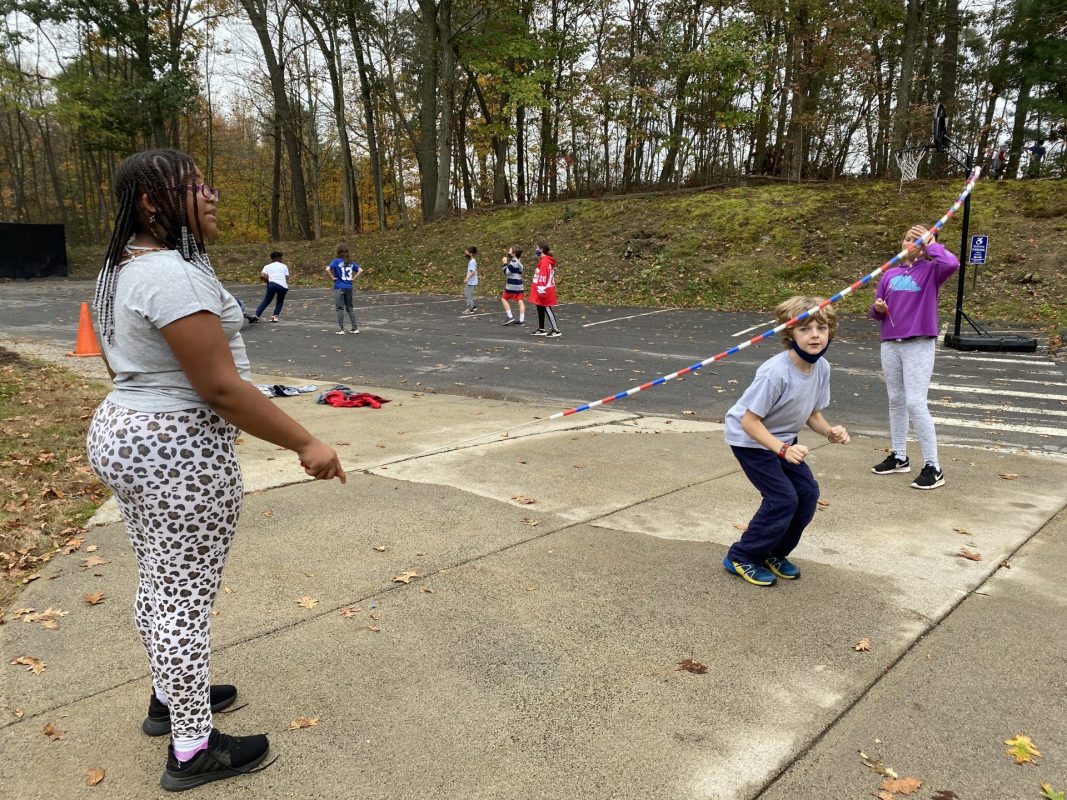
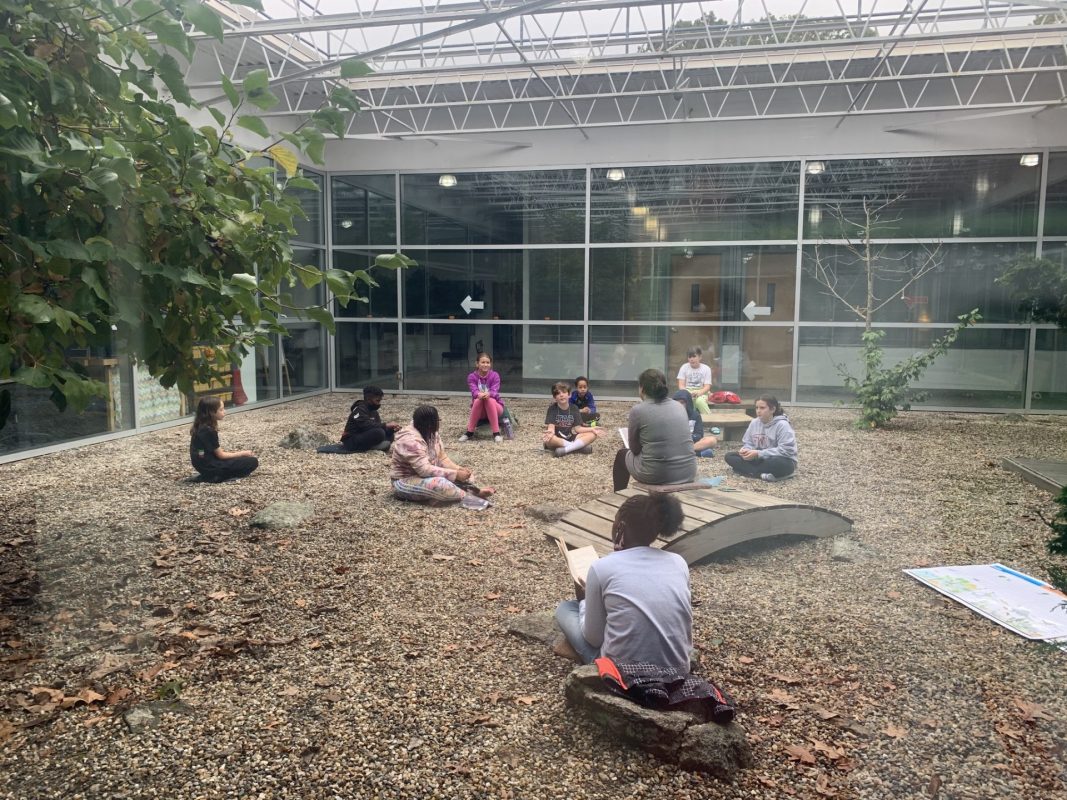
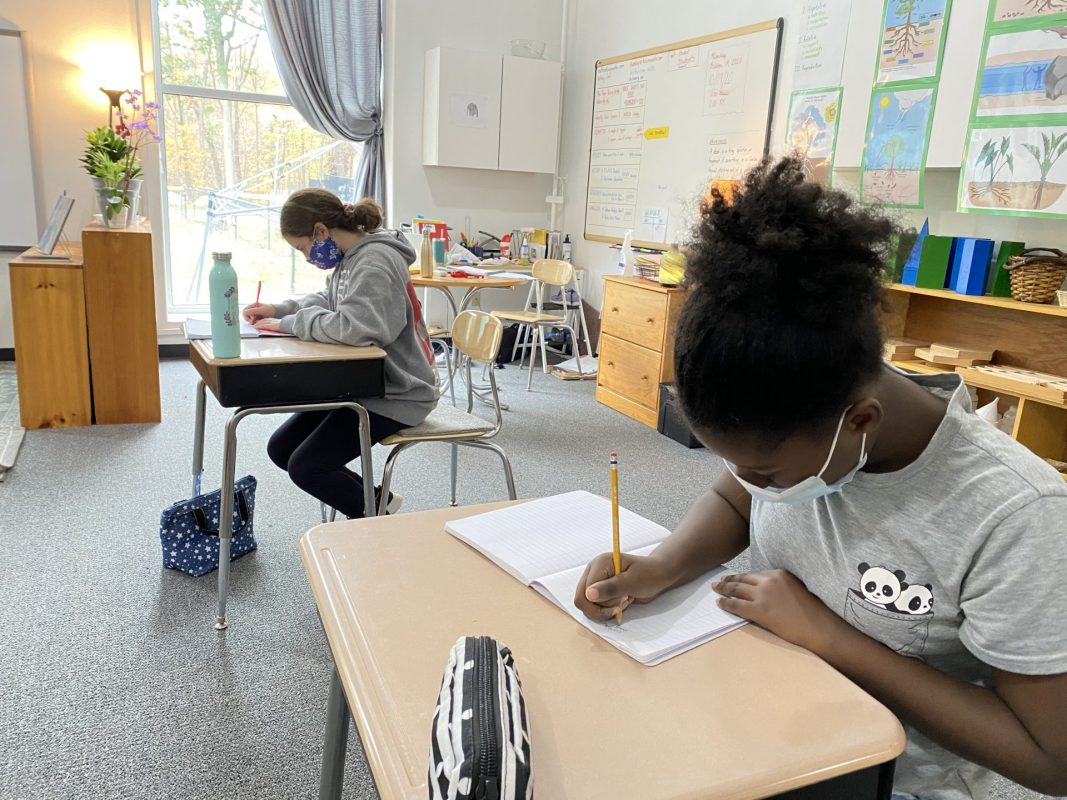
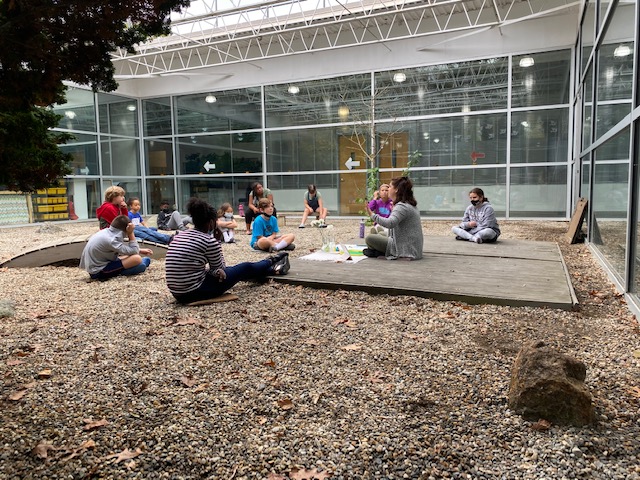
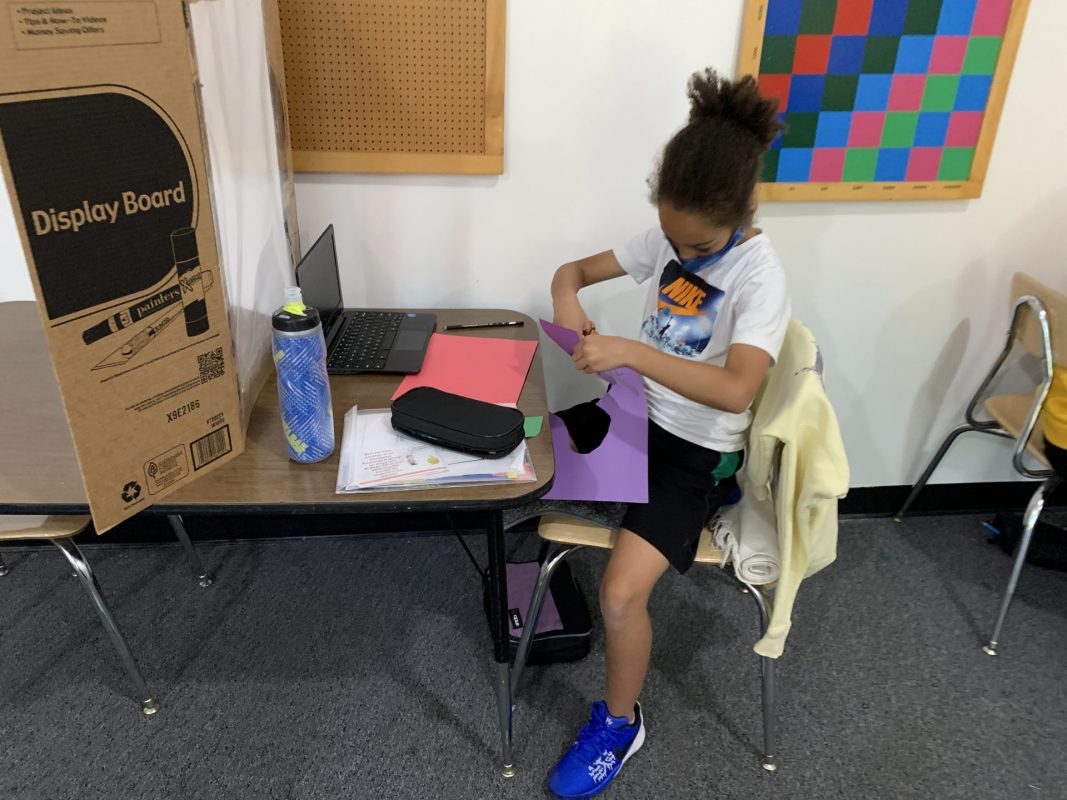
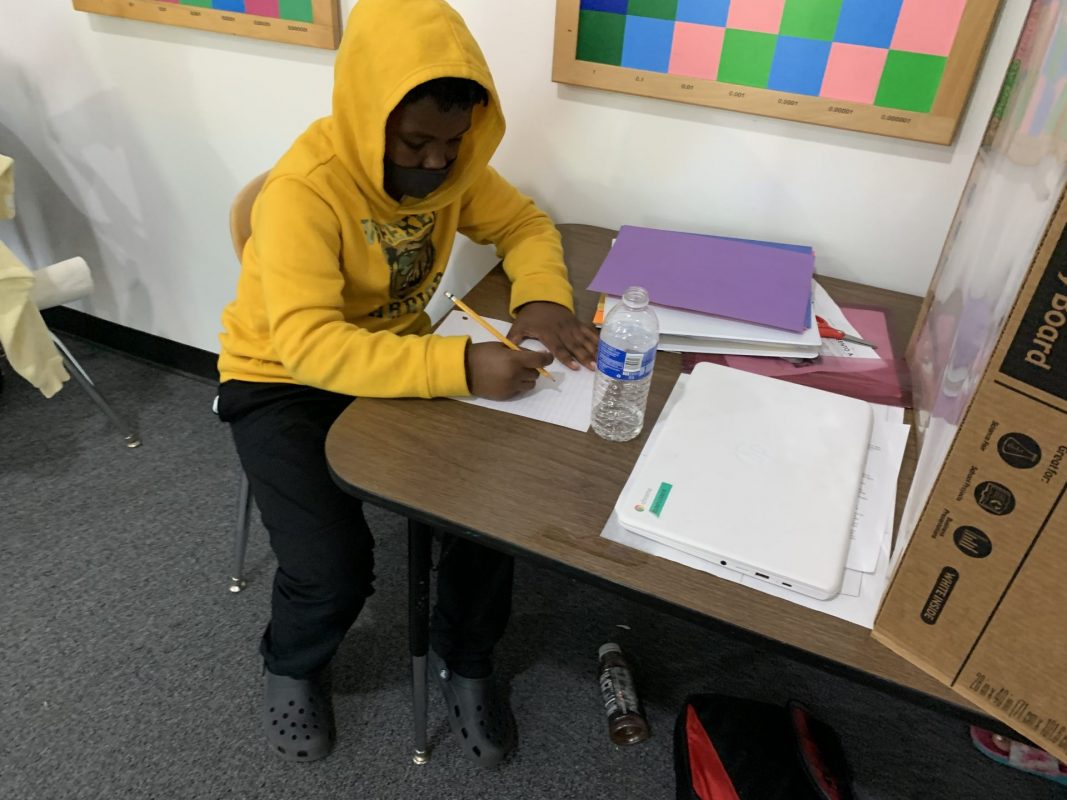
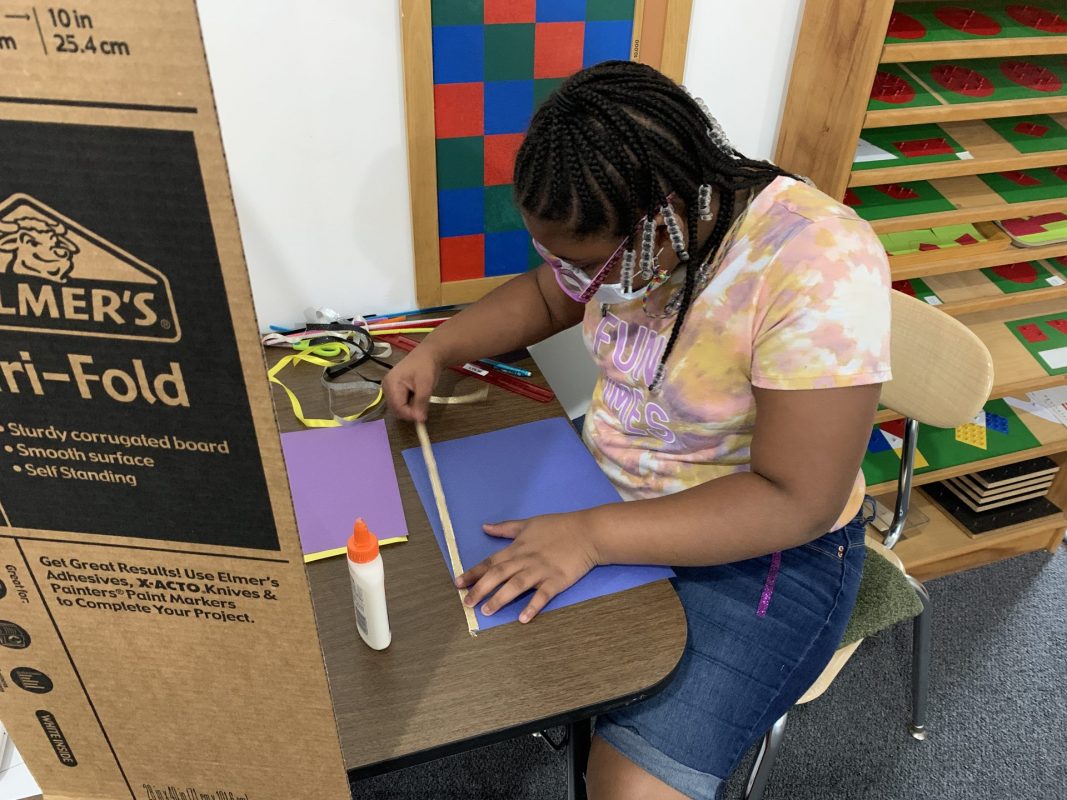
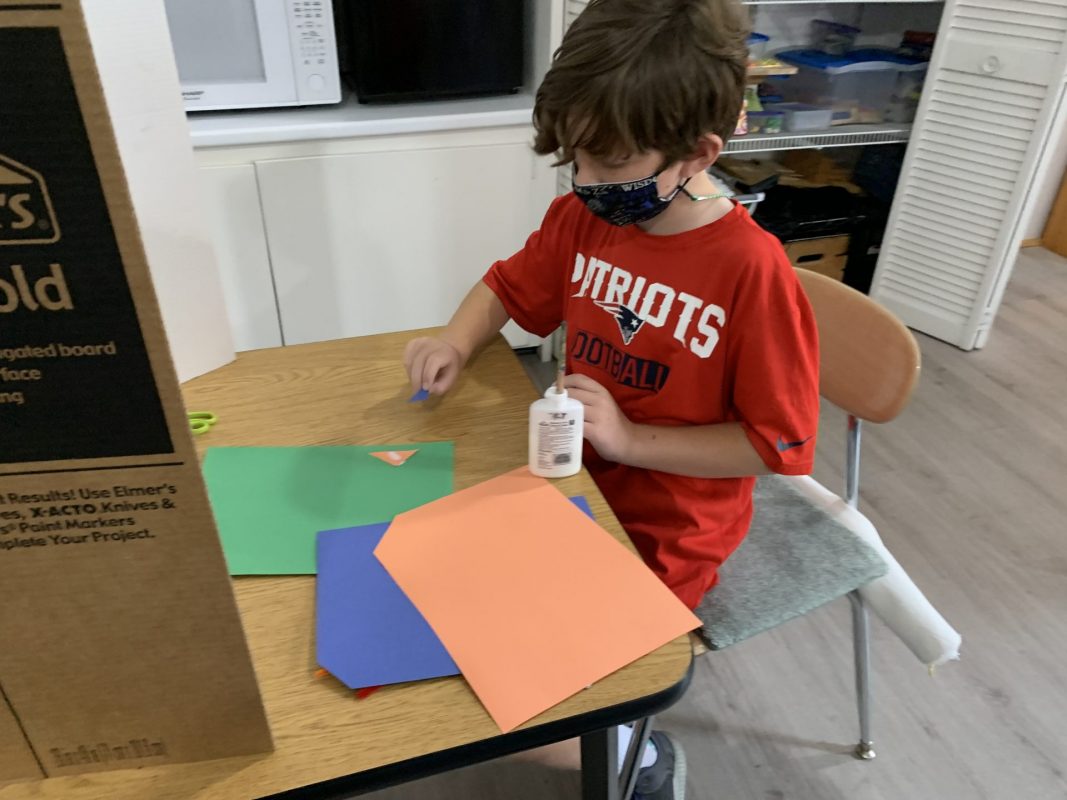
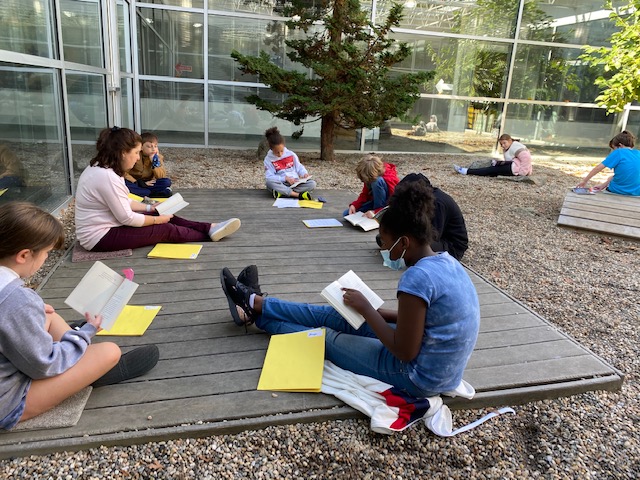
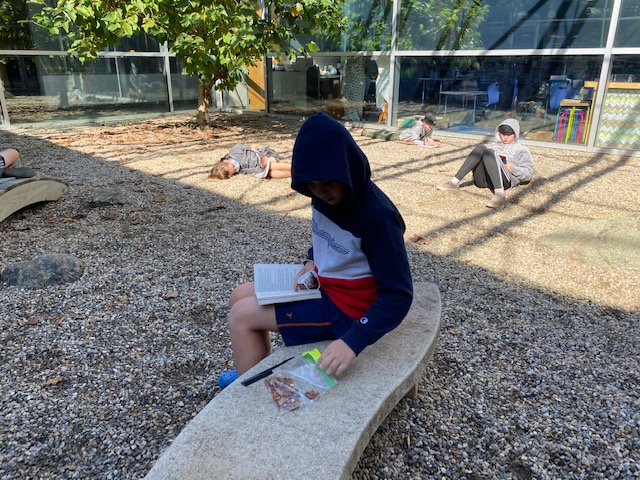
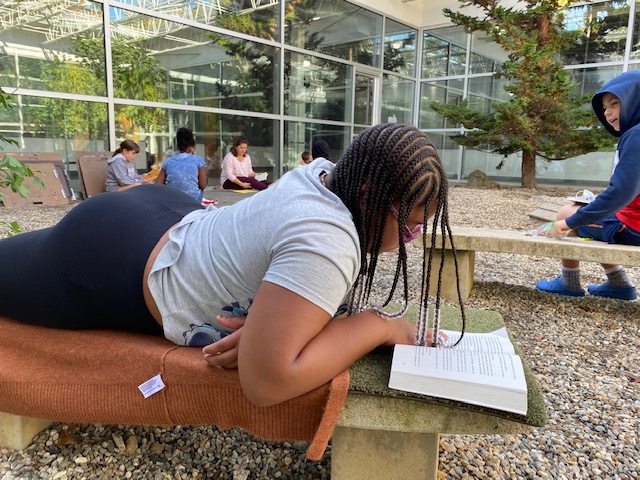
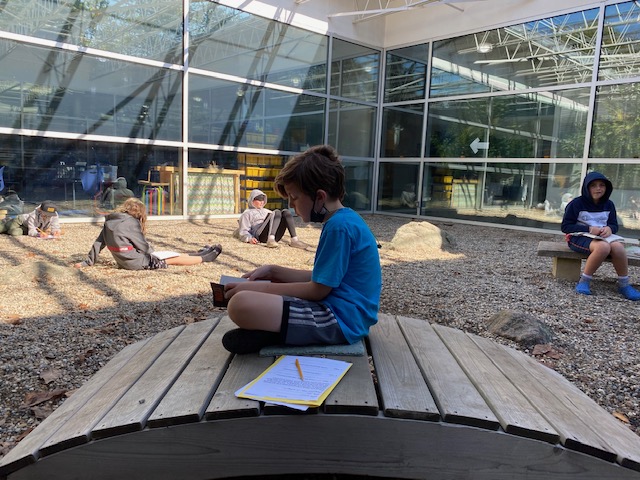
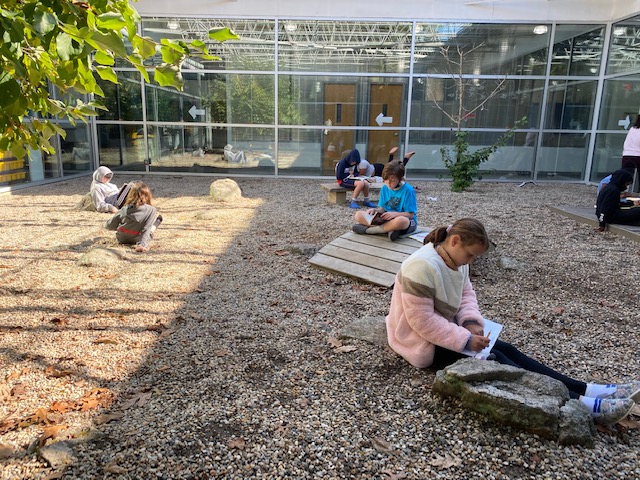
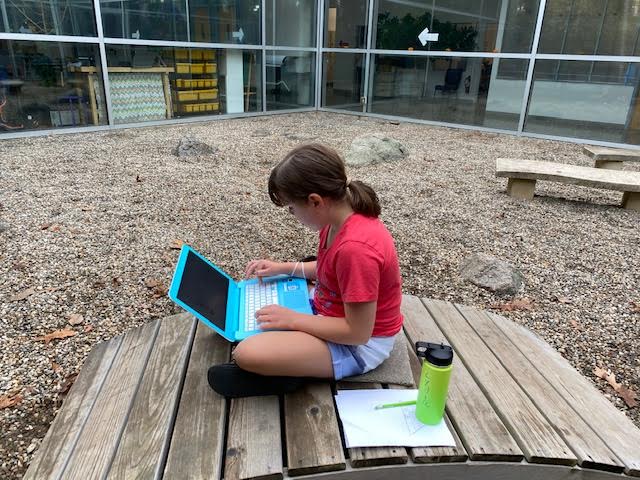
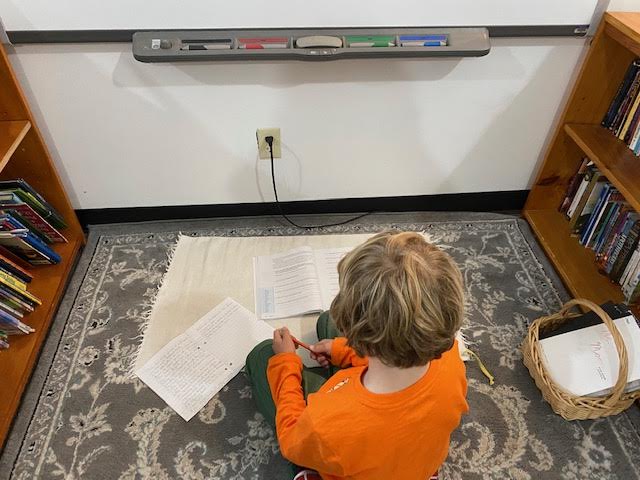
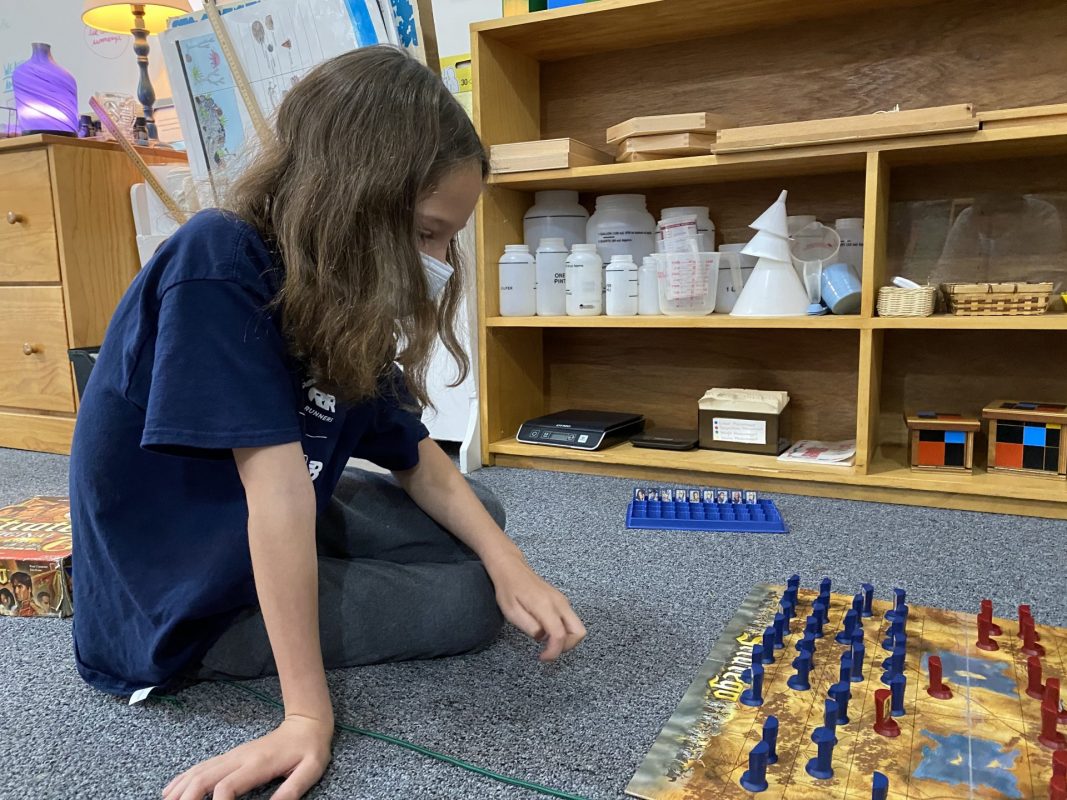
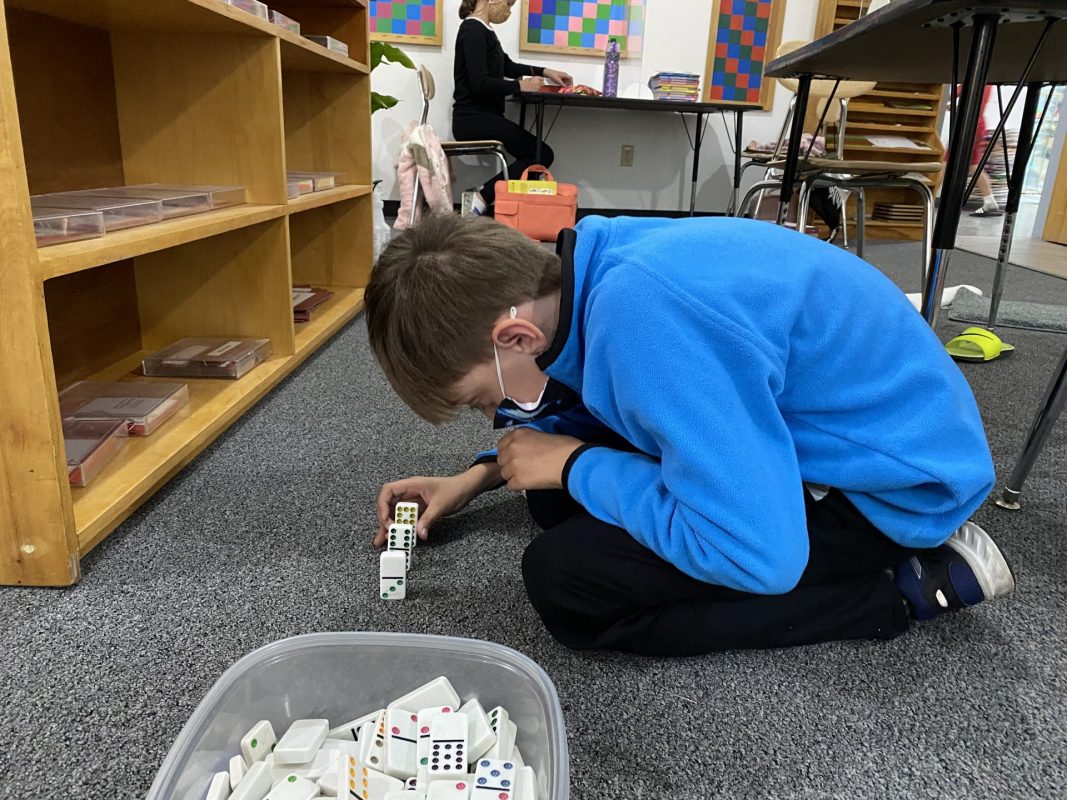
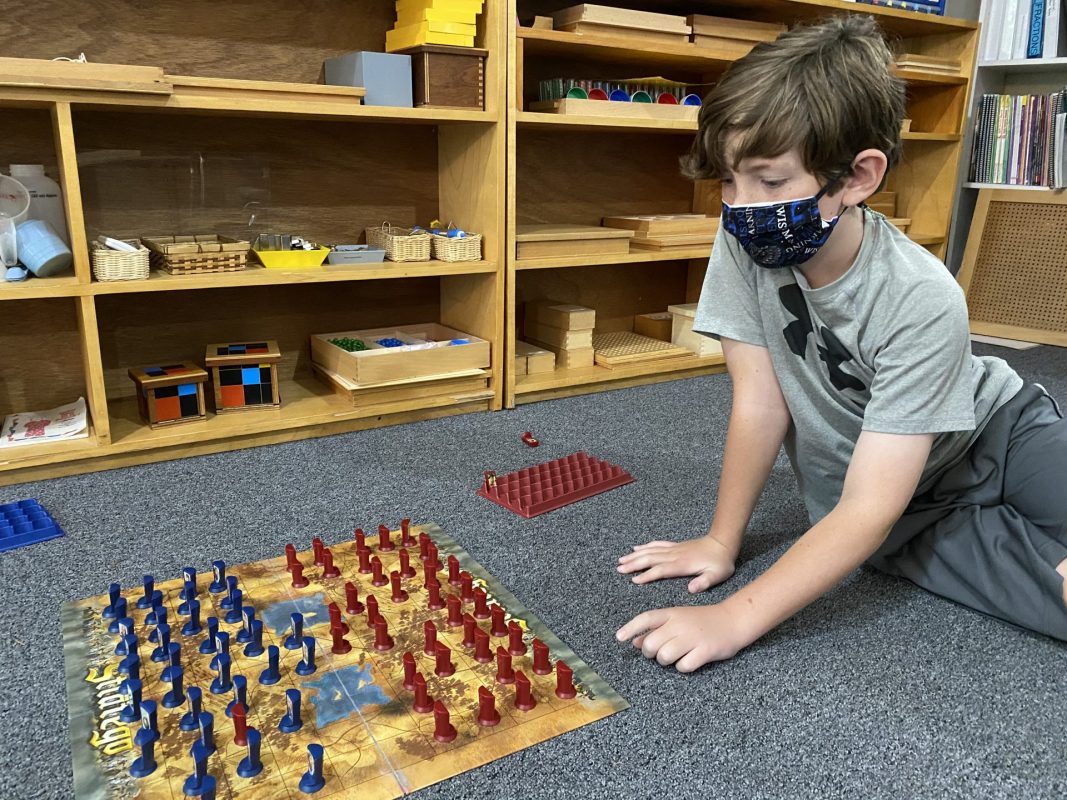
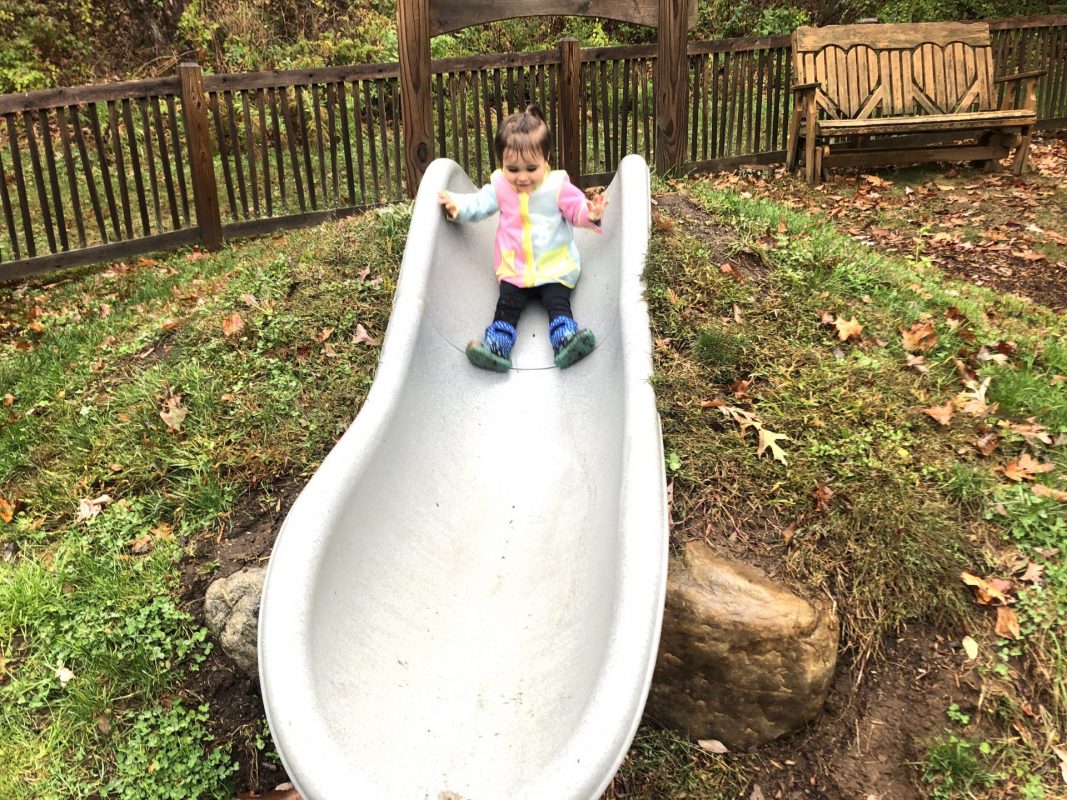
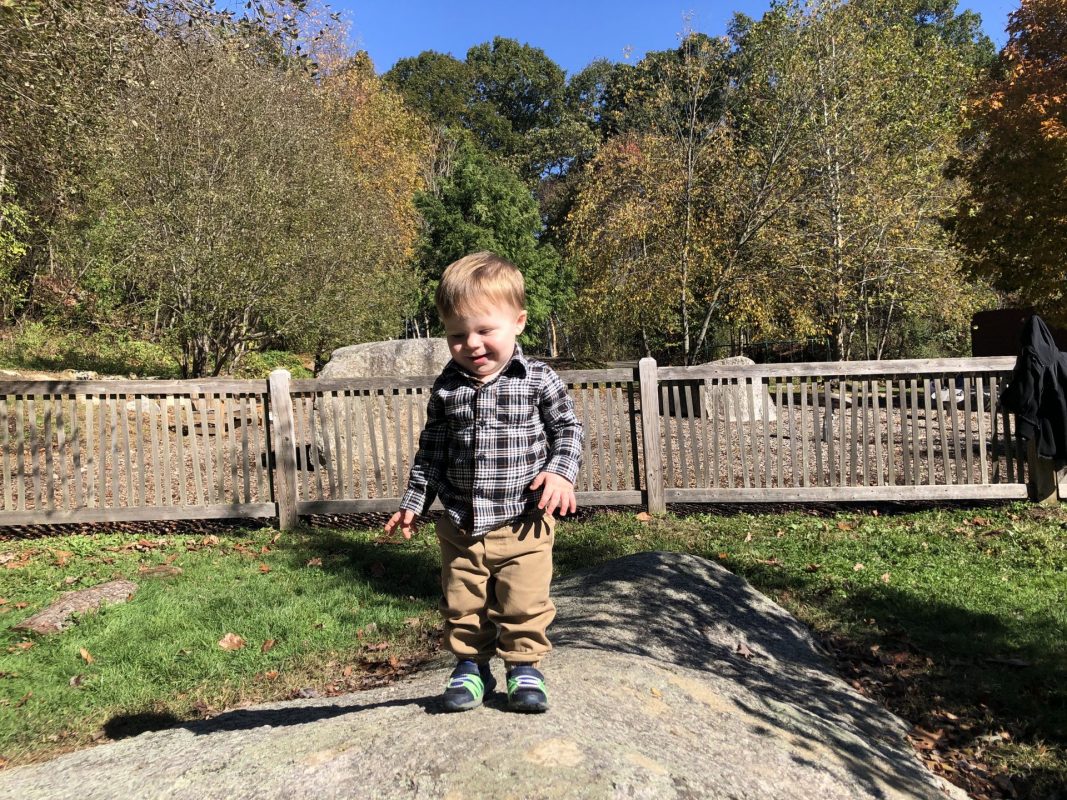
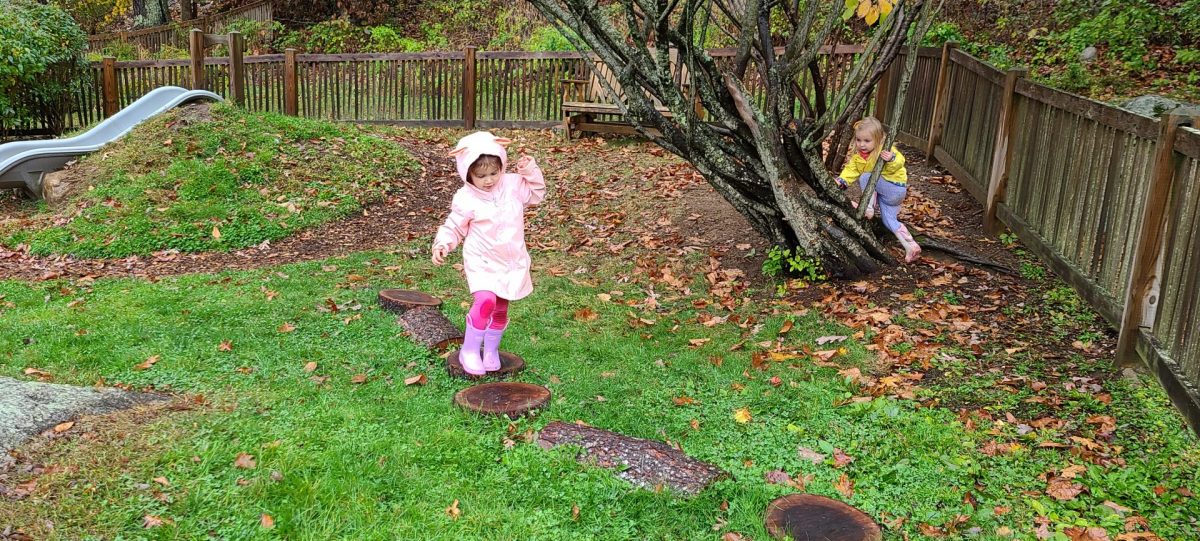
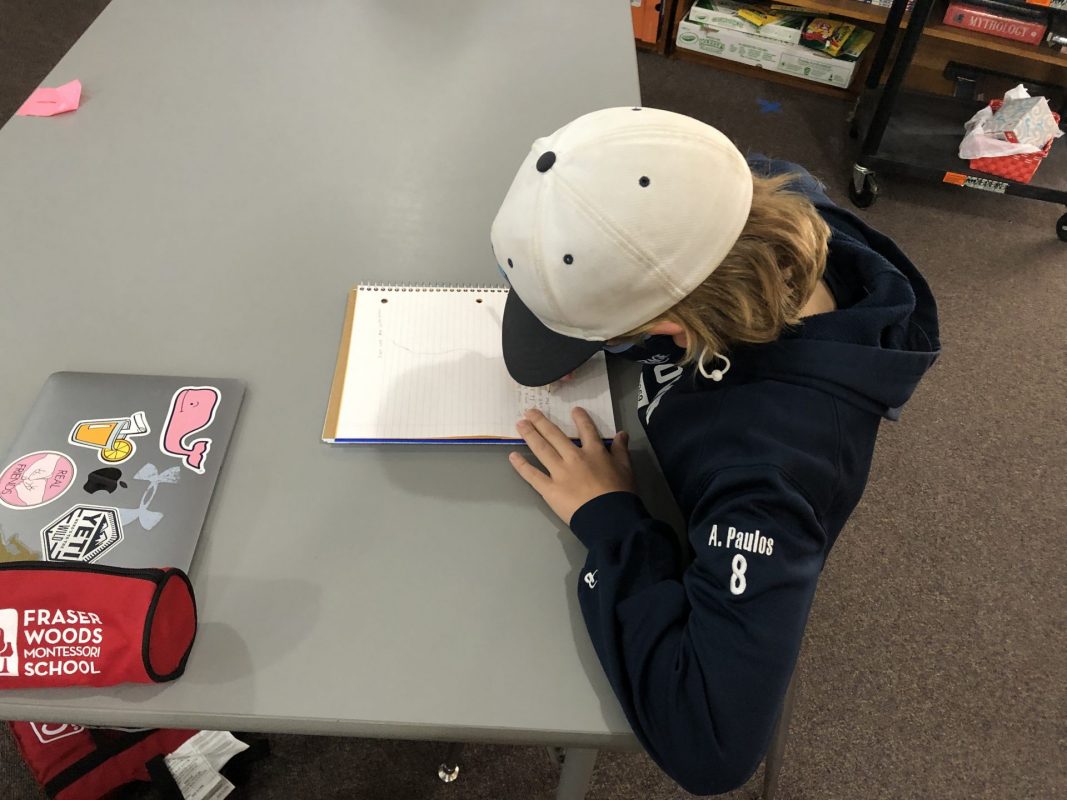
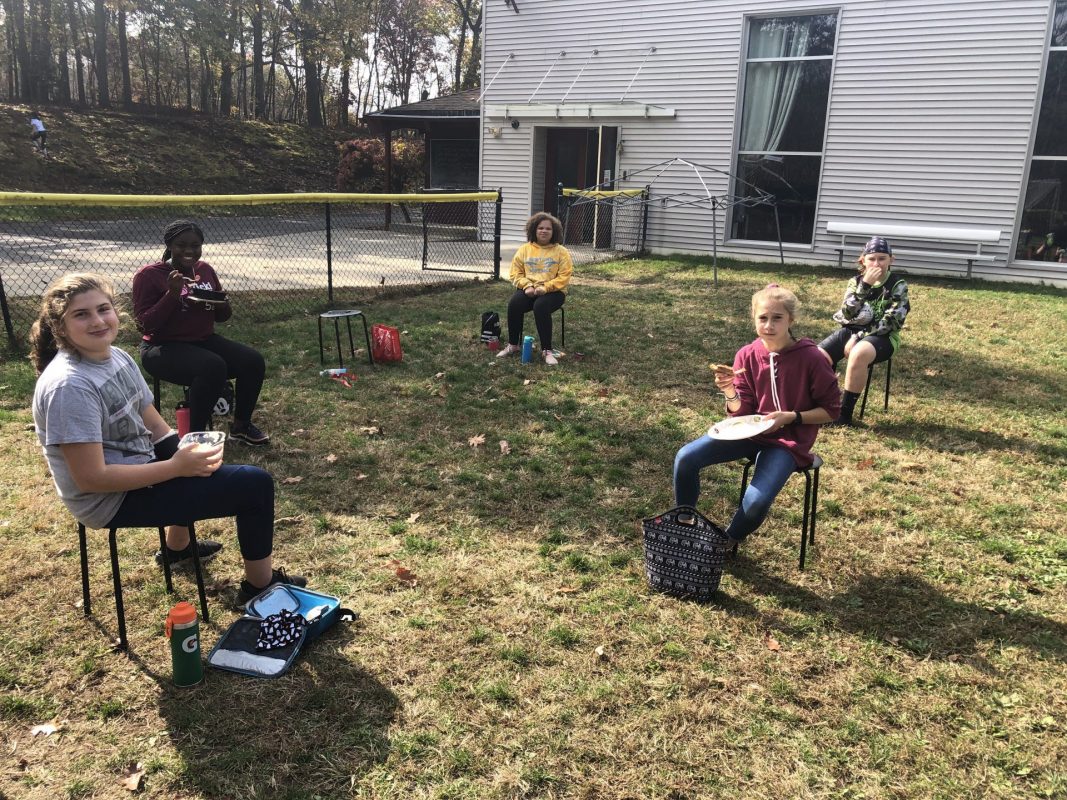
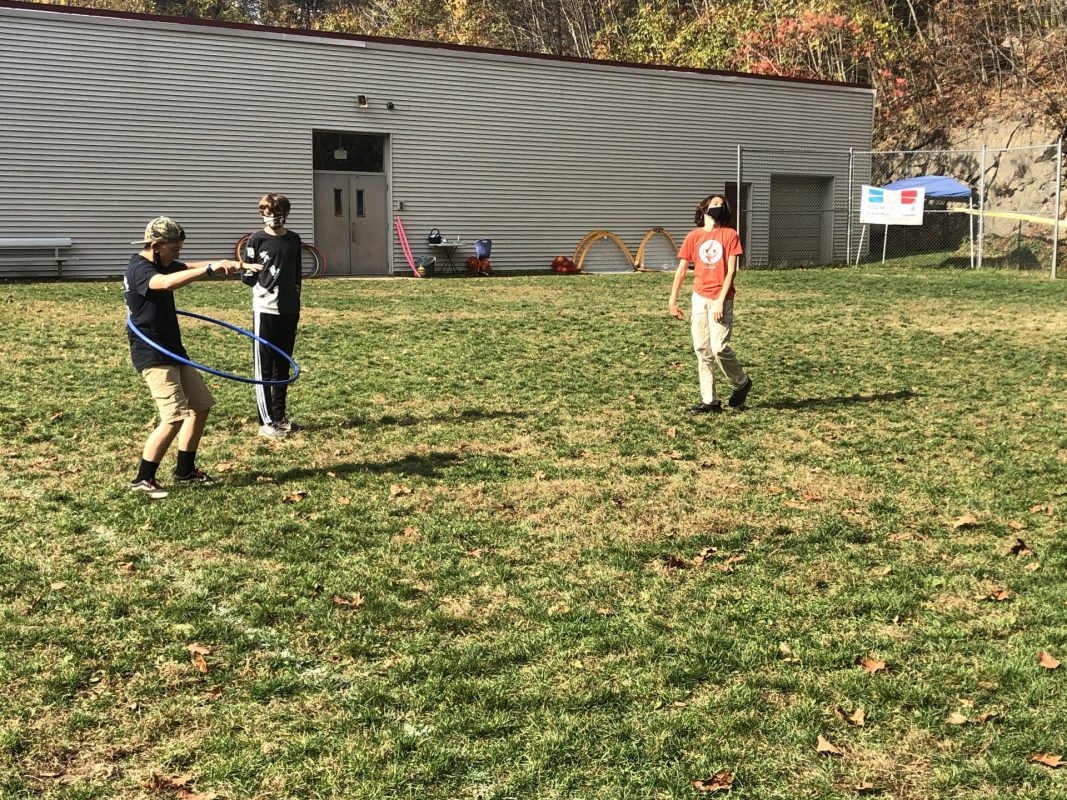
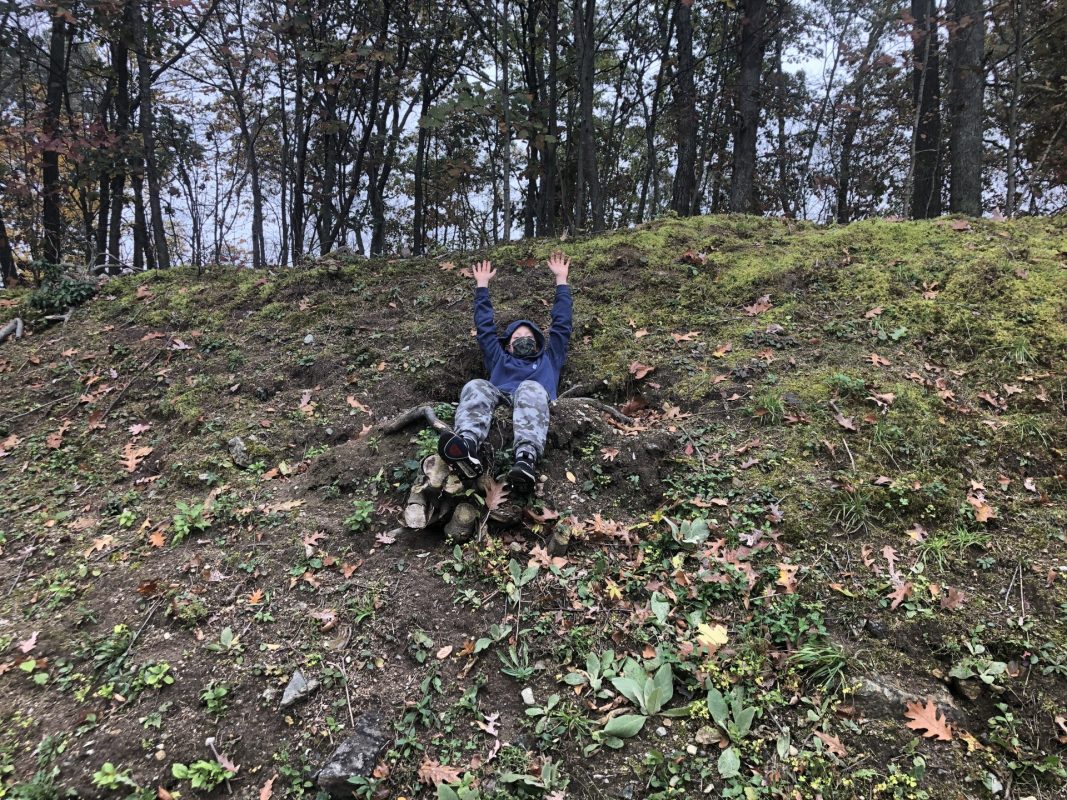
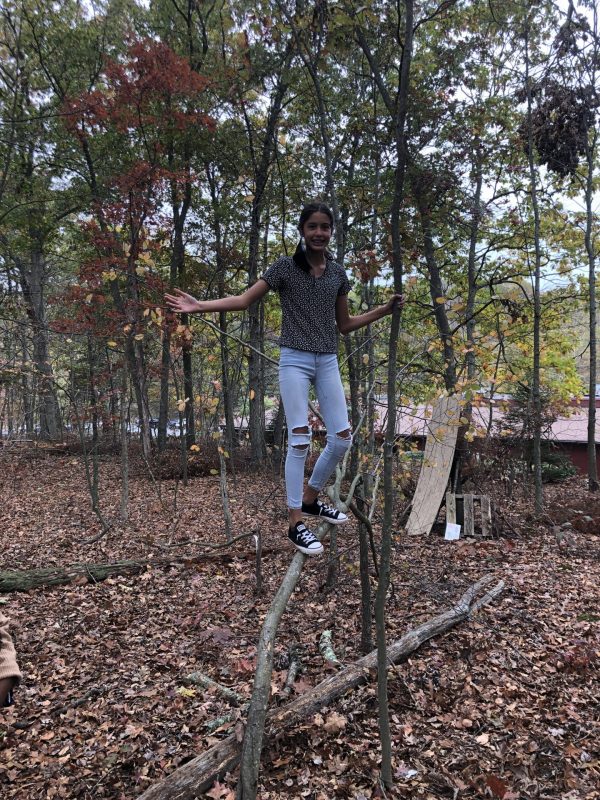
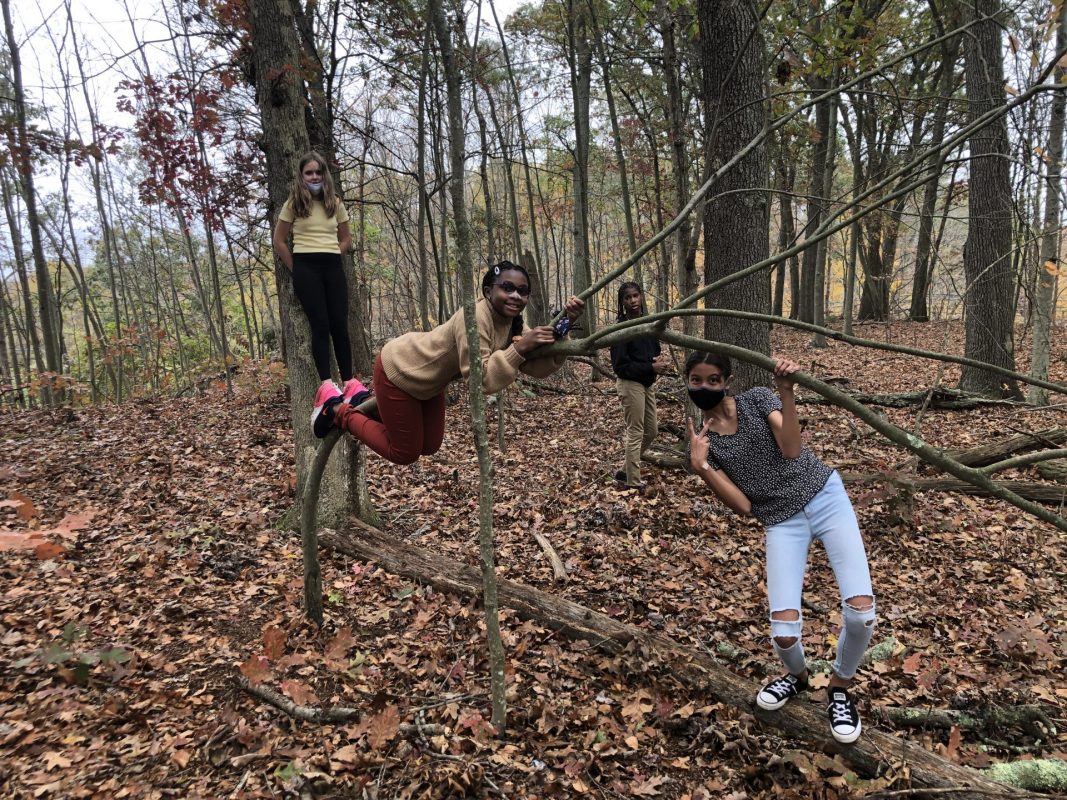
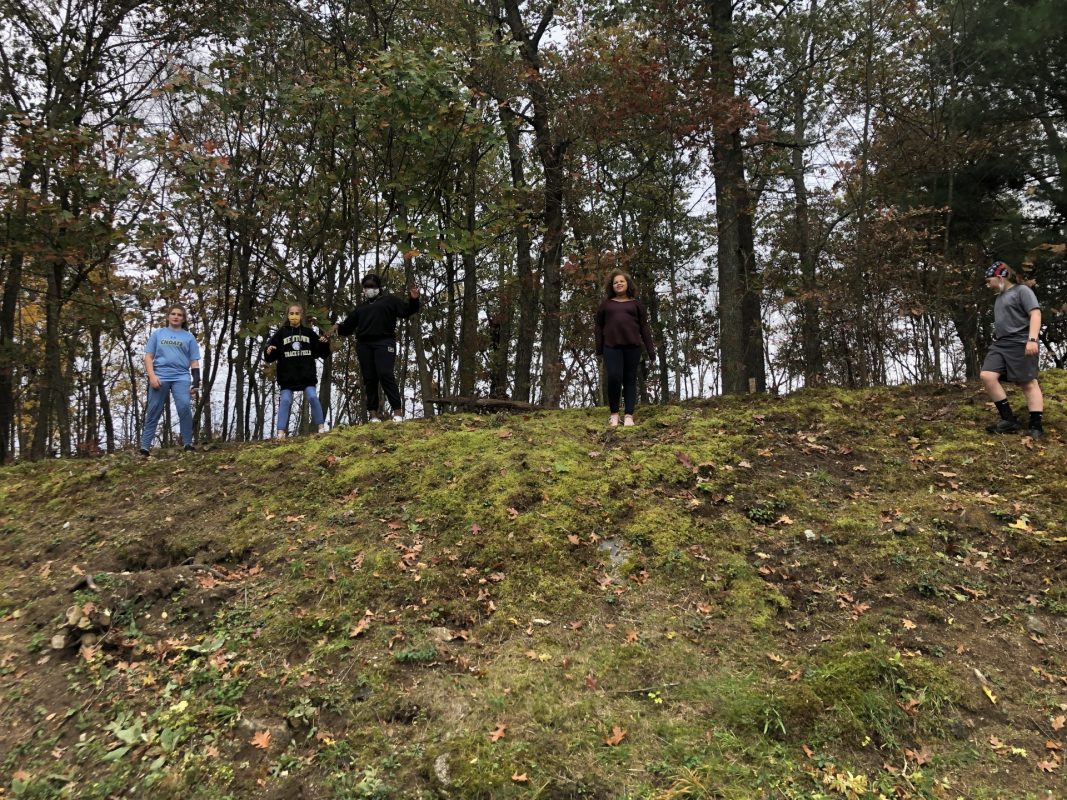
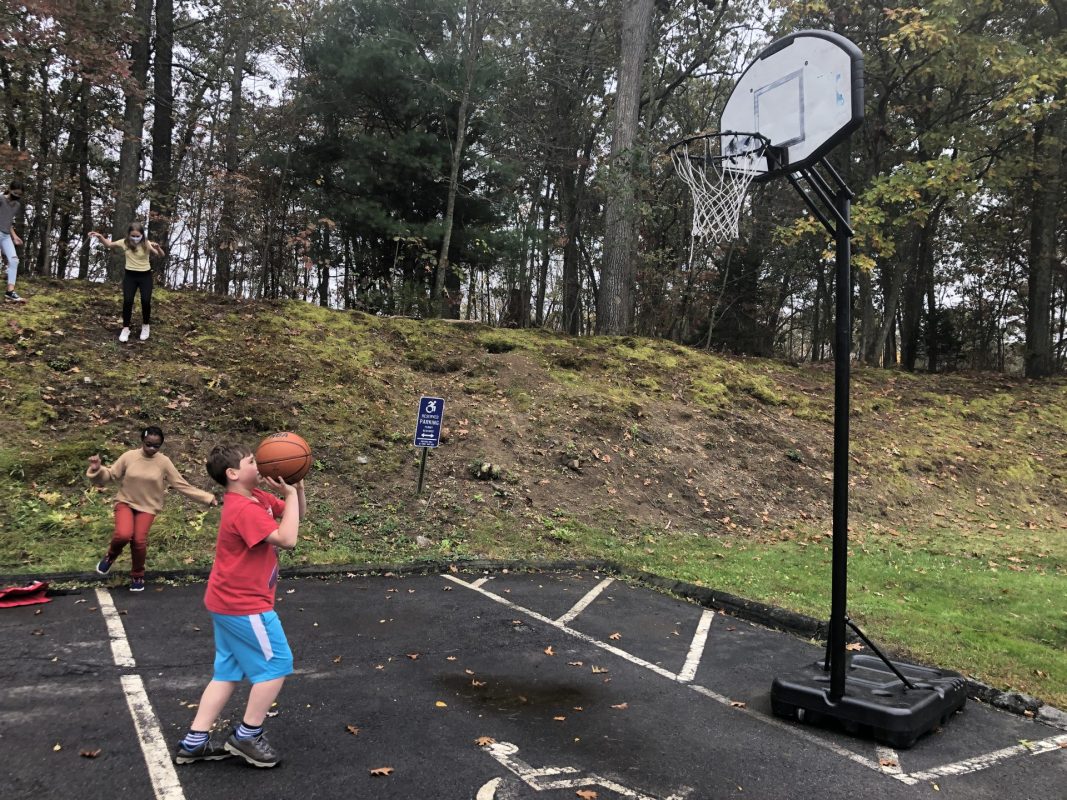
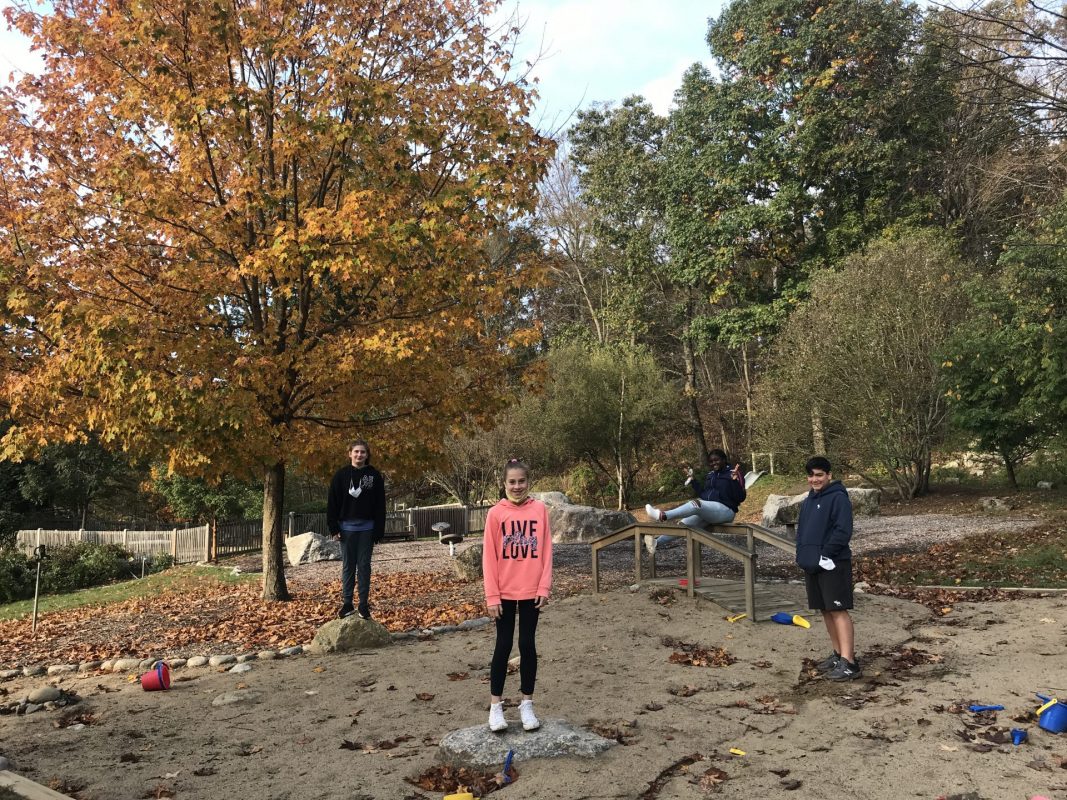
Another beautiful fall week has closed, and we were lucky to enjoy the outdoors again. Fresh air has been good for our bodies and minds, and as we transition through the seasons, we will continue to enjoy it as much as possible.

Science

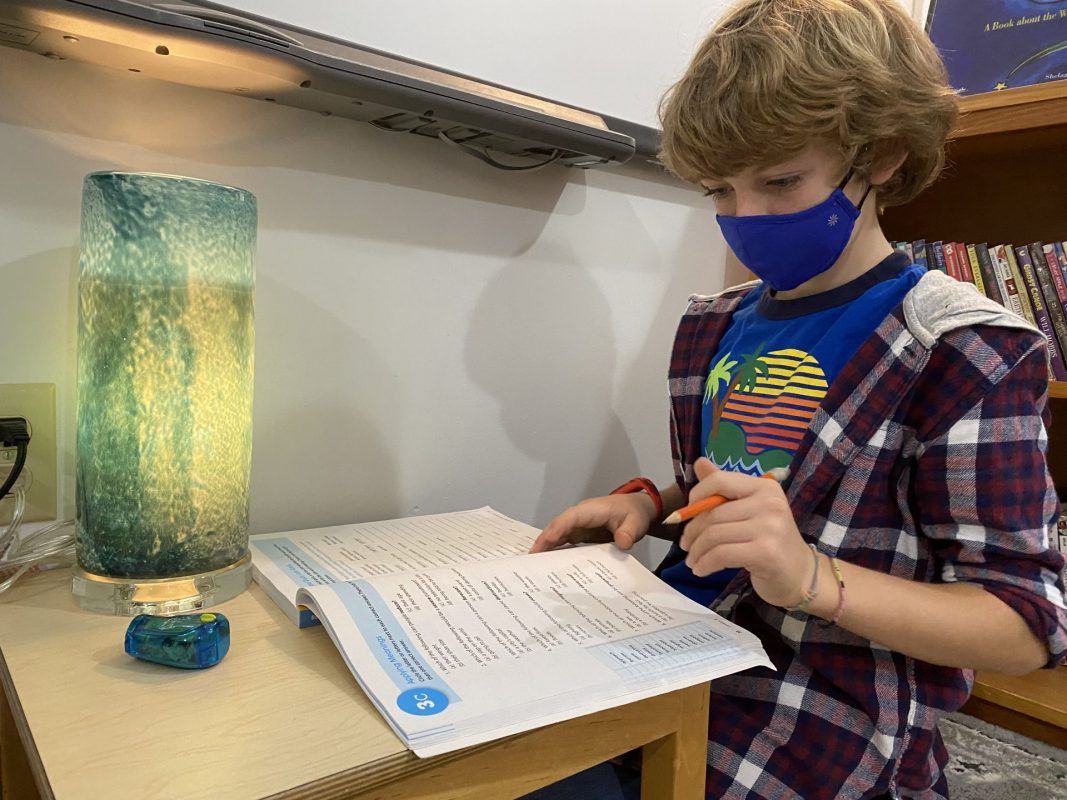
6th year Earth Science students are continuing their work on Plate Tectonics. Students are learning about the role that tectonic plates play in the creation of the rock cycle. Over the next couple of days the class will discuss the similarities and differences between metamorphic, igneous, and sedimentary rocks.

7th year Physical Science students have been doing daily activities representative of the different states of matter. Students are able to relate how temperature increases both the potential and kinetic energy of matter resulting in the transition between solid, liquid, and gas.
8th year Life Science students have begun their unit on Cellular Respiration. Students are understanding how our bodies are able to process glucose from the food we eat into usable energy (ATP) through cellular respiration. Currently, students are working on creating a visual representation of cellular respiration which includes glycolysis, Kreb’s cycle, and the electron transport chain.
Math
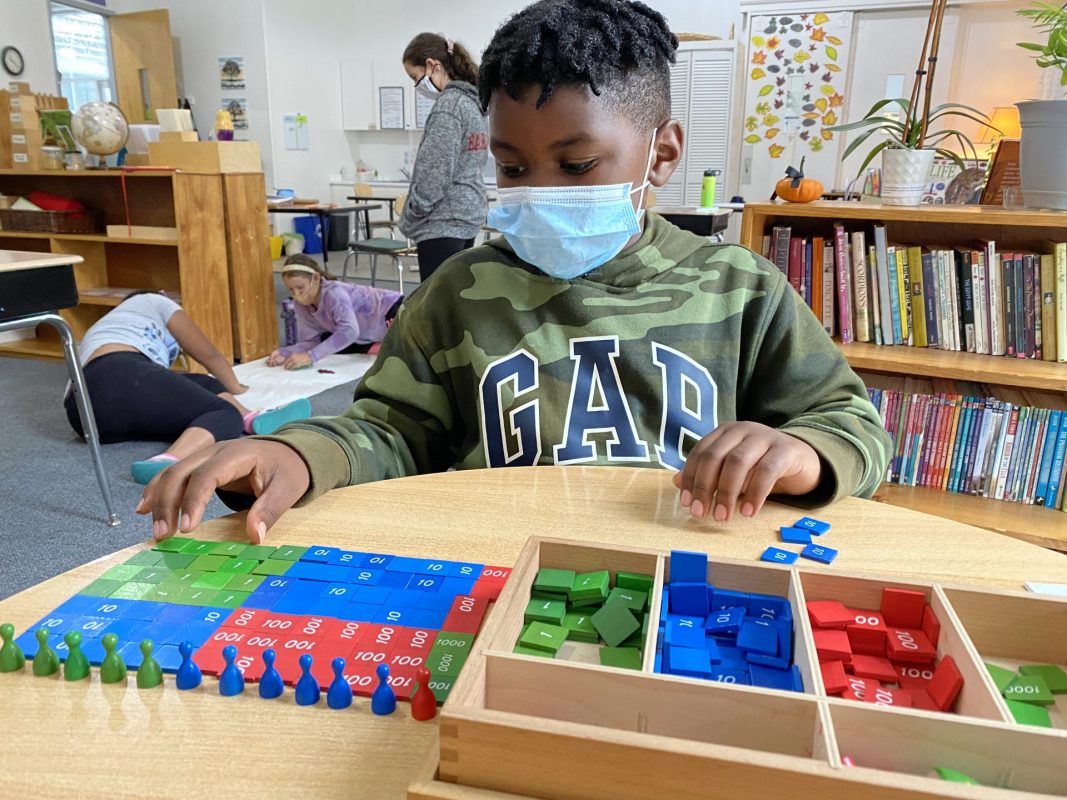
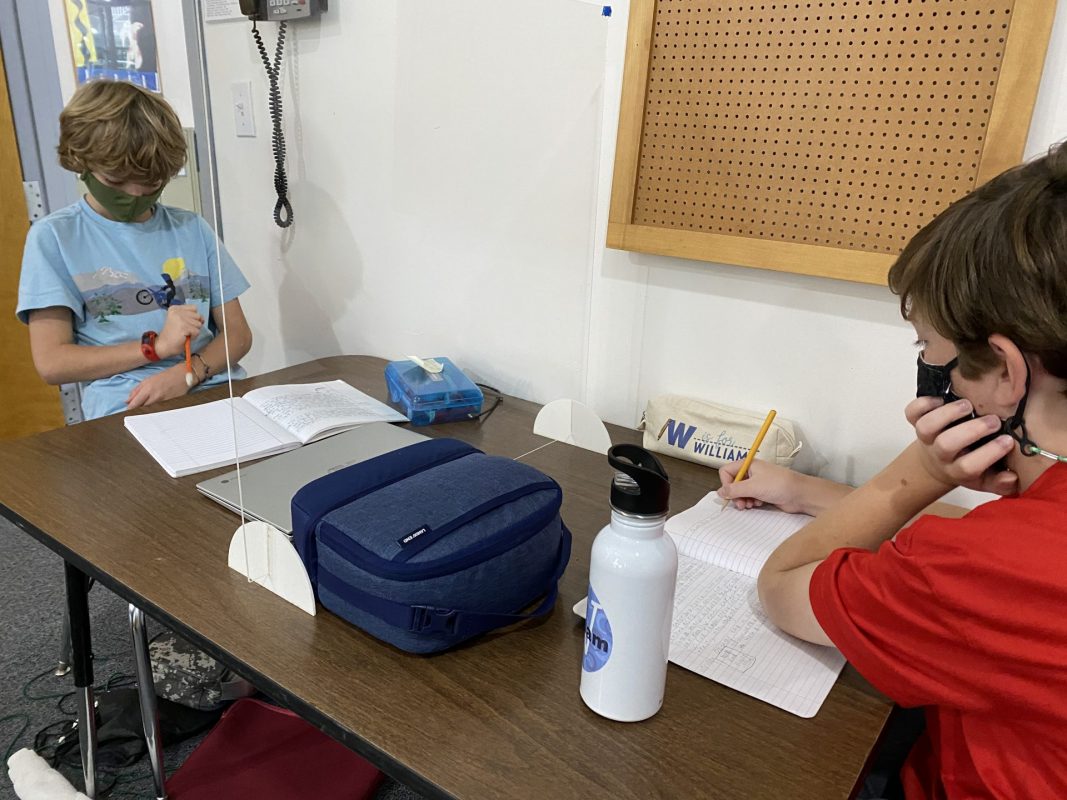
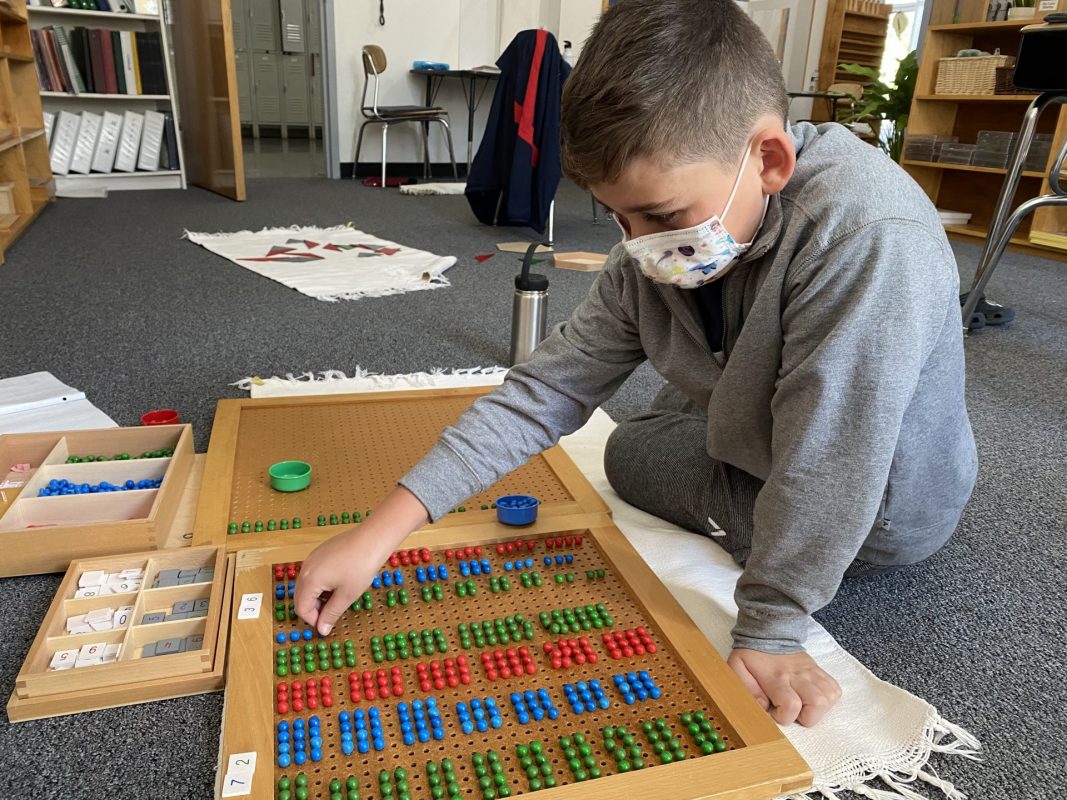
In Pre-Transition math class, students are learning how to use fractions to add mixed numbers in real world situations. This class can successfully find the perimeter of a polygon shape, add positive and negative integers without a calculator, and place integers/rational numbers on a number line.
In Transition class, students are learning how to order and compare decimals and fractions, graph inequalities on a number line, and add fractions without common denominators. This class can successfully convert amongst decimals, fractions, and percents; know and apply the substitution principle; and, they can round any number up or down to the indicated place value.
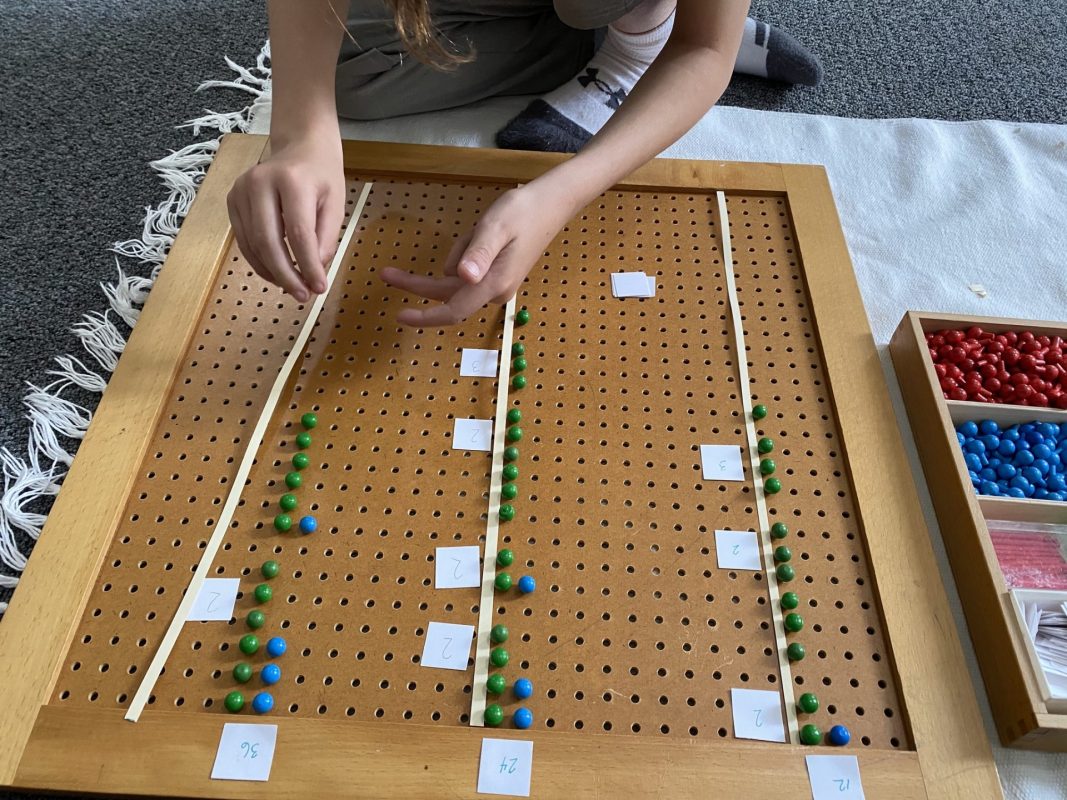
In Algebra class, students are learning about solving and checking linear equations from the form ax+b=c. This class is working through how to create a linear equation or inequality from a given word problem, as well as applying the addition and multiplication properties of equality and inequality.
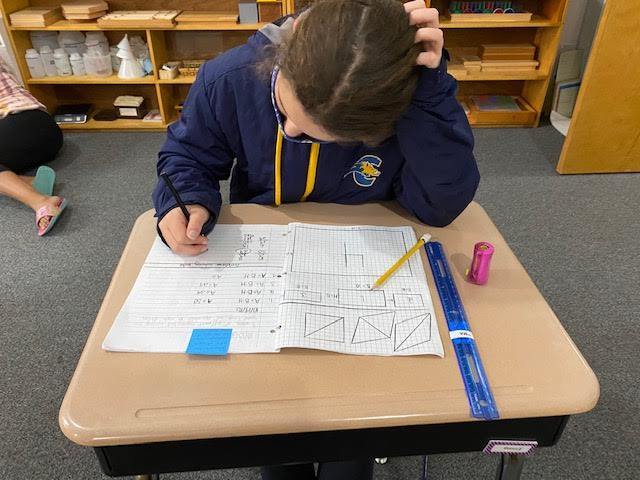
In Geometry class, students have started writing 2-column proof statements.  This class has been practicing how to use algebra to represent an angle, give justifications for conclusions involving angles and segments, and determine the slope of a line if parallel or perpendicular.
As per the students’ request, Ms. Sutherland will be hosting an after school Math help session starting the week of November 2nd. Please stay tuned for next week’s blog as more information will be released about dates and times.
Math Joke: Why didn’t the quarter roll down the hill with the nickel?……………Because it had more sense.
Humanities
This week, all students completed a unit of vocabulary and, due to class-driven interest, discussed the current election with regards to the candidates’ stances on different topics. Topics ranged from the fundamental differences of the parties, to the definition of taxation, as well as changing immigration policy. Students are curious about all they hear at home as well as the media and ask for some basic definitions on terms they hear and the process of a presidential election. Information given to students is unbiased, respectful of both candidates, and uses information that is clear and concise. Students are allowed to express their personal opinions and engage in conversation with each other in a way that honors individual perspective without putting down any person or group of people.
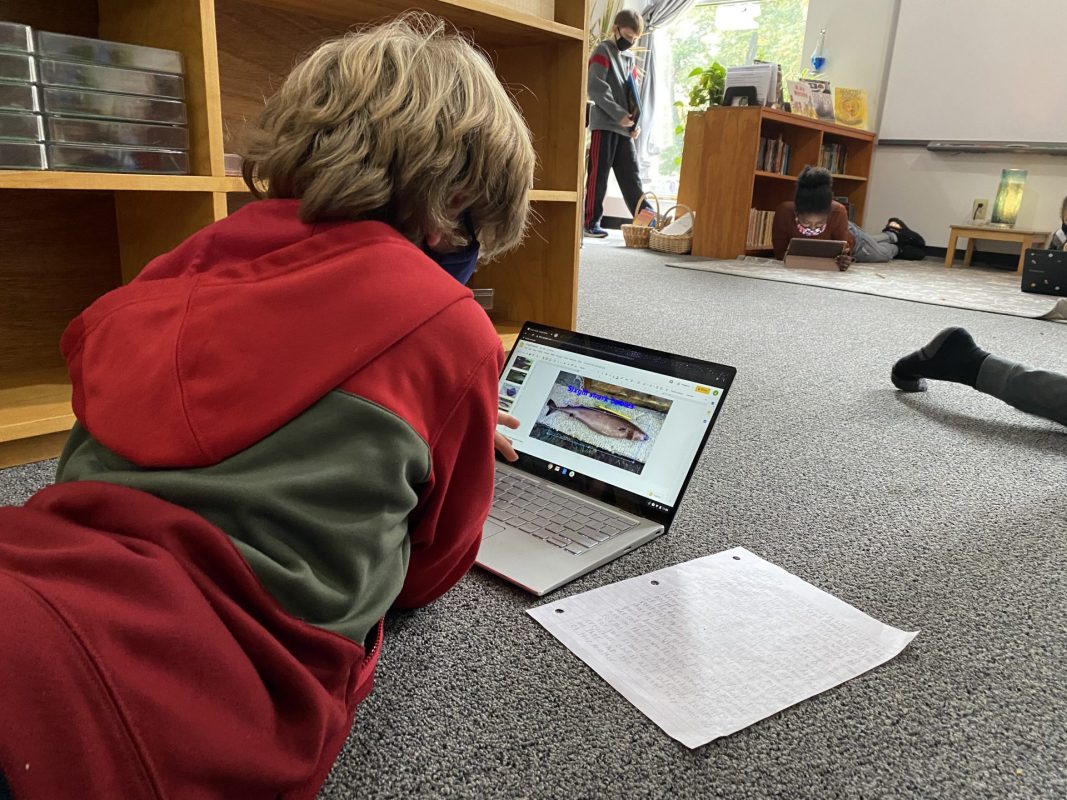
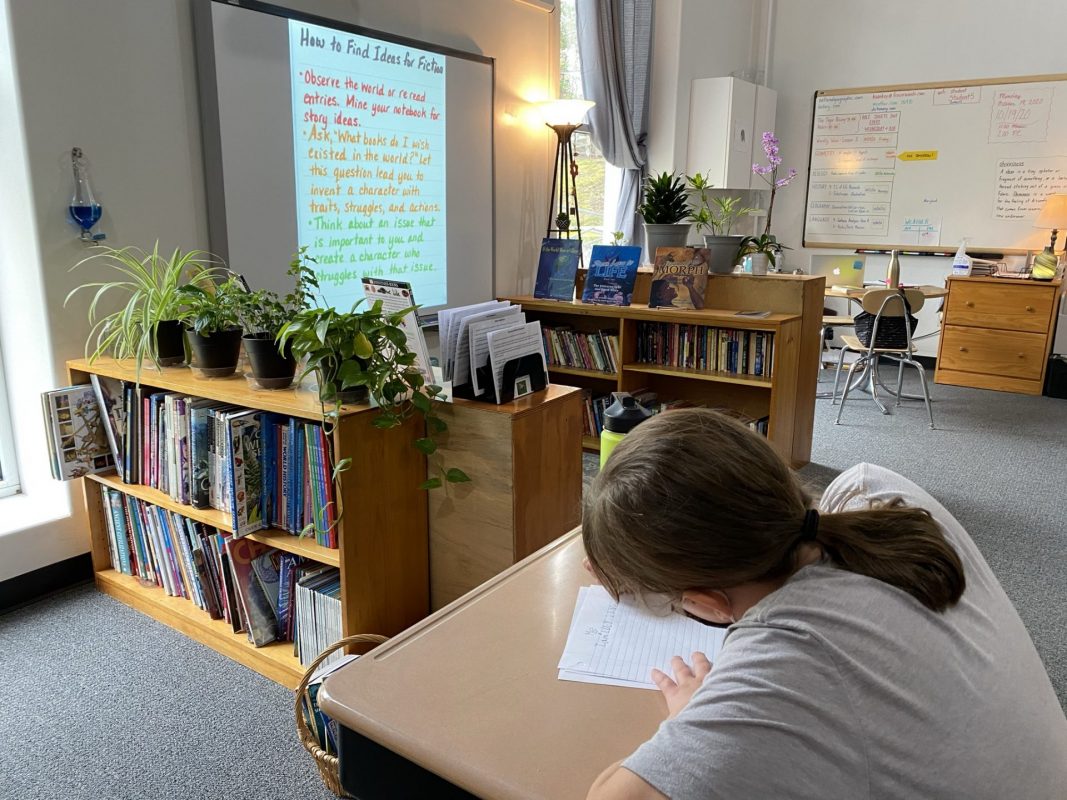
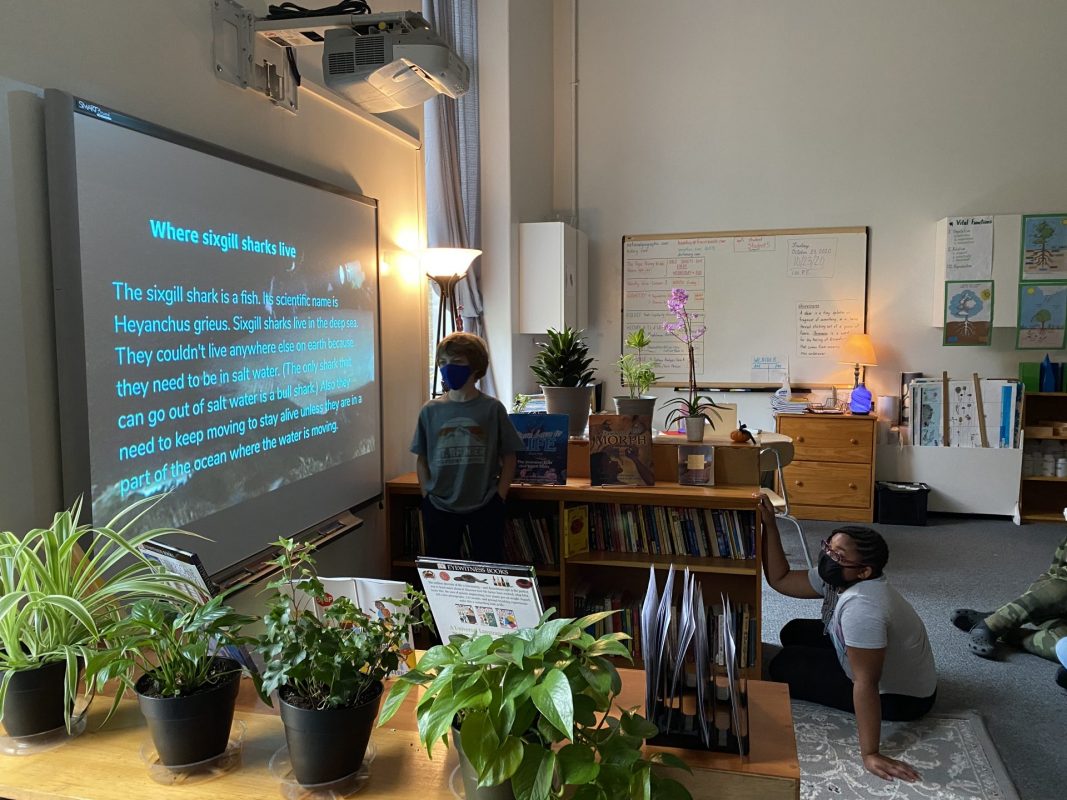
The 6th grade Humanities class continued to work on descriptive writing using the poetry of Langston Hughes and Emily Dickinson to identify forms of figurative language and imagery. Then, students watched a 40-second slow motion video of a shark leaping out of the water to catch a seal and were charged with the task of writing a descriptive narration implementing their skills of word choice, figurative language, and imagery that will give anyone a complete experience, through words, of the video without actually watching it. Finally, students continued their reading of Out of My Mind.
7th grade Humanities classes finished geography of the SubSaharan African continent and worked on their class novel, A Gift From Childhood by Baba Wague Diakite. They discussed proverbs as they apply to the memoir as well as the effects of colonization on a culture.
8th year students wrapped up Jamestown settlement and the Virginia Colony by focusing on the land. They learned about what it meant for different people: the Indigenous people, indentured servants, African slaves, and plantation owners. They drew and discussed their ideas of what the land looked like pre-Colonization and then compared it to the reality of what it looked like before European settlement (developed systems of roads connecting Nations, structures, farmland, etc.) which is the opposite of the “vast wilderness” that is widely portrayed (48-49, Dunbar-Ortiz). We then learned about the House of Burgesses and how land ownership decided voting rights. This eventually led to Bacon’s Rebellion, an uprising of the lower classes against the elite land owners. The outcome was the abolishment of both indentured servants and the headright system. It also led to slavery as the predominant labor force. Religion, the Puritans, and the settlement of Massachusetts Bay Colony are on-deck for next week.
Little Landscapers!

This week we changed over from sunflowers and the color yellow to pumpkins and the color orange. When we introduced painting at the art easel in September we started with red paint then switch over to yellow. This week we added back red paint so they can visually see what happens when they mix the two colors.

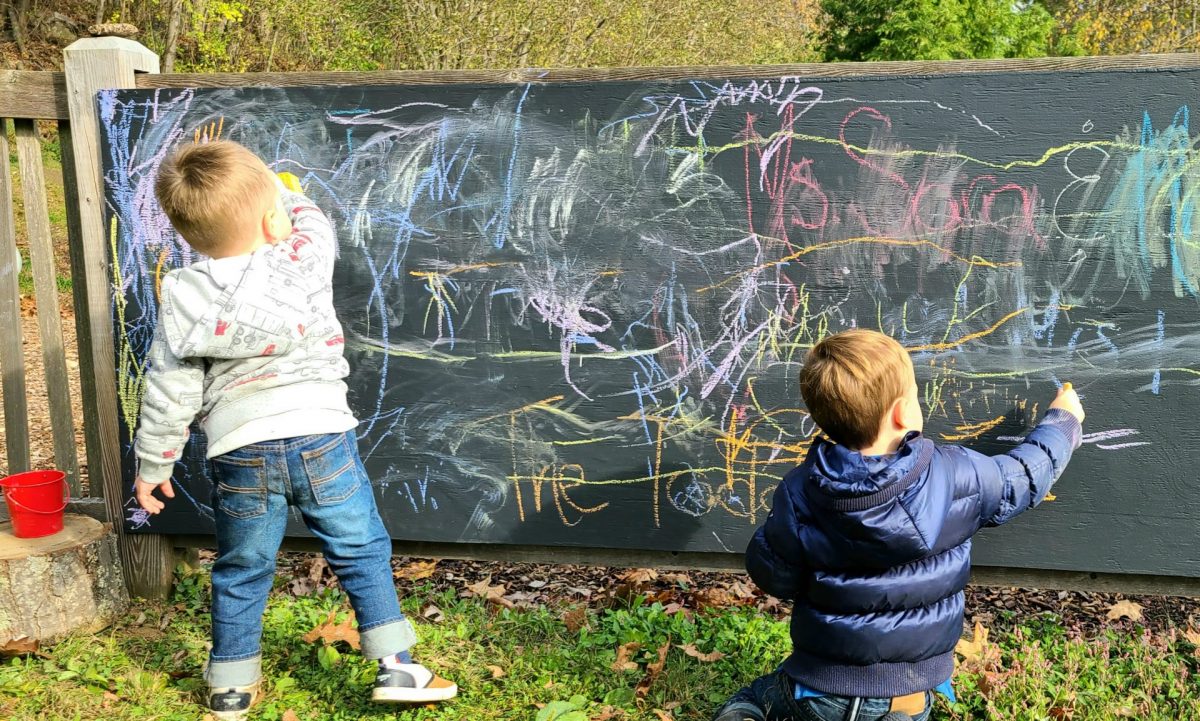
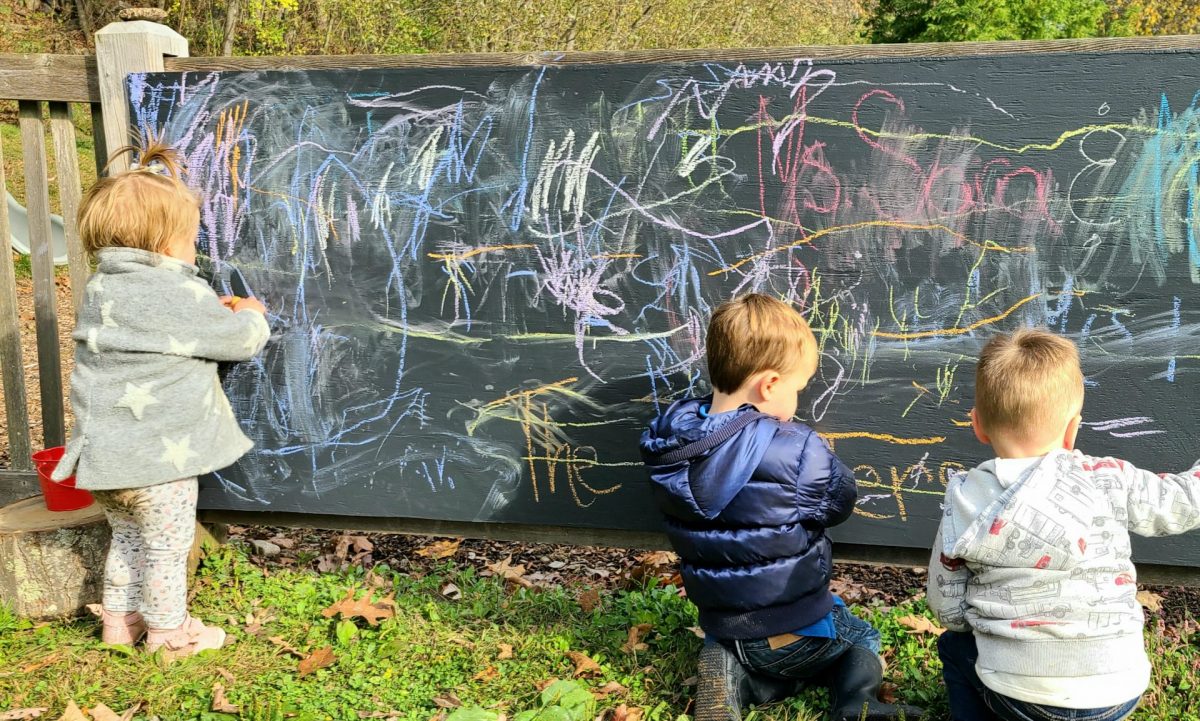
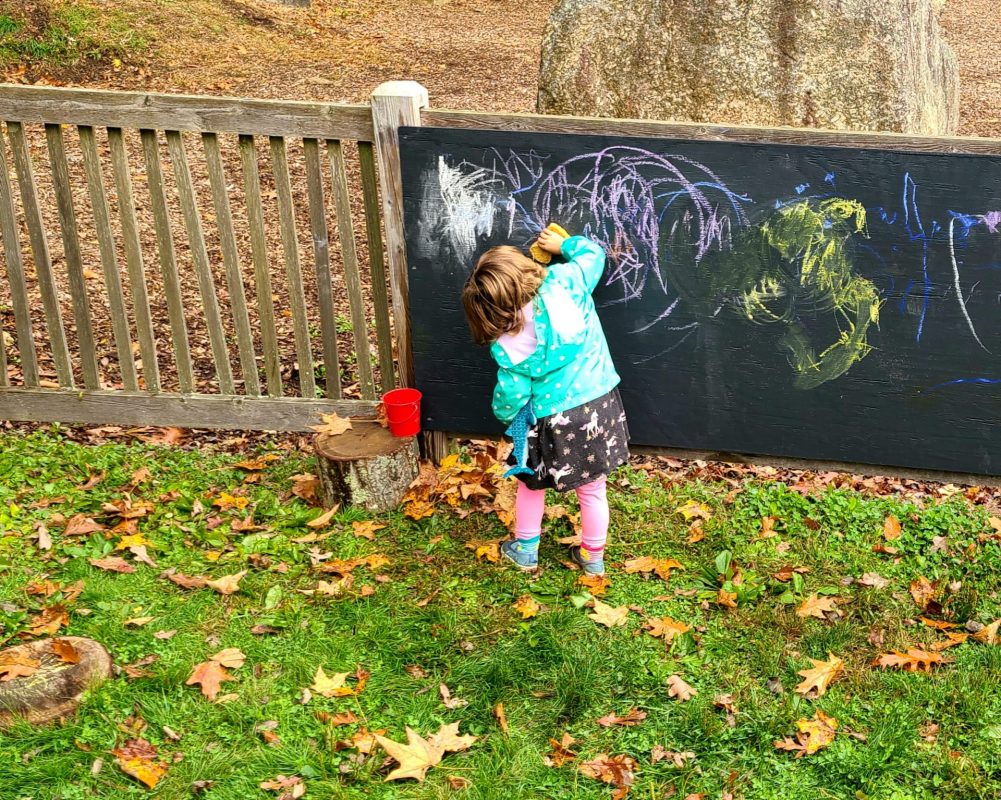
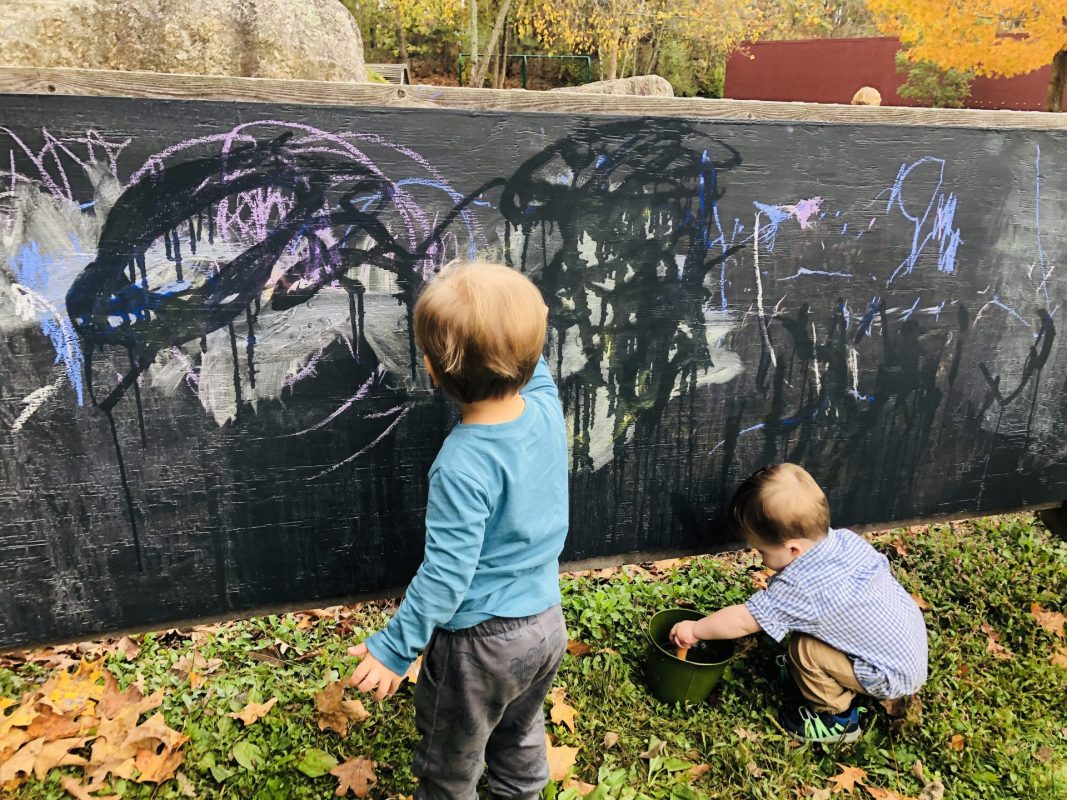
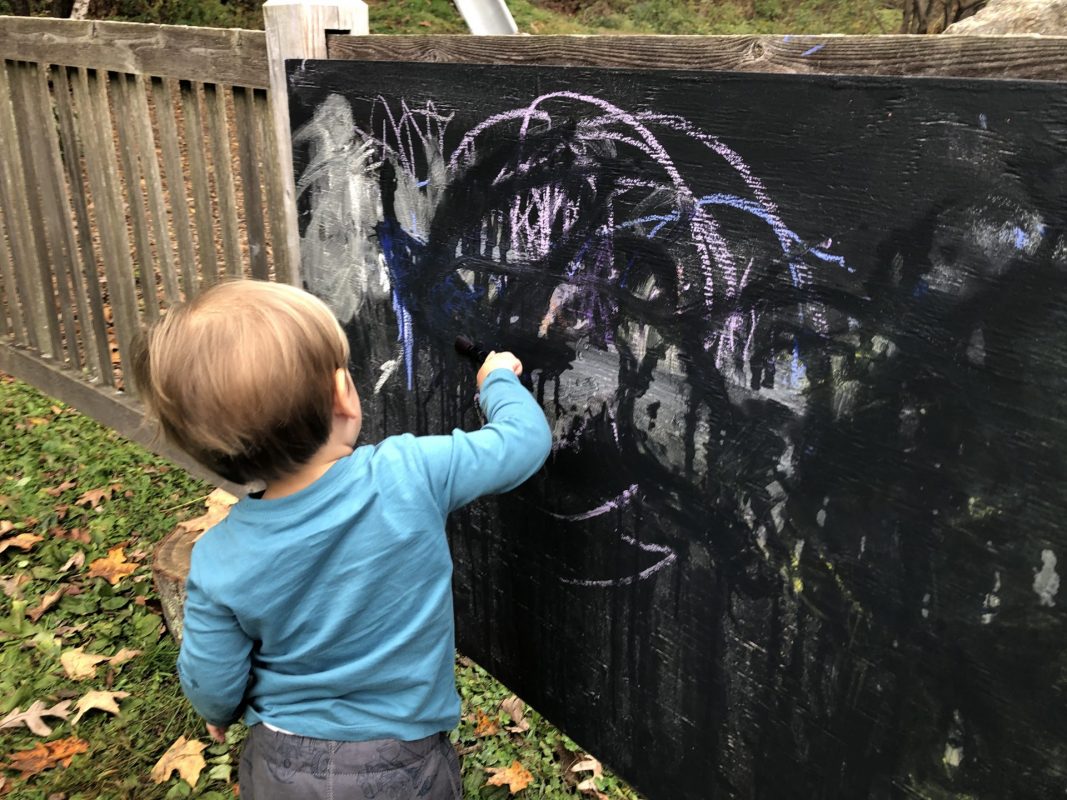
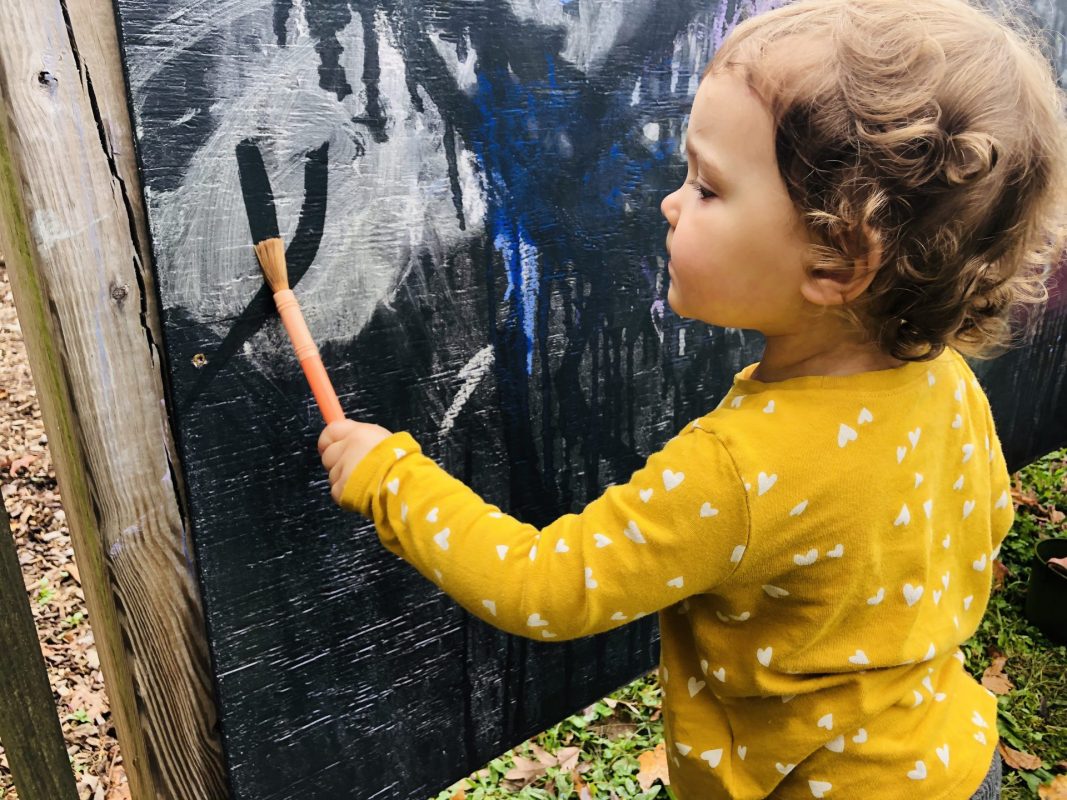
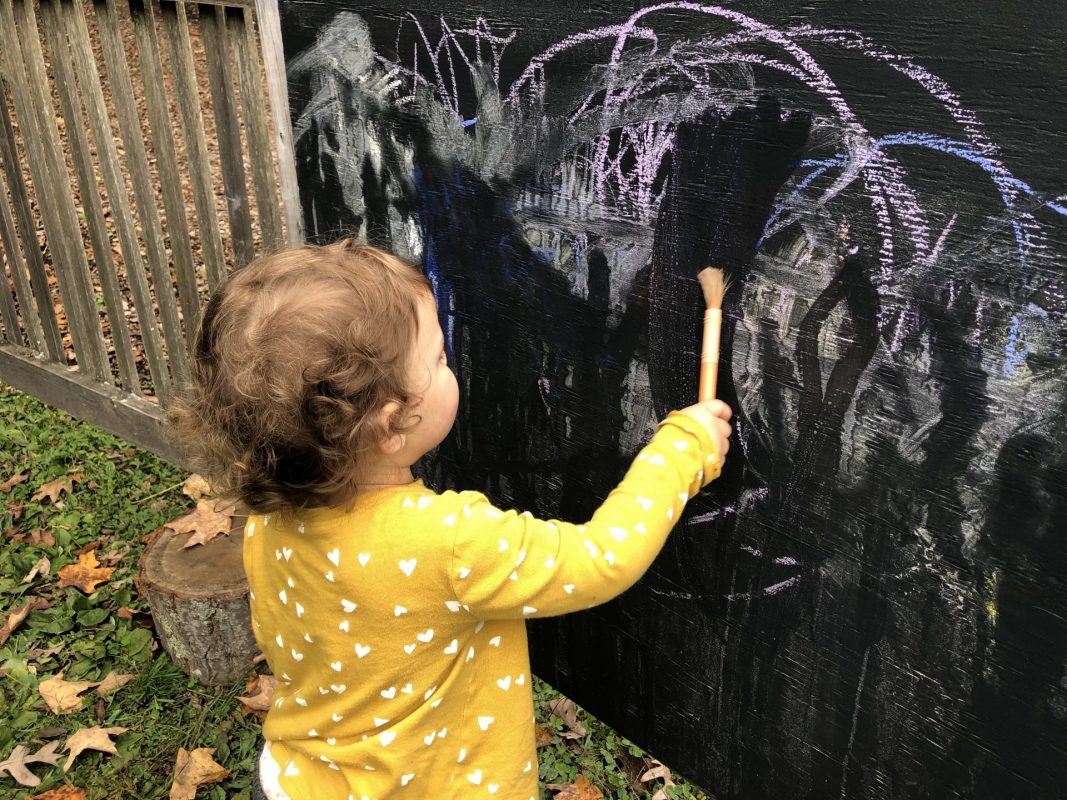
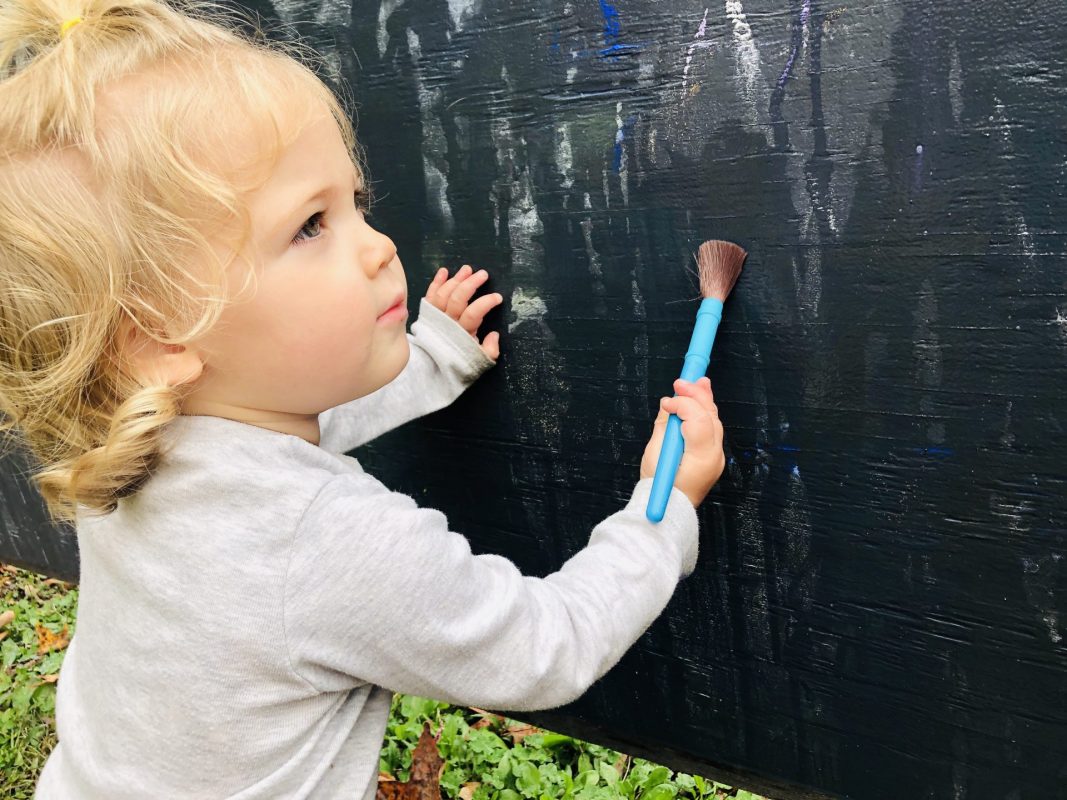
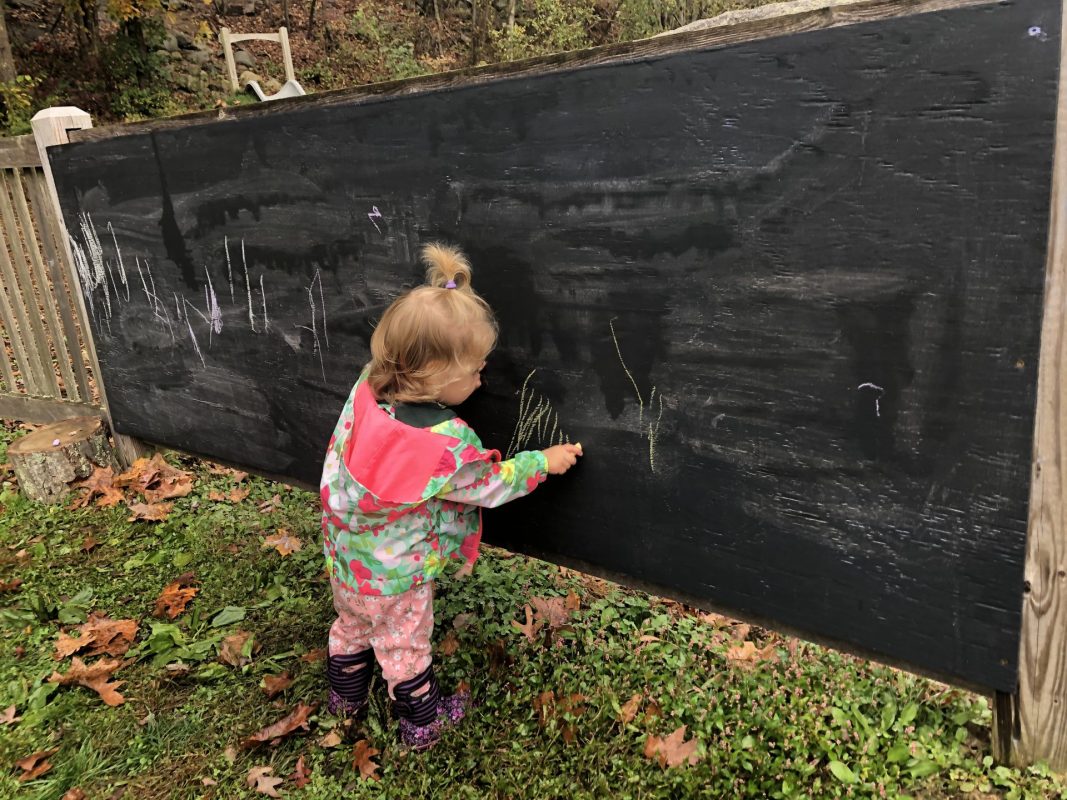
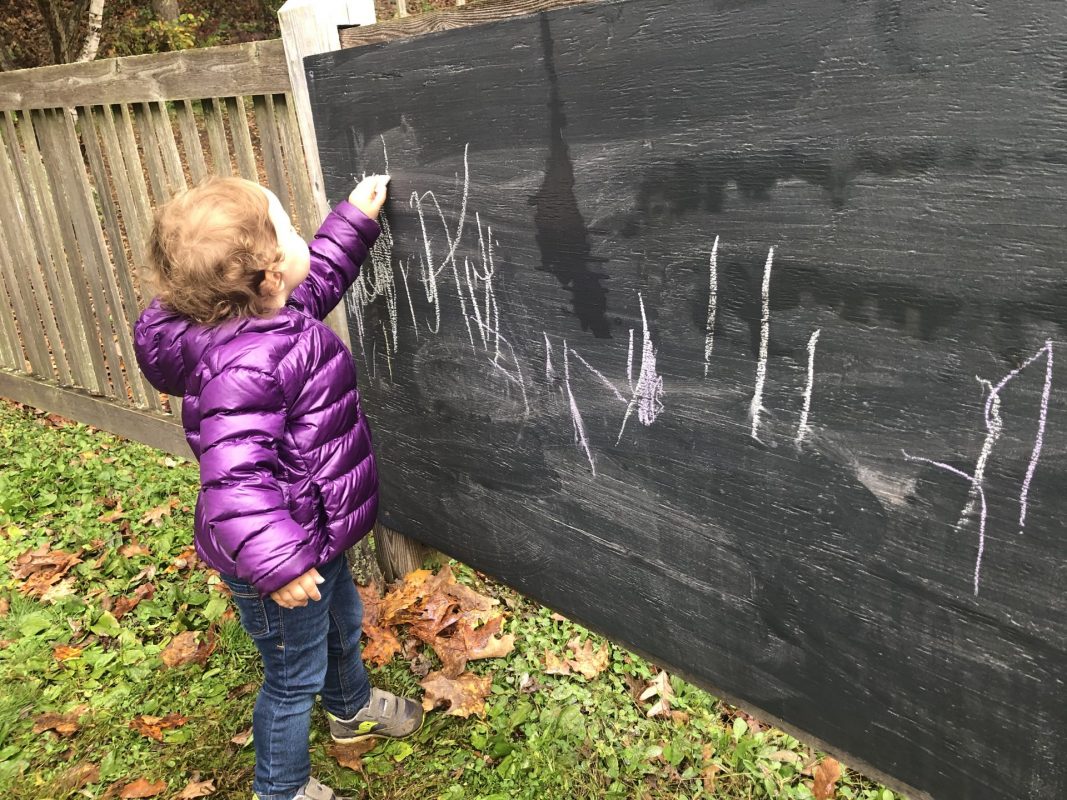
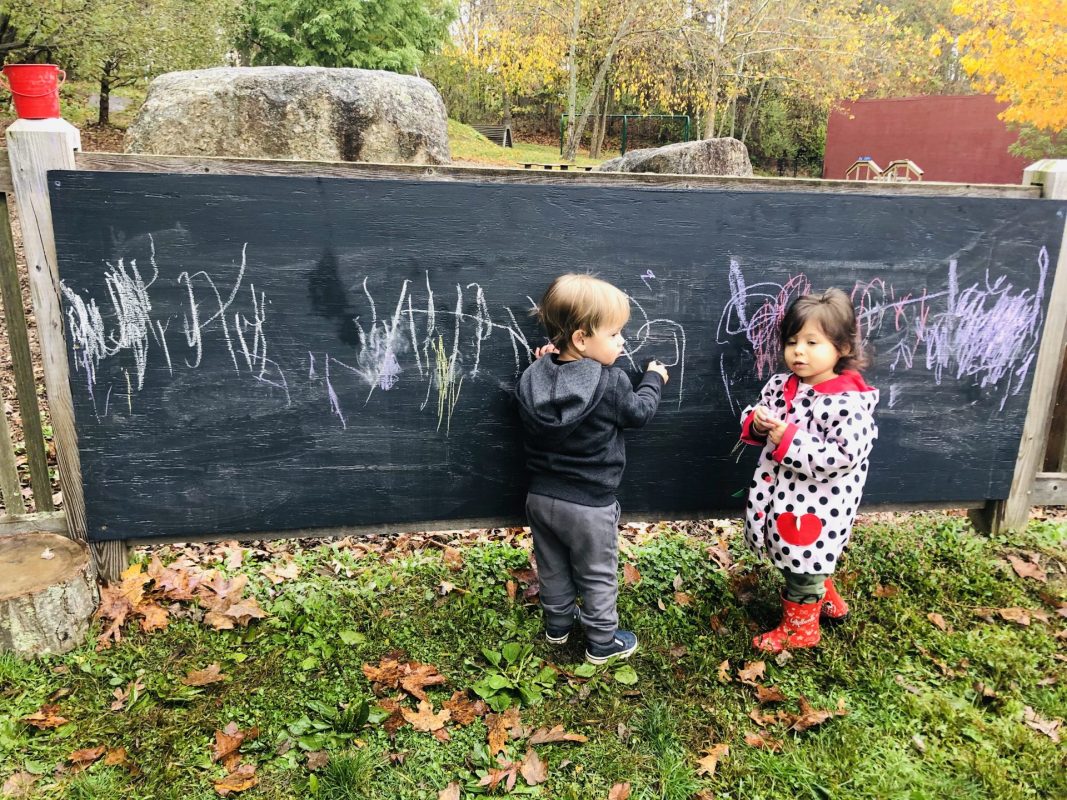
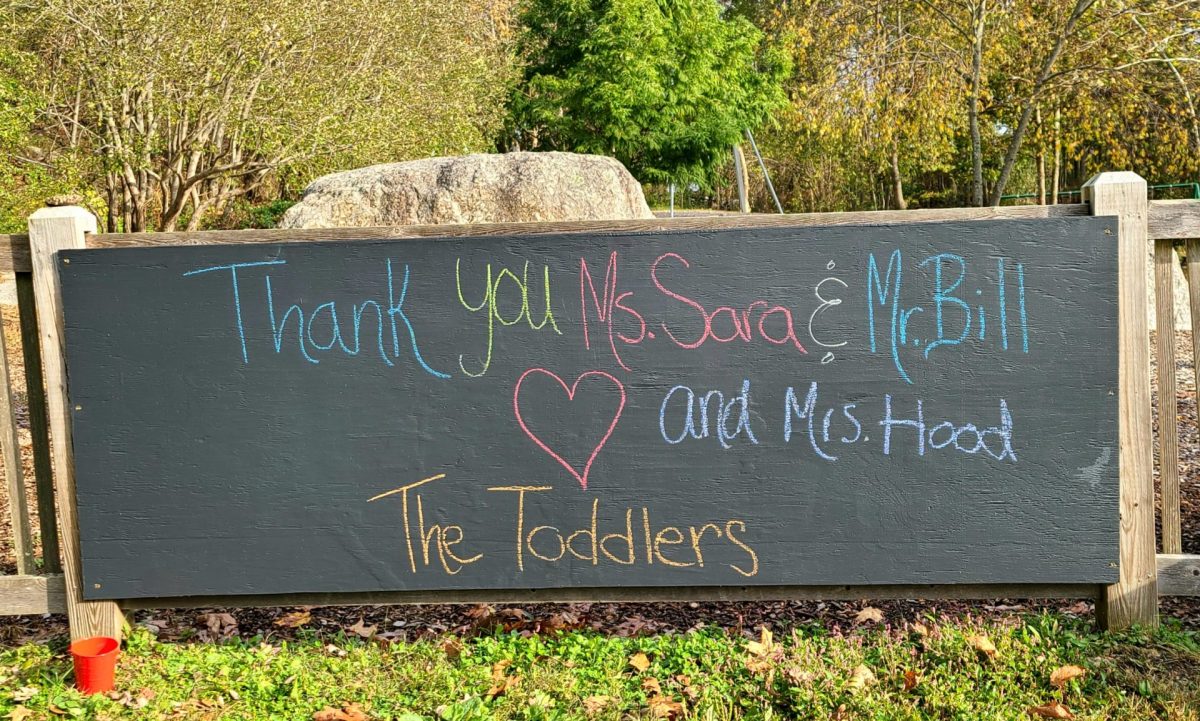
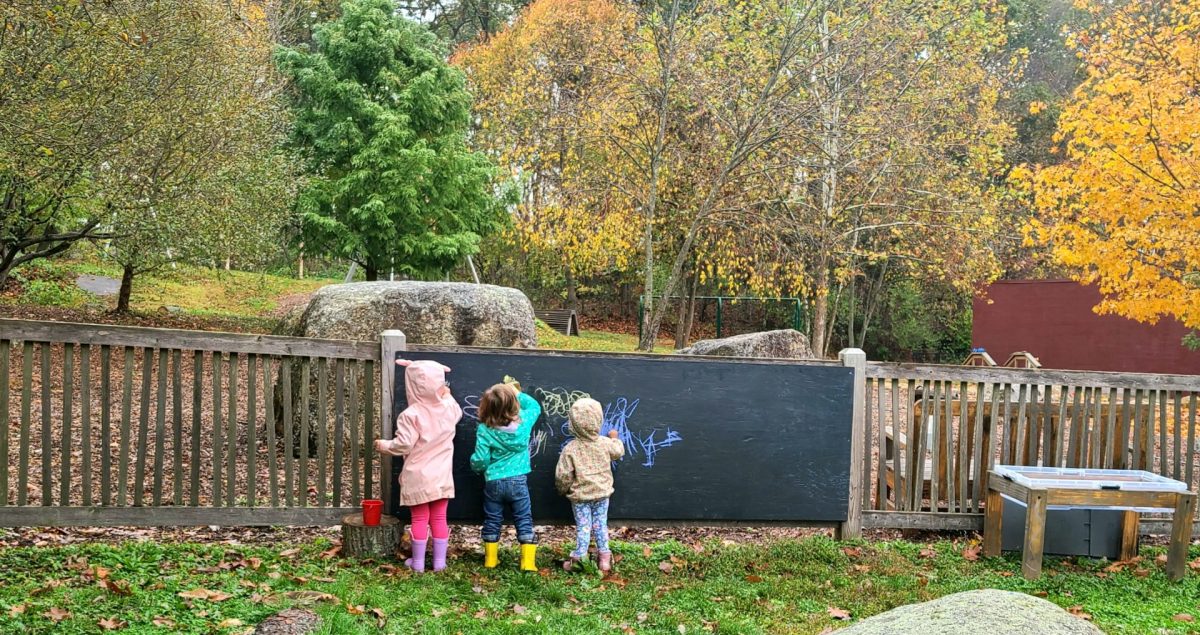
On Monday the children were surprised with a large chalkboard on their playground. A big thank you to Mrs. Hood, Ms. Sara, and her husband Bill for creating this beautiful addition. When using art materials on a large vertical surface the children are strengthening their large and fine motor muscles, developing small motor control, and practicing crossing their midline, just to name some of the wonderful benefits from these activities.

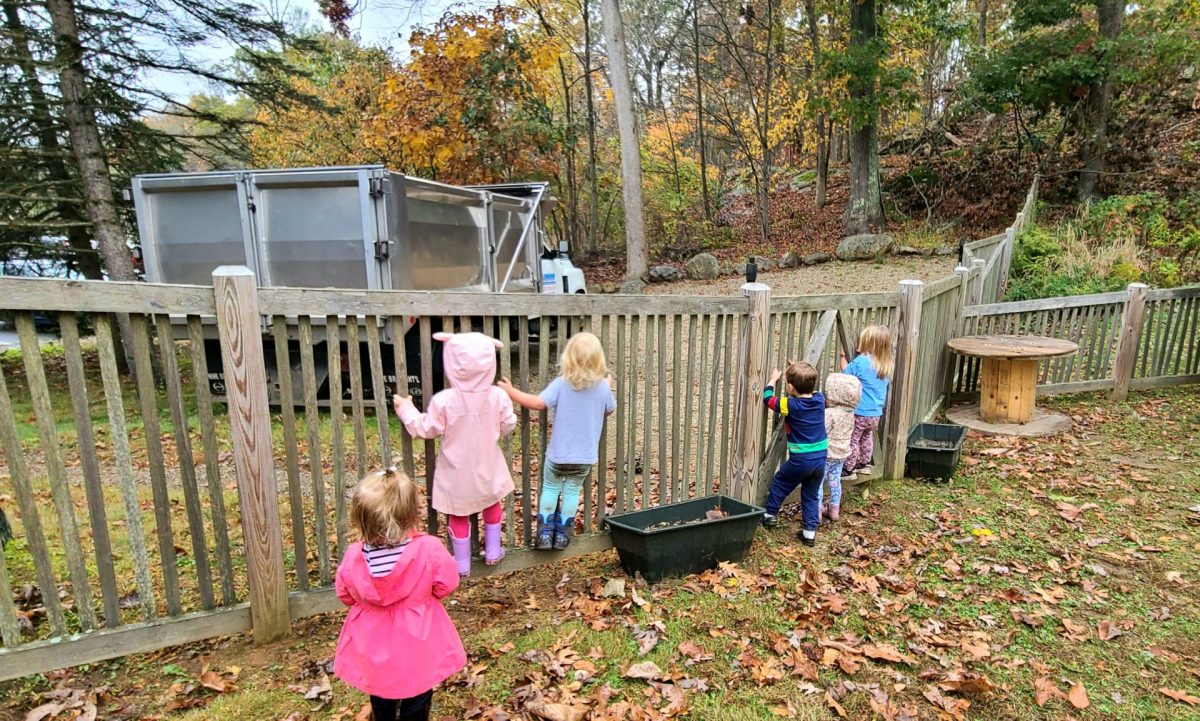
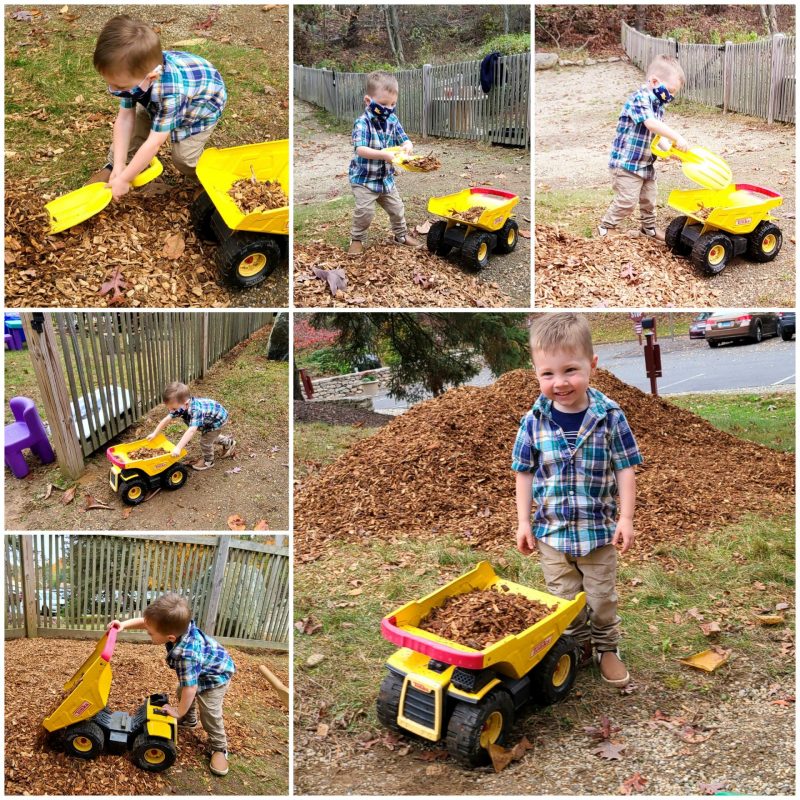
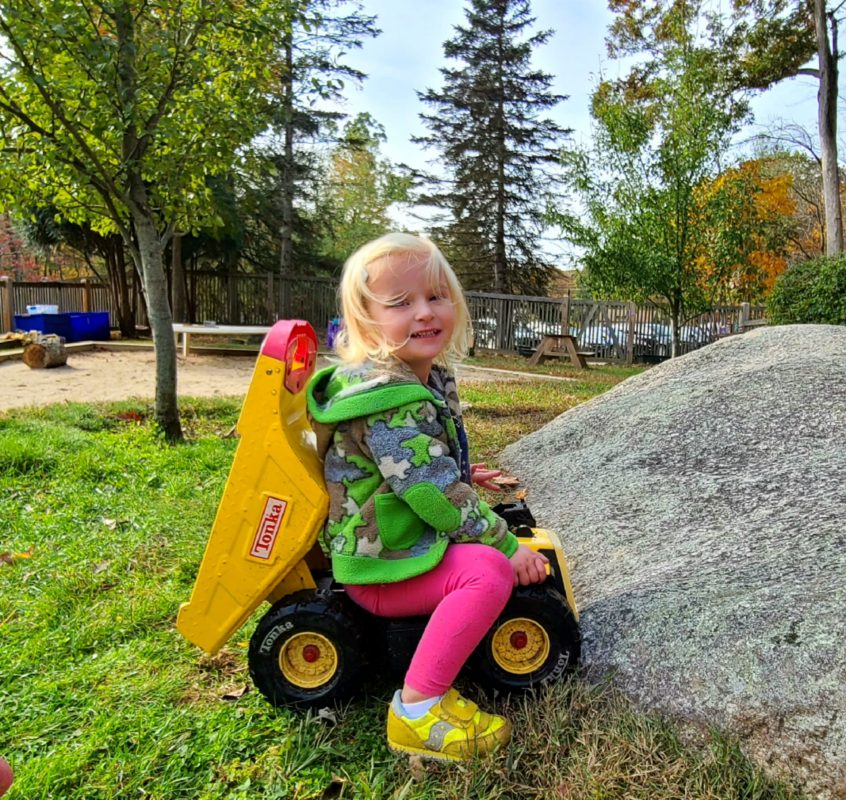
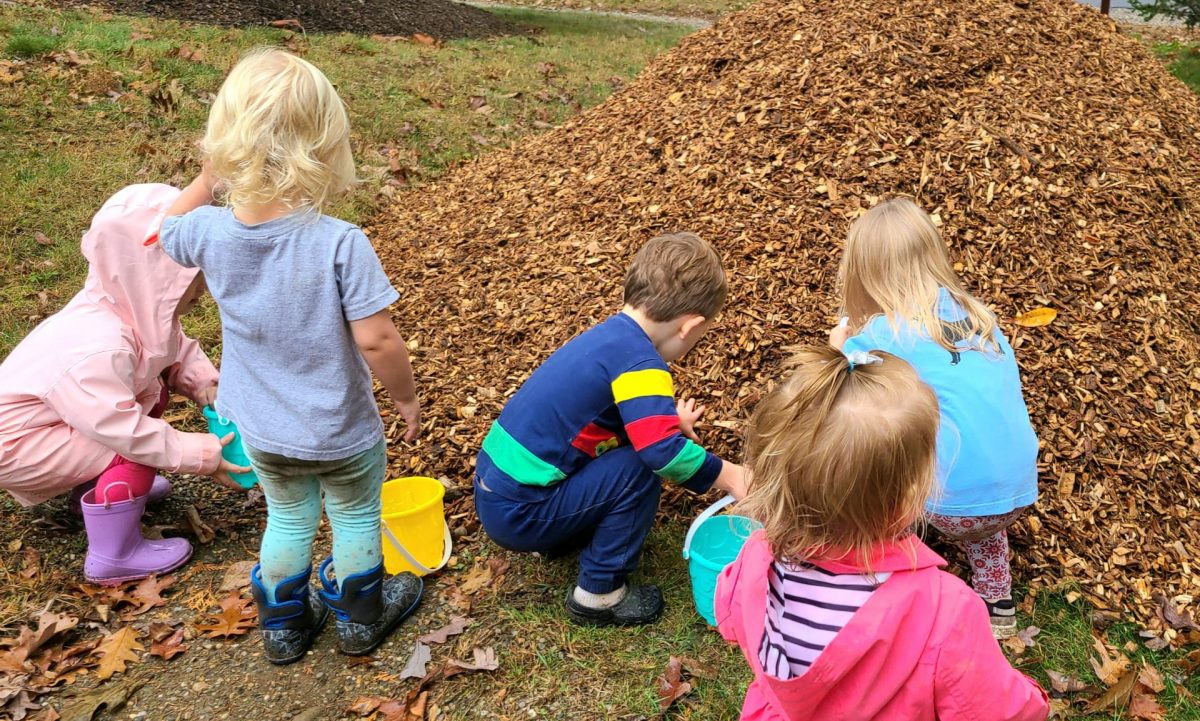
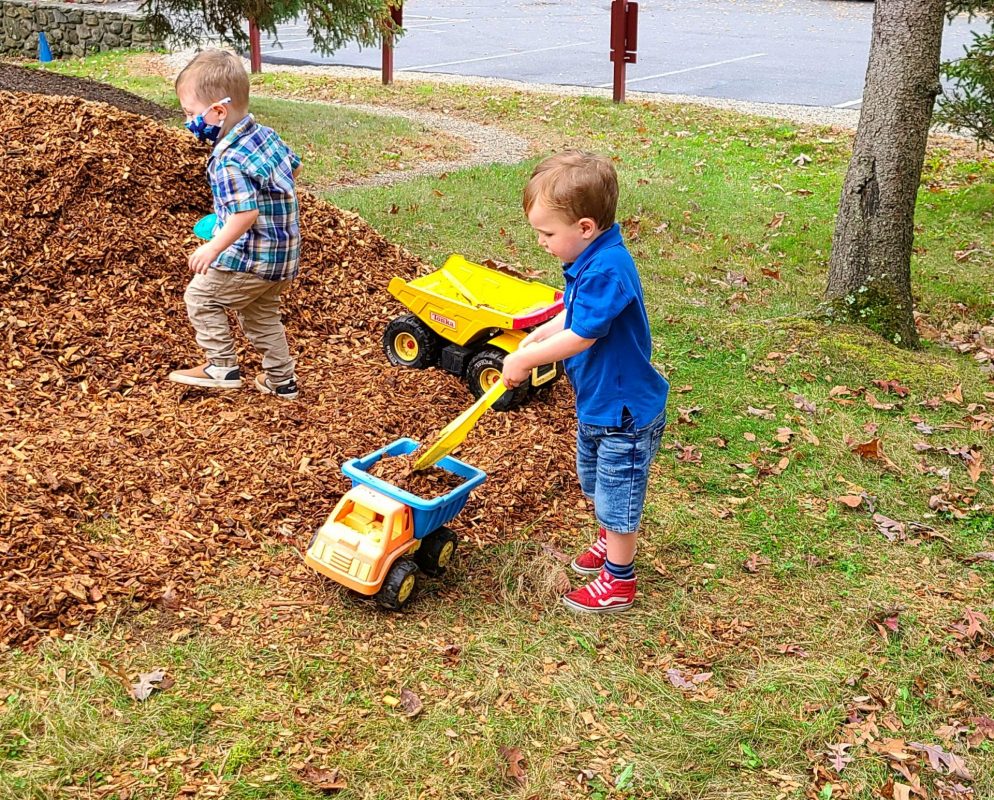
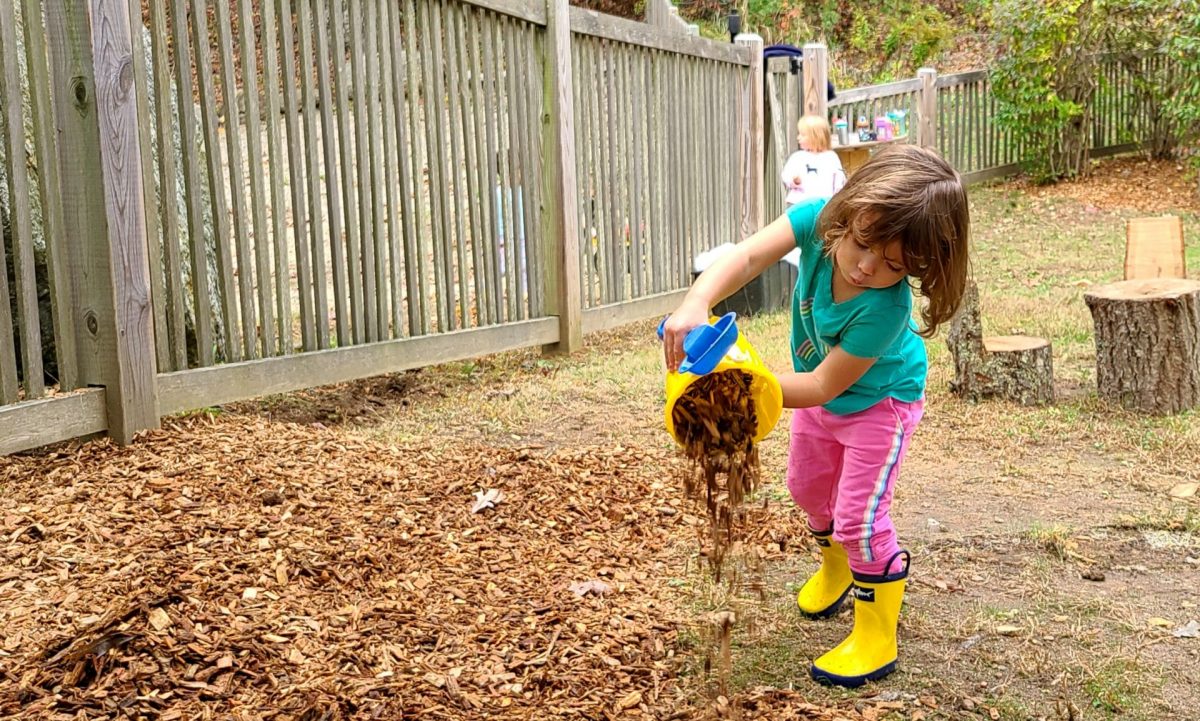
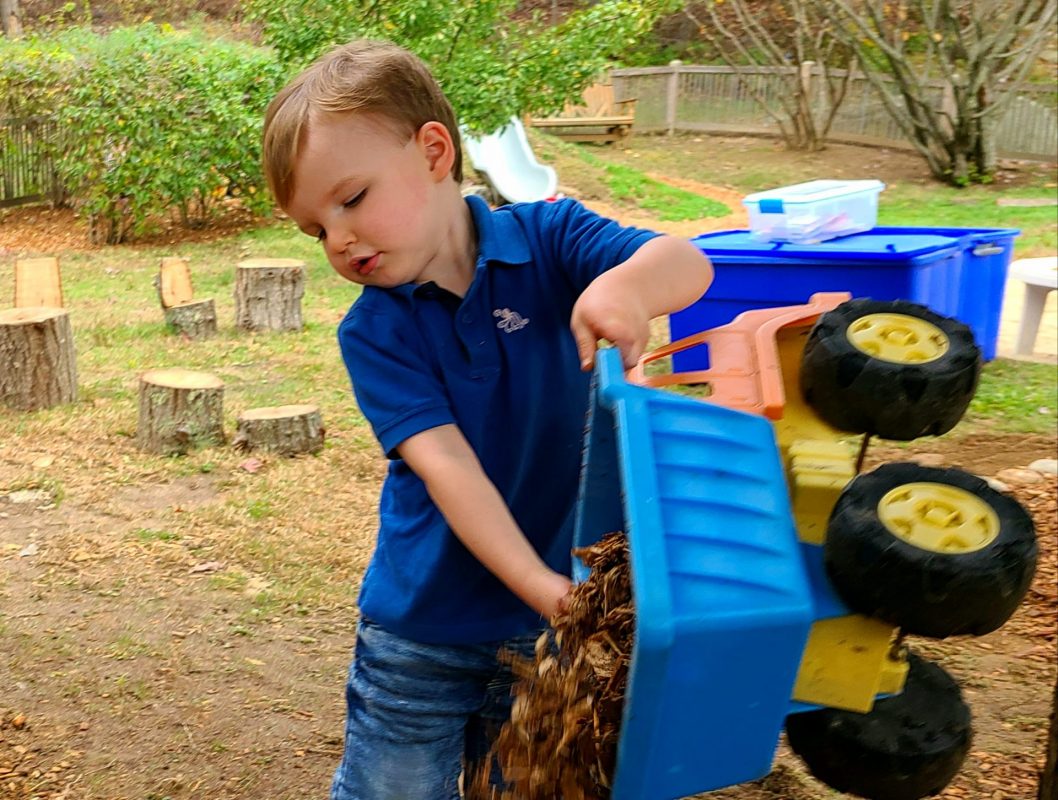
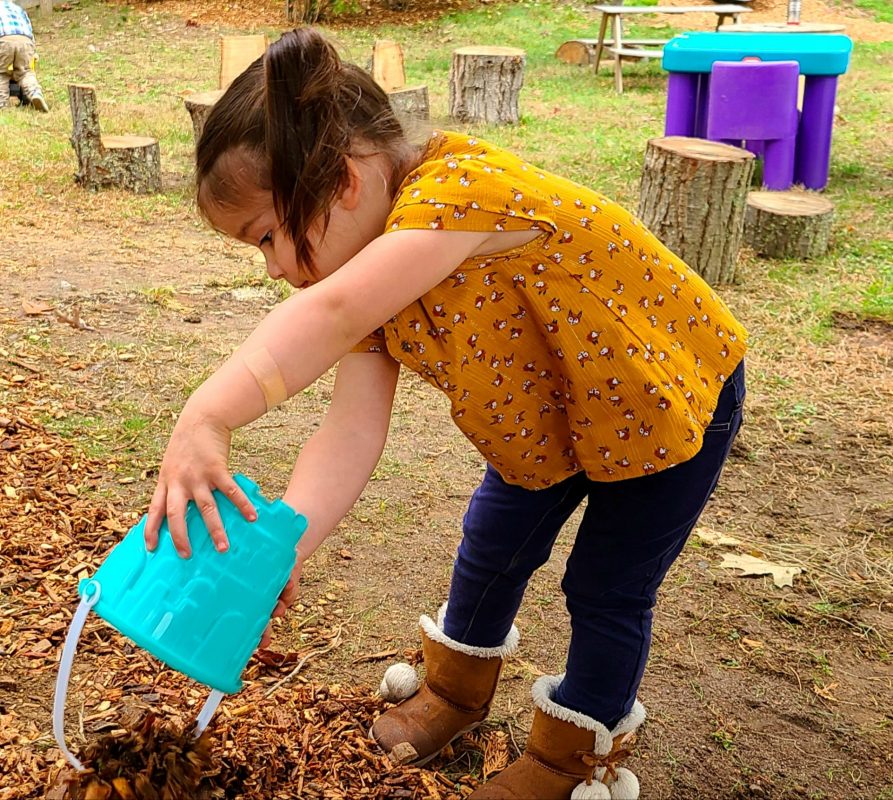
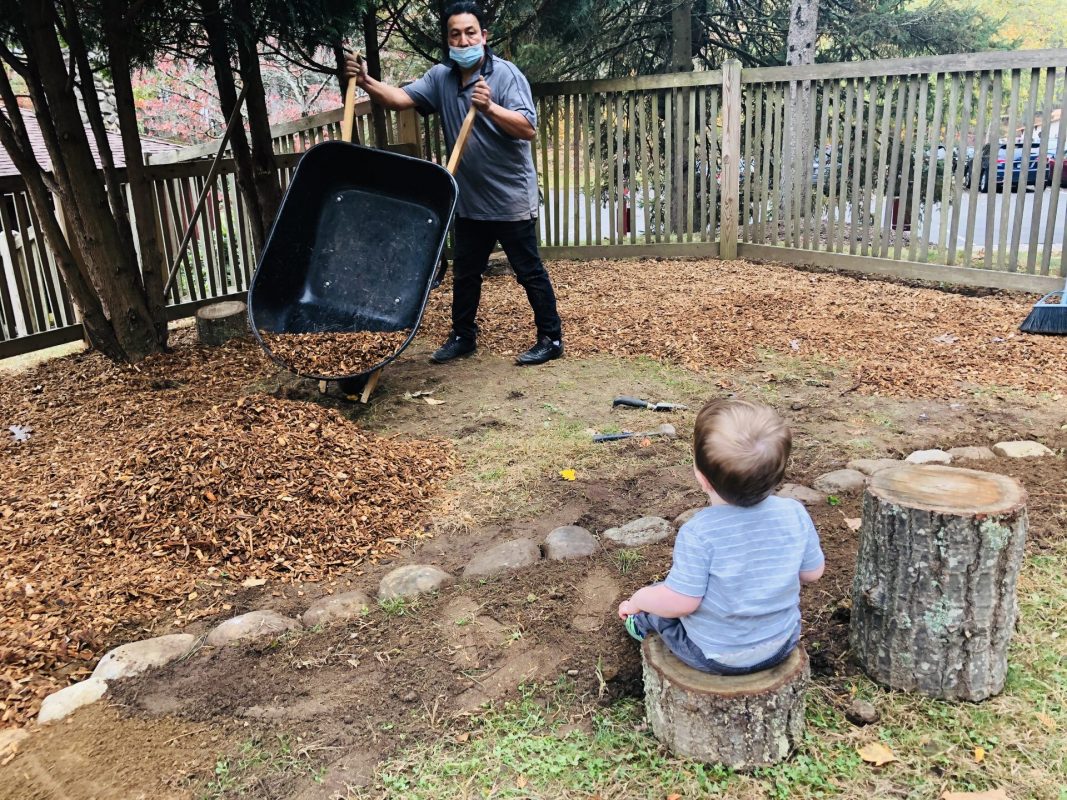
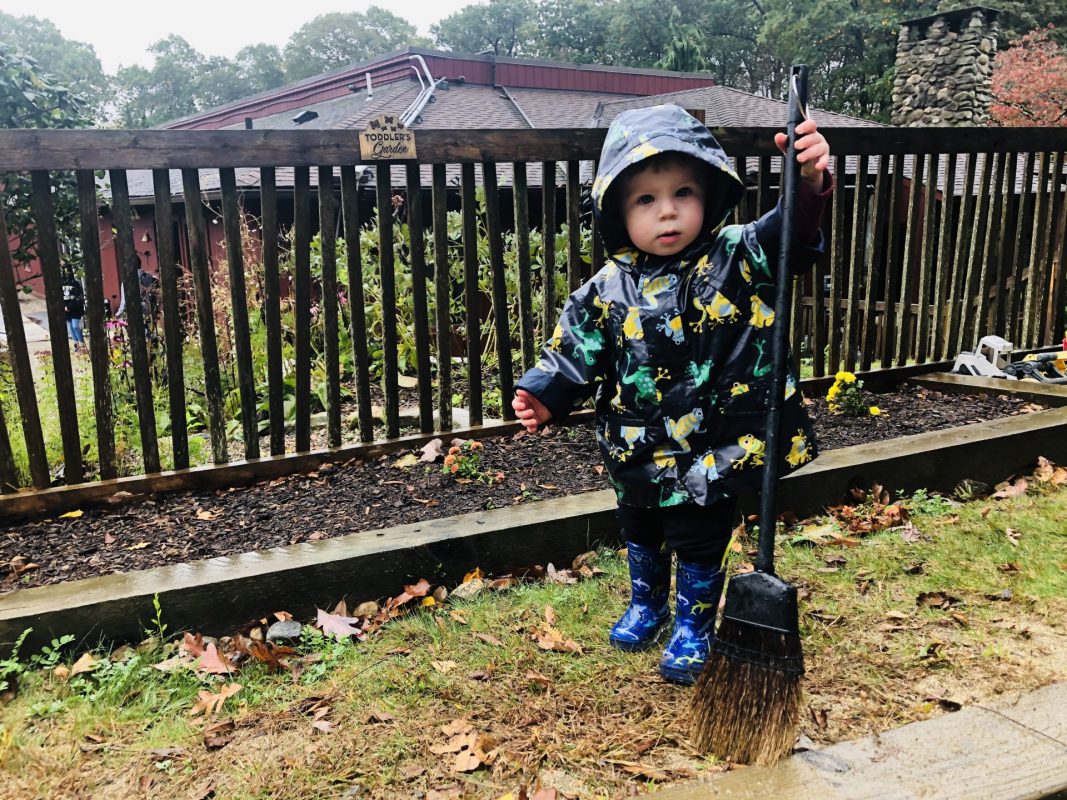
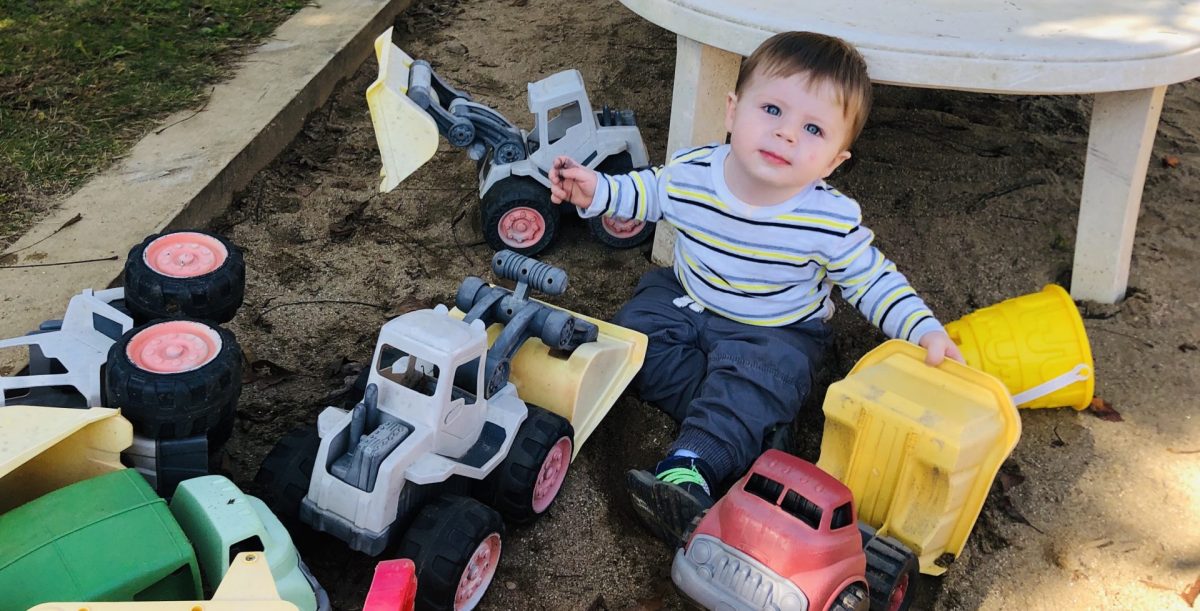
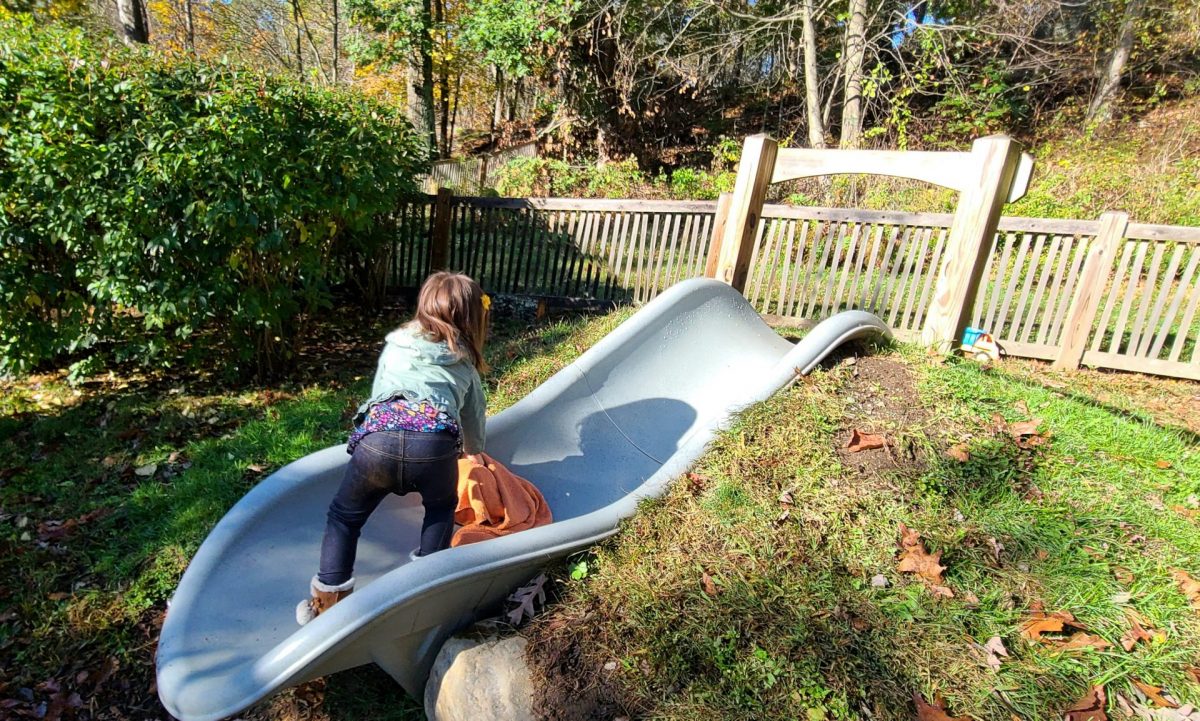
The highlight of the week was so exciting for the children. We received a delivery of mulch for our playground. They all watched with amazement as the dump truck backed in to unload the mulch. When the delivery was finished the driver beeped his horn for them as he drove away. Then the children all grabbed a bucket to help carry in the mulch and were guided to where it needed to go. Some even filled the dump trucks to move the mulch. They joyfully worked together and were such big helpers. This activity will provide them with pride in their outdoor space.

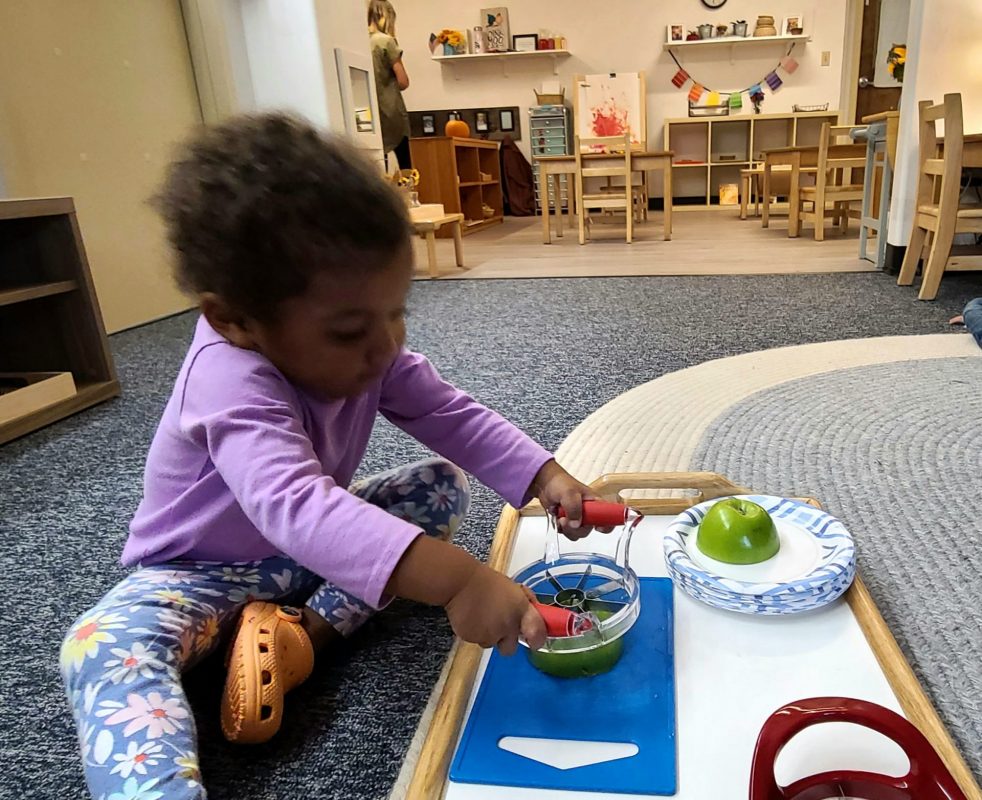
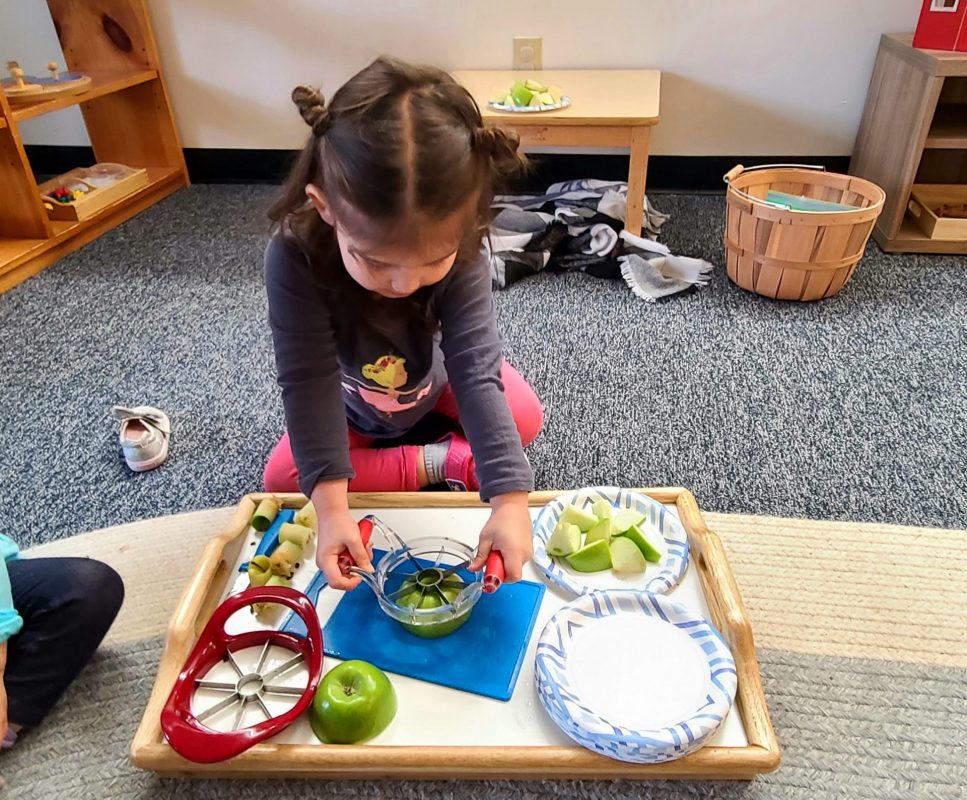
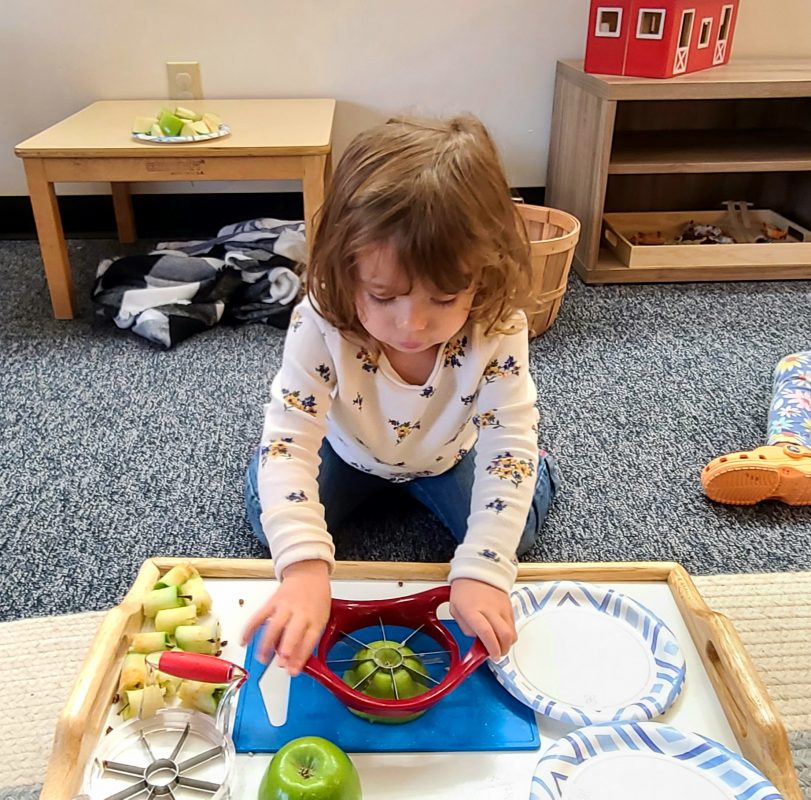
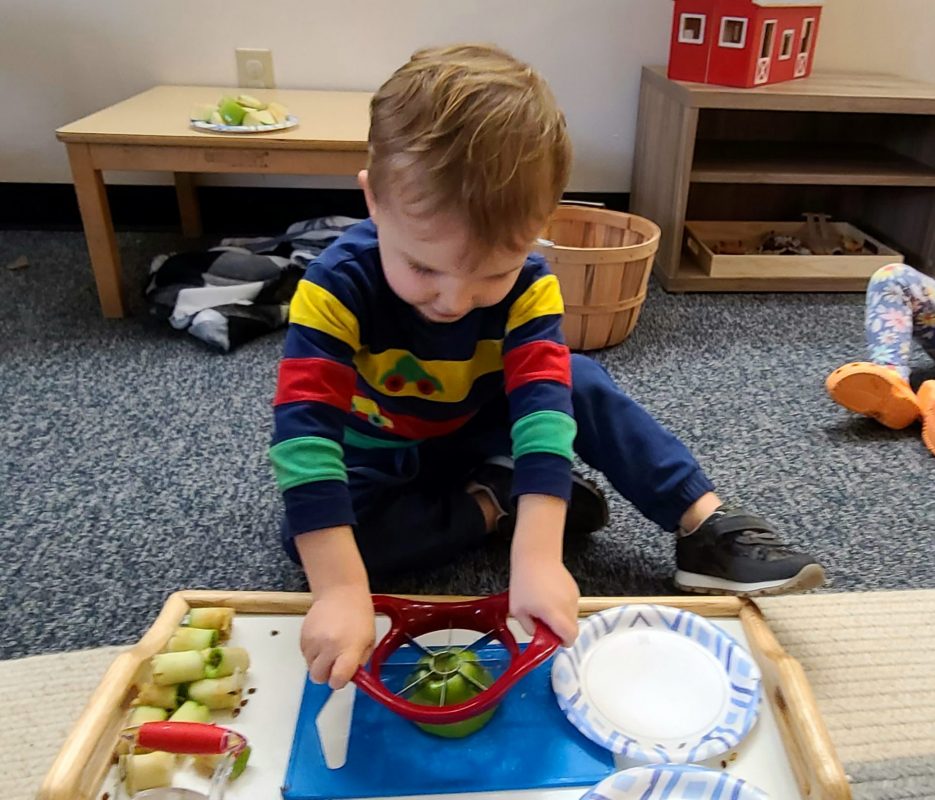
On Wednesday the children tasted a granny smith apple. We cut their apple horizontally in half to make it easier for them to use the apple slicer. With assistance, they used all their strength to get the slicer through. Then they sat down to enjoy the apple. Once again the language we heard as  they ate was, “Mmmm,” and “Delicious.”

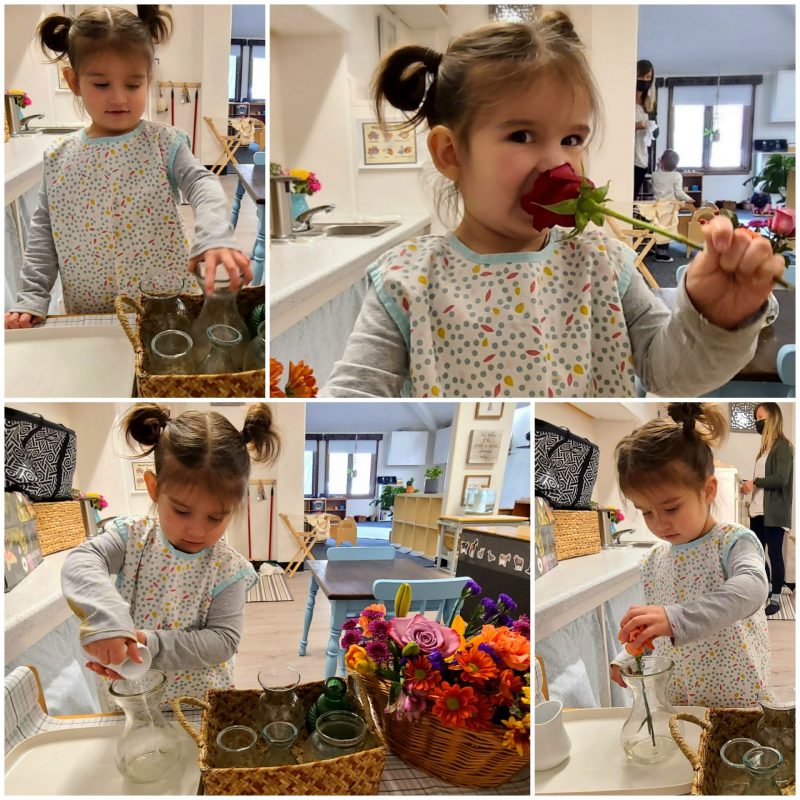
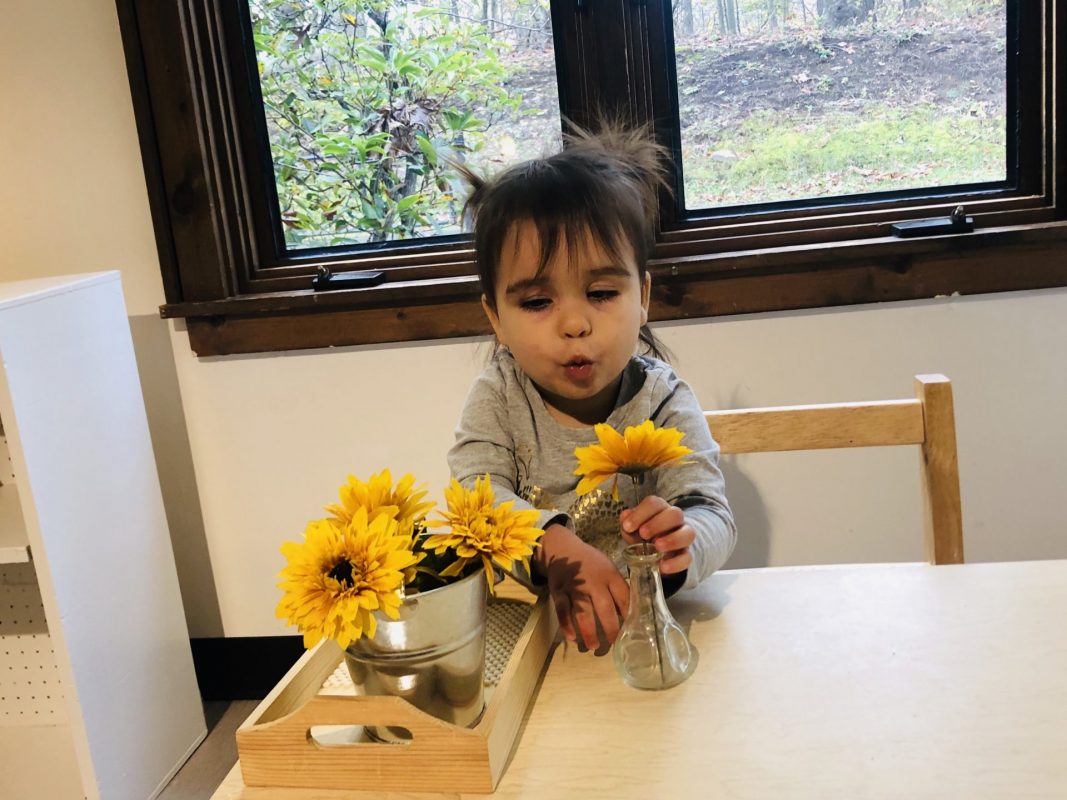
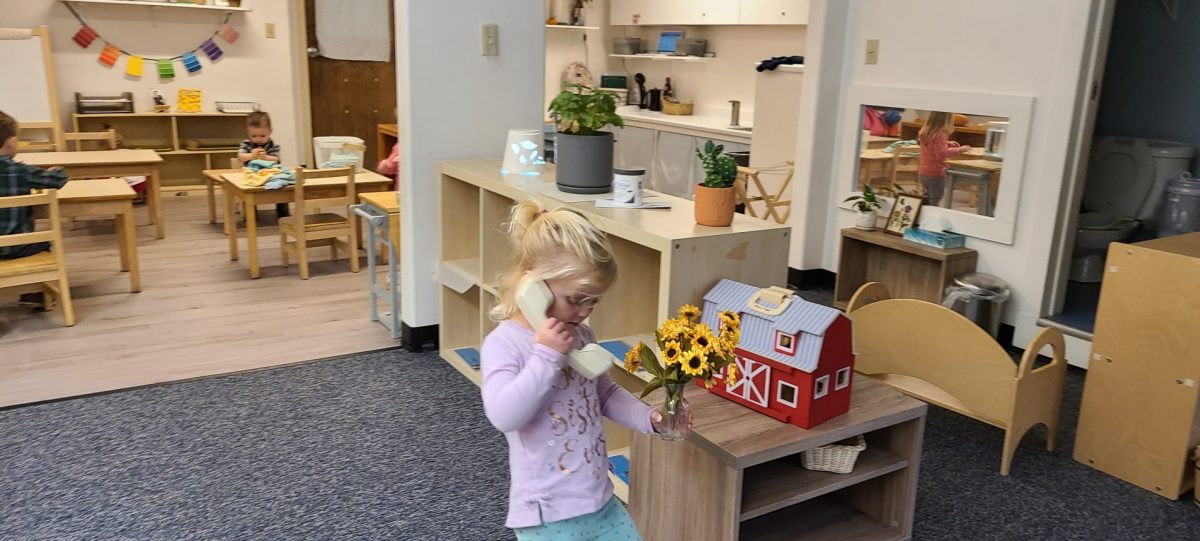
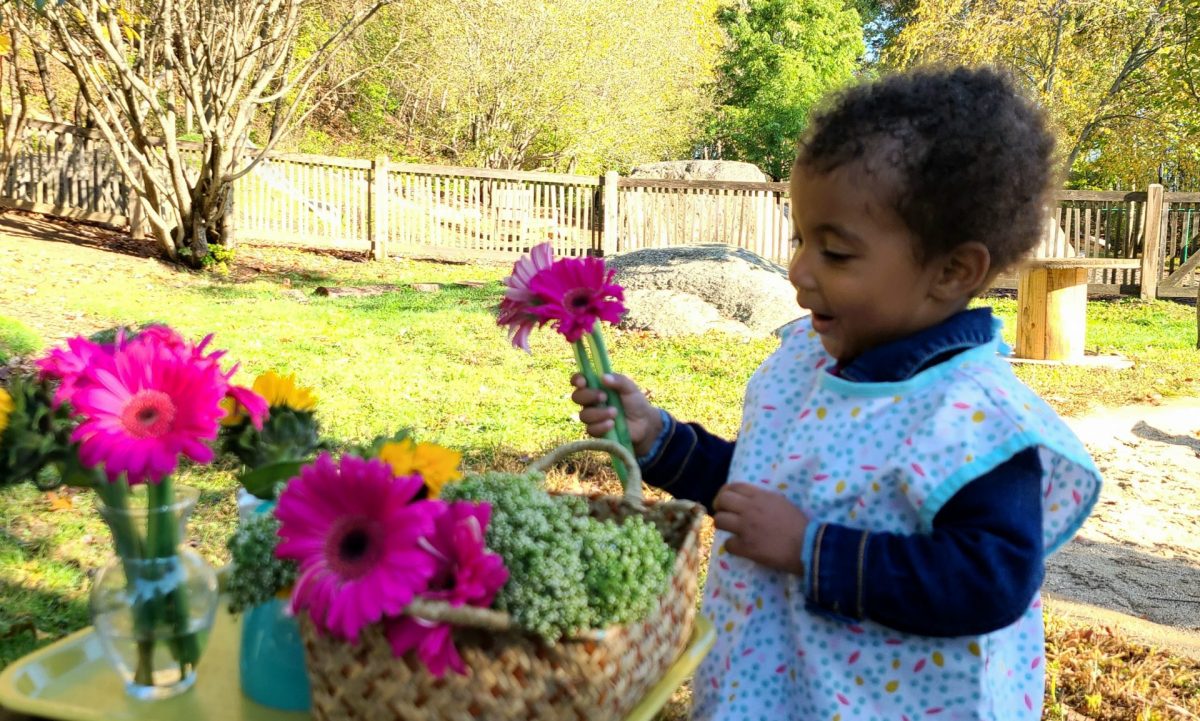
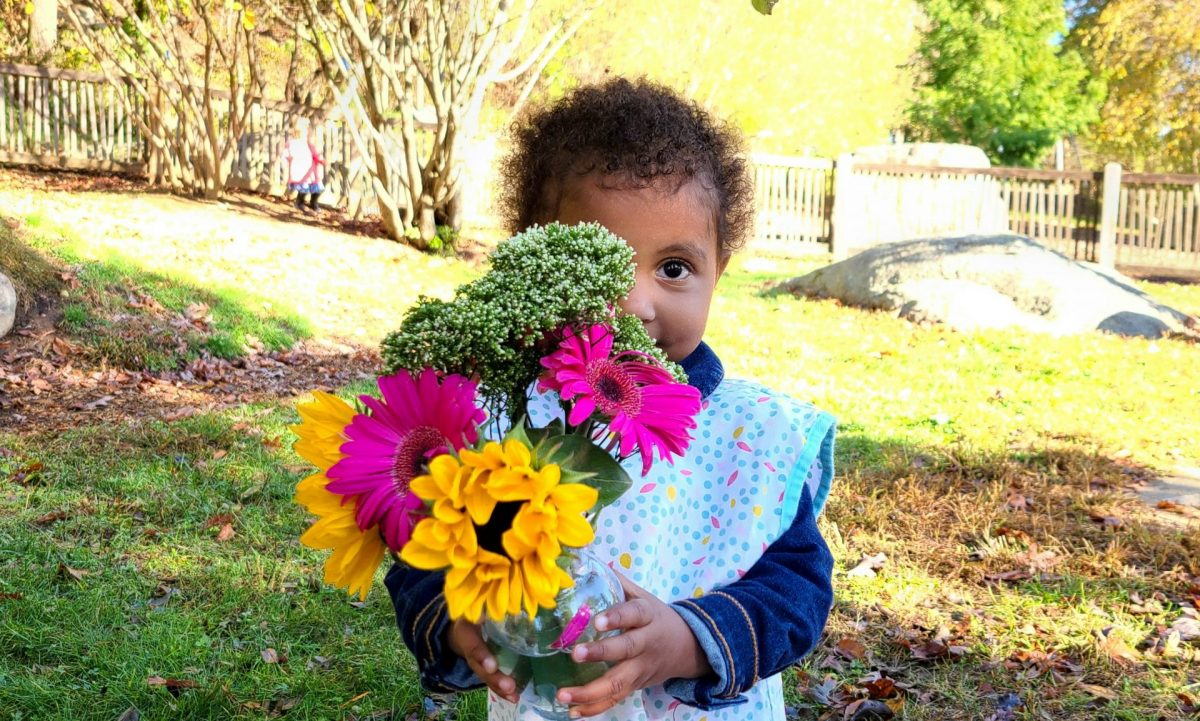
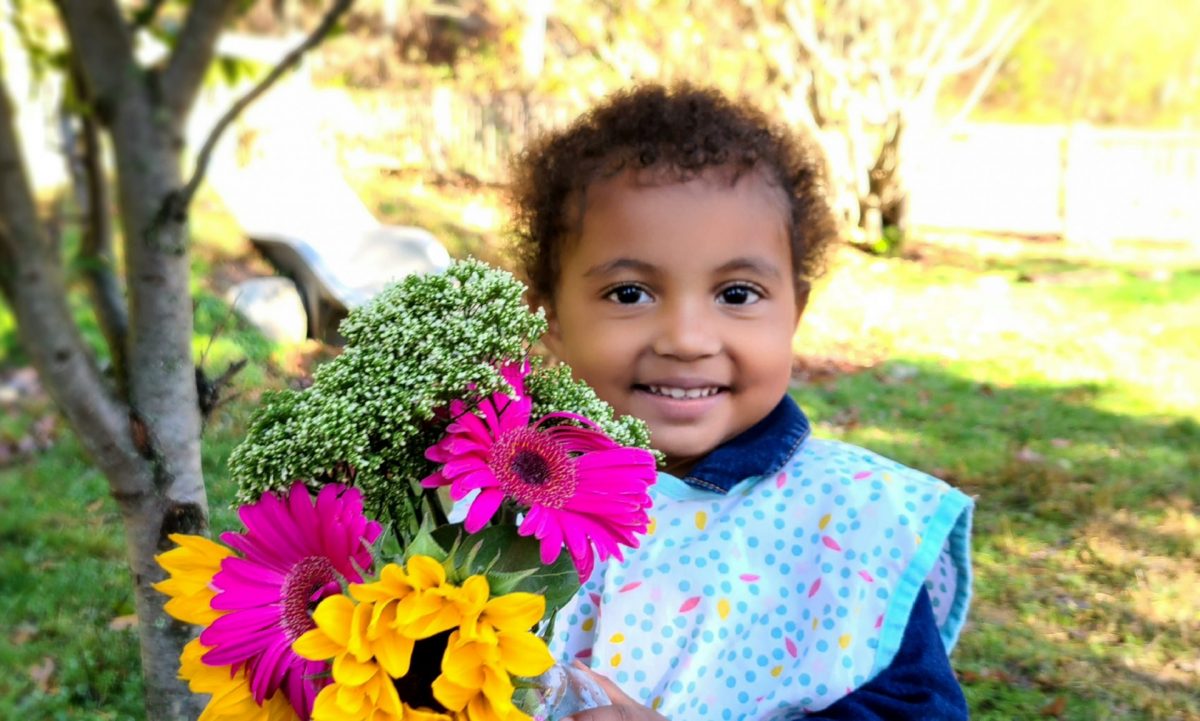
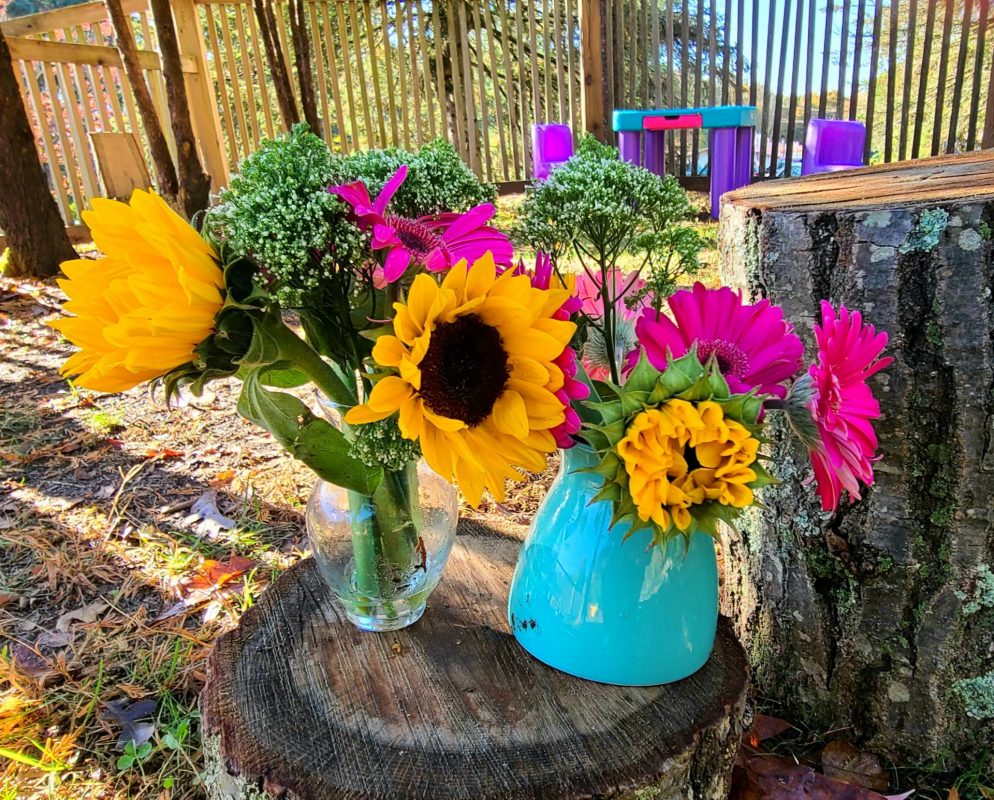
Thank you to the Hood family for the beautiful flowers!

Enjoy this week’s photos,
Mrs. Wilson and Ms. Sara


Competent Collaborators

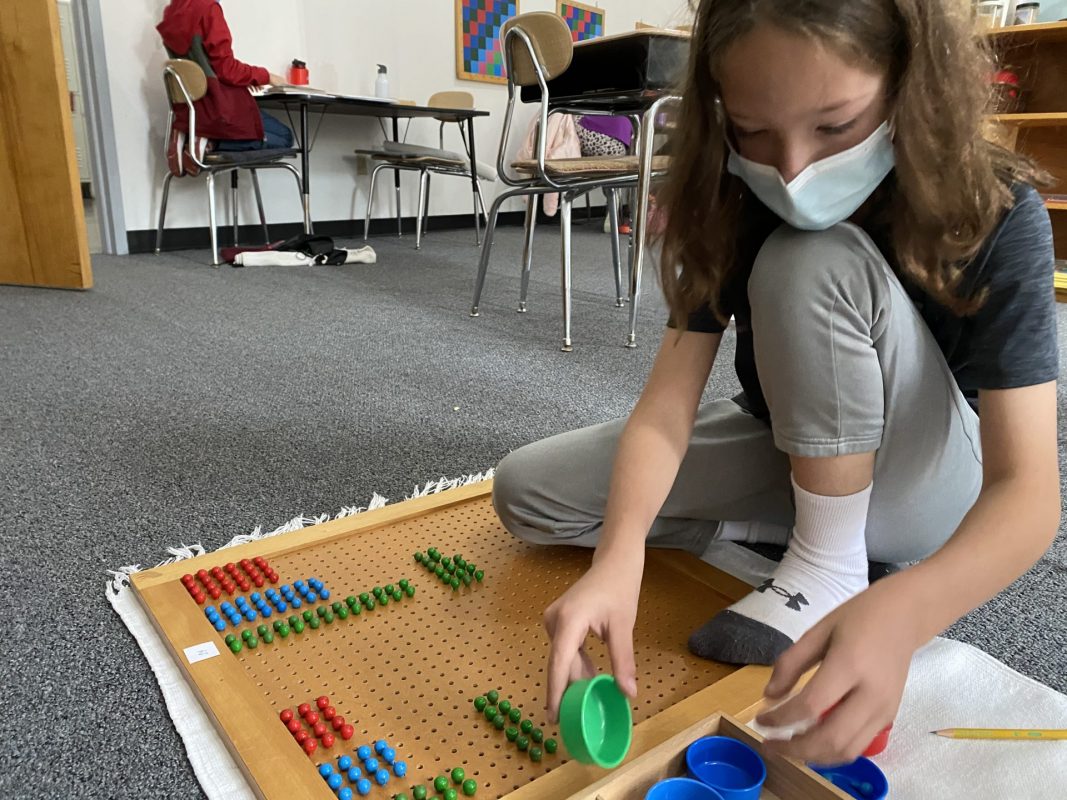
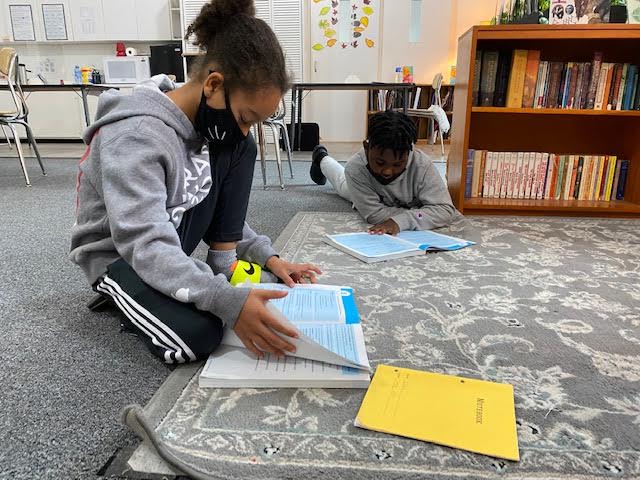
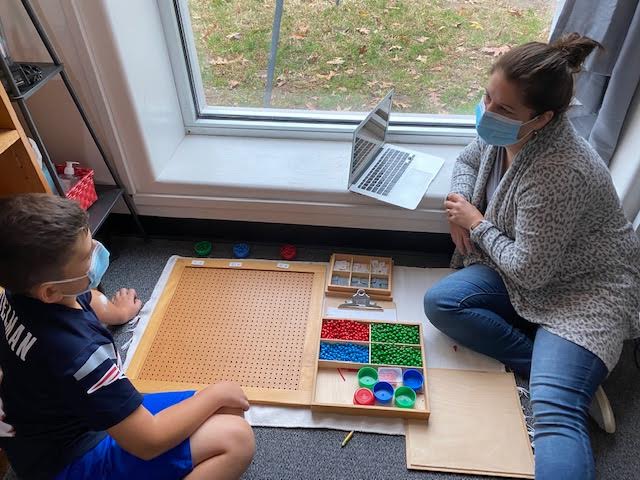
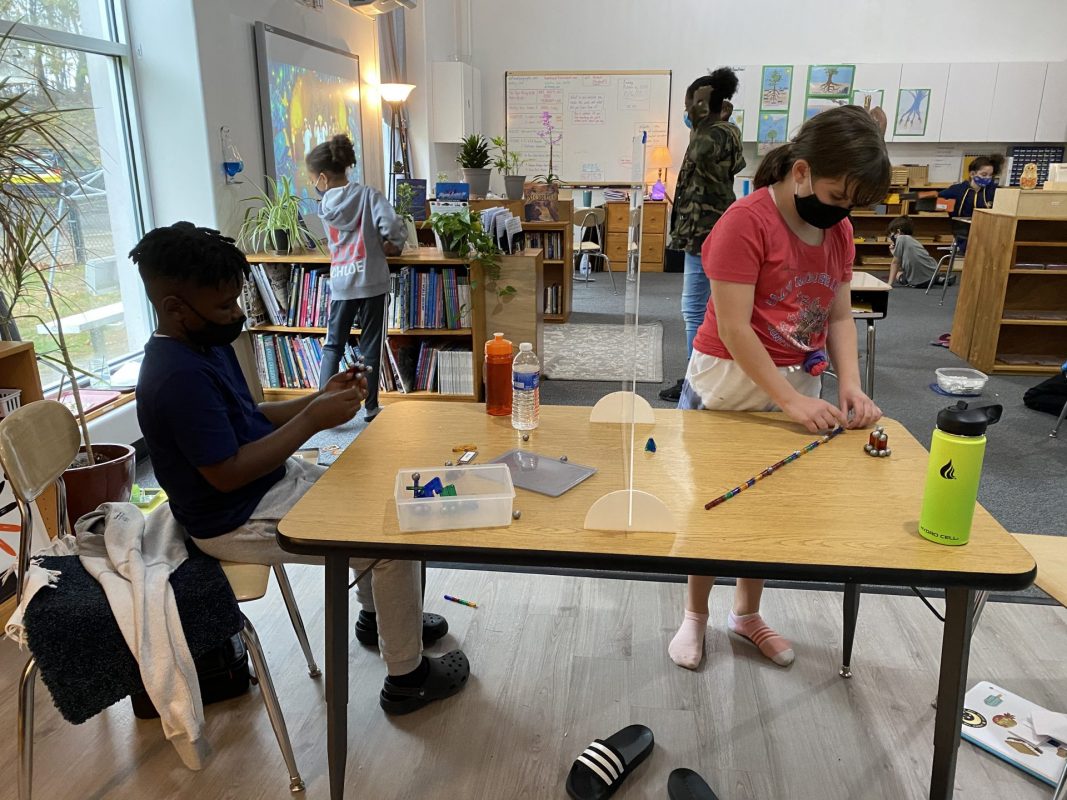
An observer of our Upper Elementary classroom would see most of the children collaborating on their work; this is intentional. Montessori elementary communities are designed to support this collaboration because it is recognized as a need for this age group. Elementary children crave interaction, not just in a purely social setting, but also in organized groups where they are focused on a goal with their peers. At this age, children form strong attachments to friends and want to be surrounded by their peers. For this reason, most of their work is collaborative, with the exception of when they are working on individualized skills. This is also the phase for “acquisition of culture” (Montessori). This is one reason why there is such a strong focus on learning about how people throughout history have contributed to society. The children assimilate this new knowledge about history as they are learning to contribute to their own world, classroom and beyond.

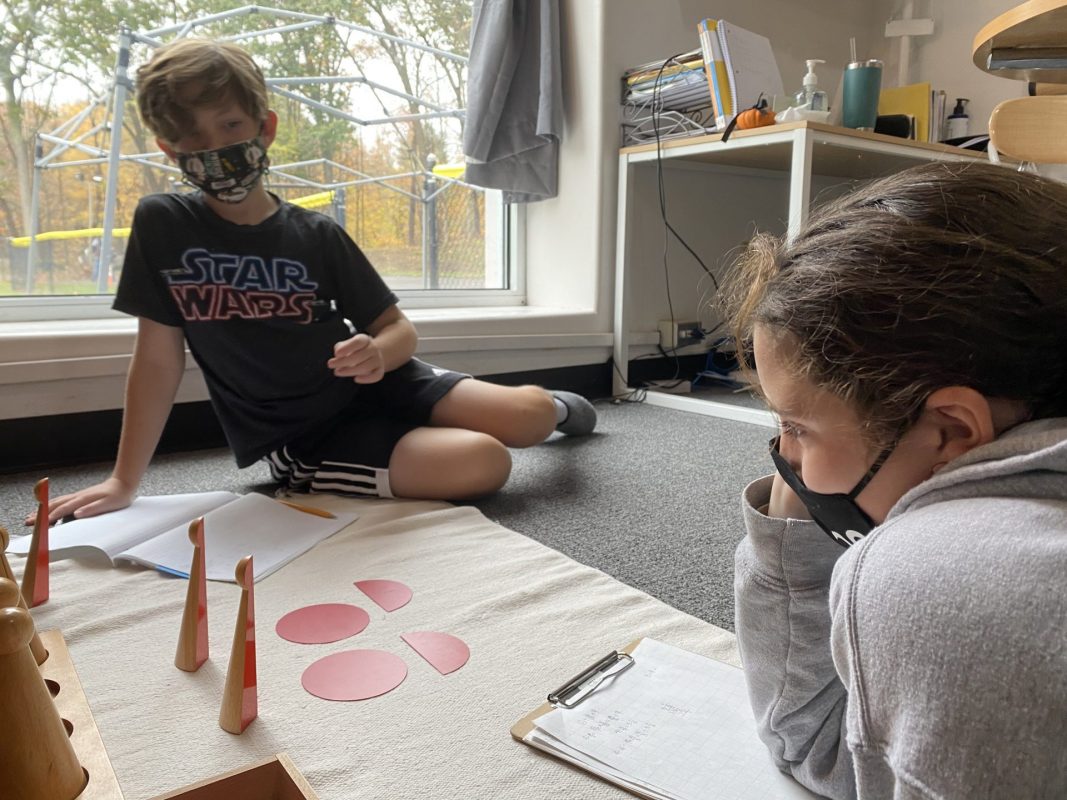
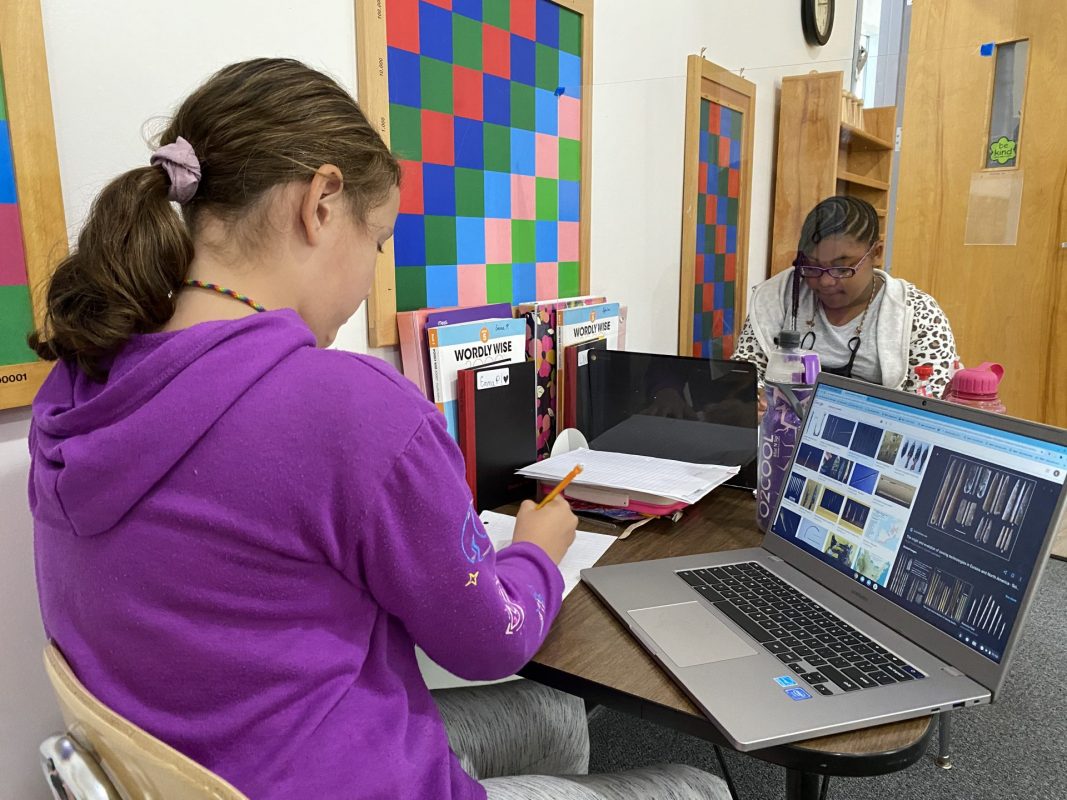
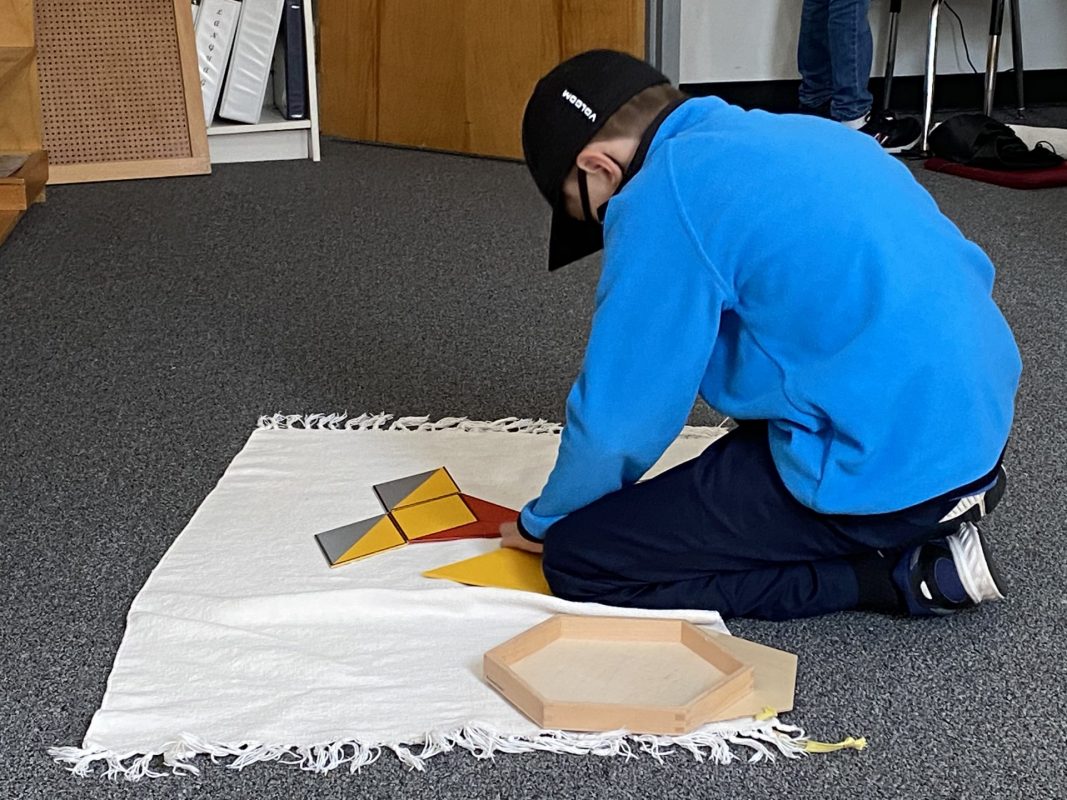
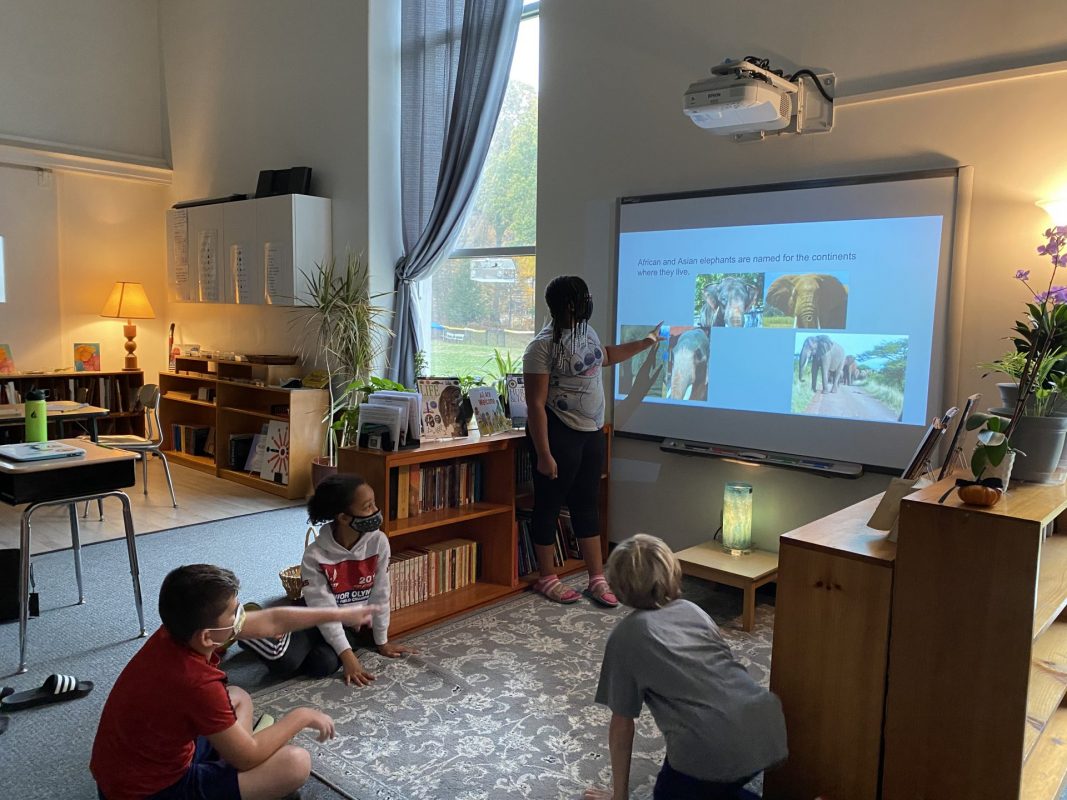
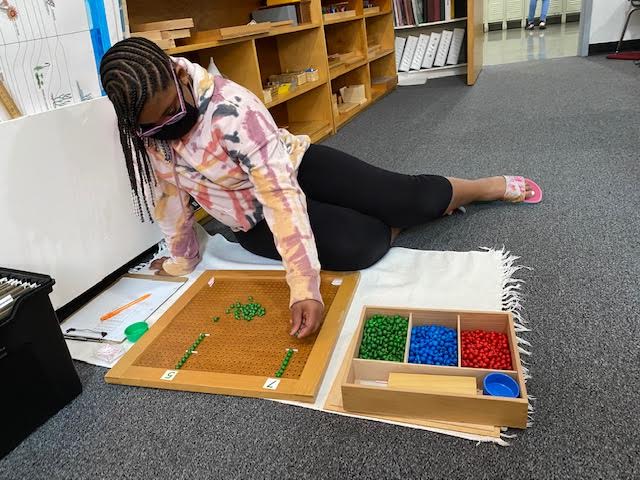
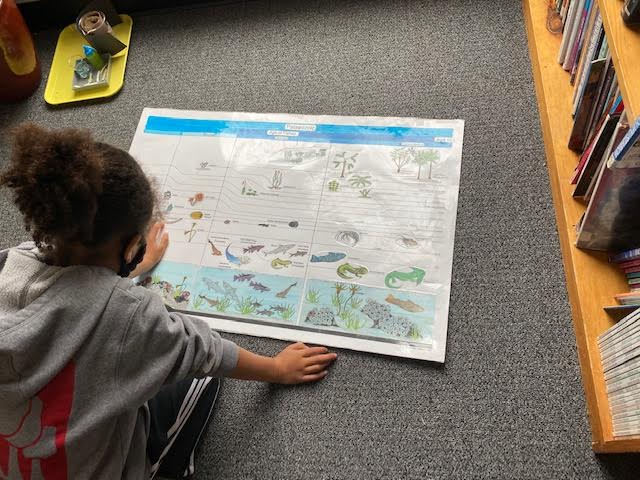
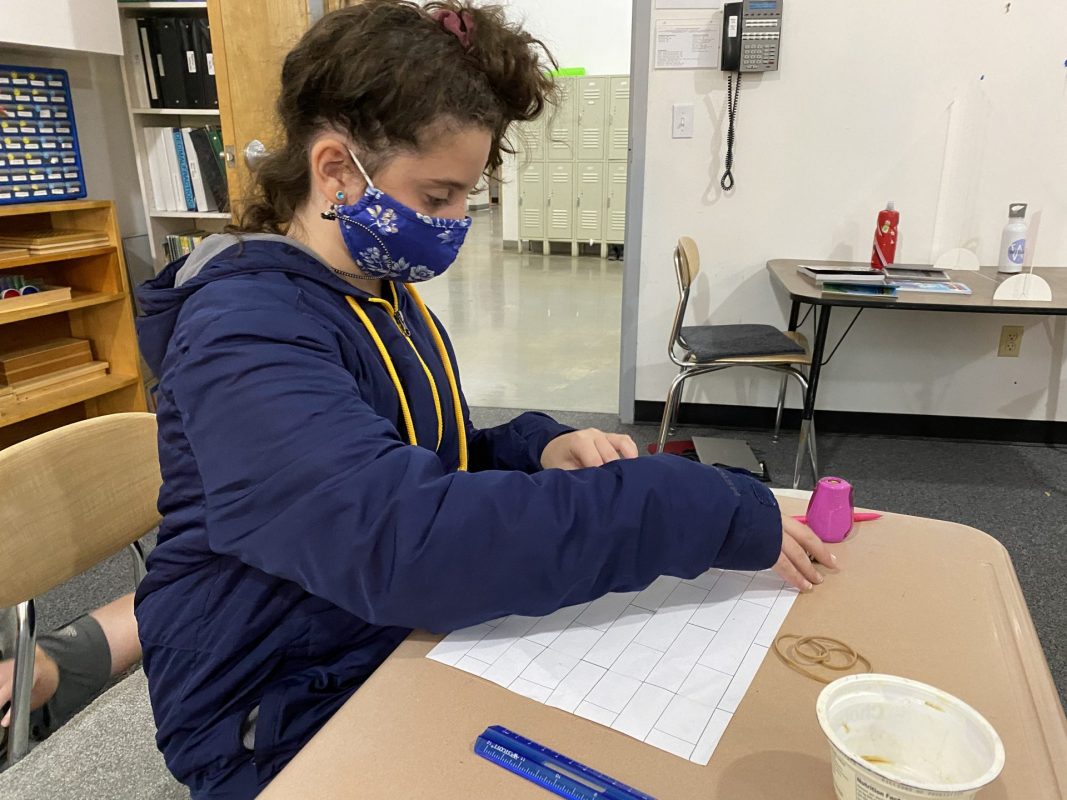
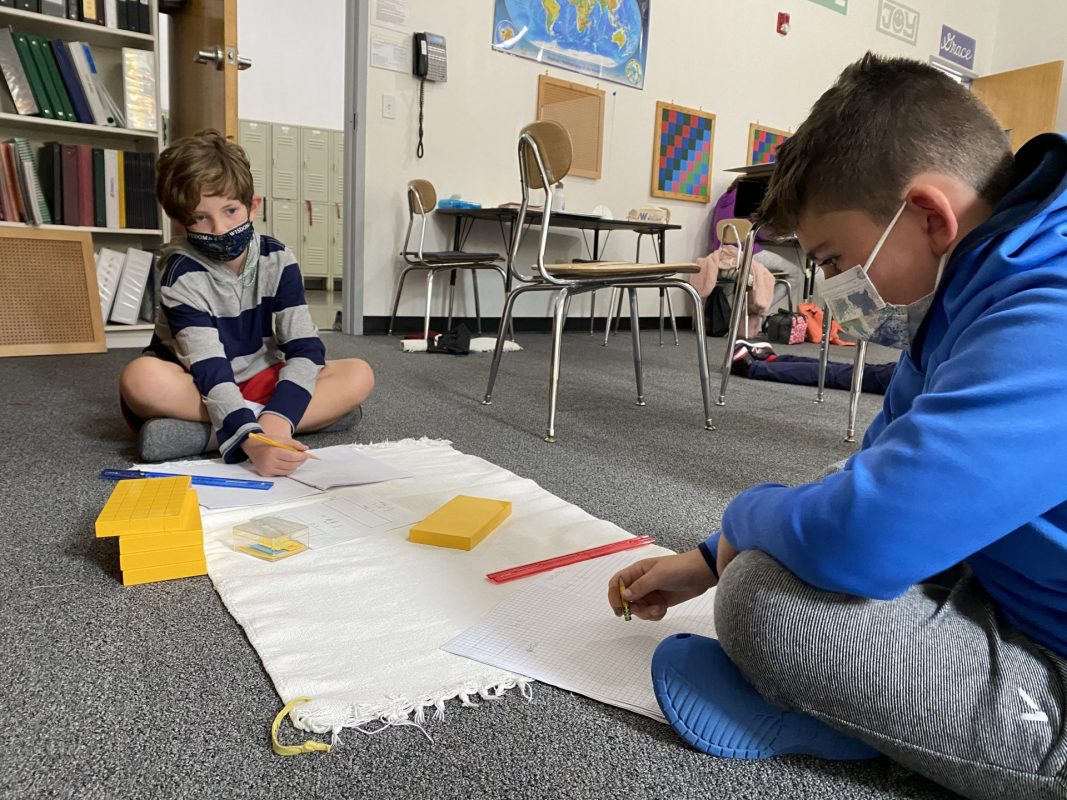
This week our fourth grade geometry work focused on proving the equivalence of a triangle and rectangle. This work starts sensorially; the children use a metal inset material to prove the equivalence of the two shapes. After using the material, we discuss the requirements for the equivalence of a triangle and rectangle; when the base of the two shapes is equal and the height of the rectangle is half that of the triangle. The fifth graders focused on inverse area formulas. They learned how to find the height when given the base and area, and how to find the base when given the height and area. In biology we continued our lessons on the circulation of plants with a discussion and demonstration about capillarity; the upward movement of liquids as a result of surface tension. In history this week, the fourth years learned about the Mesozoic Era of the Timeline of Life (250 to 65 million years ago) and the fifth years learned about the Magdalenian people (17,000 to 12,000 years ago), the last group of modern humans in the Upper Paleolithic Age. The children’s enthusiasm about our Literature Circles continues to grow. They are enjoying discussing their books and sharing their roles with the group.


Mrs. Hood’s Class: With My Eyes and My Hands!

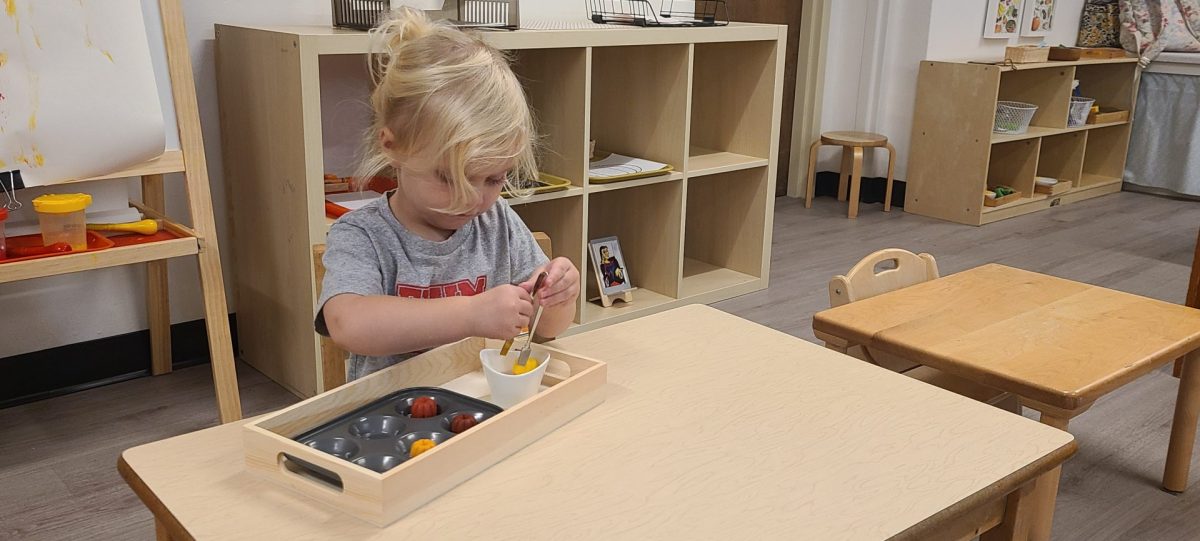
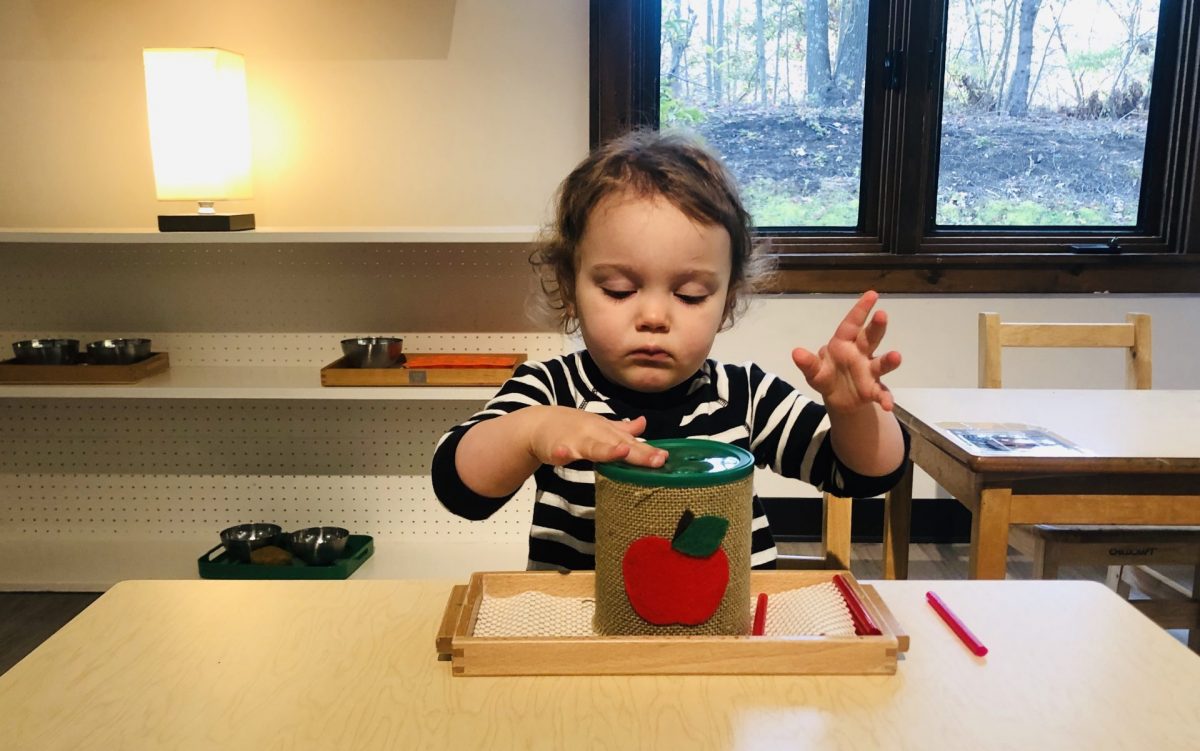
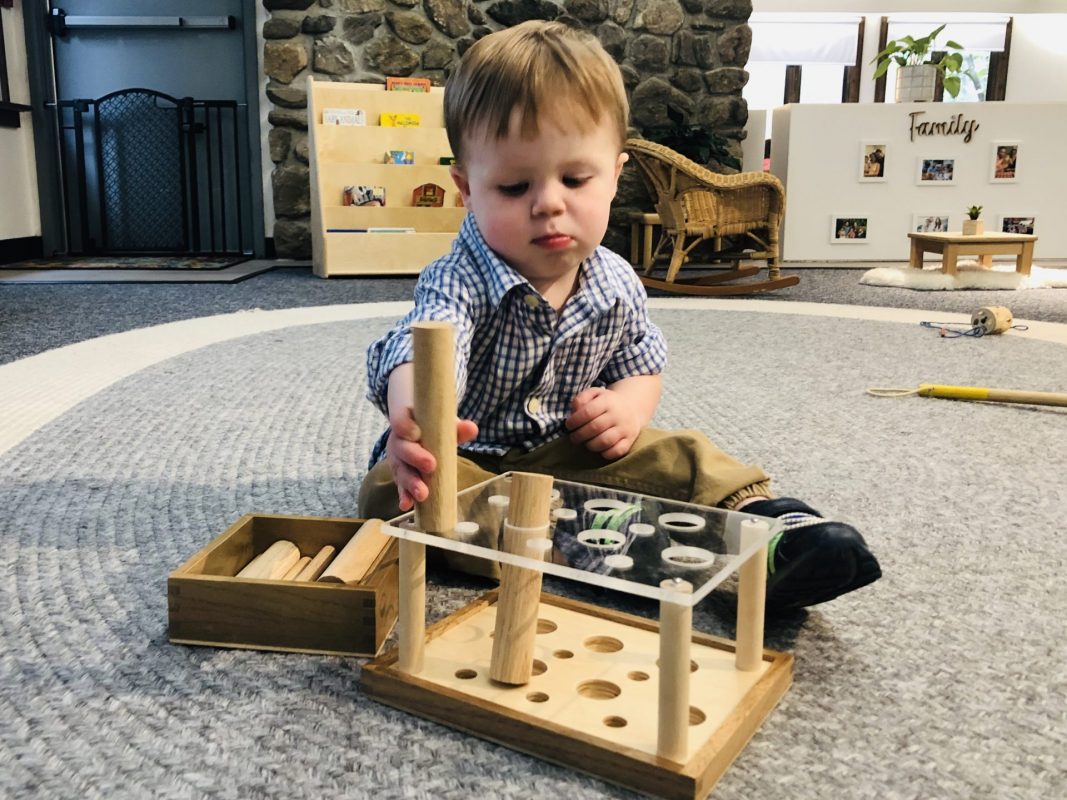
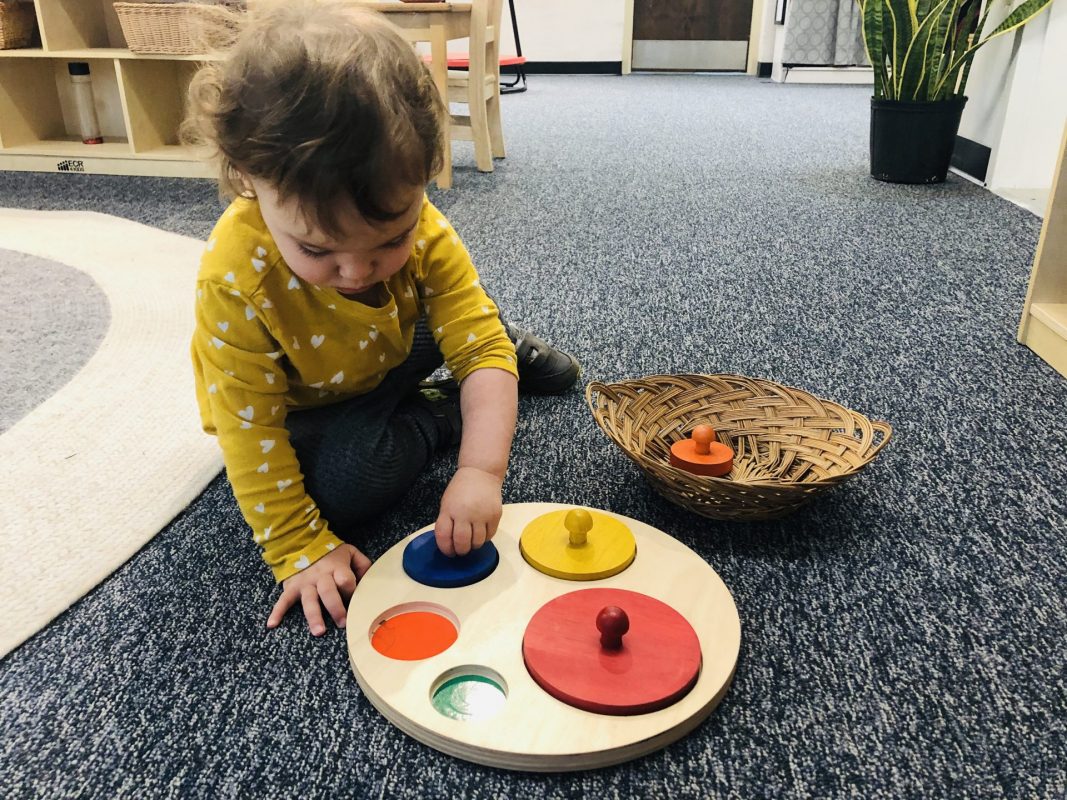
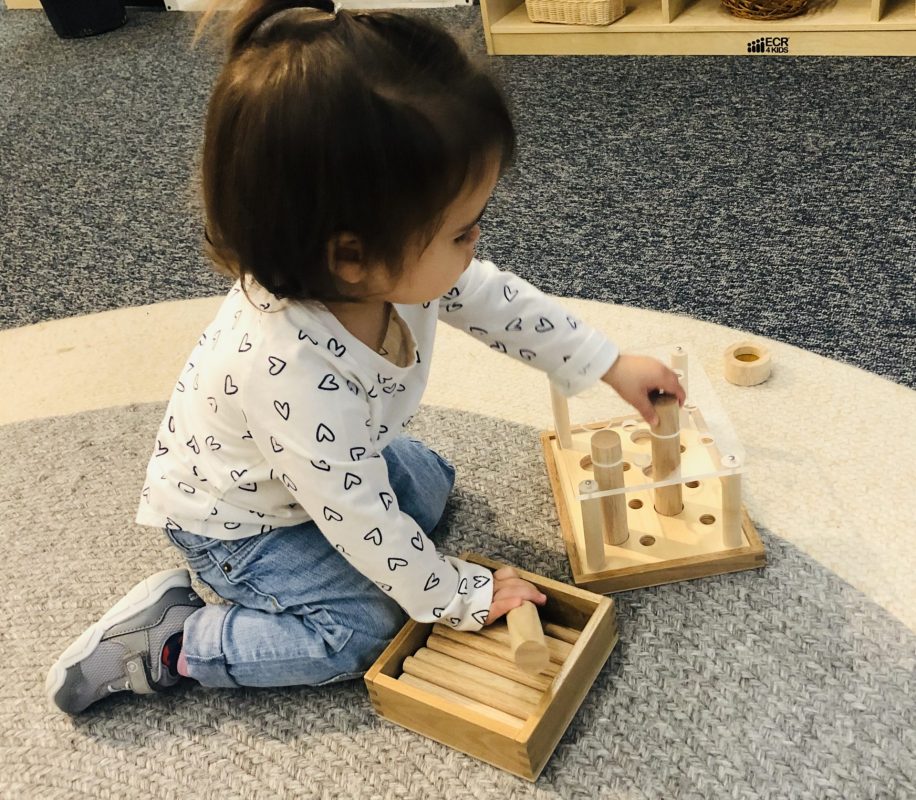
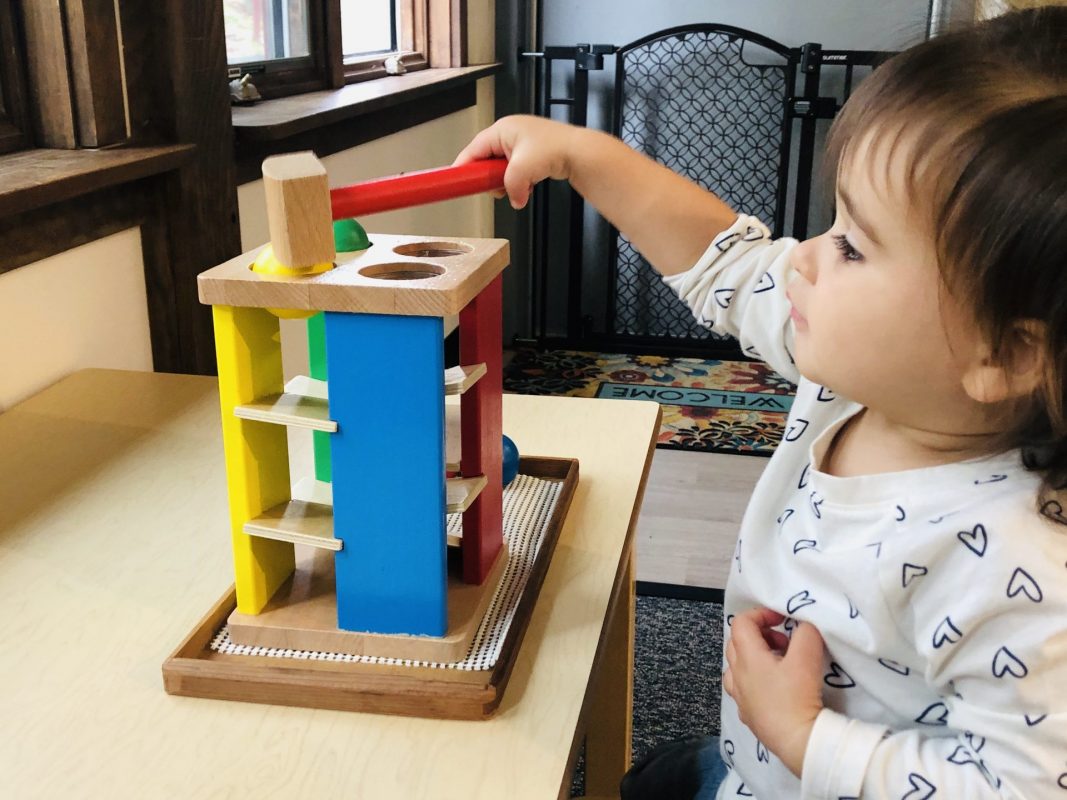
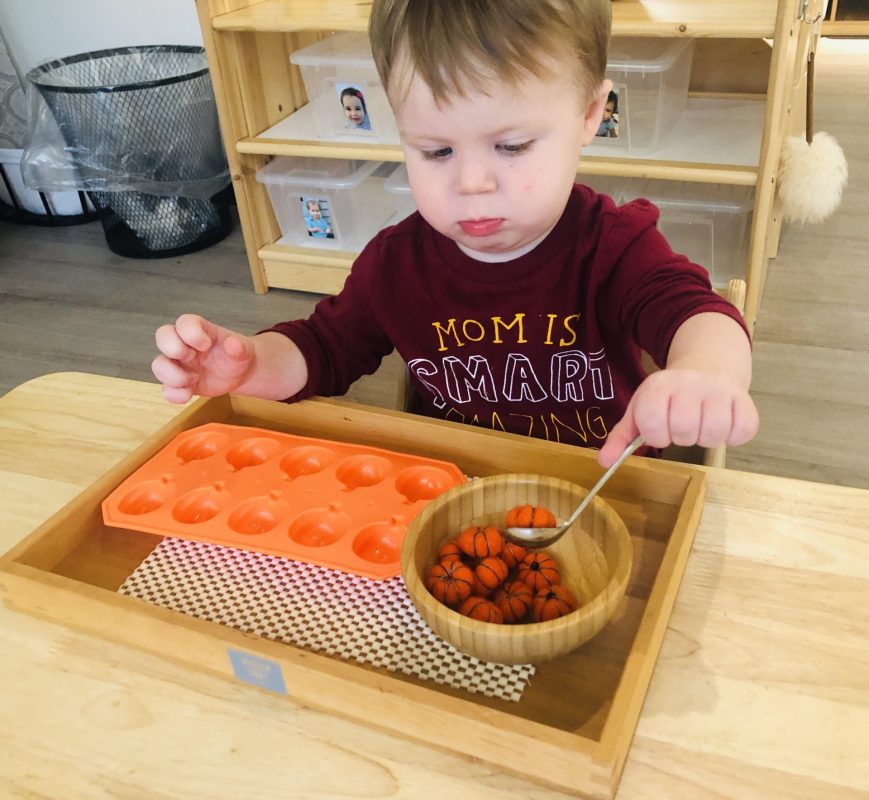
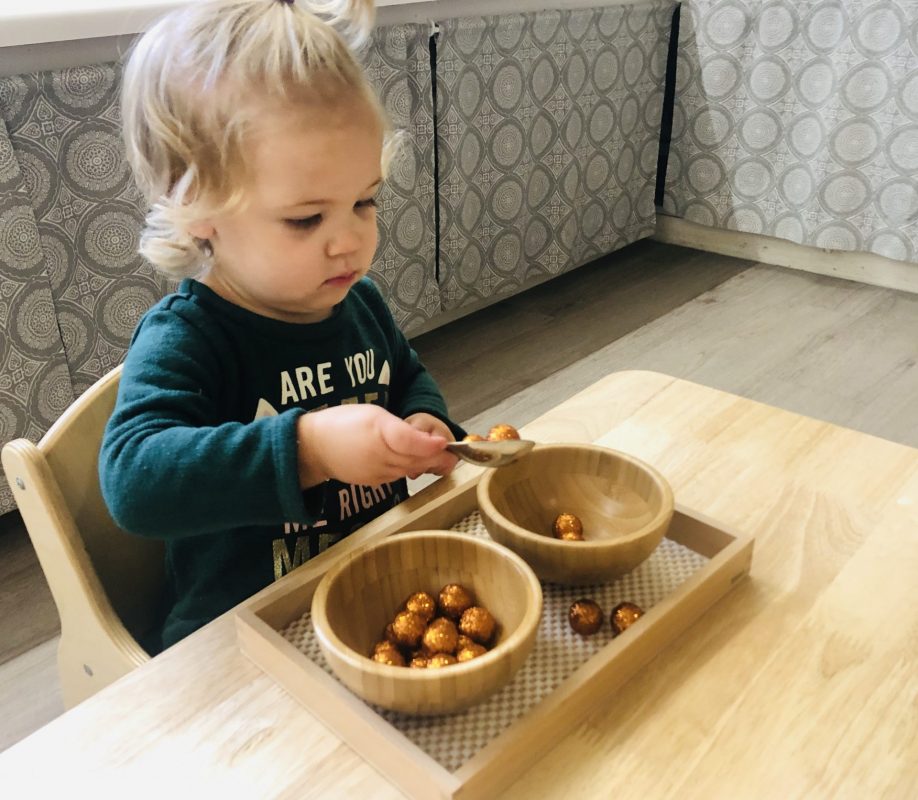
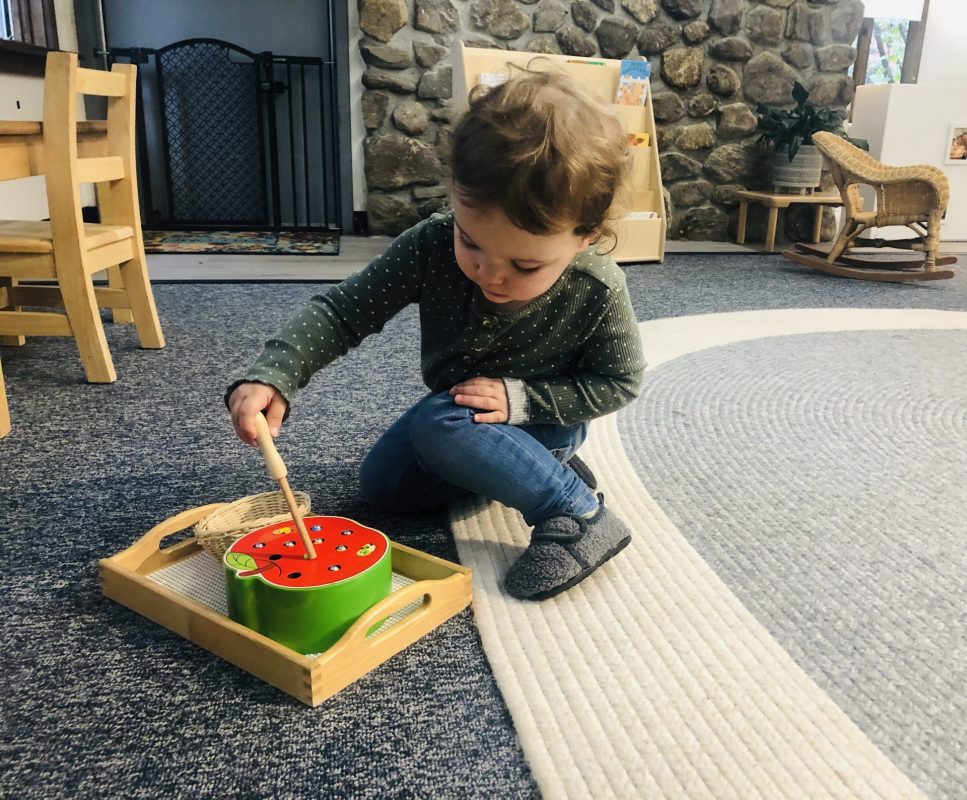
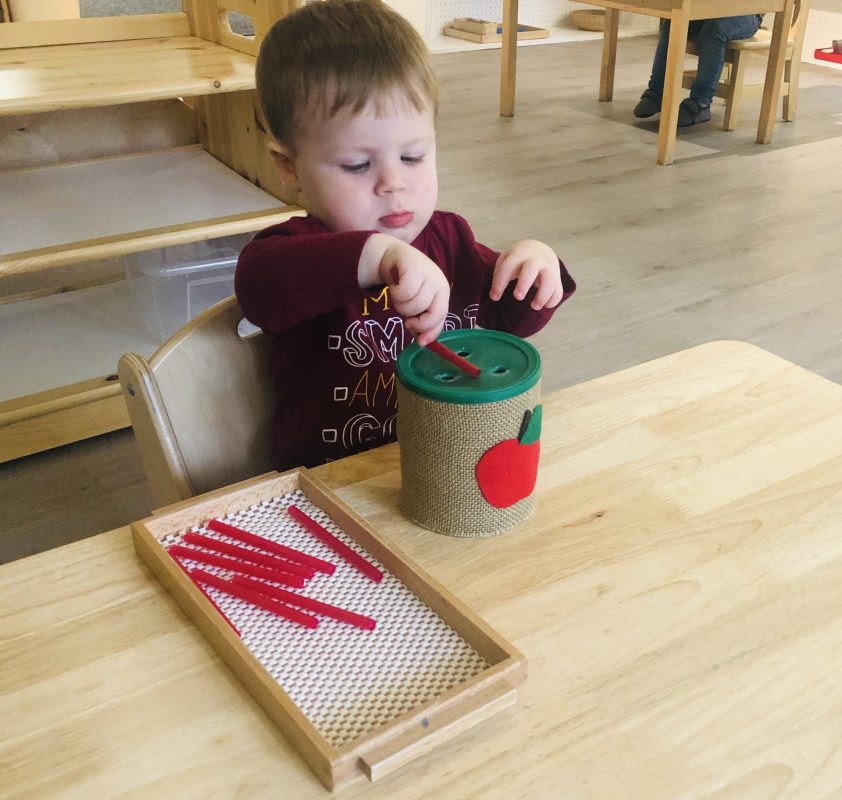
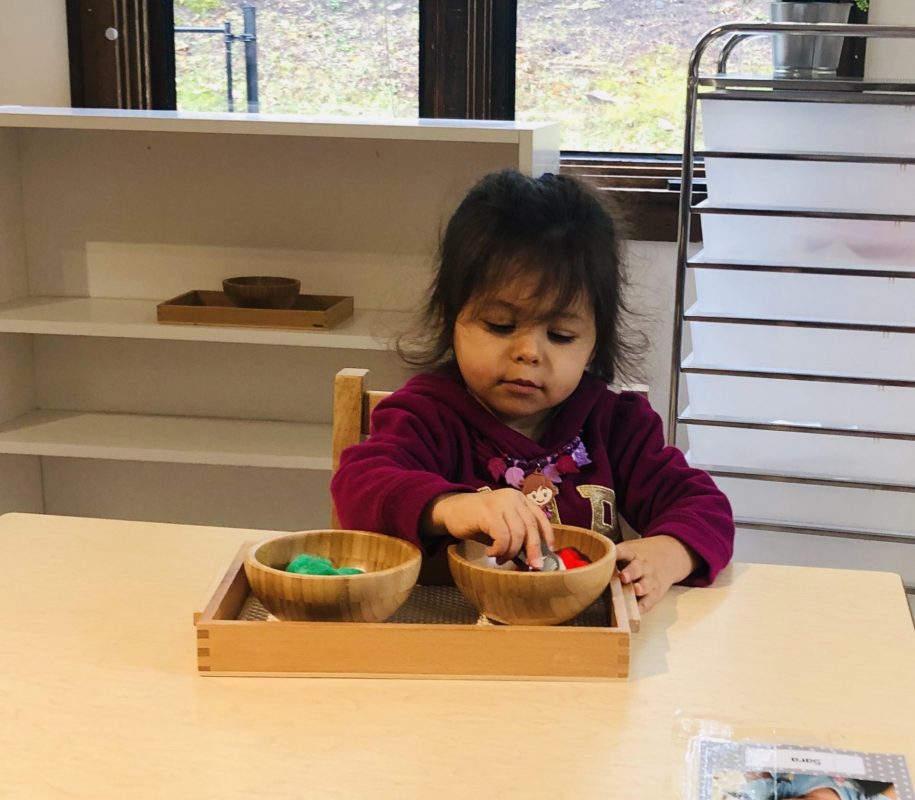
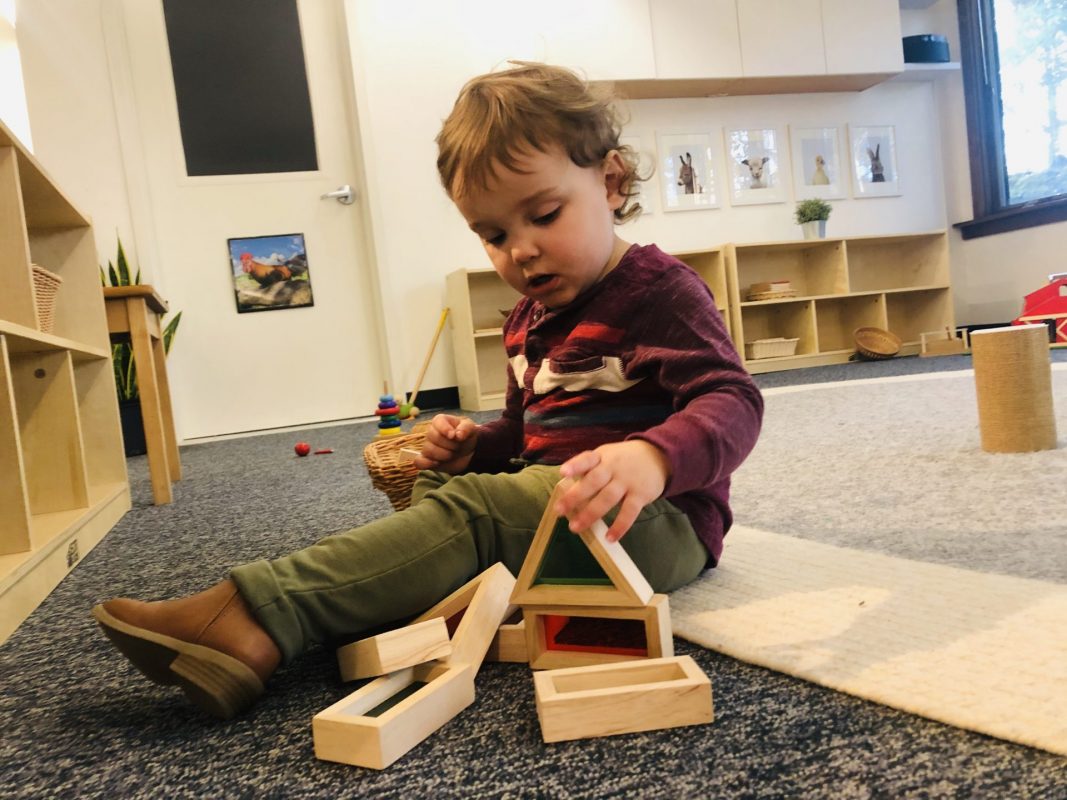
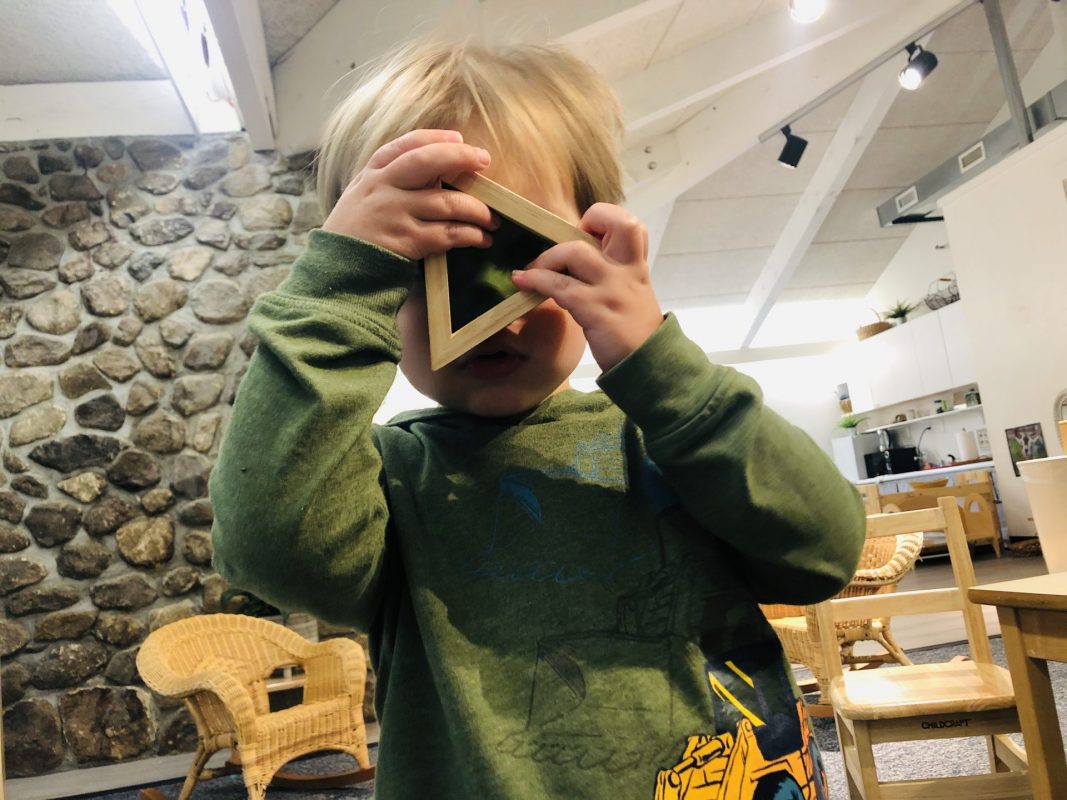
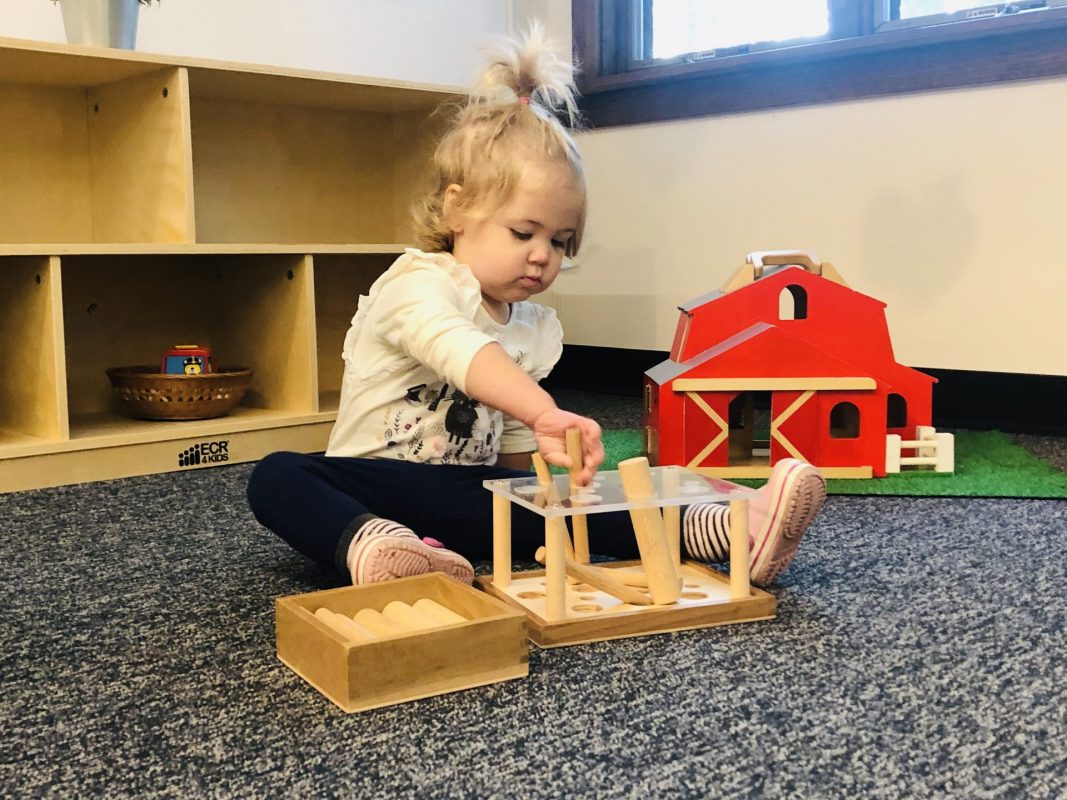
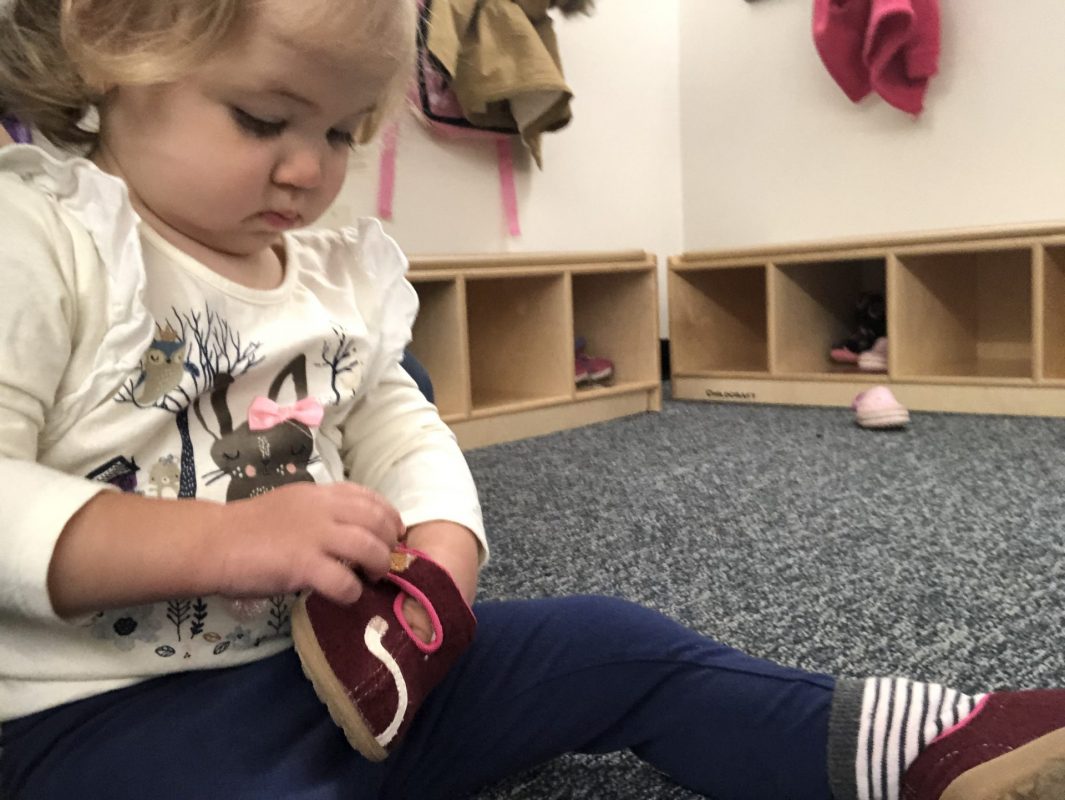
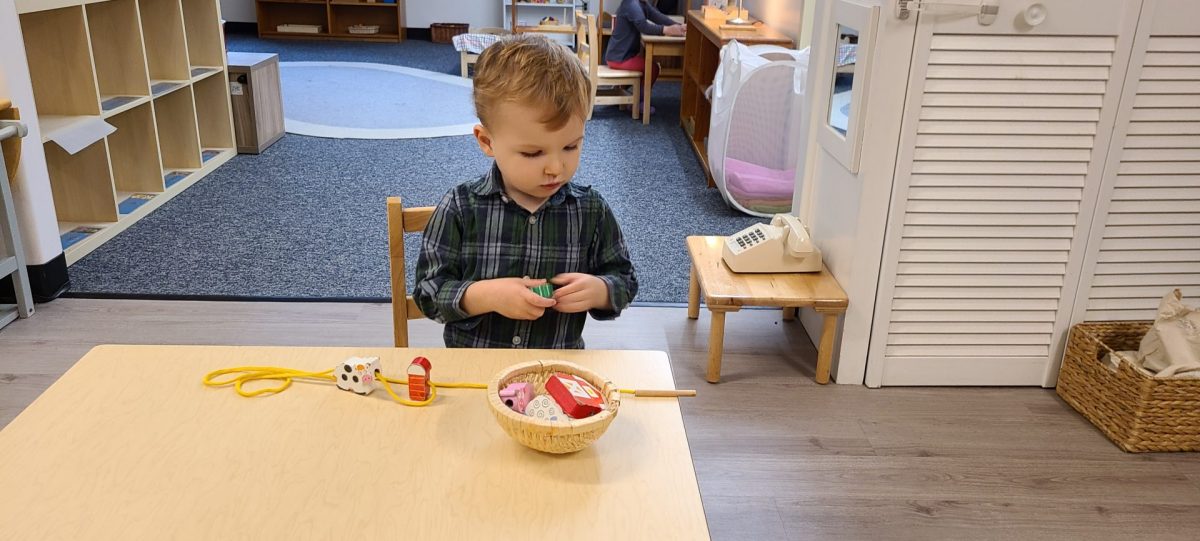
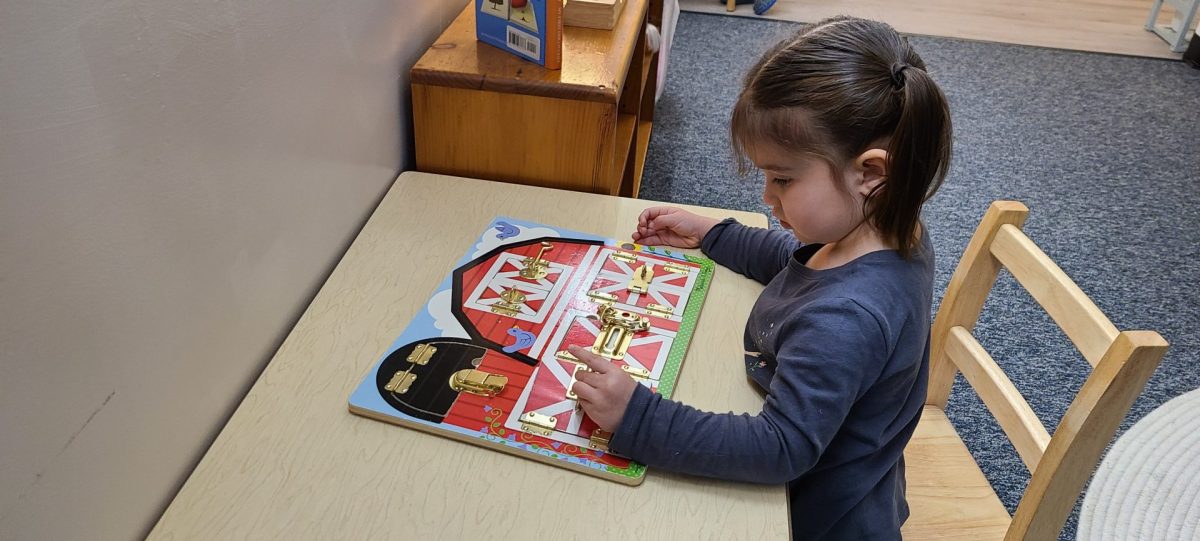
Hand-eye coordination is one of the most important parts of the learning process. It helps your child track the movements of their hands with their eyes, which is essential for reading and decoding. Because your child also uses their visual system with hand-eye coordination, it can greatly impact their writing skills and handwriting as they use their eyes to guide, direct, and control their hand movements across the page as they write letters and words.

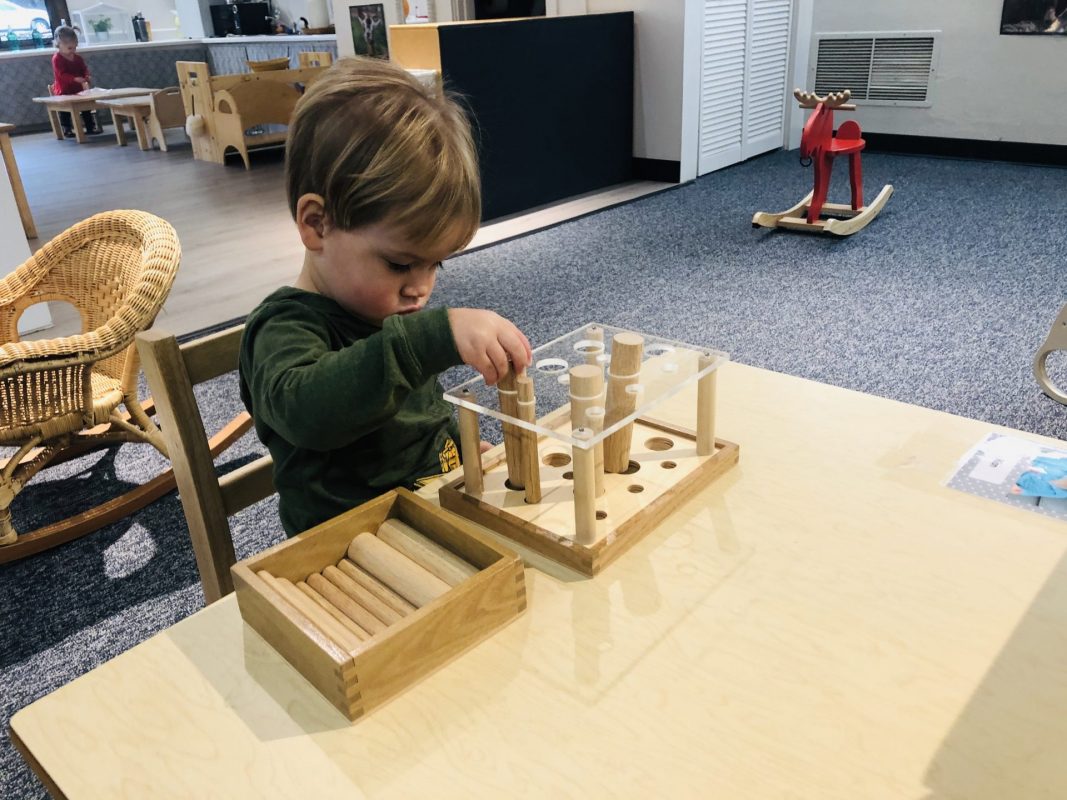
Our Toddler environment is set up in a specific way, looking to sharpen and challenge these skills while meeting your child exactly where they are developmentally. Each material is displayed in progression order, from easiest to hardest, and from left to right. This logical structure encourages children to organize their thinking and absorb the outcome of the material at their own pace. The left to right orientation of the materials also assists children with preparation for reading and writing, and is the way that the brain naturally processes information.

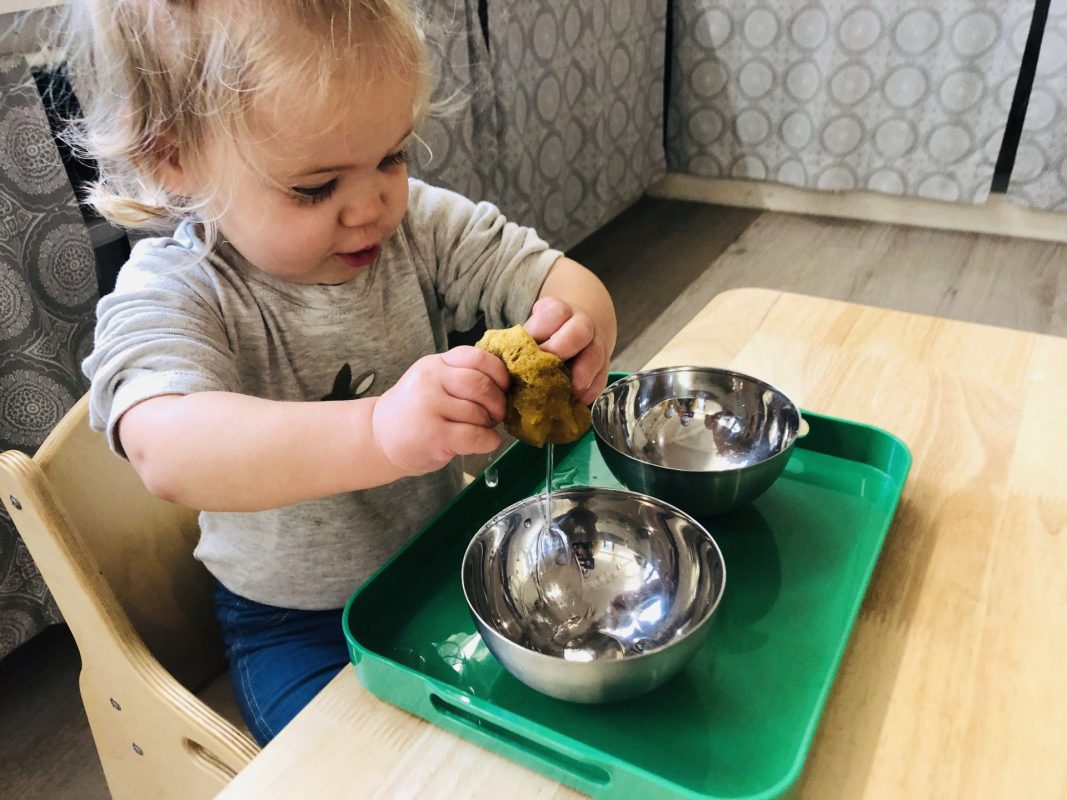
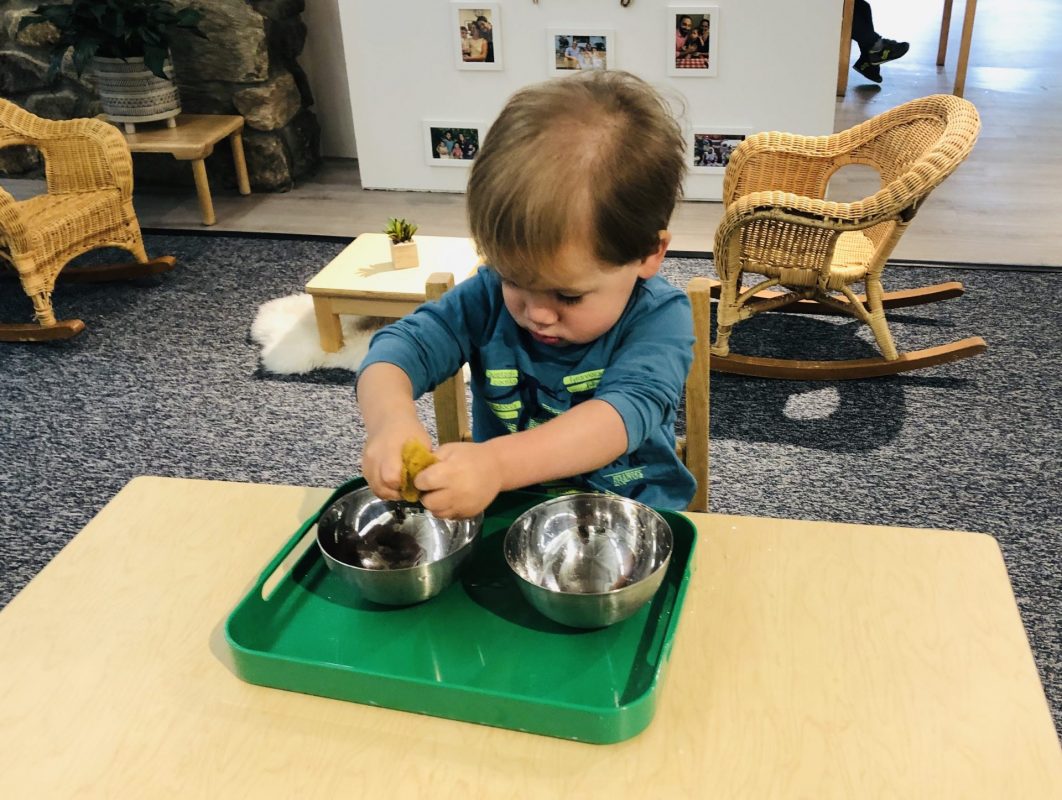
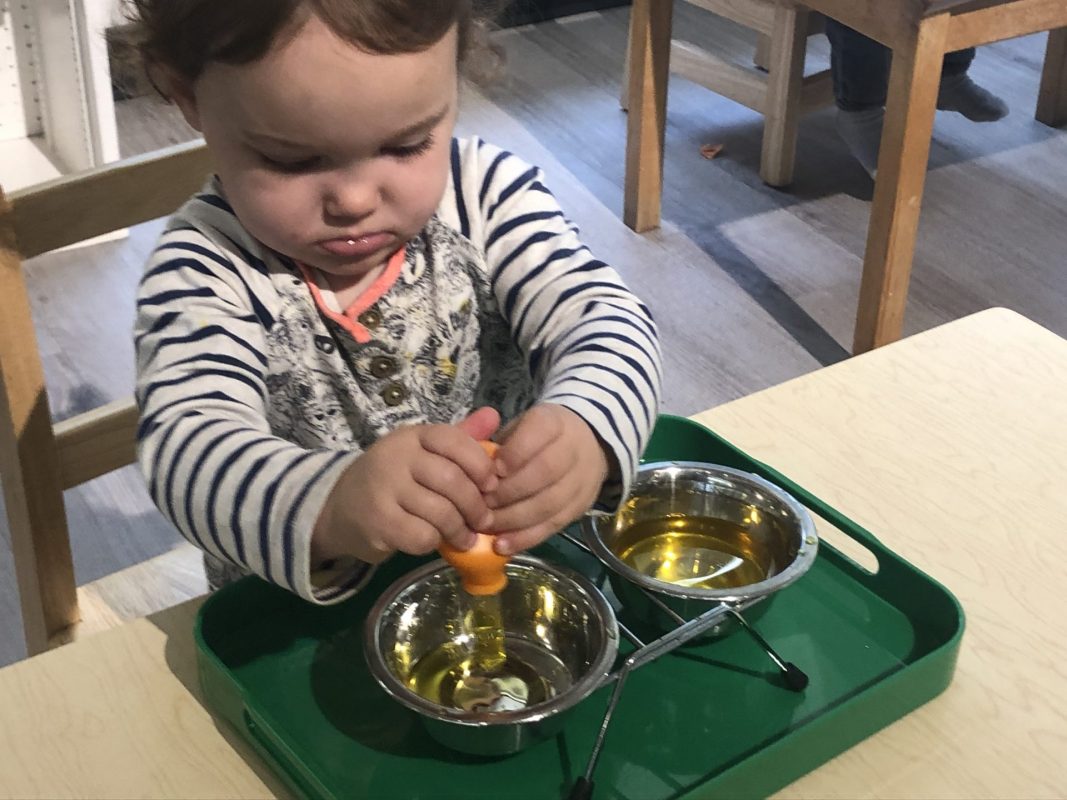
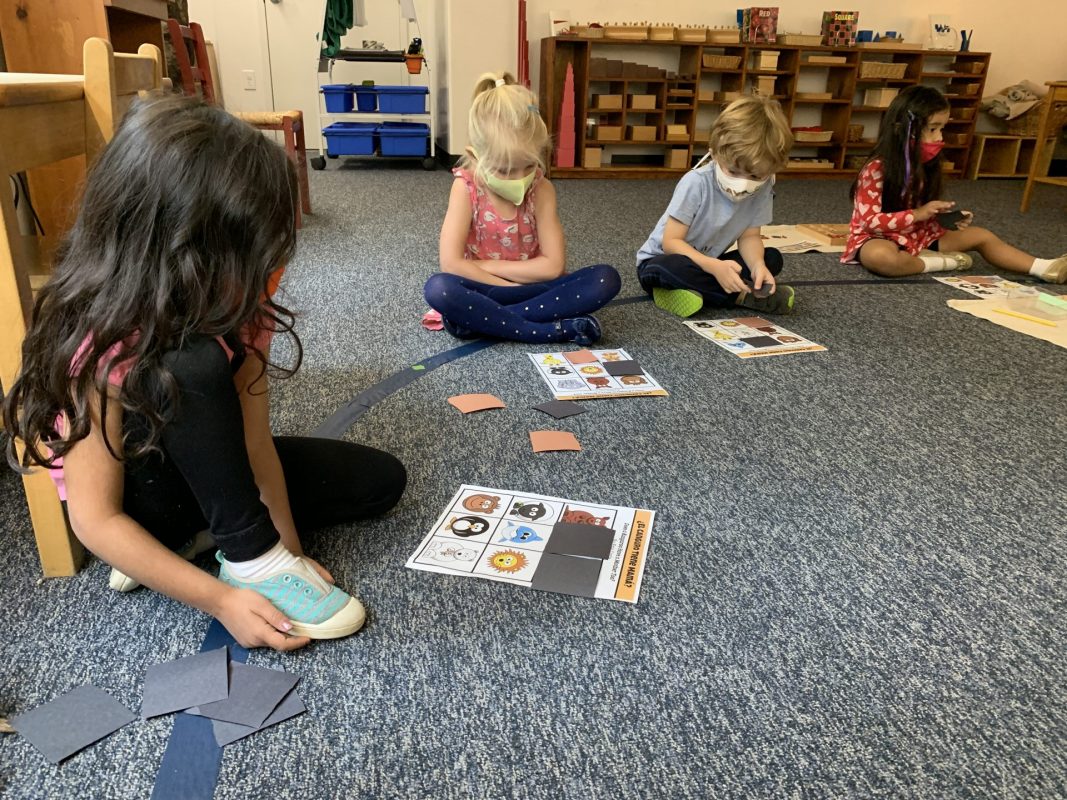
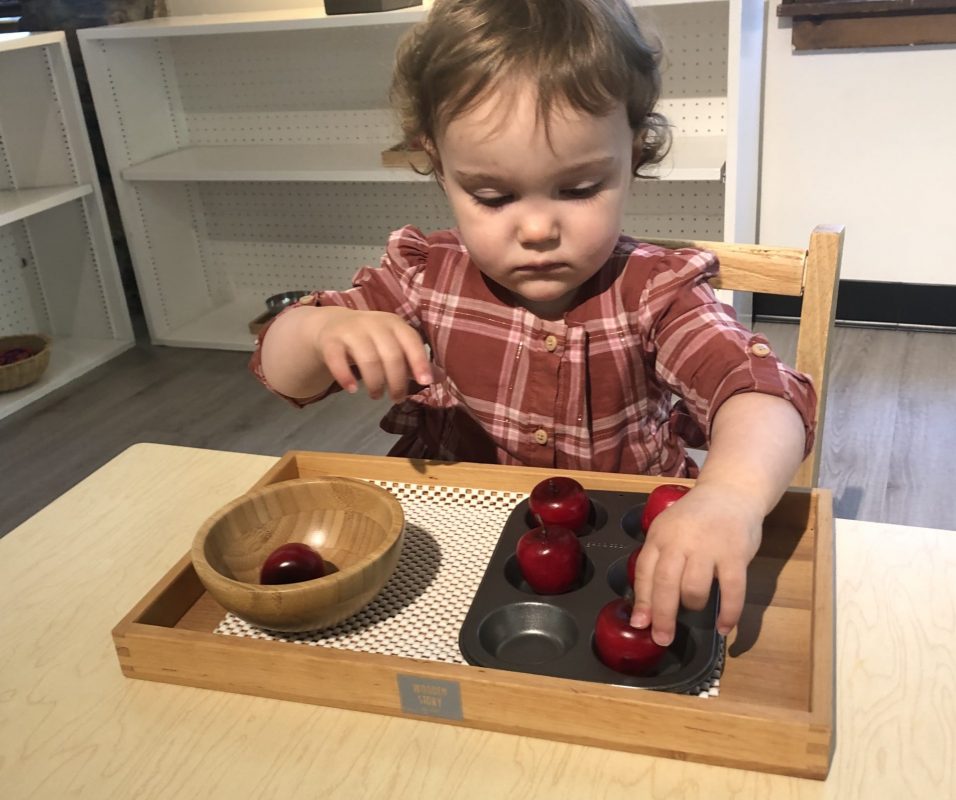
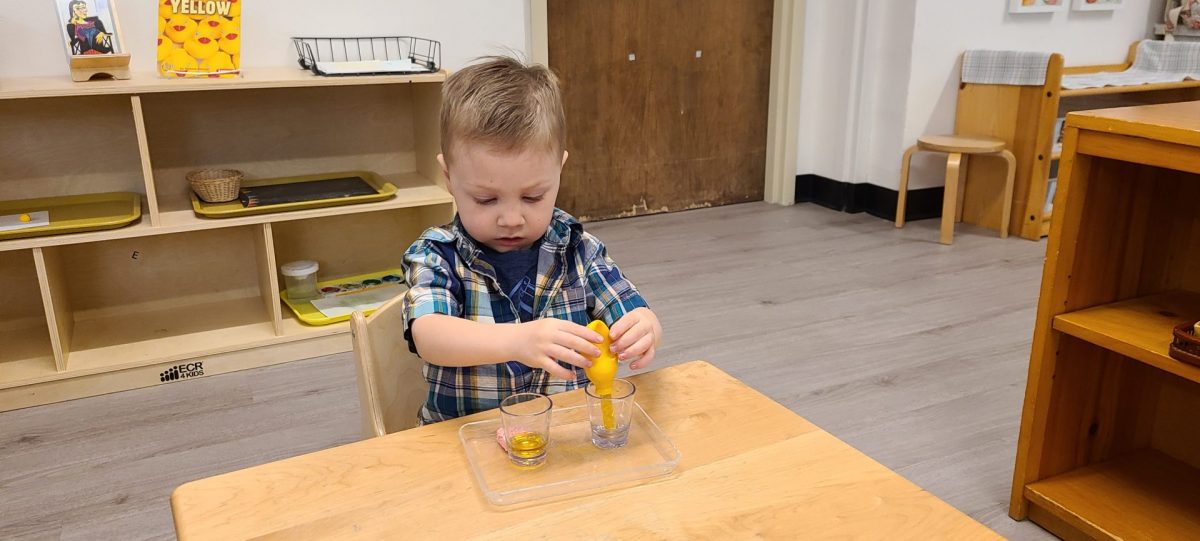
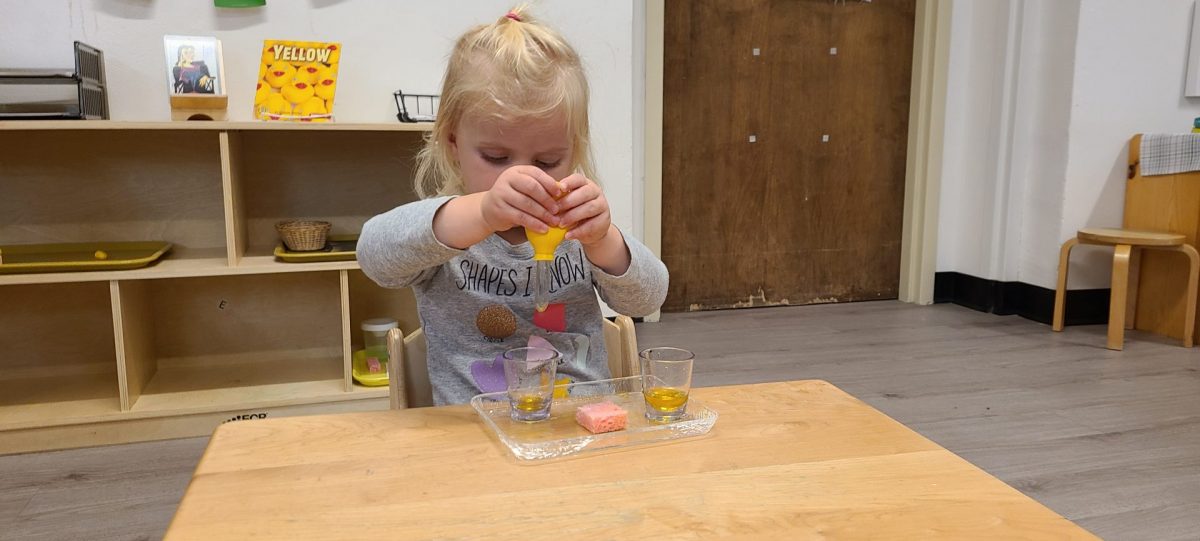
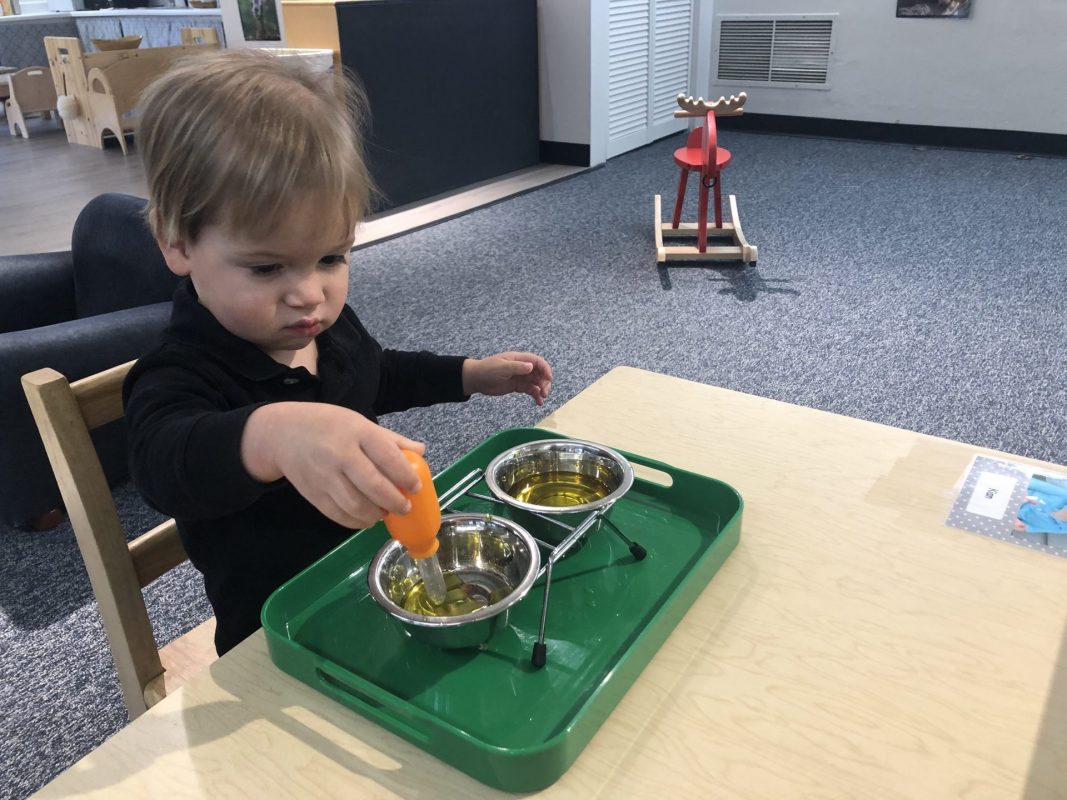
Some fun highlights from this week were the introduction of water transferring using a dropper. It’s a challenging work but children were so proud of themselves when they were able to make the dropper work and hear the sound of the water touching the silver bowl. The children named this work “Squeeze and Open” as they worked hard to coordinate their hand movement while repeating those words. 

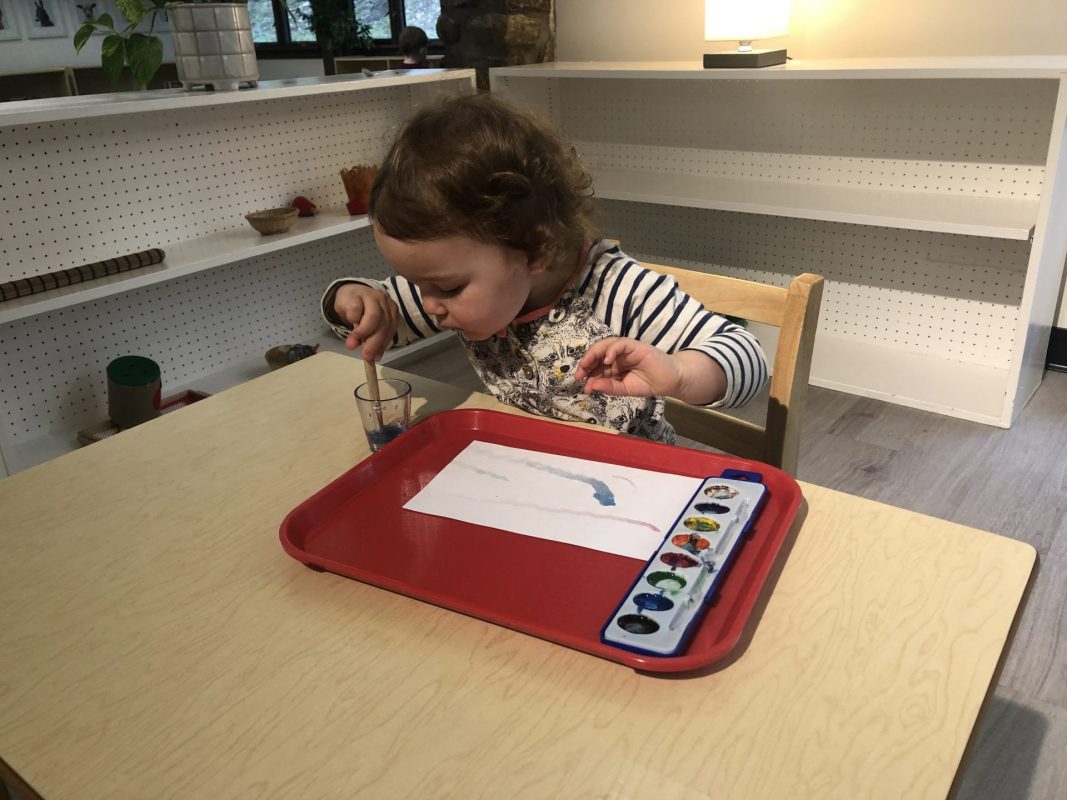
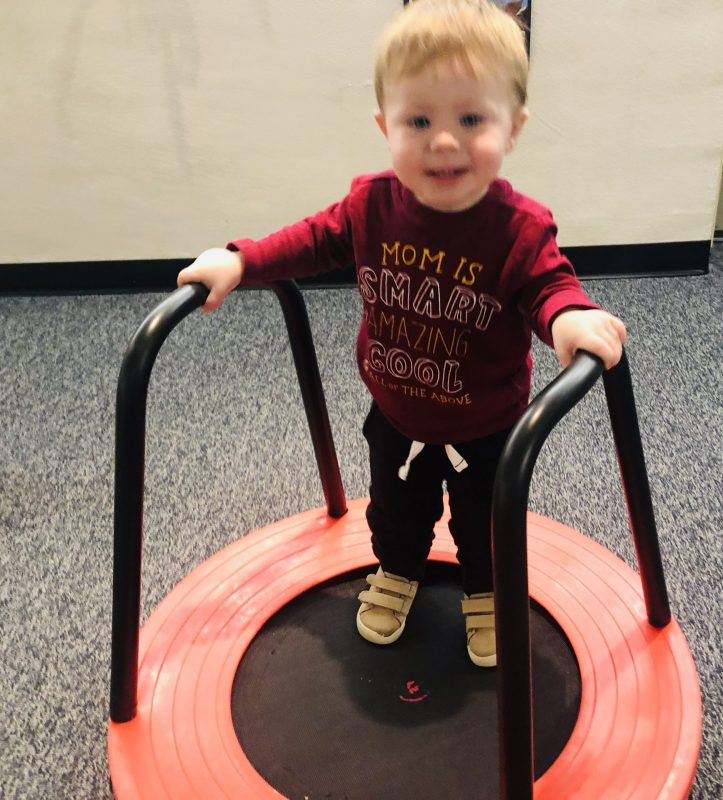
The children also received a surprise this week! They were able to work their gross and fine motor skills while using chalk or brushes and painting with water on our new giant chalkboard.  They seem to love it so much! 

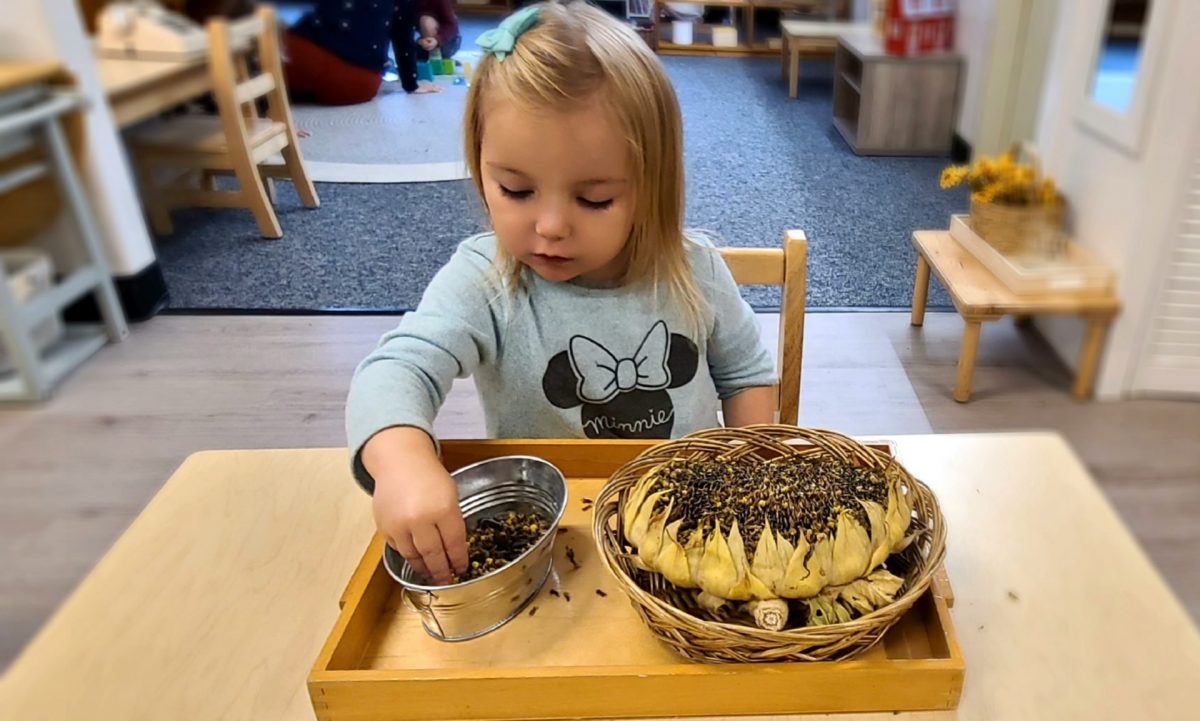
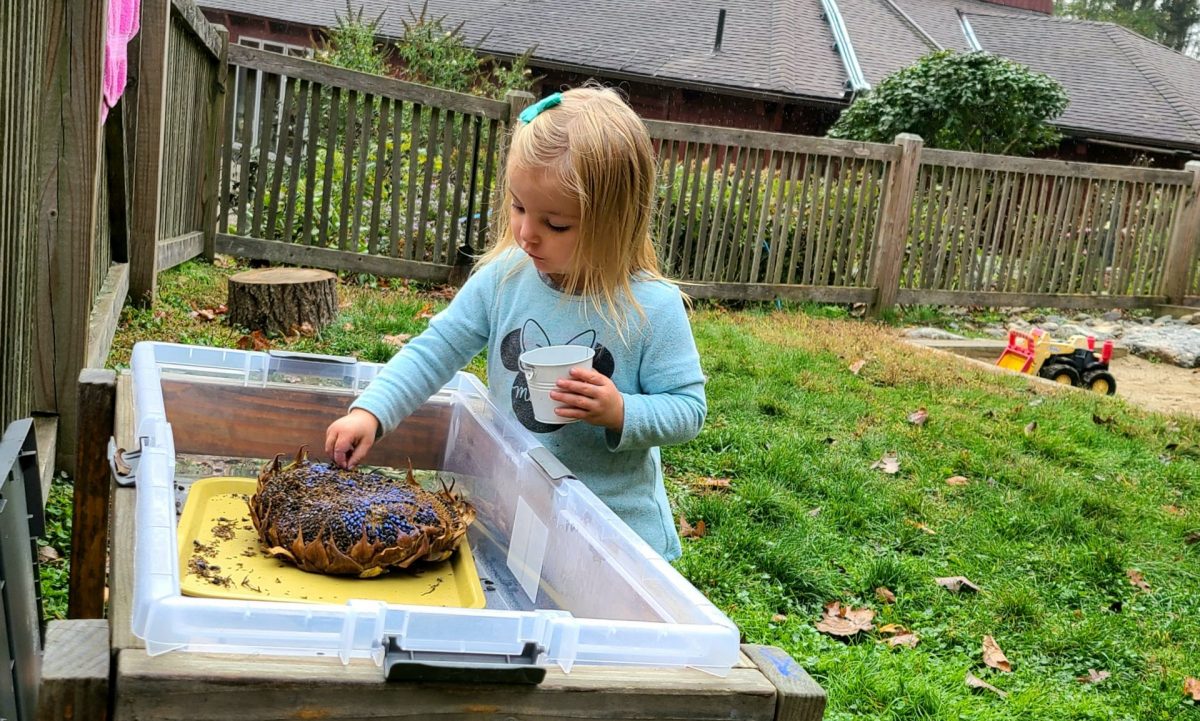
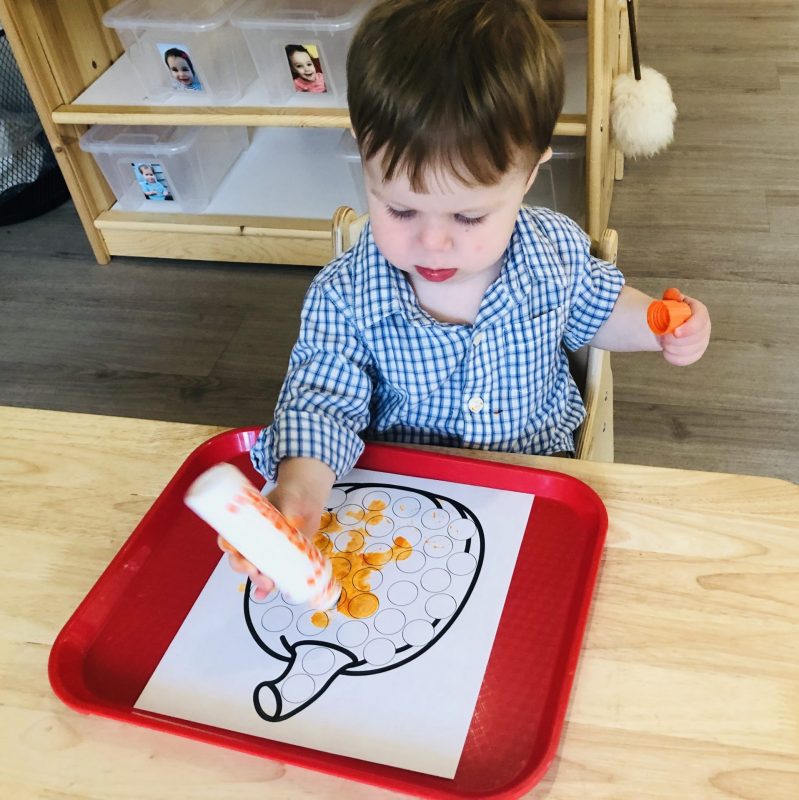
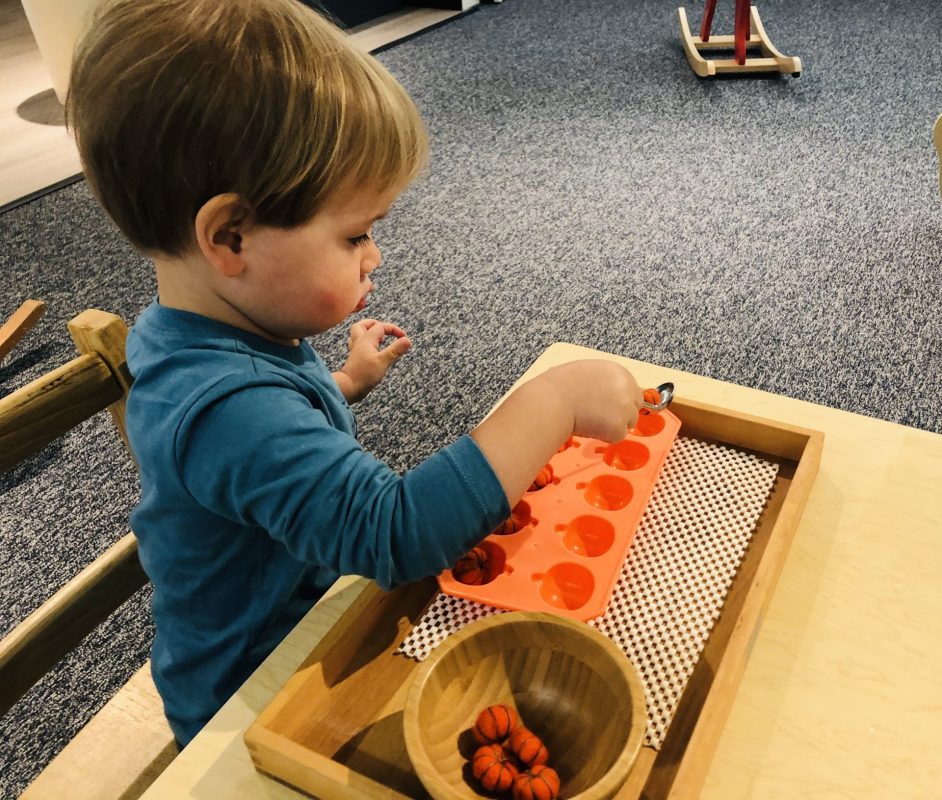
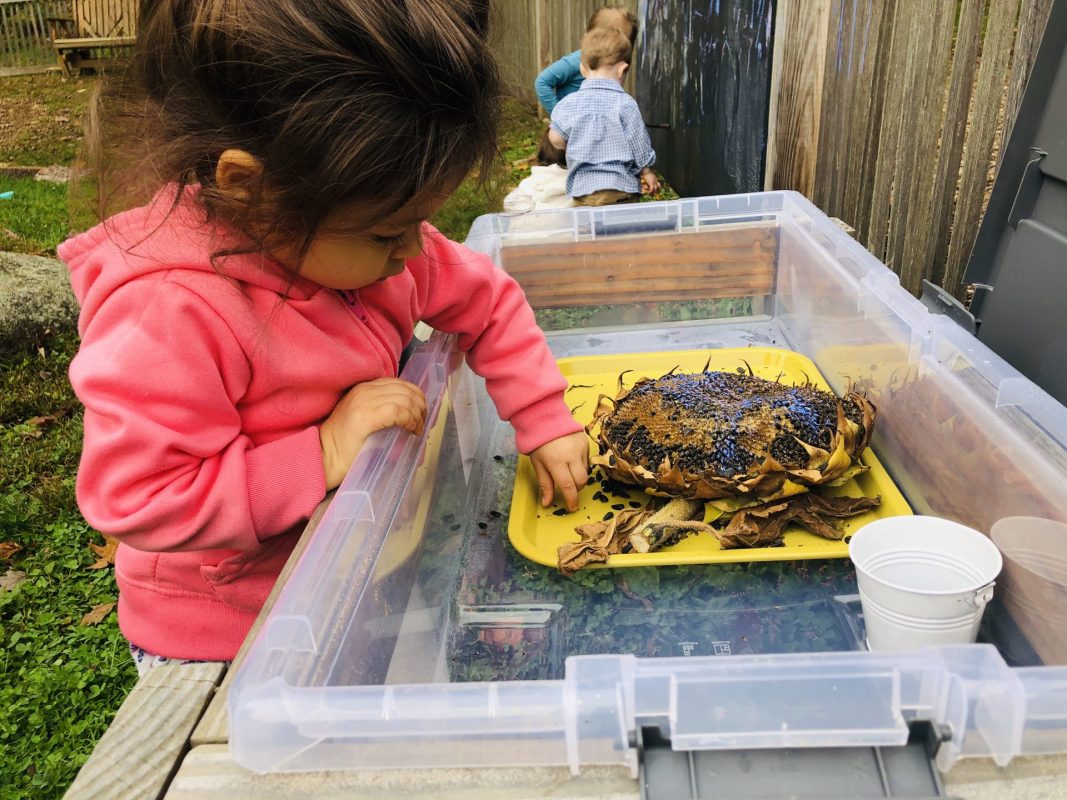
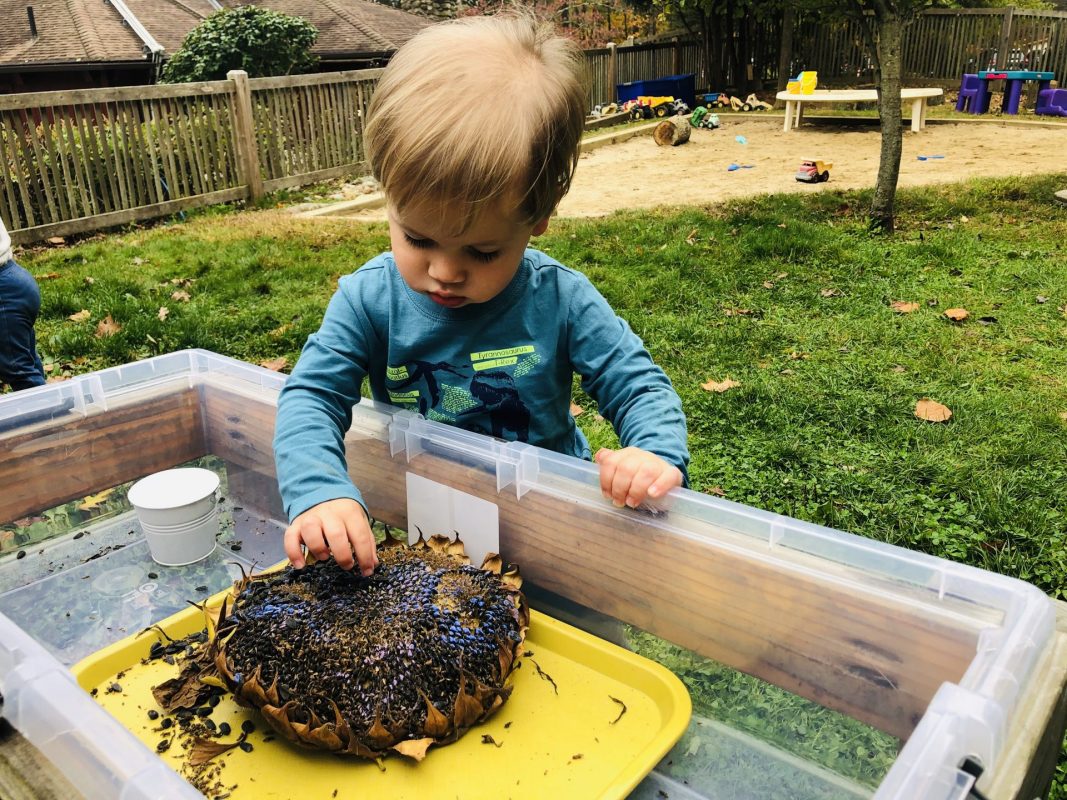
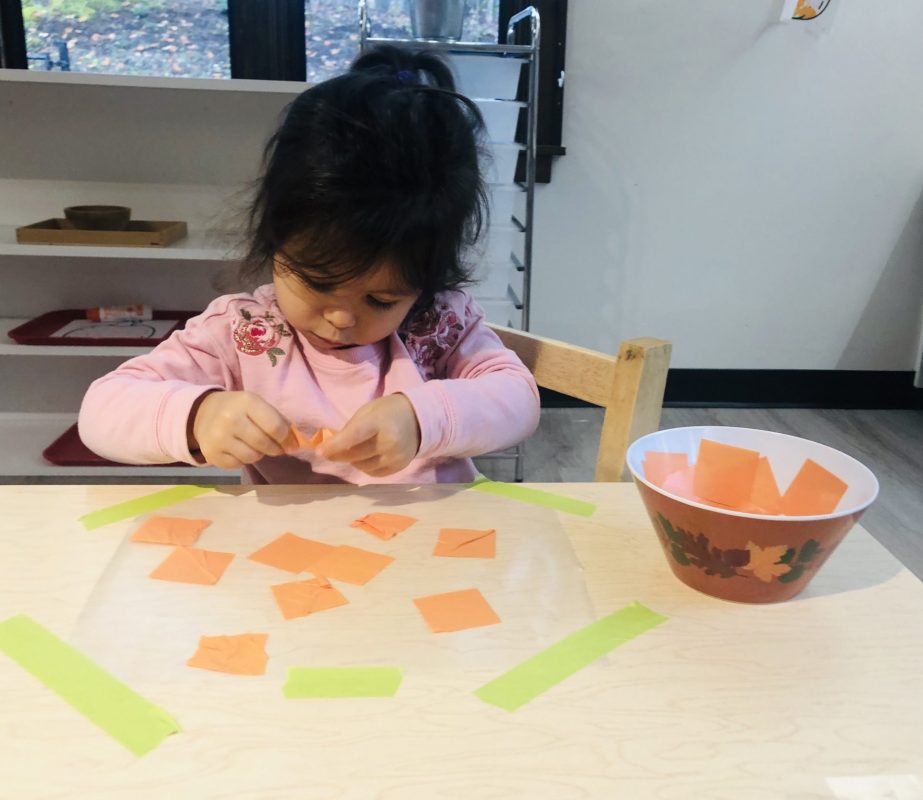
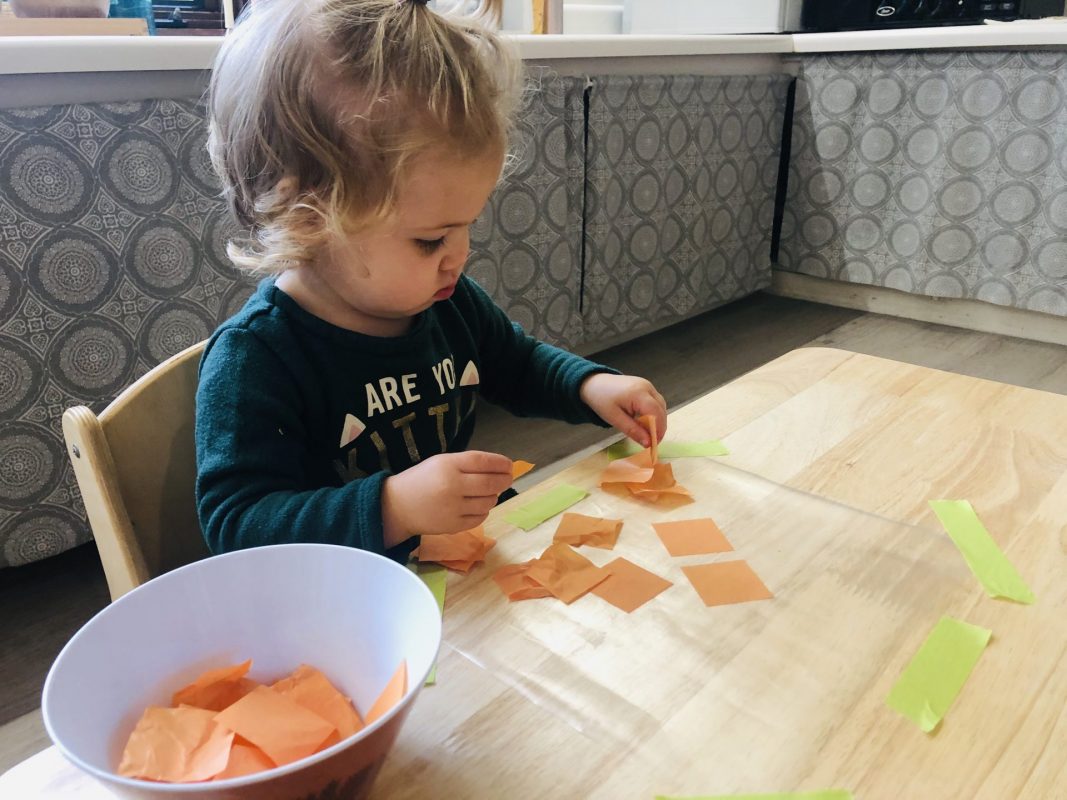
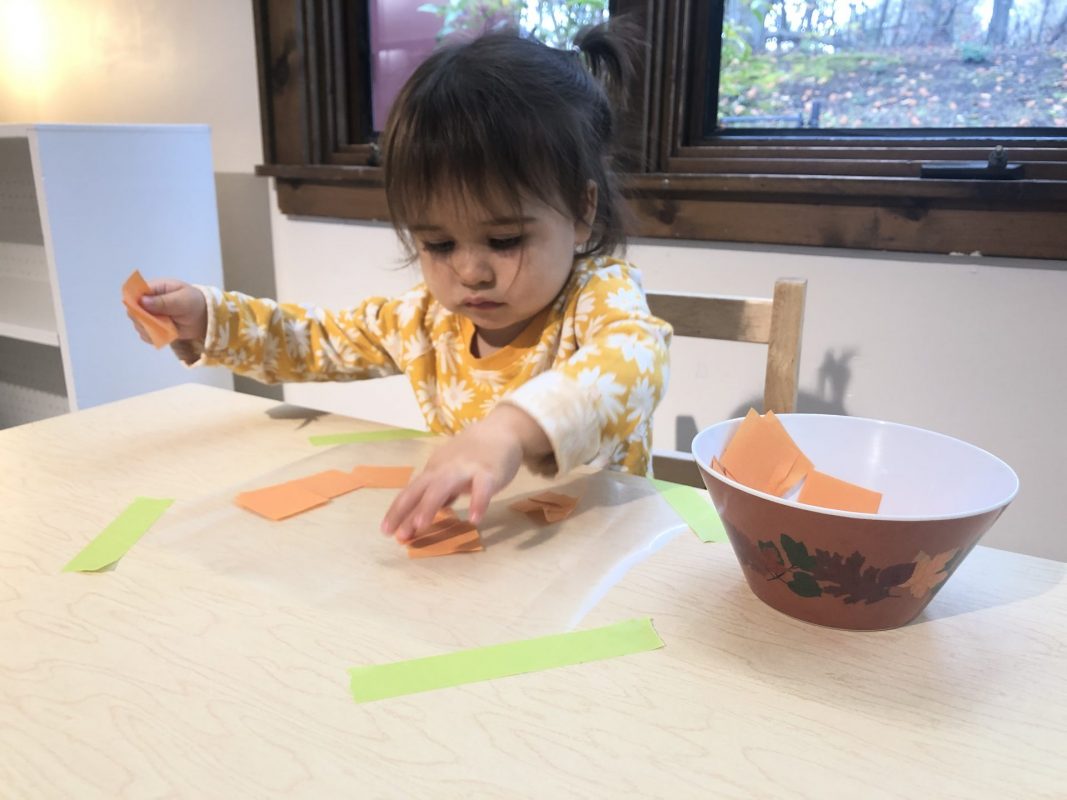
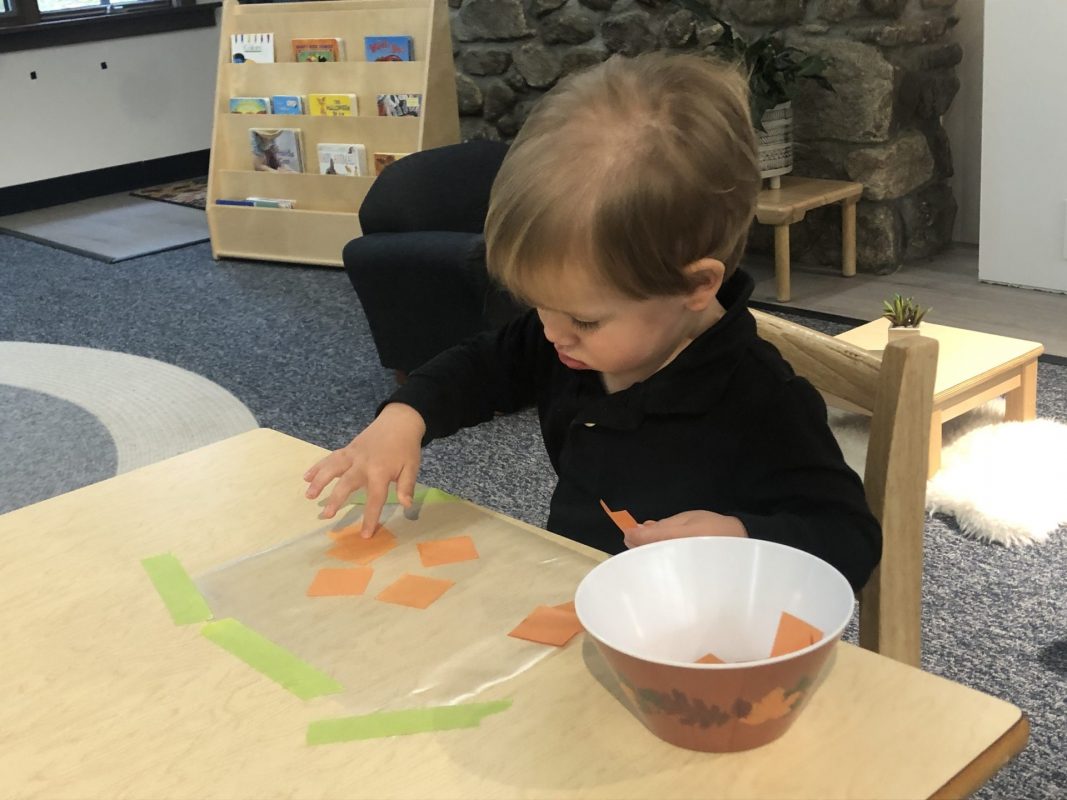
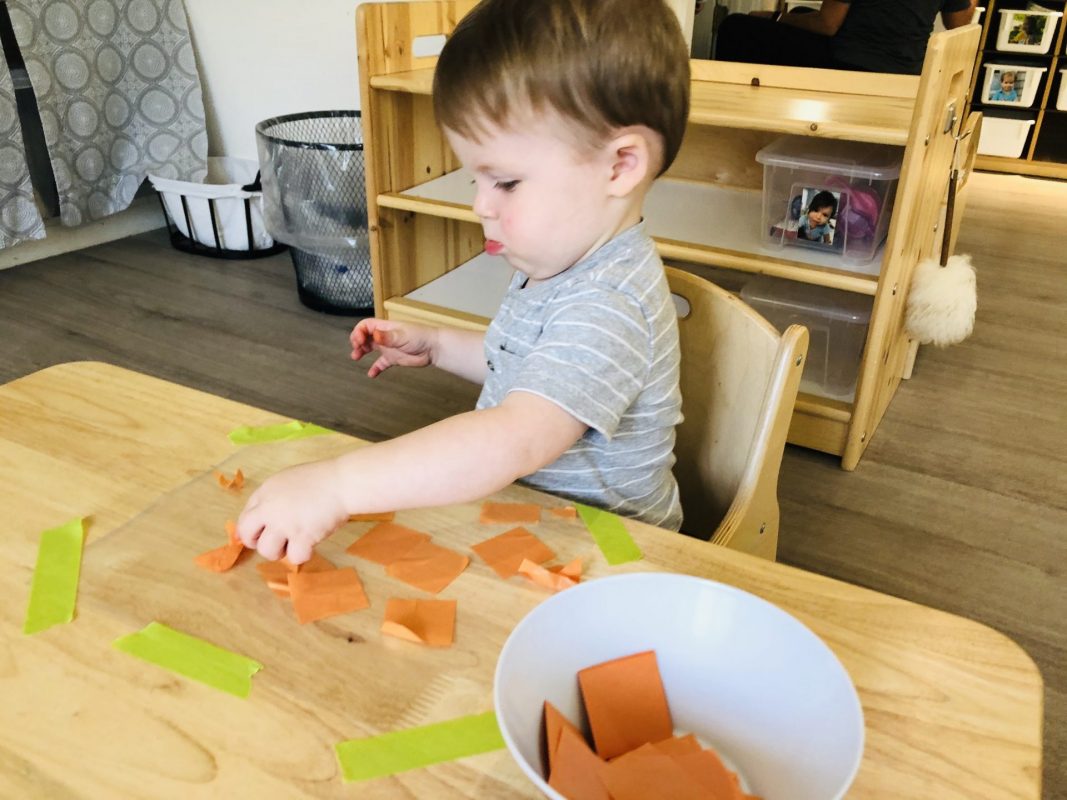
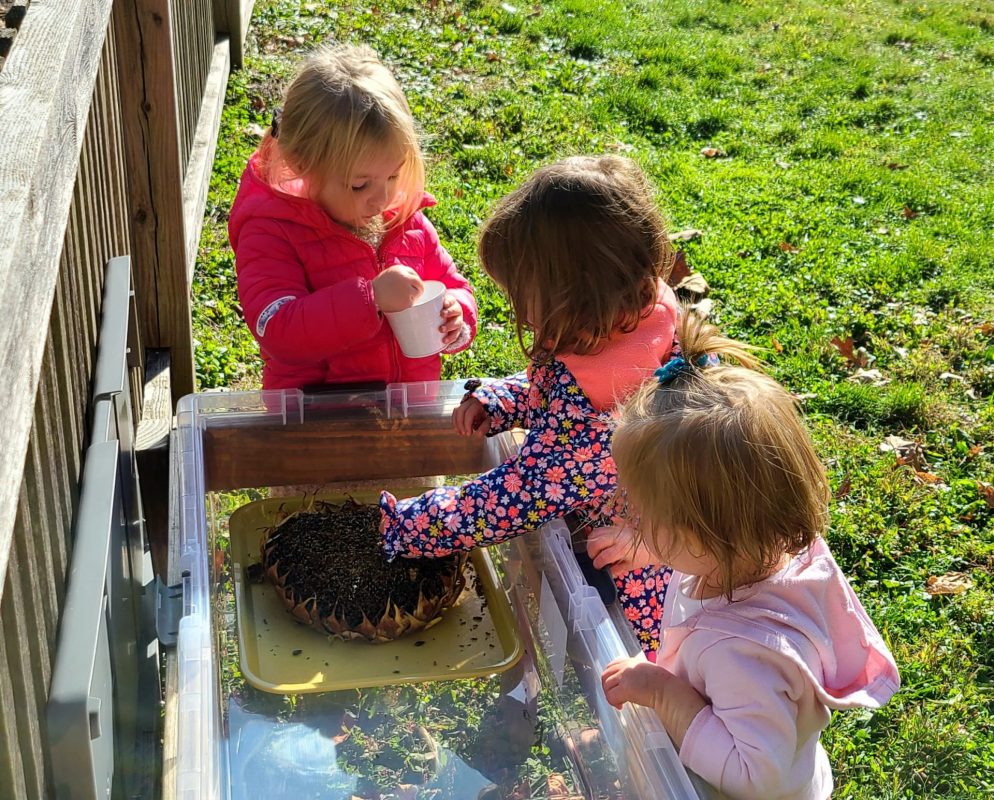
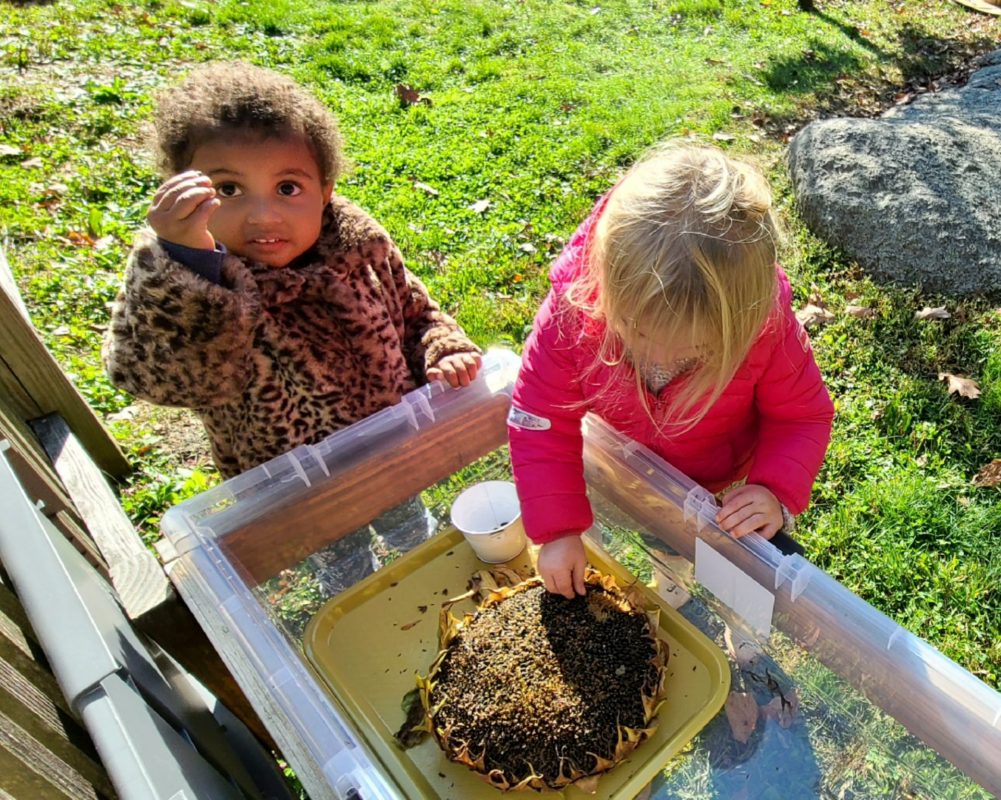
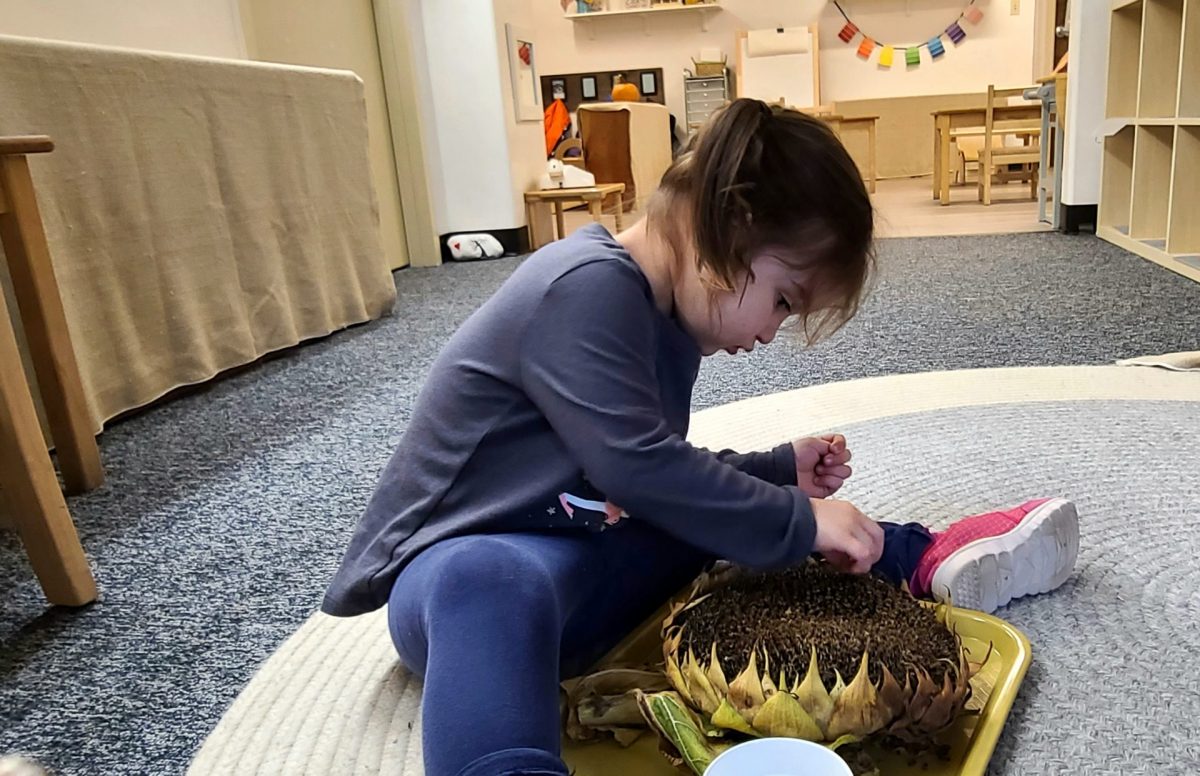
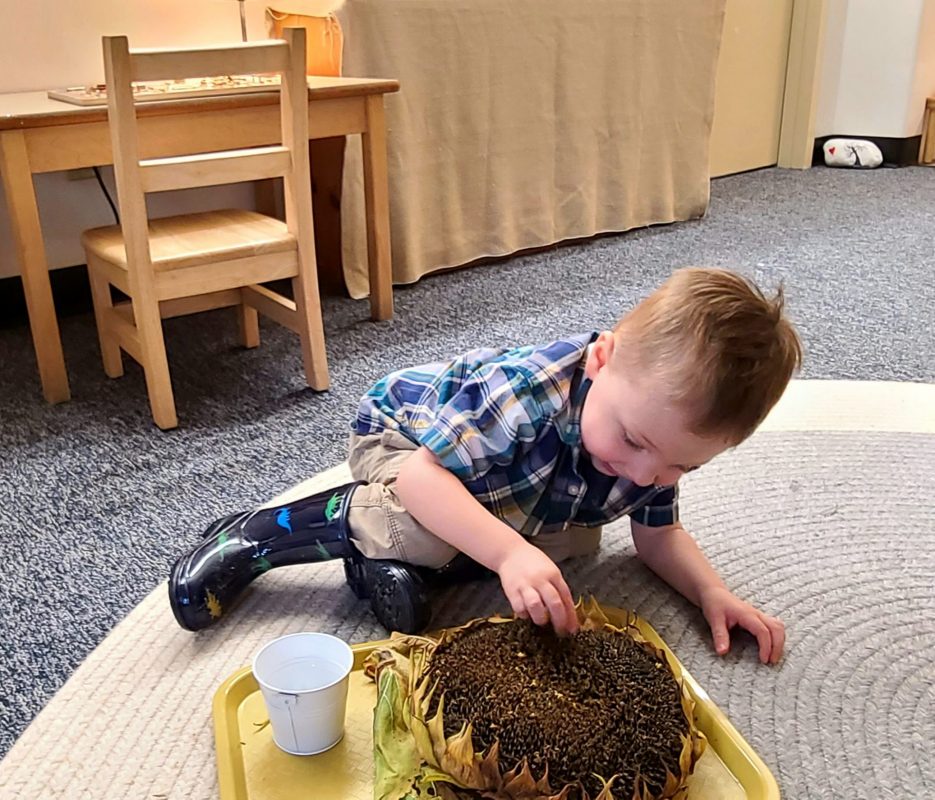
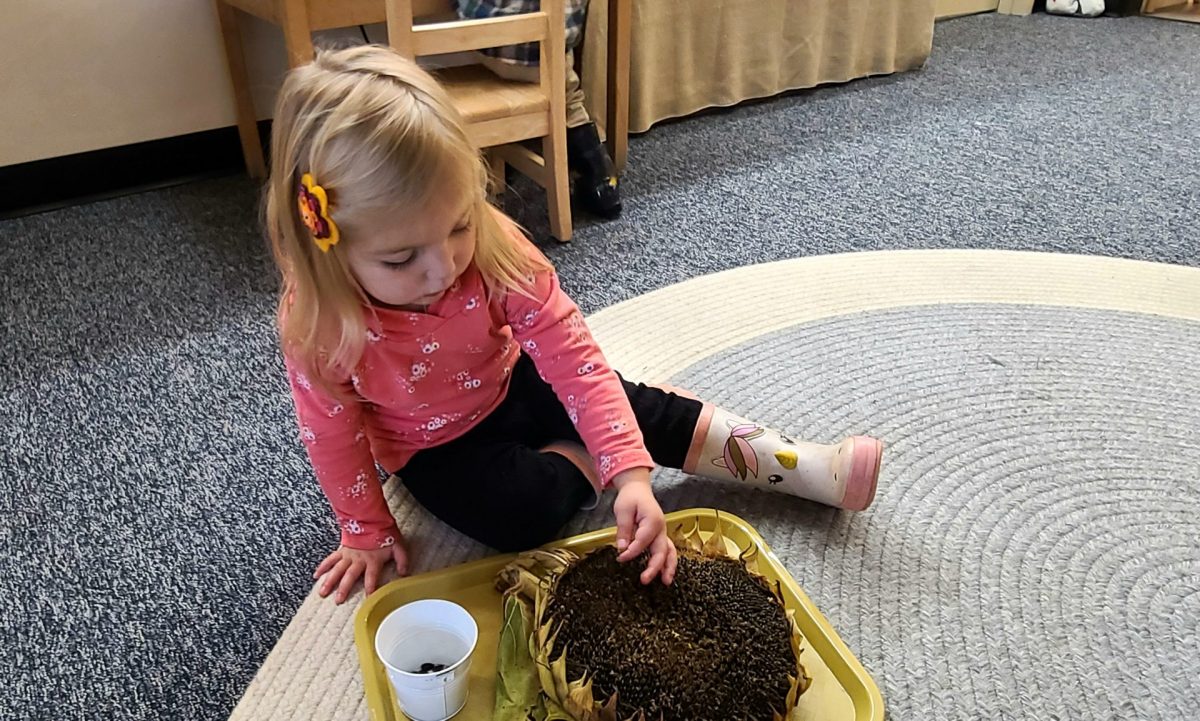
Children also enjoyed making pumpkin sun catchers and taking sunflower seeds out of a huge mammoth sunflower head, strengthening their pincer grip.  

Ms. Maria and I can’t wait to “see” you next week for our Parent- Teacher Conference through Zoom and to talk more in detail about your child’s progress. 

Enjoy the pictures,

Mrs. Hood and Ms. Maria 


Exploring LatinX Culture through Art

The ACTFL World-Readiness Standards for Learning Languages includes five goal areas (the 5 C’s) upon which Spanish class is structured: Communication, Cultures, Connections, Comparisons, and Communities. Coupled with proficiency guidelines, the goal, according to ACTFL, is to ensure that language learners can apply the skills measured by the standards to bring a global competence to their future and career experiences. All of our Spanish classes incorporate at least two of these goal areas each time we meet.   

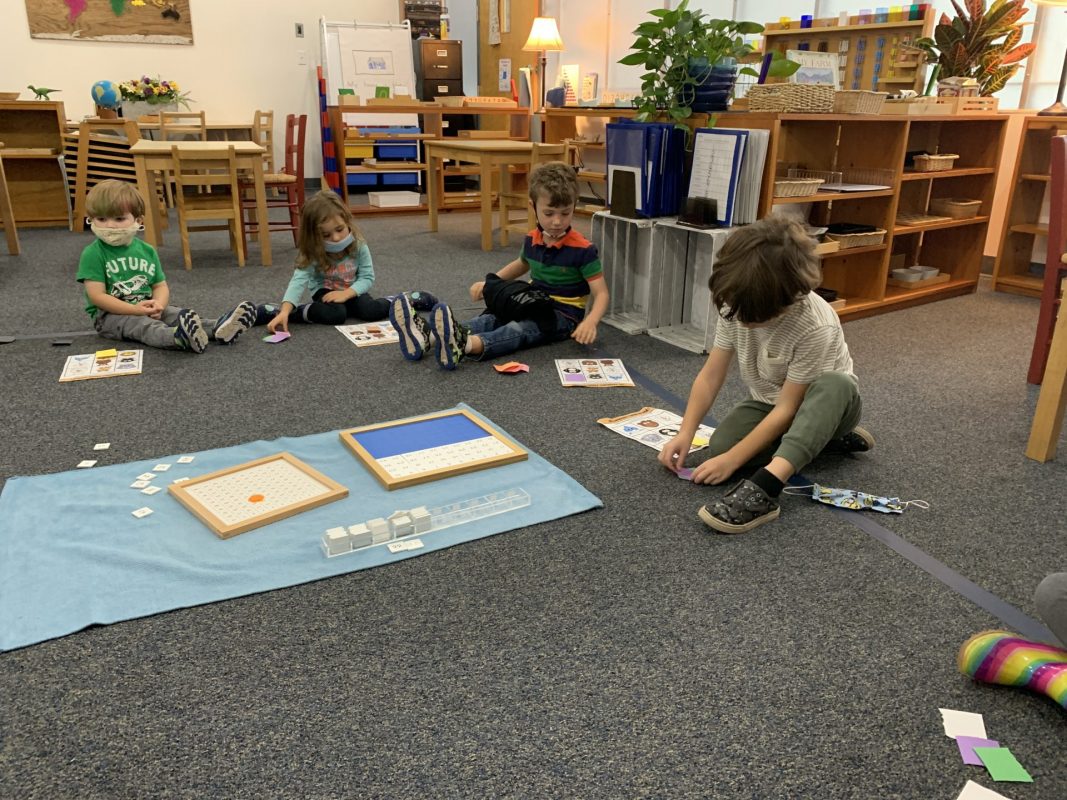
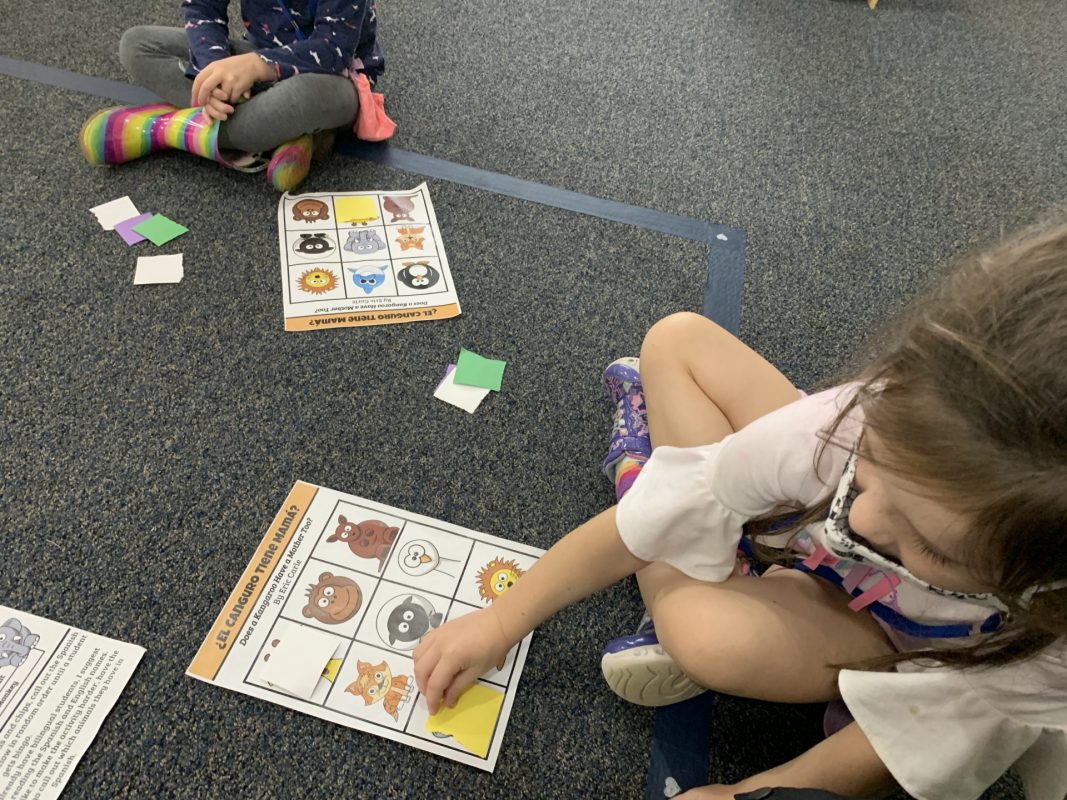
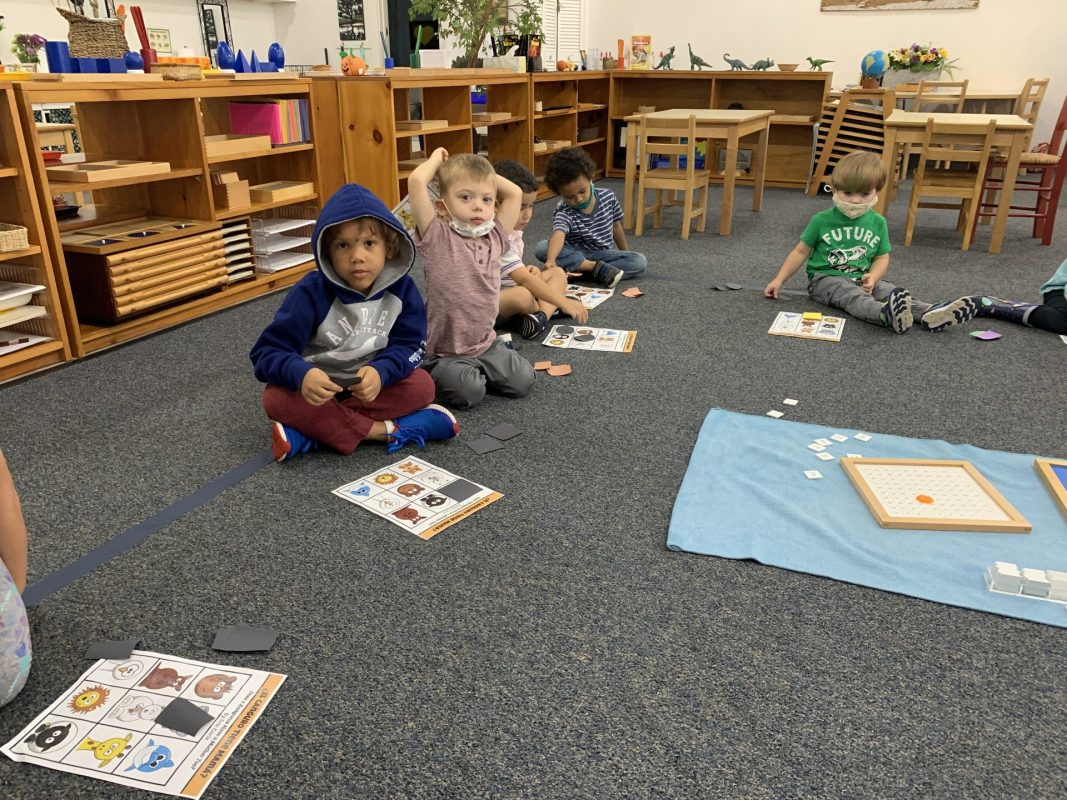
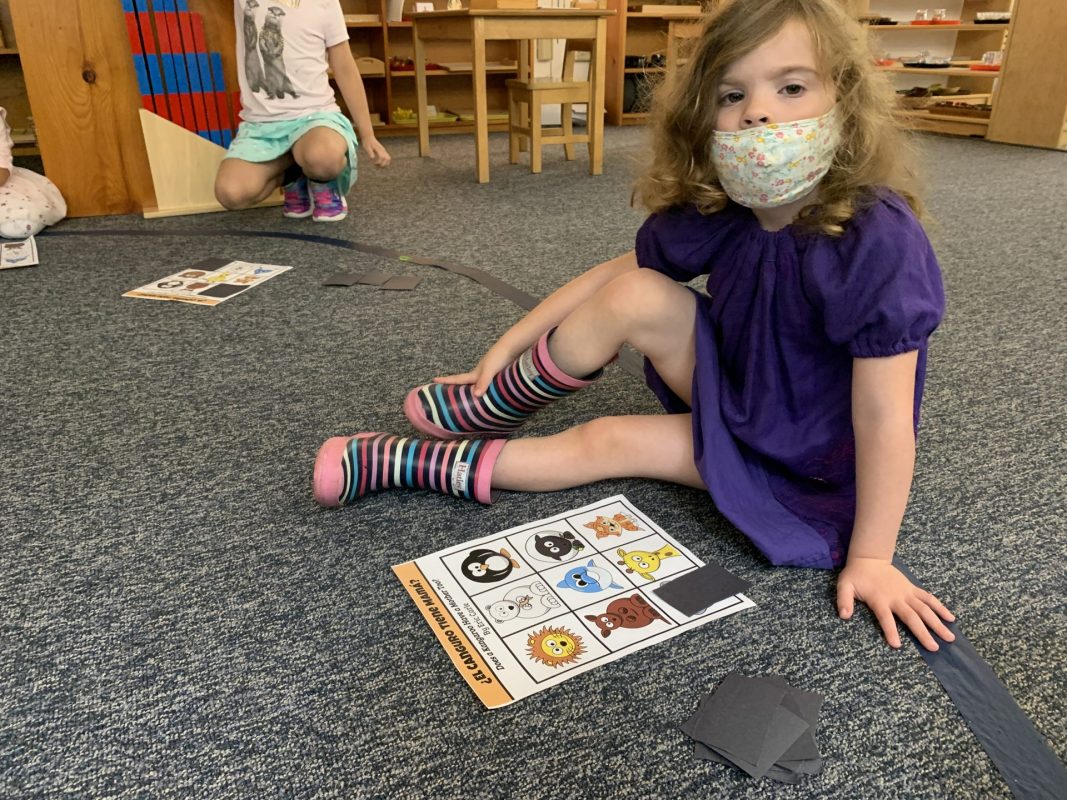
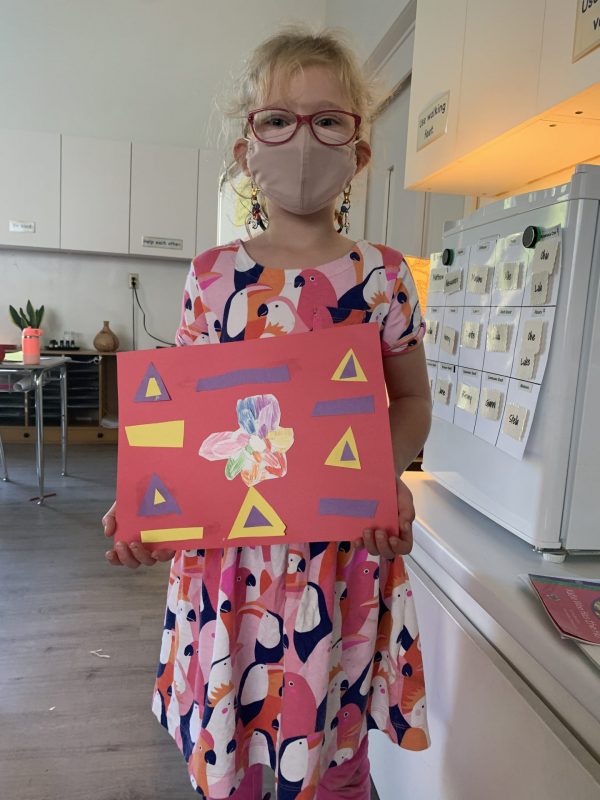
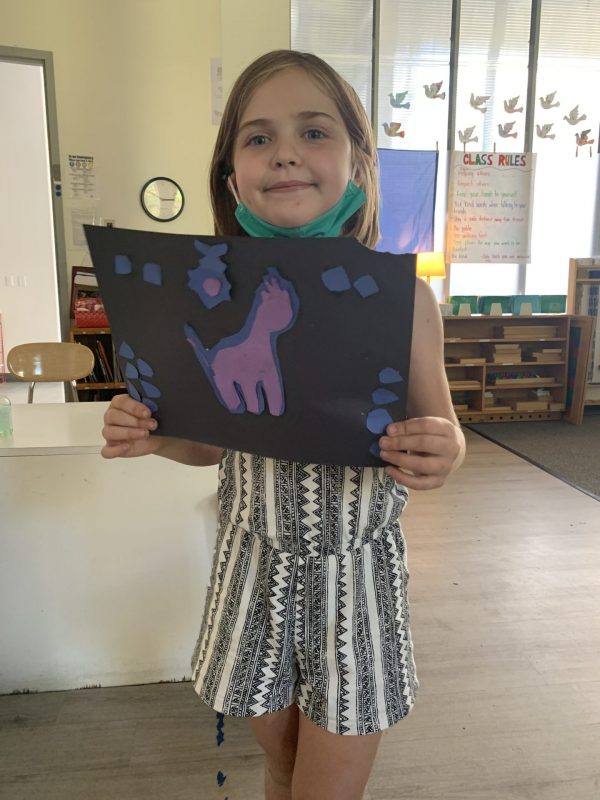
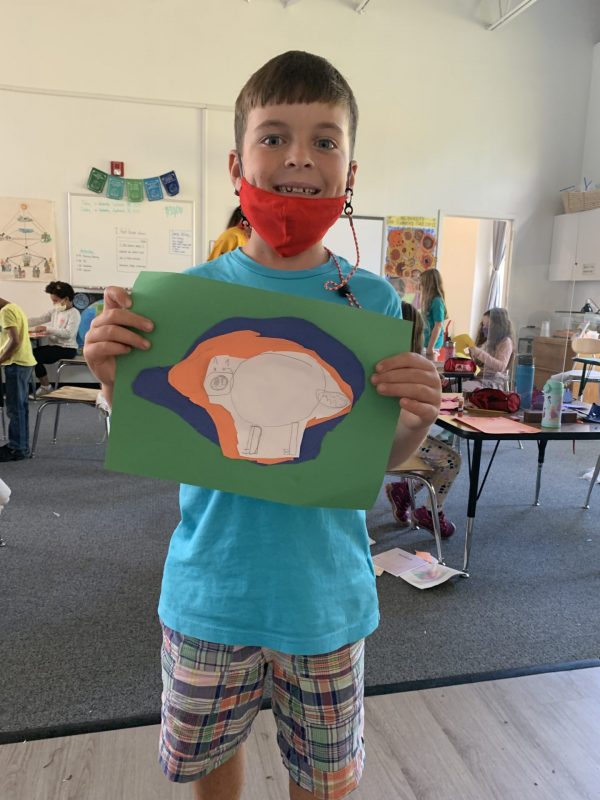
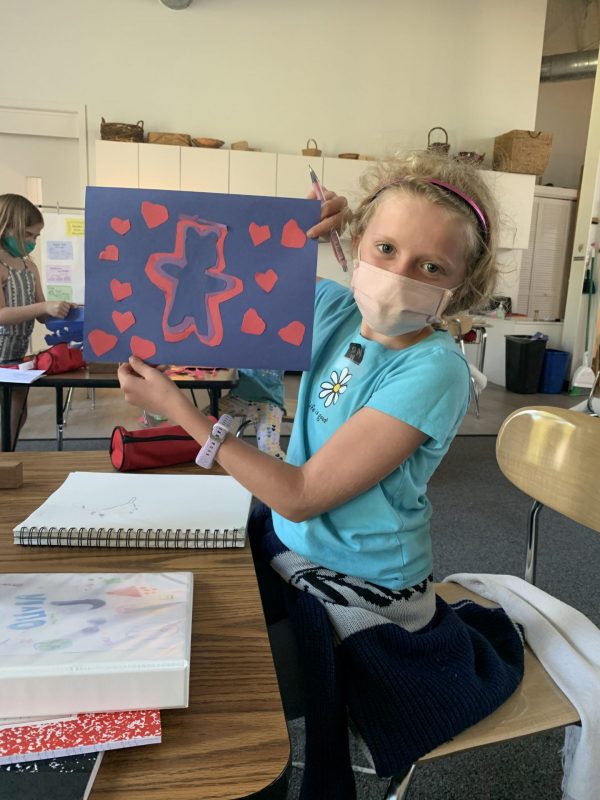
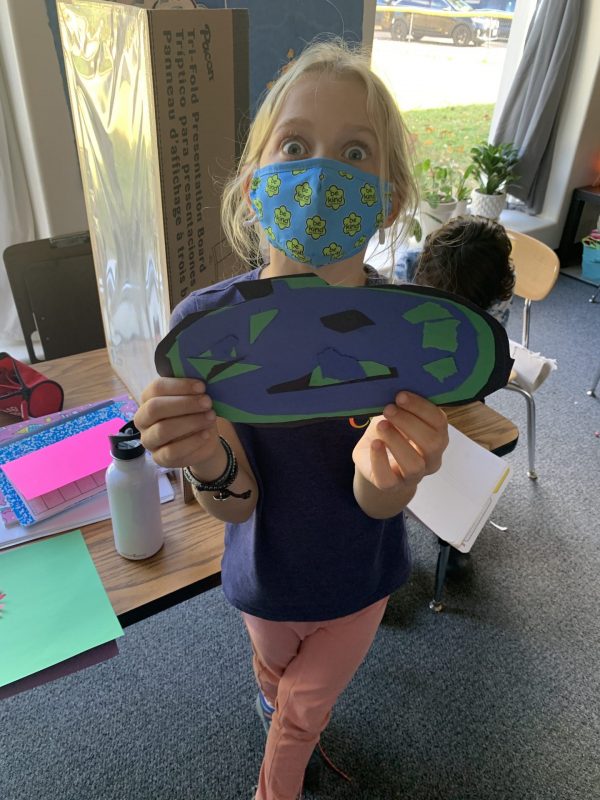
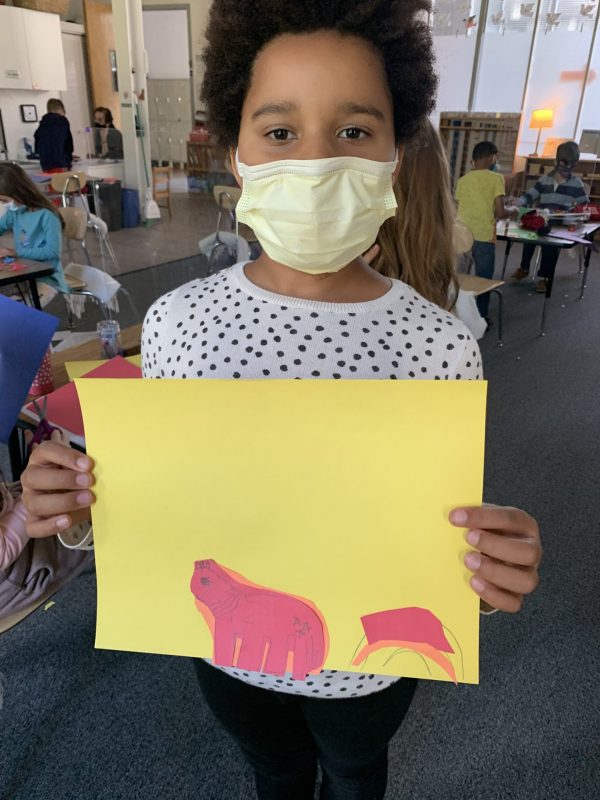
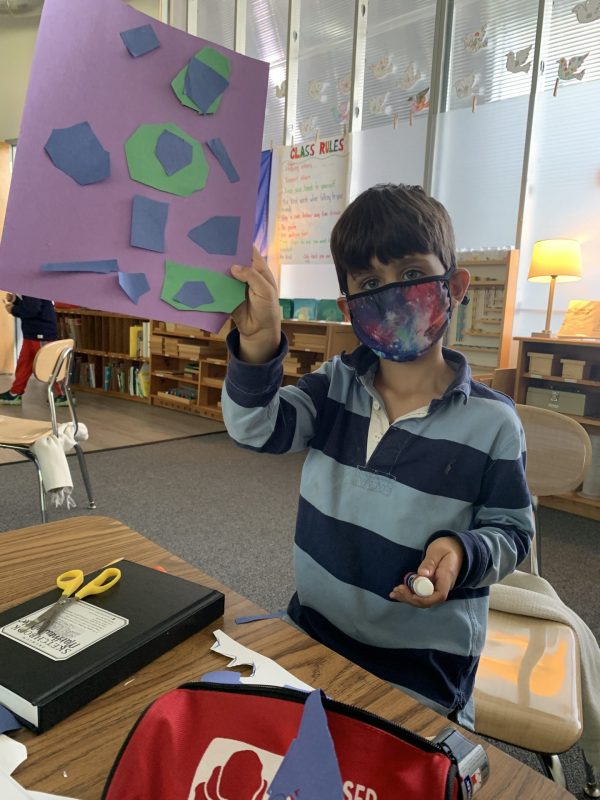
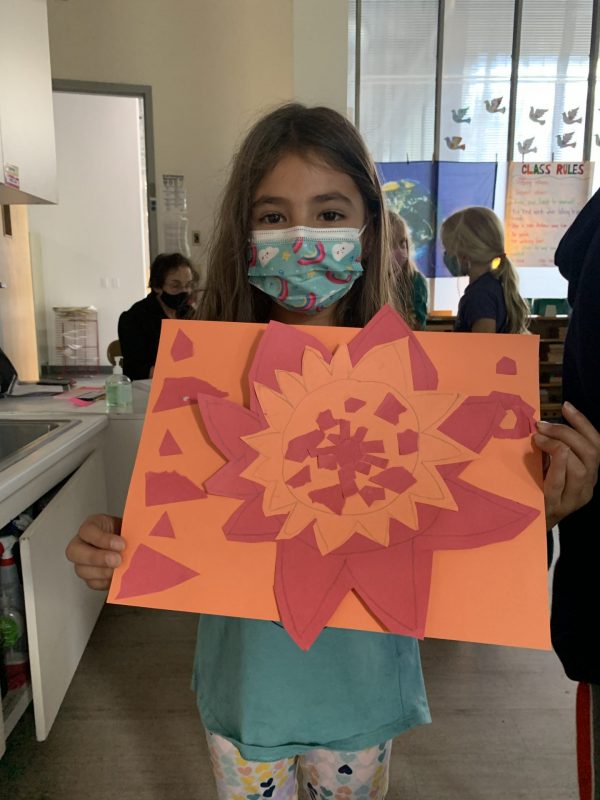
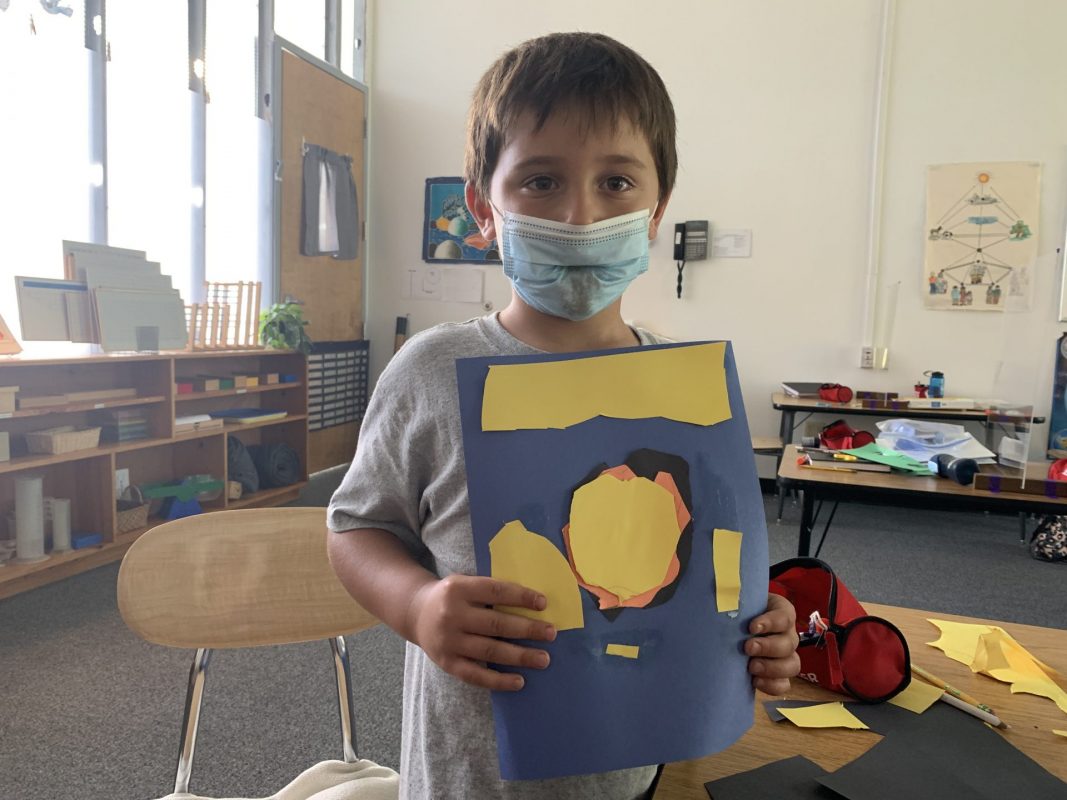
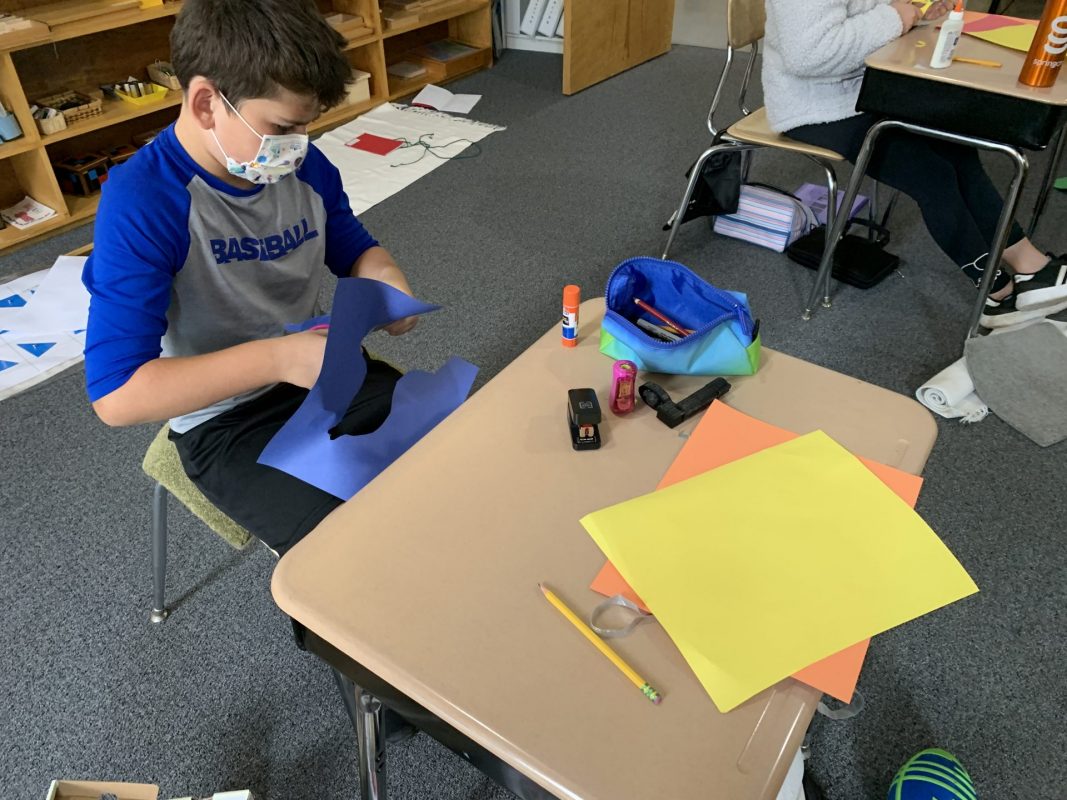
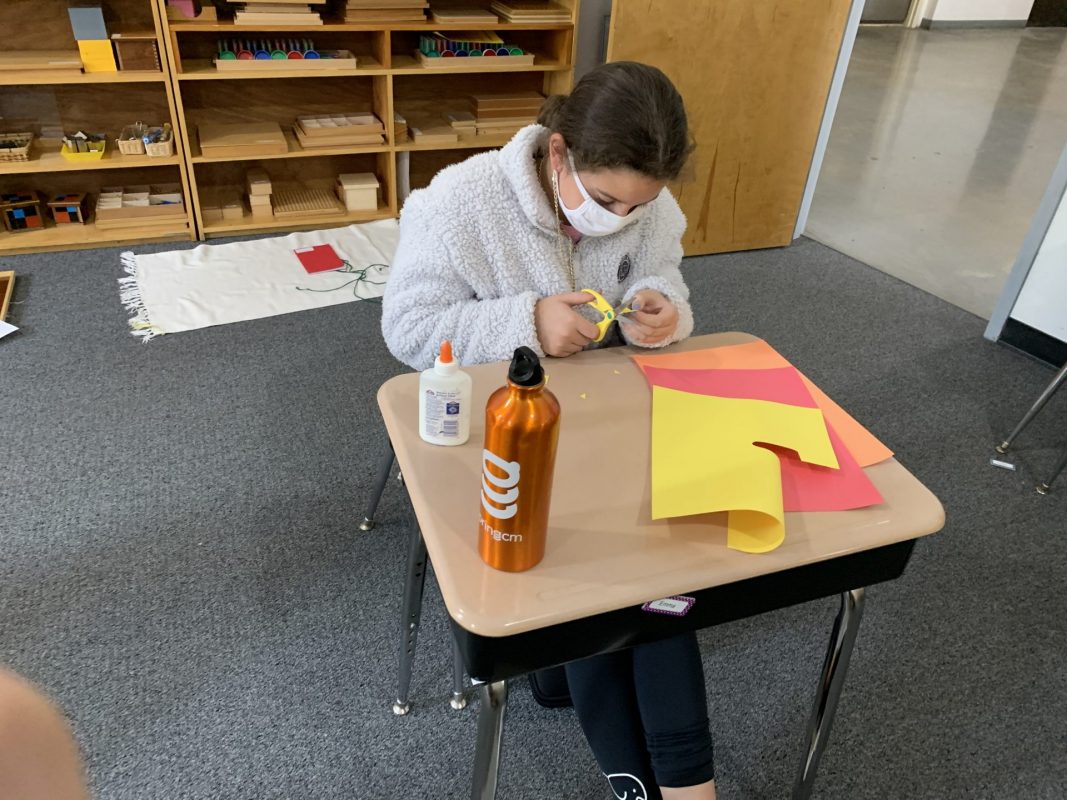
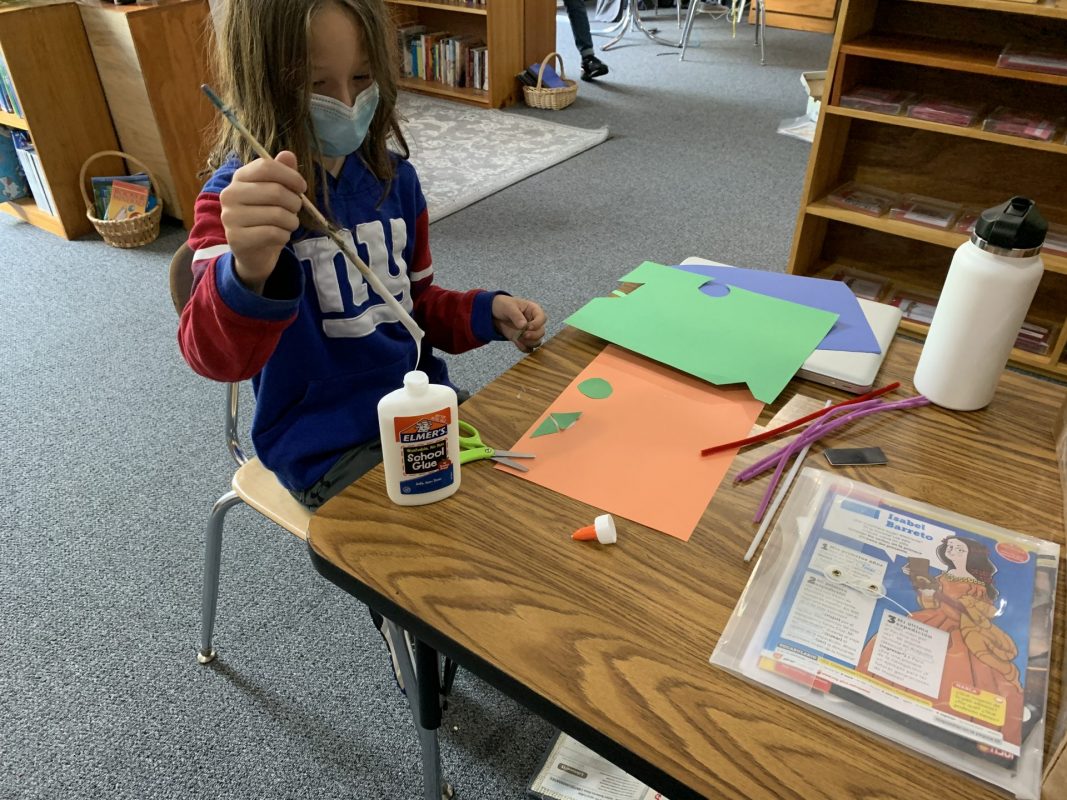
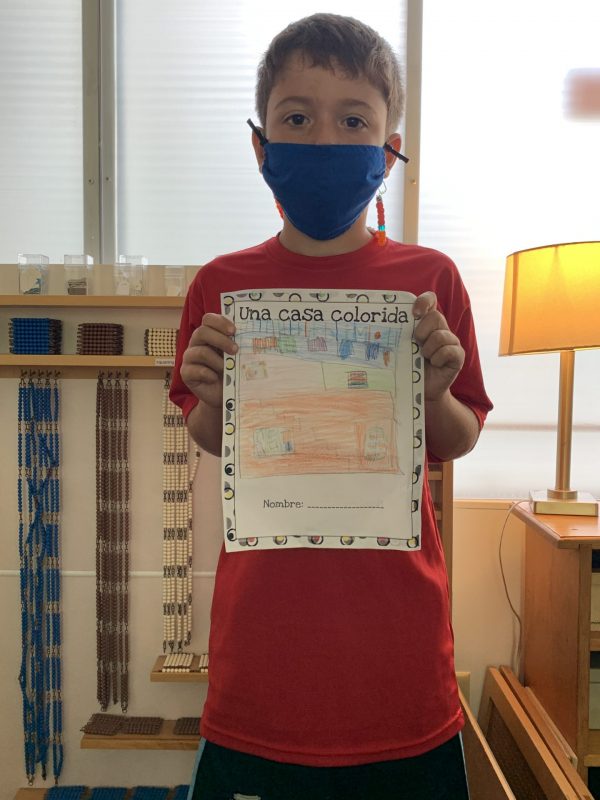
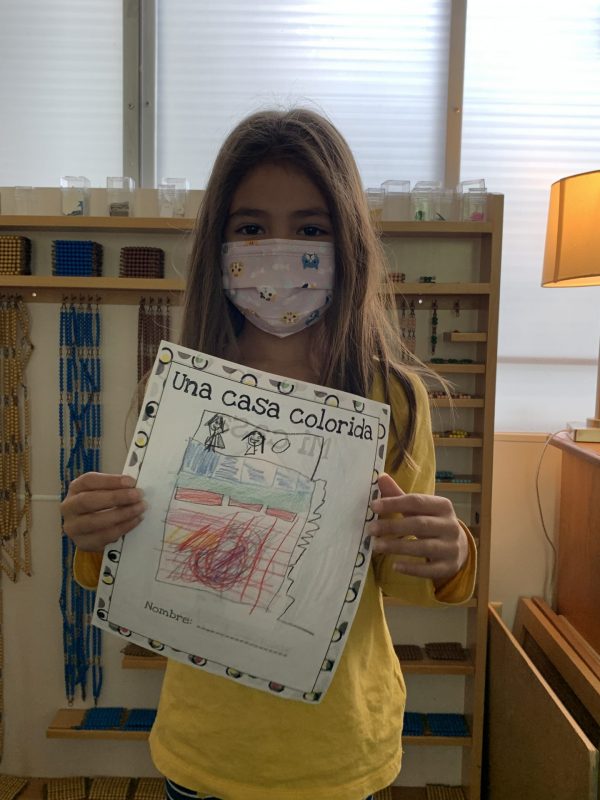
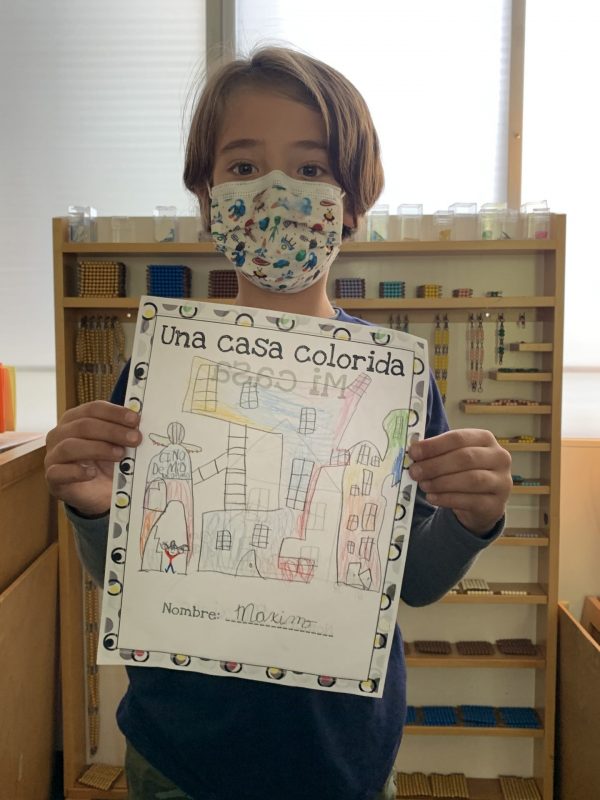
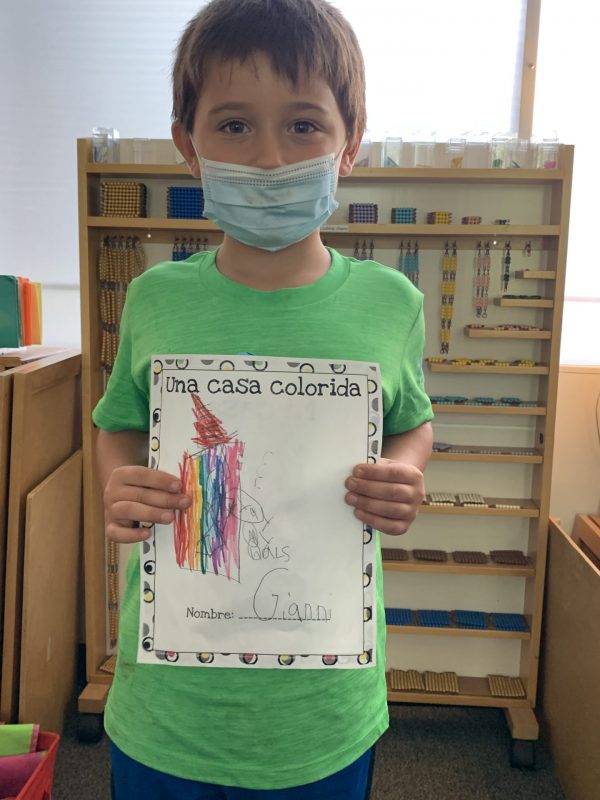
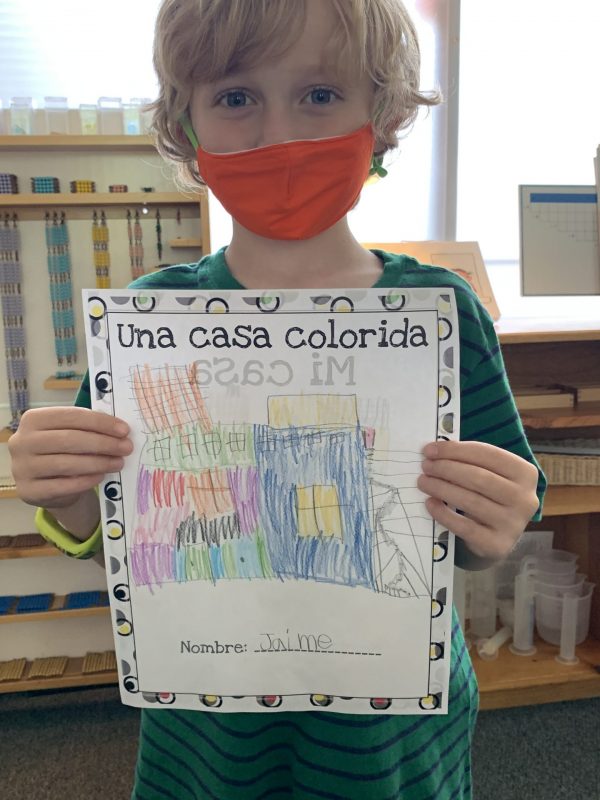
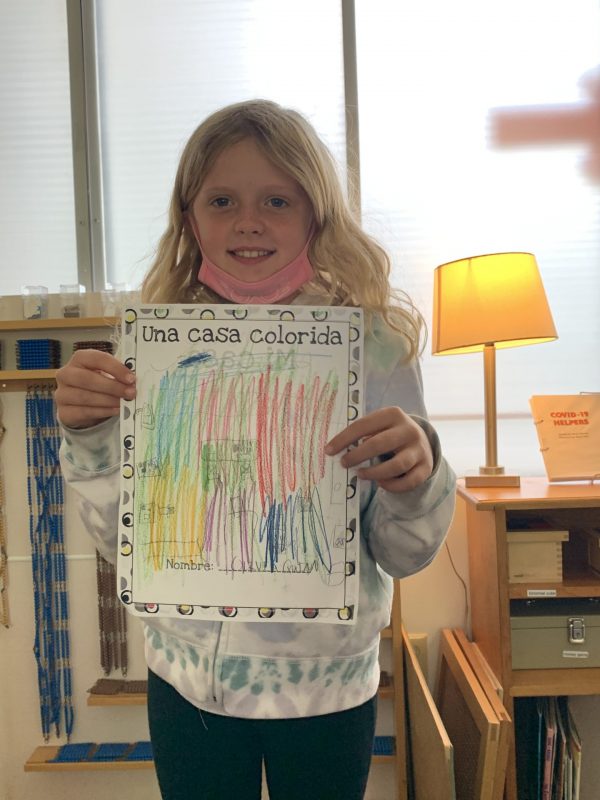
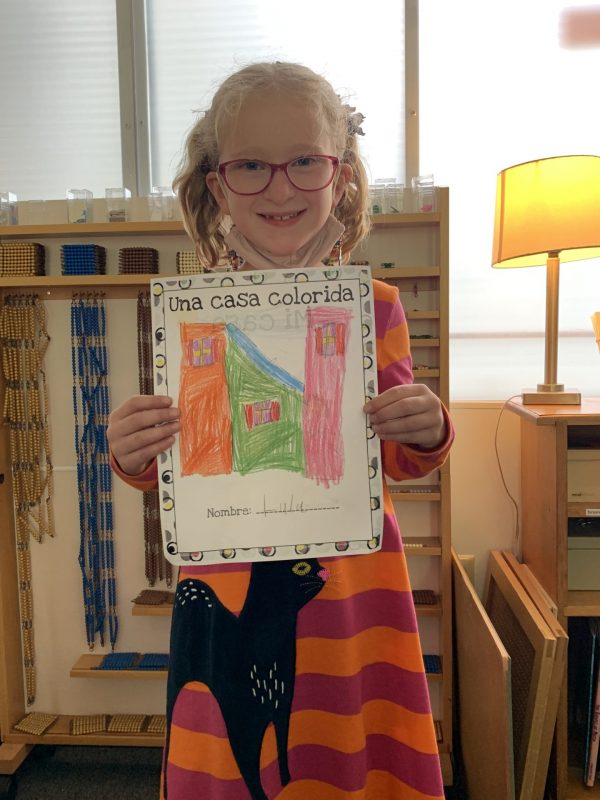
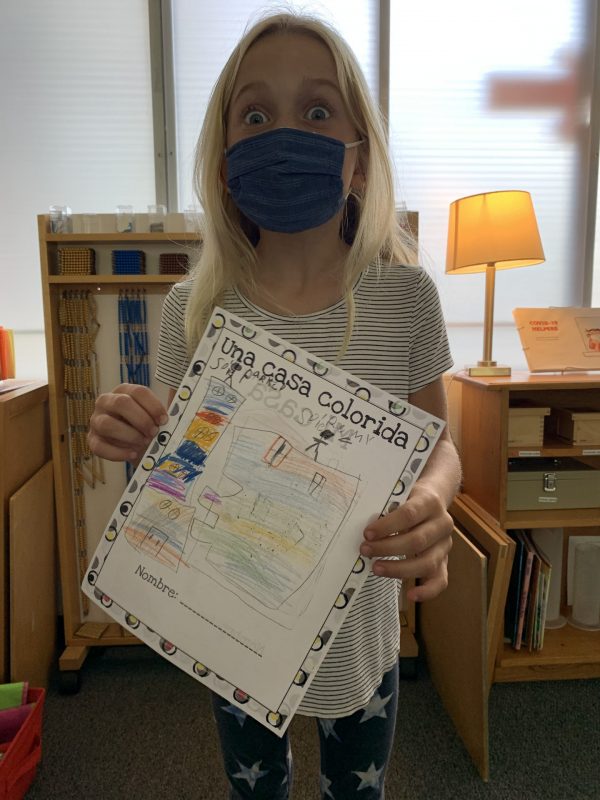
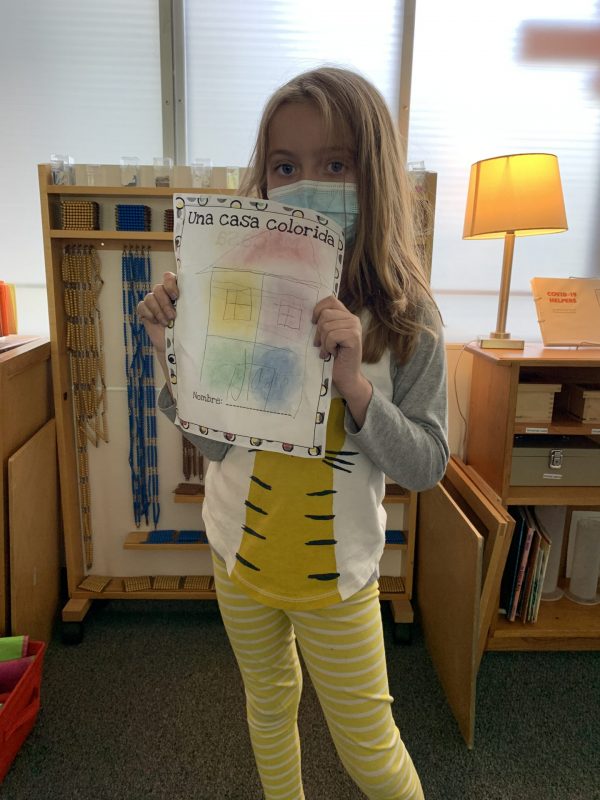
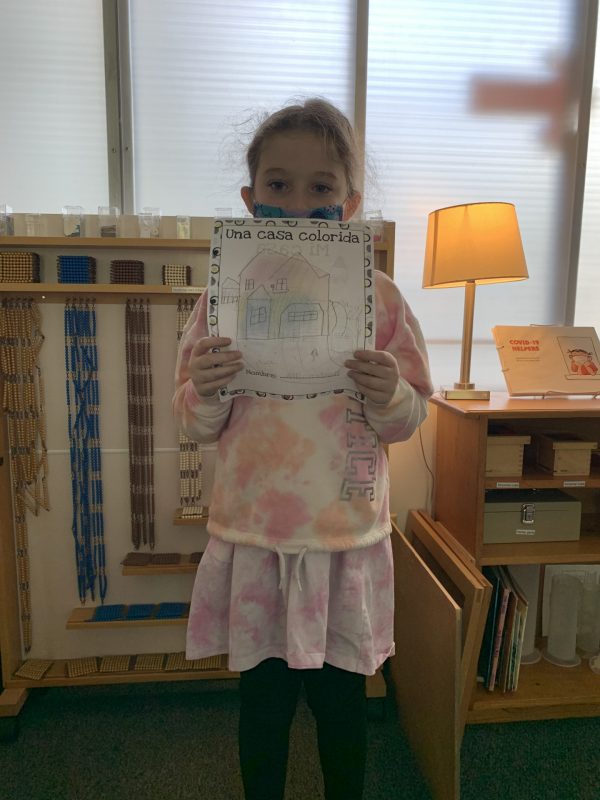
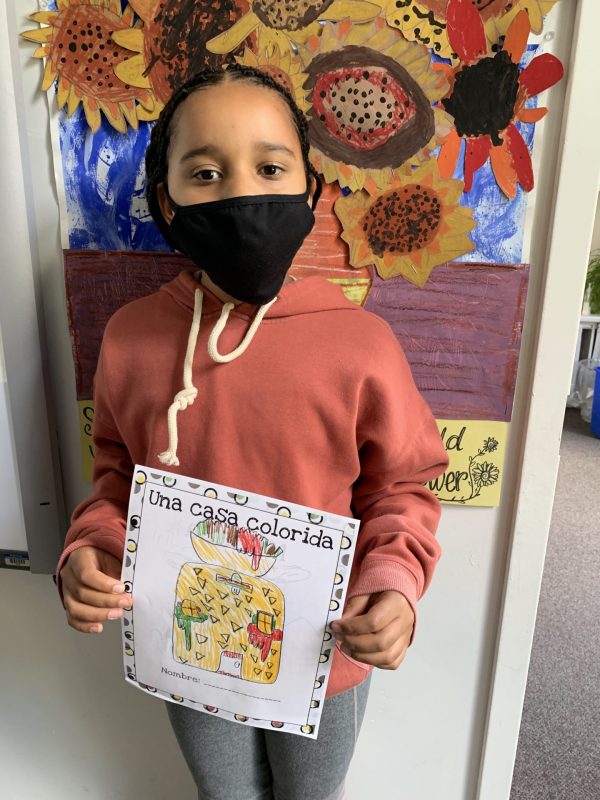
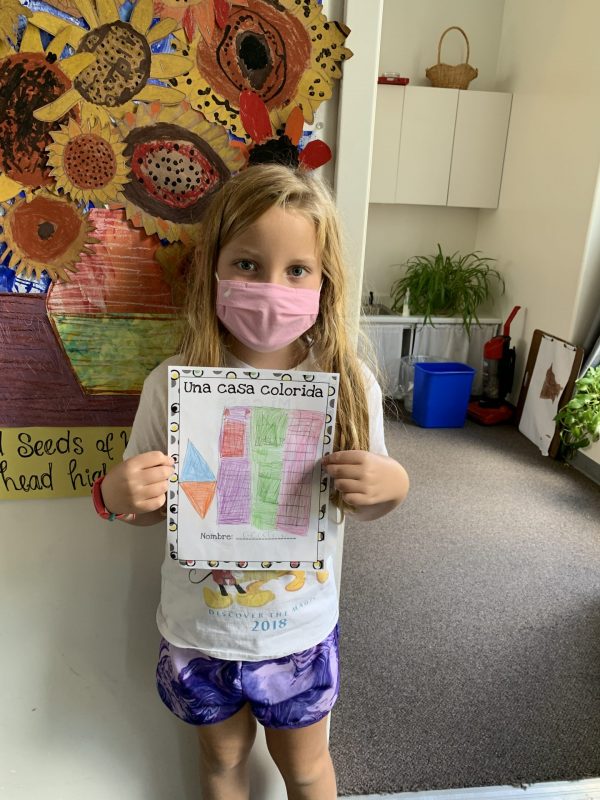
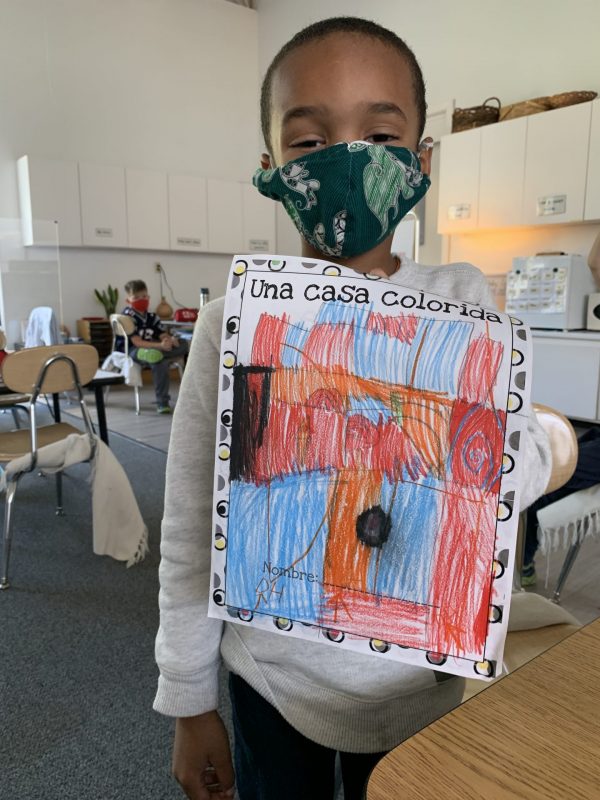
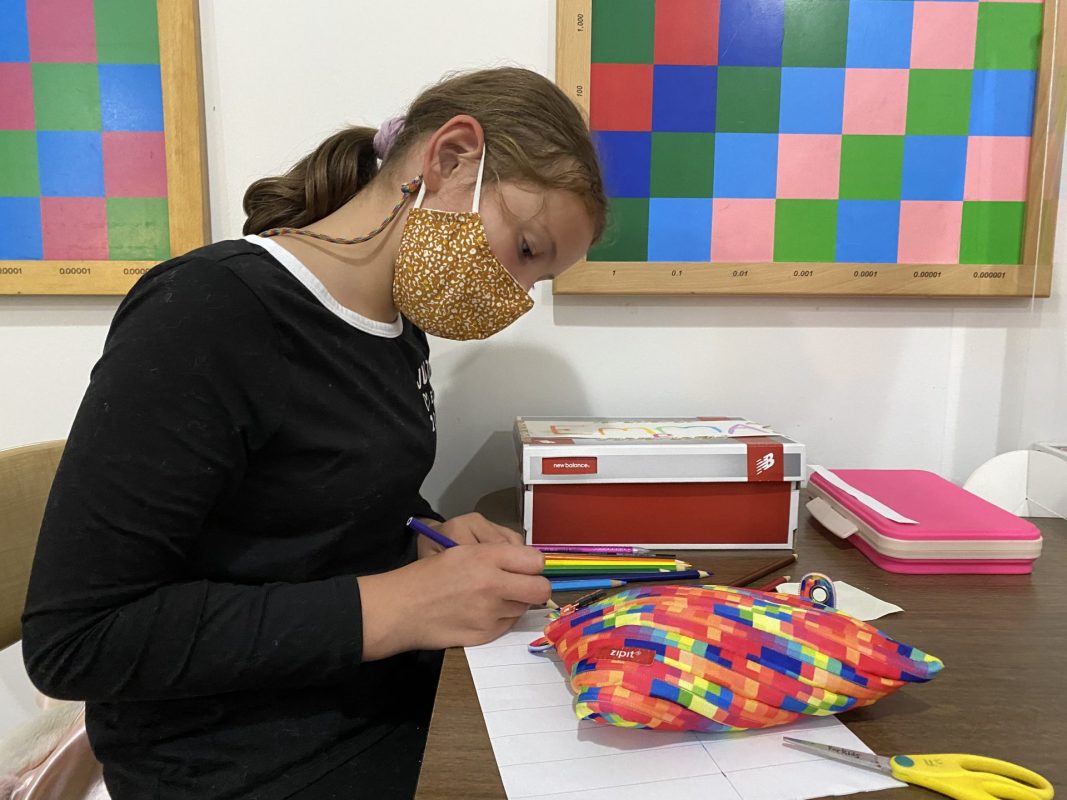
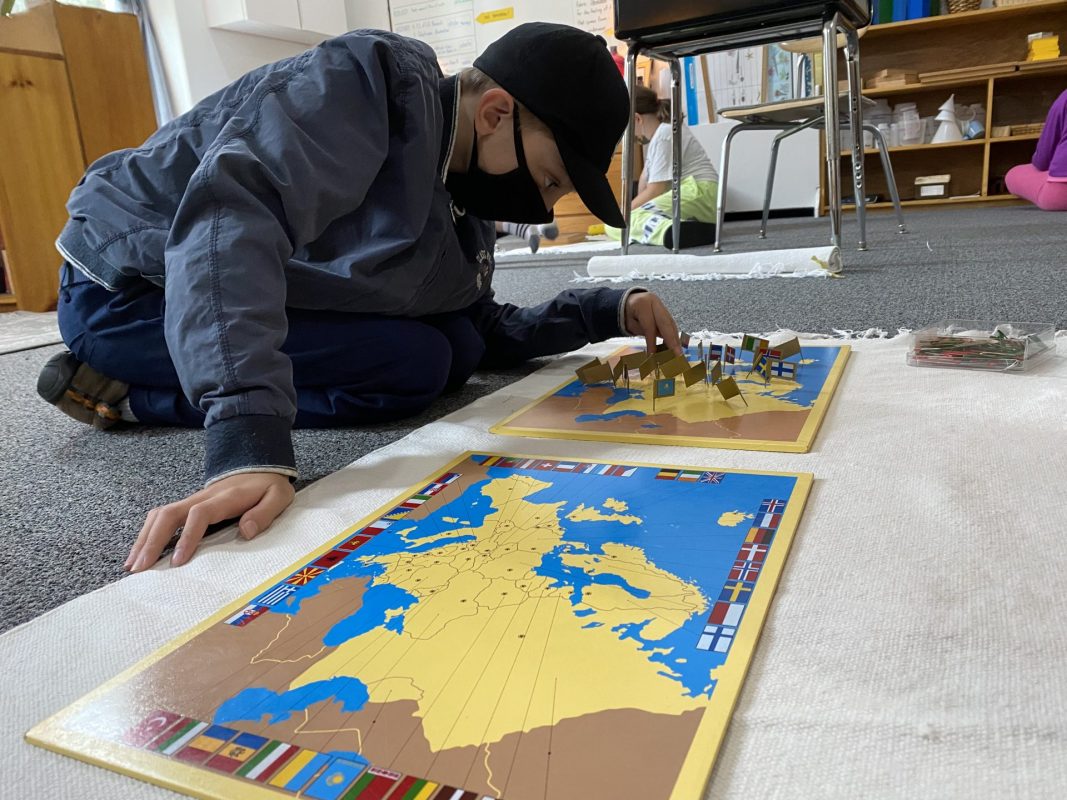
During Hispanic Heritage Month, Lower and Upper Elementary students have been taking virtual journeys through a few Spanish-speaking countries. We used Google Earth to visit El Caminito in La Boca, Buenos Aires, Argentina to explore the casas coloridas (colorful houses). In addition, we observed some images of Kuna women of Panama and replicated the mola designs, similar to the staple of their wardrobe. Finally, we explored the feeling of worry, where it comes from, and how we cope with it as we created our own version of Guatemalan worry dolls. Students were engaged in the process of planning and implementing lines and shapes into their casas coloridas, molas, and worry dolls, as they explored these elements of LatinX culture through connection and comparison.


The Science of Kindness

“Let us treat them [children], therefore, with all the kindness which we would wish to help to develop in them.” -Maria Montessori

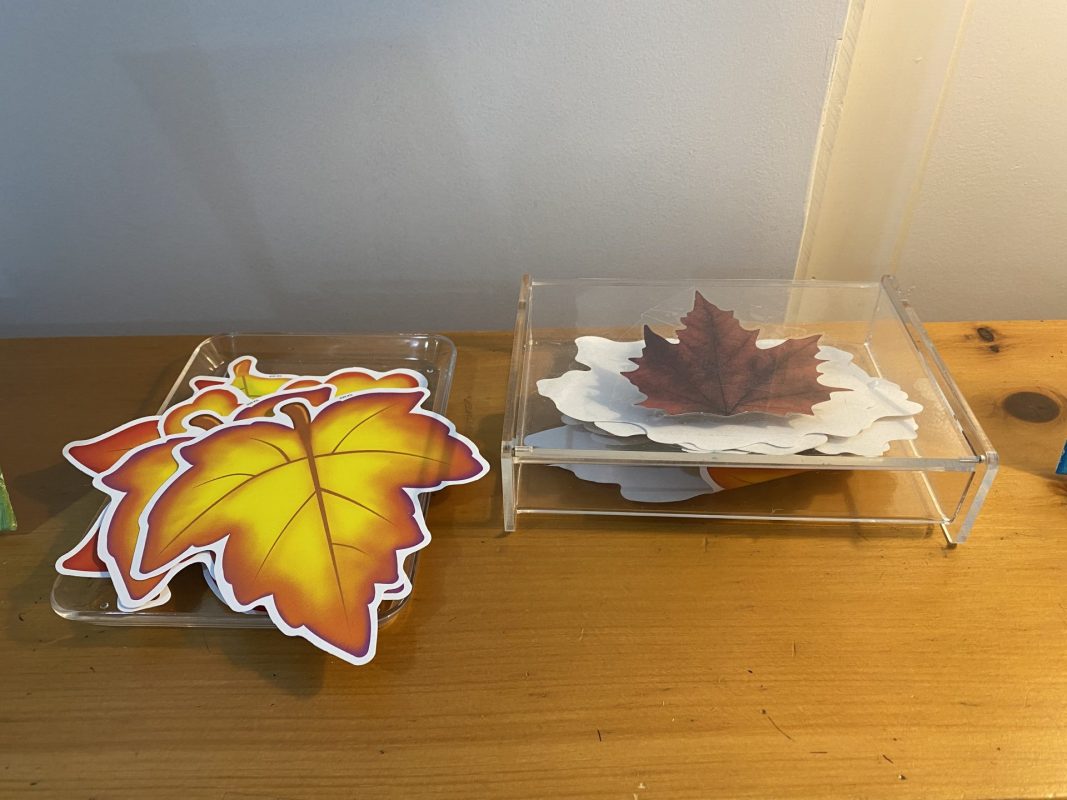
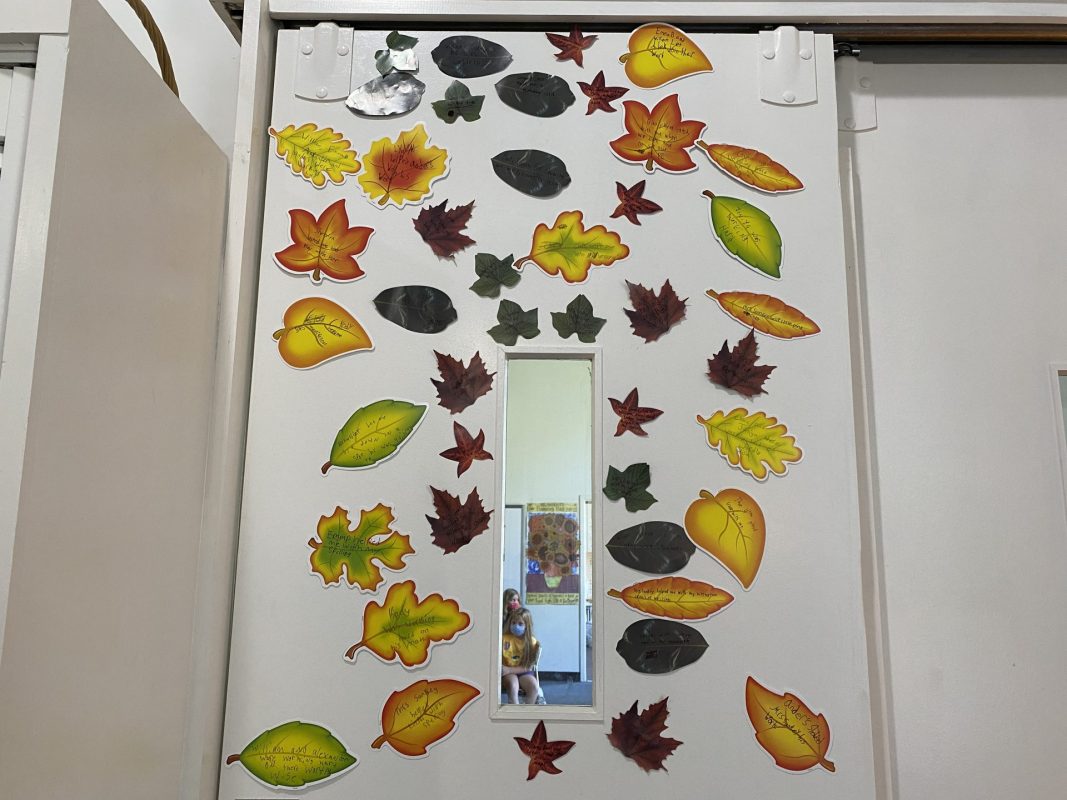
In Upper Elementary we put an intentional focus on recognizing acts of kindness. Being kind and witnessing others showing kindness creates several physiological changes in our bodies. We get a boost to our oxytocin levels – a hormone which helps us form social bonds and increases our trust in others. Our dopamine and serotonin levels also rise. These are neurotransmitters which, respectively, give us a euphoric feeling and help regulate our mood. Being kind to others also benefits us by increasing our self-esteem, empathy, and compassion. Upper El students are encouraged to record acts of kindness others extend to them or that they witness between their classmates throughout the day on Kindness Leaves. These leaves are collected throughout the week and on Friday they are read aloud to the class, recognizing the person who extended the act of kindness. The leaves will be displayed in our classroom throughout the year before they are brought home at the end of the year by the children.

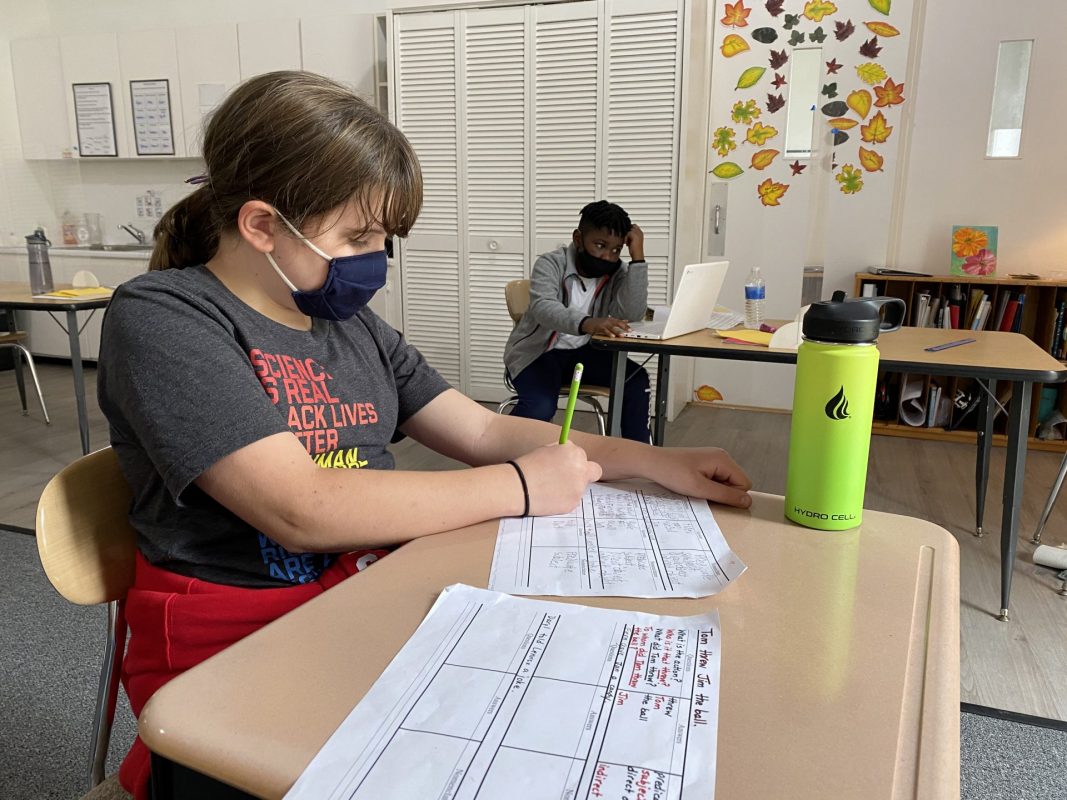
In addition to individual lessons in math and spelling this week, the children participated enthusiastically in our small and large group lessons. In geometry, the fourths focused on identifying seven different types of angles and fifths learned to use a square as the measurer of a surface and worked on finding the area of rectangles. Our biology work this week was recording observations of the four experiments with roots from last week and we also learned about the upward flow of water in plants and root pressure. Our geography lesson on the Work of Air demonstrated that when hot air rises, cool air flows in. Ask your child to tell you about the experiment we did to demonstrate this concept. In language, fourth years continue their work with sentence analysis and identifying the elements in a sentence. Fifth years learned about adverbs of time, place, and manner. We enjoyed our book discussions and role sharing during Lit Circle. I was impressed with each student for remembering to complete their role sheets at home!


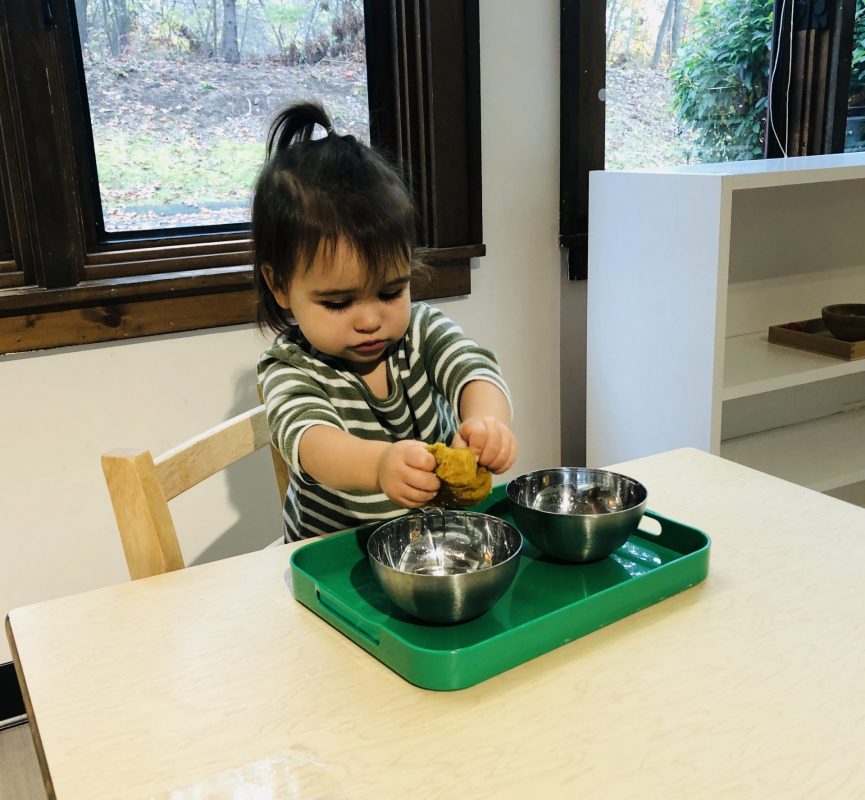
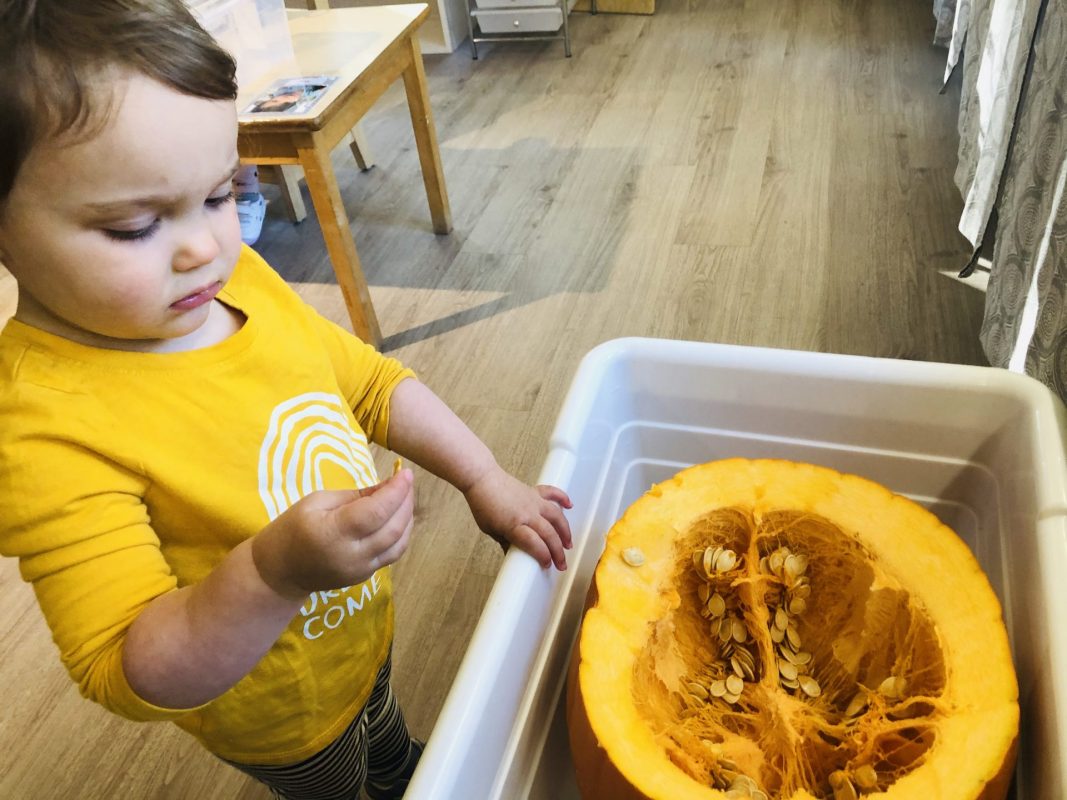
Mrs. Hood’s Class: Pumpkin Guts!

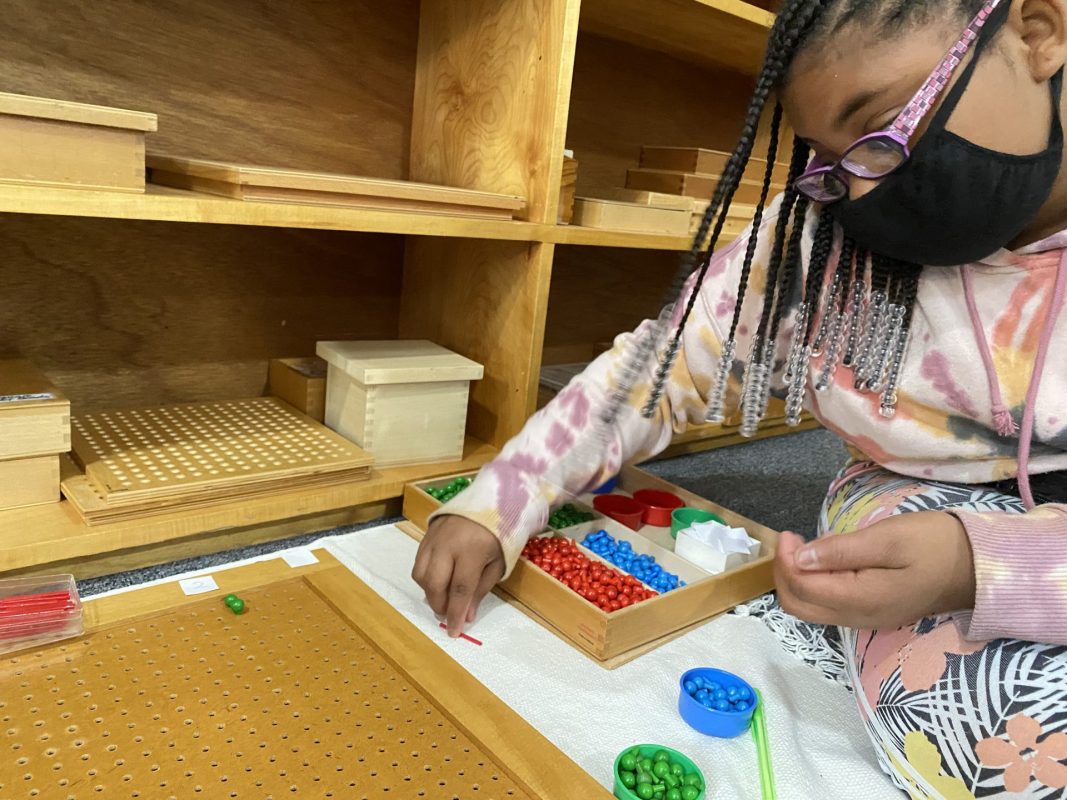
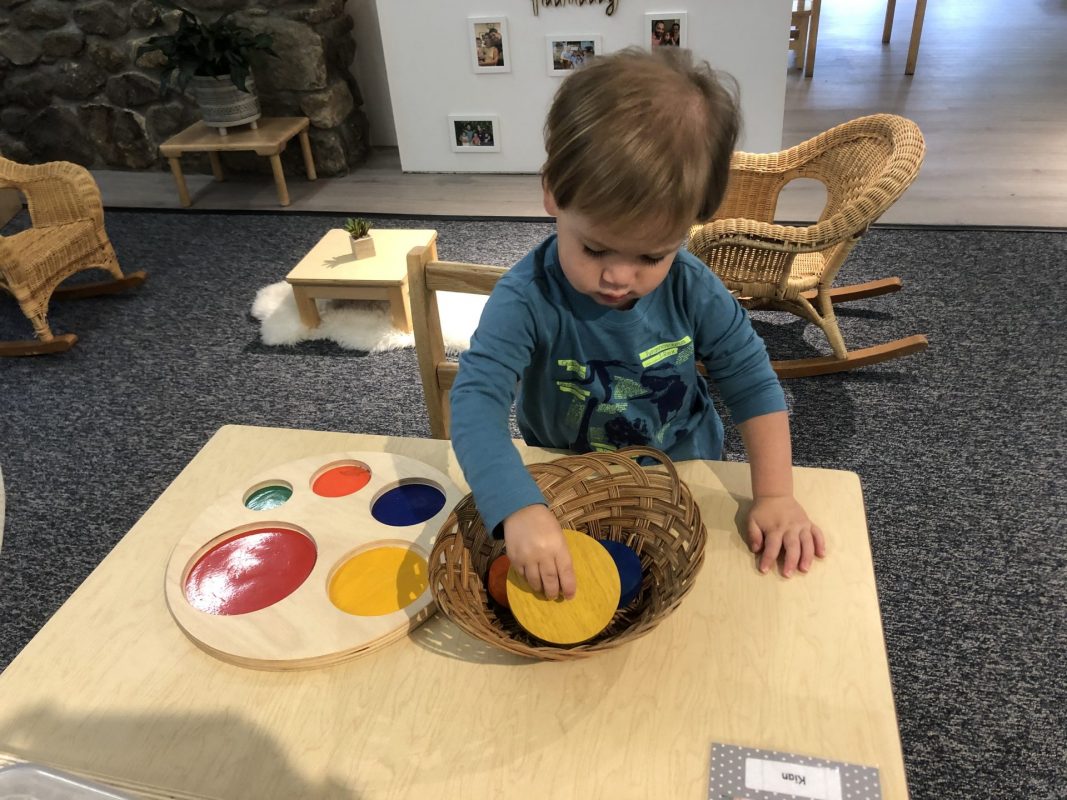
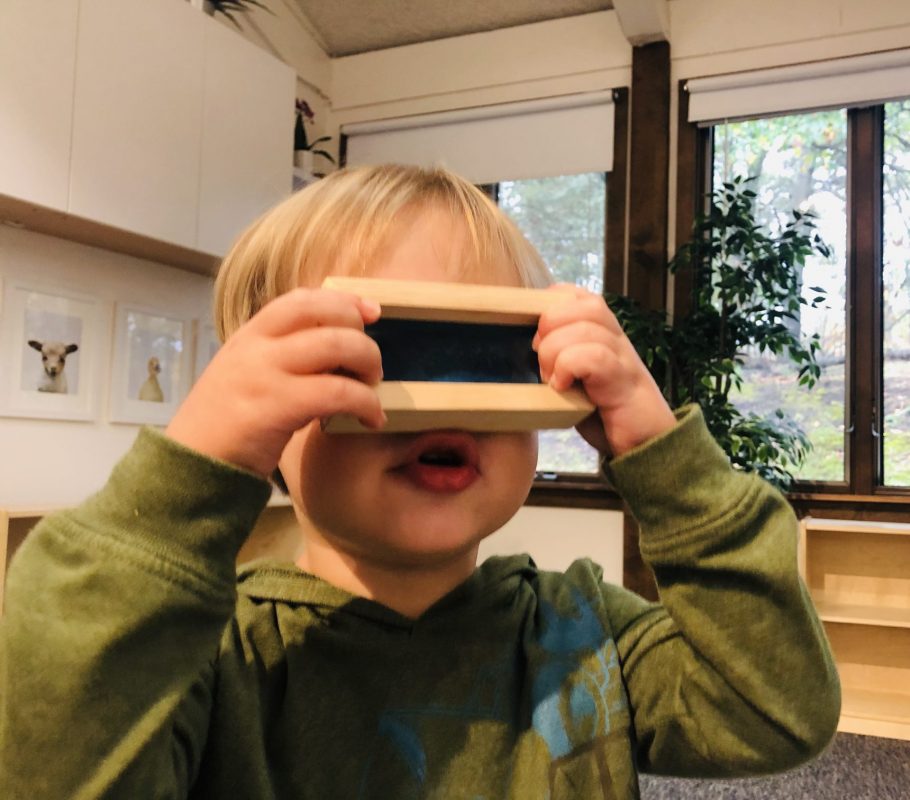
Maria Montessori believed that nothing comes into the mind except through the senses. During the early years, as children develop their senses, their attention is directed toward the environment. The purpose of the Sensorial activities is to help the child in their efforts to sort out the many varied impressions given by the senses. These activities are specifically planned to help the child develop discrimination, order, and to broaden and refine the senses. These experiences also help prepare them to be a logical, aware, and perceptive person.

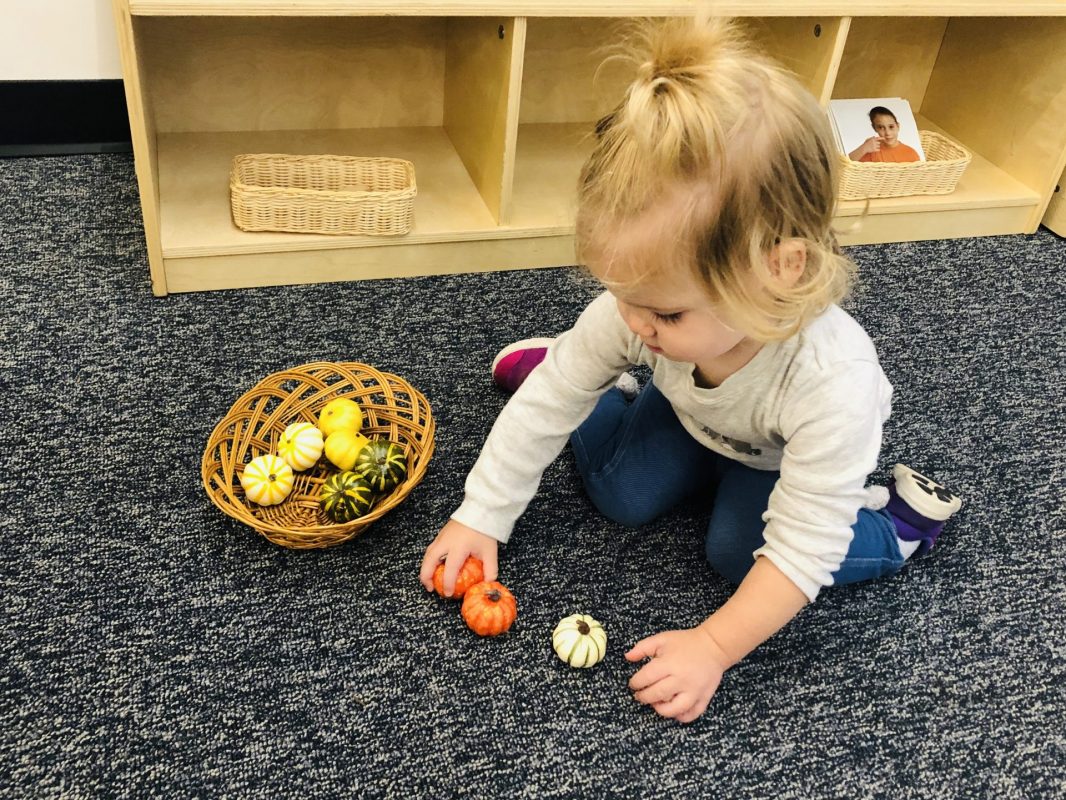
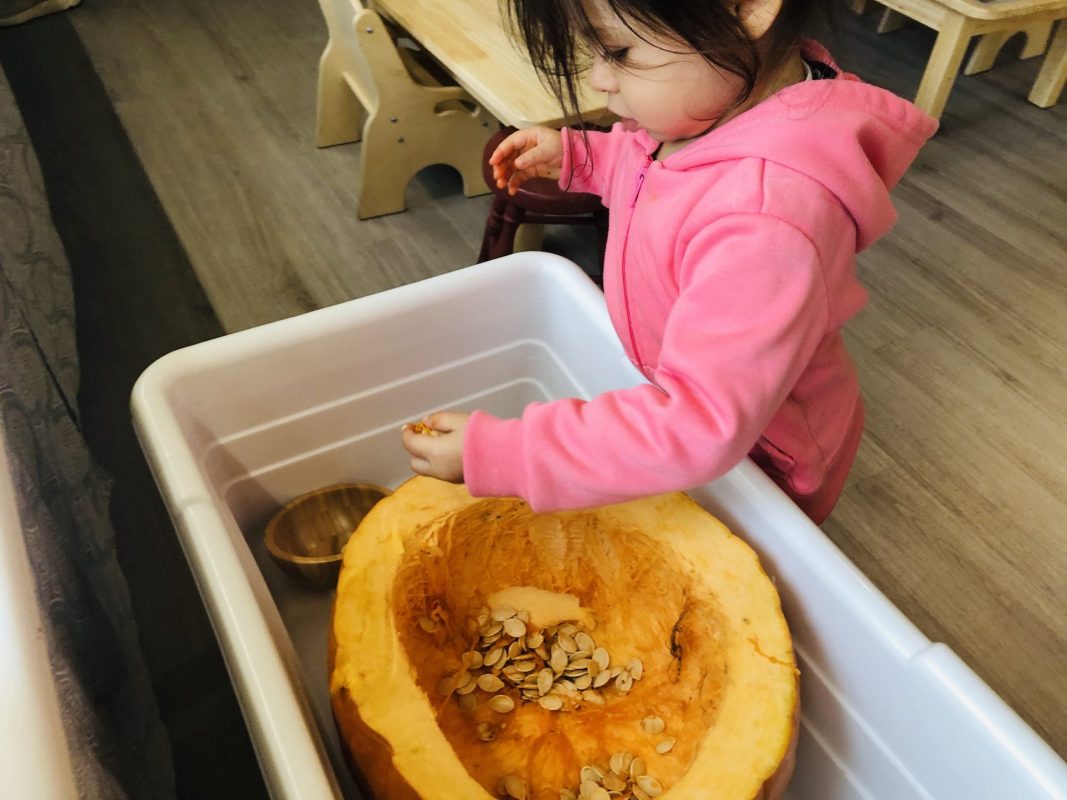
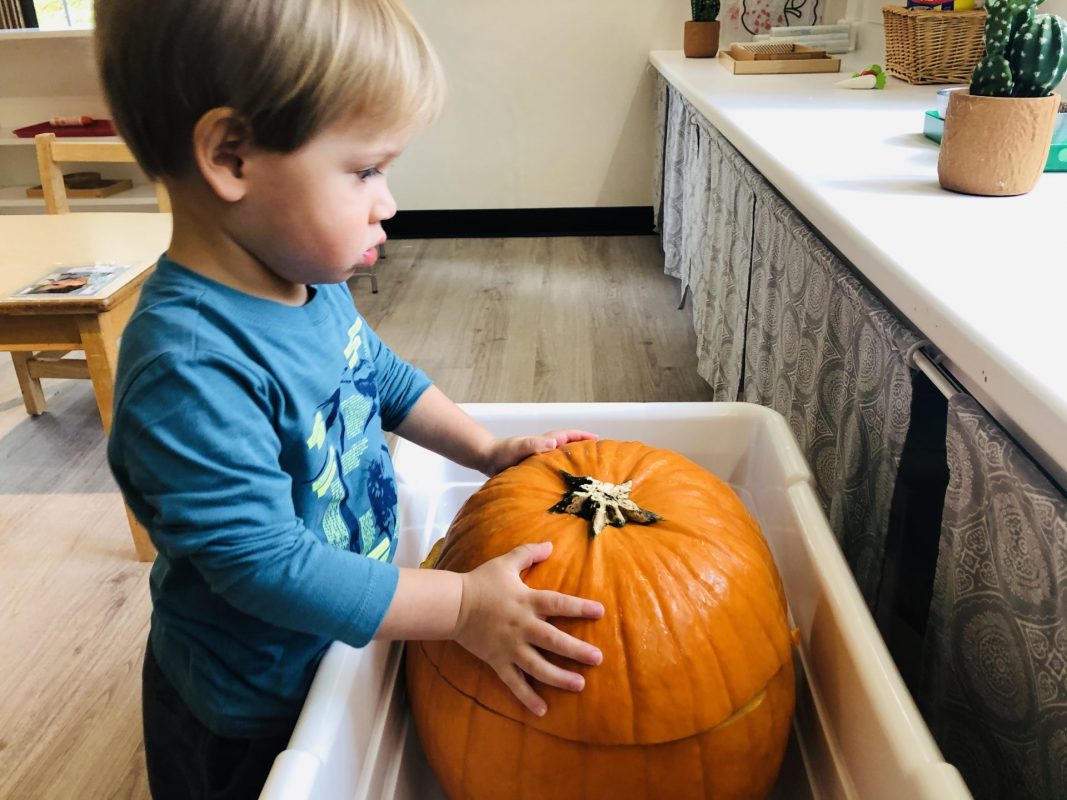
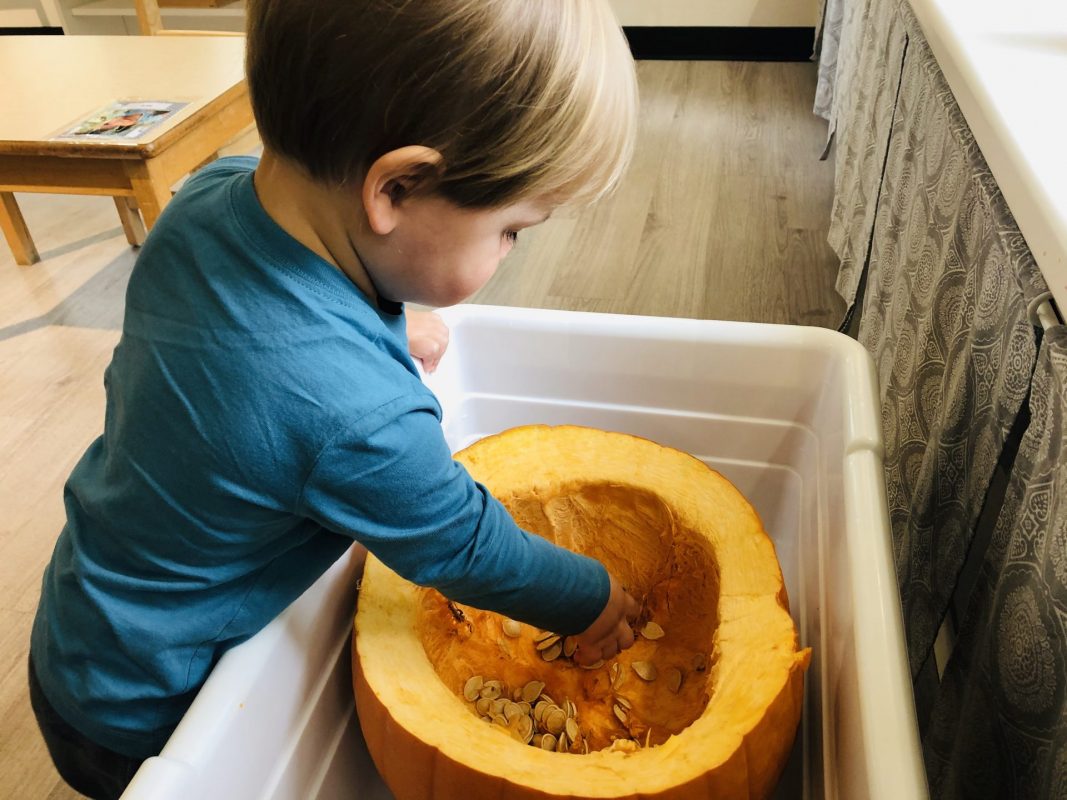
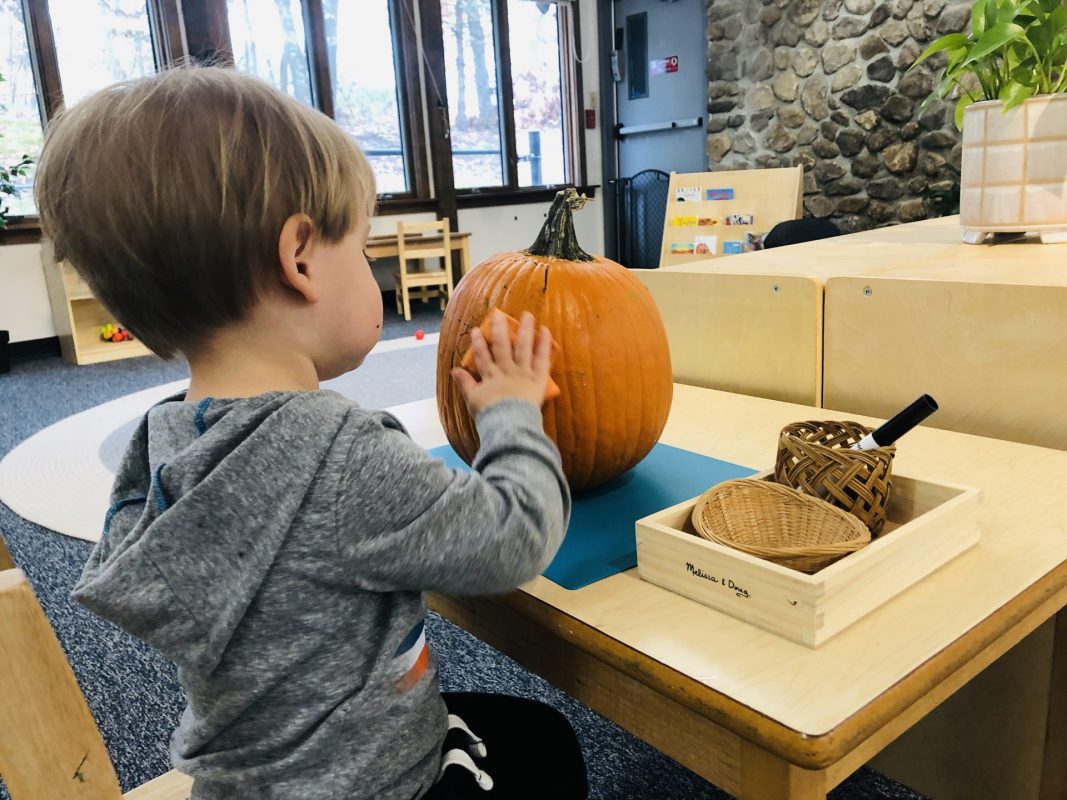
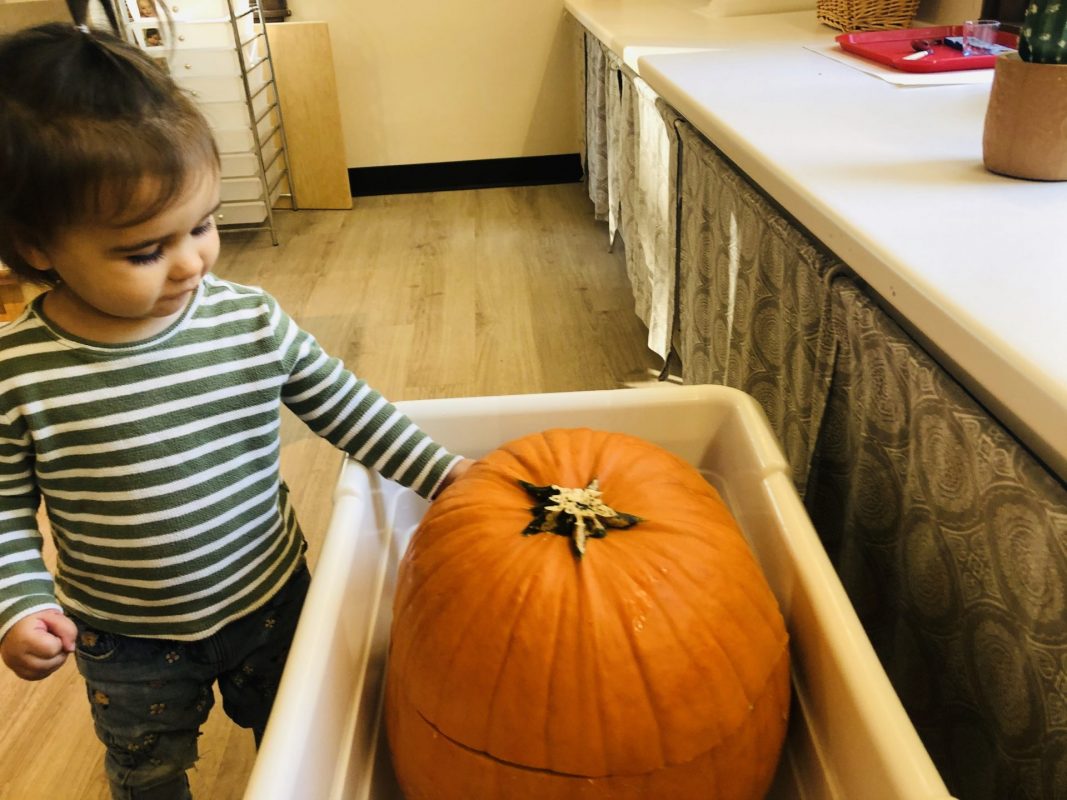
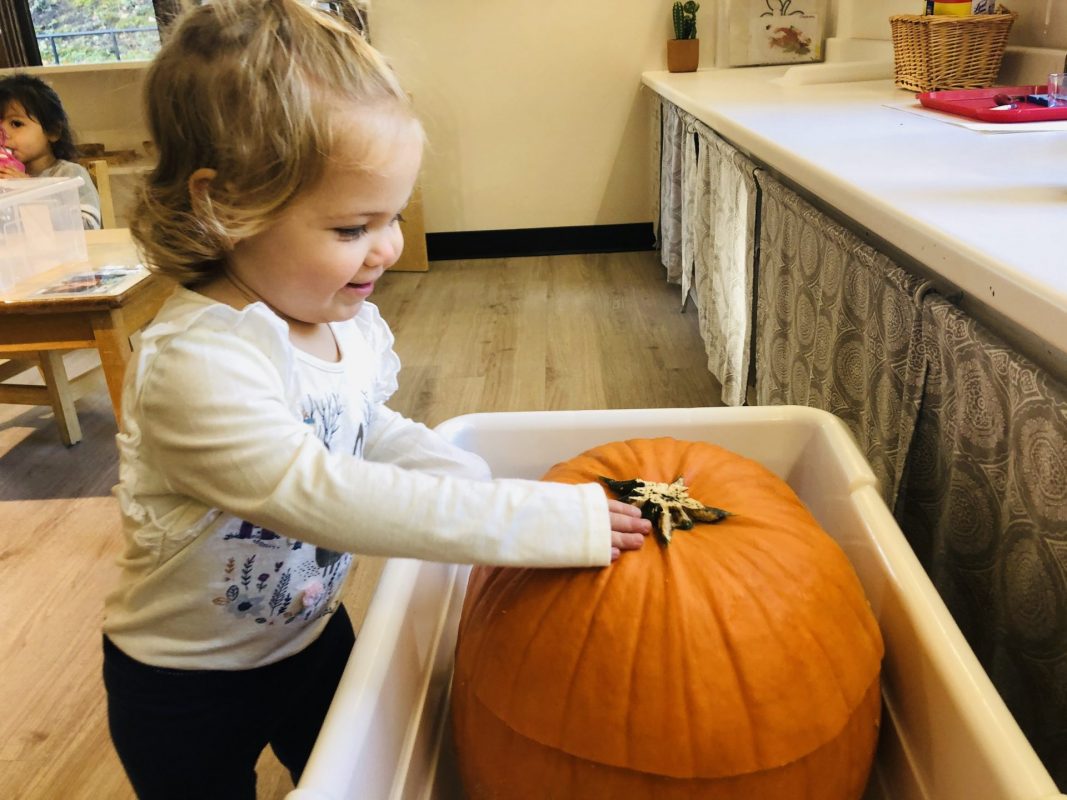
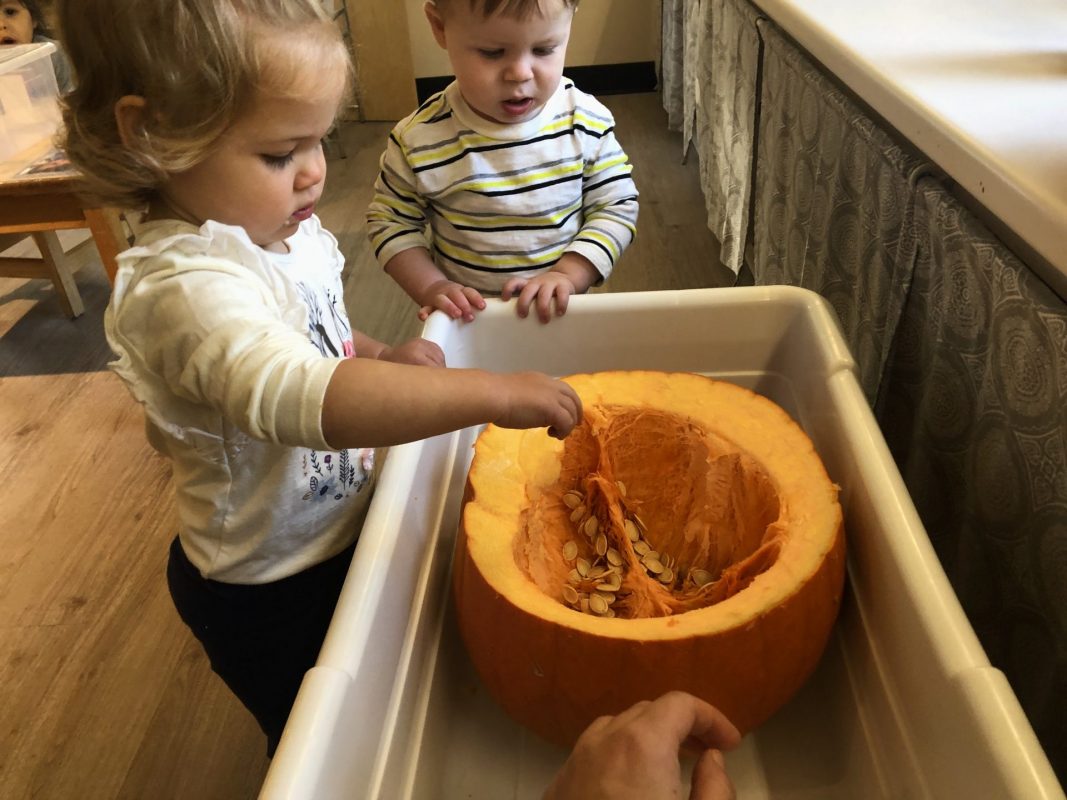
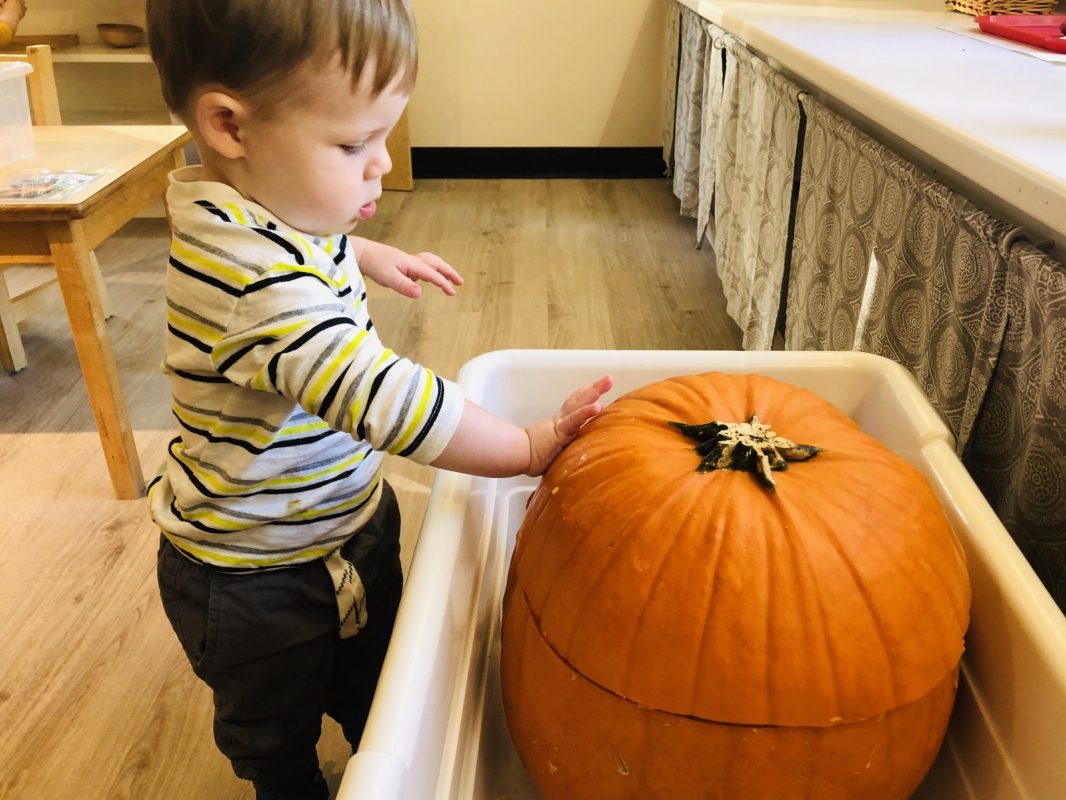
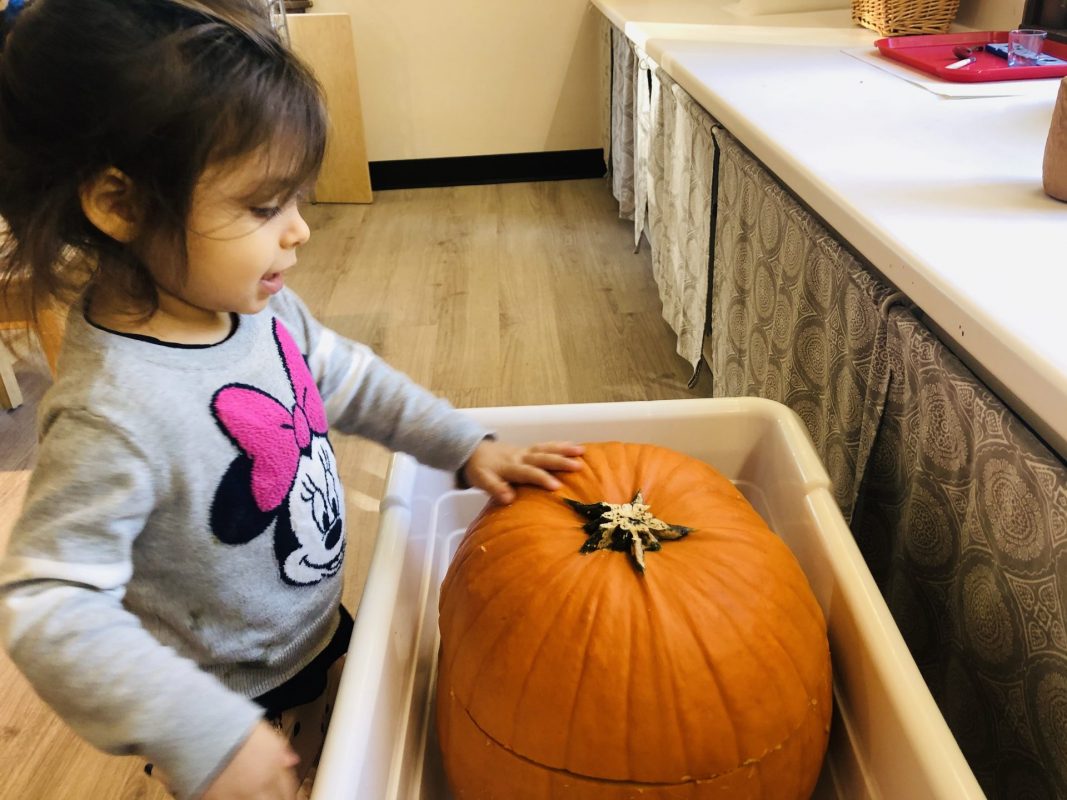
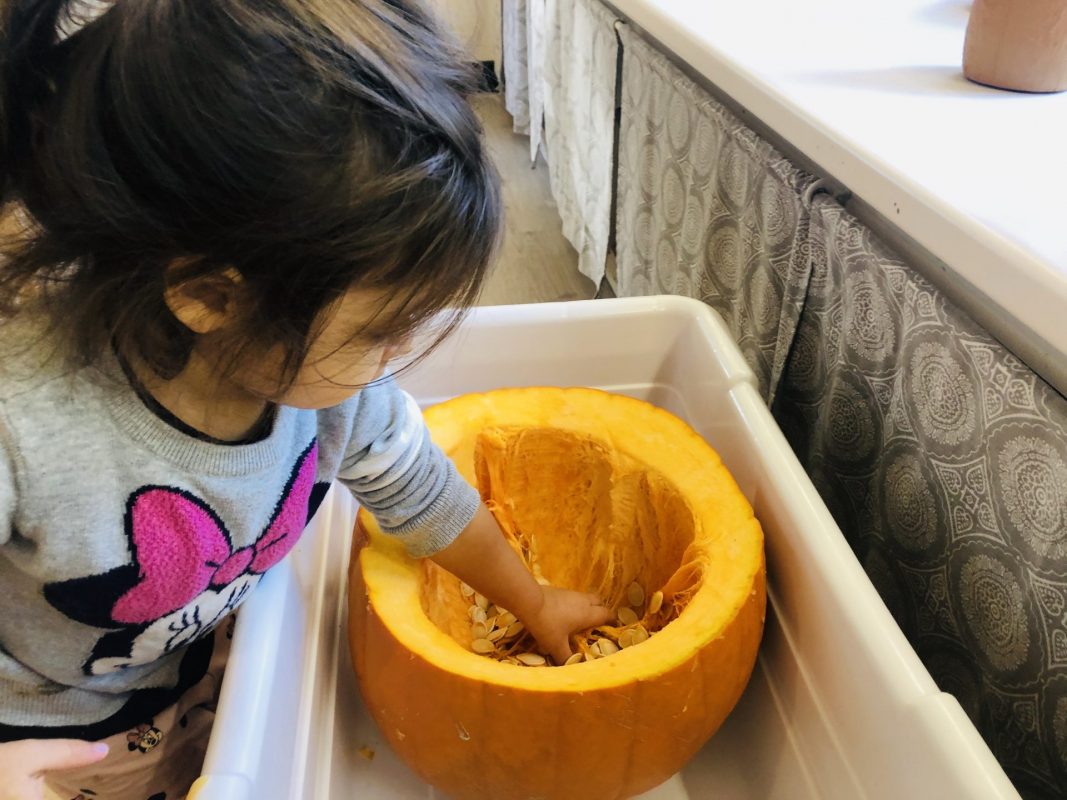
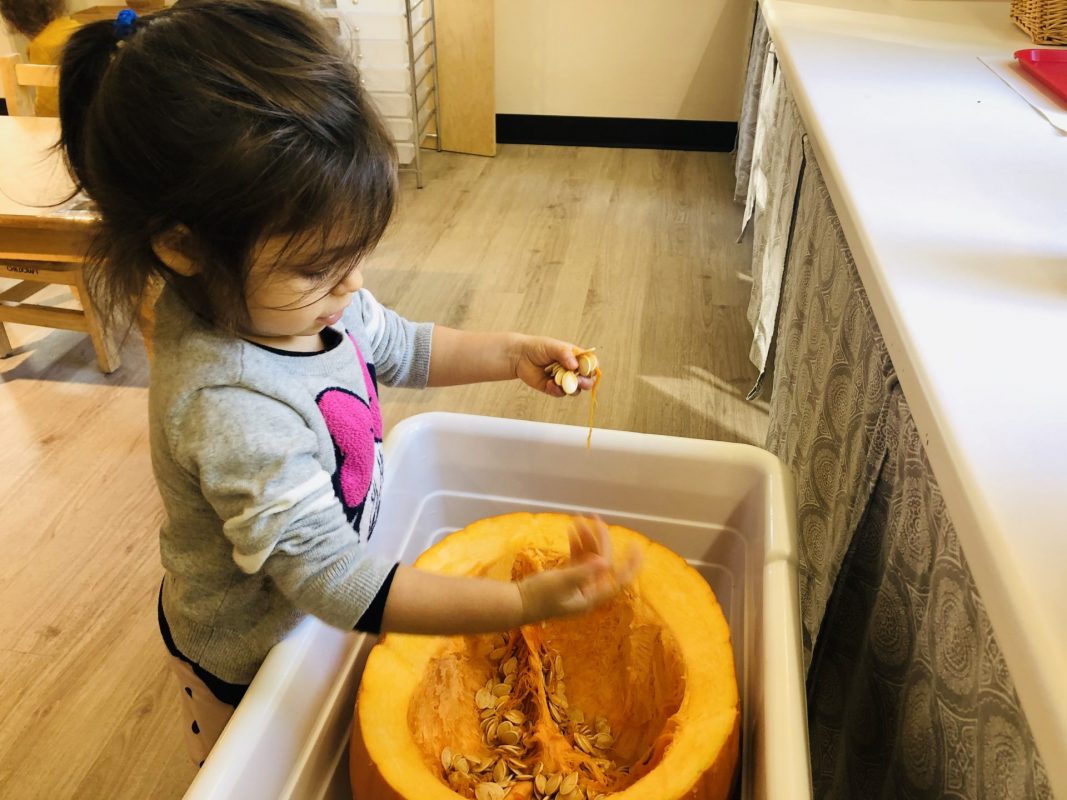
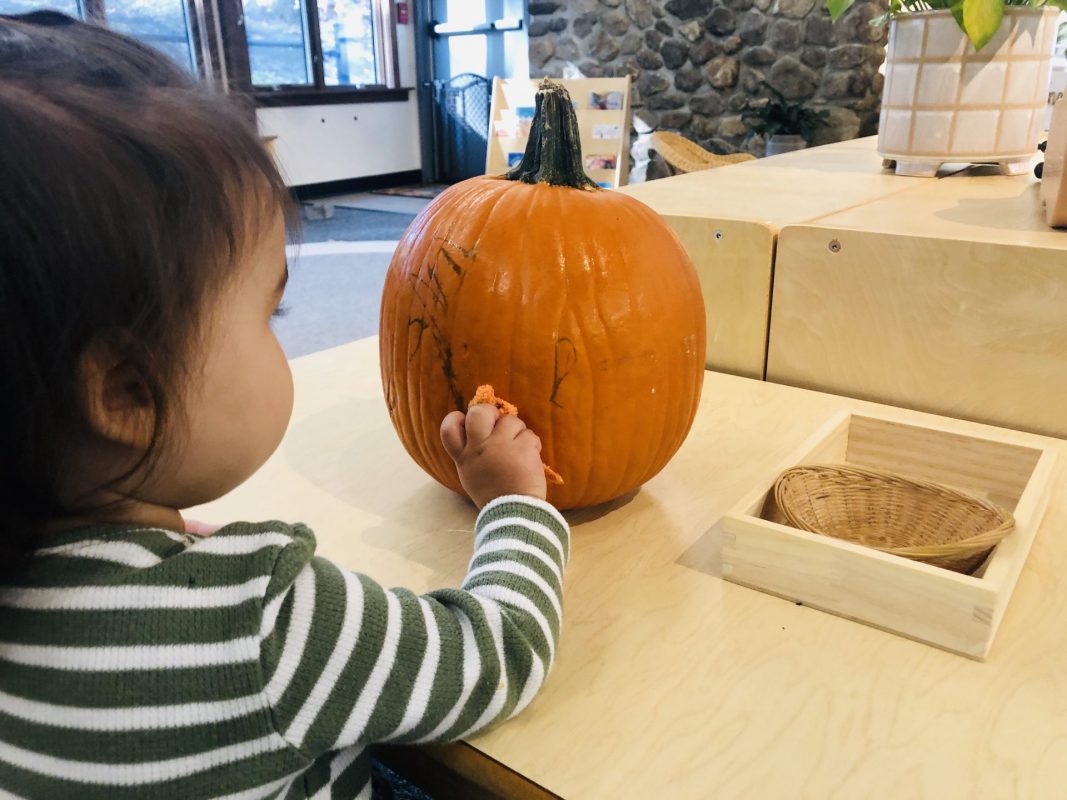
As we started our pumpkin unit this week, children had the opportunity to explore the outside and inside of a pumpkin! Skin, pulp, strands, and seeds were new vocabulary words used to describe the parts of a pumpkin. We also talked about the texture, color, and temperature of the pumpkin. Cold, bumpy, and soft were adjectives we repeated over and over as well as naming the color orange.  They were so curious and amazed to find out what it was inside! Some of them expressed wonder, some of them didn’t know how to react, and some just demonstrated plain disgust. Some were so excited to explore by placing their hand all the way inside. Others touched the skin and seeds carefully and were quite skeptical. It was so interesting to observe the different responses from the children to this exercise!

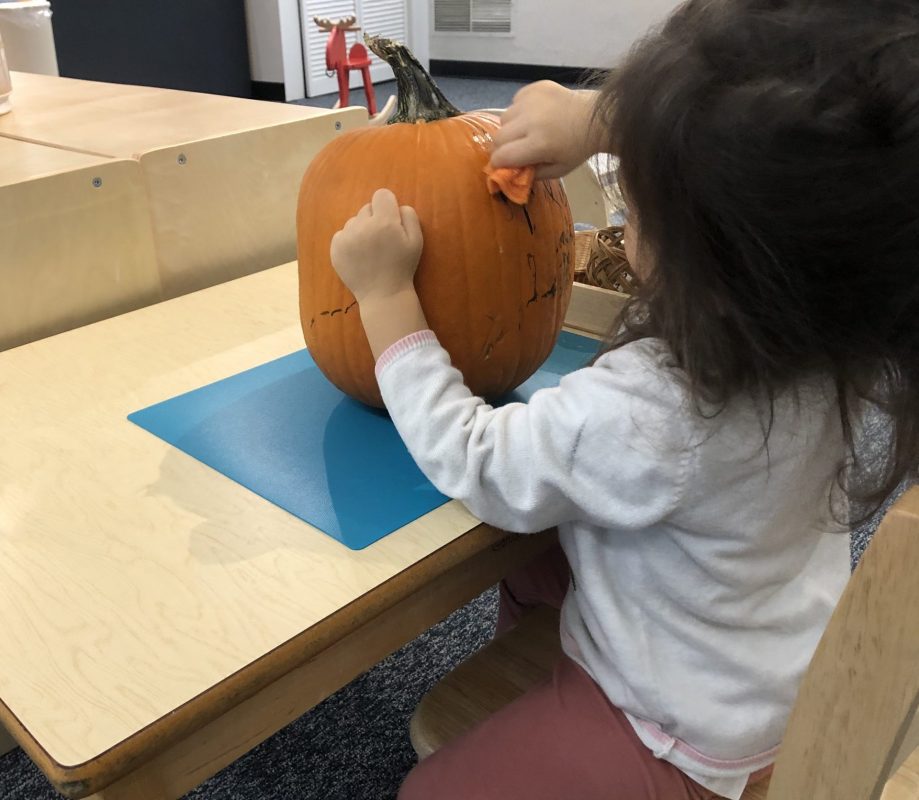
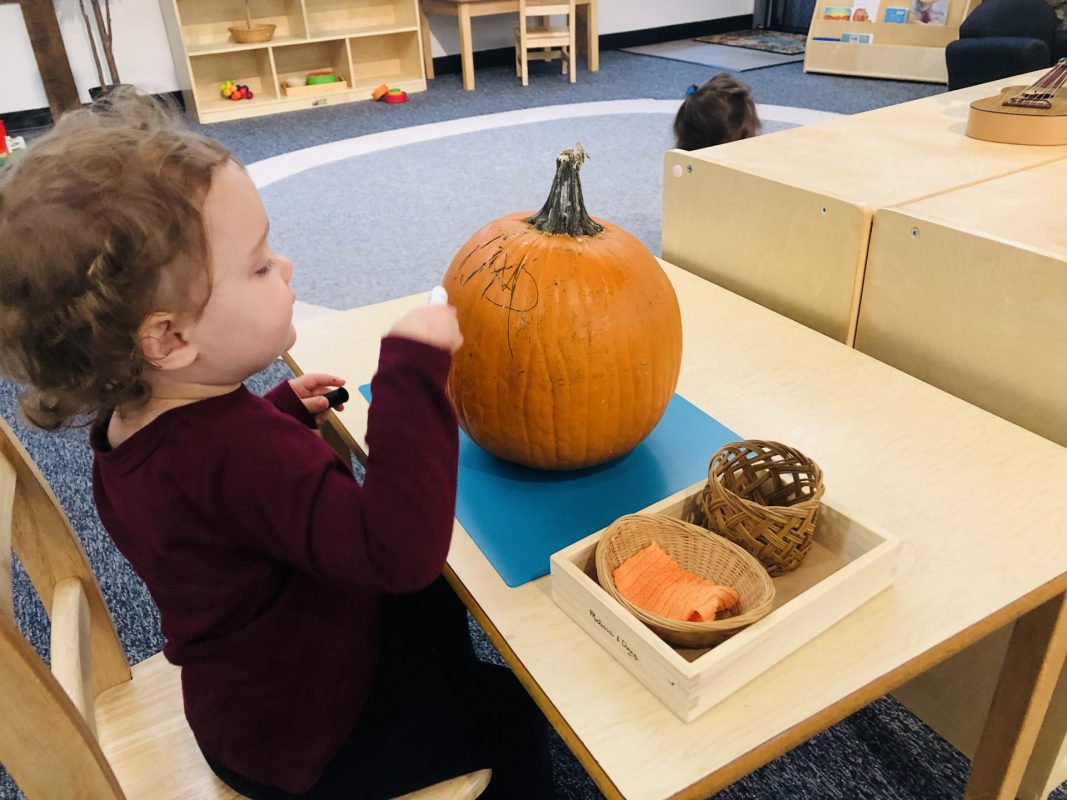
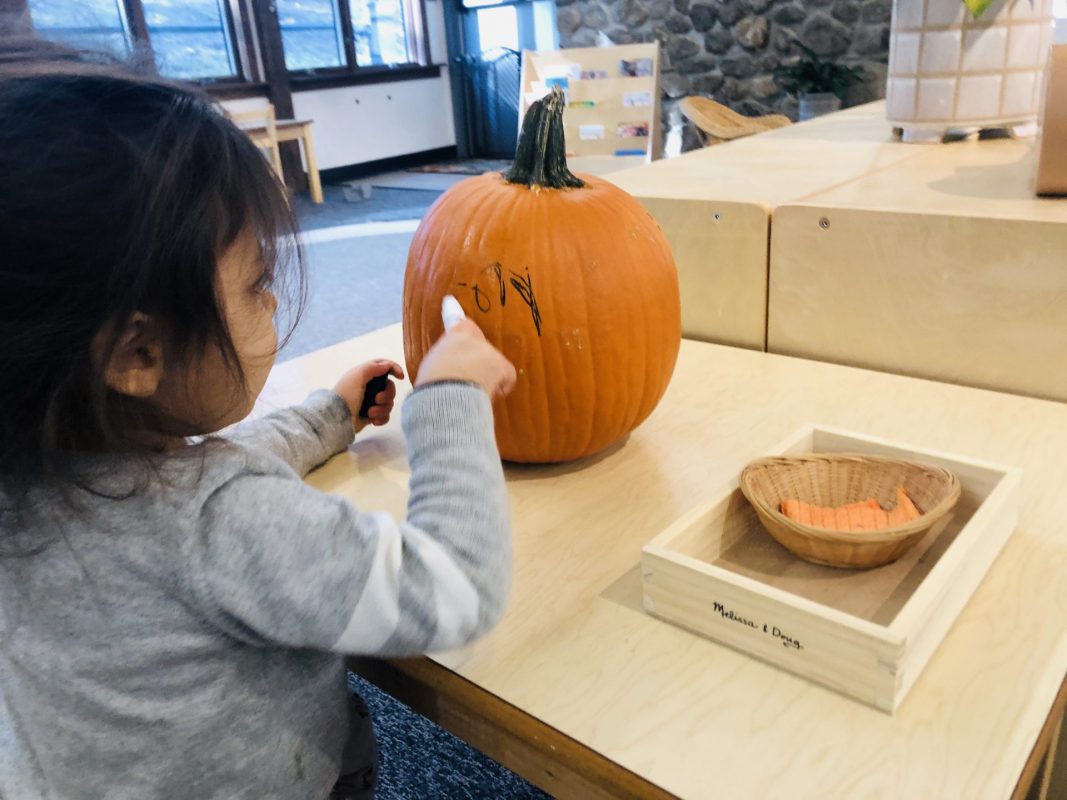
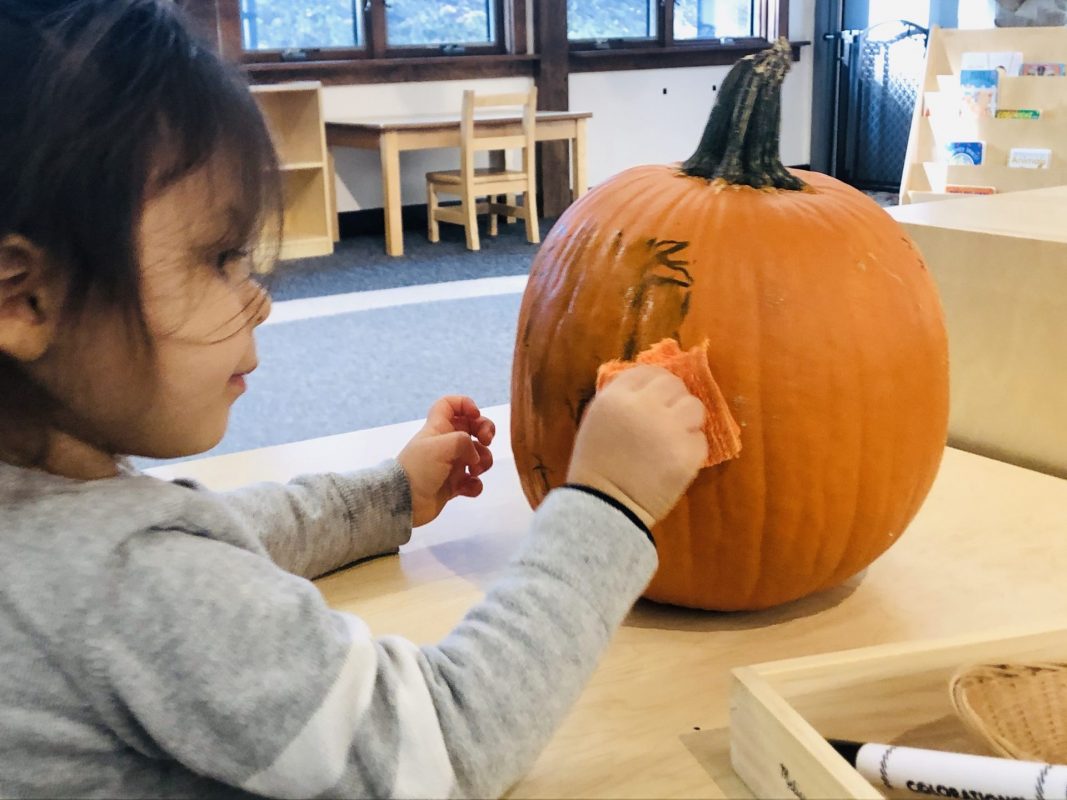
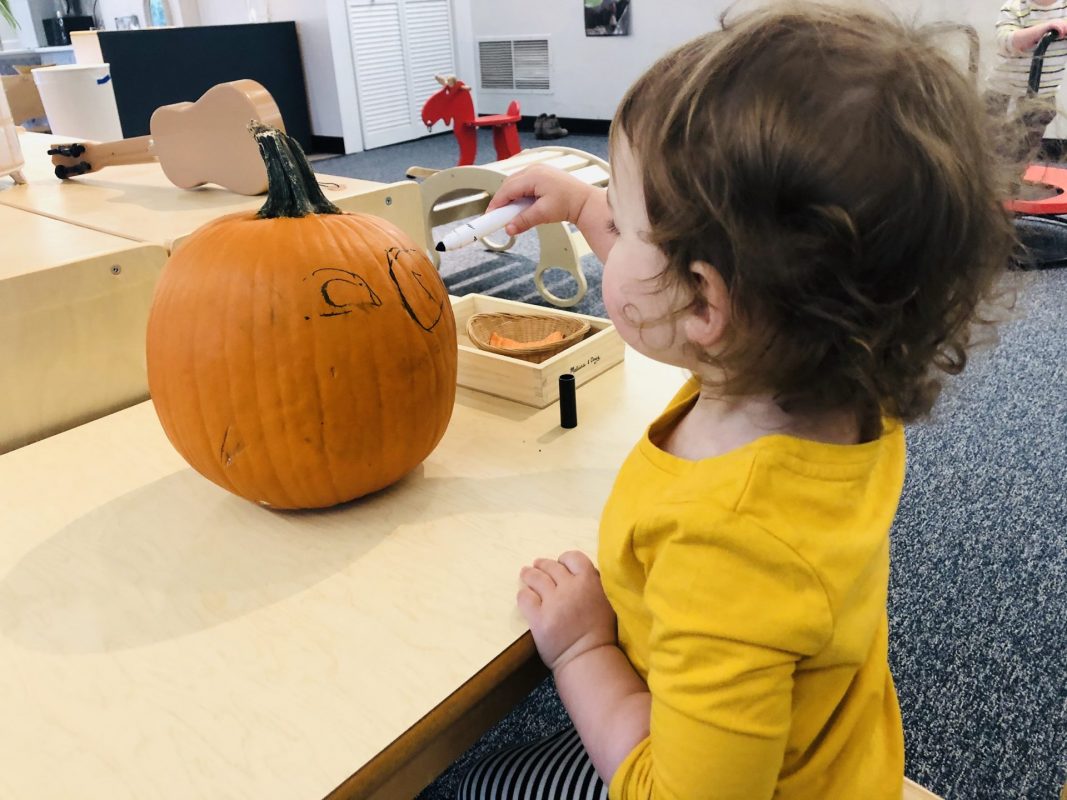
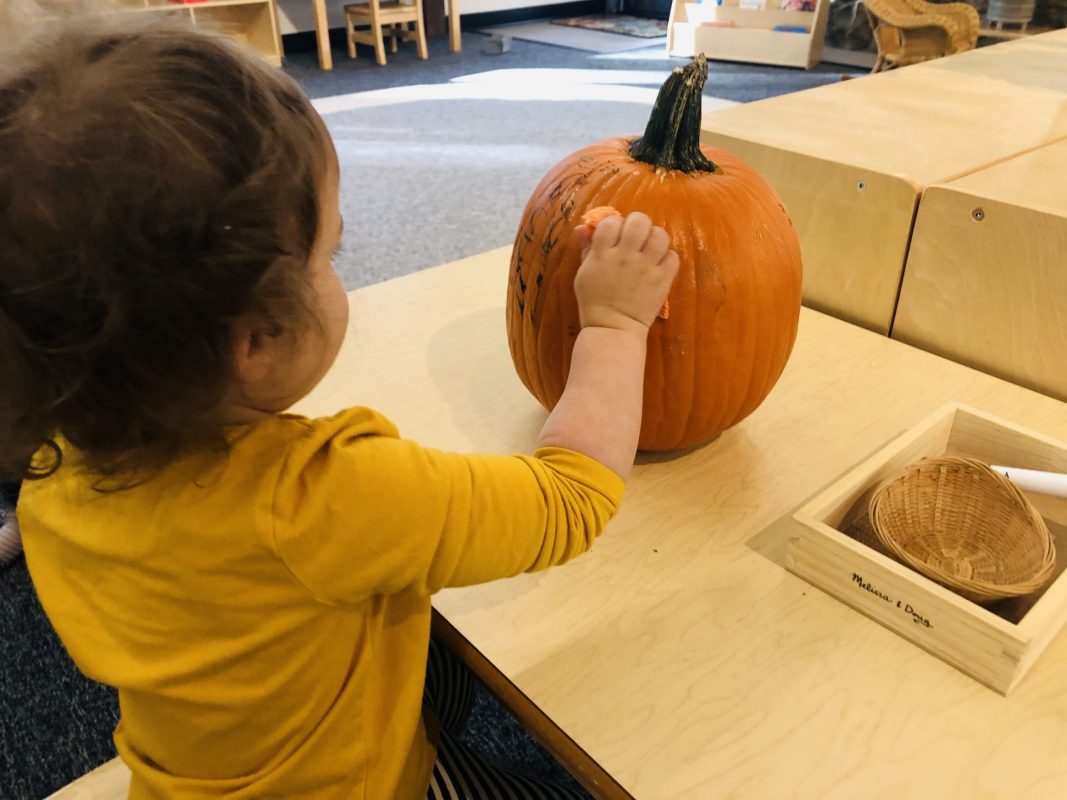
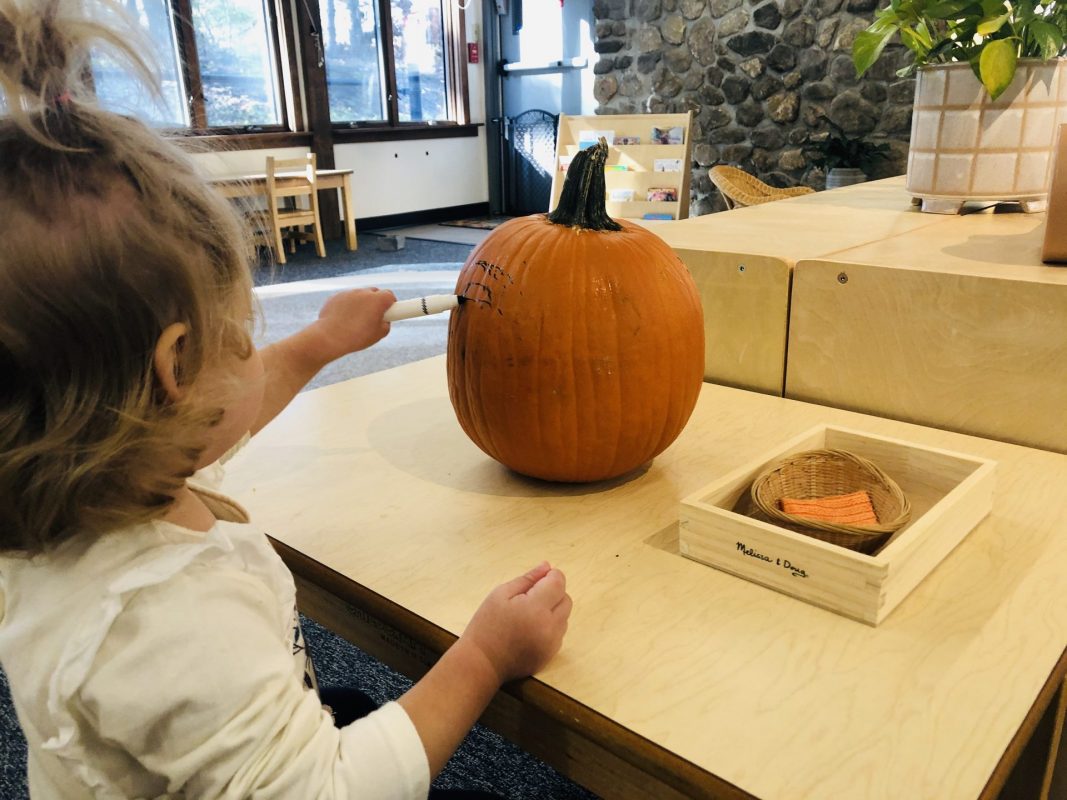
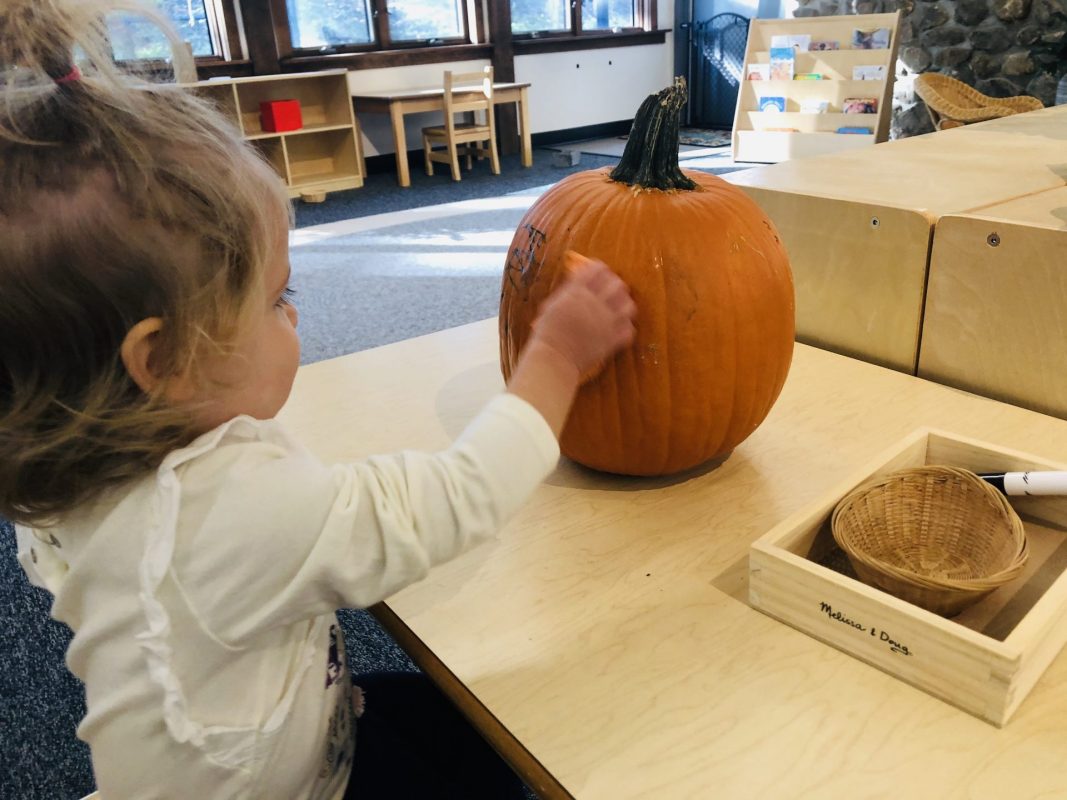
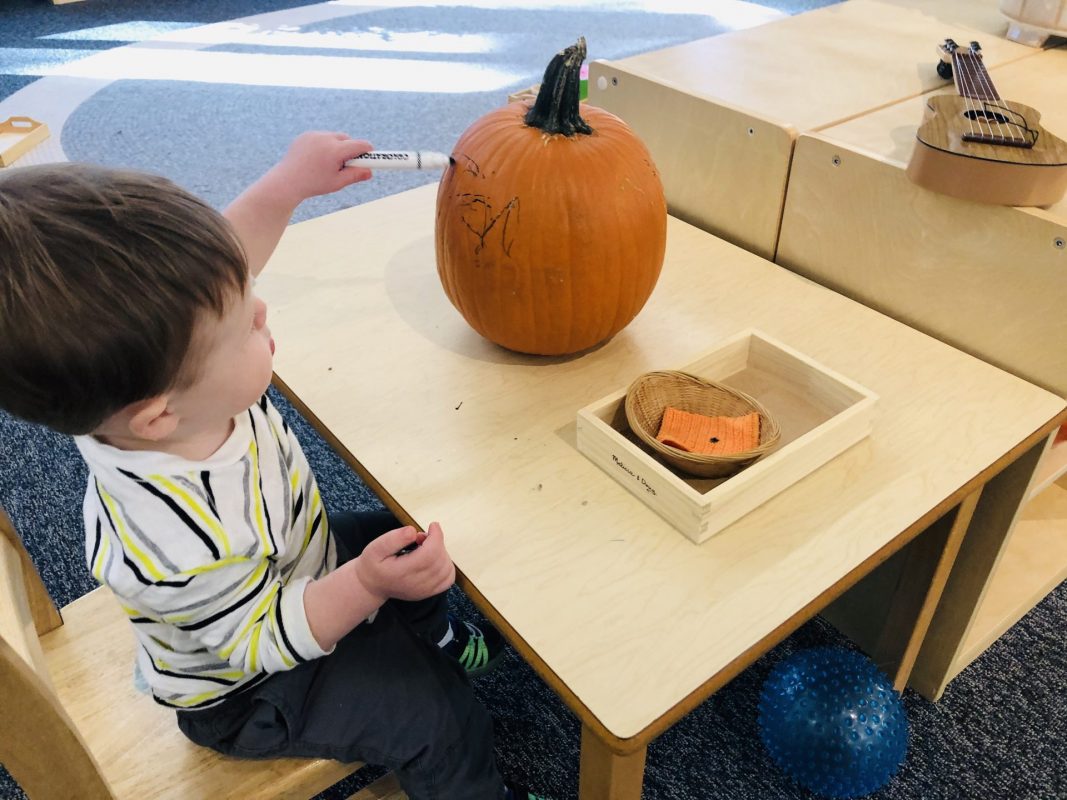
Another highlight of this short week was our new pumpkin art work. Children love to draw designs on a pumpkin but the most fun part of it all was using the wet microfiber towel to erase and clean the pumpkin. It seemed that children really enjoyed seeing the pumpkin shining at the end of their work!
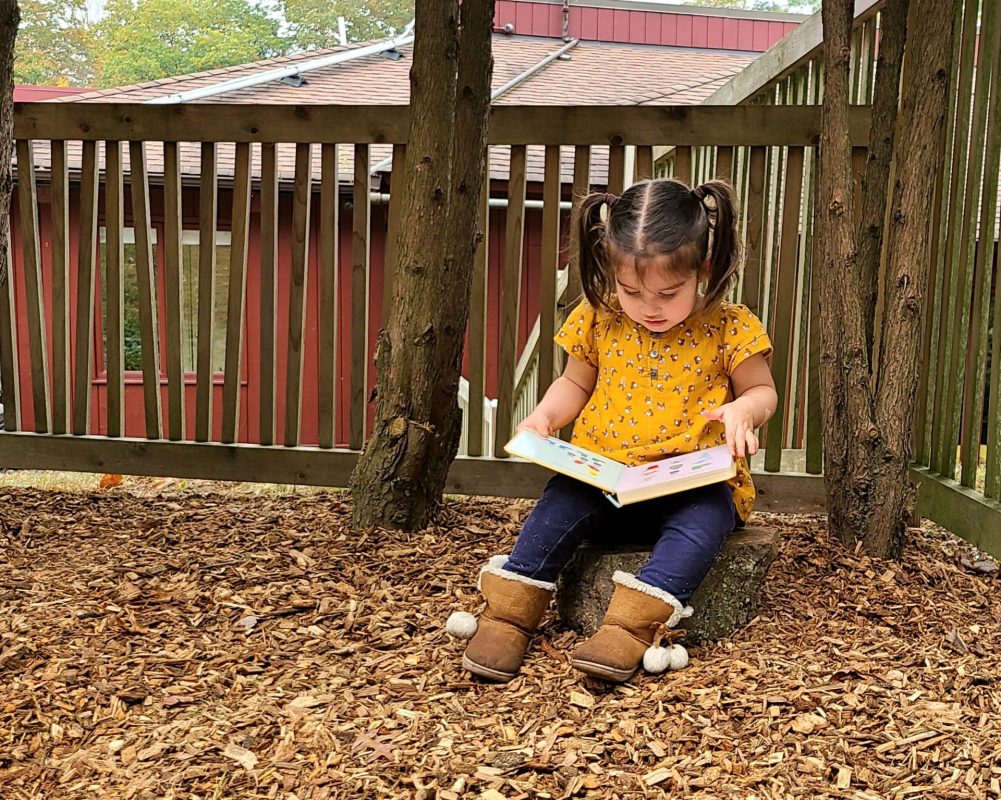
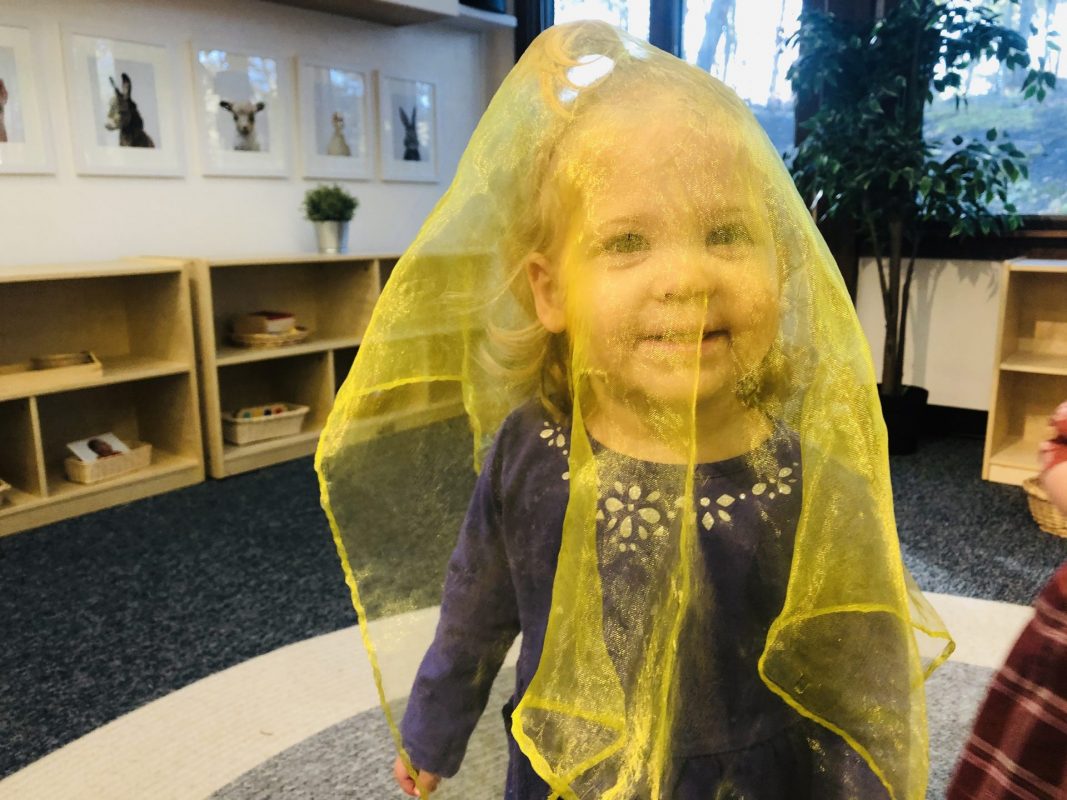
The favorite book this week was Itsy Bitsy Pumpkin by Sonali Fry and they really seemed to enjoy our new scarf dancing song: “Jiggle Your Scarf.” 

A big thanks to the Adler and Mooney family for the pumpkin donations!

Reminder: Parent- Teacher conferences are coming up. To maximize our 20 minutes together, we would greatly appreciate you emailing your questions to us prior to it. Please take some time to think about your questions, and send them to ahood@fraserwoods.com  by Wednesday, October 24th.
Best,

Mrs. Hood and Ms. Maria


Mrs. Wilson: Exploring Sunflowers

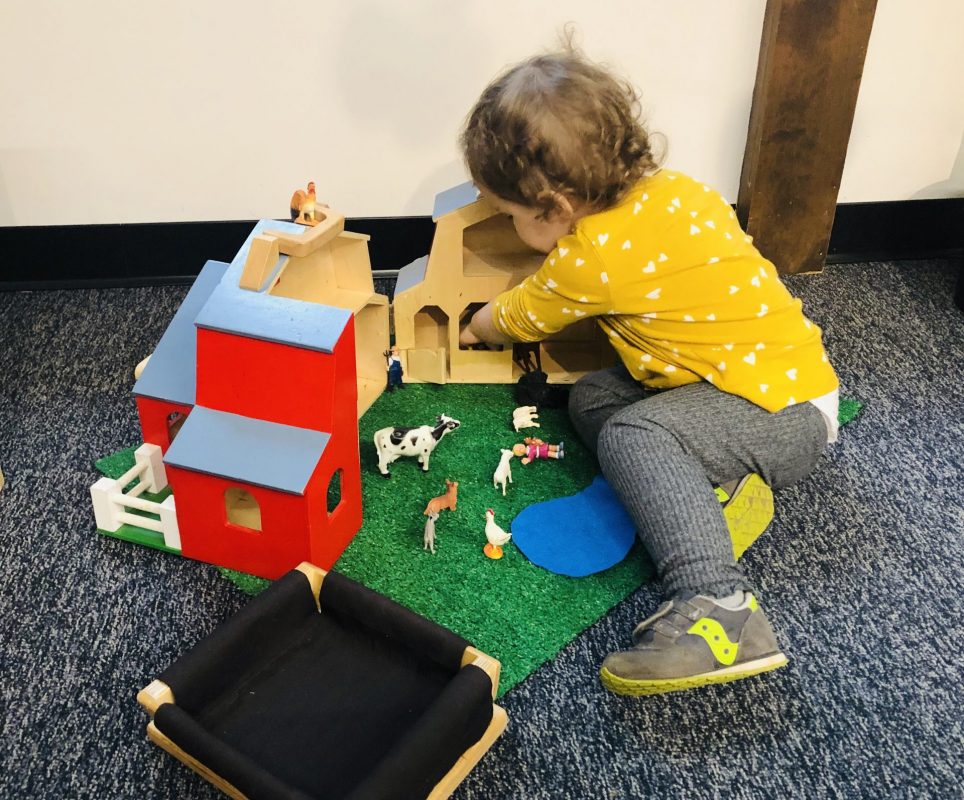
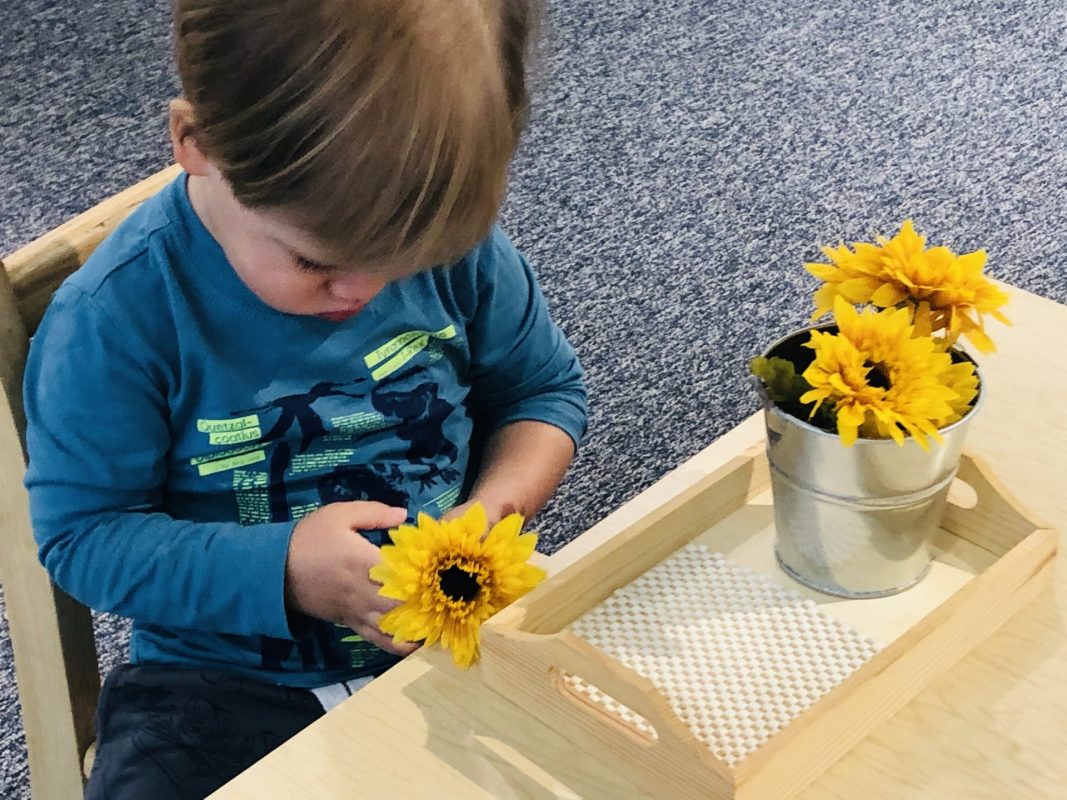
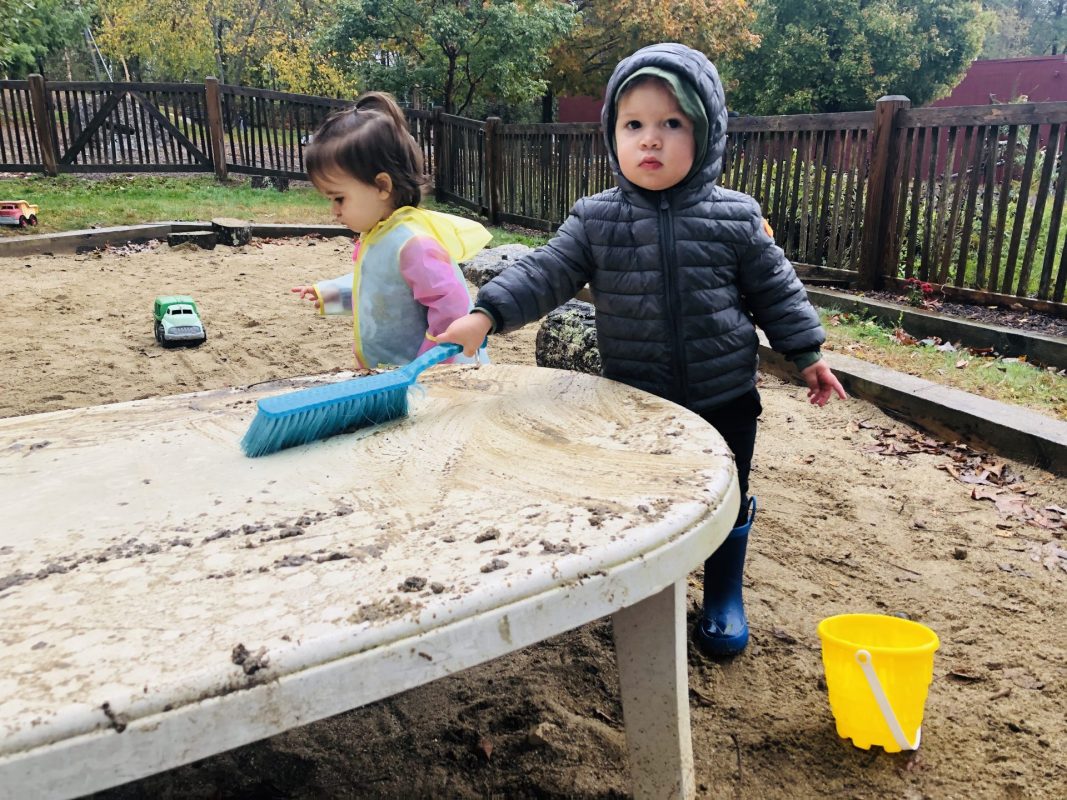
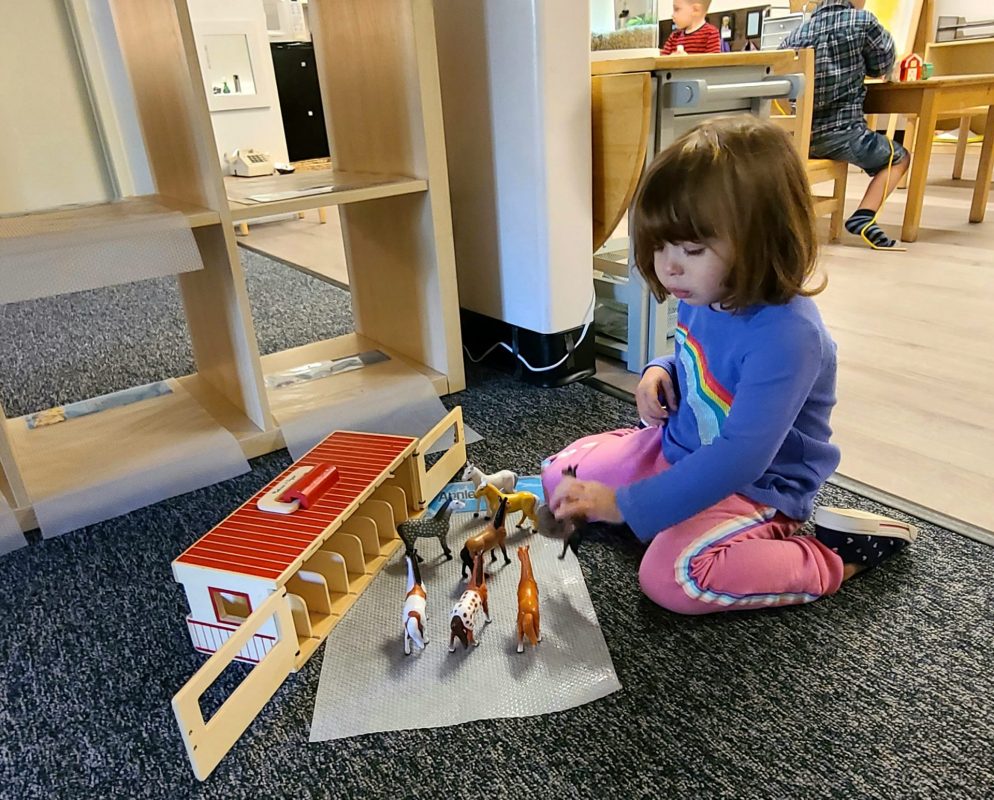
Wow! What a very busy week we have had. There were a lot of activities for the children to enjoy. We continued to explore a sunflower. Castle Hill Farm was so generous and donated a couple of sunflower heads to our class. Thank you to Miss Alison for picking them up for us. As we continued our sunflower exploration we talked about the parts of the sunflower and showed them how to pull the seeds out. We are using this activity as one of our outdoor lessons. By pulling the seeds the children are exercising their pincer grasp. We will have plenty of seeds to plant in the spring and to feed the birds. Another outdoor activity the children seemed to love was washing the farm animals. The children pumped soap onto a scrub brush and gave our farm animals a bath.

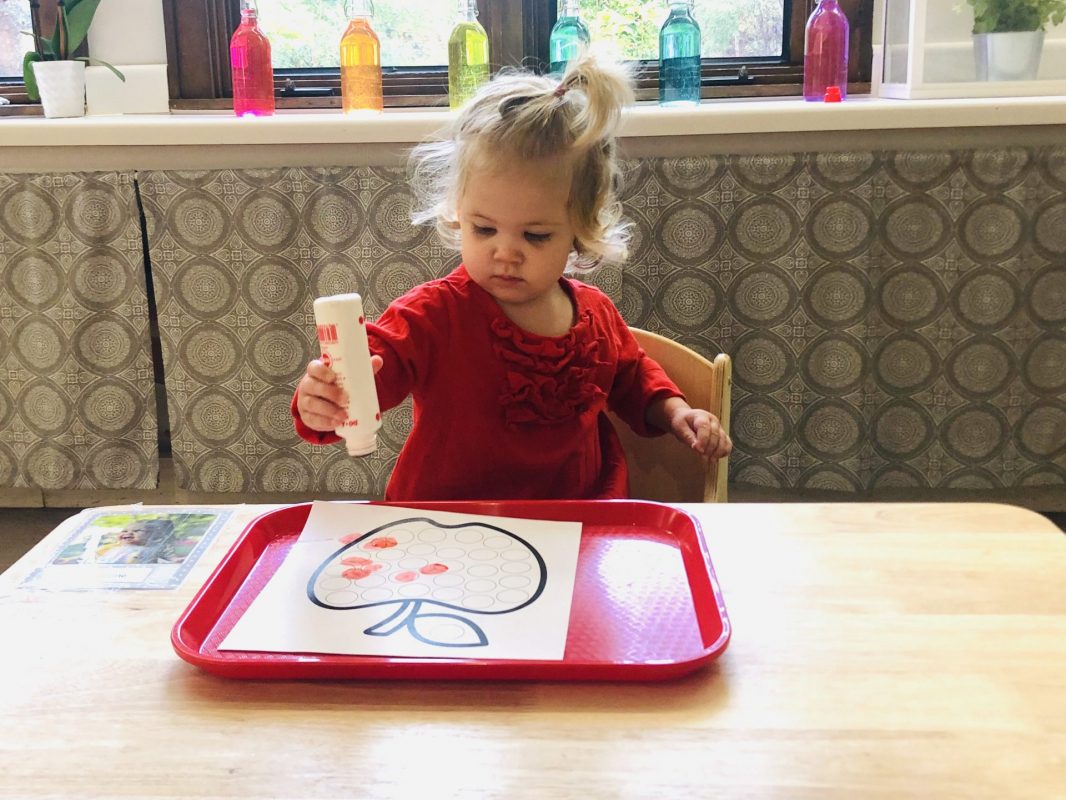
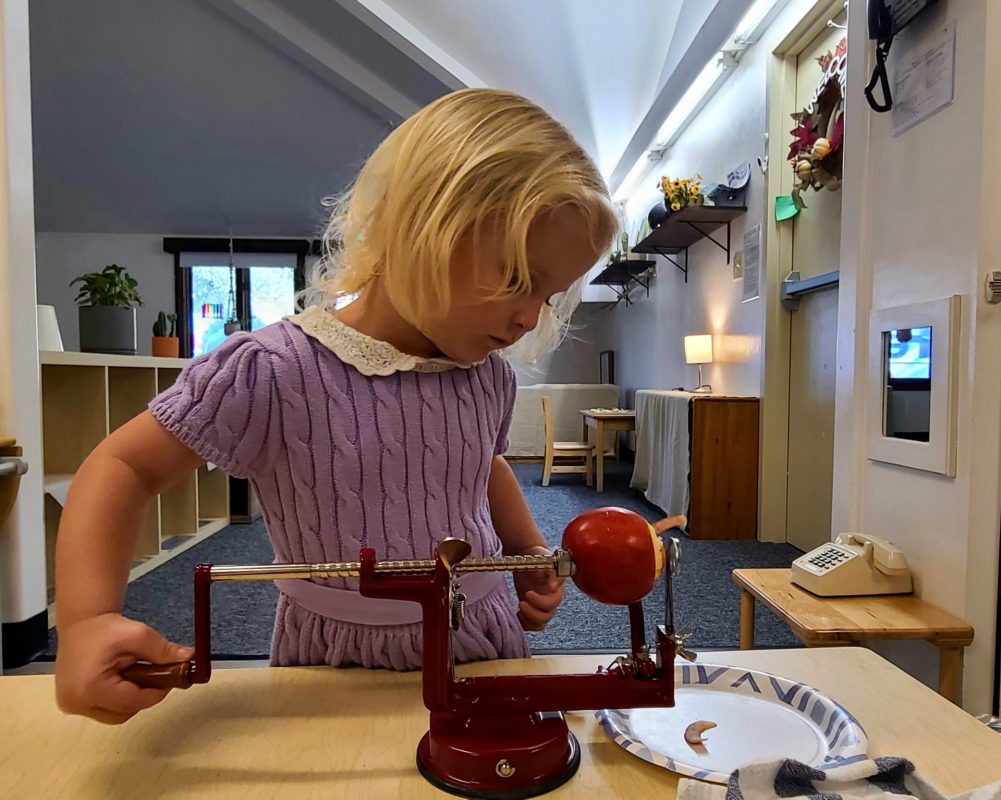
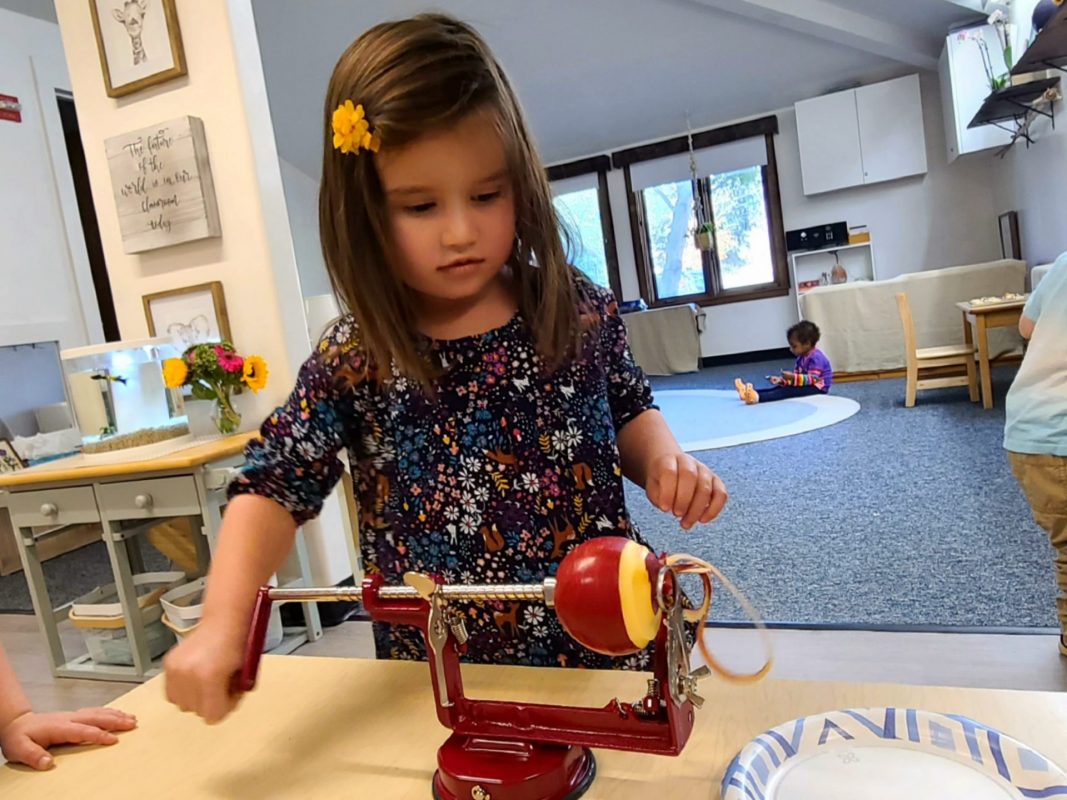
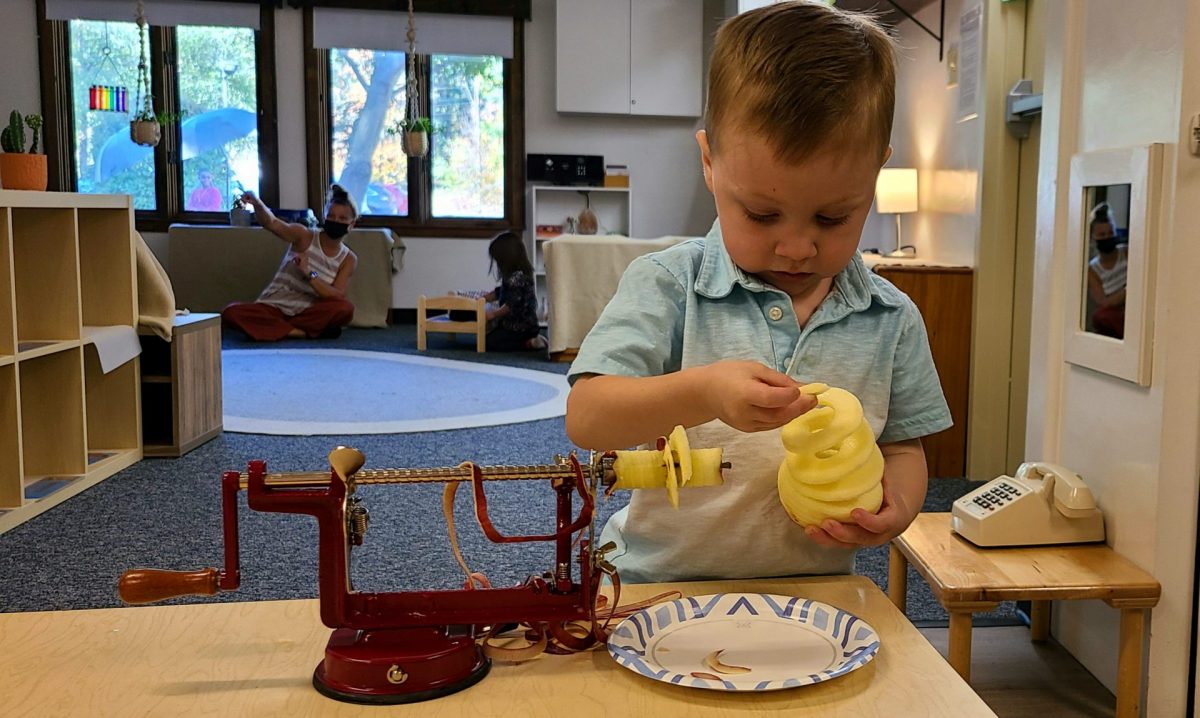
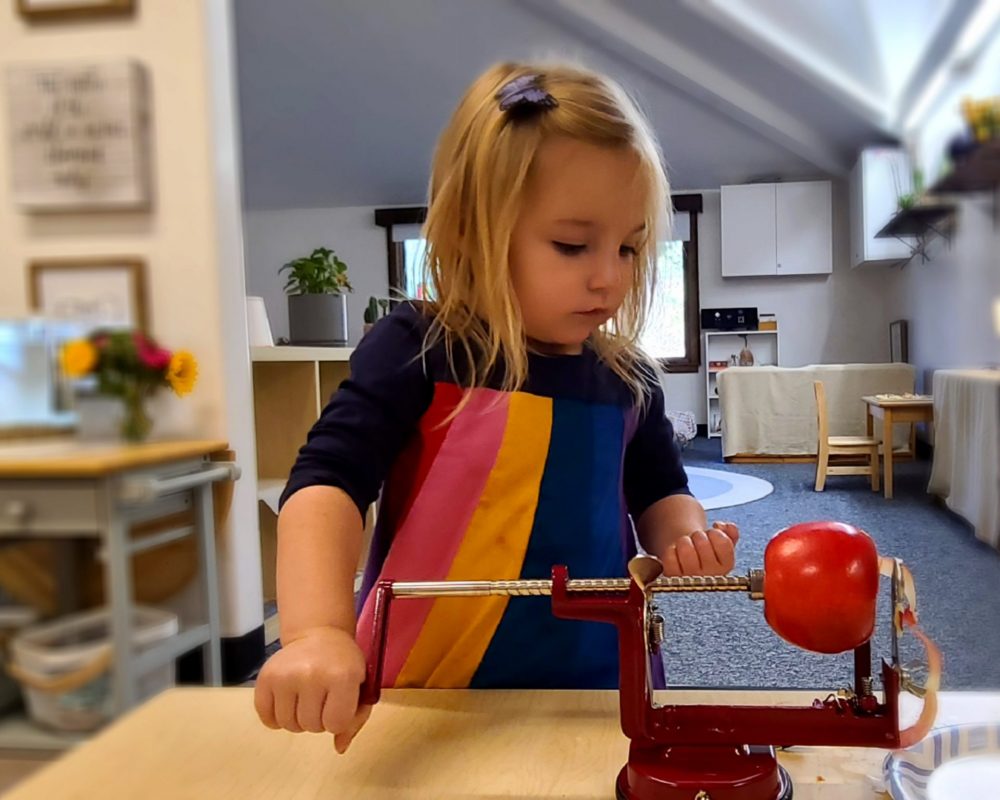
On Wednesday we presented a red apple for food tasting. We talked about how the apple grows on a tree and named the different parts of an apple. The children used the apple peeler to peel, slice, and core their own apples. It was hard work as they had to use their muscles to crank the handle. With lots of enthusiasm, the children waited patiently for their turn. We heard lots of “yummy”, “MMMMMMMM”, and it’s delicious! Next Wednesday we will taste a Granny Smith Apple.

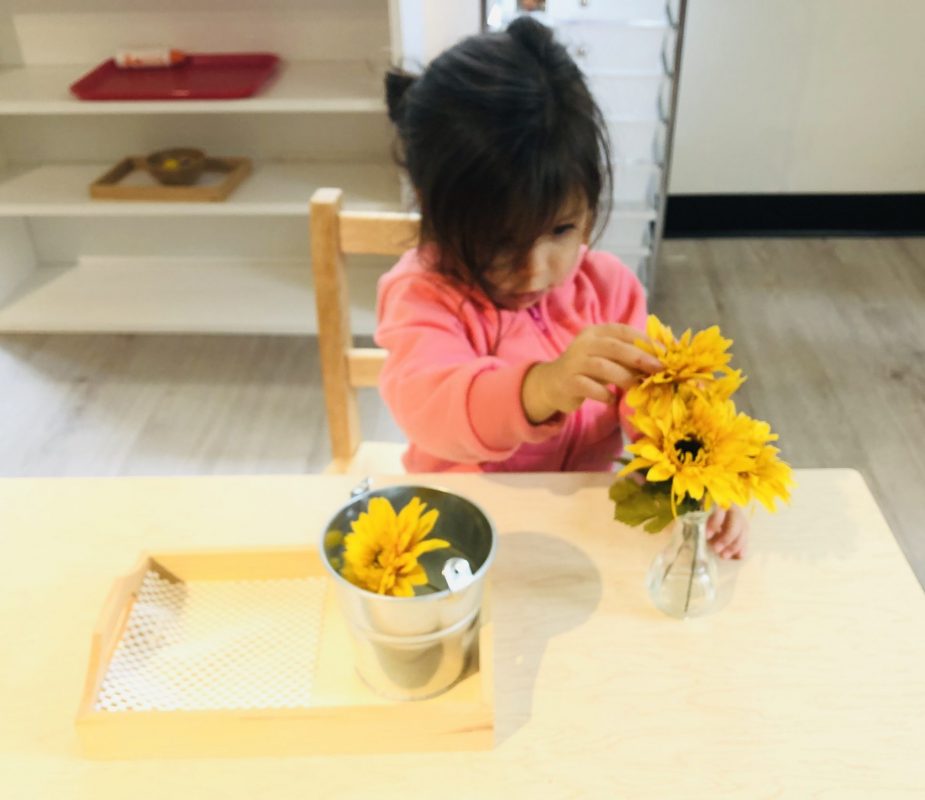
Thank you to the Grant-Moore family for the beautiful flowers.

Have a beautiful weekend,
Mrs. Wilson and Ms. Sara