Blog

Middle School: Another Great Week at FWM

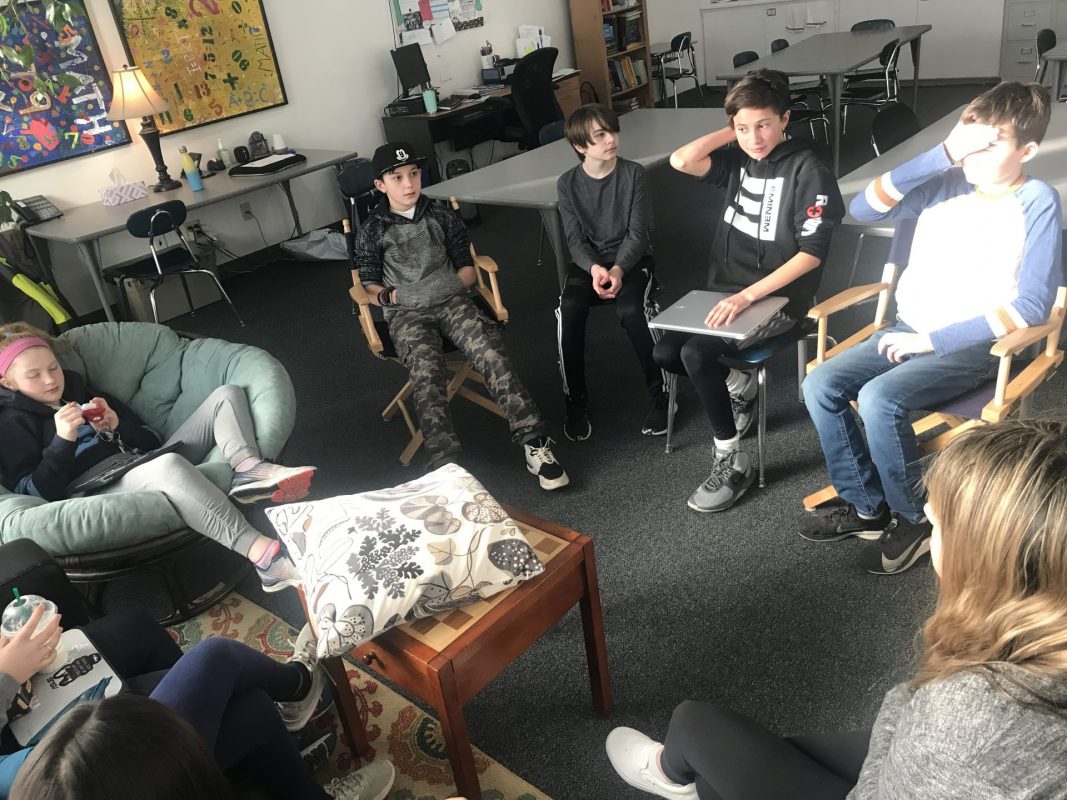
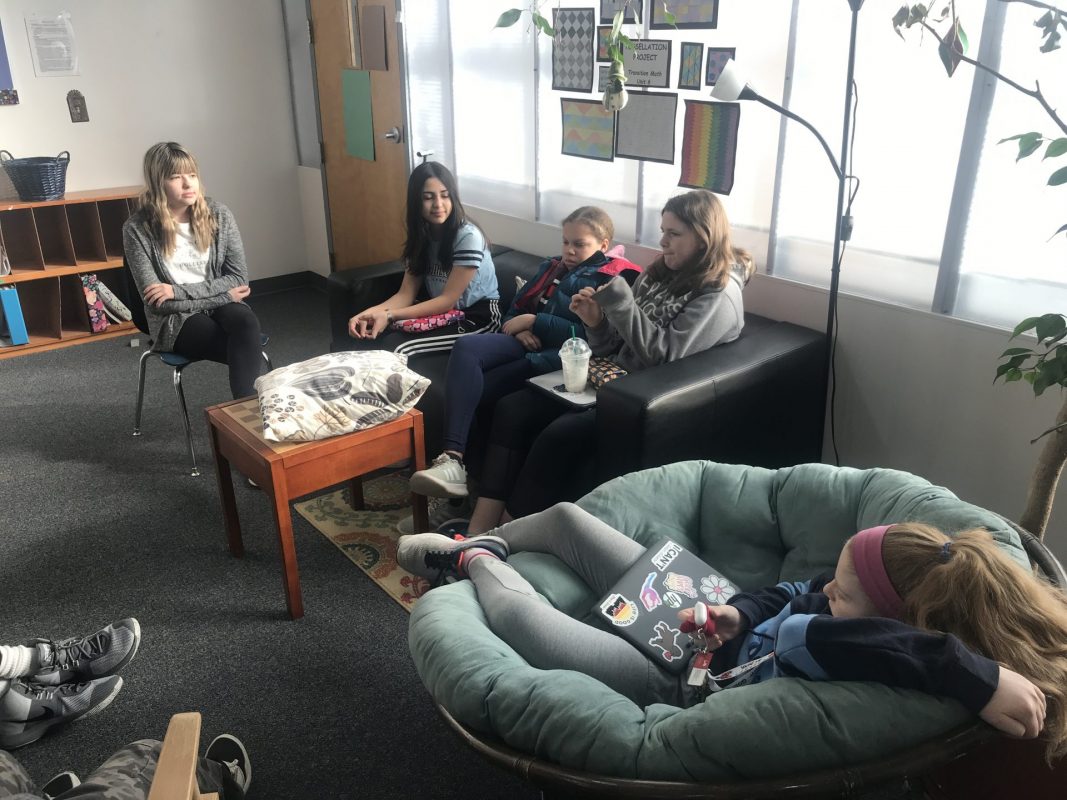
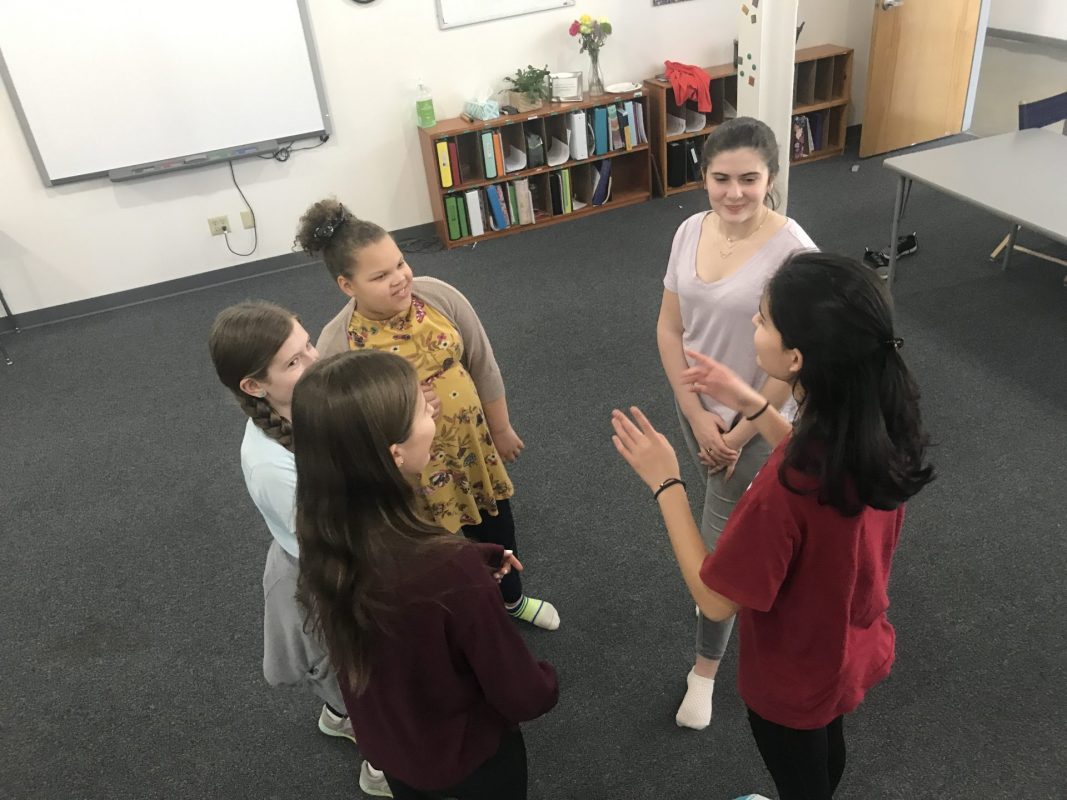
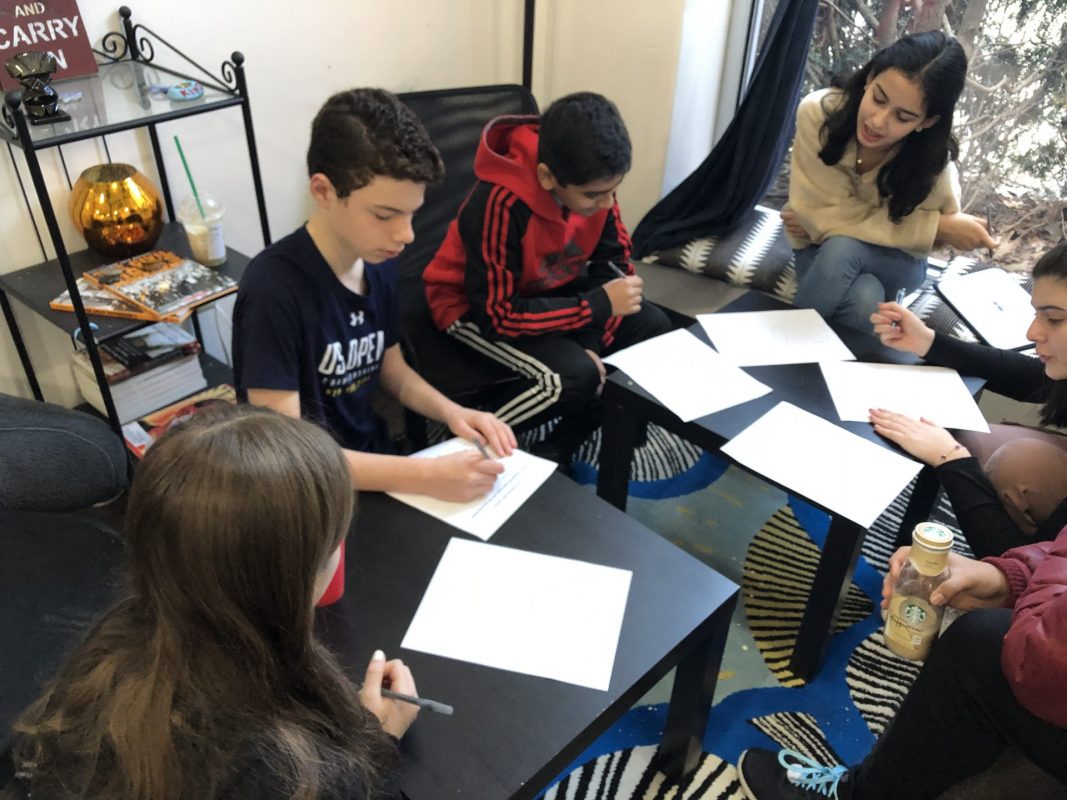
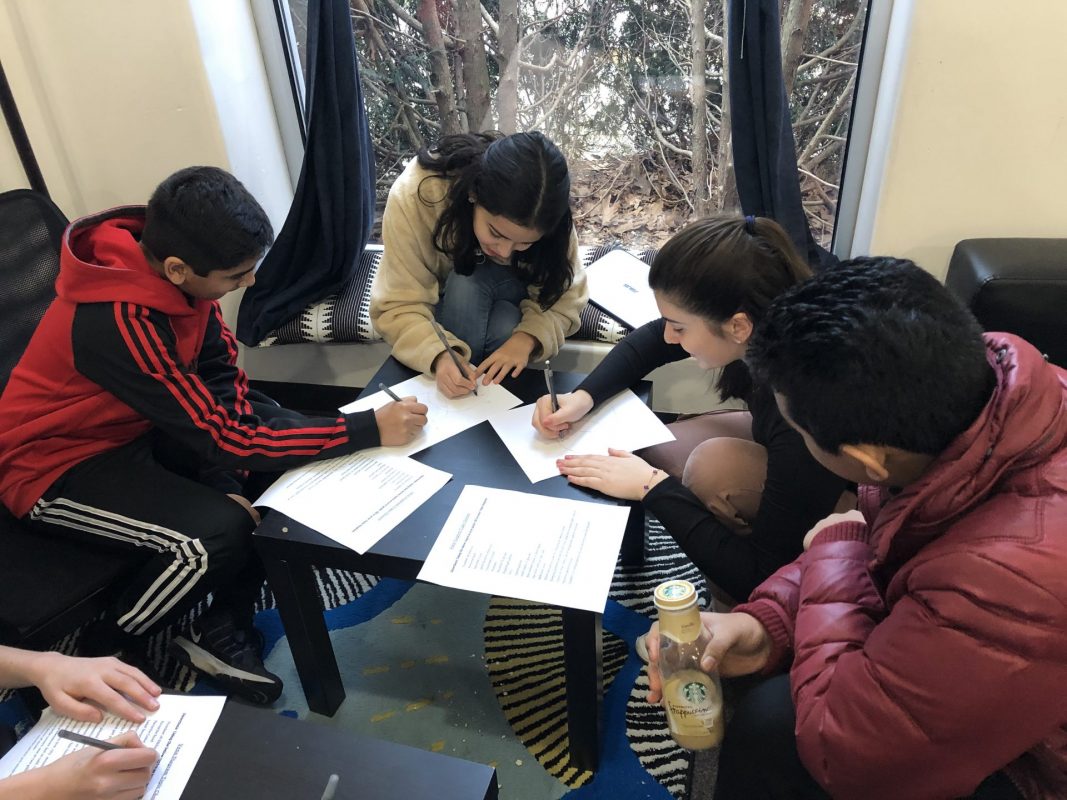
This week has been exciting for Middle School Humanities students! The plot for this year’s Middle School play is done and the characters are developed. We had our first scene writing day and it was great! We can’t wait to finish writing next week. 6th and 7th year students are continuing to read novels about Ancient Egypt and the Holocaust, respectively. 8th years presented current events while working on the play this week.

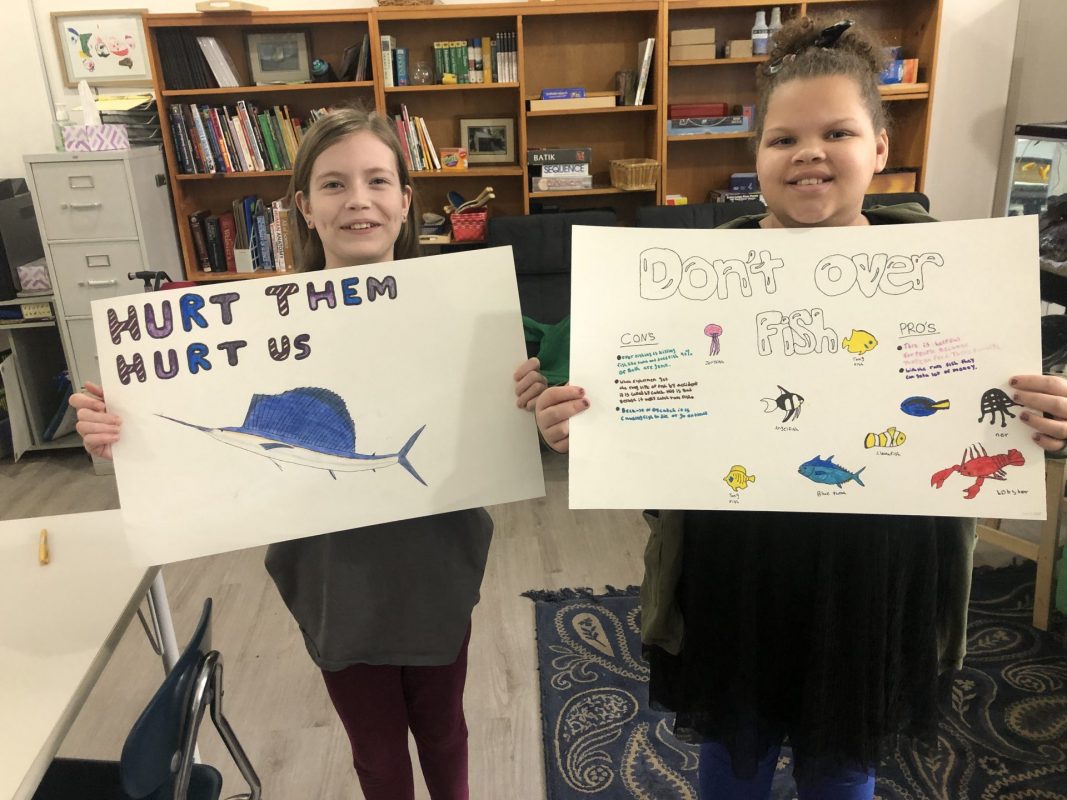
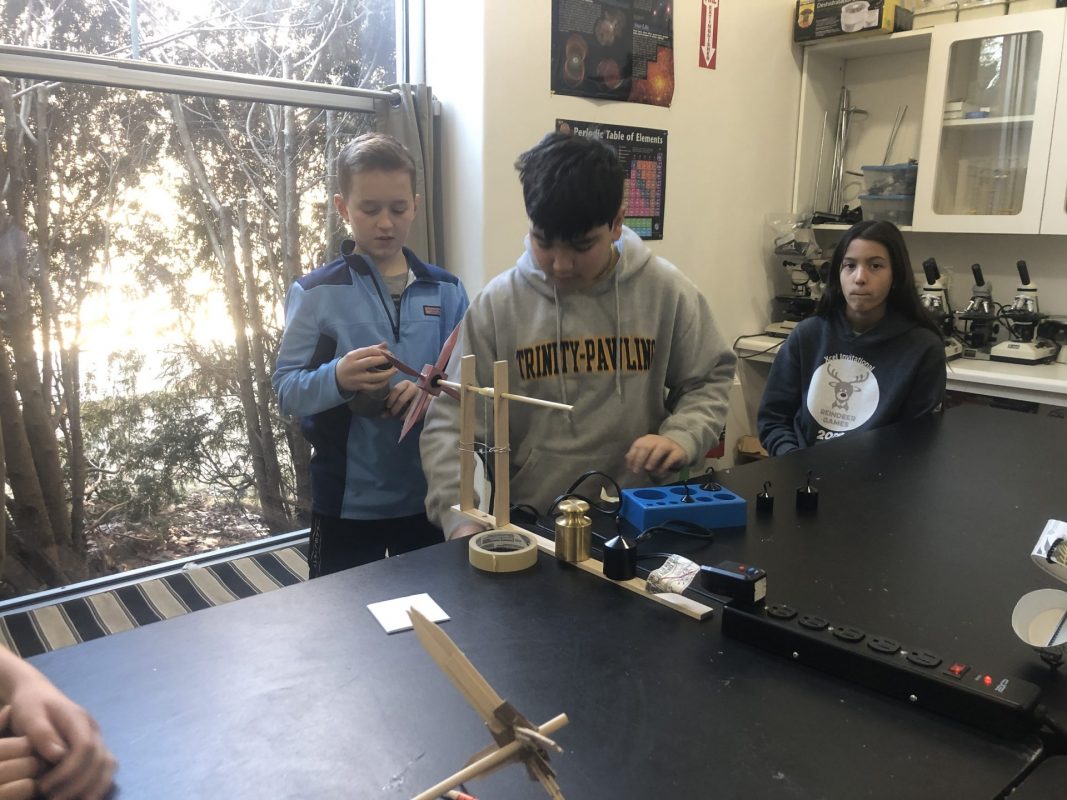
6th year Earth Science students spent the week learning about the importance of wildlife management. Students read an article titled “Fishing Forever”. Students represented their understanding of the article by illustrating a poster, capturing the main objective. 7th year students finished their unit on chemical reactions and equations, transitioning into their next unit “Kinetic Energy”.  Students will be asked to create and simulate a roller coaster using foam pipe insulation and marbles. Students will be required to consider how height, mass, velocity, potential, and kinetic energy are to be considered in their design. 8th year Life Science students finished their unit on “Genes and the Impact on Mutations of Organisms”. Their next unit is “Nervous System”. We will explore what the main parts of the nervous system are and how it operates. 

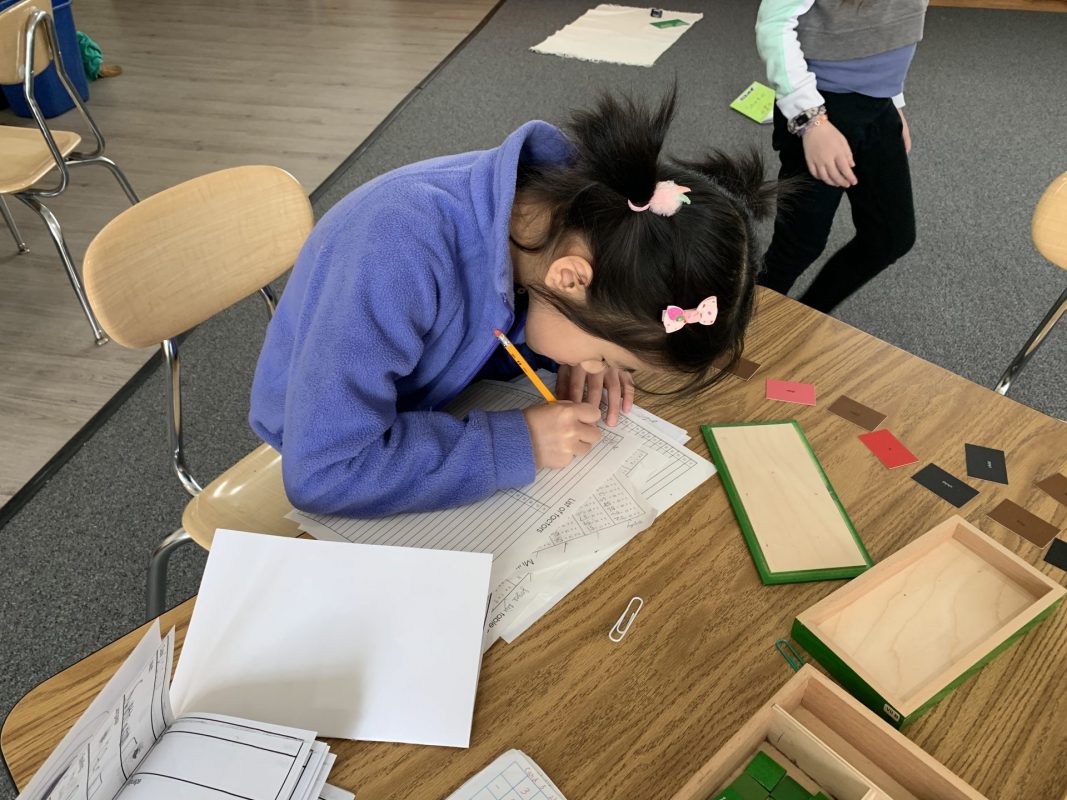
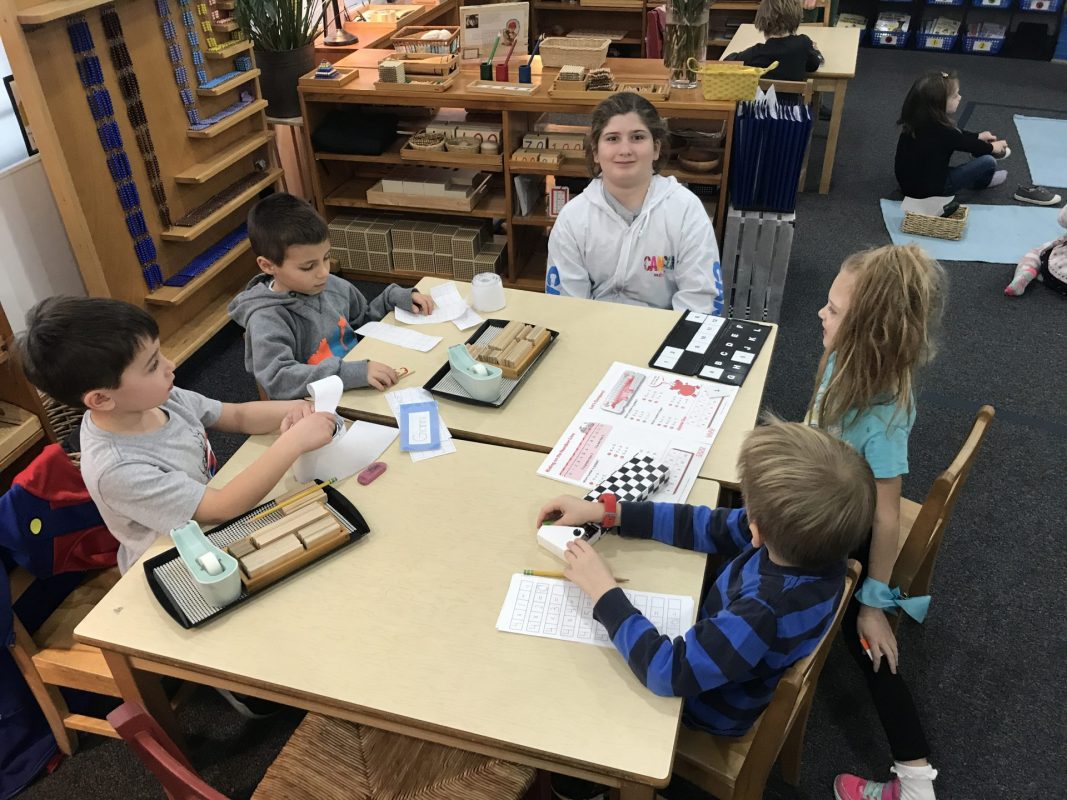
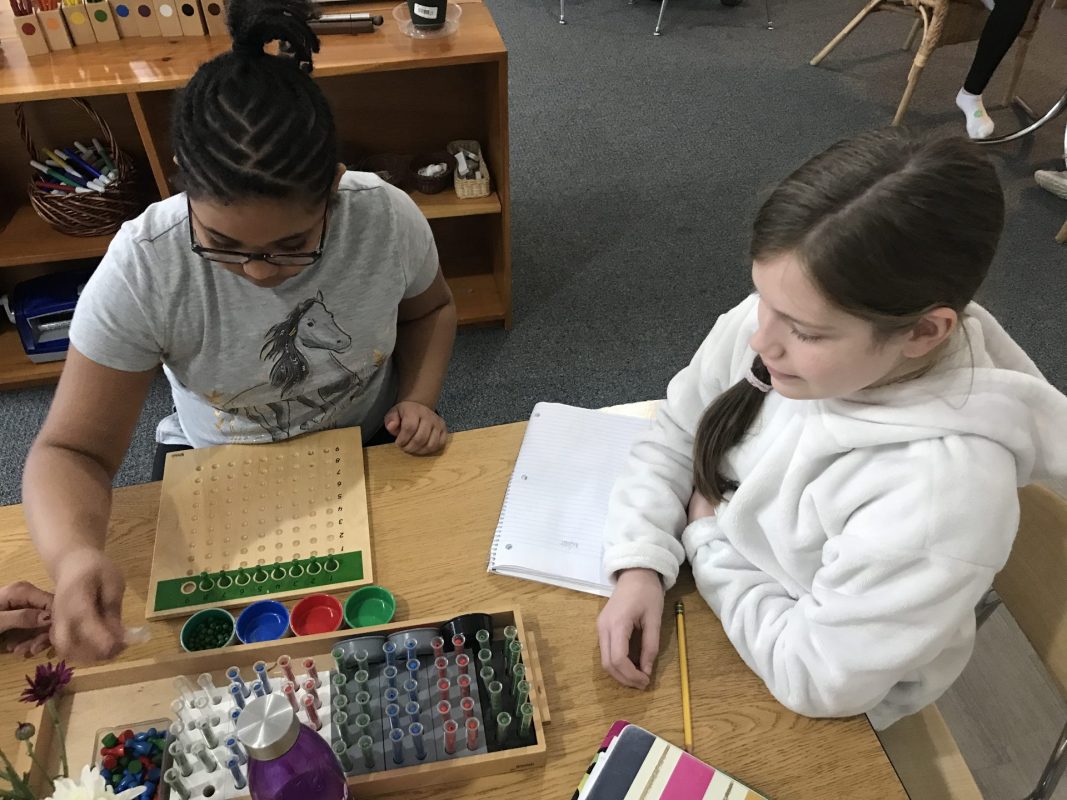
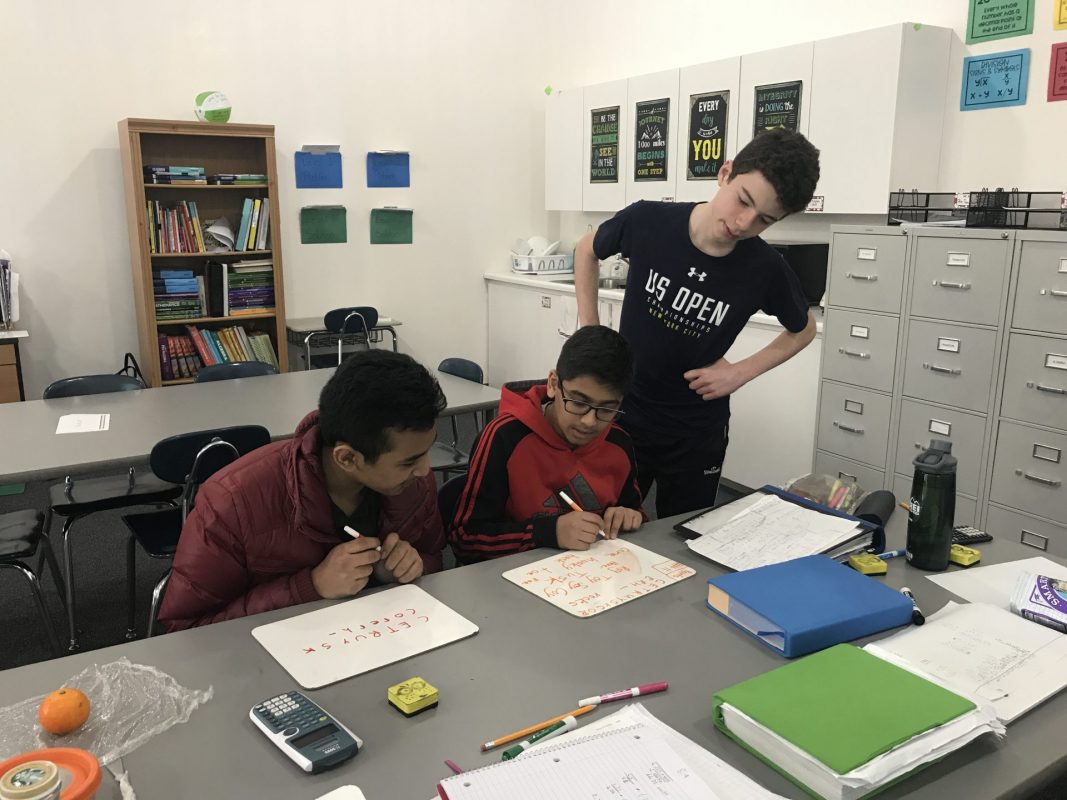
In Pre-Transition math class, students took time to prepare for the Chapter 6 cumulative test.  This chapter covered the main ideas of using multiplication in a variety of ways. Students are now able to identify powers, solve order of operations questions, multiply mixed fractions and draw arrays from a word problem. As a reminder, it is always a good idea to start studying one week before the exam, get a good night’s sleep and drink lots of water during the test to keep your brain hydrated. 

In Transition math class, students are combining percents in real world experiences, solving for one step and two step equations (ie. ax = b, y = ax + b) and continuing to practice multiplying probabilities. Students participated in a fun activity this week where they needed to go grocery shopping with a fake budget and purchase as many different items as possible while calculating the sales tax and sale price. This was challenging for students to stay under budget and learn how much the Connecticut sales tax is for everyday items. 

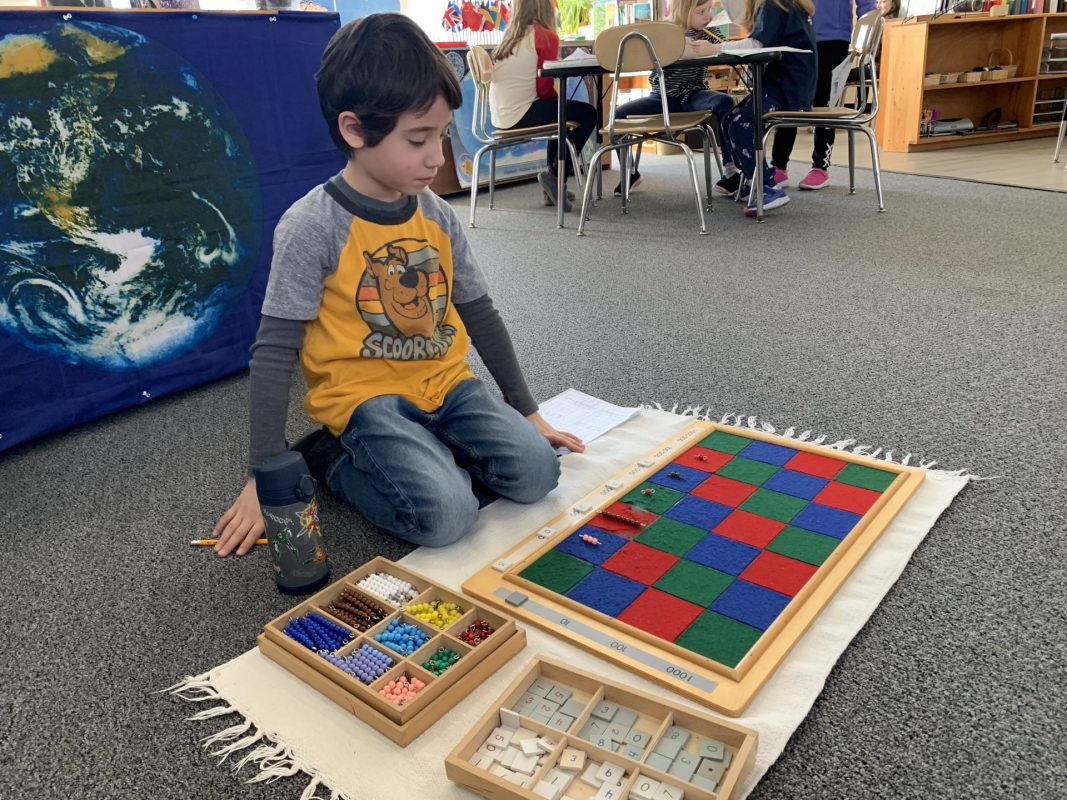
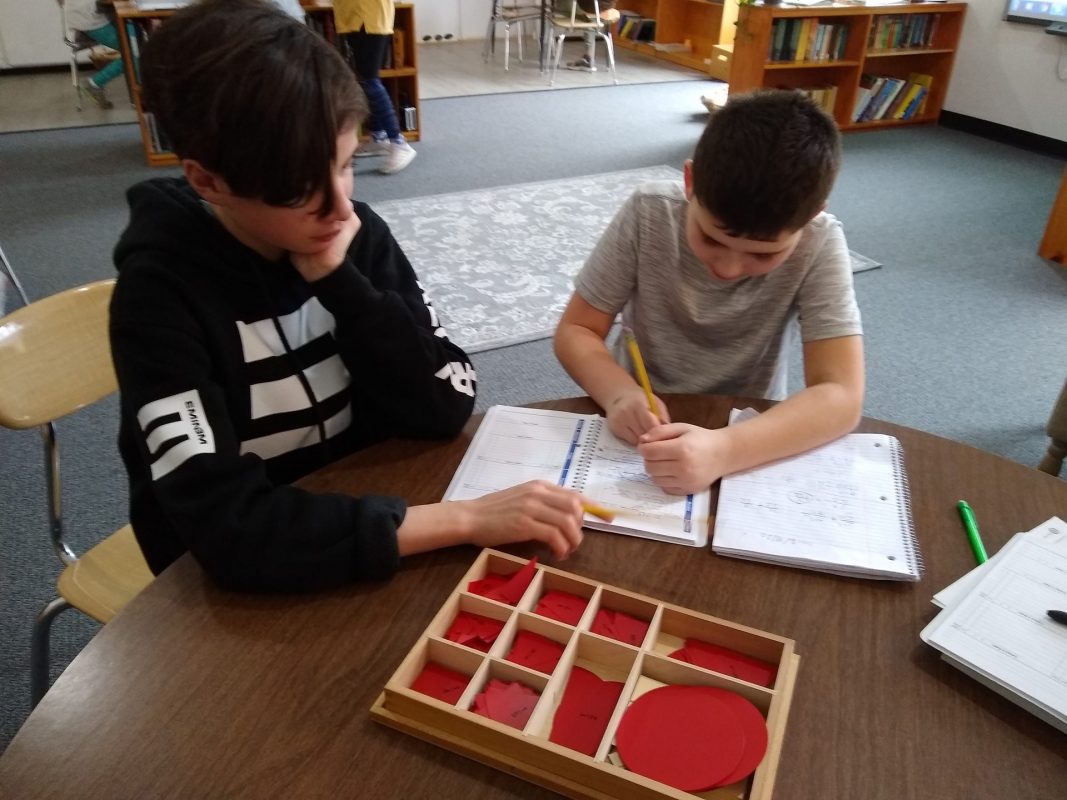
In Algebra 1 math class, students are learning how to multiply and divide square roots, calculate distance between two ordered pairs in a plane, and practicing how to remember all the properties of powers and roots. Students had independent work time this week to study for their upcoming Chapter 8 cumulative test scheduled for Tuesday, February 25th. 

Math Joke: How do you get from point A to point B?…….Just take an x-y plane or a rhom’bus.

Mrs. Wilson: Sensitive Periods – Refinement of the Senses
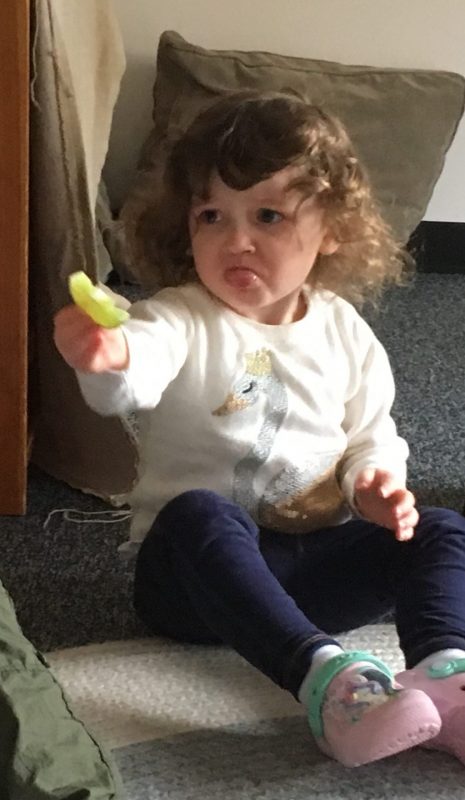
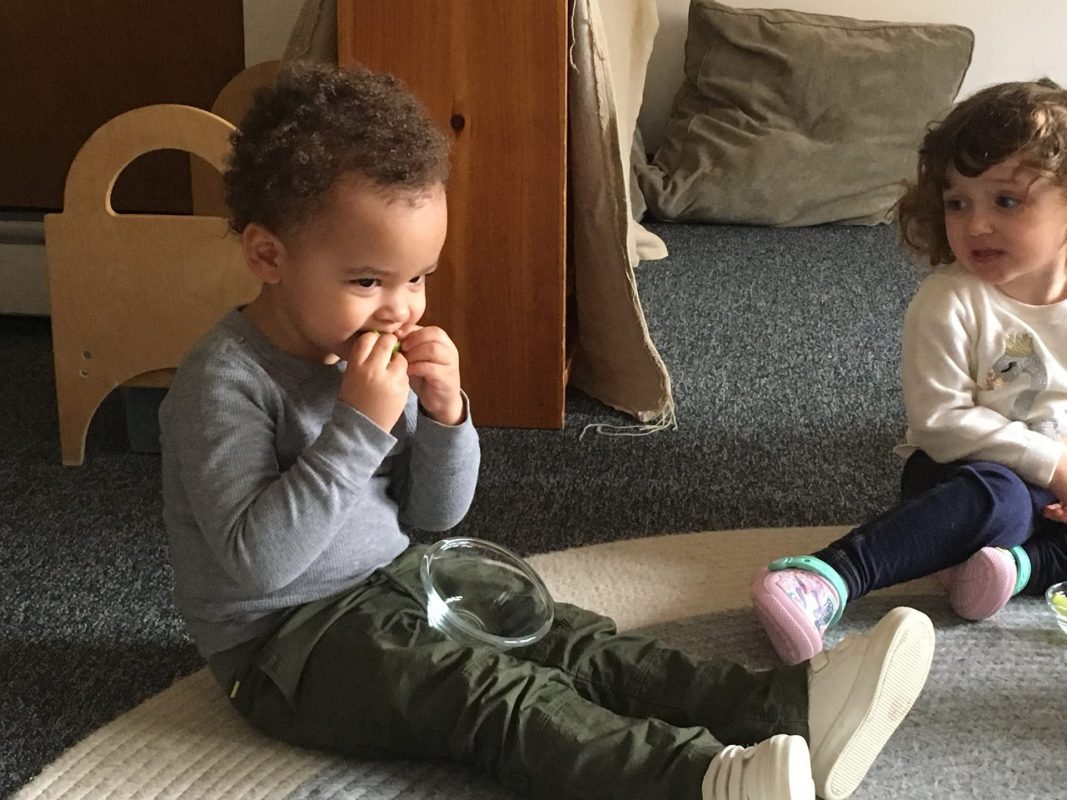
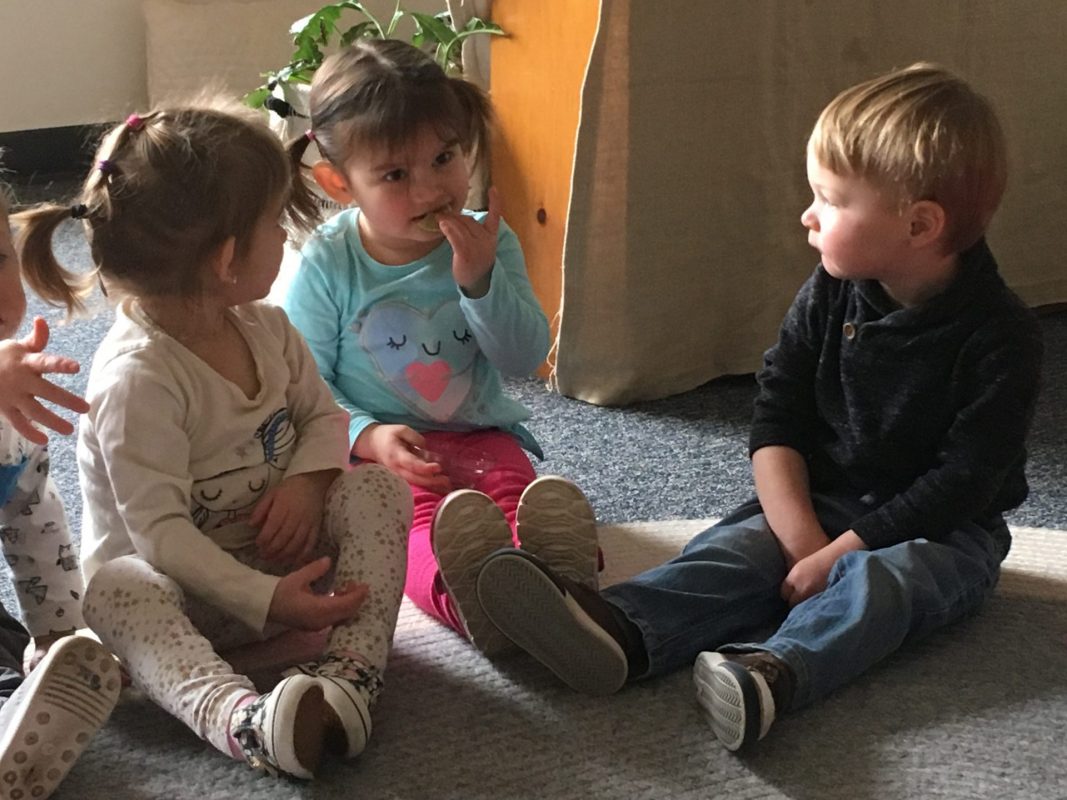
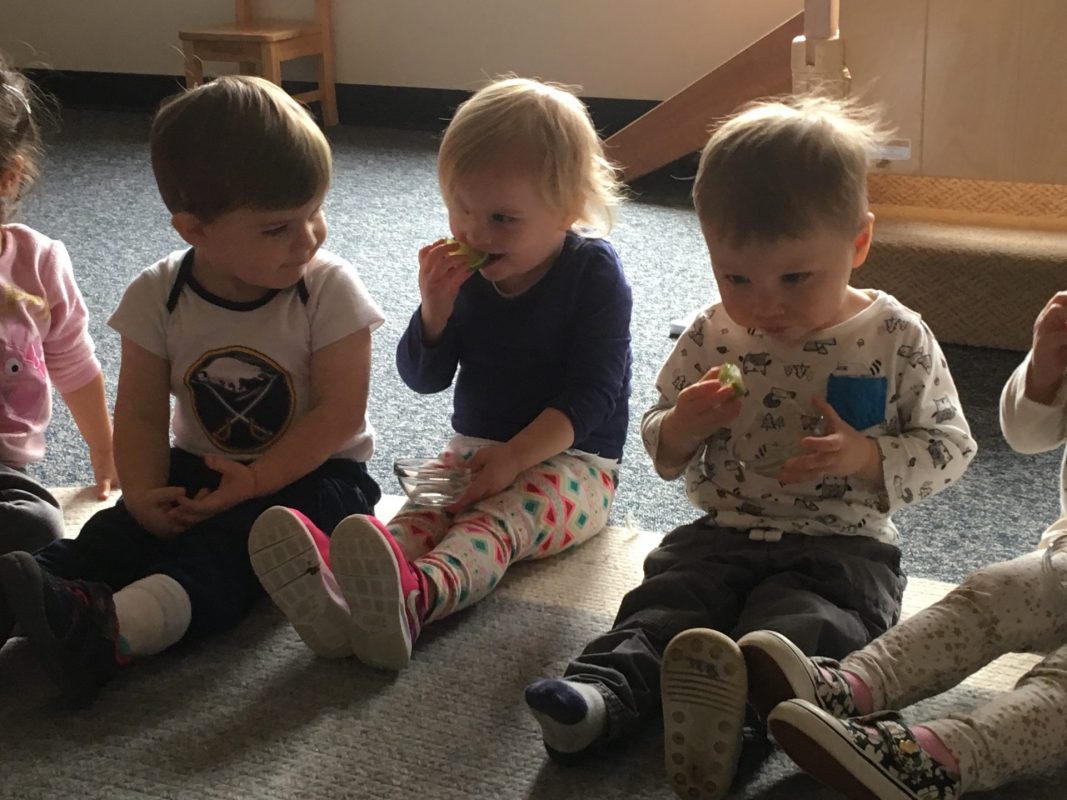
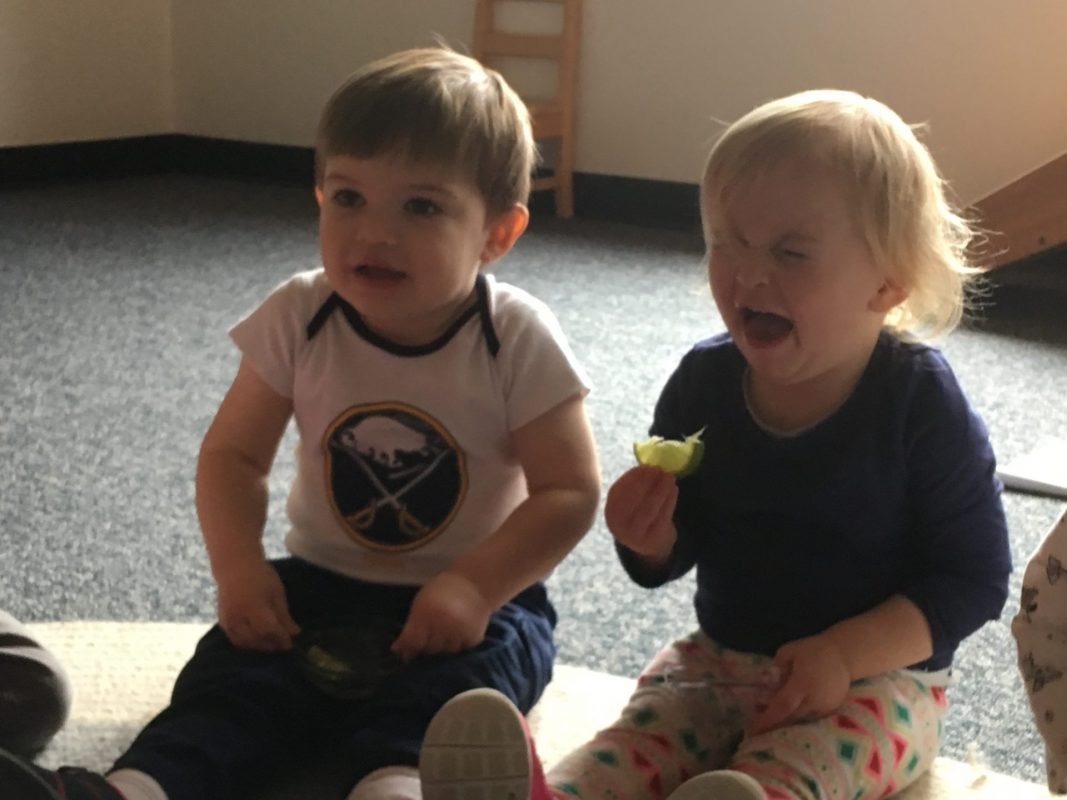
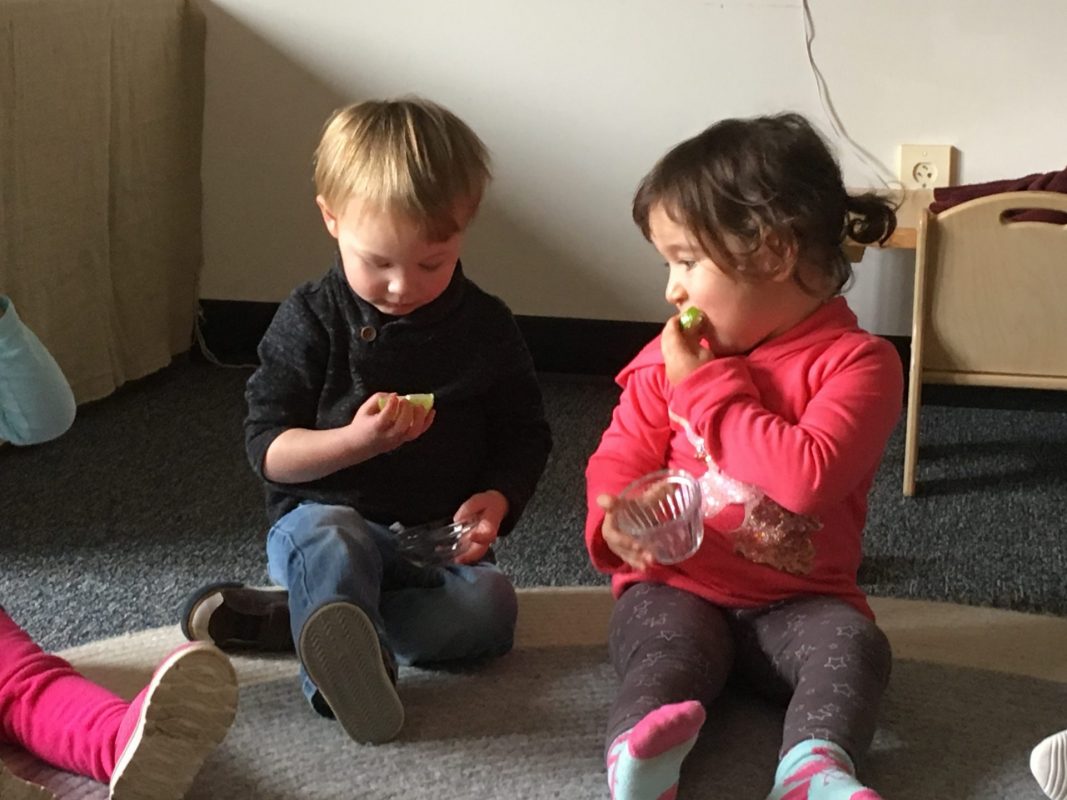
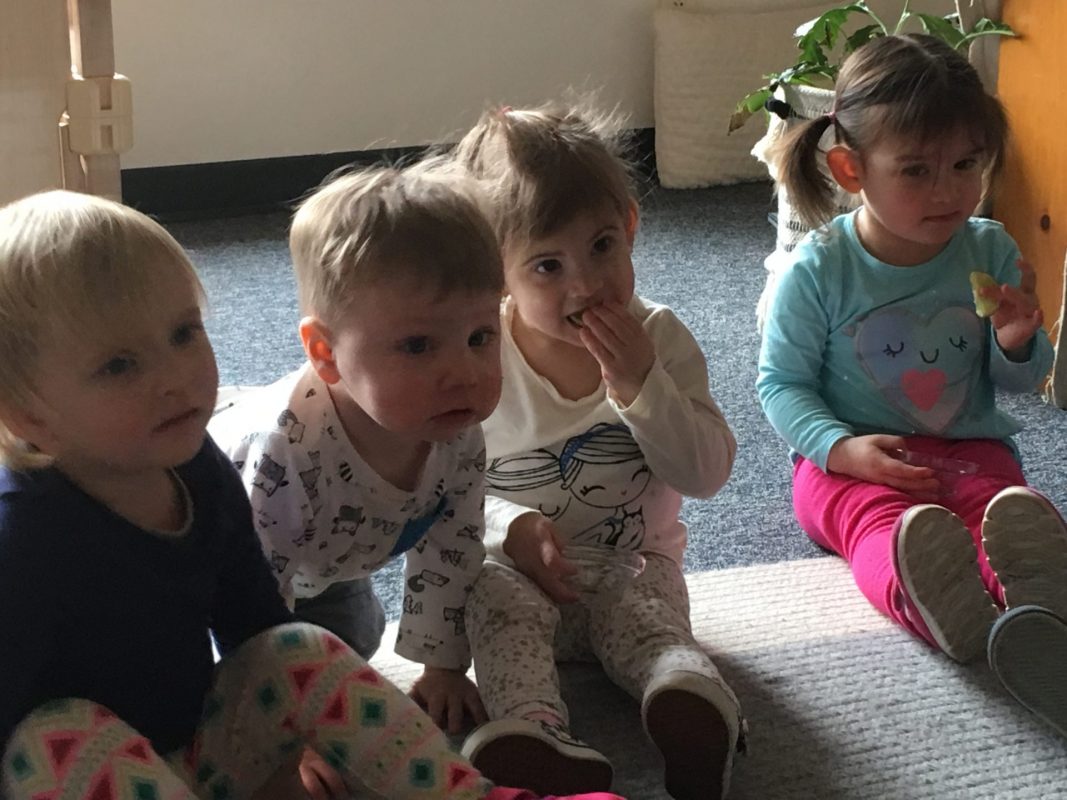
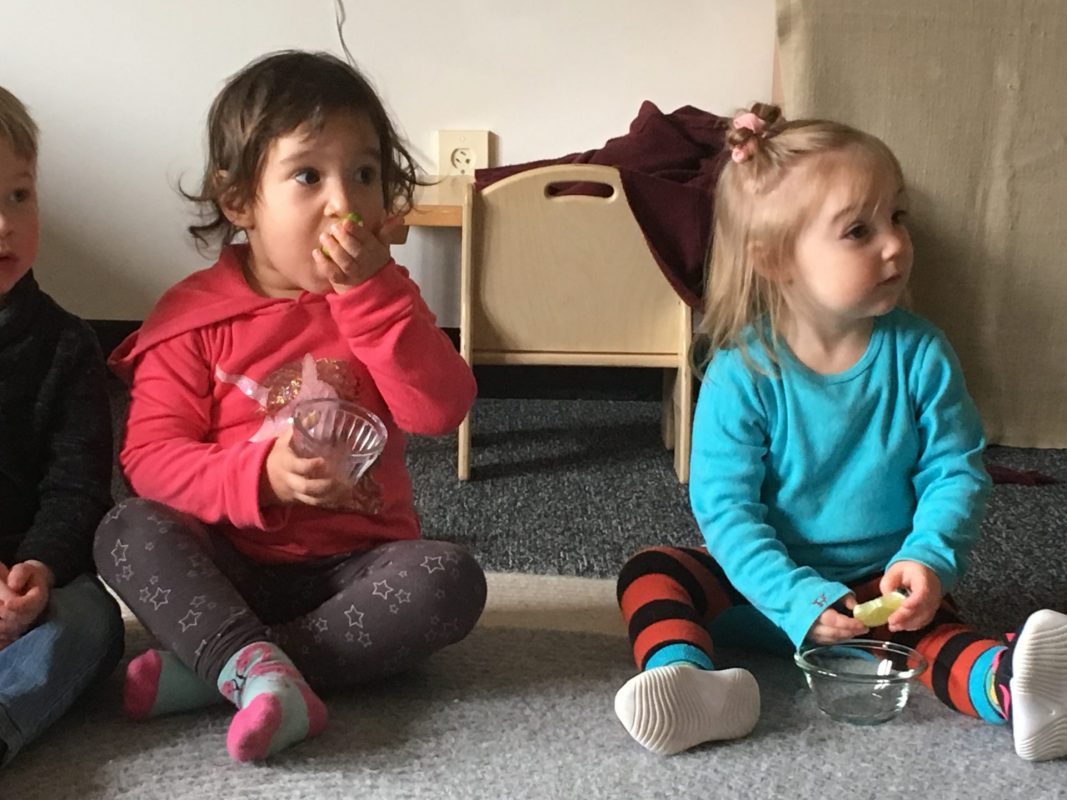
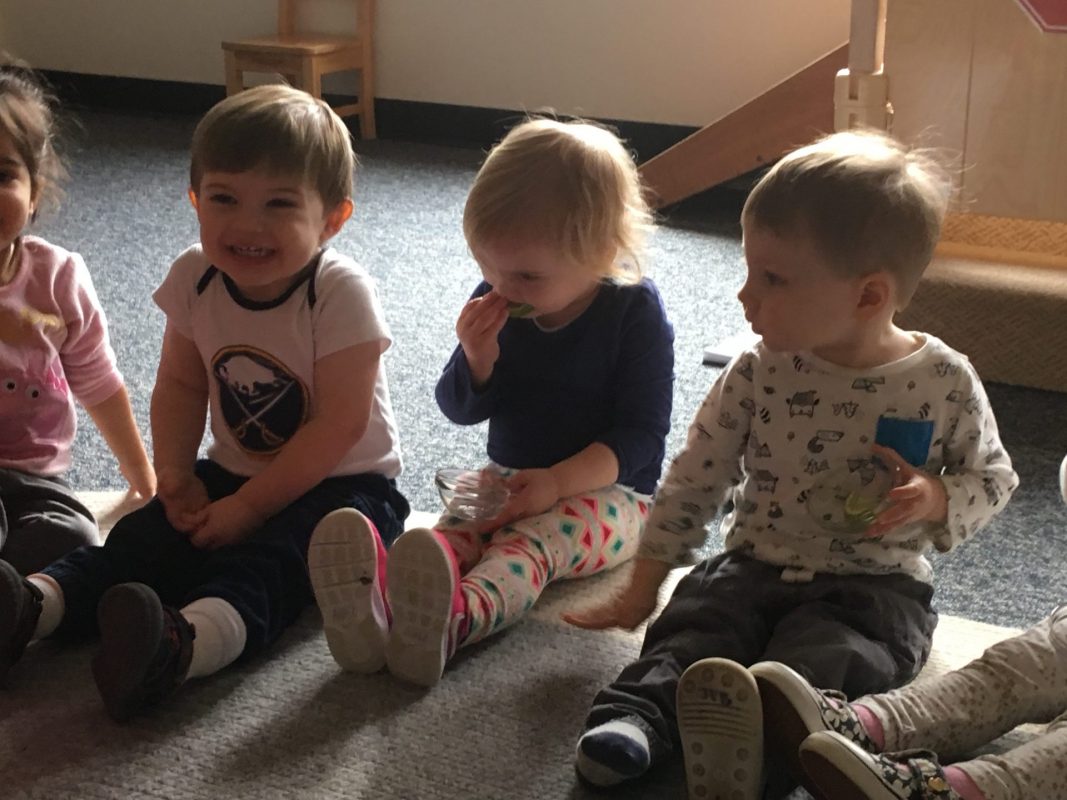
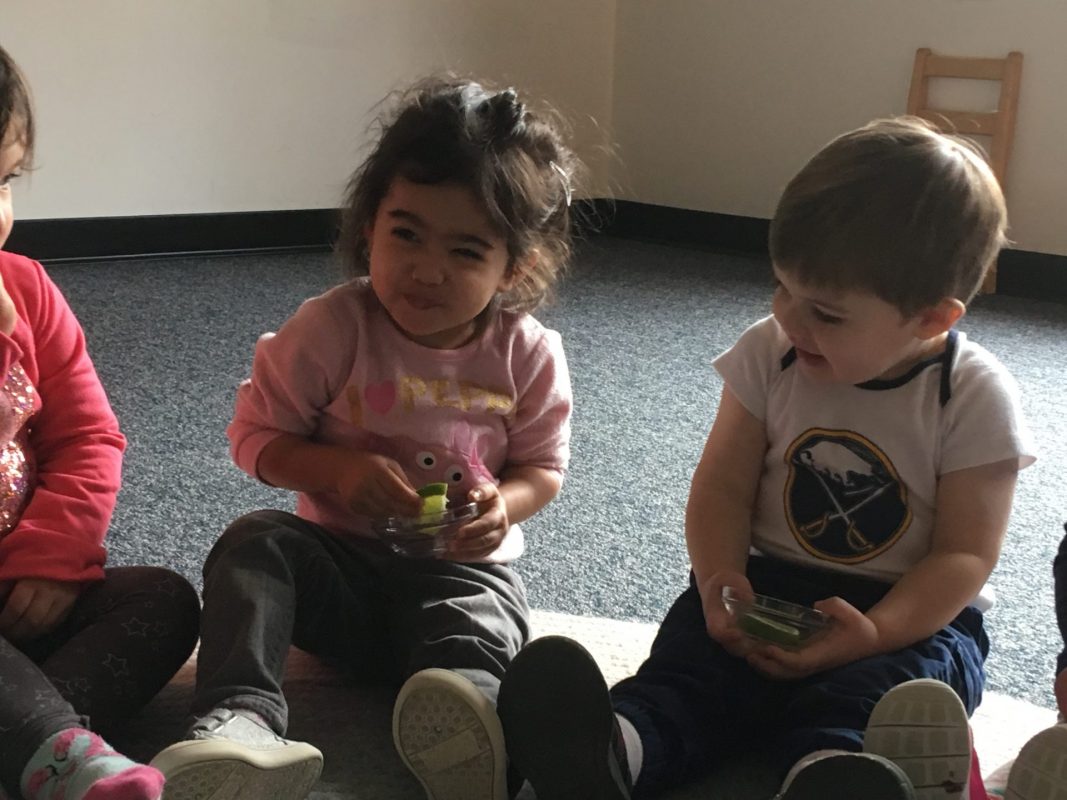
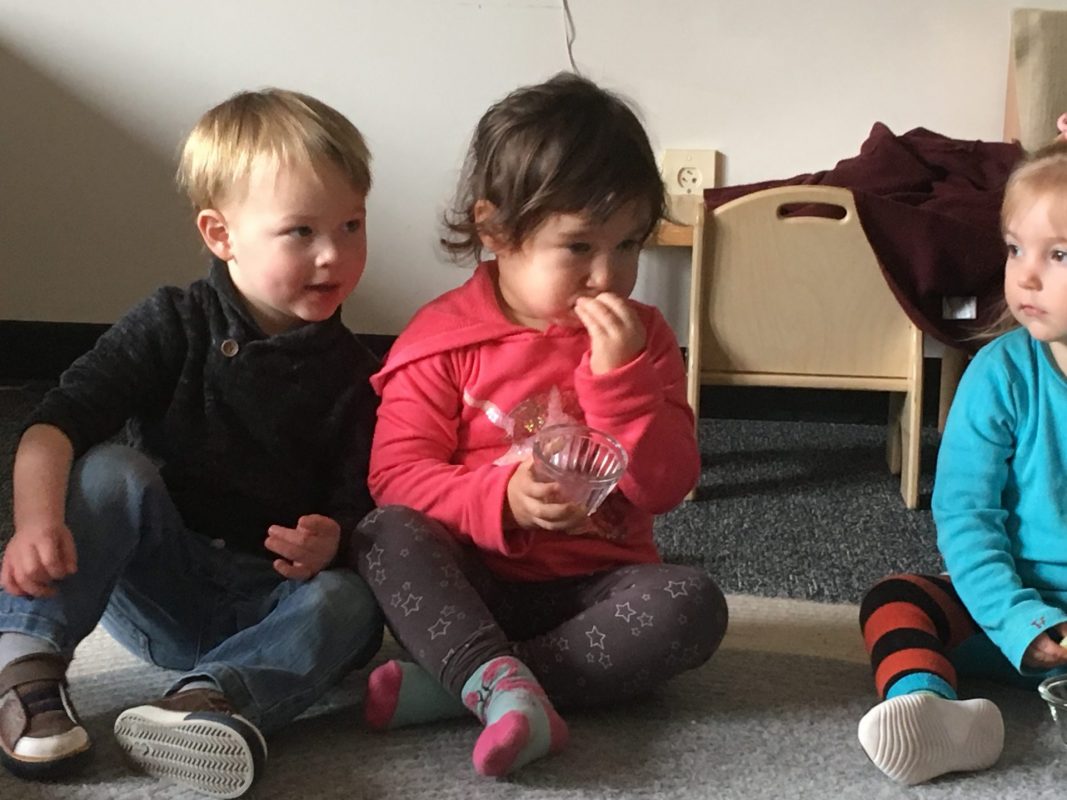
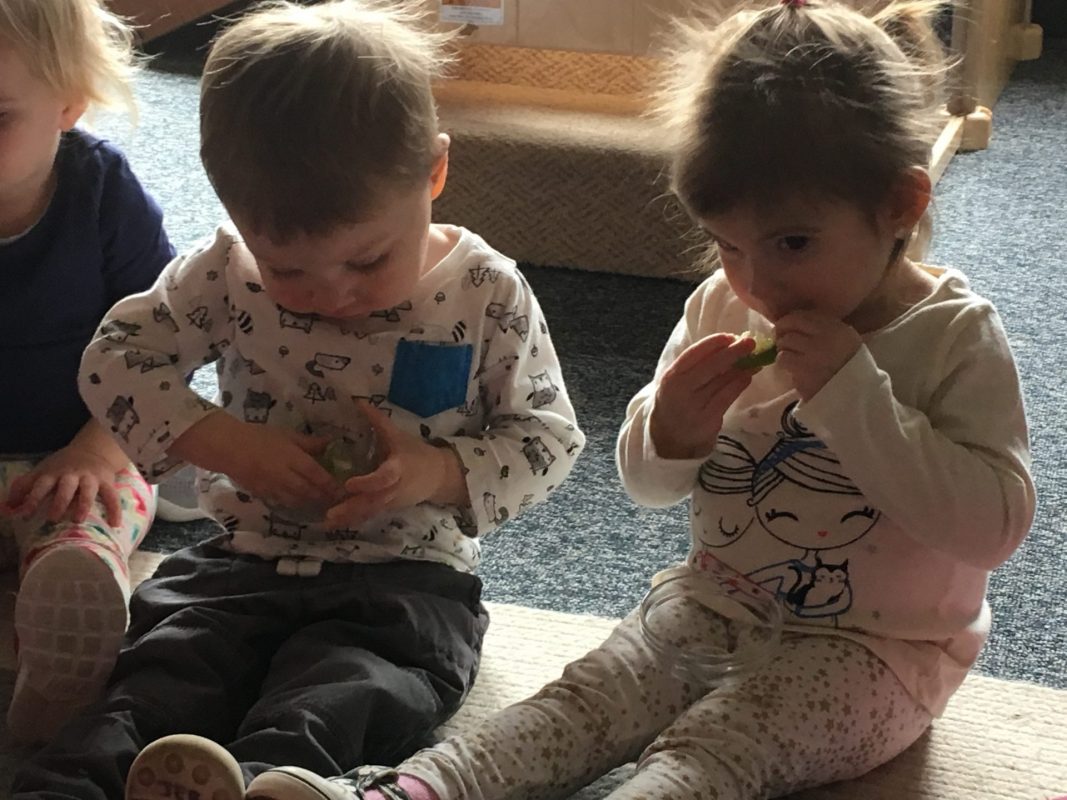
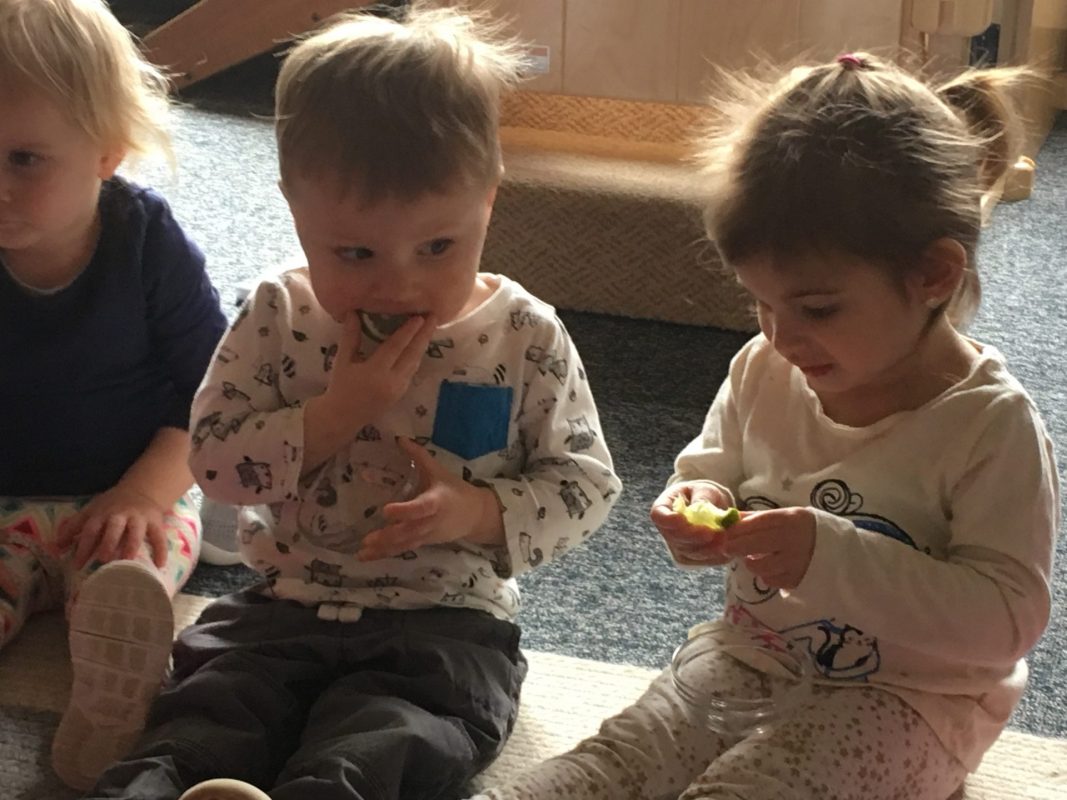
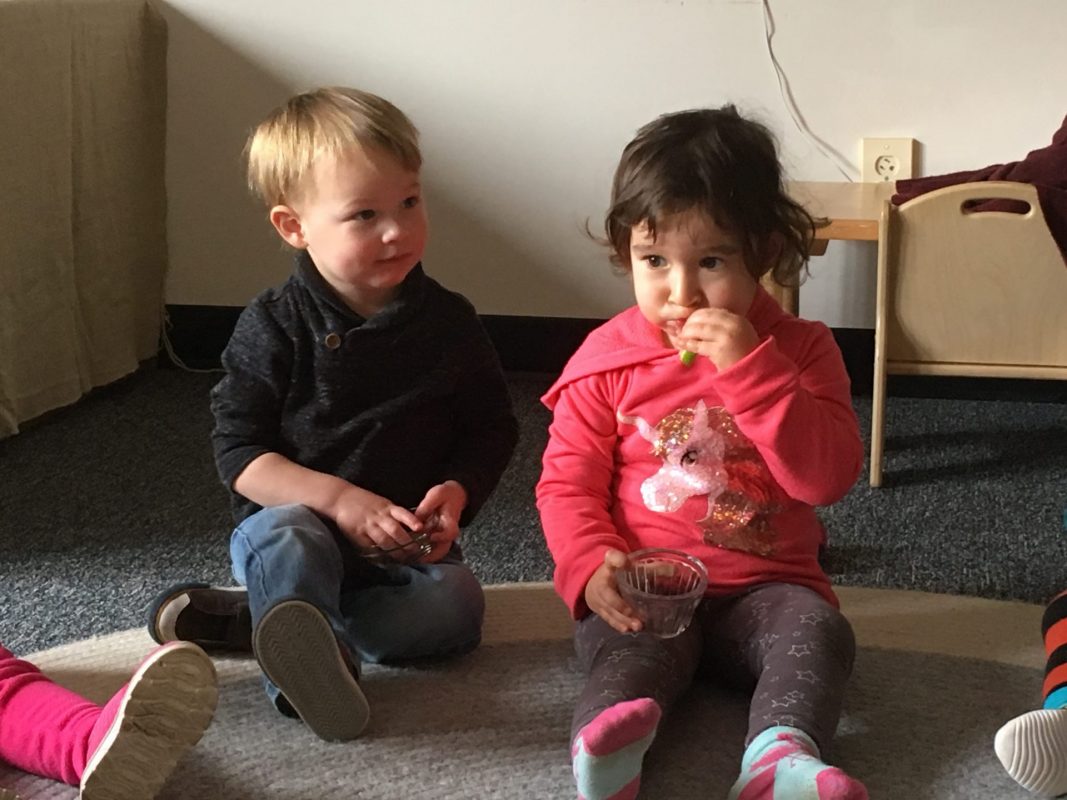
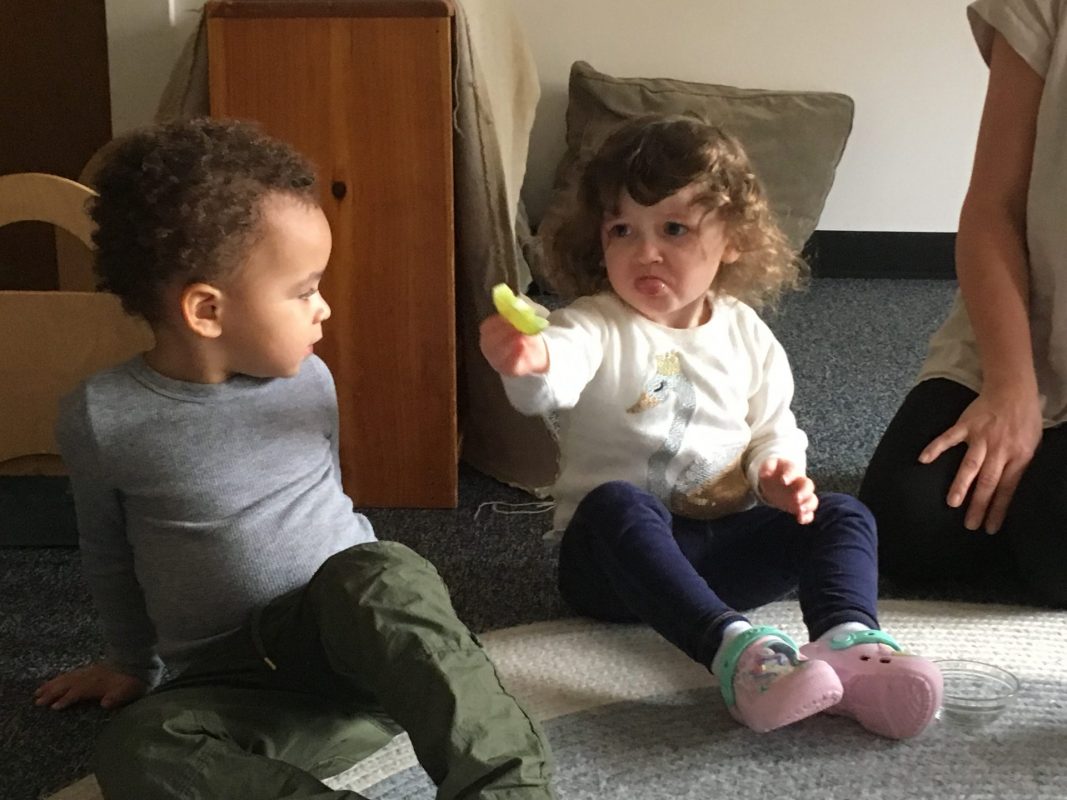
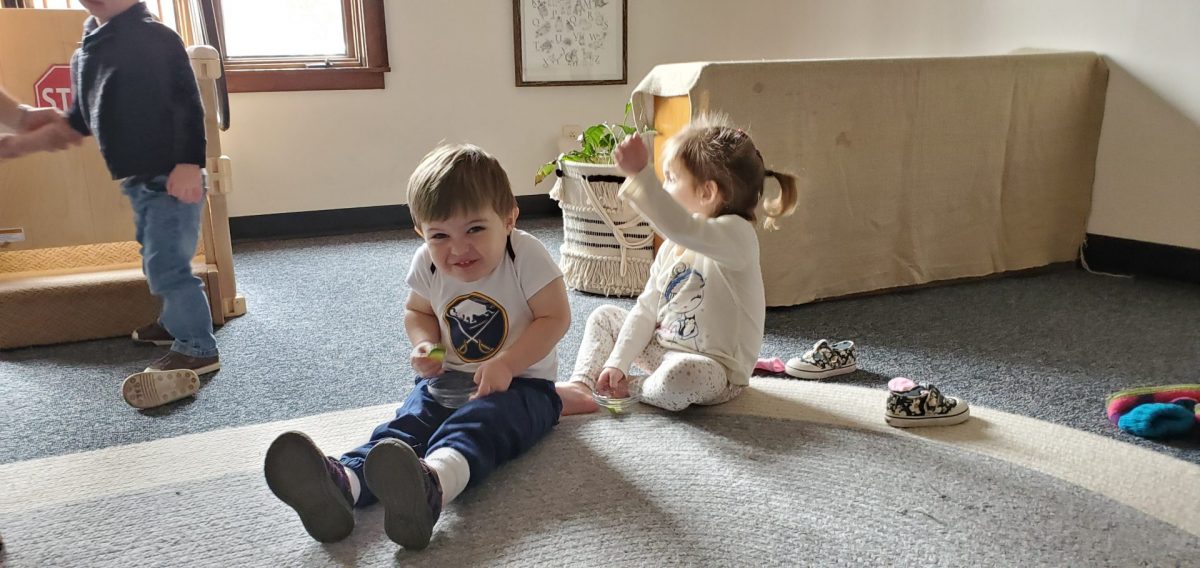
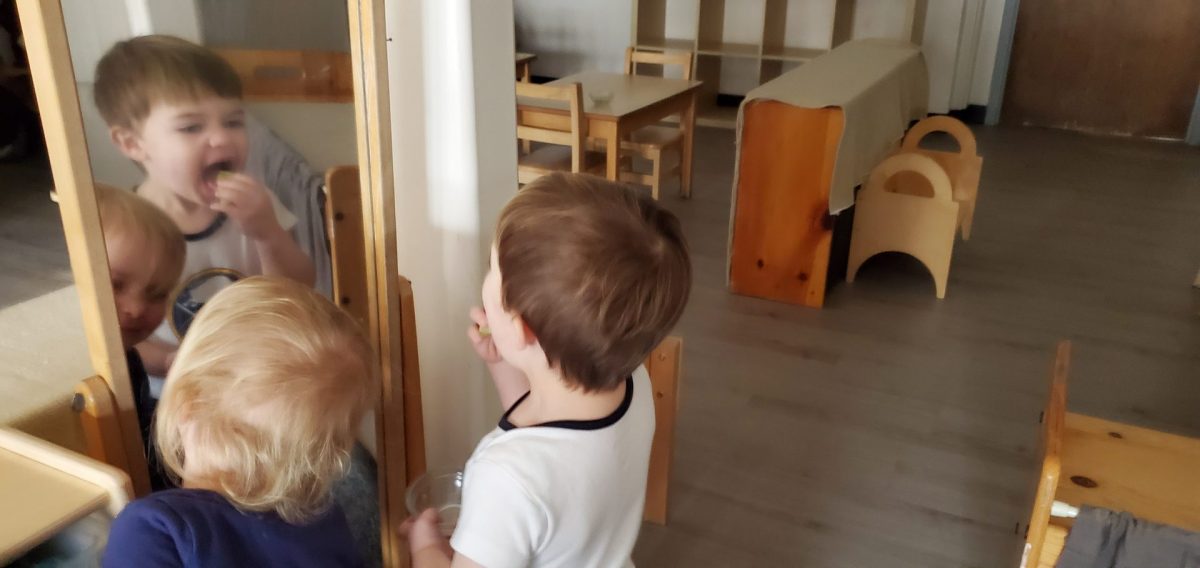
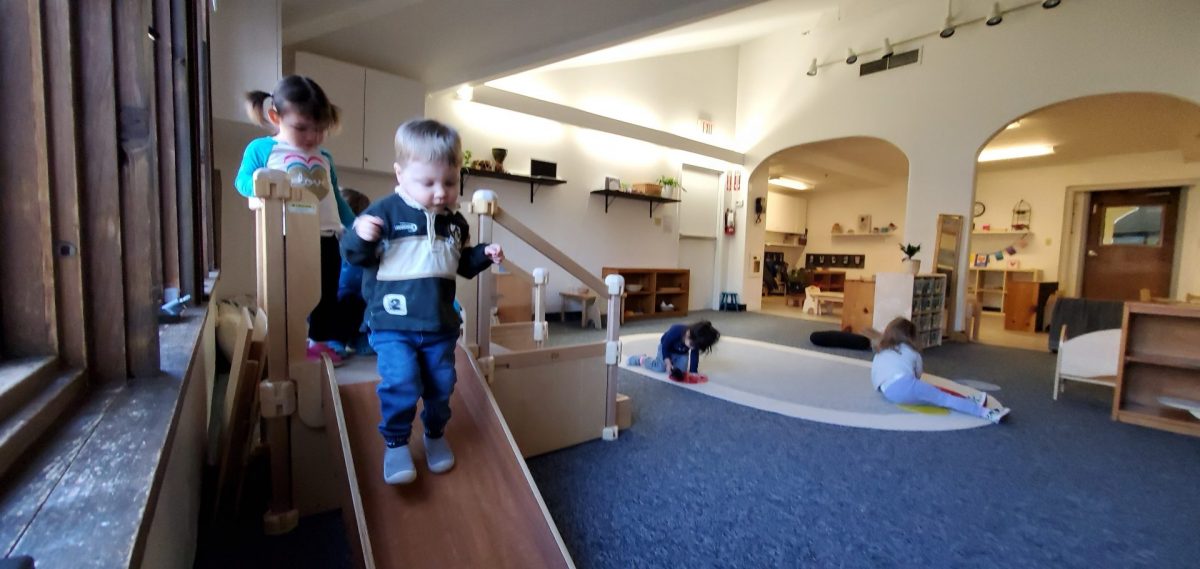
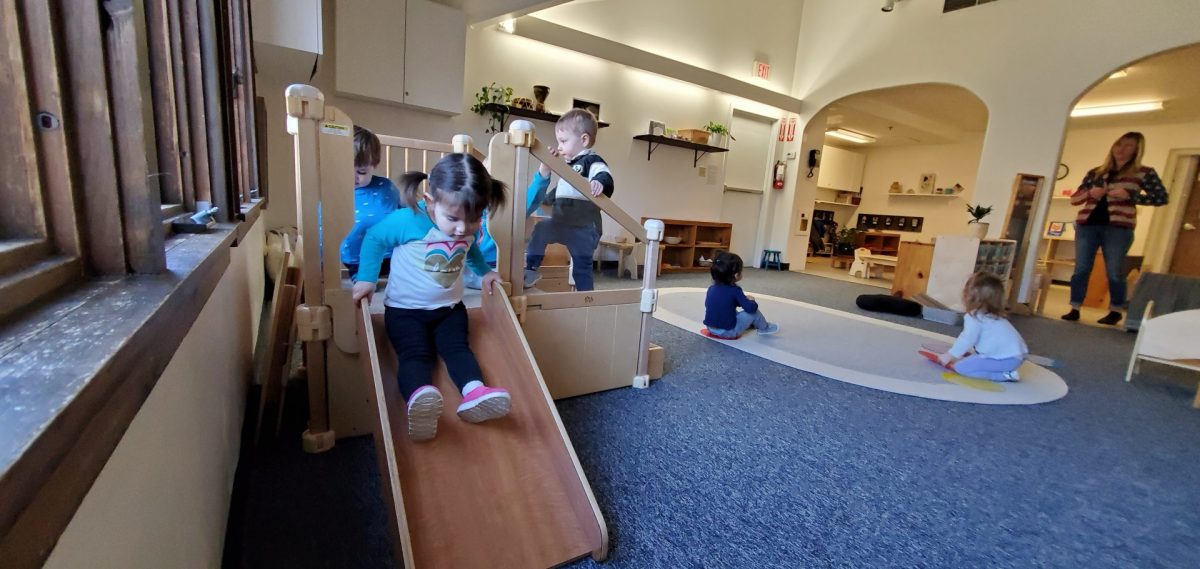
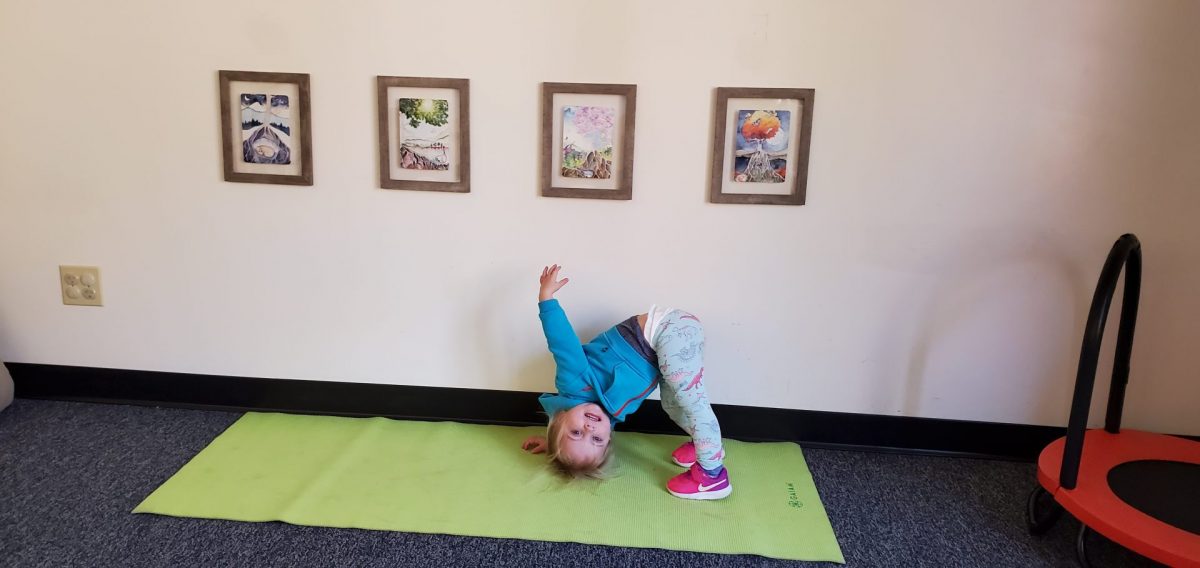
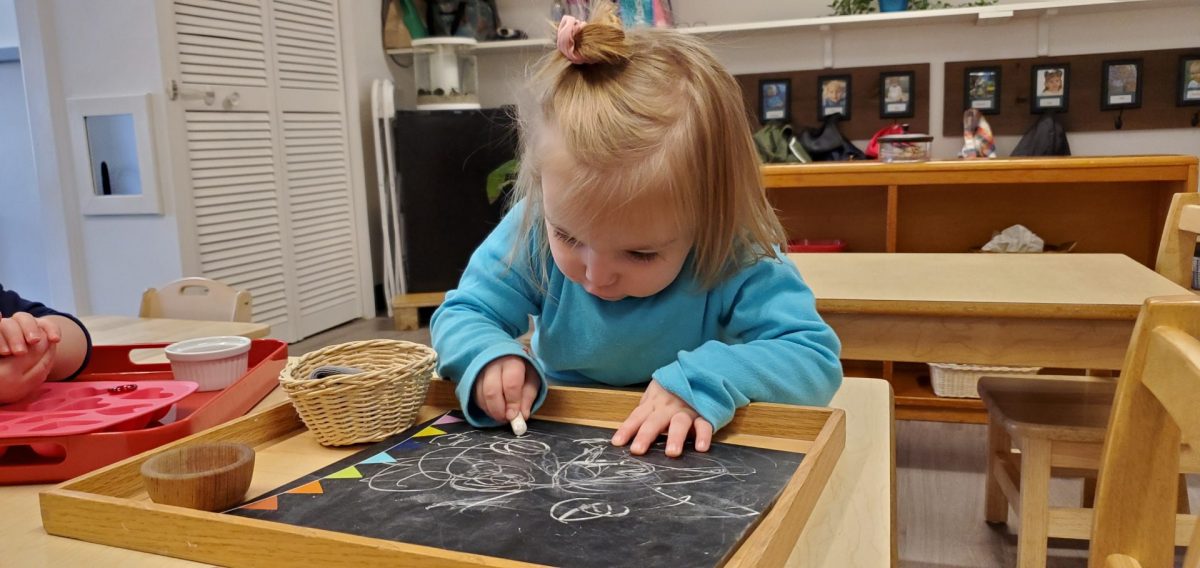
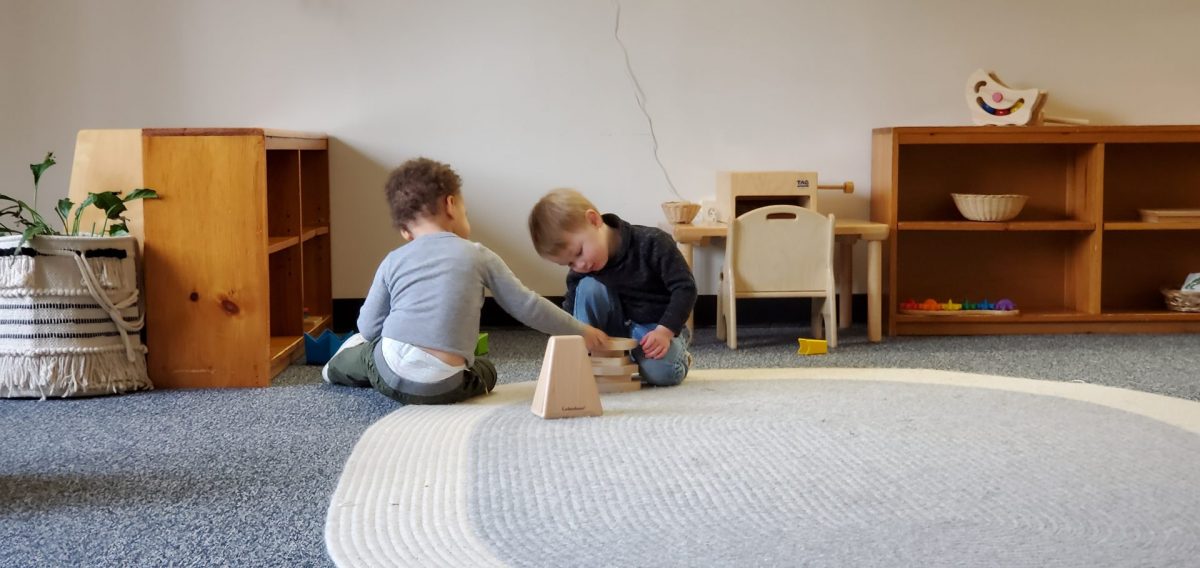
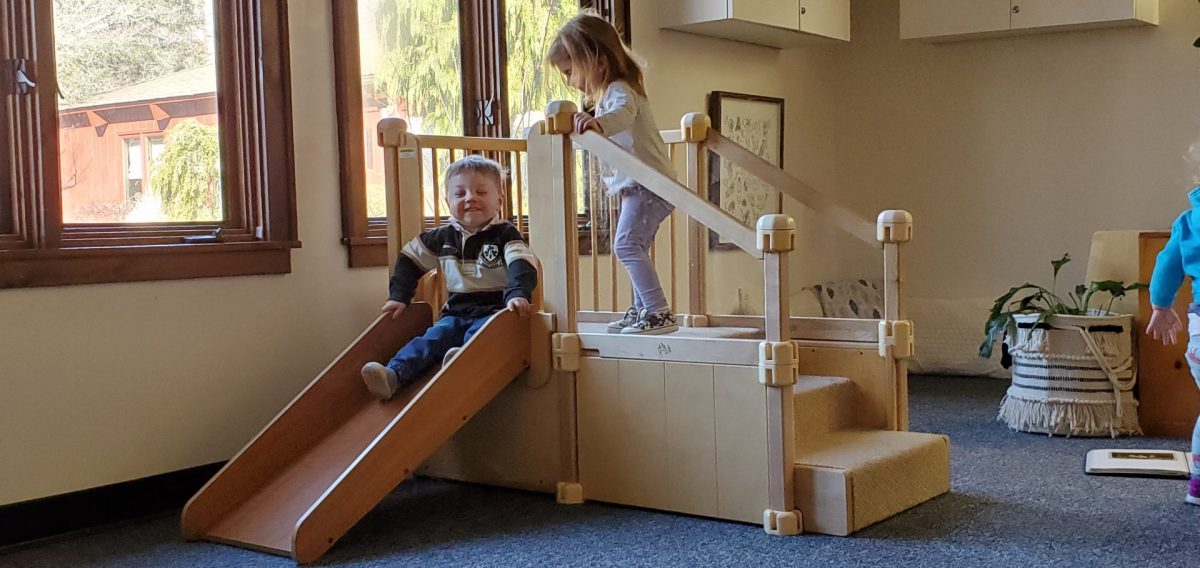
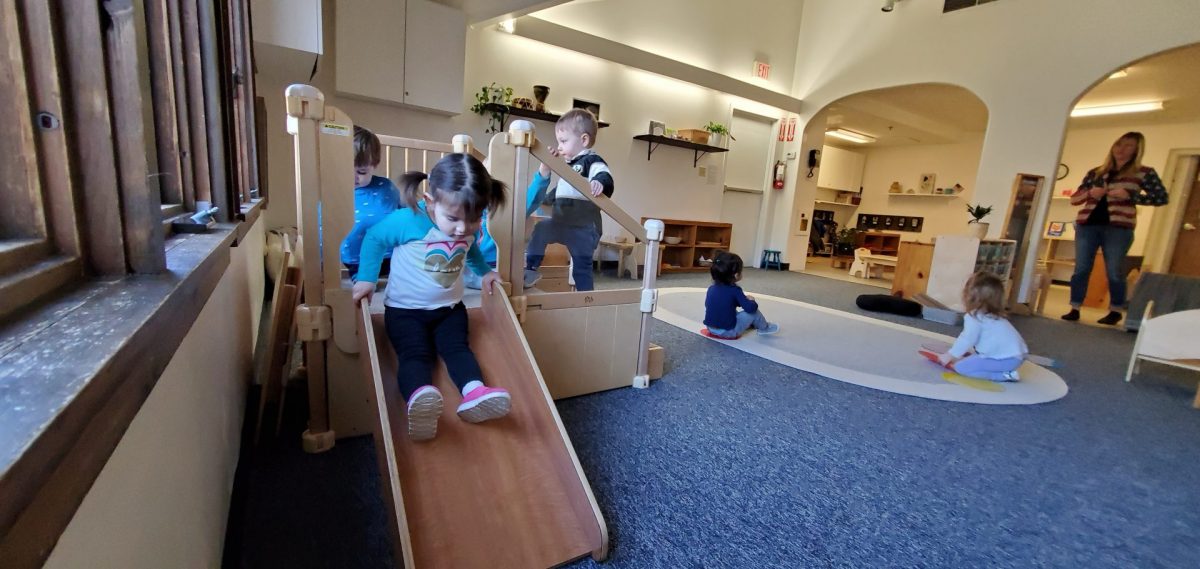
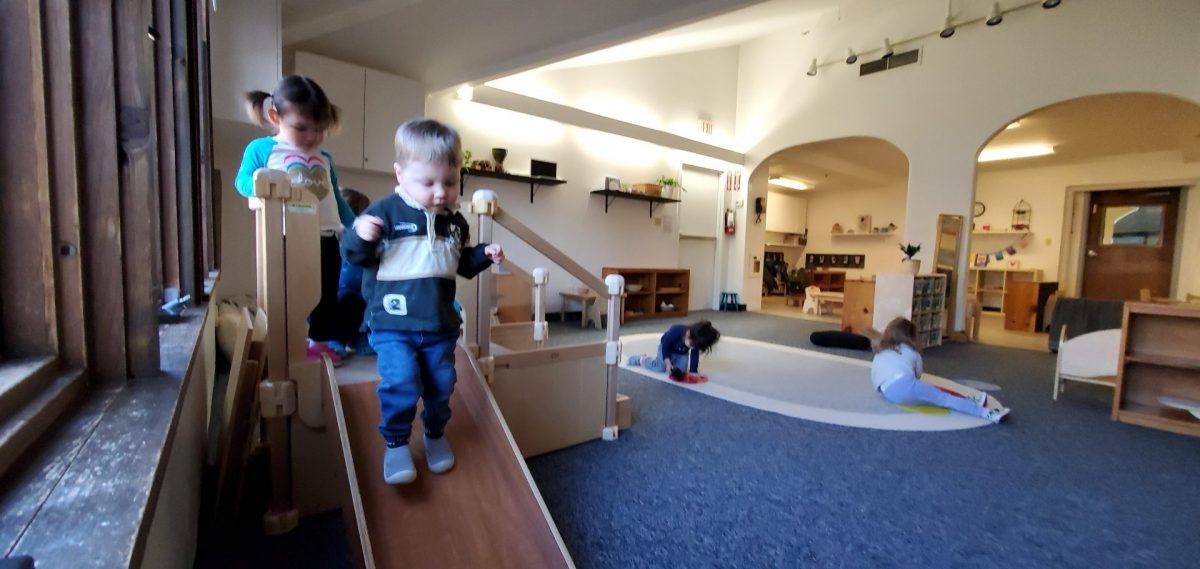
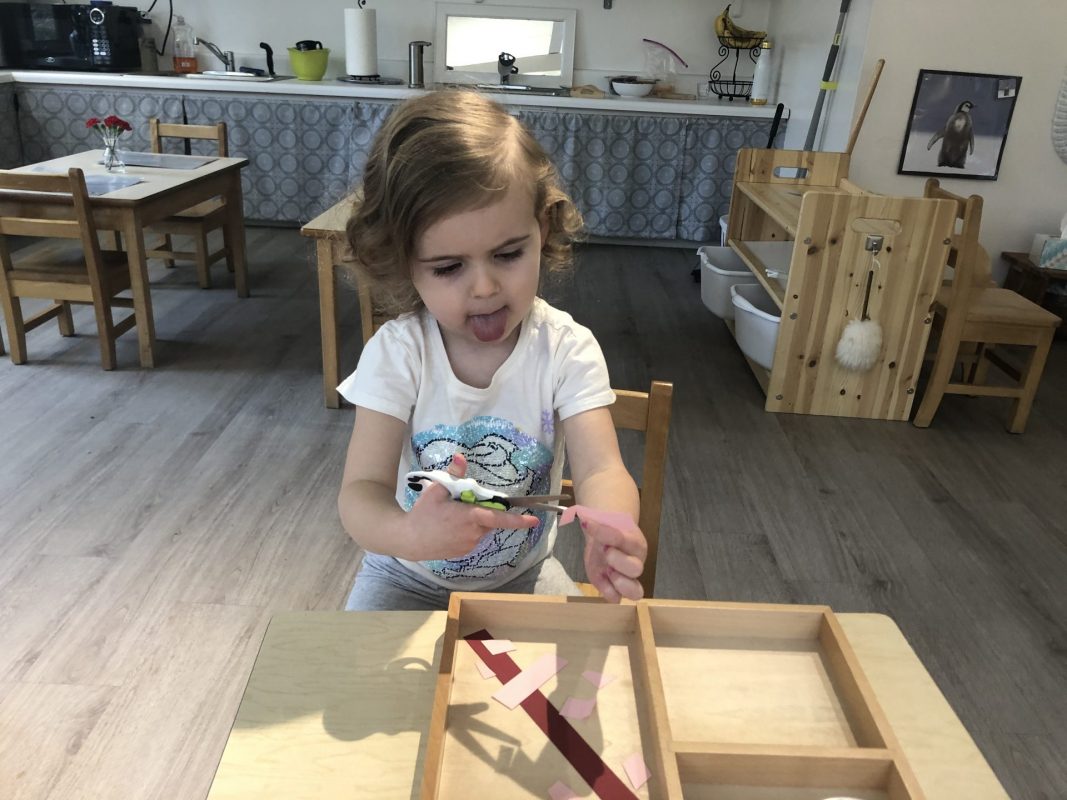
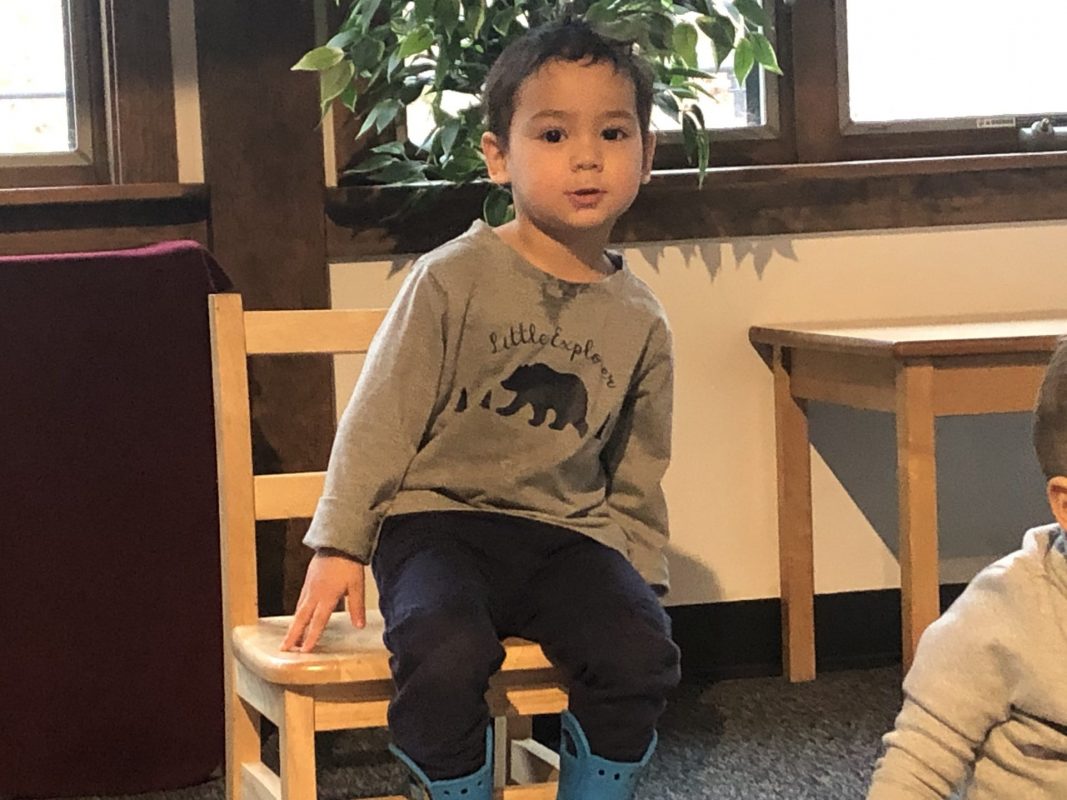
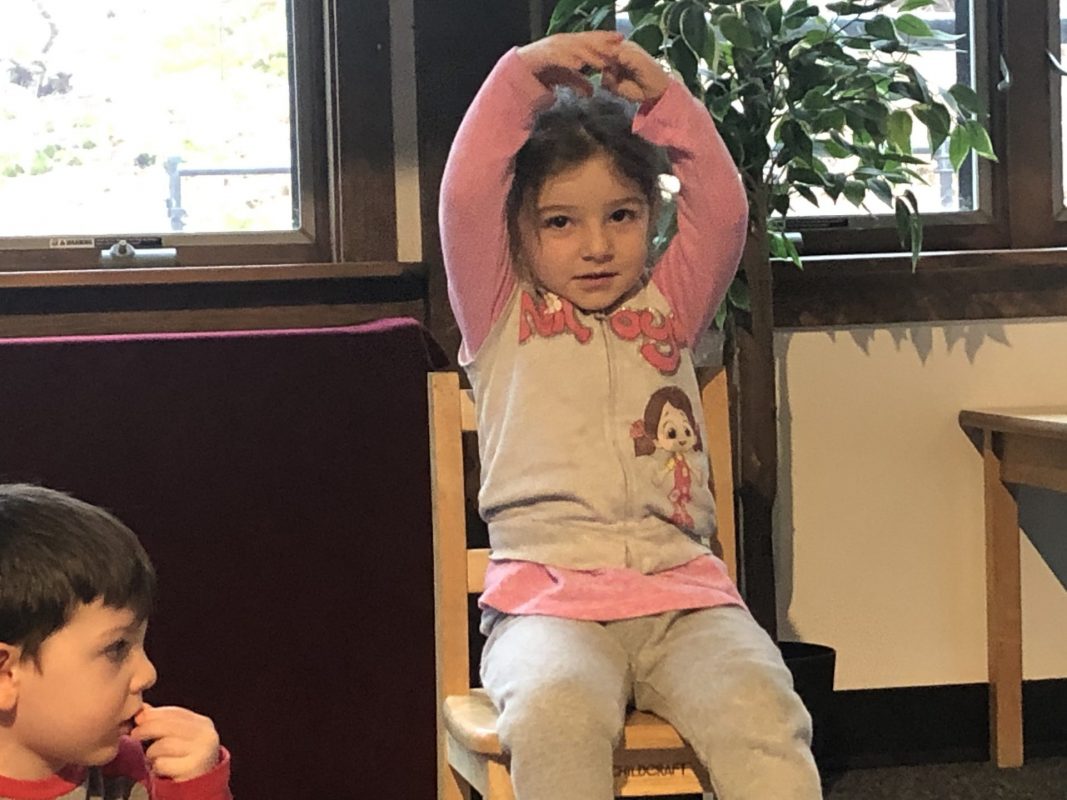
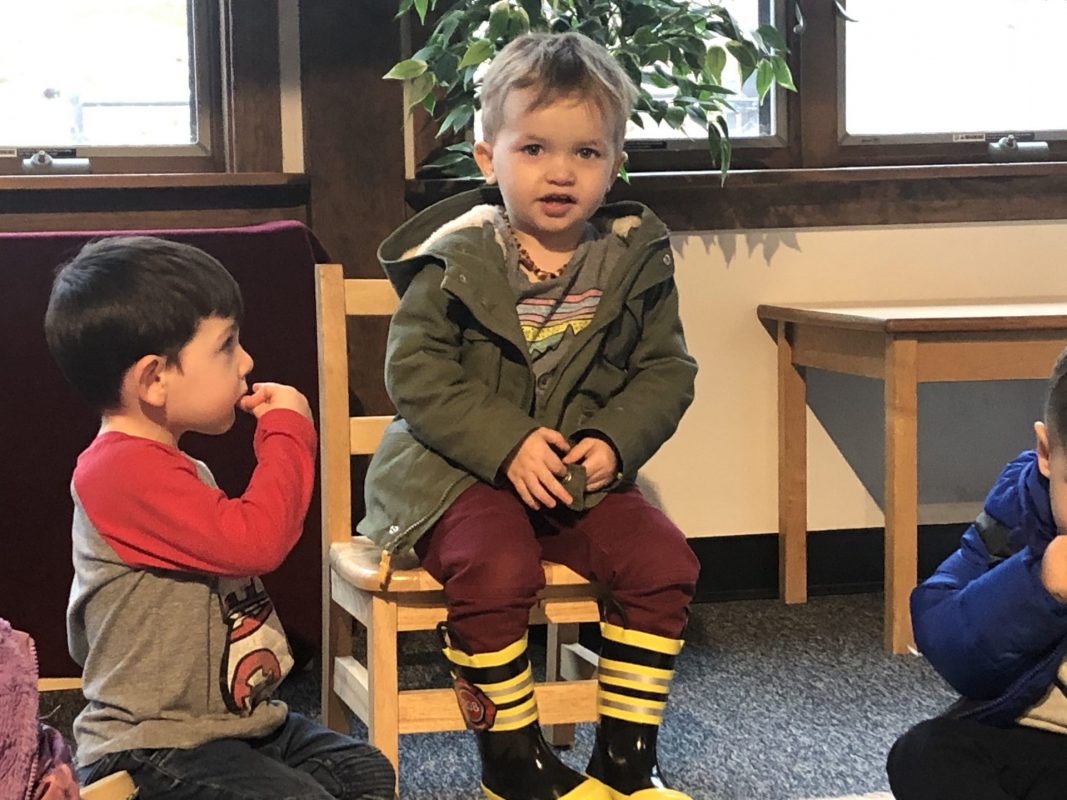
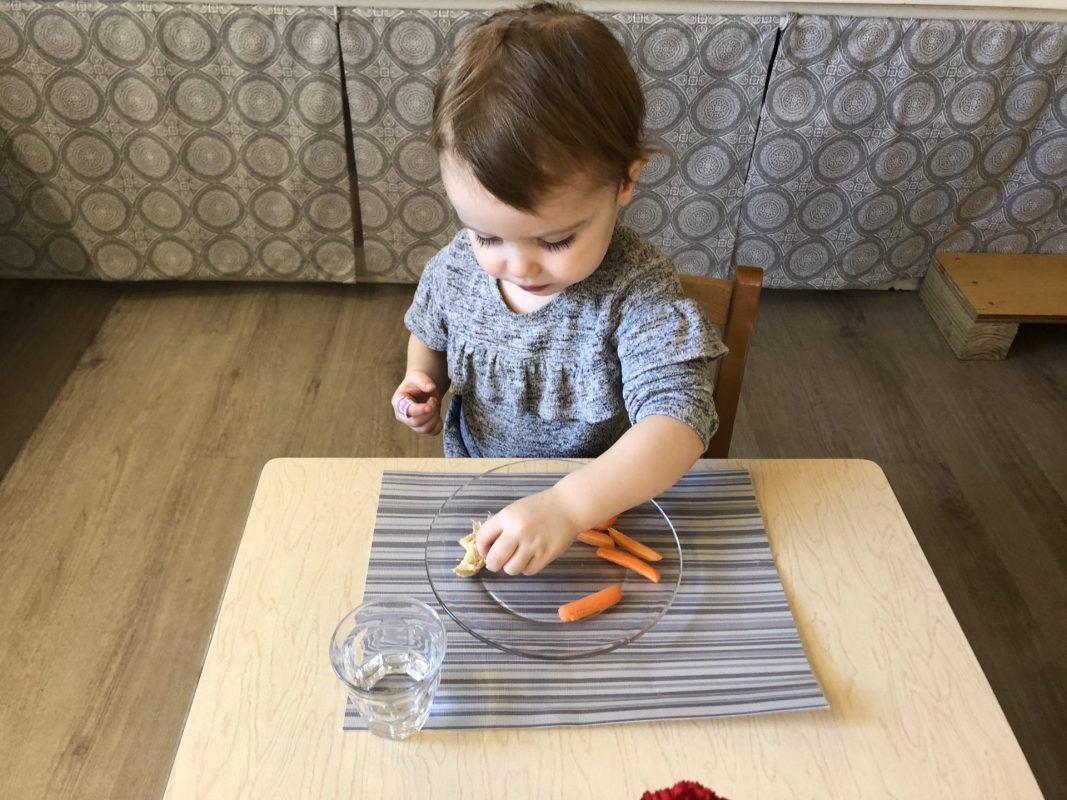
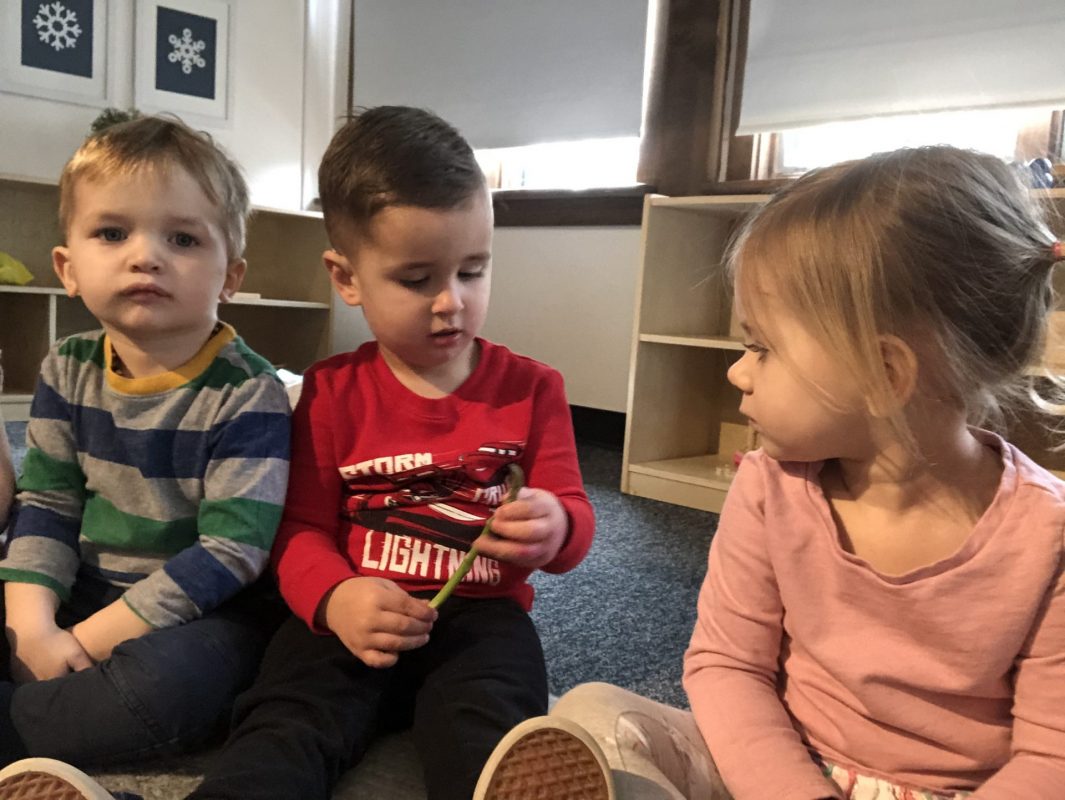
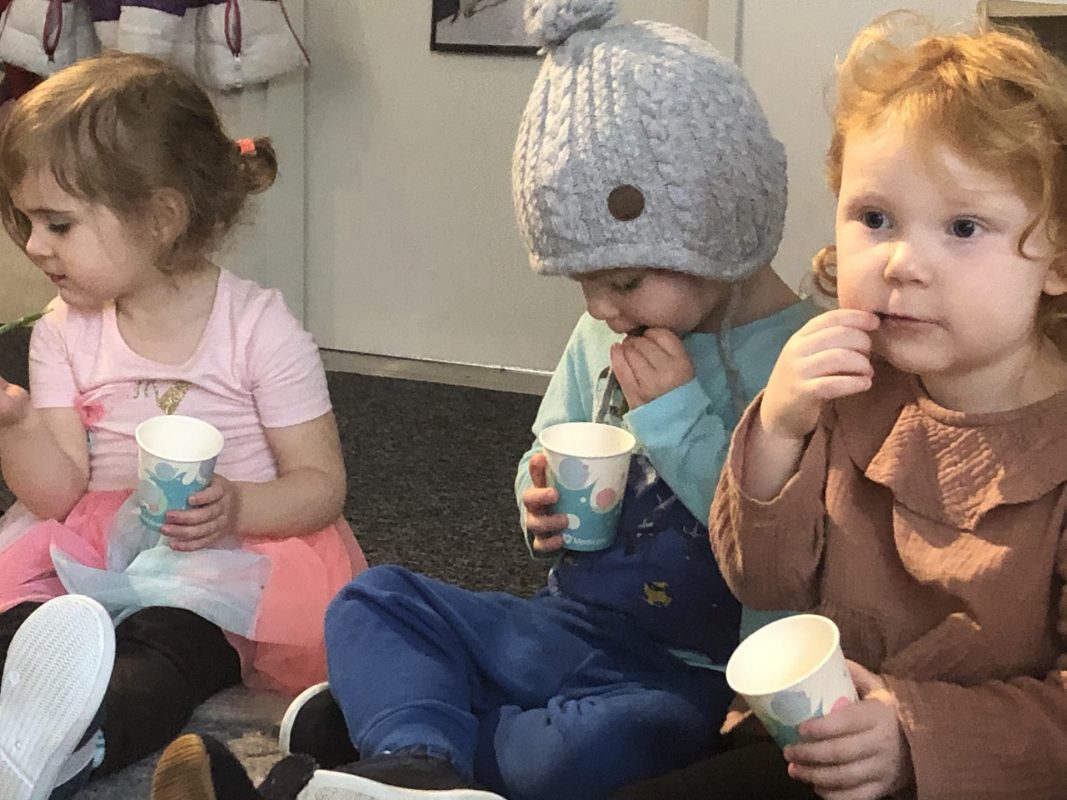
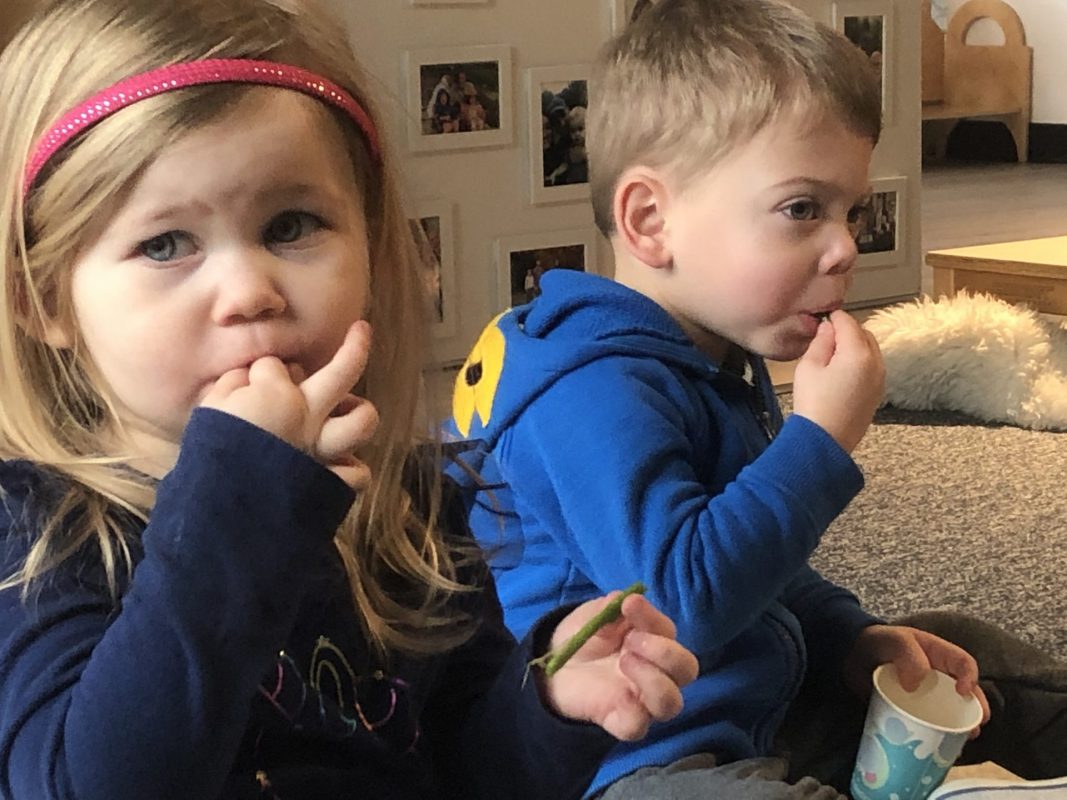
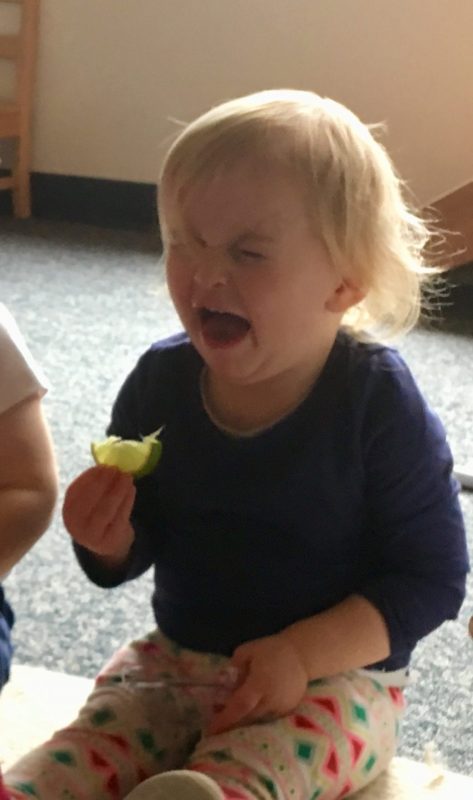
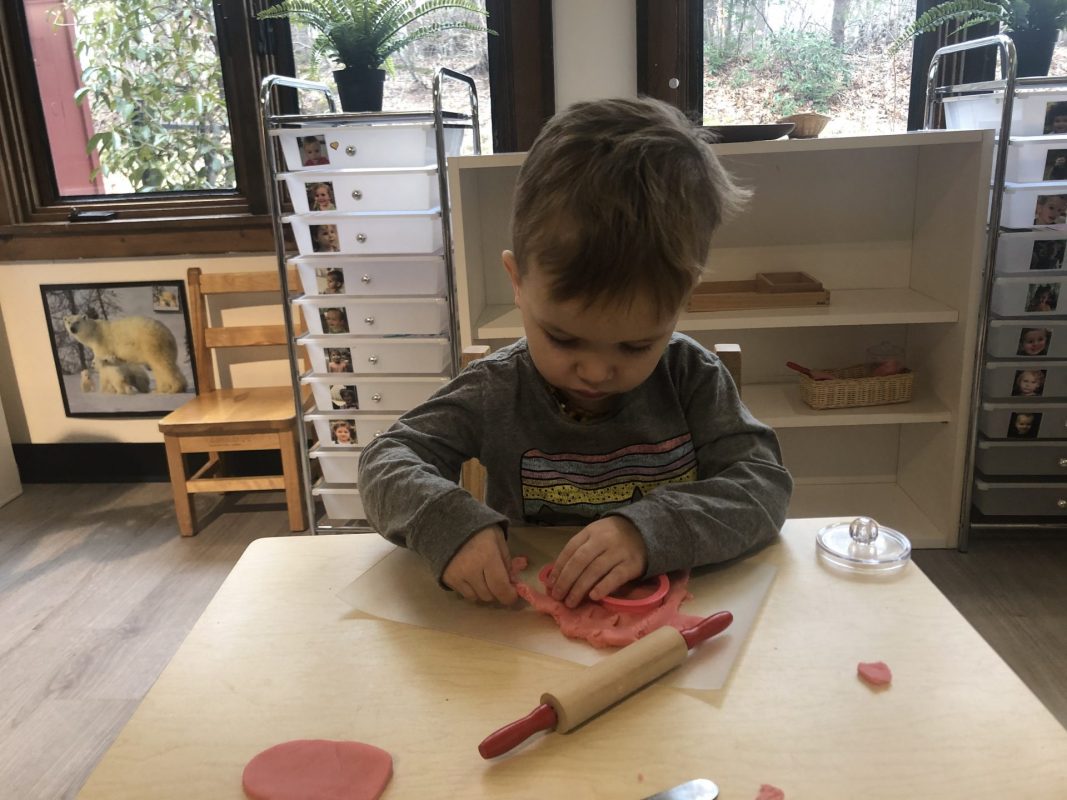
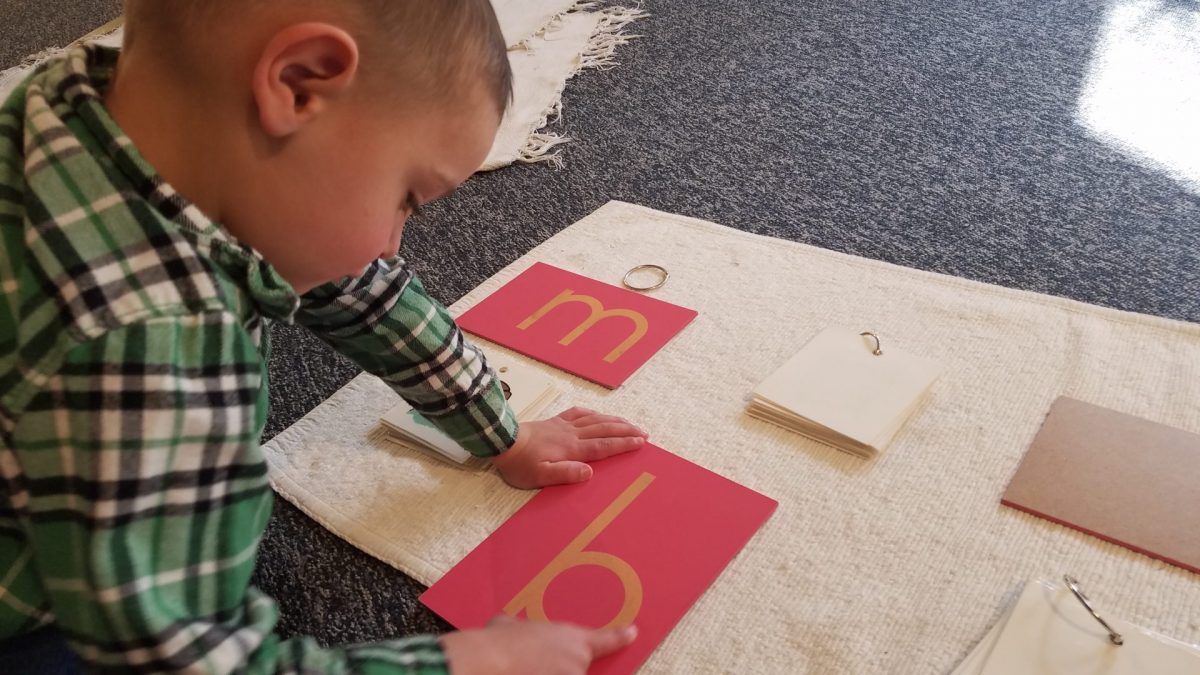
Fascination with sensorial experiences (taste, sound, touch, weight, smell, etc.) results with the child learning to observe. Absorption of the world around us through our senses is crucial to development. It helps us refine our sensorial discrimination and supports the integration of primary reflexes. We all process the senses in varying ways. This is one reason why food tasting is an important part of the toddler curriculum. Exploring a variety of fruits and vegetables each week helps the toddler learn to categorize the different tastes, such as sweet, bitter, and sour. This week the children explored and tasted limes. Watching the children’s reaction to that first bite was comical, as you can see in the photos.
Mrs. Wilson, Ms.Sara and Ms. Heather


Mrs. Hood’s Class: Normalization!

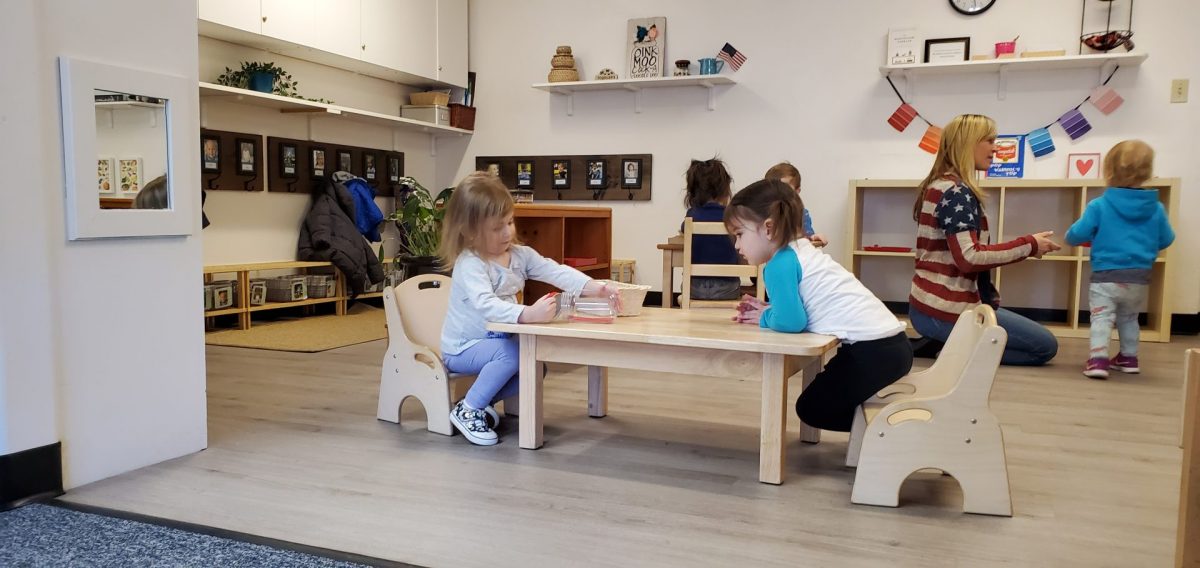
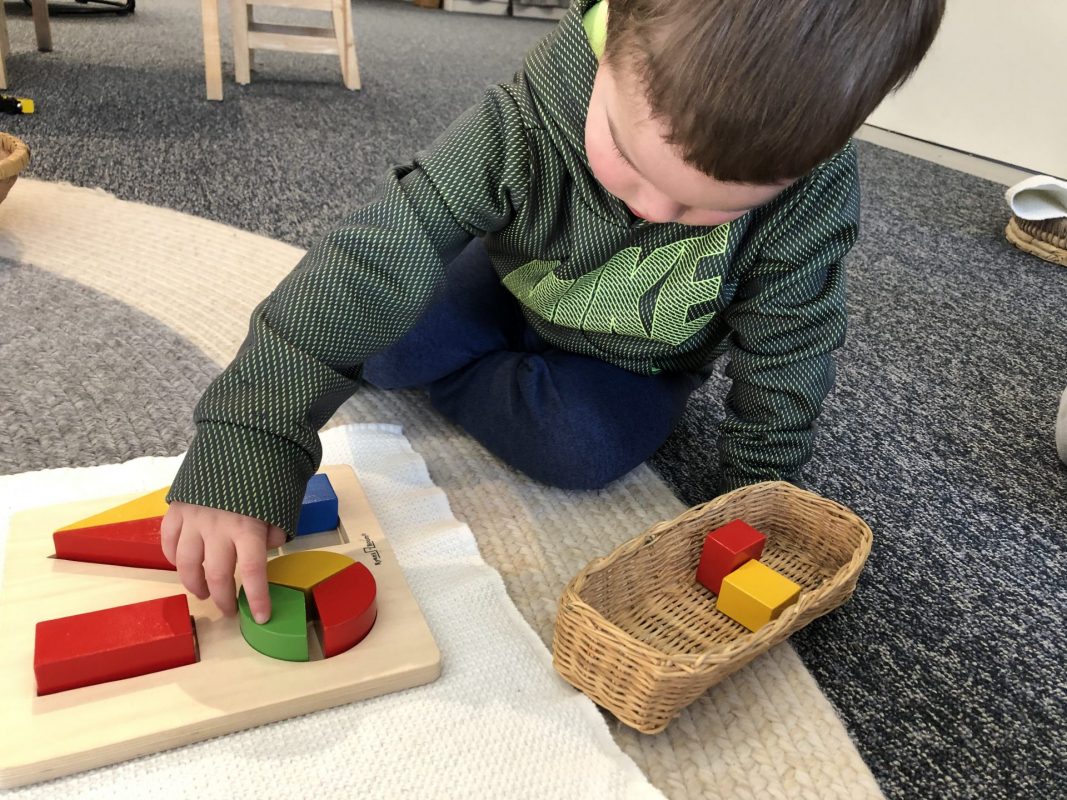
In Montessori education, the term “normalization” has a specialized meaning. “Normal” does not refer to what is considered to be “typical” or “average” or even “usual.” “Normalization” does not refer to a process of being forced to conform. Instead, Maria Montessori used the terms “normal” and “normalization” to describe a unique process she observed in child development.

Montessori observed that when children are allowed freedom in an environment suited to their needs, they blossom. After a period of intense concentration, working with materials that fully engage their interest, children appear to be refreshed and content. Through continued concentrated work of their own choice, children grow in inner discipline and peace. She called this process “normalization” and cited it as “the most important single result of our whole work (The Absorbent Mind, 1949).”

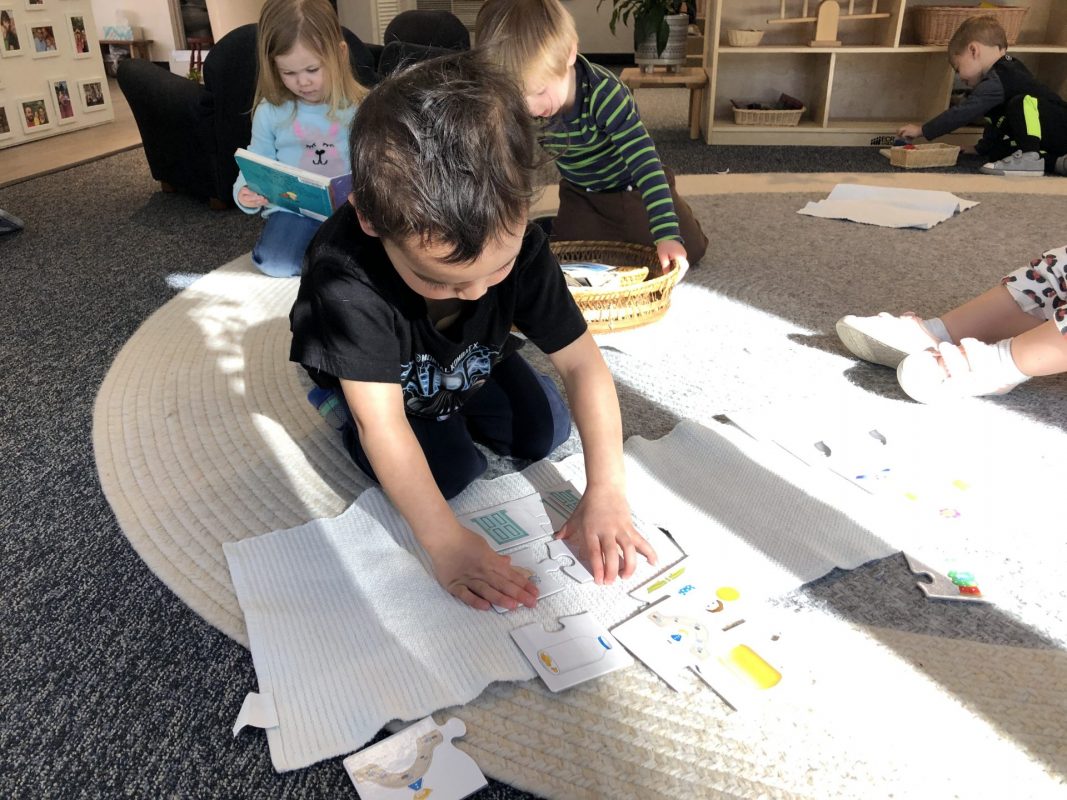
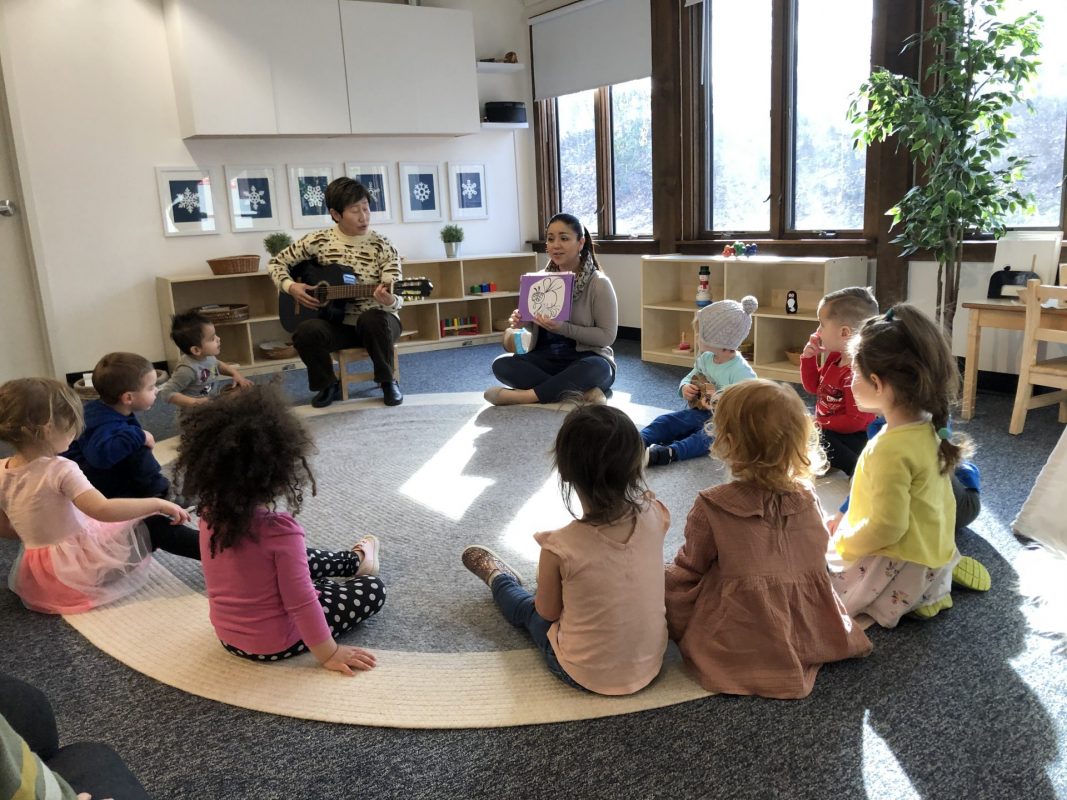
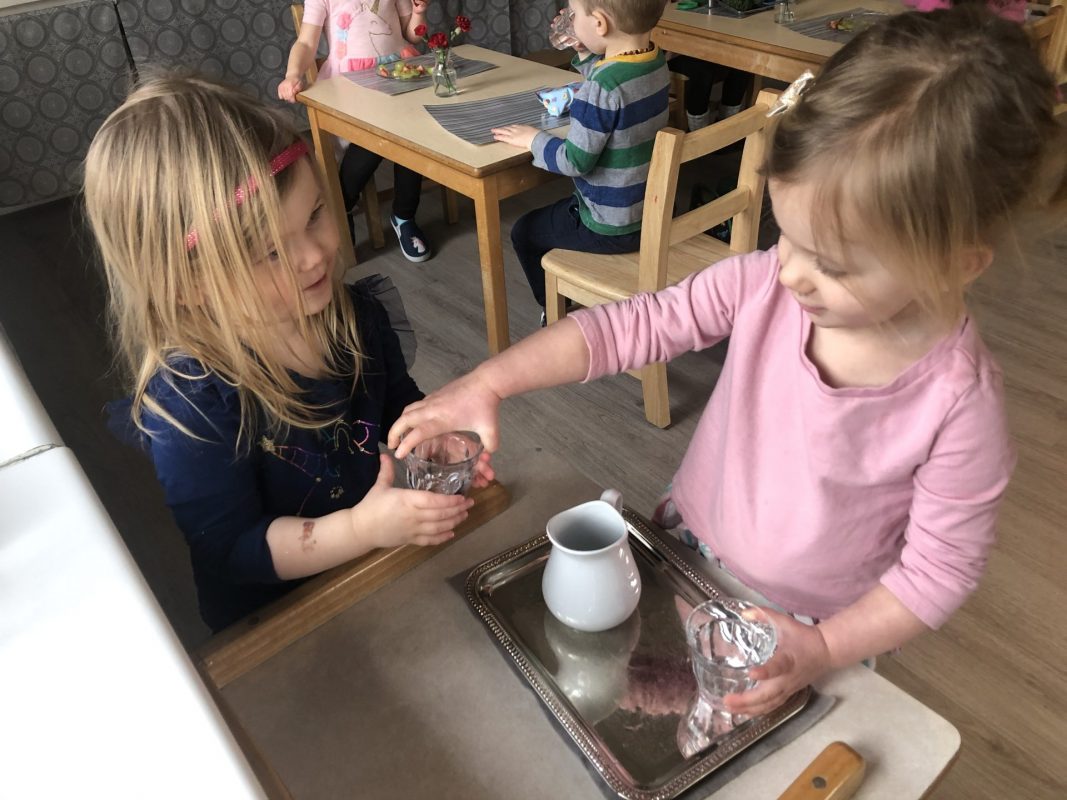
The children in our environment are on a great path to “normalization.” Every morning we get to see its signs! We also watch with joy how children have internalized the routines, and transitions are more peaceful! They recognize their friends and feel comfortable sharing and working together. Deep friendships are developing and expressions of love and care for each other are more evident.

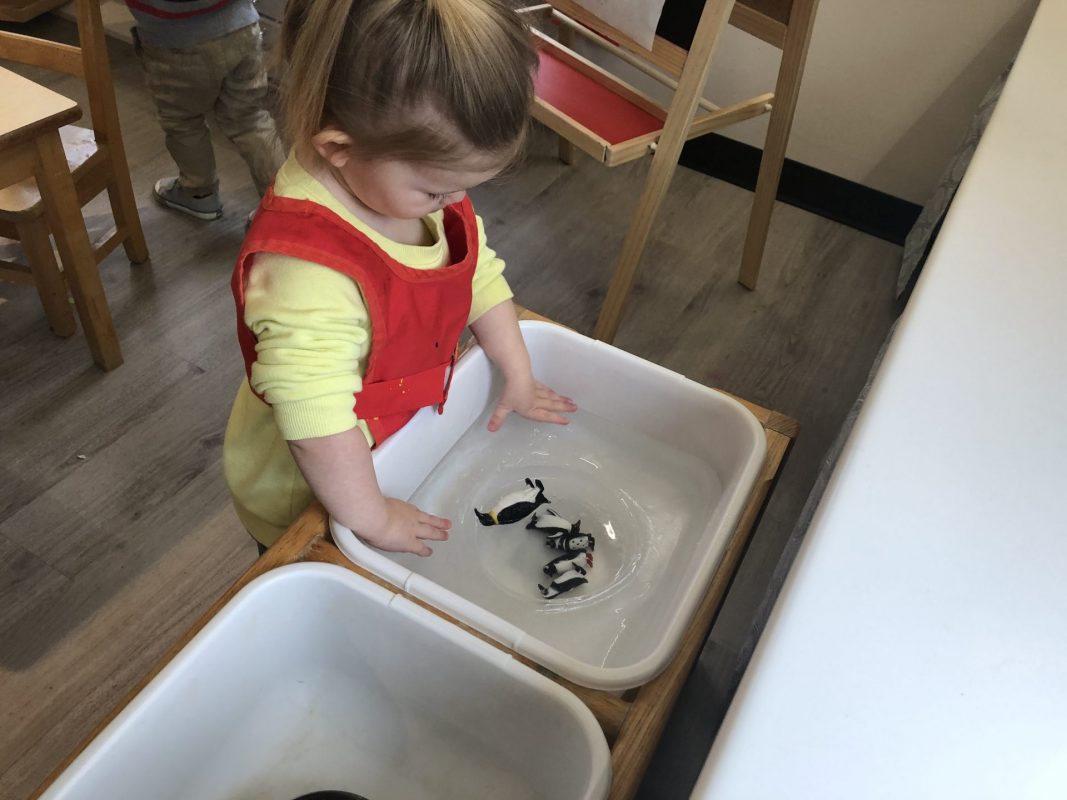
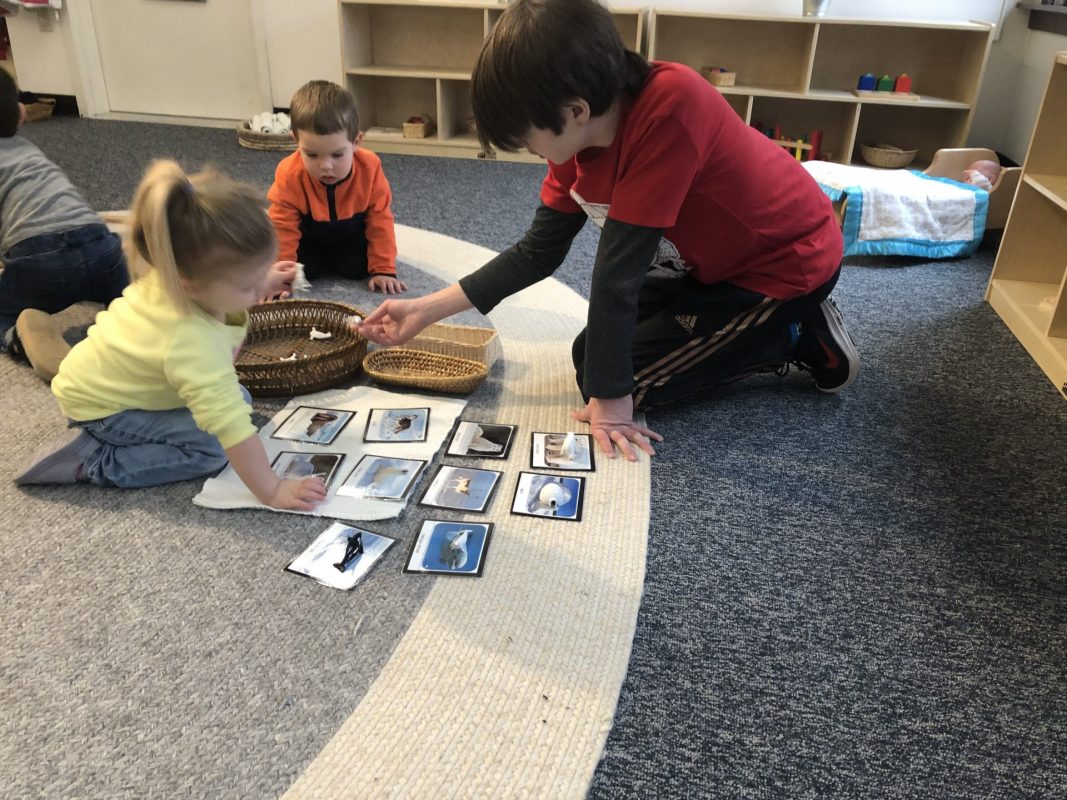
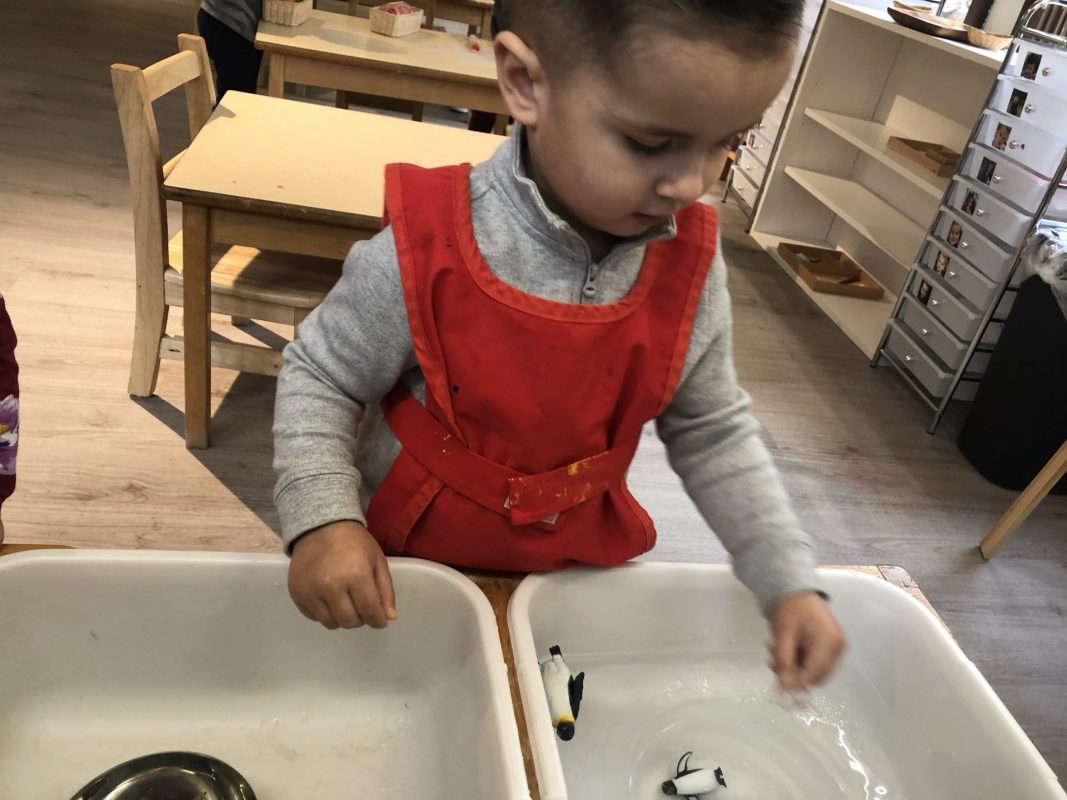
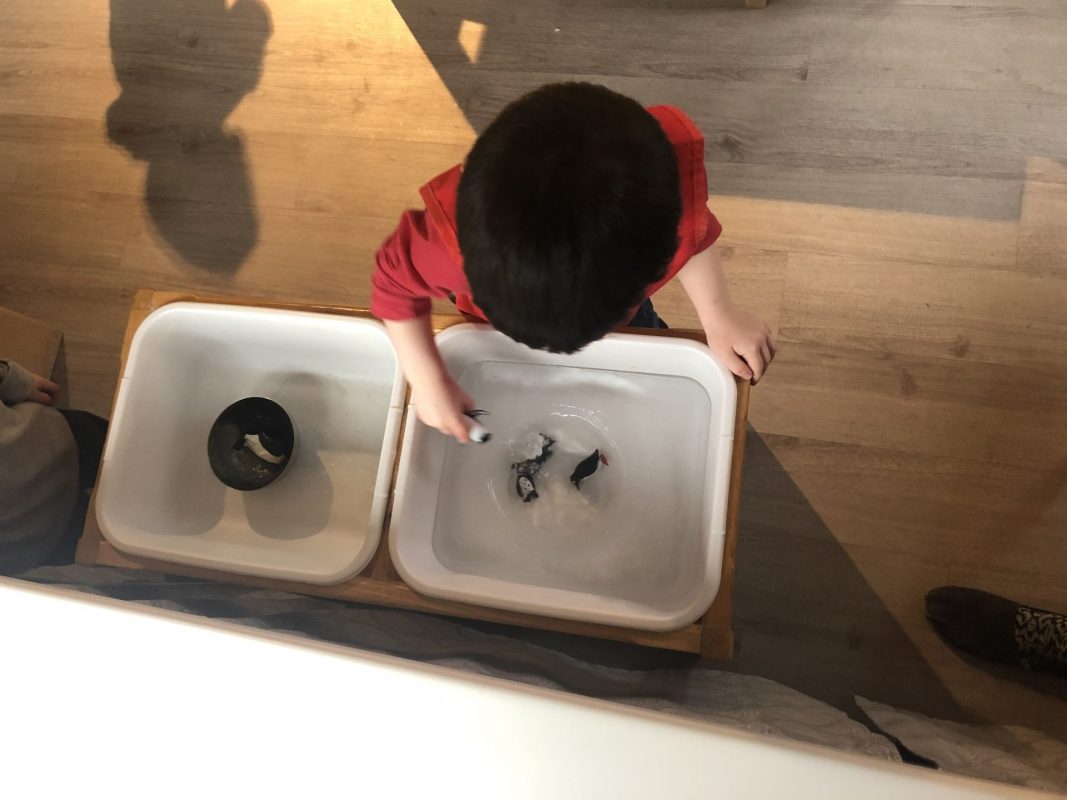
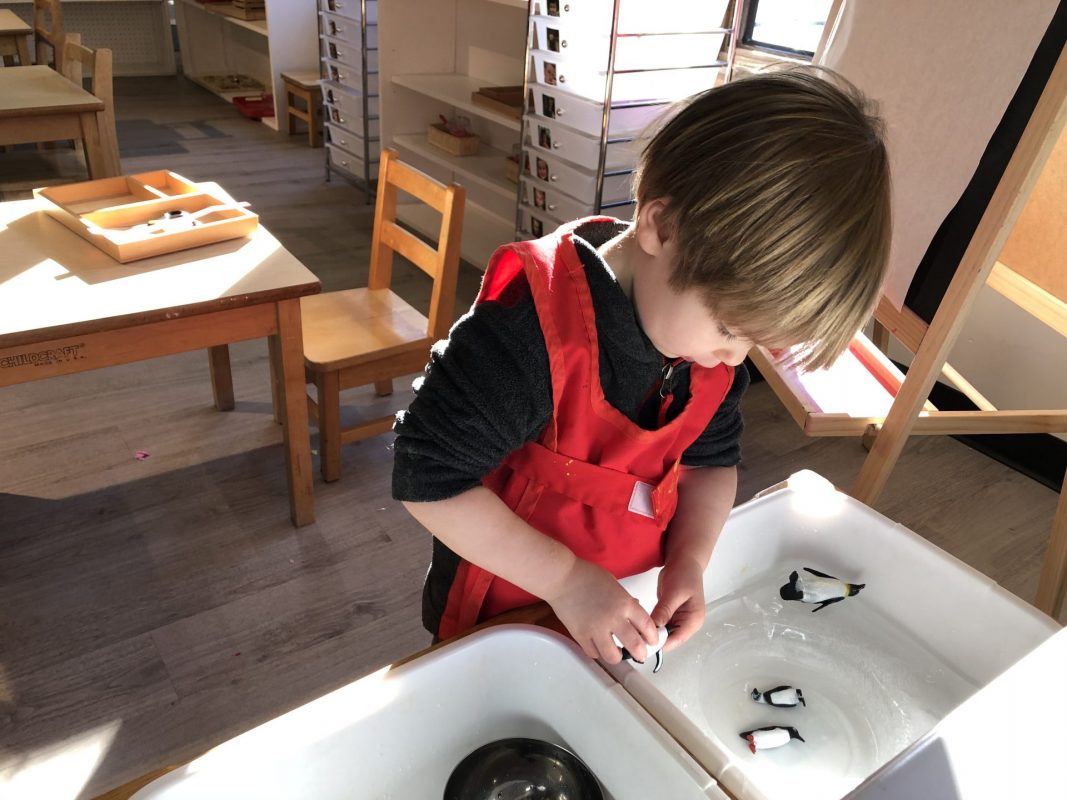
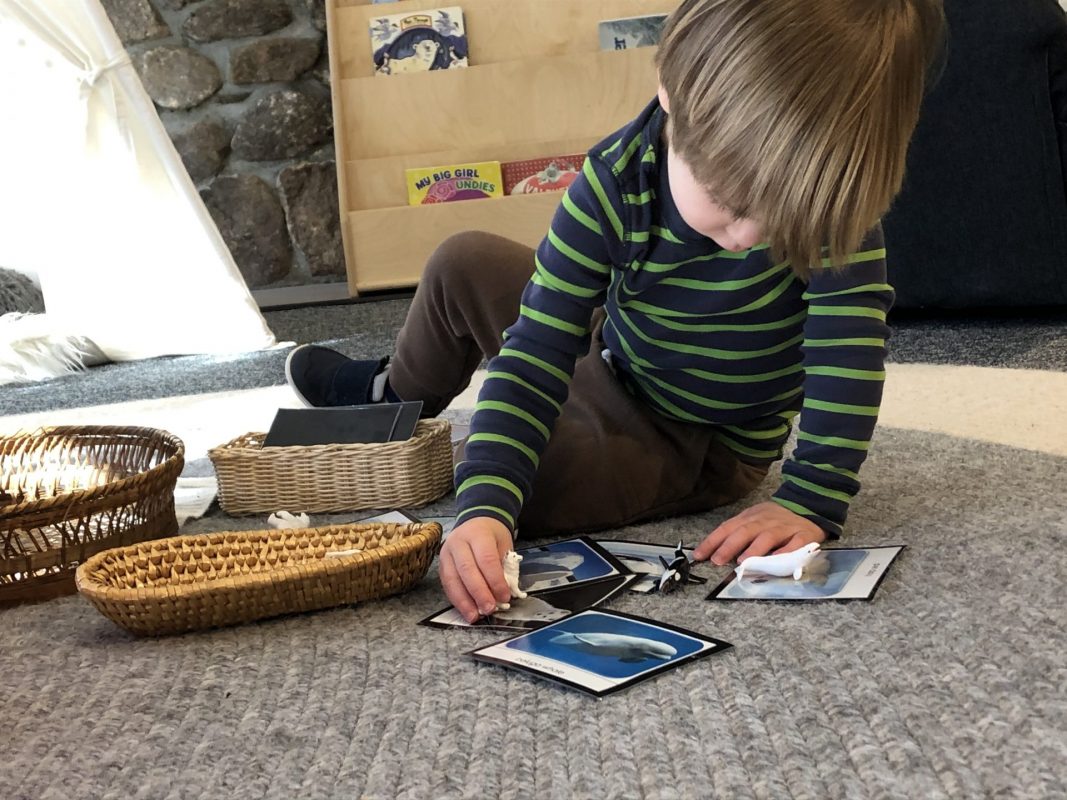
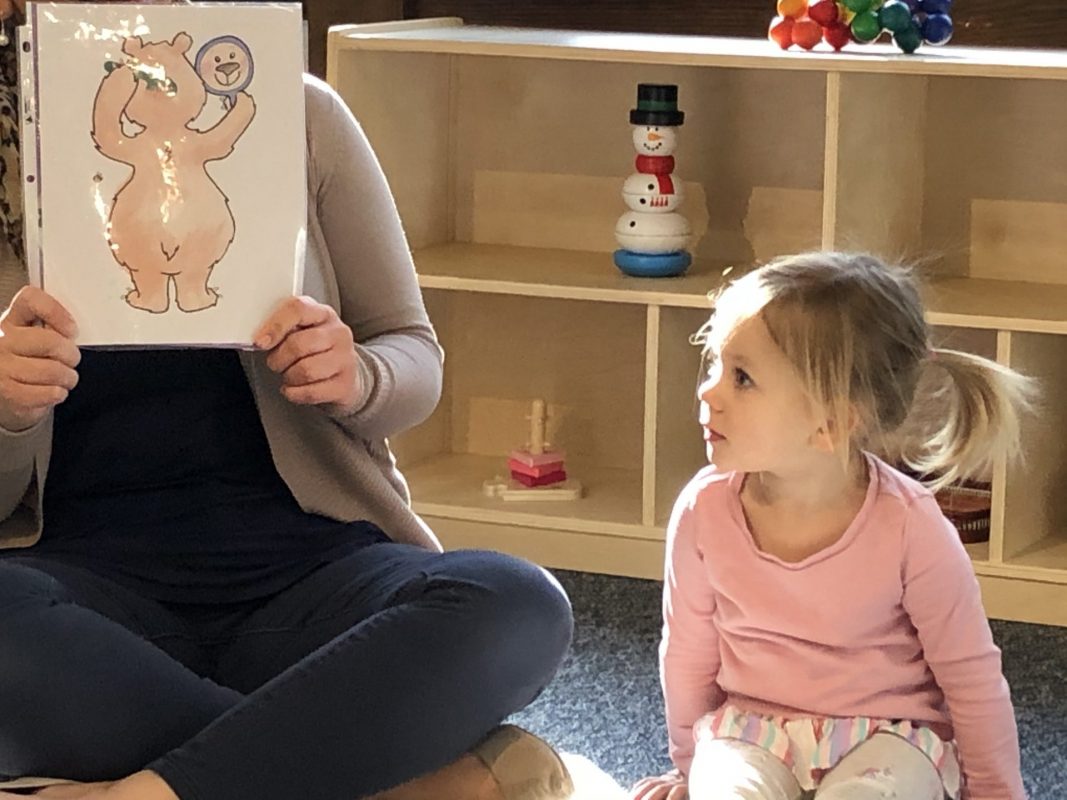
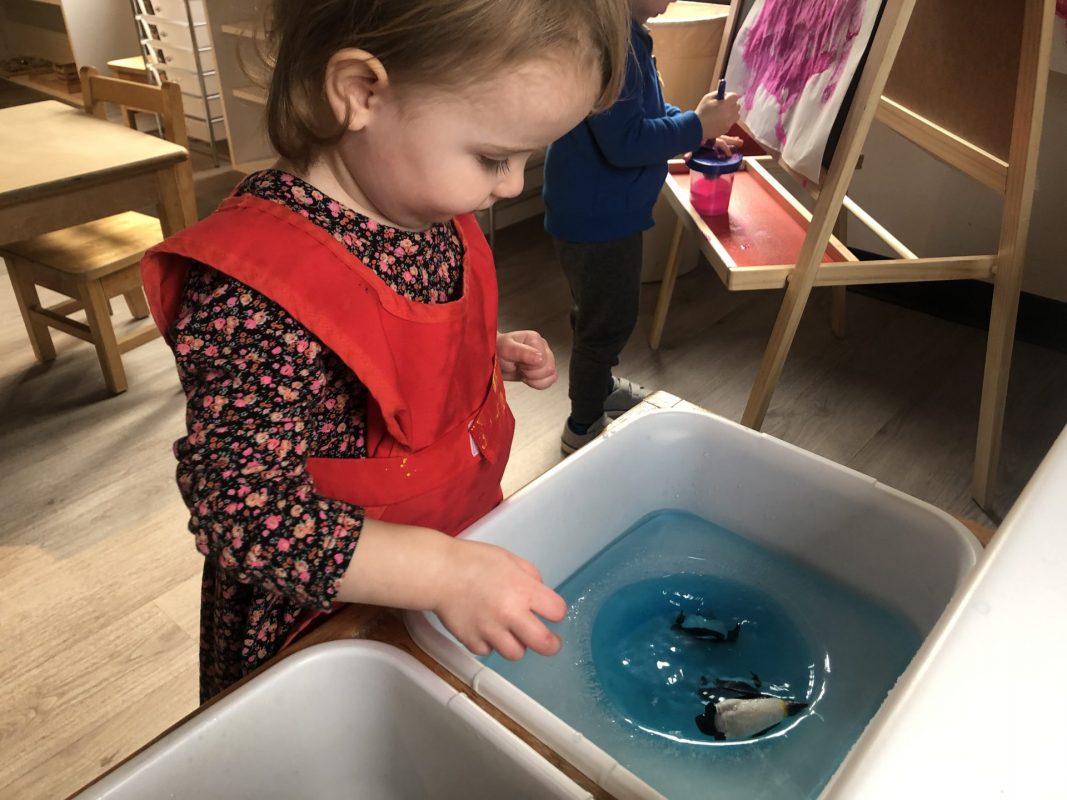
In another note and in continuation with our winter studies, children made an imaginary trip to the south pole where they met a family of penguins. Children learned that penguins are birds that don’t fly. Penguins also swim in cold water and eat fish and other sea life they catch underwater. Penguins also spend half of their time on land and half time inside the water. Children enjoyed the sensorial exploration of touching the solid ice and submerging their hands inside the cold pool to help the family of model penguins swim and catch some food.

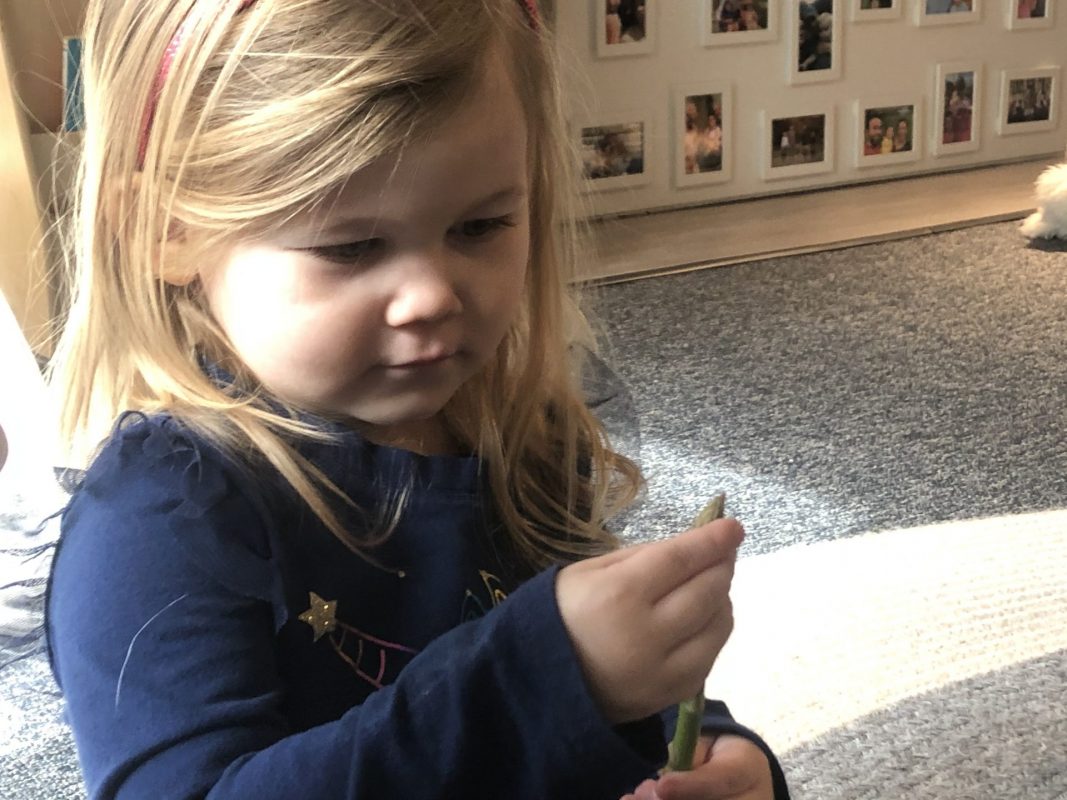
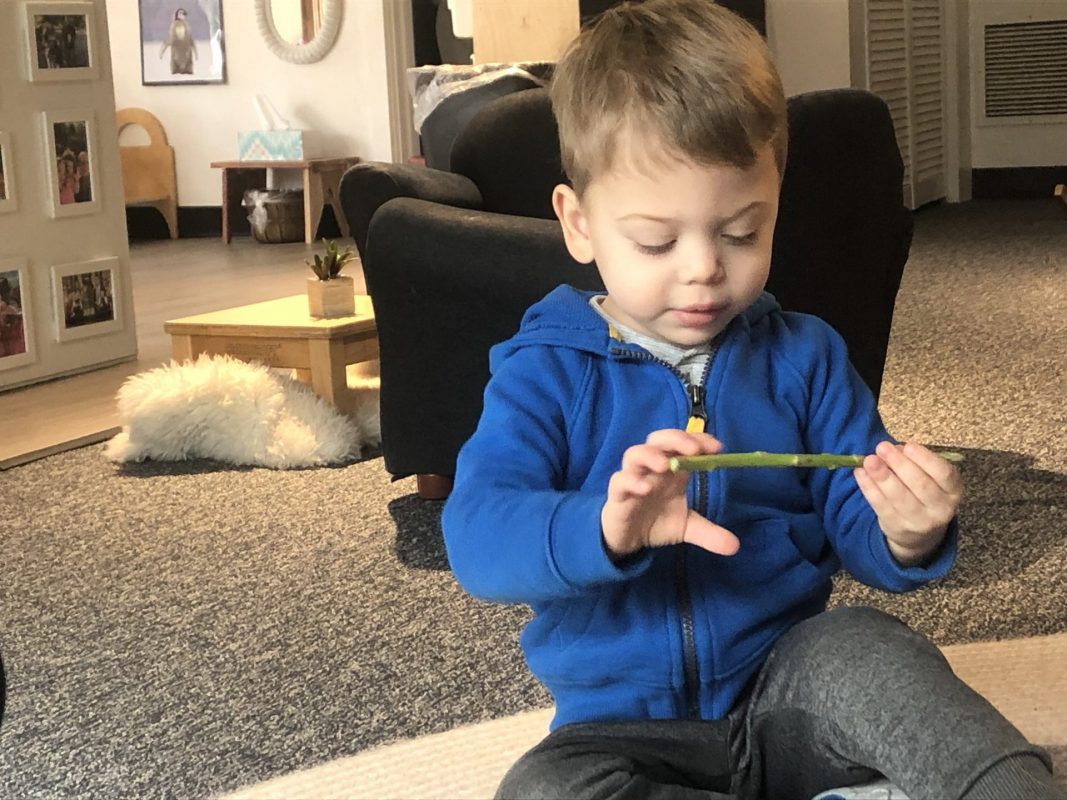
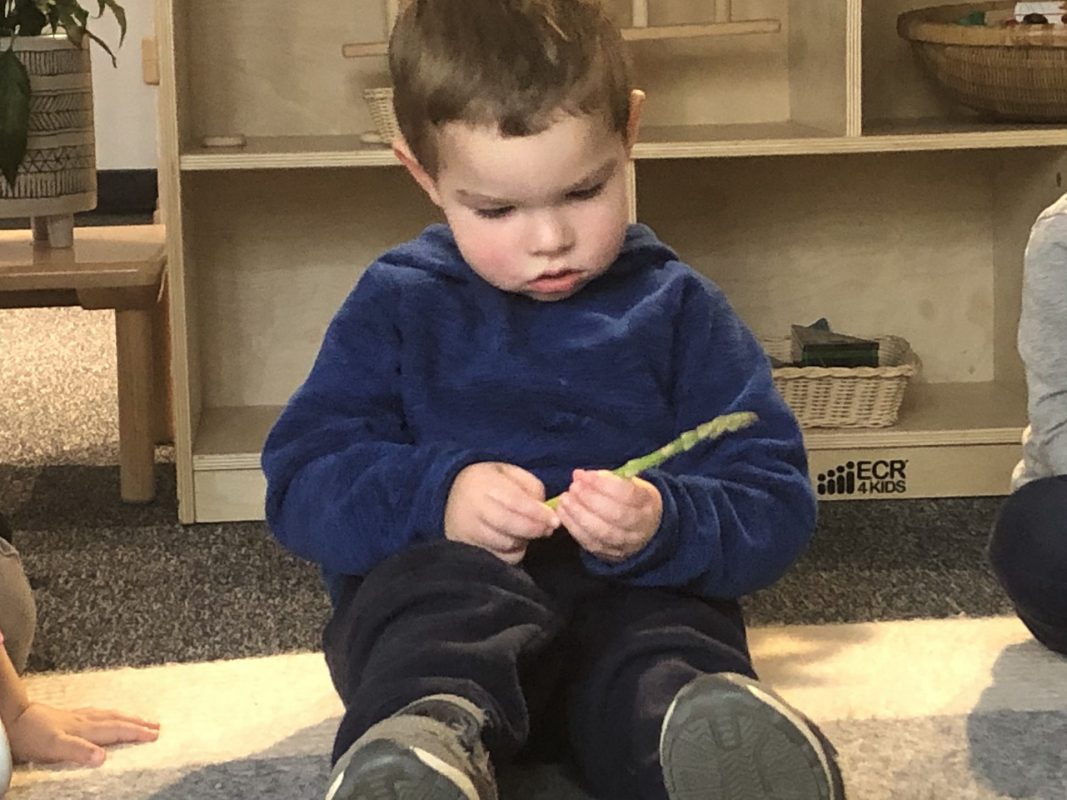
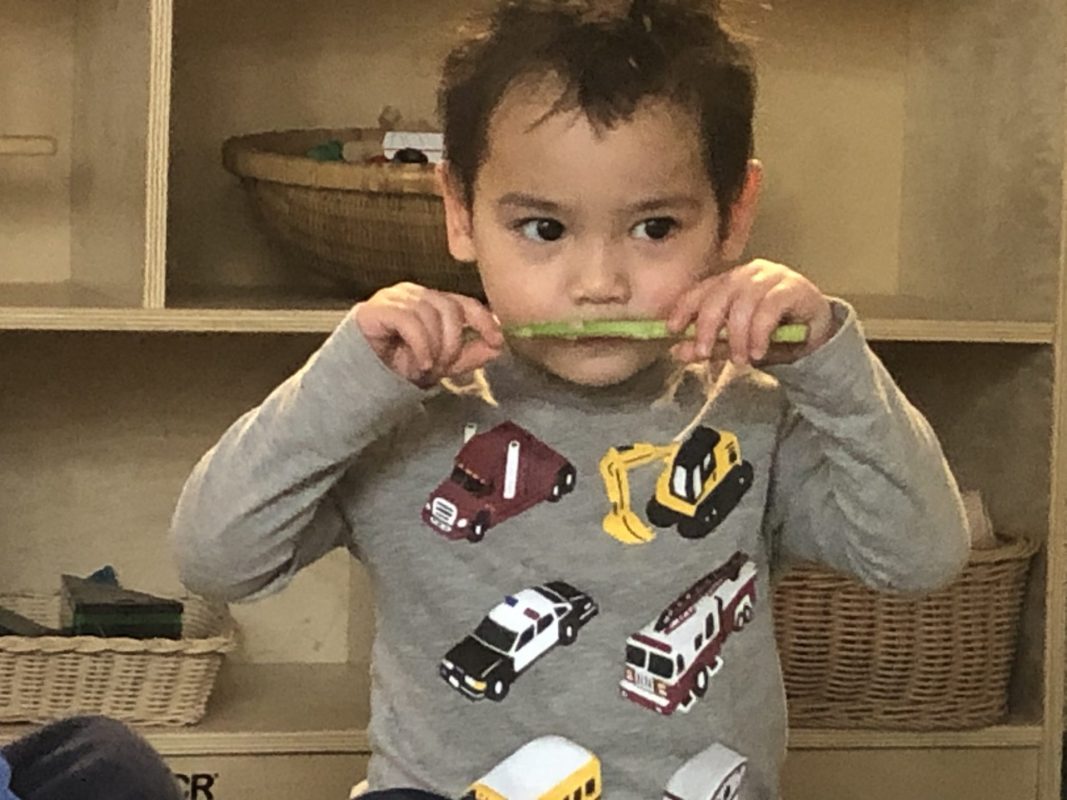
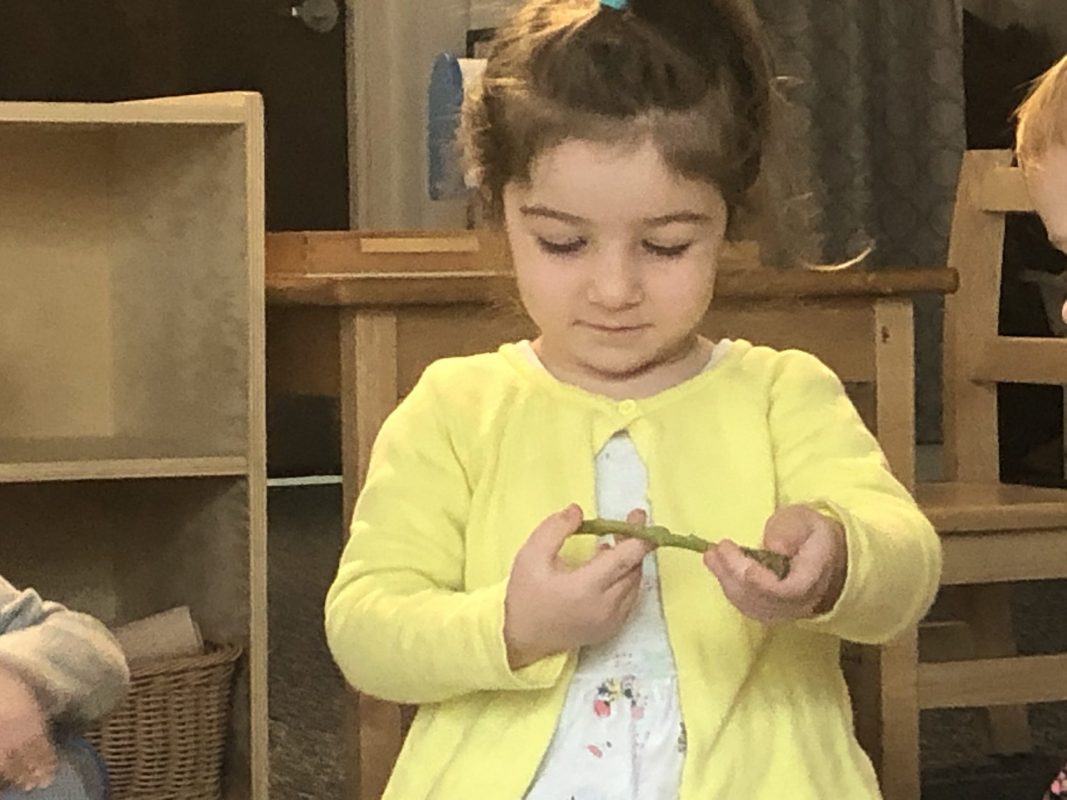
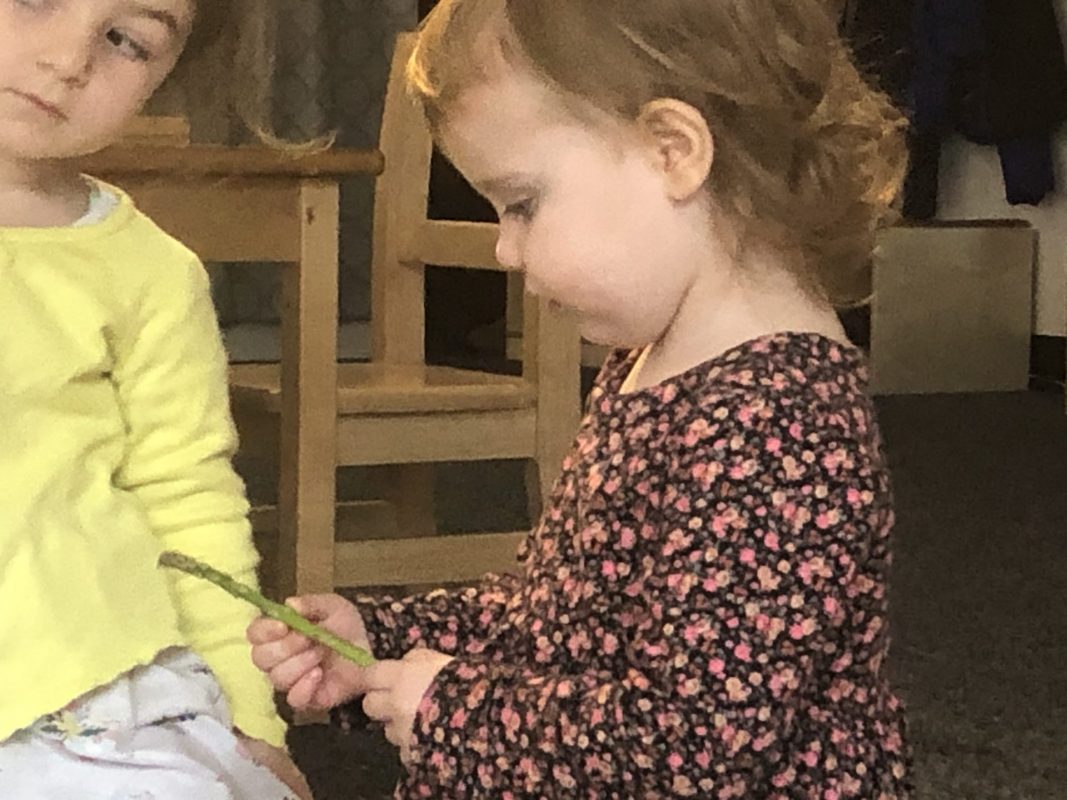
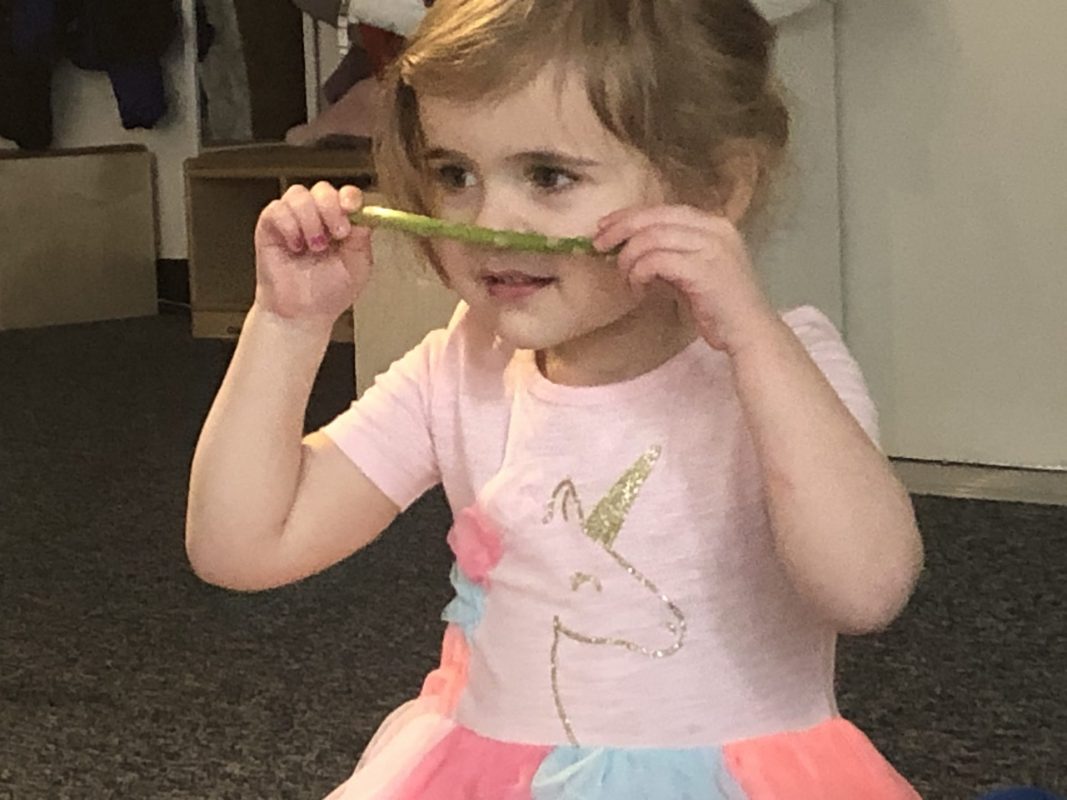
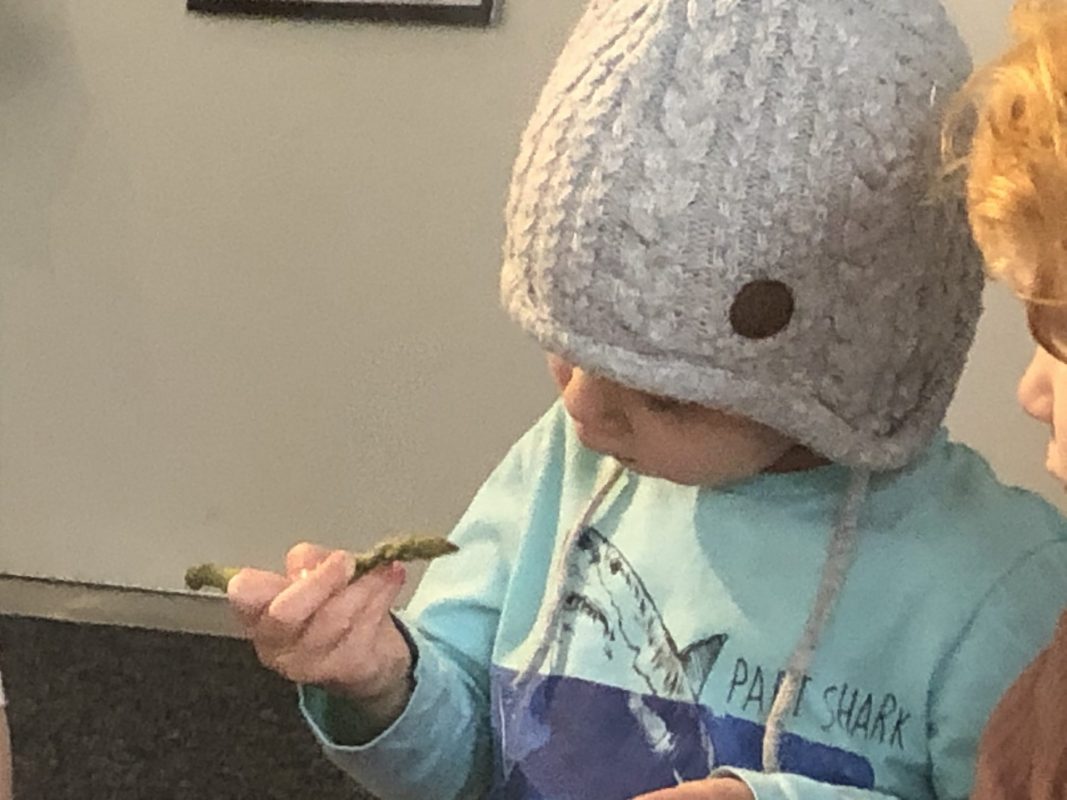
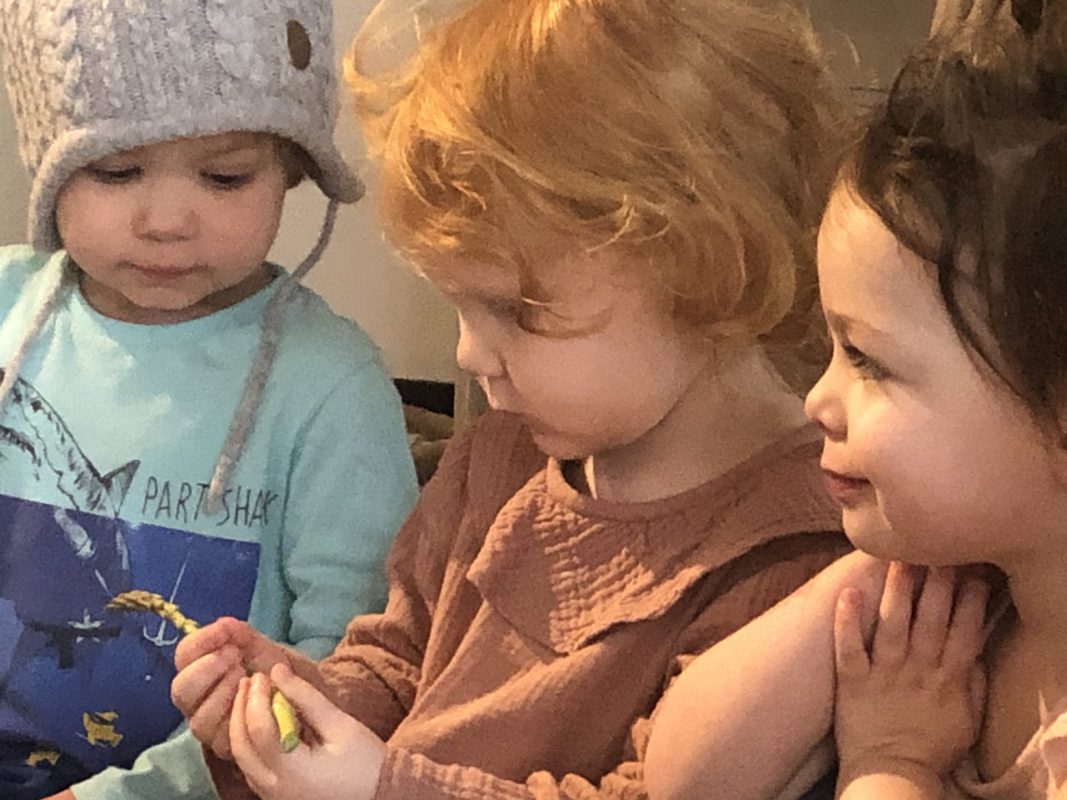
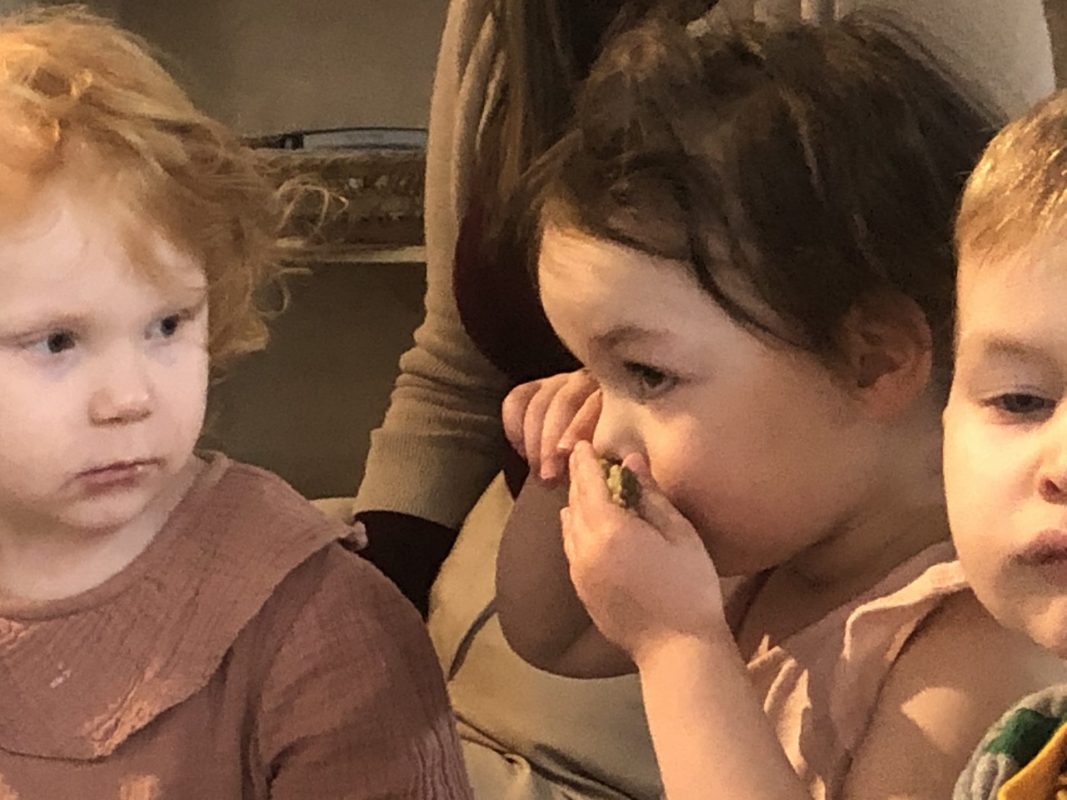
For food tasting, children enjoyed exploring asparagus! I remember presenting this food item last year to some of our current students. The result was not very positive then. However, this time most of the students kept asking for more! We hope this serves as encouragement to you in not giving up on reintroducing new foods to your toddlers. You (and they) will be surprised!


Important Information & Upcoming Events

Parent Association Meeting tomorrow, February 25th from 8:30-9:30am. We will be discussing the upcoming Movie & Trivia Afternoon, as well as sharing details about the 26th Annual Auction Gala and ways that you can get involved!  Younger siblings welcome! LIVE STREAM LINK*:  https://youtu.be/jyzjMyAsUqE
*This link will allow you to view the Parent Association meeting live starting at 8:30 on the morning of the meeting. Additionally, you will be able to visit the link to see the archived version of the meeting once the live stream is over. This month’s topic discussion: Bringing Montessori Home will be presented by Chris Robertson, Head of School, Cindy Carroll, Director of Primary and Toddler Programs, and Primary Head Teacher and Karen Sankey, Lower Elementary Head Teacher will share simple ways to bring Montessori into your home for your child.

Re-enrollment contracts for the upcoming 2020-21 school year will be emailed to all current families tomorrow Tuesday, February 25th with a returned by due date of Tuesday, March 17th. It is extremely important to make note of this deadline. Those families with a child currently in the Toddler program moving into Primary and returning Primary students, please refer to the email sent by Chris Robertson, Head of School on February 23rd about potential space availability issues that FWM is currently facing. While many Early Childhood through 8th Grade independent schools are noticing a decline in enrollment, FWM is experiencing an increased interest in our school – particularly in our Primary program.

Knowing the talent of our teachers and the quality of our Montessori program, I am not surprised that families are seeking to enroll their children in our school.  Due to the number of FWM children returning to our Primary program as well as those children moving up from Toddler, FWM’s Primary will have limited openings for the 2020-2021 school year.

Therefore, please adhere to the March 17th contract deadline to secure your child’s spot; we will be offering open spots to prospective families whose children have applied for Primary on Wednesday, March 18th.  We will be unable to secure a spot for your child unless a contract is returned by March 17th.

FWM’s 26th annual Auction Gala is approaching on Friday, April 17th at 6:30pm. at The Waterview in Monroe. Tickets are now on sale here! The first 25 families to purchase ANY auction ticket will receive a themed swag box!

Become a gardener of love! For each $90 gift, a tulip will be planted at school to honor the ones you love! A metal tulip with a heart attached (inscribed with the donor or loved one’s name) will “bloom” in front of the school on March 30th. To recognize your gift, the metal tulip & heart will be sent to the recipient of your choosing during the first week of April and a permanent tulip bulb will be planted in its place.

Tax-deductible donations can be made online here. Only 5 days left, during the month of February, each new $90 donation that is made to FWM will go to this year’s Annual Fund campaign which supports the school’s ongoing mission of cultivating compassion, confidence and joy of learning for current students. Celebrate LOVE with a gift to our school!

Parent Association New Event: Trivia/Movie Afternoon Saturday, March 7th-3:30-6:30pm.
Join us at school for an afternoon of competitive trivia! The trivia program is digital, interactive, fast and fun. This event is open to FWM friends and family! Don’t delay, sign up today to reserve your spot here!

Don’t have a babysitter? Childcare for children (walking through 8th grade) will be available at school for $20 per child which includes pizza and popcorn. Children will be grouped by age group depending on the number of students. Please register in advance here.

Trivia Overview: 6 adult players max per team and a maximum of 25 total teams. If you don’t have a team of 6, you will be assigned to a team. Each team is encouraged to create a team name and can choose to decorate your team table in any way that you choose. The trivia game lasts approximately 2 hours. Prizes will be awarded for 1st, 2nd and 3rd place as well as last place and best decorated table.The event is BYOB and feel free to bring snacks for your table to share.

Any questions, please email Parent Chairs: Natalia Kokalj-O’Driscoll Kristen Rio Brooke Hopkins Rossana Cinquegrana

Join a Book Study to discuss the book, How to Raise an AdultHead of School, Chris Robertson, will be facilitating a discussion in May about this excellent parenting book.  For more information, please click here.

March Break Camp Registration is OPEN (Toddler and Primary children).  To register your FWM toddler or primary child in FWM’s March Break Camp, please click here.  Parents may register their child for one or both weeks.  March Break Camp is:  Week 1 (March 16-20) and Week 2 (March 23-27).


Mrs. Carroll’s Class: A Week of Celebration

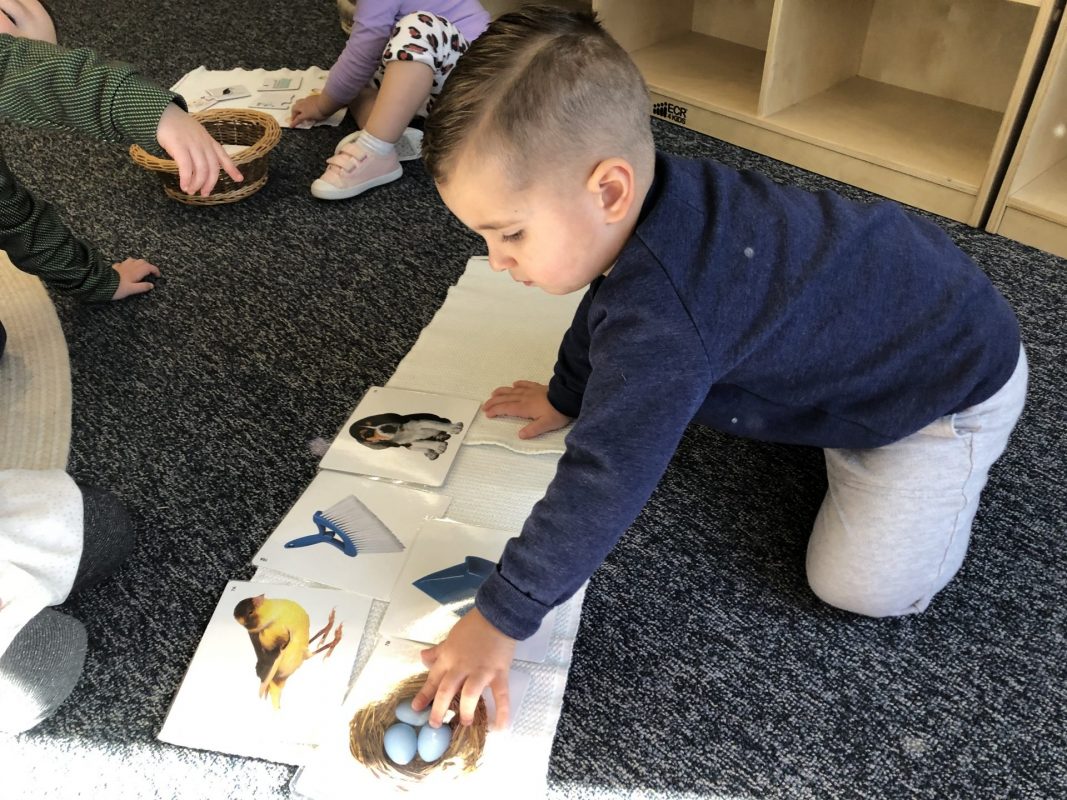
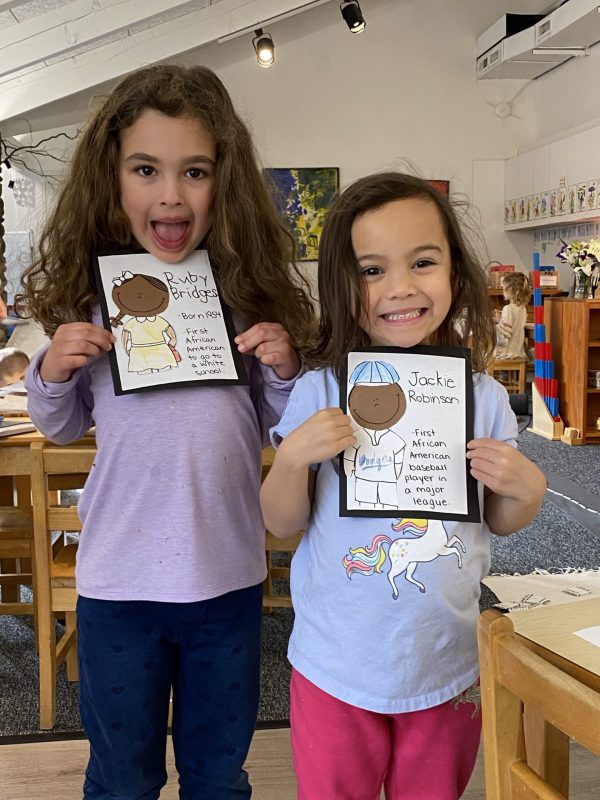
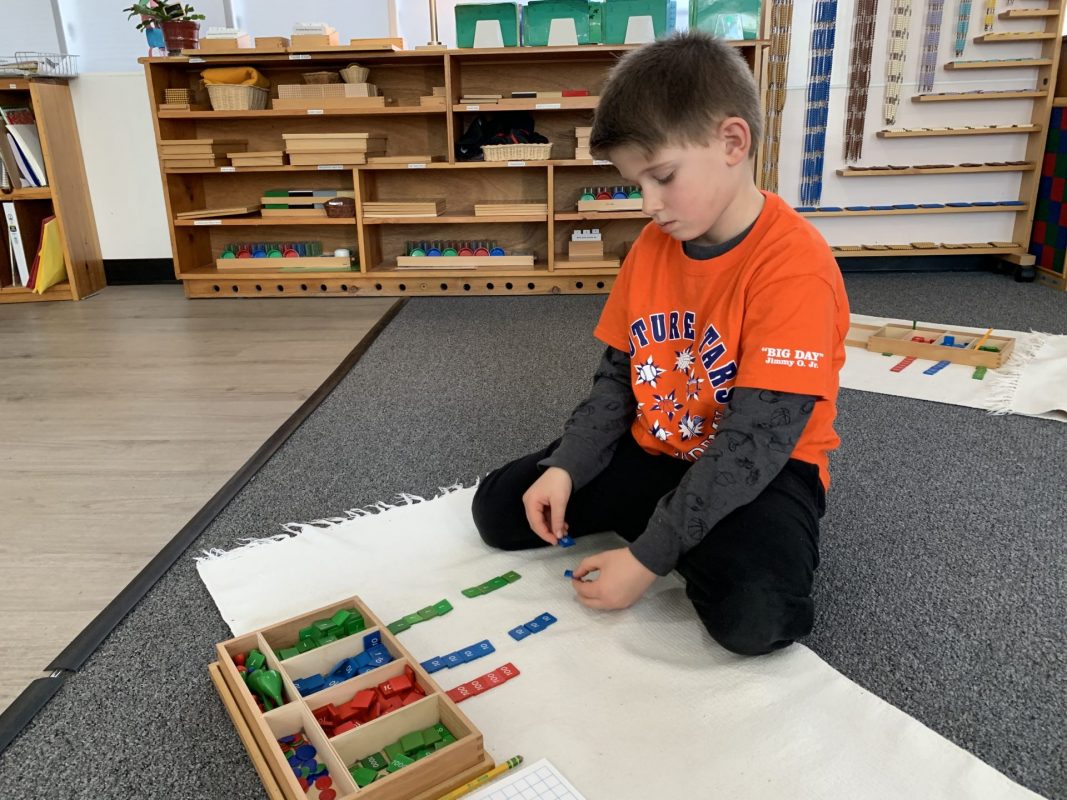
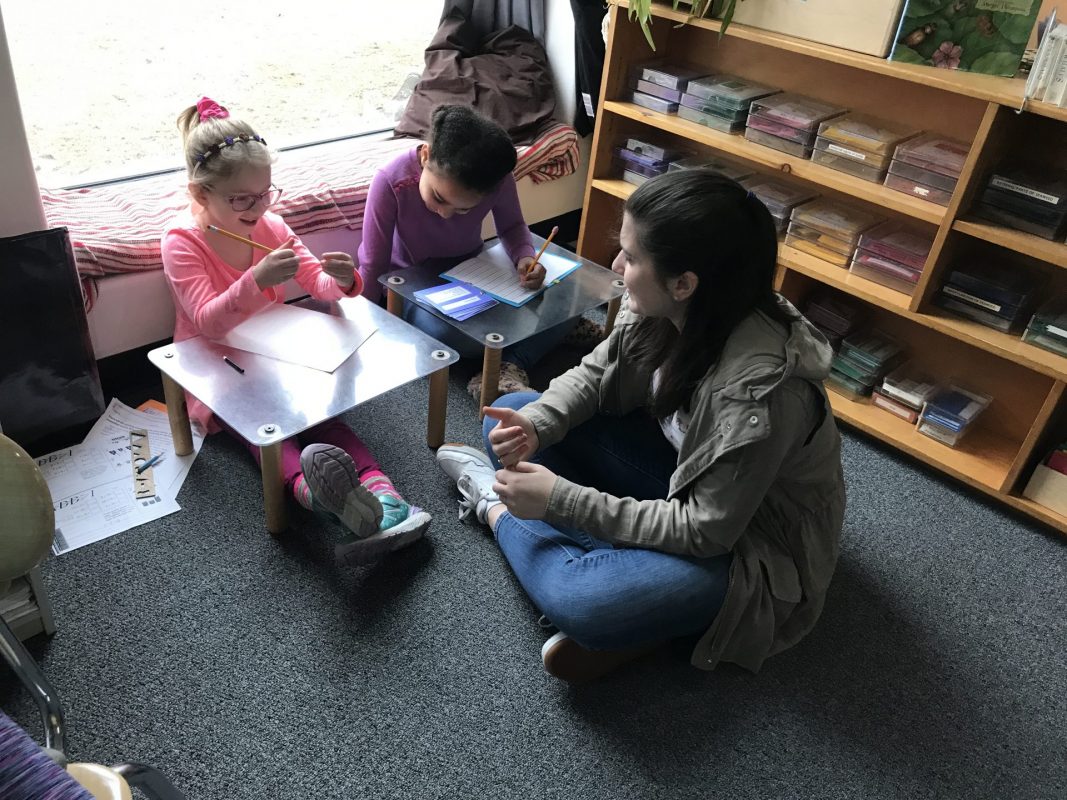
One aspect of the Montessori curriculum is the integration of peace education and tolerance. Helping the students embrace each other’s differences, however minor  is a vital role for the Primary educator.  Sometimes a special occasion, historical or cultural celebration, or holiday can be a useful tool to assist in building these skills. This week we took time to celebrate Black History Month by recognizing the accomplishments and contributions of several African Americans throughout history.

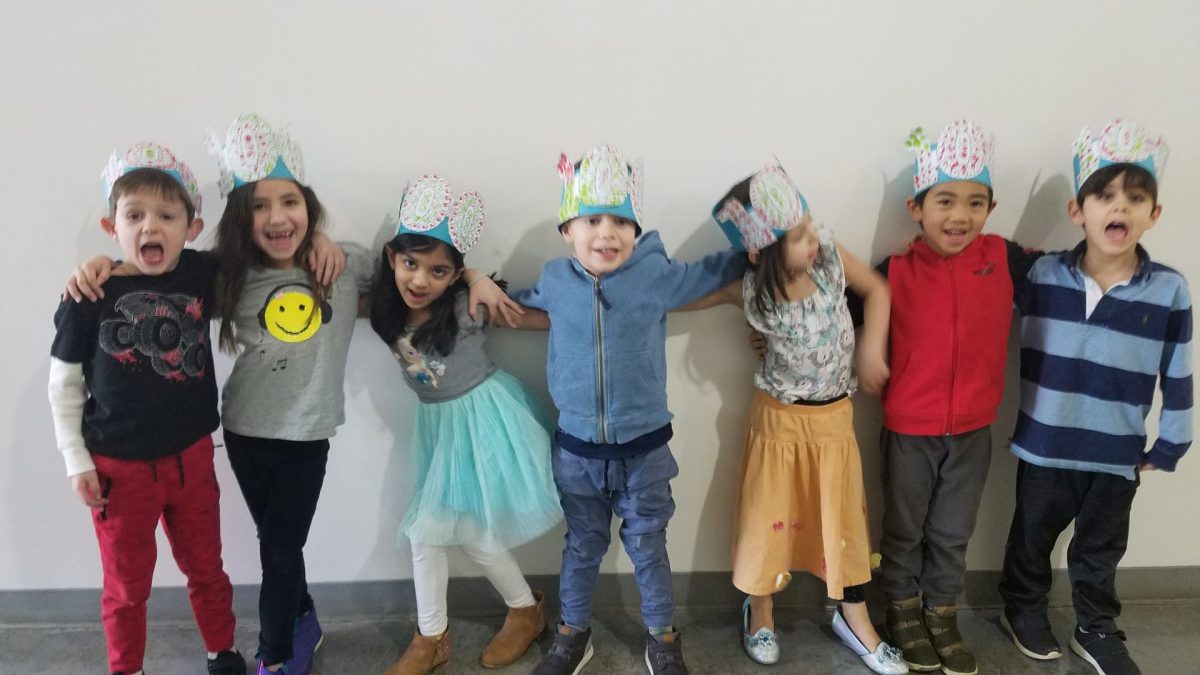
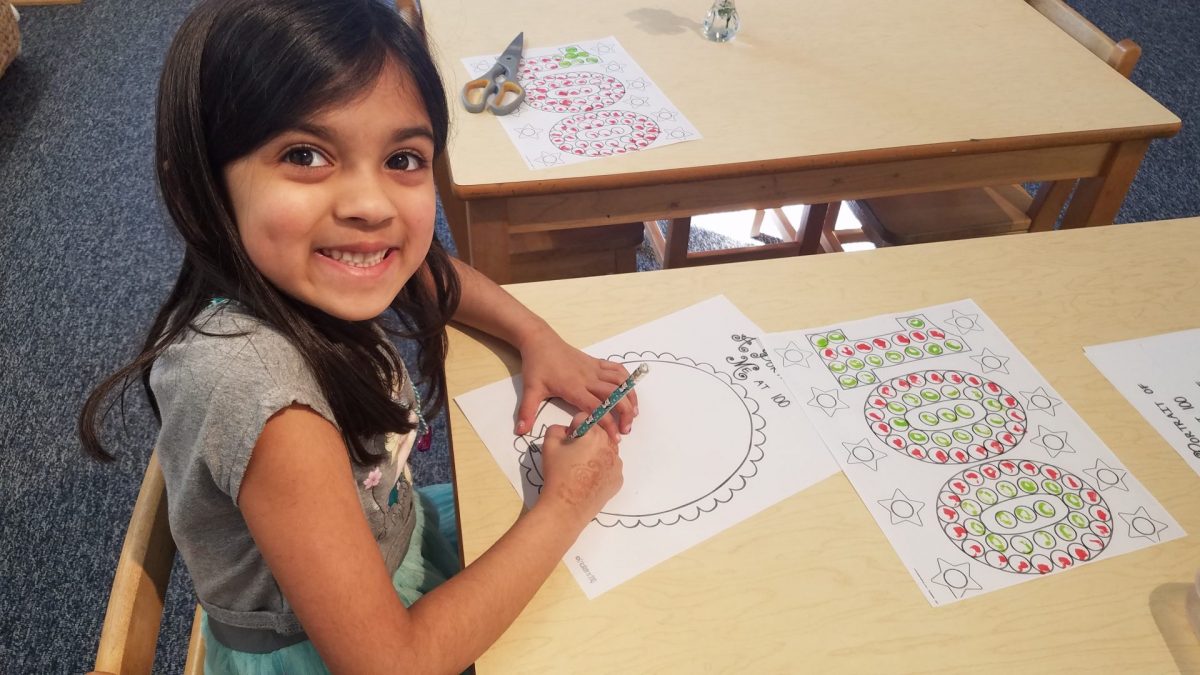
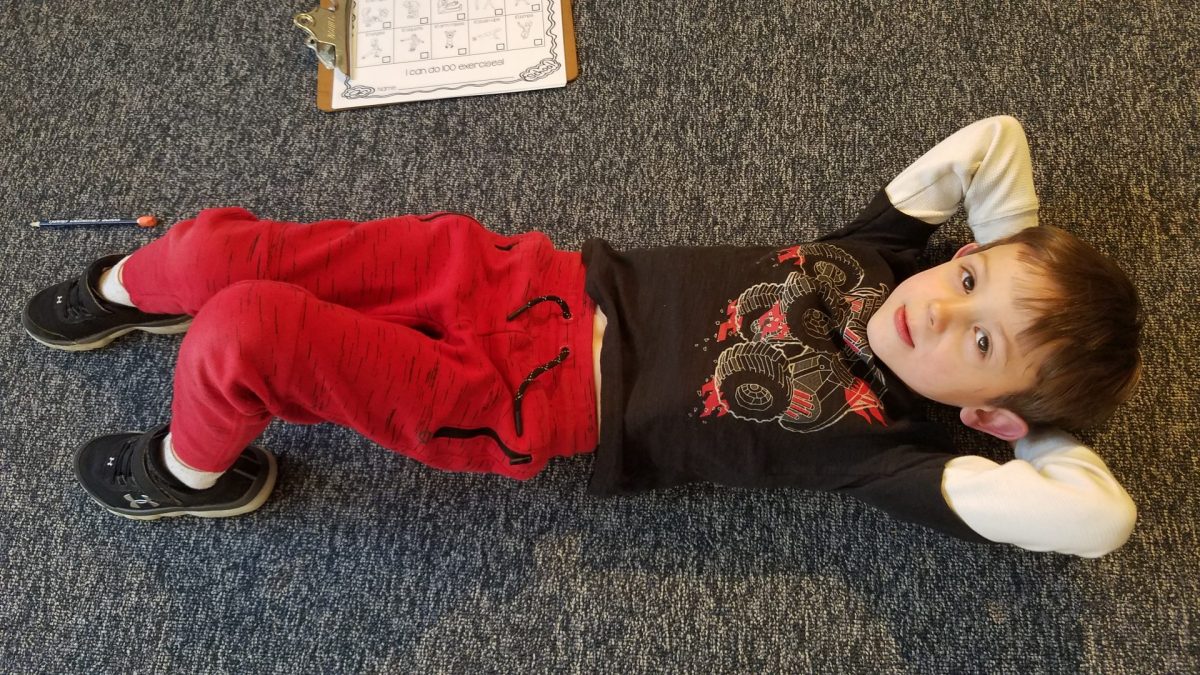
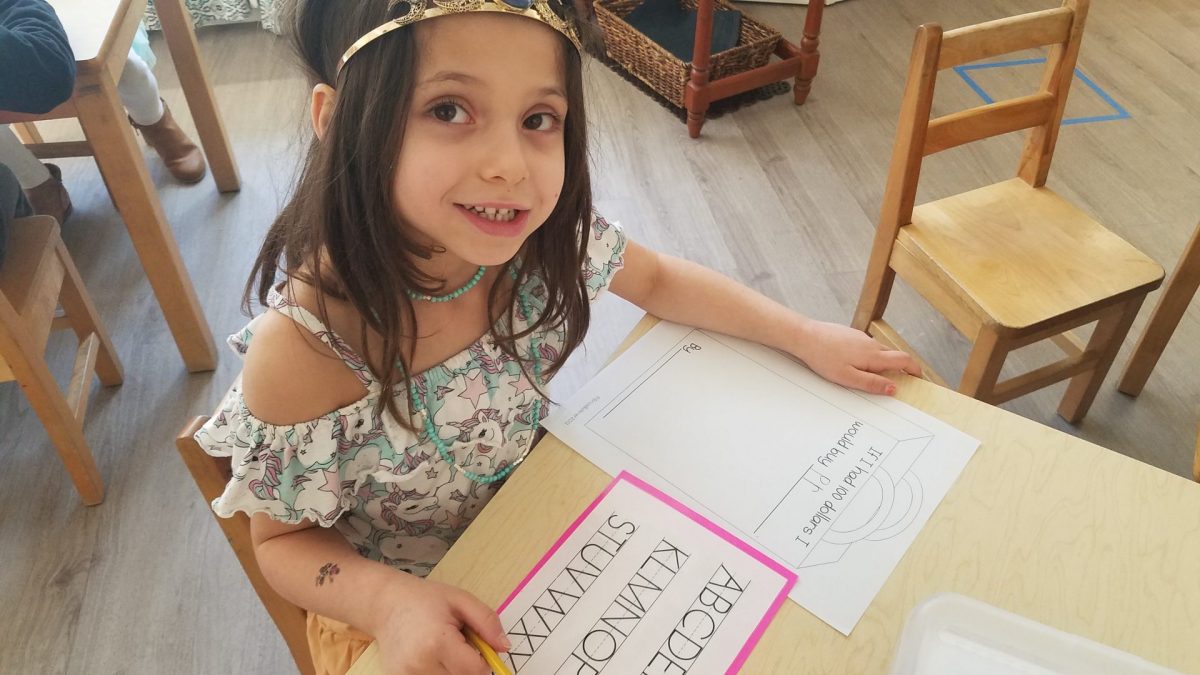
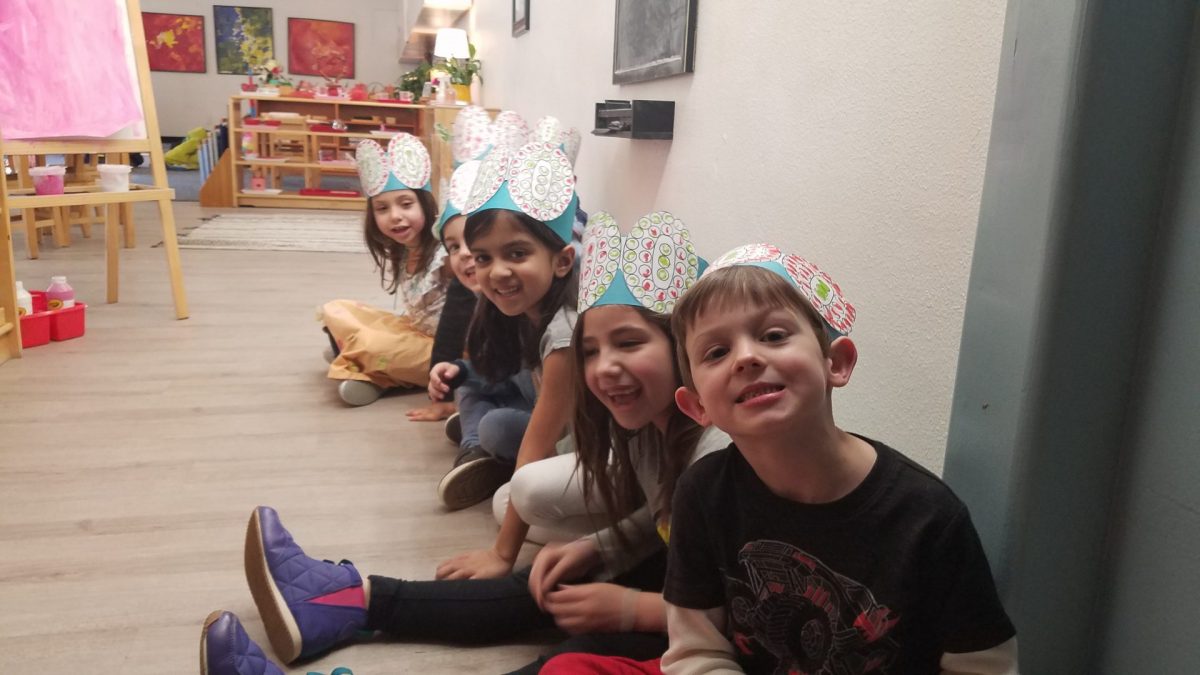
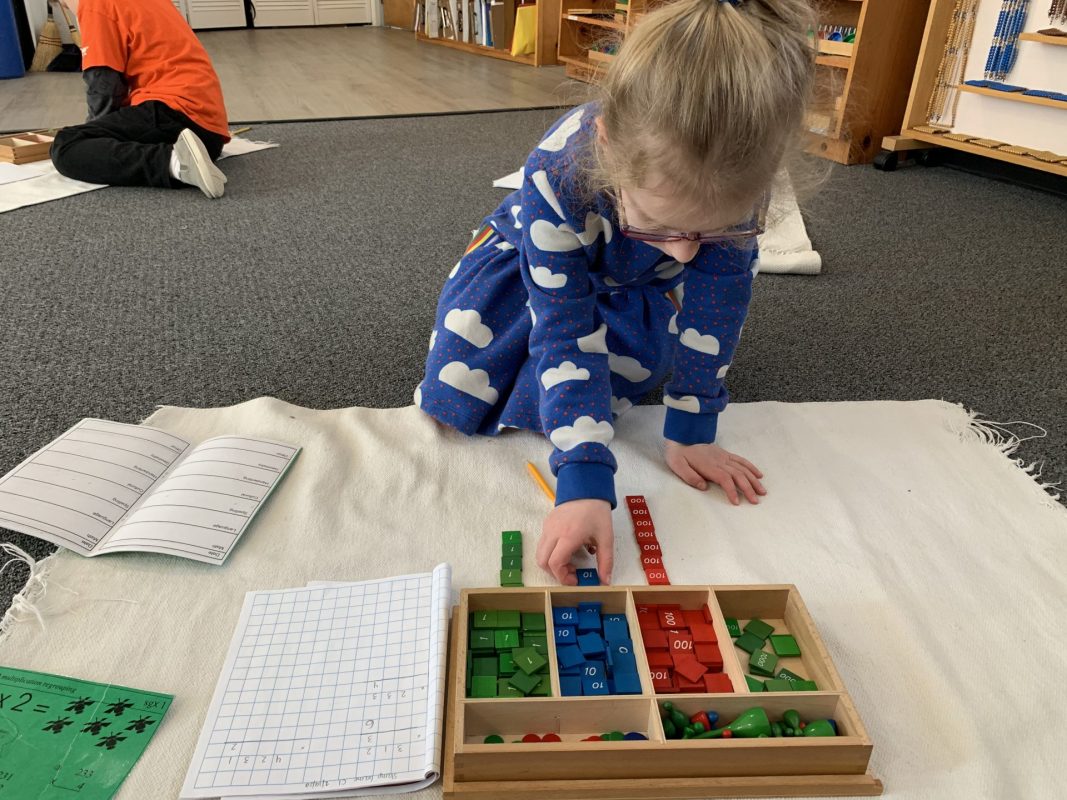
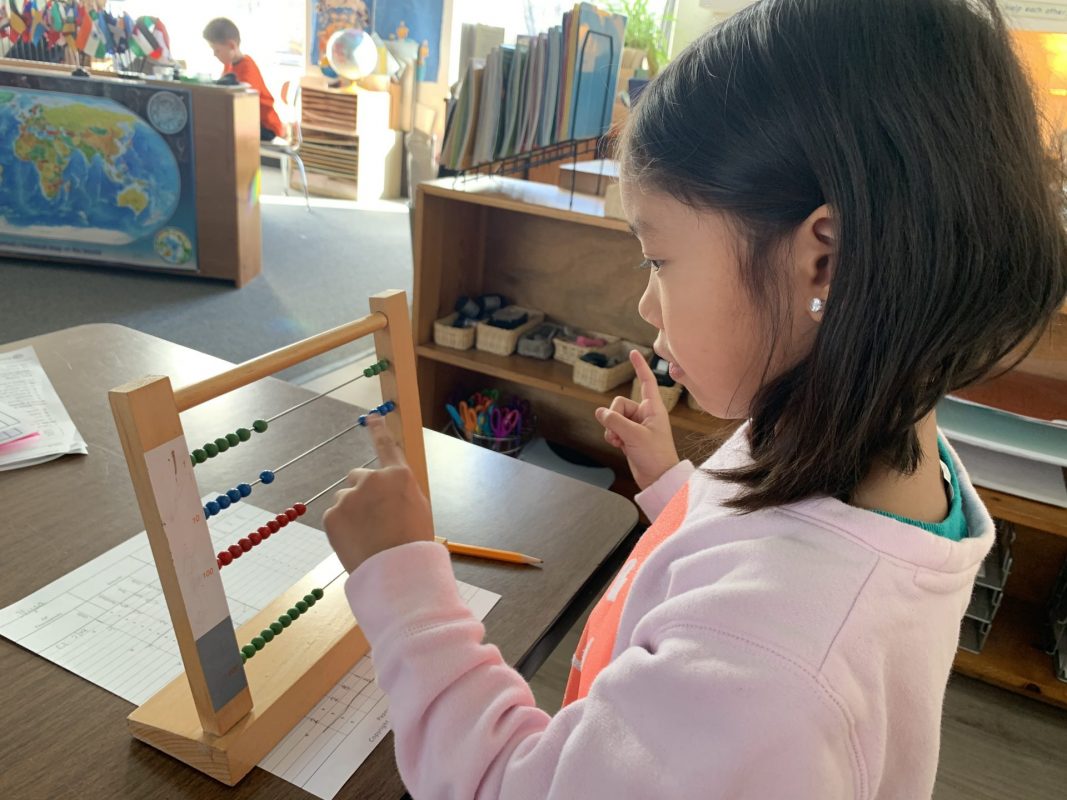
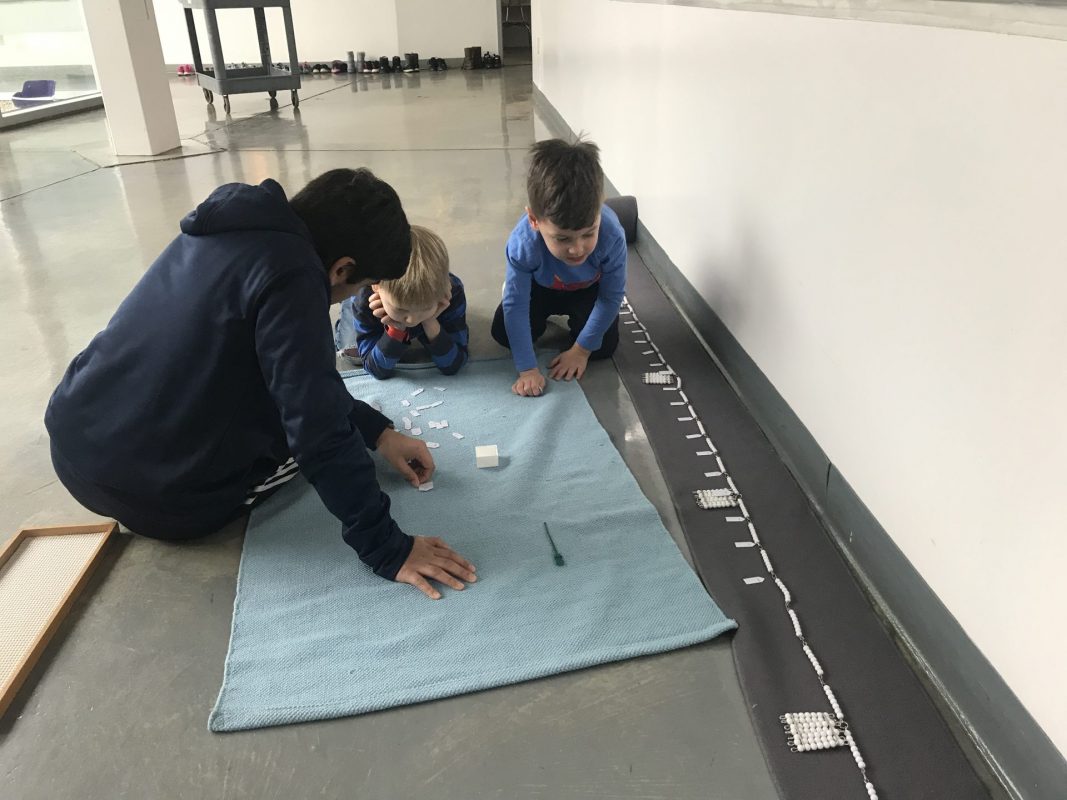
Our Kindergarten children celebrated the 100th day of school during their afternoon class. This is always a beloved and exciting tradition in Kindergarten. Since the first day of school the children have been counting by 1’s, 5’s, and 10’s until they reached 100. This week, the children made 100 day headbands, used the writing prompt “If I had $100 dollars I would buy….,” and last but not least, they enjoyed a great snack, but not before making the number 100 out of  cookies.

Our weeks have been busy. We wouldn’t want it any other way!

Enjoy your week,

Cindy & Sharlene


Lower Elementary: Exploring Climate Through Art

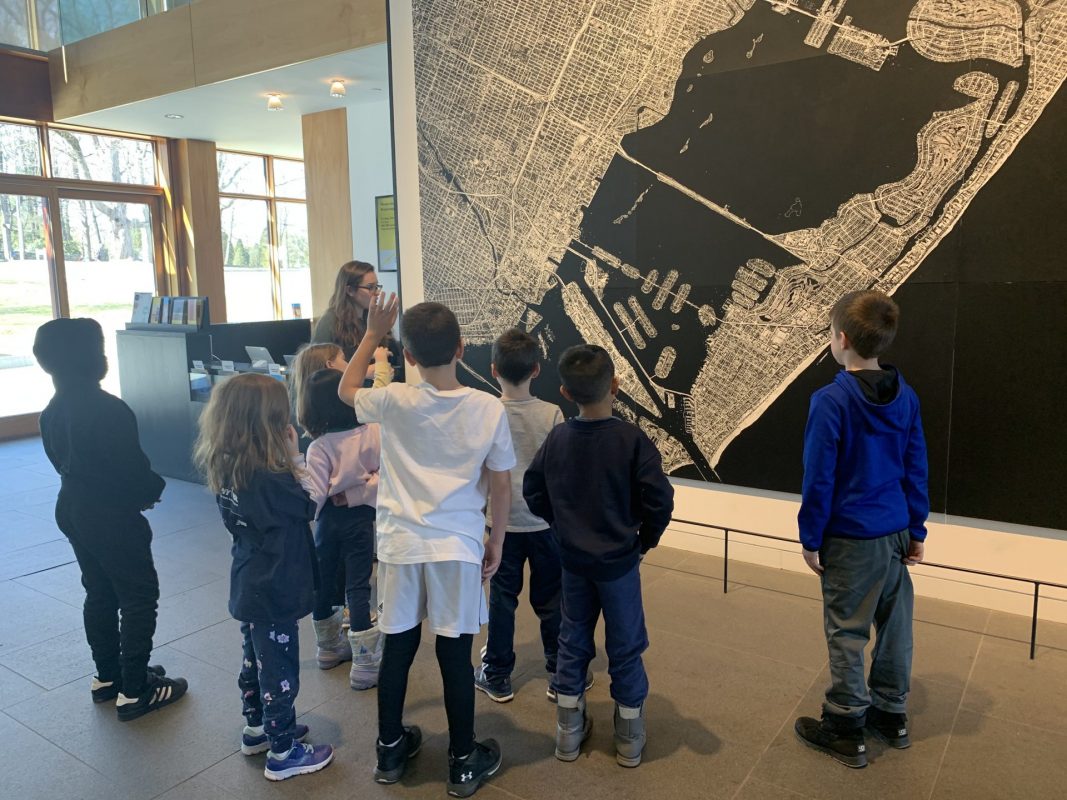
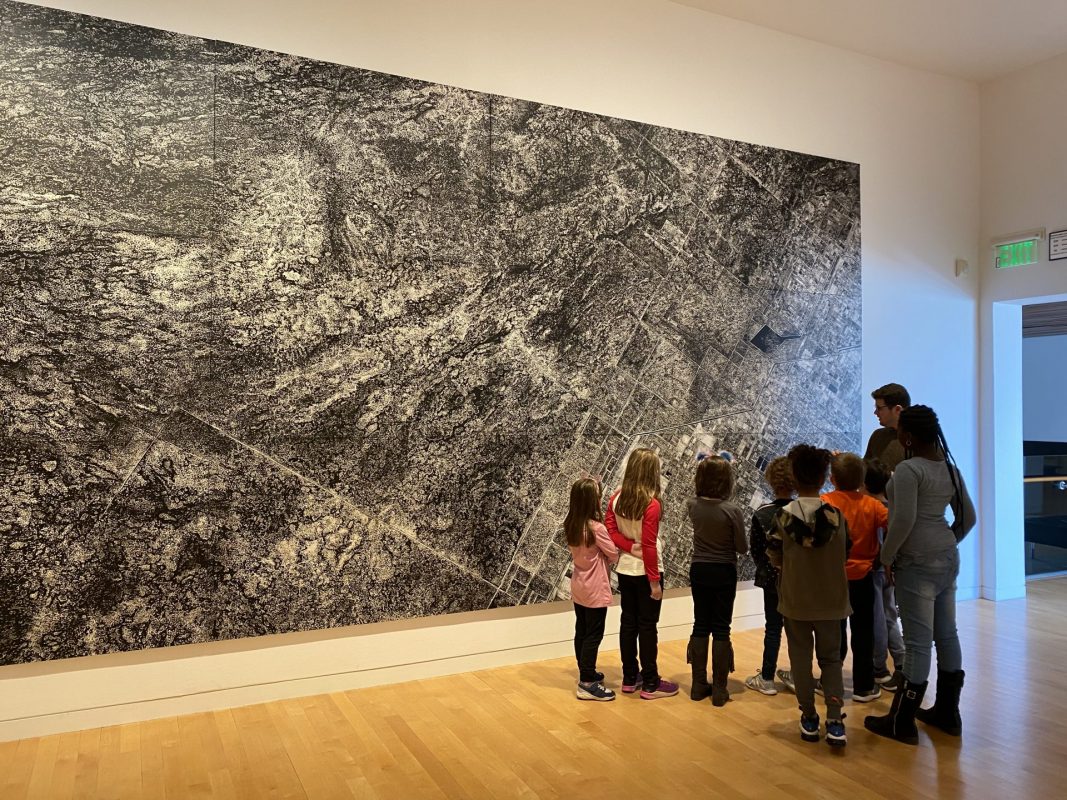
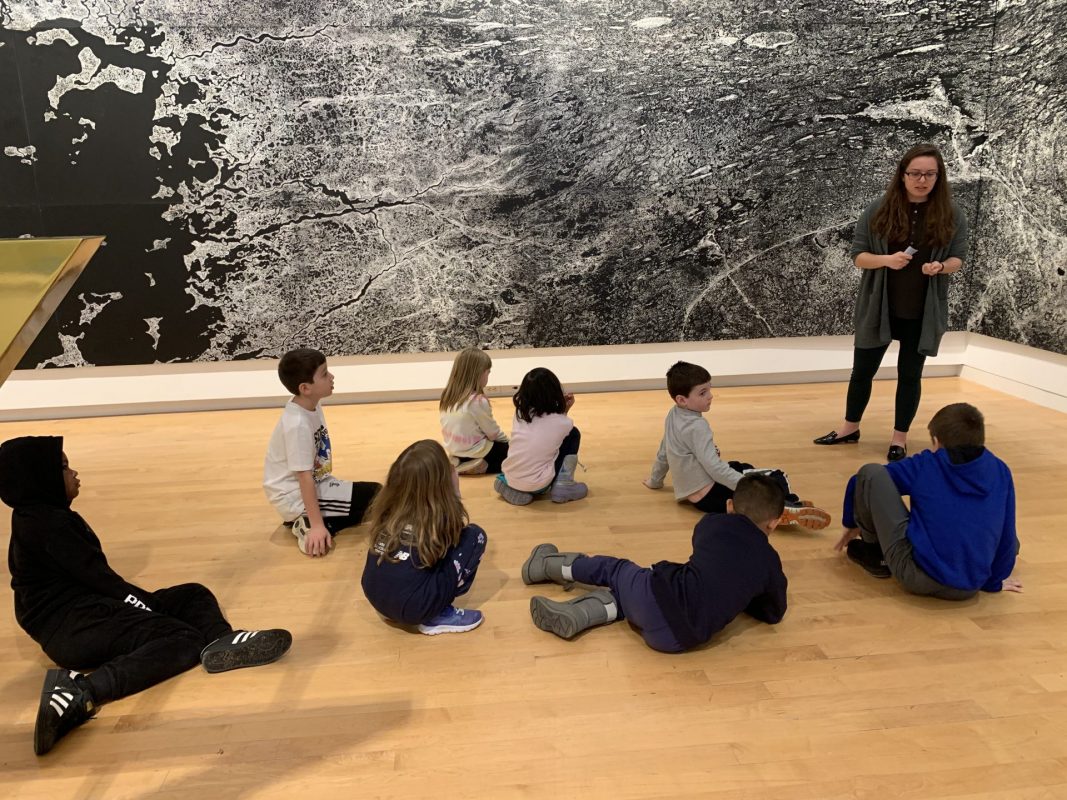
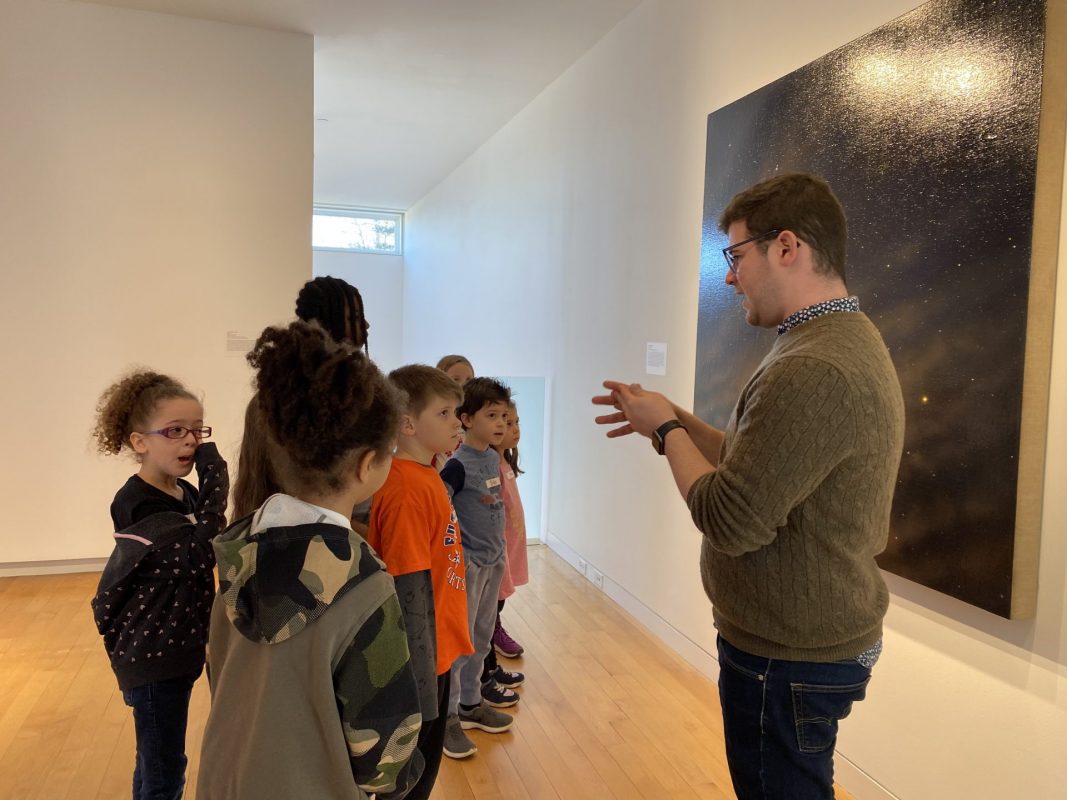
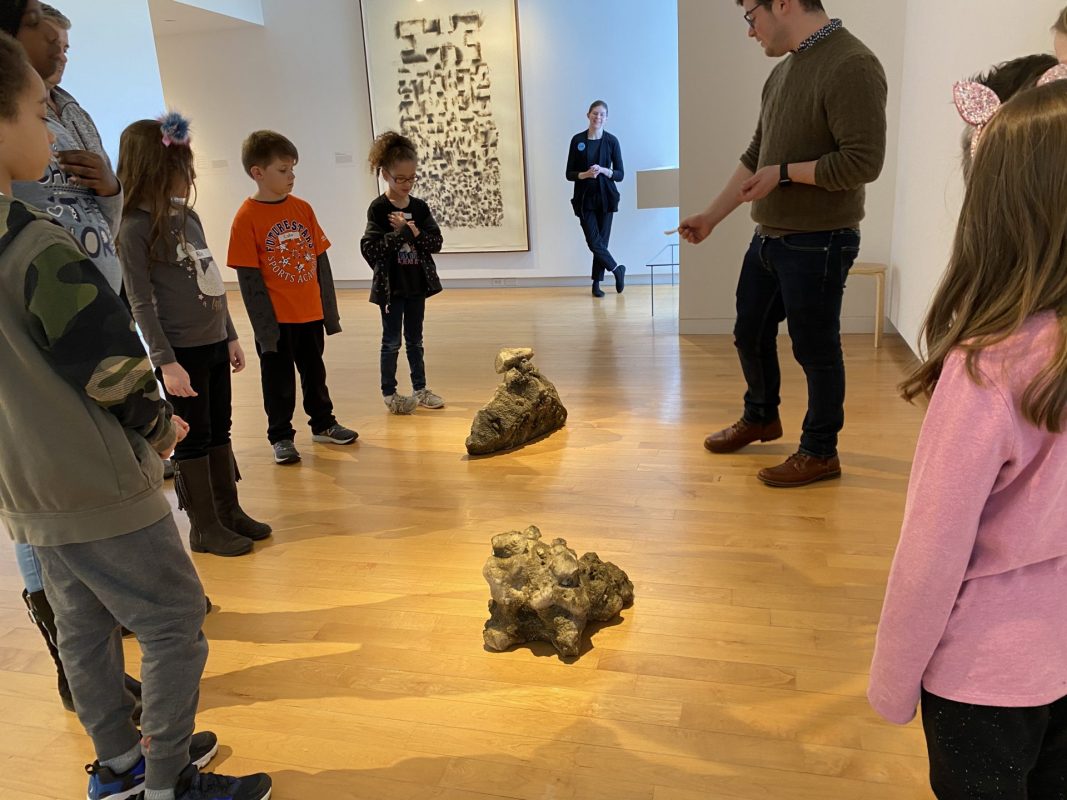
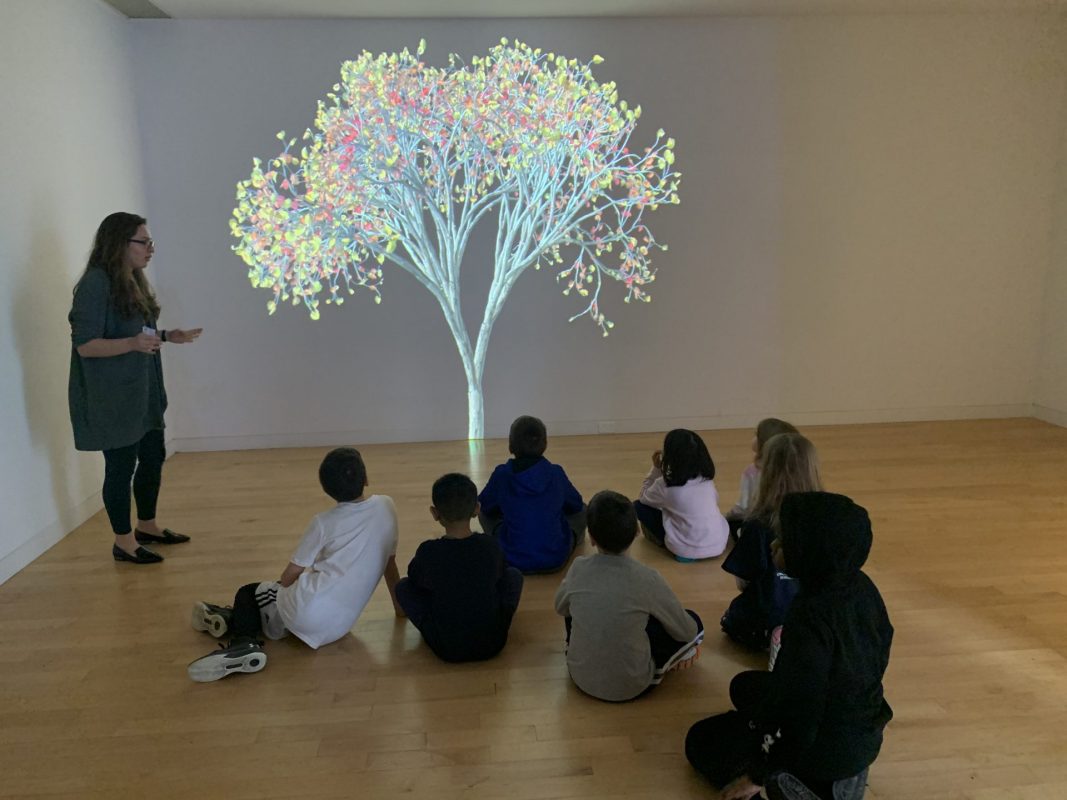
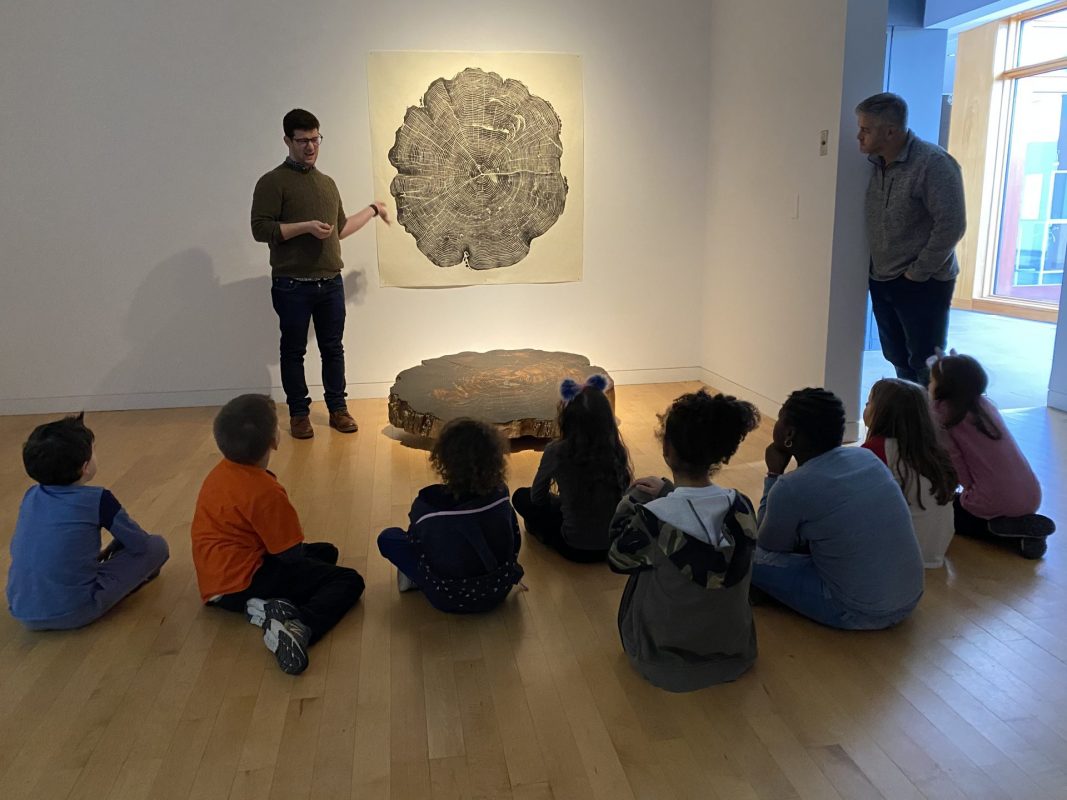
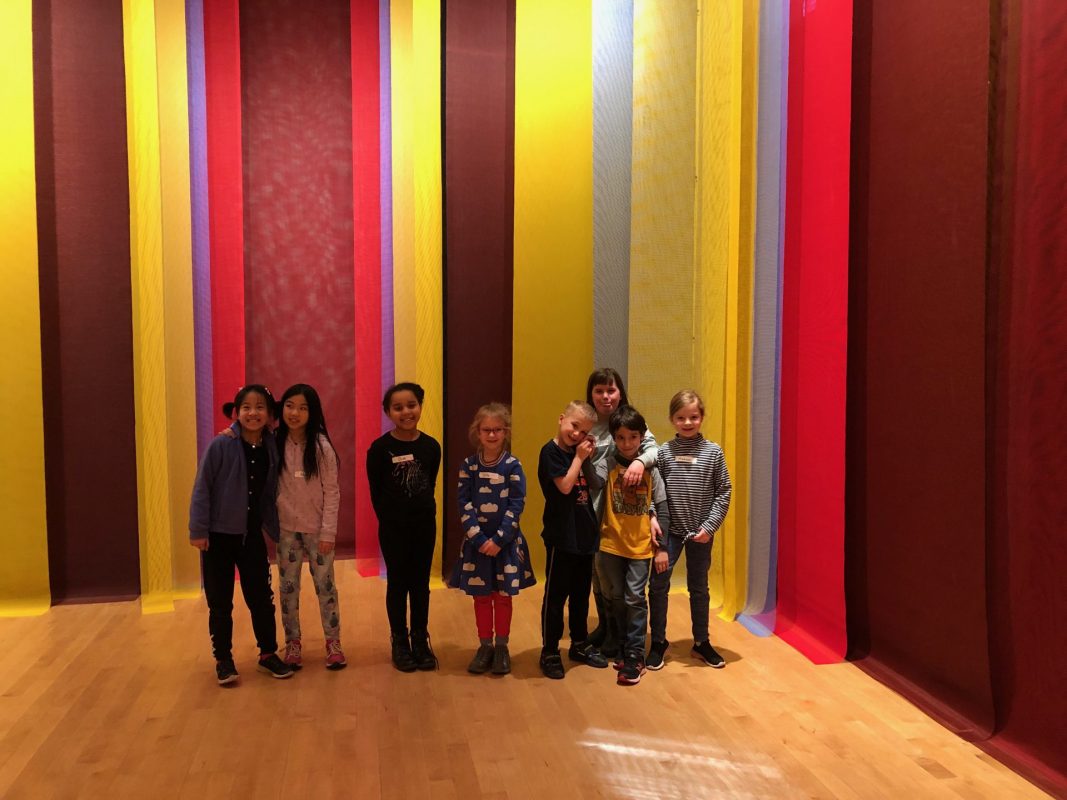
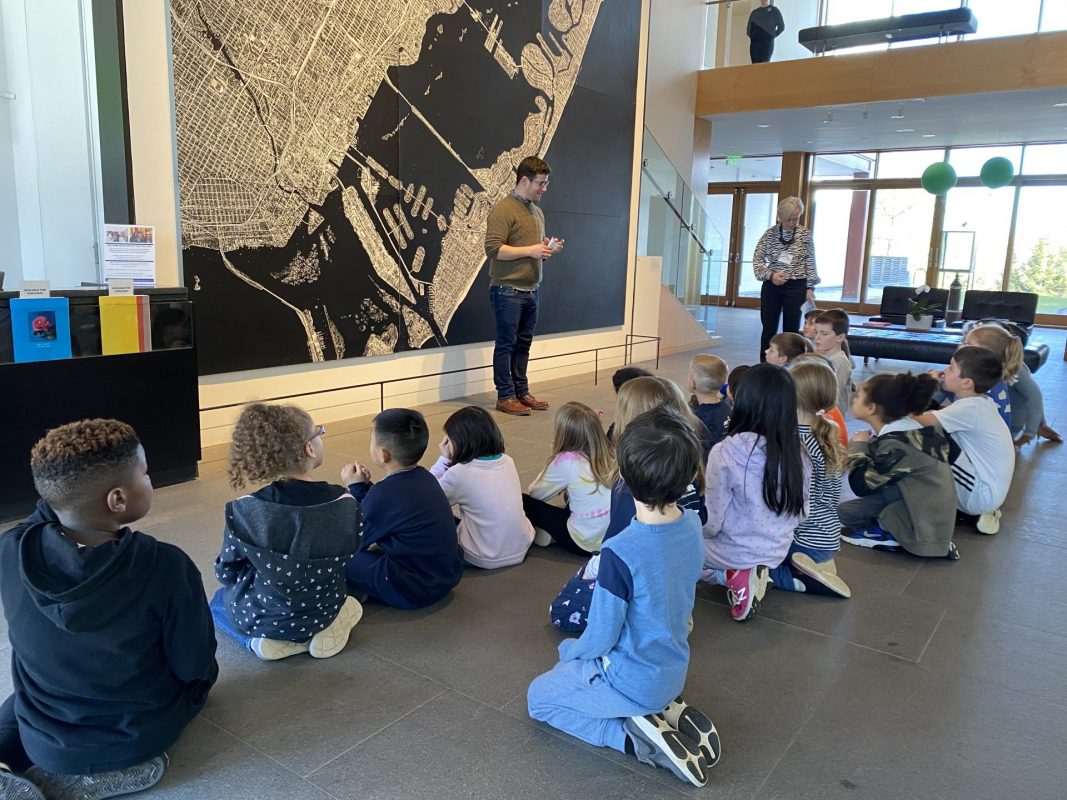
This week we had the opportunity to explore weather and climate expressed through art at the Aldrich Contemporary Art Museum in Ridgefield, CT. The children had guided tours in small groups and learned about many of the pieces of art in the weather exhibit. In addition to learning how the pieces were made, they also learned each piece’s connection with climate and weather. We saw a large oil painting of the Florida Everglades and Miami. We also experienced a depiction of the night sky with the big dipper, an interpretation of Chicago snow, a moving piece of art showing a tree in each season of the year, storm clouds, a giant print of a tree trunk, and a piece which was an interpretation of doppler radar images combined with brain scans, among others. We also made a happy discovery while at the museum. One of the pieces we looked at and discussed was a room filled with colorful nylon strips, hung vertically, created by Eva LeWitt who happens to be the daughter of an artist the children studied earlier in the school year, Sol LeWitt.

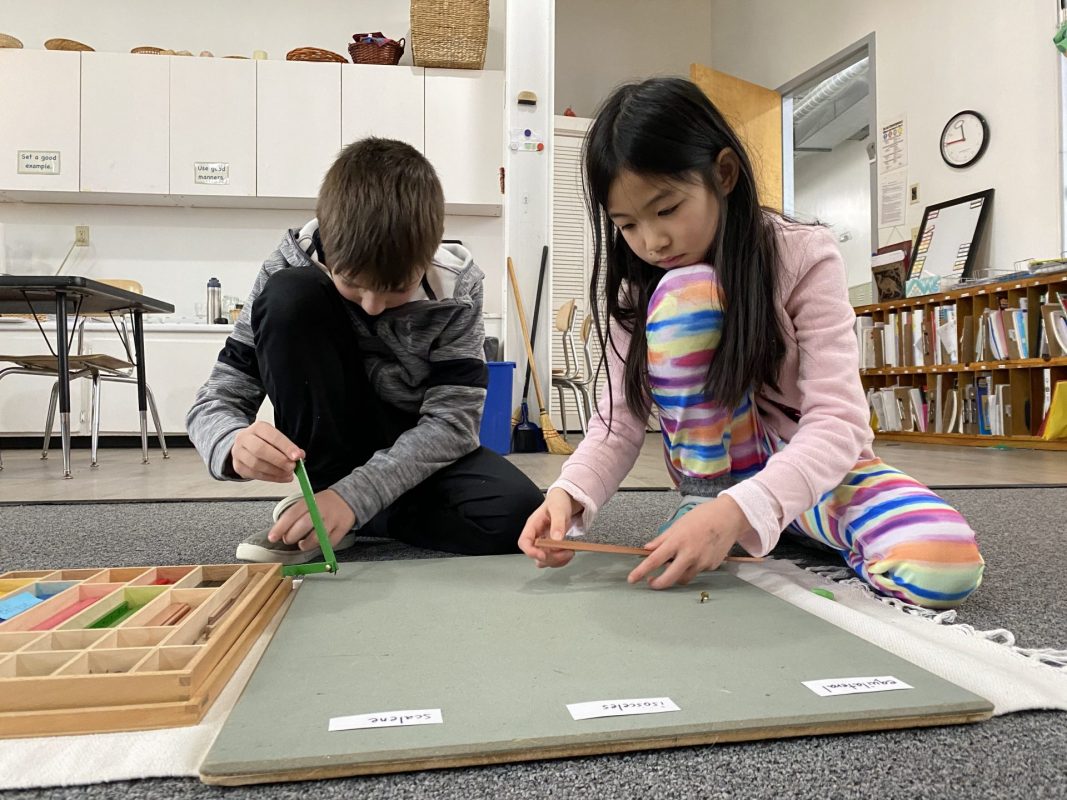
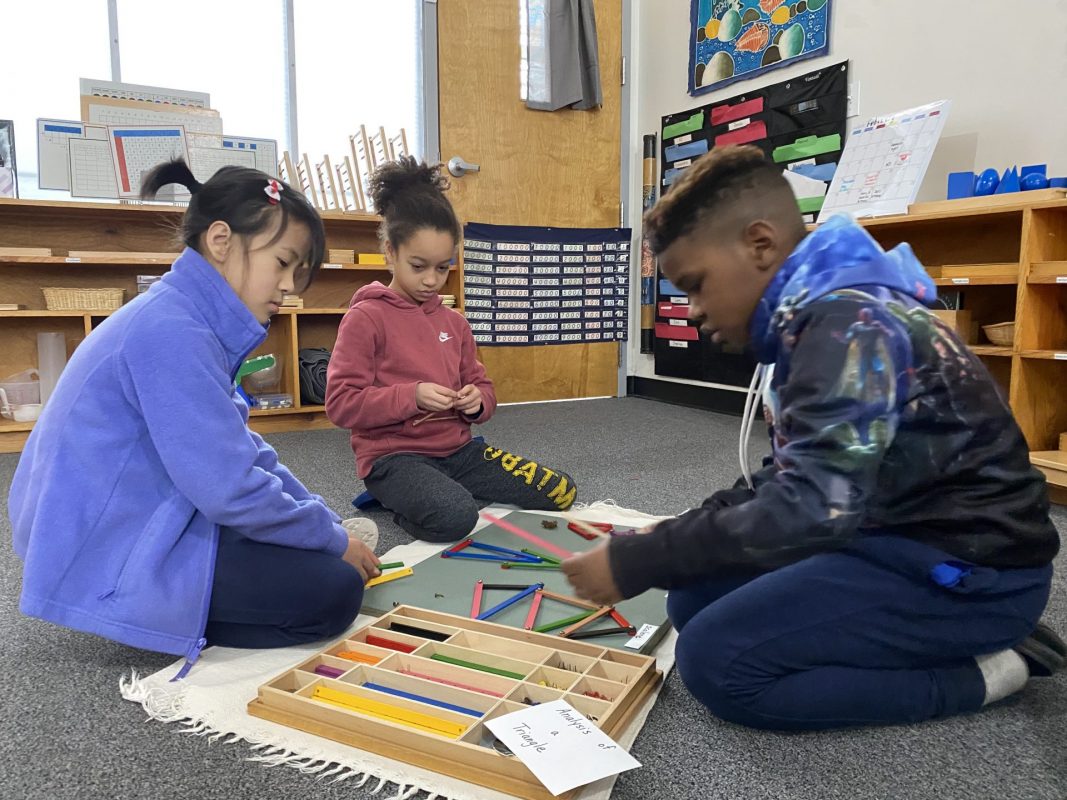
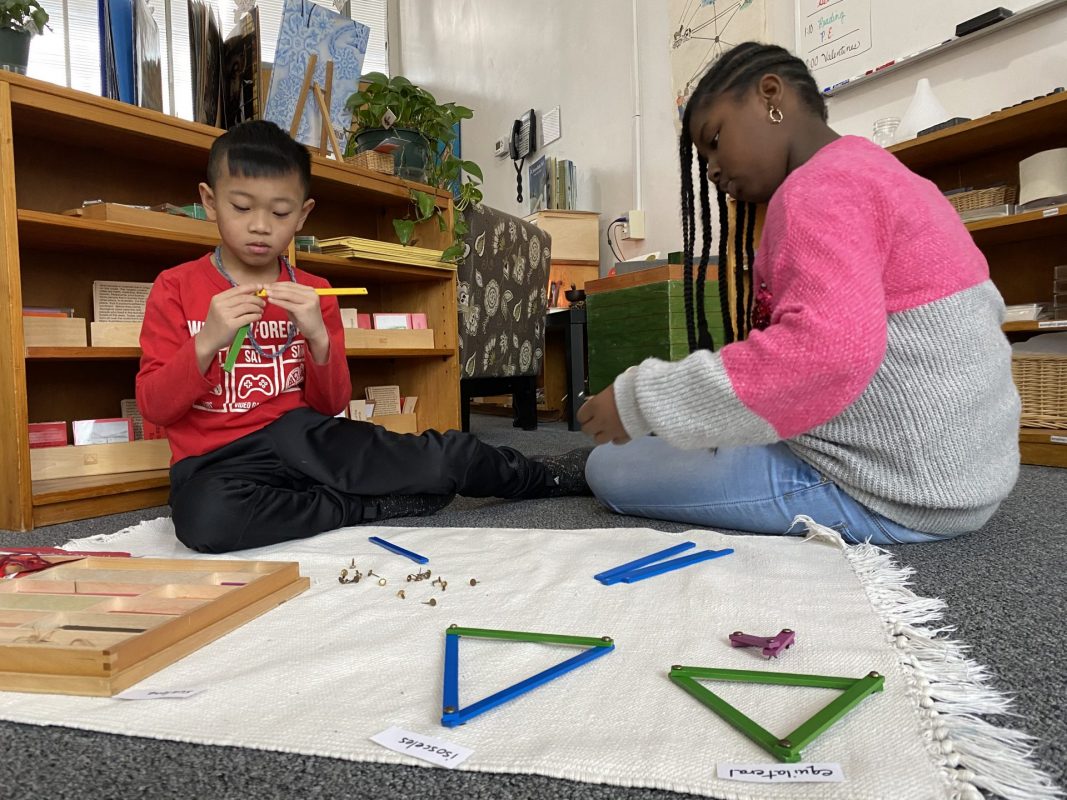
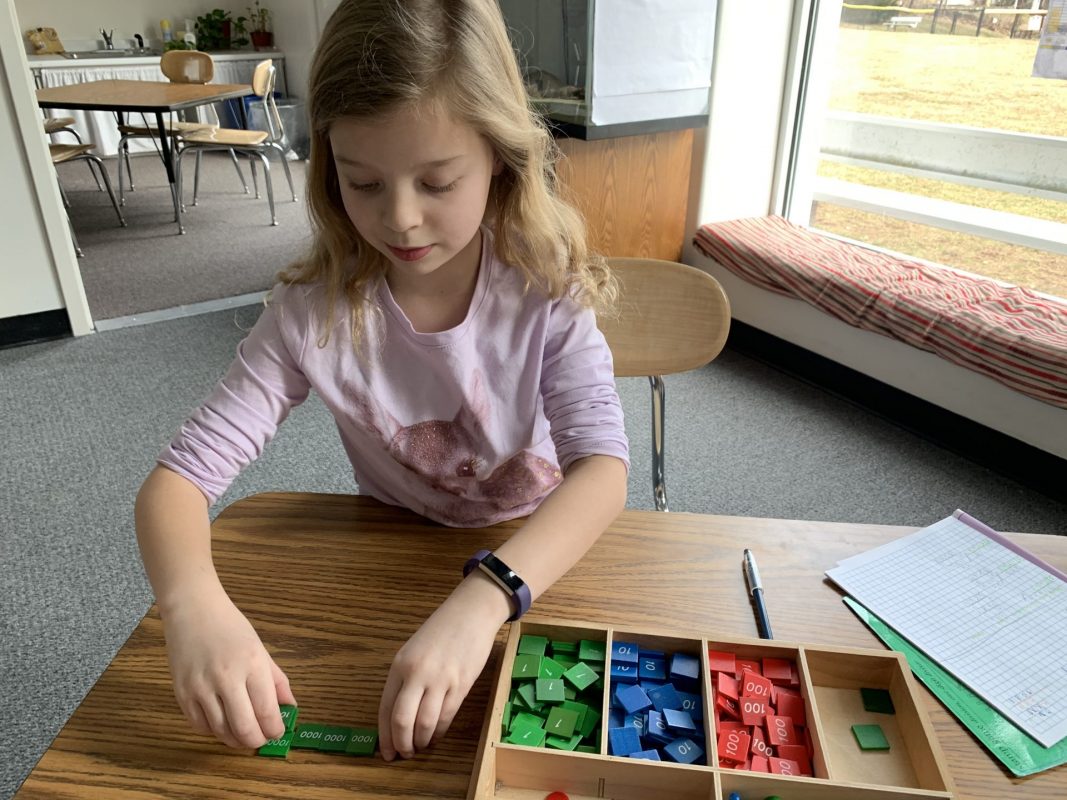
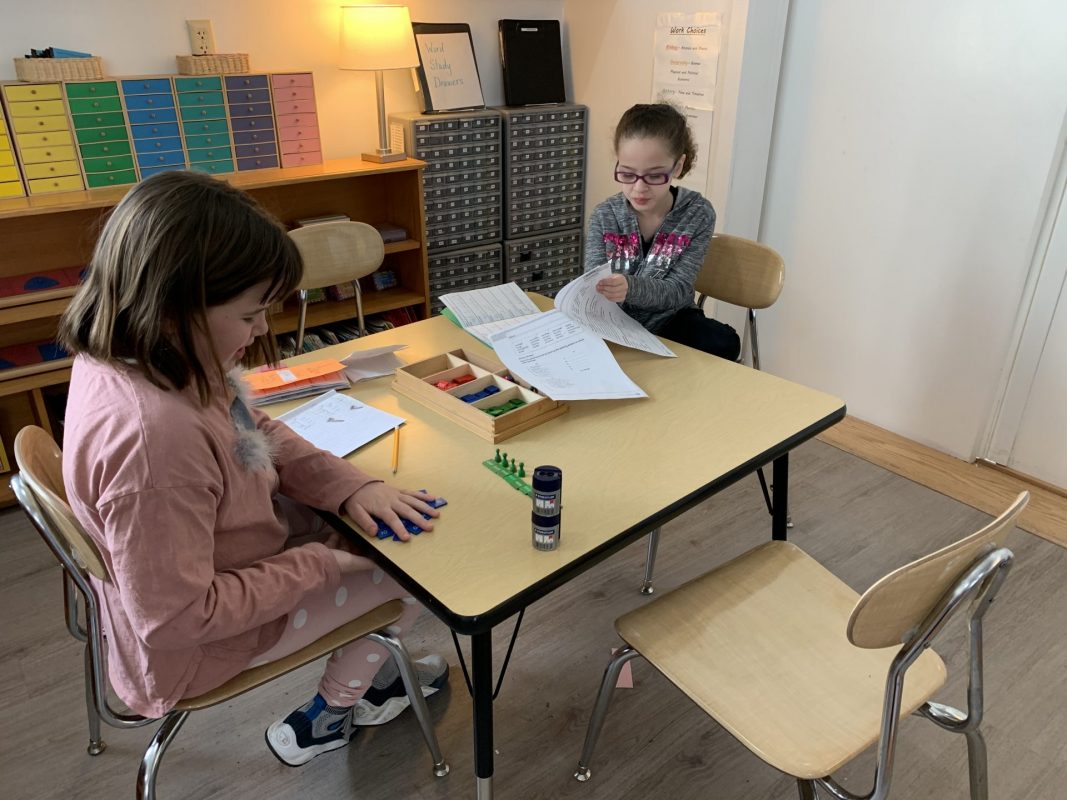
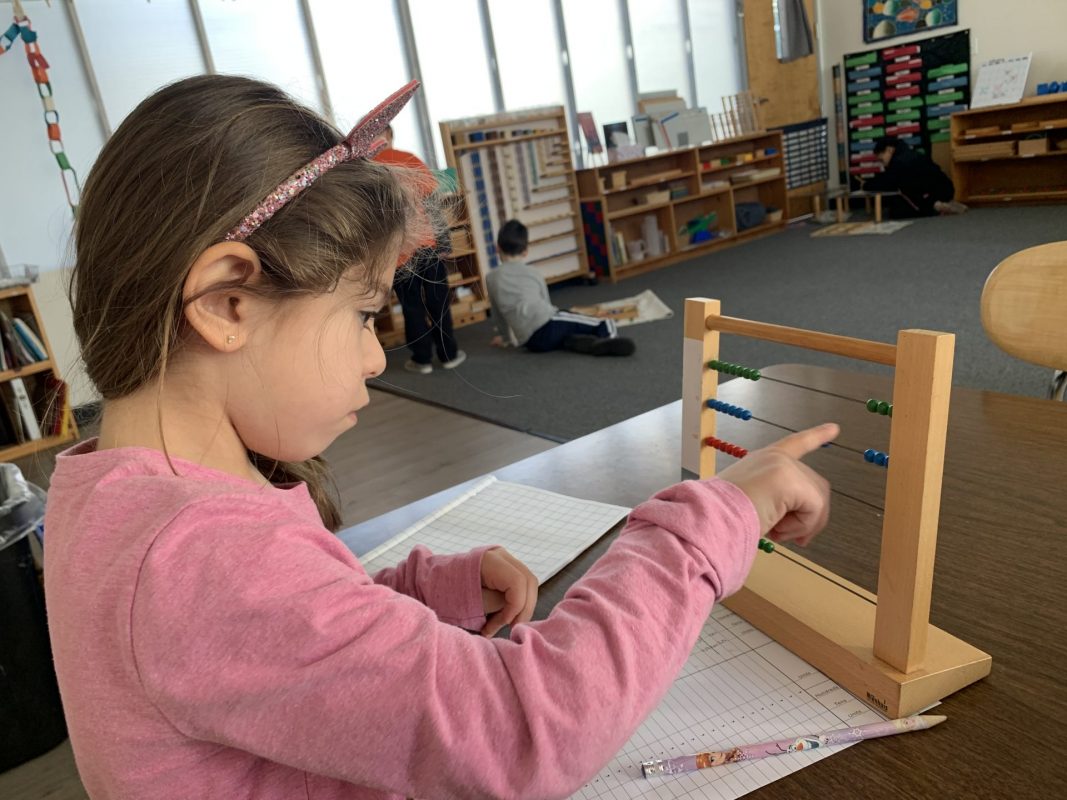
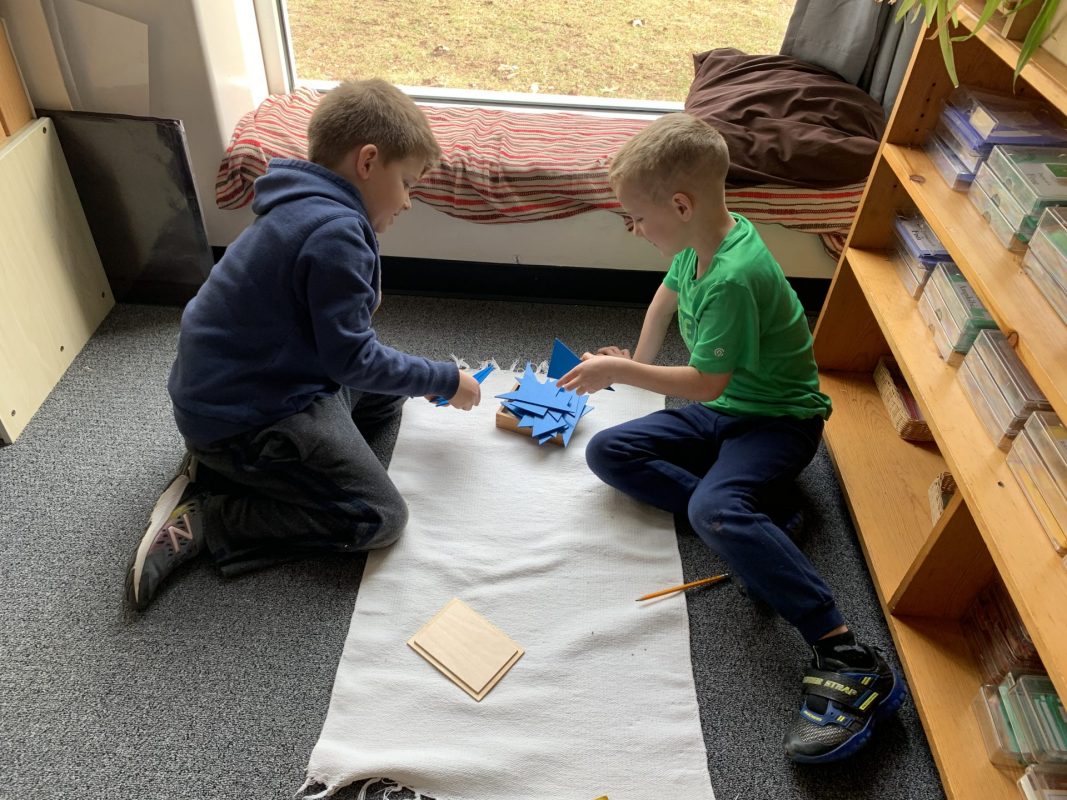
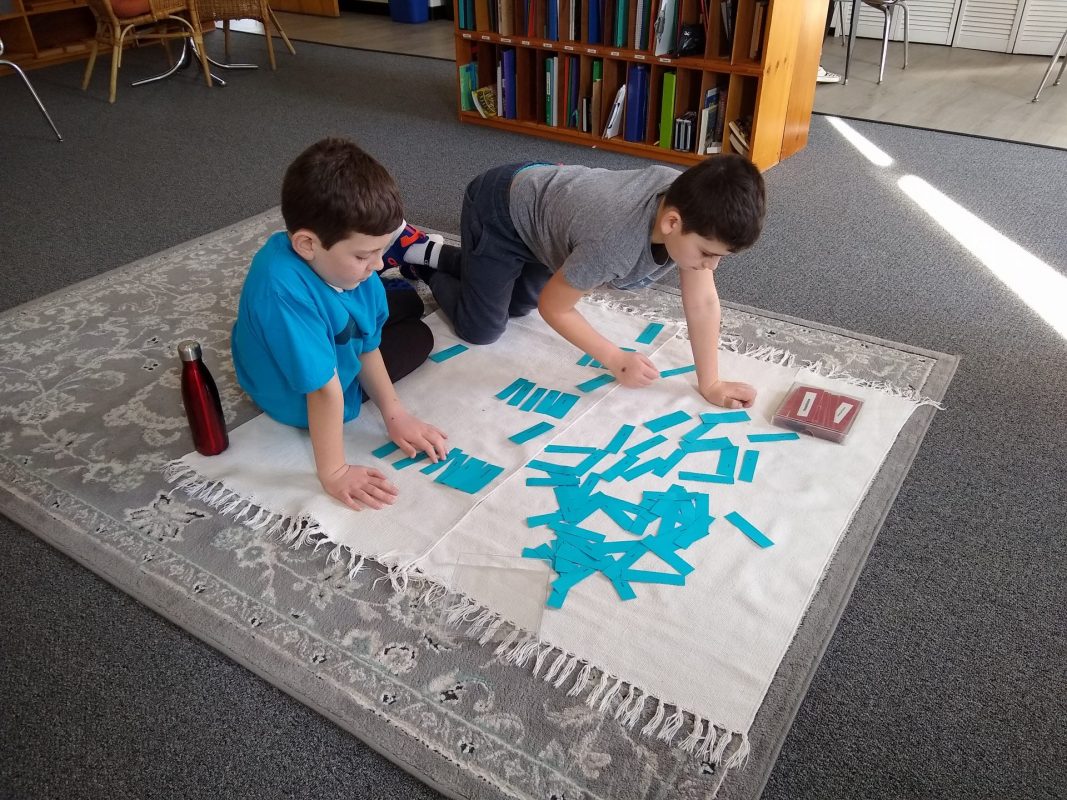
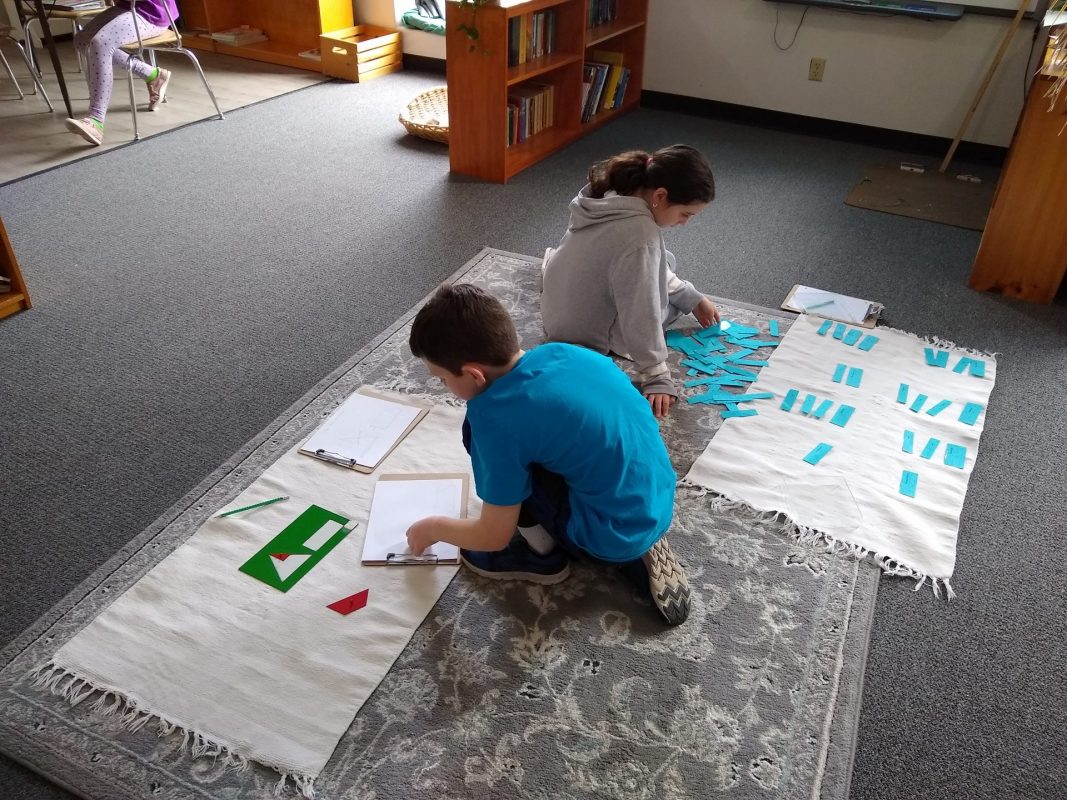
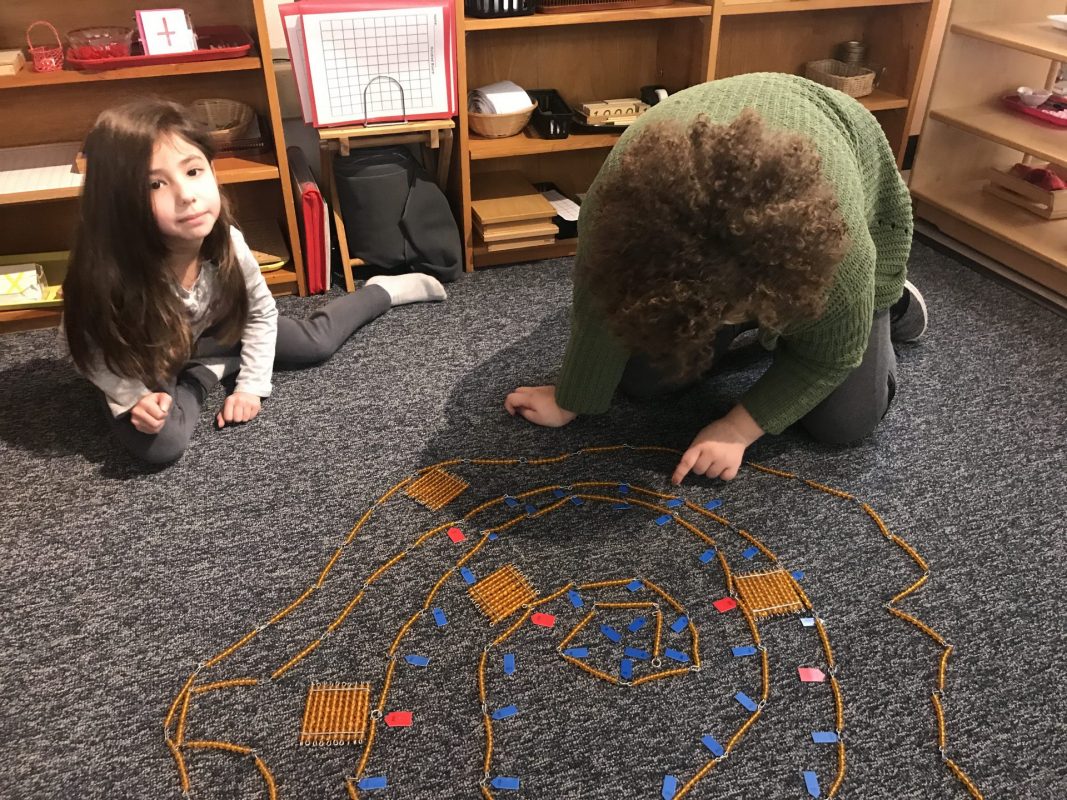
We have also been busy learning this week in school. The third year students started some geometry lessons on the analysis of a triangle. They explored making equilateral, isosceles, and scalene triangles with the box of sticks material. Second year students learned about pronouns, and individual lessons in math and language took place throughout the work cycles this week for students at each grade level. In Readers and Writers Workshop, we are diving into lessons in our units on reading and writing non-fiction. The children are enjoying learning about writing in this new genre while teaching their peers all about something they are experts in.


Elementary Gymnastics!

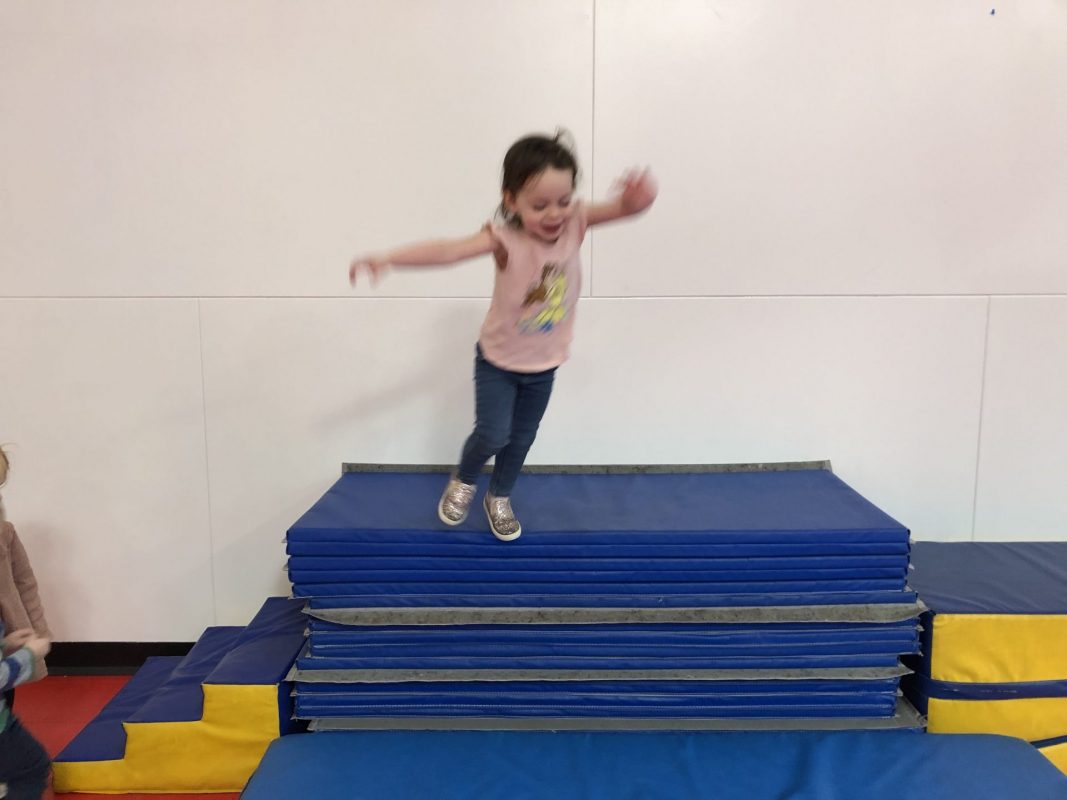
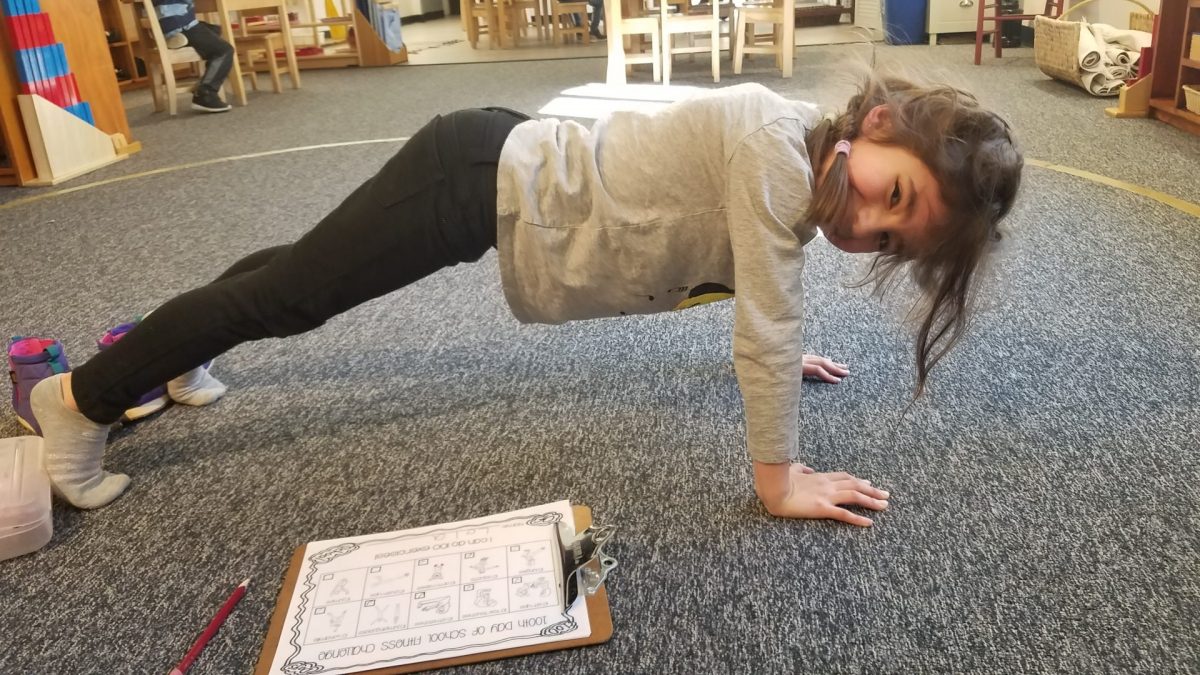
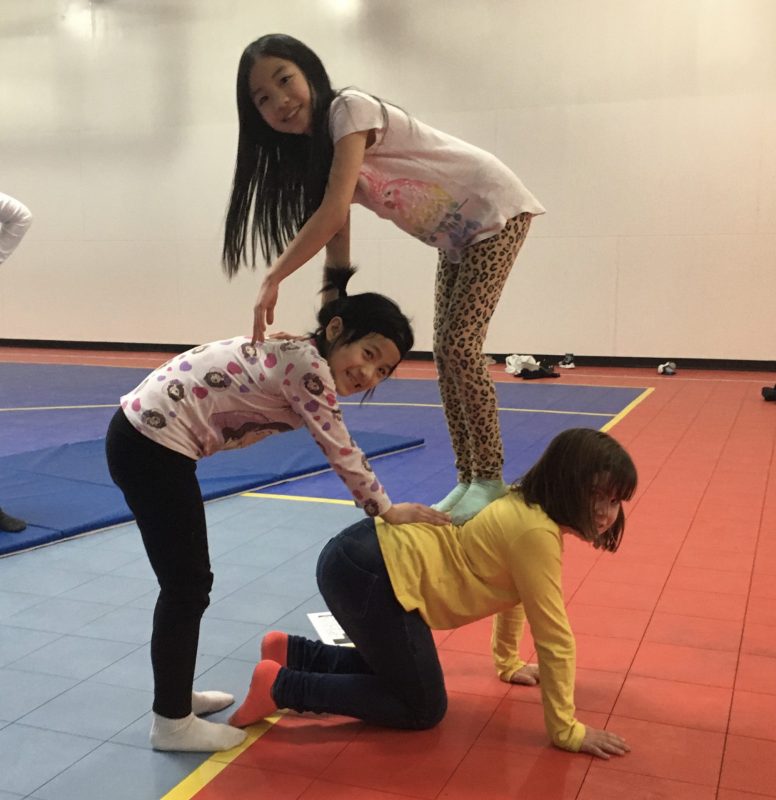
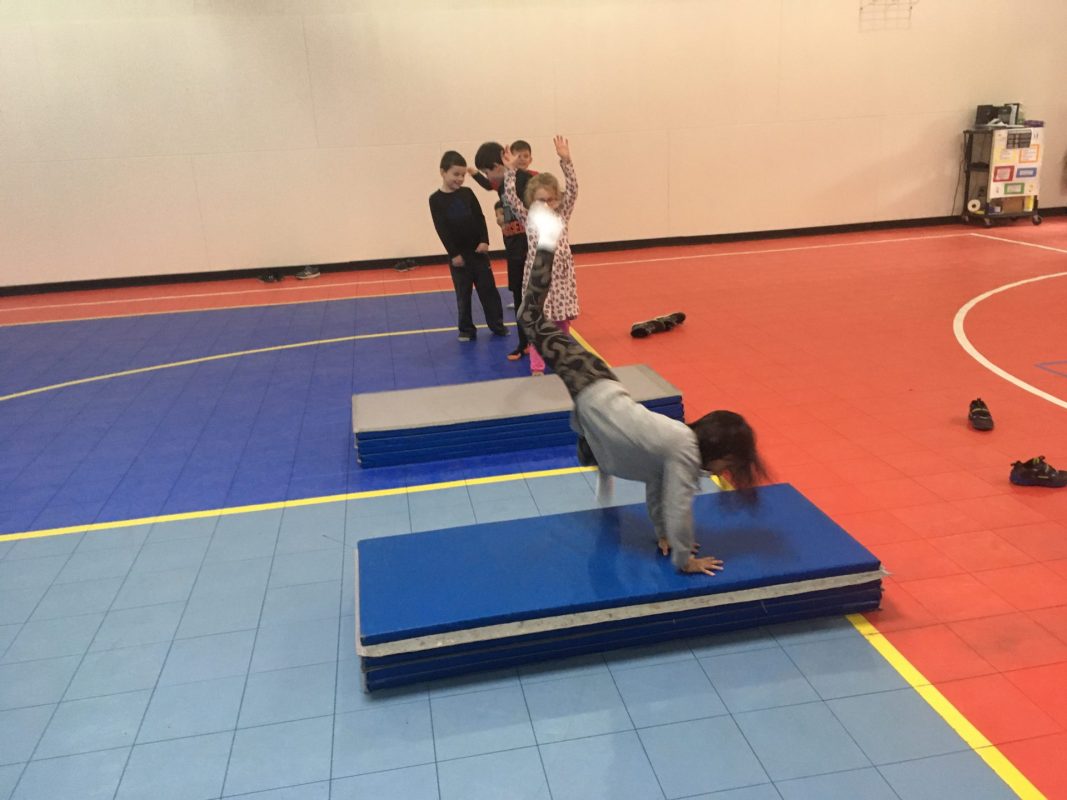
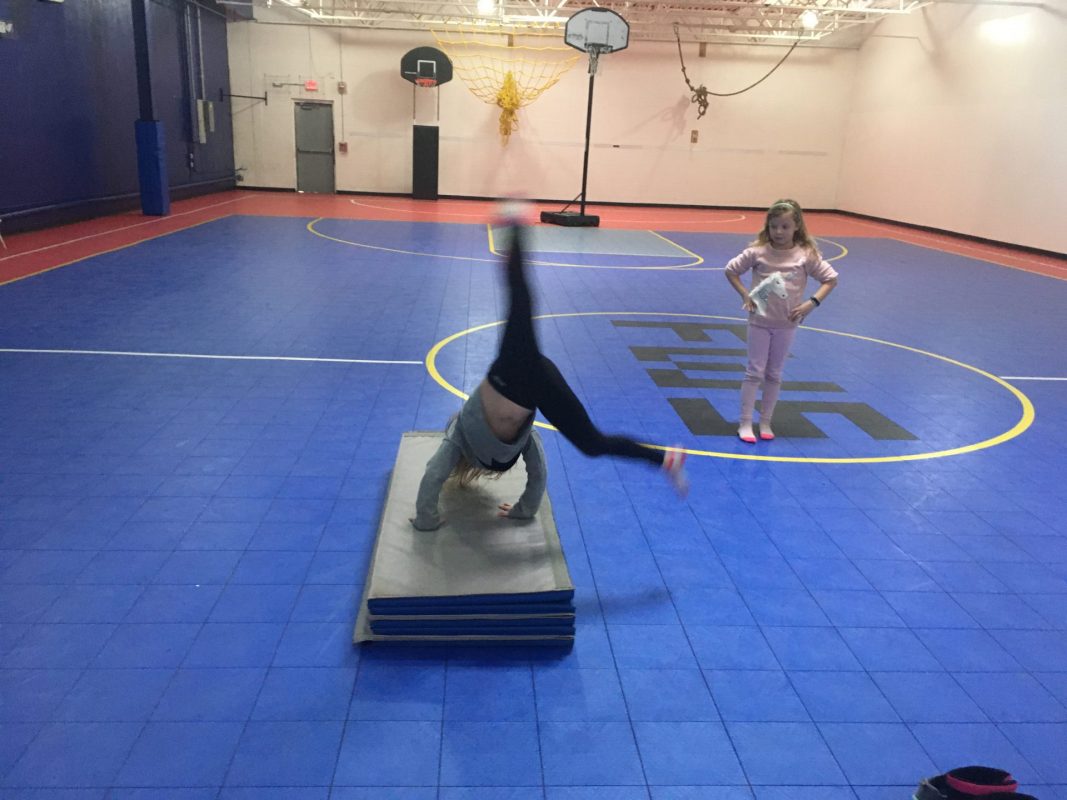
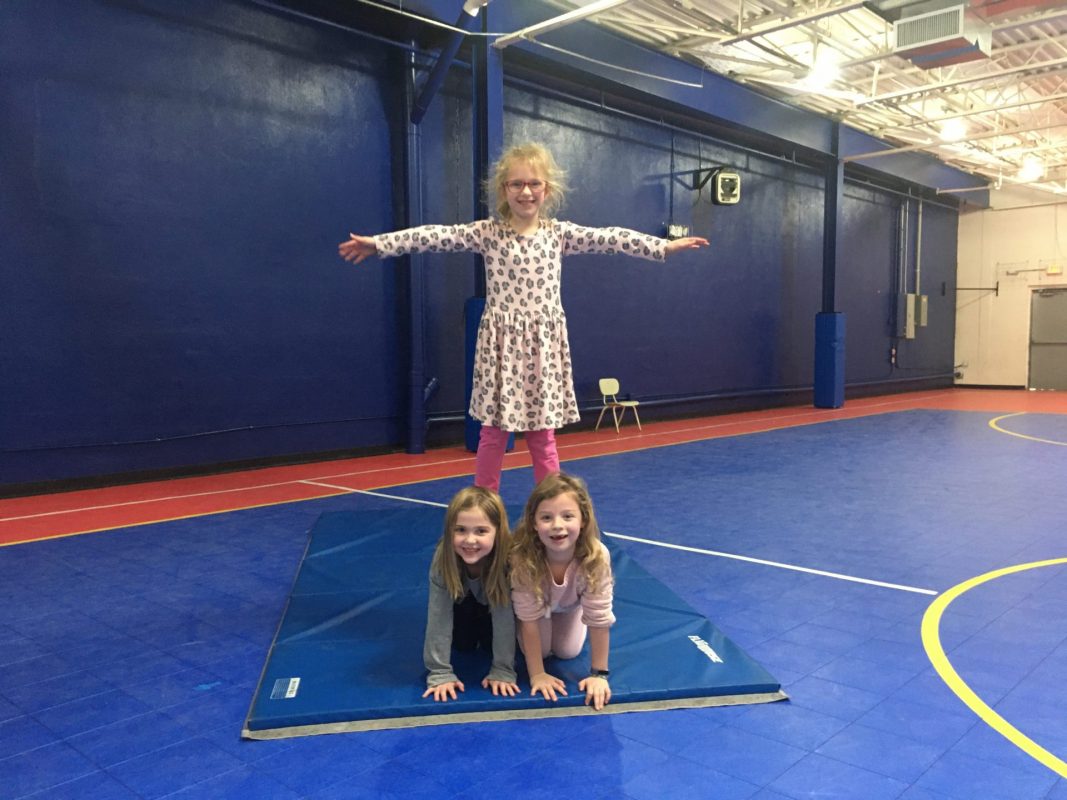
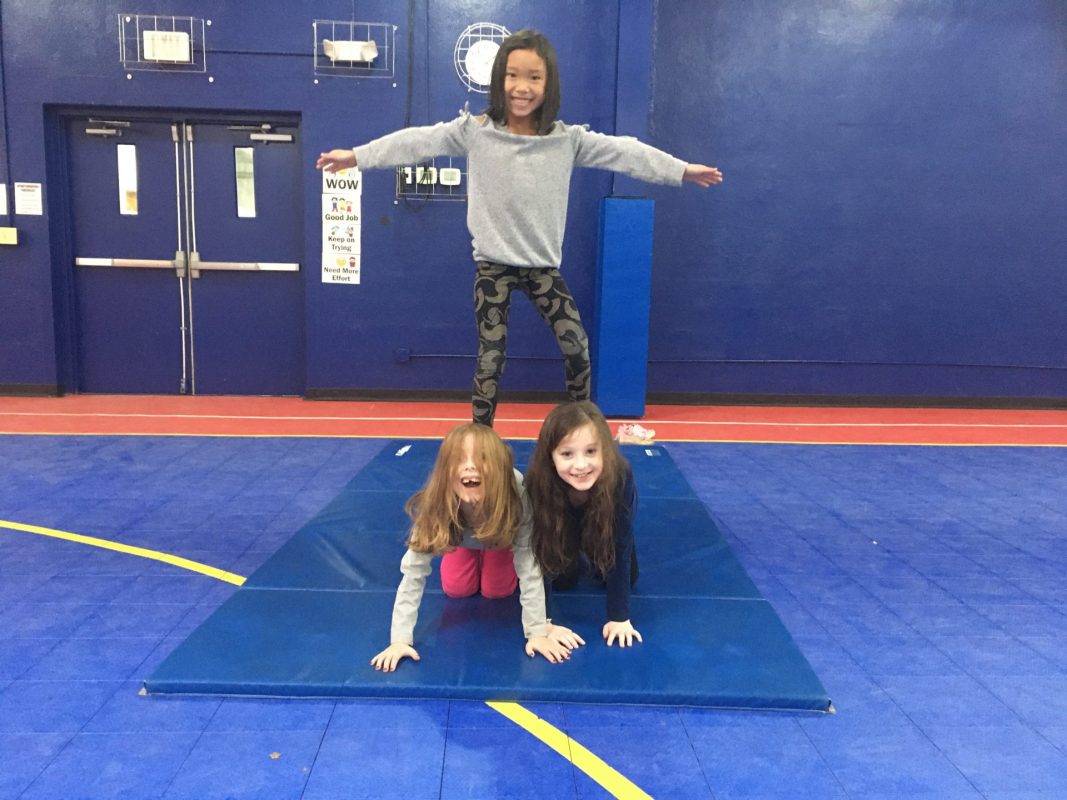
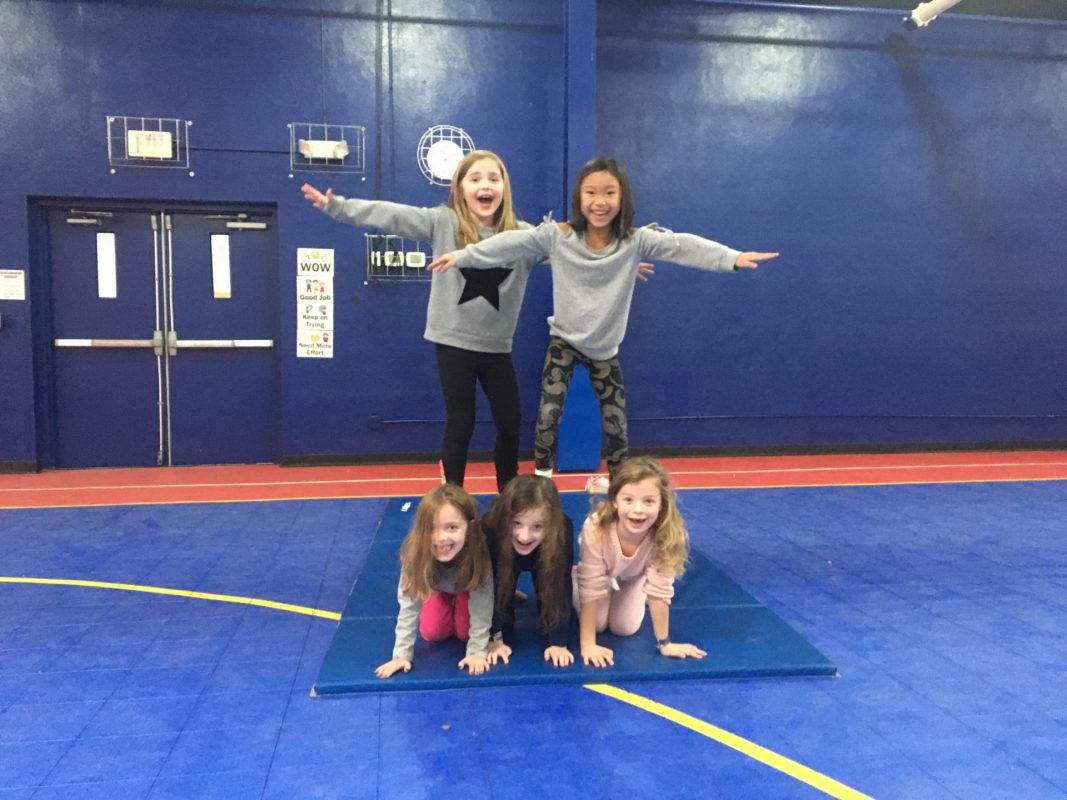
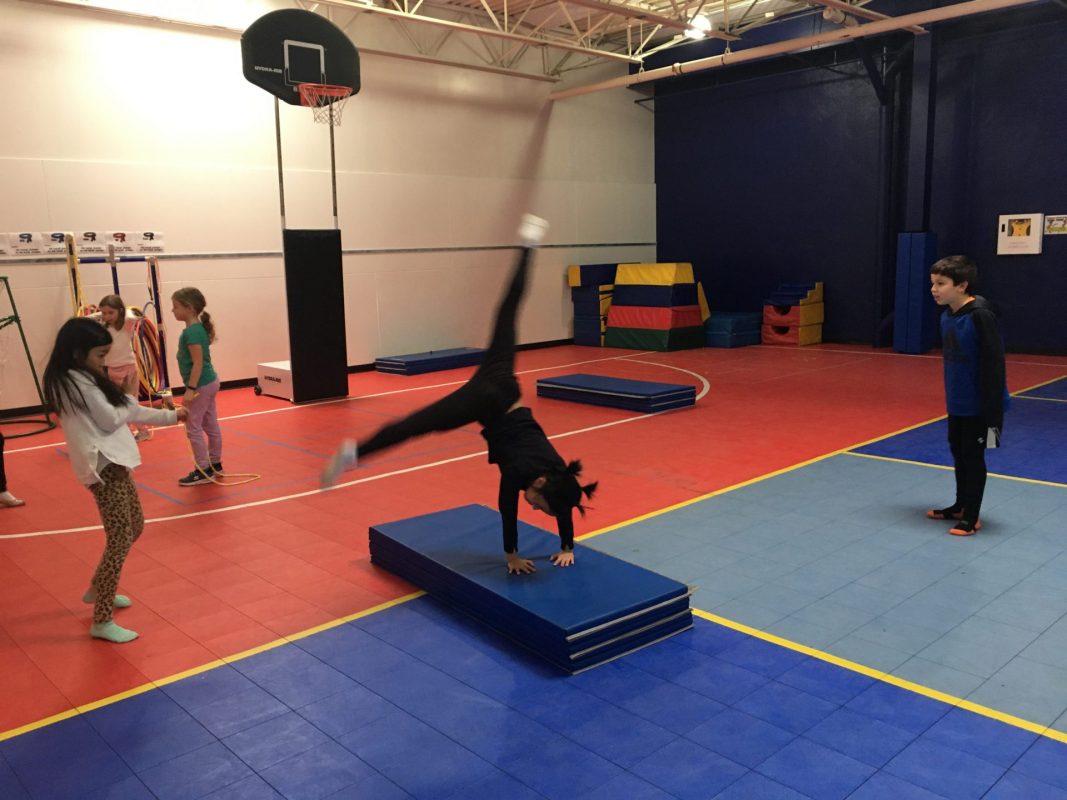
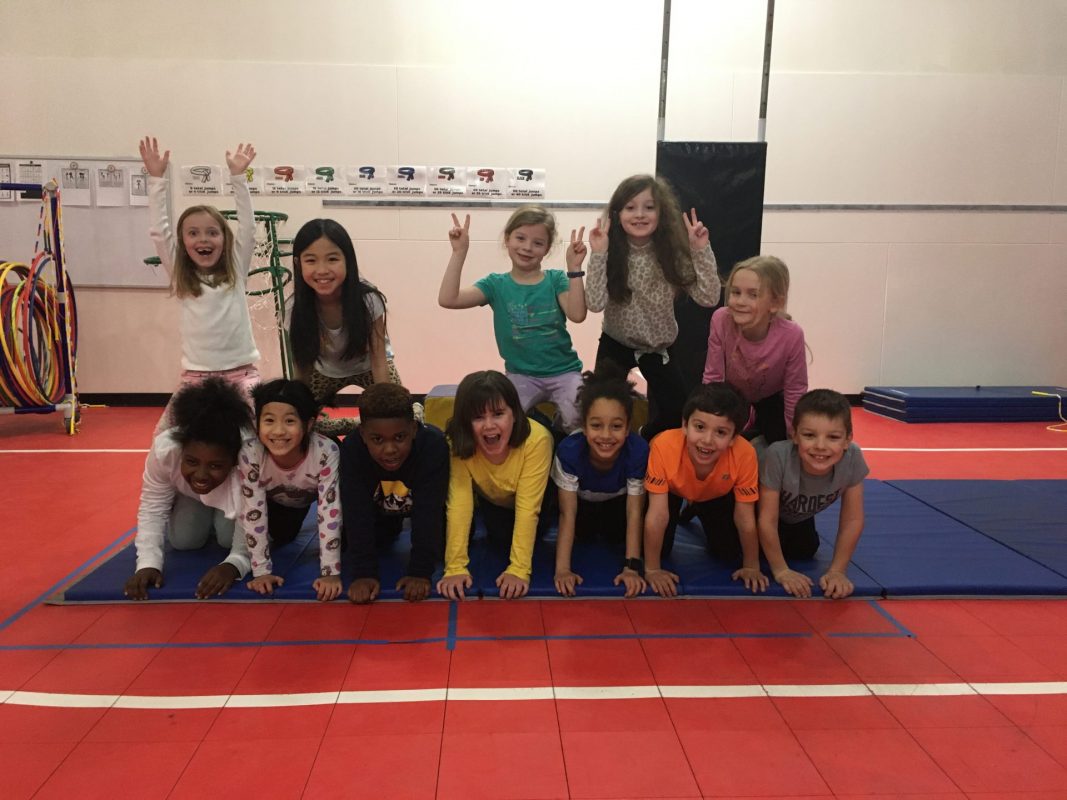
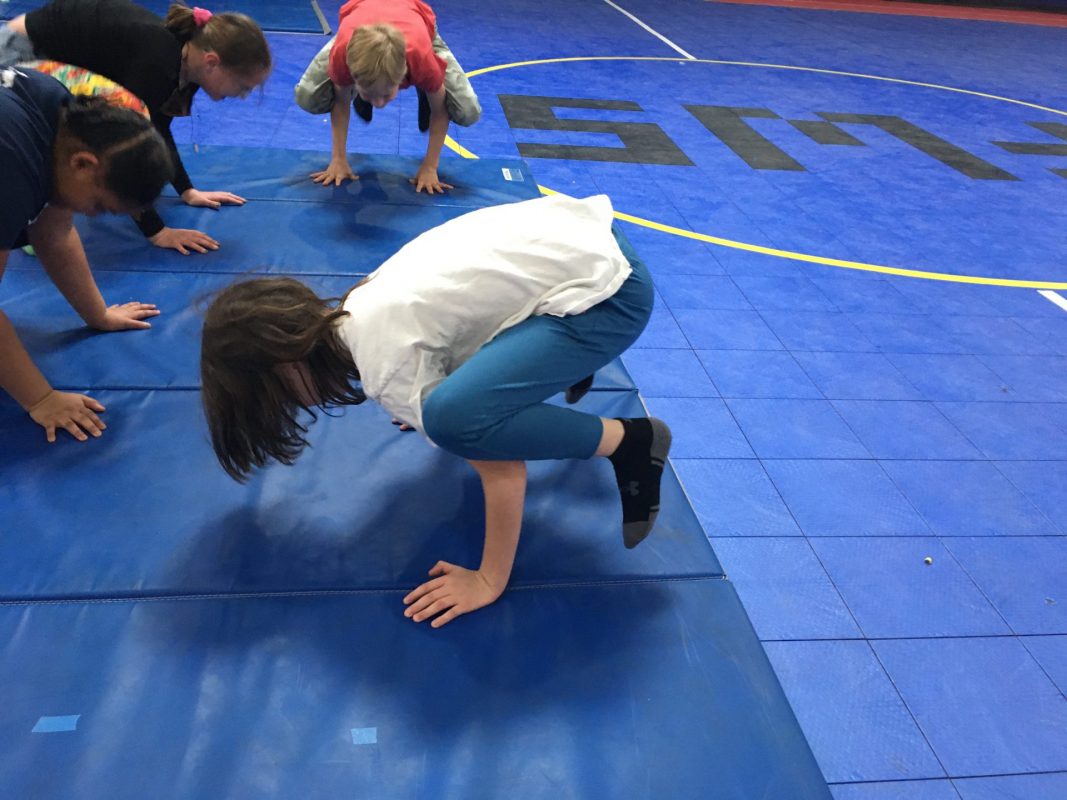
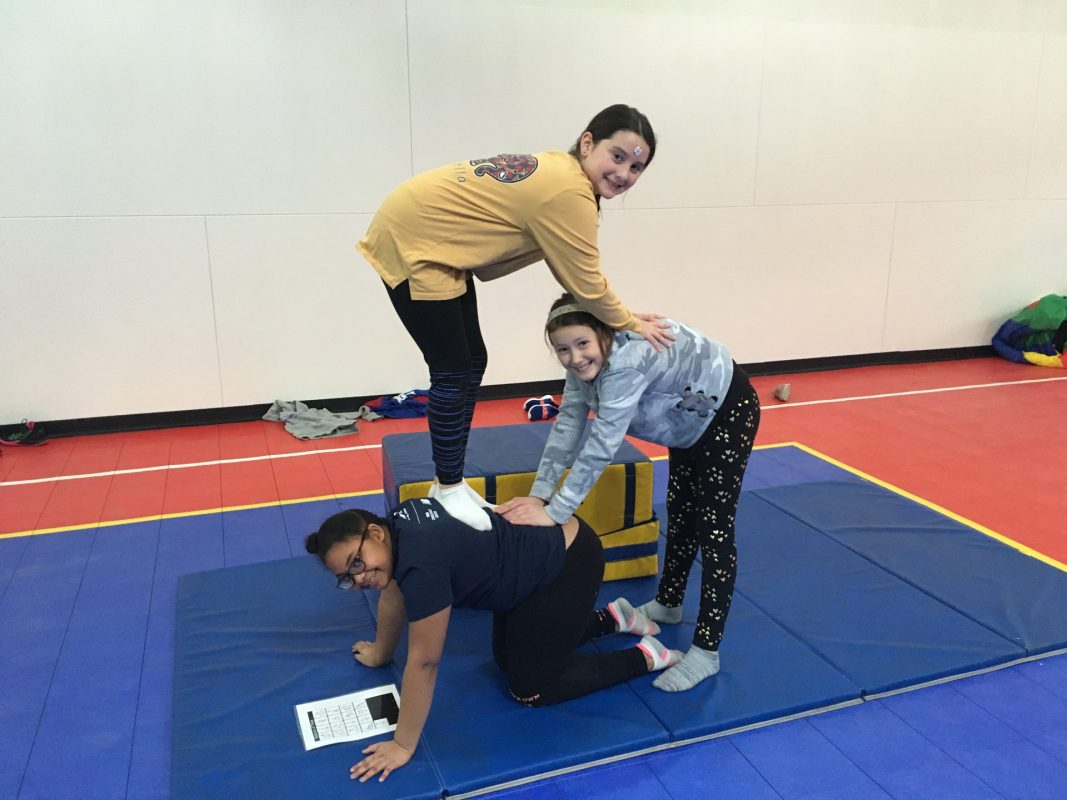
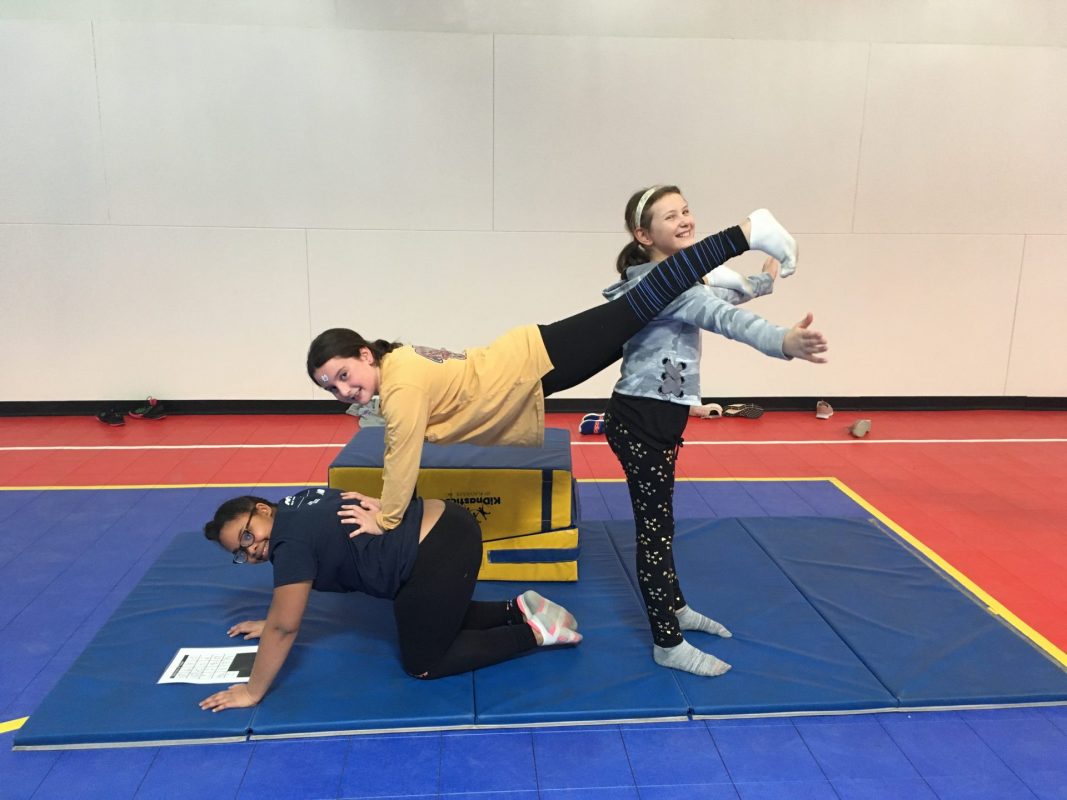
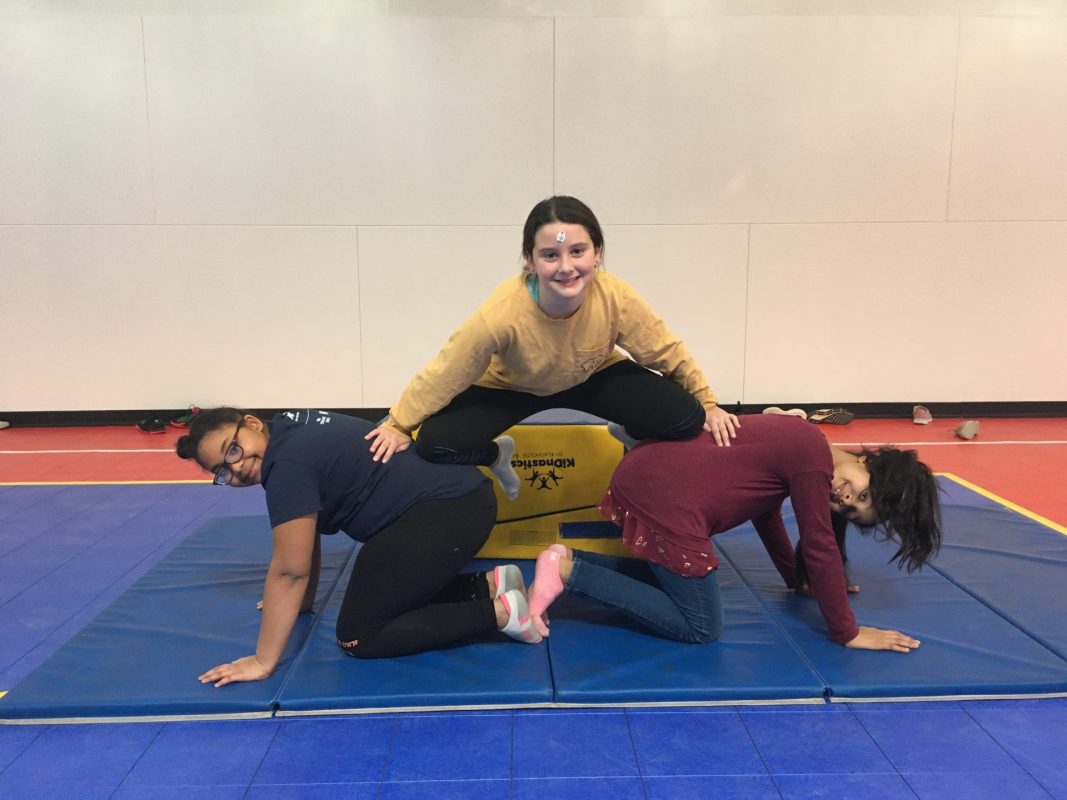
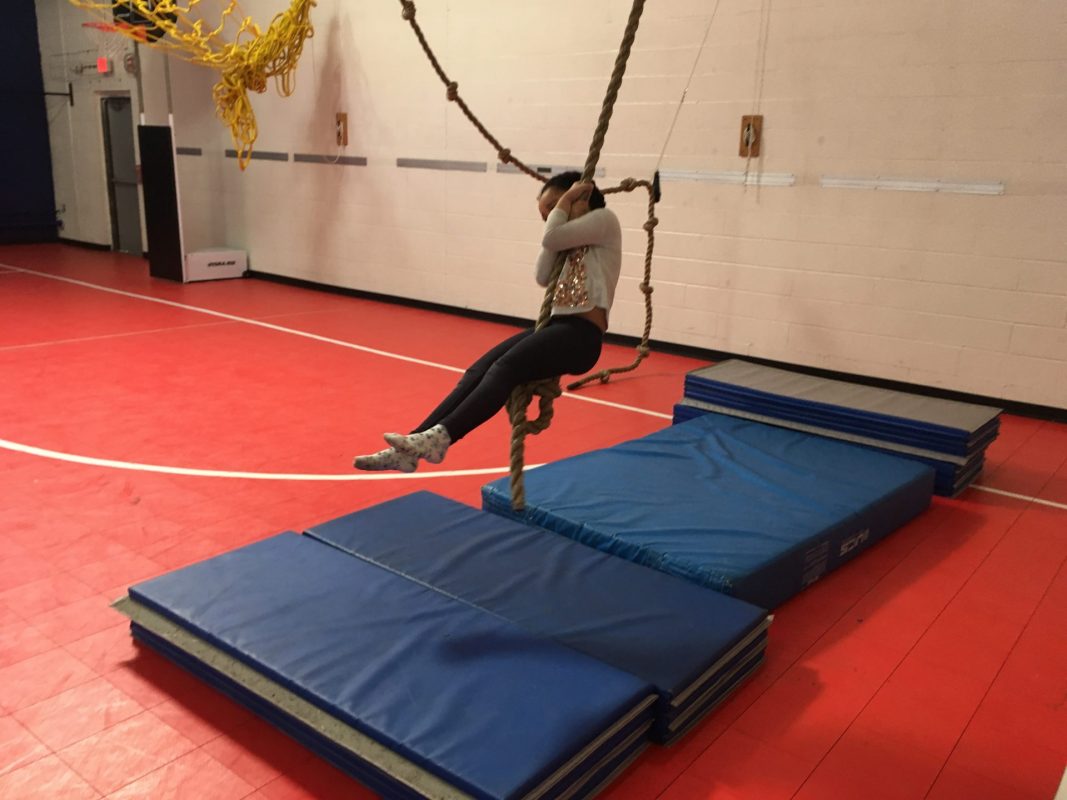
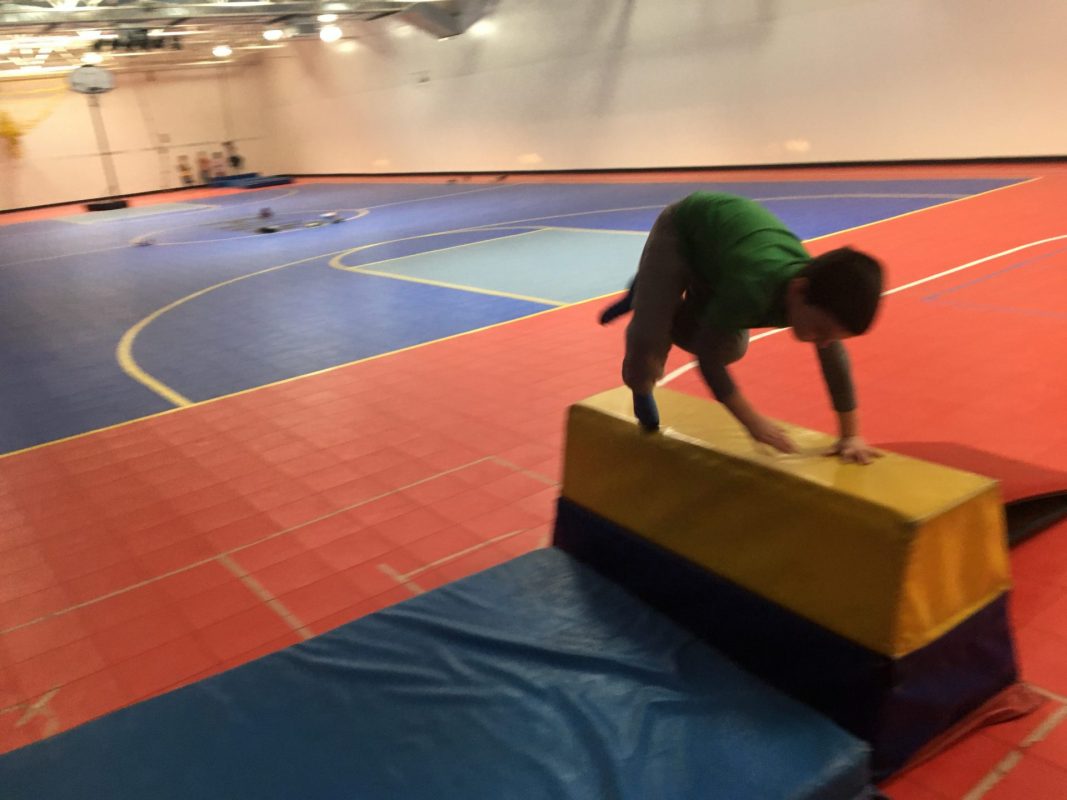
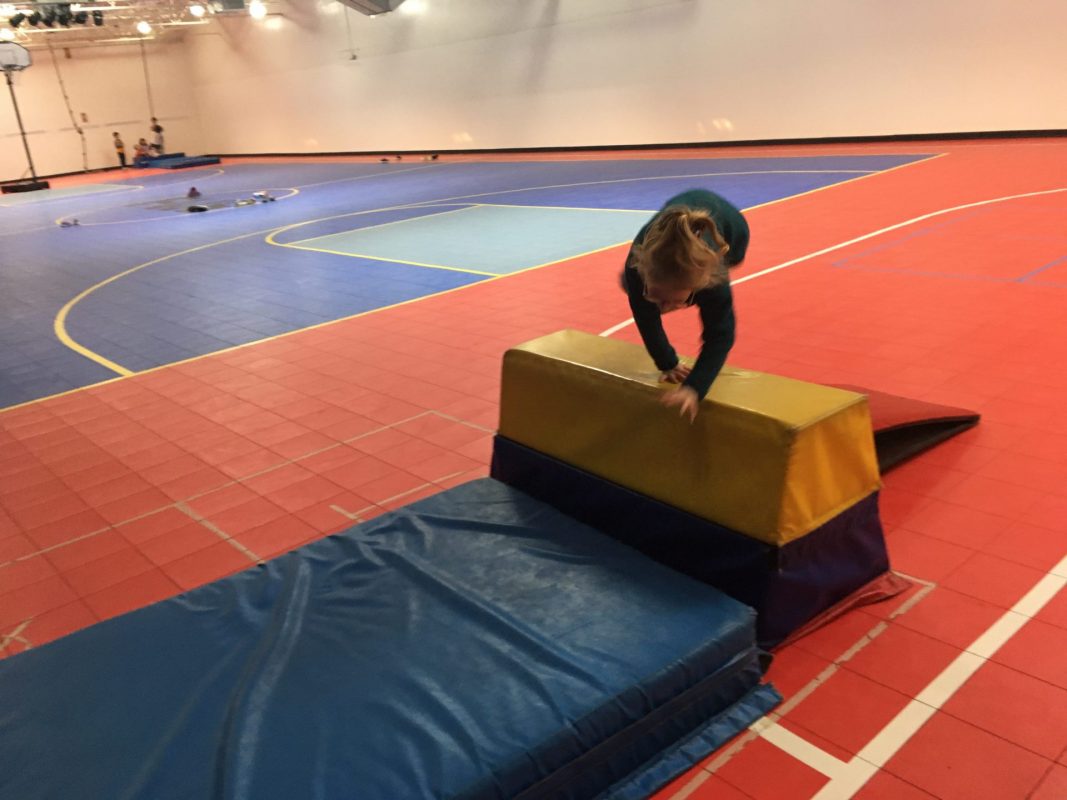
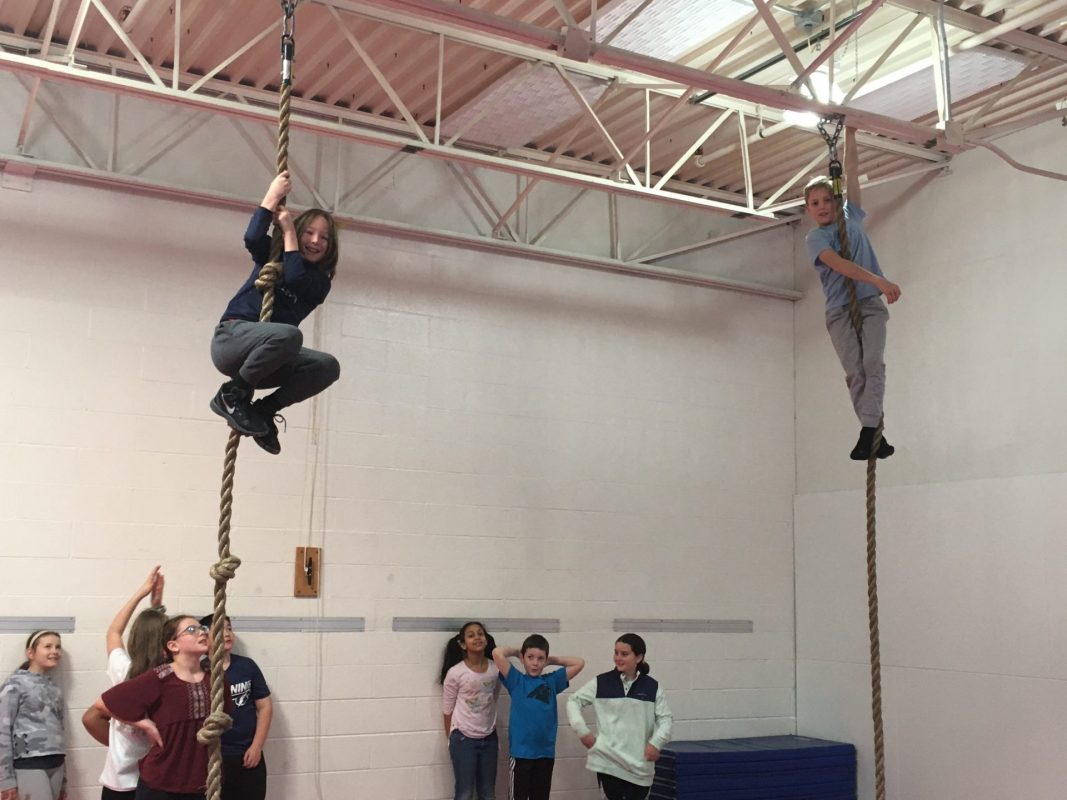
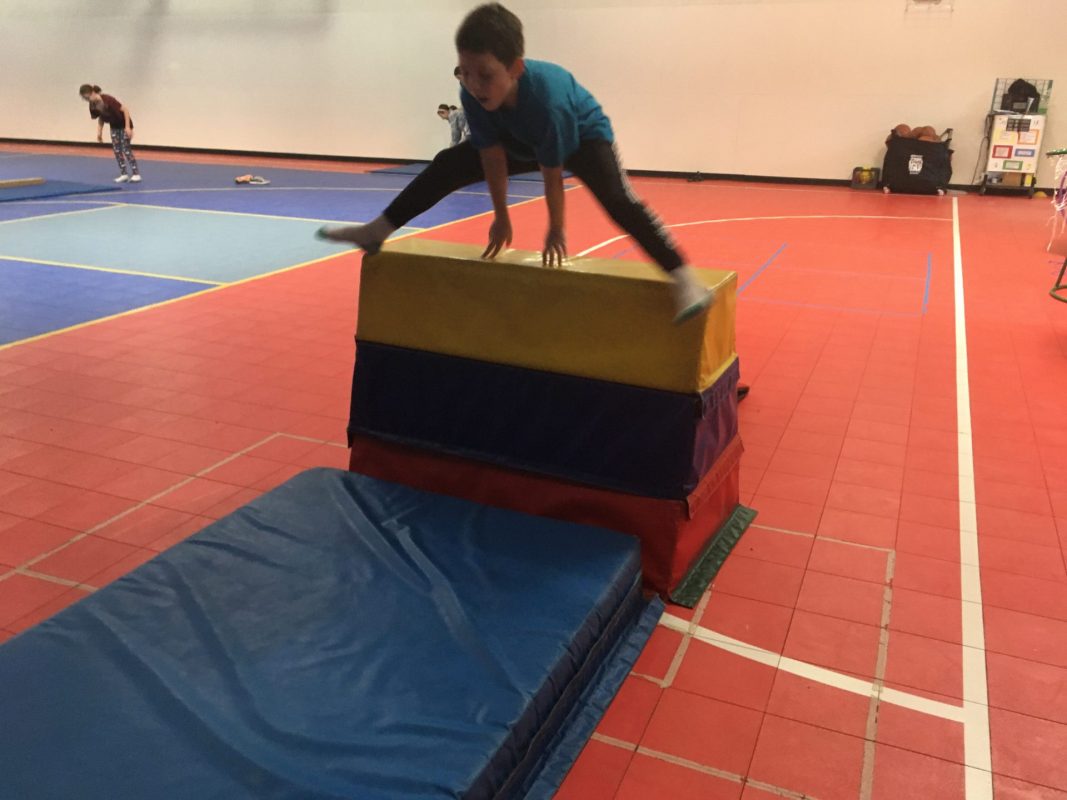
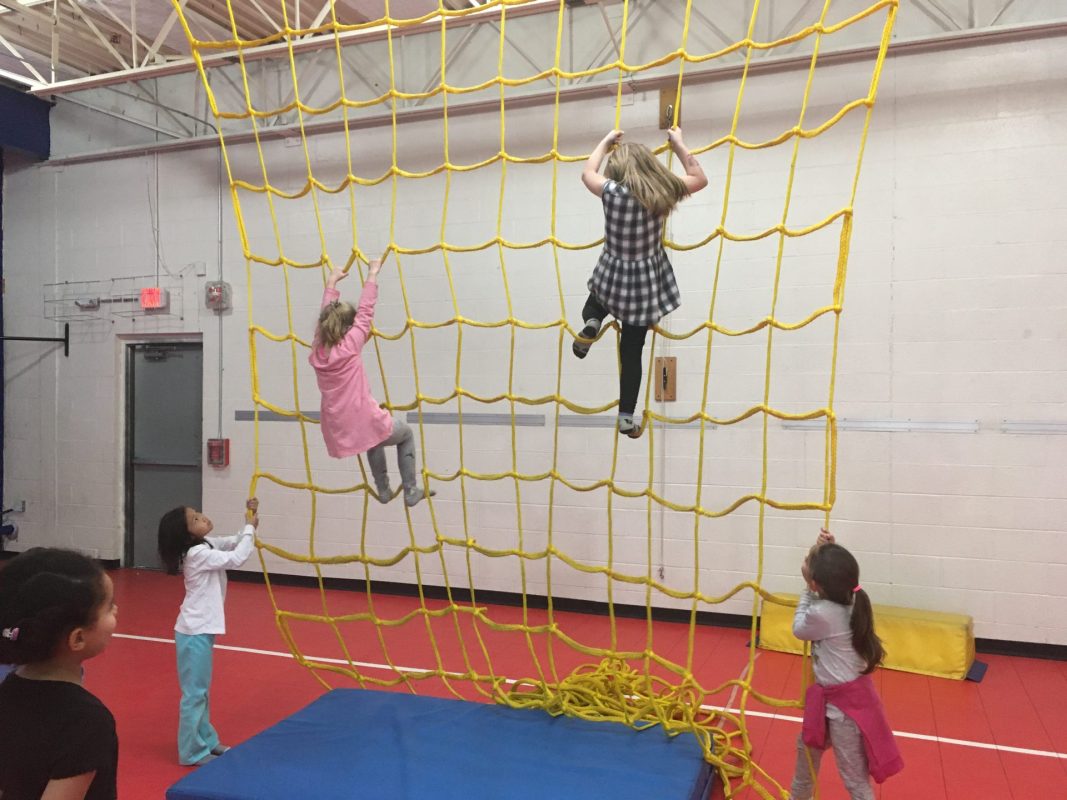
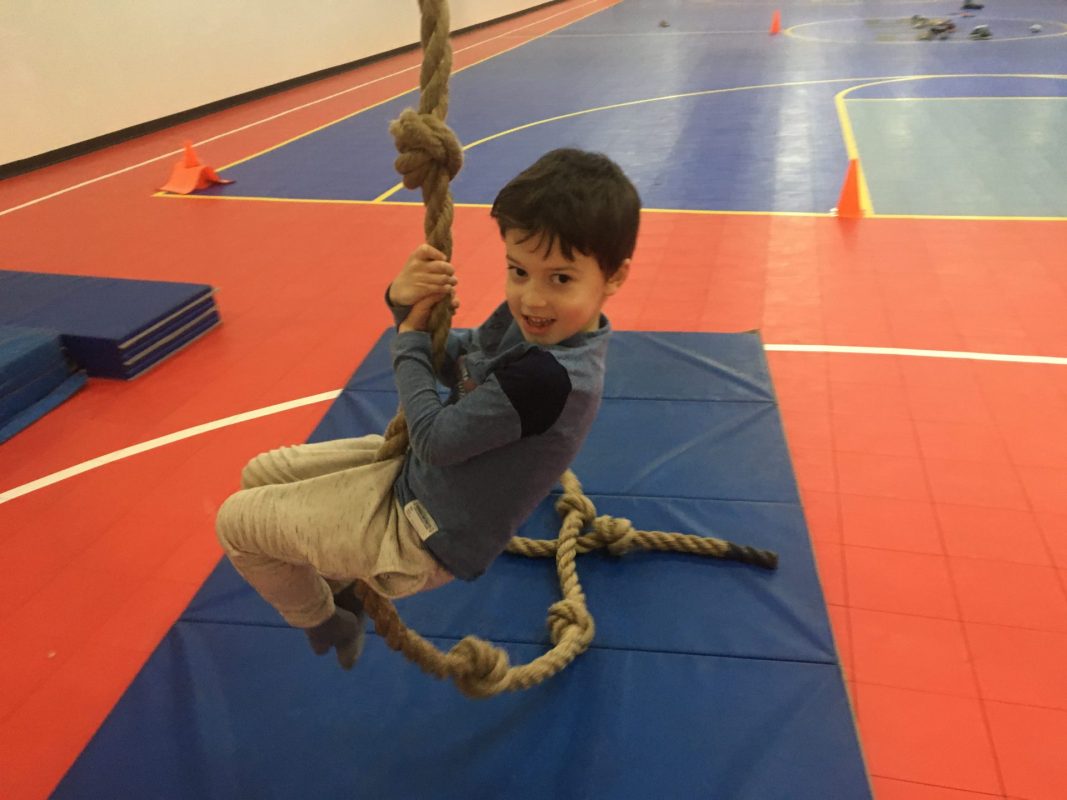
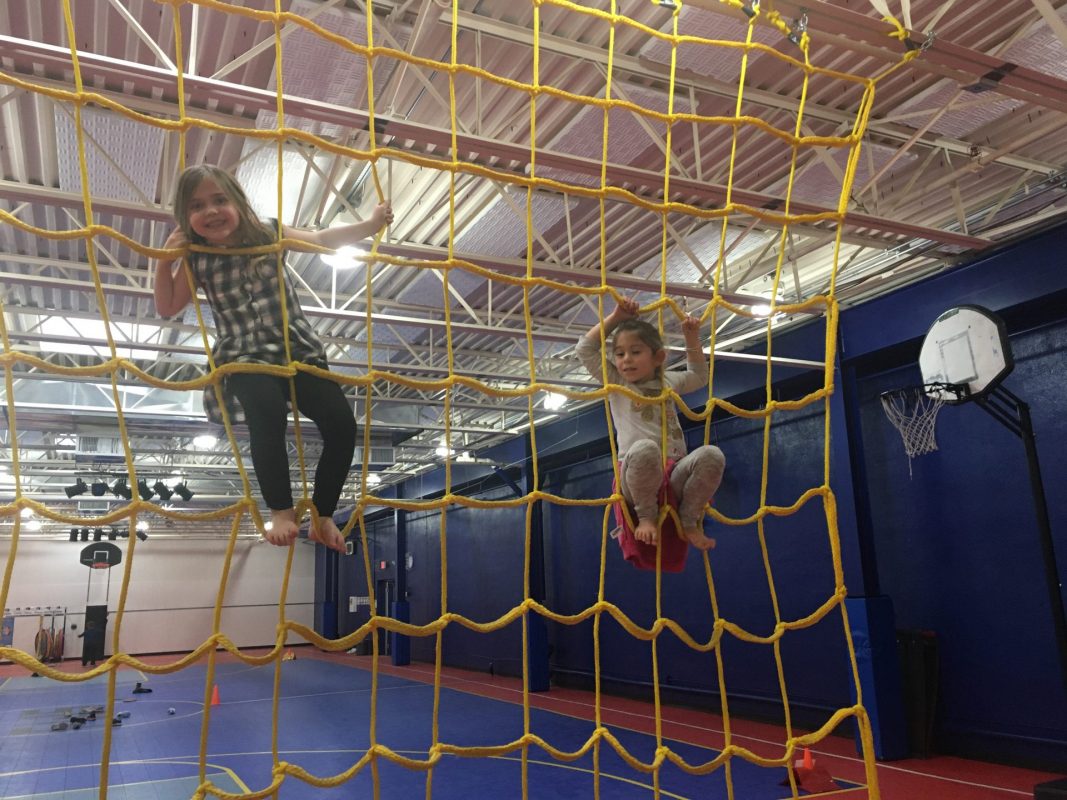
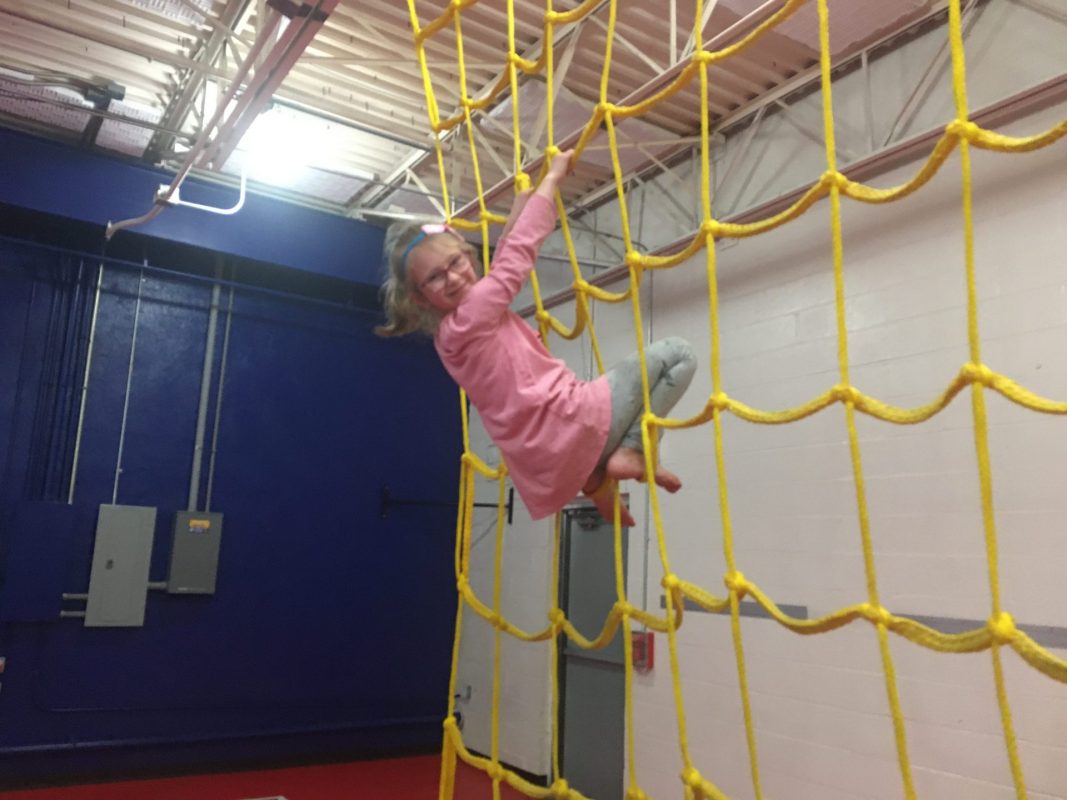
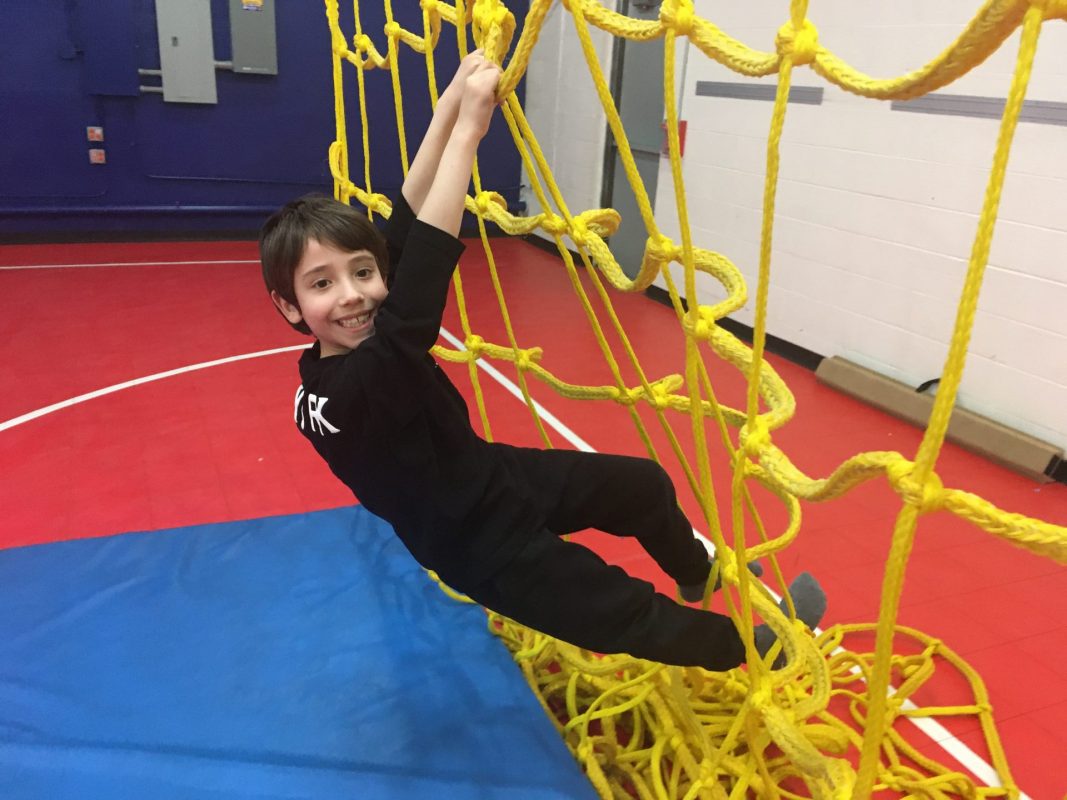
The Kindergarten, Lower Elementary, and Upper Elementary students participated in a gymnastics unit in which they experienced transfer of body weight through floor skills. Students experienced the following apparatus: gymnastic mats for an obstacle course, a balance beam, and vaulted springboard.  They also did pyramid building and single balances. Pyramid building is when a group of gymnasts make a human pyramid by standing or kneeling on top of one another with only one person on the top level. A human pyramid is a formation of three or more people in which two or more support a tier of higher people. For practical reasons, lighter people are often positioned higher while stronger/heavier people are located closer to the base.

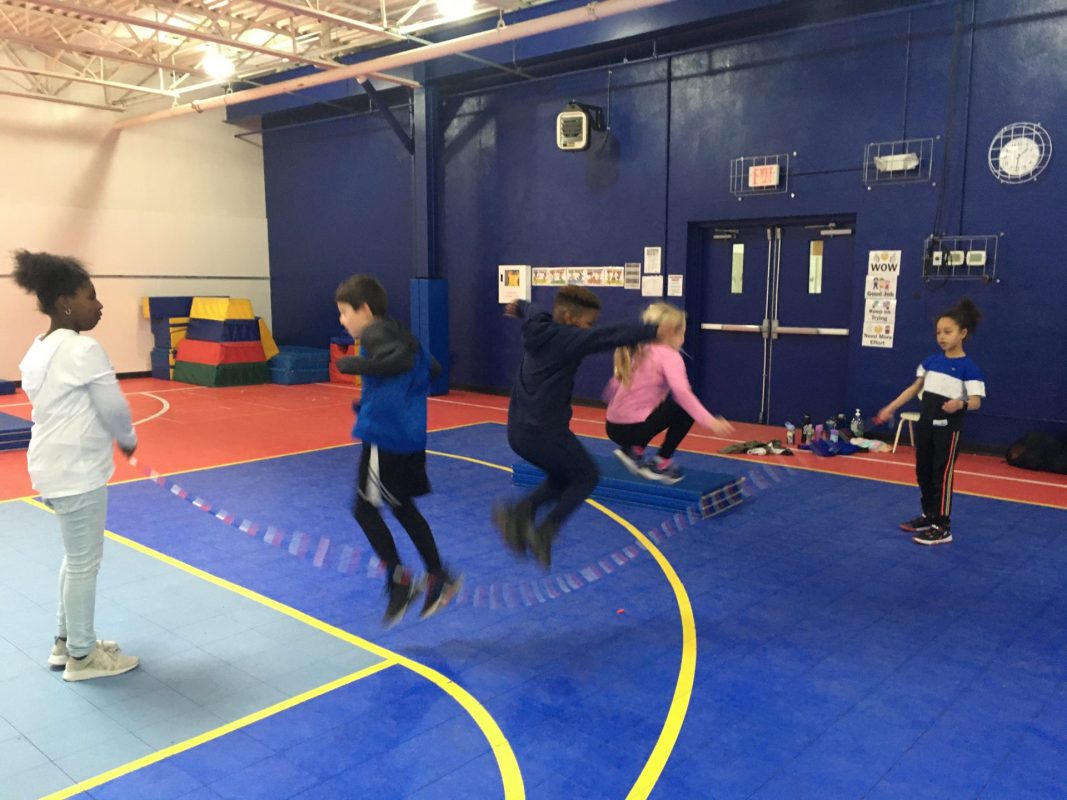
Students in LE and UE practiced jumping off a vaulted springboard. Vaulting in gymnastics requires coordination of combining running, jumping, and squatting. Students practiced jumping and landing with two feet onto the mats. The jumps practiced were: straight, straddle, and tuck. Students learned that strength, flexibility, and balance they gained from gymnastics will transfer easily to every other sport they may want to pursue. The skills learned will help them achieve success in other areas.


Upper Elementary: Readers and Writers

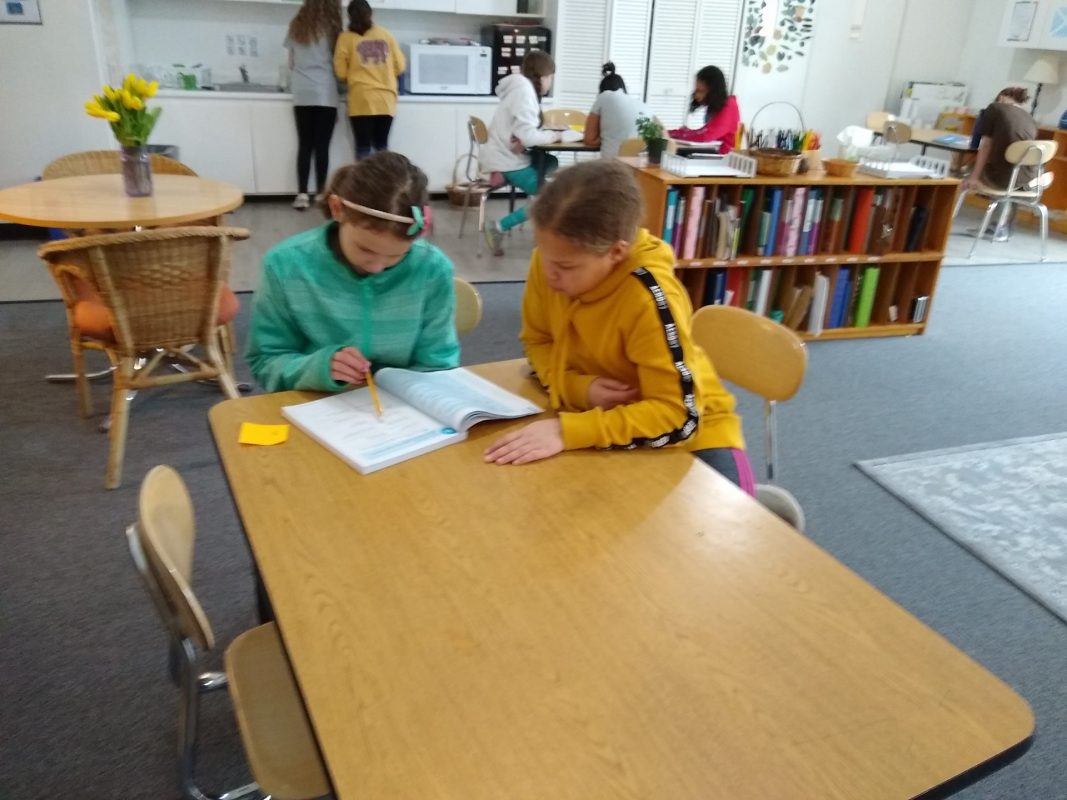
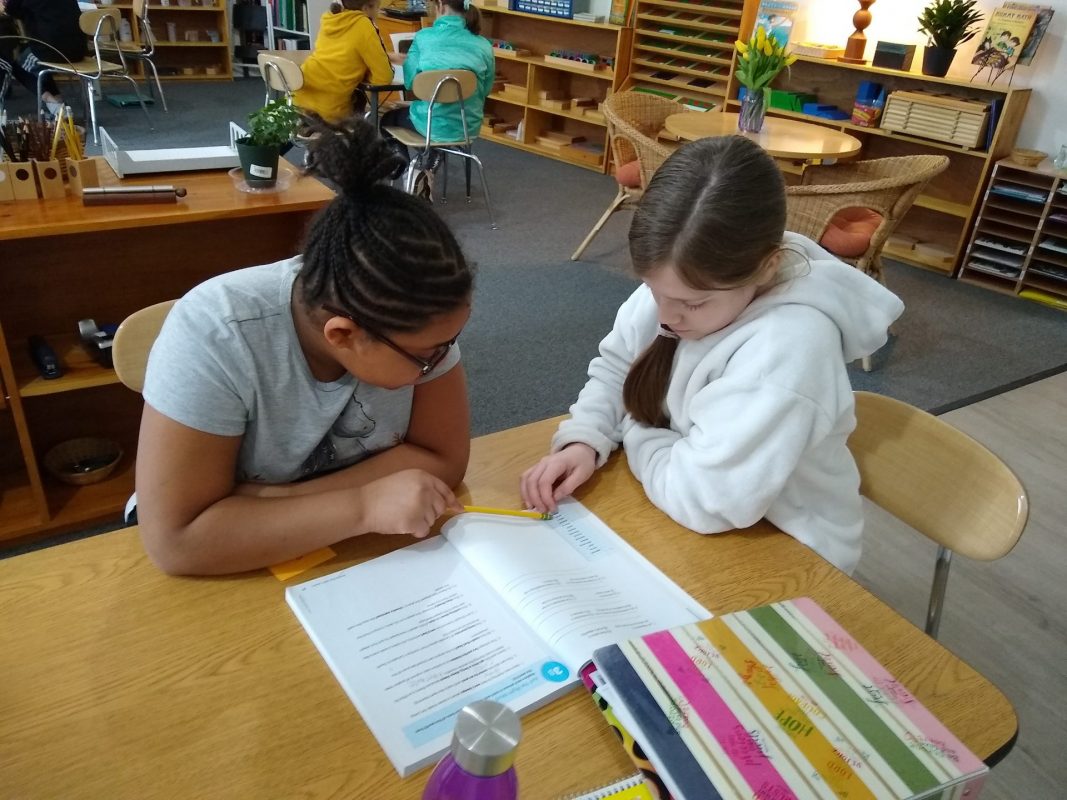
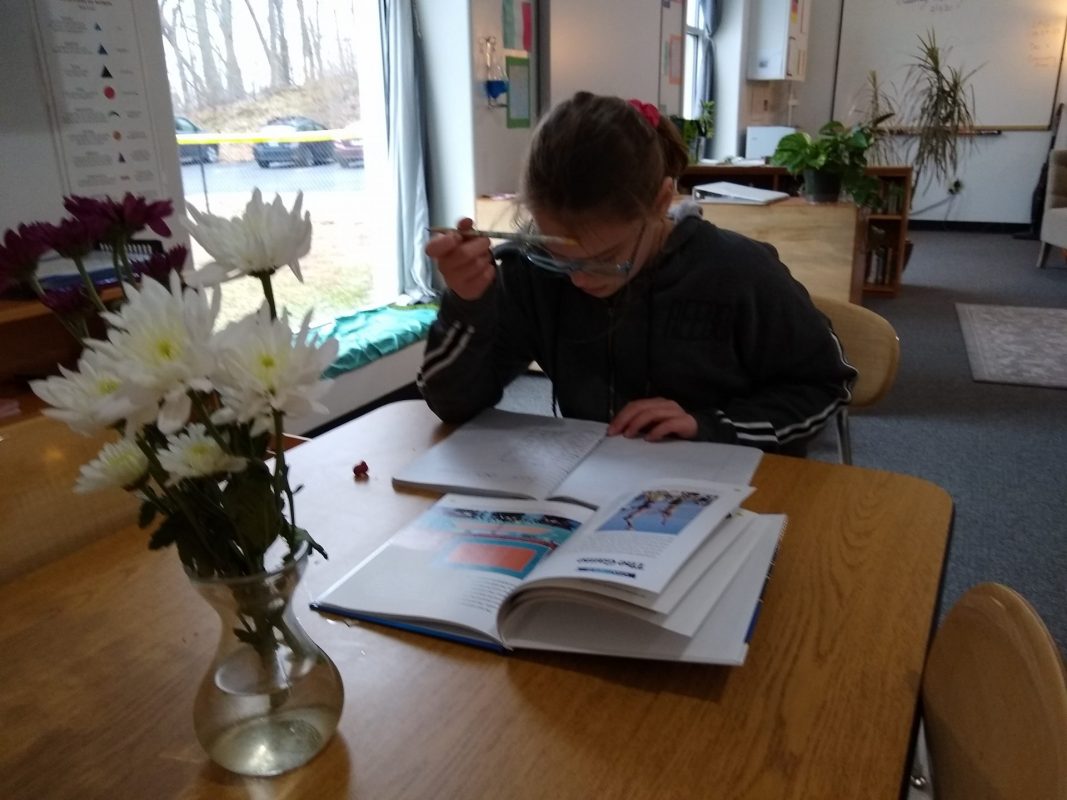
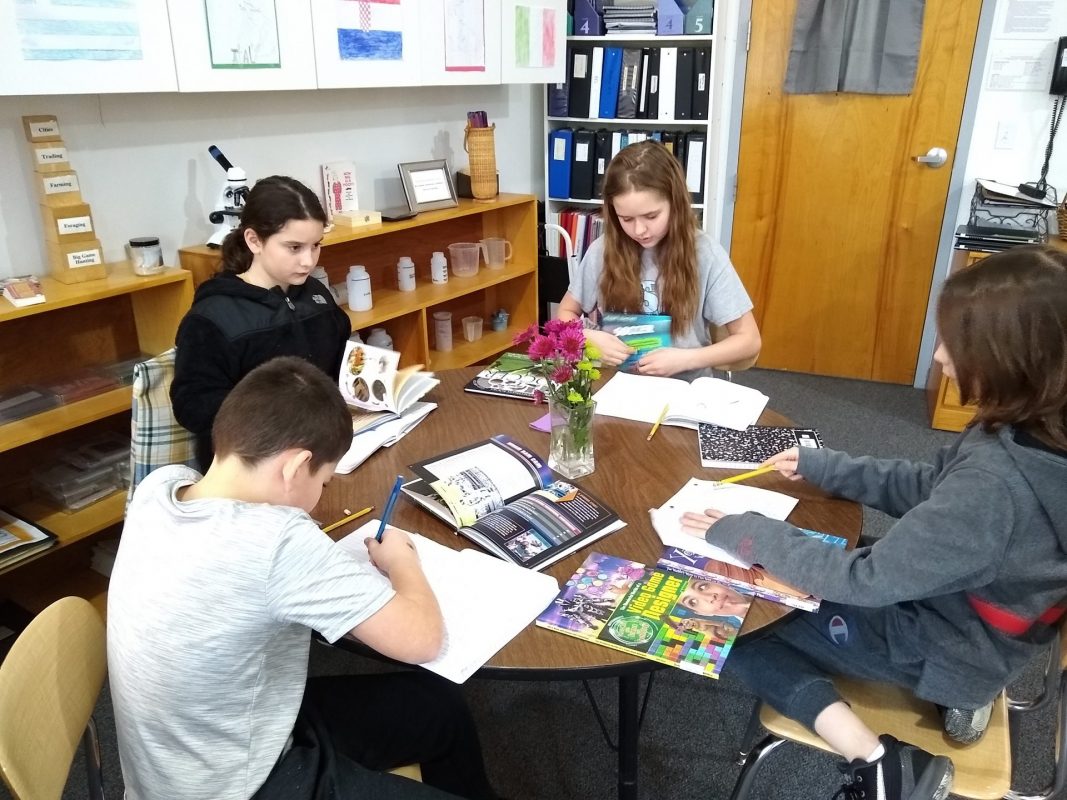
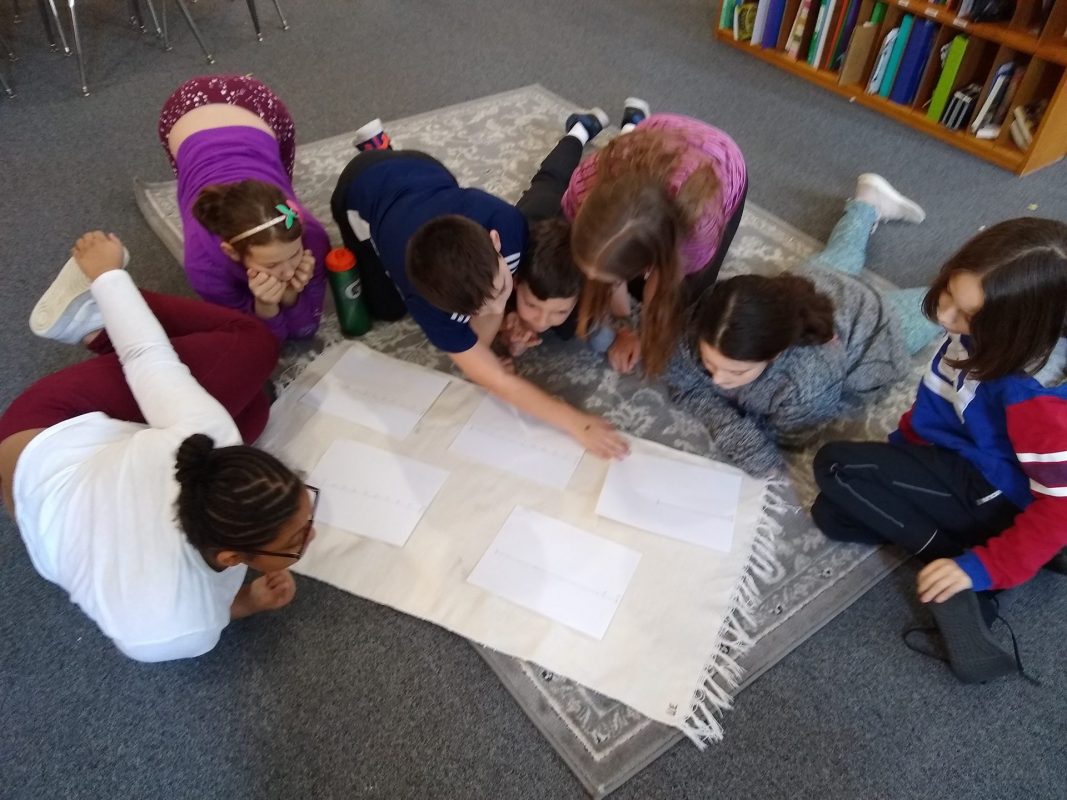
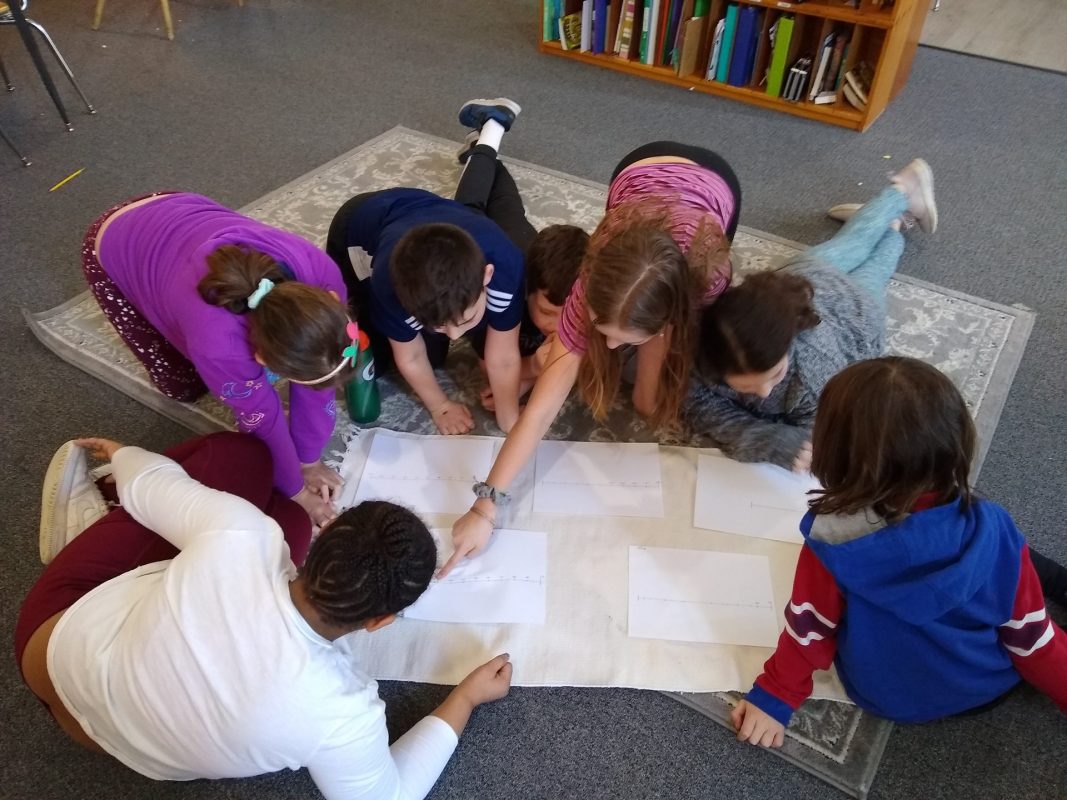
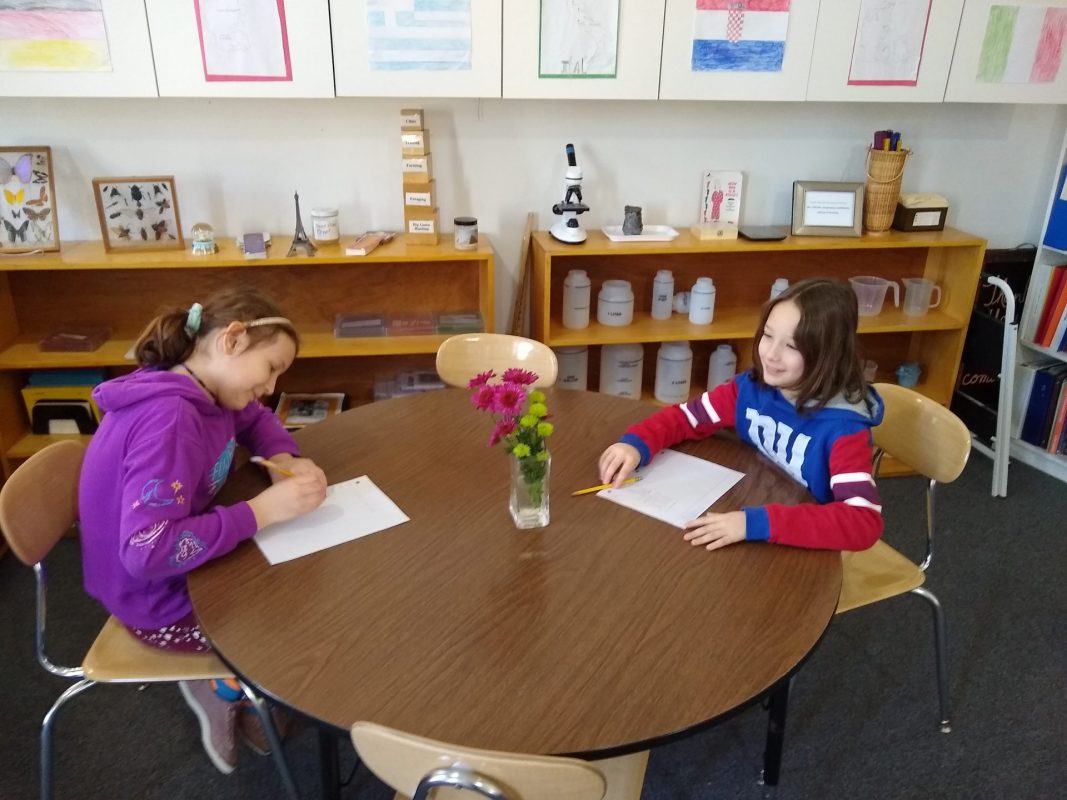
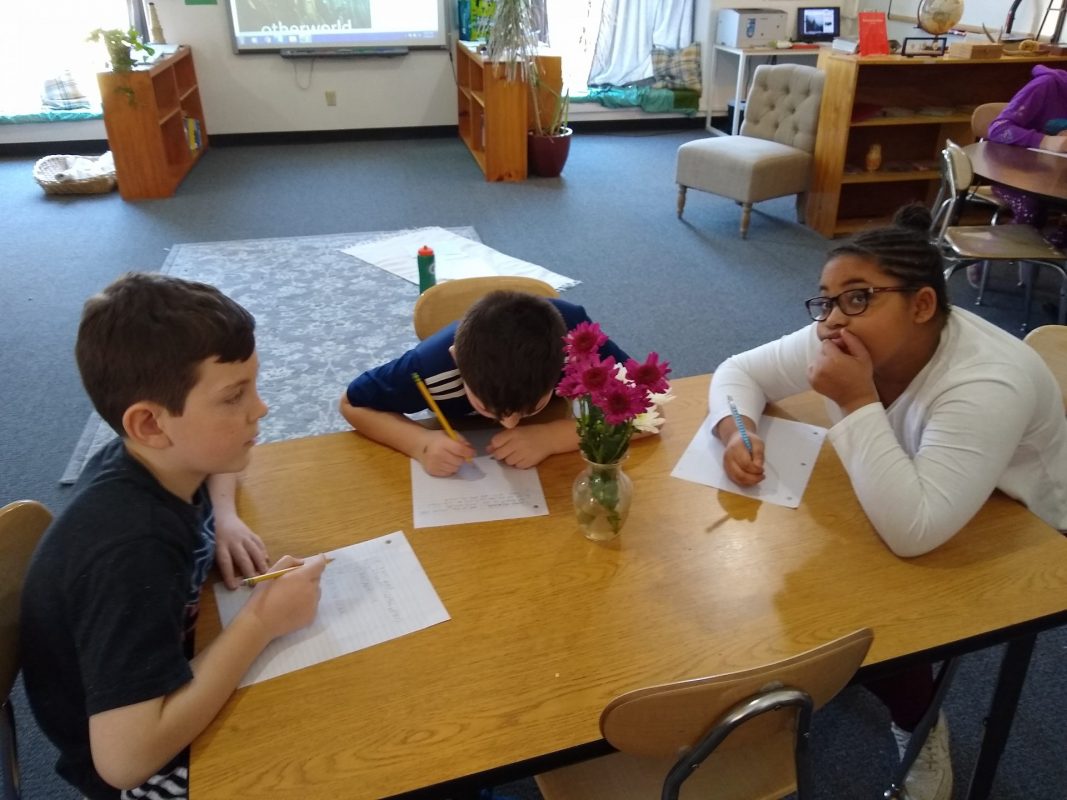
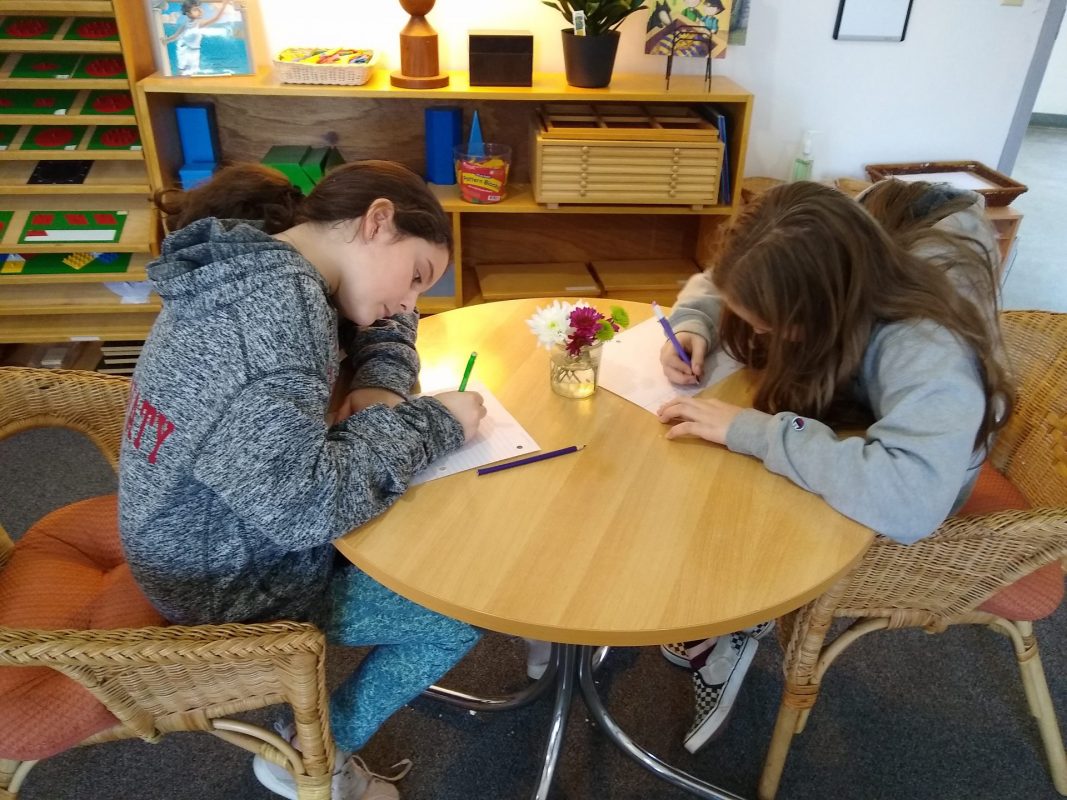
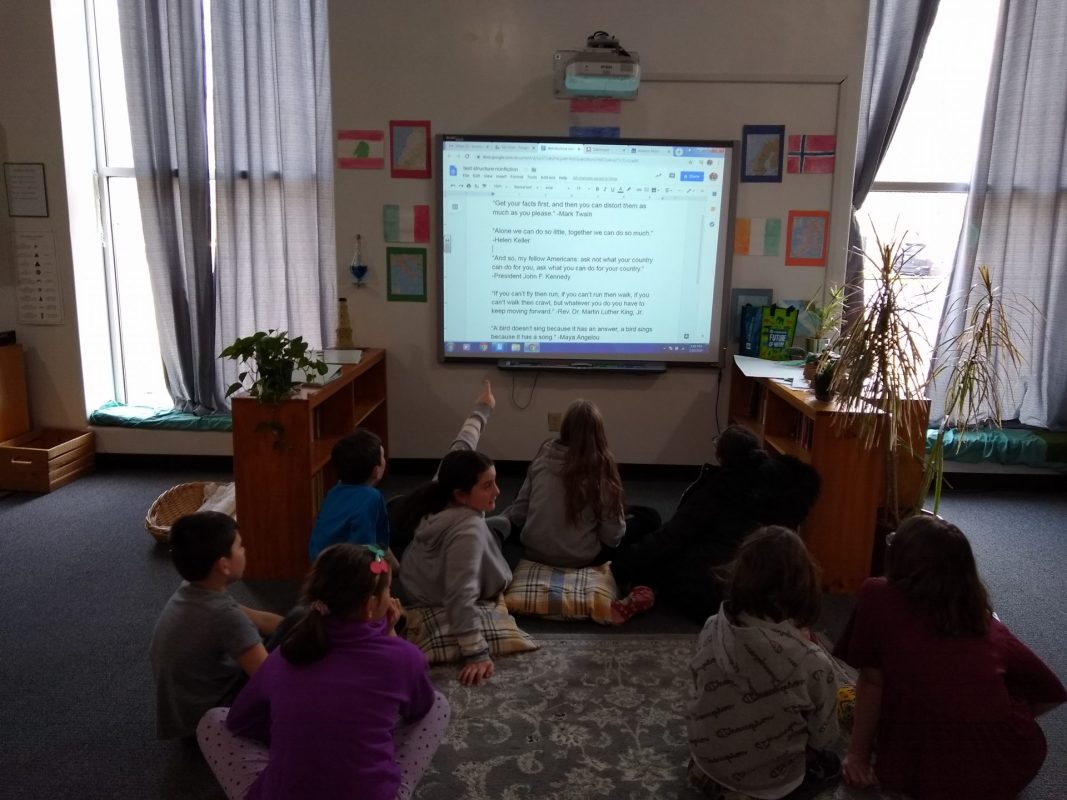
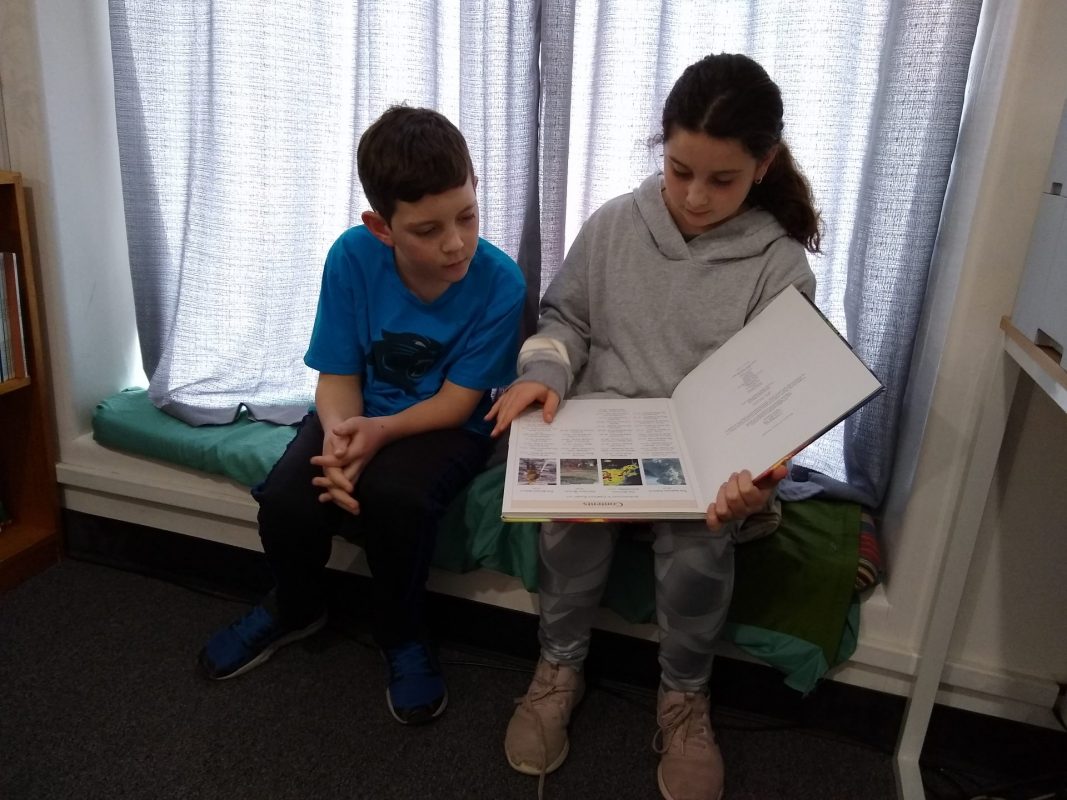
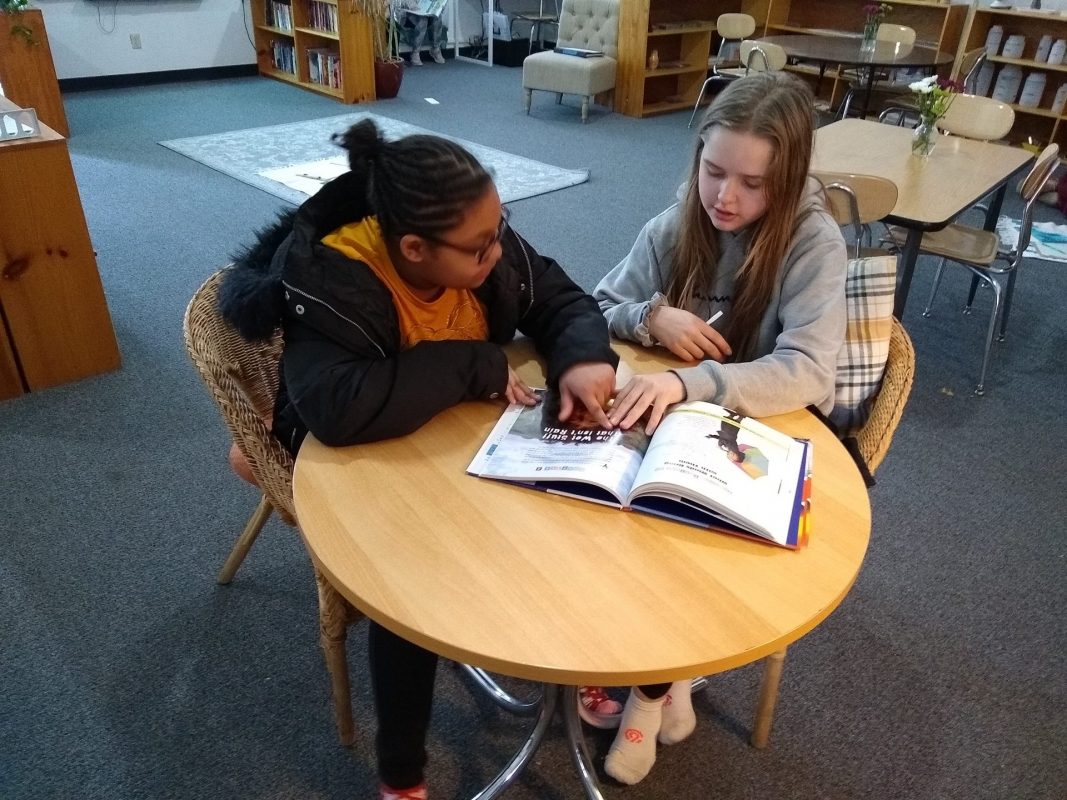
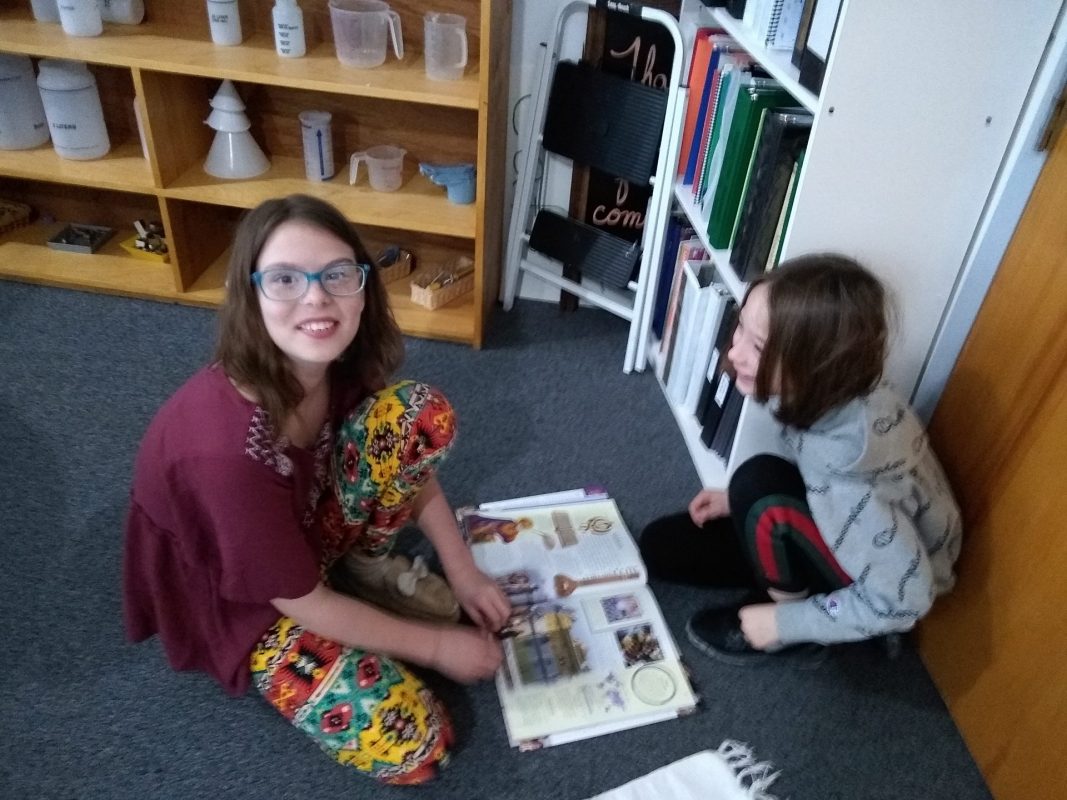
Although we had a slightly shorter week, we were very productive. Students had an opportunity to peruse some new books I brought in from the local library to support their informational writing. During our reading lessons we discussed nonfiction text structure. Then, the students worked in teams of two to locate information writing and narrative writing in nonfiction hybrid texts. In preparation of our plan to make a timeline of early humans, the students began their own timelines of important life events. We discussed proper scale and measurement as part of the prep work.