Blog

Aprendemos Juntos

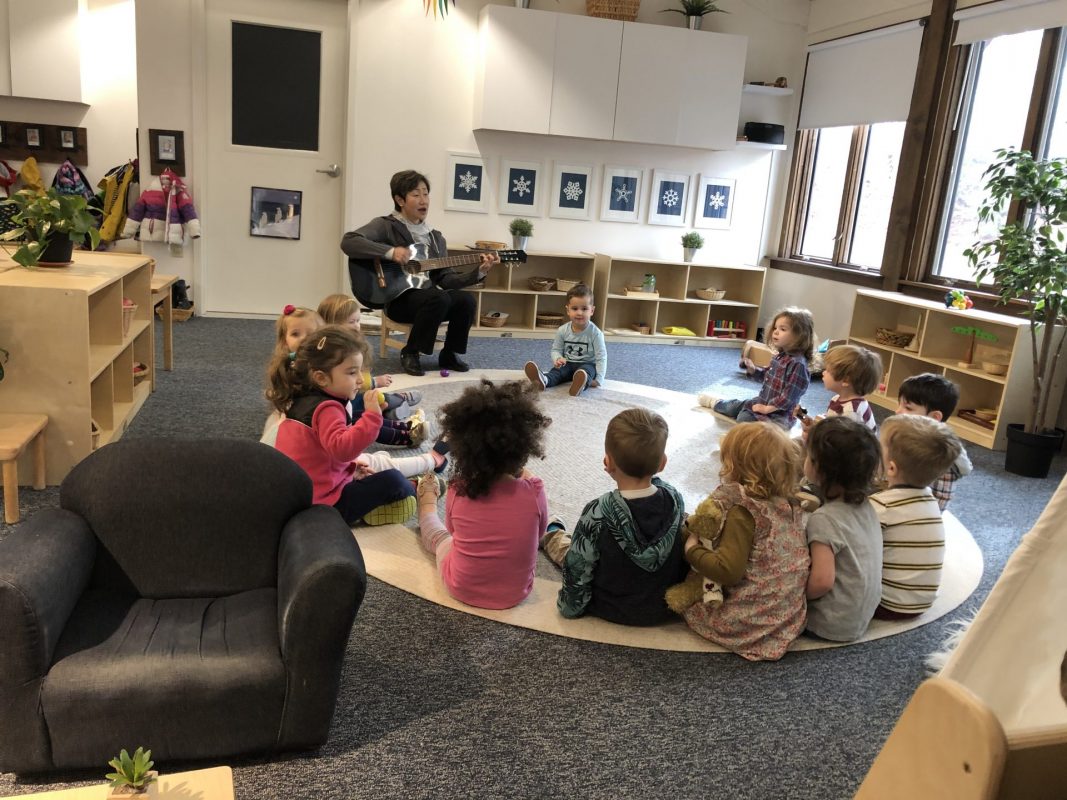
Students have been working hard in Spanish, applying what they know through a variety of methods. You may hear the lovely sound of your child singing one of their favorite tunes from our class, as all of them enjoy music in Spanish. In some cases we use music for brain breaks and in others, a song may be the core piece of our lesson. 

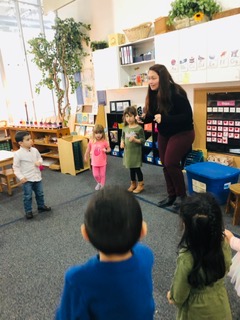
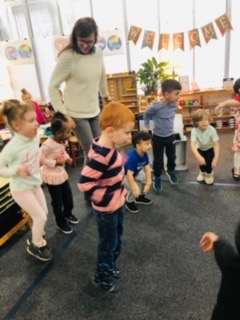
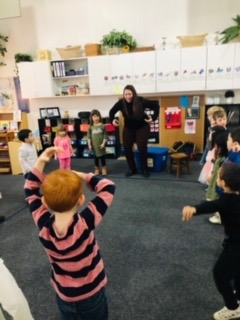
Primary students have been singing “Caminando por la selva” from Super Simple Español. They are learning about animals and have been using their prior knowledge to play charades and discuss what animals eat and where they live. 

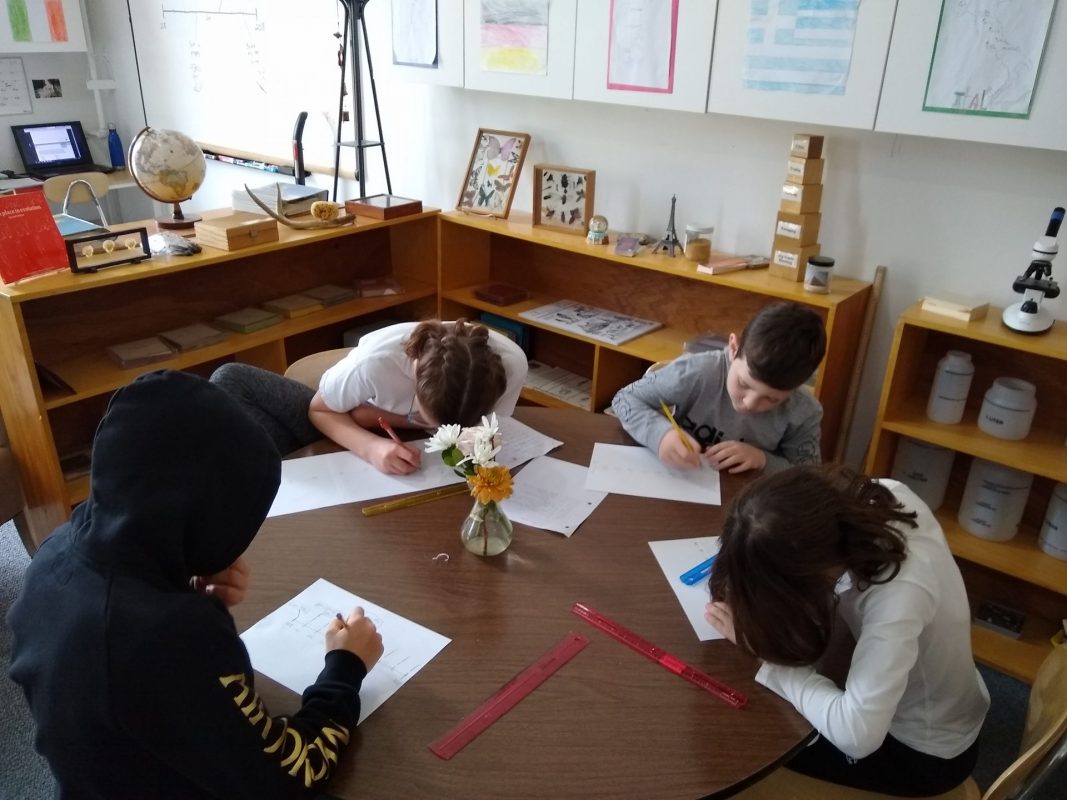
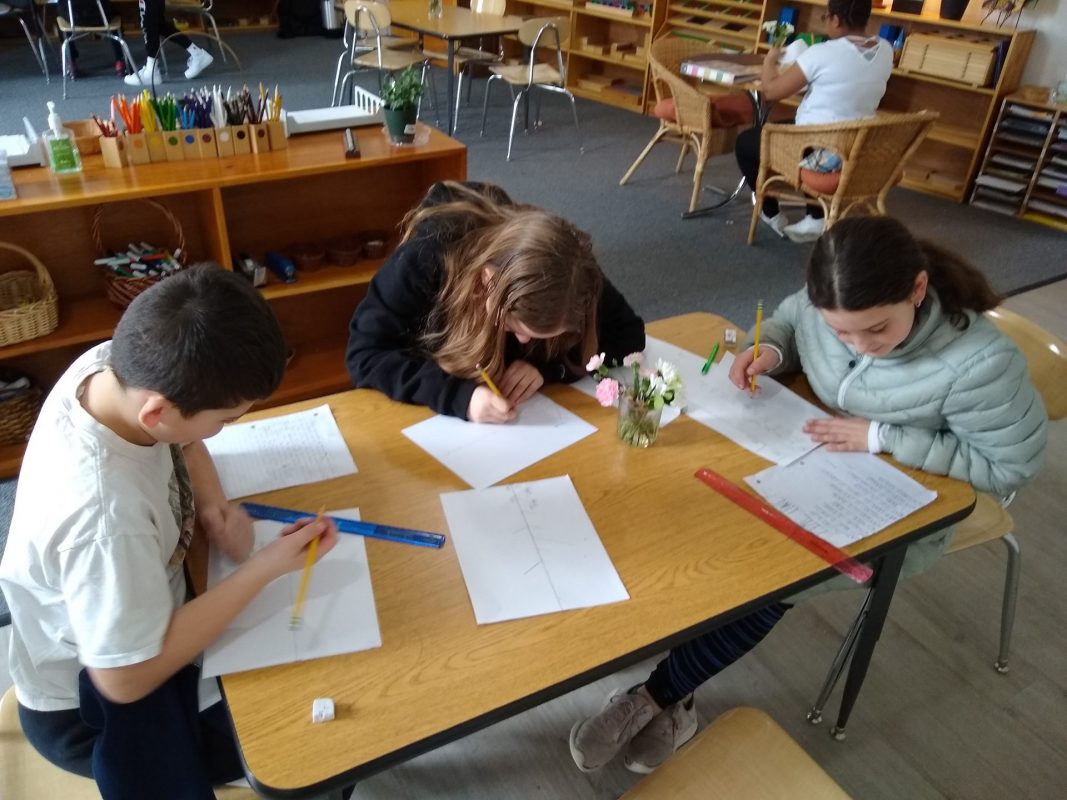
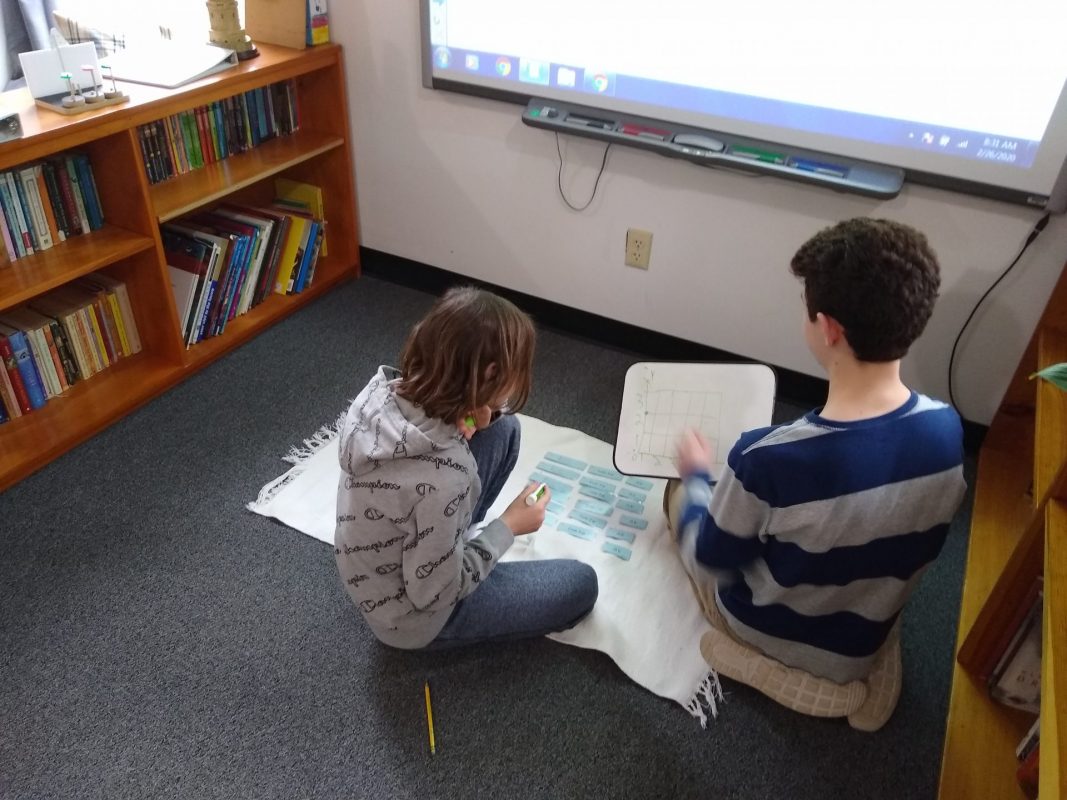
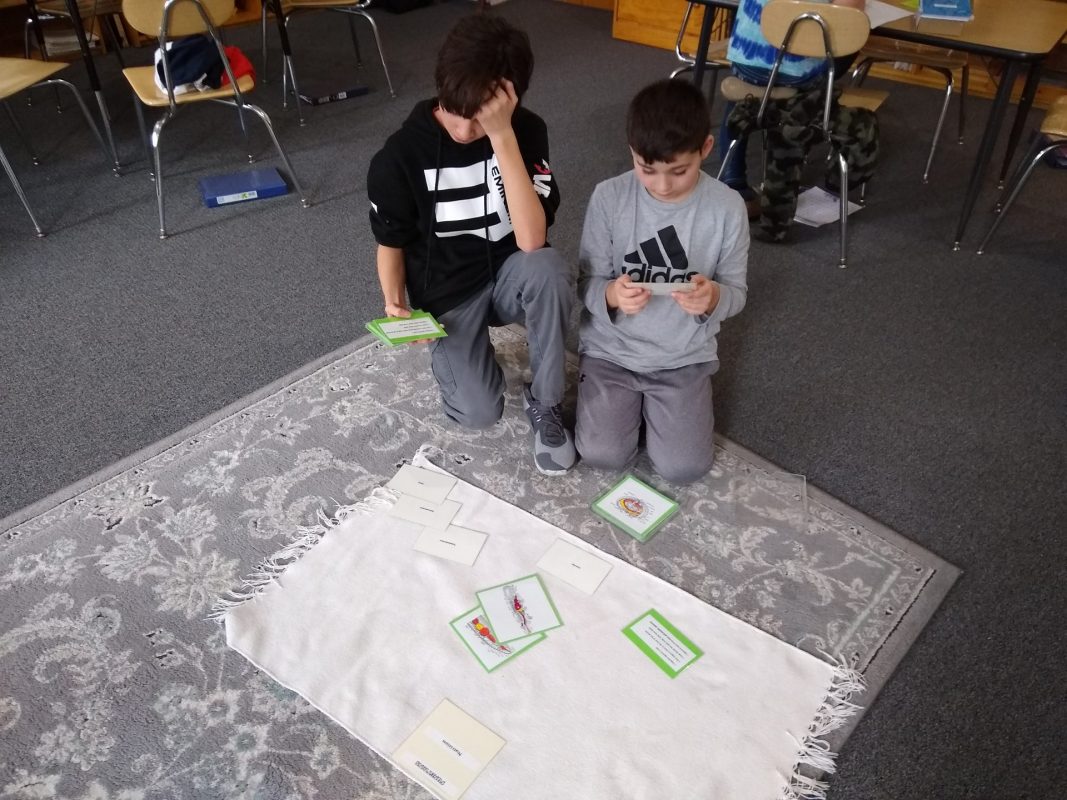
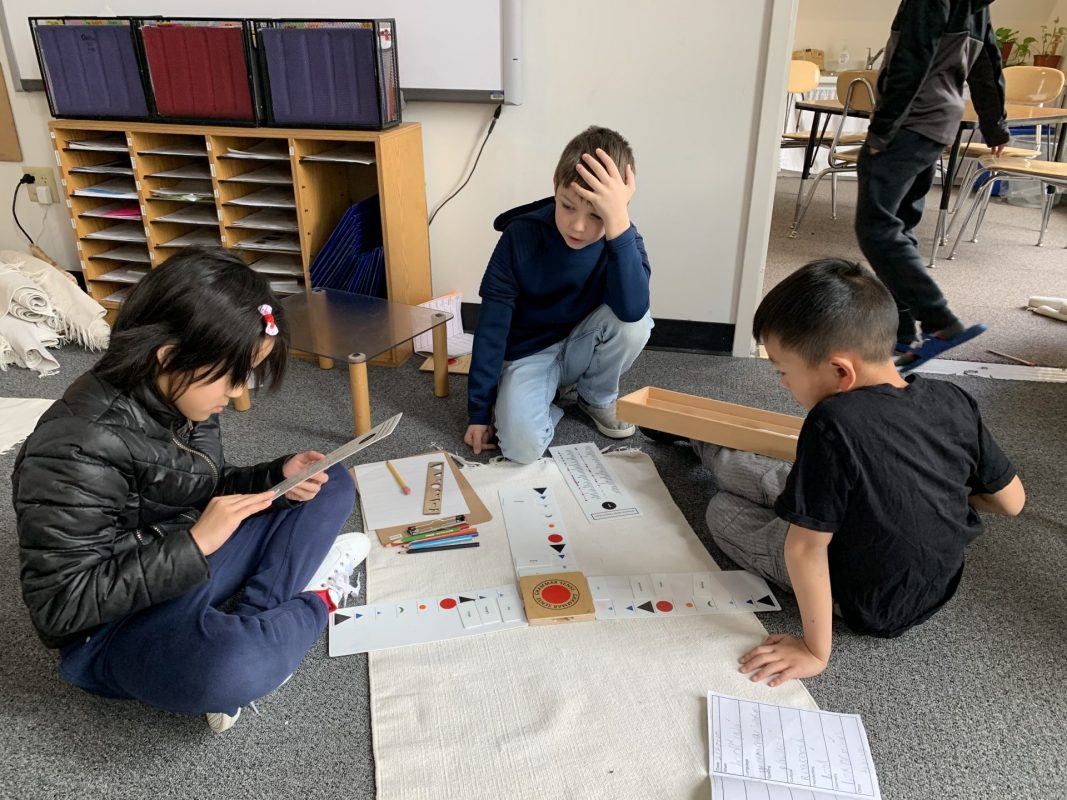
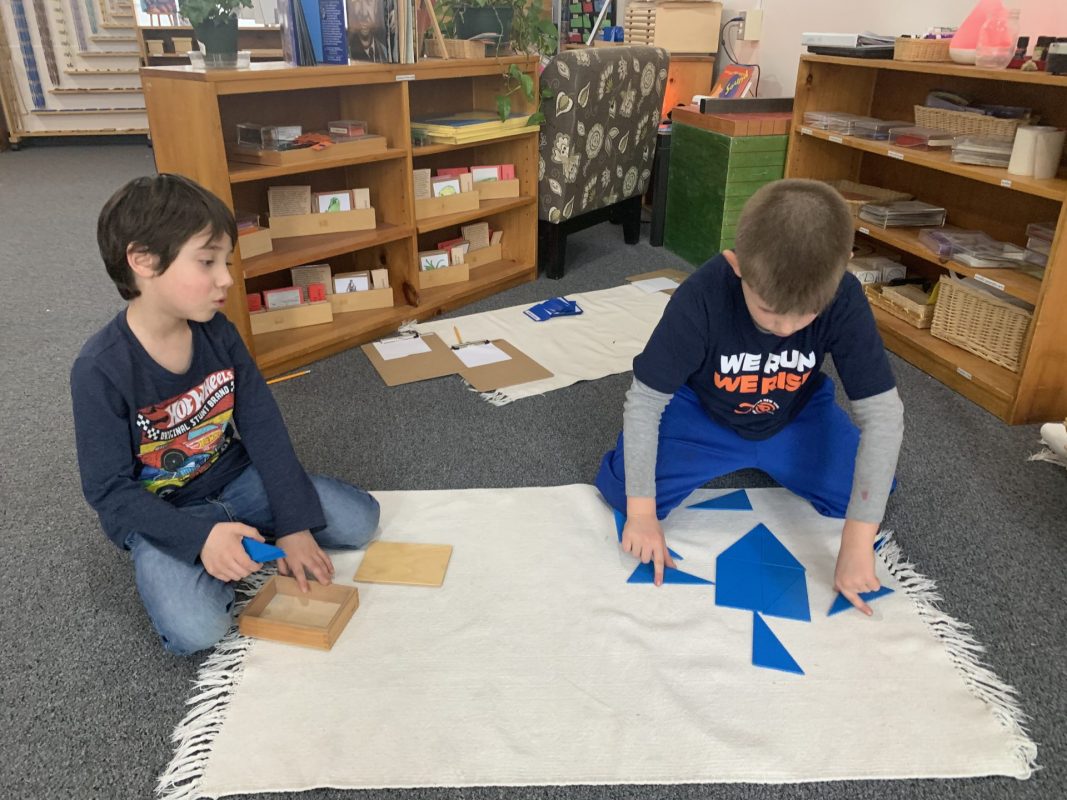
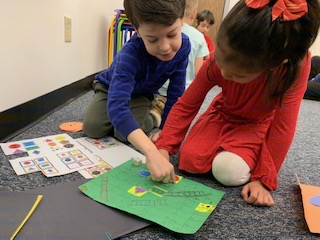
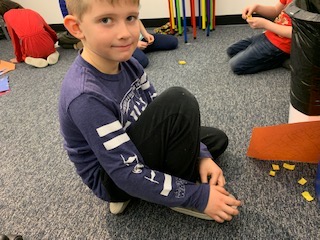
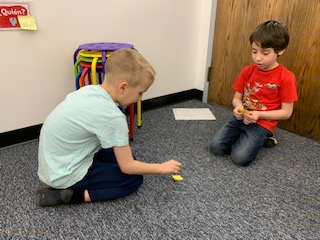
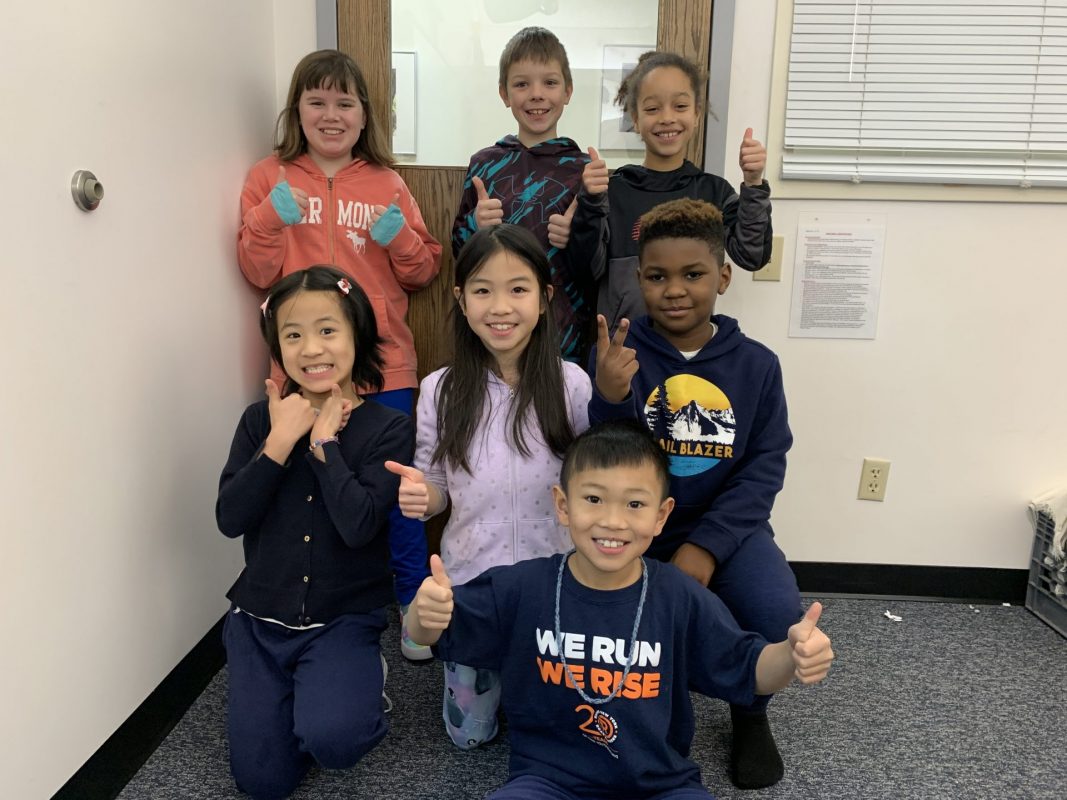
Lower Elementary students have been creating their own games to practice colors and shapes in Spanish. They are practicing collaboration and developing leadership skills by working together to try each other’s games and cheering each other on in the process. 

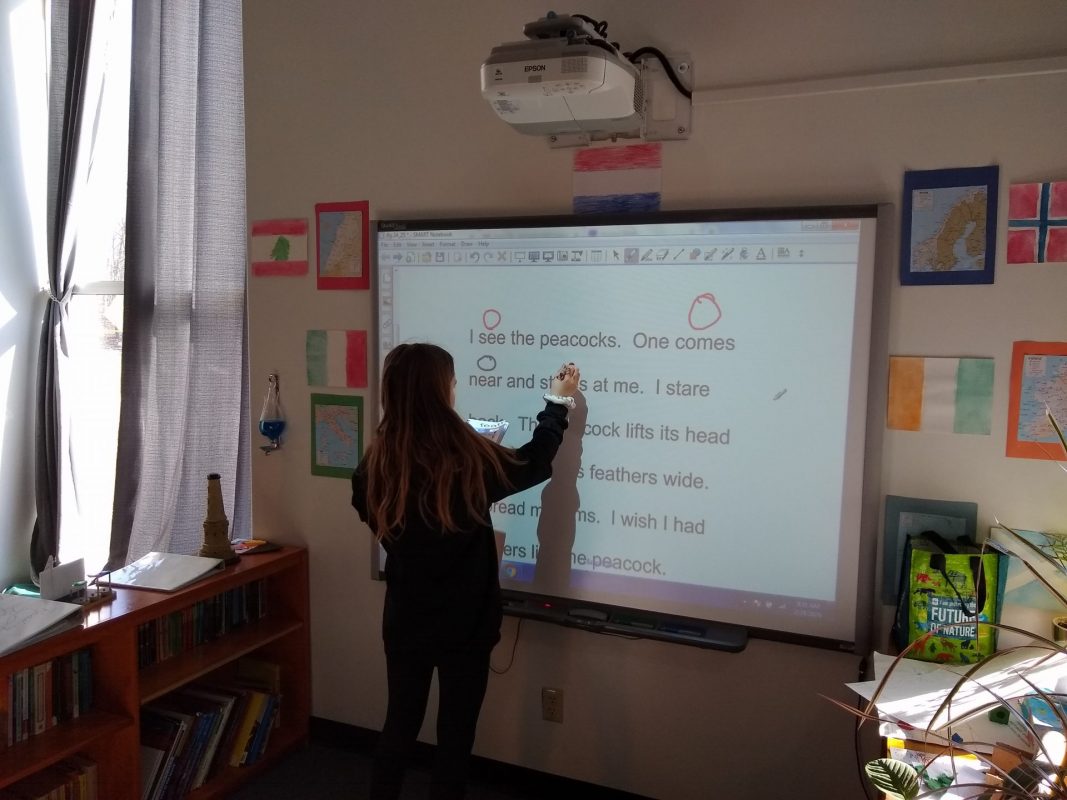
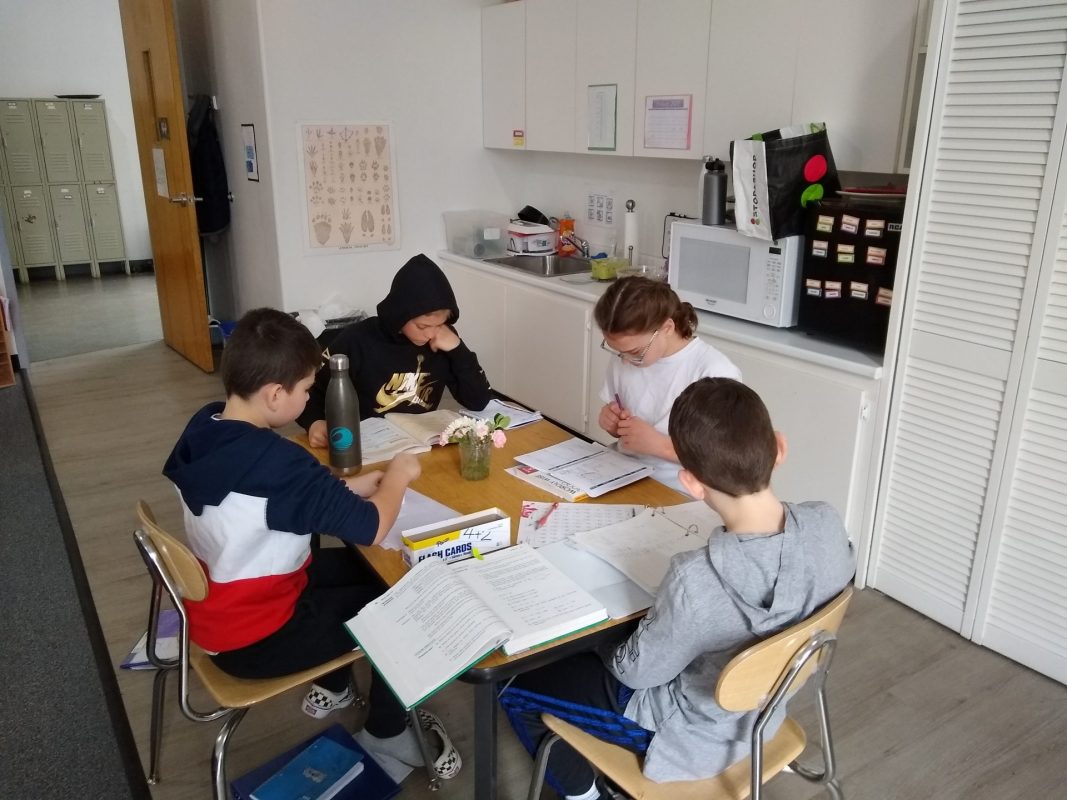
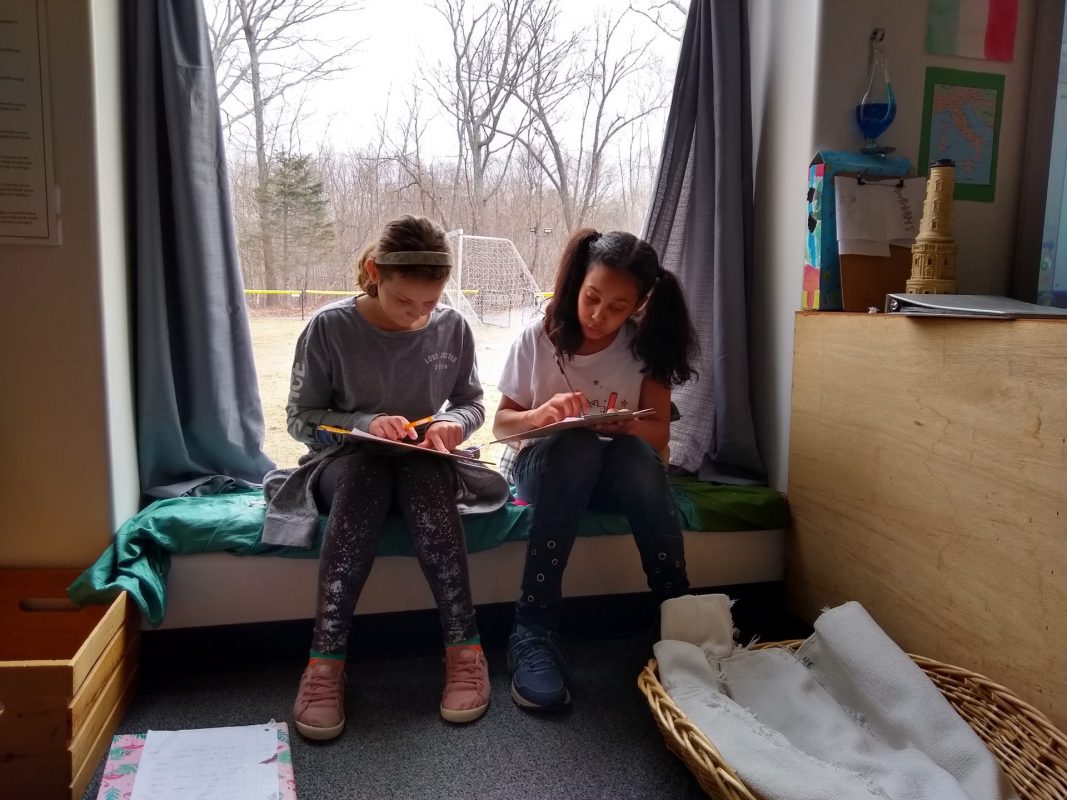
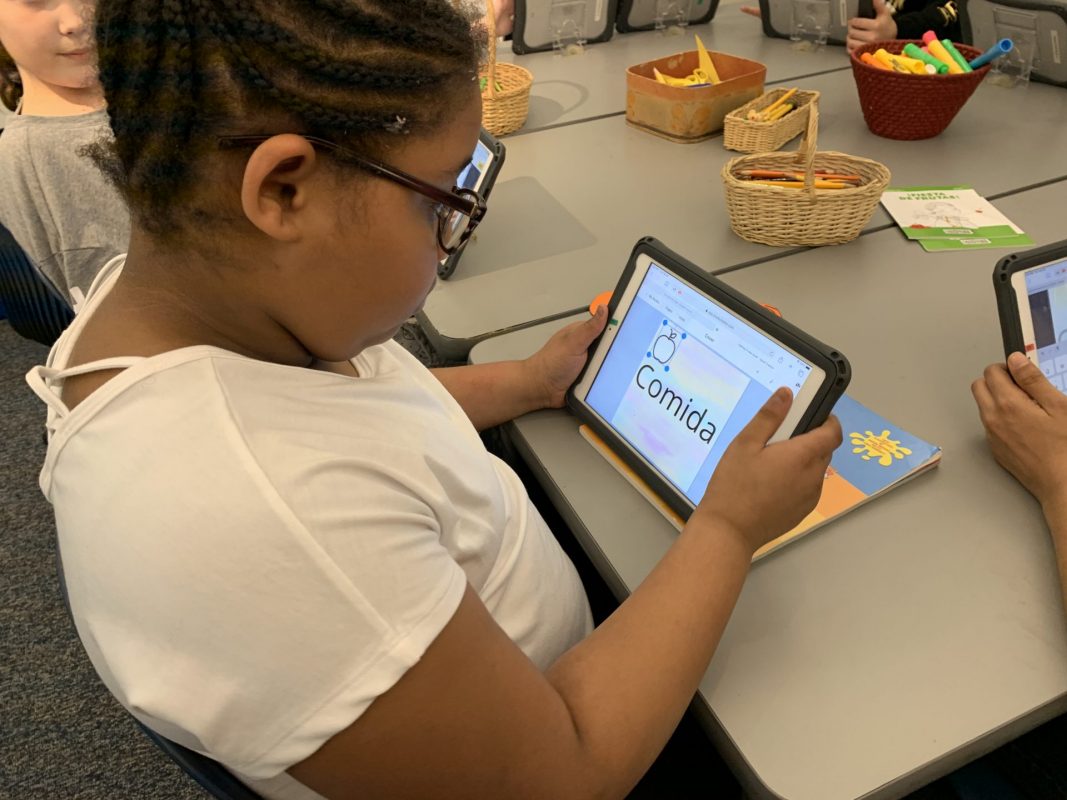
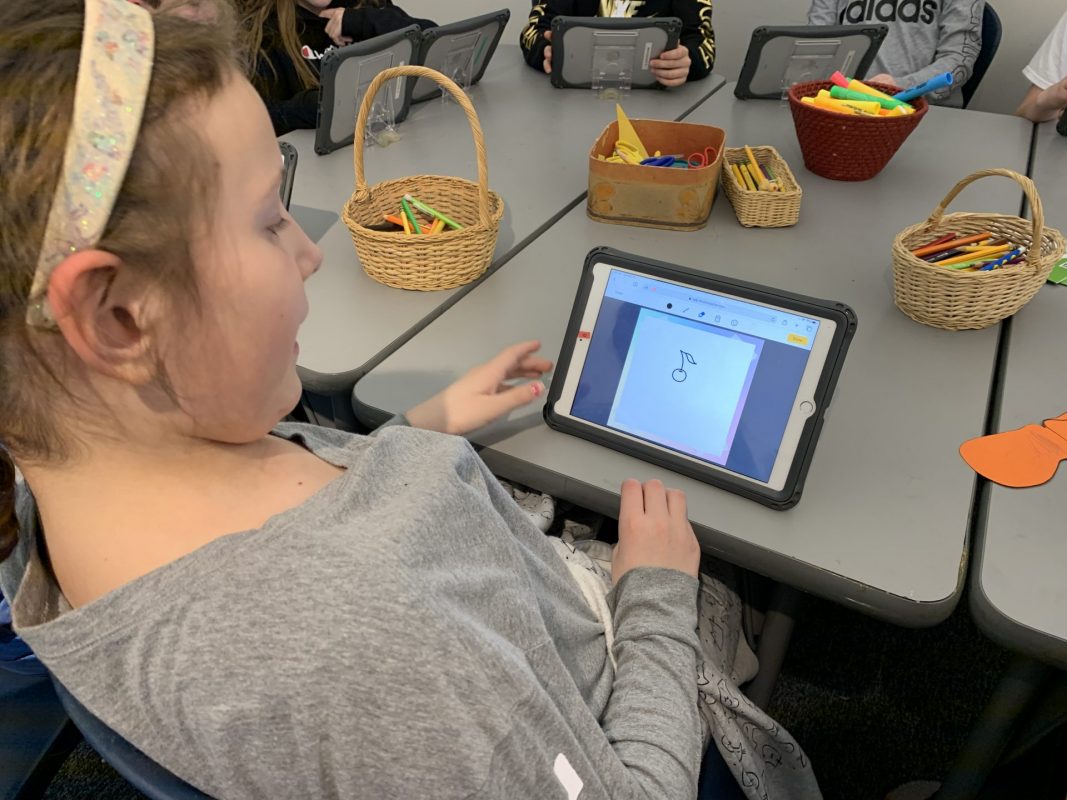
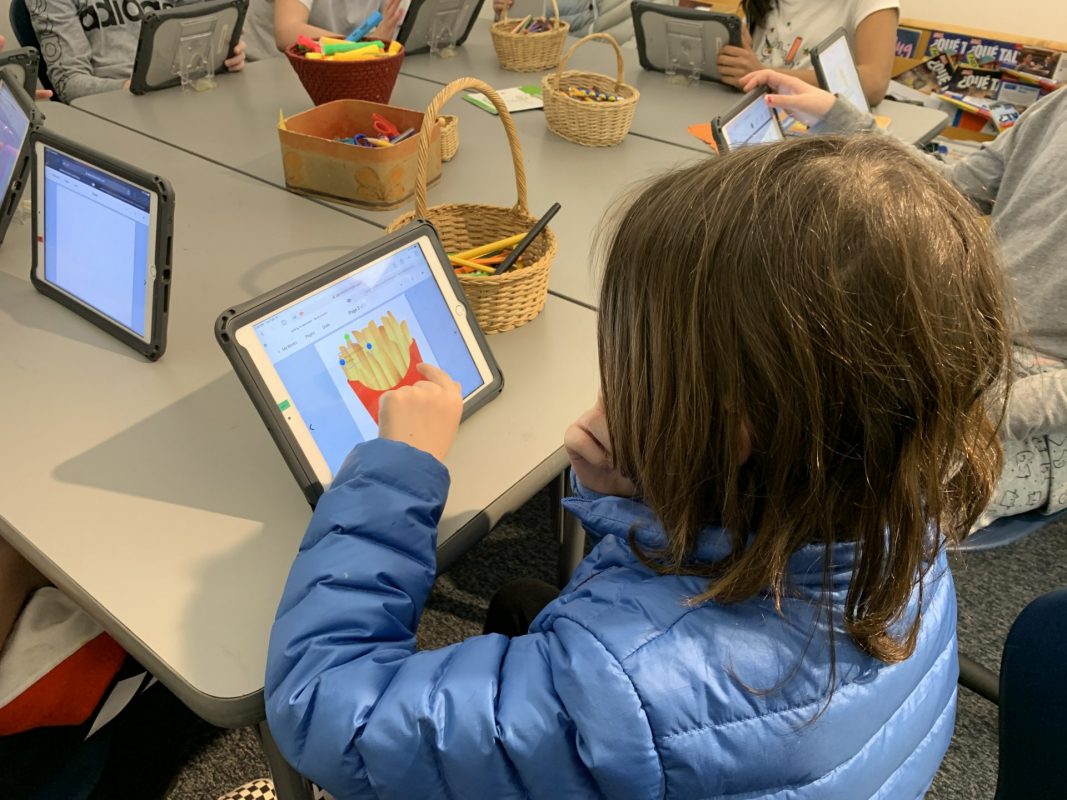
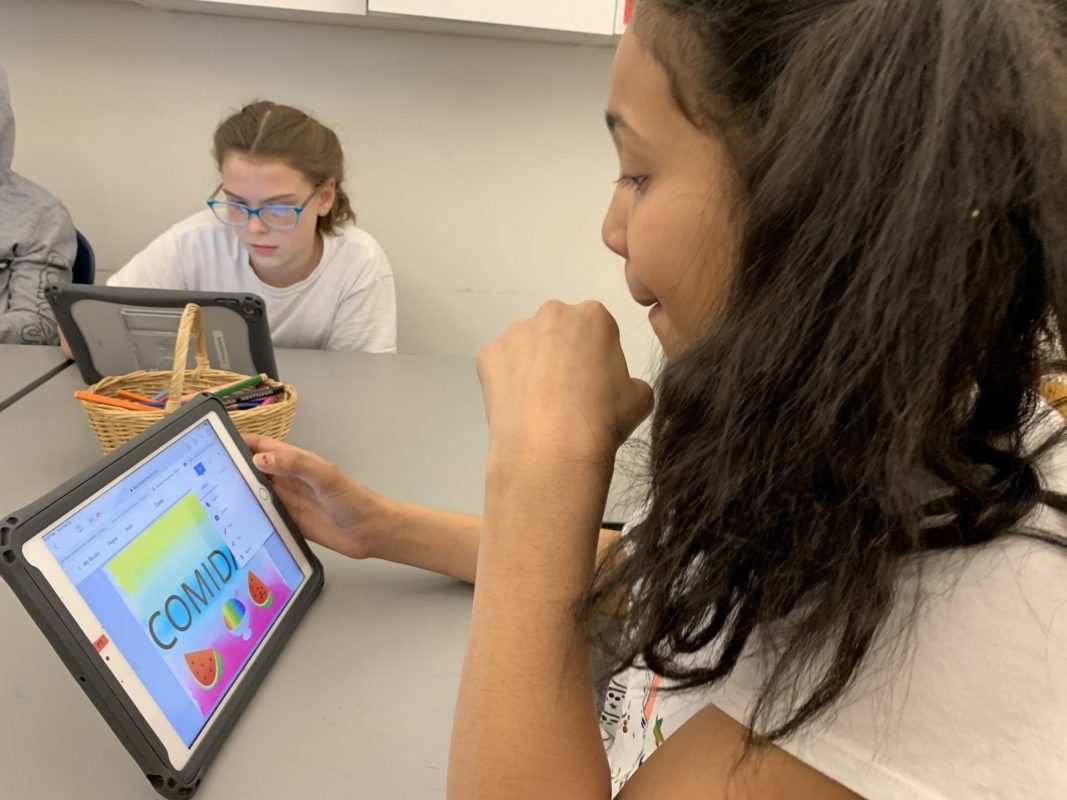
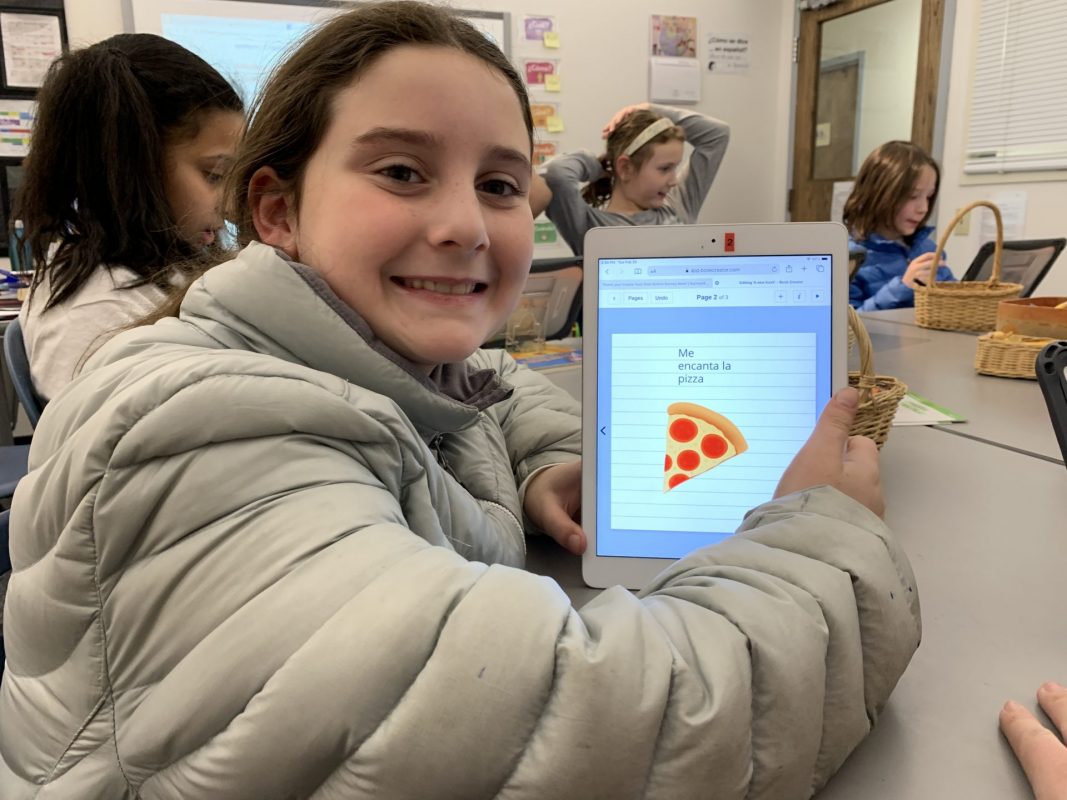
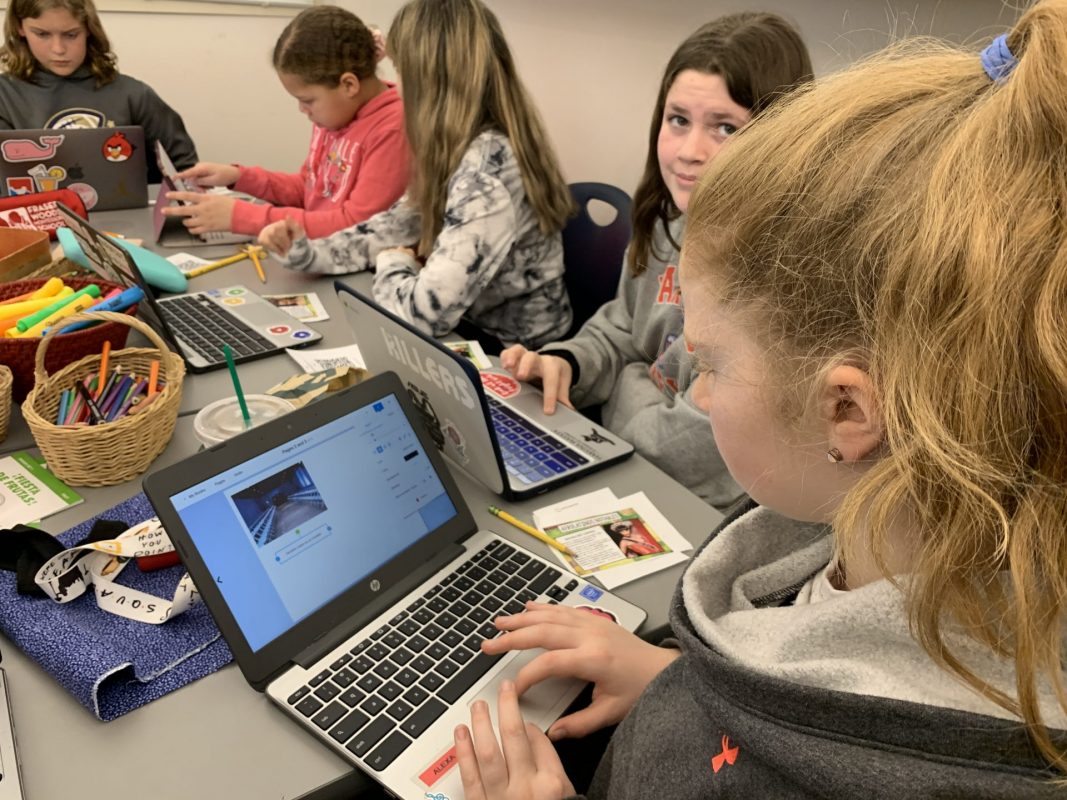
Upper Elementary has taken on the task of learning as much about food in Spanish as possible before our upcoming field trip in March. They want to be ready to order their lunch in Spanish, and you can tell by the engagement and effort exerted during Spanish! This week, students began to generate books on Book Creator, expressing their likes and dislikes of certain foods and beverages. 

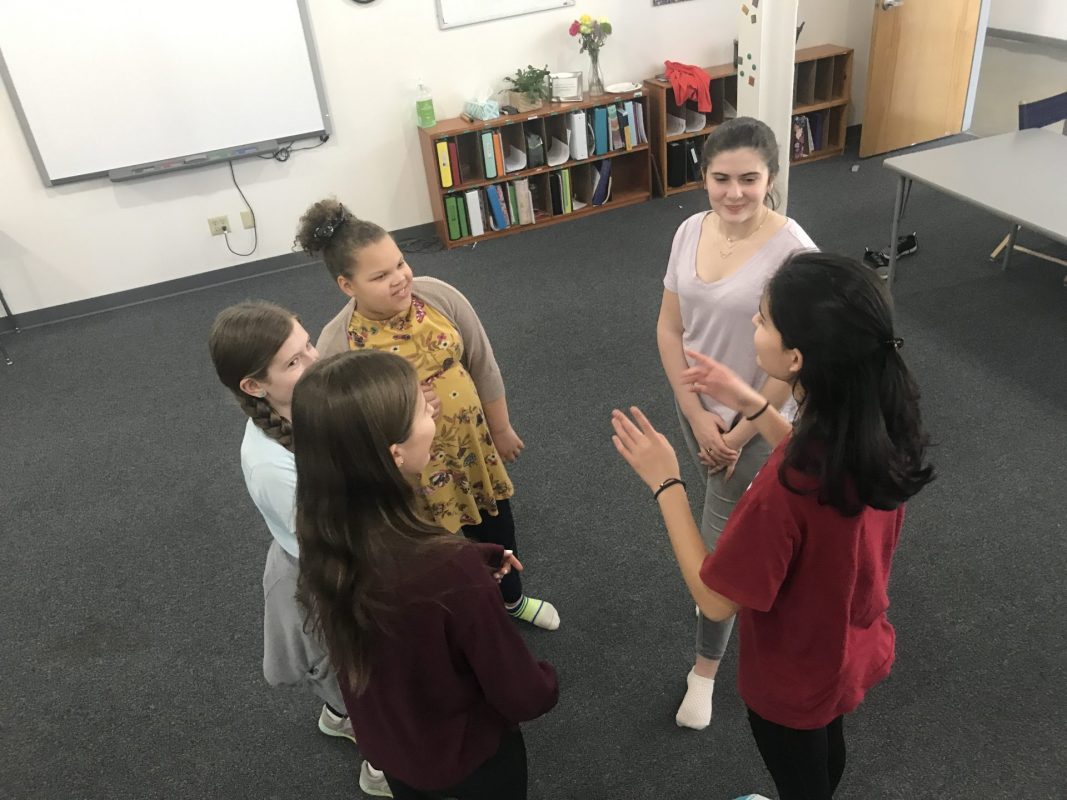
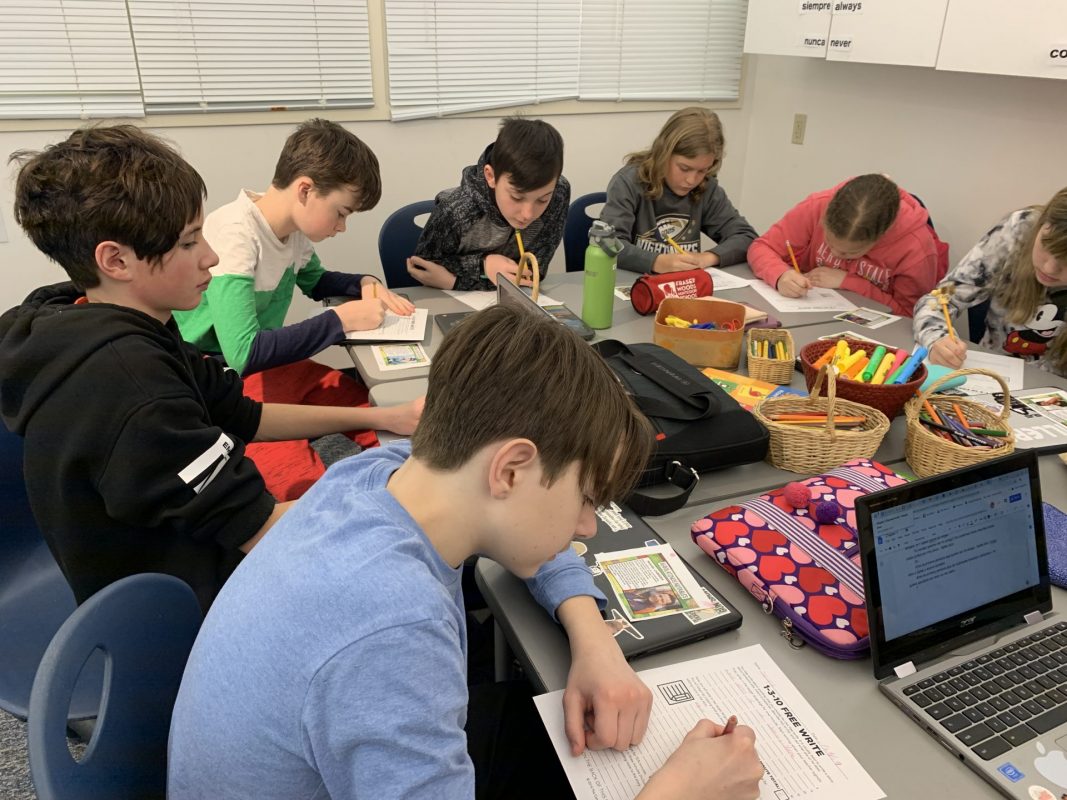
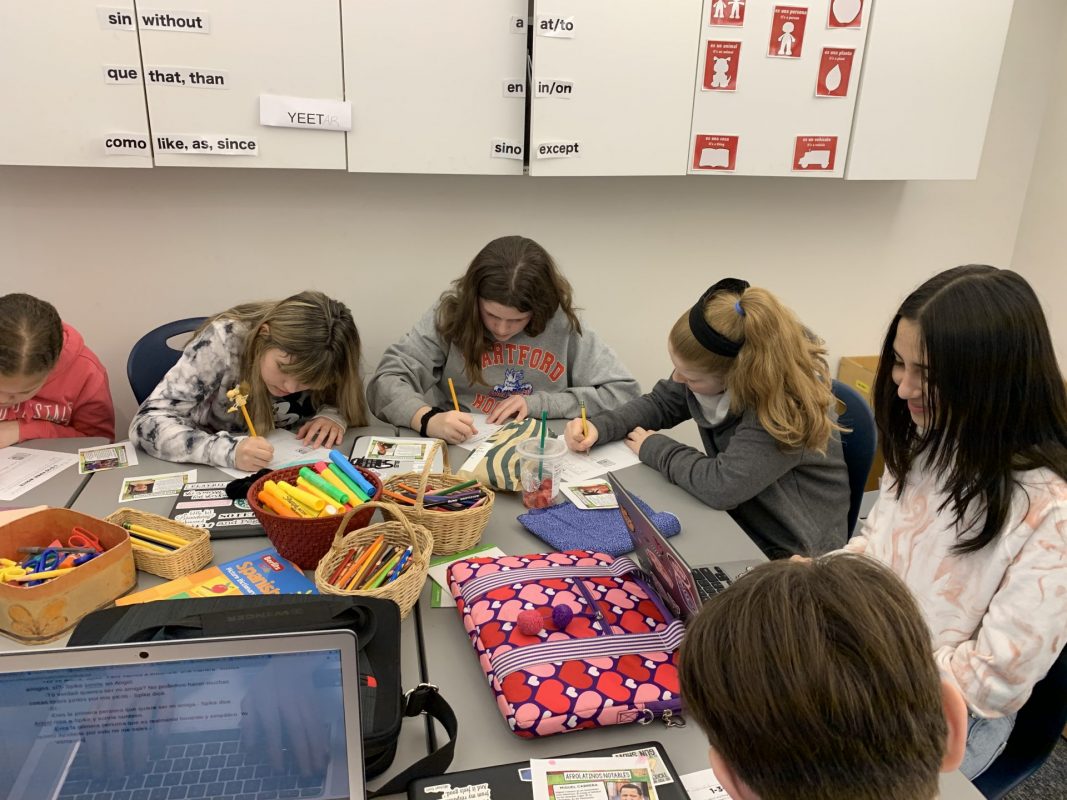
Middle School has been cultivating their comprehension skills as we read about important figures in Black History. We are specifically focusing on afrolatinx singers, politicians, actors, athletes, and authors who are a mixture of African and Latinx heritage. Additionally, 8th years are working on an amazing project which will be showcased shortly after the middle school play.
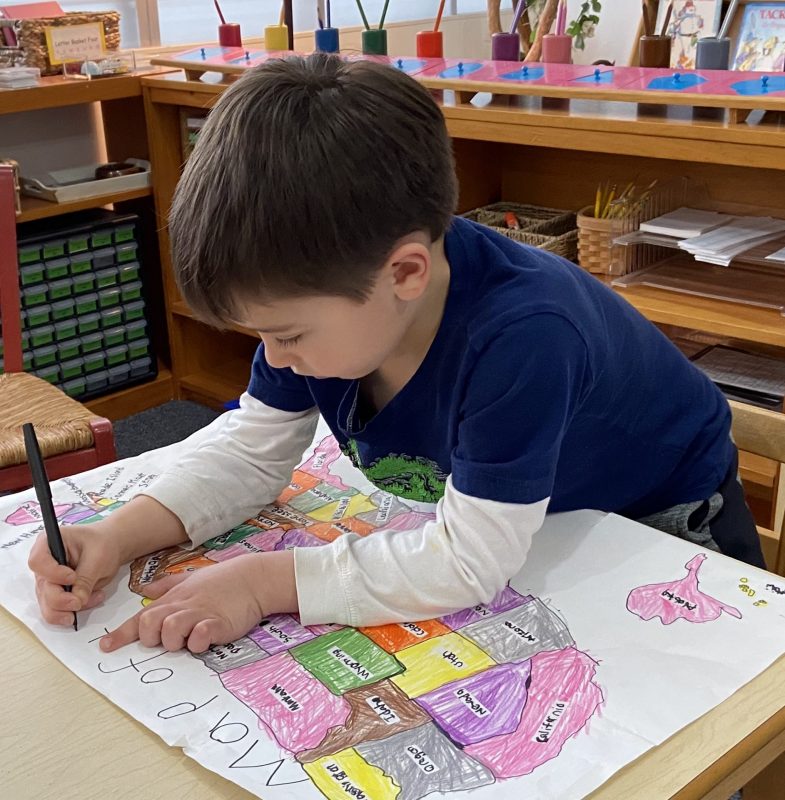
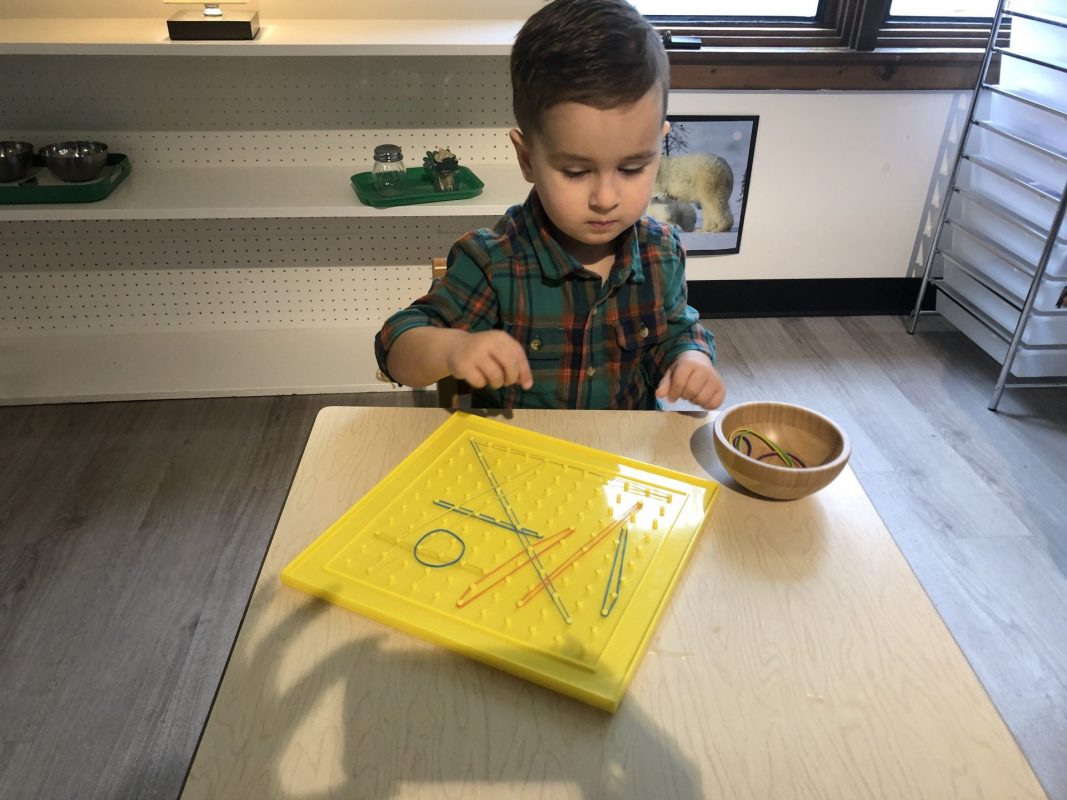
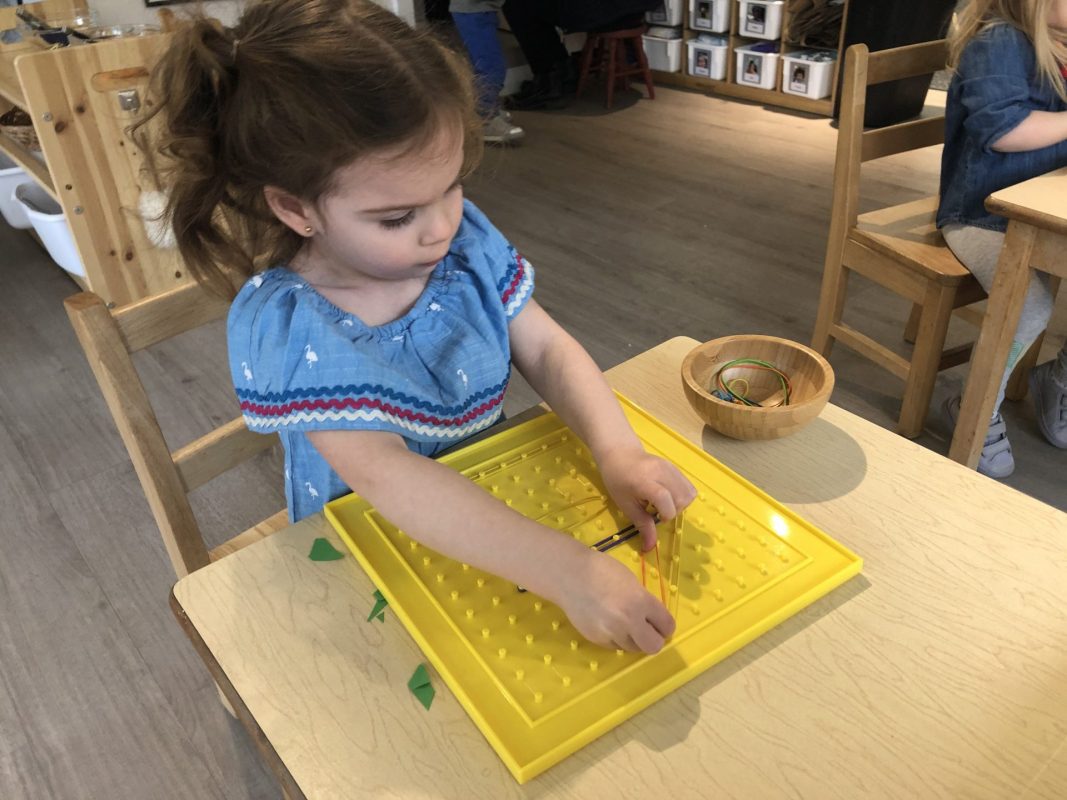
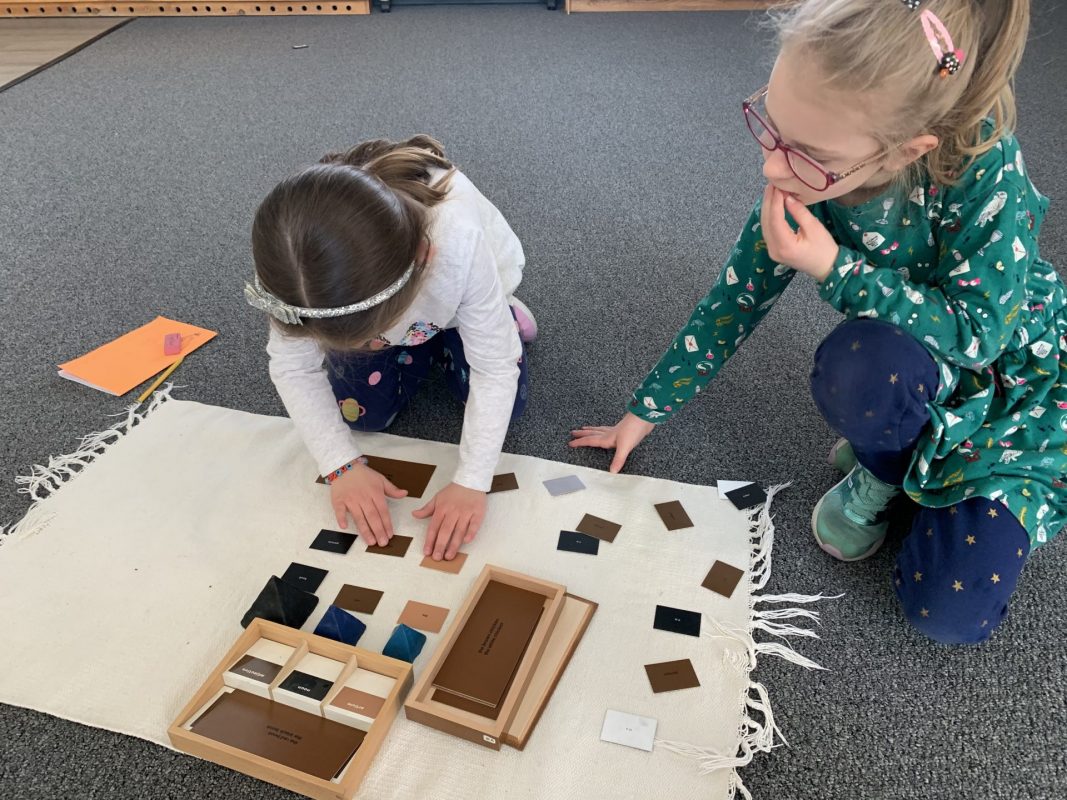
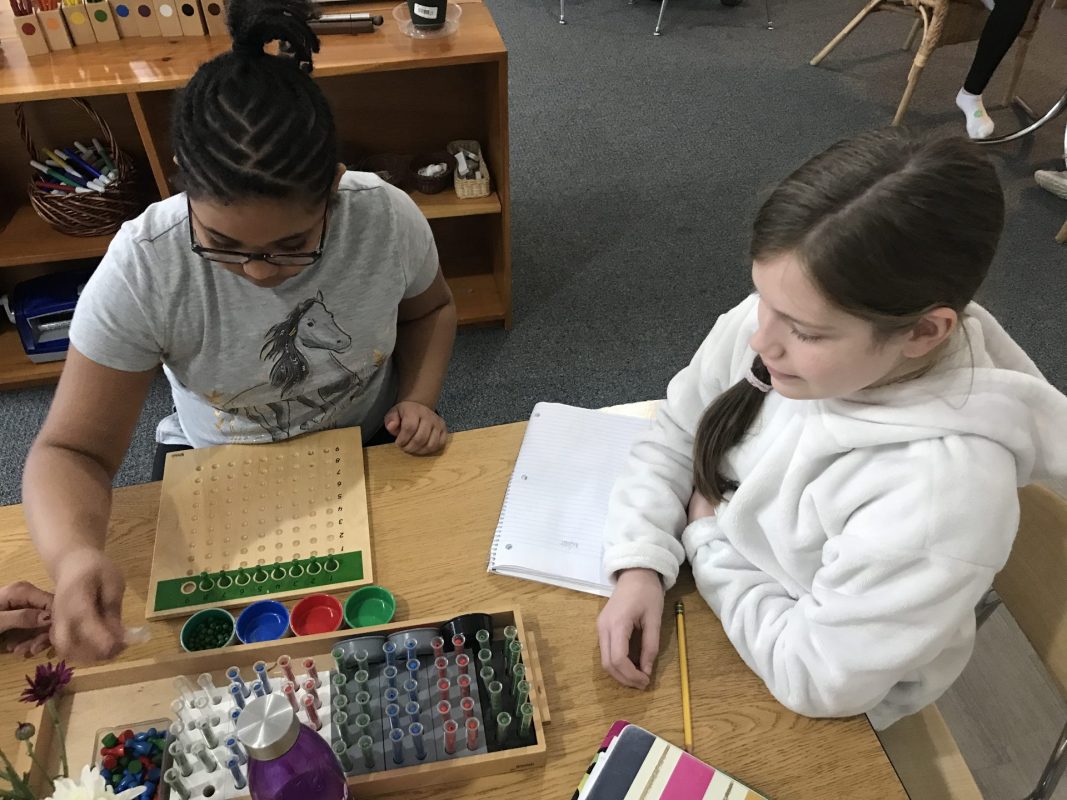
Mrs. Doyle’s Class: Montessori Math…It All Adds Up!

“Children display a universal love of mathematics, which is par excellence the science of precision, order, and intelligence.” ~ Dr. Maria Montessori

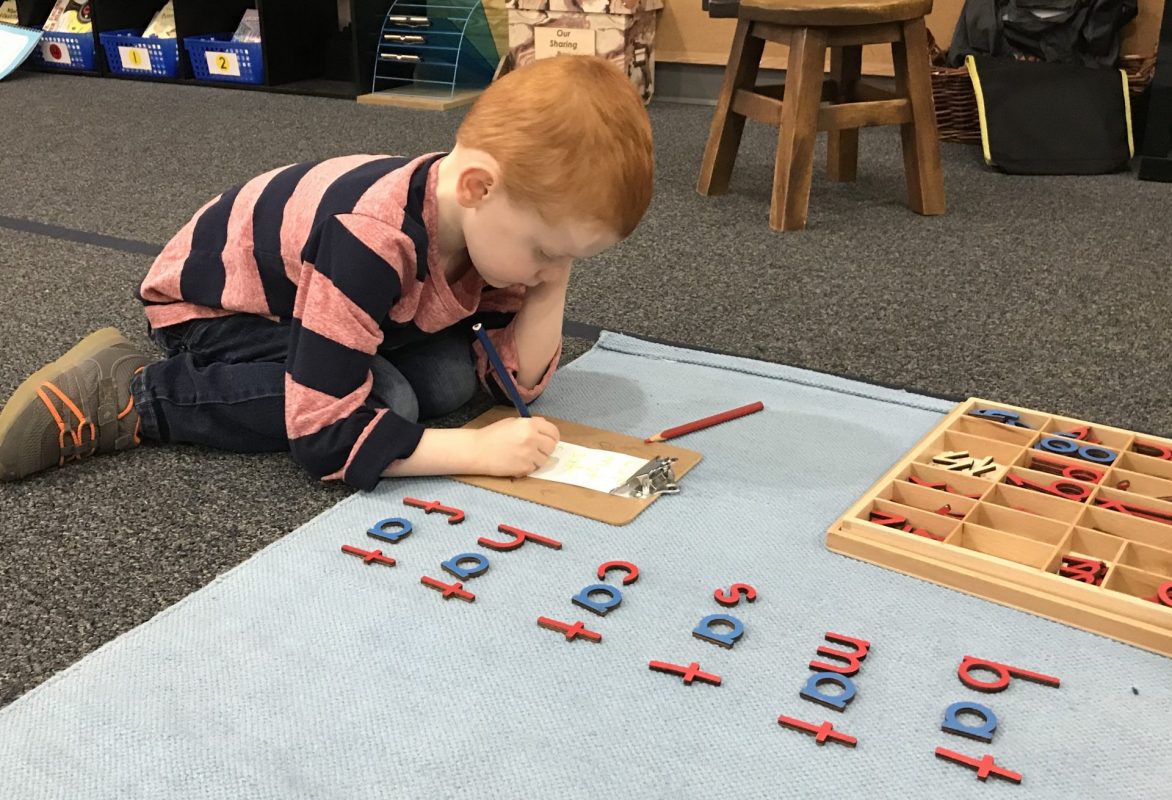
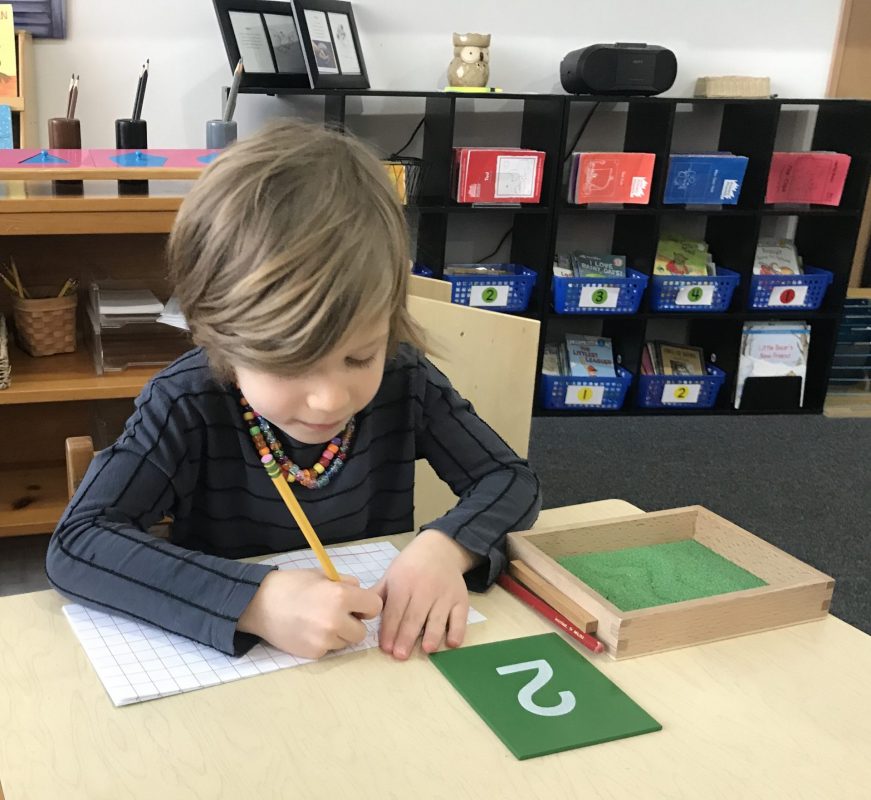
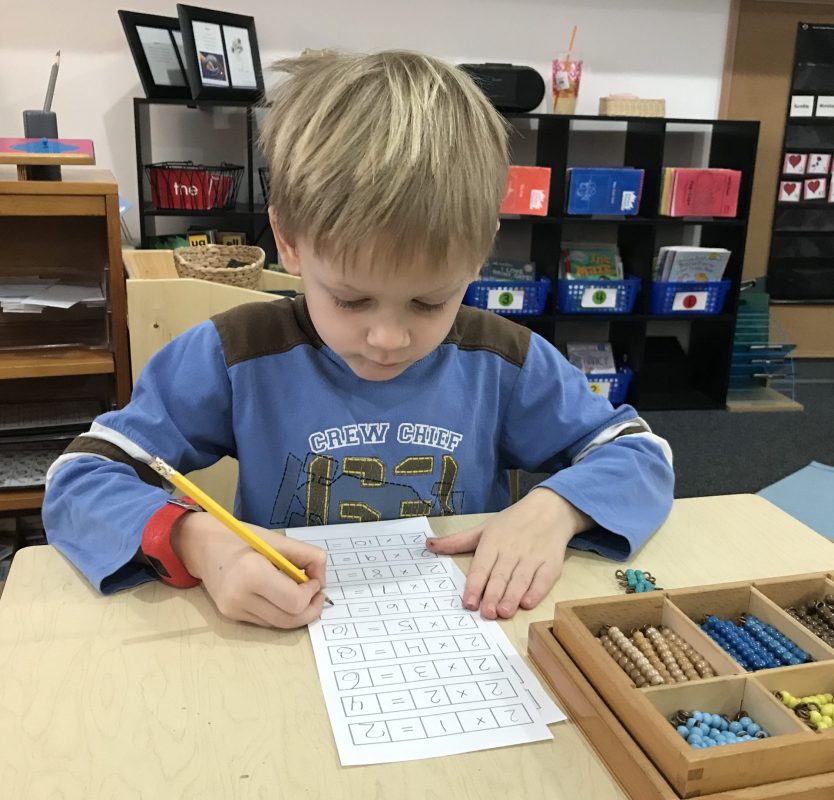
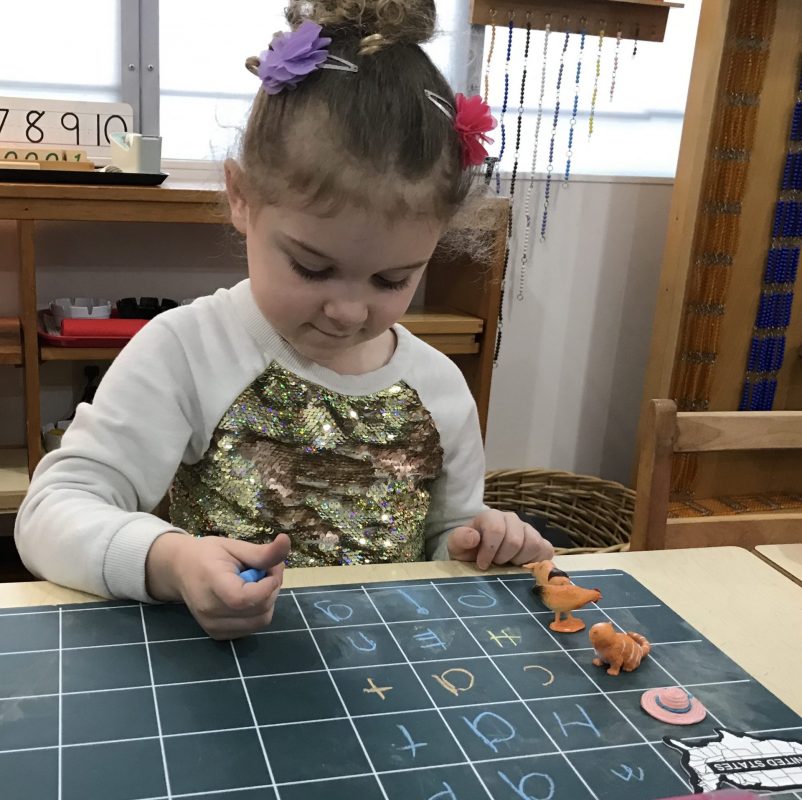
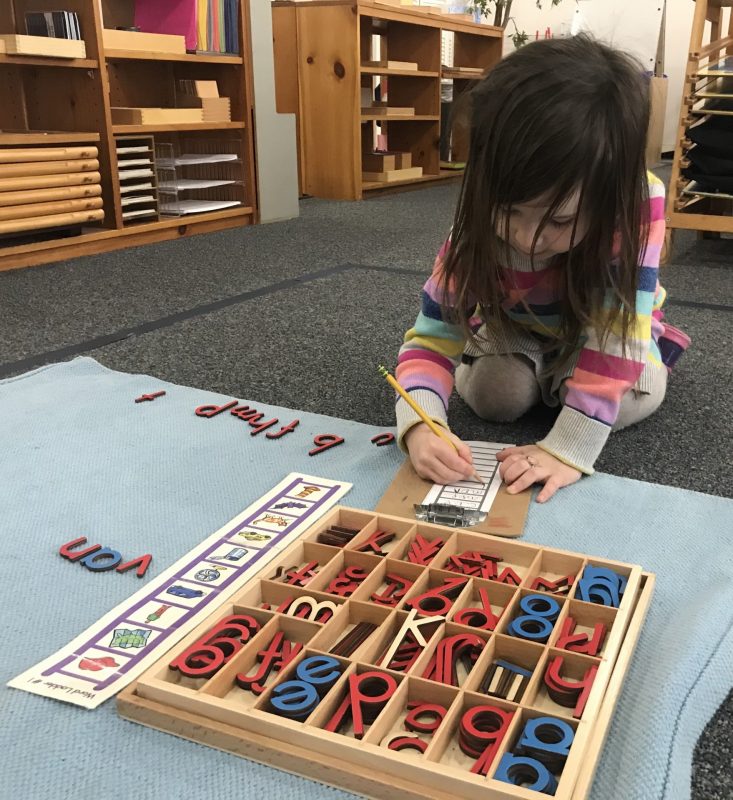
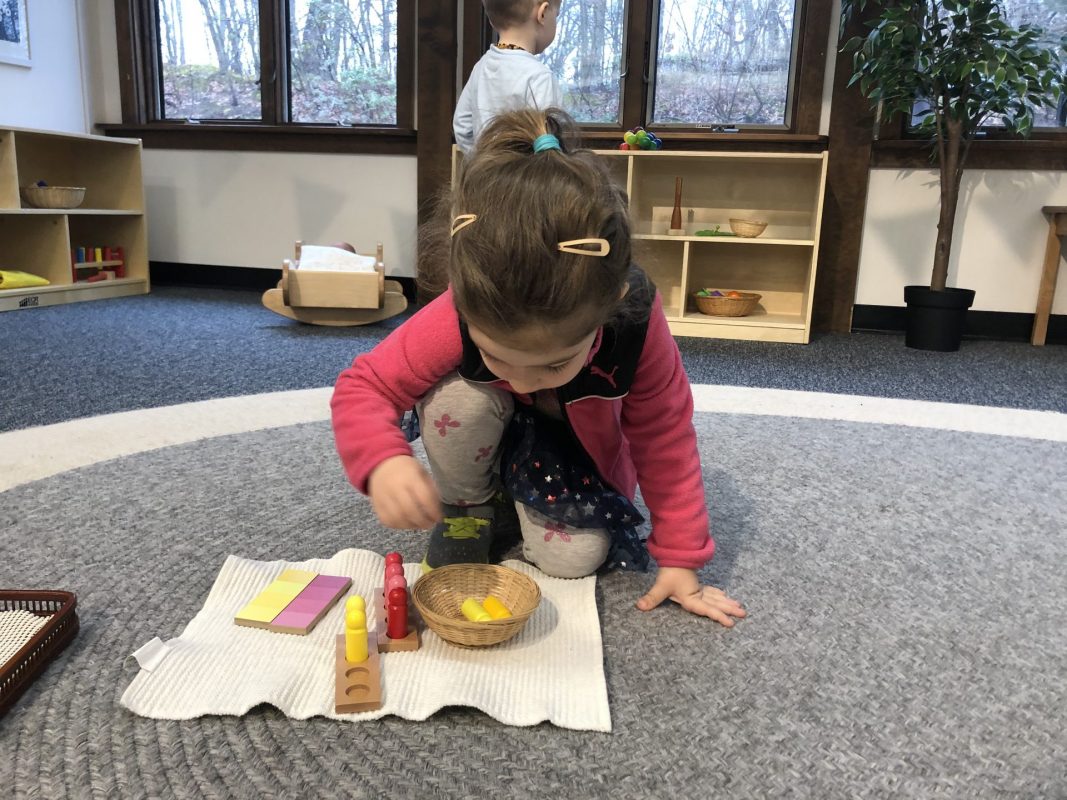
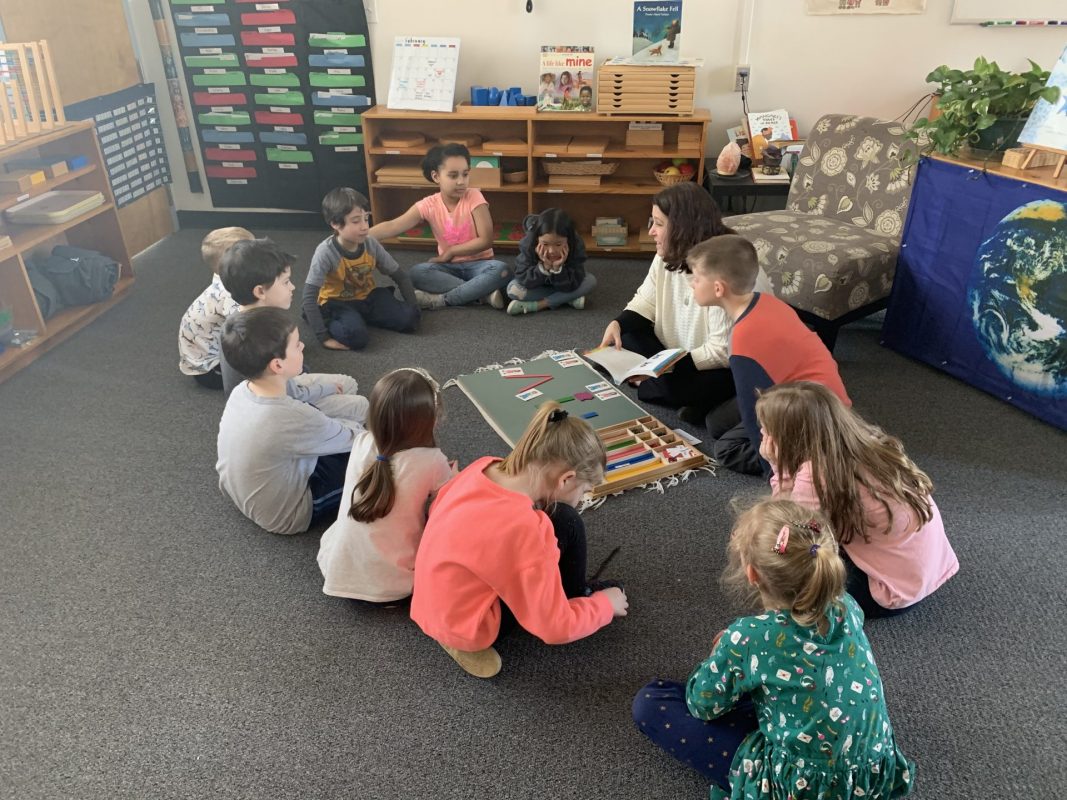
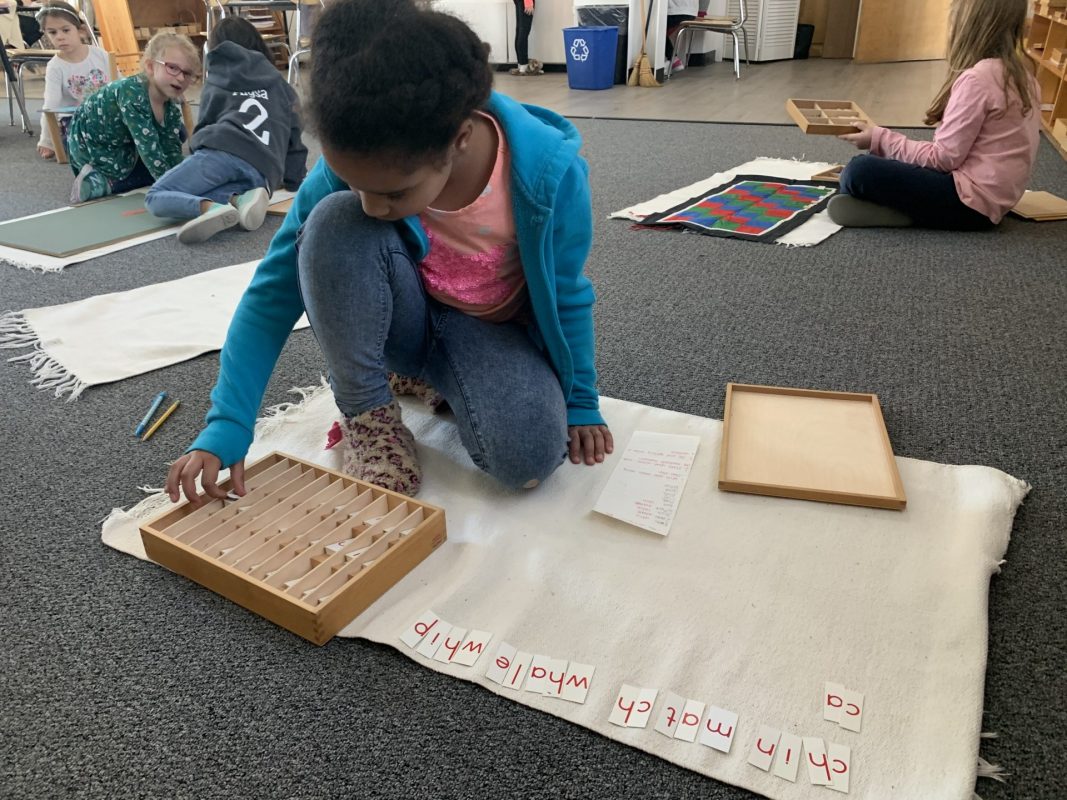
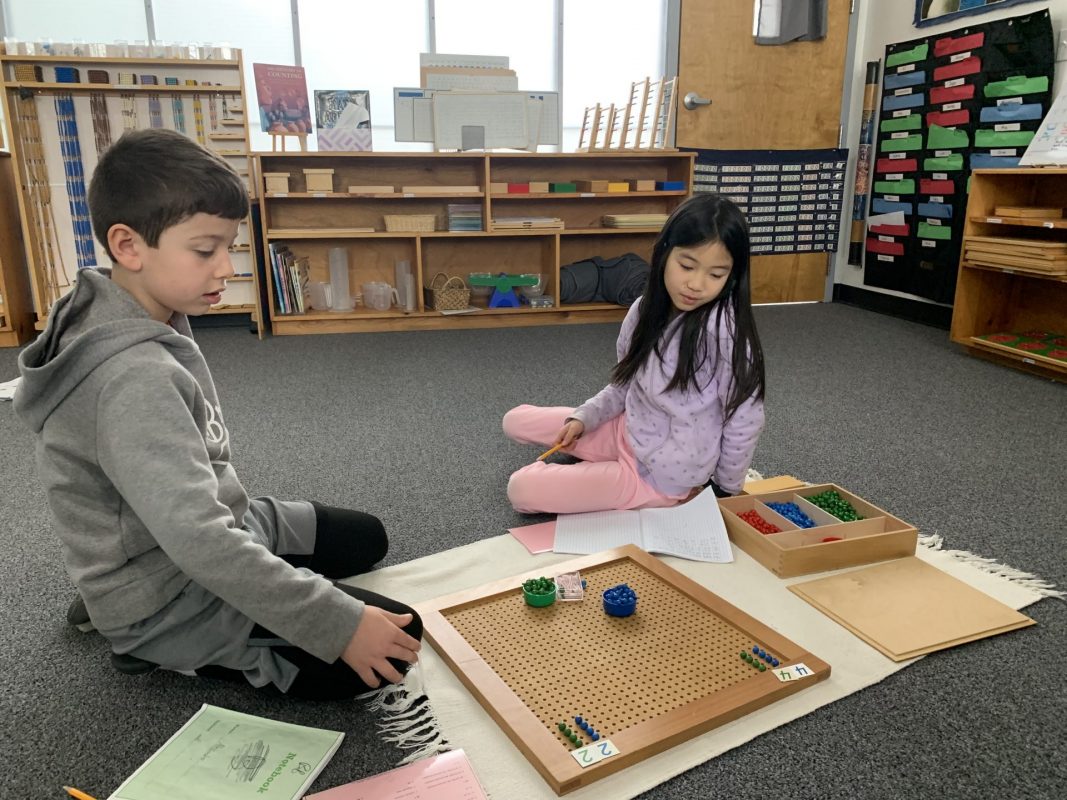
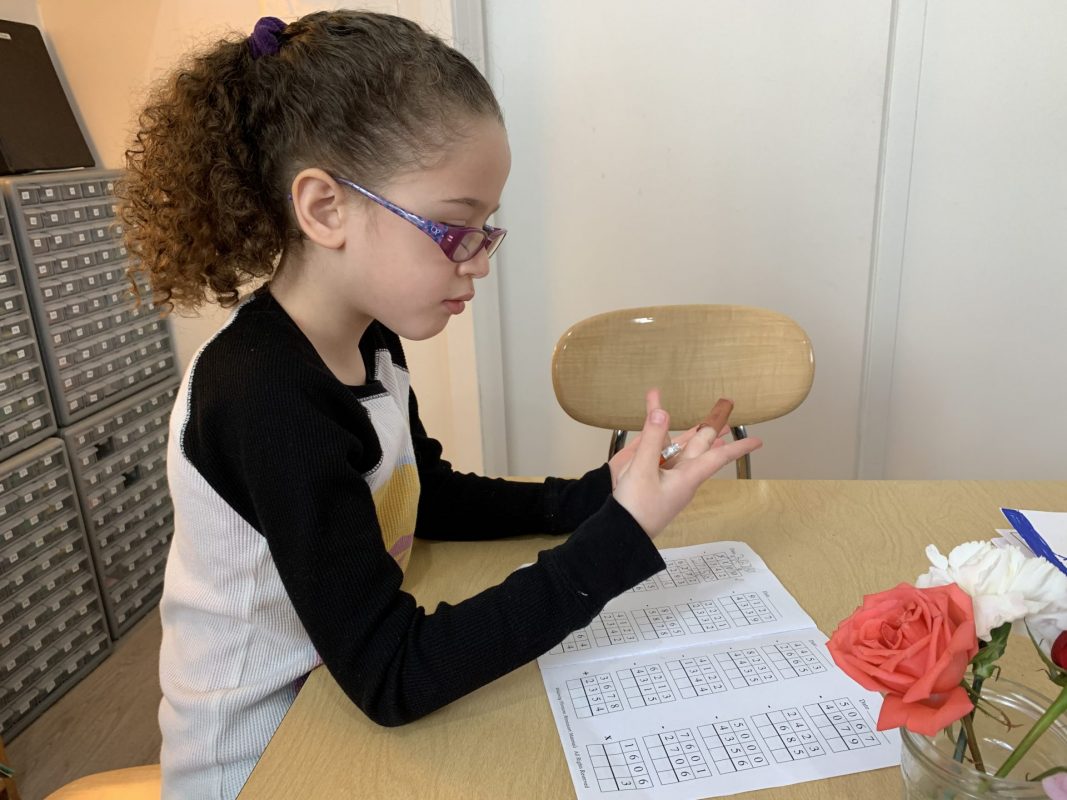
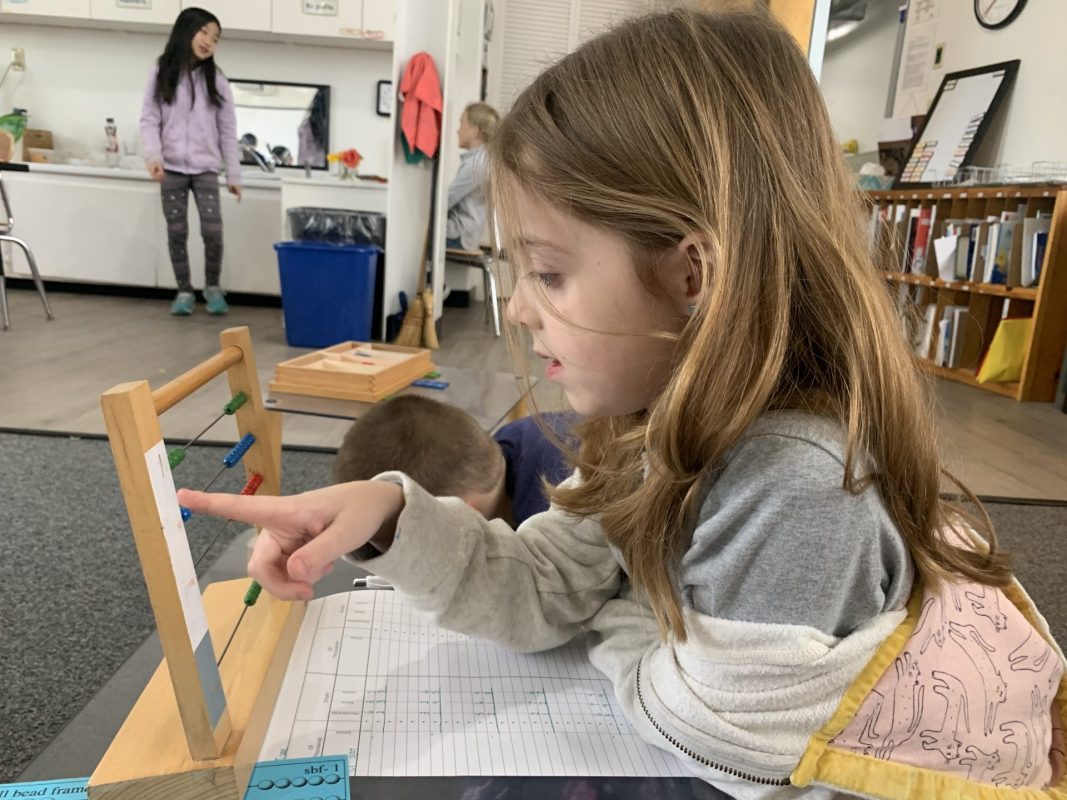
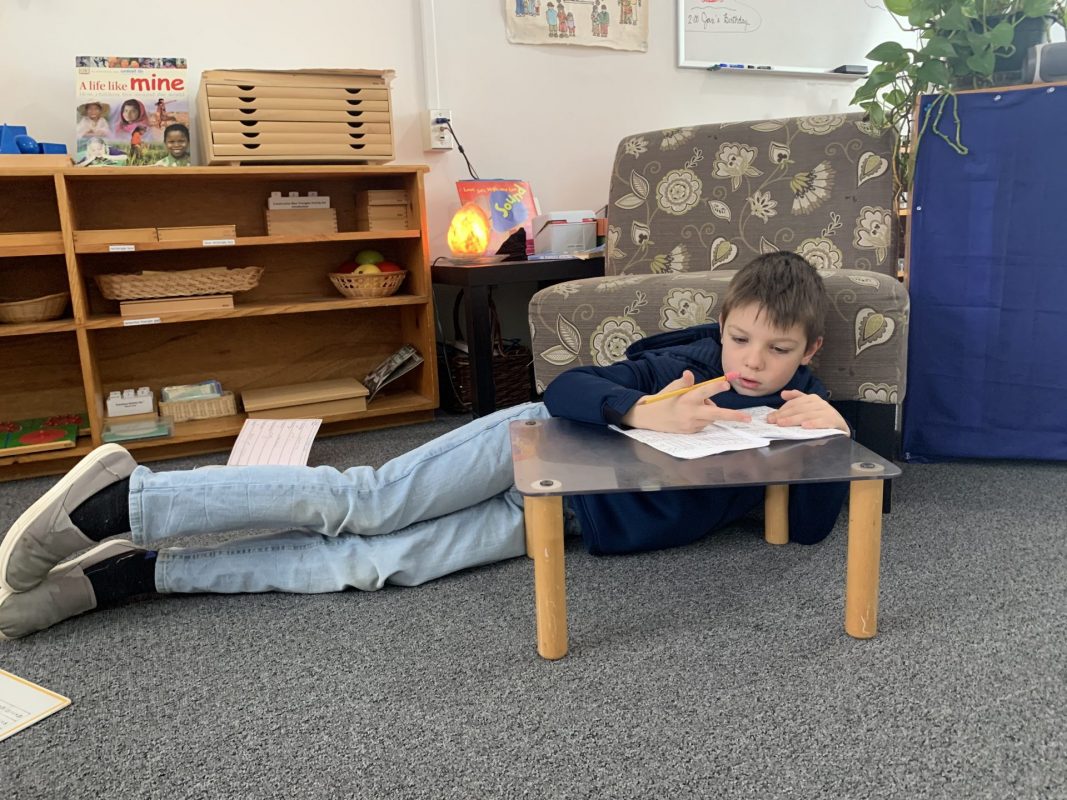
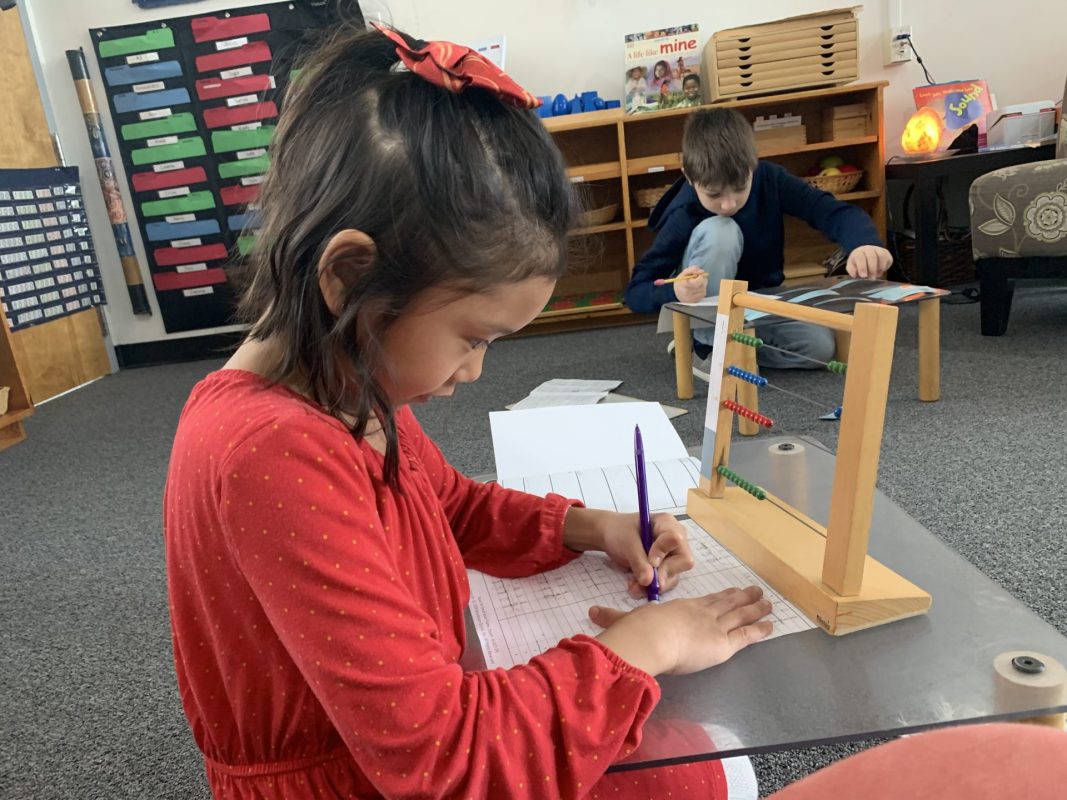
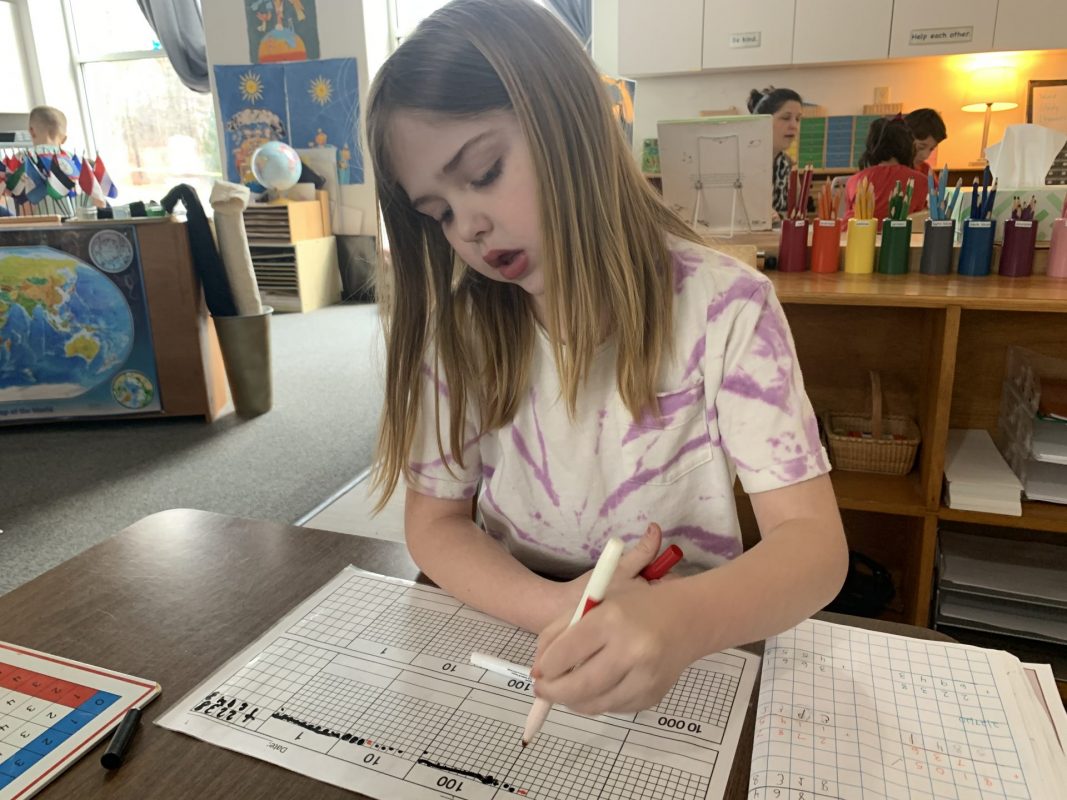
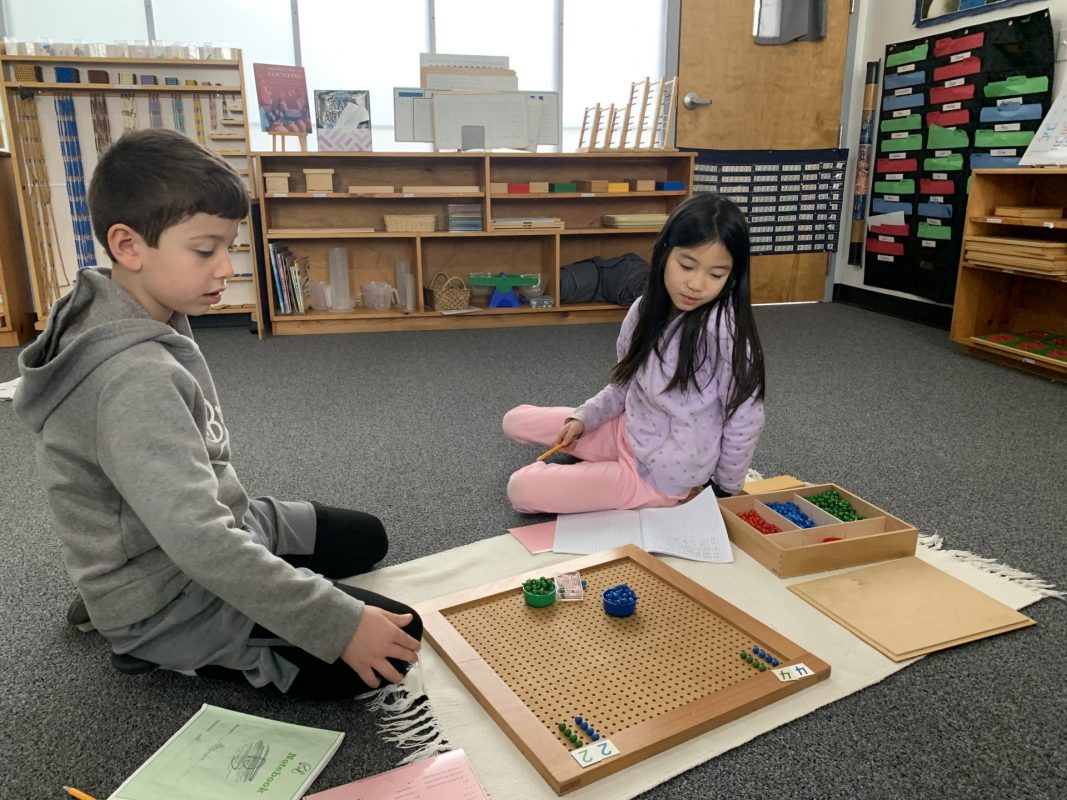
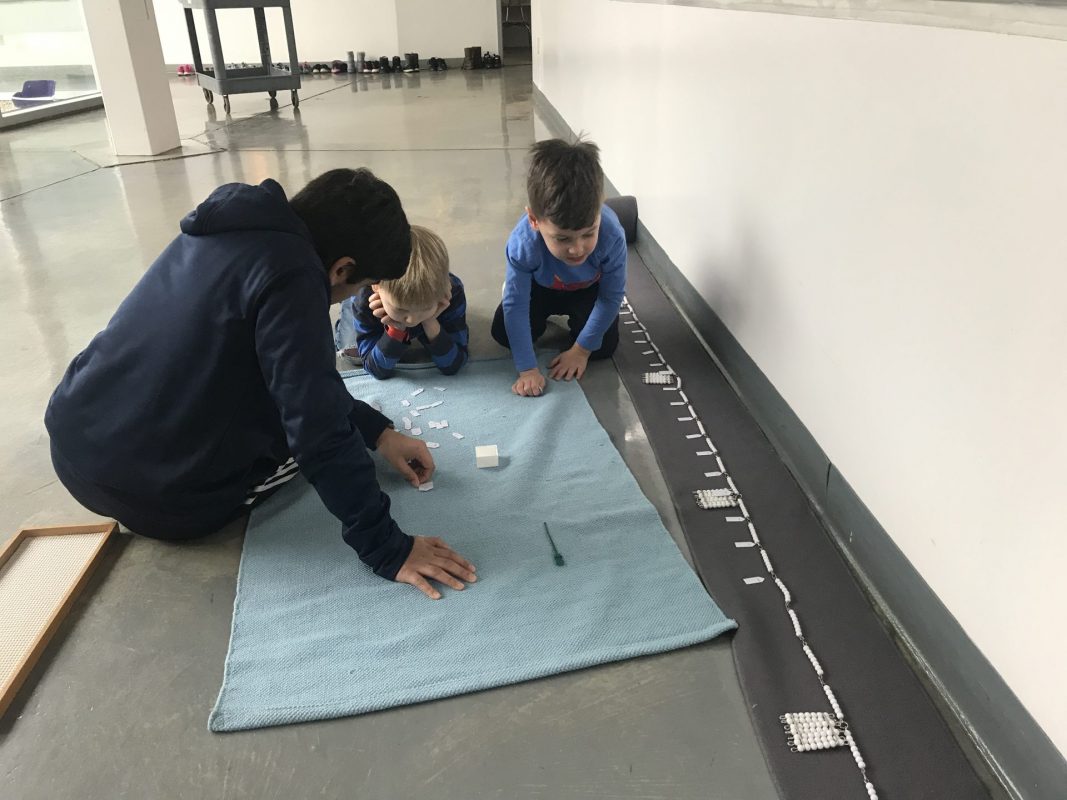
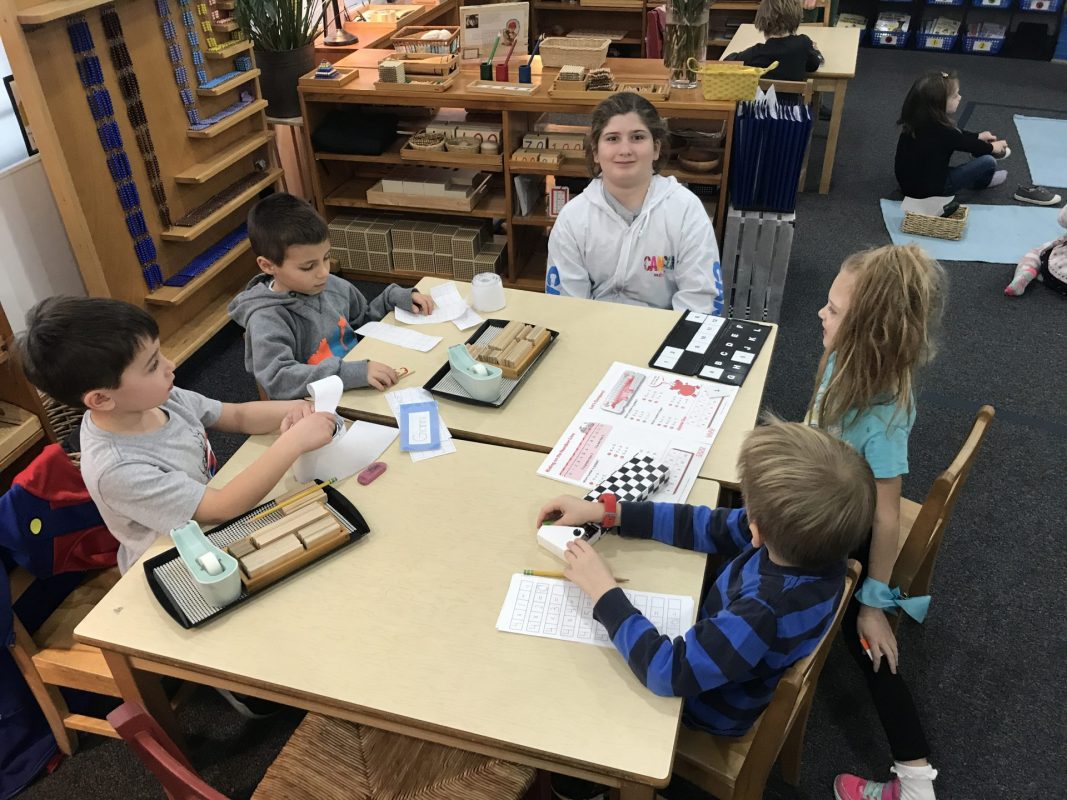
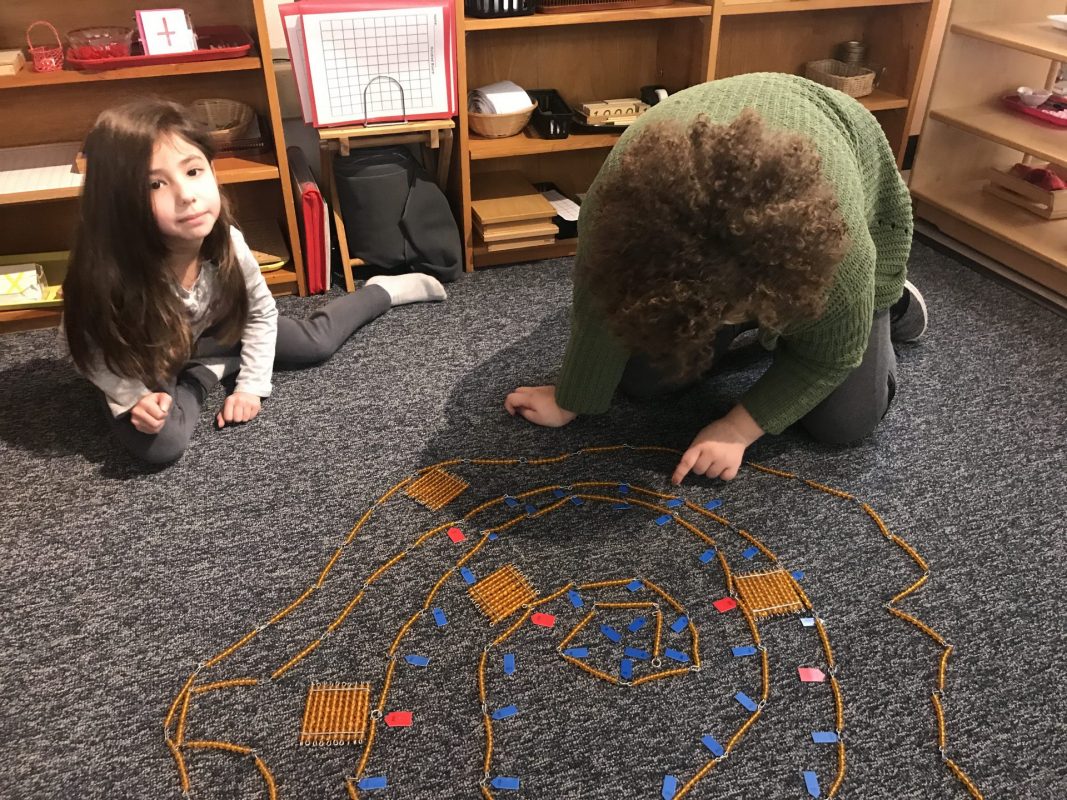
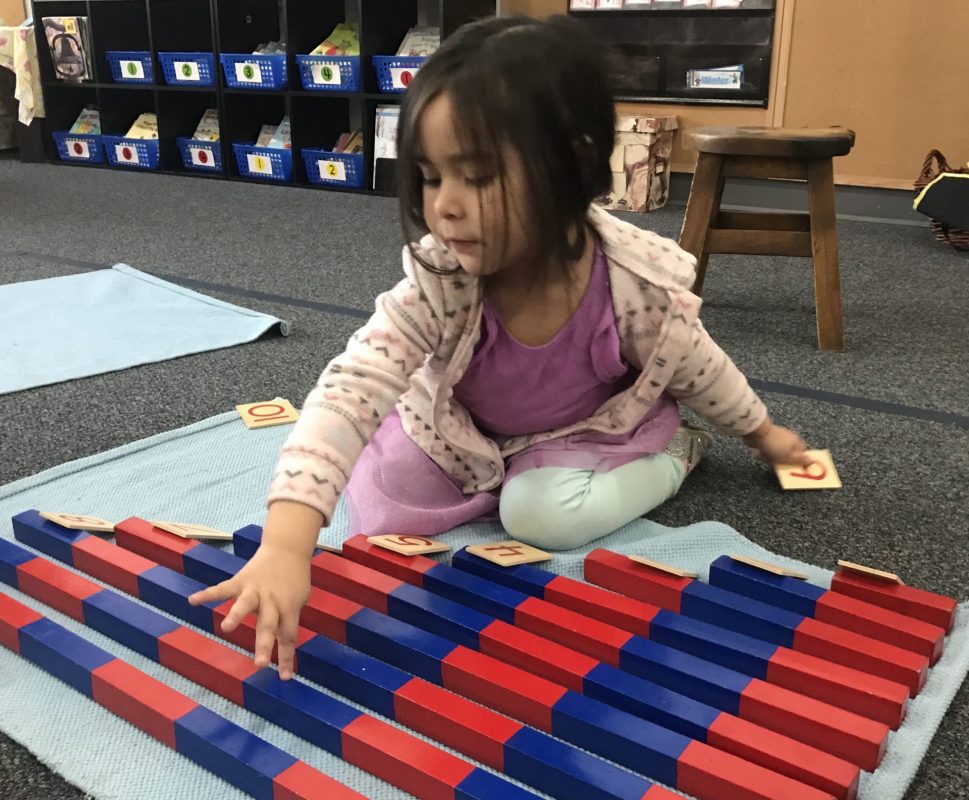
The Montessori math materials always begin with concrete, simple materials and lessons. When the child is ready, they are introduced to more complex and abstract concepts. We teach the process first because the goal is to develop a true understanding of mathematical concepts and not simply memorization. The materials are sequenced in a way that each success a child experiences is a building block for the next concept to be introduced.

Maria Montessori believed that all children have a mathematical mind and an internal drive to understand the environment around them. We know that the Montessori math materials are exact and precise and allow the child to have positive experiences in math right from the beginning. Here’s the real secret behind the success of the Montessori math materials though: the children truly enjoy them.

We have a busy week ahead. On Tuesday, March 3rd, each Primary class will be celebrating Dr. Seuss’ birthday. The children are invited to come to school in their pajamas accompanied by a favorite stuffed friend. Morning snack that day will be green eggs and ham! It promises to be a fun morning.
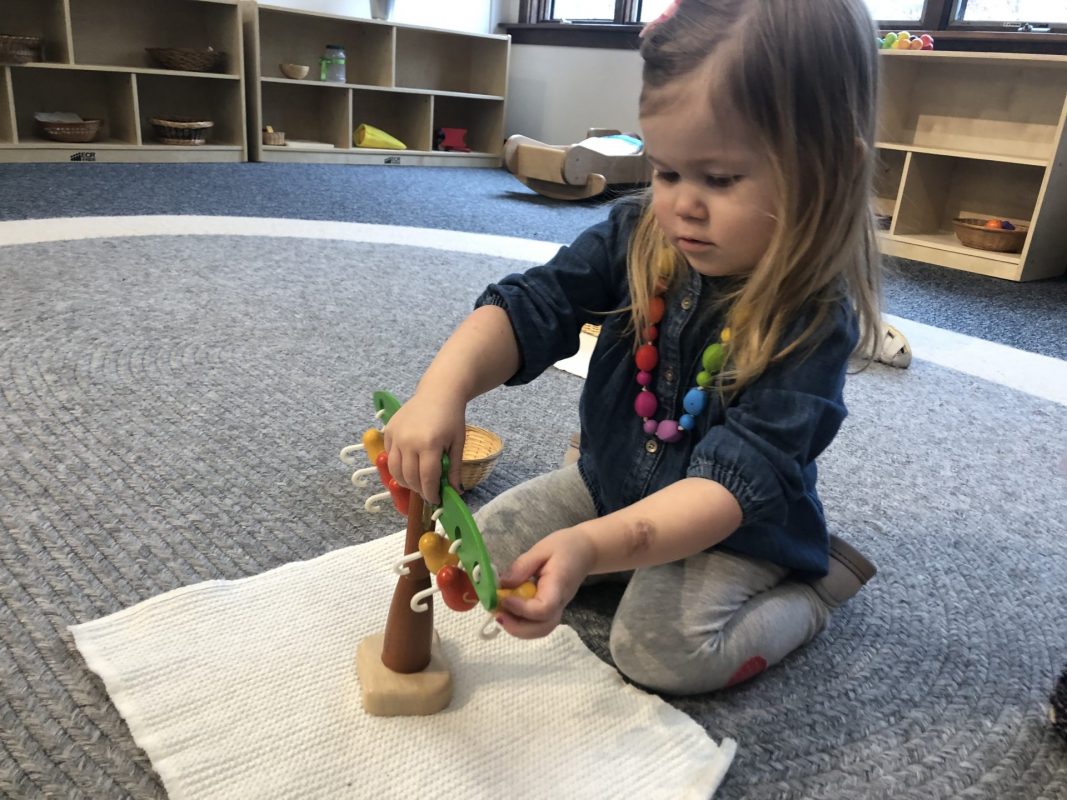
On Friday, March 6th, the Kindergarten children will be taking an afternoon field trip to Warrup’s farm in Redding. They will be exploring the process of making maple syrup.

Enjoy the week!

Michelle & Jeannine


Mrs. Hood’s Class: Show and Tell and More Fun!

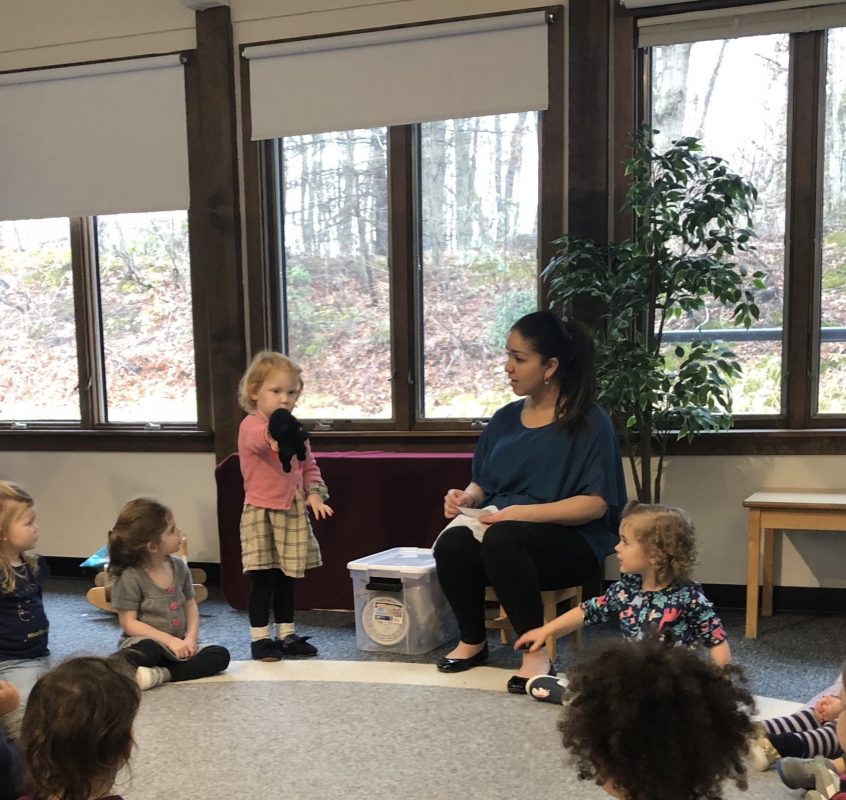
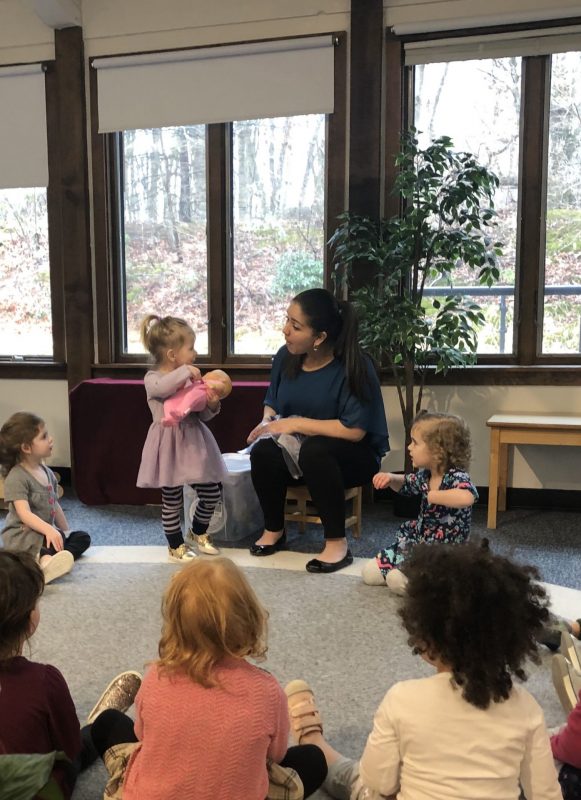
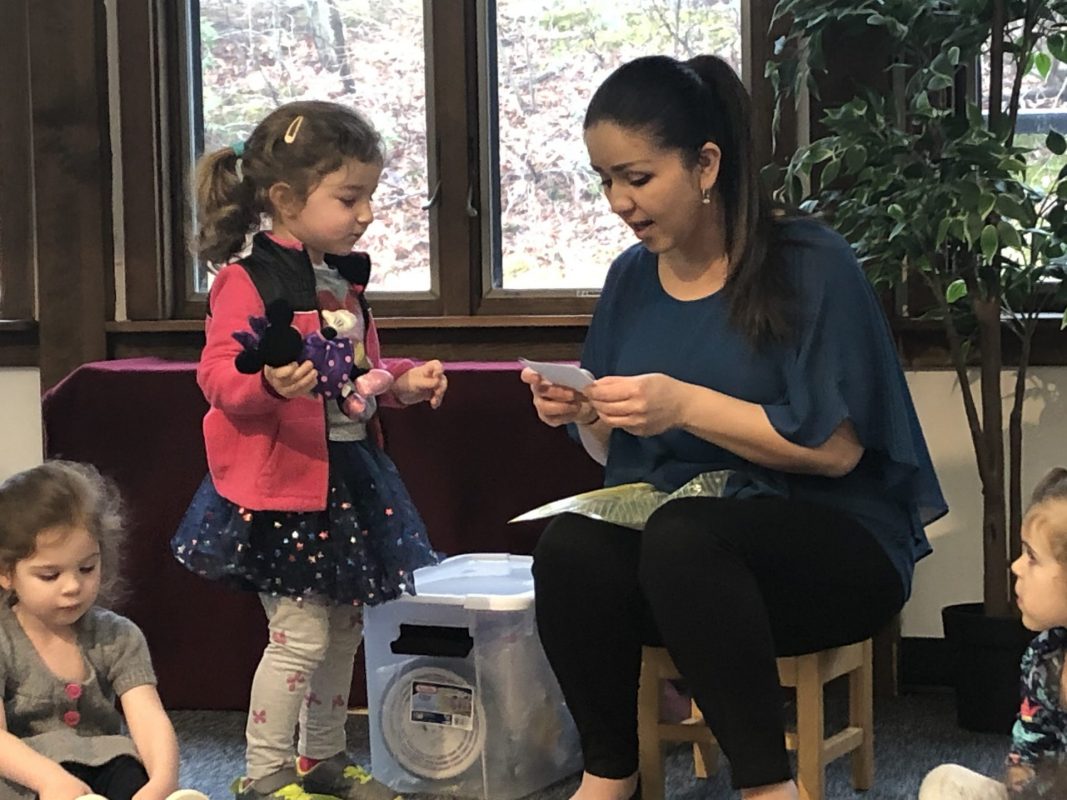
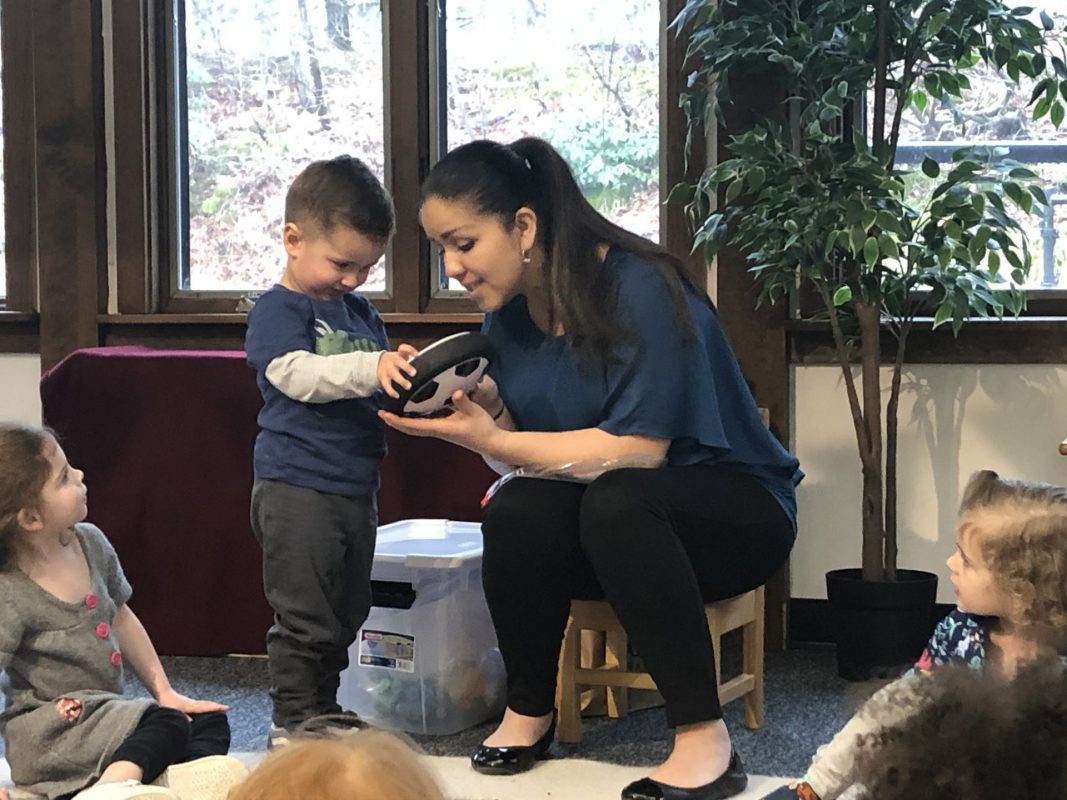
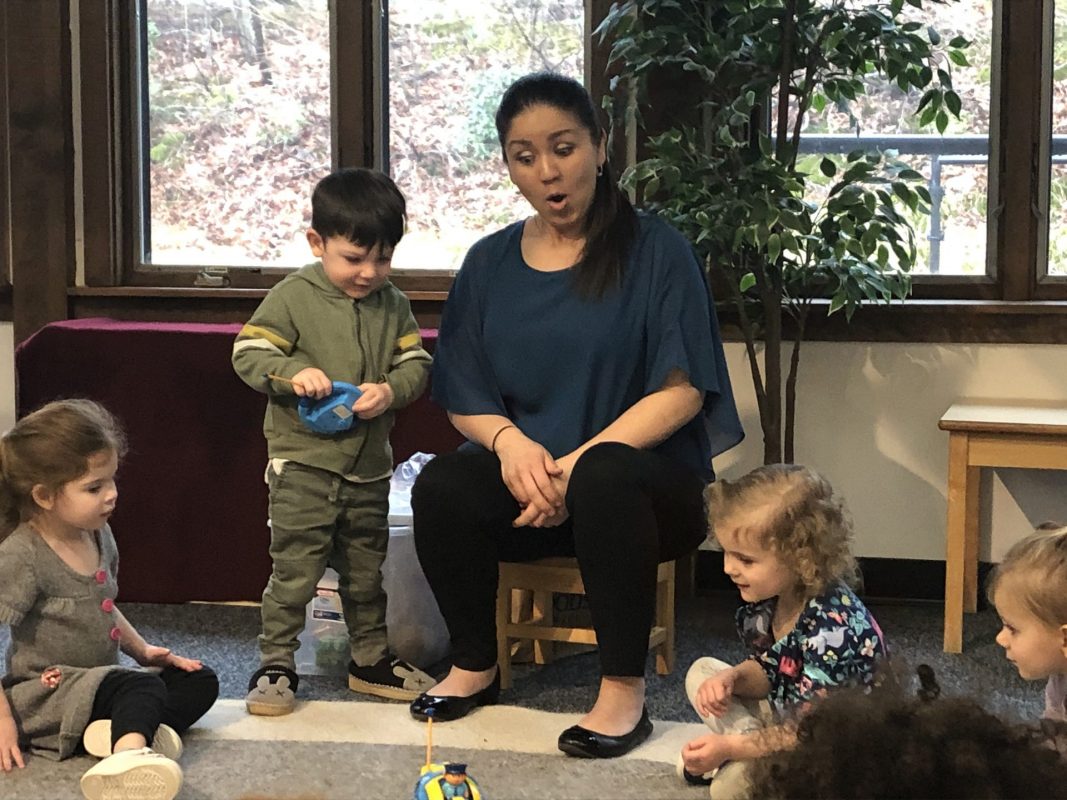
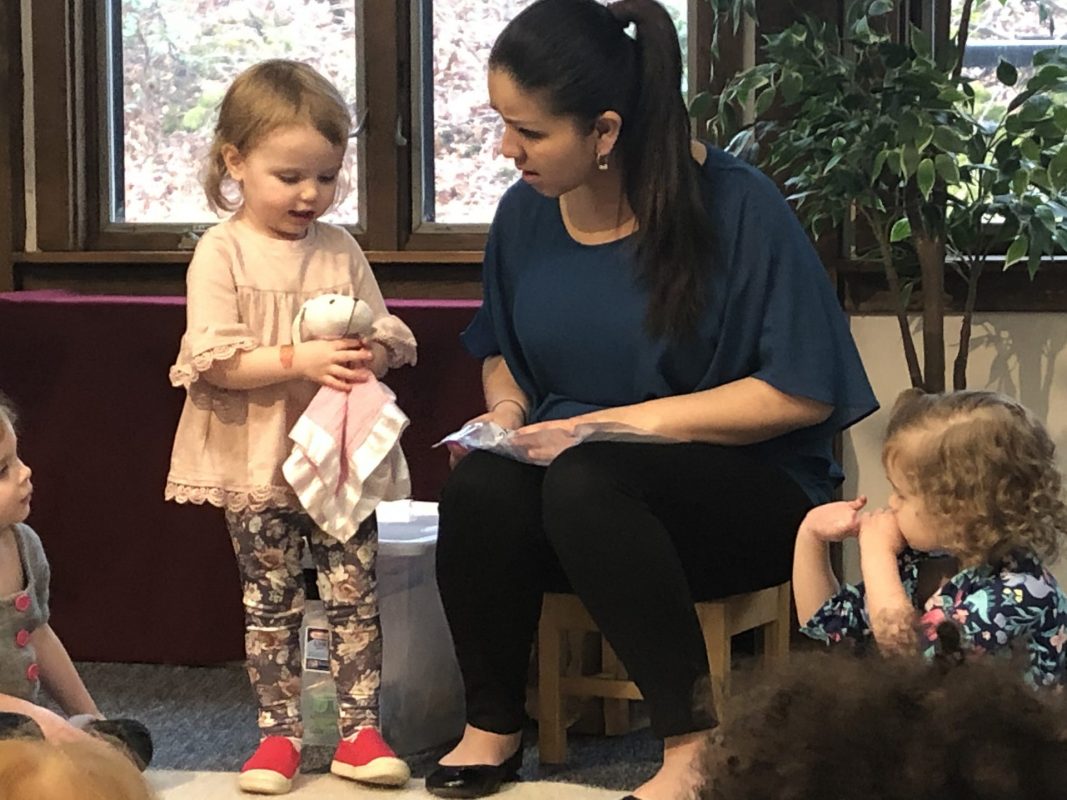
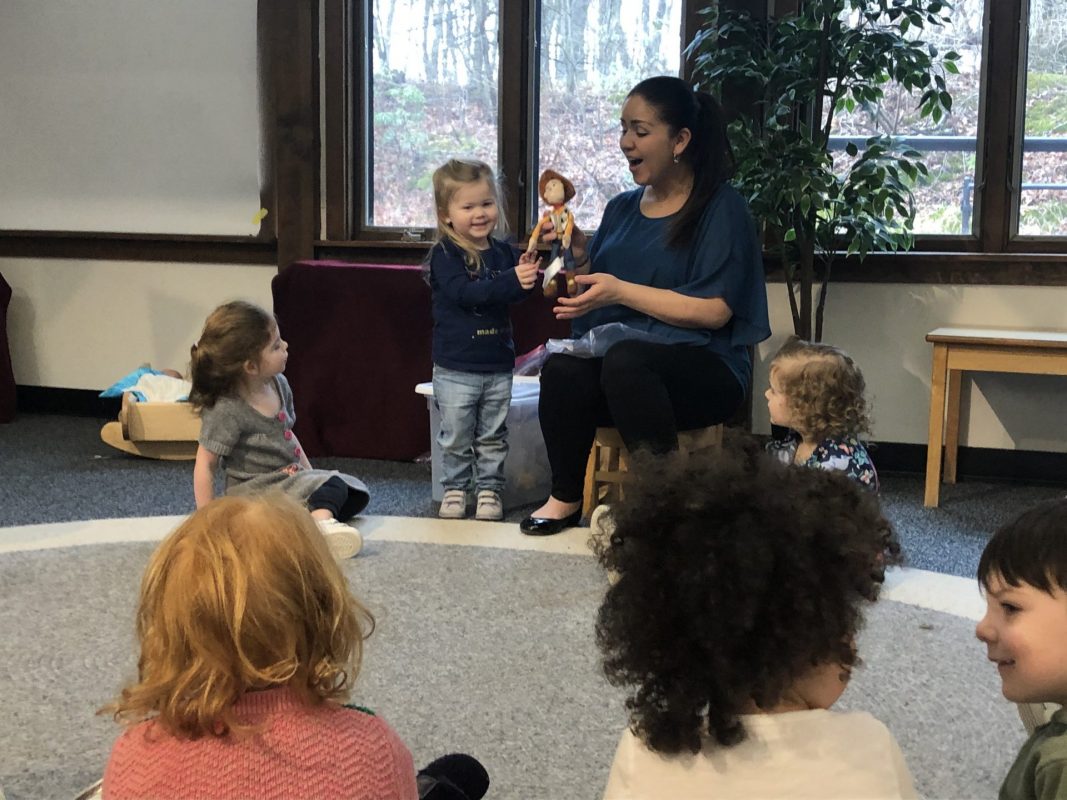
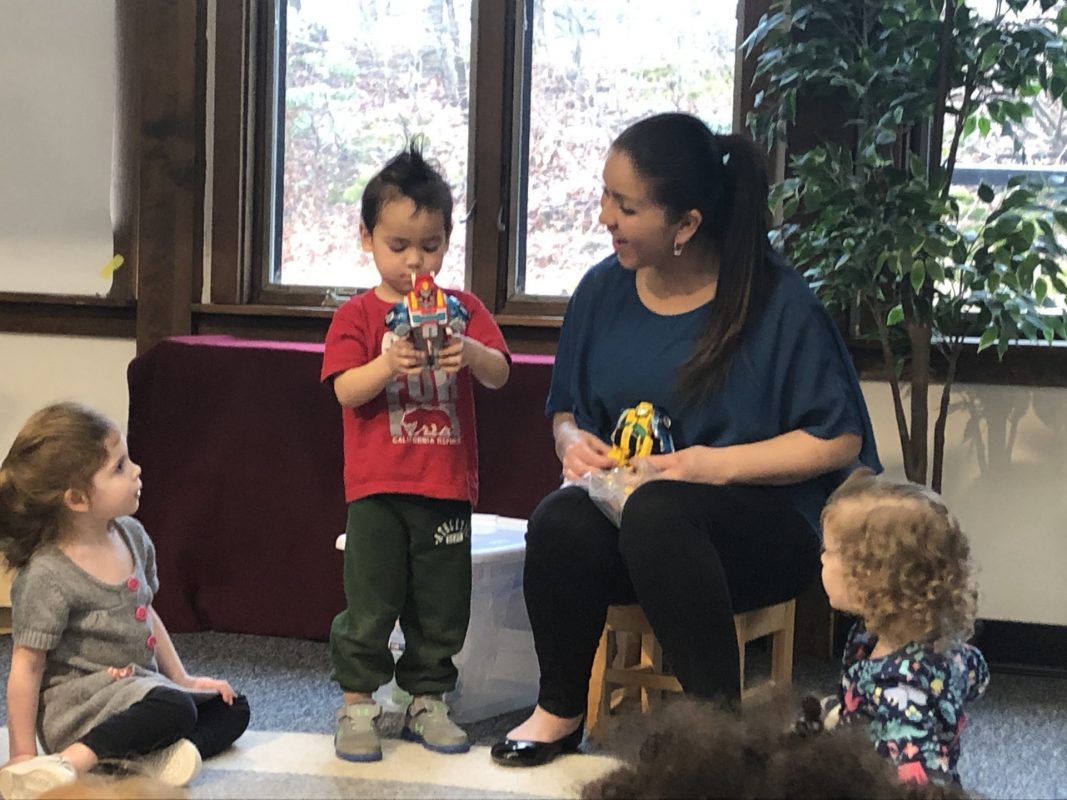
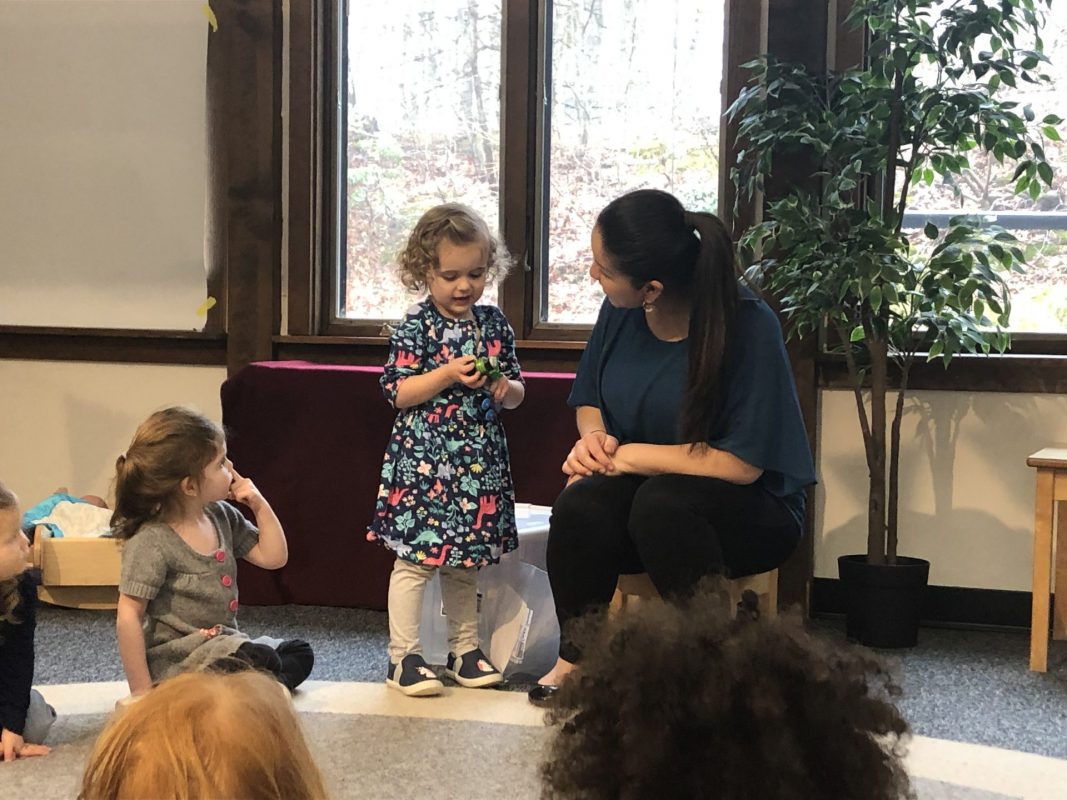
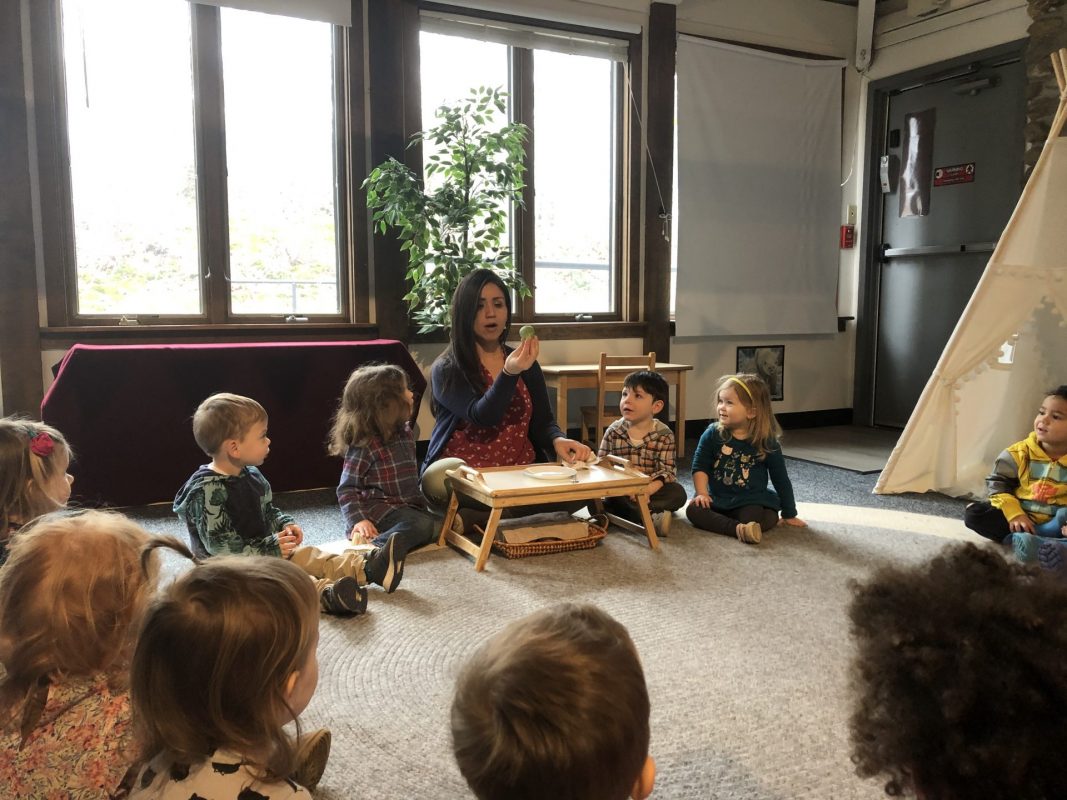
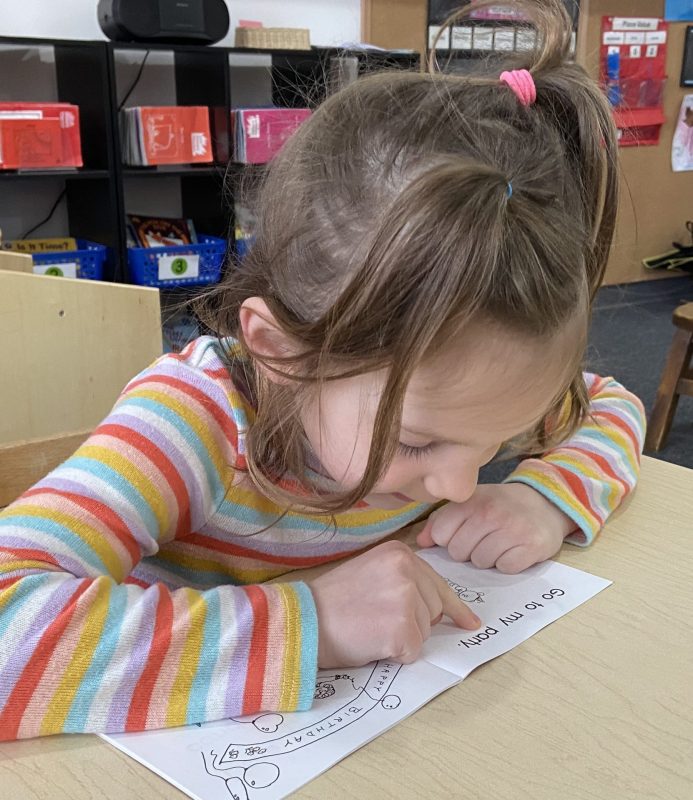
Due to the increasing amount of vocabulary your children use and recognize now, this week we introduced an activity beloved by all the children: Show and Tell!

I personally love this activity because it provides an opportunity for your child to develop expressive language as they learn to create and construct language. This act involves organizing ideas in sequence so they will make sense when communicated with others, choosing the words to say, and constructing a clear syntax. It’s a lot of work for our little friends but they ALL did such an amazing job!

Another reason why we added this activity to our environment was because of the enhancement of confidence it gives to your child: As they share something of themselves with one another, they gain confidence in becoming the focus of the group’s attention. They find out others are interested in them, they discover that there are things that they know about, and they feel good about themselves doing it! It was truly priceless to see their smiling faces and how proud they felt when they had a turn to share.  It is never too early to start practicing public speaking and there is nothing better than allowing confidence to develop in a safe and familiar environment. Also, receptive language development is promoted as children listen to and comprehend the meaning of the speaker’s words. Children were so present, respectful and engaged in the activity that it seemed they didn’t want to miss anything!

As guides, we also use Show and Tell as an opportunity for observation and informal assessment of abilities. It gives us a lot of information about speech and language skills, social skills, emotional needs, levels of independence, and self-esteem, as well as children’s interest.

I cannot express how excited each child was to show their friends their favorite item and talk about it!  From the youngest to the oldest, from the most introverted to the most extroverted, the children were just so happy and engaged! We thank you all for your support and for taking the time to write those little notes in each child’s bags! It really helped us! We can’t wait for next Wednesday to come!

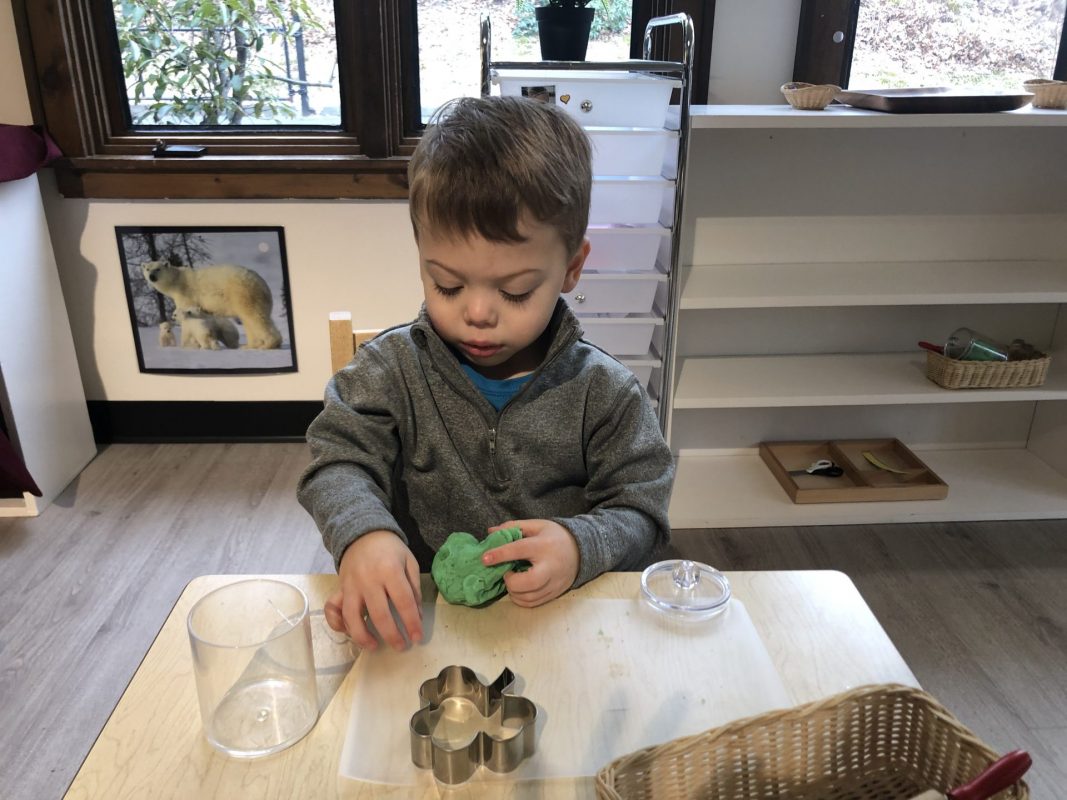
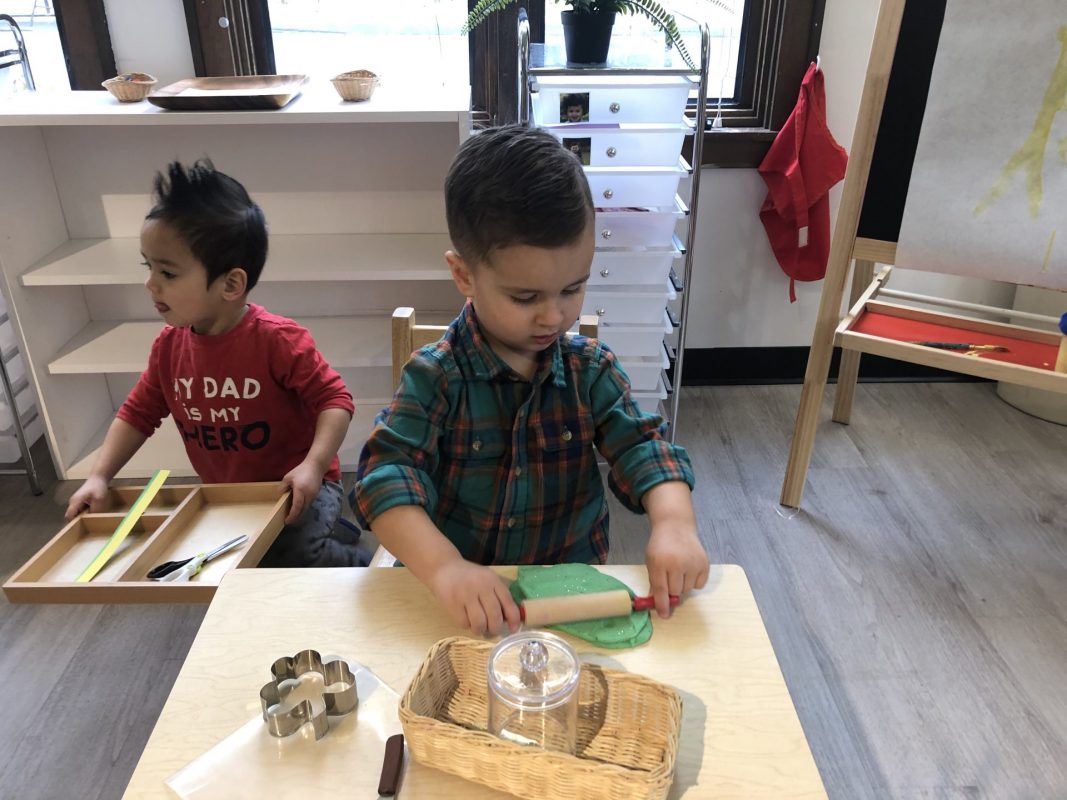
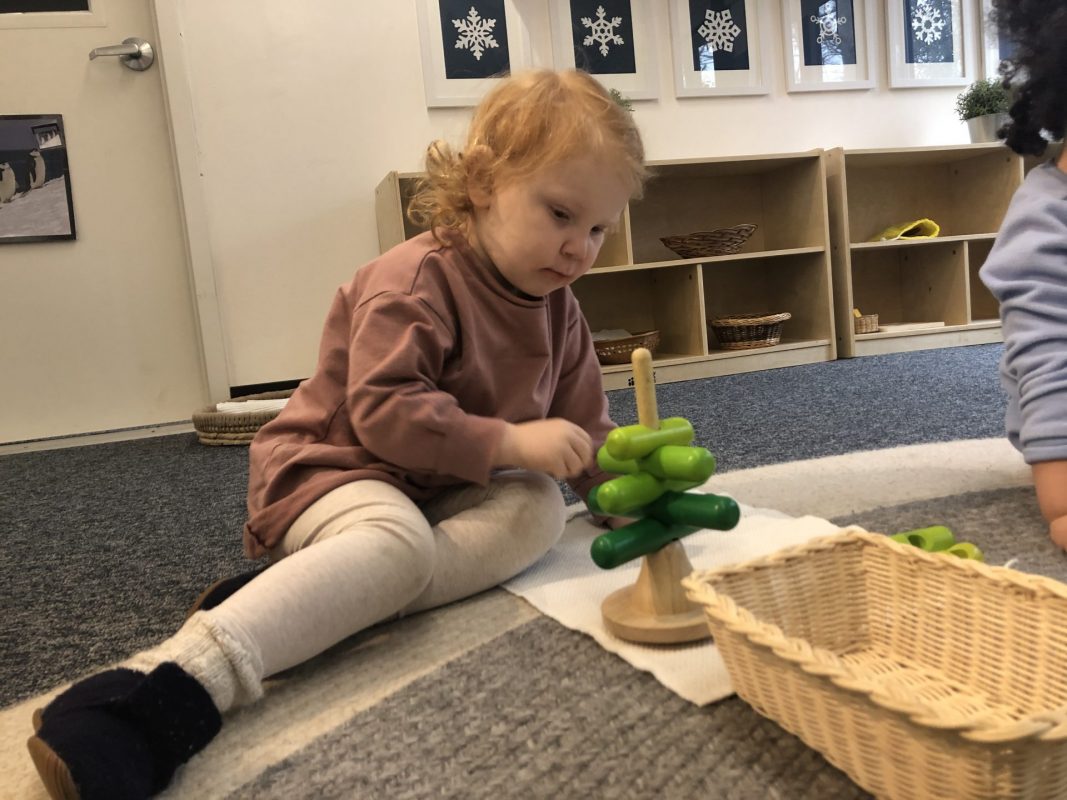
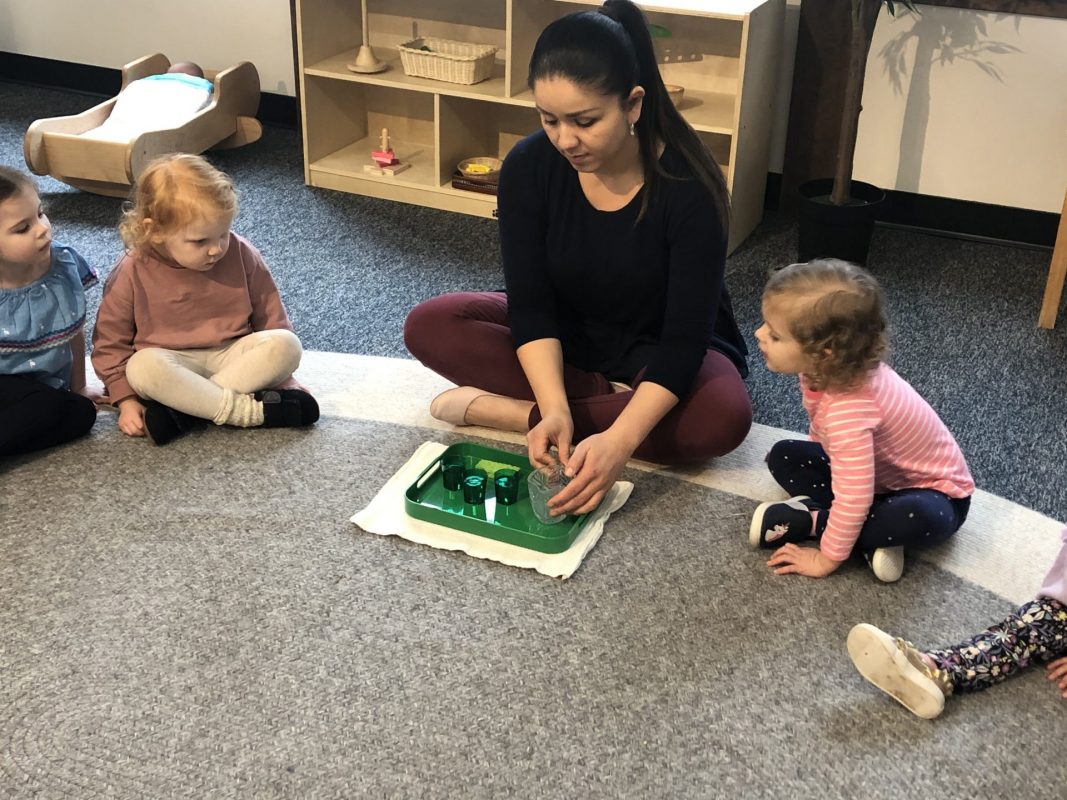
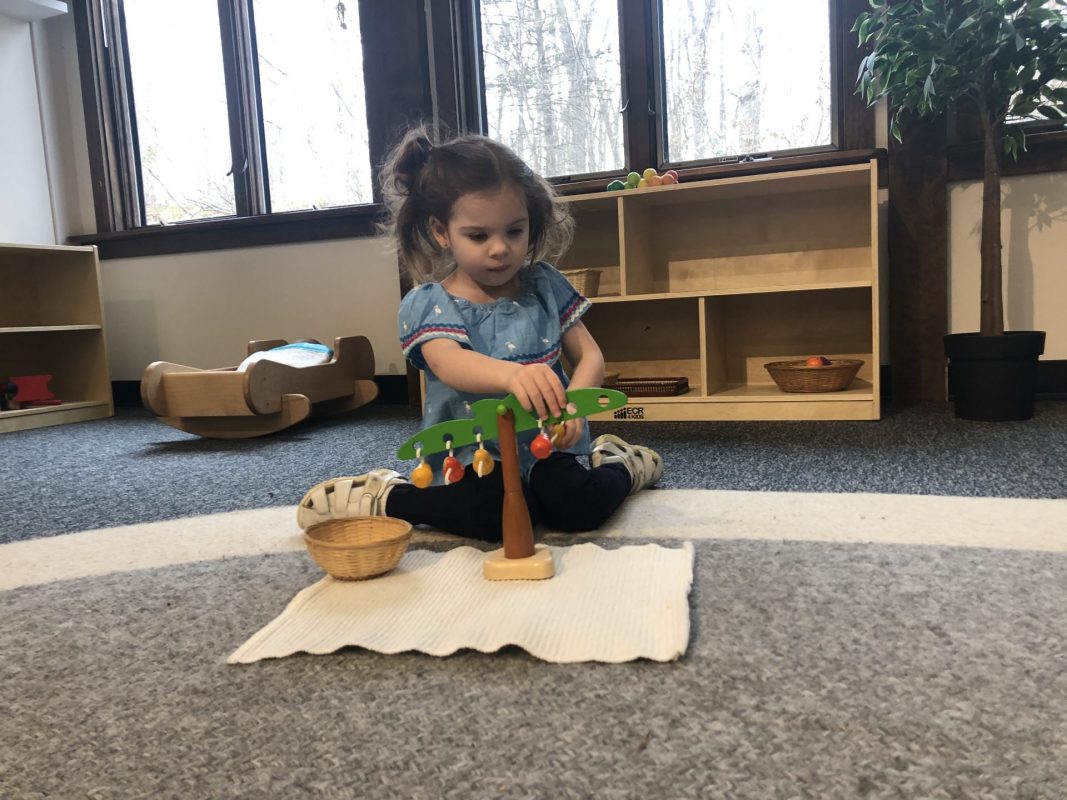
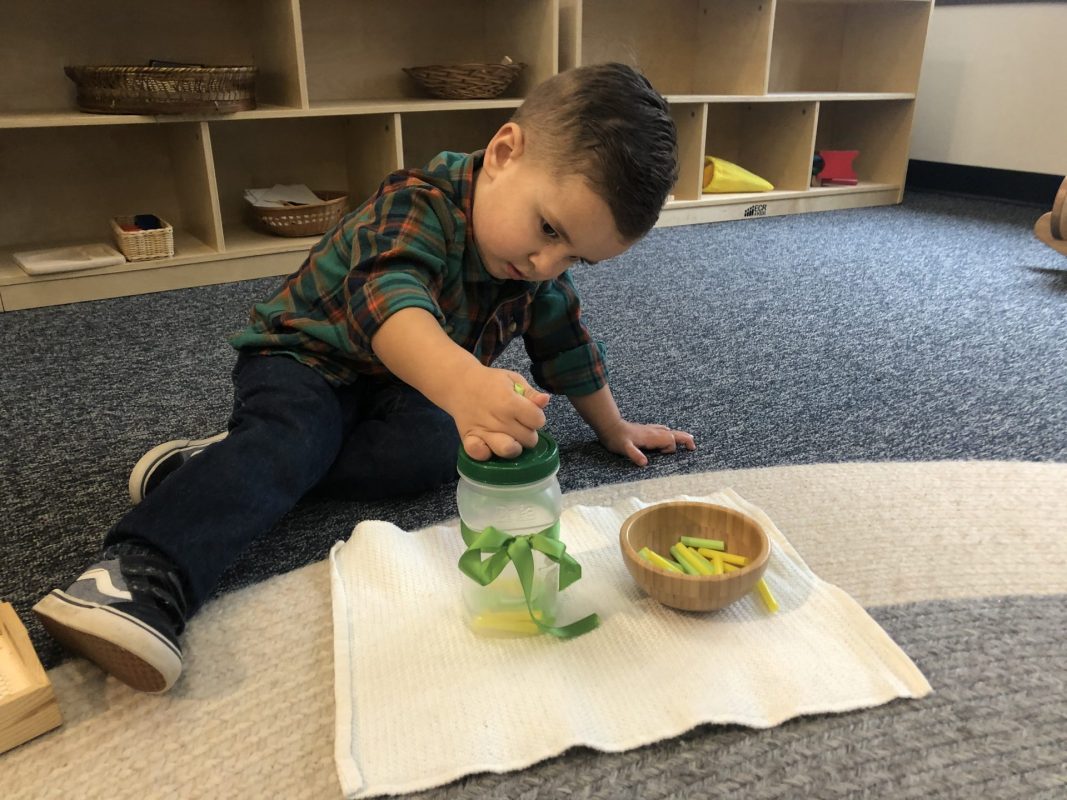
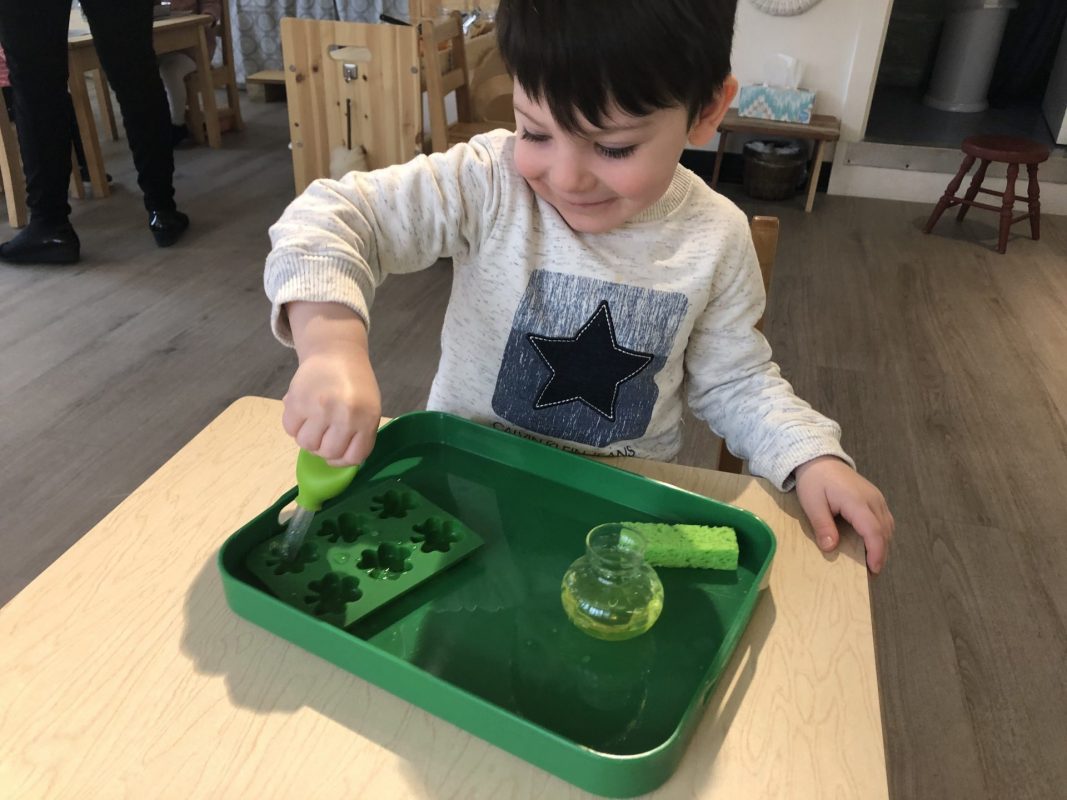
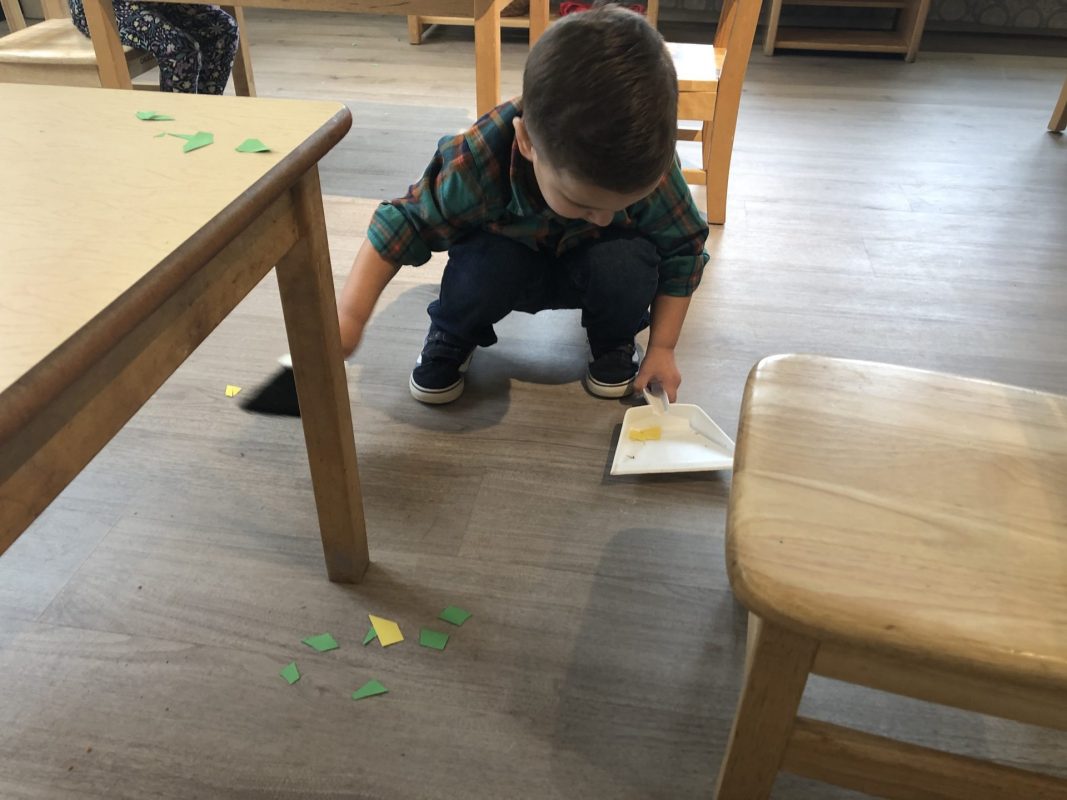
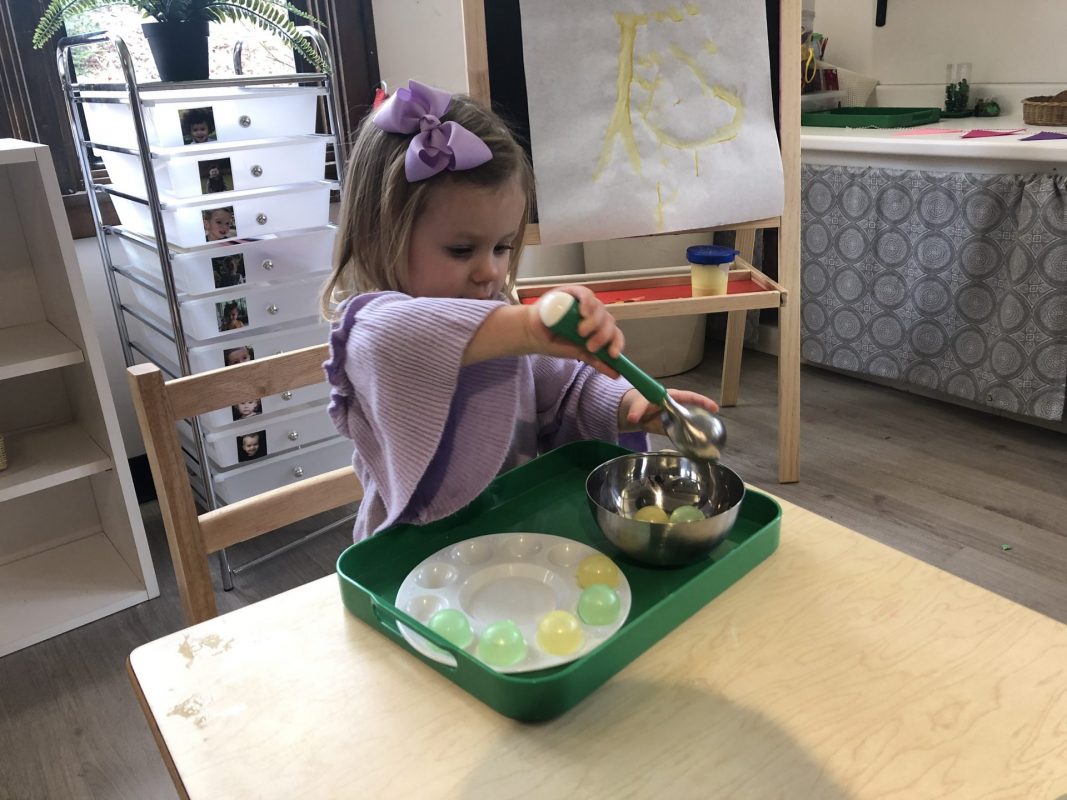
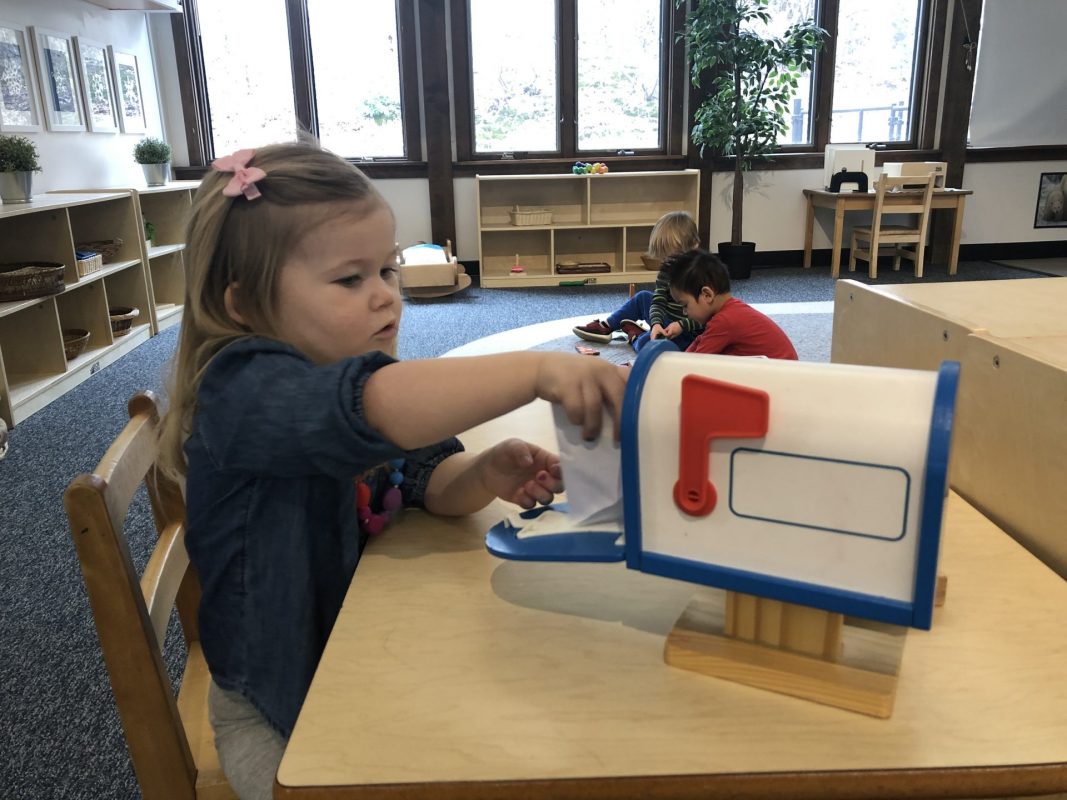
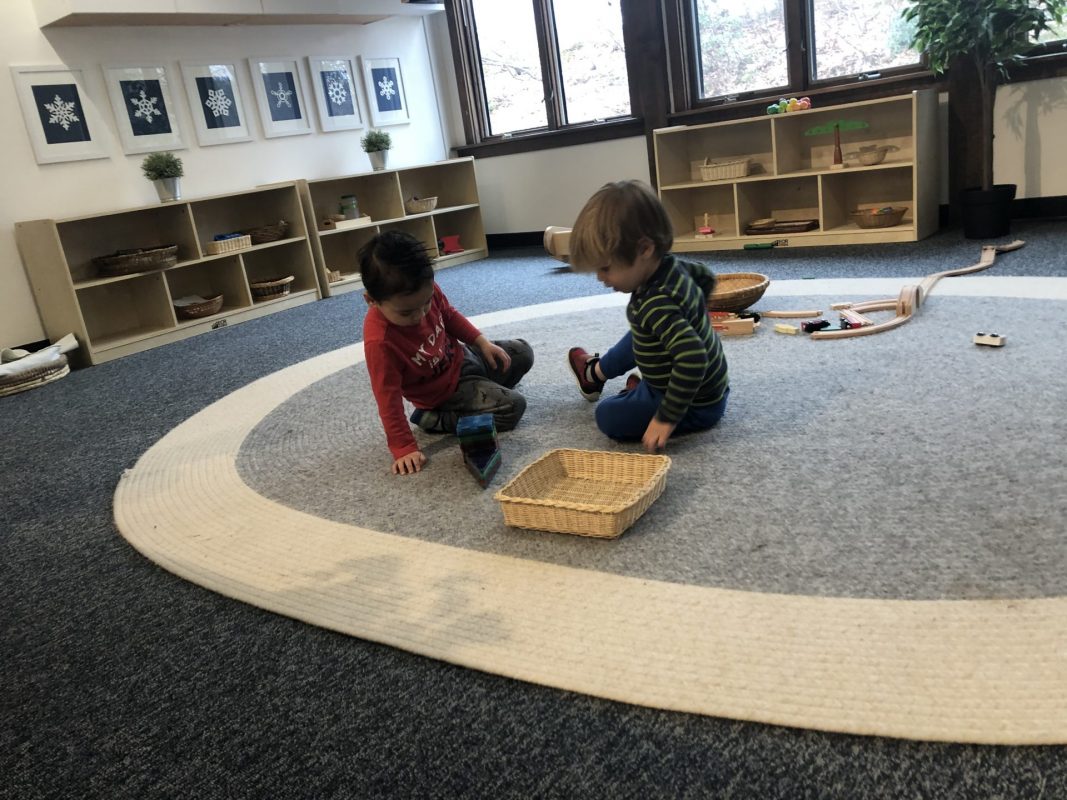
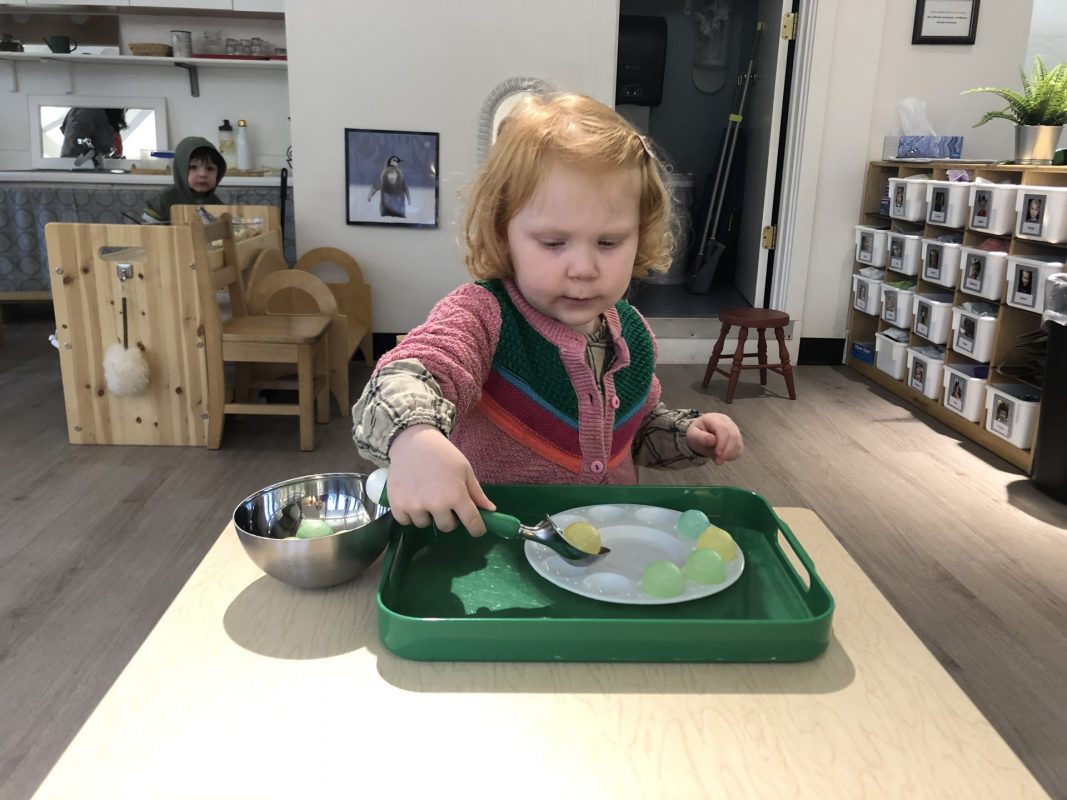
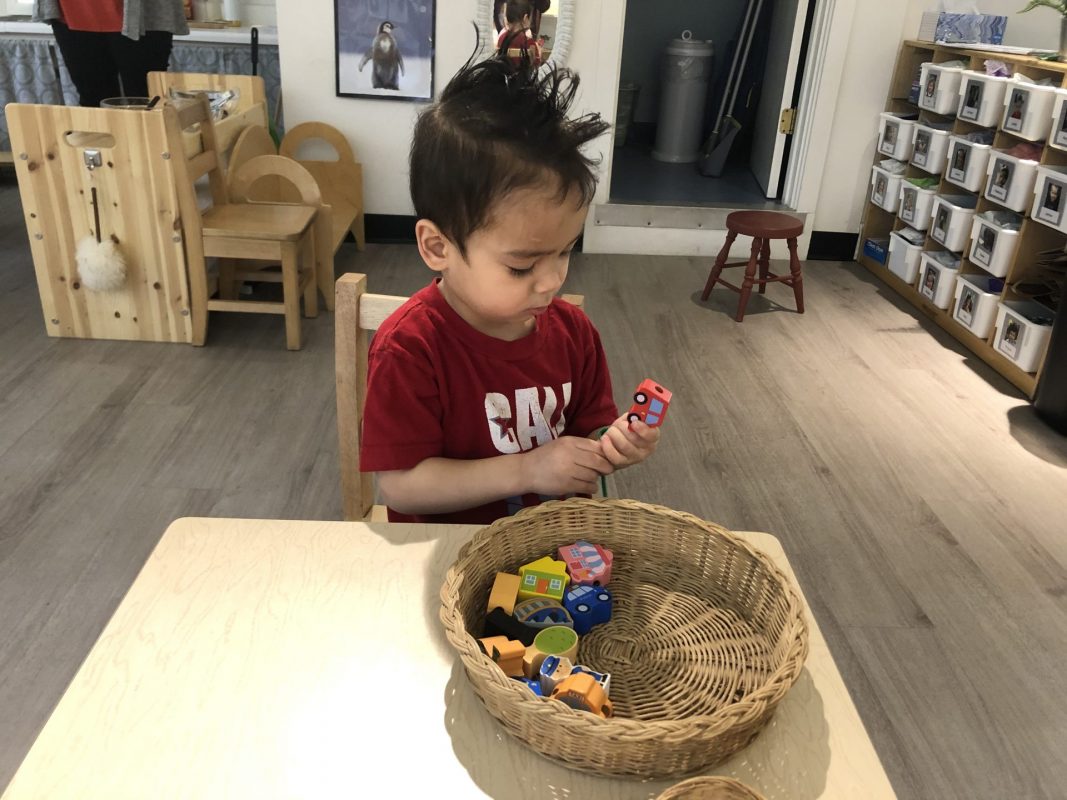
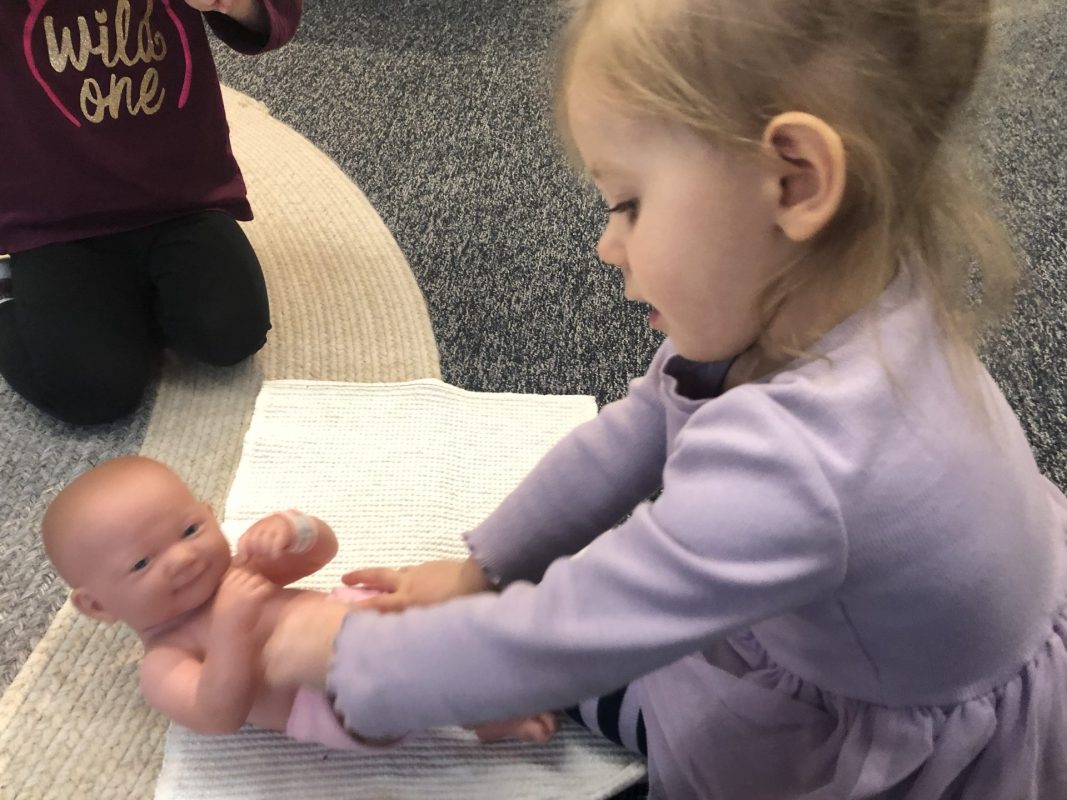
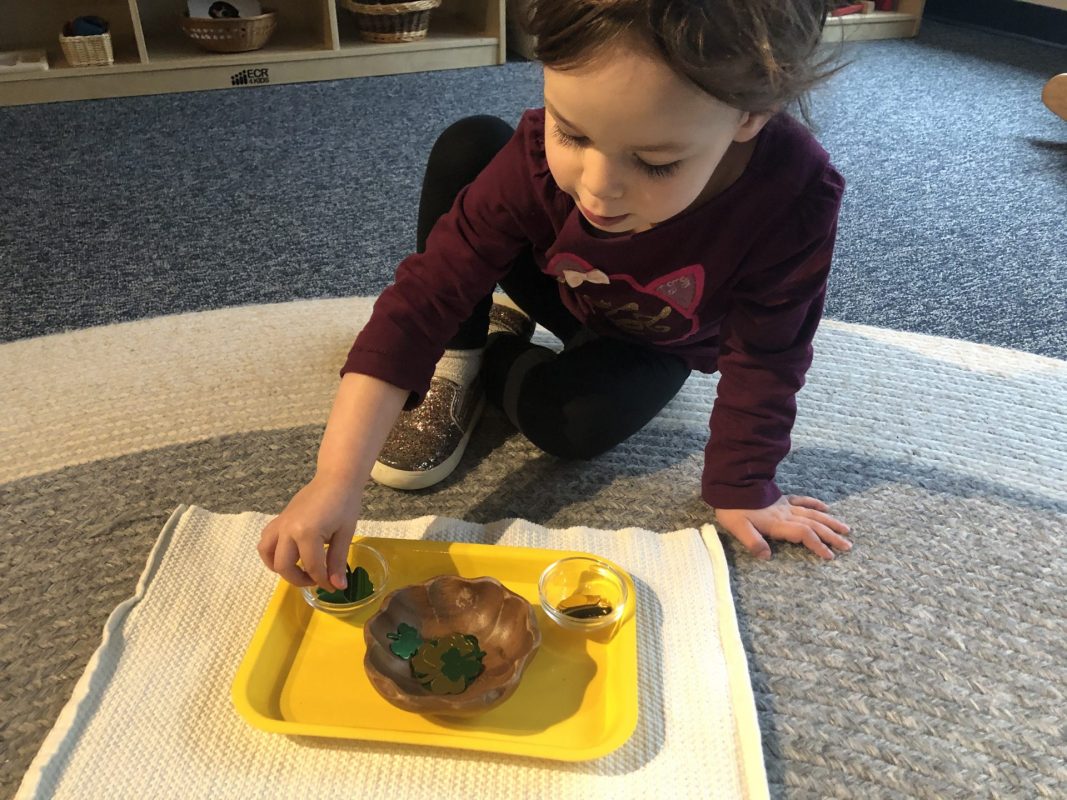
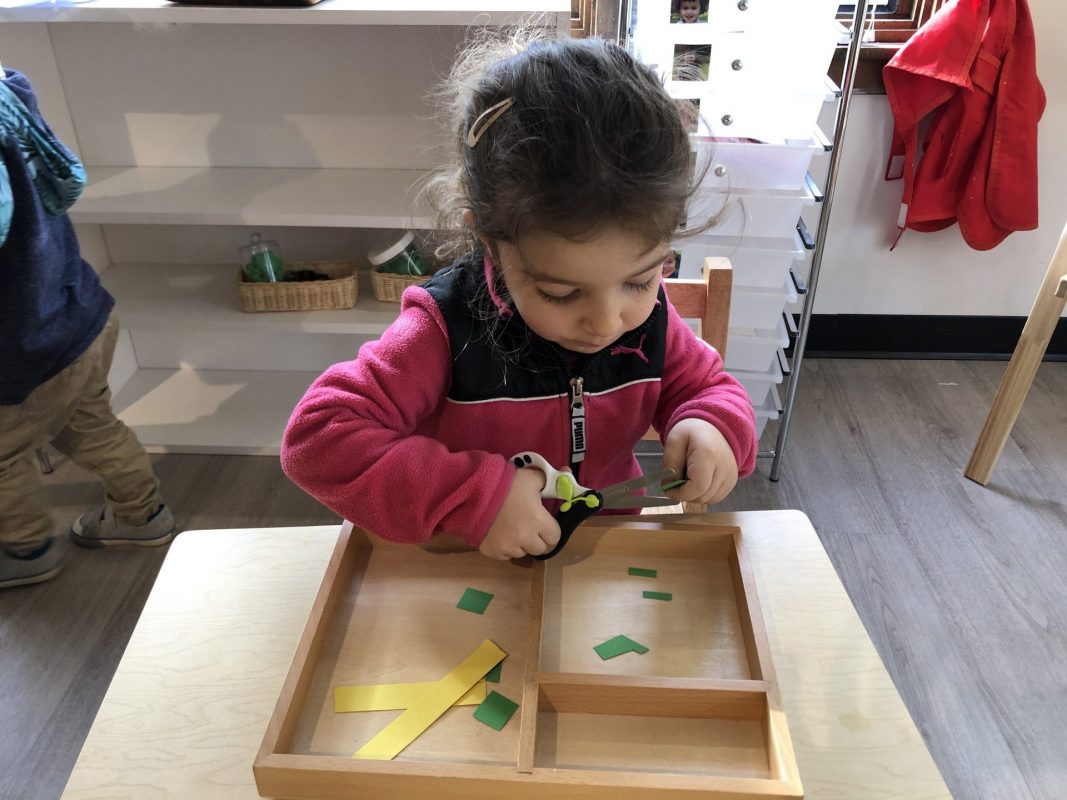
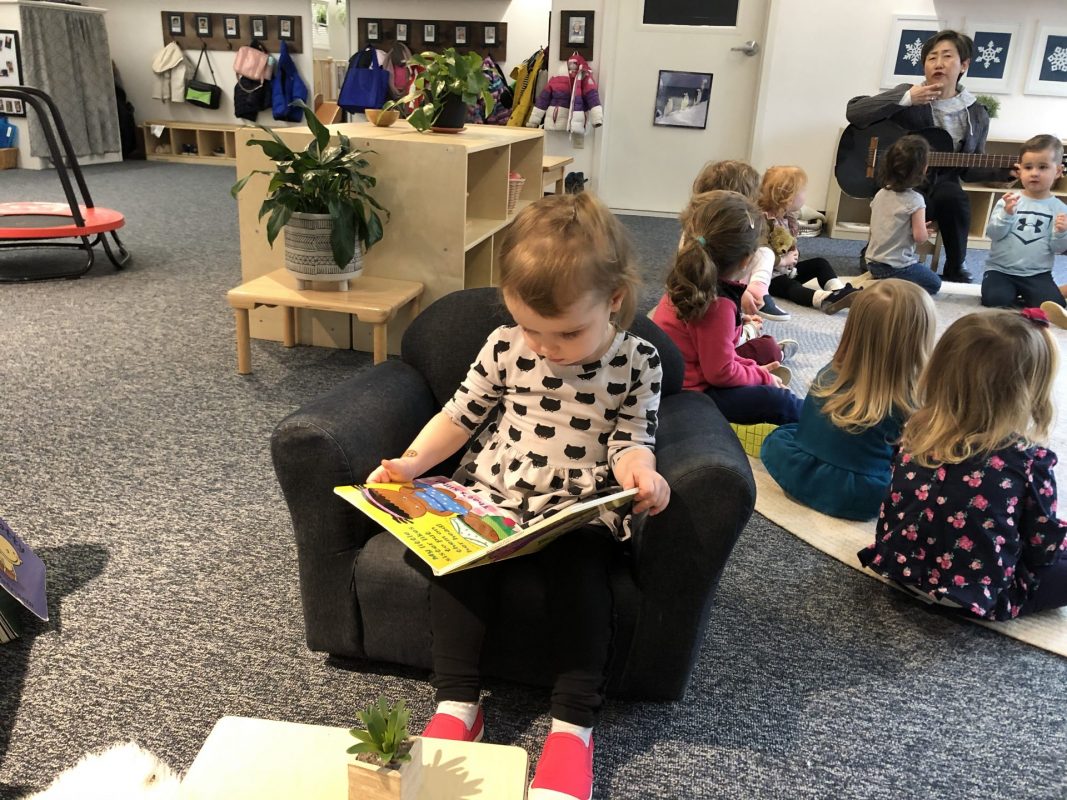
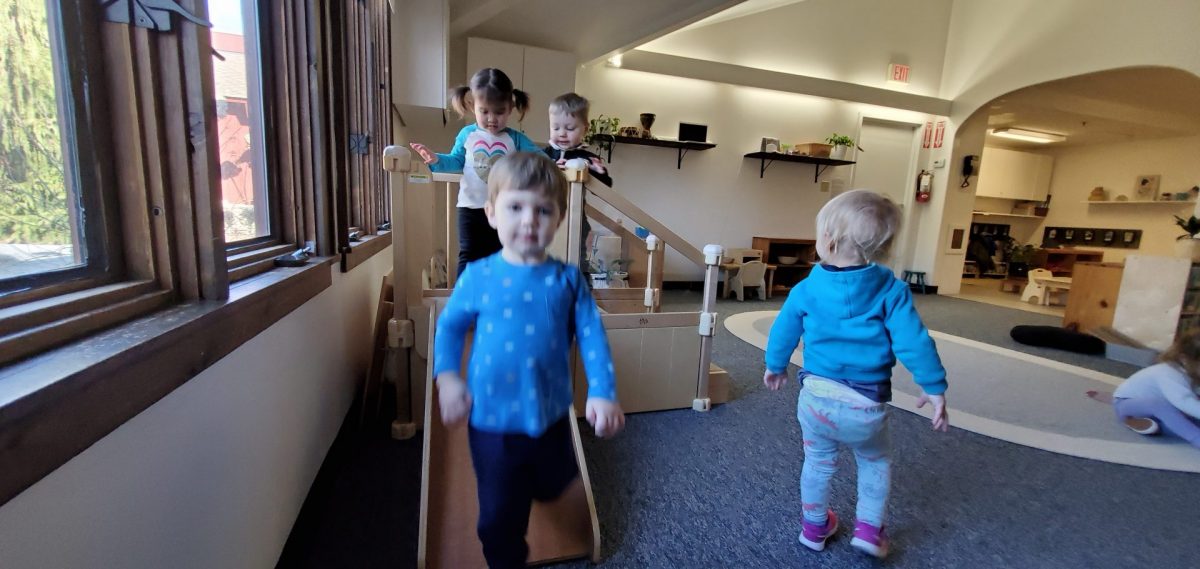
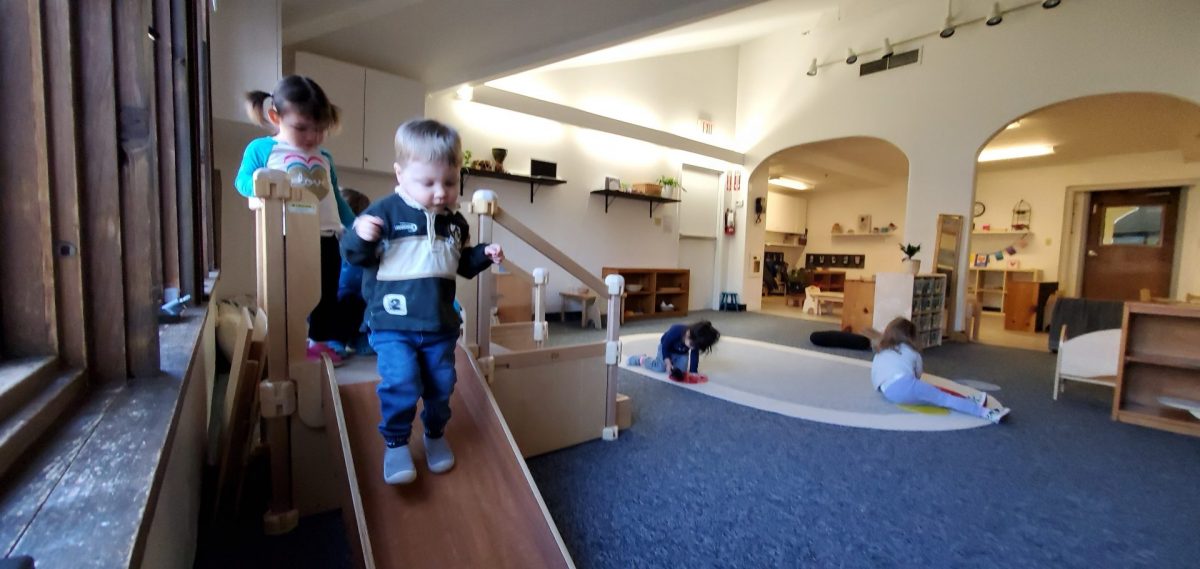
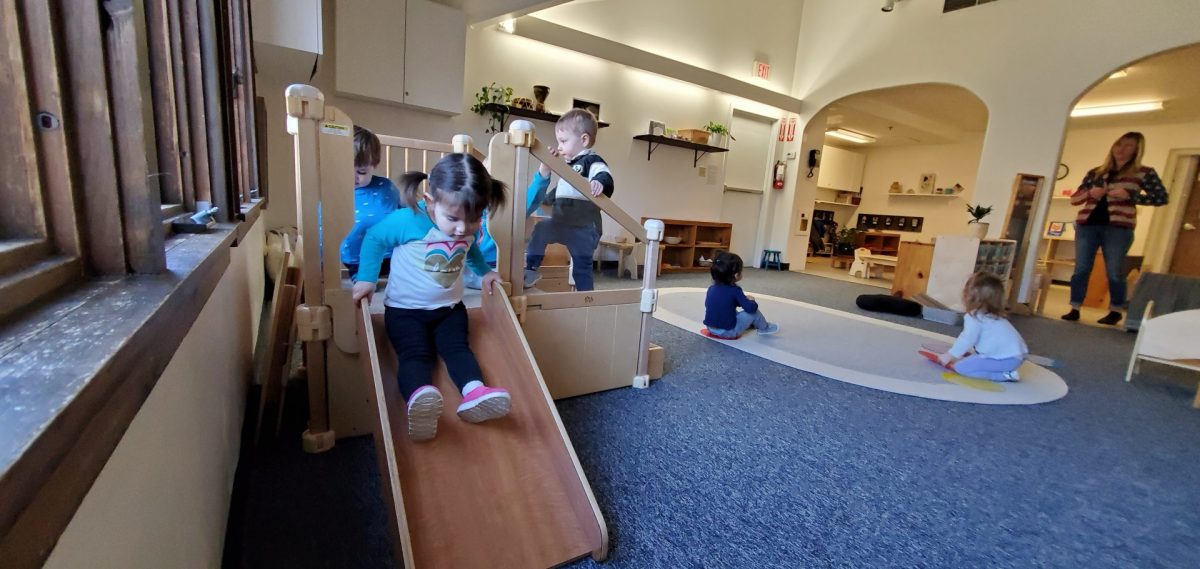
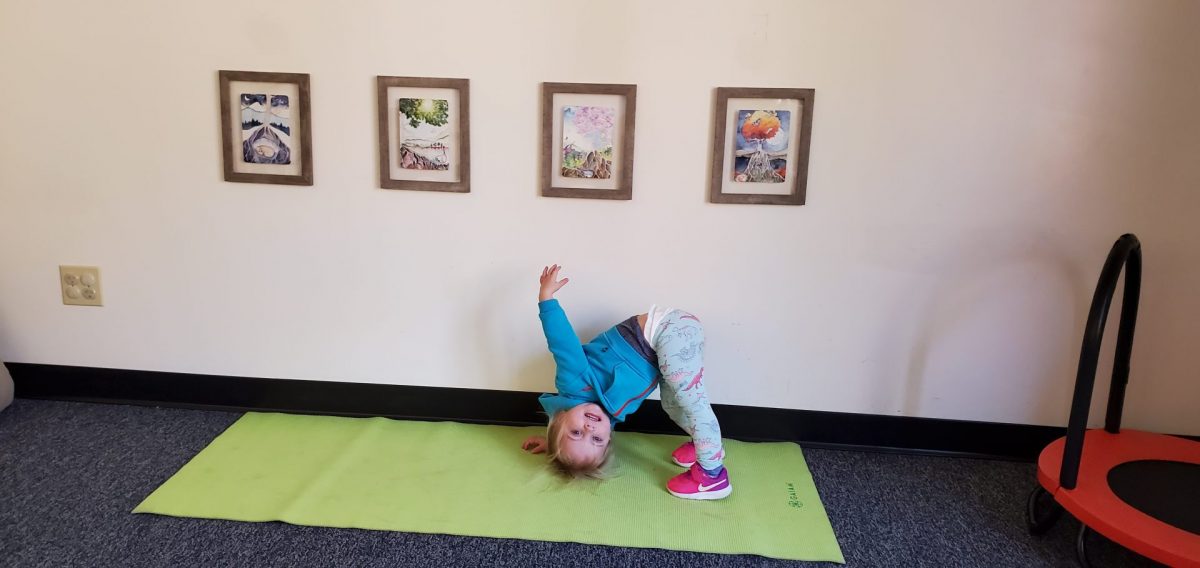
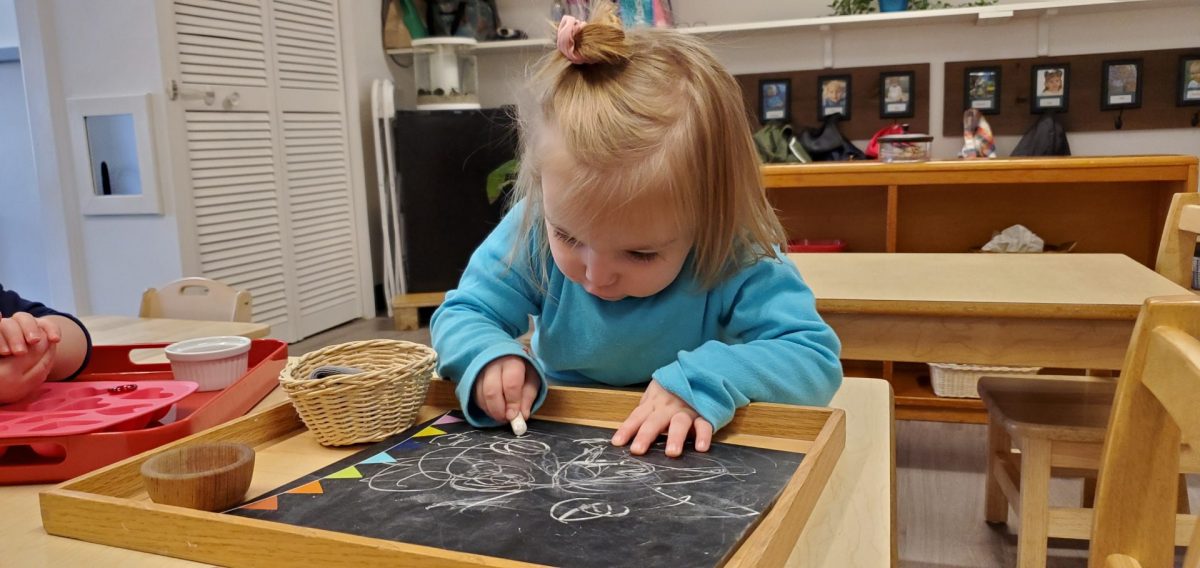
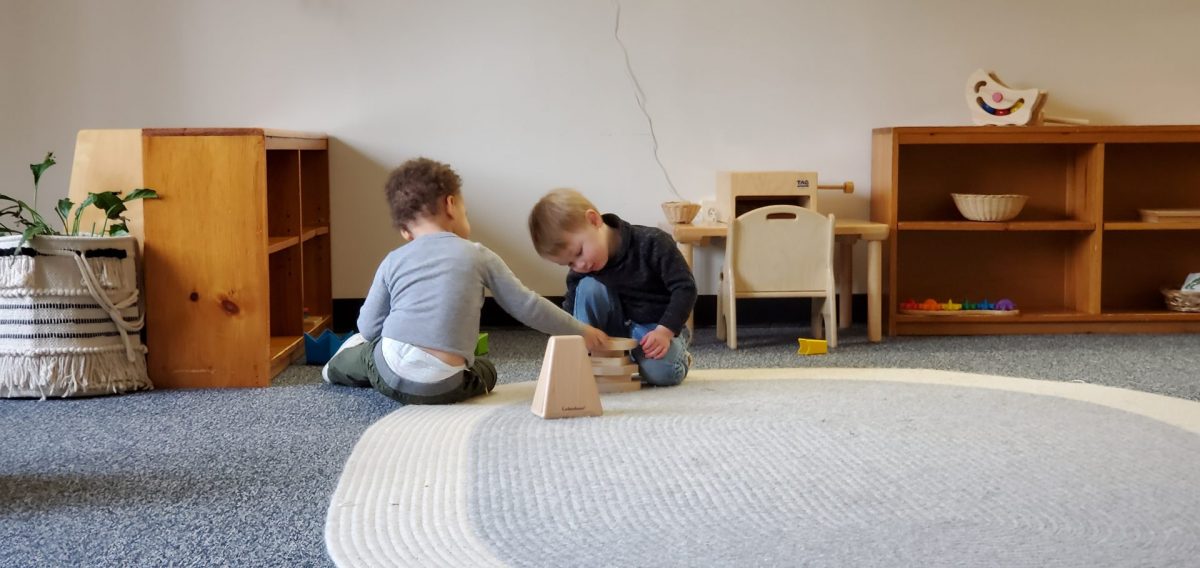
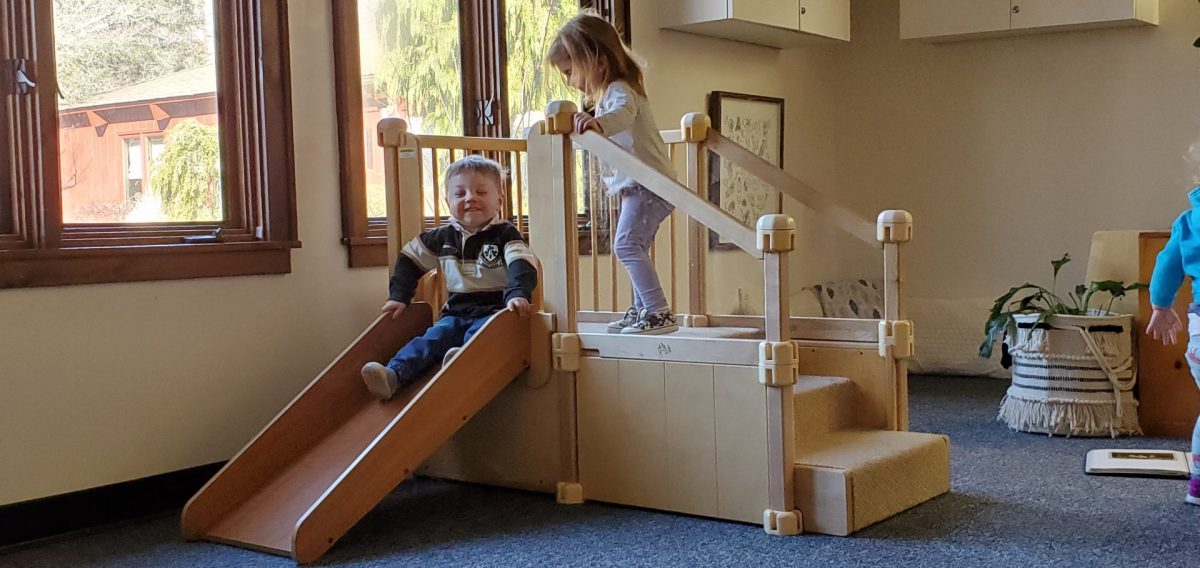
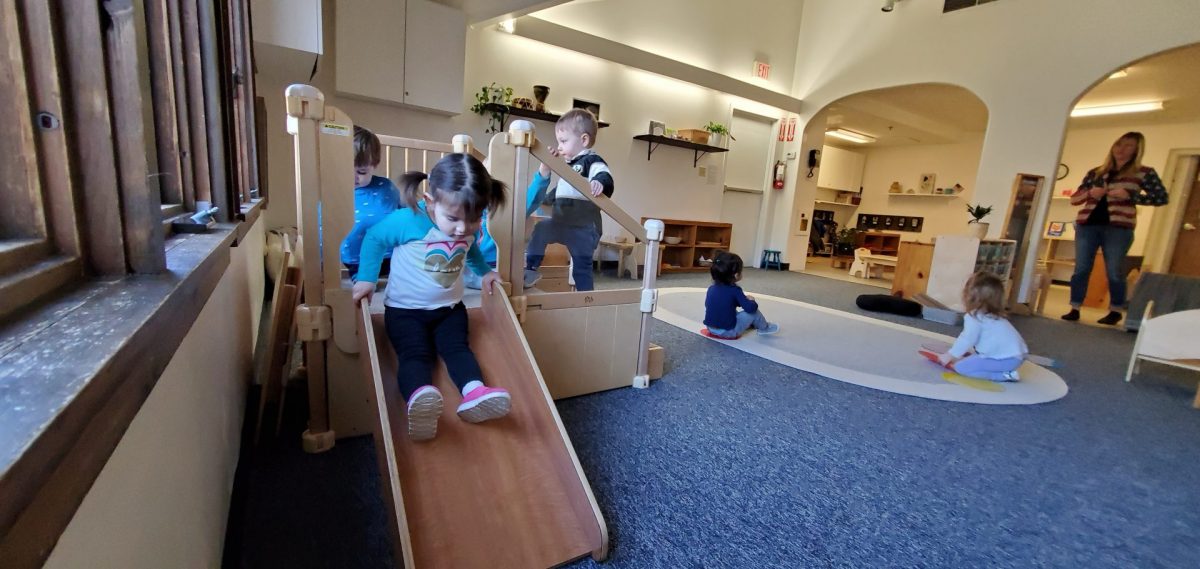
Children also enjoyed and engaged in all the new works in the environment throughout the week. They are truly like little busy bees!

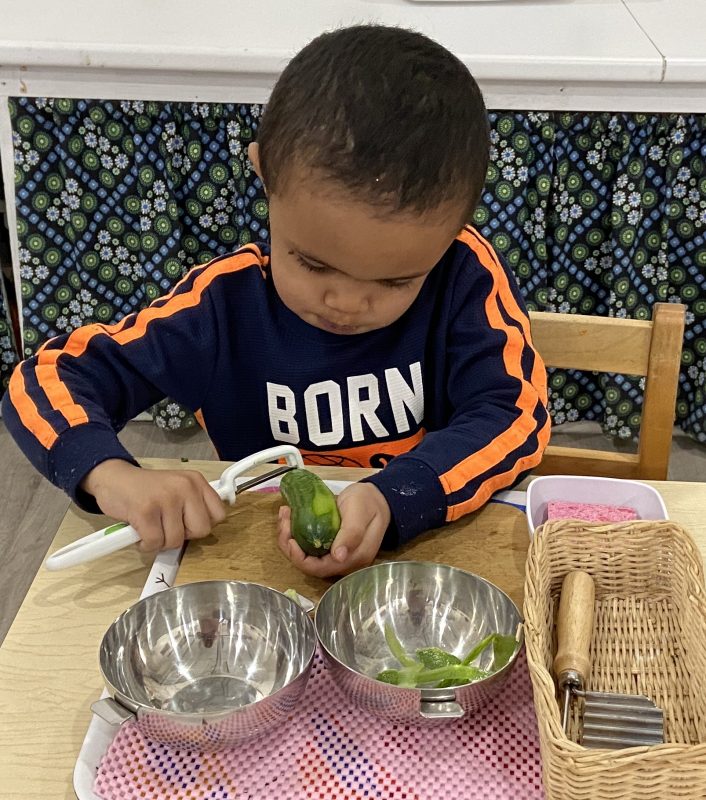
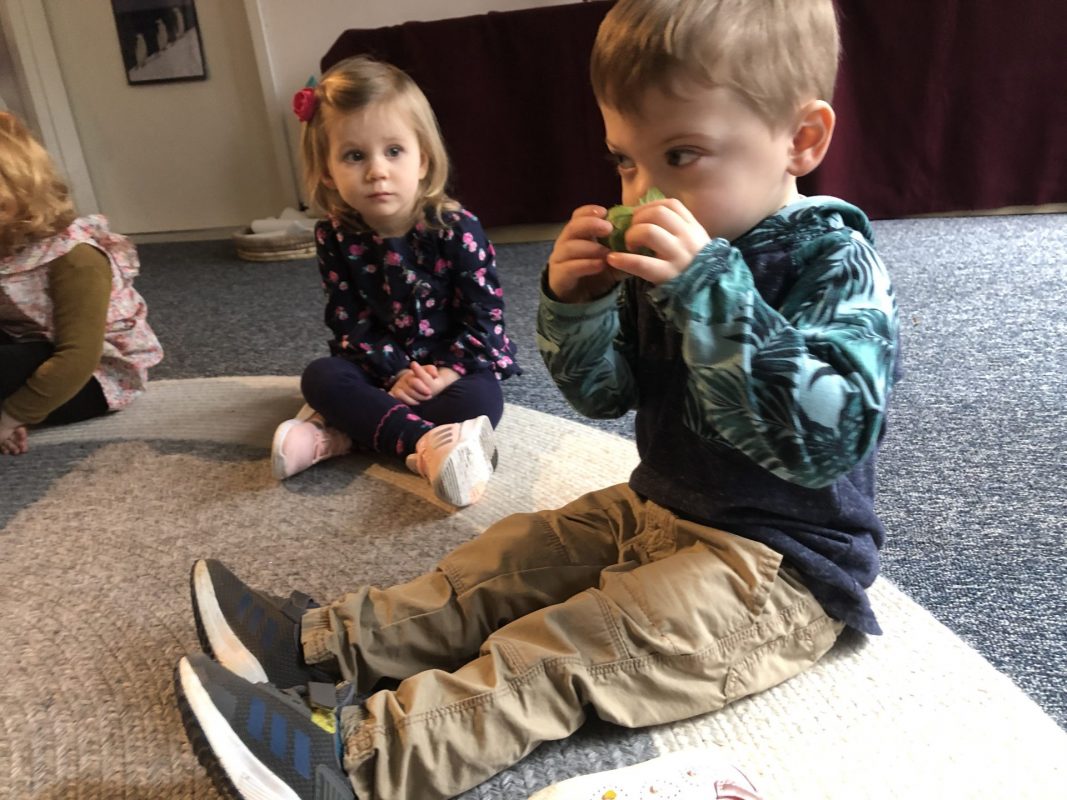
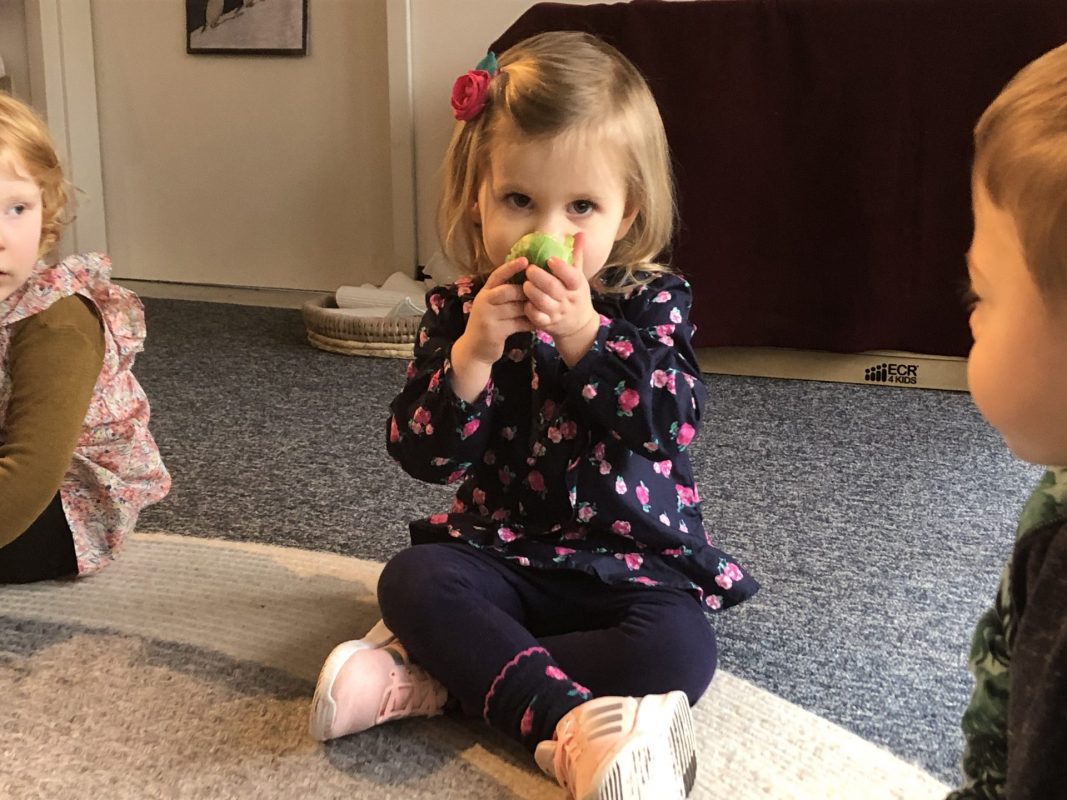
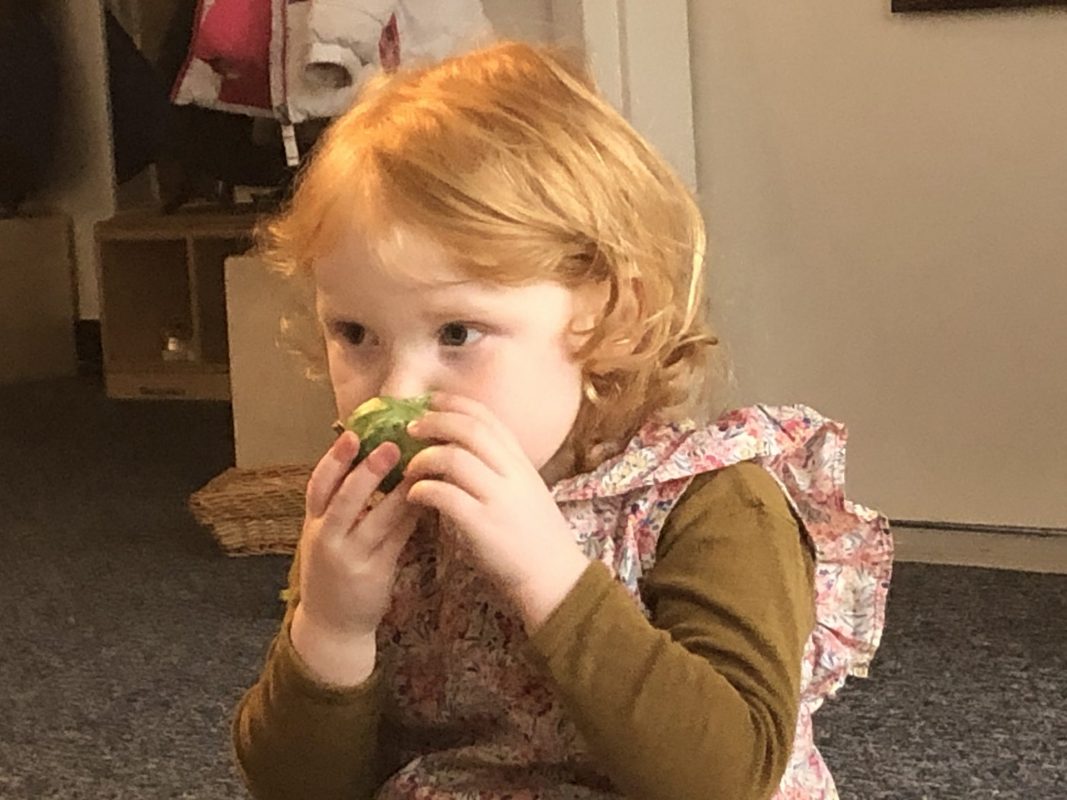
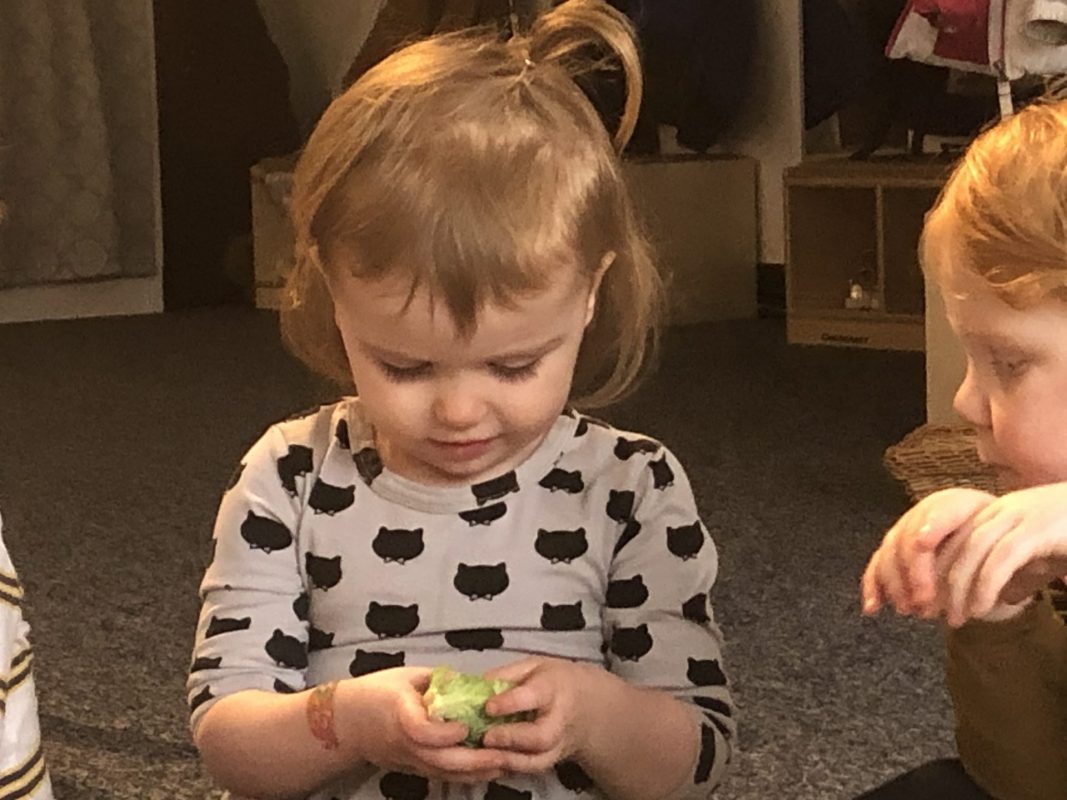
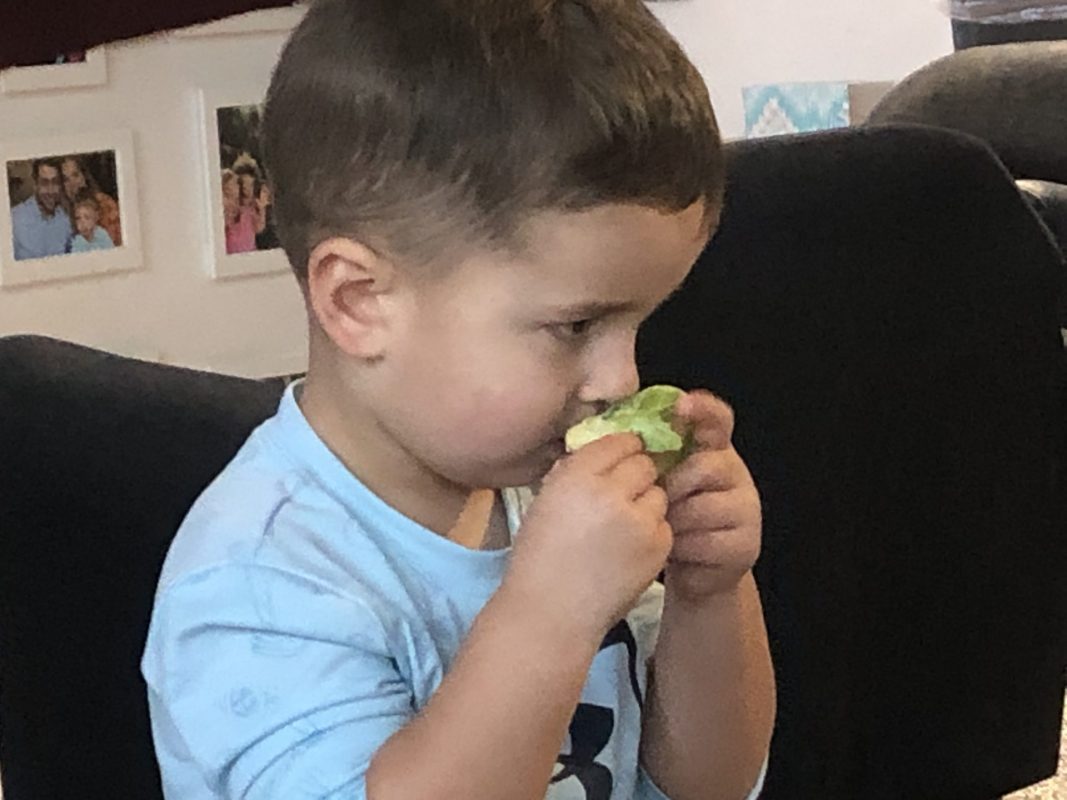
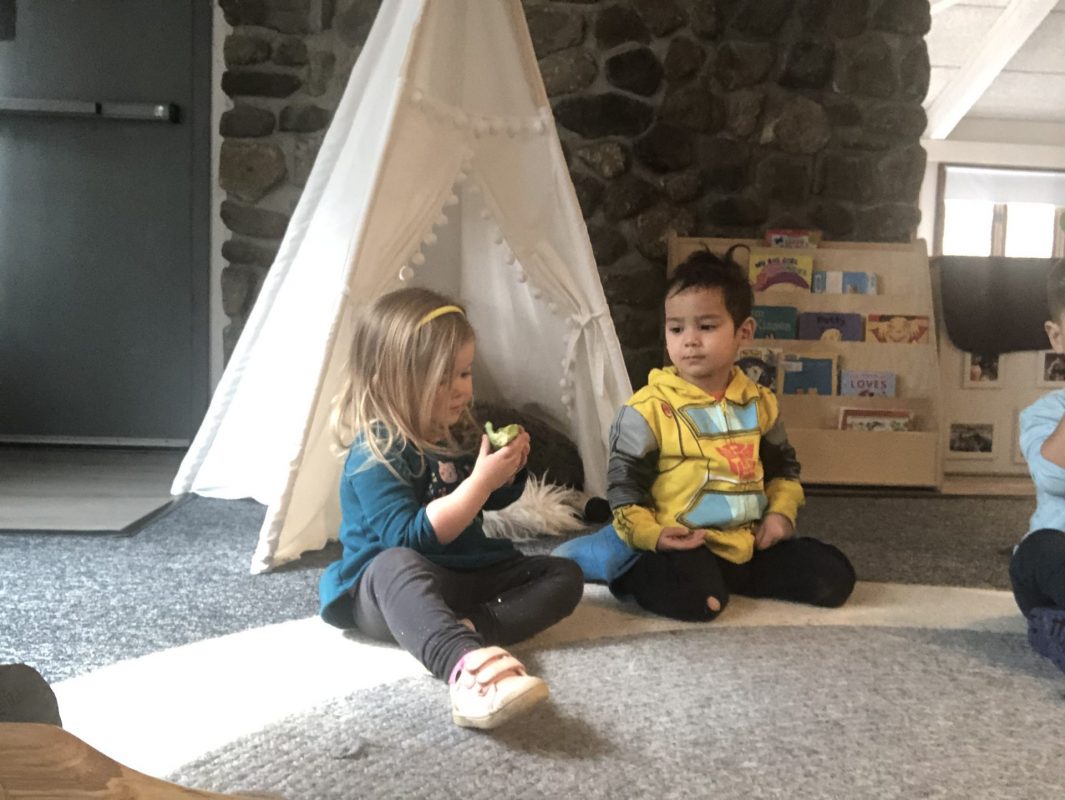
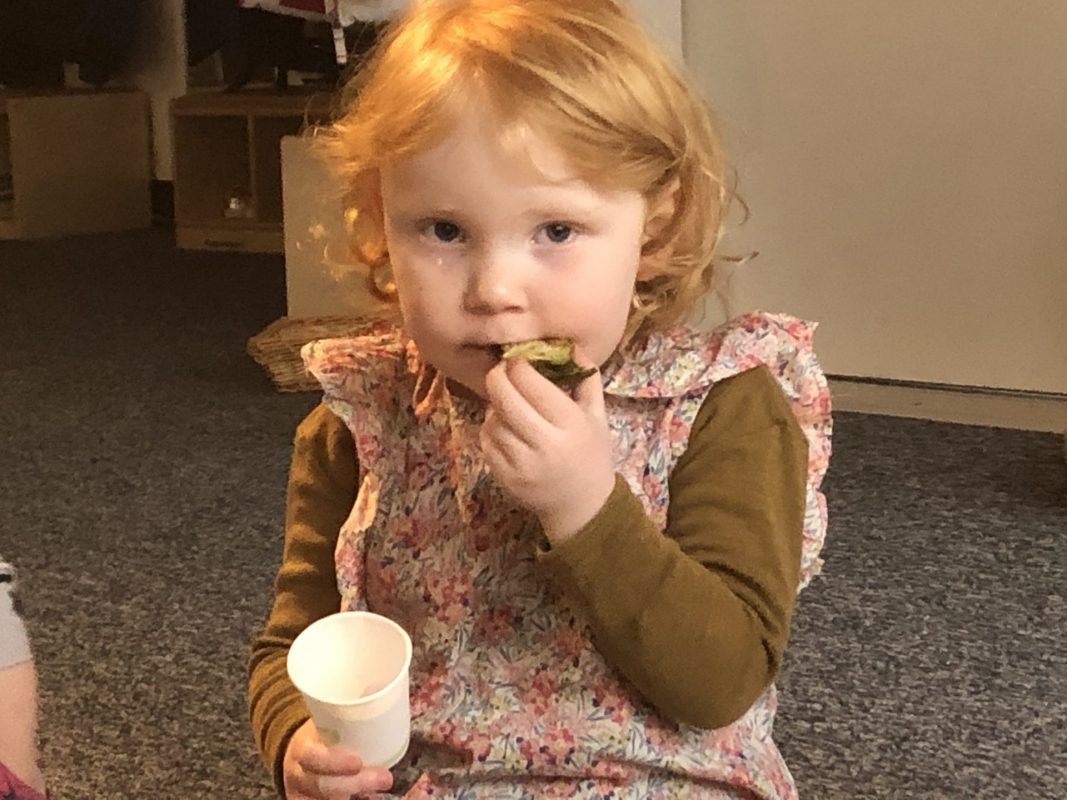
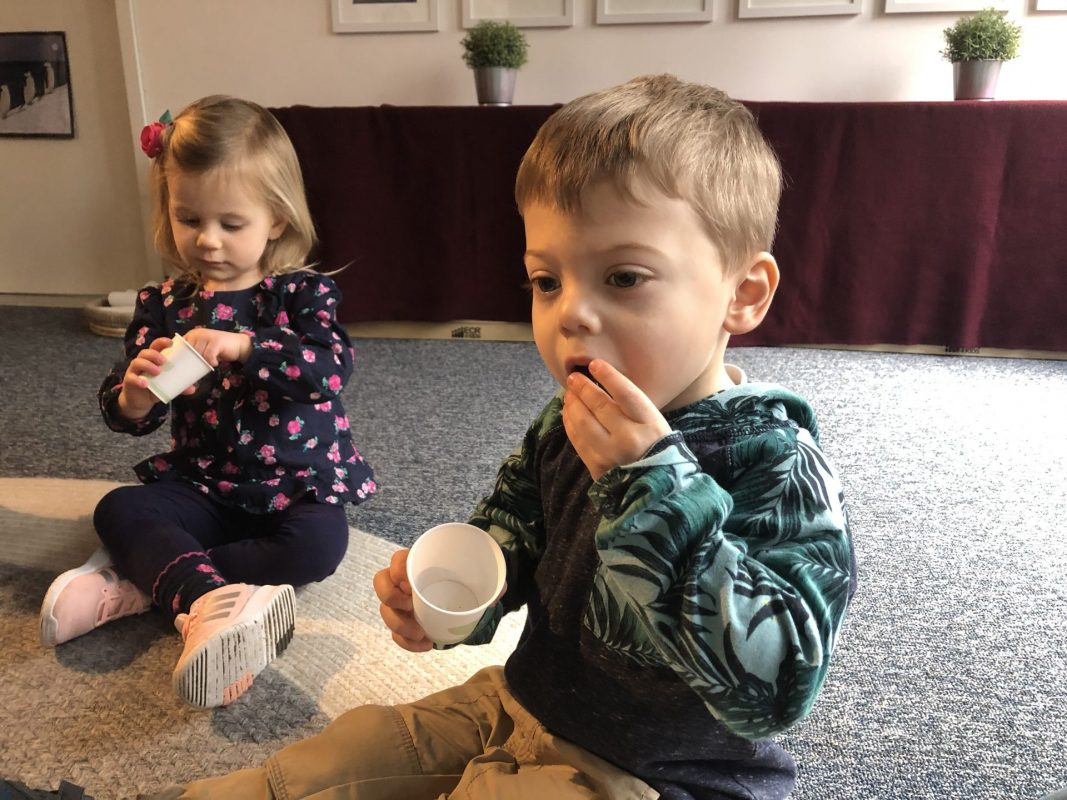
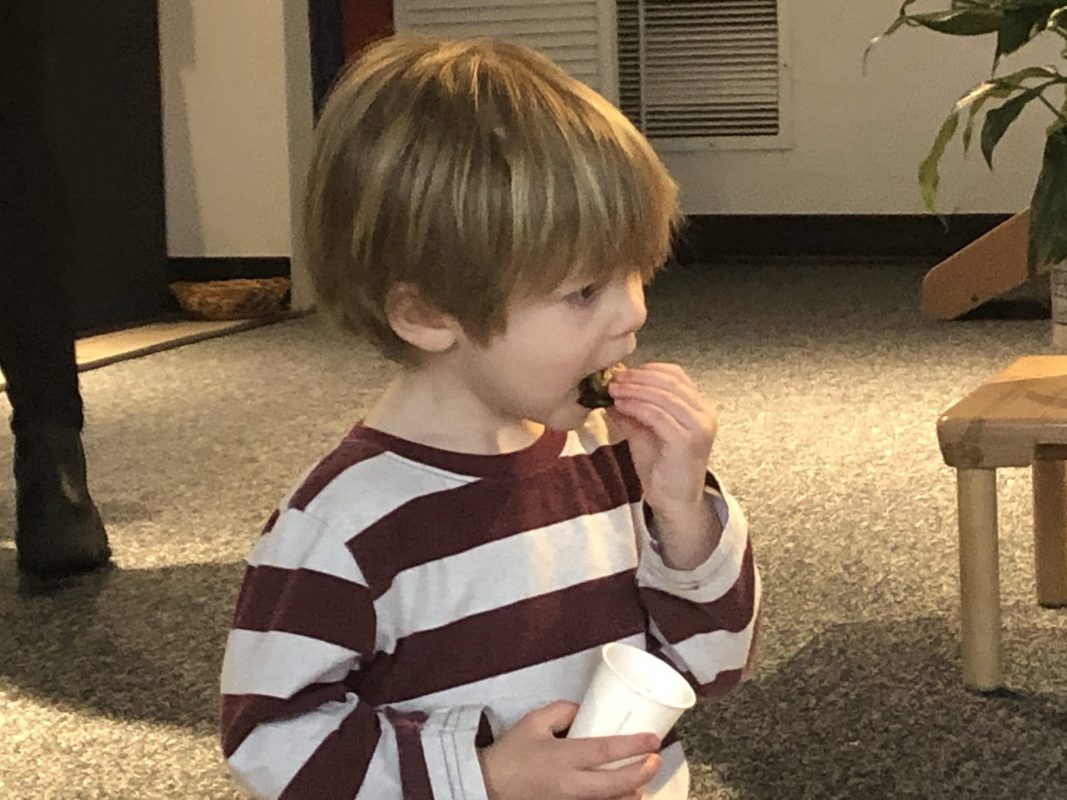
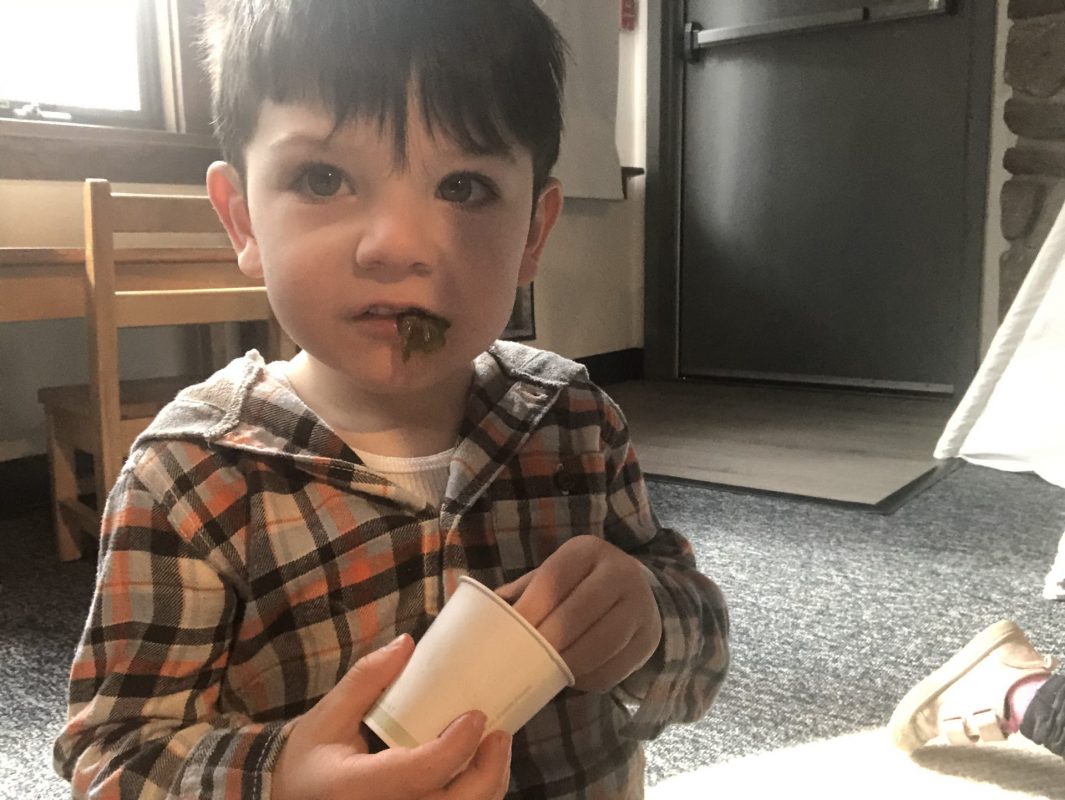
For food tasting we explored Brussels sprouts. Some children really enjoyed it and some not too much. At least we got a request for our next food tasting: chocolate corn! What do you think?… I will try to figure out how we can make that possible while you enjoy this week’s pictures!

Have a good weekend!


Middle School: A Week in Review at FWM

This week, we finished writing the Middle School Play called Sugar Hills Heist! It is incredible to watch the original idea and plot transform. Mrs. Lamb is incredibly impressed by this writing group. They really paid attention to the overall plot and writing goals, as well as adding details and lines to develop the characters. They also gave incredible feedback throughout the process making sure to minimize plot holes and maximize the personality of the characters. Save the date for March 12th at 7:00 pm!

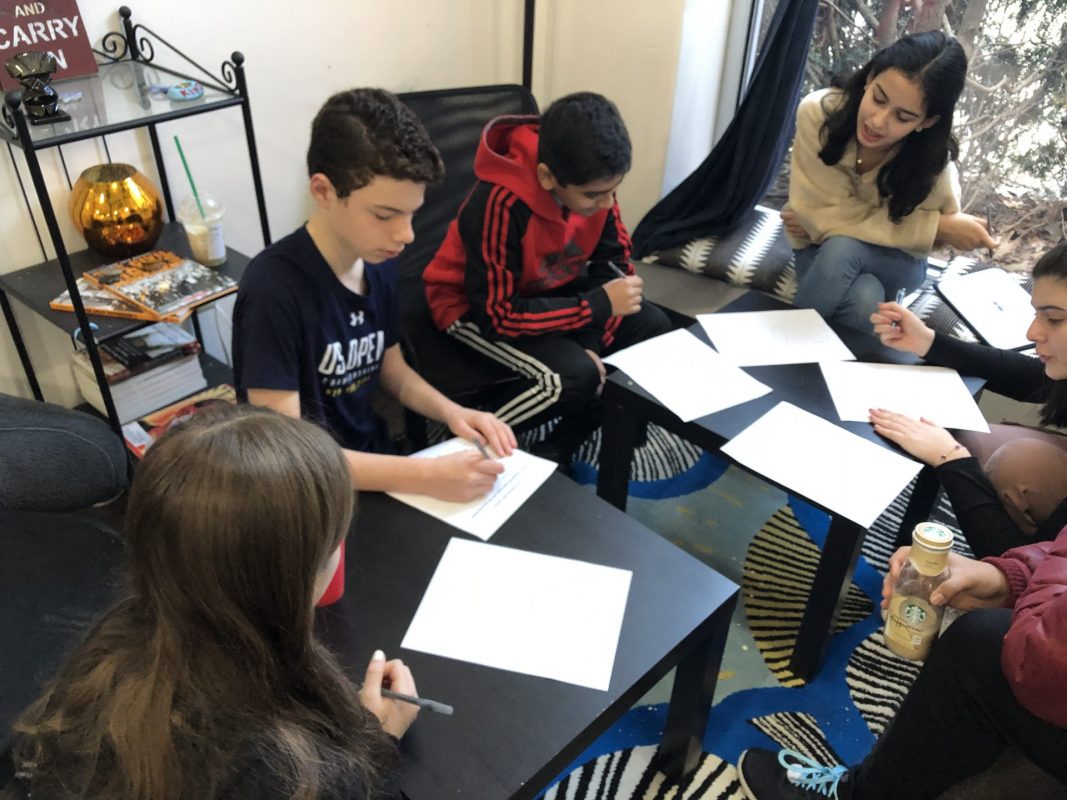
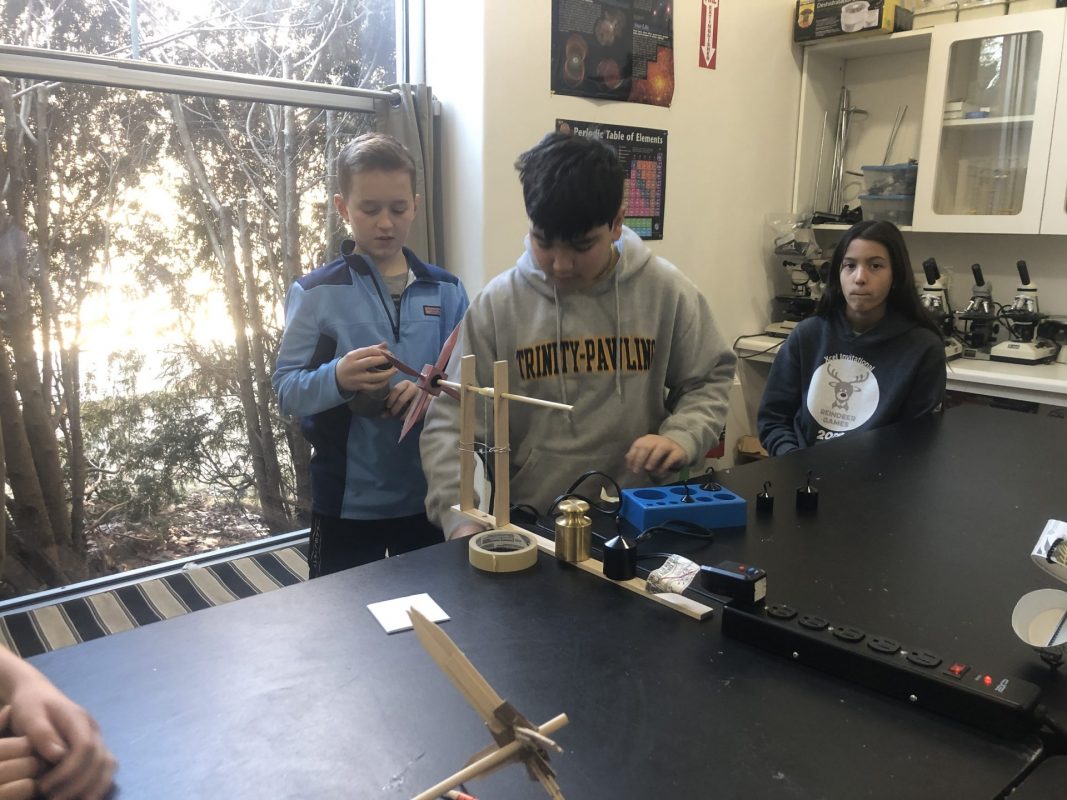
6th year Earth Science students have been reading several articles related to their unit on Natural Resources. The most recent article titled “Sustainable Forestry” discussed past and current practices used nationwide to ensure our forest remains a renewable resource rather than nonrenewable. Earth Science students were able to test the efficiency of their wind turbines, demonstrating alternative practices to renewable energy. 7th year Physical Science students are just beginning their unit on Kinetic Energy. This week in class, students will begin designing and constructing their roller coasters, applying their working knowledge of potential and kinetic energy. 8th year Life Science students are learning about the nervous system, breaking it down into the central and peripheral nervous system. Students will be required to create a visual representation (stop motion, working model) of the nervous system, promoting a hands-on learning approach. 
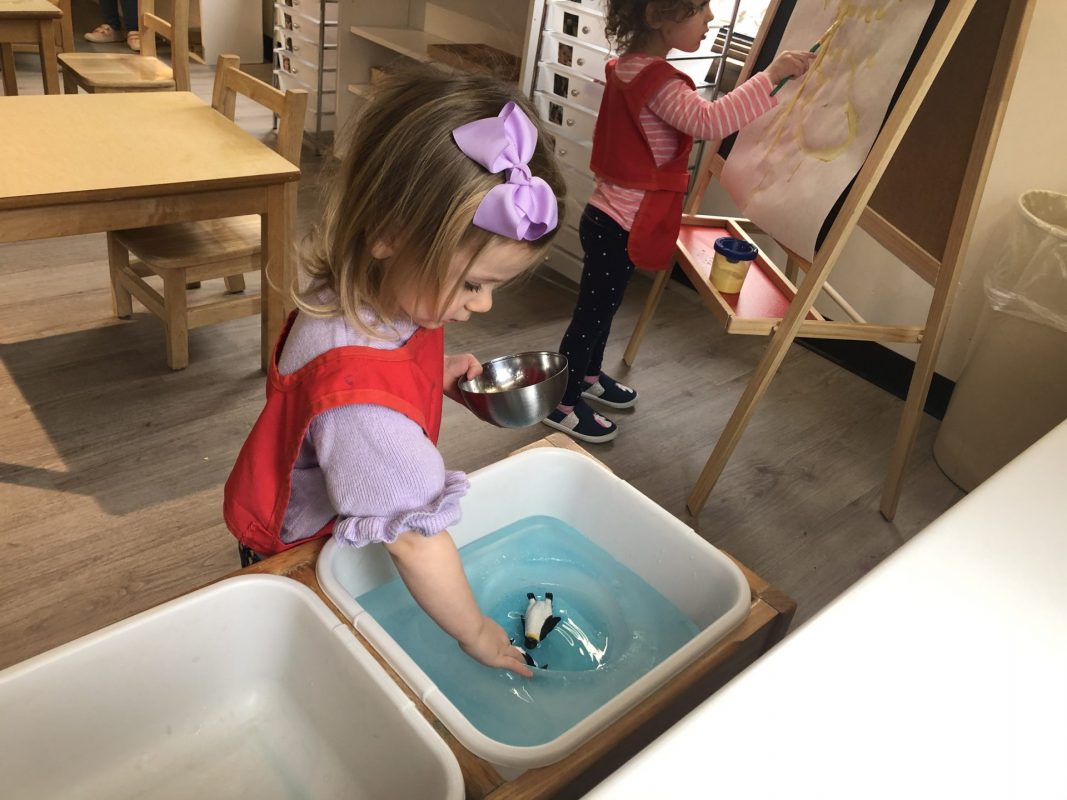
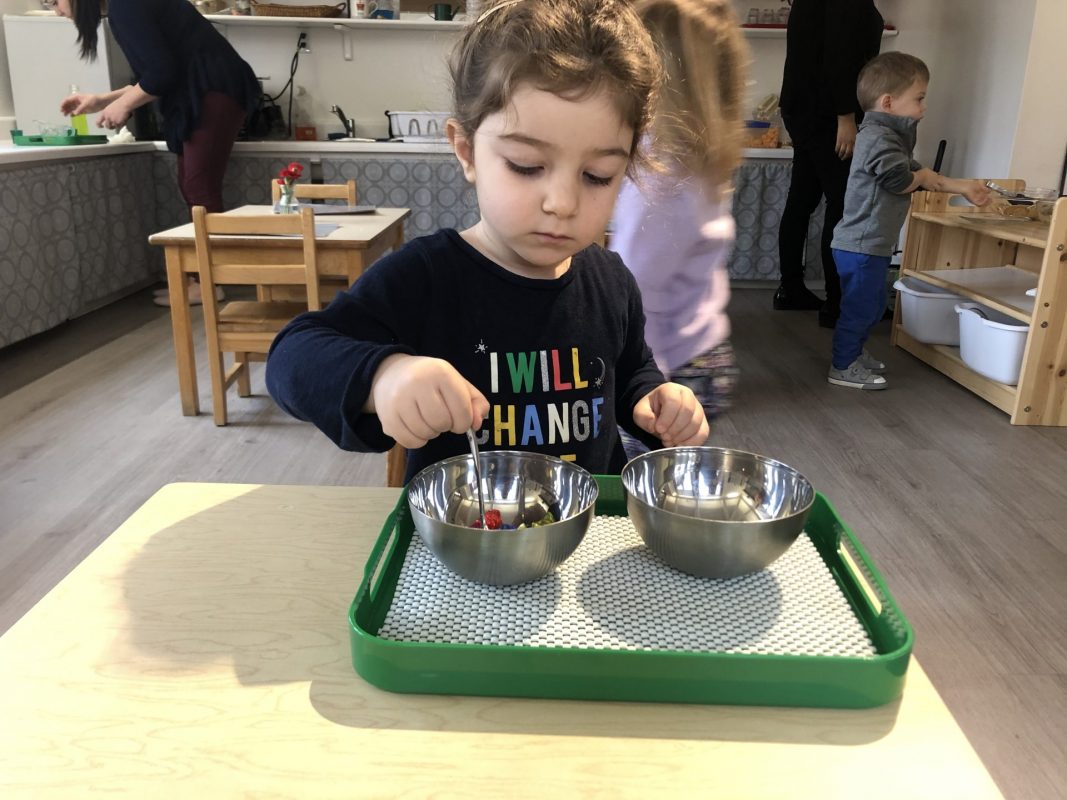
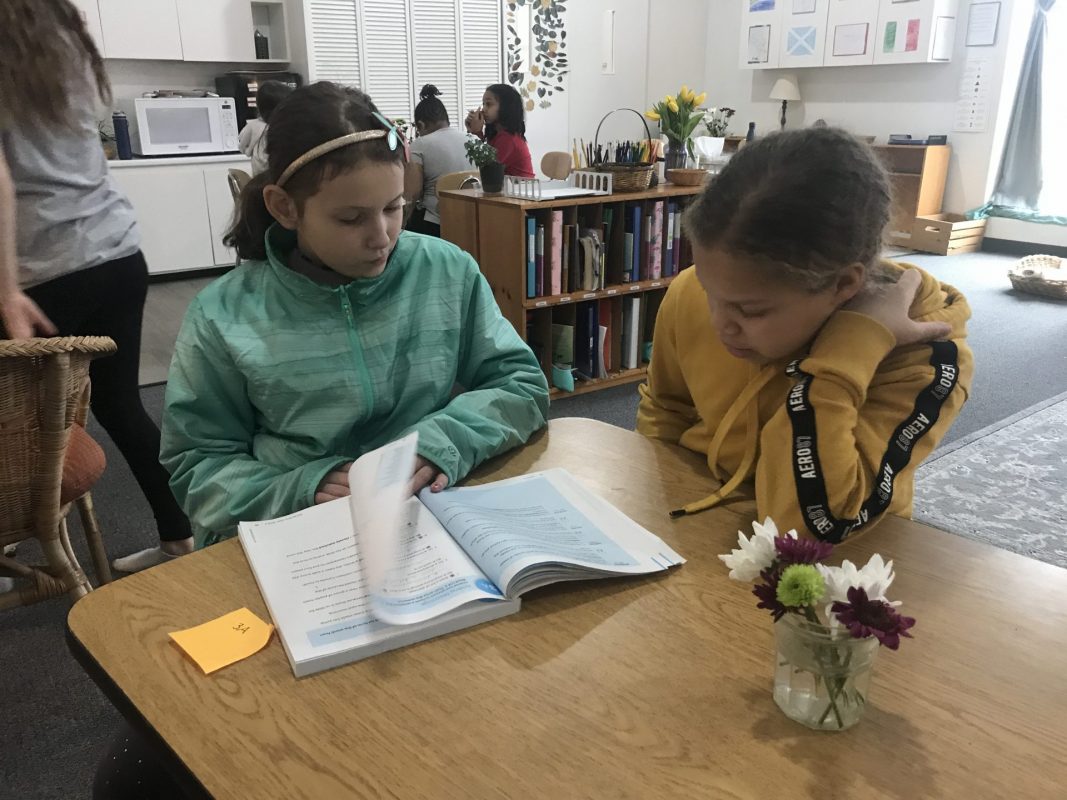
In Pre-Transition math class, students officially started chapter 7 on the UCSMP textbook. The topics covered this week include the rate model for division, drawing arrays and picturing divisibility, using factorization to make division easier, and integer division. Students are able to use the chapter 6 connections about multiplication and make further connections to division. 

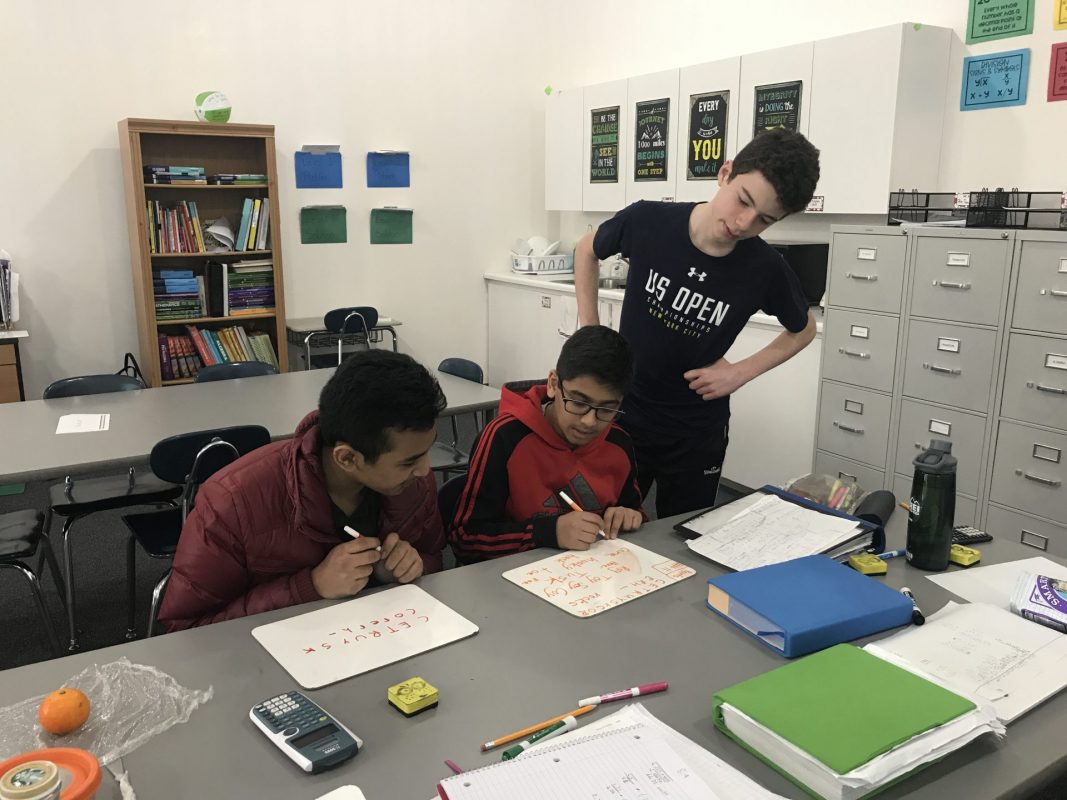
In Transition math class, students are working hard to get through the last few lessons of Chapter 8. This week we covered new topics such as graphing y = ax + b by using a table of values, solving ax + b = c, and solving ax + b < c. Students are confident in their ability to solve one step and two step algebraic equations and enjoy using Desmos to graph the linear functions. 

In Algebra 1 math class, students are excited to start learning about the quadratic equation. We are learning about solving ax2 = b, the basic ideas about functions with equation  y = ax2, and how to graph y = ax2+ bx + c. Students will finish this chapter after the school play is complete and the spring break holiday is over.

Math Joke: What do baby parabolas drink?……Quadratic formula.

Please remember, next Tuesday (March 3, 2020) we will be attending the Museum of Natural History in New York City. We plan on leaving FWM school at 7:30am and arriving back around 8:00pm. Please have your child (children) arrive at school no later than 7:15 to ensure we are all ready to depart by 7:30. If our arrival back to Newtown changes, you will be notified as soon as possible. Please bring a bagged lunch with a drink as we have a designated time and location for us at the museum.


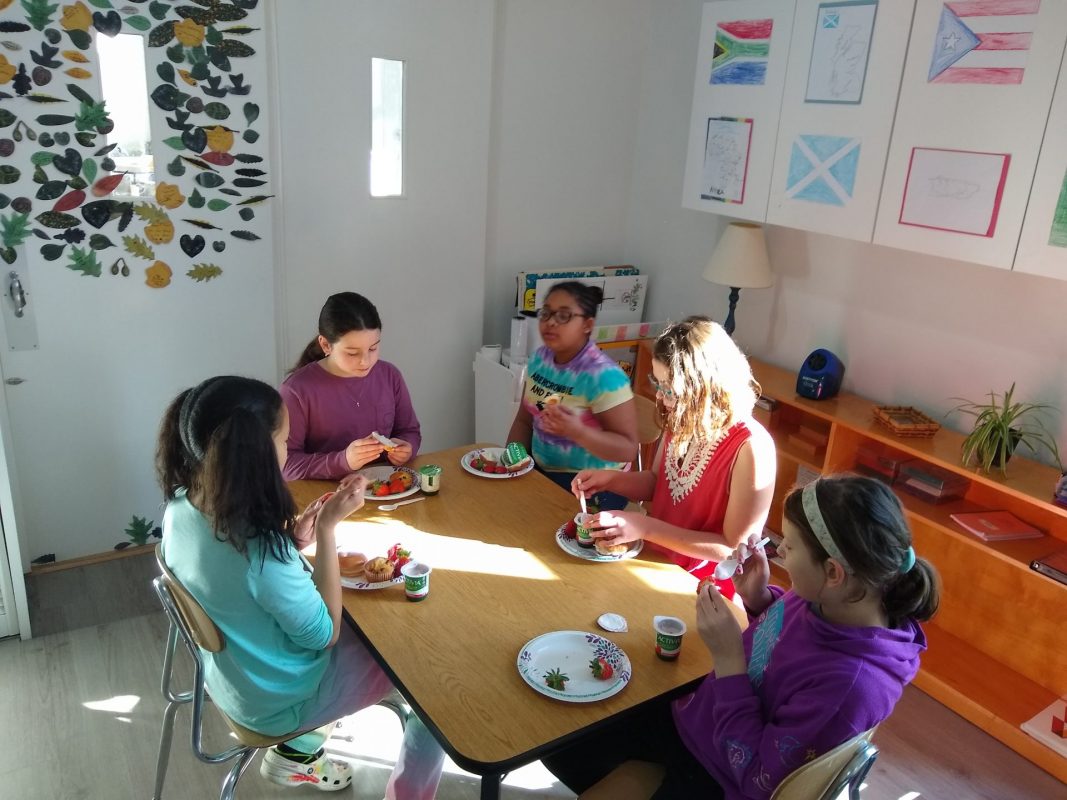
Upper Elementary: Yummy!

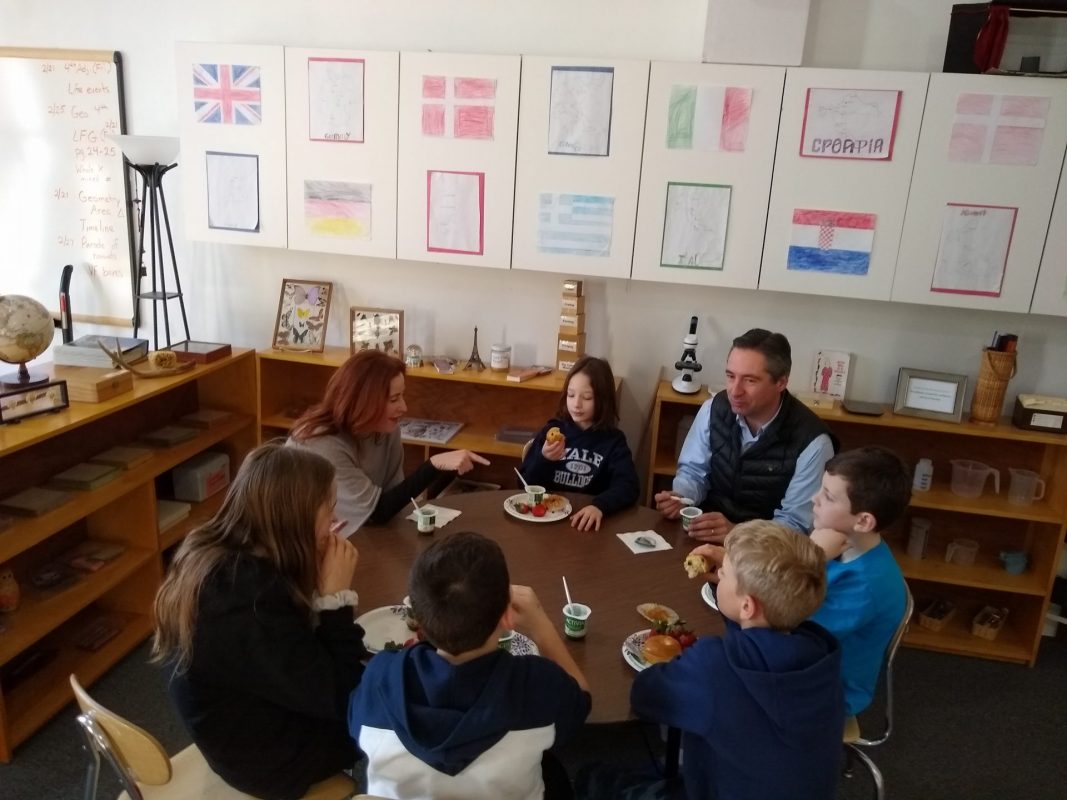
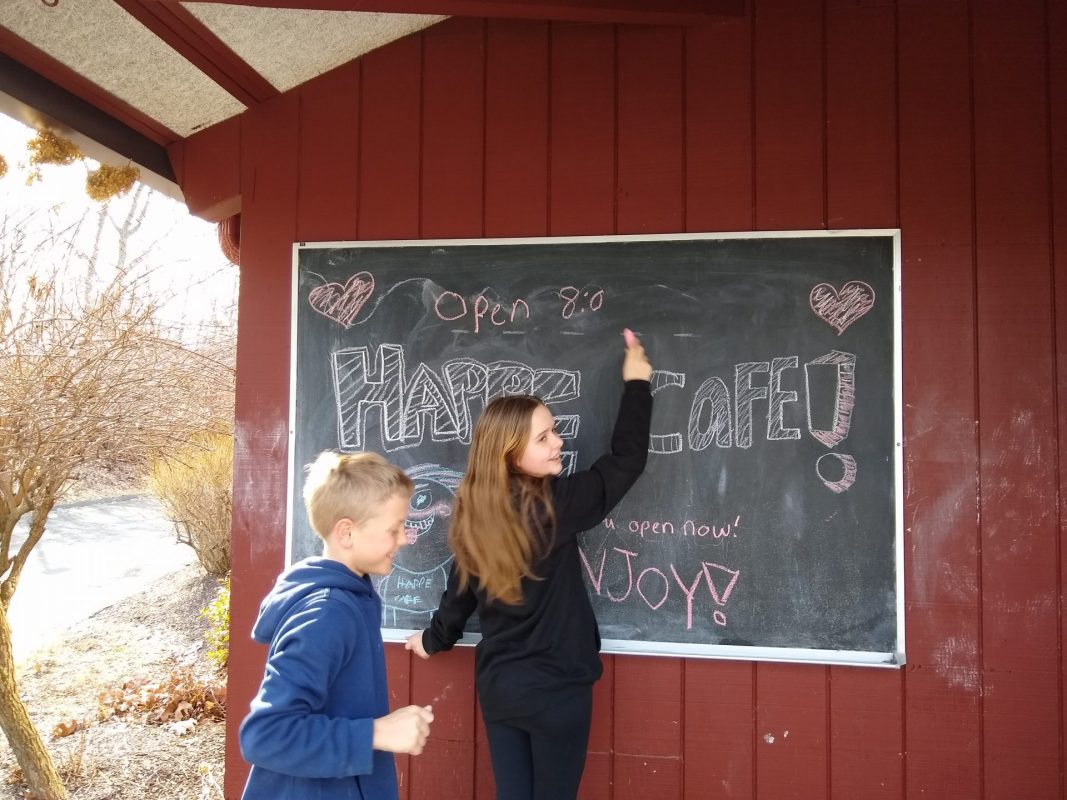
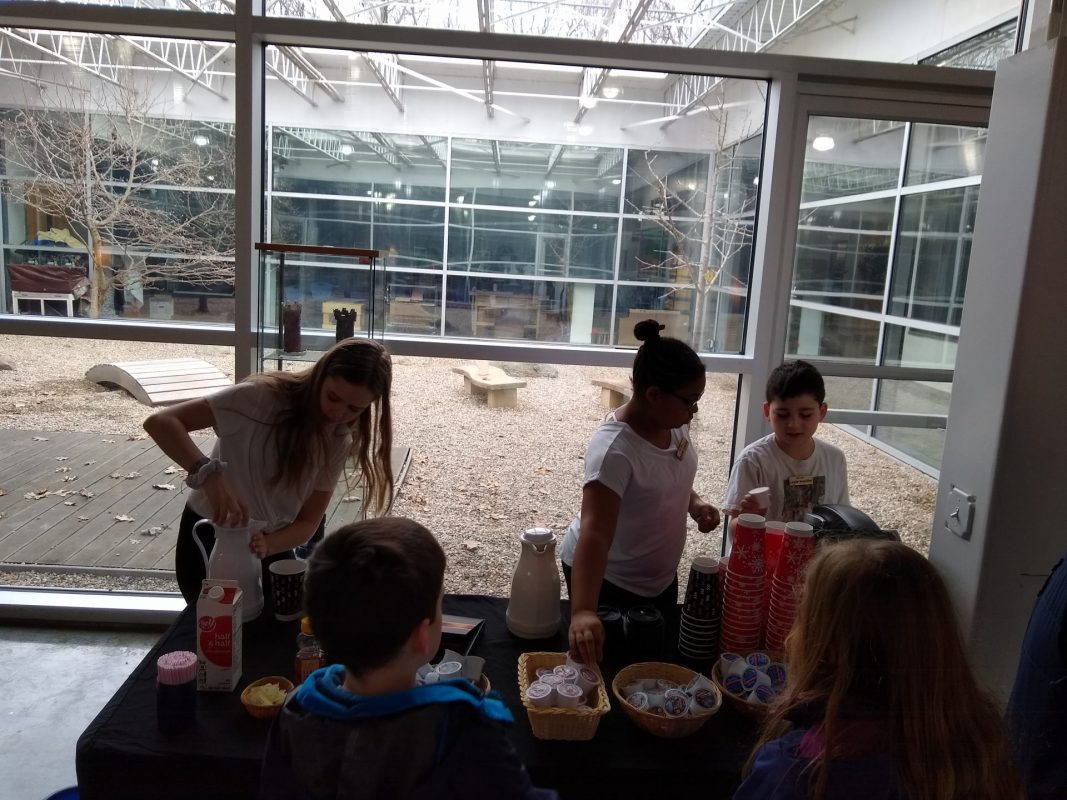
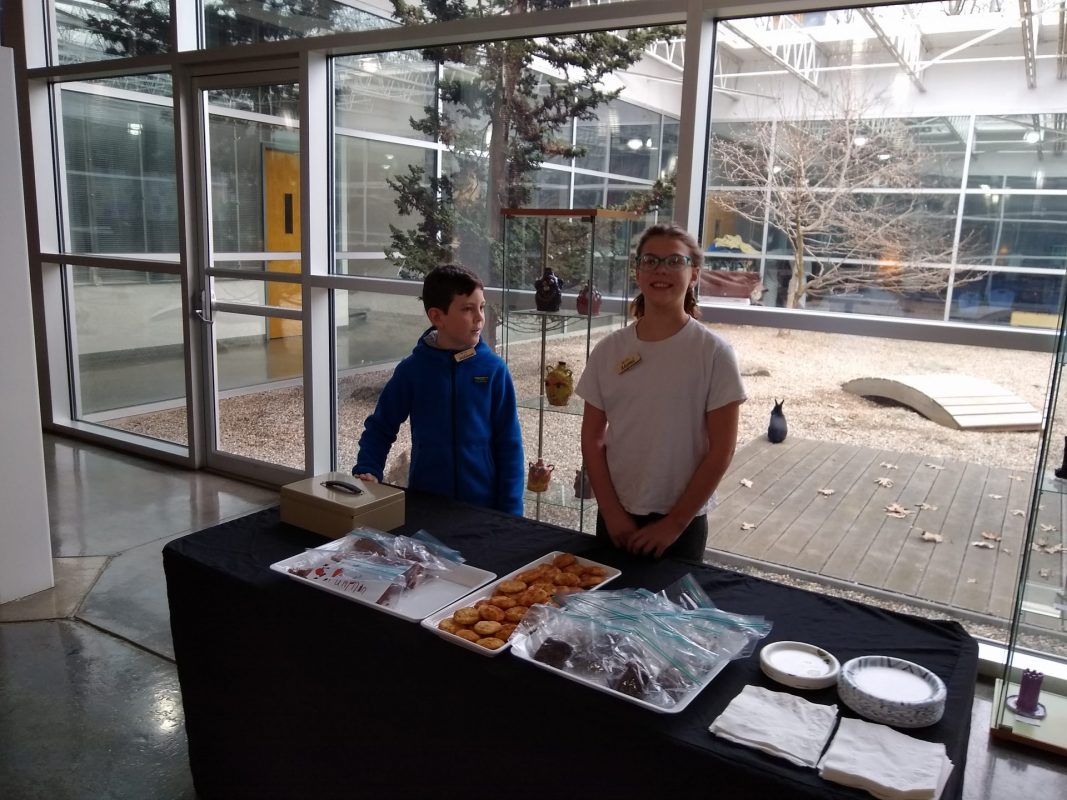
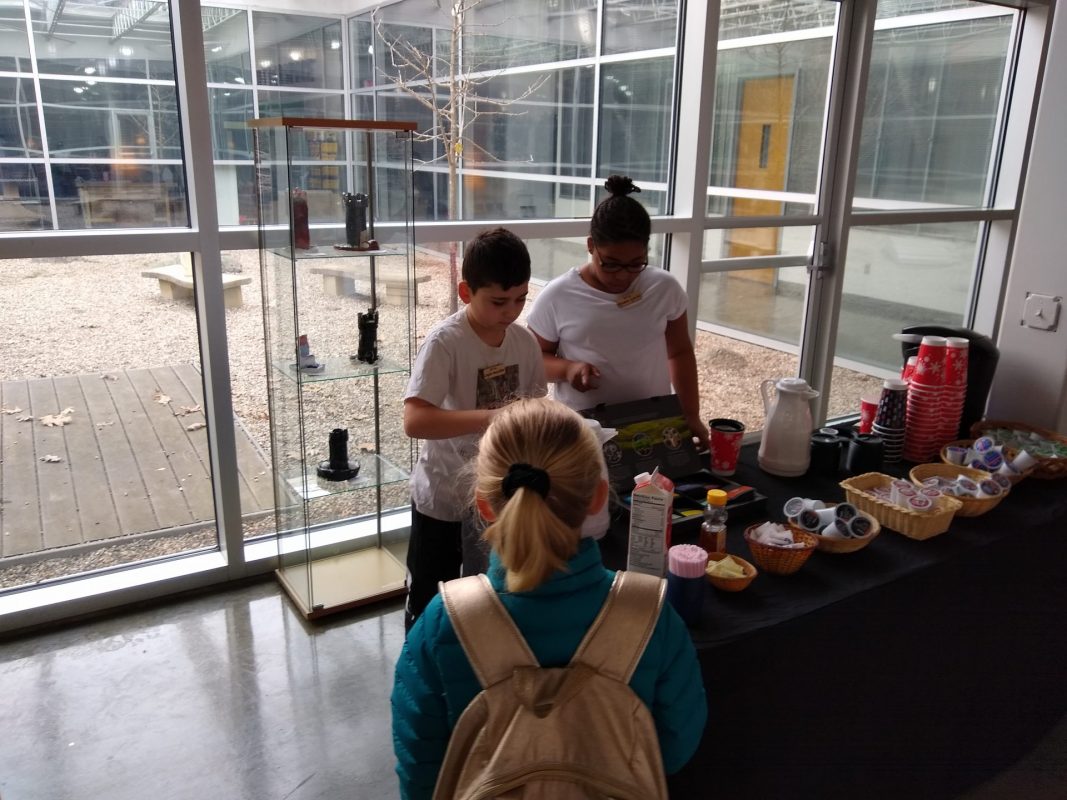
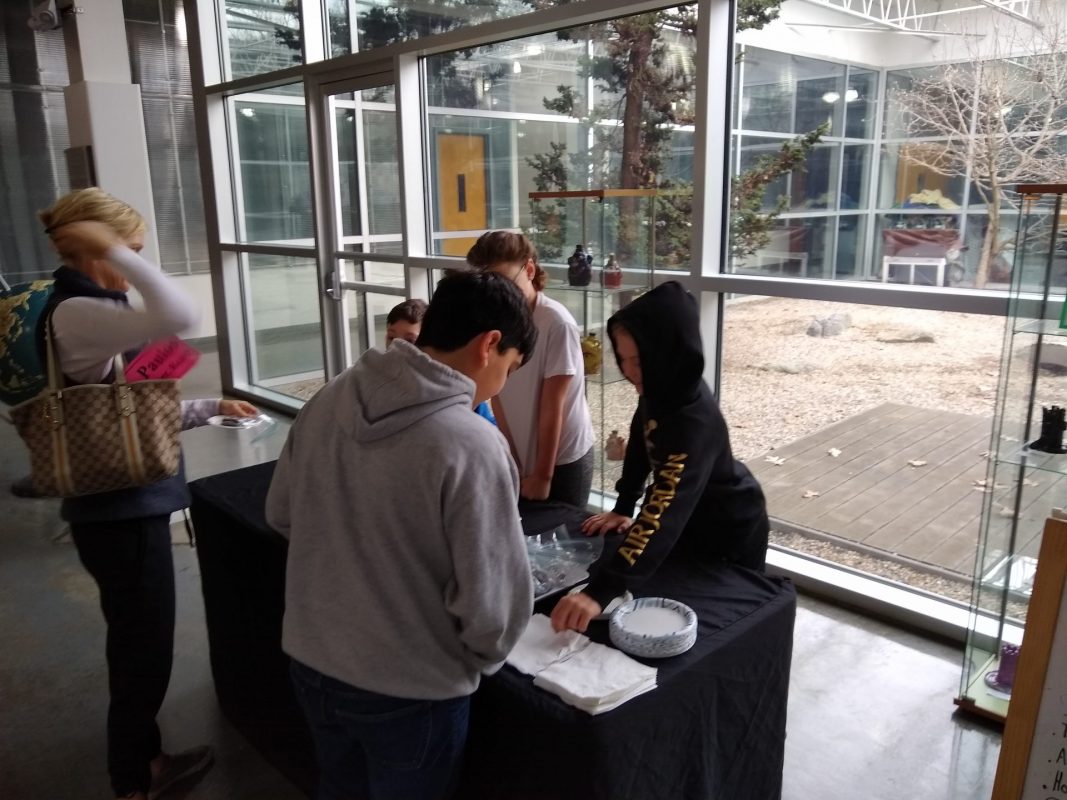
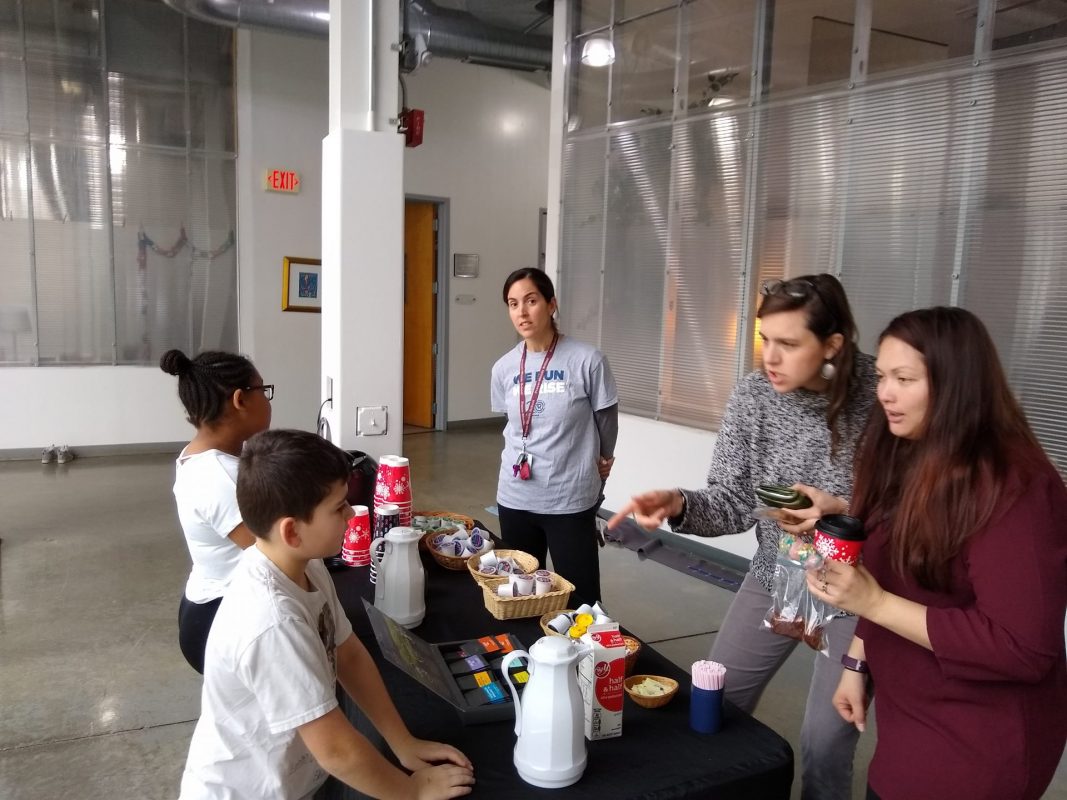
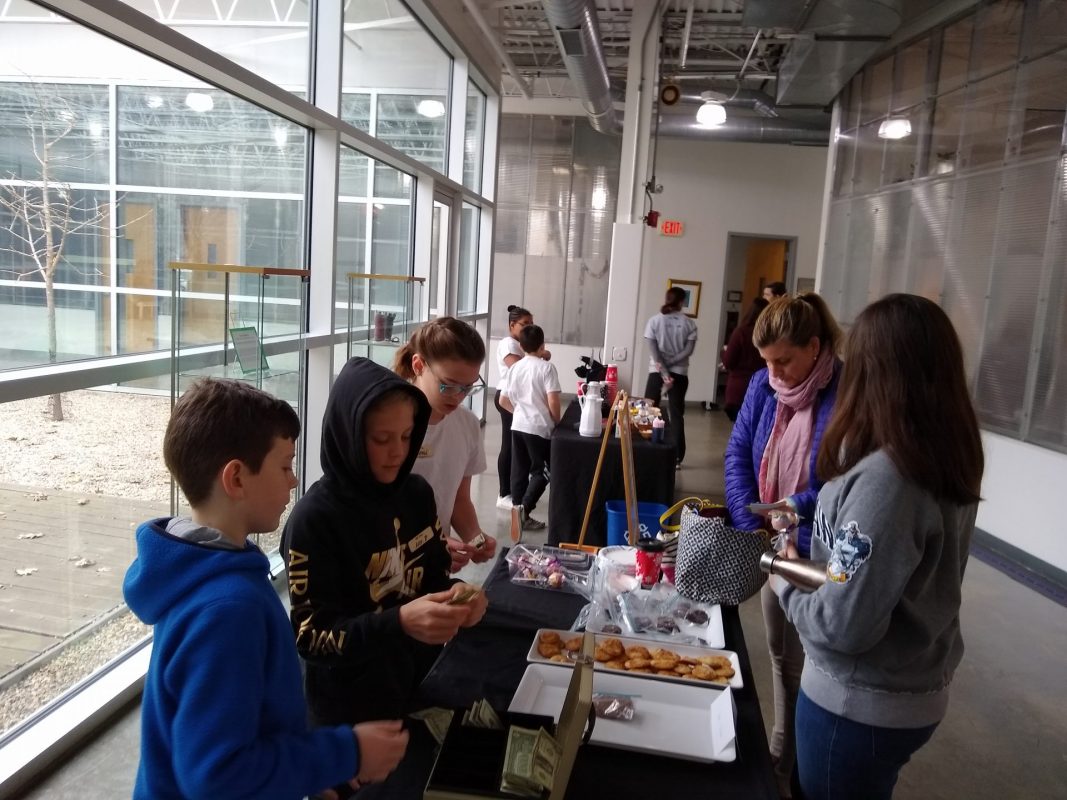
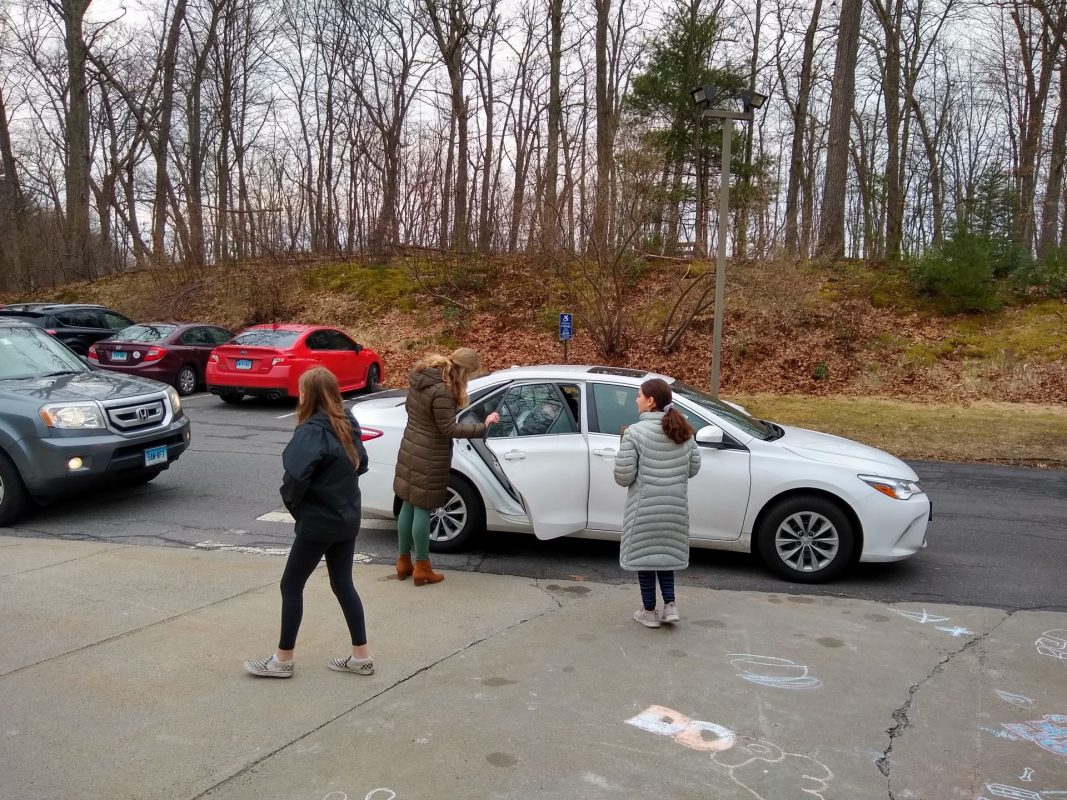
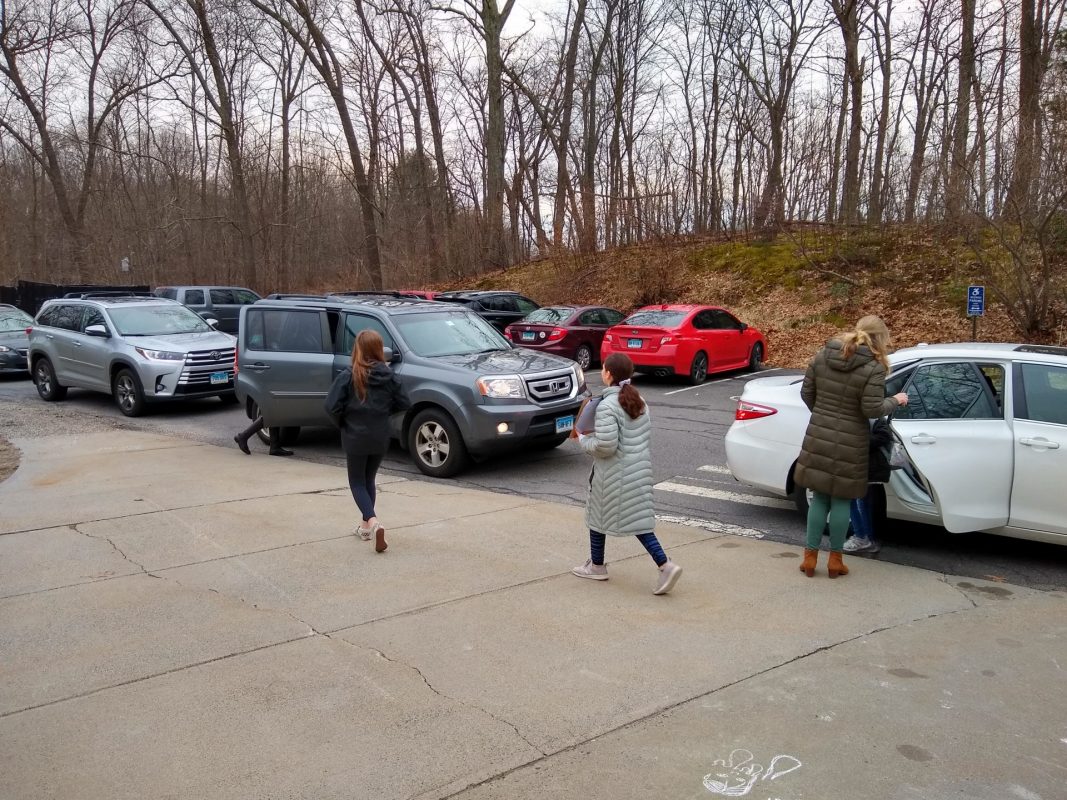
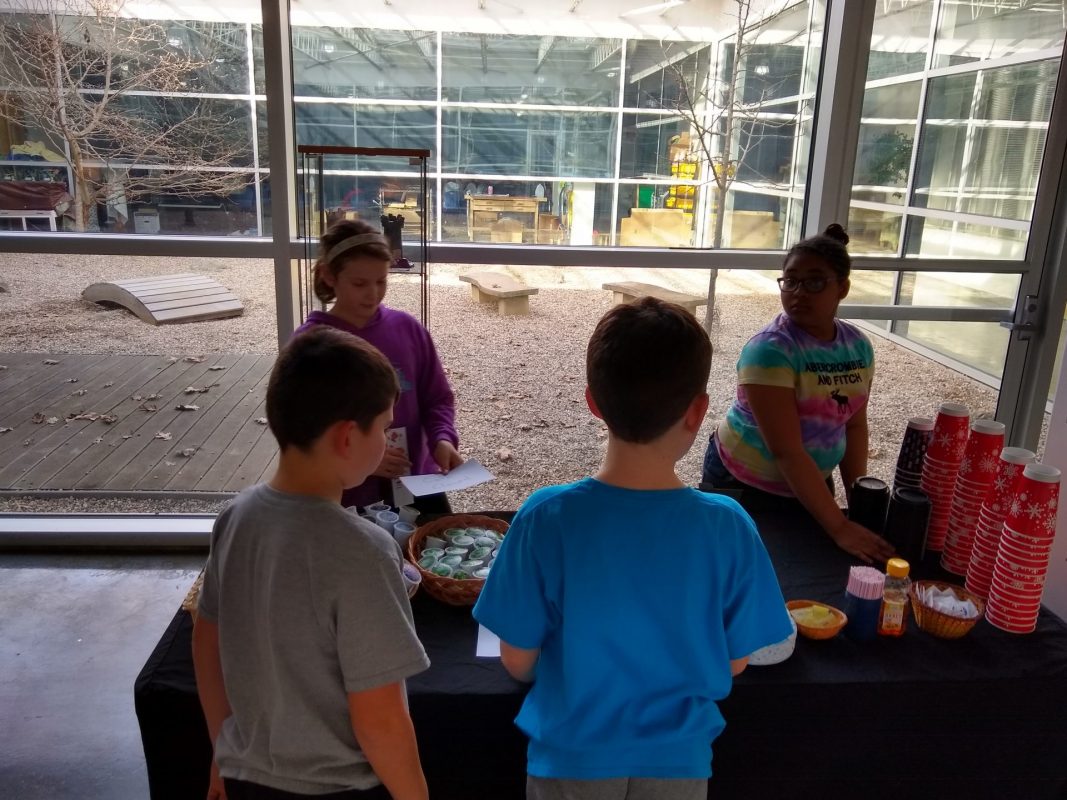
We kicked off our final week of February with a birthday breakfast on Monday. Then, on Tuesday the students successfully ran another Happé Café. They not only made sales inside, but also coordinated a drive thru service at the back entrance of the school. Some of the profits from this cafe will go to support those effected by the Australian wildfires. Thanks again for supporting the students through your encouragement, and of course by purchasing baked goods and hot beverages!
We are all getting very excited for our upcoming production of Moana Jr. in May. The children will be learning their parts next week and we have already begun singing the songs together in class. If you would like to access the songs for your child to practice, please click on this link.

February in Lower Elementary – It’s a Wrap!

We had a very productive week!

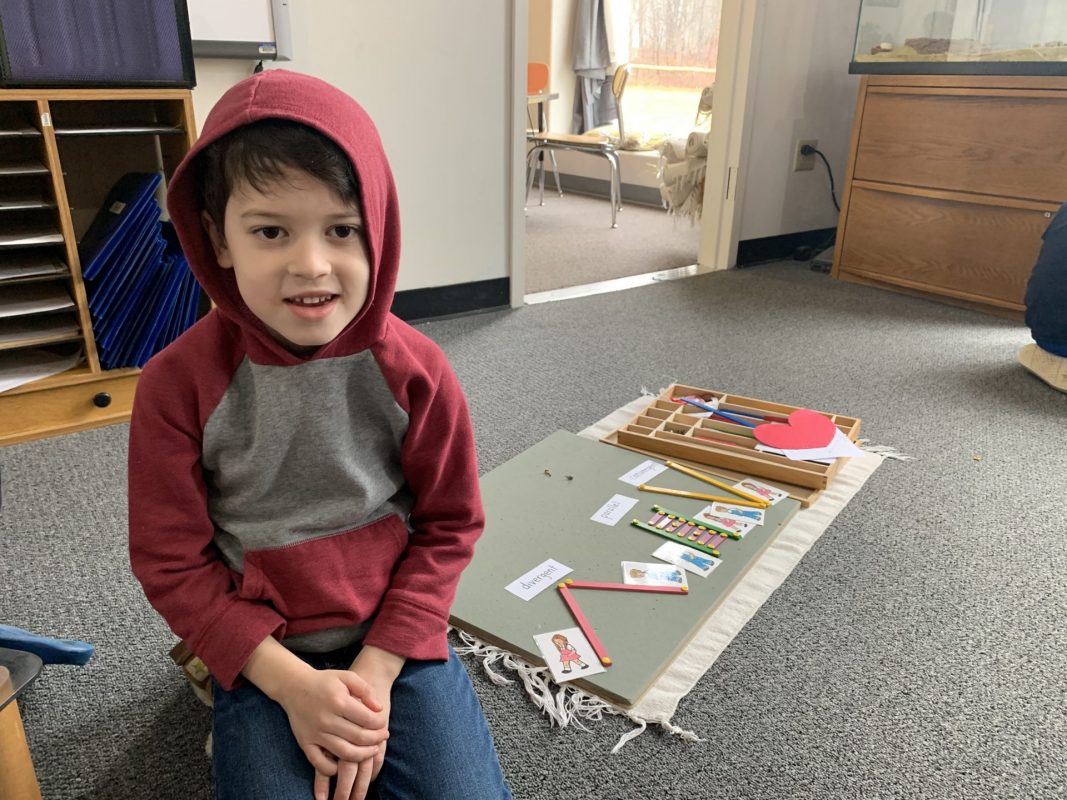
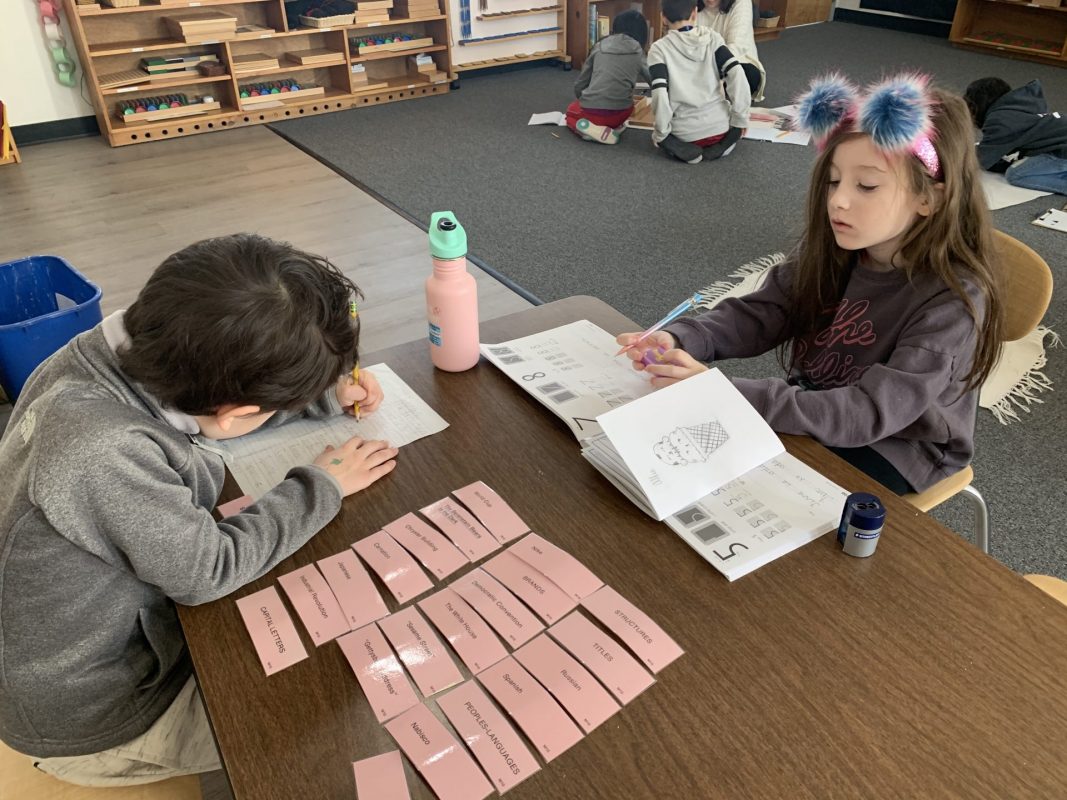
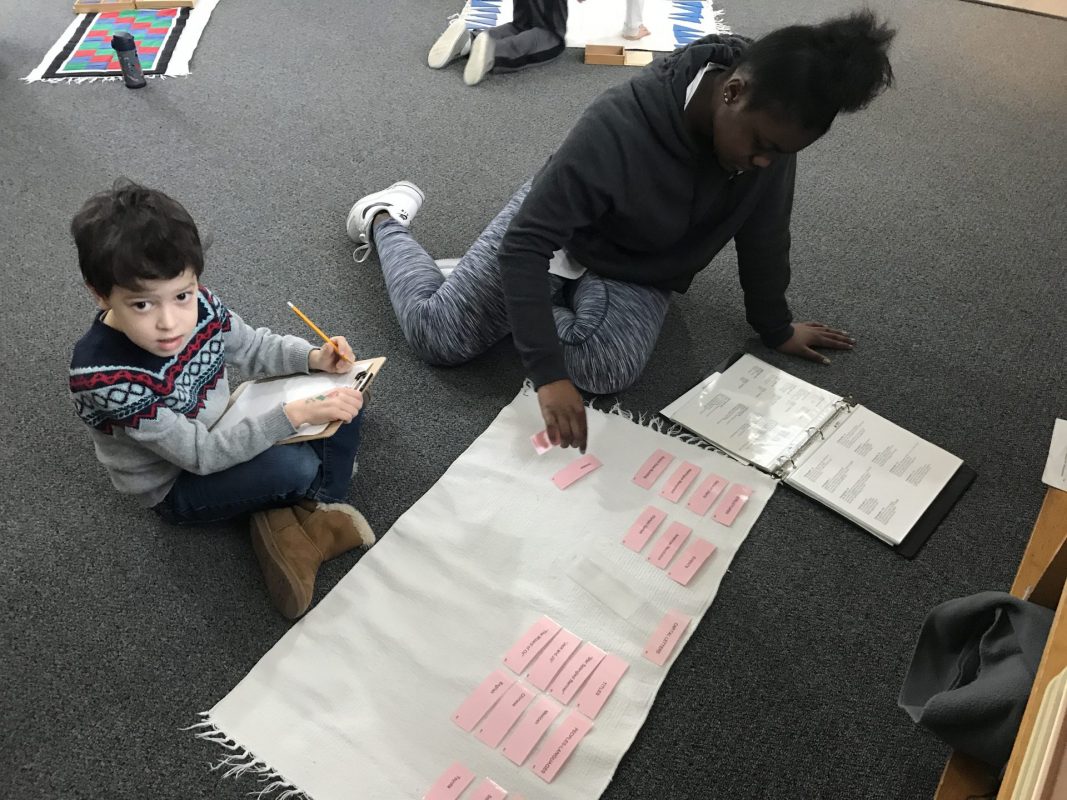
The first years have been loving their lessons. They heard the “love story of lines” during geometry this week, where they learned about convergent, divergent, and parallel lines. They used the box of sticks to explore these concepts. In grammar, first years learned about adjectives and had a fun time coming up with silly adjectives to describe nouns. As an extension, they were introduced to a work called the grammar box, where the children practice the parts of speech they have learned so far this year.

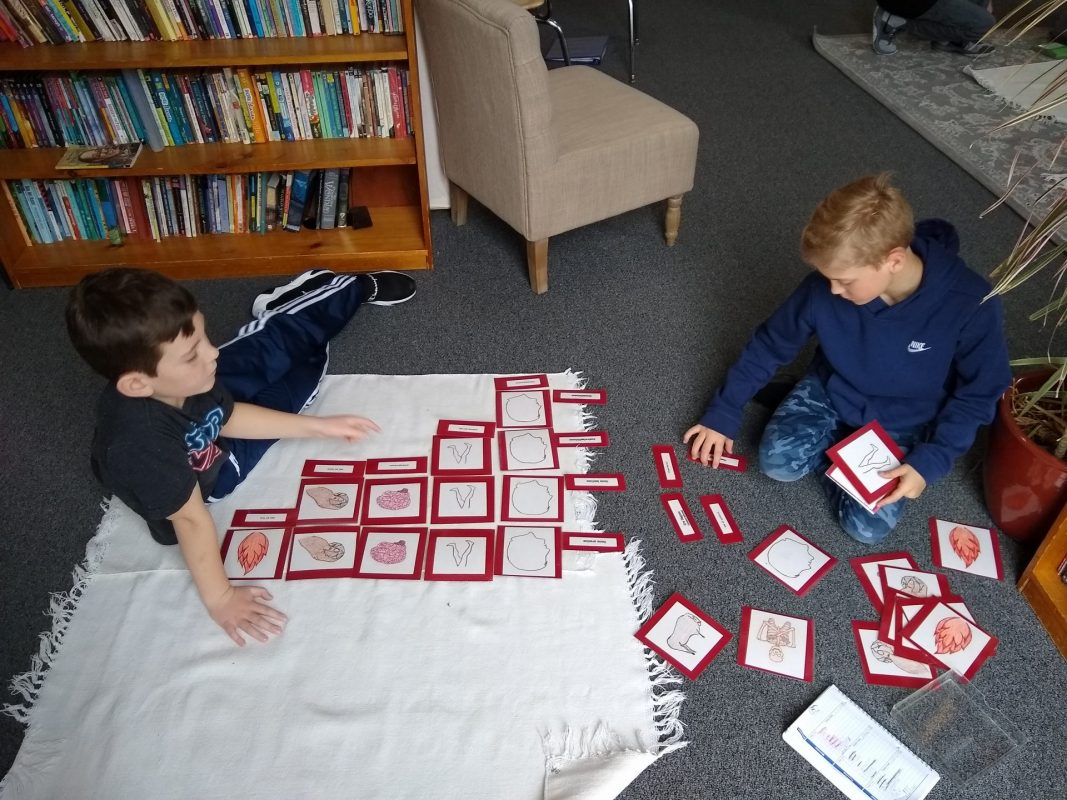
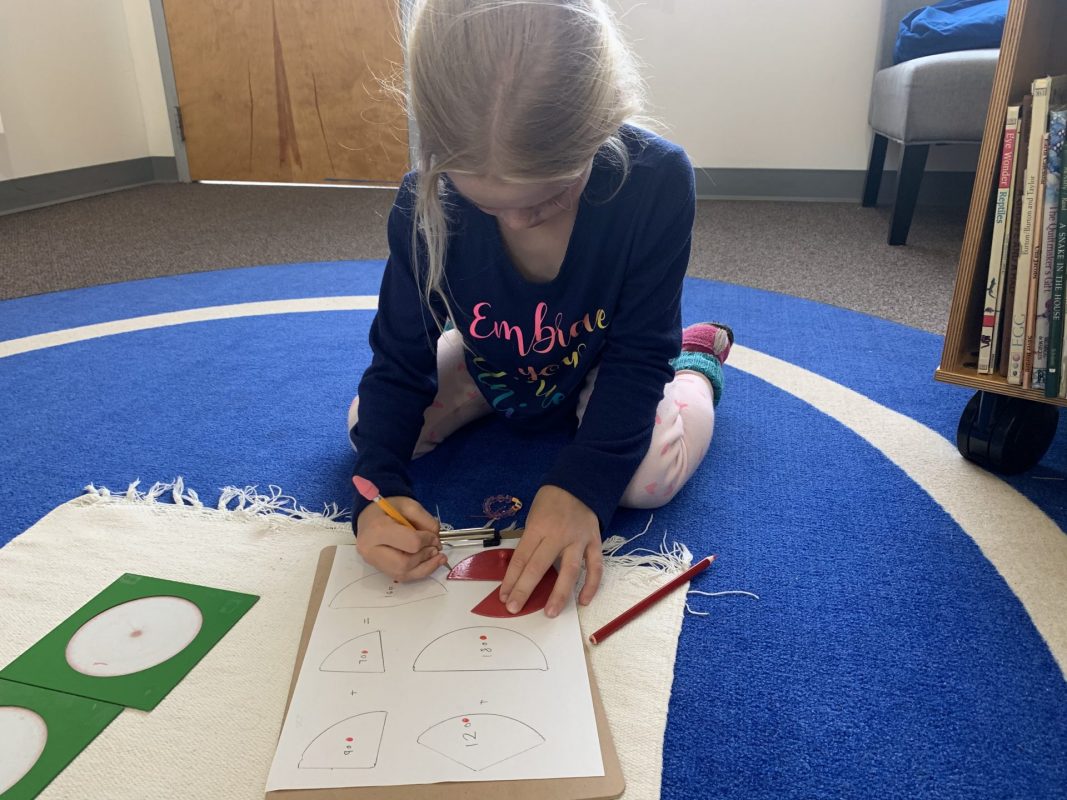
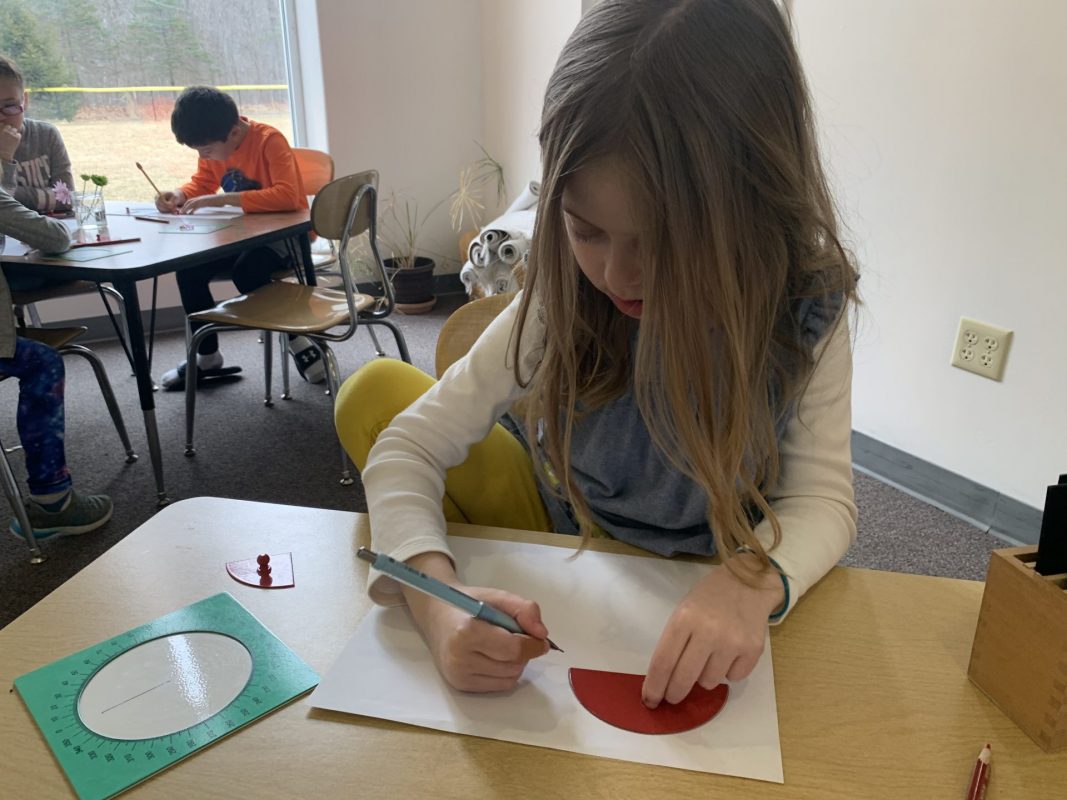
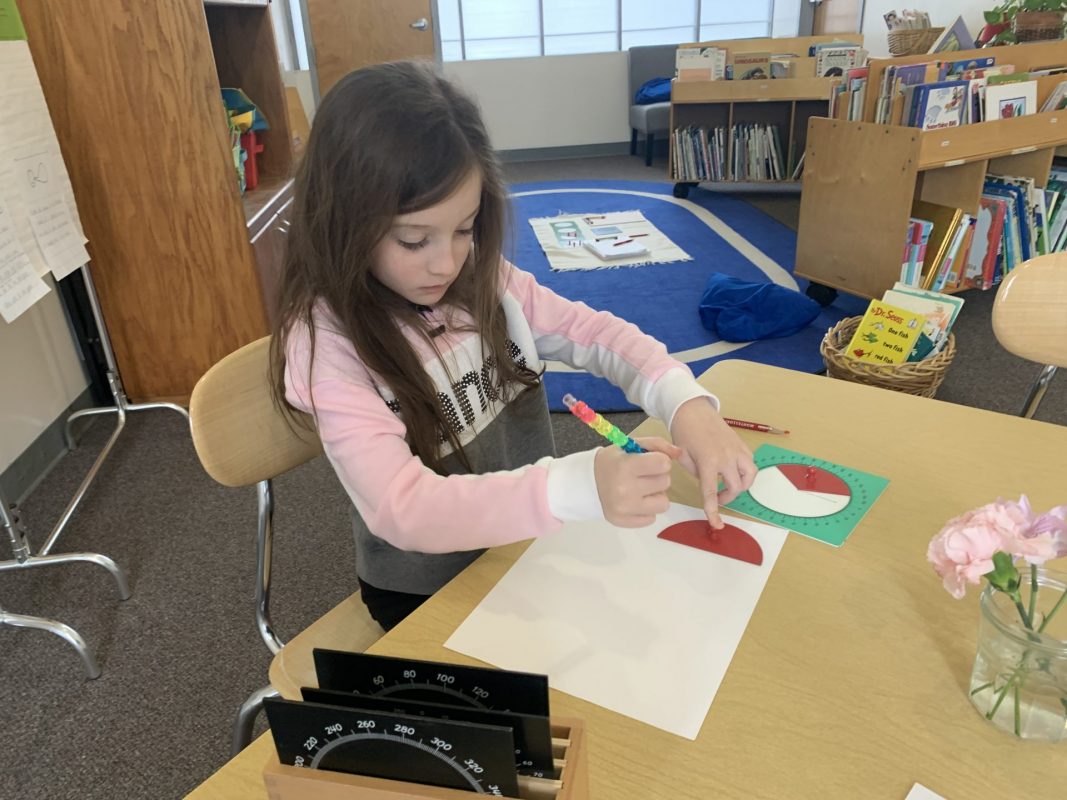
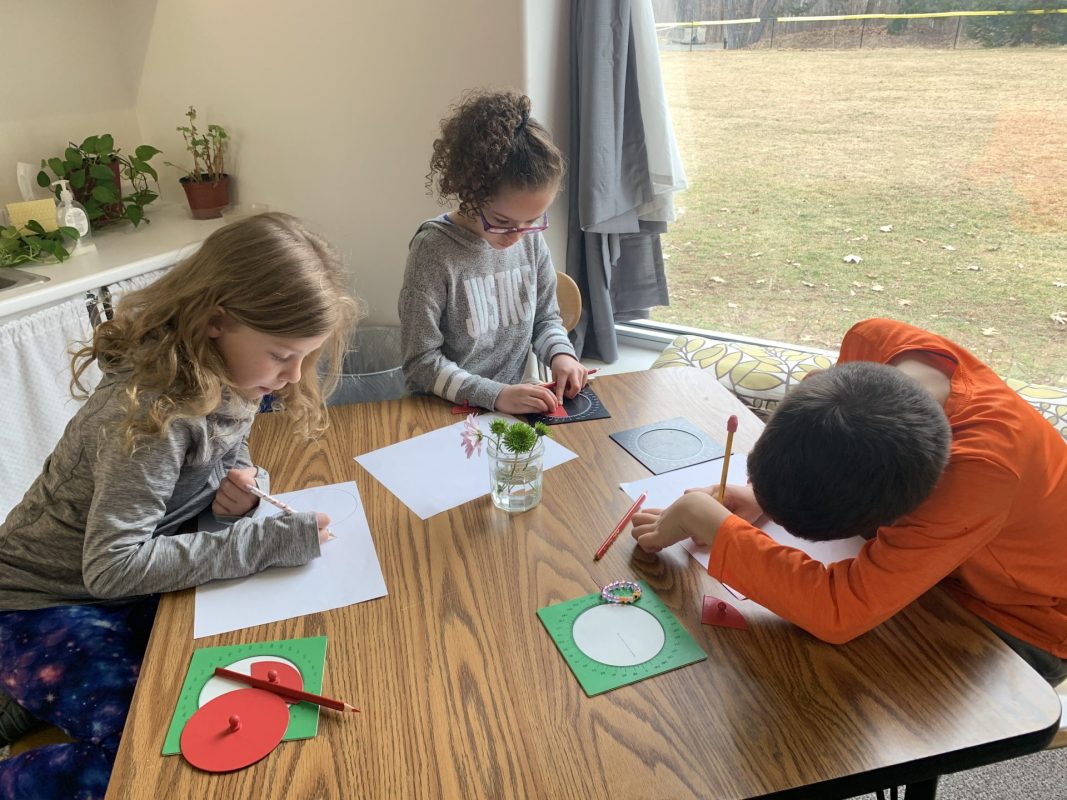
The second year group enjoyed learning how to subtract fraction insets using the Montessori protractor; a concept that can be challenging for some, they grasped so quickly! I was impressed. They also had a blast learning about pronouns. The students and I put our heads together to create a short story using no pronouns. The children realized that this was challenging because it sounded ridiculous and very repetitive. However, afterwards we came to the conclusion that pronouns are necessary for every day language!

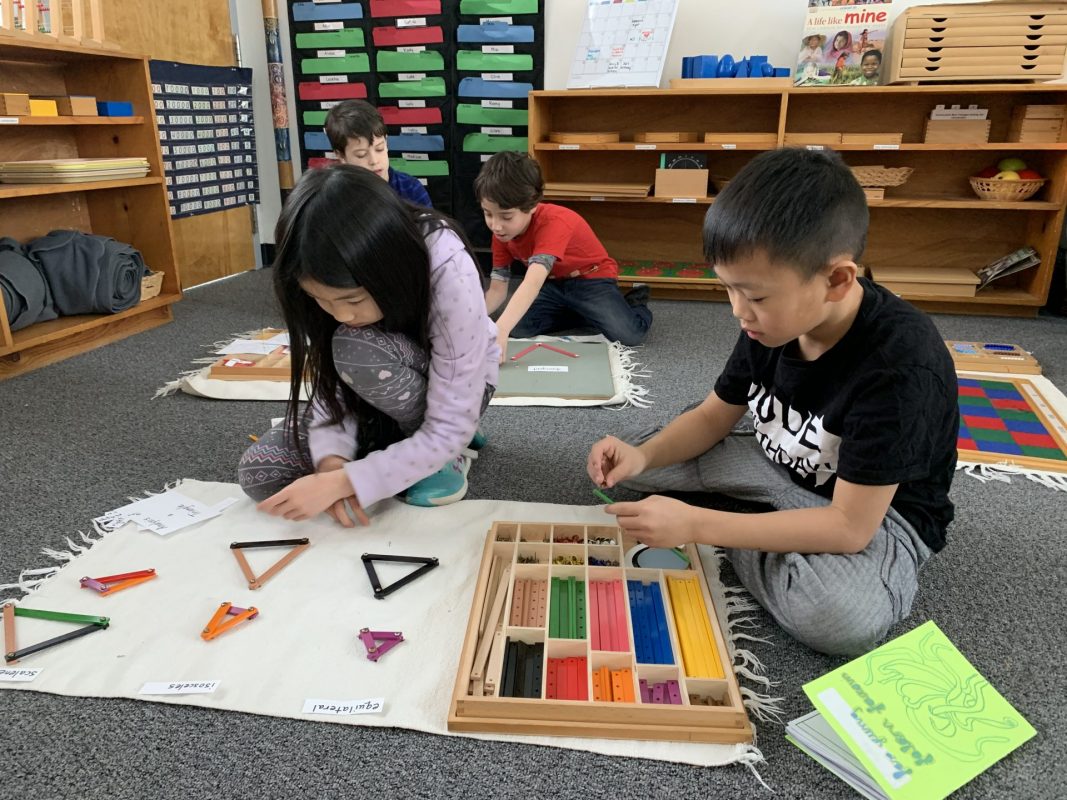
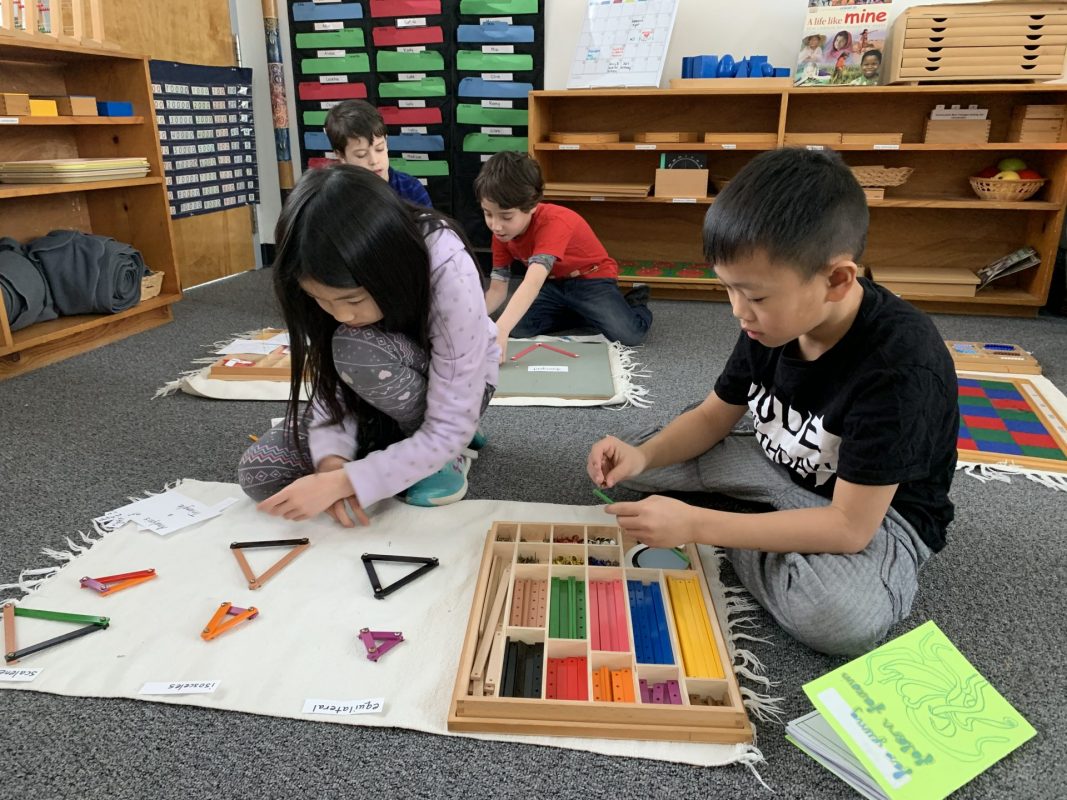
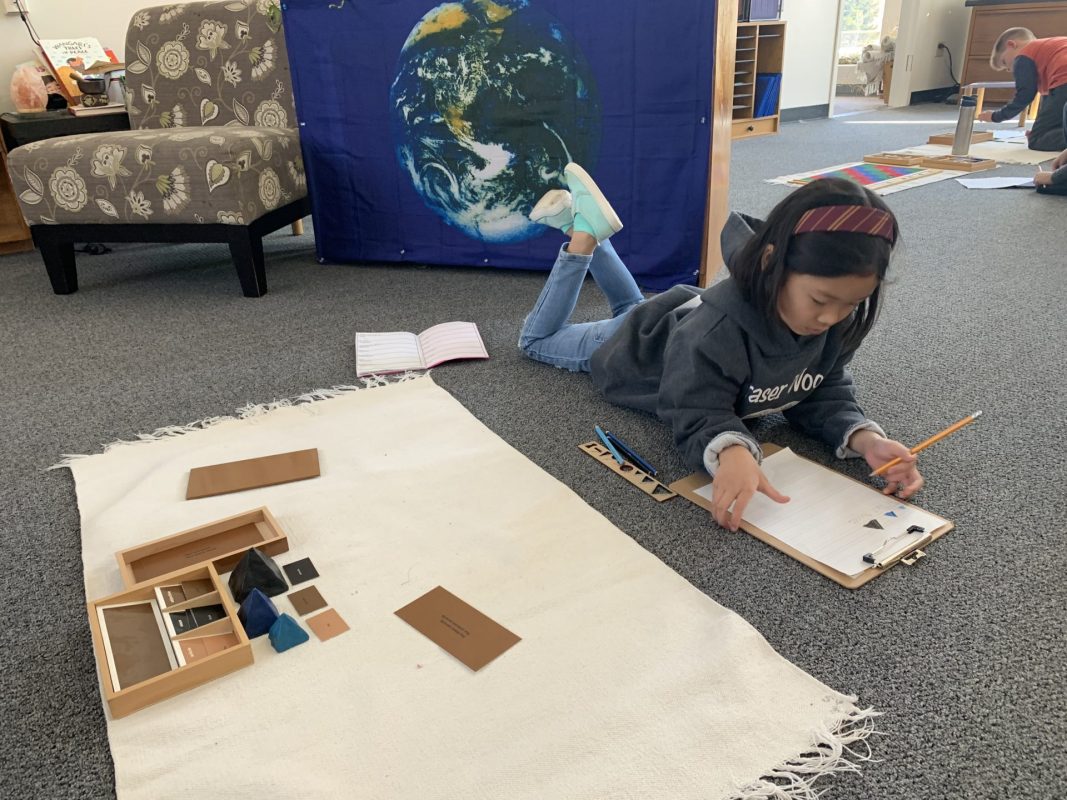
Last but not least, the third years have been enjoying their hands-on geometry follow-up. They have been using the box of sticks to make equilateral, isosceles and scalene triangles. One student told me that, “This is the most fun geometry I’ve done in lower elementary!” How incredible is that? As for language, the third year group received another sentence analysis lesson. They learned that there can be more than one subject in a sentence and they started using the term predicate in place of action when describing a sentence.

We have an upcoming field trip to the Discovery Museum on Thursday, April 23rd. The bus will leave FWM at 9:30 and will return around 2:00. Children need to pack a bagged lunch that day and should not bring anything that needs to be heated up. We can take three parent volunteers. Please contact us if you are interested!

We are all getting very excited for our upcoming production of Moana Jr. in May. The children will be learning their parts next week and we have already begun singing the songs together in class. If you would like to access the songs for your child to practice, please click on this link.


Middle School: Another Great Week at FWM

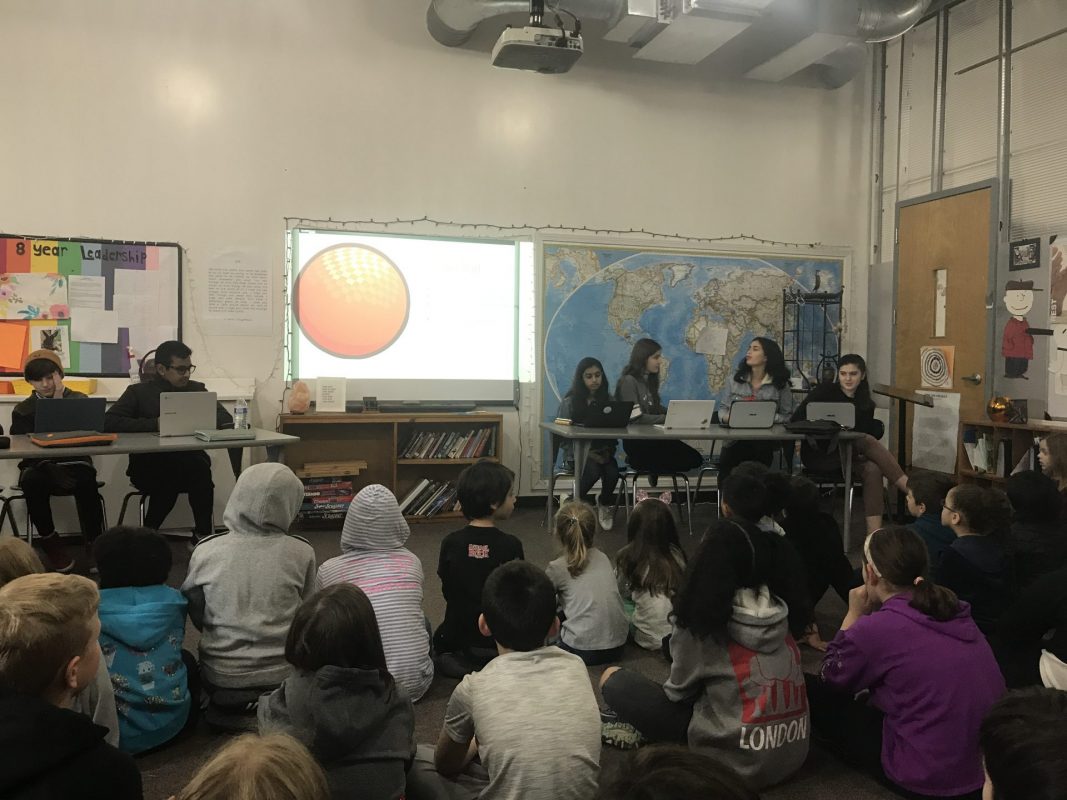
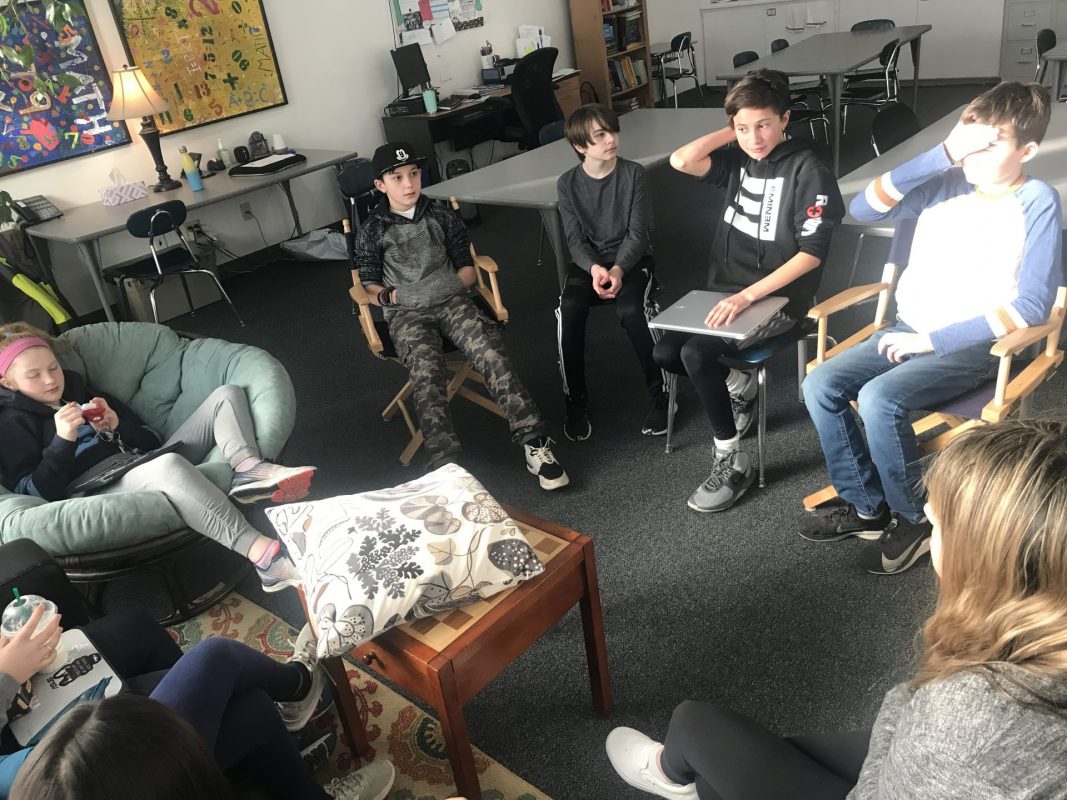
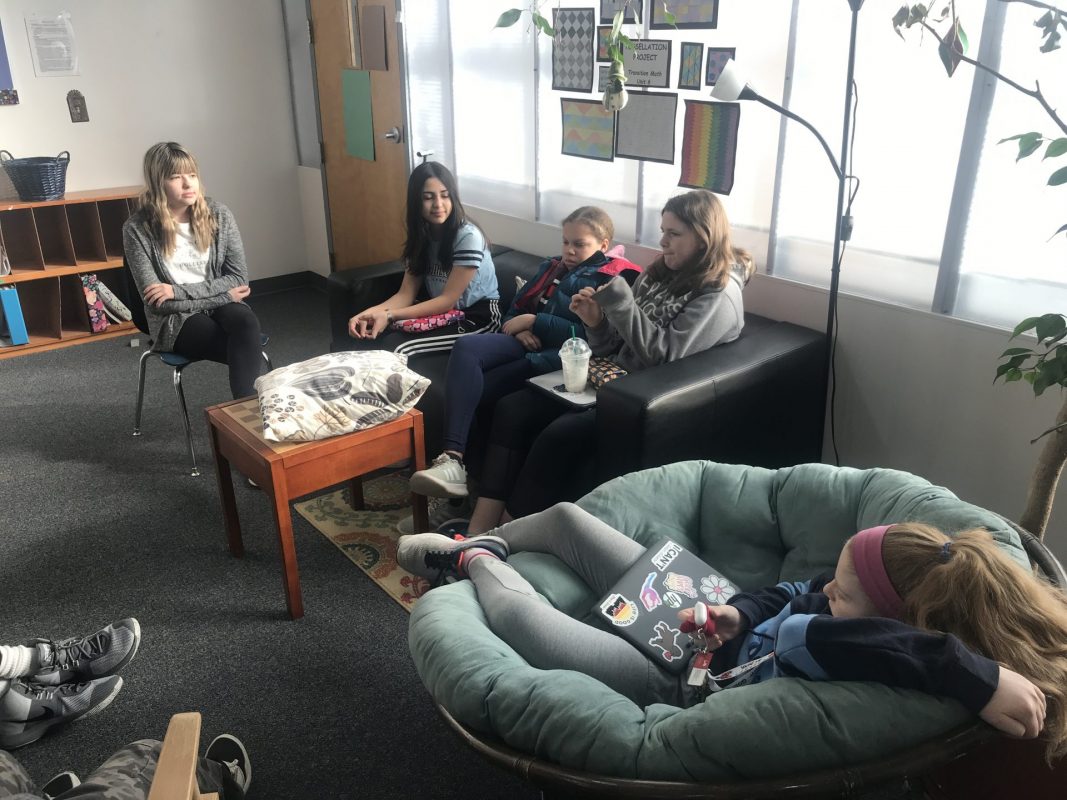
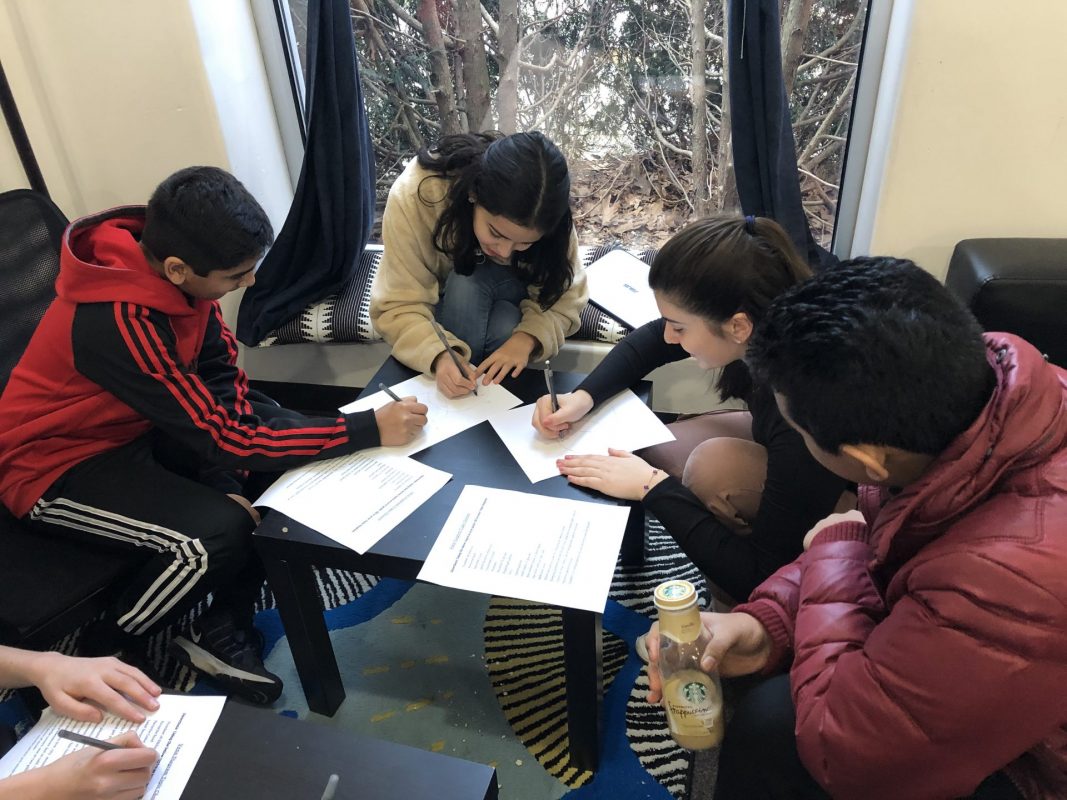
This week has been exciting for Middle School Humanities students! The plot for this year’s Middle School play is done and the characters are developed. We had our first scene writing day and it was great! We can’t wait to finish writing next week. 6th and 7th year students are continuing to read novels about Ancient Egypt and the Holocaust, respectively. 8th years presented current events while working on the play this week.

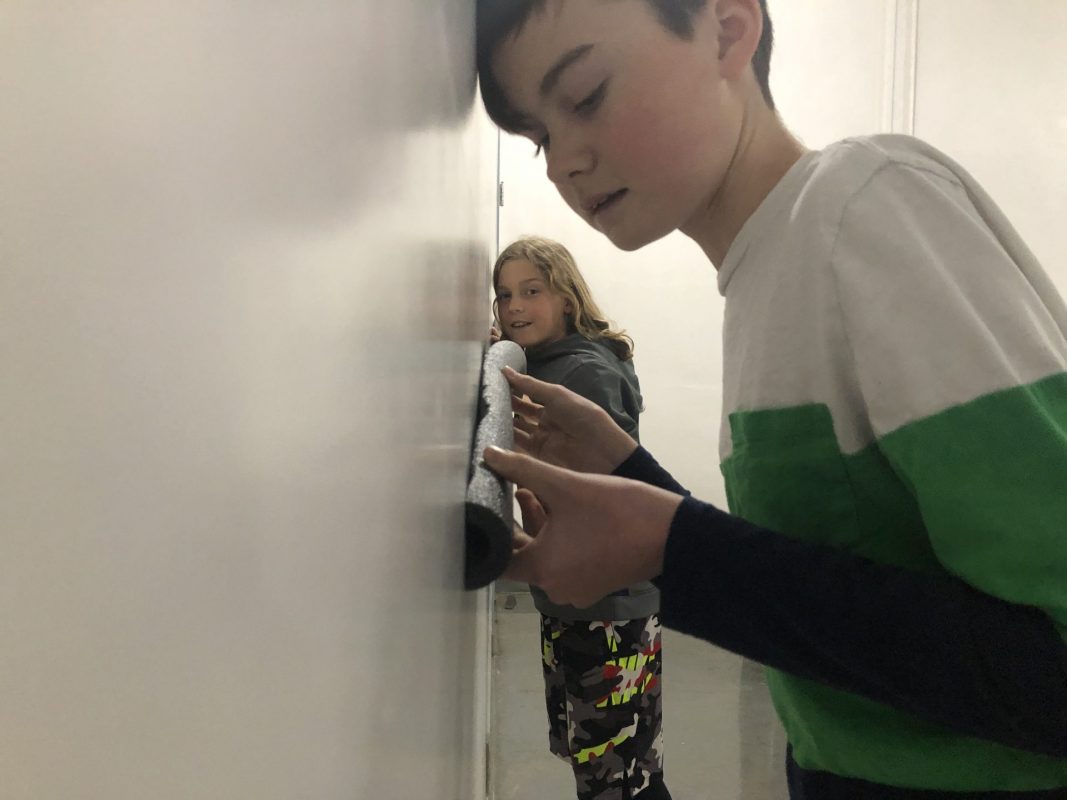
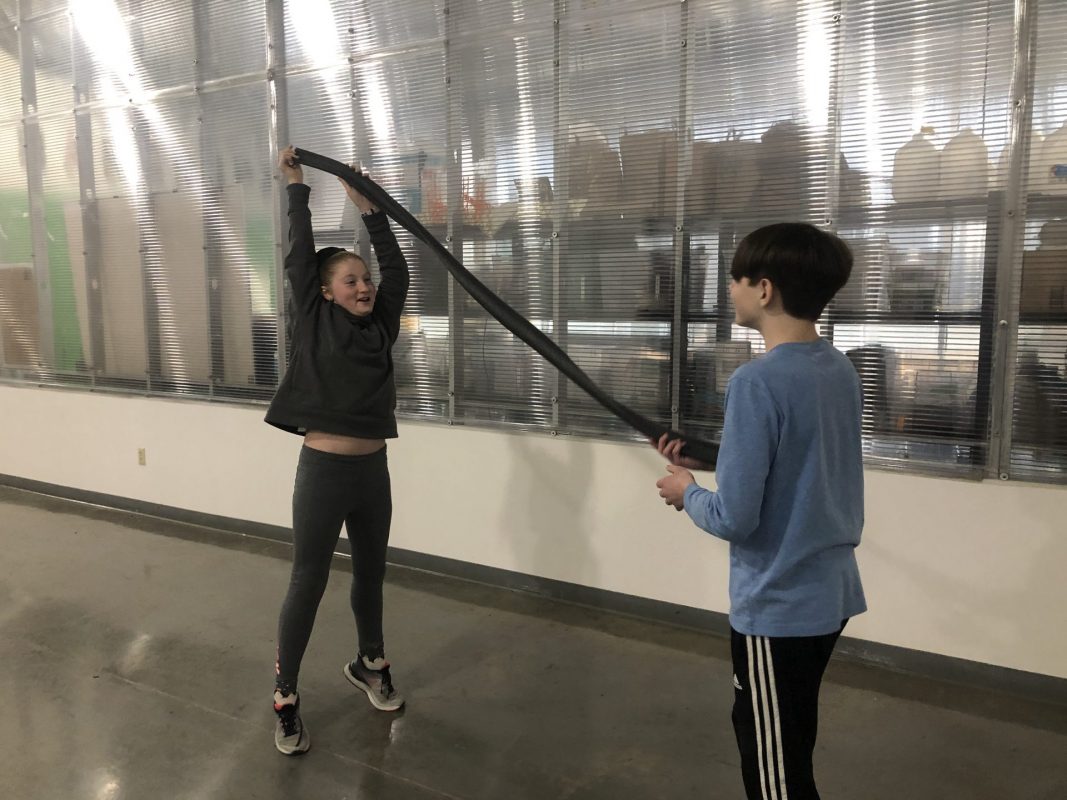
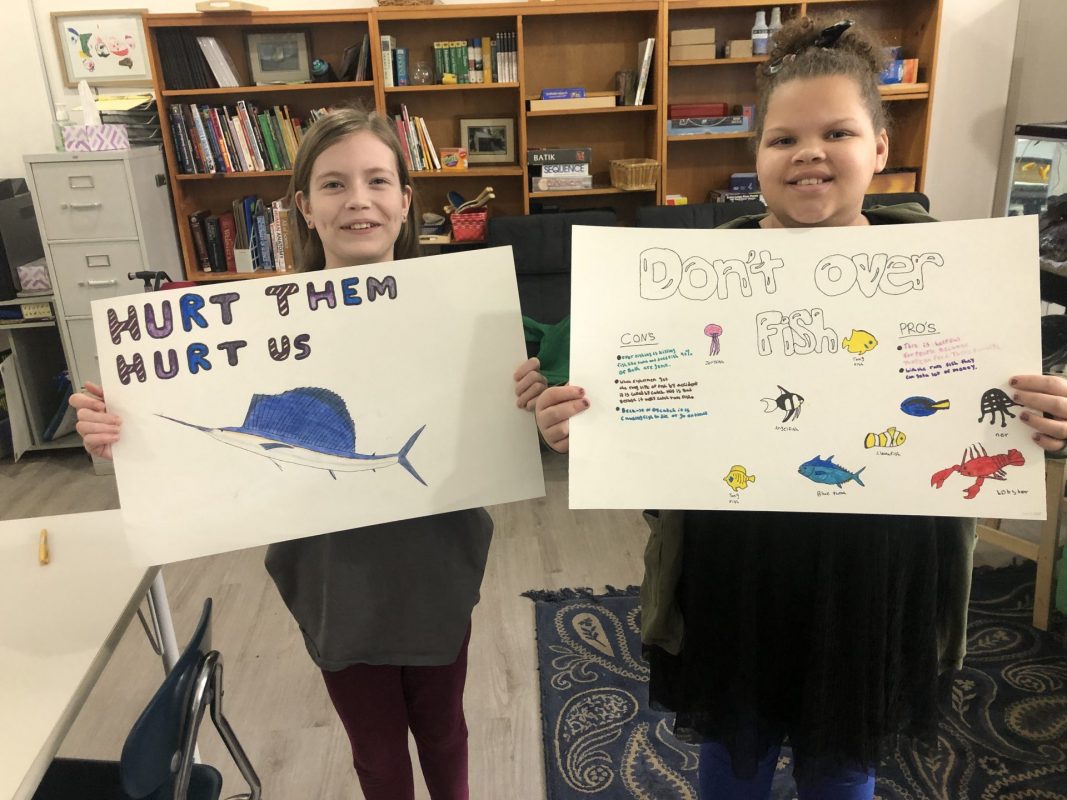
6th year Earth Science students spent the week learning about the importance of wildlife management. Students read an article titled “Fishing Forever”. Students represented their understanding of the article by illustrating a poster, capturing the main objective. 7th year students finished their unit on chemical reactions and equations, transitioning into their next unit “Kinetic Energy”.  Students will be asked to create and simulate a roller coaster using foam pipe insulation and marbles. Students will be required to consider how height, mass, velocity, potential, and kinetic energy are to be considered in their design. 8th year Life Science students finished their unit on “Genes and the Impact on Mutations of Organisms”. Their next unit is “Nervous System”. We will explore what the main parts of the nervous system are and how it operates. 

In Pre-Transition math class, students took time to prepare for the Chapter 6 cumulative test.  This chapter covered the main ideas of using multiplication in a variety of ways. Students are now able to identify powers, solve order of operations questions, multiply mixed fractions and draw arrays from a word problem. As a reminder, it is always a good idea to start studying one week before the exam, get a good night’s sleep and drink lots of water during the test to keep your brain hydrated. 

In Transition math class, students are combining percents in real world experiences, solving for one step and two step equations (ie. ax = b, y = ax + b) and continuing to practice multiplying probabilities. Students participated in a fun activity this week where they needed to go grocery shopping with a fake budget and purchase as many different items as possible while calculating the sales tax and sale price. This was challenging for students to stay under budget and learn how much the Connecticut sales tax is for everyday items. 

In Algebra 1 math class, students are learning how to multiply and divide square roots, calculate distance between two ordered pairs in a plane, and practicing how to remember all the properties of powers and roots. Students had independent work time this week to study for their upcoming Chapter 8 cumulative test scheduled for Tuesday, February 25th. 

Math Joke: How do you get from point A to point B?…….Just take an x-y plane or a rhom’bus.


Mrs. Wilson: Sensitive Periods – Refinement of the Senses

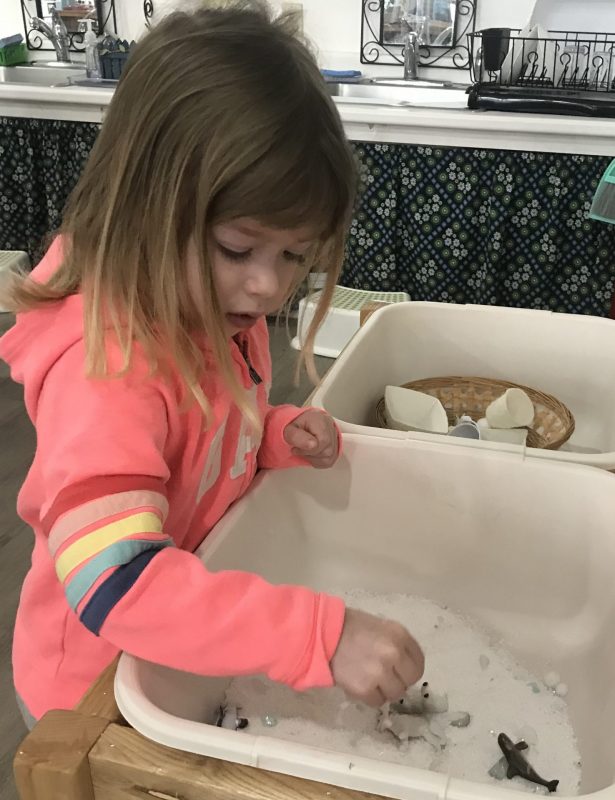
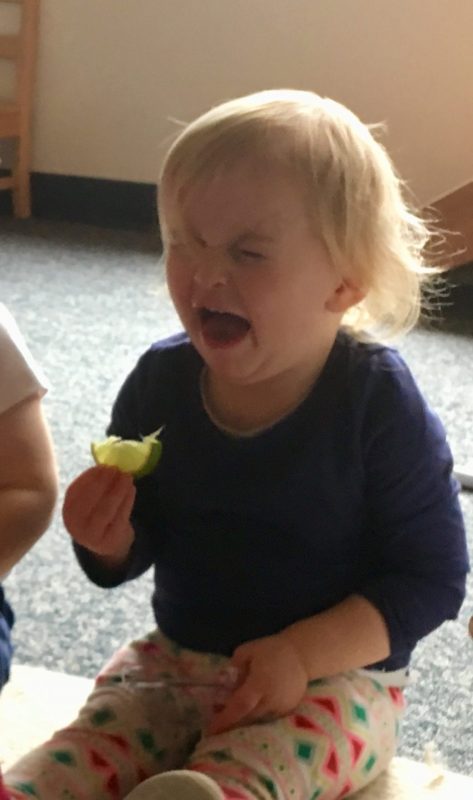
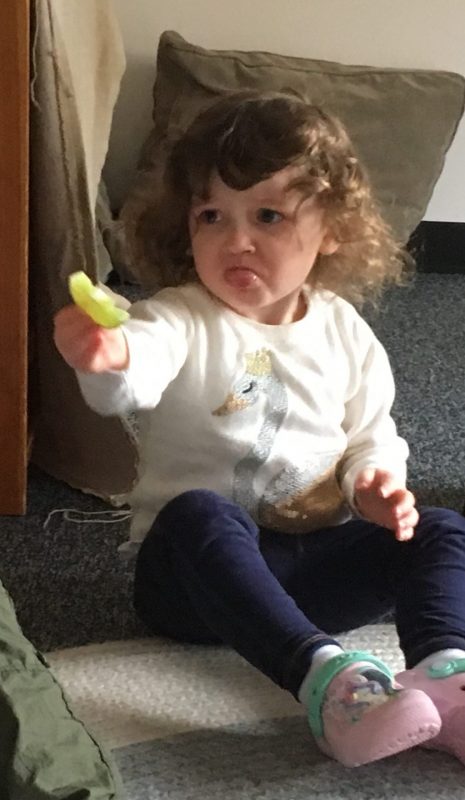
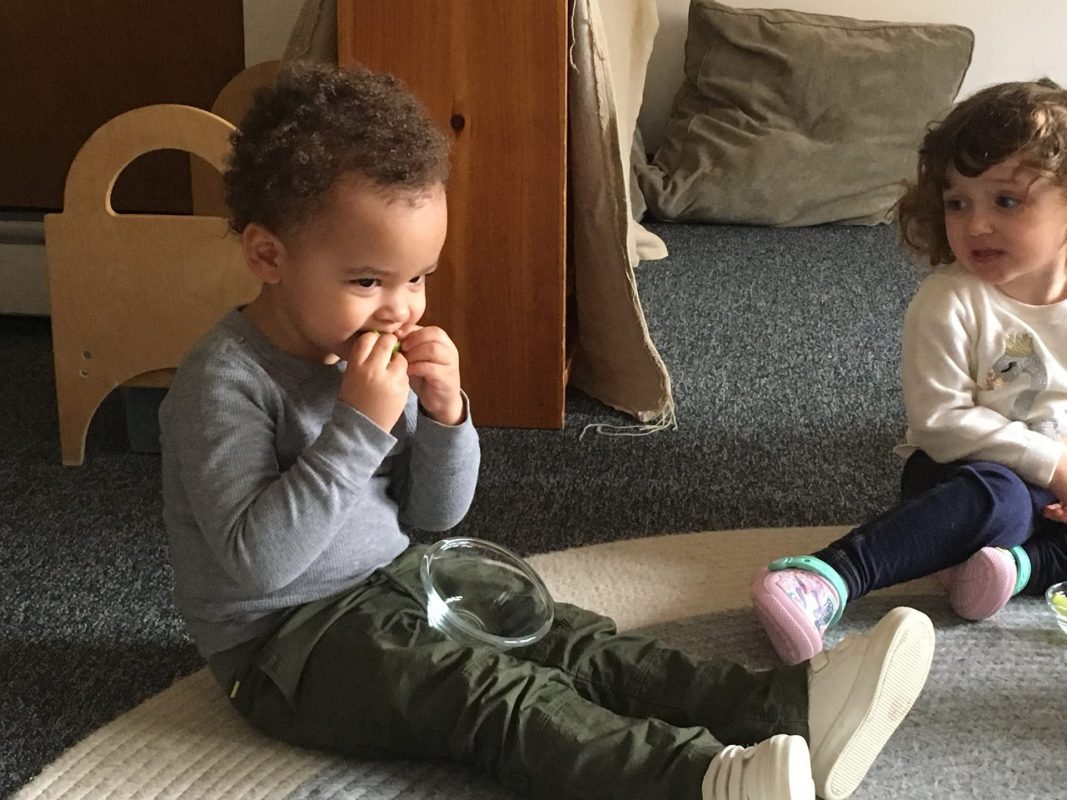
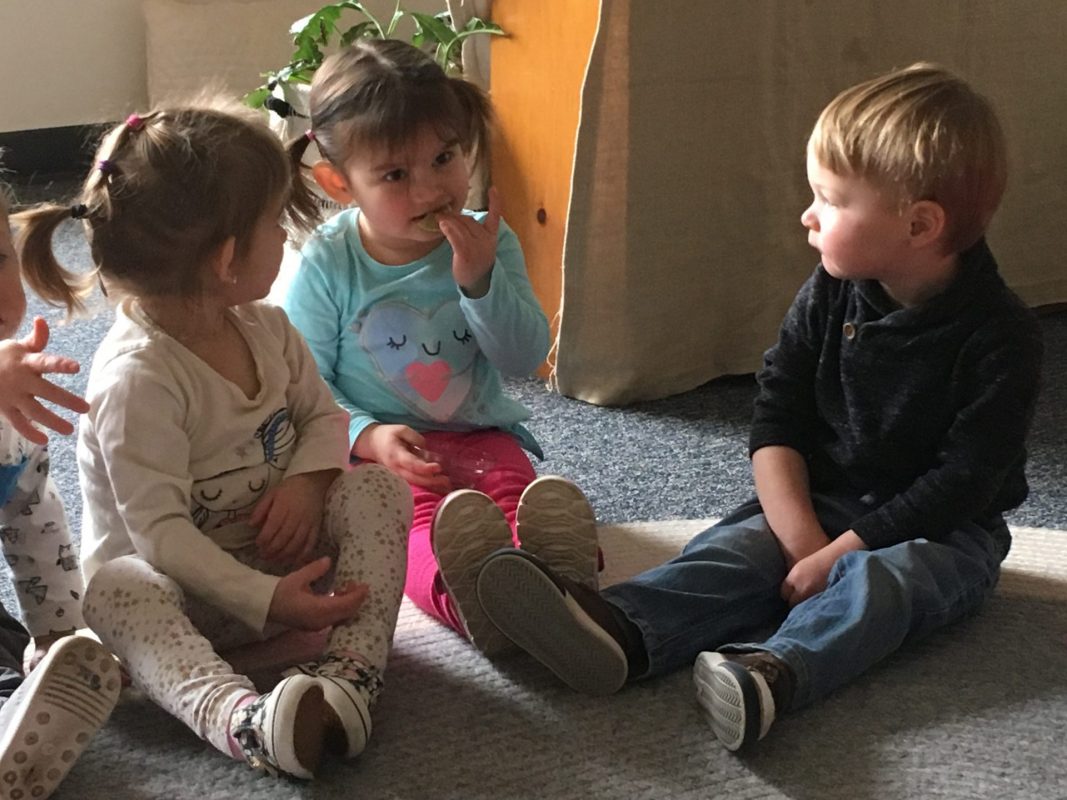
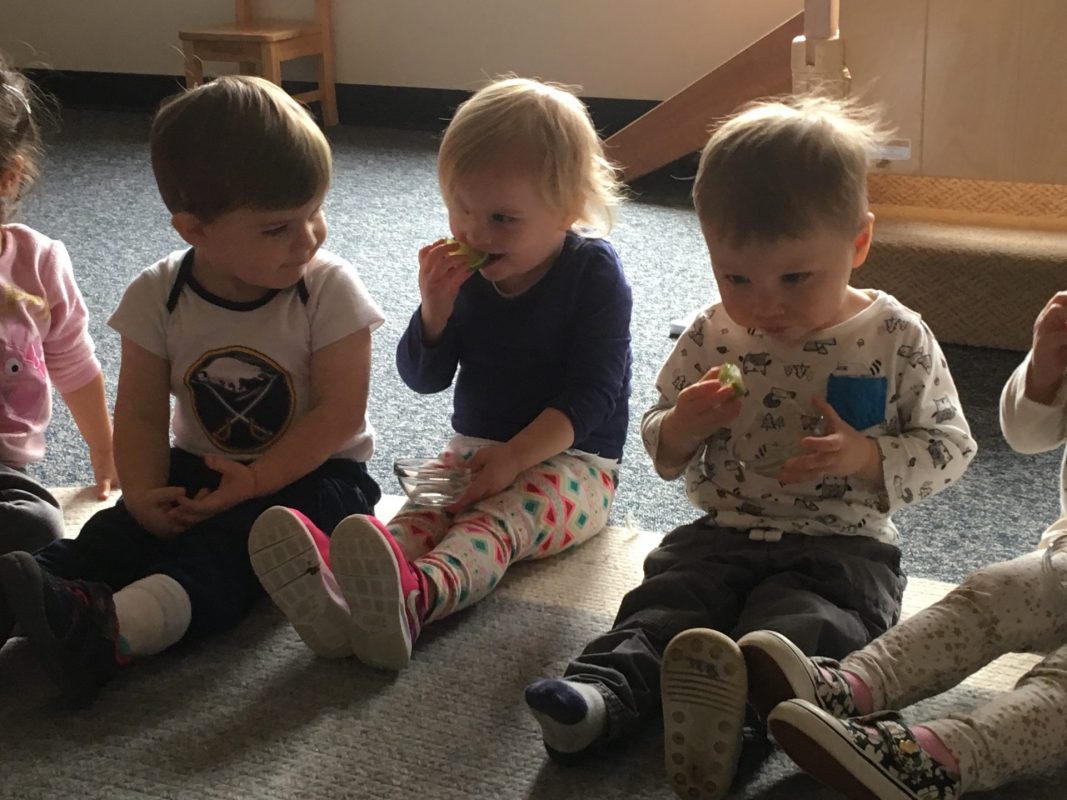
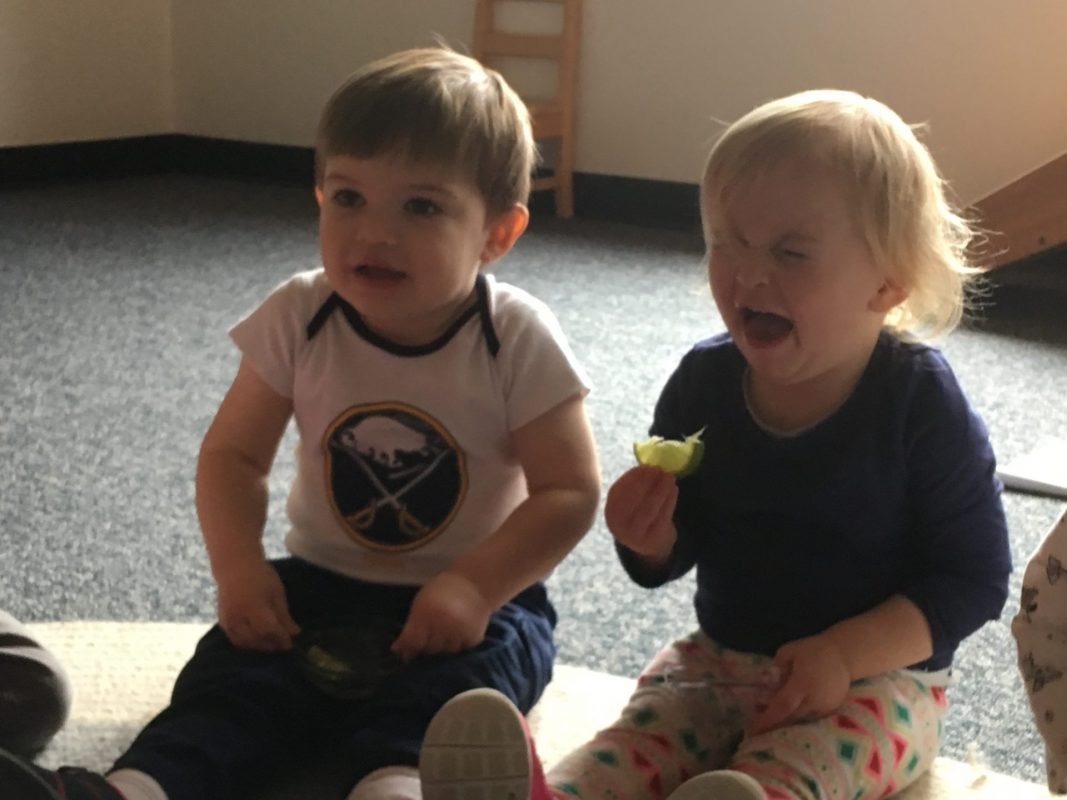
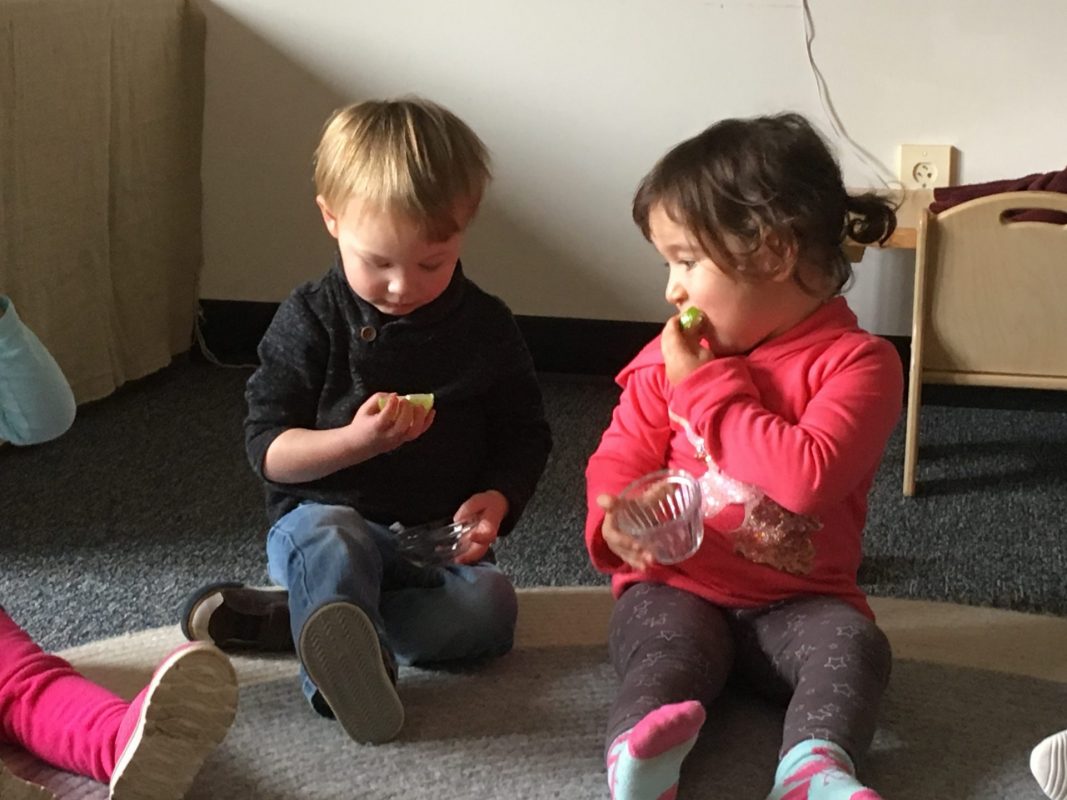
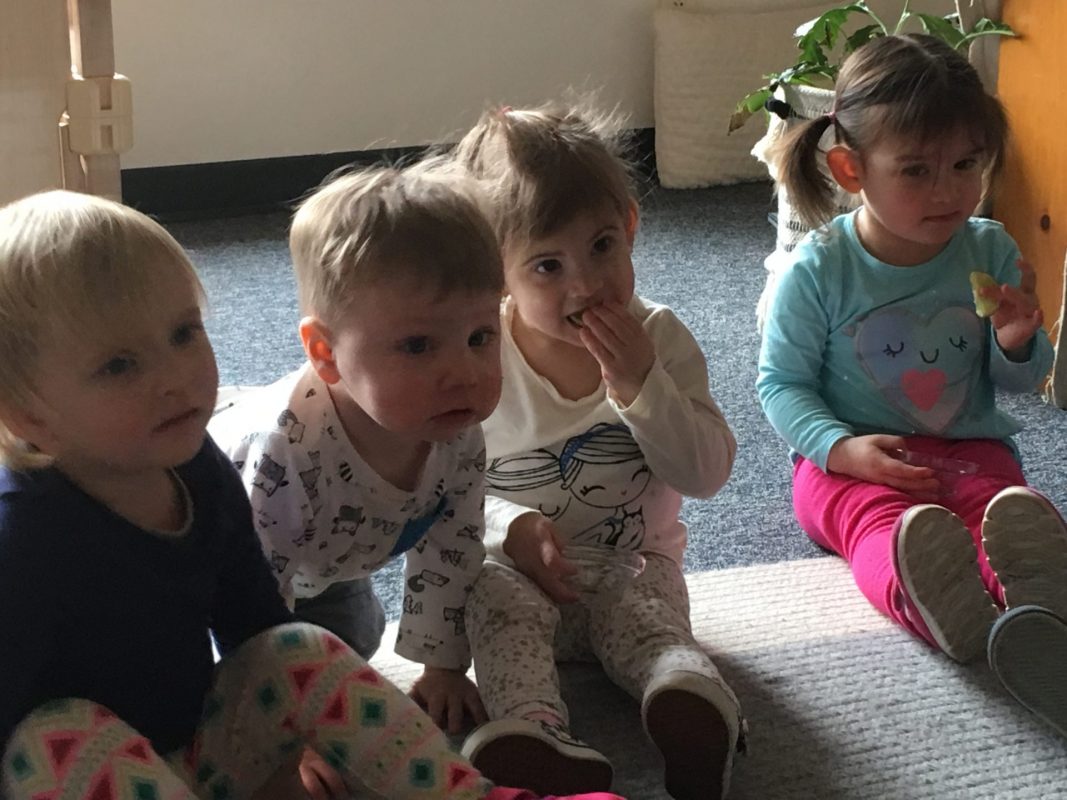
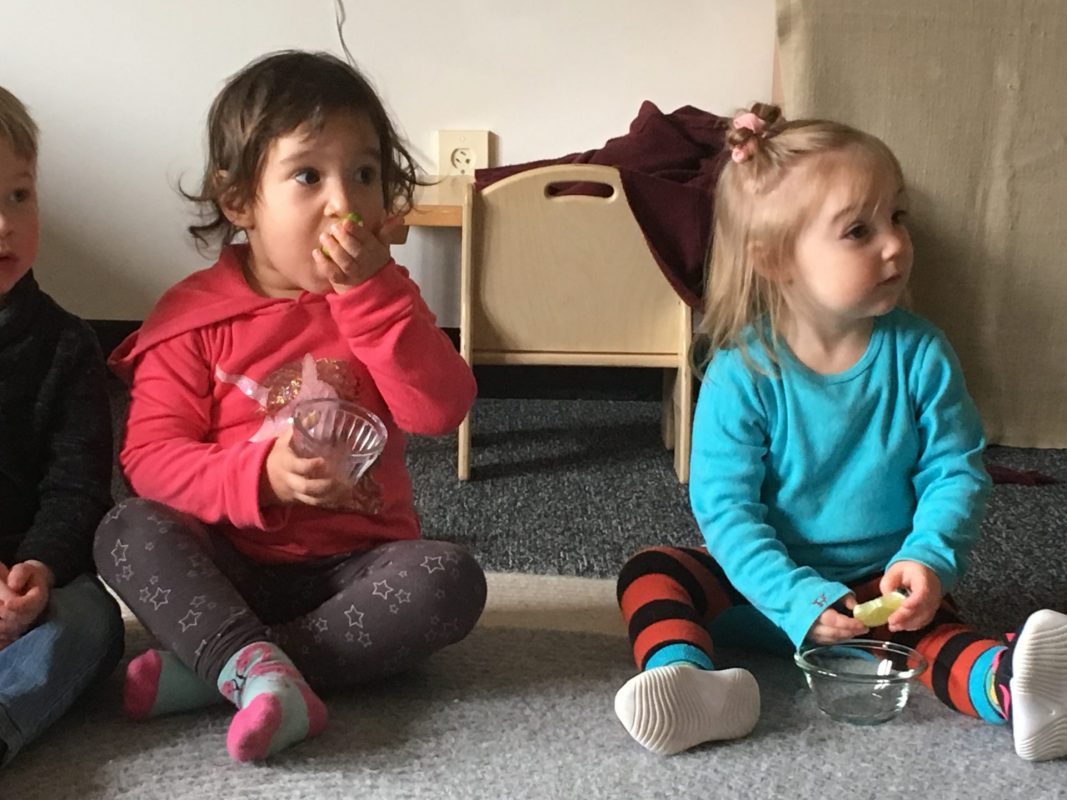
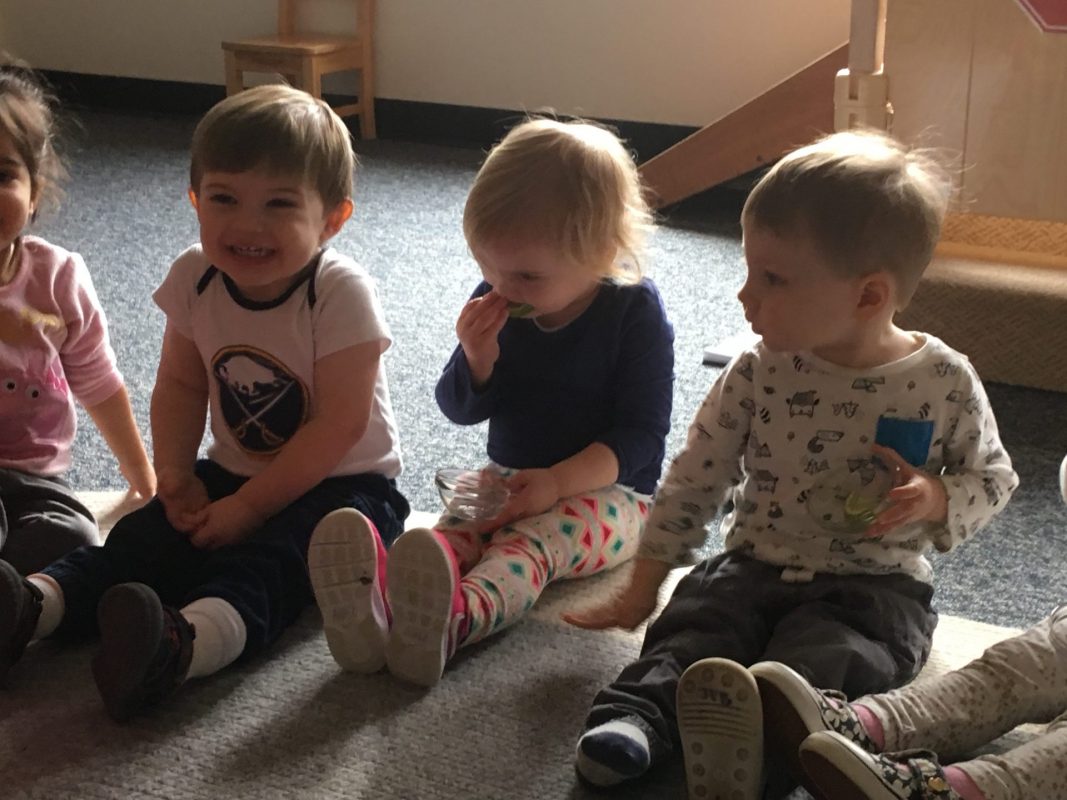
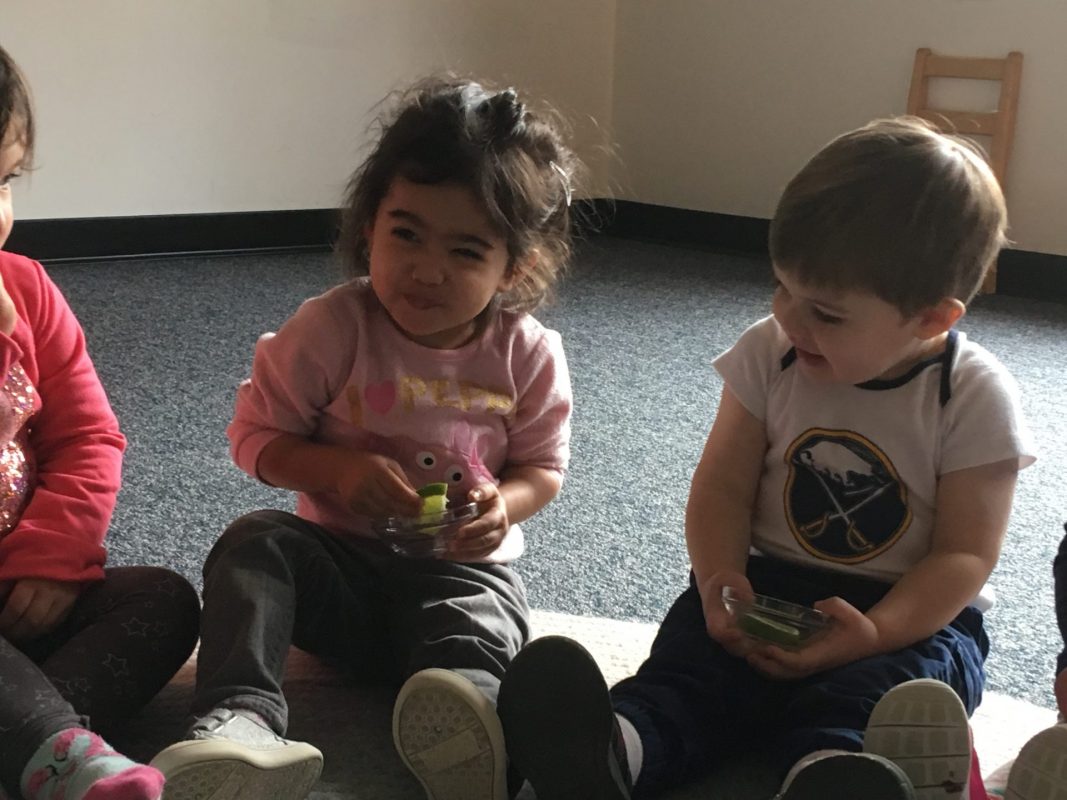
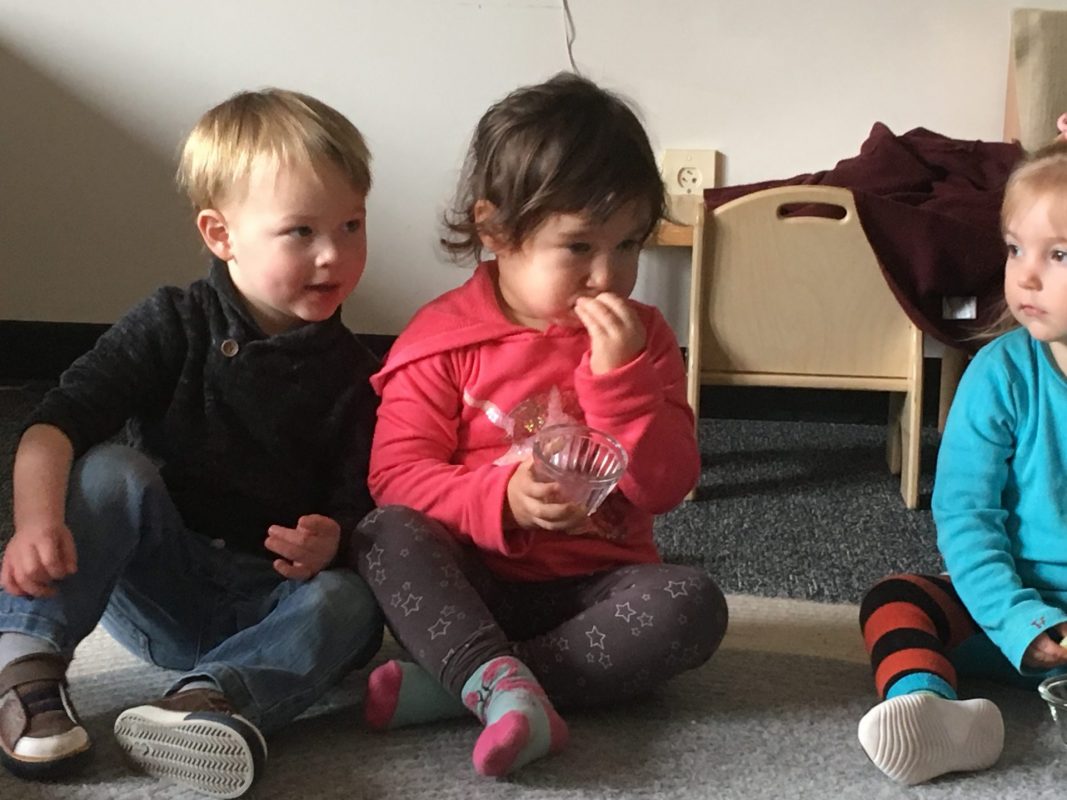
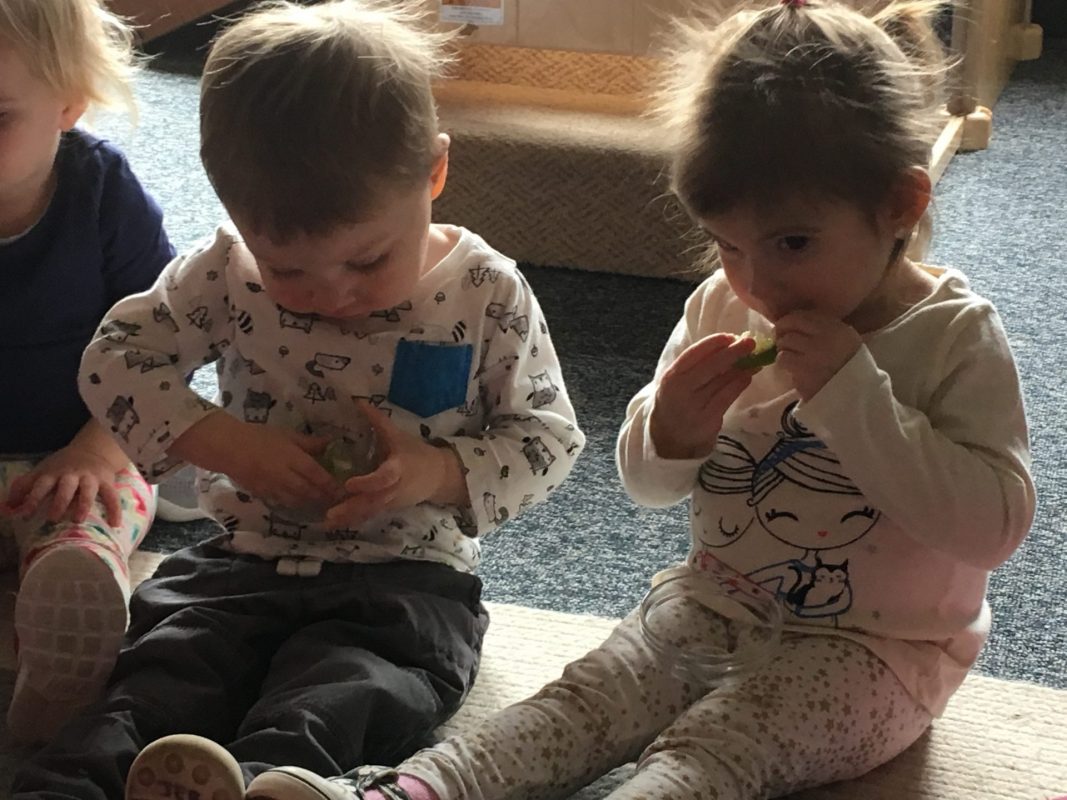
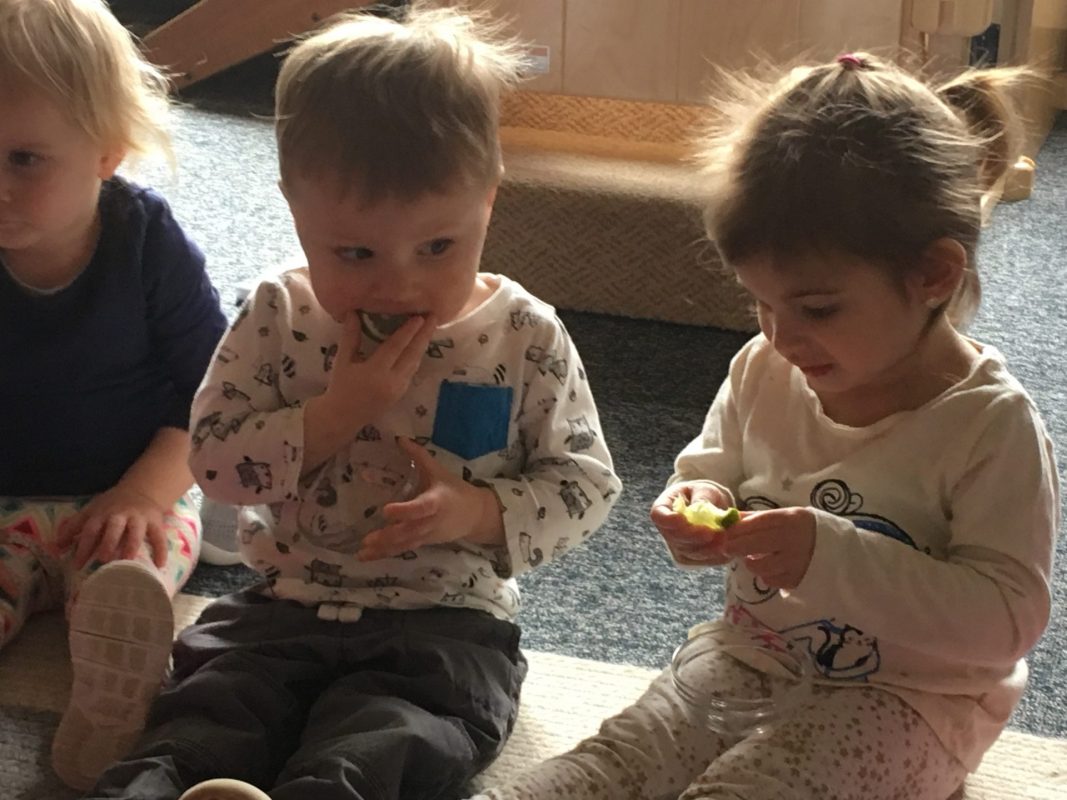
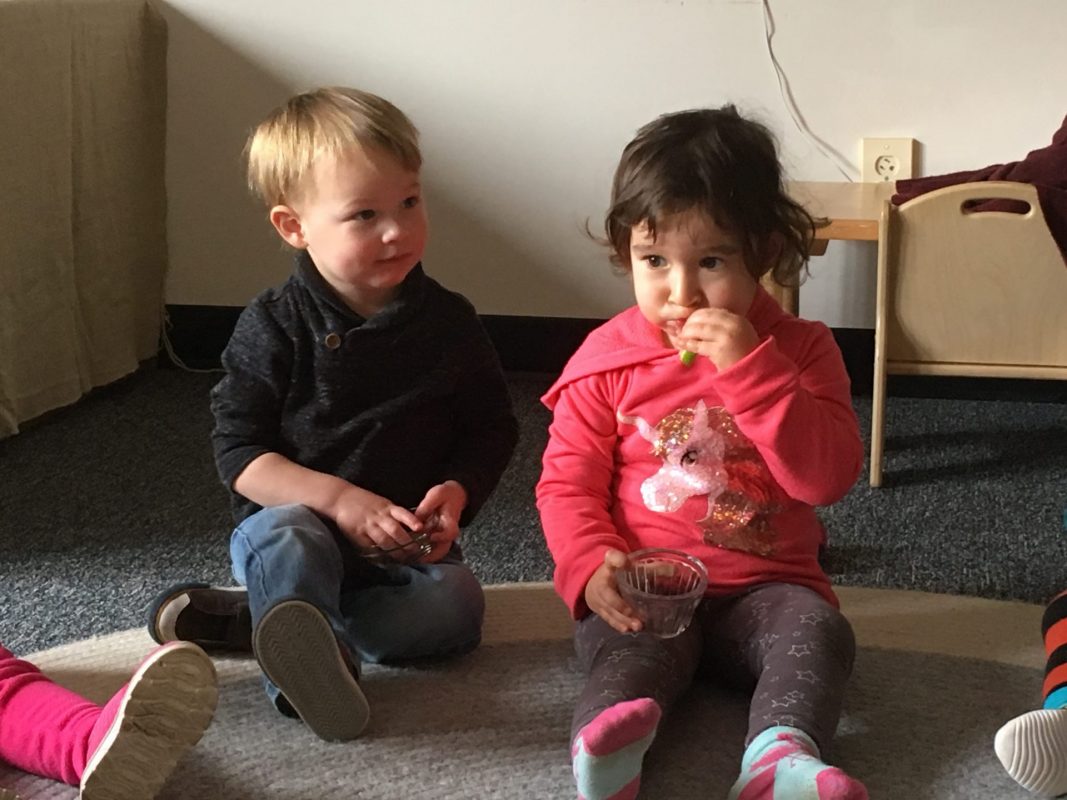
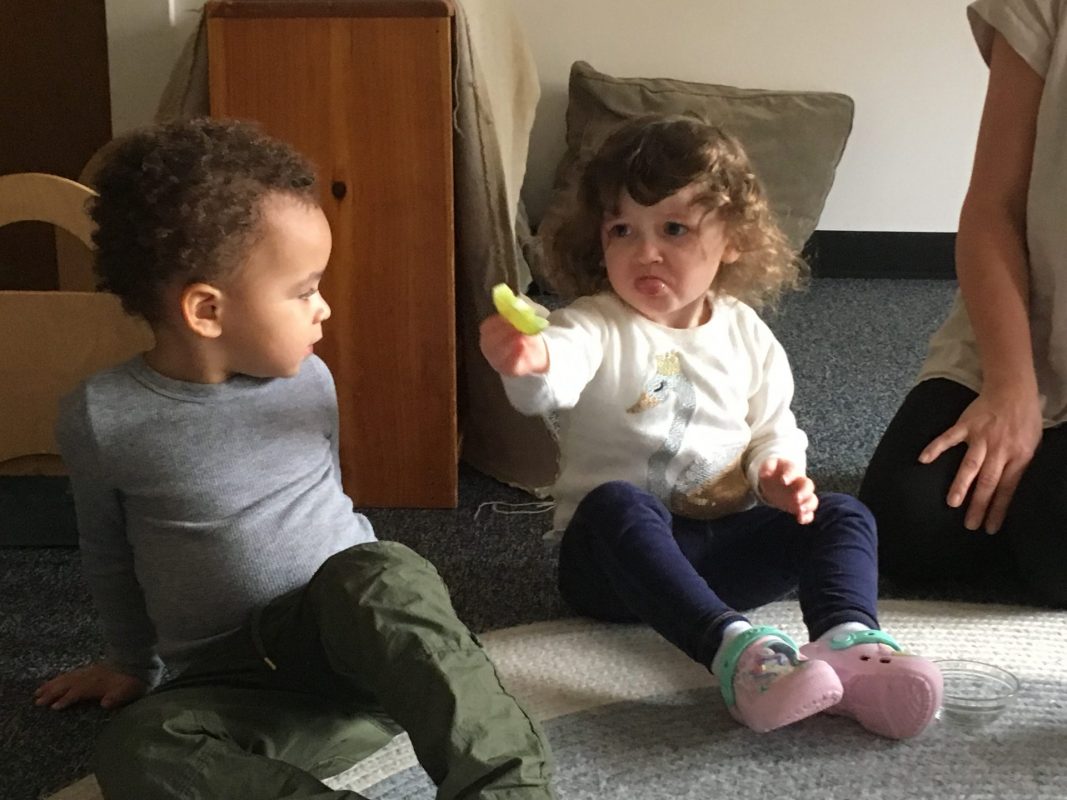
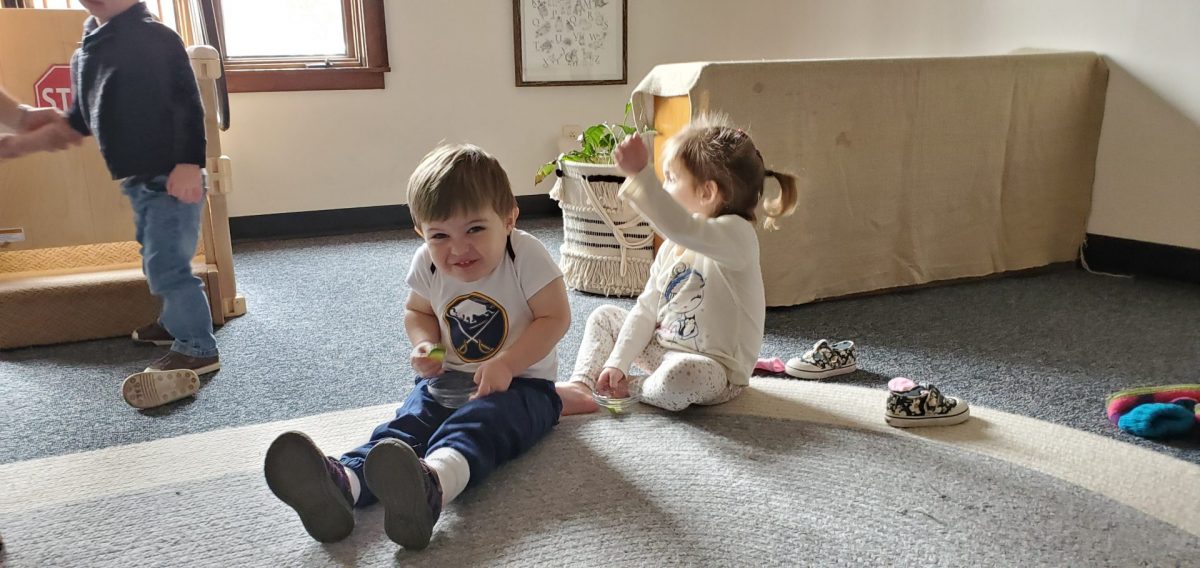
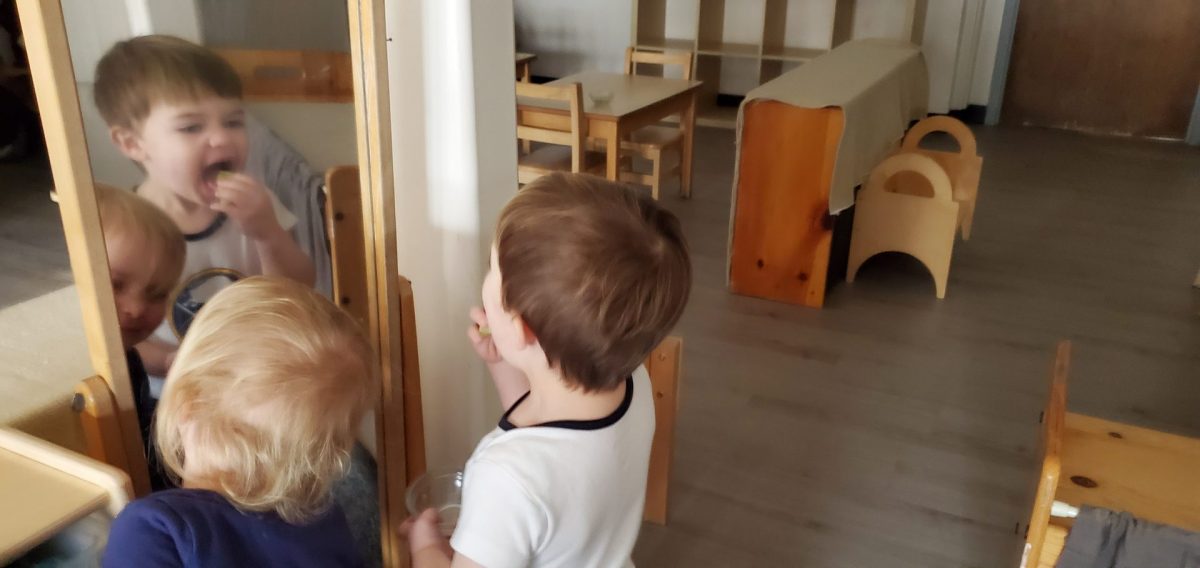
Fascination with sensorial experiences (taste, sound, touch, weight, smell, etc.) results with the child learning to observe. Absorption of the world around us through our senses is crucial to development. It helps us refine our sensorial discrimination and supports the integration of primary reflexes. We all process the senses in varying ways. This is one reason why food tasting is an important part of the toddler curriculum. Exploring a variety of fruits and vegetables each week helps the toddler learn to categorize the different tastes, such as sweet, bitter, and sour. This week the children explored and tasted limes. Watching the children’s reaction to that first bite was comical, as you can see in the photos.

Mrs. Wilson, Ms.Sara and Ms. Heather