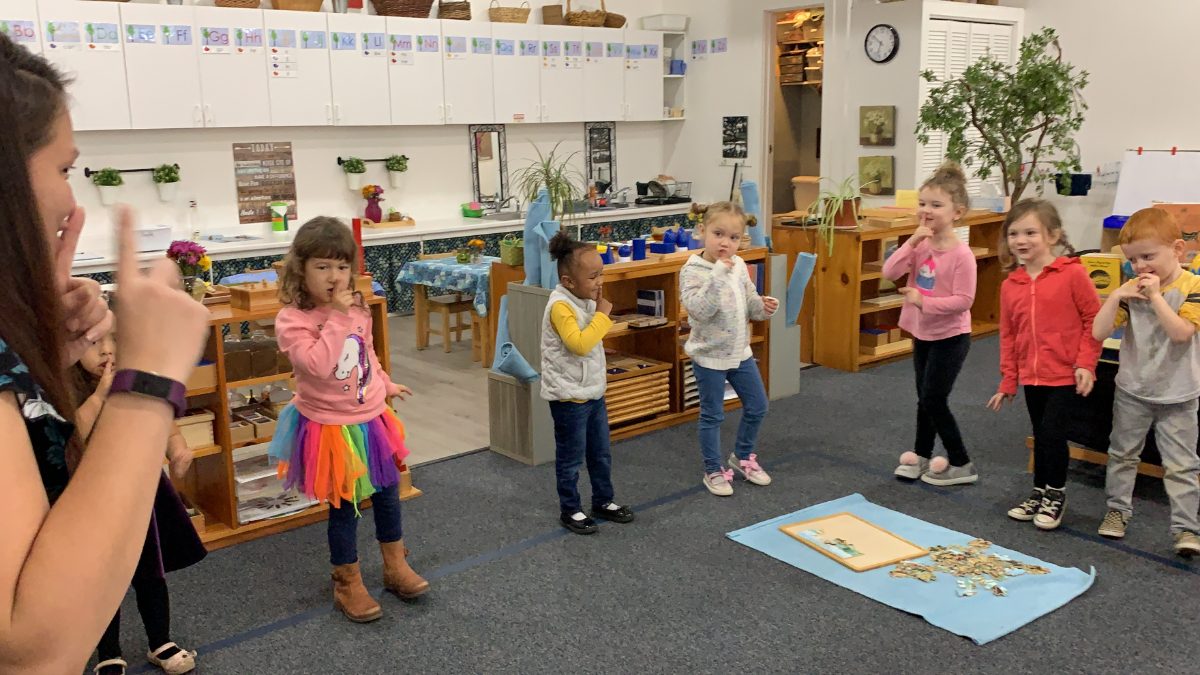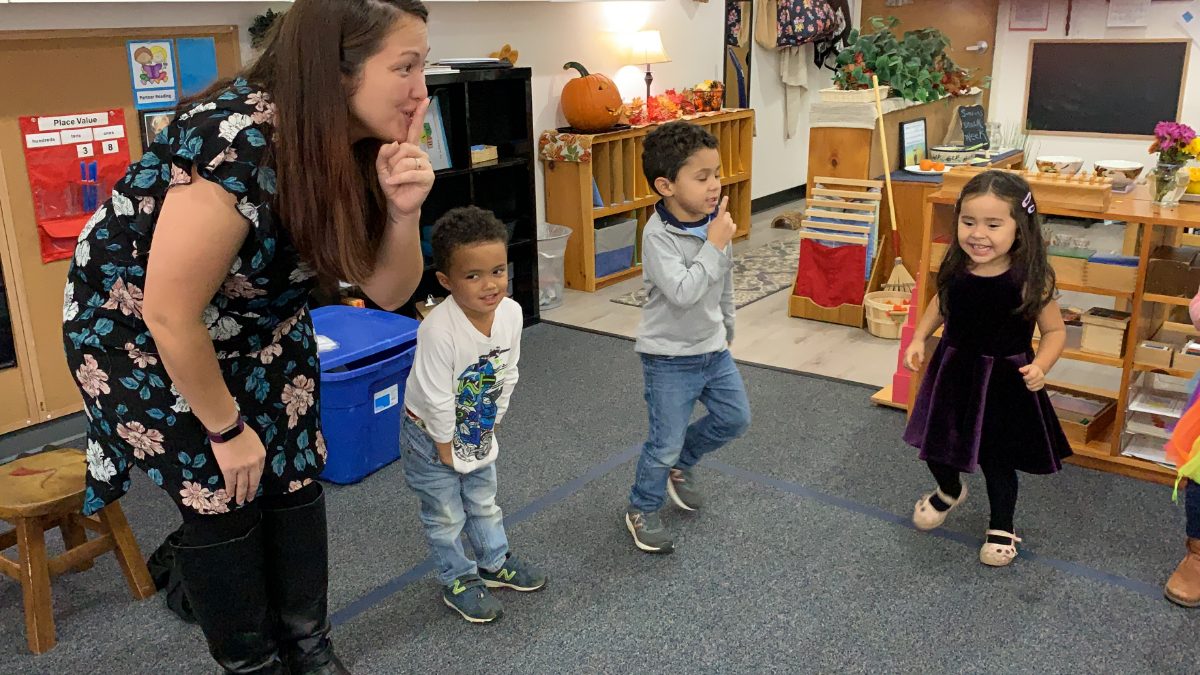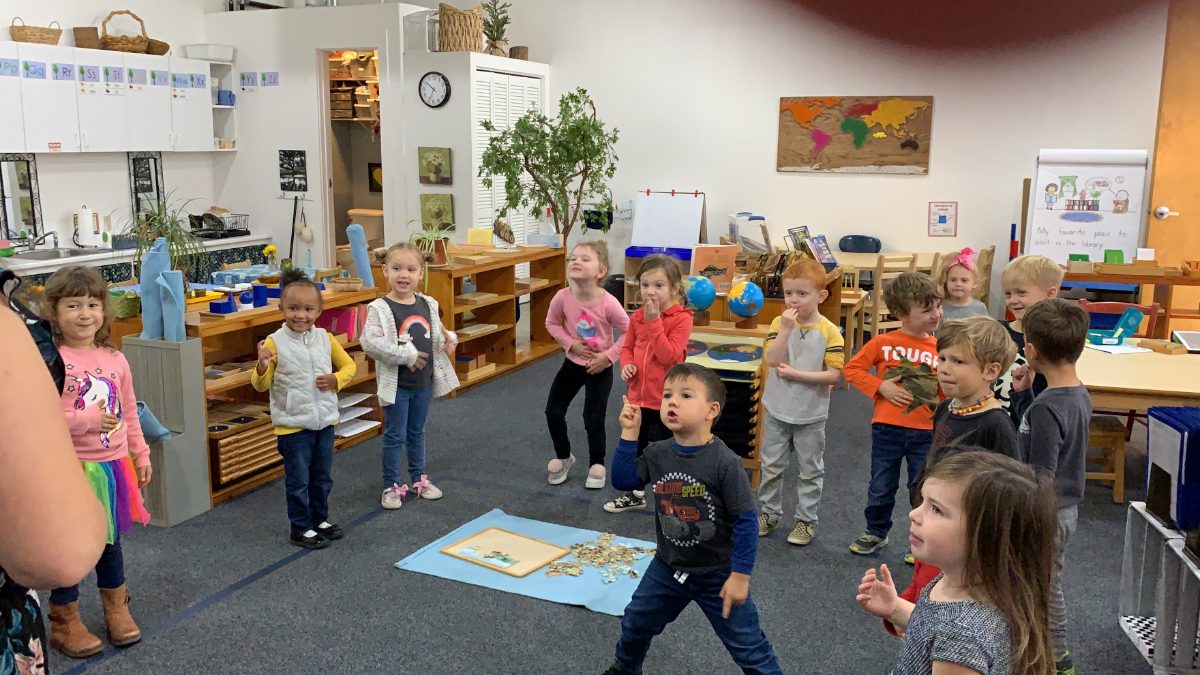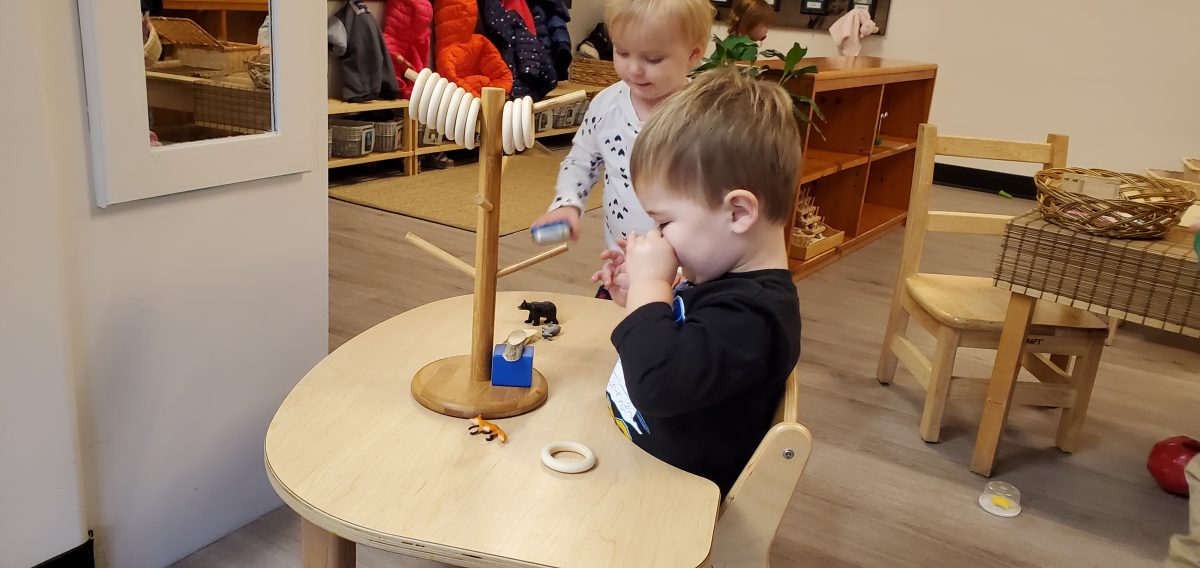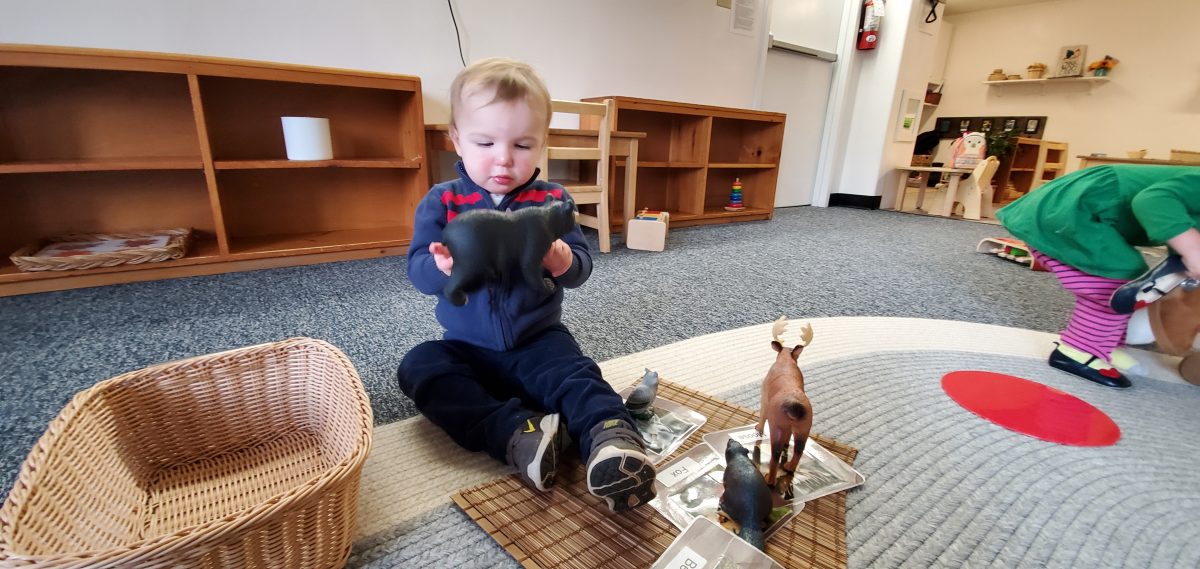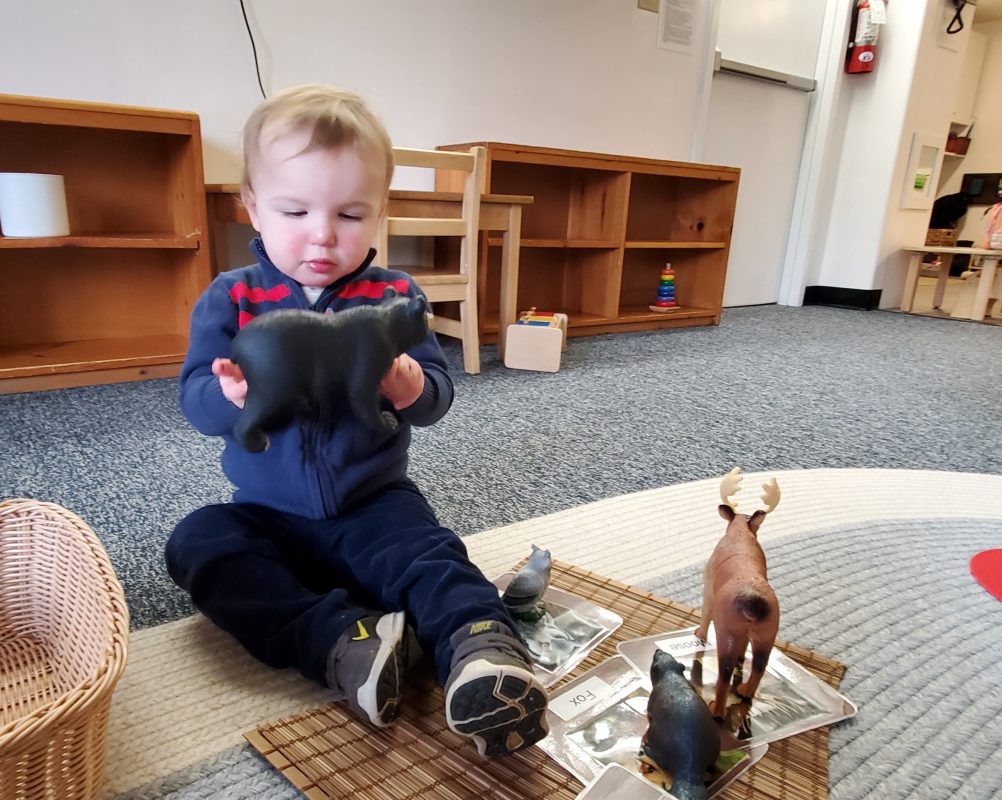

So far this year, we have learned that all things in the world are either living or non-living. Then, we classified living things as animals or plants. Now we are ready to go one step further and begin our study of zoology.
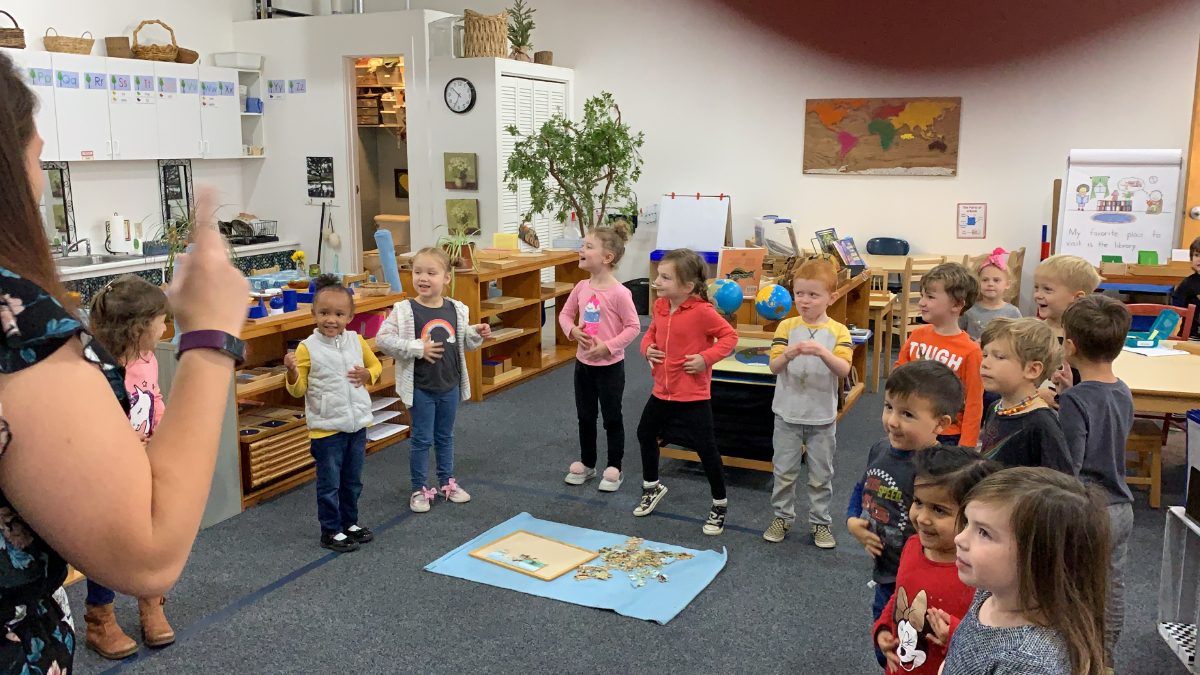
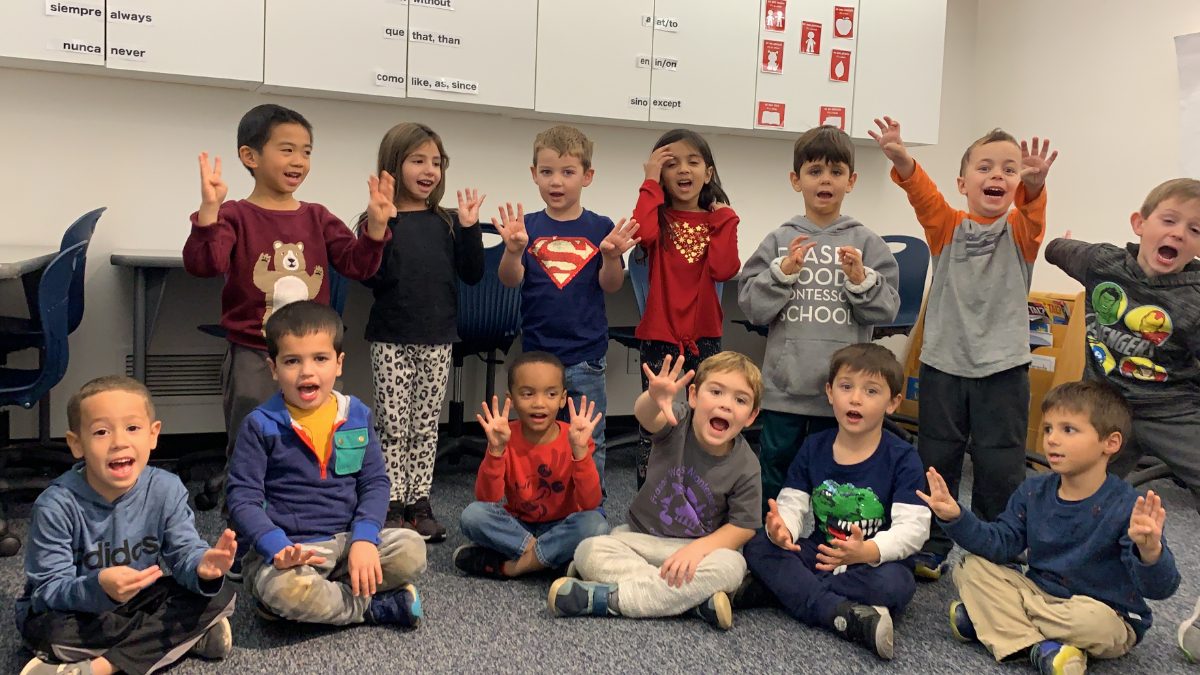
The children learn that the study of animals is called zoology. All animals can be classified as vertebrates or invertebrates. Vertebrates have a backbone and invertebrates are animals that do not have a backbone. We help, the children understand this concept by having them run their fingers along their spines to feel their backbone.
The majority of animals that we think about, such as dogs, cats, birds, fish, alligators, and frogs are vertebrates. However, there are actually more invertebrates living on our planet. More than 90% of all animals are invertebrates. Vertebrates tend to be larger in size because their backbones allow them to have muscles and a strong body. Invertebrates tend to be small, as no backbone means they can’t support a large body.
Learning about vertebrates and invertebrates is an important lesson. With this knowledge, we are ready to begin classifying vertebrates into five different groups: mammals, amphibians, fish, birds and reptiles.
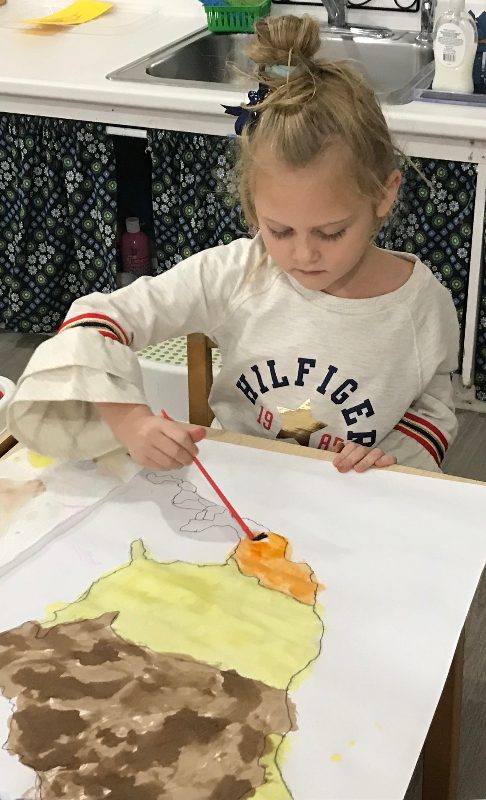
The children enjoyed our first in-house field trip of the year on Wednesday. We were excited to welcome a Native American storyteller who entertained with her legendary tales, teaching life lessons. We have enjoyed learning about the continent of North America this month and hope that your child has shared information with you.
We also welcome our new friend Blake and his family to our class! The children have been so excited to have Blake and are really doing an amazing job of helping him learn the routines of our day.
Have a wonderful week!
Michelle & Jeannine