Blog

Mrs. Carroll’s Class: Living In a Pond

They’re slimy. They can be very loud or never make a sound. The colorful ones can be poisonous and stinky. What are they? Amphibians! We’ve begun our  study about awesome amphibians and have uncovered a lot of fun facts. Your children know these vertebrates begin life in the water, breathing through gills, but usually grow up and live on land using a pair of lungs to breath. They have moist skin through which they breathe. Amphibians are cold blooded. They are unable to regulate or control, their own body temperature, amphibians use the sun’s heat to warm themselves up.

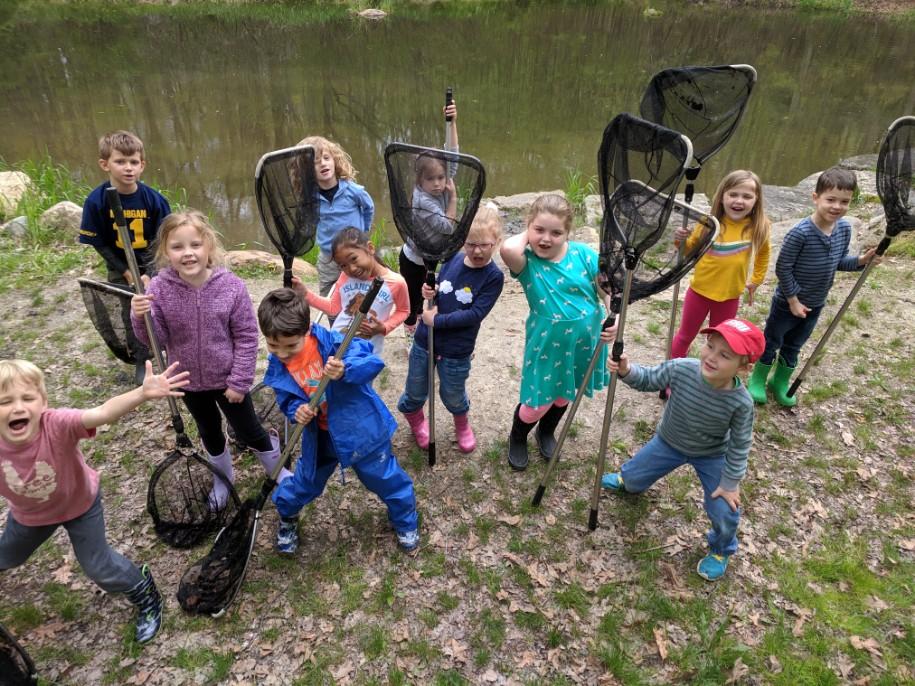
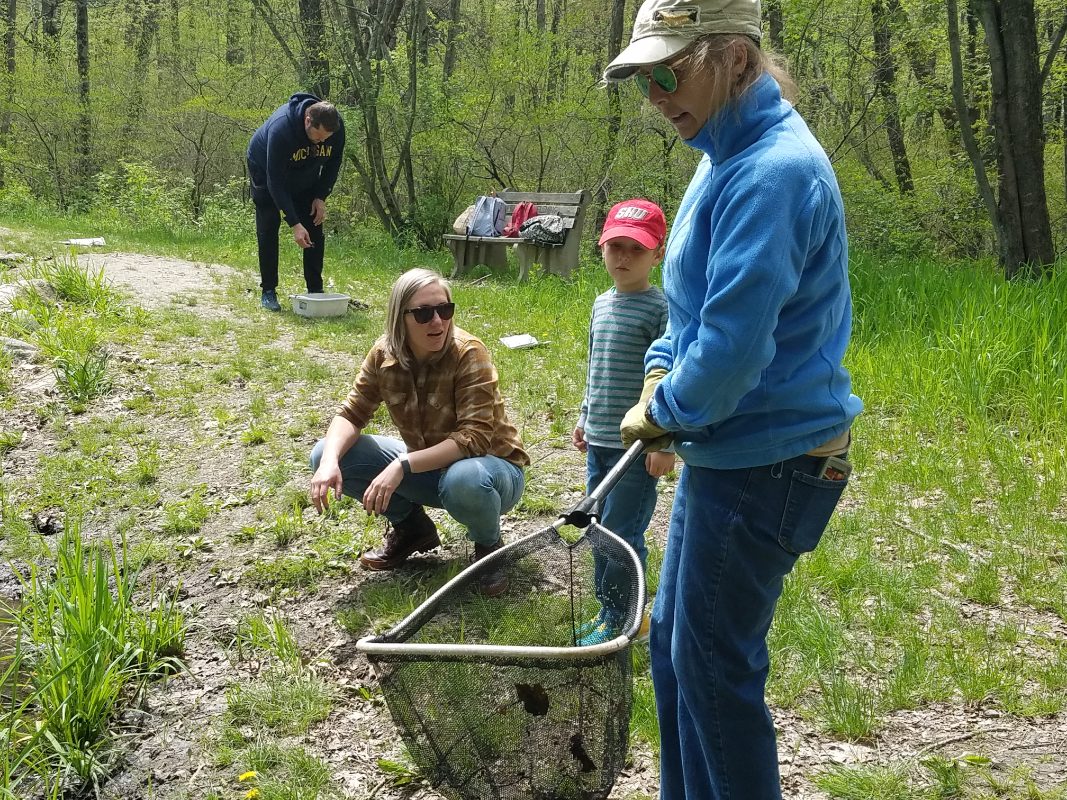
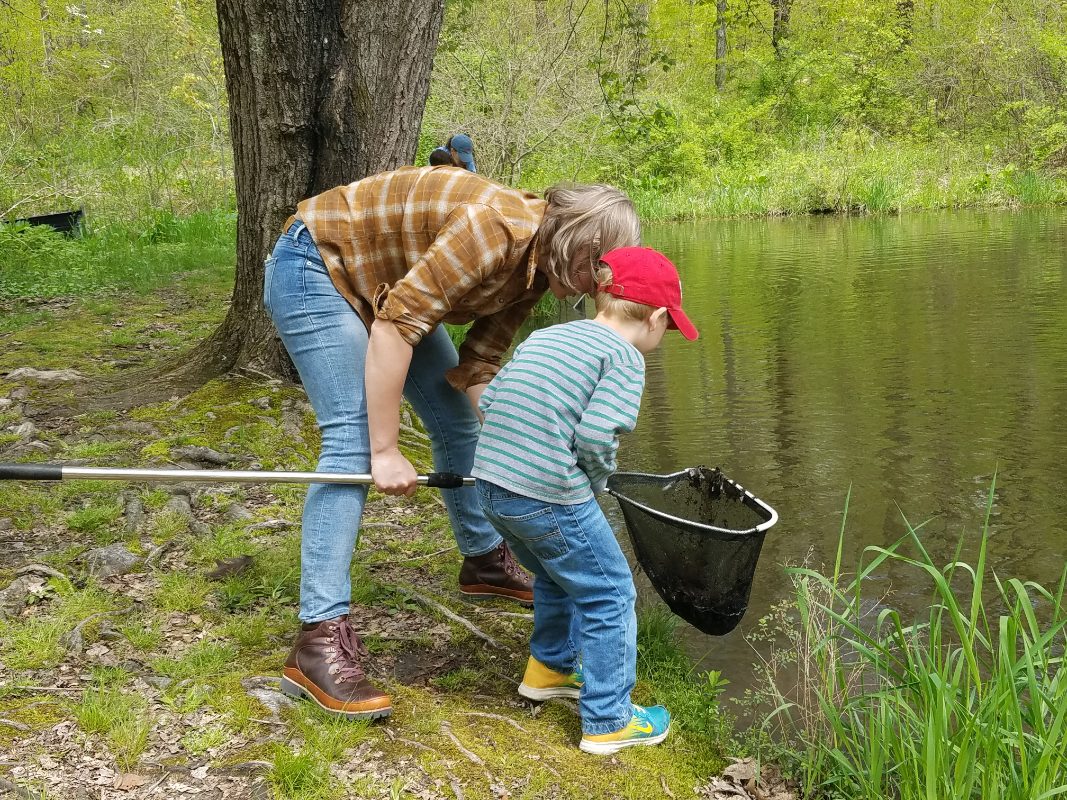
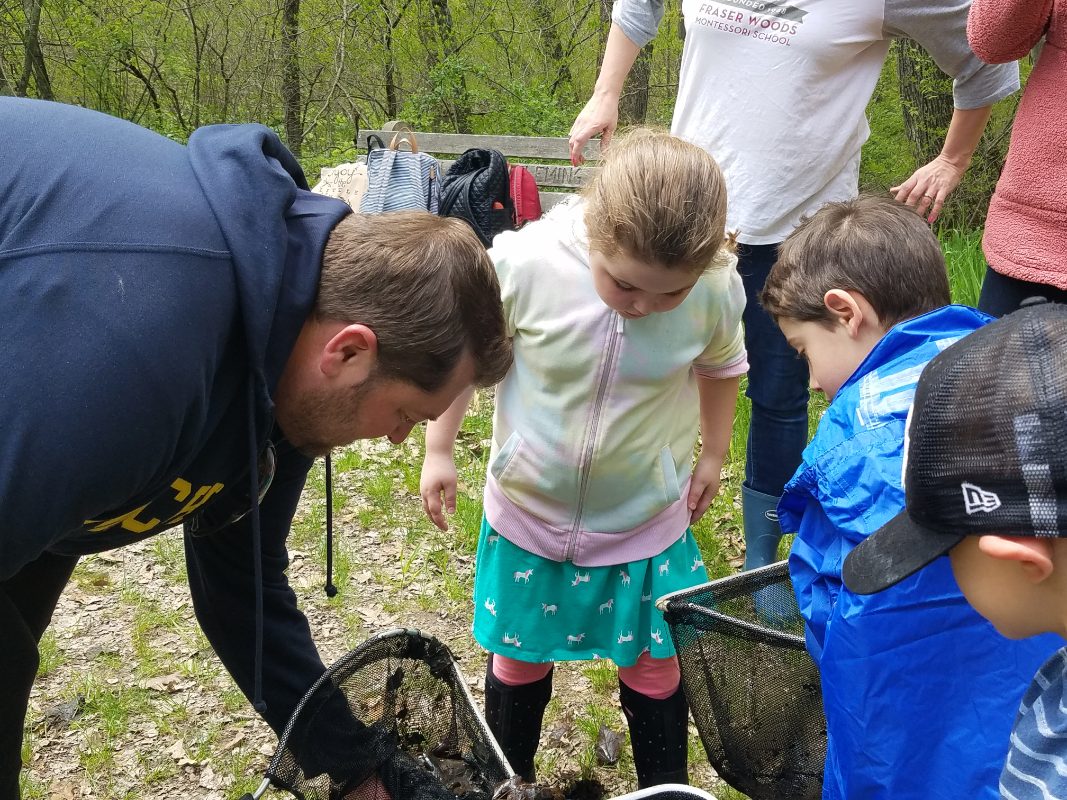
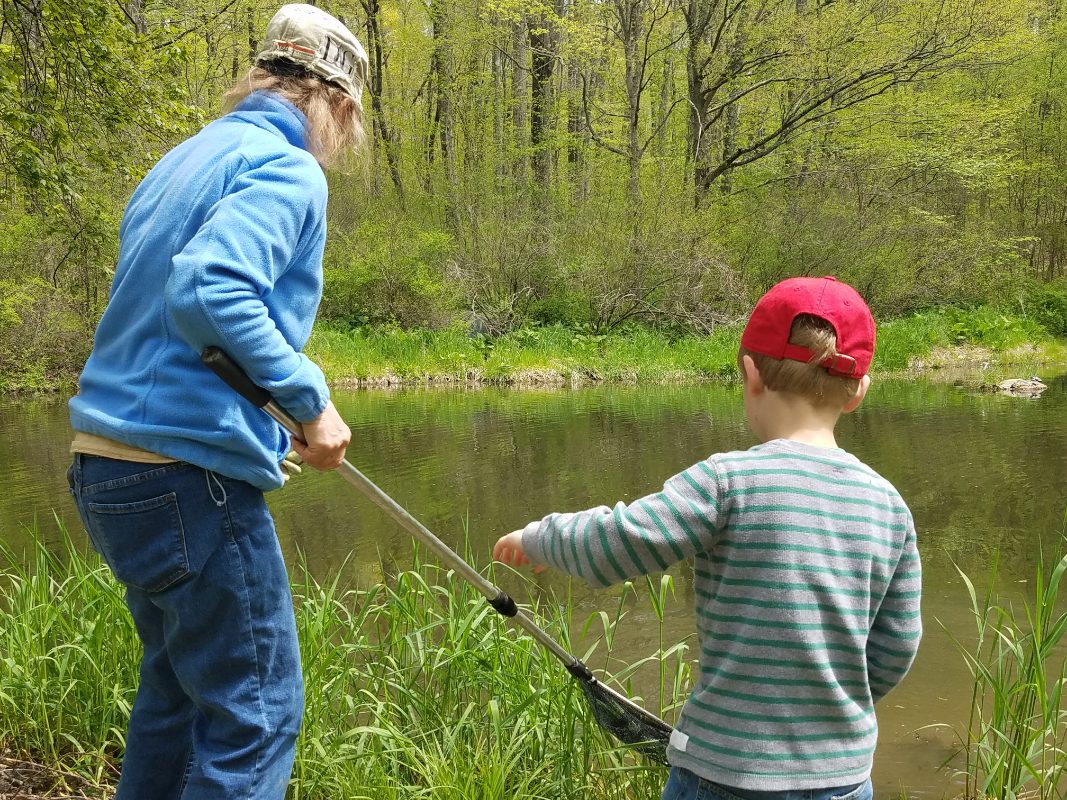
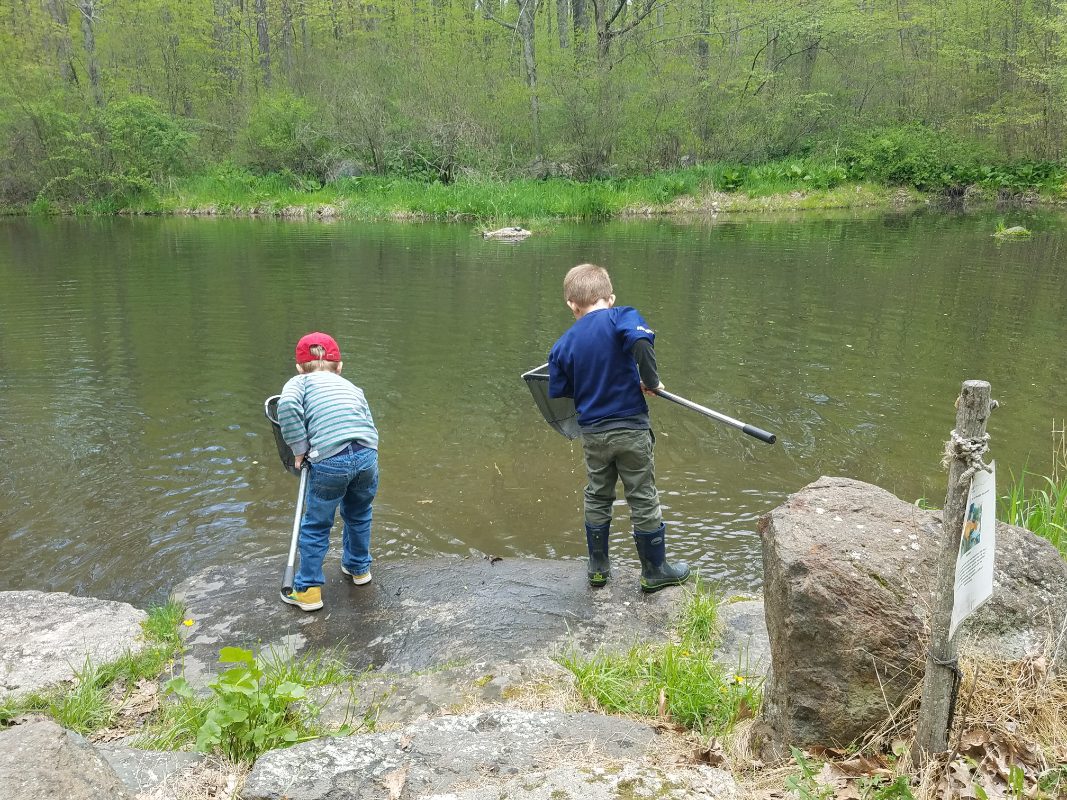
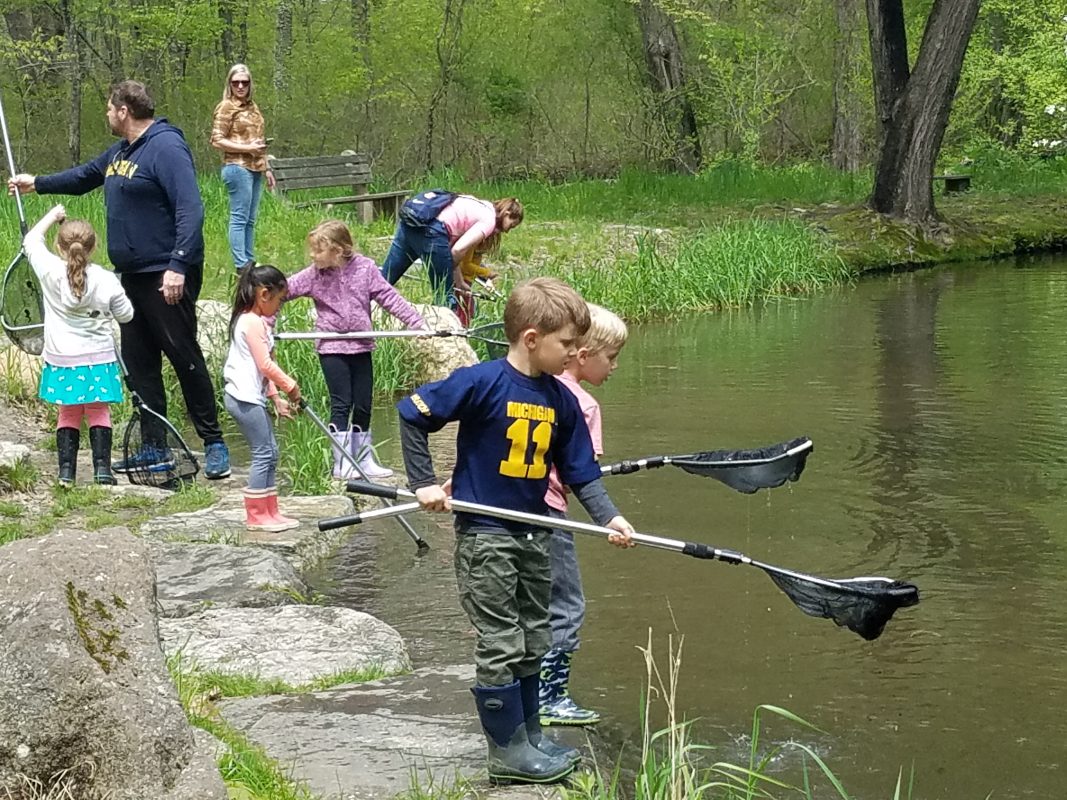
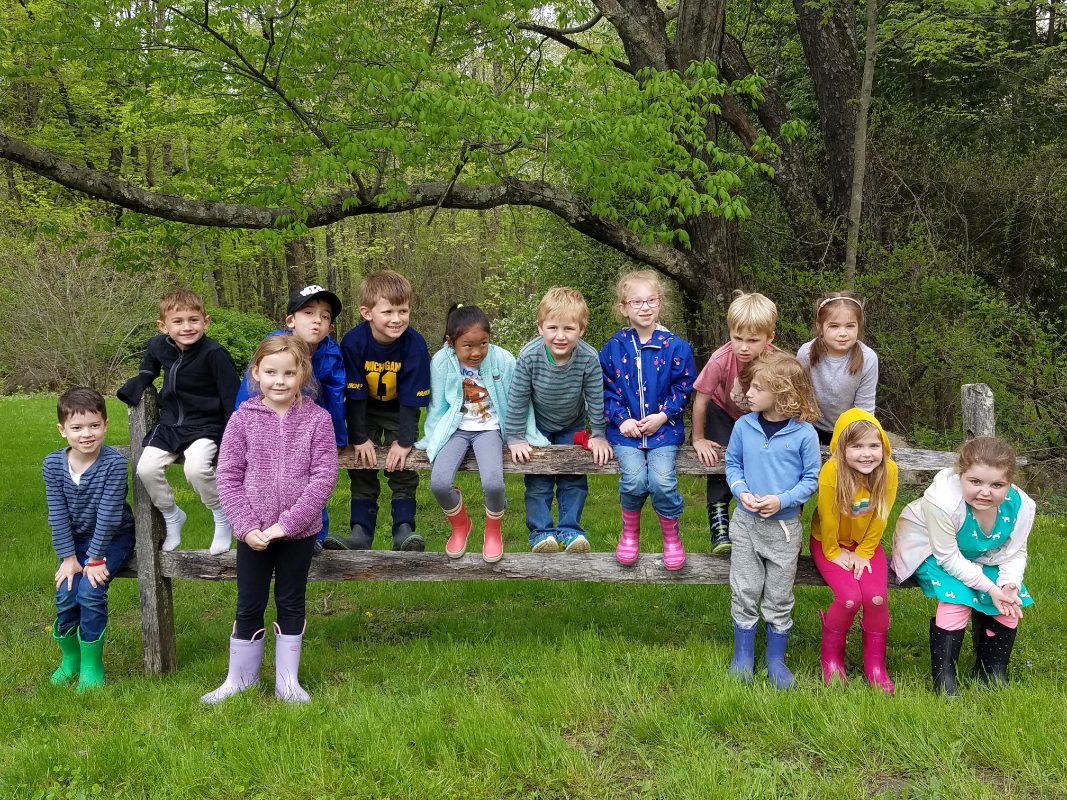
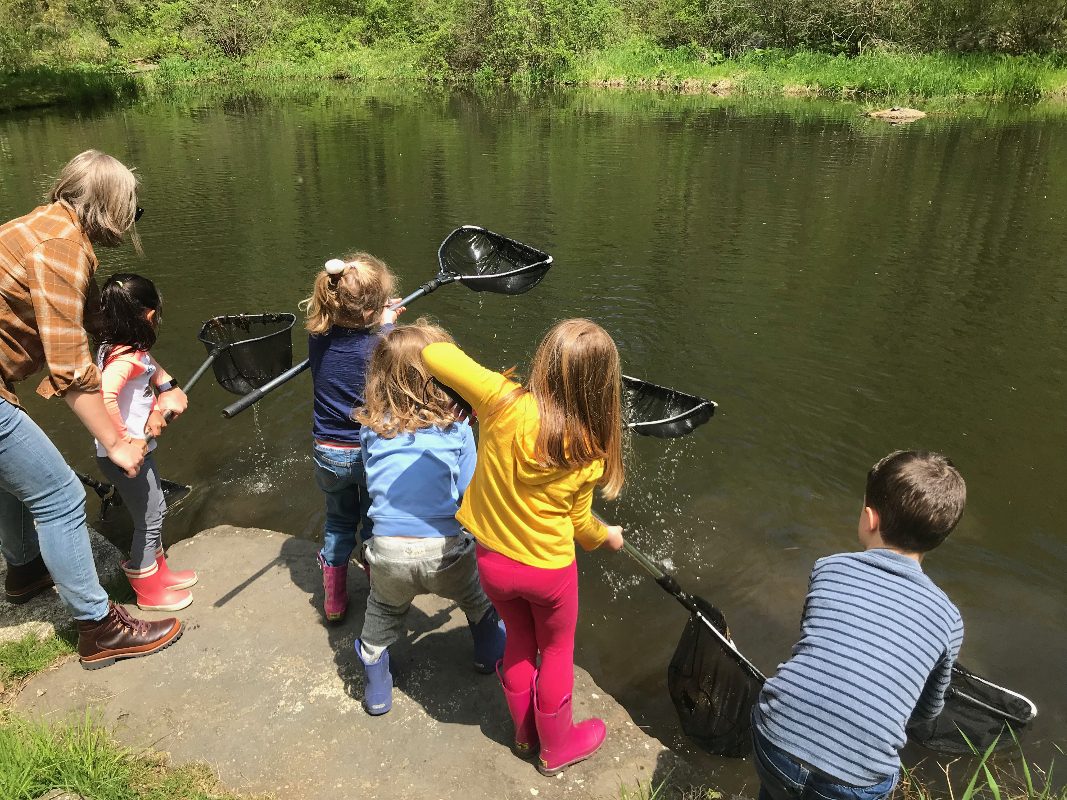
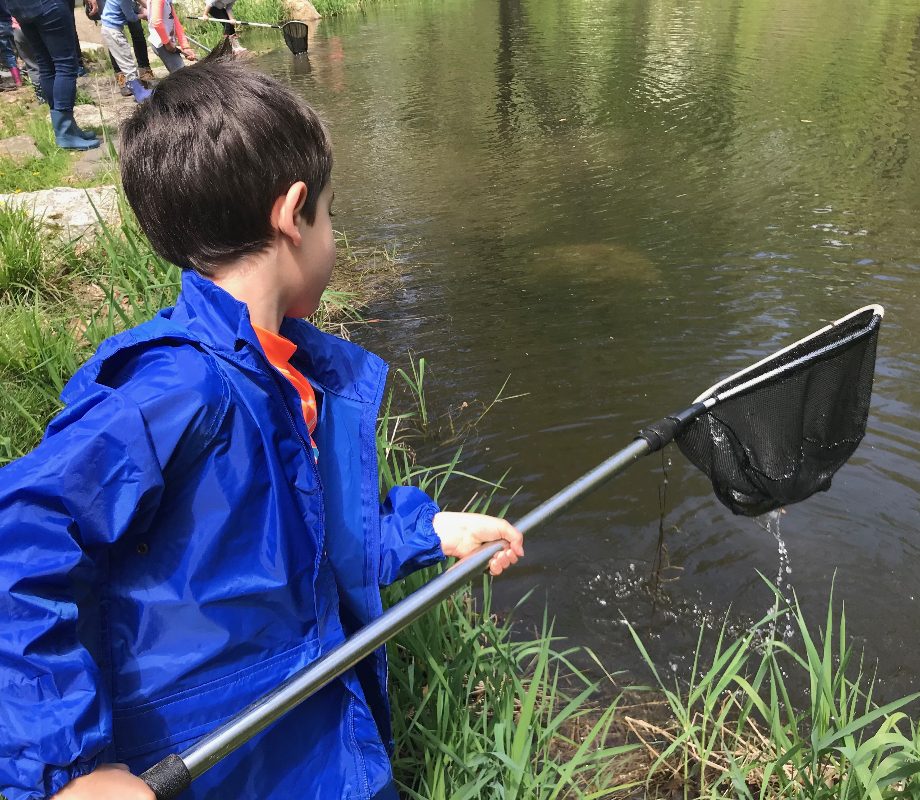
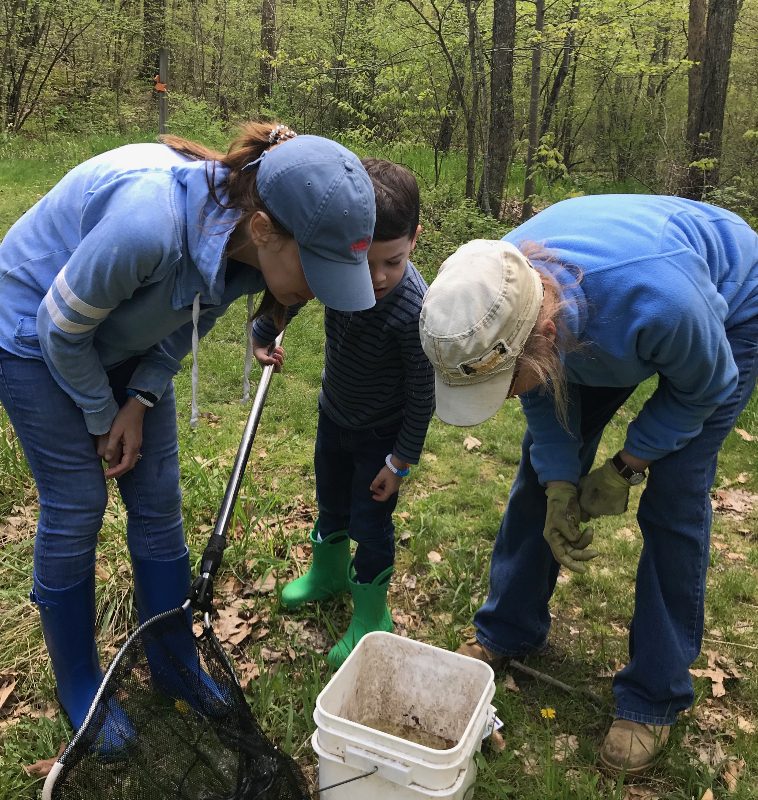
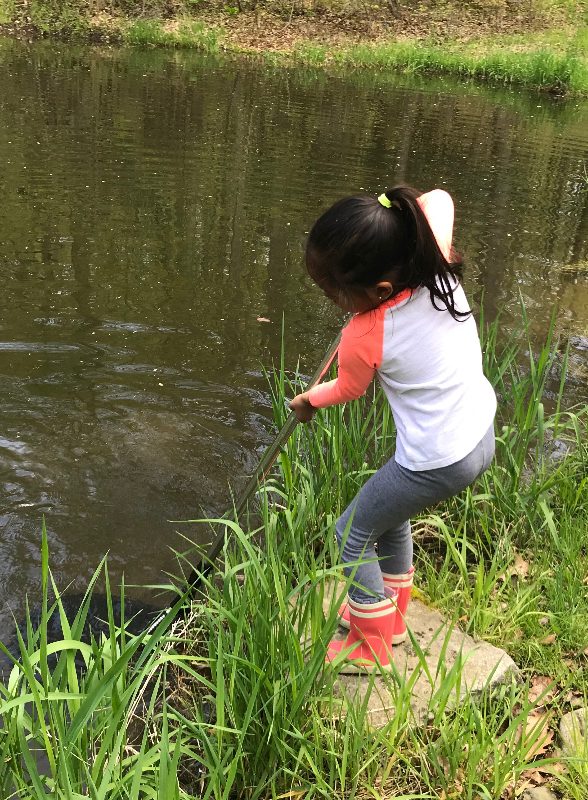
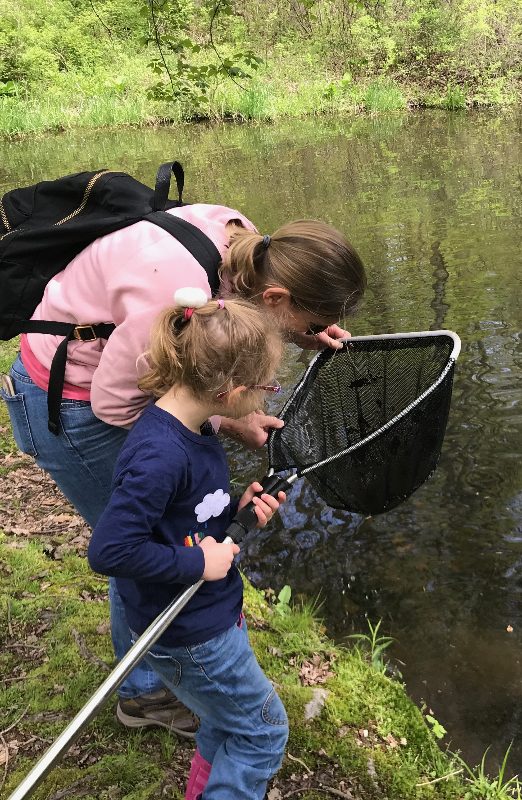
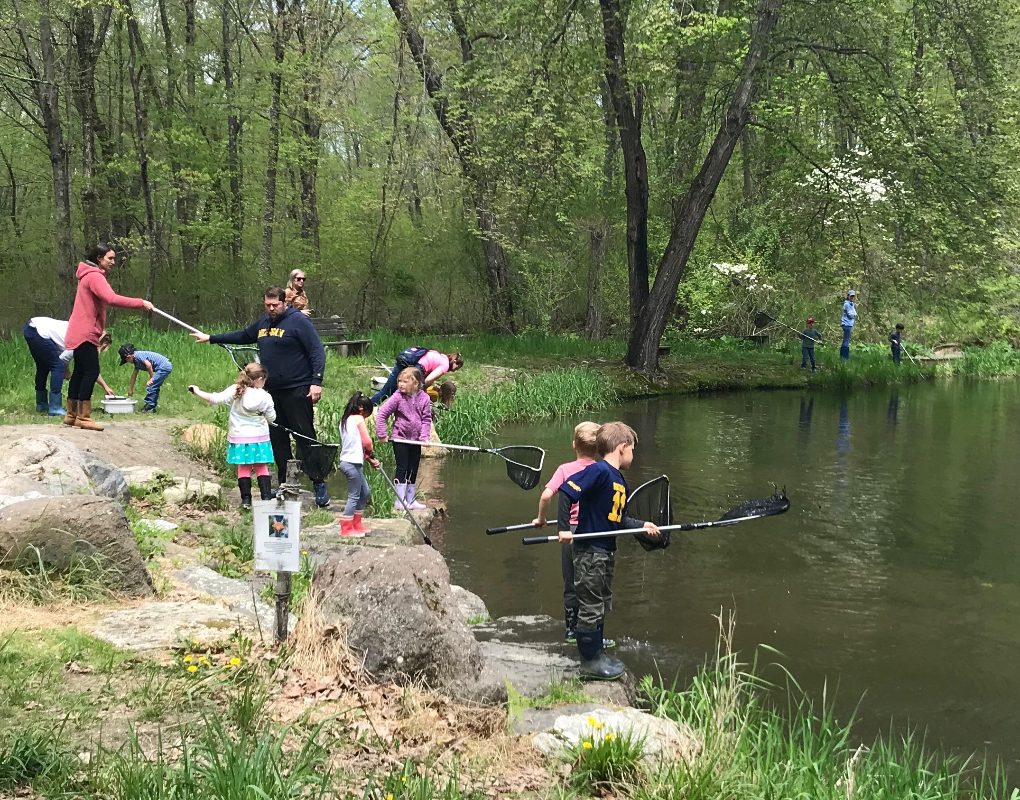
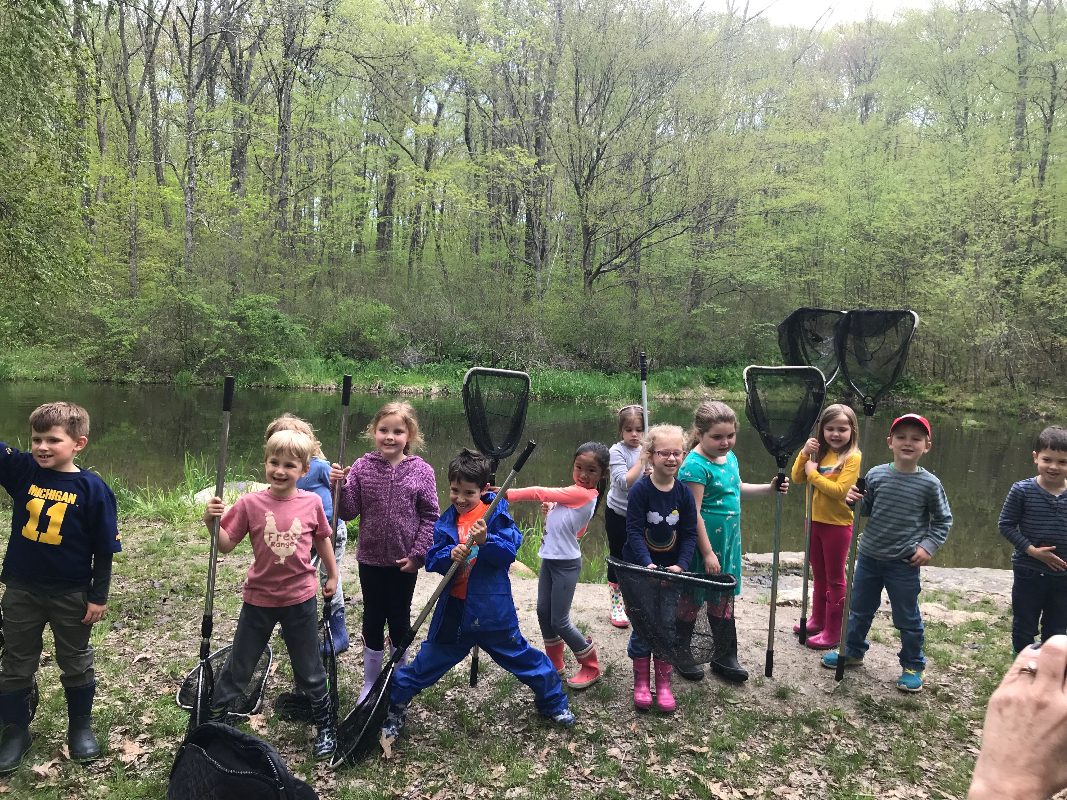
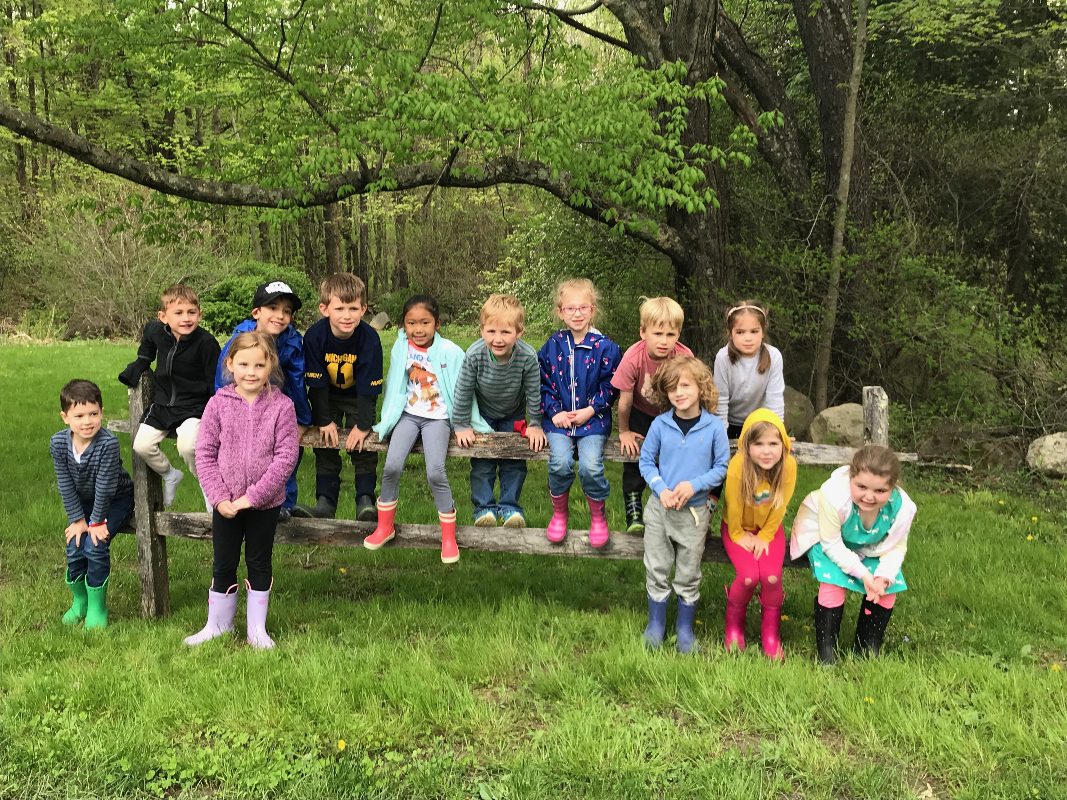
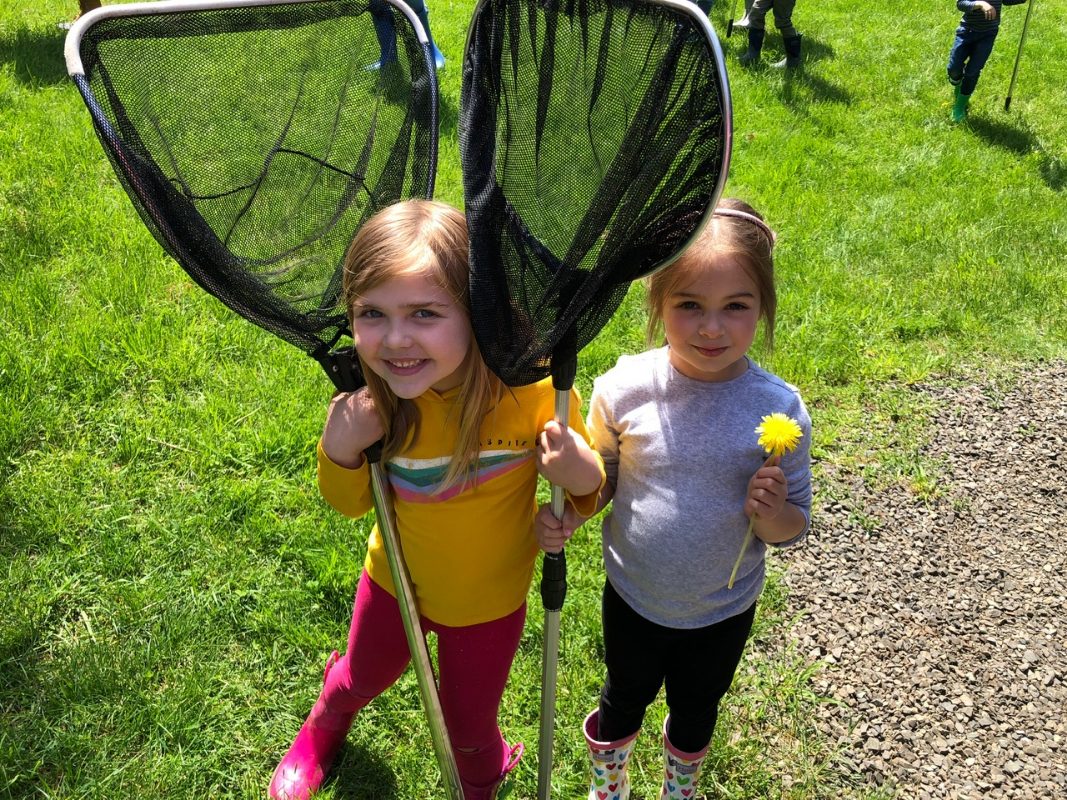
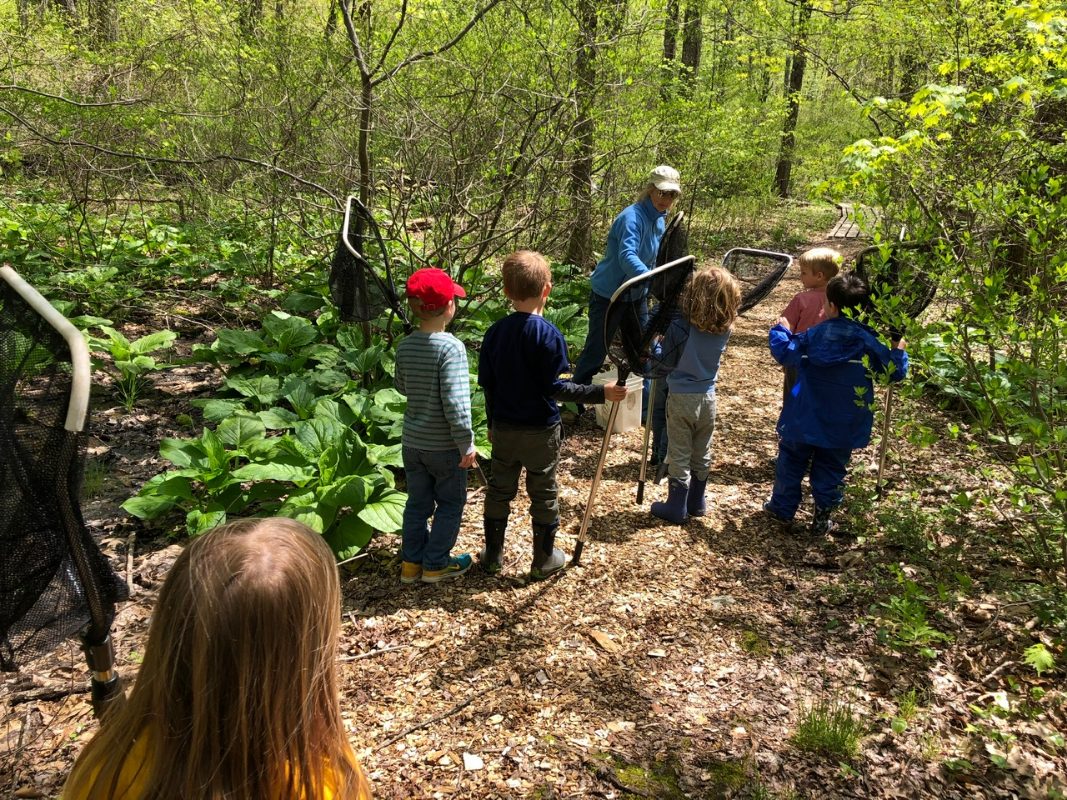
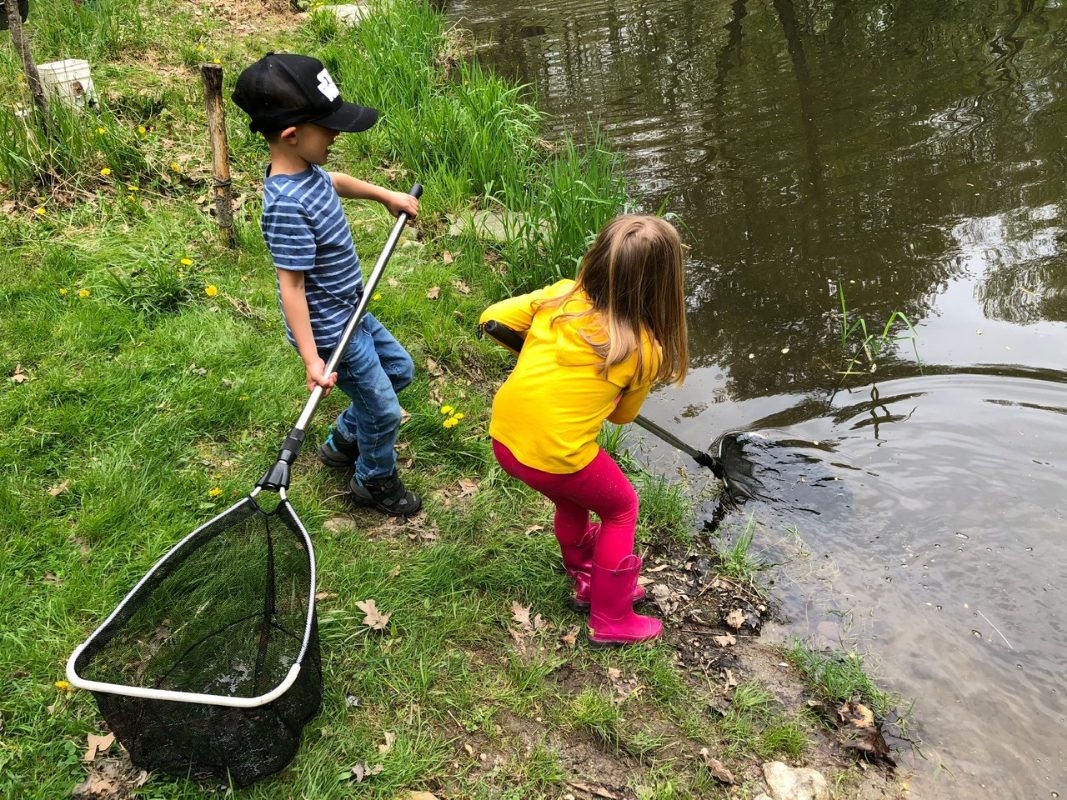
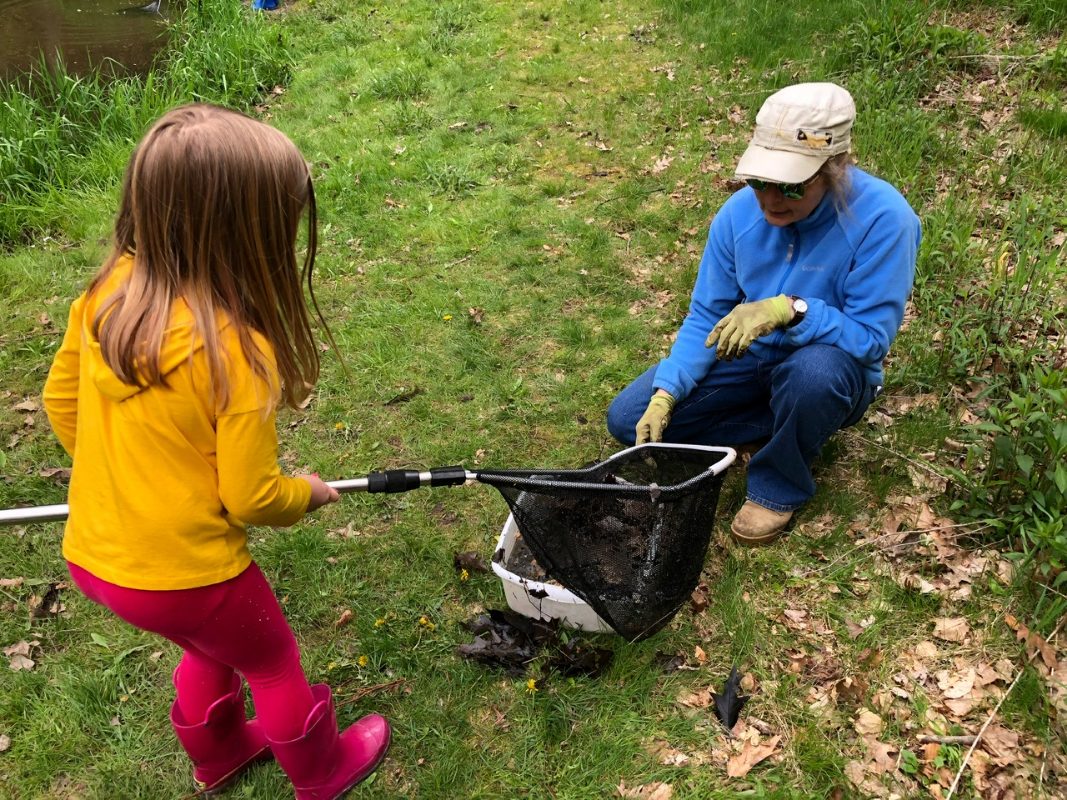
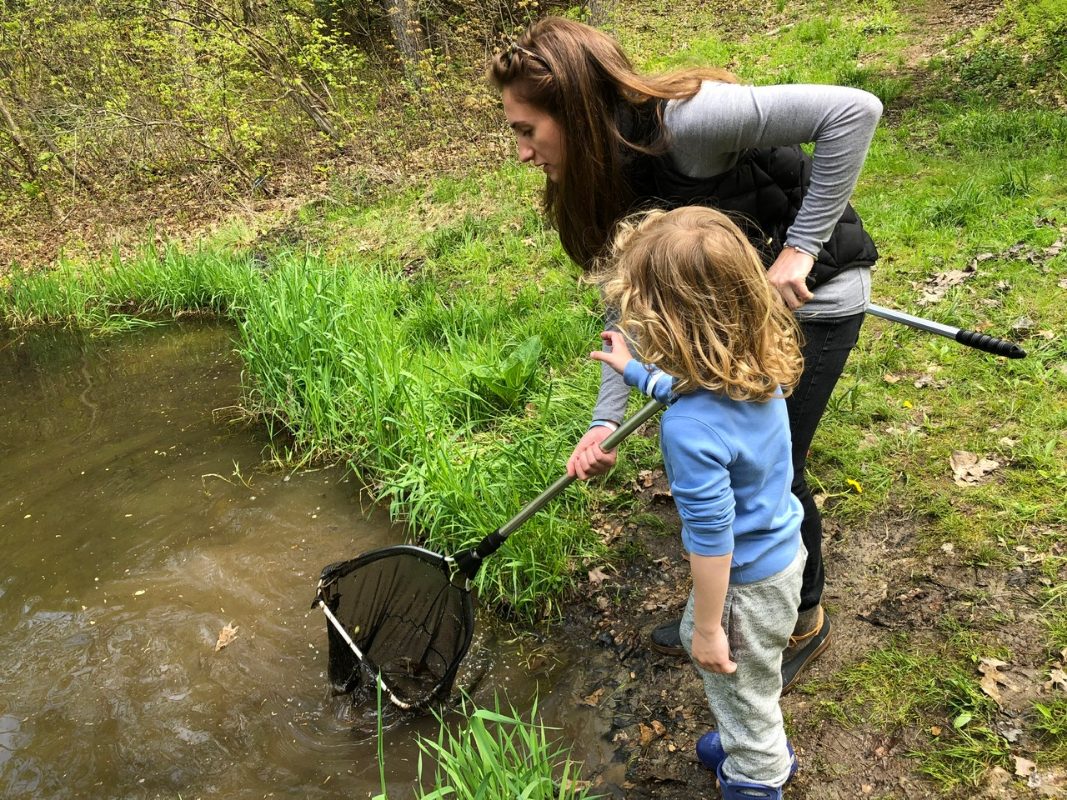
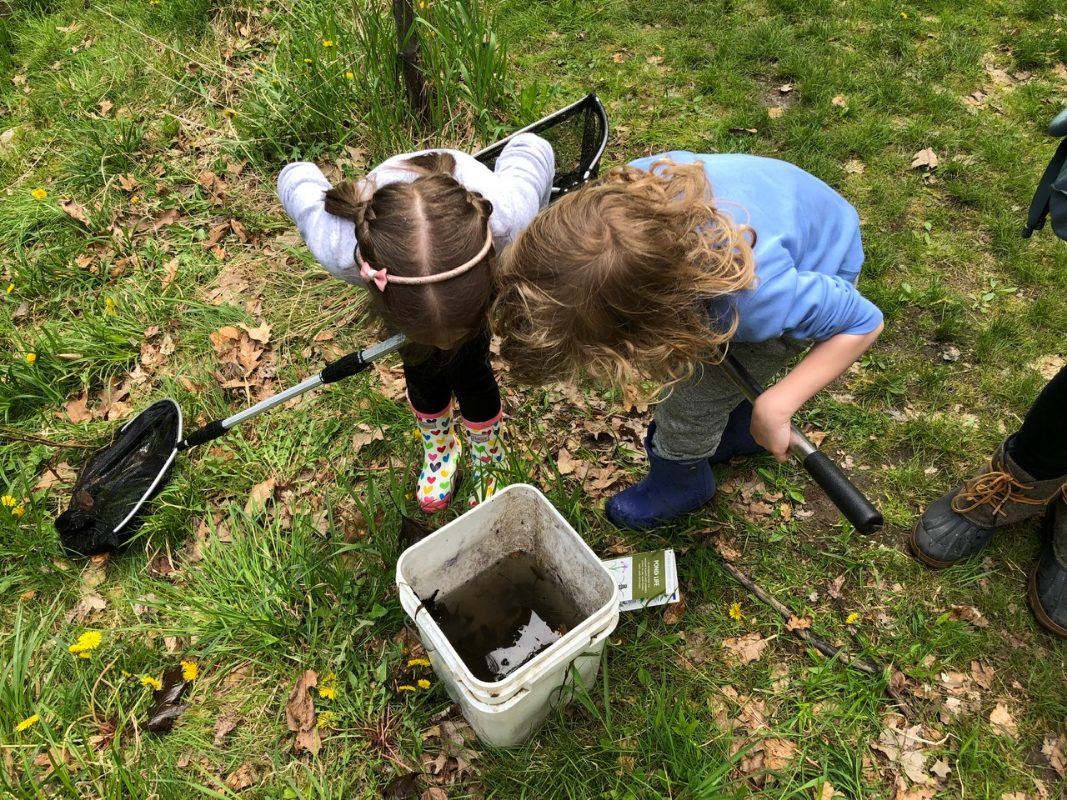
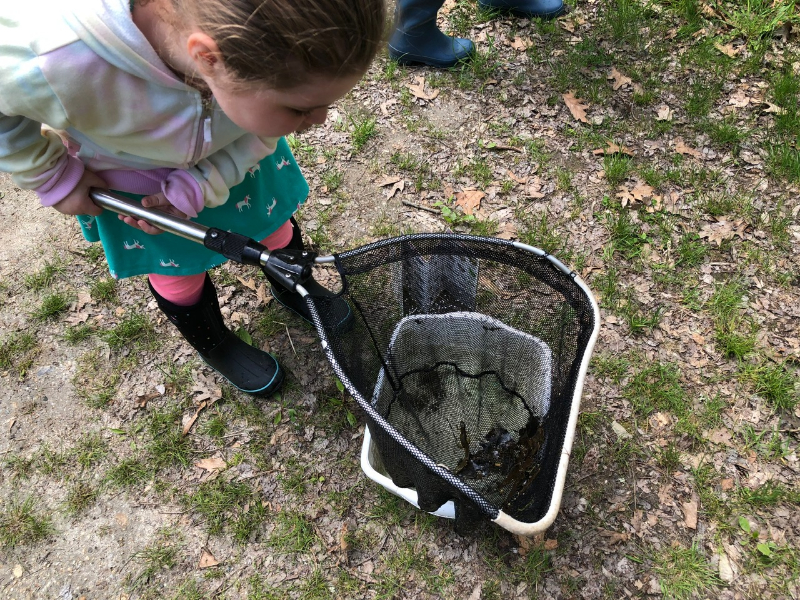
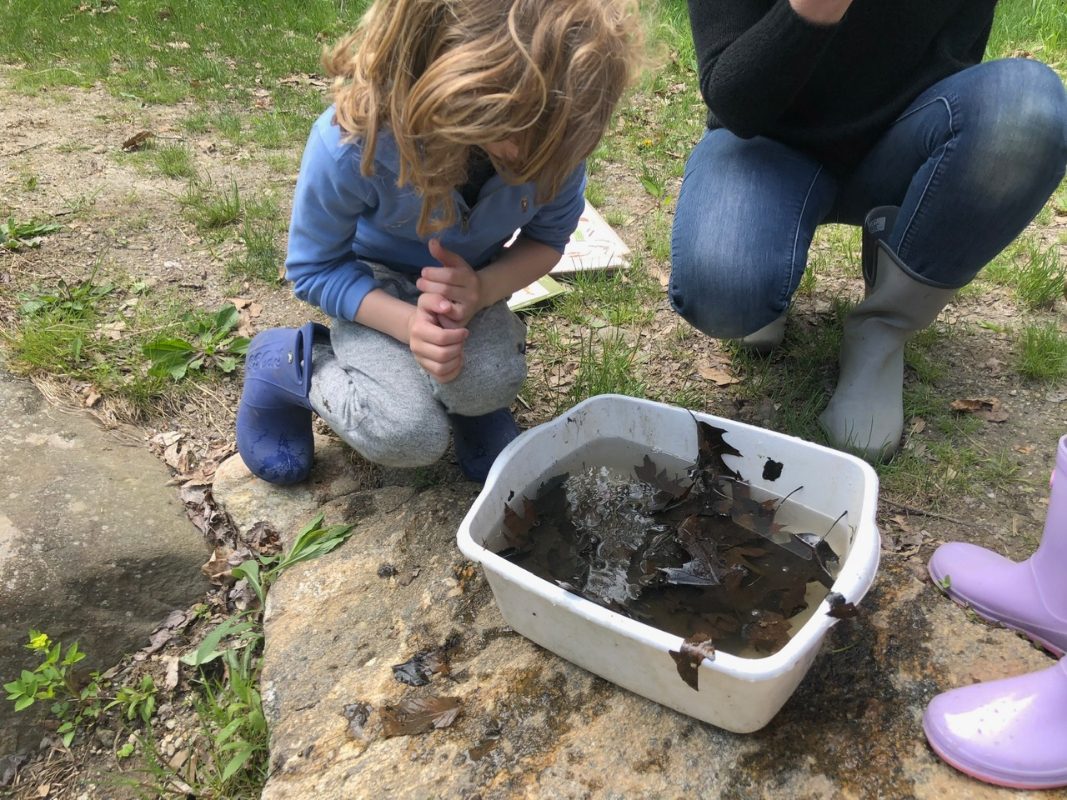
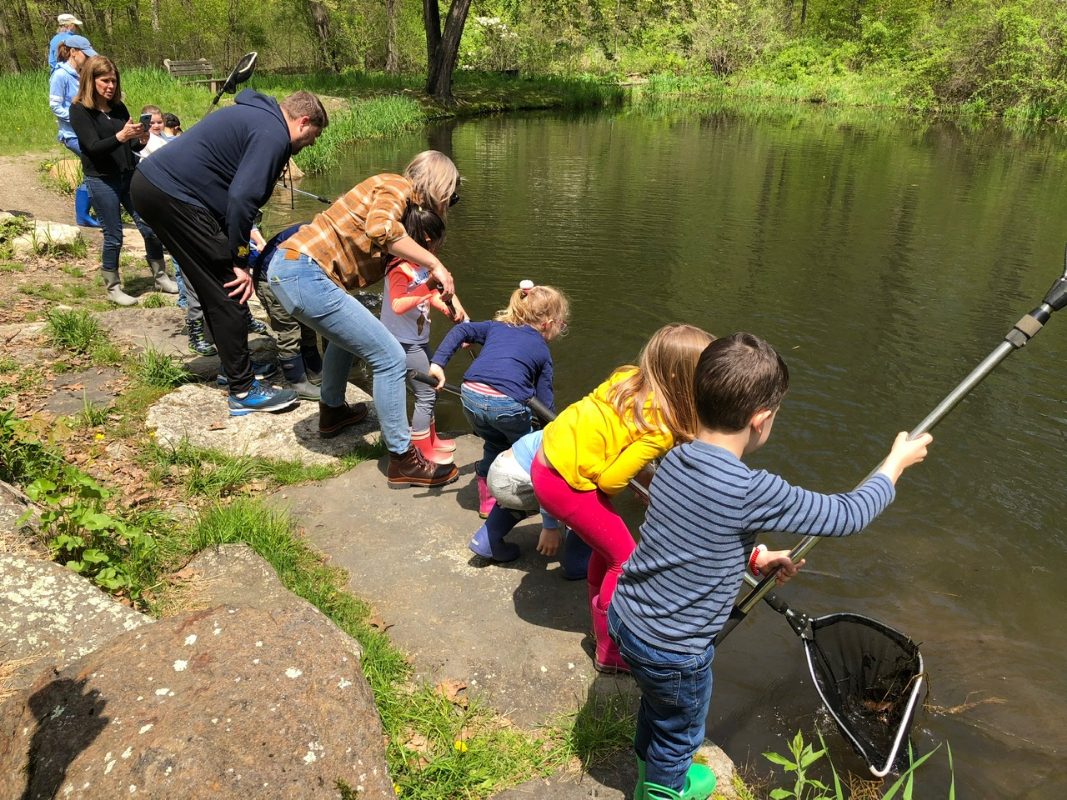
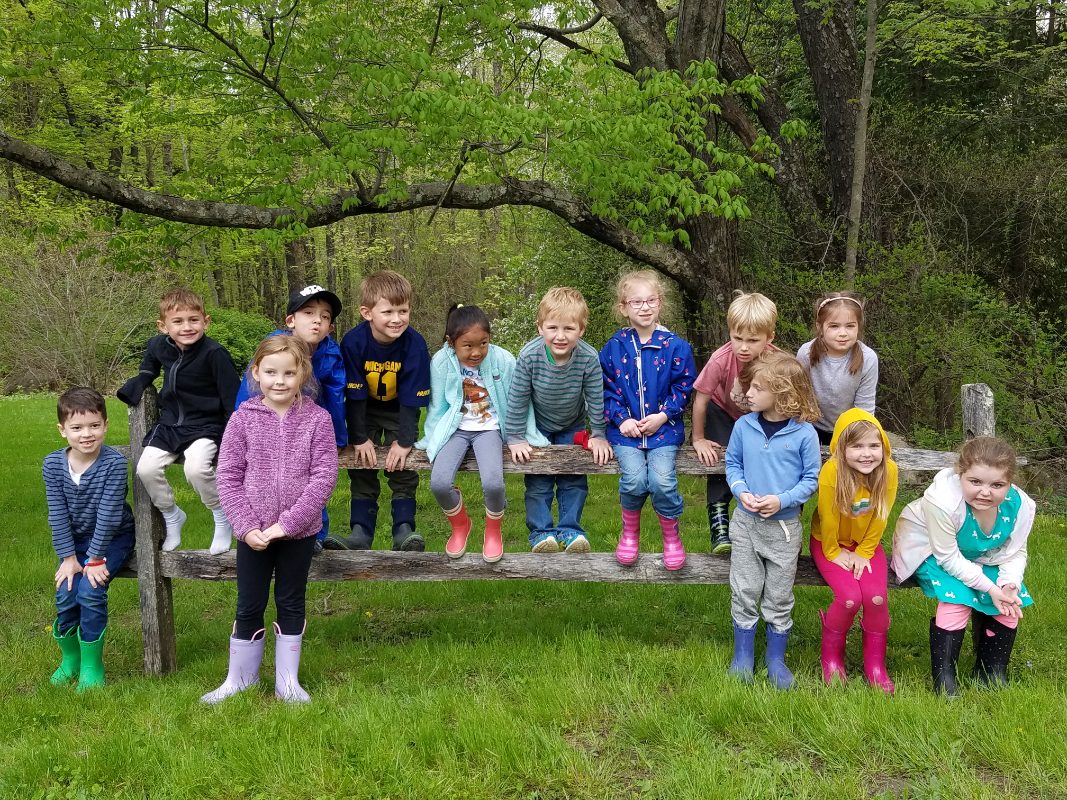
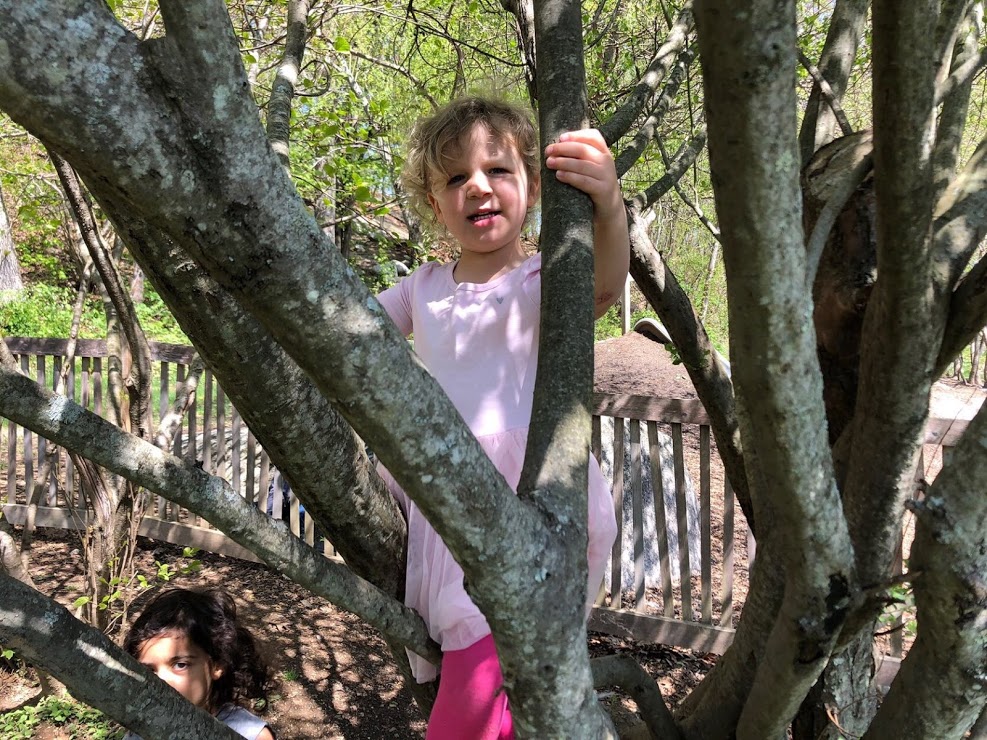
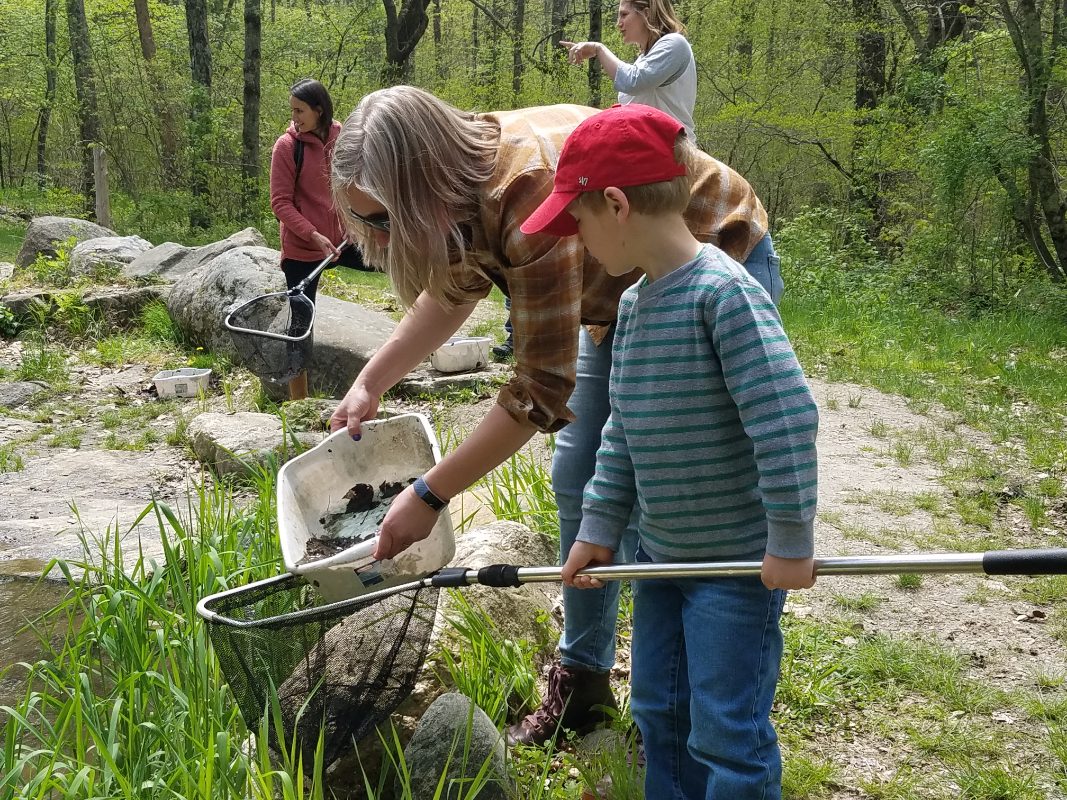
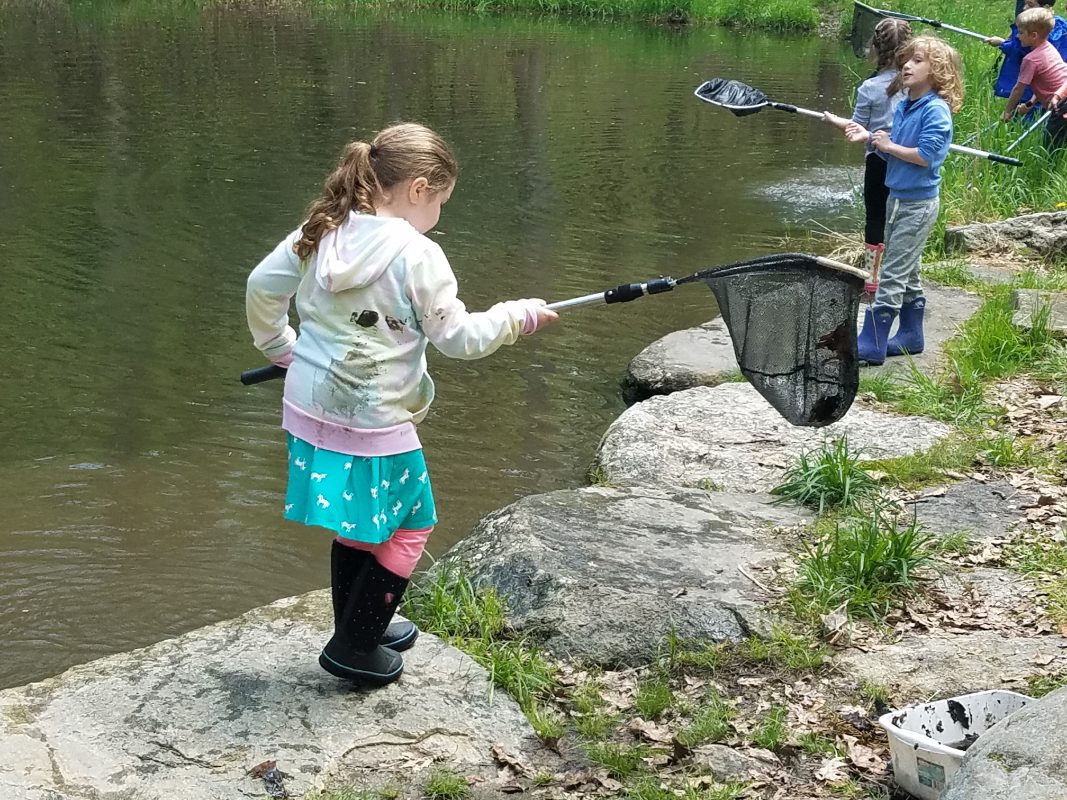
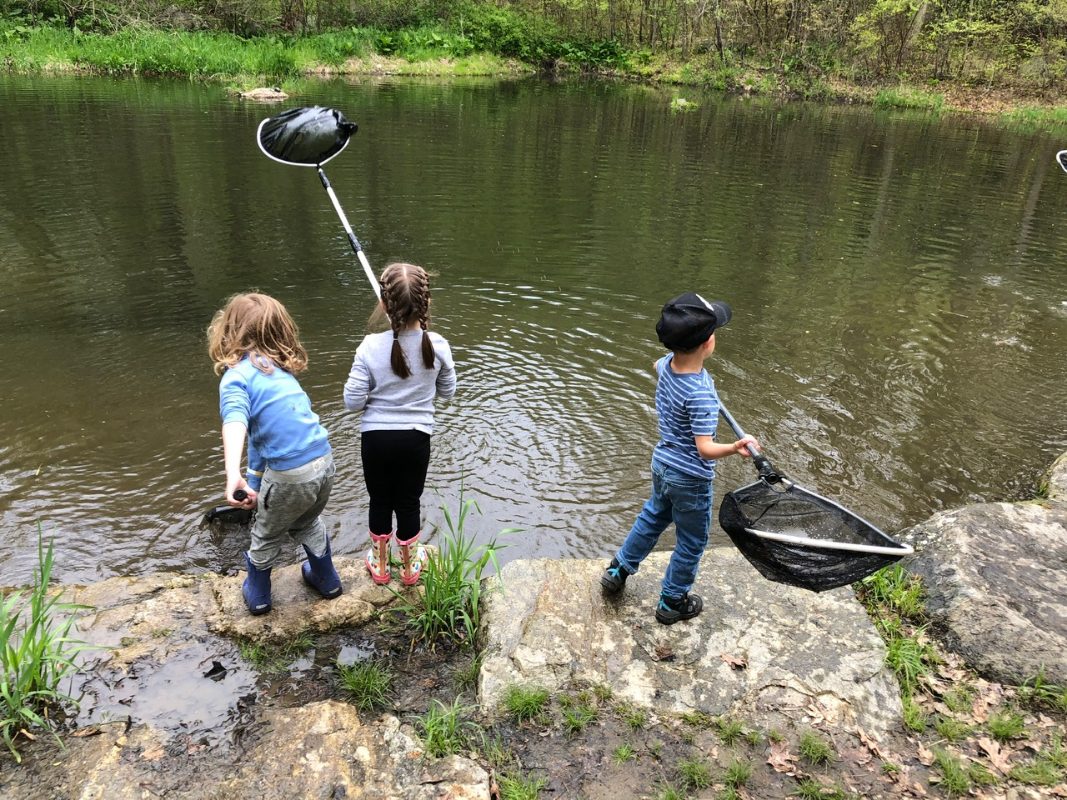
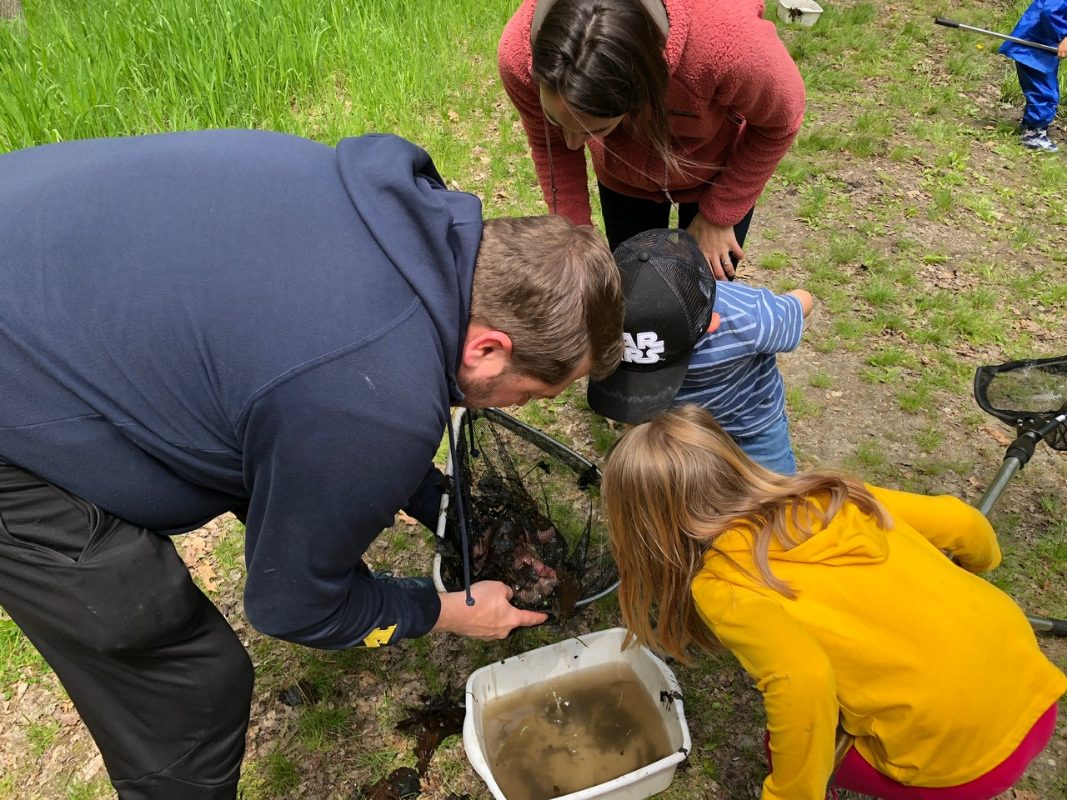
Children have marvelous imaginations and a keen desire to explore nature. On Thursday, May 9th, our Kindergarten students enjoyed an afternoon exploring a Botany Pond at Flanders Nature Center in Woodbury. They caught, identified and released amphibians, reptiles and insects. We were all amazed at the abundance of life they discovered living in a pond!

To our mothers…“There is no role in life that is more essential than that of motherhood.” Elder M. Russell Ballard

Enjoy your week,

Cindy & Sharlene

A reminder:

The deadline for this year’s FWM sweatshirt is the end of the day on Monday. Order yours now! FWM Sweatshirt Order

Mrs. Doyle’s Class: Outdoors and Loving It!

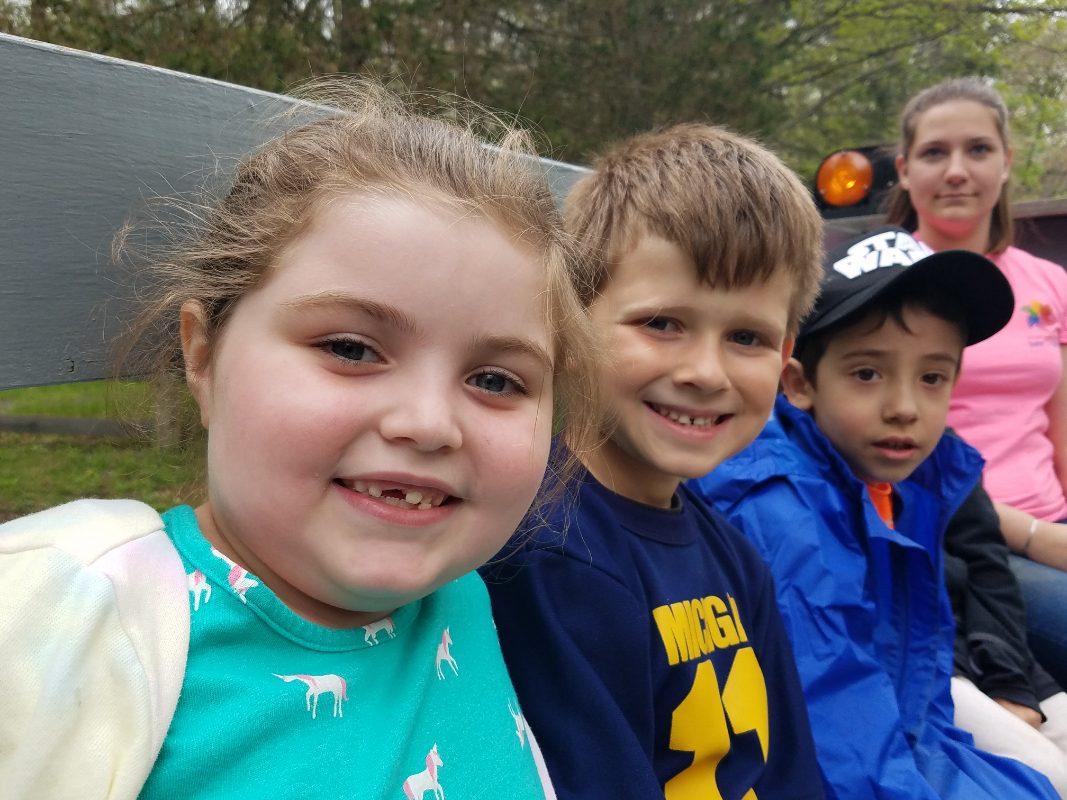
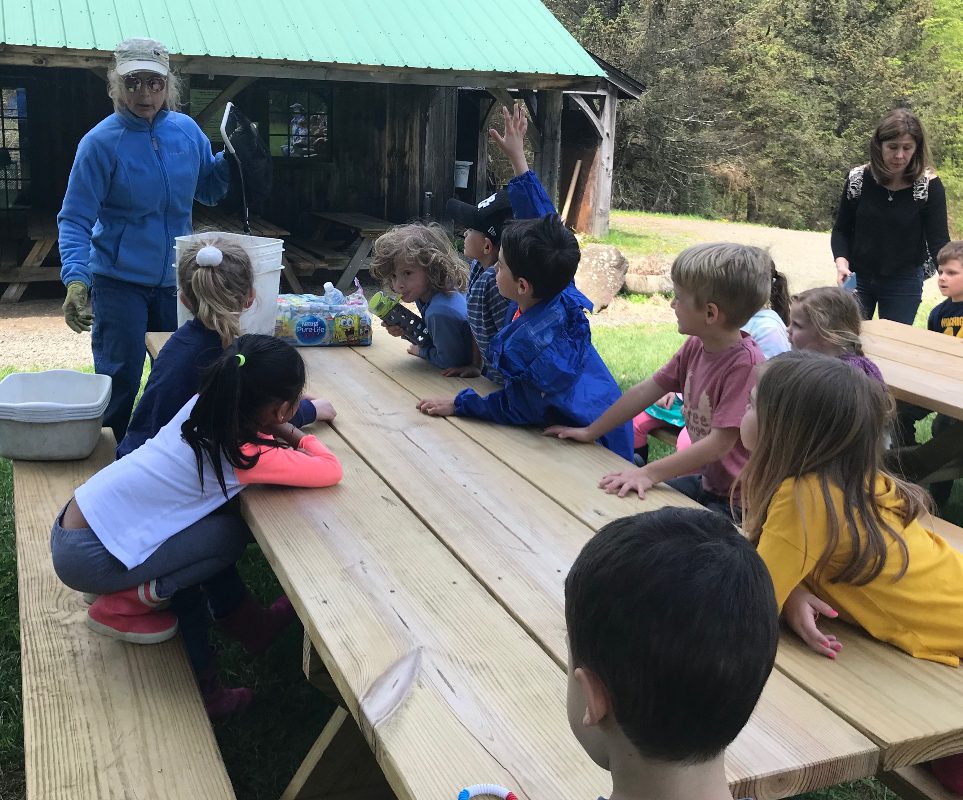
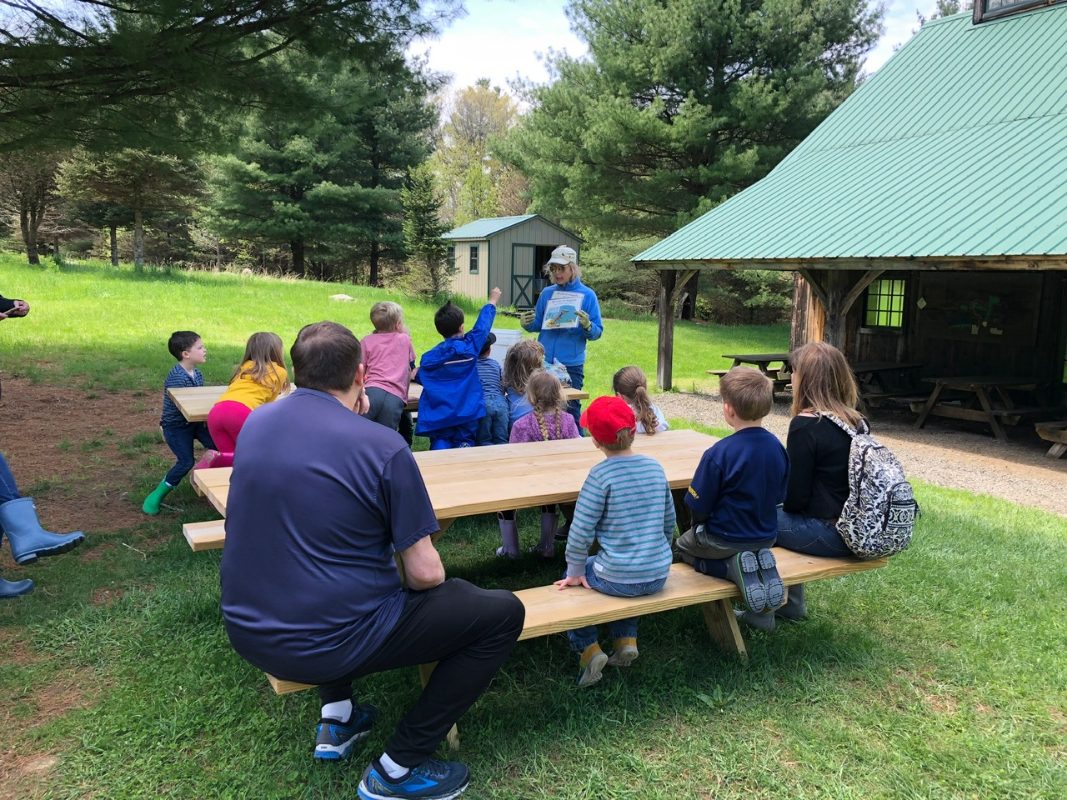
Yesterday, the Kindergarten children spent time at Flanders Nature Center in Woodbury.  We were greeted by our teacher/guide, Miss Diane who shared with us what we would be doing that day.

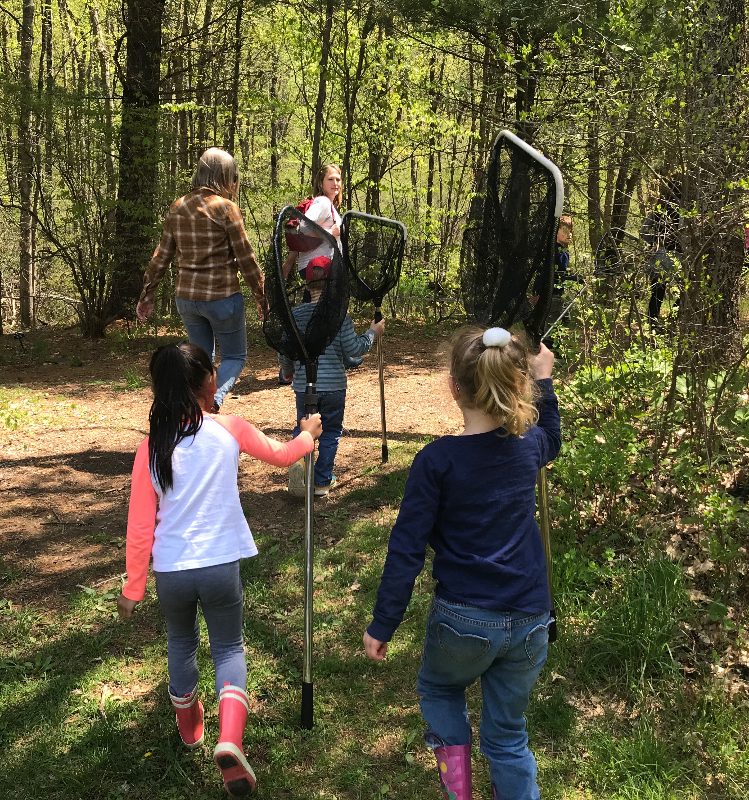
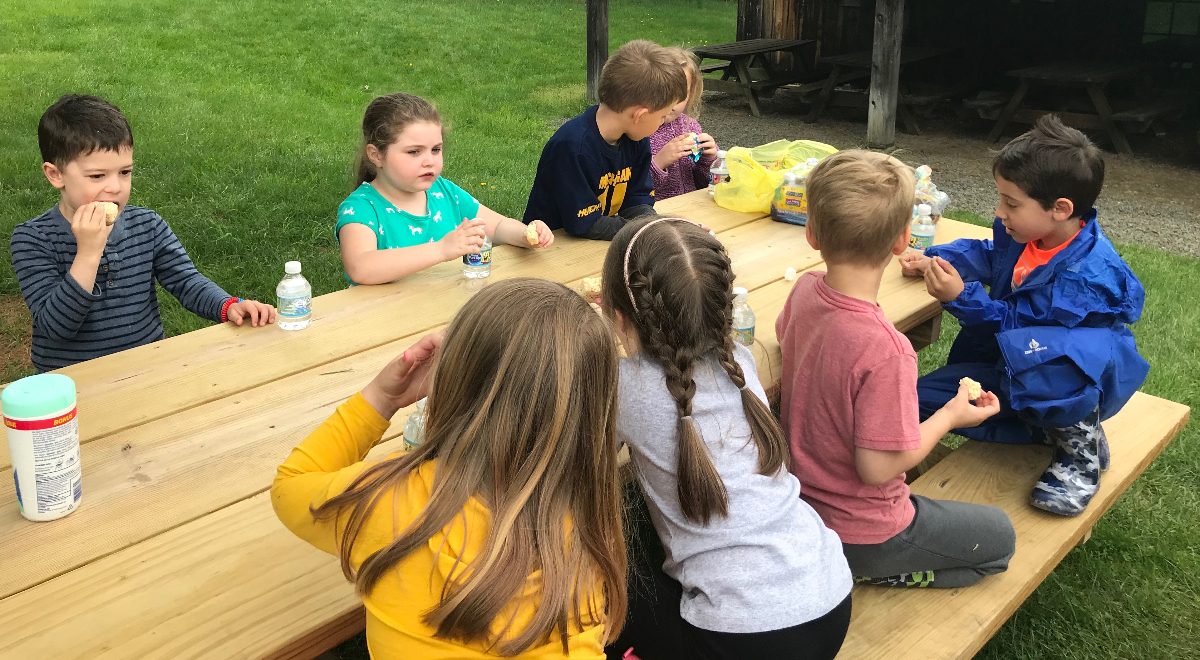
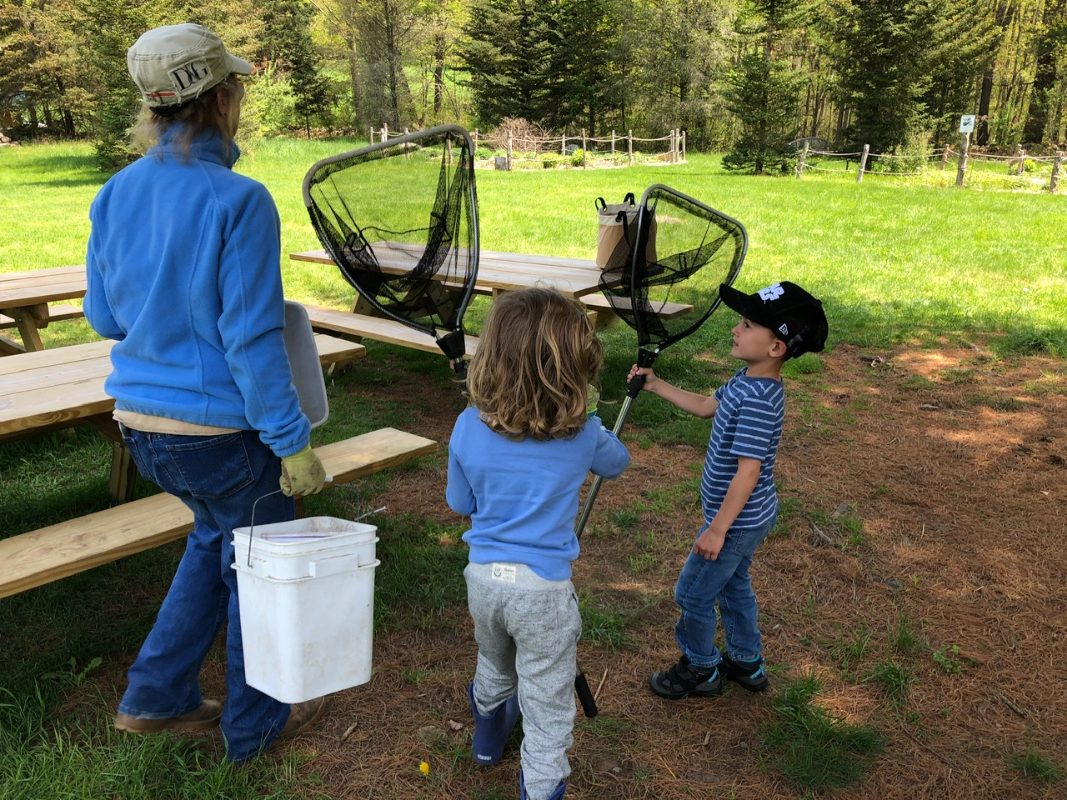
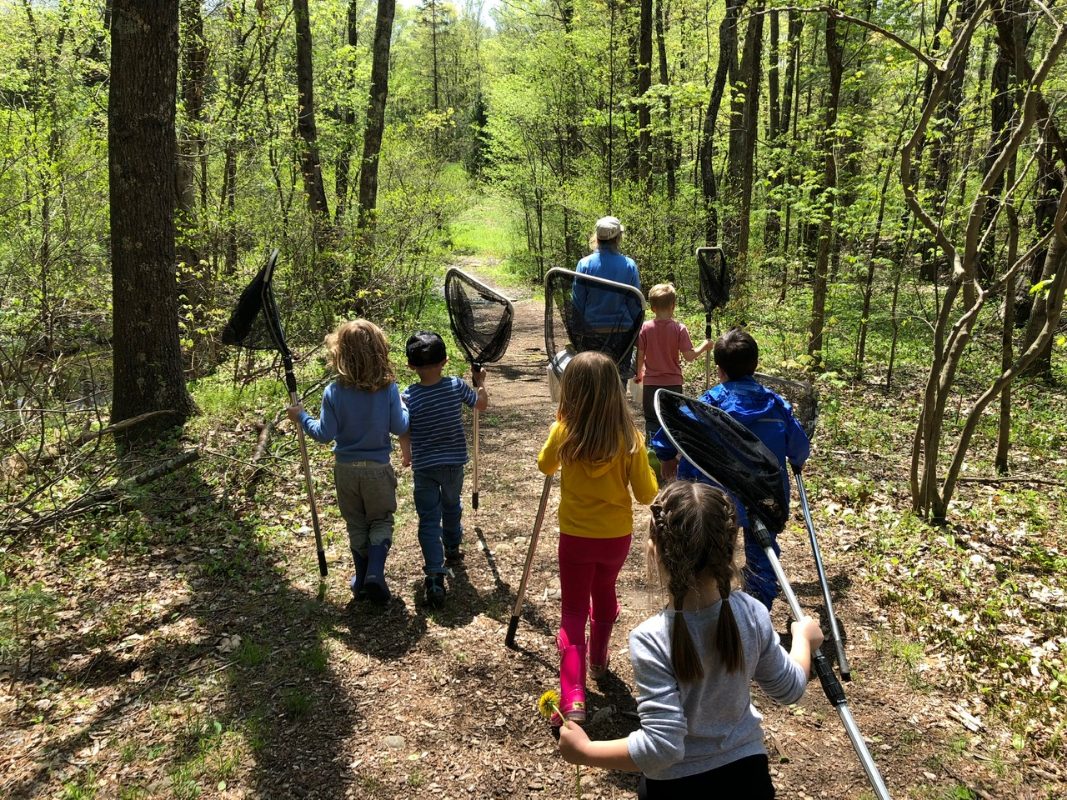
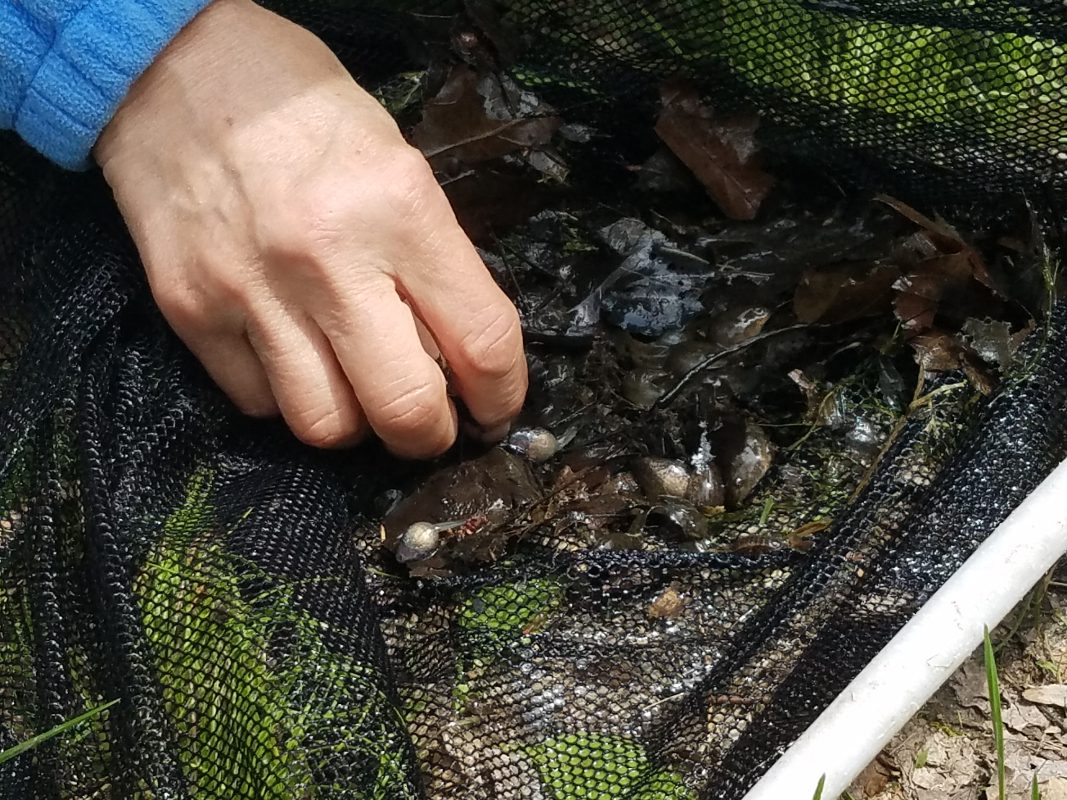
First, we gathered our nets and took a hike through the woods to the Botany Pond. The children then had the opportunity to catch and identify amphibians, reptiles and insects. We found tadpoles,  beetles, giant water bugs and salamanders.  We observed turtles resting on a rock, fish swimming and never gave up searching for the elusive frogs.  When we were done we  released everything we had collected  and headed back to the Sugar House for a quick snack.

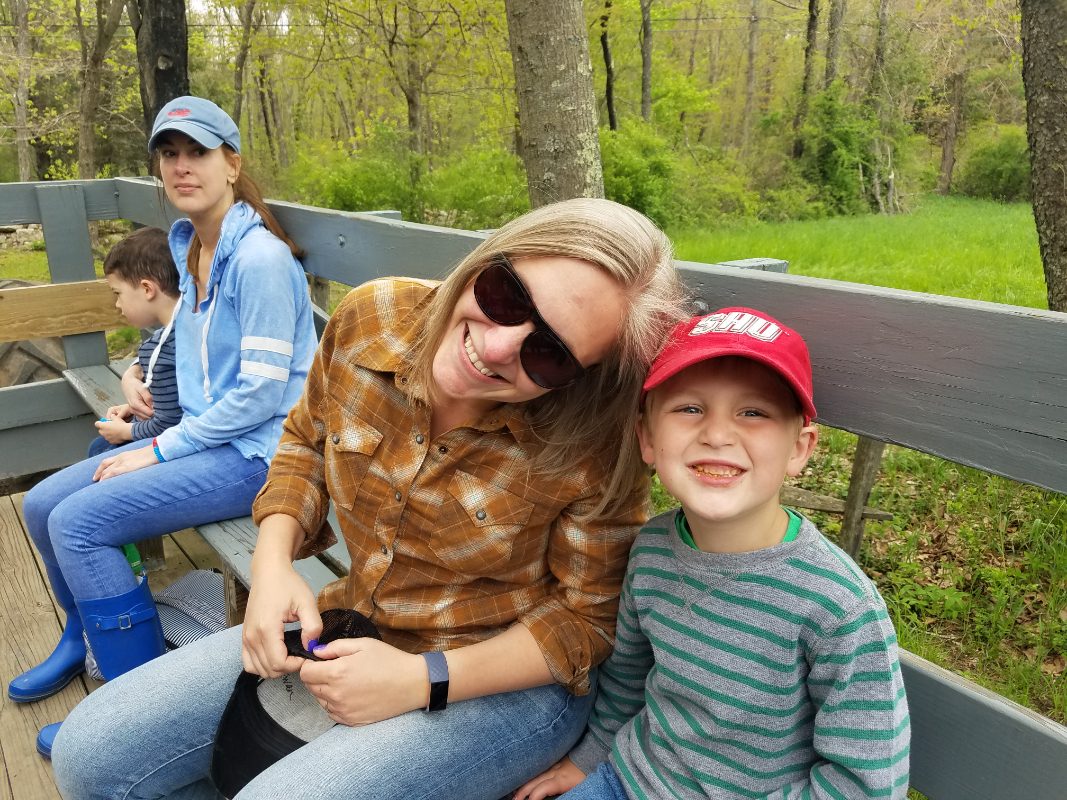
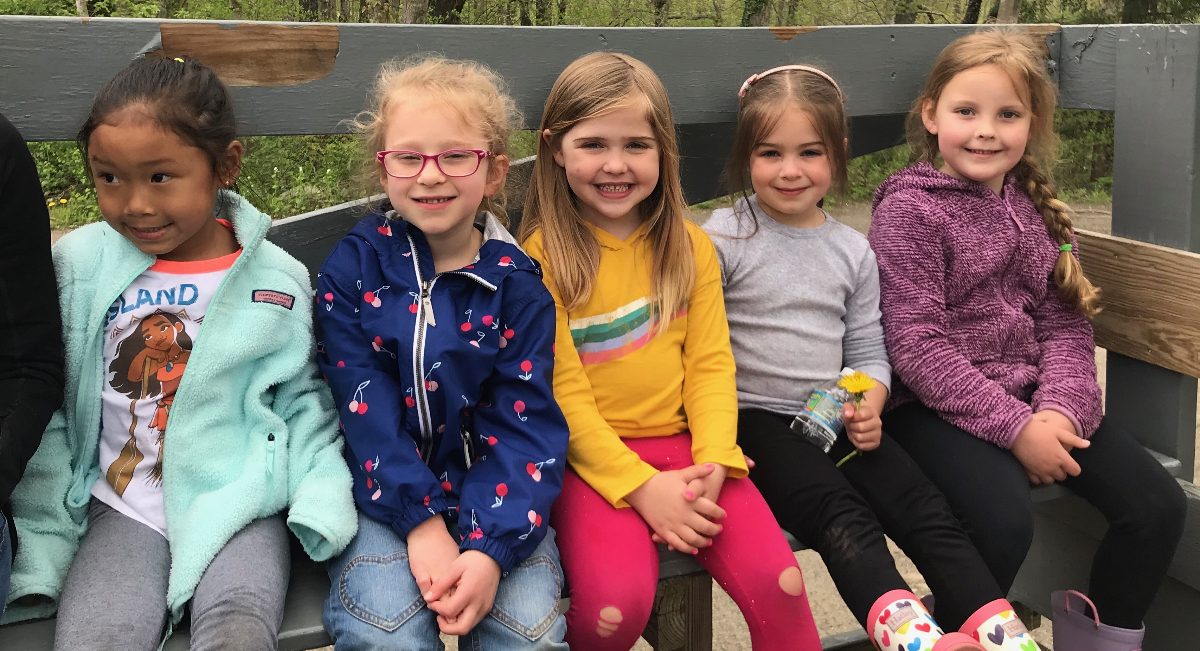
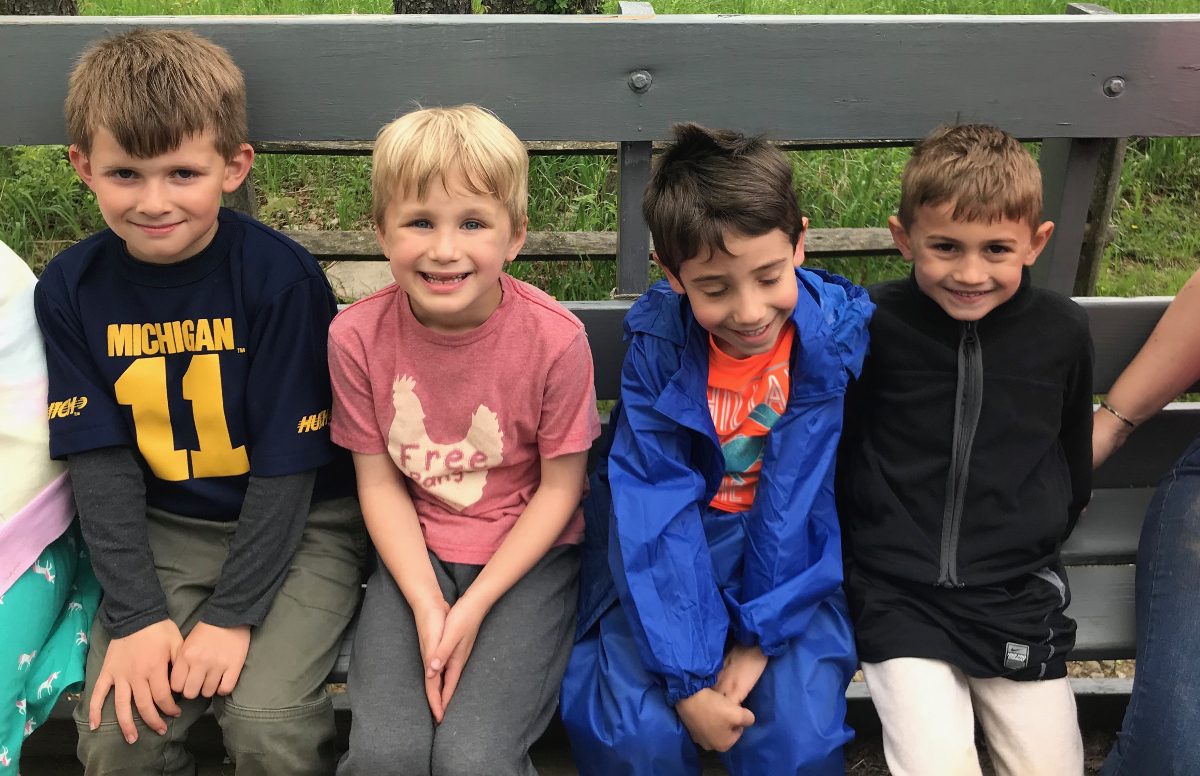
Next, we took a scenic hayride around the Nature Center. This hayride was really an outdoor classroom where the children were asked to use their “eagle eyes” and help locate the nests of a Bobolink. The Bobolink is found in large grasslands and they arrive in Connecticut typically around the first week of May. These birds like to nest in the thick grass. Often, the male Bobolink will sit on the top of a clump of grass or nearby tree and sing. This is their way of defending their territory from other males. The Bobolink is quickly becoming an endangered bird in Connecticut since landowners not familiar with the nesting birds are cutting back their hay field early in the planting season. Farming the land inadvertently destroys the Bobolink’s habitat and puts it at risk from predators. Flanders is working hard to educate farm owners and the public.

Miss Diane also shared with us a beautiful fable  told by Native Americans called ‘Turtle’s Race with Beaver.’  Ask your children if they can retell the story to you.

Walking back, several children said they had a great time and loved Flanders!  Flanders is open to the public and we strongly encourage you to take advantage of this amazingly beautiful nature center.  They also offer several summer programs.  You can find more information on their website or at:

http://flandersnaturecenter.org/wp-content/uploads/2019/03/FL05_Summer-Camp-brochure-2019_-FINAL.pdf.

Wishing all of the amazing moms a day filled with peace and love!

Michelle & Sonja

A reminder:

The deadline for this year’s FWM sweatshirt is the end of the day on Monday. Order yours now! FWM Sweatshirt Order


Ms. Kayser’s Class: Tadpoles, Salamanders and Giant Water-Bugs, Oh My!


This month in our classroom we have been focusing on amphibians in science! We have spent a lot of time learning about the life cycle of a frog and parts of an amphibian, but this week our kindergarten students got to get some hands-on experience with some of our amphibian friends.

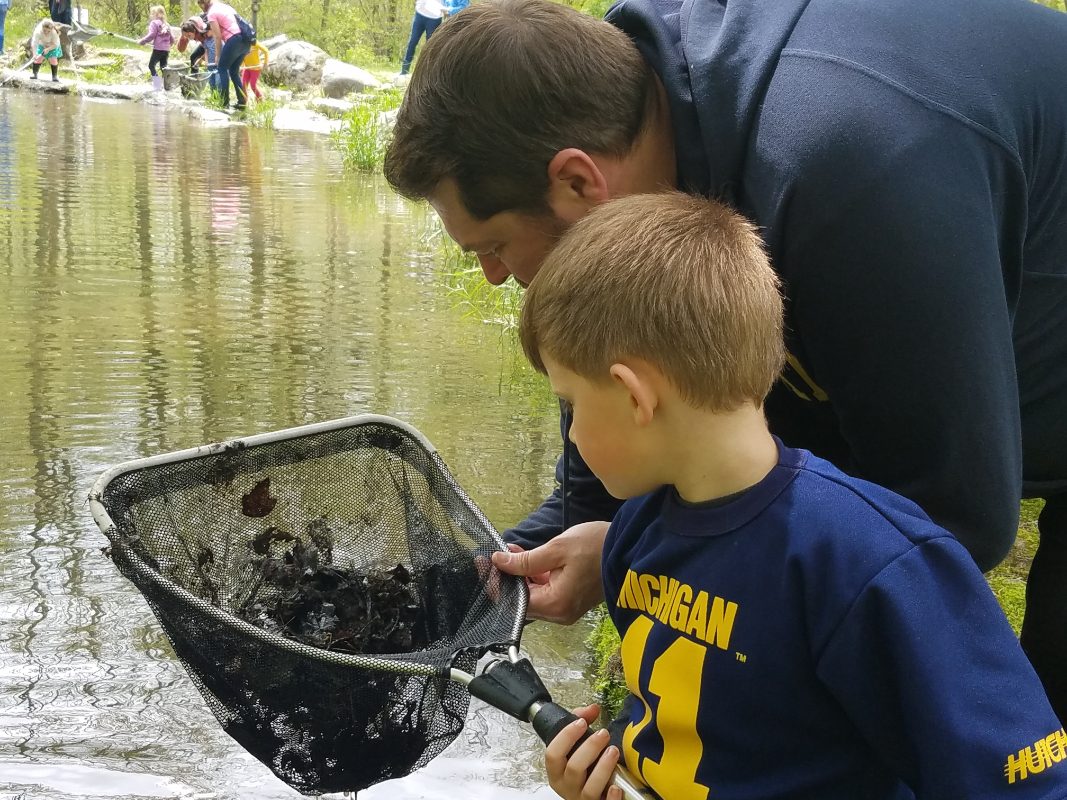
Yesterday Kindergarten students took a wonderful trip to Flander’s Nature Center in Woodbury. From the minute we arrived, the children were beaming with excitement. The sun was shining and we got to meet our guide for the day in a beautifully lush, green field. As she introduced herself and the center, she explained to us a little about what our objective was for the day- catching amphibians and having fun! We also got to learn more about the types of amphibians that live in a pond and how they survive in that ecosystem.

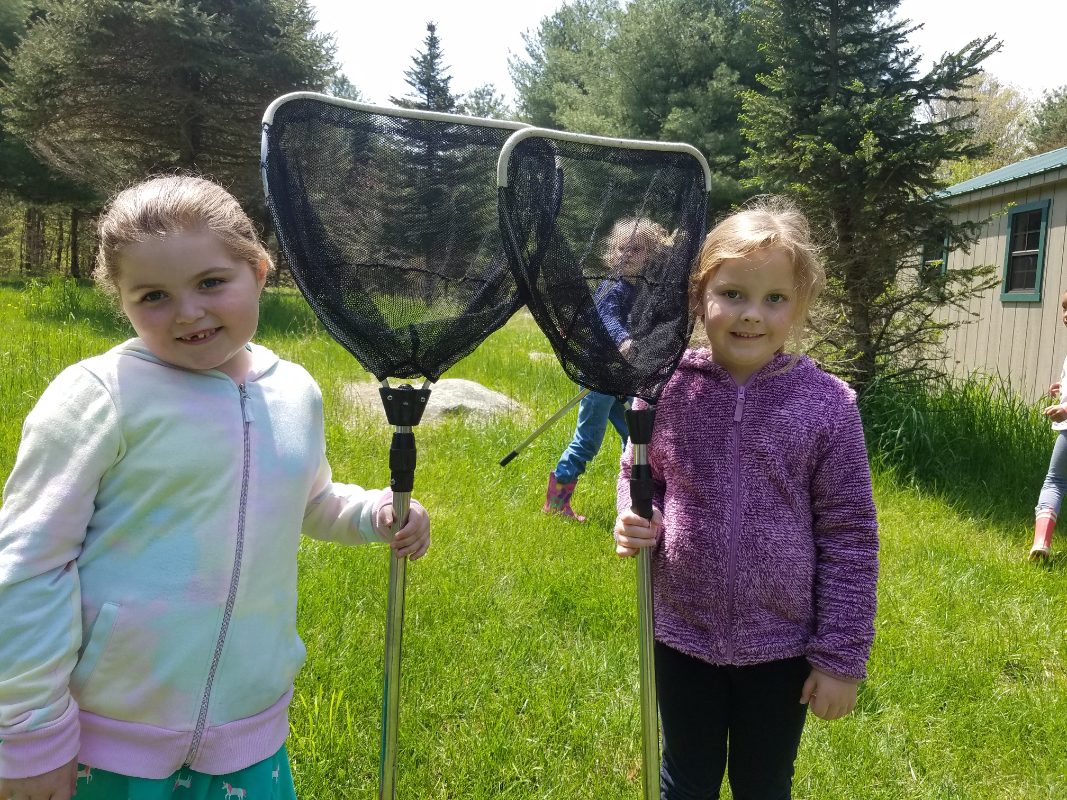
We all got our own nets and our guide lead the way to the pond on a beautiful hike through the woods. With only a few stops along the way to examine some of the plants that grow along the path, the children eagerly marched on with the thoughts of salamanders and frogs in their minds!

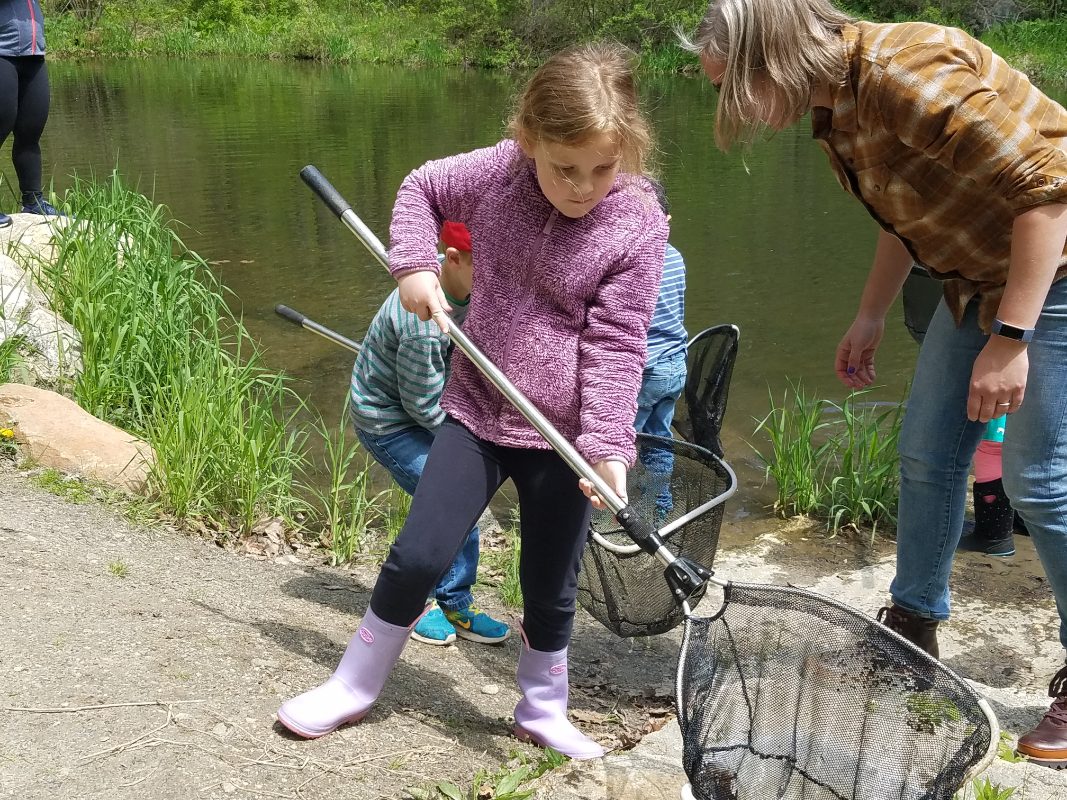
When we got to the pond, the children were off with their nets fishing away! The excited screams soon followed as our students caught tadpoles, water-bugs, and salamanders. Our guide brought charts for the students to check once they found something  so they could learn more about the creature. The exhibition ended when one of the children caught the infamous “giant water bug.” This creature was something all the children wanted to see, until of course, they actually saw it!

After a snack, the children got to relax and enjoy the beauty of the nature center on a tractor ride. It was a perfect way of ending our trip.

Below is the link to the Flander’s Nature Center website with more information about their summer camp program in case you are interested!

http://flandersnaturecenter.org/wp-content/uploads/2019/03/FL05_Summer-Camp-brochure-2019_-FINAL.pdf

On a side note, now that the weather is finally getting warmer we ask that you send your children to school with a water bottle of their own that we can take outside with us . We will be keeping a basket in the classroom to bring out with us in the morning. Please also apply sunscreen to your child prior to arriving in the morning for when we go out for morning recess. If your child stays full-day, you may send sunscreen with them in their bag for us to help them apply in the afternoon. 

Thank you!

Ms. Kayser and Ms. Alli

A reminder:

The deadline for this year’s FWM sweatshirt is the end of the day on Monday. Order yours now! FWM Sweatshirt Order

Middle School: A Humanities Rebellion!

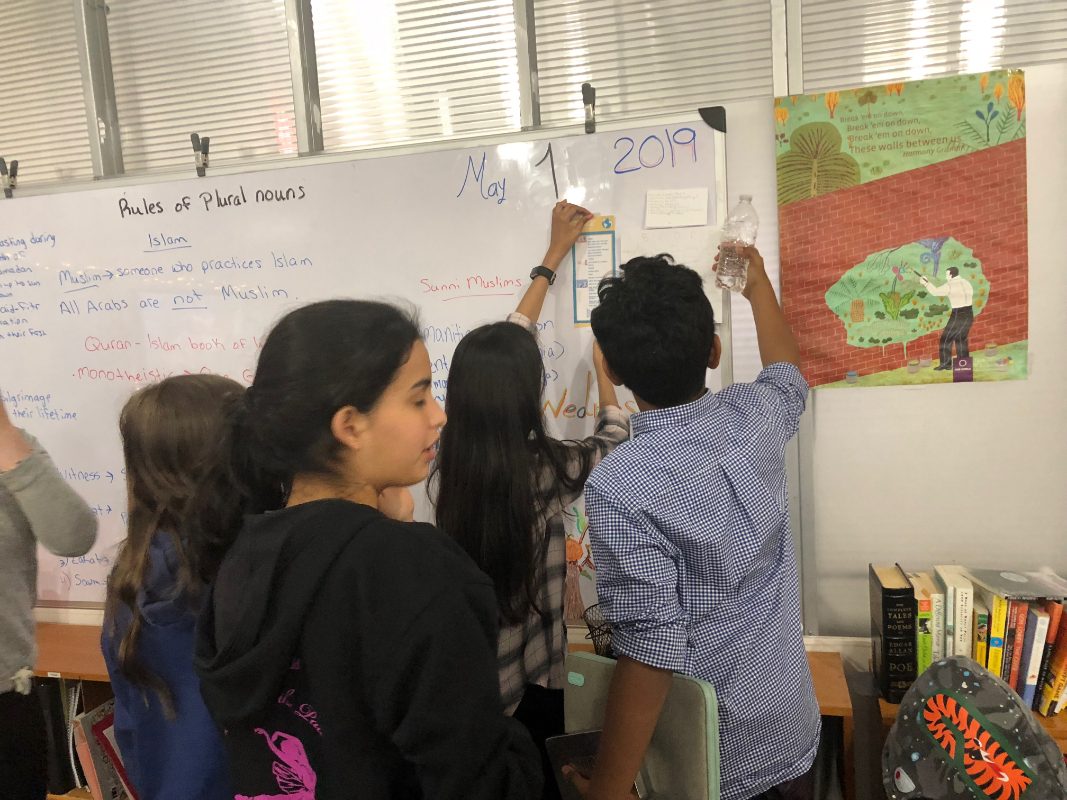
As promised, I want to take time to write about a unique classroom experience the 7th years participated in last week. Experiential learning, or learning by doing, is an important part of acquiring knowledge.

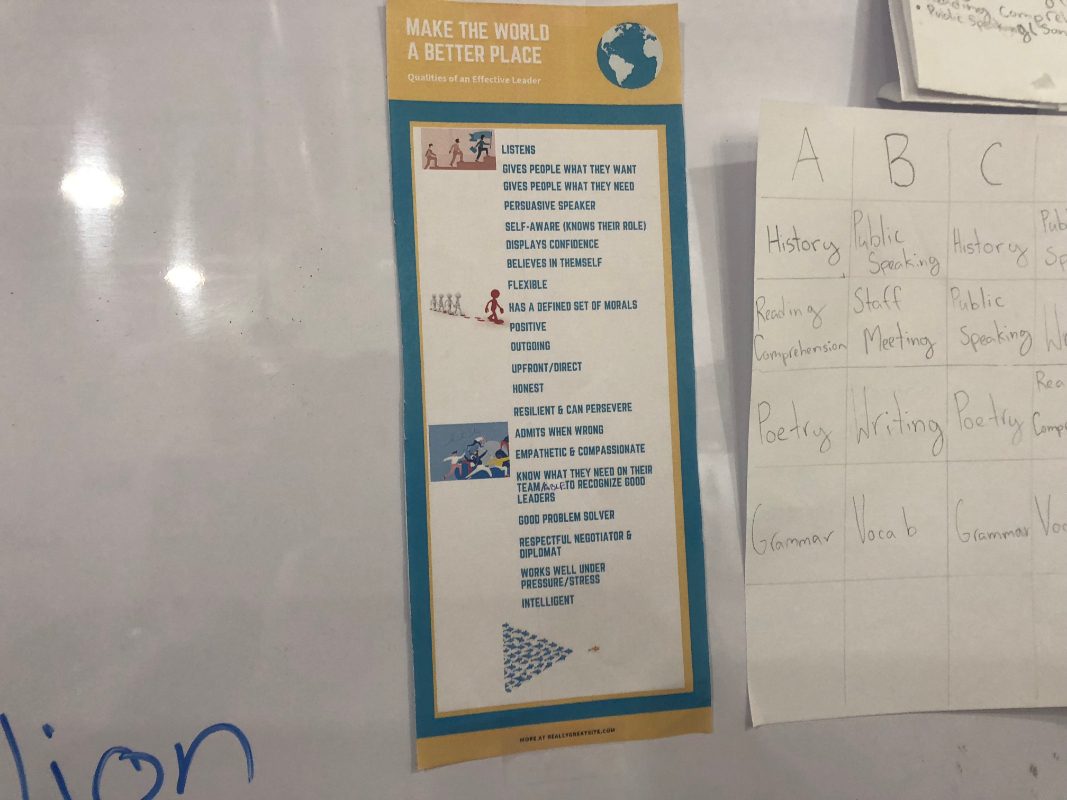
During their unit surrounding Animal Farm by George Orwell, students learned various economic and political systems of government (capitalism, socialism, communism, dictatorship, democracy, monarchy/oligarchy, and totalitarianism) and paralleled the novella with the Russian Revolution of 1917 and its aftermath, reading it as an allegory. They also spent time investigating the notion of a revolution. We looked at various revolutions from past and present and spoke about the causes, goals, what actually happened, and if they achieved their goals. We ended by devising a list of qualities that would make a great leader. Little did they know, this would be the launching point for tomorrow’s lesson.

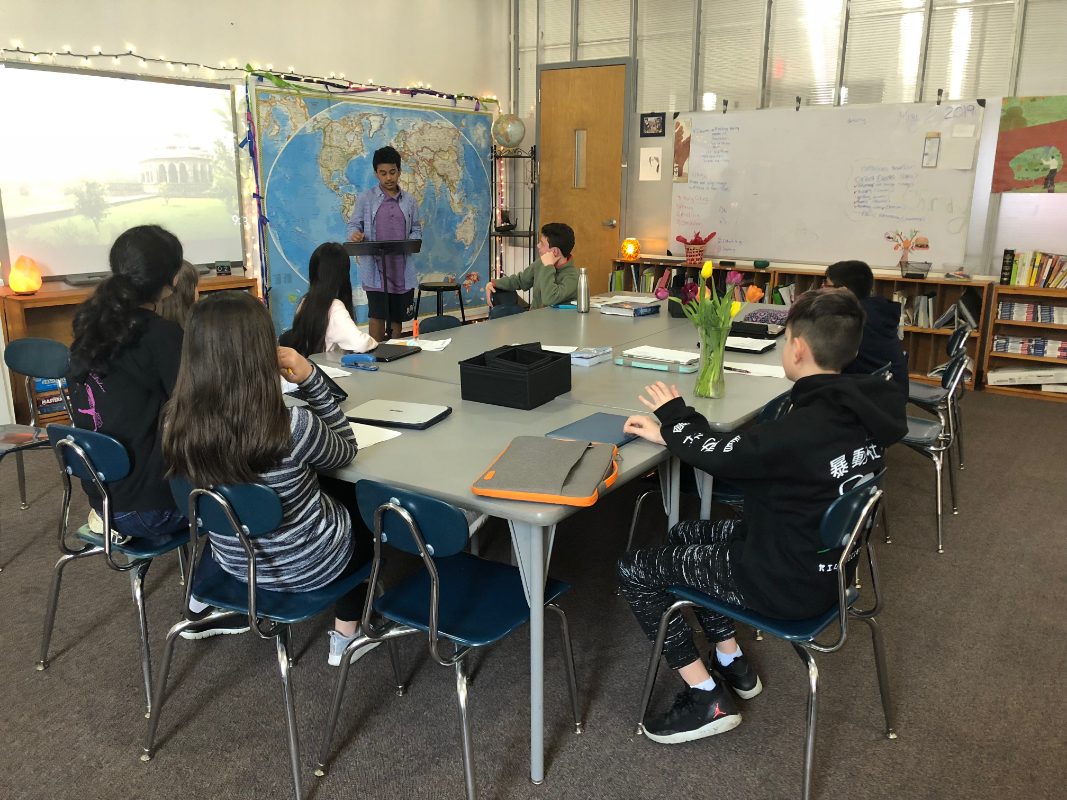
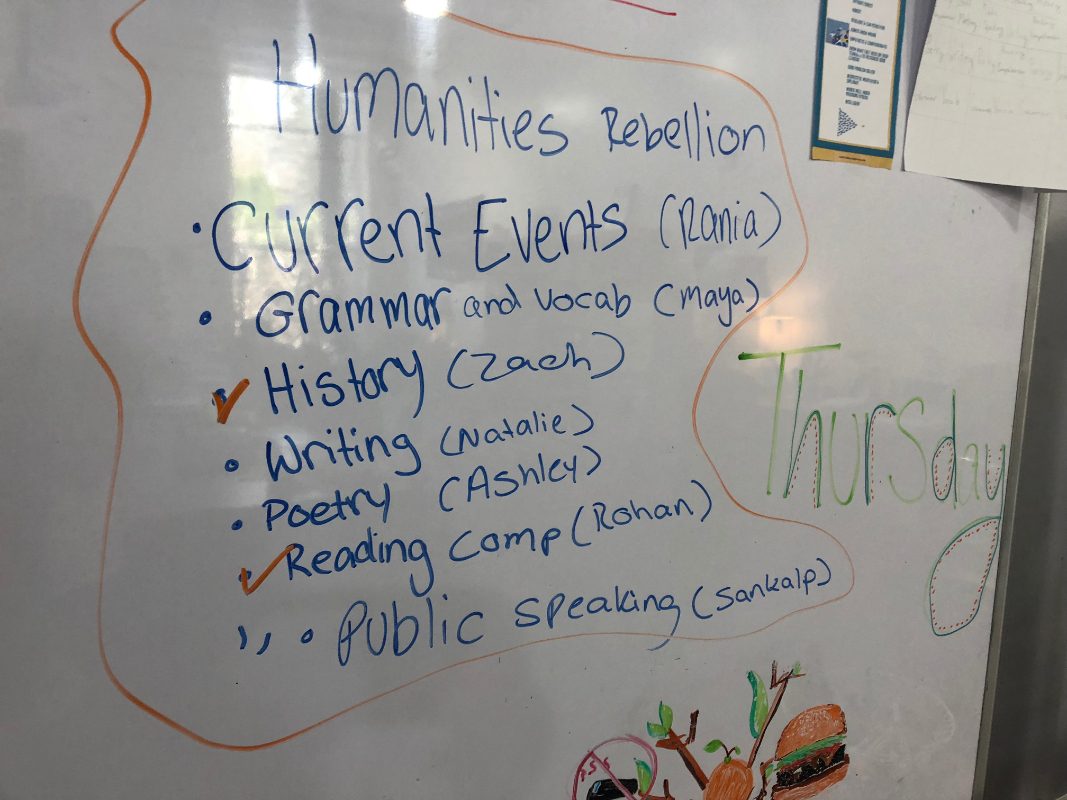
The students walked into Humanities, and I told them there had been a rebellion. I had been overthrown and they would need to figure out how to successfully run class. I then went and sat in the back of the room and took copious notes, observing what happened next.

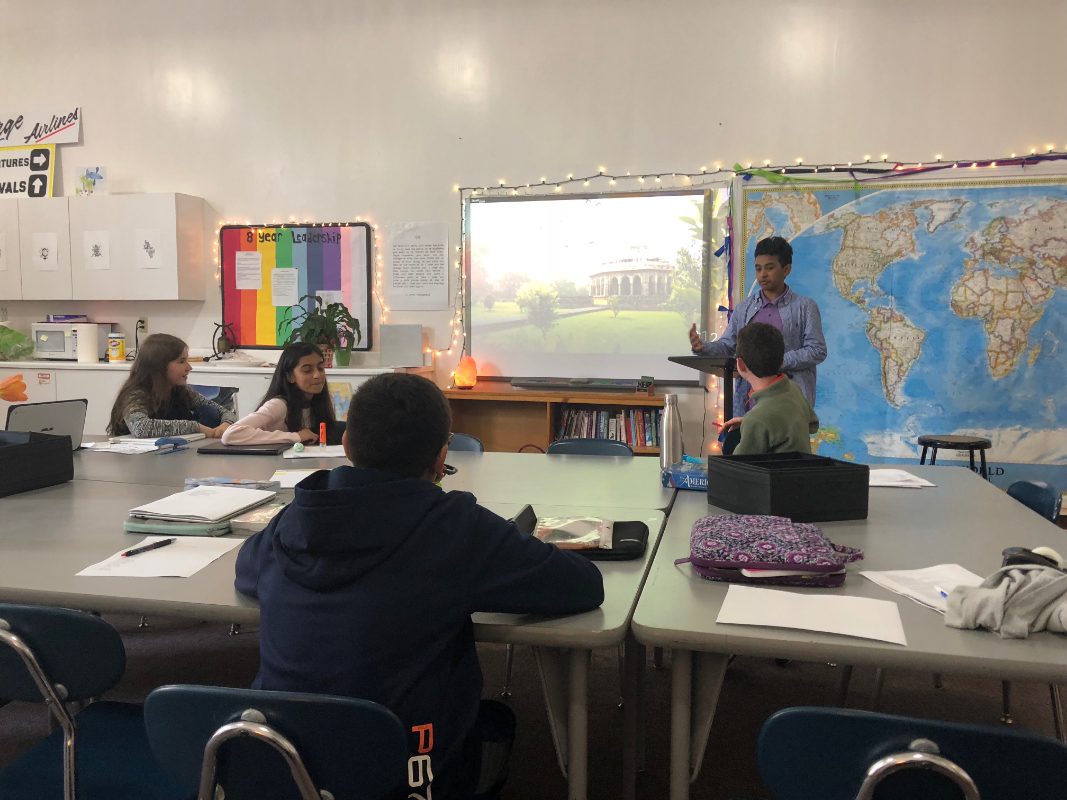
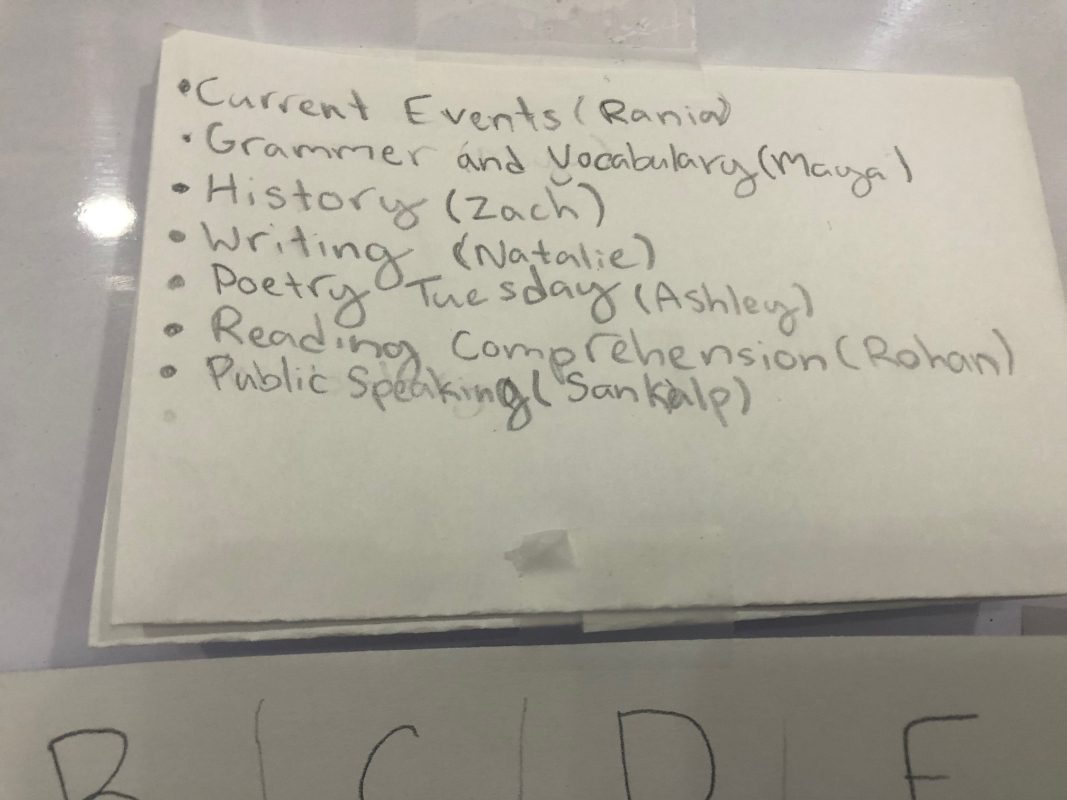
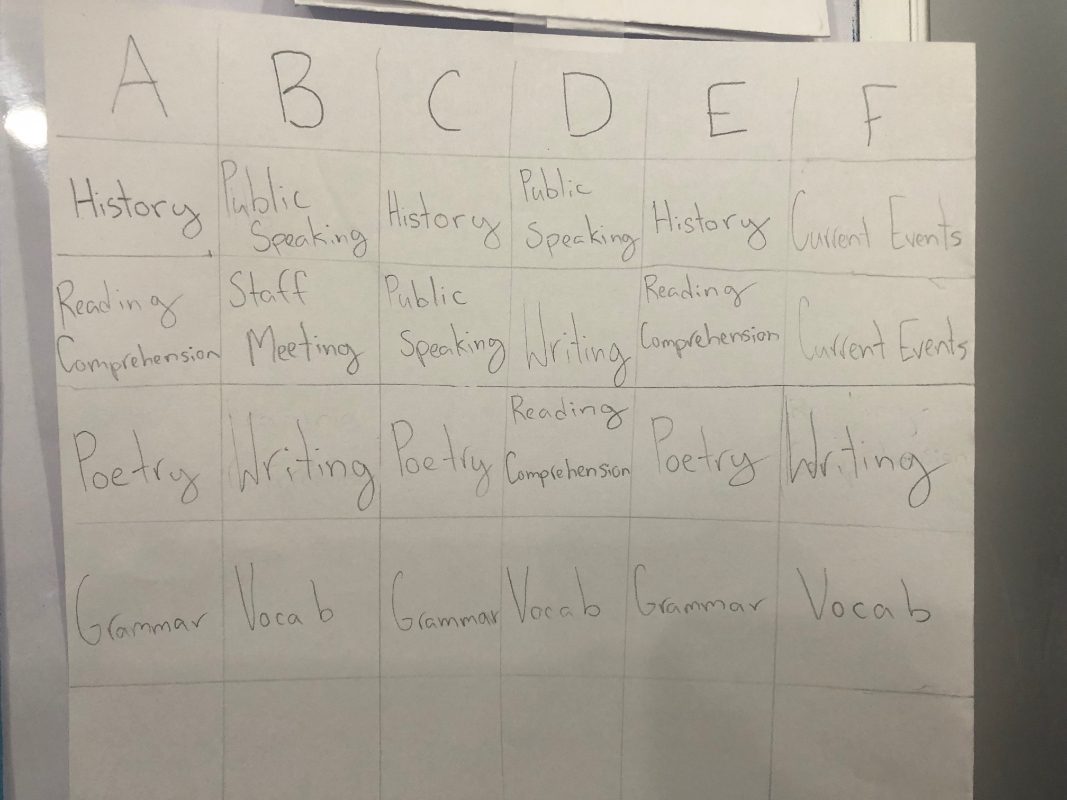
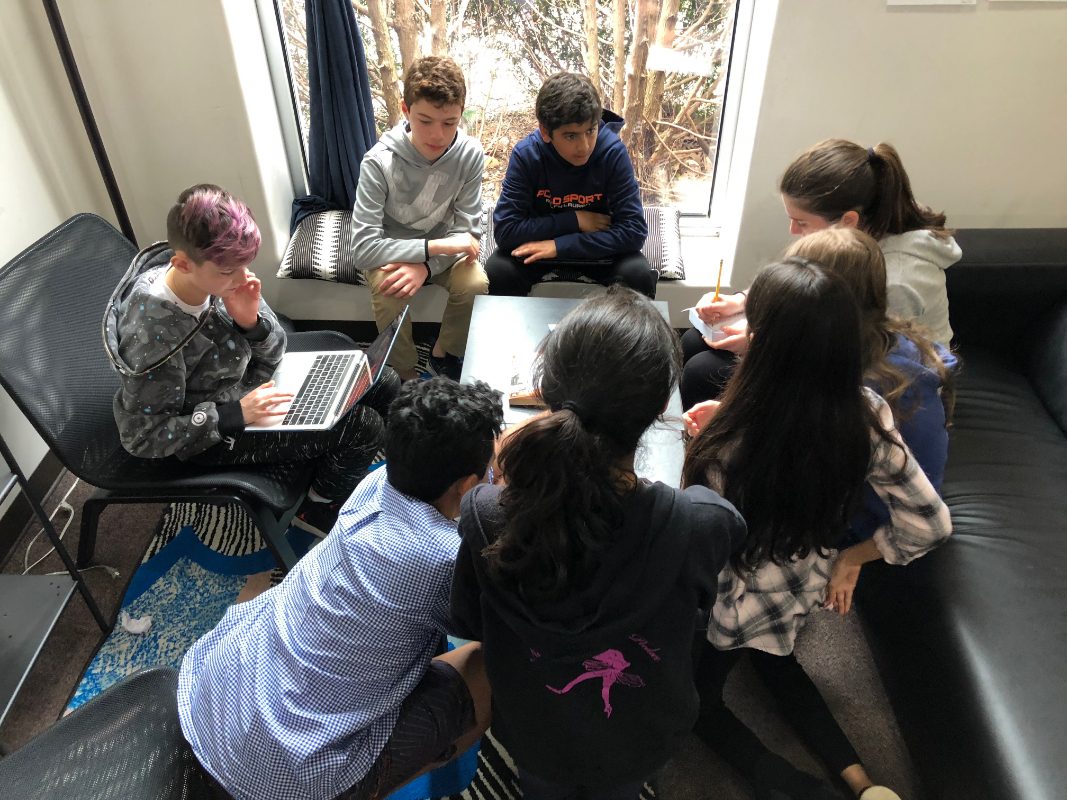
As expected, they were surprised at first, but they quickly sprang to action. Leaders emerged, both logical and more controlling, and it became clear that they all had the same goal: to learn as much as possible in the time given. While the first half of the class was spent deciding who would lead the pack, they realized that they should be focusing their time planning the class. They broke Humanities into a multi-day schedule of mini-classes that would run 10-15 minutes each. They cleverly realized that it would be optimal to have a reading comprehension class following a history lesson, so they could tie them together. I was impressed.

The end of the class came, and they begged to actually run the class the next day, exactly how they planned it. They agreed to go home and prep lessons to be delivered the next day. How could I say no?

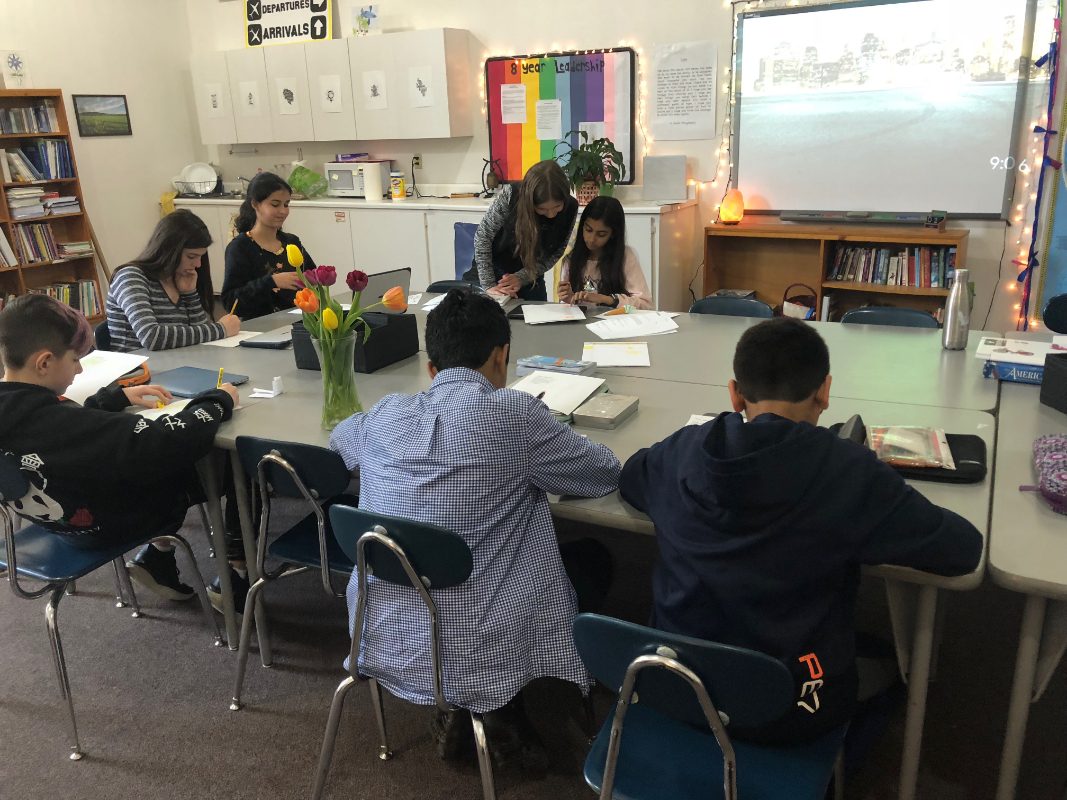
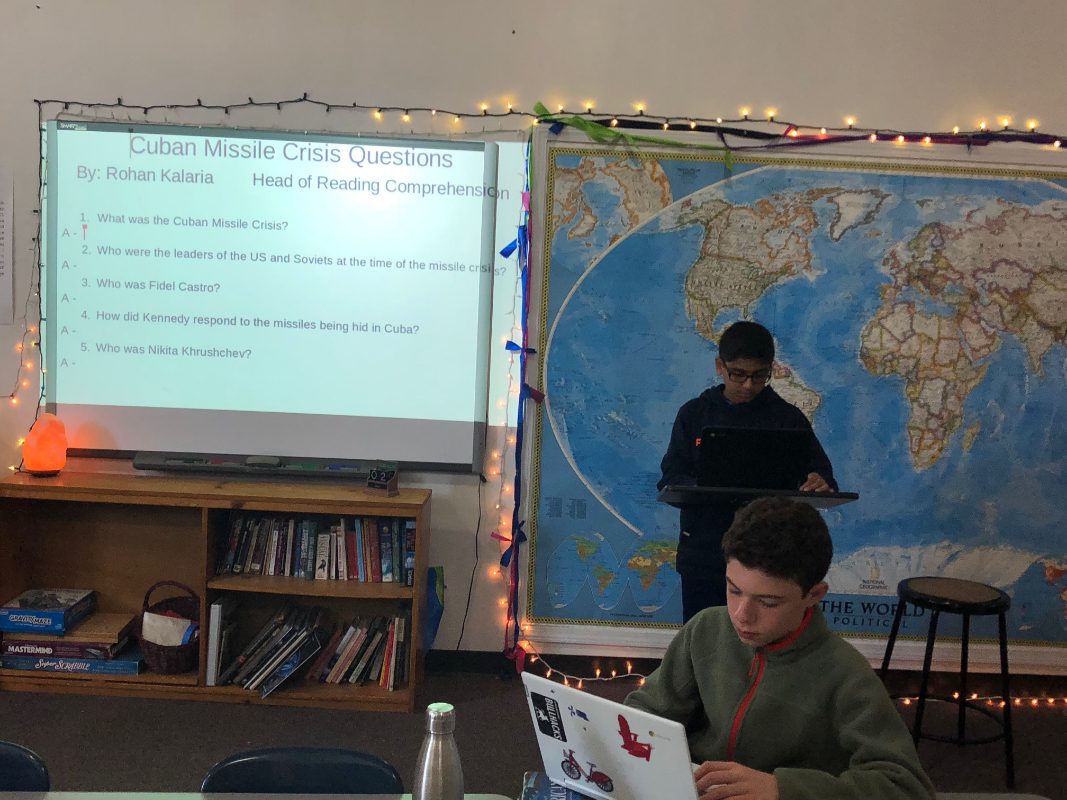
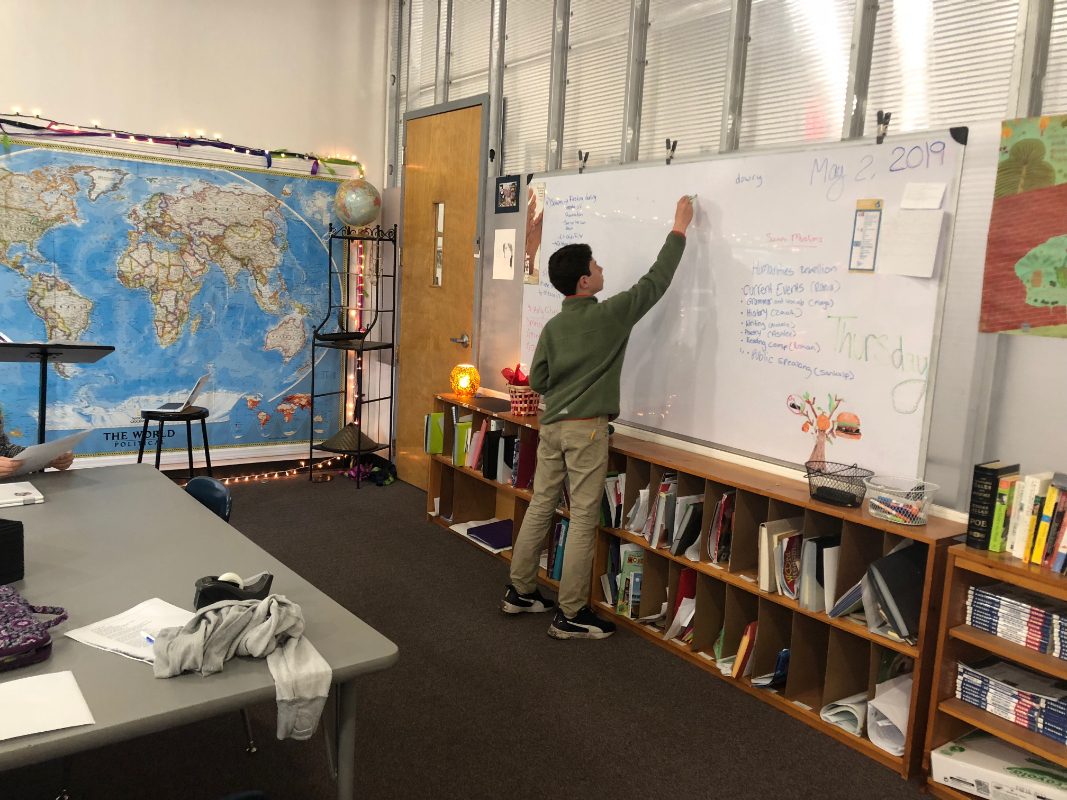
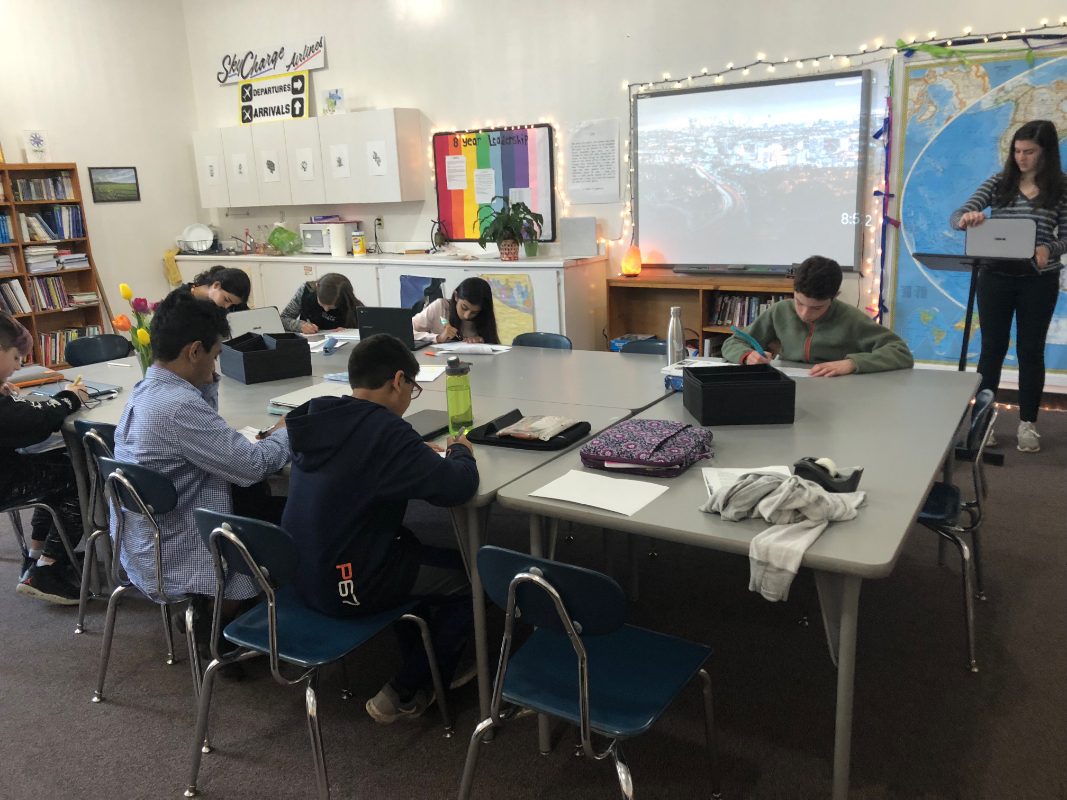
The following day, 7th years executed their lessons. It was eye-opening to me. For the most part, they decided to take their favorite parts of Humanities and teach them as I might. I watched a history lesson about the Cuban Missile Crisis followed by written questions about that lesson, editing practice, a poetry discussion, current events, and a public speaking lesson. What I noticed, though, was the lack of movement in their lessons. They sat and worked quietly at their seats. I thought to myself, Is this how they feel the best practice of teaching is? Is this a direct reflection of their own experiences? I hoped not! I know, personally, I always plan at least one movement of environment during class and give children the freedom to do their quiet or group work in any space they feel comfortable. It wasn’t until one of the students became strict that they digressed and started speaking up.

The other crucial piece to experiential learning is reflection. Afterwards, we gathered and I asked the students about the experience. When I asked for overall feedback, one student mentioned that because one of their parents is a teacher, he was able to have a different type of conversation with him: not so much about what he teaches but how he teaches it. Another student enjoyed the process of teaching so much (planning and executing the lesson) that they thought they might consider it as a career. I asked if this was their dream version of a humanities class. They said they hadn’t considered they could do something like that and that there just simply wasn’t enough time to start from scratch. I would love to see what that might look like! Overall, the feedback was that they loved teaching each other. It will be important for me to honor this and celebrate it in my future planning of curriculum for students.

I think I will keep this experience in my repertoire. With different groups, this can go in completely separate directions each year. I can’t wait!

A reminder:
The deadline for this year’s FWM sweatshirt is the end of the day on Monday. Order yours now! FWM Sweatshirt Order
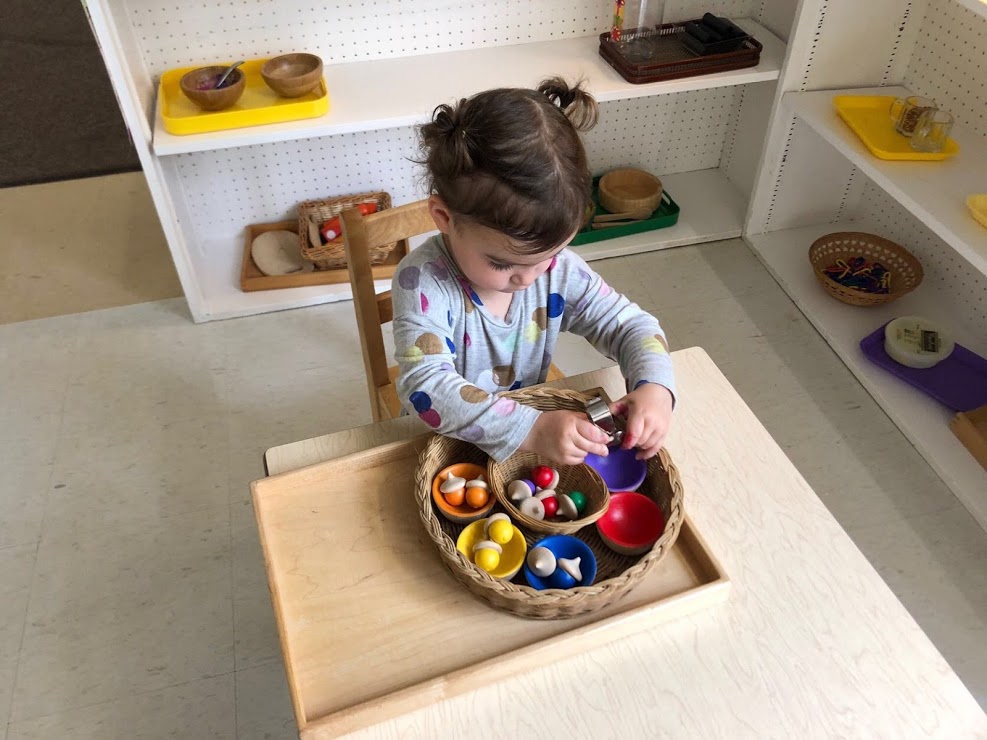
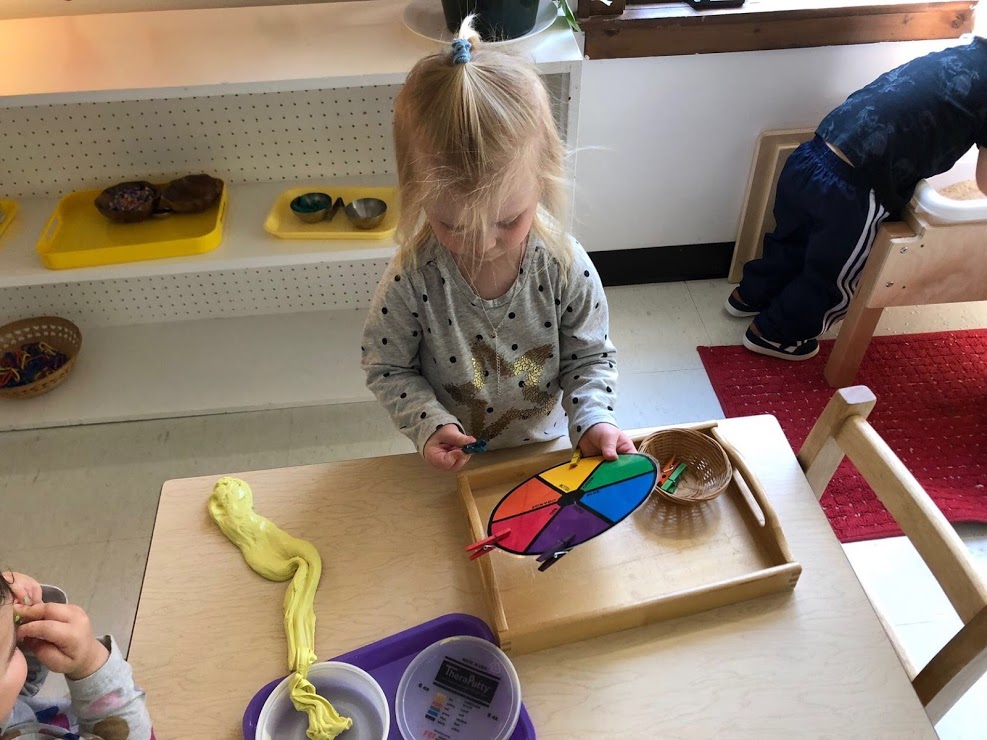
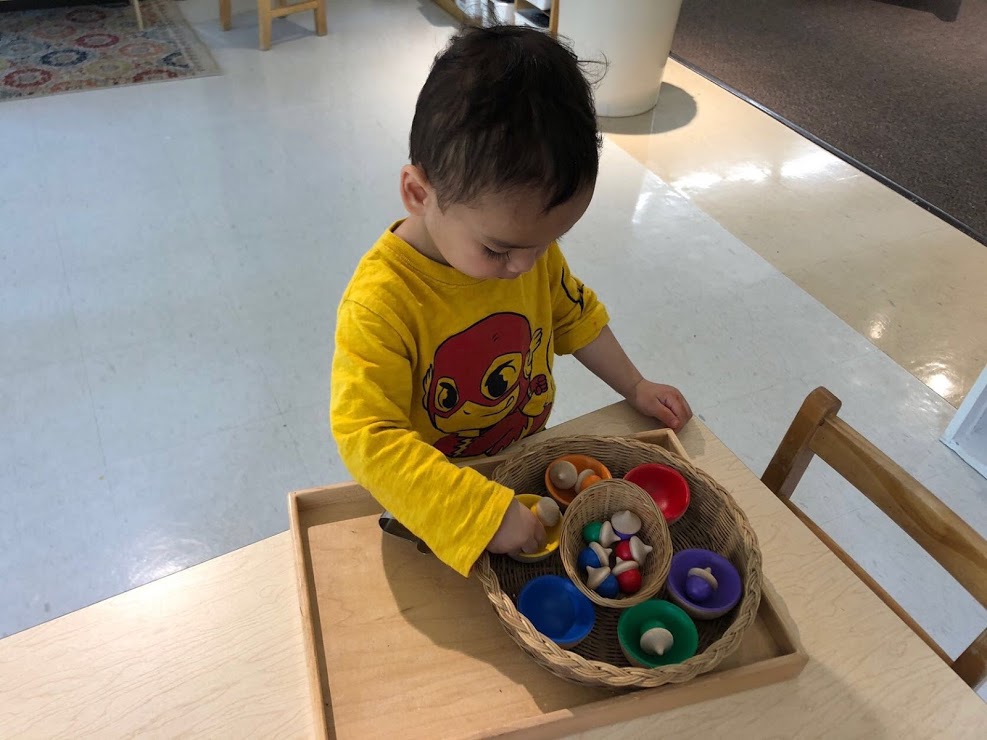
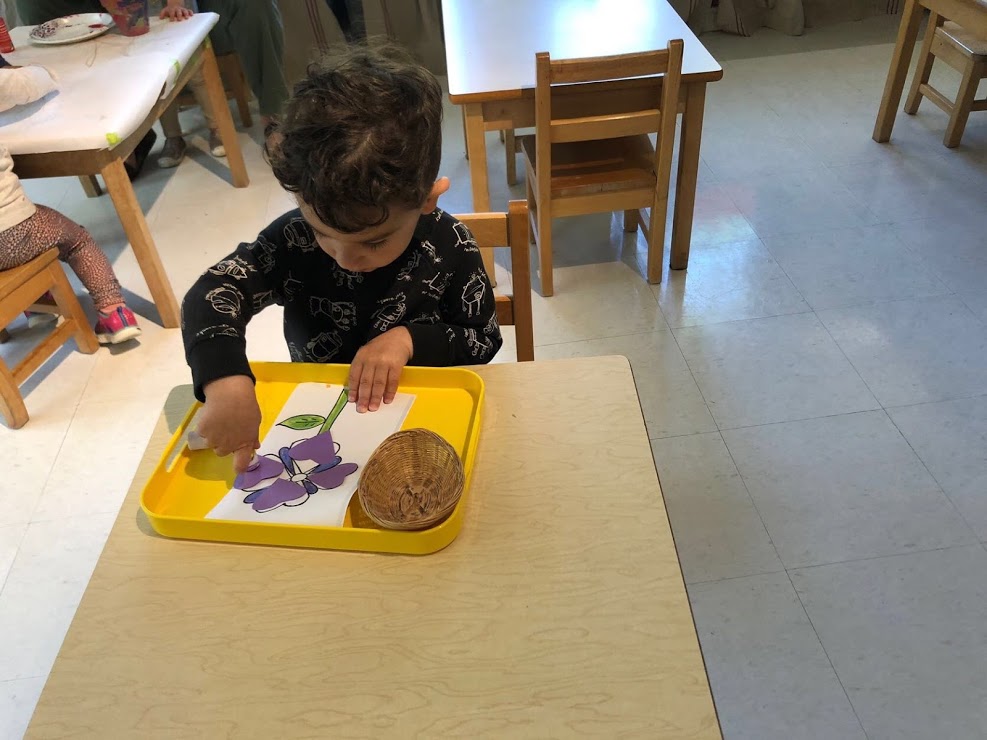
Toddler: Sensory Learning

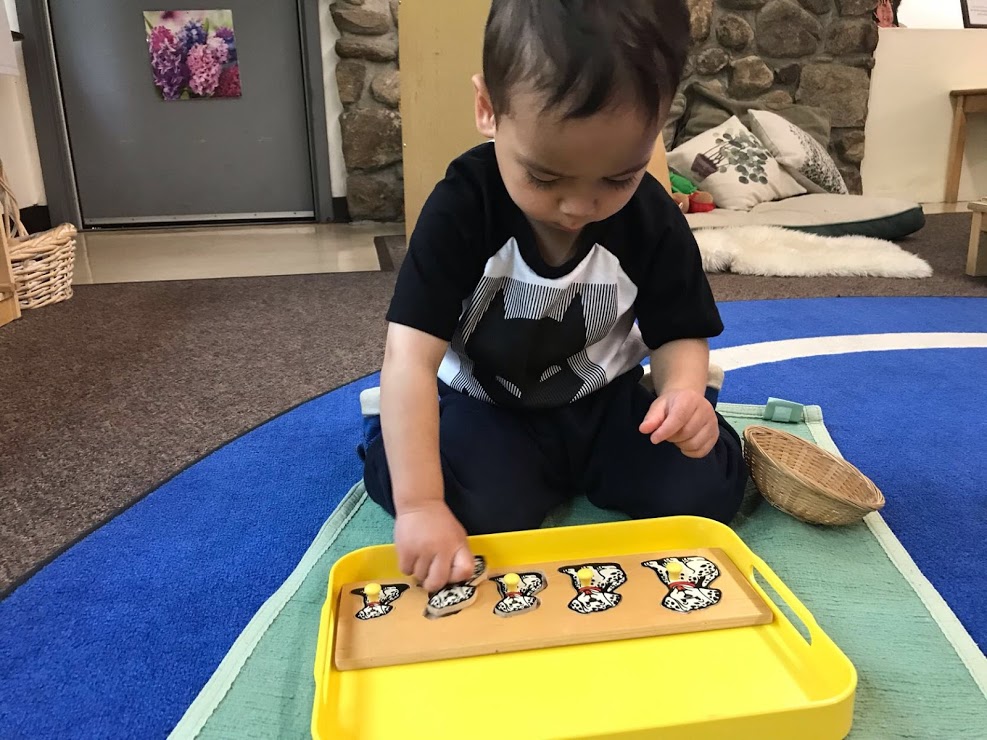
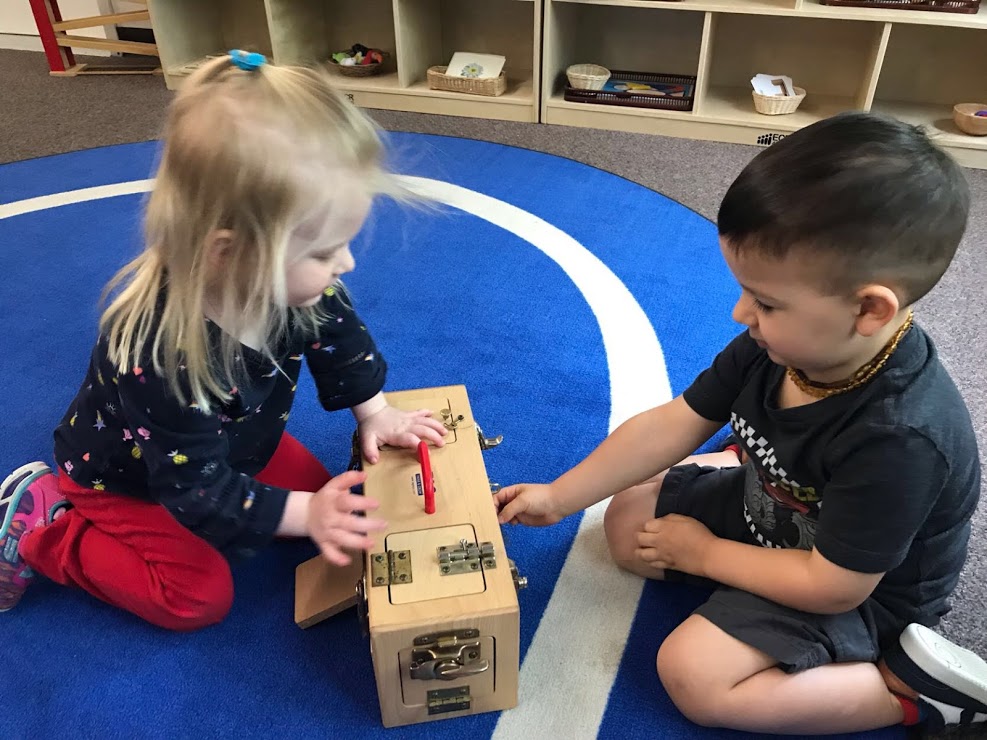
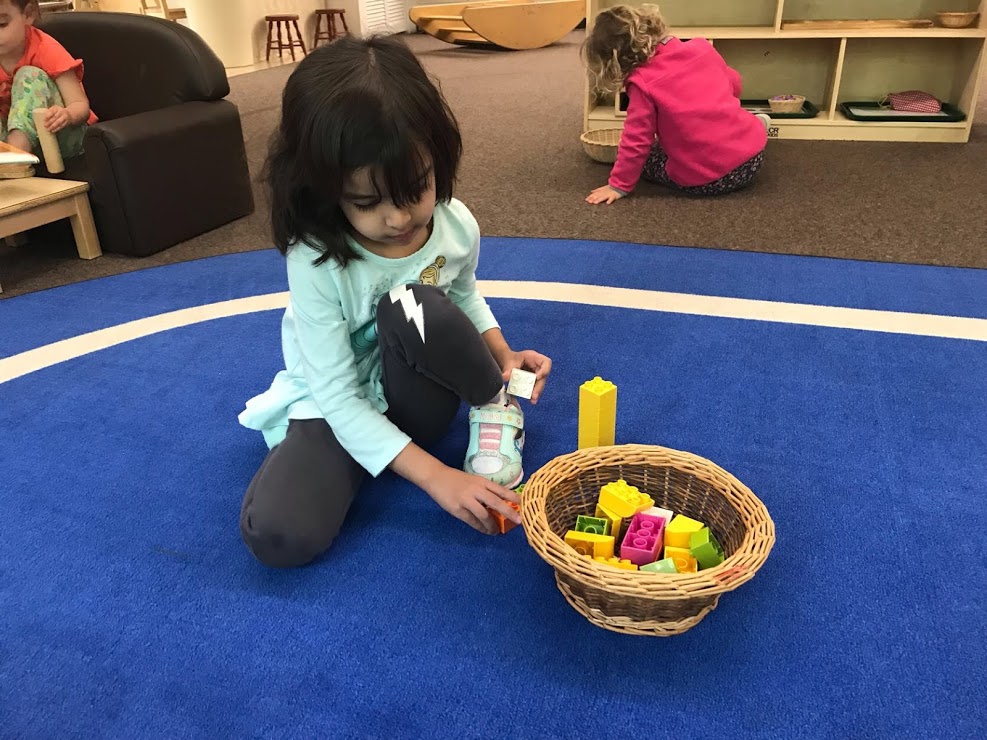
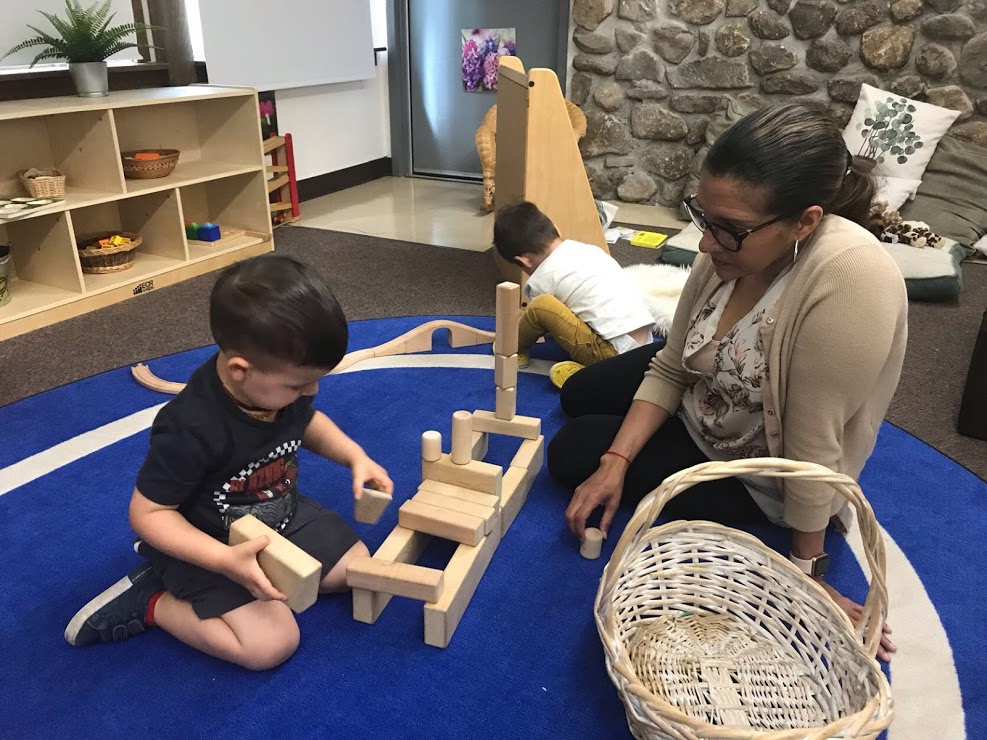
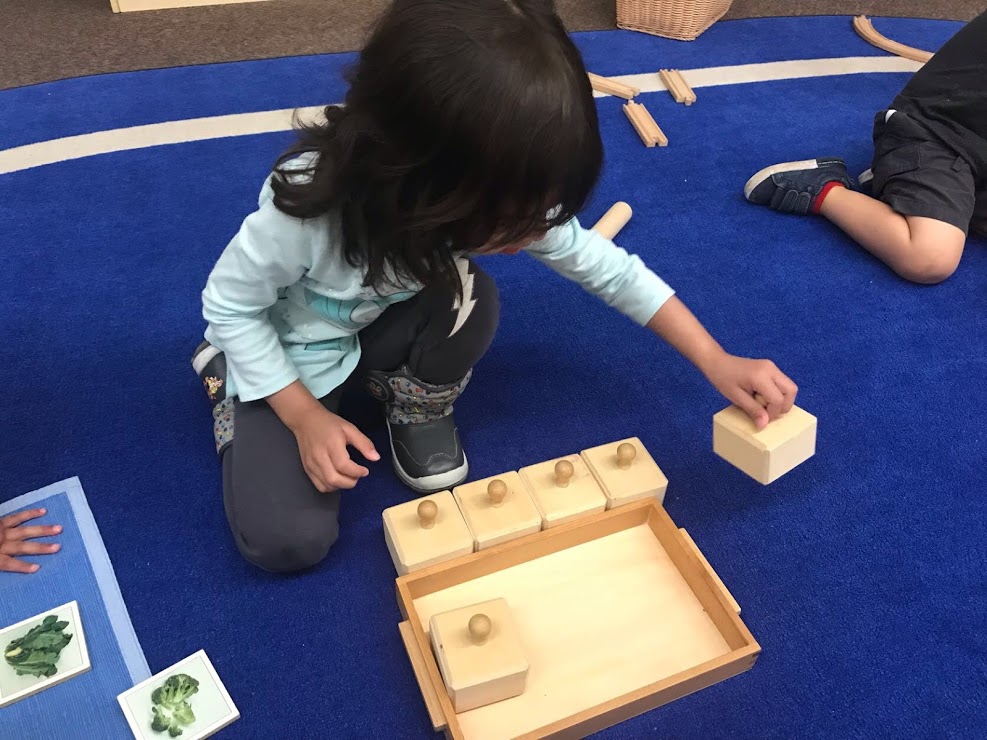
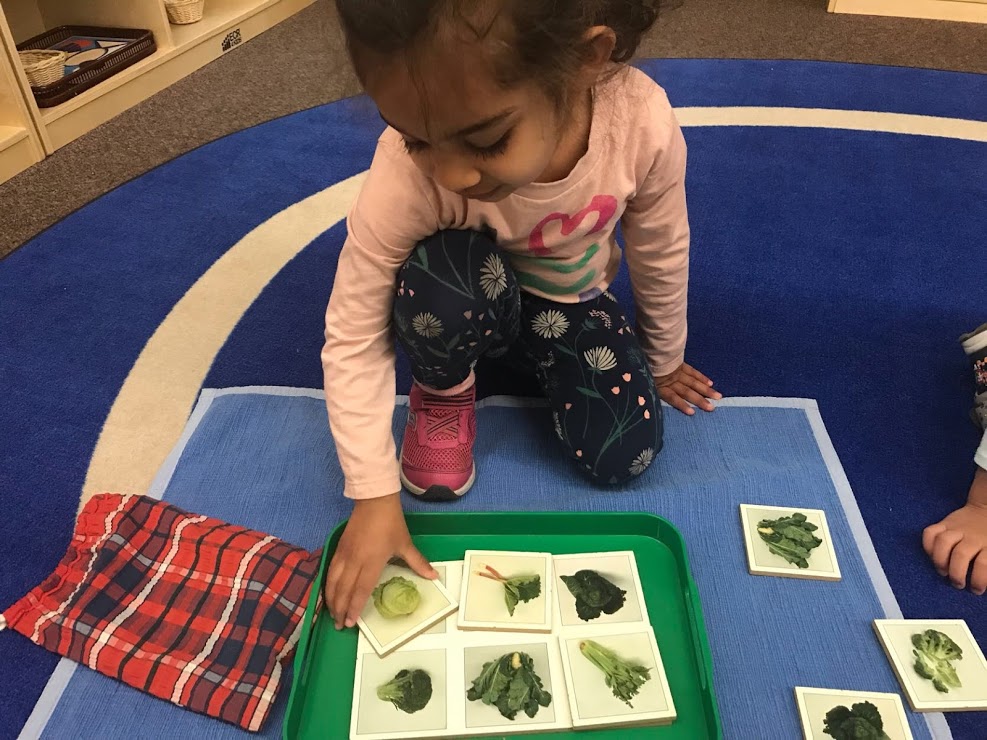
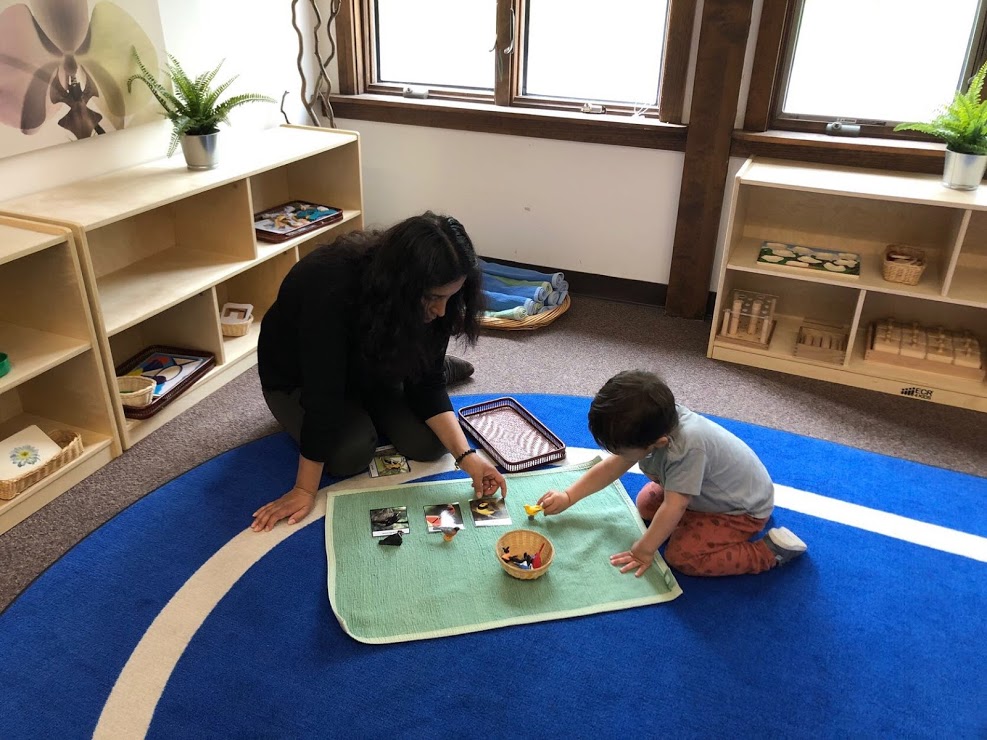
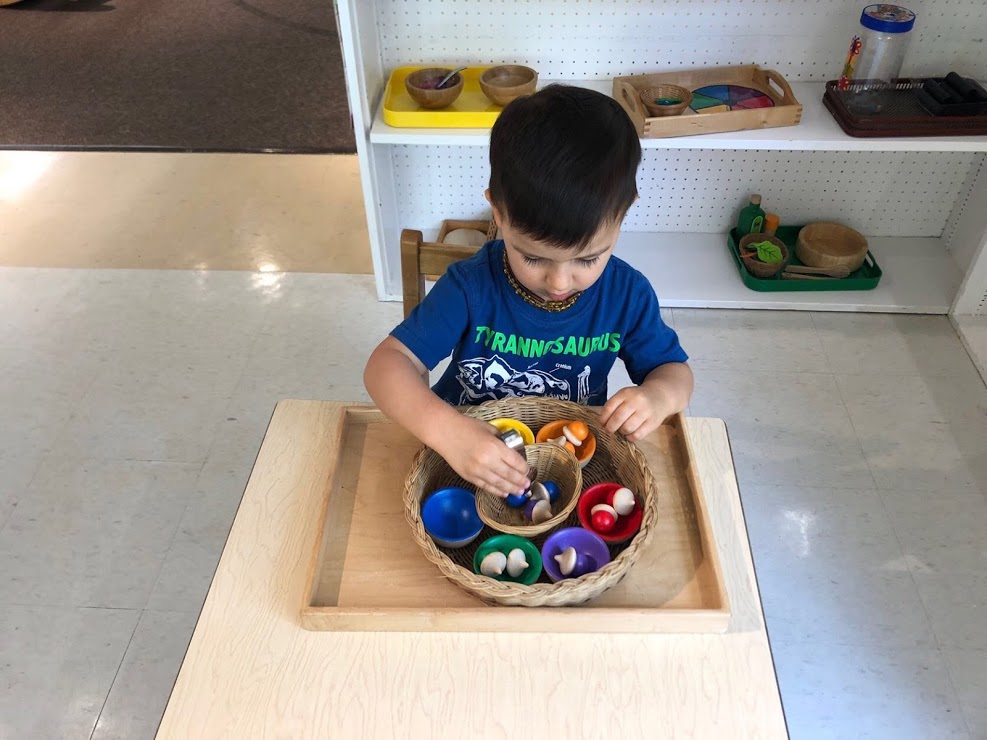
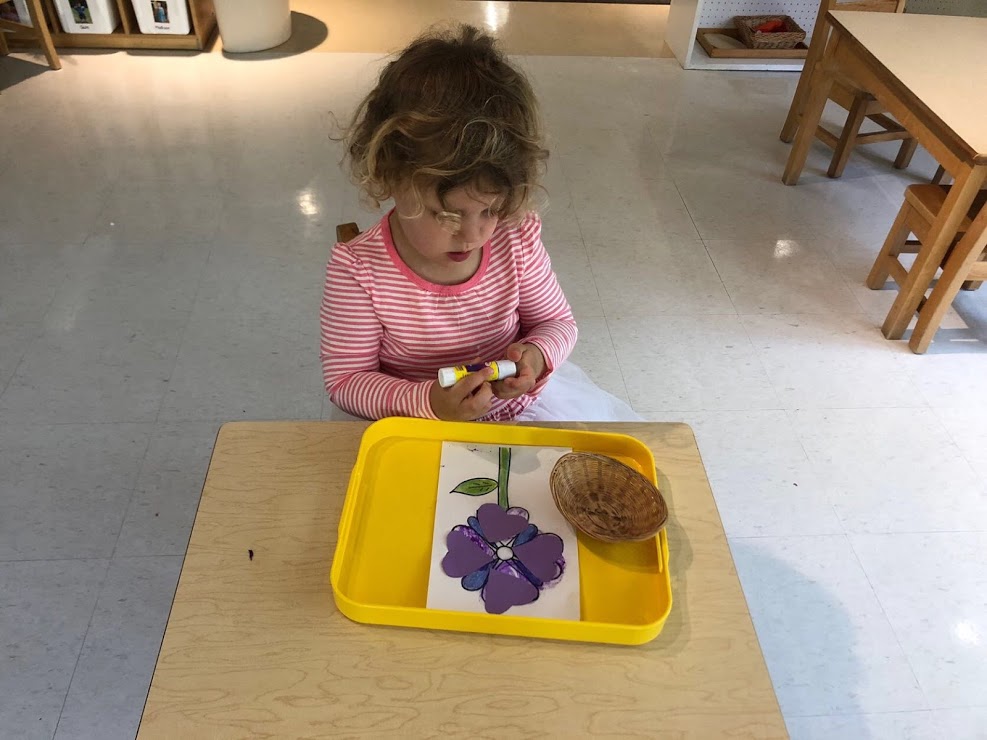
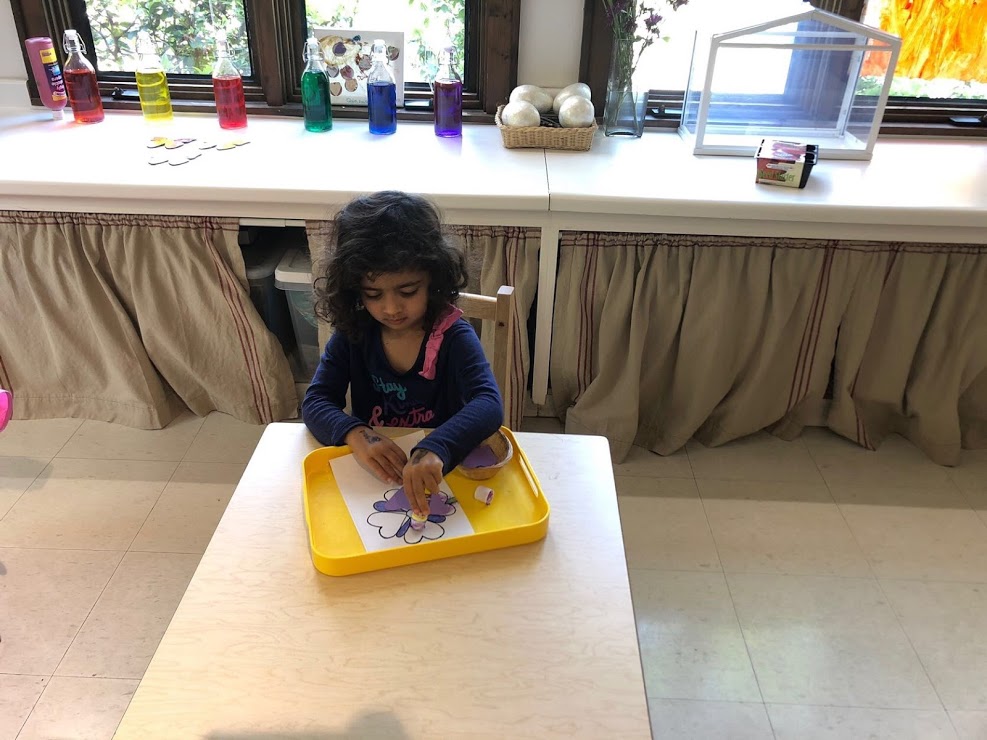
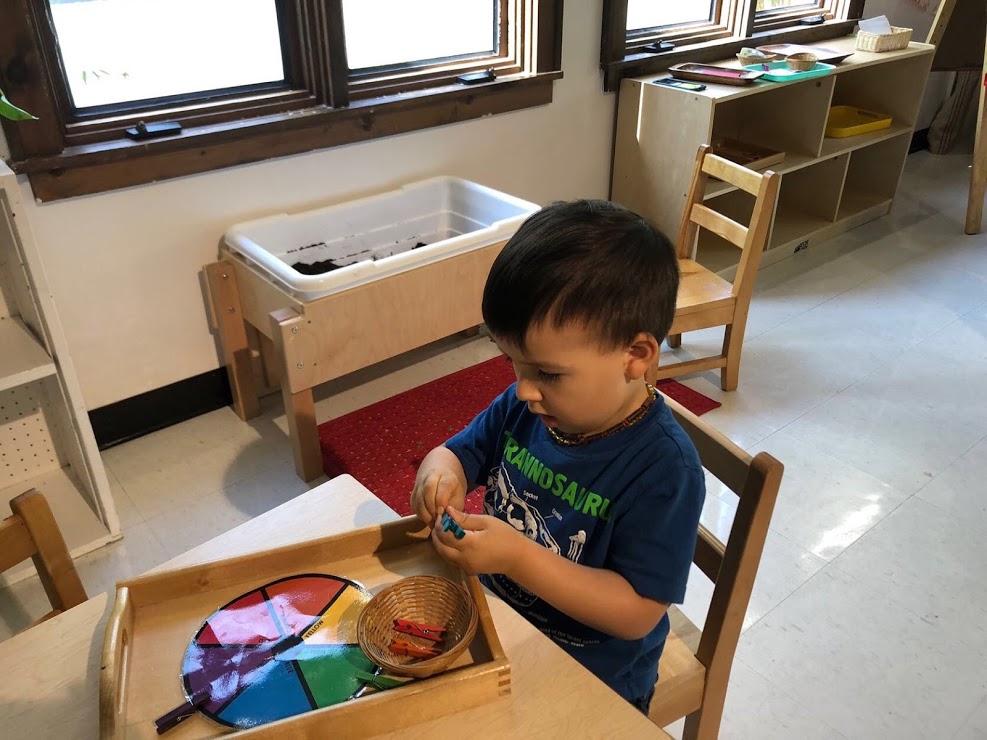
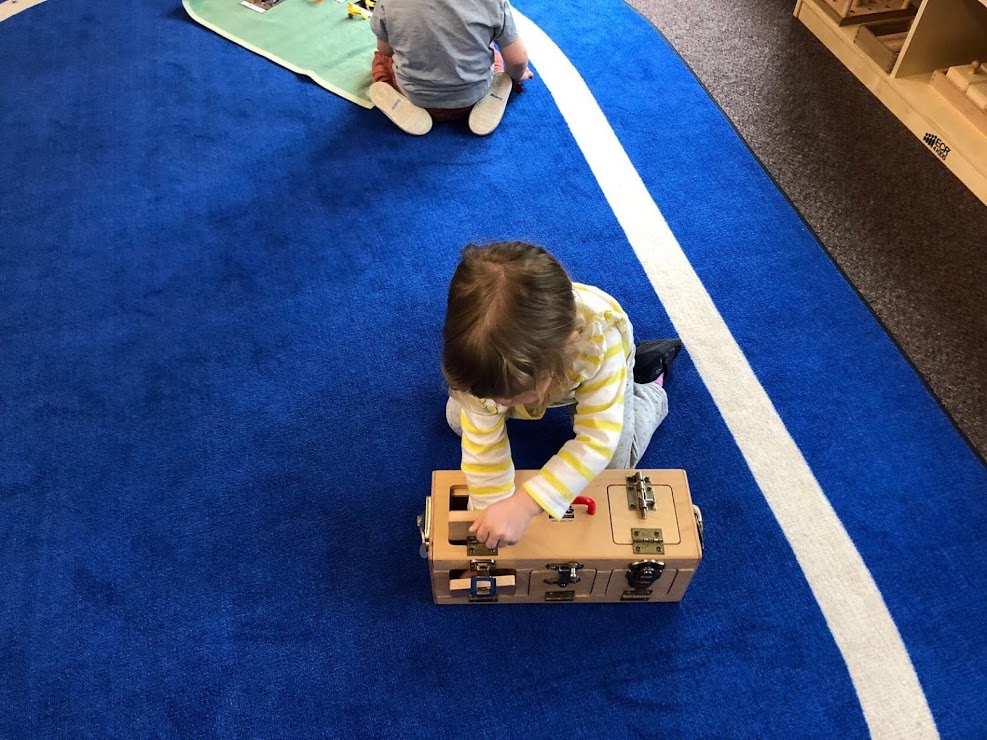
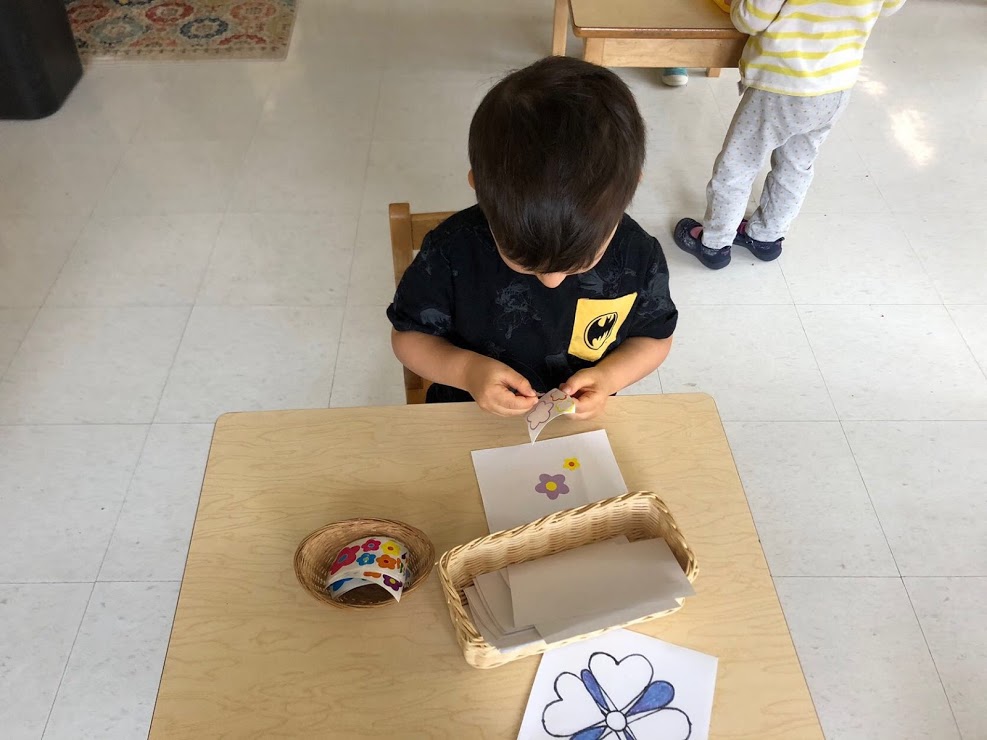
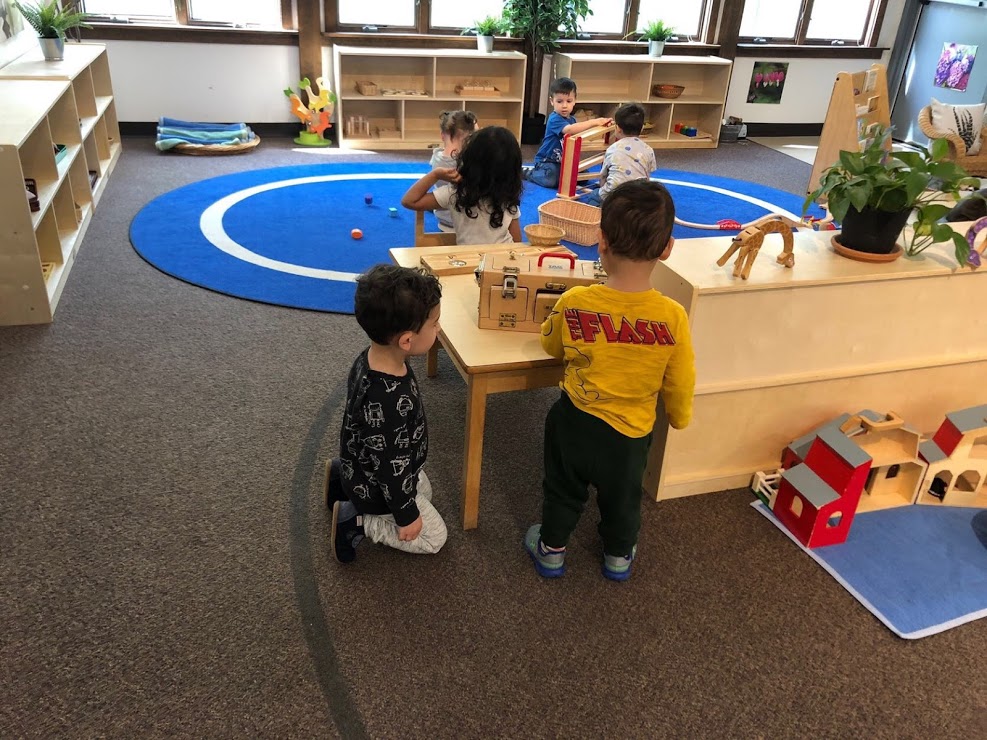
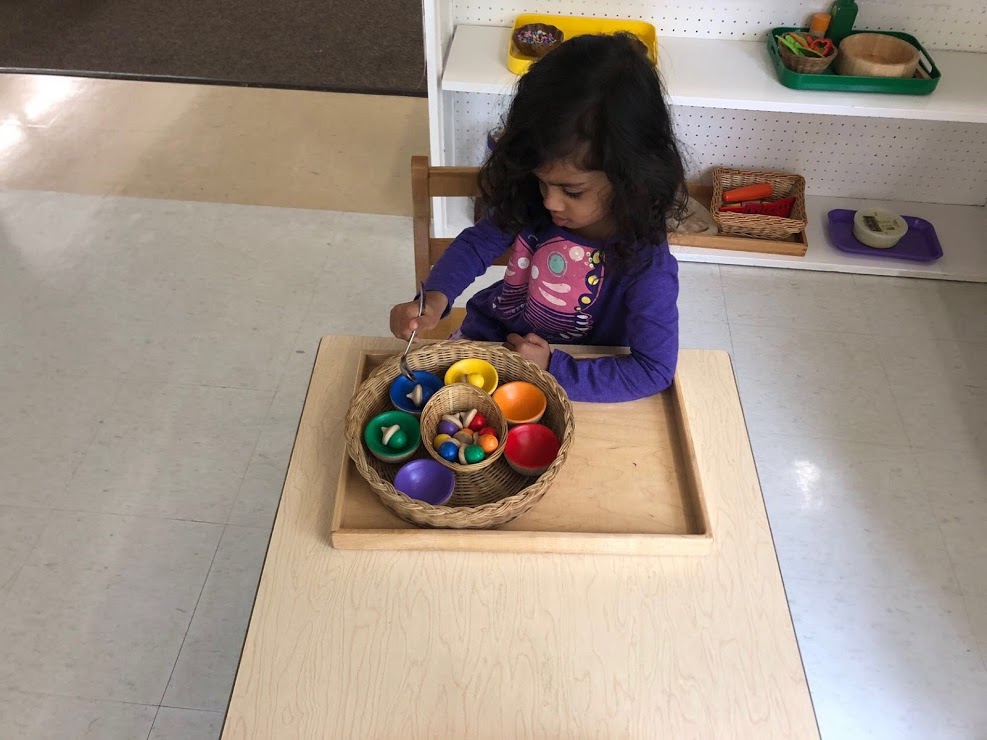
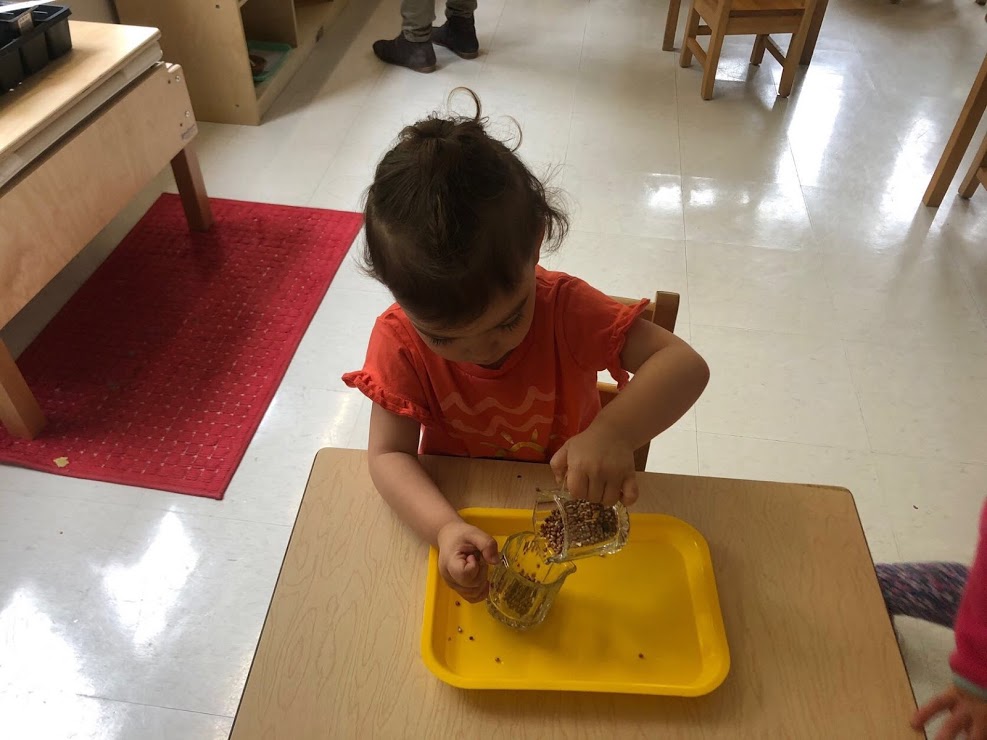
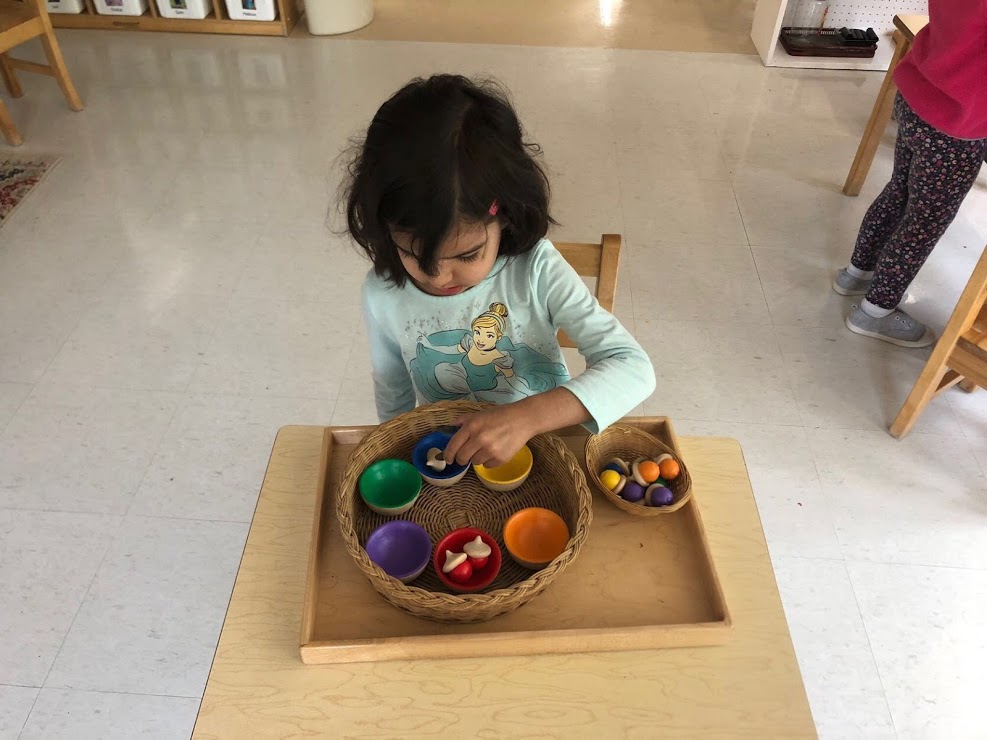
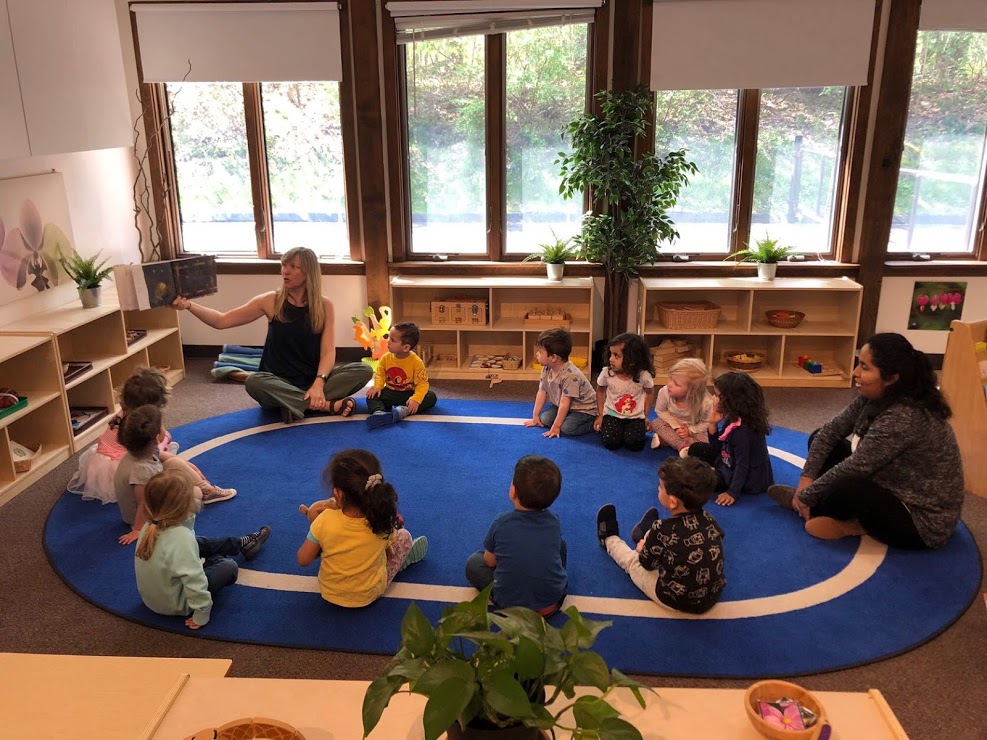
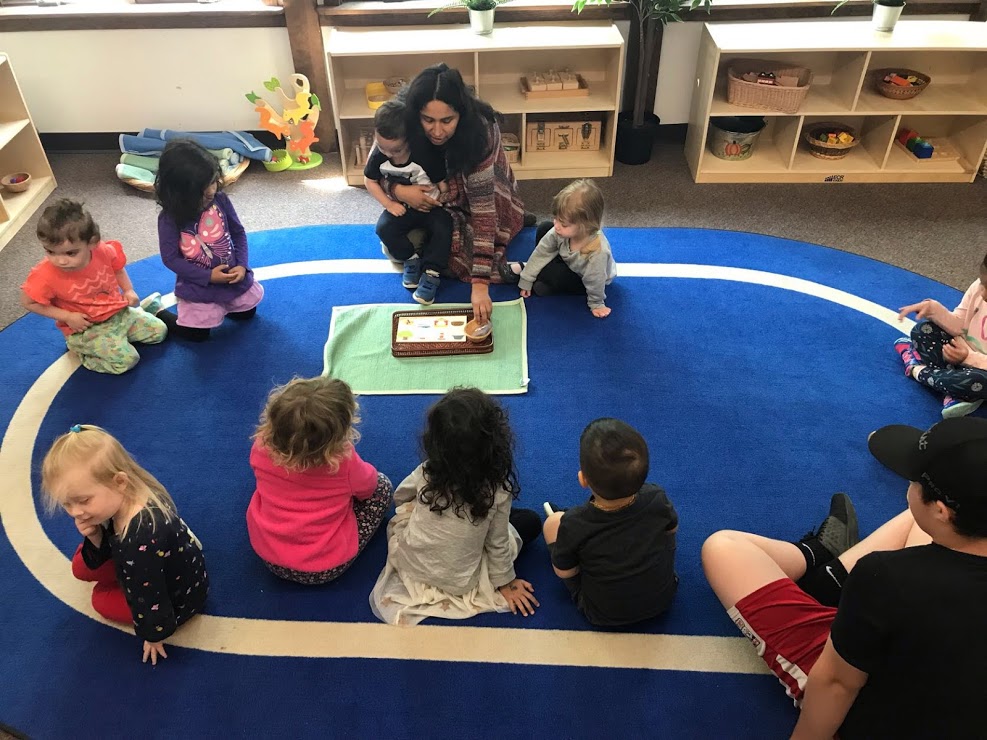
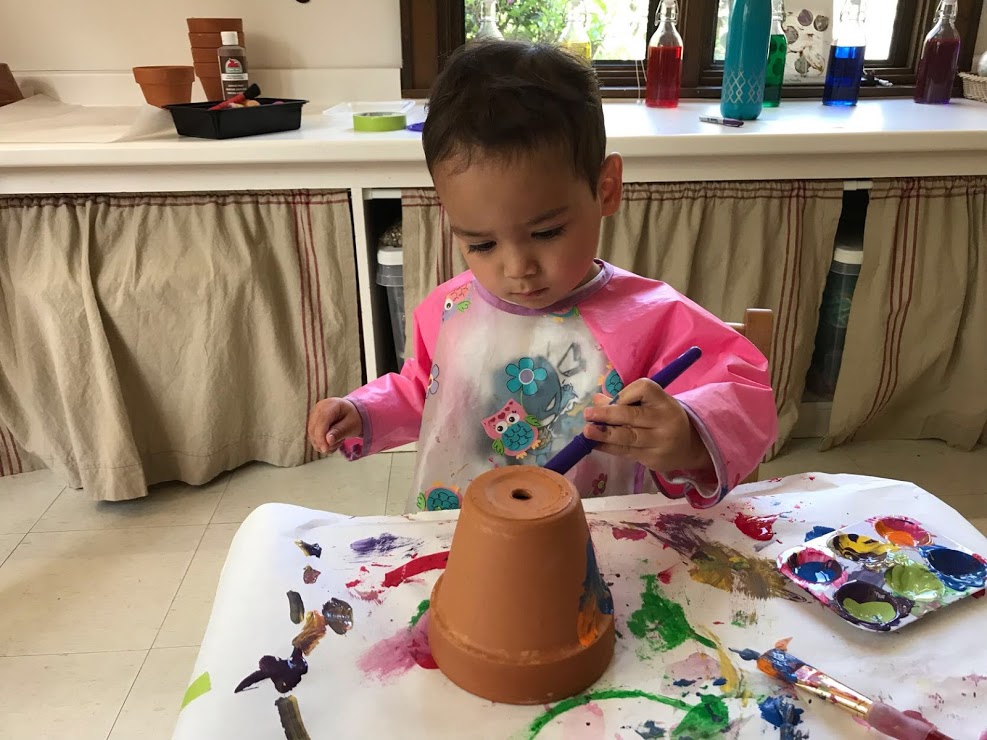
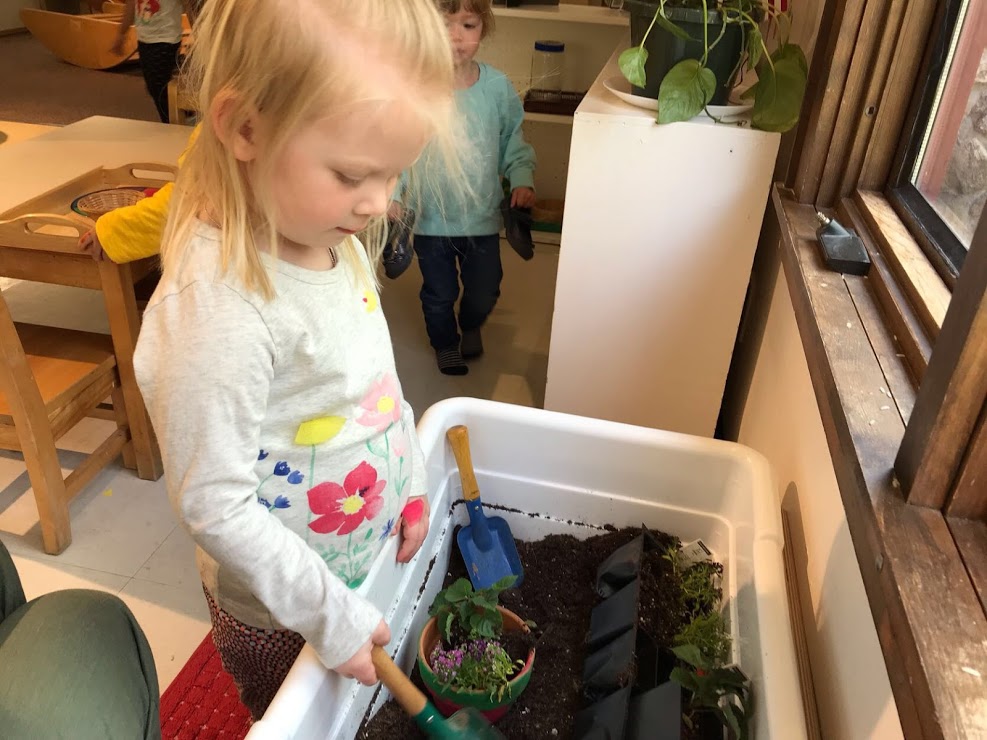
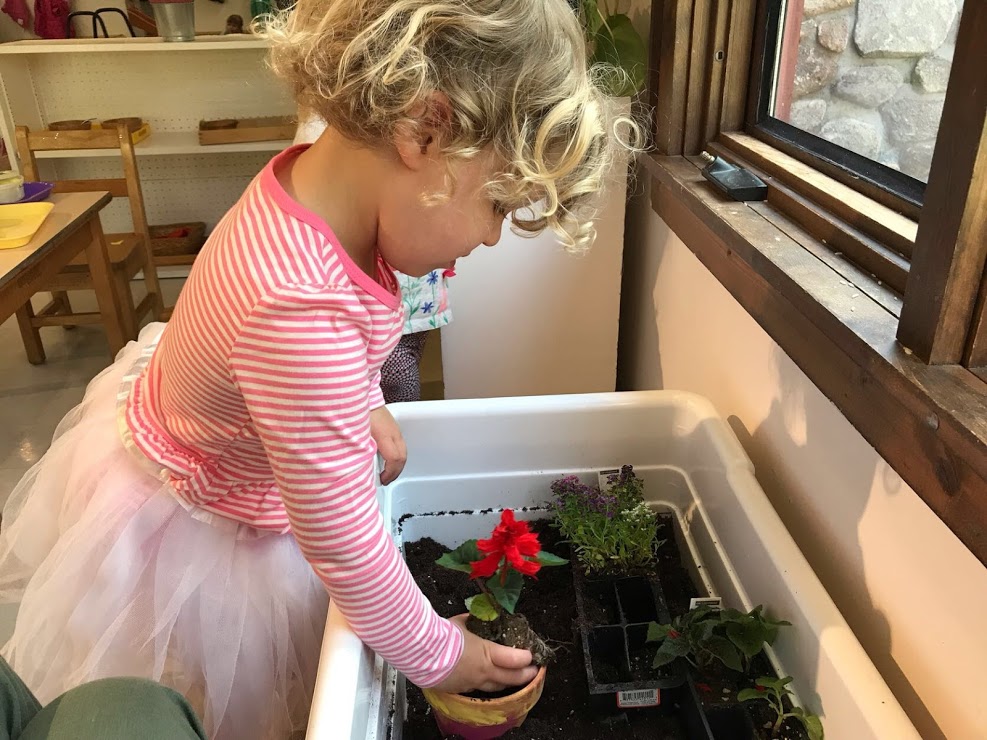
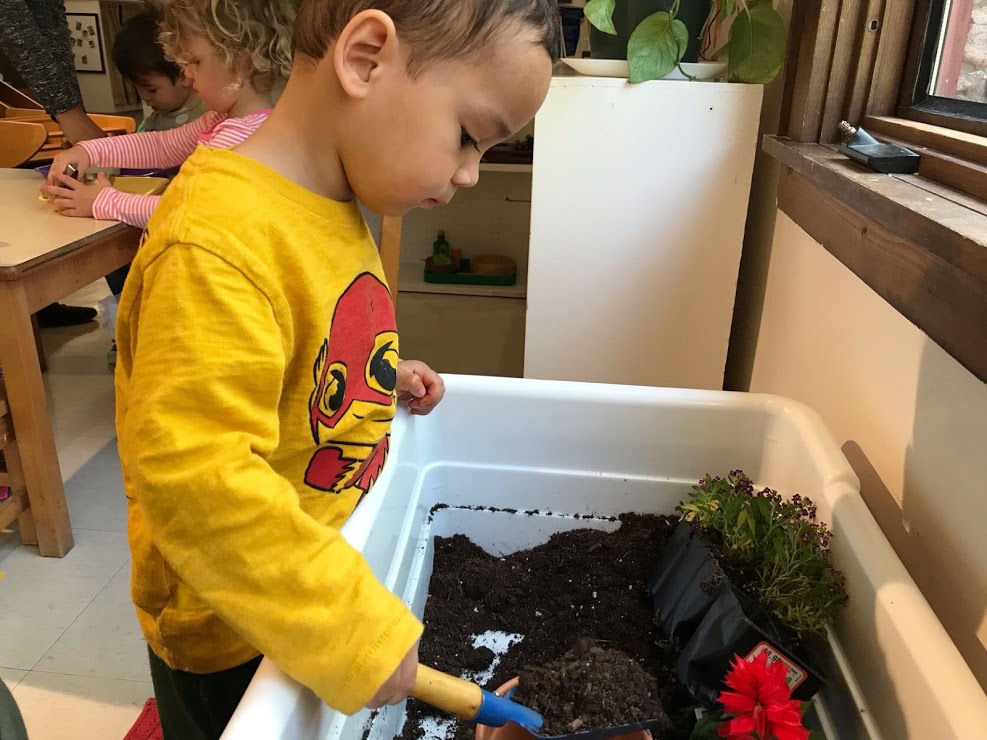
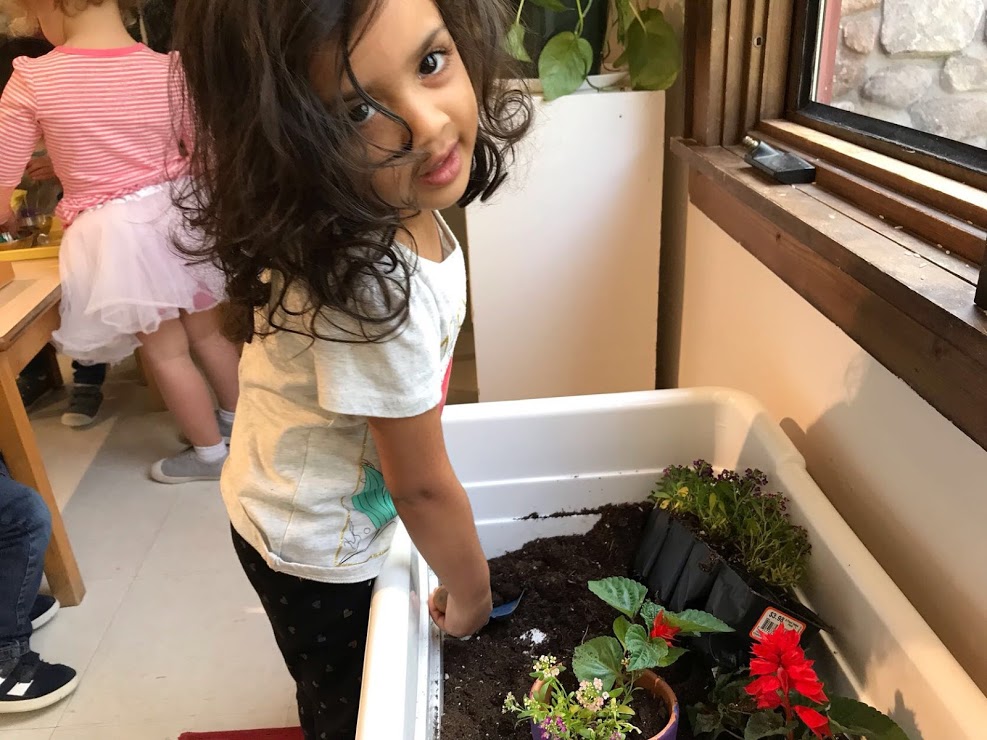
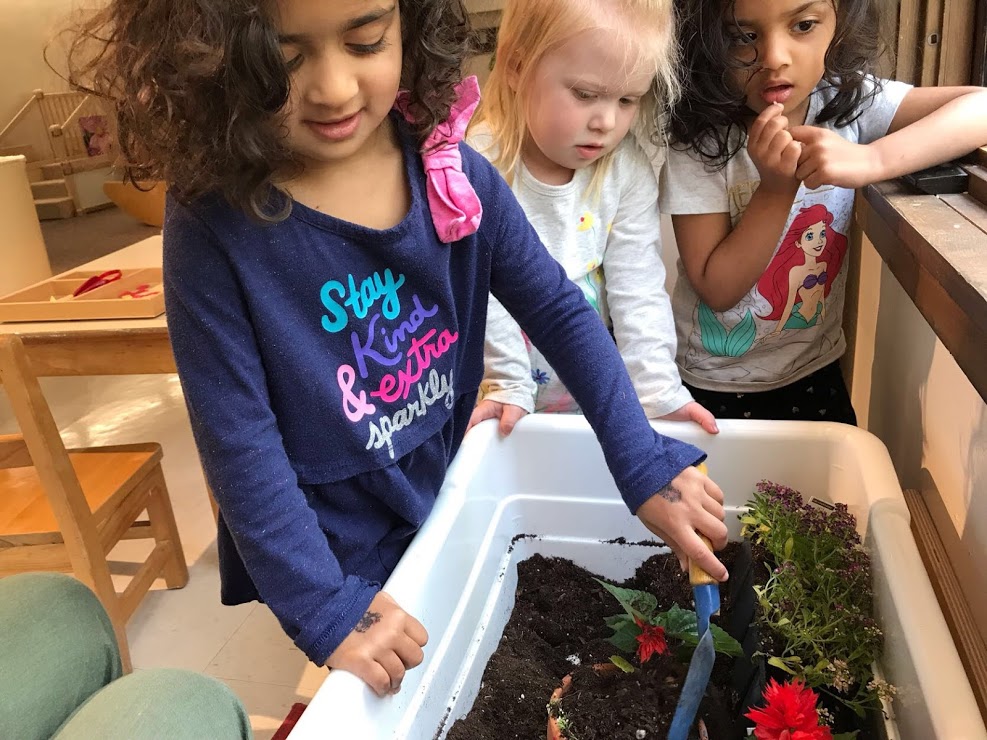
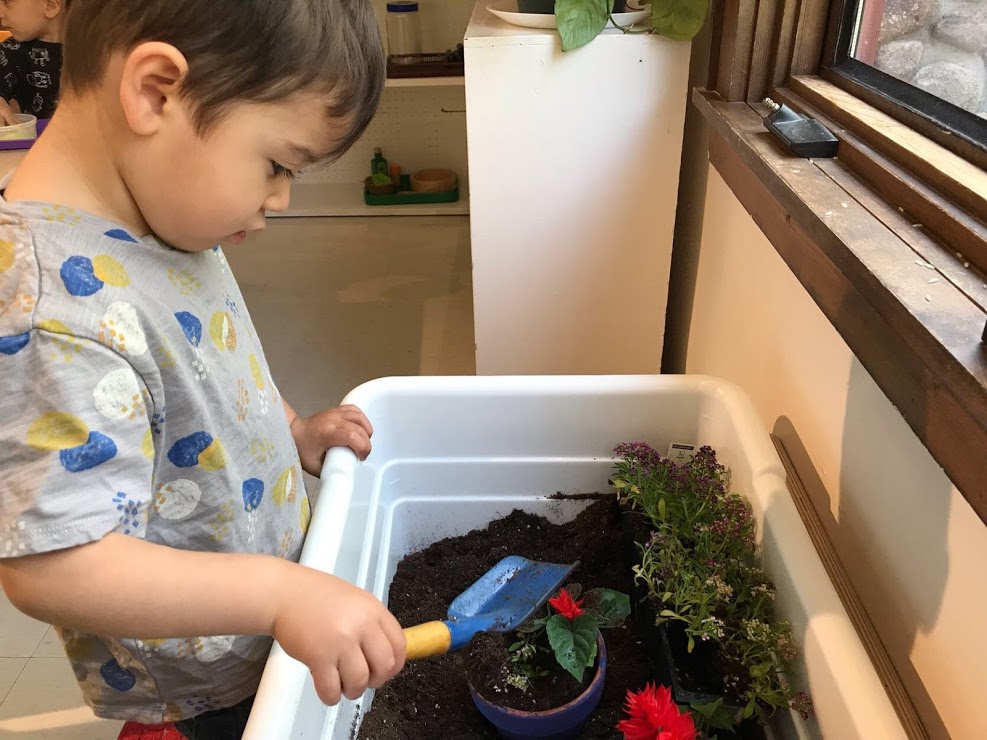
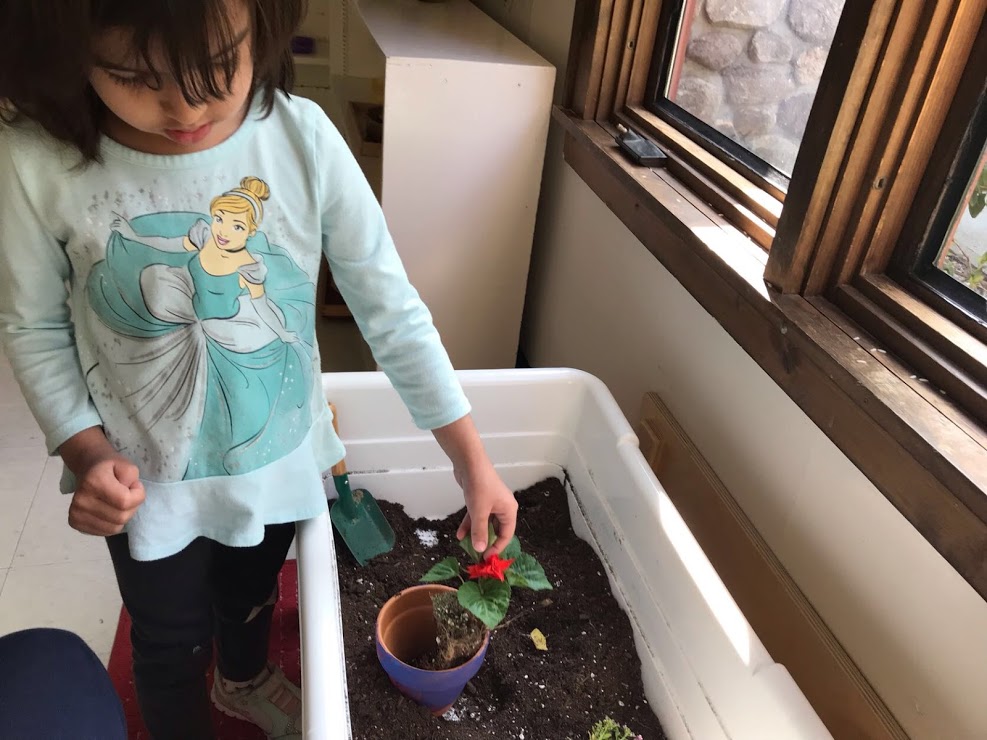
Our Toddler environment is like home and everything in the environment encourages sensory based learning. We focus on fostering this age group’s ever-growing need for independence, order, movement and language.  The children work independently, or in small groups, and are introduced to each material at the appropriate time for their individual development.

“The training and sharpening of the senses has the obvious advantage of enlarging the field of perception and of offering an ever more solid foundation for intellectual growth. The intellect builds up its store of practical ideas through contact with and exploration of the environment” ~Maria Montessori

A reminder:
The deadline for this year’s FWM sweatshirt is the end of the day on Monday. Order yours now! FWM Sweatshirt Order
STEAM: Jewelry Unit

Middle School students just wrapped up their STEAM Jewelry Unit this past week. Mrs. Reid and I, who teach the class together, were utterly amazed by the dedication and originality that our students demonstrated within their designs.

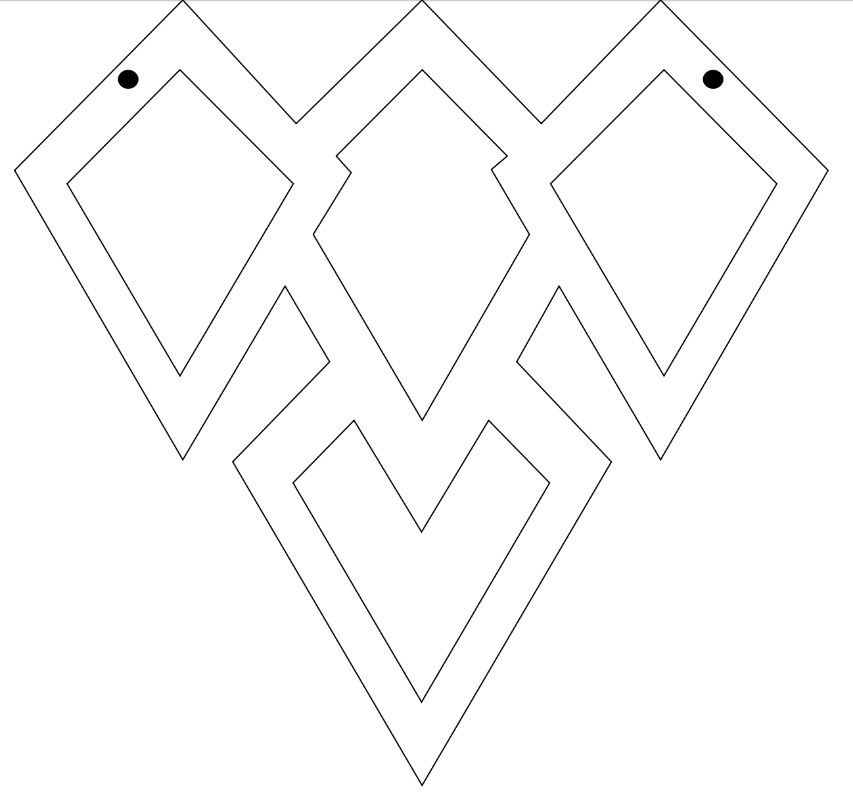
This unit started with an introduction to vector illustrations. We used vectr.com as our main program and provided many group and individual lessons to make sure students understood the ins and outs of creating within the website. Some students went above and beyond and used the Adobe Illustrator program (this is what “real world” designers use).

Once students finished their designs, this was the process:

  1. Share with a peer for feedback
  2. Share with a teacher for feedback
  3. Decide on final size and material to be used (hardwood, plywood, draftwood or acrylic)
  4. Share on Google Classroom
  5. Ms. Ulacco or Mrs. Reid send the file to the Glowforge (laser cutter).
  6. Assembly of jewelry if needed.

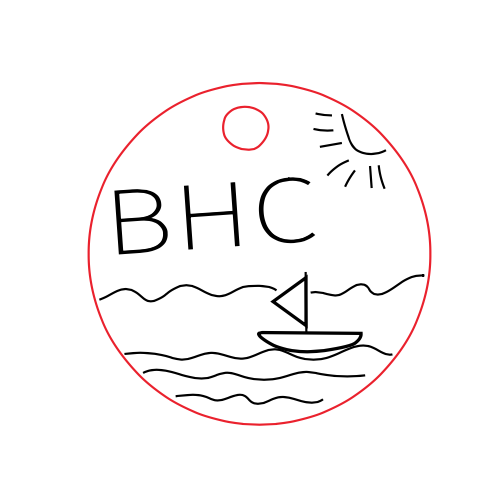
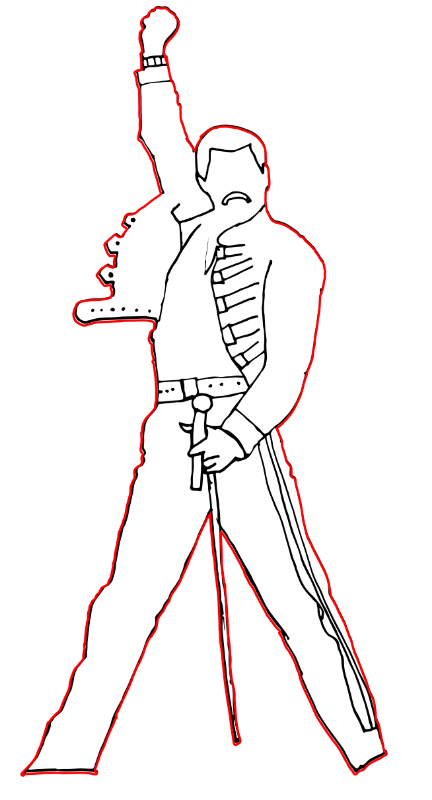
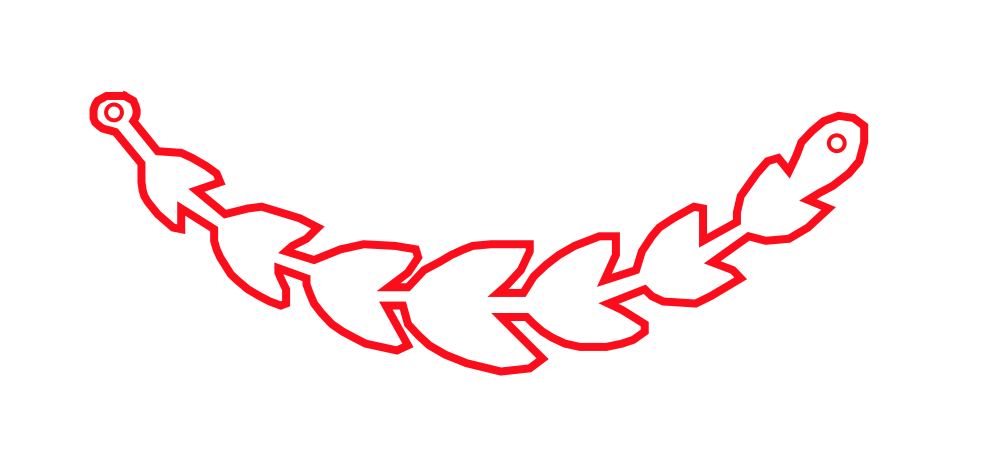
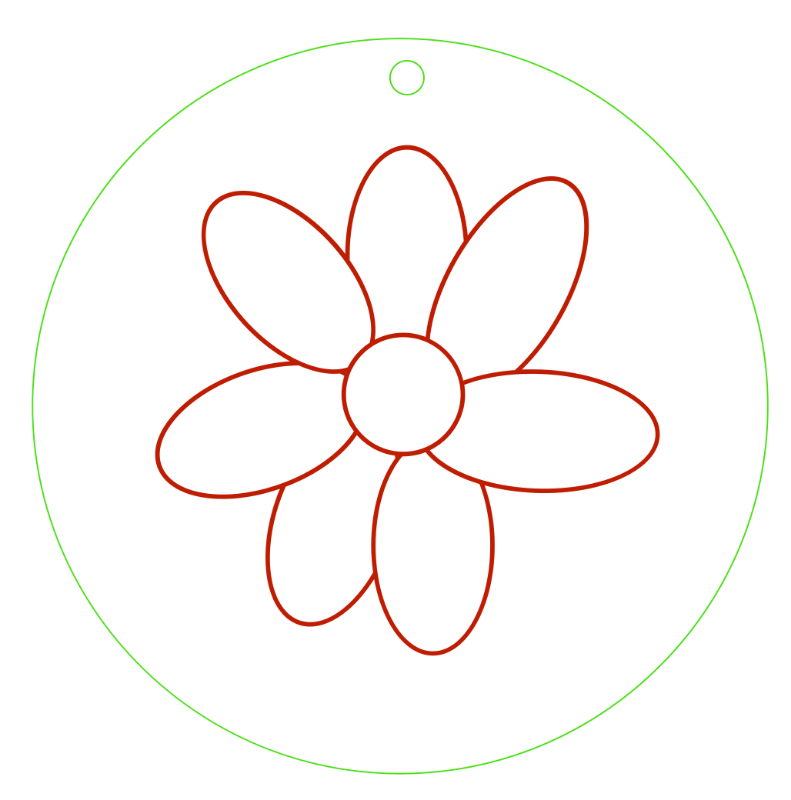
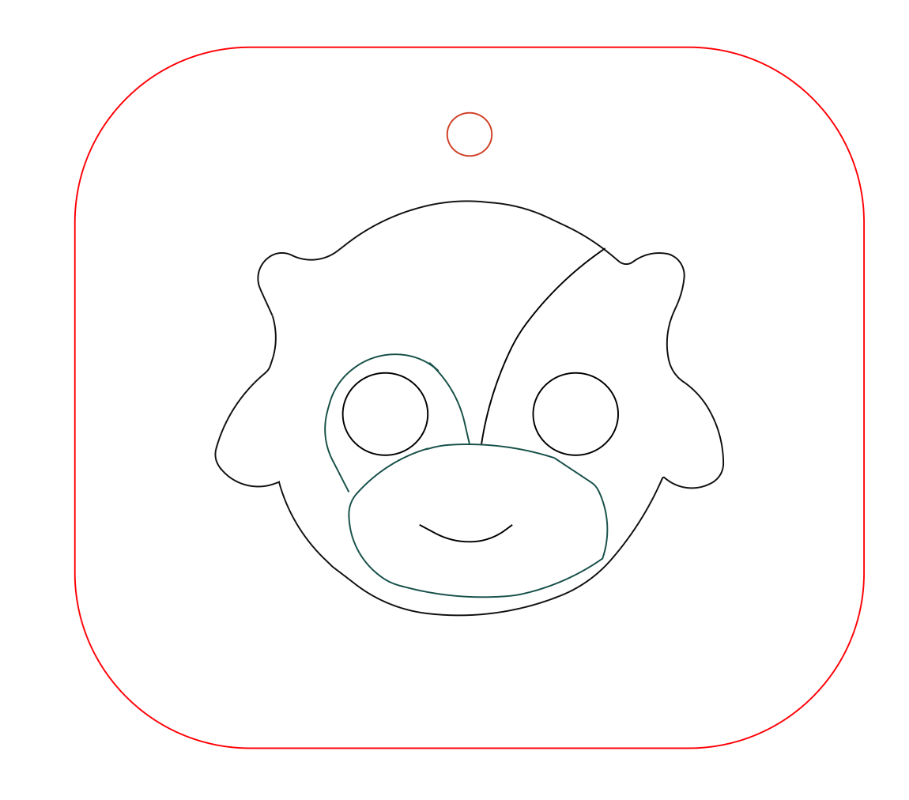
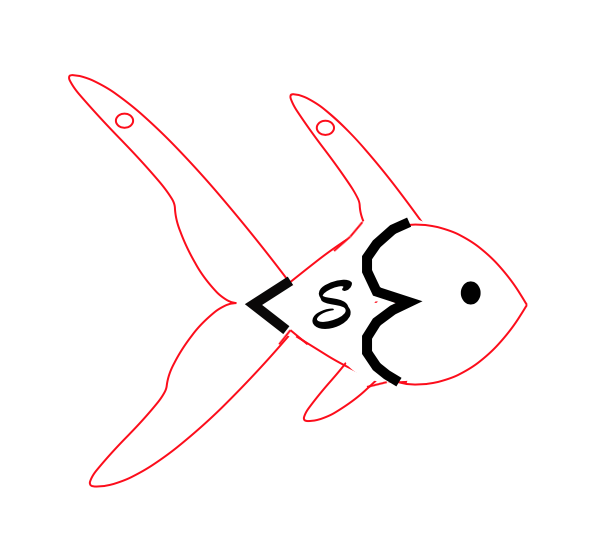
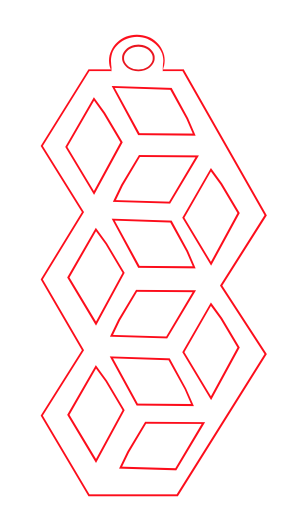
Students were so excited to take them home or give them away as gifts! So much so, that we had a hard time documenting the beautiful accessories! Hopefully most of them made it home for you to see. The photos in this blog show you a few of the designs that were submitted which showcase their individual interests, passions, and overall knowledge of creating vector drawings.


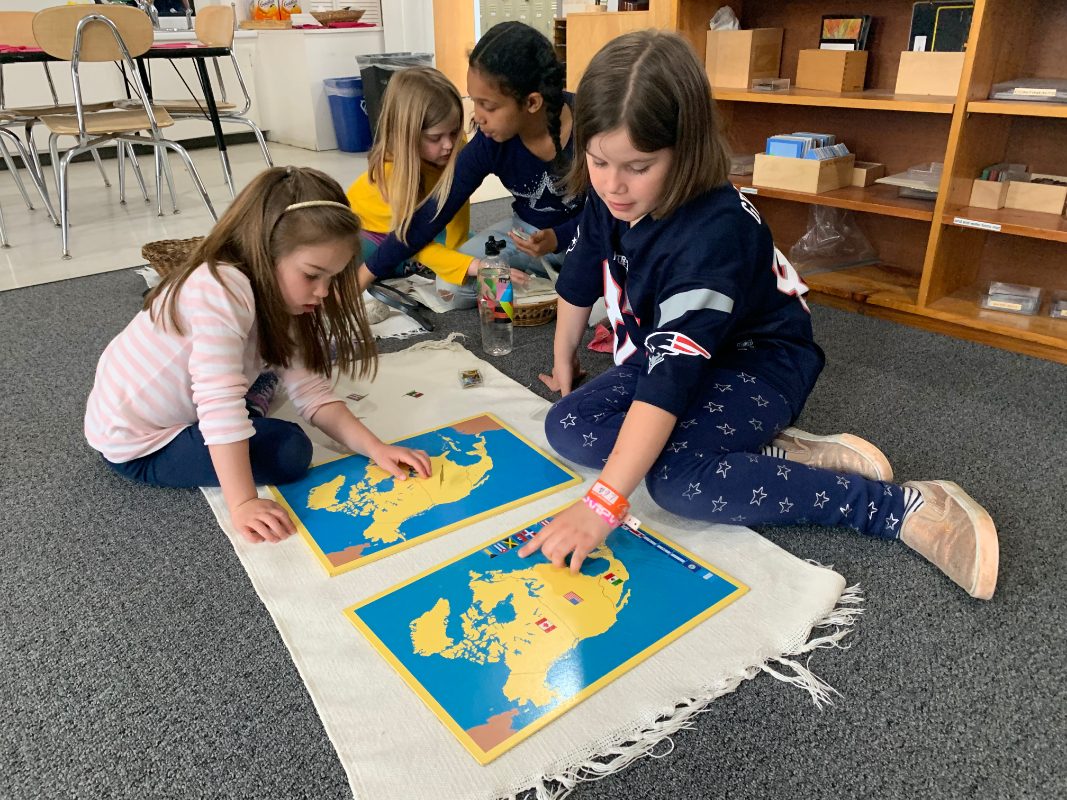
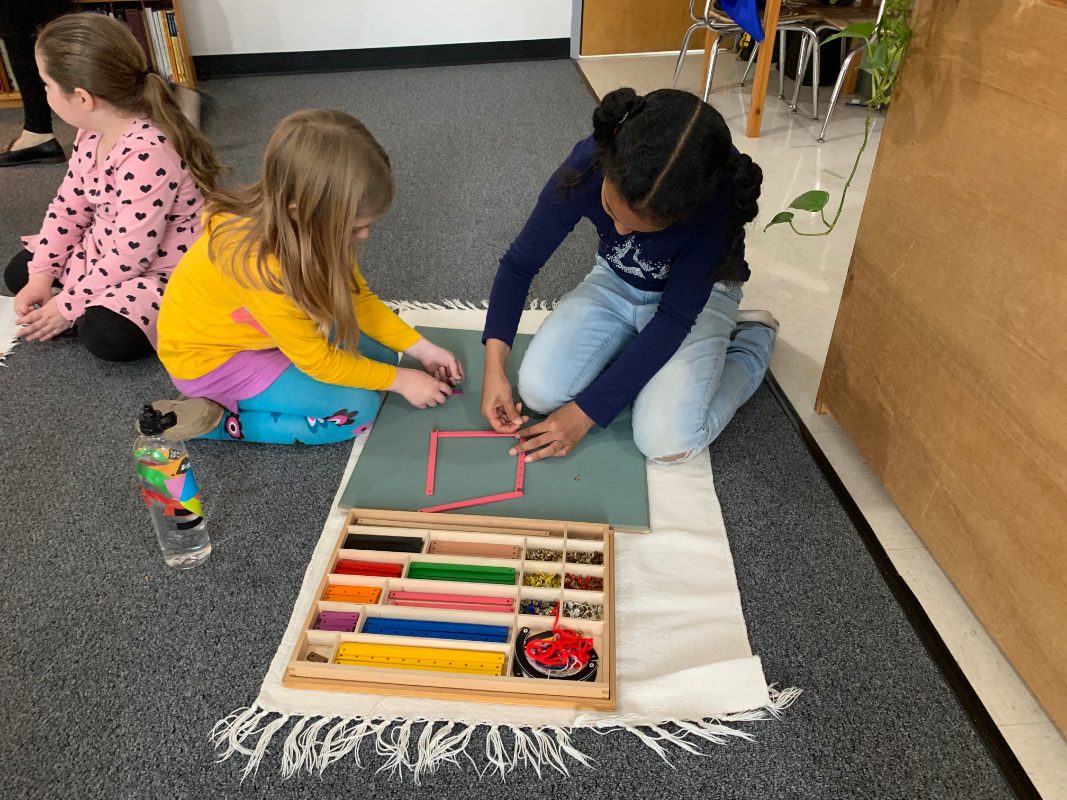
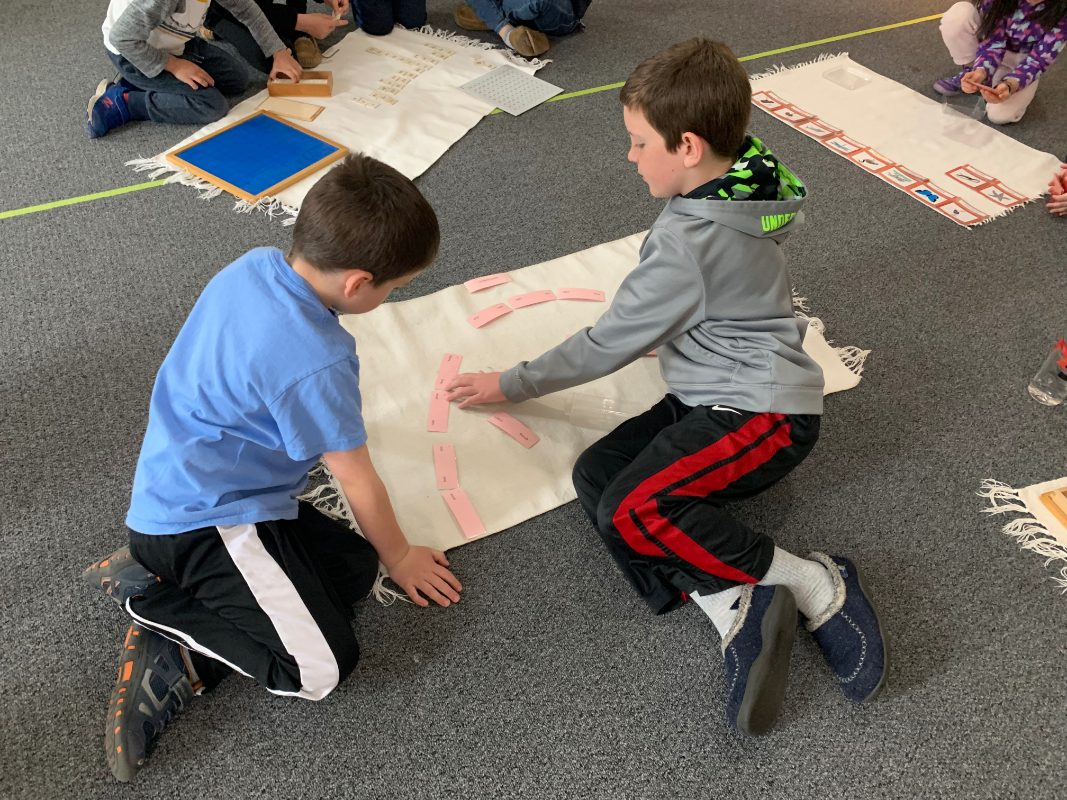
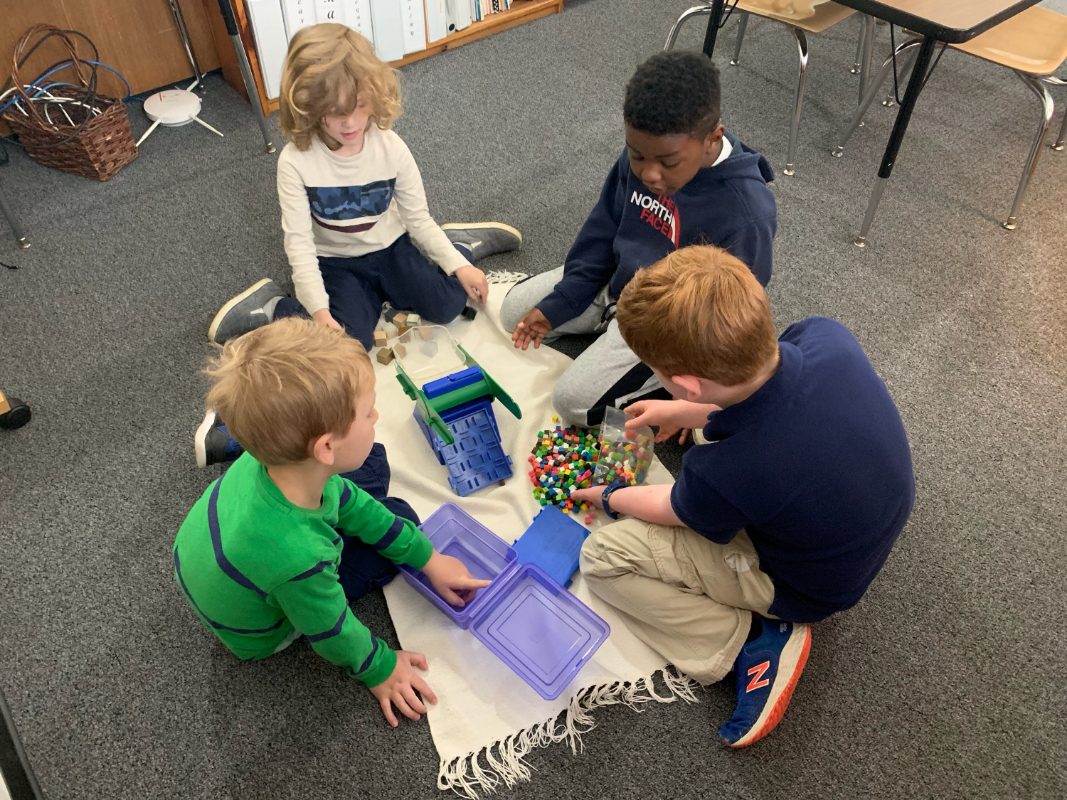
Lower Elementary: Working Together

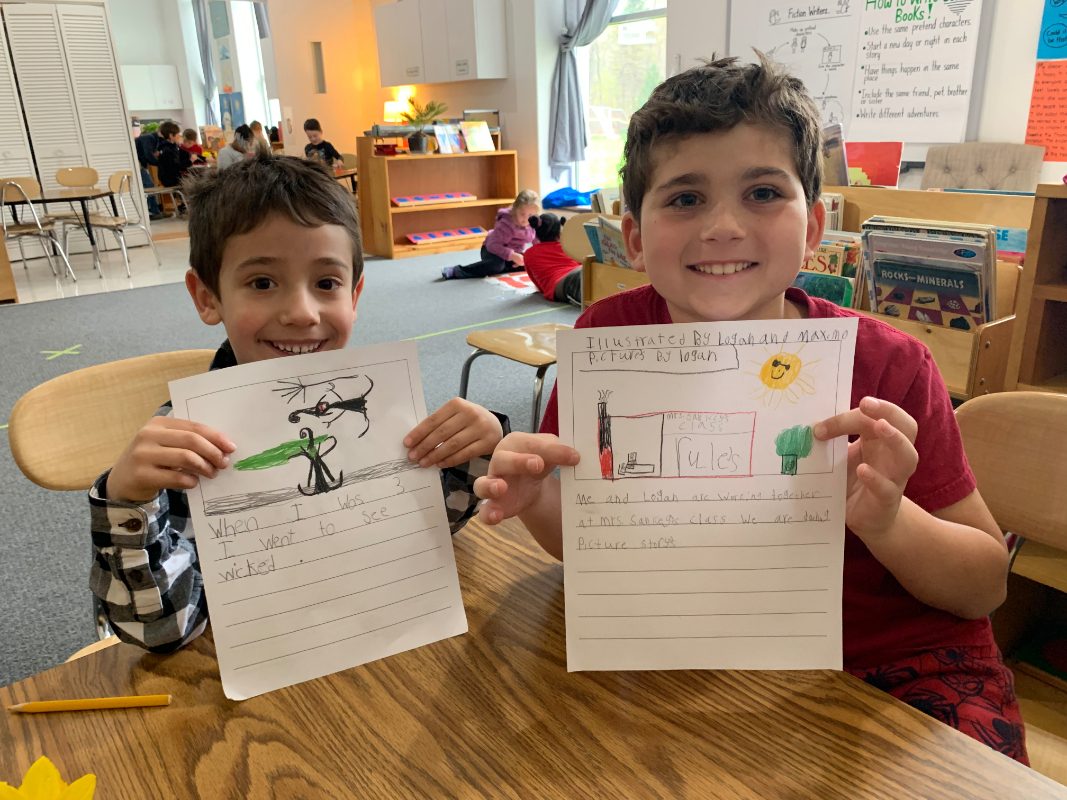
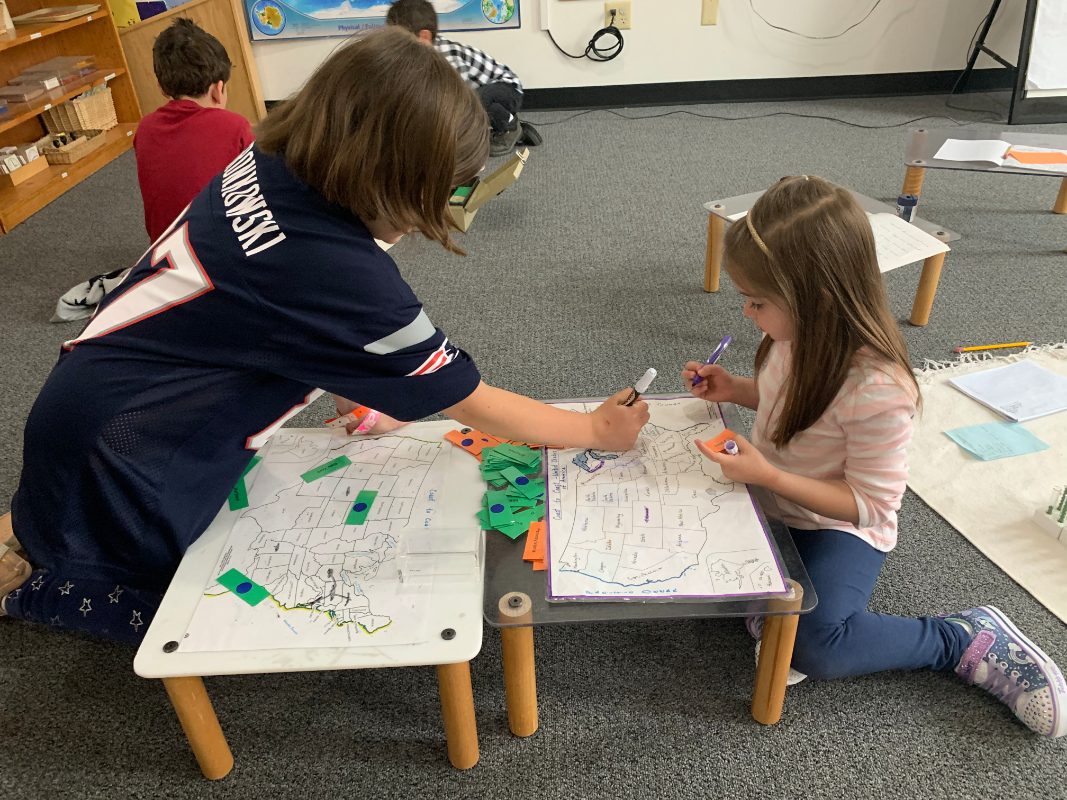
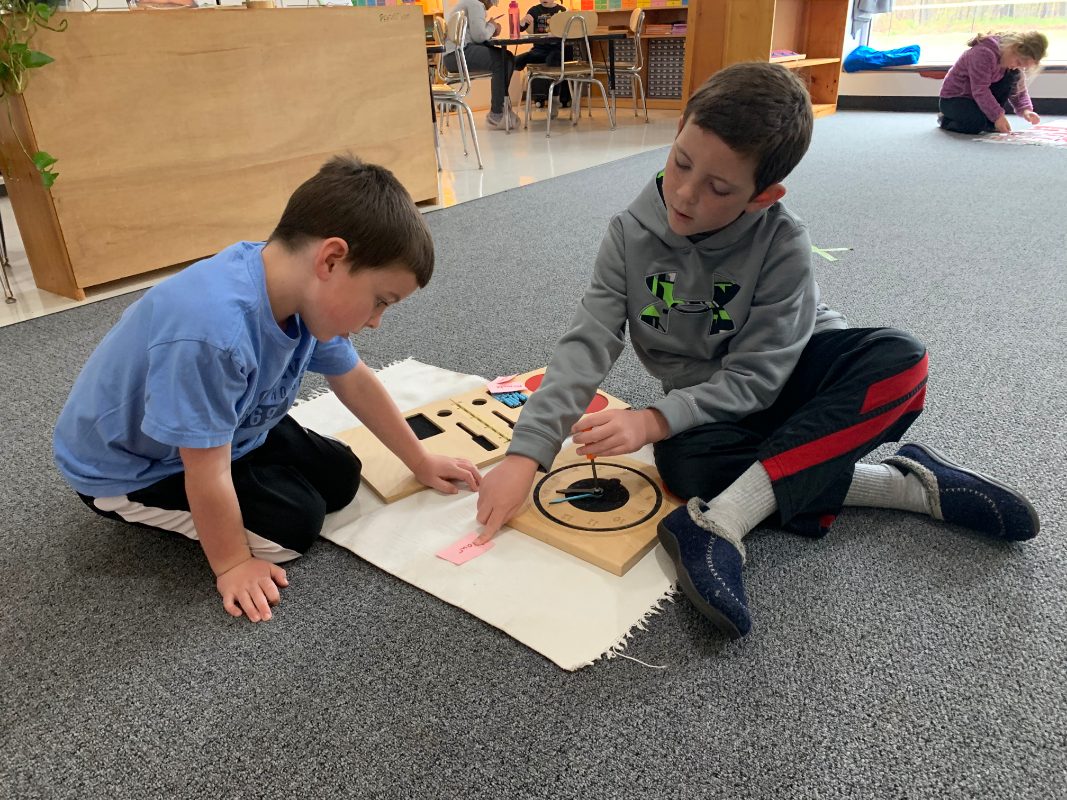
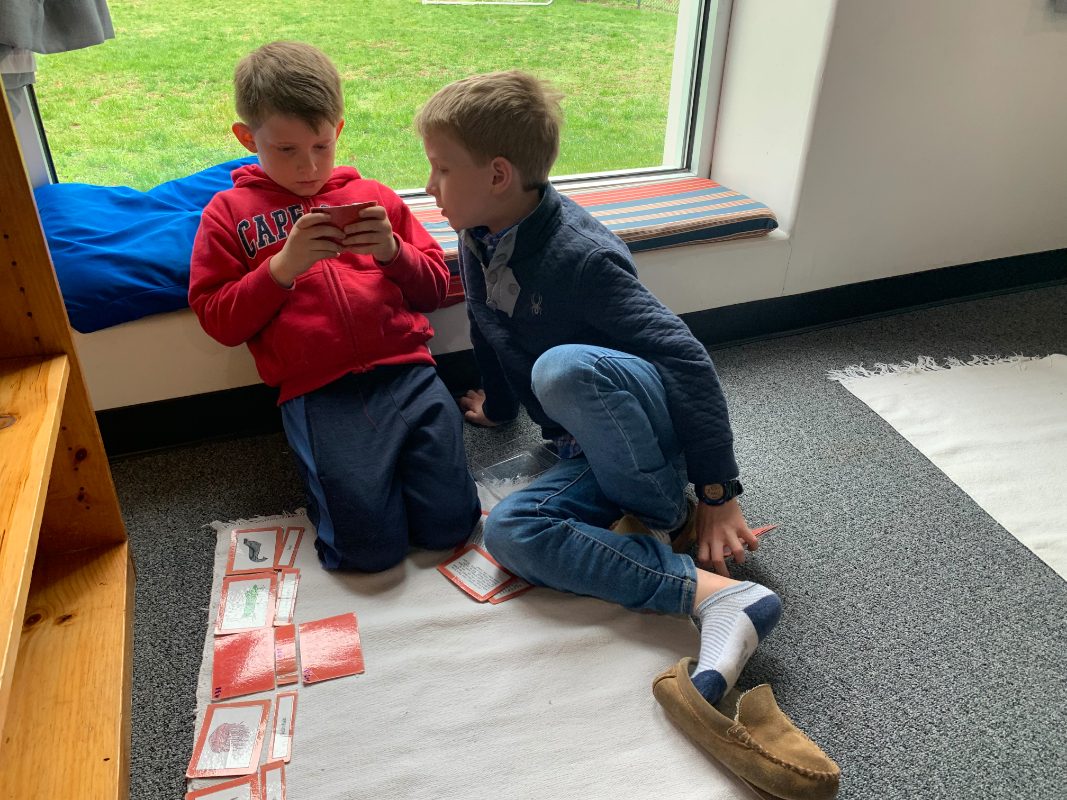
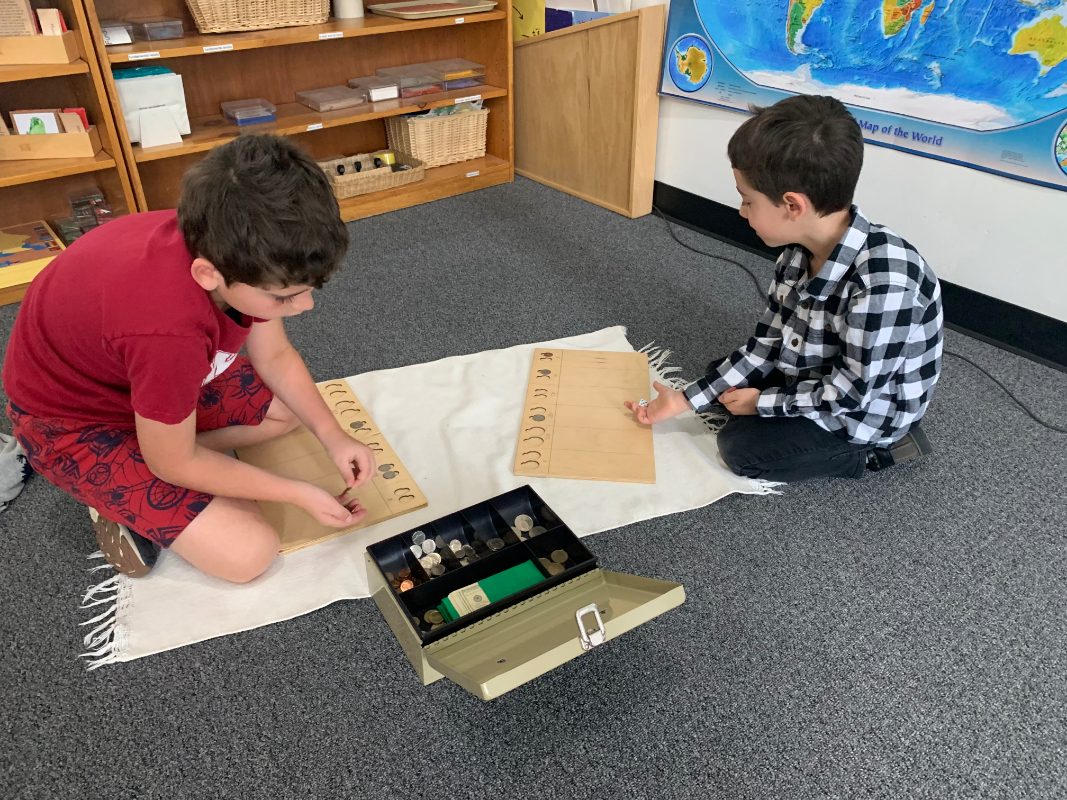
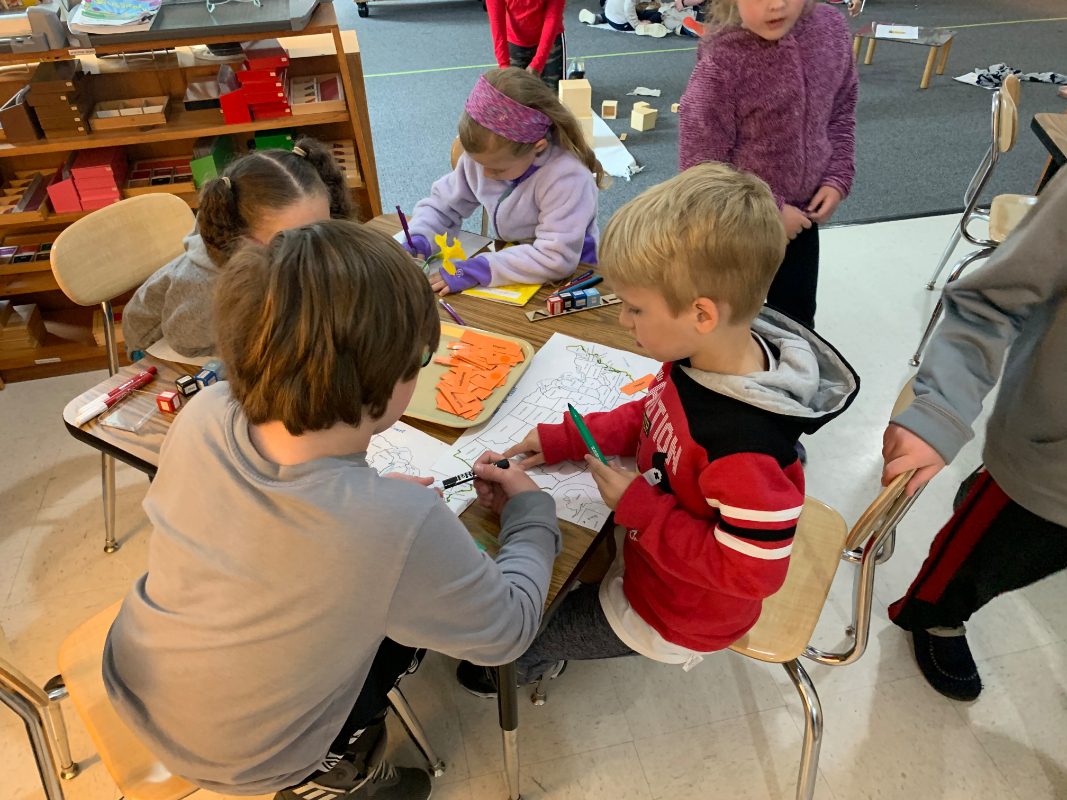
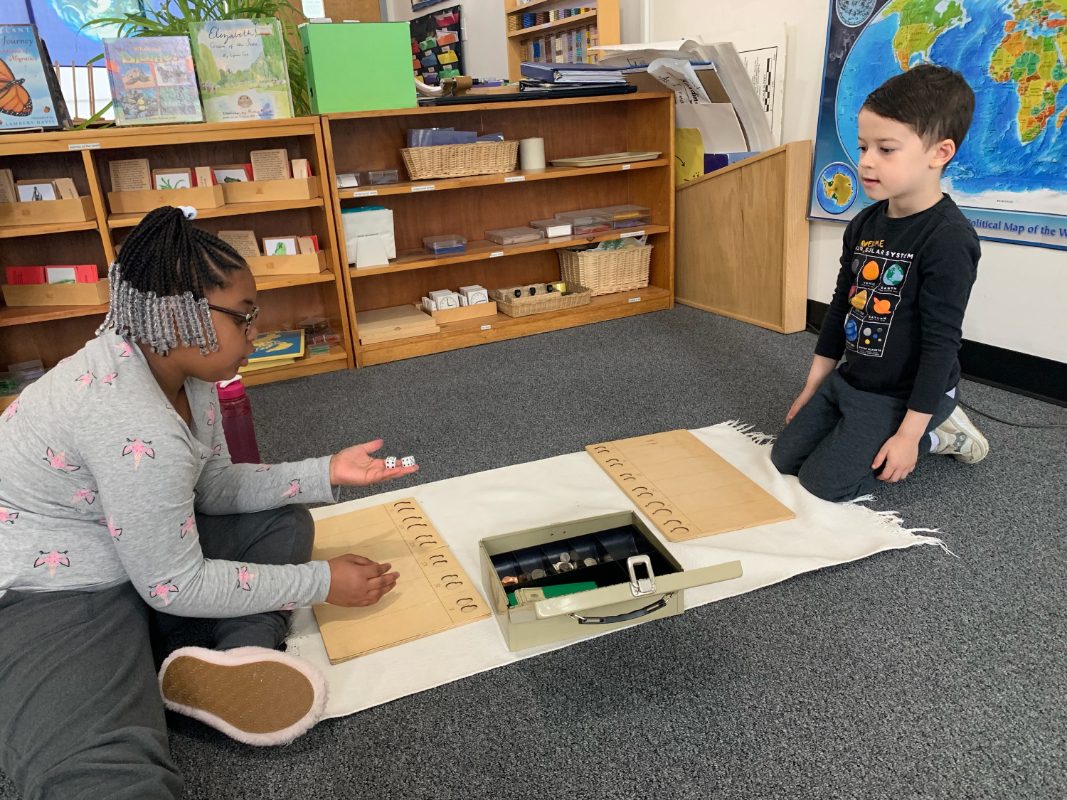
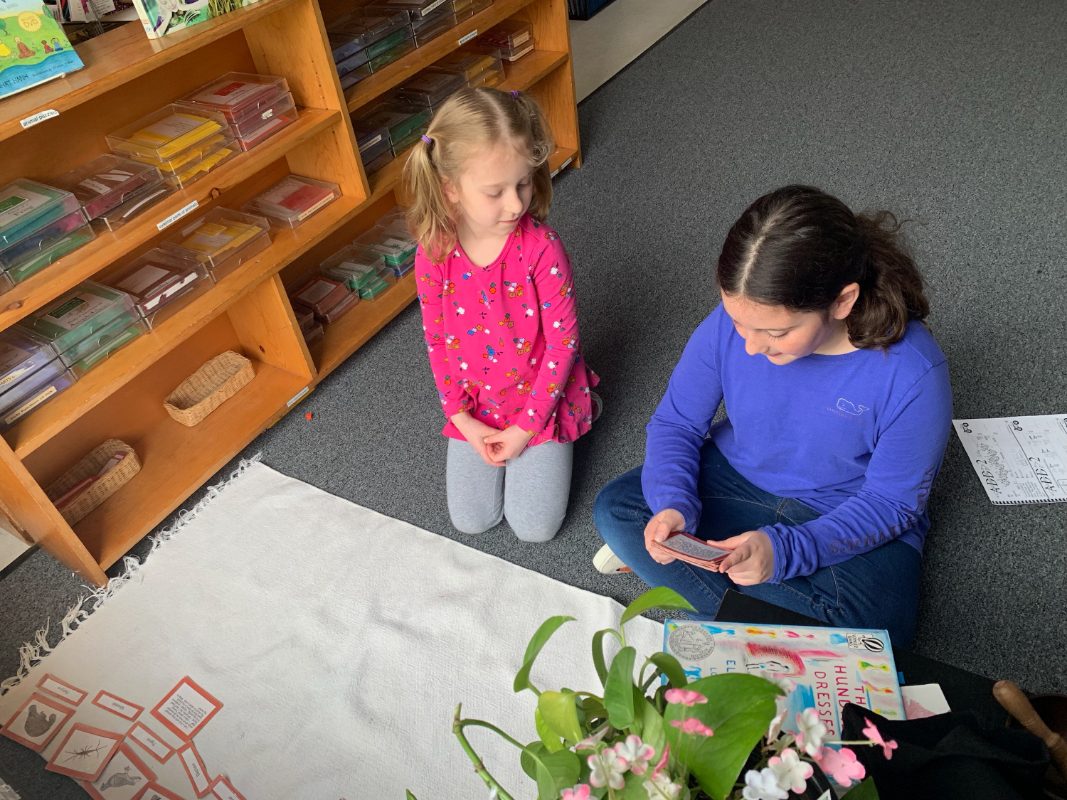
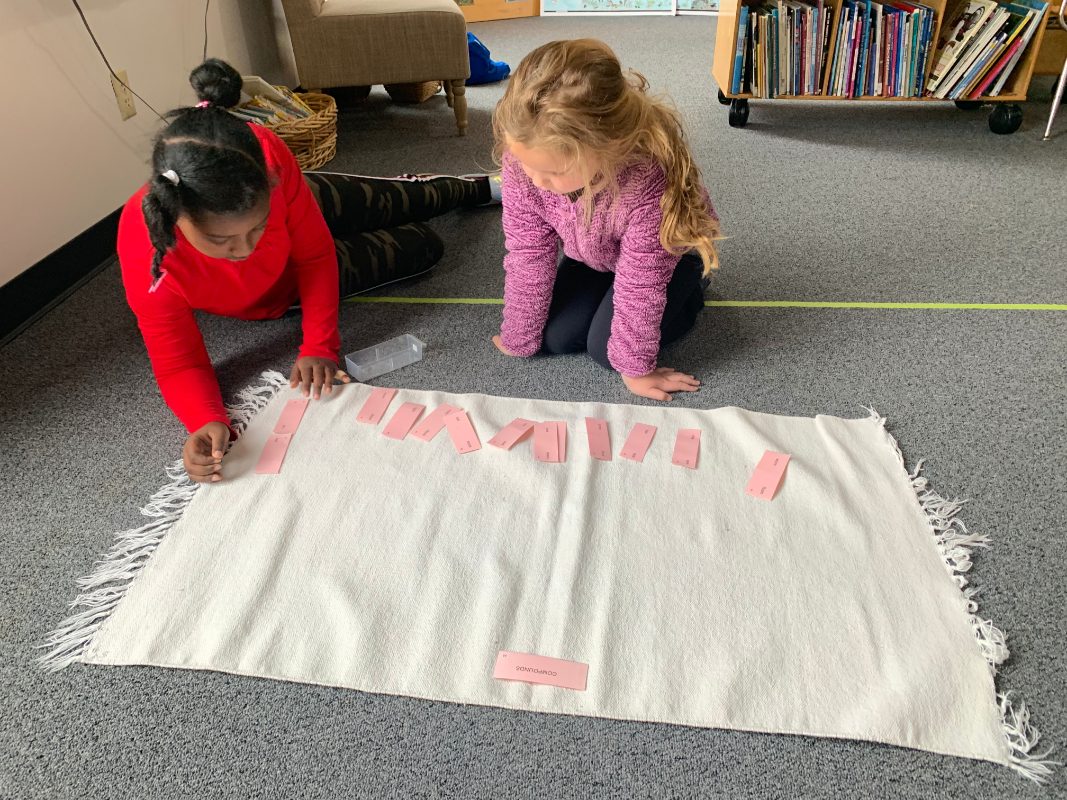
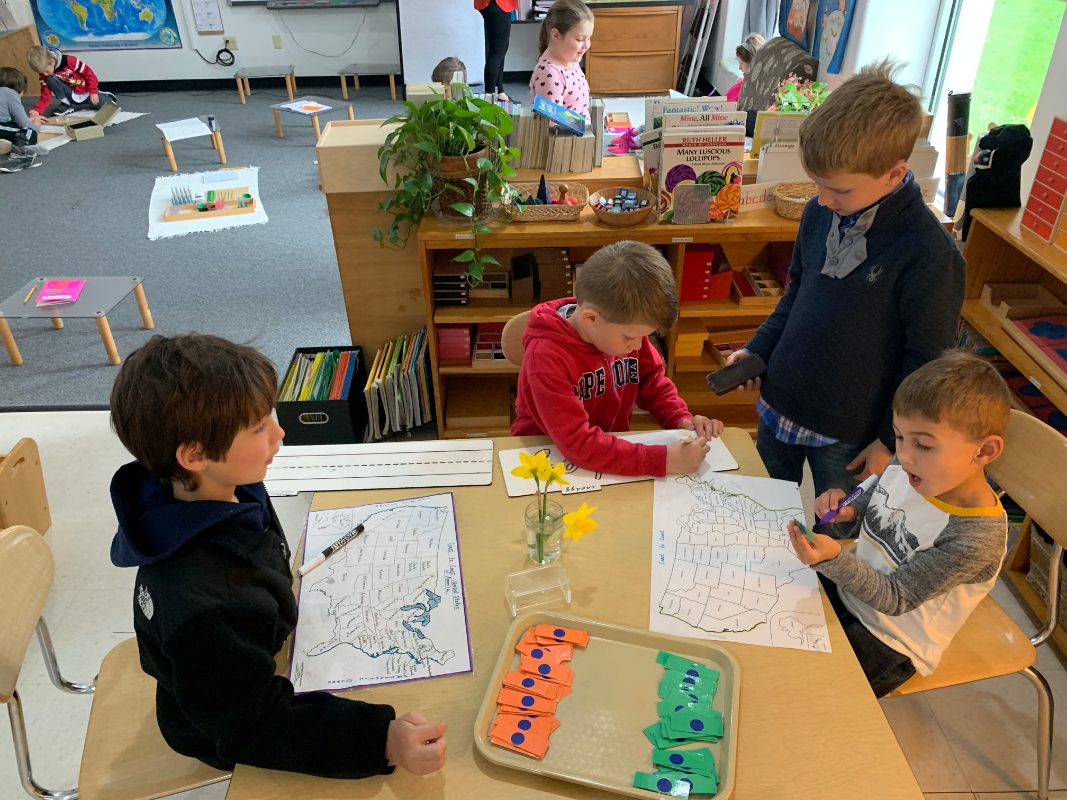
This Tuesday, our Kindergarten friends joined our class. It was a nice glimpse into what next year’s class will be like. They are such a great group of children and we thoroughly enjoyed starting to get to know each and every one of them. It was a joy to see students completely engaged and happy working with their future classmates. Our mentor students did a wonderful job planning work that was enjoyable and interesting for the Kindergarten students.

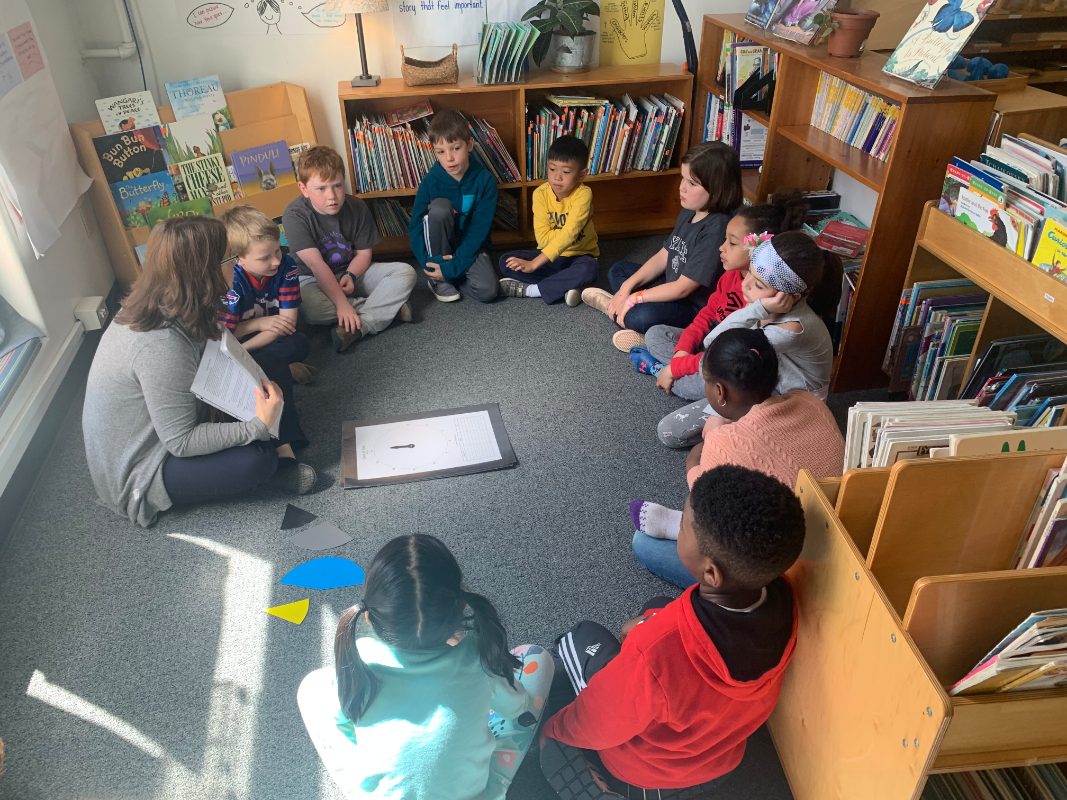
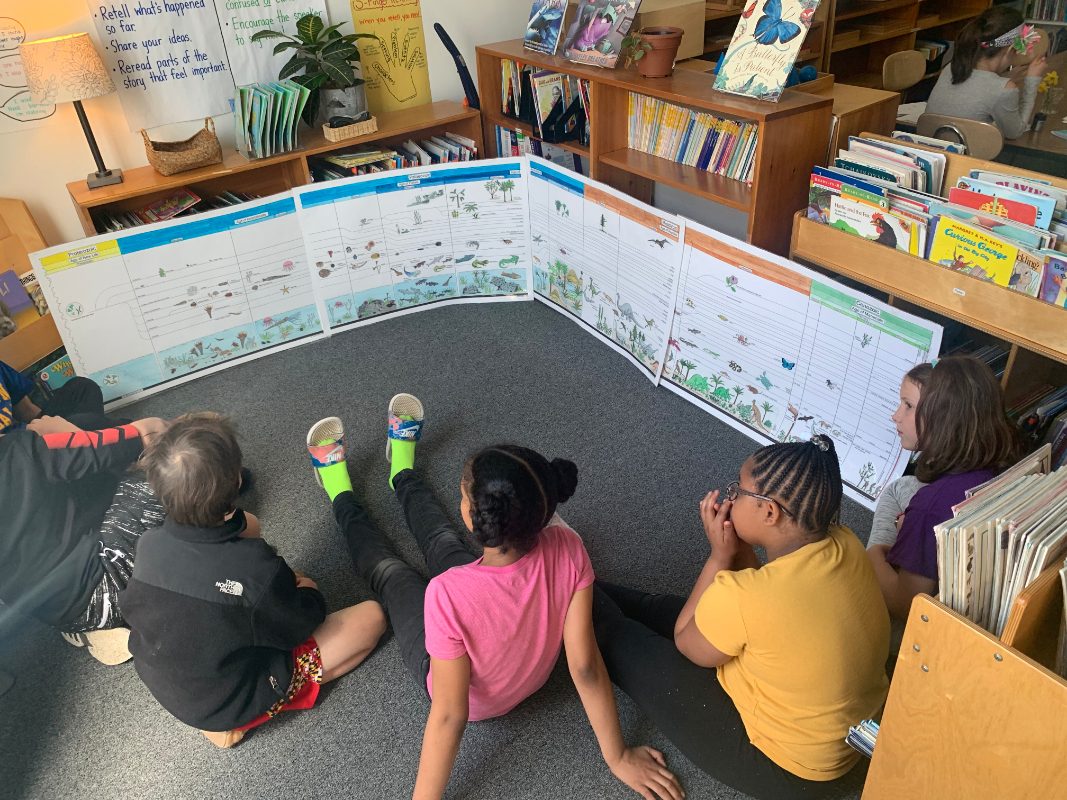
This week the children were engaged in History lessons. The first year children had the lesson of The Long Black Line. This lesson is meant to strike the imagination of the children and create a humbling feeling of the appearance of humans on Earth in the perspective of the vast amount of time that Earth has existed. The second year children had lessons on the Clock of Eons. These lessons introduce the sequence of events that resulted in the evolution of life on Earth, give the history of life on Earth, and introduce the interrelatedness of all organisms and the fragile balance that maintains life. The third year students had lessons on the Time Line of Life. These lessons focus on the interrelatedness of Earth to those who live on it and on the evolution of life on Earth.

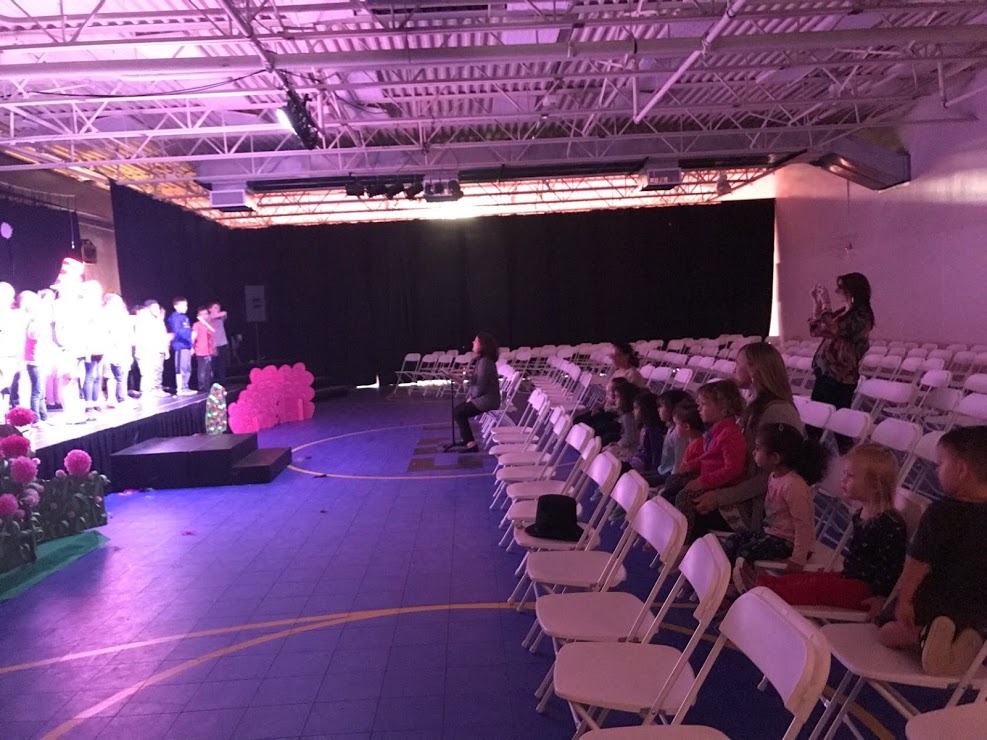
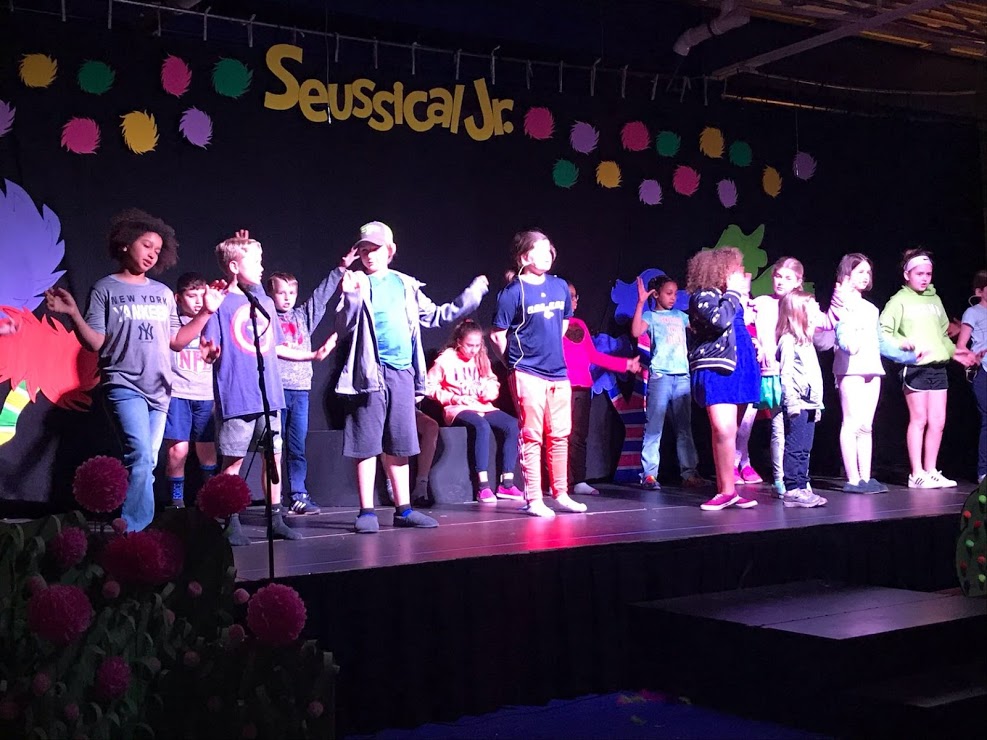
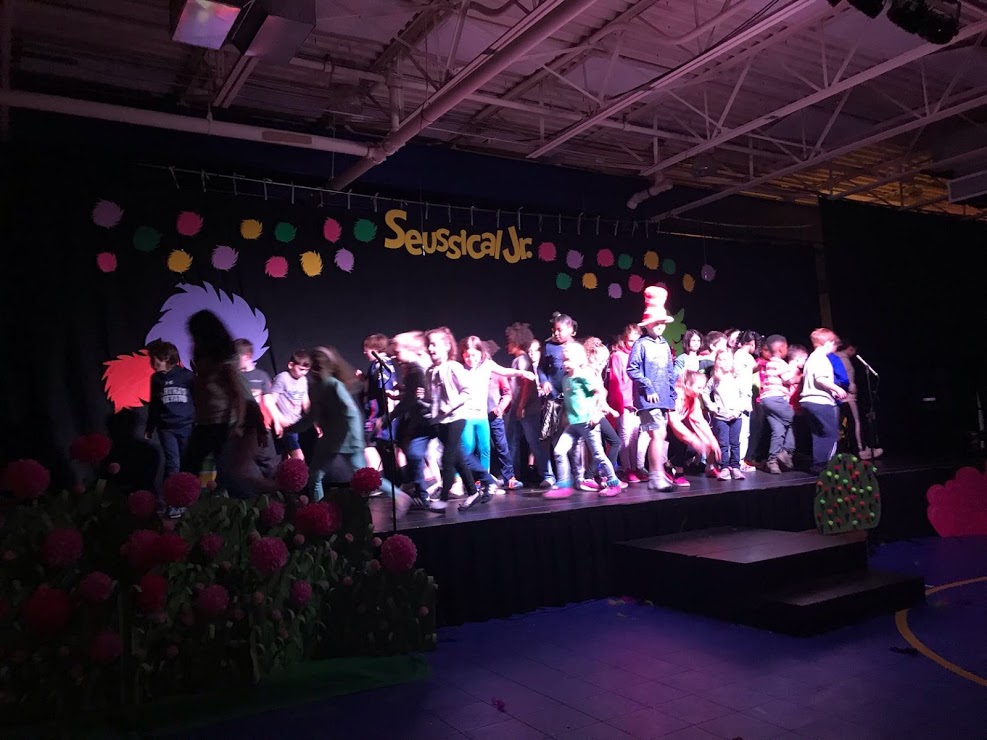
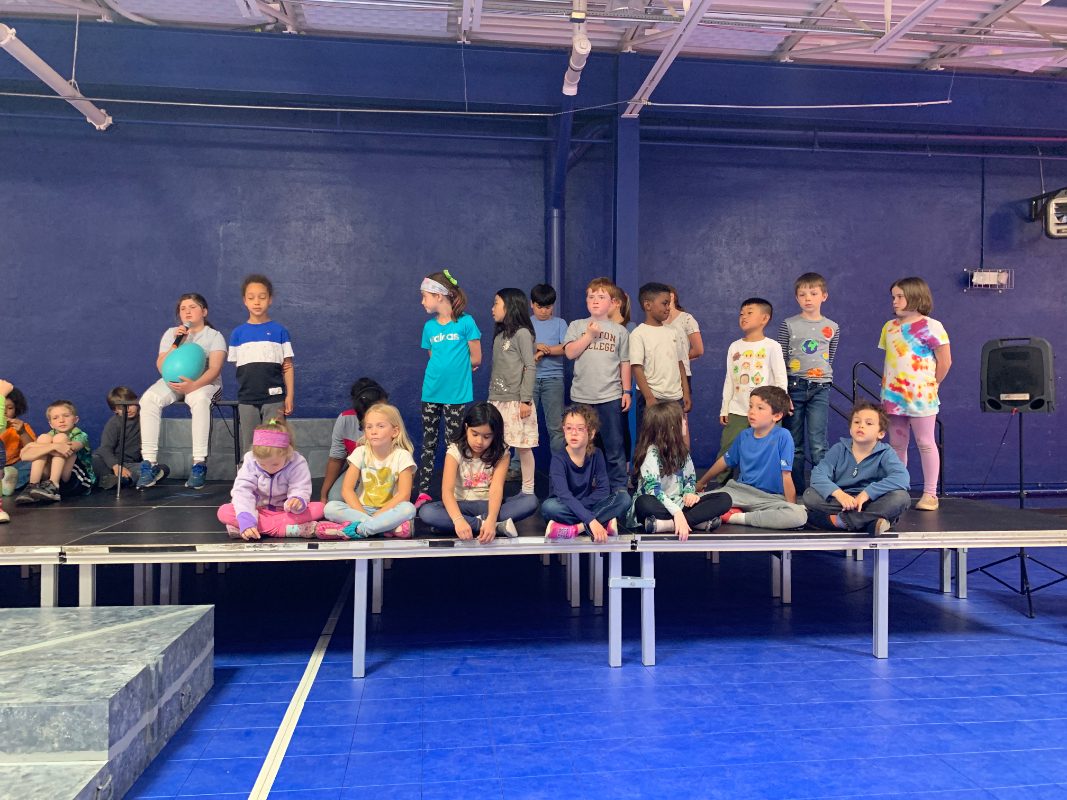
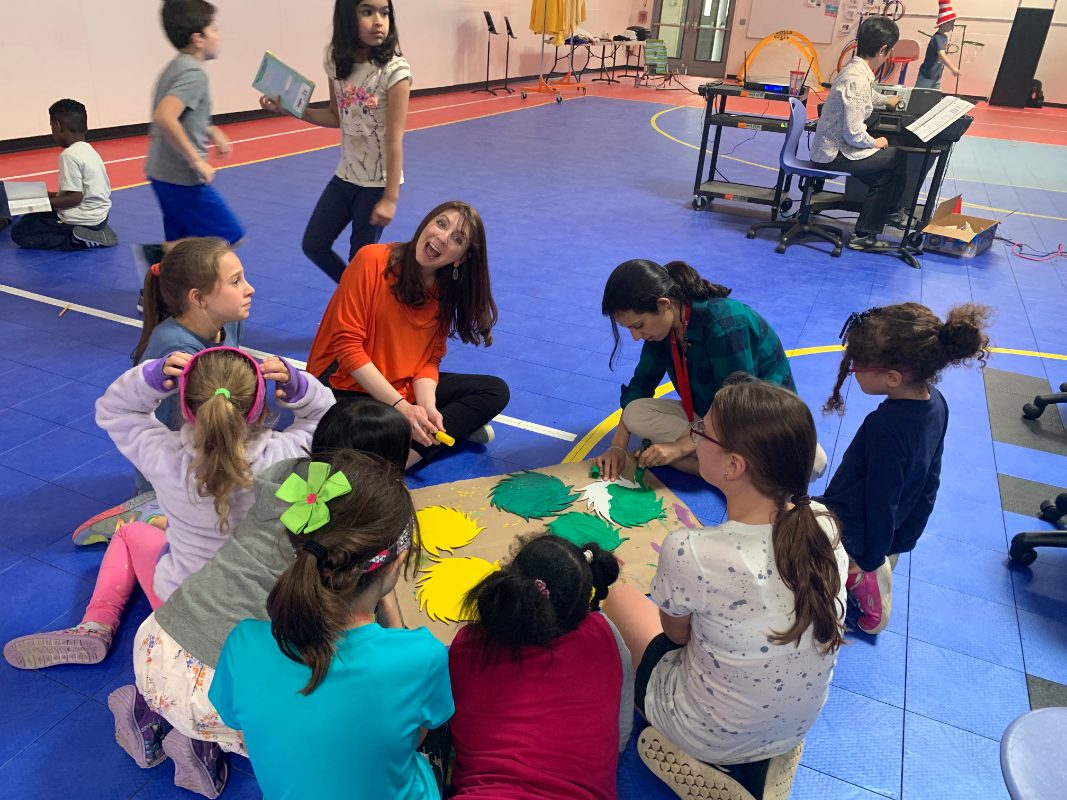
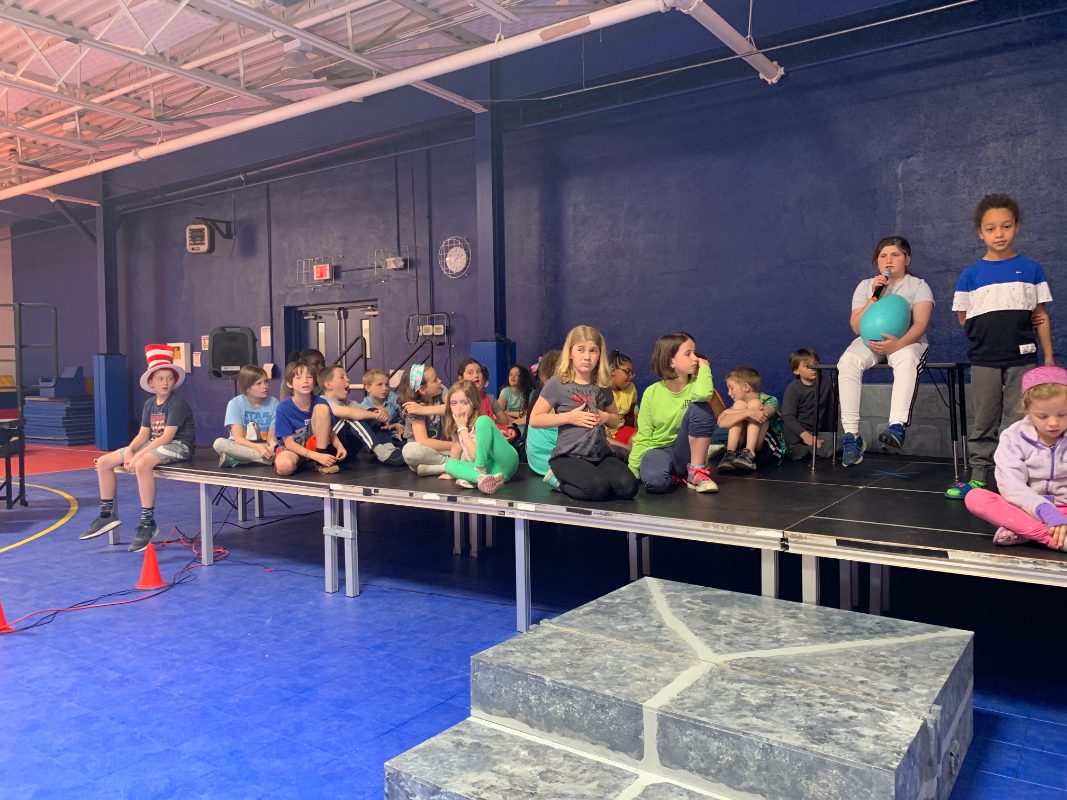
We have begun our immersion week in our preparation for this year’s performance of SEUSSICAL THE MUSICAL to be performed by Lower and Upper Elementary students next Thursday, May 9th at 7:00pm.

What is a Montessori Immersion Week?

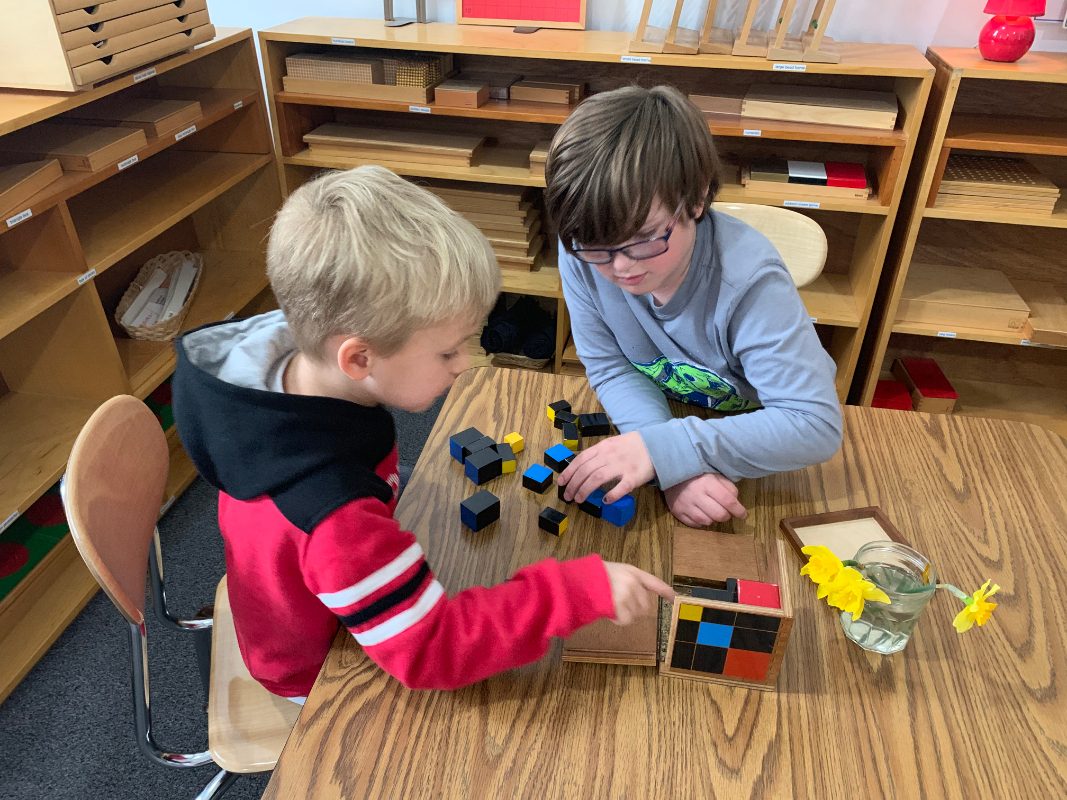
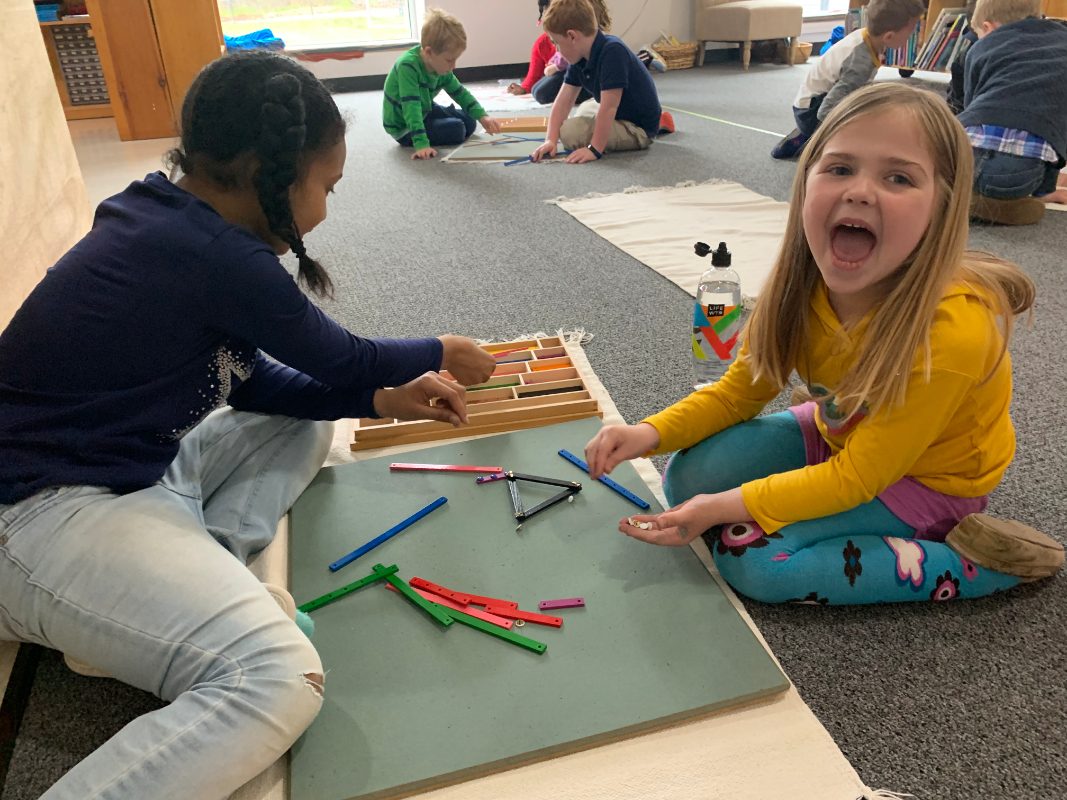
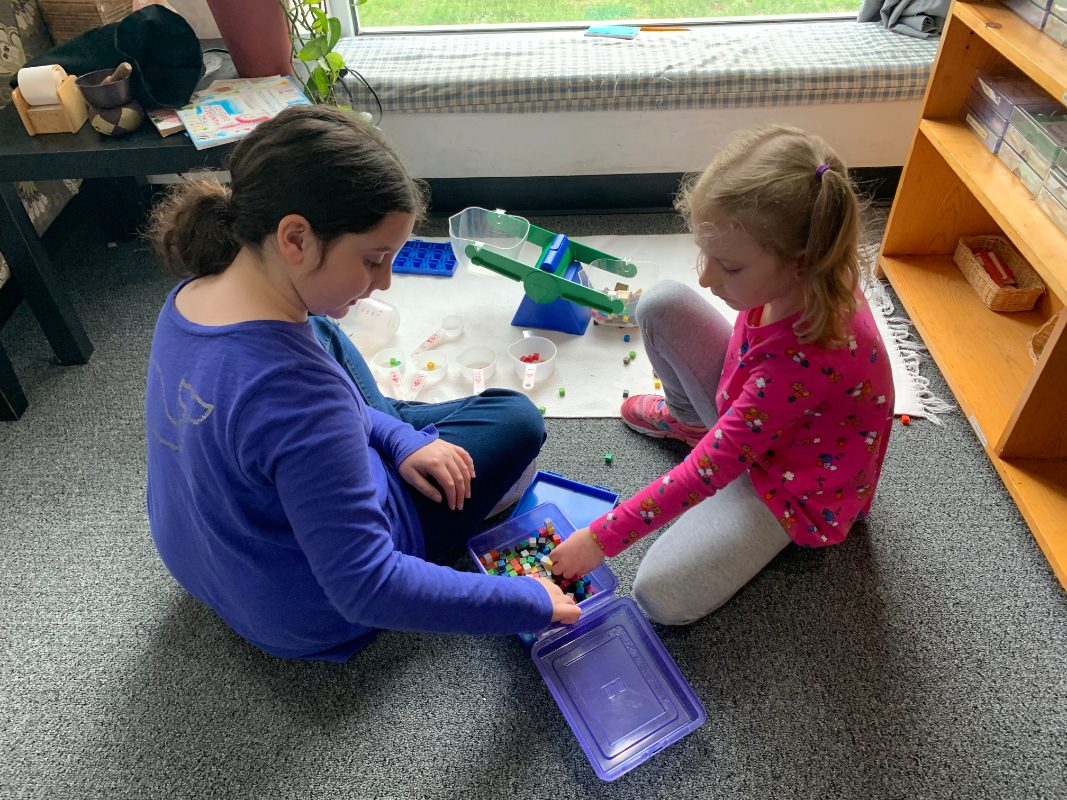
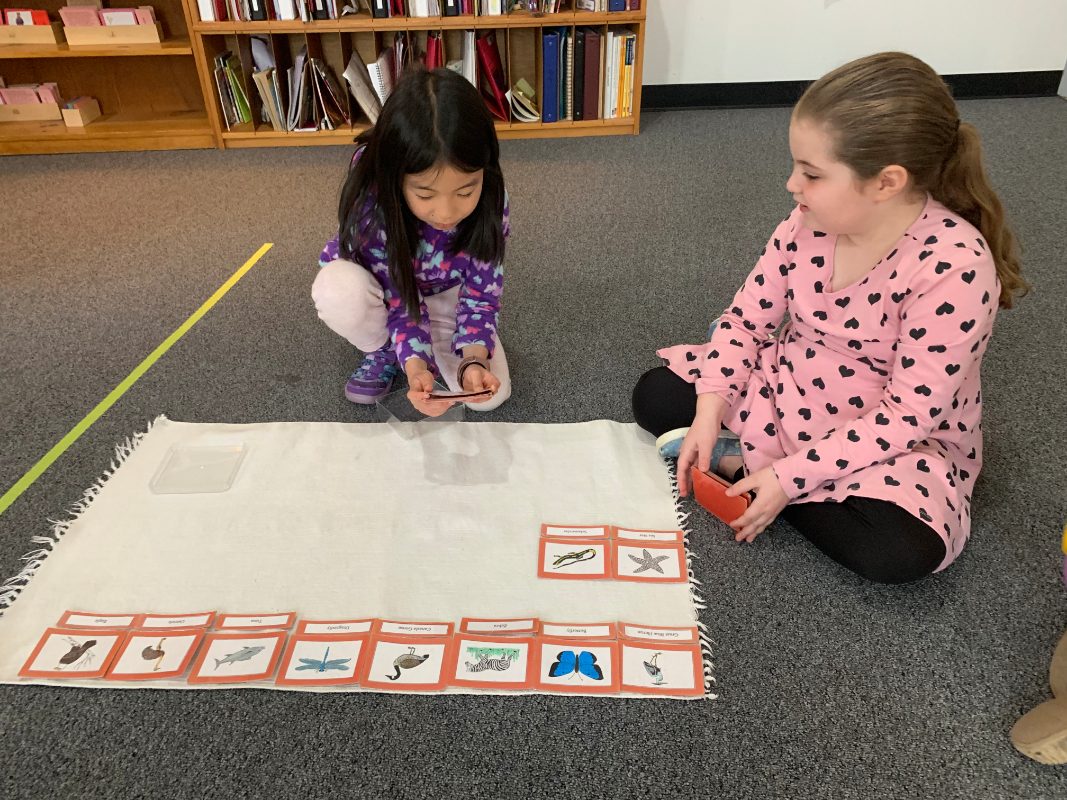
Maria Montessori believed it is important to give children opportunities to understand the process of working together toward a larger goal and to immerse themselves deeply in meaningful work. At FWM, we expect a lot from our students during the week. We know that challenging academics will help our students get ready for the path that lies ahead. Because we are committed to the development of the whole child, we embrace the prospect to give students the opportunity to be creative in a different setting and to see each other’s strengths in a new light.


Art Studio: Notre Dame Gargoyles

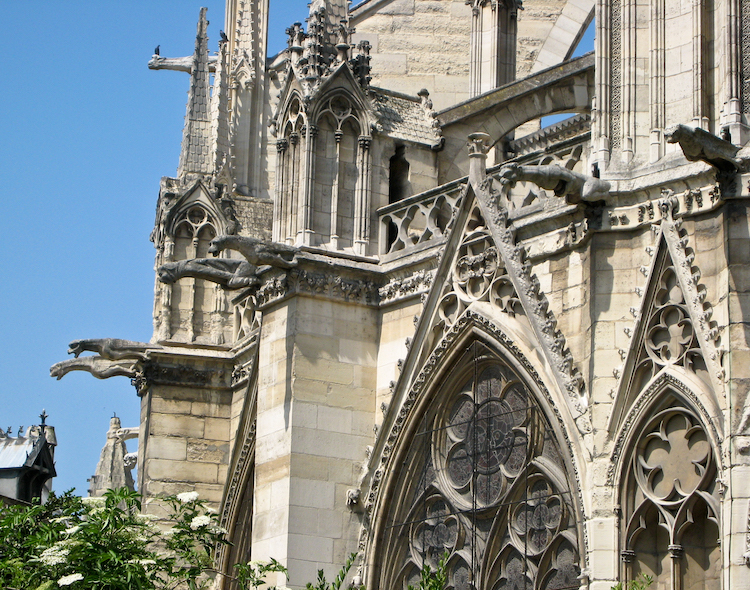
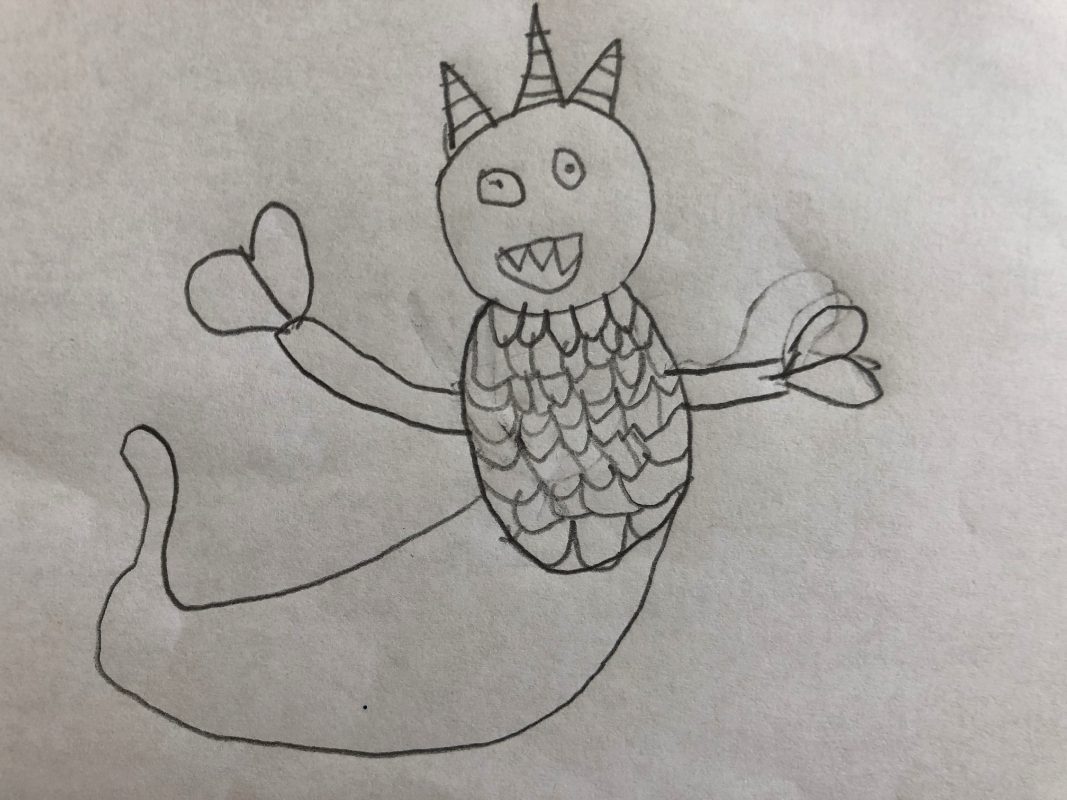
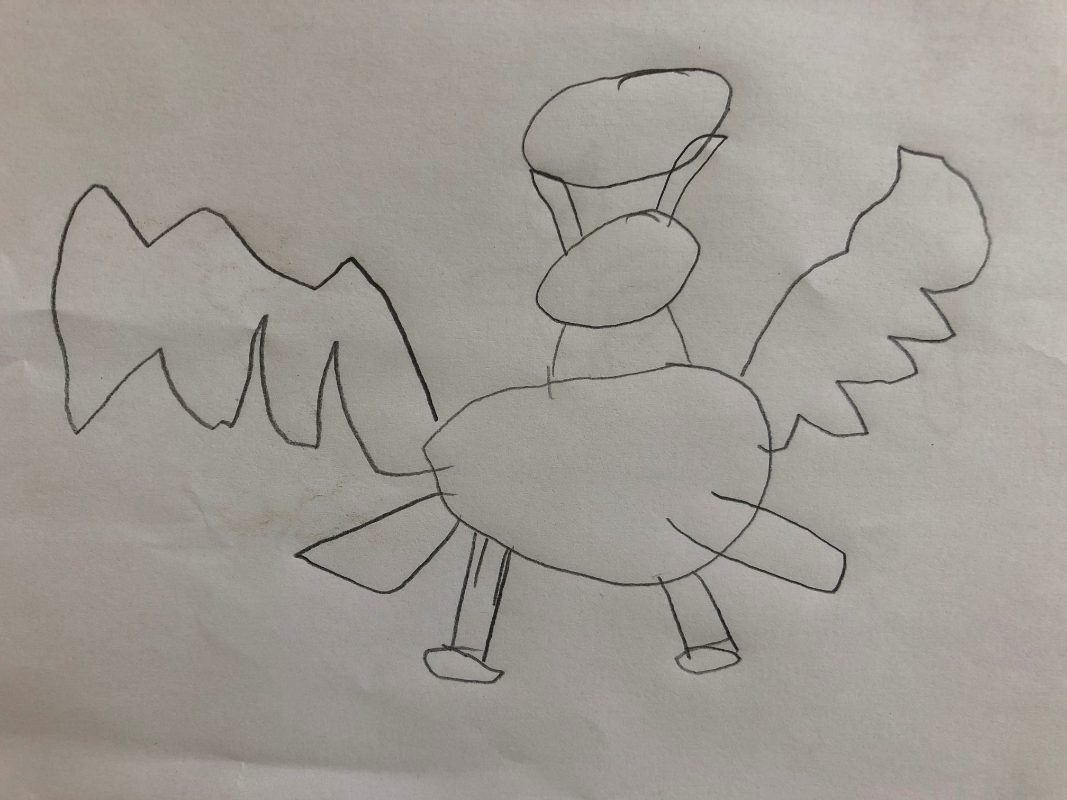
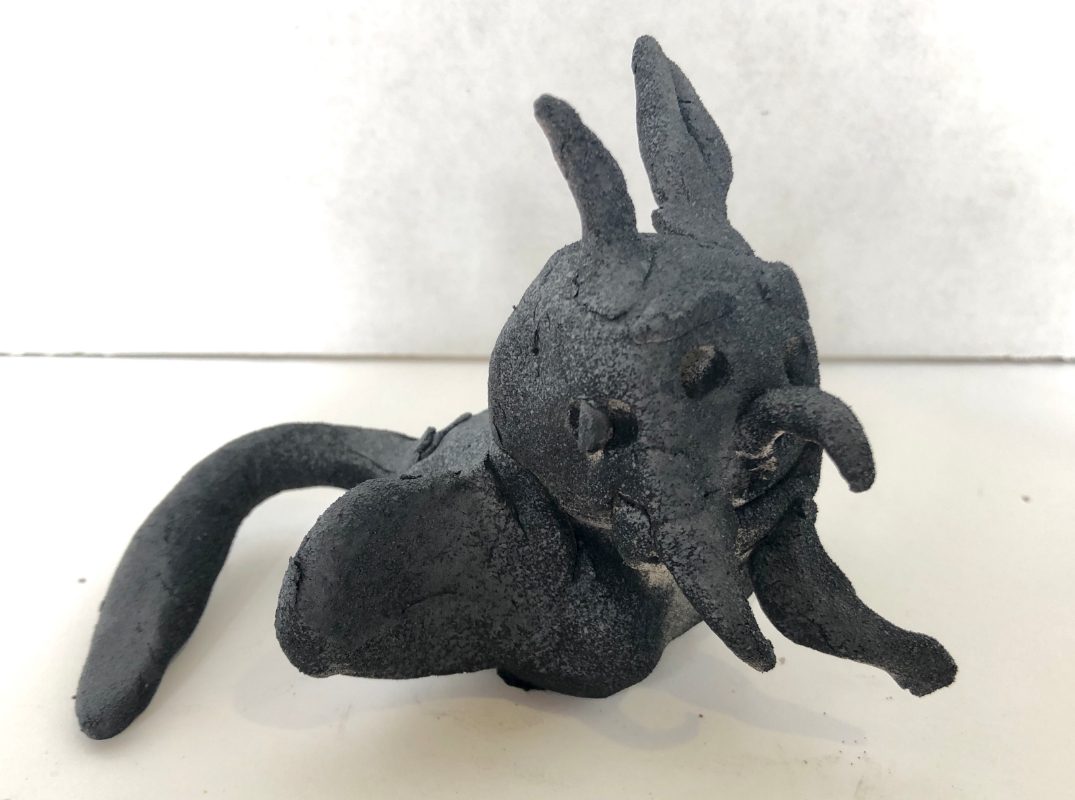
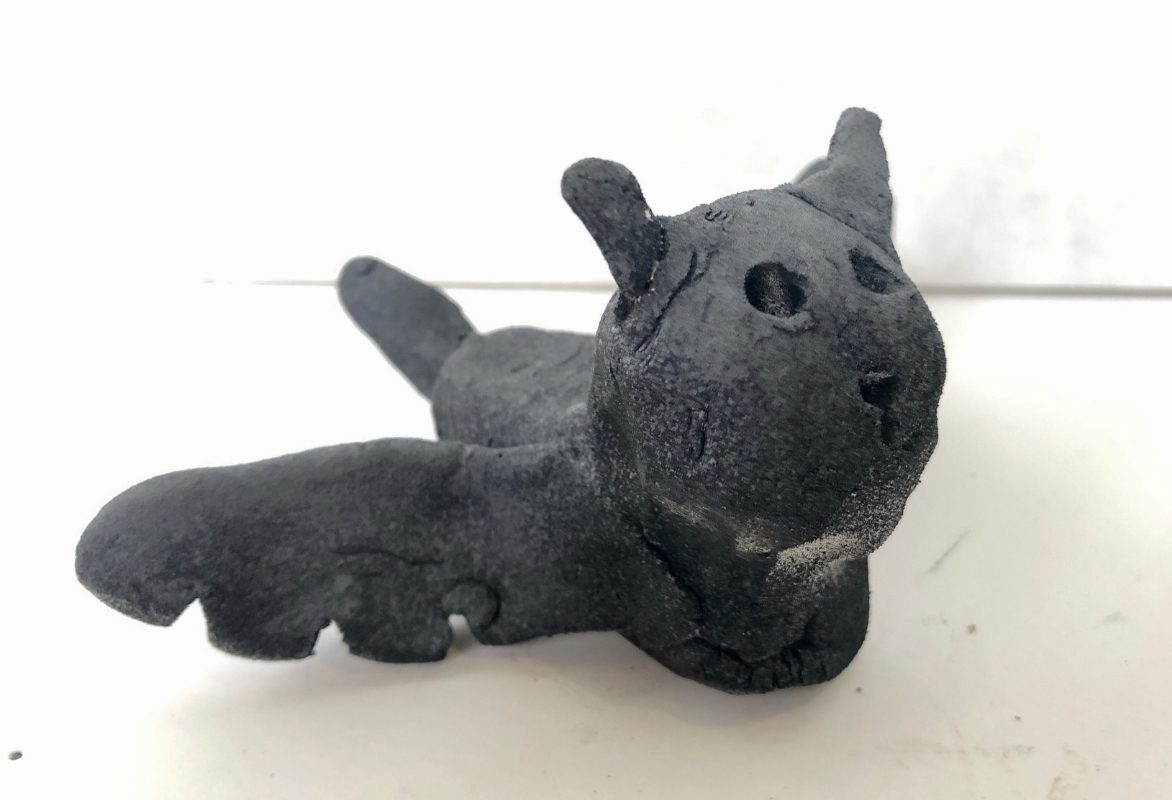
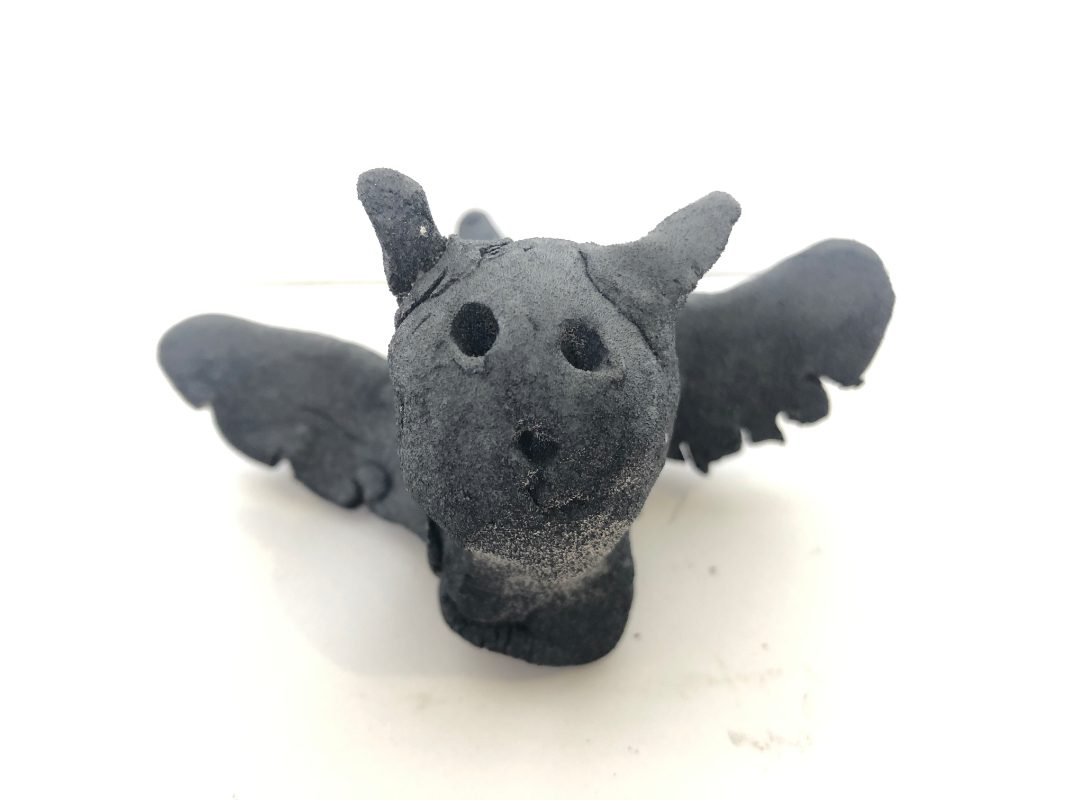
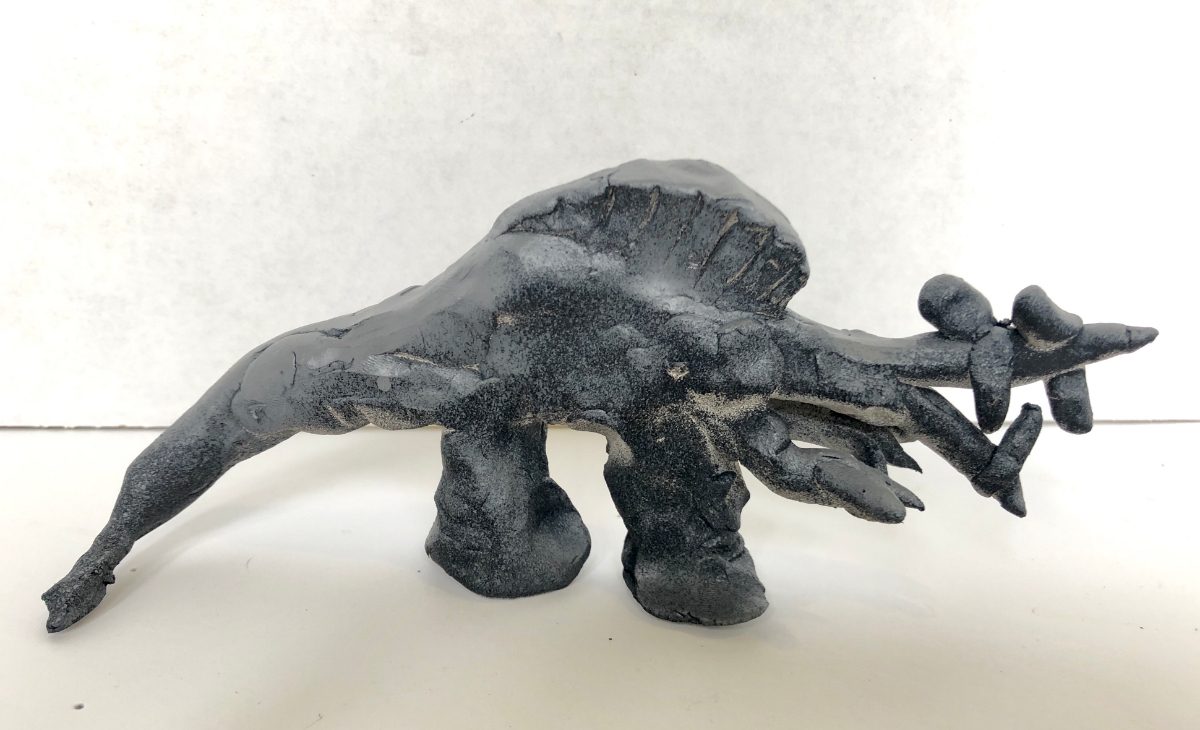
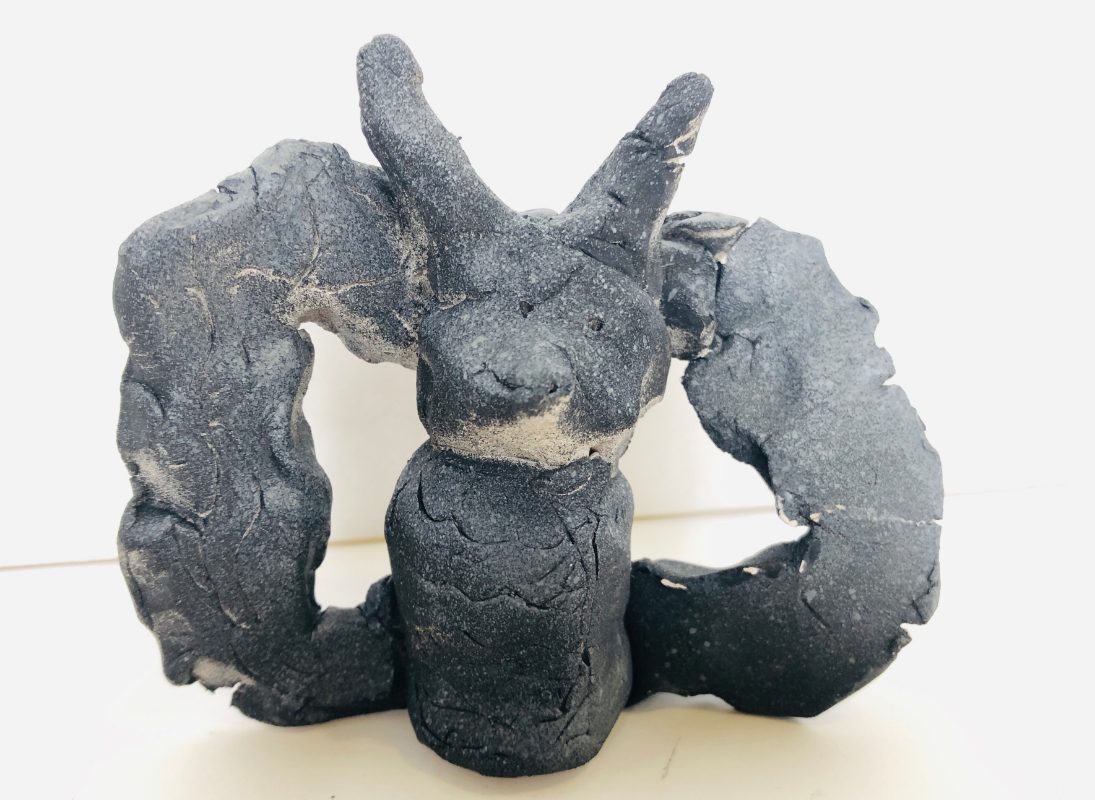
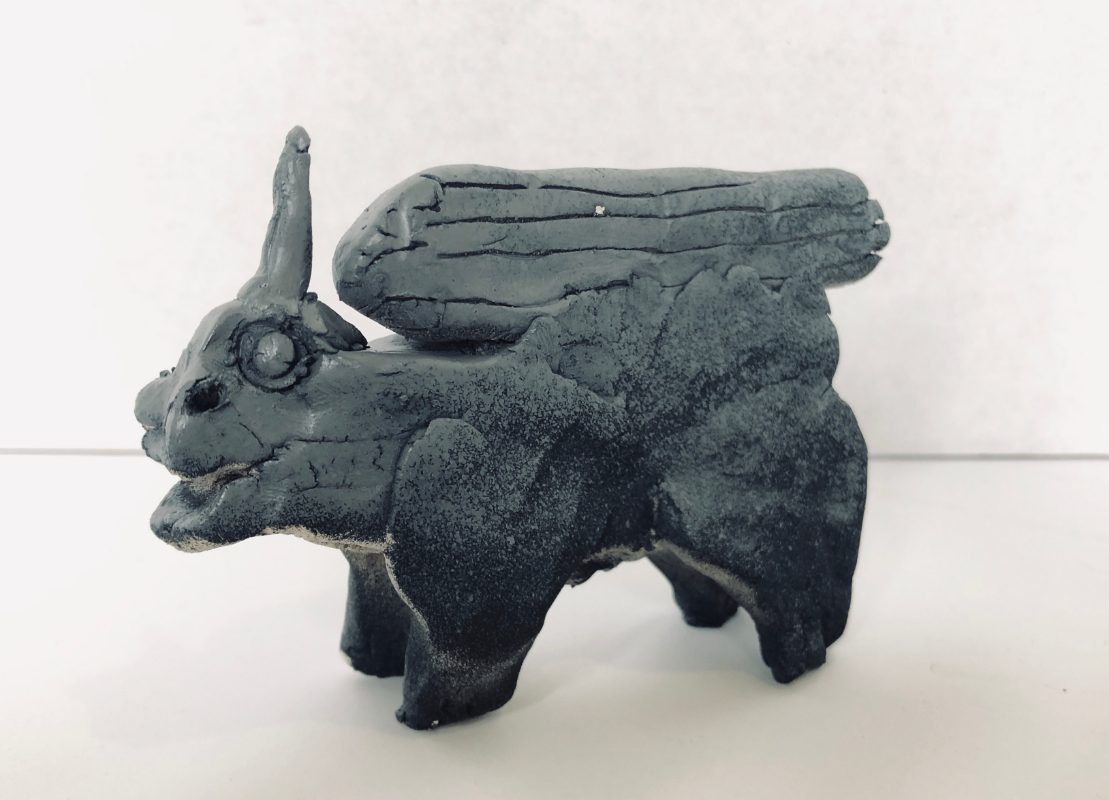
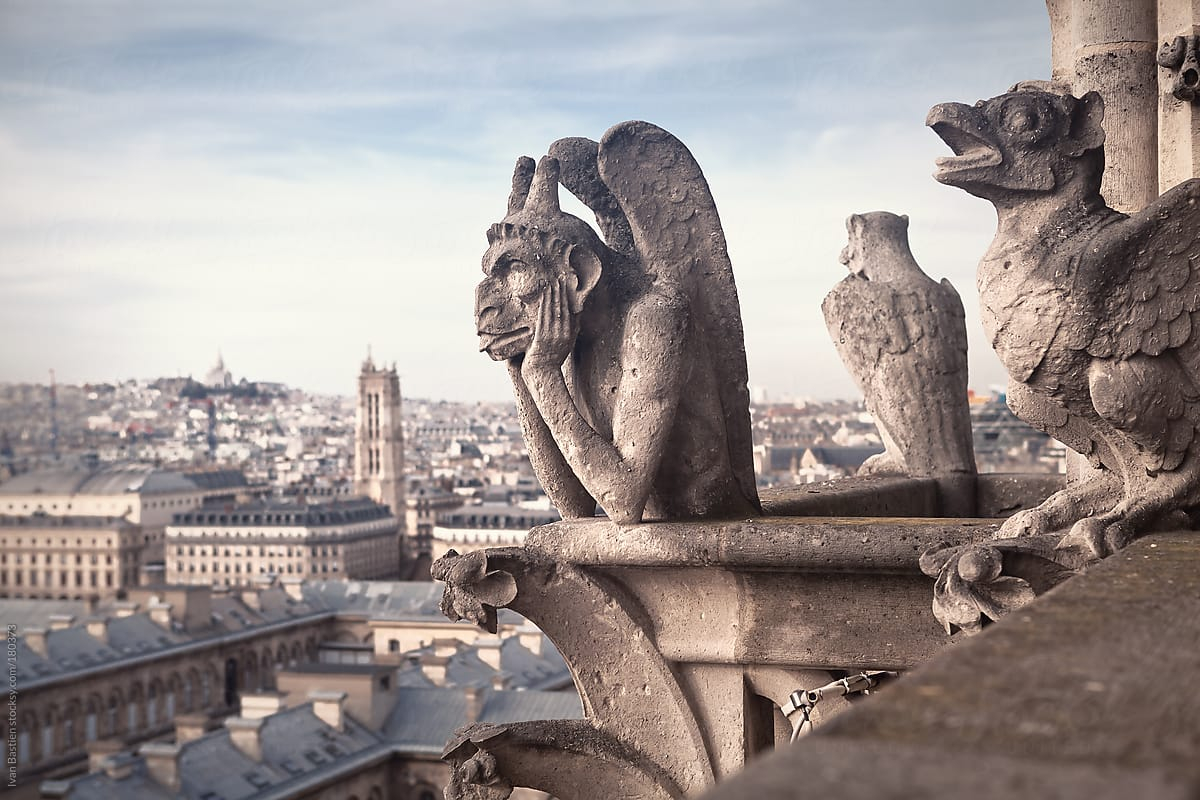
In Art class, second and third year students looked at images of the beautiful 12th century Notre Dame cathedral and reflected on the devastating fire that ravaged the cathedral on April 15th. In honor of Notre Dame, students learned about the magnificent architecture and lively gargoyle statues that stand throughout the exterior of the cathedral. We learned that a gargoyle is a carved or sculpted mythical figure, usually designed with a spout of some sort that carries water away from the building. Not only are they designed to redirect rainwater, but they also have a symbolic purpose to keep evil spirits away from the church.

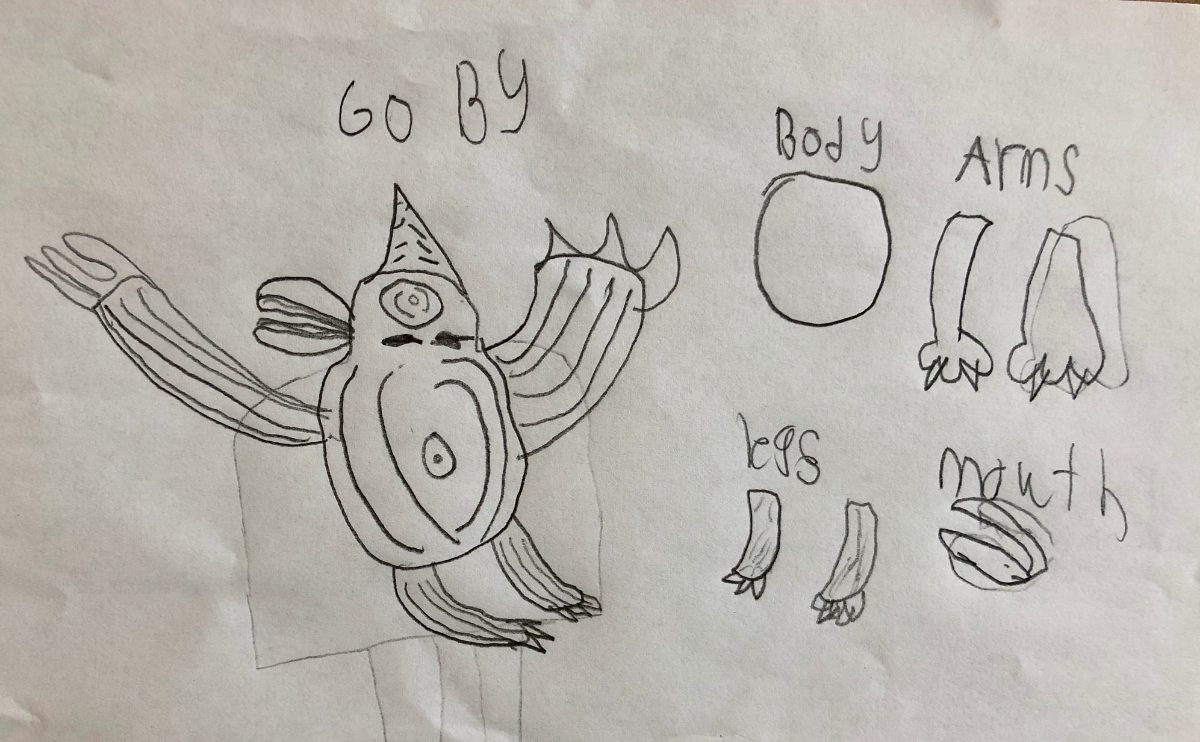
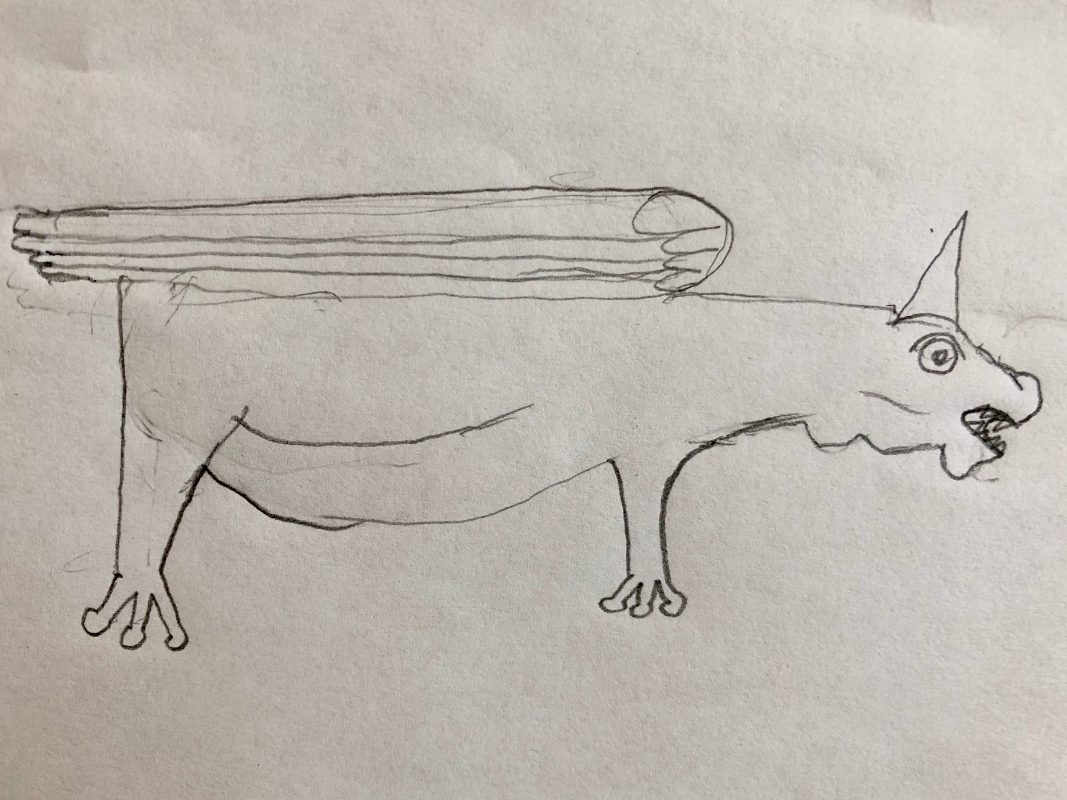
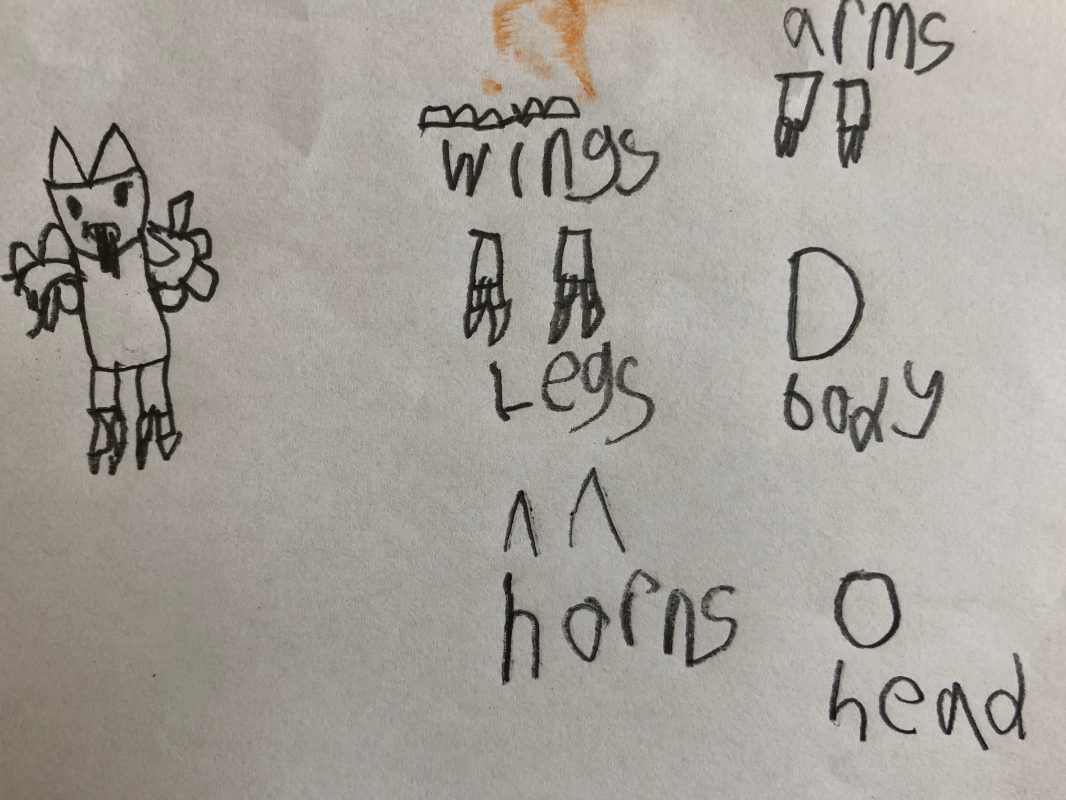
While looking at gargoyle images, students pointed out the various characteristics a gargoyle has, such as wings, horns, beaks, claws, and more. Each student was asked to design their own gargoyle that combined multiple features of different types of animals and creatures. After choosing their final sketch, students were given air hardening clay to sculpt their gargoyle. We began by forming the body shape, then attached the body part such as wings, horns, claws, and facial features using the “scratch and attach” clay technique. Once the gargoyles dried, they were given a quick coat of black and gray spray paint to give them a stone-like effect. Each gargoyle is unique and full of personality! We were so happy to make something in honor of the spectacular Notre Dame Cathedral!