Blog

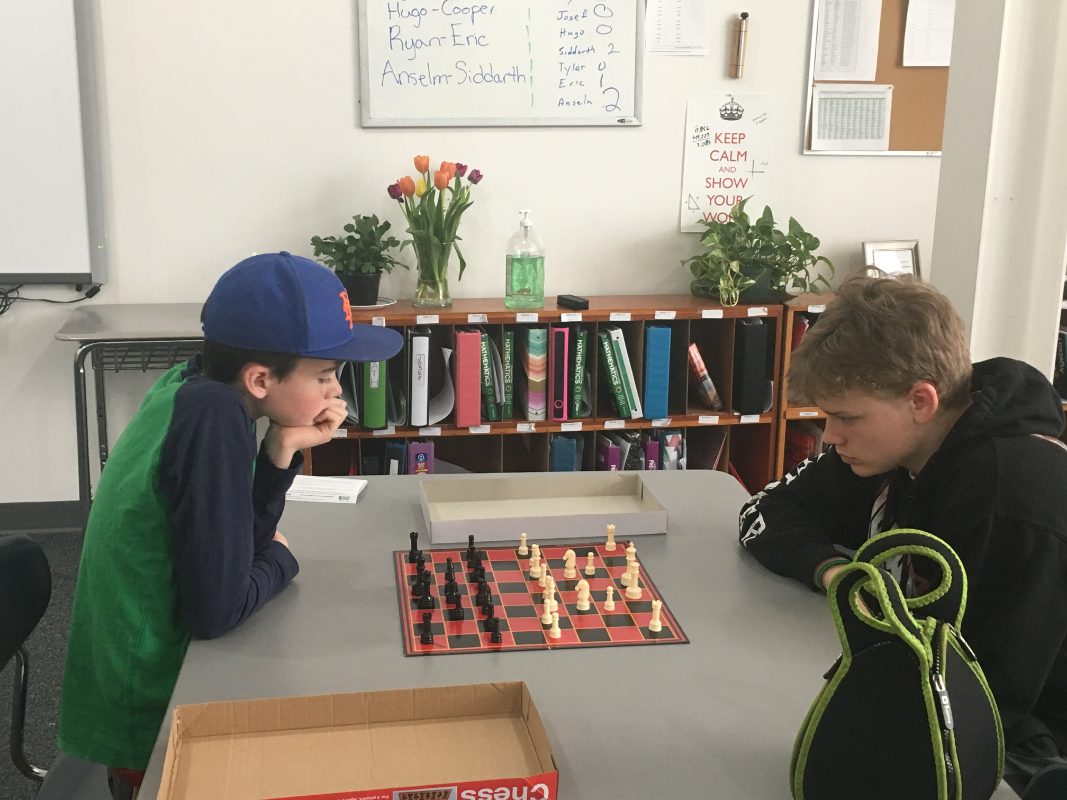
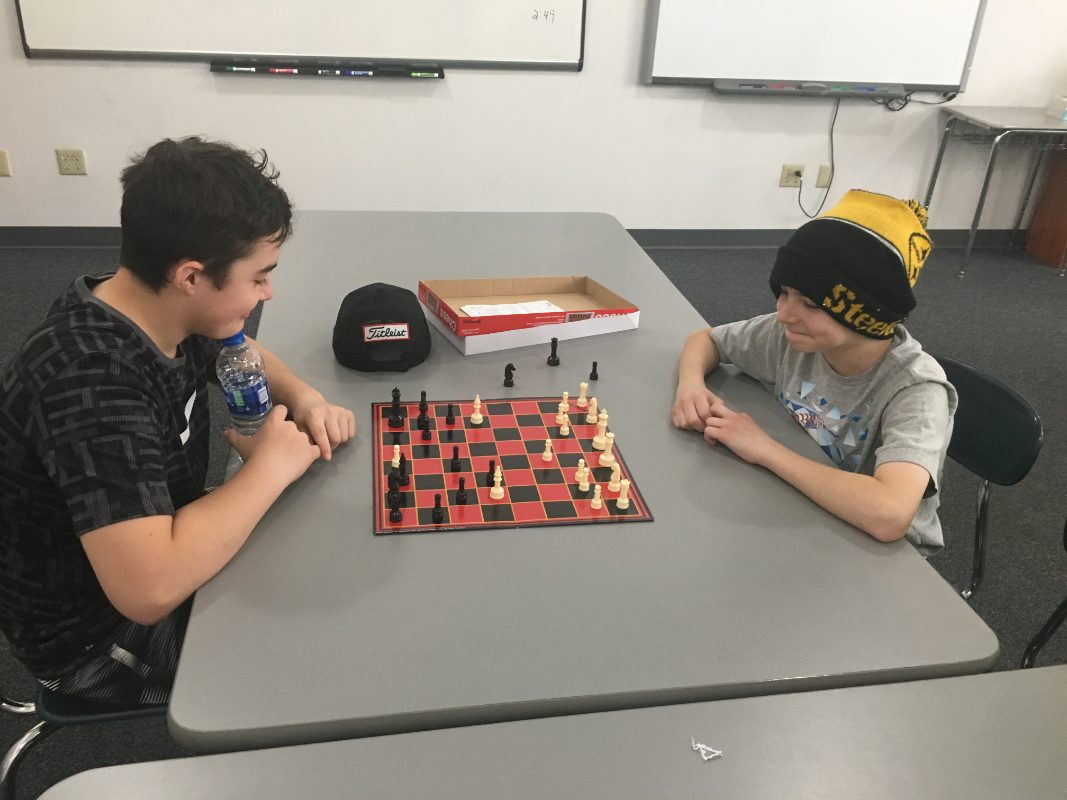
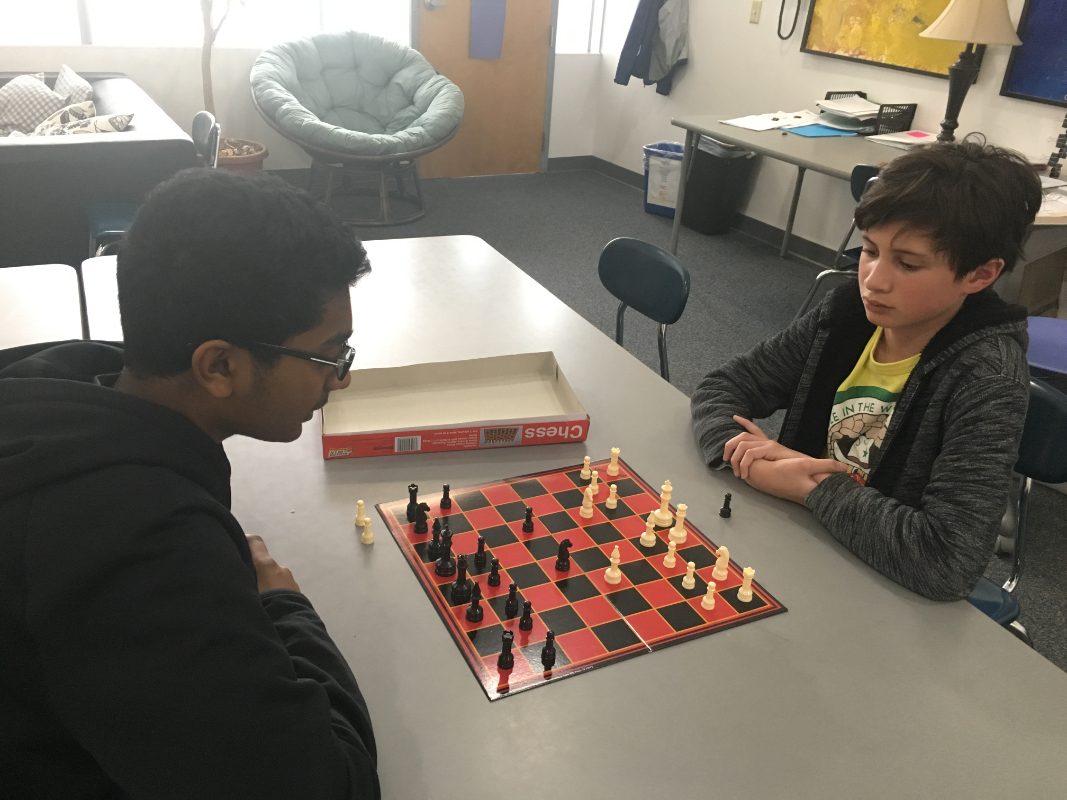
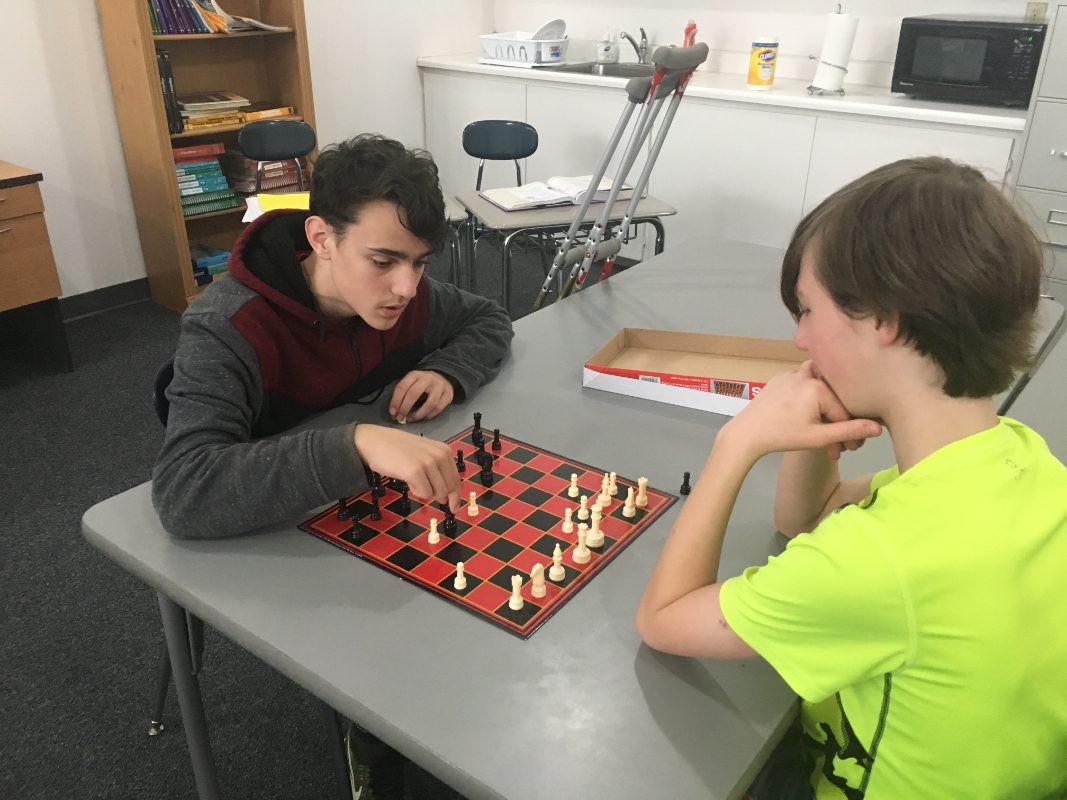
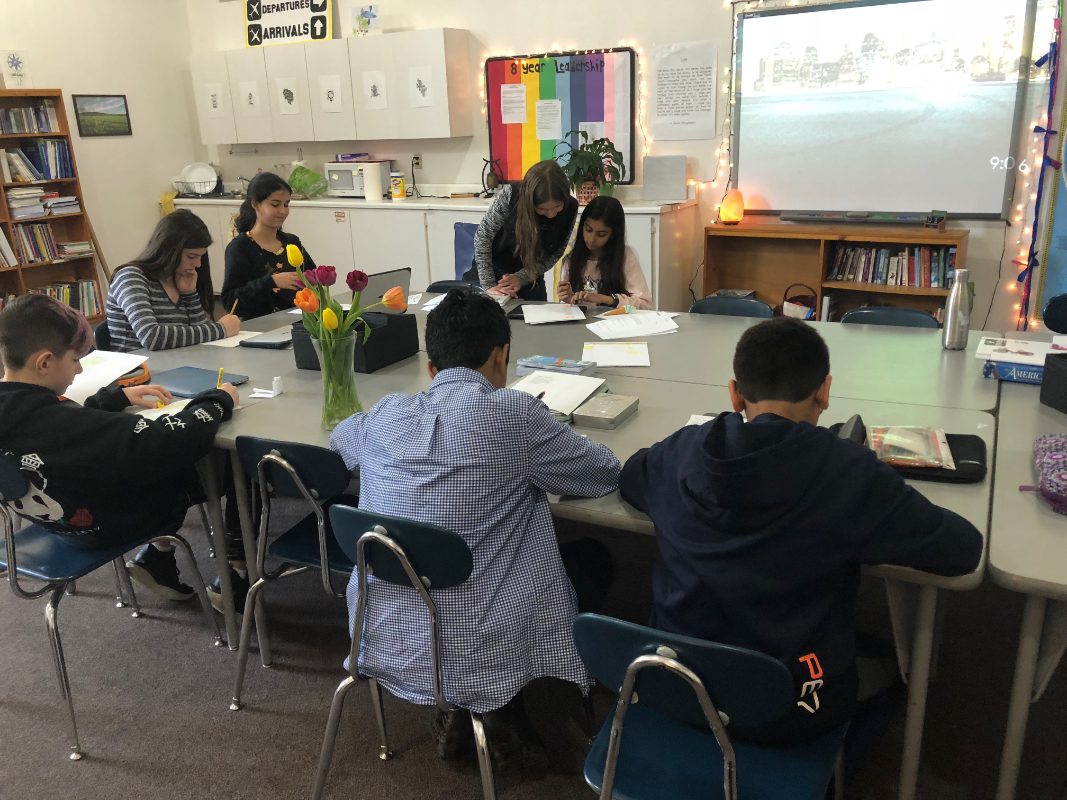
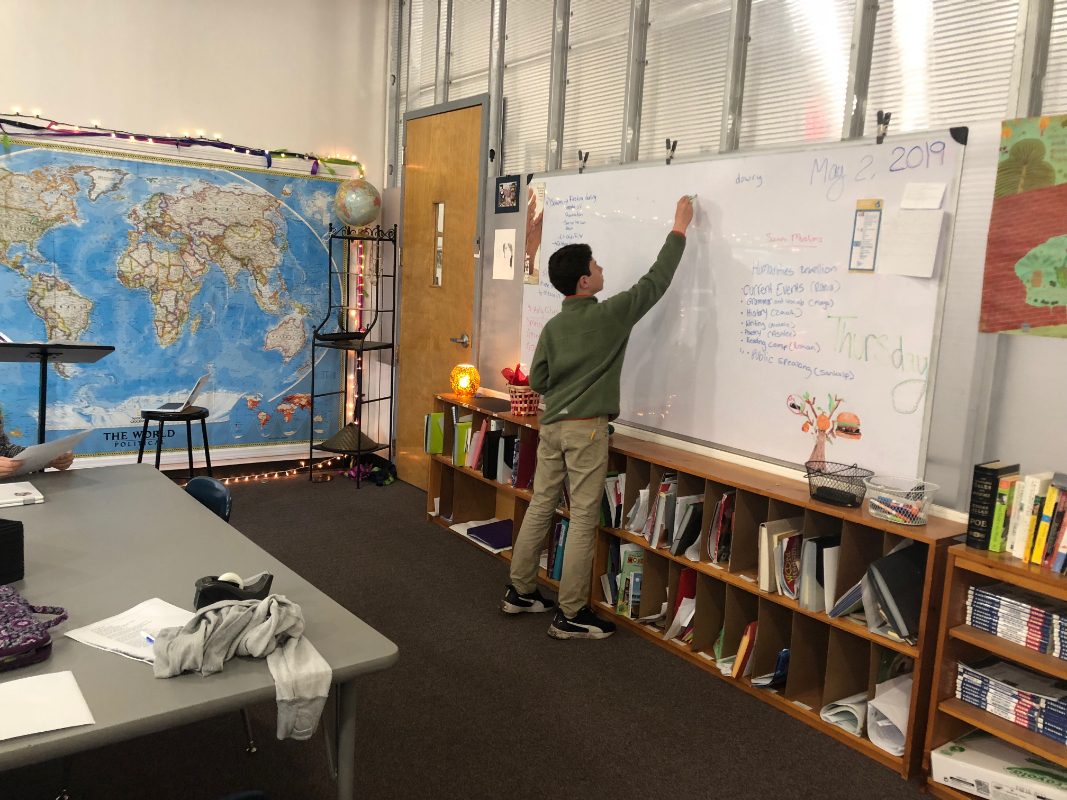
Middle School: Week in Review

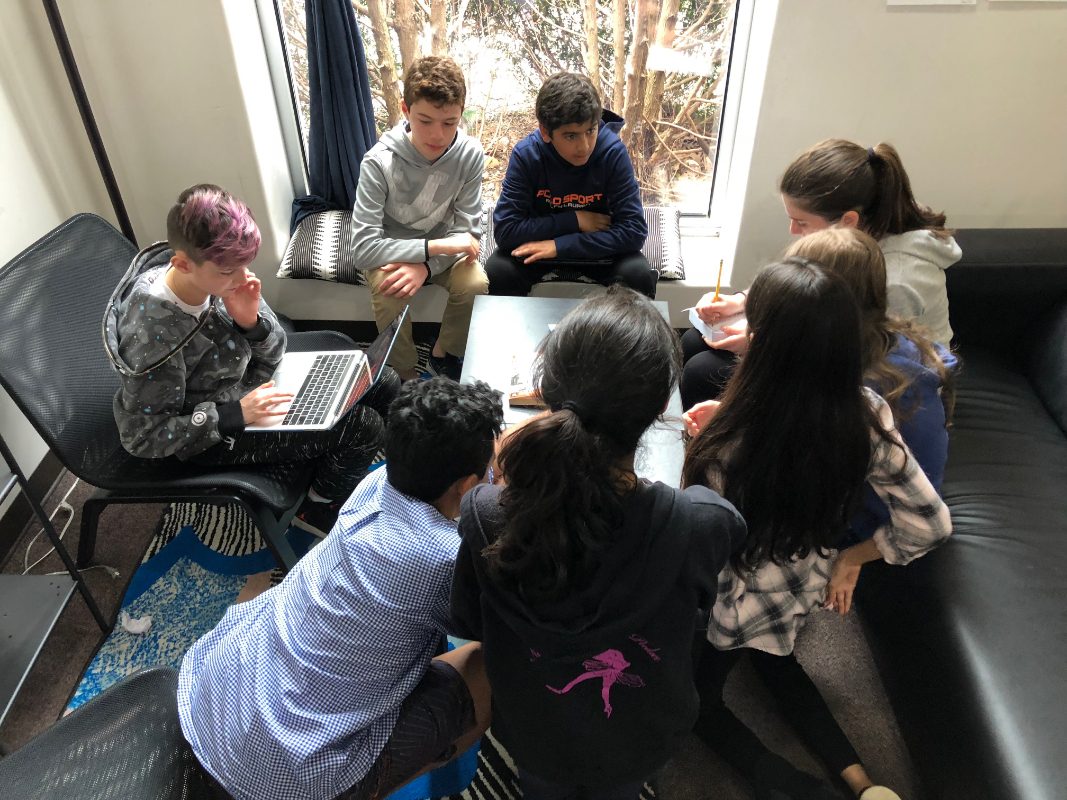
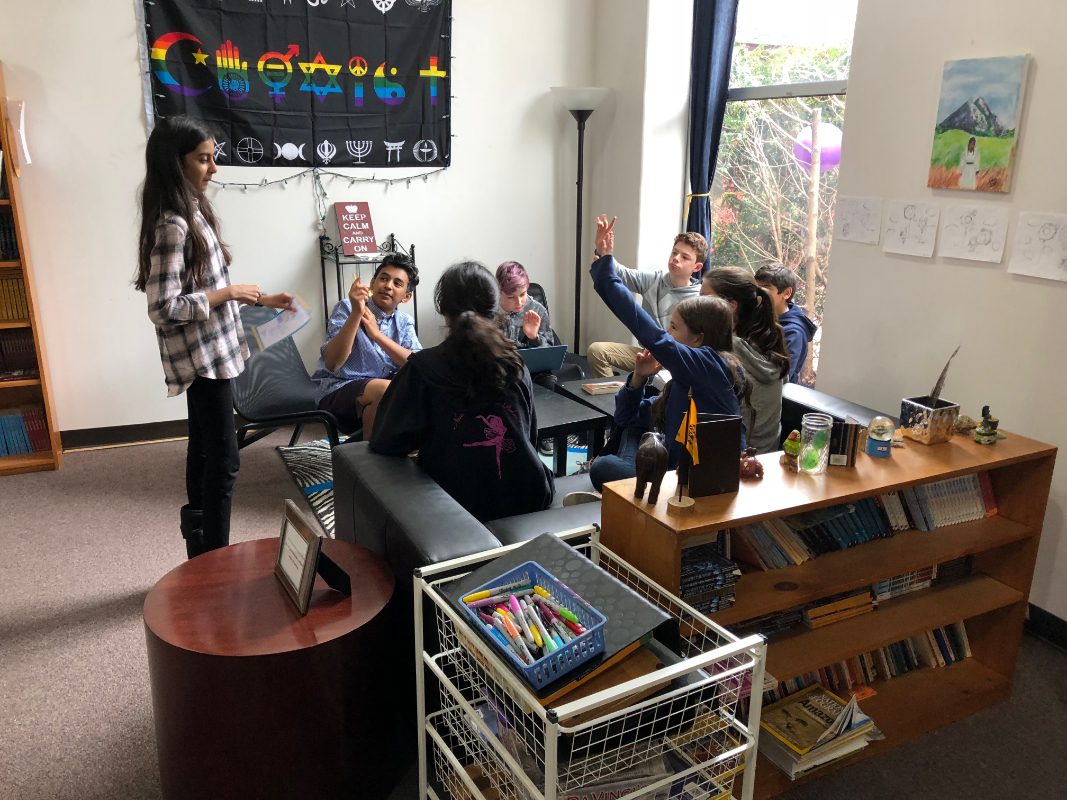
This was a loaded week! So much went on in our classes. The kids even commented about how quickly this week flew by.

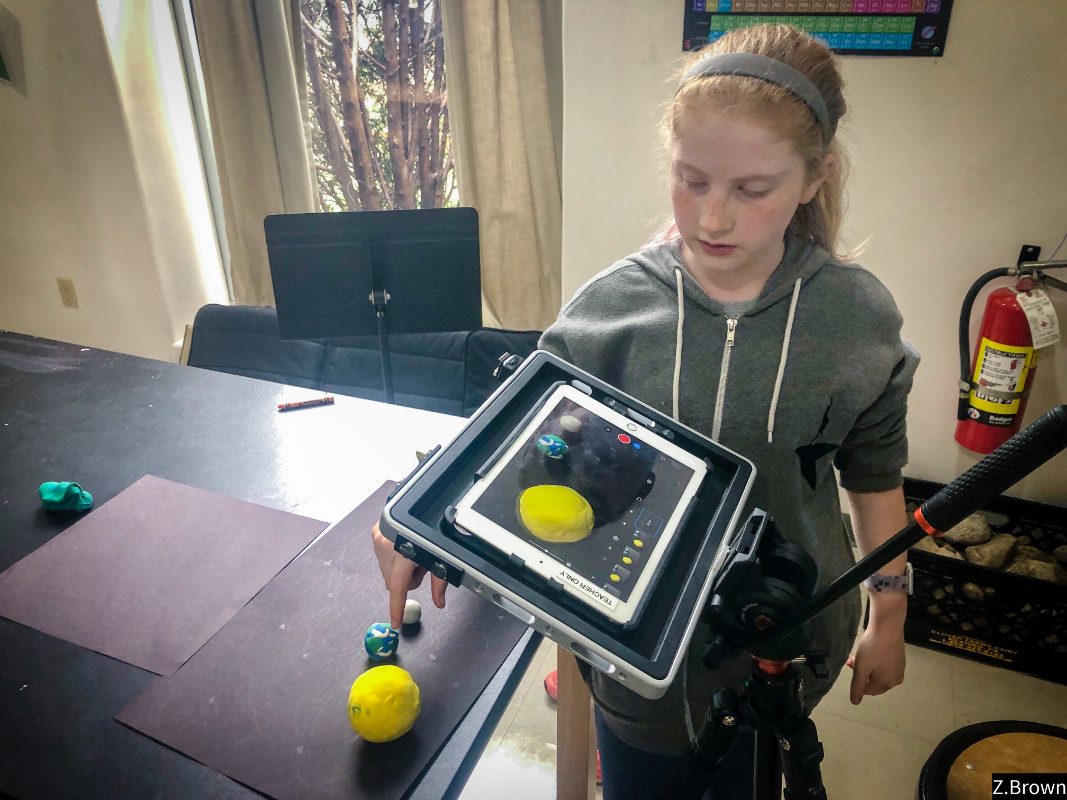
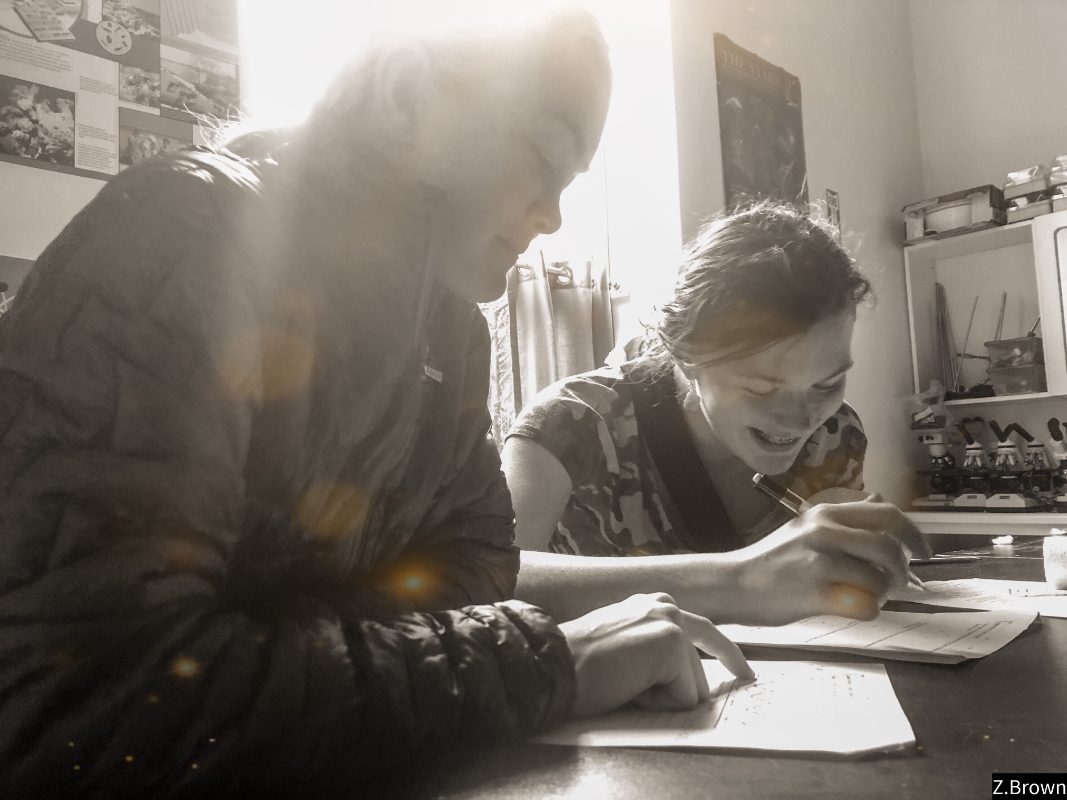
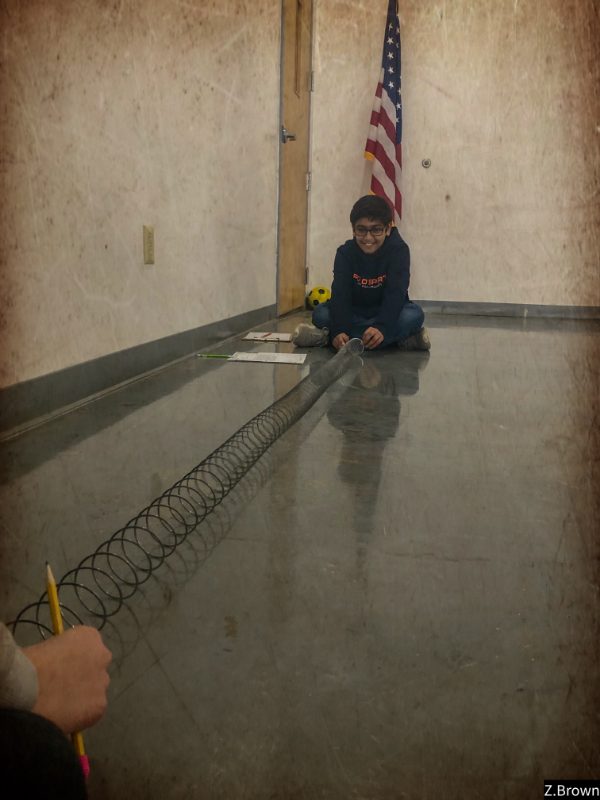
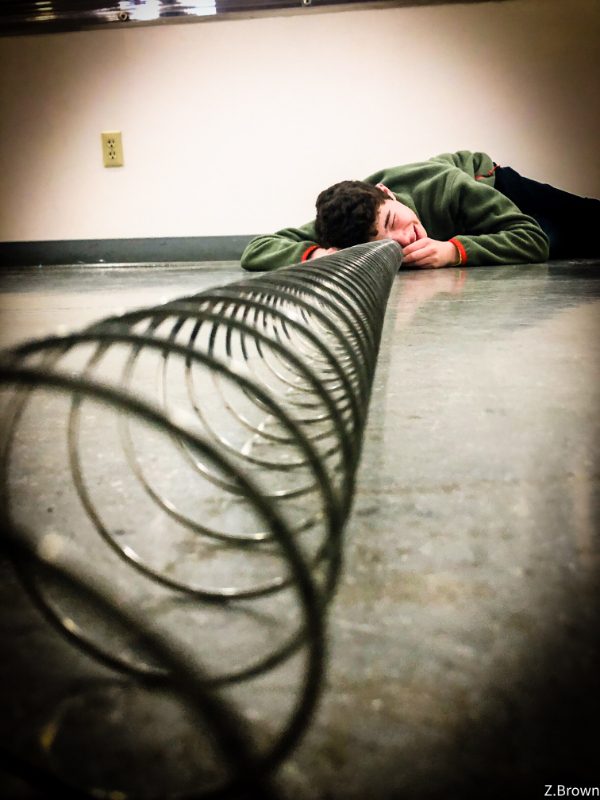
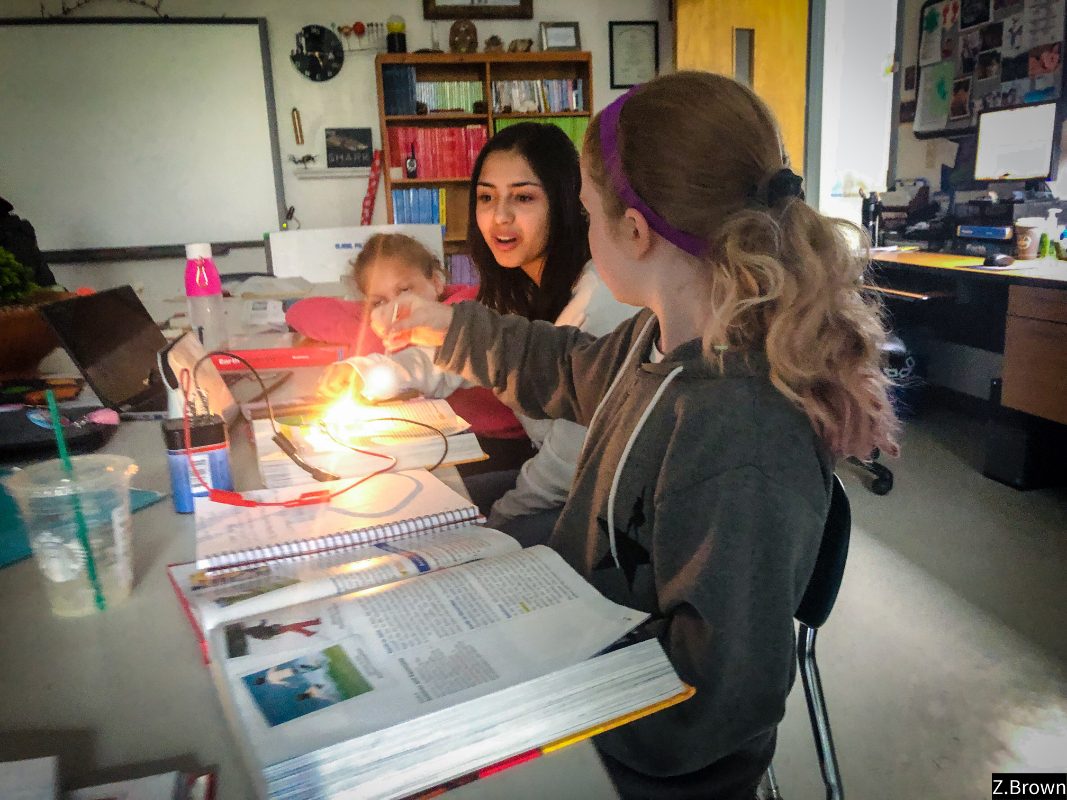
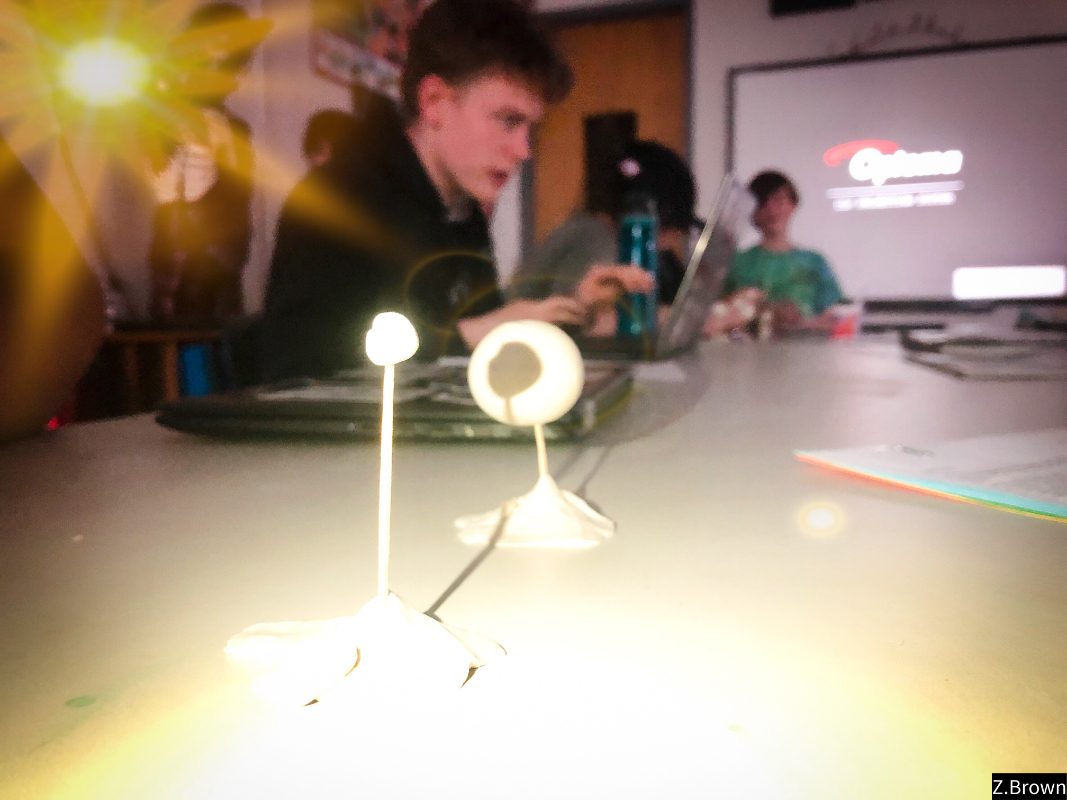
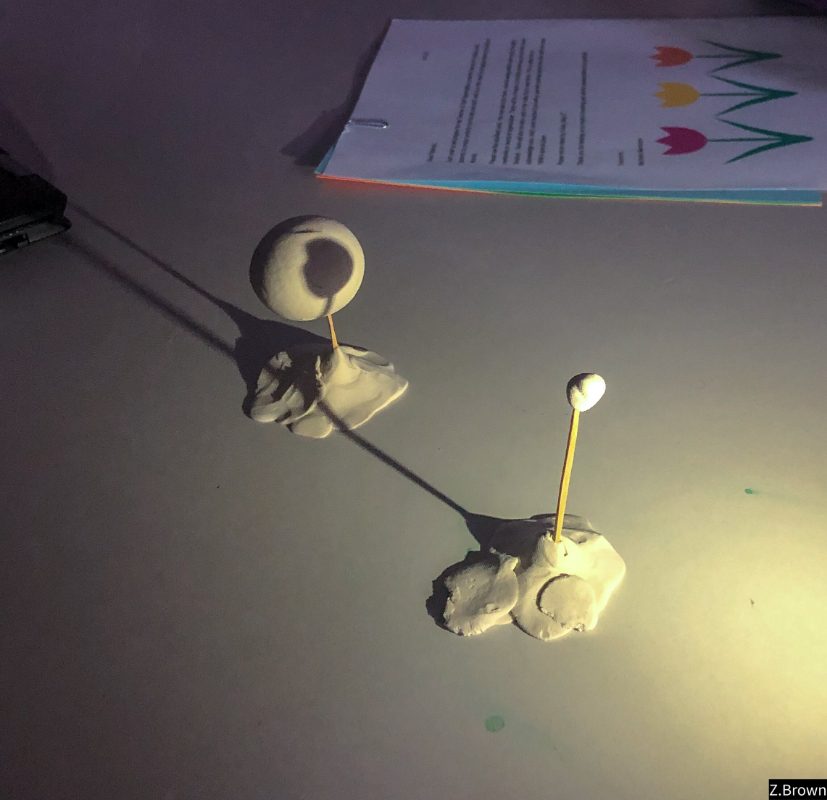
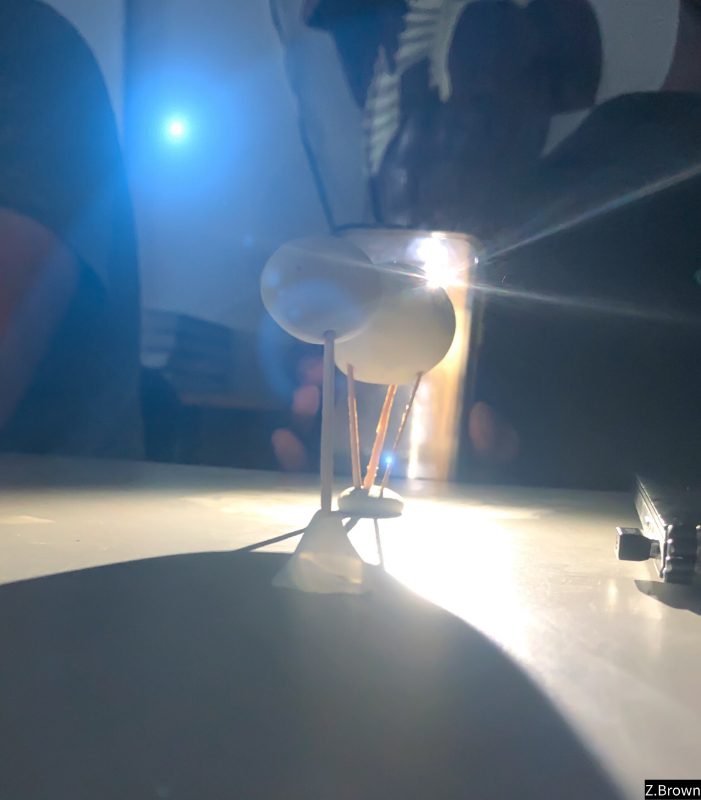
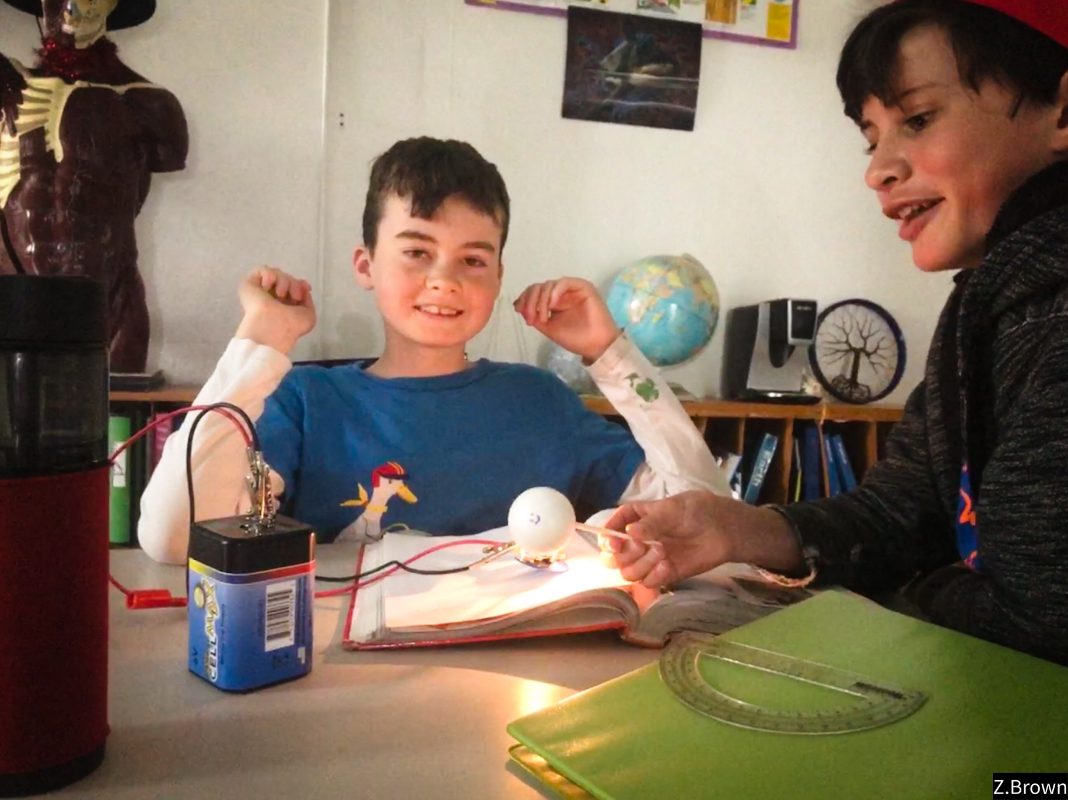
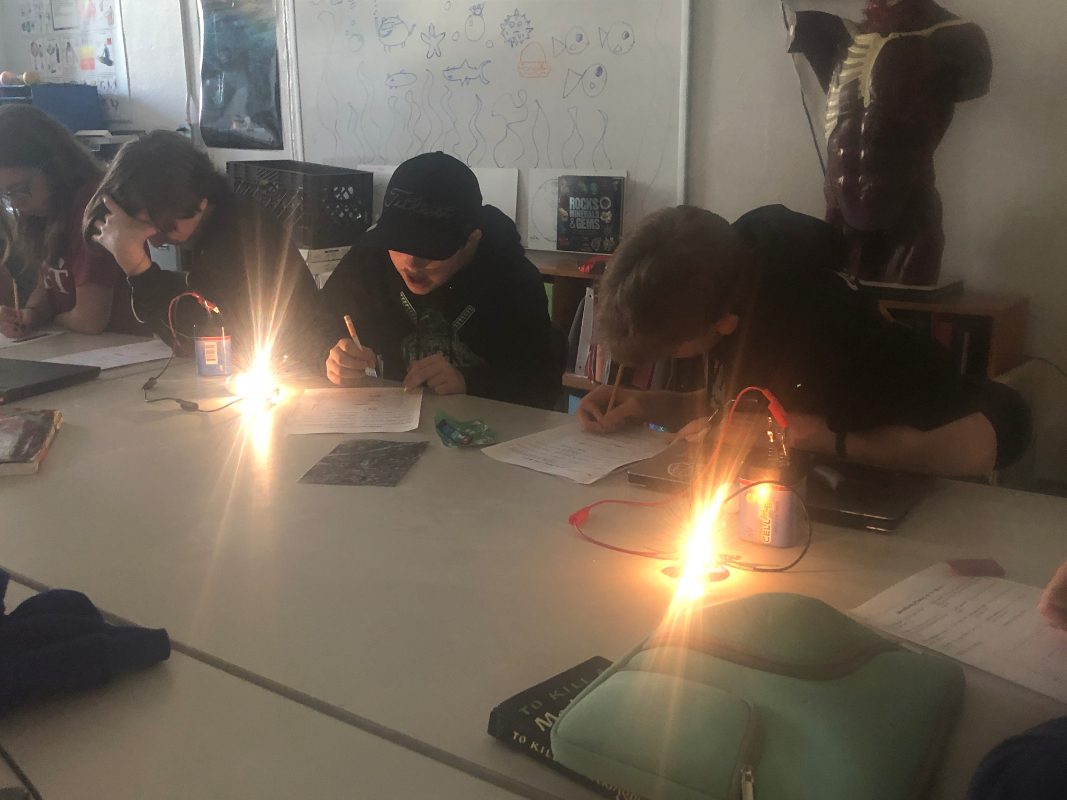
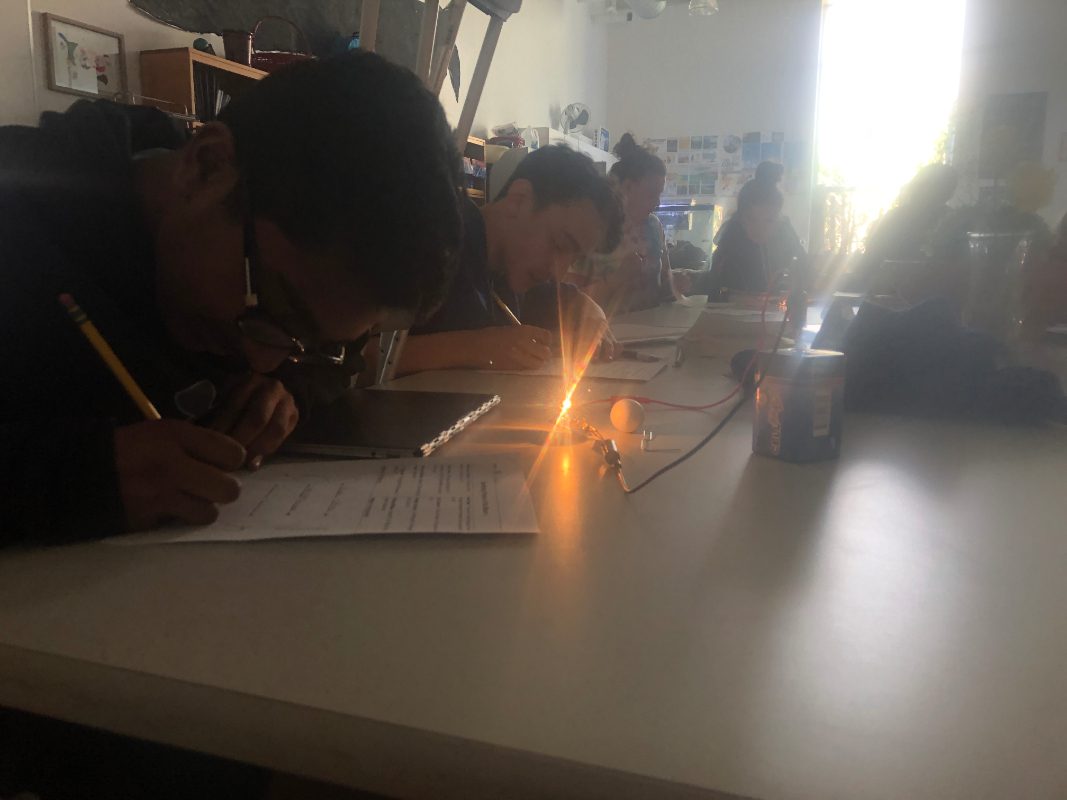
In Science this week, the 6th year Earth Science students have been working on their unit, Earth, Moon, and Sun. Within this unit, students are discovering how Earth moves in space and how it associates with our seasons. Students created a short, stop-motion video representing key aspects and principles to each objective. The 7th year students are identifying the characteristics of waves. This unit informs students how a wave travels through or not through certain mediums. In order to facilitate these principles, students were able to demonstrate certain aspects of a wave using a slinky. Lastly, the 8th years are finishing their unit, Minor Bodies of the Solar System. Students have been working on identifying aspects of our moon in addition to the similarities/differences between meteoroids, meteorites, asteroids, and comets. By understanding more of the “small picture” within our solar system, students will better understand the “big picture”.

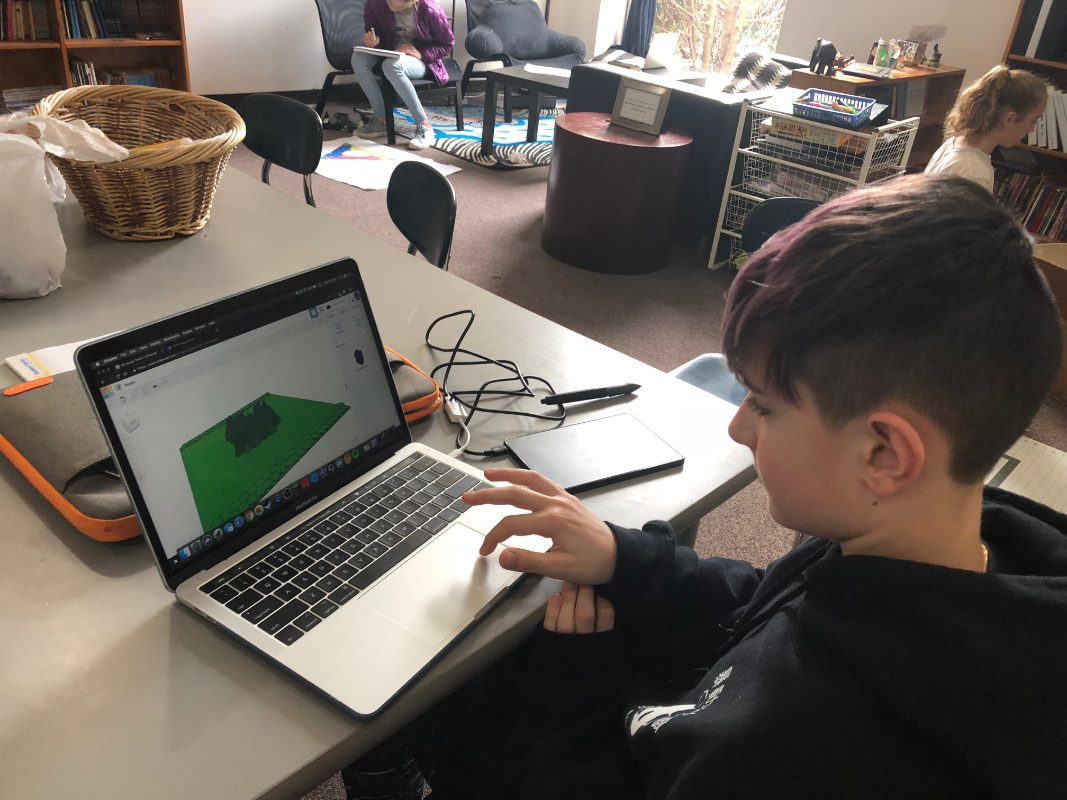
In Math this week, the 6th years are now working on transforming formulas.  They know how to find the area of triangle, but now they have to find the length of one of the legs.  They are given the area of a circle, but they now have to find the radius. Next, the 6th years will move onto graphing points and lines on a coordinate plane. The 7th years will conclude their geometry unit this week.  In addition to finding the perimeter and area of polygons and circles, they found the surface area and volume of prisms and cylinders.  They have also learned how to find the slant height in order to find the surface area of a cone or pyramid.  Their unit will conclude with converting areas and volumes within or between systems of measurements. Lastly, the 8th years will finish their unit on quadratics this week.  This unit included solving quadratics by graphing, factoring, and by using the quadratic formula.  They discovered that their answers can have two solutions, one solution, or no solution.  The class also solved systems of linear and quadratic equations.

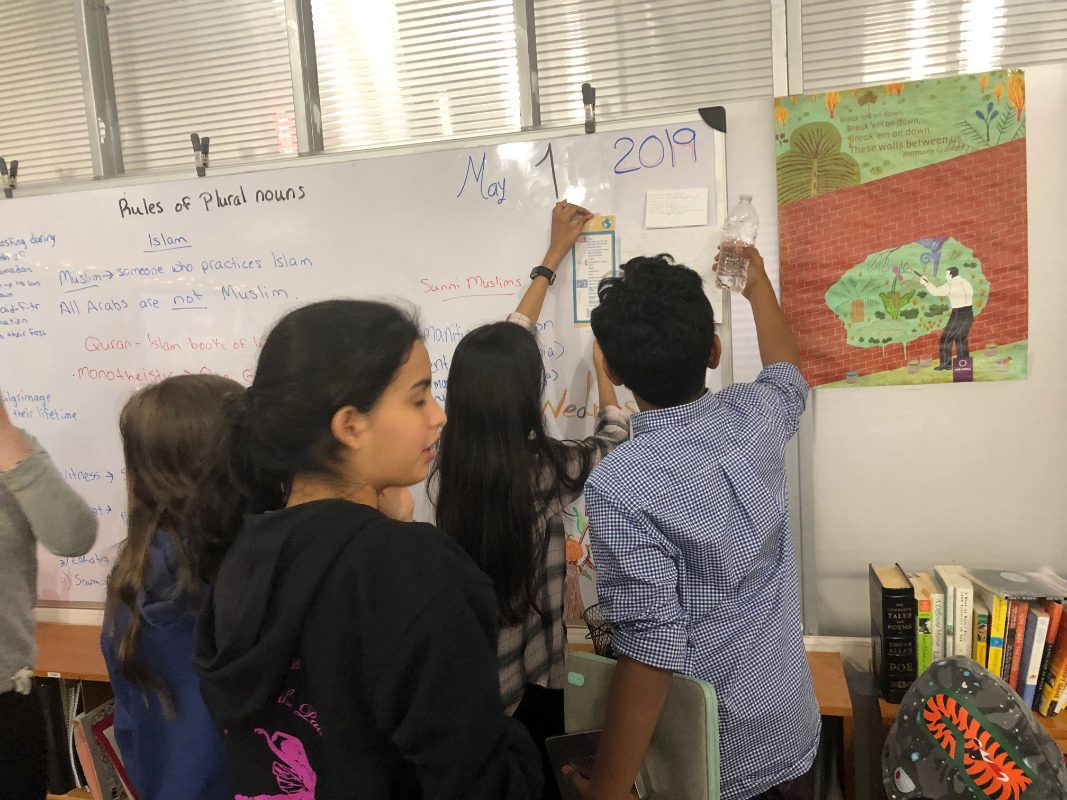
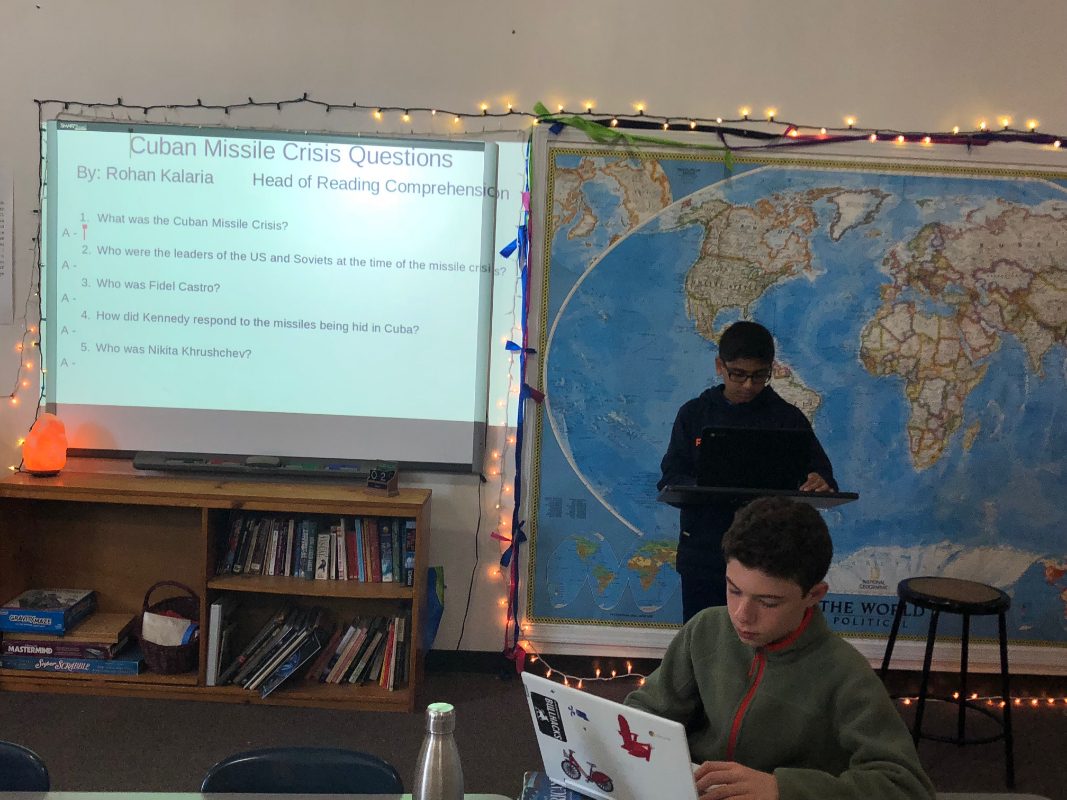
In Humanities this week, 6th years continued reading Shooting Kabul, by N.H. Senzai. Connecting to the Humanities curriculum, we learned about the Islam religion as well as common Western misperceptions about it in a post-9/11 country. They are also watched a short documentary about the city of Kabul as it is today. Also in connection with the novel, we have been learning about racial profiling and bias. We have personally reflected and are becoming mindful of our own biases, recognizing them and moving forward. The 7th years finished reading Animal Farm by George Orwell this week. They also had a rebellion and I was overthrown, leaving Humanities class completely in their hands. During this two-day experiment (which is deserving of its own blog post) students decided what to do and how to move forward. In the end, we reflected and I also gave them a play-by-play of what they did and said. It was interesting for me to see, and for them to hear, the roles they take on when they are left on their own devices. Finally, 8th years completed the first round of expert presentations and received written feedback for moving forward. I can’t wait for the community to see what they have done!

Have a wonderful and peaceful weekend! Don’t forget to order your FWM sweatshirt and RSVP for next Friday’s dance, hosted by our 8th years!
Upper Elementary: Garden Beds

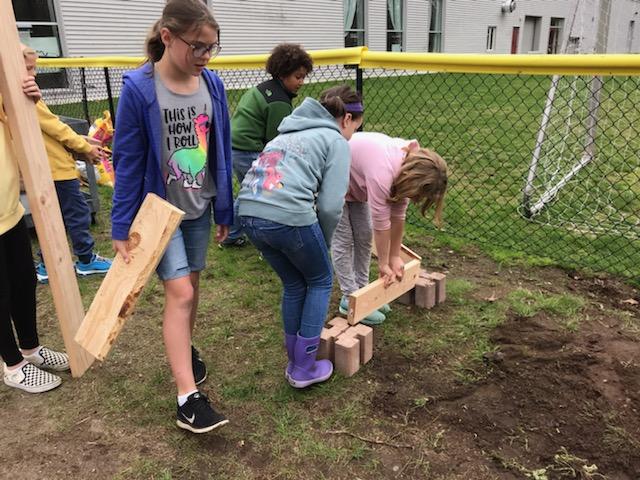
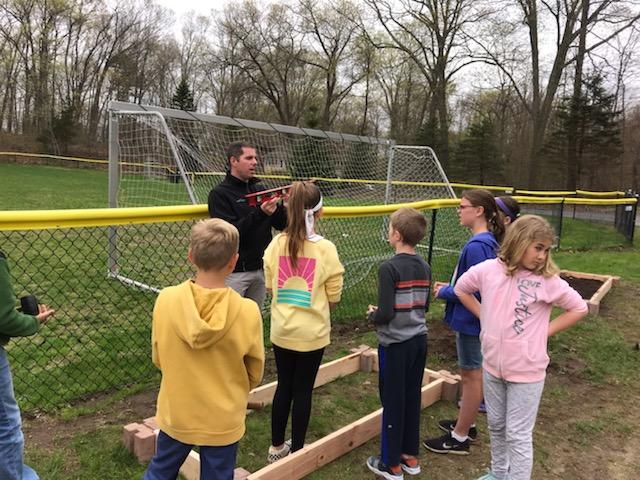
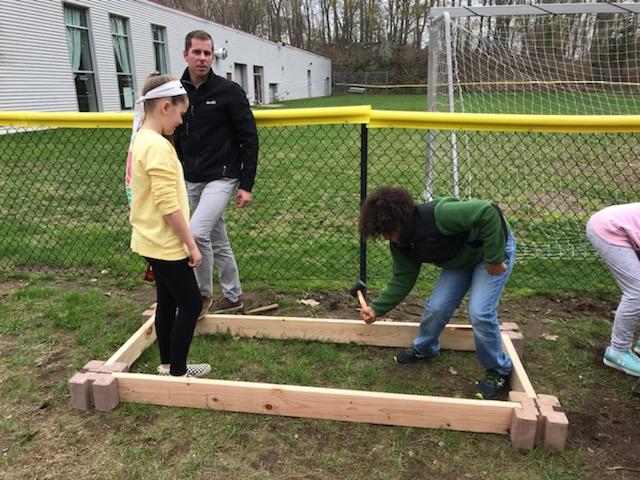
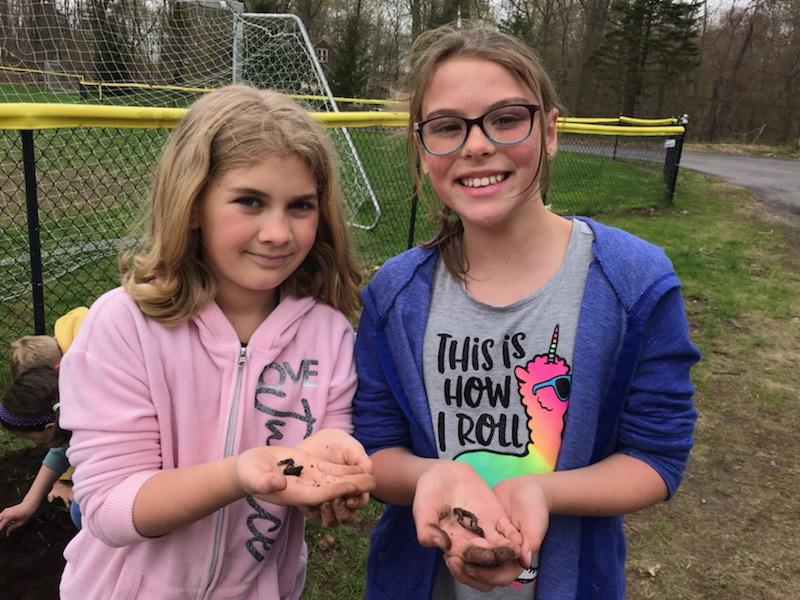
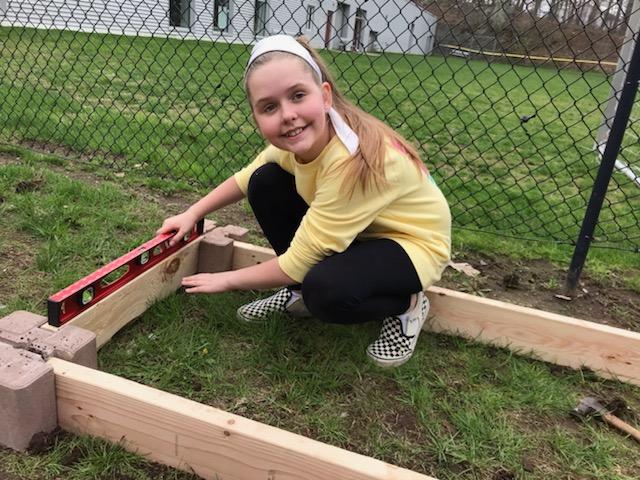
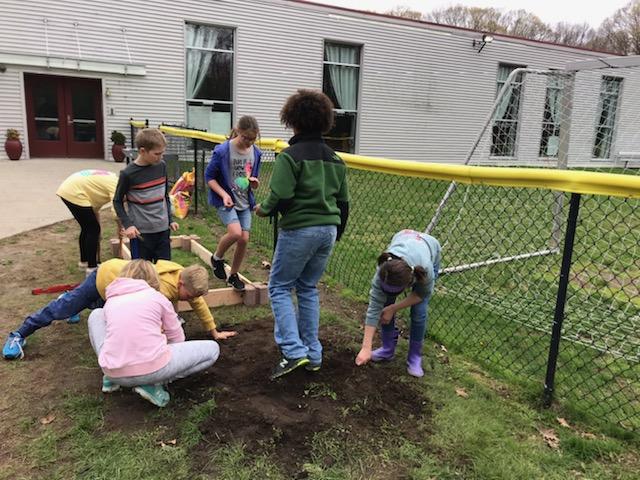
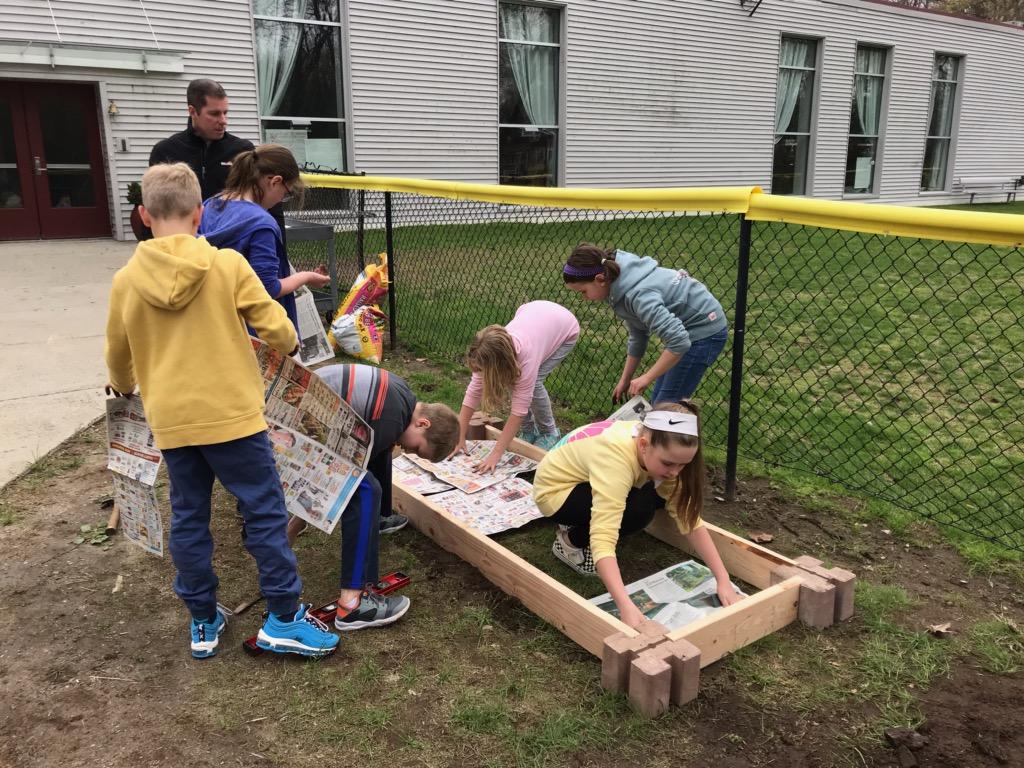
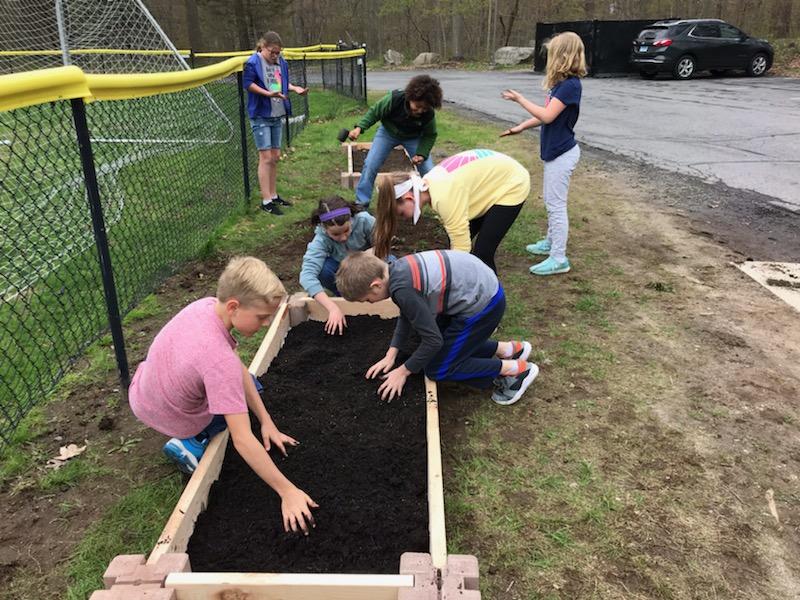
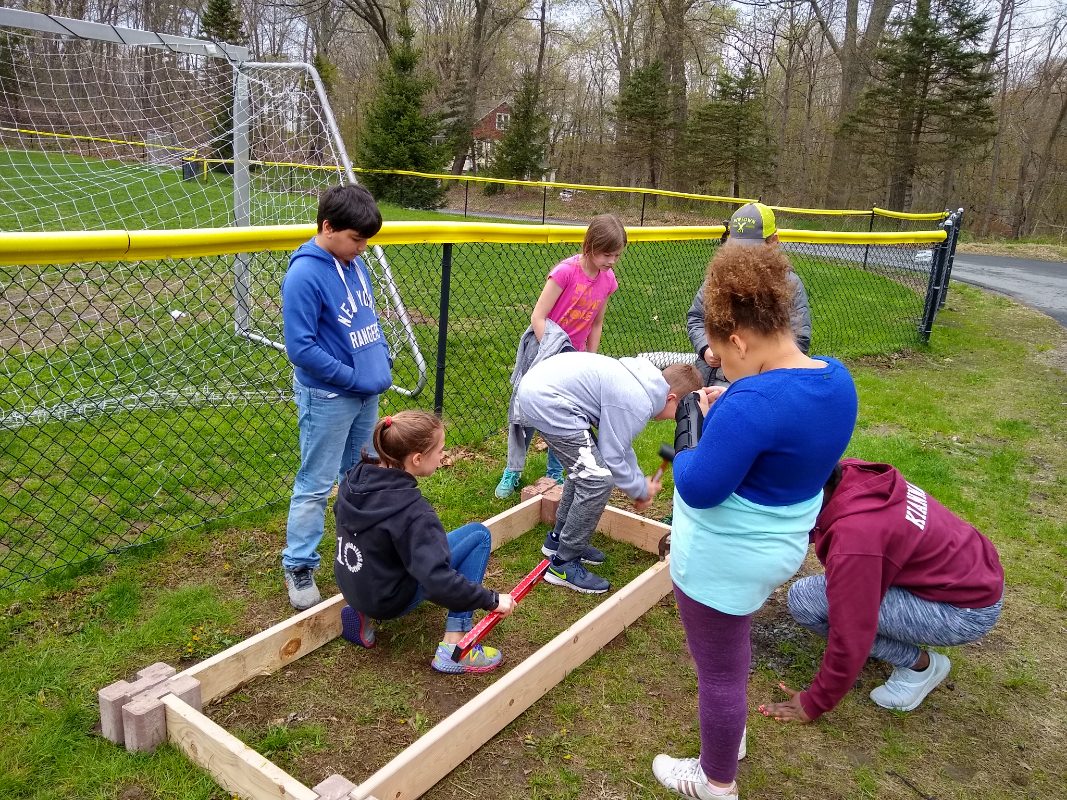
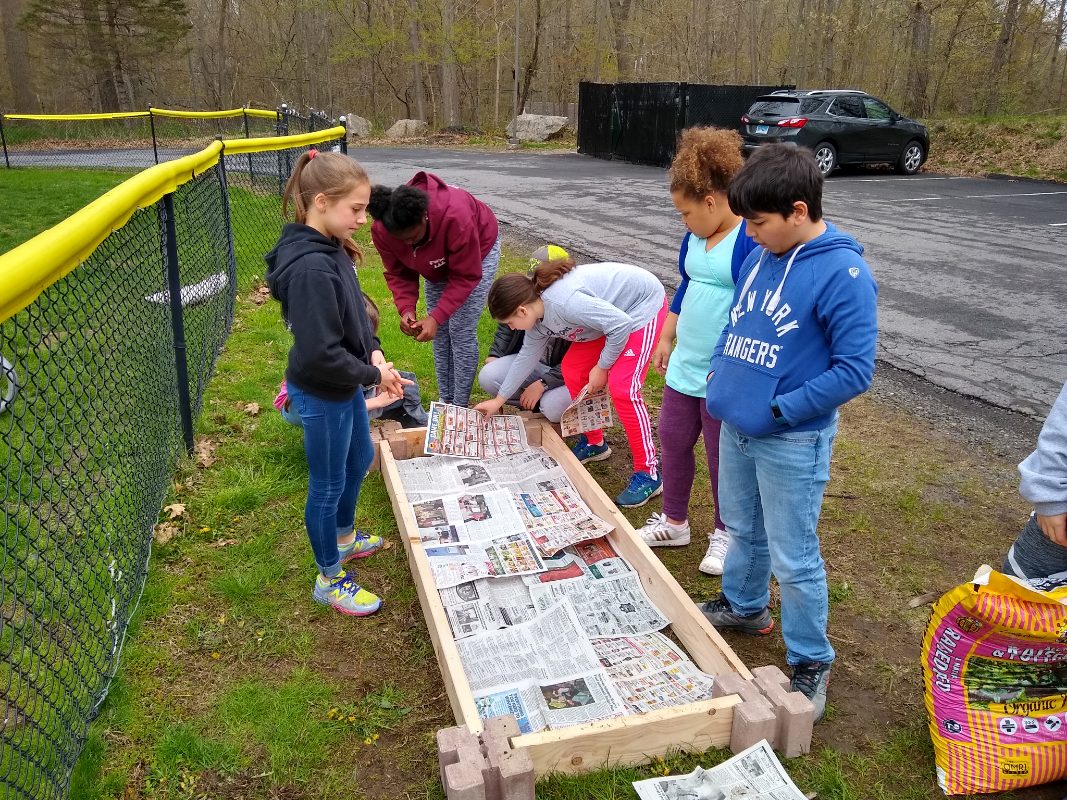
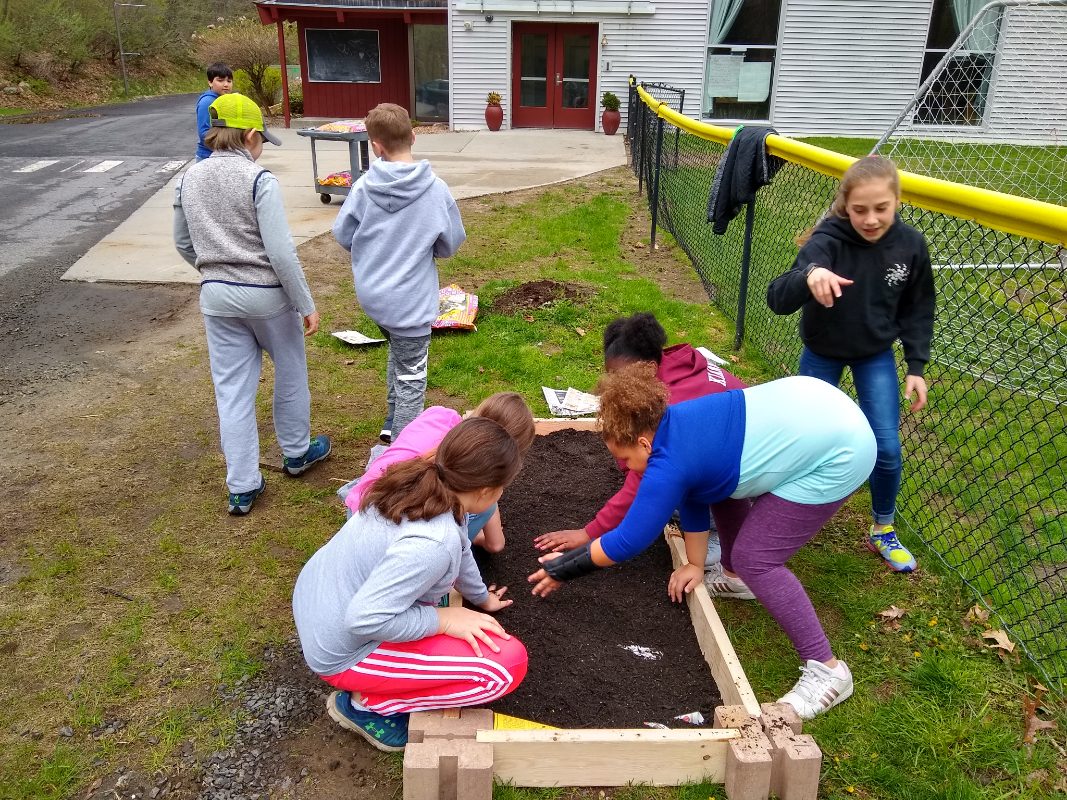
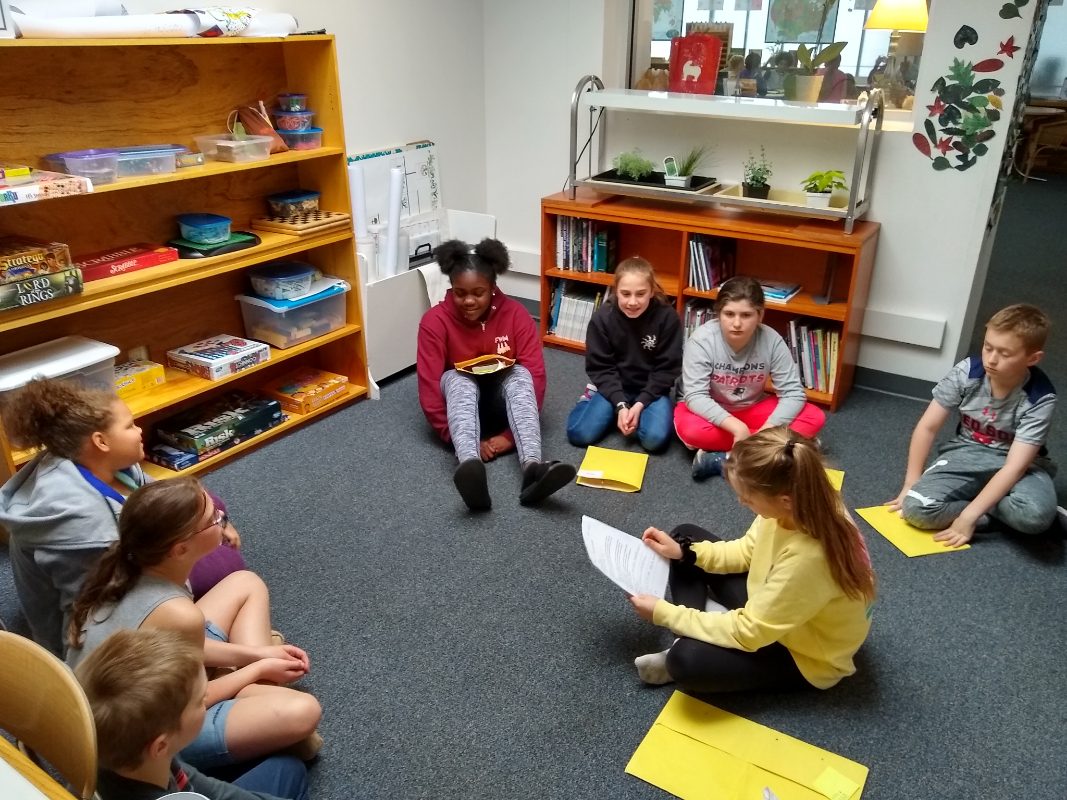
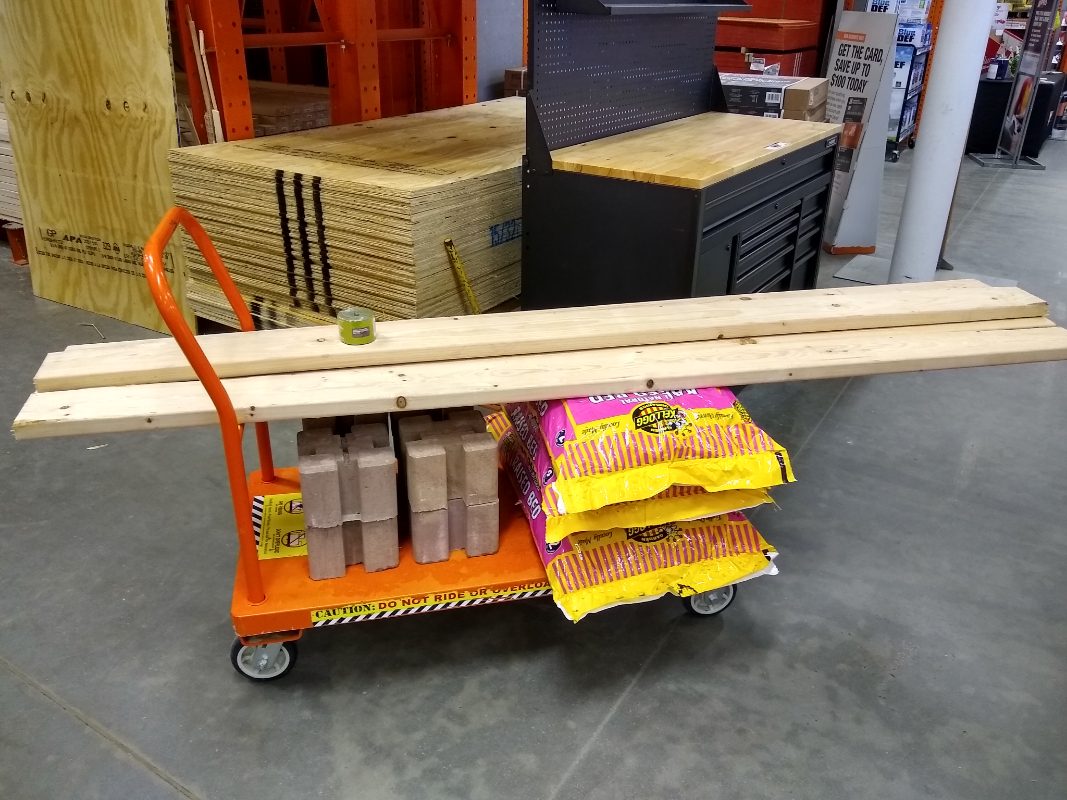
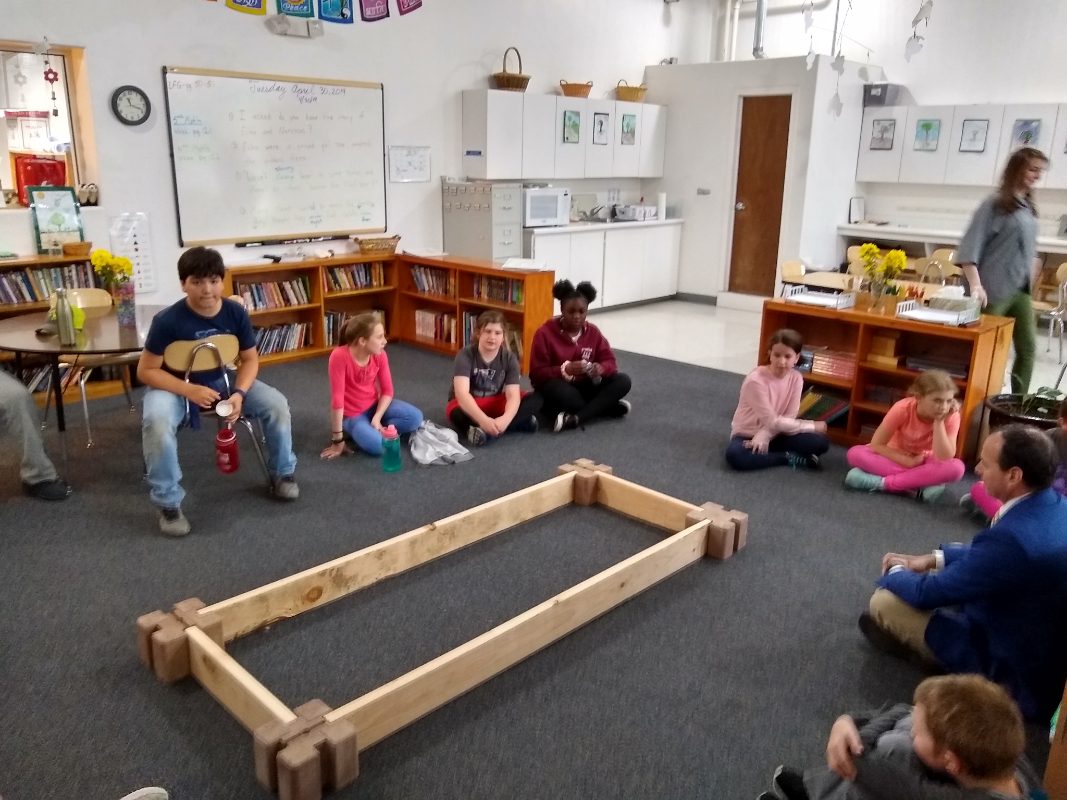
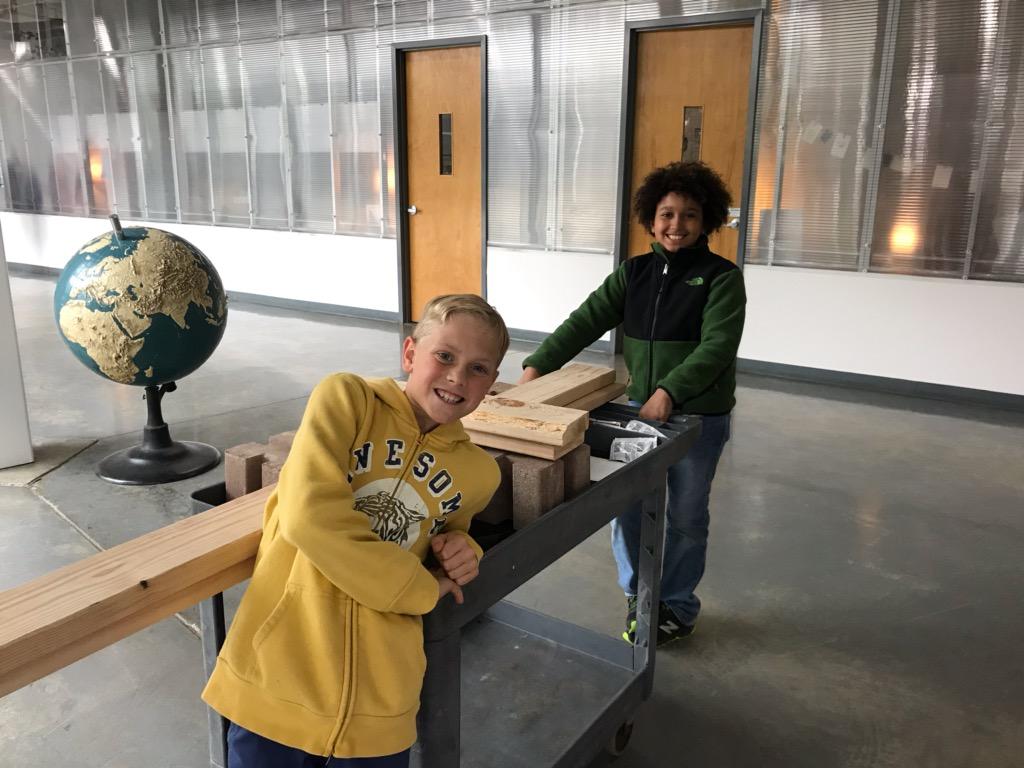
This week we followed the students’ enthusiasm that spiraled off of our latest botany lessons to build two raised garden beds. Both grade levels helped construct the garden beds near the back entrance to the school. We invited Mr. Robertson to the classroom to present the idea and brainstorm potential locations. We took into concern appropriate amount of sunlight, ease of watering, and high visibility as important factors in our decision making process. Our week also included a birthday breakfast for the April student birthdays as well as a softball victory over The Mead School on Tuesday.

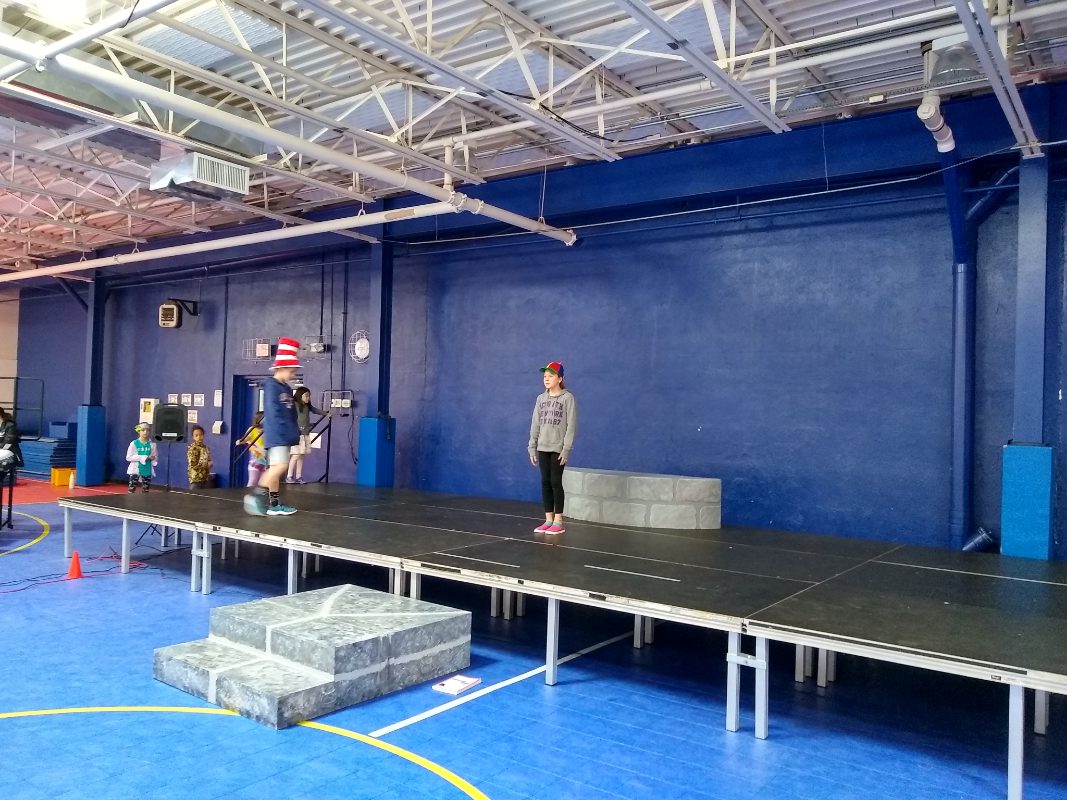
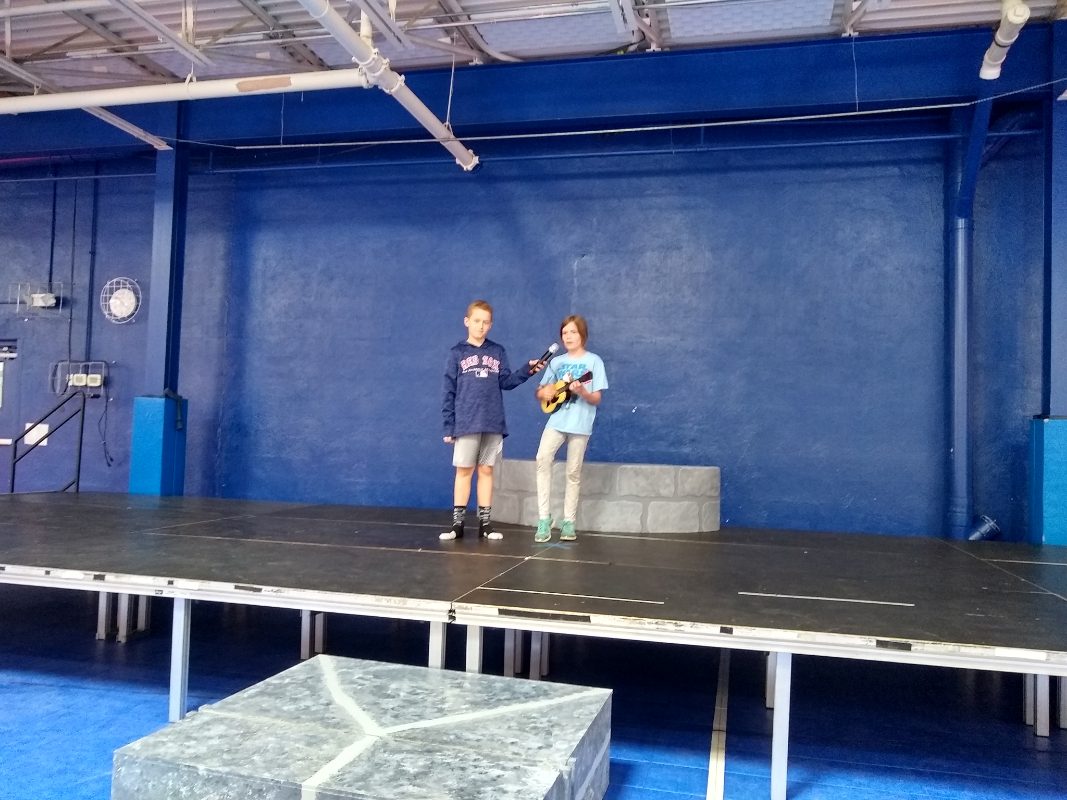
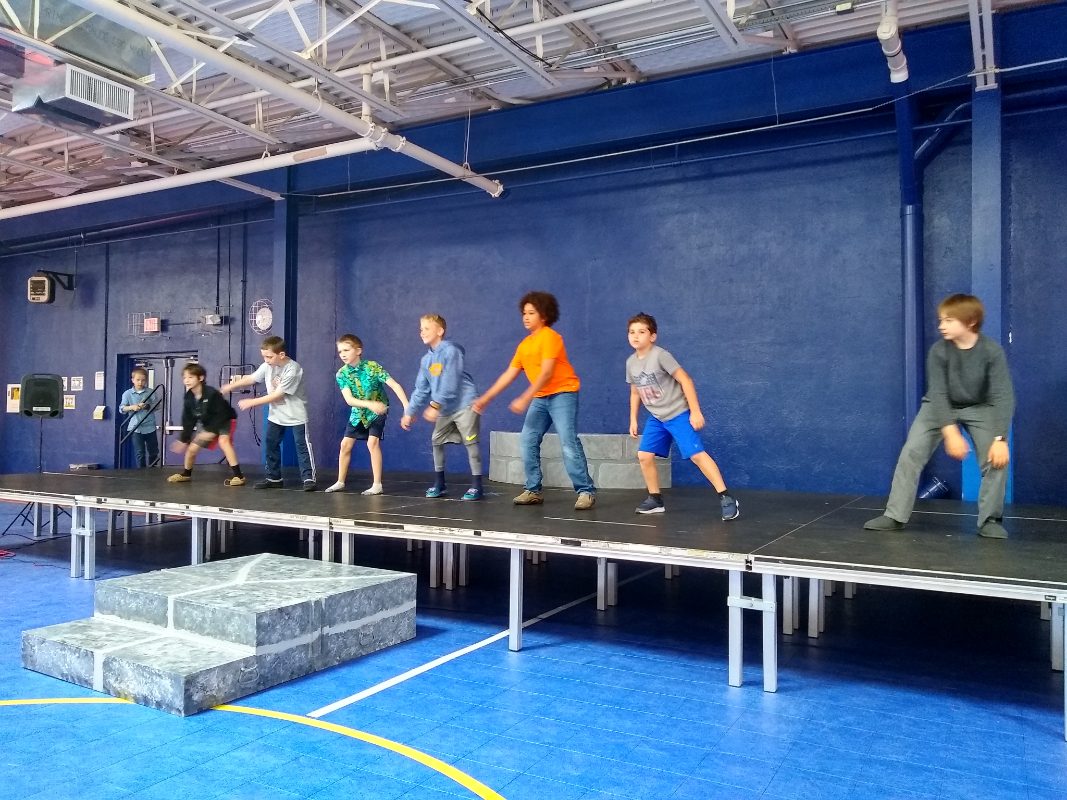
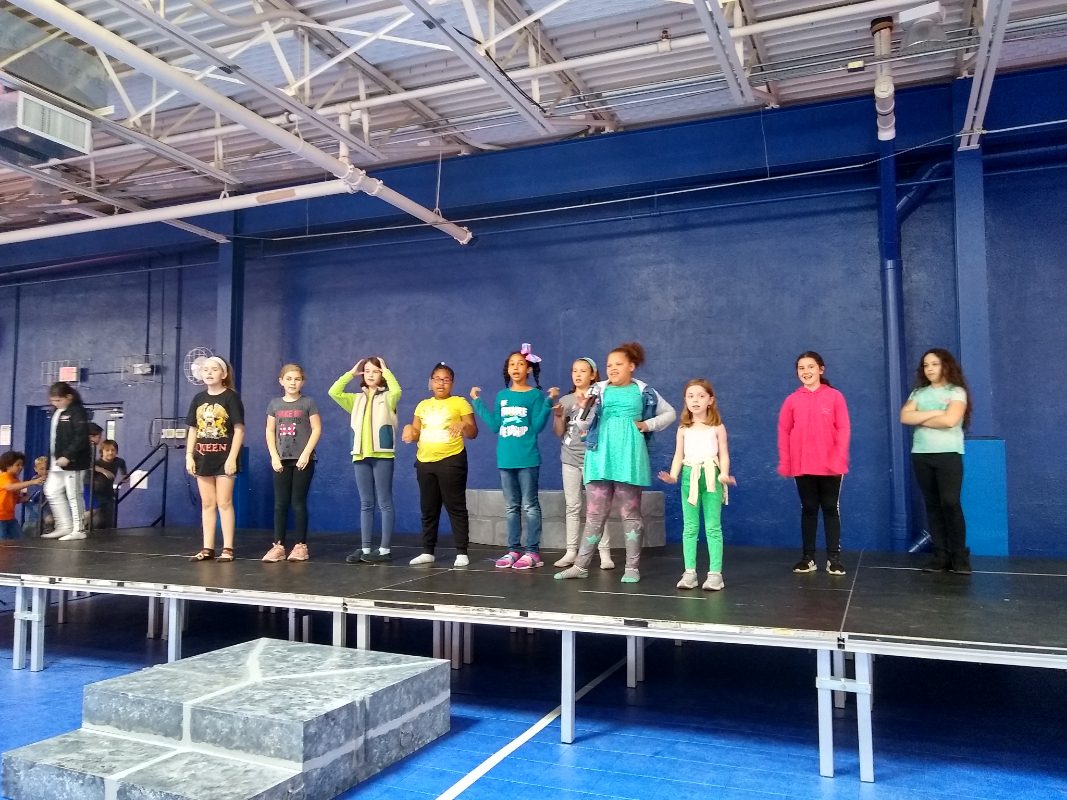
Thursday kicked off the start of immersion week as the students prepared for “Suessical The Musical, Jr.” It’s going to be a fantastic show!

What is a Montessori Immersion Week?

Maria Montessori believed it is important to give children opportunities to understand the process of working together toward a larger goal and to immerse themselves deeply in meaningful work. At FWM, we expect a lot from our students during the week. We know that challenging academics will help our students get ready for the path that lies ahead. Because we are committed to the development of the whole child, we embrace the prospect to give students the opportunity to be creative in a different setting and to see each other’s strengths in a new light.


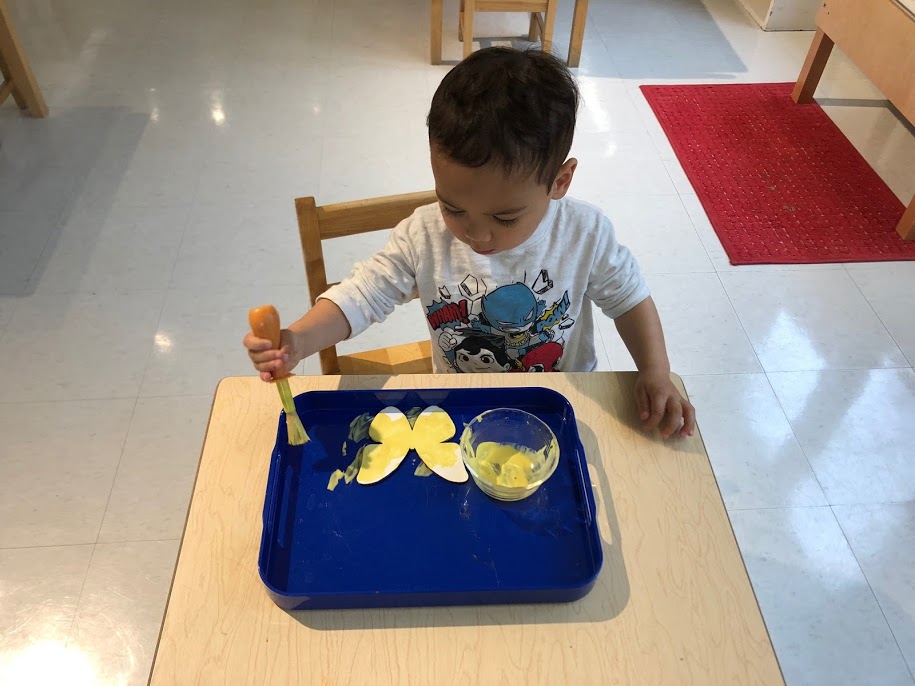
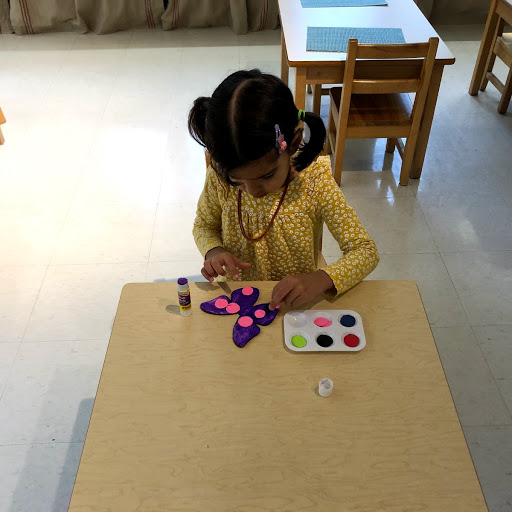
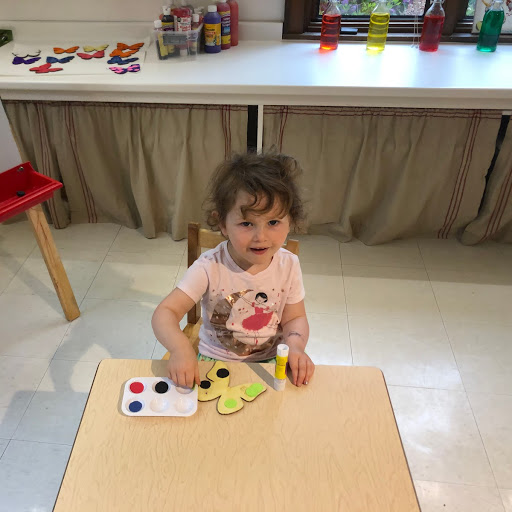
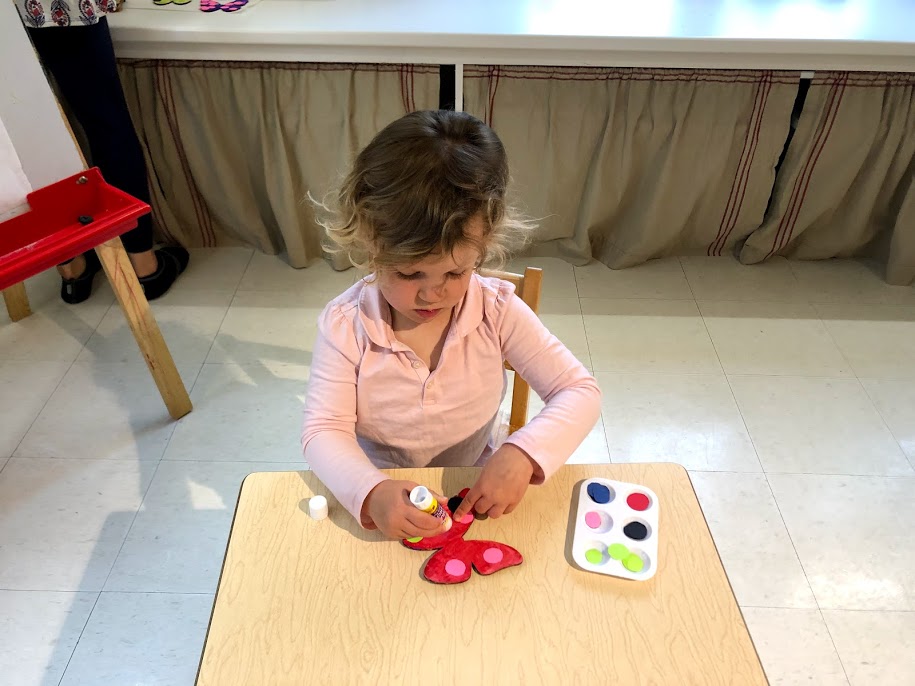
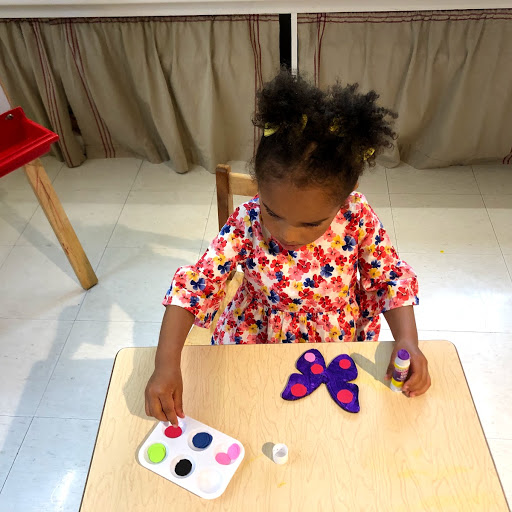
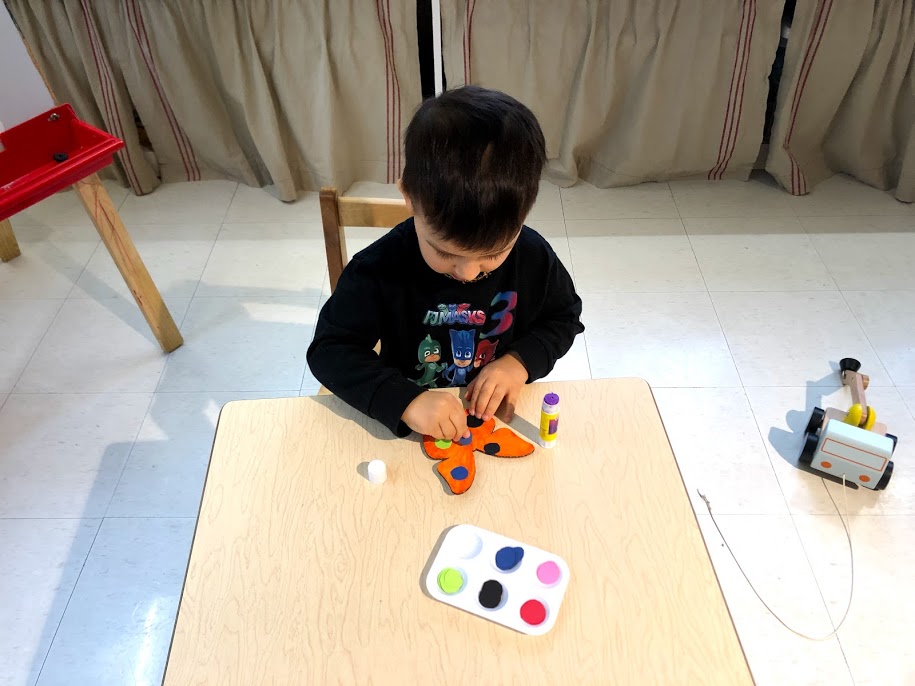
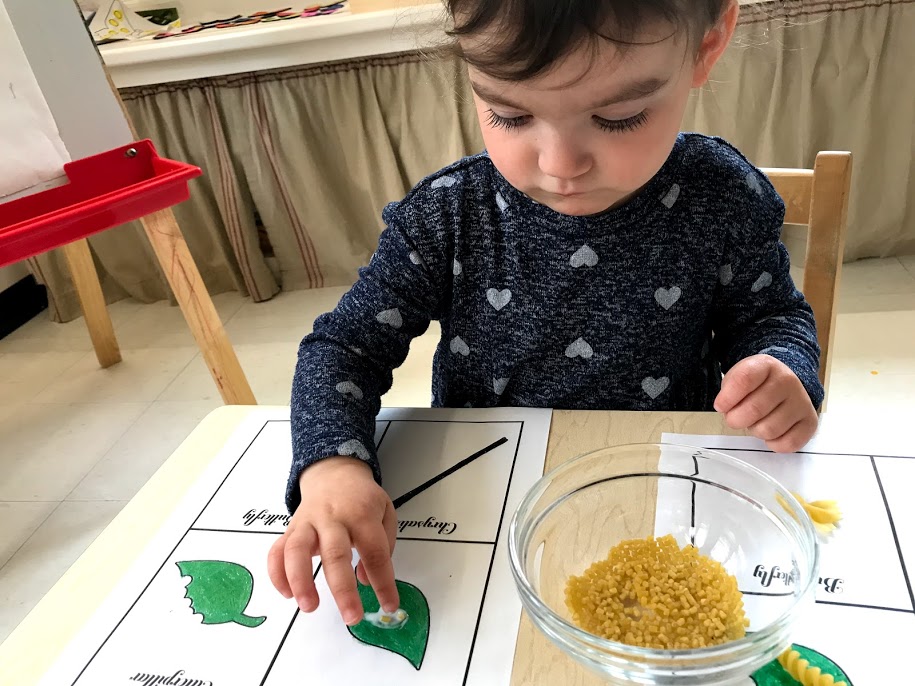
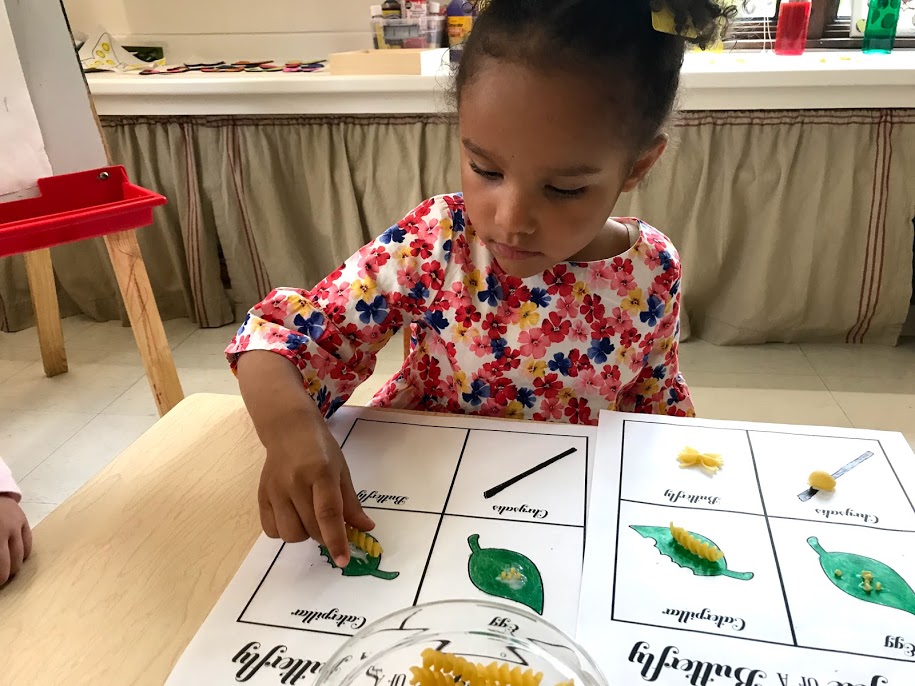
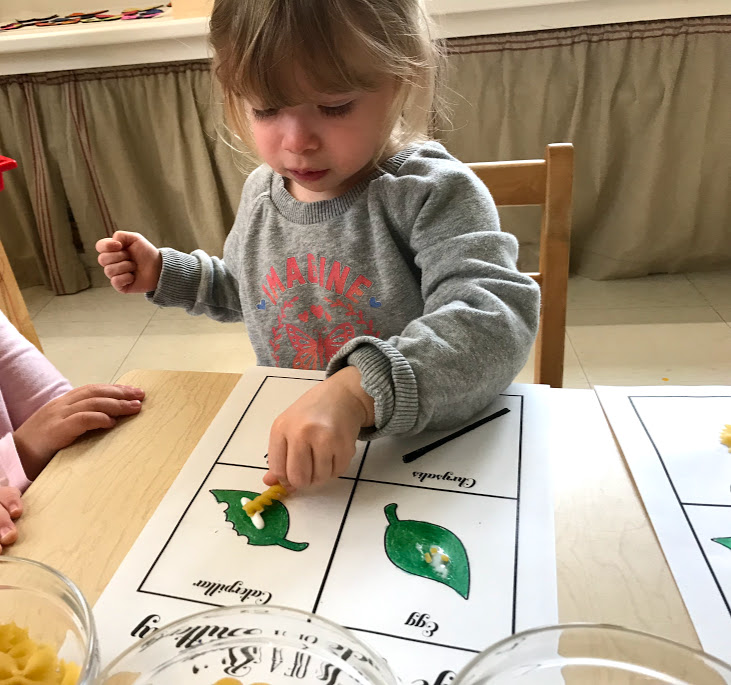
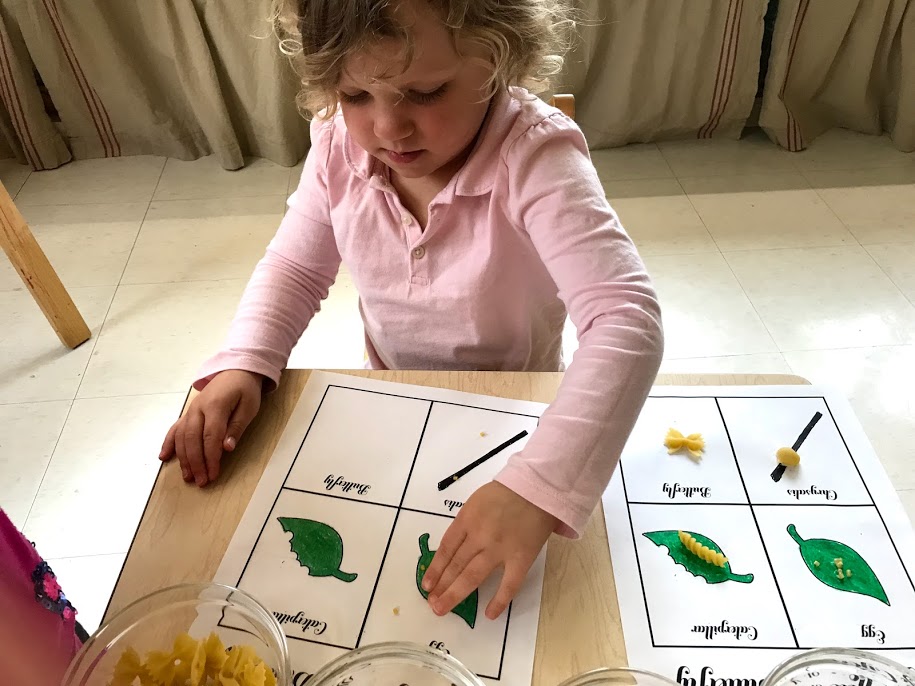
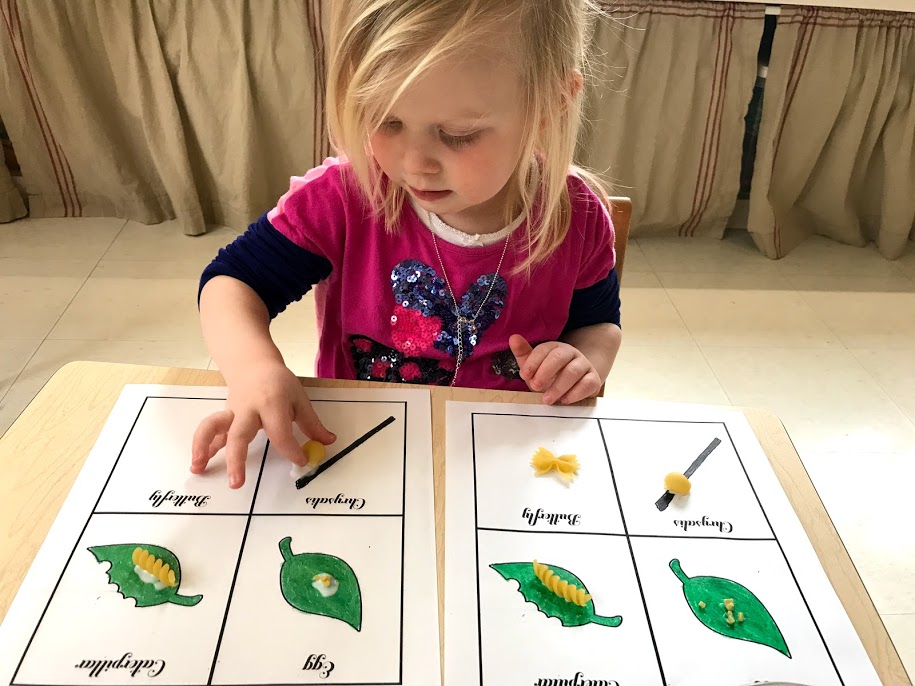
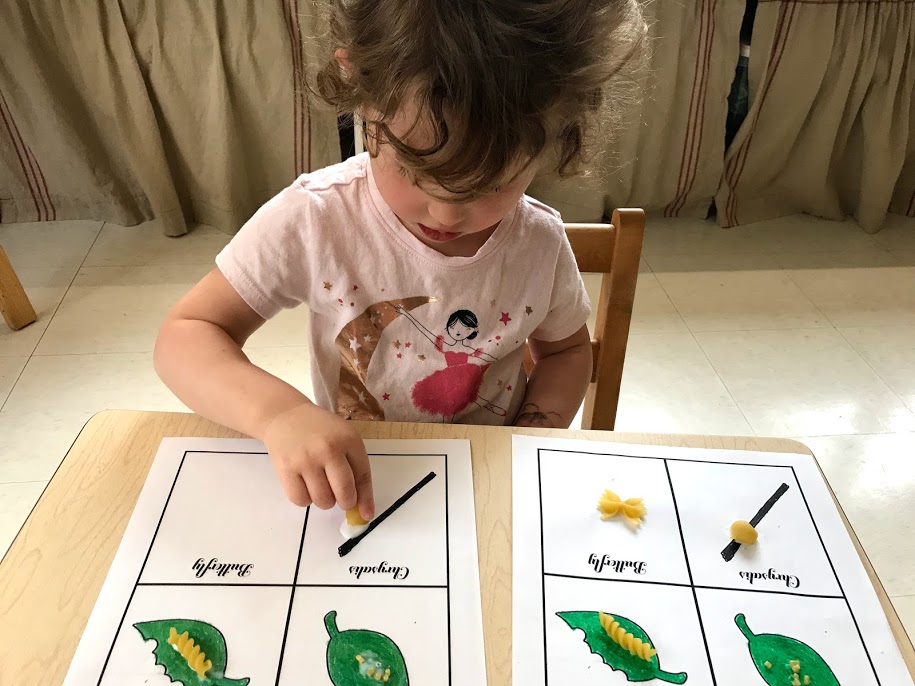
Mrs. Hood’s Class: Fly, Fly, Butterfly!

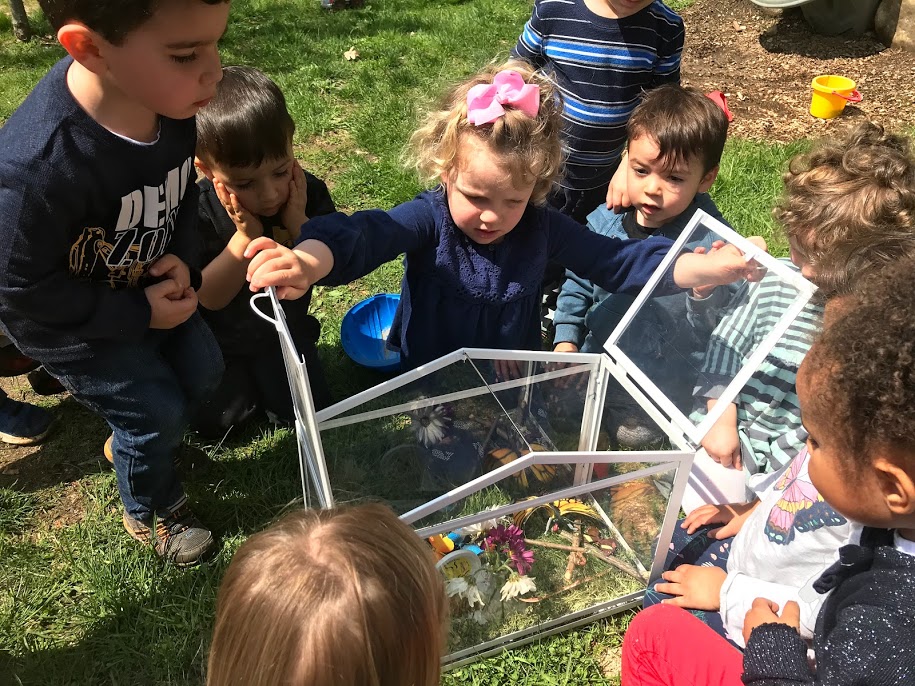
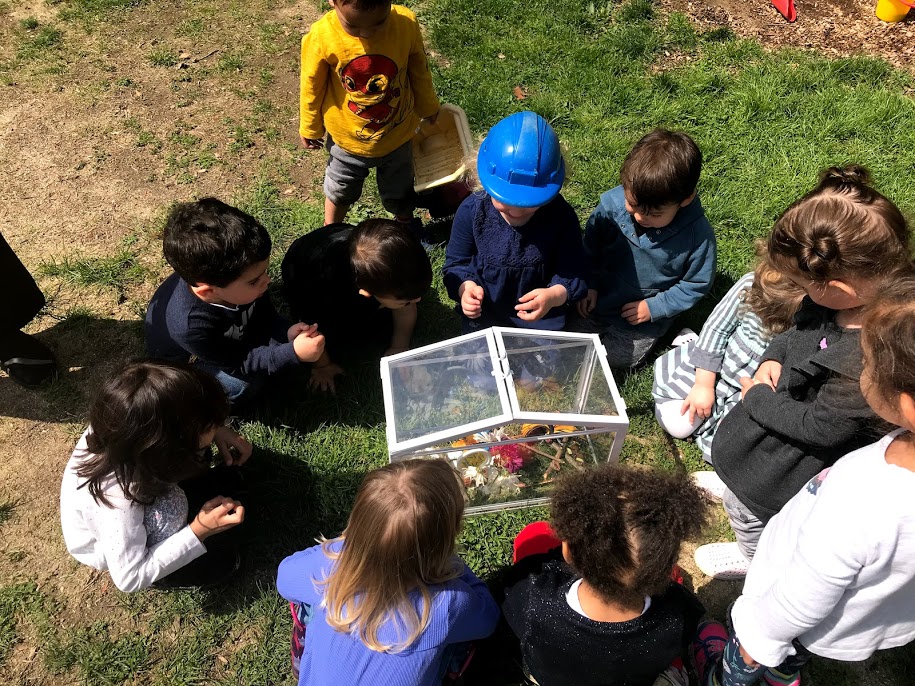
Fostering an appreciation for nature is a cornerstone of Montessori teachings. Dr. Maria Montessori was a strong advocate of integrating nature into the daily learning plan of all students. She believed that “there must be provision for the child to have contact with nature; to understand and appreciate the order, the harmony, and the beauty in nature.”

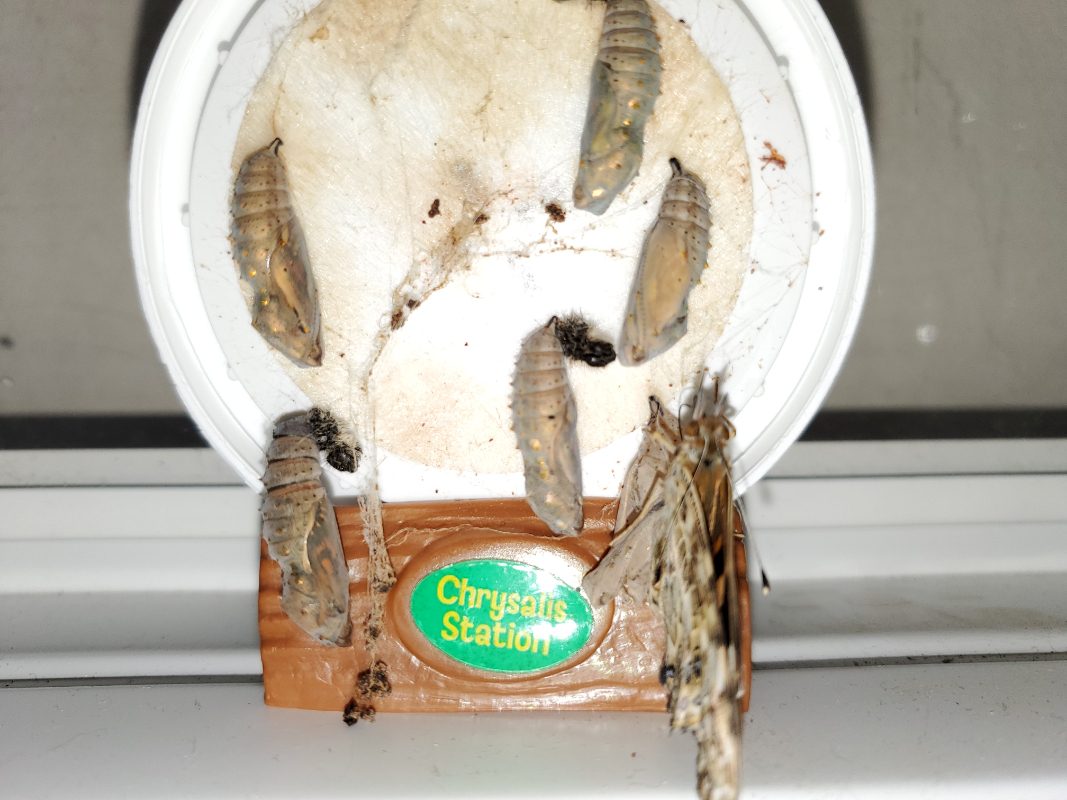
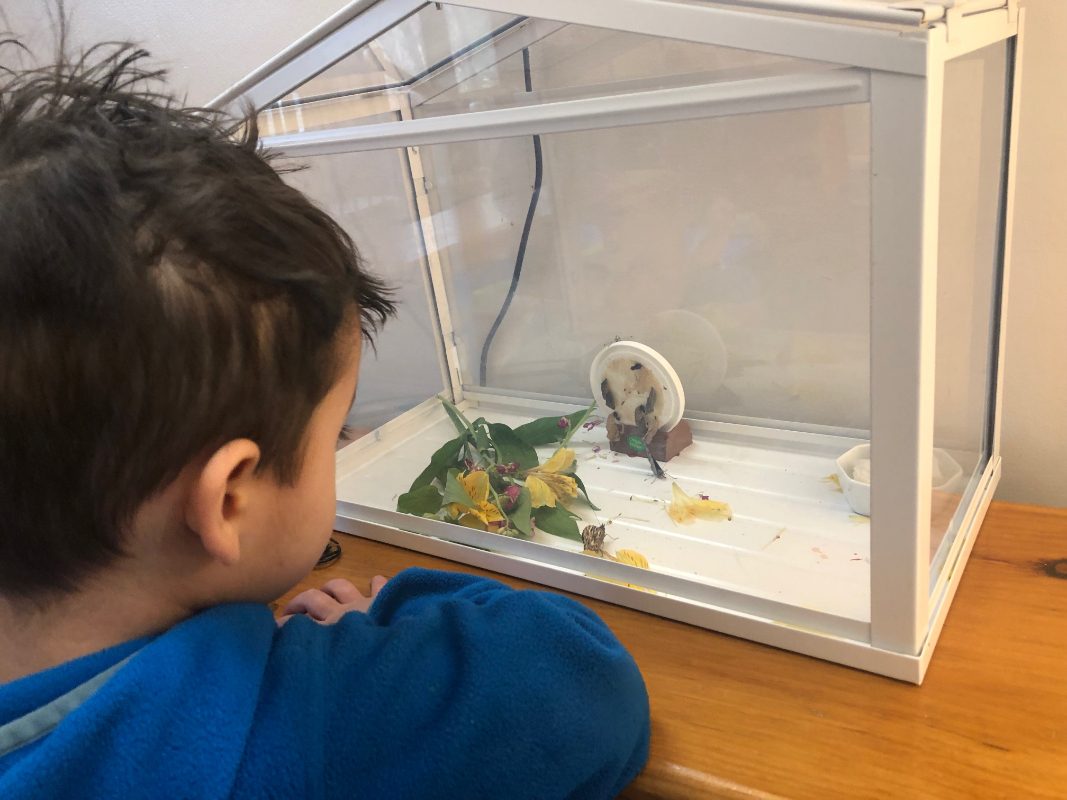
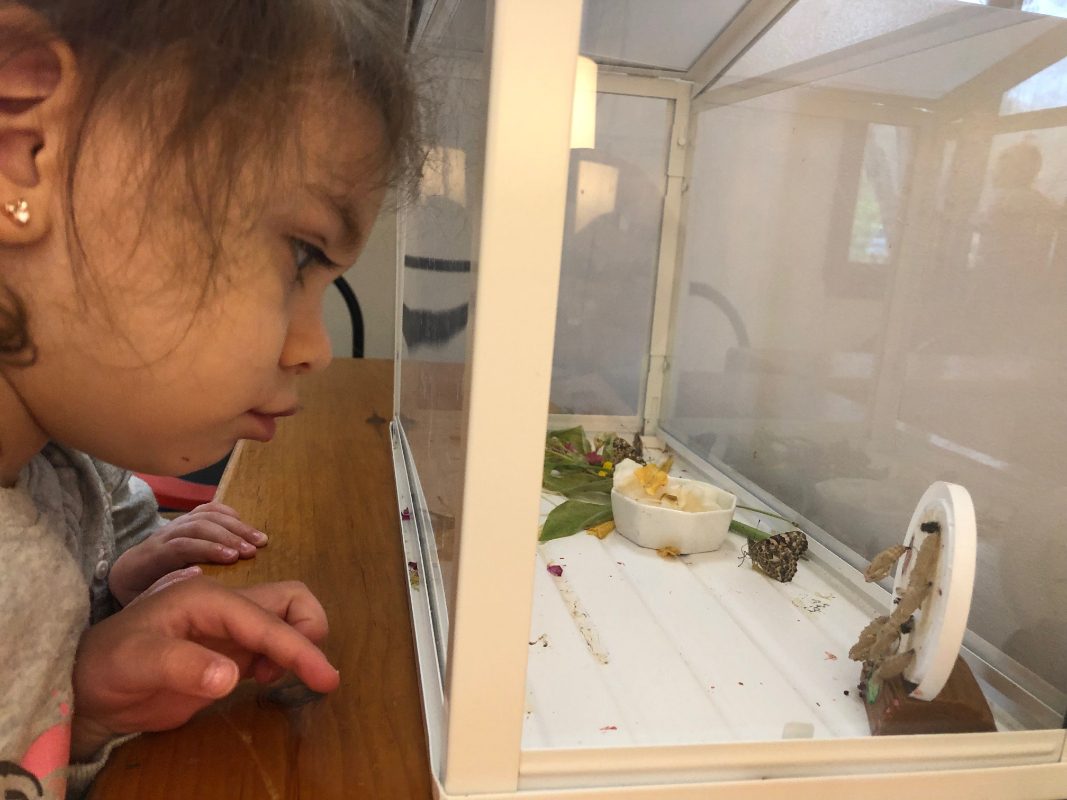
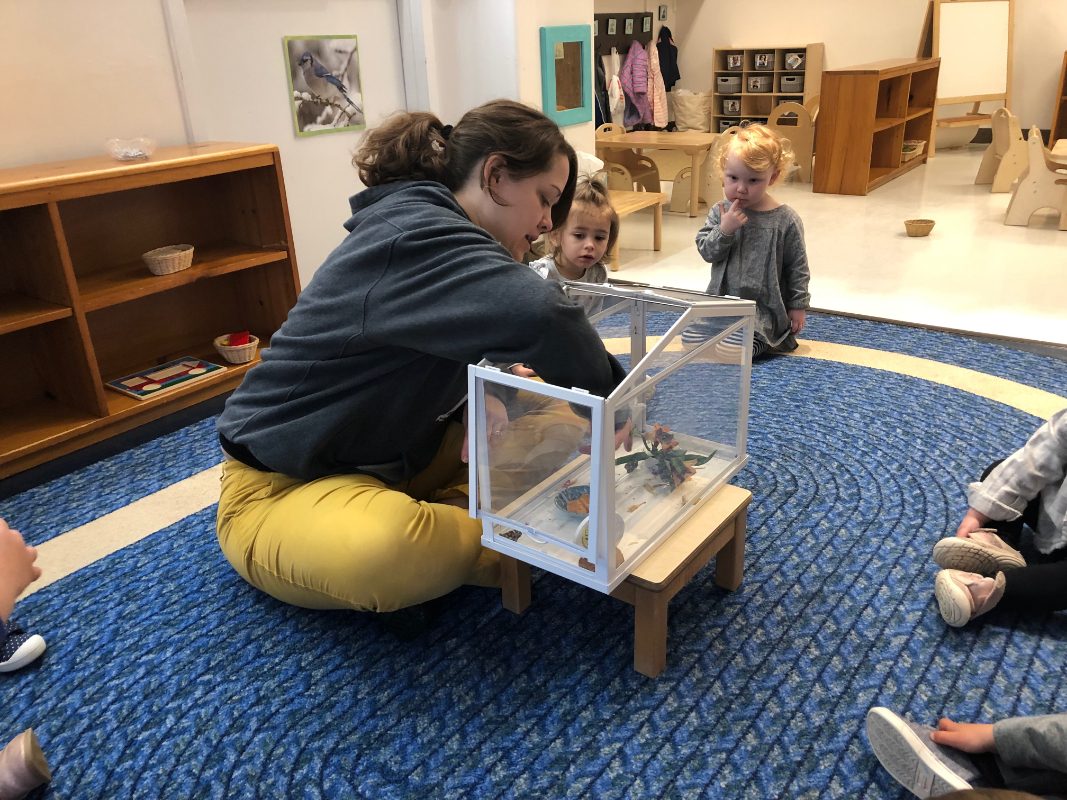
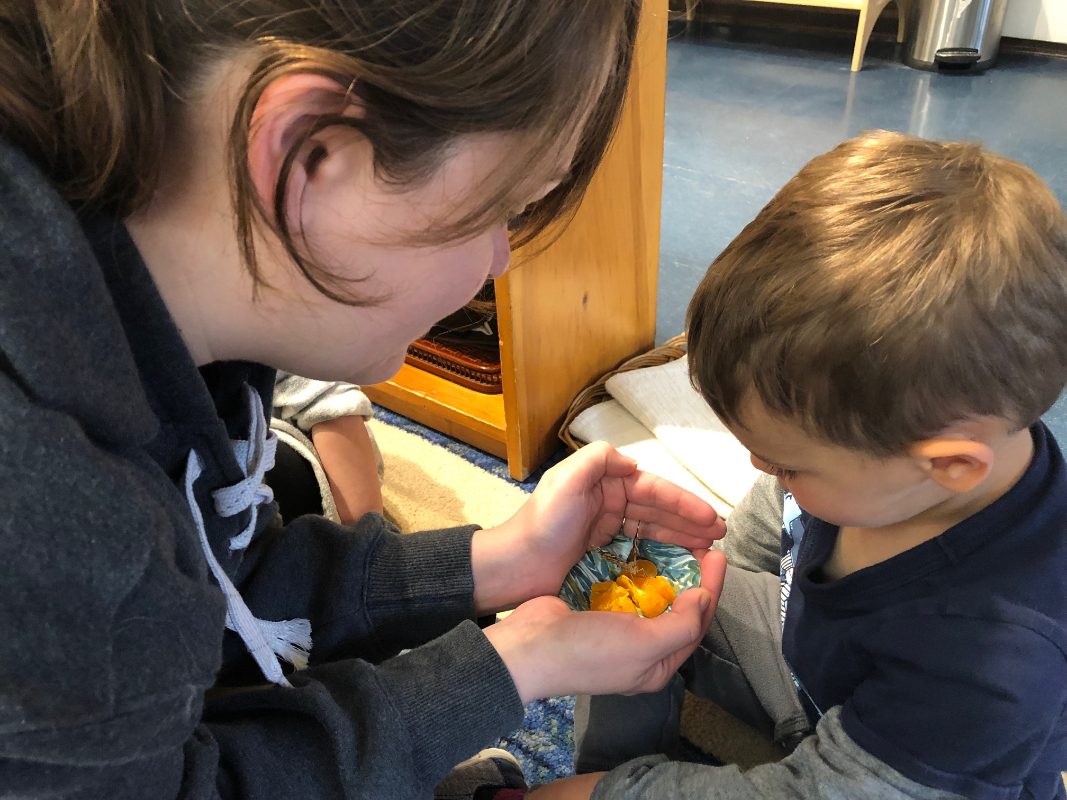
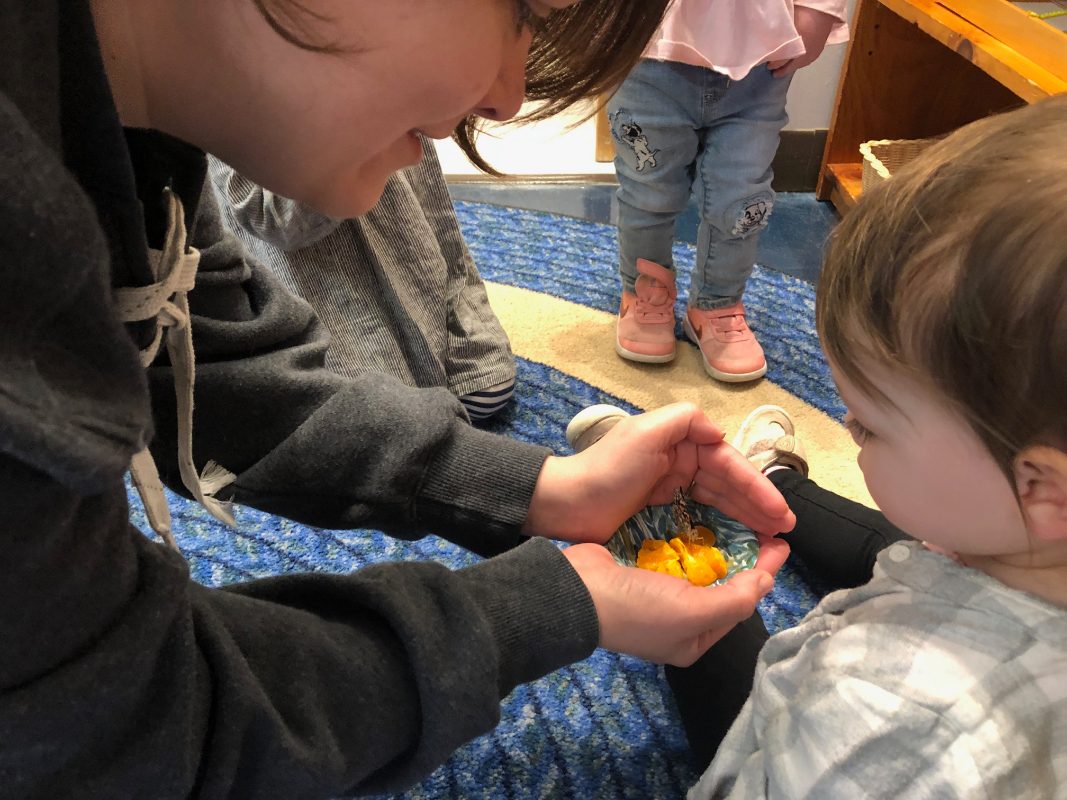
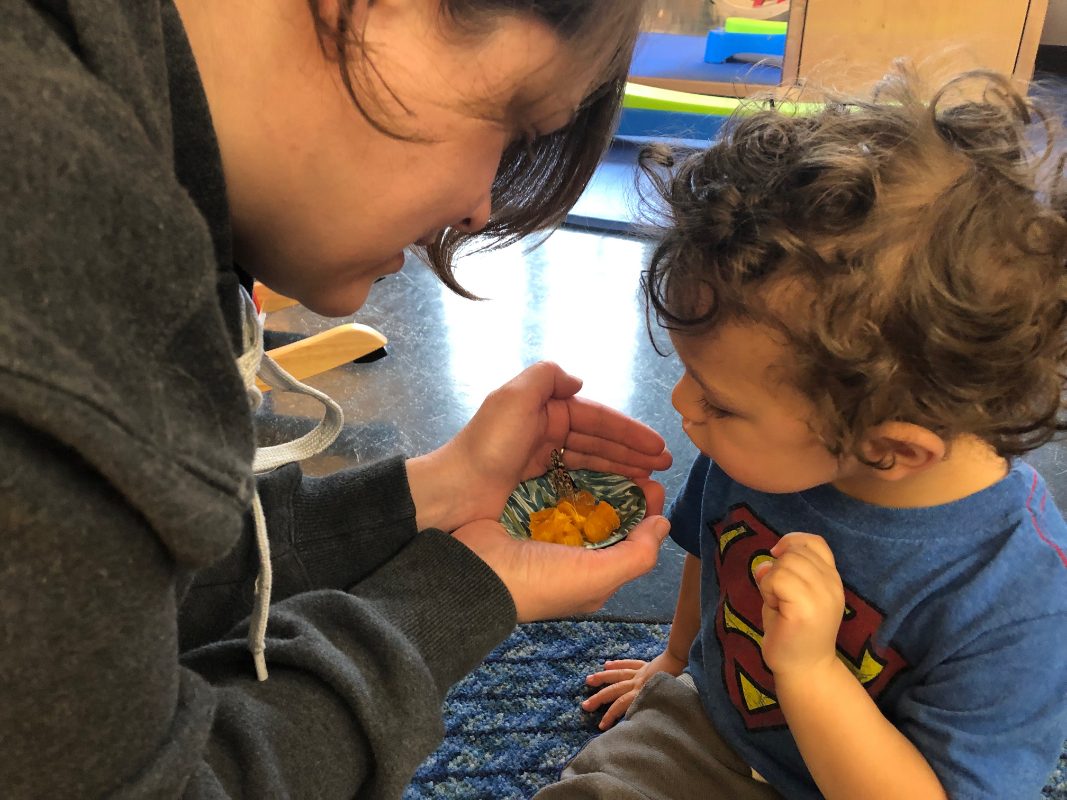
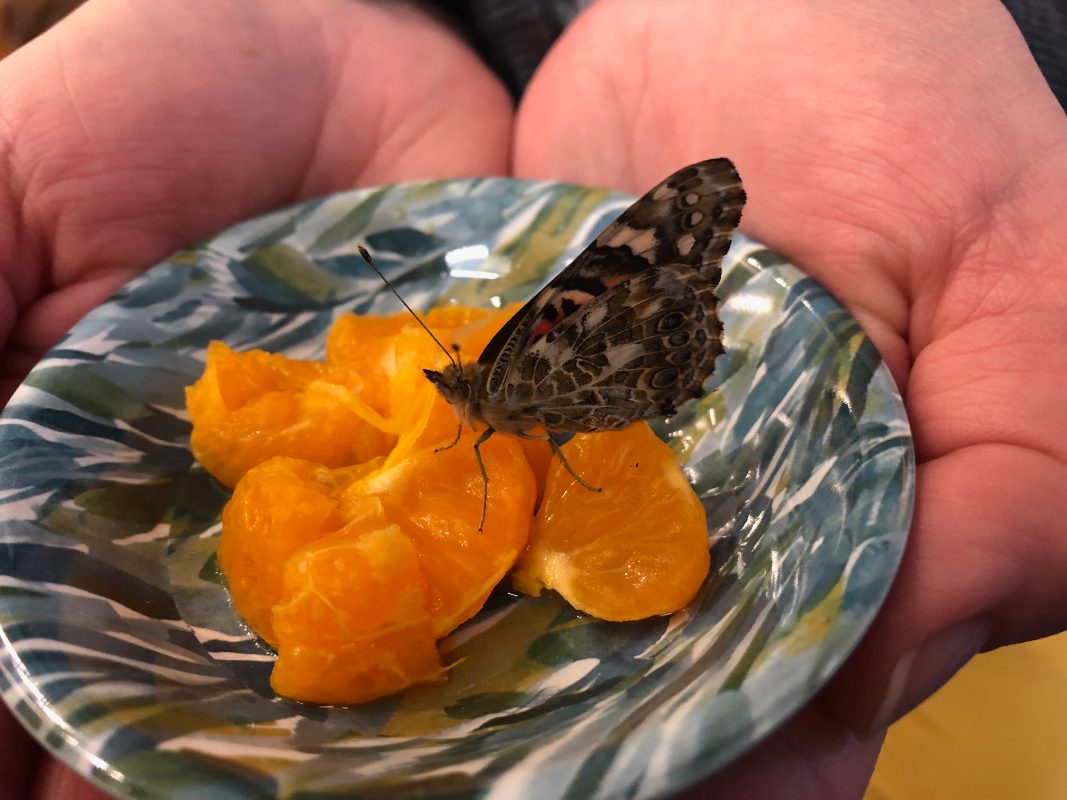
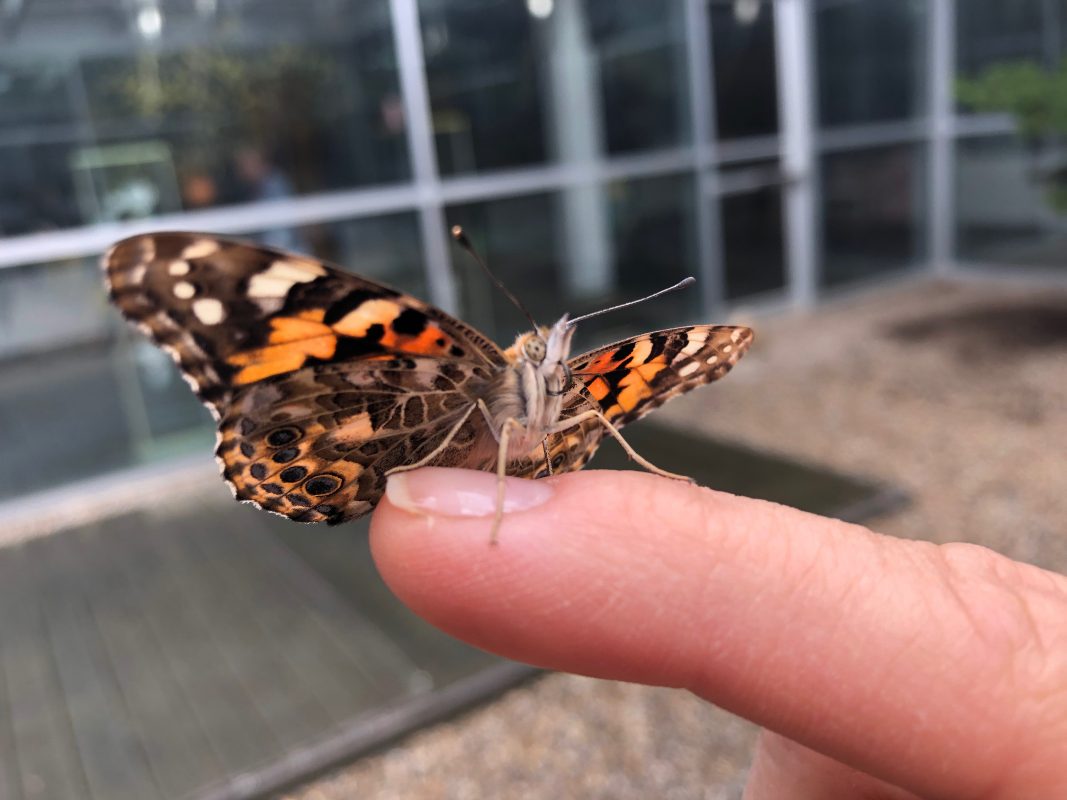
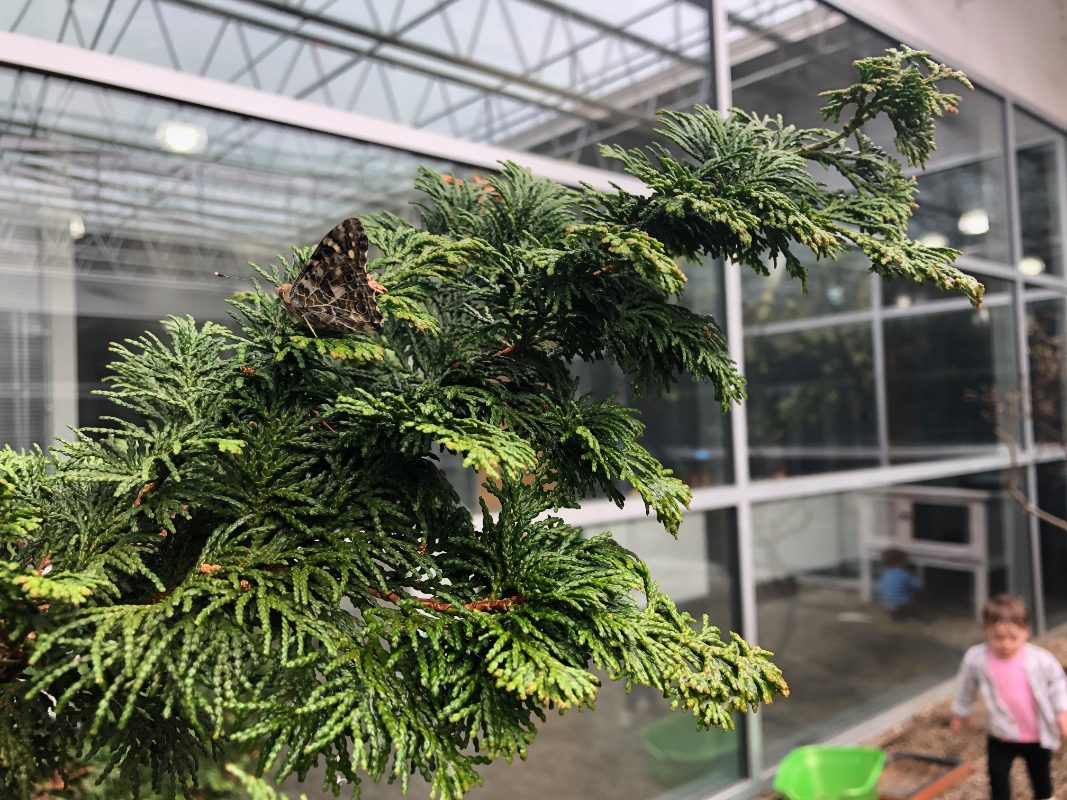
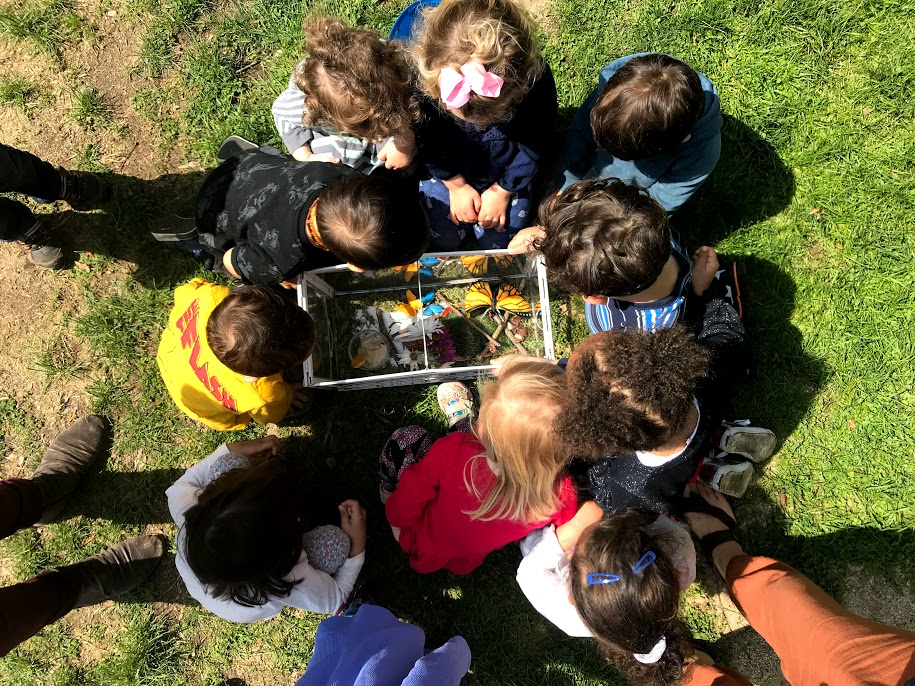
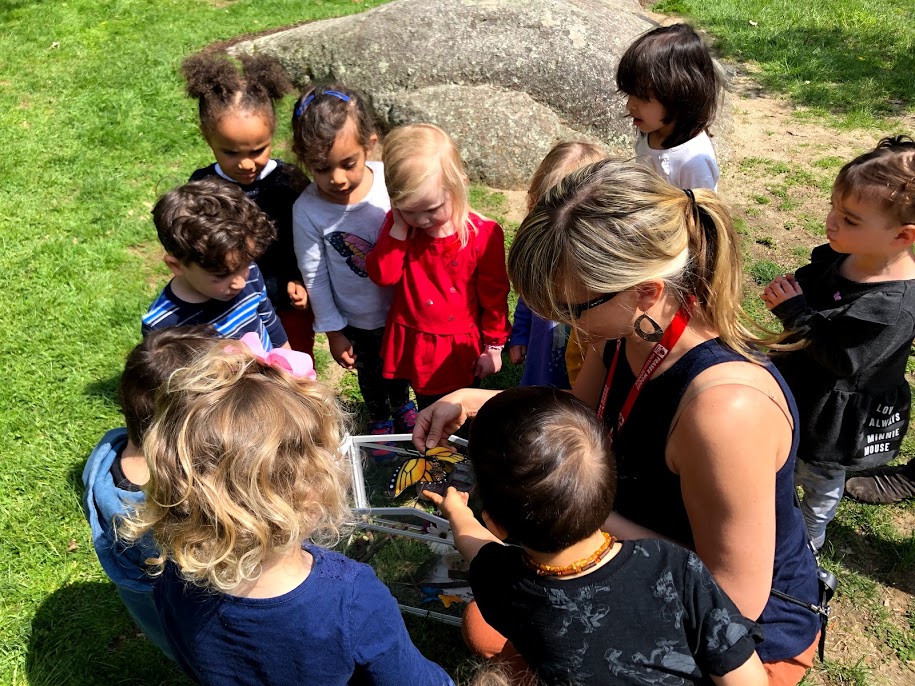
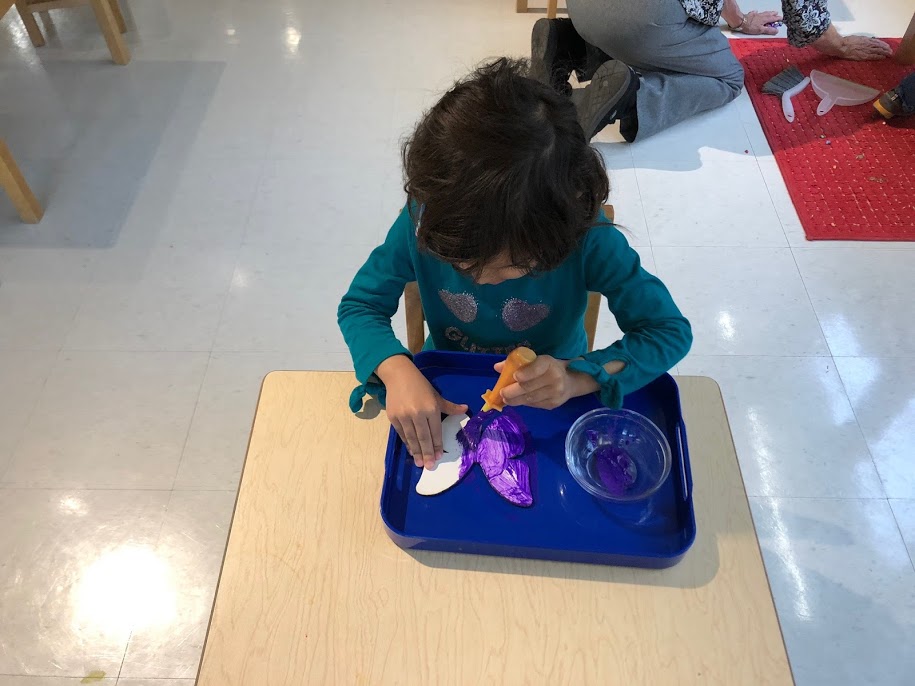
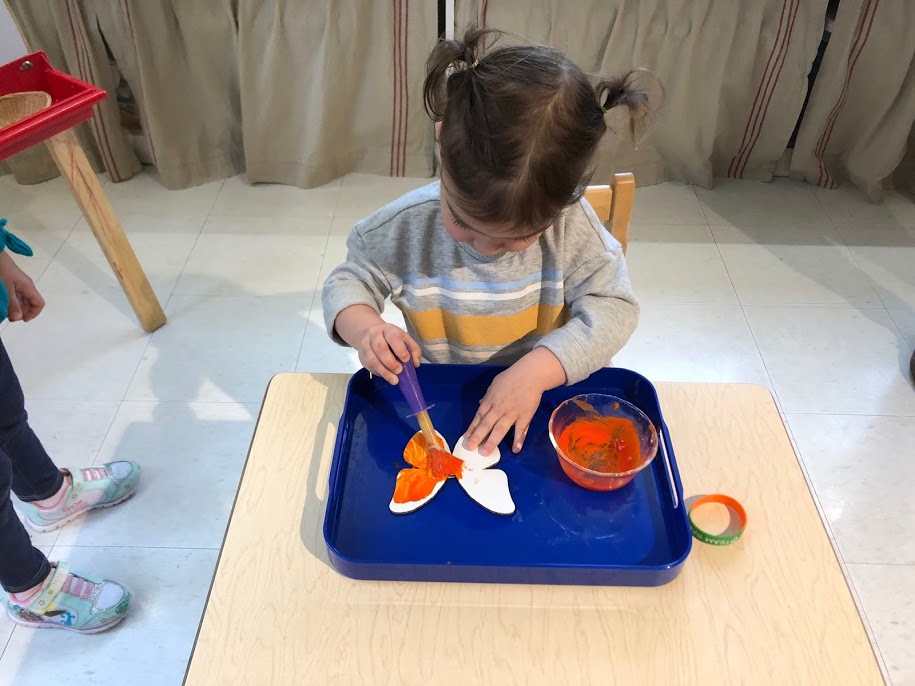
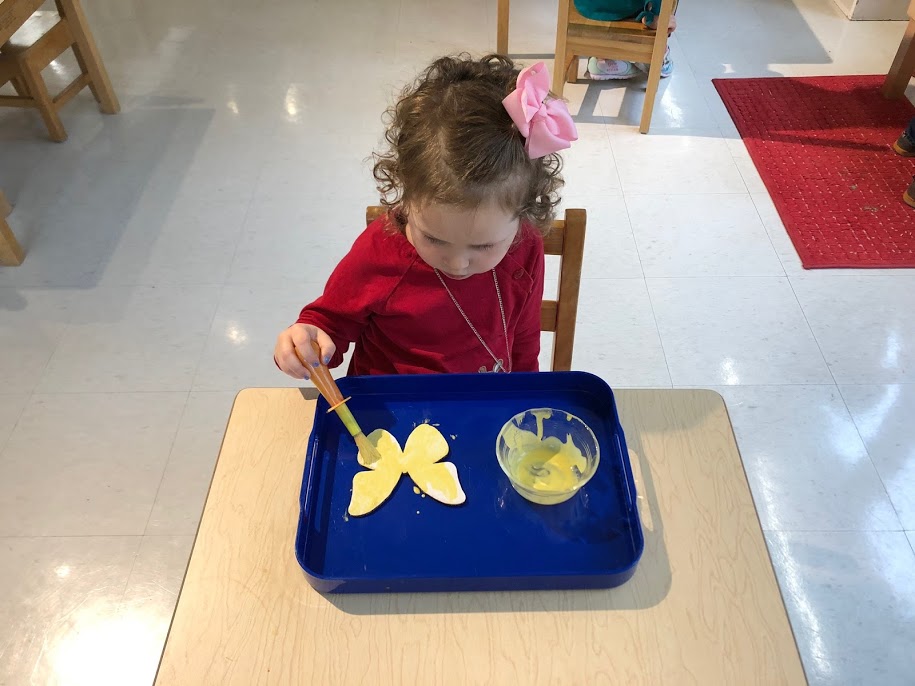
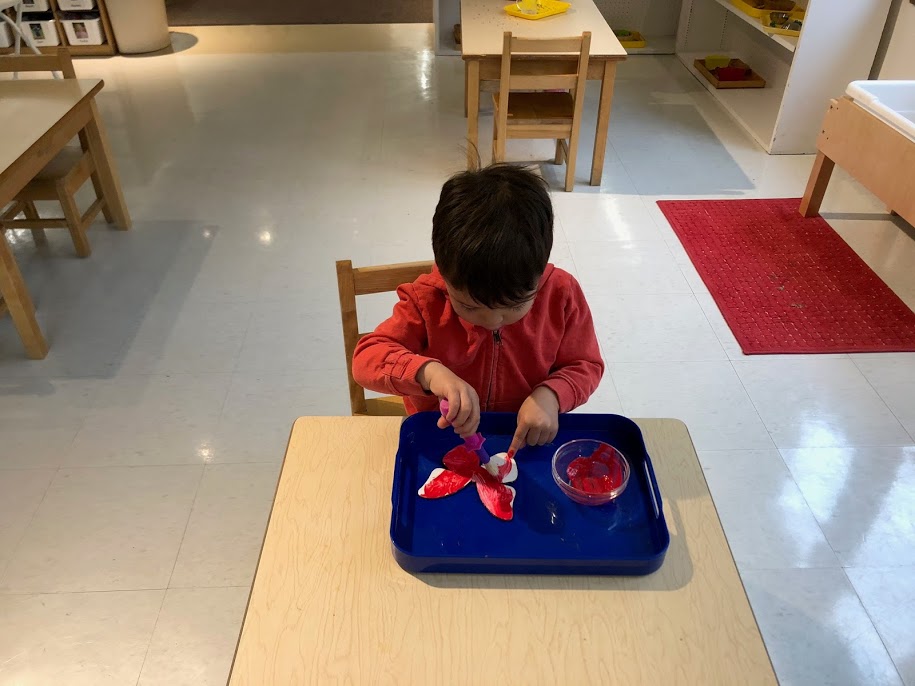
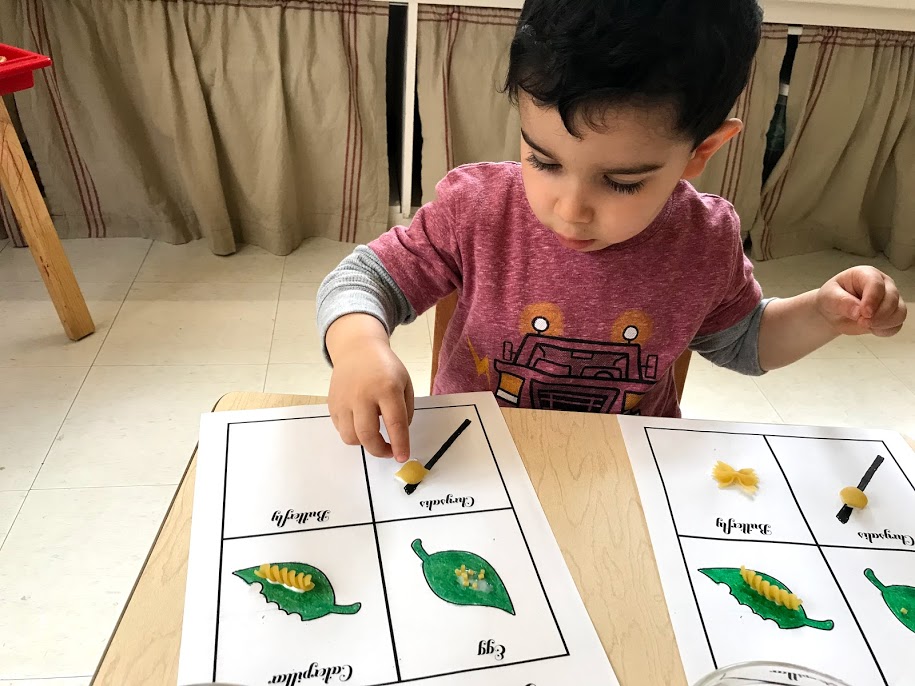
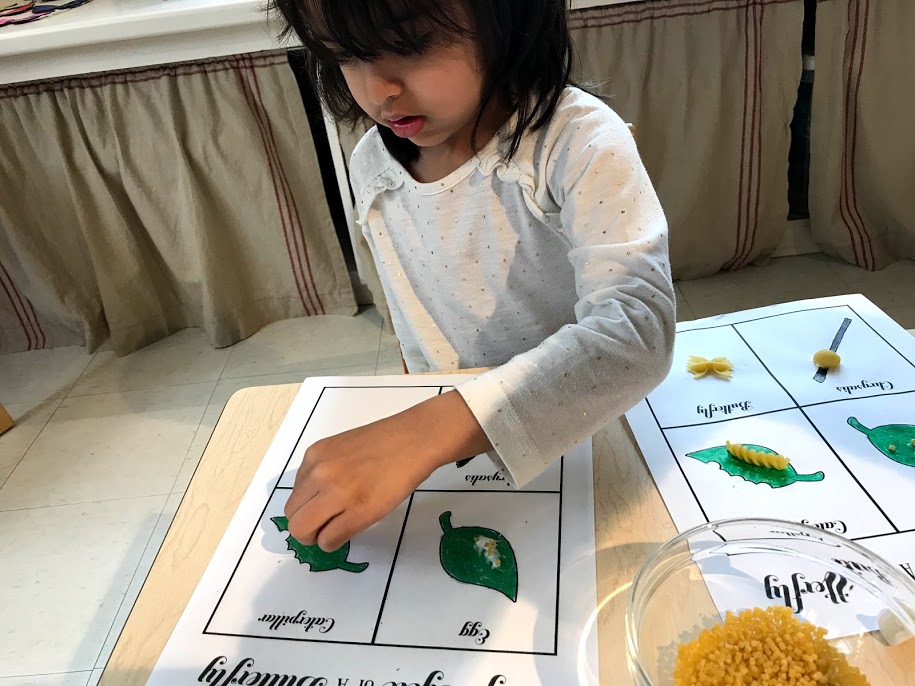
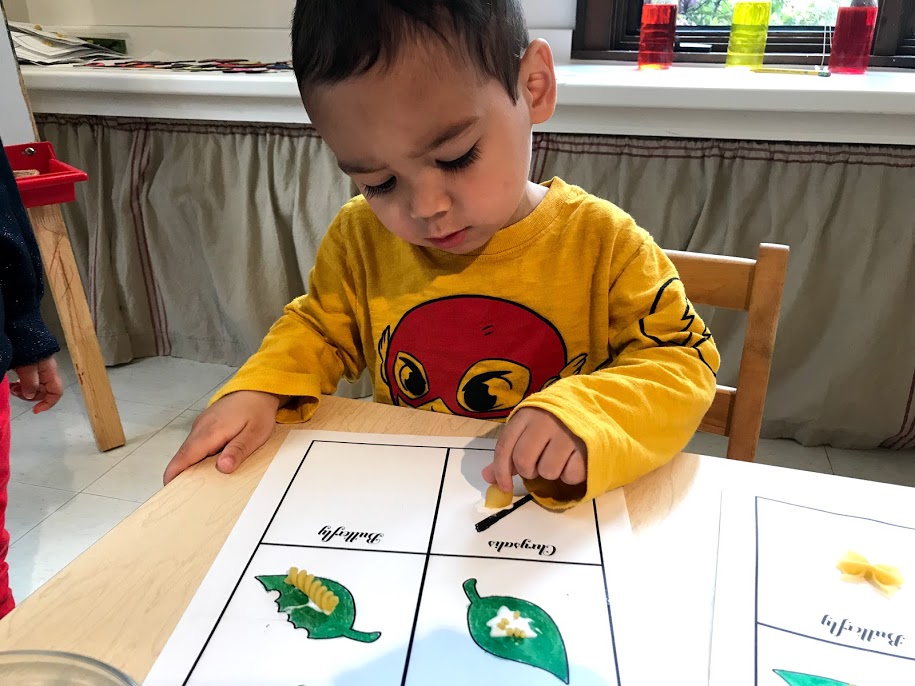
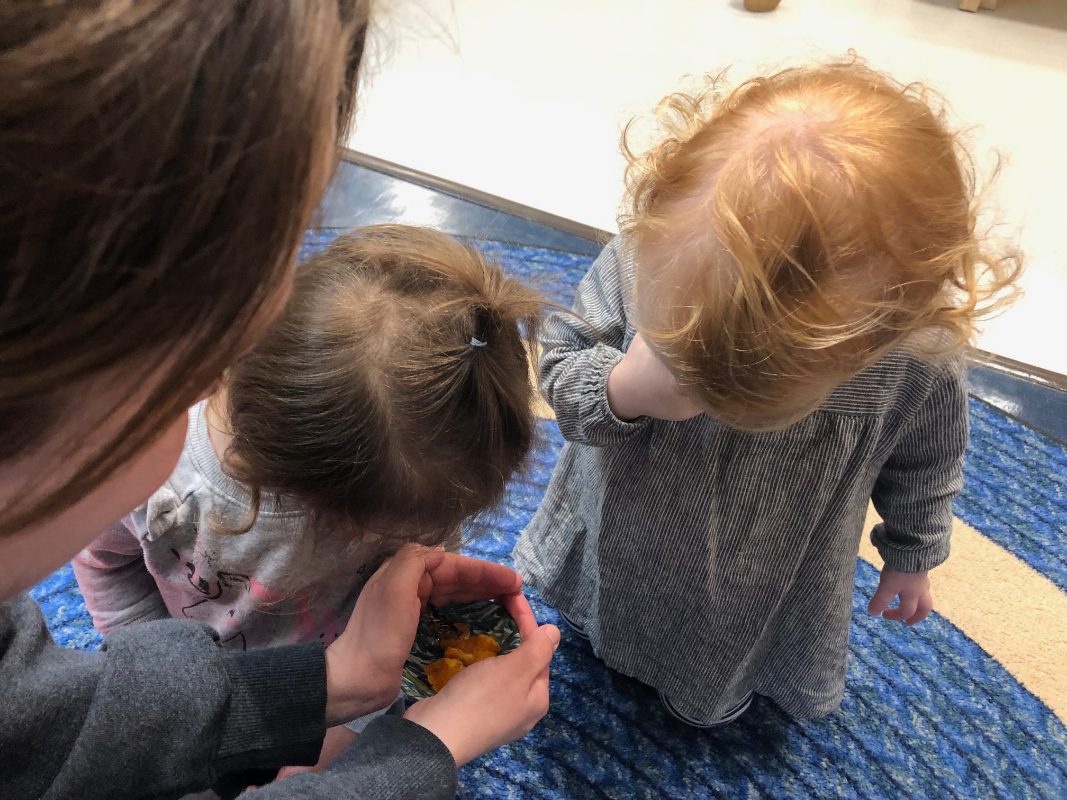
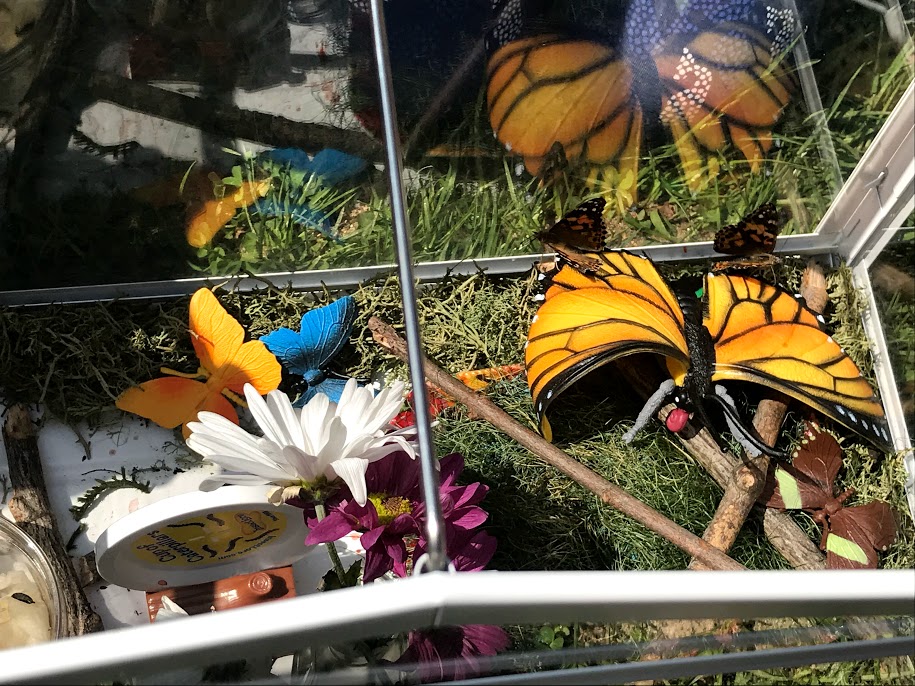
After days of observing patiently, our very hungry caterpillars fulfilled their metamorphosis process and became beautiful painted lady butterflies! Children were in awe to see them stretching their wings when they emerged from their chrysalis. They also had the opportunity to observe them very closely while the butterflies used their tongues to drink the nectar from a juicy clementine.
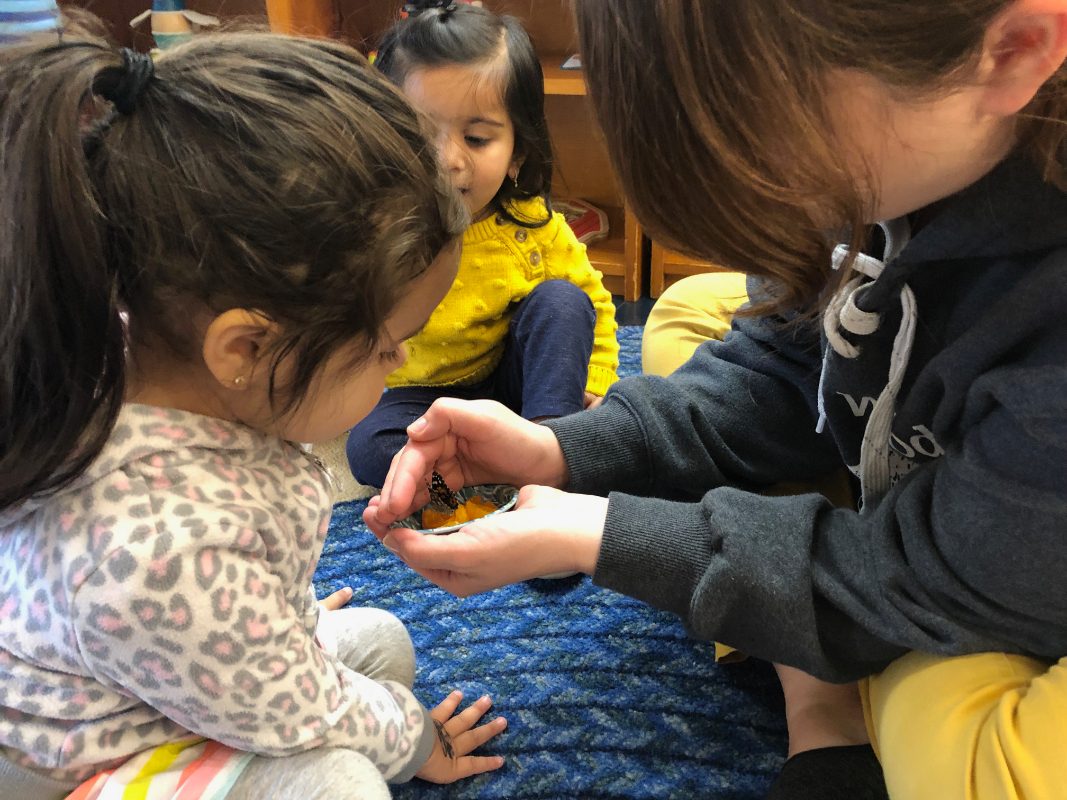
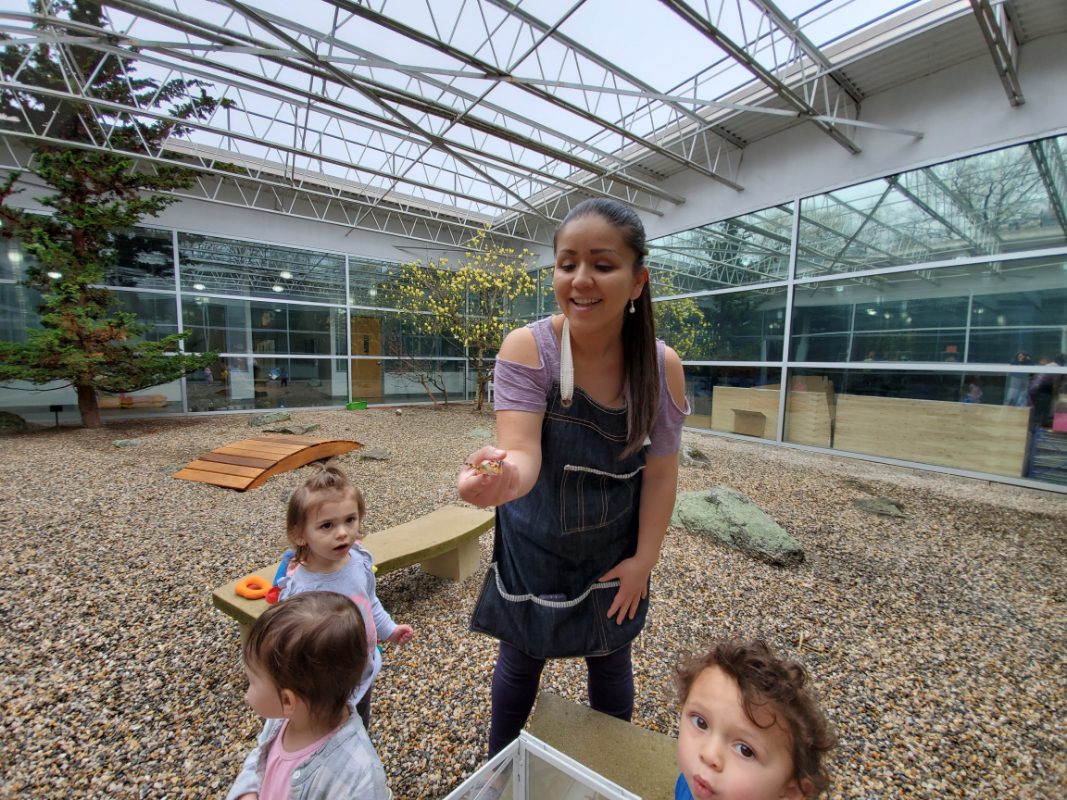
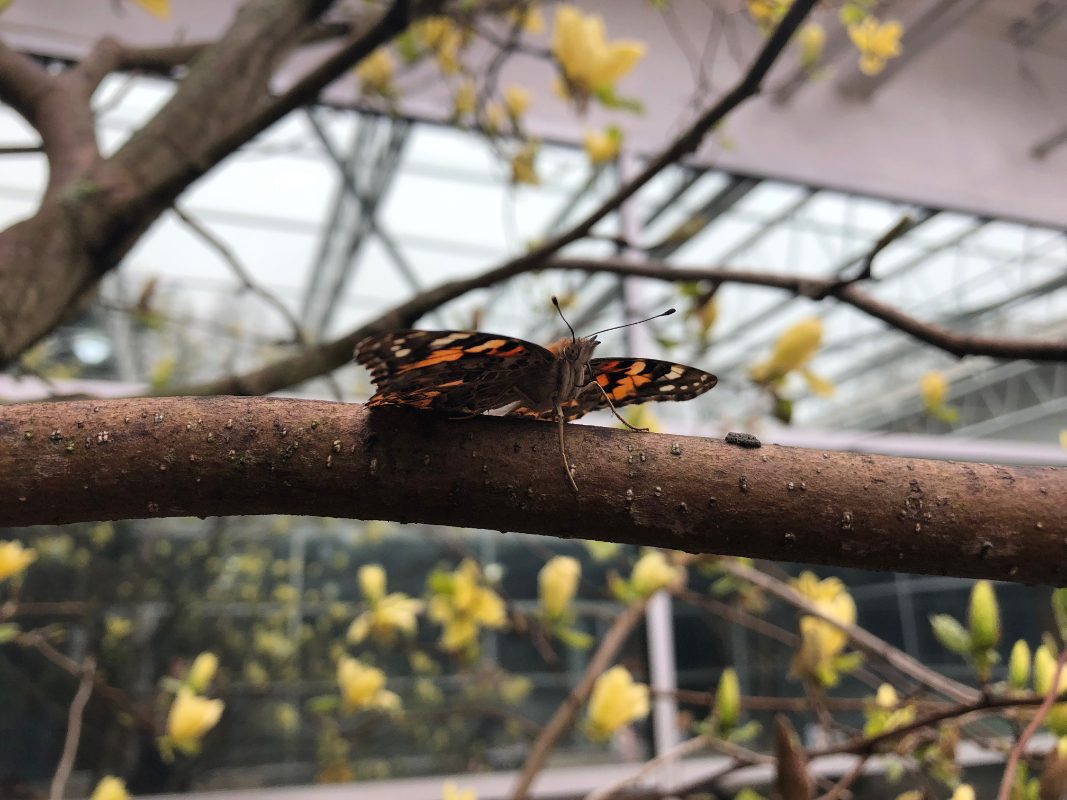
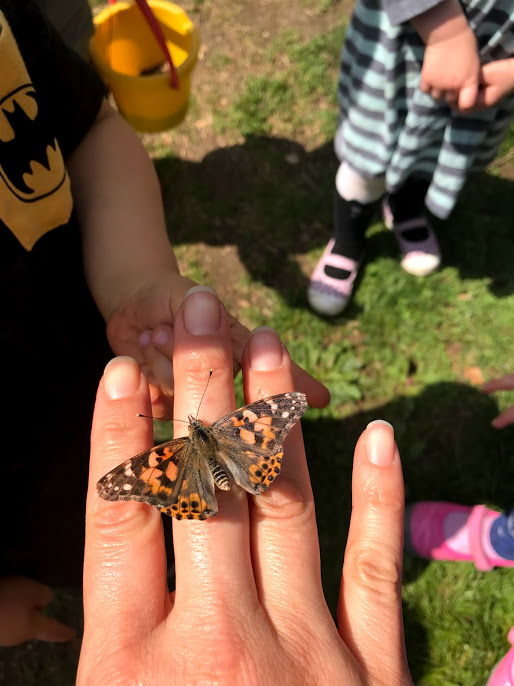
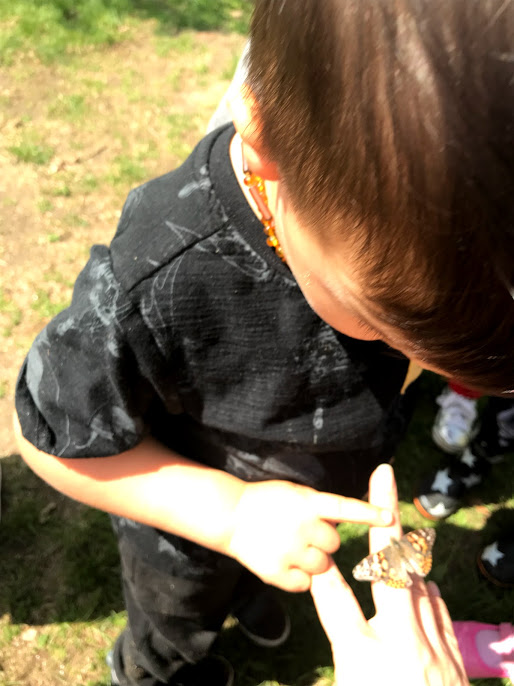
One by one, the butterflies were released into our Zen Garden and we got to see them flying away! Your little ones were very excited to see the butterflies standing on their fingers or clothes. There was so much giggling and excitement! It was a great experience for all of us!
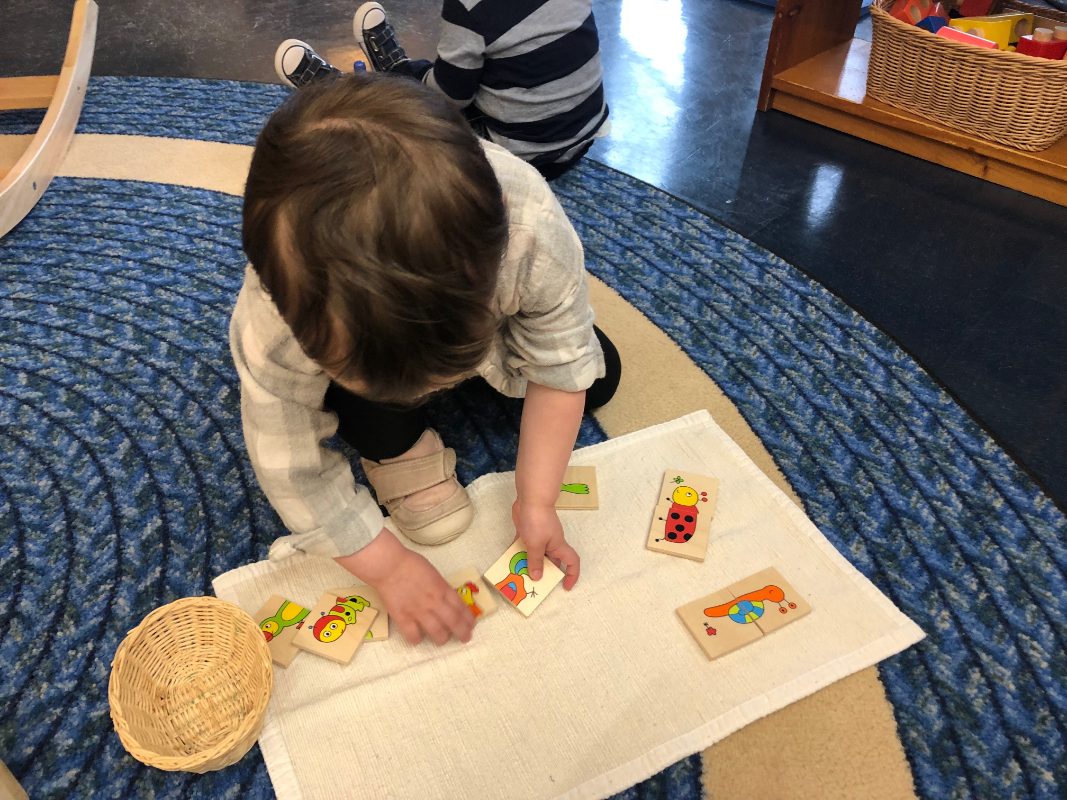
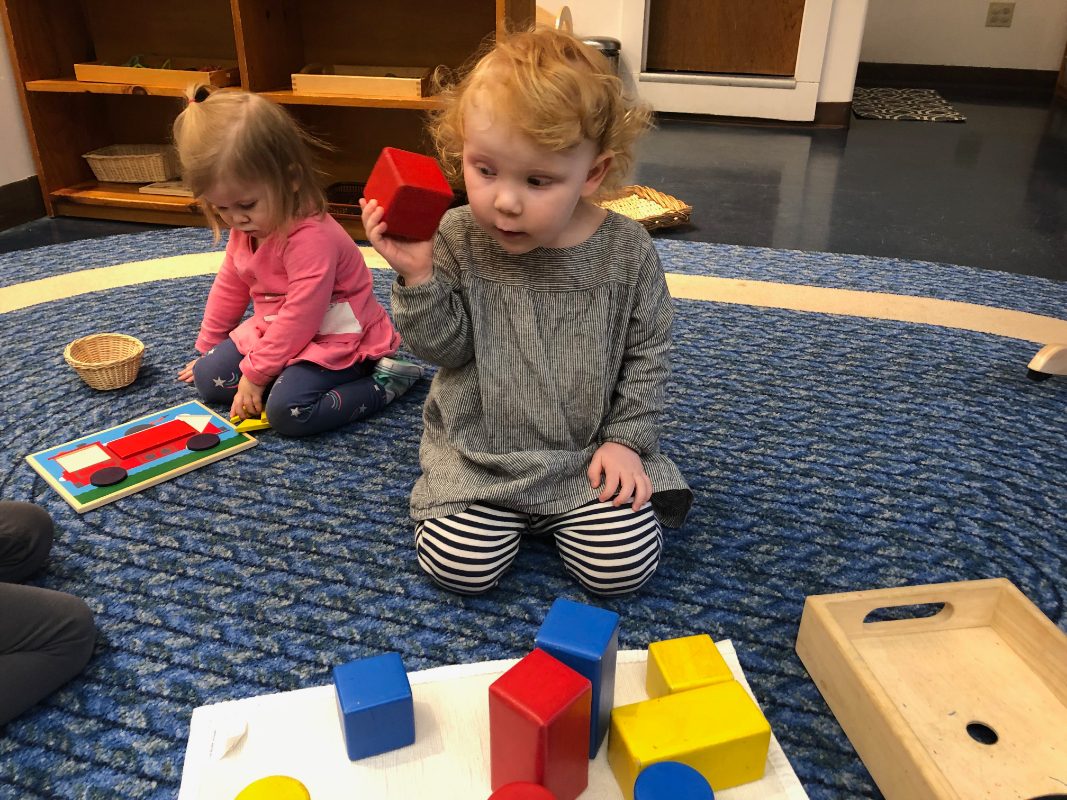
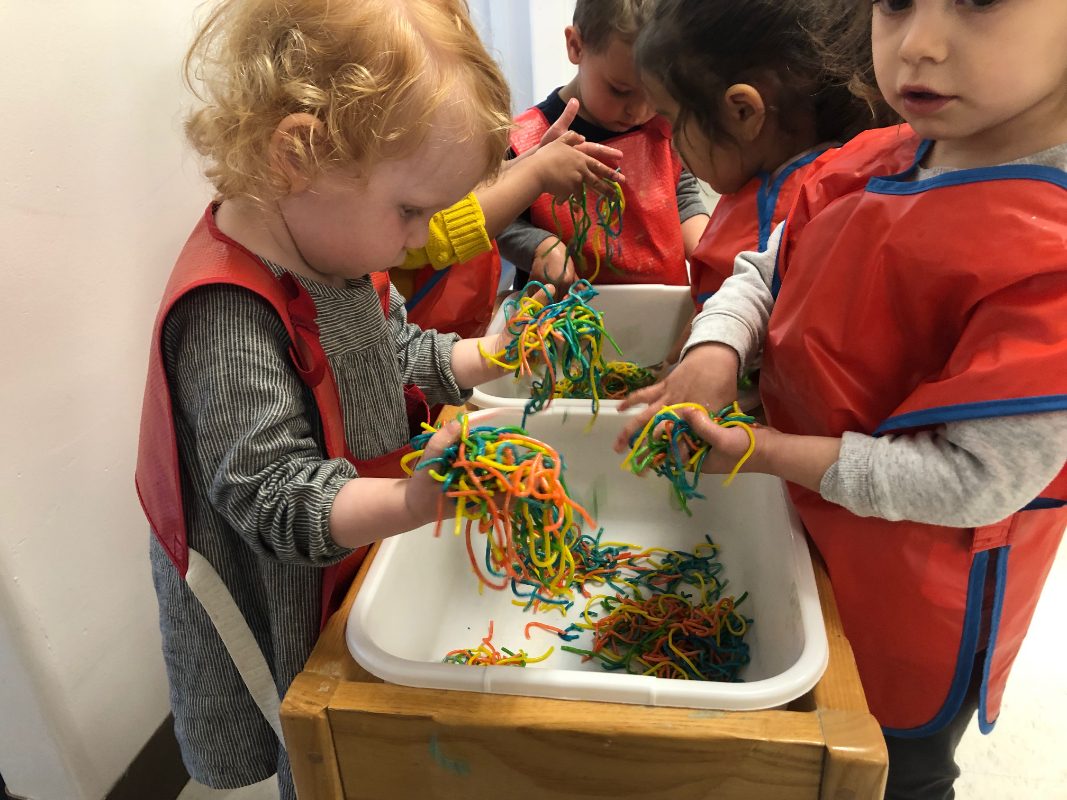
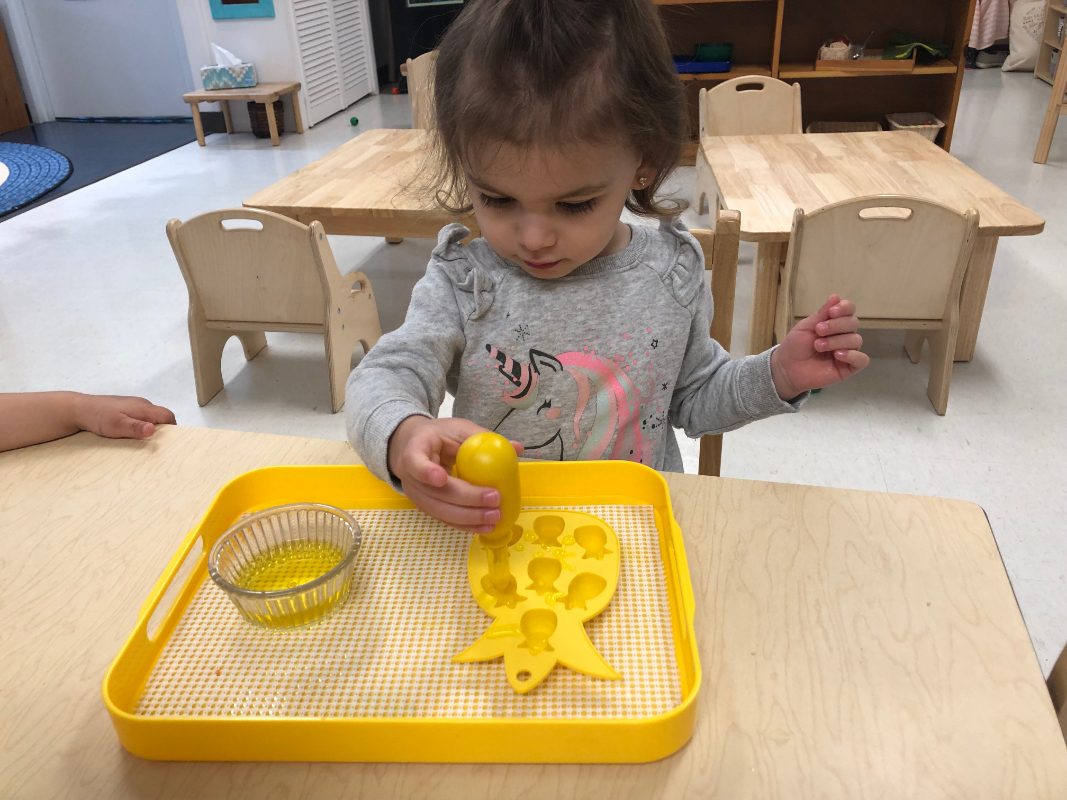
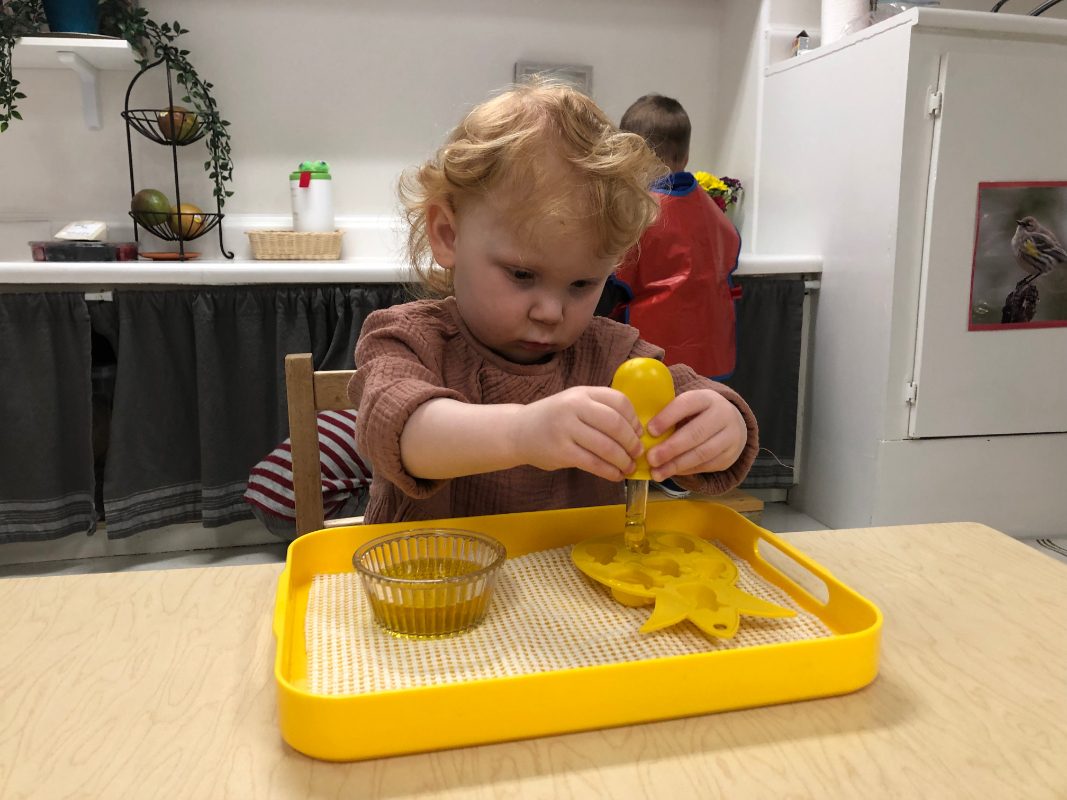
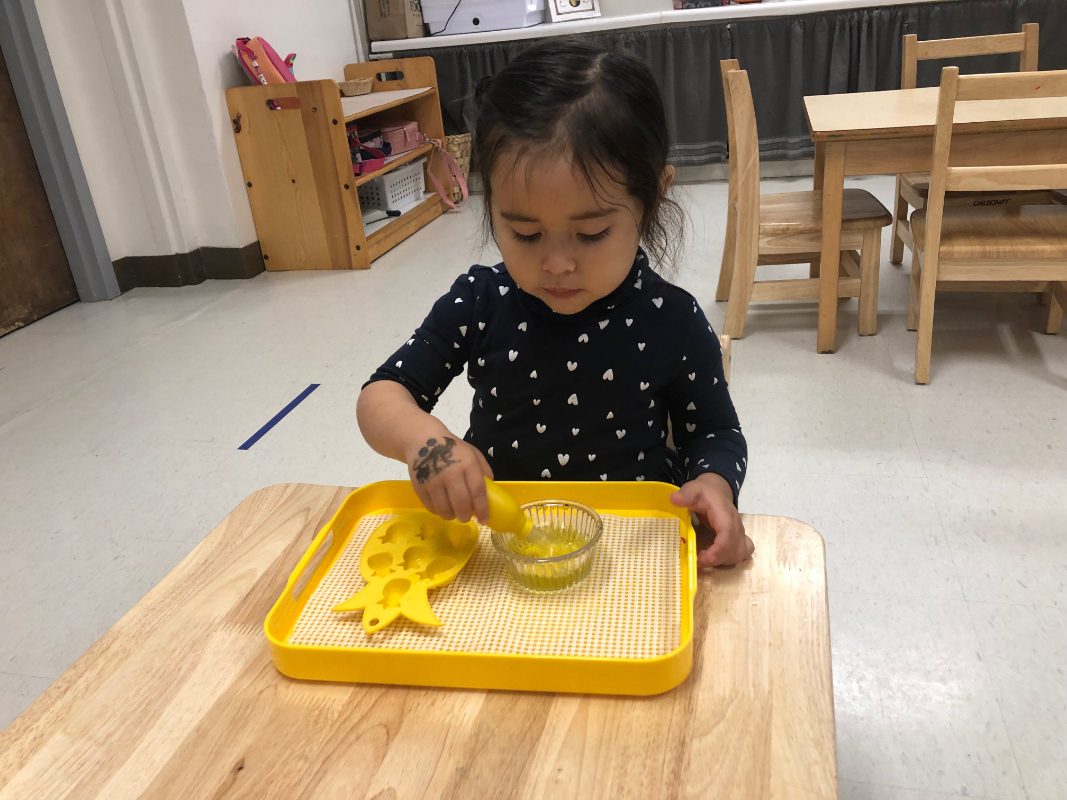
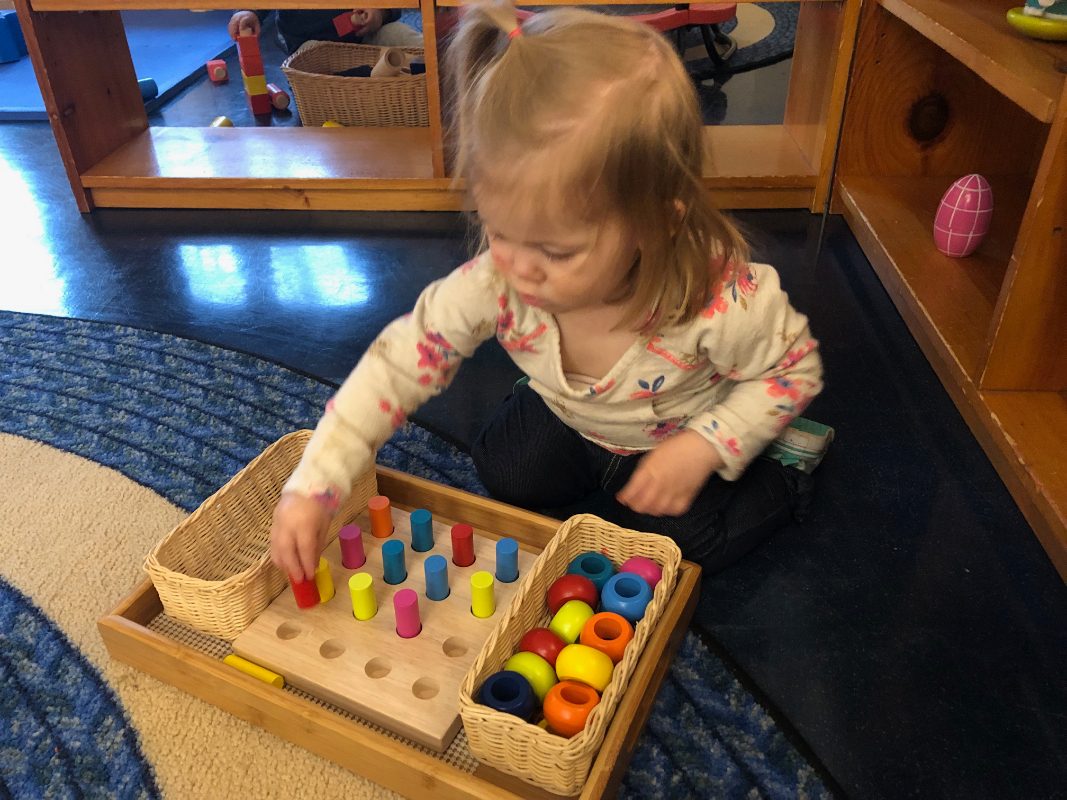
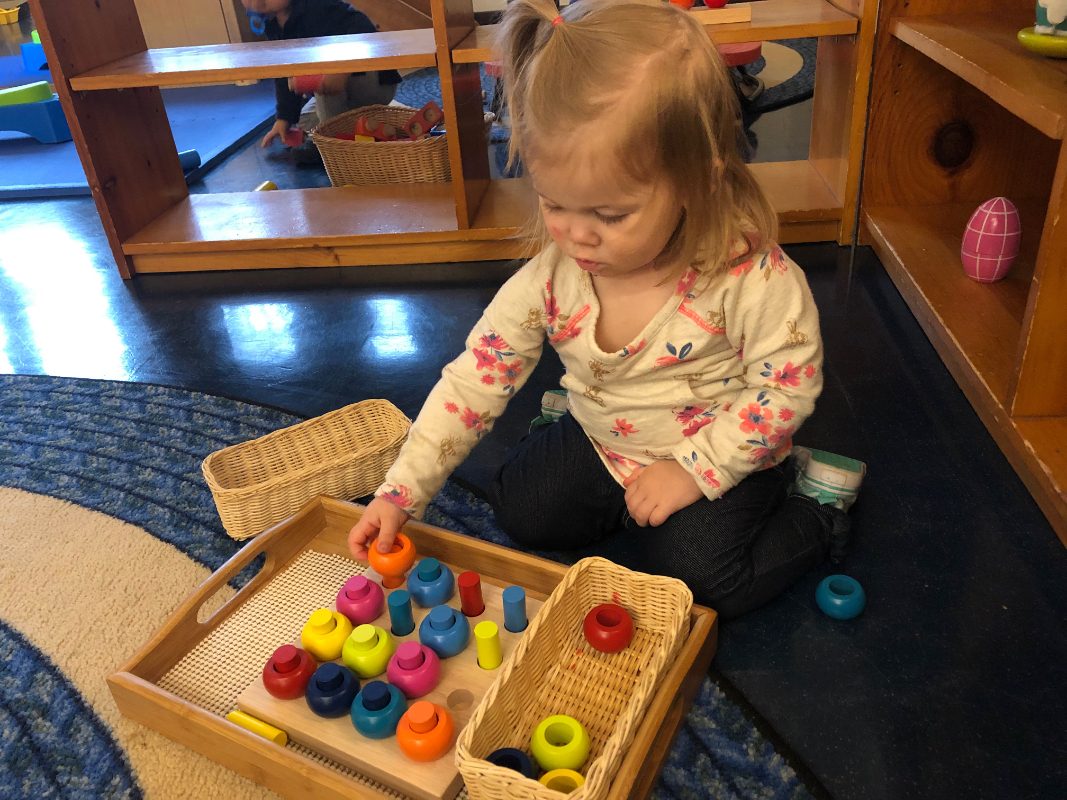
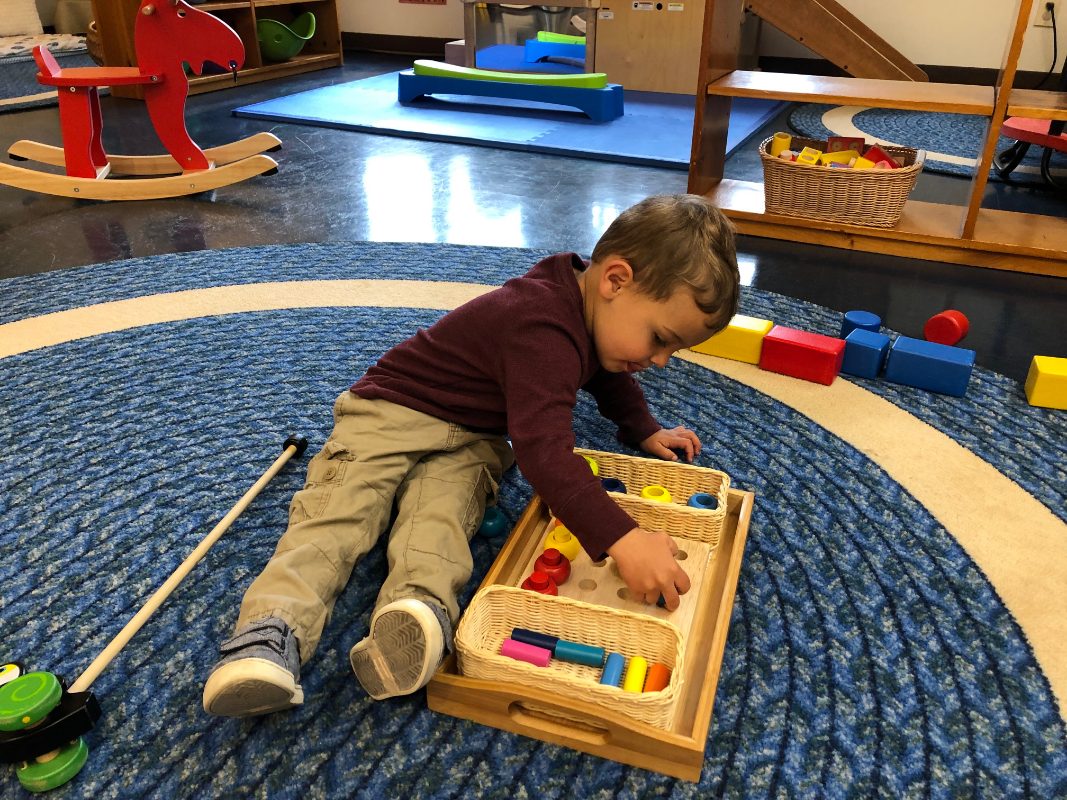
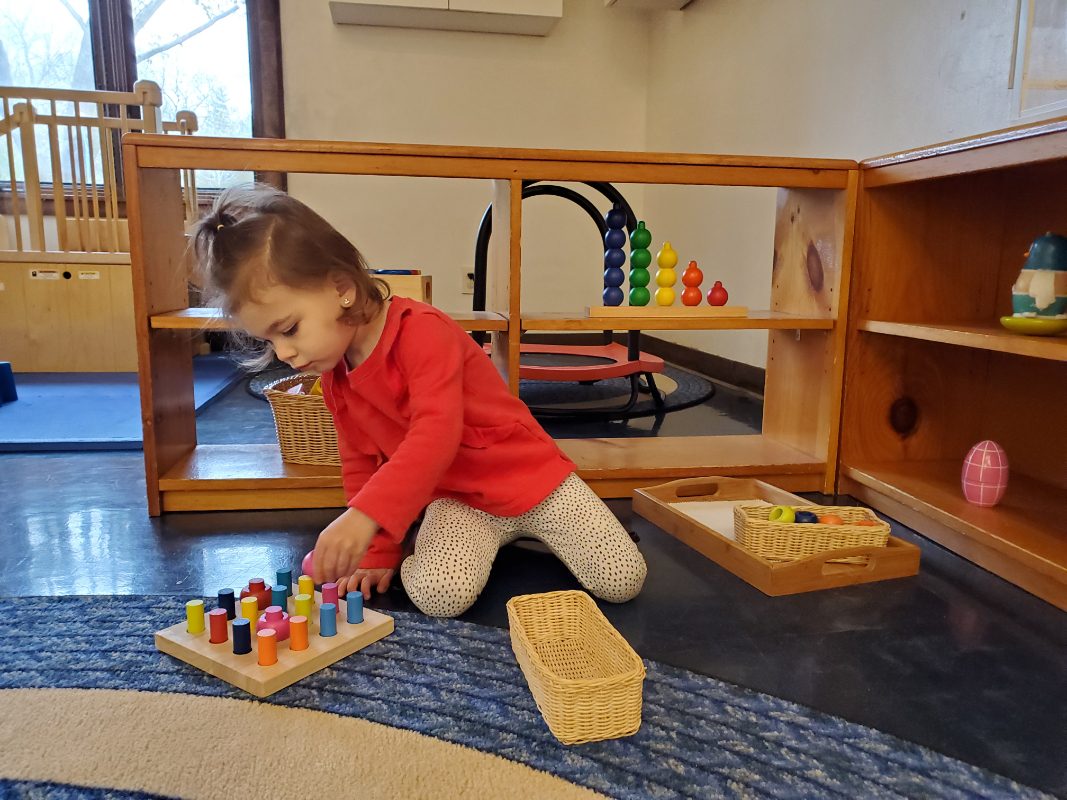
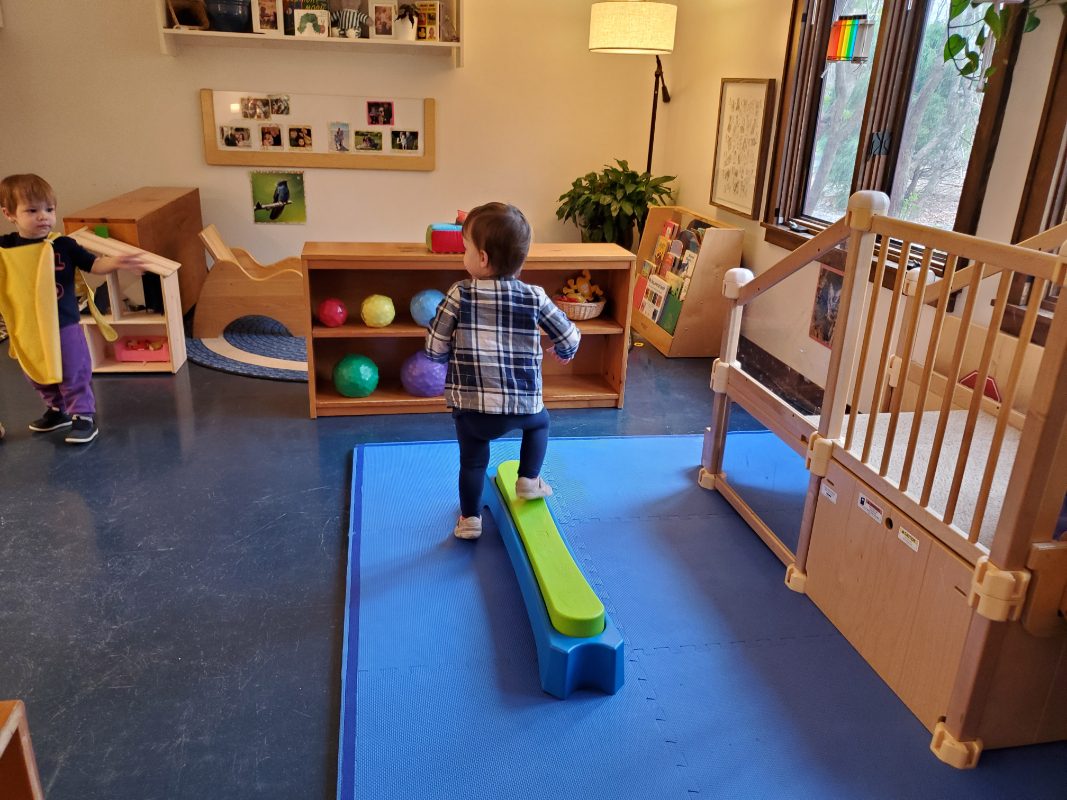
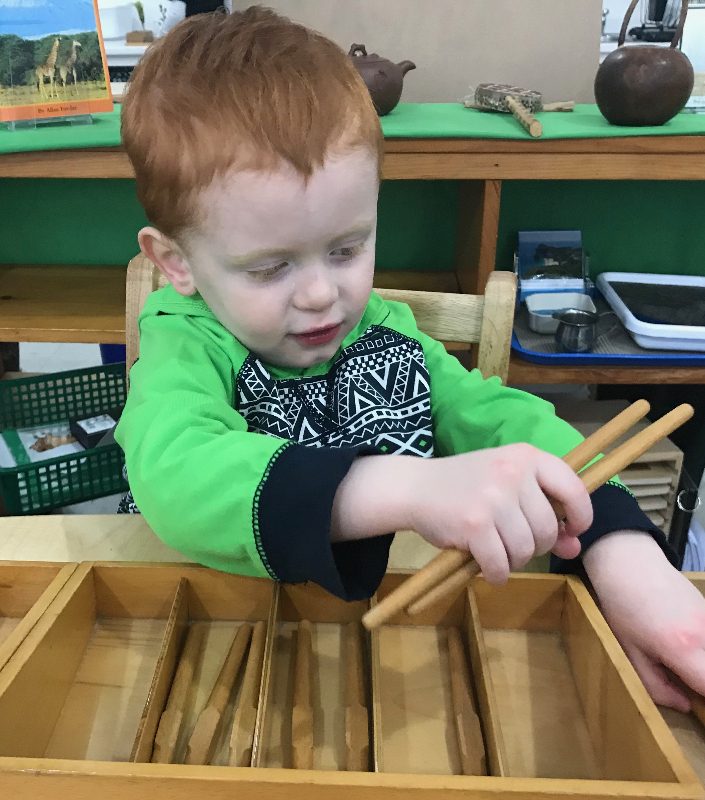
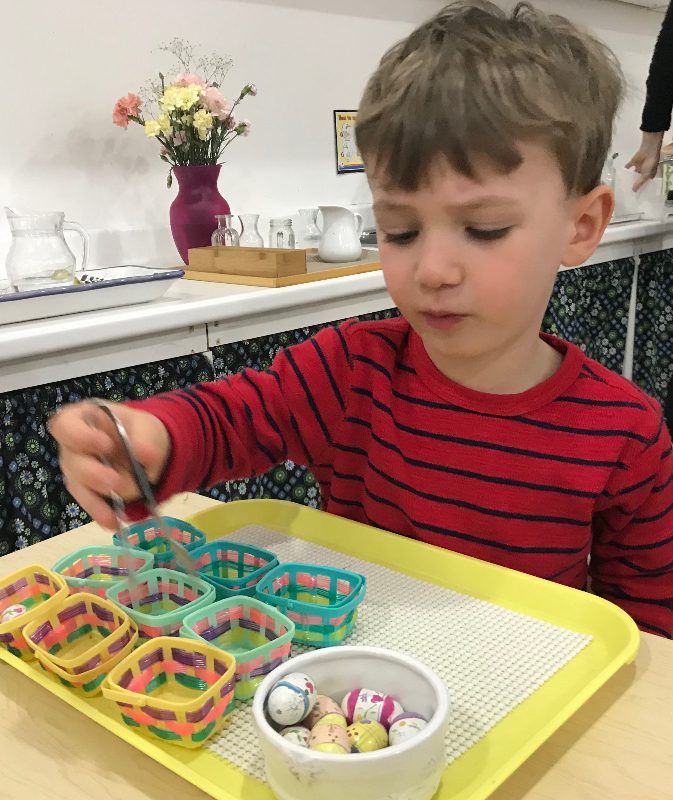
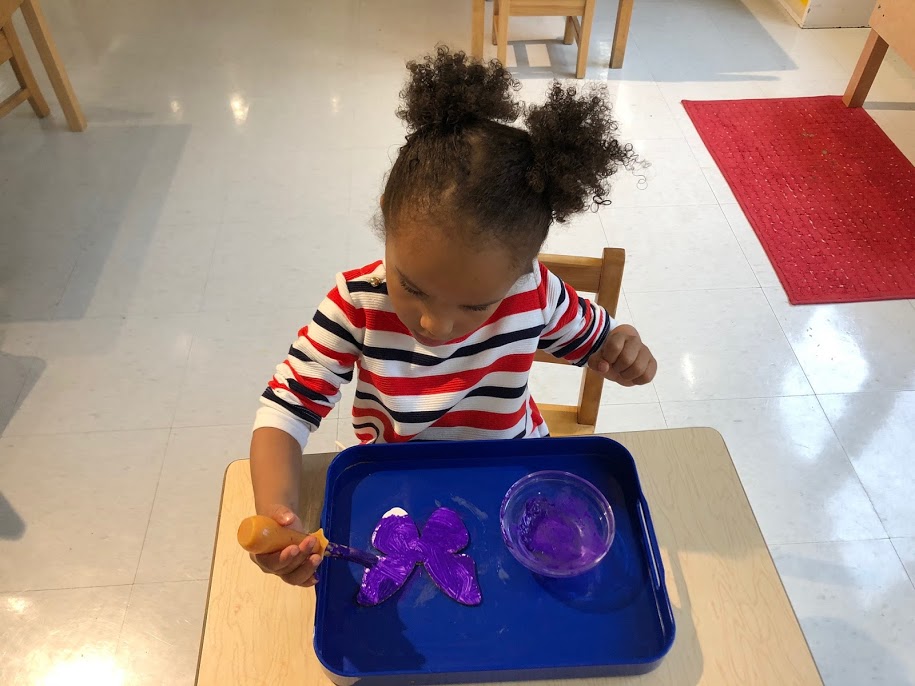
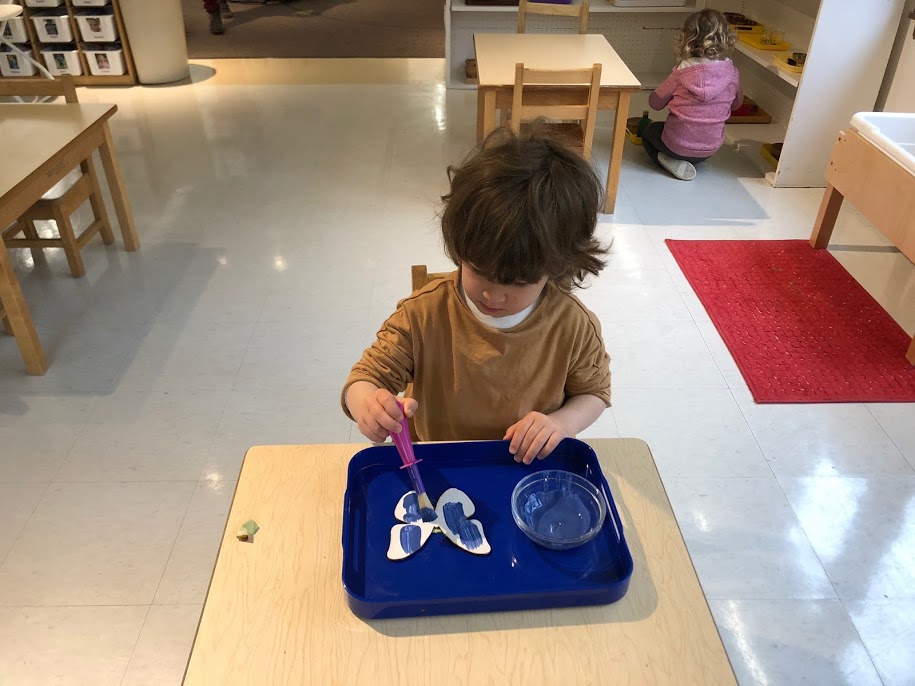
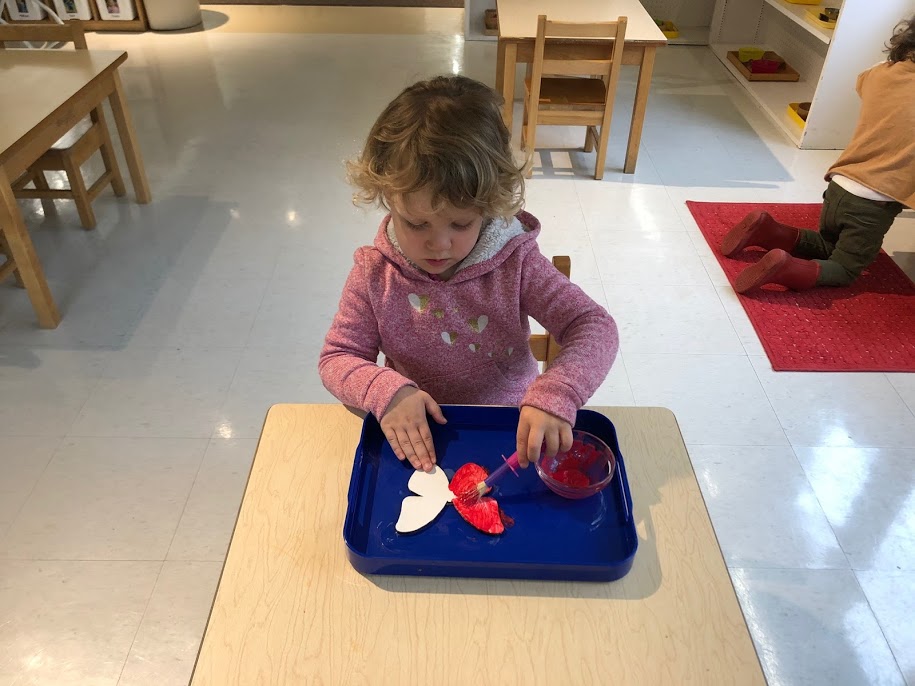
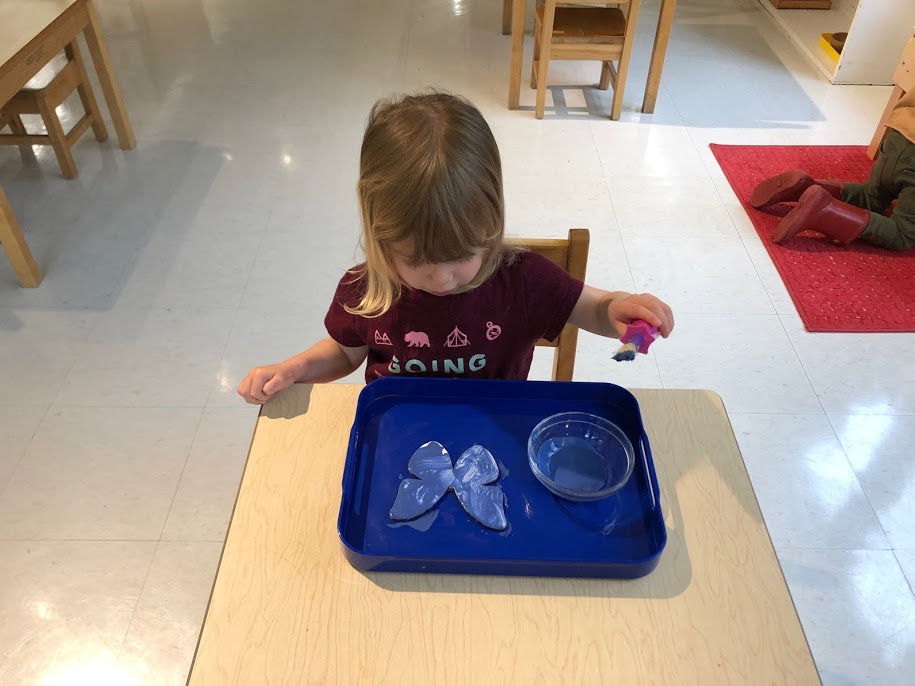
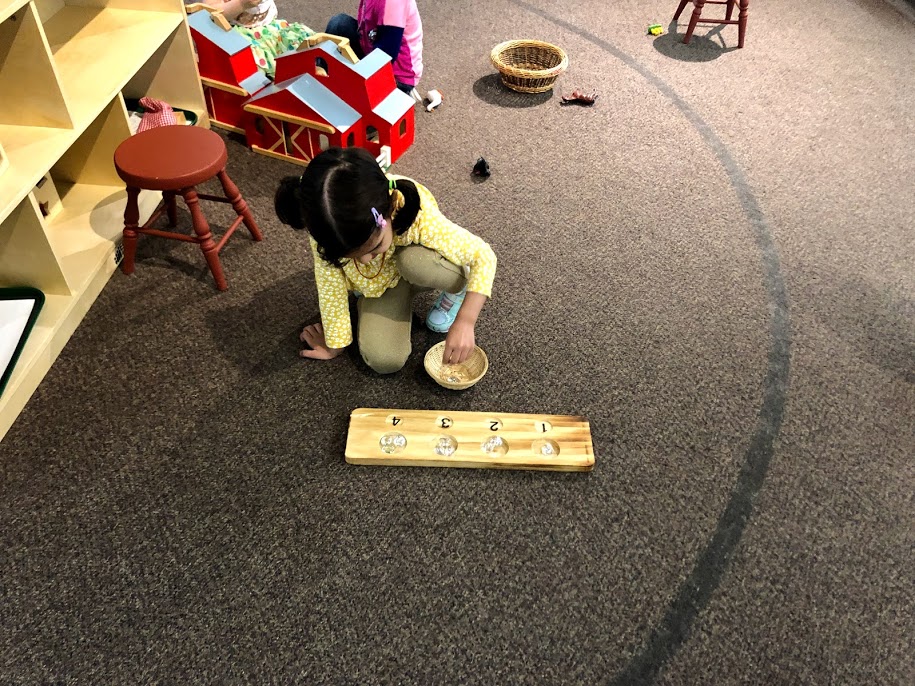
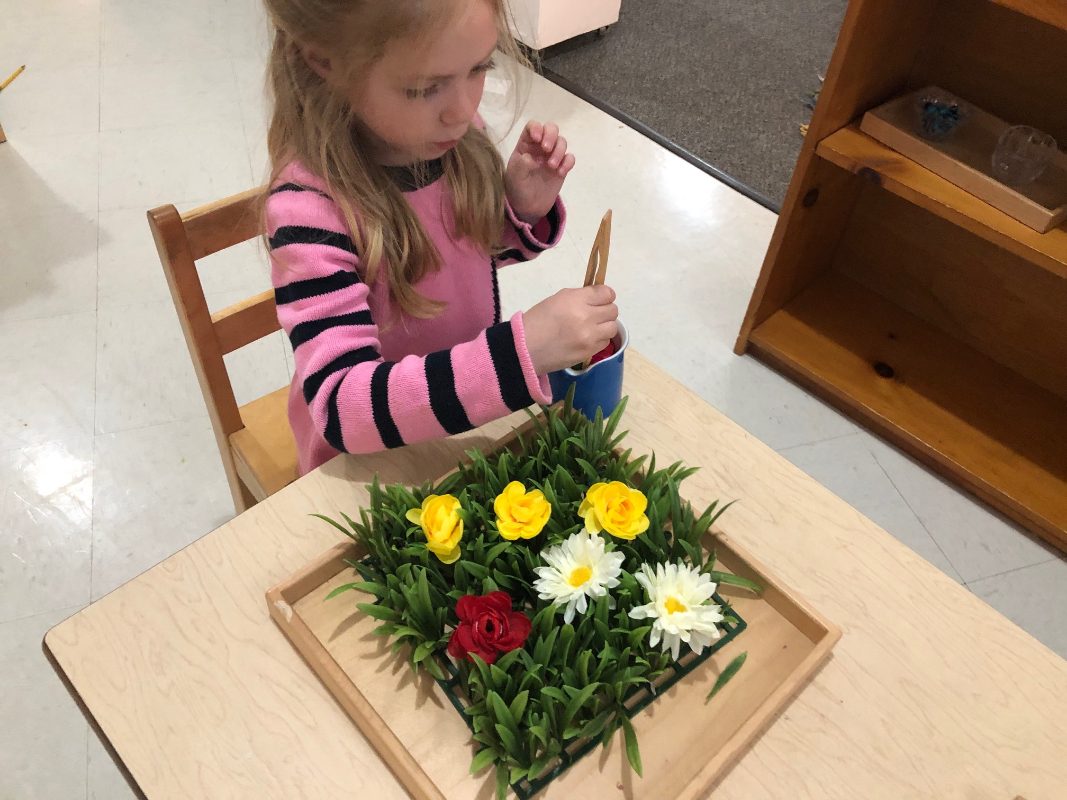
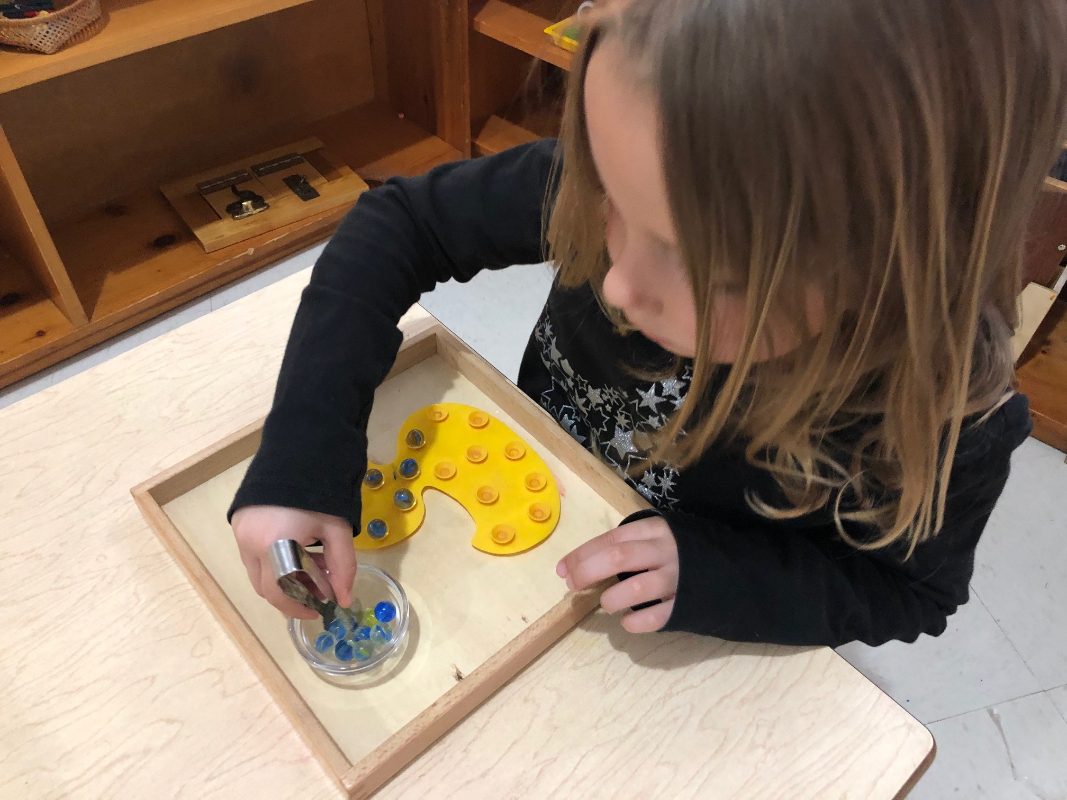
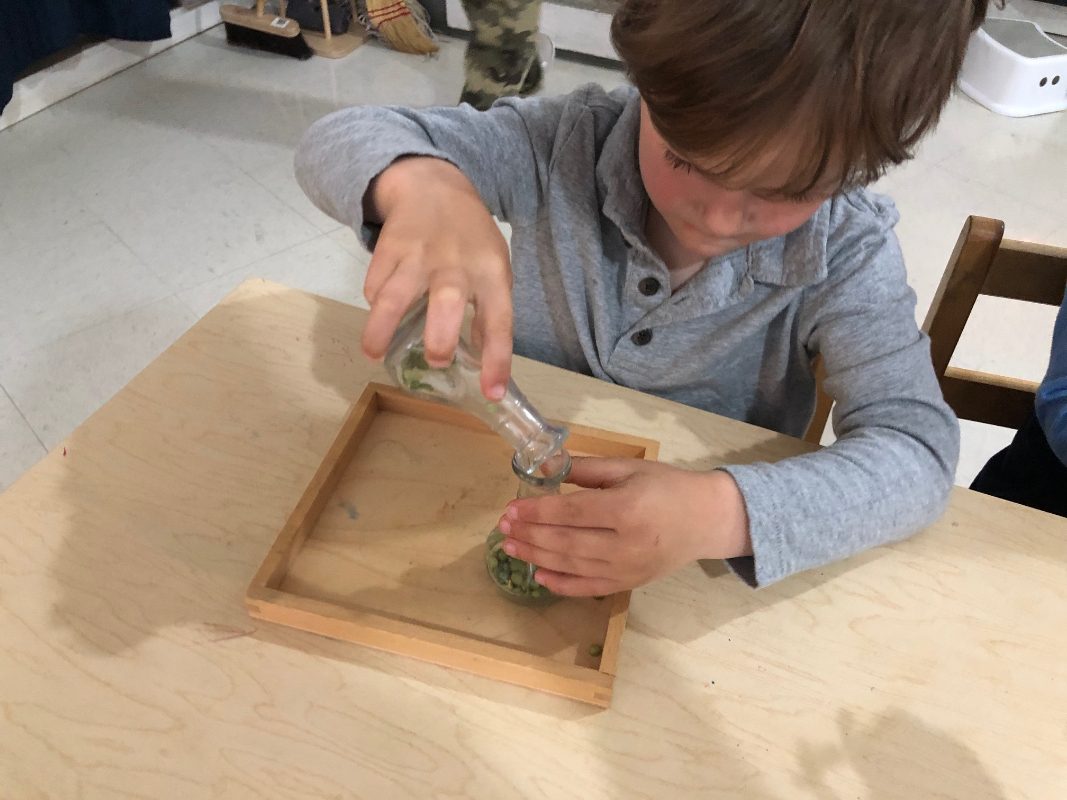
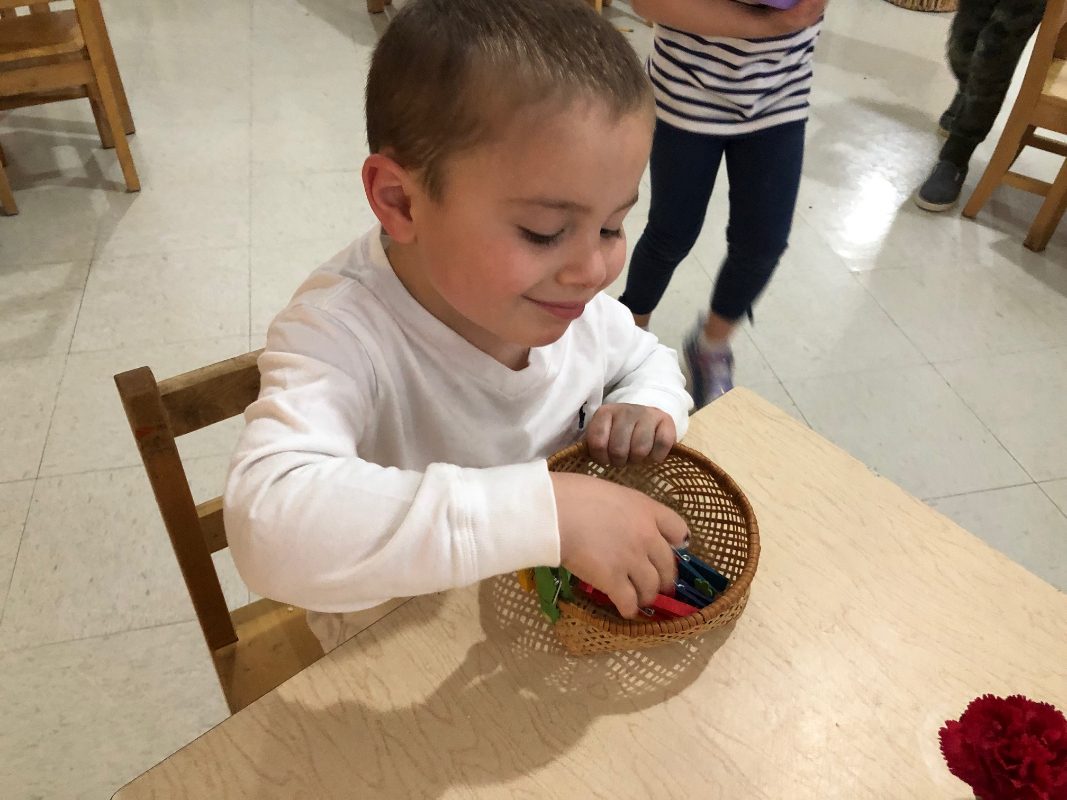
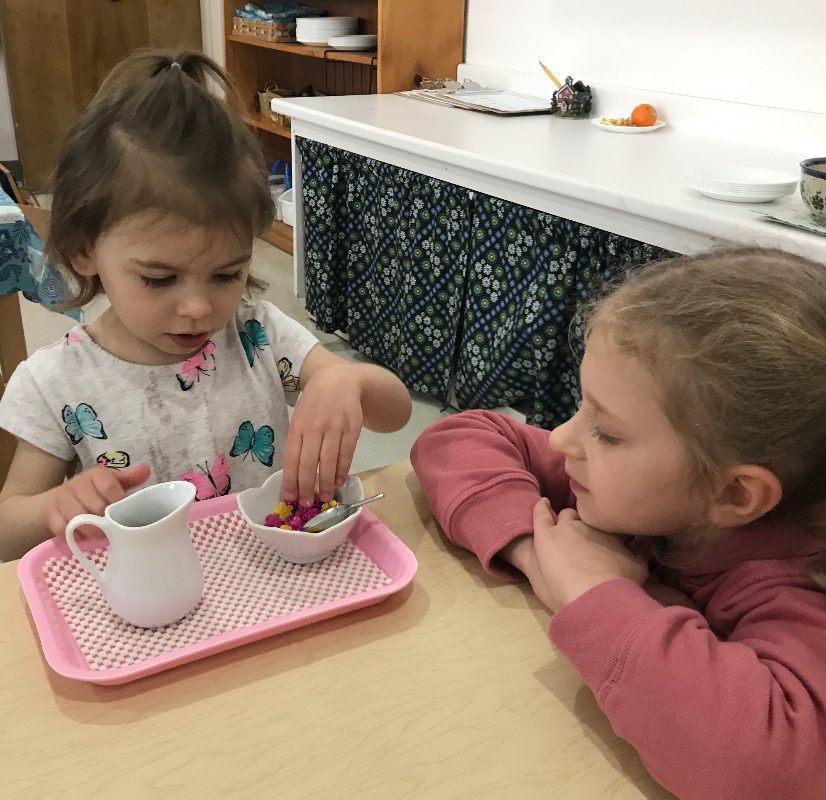
On another note, some of the popular works this week were the matching pegs and rings work, encouraging creativity while fostering fine motor skills and shape and color recognition; water transfer by operating a dropper; our new addition into the movement area – a walking beam; and our fun sensory bin using colorful cooked spaghetti! Oh how they loved the tactile and visual experience! Some of them also turned it into a gustatory experience! 🙂
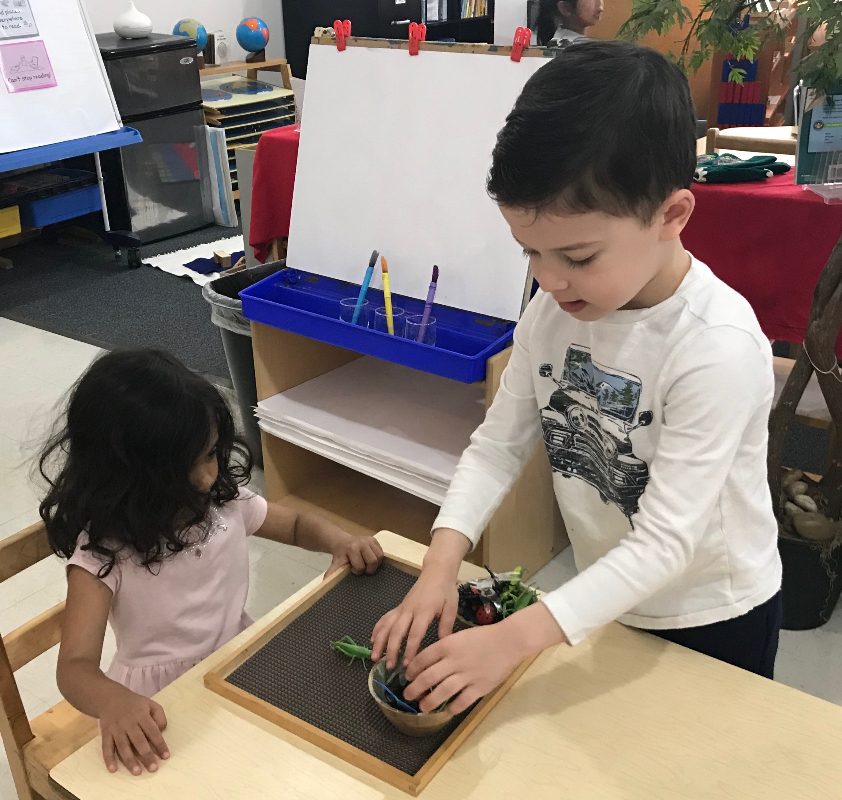
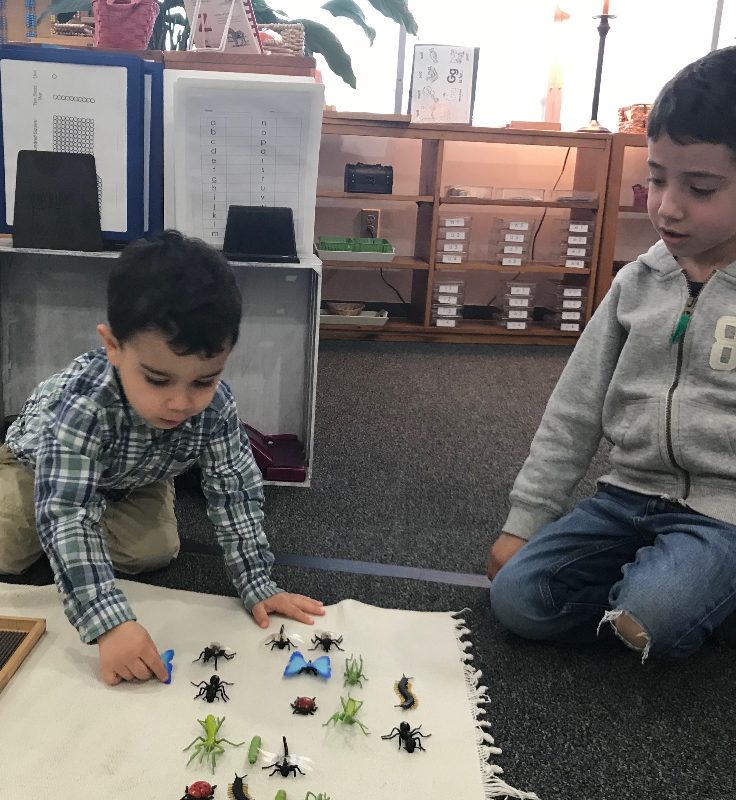
Older children also enjoyed three period lessons using our giant insects. This week we introduced the praying mantis, the ant, and the grasshopper.

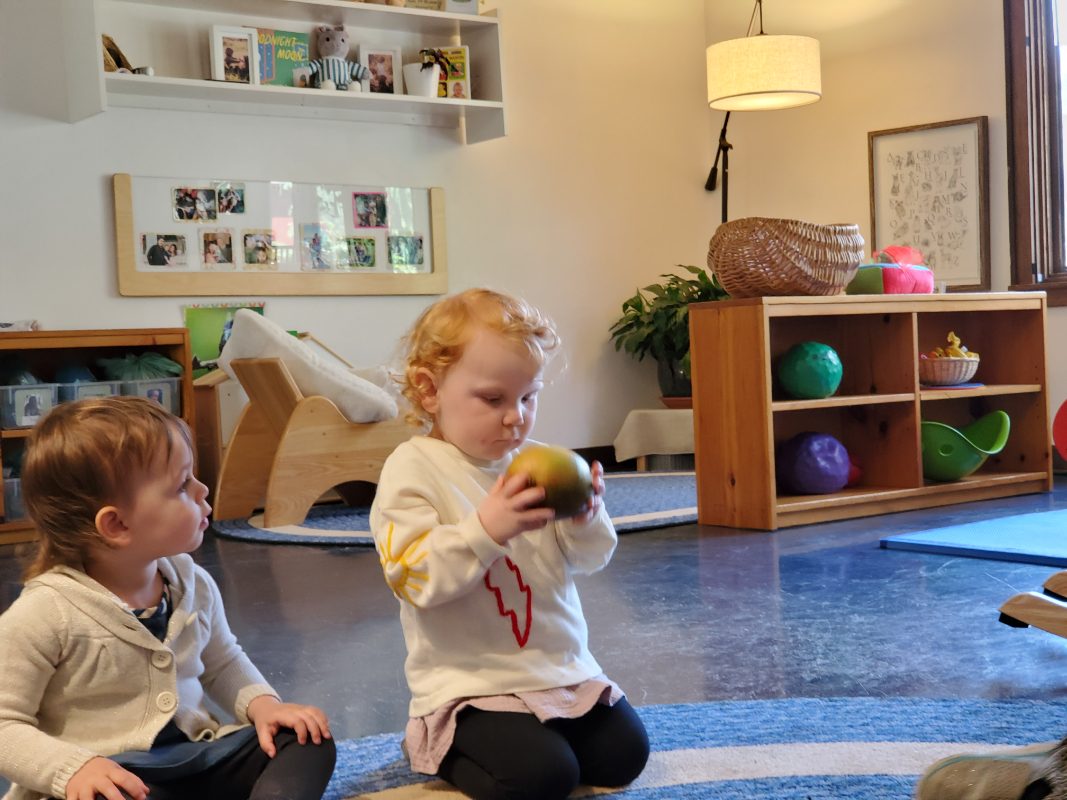
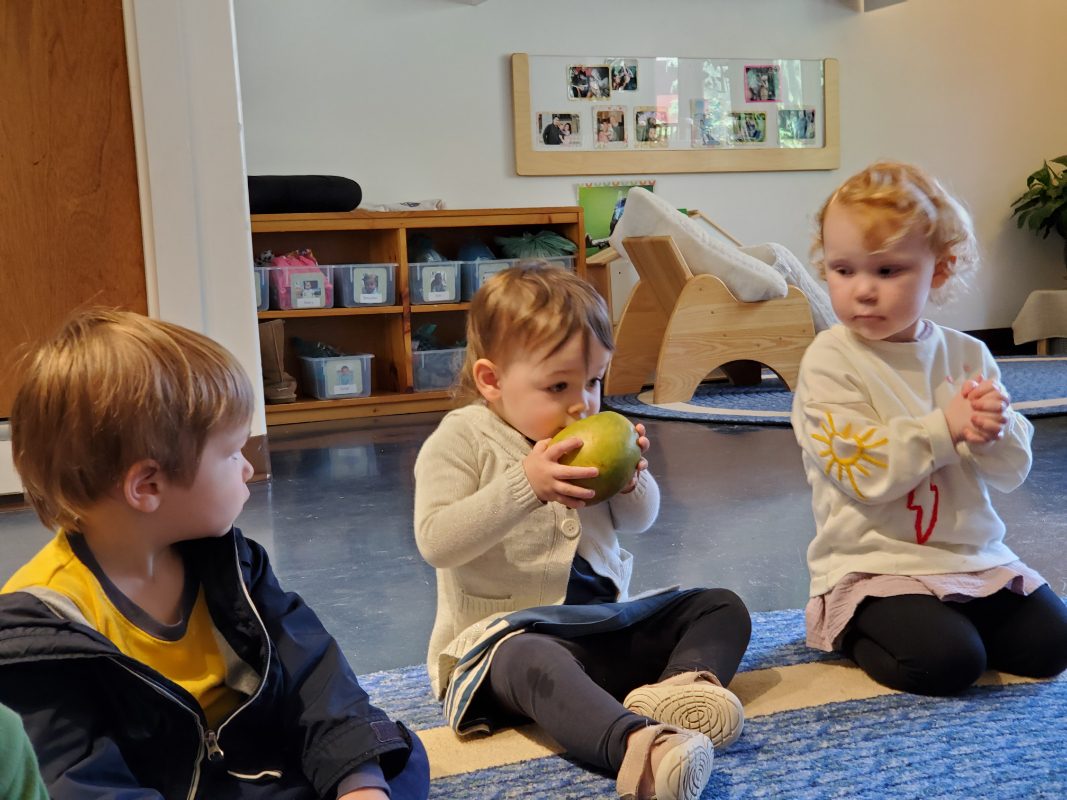
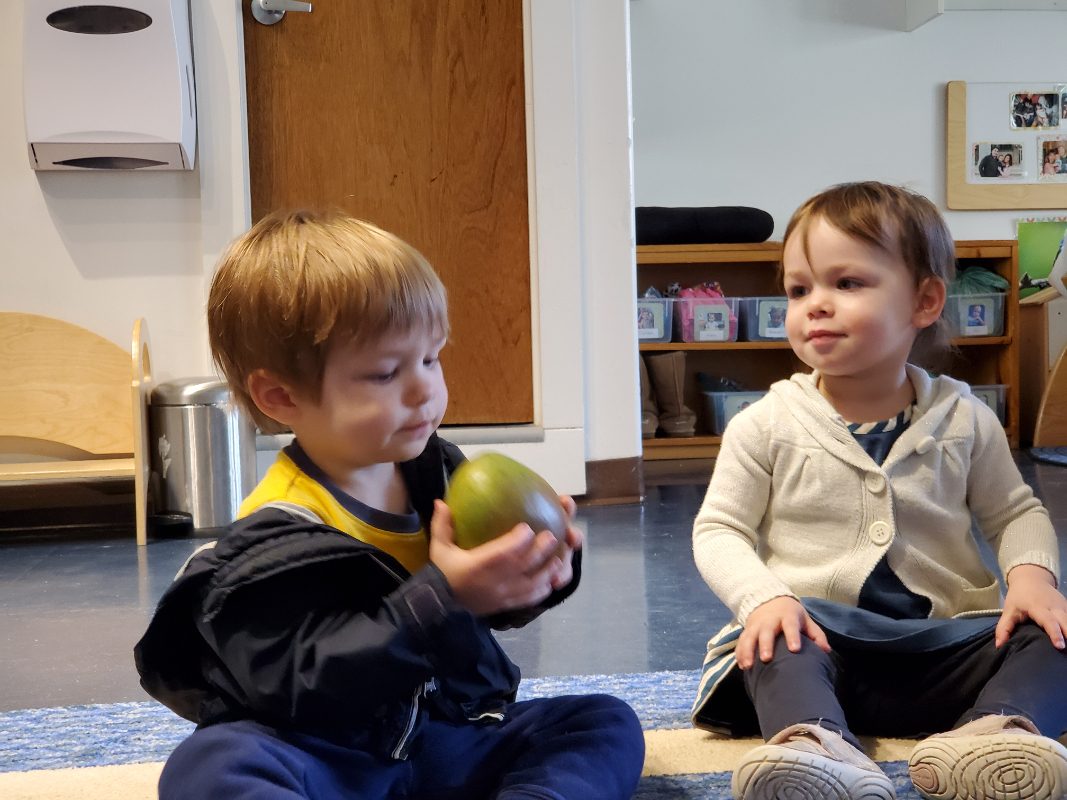
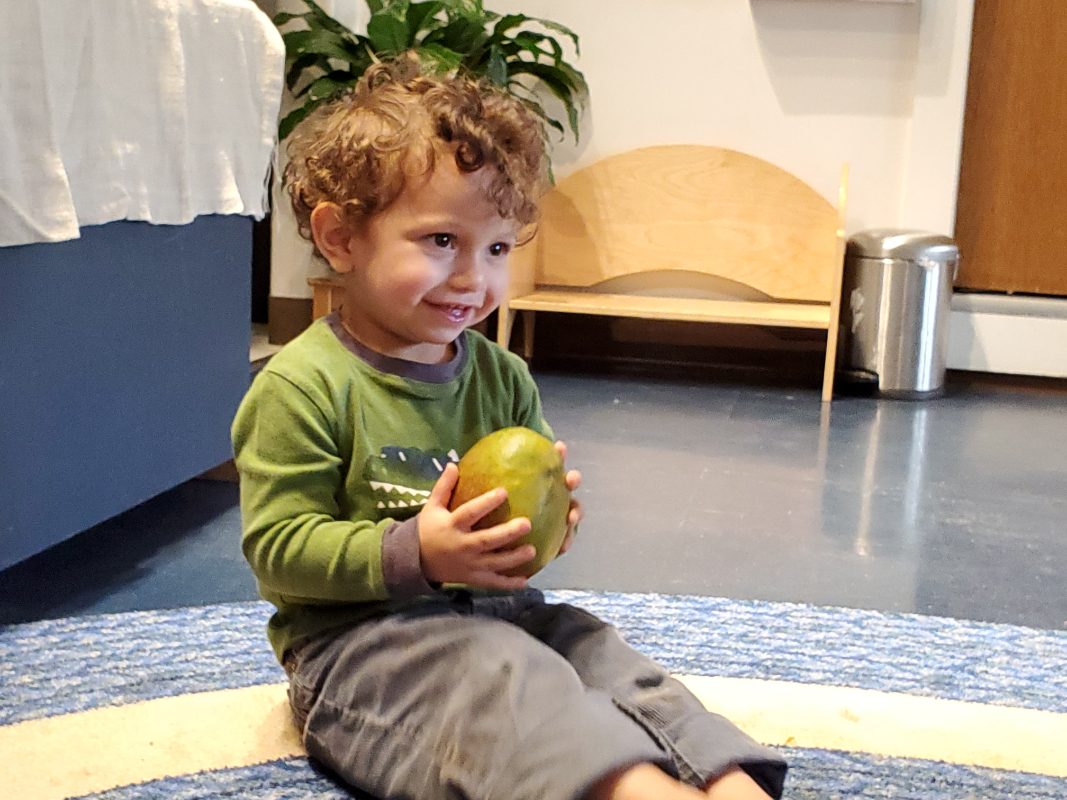
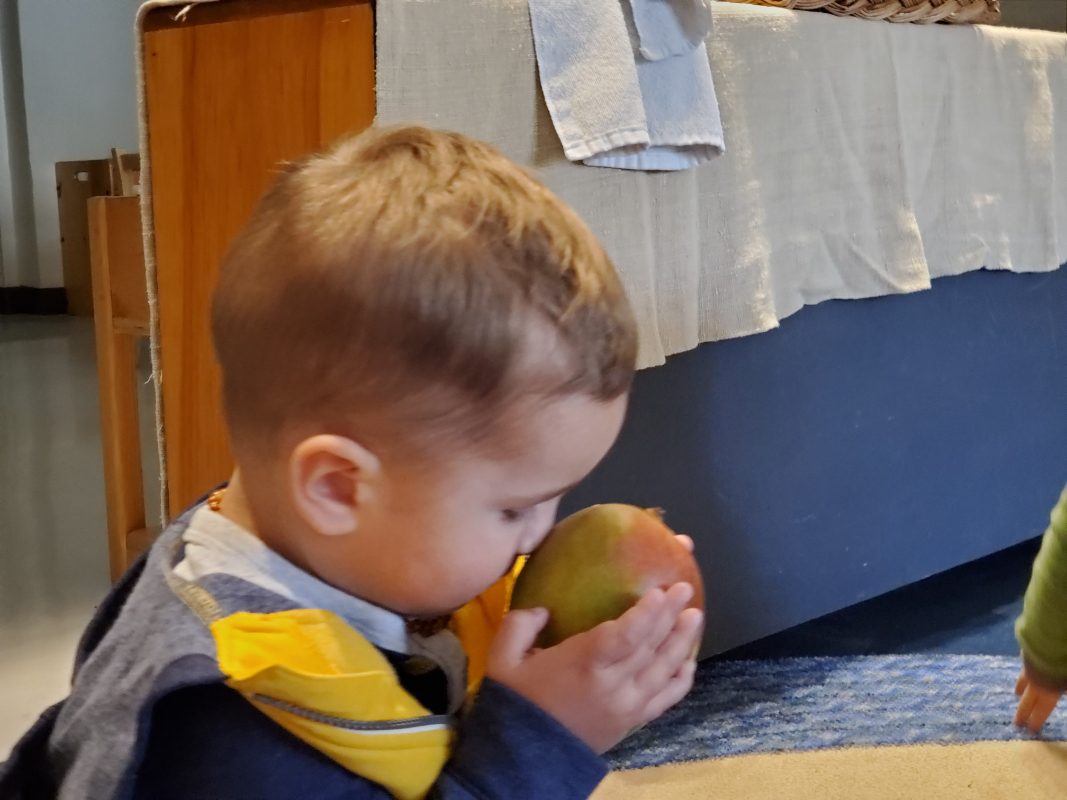
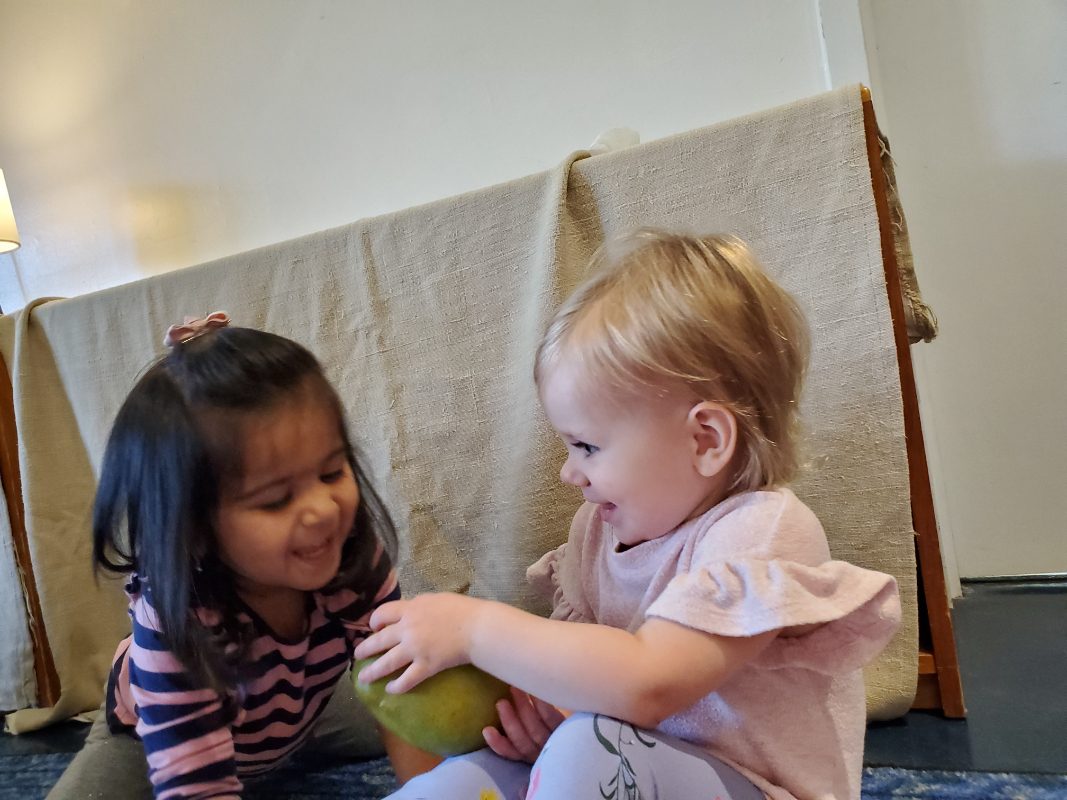
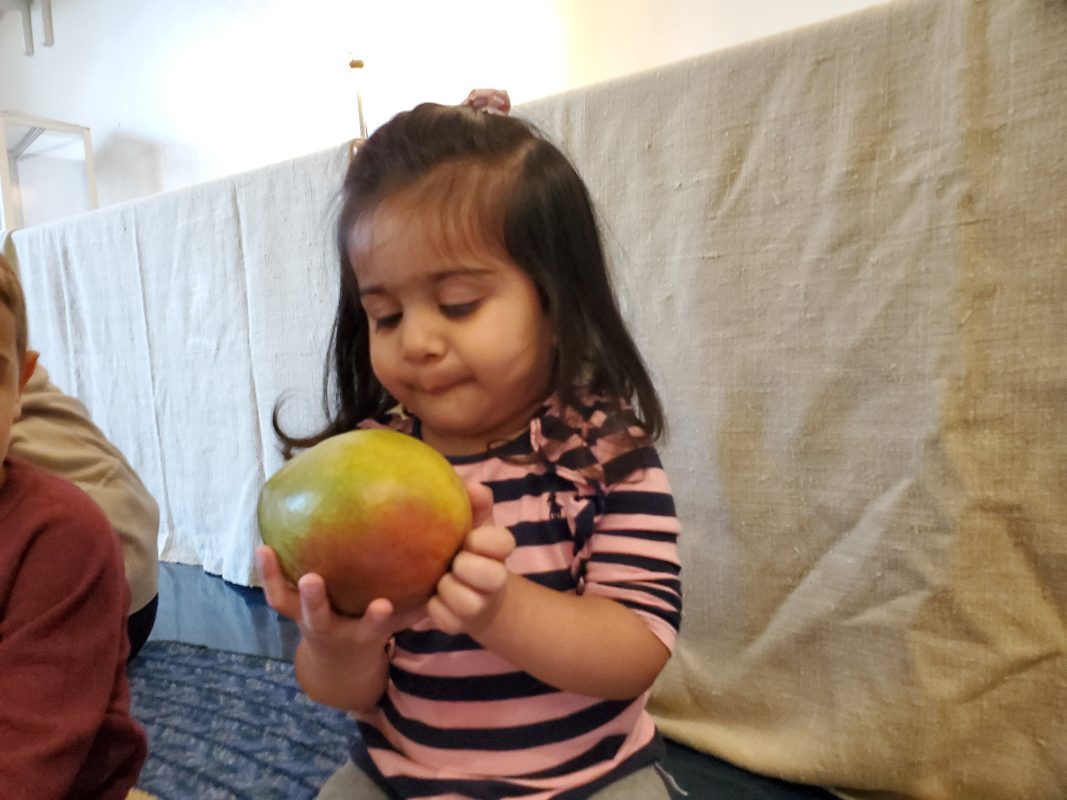
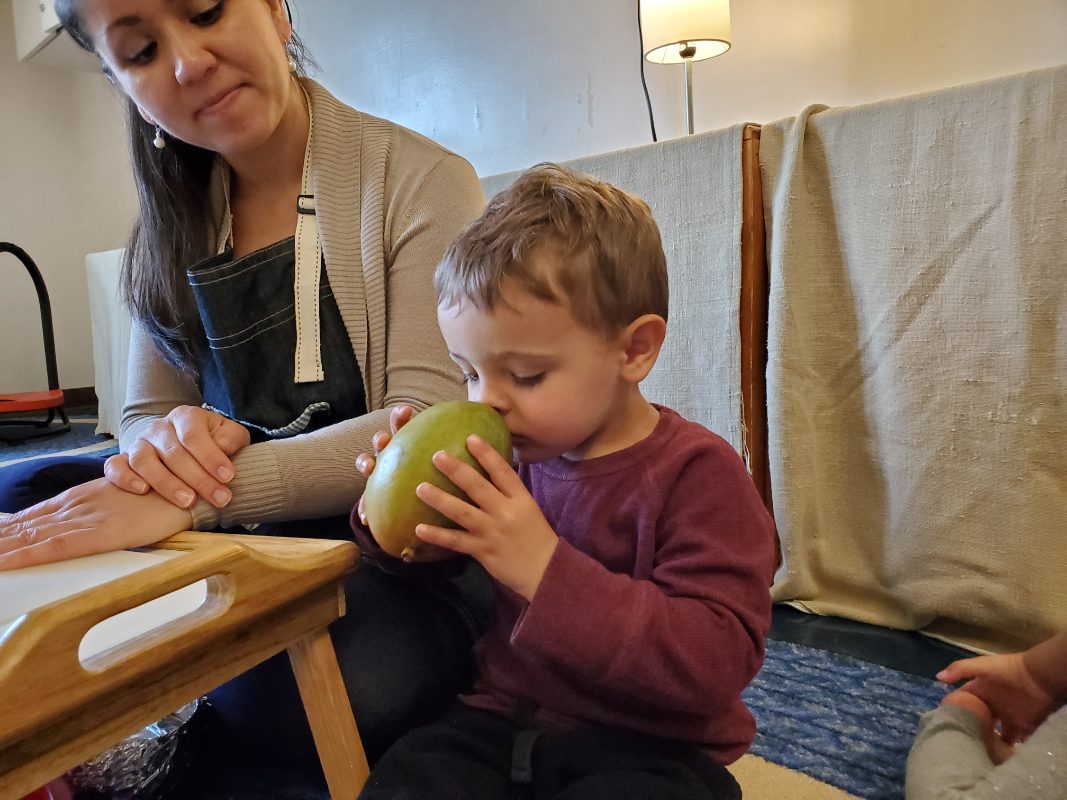
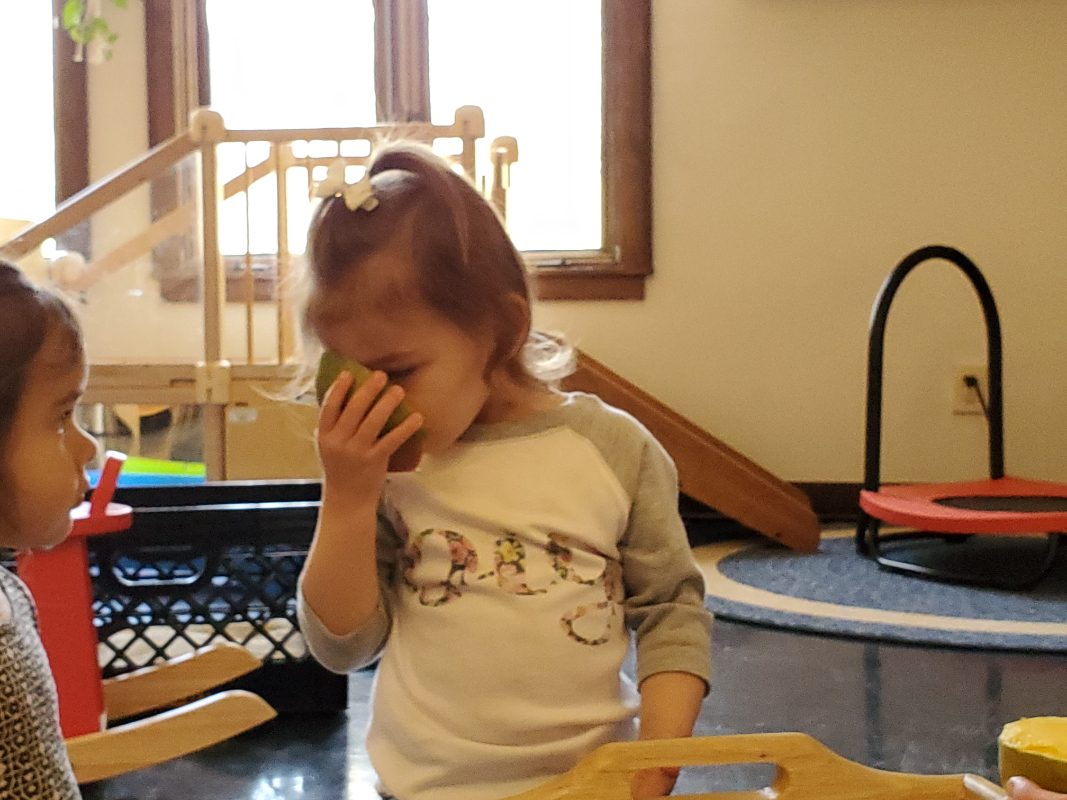
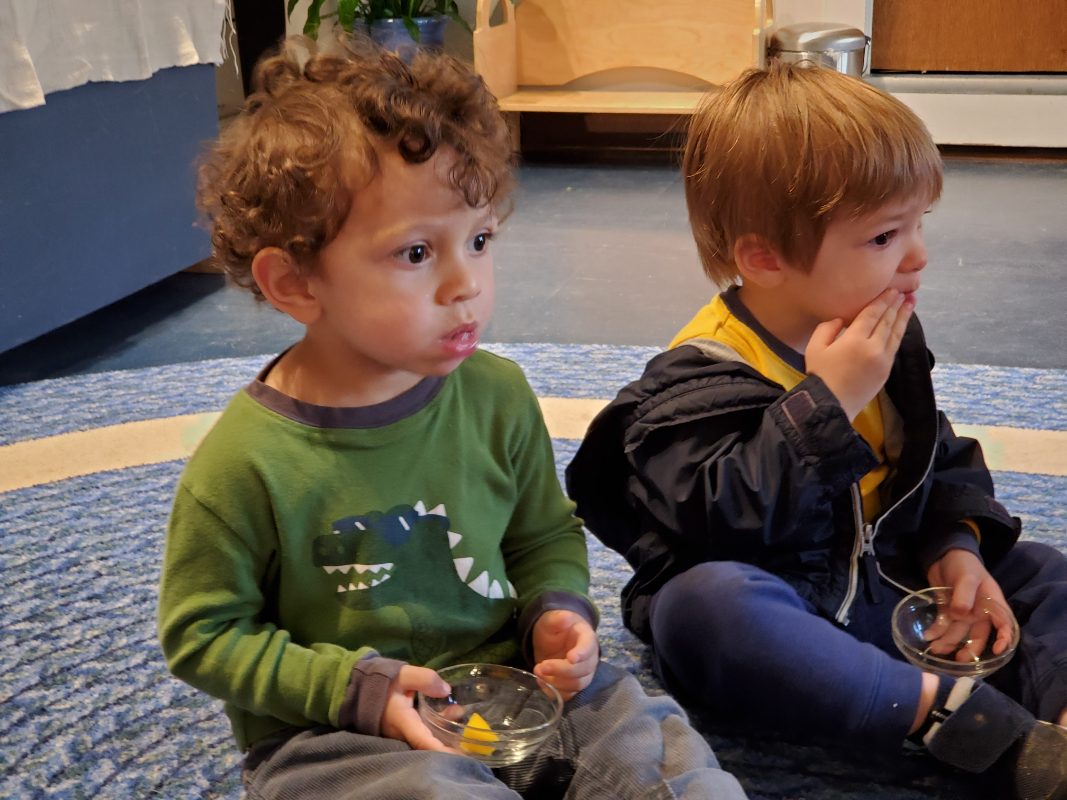
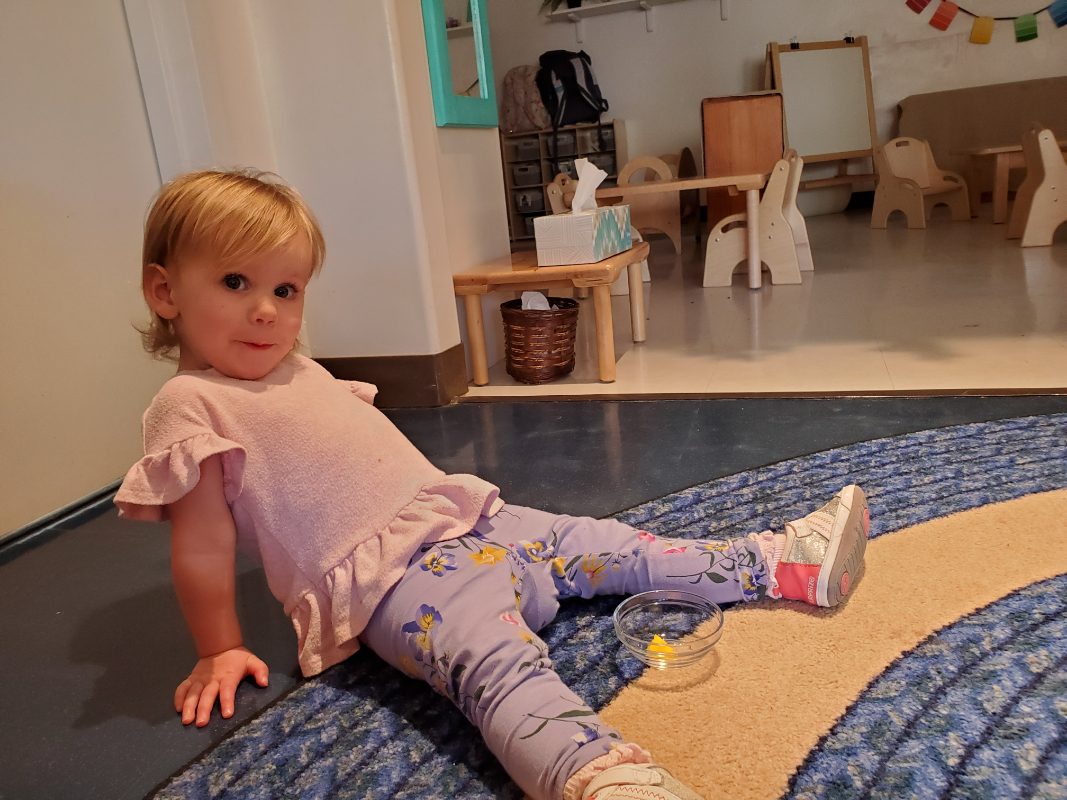
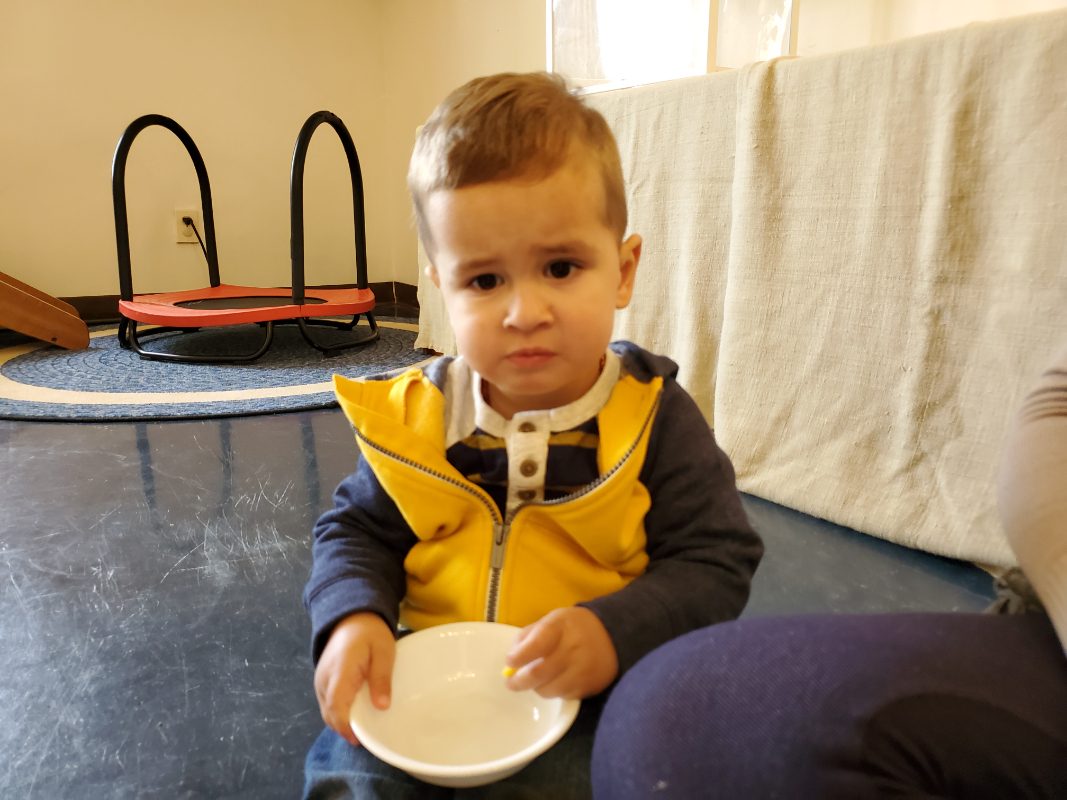
For food tasting, we enjoyed some delicious mango! Children were amazed at how heavy it was to carry one. They were also shocked to discover that the pulp was yellow and not pink as they thought and they all entirely loved the flavor! Another win for your list!


Mrs. Carroll’s Class: An Intention to Work

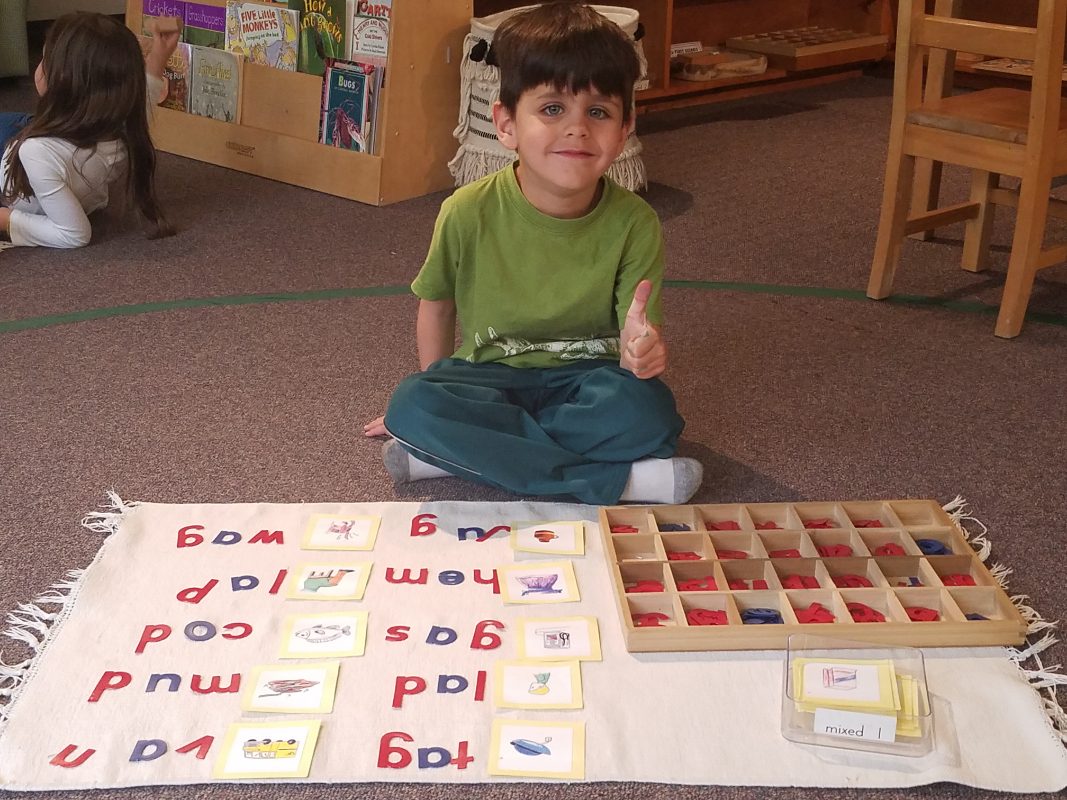
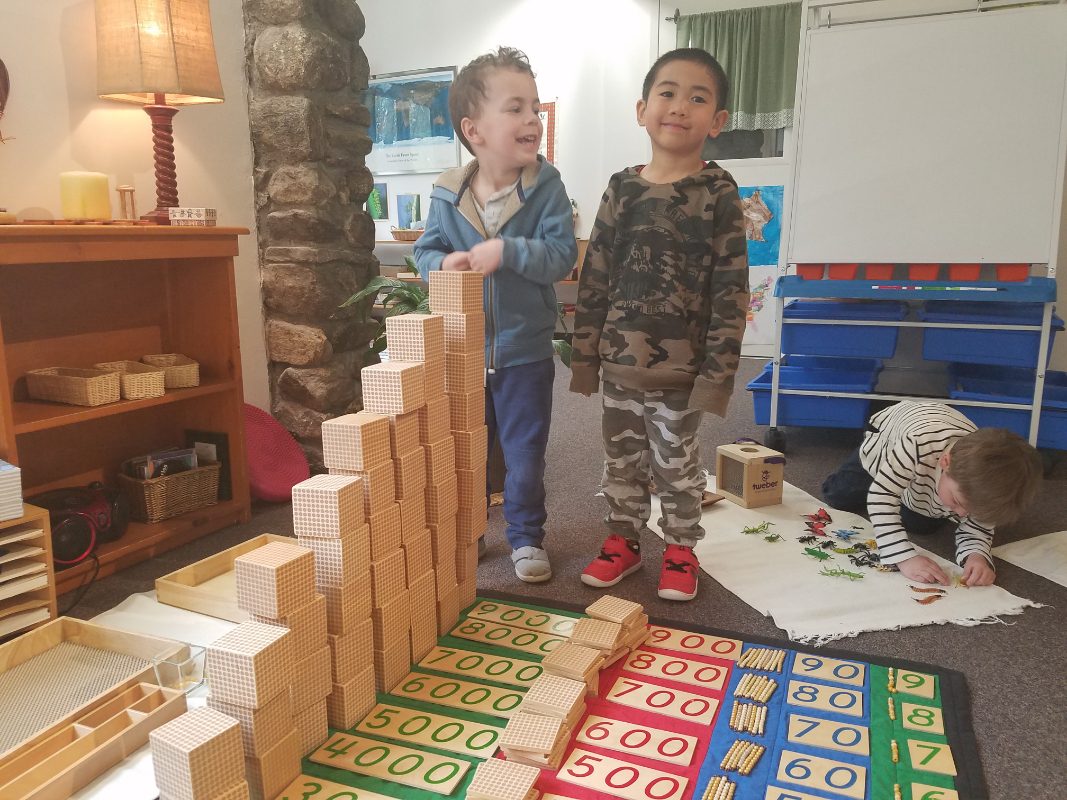
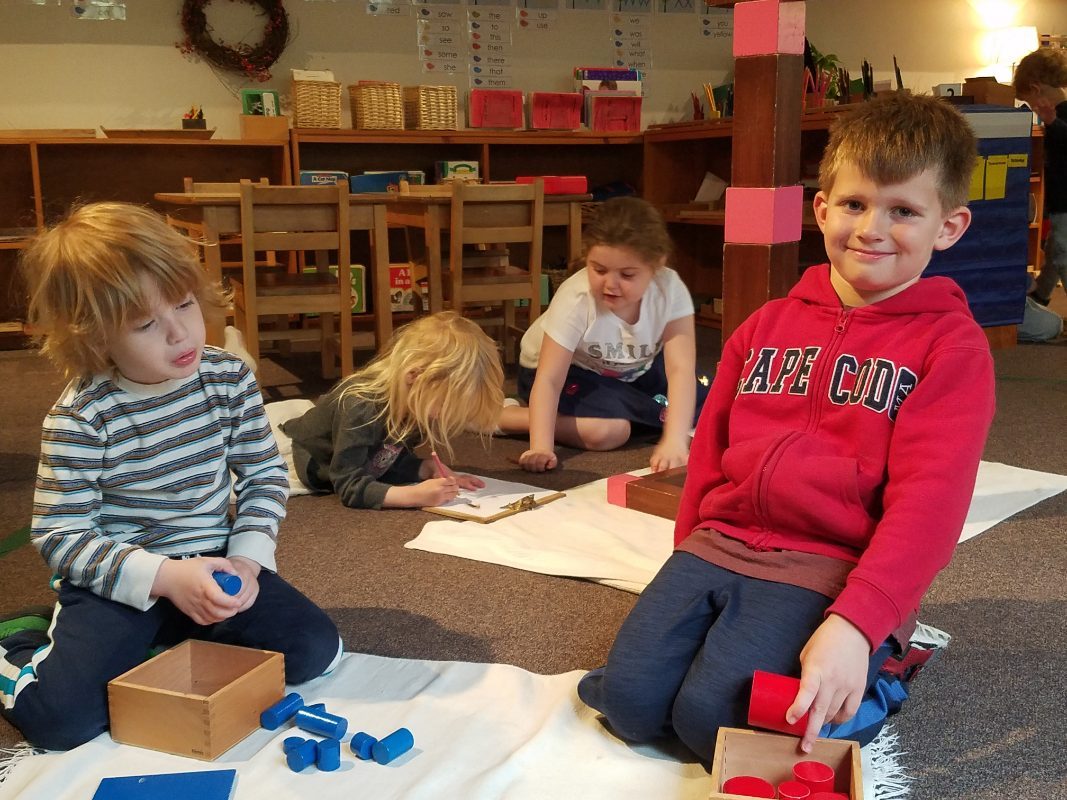
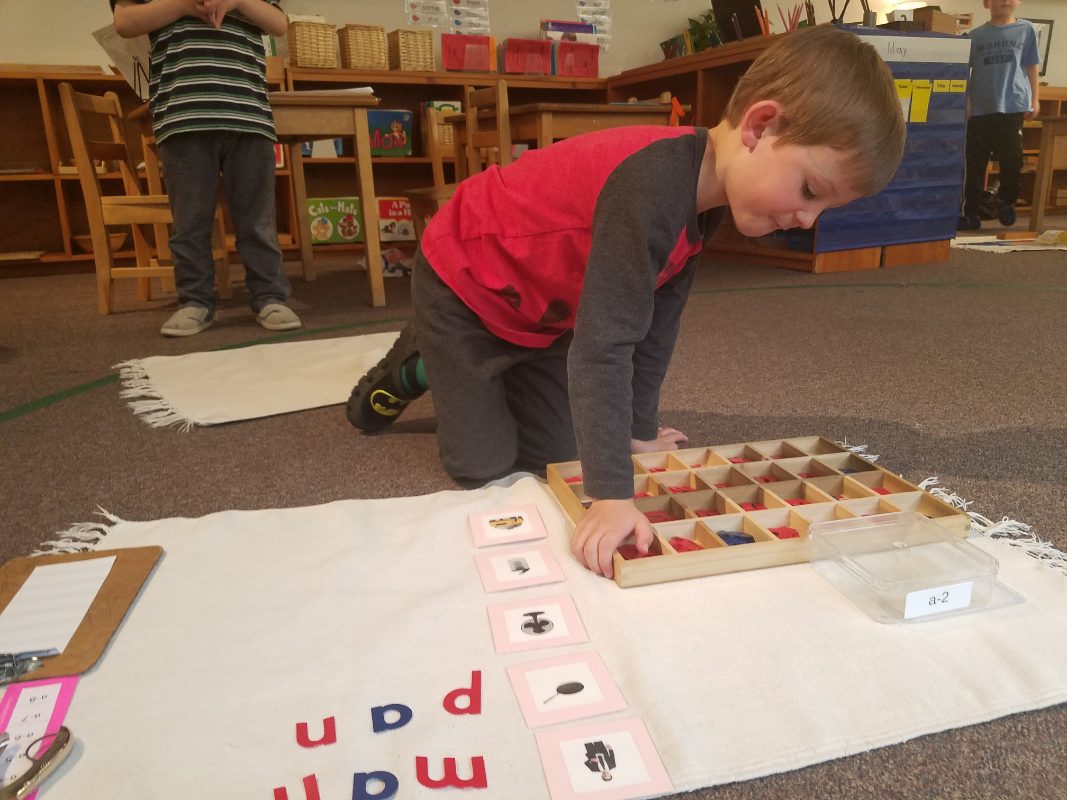
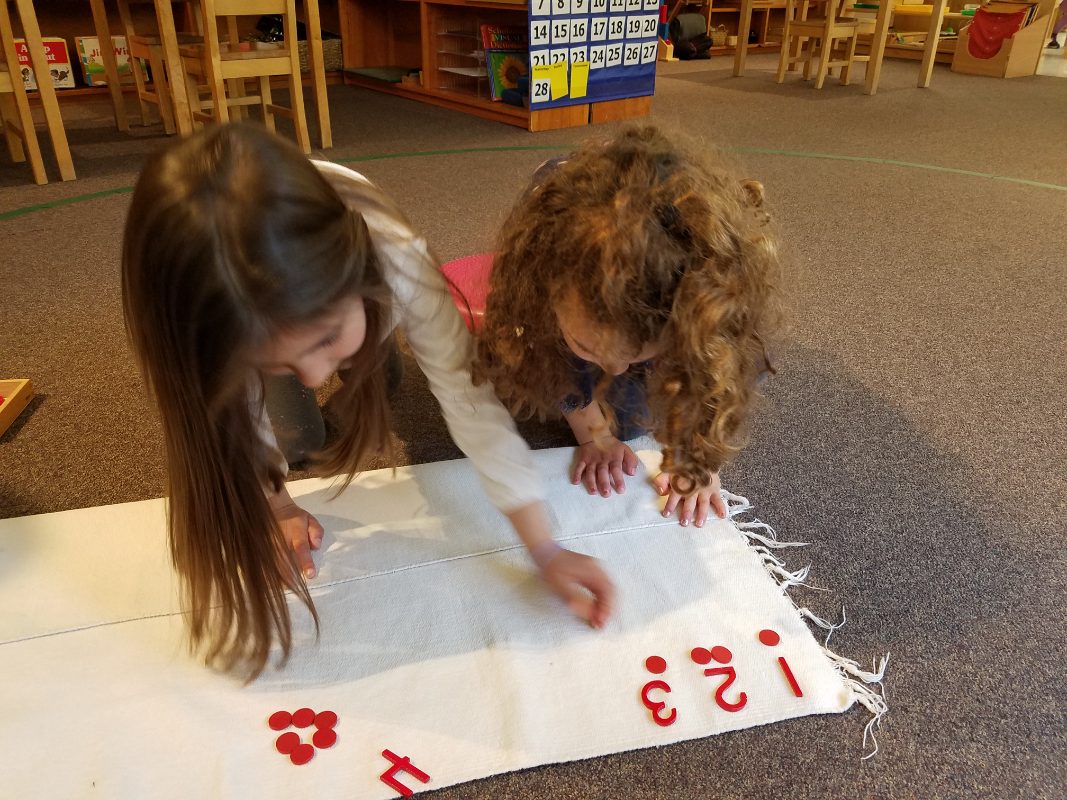
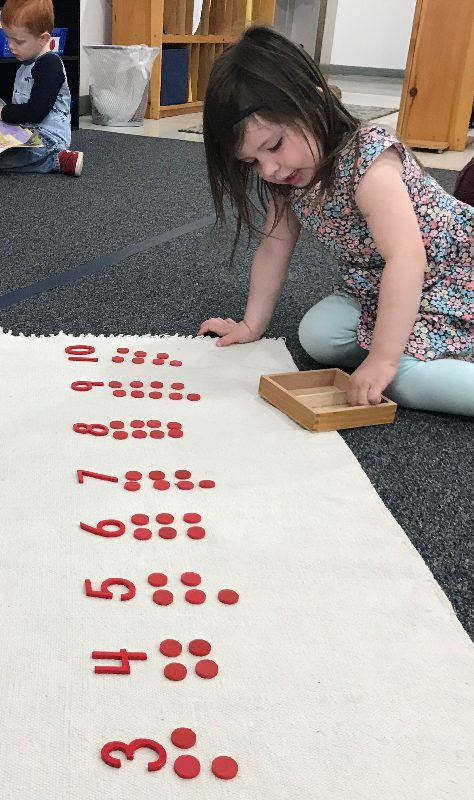
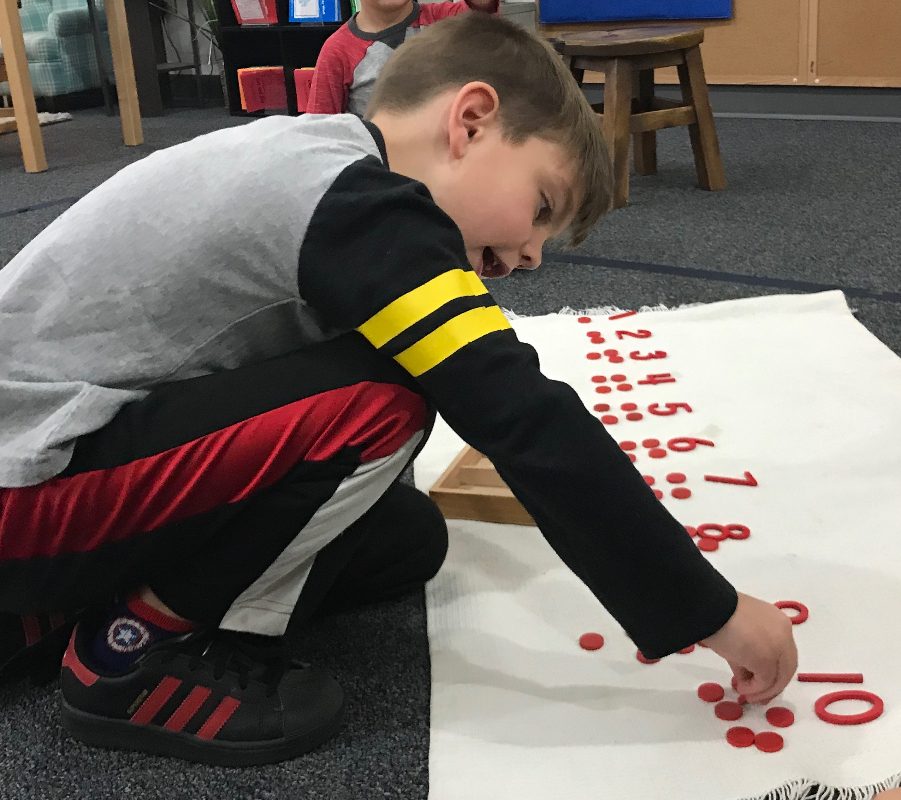
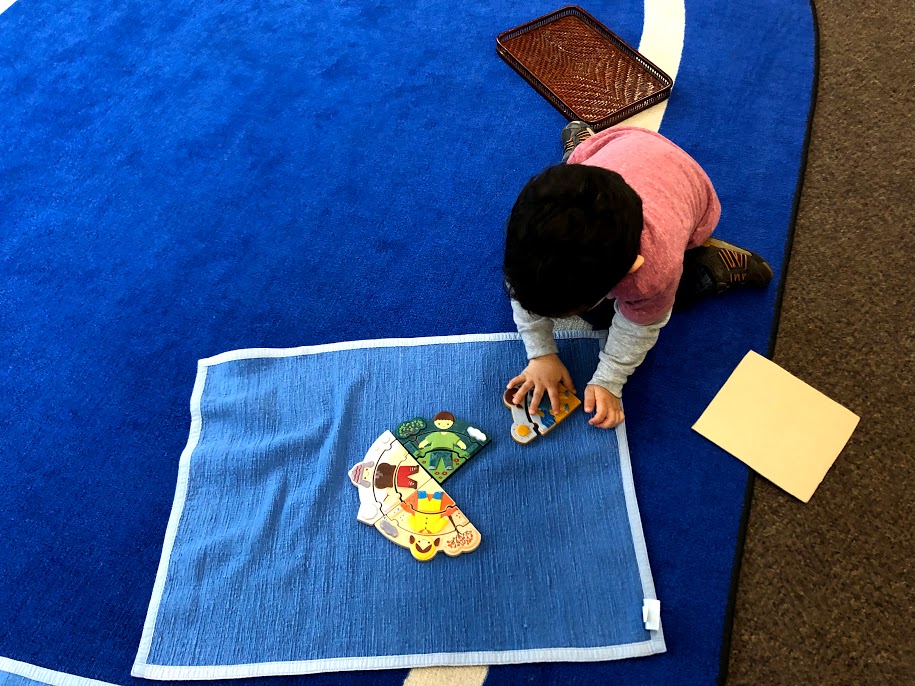
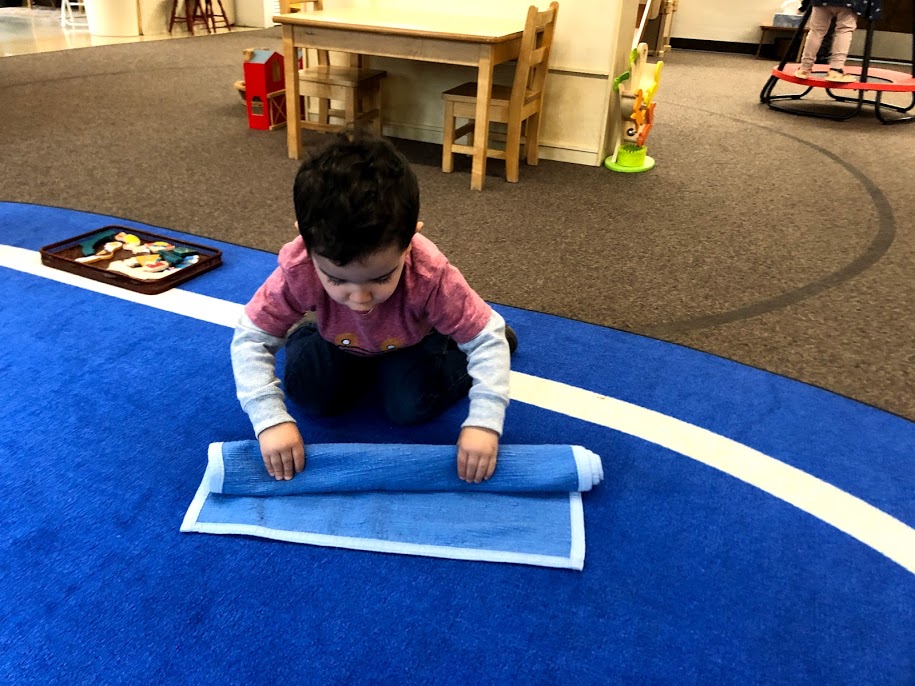
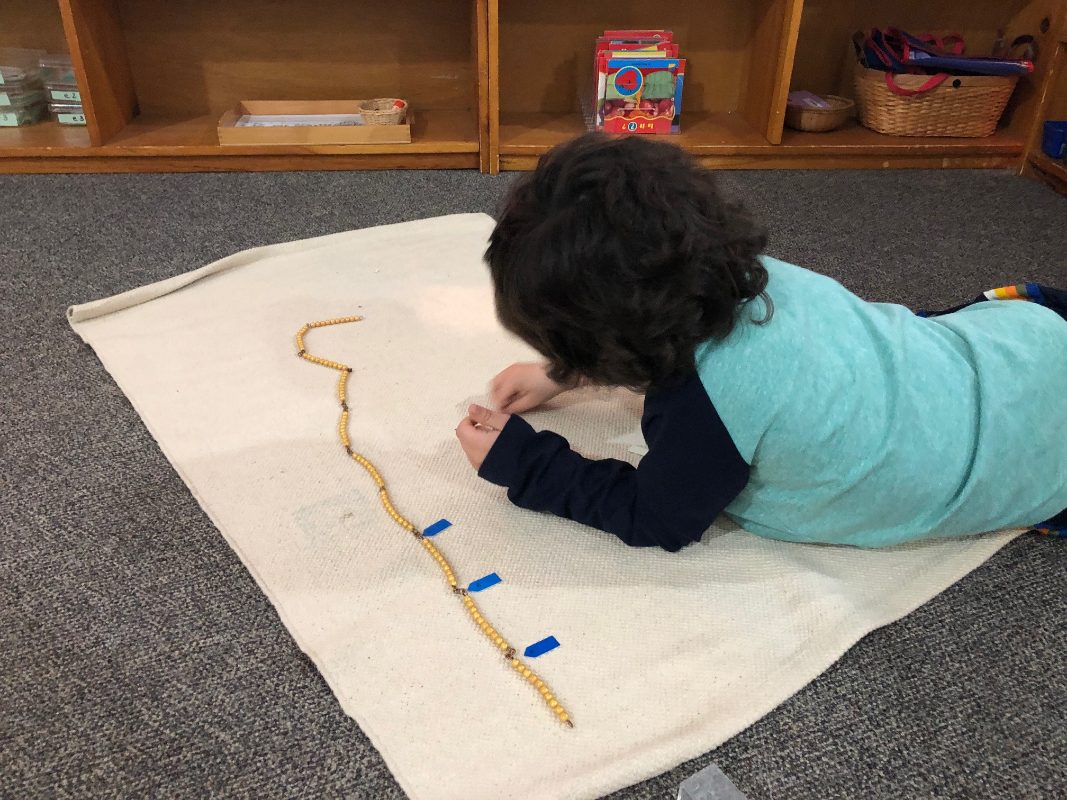
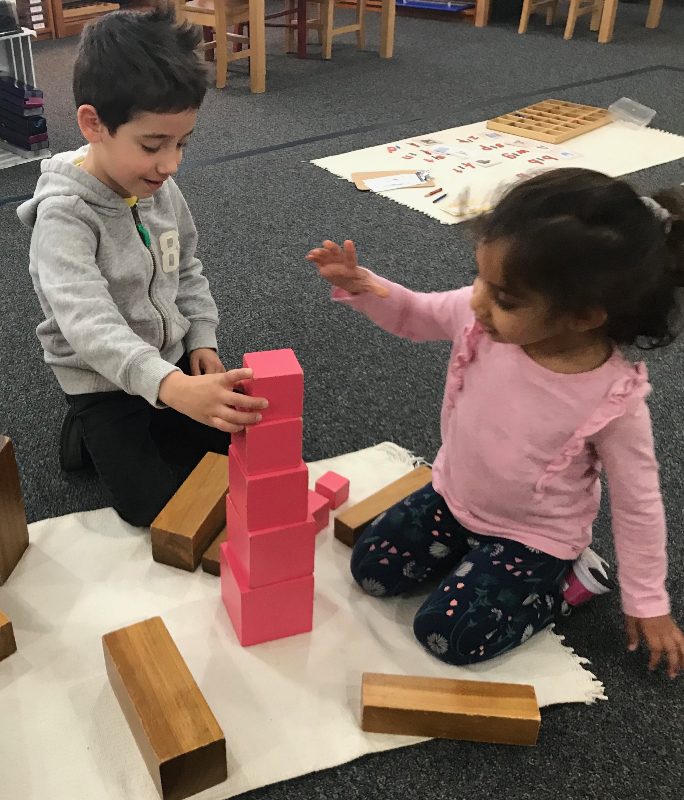
Retrieving a mat, picking it up carefully, finding the ideal space to work, and rolling it out provides an opportunity to practice gross motor skills and body consciousness. Everything that gets placed on the mat thereafter becomes the responsibility (and privilege) of the child working on that mat.

Montessori work mats delineate a work space as the child’s own and sets an intention to “work.”  Not only does the child know that their lesson is exclusive to them (unless they invite someone to join them on their mat), they also have the responsibility to put their materials away when they are finished, before they roll up their mat and signal the end of their work session.

Our floors have been a sea of rugs this week!  Your children have skillfully maneuvered themselves throughout the environment, careful not to disturb a friends work. I continue to be amazed at their growing control and respect for friends and the environment.

A gentle reminder to our Kindergarten parents that we will be visiting Flanders Nature Center on Thursday, May 9th. Be on the look out for an email with an additional reminder and overview.

Peace and progress,

Cindy & Sharlene


Mrs. Doyle’s Class: The Three Period Lesson

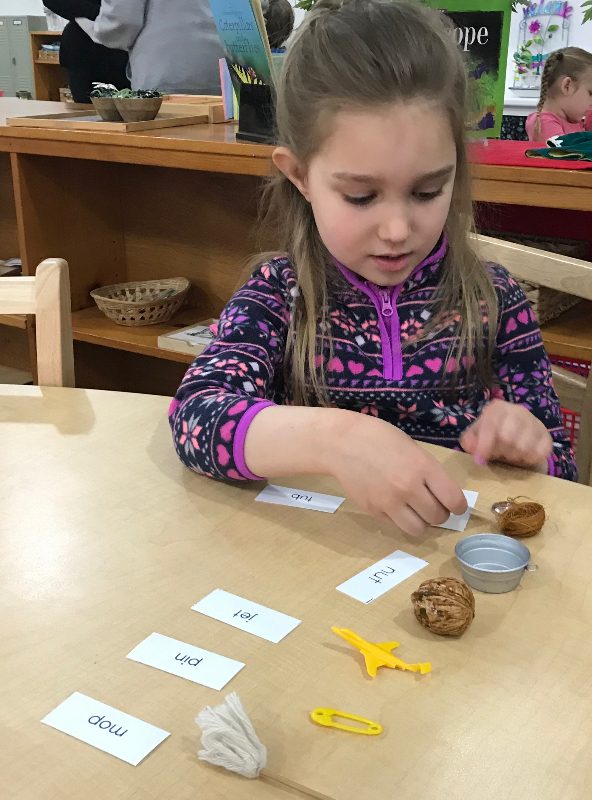
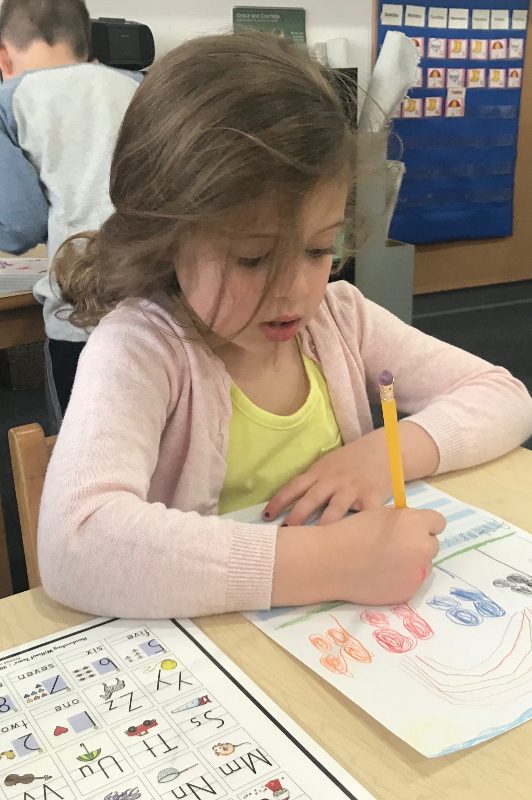
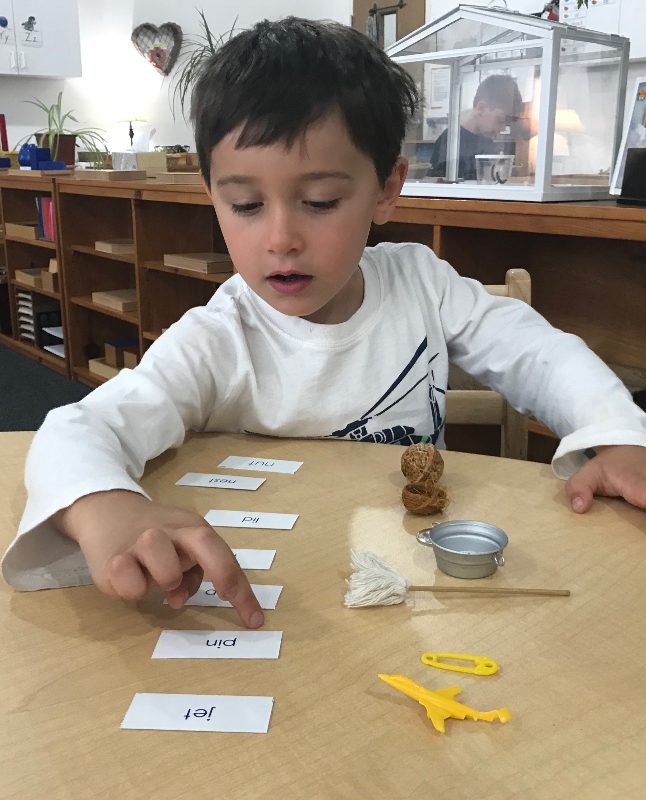
In a Montessori classroom teachers rely on the Three Period Lesson to introduce new vocabulary and concepts and even to highlight the purpose of a material. These lessons allow the child to absorb concepts in a concrete manner while reinforcing each component of the lesson.

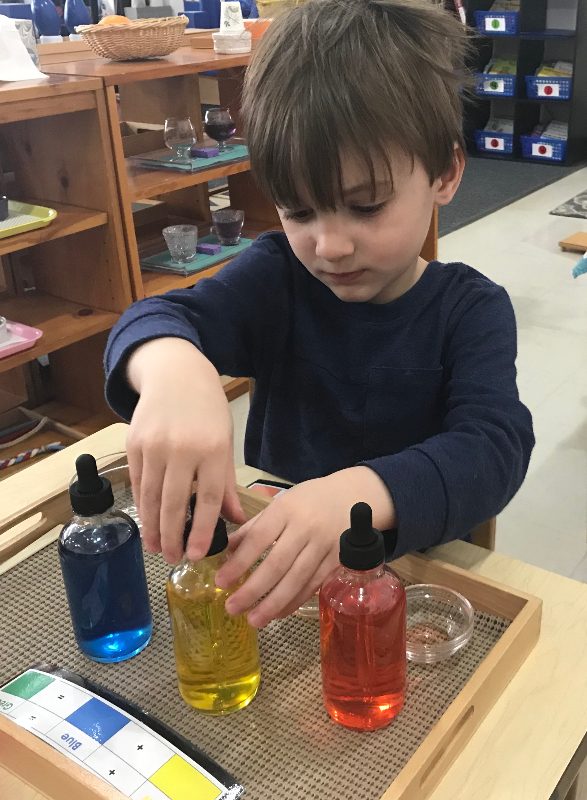
The 1st Period is simply naming the concept or material and demonstrating it repeatedly. Some of the more complex materials or concepts may need to be introduced in the 1st period over the course of several lessons. So for example, using the color tablets from the Sensorial area, we introduce the child to the primary colors by saying, “This is red.”

During the 2nd Period, we ask the child to recognize and find the object. We ask the child, “Which one is red? Which one is blue? Which one is yellow?” This period is longer than the 1st Period and we keep it interesting by asking them to manipulate the object. We might say, “Hide the blue tablet behind your back. Place the red tablet on your lap.”  We are cognizant of making sure to begin each request or action with the last item we spoke about. So if we ask the child to manipulate the red, blue, and yellow color tablets in that order, the next series of directions would follow the order of yellow, blue, then red.

The last stage, or 3rd Period focuses on recall. We ask the child to identify the material or concept without any assistance. We ask the child, “What is this?”

While the intent of the Three Period Lesson is to isolate and introduce new concepts and materials, we are also helping the children to enrich and expand their vocabulary.

Have a wonderful week!

Michelle & Sonja


Releasing of the Butterflies

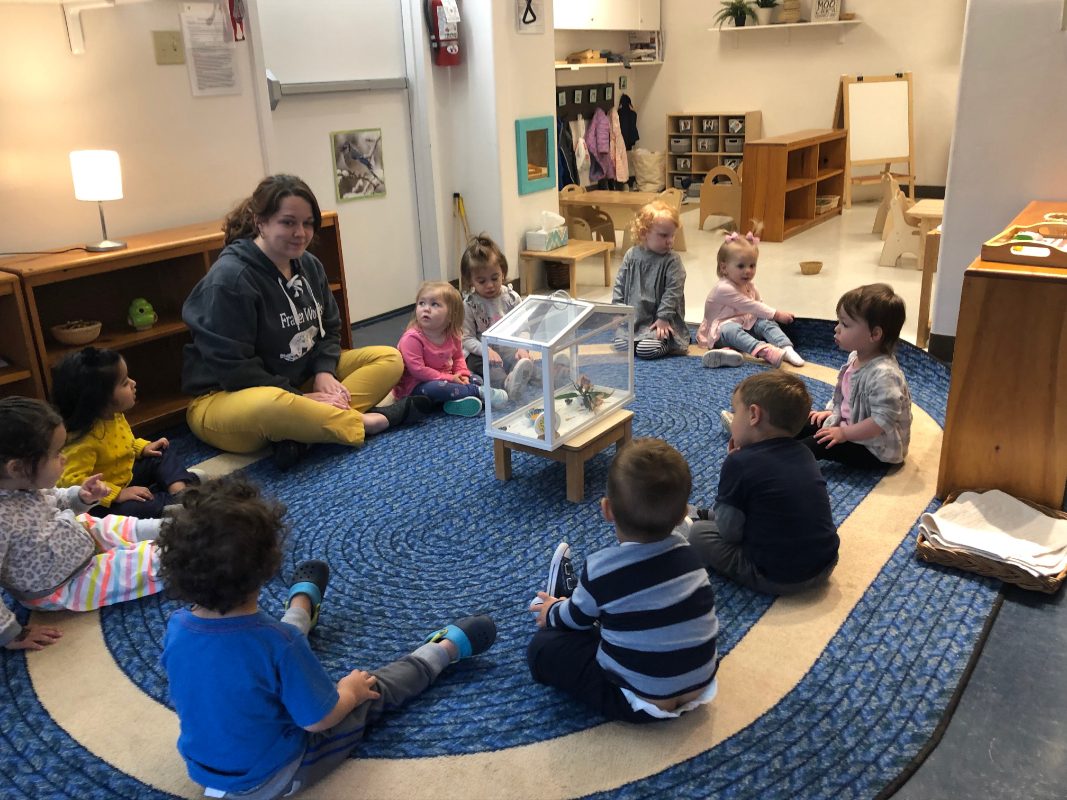
This week we wrapped up our butterfly study by releasing our butterflies!  The children were excited  to see them fly out of their habitat and into nature.  They were able to get an up close and personal look as they gathered to witness their departure. Some were hoping a butterfly would land on them. They patiently waited, but our butterflies were too eager to be on their way!

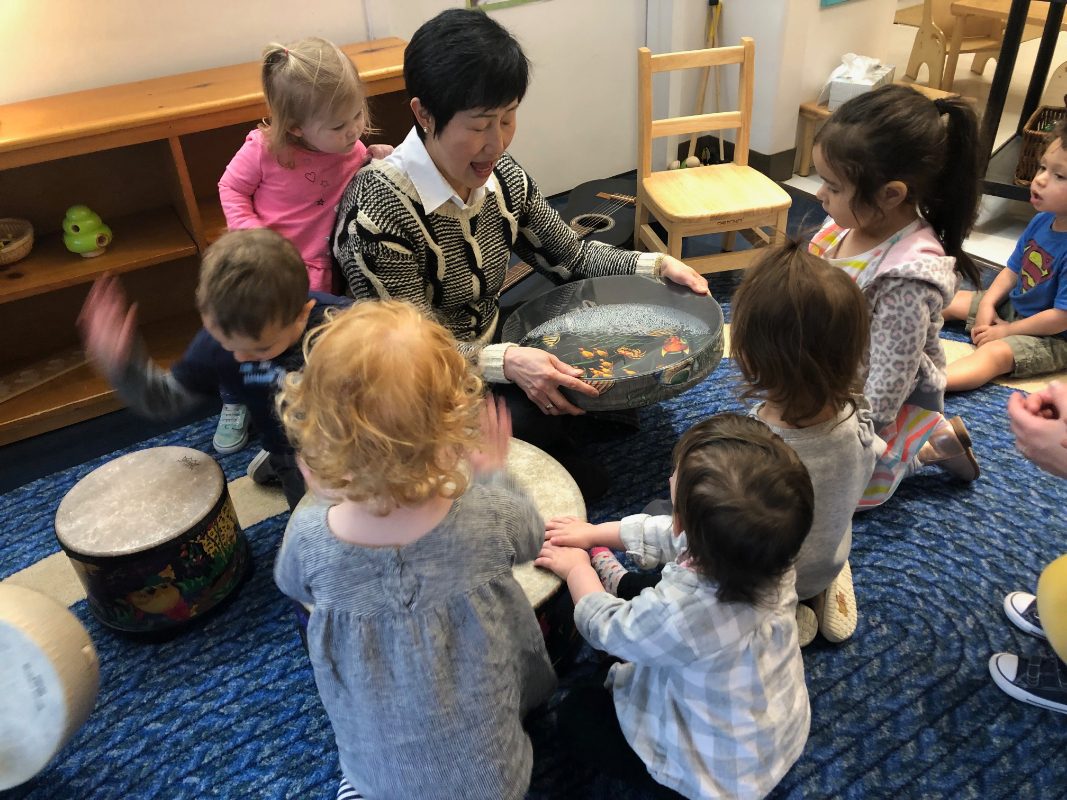
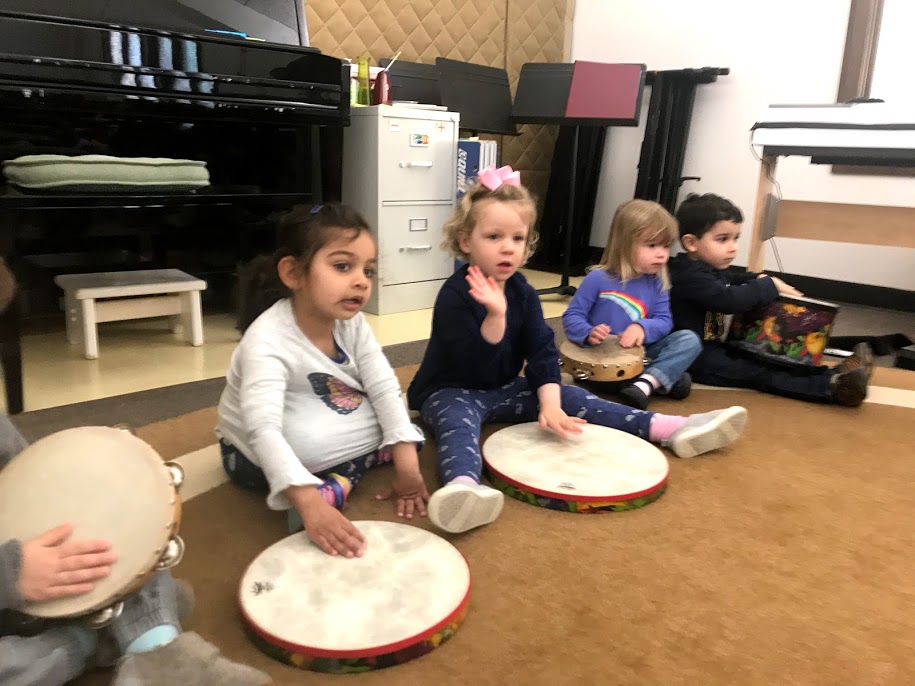
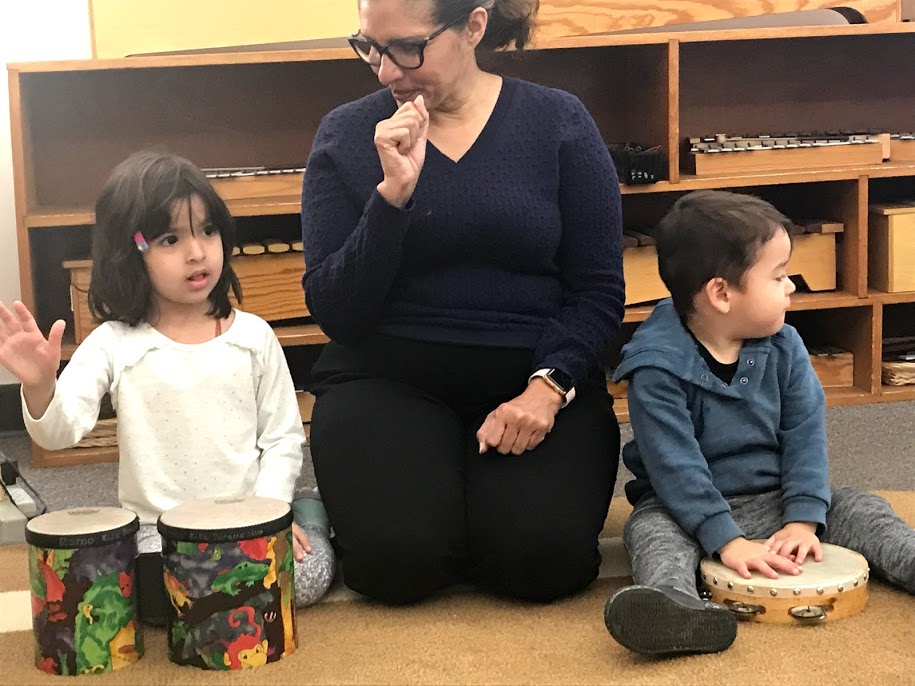
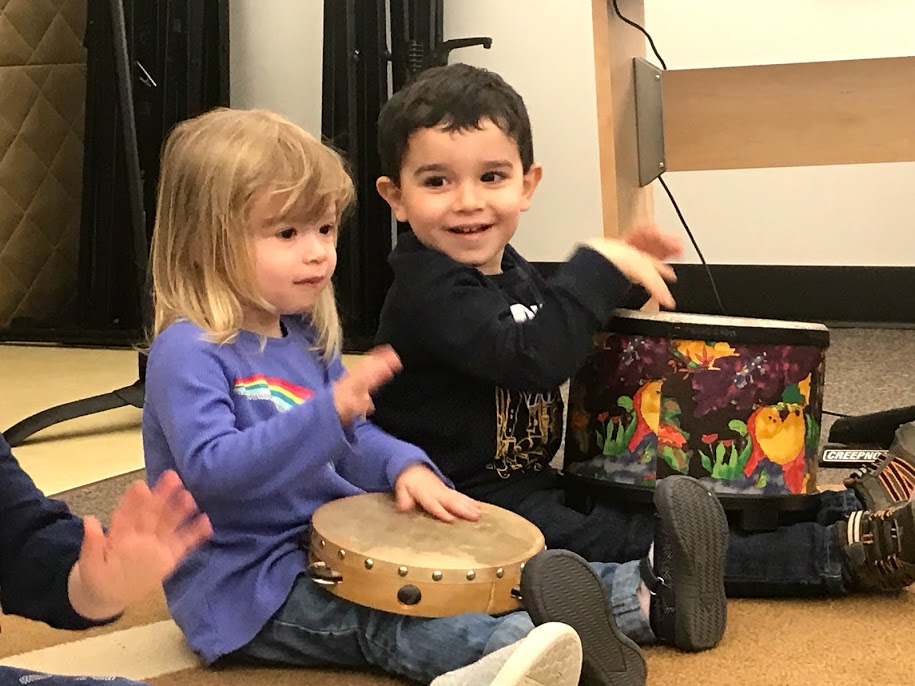
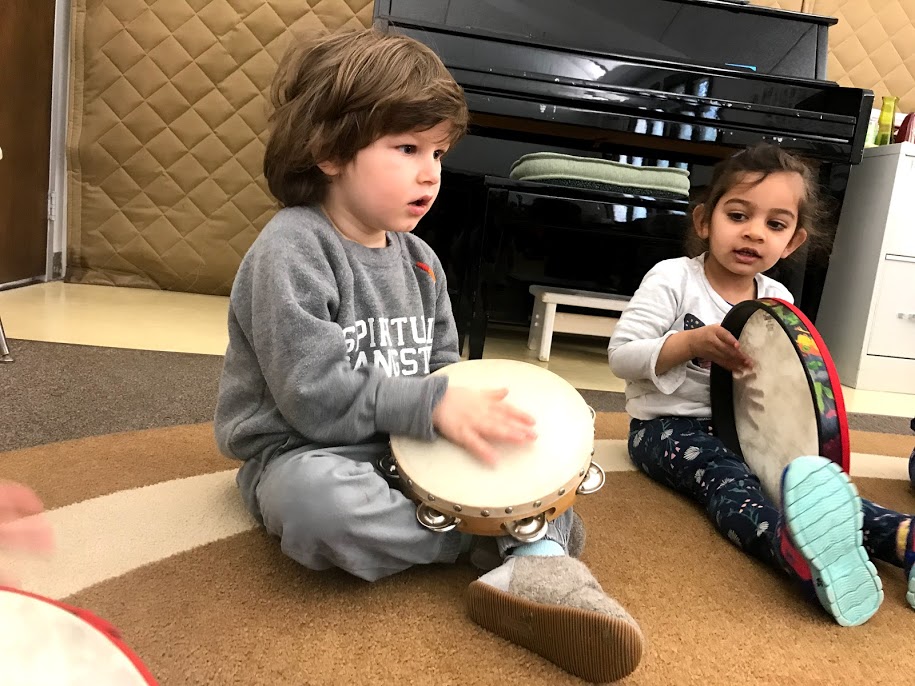
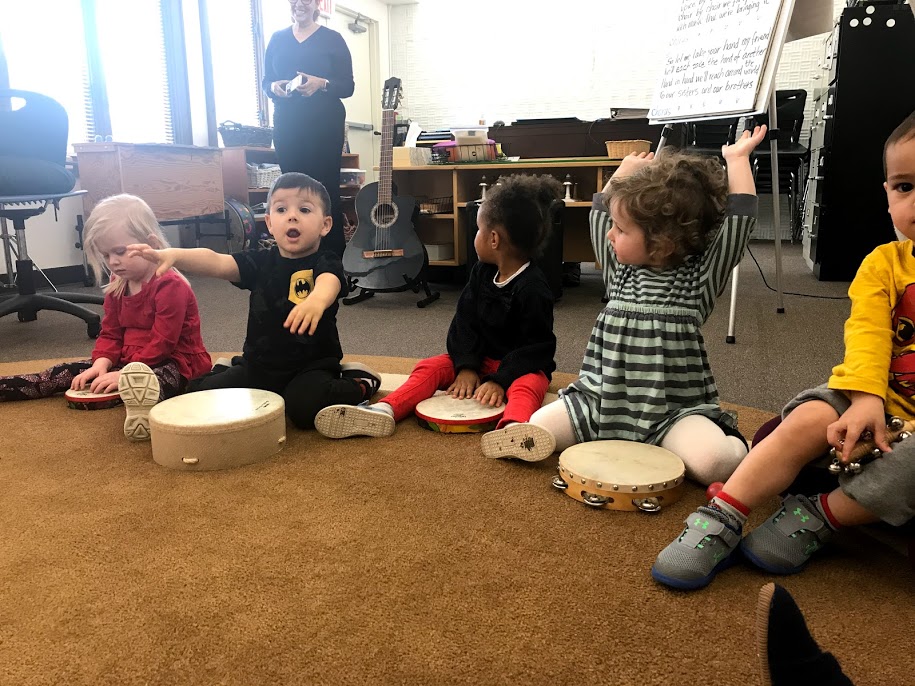
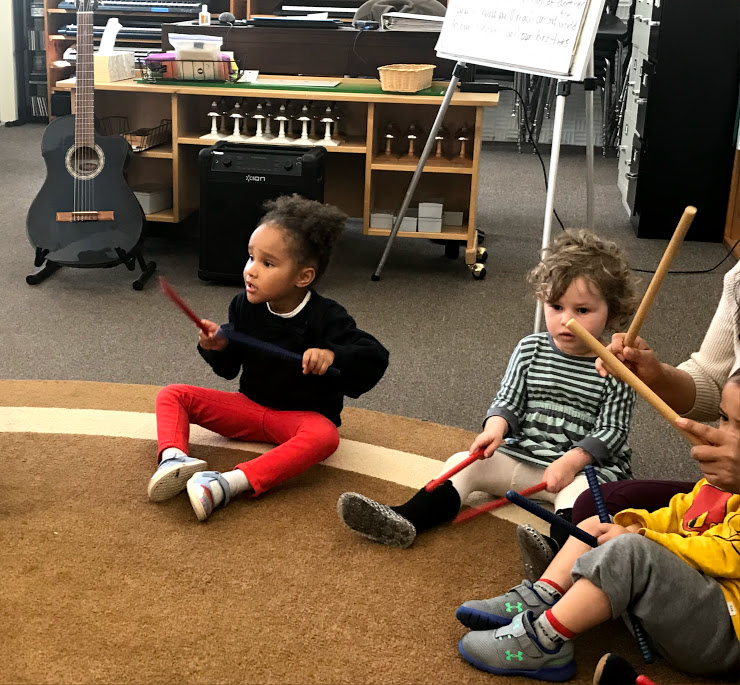
Thursday, we were able to visit the music room where the children were introduced to some new instruments. They had a blast singing songs and using rhythm sticks!  We were impressed by their ability to respect and enjoy this new and exciting environment. The children are displaying their readiness to move to the next level!


Ms. Kayser’s Class: April Showers Bring May Flowers


The quote, “April showers bring May flowers” has always been my favorite way of explaining the weather during the early stages of spring. This season it feels like we have had more rain than sunshine, but it is important to remember of the beauty that emerges after the earth drinks up all that rain! As May comes into view, so have the colorful blossoms of flowers and vibrant green buds on the trees. Without those April showers, none of these things would be here for us, which is one way of remaining positive during those dreary, rainy days.

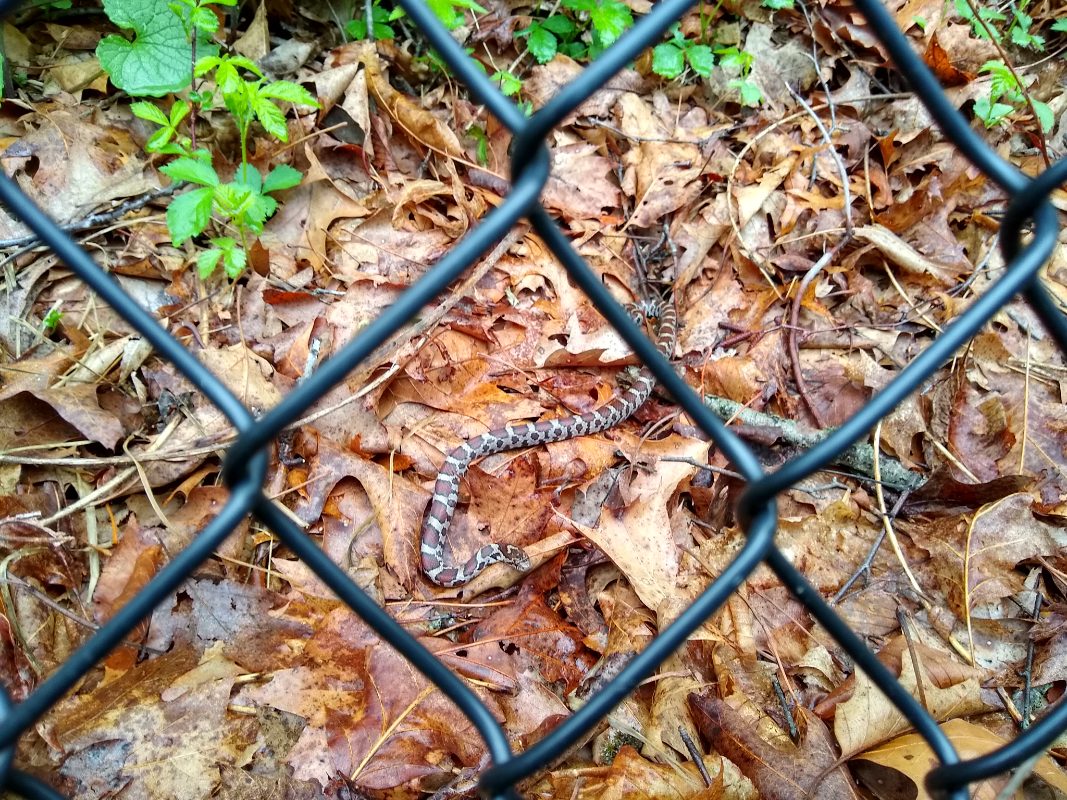
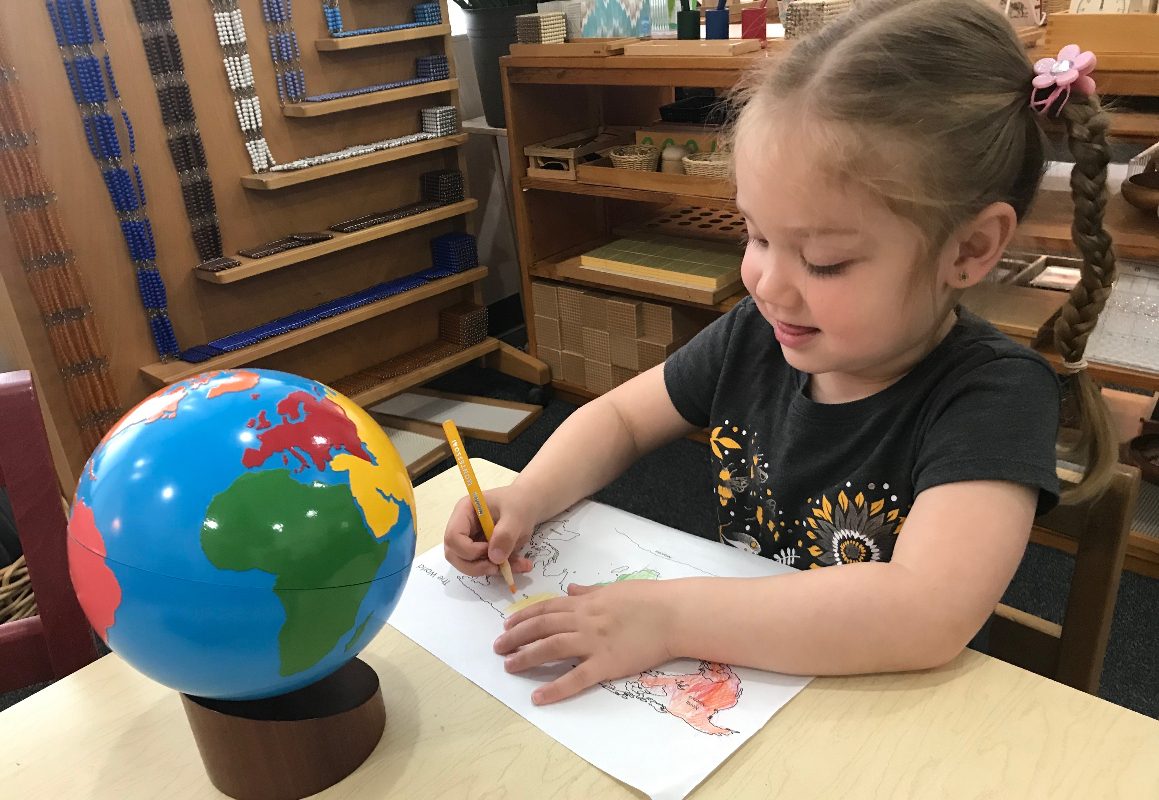
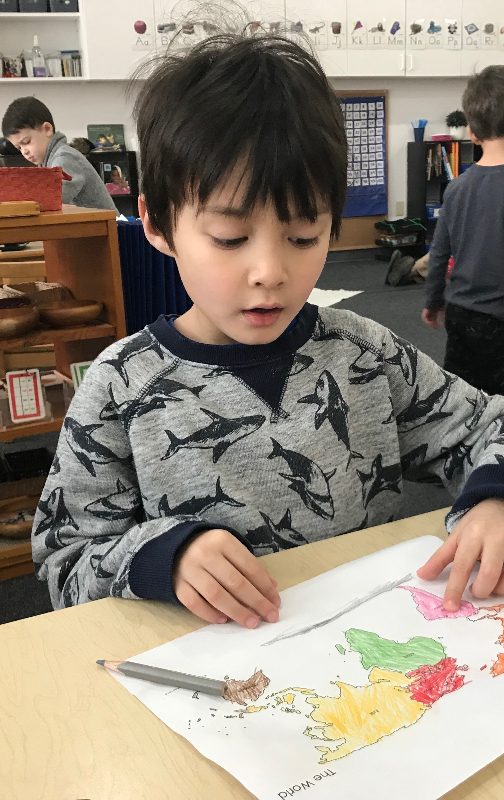
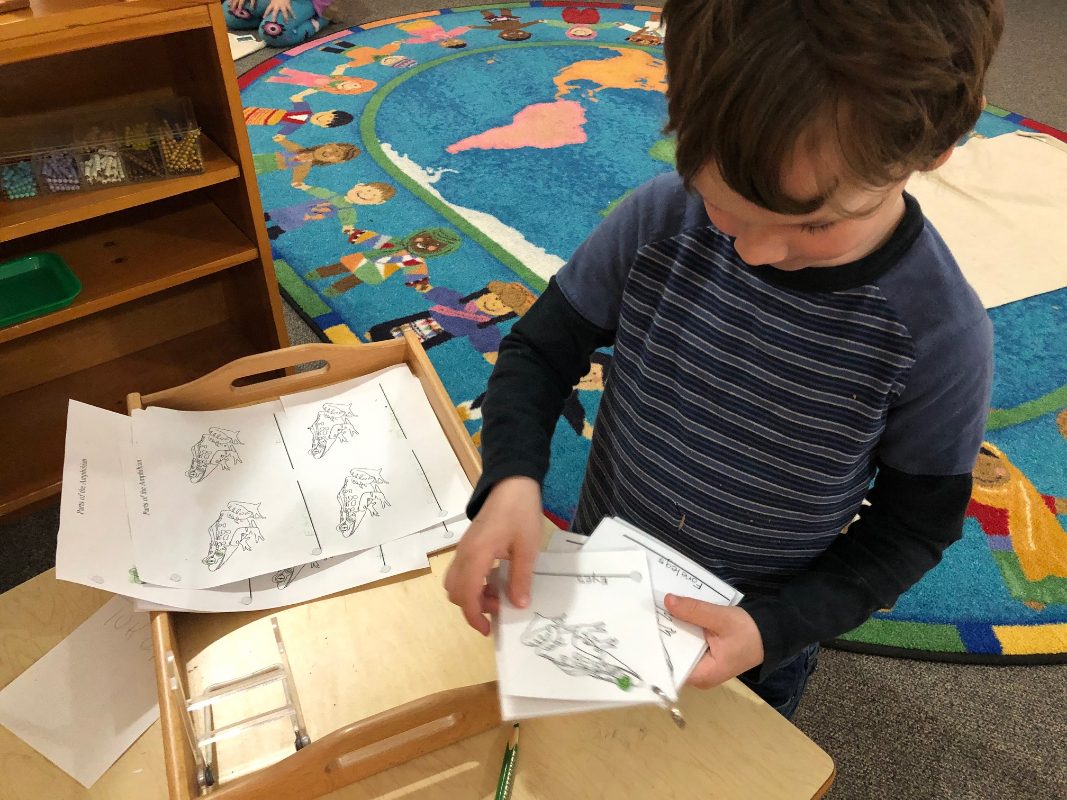
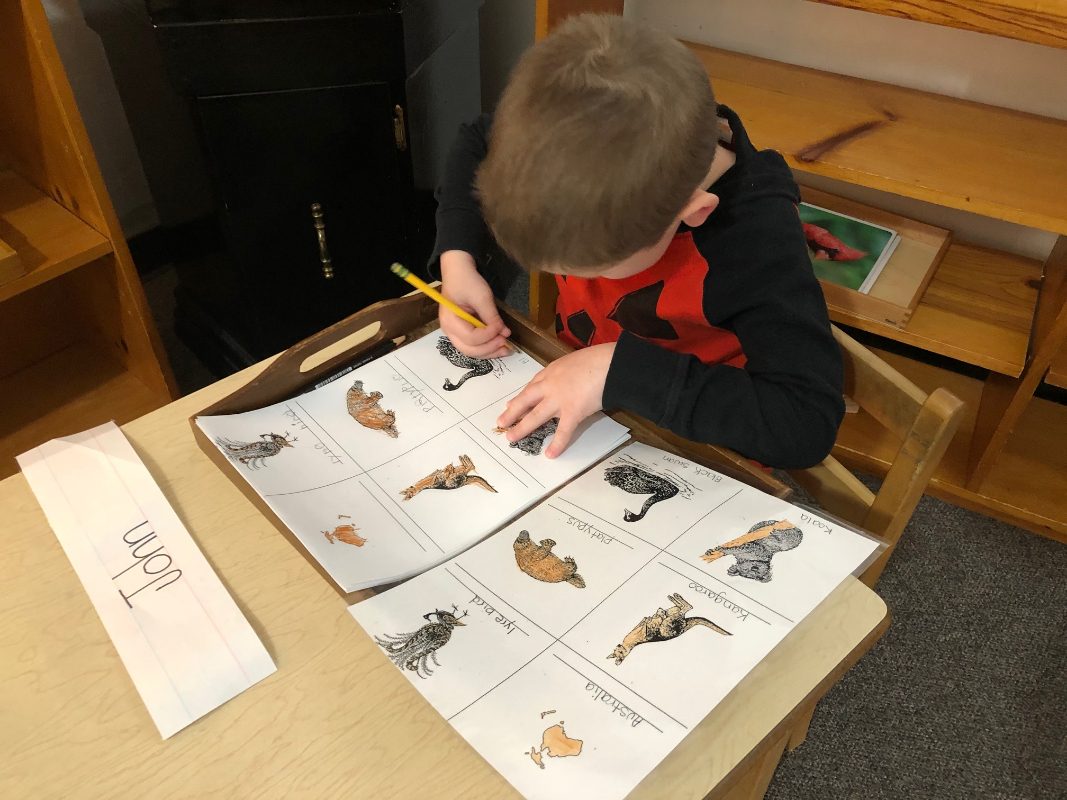
That rain also keeps us inside the classroom longer during our morning work cycle. Sometimes it is hard for the children to sit and concentrate without releasing some energy outside but this past week has been filled with some amazing moments of focus and perseverance. Last weekend, we switched over the classroom and filled its shelves with new topics of study in science and geography. We are now on Australia, our last continent of the school year that we will be studying and in science we are looking at amphibians and reptiles! The children have been so enthralled in their work, some days they forget about going outside and lose themselves in the activities around them. Their ability to work for longer periods of time just goes to show how much they have grown over the course of the year. The children are confident in themselves and excited to continue to learn and grow as individuals.

You could say that these April showers have made our children grow, and soon bloom, as we head into our final full month of the school year, May.

We hope you have a beautiful week, with sunnier days ahead!

Ms. Kayser and Ms. Alli


Mrs. Doyle’s Class: Moving On and Moving Up

Transitions, while often exciting, can also be a time of uncertainty and sometimes even nervousness of what is to come. This includes the transition for our children moving from Toddler to Primary and from Primary to Lower Elementary. We are very cognizant of this and put in place small steps to help ensure a sense of continuity and calmness for everyone.

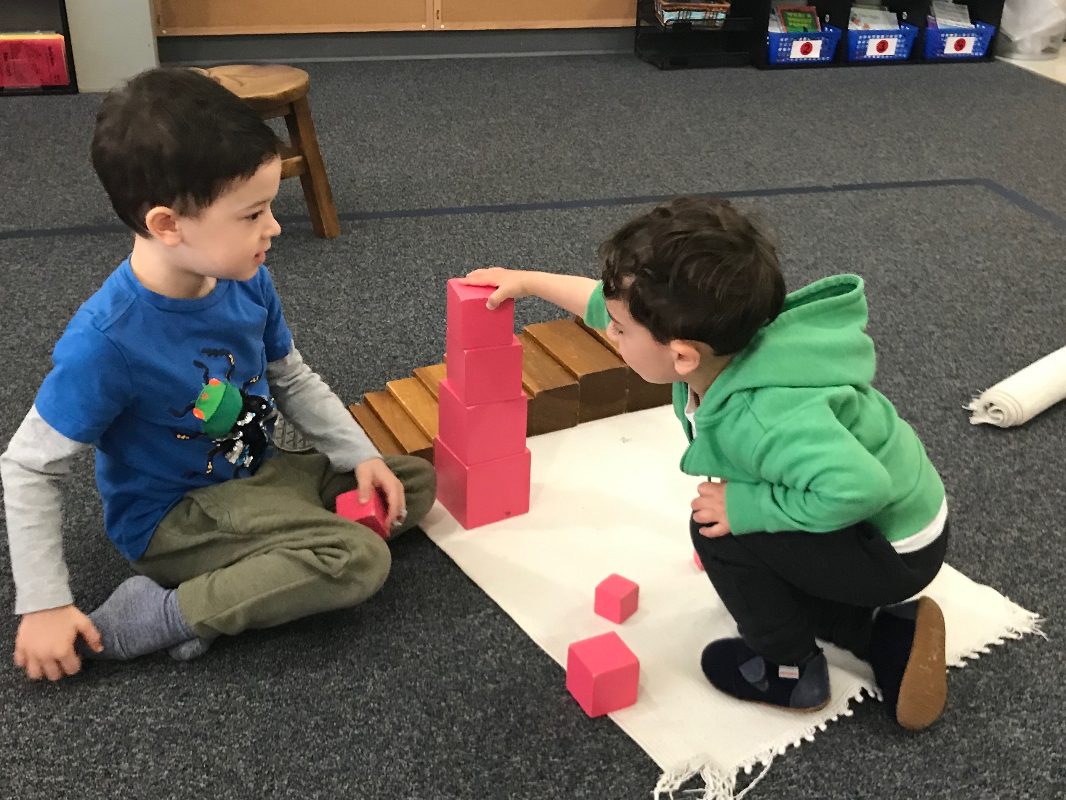
On of those steps, is inviting the children moving up to spend a short time in the environments they will be transitioning to. Our Toddler friends spent some time with the Kindergarten children in a Primary classroom. The older children showed showed them around the room and gave a few small lessons. The environment they visited is not in any way an indication of class placement for next year. Each Primary environment, although different in small ways has the same materials and is a true Montessori classroom. Likewise, our Kindergarten students will be going to spend some time in Lower Elementary. These visits are a quick peek into the new environment, to meet new friends and teachers and to even see  some familiar materials.

It is always heartwarming to see how excited the Kindergarten children are to welcome our Toddler friends. One child said today, “Don’t worry, I was as small as you once and I dropped everything!”

Much to the delight of the children, the butterflies emerged from their chrysalises and we released them into the Zen garden.

Have a peaceful week!

Michelle & Sonja