Blog

Ms. Mollie: Hello December!

Hello December!

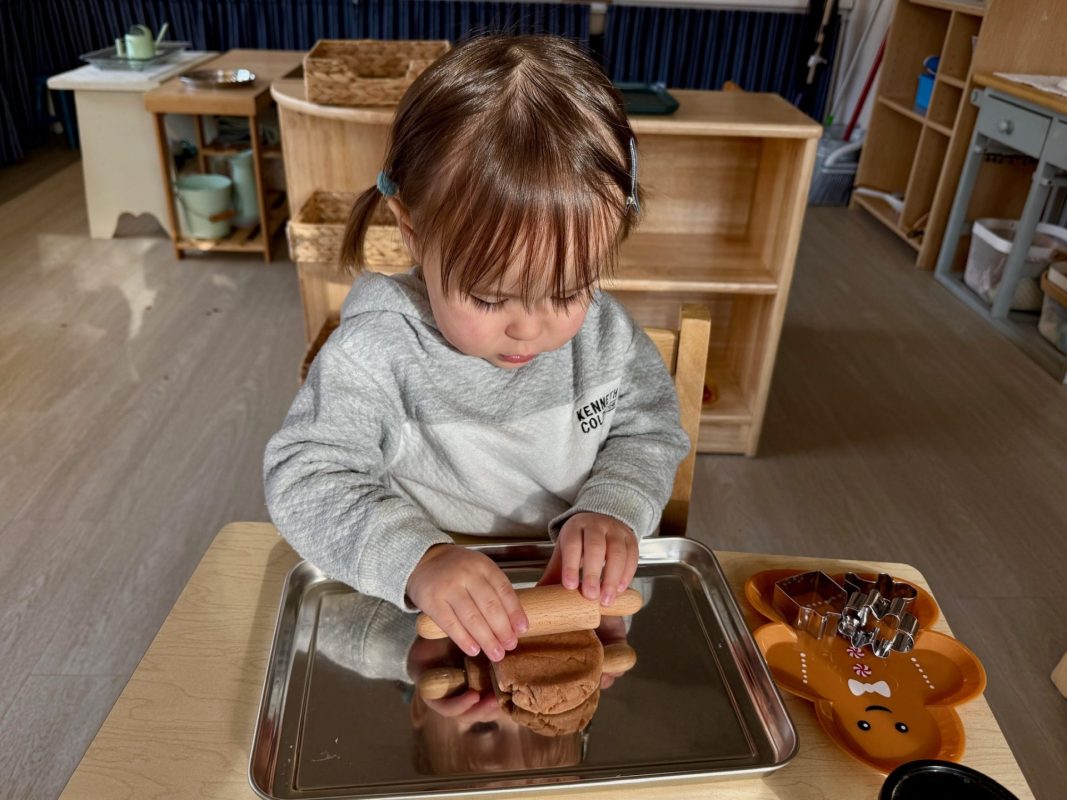
This week in our Montessori toddler community, the children were busy with rich sensory experiences, hands-on work, and thoughtful conversations about the season.

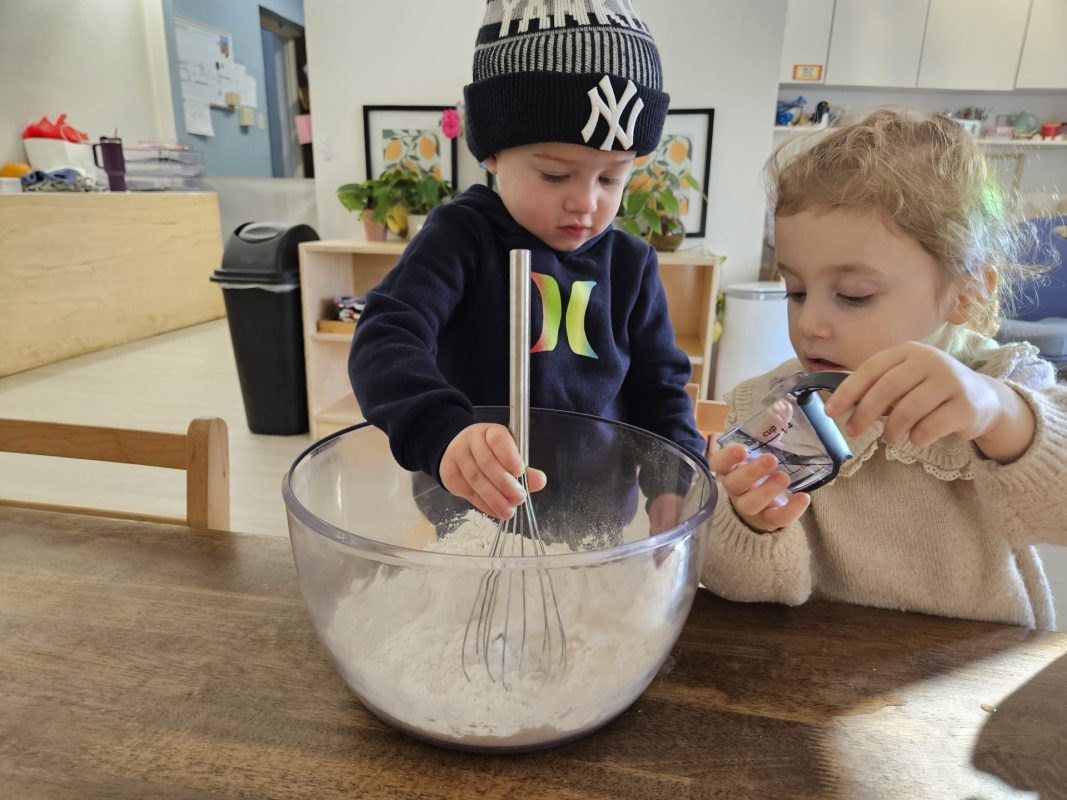
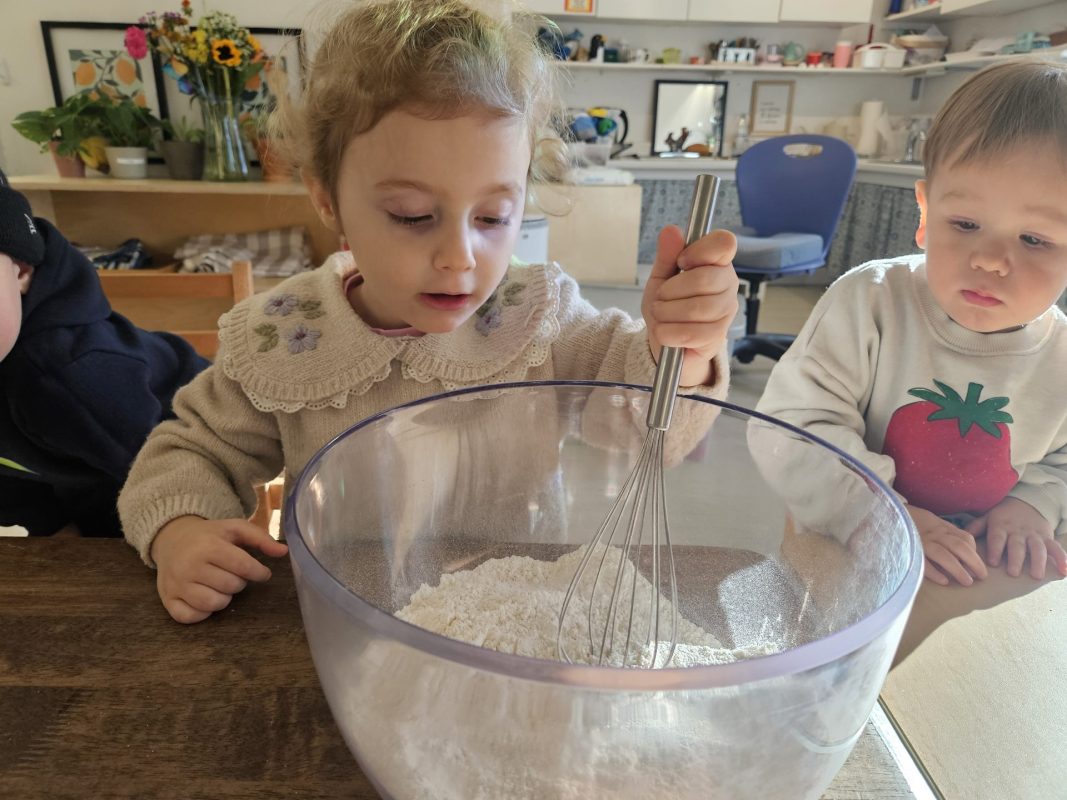
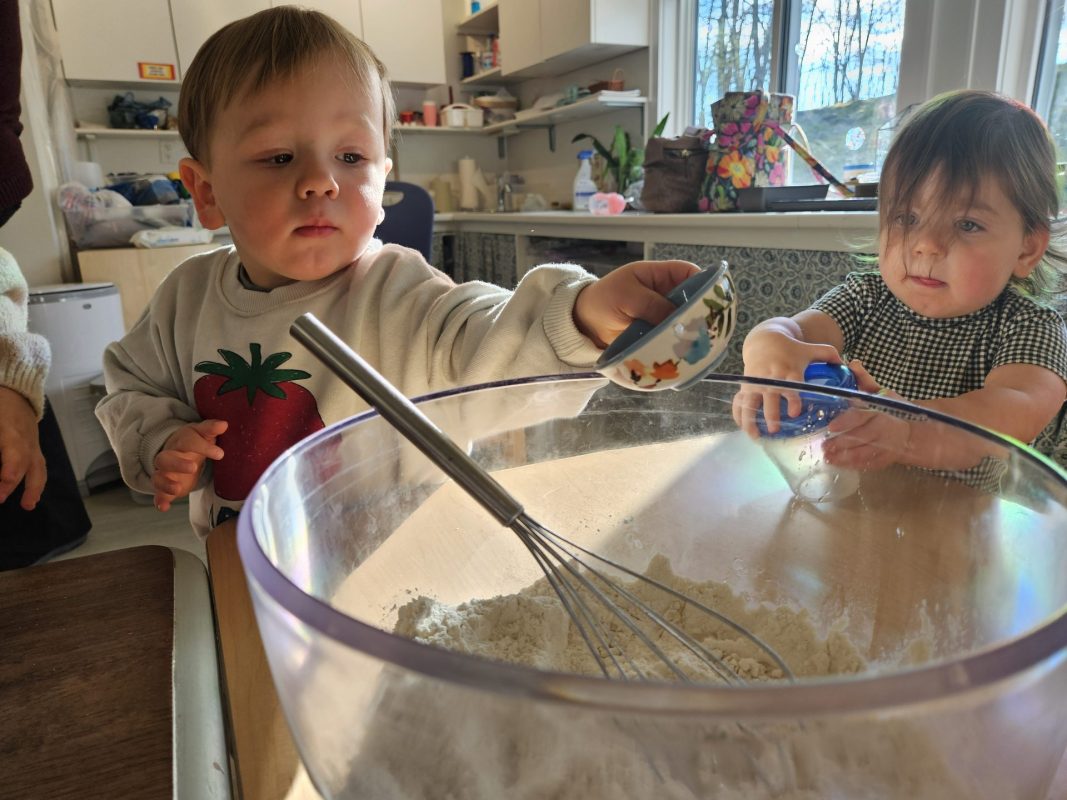
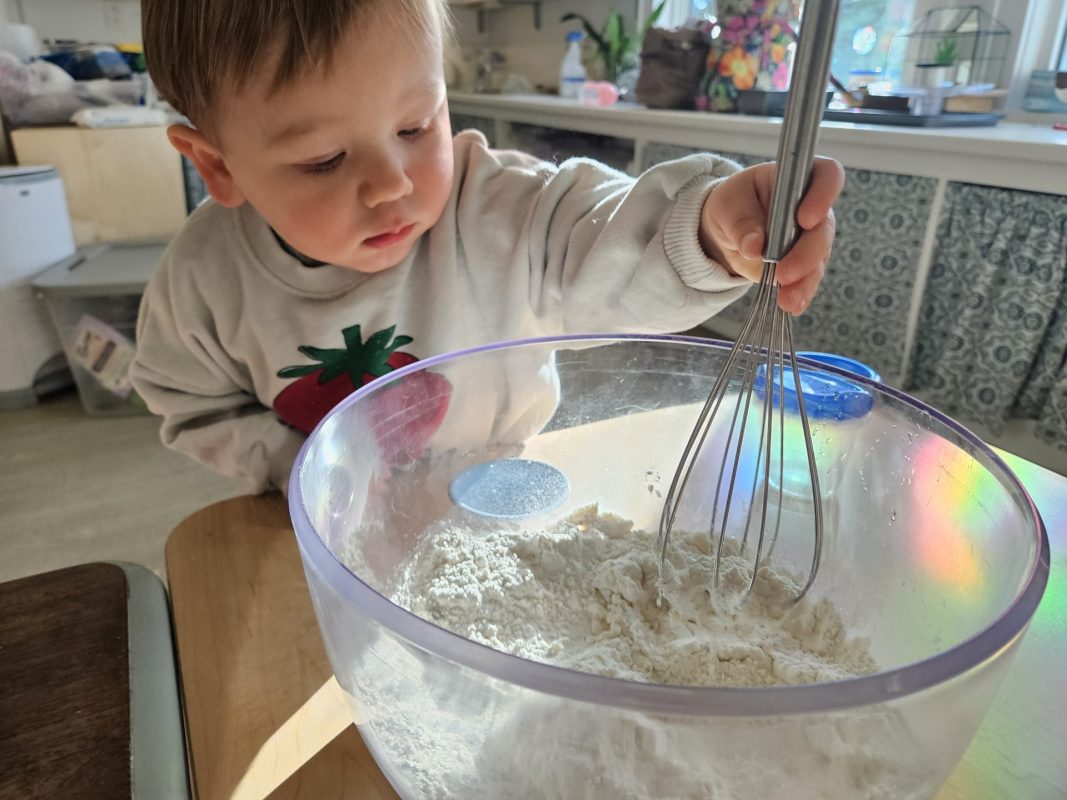
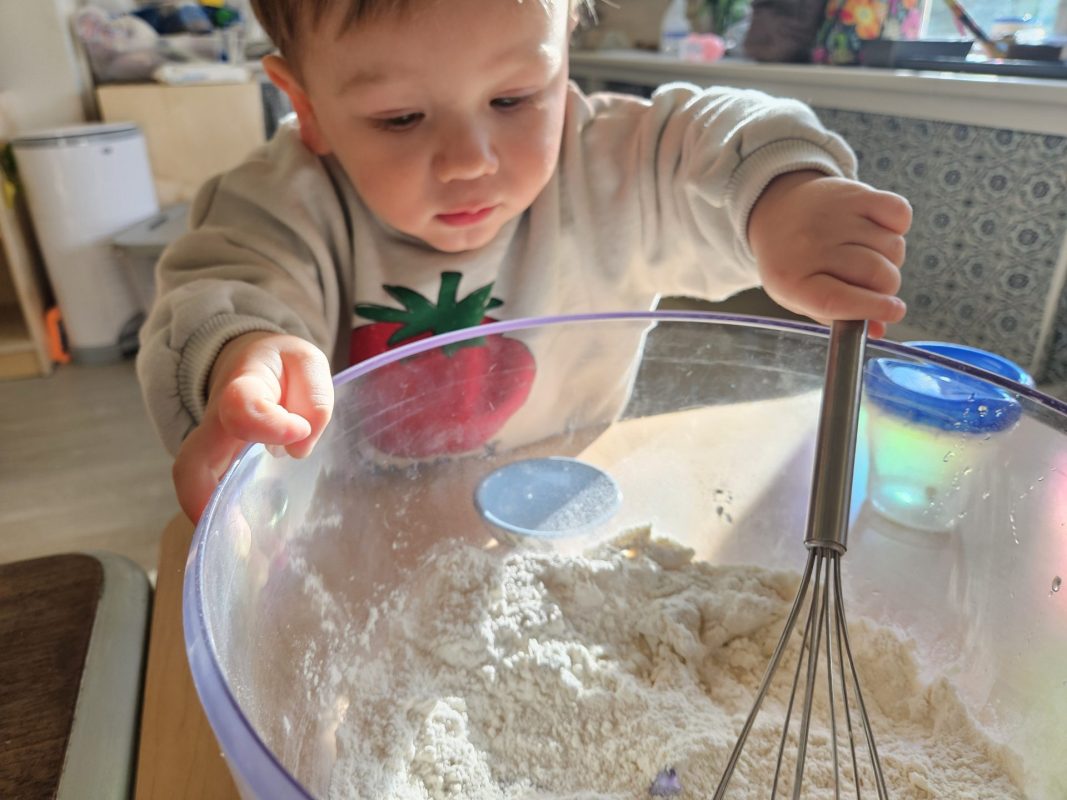
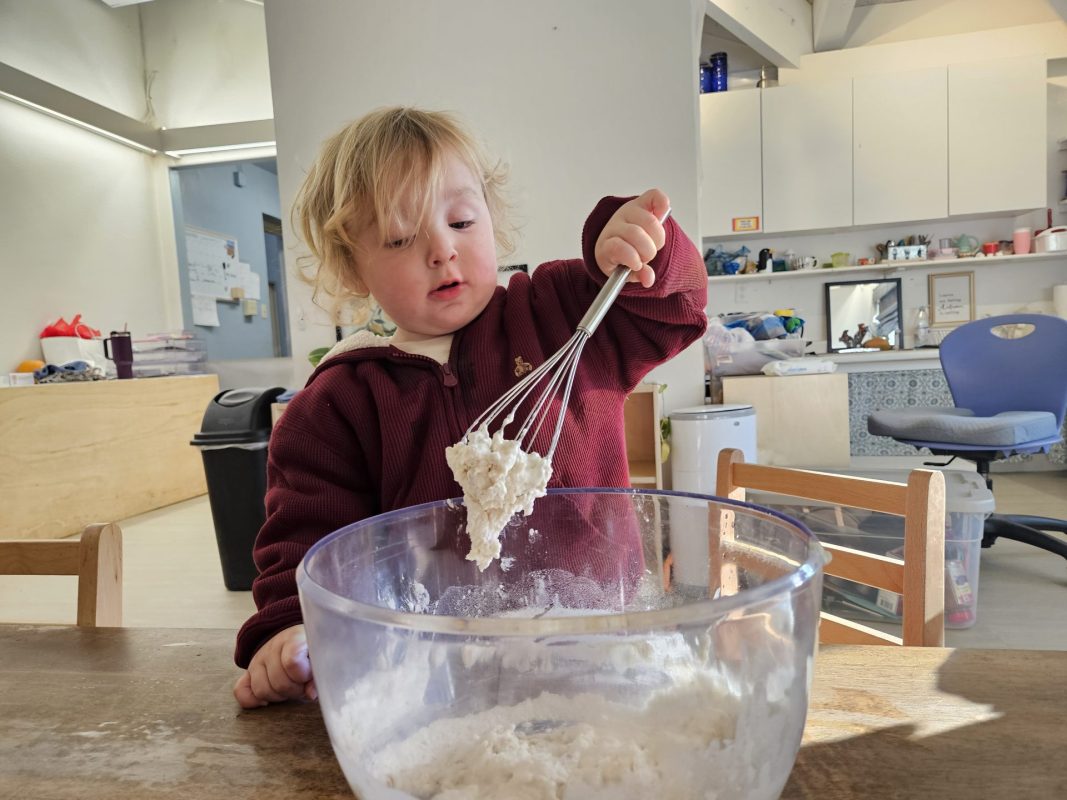
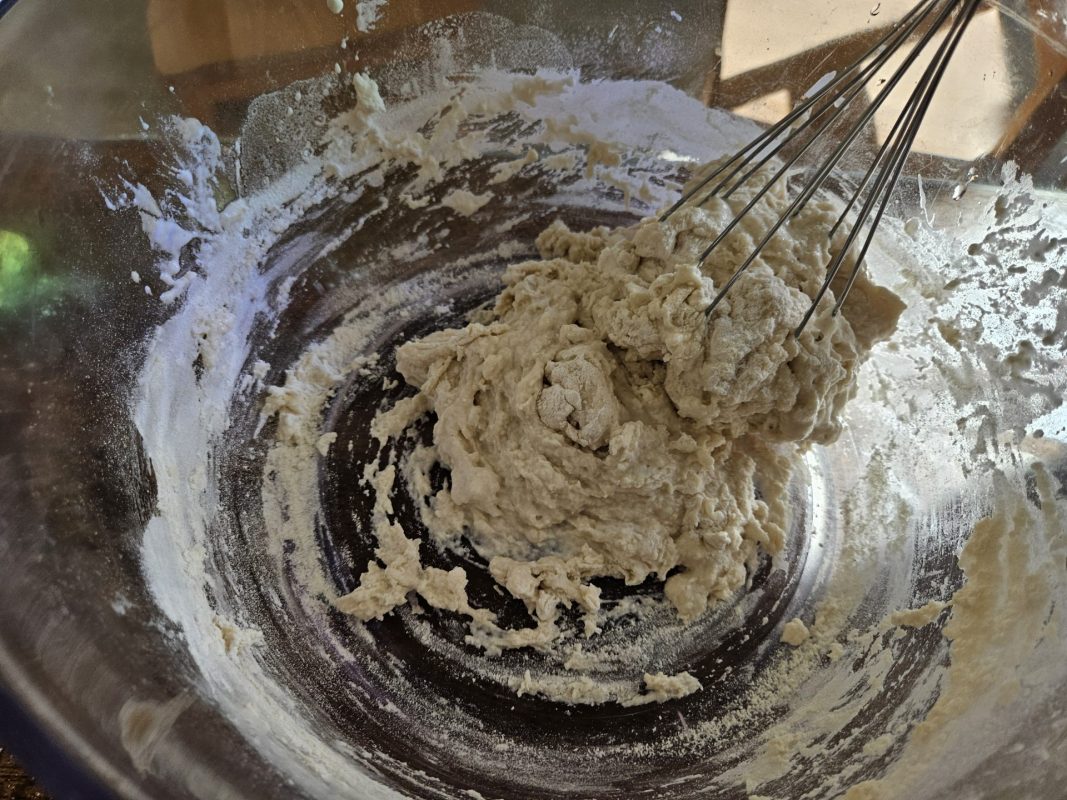
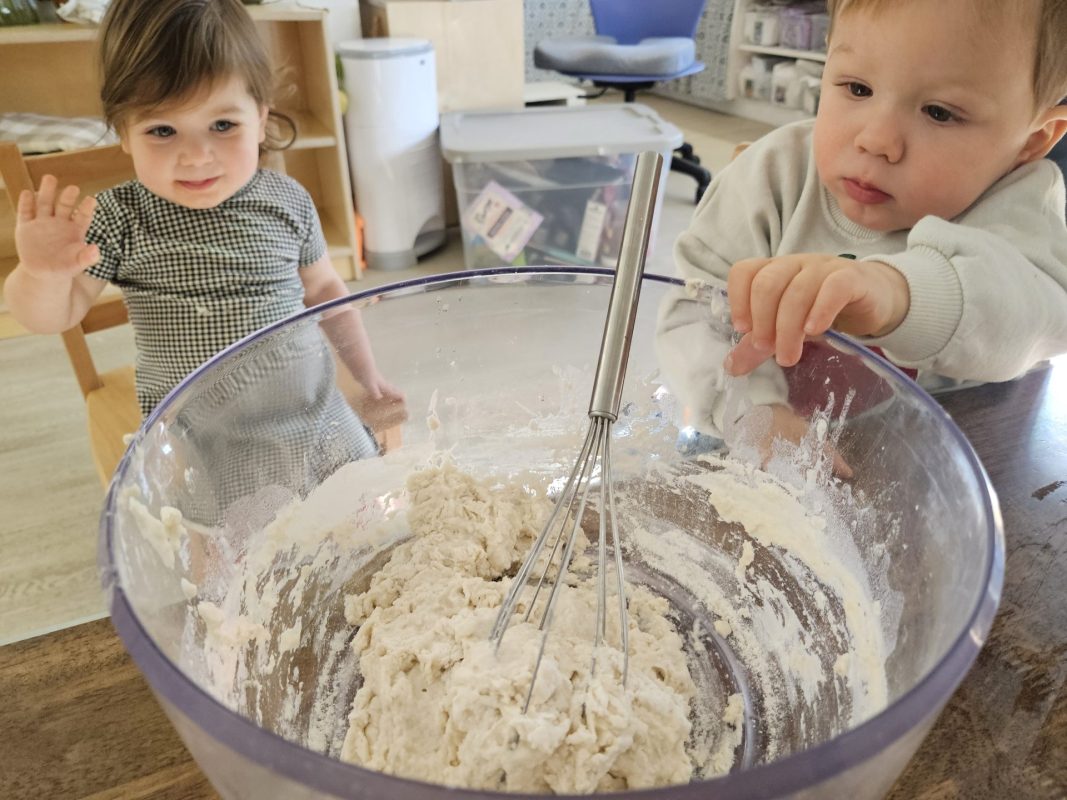
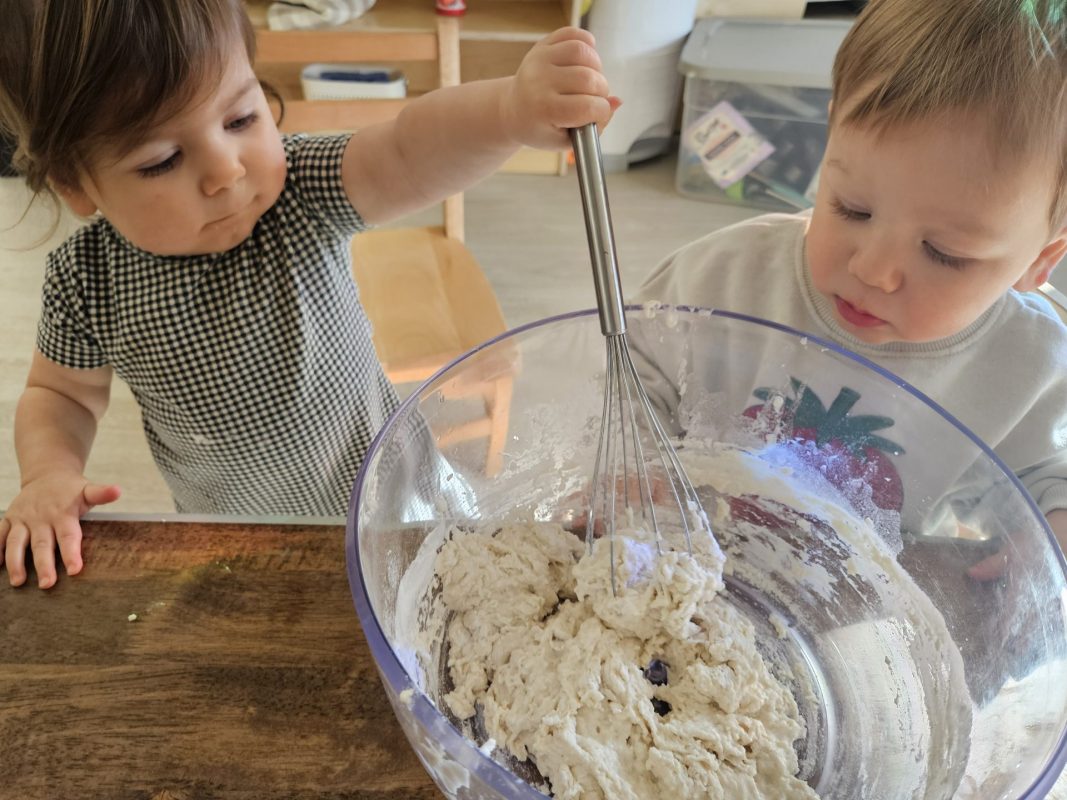
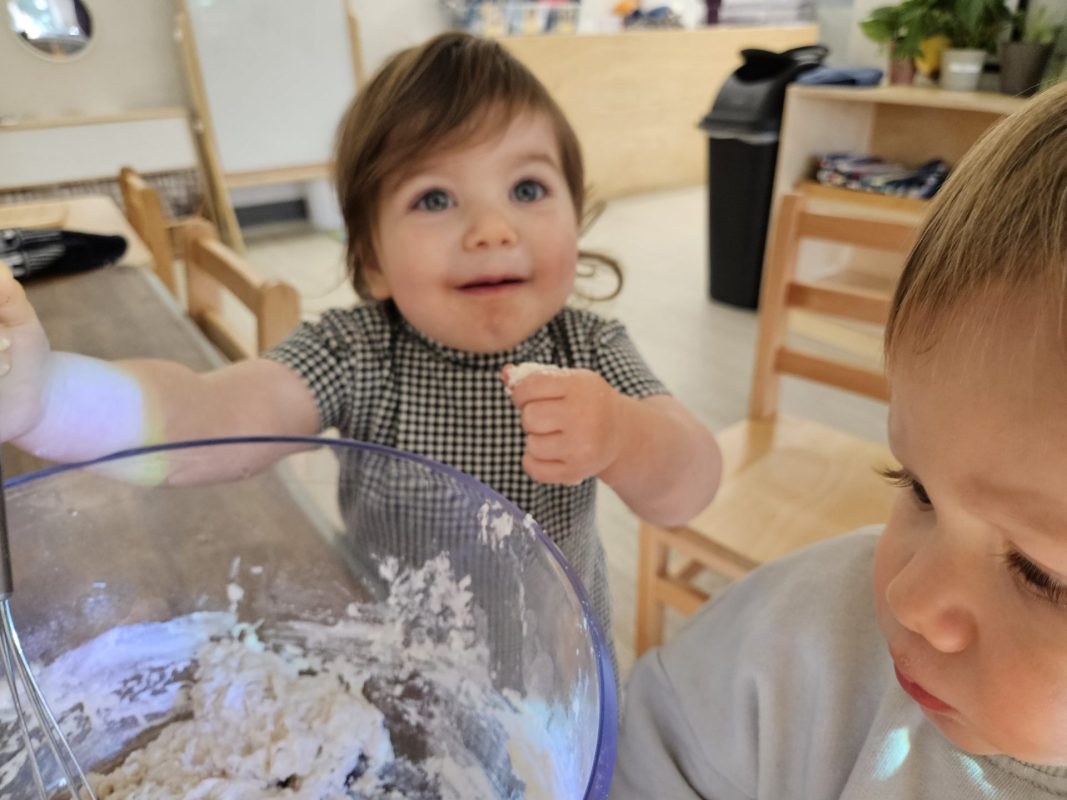
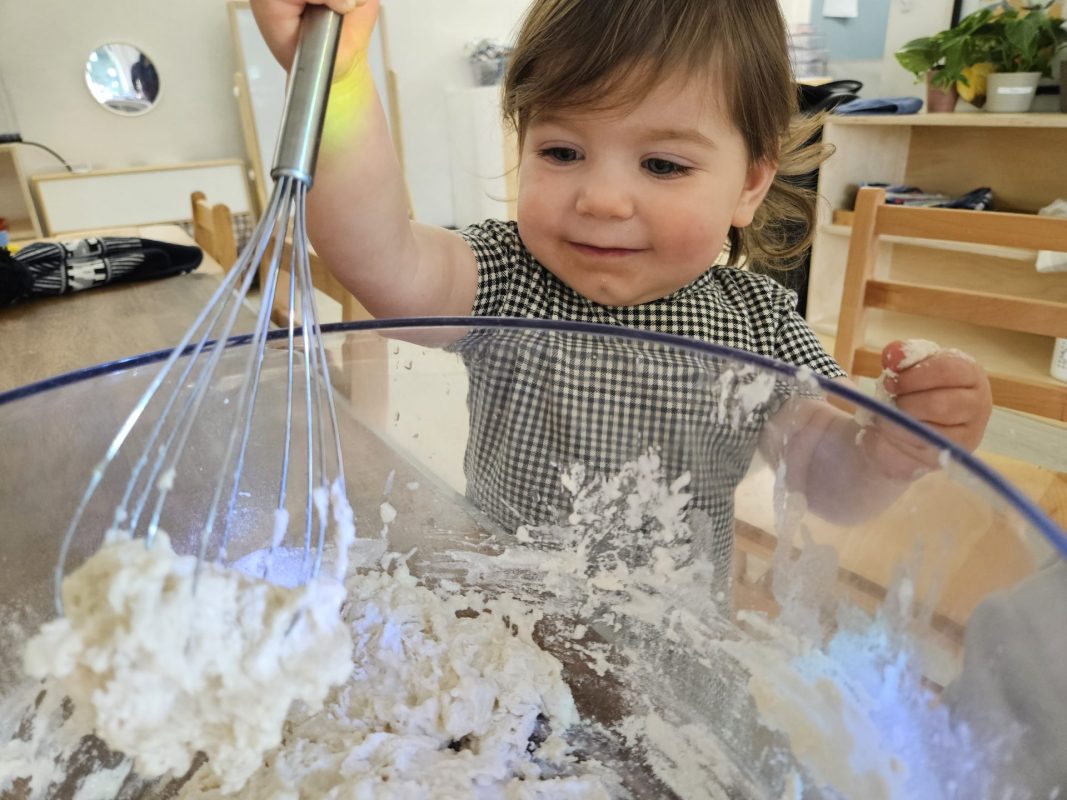
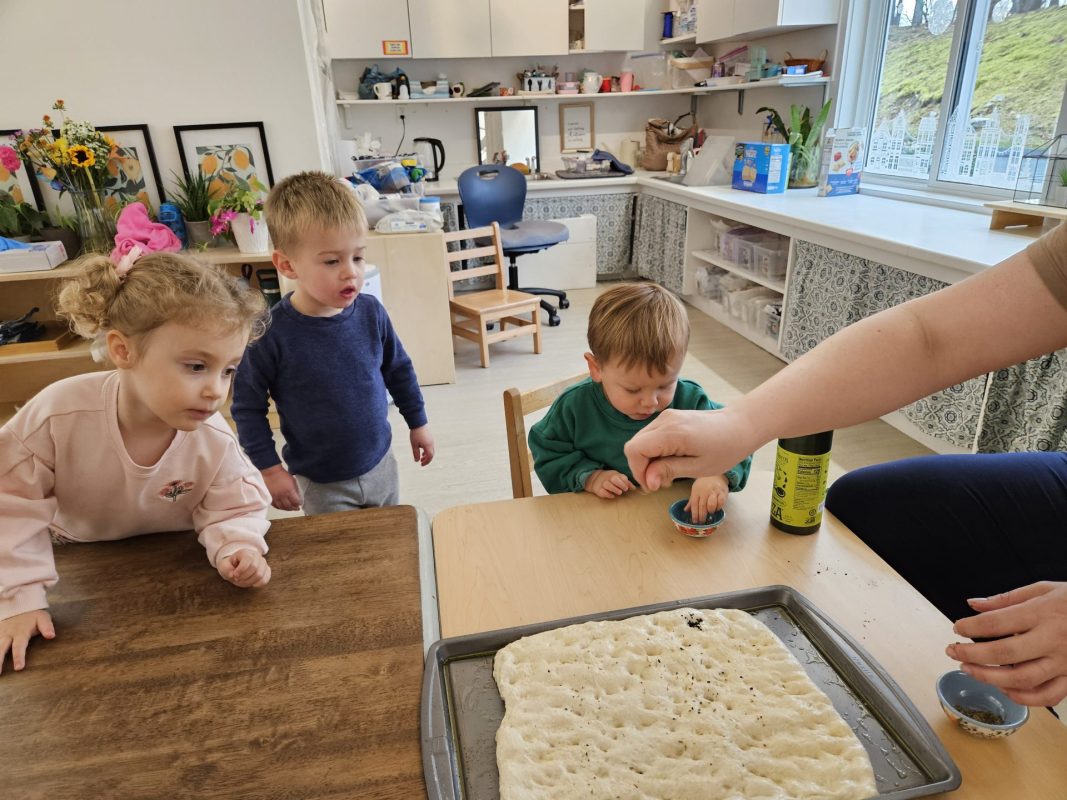
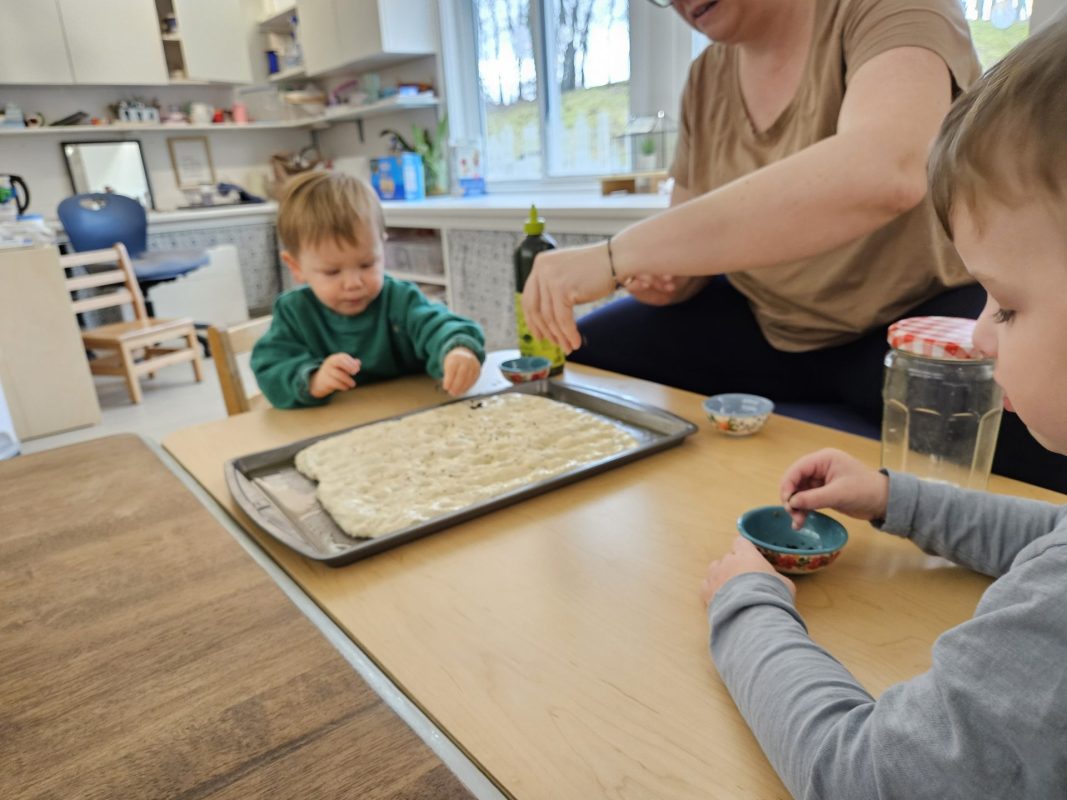
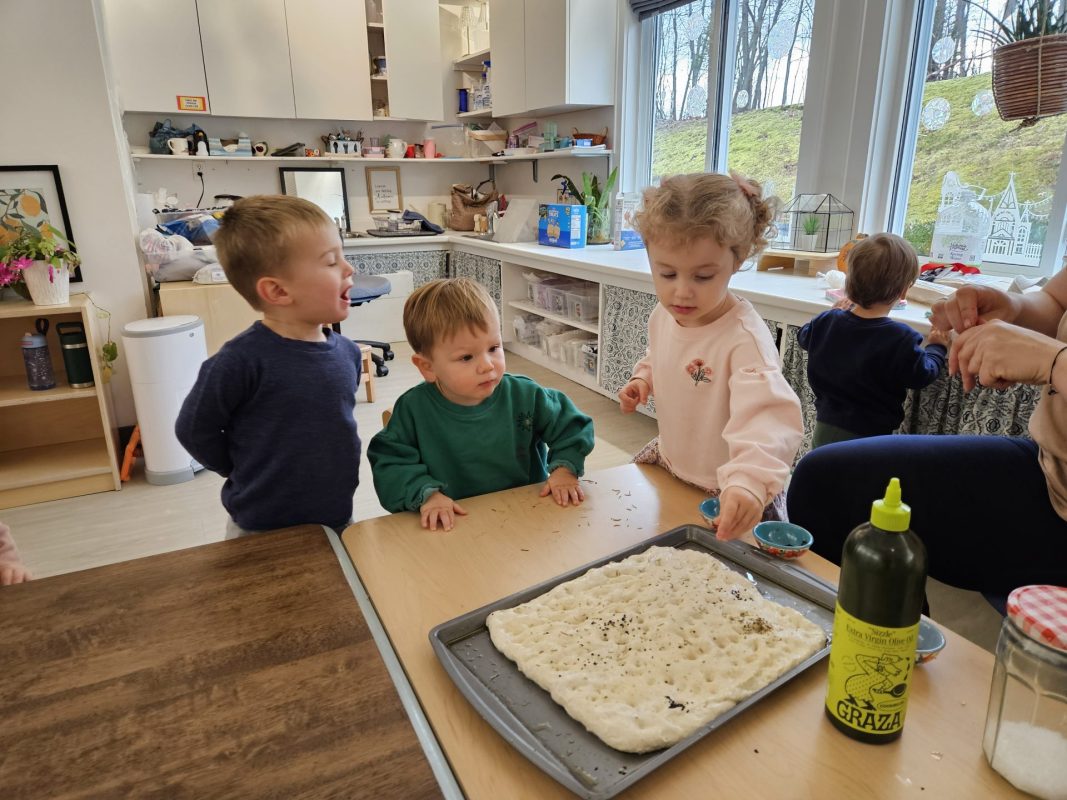
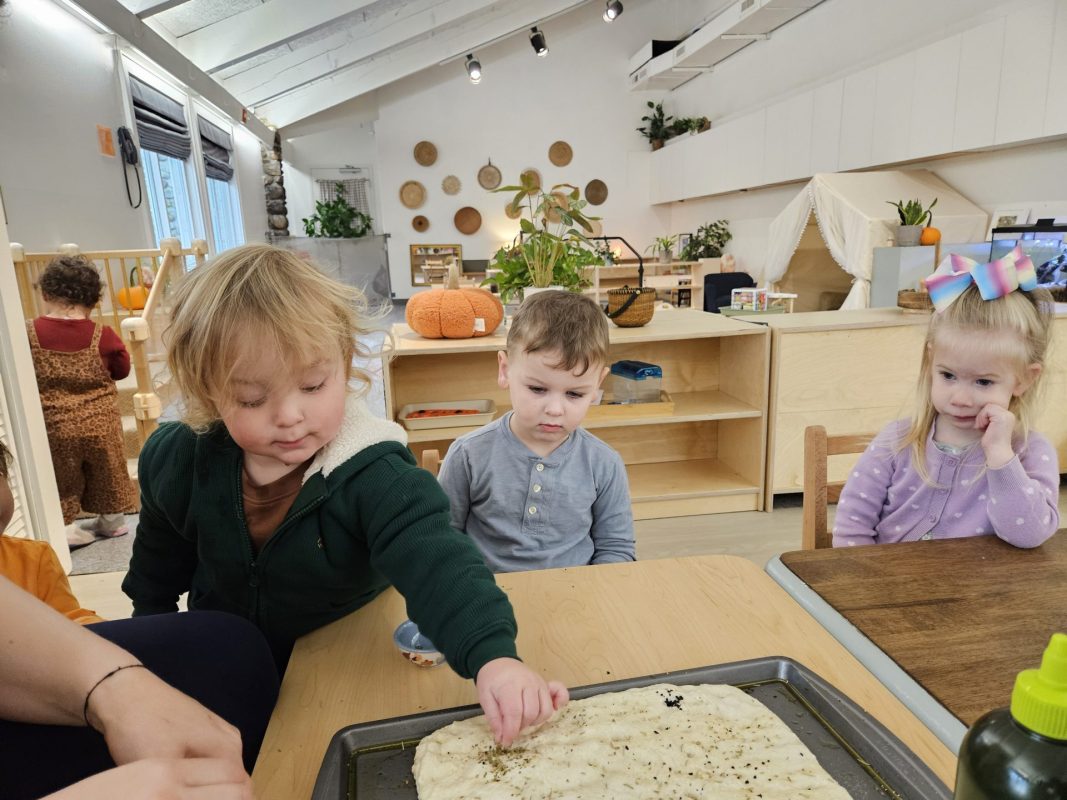
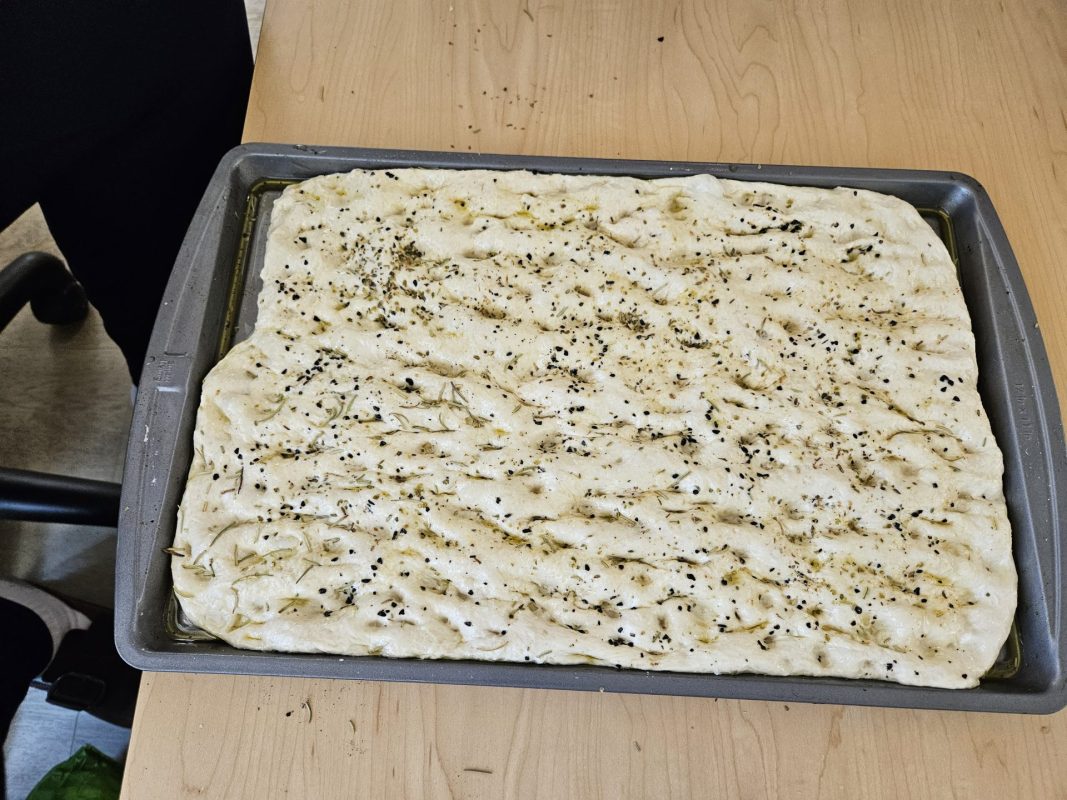
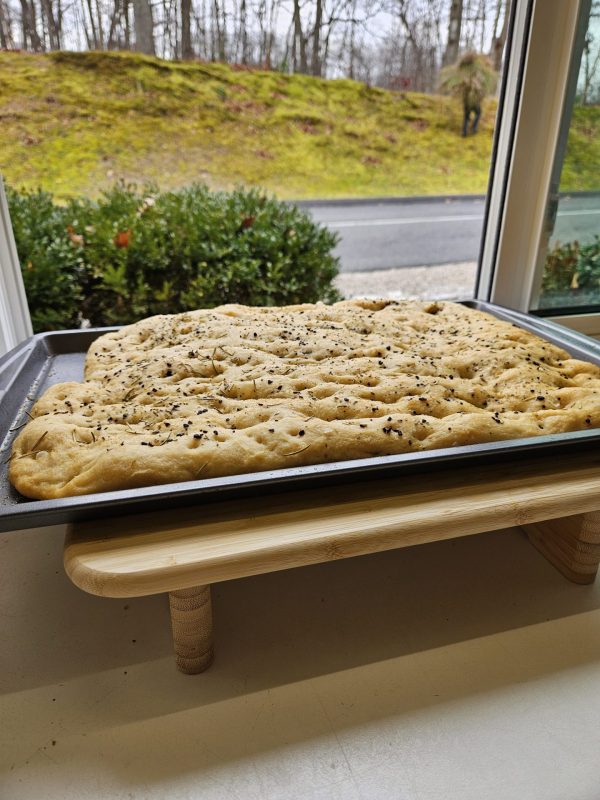
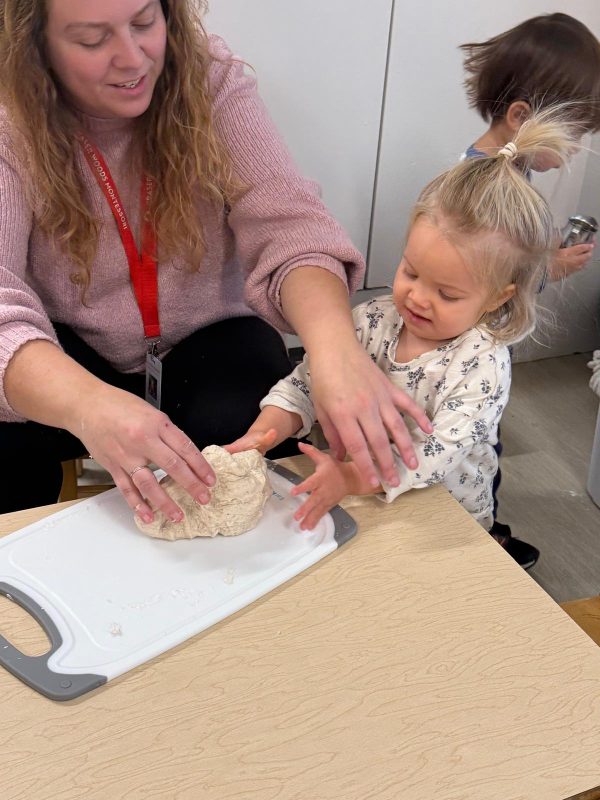
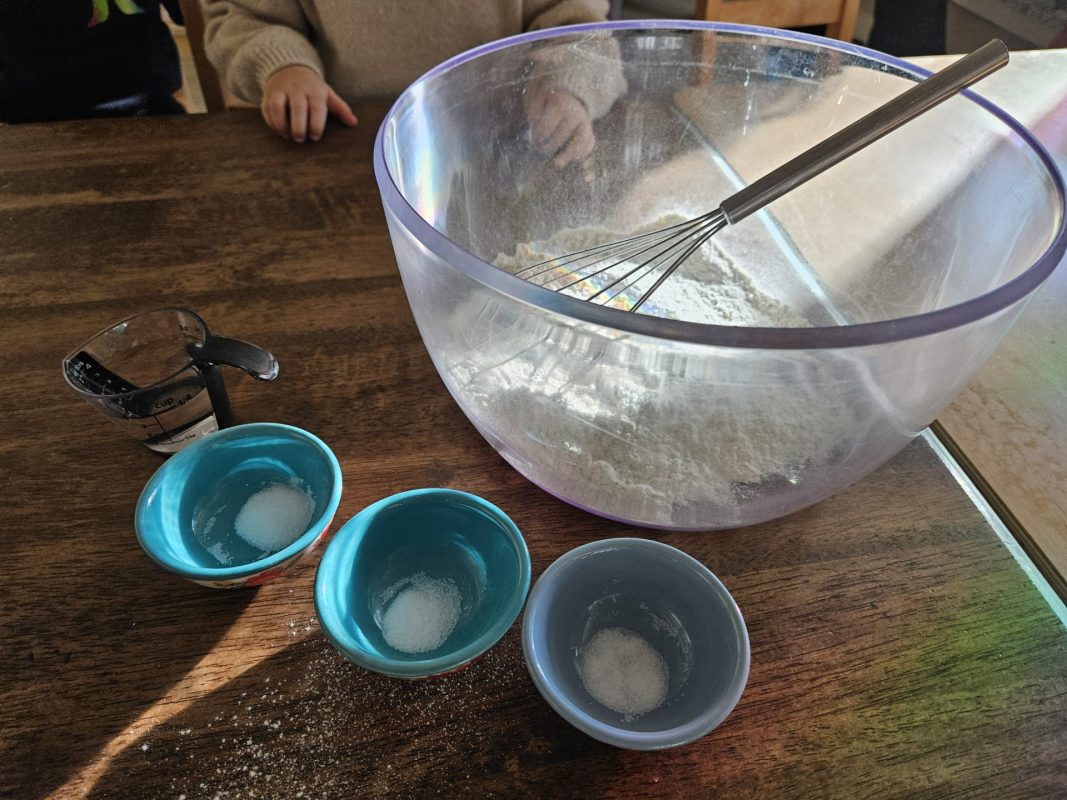
One of our favorite moments last week was baking focaccia bread together. Mixing, mixing, and more mixing made the perfect dough!  The children loved pressing their little fingertips into the soft dough, drizzling olive oil, and sprinkling herbs on top. Baking provides such meaningful practical life practice—pouring, stirring, smelling, tasting—and the joy on their faces as we shared the warm bread together made the work even more special.

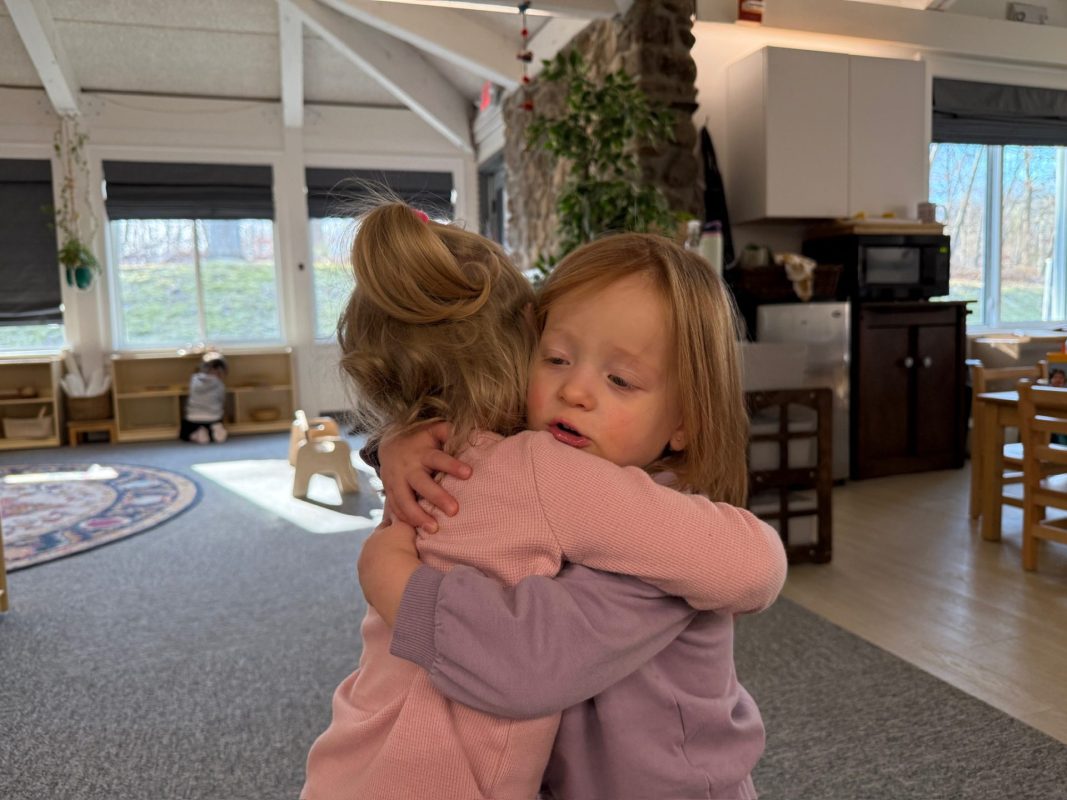
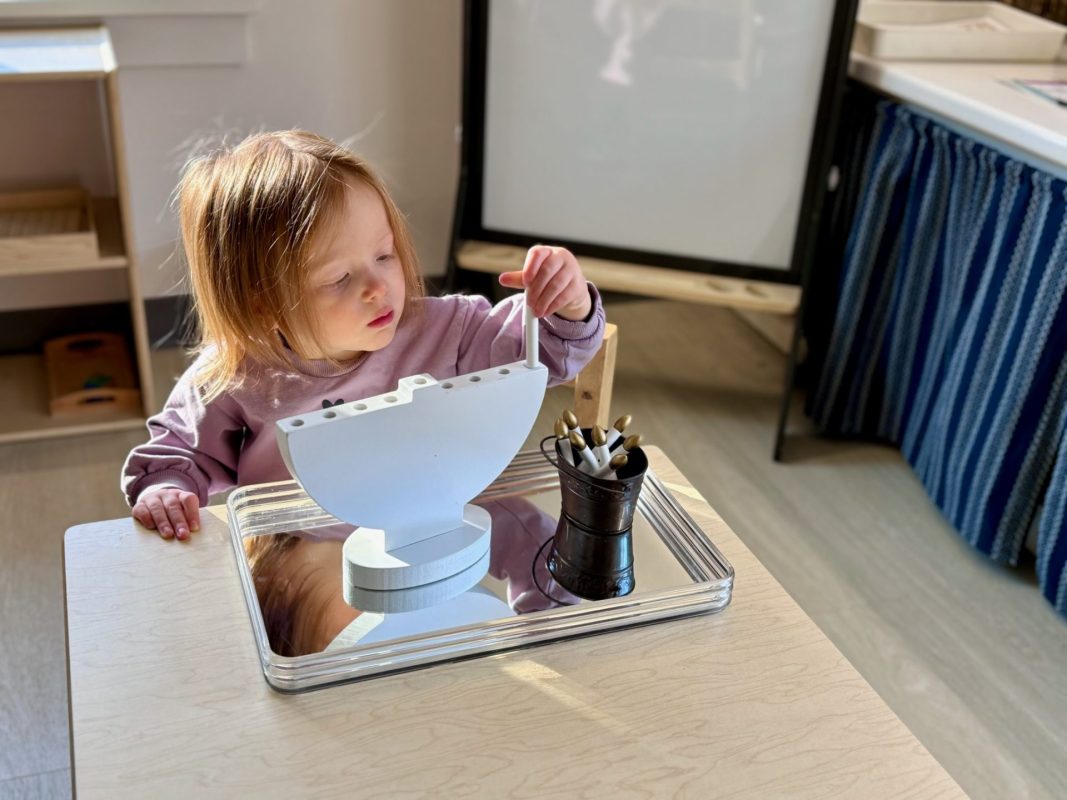
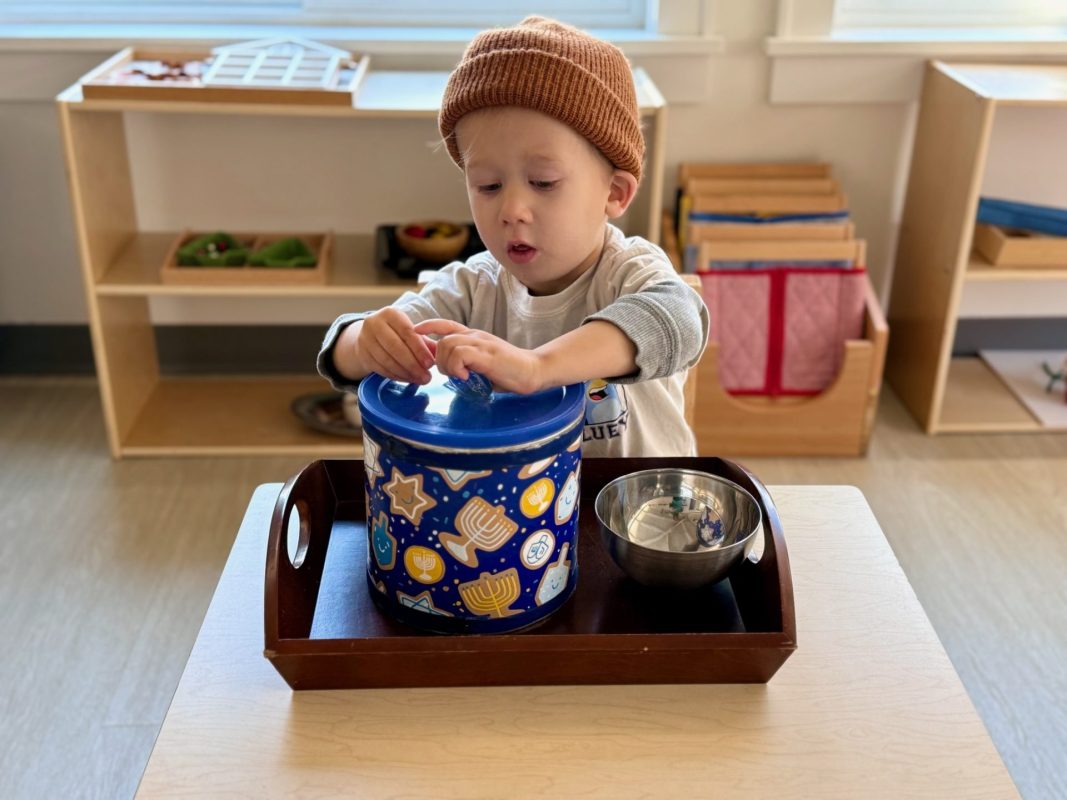
We will begin our gentle exploration of winter celebrations. Through simple stories, songs, and materials, the children were introduced to Christmas, Hanukkah, and the Winter Solstice. In the Montessori toddler environment, these lessons are kept very concrete and sensory: noticing the warm glow of Christmas lights, exploring seasonal colors and natural items, and talking about the kindness, light, and togetherness that these holidays celebrate. Each child engaged at their own level, taking in the beauty and calm of the season.

As the days grow shorter, we continue to slow down, create cozy moments, and offer opportunities for connection and wonder. It has been a lovely week of learning, discovery, and community.

With Full Hearts,

Ms. Mollie and Ms. Lizette


Middle School: Week in Review

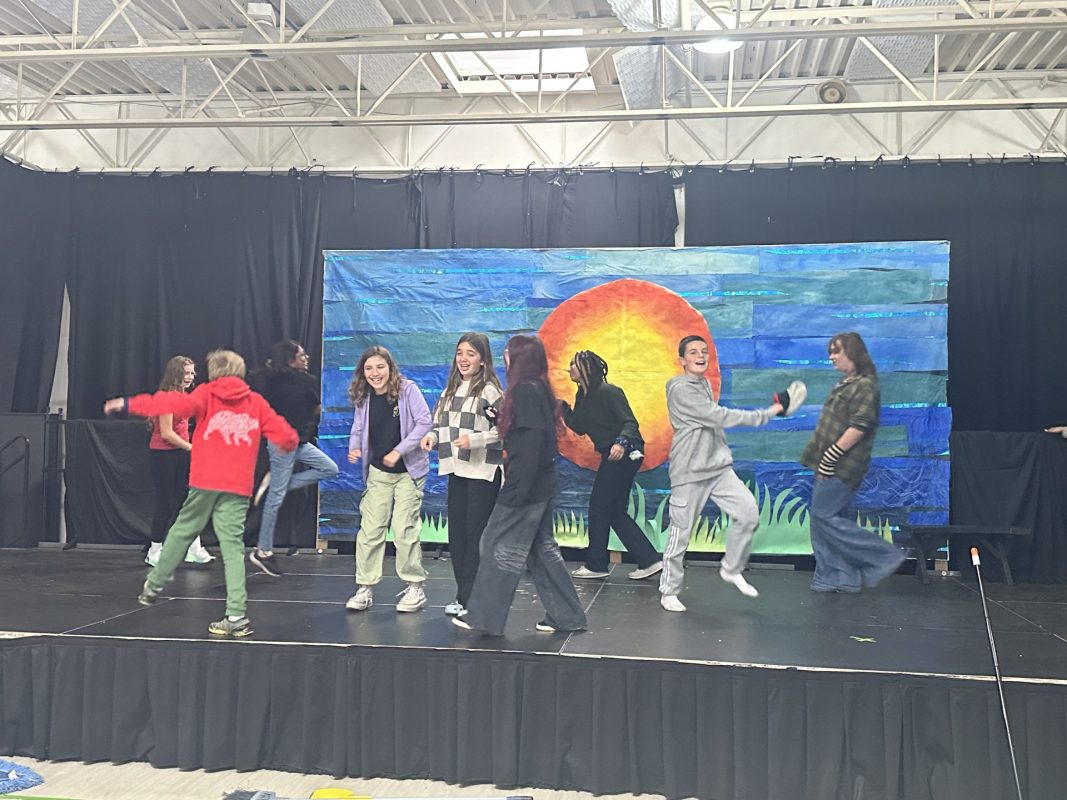
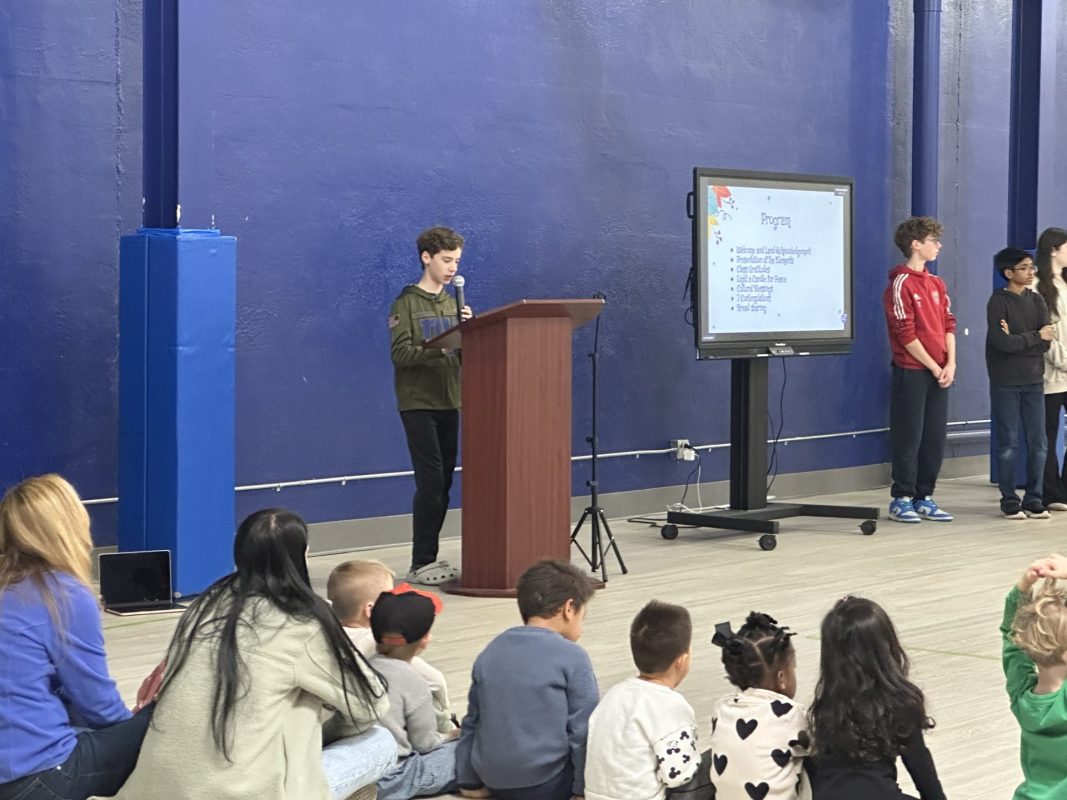
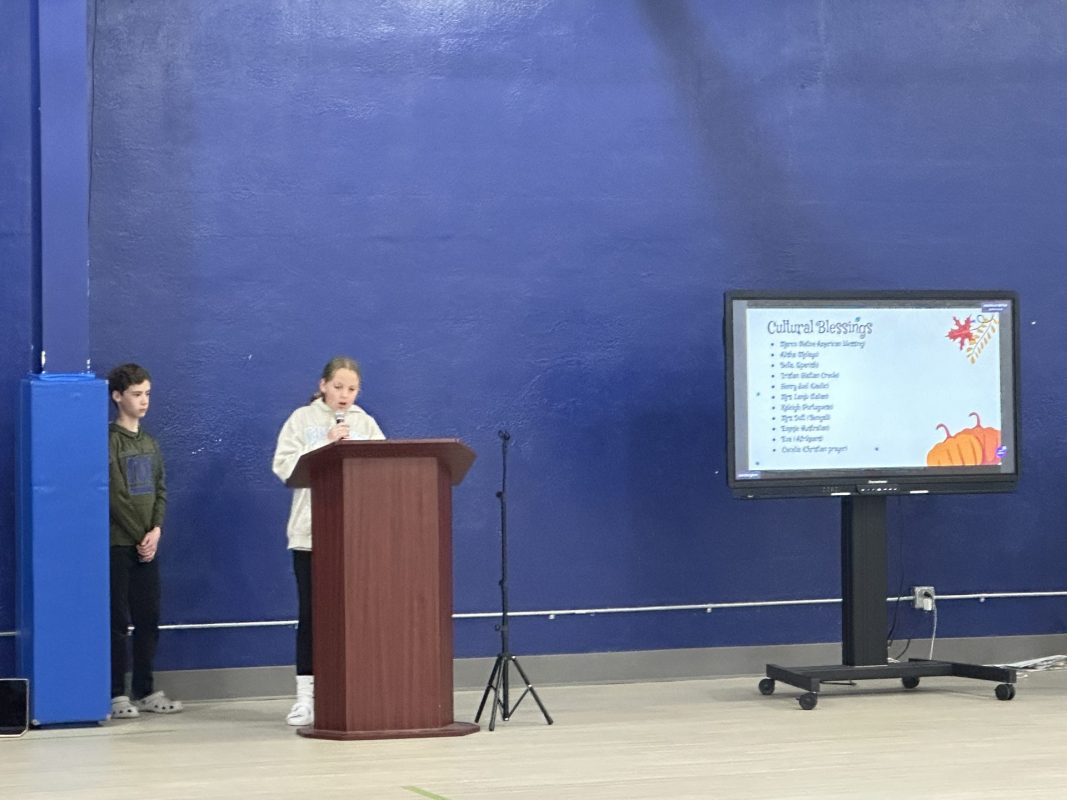
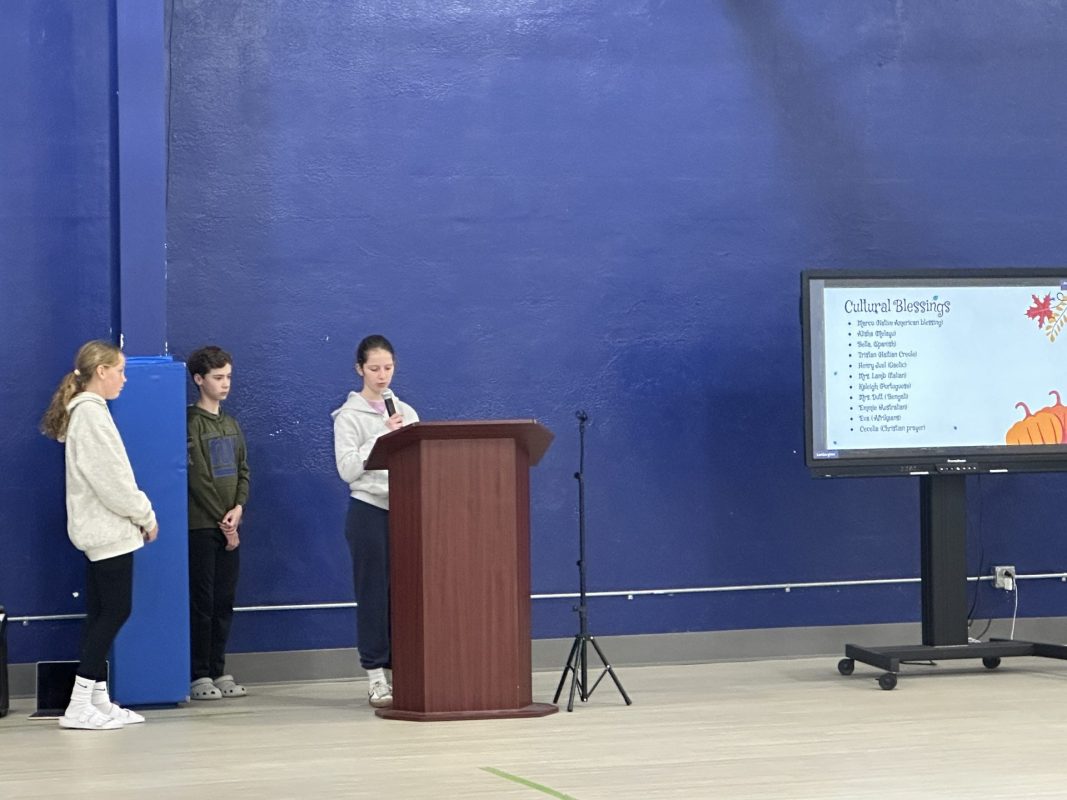
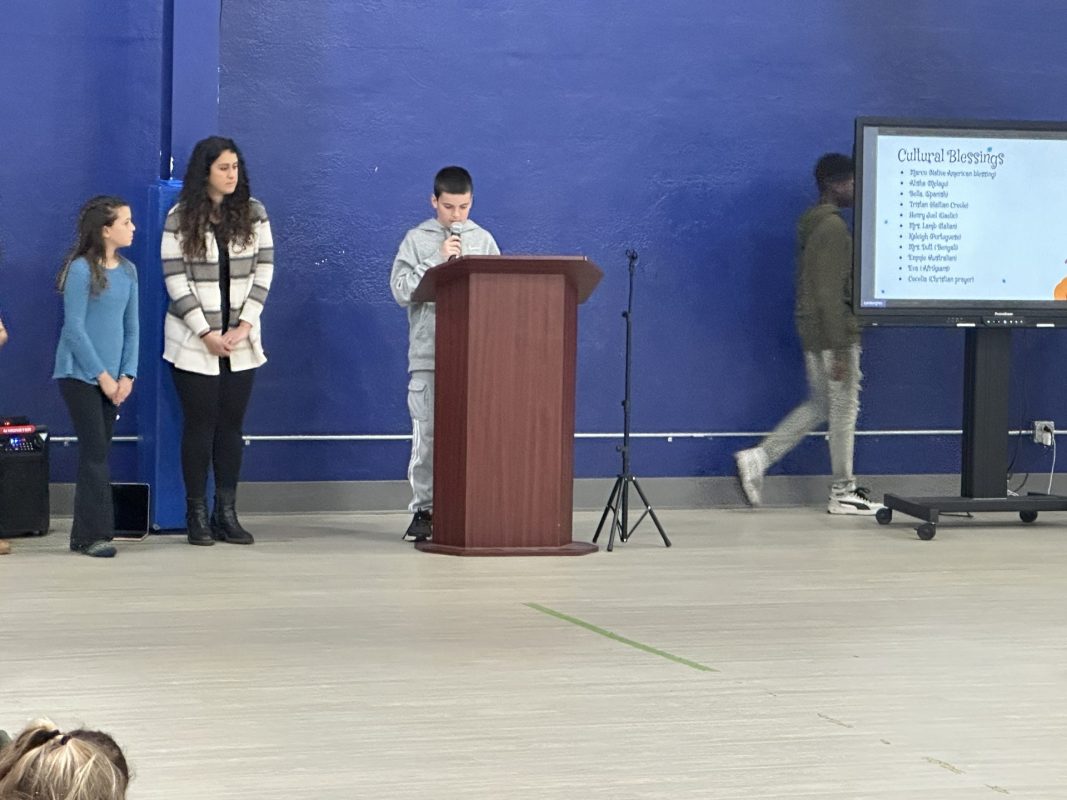
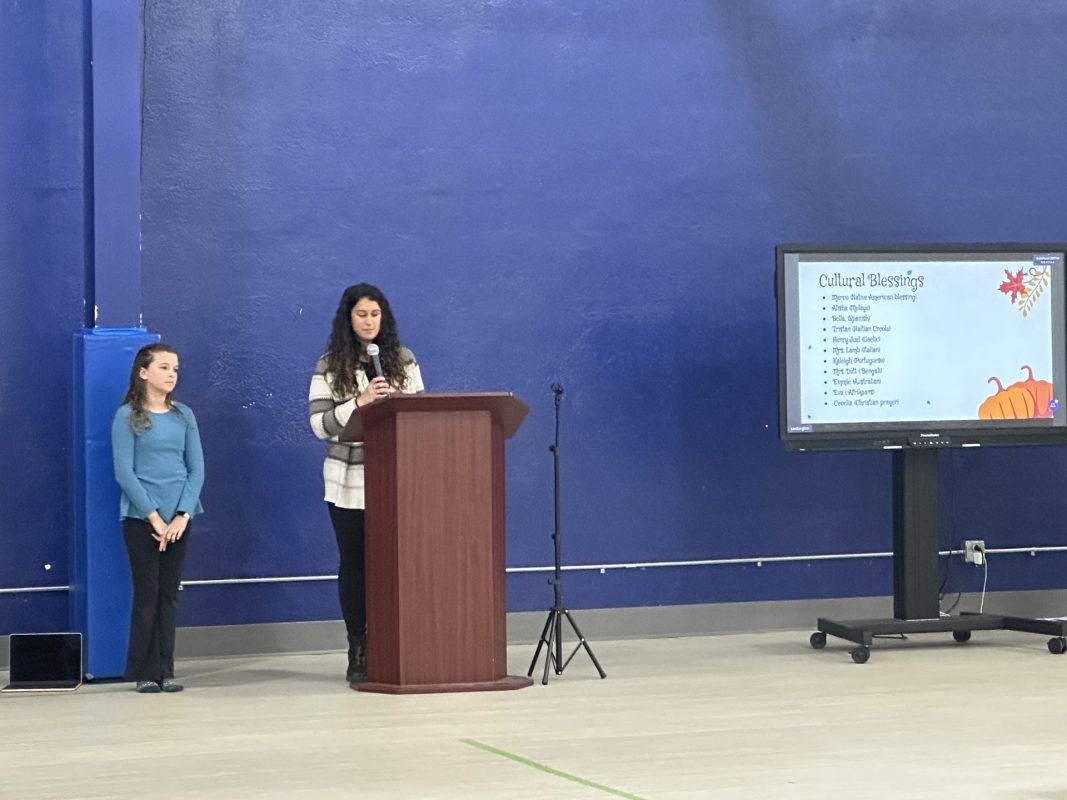
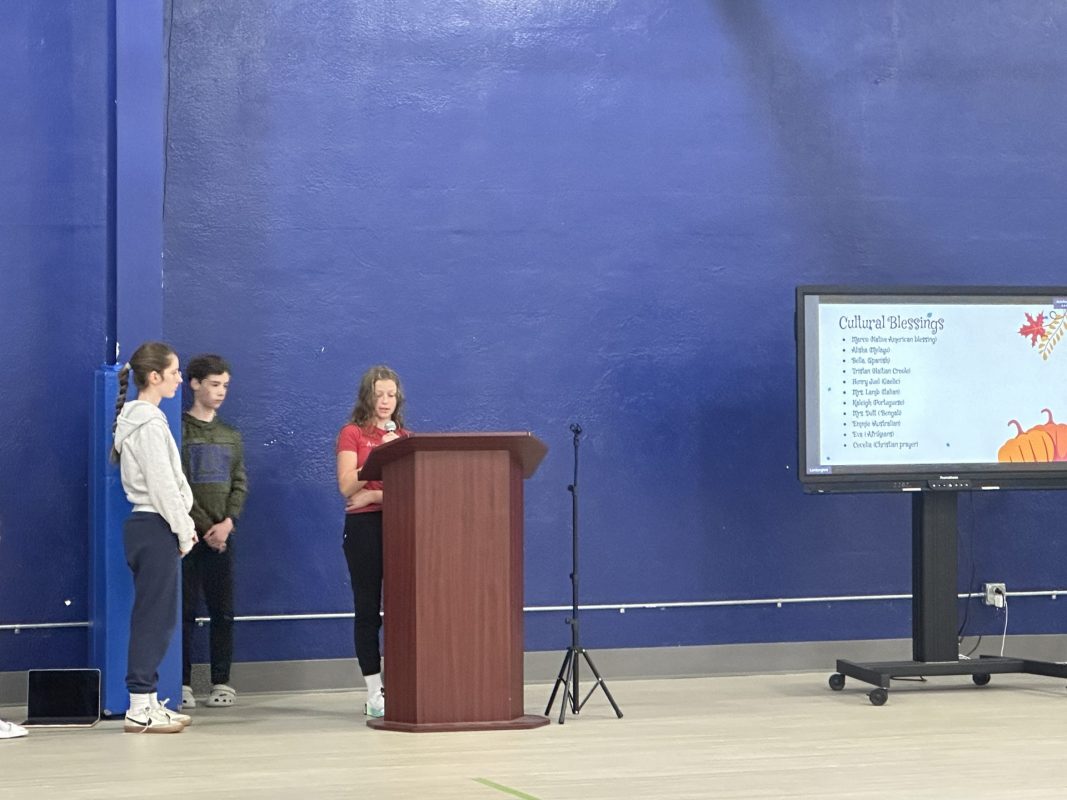
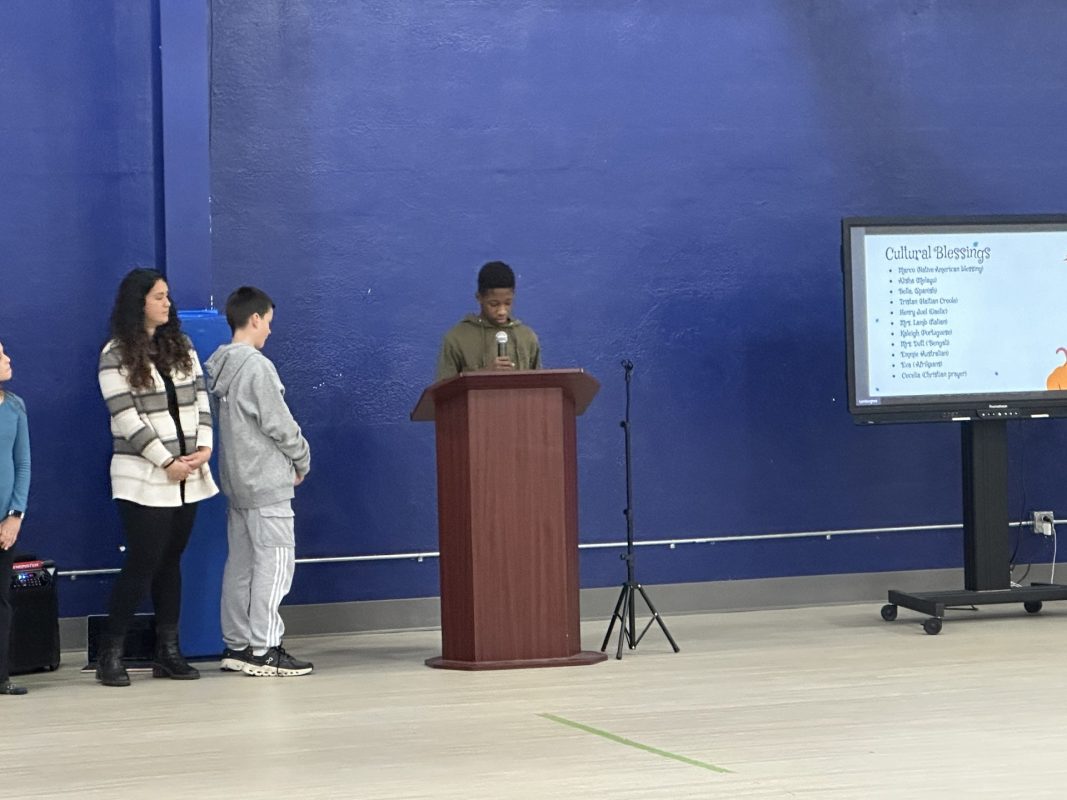
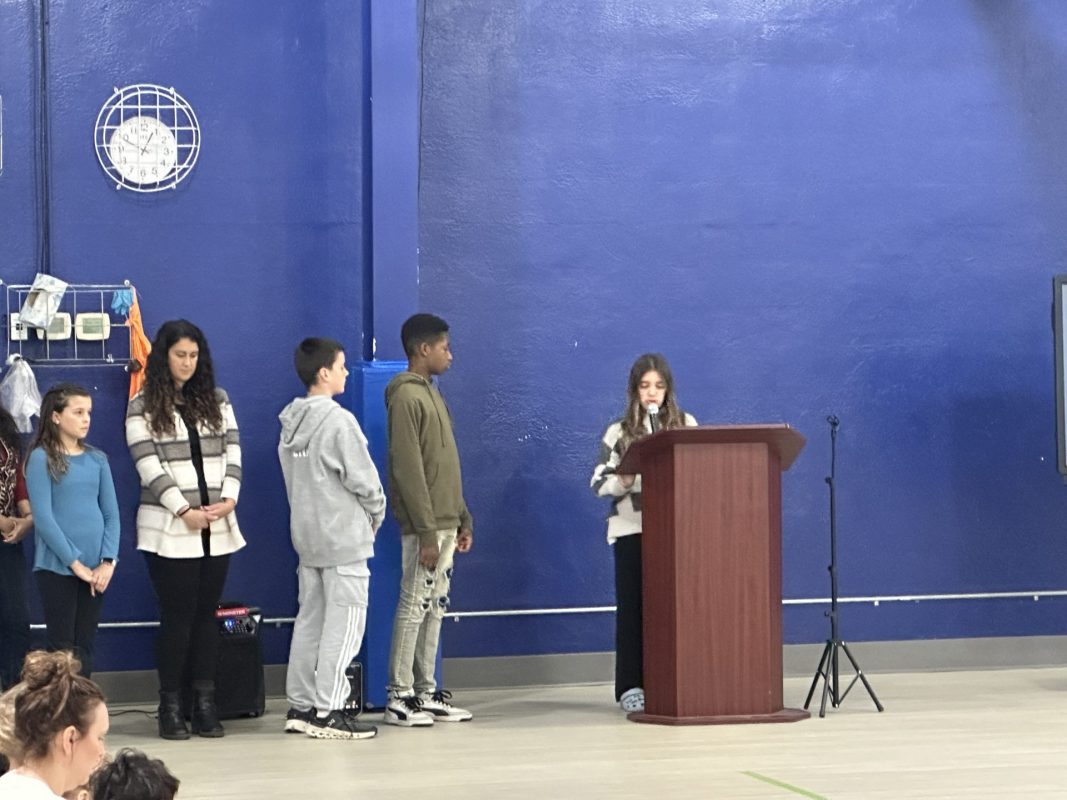
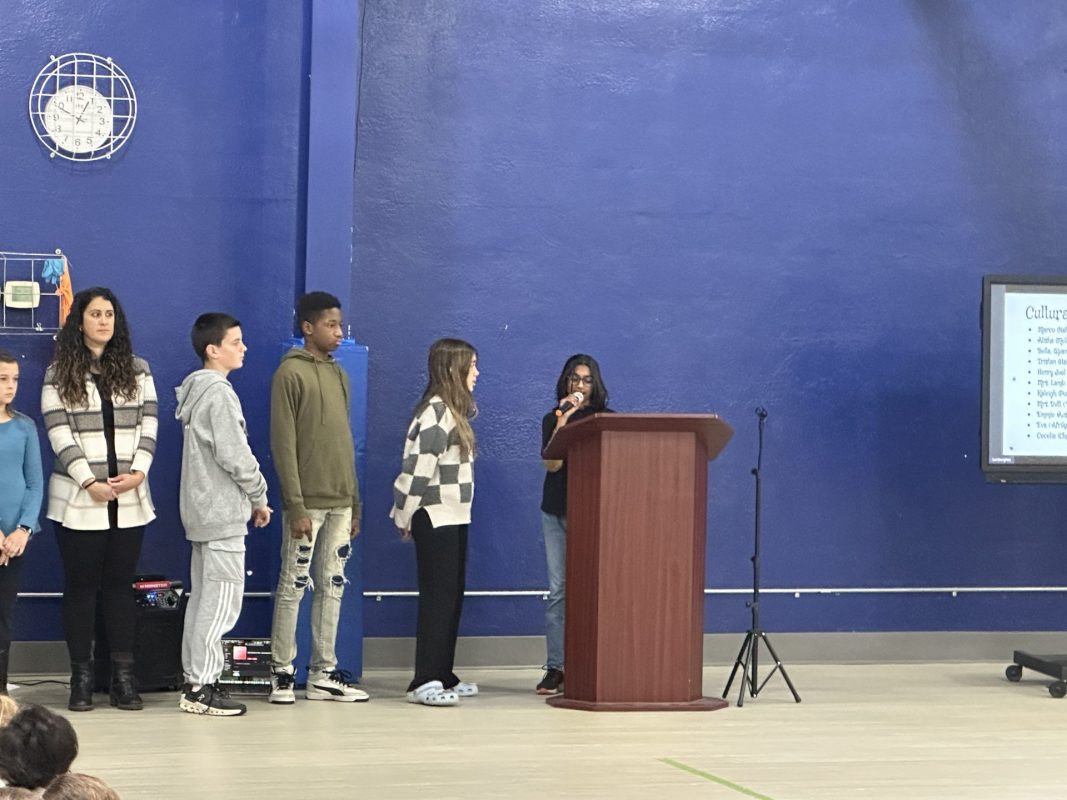
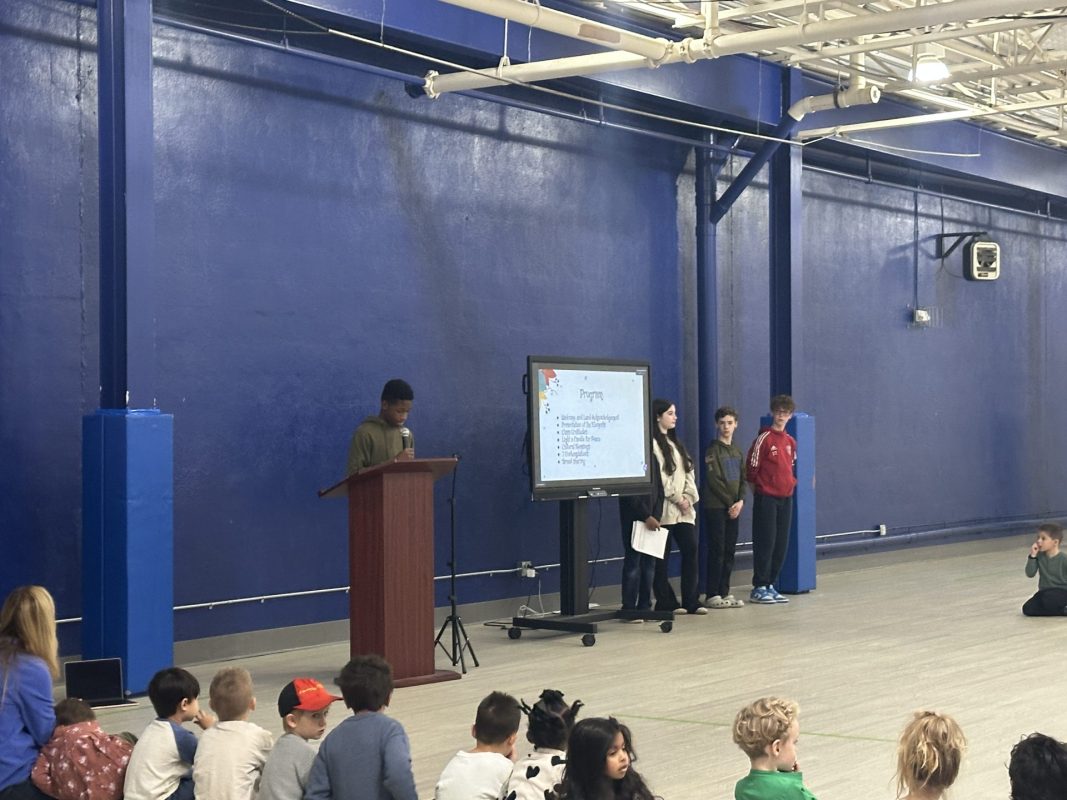
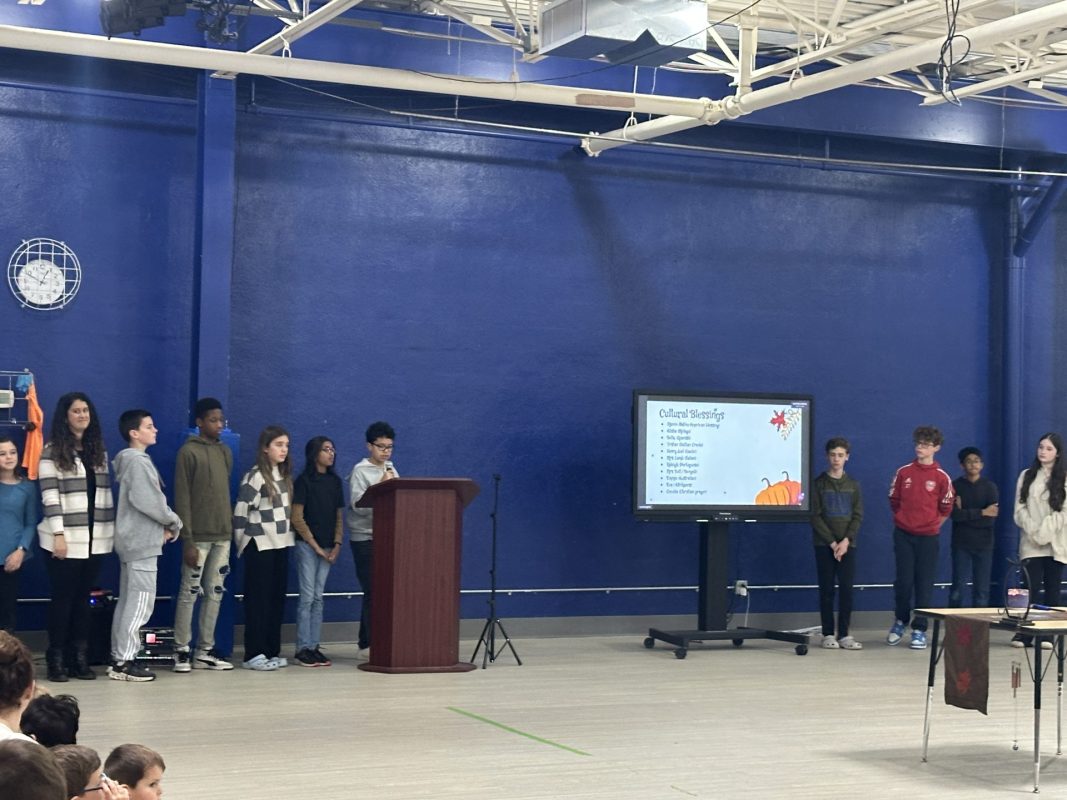
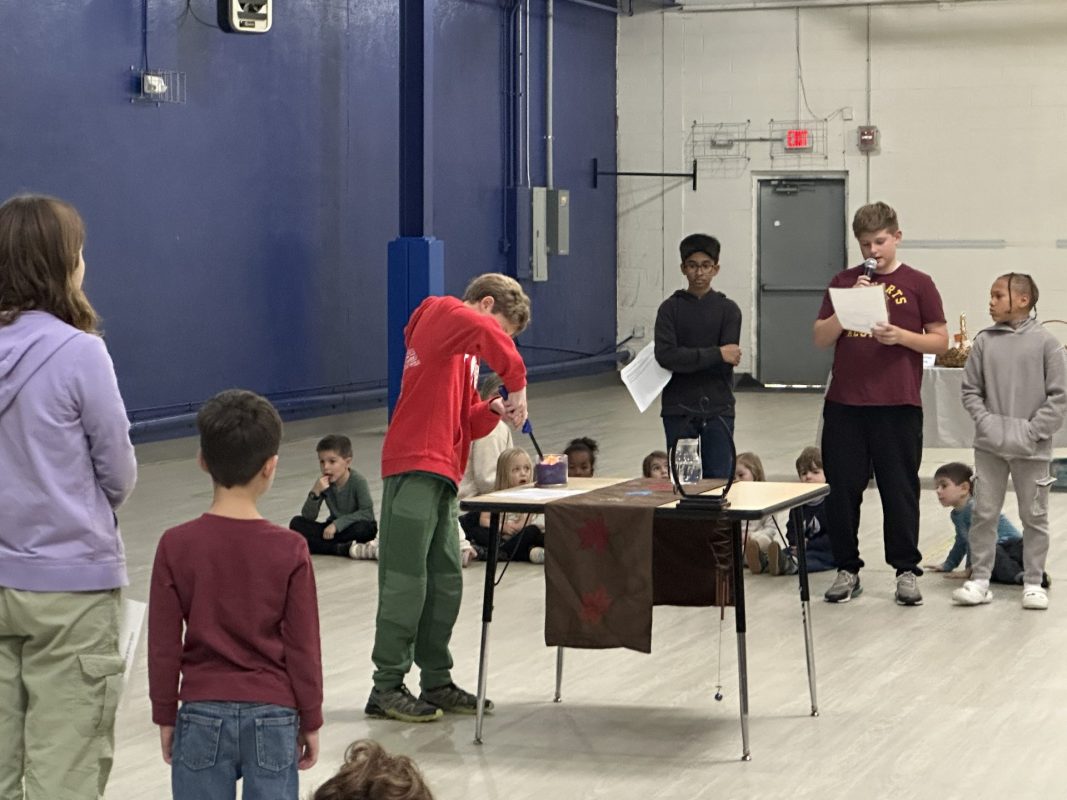
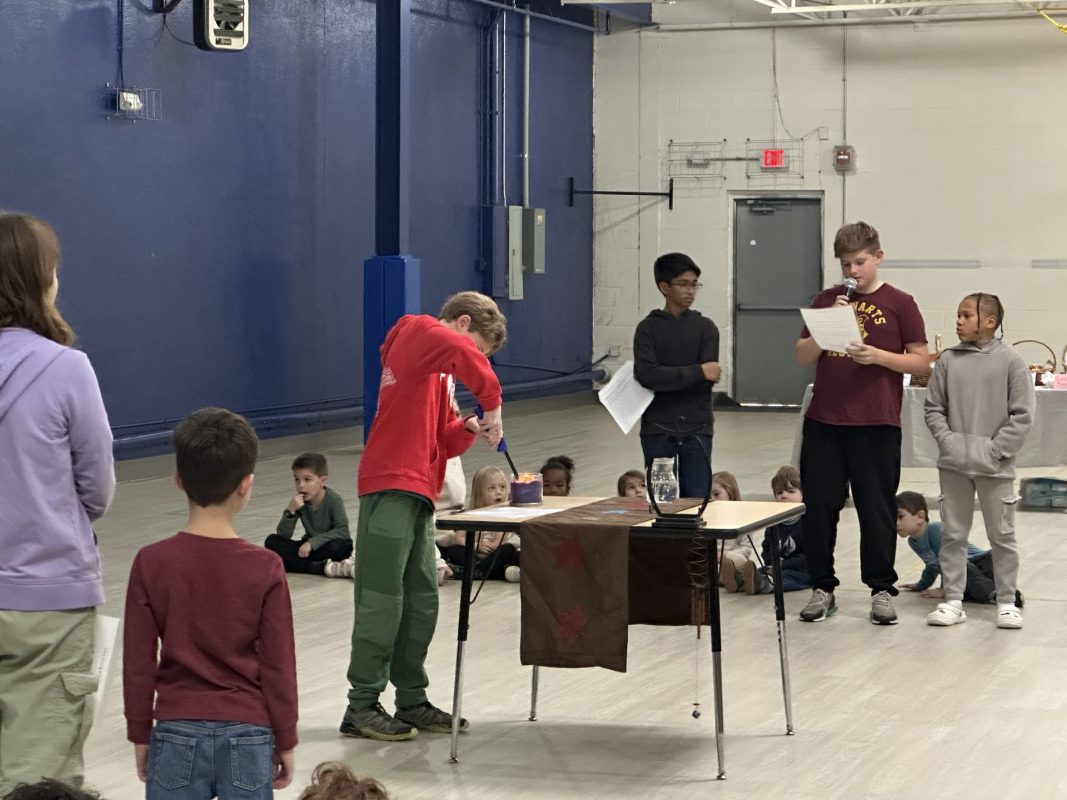
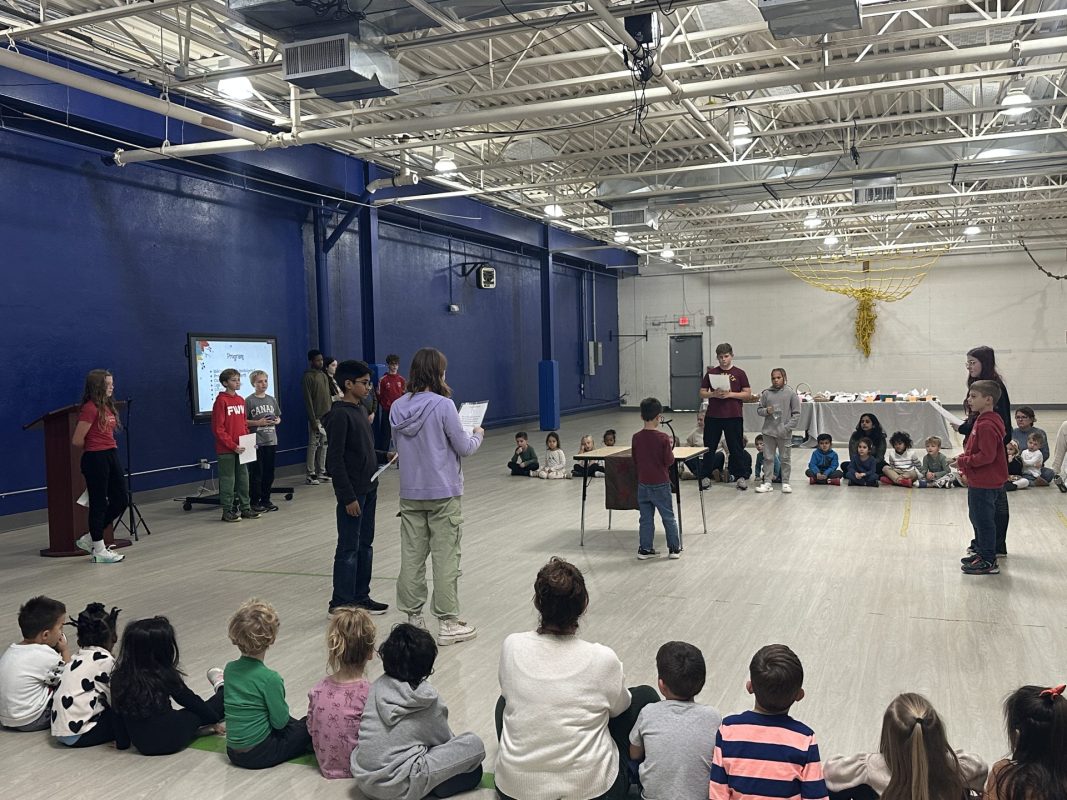
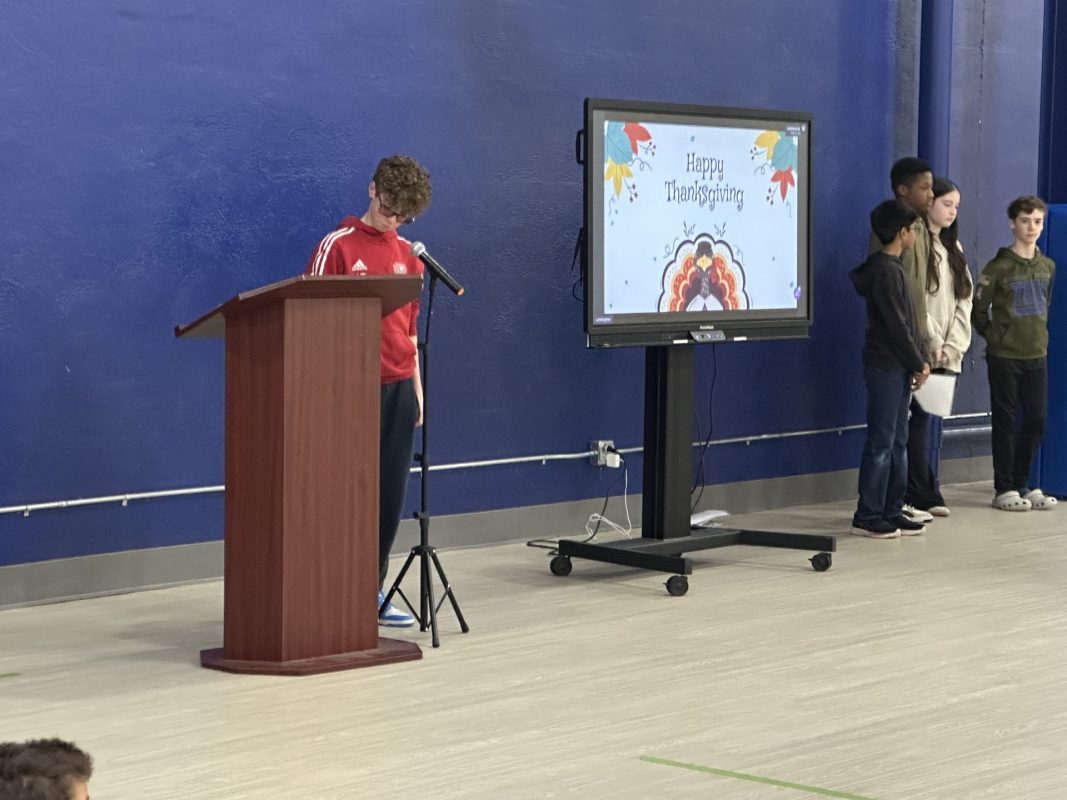
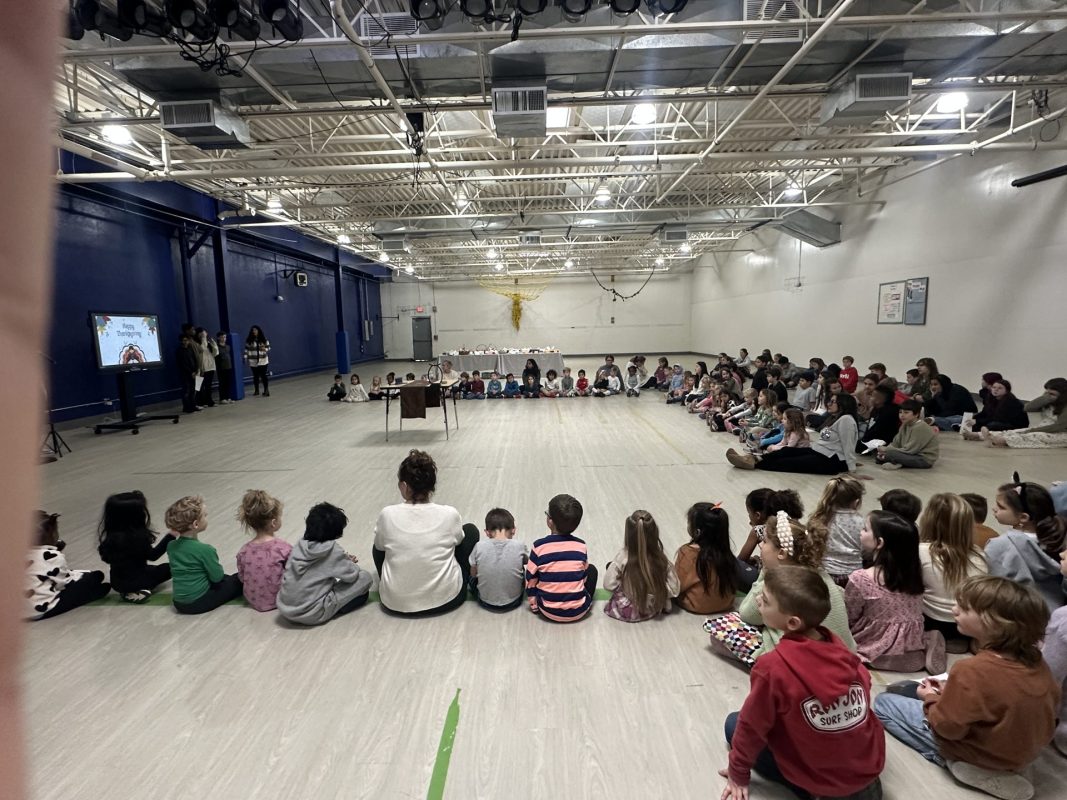
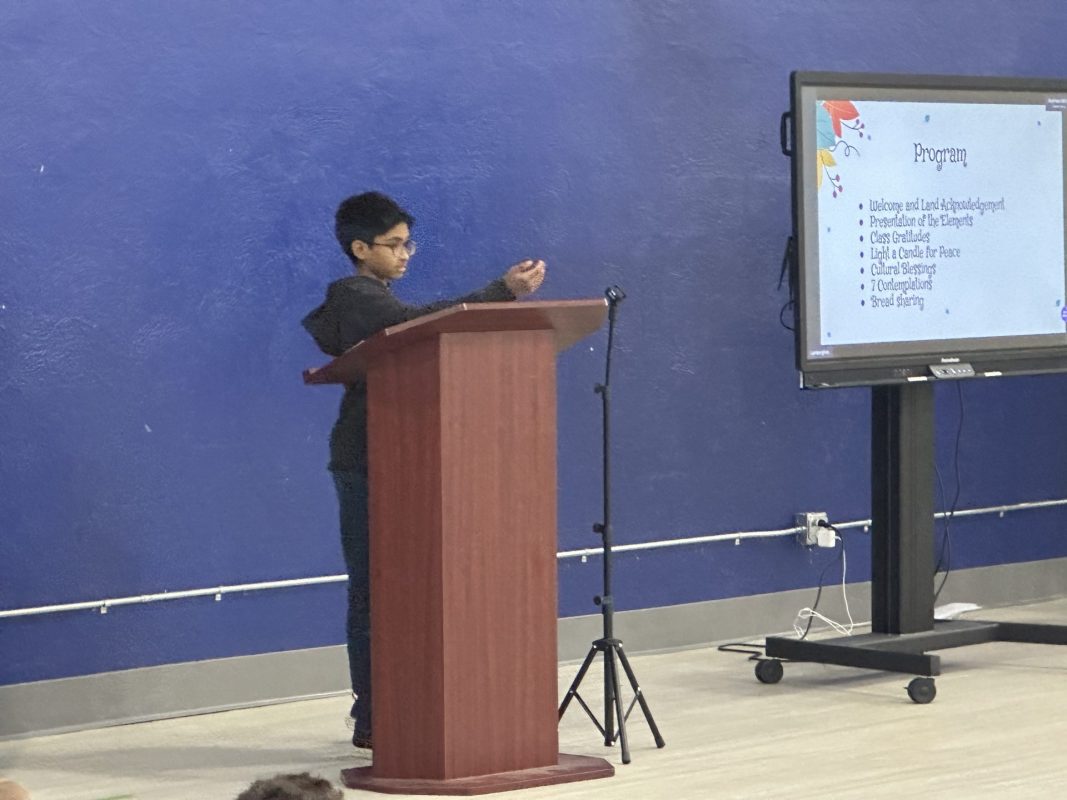
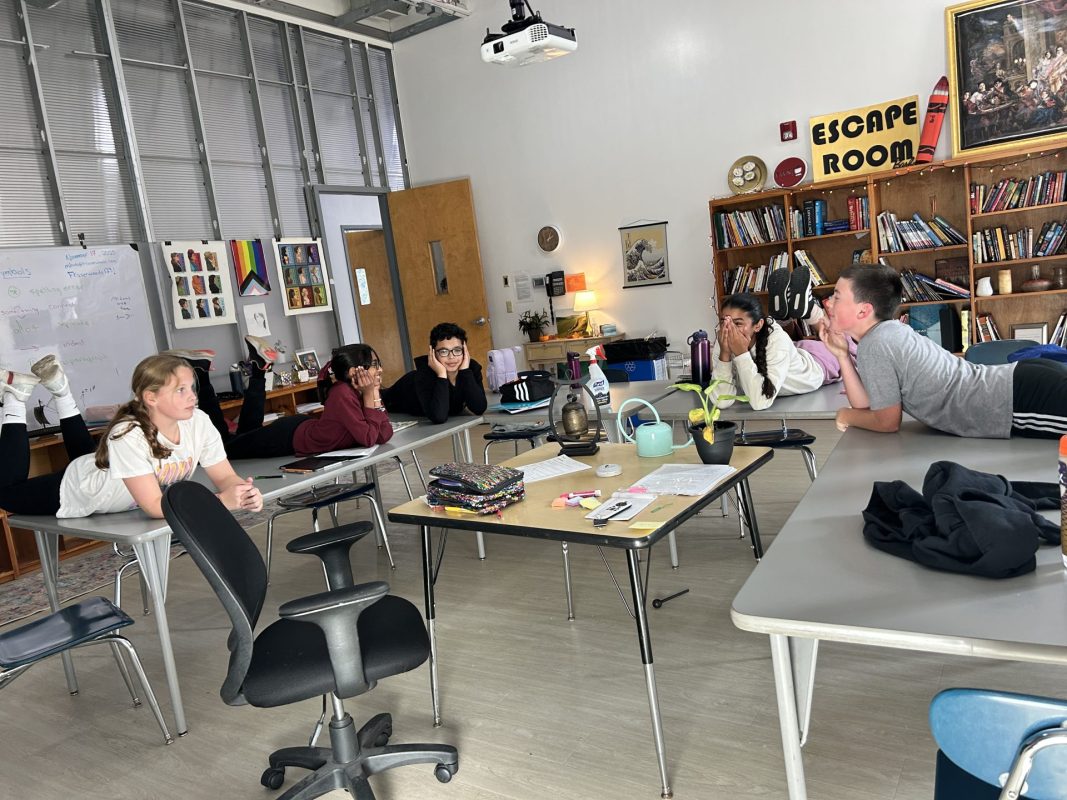
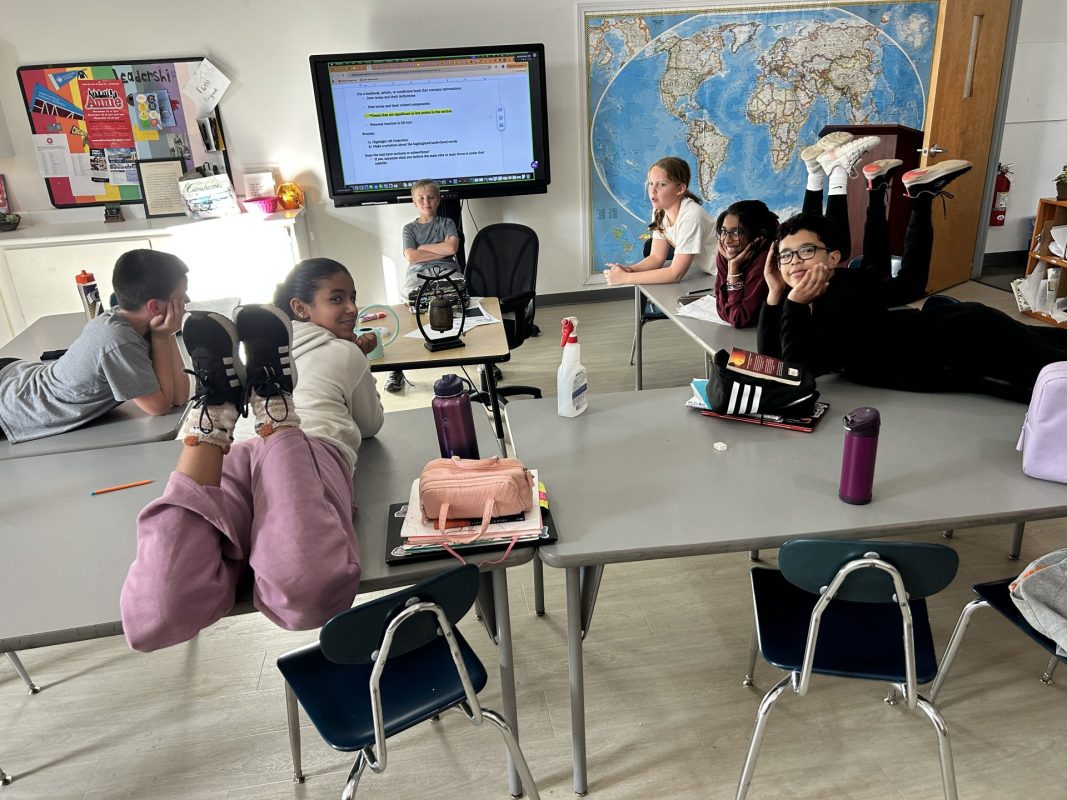
We hope everyone enjoyed their Thanksgiving Break and had time with those who bring them joy. The Middle School led our school tradition of gathering to share breads that students baked, listen to messages of gratitude, and give blessings in the cultures representing our community.

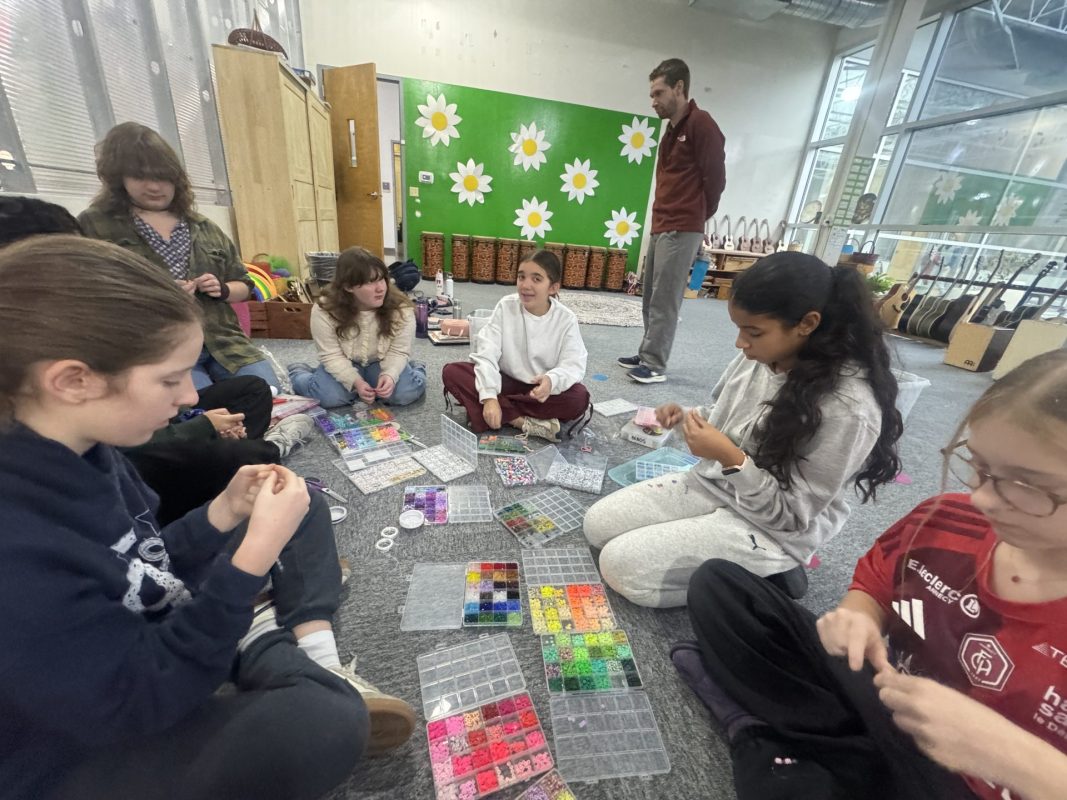
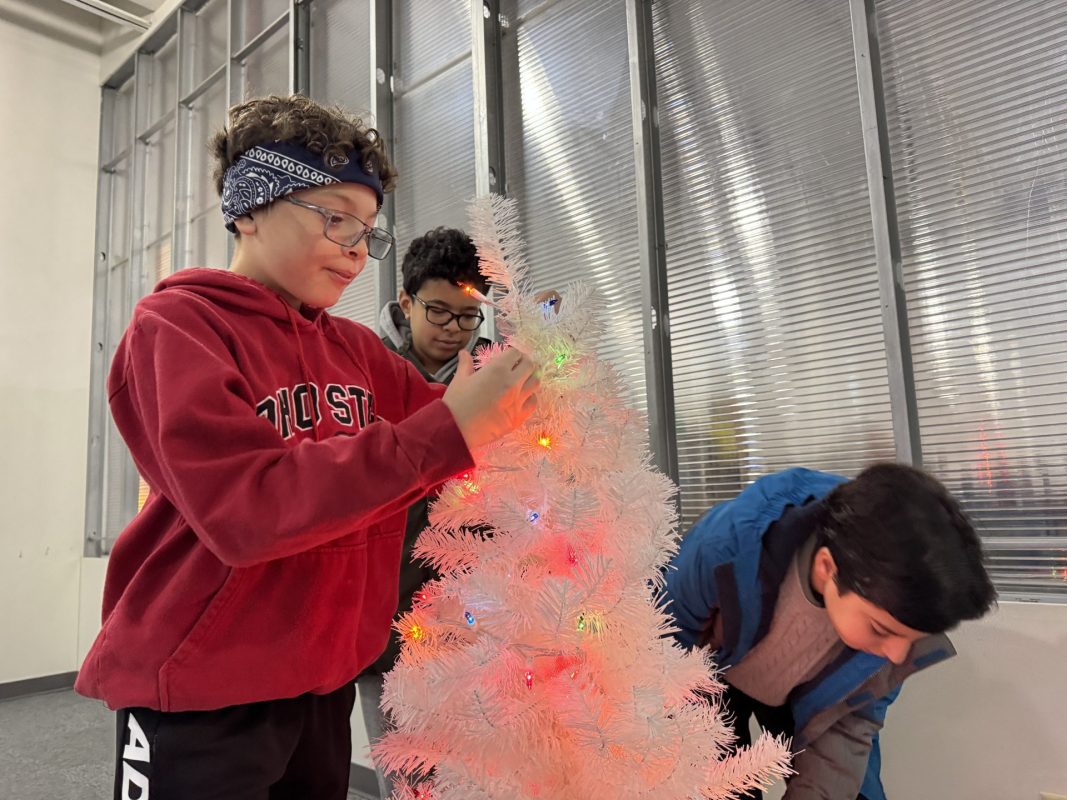
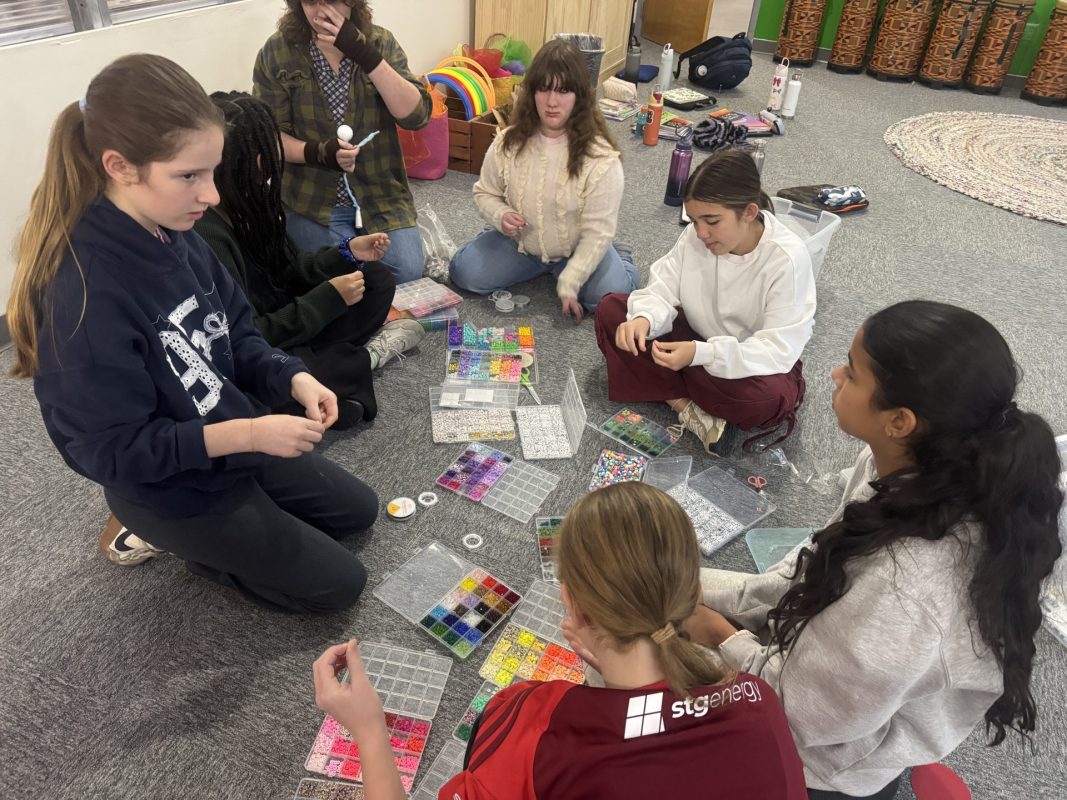
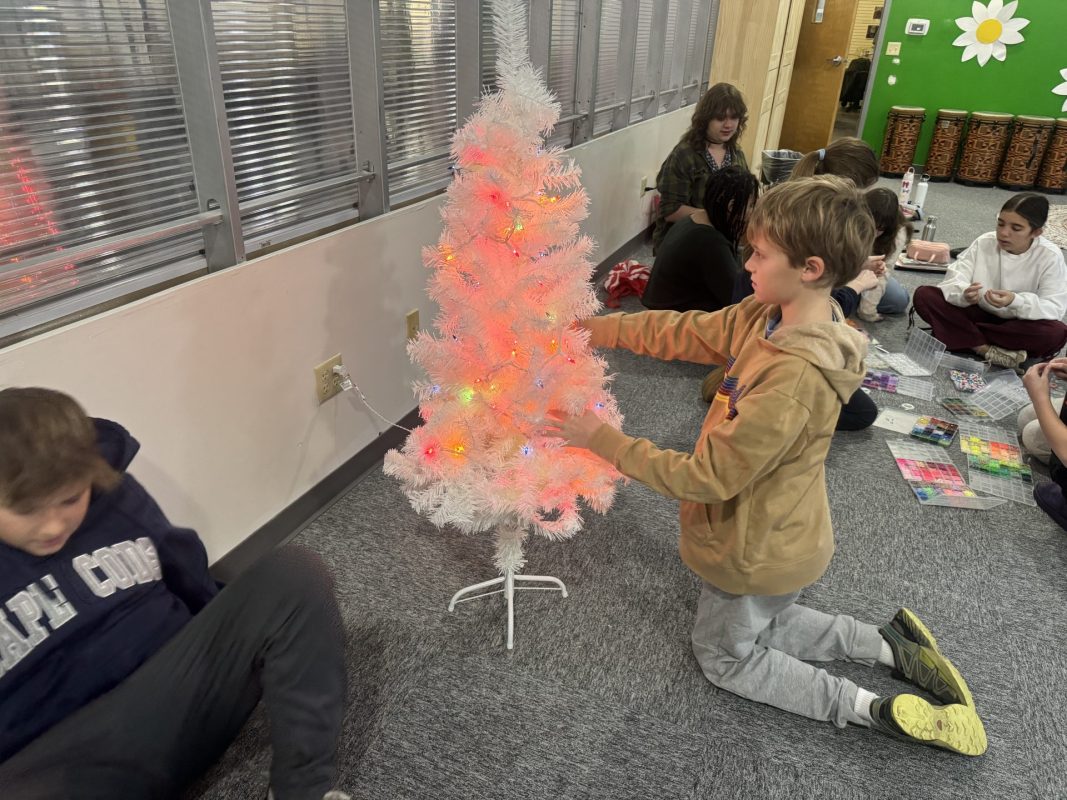
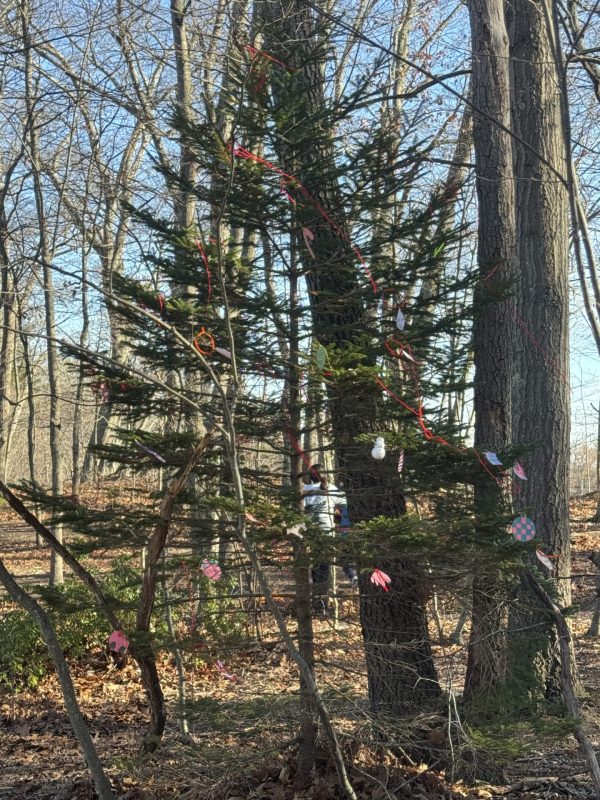
The weather is becoming colder, and we are getting closer to Winter Break. For Middle School, this time of year contains fun traditions, new and old. One new tradition the FWM 6th and 7th grade worked on was decorating and donating a tree to the Festival of Trees in support of Newtown Youth and Family Services. The tree was decorated with hand-crafted symbols of friendship, including bracelets, laser-cut ornaments, letters of affirmation, and various flowers representing what friendship means to the students. The theme of friendship was selected by students due to their belief in its importance during the holiday season. Trees are on display Saturday and Sunday, 12/6 & 12/7, at Trinity Episcopal Church on Main St. in Newtown, and spectators can choose their favorite trees, and each will be raffled.


Announcements:

  • Help the 8th grade and the Newtown Fund satisfy the holiday wish list for a Newtown Family of 6 in need. Click Here to sign up to help Family #26
  • Thursday, 12/18: Class Winter Party: Pajama Day, Secret Snowflake Gift Giving, and yummy treats! More information to come!
  • **Please bring in the Secret Snowflake Gift wrapped by Thursday morning, 12/18!**
  • Friday, 12/19 @ 10:30 am: Winter Showcase & Fraser WoodShop Pop-up Shop (Park & grab the shuttle at Sand Hill Plaza!)
  • Check with your MS student(s) to make sure they have their refillable water bottle with them.
  • MS Flower Schedule

Humanities

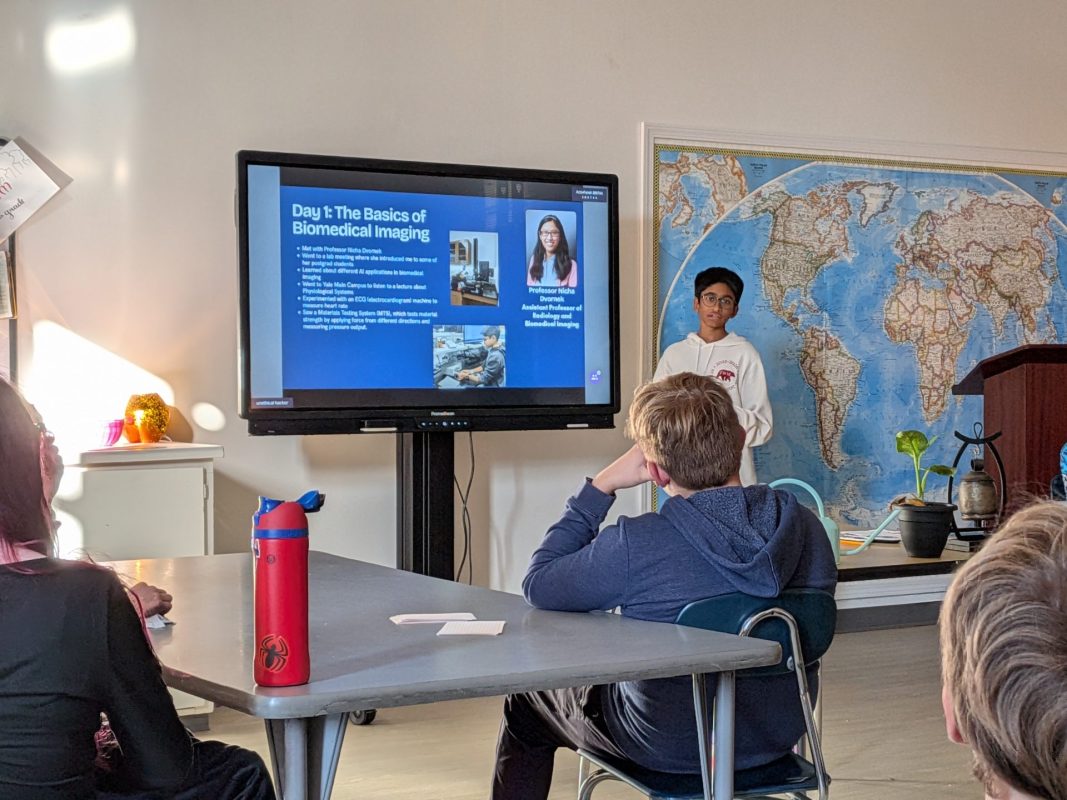
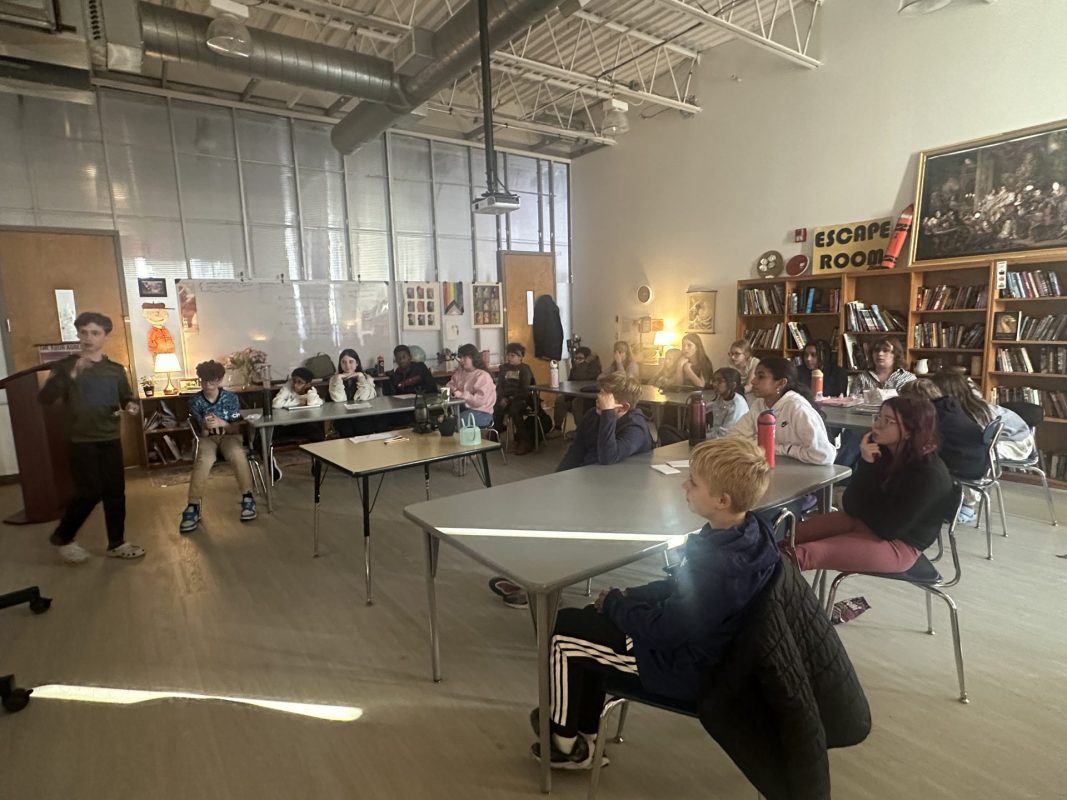
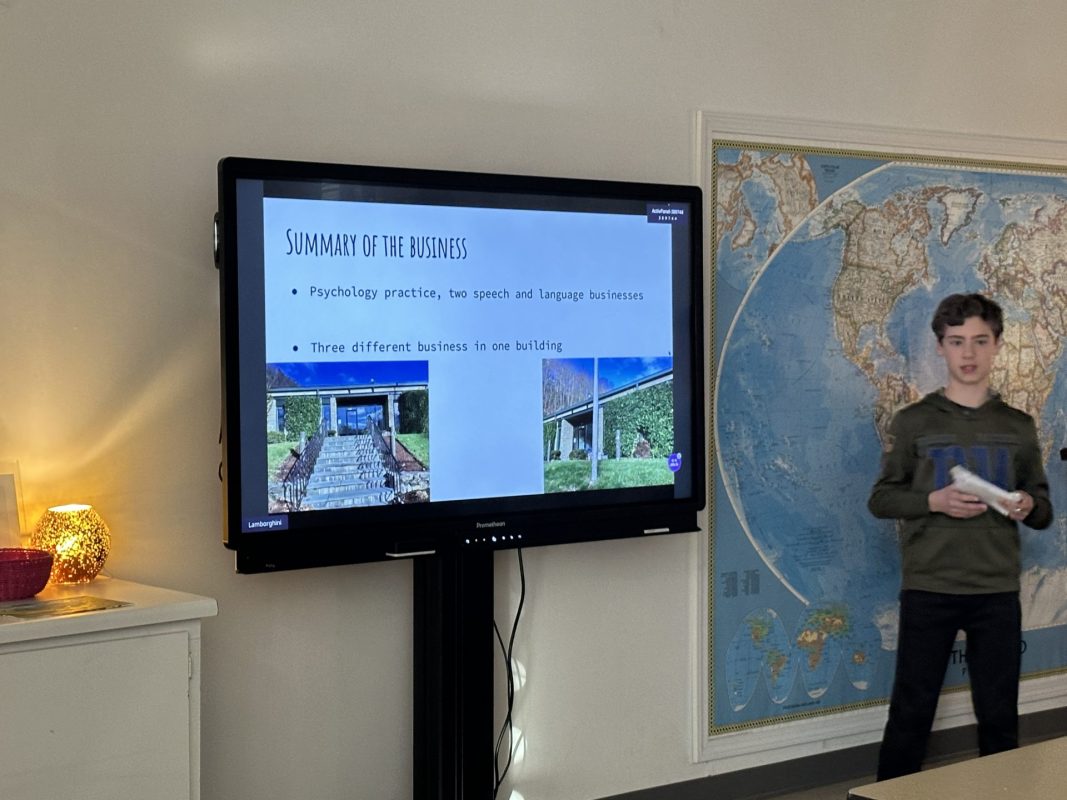
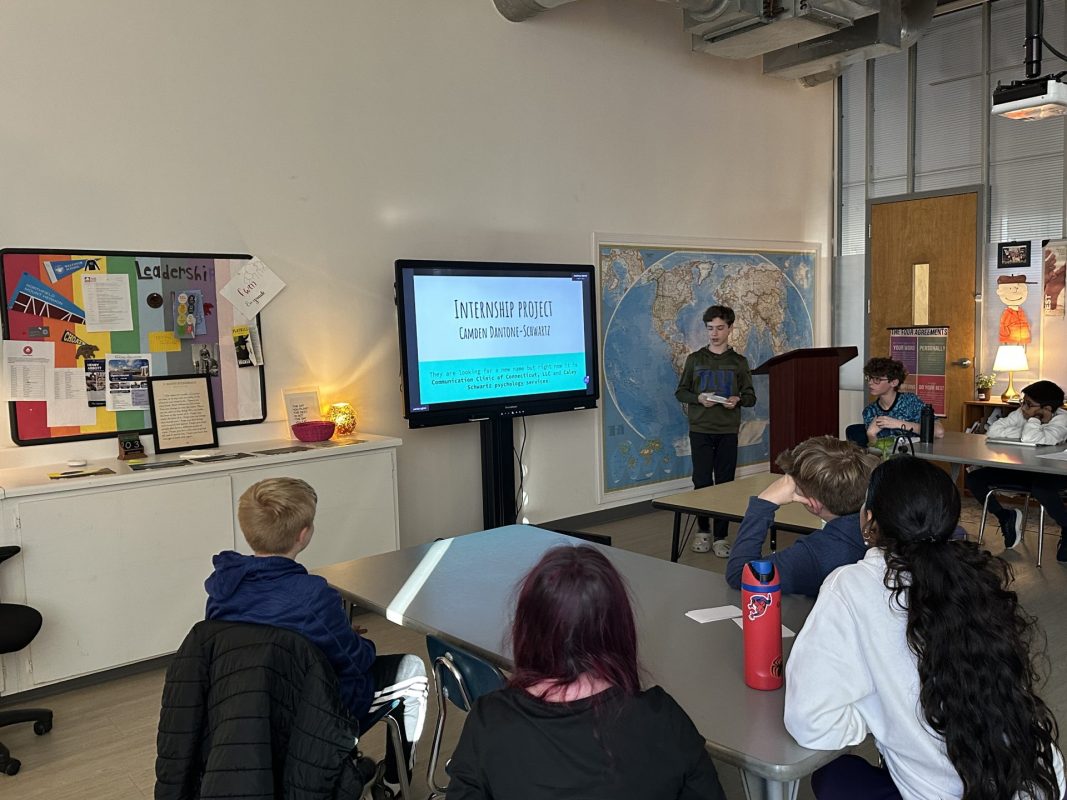
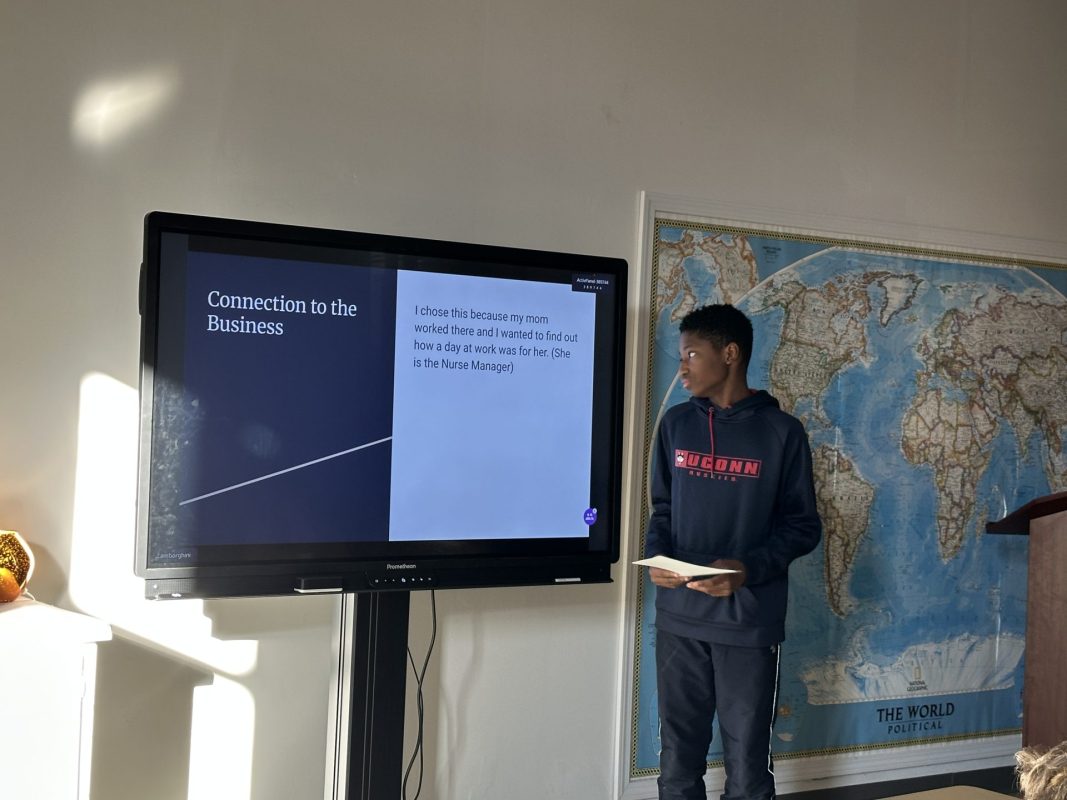
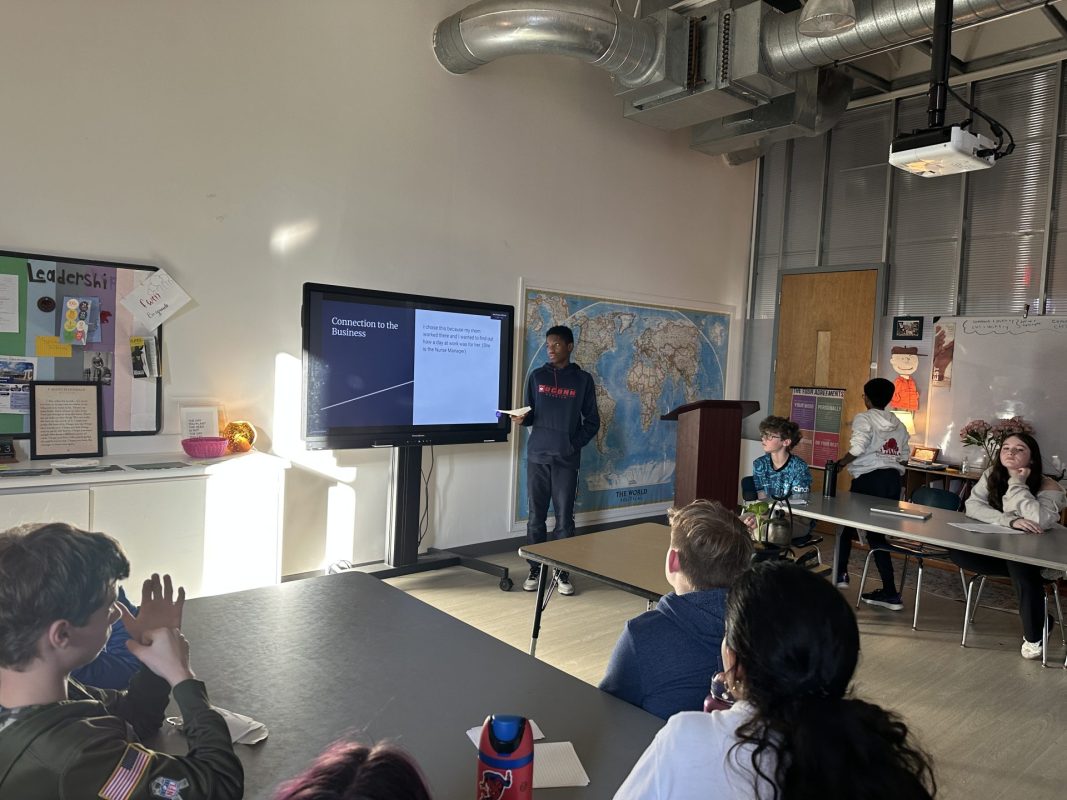
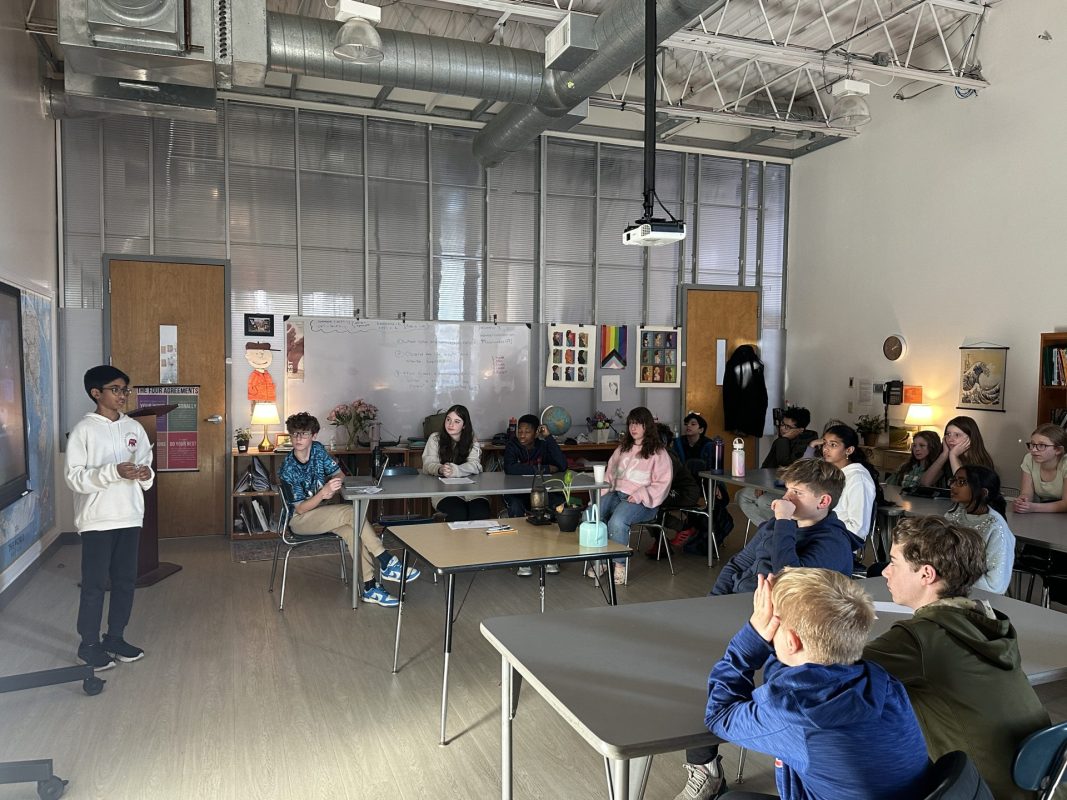
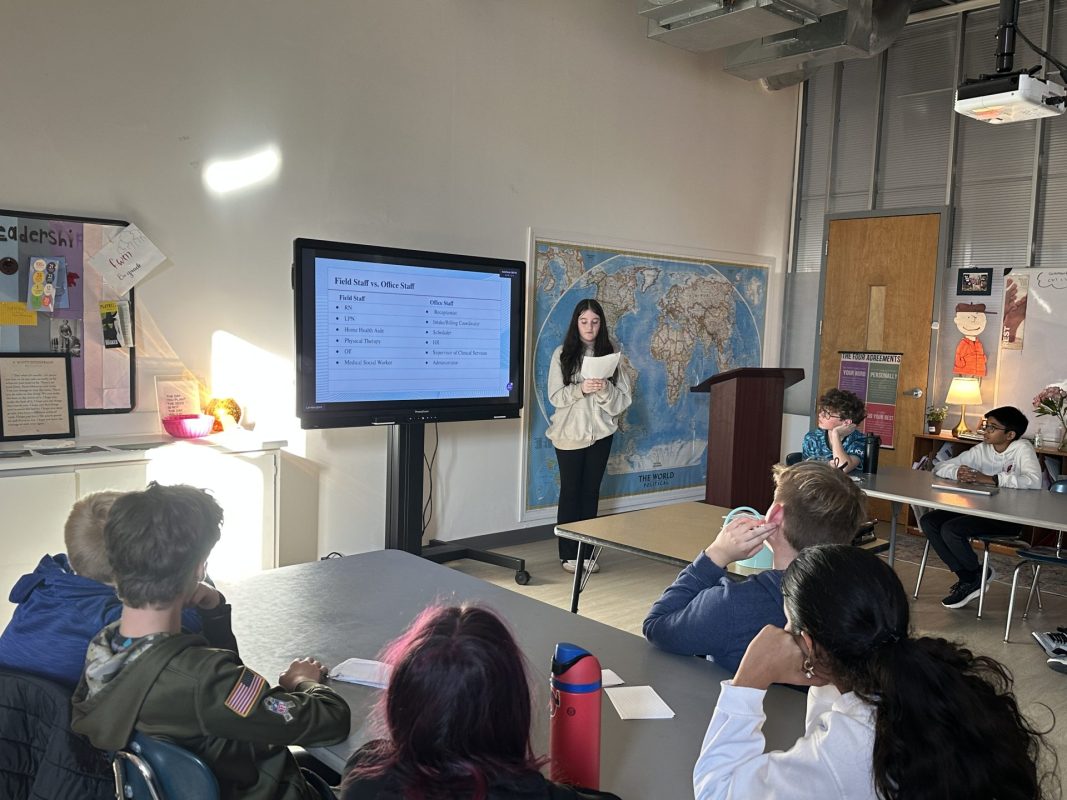
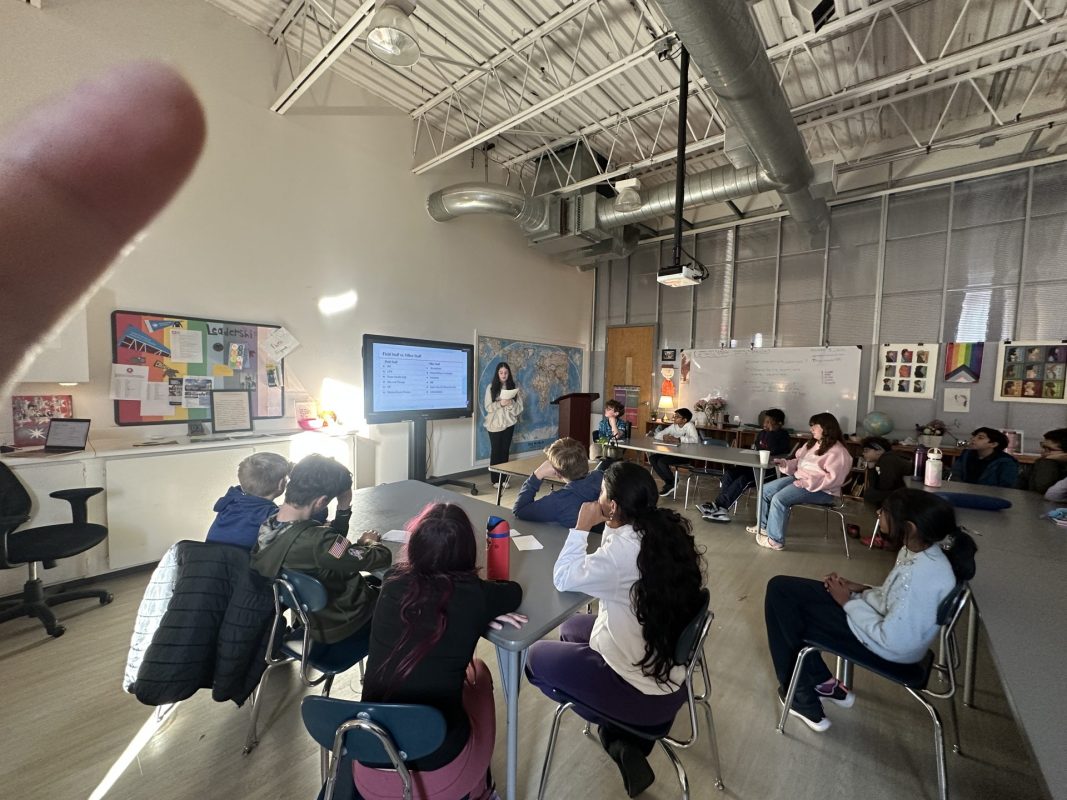
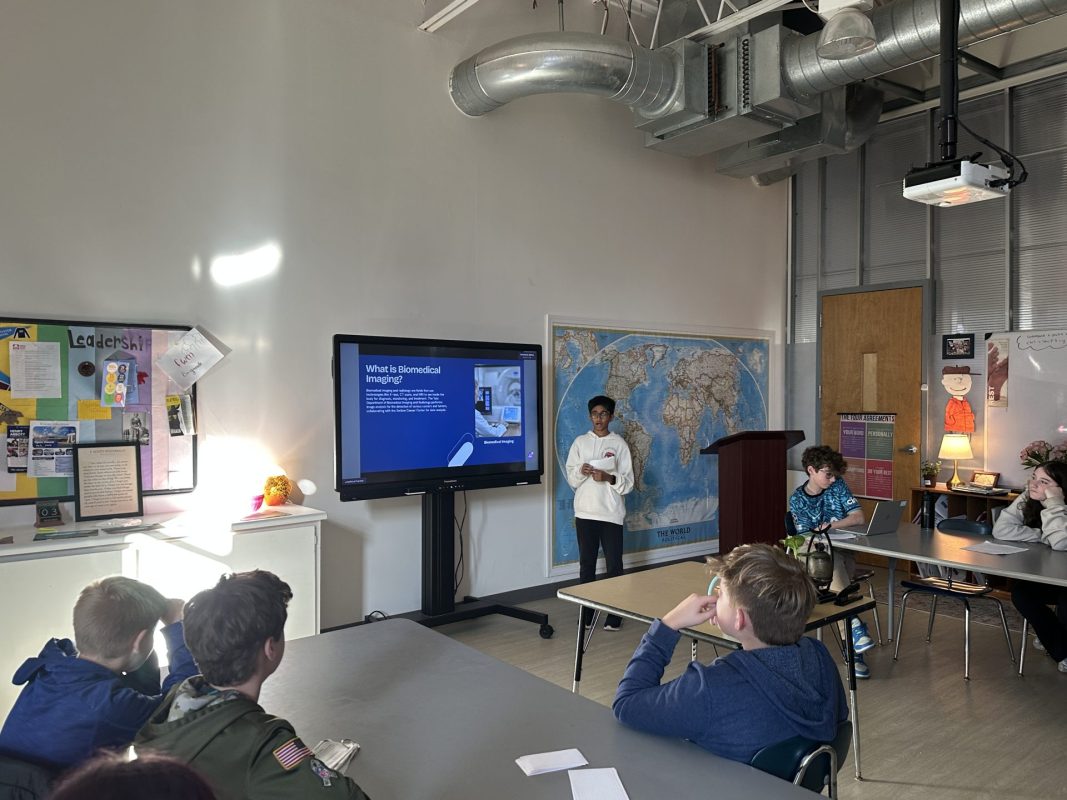
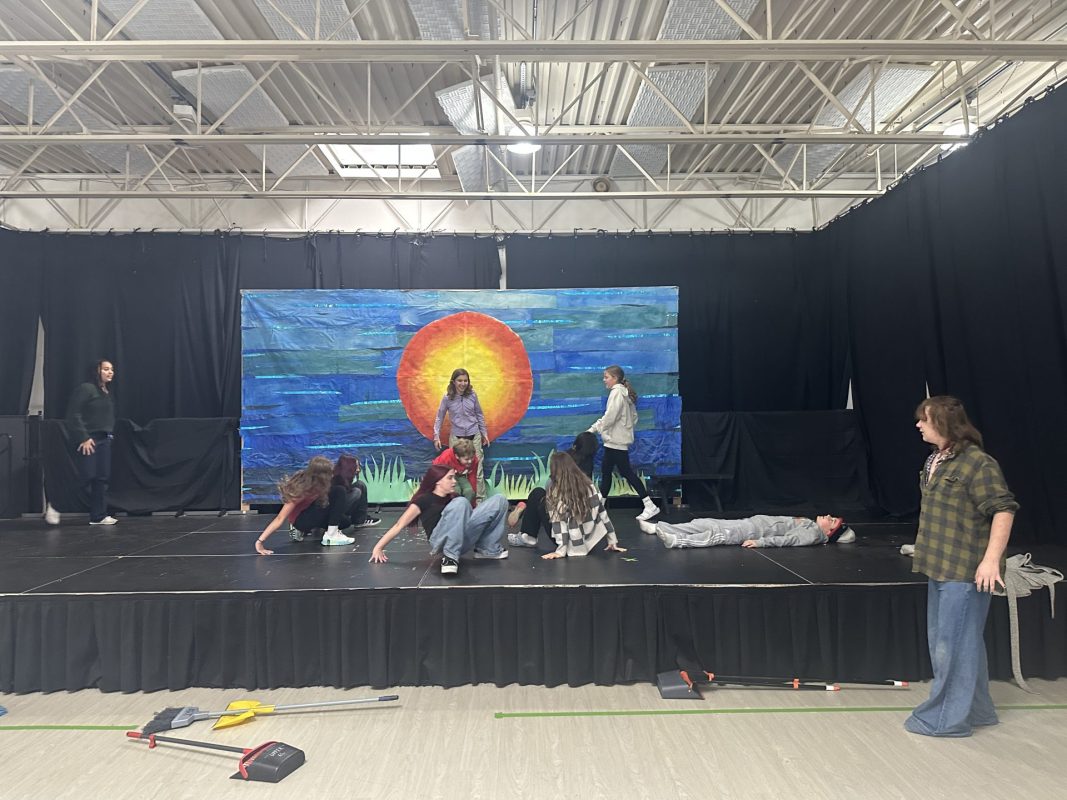
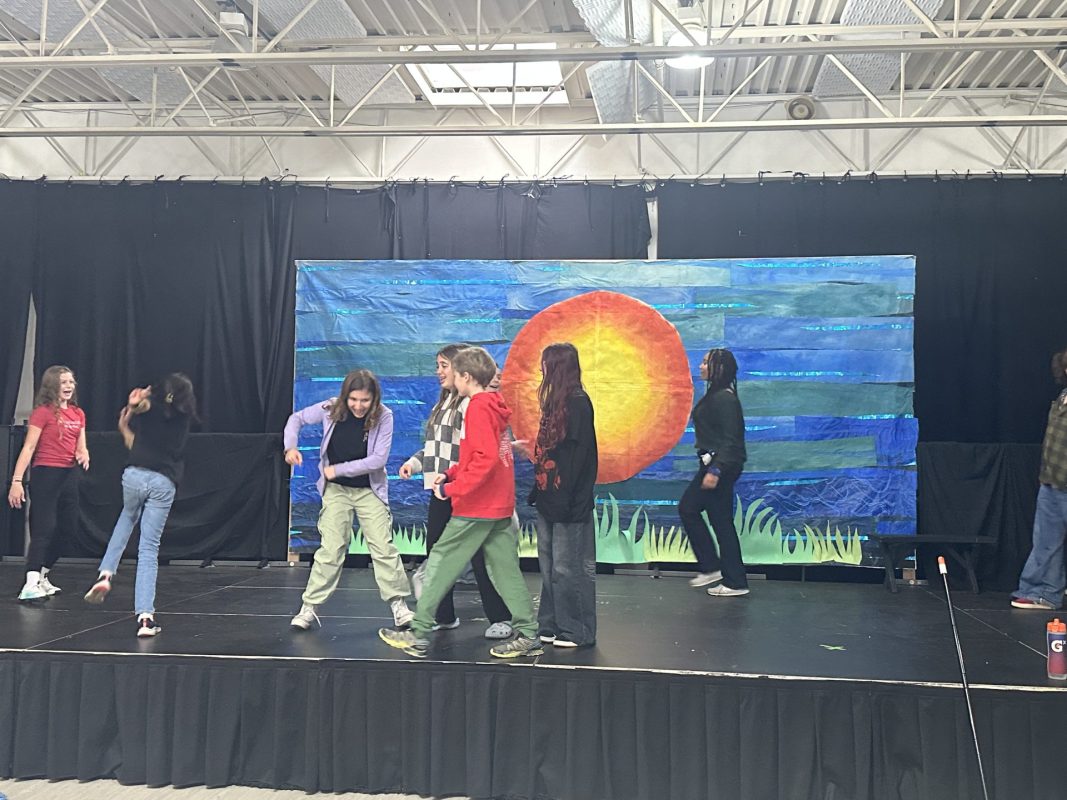
This week, grade 8 presented their Internship Projects to the Middle School Community. Each of them had robust experiences that gave interesting perspectives on a variety of occupations. These experiences offered appreciation for the professions as well as a behind-the-scenes look at different businesses. Additionally, the 8th grade continued reading their class novel, <em>If I Ever Get Out of Here</em> and decided on the much-anticipated big idea for the Middle School play! The class will begin the plot next week.

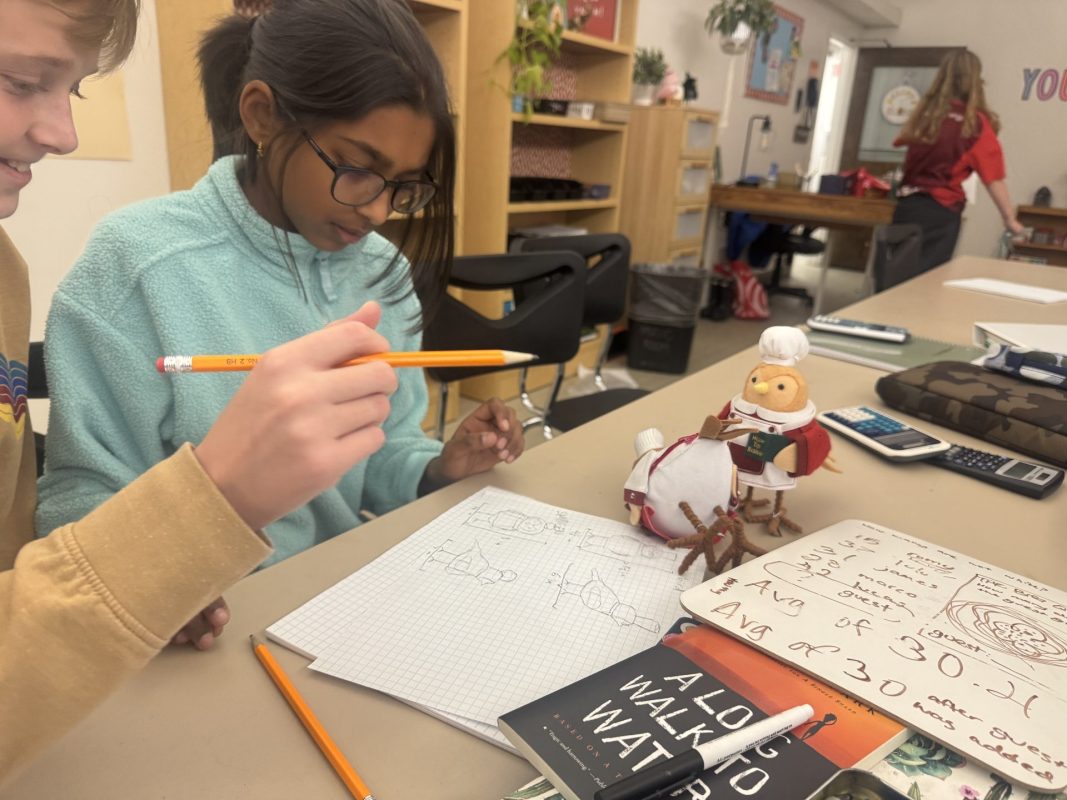
Grades 6 & 7 Humanities classes completed the class novel, <em>A Long Walk To Water</em>. Students also began learning more about the countries of Sudan and South Sudan, as they were the setting for the class novel. Additionally, students completed editing practice as well as lessons on annotating narratives and how they can differ from informational reading. Next week, the classes will begin the plot for the Middle School play.


Math

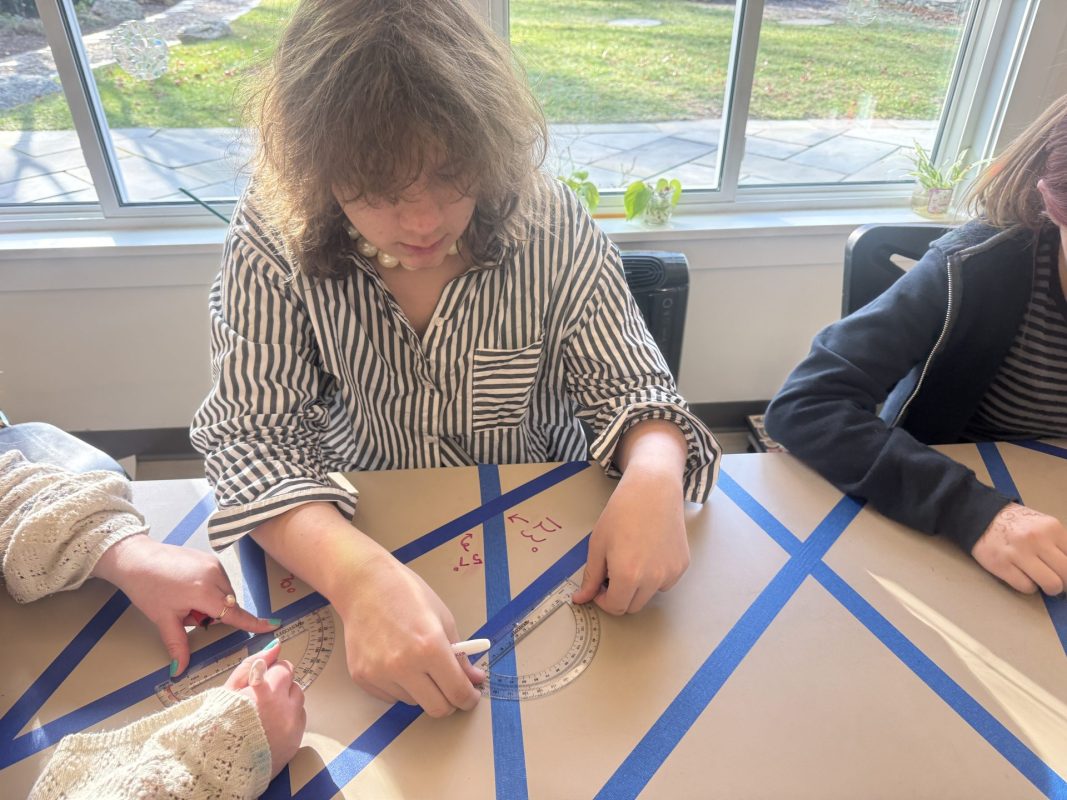
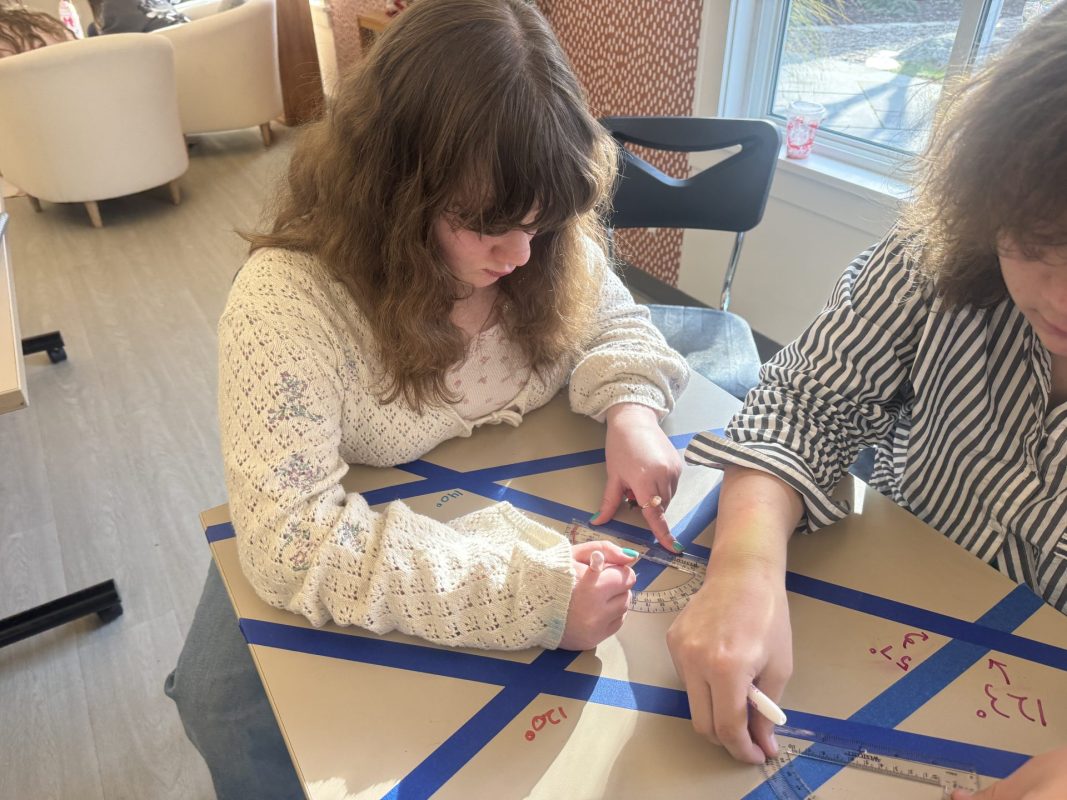
Pre-Transition: This week, students continued their work in Chapter 3. They learned how to name and measure angles using a protractor and, once they had a solid understanding of angles, moved on to finding missing angles in triangles and quadrilaterals using their sum theories. To wrap up the week, students practiced adding fractions and mixed numbers by finding common denominators through the least common multiple. Students will review all Chapter 3 skills and take the Chapter 3 test on Thursday, December 11th.

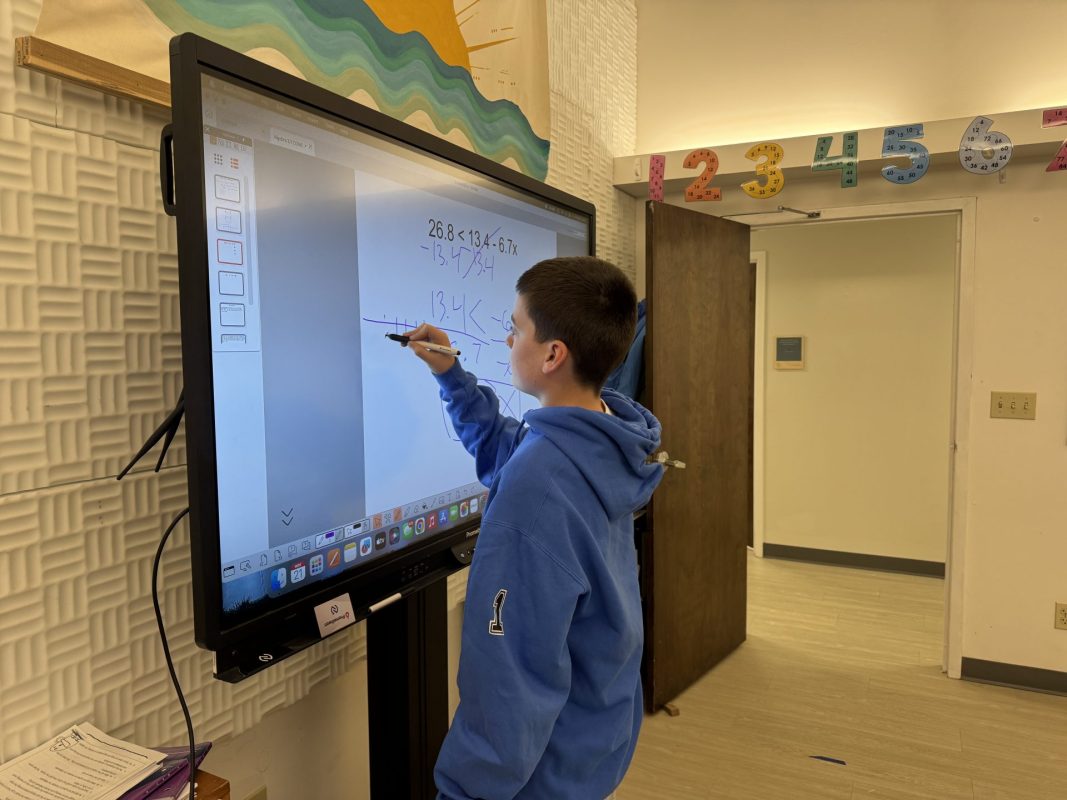
Transition: This week, students continued exploring Chapter 3 concepts. They worked on converting among decimals, fractions, and percents and even created a helpful tool to support this skill. From there, they moved into applying percents in real-world situations. Students learned how to calculate the percent of a quantity, determine tax and discounts, and find the new price of an item after these percentages are applied. The week wrapped up with an introduction to square roots. Students will review all they learned in Chapter 3 and take the Chapter 3 assessment on Thursday, December 11th.
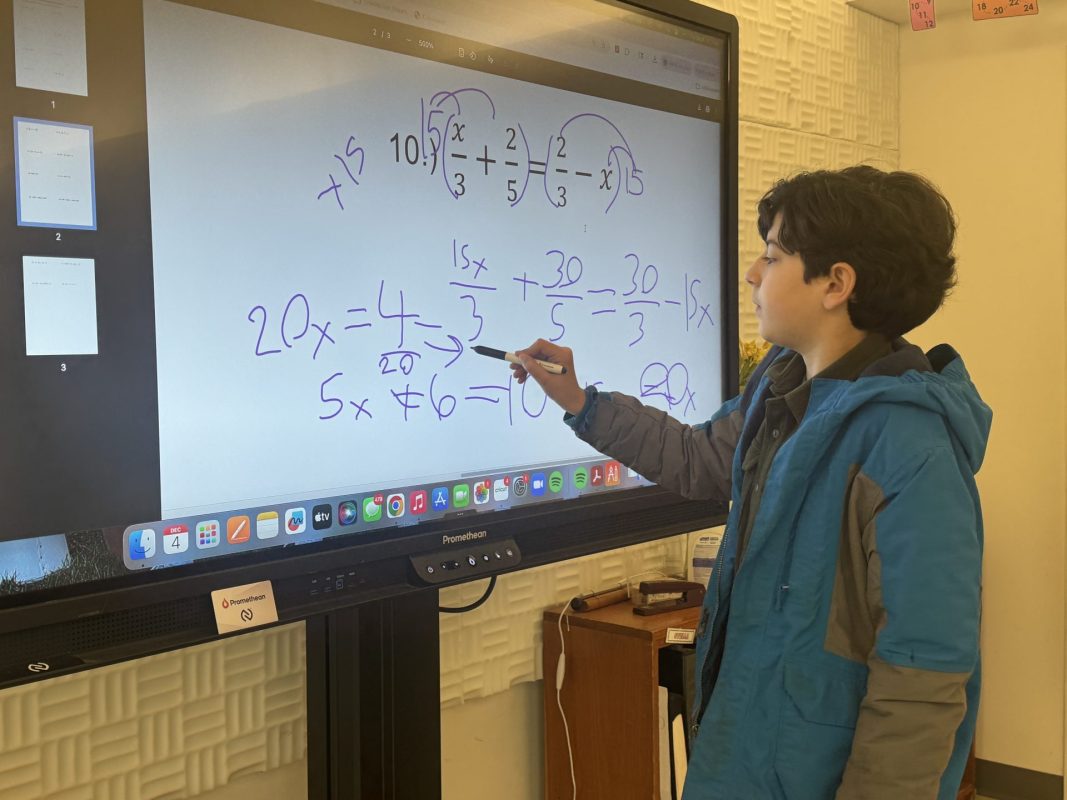
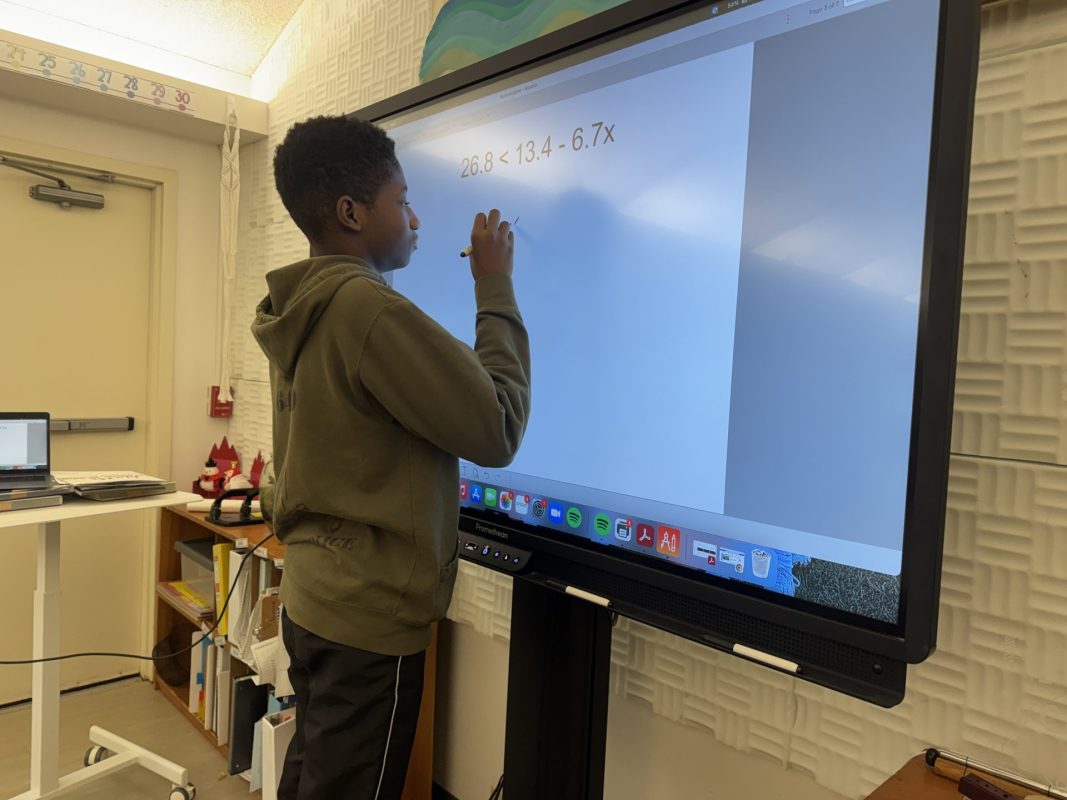
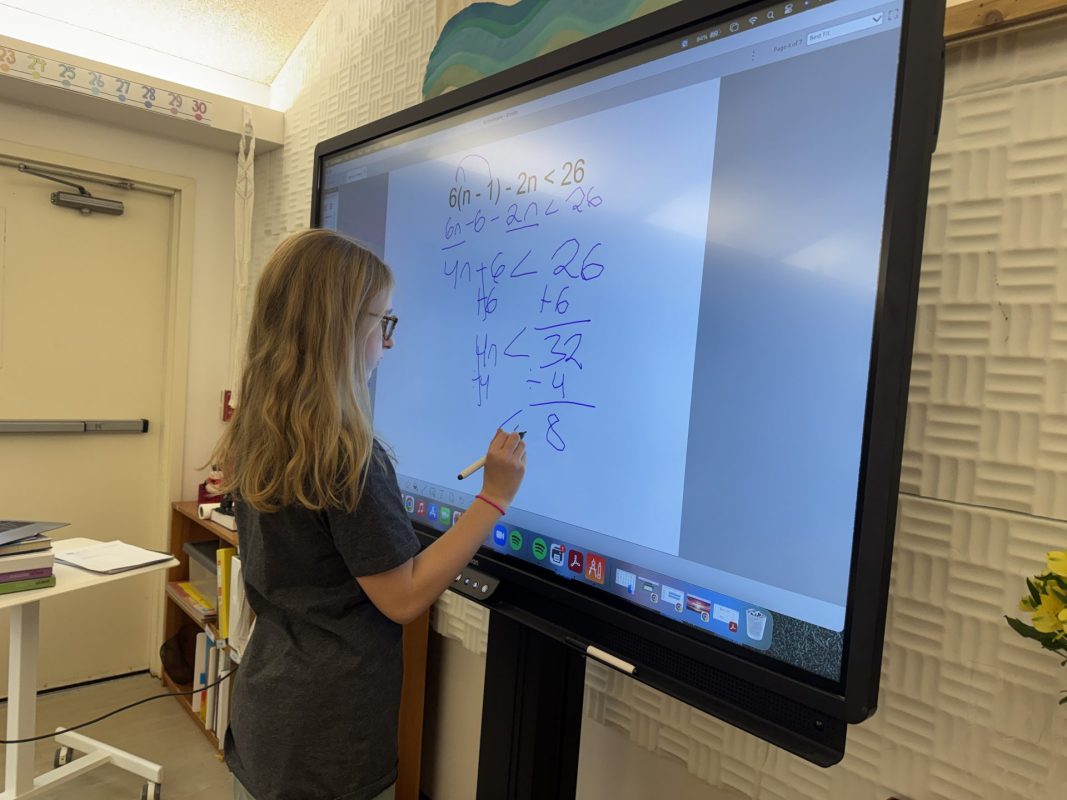
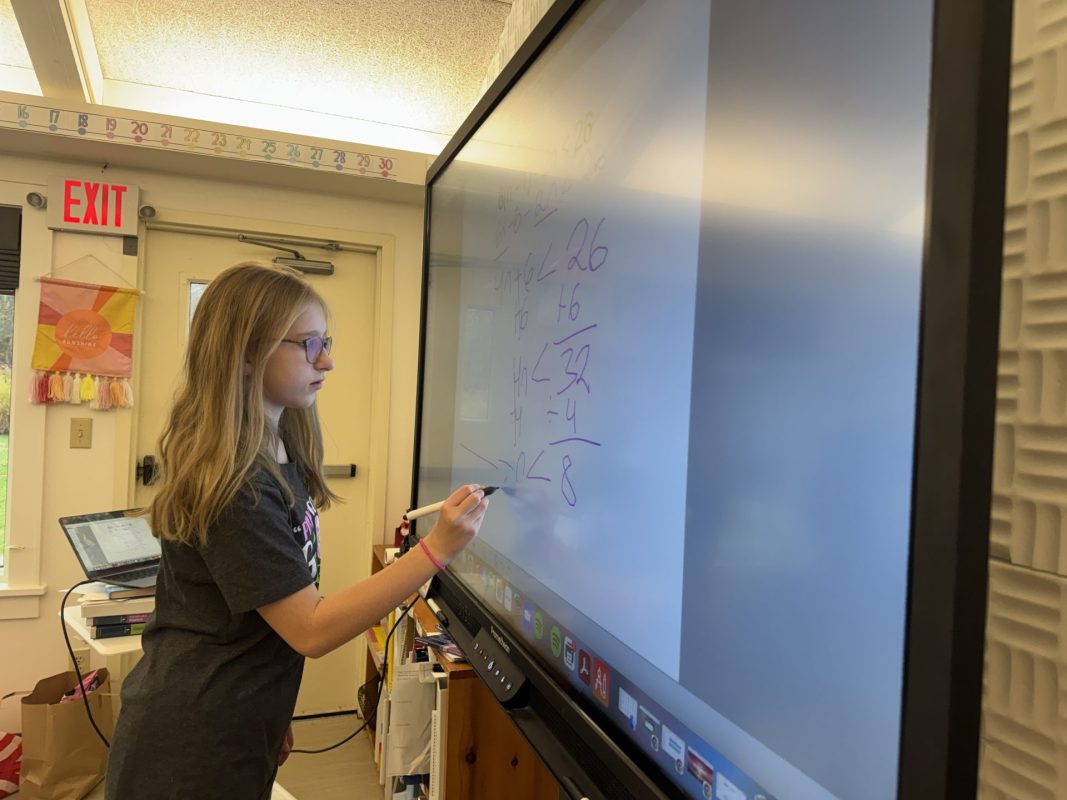
Algebra: This week, students wrapped up their work with Chapter 3 concepts. They practiced applying the distributive property to solve equations and inequalities, learned how to solve and check inequalities, and became comfortable graphing the solution sets of linear inequalities. The chapter concluded with solving equations by clearing fractions and decimals. Students ended the week reviewing all Chapter 3 skills and will take the Chapter 3 assessment on Tuesday, December 9th.
Geometry: This week in Geometry, students mastered using algebra to represent and find measures of angles. Students are now able to justify conclusions using postulates of algebra and can give justifications for conclusions involving angles and segments.

Algebra II: This week, students began Chapter 3 titled “Linear Functions and Sequences”. So far, students have learned to determine the slope and intercepts of a line given its equation. They can also recognize properties of linear functions, and they can graph or interpret graphs of linear equations. Students can also model linear combination situations.


Science

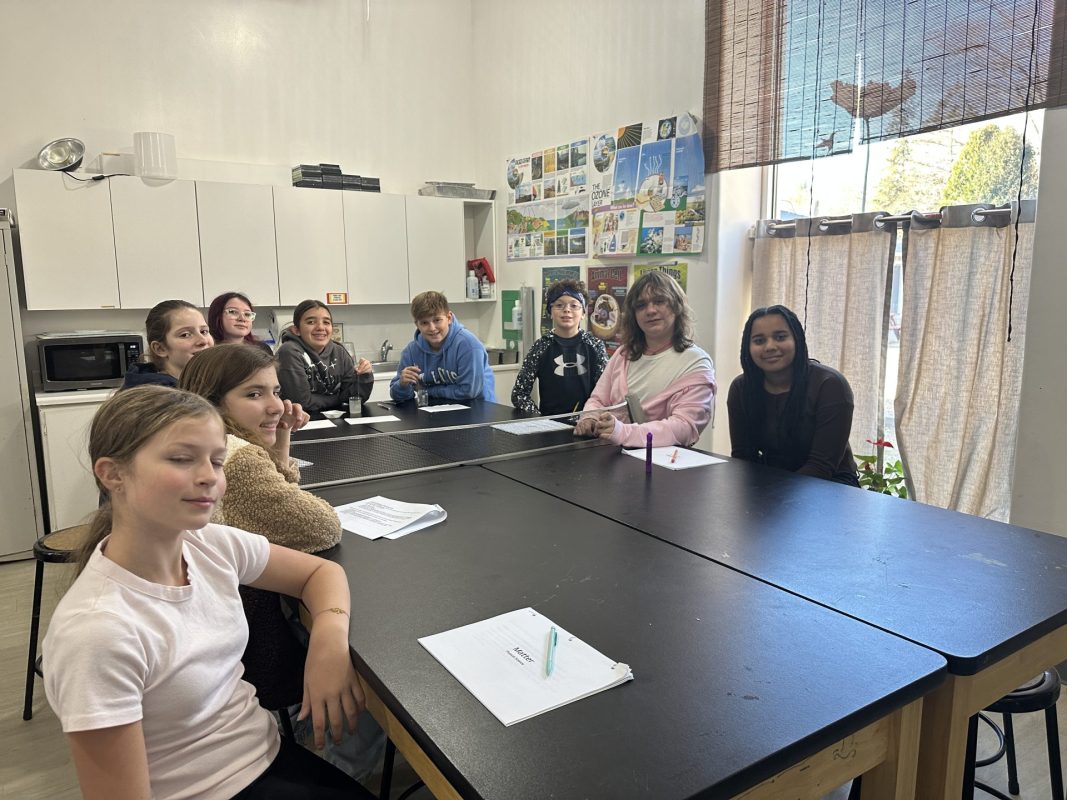
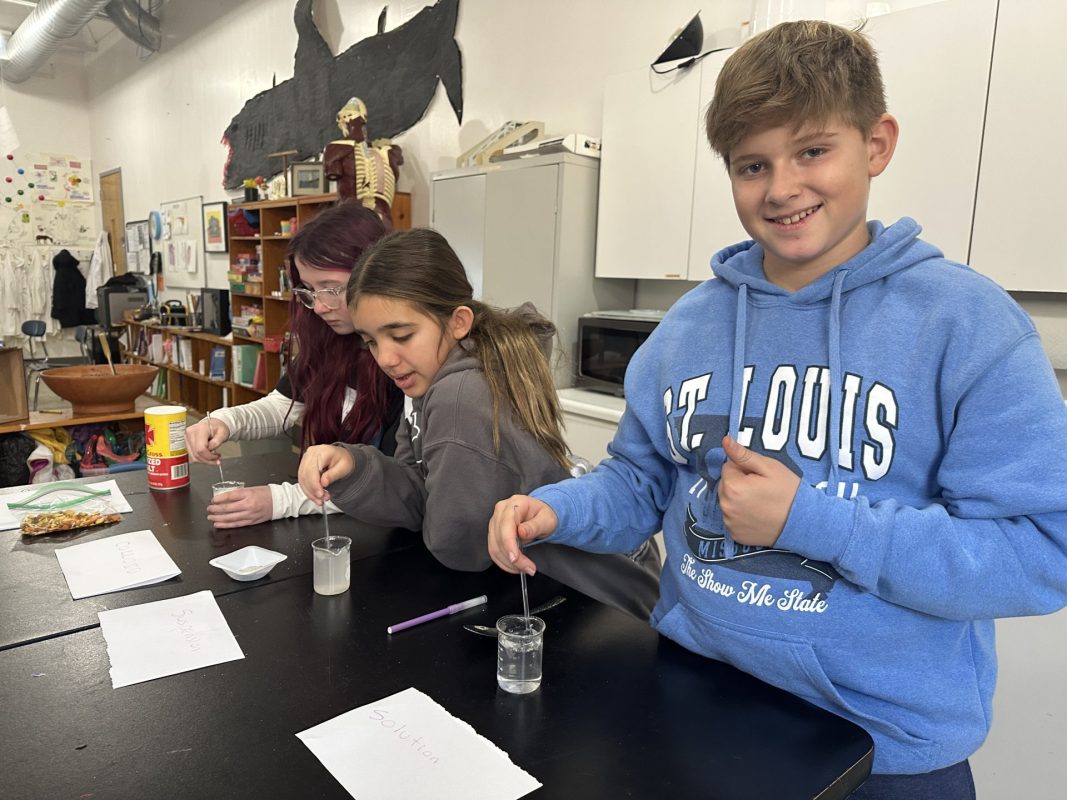
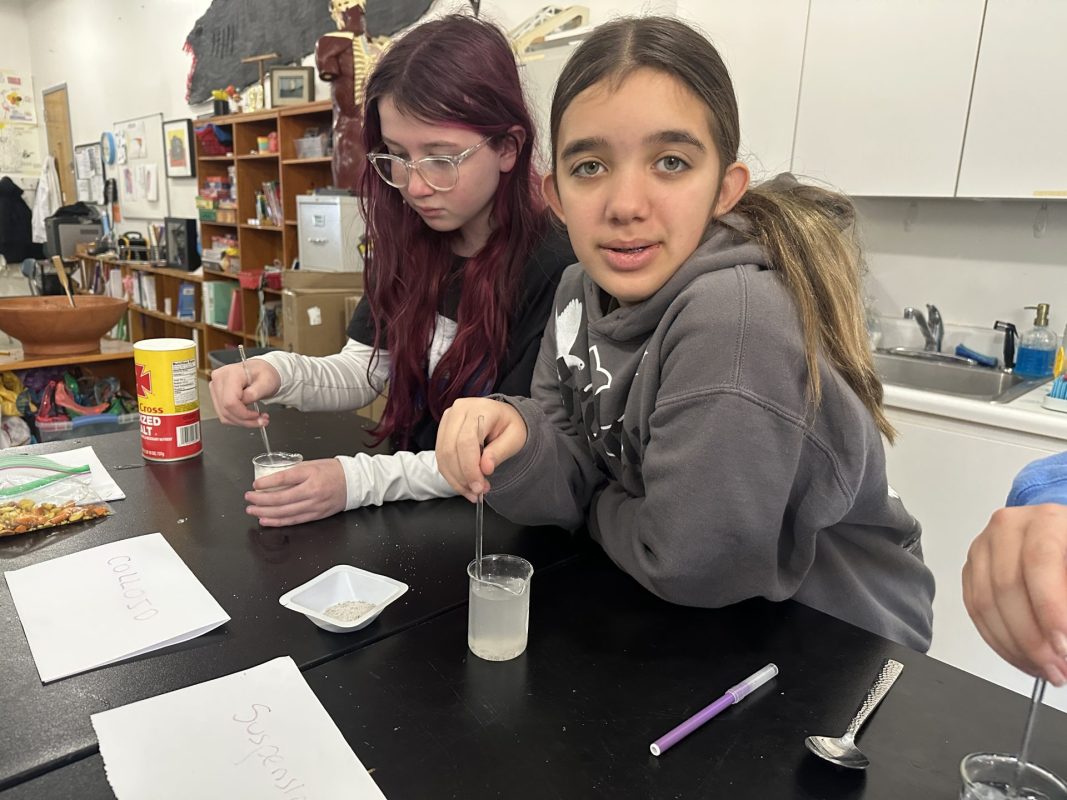
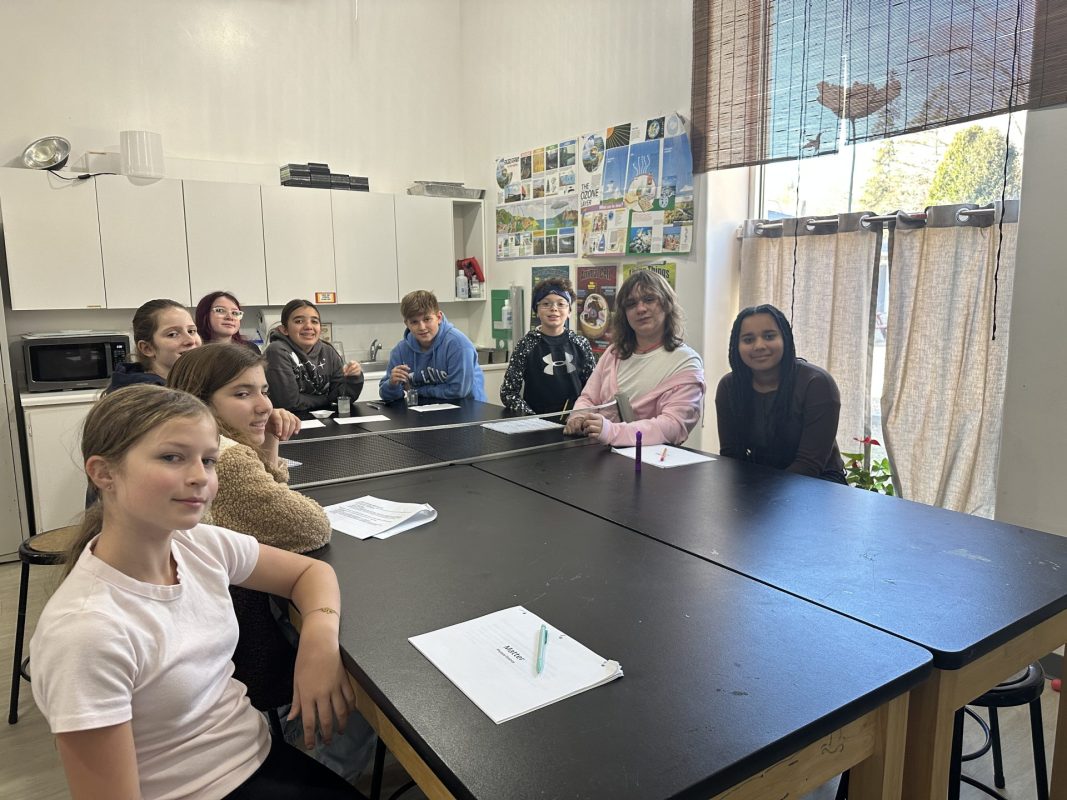
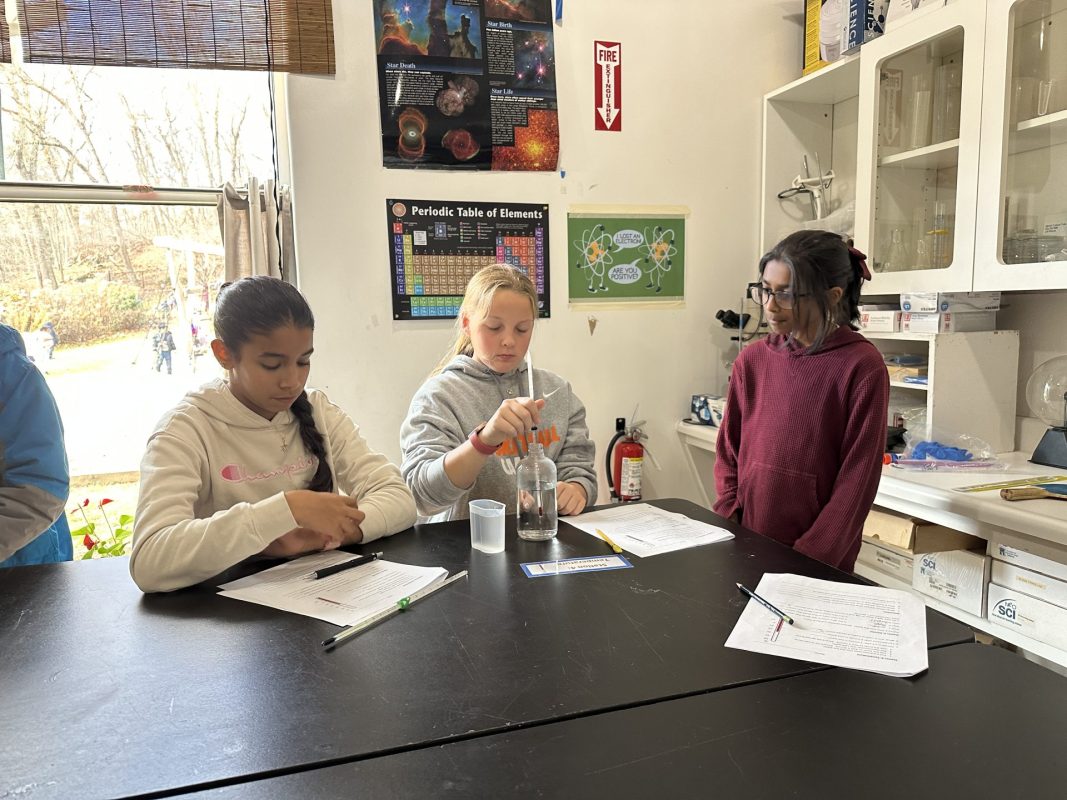
This week, 6/7A and 6/7B students started a new unit, “Combining and Separating Matter”. They learned the concepts of a pure substance and mixtures, types of mixtures, and how to identify if a mixture is homogeneous or heterogeneous. They also learned that mixtures could be liquid, solid, or gas.  They talked about the mixtures they find in their daily life. They also learned about classifying mixtures such as solutions, colloids, and suspensions. They are understanding their differences and examples of each of these mixtures. In addition to that, they learned what the Tyndall Effect is and where they can find it in nature. The class observed it with the help of an aerosol.

On the other hand, eighth graders also started a new unit about cells. They started learning about the Cell Theory and how it kept developing through the years with the help of technology. They also learned that the cell is the basic unit of life, or the main building block, in all living organisms, regardless of whether they are unicellular or multicellular organisms. The classes also talked about the types of cells, Prokaryotic and Eukaryotic. They learned about their differences in structure and functions using pictures and models where they were able to see inside the cells, identifying each organelle and its general functions. Within the eukaryotic cells, students studied animal and plant cells and their differences. All this learning was supported by classwork, videos, pictures provided by the Discovery Education tech book, and some other trustworthy sources that facilitate the students ‘ understanding of each of these topics.


Mrs. Wilson: A Festive December

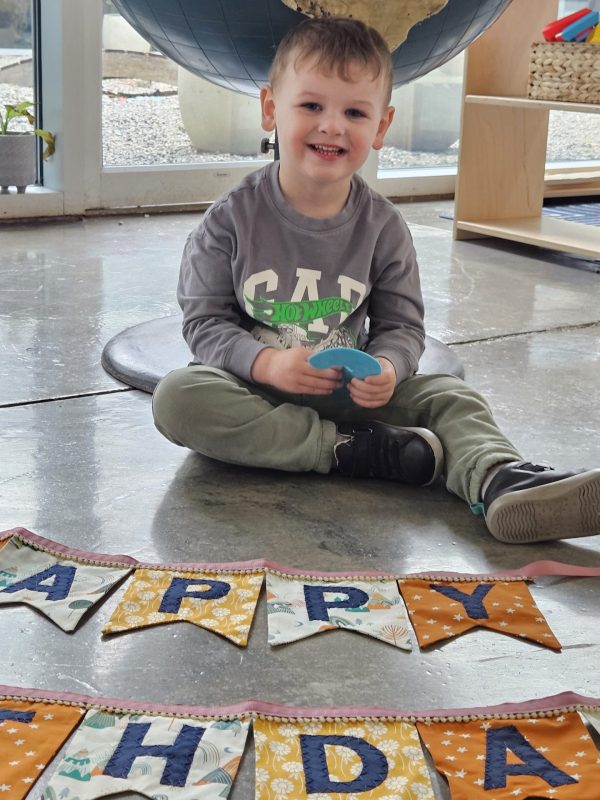
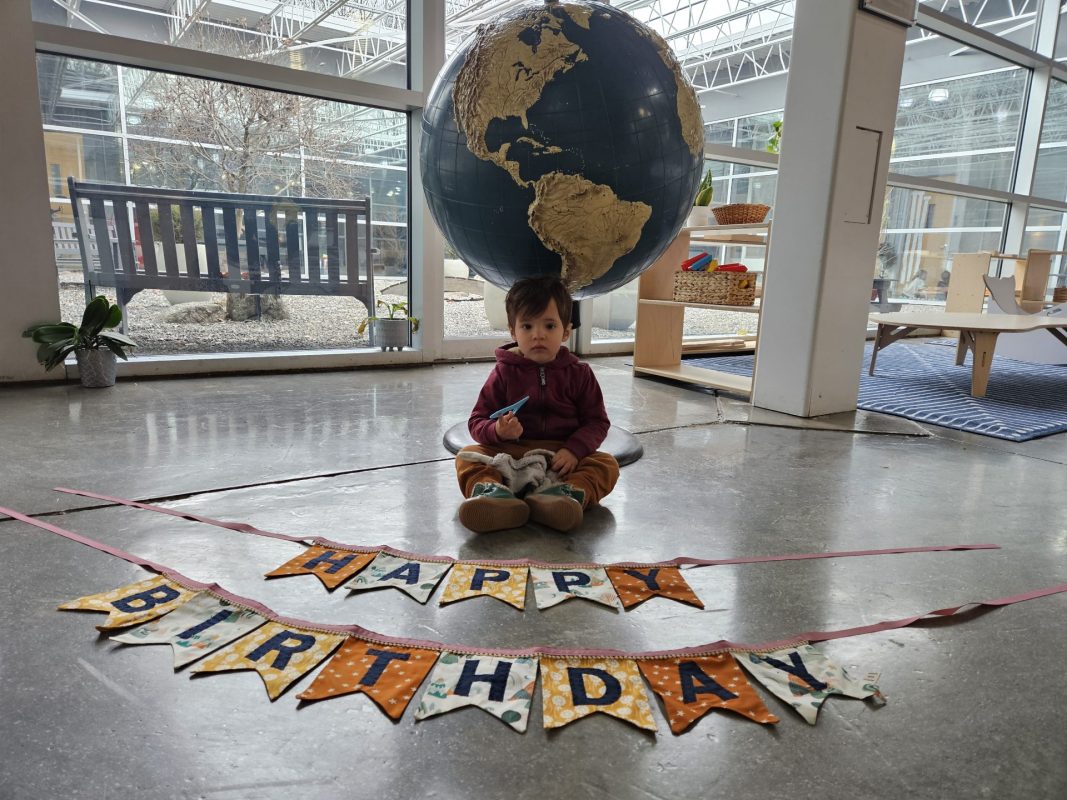
Welcome, December! This month brings so many joyful celebrations, and the children are already feeling the excitement in our classroom. We began the week by celebrating a friend’s birthday, which is always such a special moment in our community.

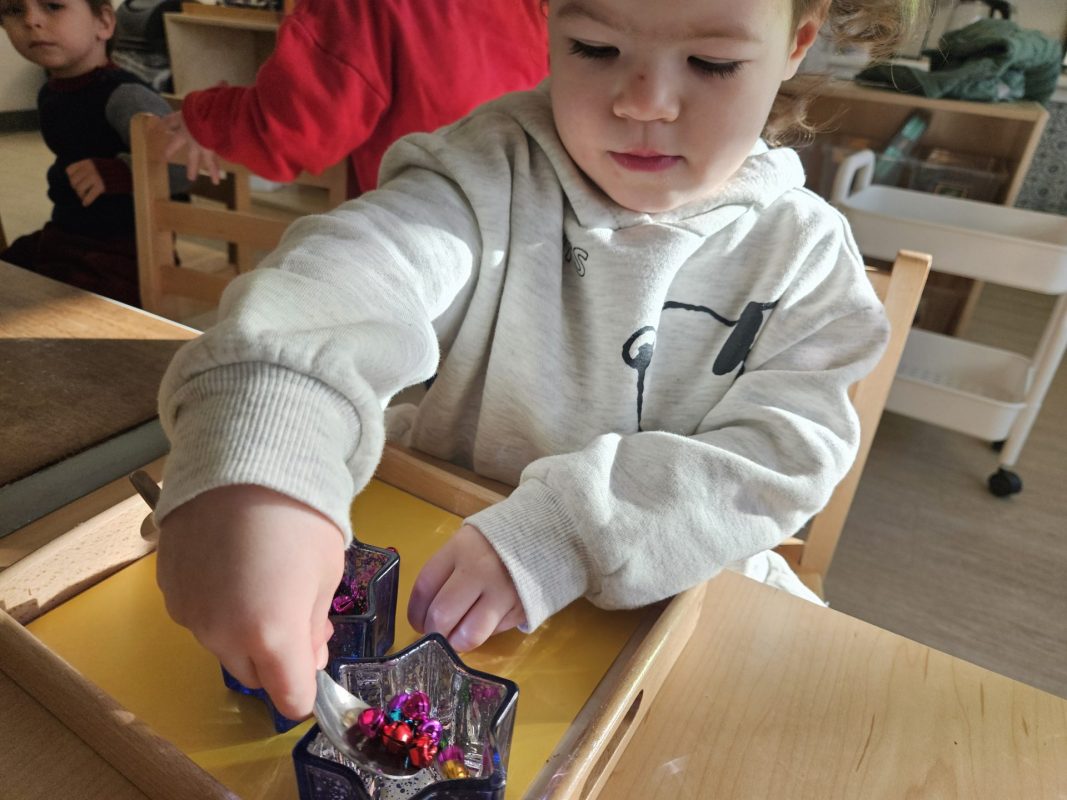
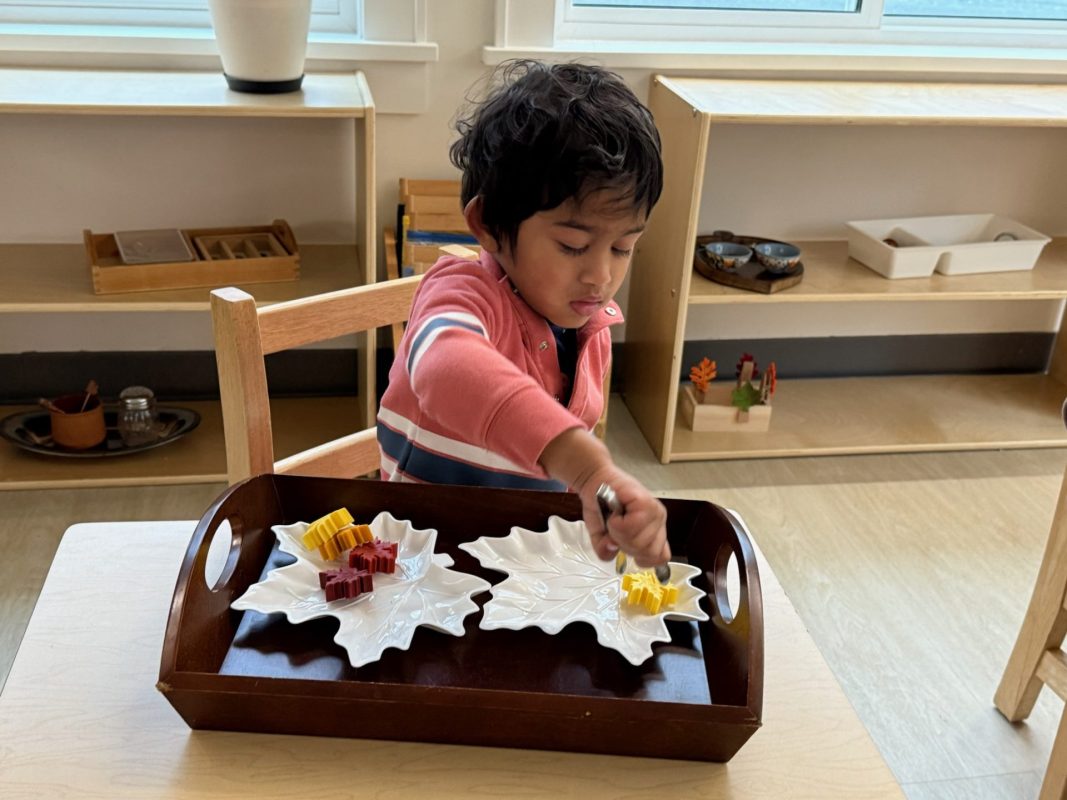
Over the course of the week, the classroom received a thoughtful seasonal refresh. Each area now gently highlights the many different holidays celebrated around the world in December. From Christmas—both Santa and the Nativity—to Hanukkah and Kwanzaa, the children will find beautiful, simple materials that represent each tradition. Even the soft sound of jingle bells has made its way into the environment, inviting the children to jingle all the way around the room.

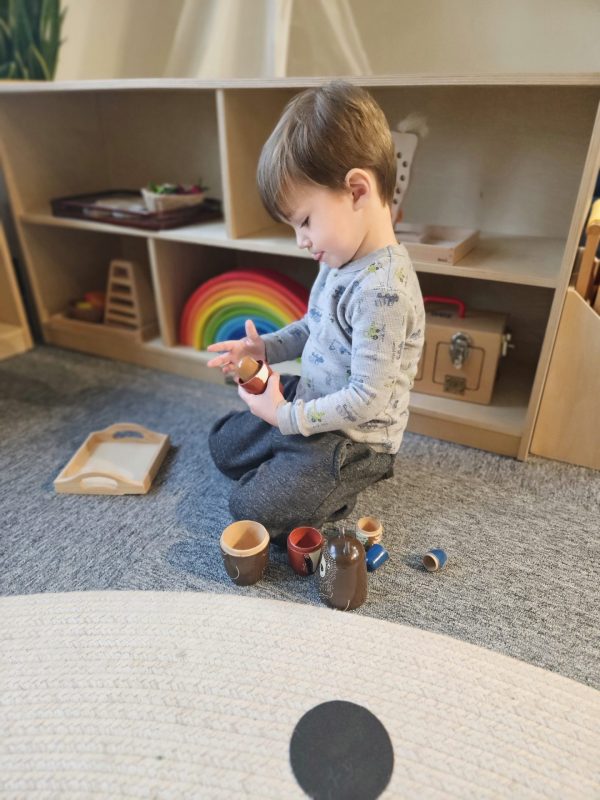
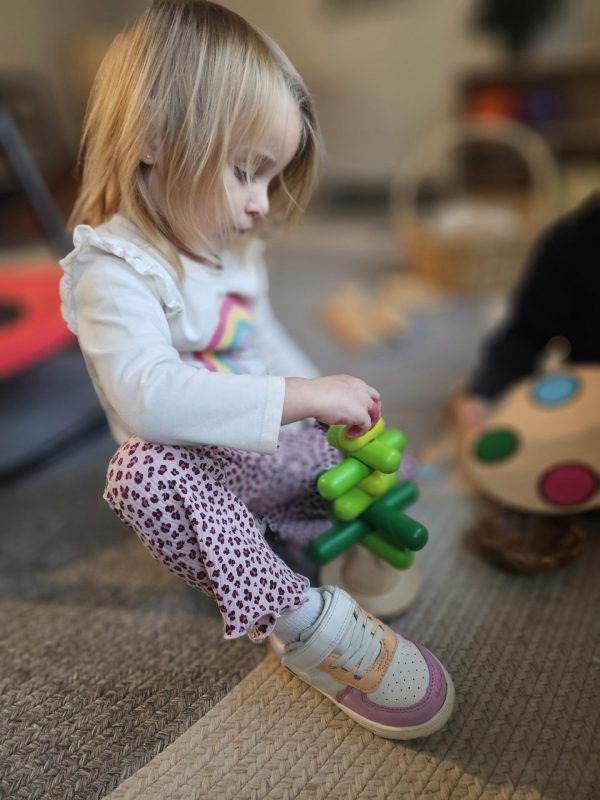
These items are intentionally placed throughout the Practical Life, Sensorial, Language, and Art areas, inviting children to explore, notice, and enjoy the diversity of celebrations in a hands-on, meaningful way.

It has been wonderful watching the children discover these new materials and make connections as they move through the classroom. 

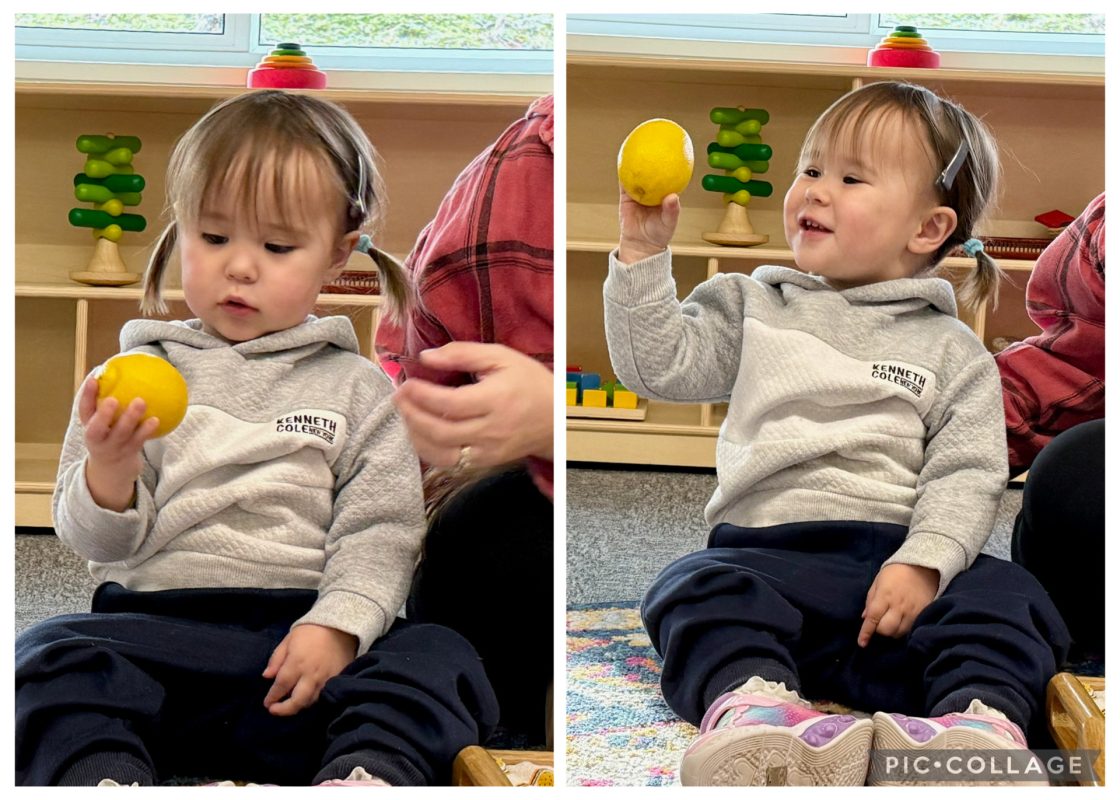
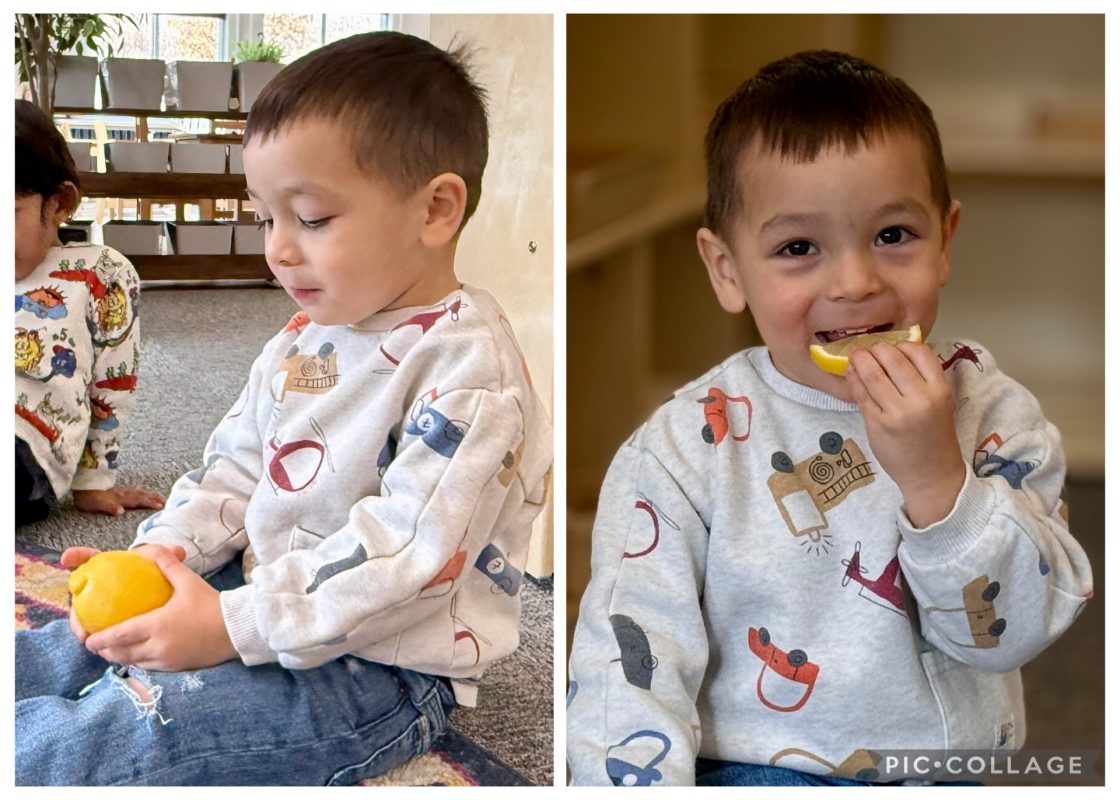
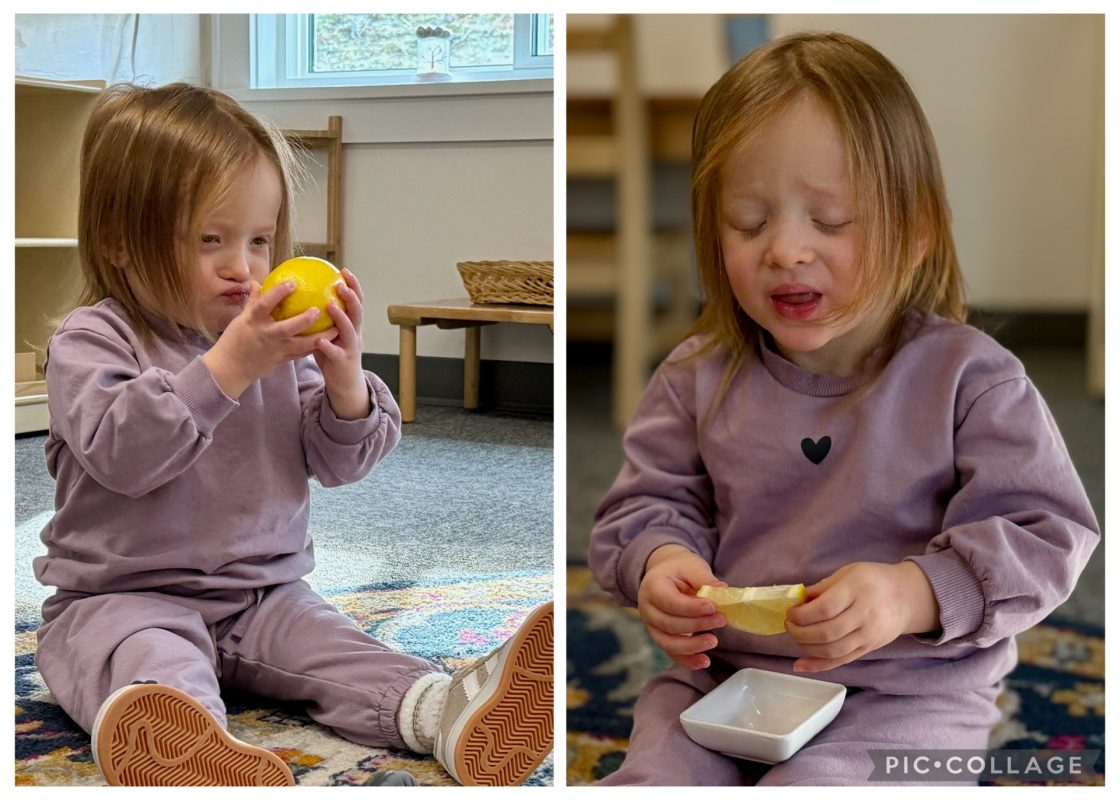
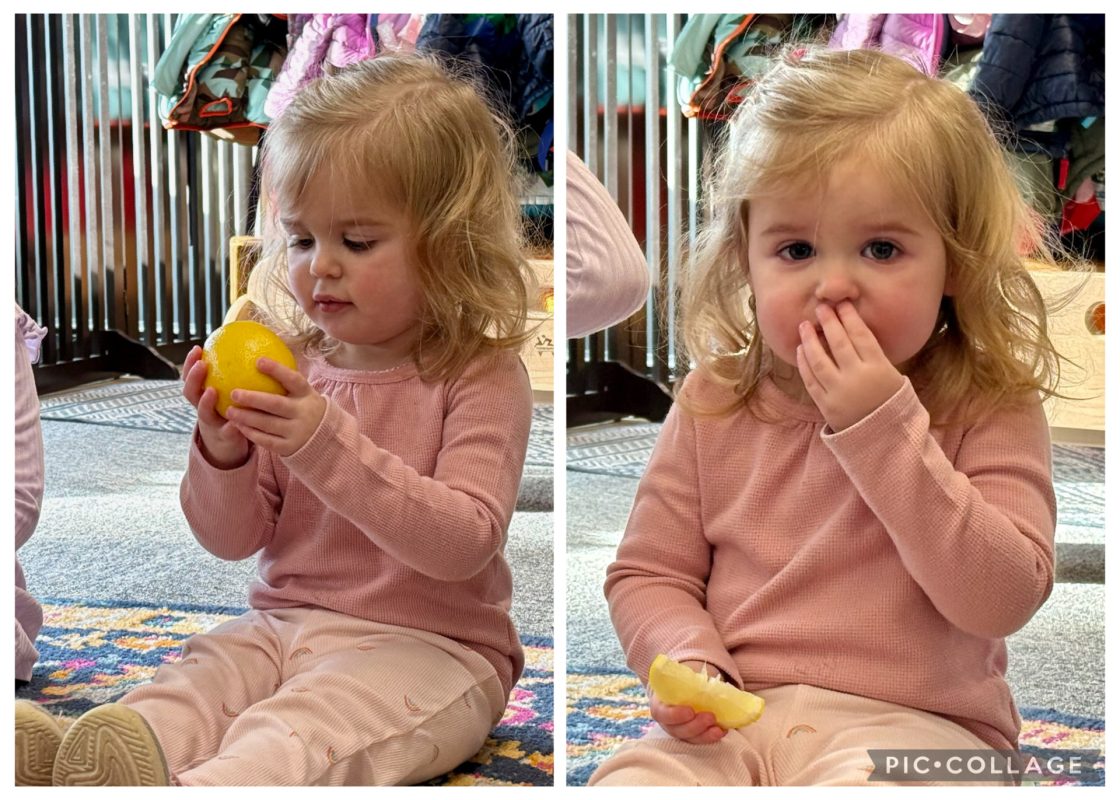
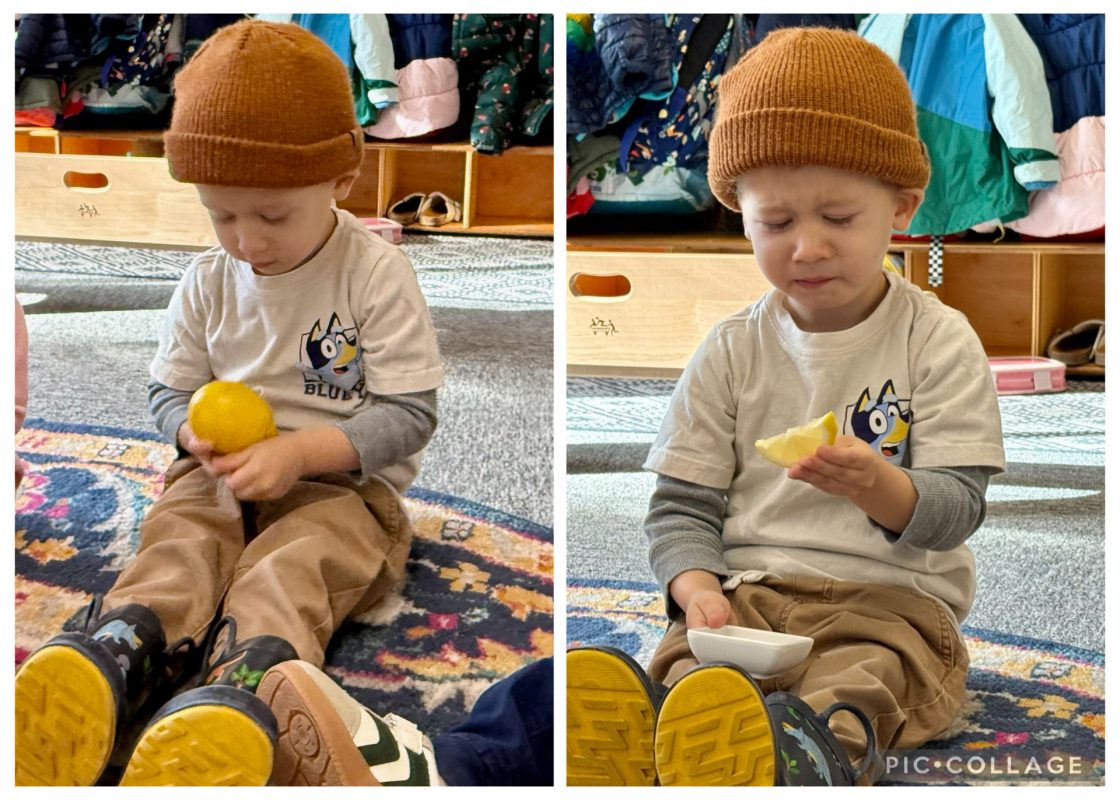
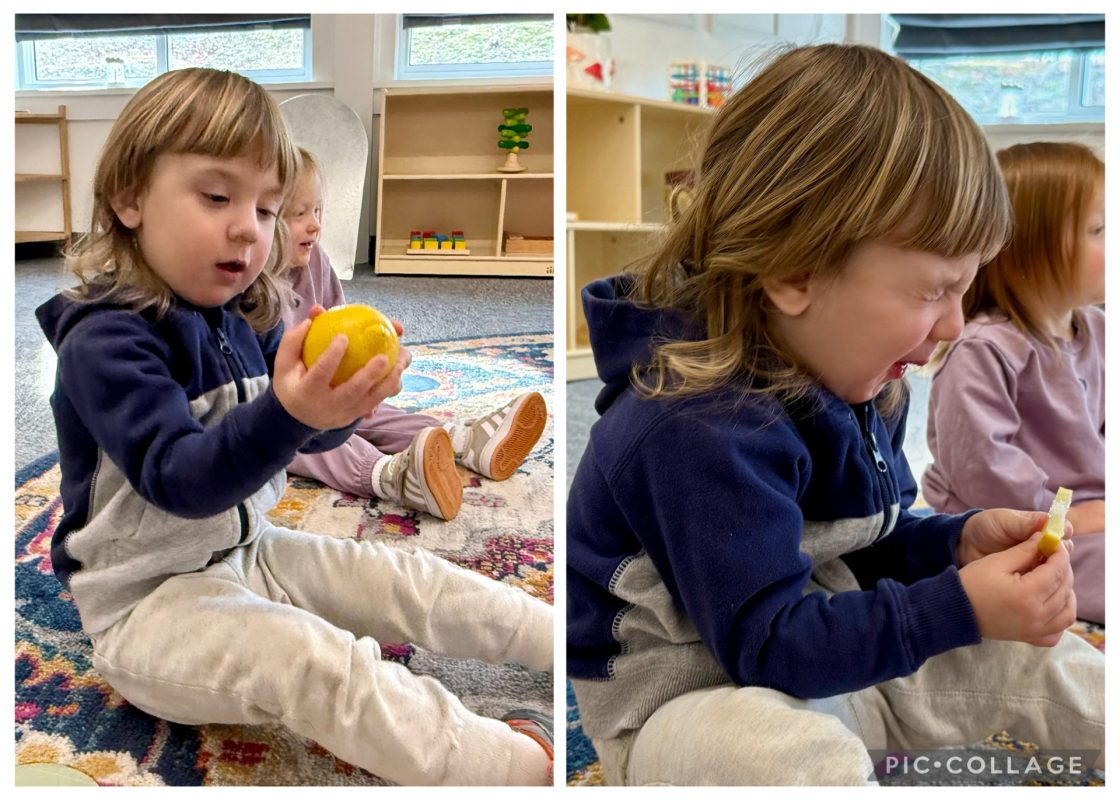
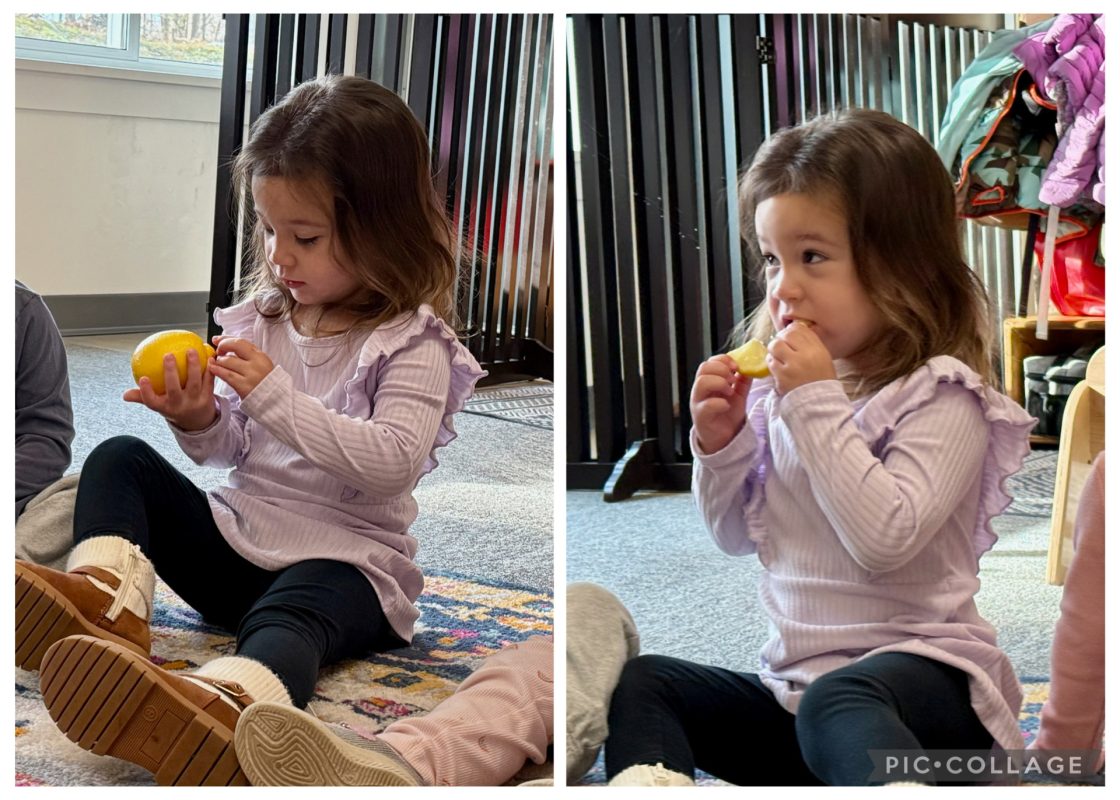
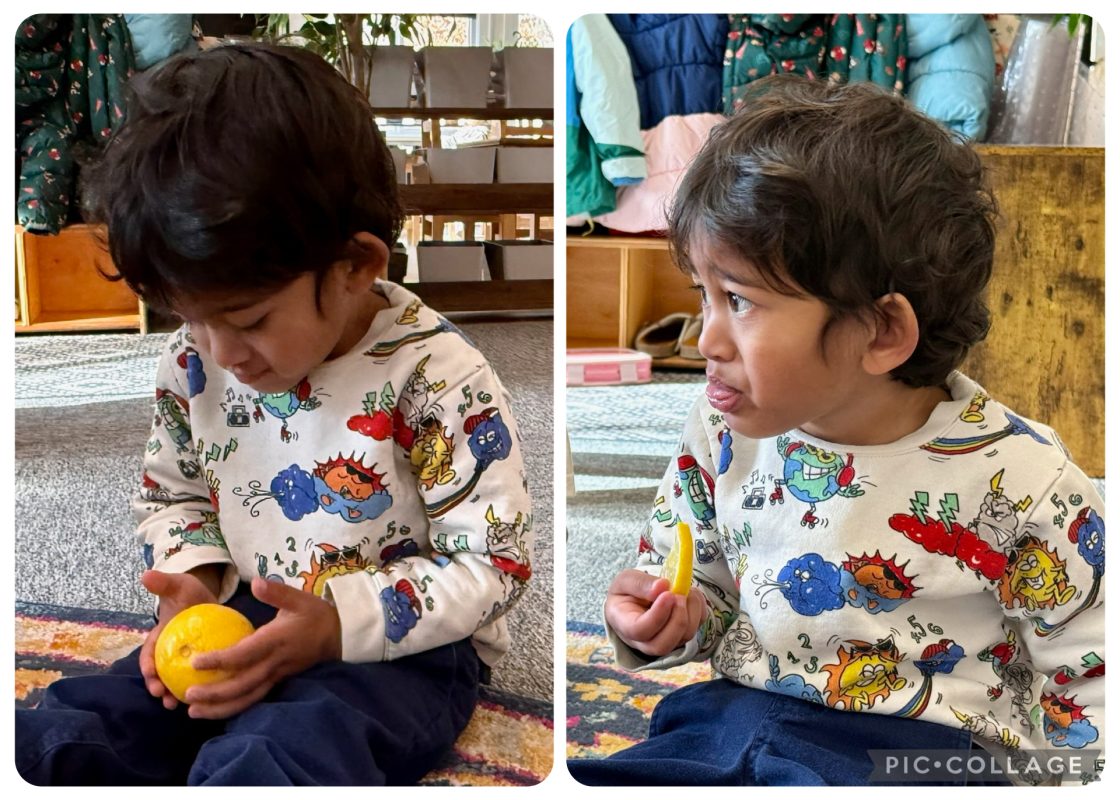
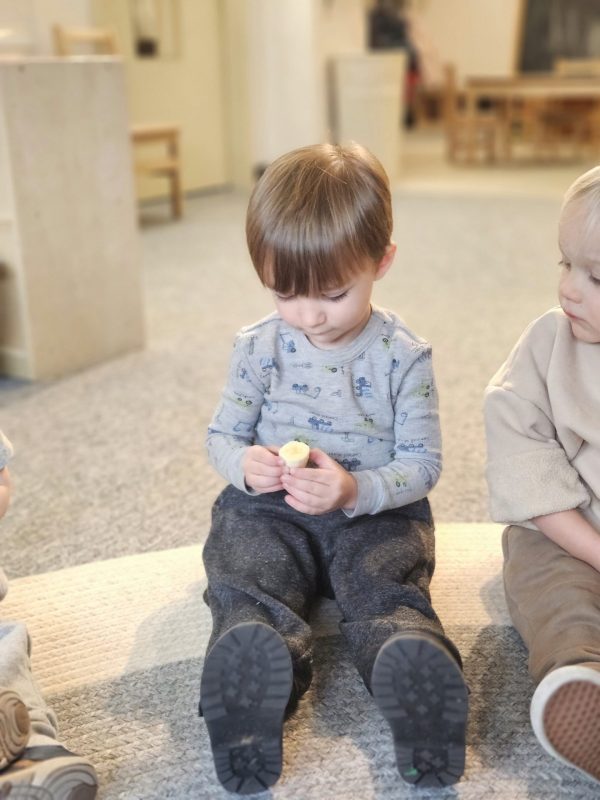
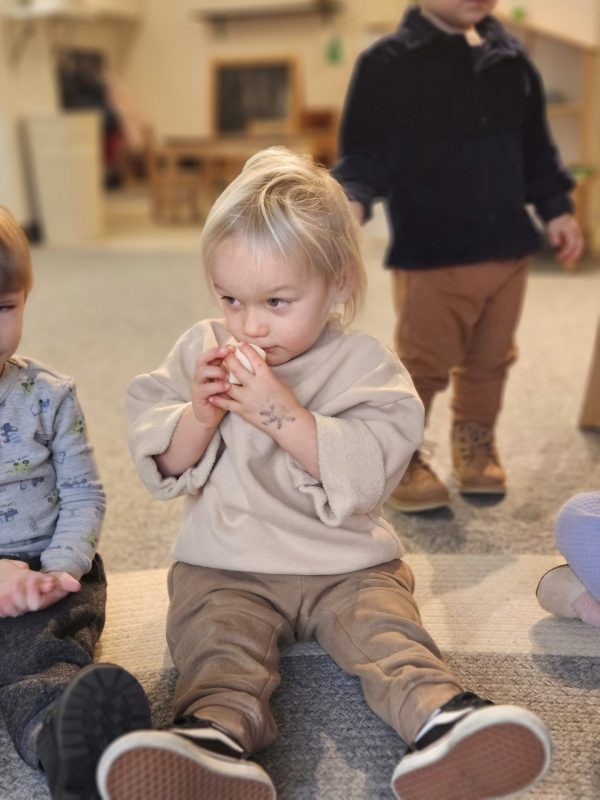
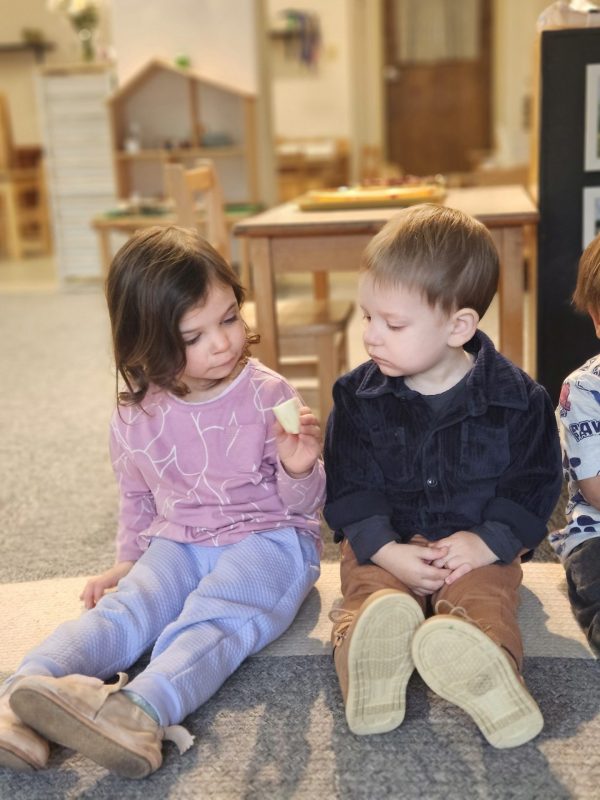
Food Tasting: was a bright, sunny, and wonderfully sour lemon. The children had so much fun watching each other’s reactions—from wide eyes to tiny puckers—and they were eager to smell, touch, and taste this vibrant fruit.

December is off to a lovely start!

Love and Light!

Cynthia and Sara


Ms. Vicki’s Weekly Update


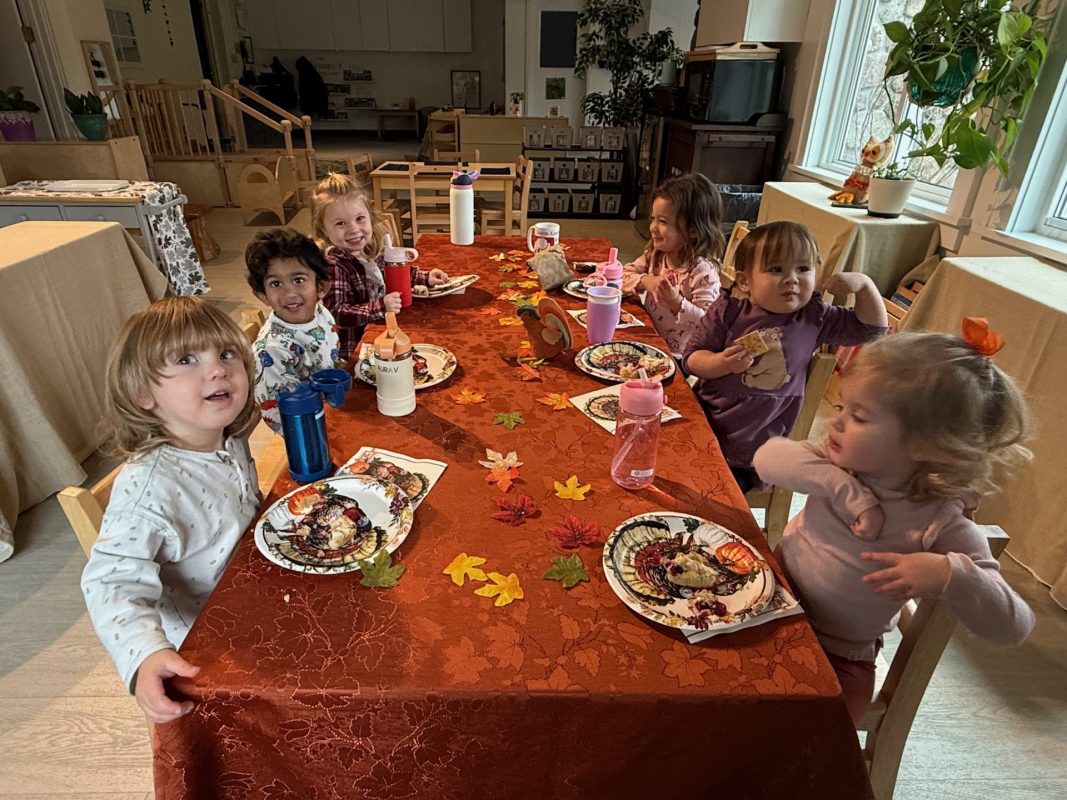
What a festive and exciting transition week we had—moving from Thanksgiving celebrations into snowy weather and the start of December!

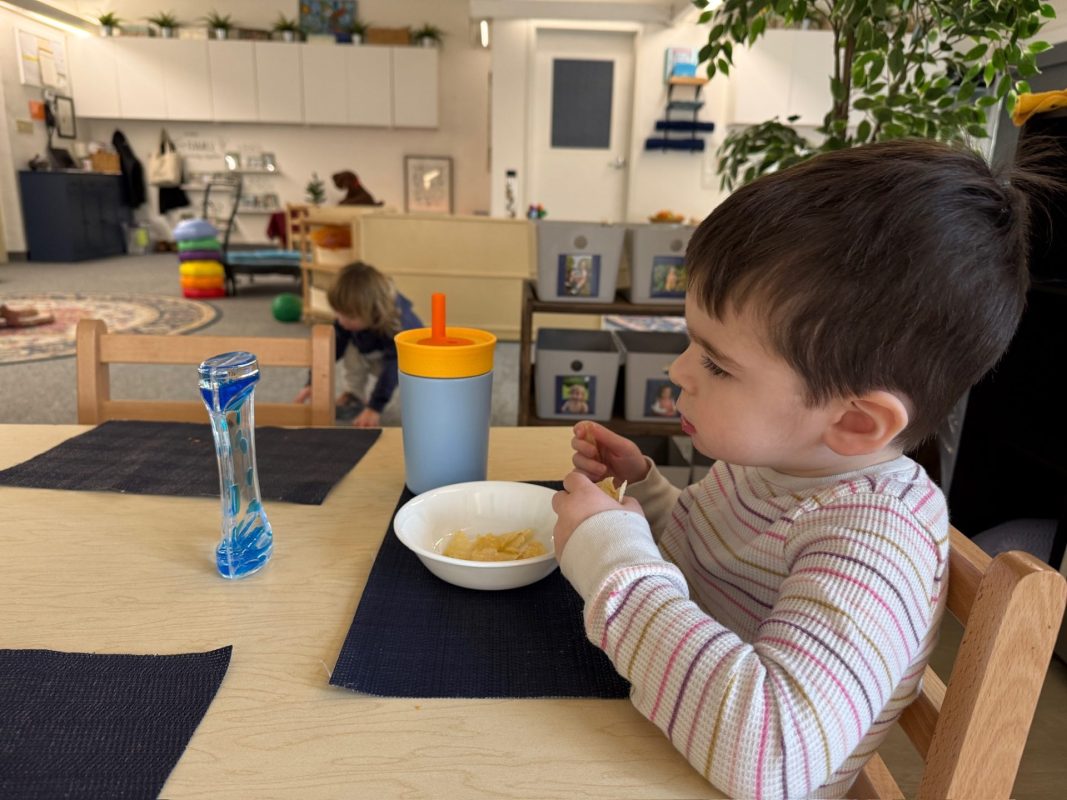
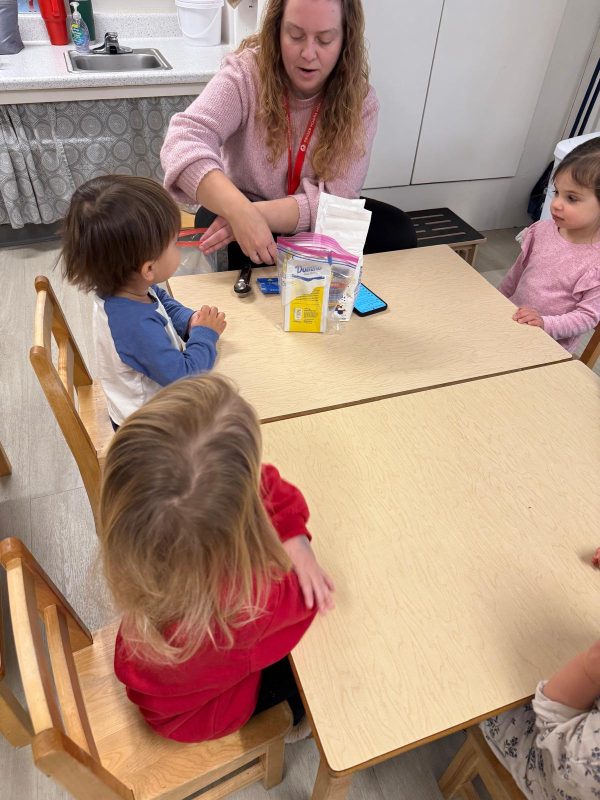
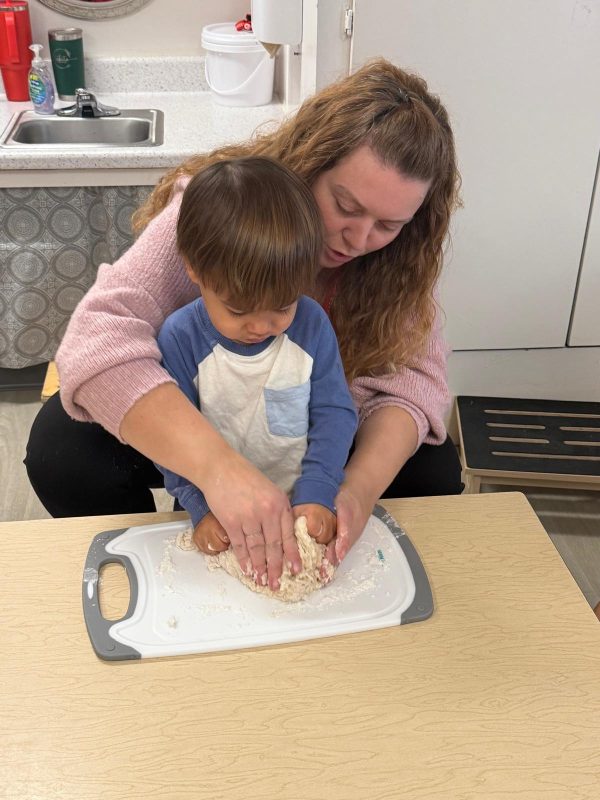
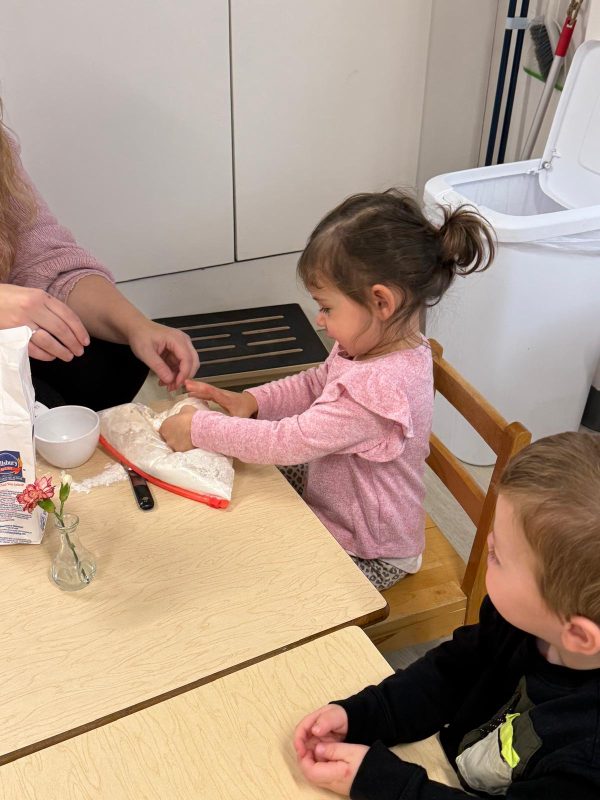
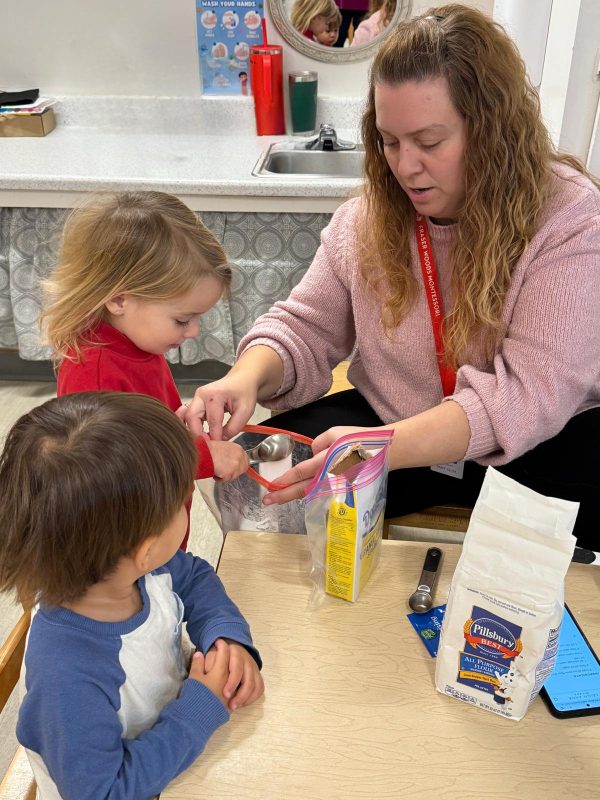
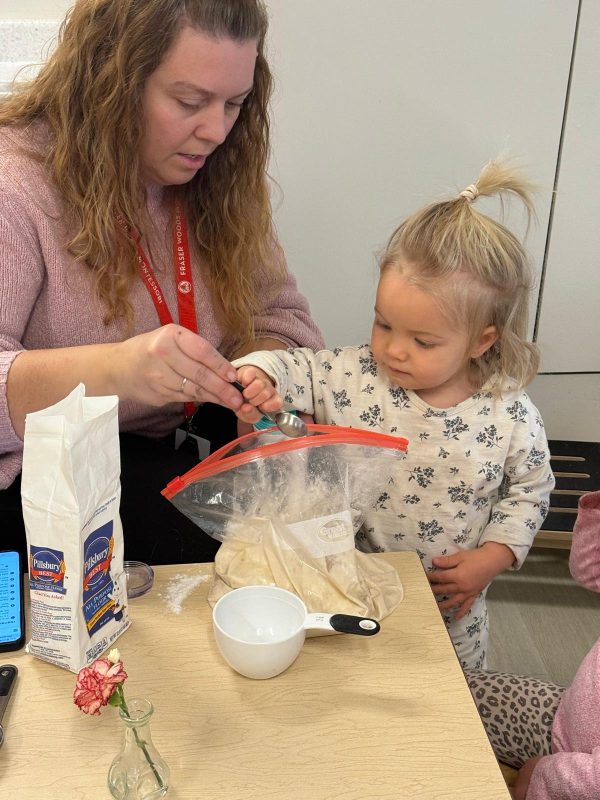
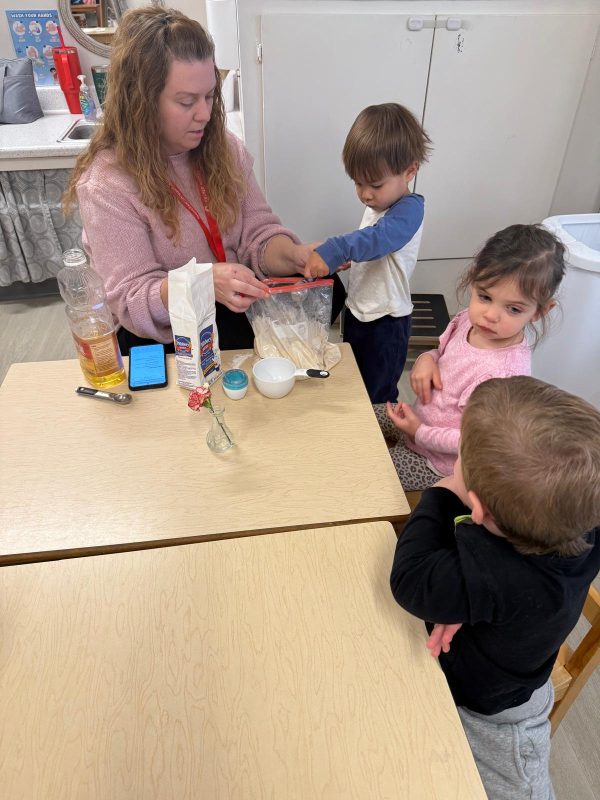
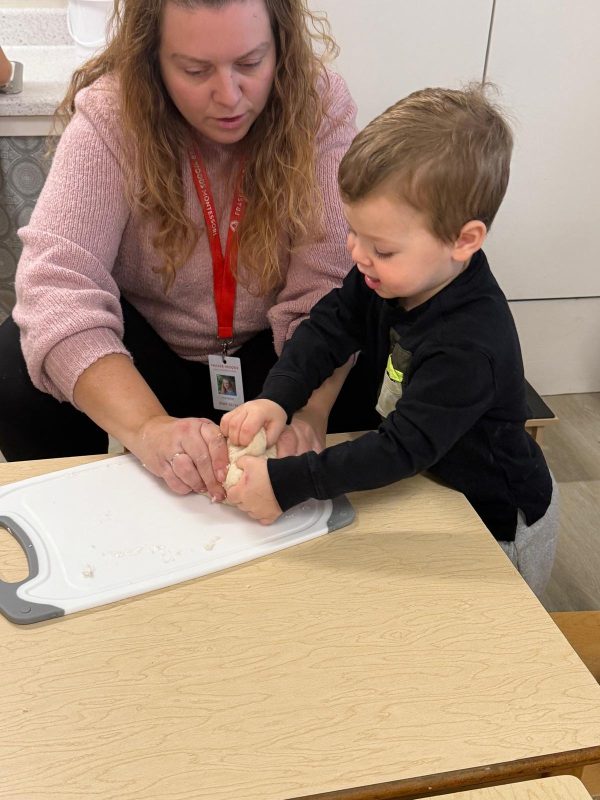
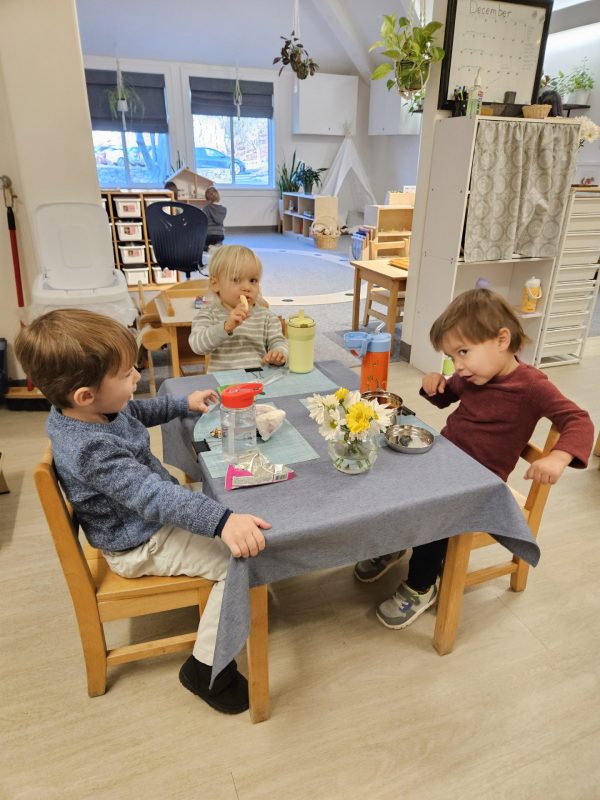
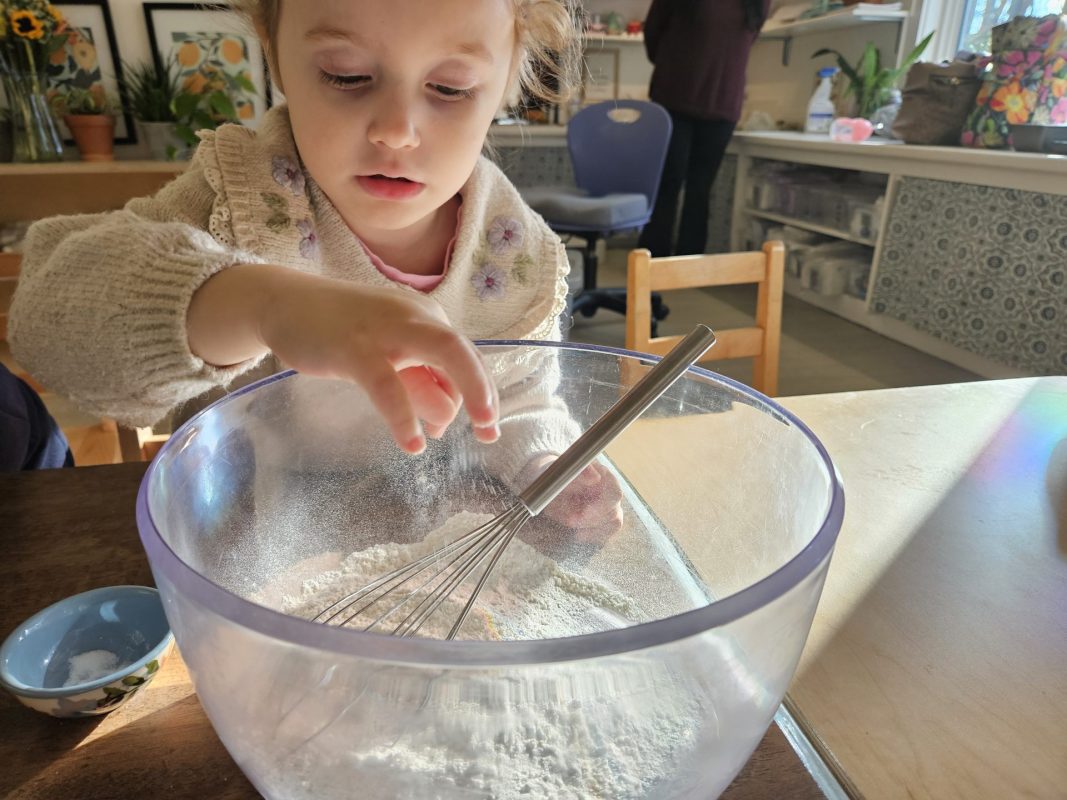
Right before break, we made Bread in a Bag, and the children loved being part of the whole process. They helped pour the ingredients, squish the mixture together, and then knead the dough with their hands. We gave one loaf to the school to have for their celebration.

While our dough was rising, we explored how cream can change when it’s mixed. We poured heavy cream into a jar, gave it a big shake, and watched it turn into whipped cream, which we tasted! With more shaking, the cream separated into butter and buttermilk, and the children were fascinated watching it transform. When the bread finished baking, we all enjoyed the bread with our freshly made butter. It was a cozy, delicious way to start the holiday.

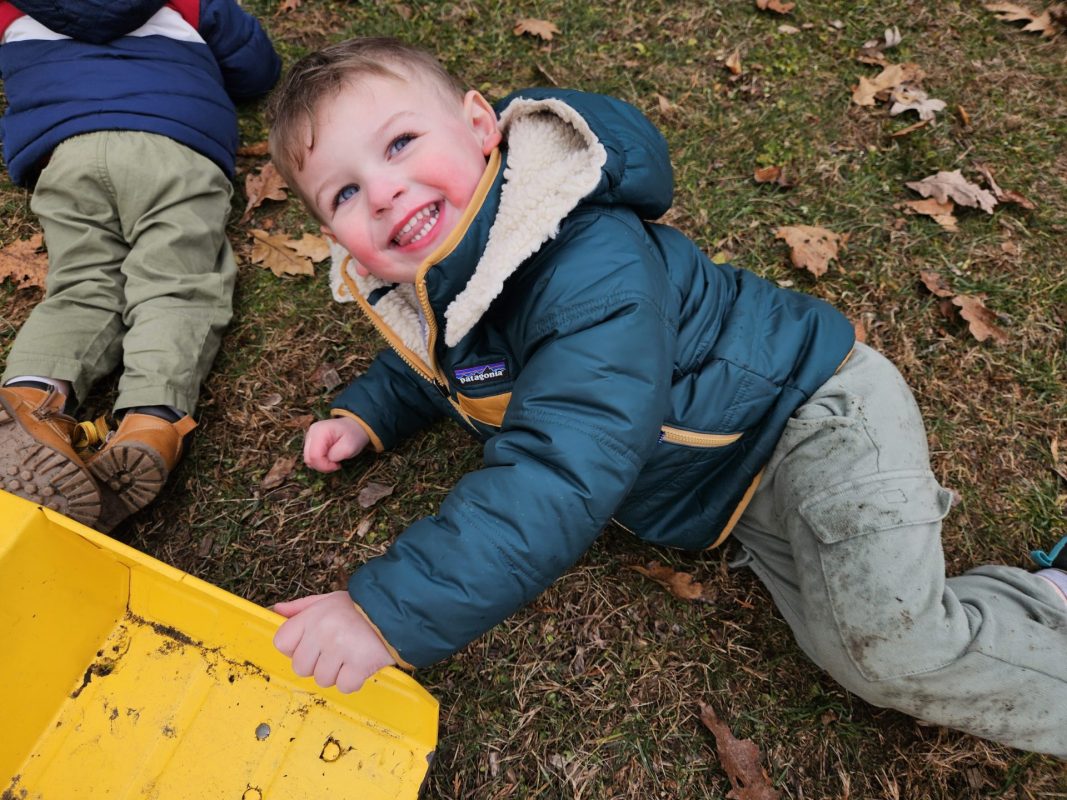
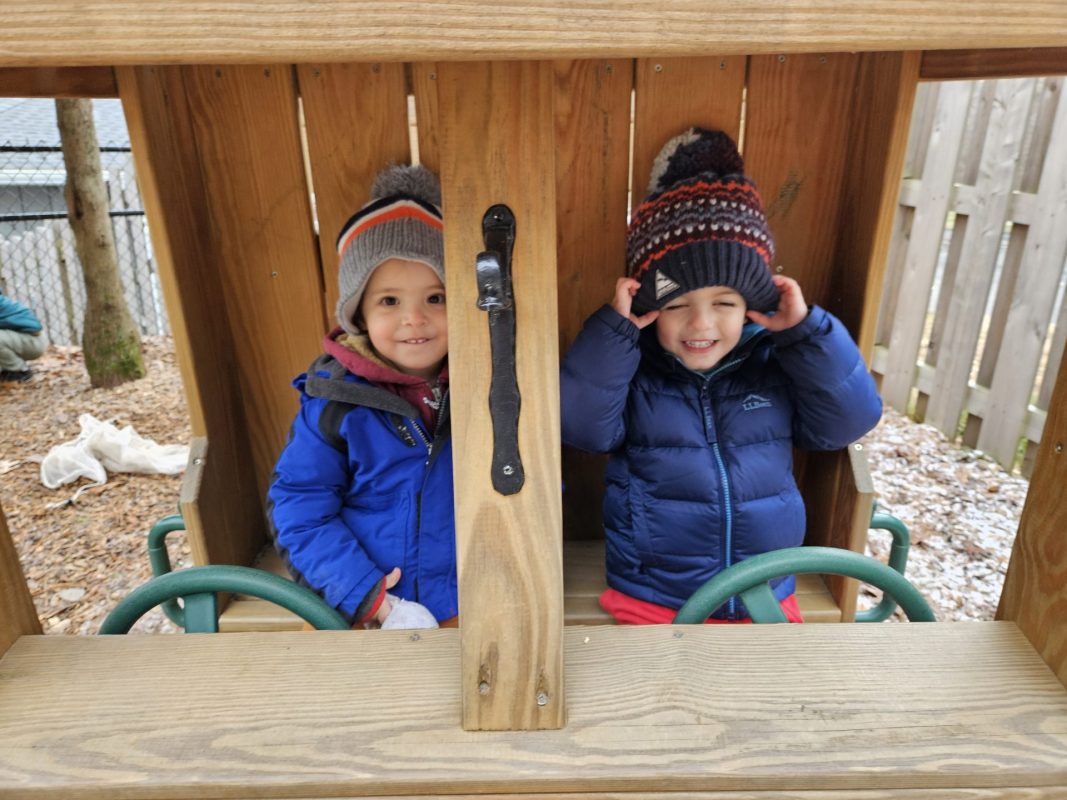
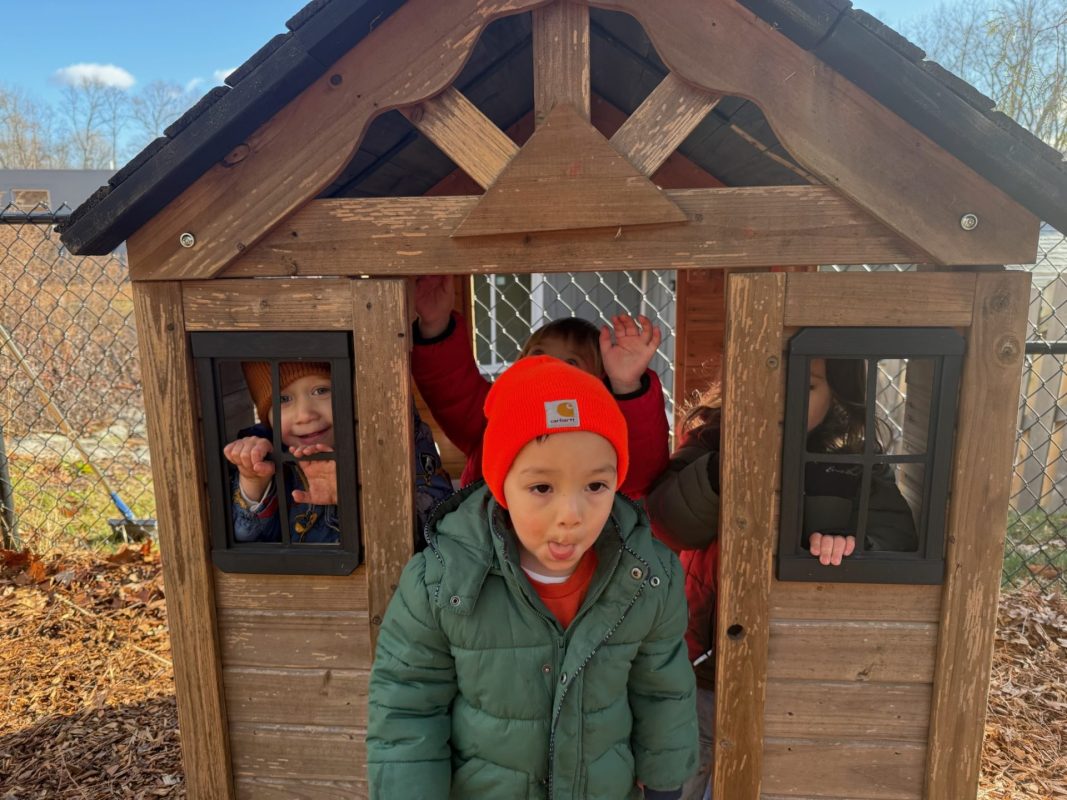
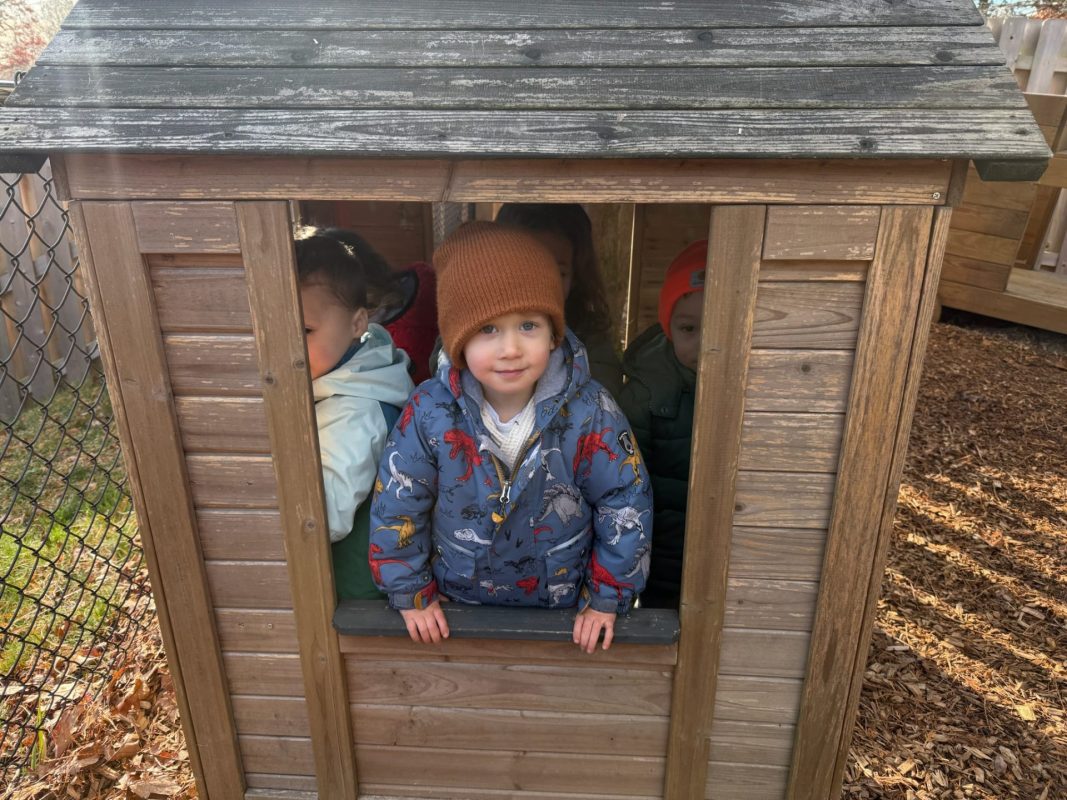
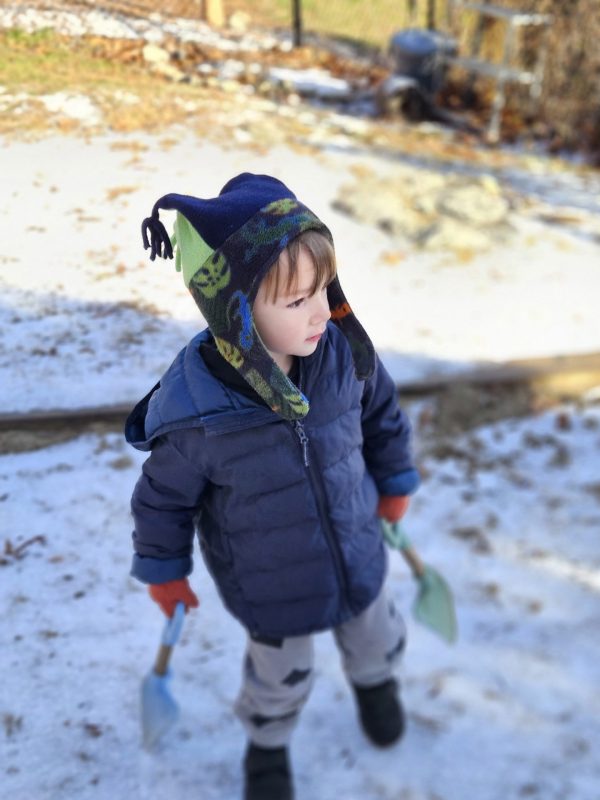
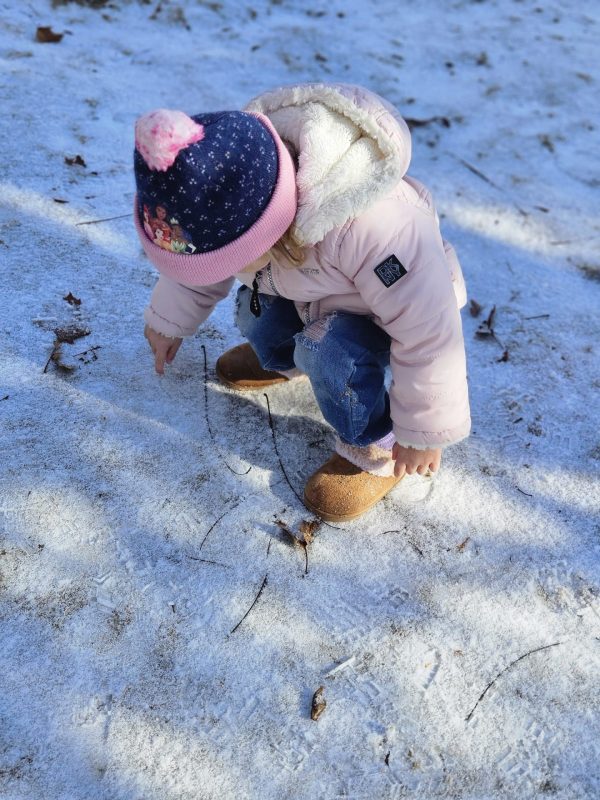
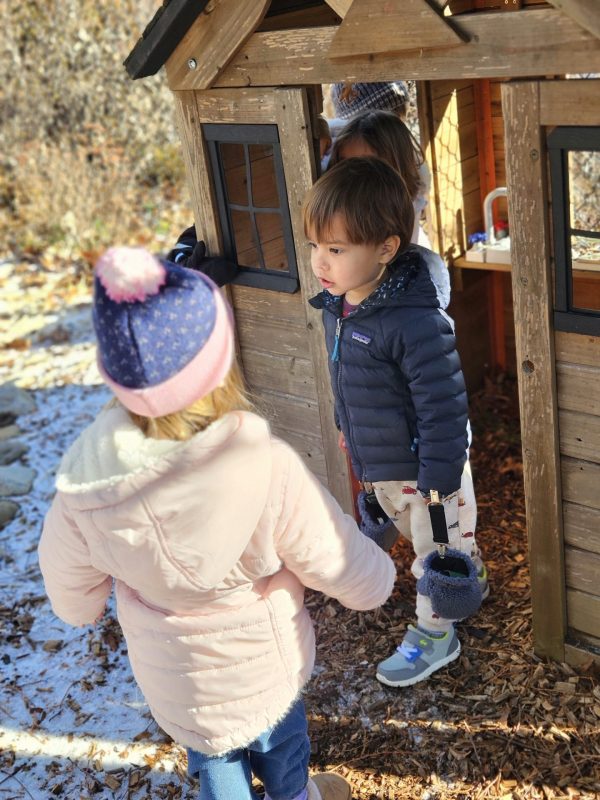
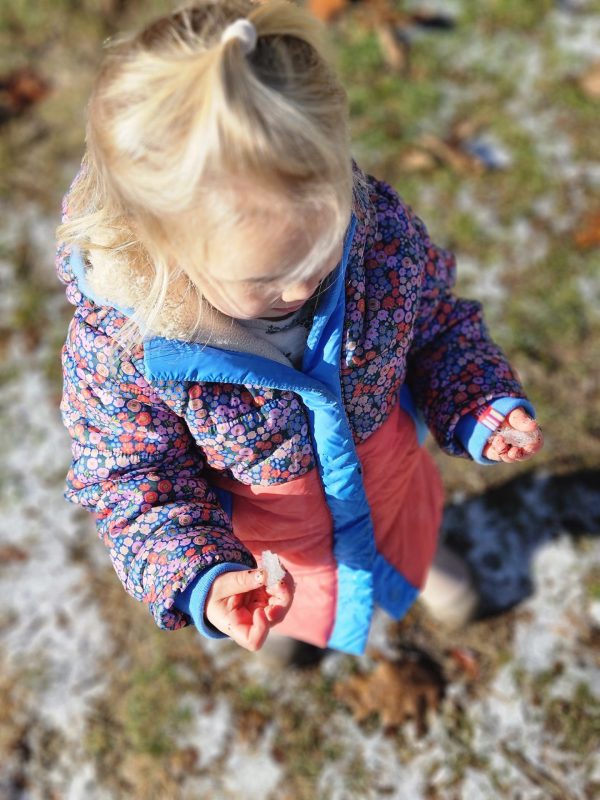
After Thanksgiving break, we stepped right into freezing temperatures and our first snow. We went outside while it was snowing and talked about how rain turns into ice or snow when it gets very cold.

One morning, the children were especially curious:
“Where did all the sand go?”
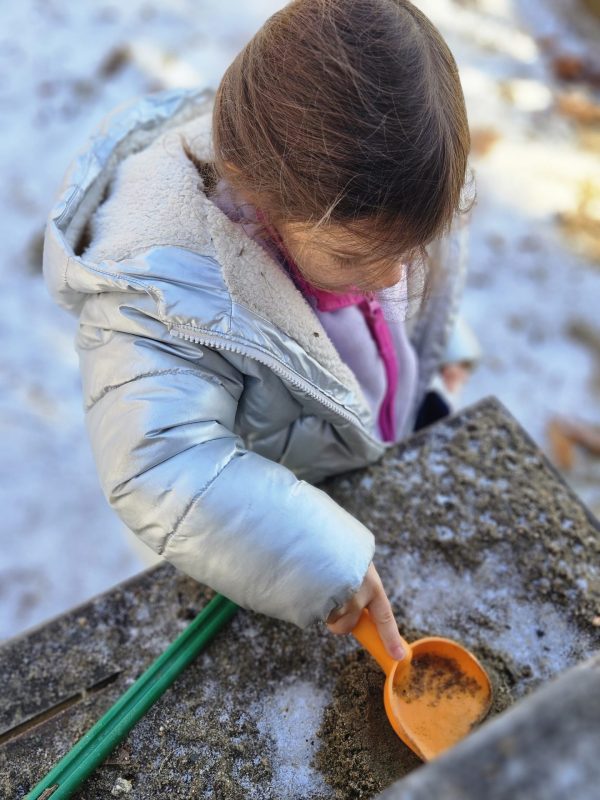
The sandbox had a light layer of snow covering it like a blanket. The toddlers spent time brushing the snow aside and happily rediscovering the sand underneath. Their excitement and wonder made the chilly morning so much fun.

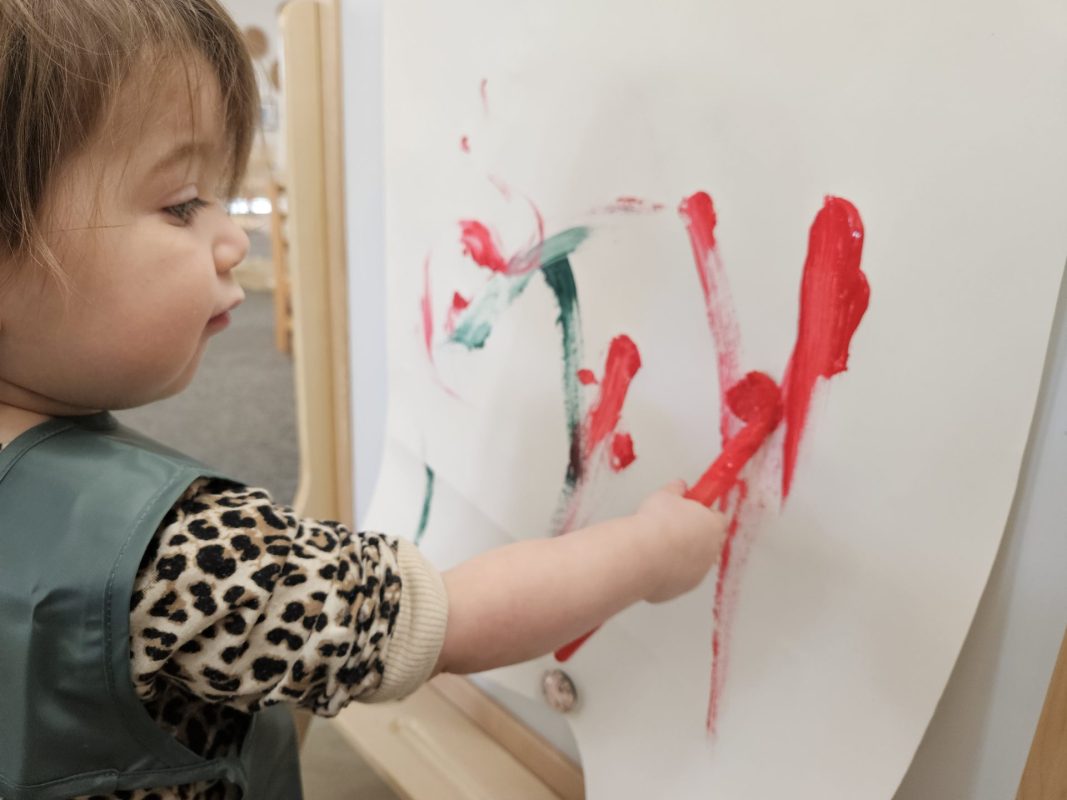
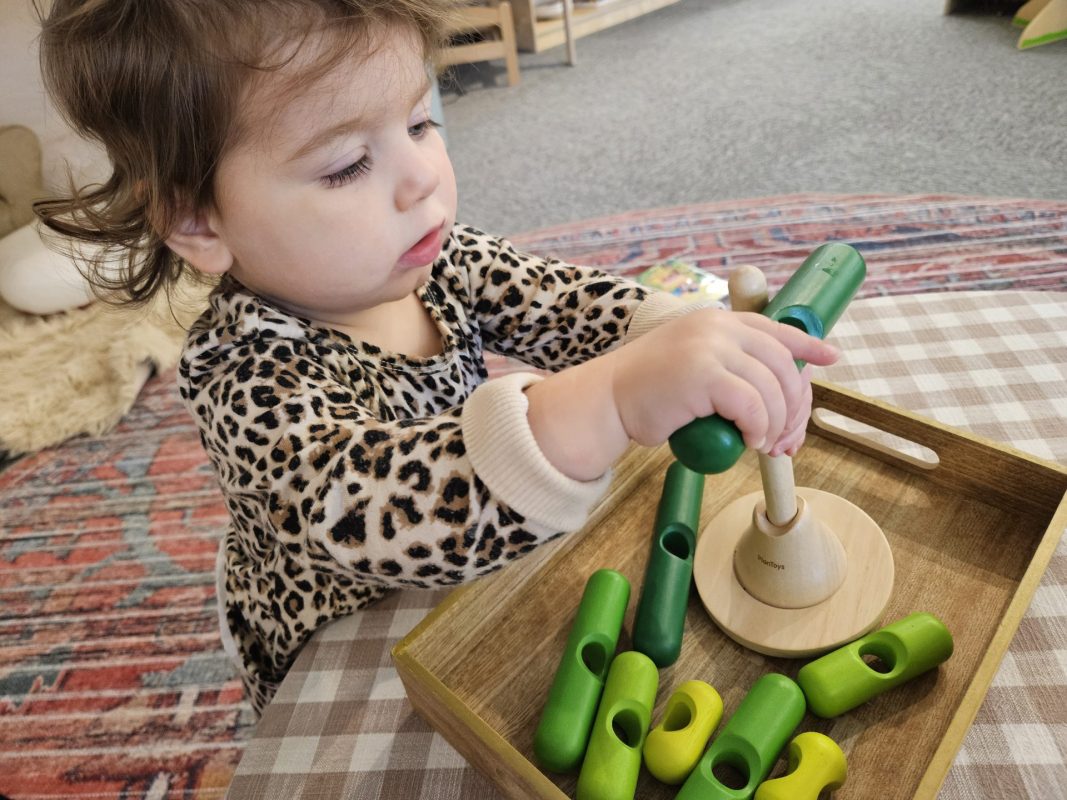
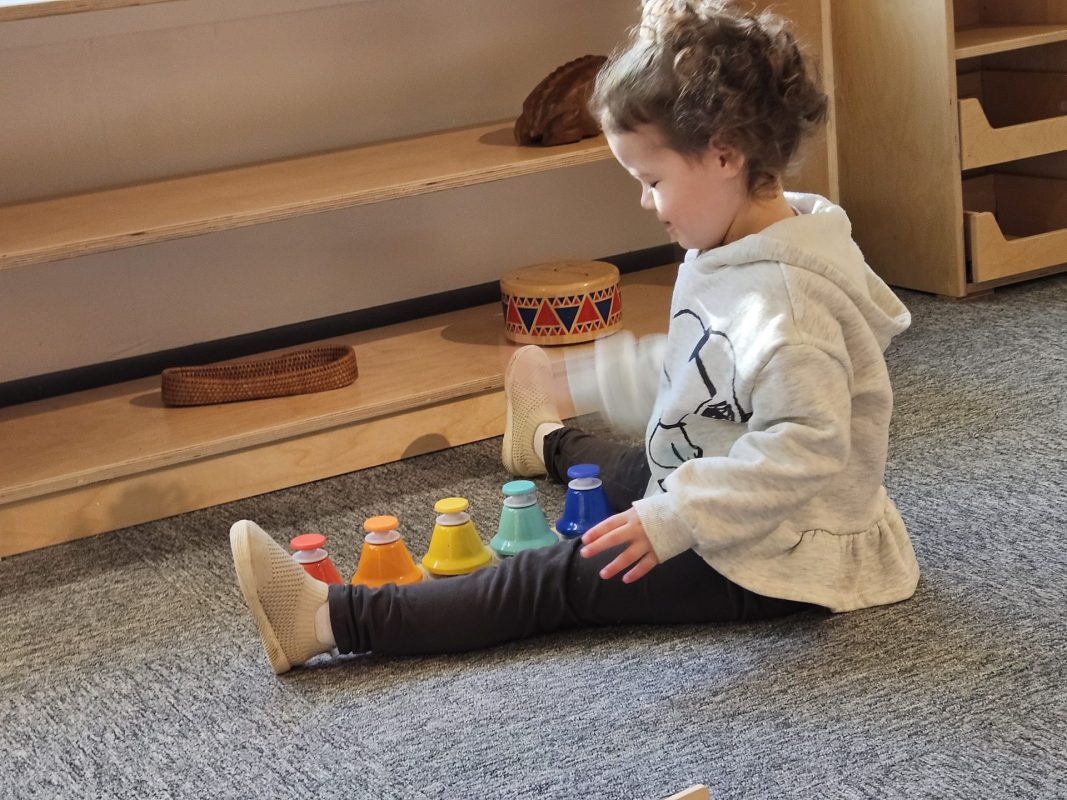
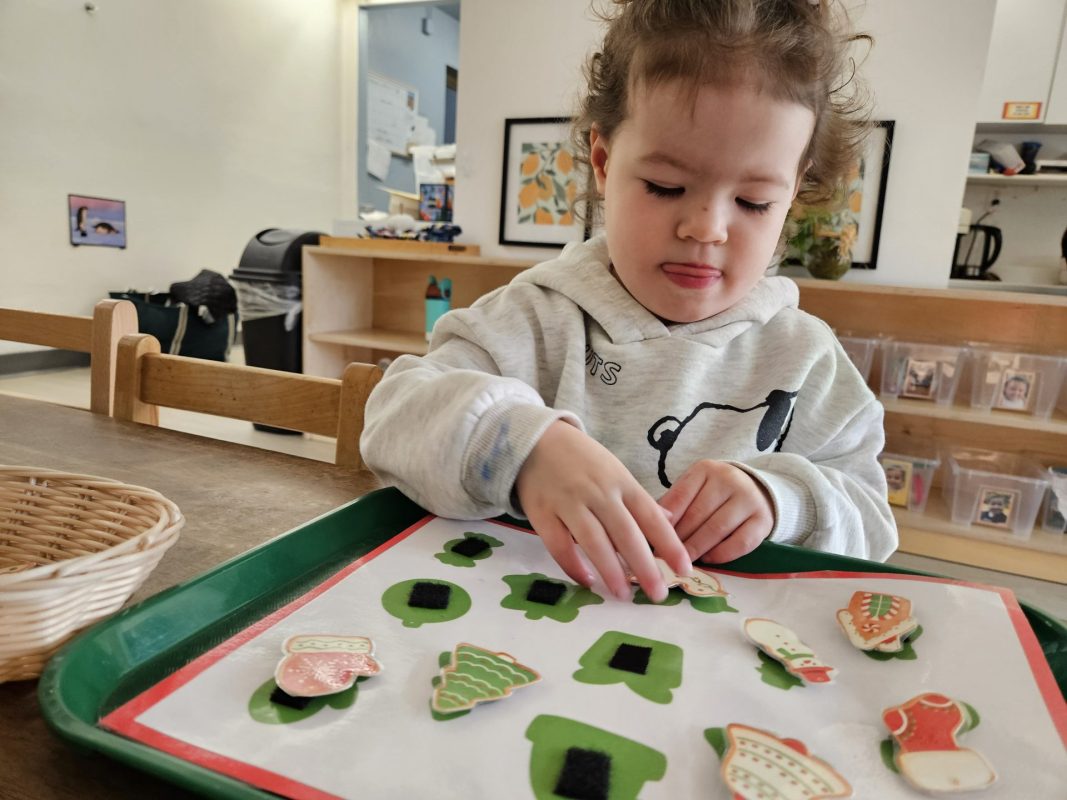
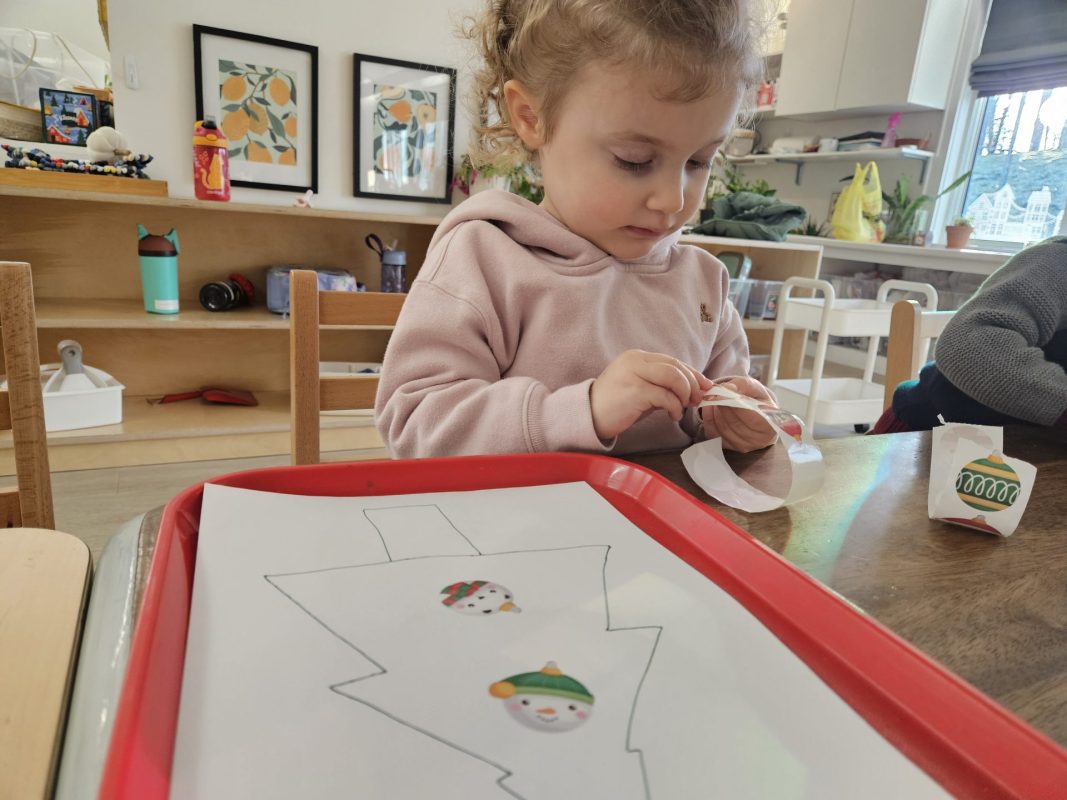
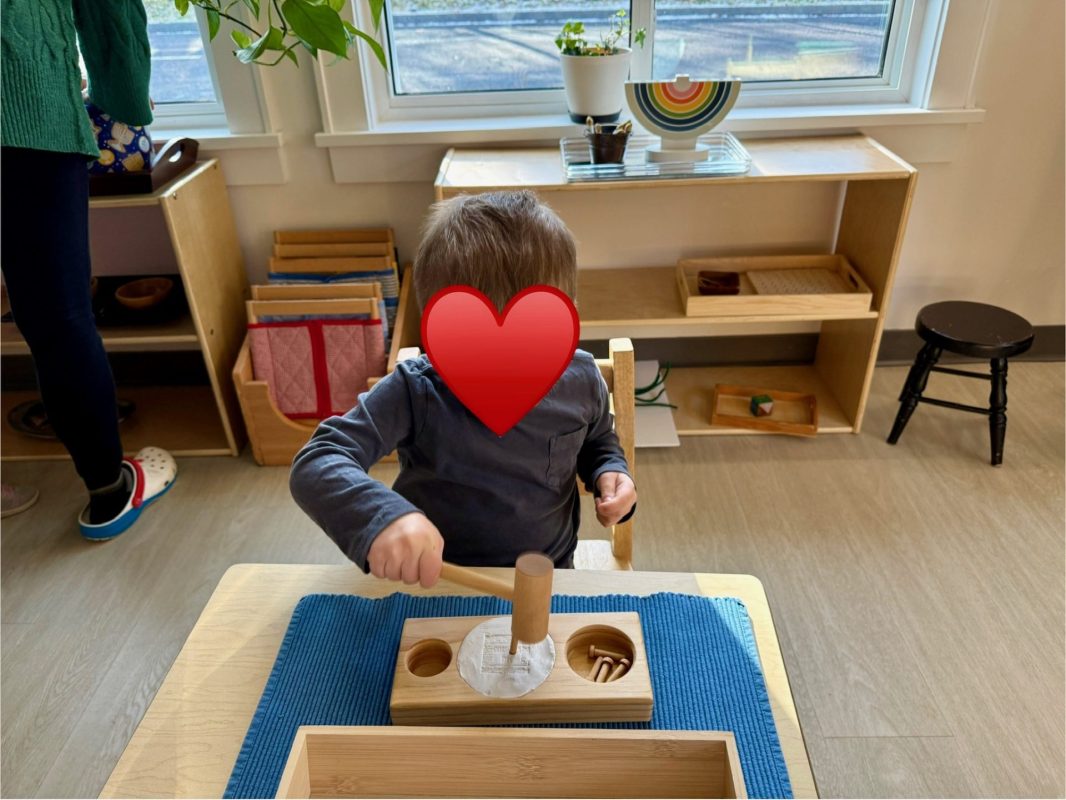
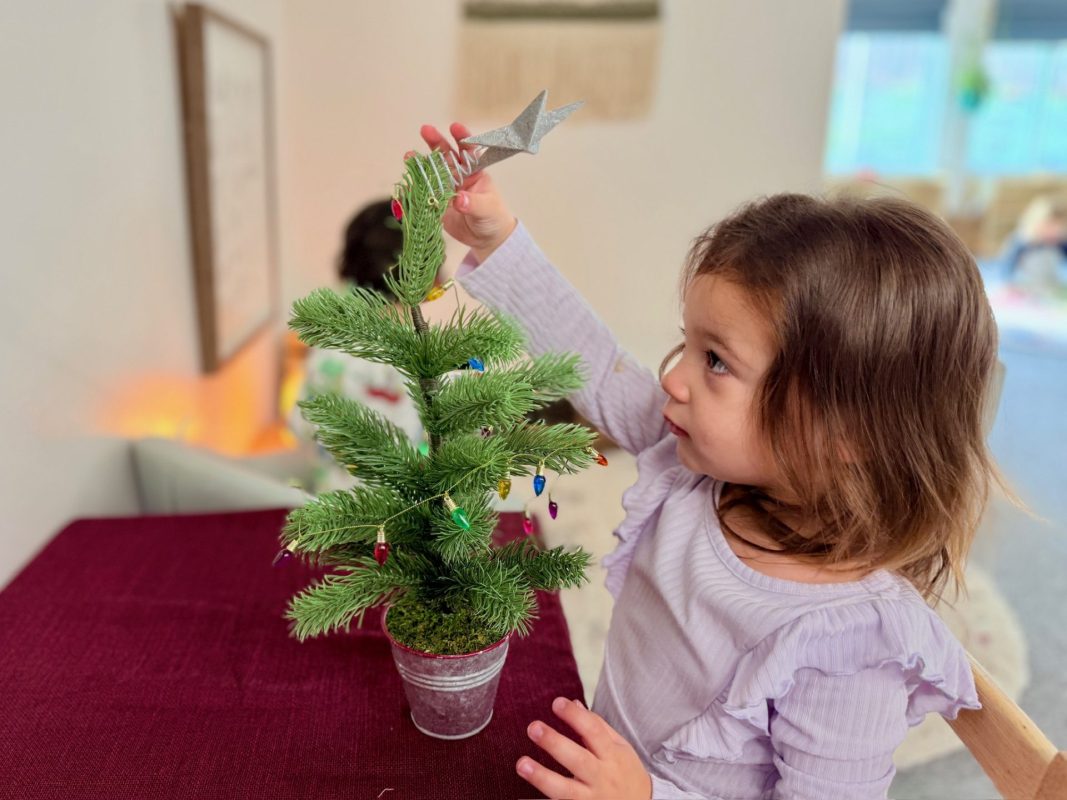
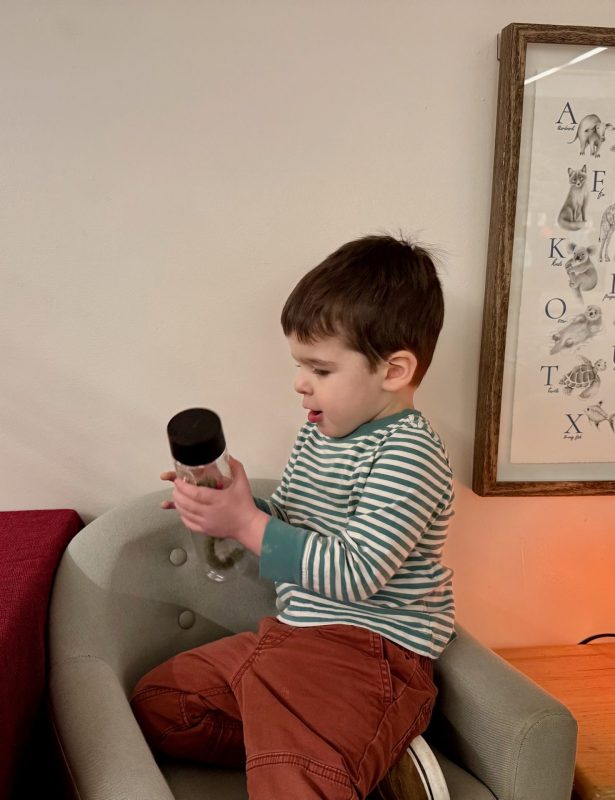
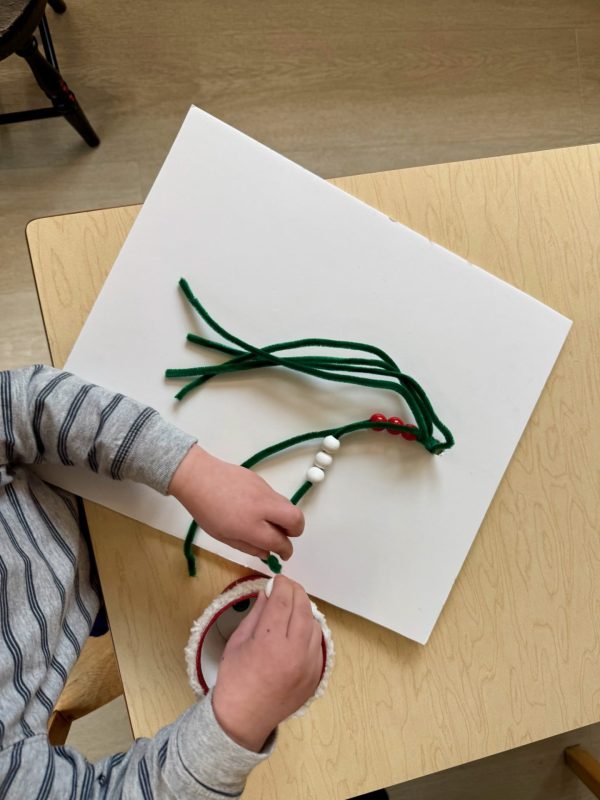
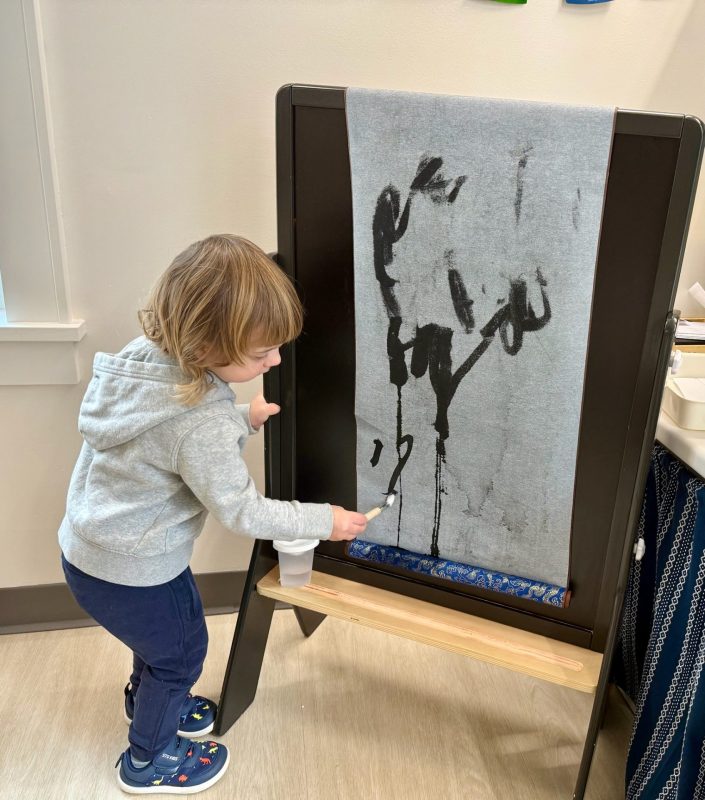
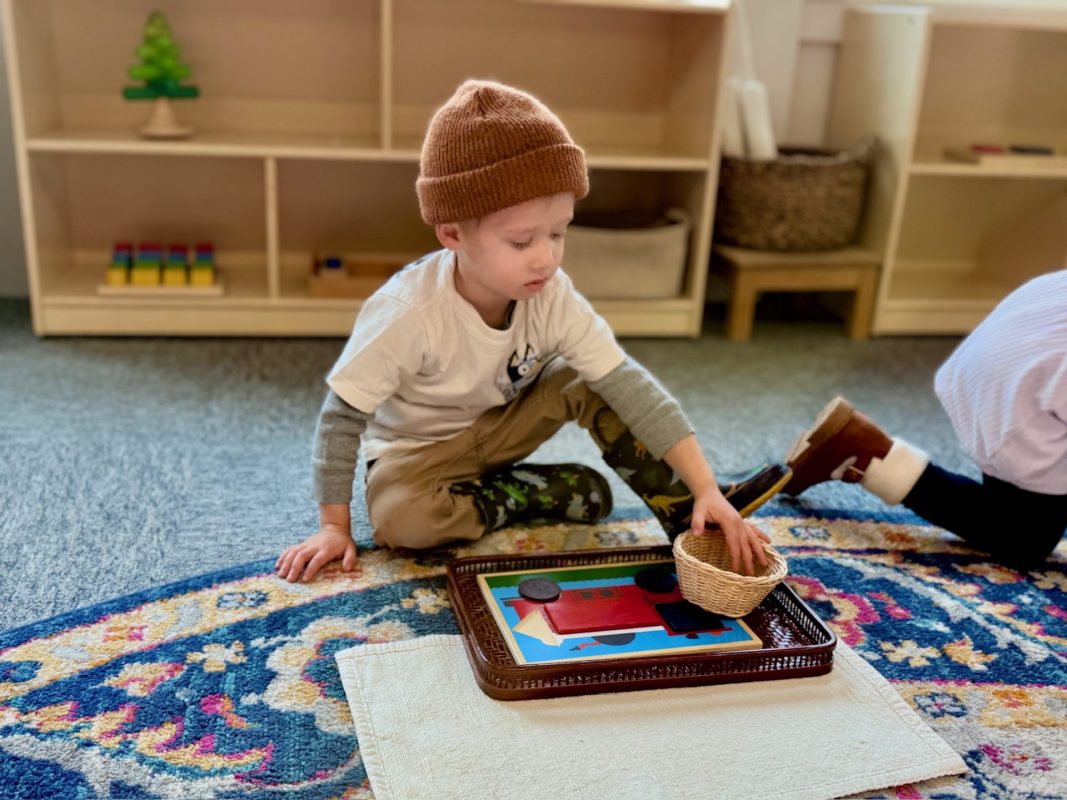
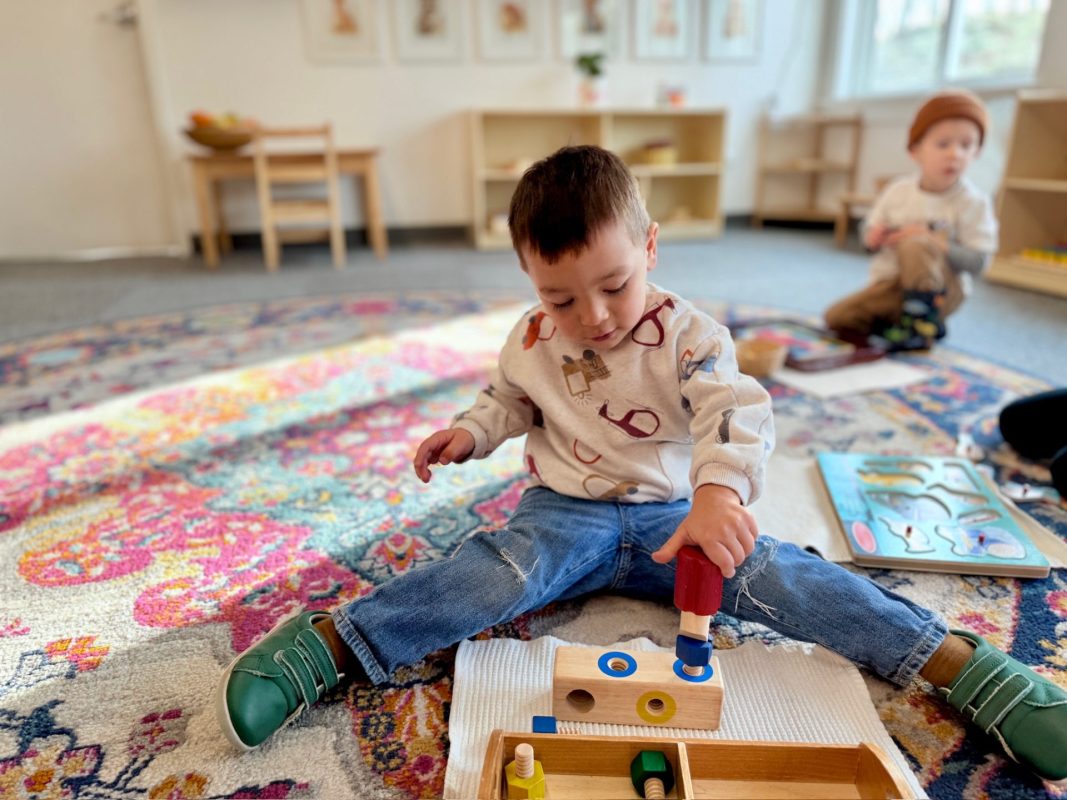
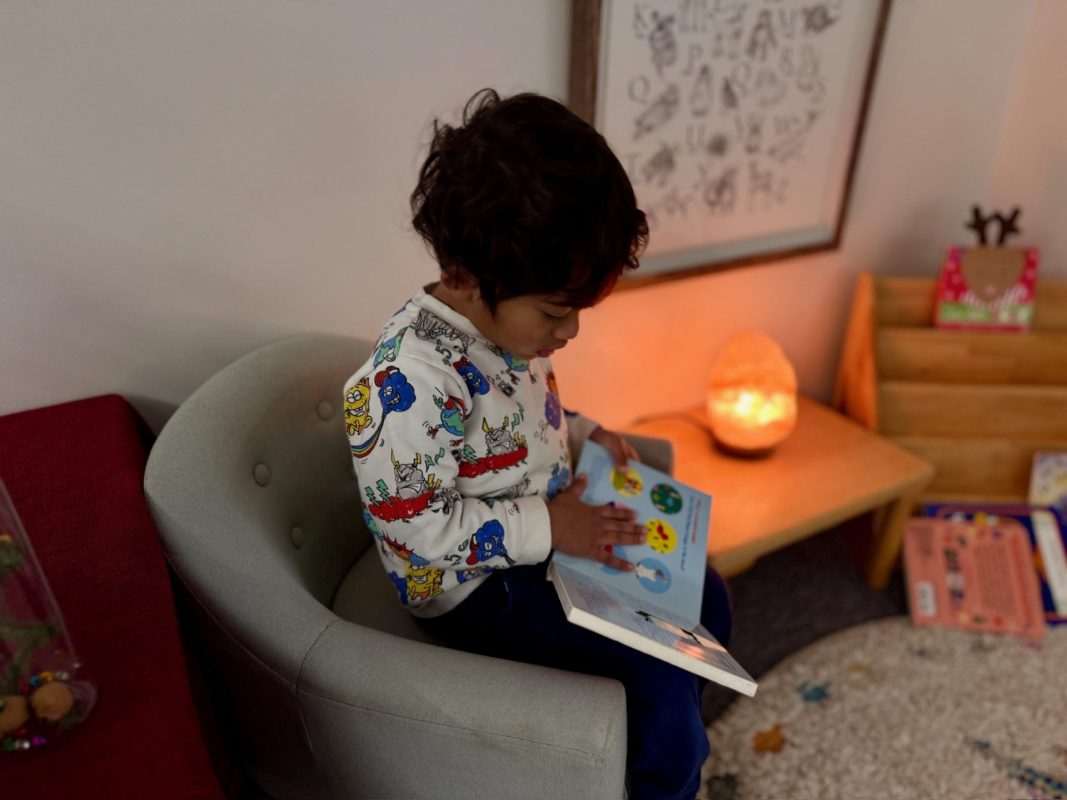
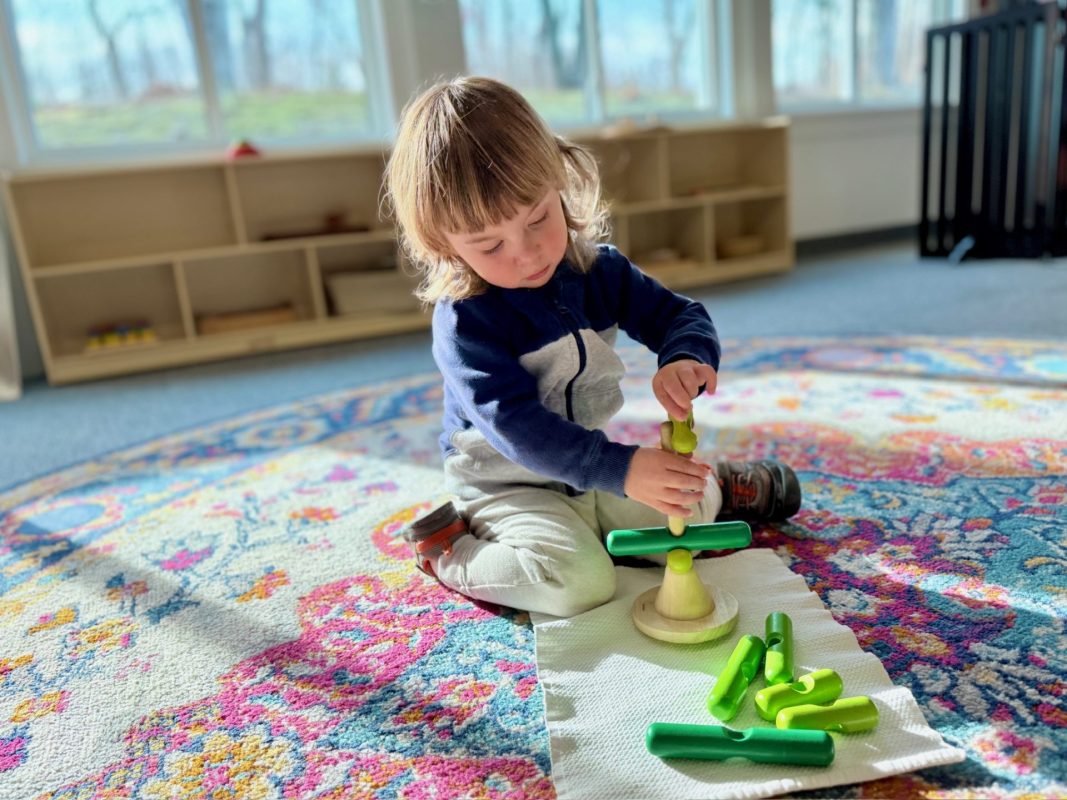
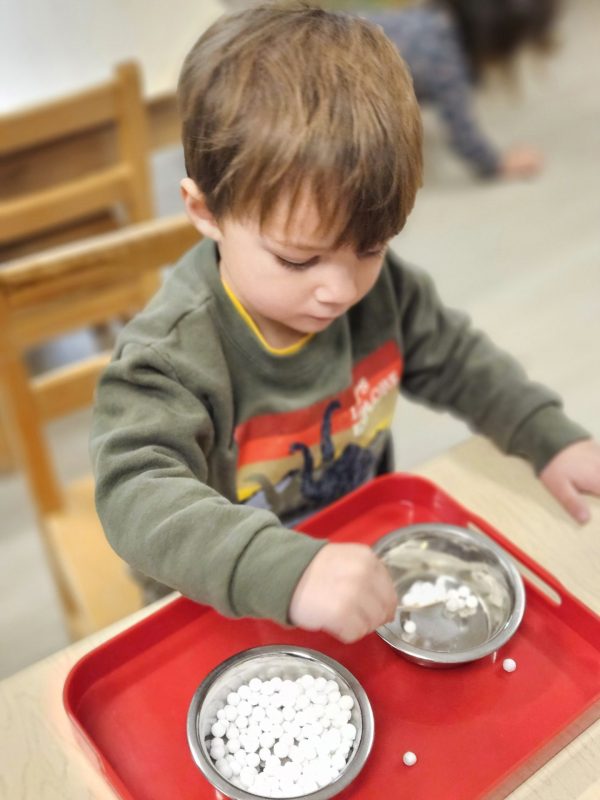
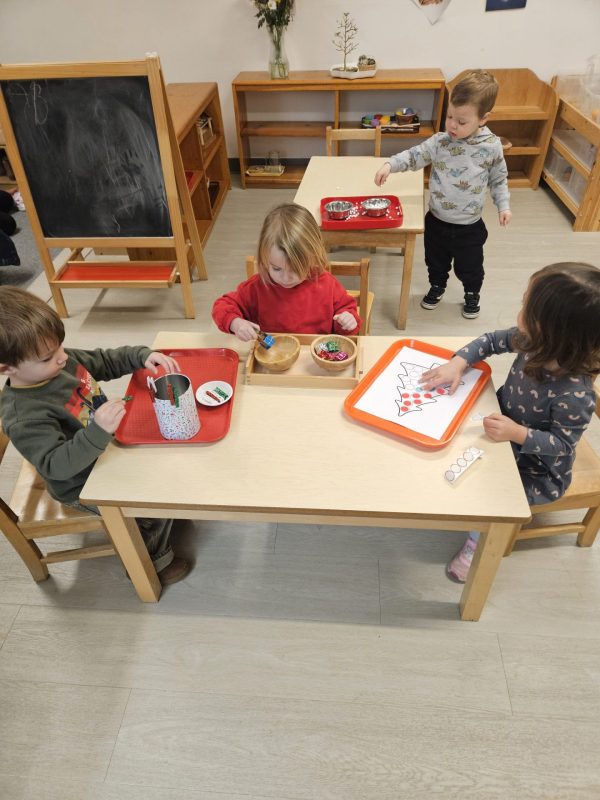
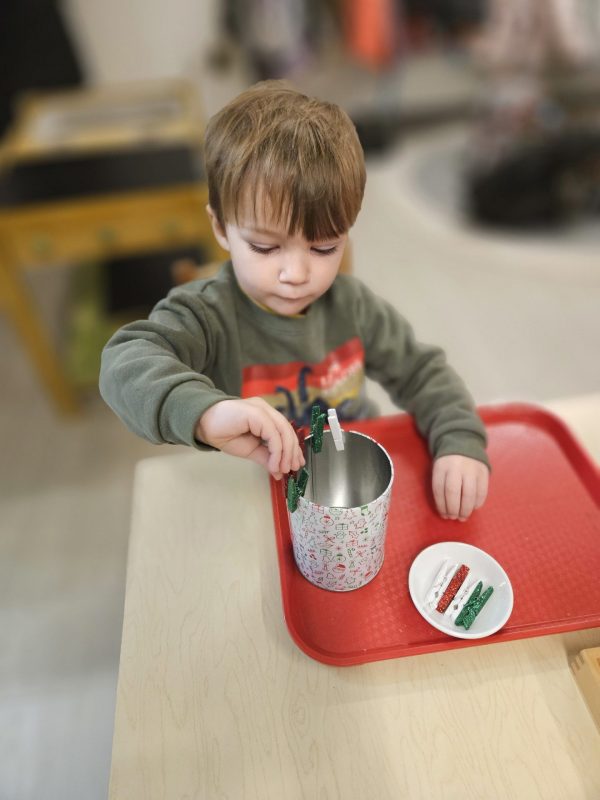
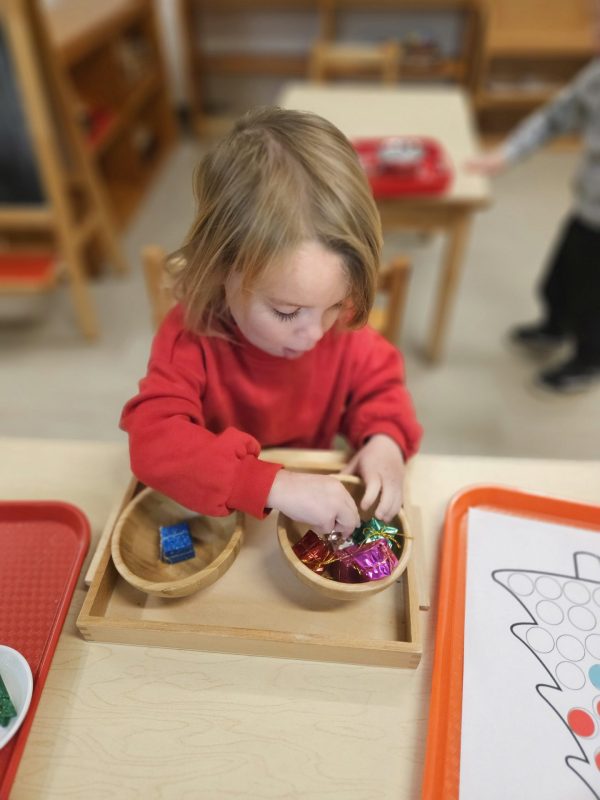
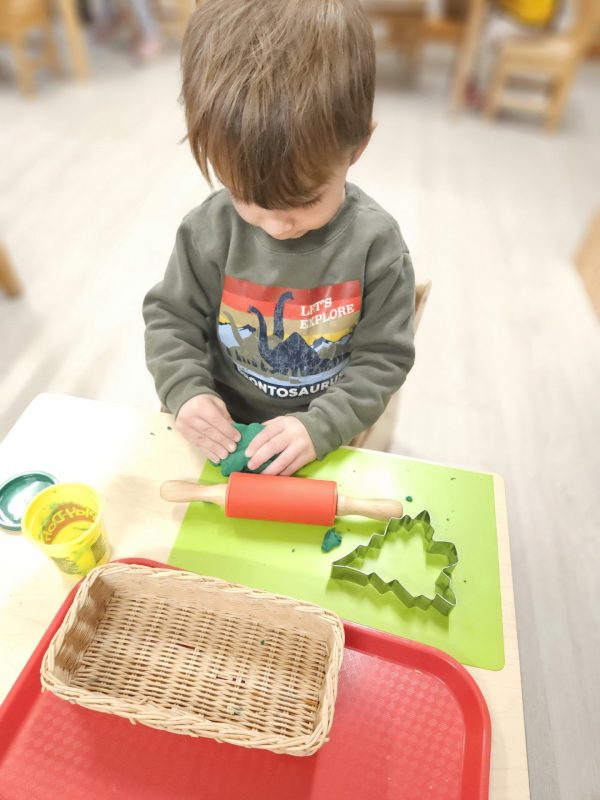
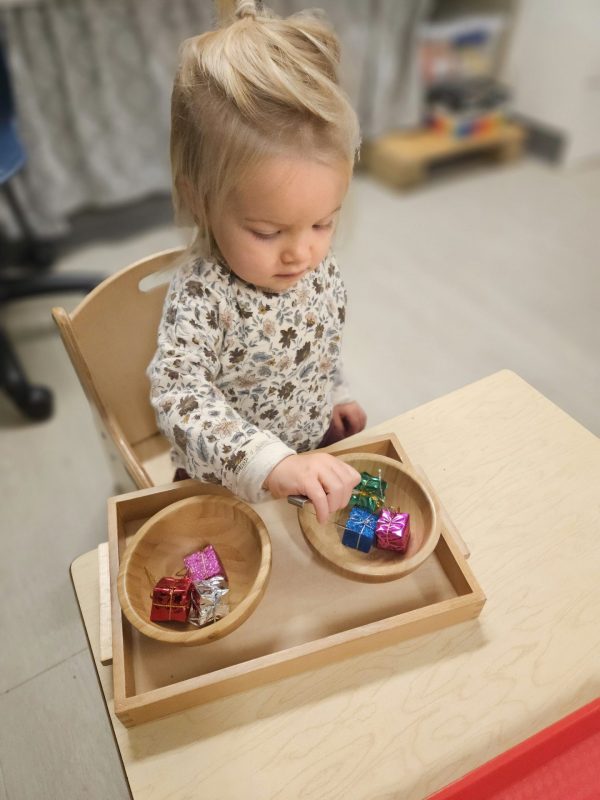
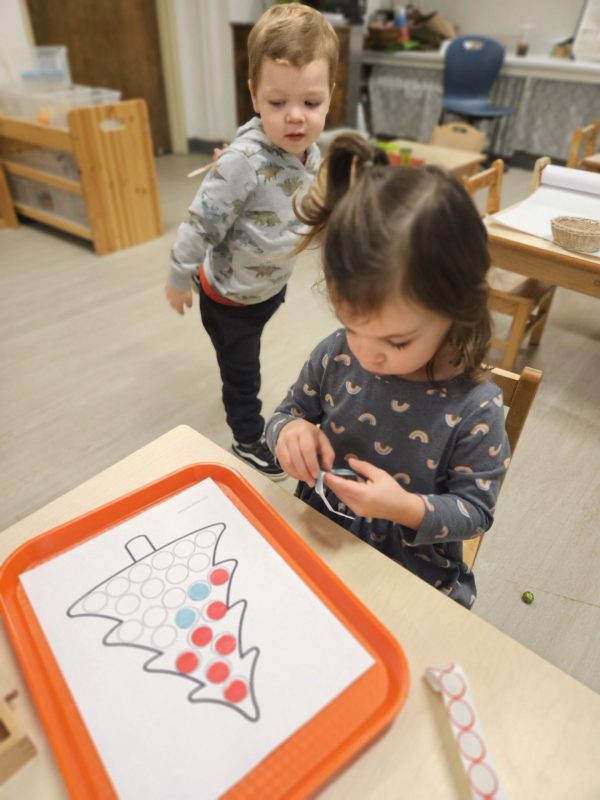
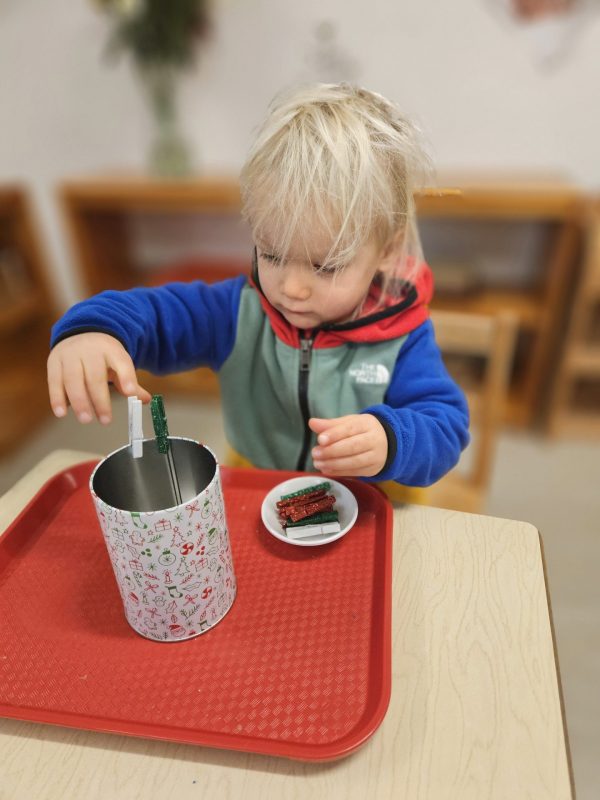
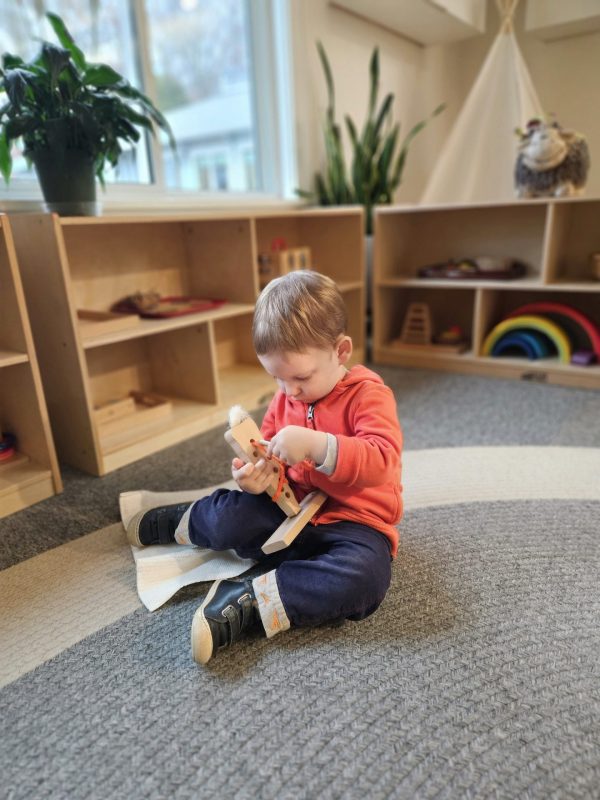
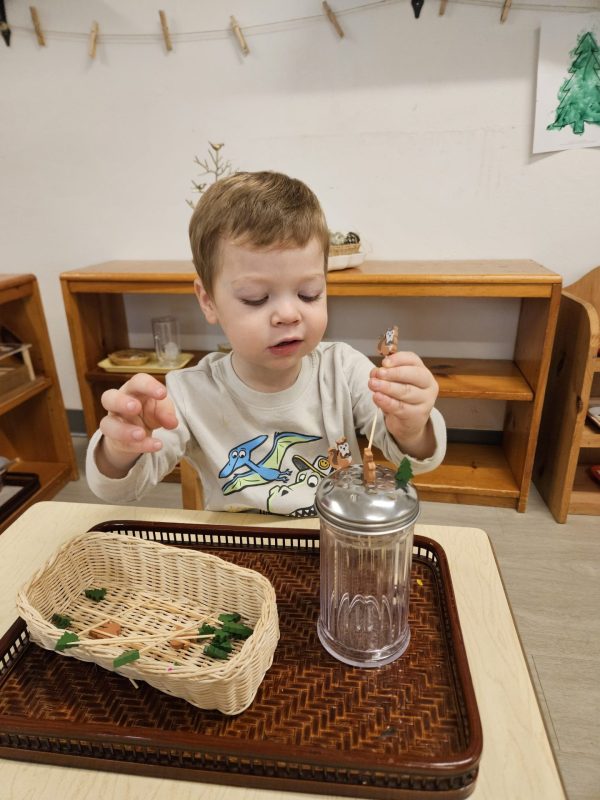
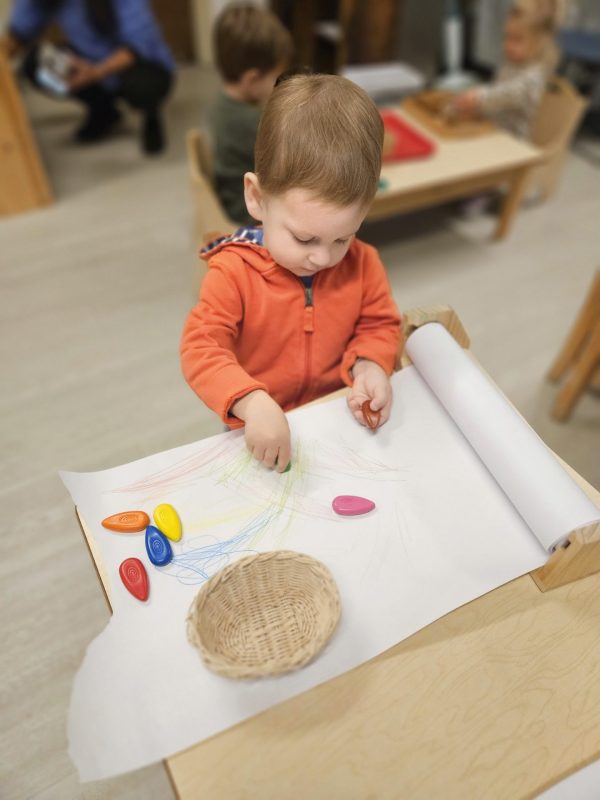
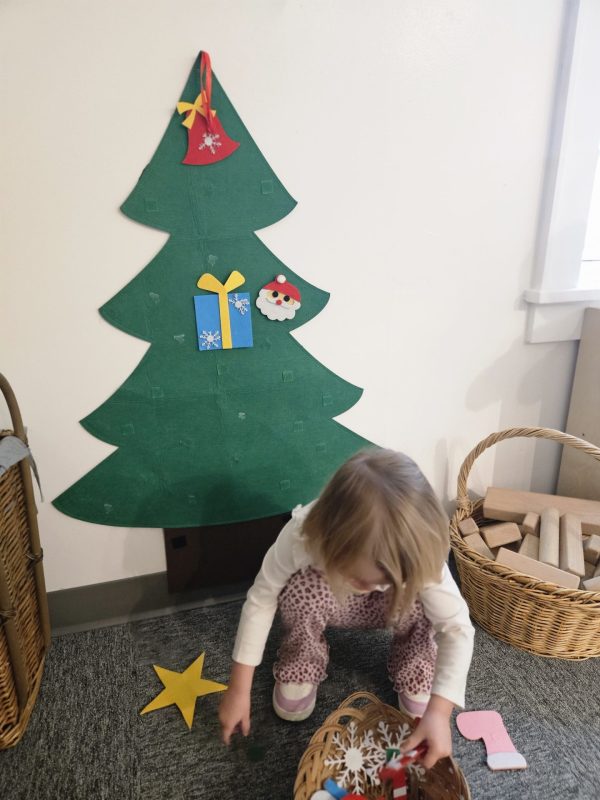
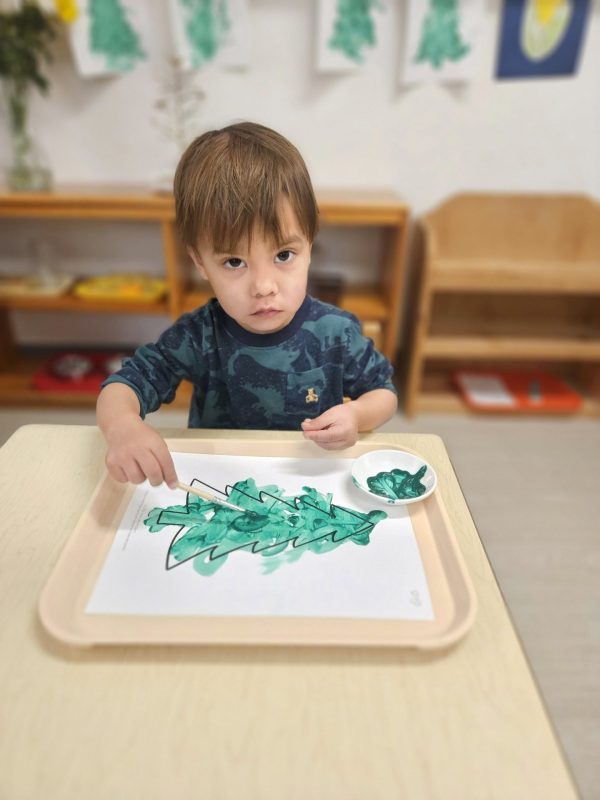
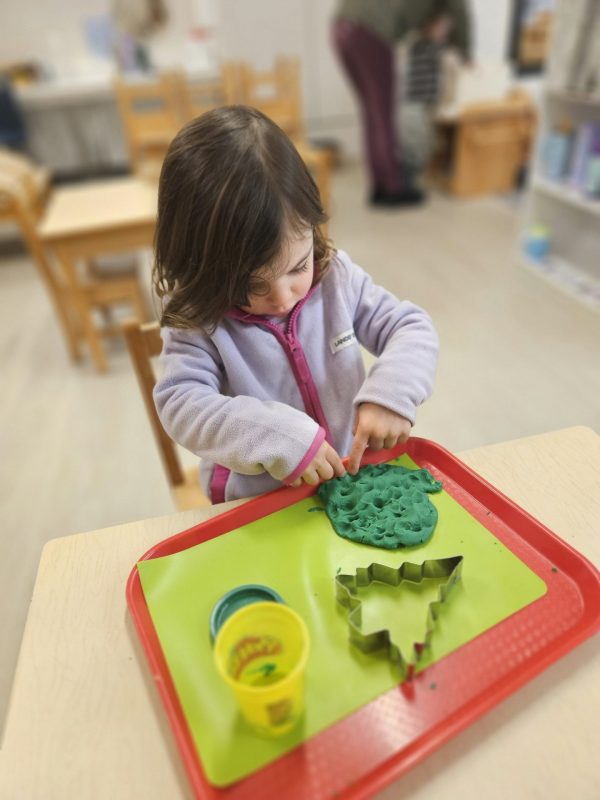
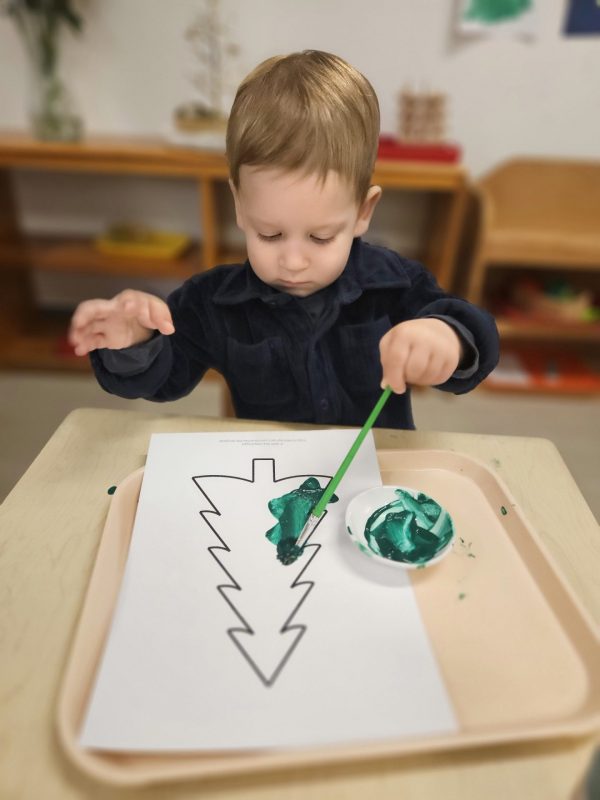
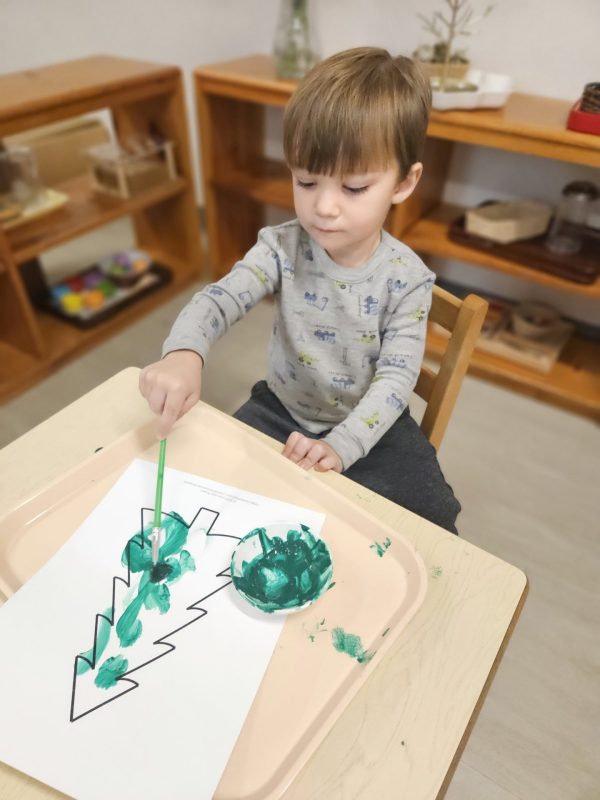
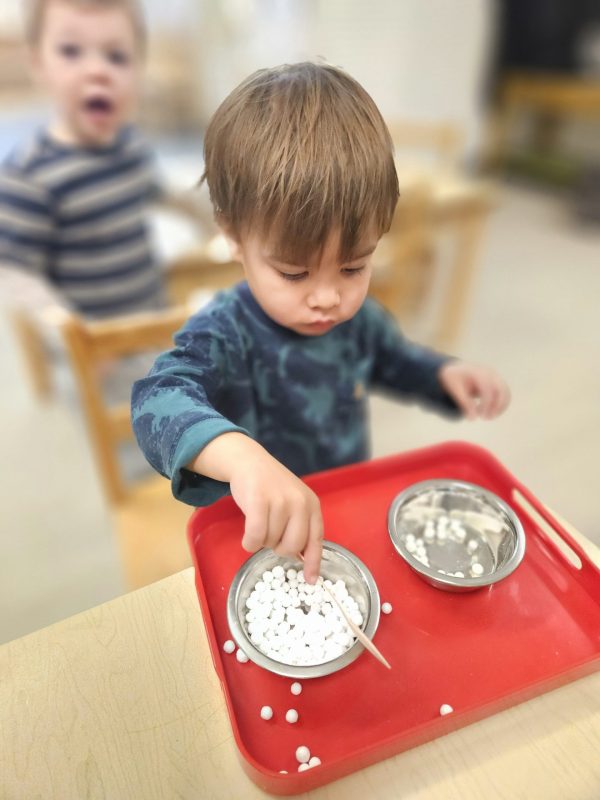
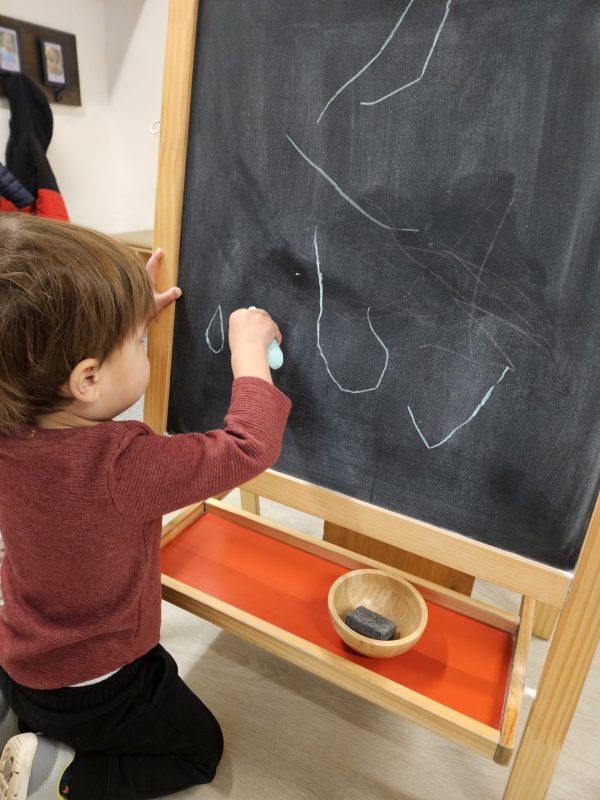
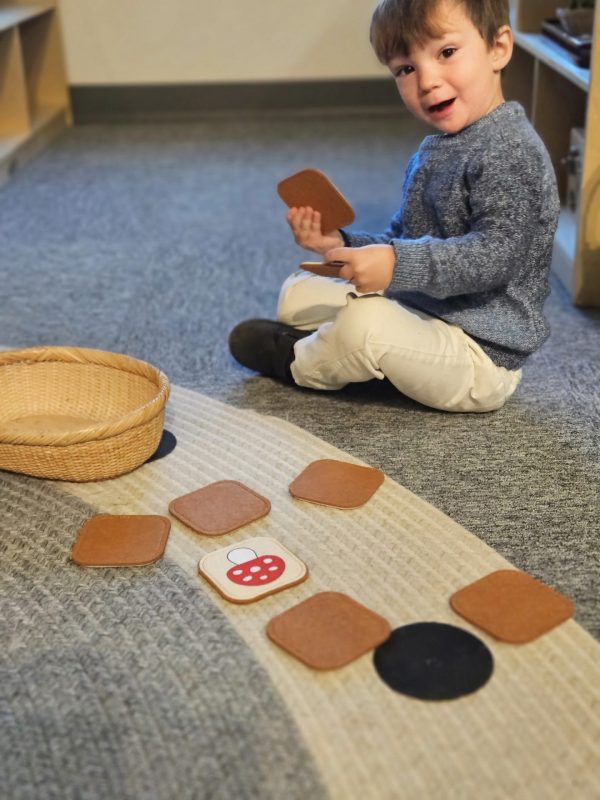
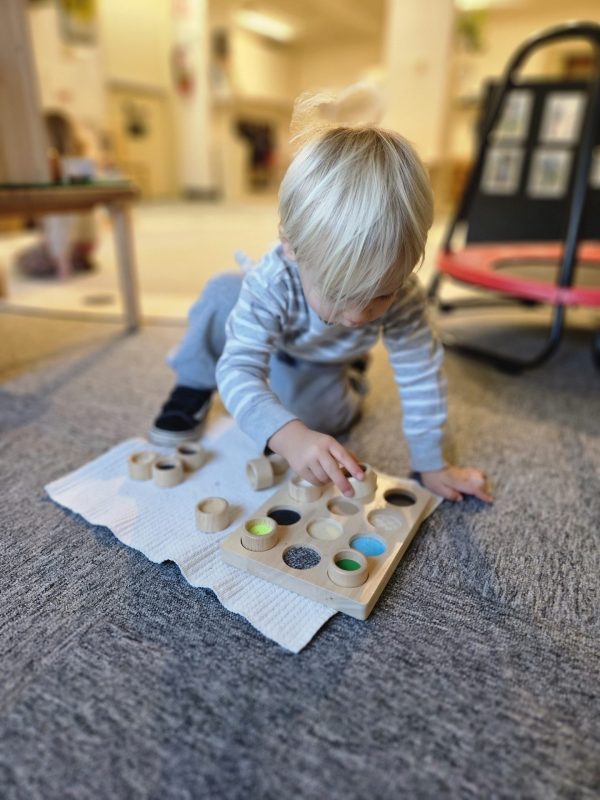
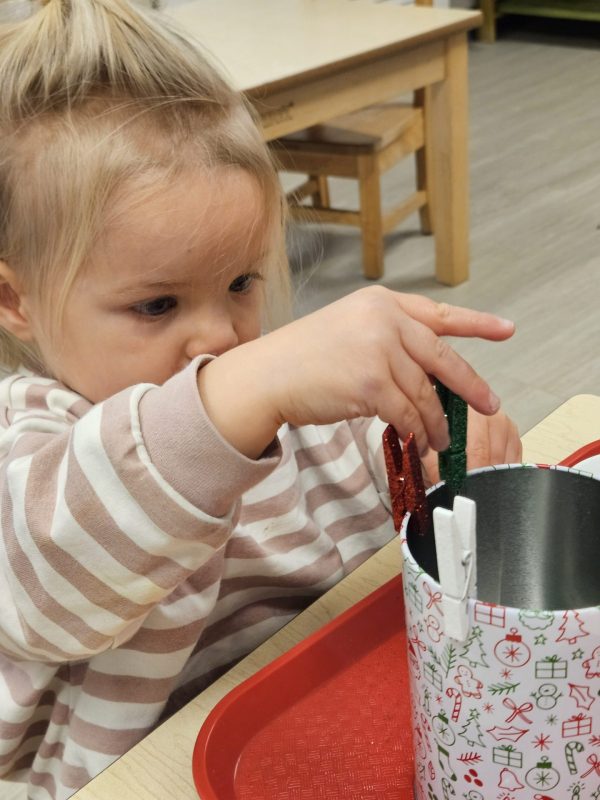
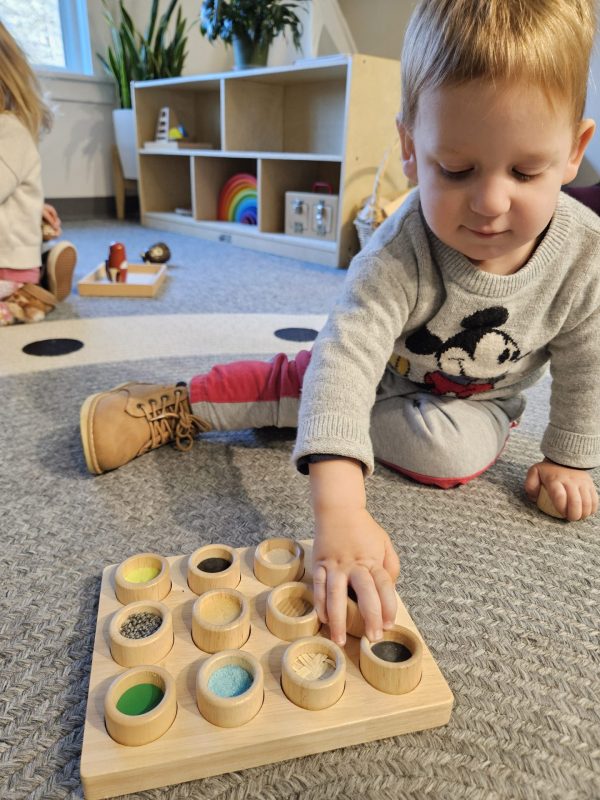
Inside the classroom, we welcomed December by introducing new Christmas and winter-themed activities. The children have been exploring these materials with so much joy and focus as we continue moving into the holiday season.

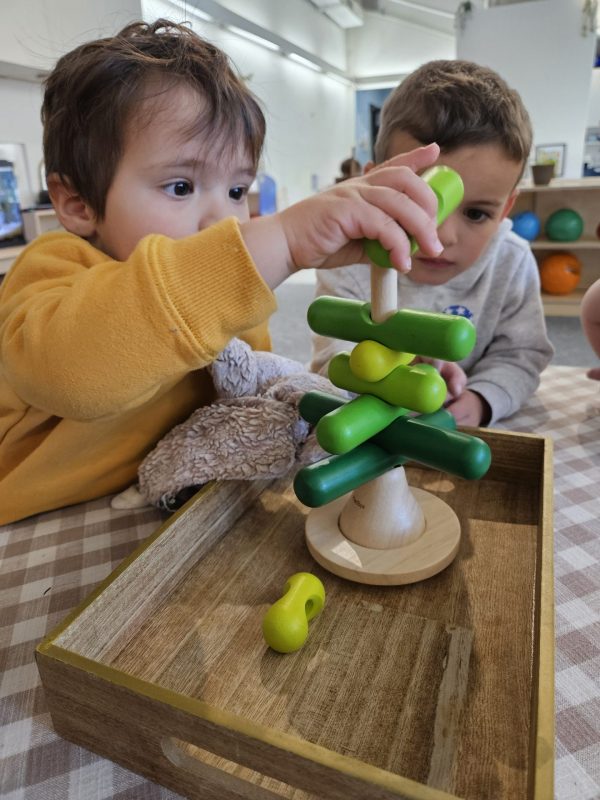
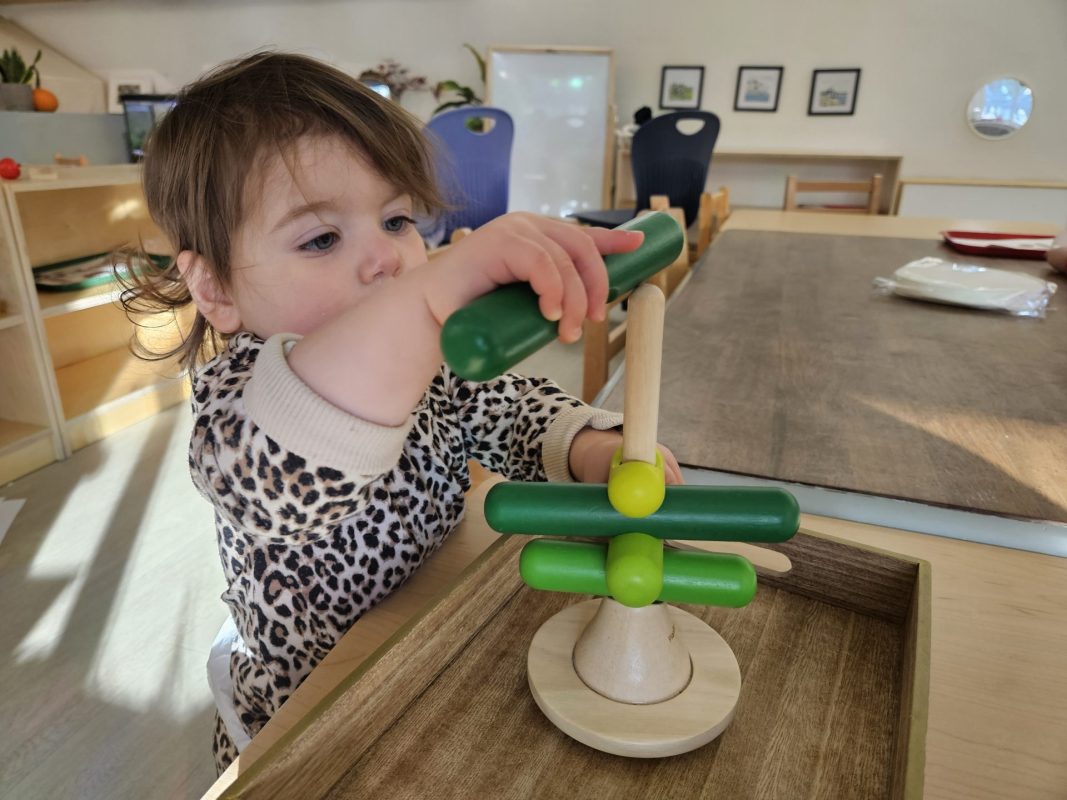
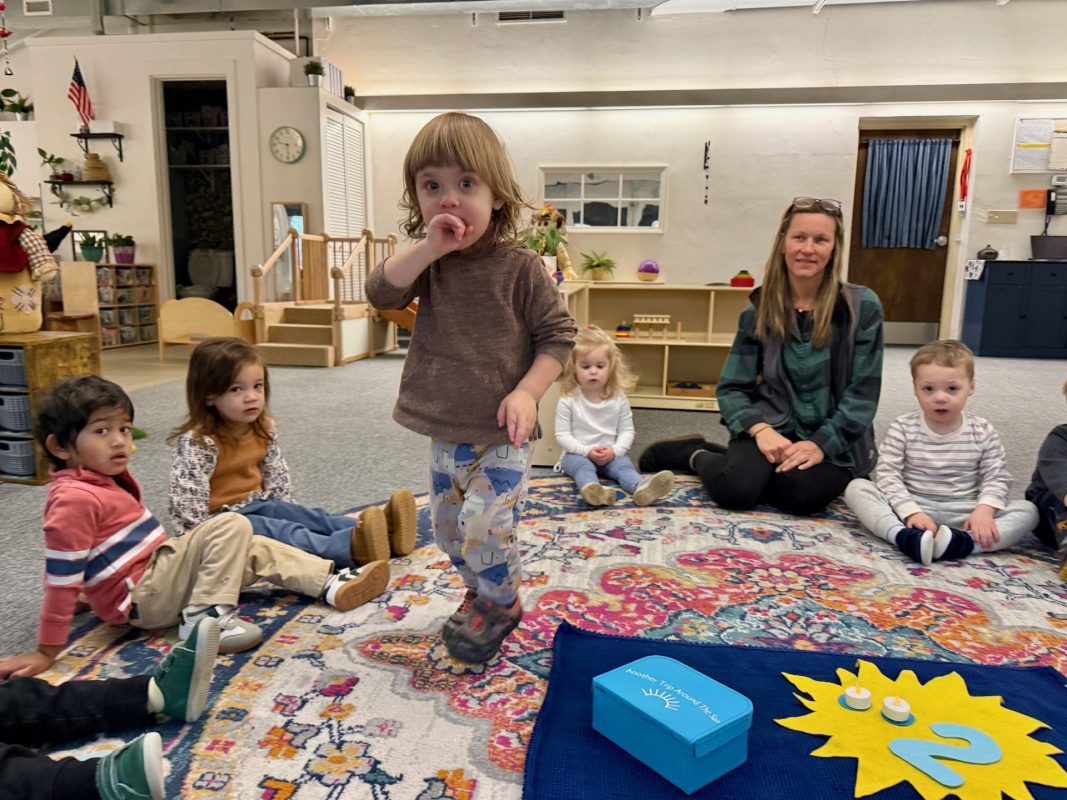
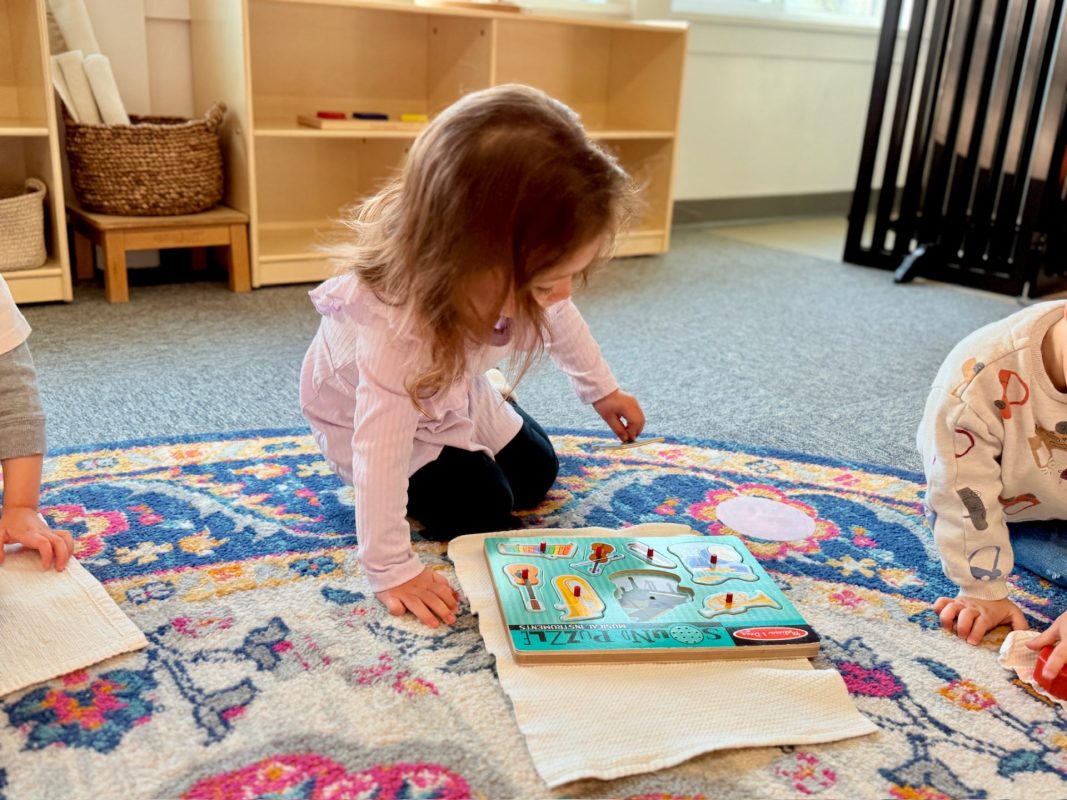
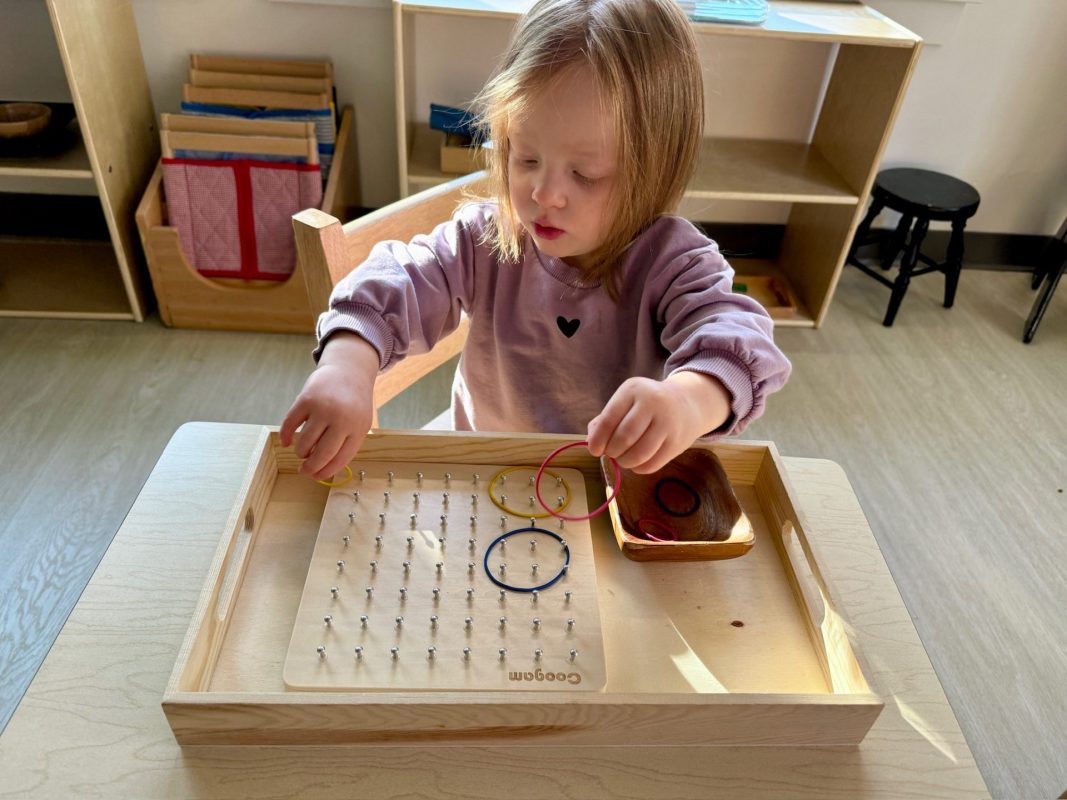
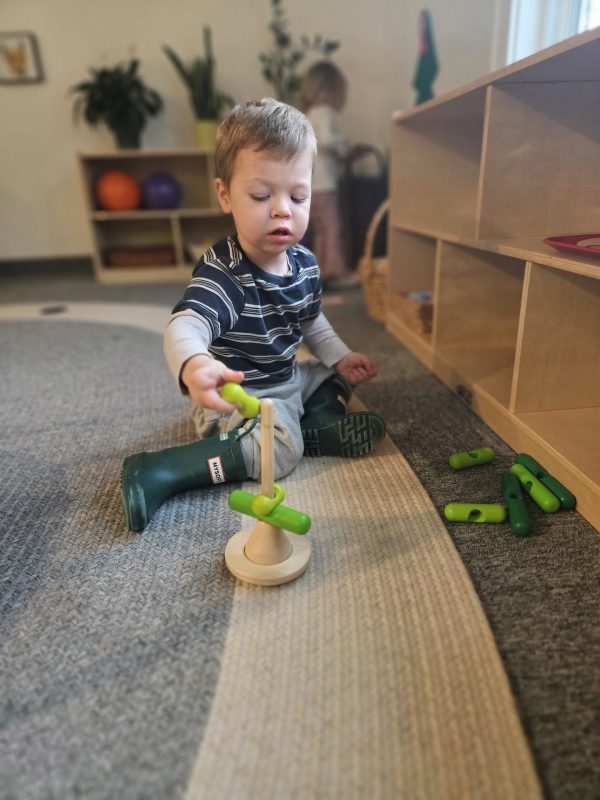
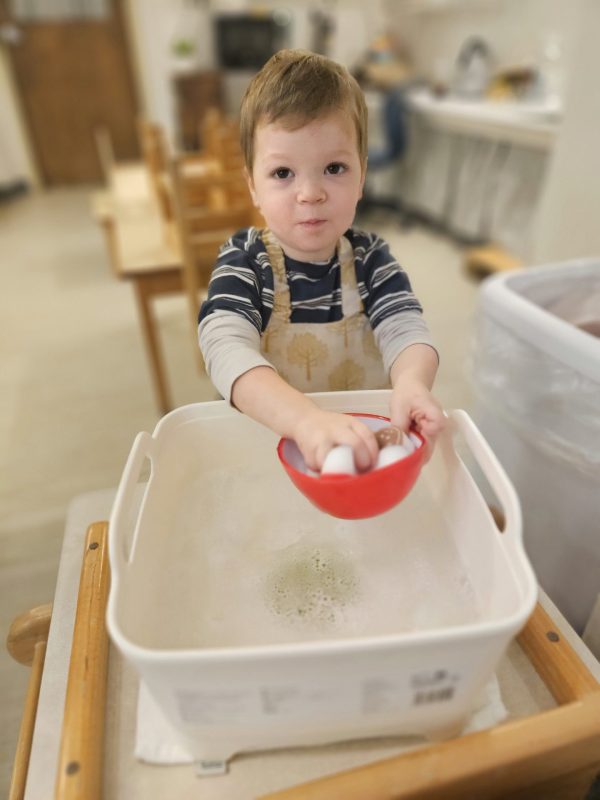
It’s been a week full of discovery, sensory experiences, and winter magic. We can’t wait for all the learning and joy this month will bring! Enjoy all the pictures!

Reminders:

  • Please send in extra warm pants and sweatshirts to keep in their bin. Playing outside and getting wet and muddy requires a change of clothes. Lightweight leggings and pants are not enough for these cold temps.

This Week in Upper El

What an exciting week we’ve had in Upper El! The children were thrilled to learn that this year’s spring musical will be Wonka! The announcement sparked a lot of enthusiasm around our classroom, and the children are already talking about which character they hope to be. It’s going to be a show to remember!

Here are a few learning highlights from this week:

Writing: We learned to use keywords to create outlines, and then used those words to create an organized structure for a summary, paragraph, or report.

Geometry:

  • Fourth-years learned about the equivalence of a trapezoid to a rectangle.
  • Fifth-years worked on finding the area of a polygon by comparing it to an equivalent rectangle.

Biology: Our latest lesson on the vital functions of animals focused on circulation. We discussed the differences between incomplete and complete, open and closed, circulatory systems, and the children asked thoughtful questions that made the lesson even better.

Grammar:

  • Fourth-years reviewed the different types of adjectives and learned to put them in descriptive or limiting categories. They also learned about comparative and superlative adjectives.
  • Fifth-years learned about the future progressive tense, which conveys information about an action or event that occurs over time in the future.

Looking ahead:

  • Thursday, December 11 – We’ll be making sandwiches for the St. Vincent DePaul Mission in Waterbury. Thank you to all who are contributing ingredients, kindness, and helpfulness to serve our local community!
  • Wednesday, December 17 – December Birthday Breakfast! I’m looking forward to celebrating all our December birthdays together right after drop off at 8:30.
  • Thursday, December 18 – Class Holiday Party and exchanging of “Secret Pudding” gifts.

Teaching Children Responsibility: A Montessori Parent’s Guide

Both of my children were frequent flyers to the Lost & Found during their Montessori years. There were jackets left on the playground, water bottles forgotten in cubbies, and lunch boxes that mysteriously vanished only to reappear days later as unintentional science experiments. I remember the frustration of buying yet another pair of mittens or labeling the third water bottle that month. There were days I was tempted just to pack everything myself to avoid the dreaded “Mom, I forgot my …” 

But here’s the thing I’ve learned from two decades of being a mom and working with children—the struggle is actually the work. The forgetting is part of the learning.

When both of our children left for college this past fall—our daughter to her first apartment and our son to his first college dorm room—we watched them pack for themselves, organize their spaces, and navigate new environments without much input from either of us. Seeing them head off with such confidence and capability, I thought back to our Lost & Found days and realized that each lost mitten was really independence found.

How Montessori Education Teaches Children Responsibility and Independence

Here’s the perspective shift I experienced when we enrolled our daughter in Montessori at age three. In Montessori education, adults intentionally step back. They don’t panic when kids lose things (or drop things, or spill things, or break things) and they don’t rush in to fix it. They intentionally let children experience the natural consequences of forgetting (or dropping, or spilling, or breaking.)

Recent research from Yale University confirms what Montessori educators have understood for over a century. When children struggle, problem-solve, and yes, even forget their belongings, they’re building the neural pathways and executive function skills that will serve them throughout their lives. “When an adult steps in and completes a task for a young child, it can deprive the child of an opportunity to learn how to complete the task by themselves, which potentially harms their ability to develop self-efficacy, autonomy, and other important life skills’ Shachnai et al., 2024, Child Development).

Children need room to figure things out on their own without intervention from adults. Peer learning creates a culture of responsibility that adult reminders simply cannot replicate. Learning from someone just a few years older—but someone who clearly has it figured out— can make tasks feel attainable rather than overwhelming. 

What You Can Do to Support This Growth

Create simple systems at home that set your child up for success. A designated spot for shoes by the door, a hook at their height for backpacks, a basket for hats and mittens. When you’re heading out, resist that powerful urge to gather everything for them (I know, I know—it’s so much faster!). Instead, ask, “What do you need to bring today?” and give them time to collect their items. 

Yes, they might forget something. That’s okay. Really. 

Natural consequences are powerful teaching tools. When your child forgets their water bottle and gets thirsty at the playground, they learn why bringing it matters. When they leave their coat in the car and feel chilly, they remember next time. These aren’t punishments—they’re information. The child’s discomfort is minor, their insight immediate, and the correction comes from within. Natural consequences teach far more effectively than any reminder ever could, because children experience the direct result of their choice. Your job isn’t to rescue them from every forgotten item; it’s to let them learn from the experience and help them think through what they’ll do differently next time. 

Doing things for your child may be what’s best for you—it saves time, prevents frustration, gets you out the door faster—but it’s not always what’s best for your child. Every time we step in to fix, rescue, or manage for them, we’re sending a subtle message: “I don’t trust you to handle this.” That’s not the message any of us wants to send, yet it’s so easy to fall into that pattern when we’re rushed or stressed. 

When something gets left behind, take a breath and treat it as the learning opportunity it is. “Your water bottle is still at school. What can we do differently tomorrow to help you remember it?” This kind of coaching builds the internal checklist they’ll use for the rest of their lives—from their cubbies to college dorm rooms to their first apartments.

We know from neuroscience that practice and repetition are how we form habits. It’s not exciting, it’s not always convenient, and some days it feels downright tedious. But this is the work. This is how children learn to trust their own capabilities. Will they forget things? Absolutely. Will you have to have the same conversation fifty times? Probably. But each repetition is building neural pathways, strengthening memory, and creating those automatic routines that eventually become second nature. It’s difficult—I won’t pretend otherwise. But real experience is what children need in order to develop the skills of independence and self-sufficiency. 

Winter: When Lost Items Multiply

As we approach the winter months, the volume of lost items is about to multiply exponentially. Hats, mittens, scarves, snow pants, boots, extra layers—perfect conditions for all new science experiments. Here are some specific tips to help you get through the season while supporting your child’s independence. 

Label everything. I mean everything. Not just the big-ticket items like coats and boots, but every single hat, every mitten (yes, individually), every scarf. Use a permanent marker, iron-on labels, or those stick-on labels designed for clothing. When your child does lose something—and they will—at least there’s a fighting chance it will find its way back home.

Create a winter gear station at home. Designate one specific spot where all winter items live—a bin, a basket, hooks at their height, whatever works for your space. This gives children a clear target for both putting things away and gathering them before heading out.

Practice the “stop and check” routine. Before leaving any location—school, a friend’s house, the car—pause and do a quick body scan: “Do I have my hat? My mittens? My coat?” This becomes automatic with repetition, but it has to be taught and practiced first.

Keep backup items at school. Yes, this feels like admitting defeat, but it’s actually smart planning. A spare pair of mittens and hat in the cubby means your child can still go outside even when the primary set goes missing. Label these as “backup” so they stay put.

Choose mittens over gloves for younger children. They’re harder to lose (less surface area sticking out of pockets) and easier to put on independently, which means children are more likely to actually use them.

It’s not easy to watch your child struggle with responsibility. Some days you’ll succeed, and some days you’ll cave and pack their bags yourself. But on the best of days, they’ll surprise you by remembering everything without a single prompt. 

Our Lost & Found years were exhausting, and honestly, I’m glad they’re behind me. Did I experience any sort of personal growth out of replacing the same mittens multiple times or scrubbing moldy lunch boxes? Absolutely not. But my children did. They learned to manage themselves through real experience—the messy, imperfect, frustrating kind. And when they left for college this fall, they packed themselves, organized their spaces, and handled their lives independently because they’d been practicing since they were three years old. That capability didn’t come from me doing everything for them. It came from letting them forget, fail, and figure it out.


Middle School: Week in Review

The week started a bit quietly while the 8th-grade class was away for their internships Monday through Wednesday. The Middle School looks forward to hearing about their experiences before Thanksgiving break. The 8th grade is also busy organizing Leadership initiatives of the WIN Thanksgiving Food Drive and Holiday Basket Program, in addition to preparing for their Holiday Fraser WoodShop pop-up at the Winter Showcase!

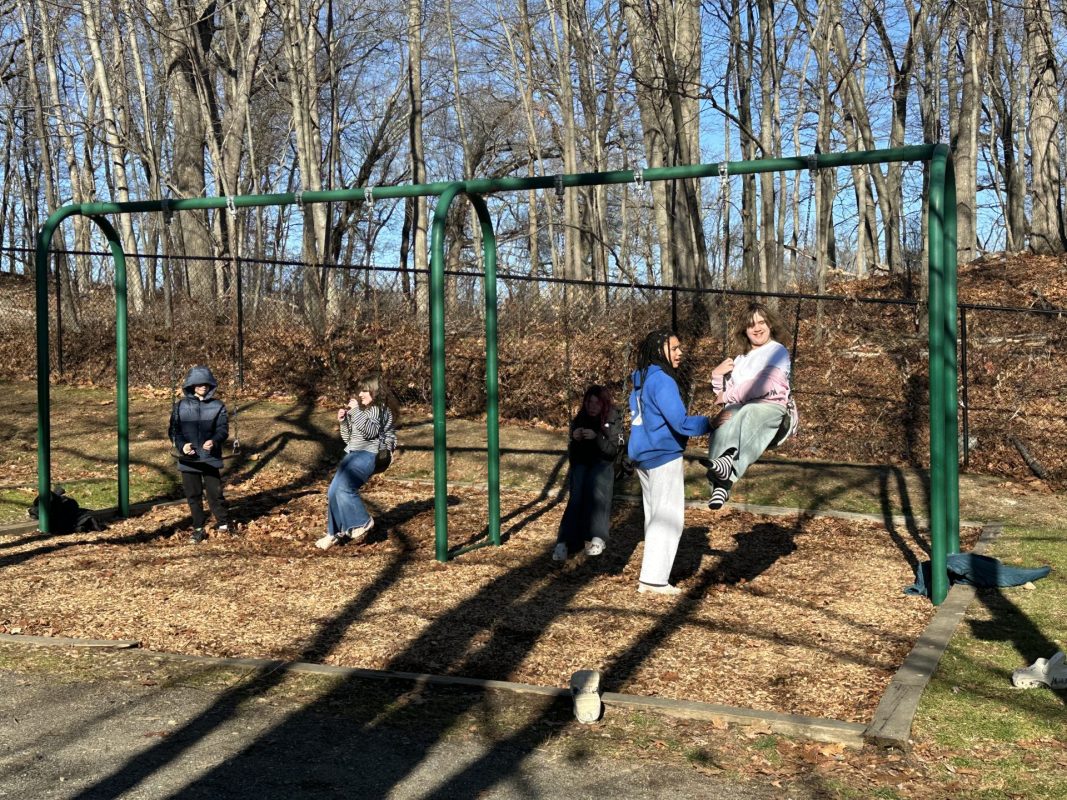
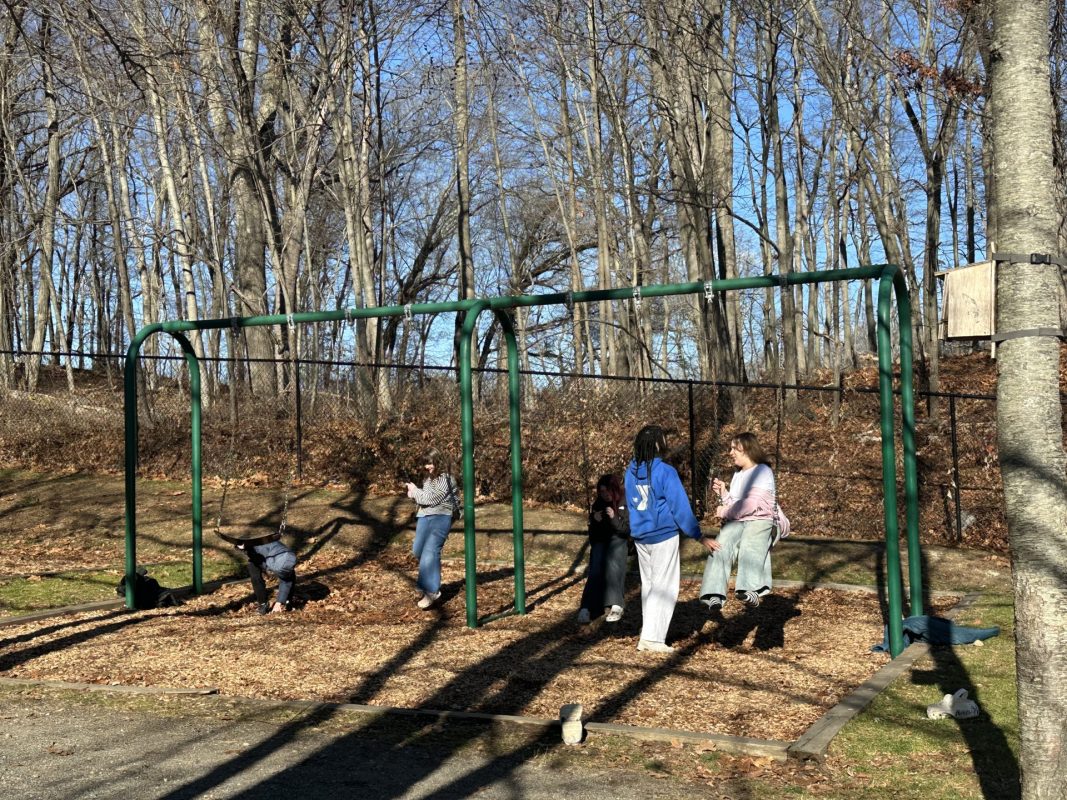
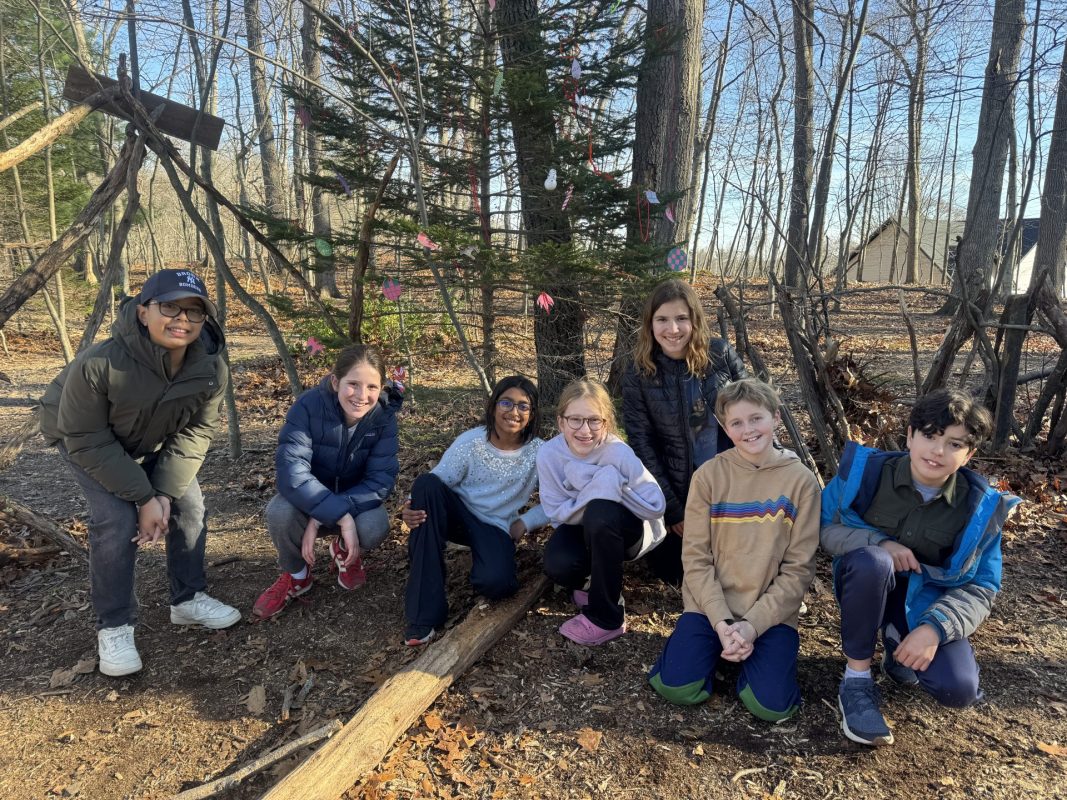
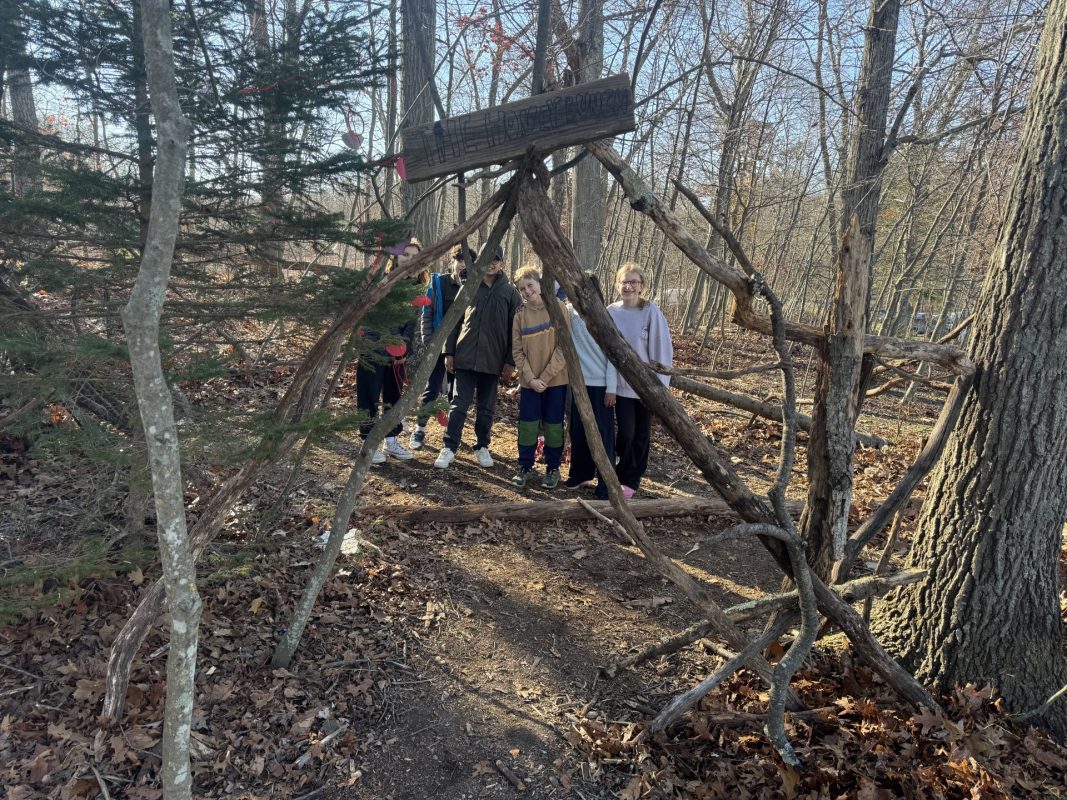
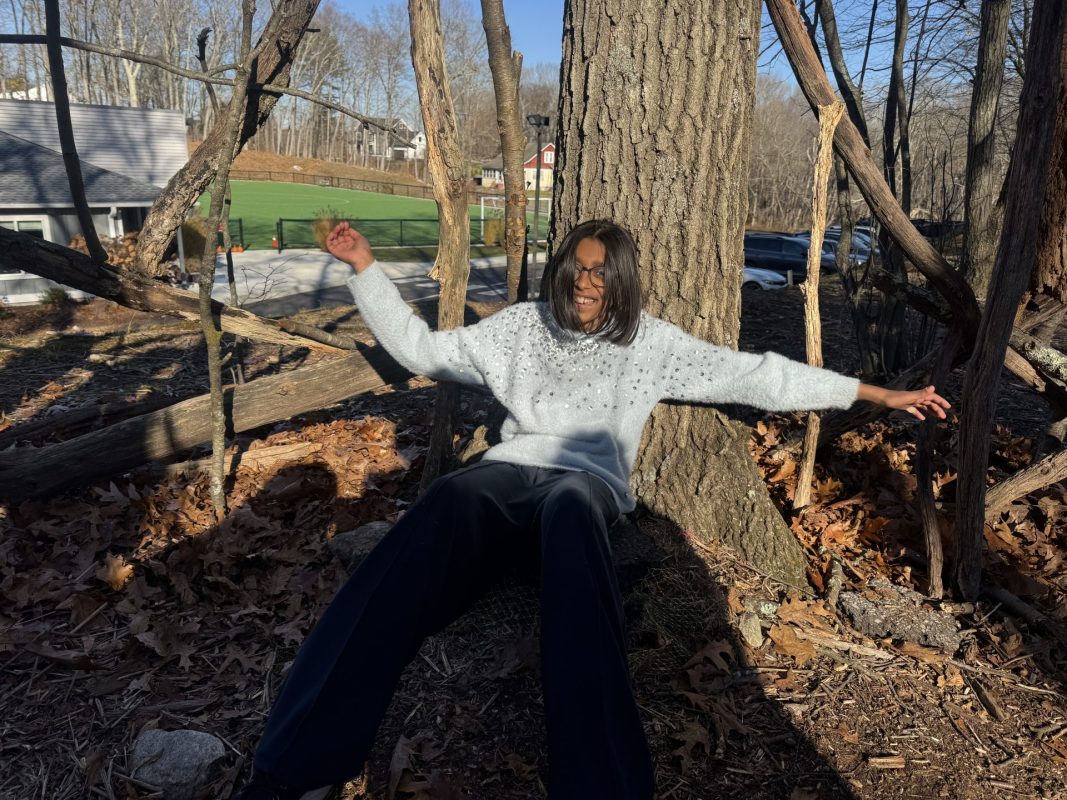
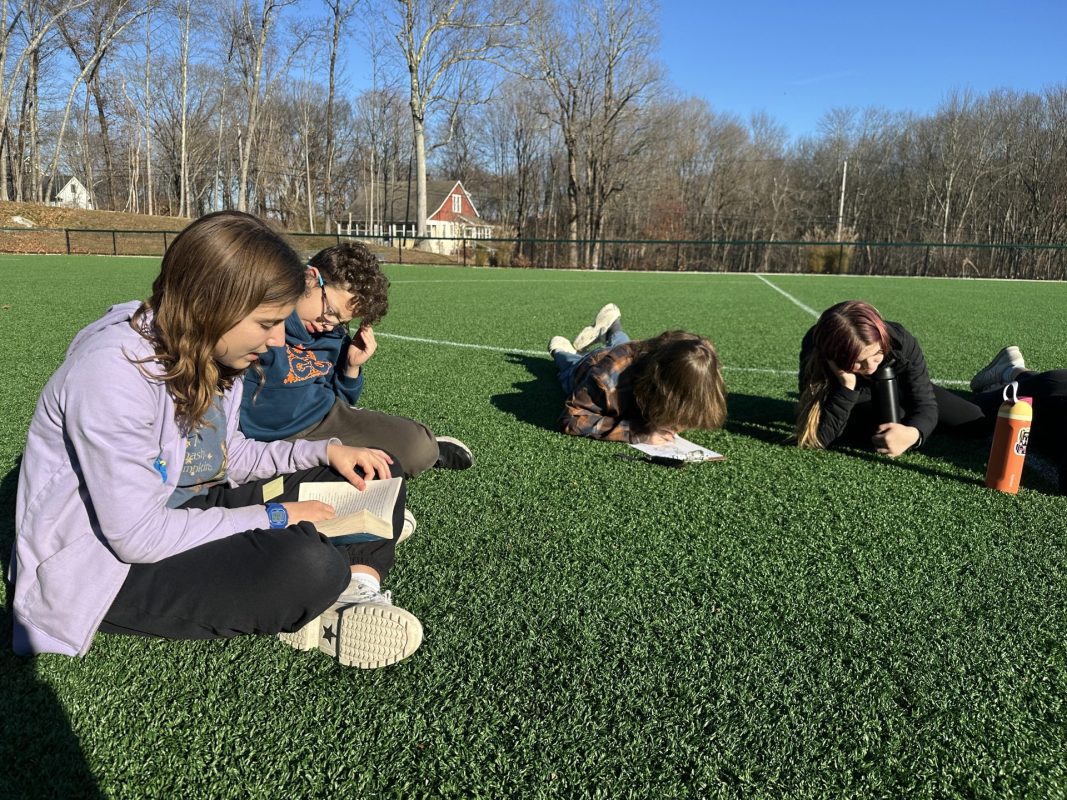
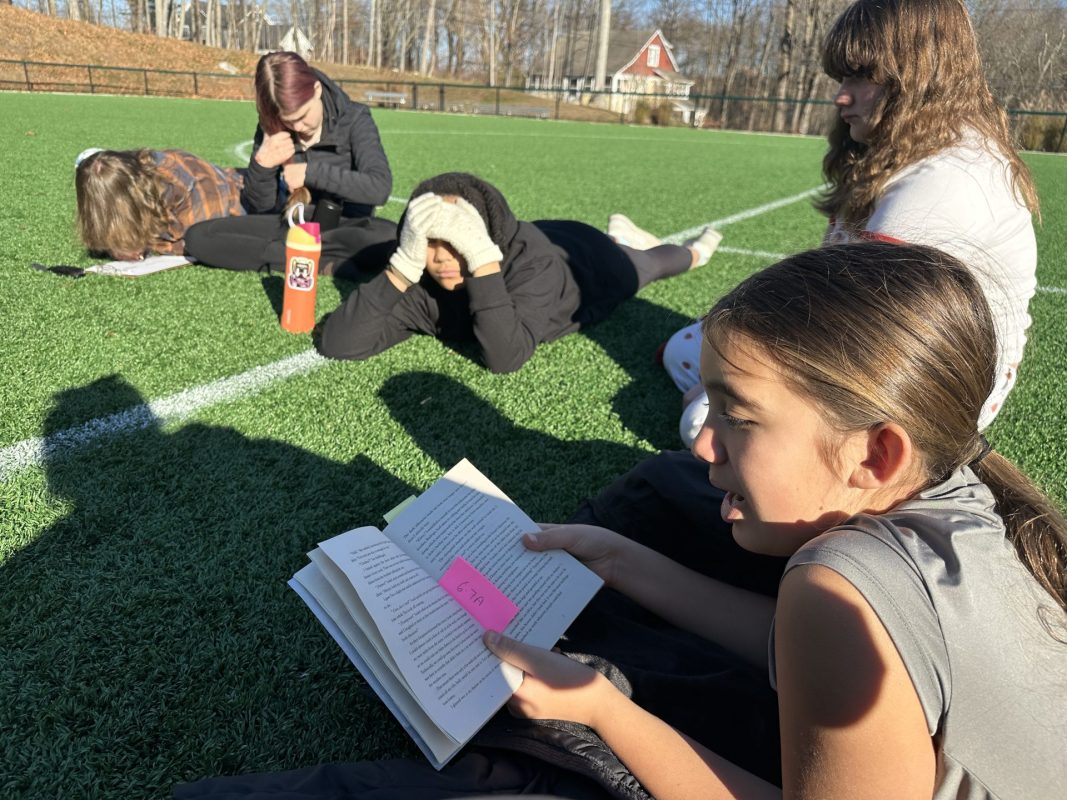
Also included in this week’s pictures, you will find an amazing outdoor space created by some of our Middle School students called The Honey Bunch. They have been working on it this fall during daily outdoor time, and they recently gave us a tour!


Announcements:


Math

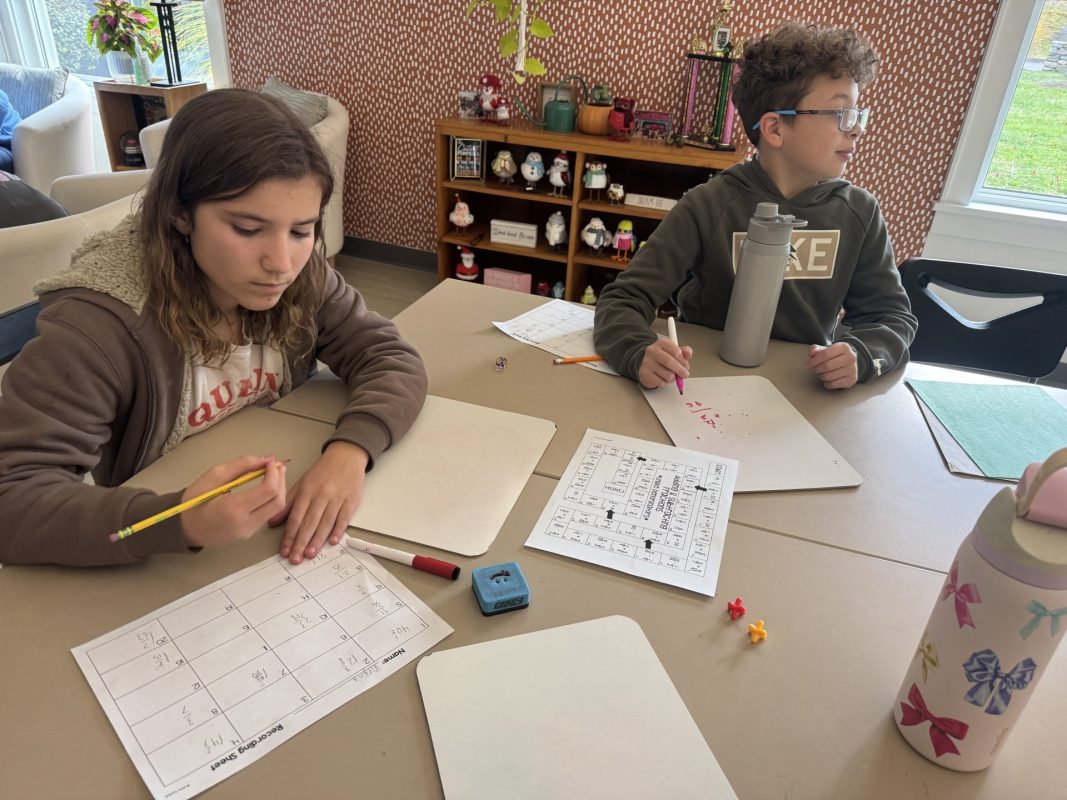
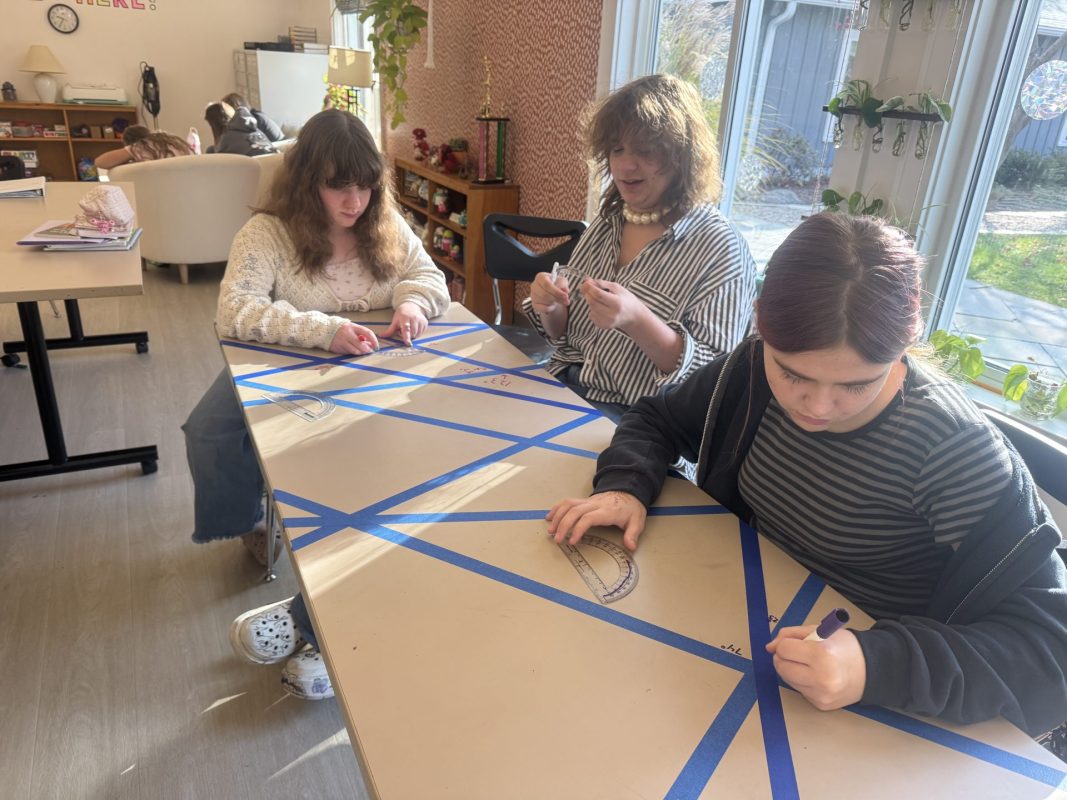
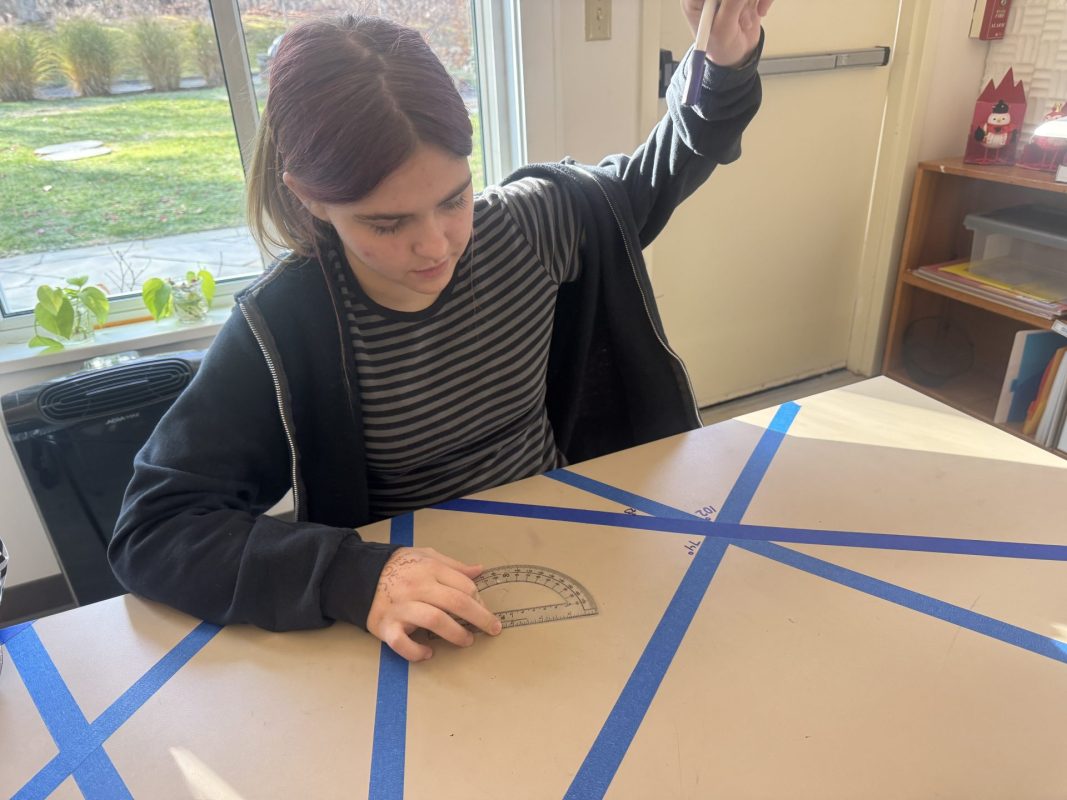
Pre-Transition Mathematics: This week, students worked through adding positive and negative numbers by learning how to slide on a number line. Then the class dove into the world of angles! They learned how to use protractors to measure and draw angles, and they practiced with a fun collaborative activity. Students closed out the week by learning ways to name angles, as well as the meaning of a linear pair and adjacent angles.

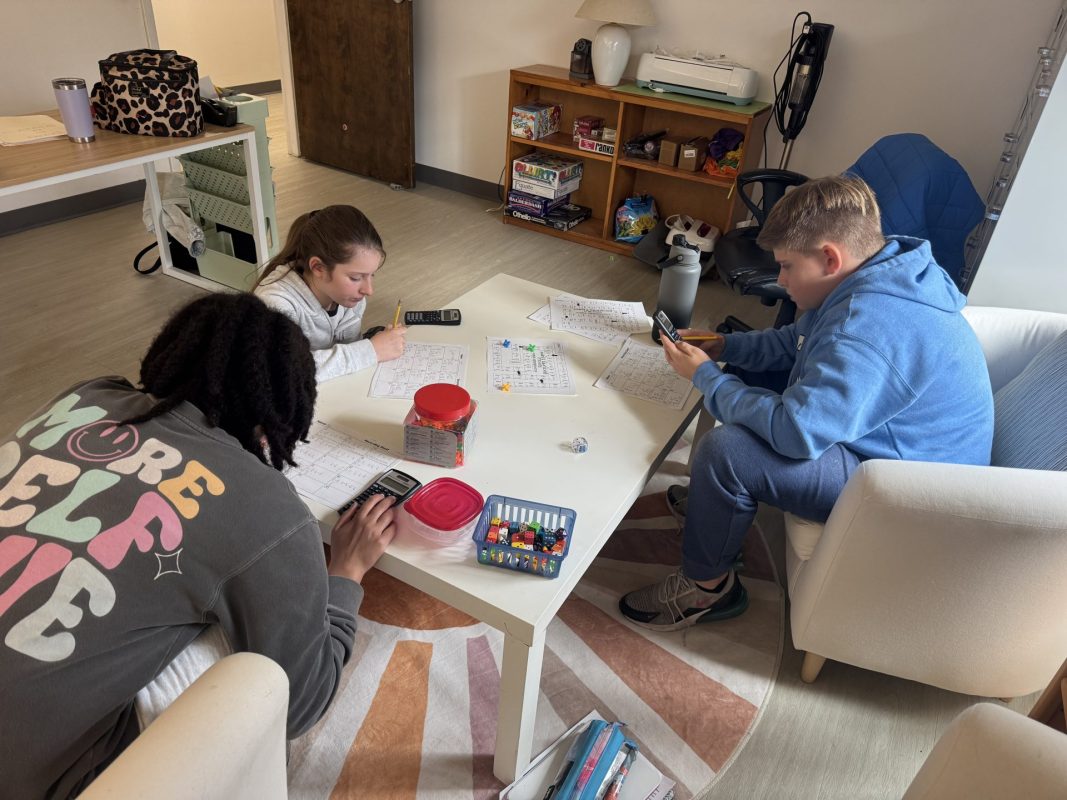
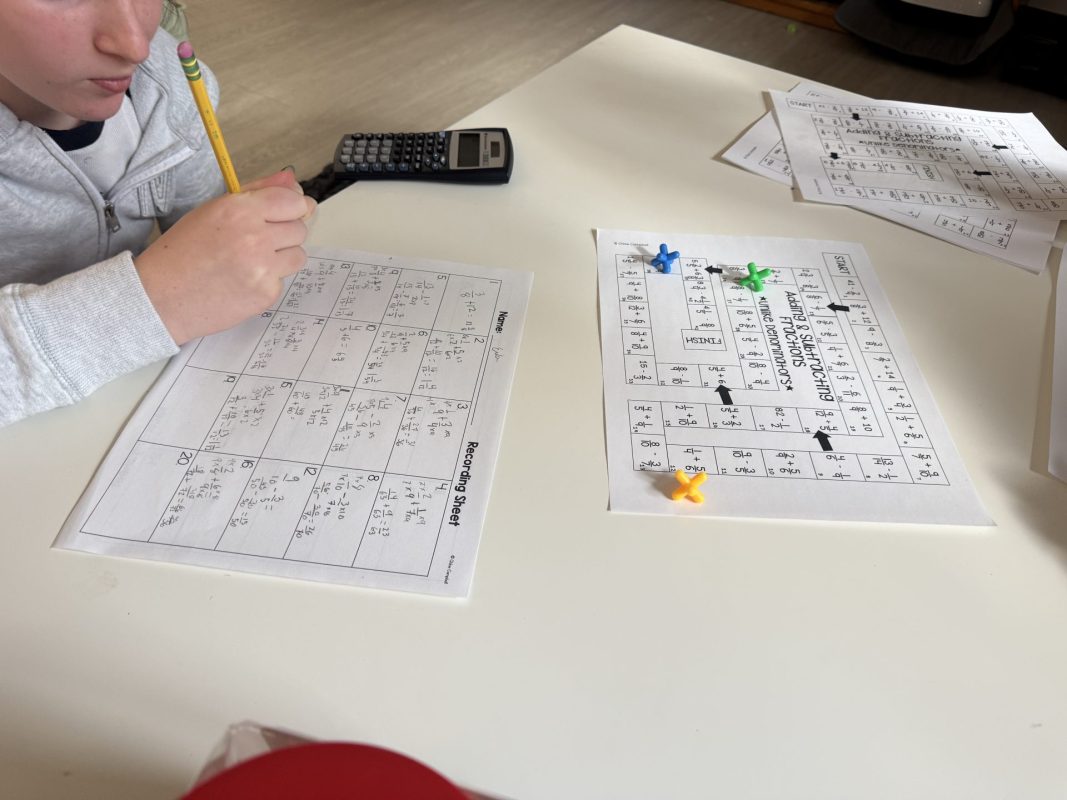
Transition Mathematics: This week, students played an interactive review game to practice adding and subtracting fractions with unlike denominators. Then, they showed off their knowledge of these skills by taking the Chapter 3 quiz. To continue the week, the class learned how to make estimates through rounding. The week wrapped up by learning to order and compare decimals and fractions by converting decimals to fractions and vice versa.

Algebra: Algebra students began the week by reviewing the concepts learned so far in Chapter 3 and then taking the Chapter 3 quiz. The week continued by developing fluency with solving single and multi-step linear equations and inequalities, and students learned how to graph them on a number line. Eighth graders, who were at internships, worked on solving single and multi-step algebraic equations, and they also practiced moving a decimal to the other side of the equations by multiplying by the reciprocal.

Geometry: Geometry students had a shortened math week due to internships. This week, they completed Lesson 3-2, which focuses on positive and negative rotations of shapes to a specified degree. Students learned two ways to do this: first, by using a protractor and, second, by using tracing paper.

Algebra II: This week, students finished Chapter 2, a unit centered on direct and inverse variations and the Fundamental Theorem of Variation. Students will take the Chapter 2 Assessment next week before the break.


Science

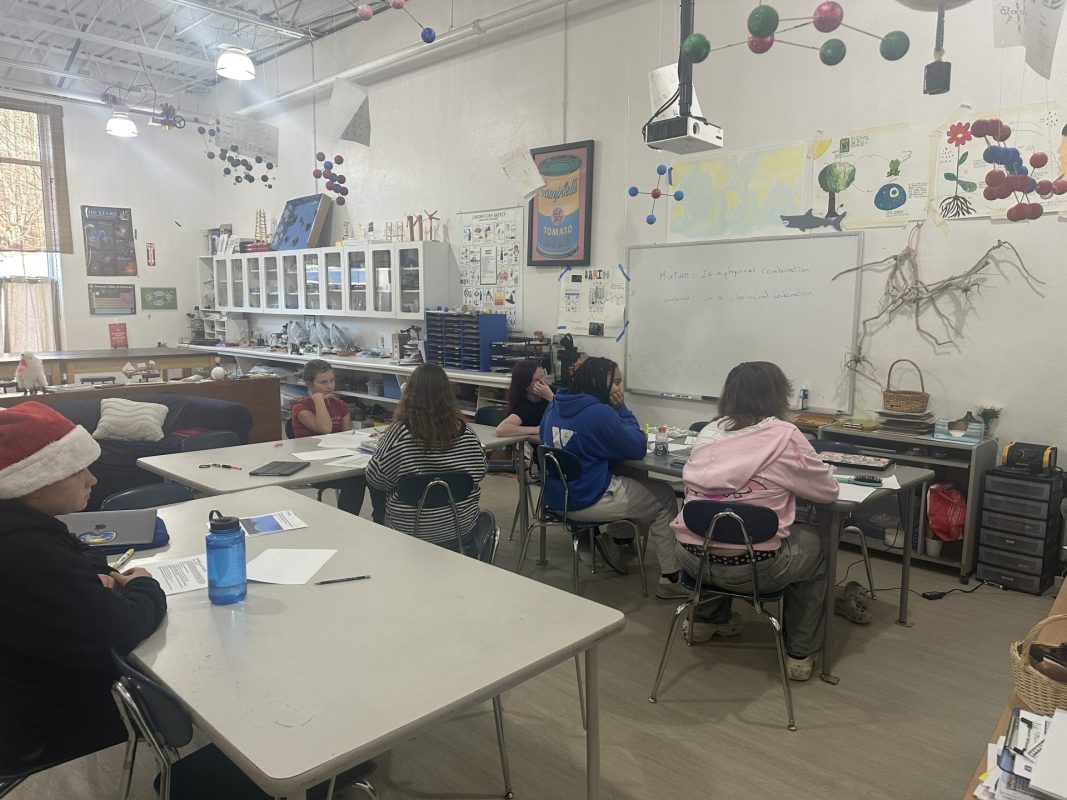
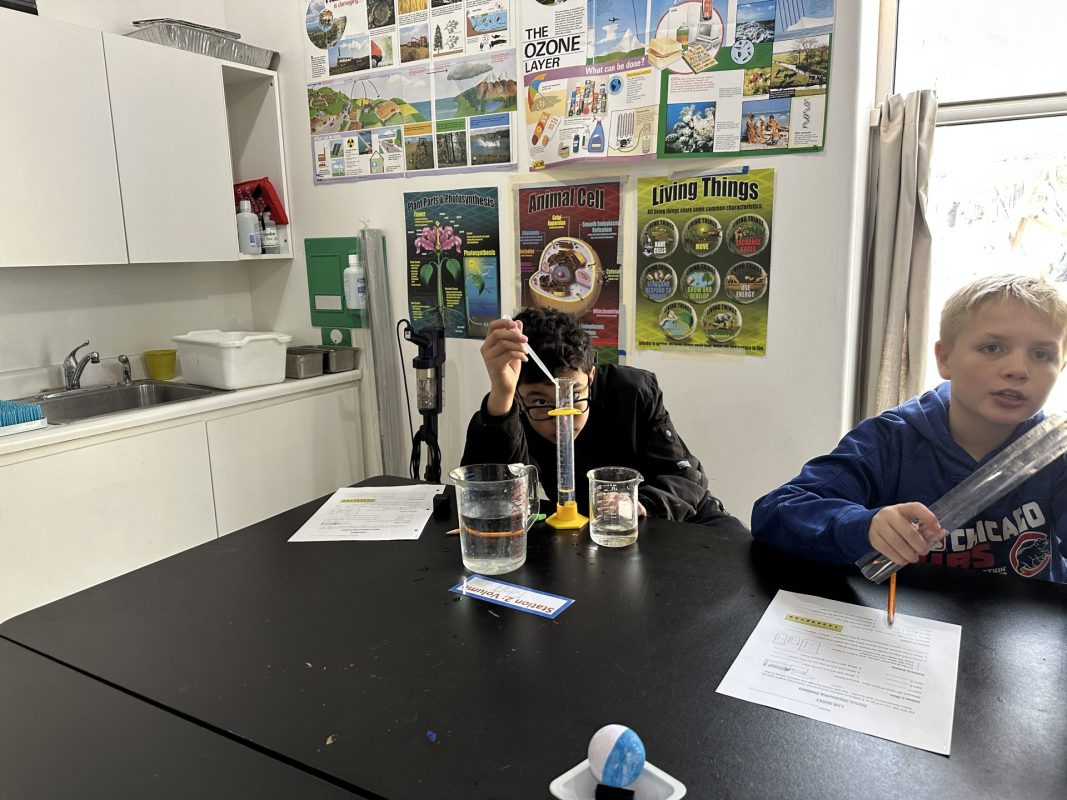
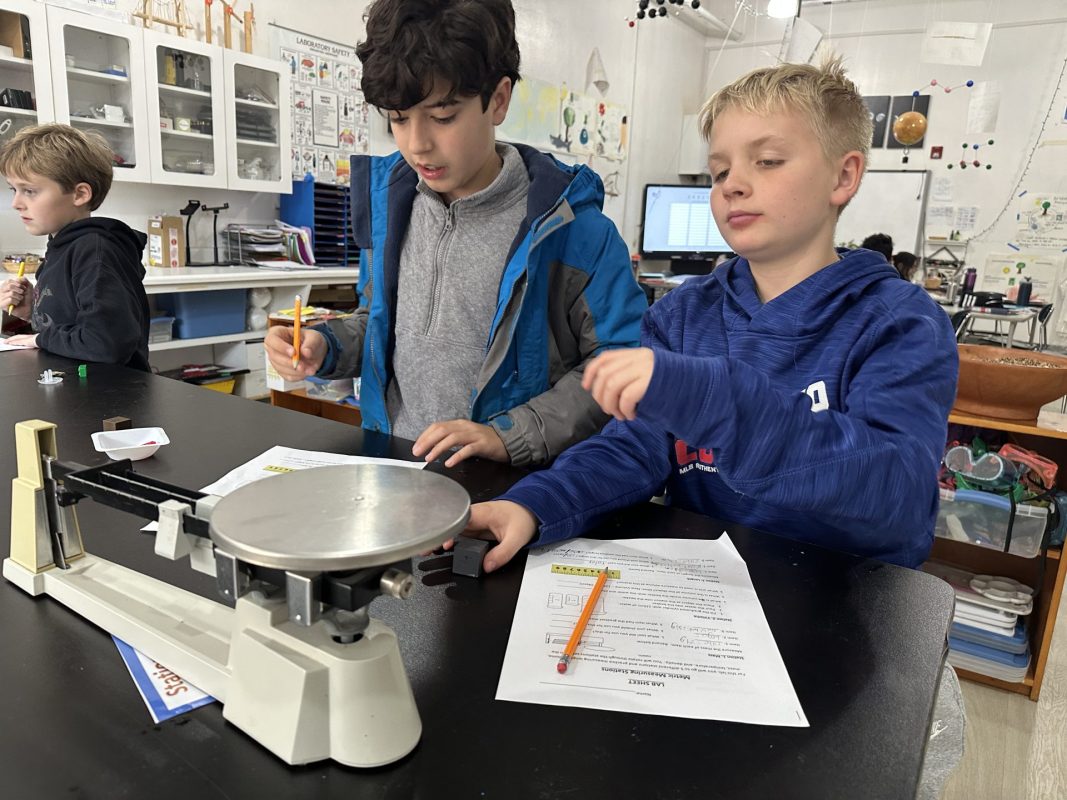
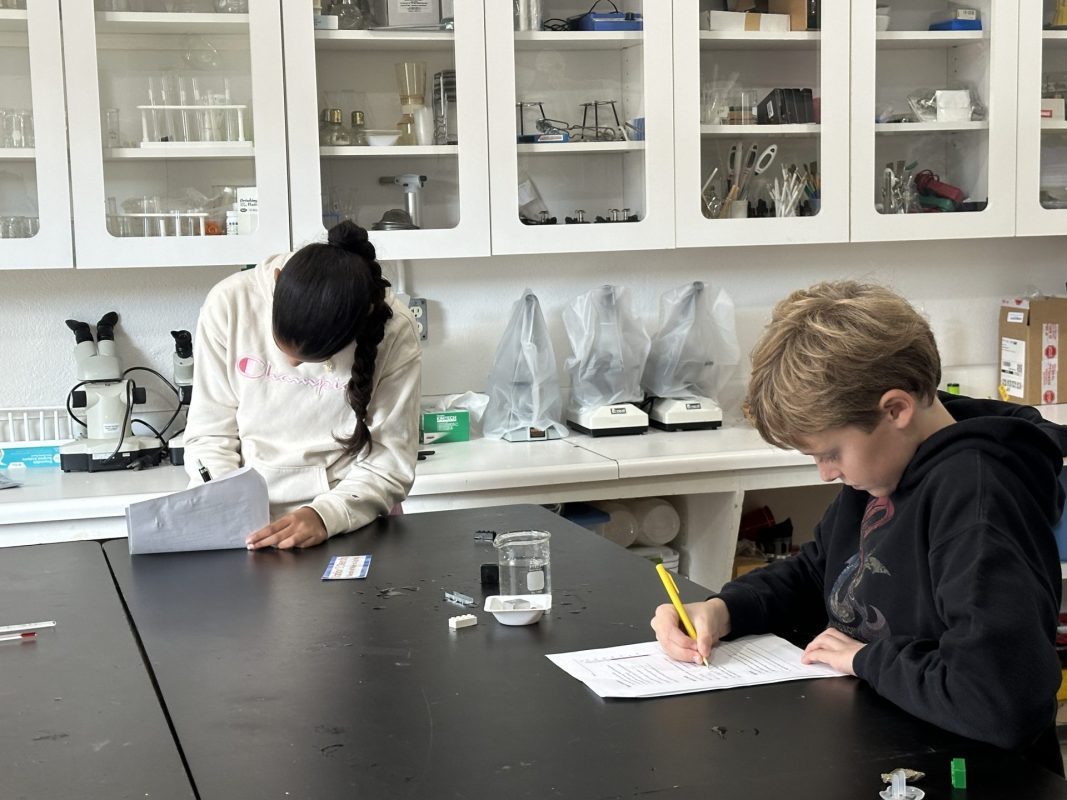
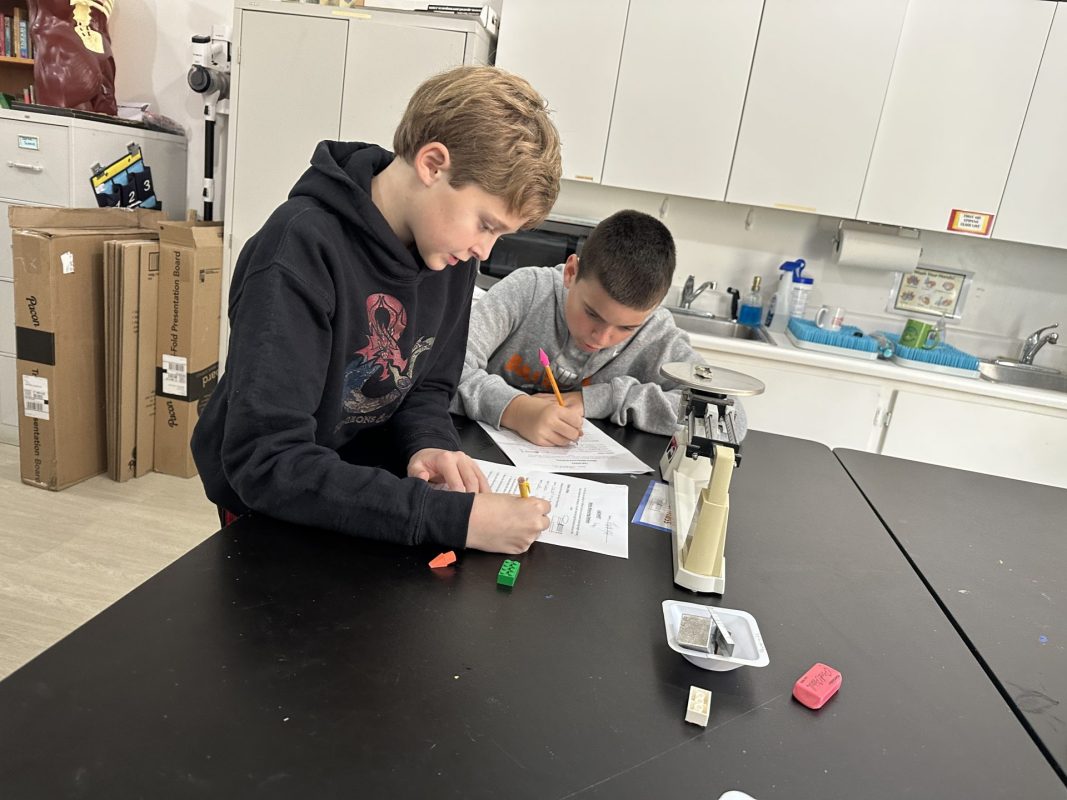
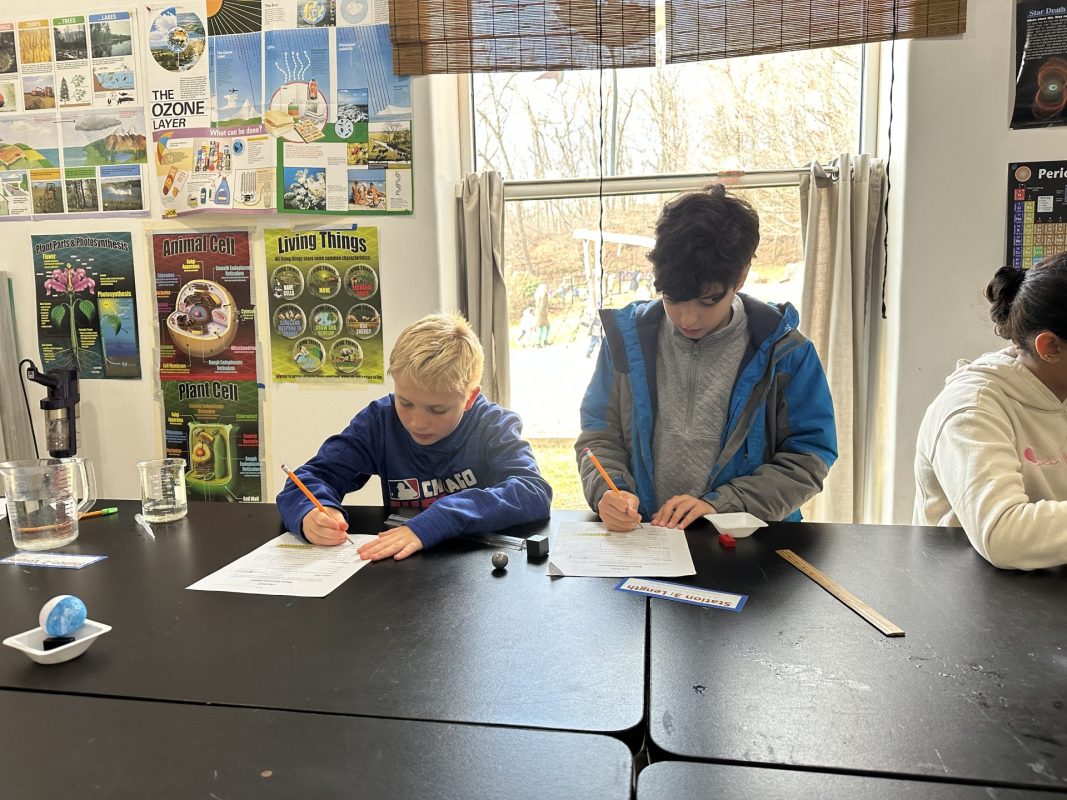
At the beginning of the week, middle school students focused on organizing their science binders. These binders have five sections where they can file their classwork, homework, laboratory work, notes, and assessments in a very organized way. It is very important for the students to understand why organization and filing of their work is key in their learning journey. It makes it easier to keep track of their information and find it, and makes it easier to study when they must be ready for assessment time. Also, this week, Middle School students from 6th and 7th grade are learning about the definitions of Accuracy and Precision and how important these concepts are for the science world. These concepts are applied in research in every field, such as medicine, outer space science, engineering, and many other applications in the real world. Lastly, students are mastering their measuring skills by practicing with our interactive laboratory in class. On the other side, 8th Graders were out most of the week doing their internships, but they are starting to learn fundamental basic concepts about Biology as an introduction to Life Science.


Humanities

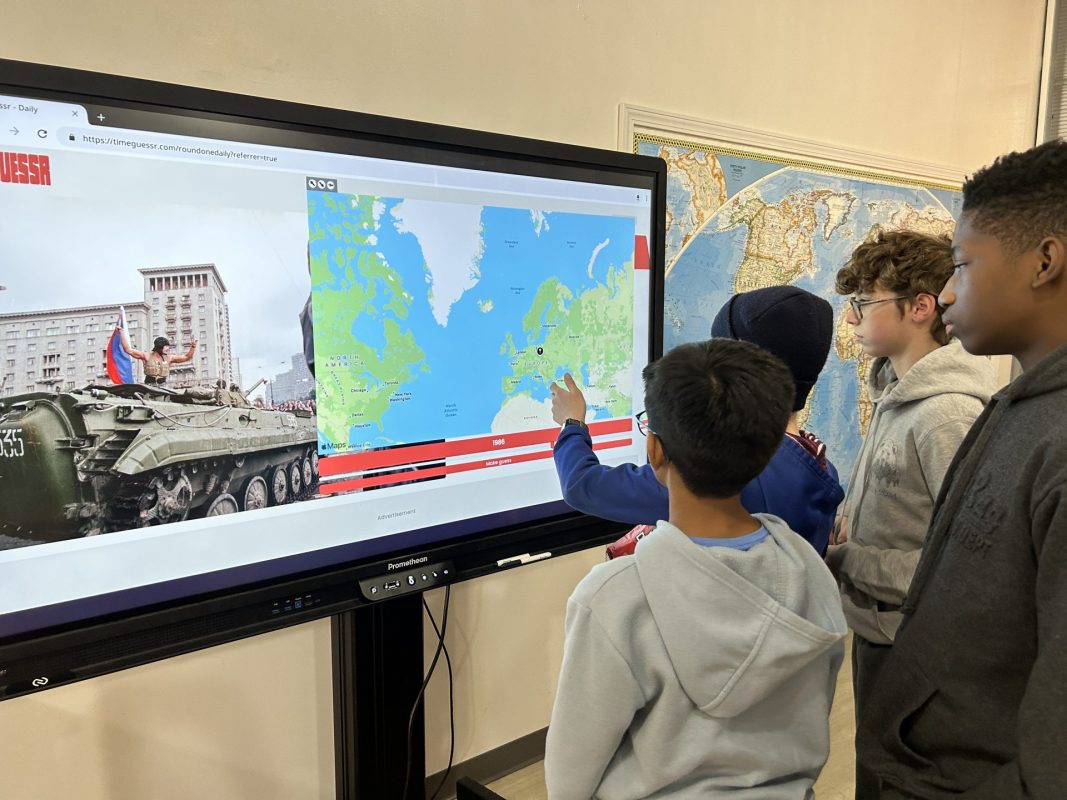
6th and 7th grade Humanities classes continue to explore the countries of Sub-Saharan Africa by visiting a few each day in Google Earth. They observe the countries’ physical features, architecture, and capital cities, and then read about their demographics, including land area, population, languages spoken, and cultural makeup. Additionally, the class read their class novel, <em>A Long Walk to Water</em> about a young man, Salva, and his journey across Sudan by foot as one of the Lost Boys.

8th grade students spent the week working on their internship projects. In addition to visiting a business for 3 days, they keep a daily journal, create a presentation about their experiences, and write a reflection. This meaningful opportunity allows them to step outside of their comfort zone and take a closer look at specific careers and how businesses run.


Gratitude in the Montessori Classroom

Our Montessori classrooms highlight the small, meaningful moments that help children grow in appreciation. Gratitude develops naturally as students care for their materials, support their peers, and take pride in their work.

Teachers model this daily—thanking children for their effort, acknowledging their thinking, and celebrating moments of perseverance. These simple interactions foster a classroom culture grounded in kindness and respect.
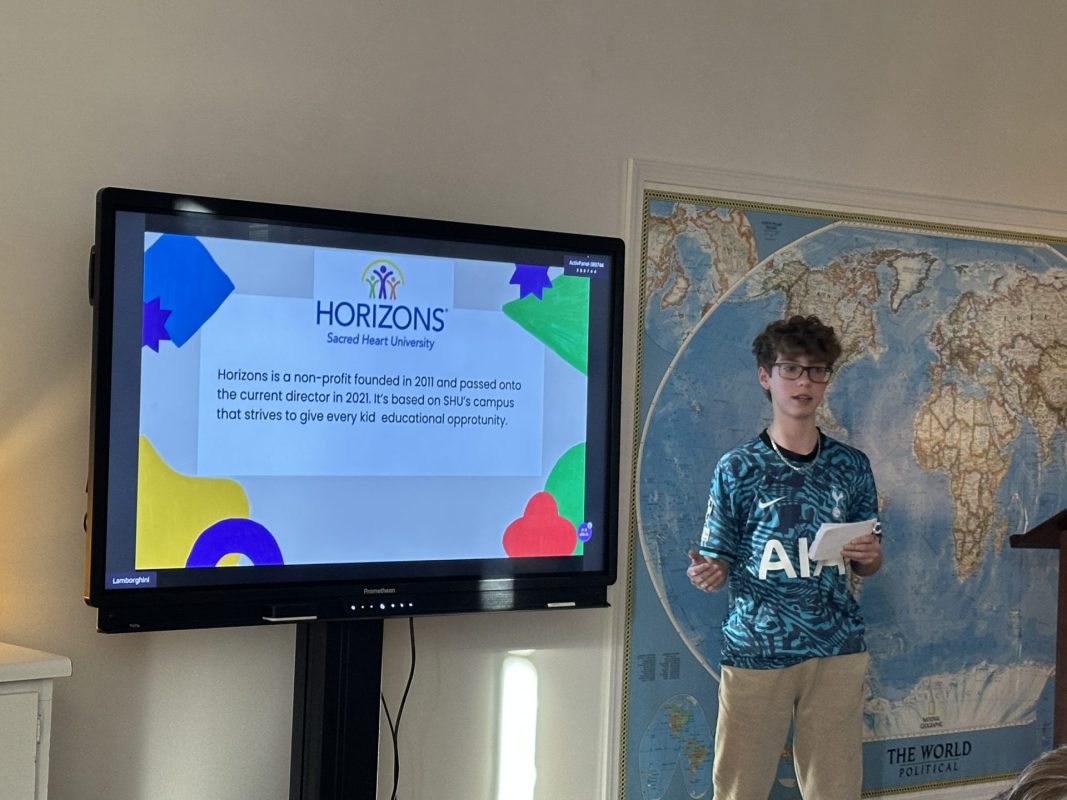
During this season, we are reminded of how powerful these practices are. Our older students extend this spirit of gratitude into the community as well. Middle School is collecting items for families in need, and Upper Elementary prepared sandwiches for a local shelter—acts of service that help students understand the impact of giving. In addition, one of our upper elementary students recently brought the FWM community together to help create handmade dog toys for the Catherine Hubbard Sanctuary’s Senior Paw Project.
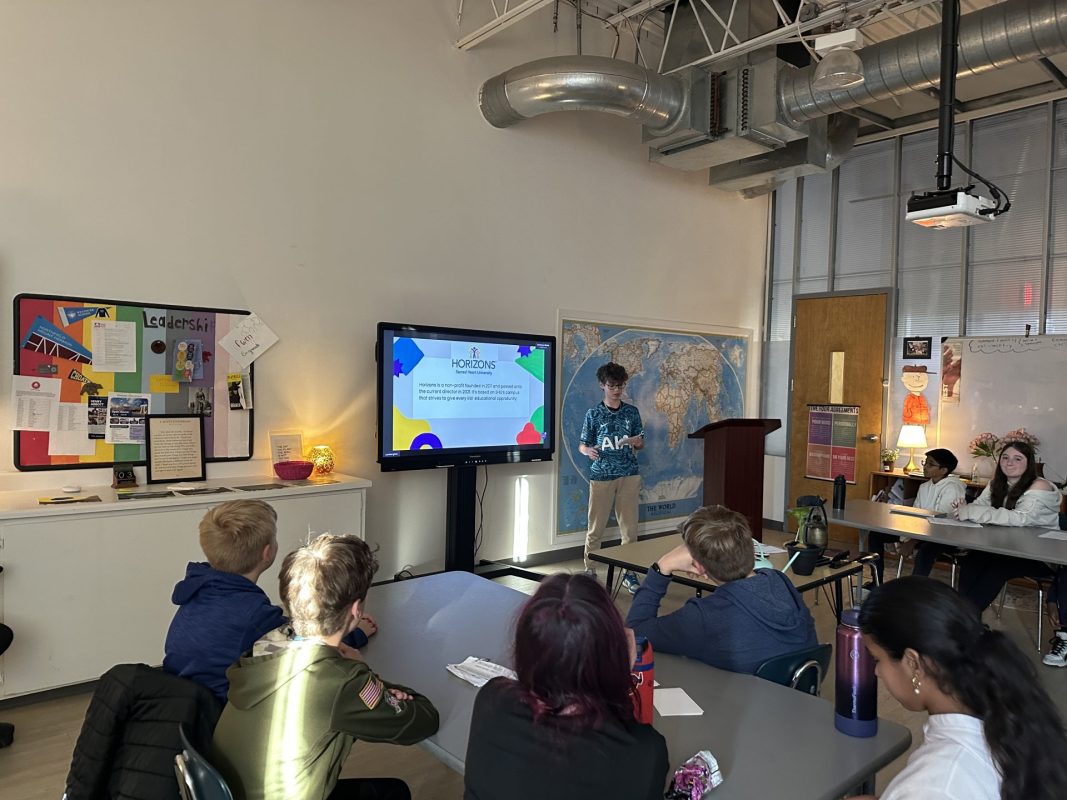
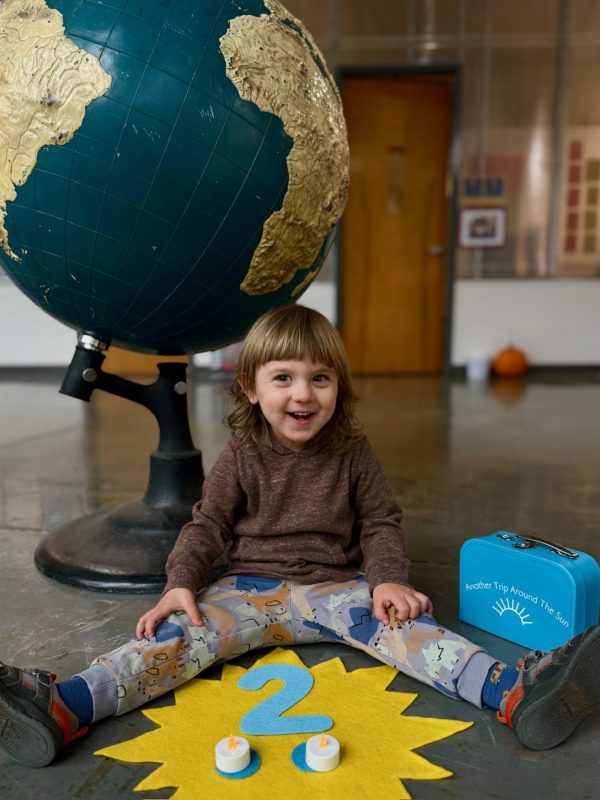
We are grateful for our students, their curiosity, and the joy they bring to our classrooms, as well as for the families who support their learning each day.