Blog

Mrs. Wilson: Jingle All The Way!

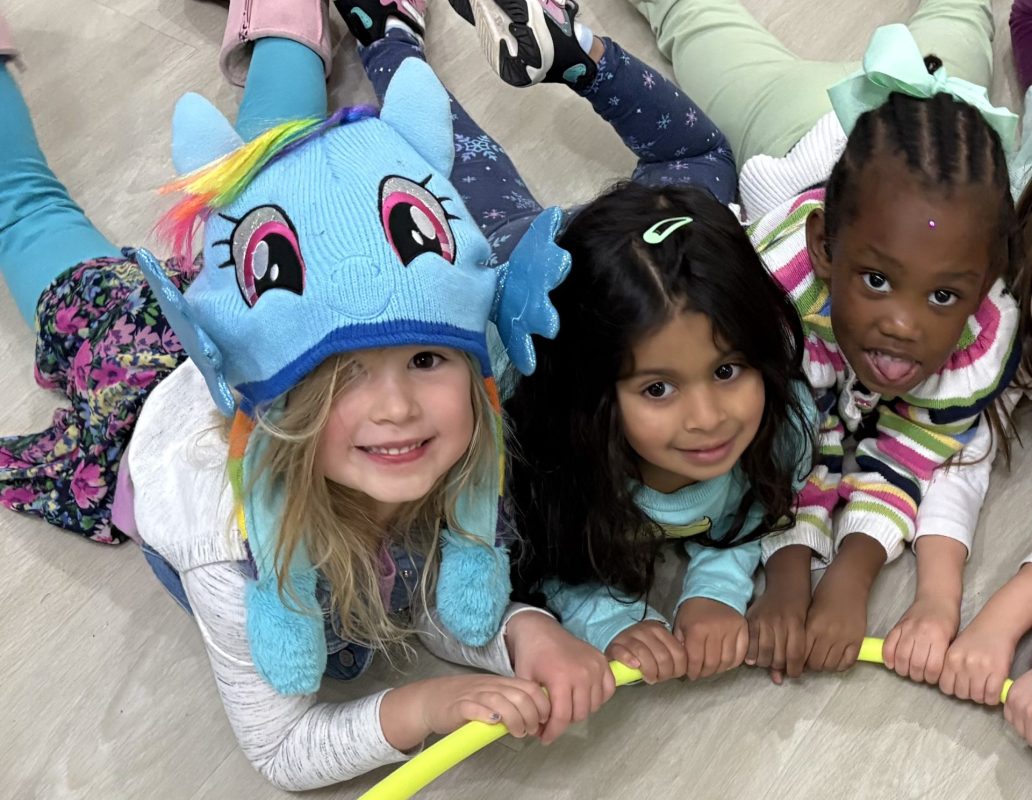
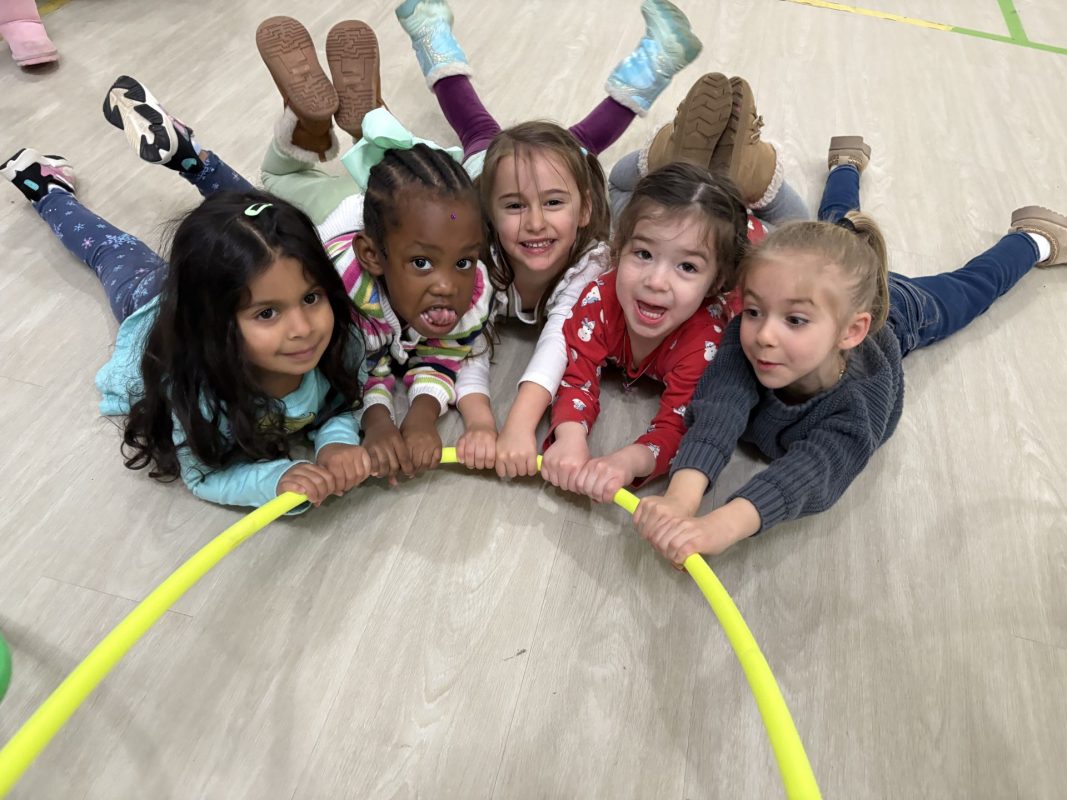
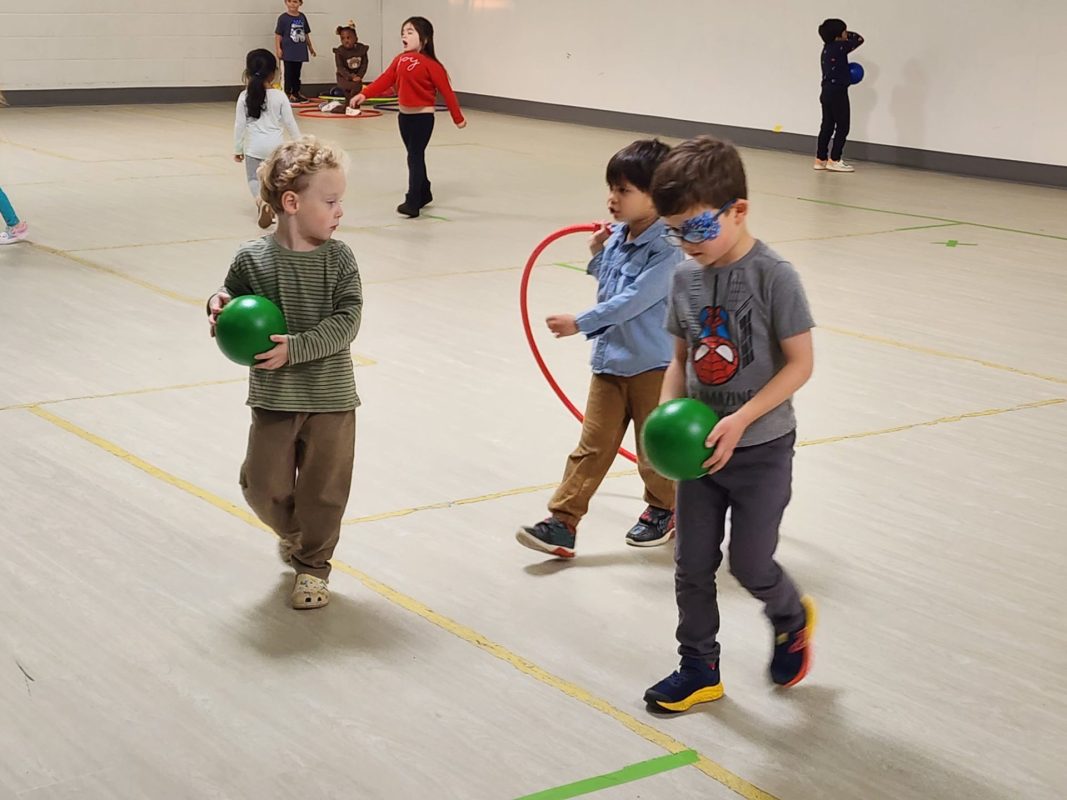
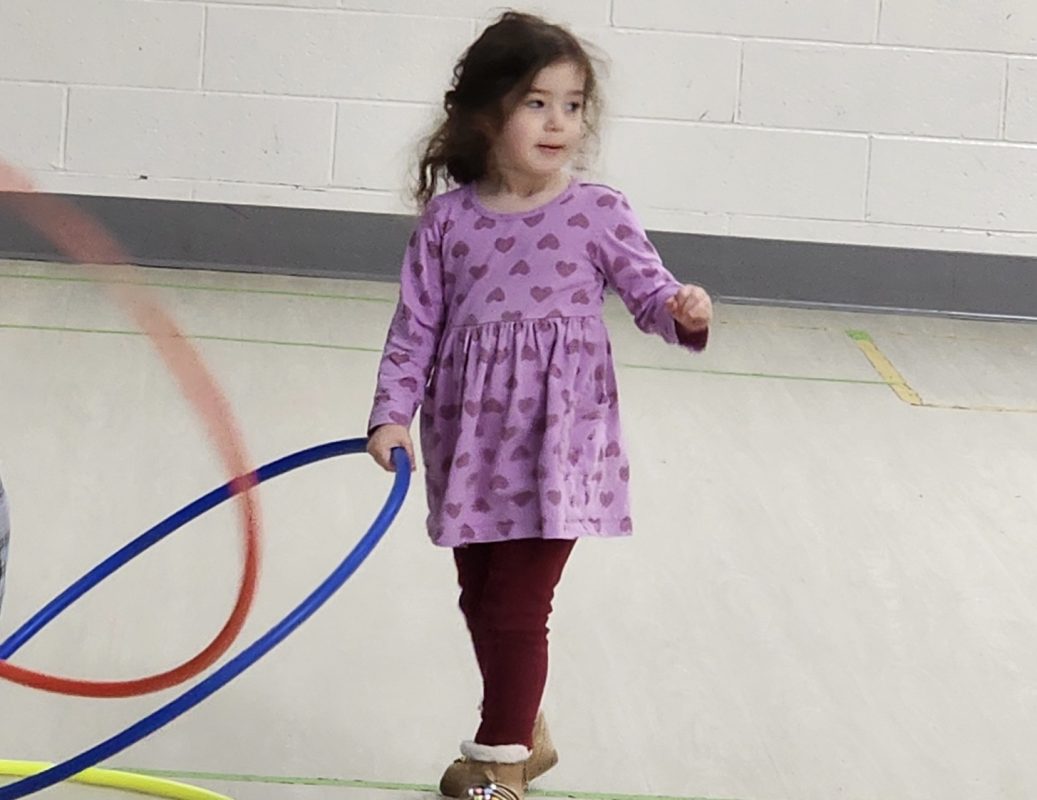
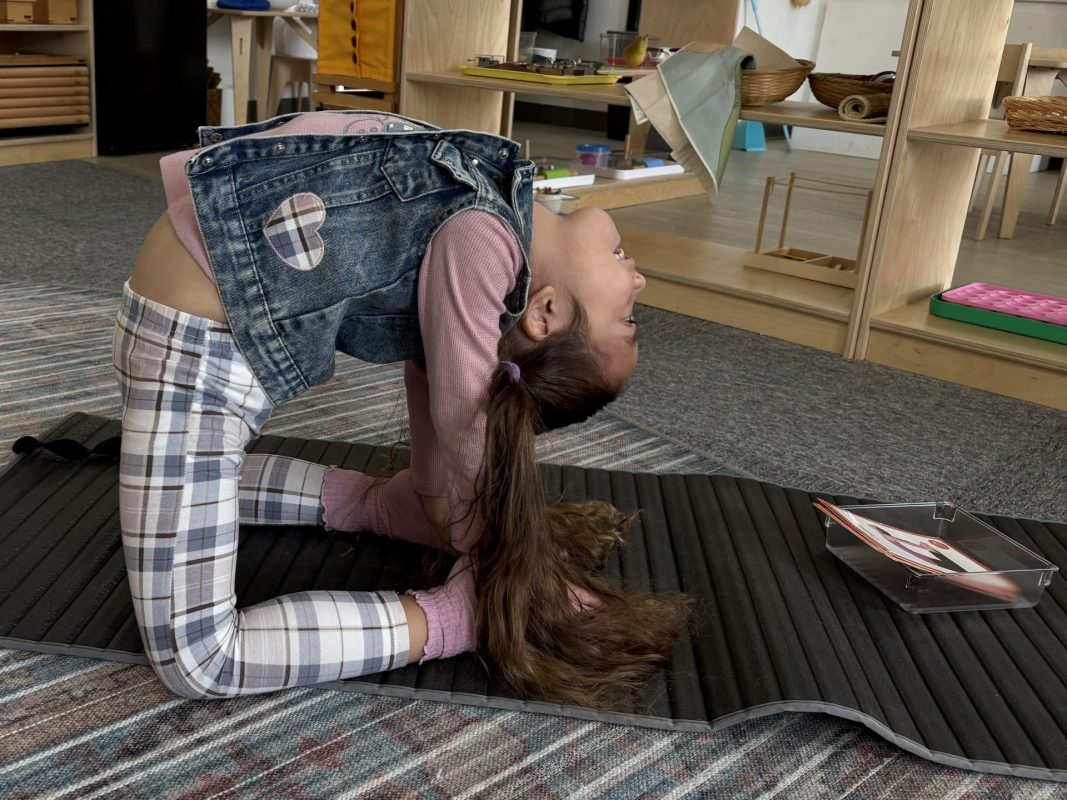
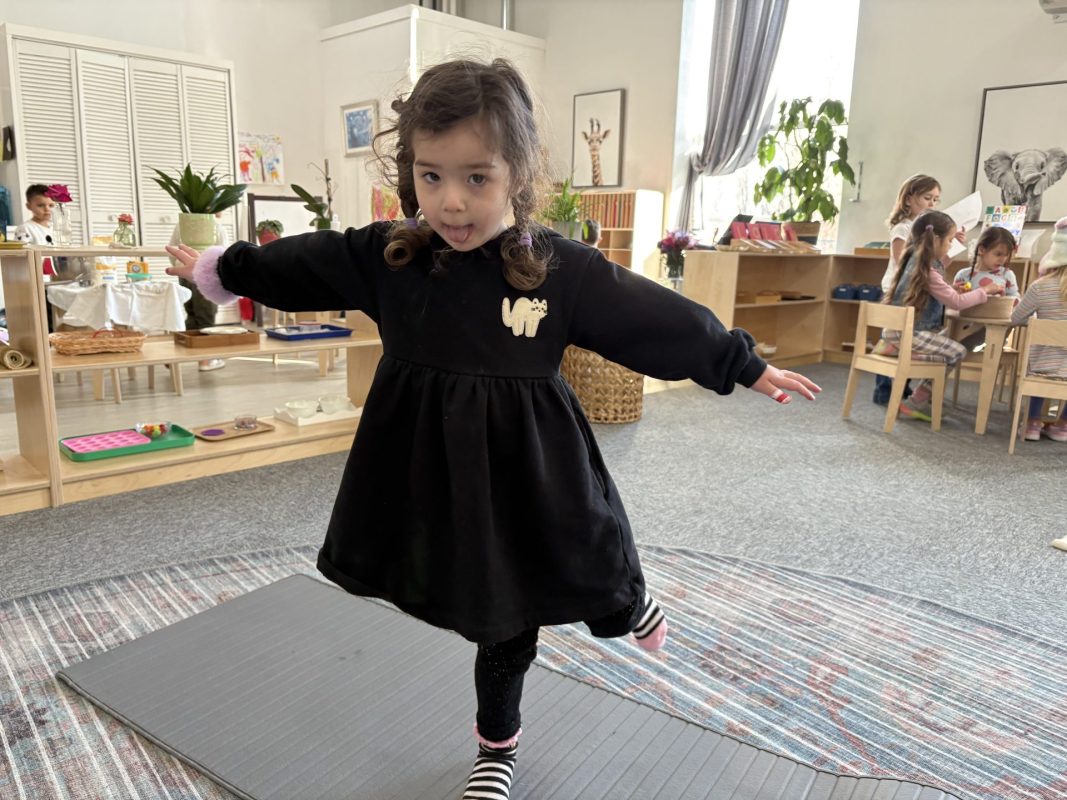
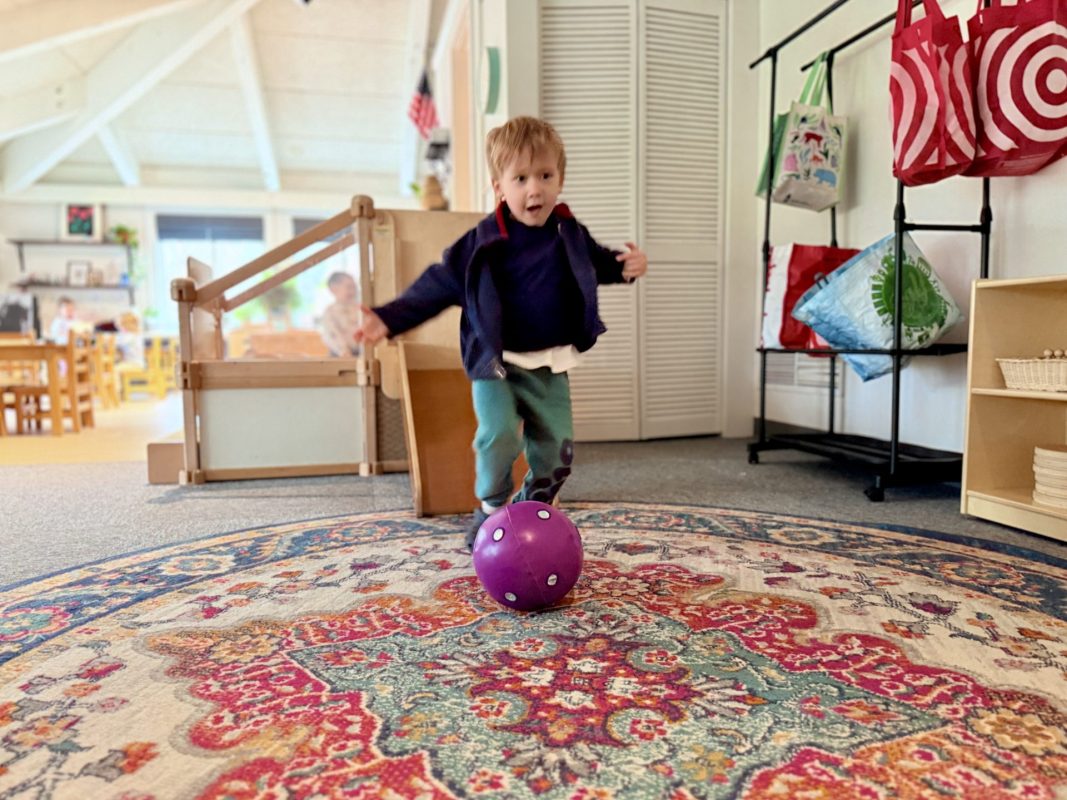
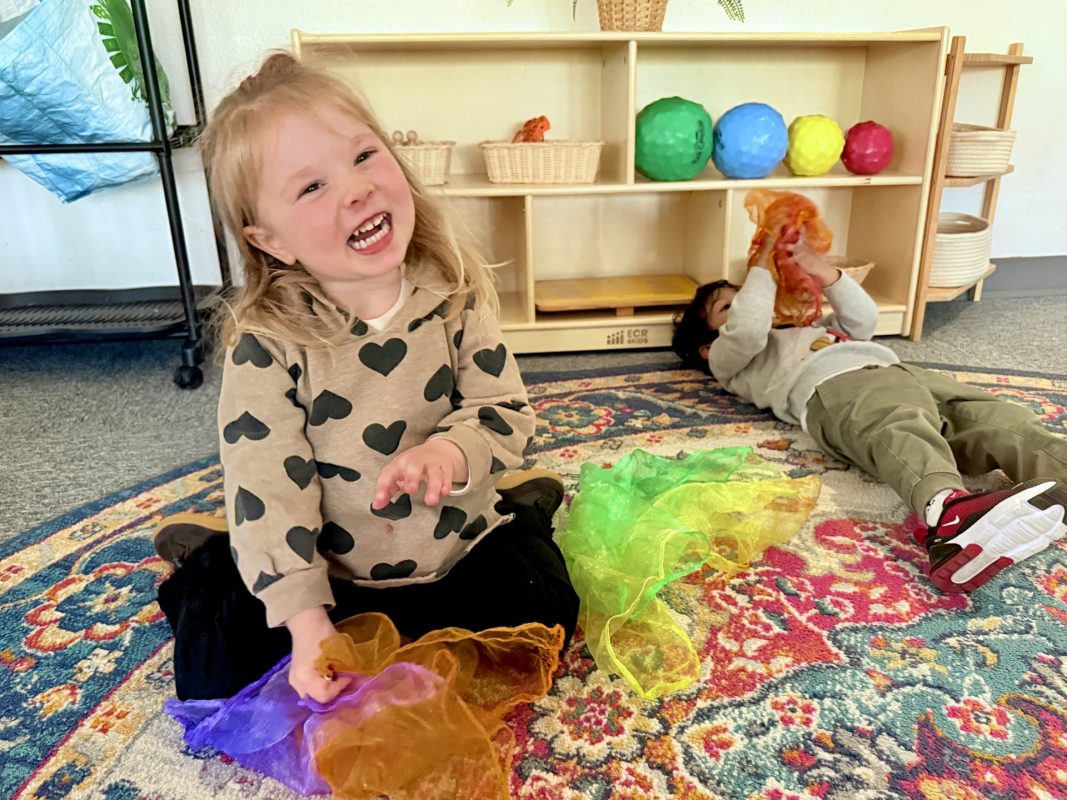
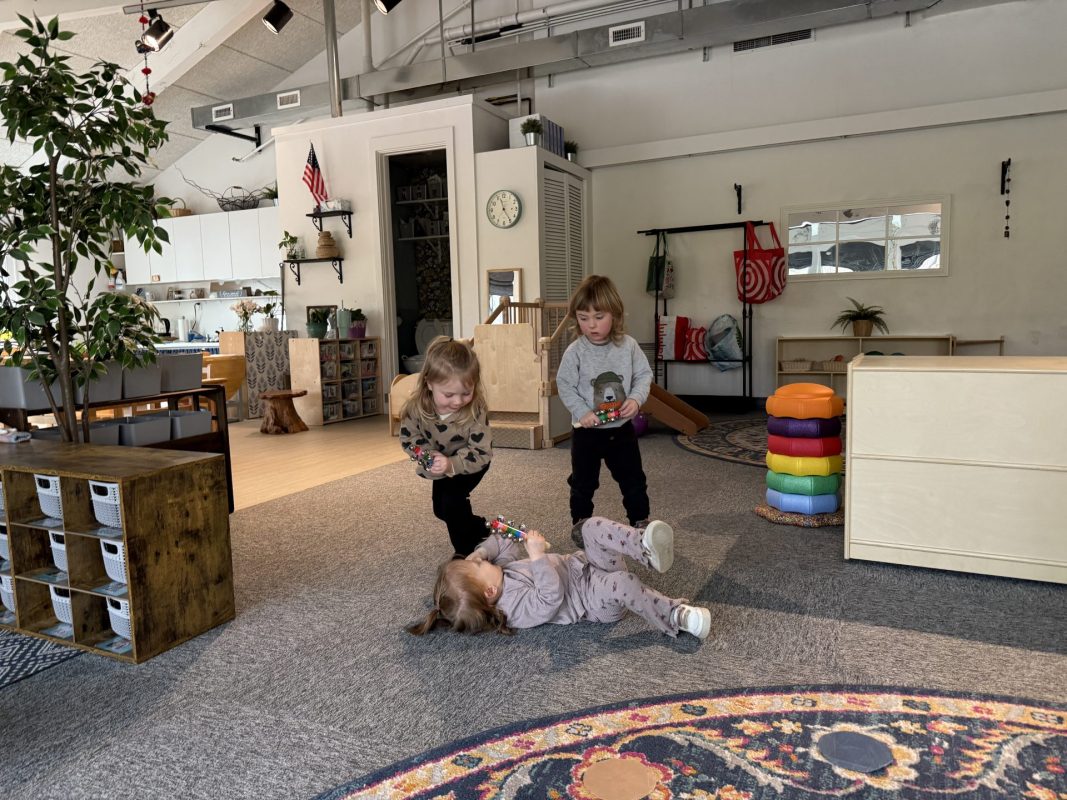
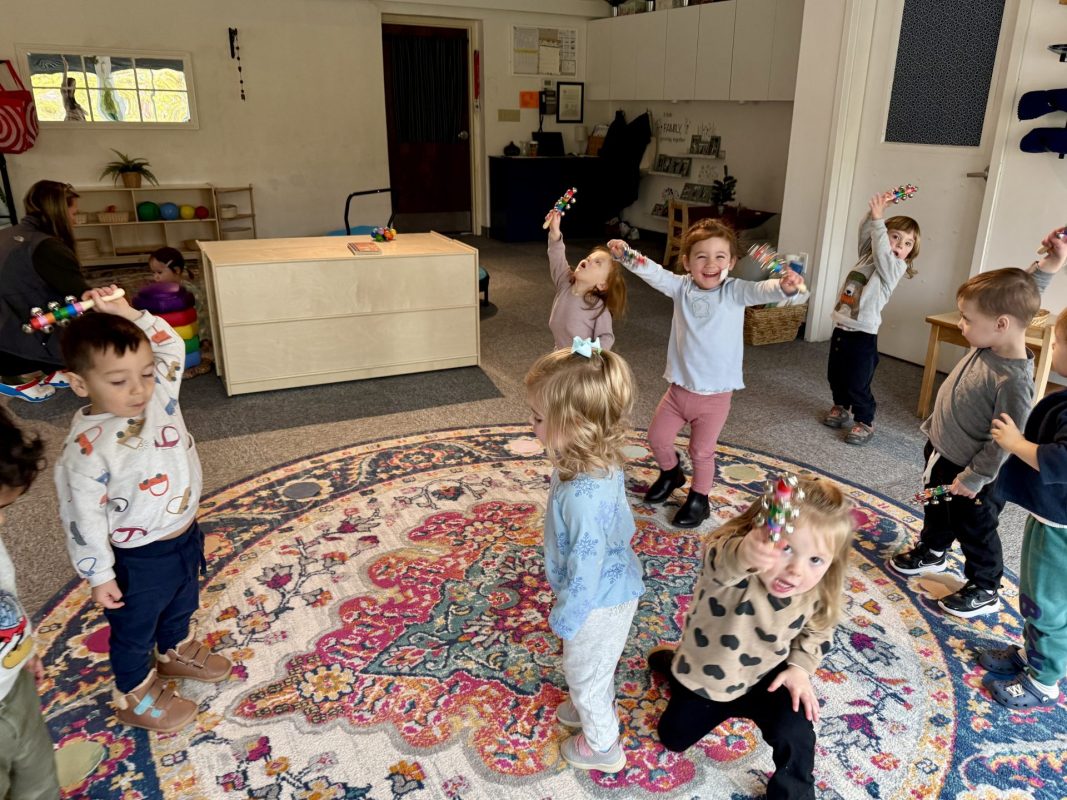
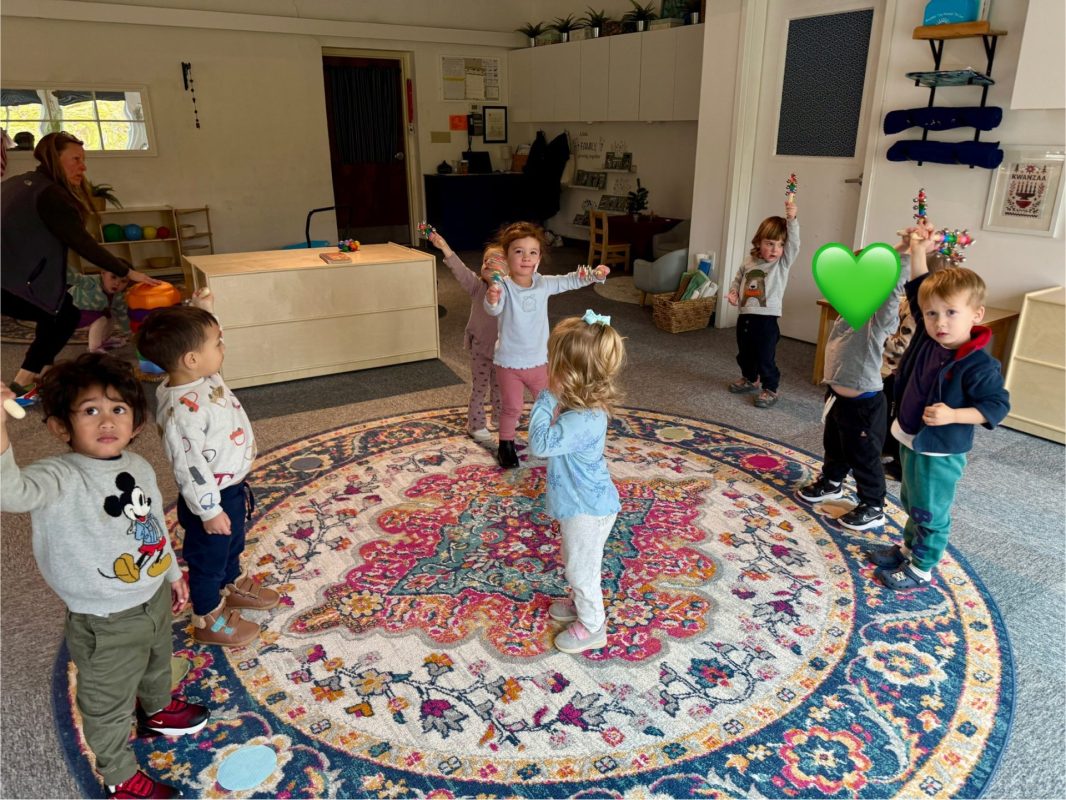
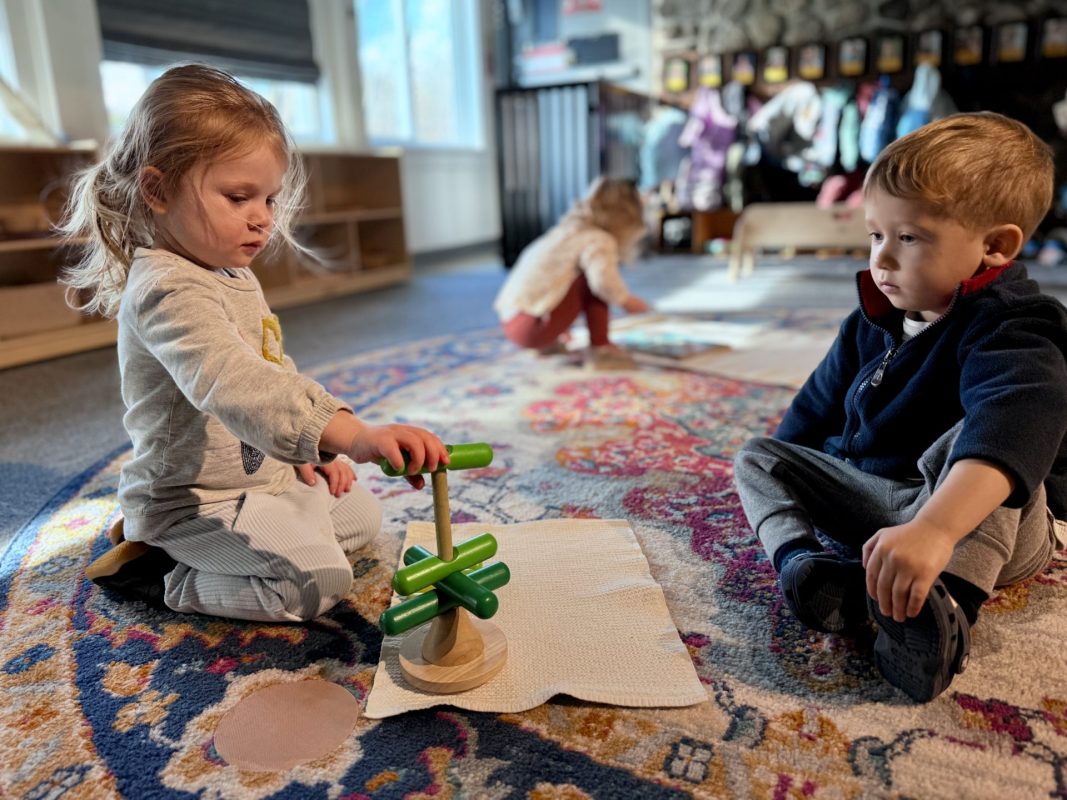
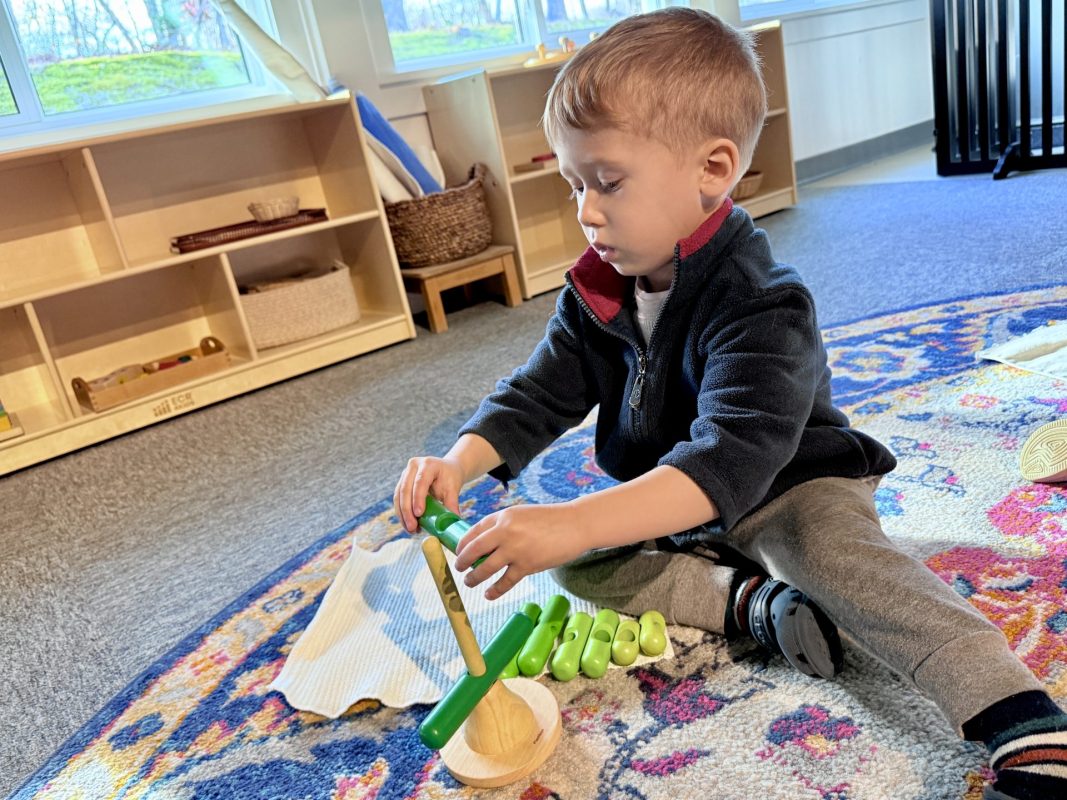
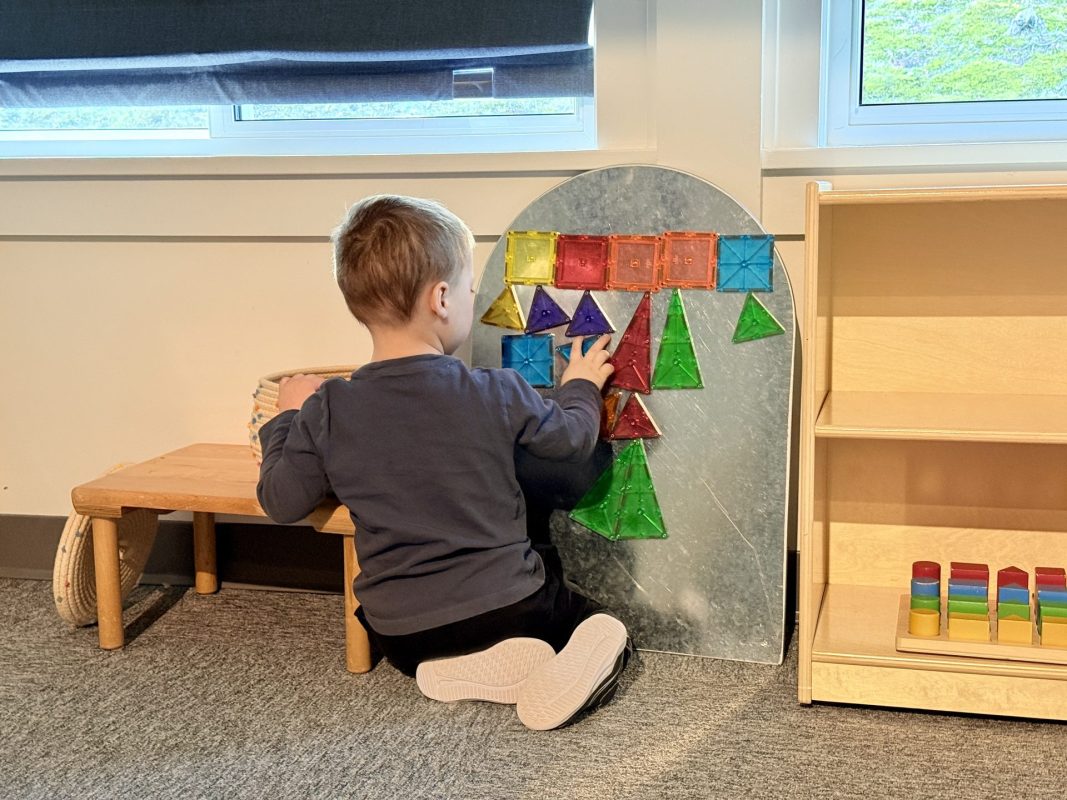
This week, our classroom has been filled with movement, laughter, and lots of big energy. With the winter temperatures dipping so low, it has been tricky to spend as much time outside as we normally do. When we aren’t able to get outdoors—or stay out long enough to release all of that wonderful toddler energy—we find creative ways to bring movement indoors.

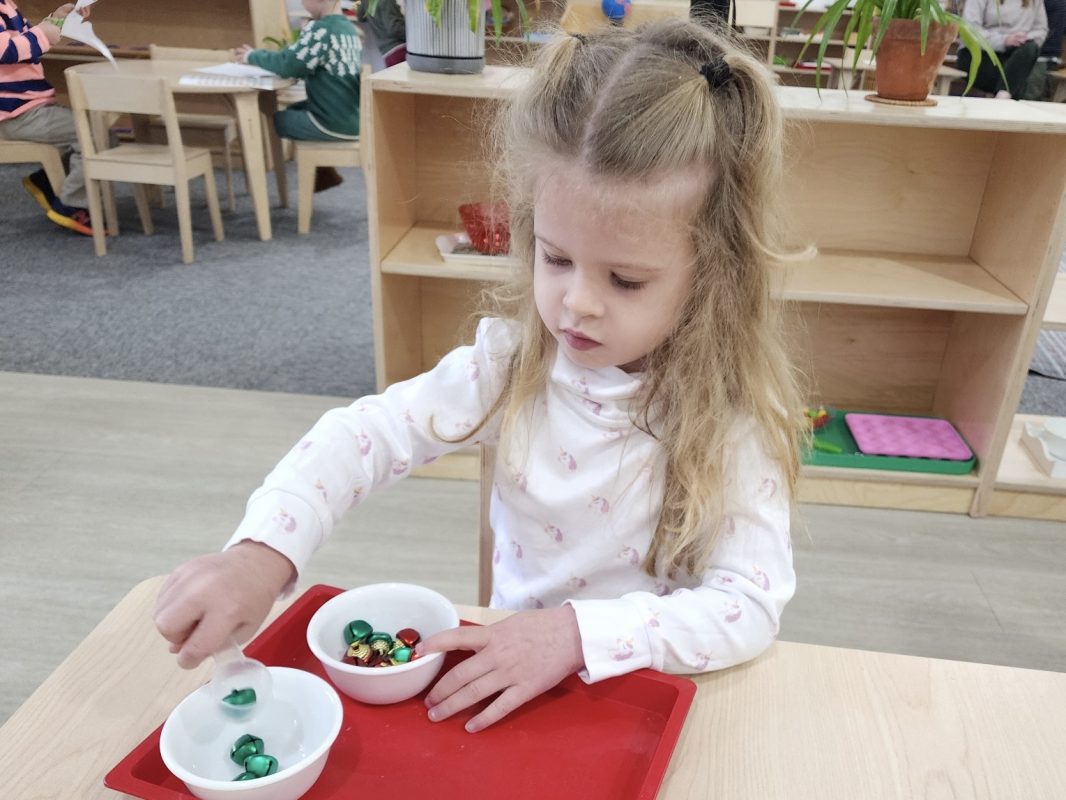
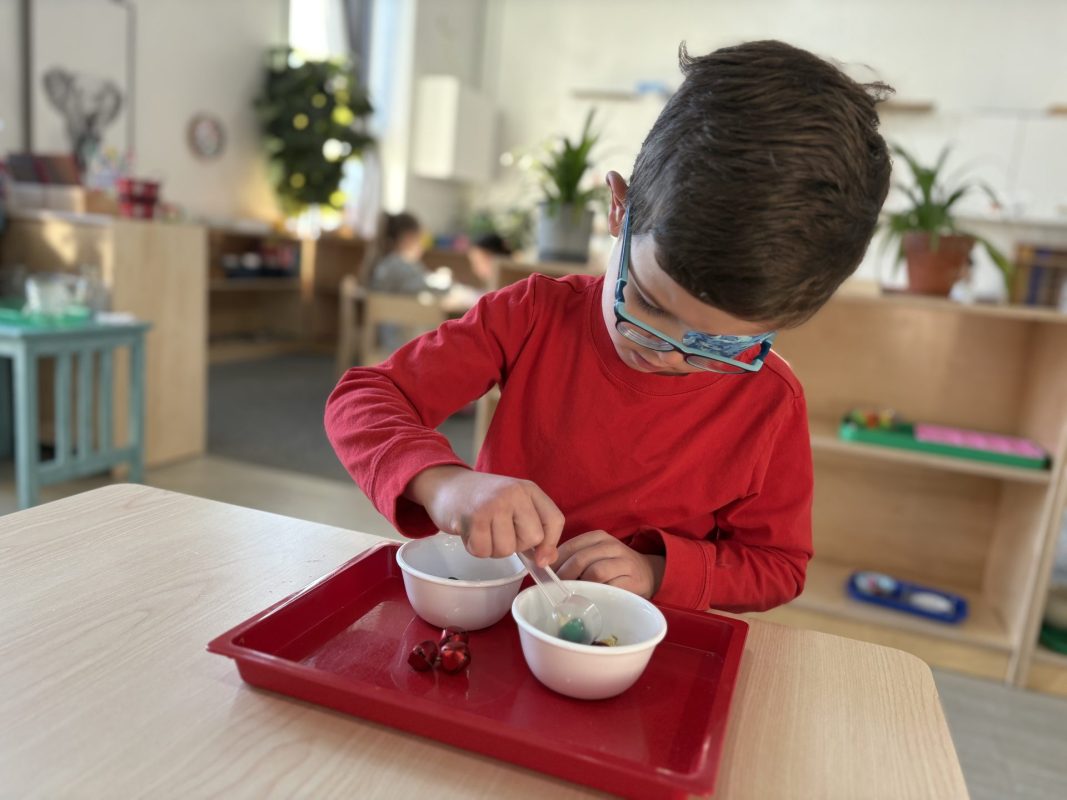
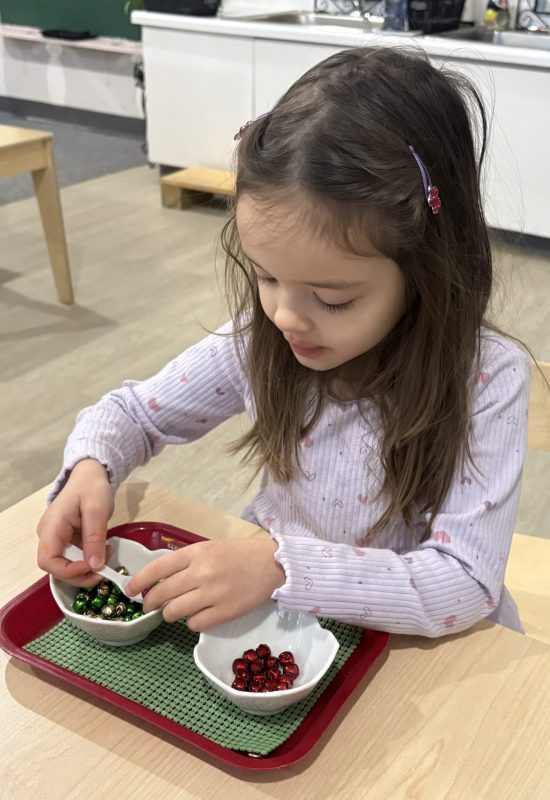
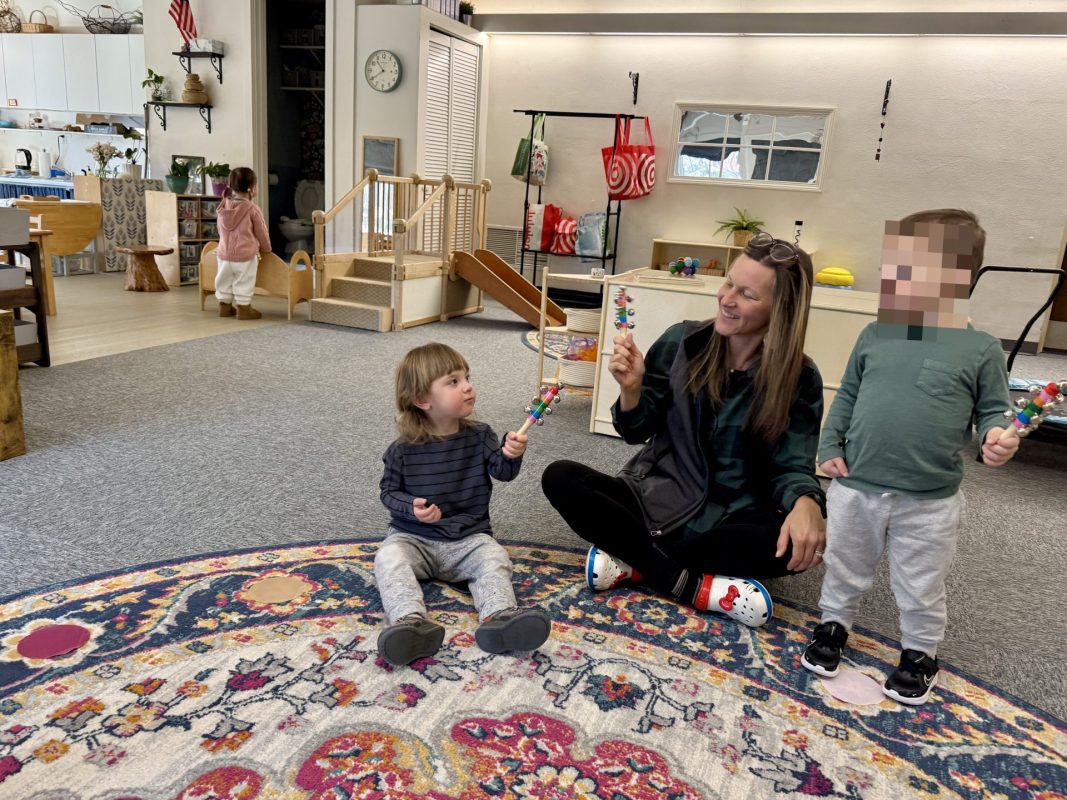
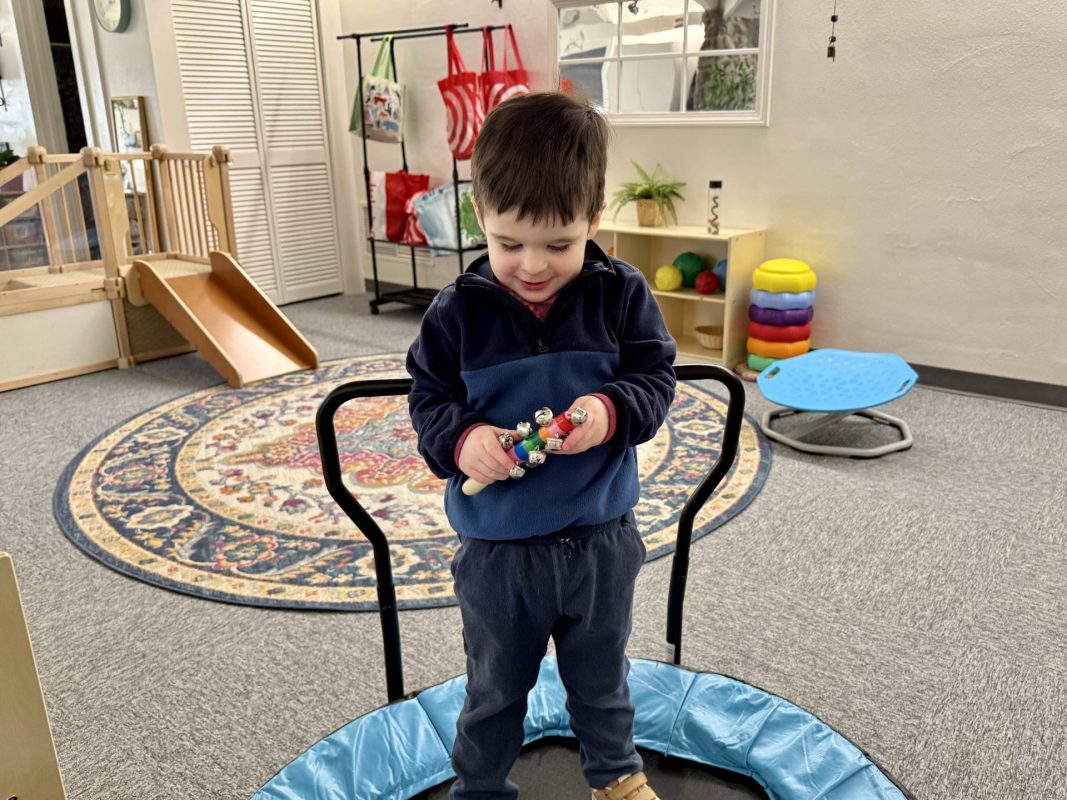
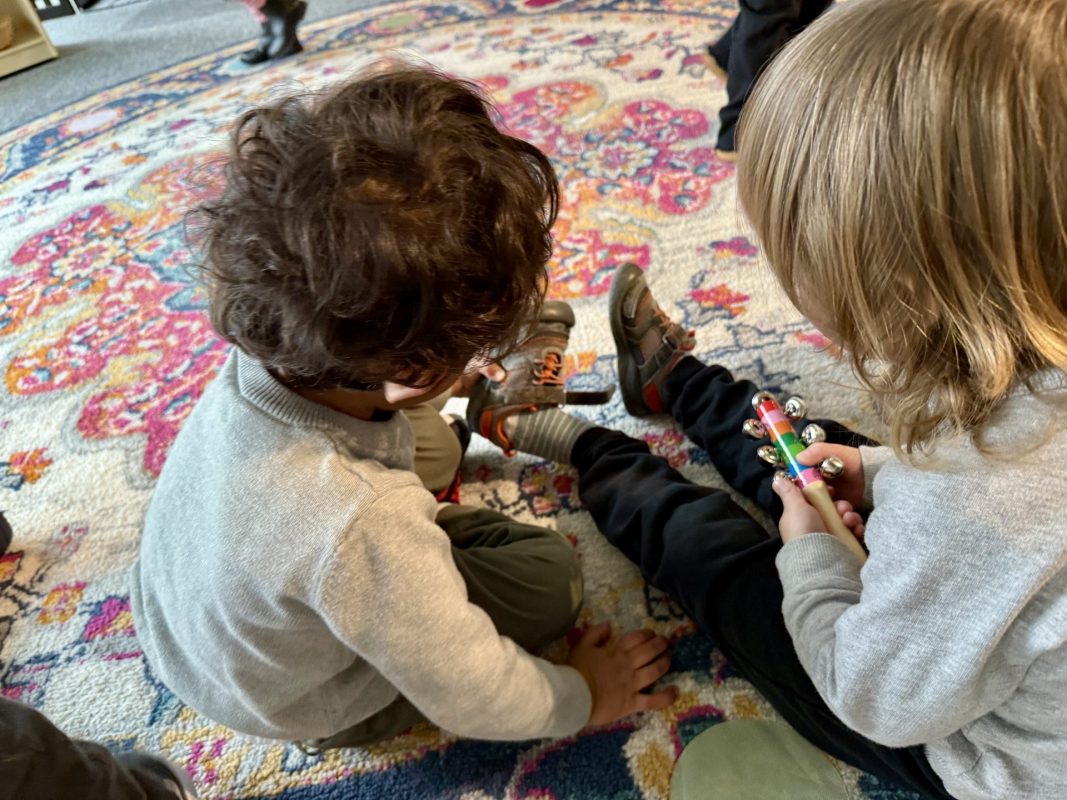
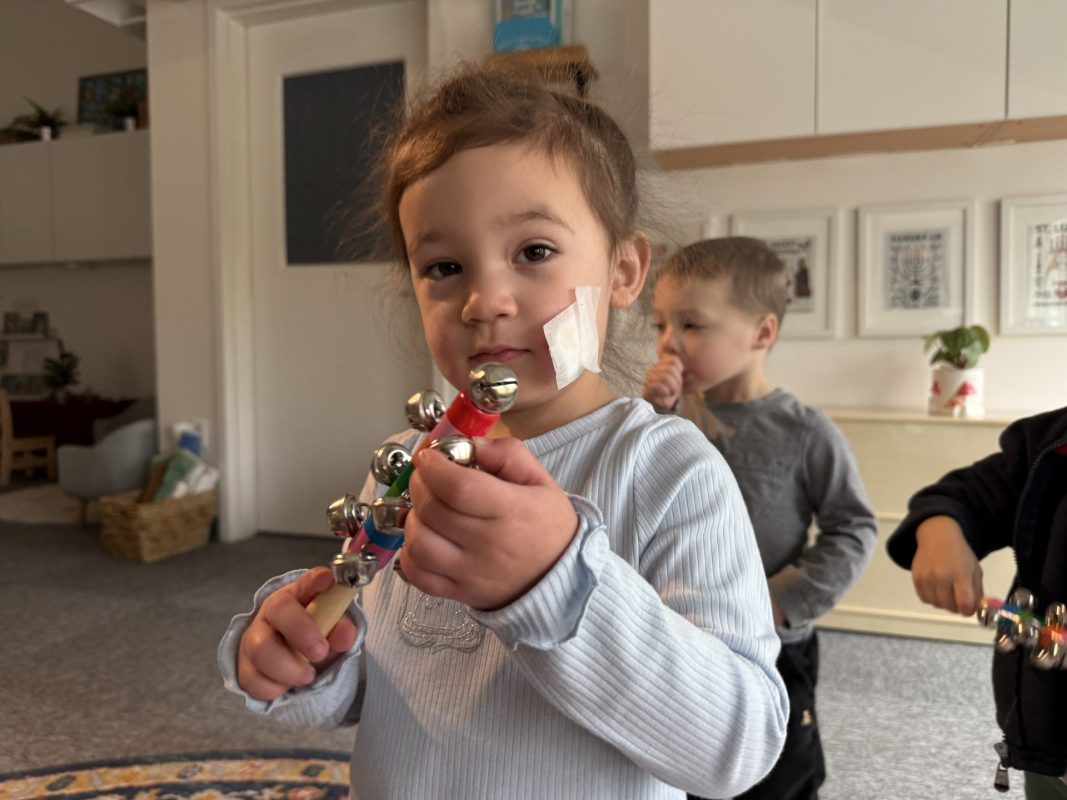
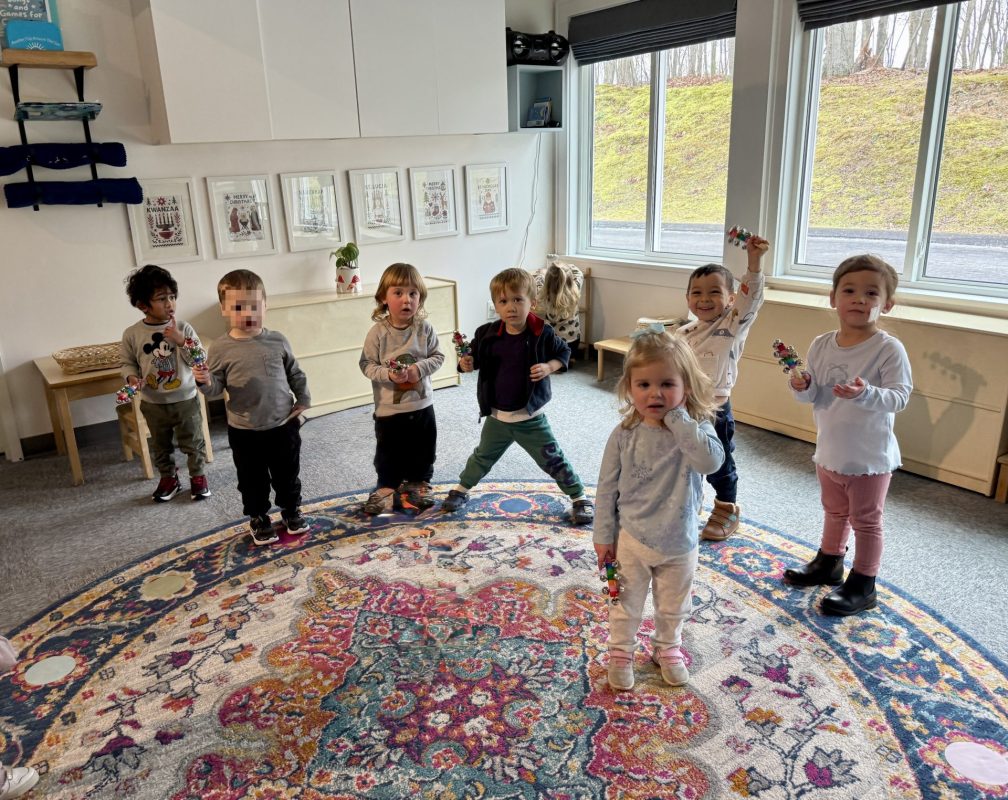
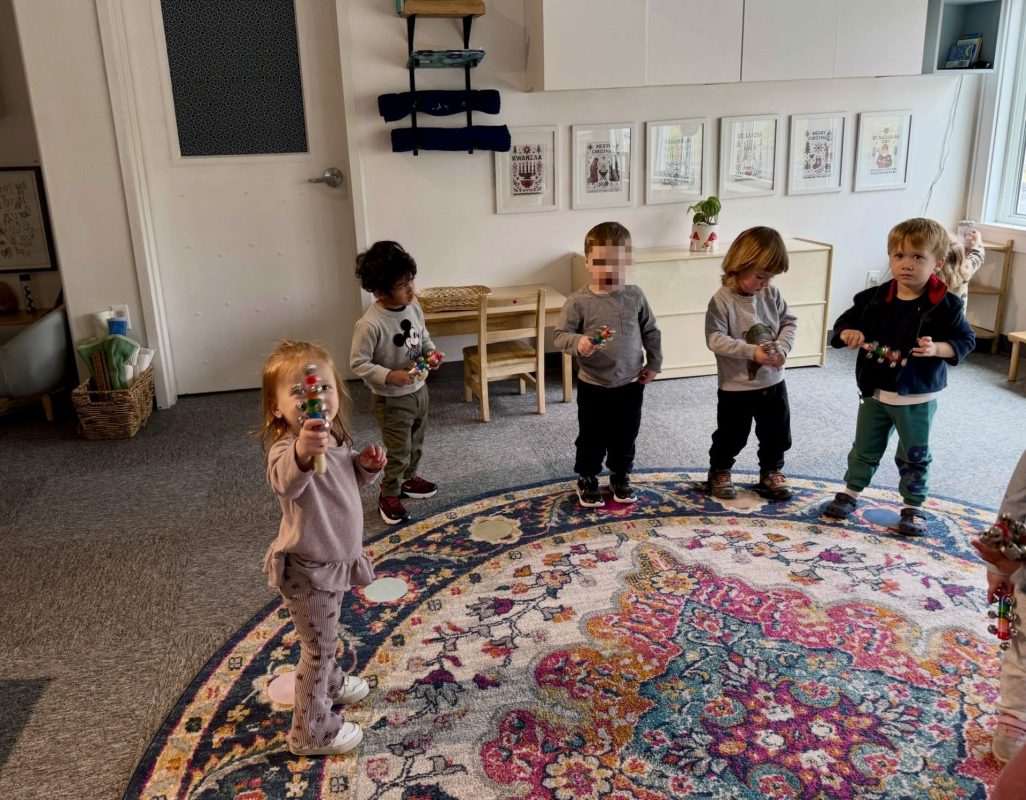
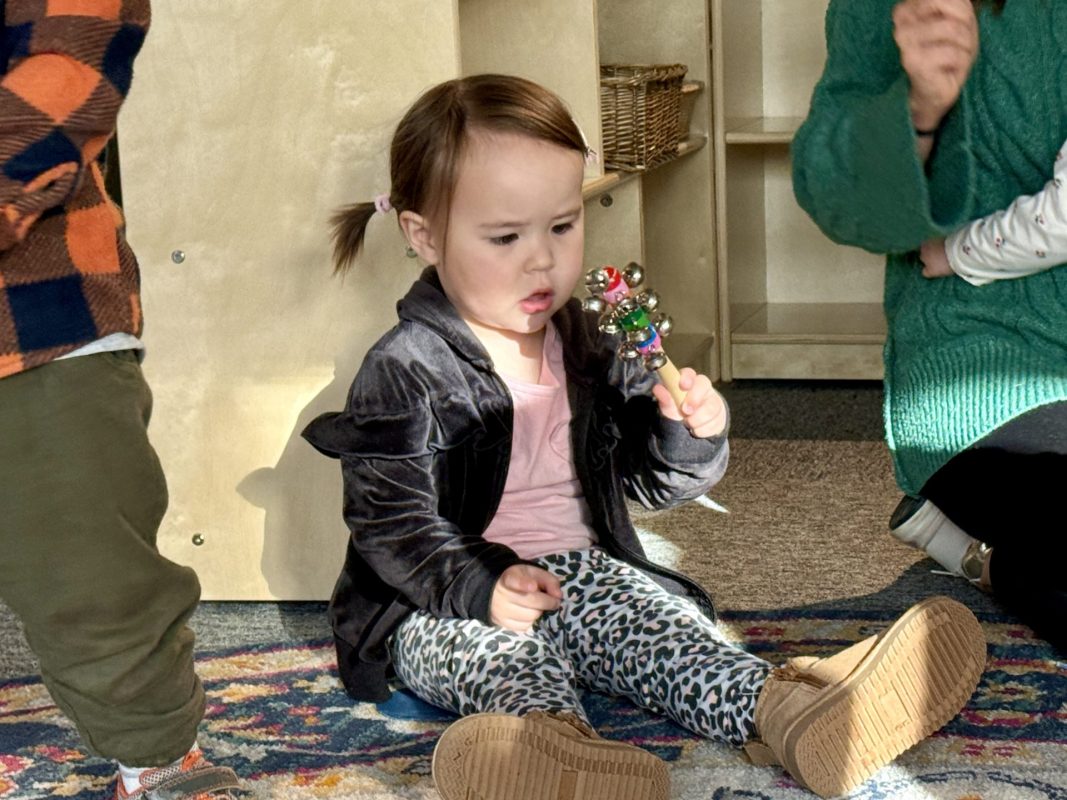
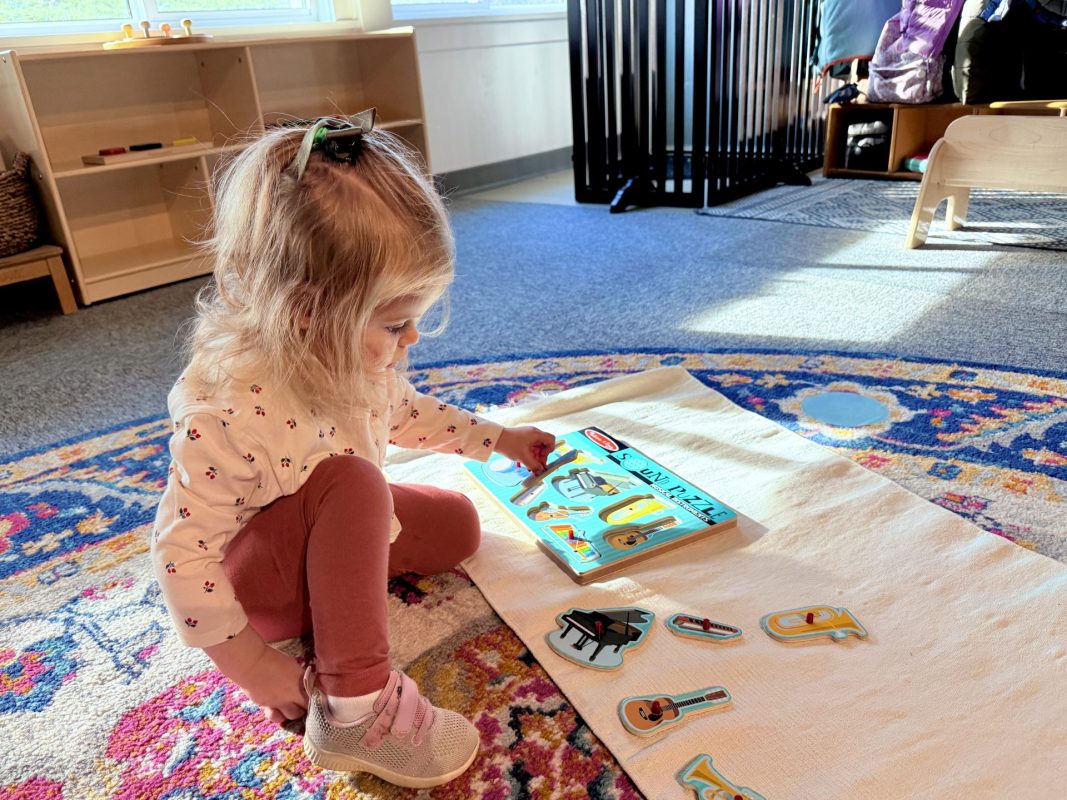
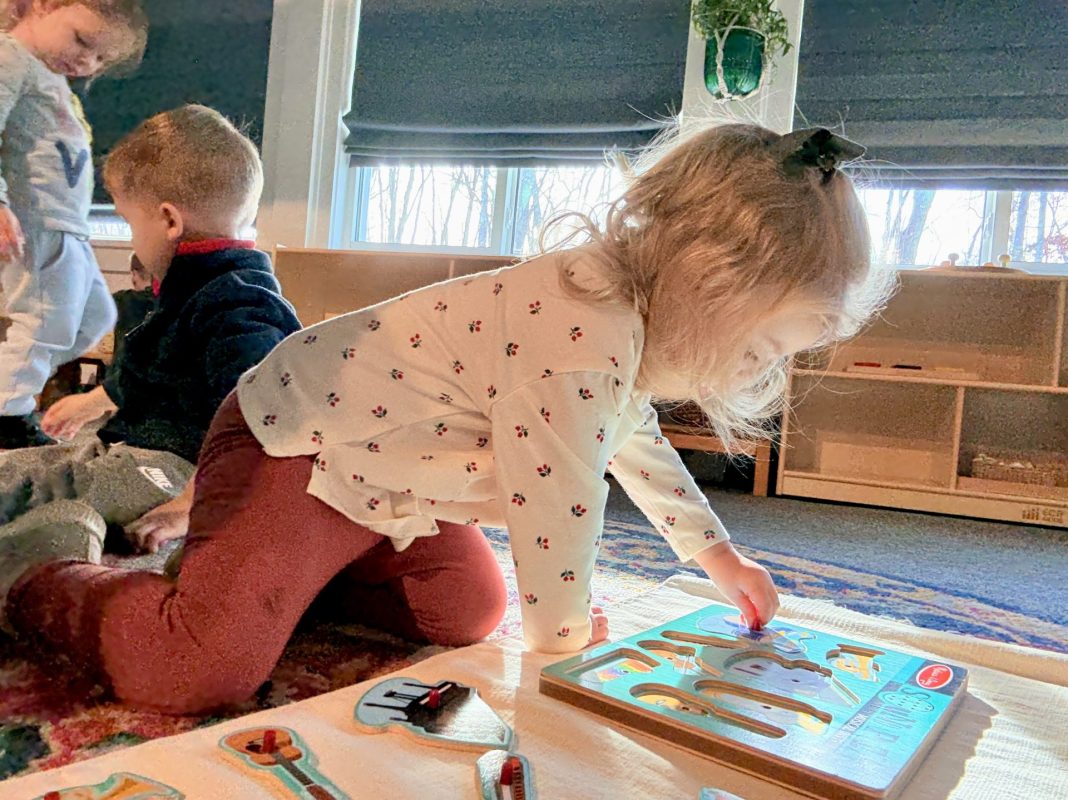
One of the children’s favorite activities this week has been using our bell instruments while “rocking out” to Jingle Bell Rock and other jingle bell songs. The joy on their faces is priceless as they shake the bells, dance, and move their bodies to the rhythm. This activity has quickly become a top request throughout the morning, and it’s a beautiful way for them to engage their whole bodies while exploring sound and music.

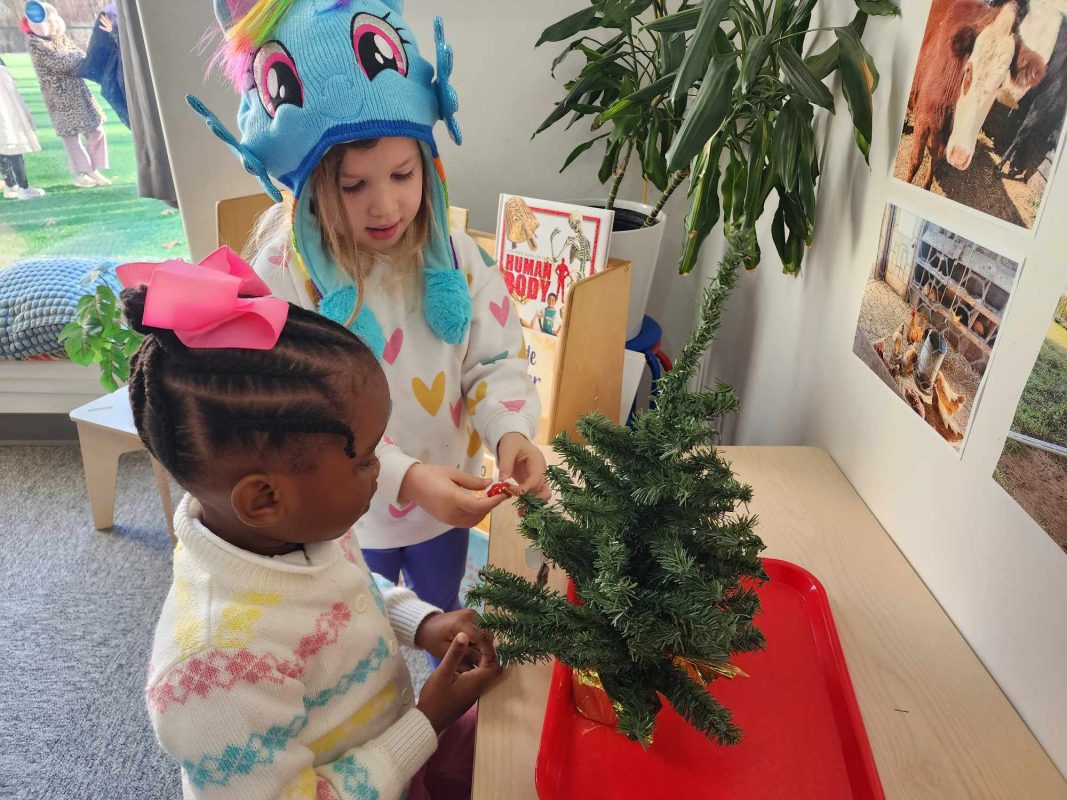
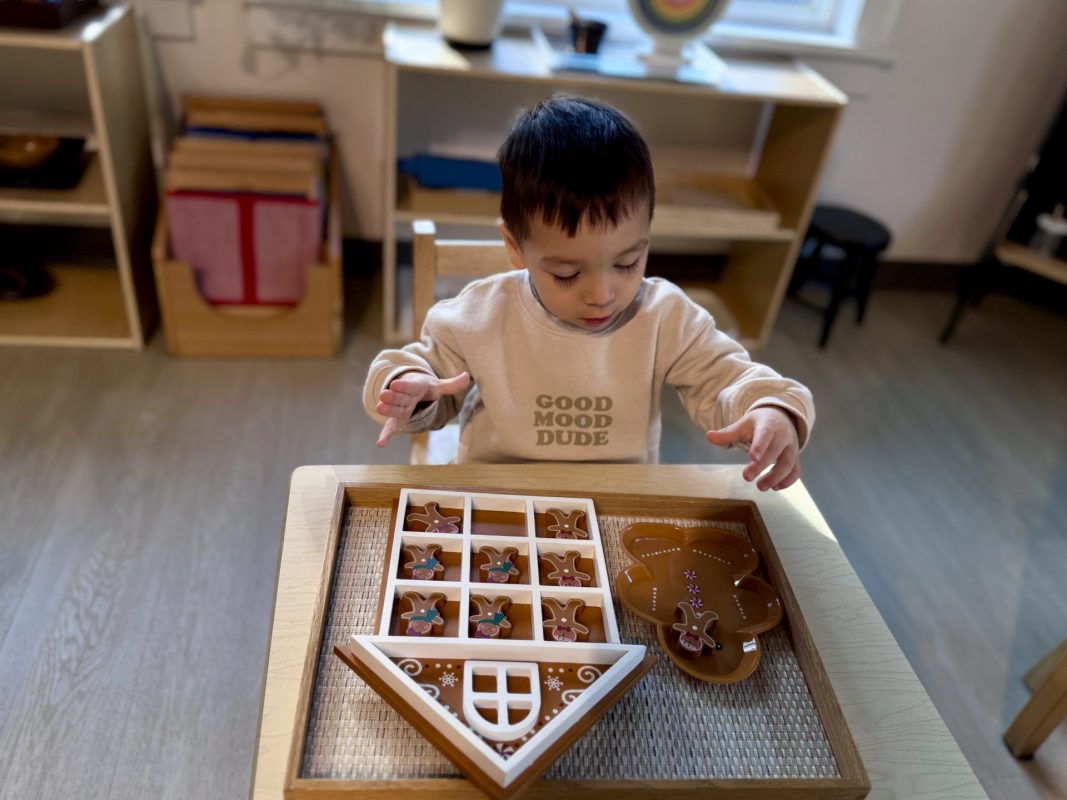
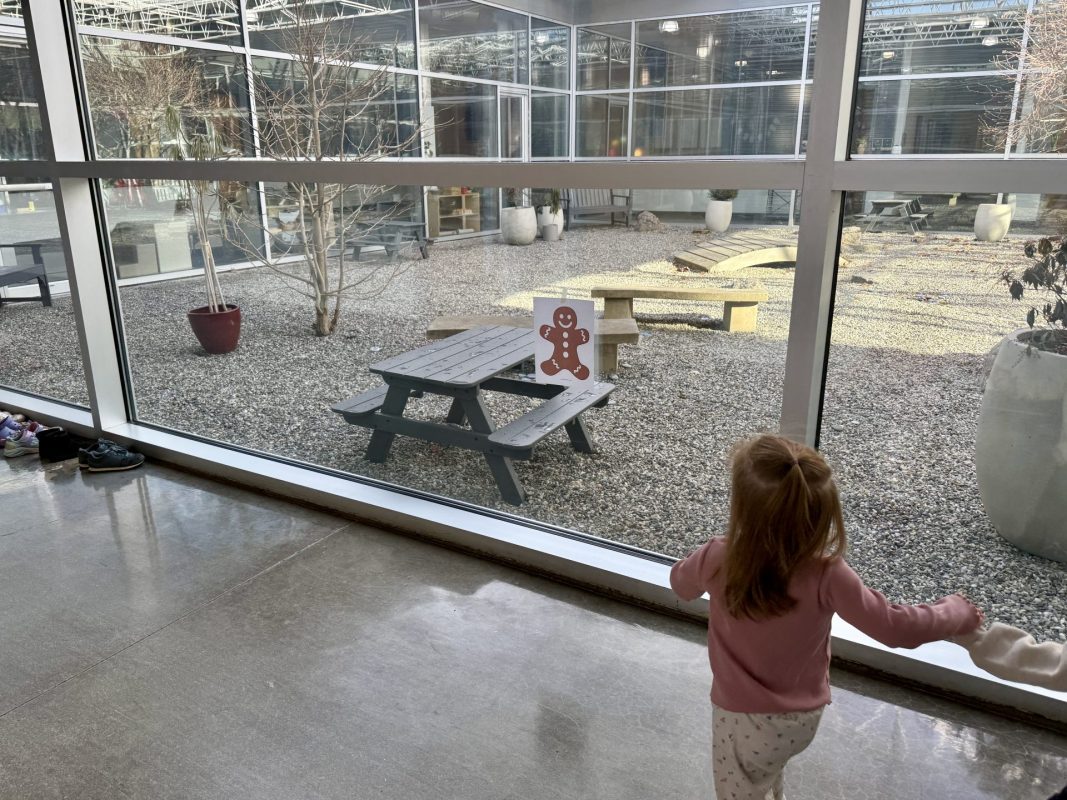
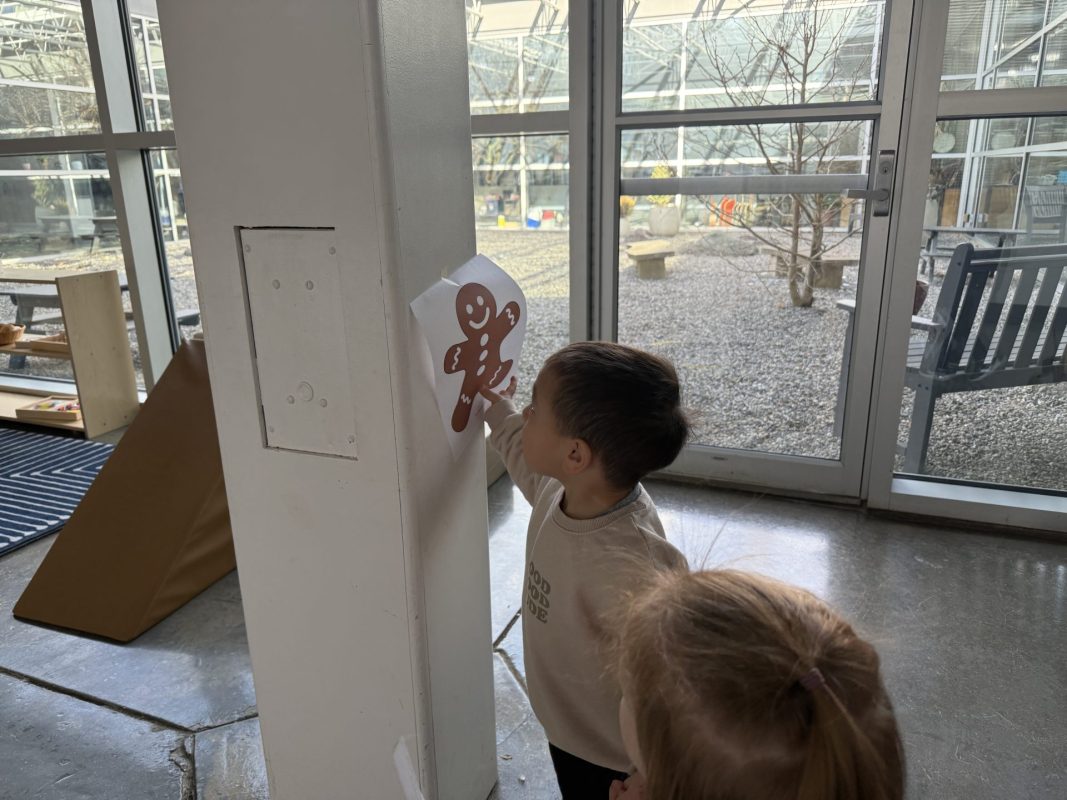
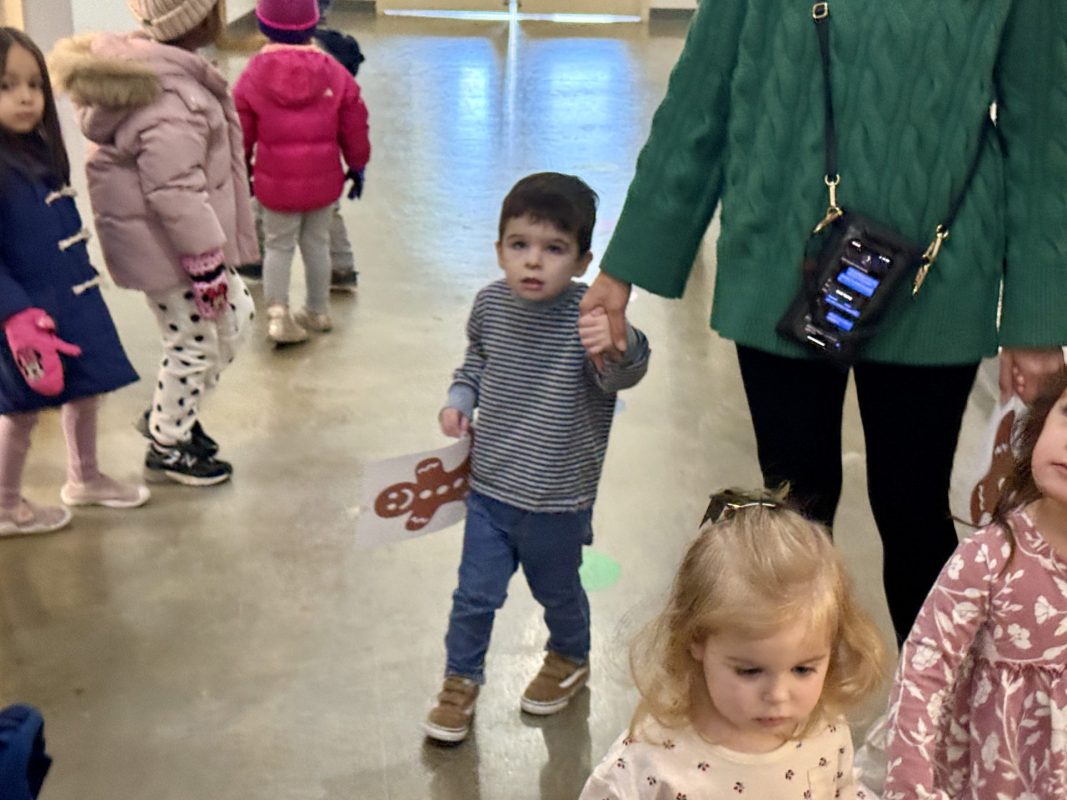
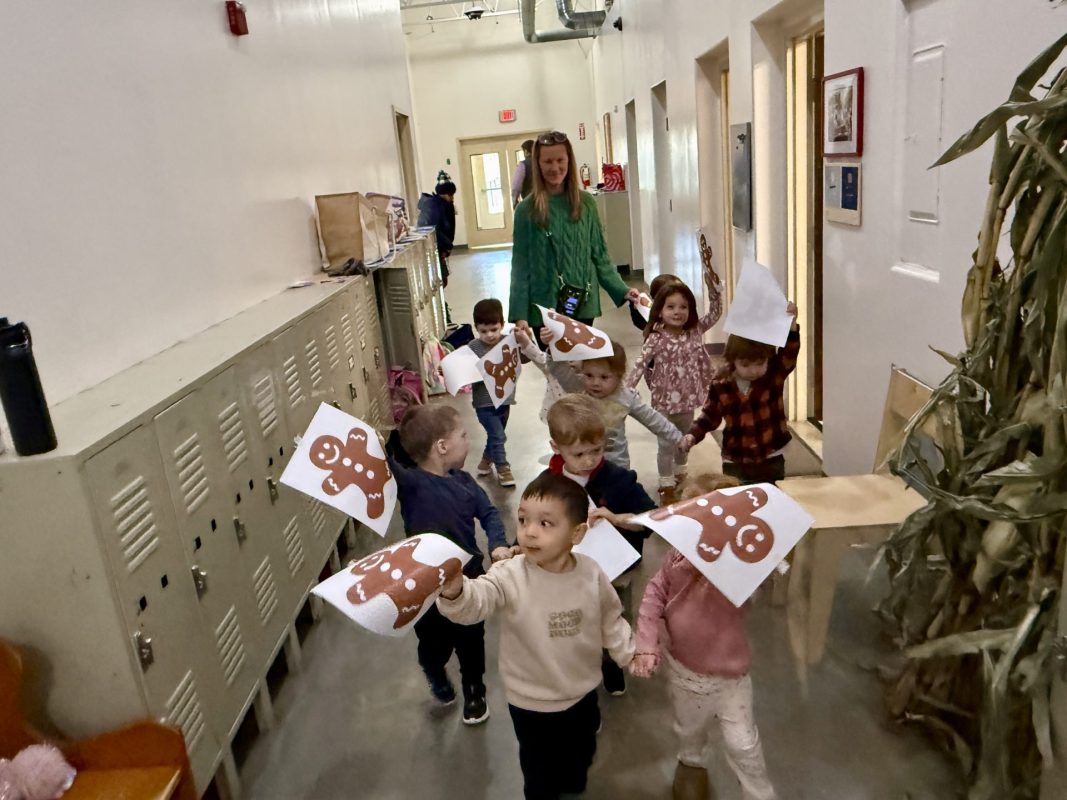
We also added a fun new twist to our movement needs: a gingerbread hide-and-seek game. One of us hides gingerbread people around the school, and the children search for them during our walks around campus. Their excitement builds as they scan the hallways, and the moment a child spots a gingerbread person is pure magic. Each child takes a turn, gently removing one from the wall, practicing patience, turn-taking, and observational skills along the way.

Even when the weather keeps us inside, we still find meaningful and joyful ways to move.
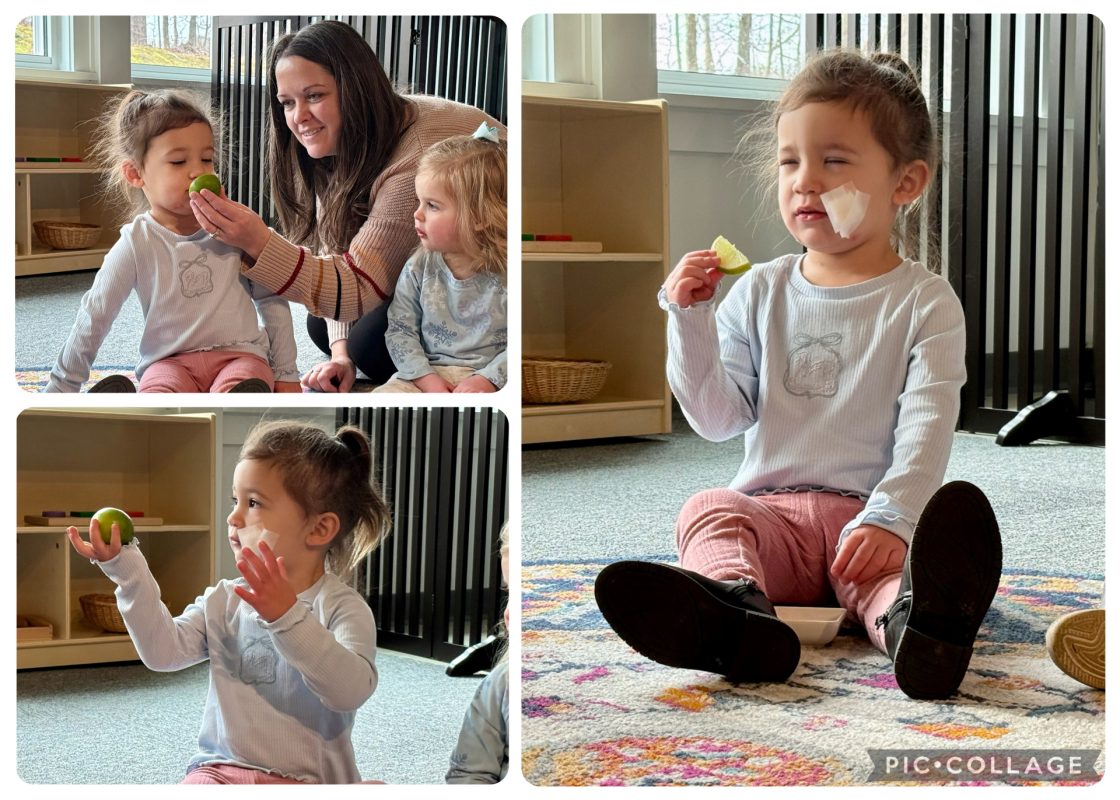
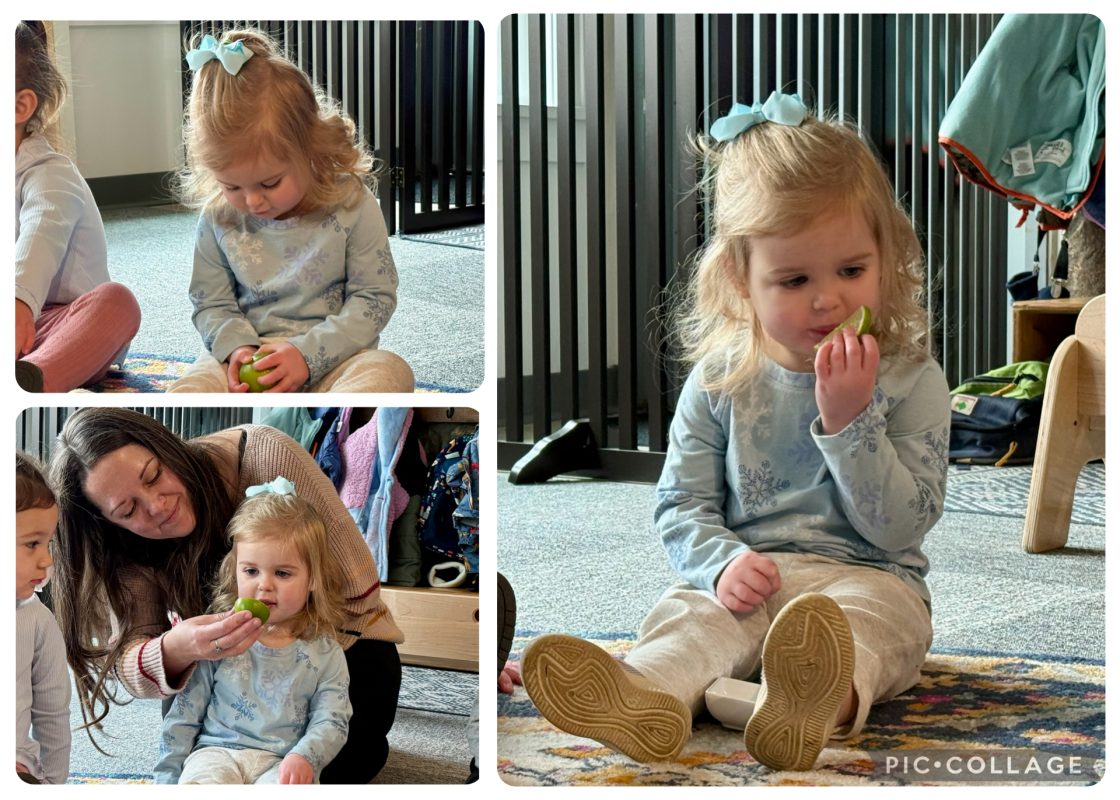
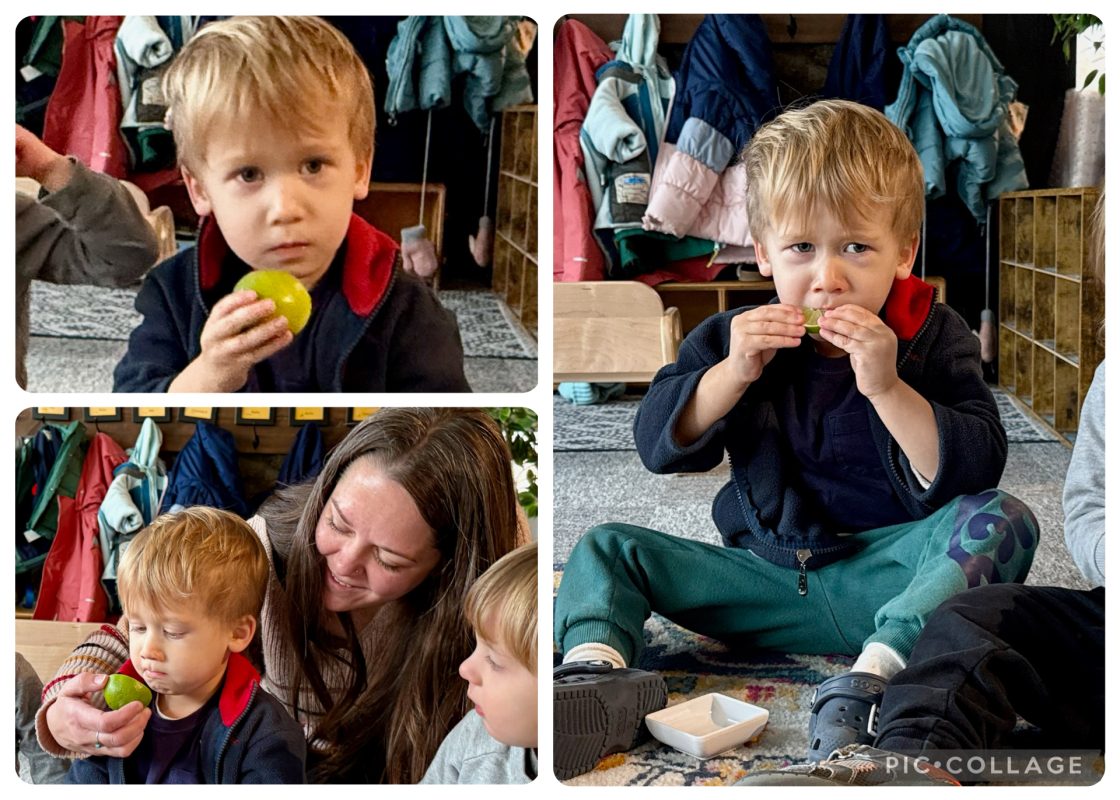
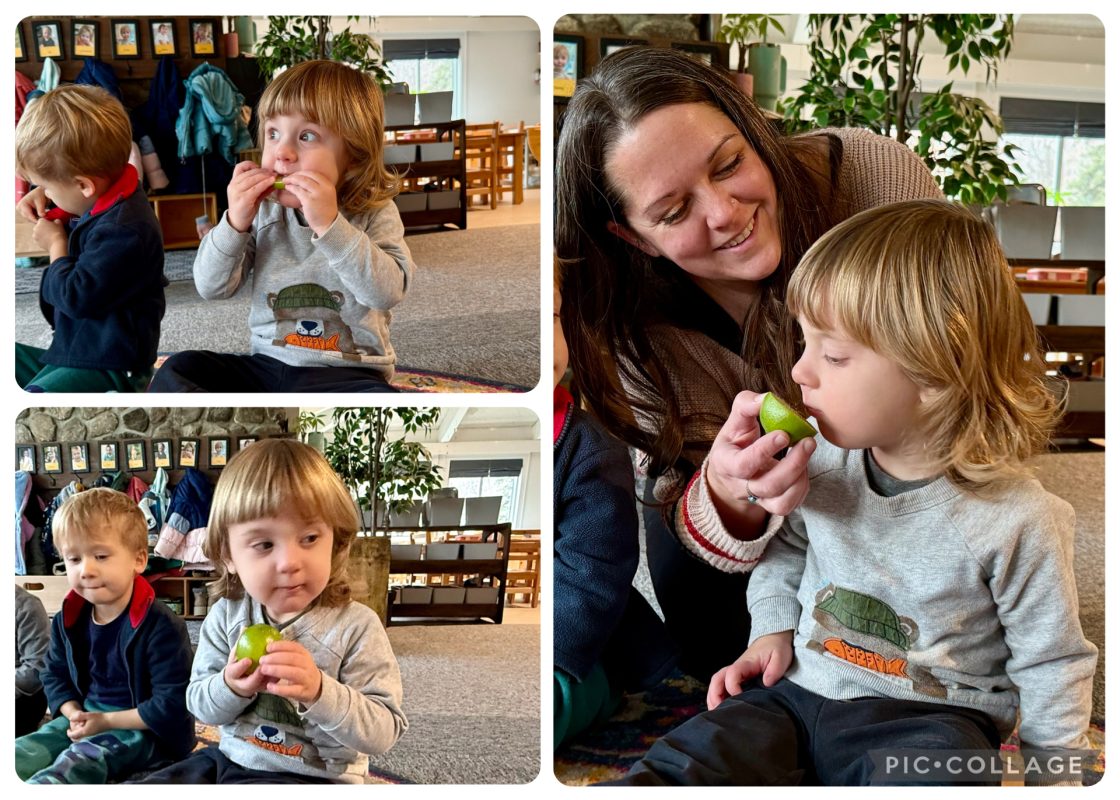
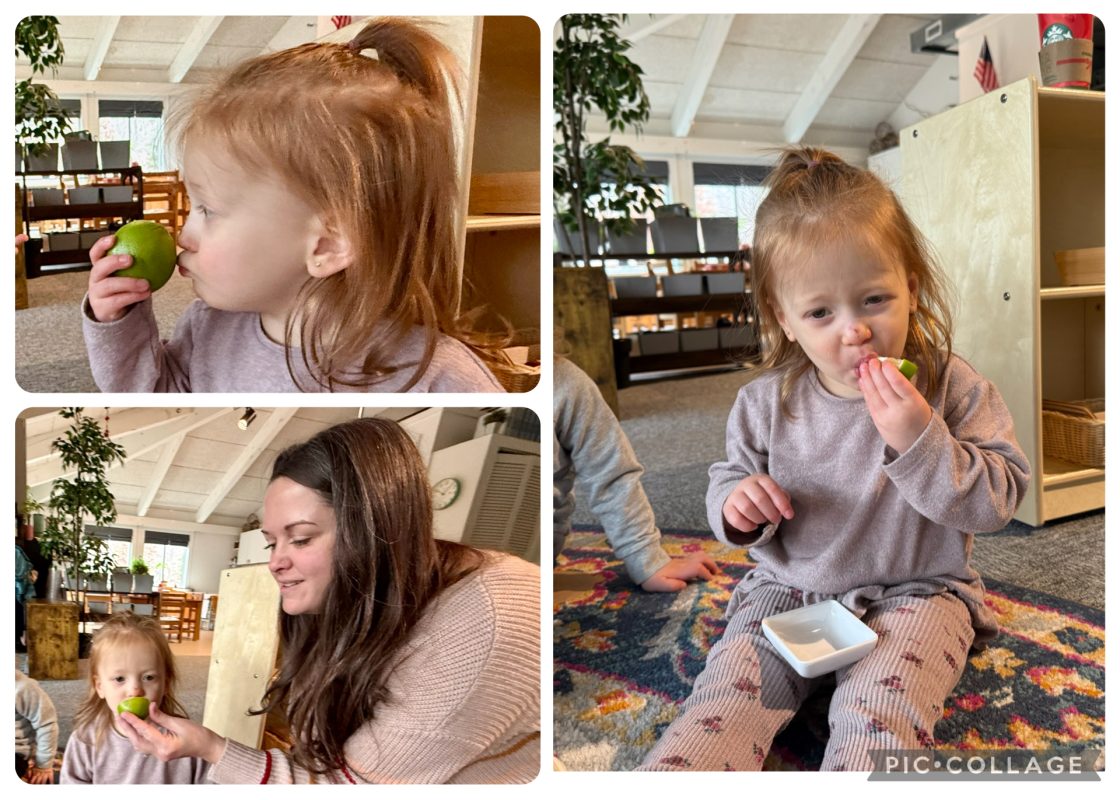
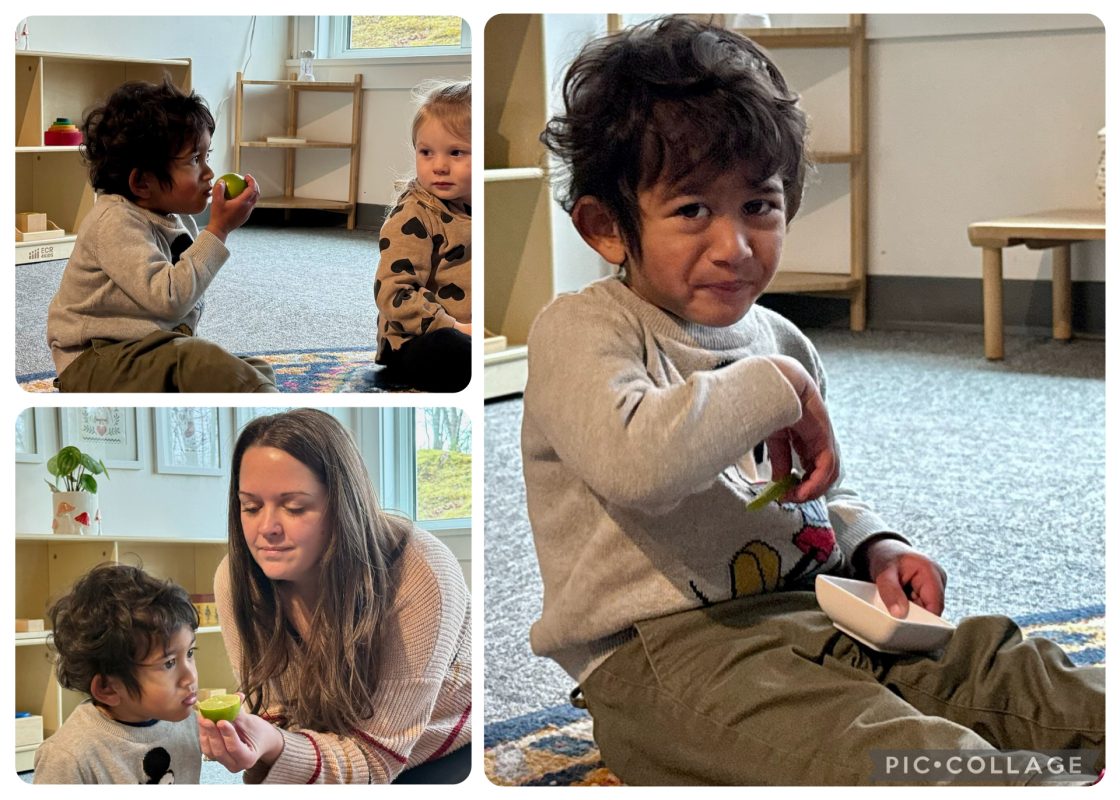
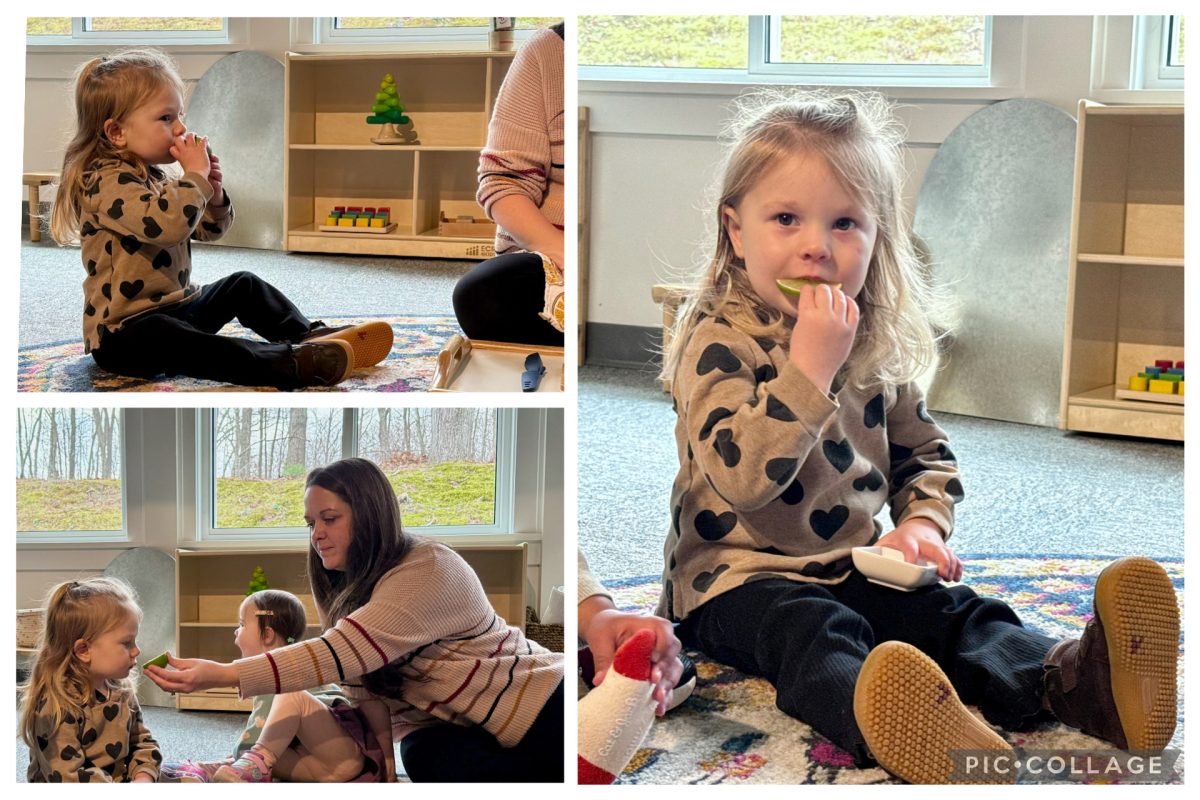
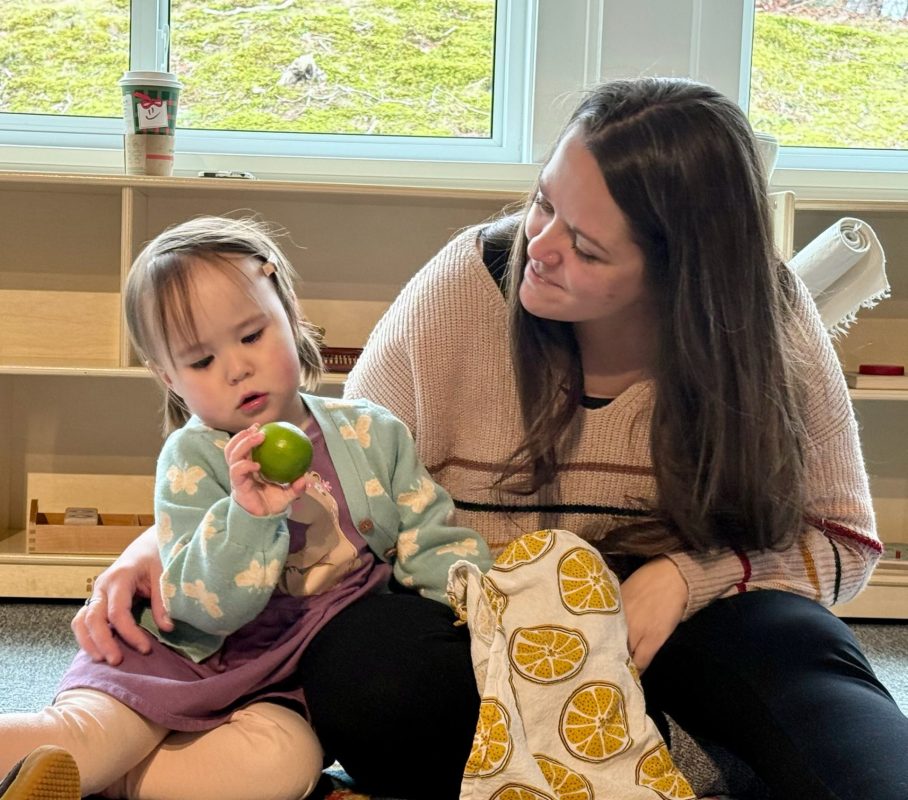
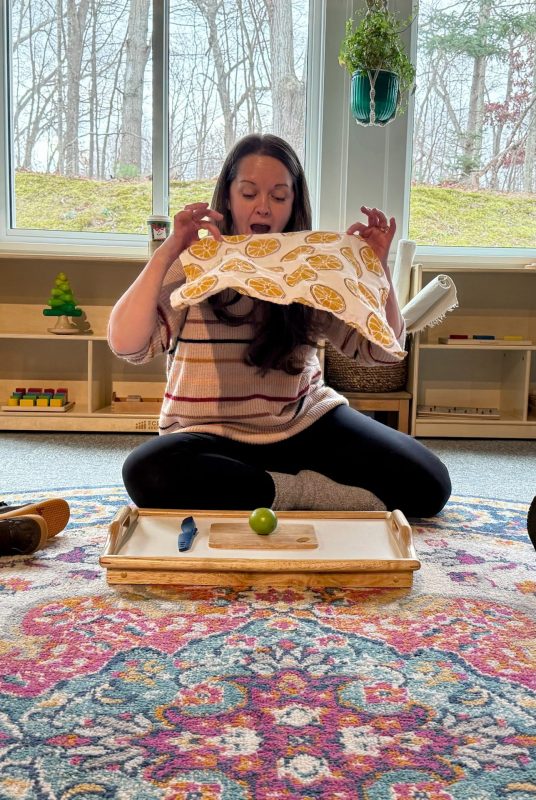
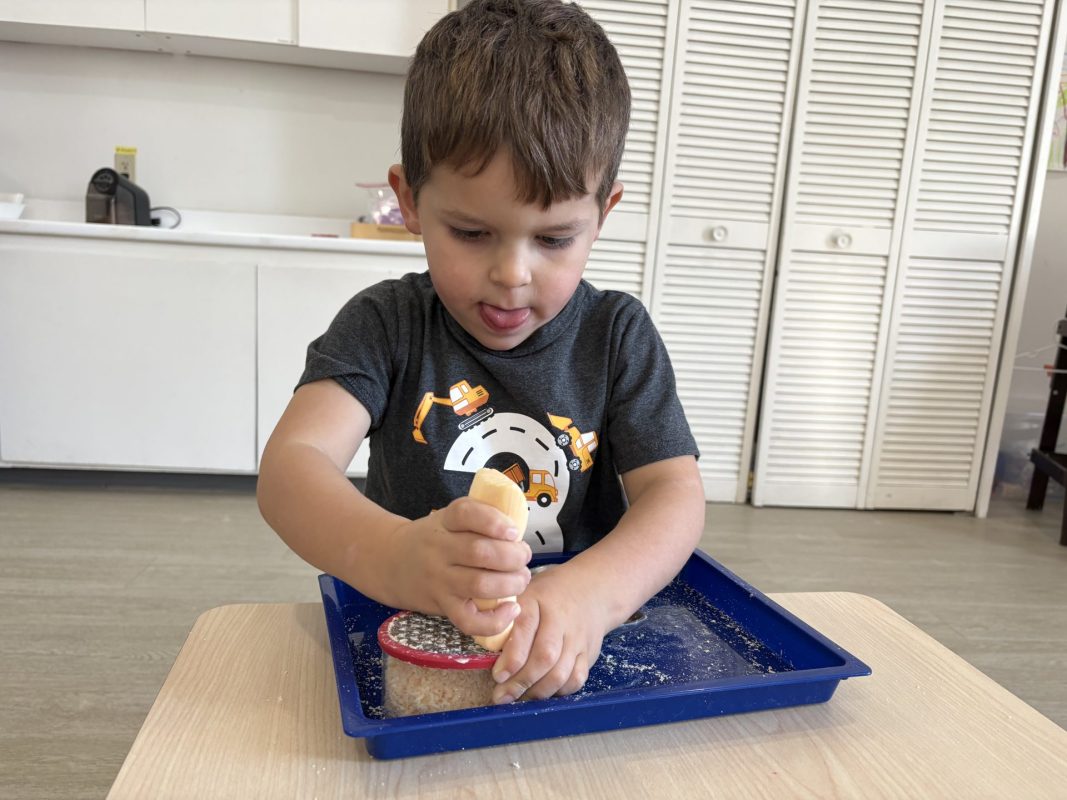
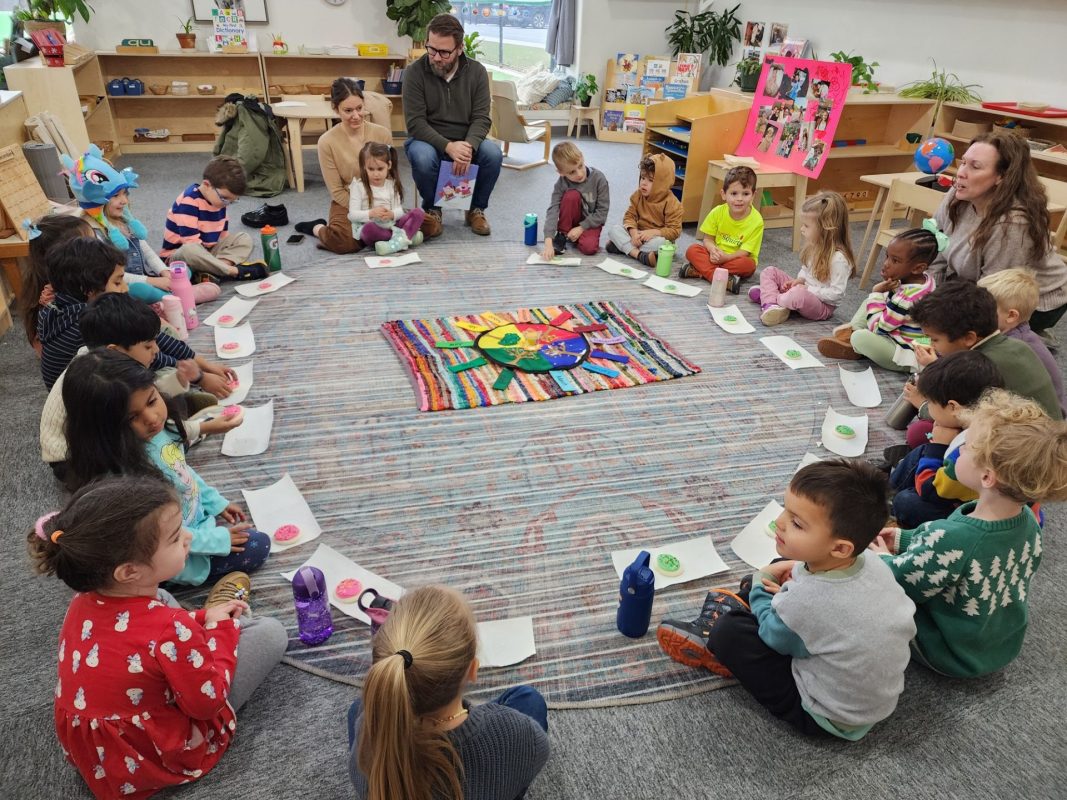
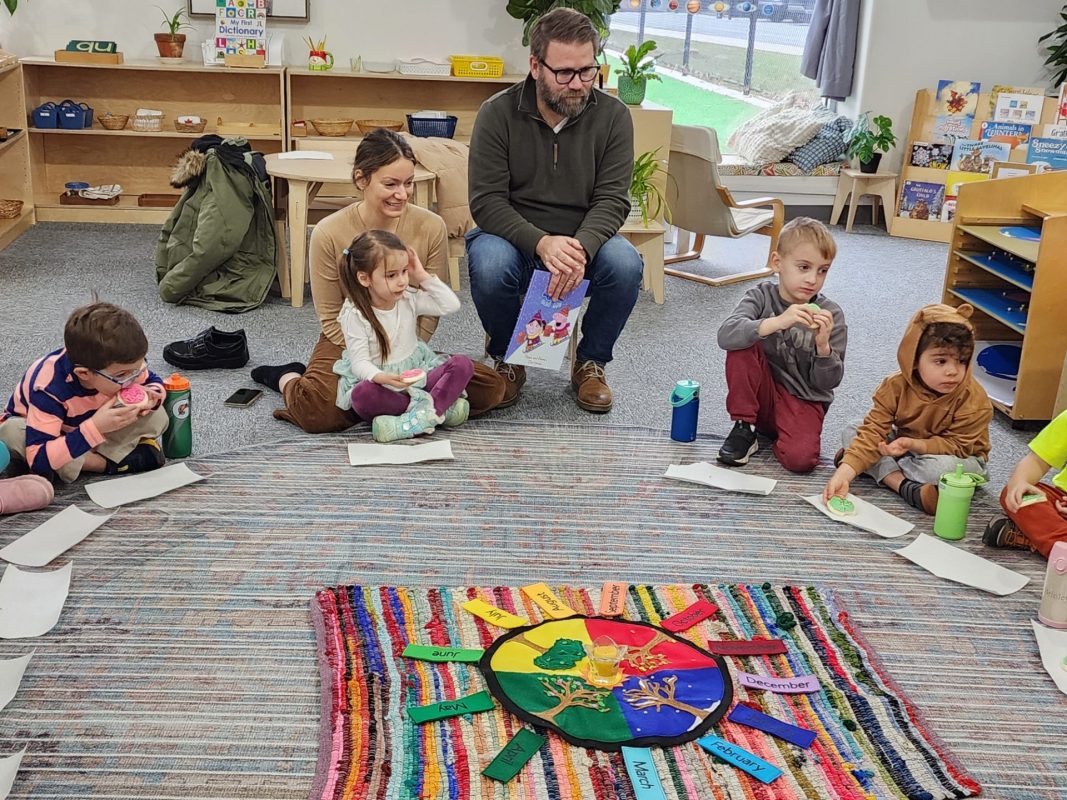
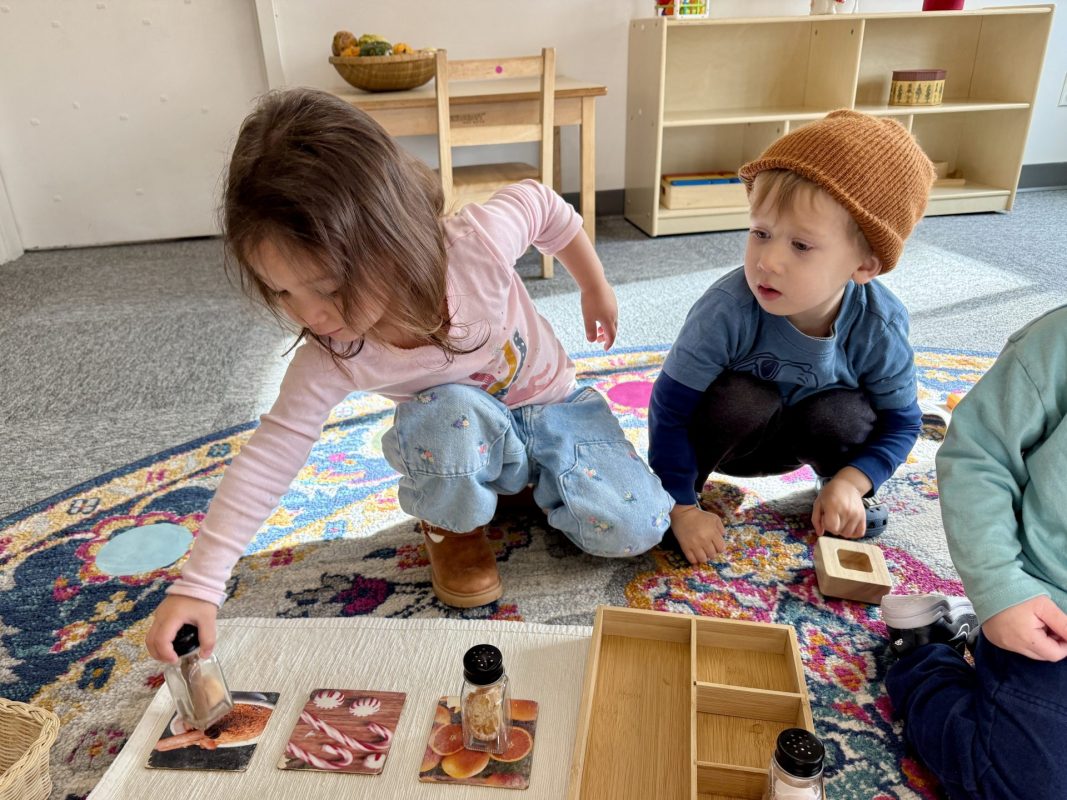
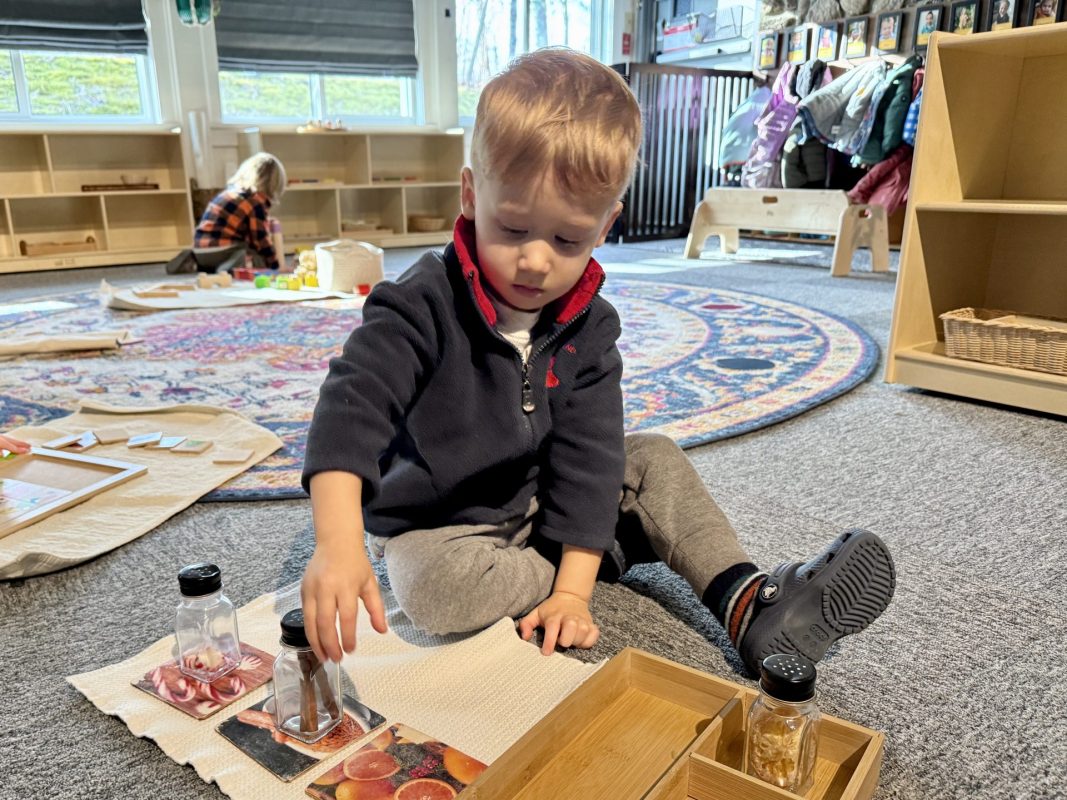
Food Tasting: This week in our ongoing exploration of citrus fruits, the children tasted lime. We will continue this citrus study into the new year. The lime was a refreshing surprise—many children found it even more sour than last week’s lemon! It sparked wonderful facial expressions, curious reactions, and lots of eager chatter. Lime is one of my personal favorite citrus flavors, and it was delightful to see the children approach it with such curiosity and courage.

Love and Light,

Cynthia and Sara
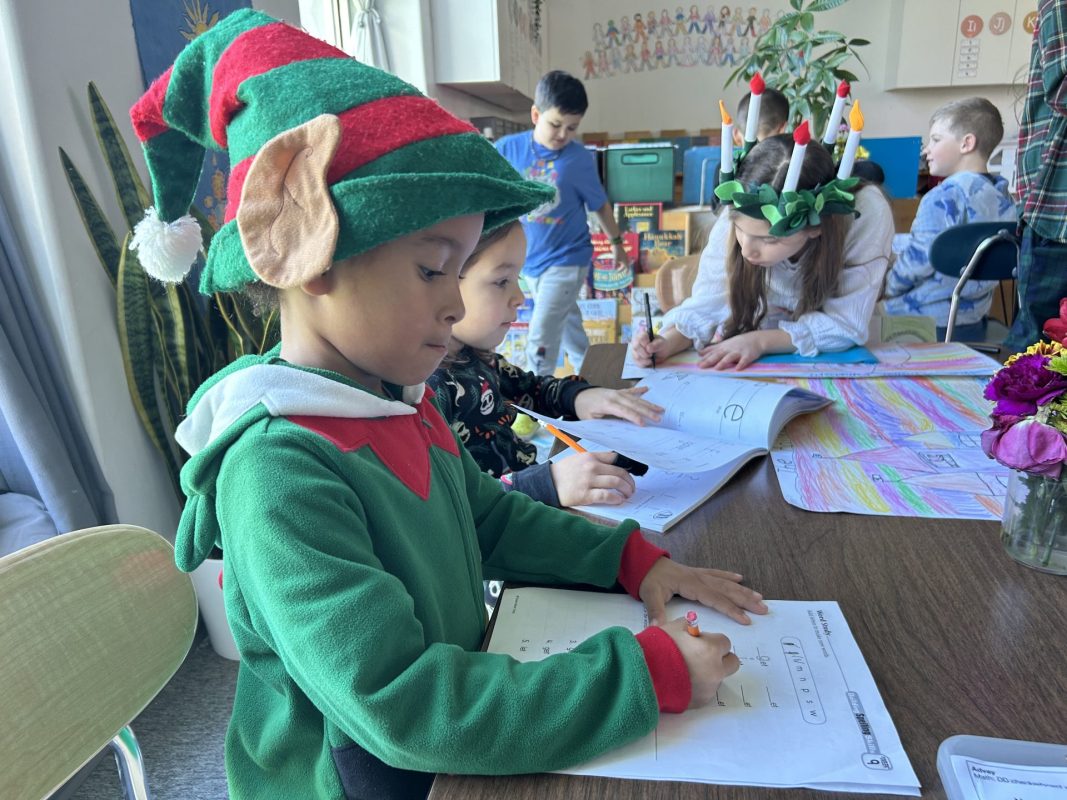

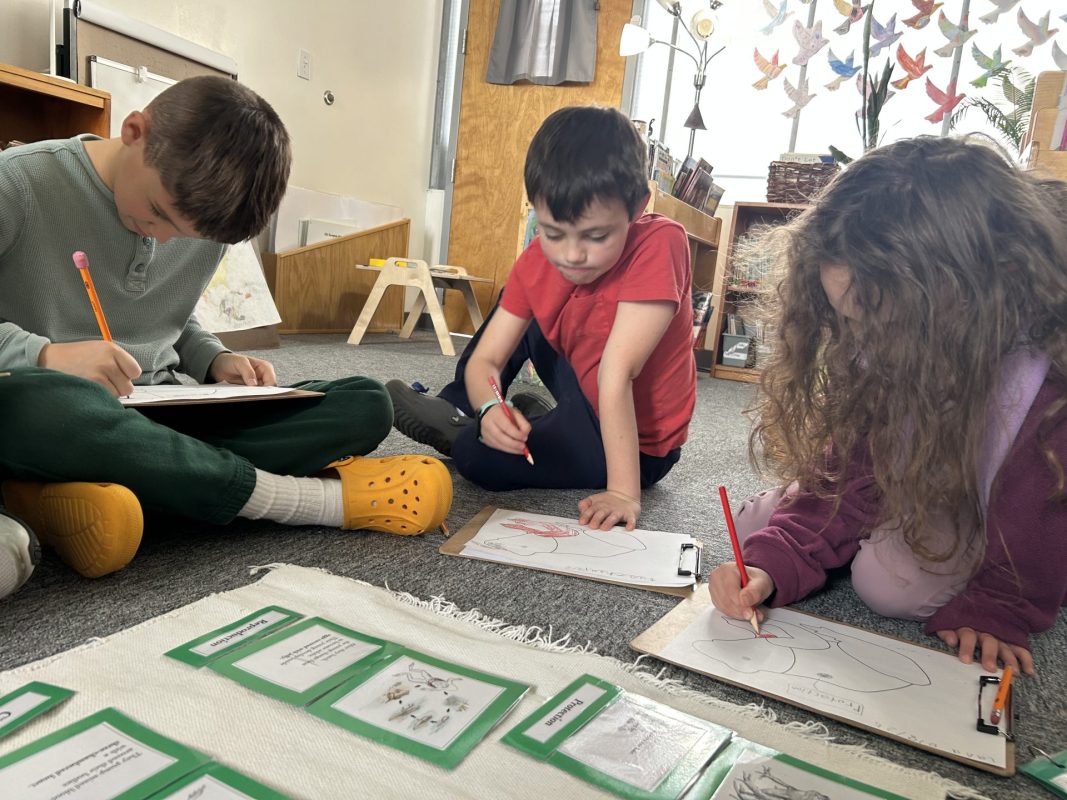
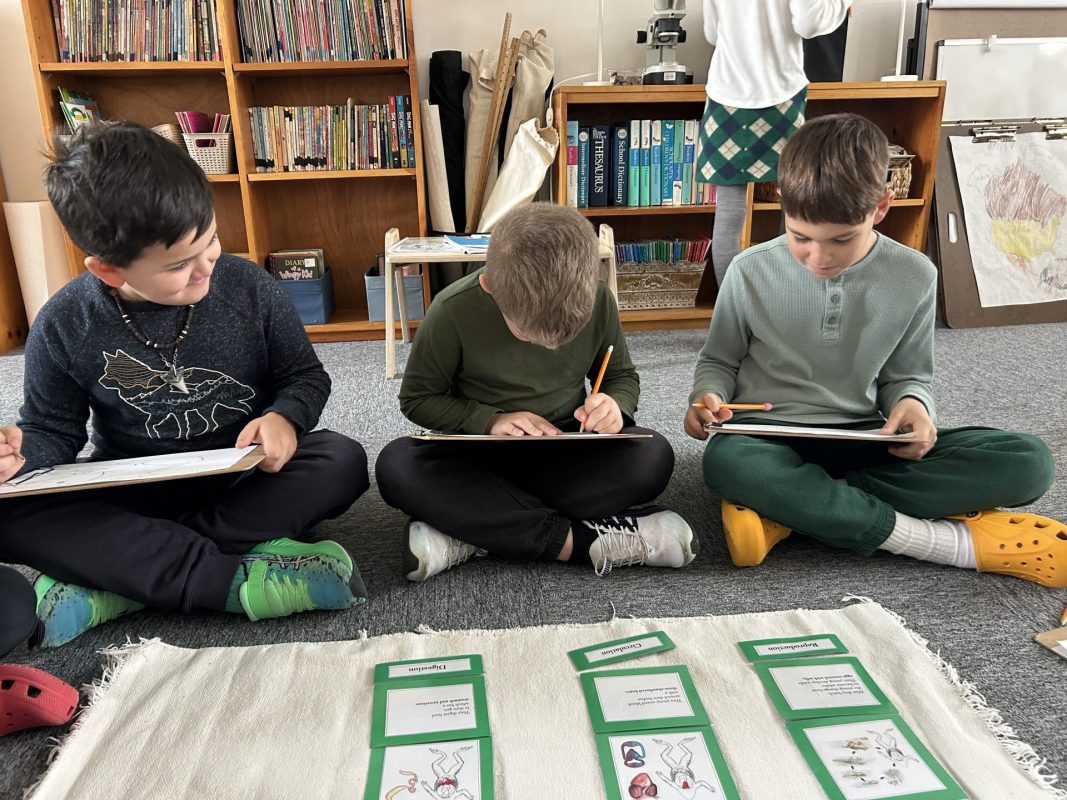
Cosmic Education: Biology

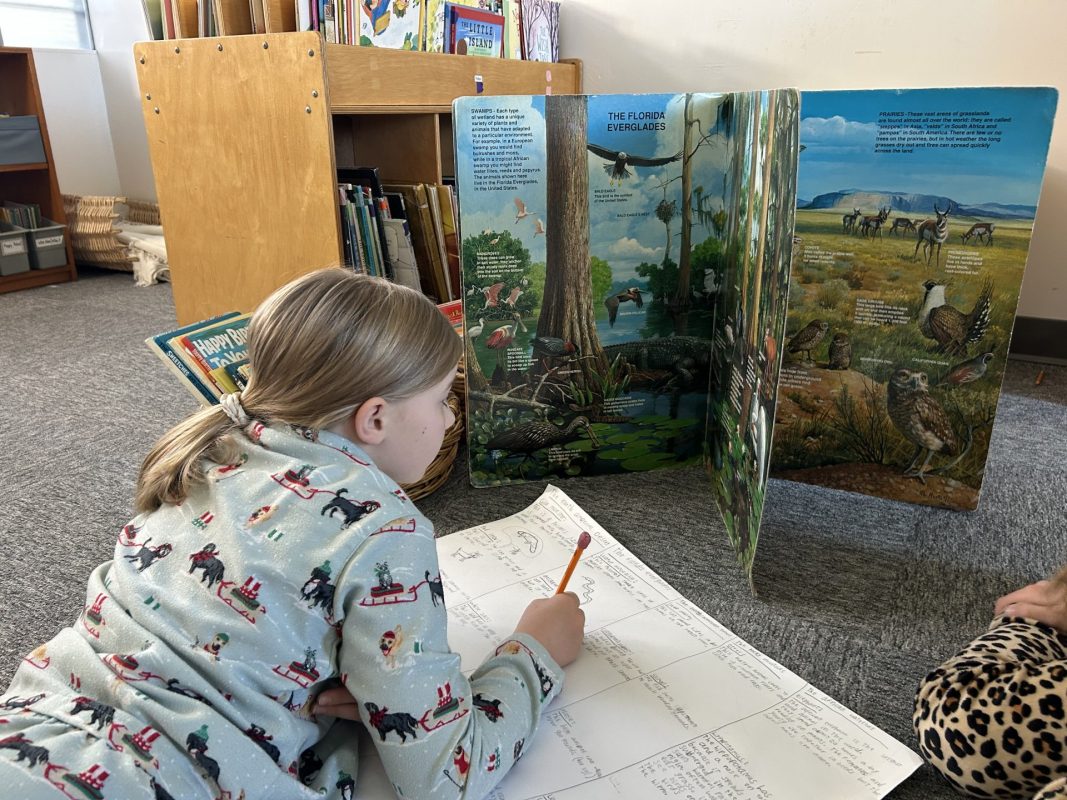
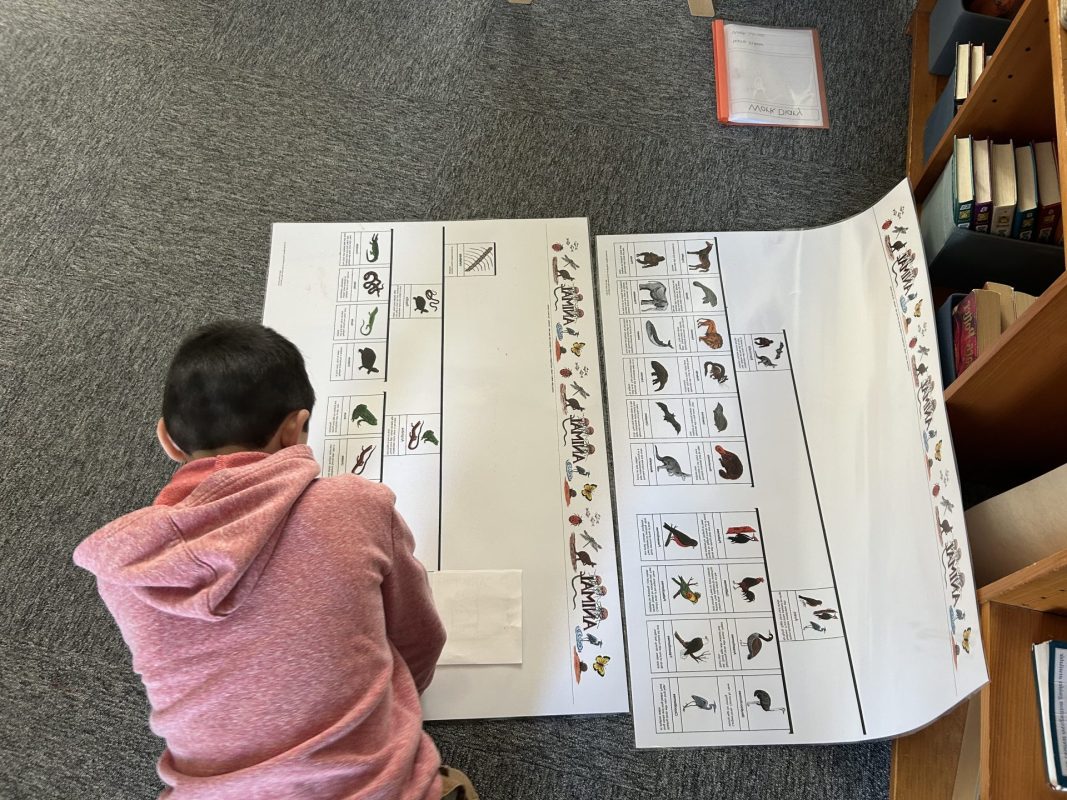
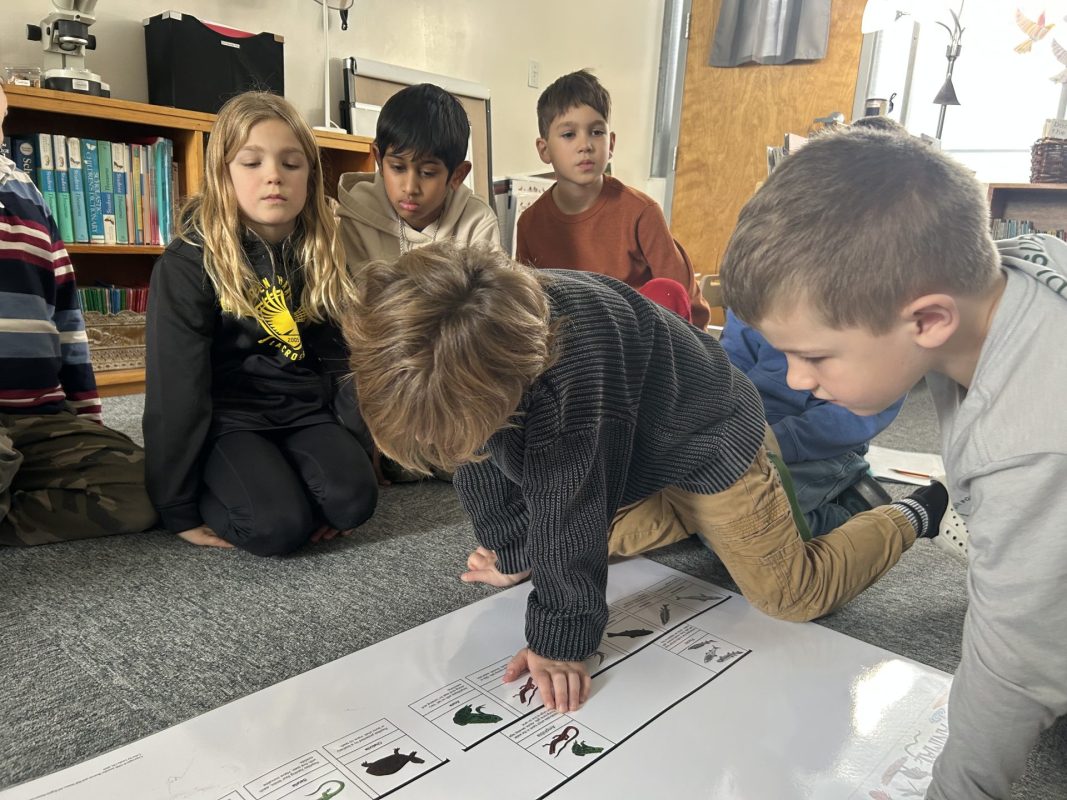
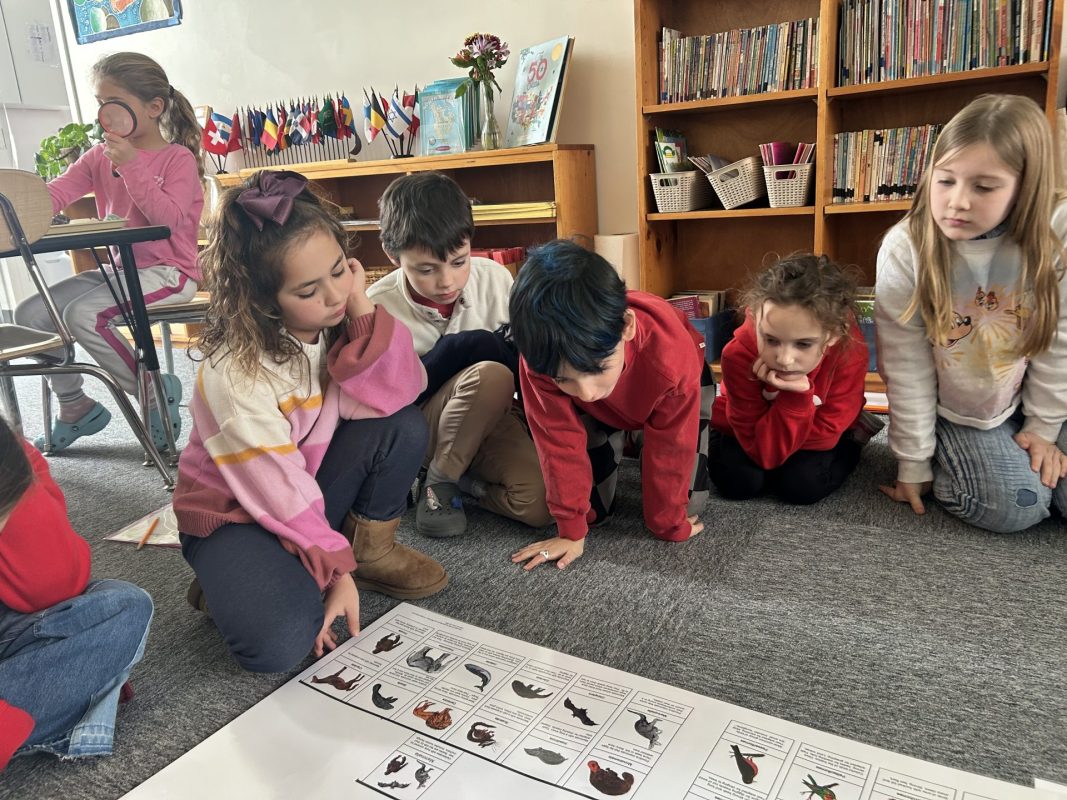
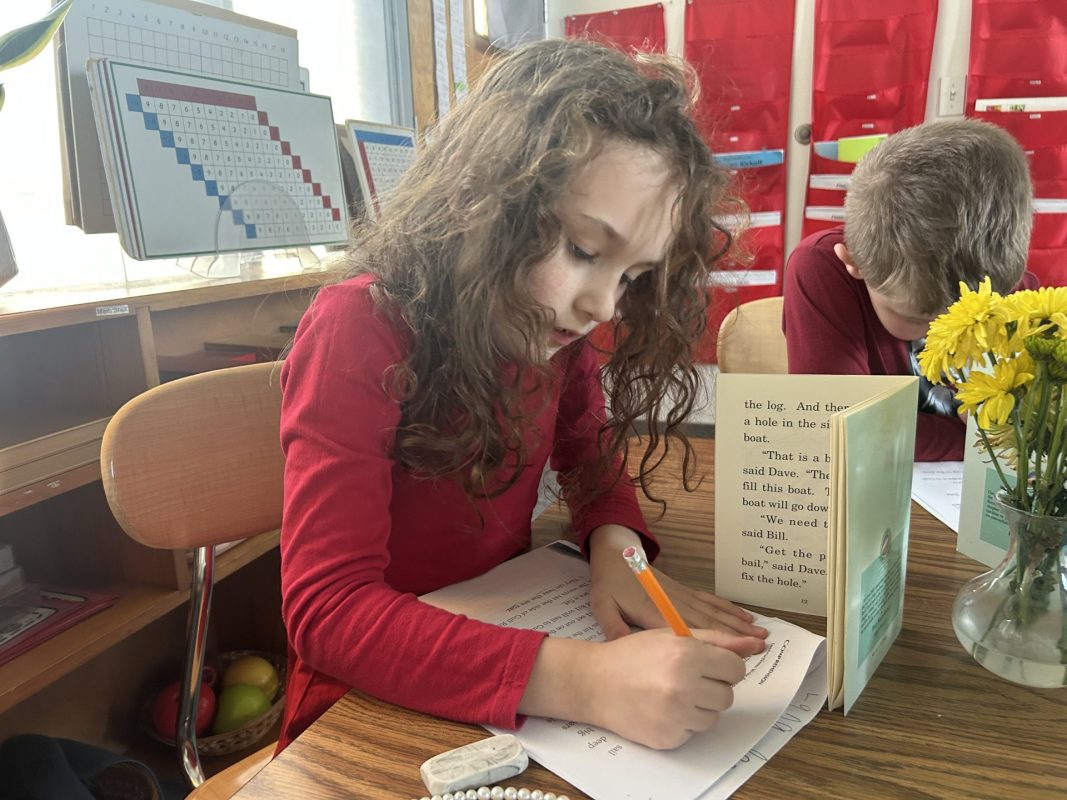
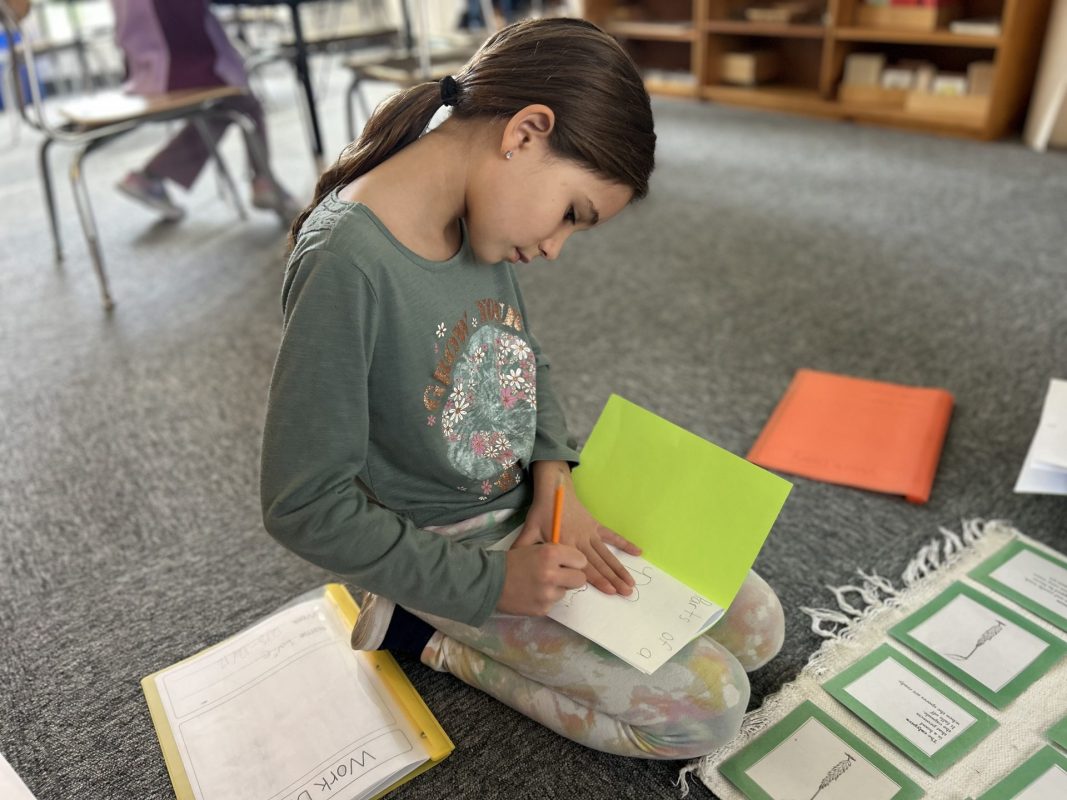
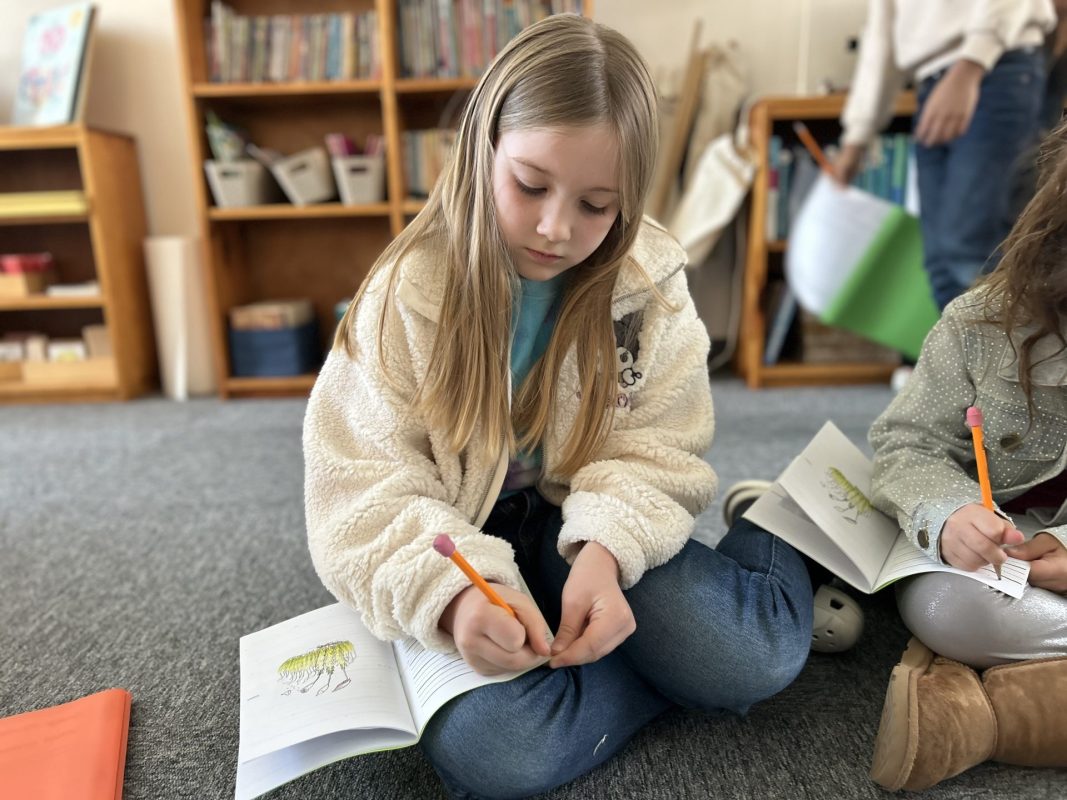
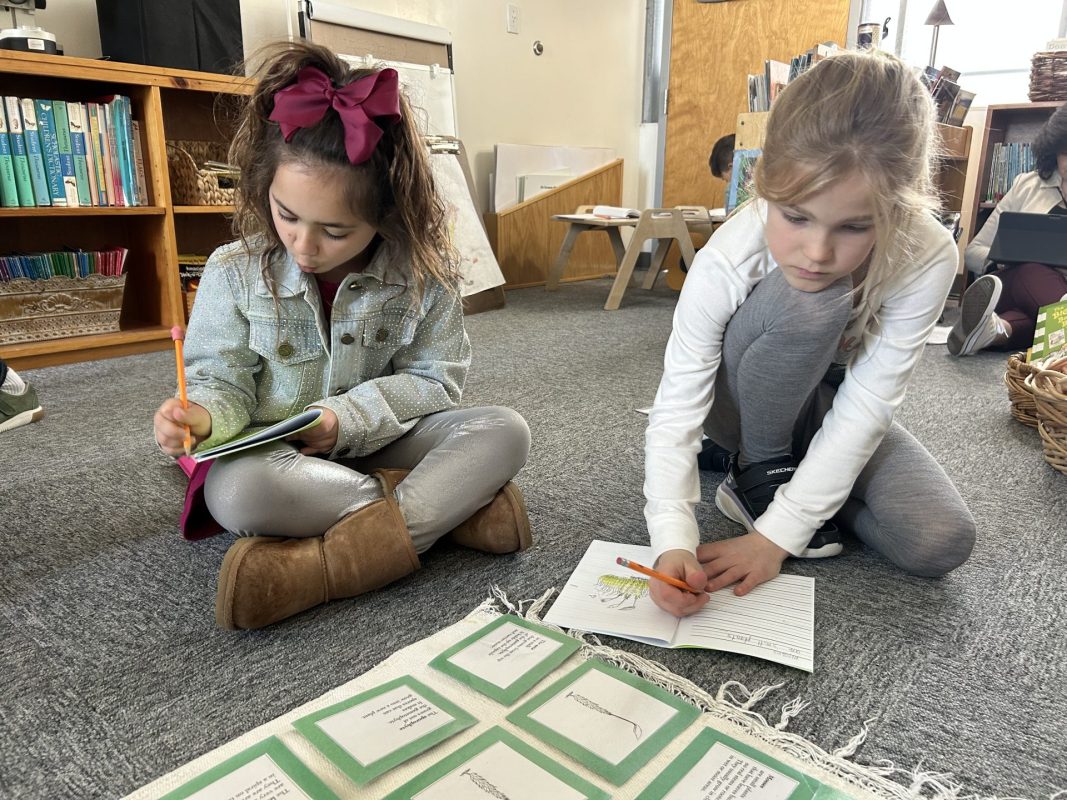
Our classroom has been buzzing with biology work lately. We bring the study of nature to the children with genuine enthusiasm, offering presentations and experiences that feed their growing curiosity. Elementary children have a powerful need to explore living things, to observe their characteristics, and to begin asking how and why life functions as it does.

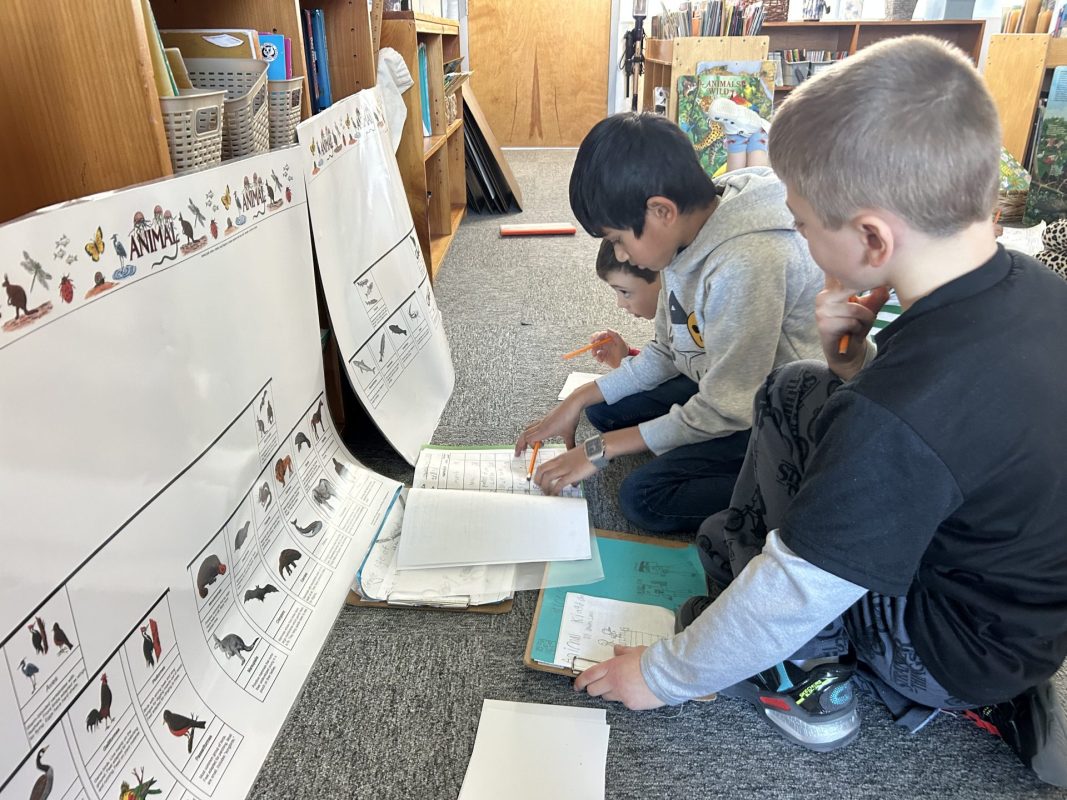
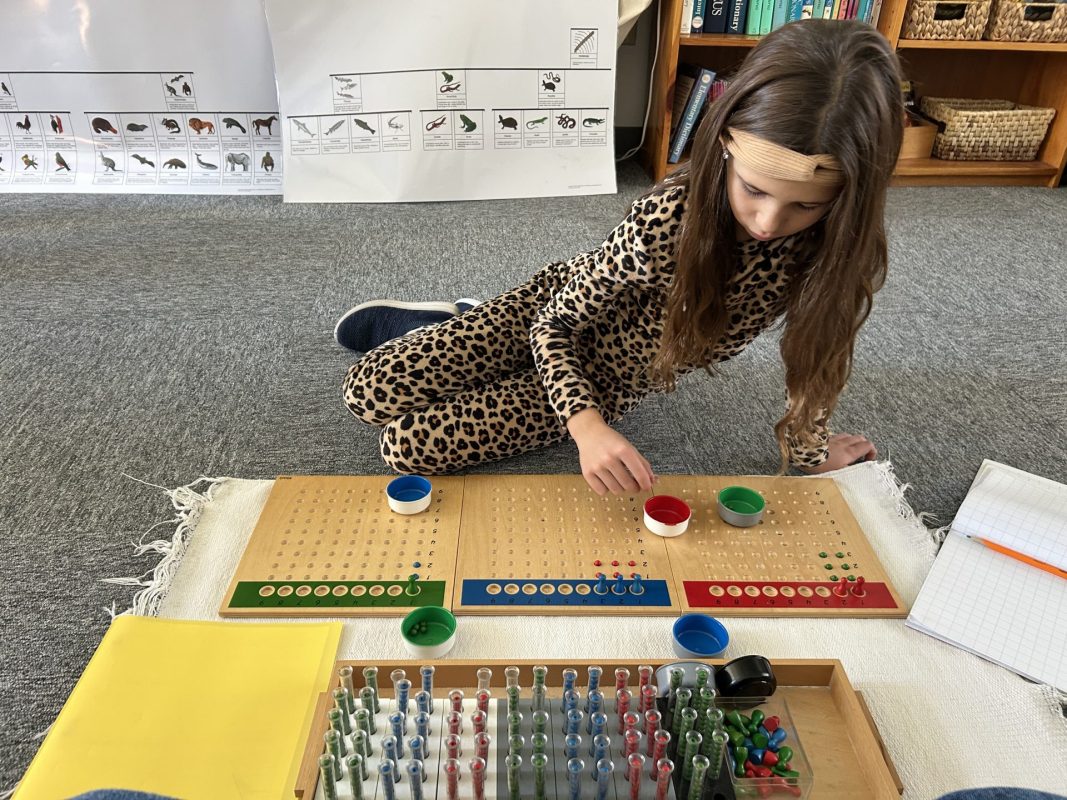
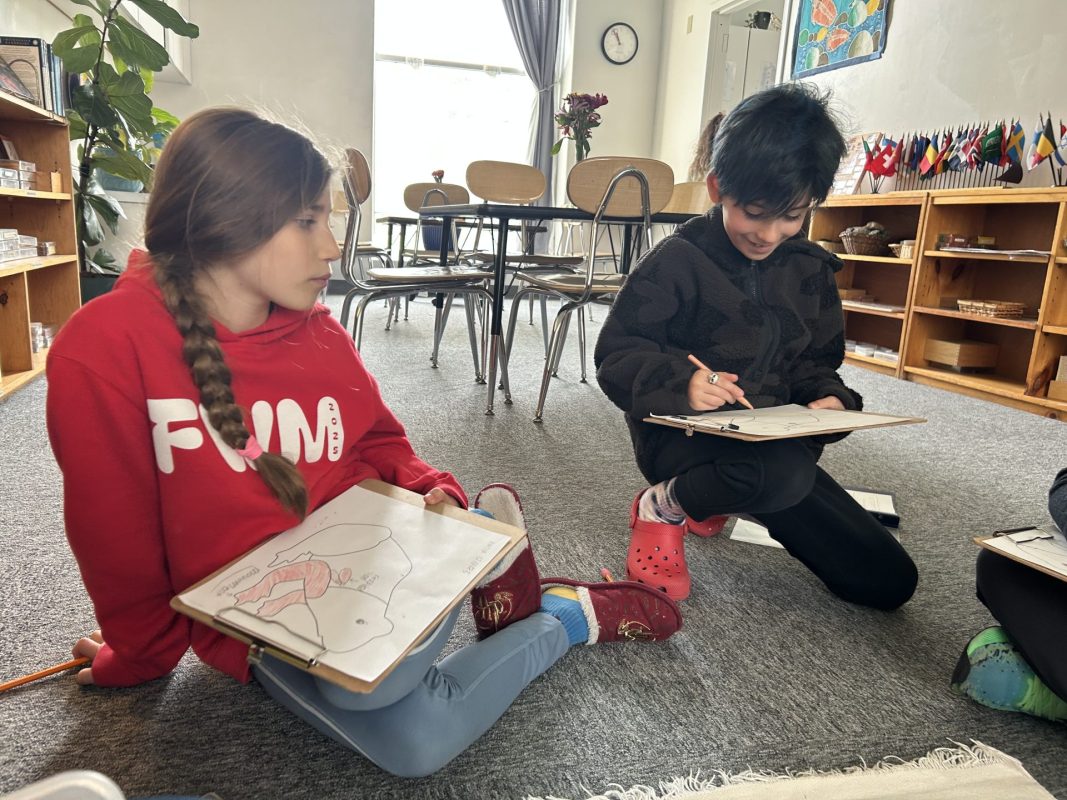
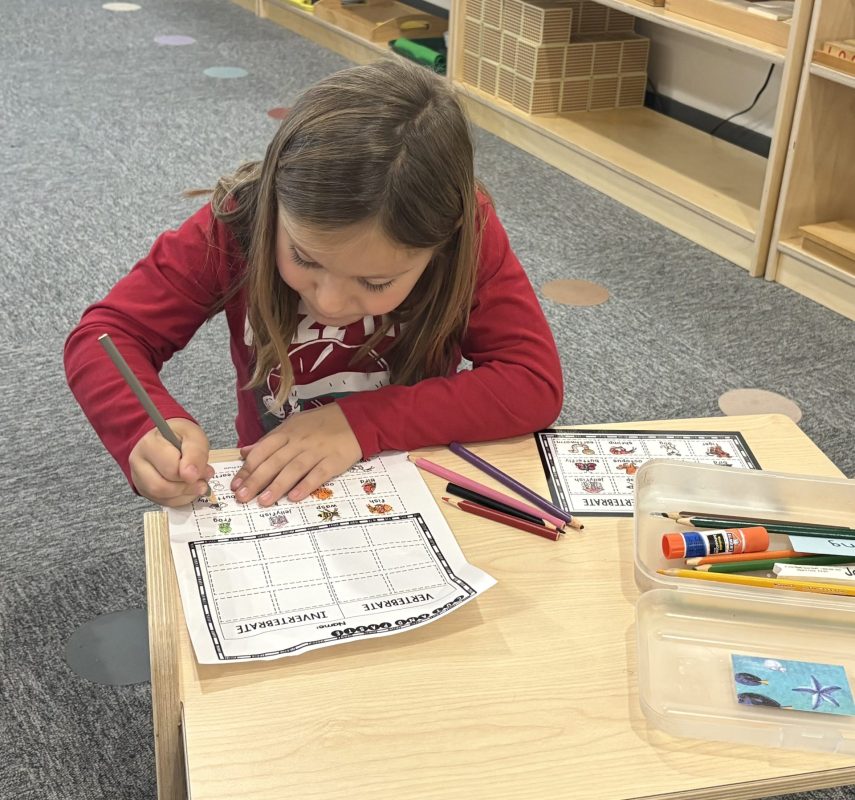
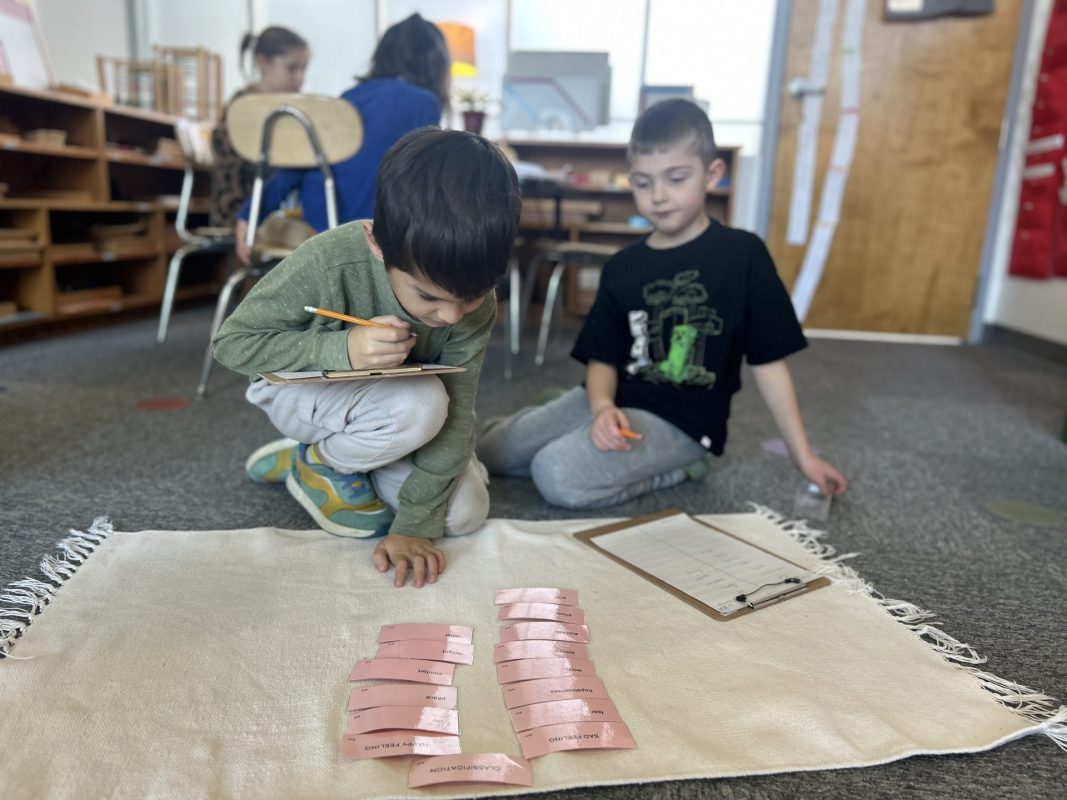
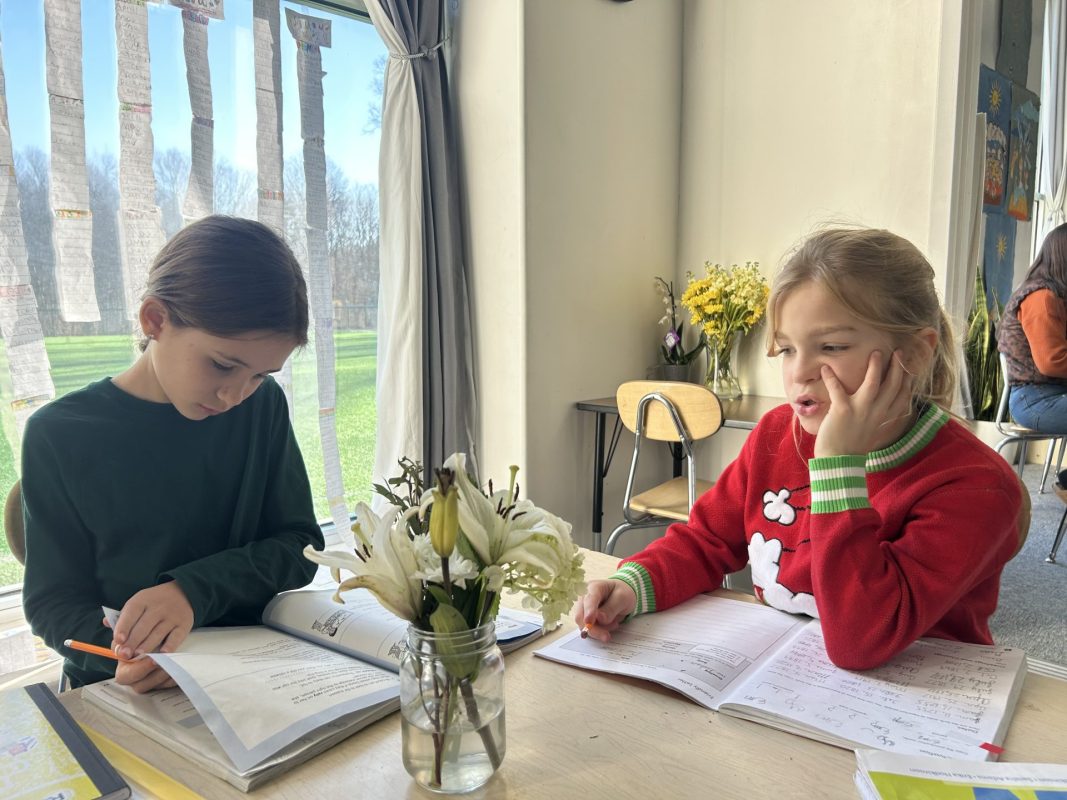
Each grade level has taken on its own exciting focus in our exploration of biology. The first graders have been eager to learn about the external parts of the frog, using illustrations and models to observe how each feature supports the animal’s way of life. The second graders have moved into wider classifications, exploring the kingdoms of life and defining the distinct characteristics of different animals. They have been working to differentiate vertebrates from invertebrates and identify the traits that link various animals together. Their studies have also included a closer look at body functions in animals, while the third graders have expanded this work by examining the body functions of plants, comparing how different organisms meet their needs for survival.

At the elementary level in Montessori, biology unfolds through Cosmic Education, inviting children to look closely at the details of life and then lift their gaze to the larger patterns that shape the natural world. Classification becomes a meaningful tool in this process. It helps children discover the balance that exists on Earth between living and nonliving things, and between human beings and other cosmic agents. Our goal is to spark wonder and gratitude through the cleverness of nature, helping classification create a sense of familiarity with the unfamiliar. This way of organizing the living world becomes an important part of the development of a global citizen who feels connected to life in all its forms, both familiar and new. As we classify and explore all living things, we hope to inspire admiration for the diversity that exists, encourage more questions and research, and support the child’s growing identity as both an explorer and a steward of the Earth.


Ms. Mollie: Joyful!

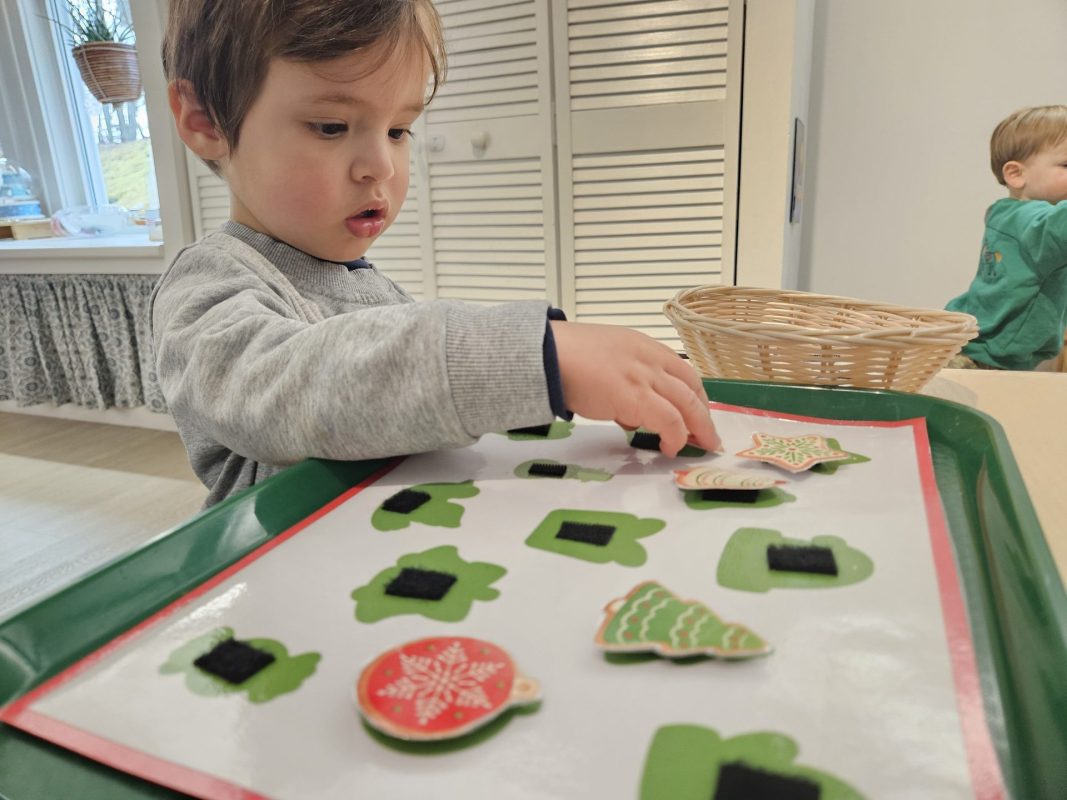
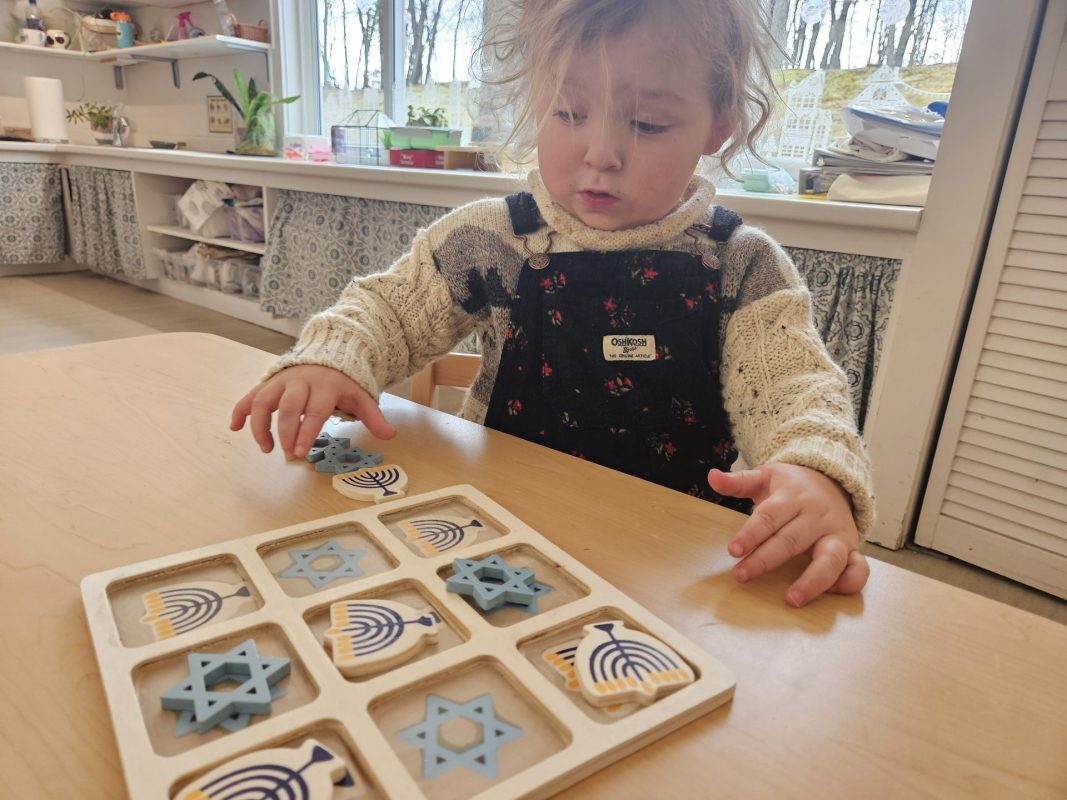
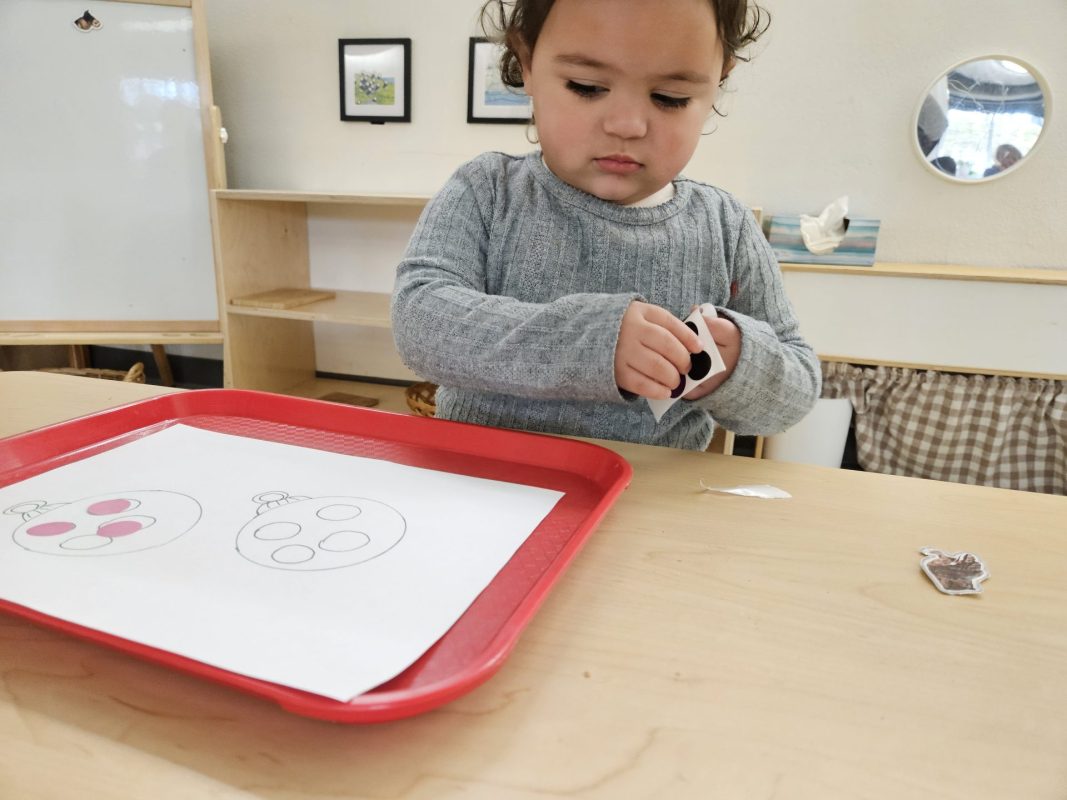
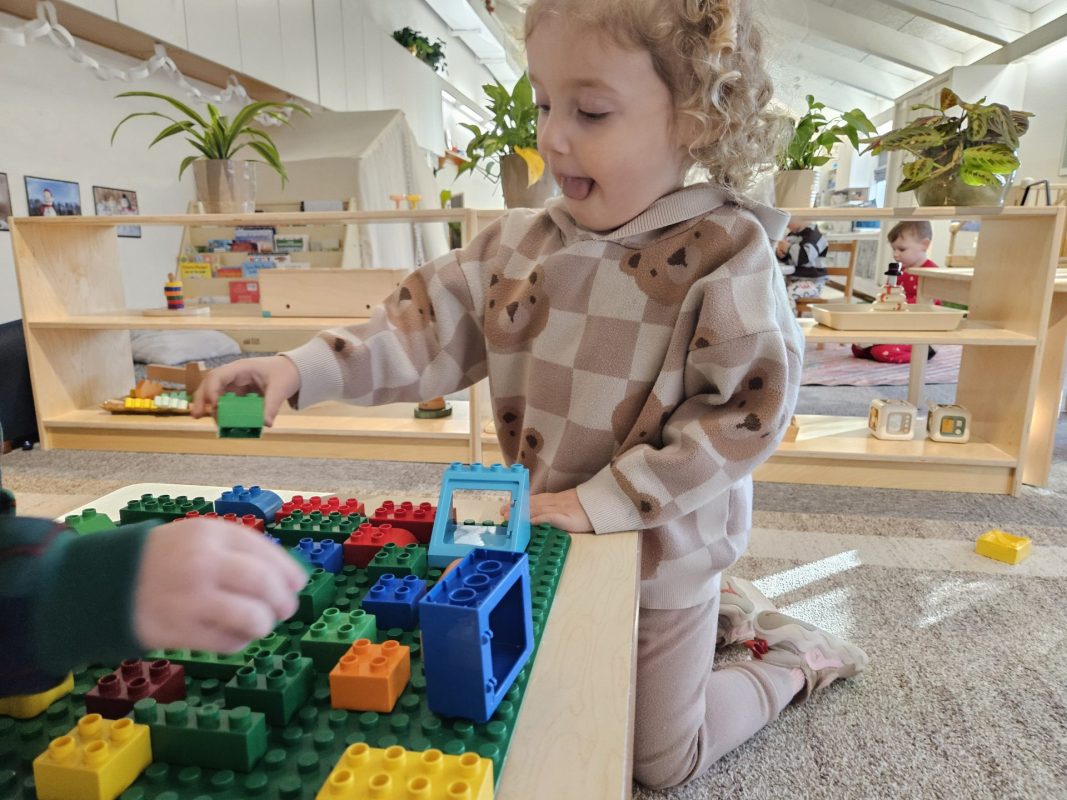
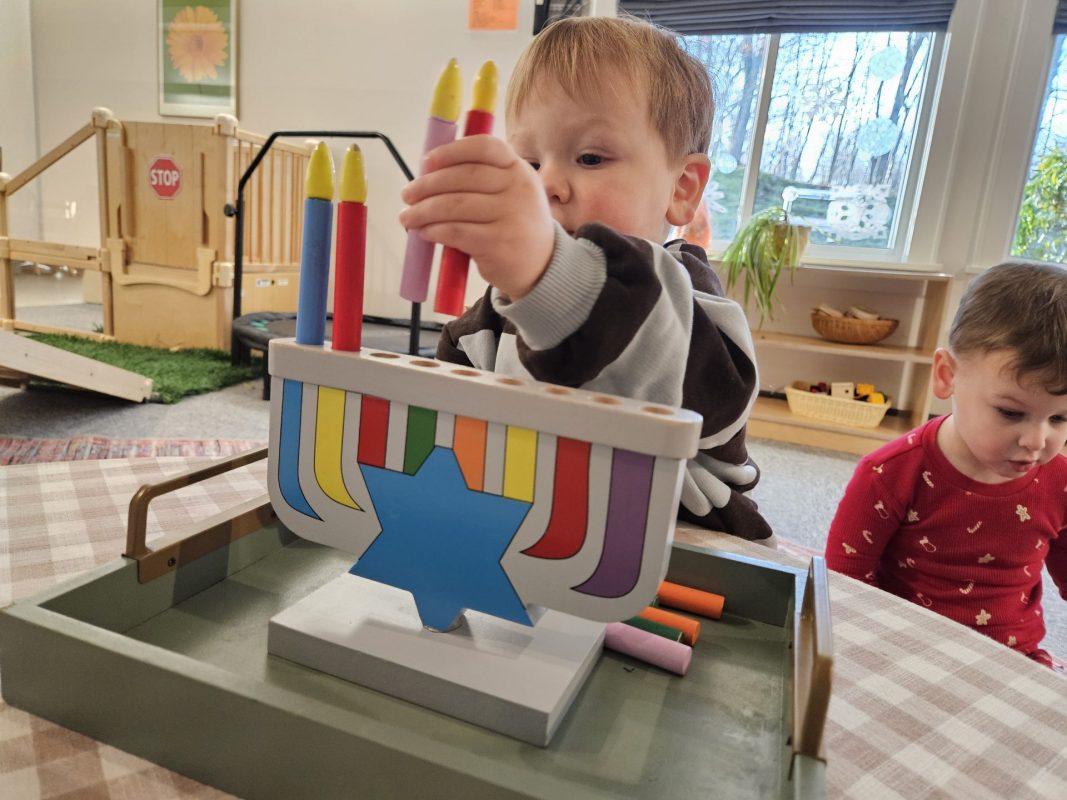
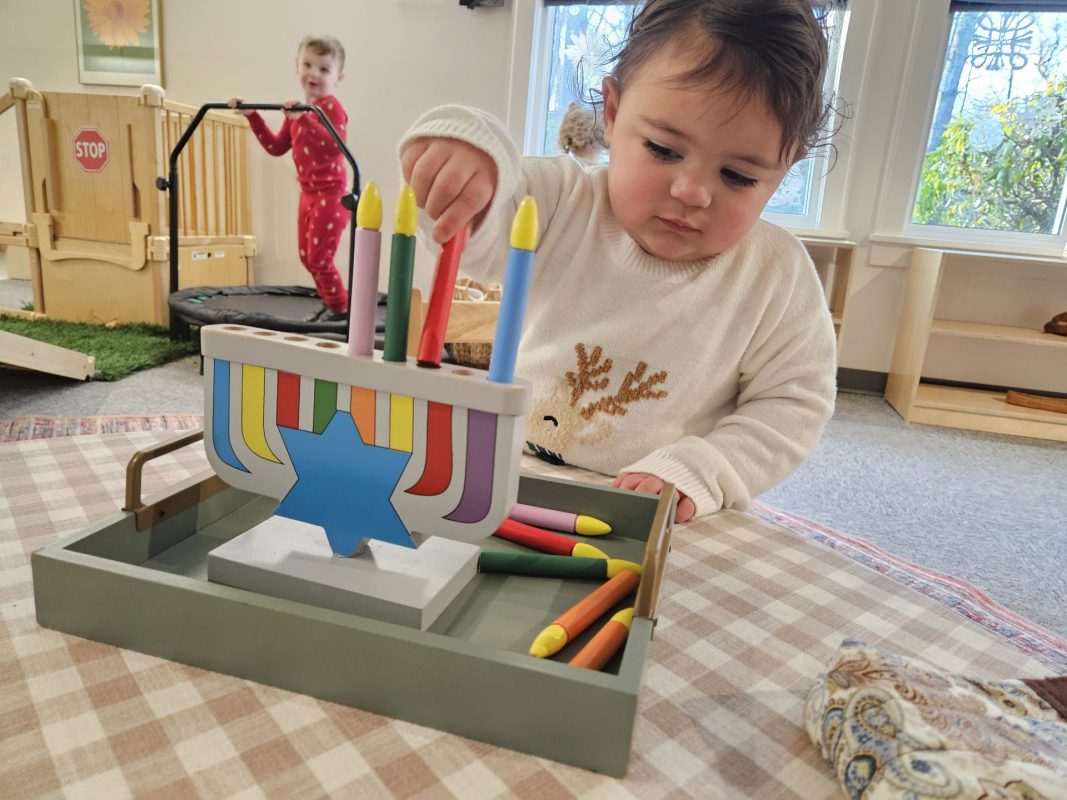
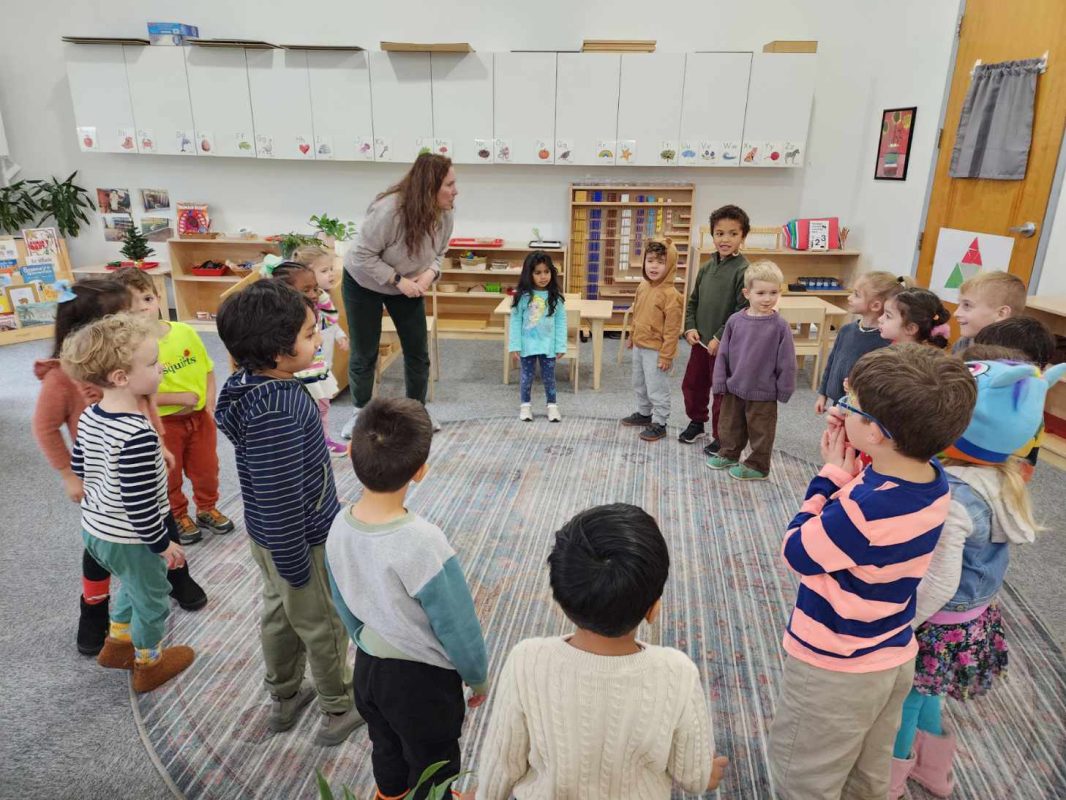
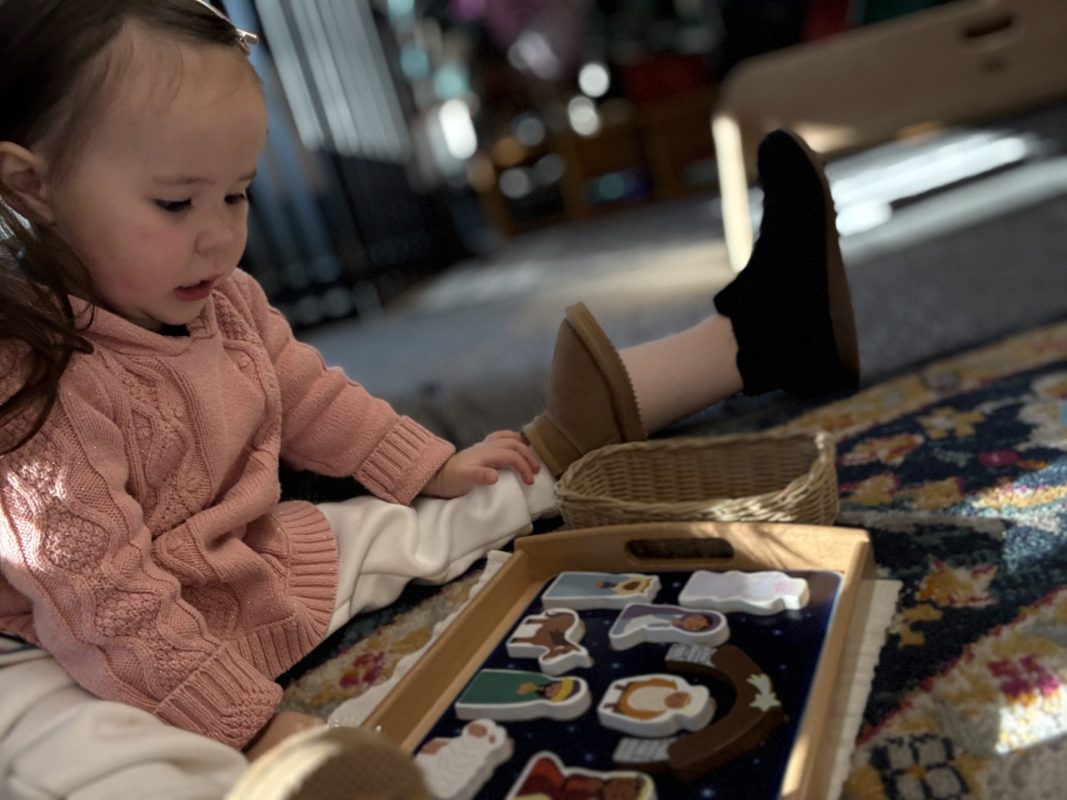
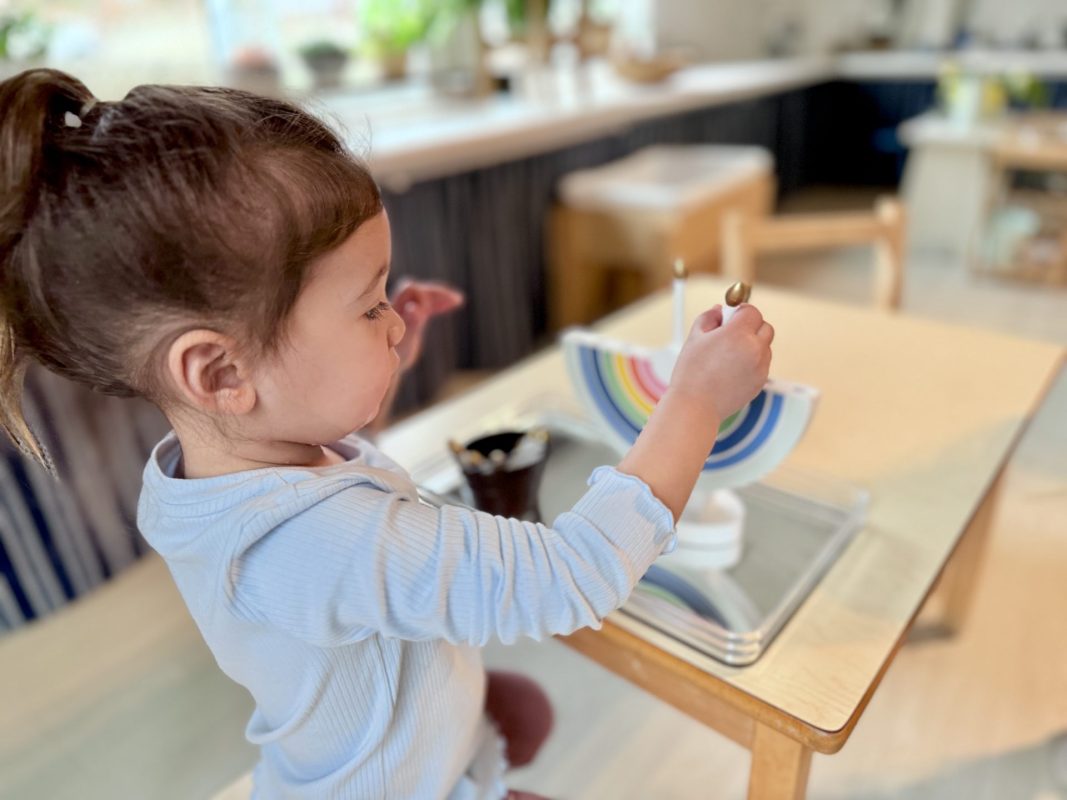
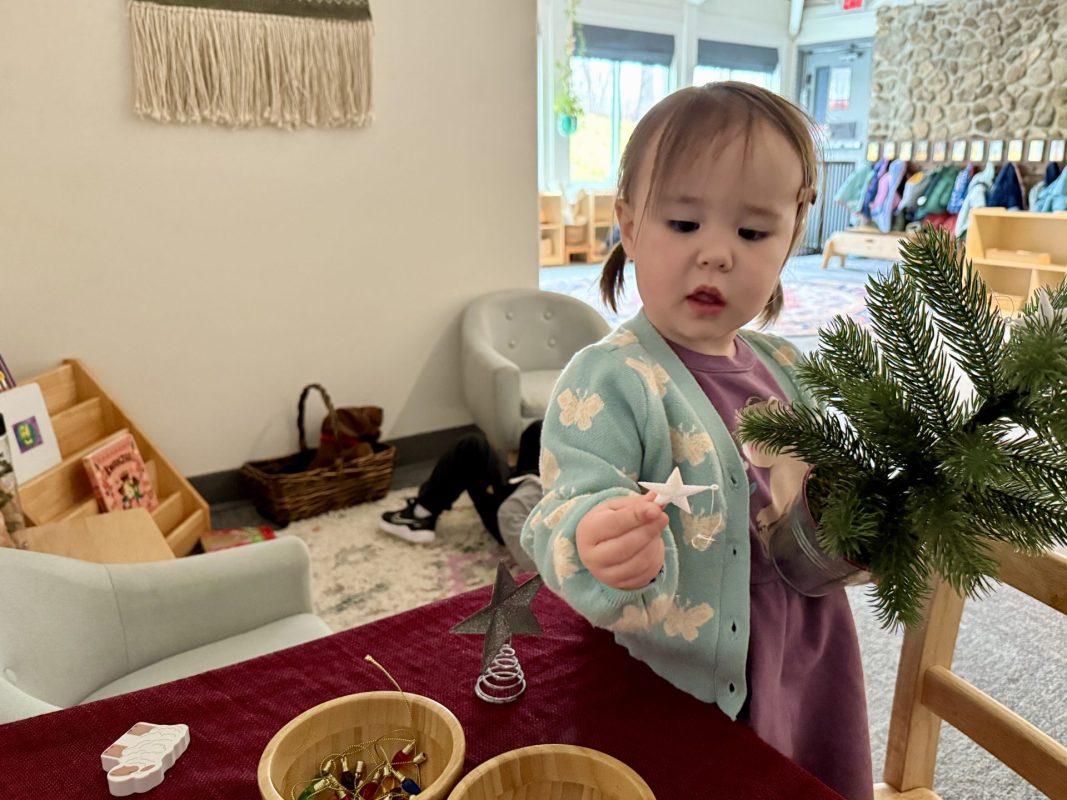
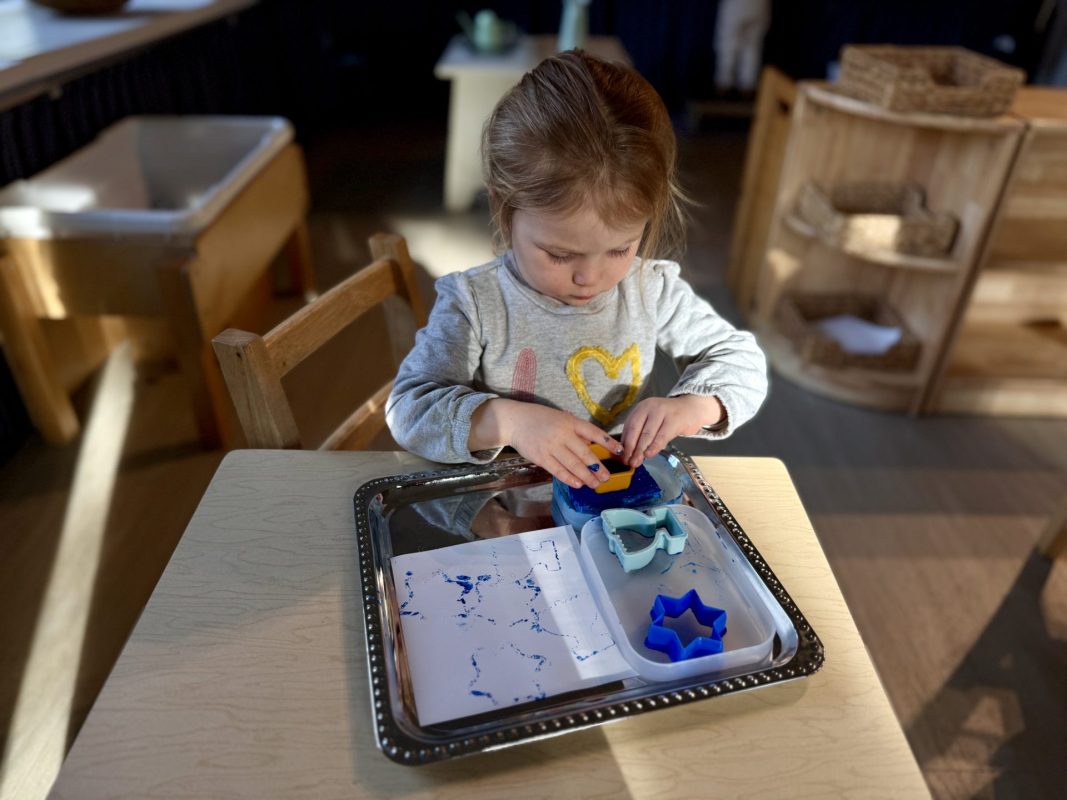
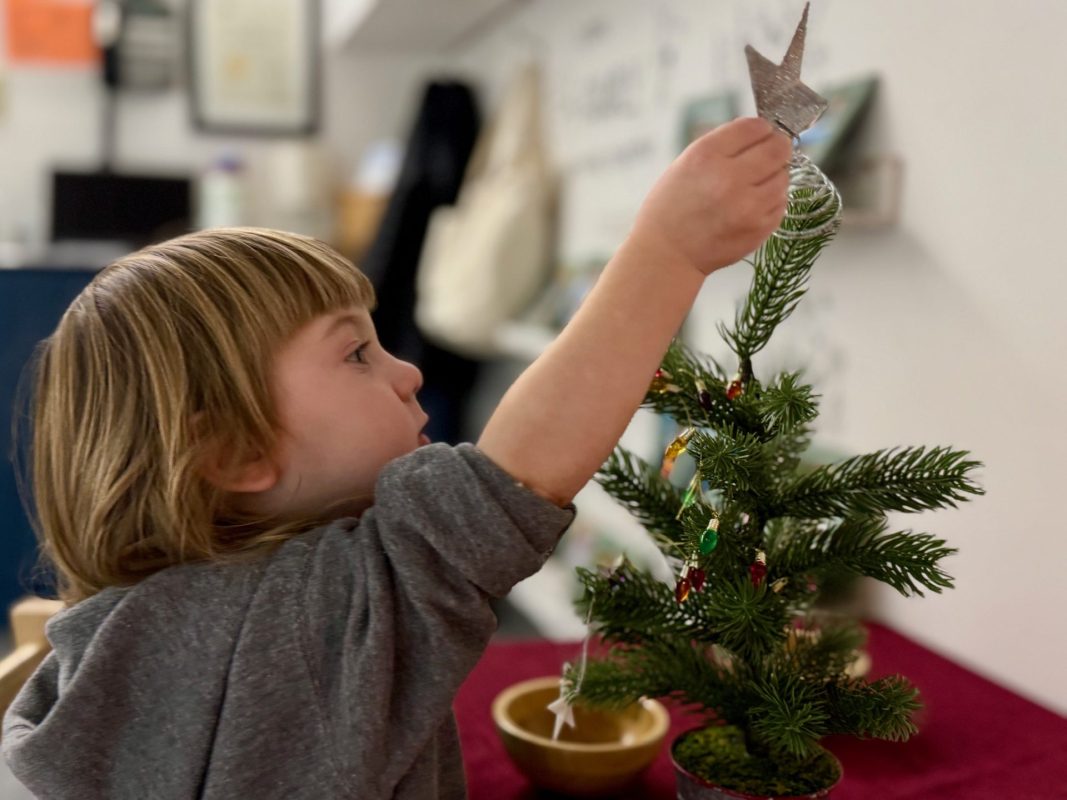
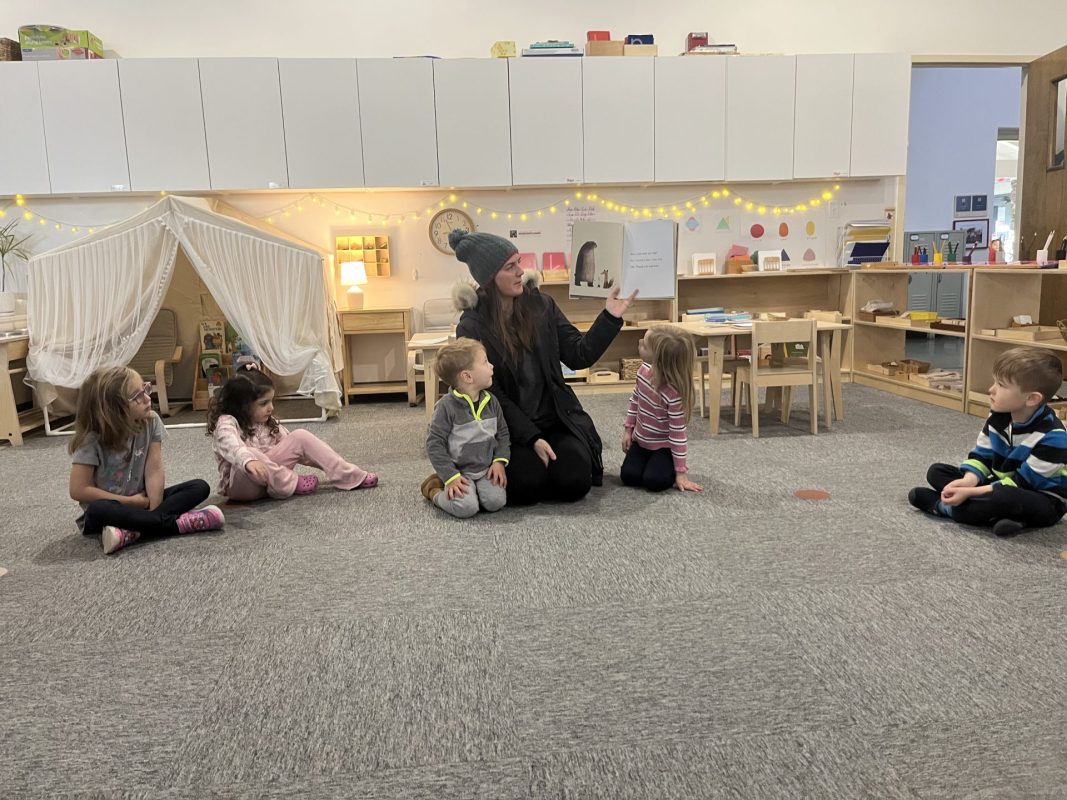
As the days grow shorter and the classroom fills with giggles and familiar routines, we are slowing down and enjoying our time together. In our classroom, we are learning about Christmas and Hanukkah and the traditions they bring. These experiences help the children build awareness of the world around them while honoring the beauty of different traditions.

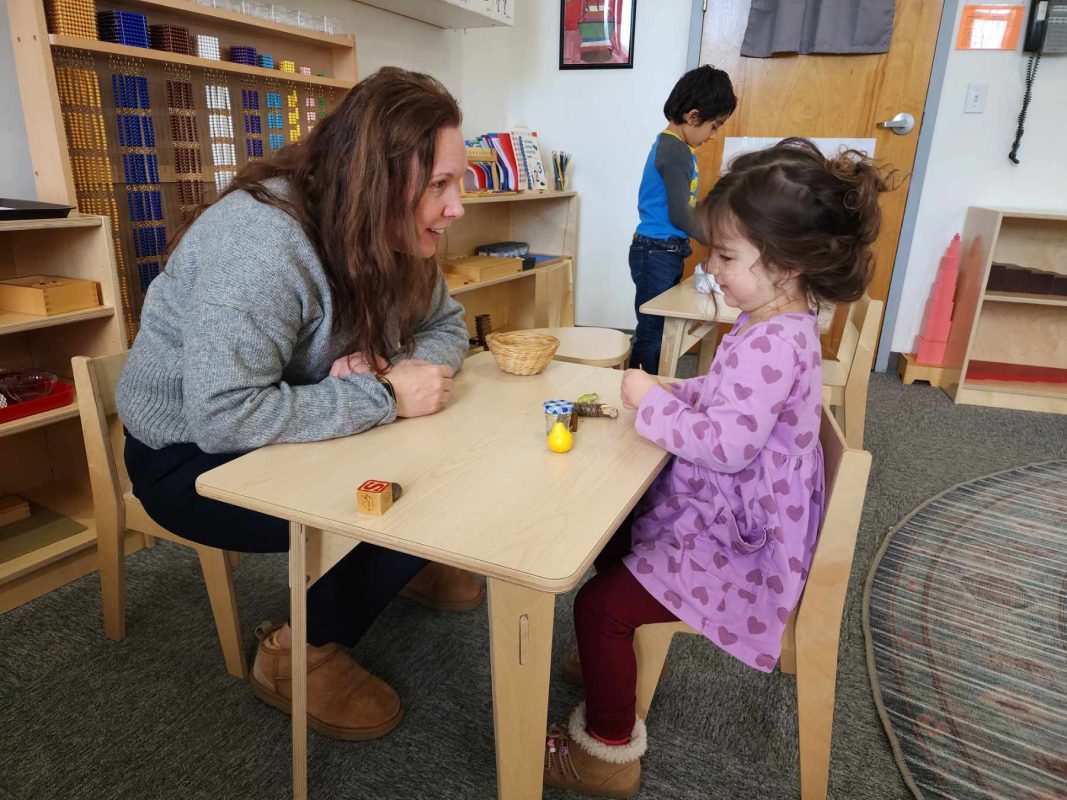
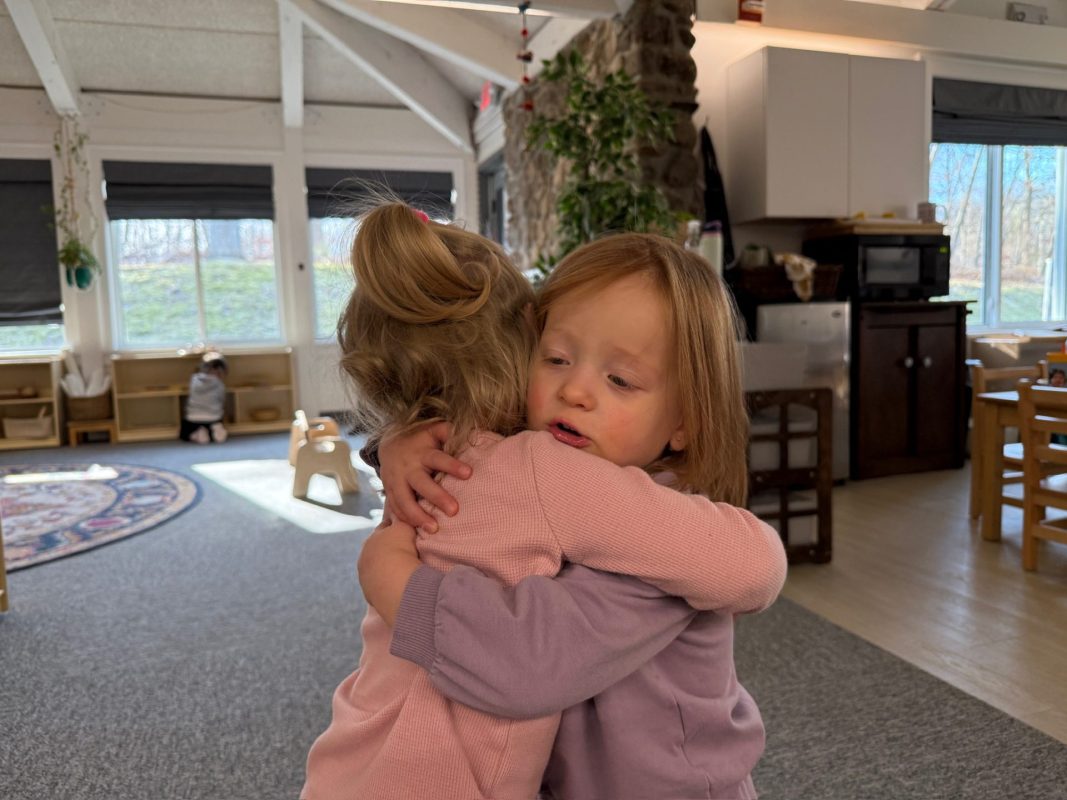
This time of year invites us to seek the little joys. A candle glowing softly, the sound of a song sung together, the comfort of a warm snack, or a friend’s smile during work time—these small moments are often the most meaningful to our toddlers. We are focusing on togetherness, kindness, and enjoying one another’s presence.

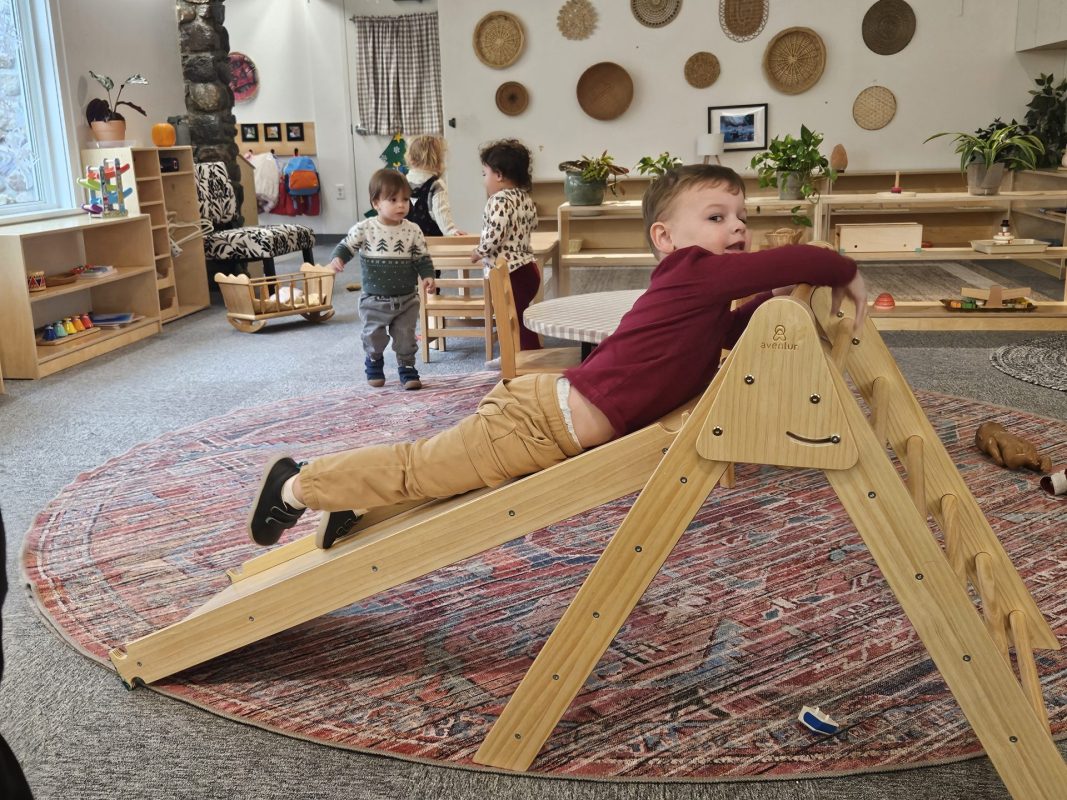
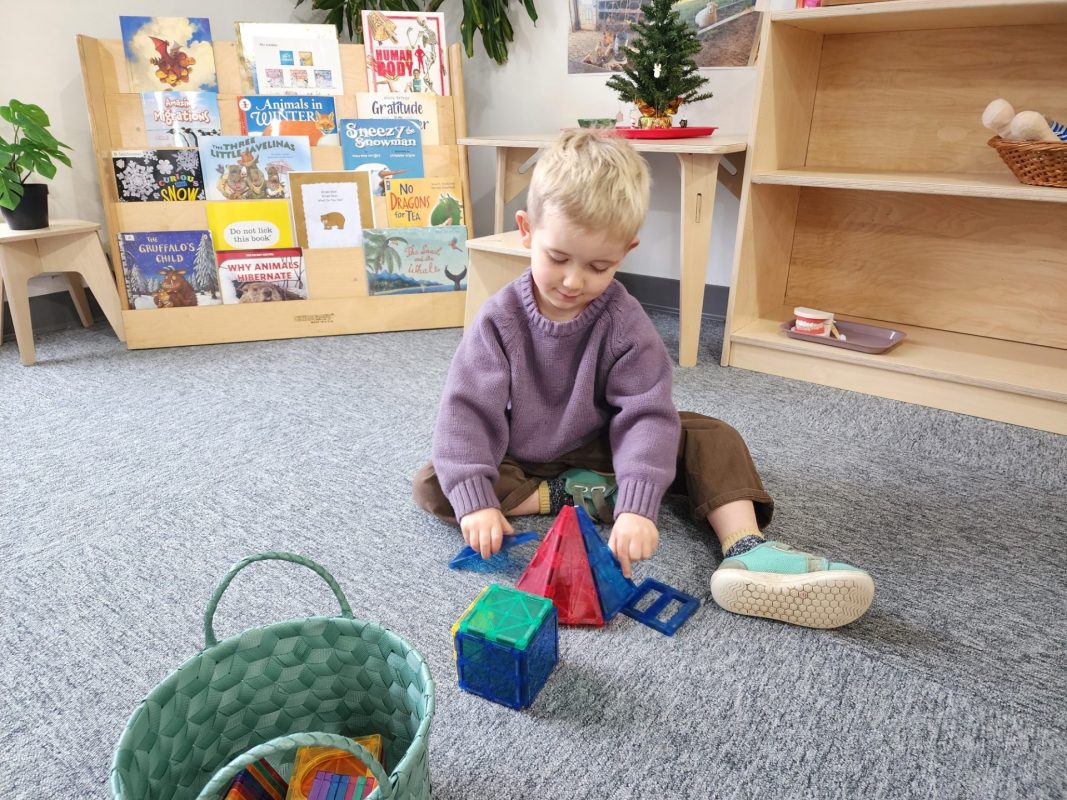
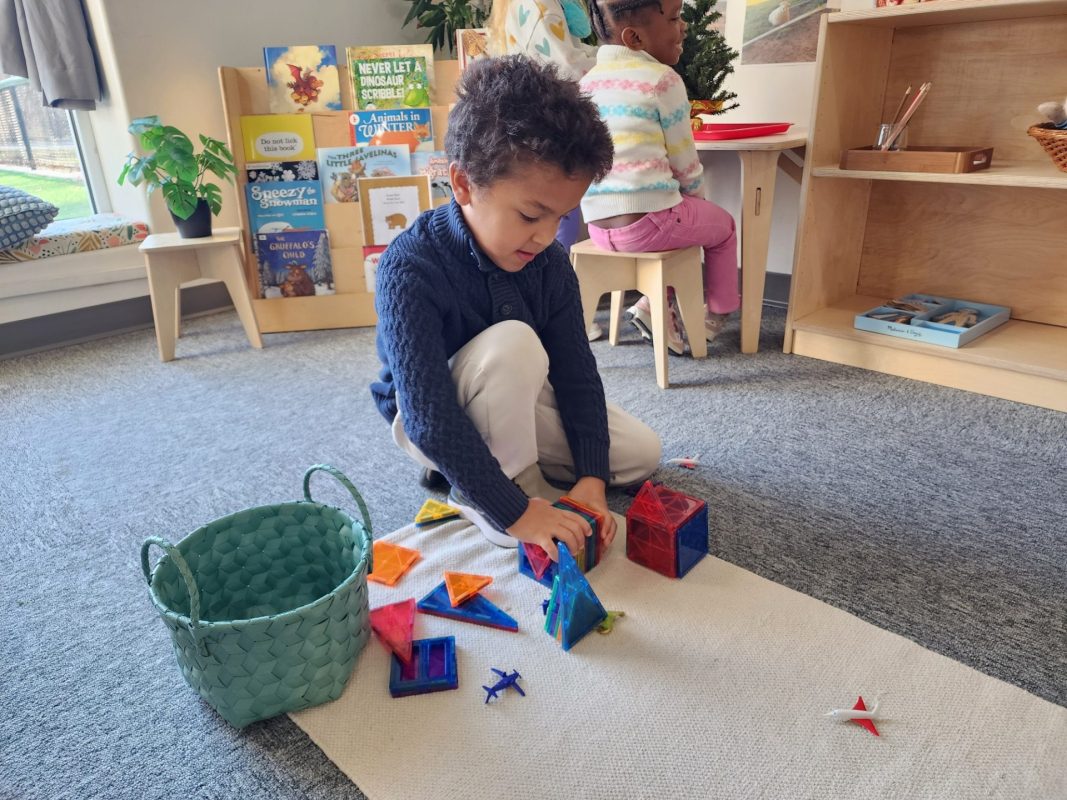
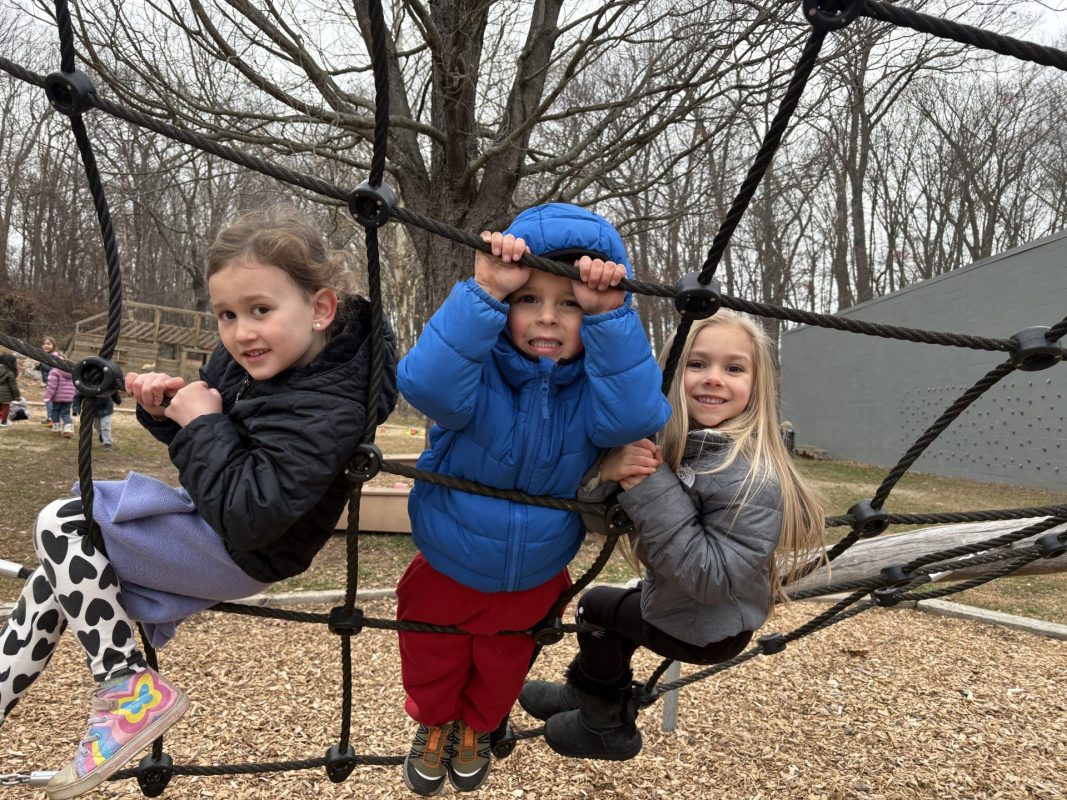
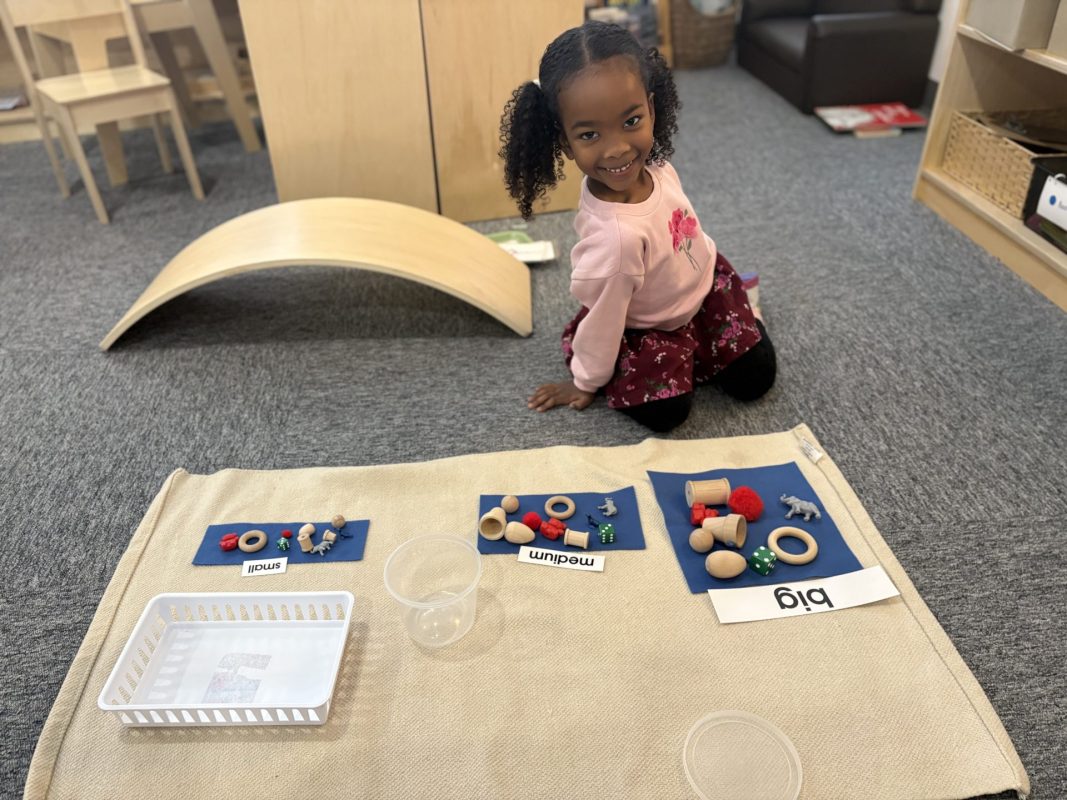
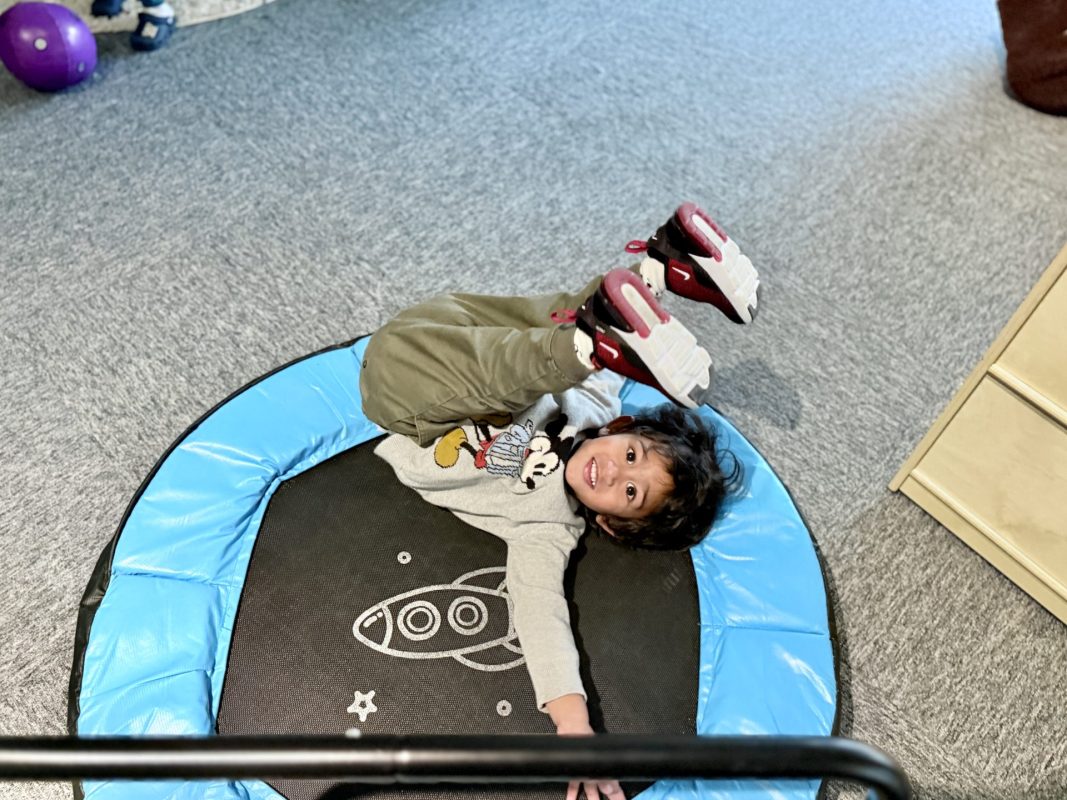
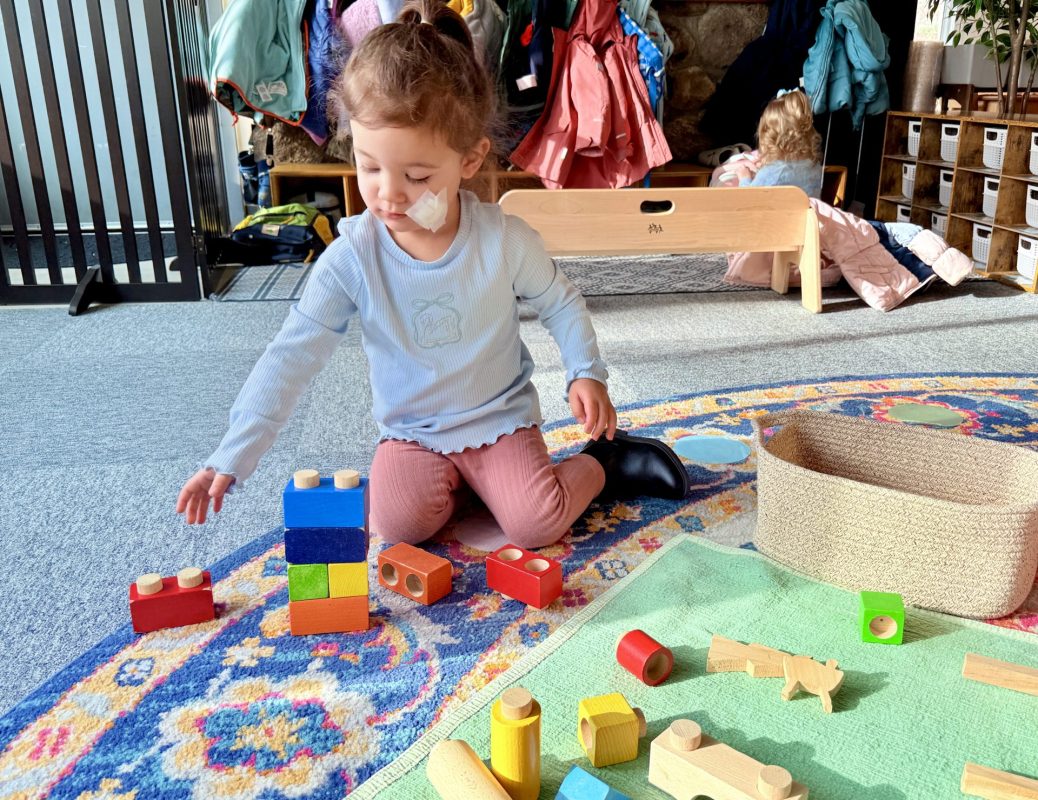
With the colder weather, it can be harder to spend long periods of time outdoors. We are still making time for short walks and fresh air when possible, while also supporting the children’s need to move their bodies indoors in safe, purposeful ways. This week, we introduced a Pikler climber to our classroom. The children have been exploring it with great concentration, building strength, confidence, and body awareness at their own pace.

As excitement grows, we also remain mindful of each child’s need for consistency. Toddlers thrive on routine, and this busy season can feel overwhelming. Respecting your child’s boundaries and honoring their schedule—especially sleep, meals, and quiet time—helps them feel safe and regulated. It is okay to say no to extra events, to leave early, or to keep things simple.
Thank you for partnering with us to support your child’s emotional well-being during this joyful and busy season. Together, we can help the children experience the holidays with calm, connection, and a sense of peace.
Wishing your family warmth, rest, and many little joys. ❄️✨

With Full Hearts, Ms.Mollie and Ms.Lizette

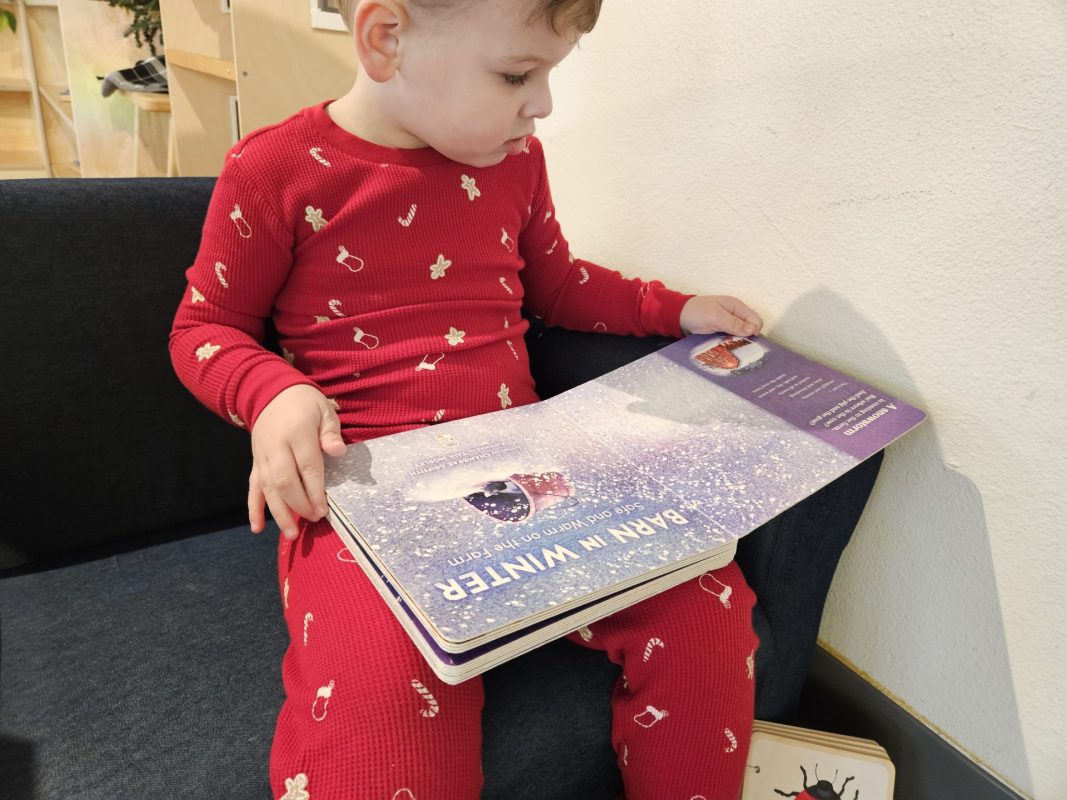
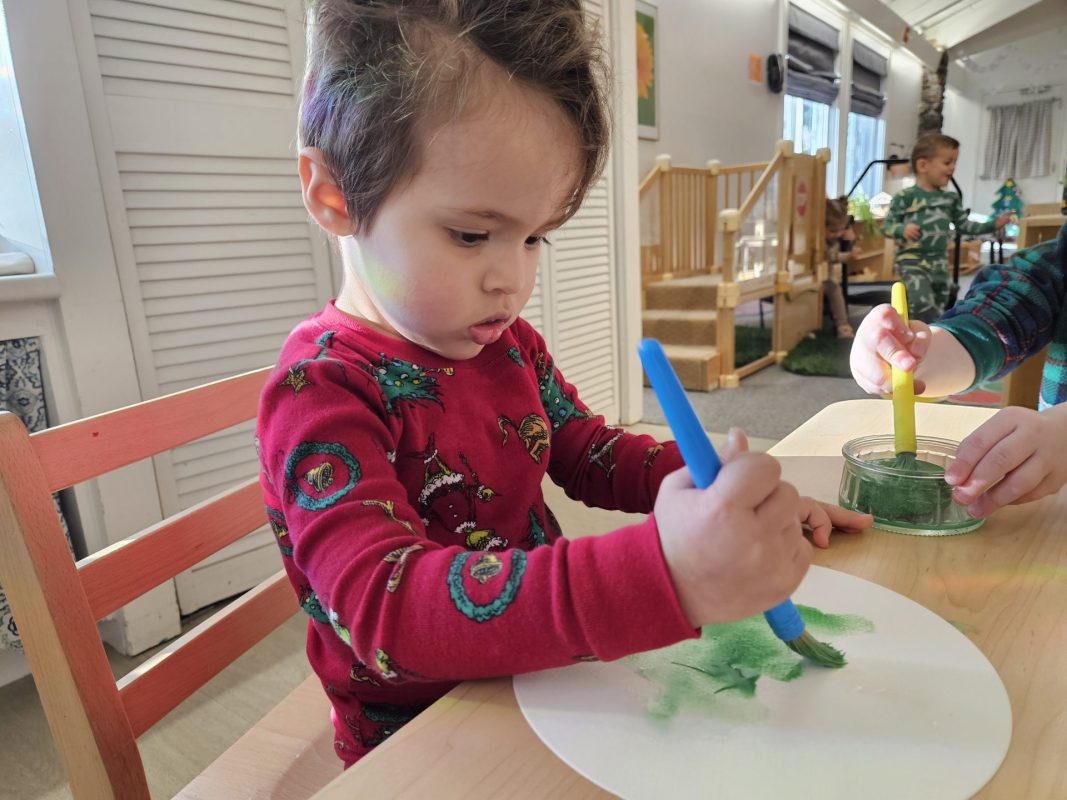
Ps……Thursday is Pajama Day!!!


Ms. Rhodora: Journey to the Frozen Continent

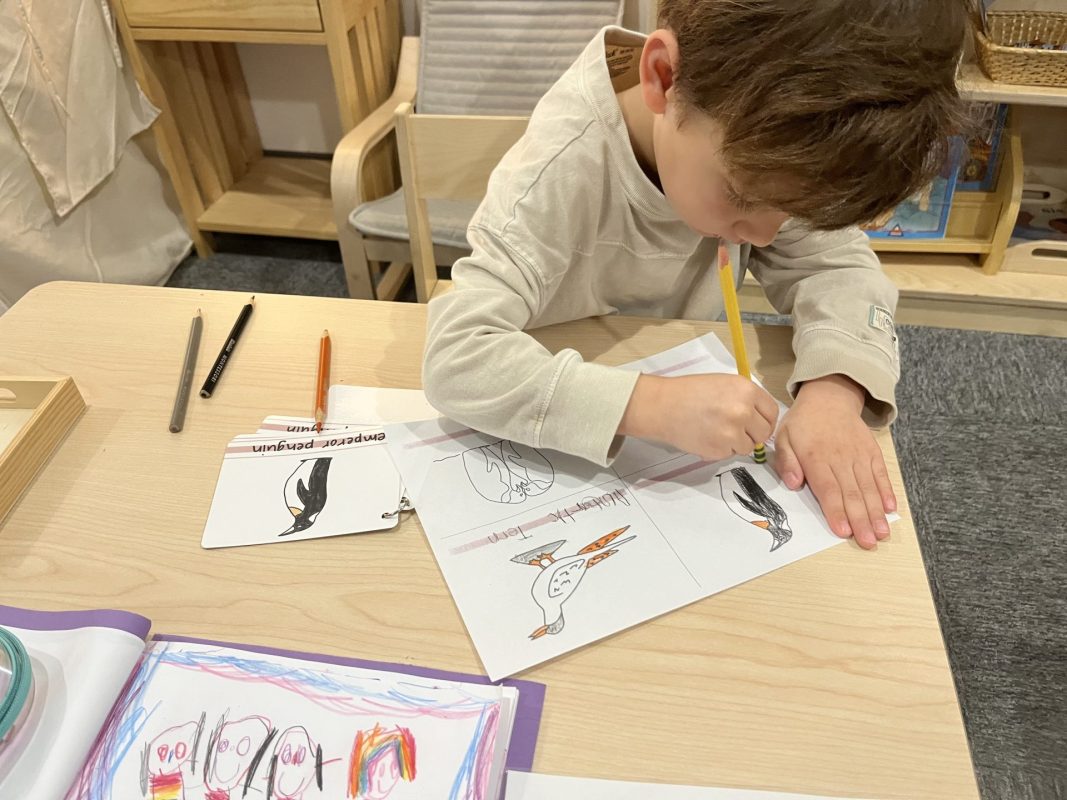
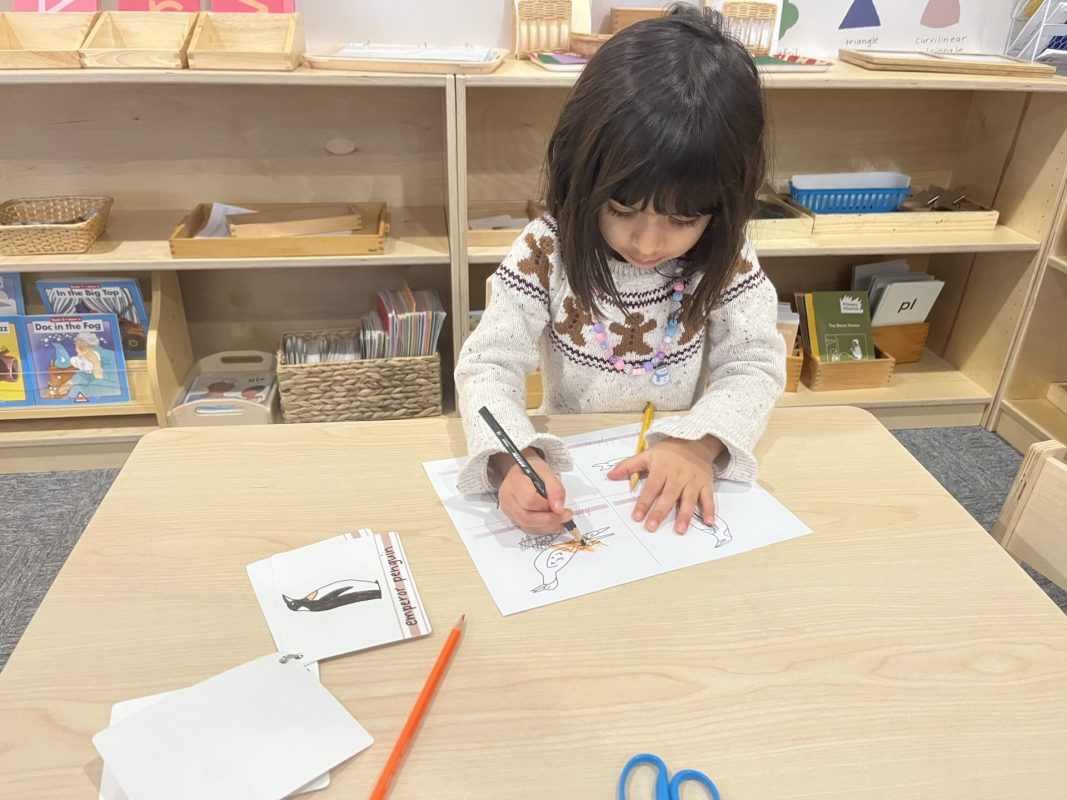
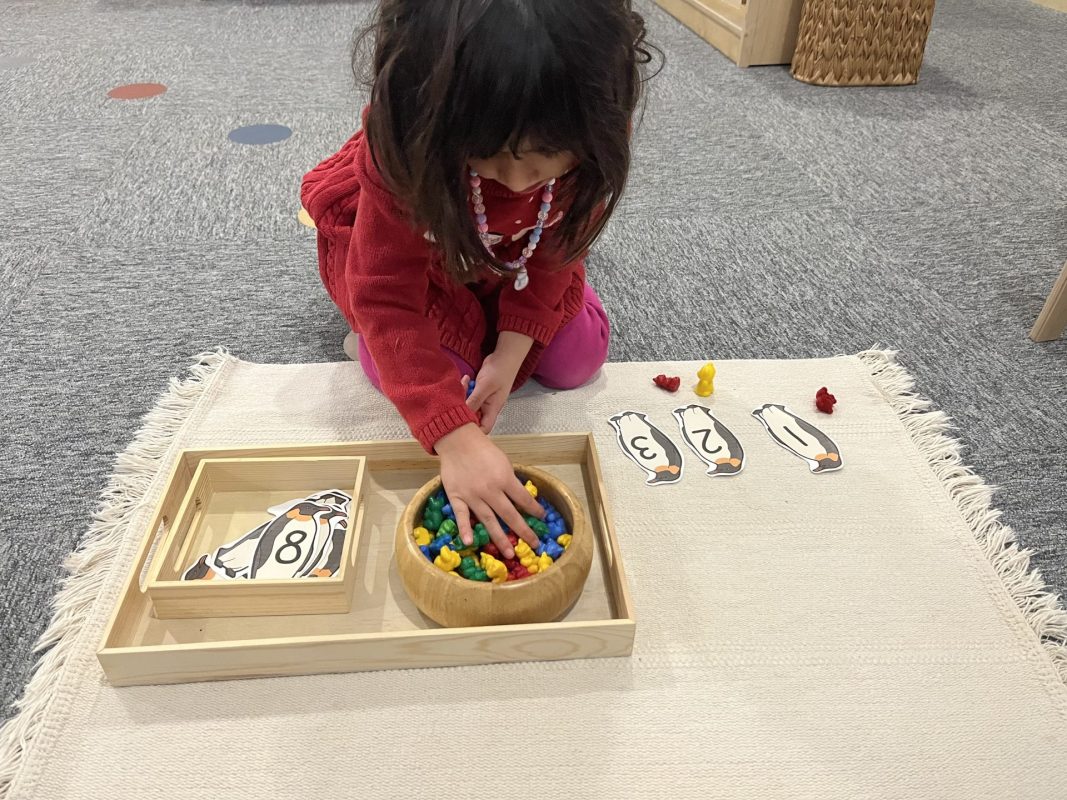
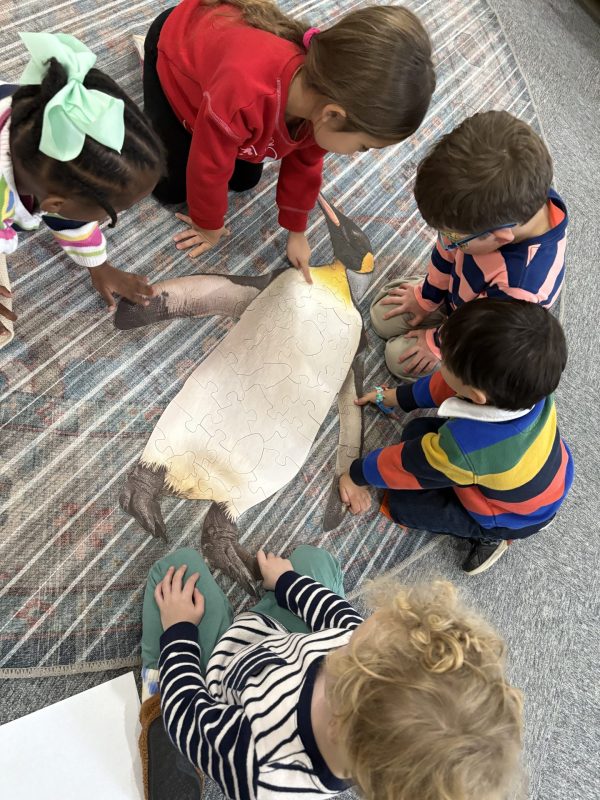
Last week, our classroom embarked on an exciting exploration of Antarctica! The children were captivated as we studied this unique continent, learning about its extreme weather conditions, fascinating wildlife, and the scientists who dedicate their lives to research there. We discussed the specialized clothing people wear to survive the cold, observed how animals like penguins and seals have adapted to their frozen environment, and explored how scientists study the air, water, and animals in this remarkable place.

The children showed particular interest in understanding how people hunt fish in Antarctica and the important work scientists do to protect this pristine environment. This study beautifully connected our practical life, sensorial, and cultural studies areas as the children made observations and connections about climate, adaptation, and human exploration.

New Works on Our Shelves

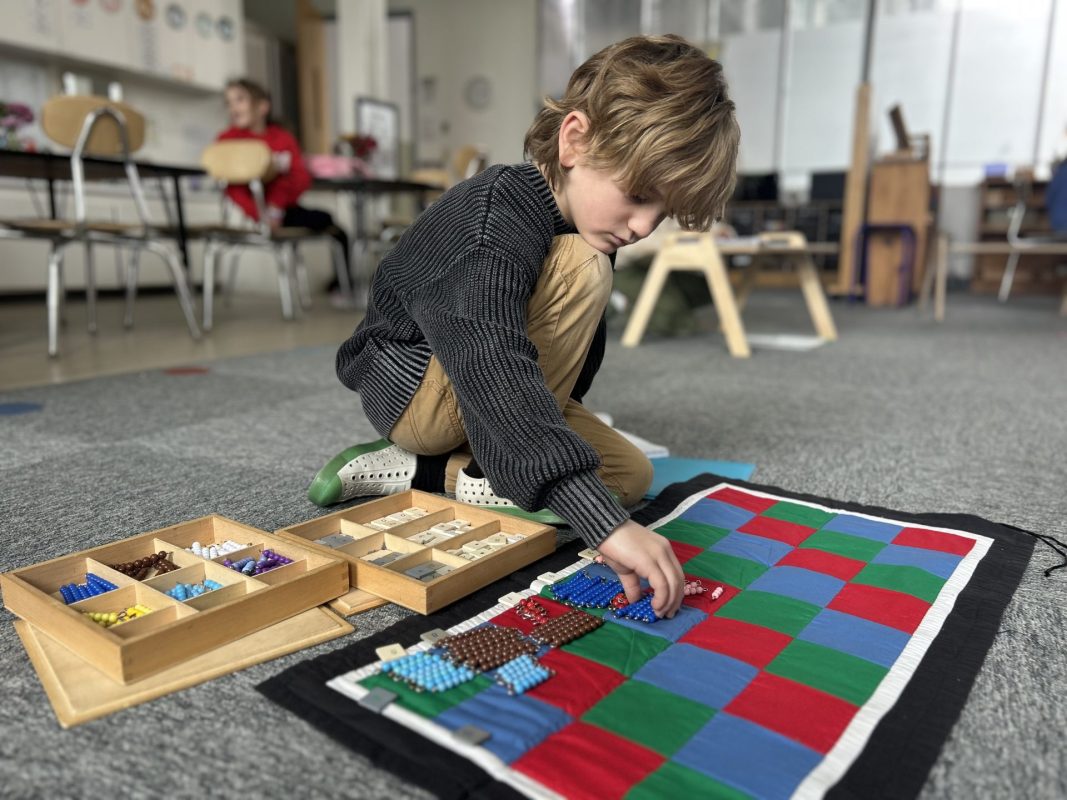
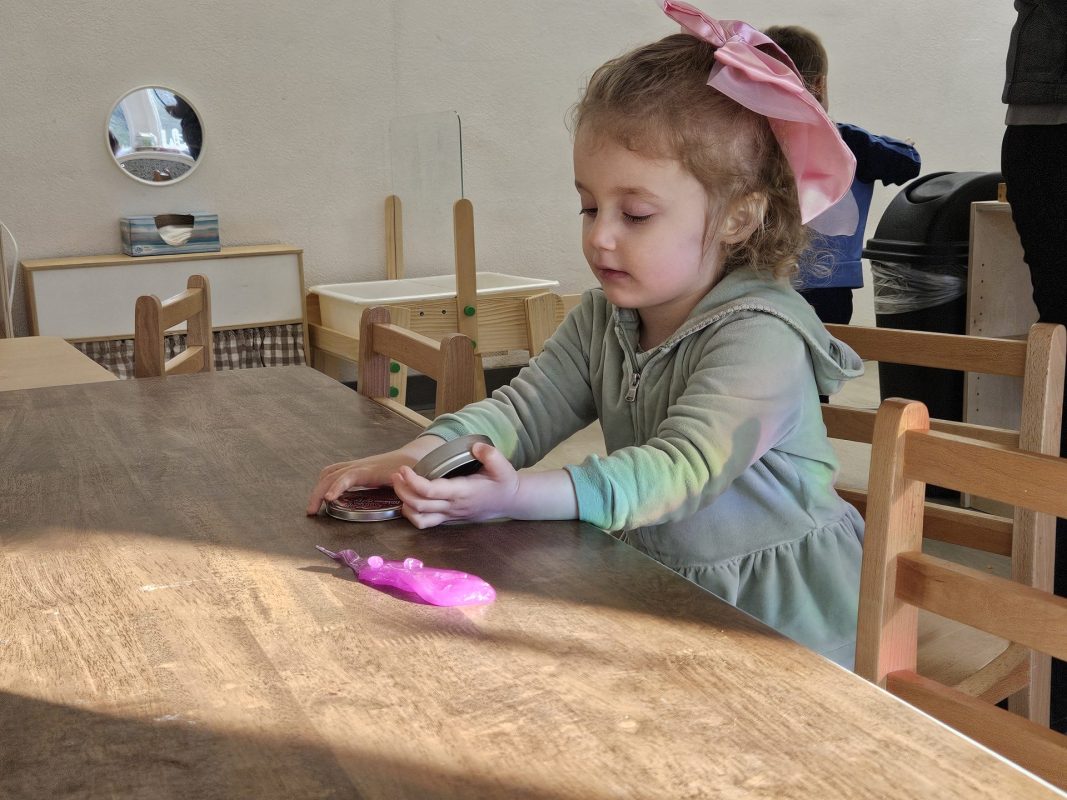
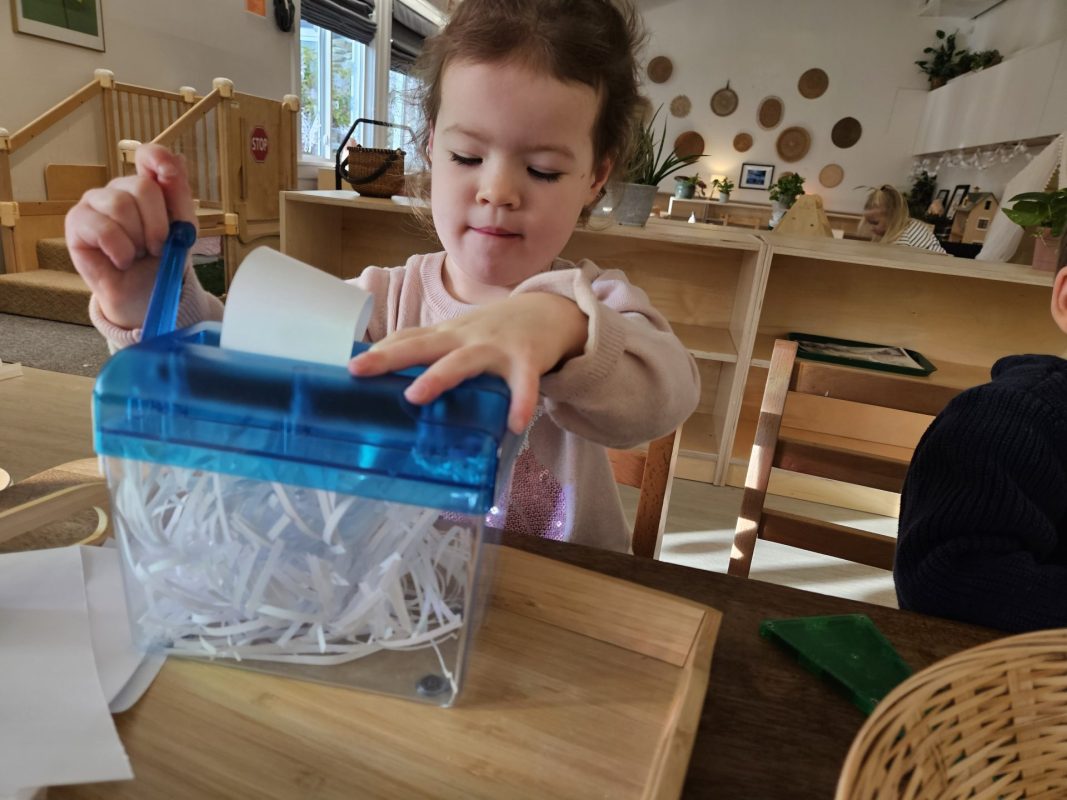
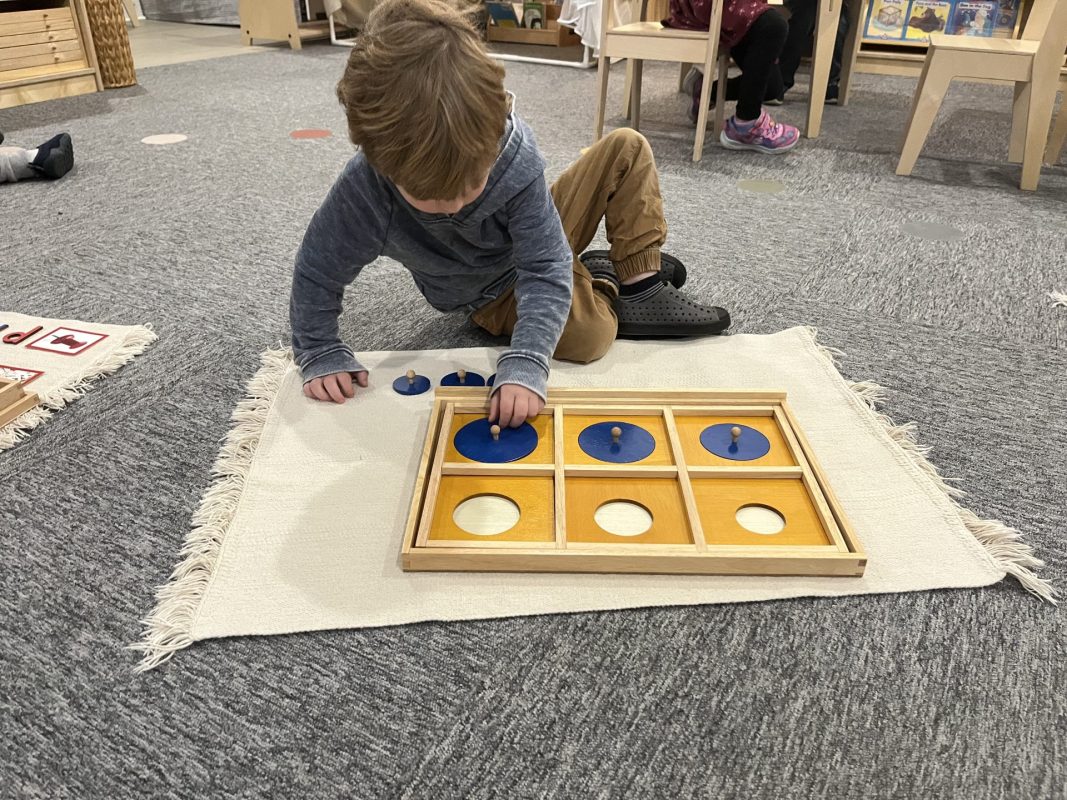
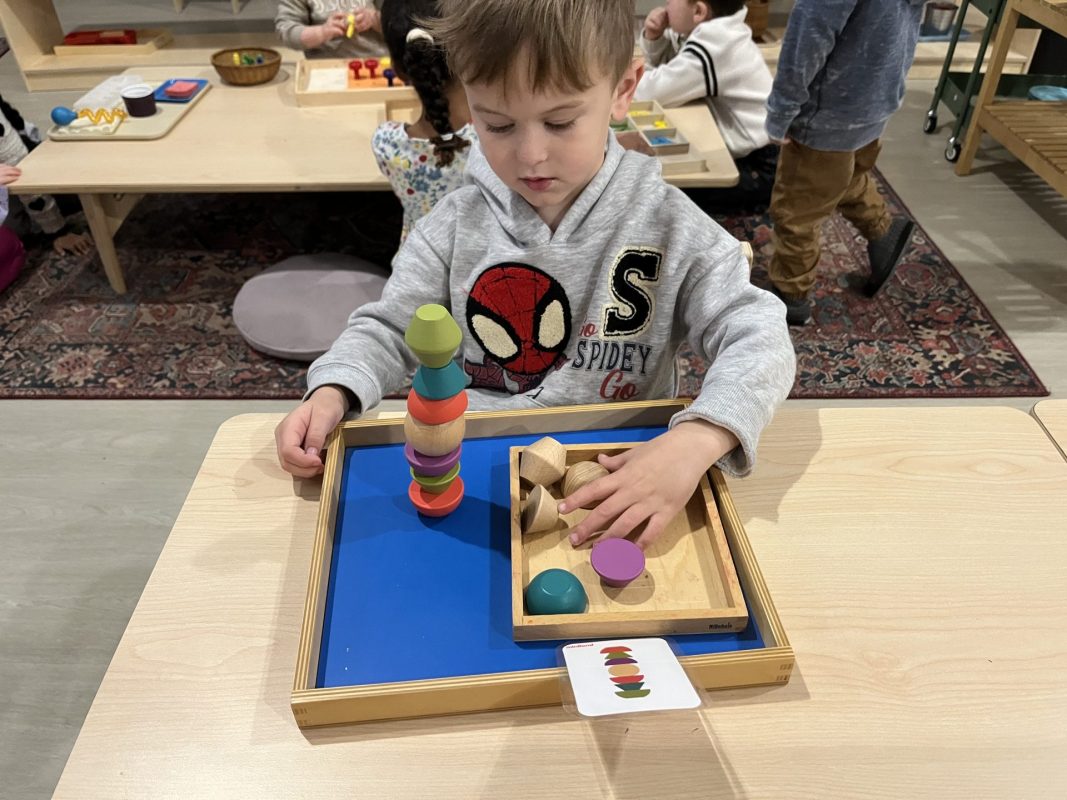
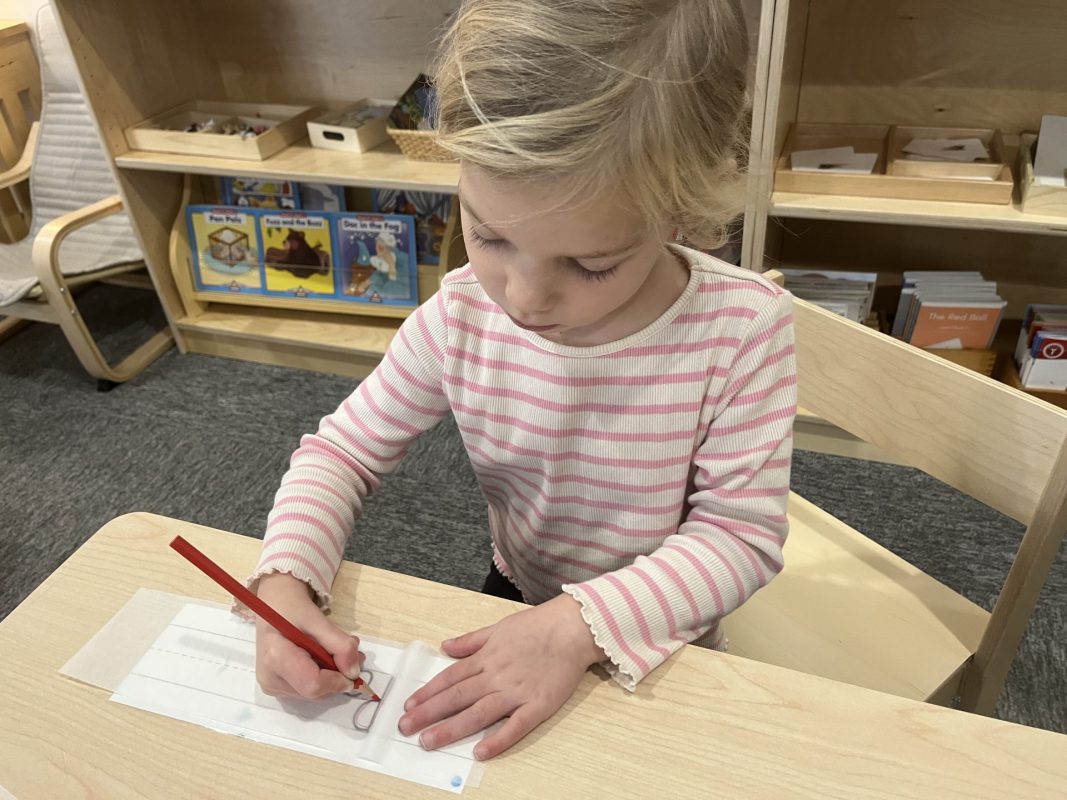
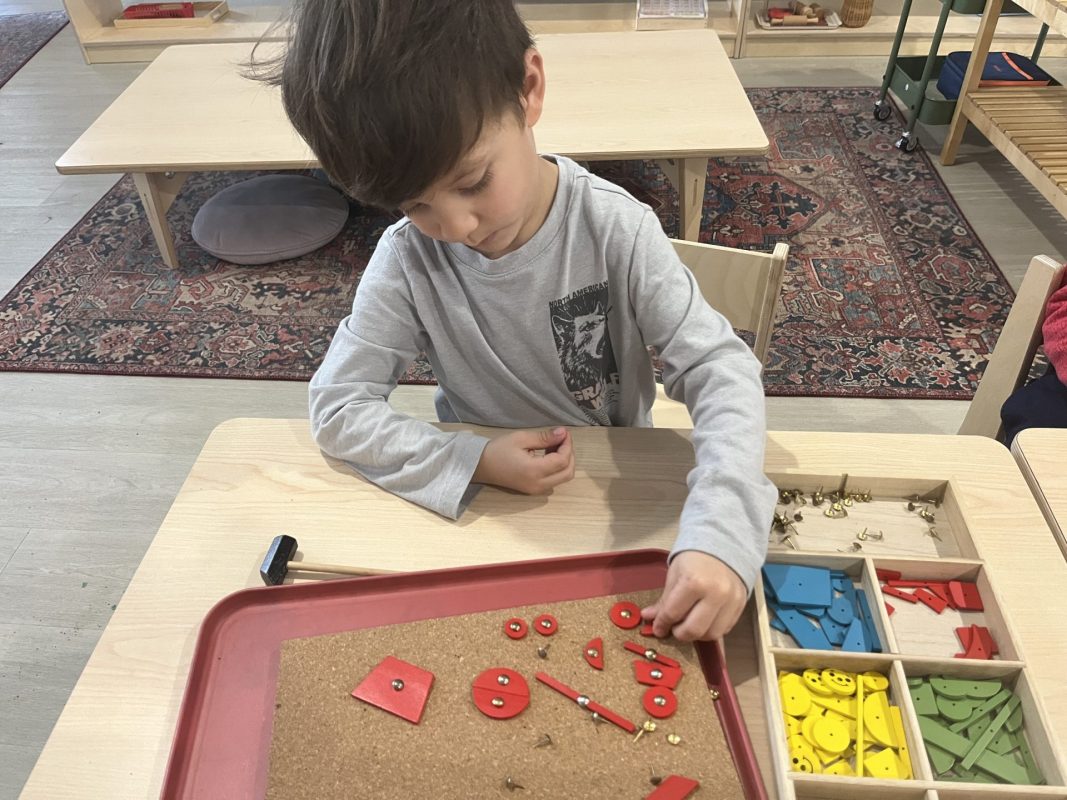
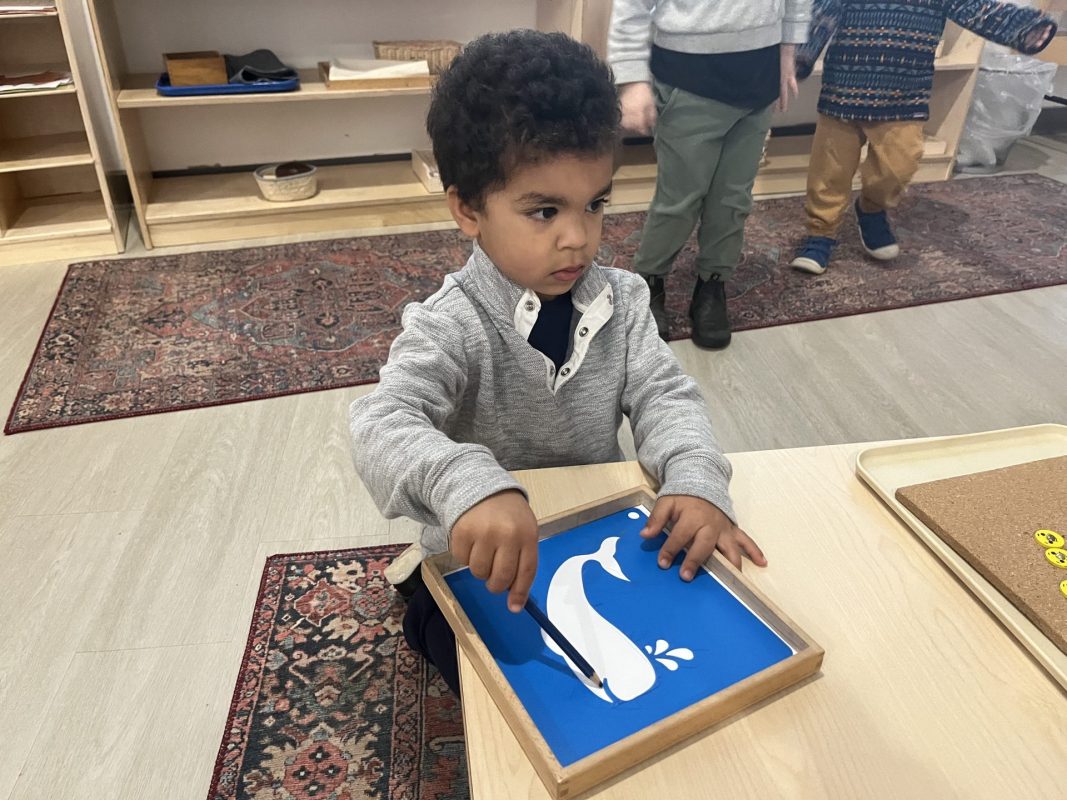
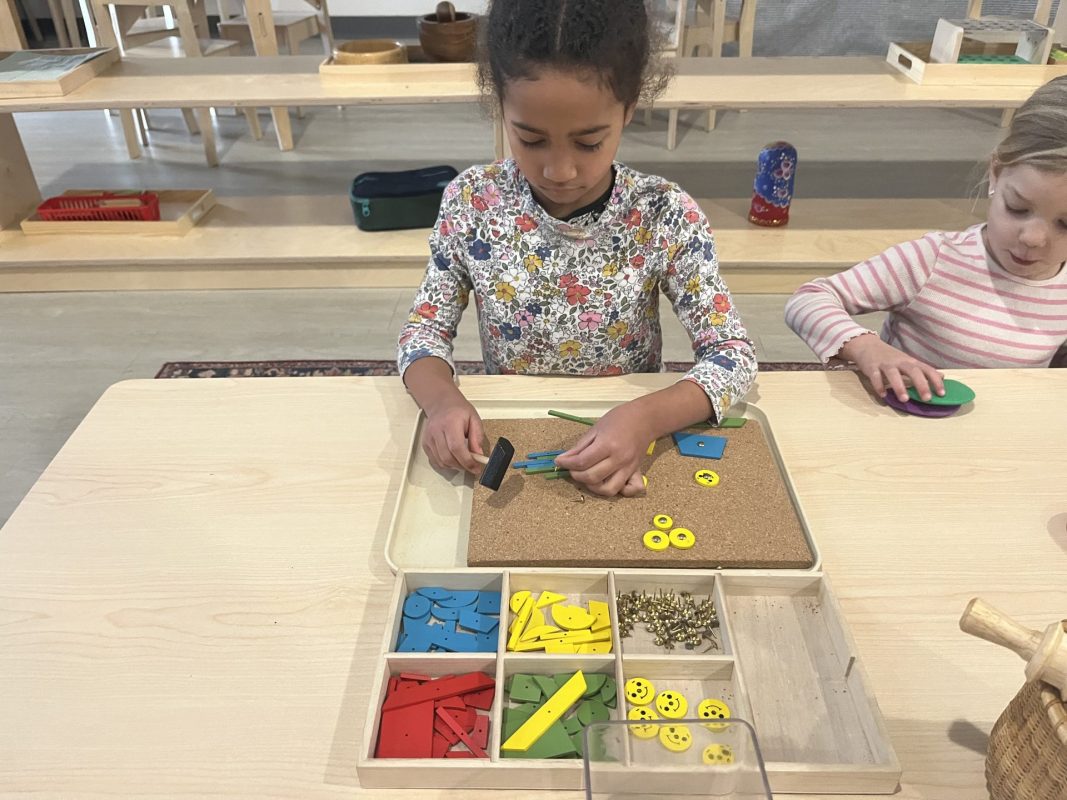
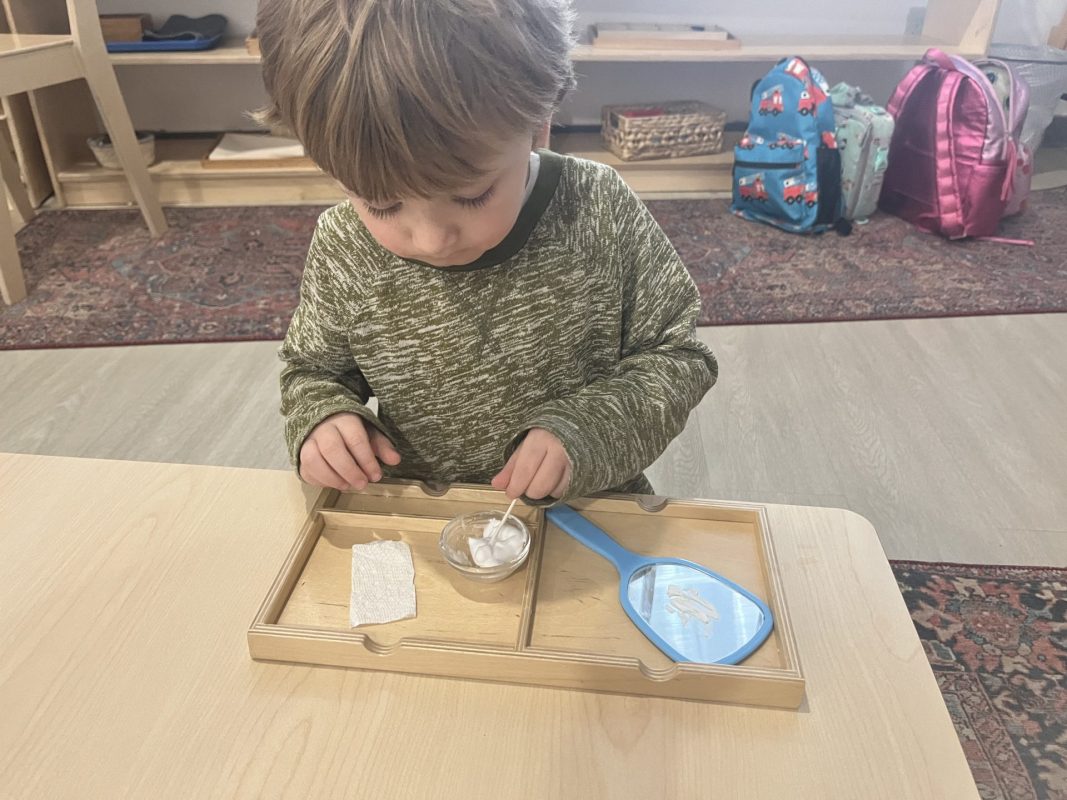
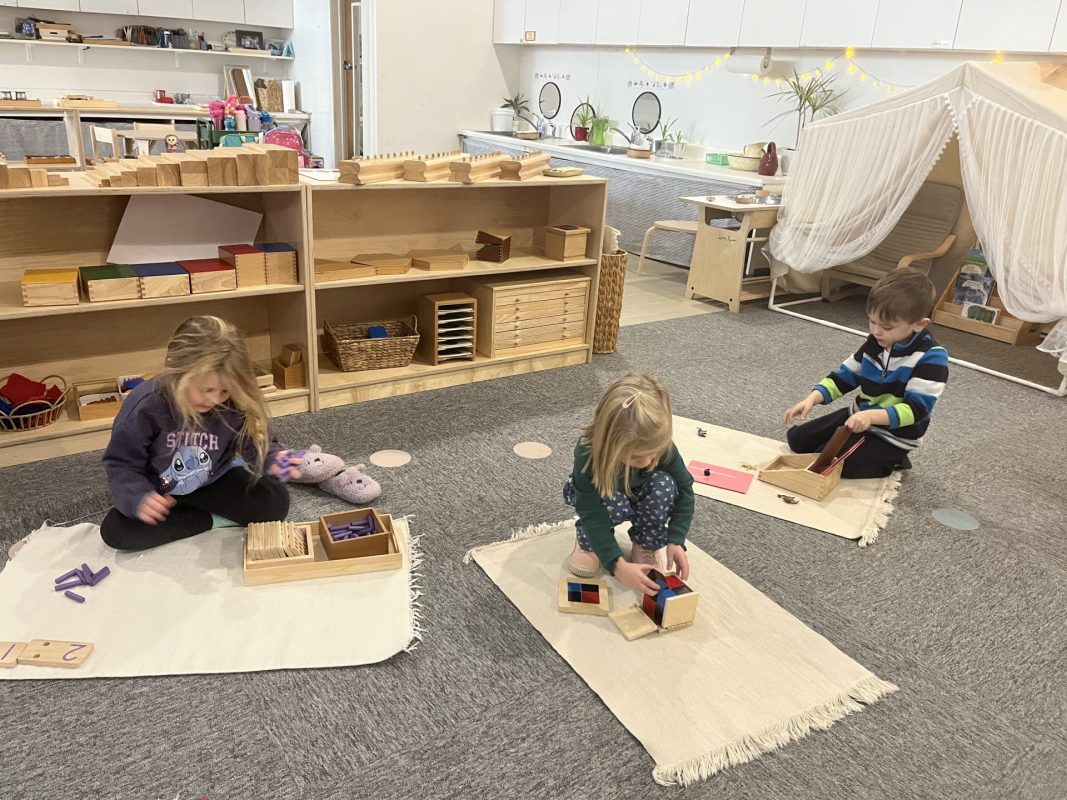
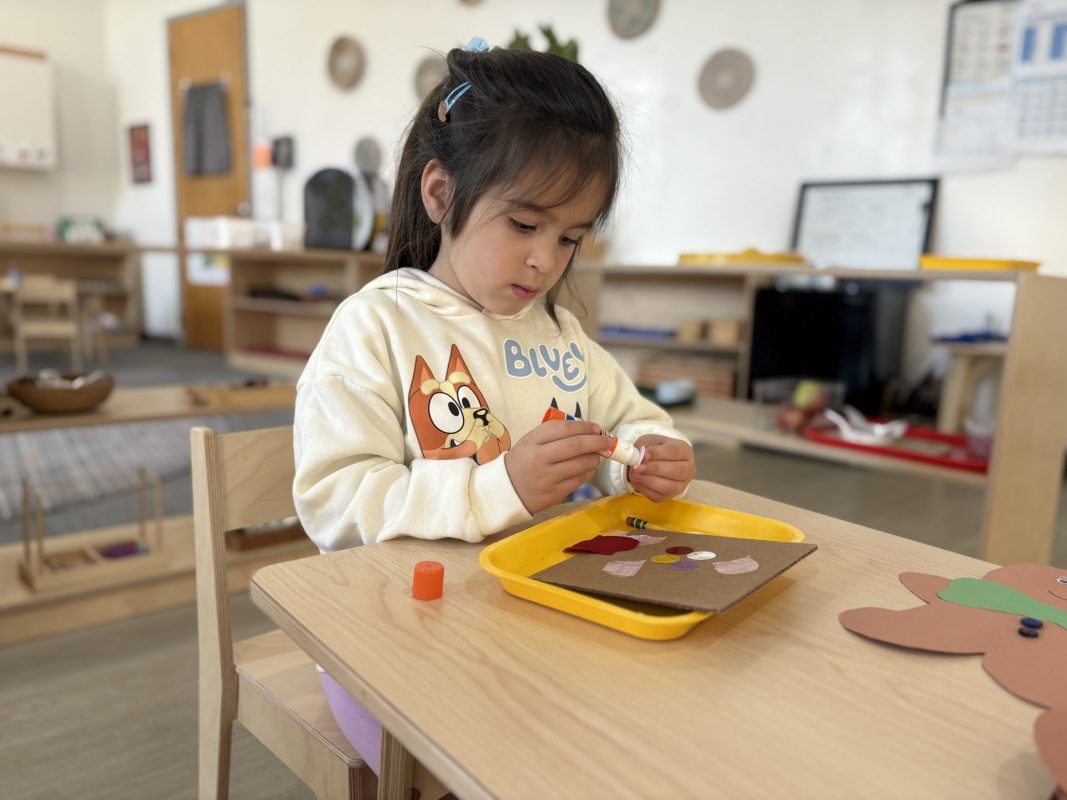
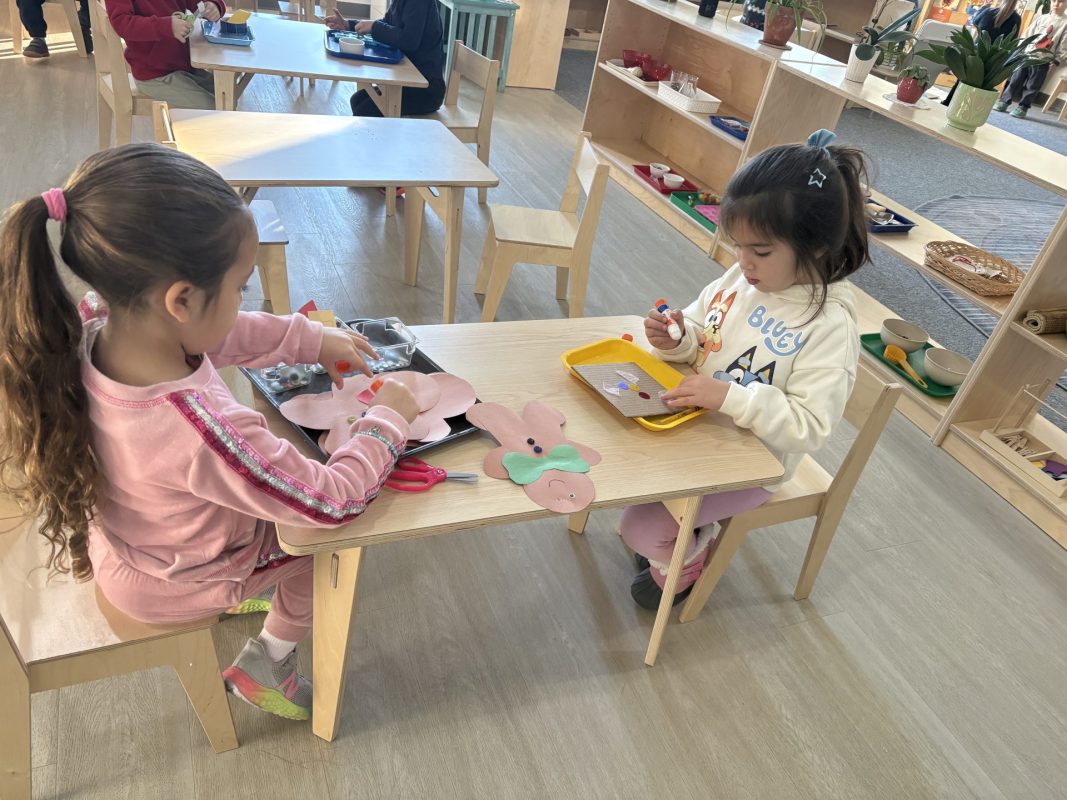
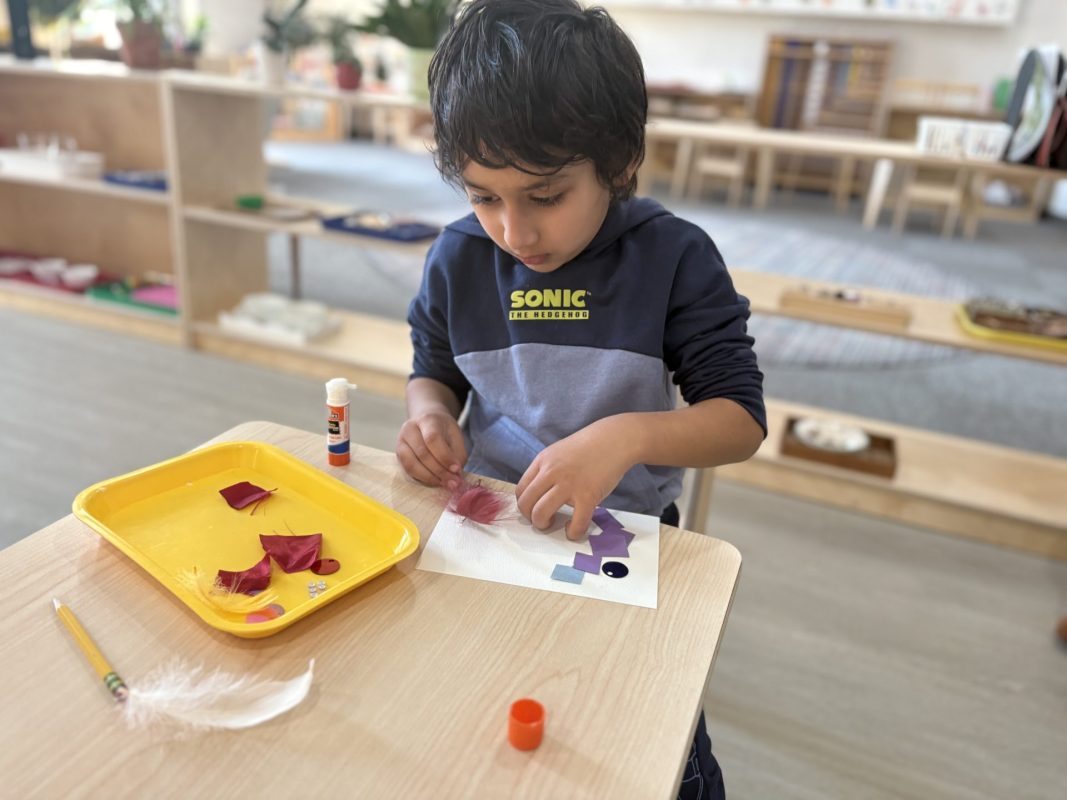
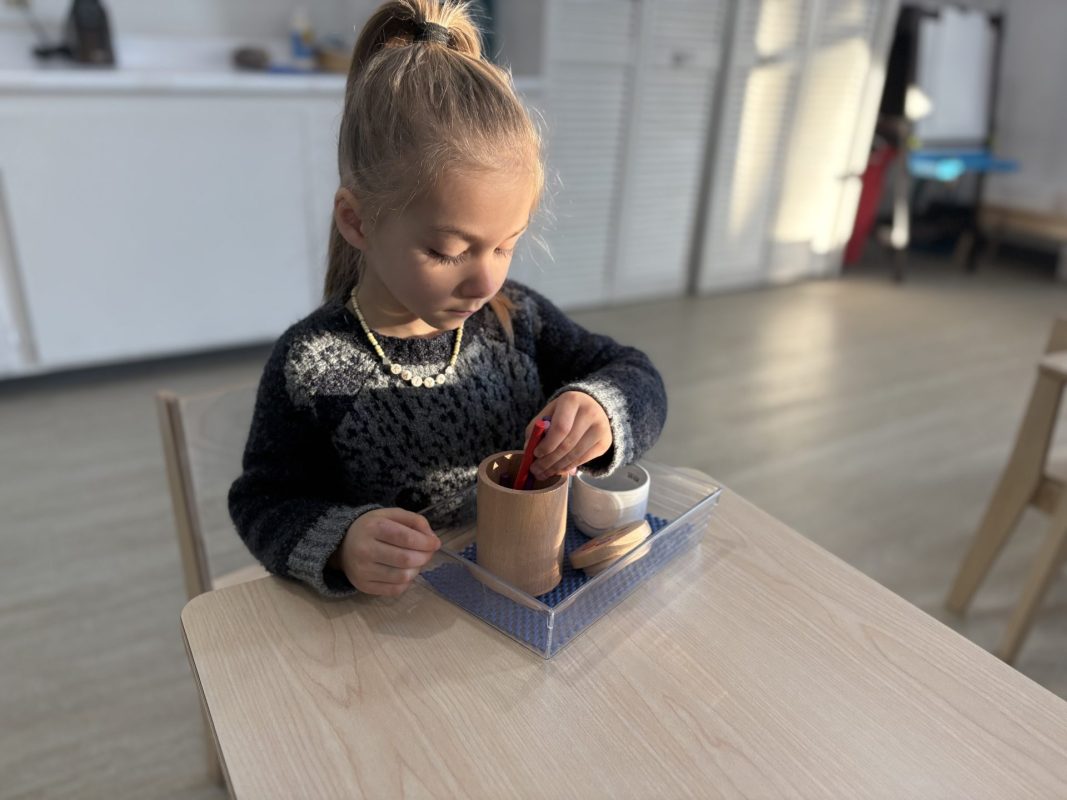
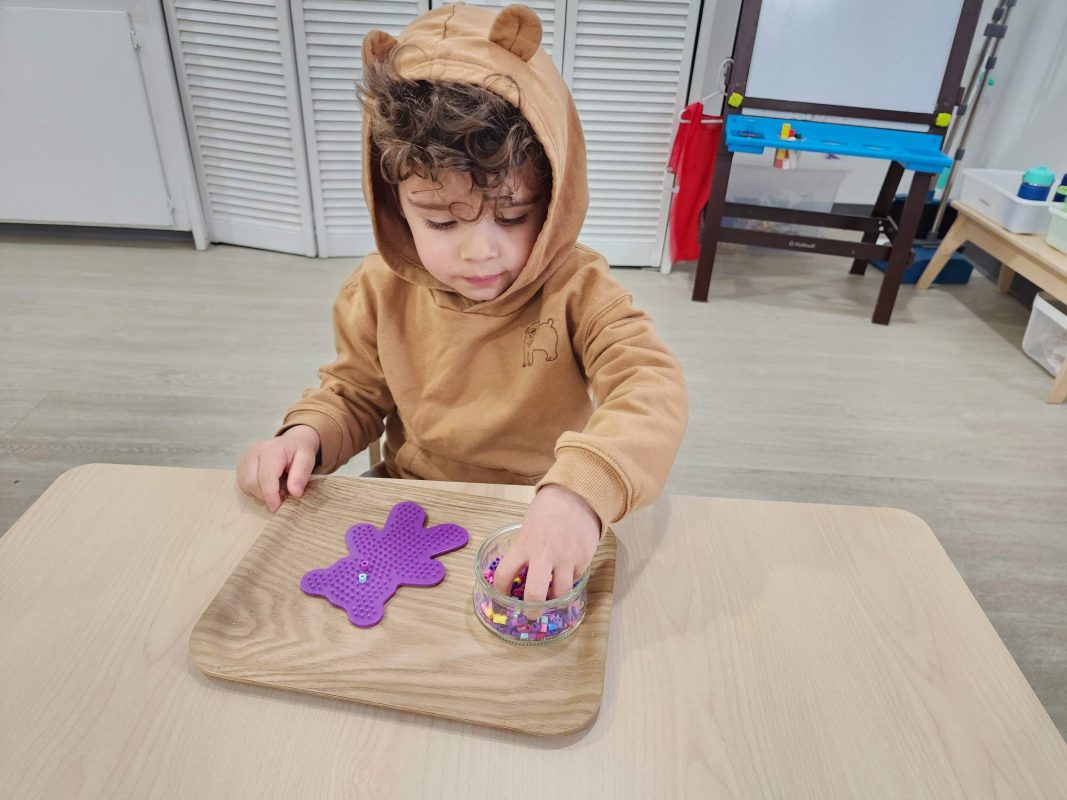
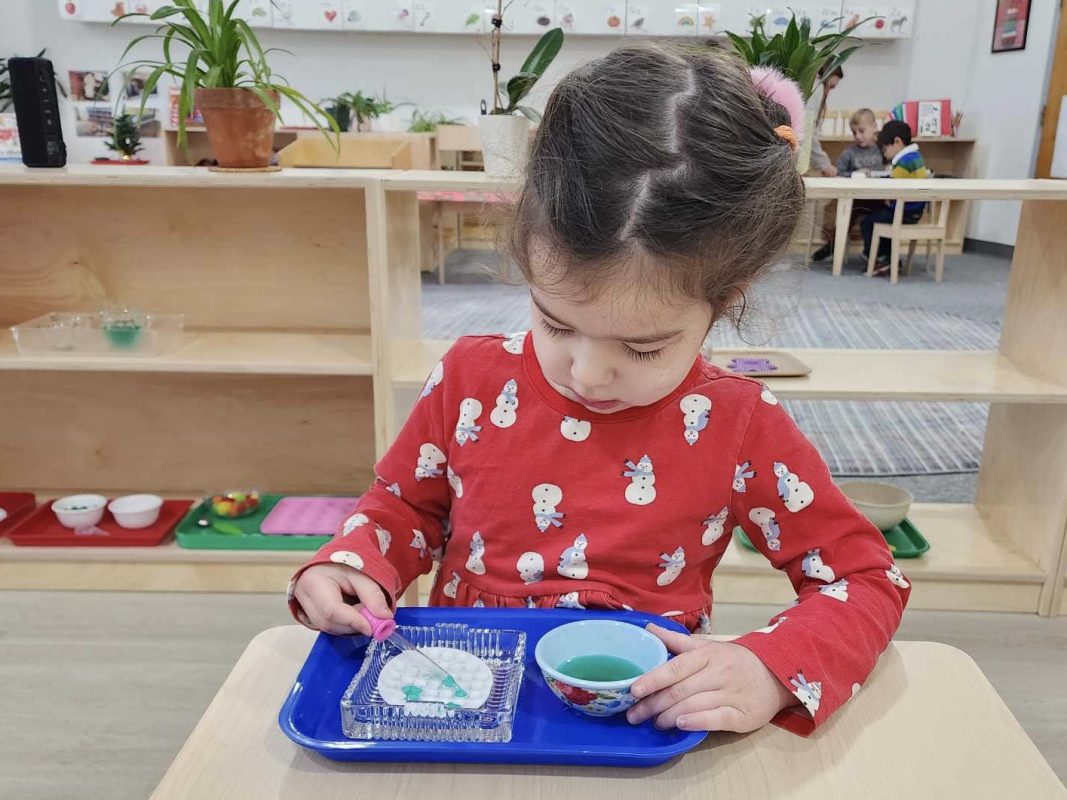
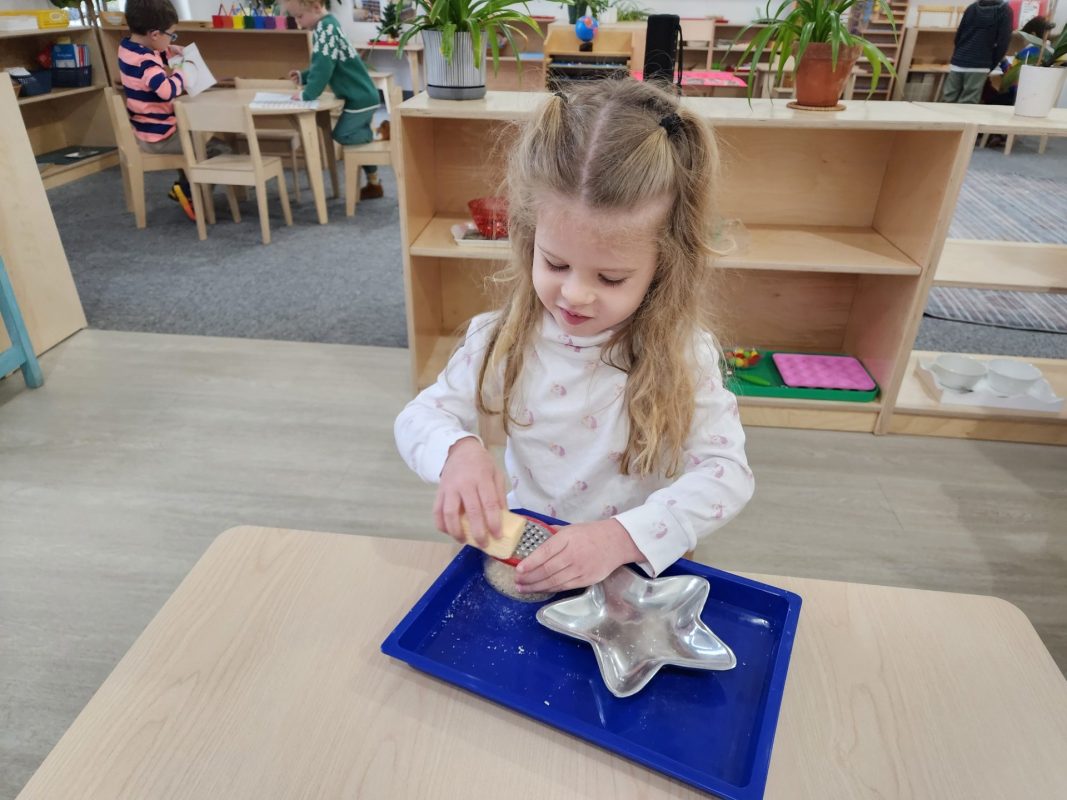
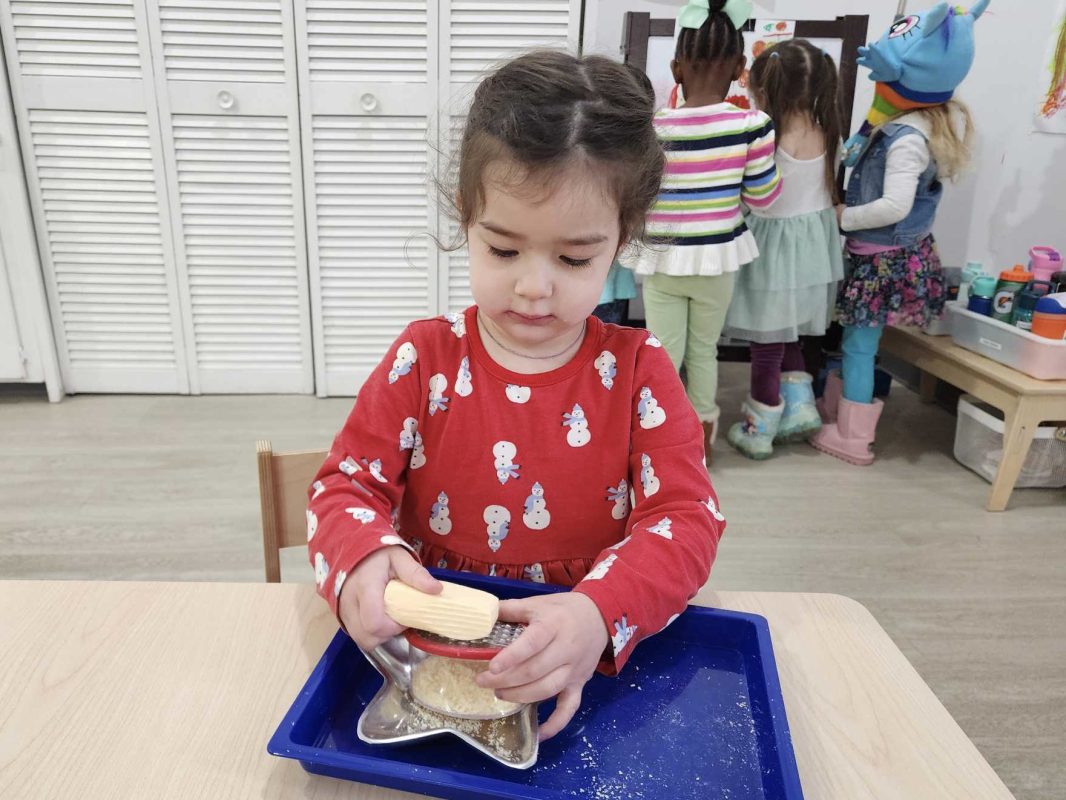
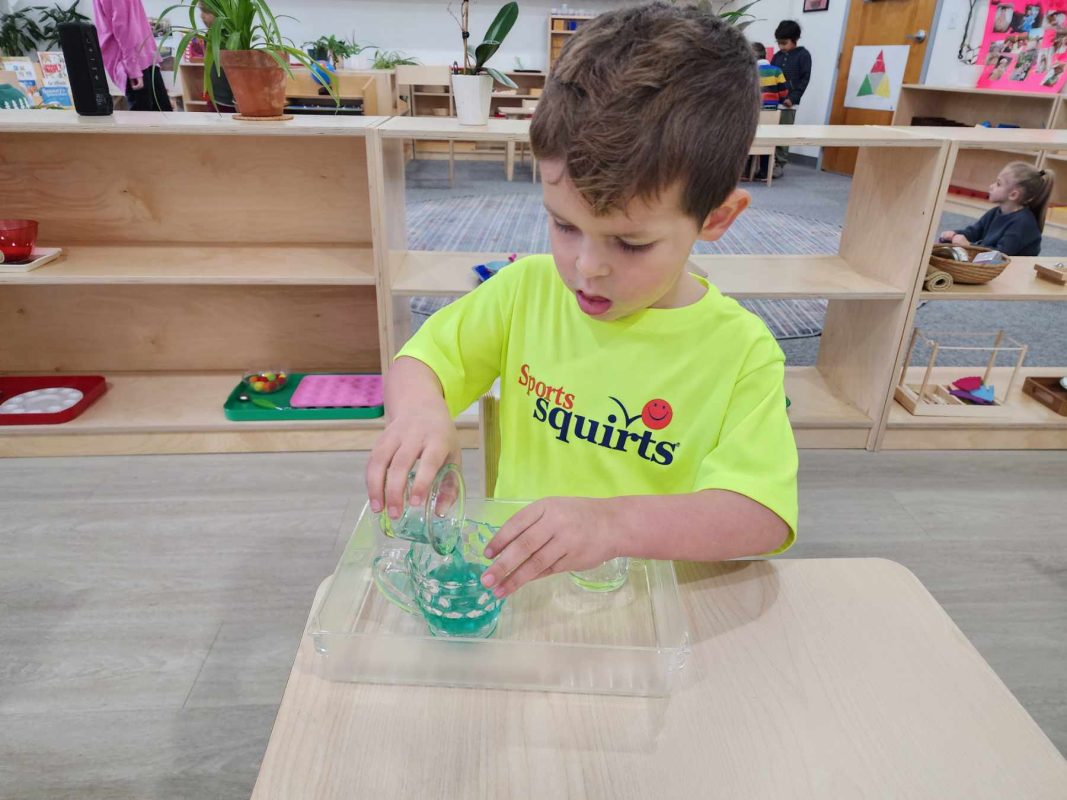
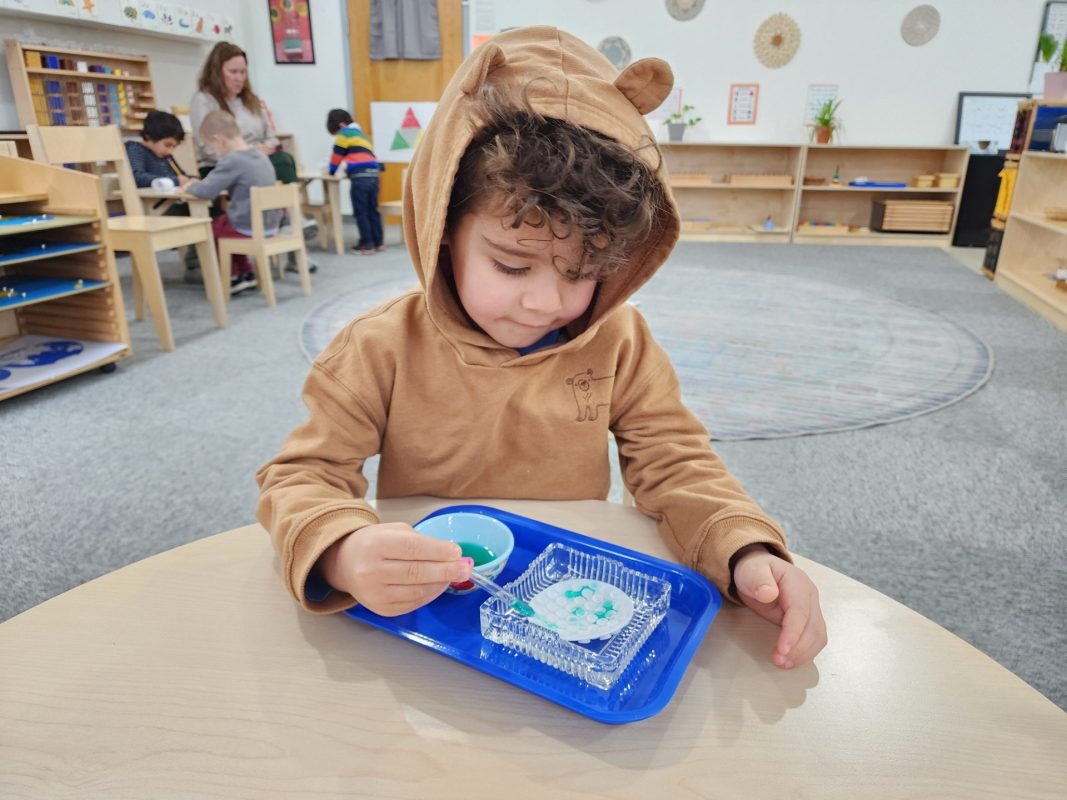
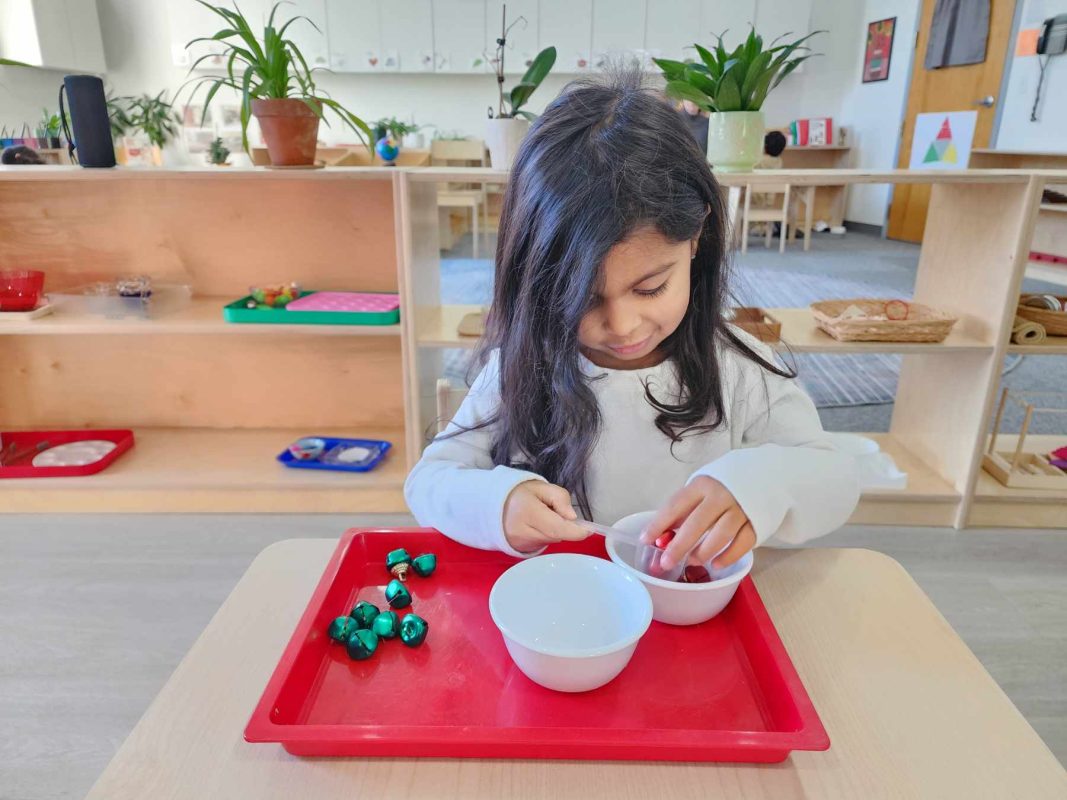
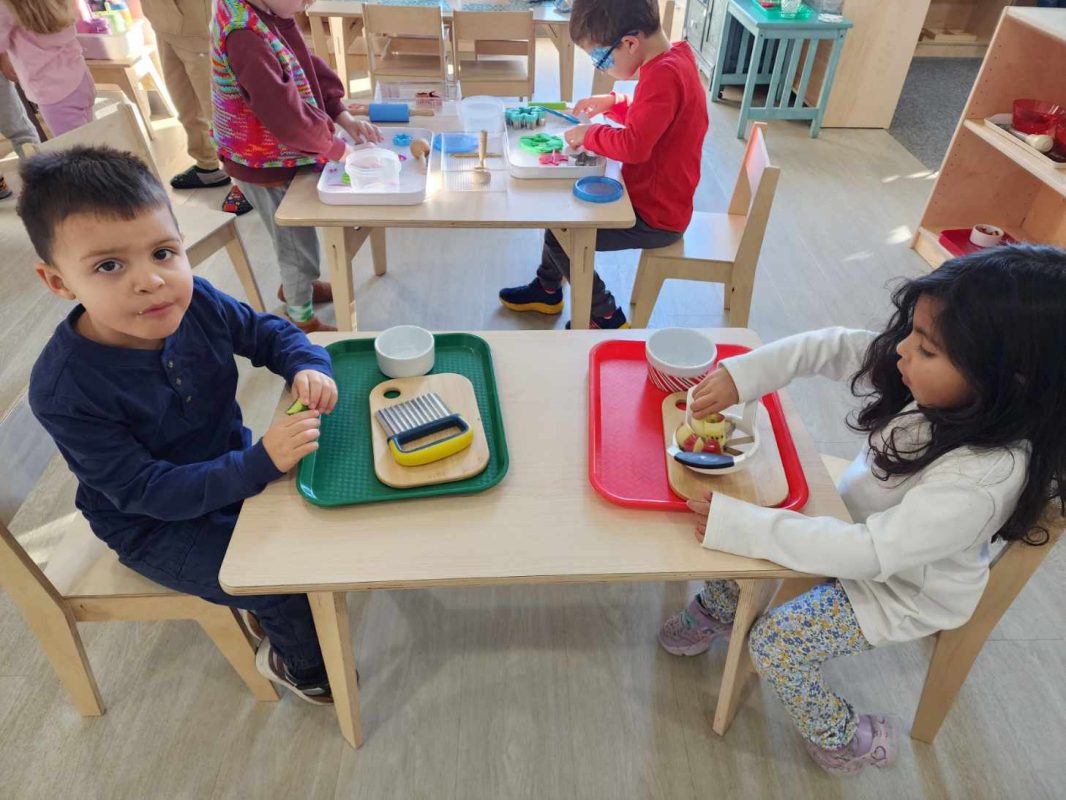
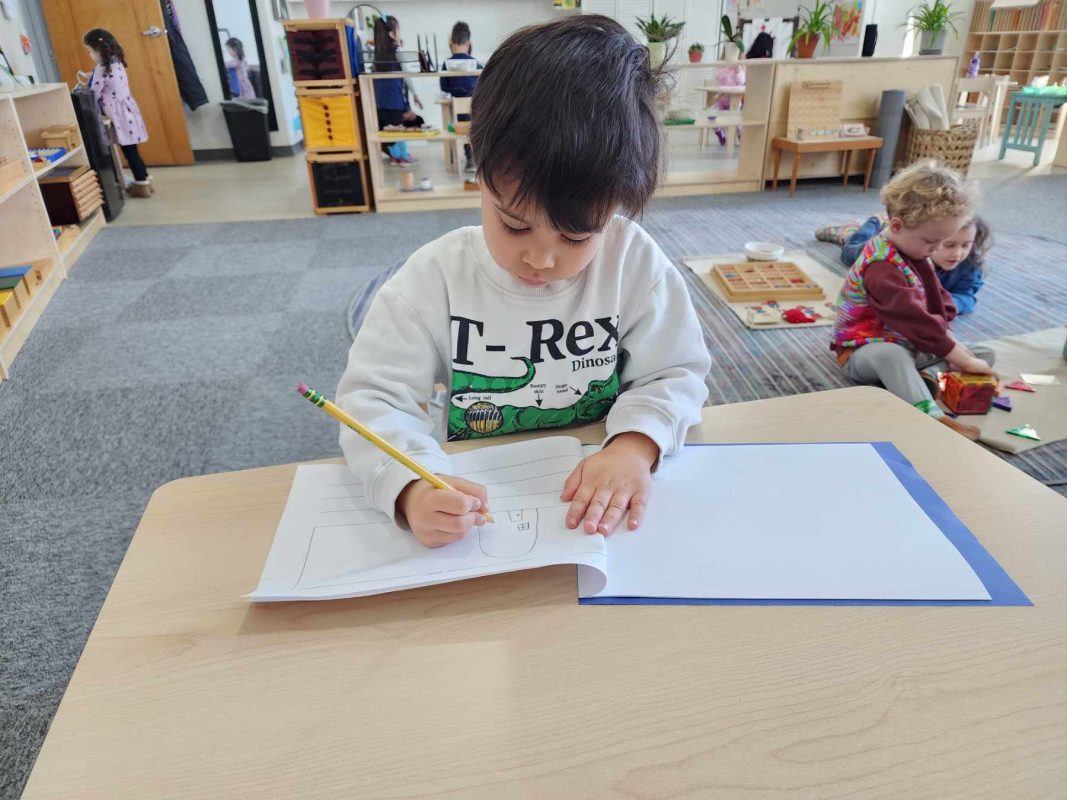
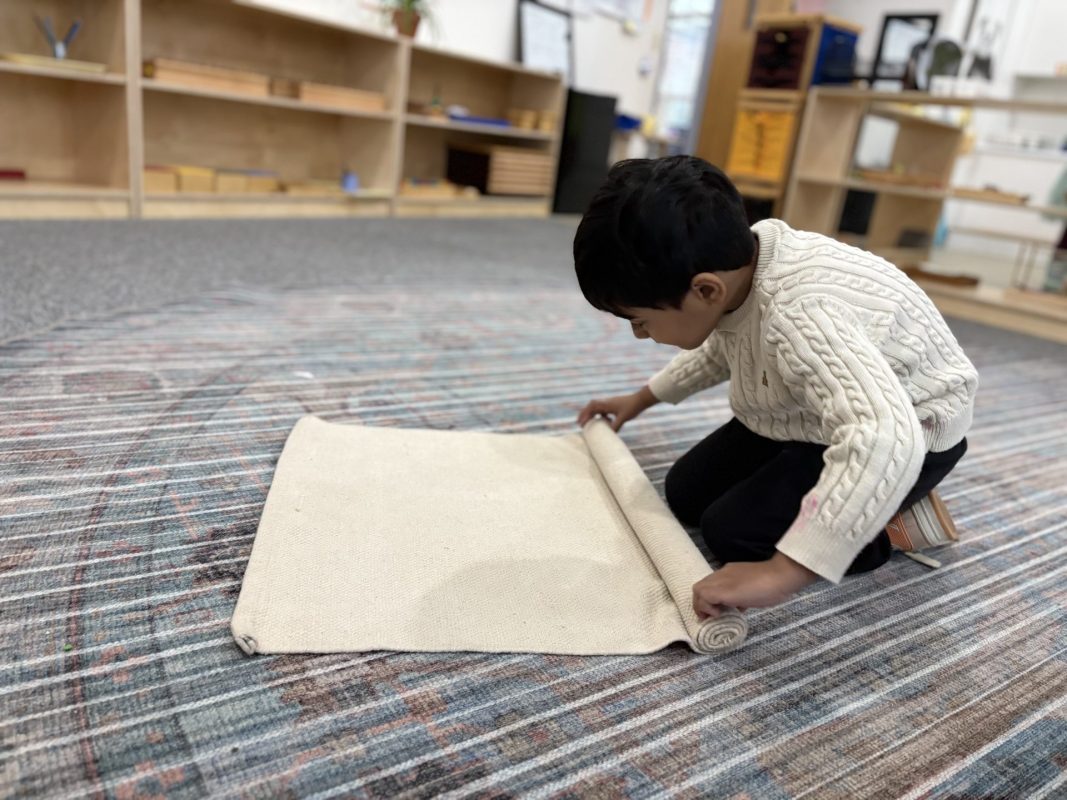
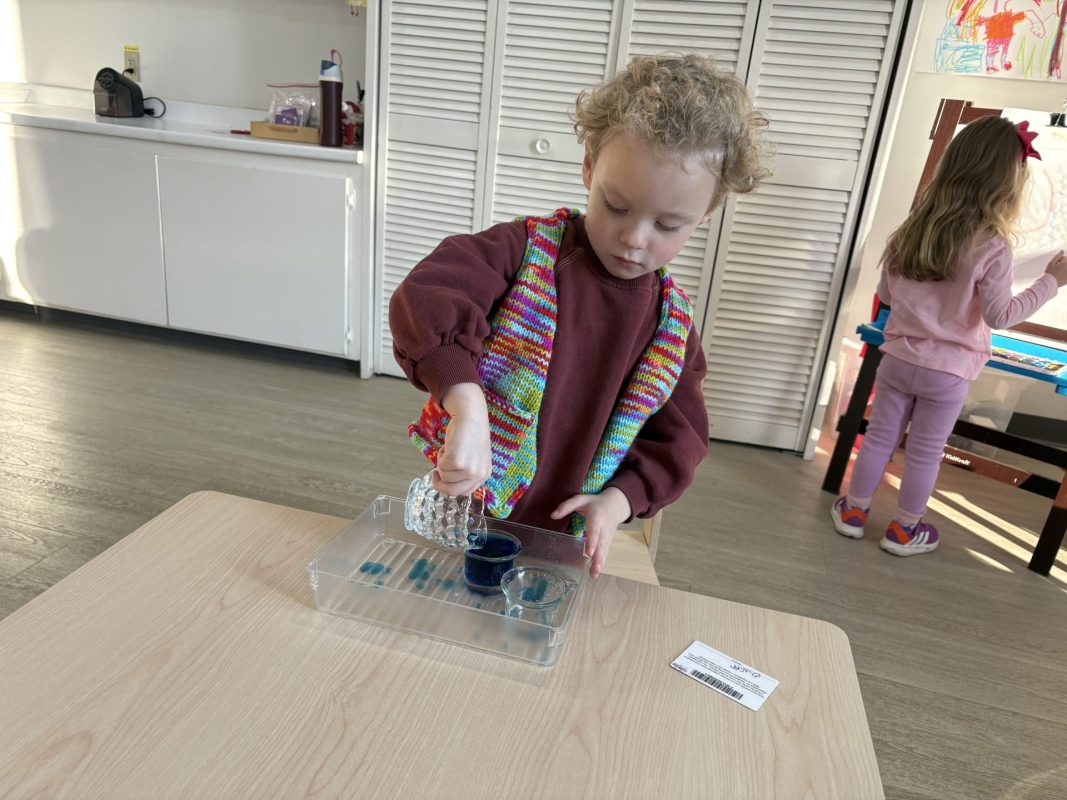
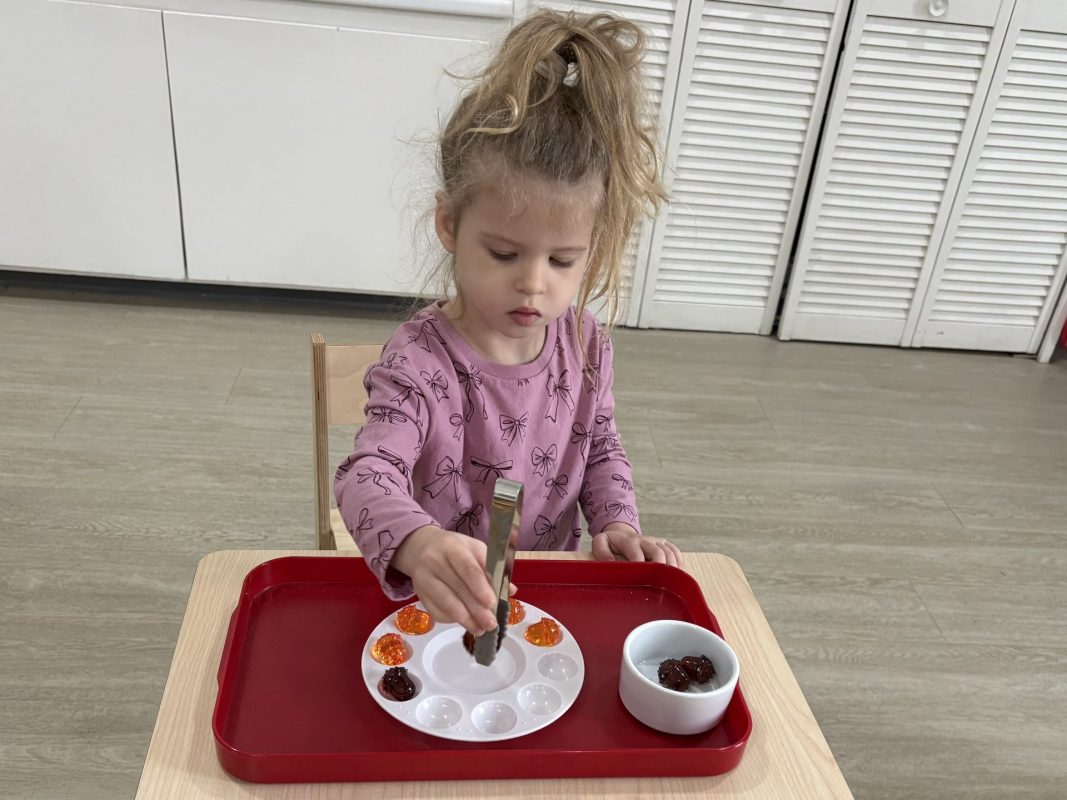
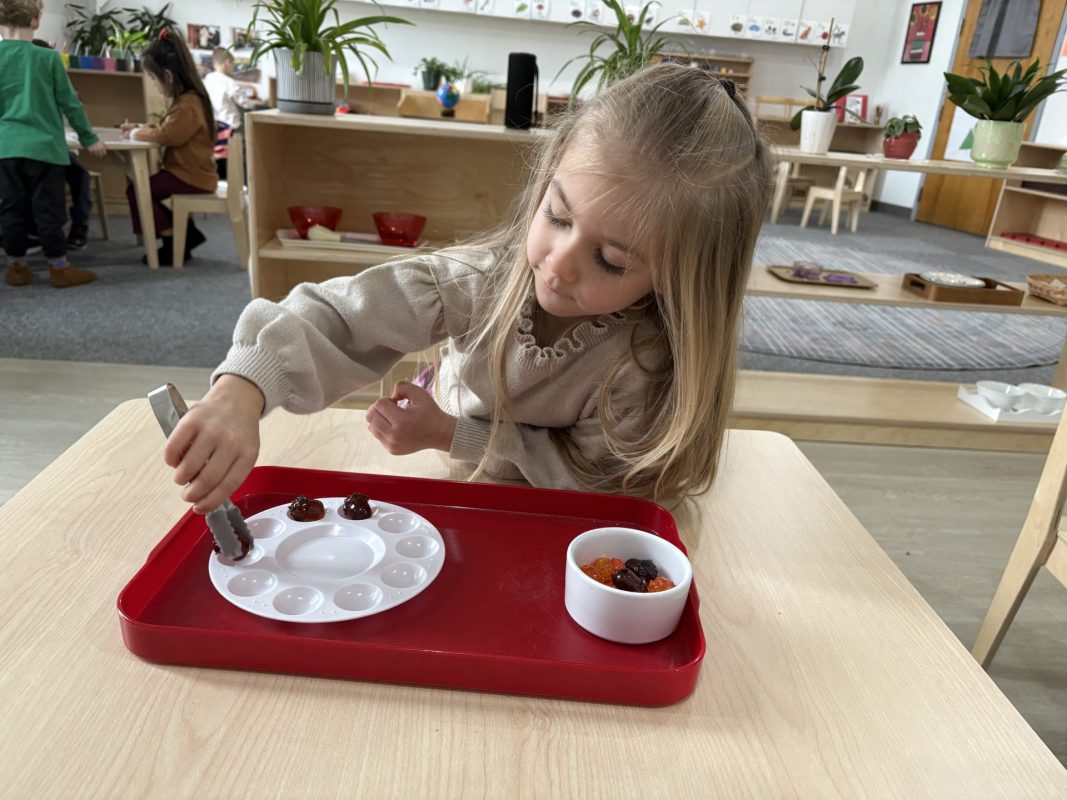
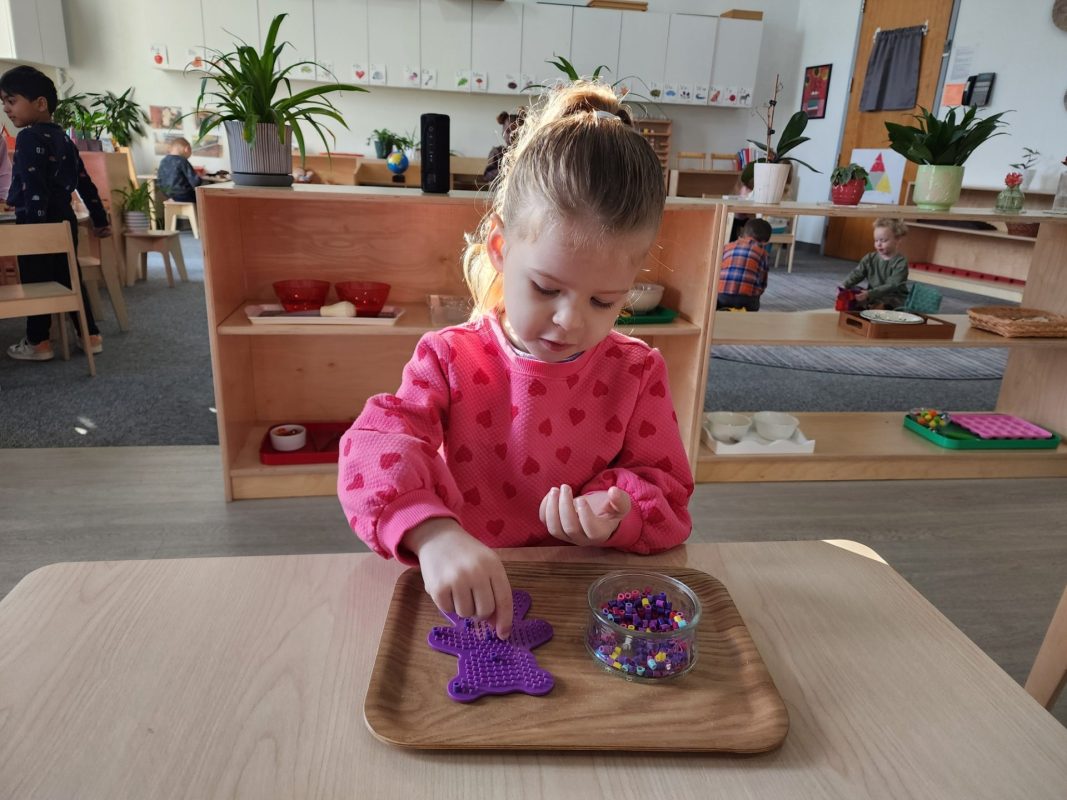
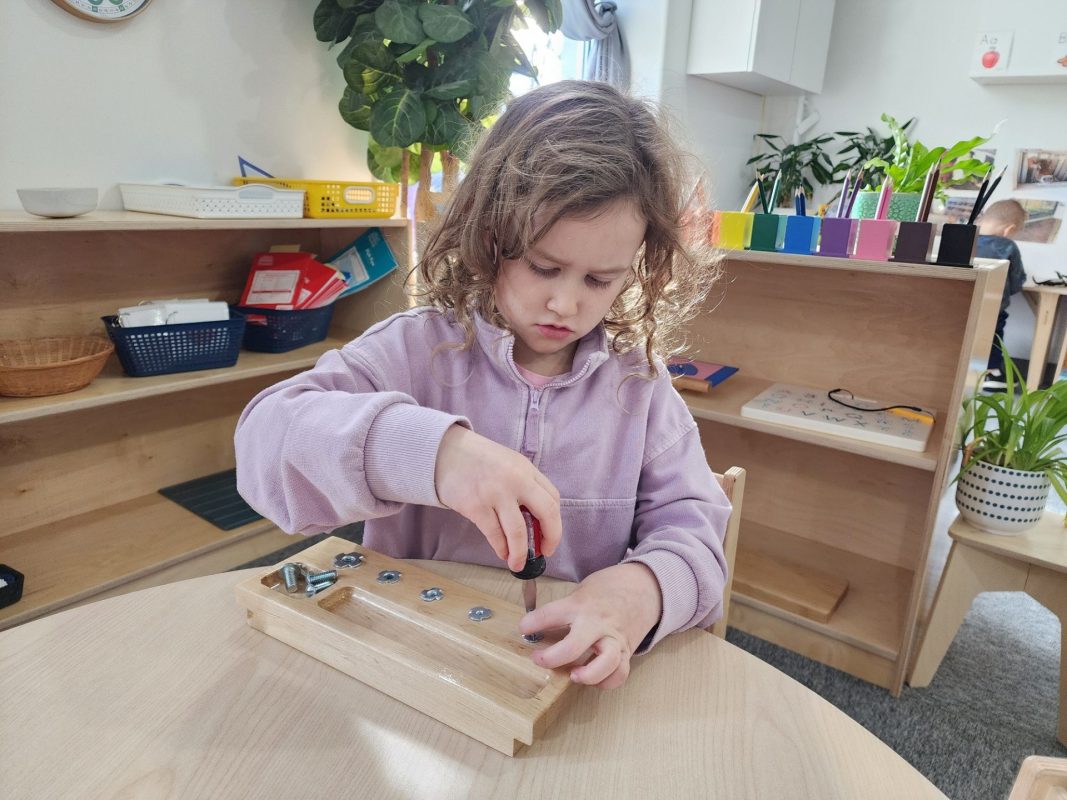
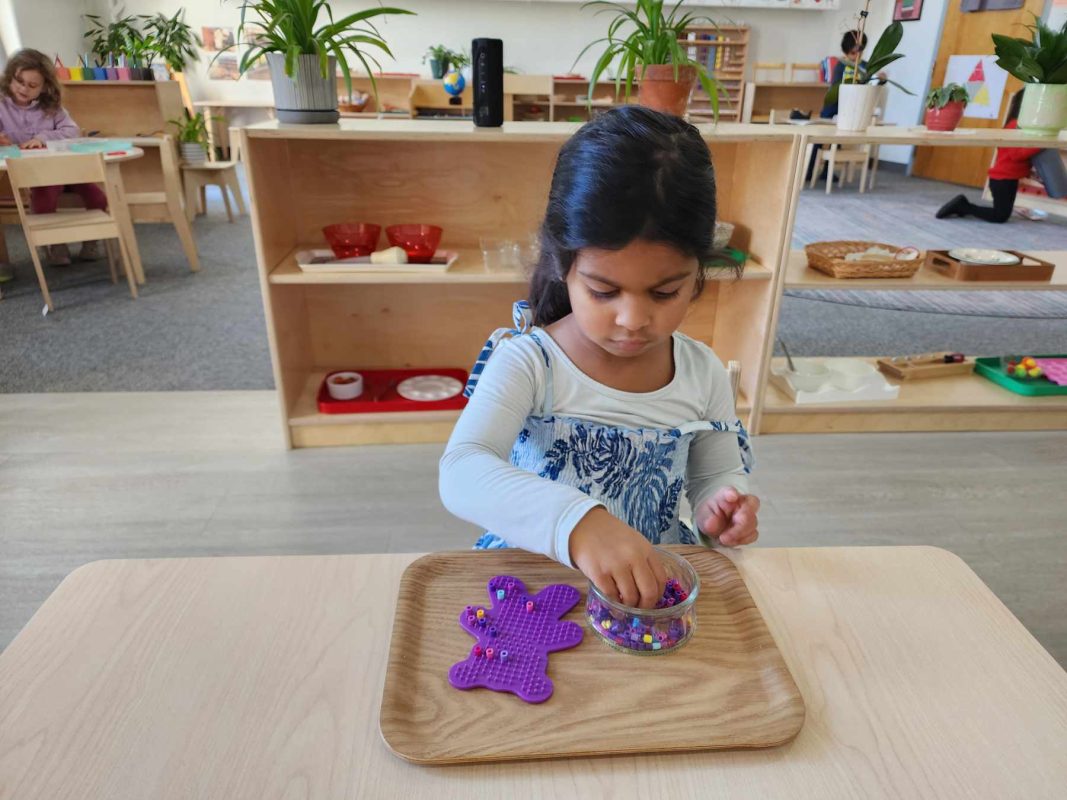
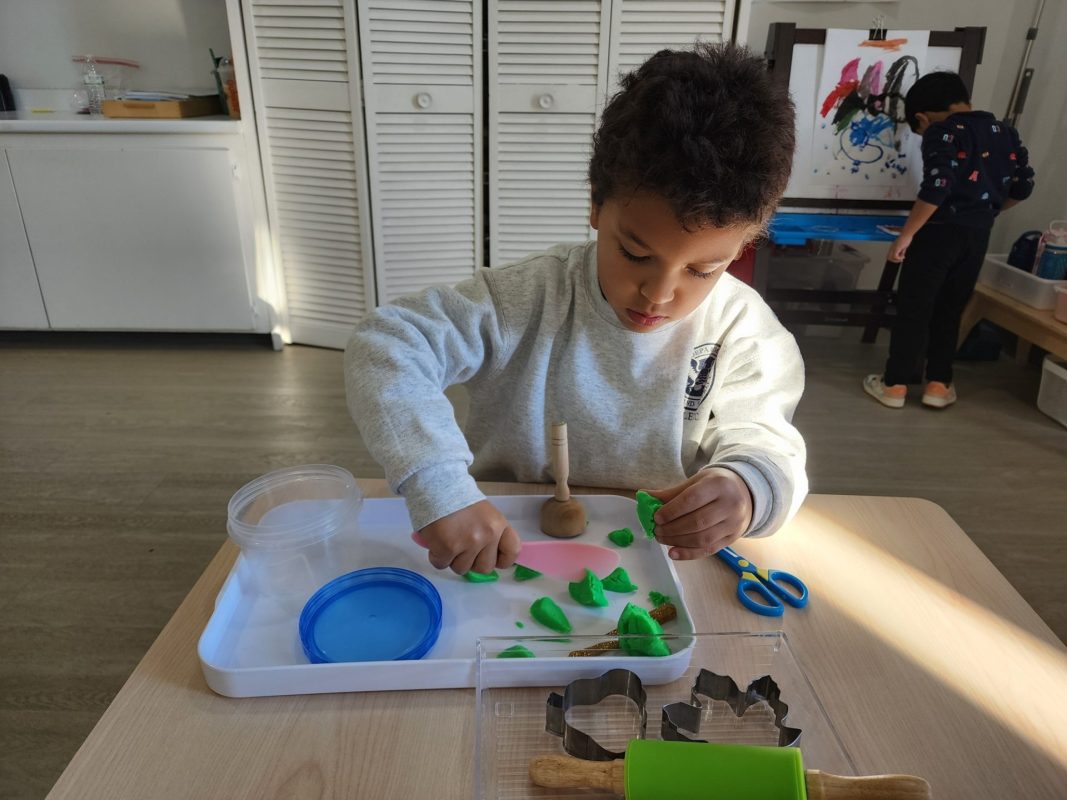
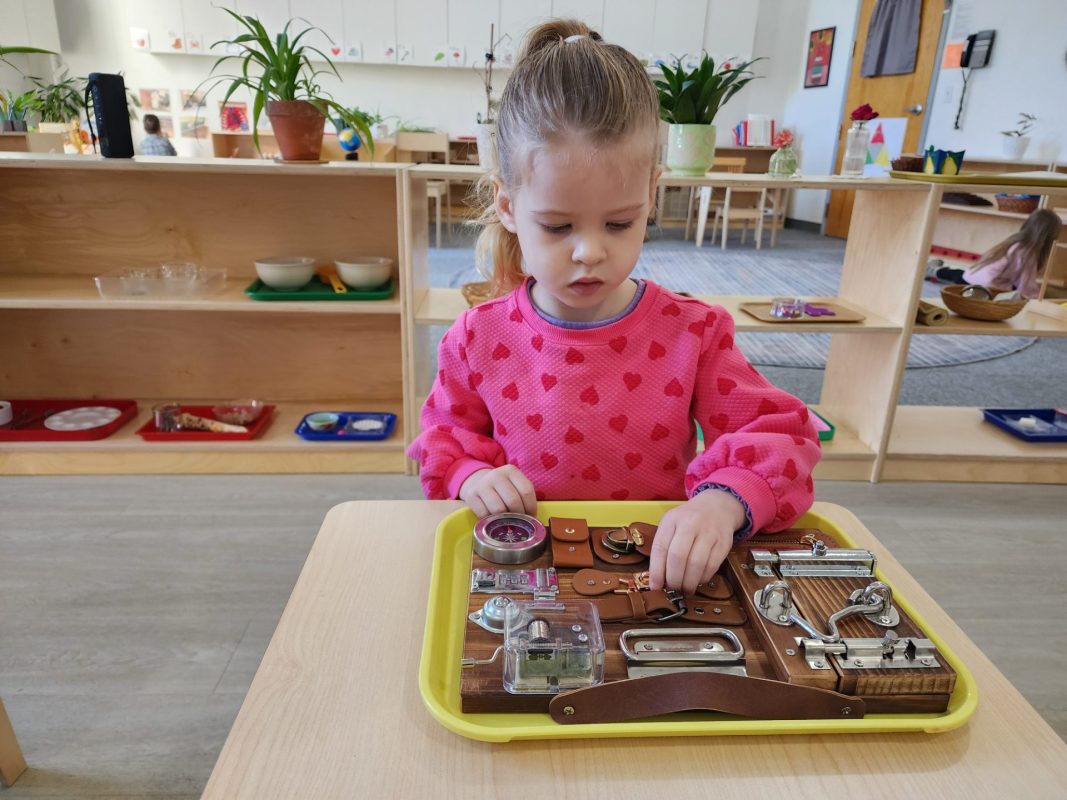
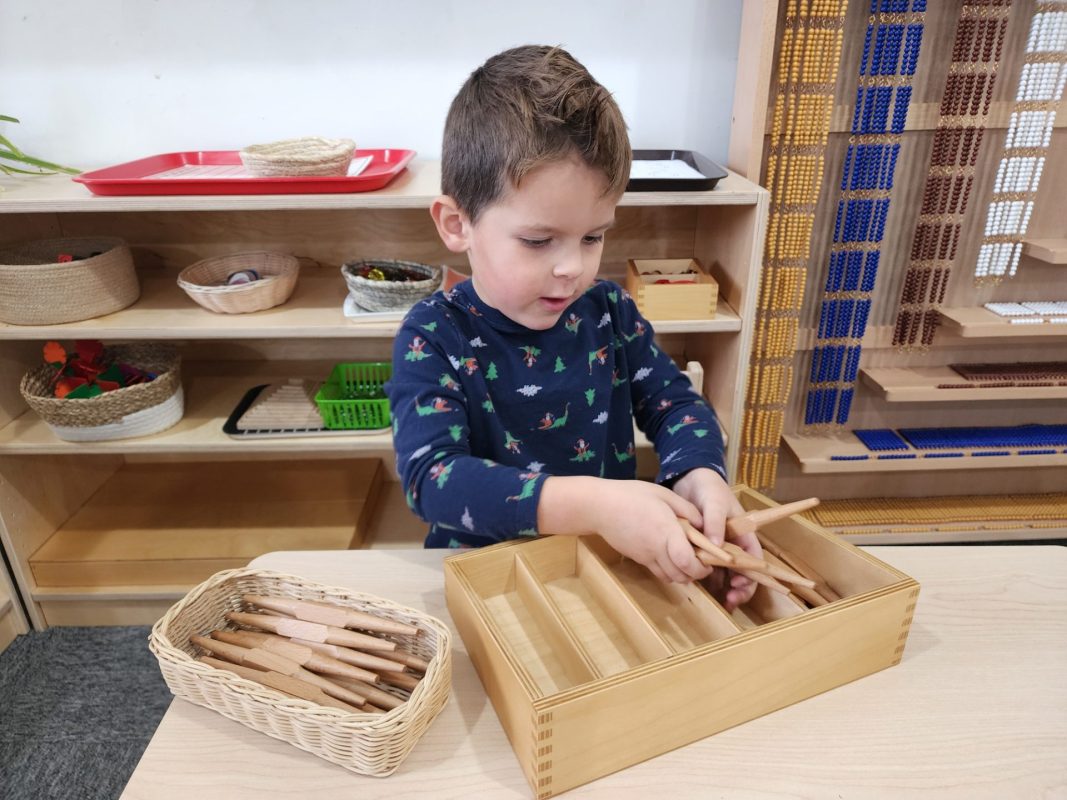
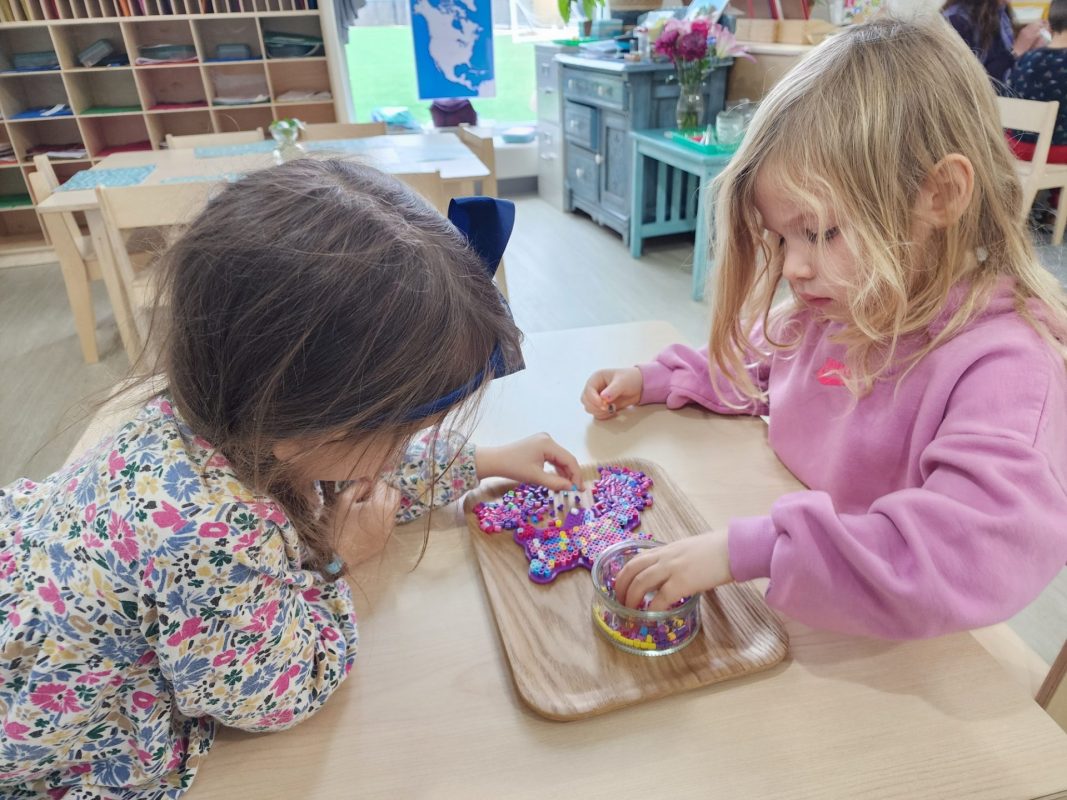
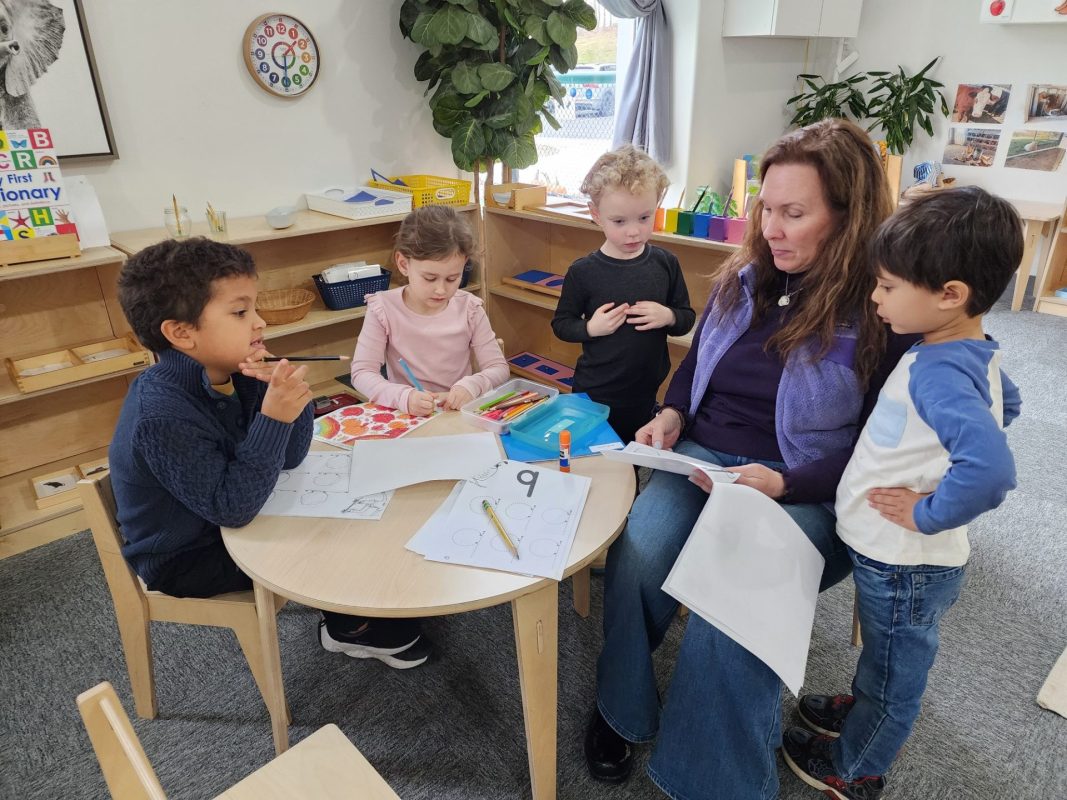
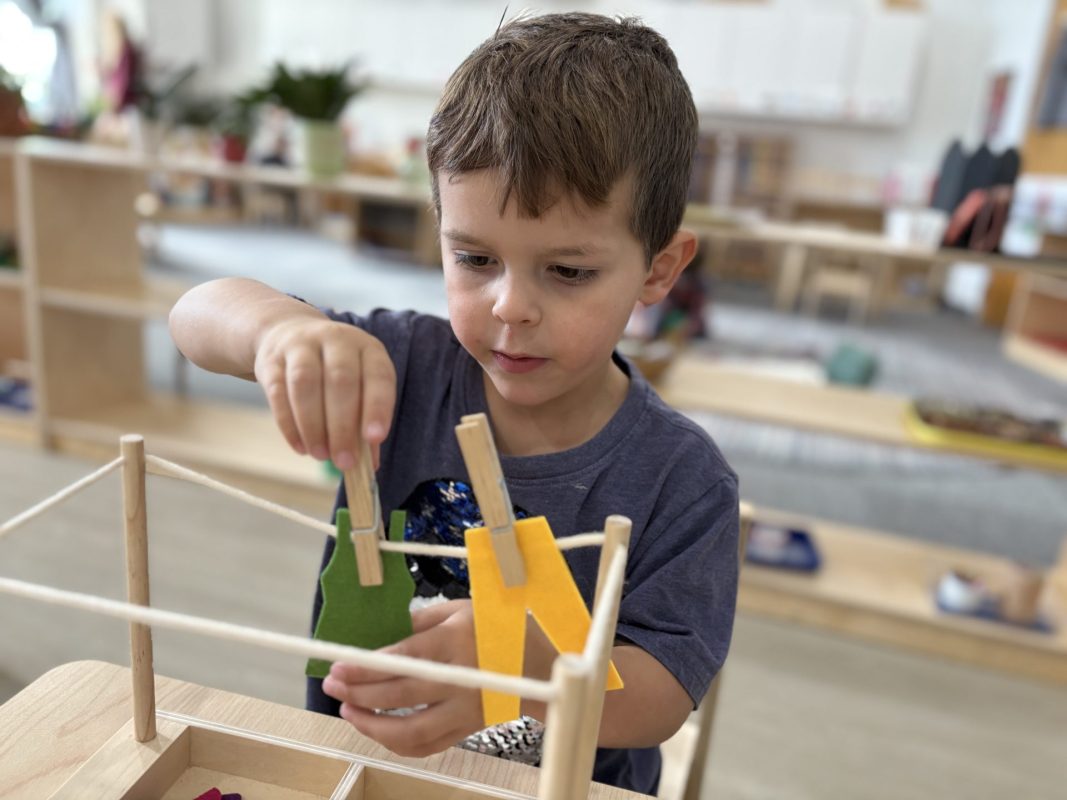
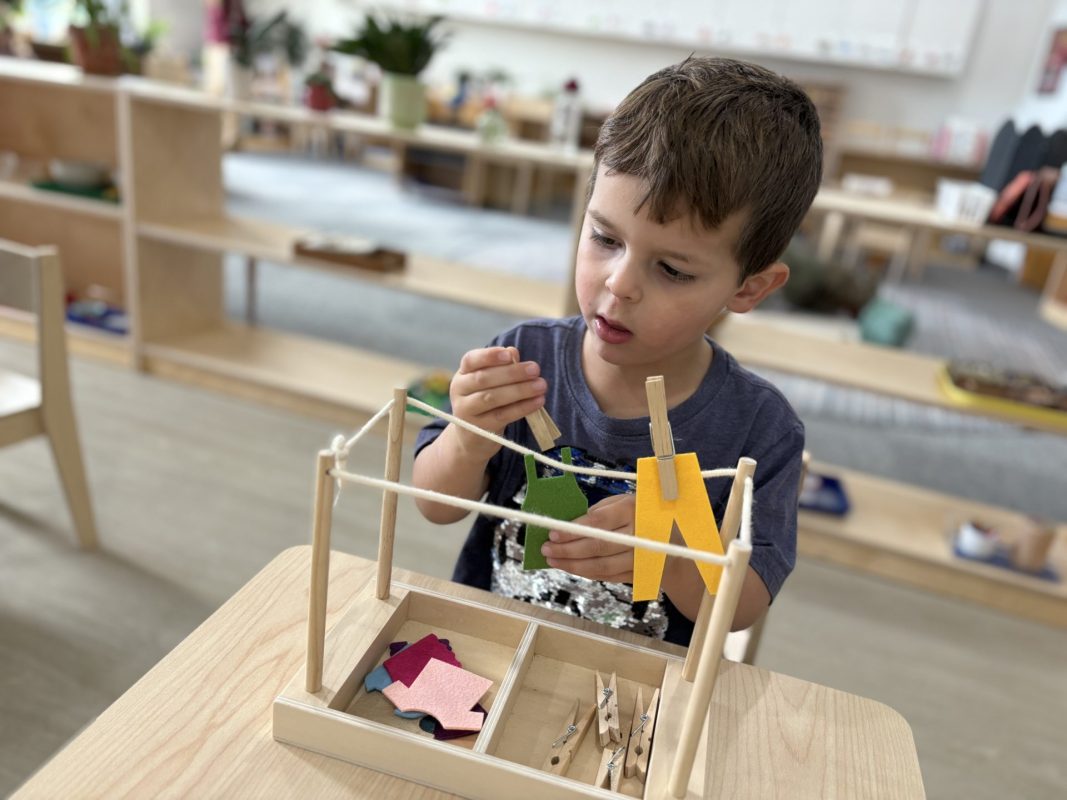
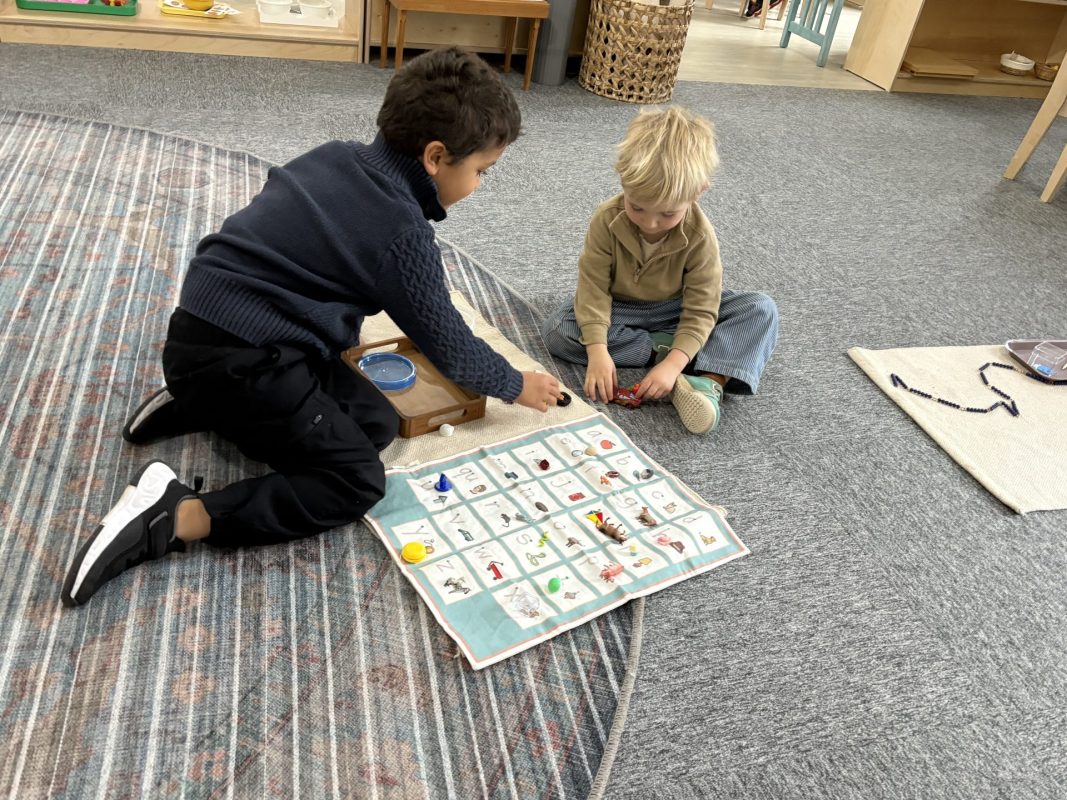
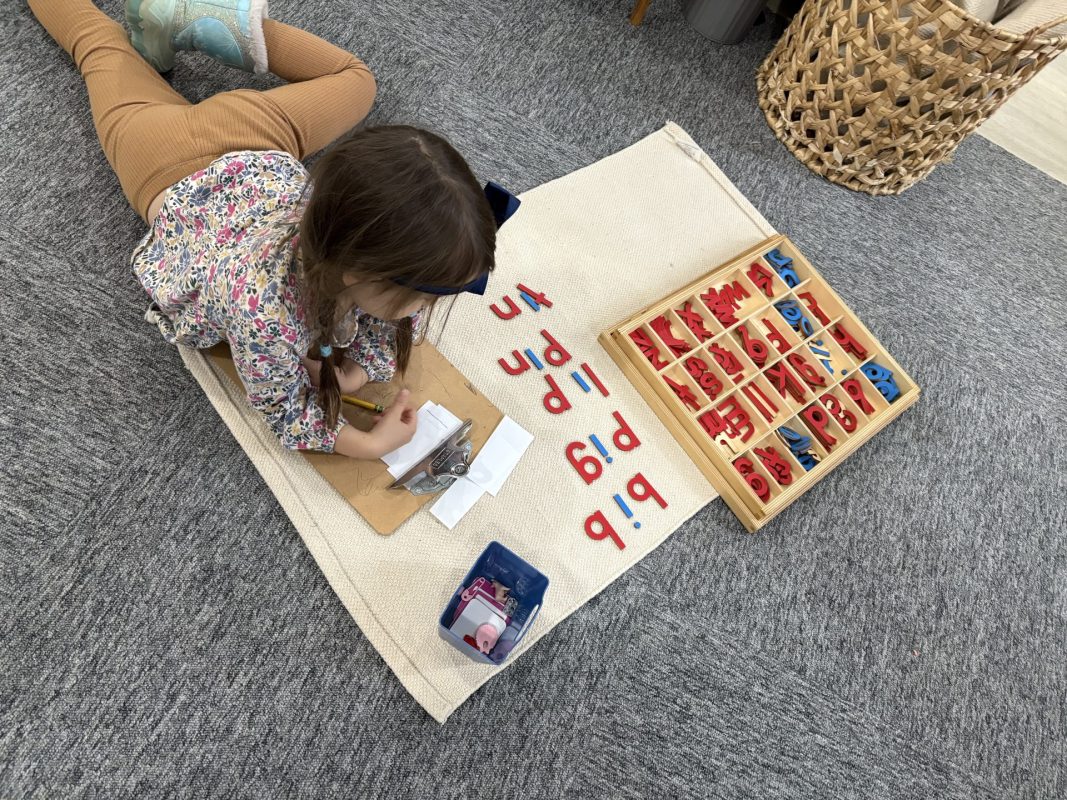
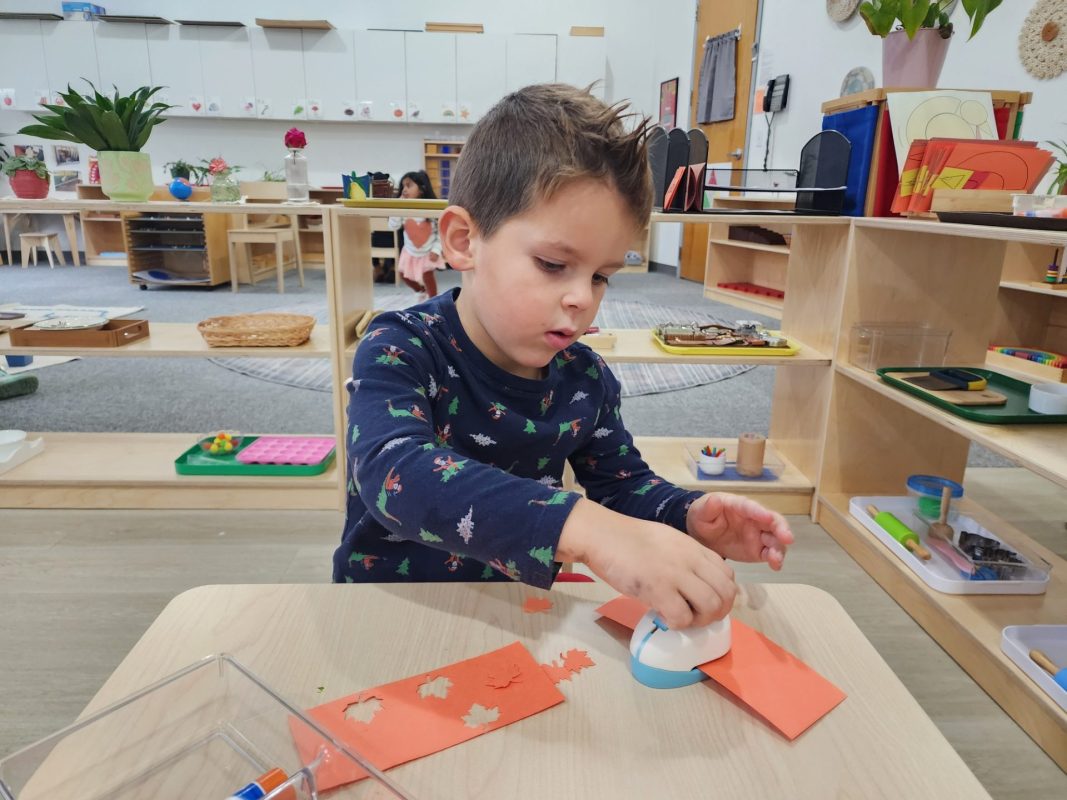
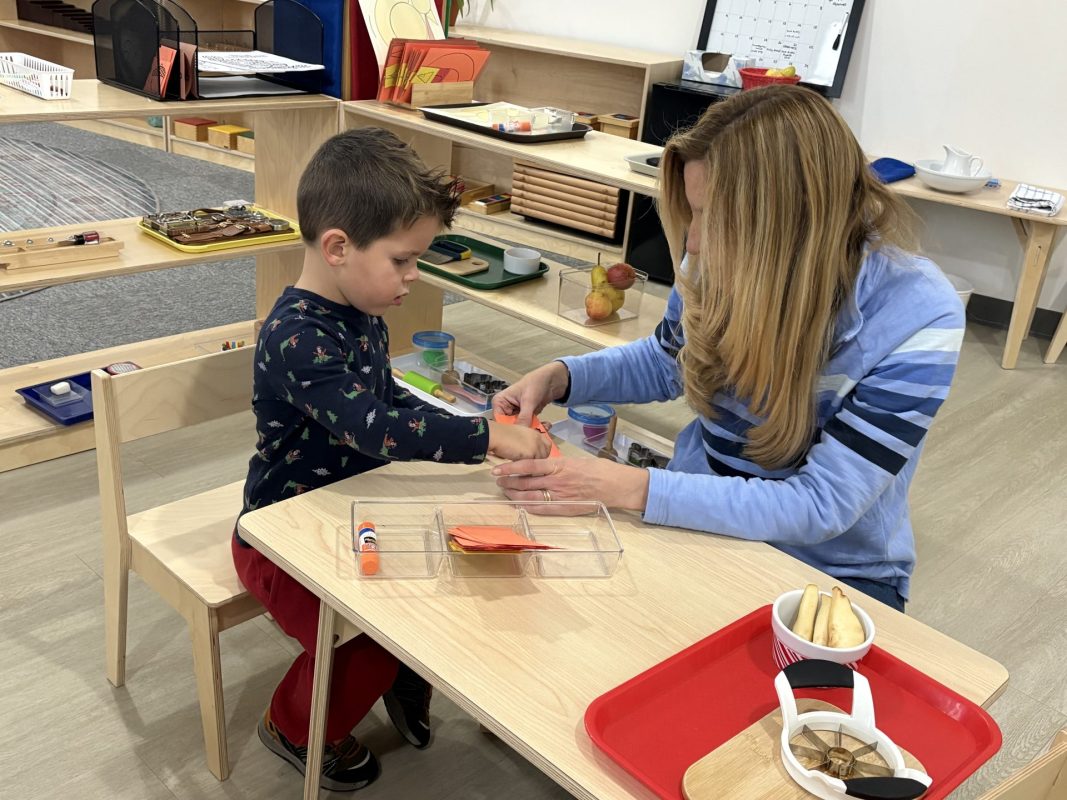
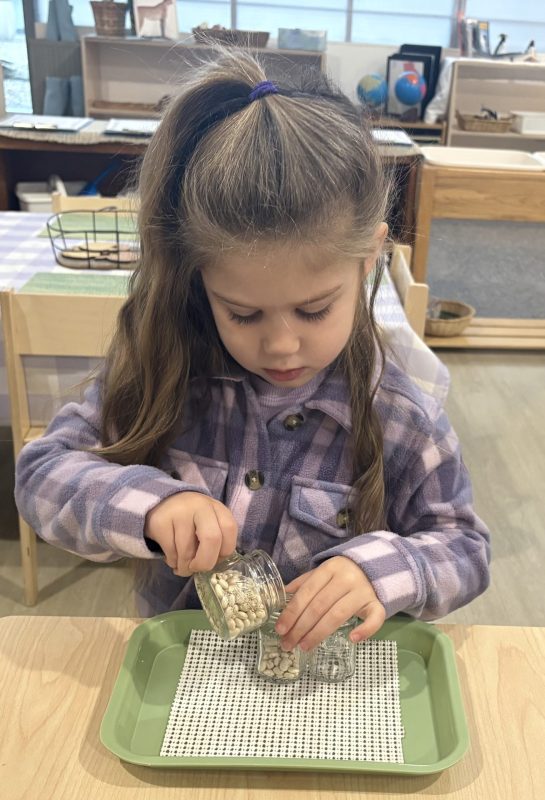
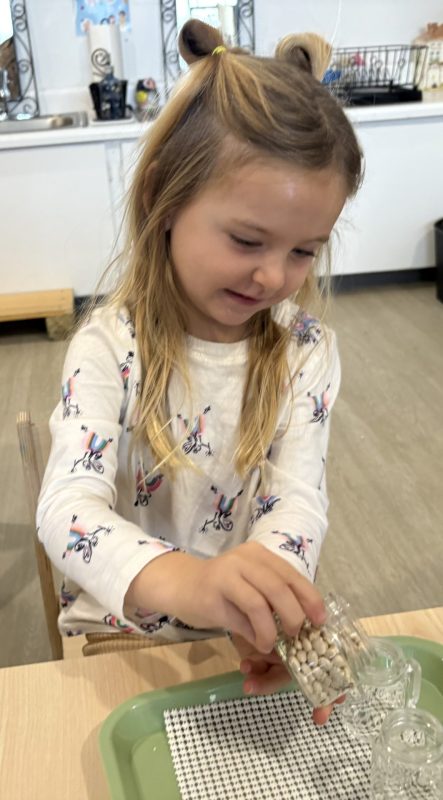
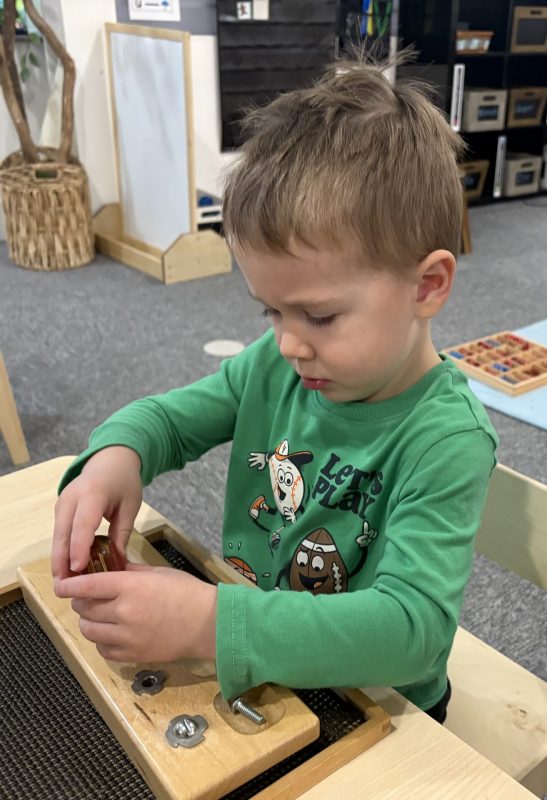
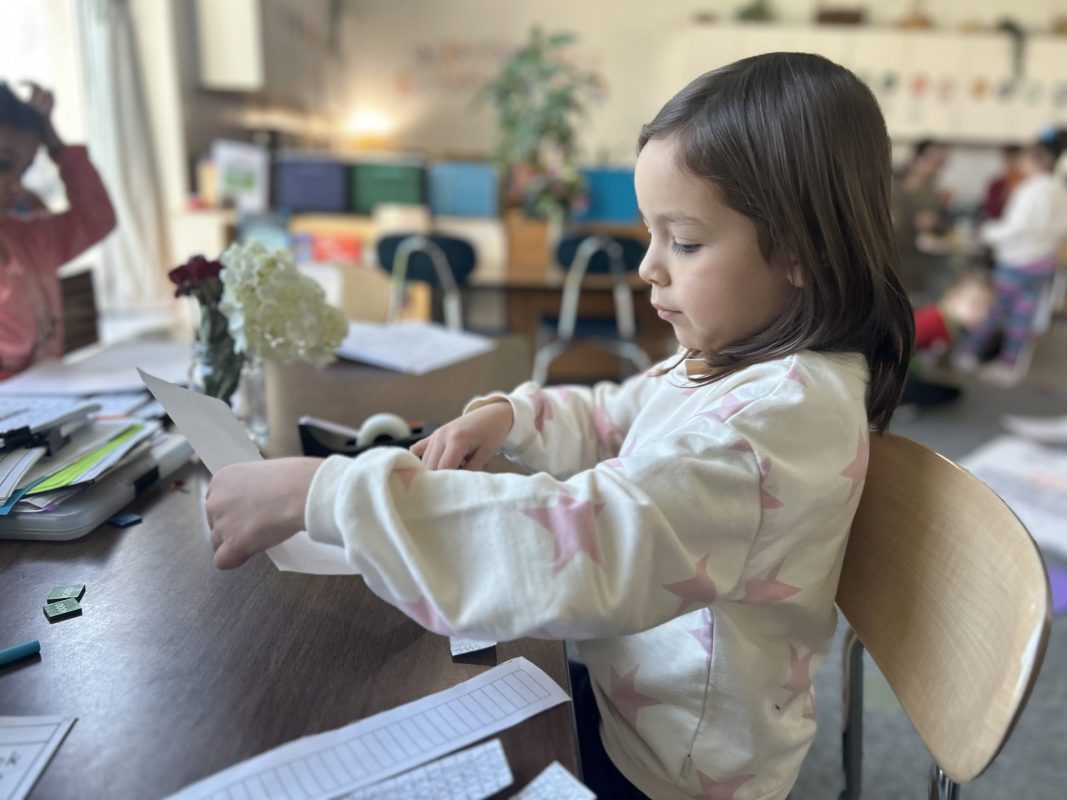
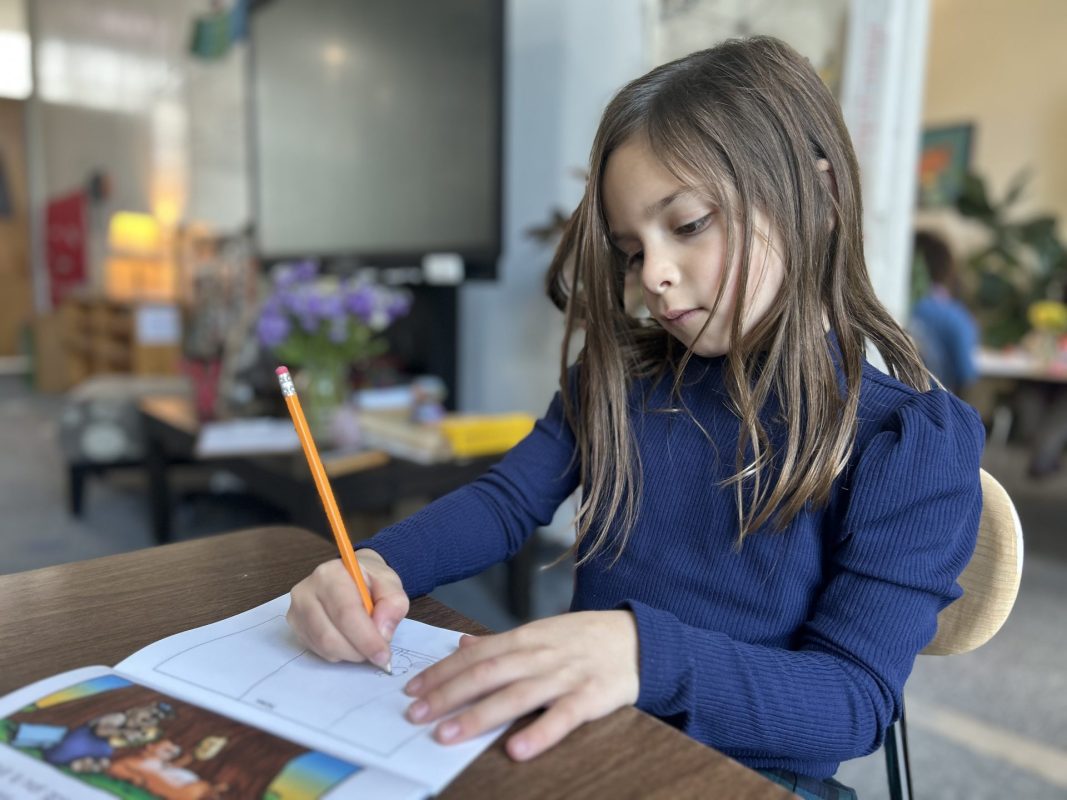
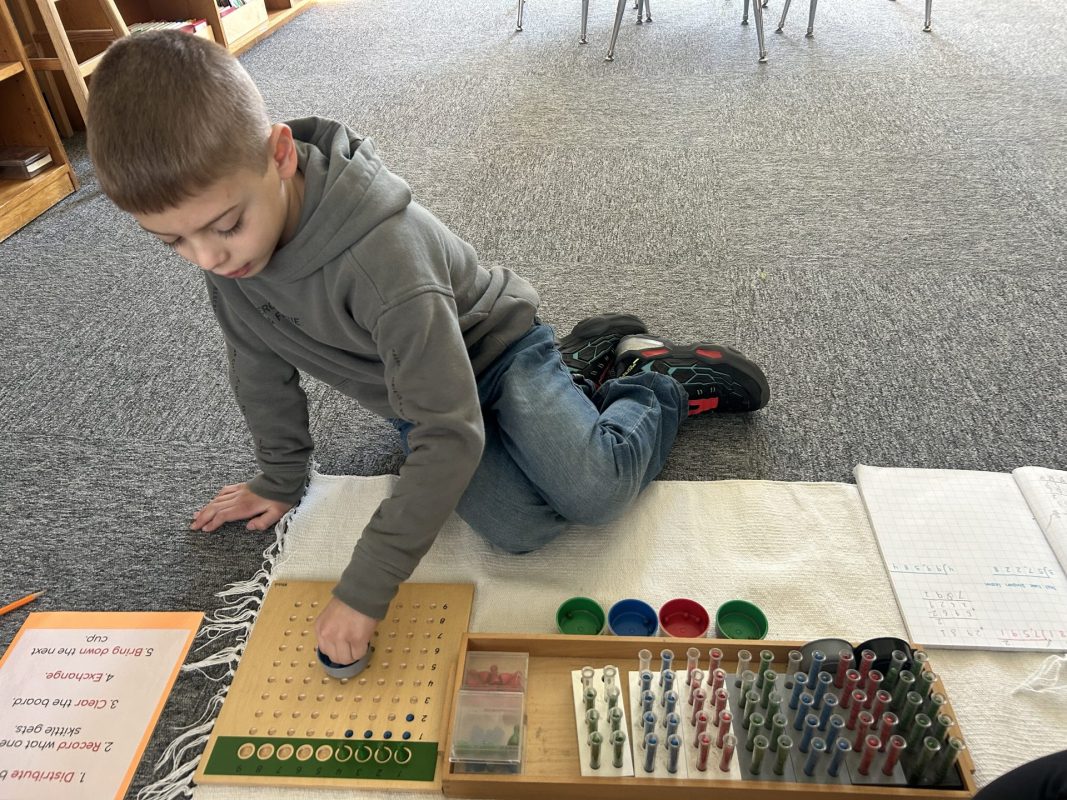
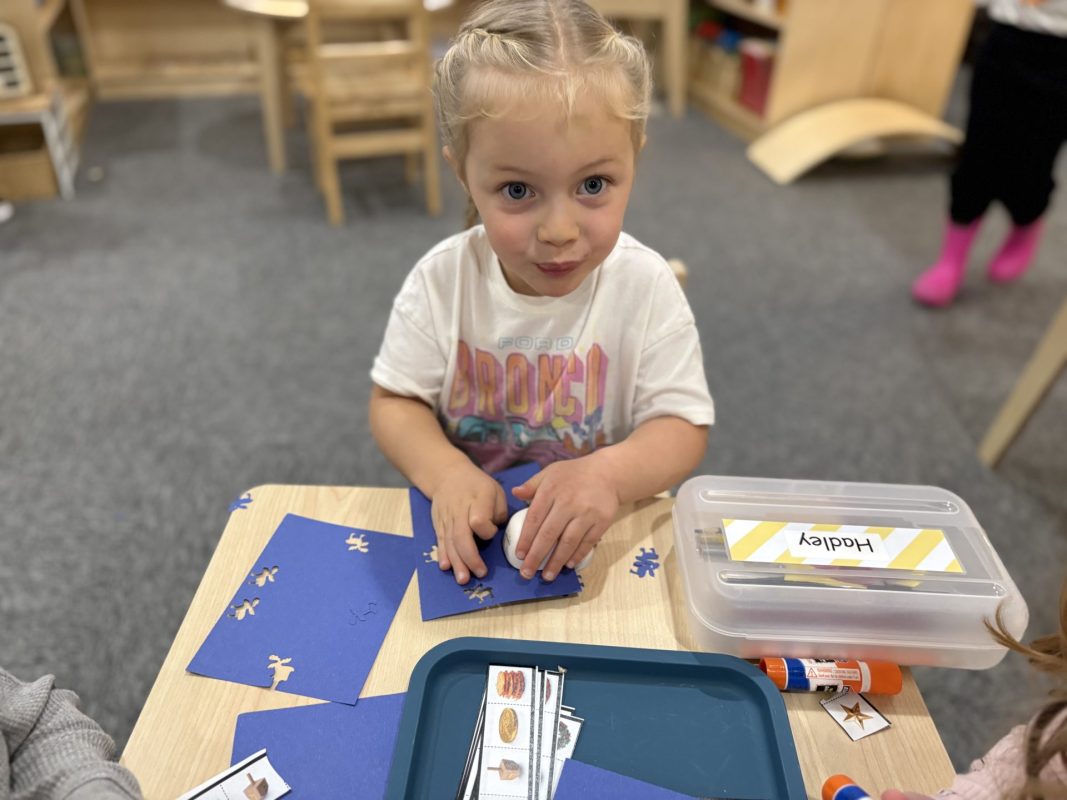
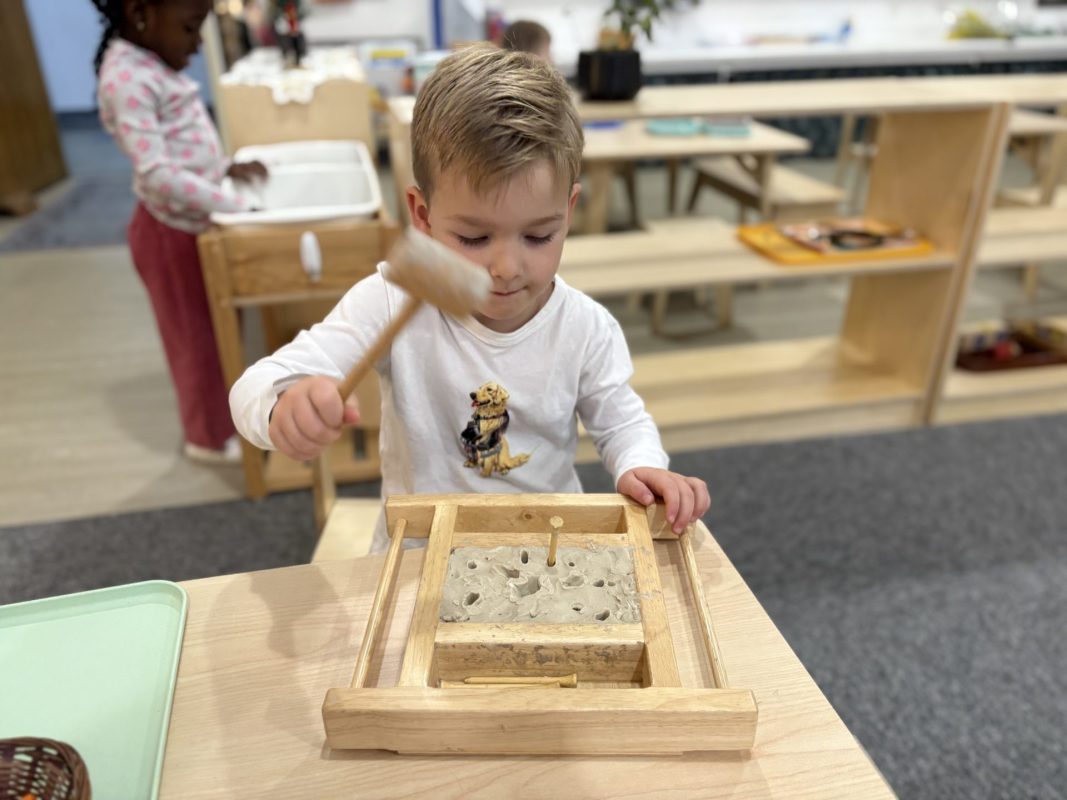
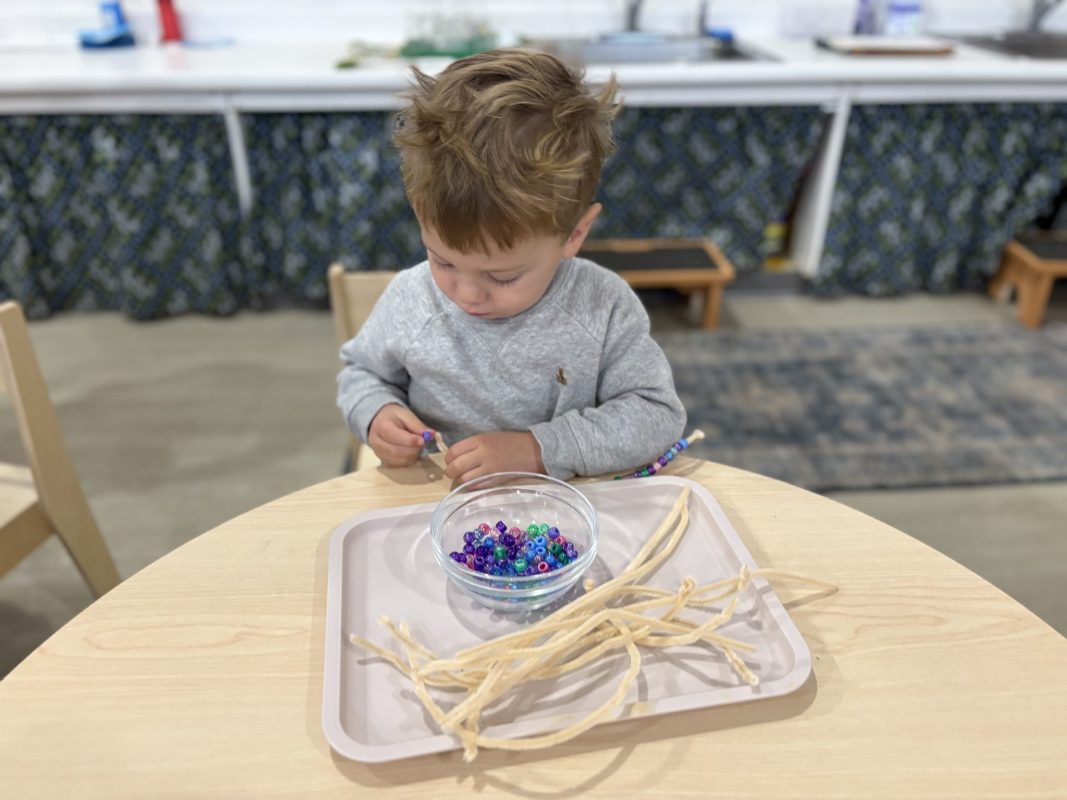
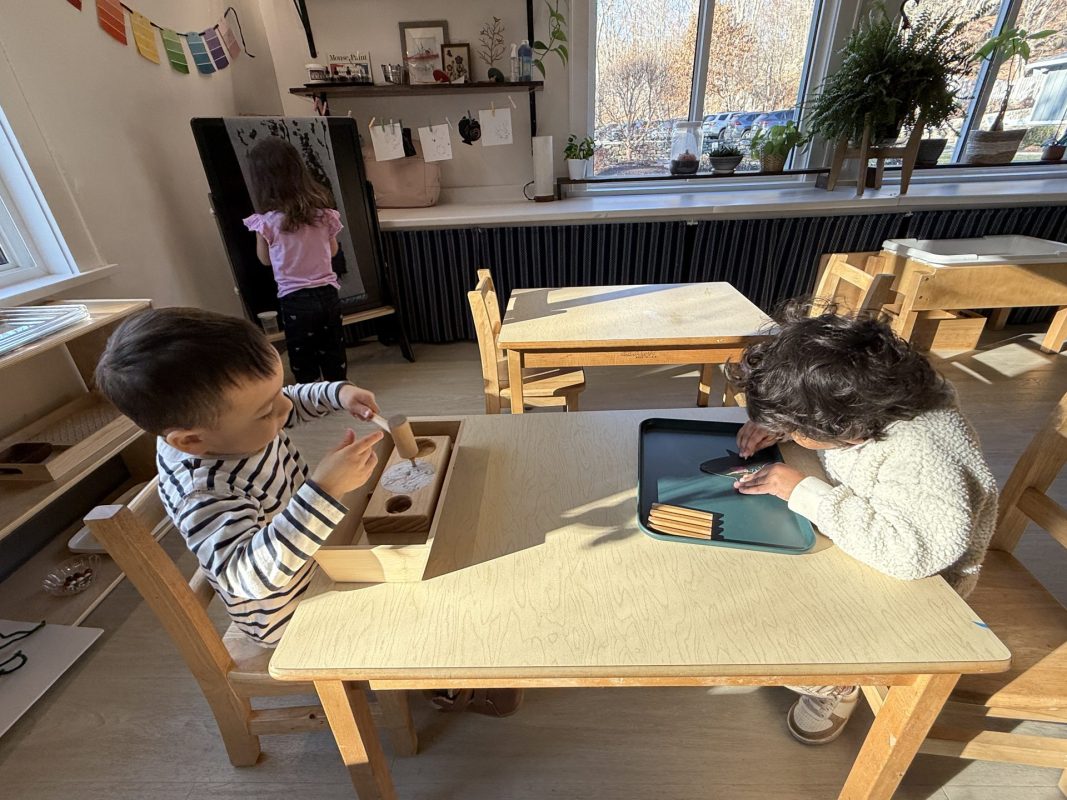
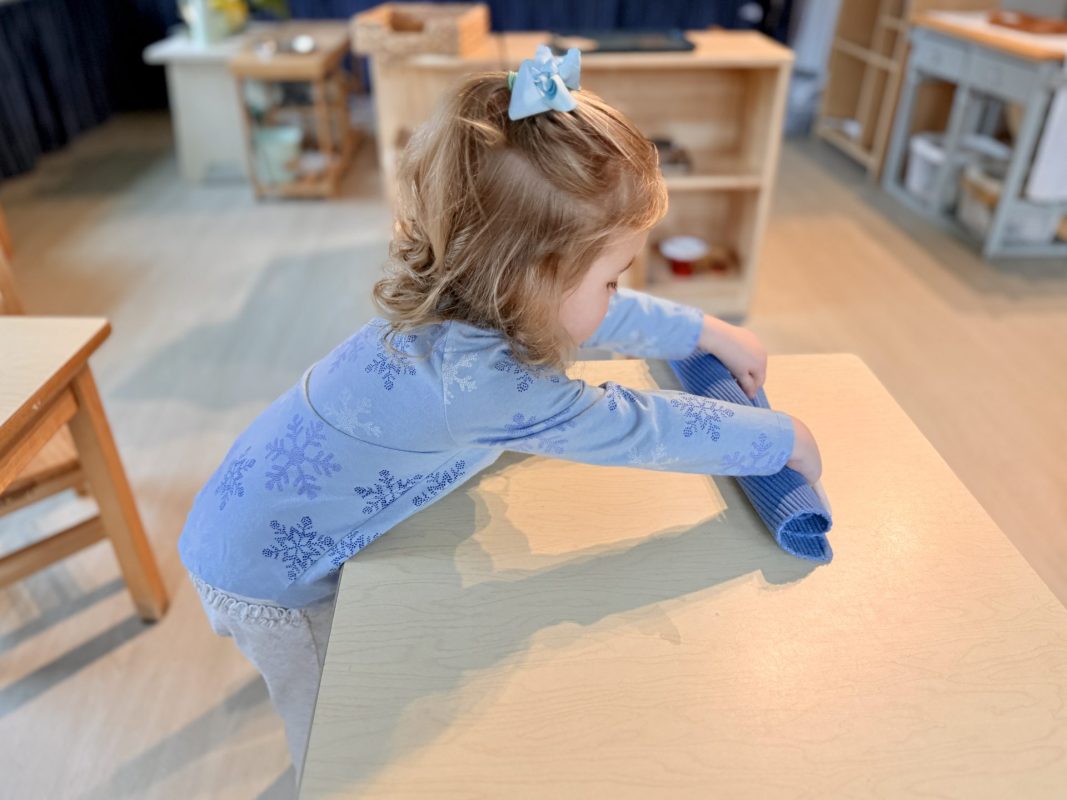
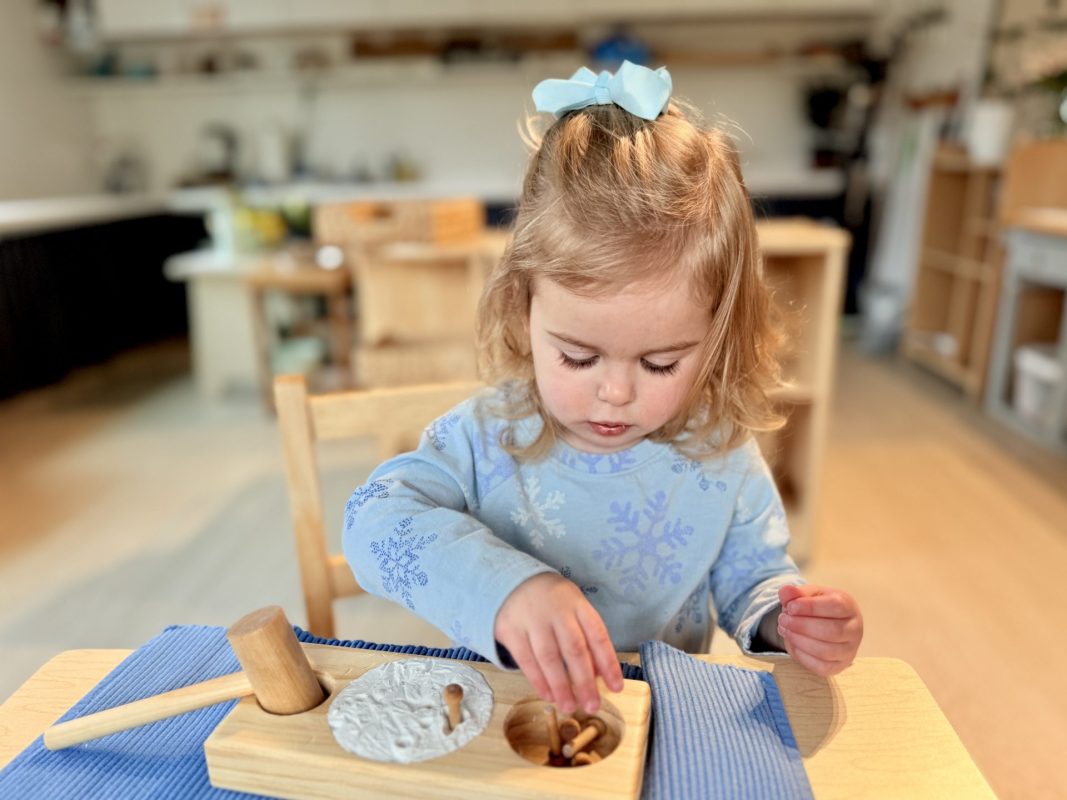
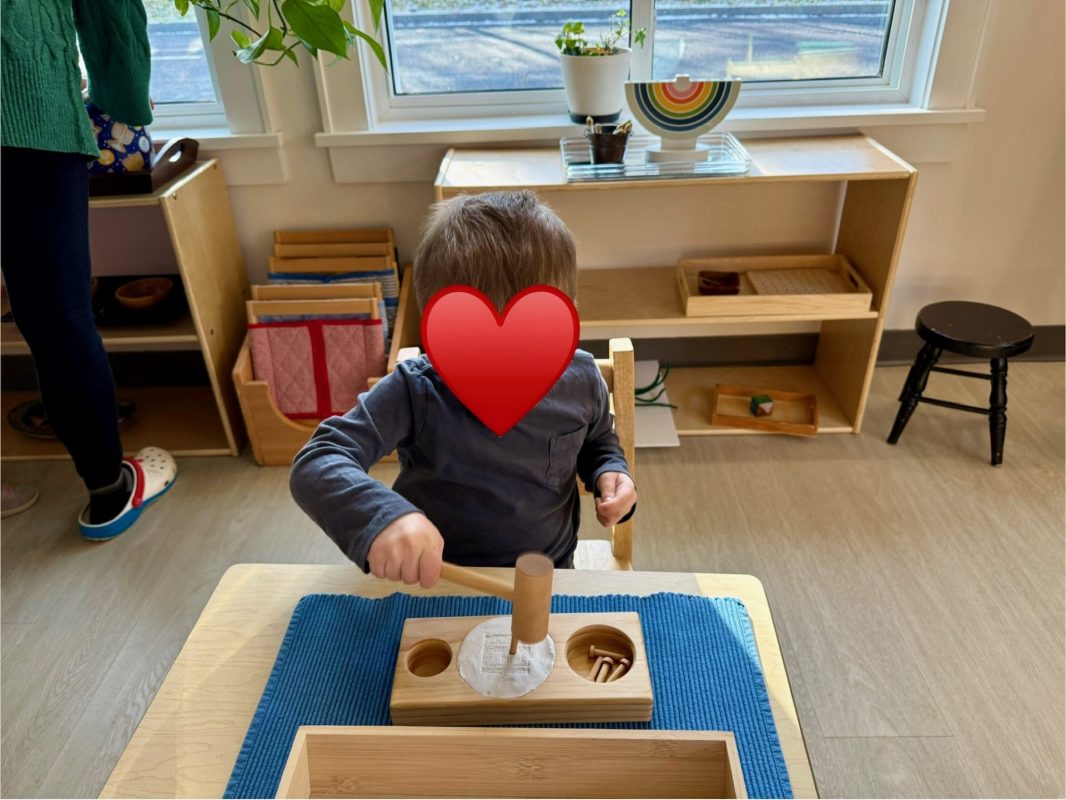
Several engaging materials were introduced this week to support the children’s growing independence and academic development. In practical life, the children are now working with sewing, polishing a mirror, and hammering—each activity building fine motor skills, concentration, and care of the environment. These purposeful activities help children develop the coordination and focus they need for all areas of learning.

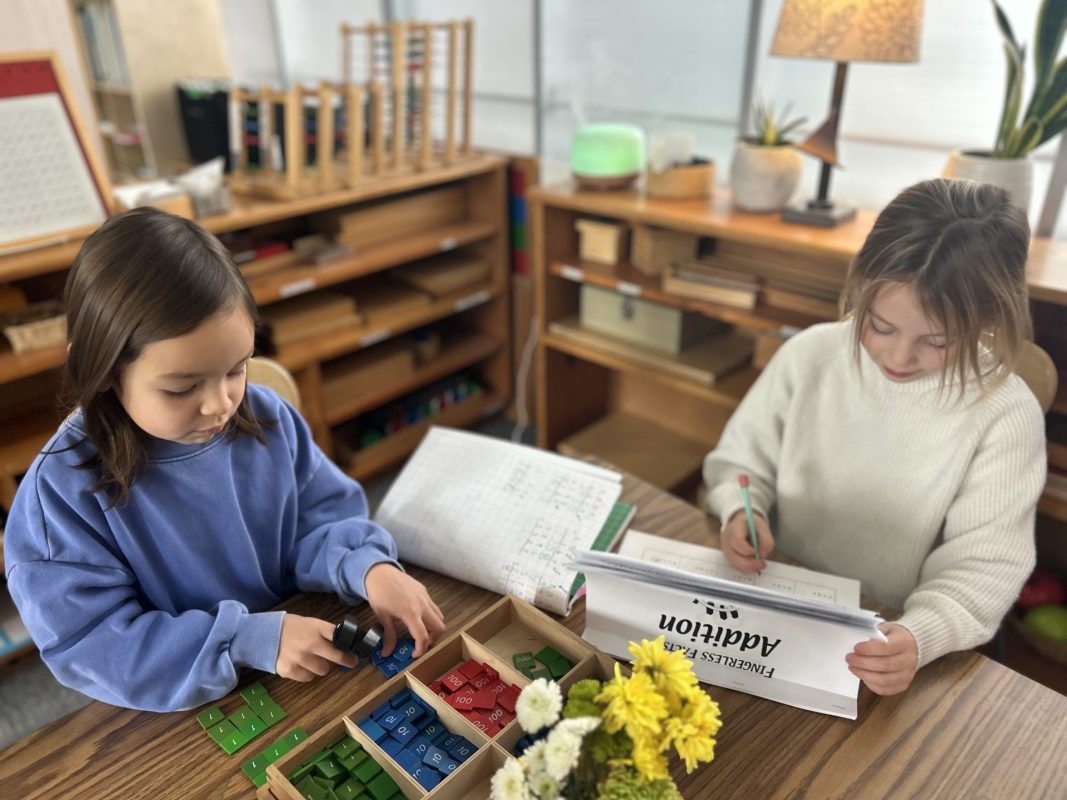
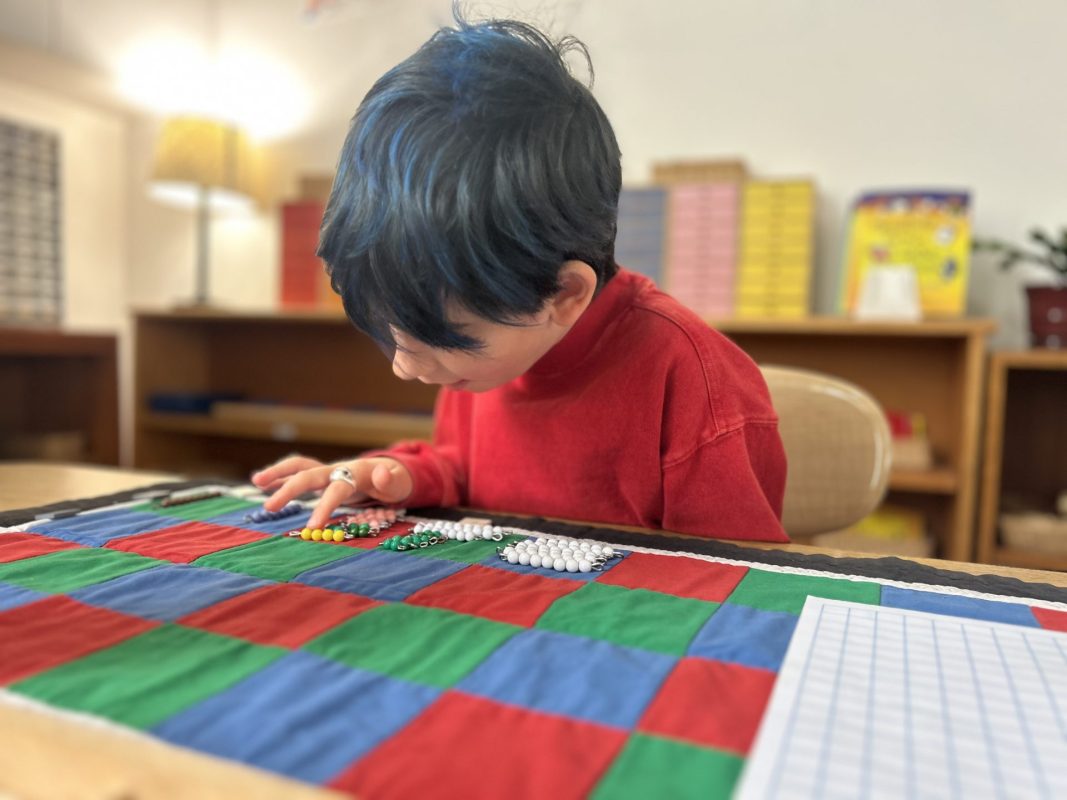
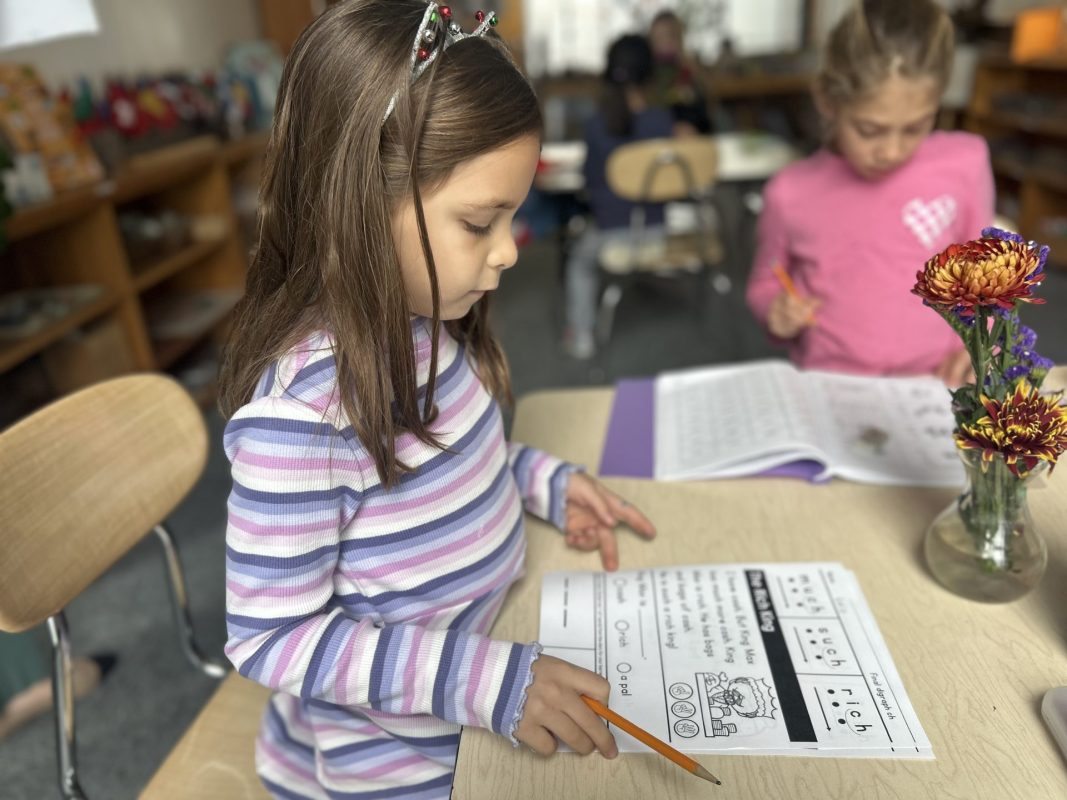
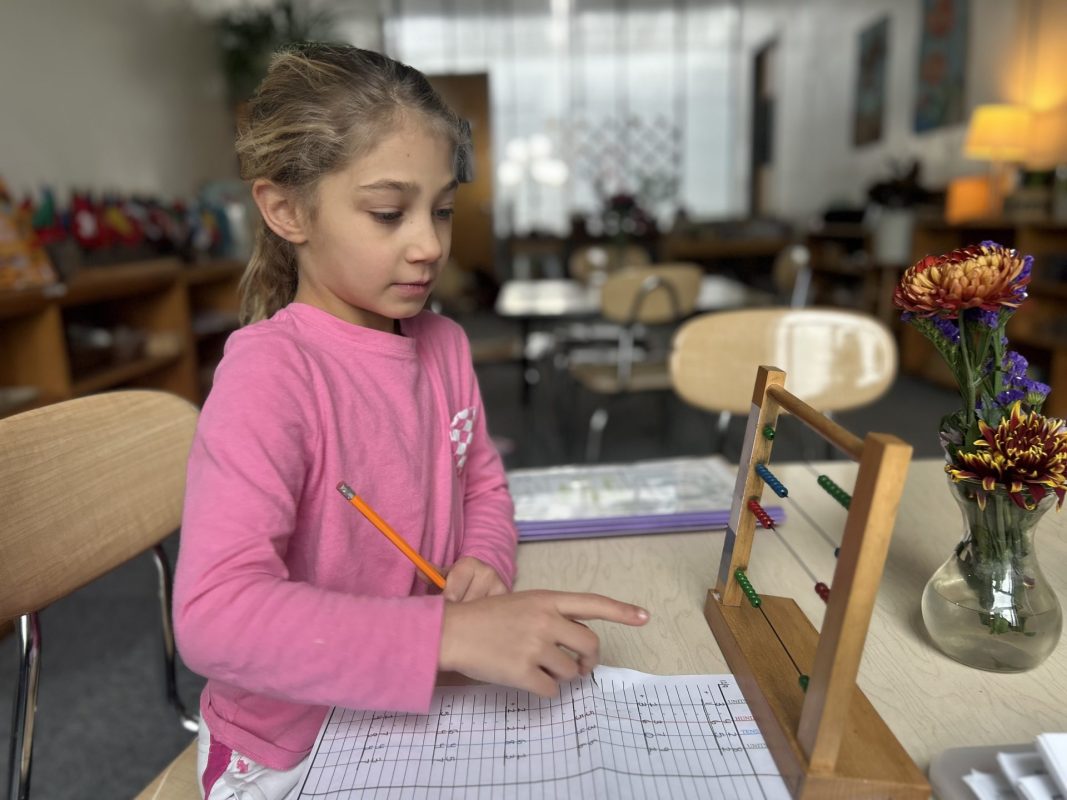
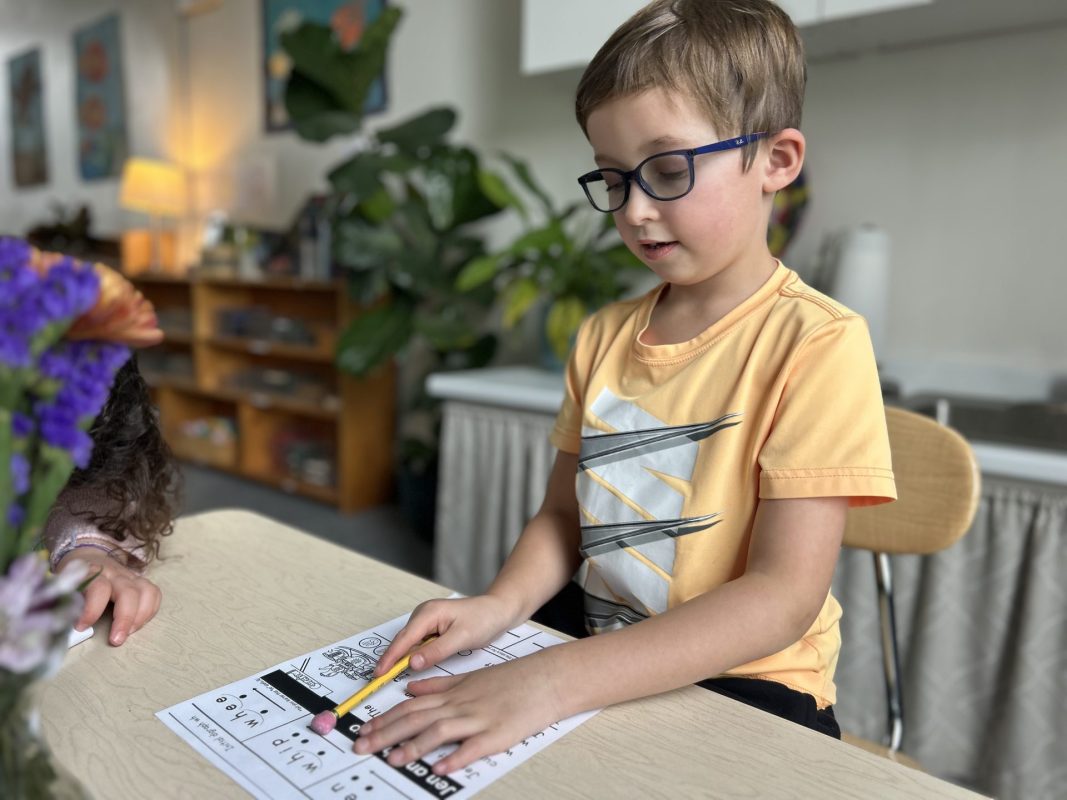
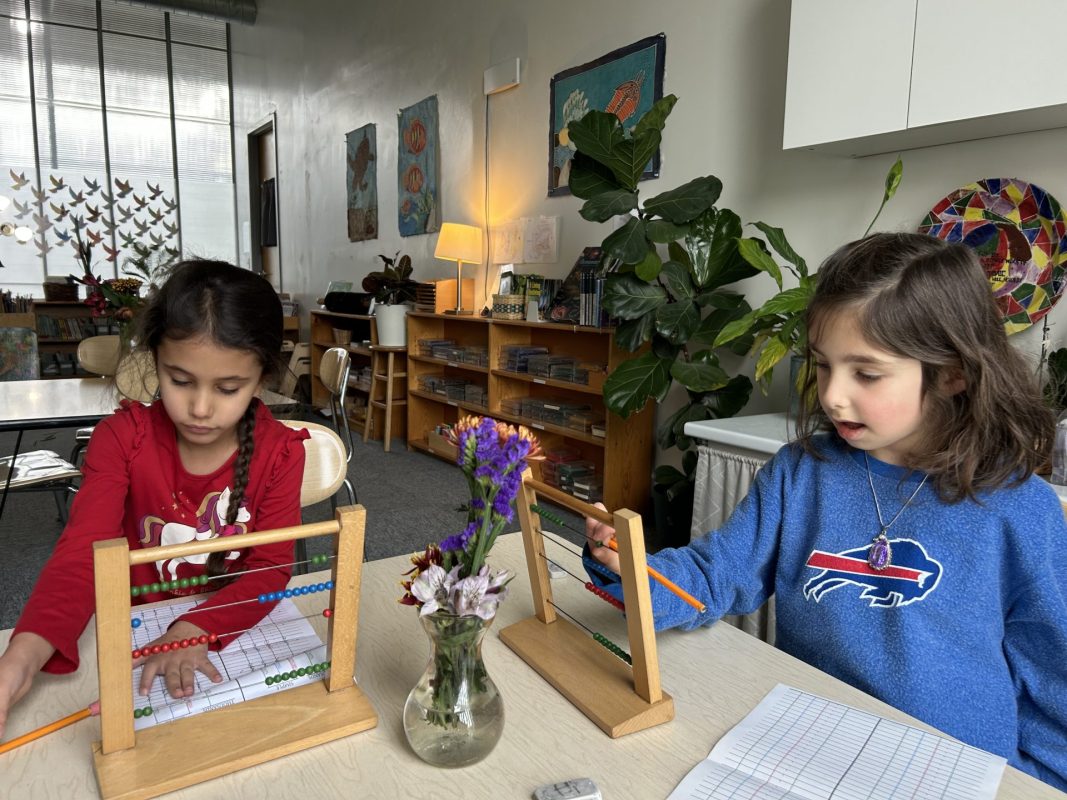
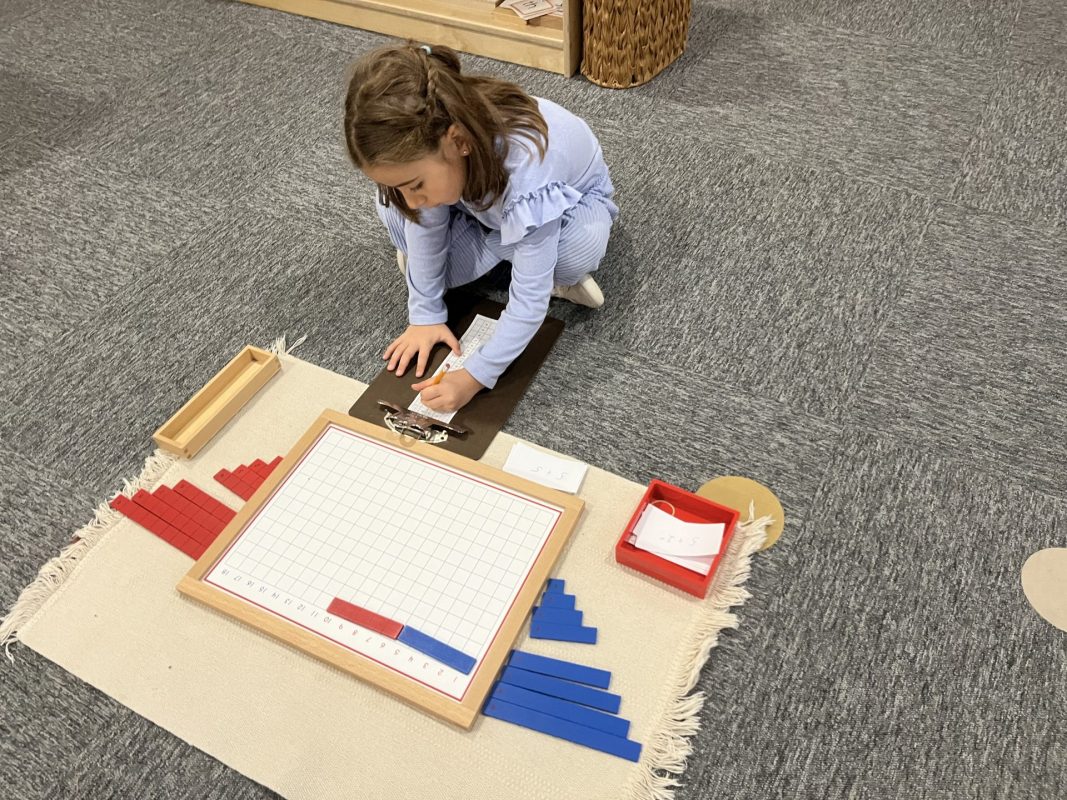
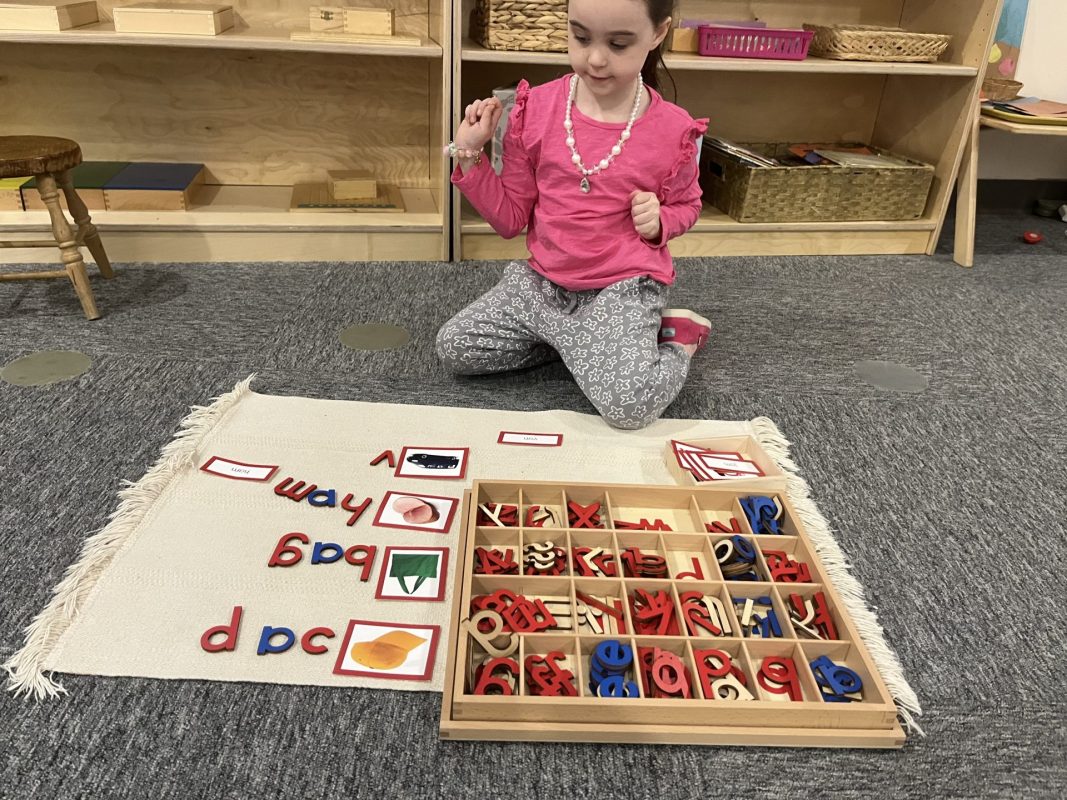
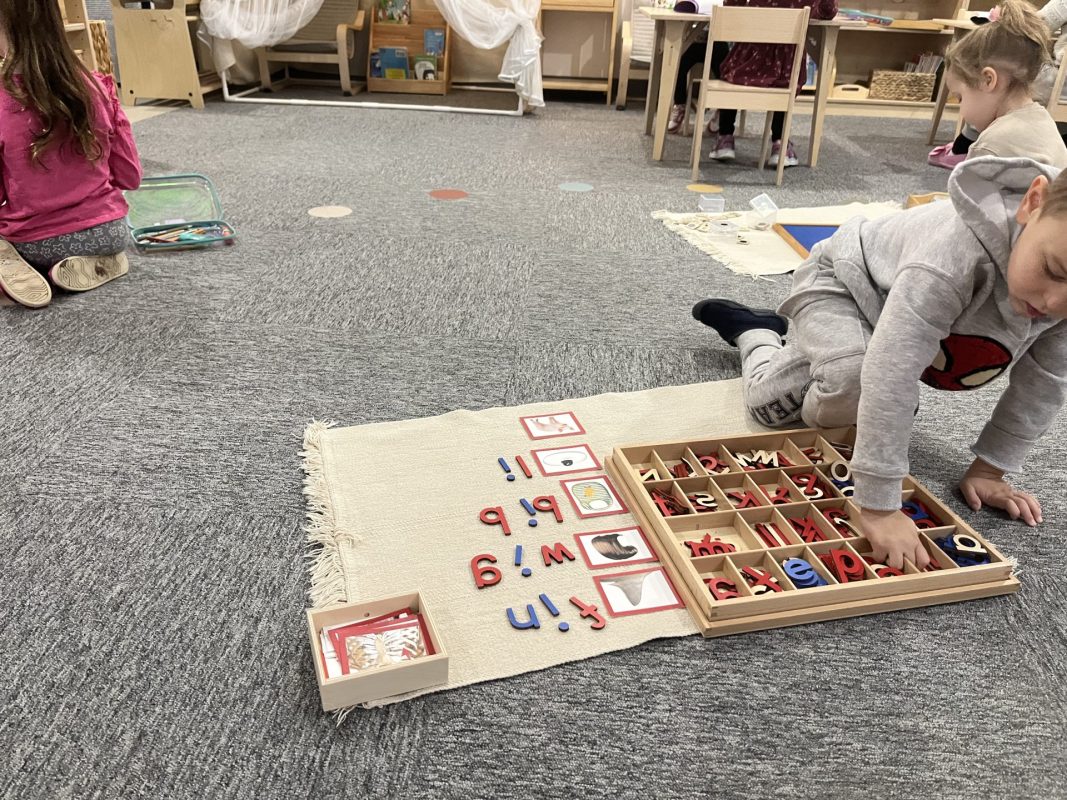
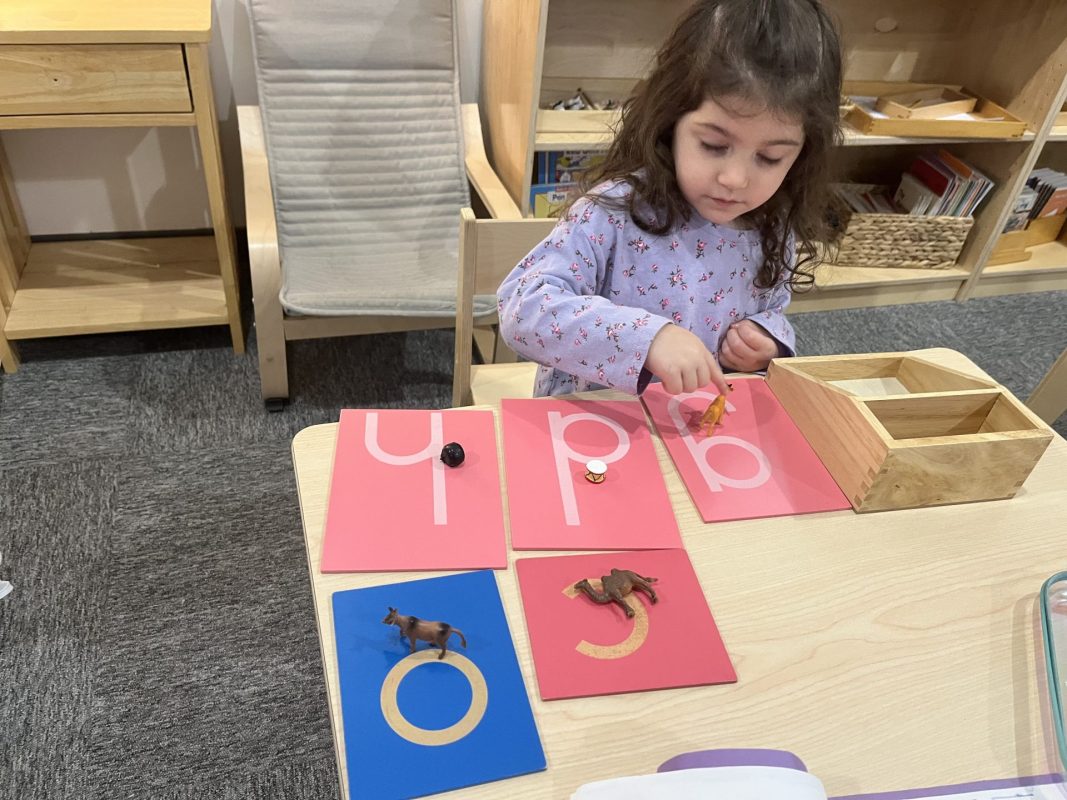
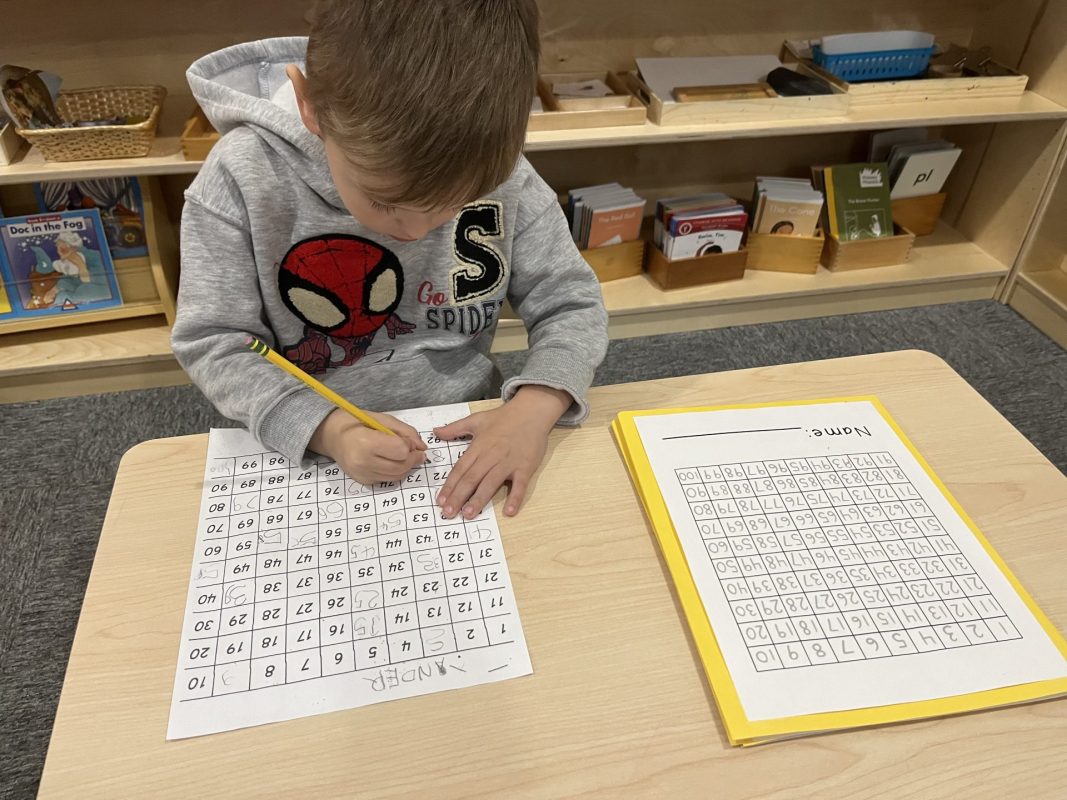
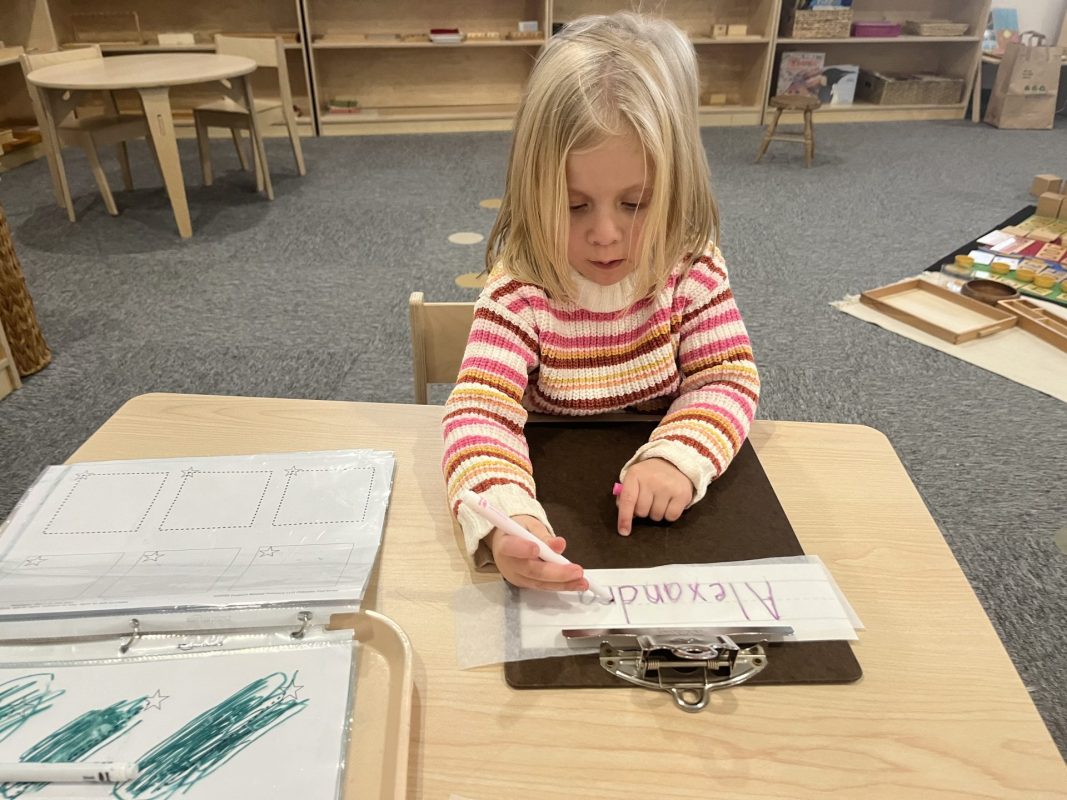
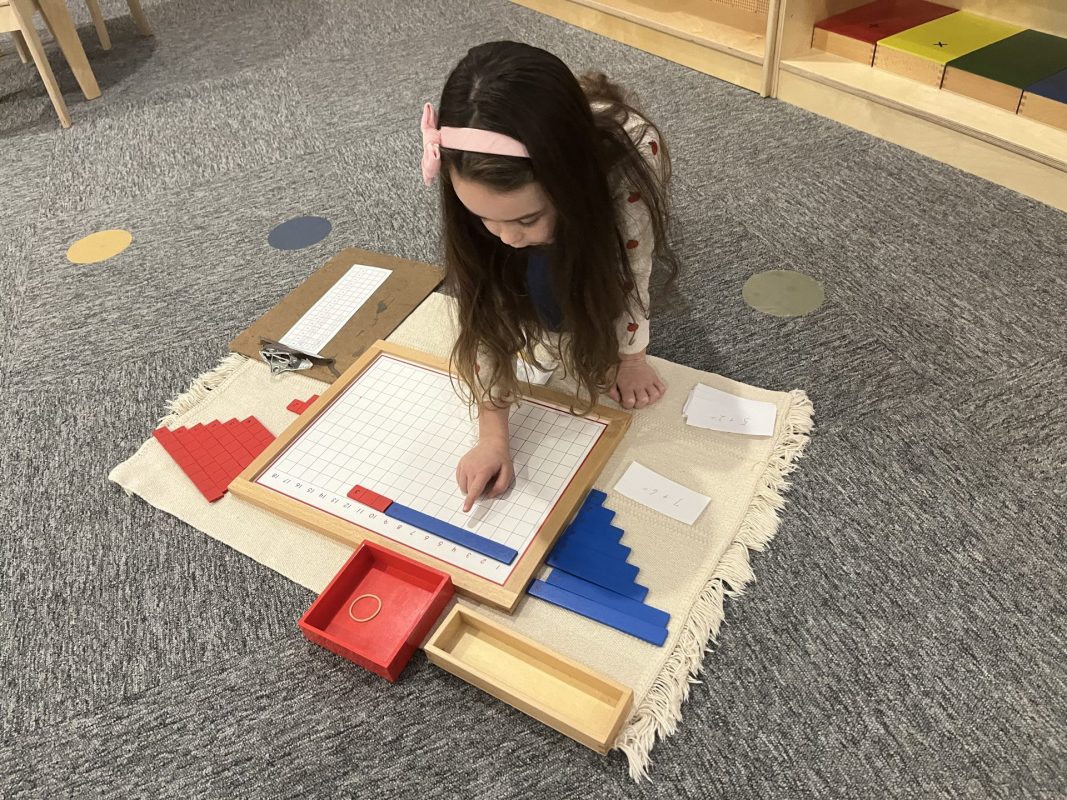
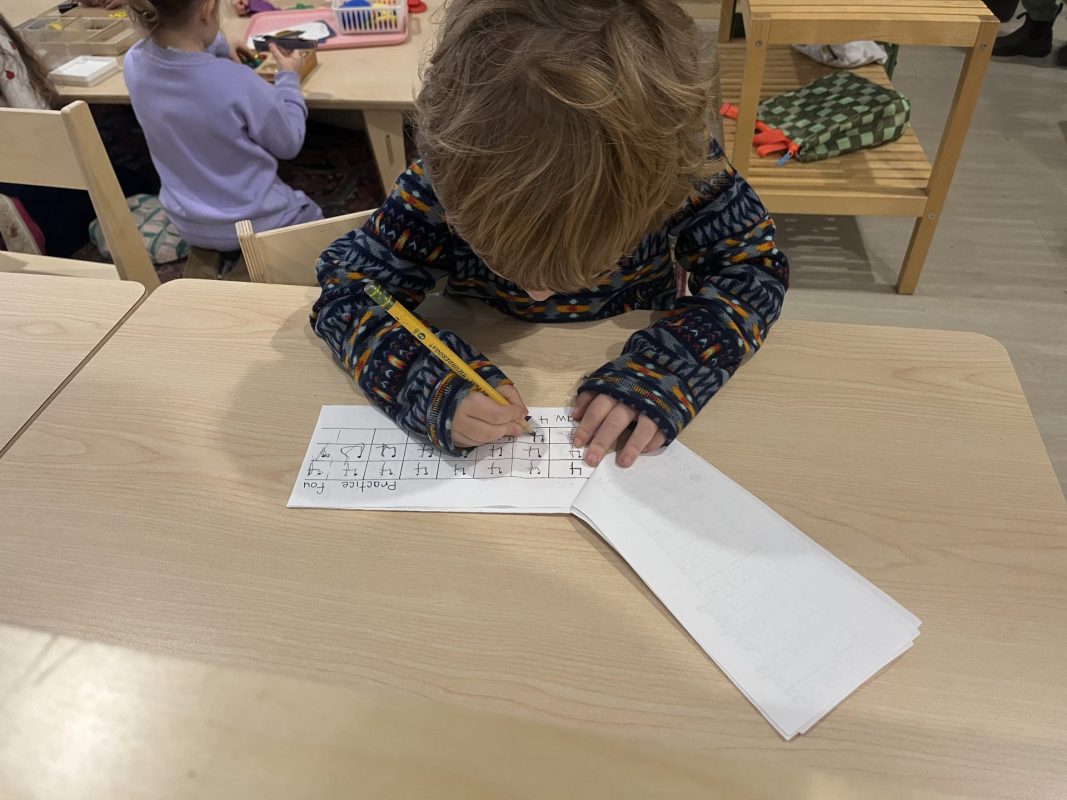
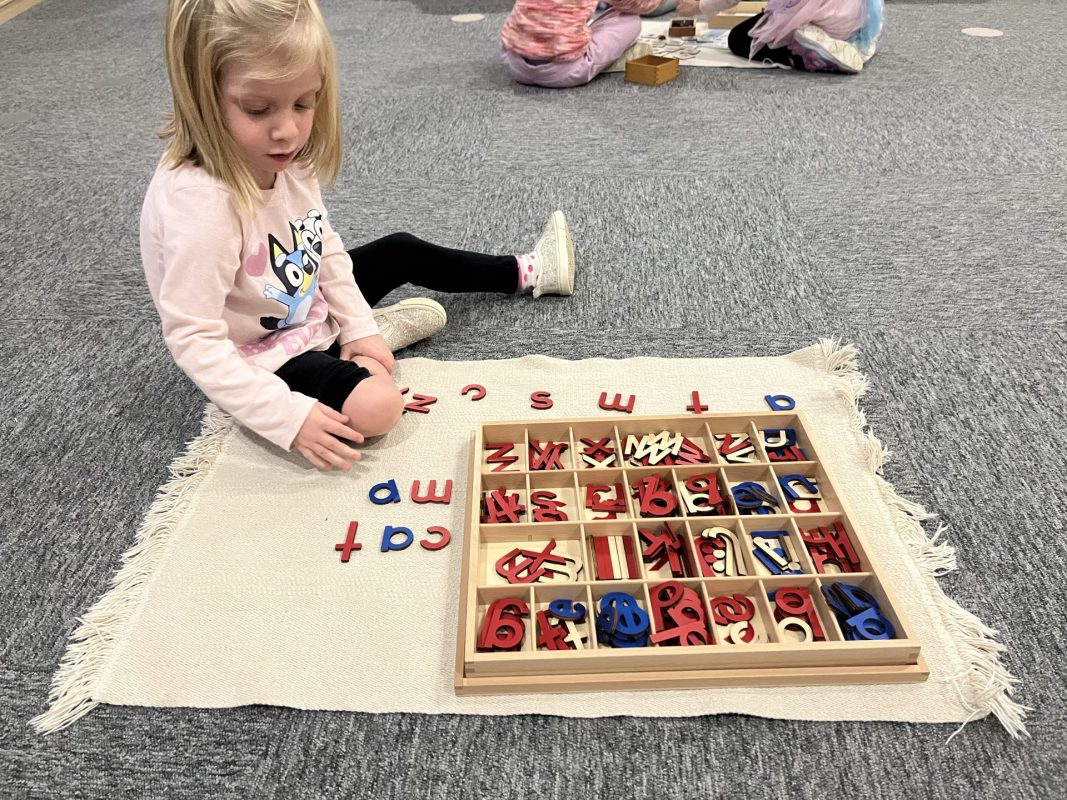
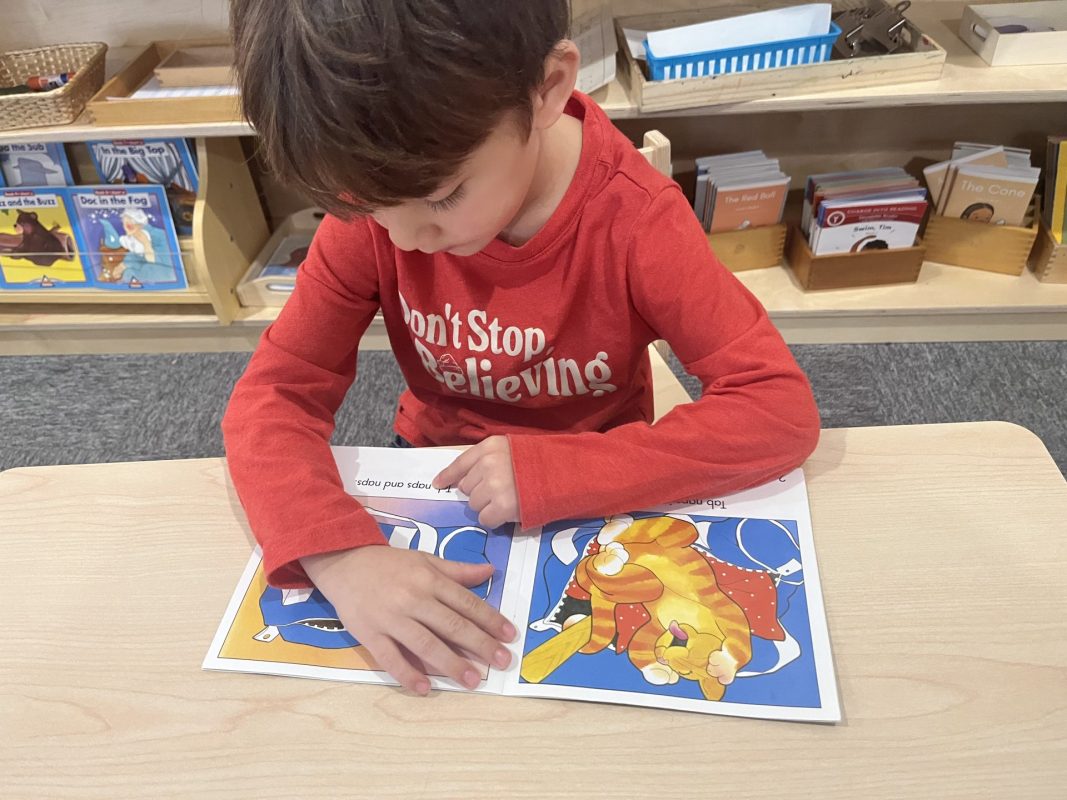
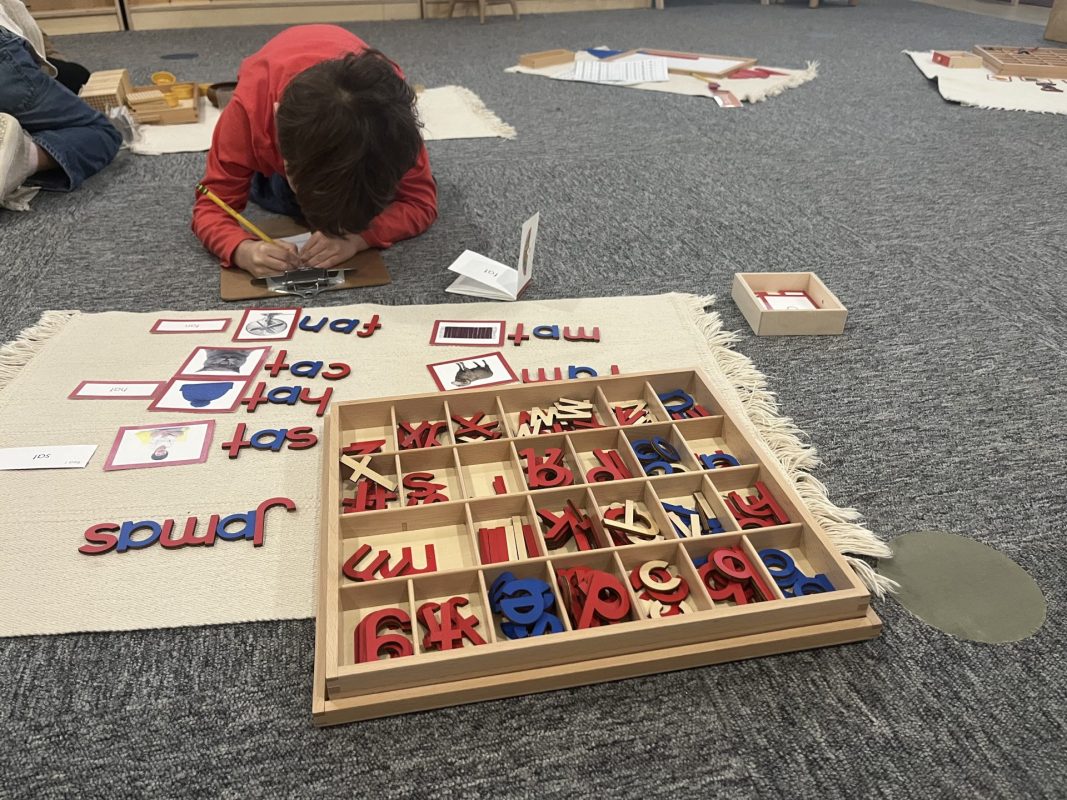
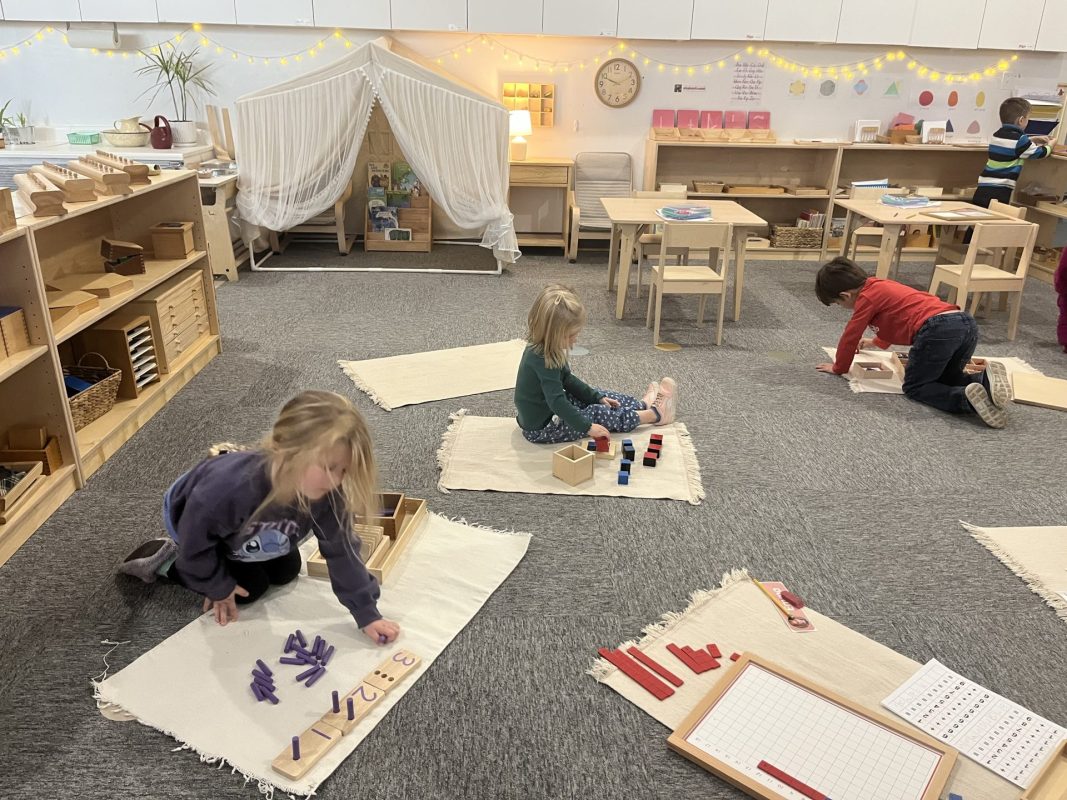
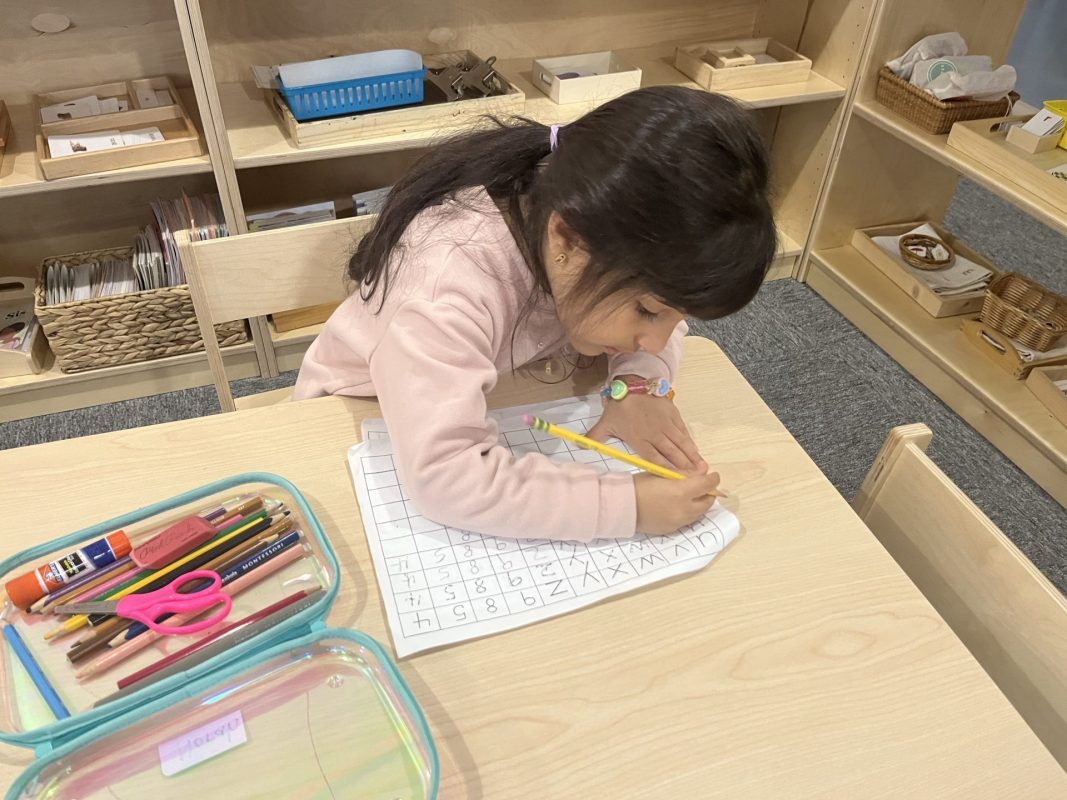
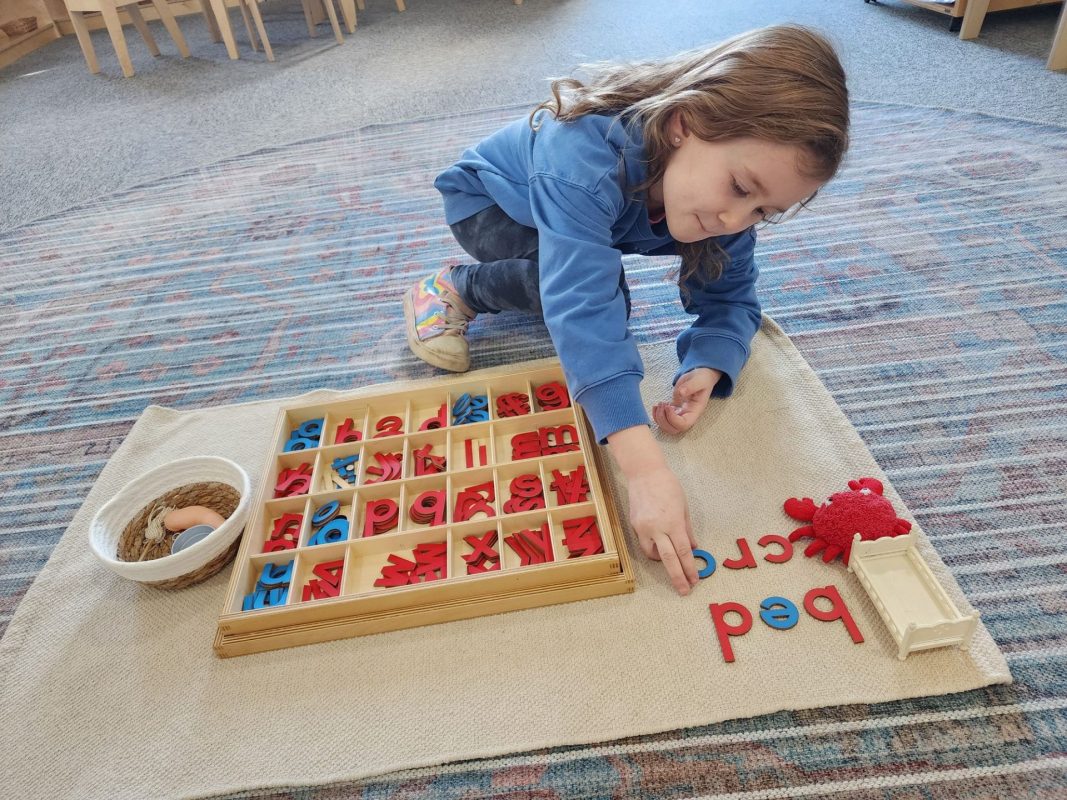
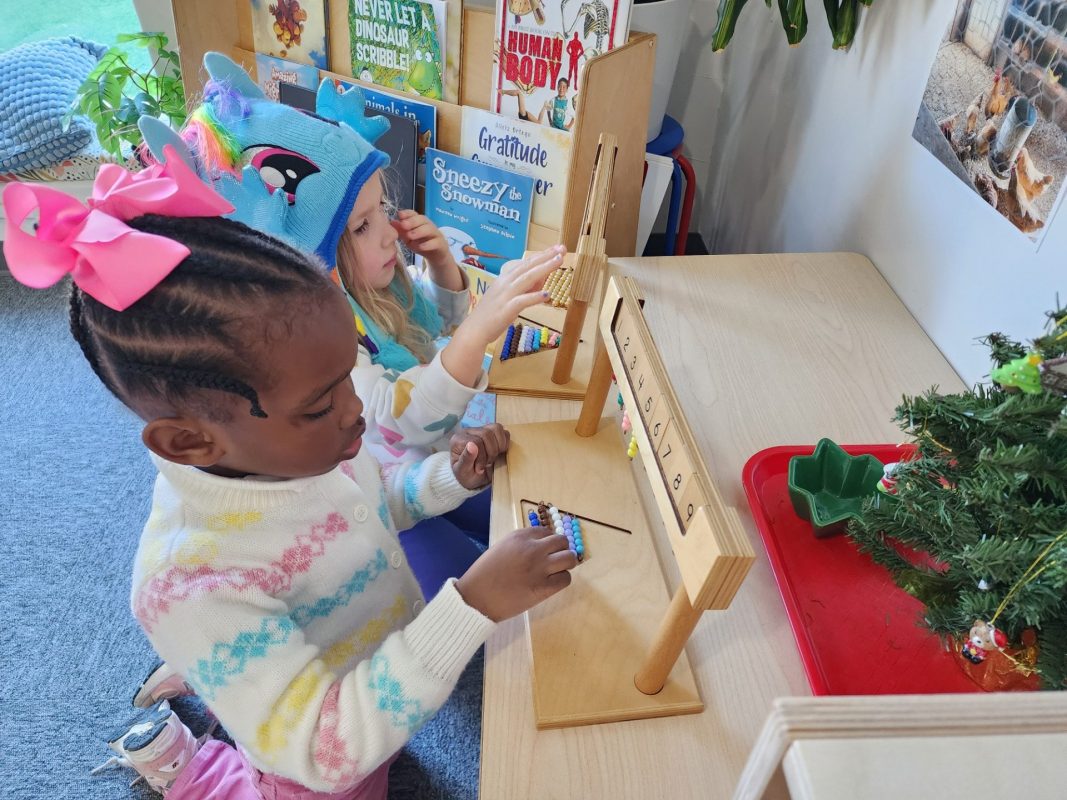
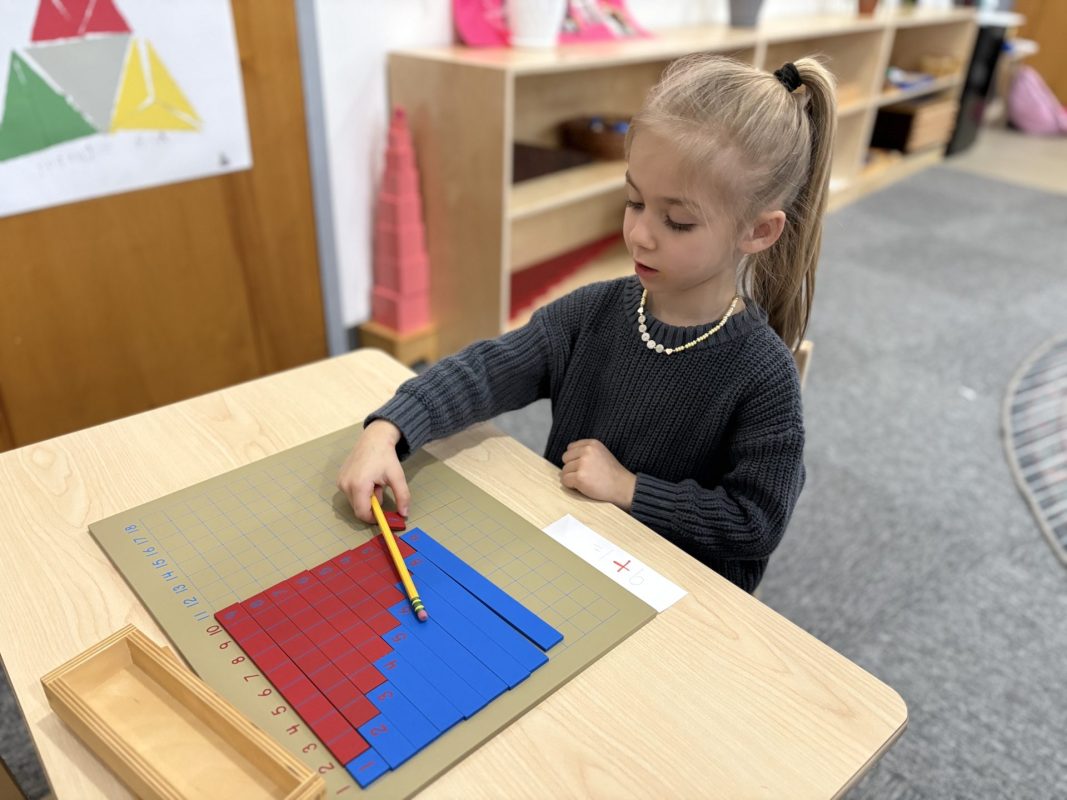
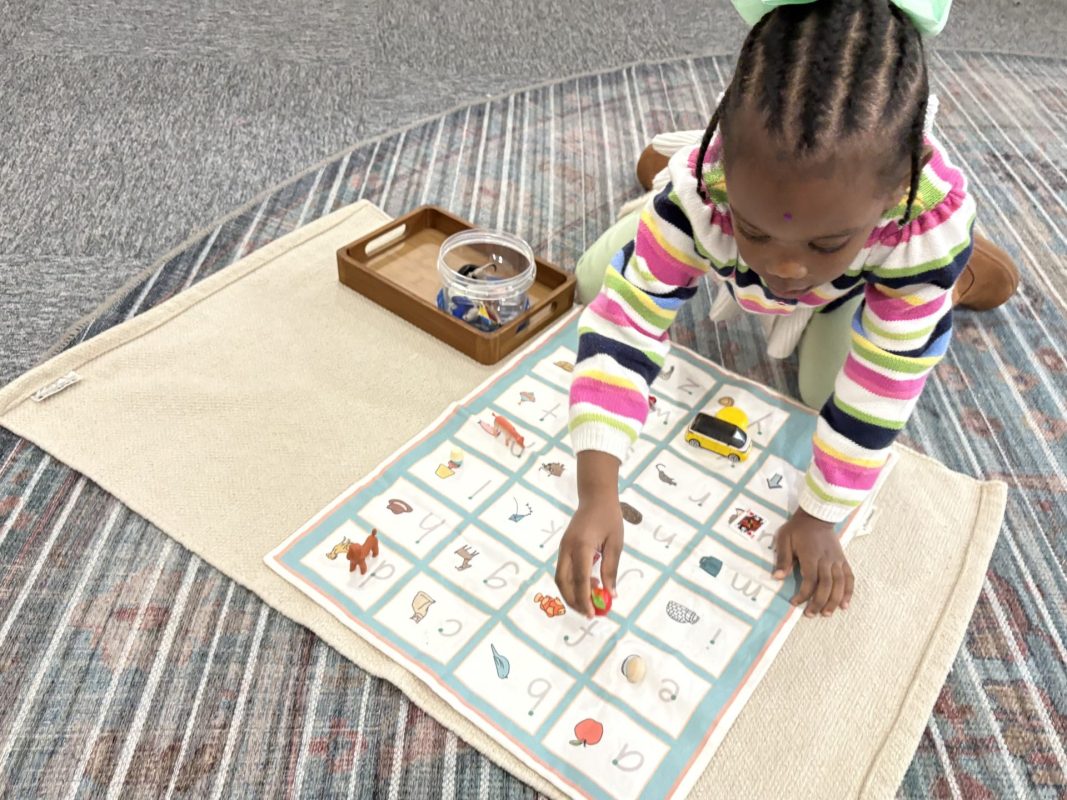
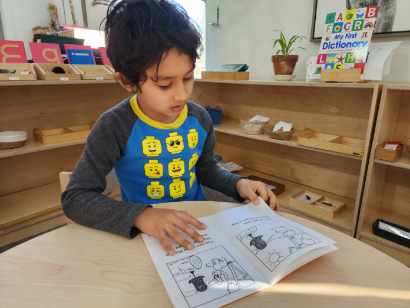
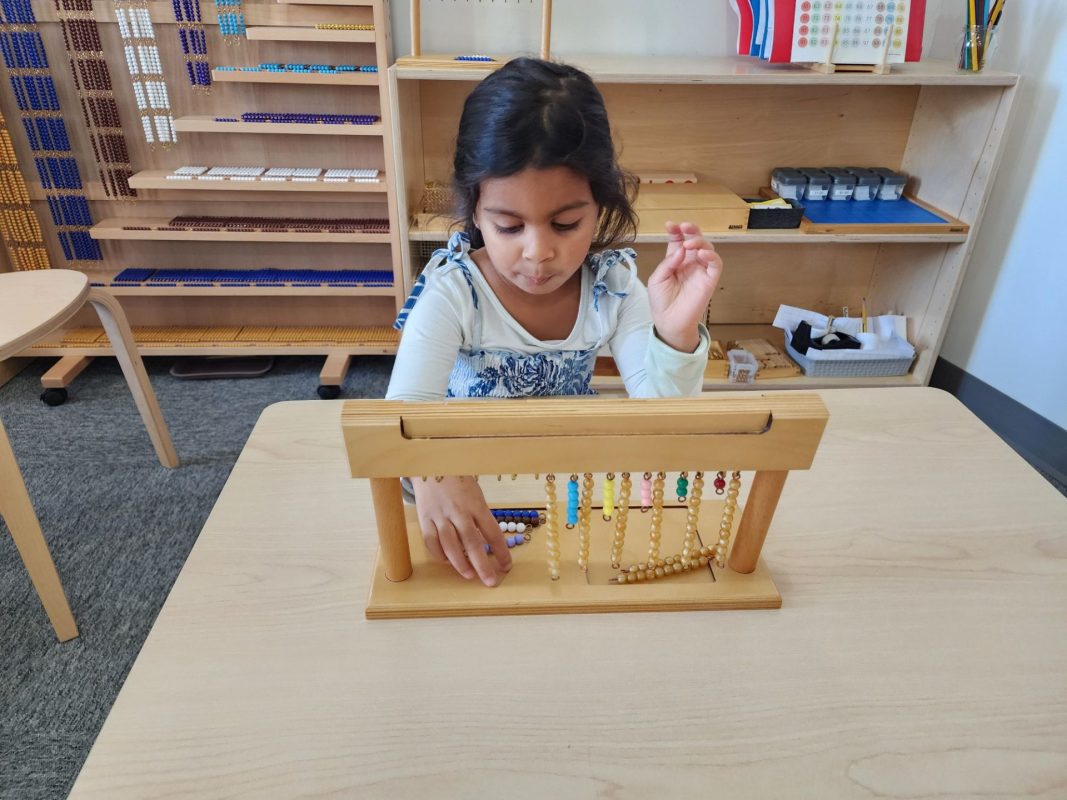
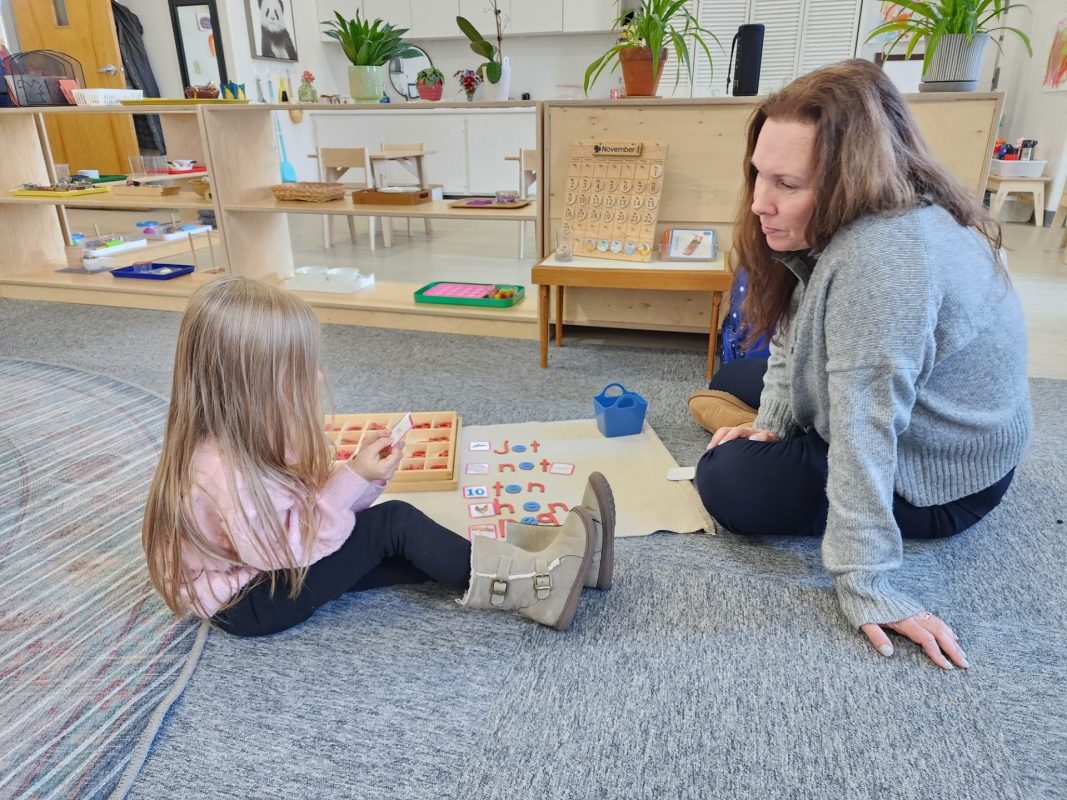
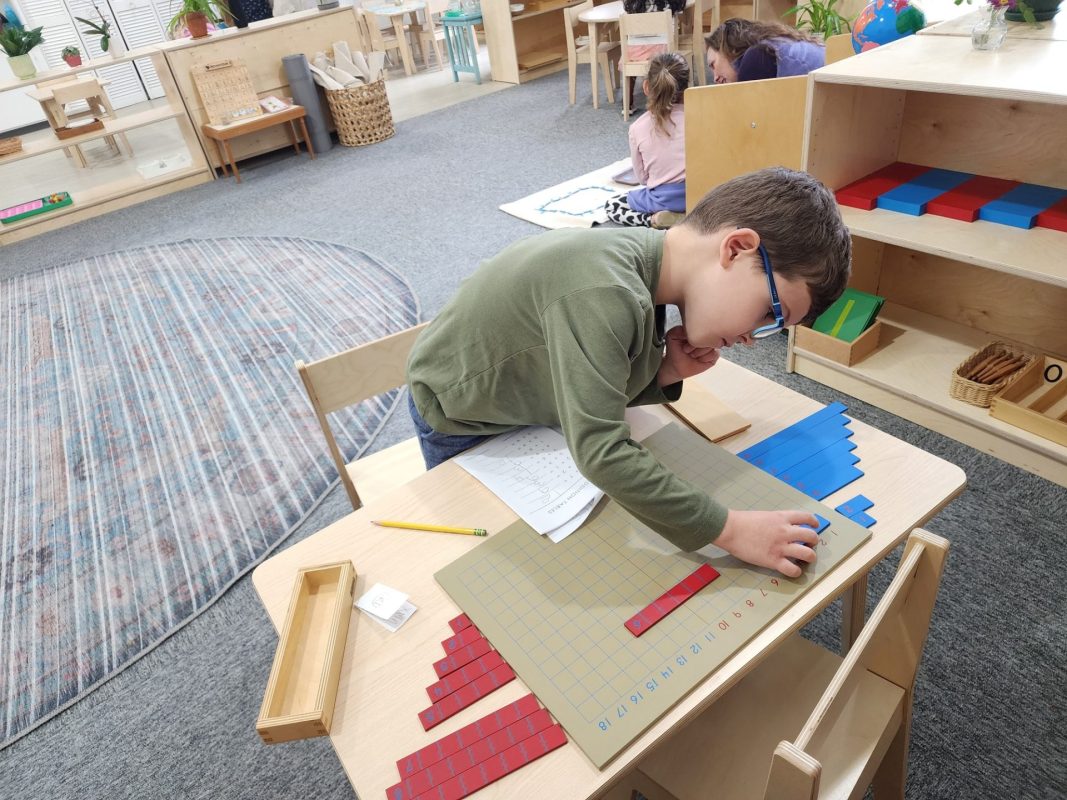
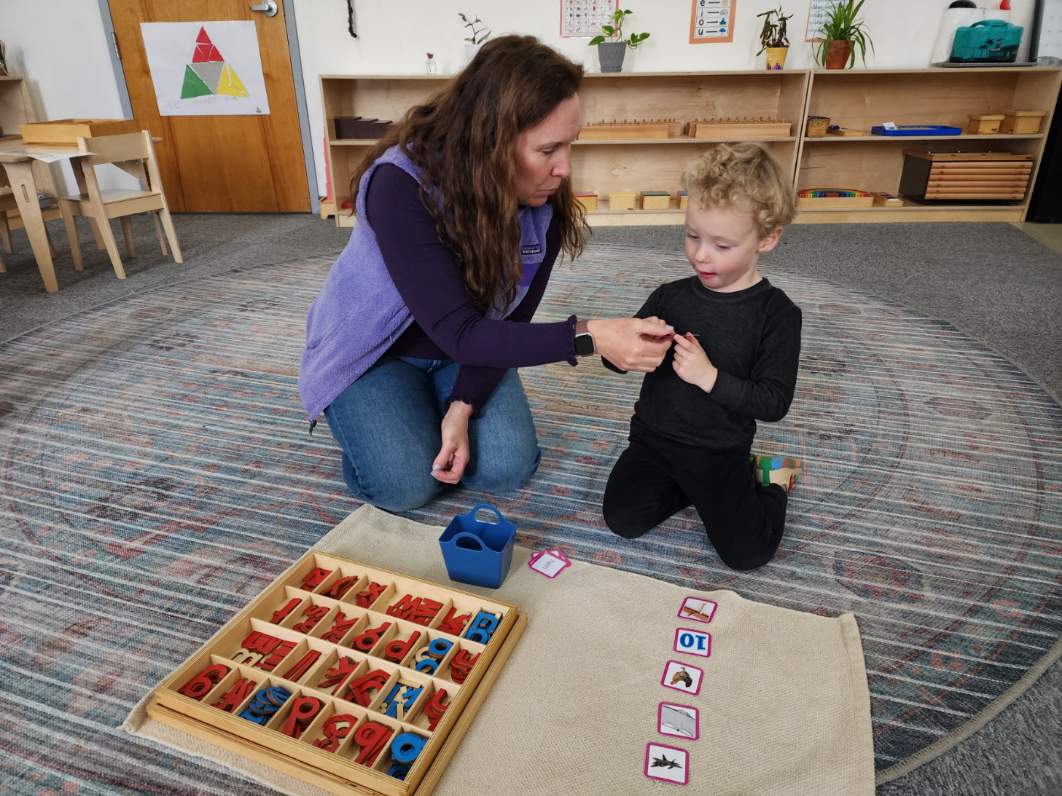
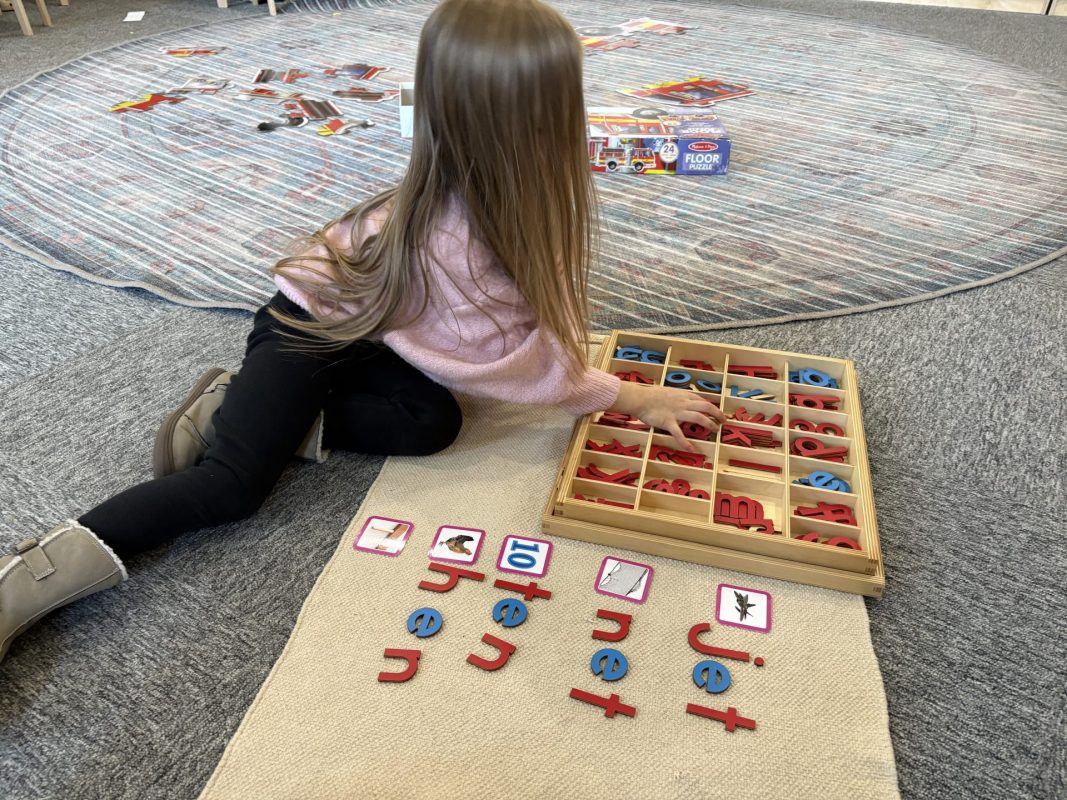
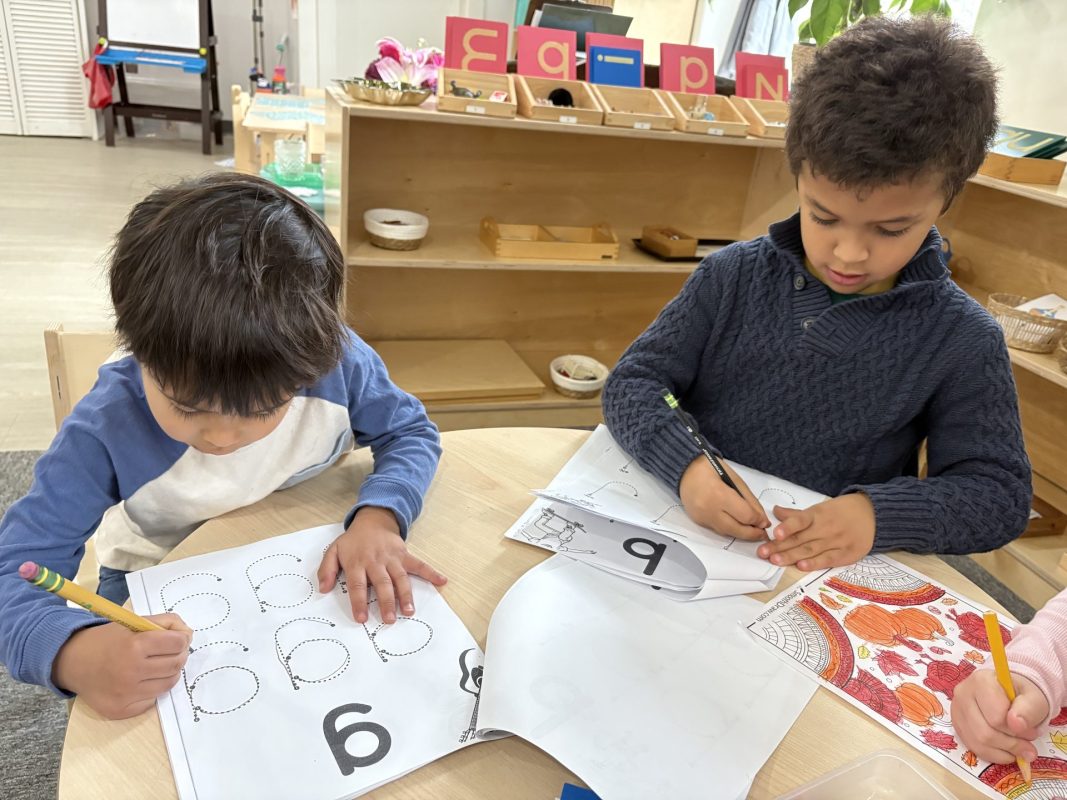
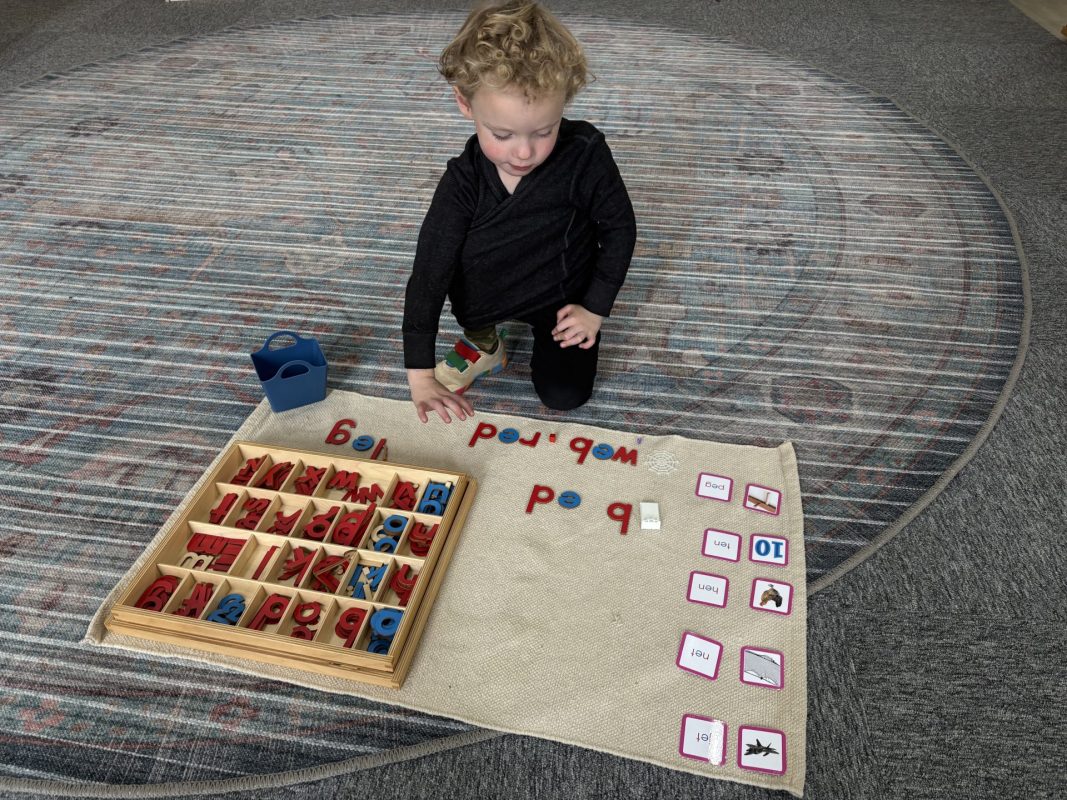
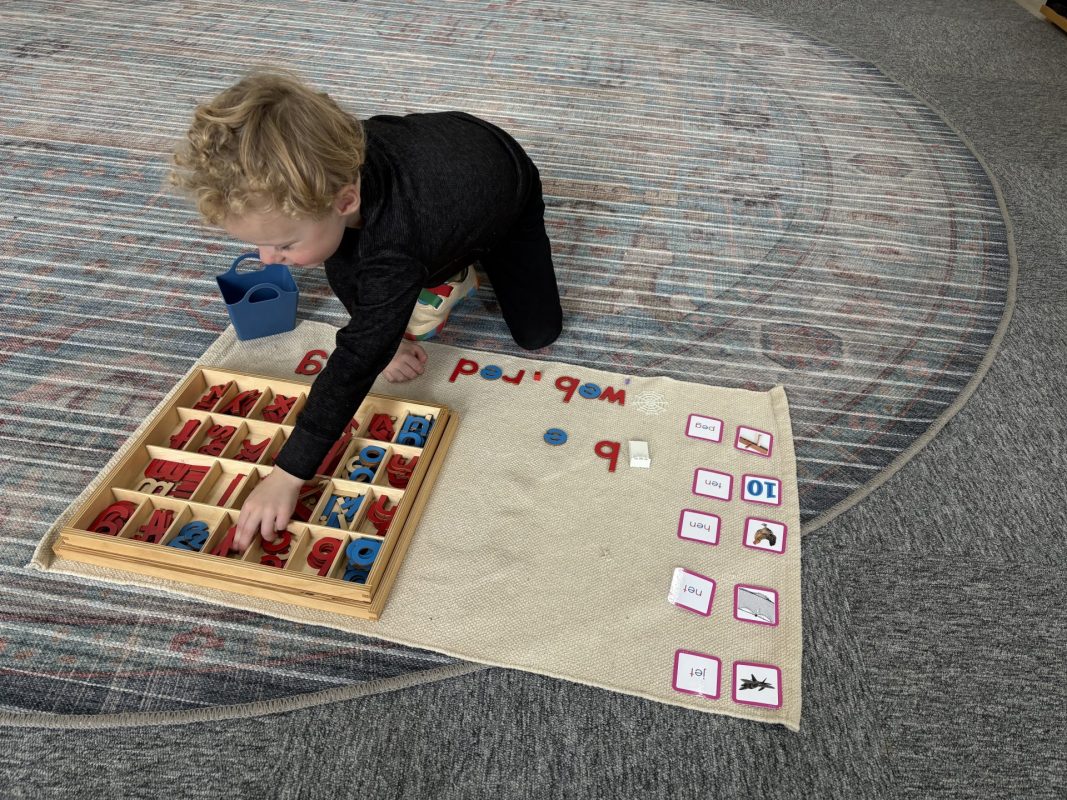
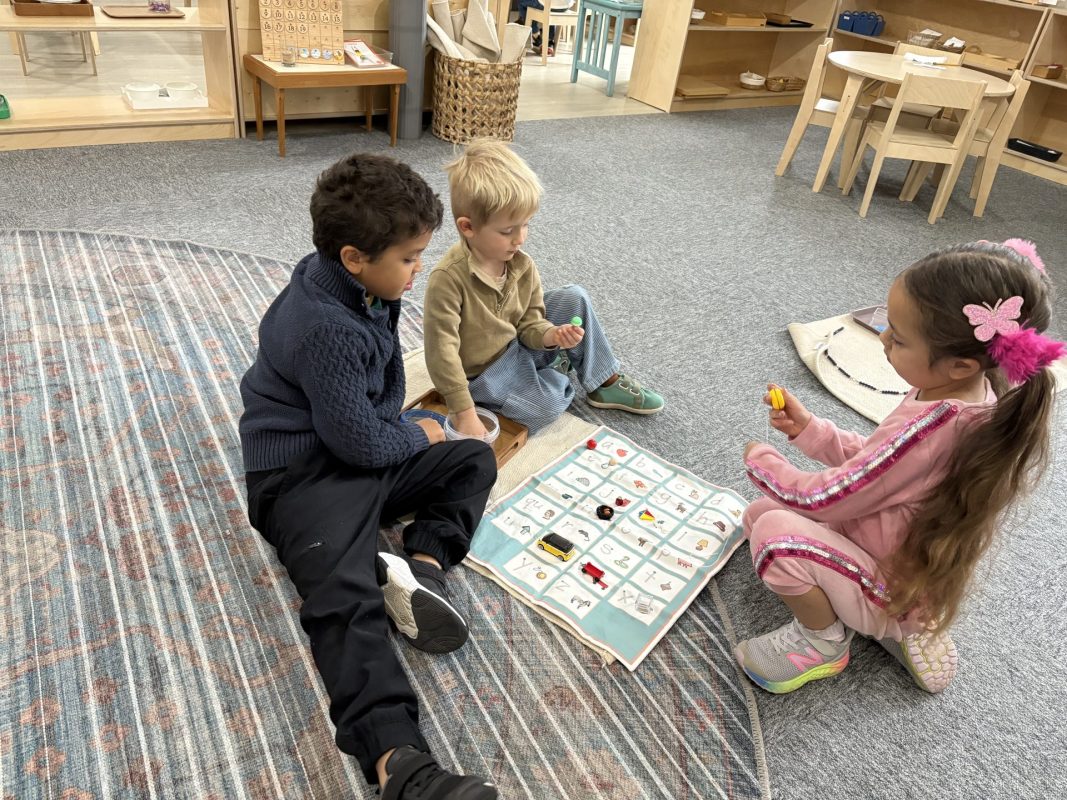
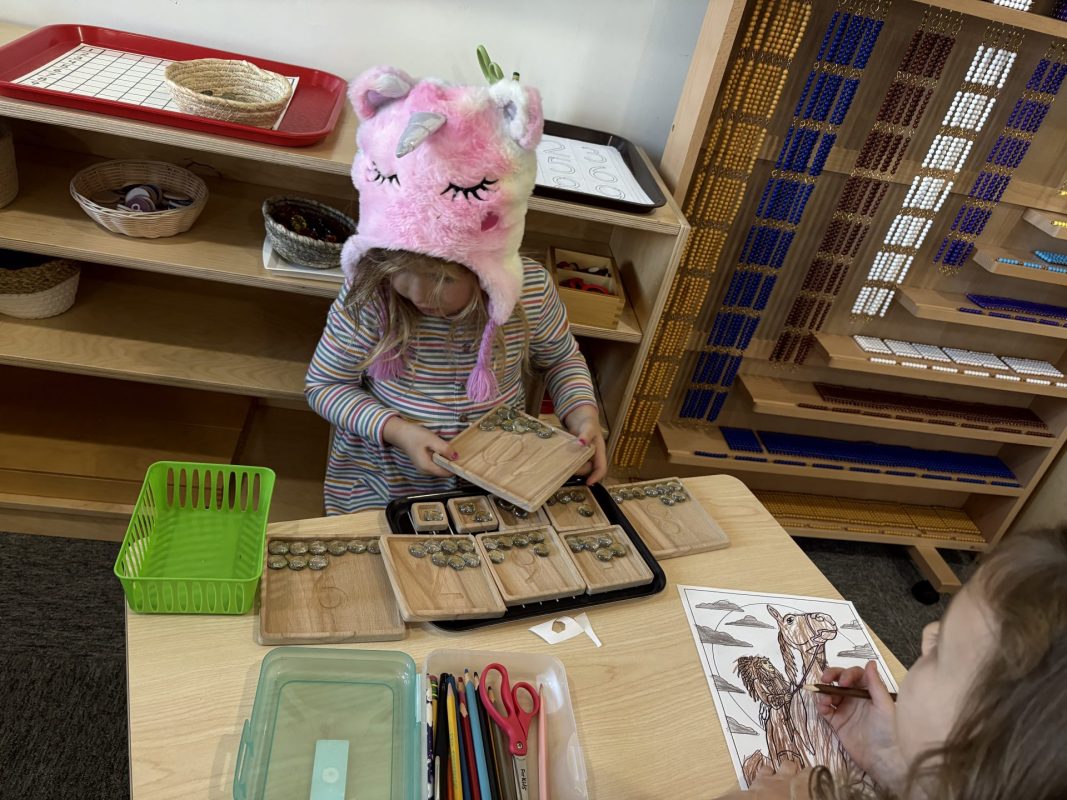
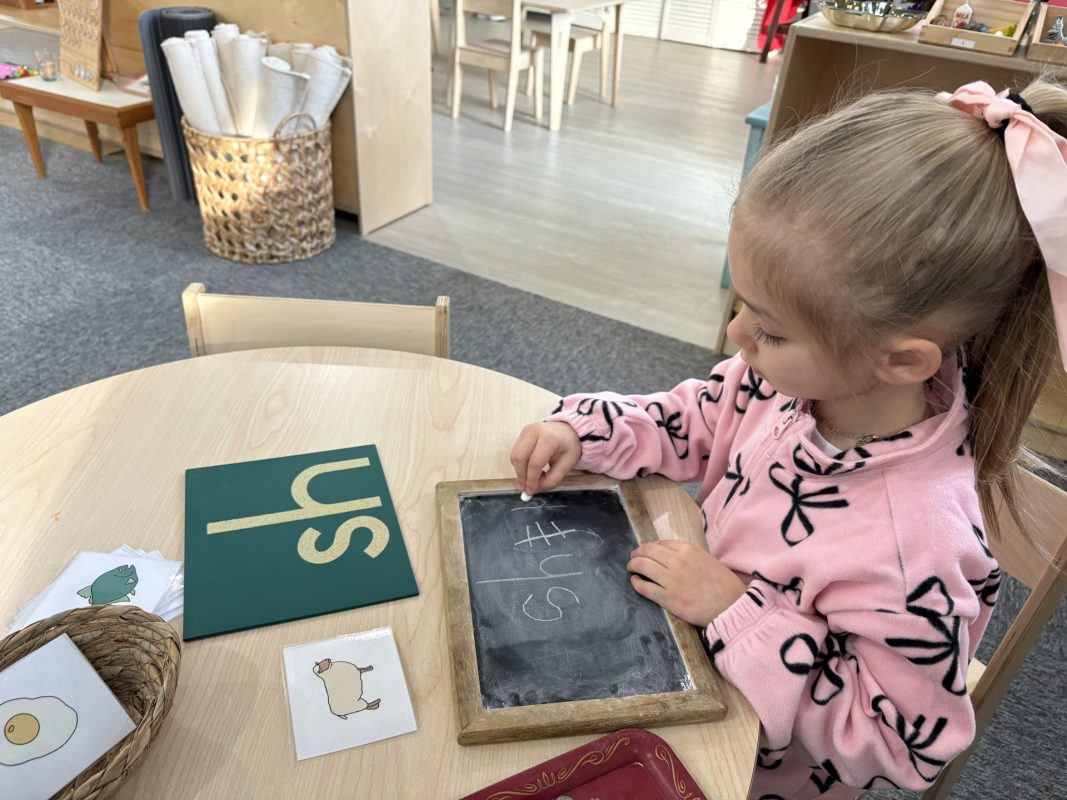
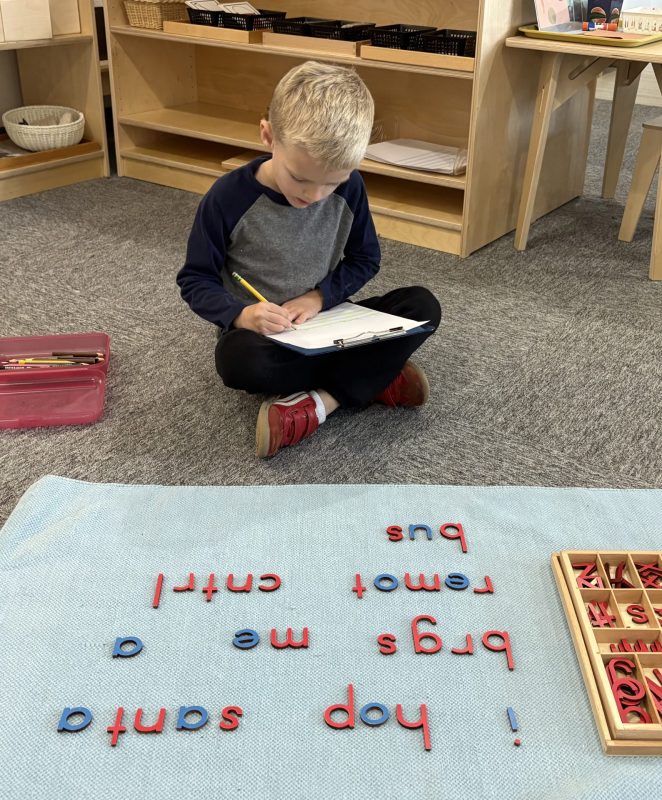
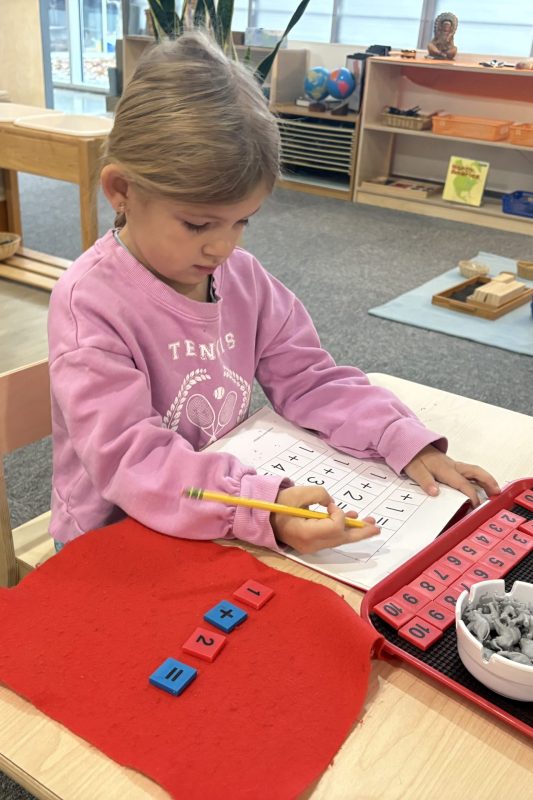
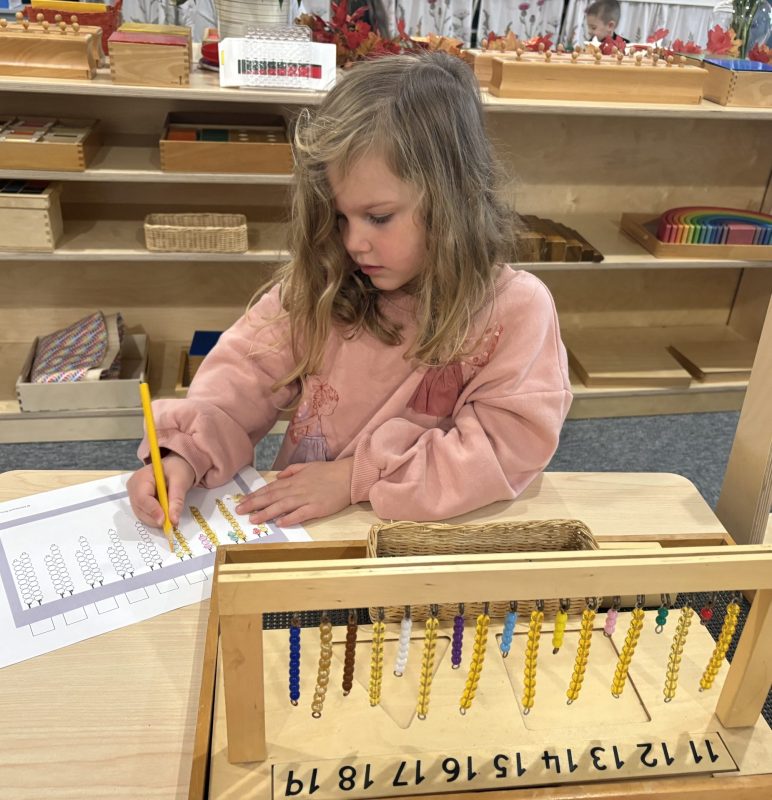
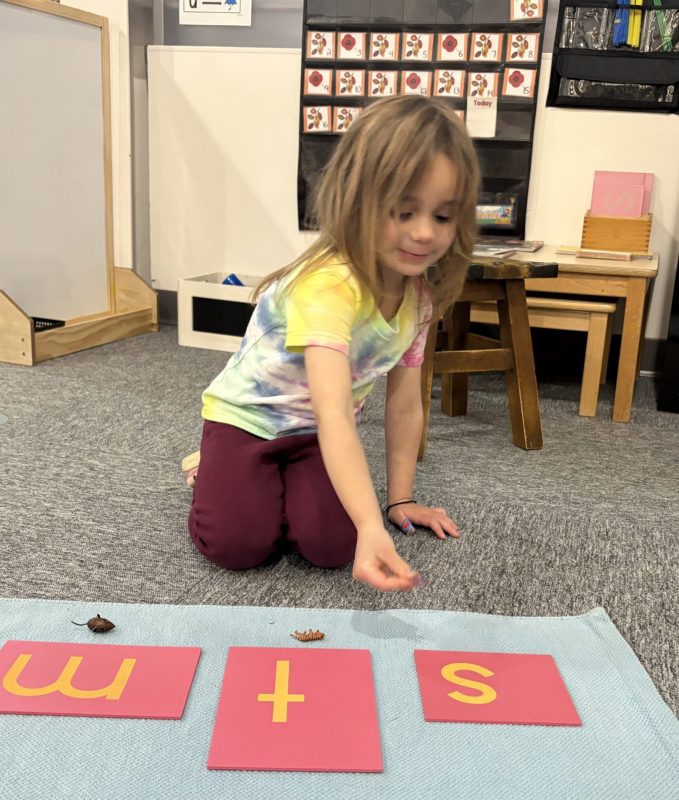
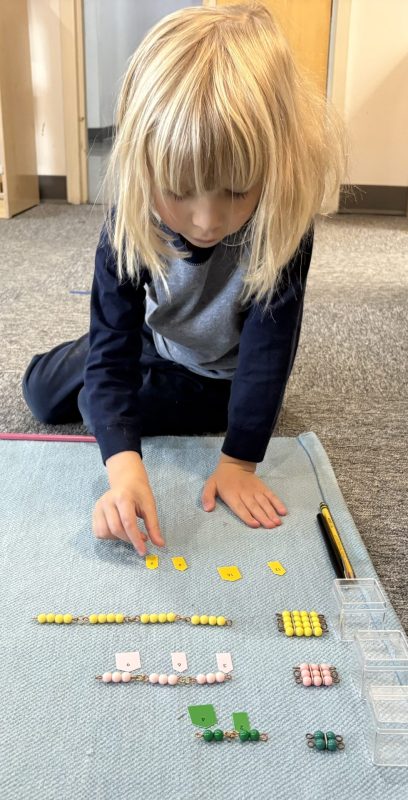
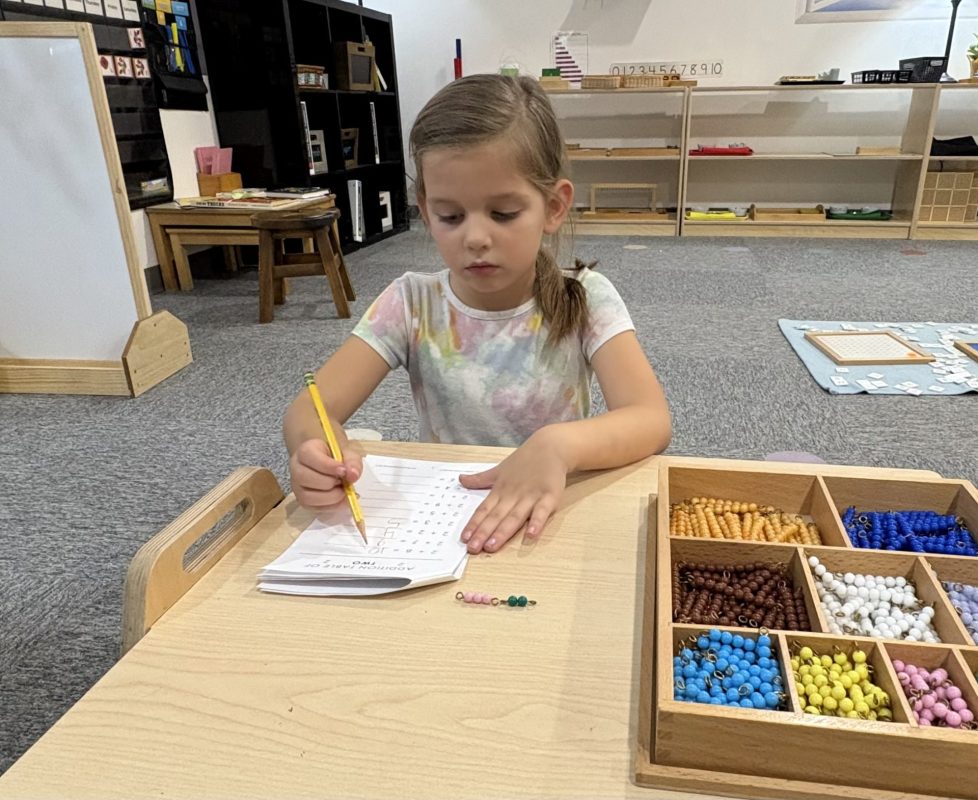
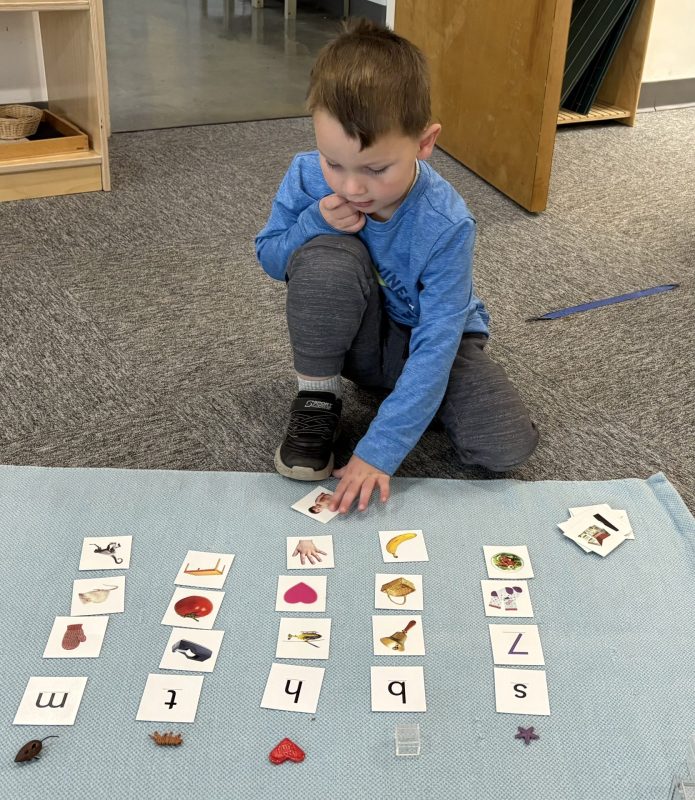
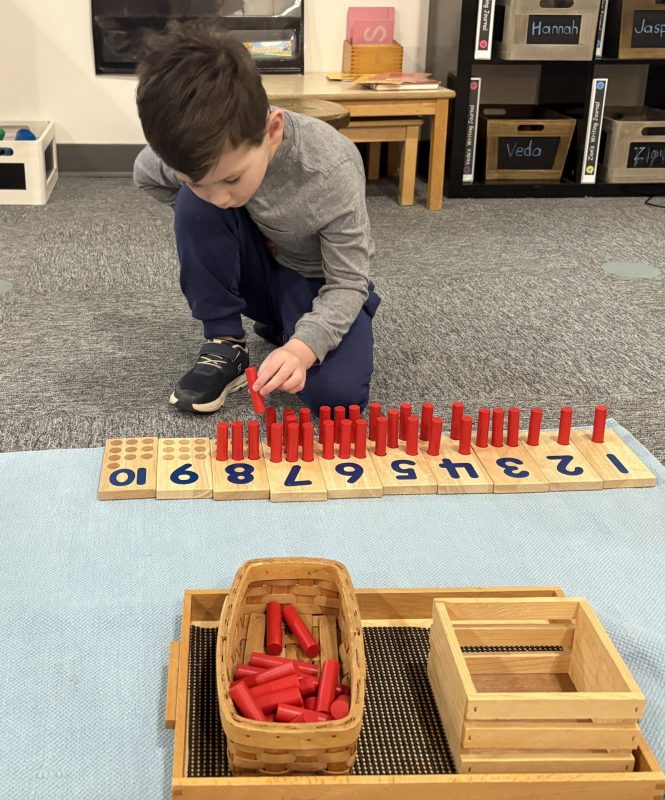
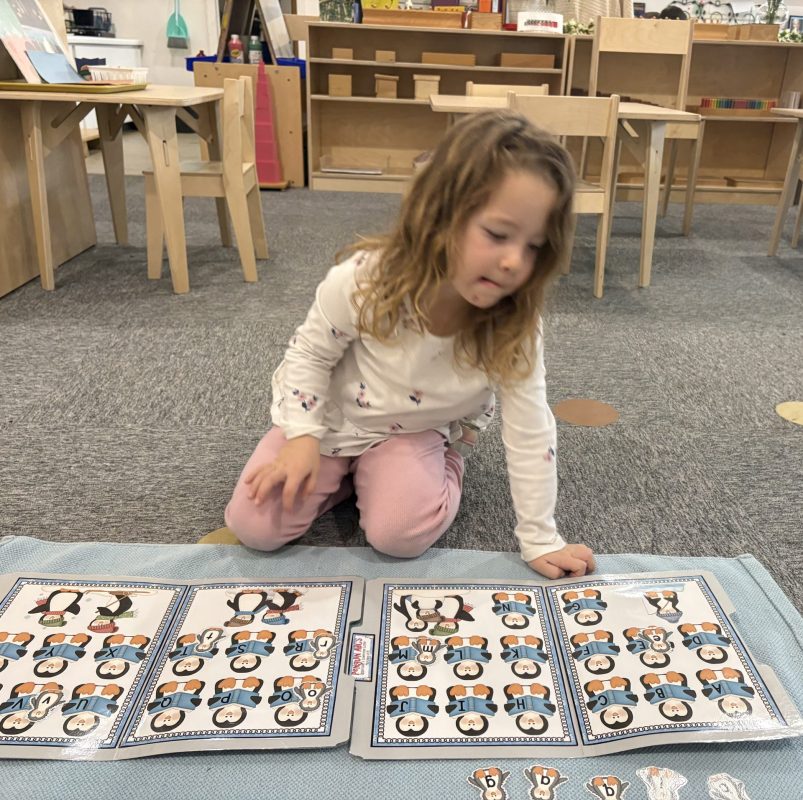
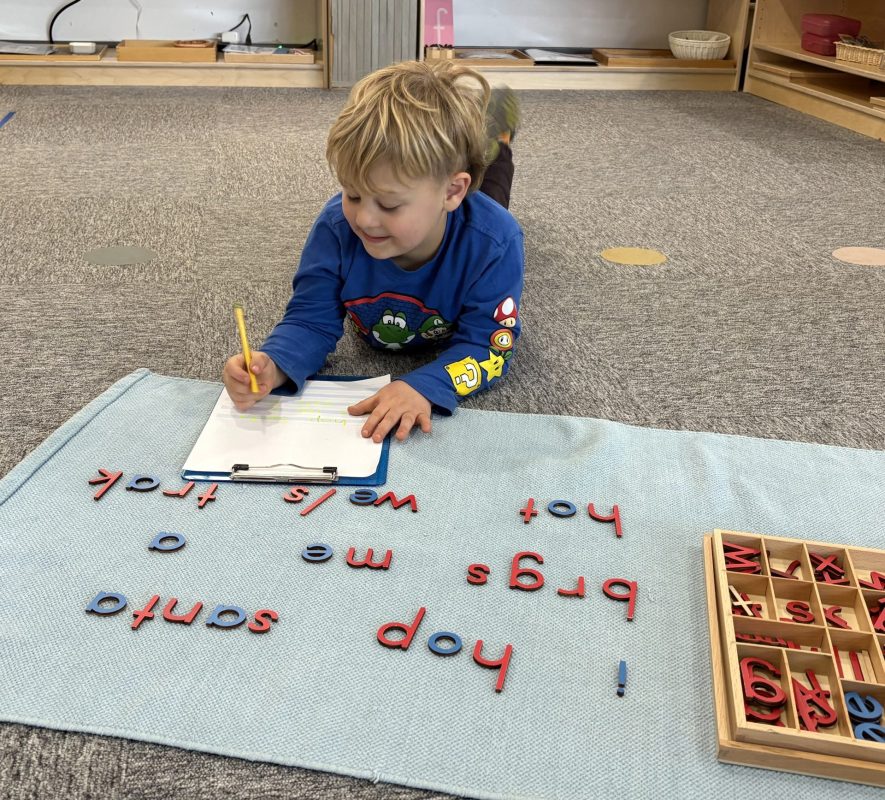
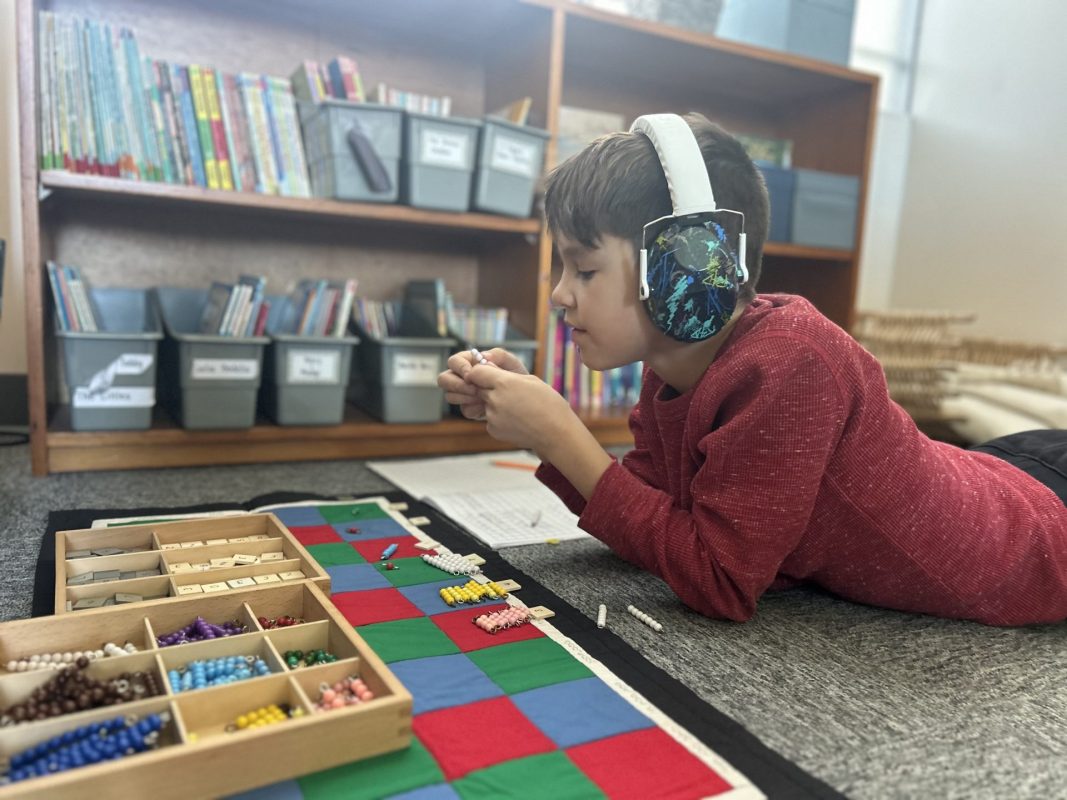
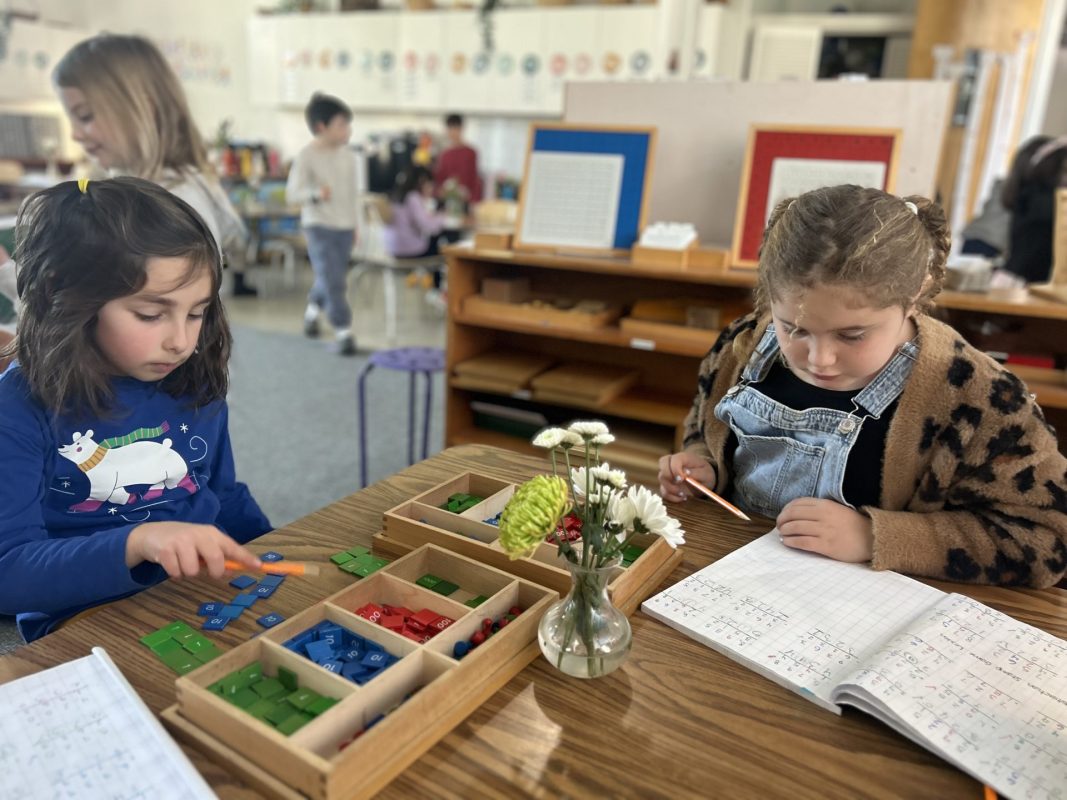
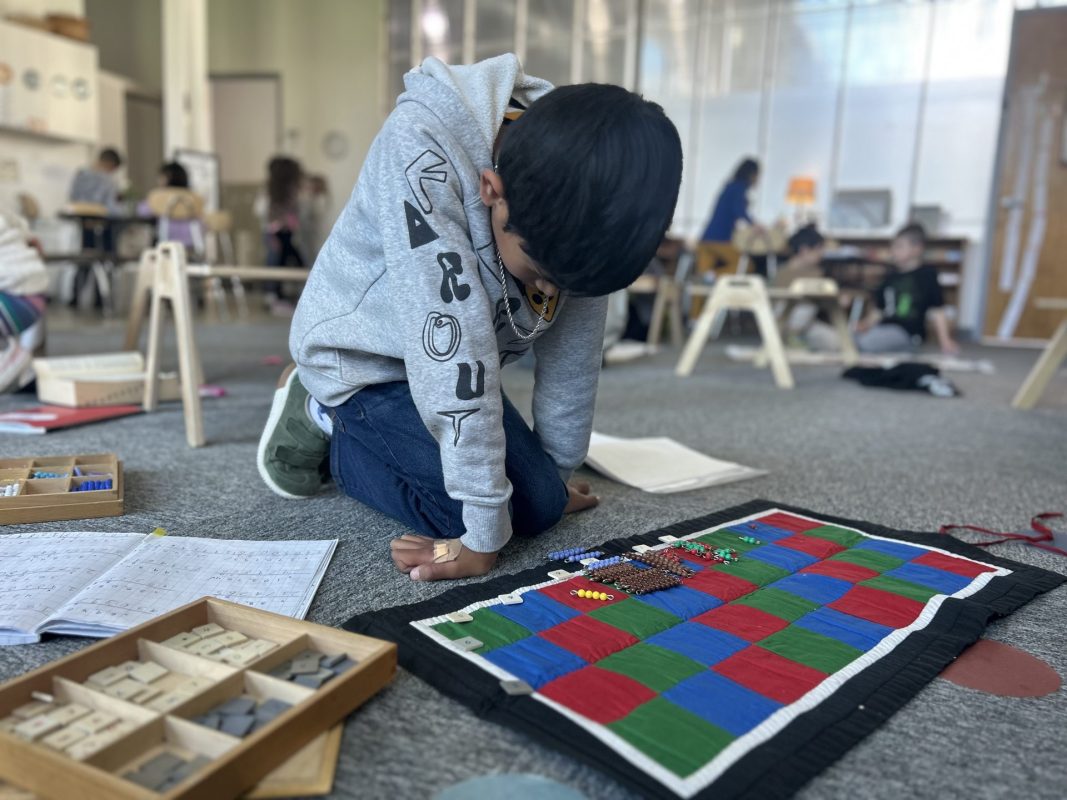
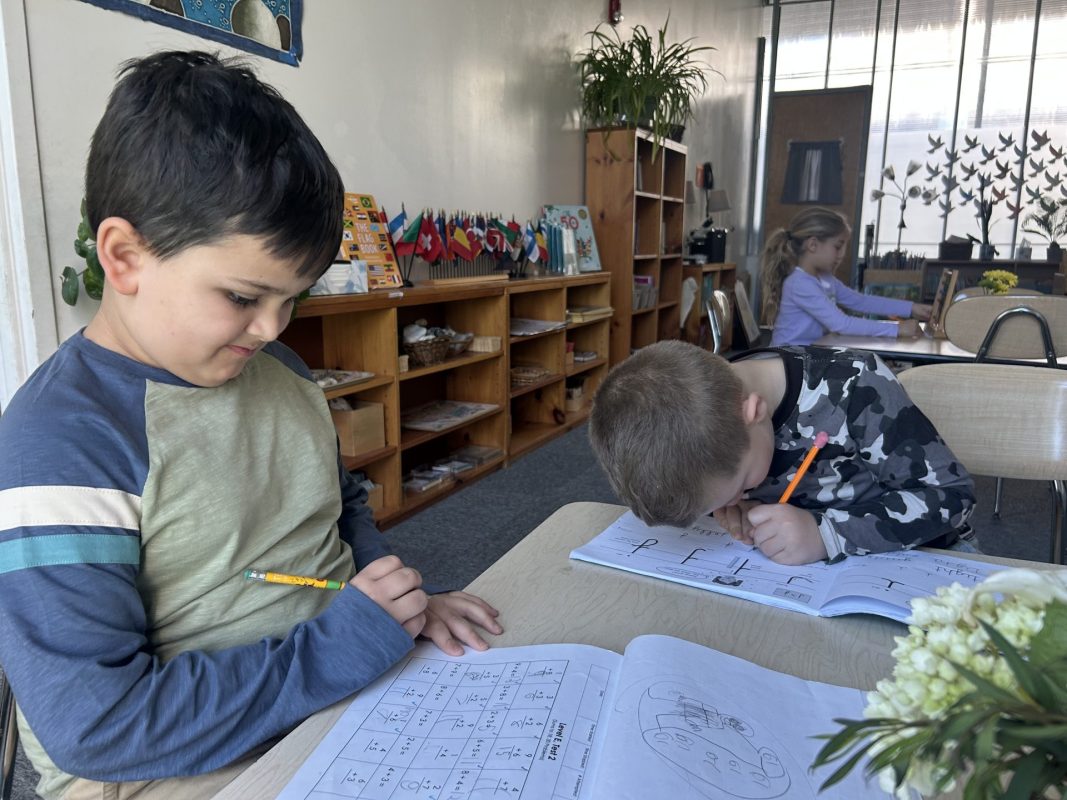
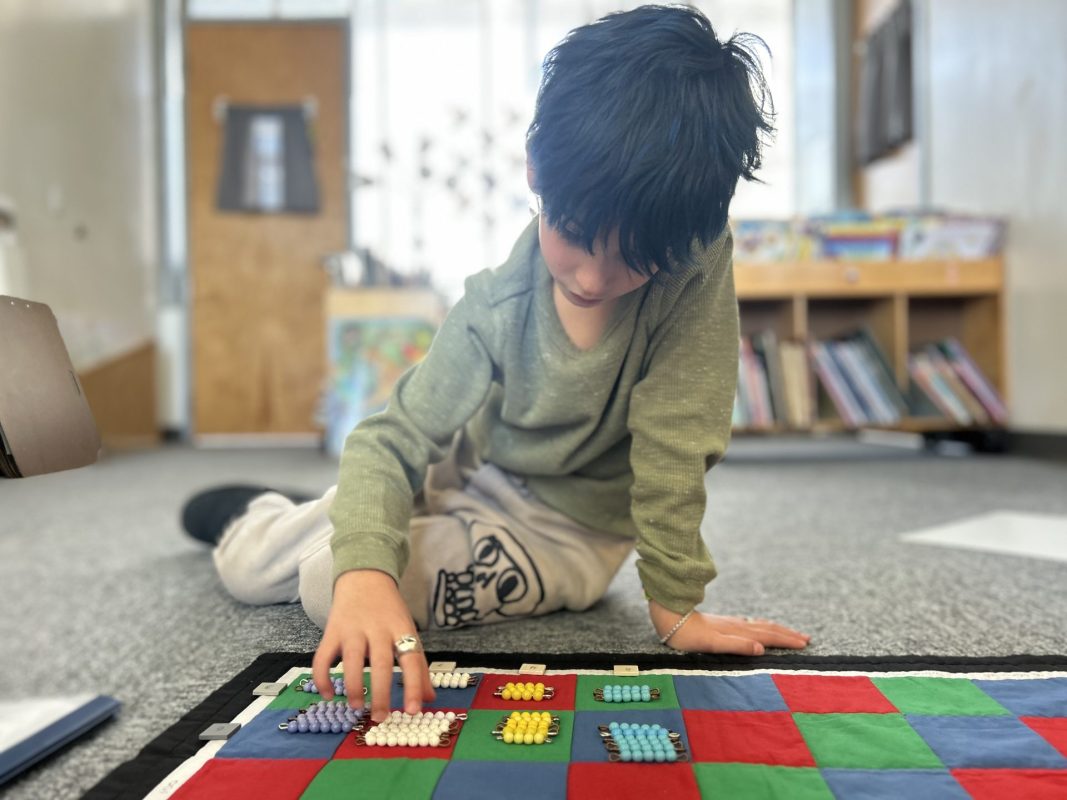
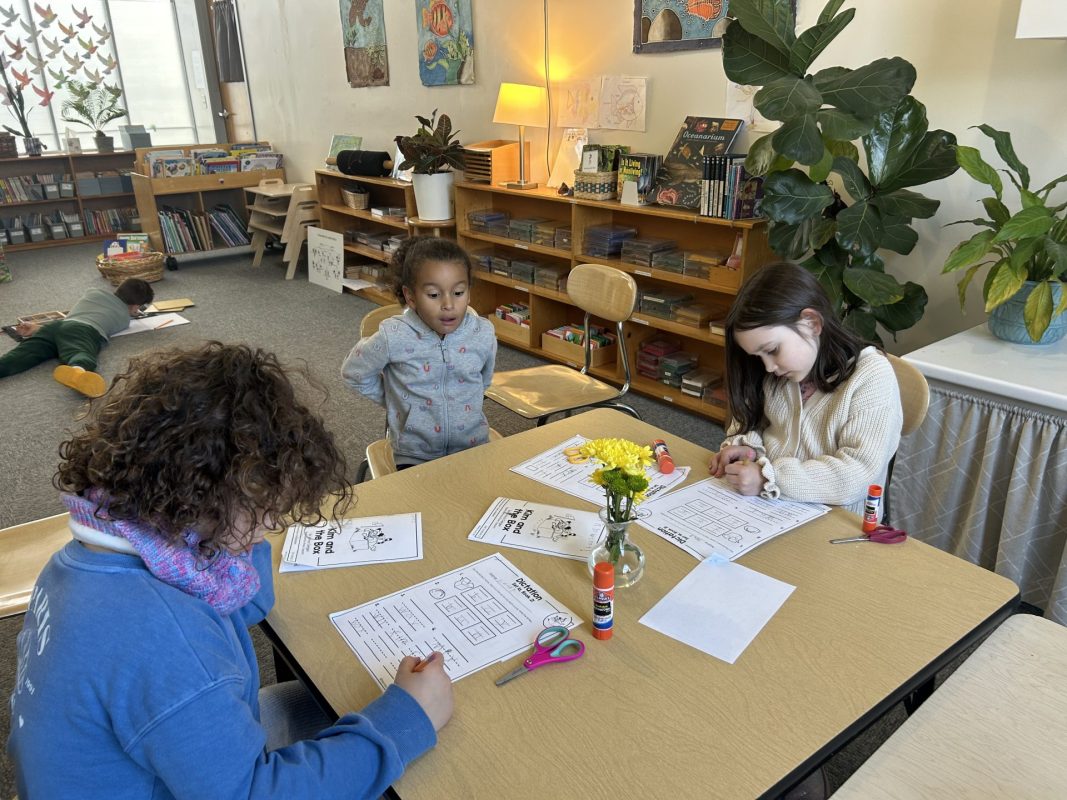
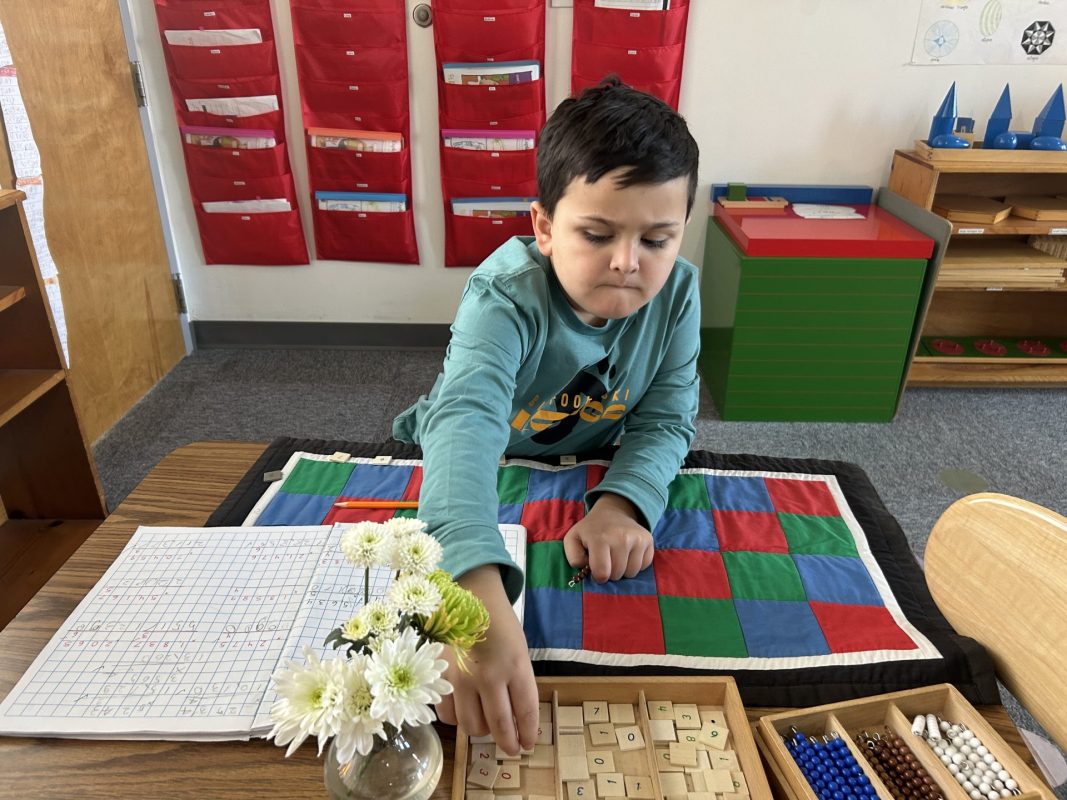
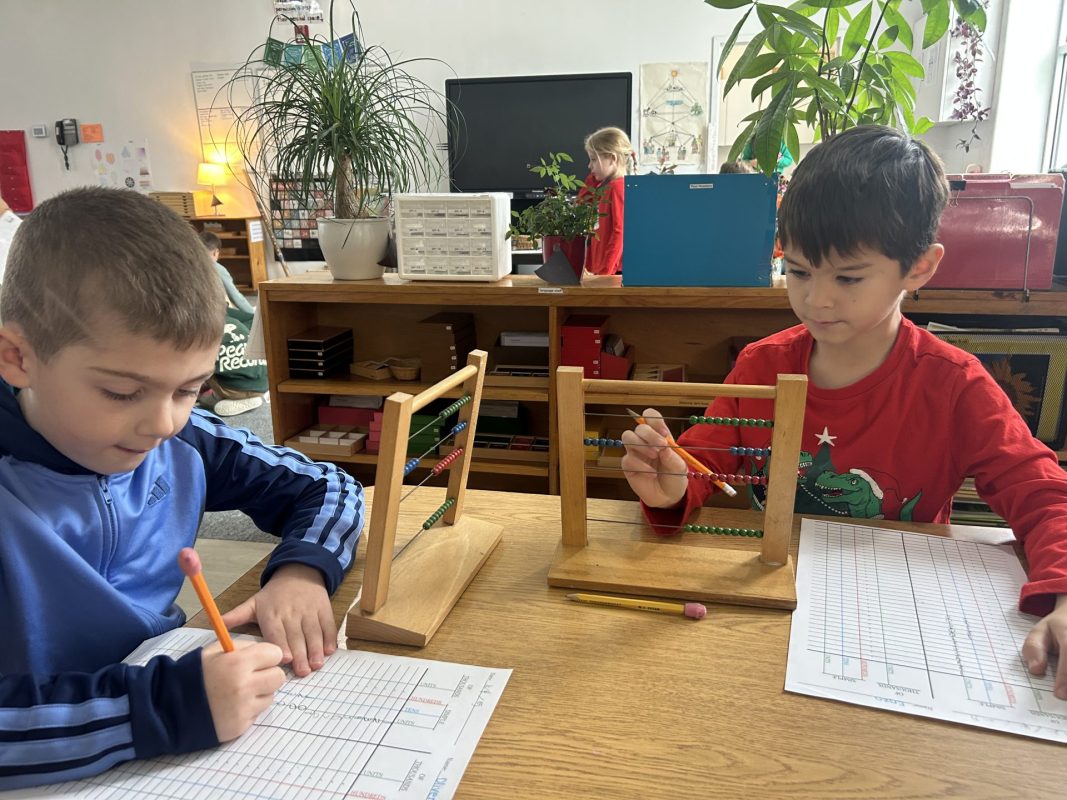
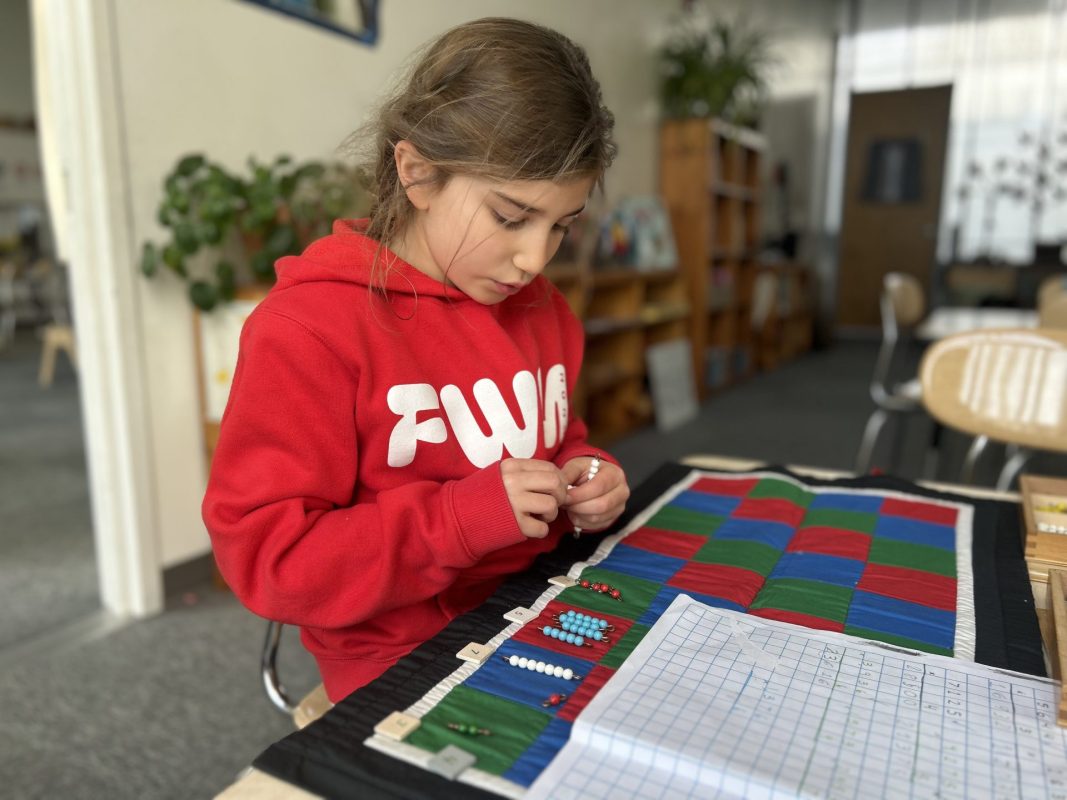
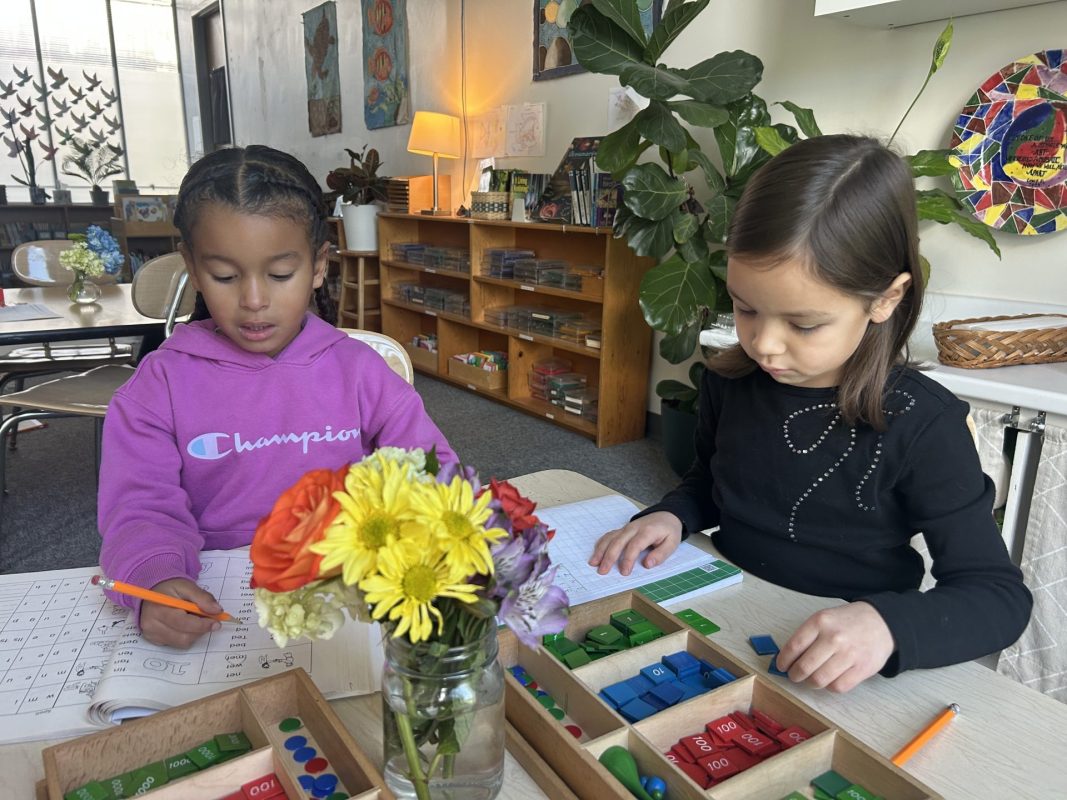
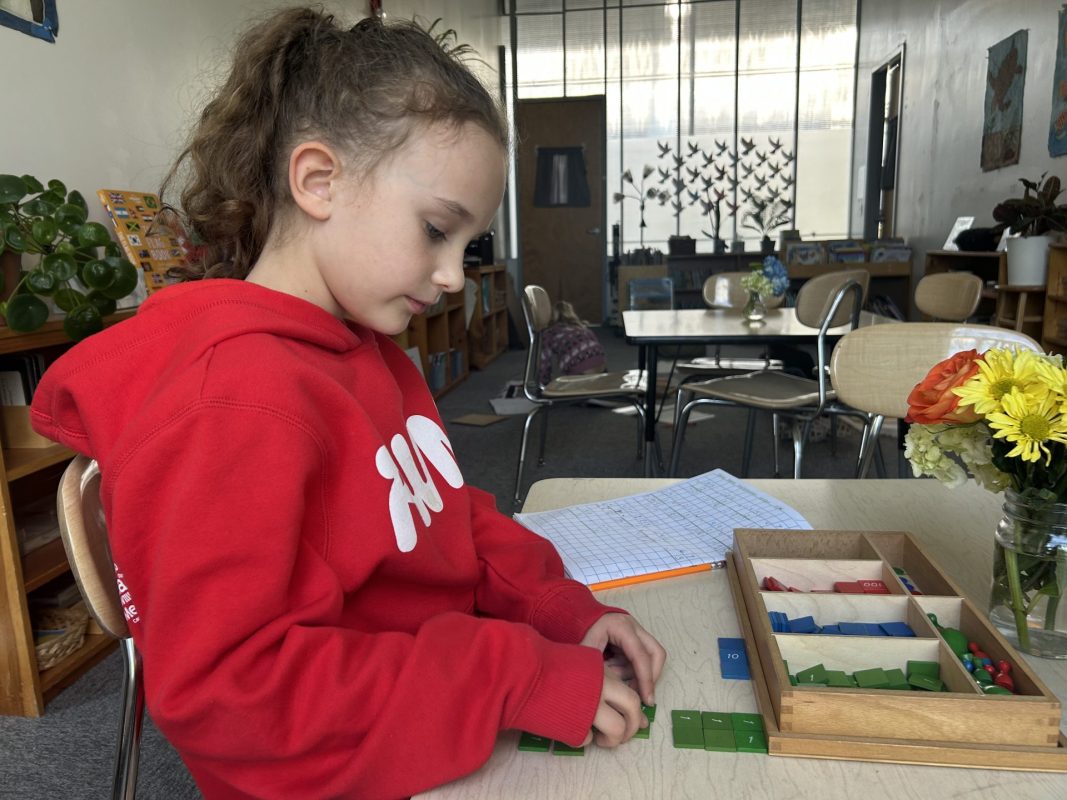
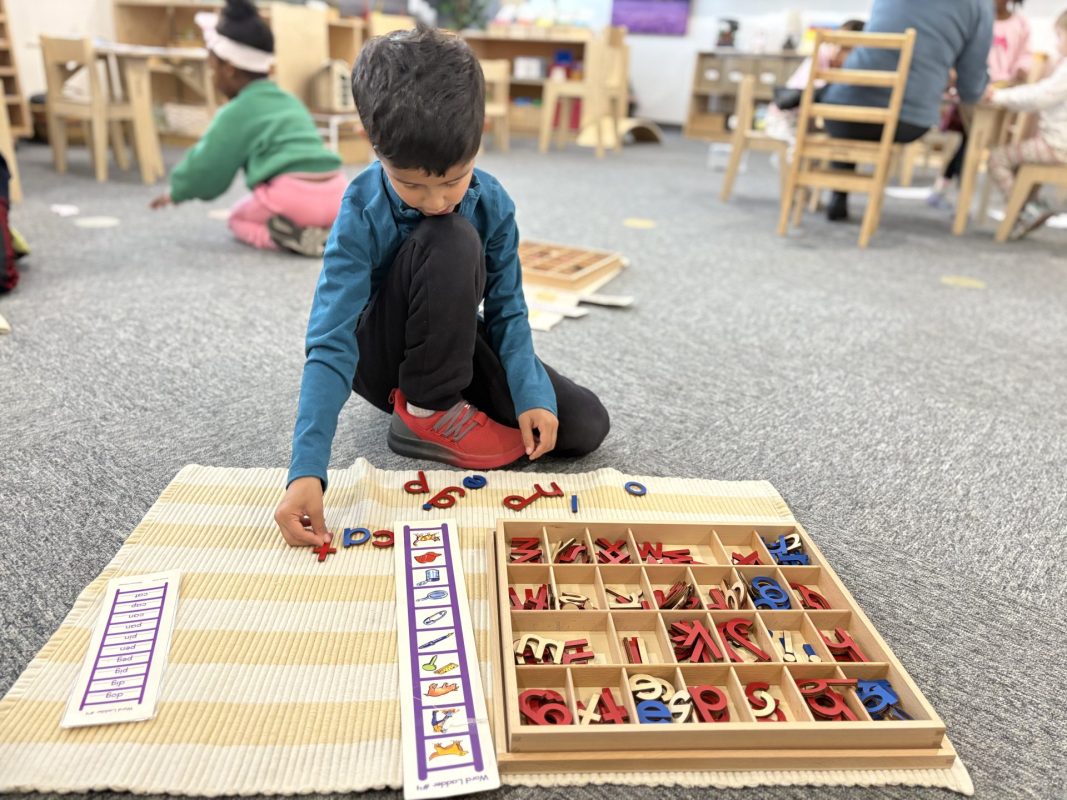
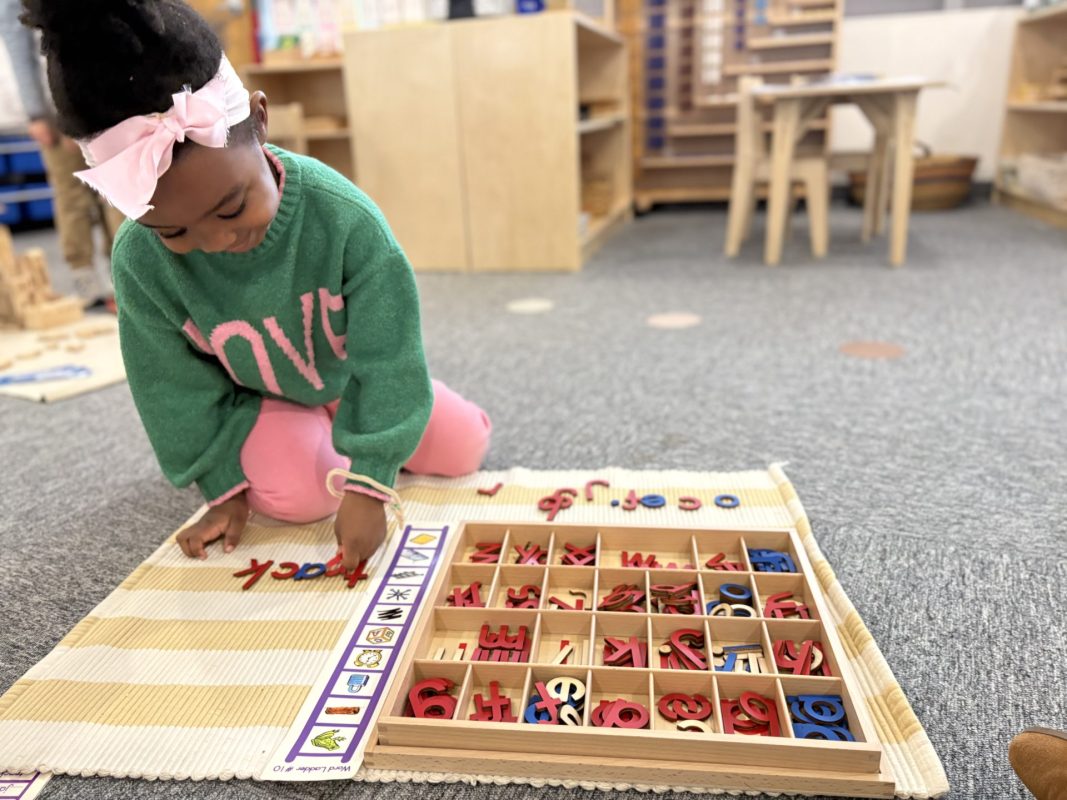
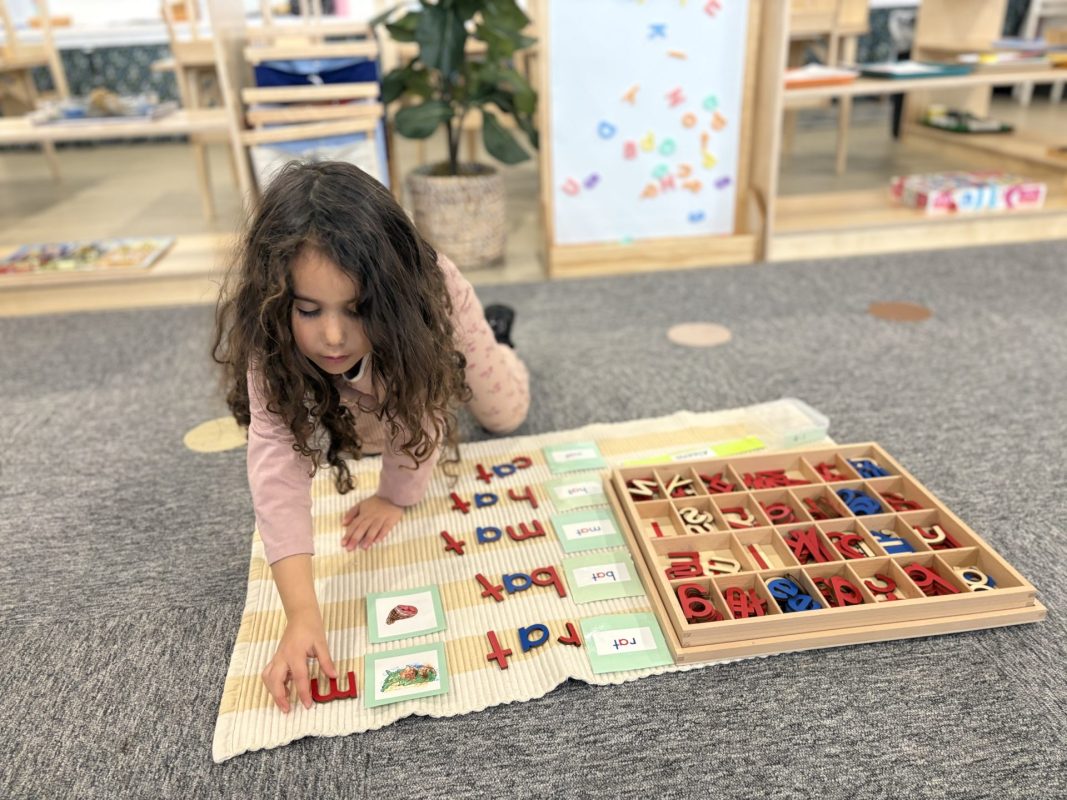
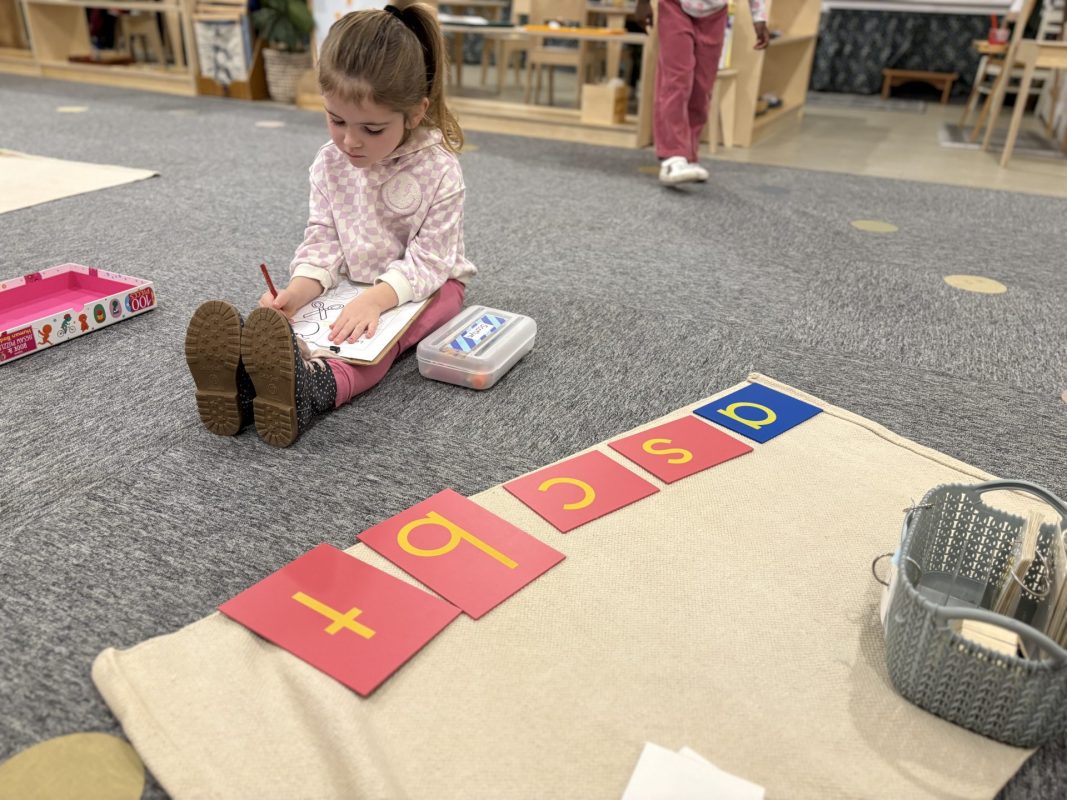
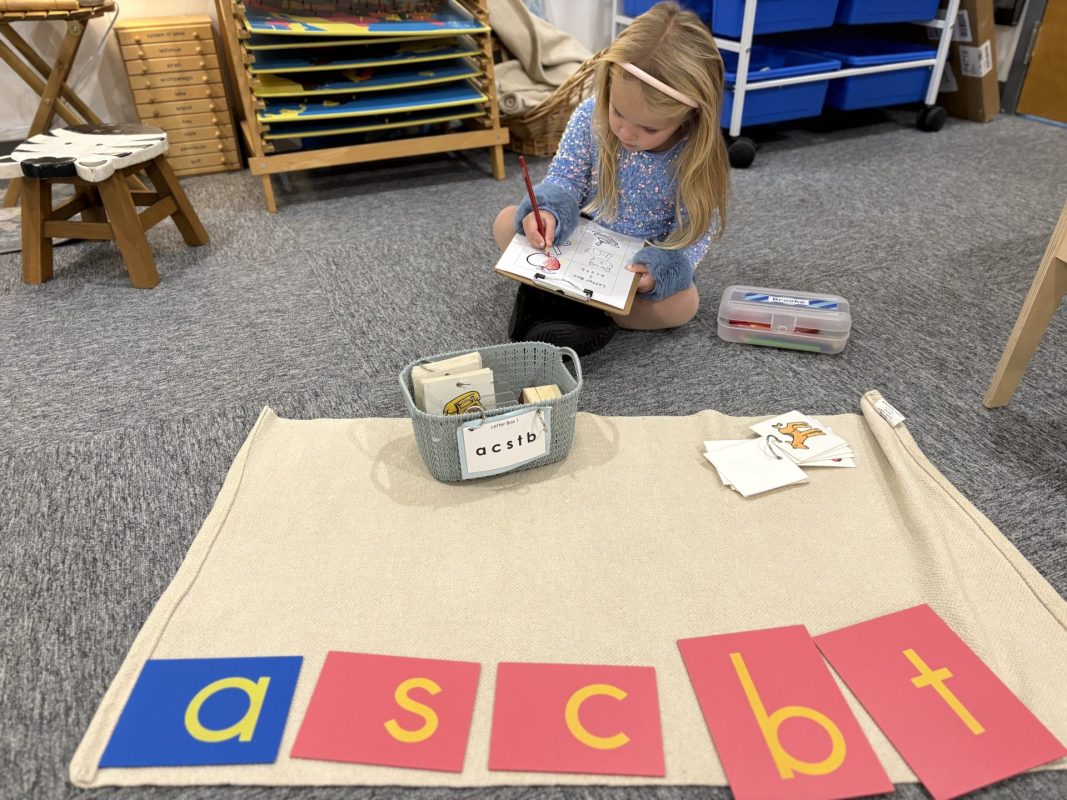
On the language shelves, we introduced beginning sound games to support early literacy development. In mathematics, the addition strip board appeared, offering children a concrete, hands-on way to explore number combinations and build their mathematical minds.

Holiday Magic and Community Celebrations

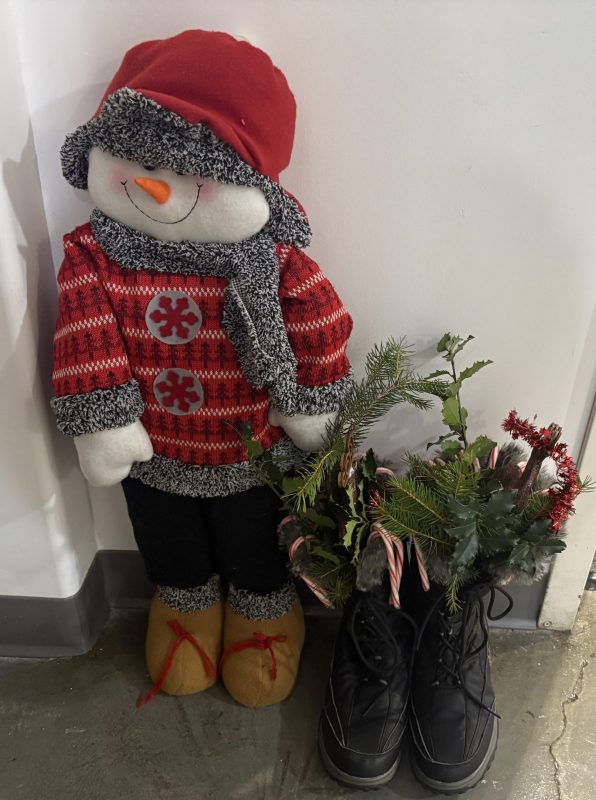
The spirit of the season filled our classroom this week! After reading a beautiful St. Nicholas book together, the children discovered a special surprise the following morning—a boot filled with candy canes from St. Nick himself. Their faces lit up with wonder and delight at this magical tradition.

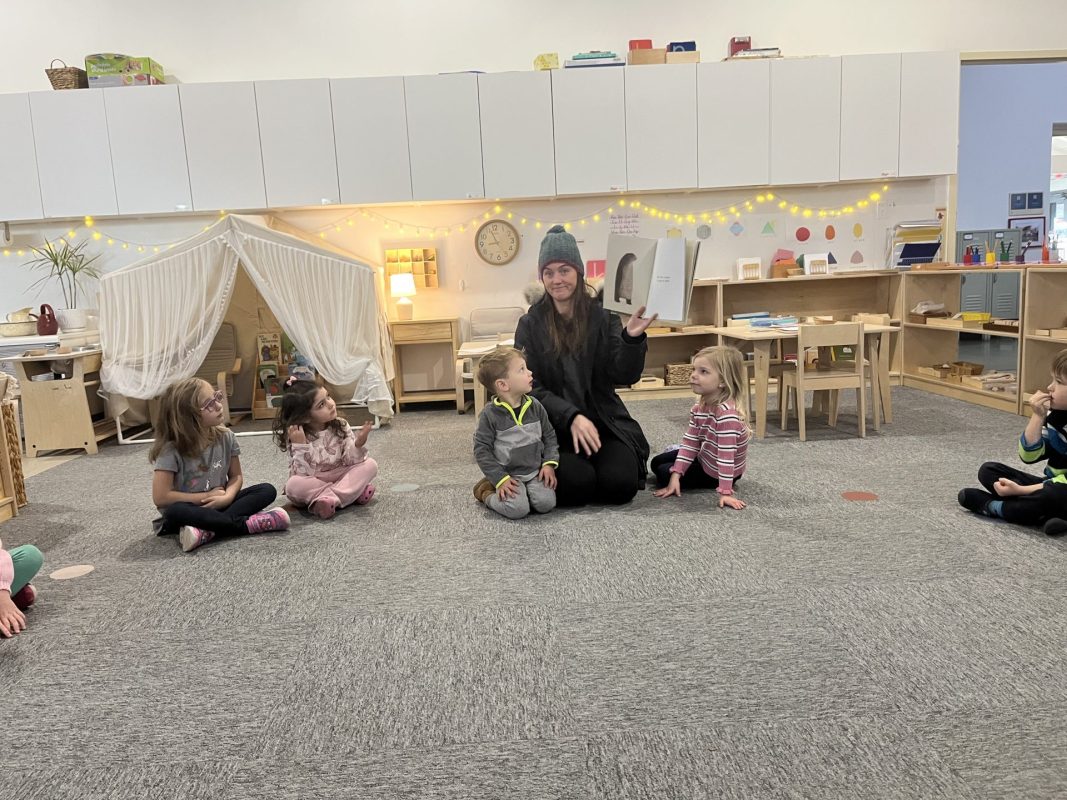
We also celebrated a friend’s birthday with a special snack that everyone enjoyed. The sense of community was further strengthened when a grandmother joined us to read a book to the class, reminding us how much our classroom benefits from family involvement.

Extending Learning at Home

  • Antarctic exploration: Look at maps together and find Antarctica. Talk about what makes it different from where we live. Watch nature documentaries about penguins or seals.
  • Practical life practice: Let your child help with real tasks like polishing shoes or mirrors at home, or simple sewing projects like sewing buttons.
  • Holiday traditions: Share your family’s special holiday traditions and the stories behind them, just as we’ve been learning about St. Nicholas in school.

UPCOMING EVENTS & ANNOUNCEMENTS

***Winter Weather Reminder: Please make sure your child has snow boots, pants, gloves, winter coat, and hat. It is so helpful if each piece of clothing is labeled! Also, please let us know if you would prefer your child’s snow gear to go home each day or stay in their locker at school.

This Week
Monday, December 8:
Tuesday, December 9:
Wednesday, December 10: 

Next Week
Tuesday, December 16: Classroom Hanukkah Celebration
Thursday, December 18: Classroom Christmas Celebration
Friday, December 19: Winter Showcase (PA Breakfast 10am, Half-Day Dismissal for All Students 11:30am

Winter Break
Monday, December 22, 05 – Friday, January 2, 2026
School resumes on Monday, January 5, 026


Mrs. Sargeant: Growing Confidence in Self-Care

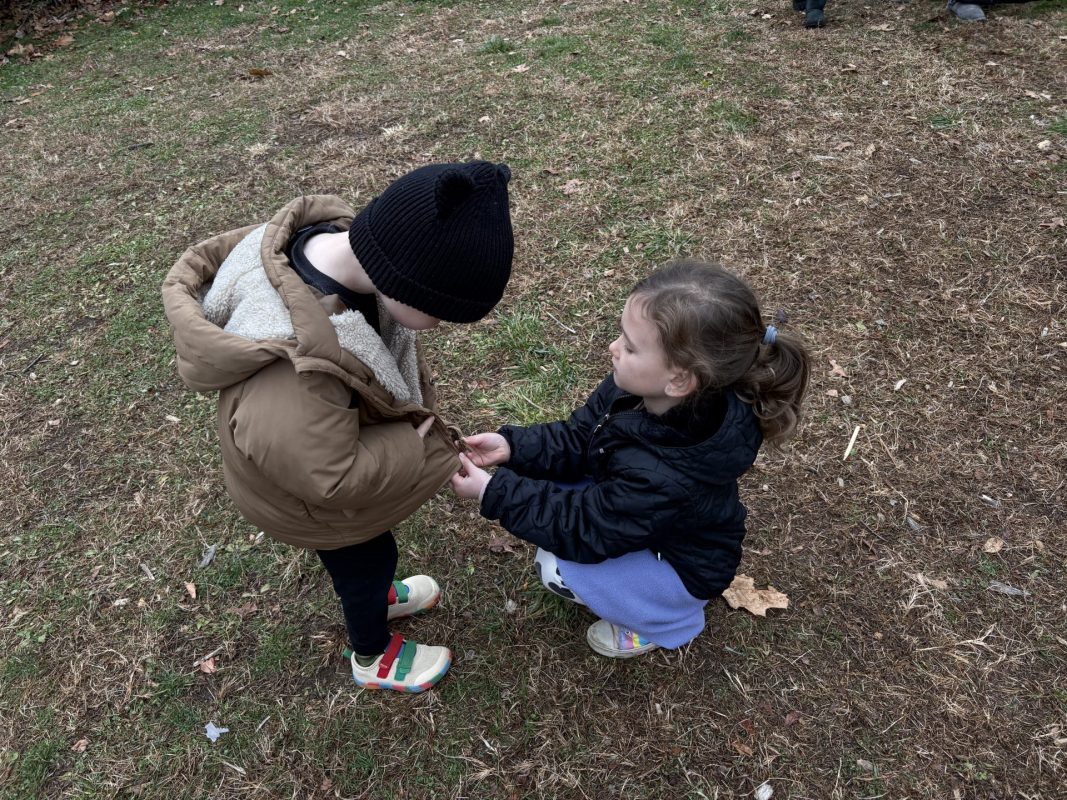
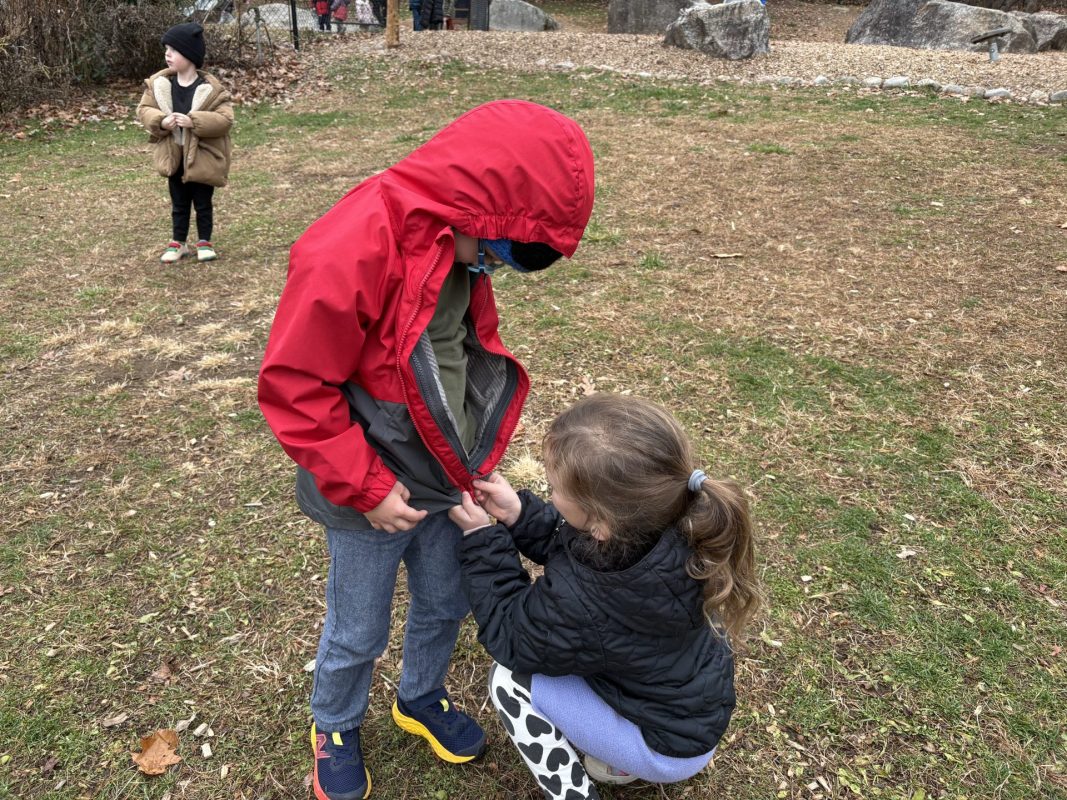
Last week, the children demonstrated beautiful examples of grace and courtesy as older students naturally stepped in to help their younger classmates with zipping coats and putting on mittens. These spontaneous moments of mentorship show how our mixed-age classroom creates a caring community where children look out for one another.

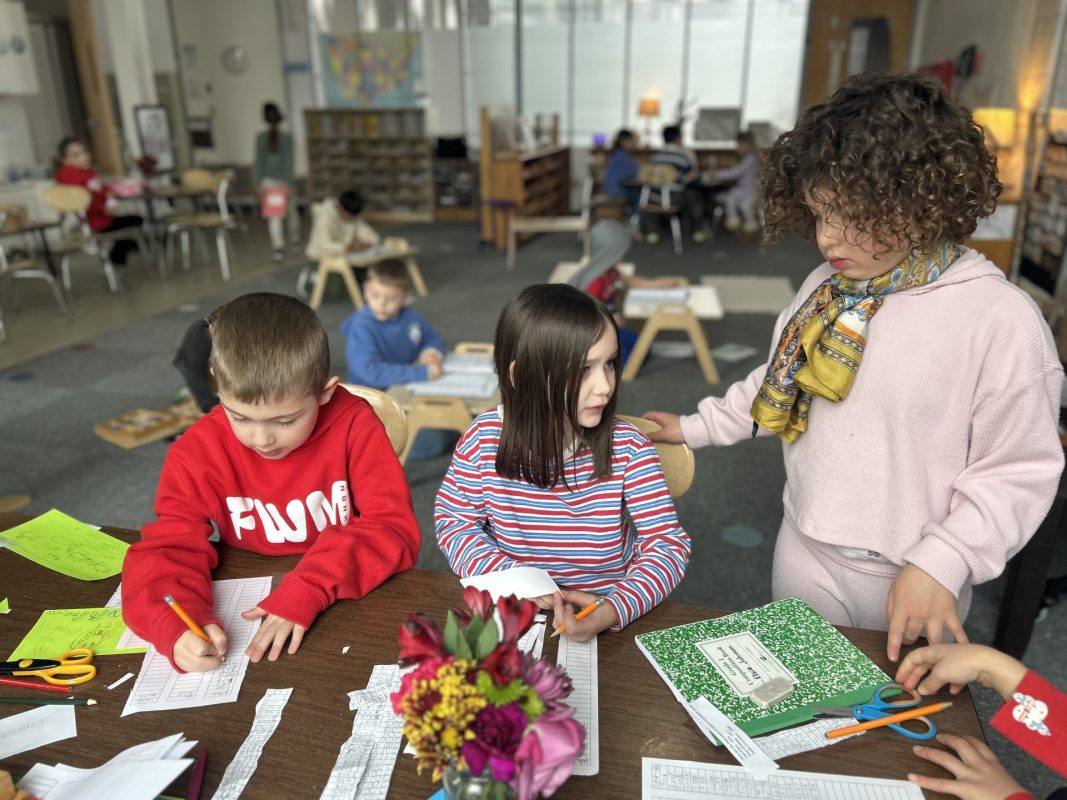
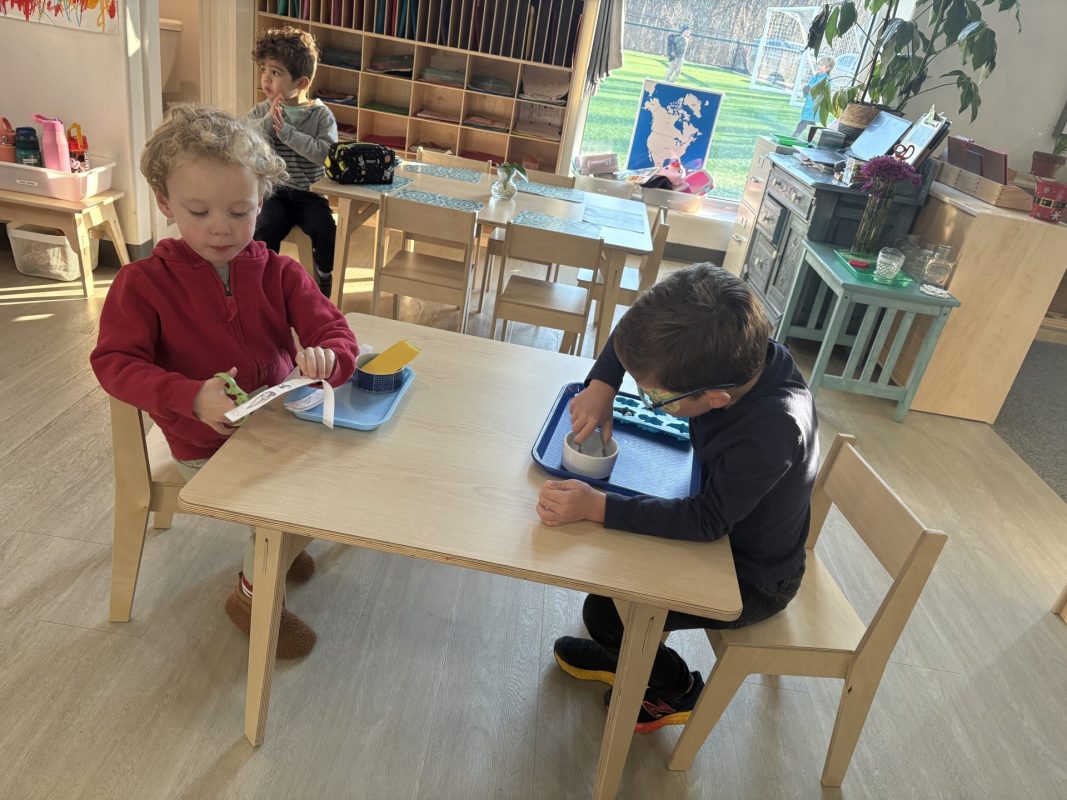
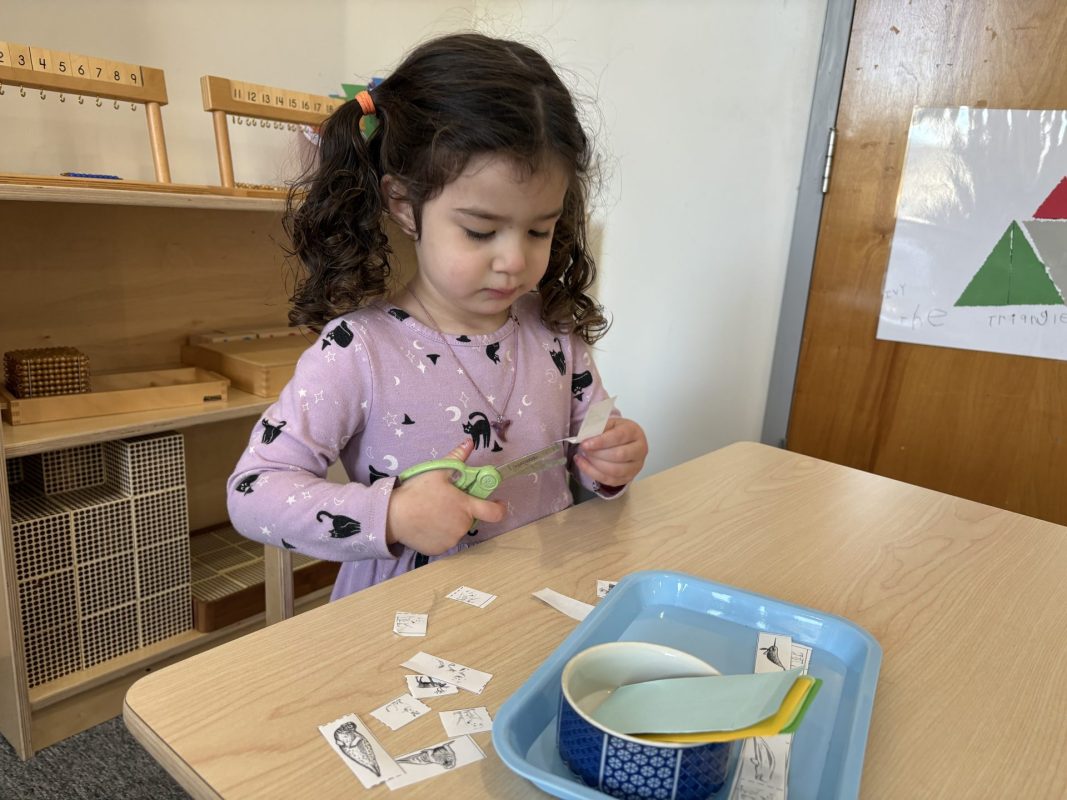
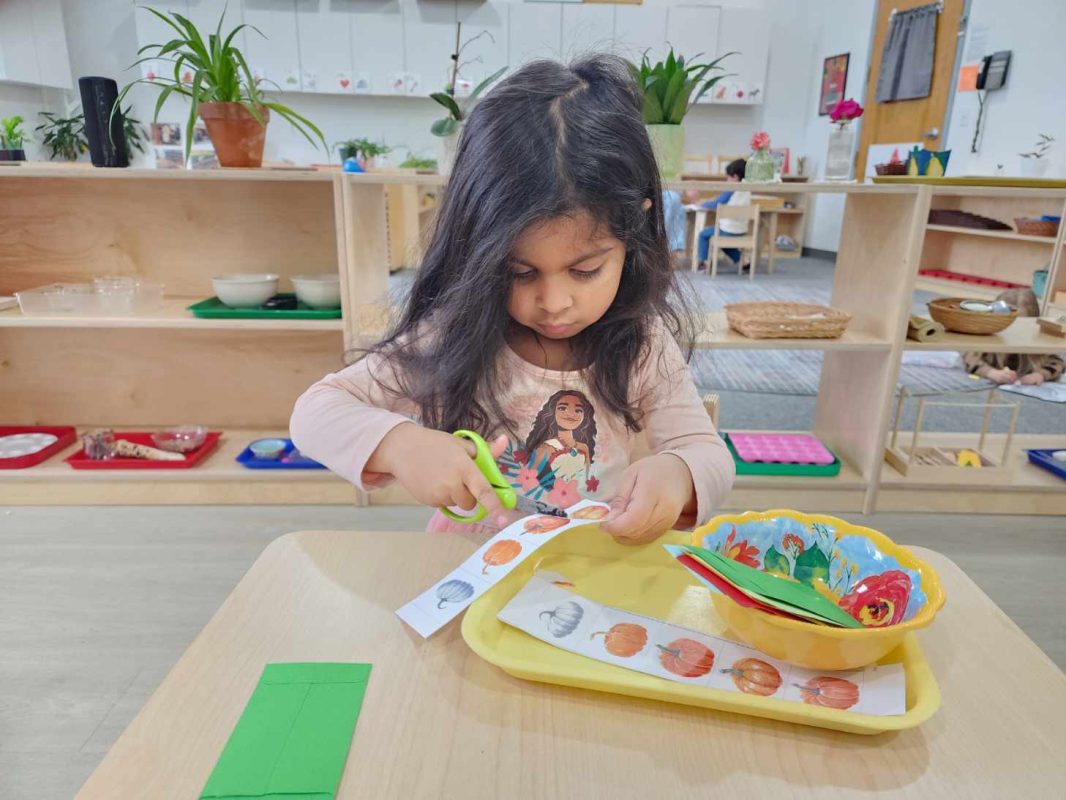
The children are also showing impressive problem-solving skills during snack time. When they encounter a challenging package—whether it’s a bag of goldfish or a granola bar—they independently seek out scissors to open it rather than asking an adult for help. This simple act represents a significant step in their growing confidence and resourcefulness.

Holiday Traditions and Wonder

The children returned from Thanksgiving break eager to share stories about their family celebrations, sparking rich conversations about different traditions, customs, and holidays. We read about St. Nicholas and discussed how some cultures celebrate St. Nicholas Day on December 6th. The following morning, the children’s eyes lit up with surprise and delight when they discovered candy canes waiting in a pair of boots by the door!

The Art of Bubble Making

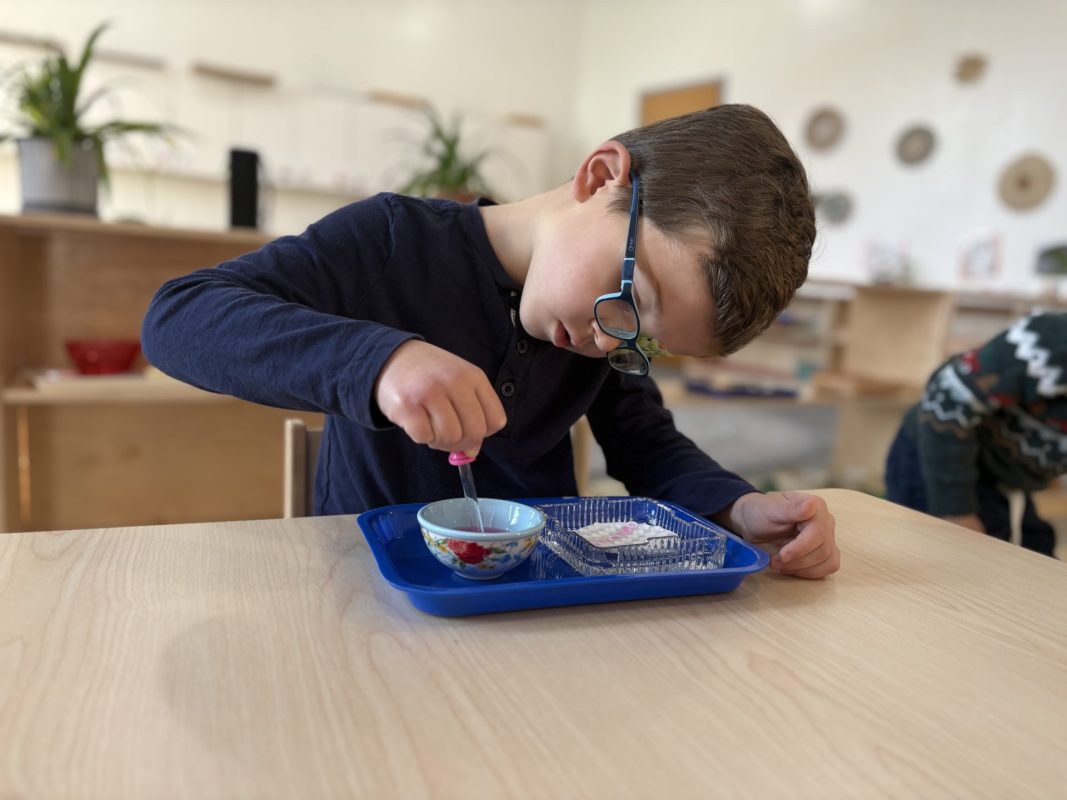
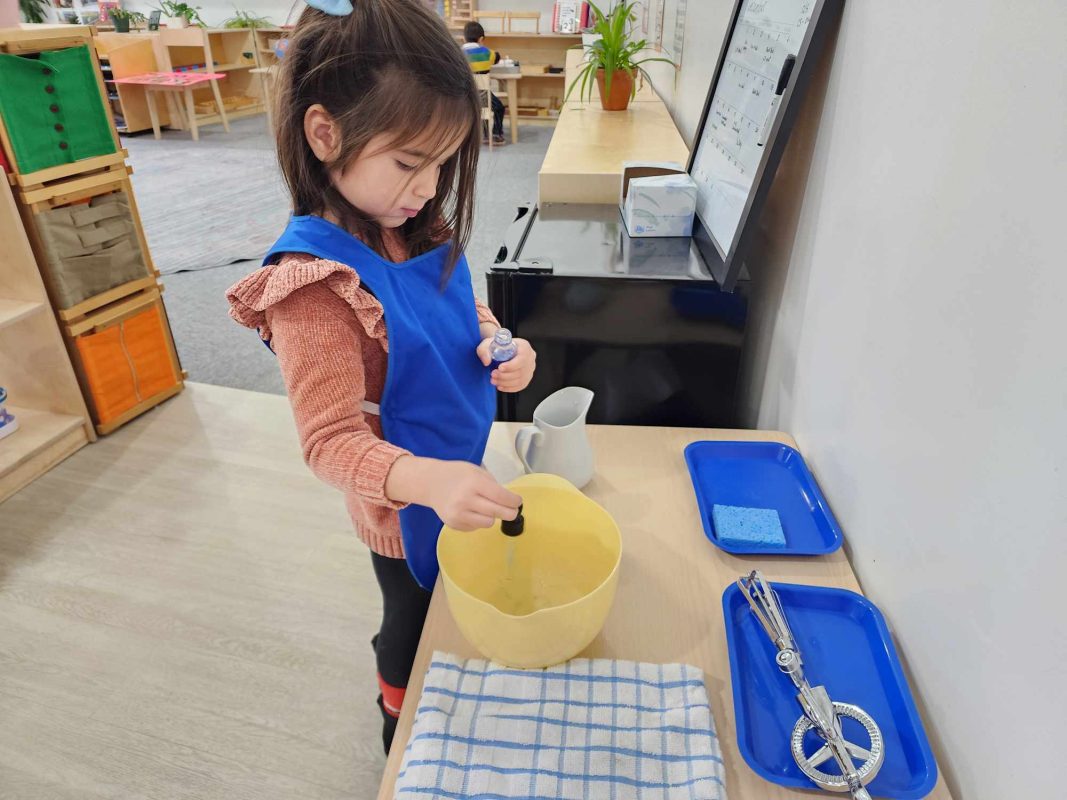
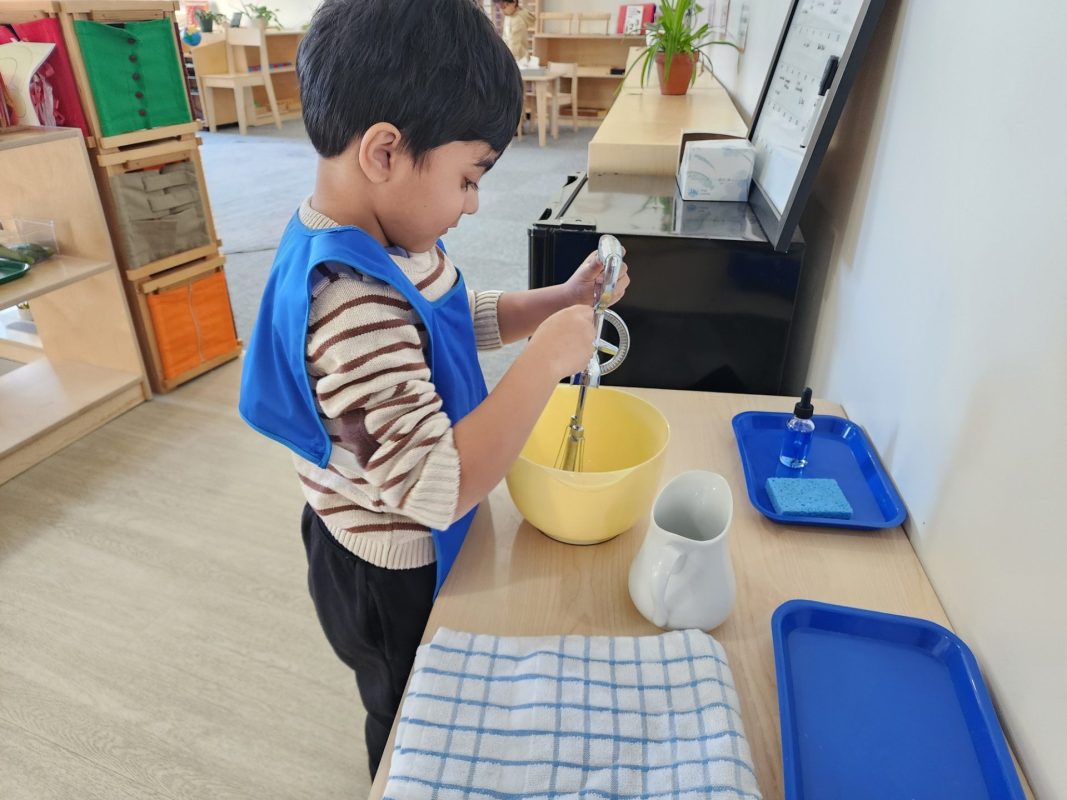
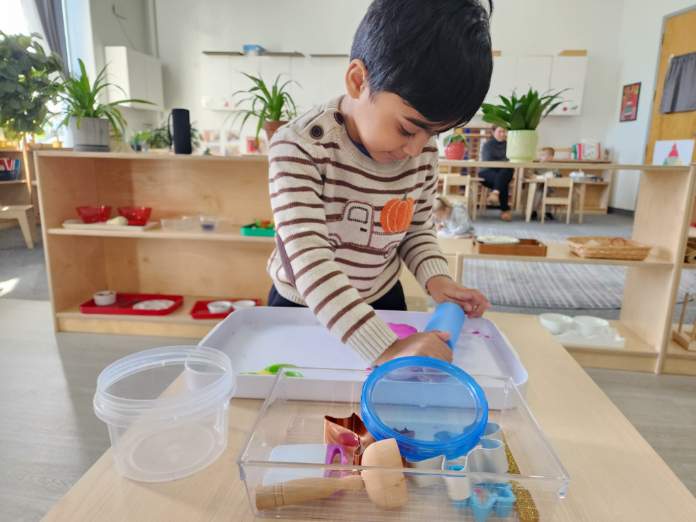
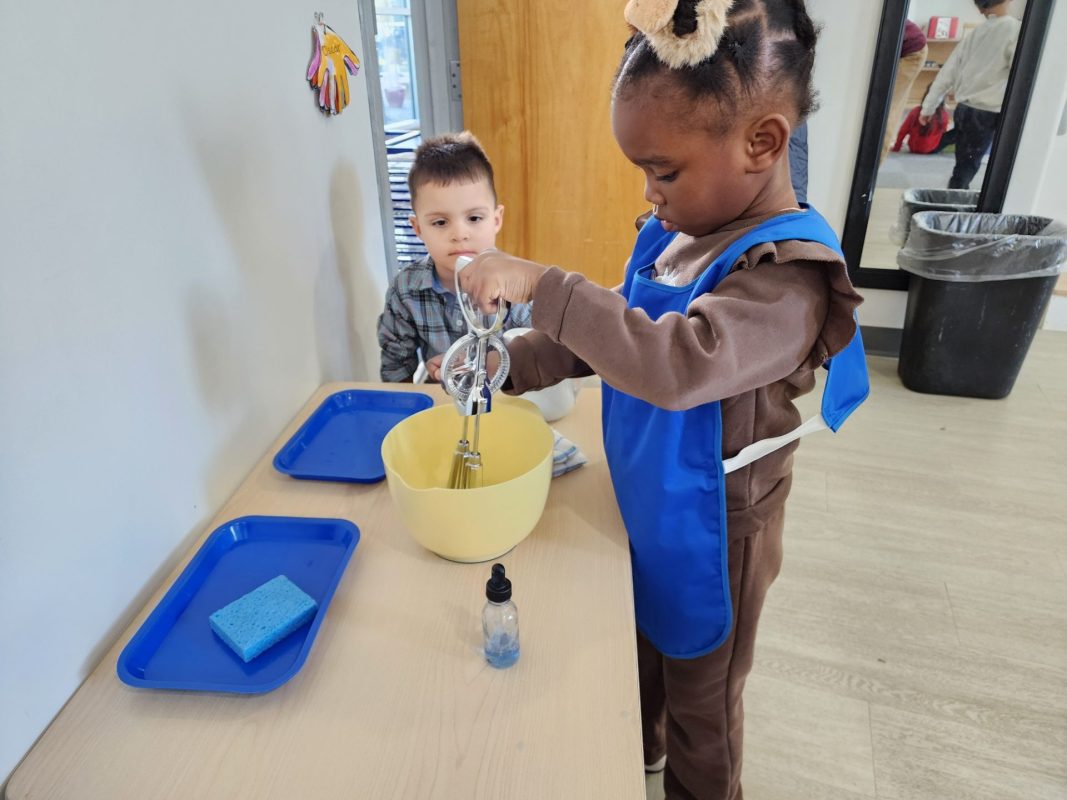
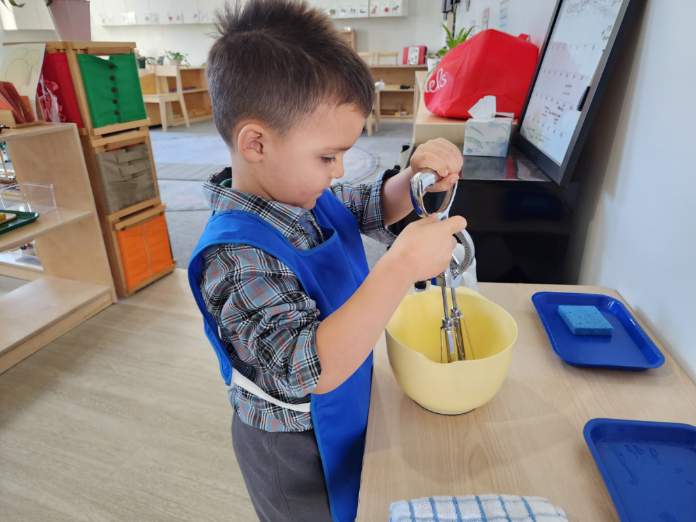
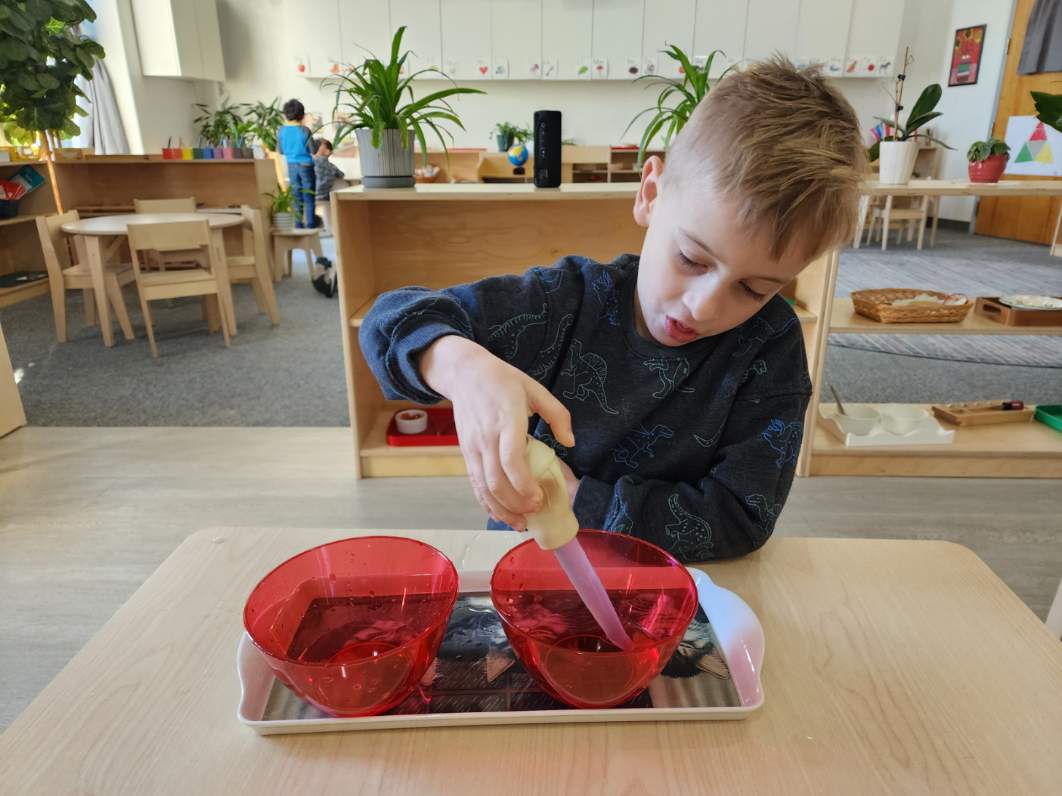
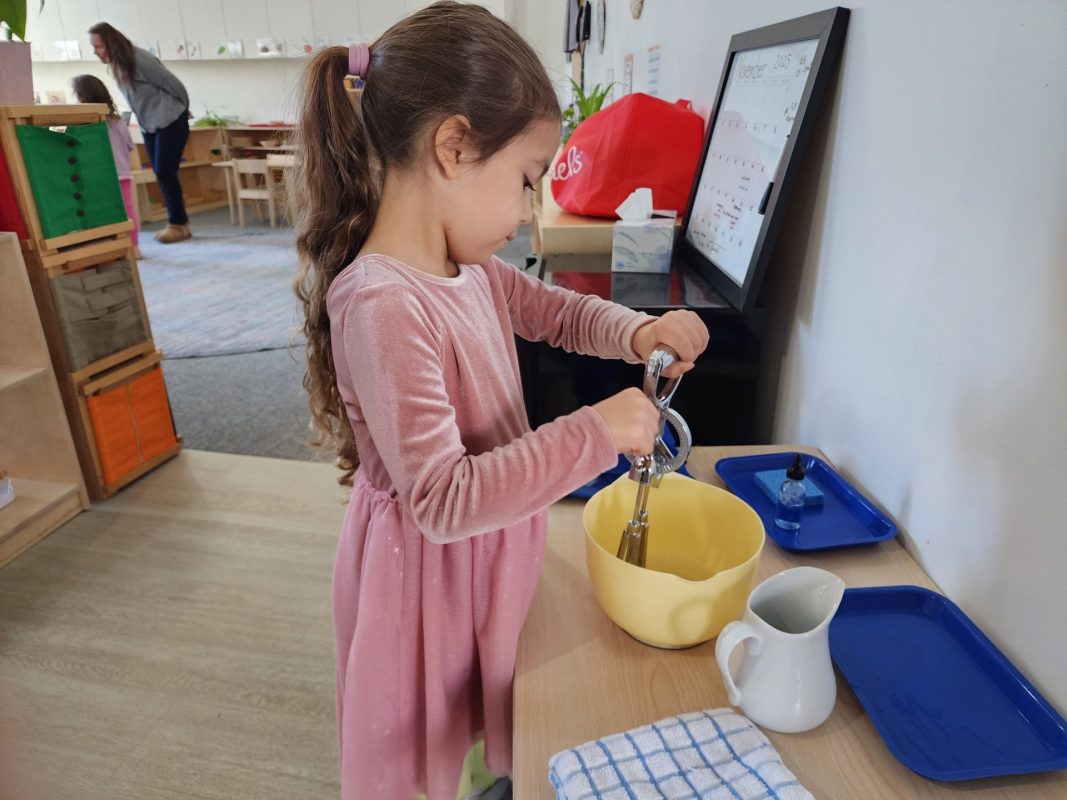
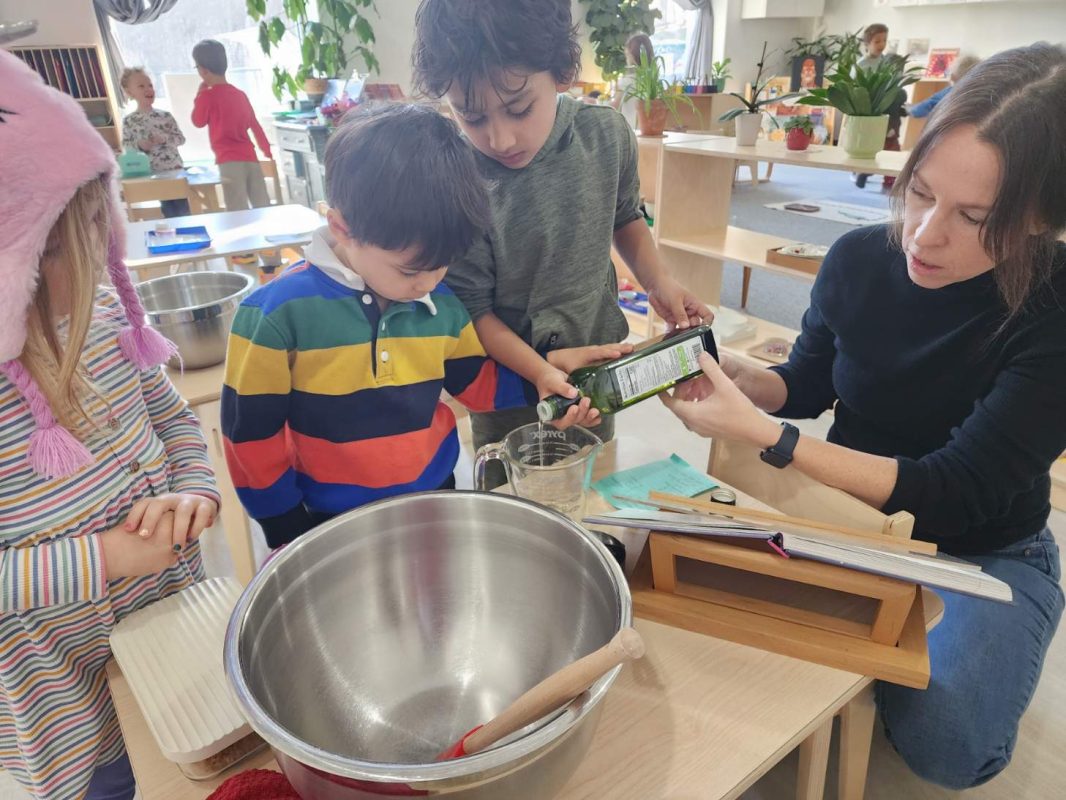
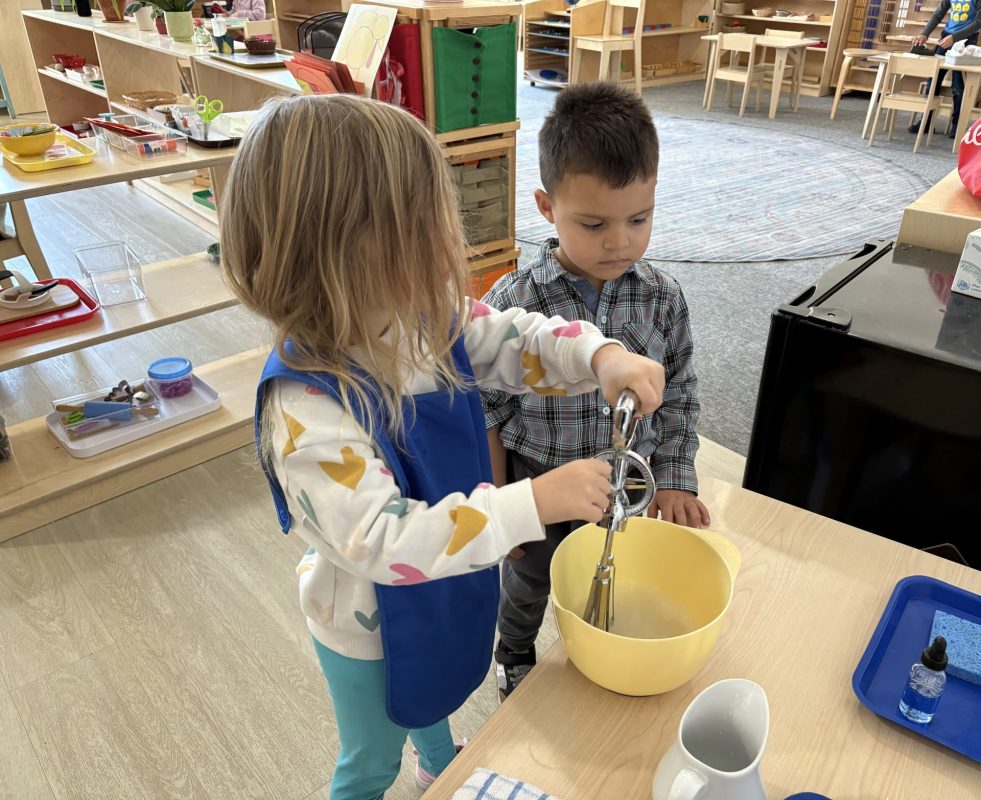
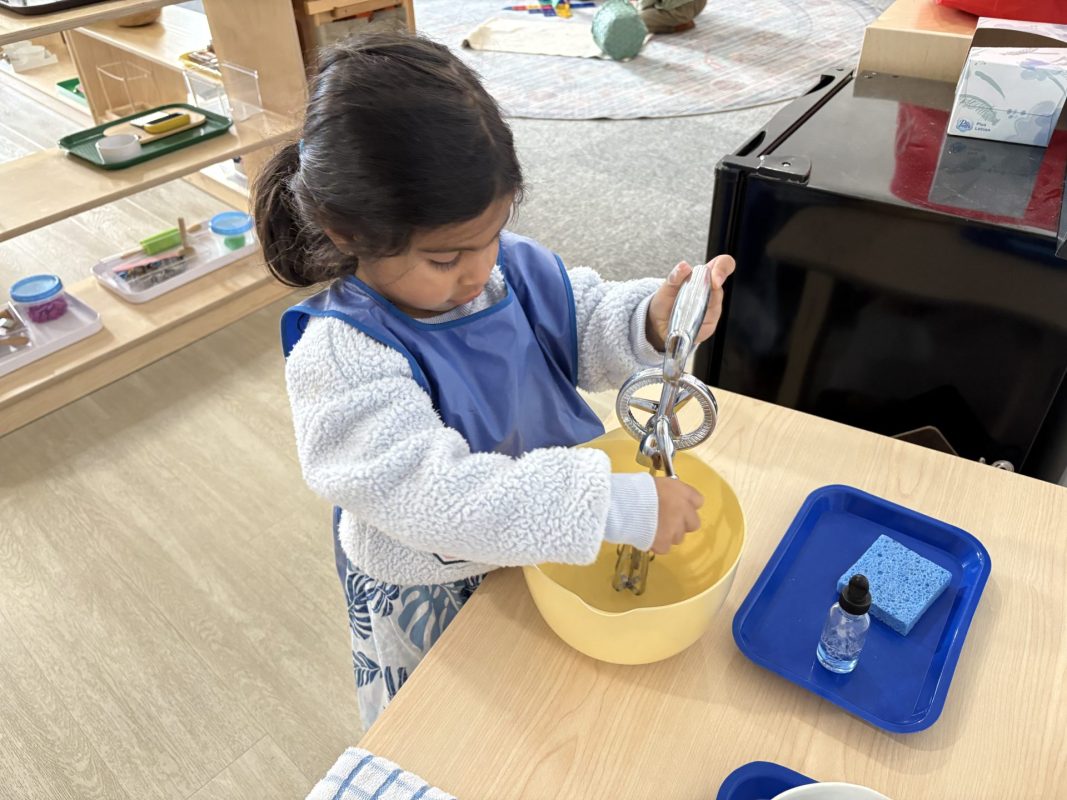
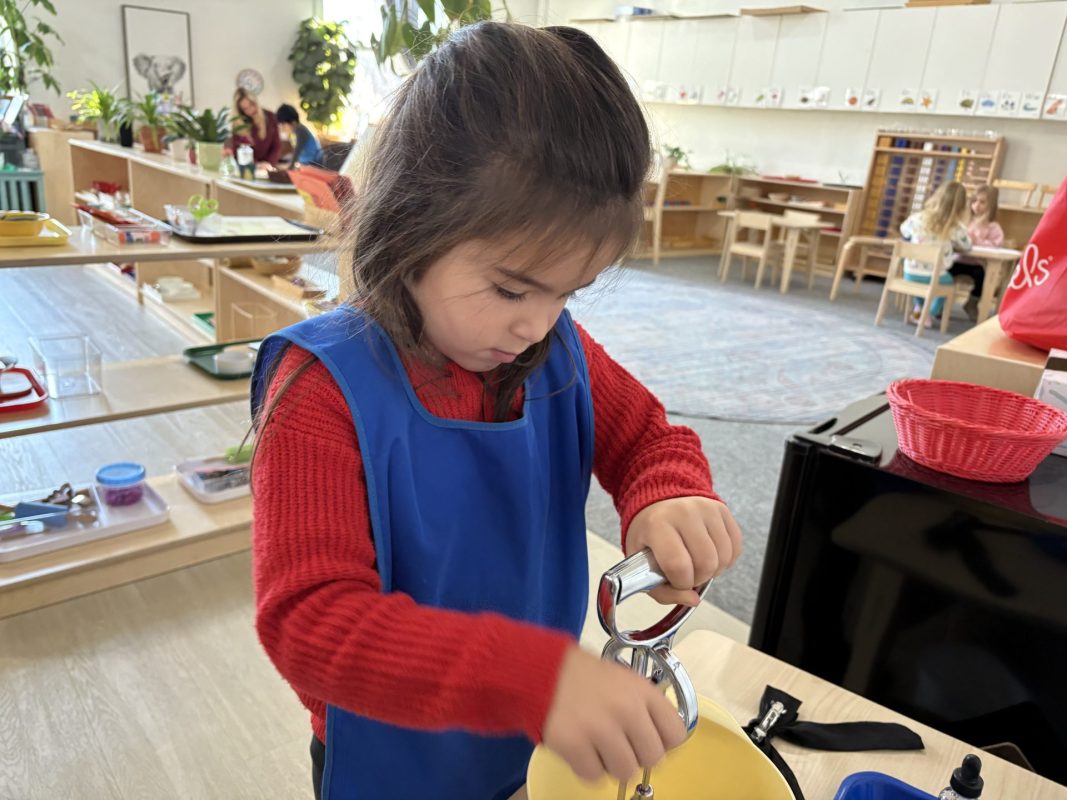
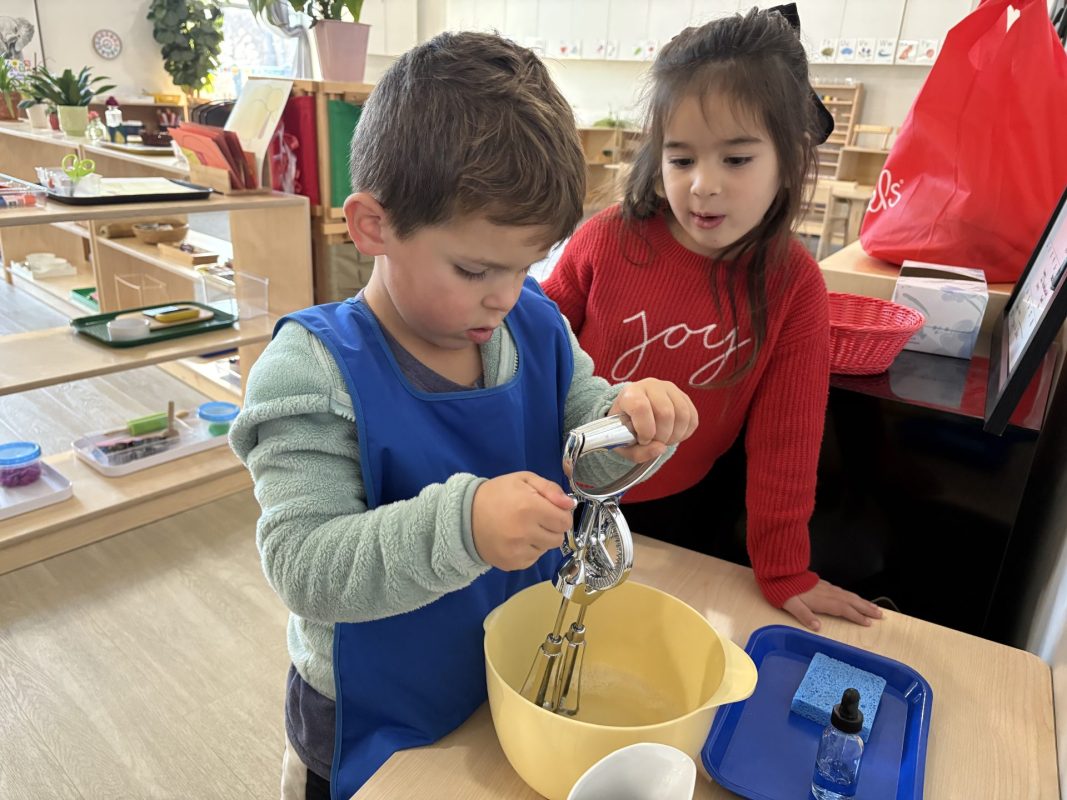
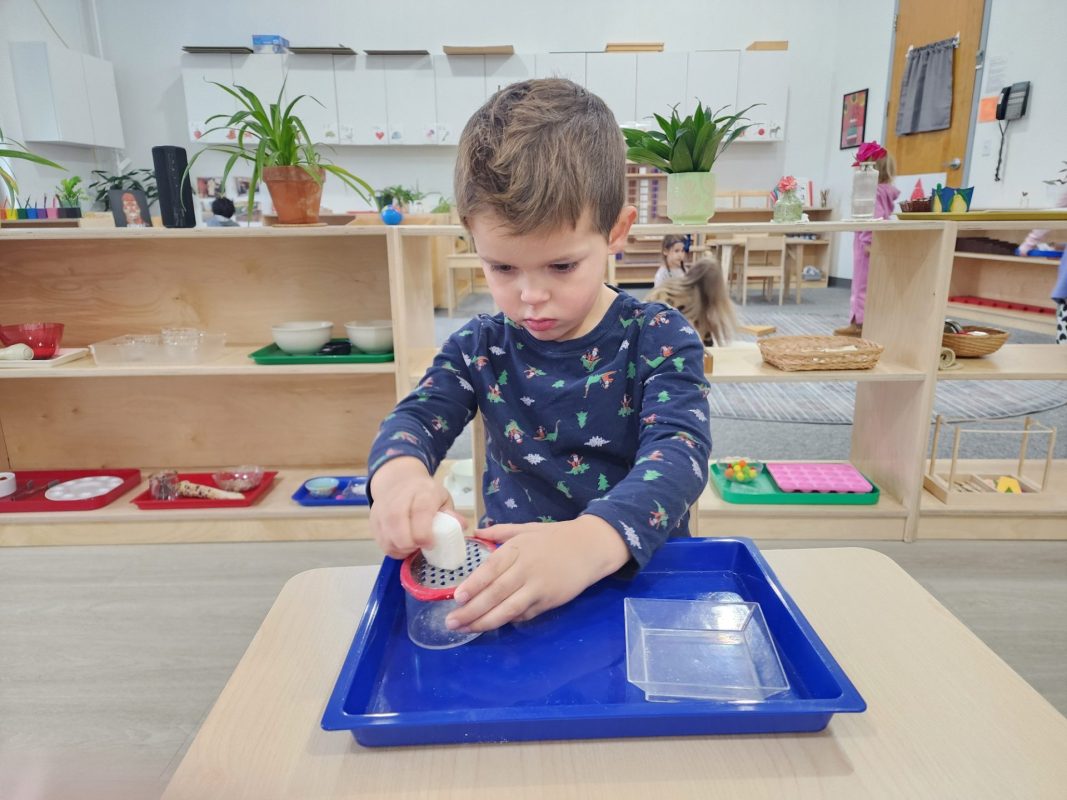
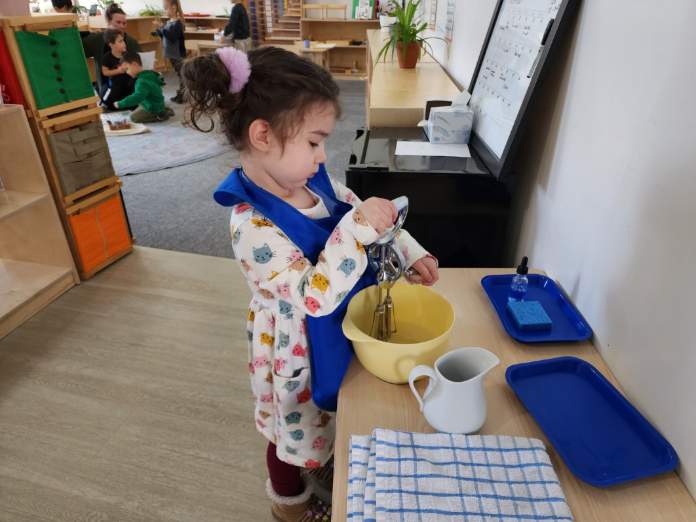
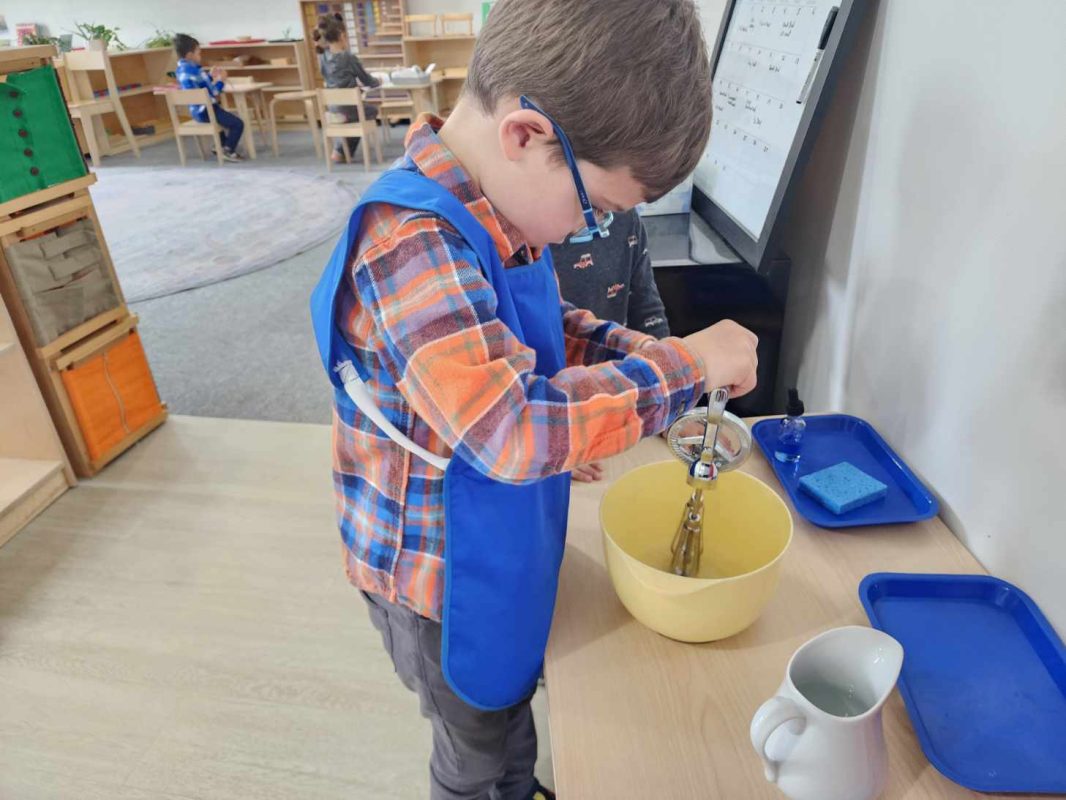
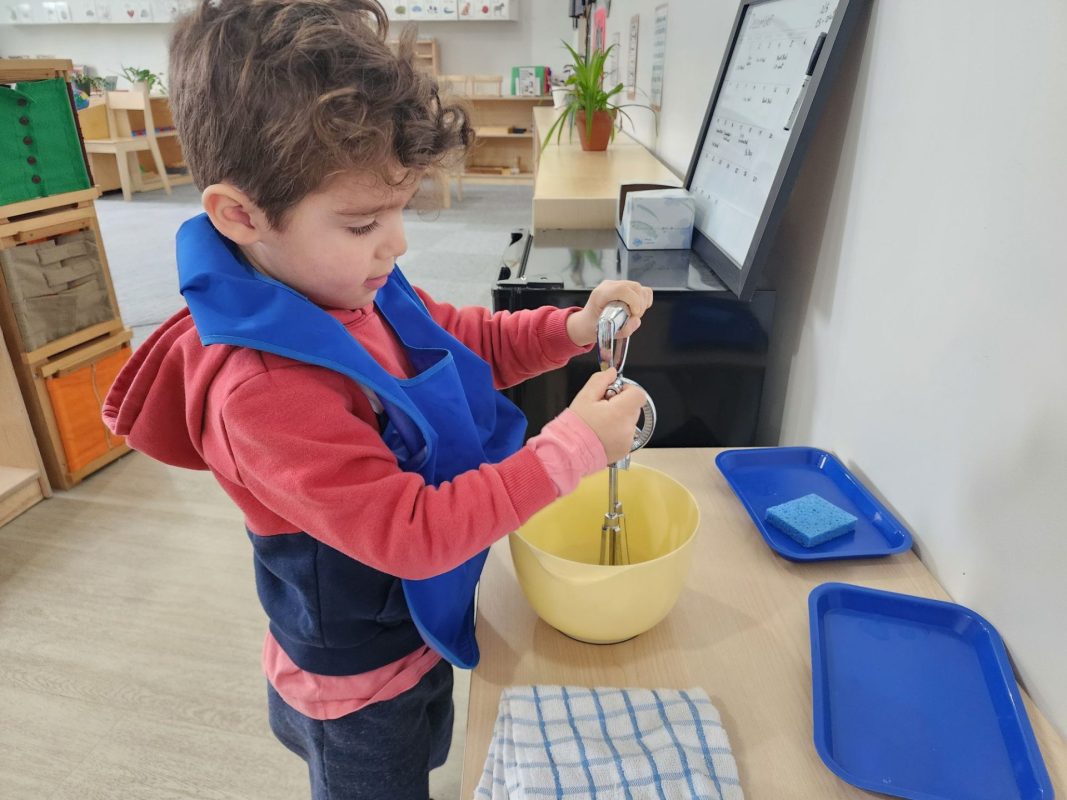
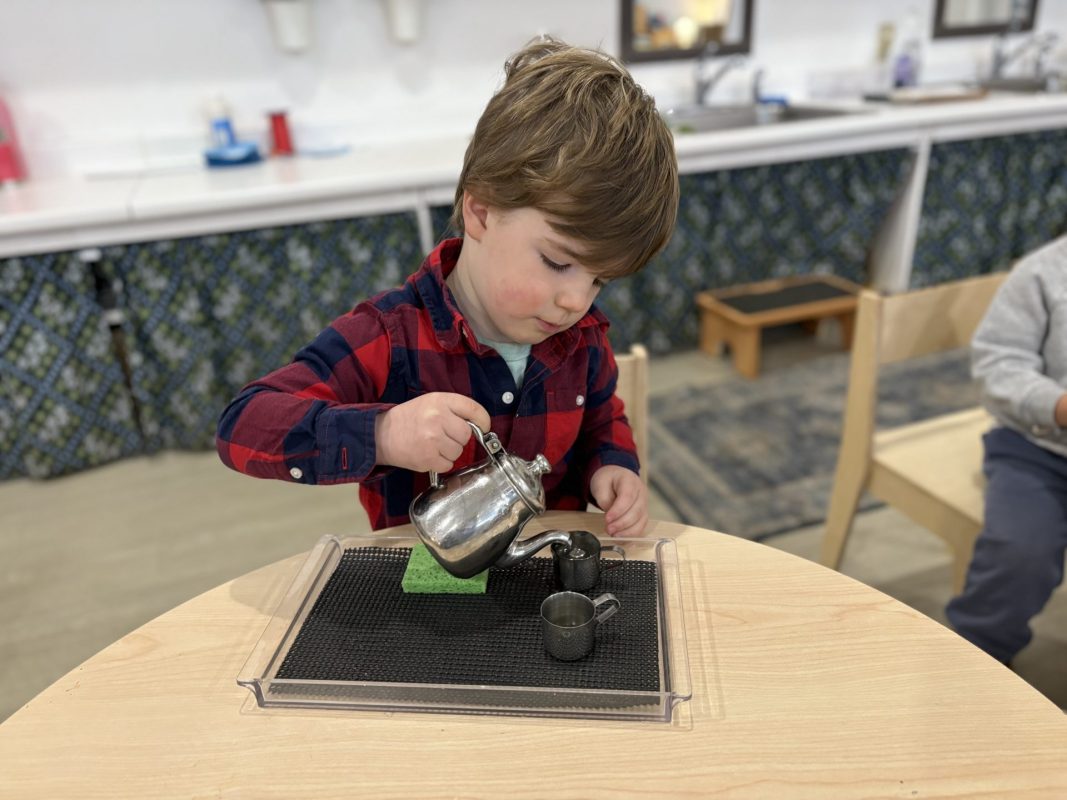
One of the most popular activities this week has been bubble making using soap and an egg beater. This seemingly simple work involves an impressive sequence of steps that require concentration, coordination, and care of the environment. The children put on their smocks, fill the pitcher at the sink, walk carefully back to their workspace, pour water into the bowl, and use a dropper to squeeze just the right amount of soap. Operating the egg beater takes considerable hand-eye coordination as they work to create satisfying suds.

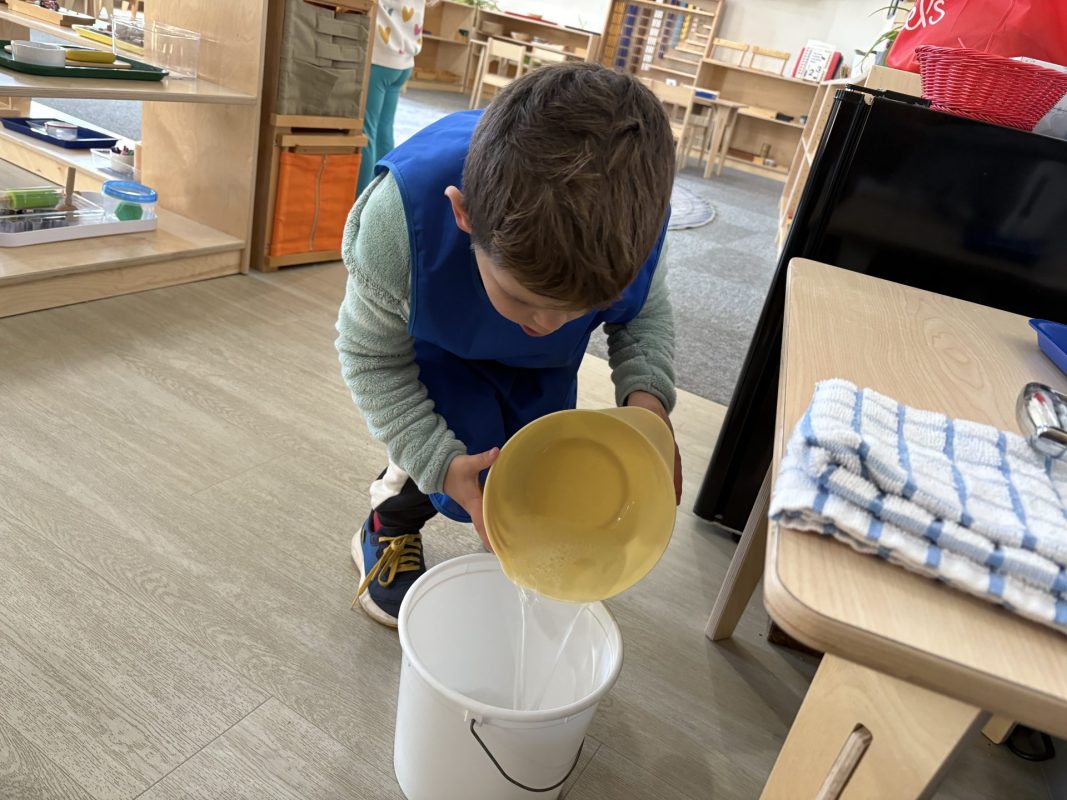
Once complete, the children pour the soapy water into a bucket, carry it carefully to the sink to discard, then use a sponge and towel to ensure the work is clean and dry for the next friend. This multi-step activity beautifully integrates practical life skills with sensorial exploration and grace and courtesy.

Extending Learning at Home

  • Building independence with outerwear: Leave extra time in the morning for your child to practice putting on their jacket independently without feeling rushed. We always tell the children to leave the gloves until last, as this helps them manage the process more successfully.
  • Holiday traditions: Talk with your child about your family’s special holiday customs and traditions. Ask them what they’ve been learning about different celebrations at school.
  • Multi-step activities: Encourage your child to help with tasks that have several steps, like setting the table or helping prepare simple snacks. These activities build executive function and independence.

UPCOMING EVENTS & ANNOUNCEMENTS

***Winter Weather Reminder: Please make sure your child has snow boots, pants, gloves, winter coat, and hat. It is so helpful if each piece of clothing is labeled! Also, please let us know if you would prefer your child’s snow gear to go home each day or stay in their locker at school.

This Week
Tuesday, December 9: Junia Playground volunteer
Friday, December 12: Marissa guest reader

Next Week
Tuesday, December 16: Celebrate Kaiya’s Half Birthday
Thursday, December 18: Liz A. reading
Friday, December 19: Winter Showcase (PA Breakfast 10am, Half-Day Dismissal for All Students 11:30am

Winter Break
Monday, December 22, 05 – Friday, January 2, 2026
School resumes on Monday, January 5, 026


Ms. Handibode: Discovering Diversity Through Holiday Celebrations

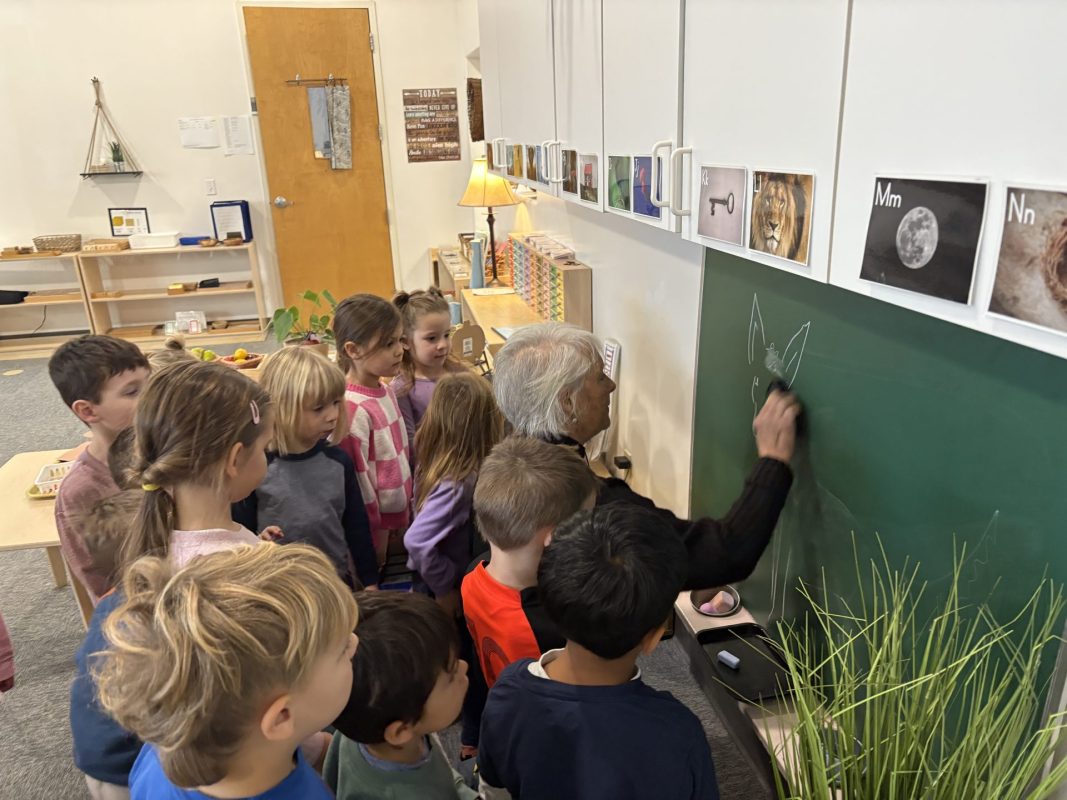
Last week, we embarked on a journey through different cultural celebrations happening around the world during this special season. As Montessori teachers, we embrace the knowledge that promoting peace and understanding begins with introducing children to the rich tapestry of traditions celebrated by people everywhere. Over the next few weeks, we will be learning about Hanukkah, St. Nicholas Day, Christmas, and Kwanzaa through literature, artifacts, and thoughtful conversations that highlight both the similarities and differences in how families celebrate.

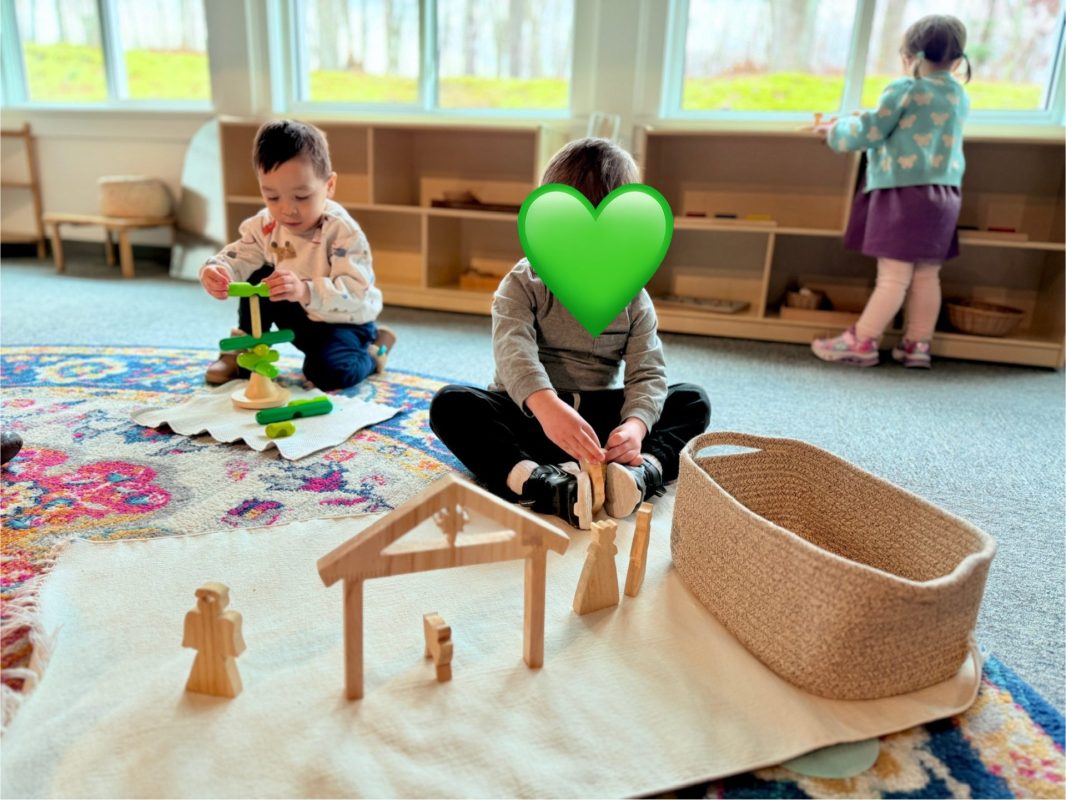
Our introduction to St. Nicholas Day brought pure delight to the children. We learned about the tradition and left a pair of boots outside our classroom door. The next morning, the children discovered those boots filled with candy canes—a magical moment that captured their imagination and sparked wonderful discussions about traditions and surprises.

Scientific Exploration: The Animal Kingdom

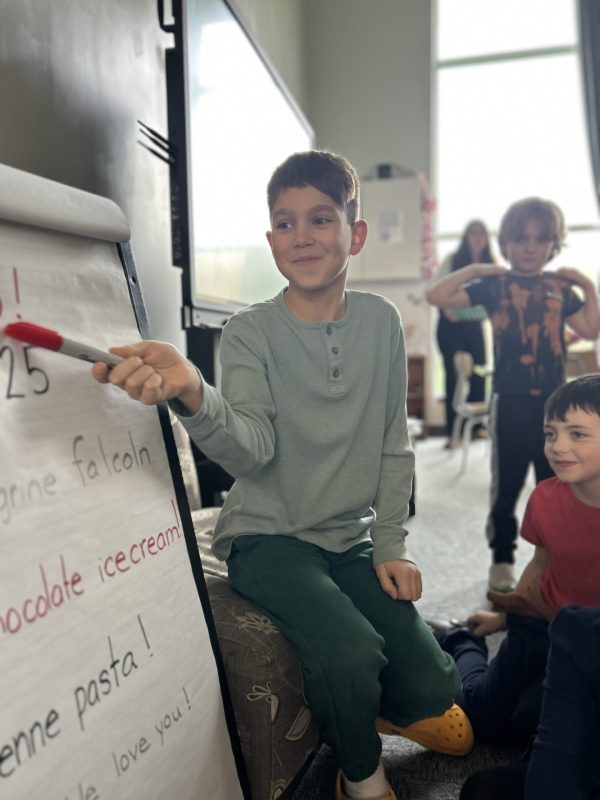
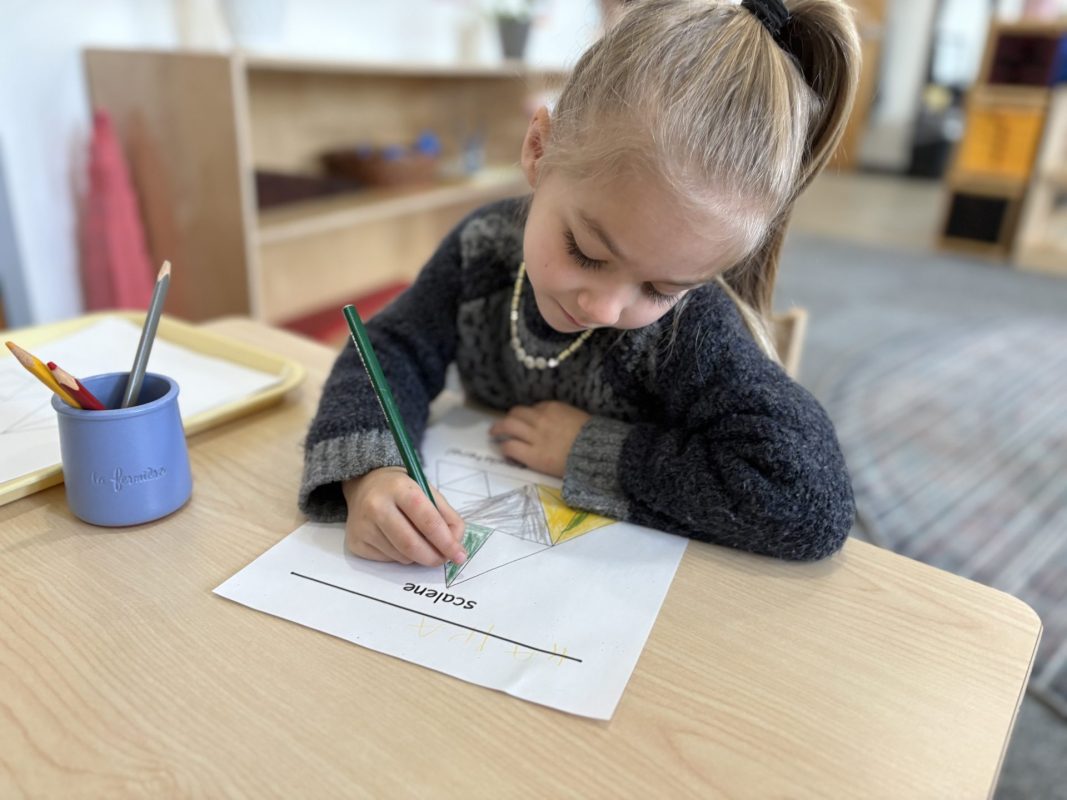
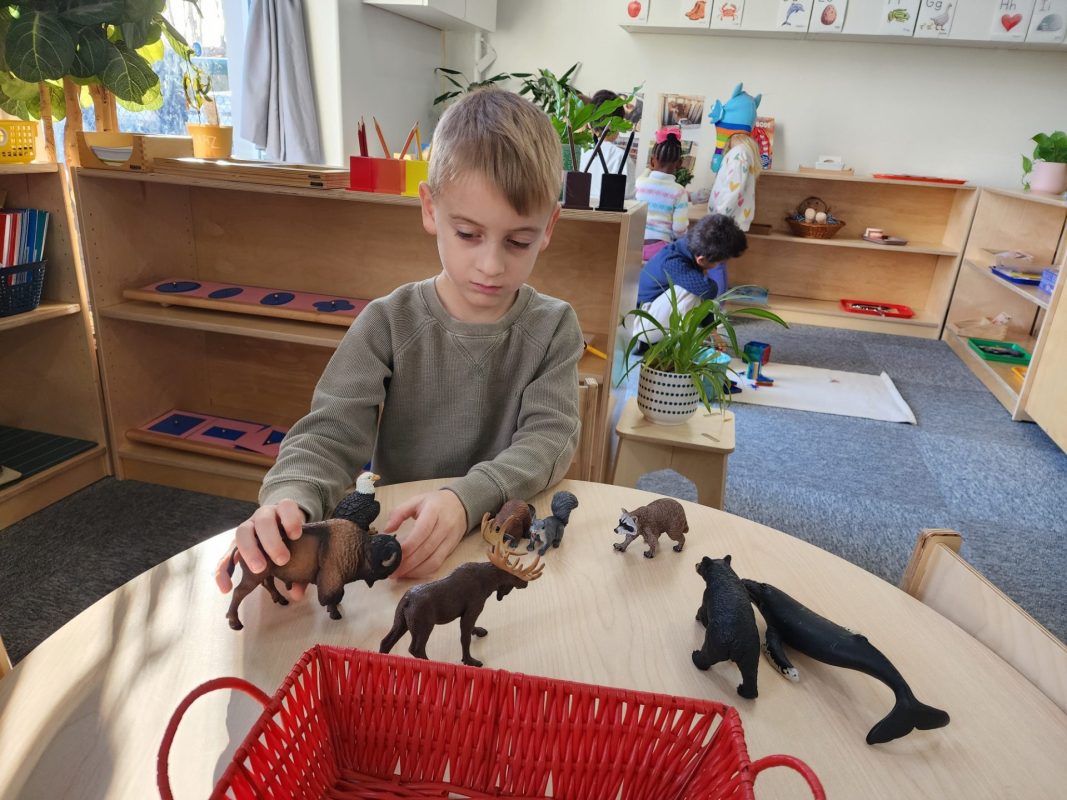
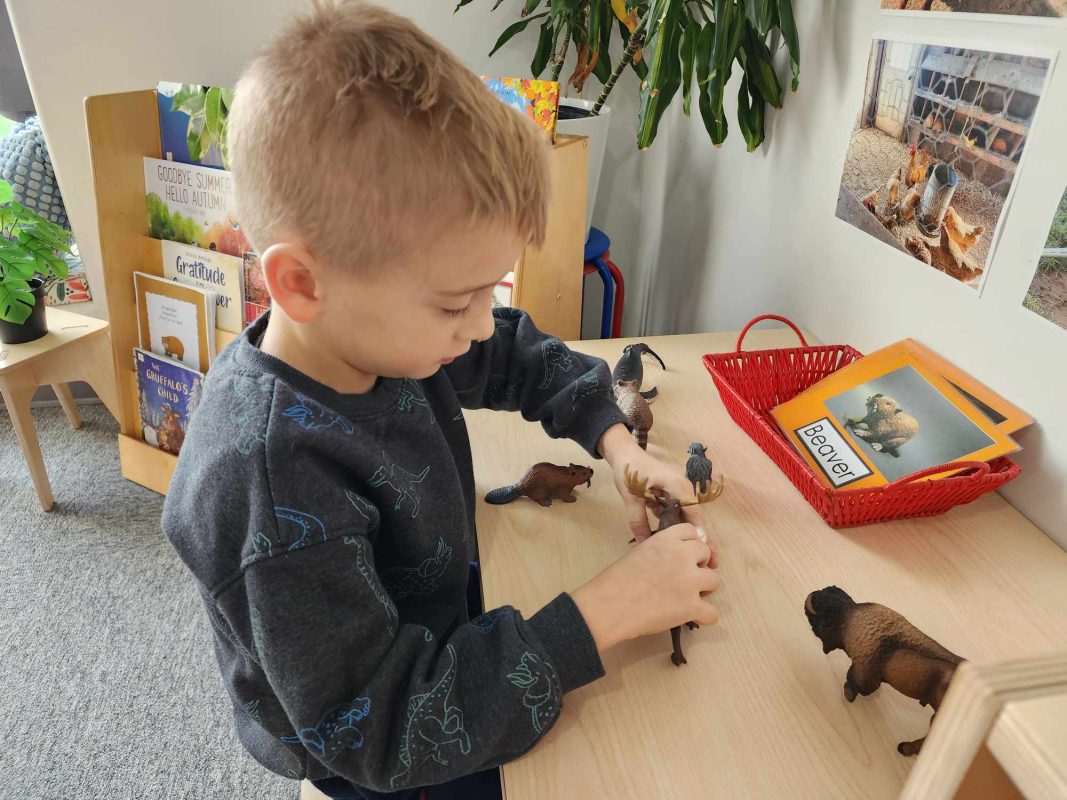
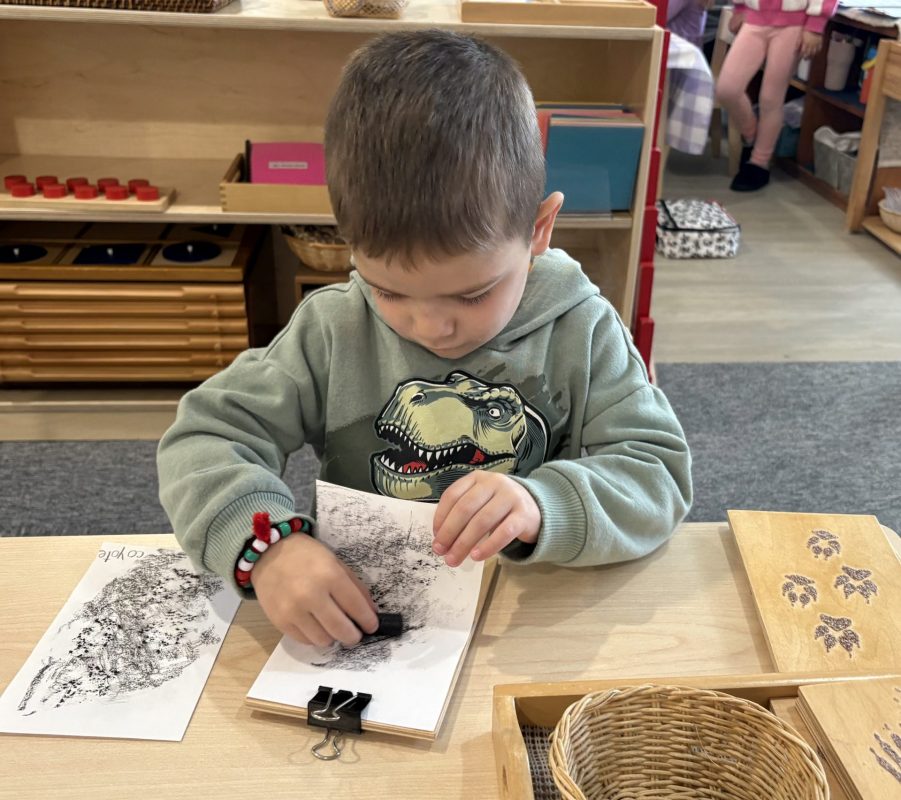
The children have been deeply engaged in classification work, building their understanding of the natural world. We began by distinguishing between living and non-living things, then explored what makes an animal a vertebrate or invertebrate. Now we are learning the specific characteristics that classify an animal as a mammal. Ask your children if they are mammals—they may surprise you with their confident answers!

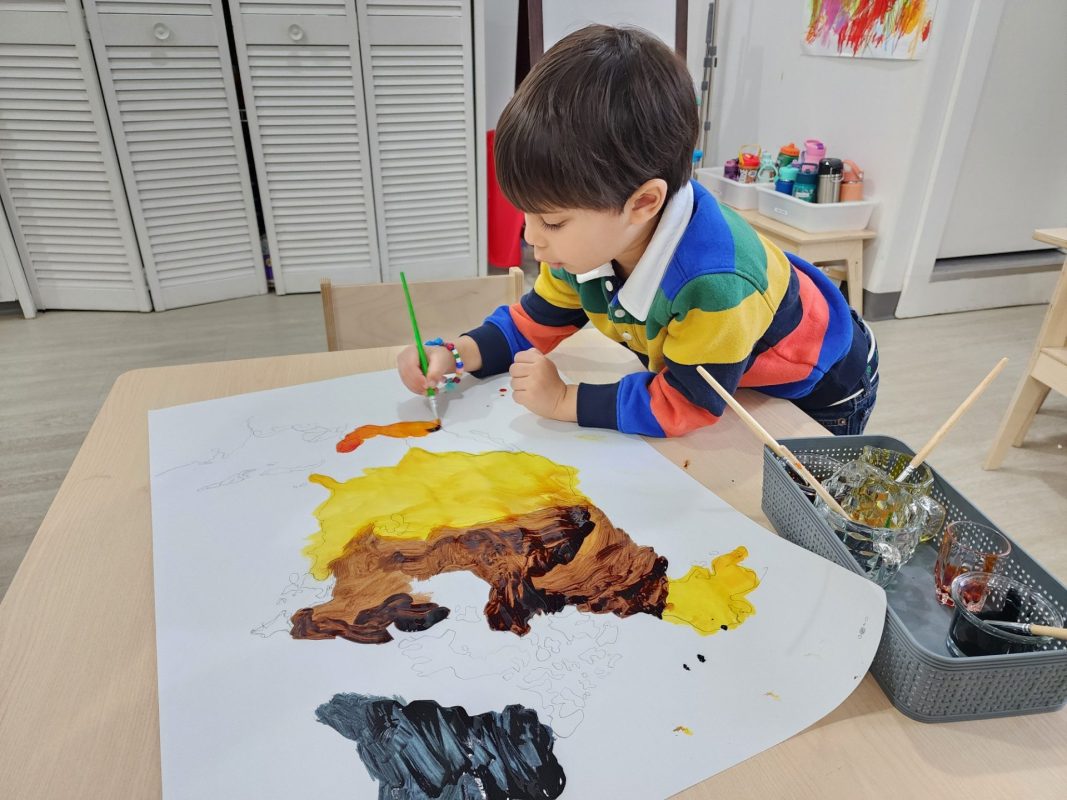
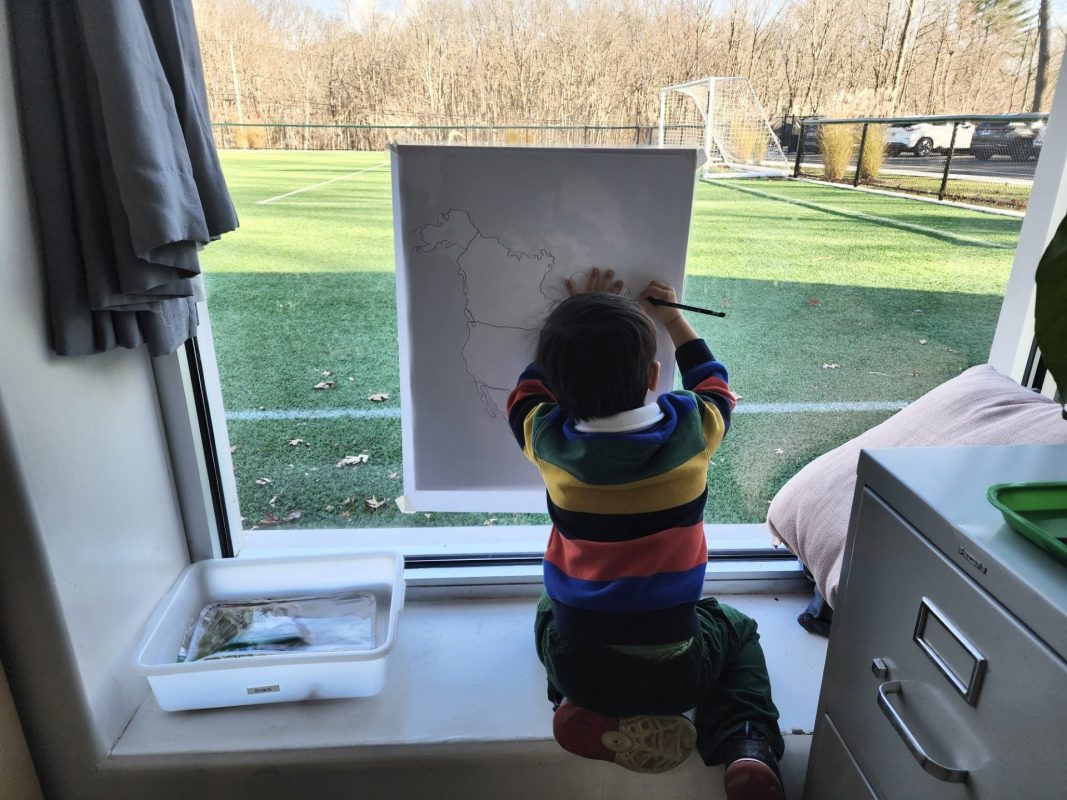
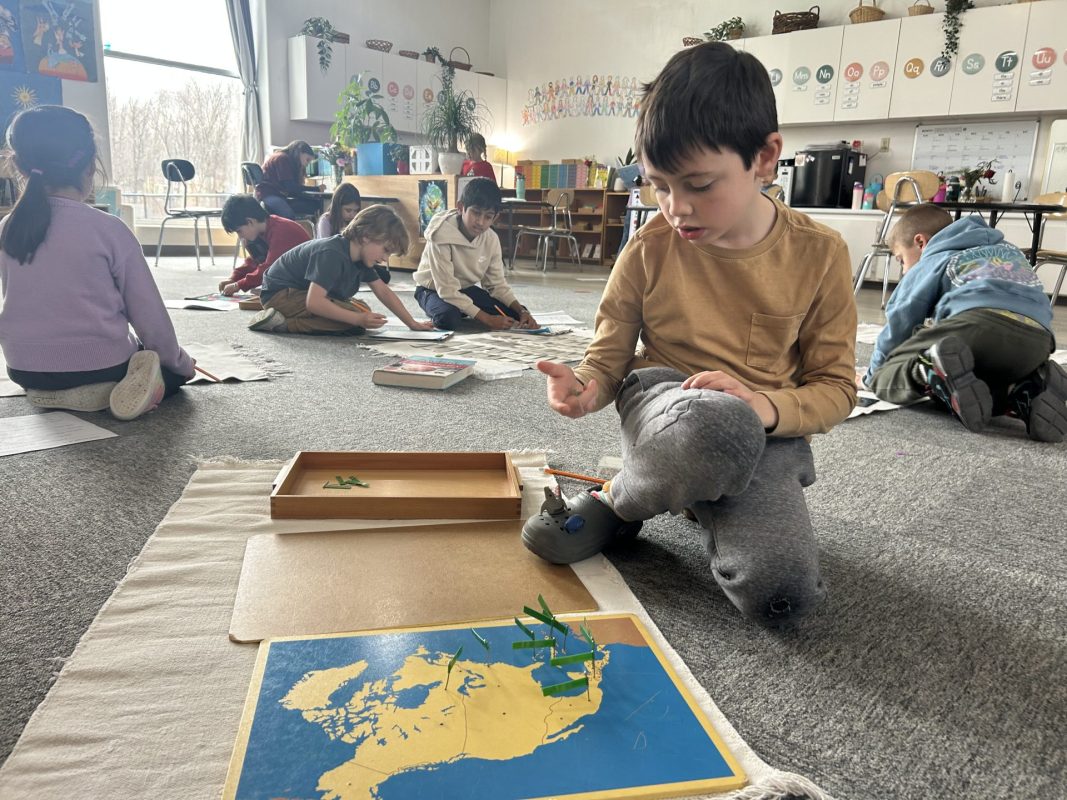
Our geography work has taken us to the continent of Antarctica, where we are discovering this unique and remote part of our world.

Special Guest

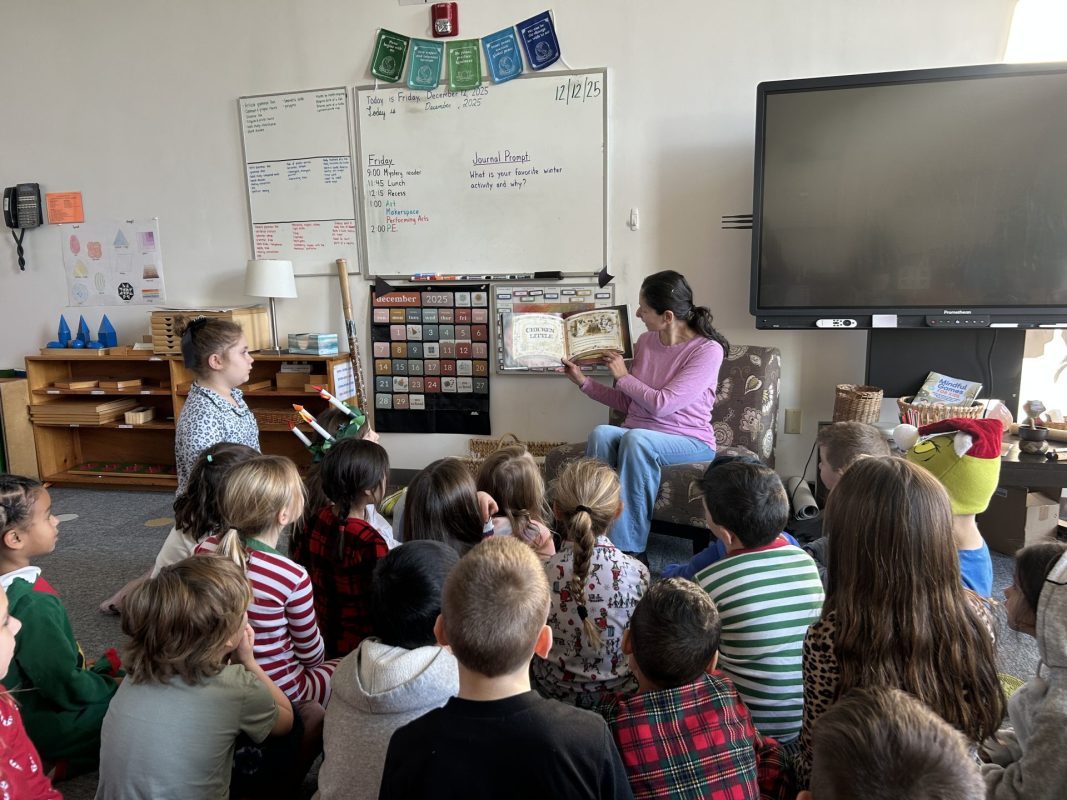
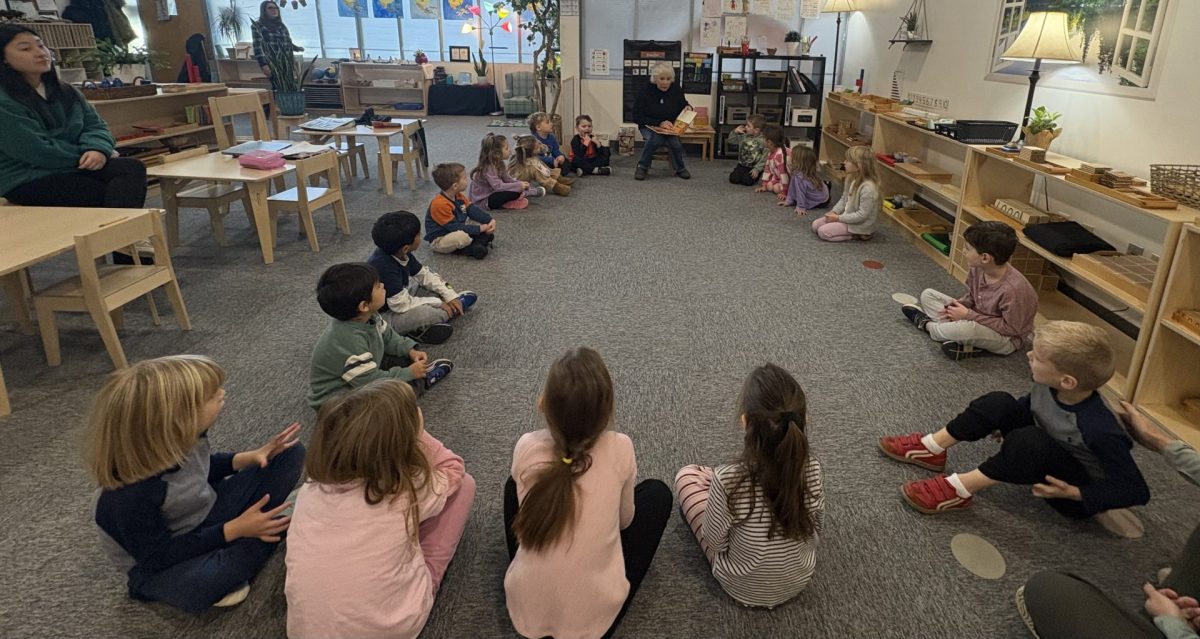
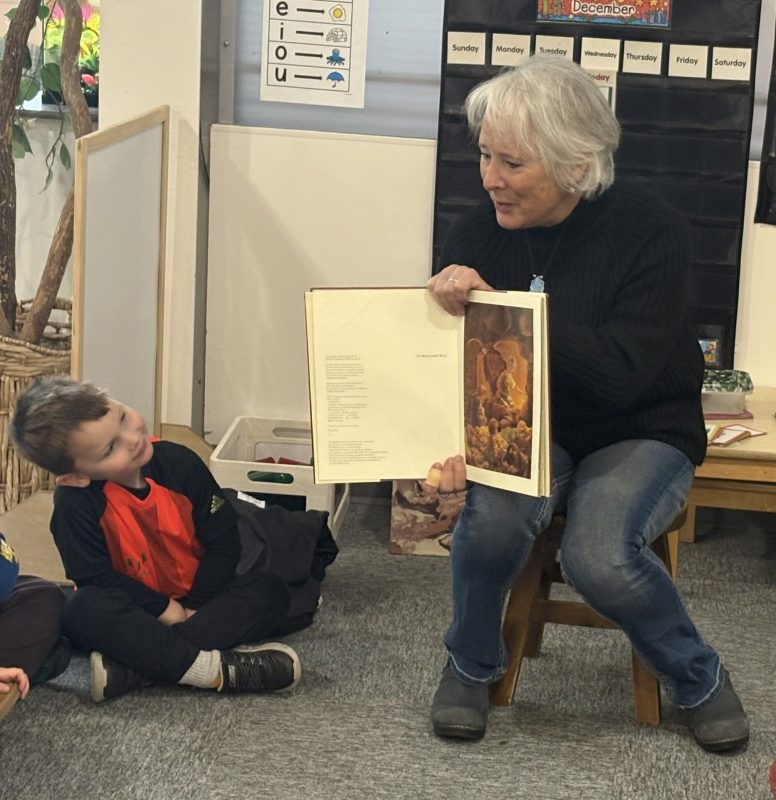
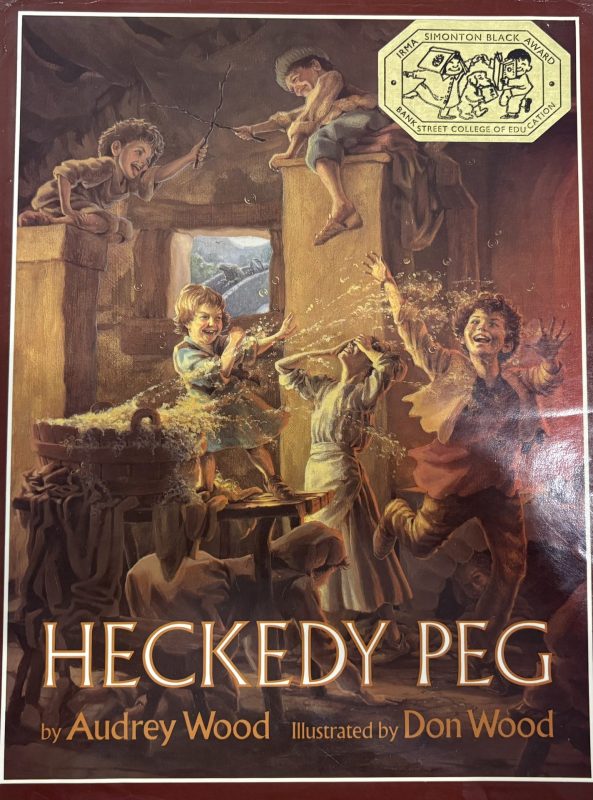
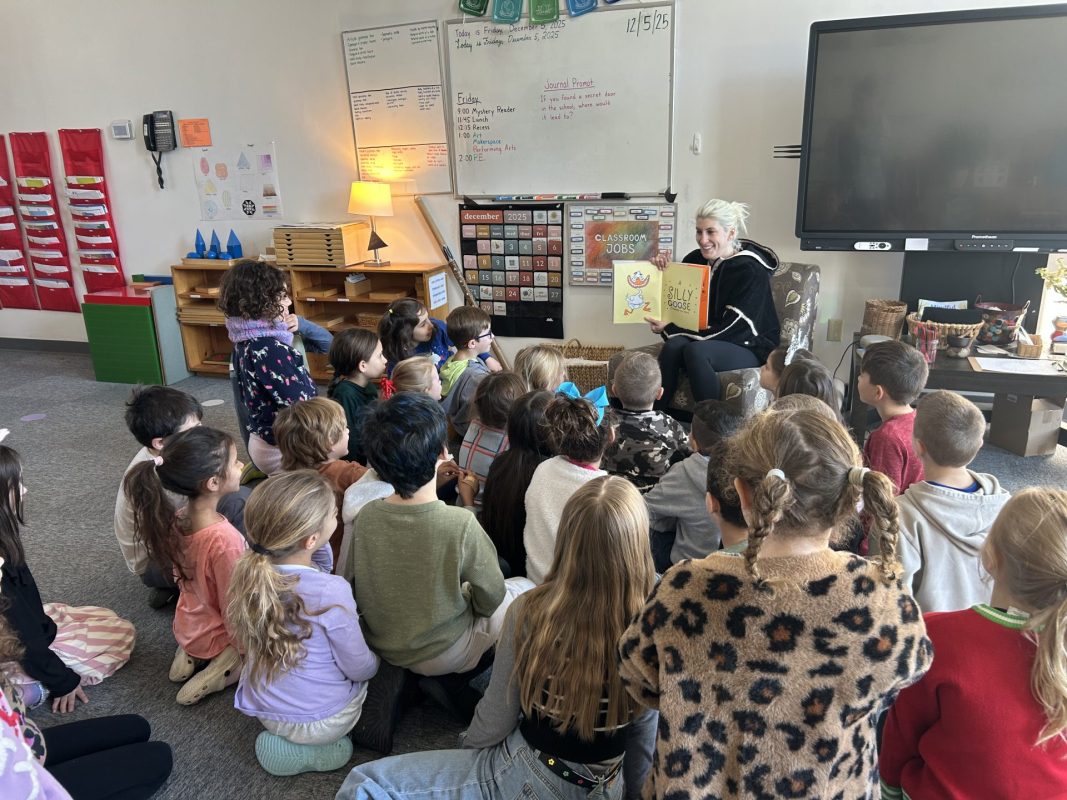
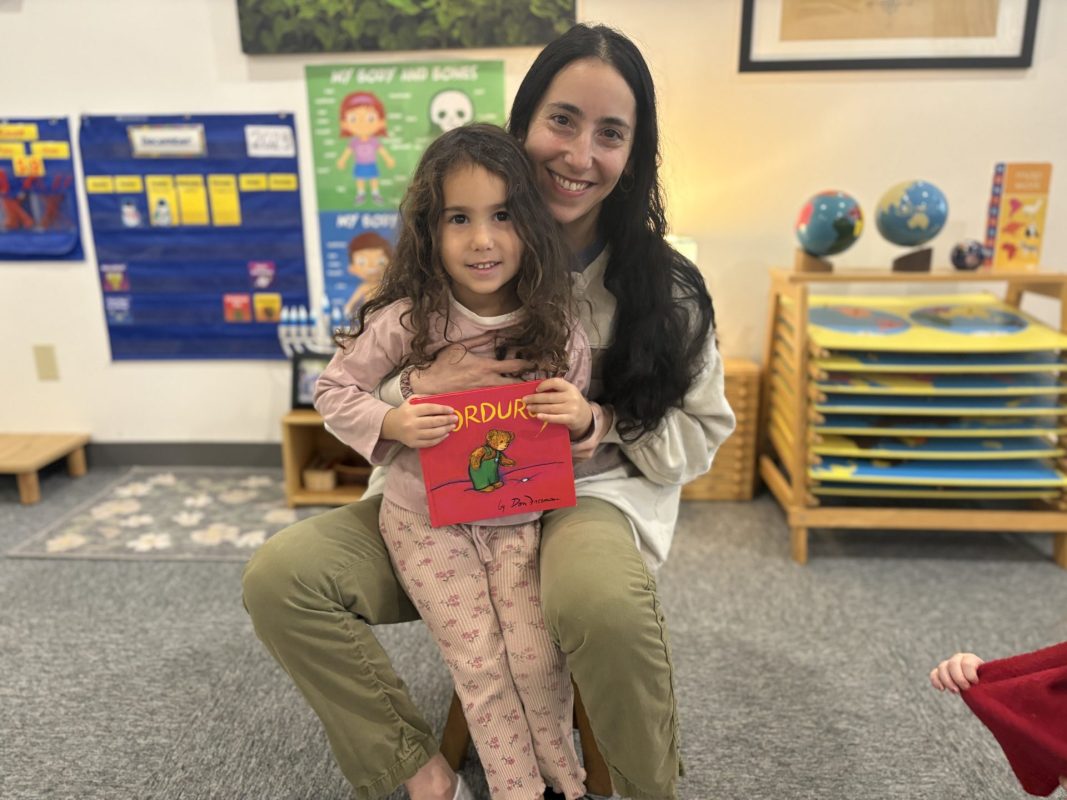
We had the absolute pleasure of welcoming Connor’s grandmother as our guest reader this week. She captivated the children by reading Heckedy Peg by Audrey Wood and No Roses for Harry!  by Gene Zion. These special moments when family members join our classroom community are treasured by both the children and teachers.

Extending Learning at Home

  • Observe and classify animals you encounter together—at the park, in books, or even pets at home. Can your child identify which are mammals and explain why?
  • Share your own family’s holiday traditions with your child. Talk about special foods, decorations, or activities that are meaningful to your family.
  • Look at a globe or map together and find Antarctica. Discuss what makes this continent special and different from where we live.

UPCOMING EVENTS & ANNOUNCEMENTS

***Winter Weather Reminder: Please make sure your child has snow boots, pants, gloves, winter coat, and hat. It is so helpful if each piece of clothing is labeled! Also, please let us know if you would prefer your child’s snow gear to go home each day or stay in their locker at school.

This Week
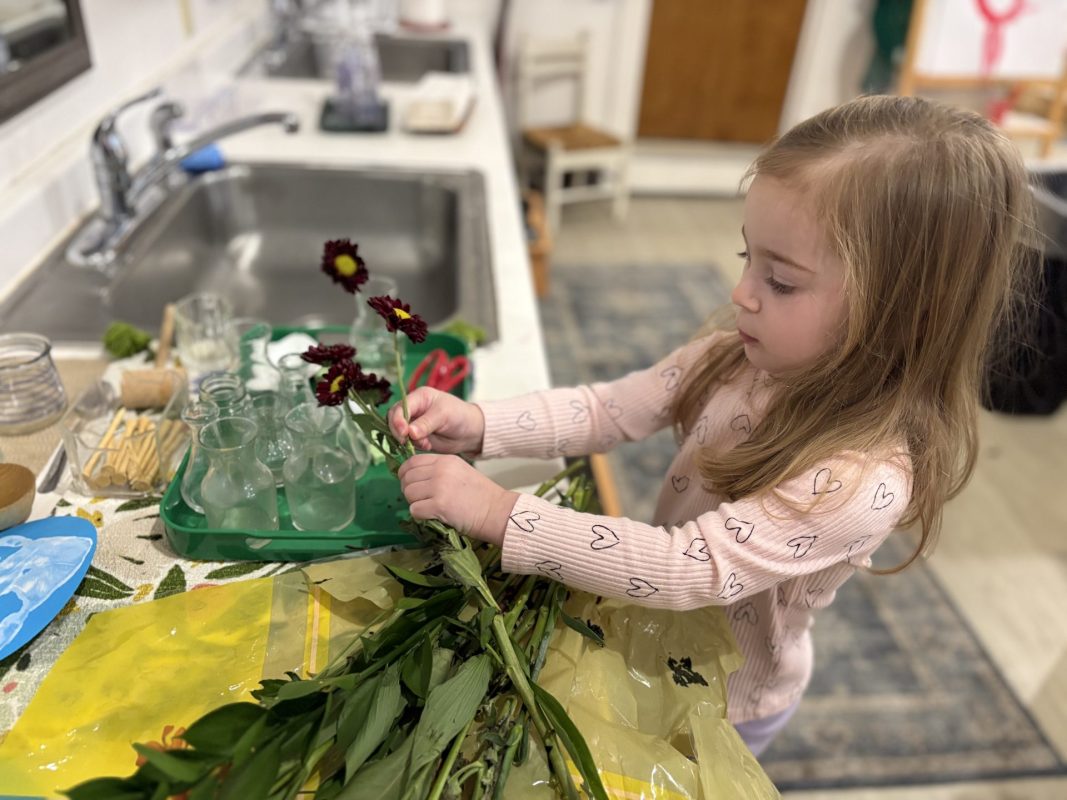
Monday, December 8: Sharing Box and flowers—Olivia S.
Tuesday, December 9: Playground Volunteer—Bradley S.
Wednesday, December 10: Guest Reader—Katie D.

Next Week
Tuesday, December 16: Classroom Hanukkah Celebration
Thursday, December 18: Classroom Christmas Celebration
Friday, December 19: Winter Showcase (PA Breakfast 10am, Half-Day Dismissal for All Students 11:30am

Winter Break
Monday, December 22, 05 – Friday, January 2, 2026
School resumes on Monday, January 5, 026


Lower Elementary: Timelines and Human Needs

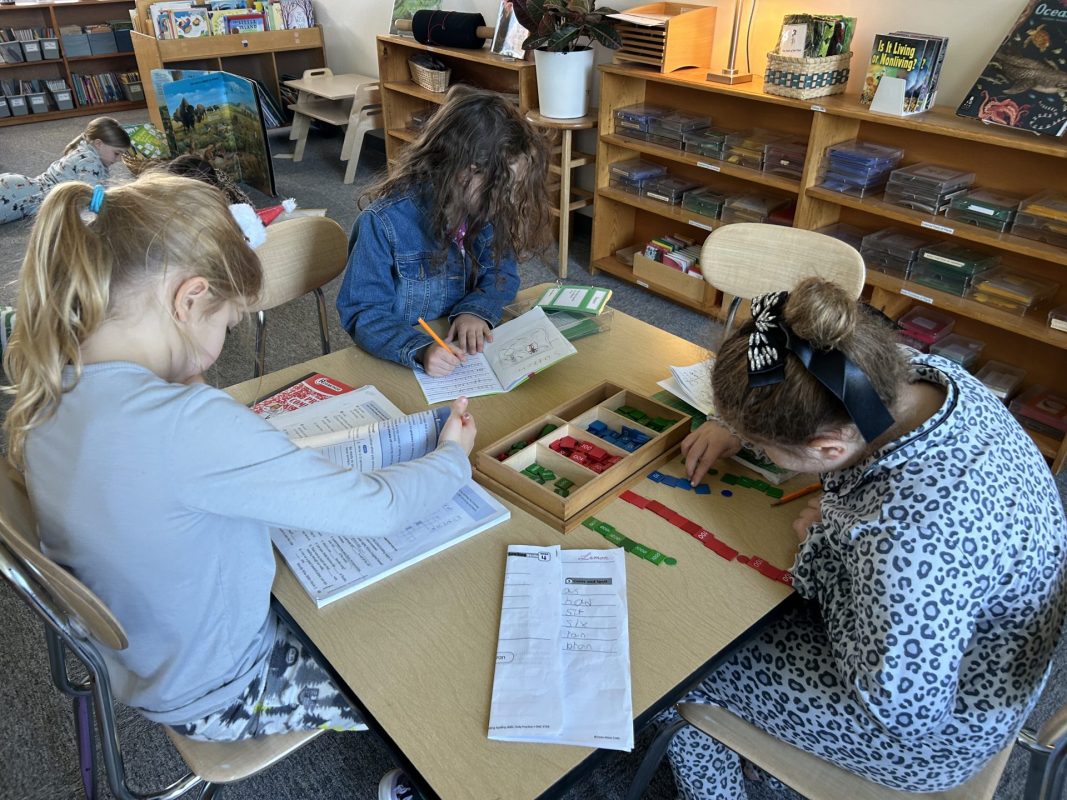
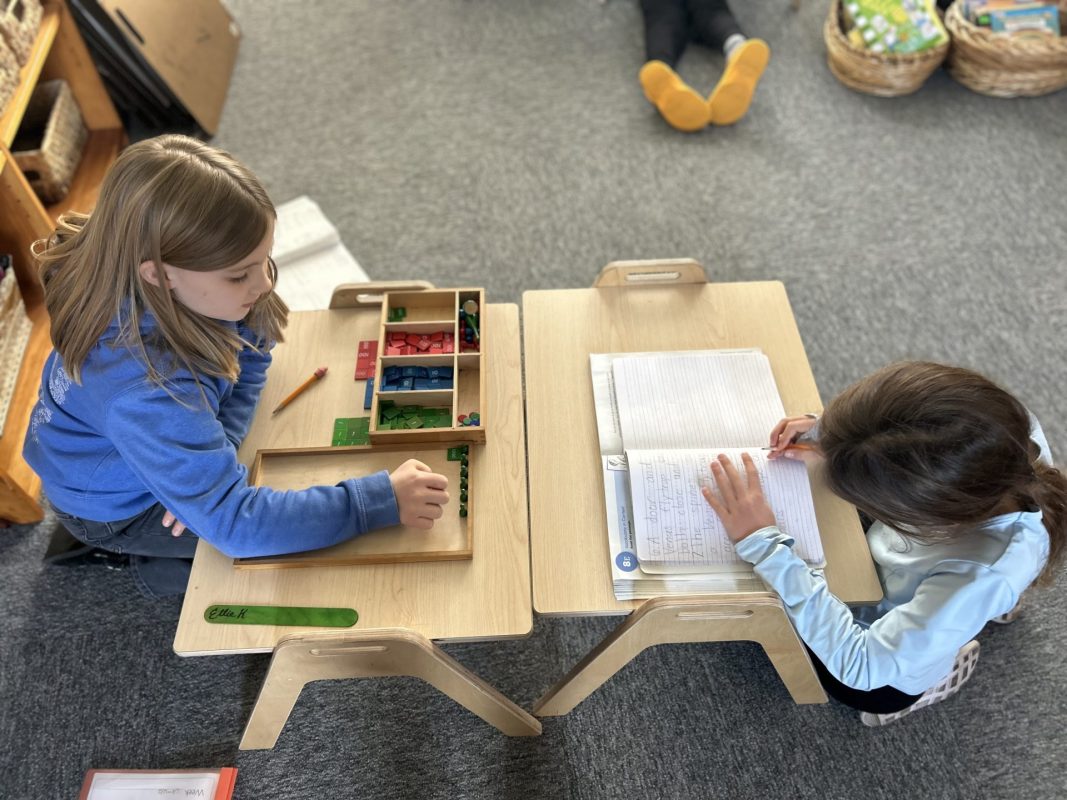
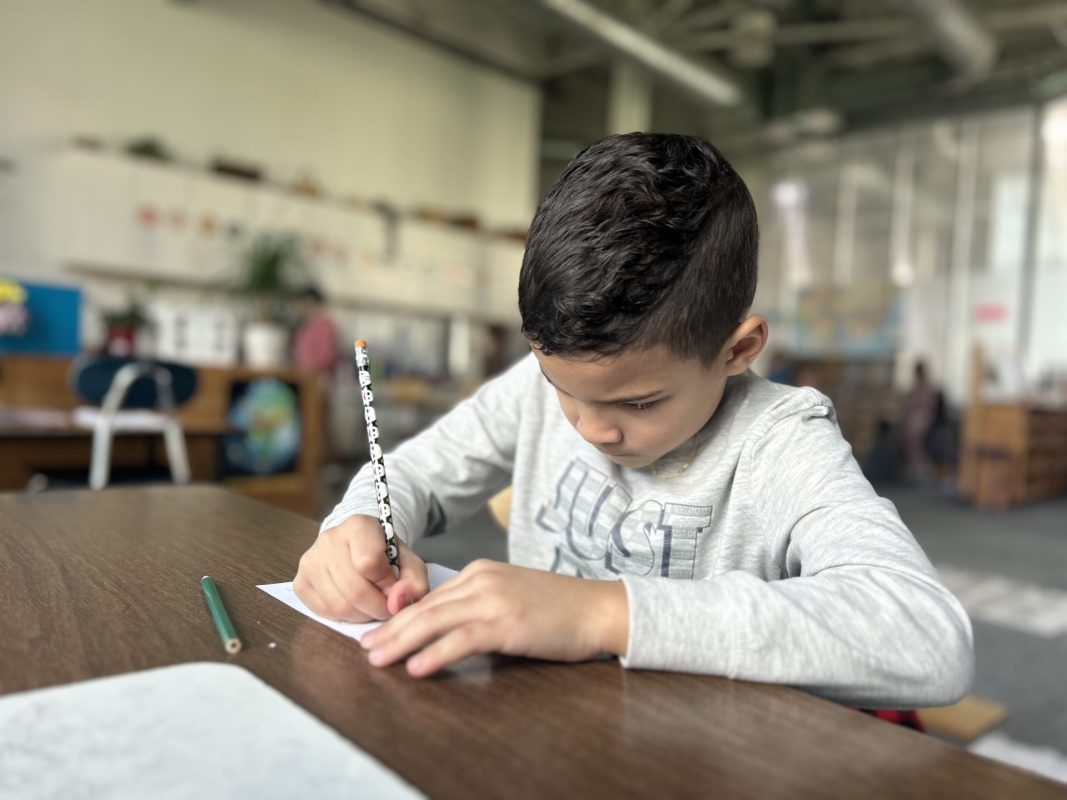
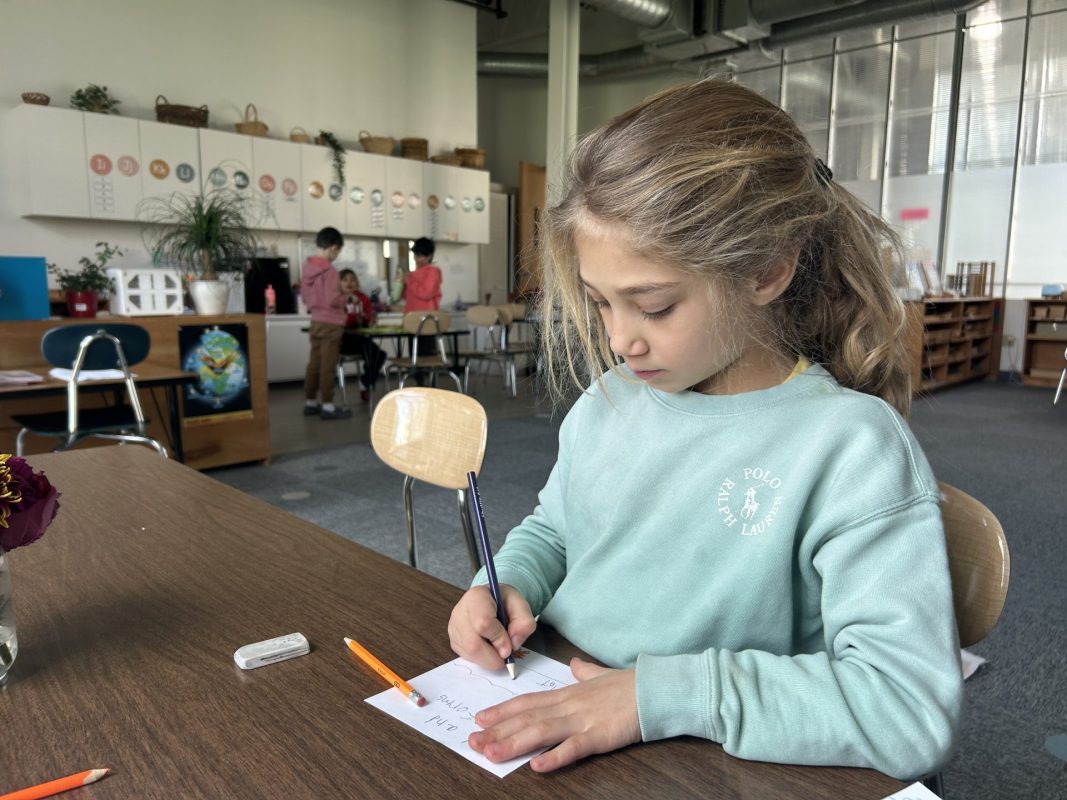
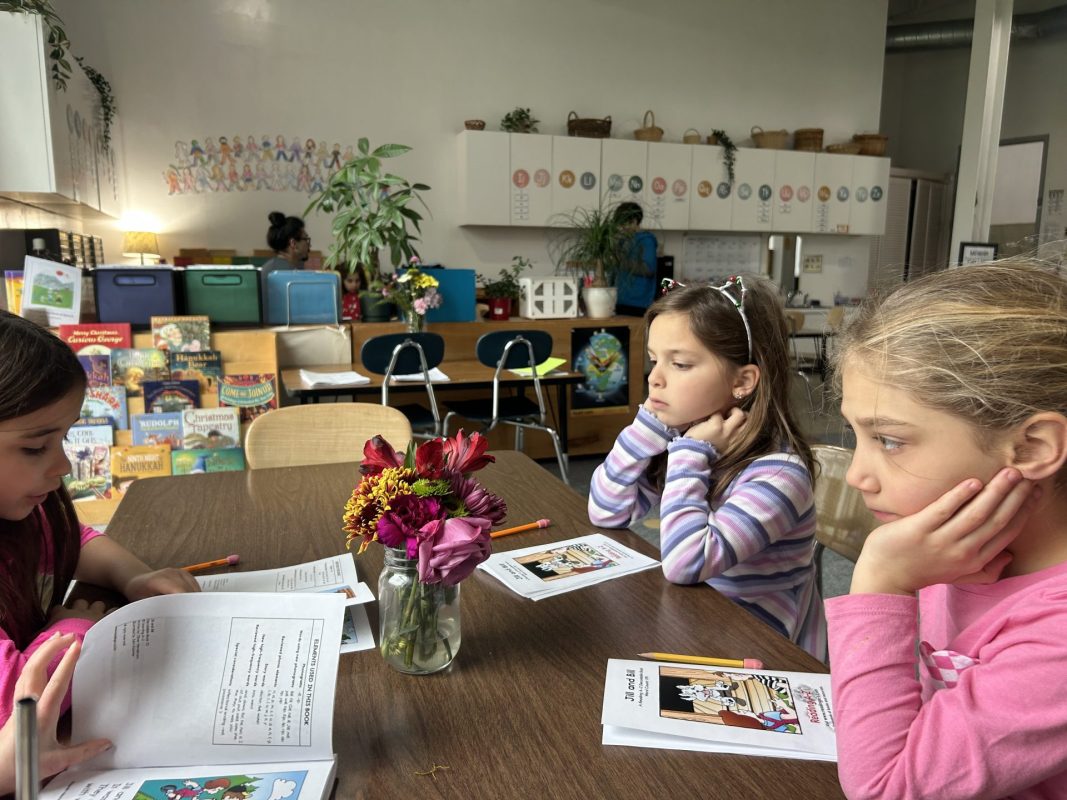
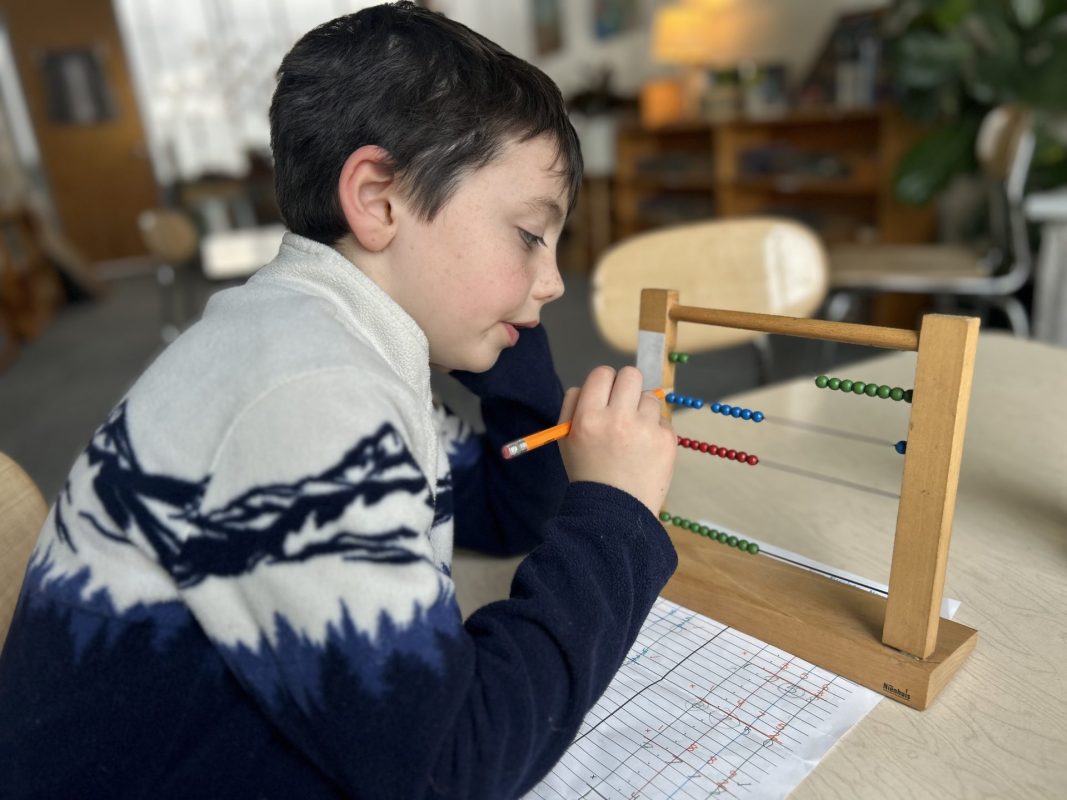
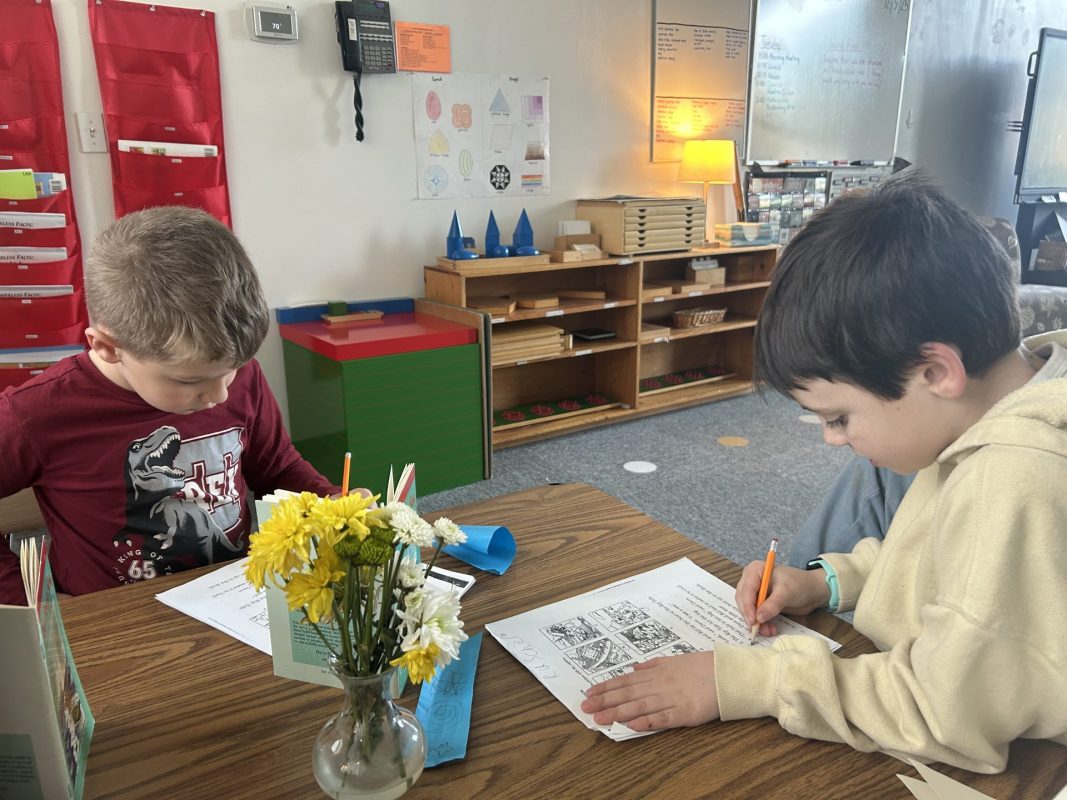
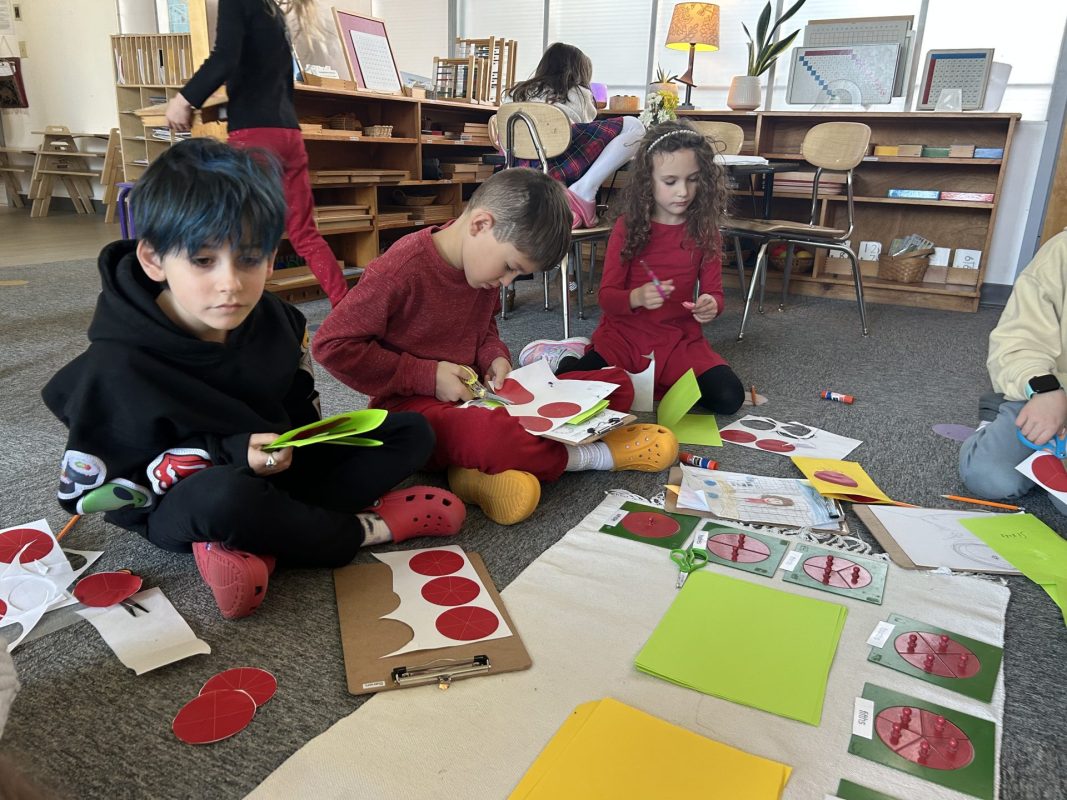
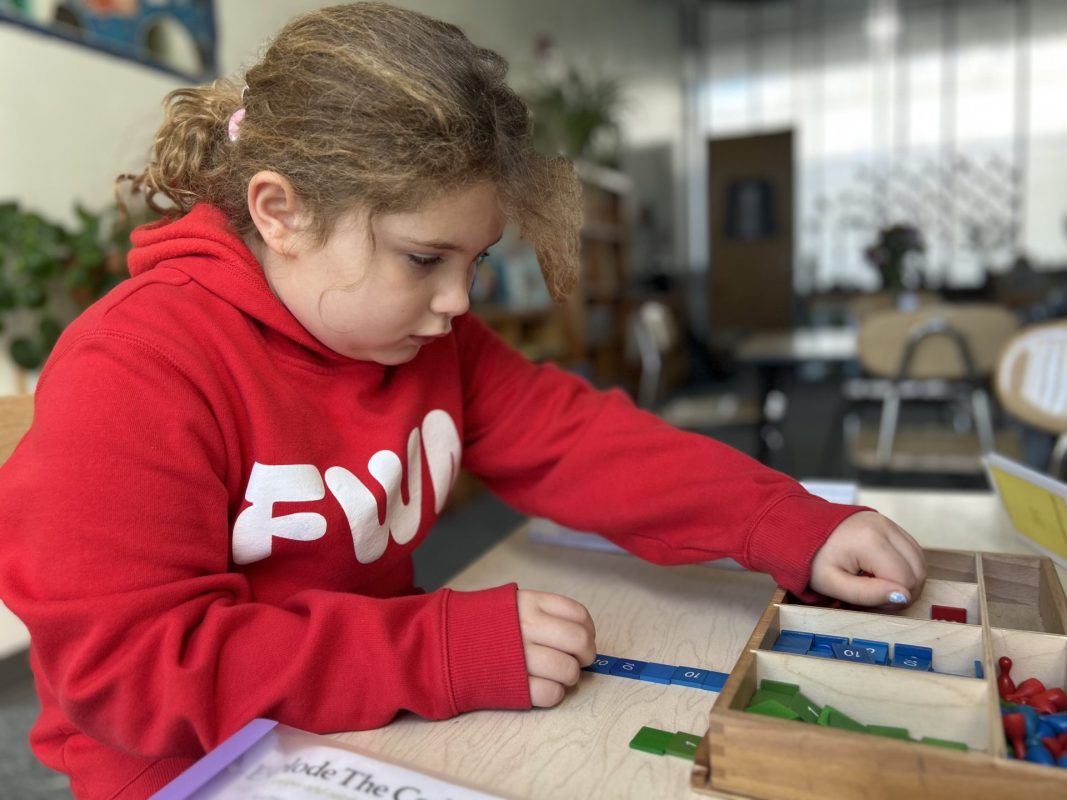
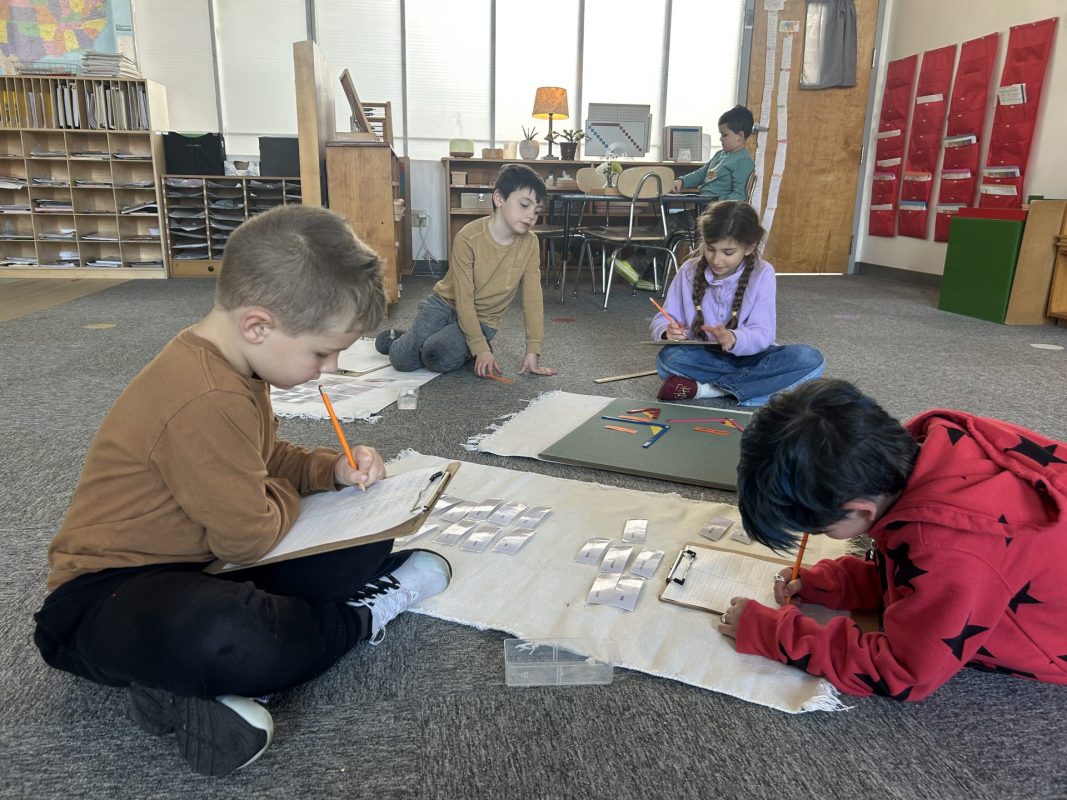
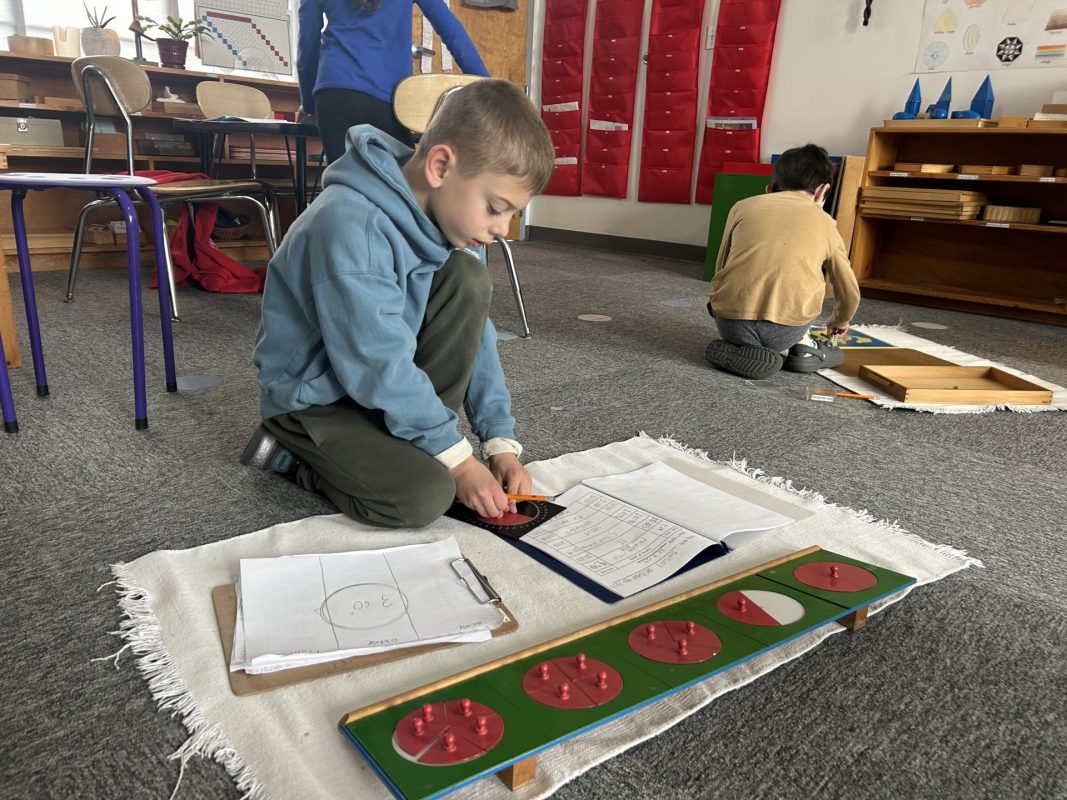
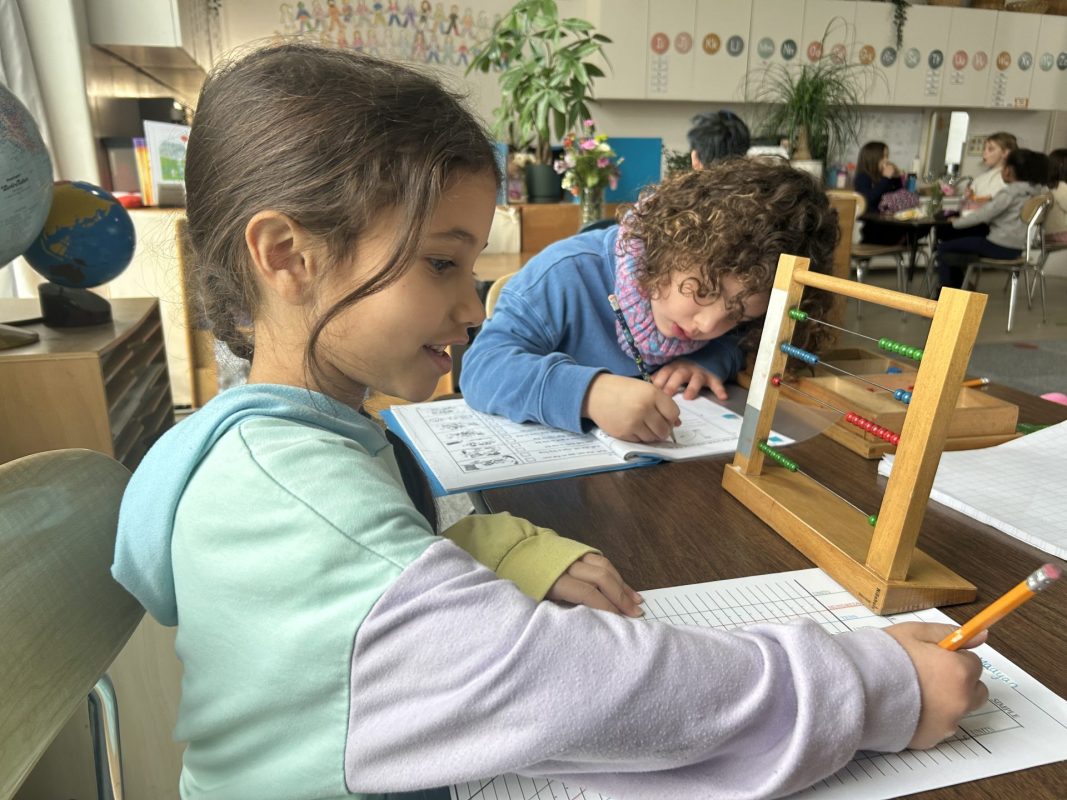
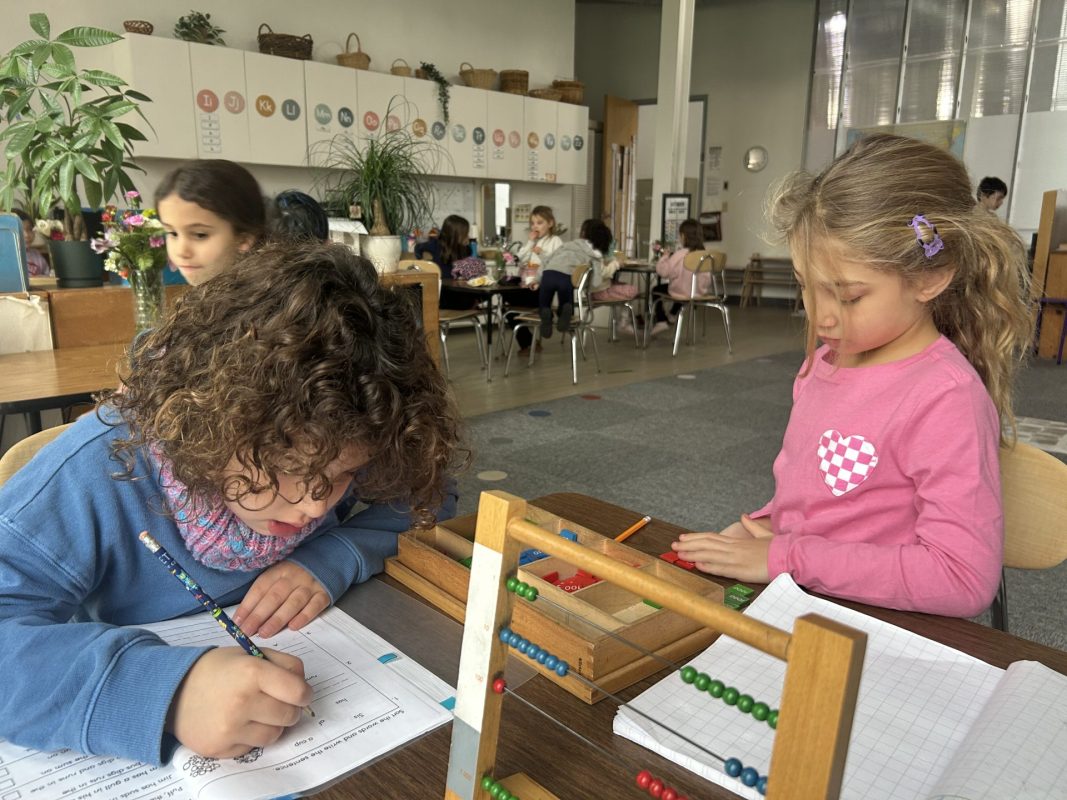
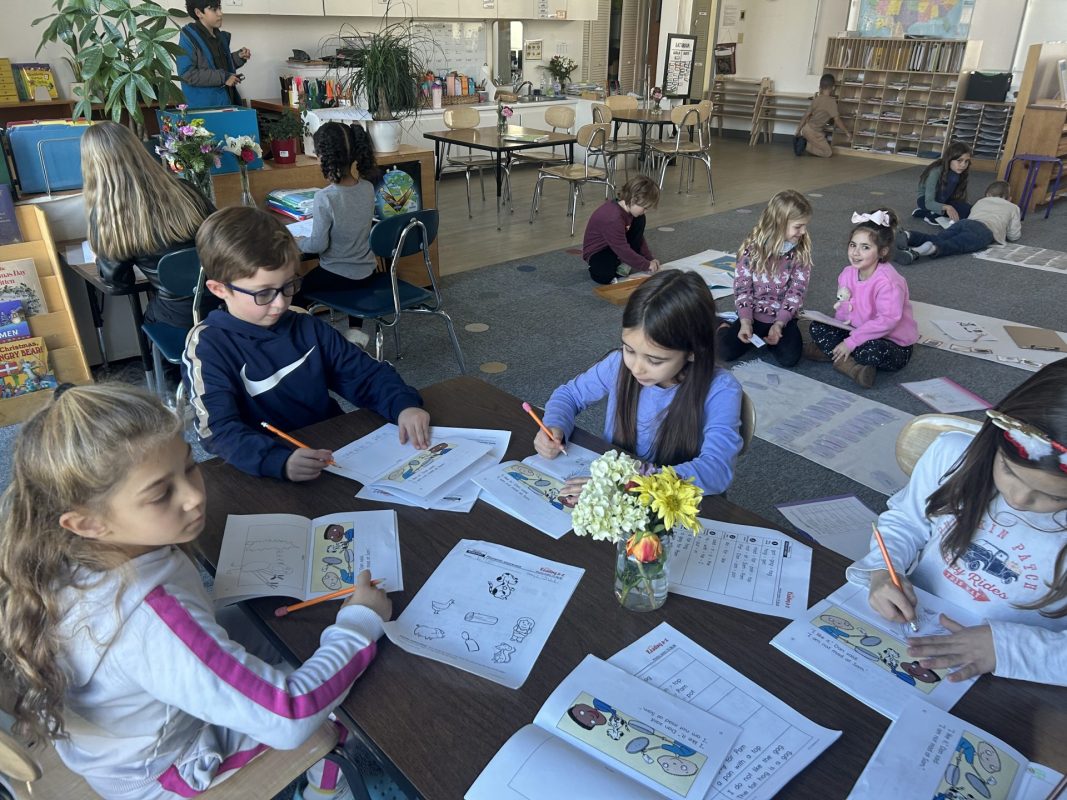
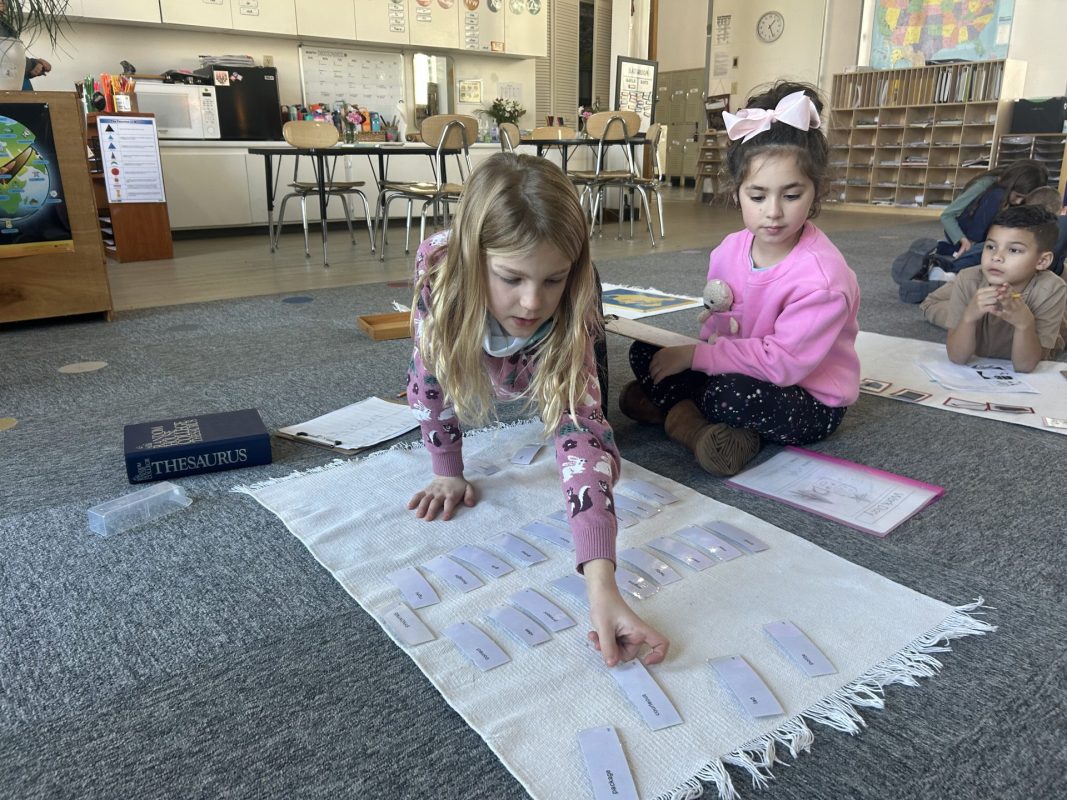
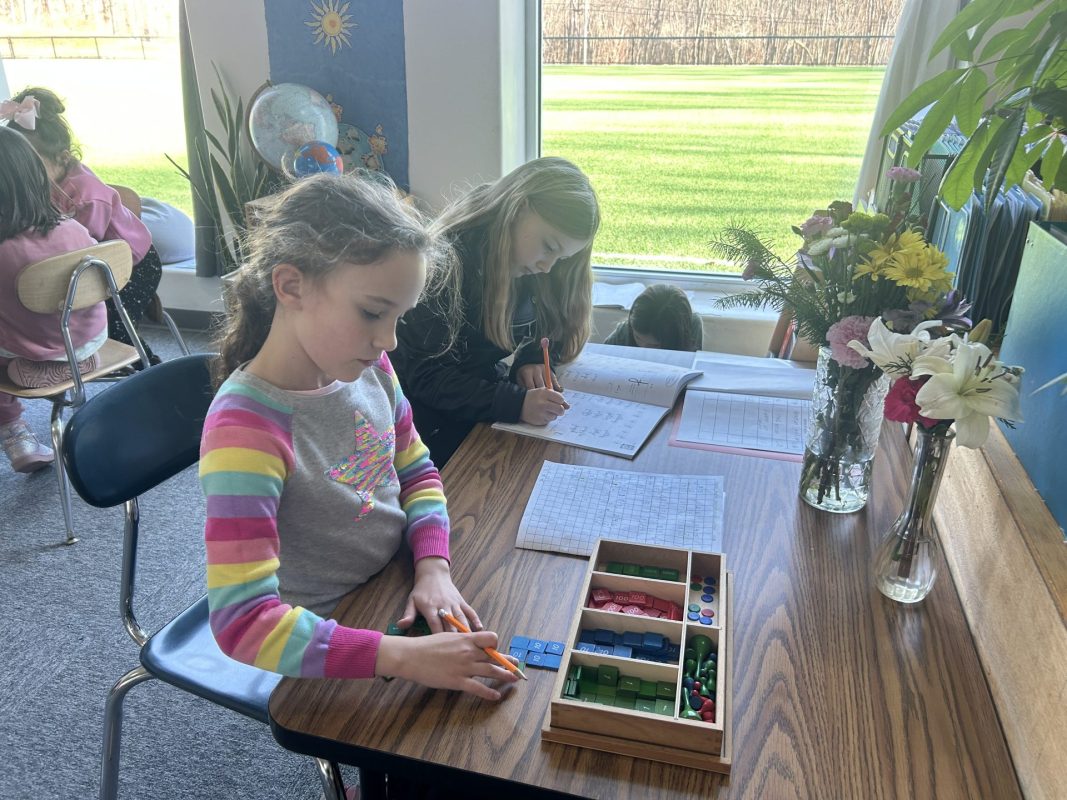
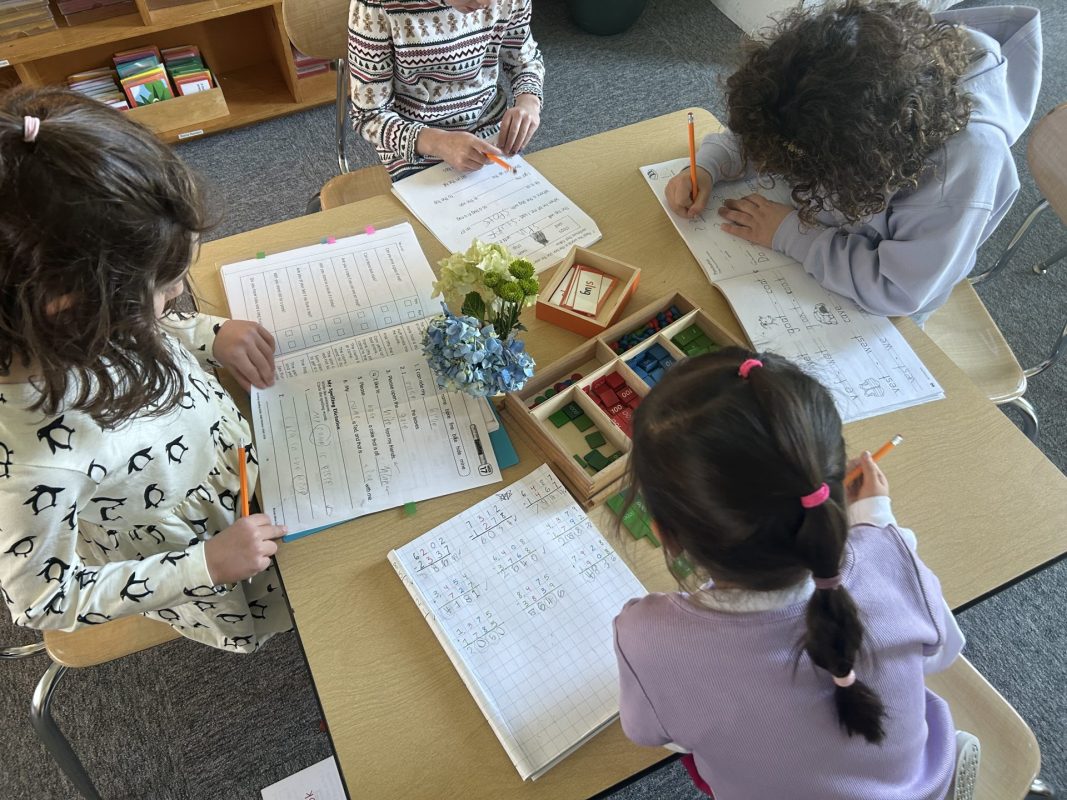
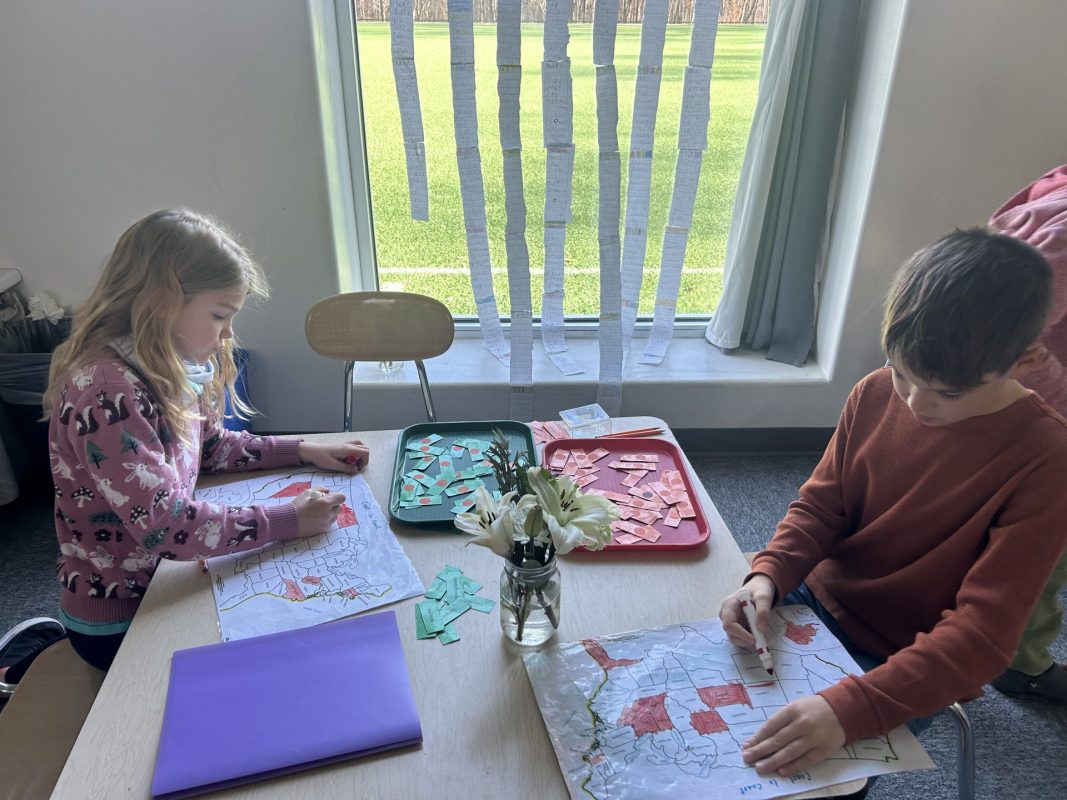
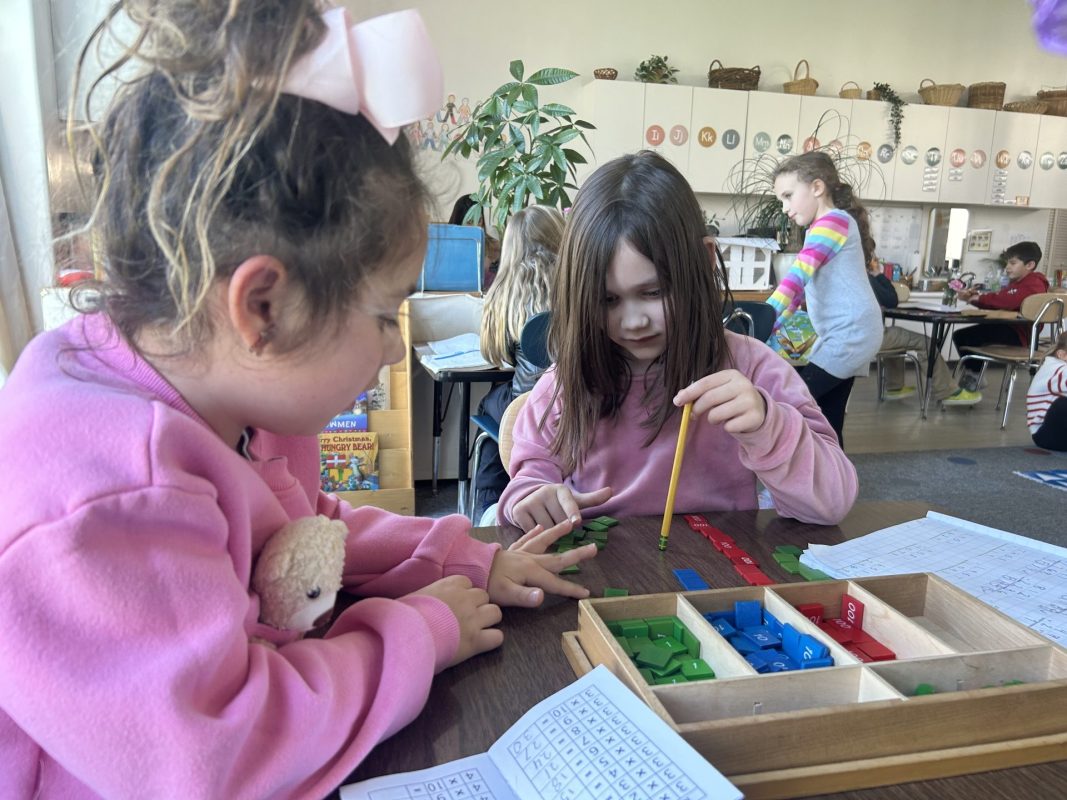
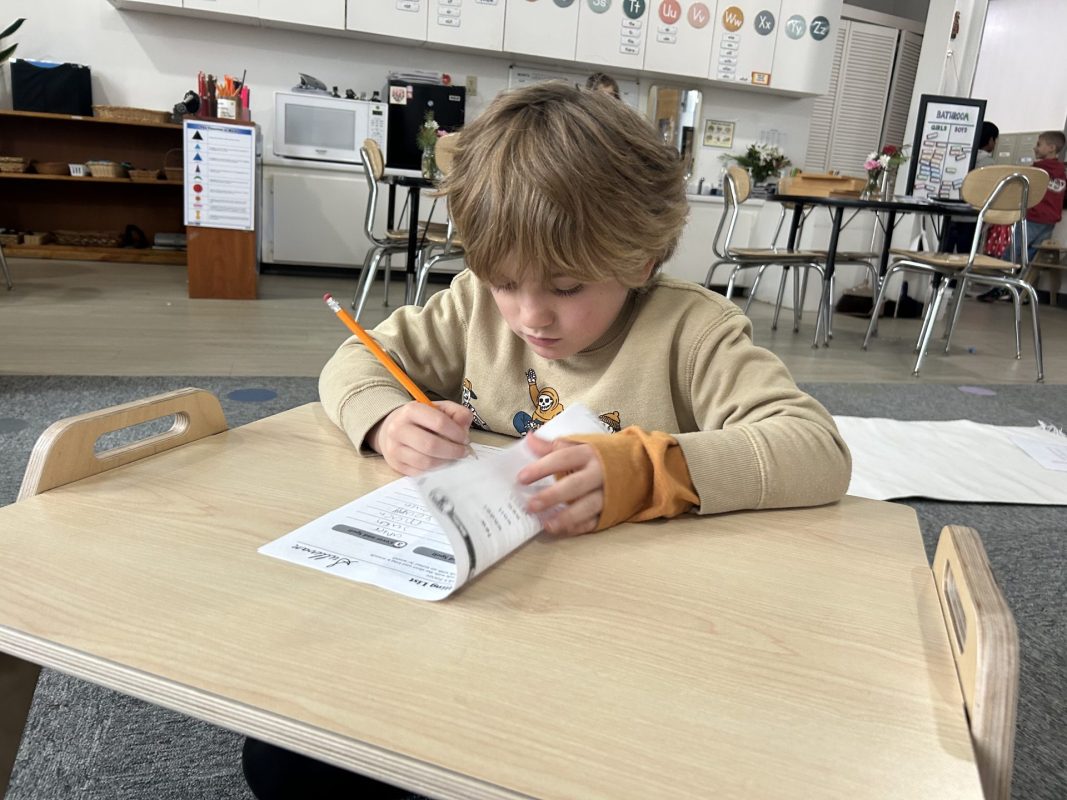
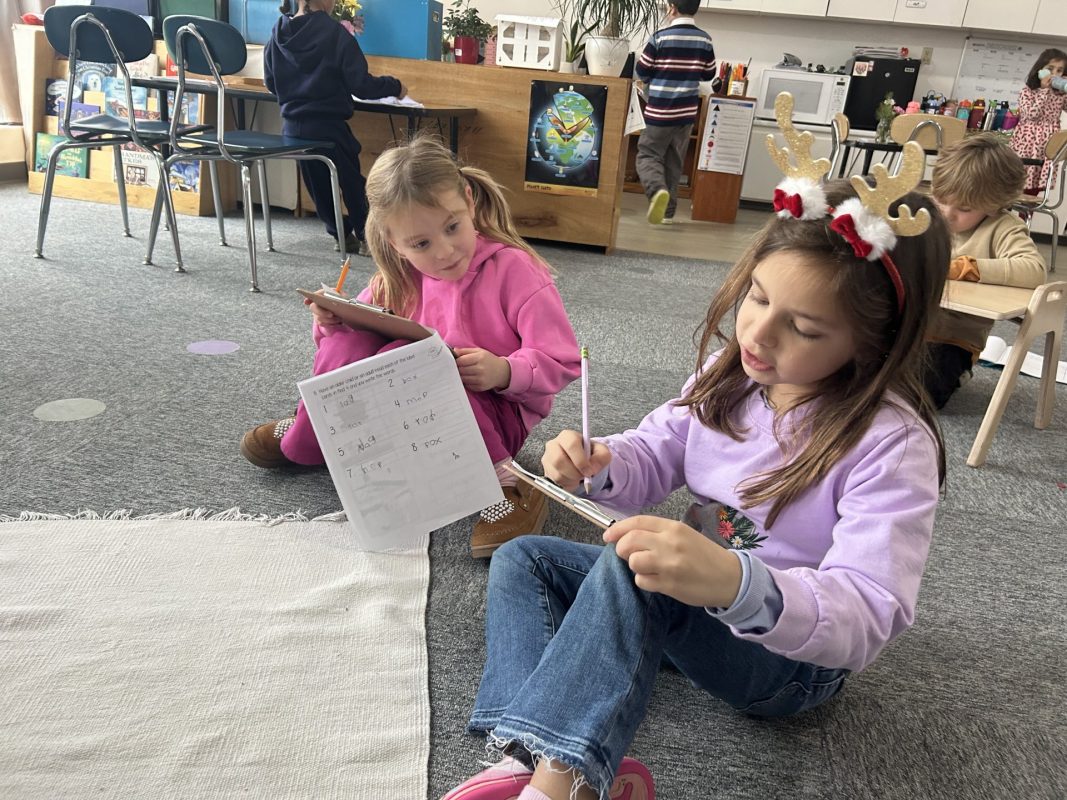
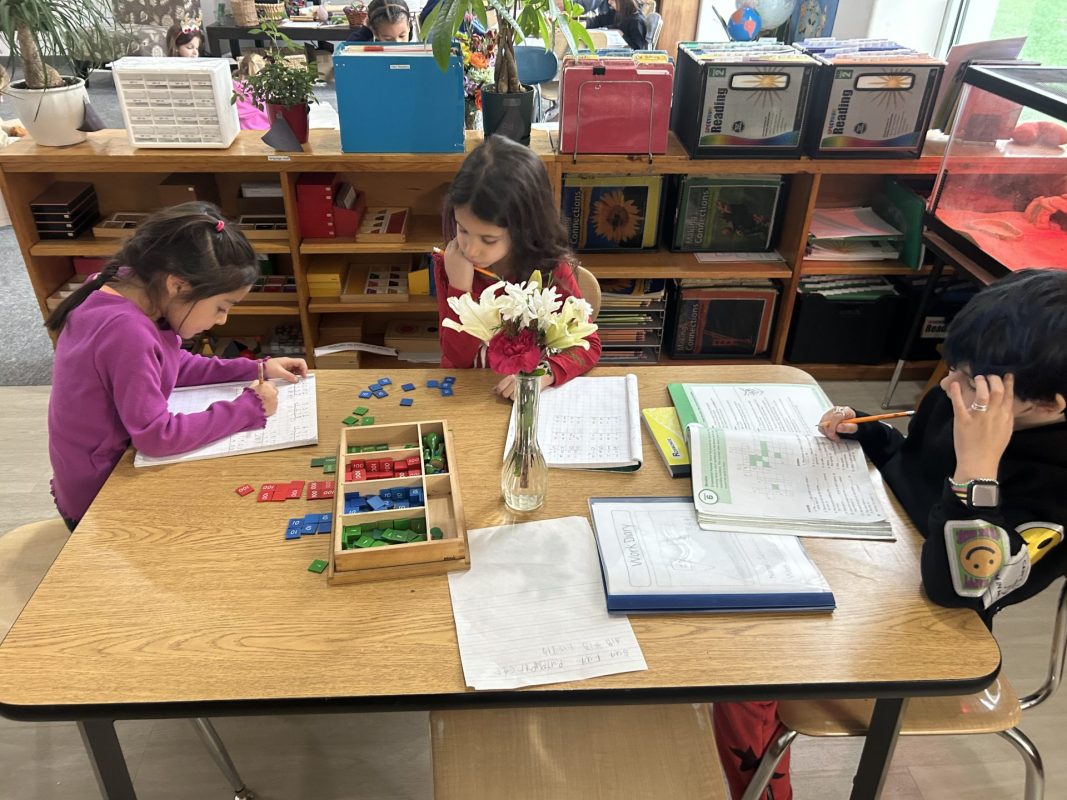
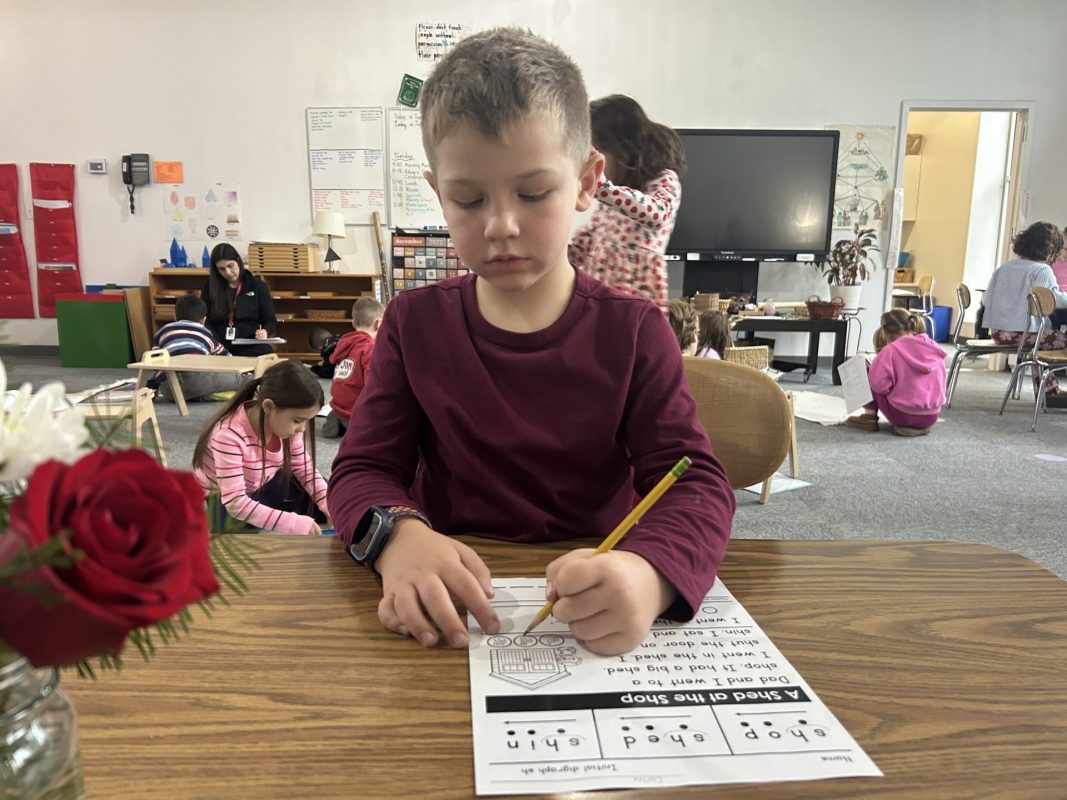
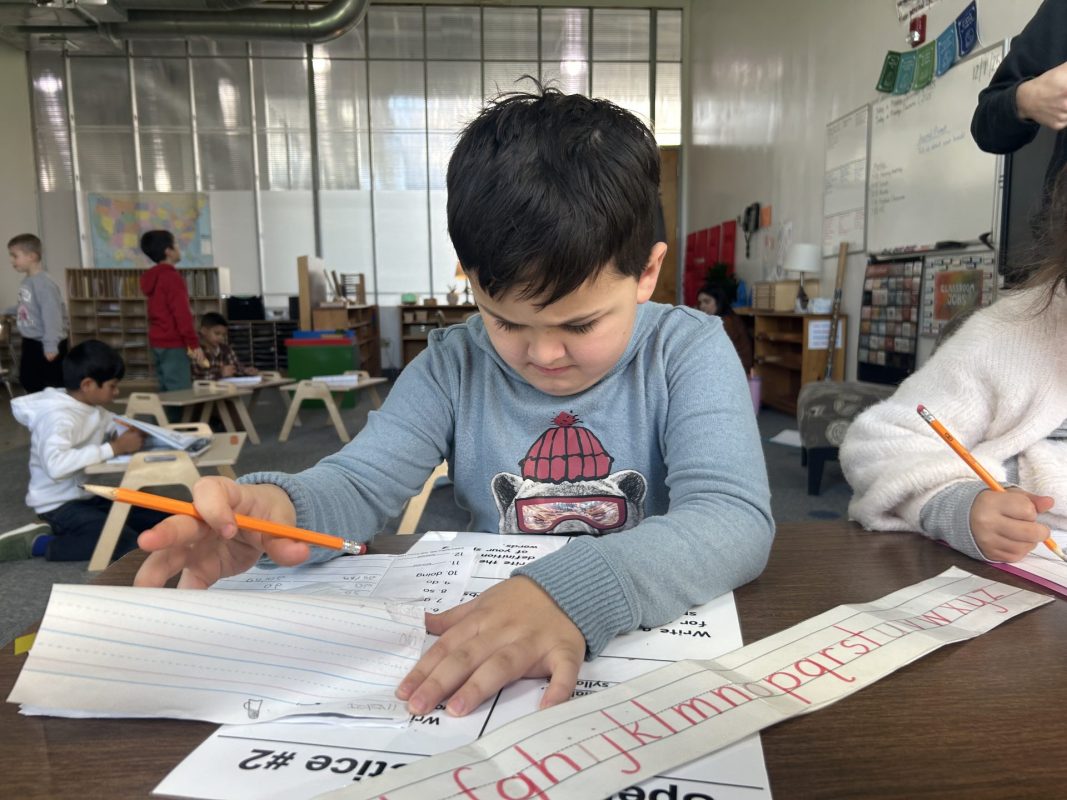
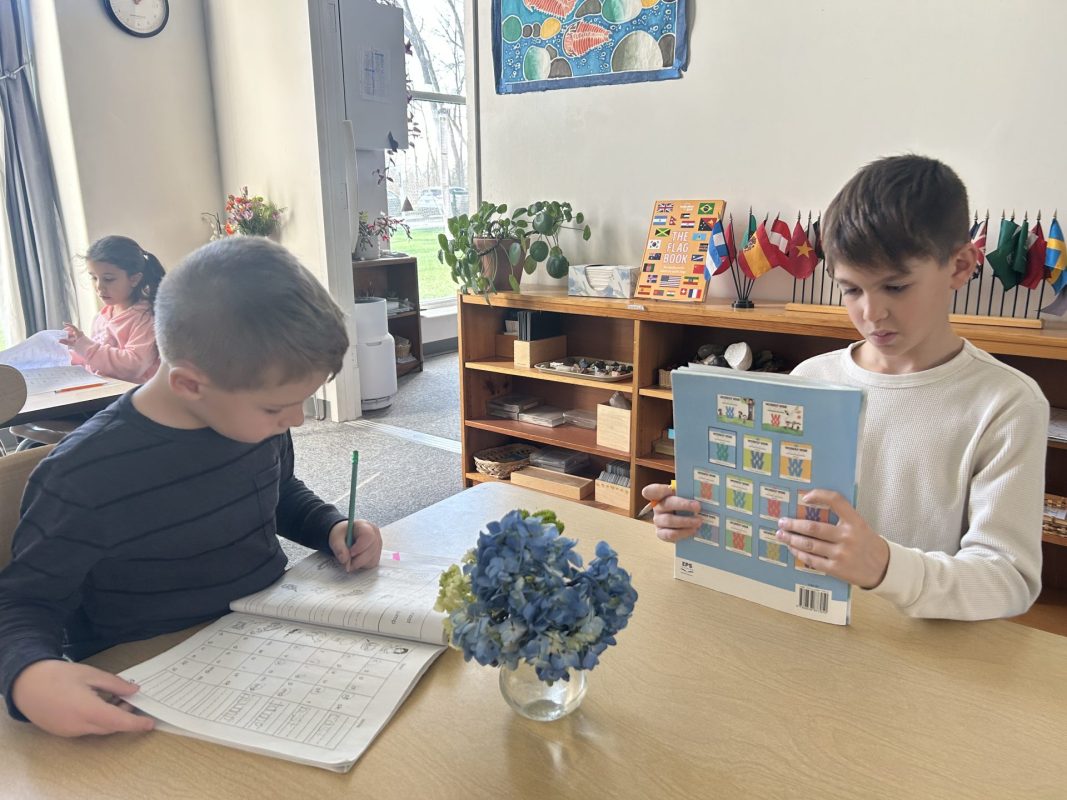
Our Lower Elementary classroom has been buzzing with curiosity and meaningful work as the children dive deeper into two big areas of study: Fundamental Human Needs for our second and third year students, and Timelines for our first year learners. Each of these lessons plays an important role in helping children understand themselves, others, and the world around them.

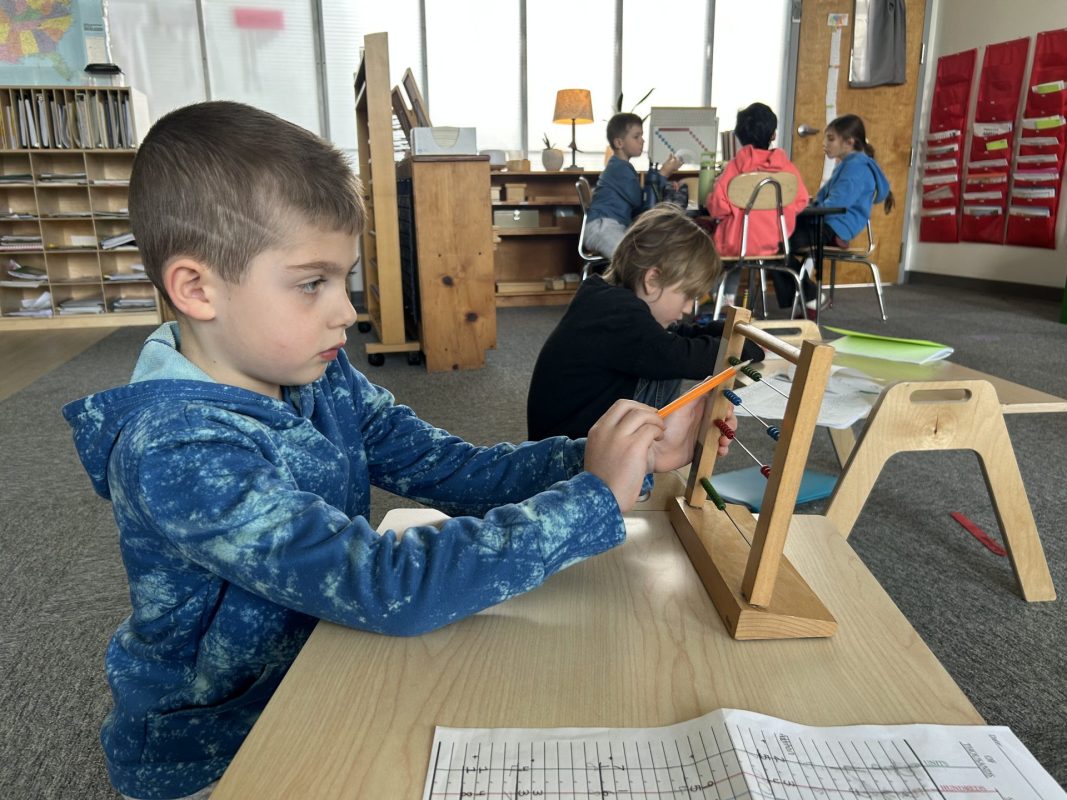
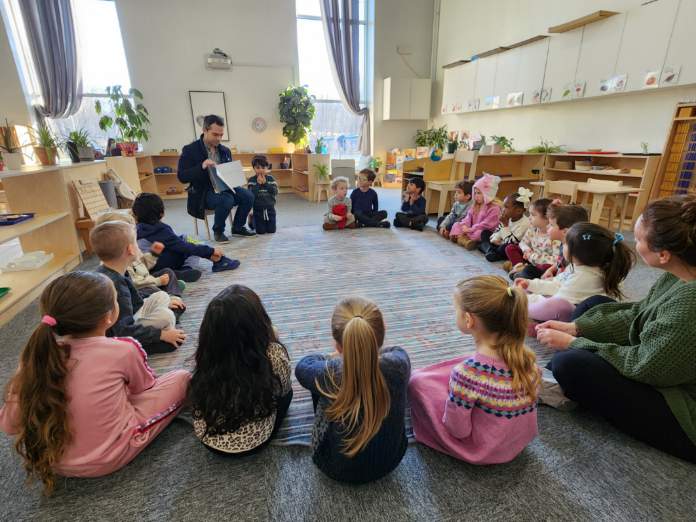
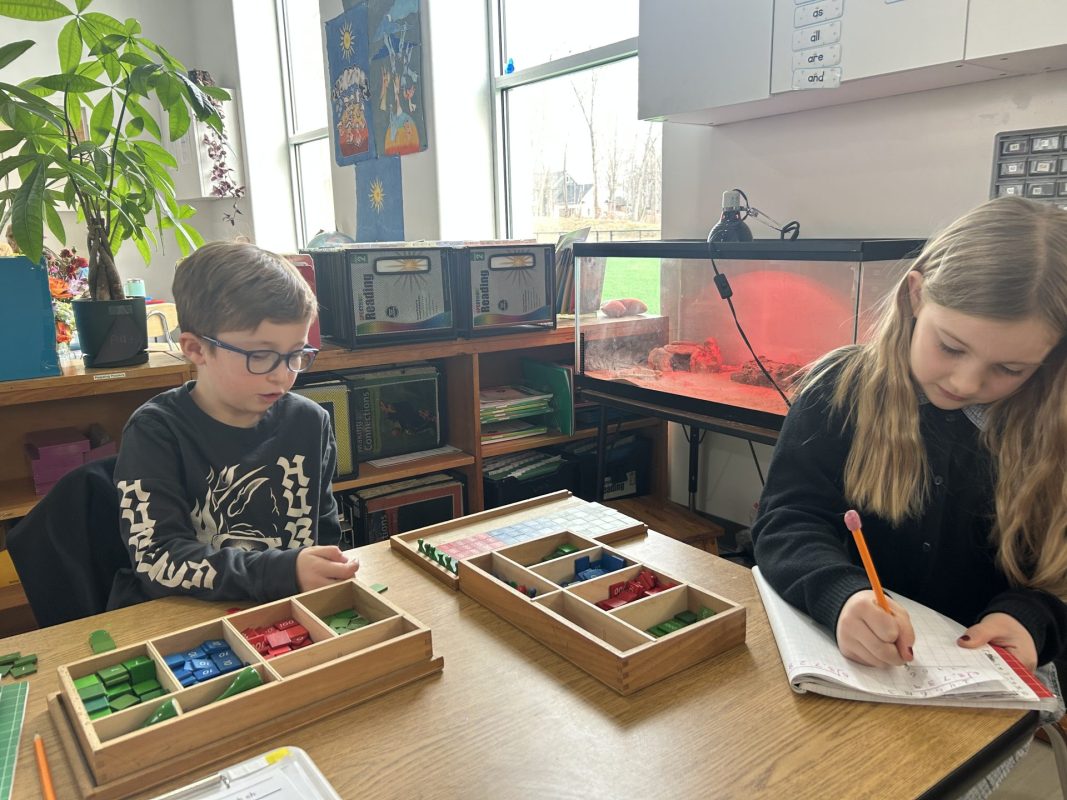
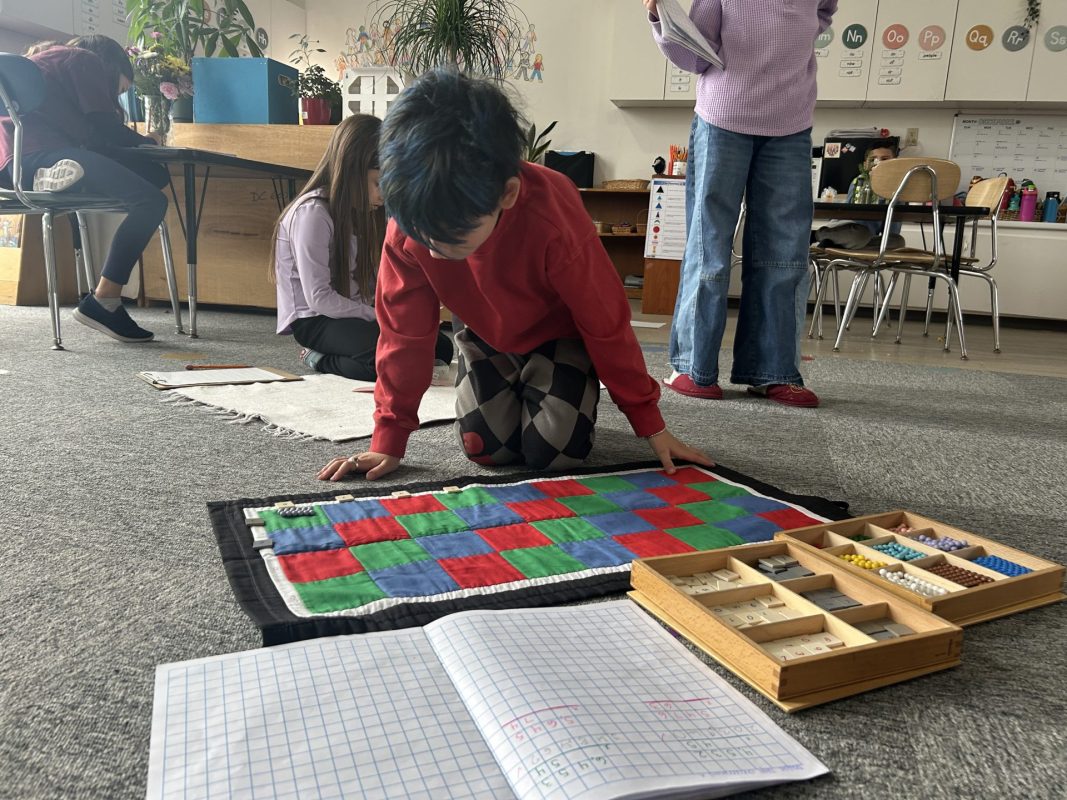
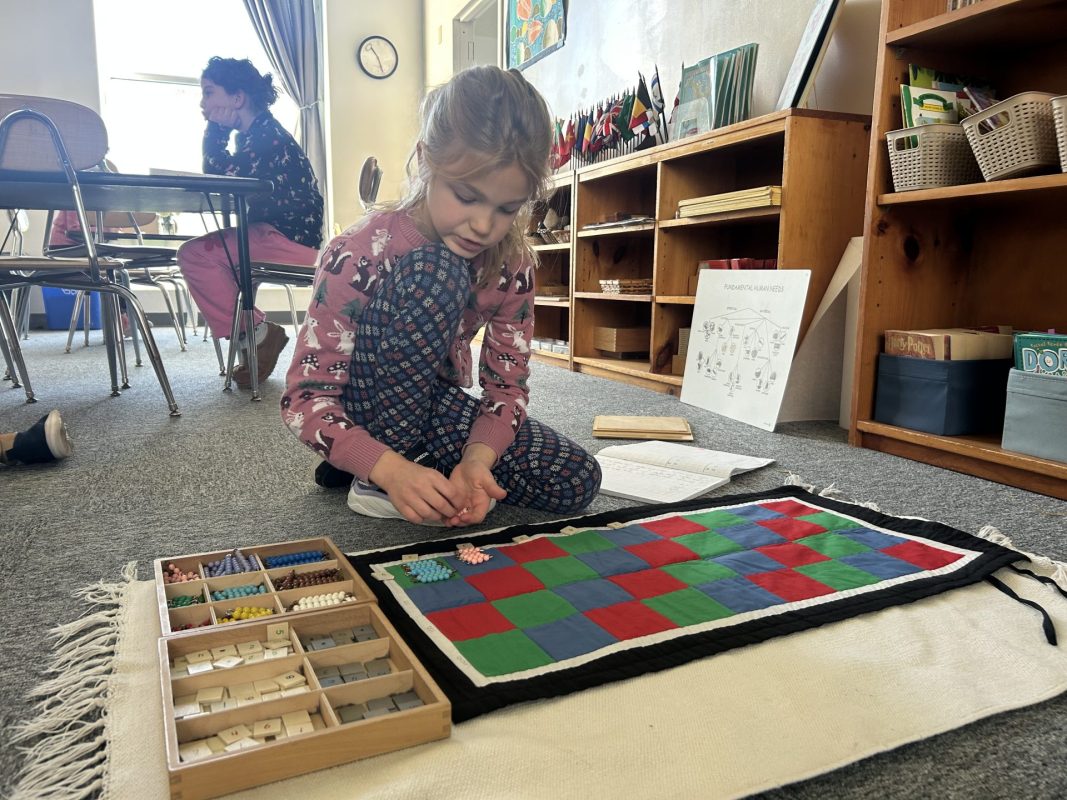
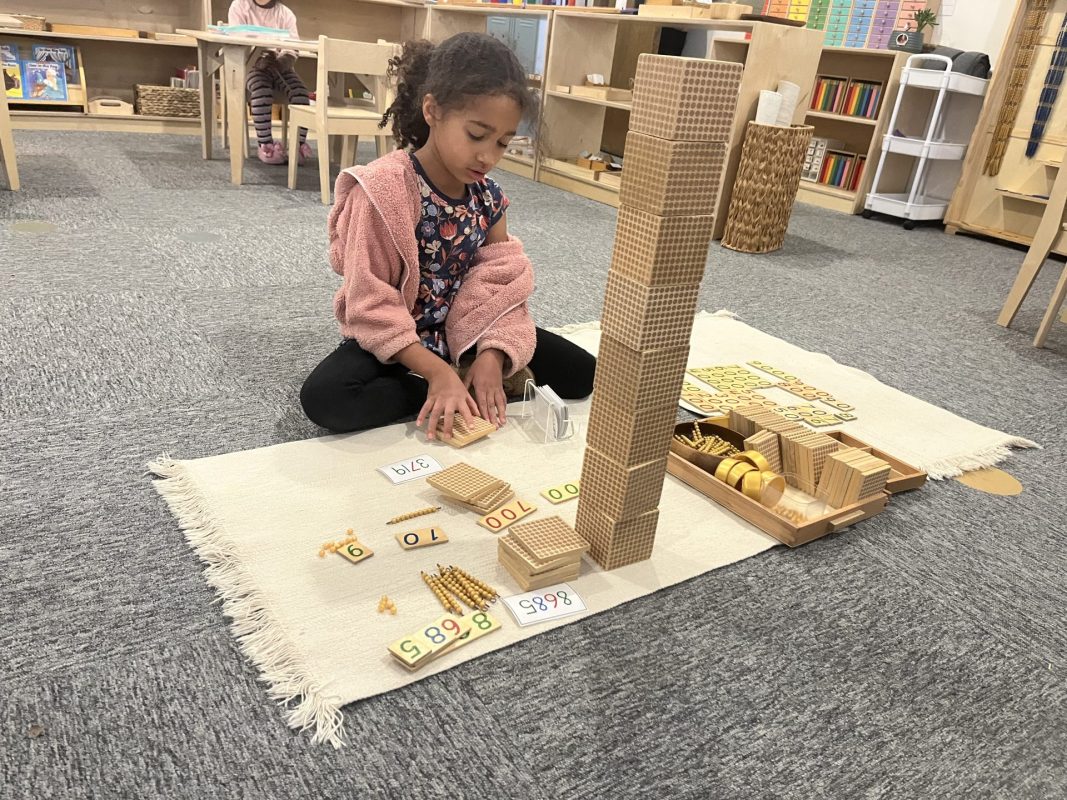
Our older students have been continuing their exploration of the Fundamental Human Needs—a key component of the Lower Elementary Montessori curriculum. Through stories, activities, and discussion, they’re learning that all humans across time and cultures share the same basic needs: things like food, shelter, clothing, defense, and transportation, as well as spiritual and cultural needs such as art, music, and community. In the Montessori classroom, this work helps children begin to understand why humans make certain choices and how different civilizations have met the same needs in different ways. It invites empathy, global awareness, and a growing appreciation for people throughout history. Our second and third year students are enjoying comparing different cultures and time periods, and beginning to see the interconnectedness of human life.

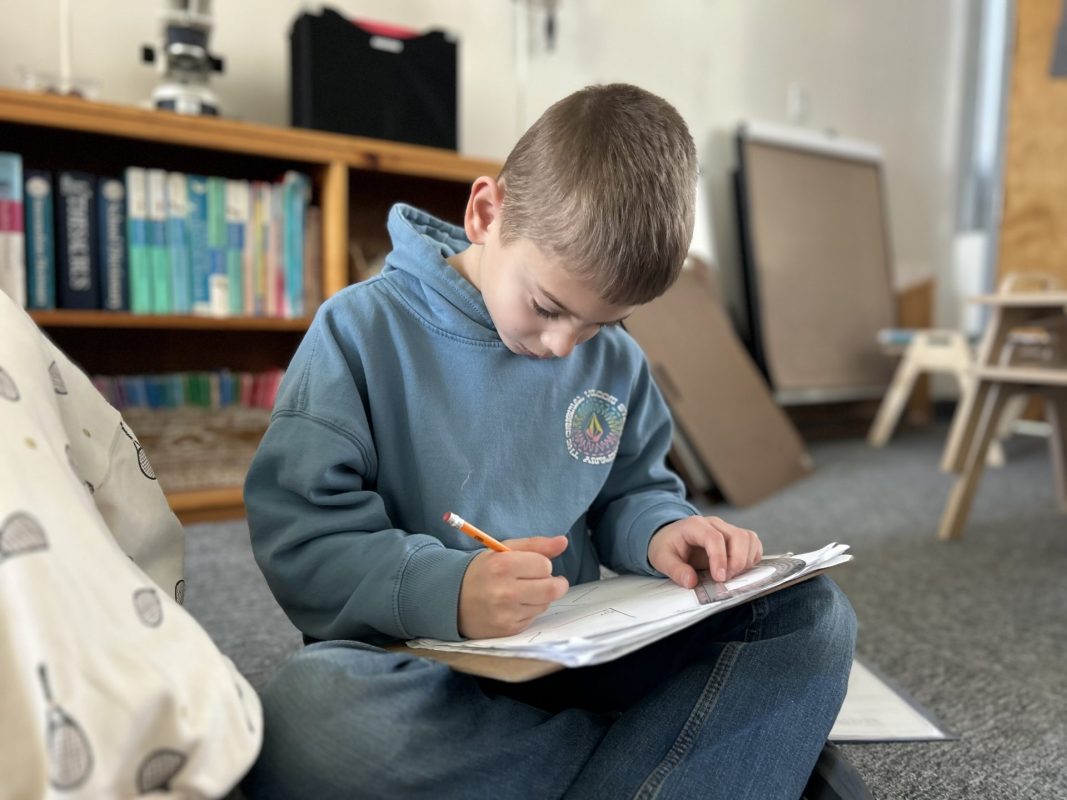
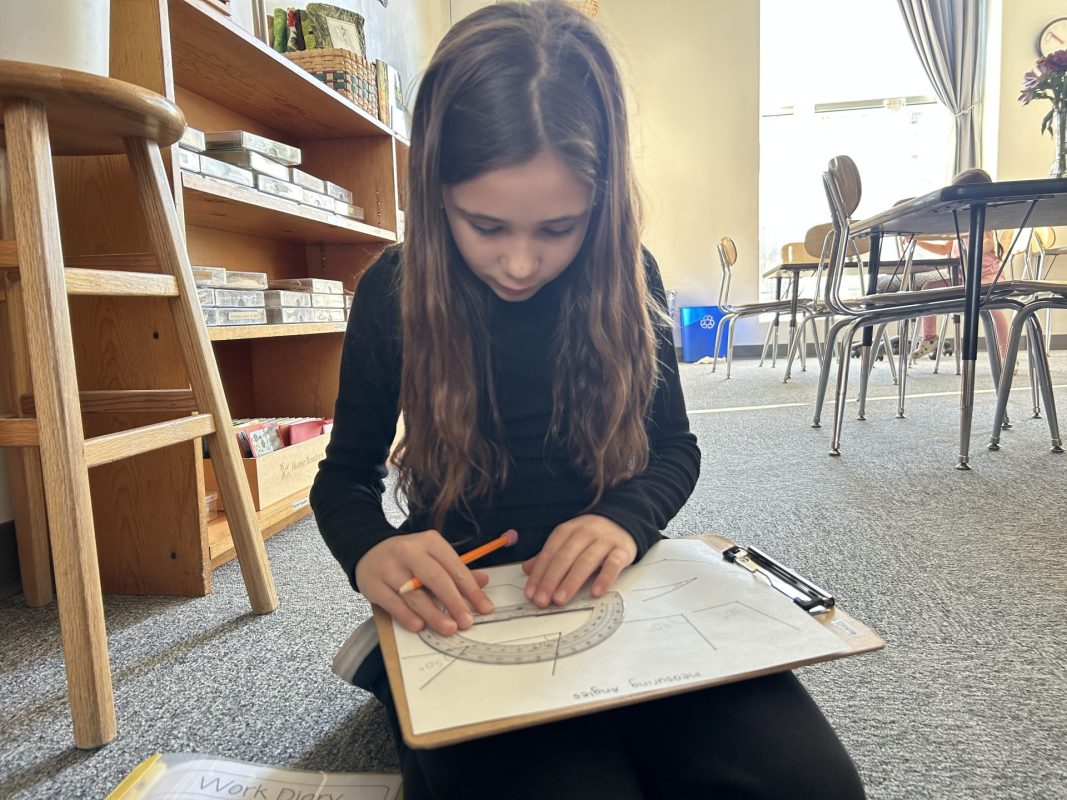
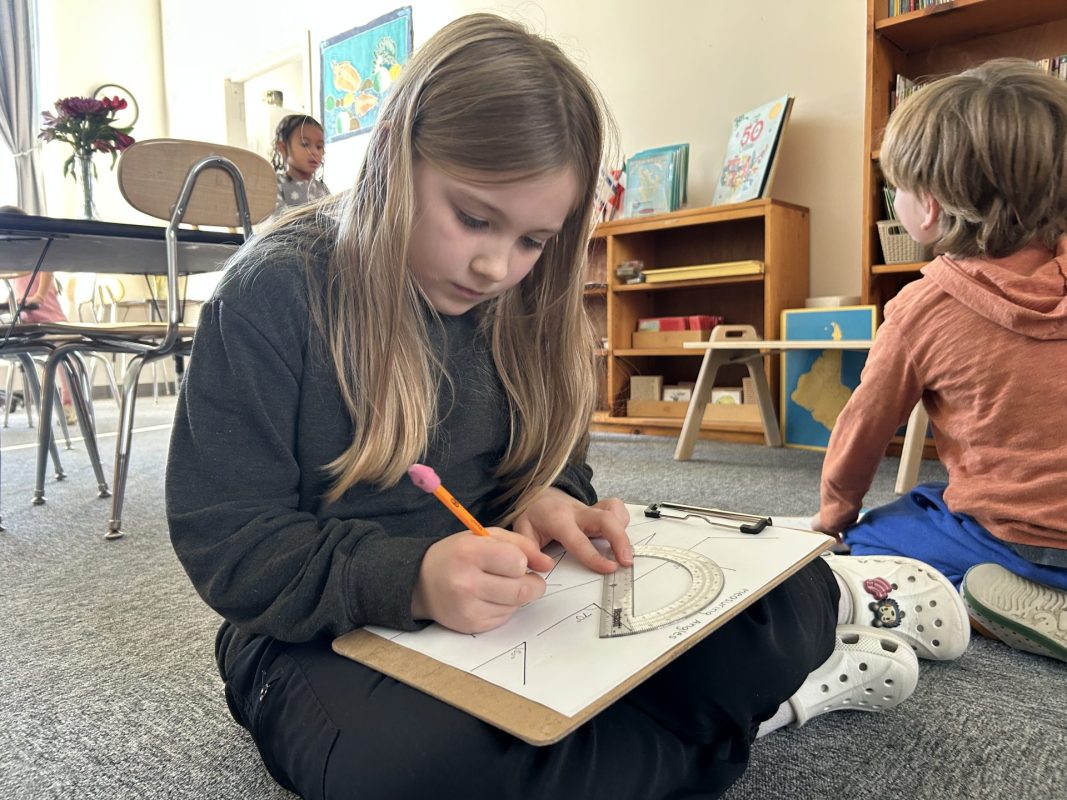
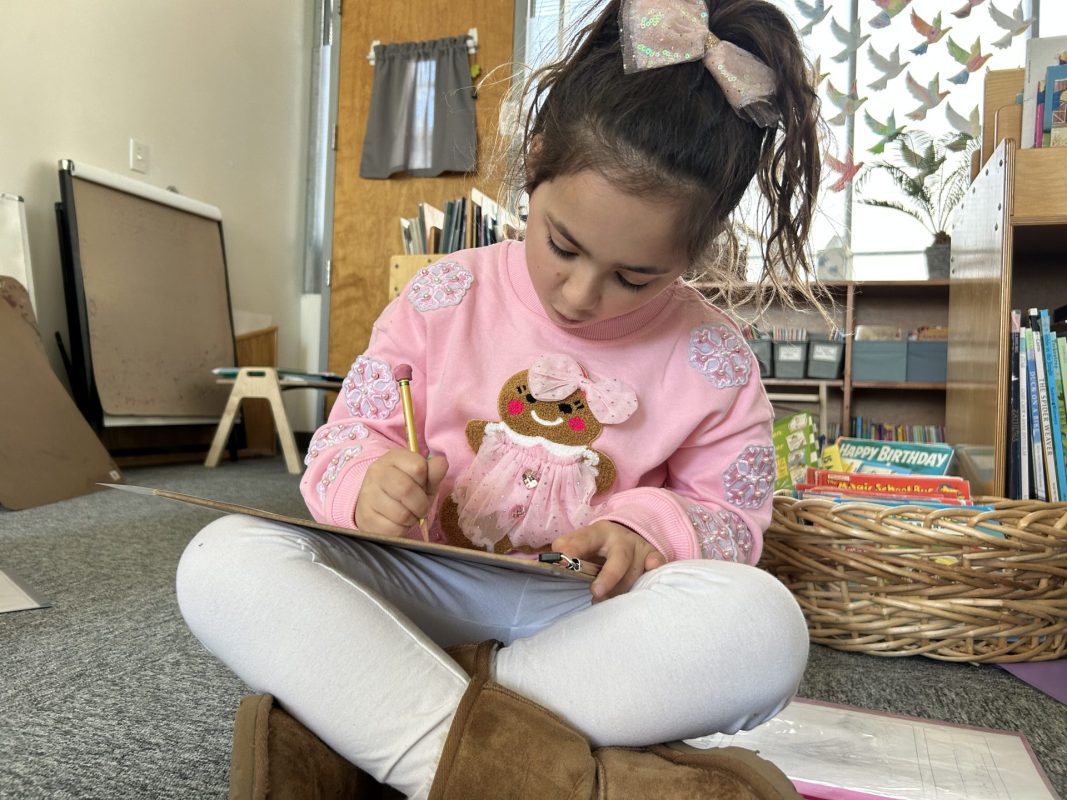
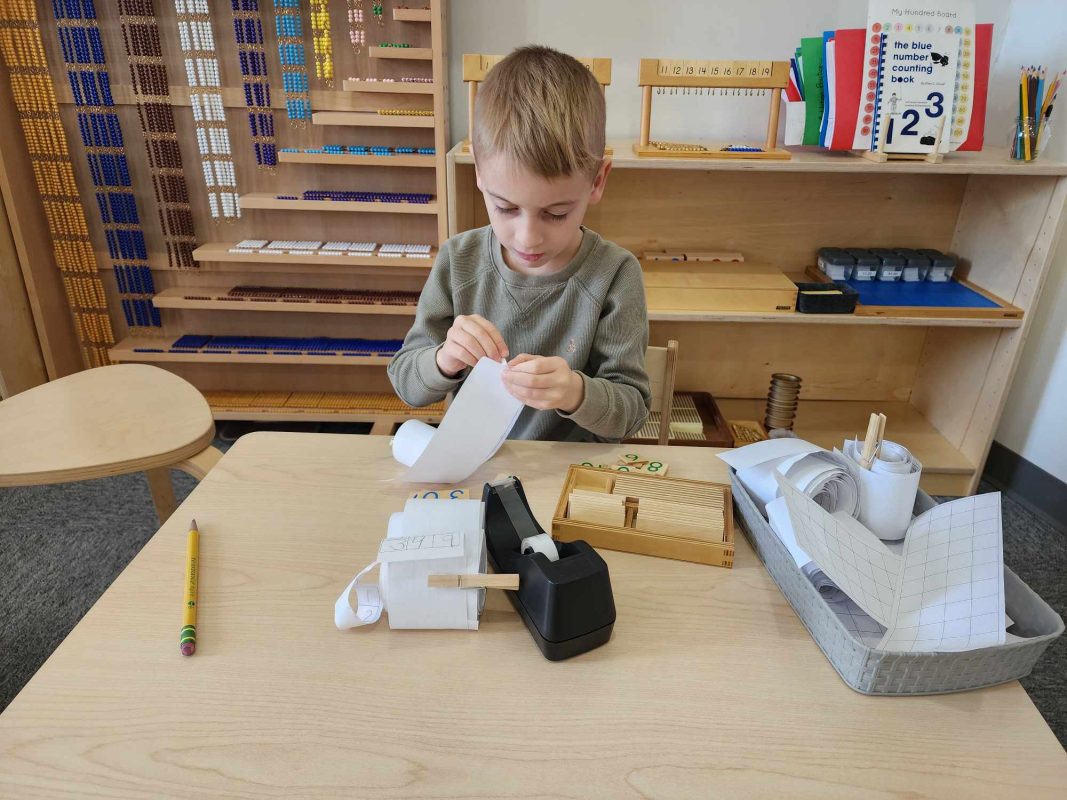
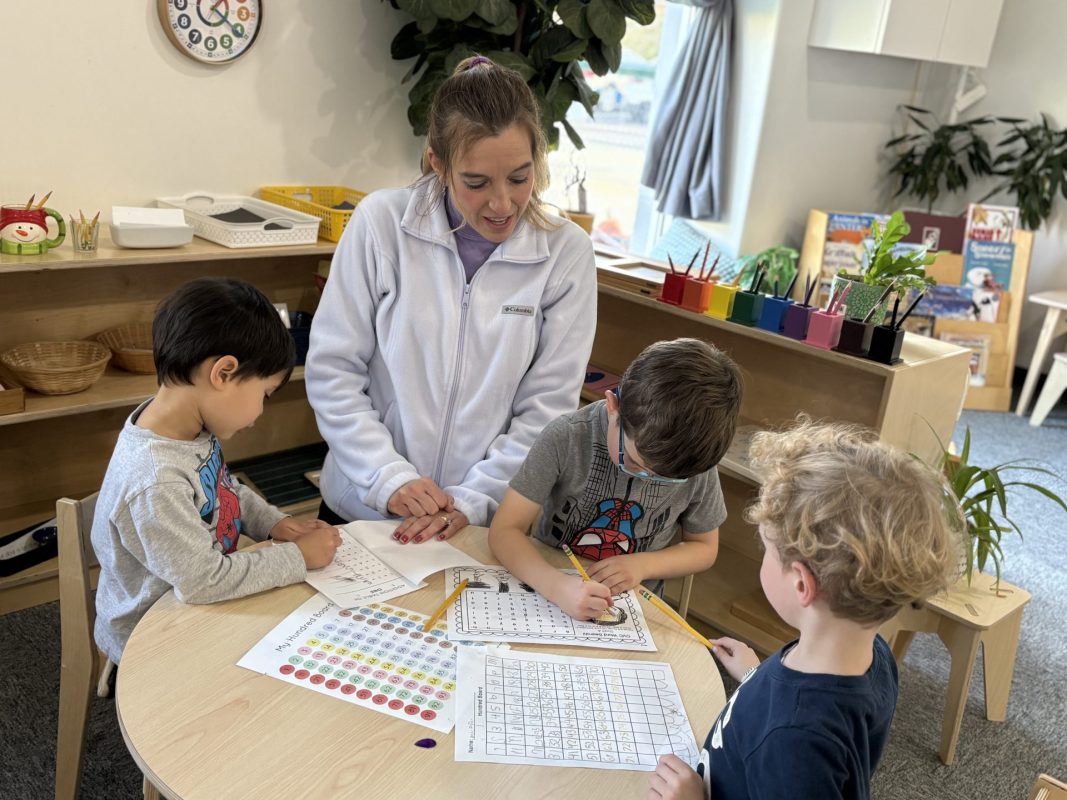
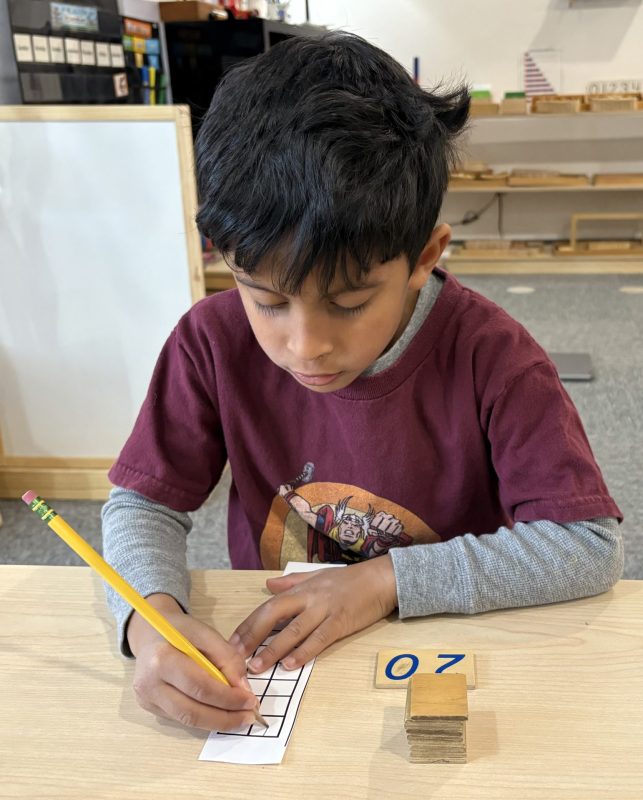
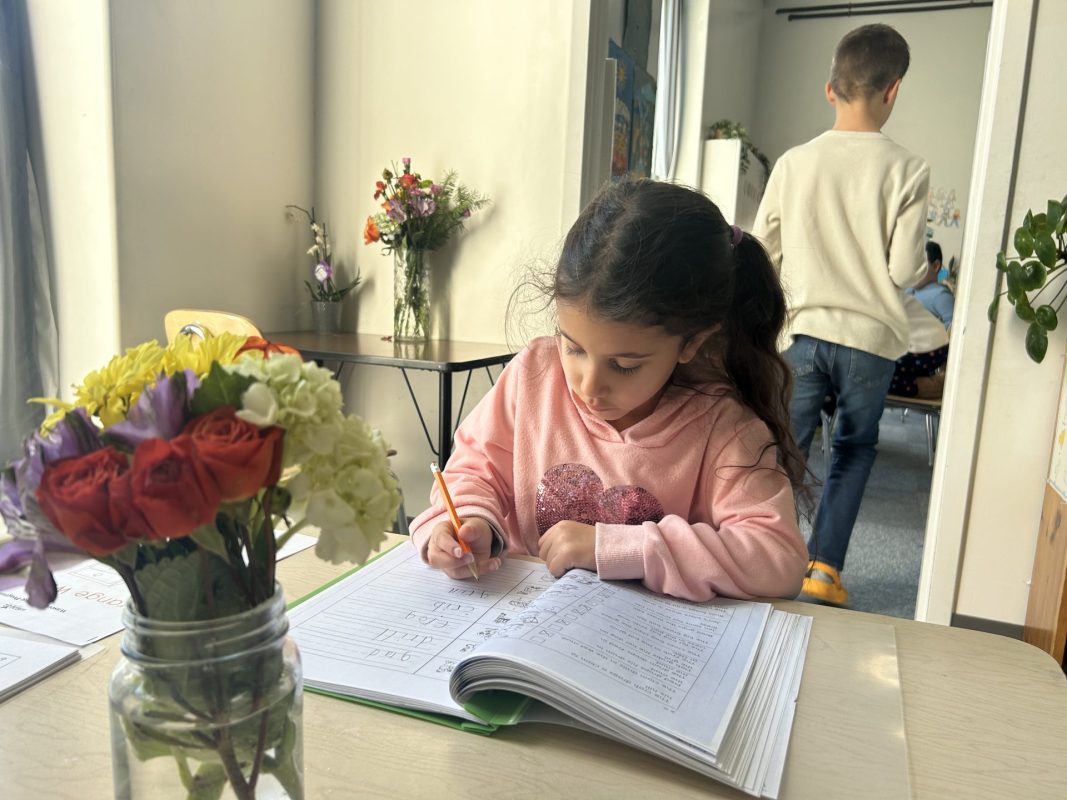
Meanwhile, our first-year students are continuing their lessons on time—an exciting introduction to understanding history from a personal perspective. After learning about the history behind the days of the week and months of the year, and making a month-by-month timeline of their lives, they are now beginning their year-by-year family timelines. In our Montessori classroom, timeline work is concrete and visually rich. All of this groundwork lays the foundation for understanding larger historical timelines later in both Lower and Upper Elementary. By starting with their own story, children discover how time passes, how they have grown, and how they fit into the greater human story.


Mrs. Lopes: Exploring the Human Body

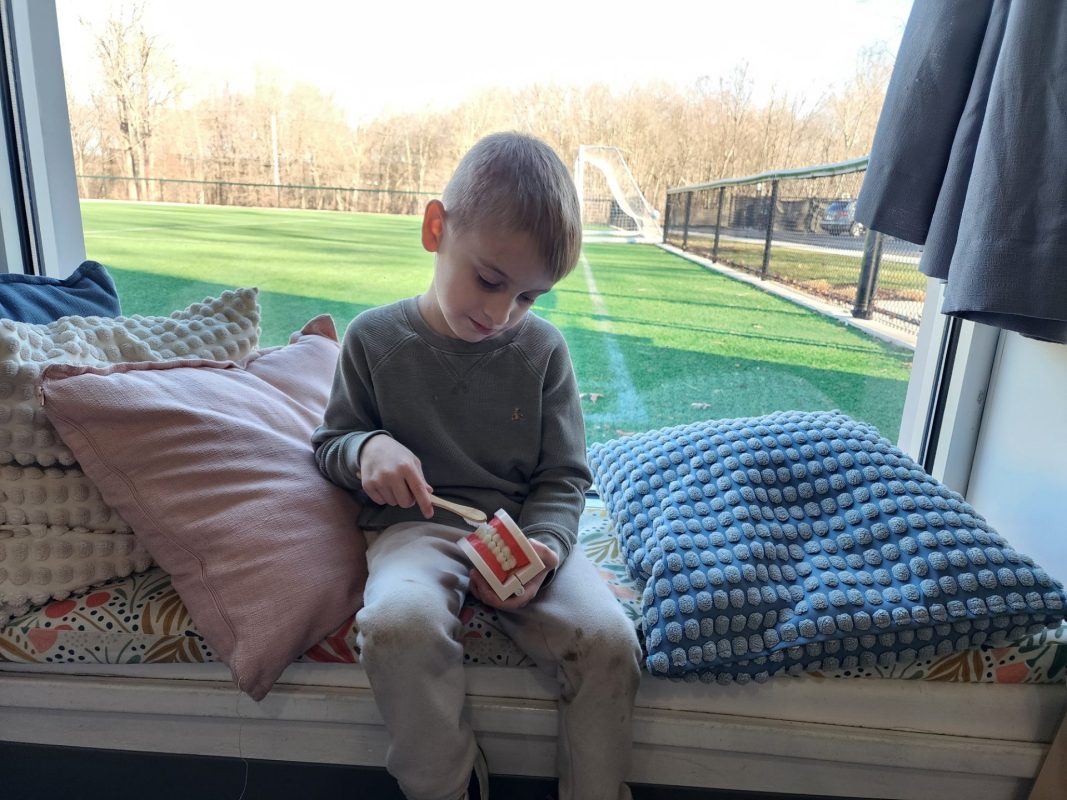
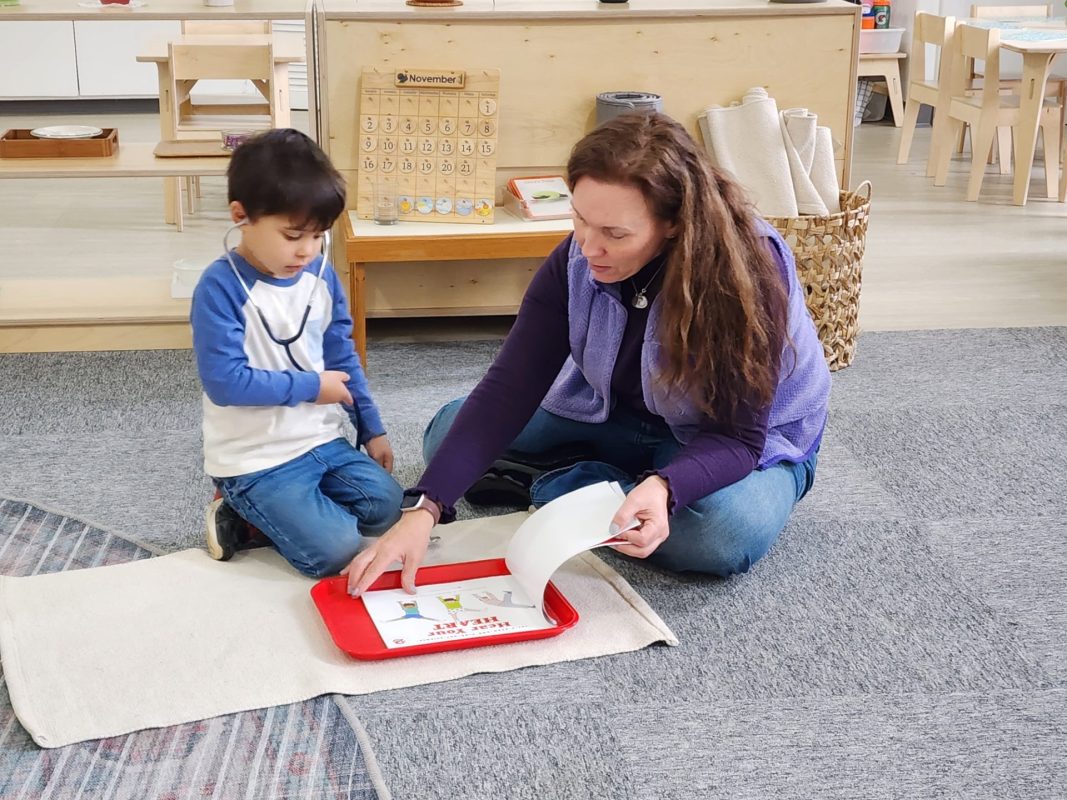
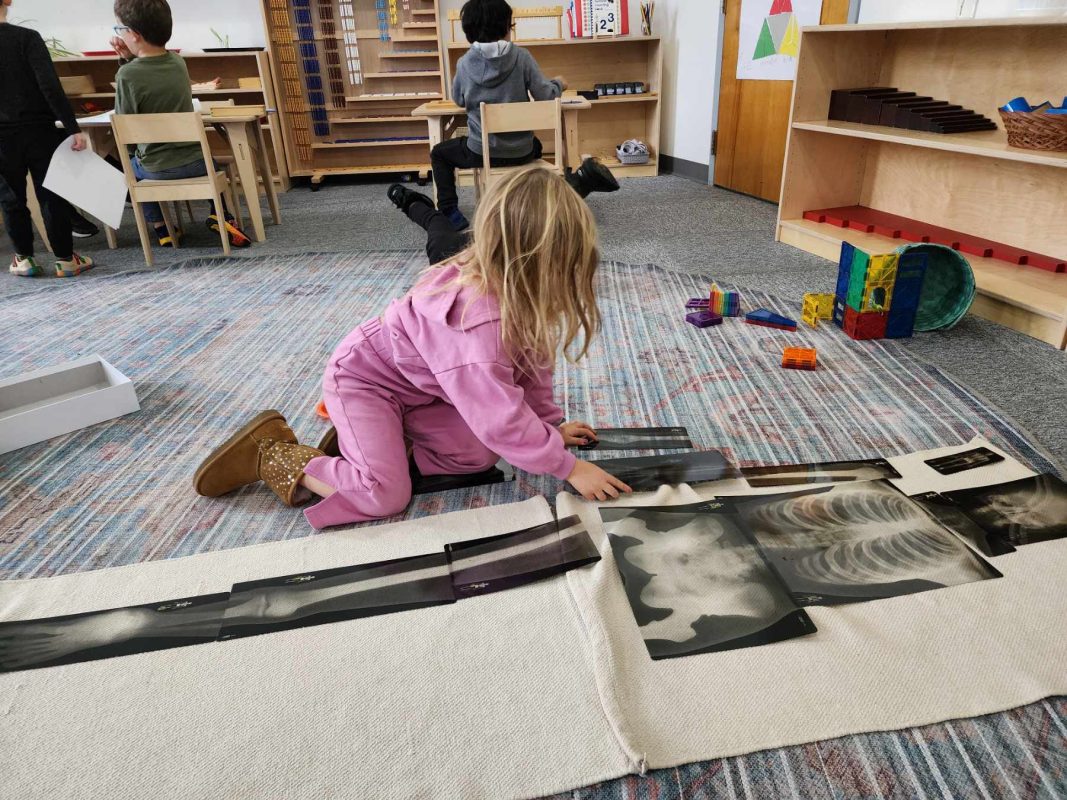
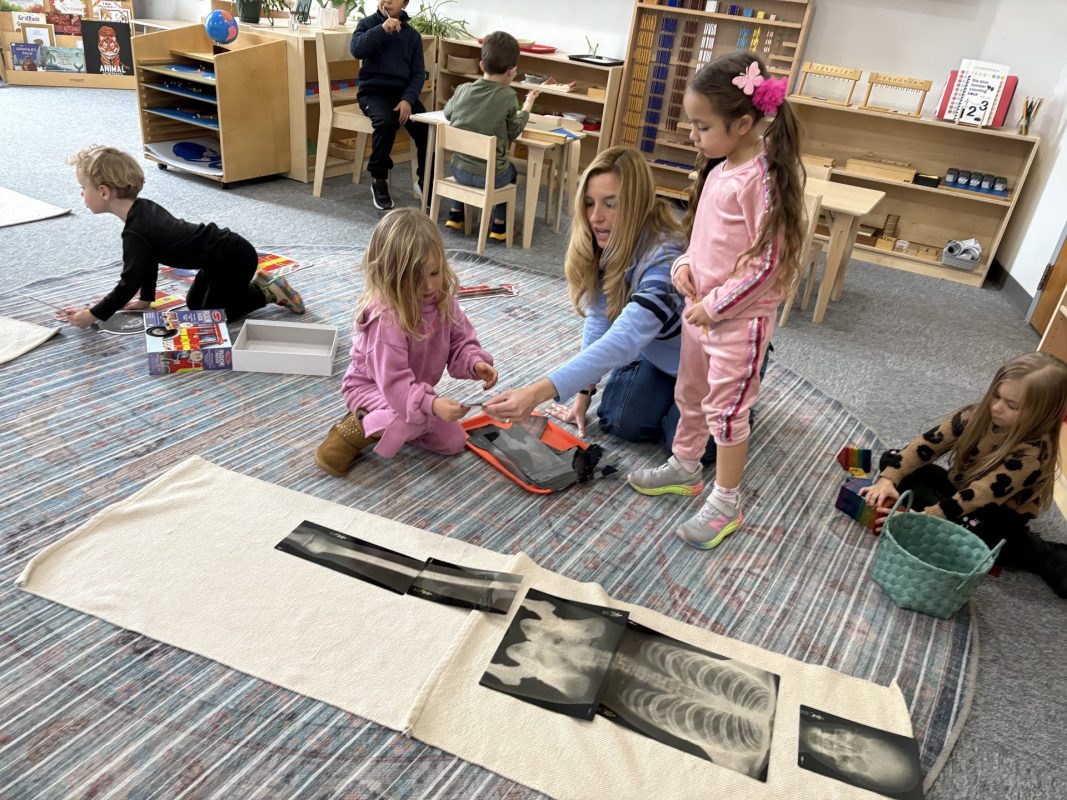
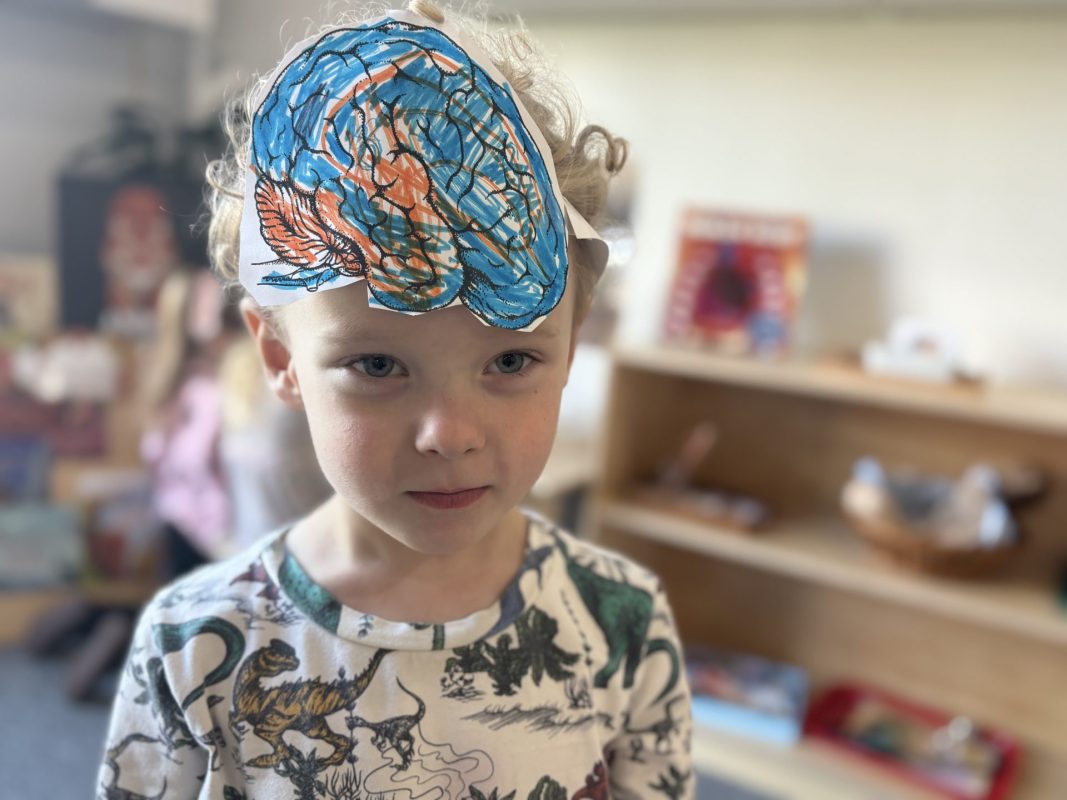
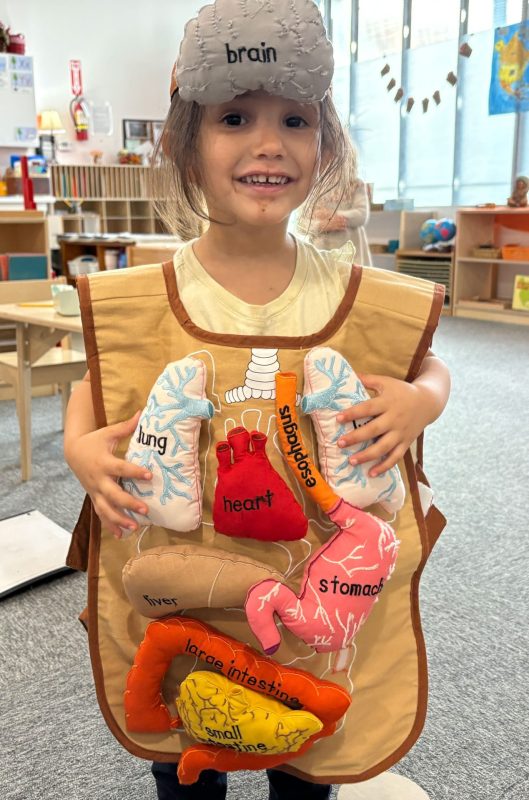
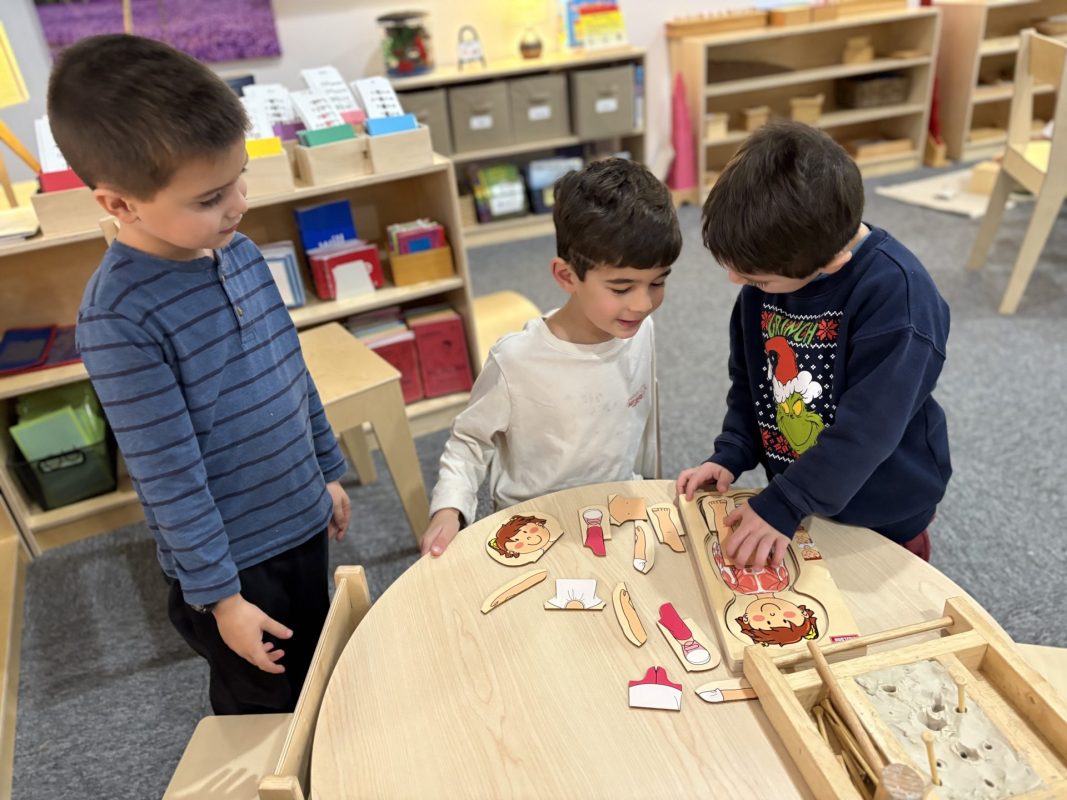
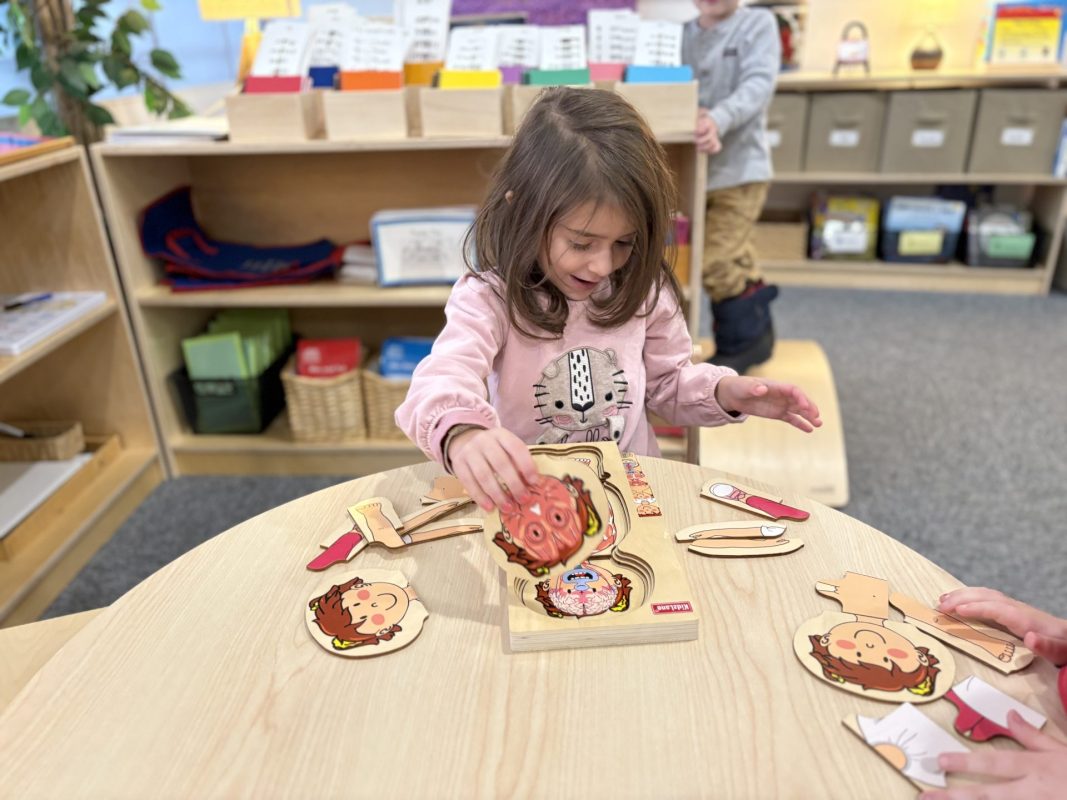
We began our study of the human body last week. The children learned about their skeletons and why our bodies need bones to stand tall, move, and protect our important organs. Through hands-on exploration and group discussions, they discovered the functions of different organs in our bodies.

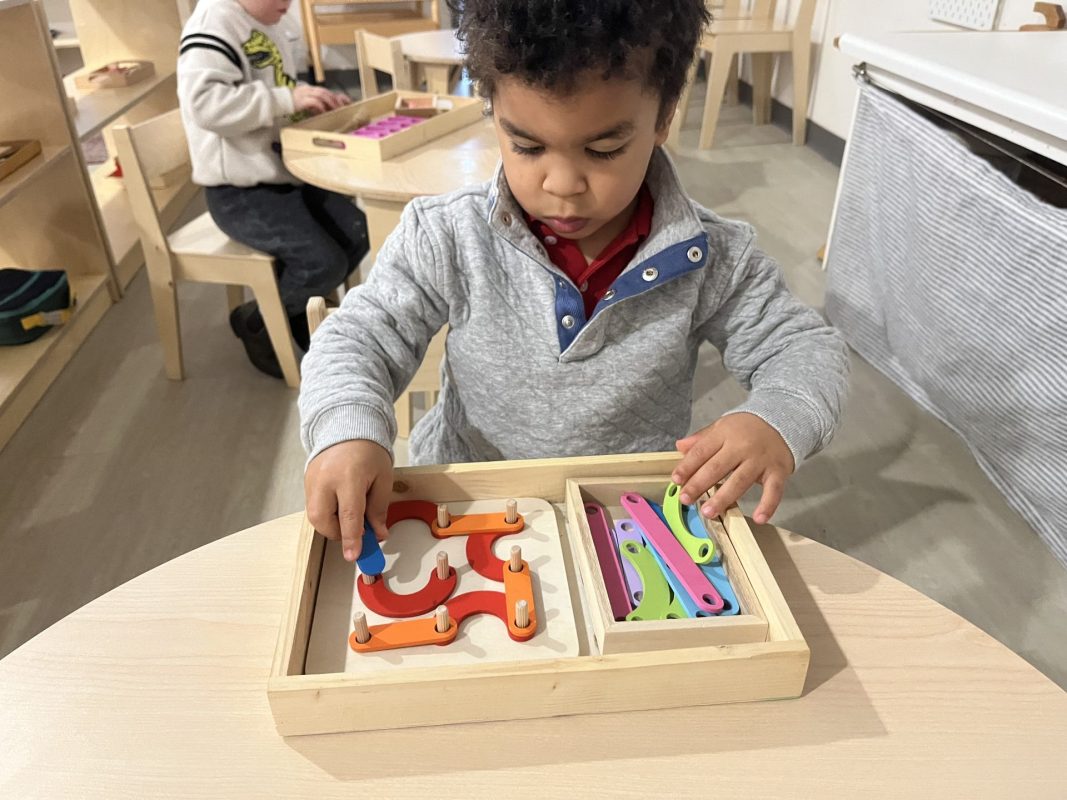
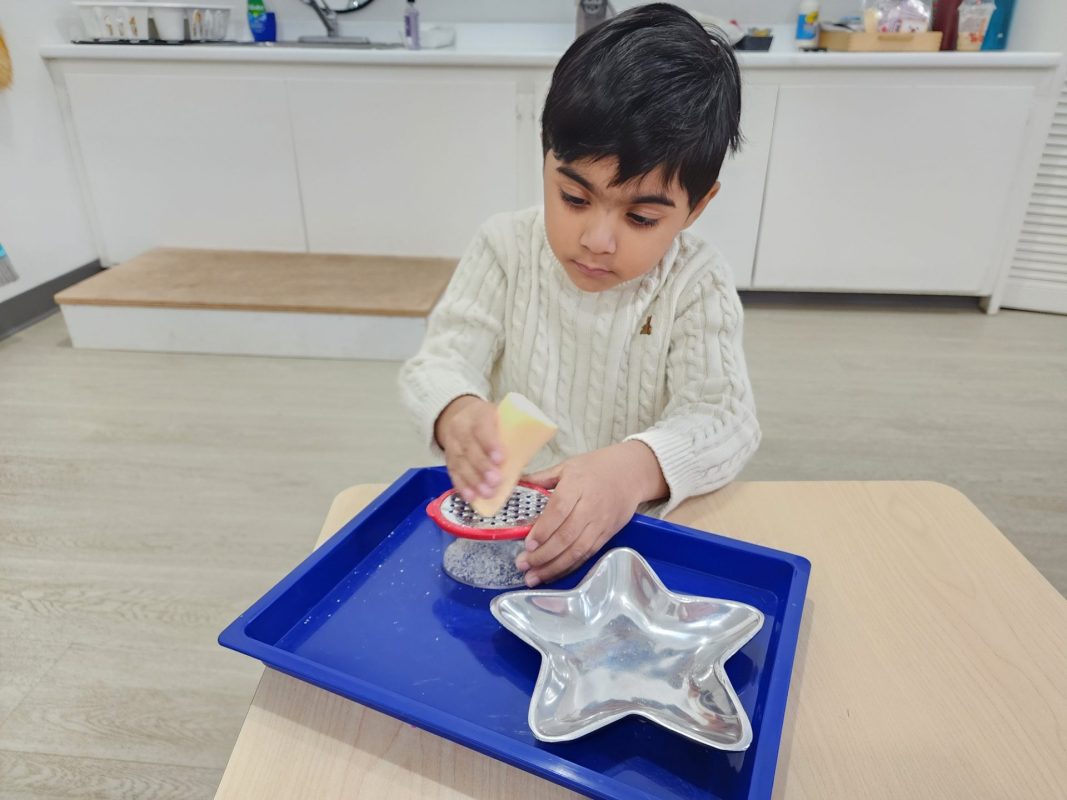
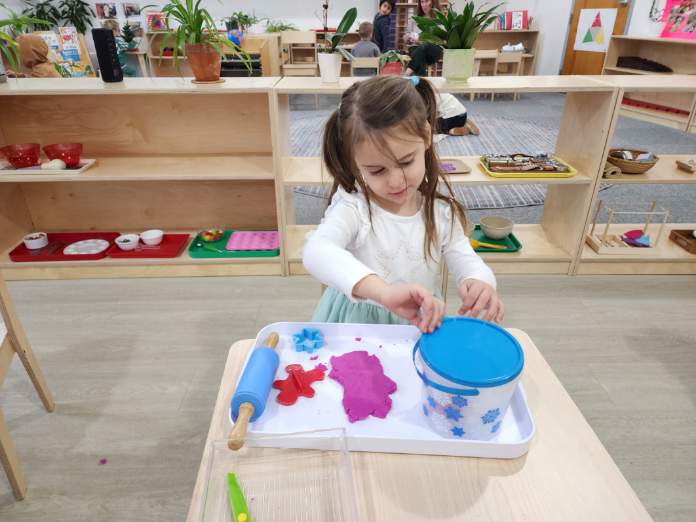
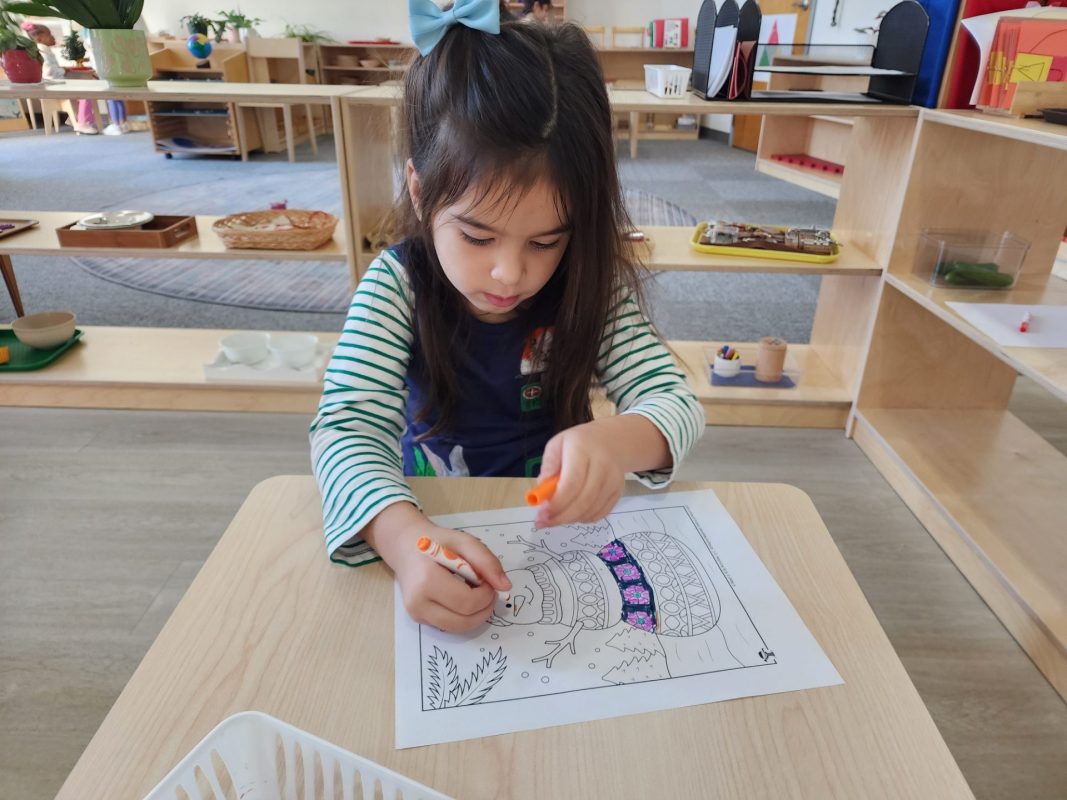
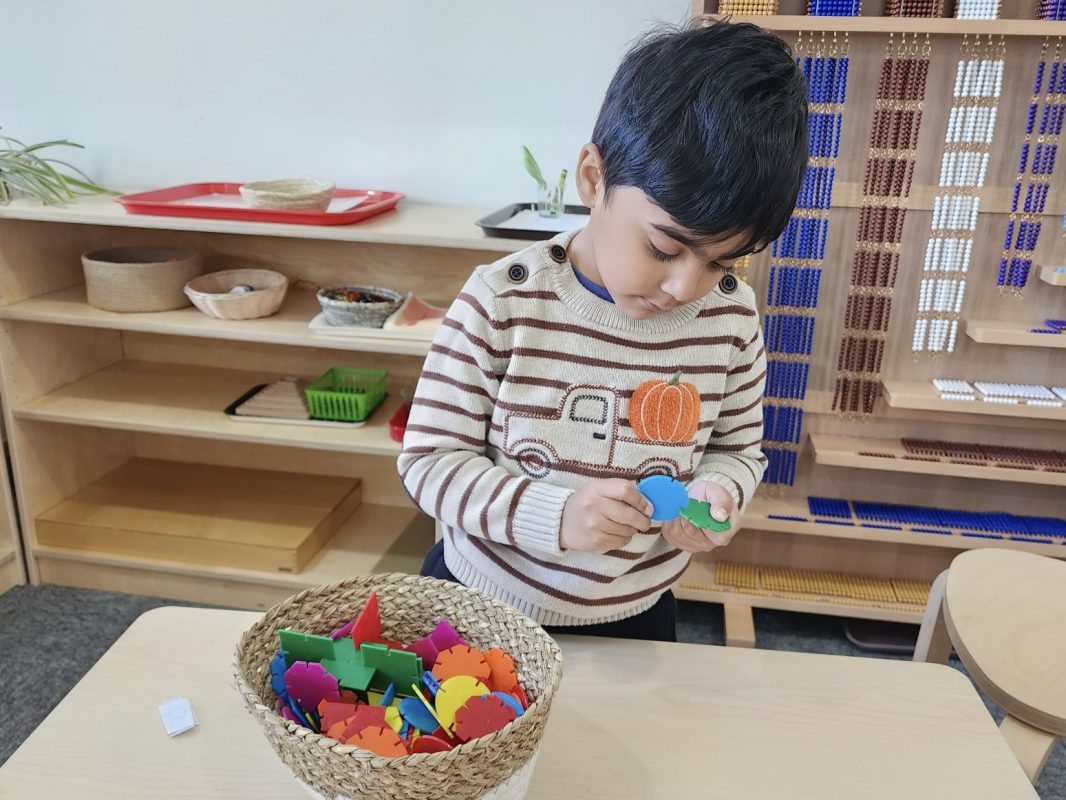
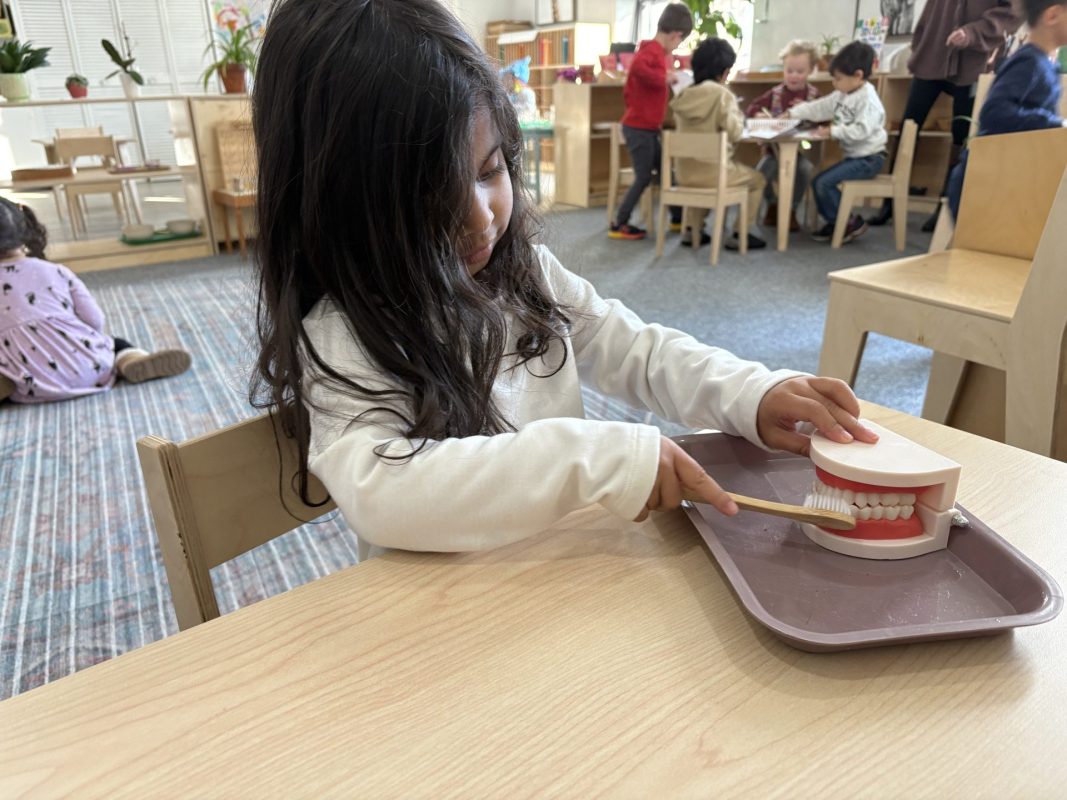
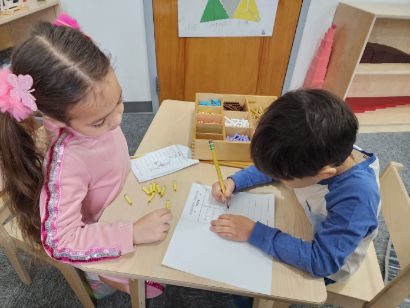
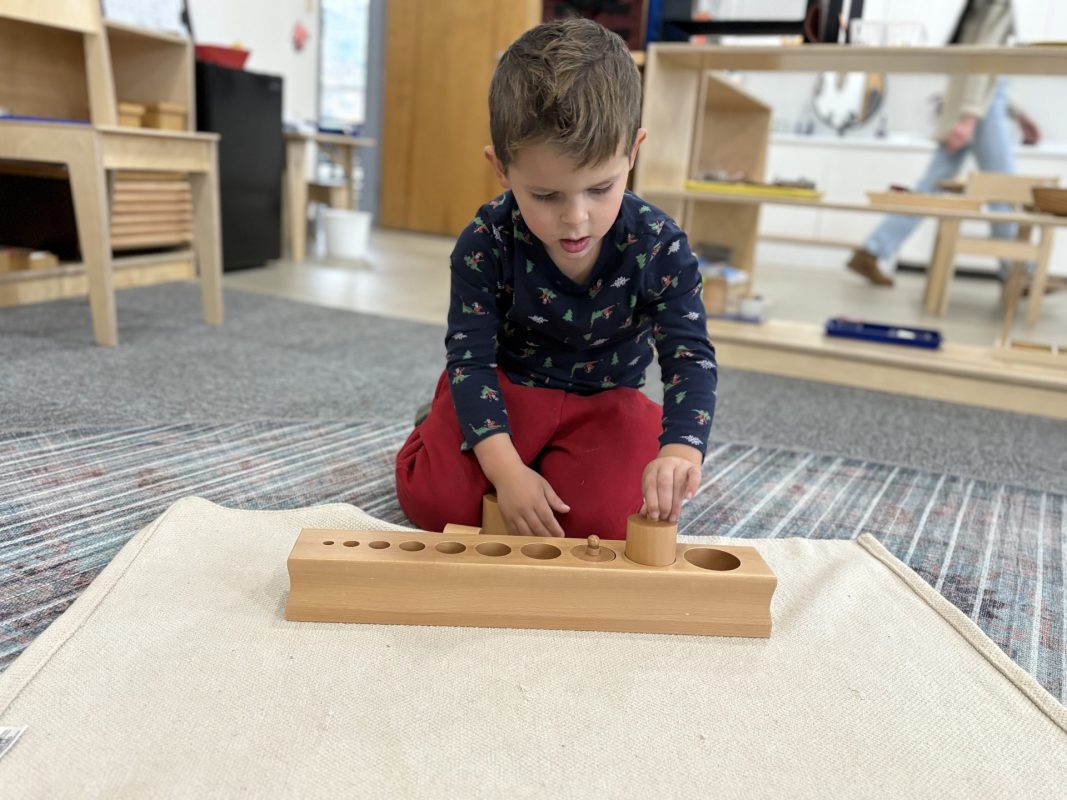
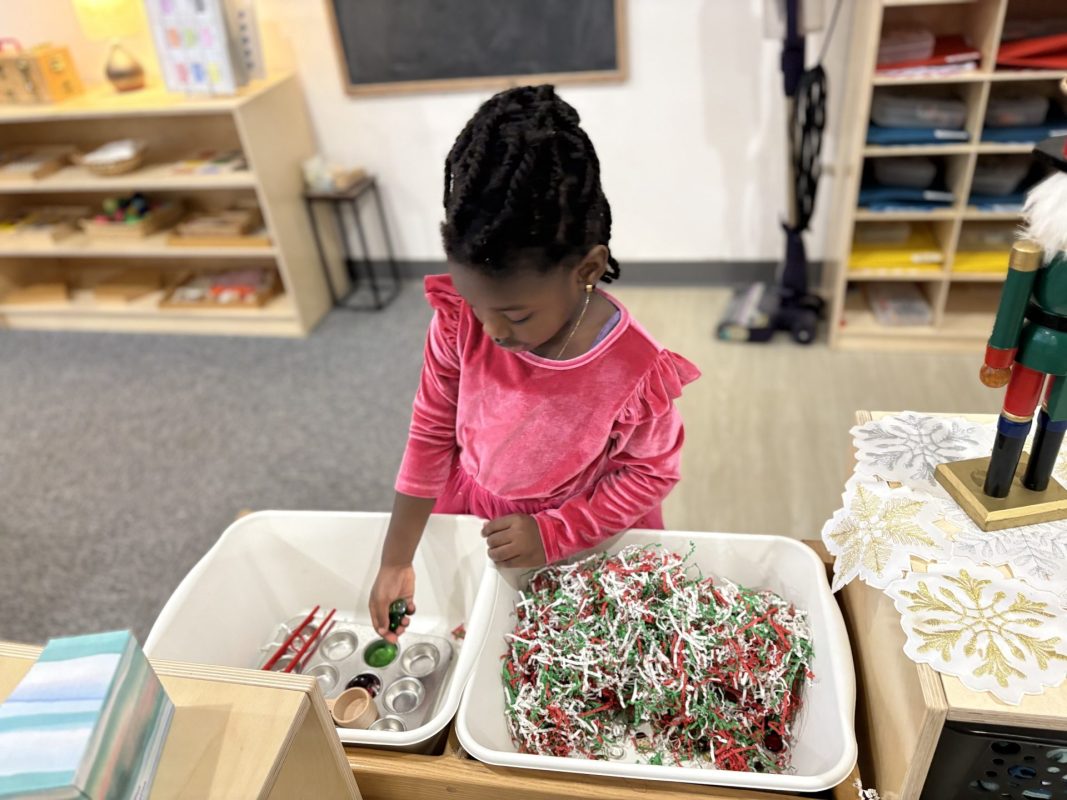
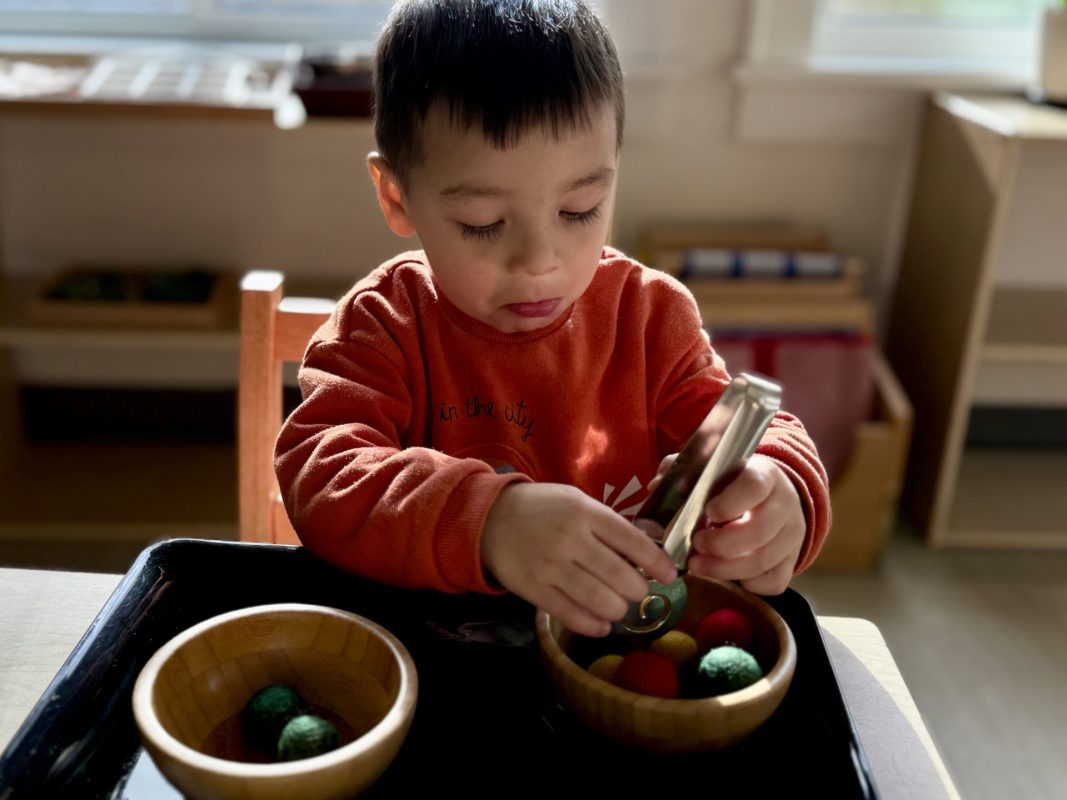
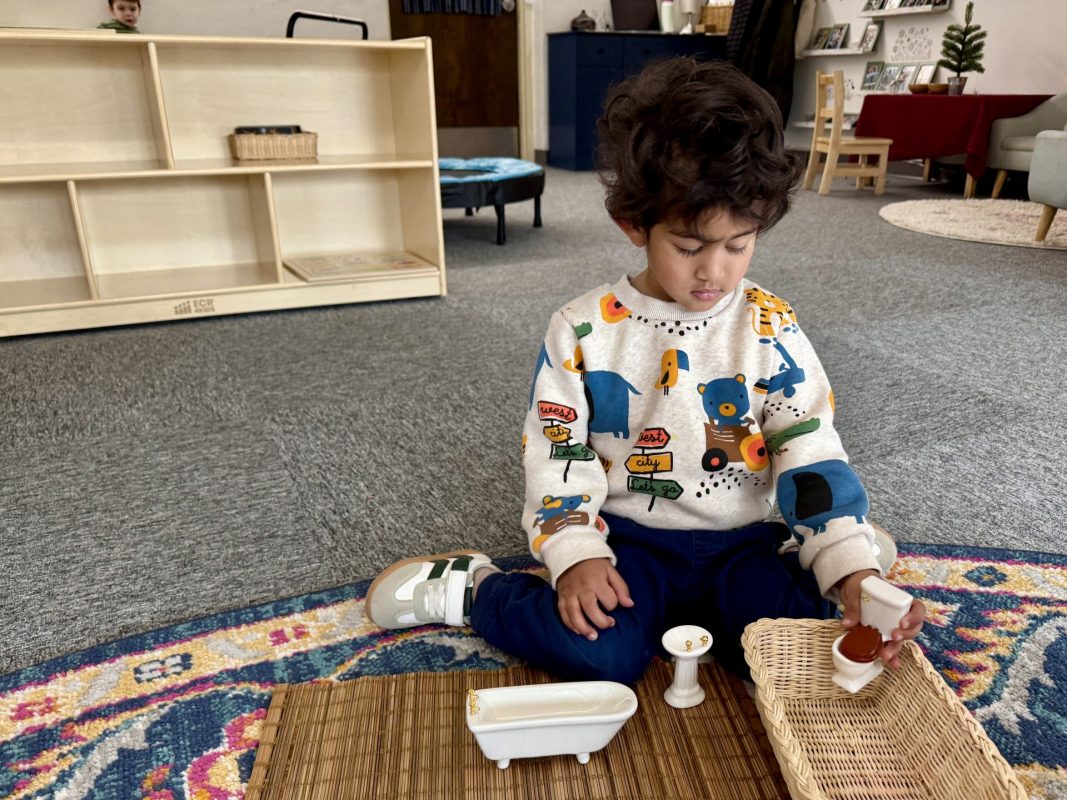
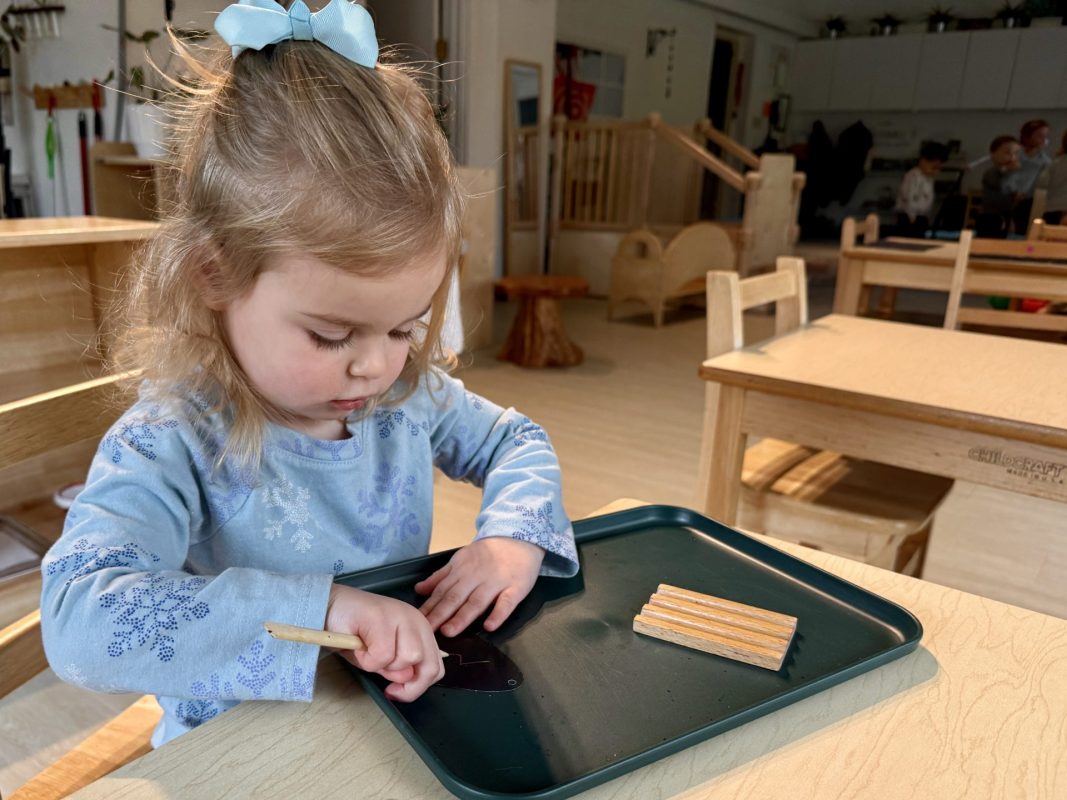
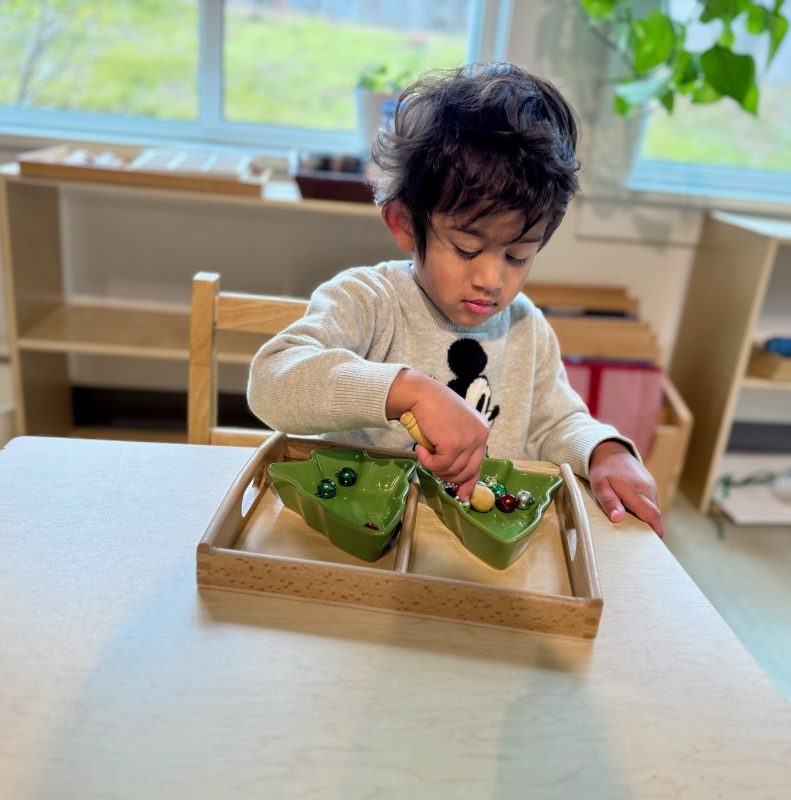
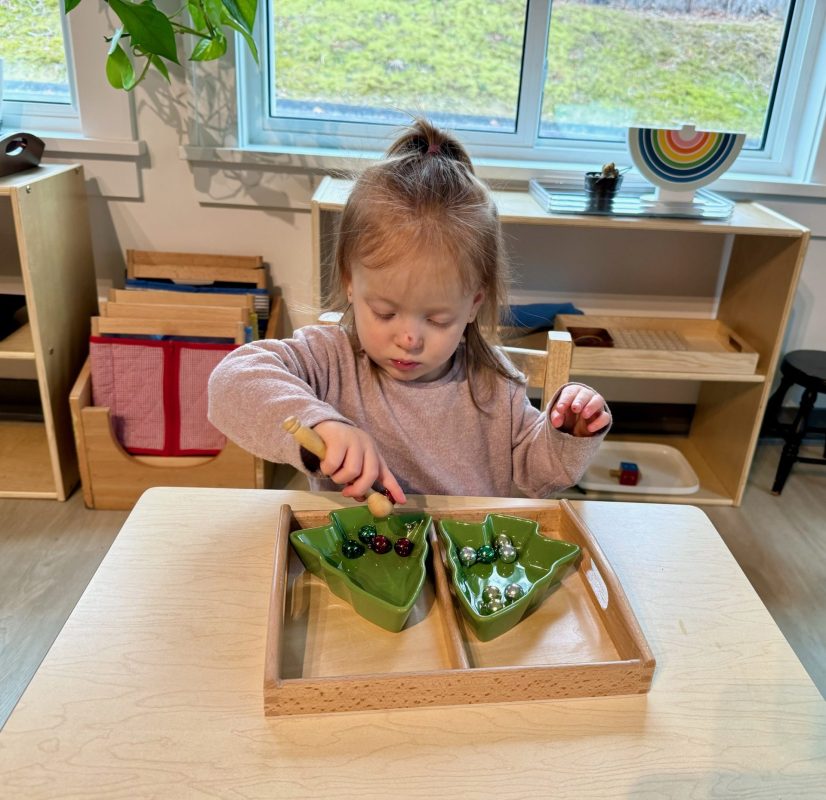
Our practical life area welcomed new seasonal work for December, giving the children fresh opportunities to practice fine motor skills and independence as we move into the winter season. The children have been deeply engaged in these new materials, taking great care as they practice coordination and concentration.

Extending Learning at Home

You can continue exploring the human body at home with simple activities:

  • Play “Simon Says” focusing on body parts and movements to help your child connect with their own body awareness
  • Look at books together about how our bodies work—many wonderful picture books explain bones, organs, and body systems in child-friendly ways
  • During bath time or getting dressed, talk about bones you can feel and muscles that help us move

UPCOMING EVENTS & ANNOUNCEMENTS

***As the weather turns colder, please send in a full set of snow gear to keep at school. This includes snow pants, boots, gloves, and a hat. Please make sure all articles of clothing are labeled with your child’s name.

***In addition, remember to switch out your child’s extra clothing in their locker with long sleeve shirts, long pants, and socks. Children often need extra clothes to change after playing in the snow.

This Week
Tuesday, December 9: Playground Volunteer–Katie R.
Wednesday, December 10: Guest Reader–Raia Family

Next Week
Tuesday, December 16: Classroom Hanukkah Celebration
Thursday, December 18: Classroom Christmas Celebration
Friday, December 19: Winter Showcase (PA Breakfast 10am, Concert begins 10:30am), Half-Day Dismissal for All Students 11:30am

Winter Break
Monday, December 22, 05 – Friday, January 2, 2026
School resumes on Monday, January 5, 026