Blog

Music, Celebration, and Thanksgiving

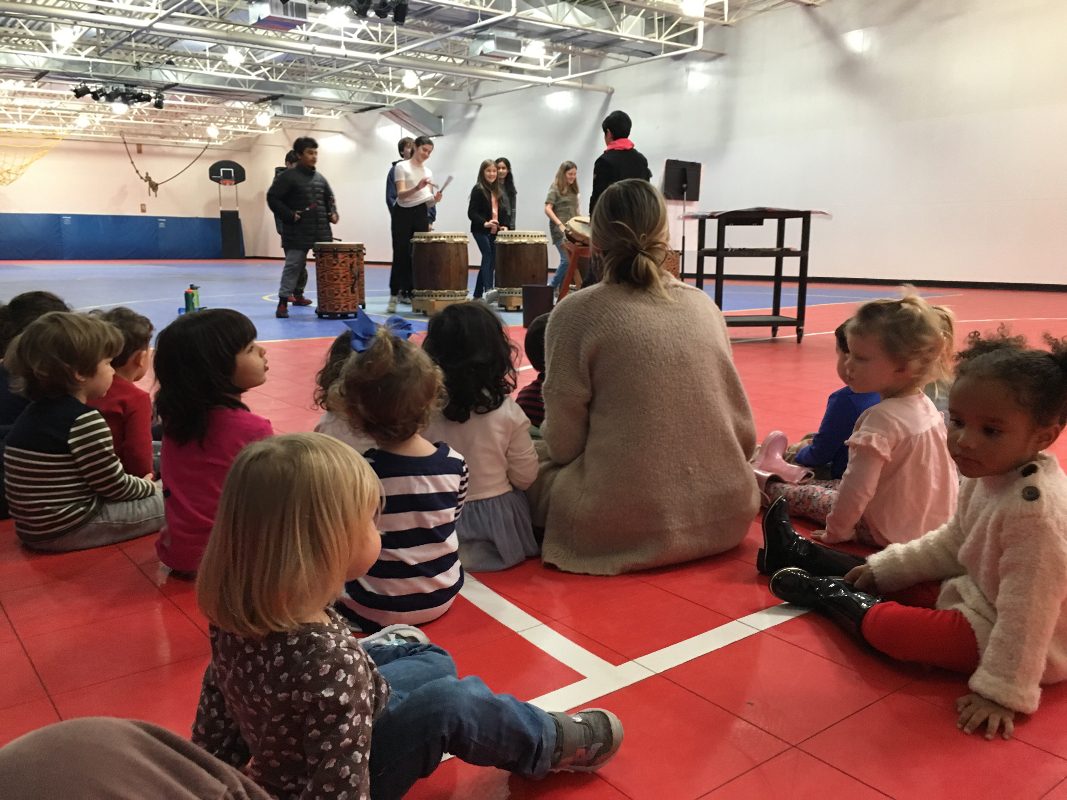
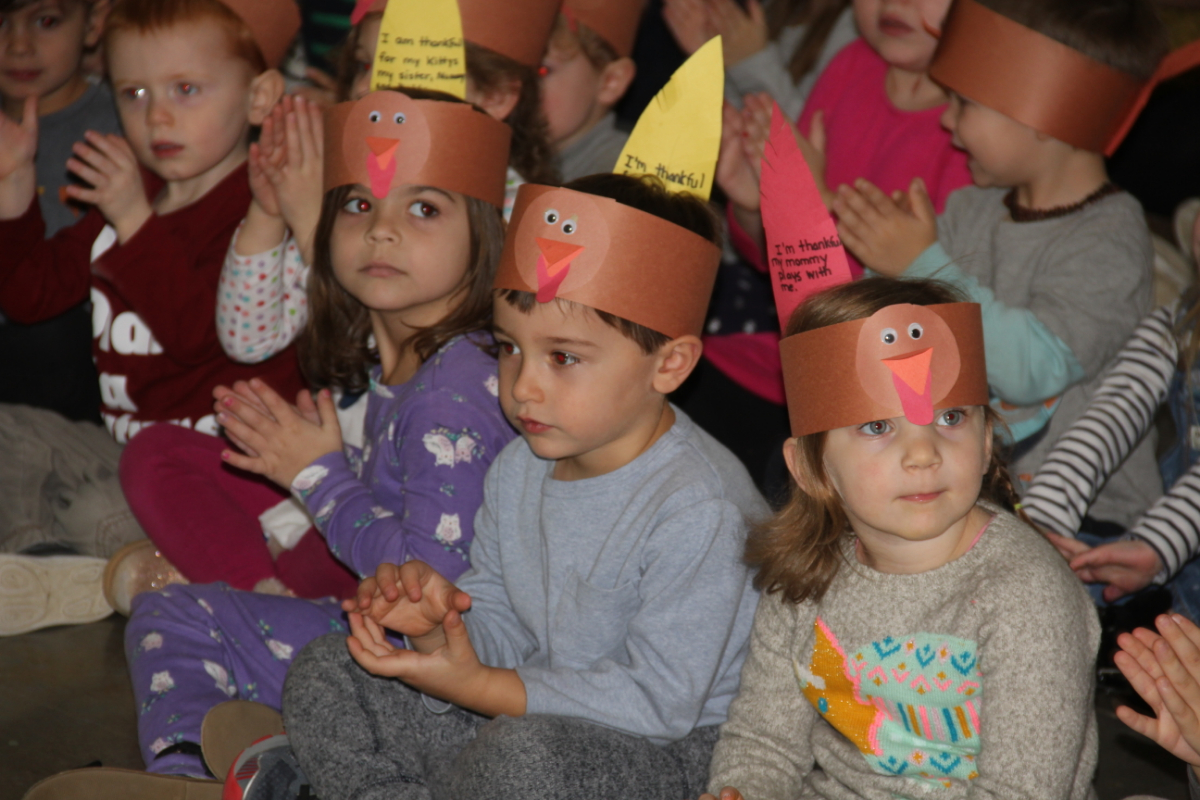
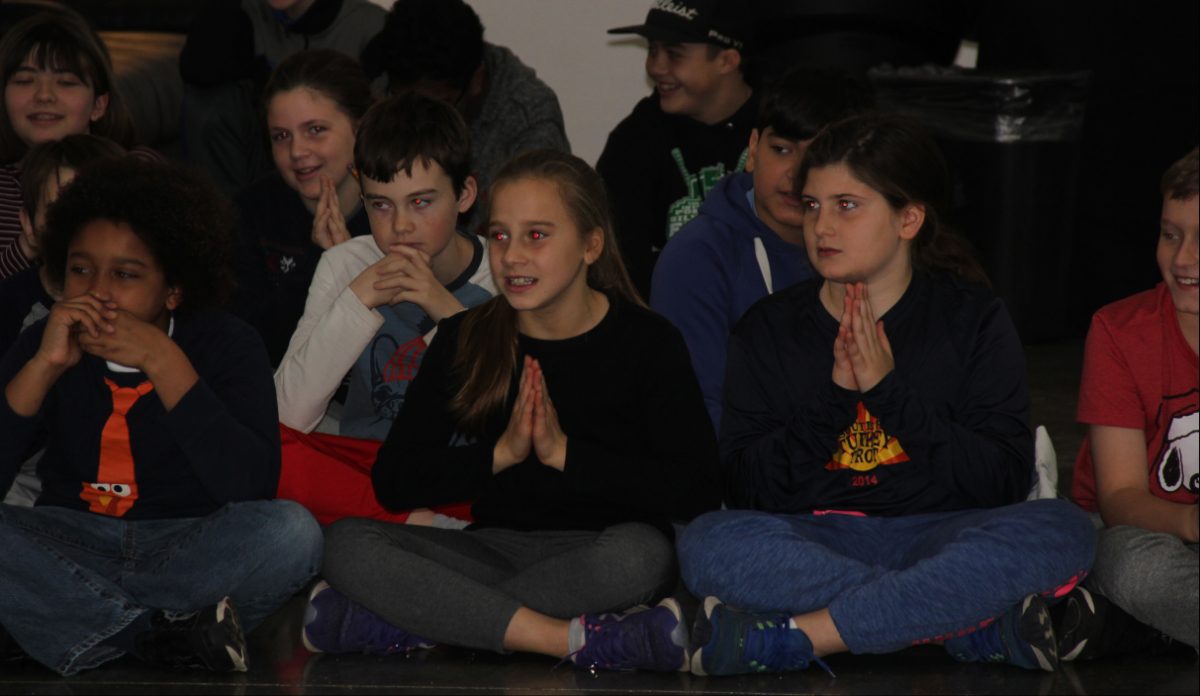
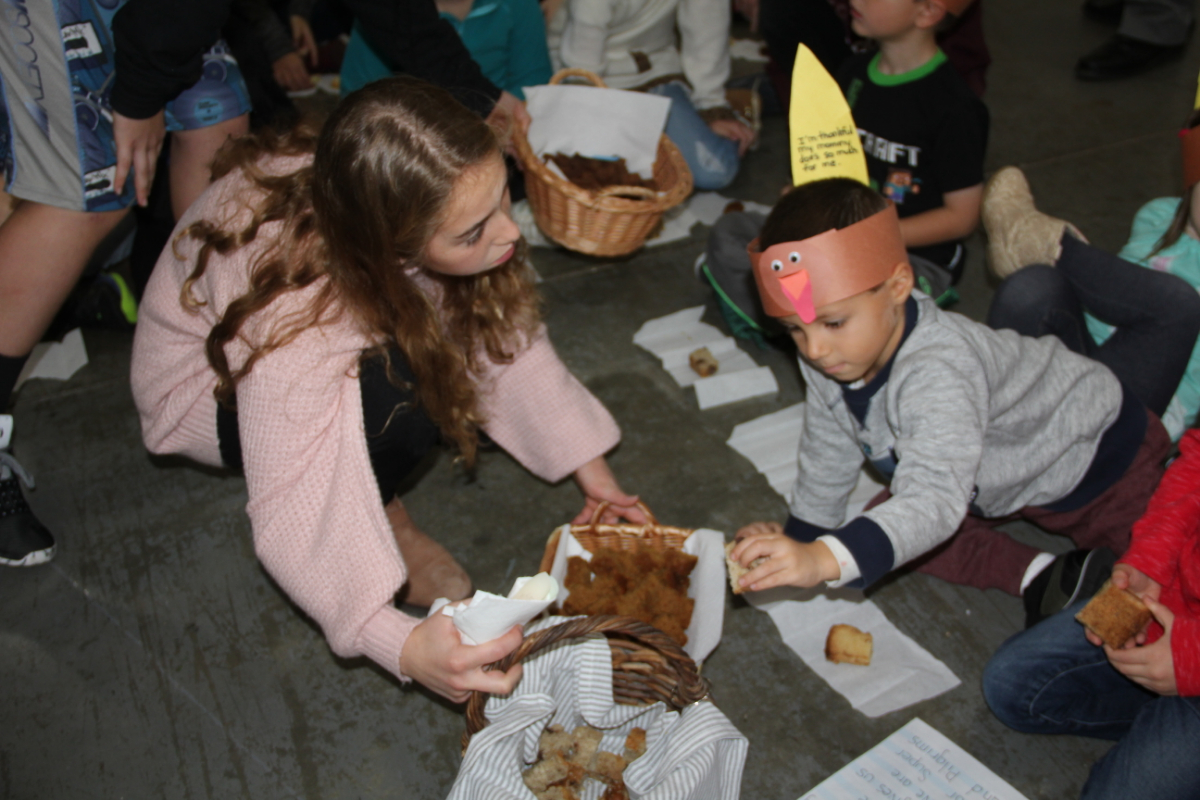
On Wednesday, November 21st, the whole school gathered as one for our Thanksgiving Celebration. This day is filled with many traditions-old and new. We celebrate the Story of The Four Elements – Fire, Water, Earth, Air. Representatives from each class share with the children are thankful for. And each class bakes bread and then brings their bread to the celebration to be shared with the rest of the community.

This year, the students have been preparing for this heartwarming event by learning to sing: One by One composed by our beloved songwriter, John Farrell. John Farrell is an internationally acclaimed songwriter, author, and peace educator.  John Farrell is also the founder of “Bridges of Peace and Hope,” an international, non-profit organization of teachers and students dedicated to promoting education and understanding through collaborative, creative arts exchanges and service learning projects.

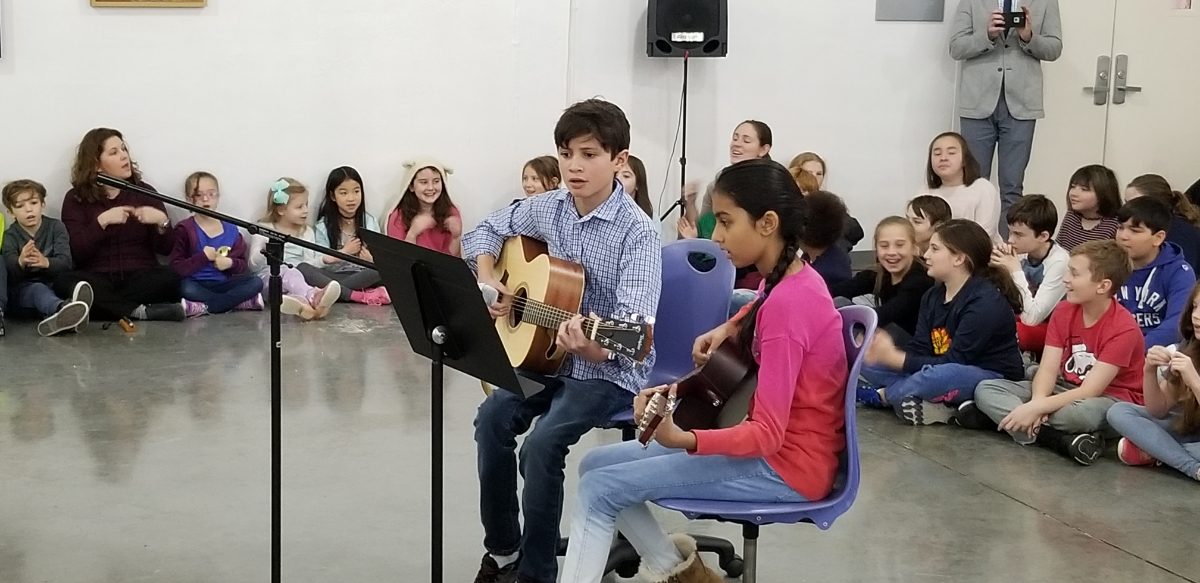
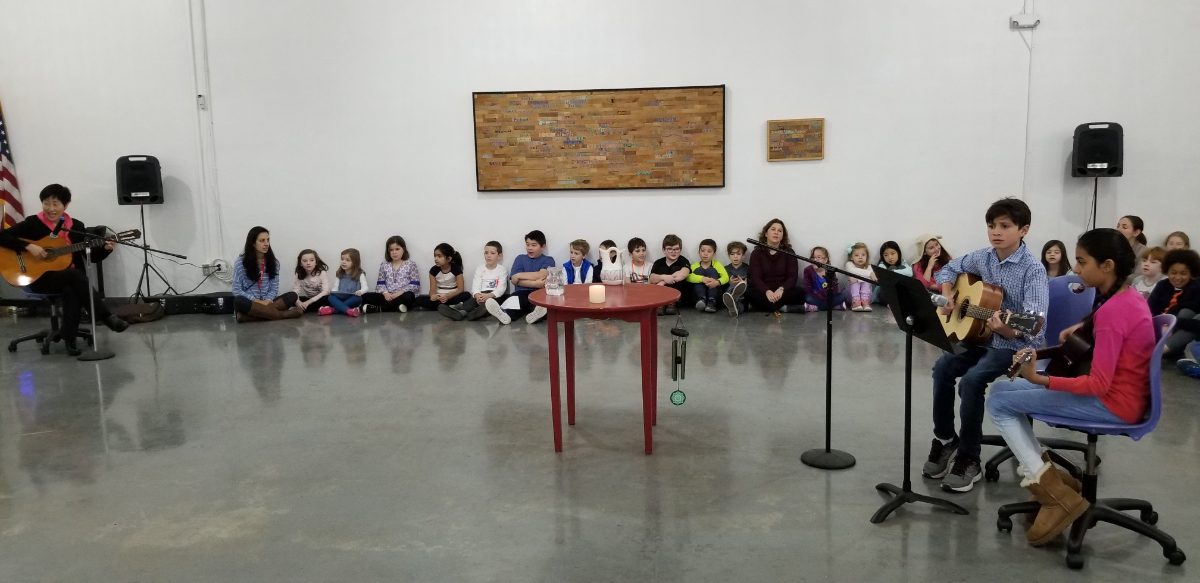
You could hear this song almost everywhere you went in the school: in classrooms, the after school room and even outside. Lower Elementary students loved it so much, that they learned the sign language for the song and performed it during the celebration. Another big PLUS to this event was that two of our Middle School students, Anselm and Rania joined me in accompanying the song on the guitar.

It was indeed, a blessing to share! “One by one, we count our blessings…”.

One by One by John Farrell

Thank you for the sun that shines
Thank you for the stars above
Thank you for the rain that falls
And thank you for your love

One by one we count our blessings
As we come to share this bread
Let us gather round the table
May our hearts always be thankful
For each gift that we receive
One by one we count our blessings
With our friends and family

Thank you for the air we breathe
Thank you for the food we eat
Thank you for our families
And thank you for your love
Upcoming News and Events

#givingtuesday #fwmontessorigivingtuesdaychallenge2018 are you ready?

Most have heard about Black Friday, Small Business Saturday, Cyber Monday and Giving Tuesday. We at FWM are excited to launch this year’s Annual Fund campaign on Giving Tuesday. While our Annual Fund campaign runs until June 30th 2019, we hope that you will make your donation during this year’s Giving Tuesday.

Giving Tuesday was created in 2012 with a the goal of creating a global giving movement. Over the past seven years, it has successfully created a global giving movement. According to their website, last year 2,500,000 million gifts were made totaling $300,000,000 in over 15o countries.  We hope that we can count on your support next Tuesday, November 27th for #givingtuesday. Take the #fwmontessorigivingtuesdaychallenge2018 and support FWM! We think globally, please give locally; support Fraser Woods Montessori School.


Wearables in STEAM

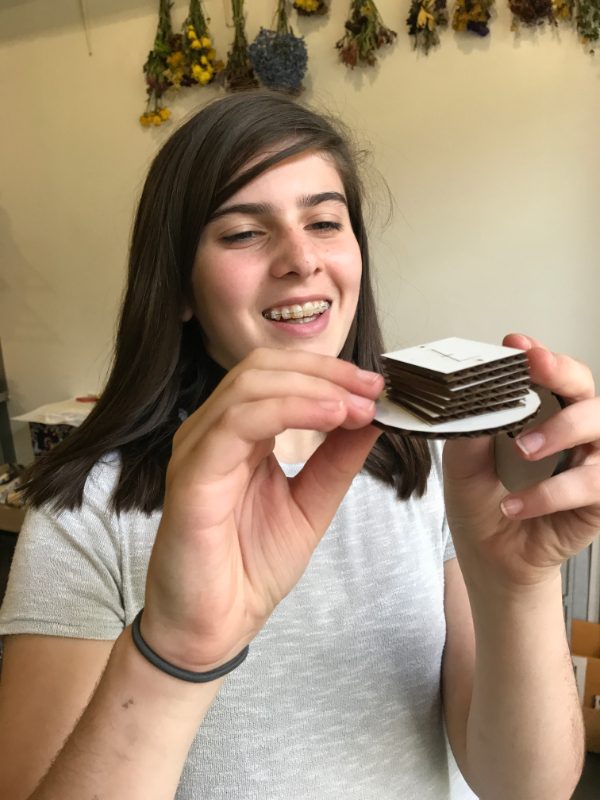
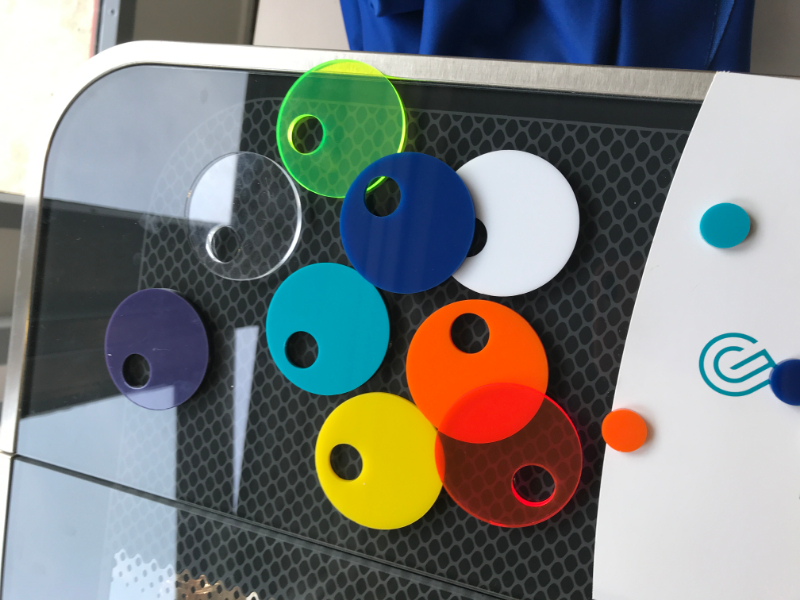
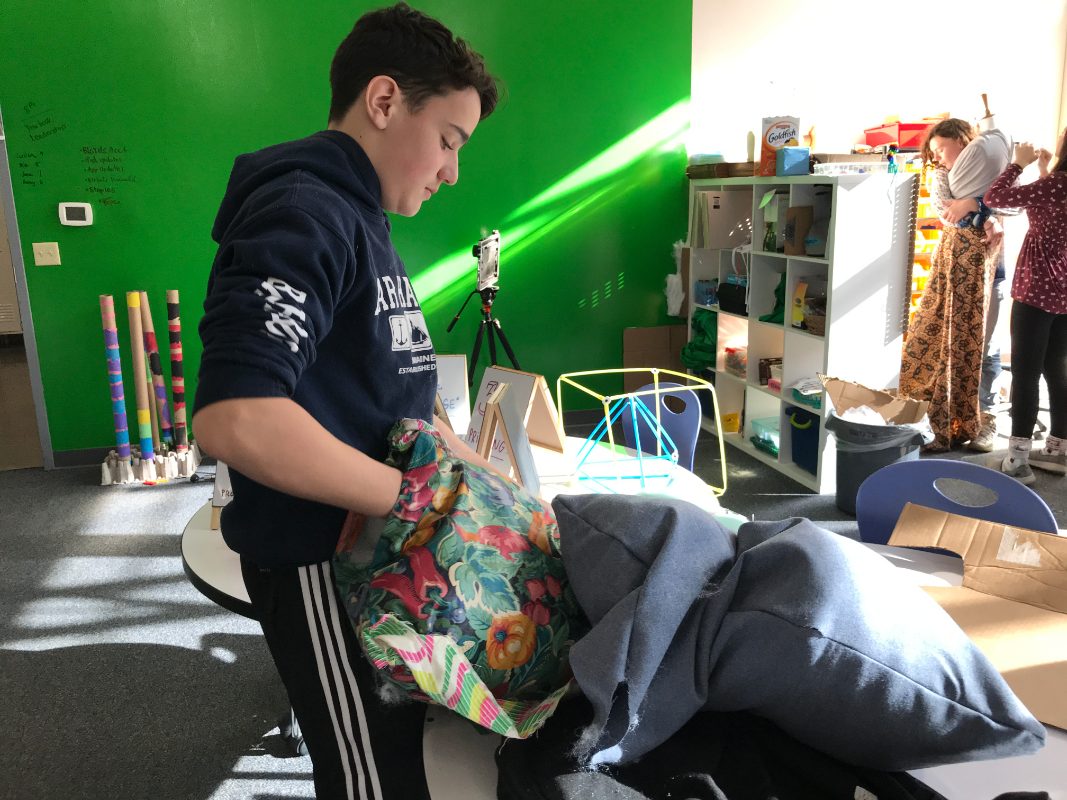
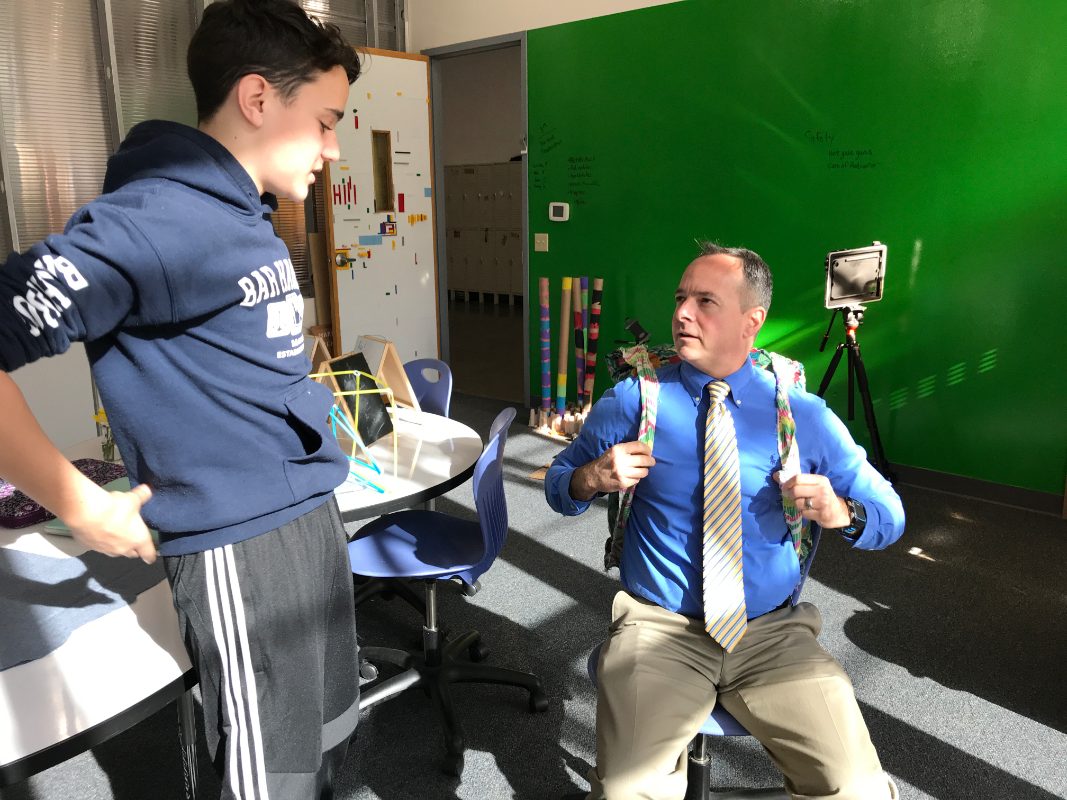
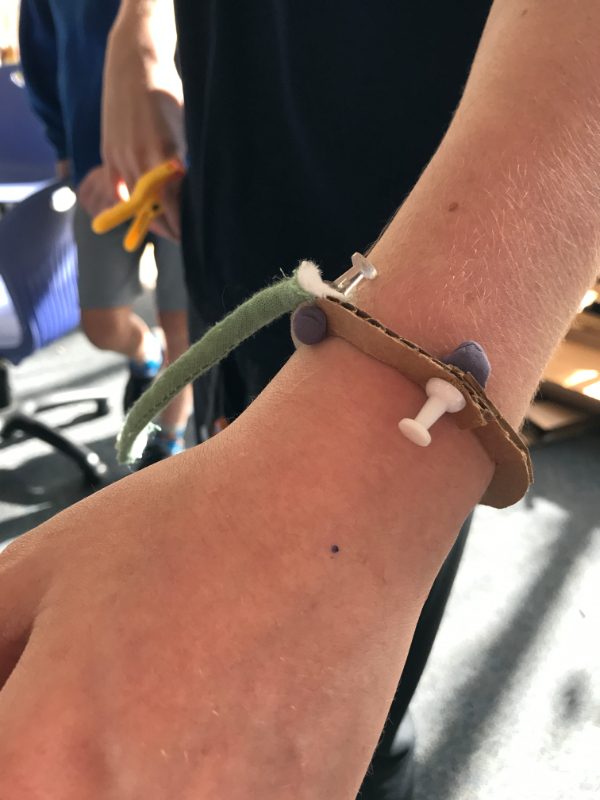
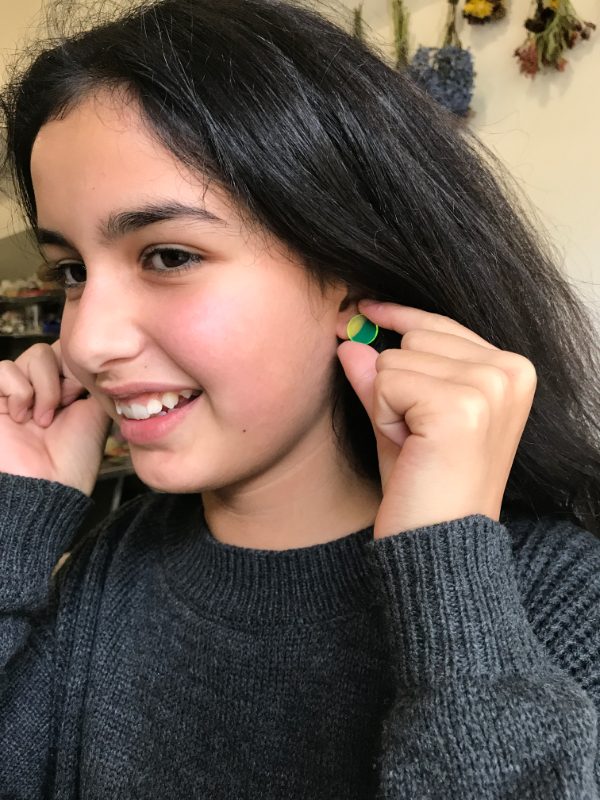
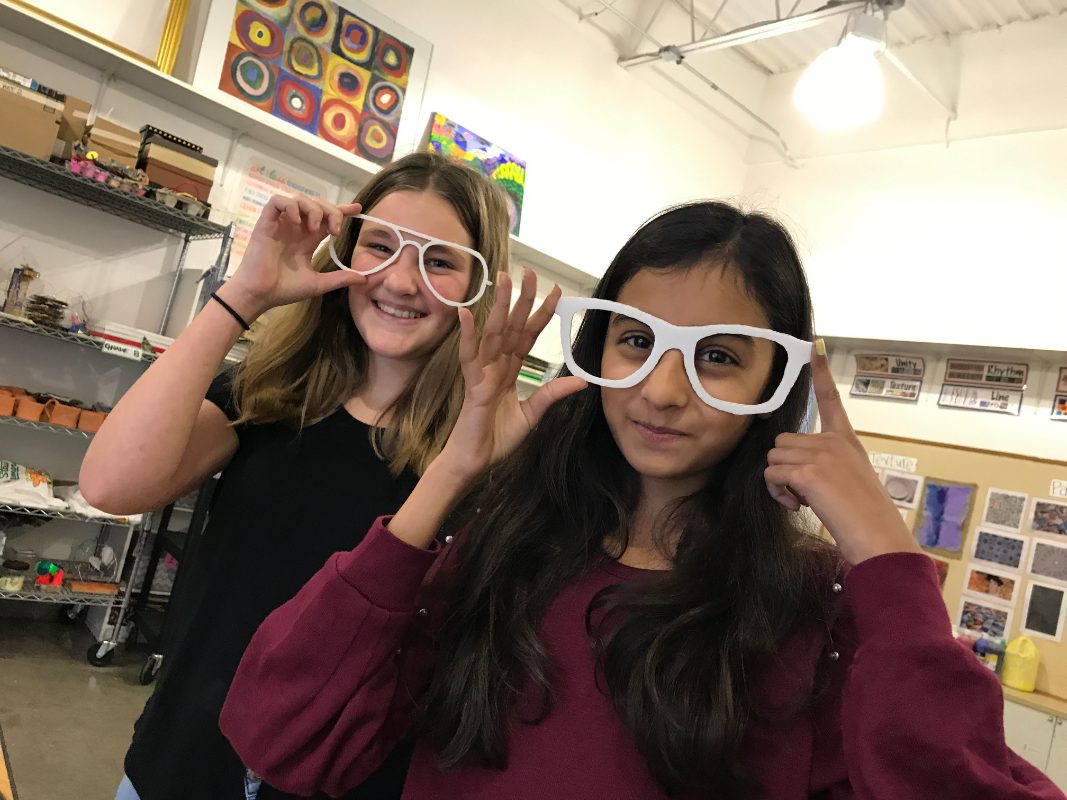
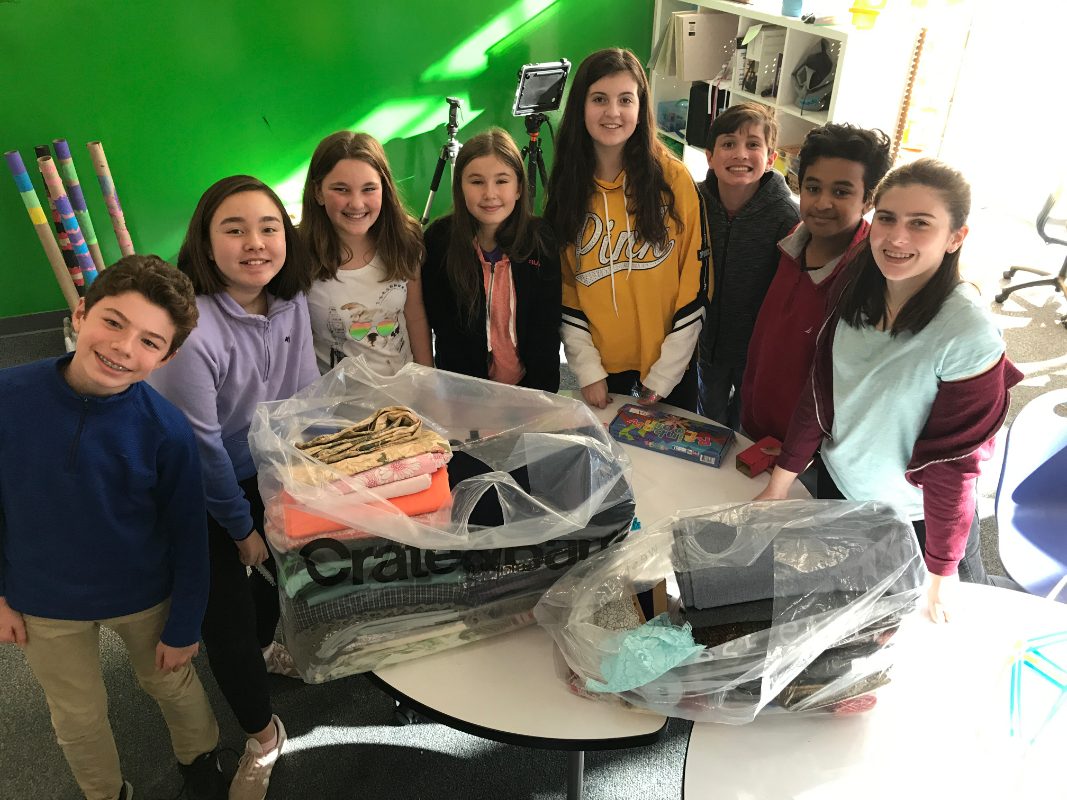
Middle School Students are working on their third STEAM project: Wearables. In this project, students were assigned to a team to create a wearable item. Projects range from a bee keepers hat and handcuffs to acrylic jewelry and even a custom portable backpack pillow.

Students continue to crush our projects with energy and ideas- Just when Mrs. Reid and I think they’ve started to plateau on an idea they go back and make it better than ever.


STEAM: Science, Technology, Engineering, Art, and Math. It is a middle school class co-taught by me and our Art Teacher, Mrs. Reid.


Mrs. Carroll’s Class: Enter STARLAB


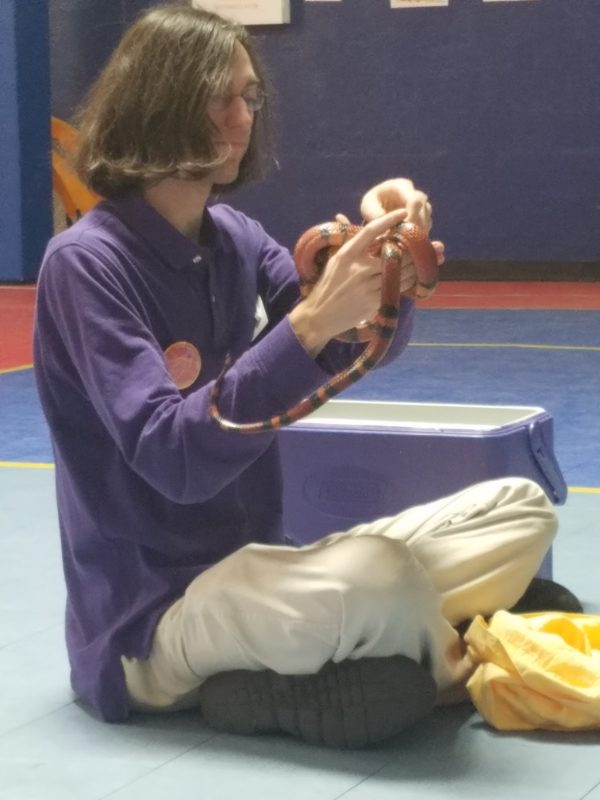
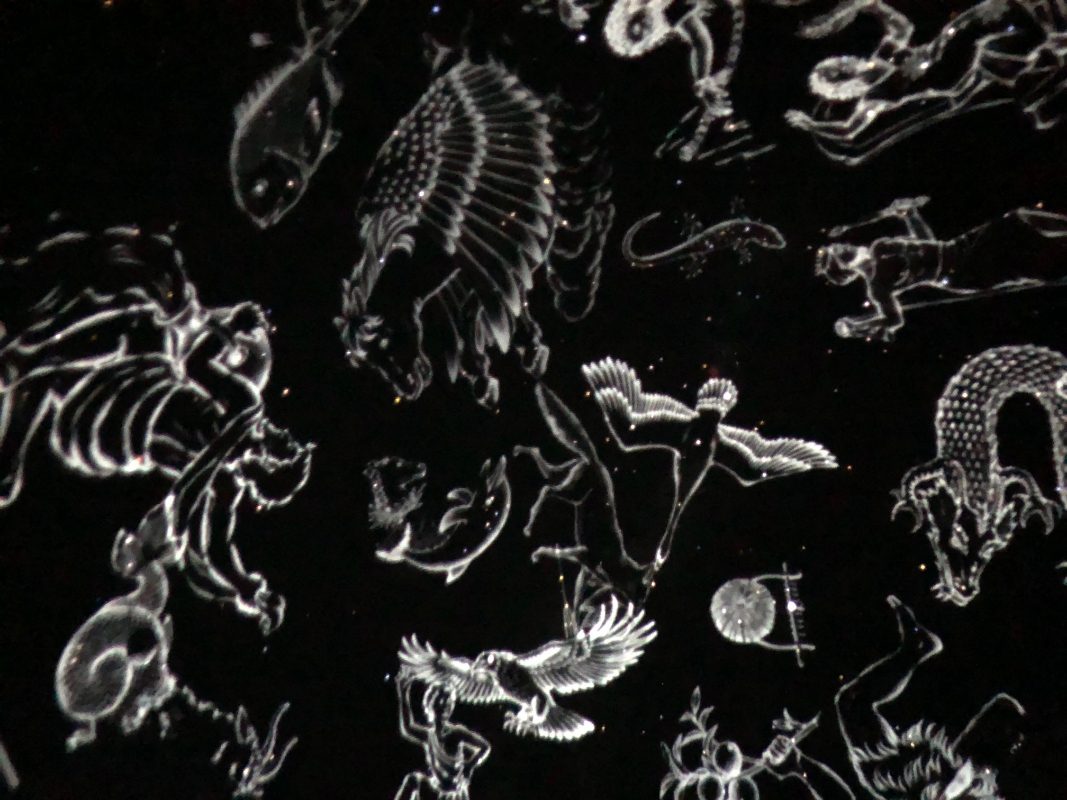
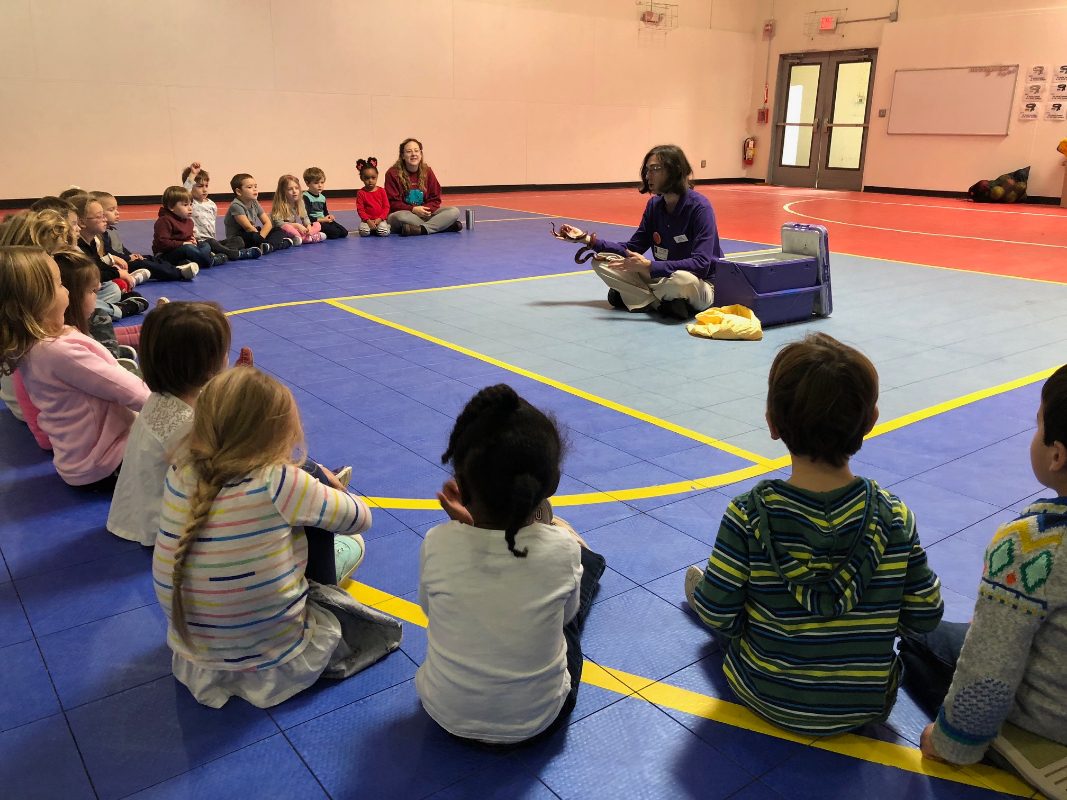
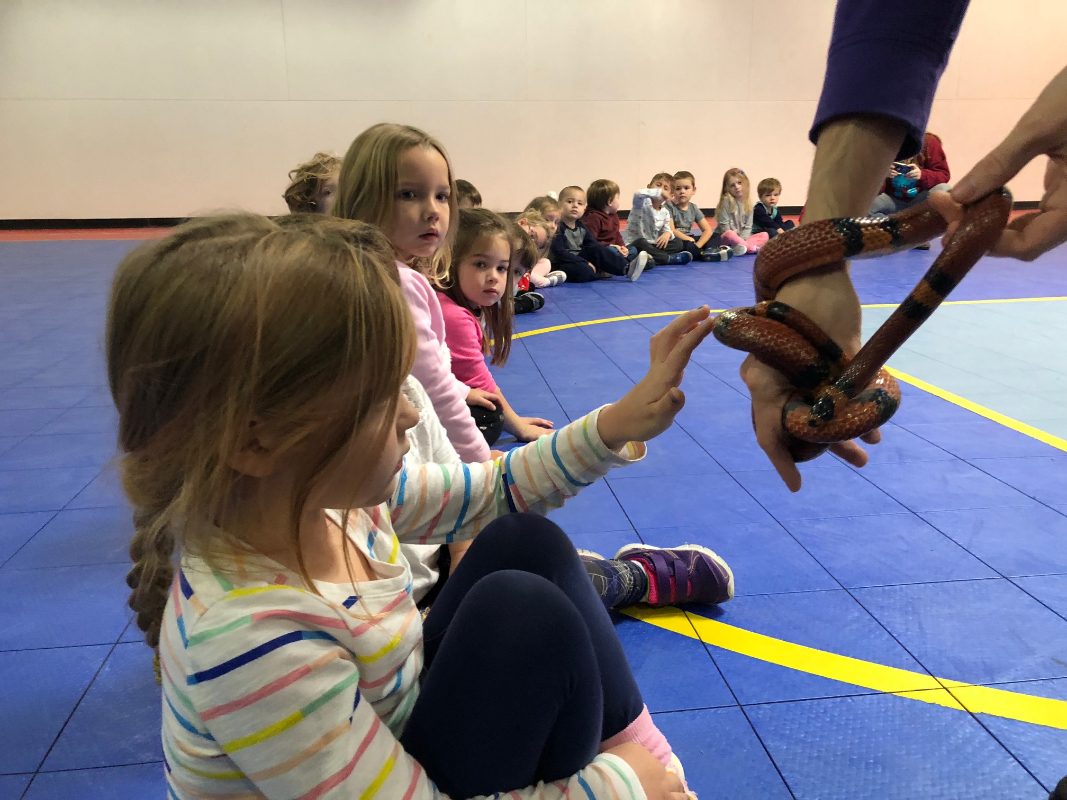
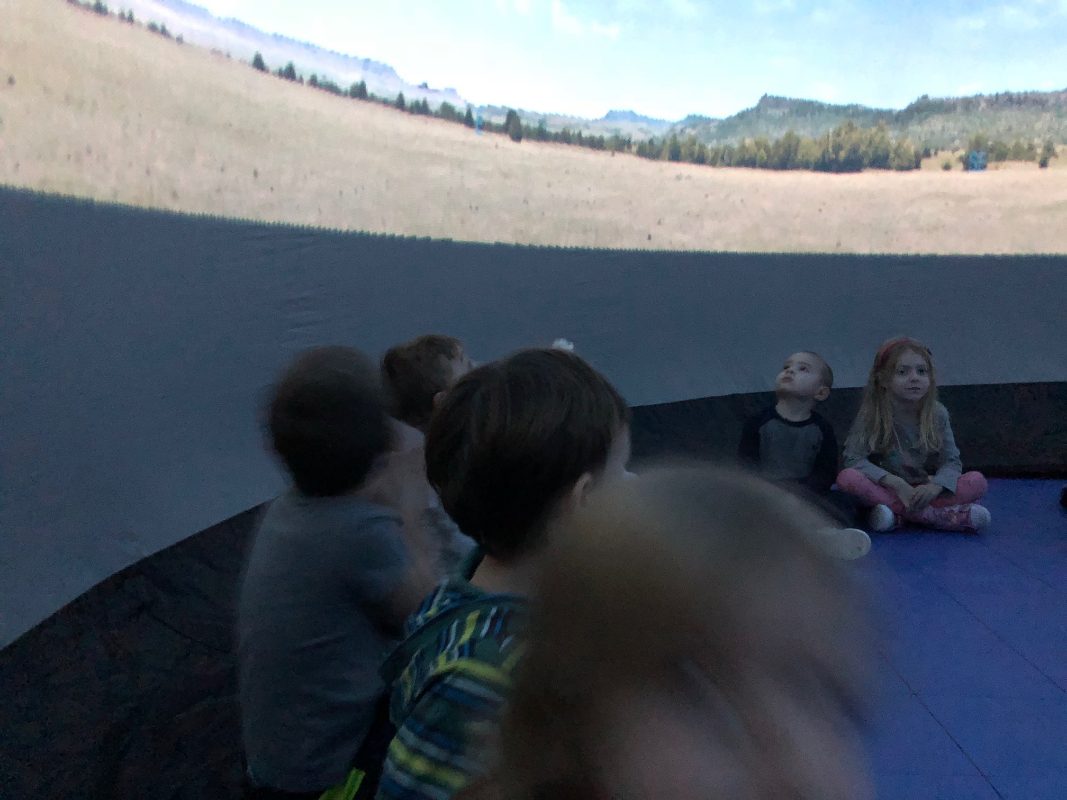
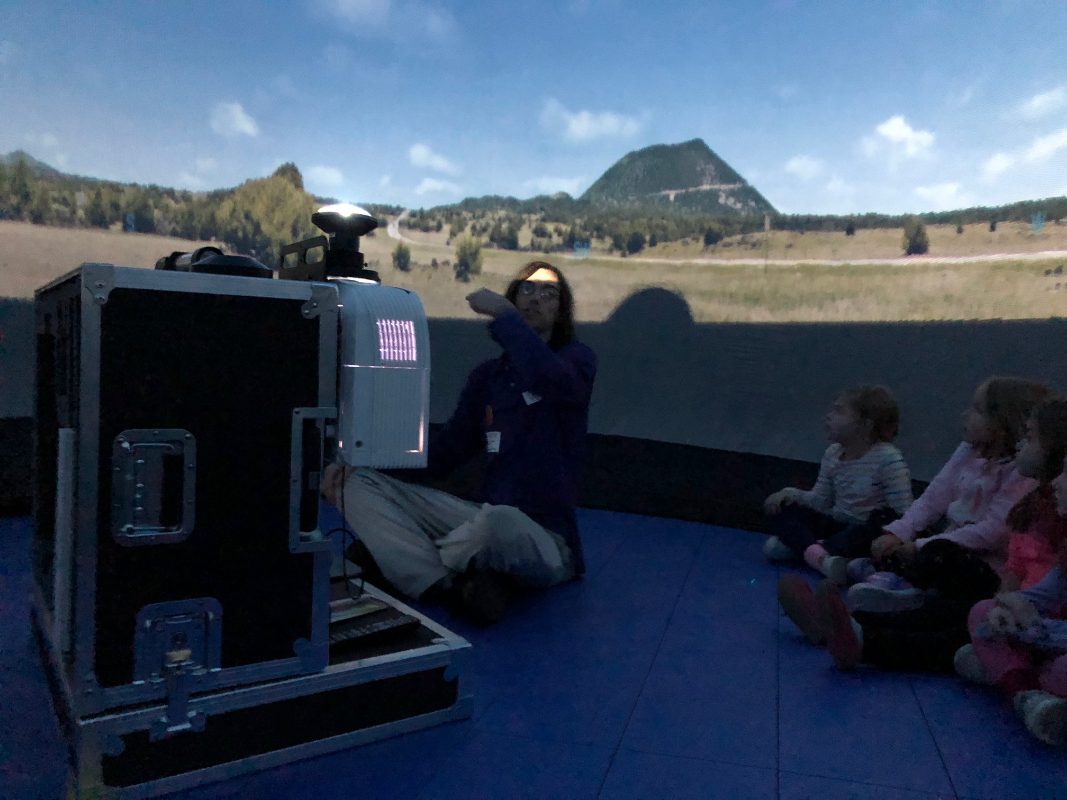
The primary students got to experience the wonders of our solar system inside a portable planetarium brought to us by The Children’s Museum of West Hartford. Our experience started with one of the staff members sharing stories of old that explained what was in the night sky. He continued to share that people would look up into the sky and connect the stars in shapes of different animals. To spark the children’s imagination, the presenter brought in a milk snake for the children to feel and examine first hand. They were able to then use that mental image when they went into the STARLAB to try to find the constellation, Serpens.

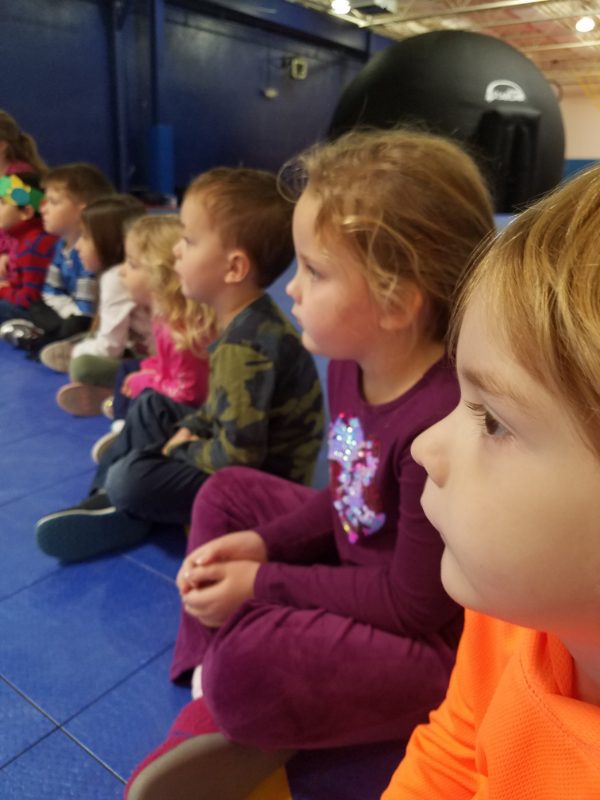
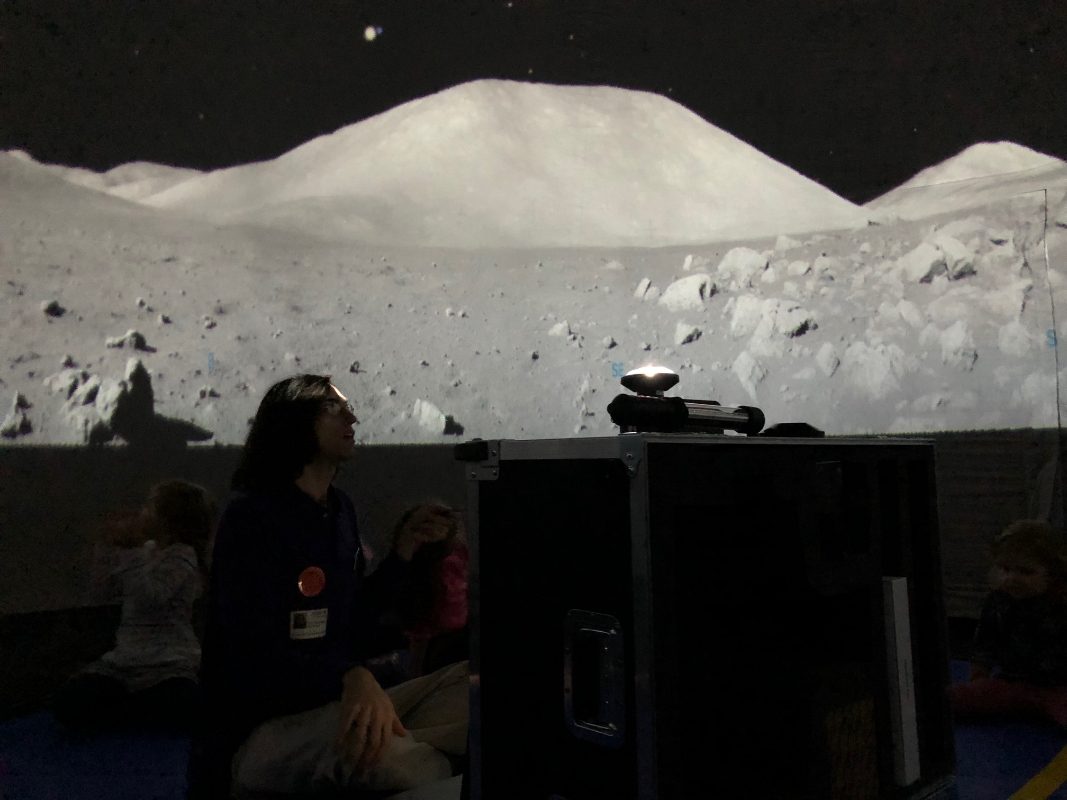
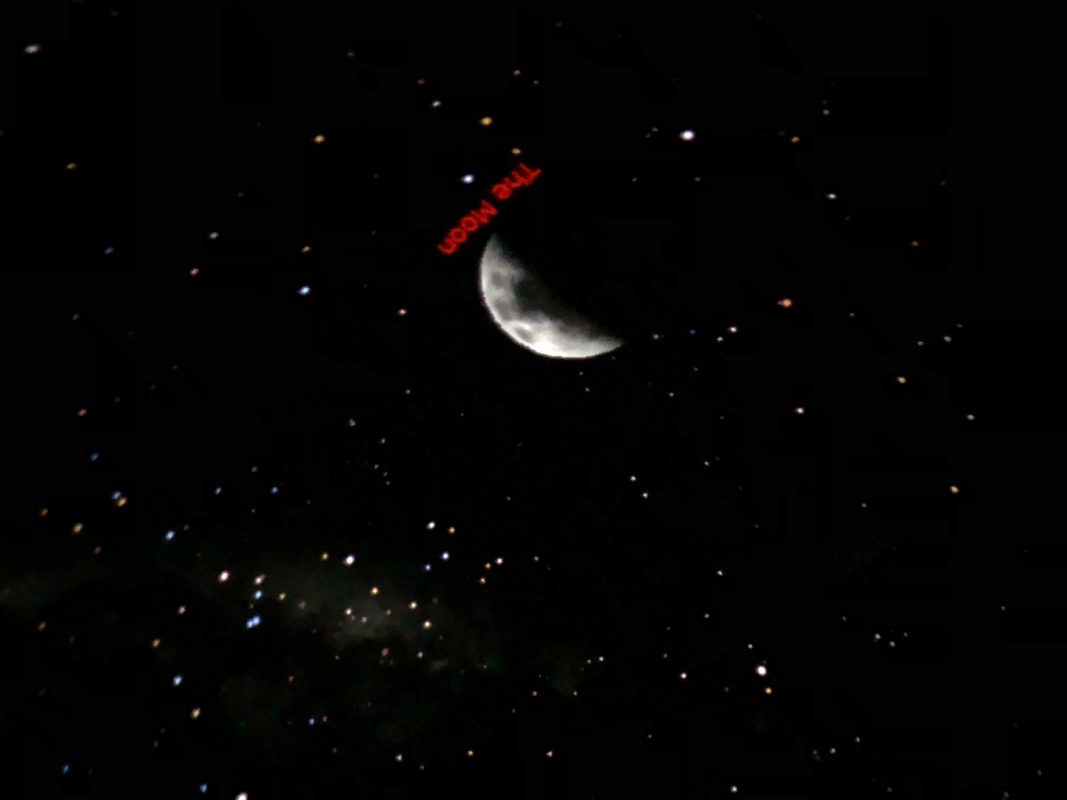
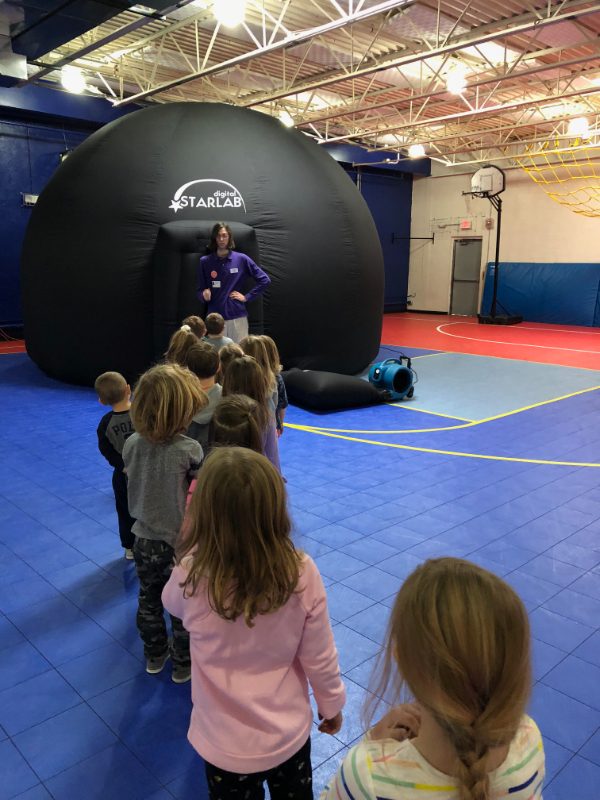
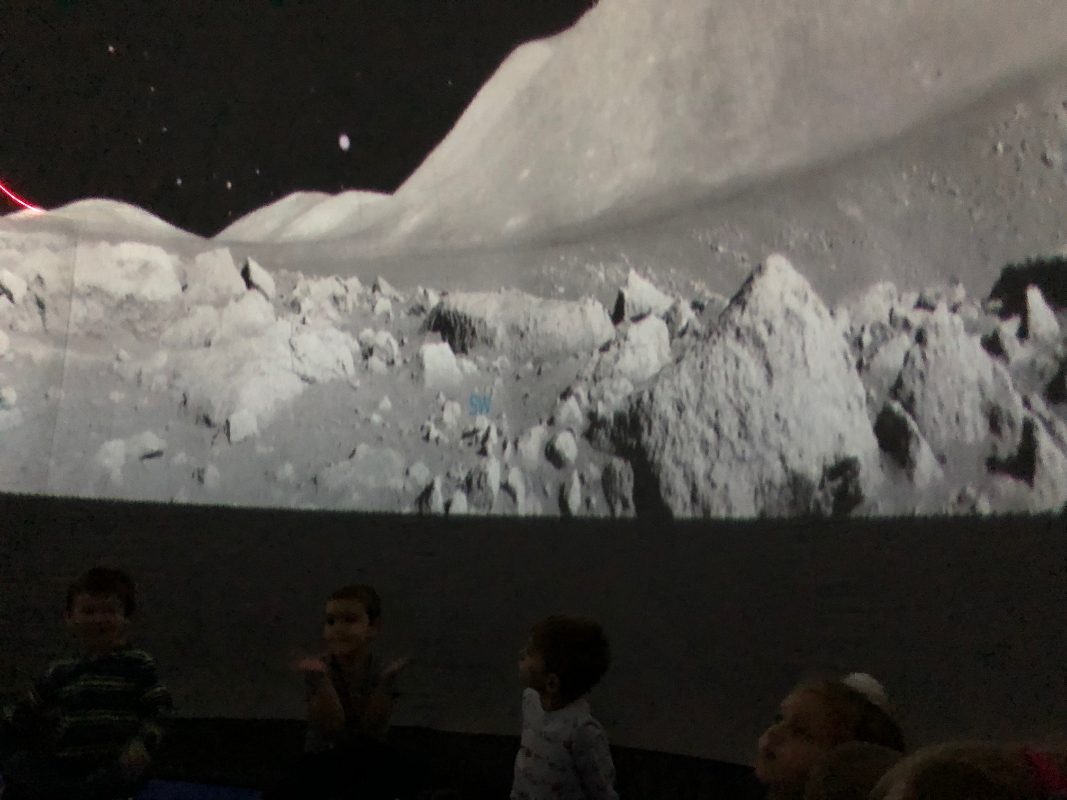
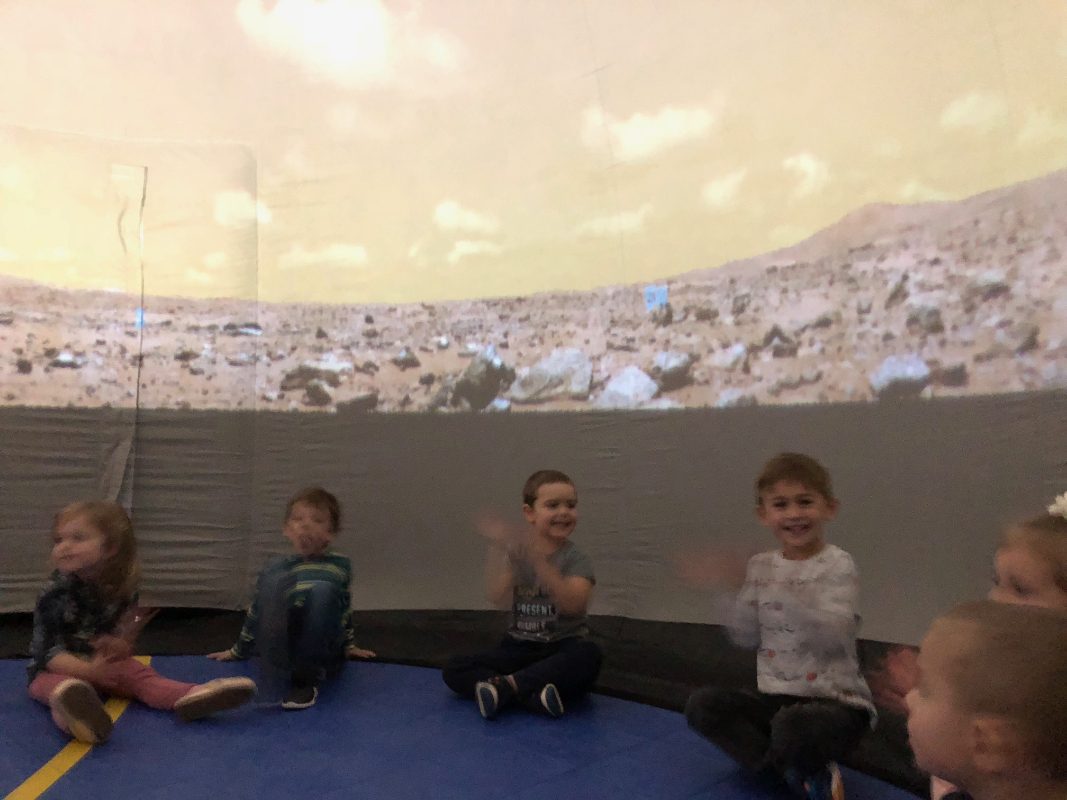
When the children were ready, the presenter brought the classes into an inflatable STARLAB. This amazing structure allowed the children to sit inside as 3-D images were projected on the walls around them. They watched the sun set and constellations appear above their heads!  The children were so excited to experience the stars all around them, but the best part of the experience was taking off from Earth and landing on the moon.


Mrs.Hood’s class: Yummy in my Tummy!

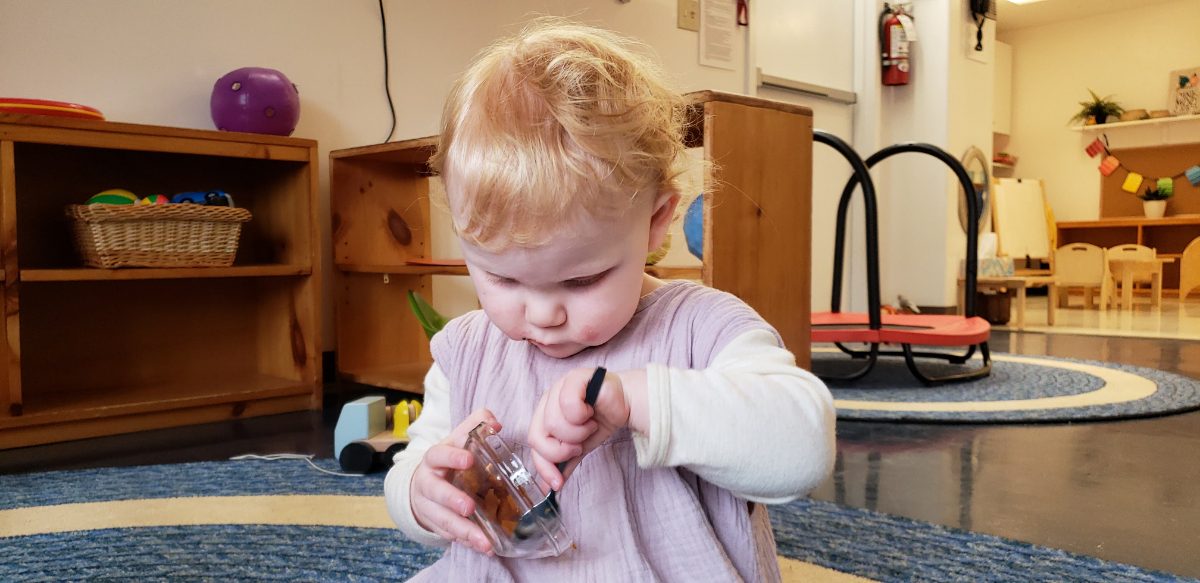
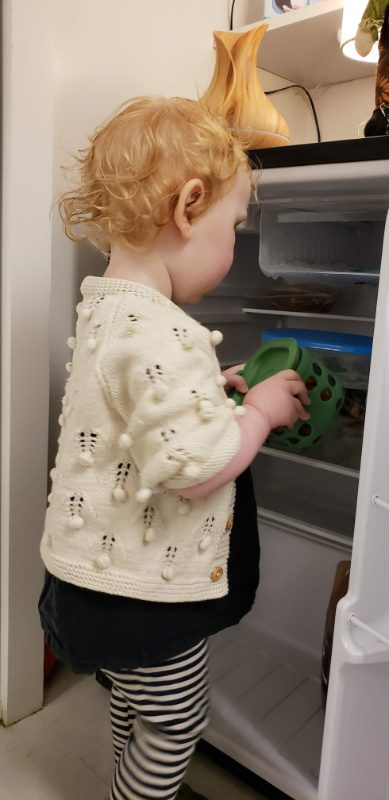
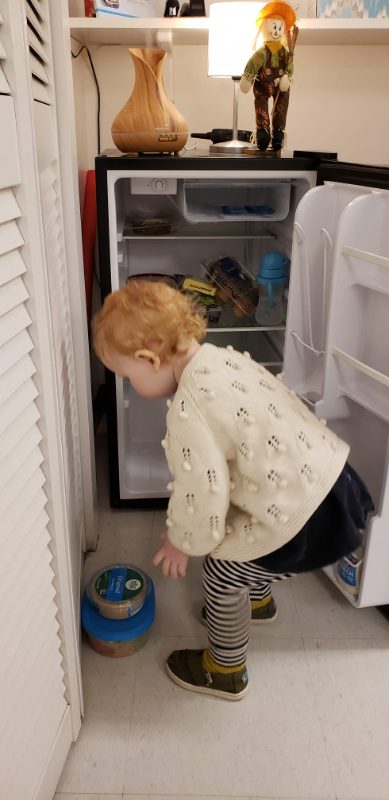
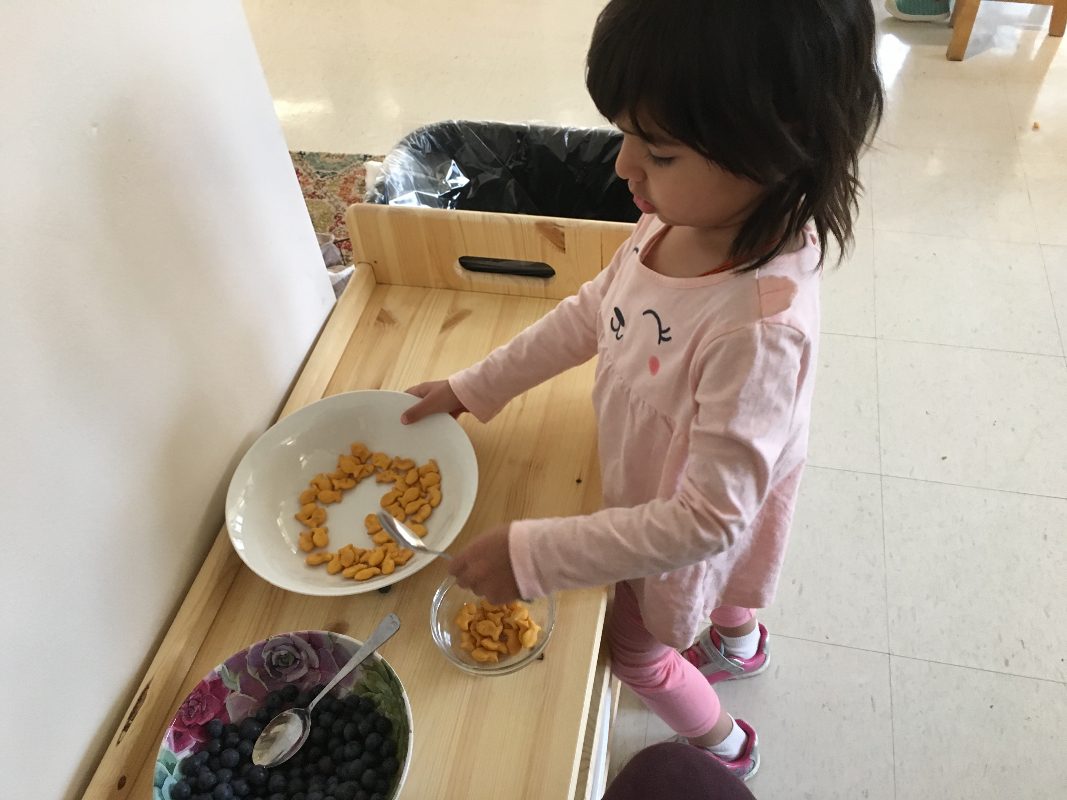
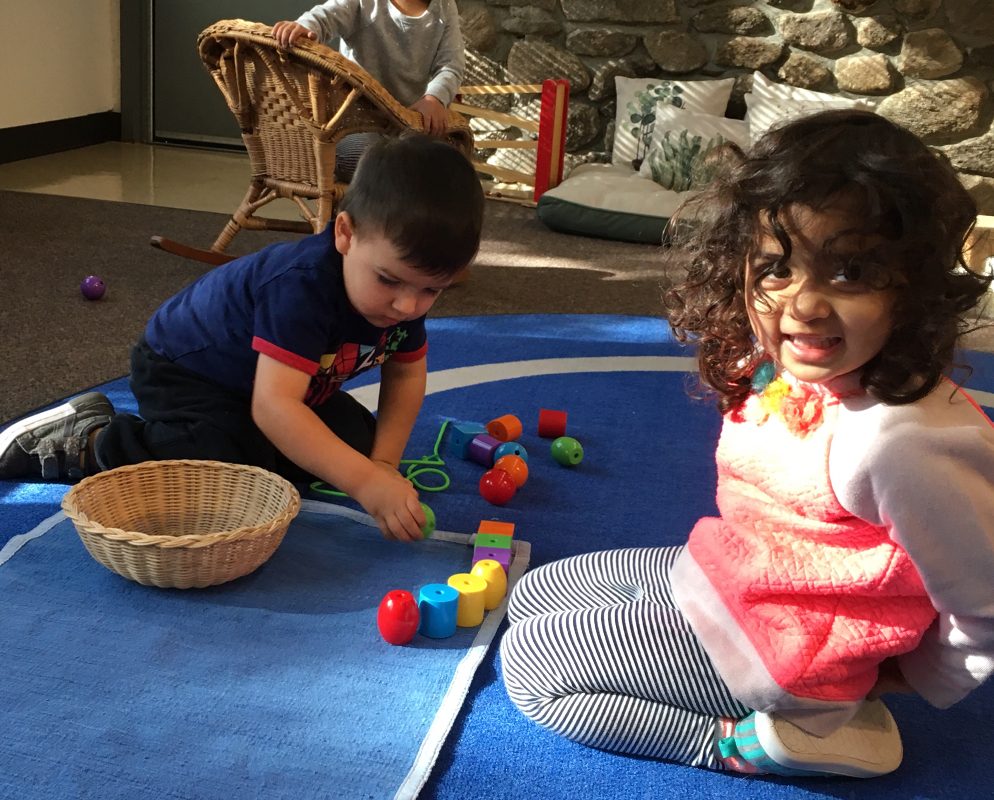
As children grow beyond the infant stage, they begin the journey to independence as toddlers. Many parents notice this change in their children when it comes to mealtime, as they begin to hear a resounding “no!” when it comes to eating the foods they once loved and trying new ones. In order to help families we have integrated food tasting into our toddler program as a way to ease children into the idea of trying new foods by teaching them all about the food and encouraging them to participate as a group.
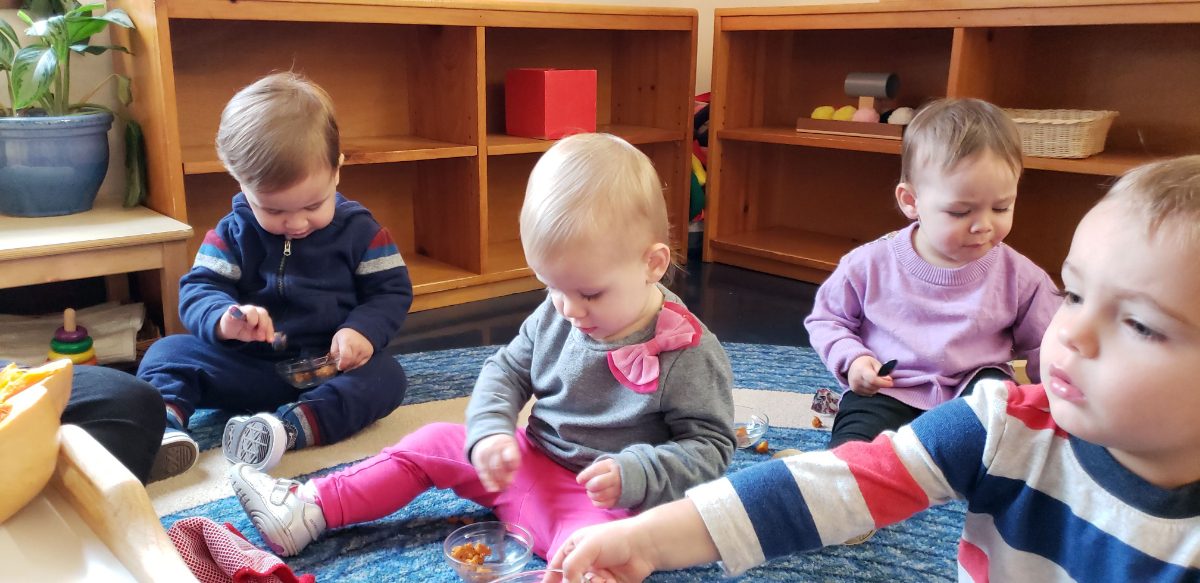
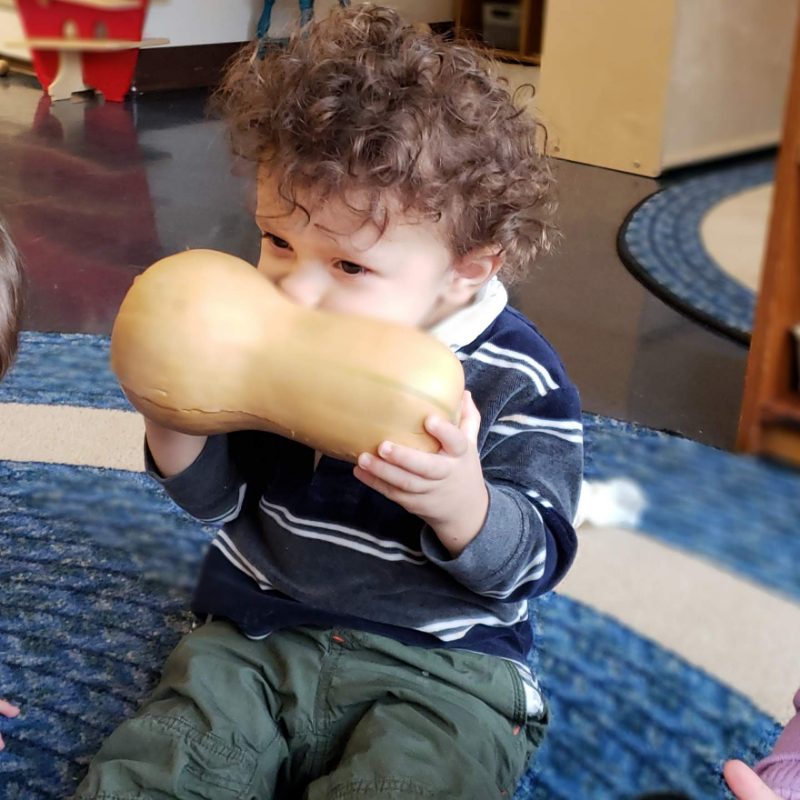
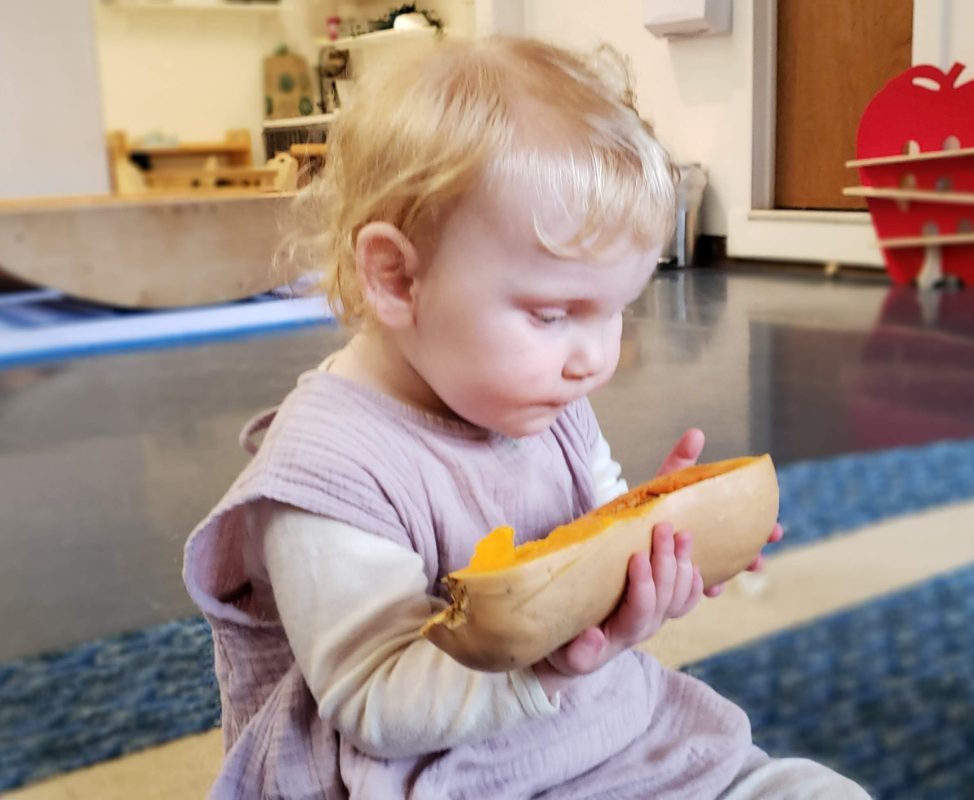
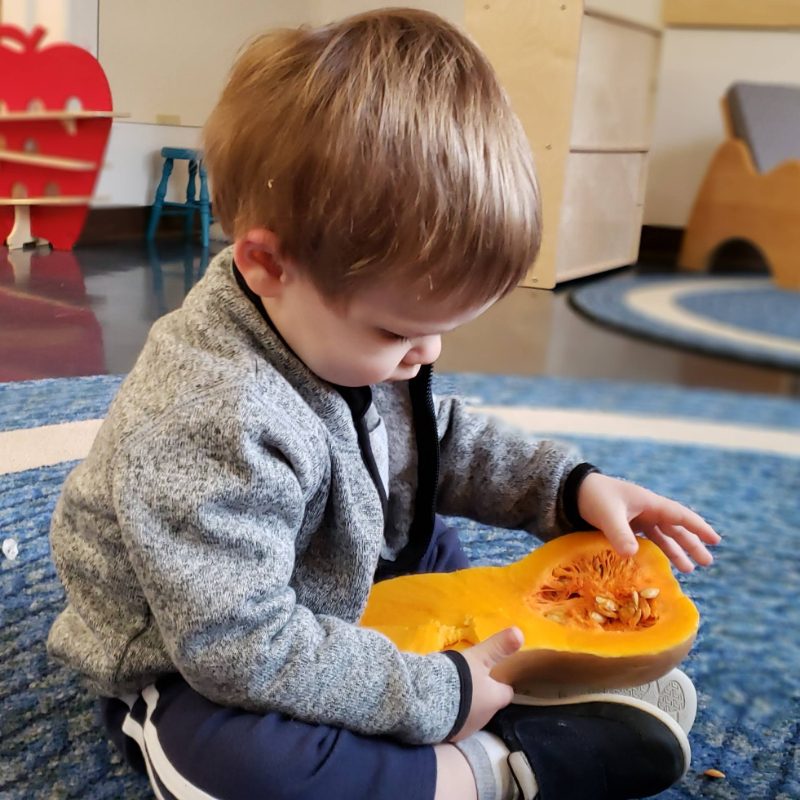
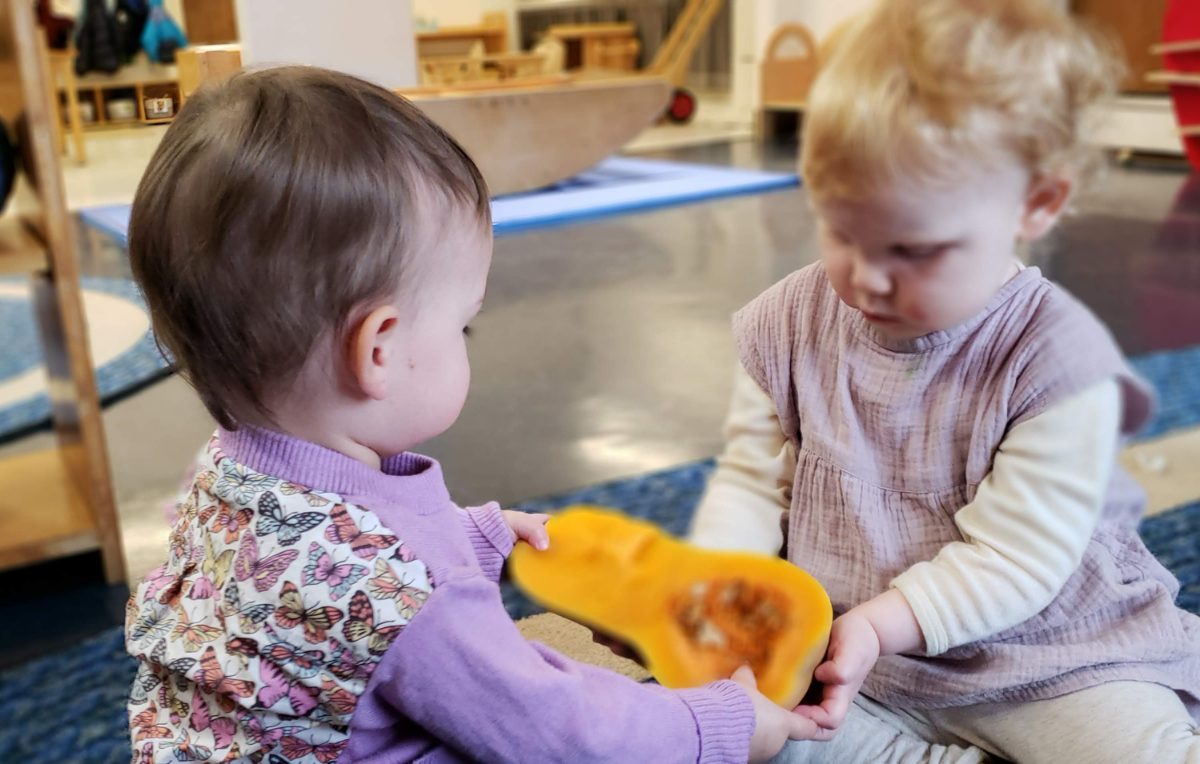
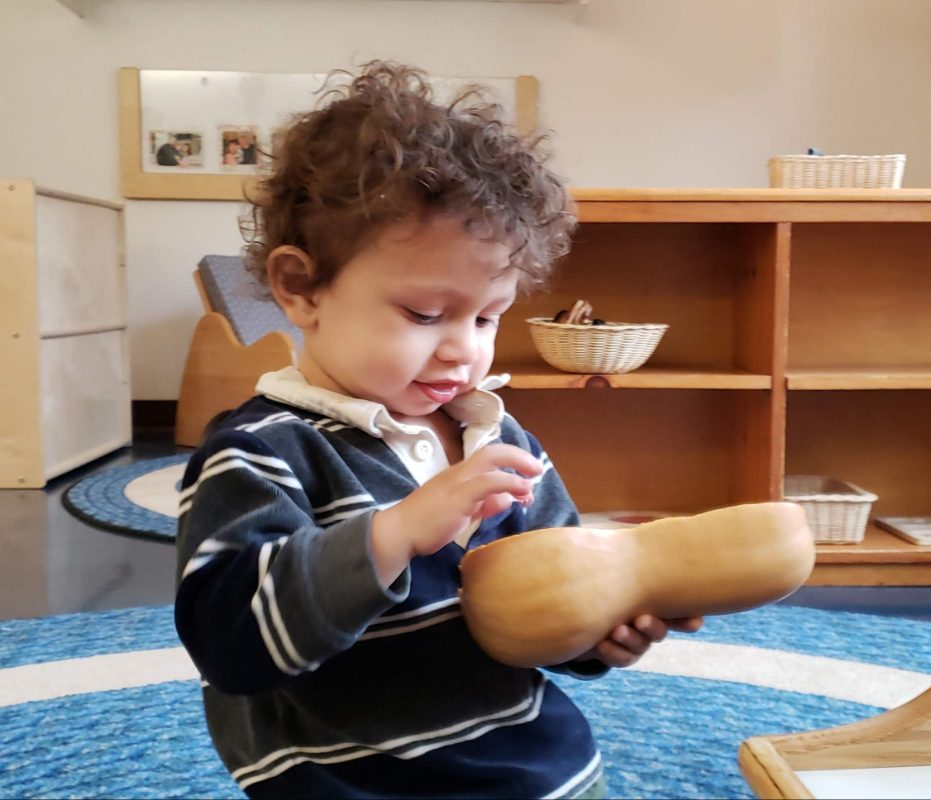
Since children have been showing readiness and more ability to sit down as a group, we introduced this week a delicious and nutritious winter food: Butternut Squash!

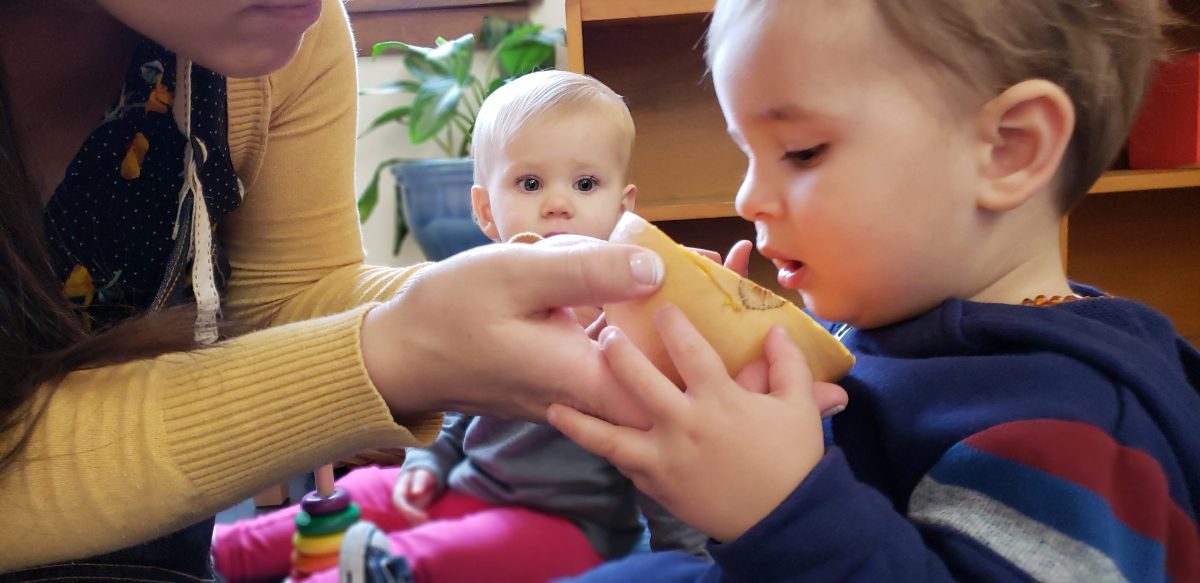
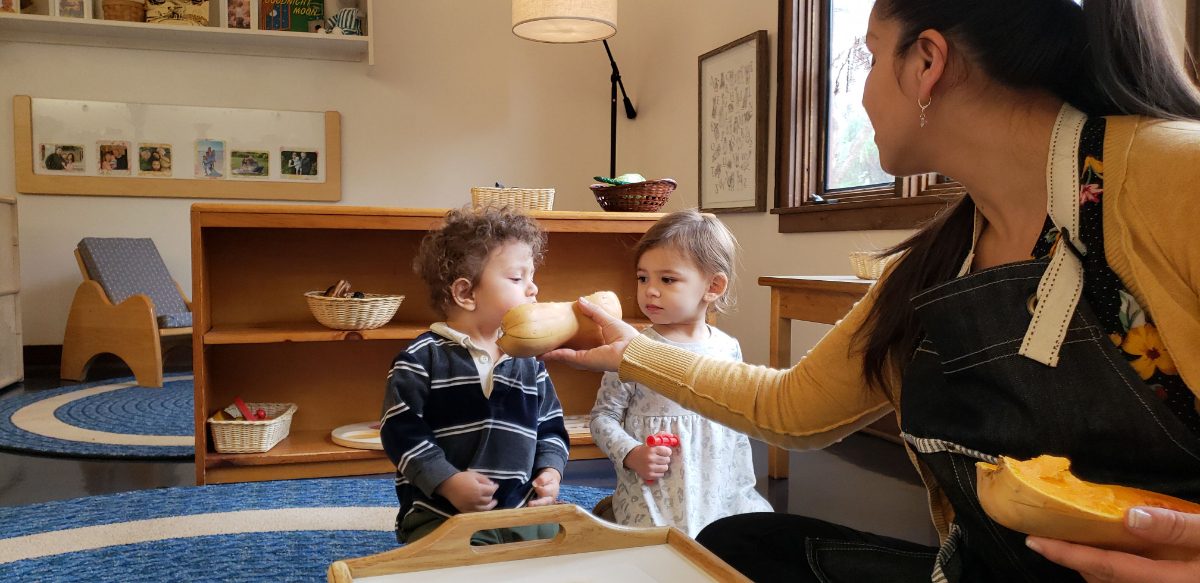
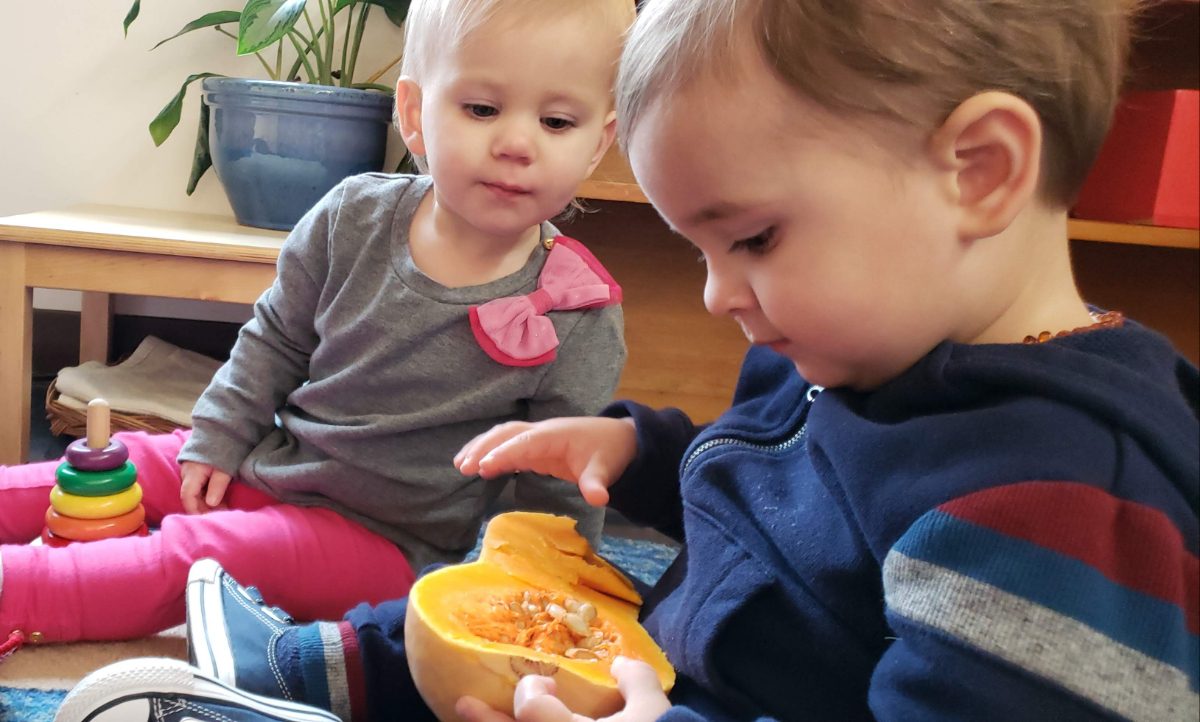
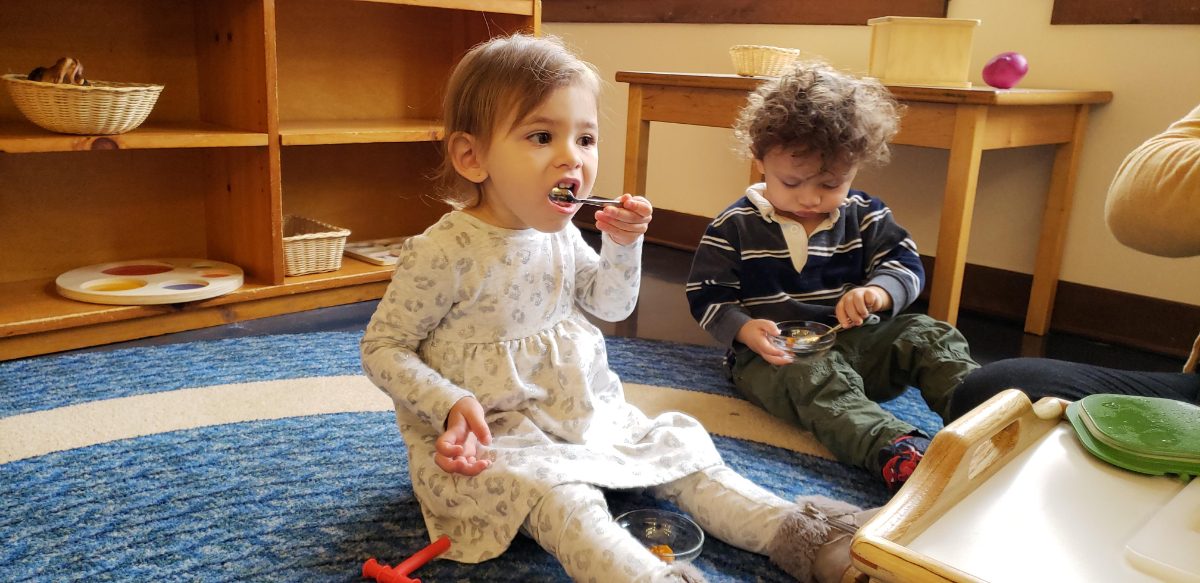
Children were really excited to see the food tasting tray covered. They knew there was a surprise and they immediately gathered quietly around the tray. They were attentive at the moment we removed the towel that was covering the Butternut Squash. There was so much wonder in their faces at that moment! The children enjoyed the Sensorial experience of having the opportunity to explore by feeling, smelling and later on tasting this food item. The squash was presented as a whole first, then cut in front of them, presented as half, and then served individually. In our conversation we included such adjectives as cold, big, mushy, soft, smooth, warm, and tasty to keep adding to our vocabulary.

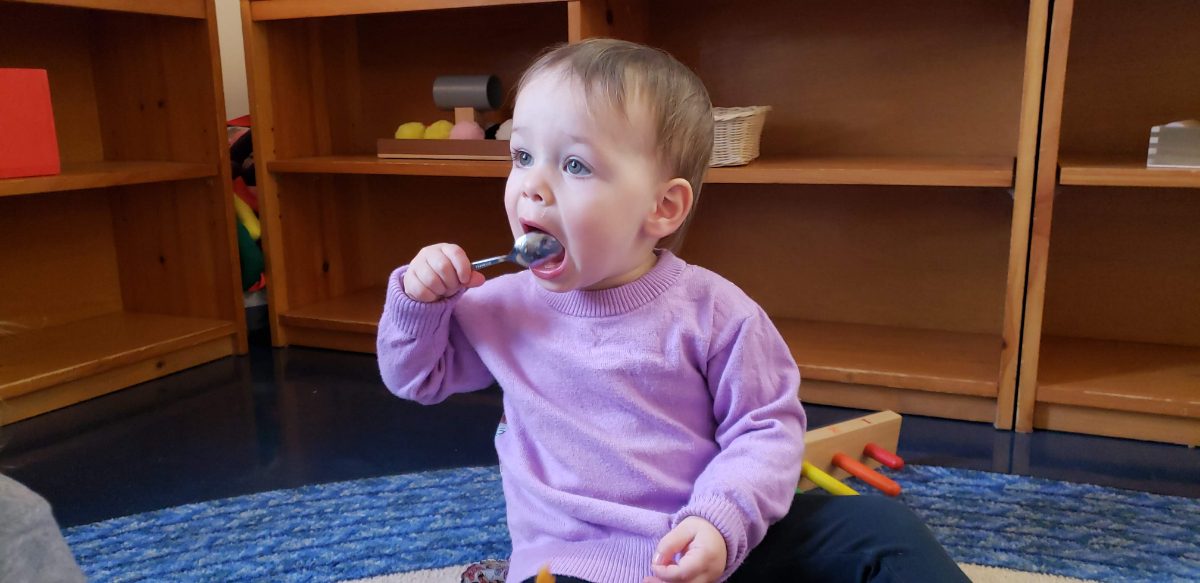
We taught your children that this particular food is required to be cooked. Children observed while I slowly picked a piece of roasted squash with my spoon and placed it inside my mouth, tasting it slowly and dramatically, this with the purpose of encouraging curiosity and expectation when it was their turn to taste.

Children asked to repeat squash until all of it was gone! 7 of 8 children LOVED it!

From now on, this will be a weekly activity in our environment! Thank you all for all your food donations so we can make this fun activity possible.
If there is a specific food you would really like to introduce to your child, please let us know. We will gladly partner with you to make it a success.


Mrs. Thomas’ Class: Practical Life

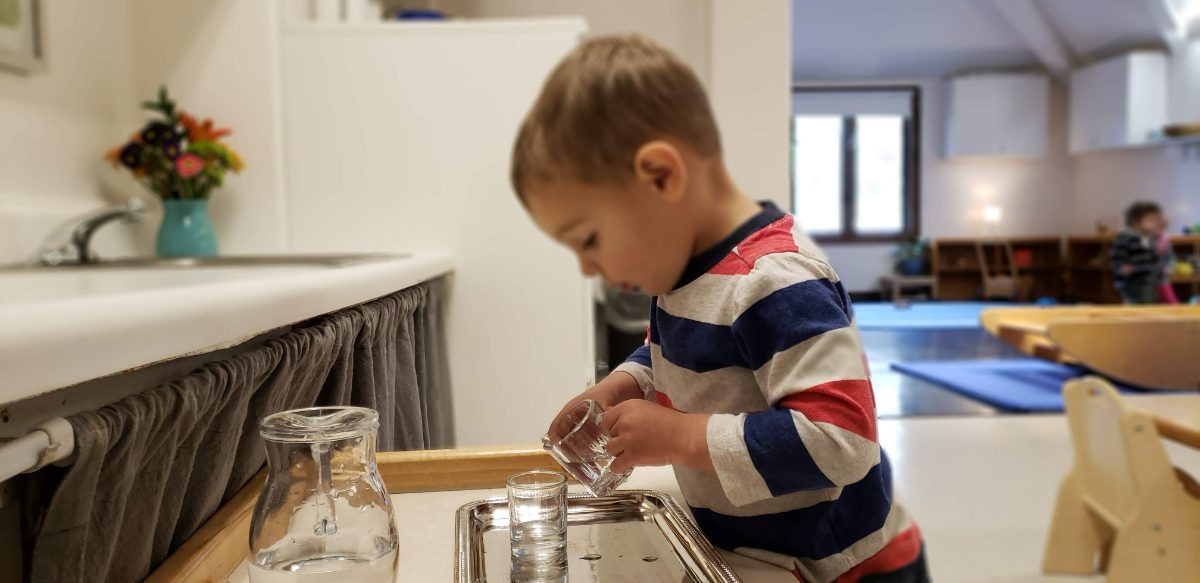
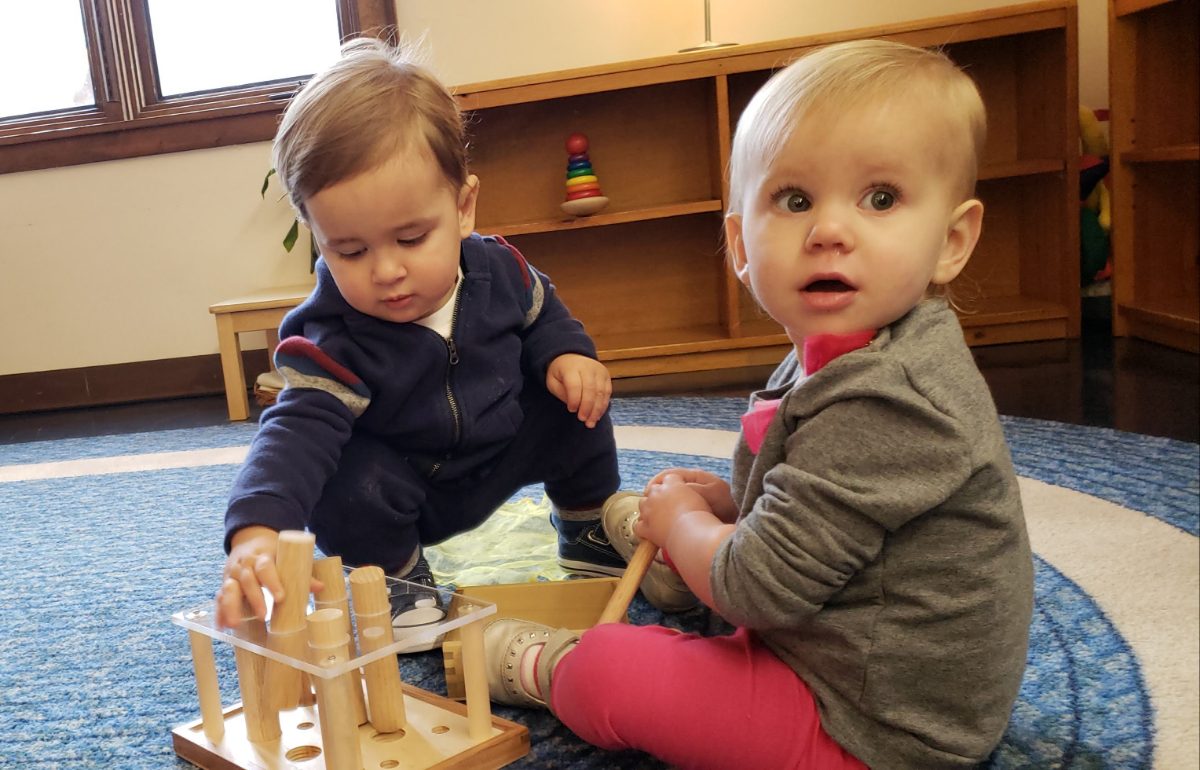
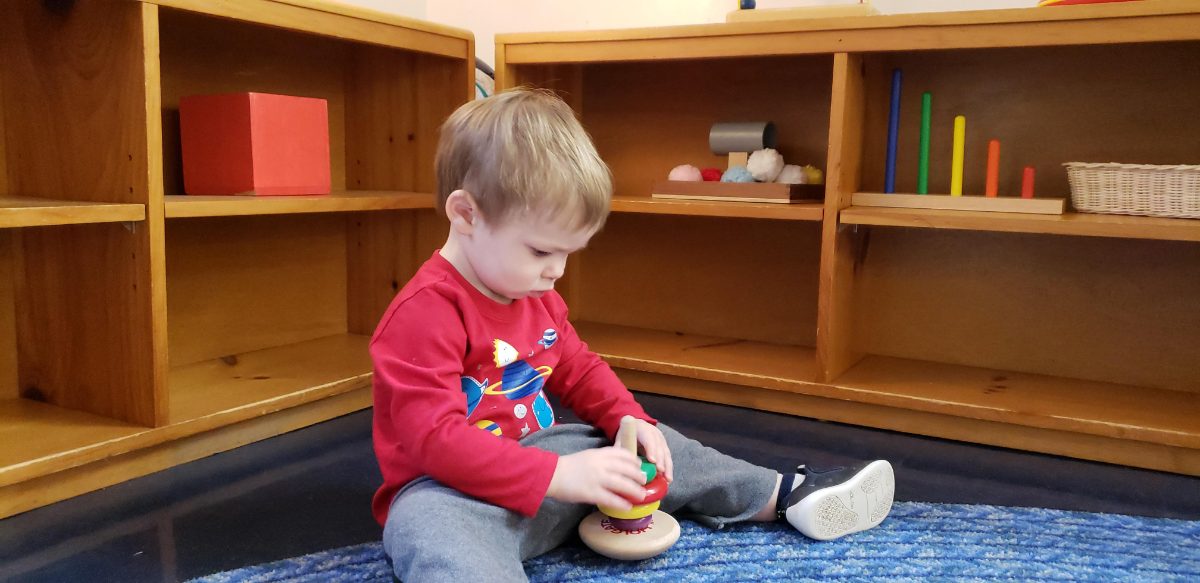
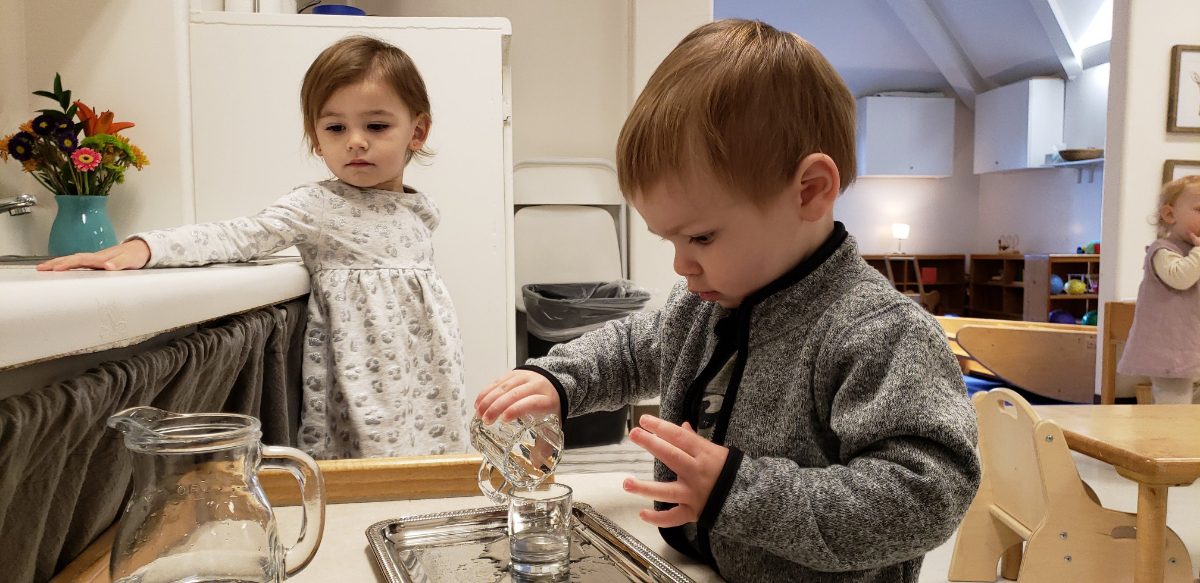
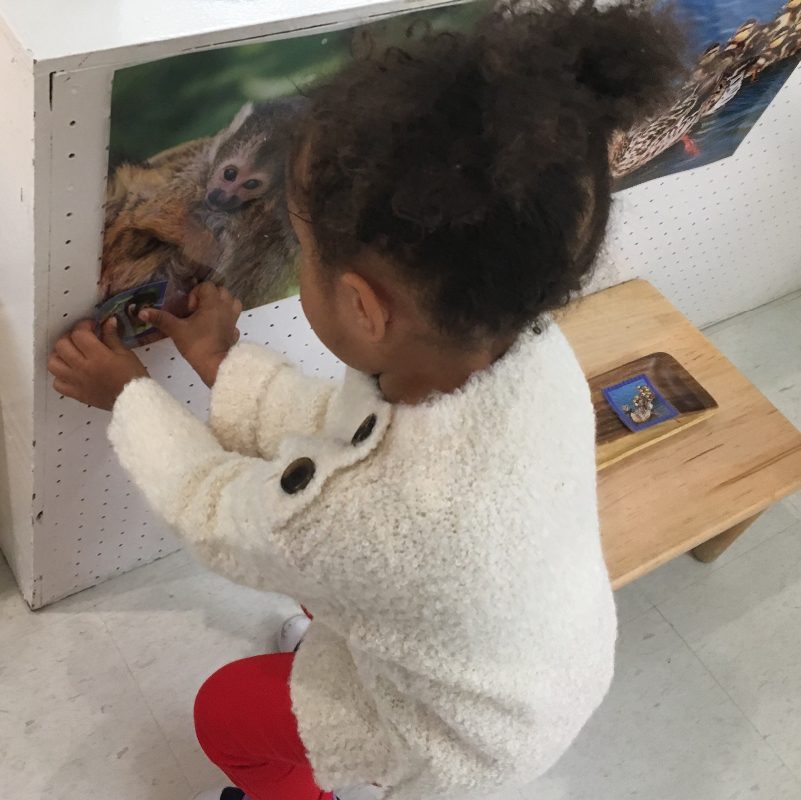
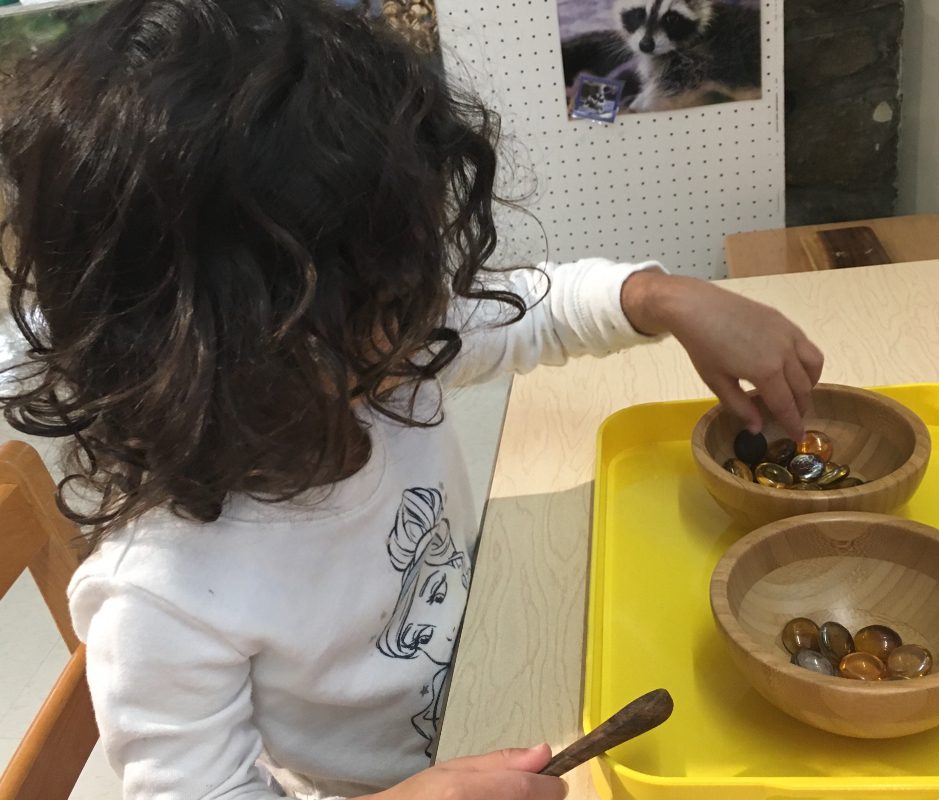
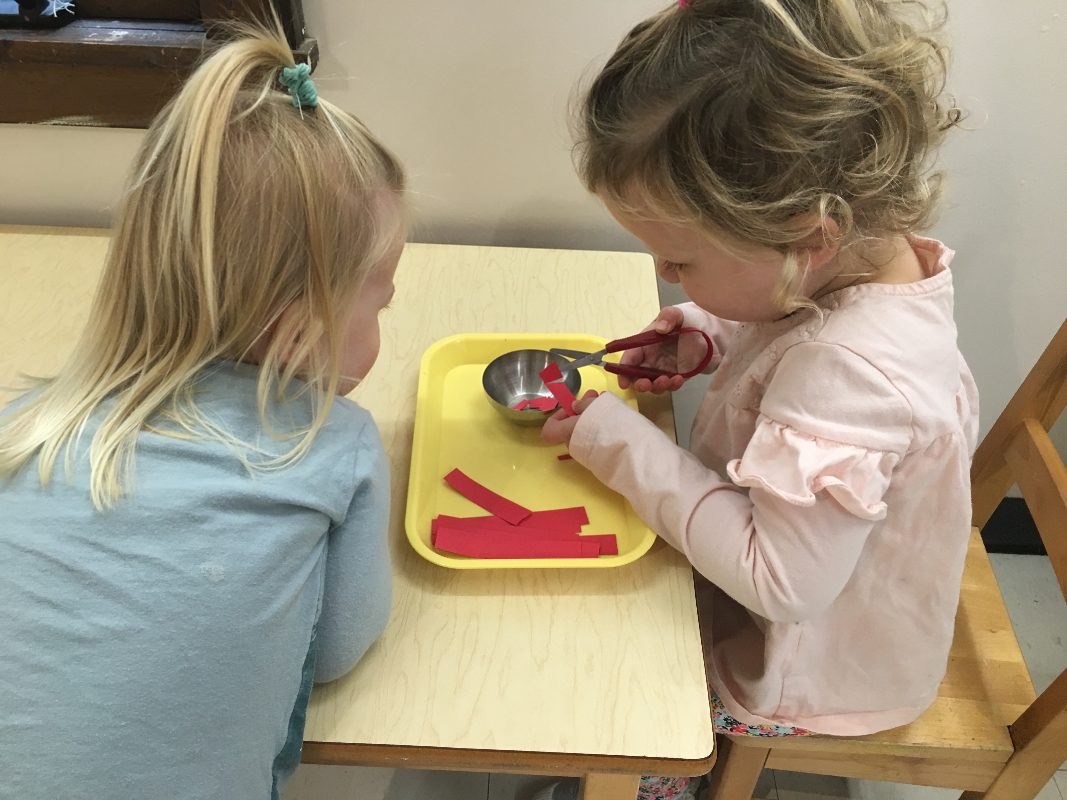
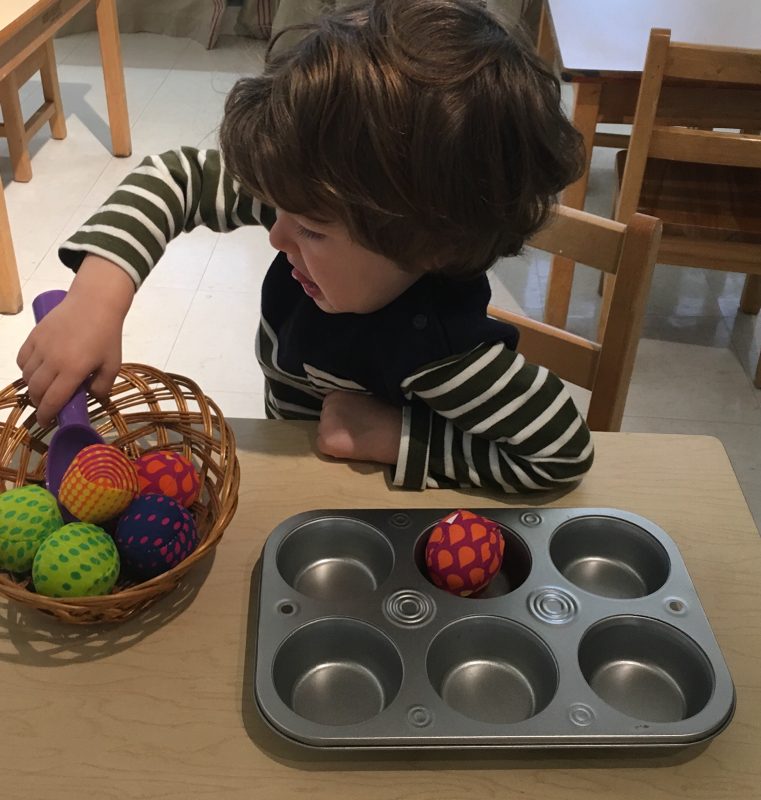
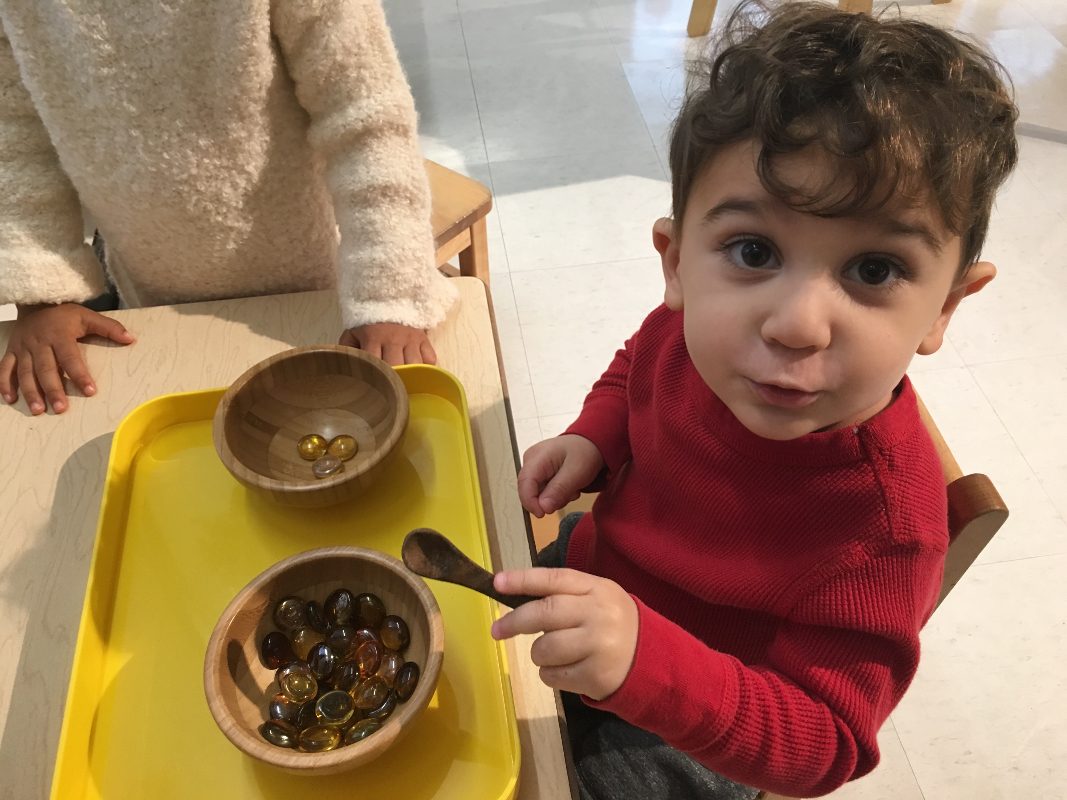
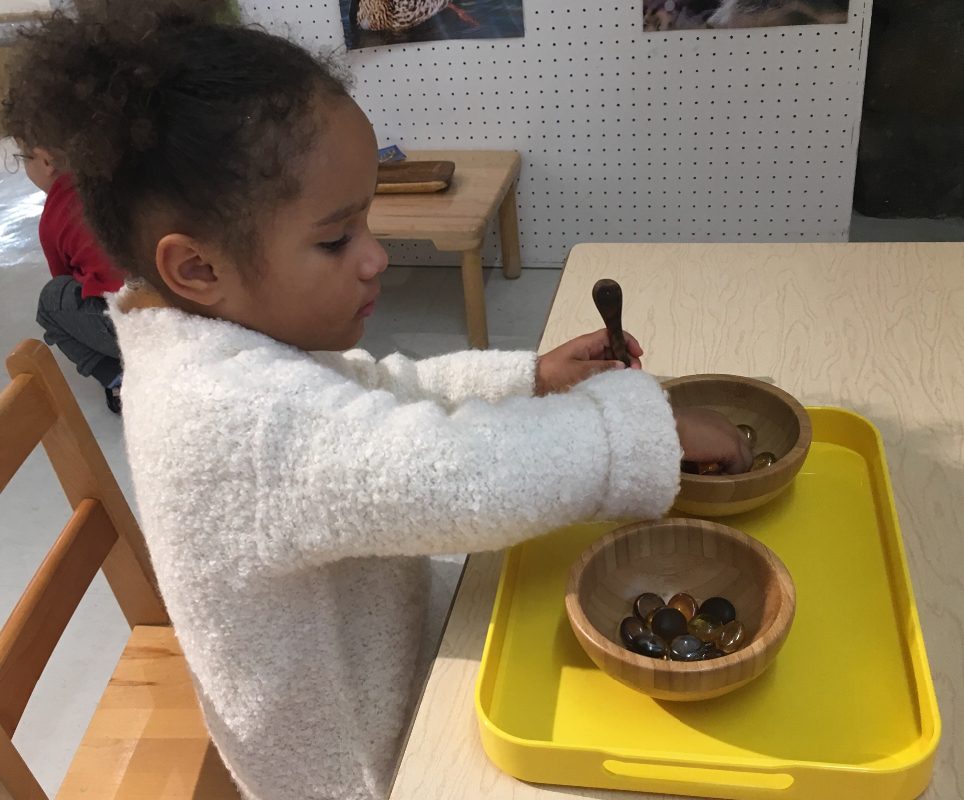
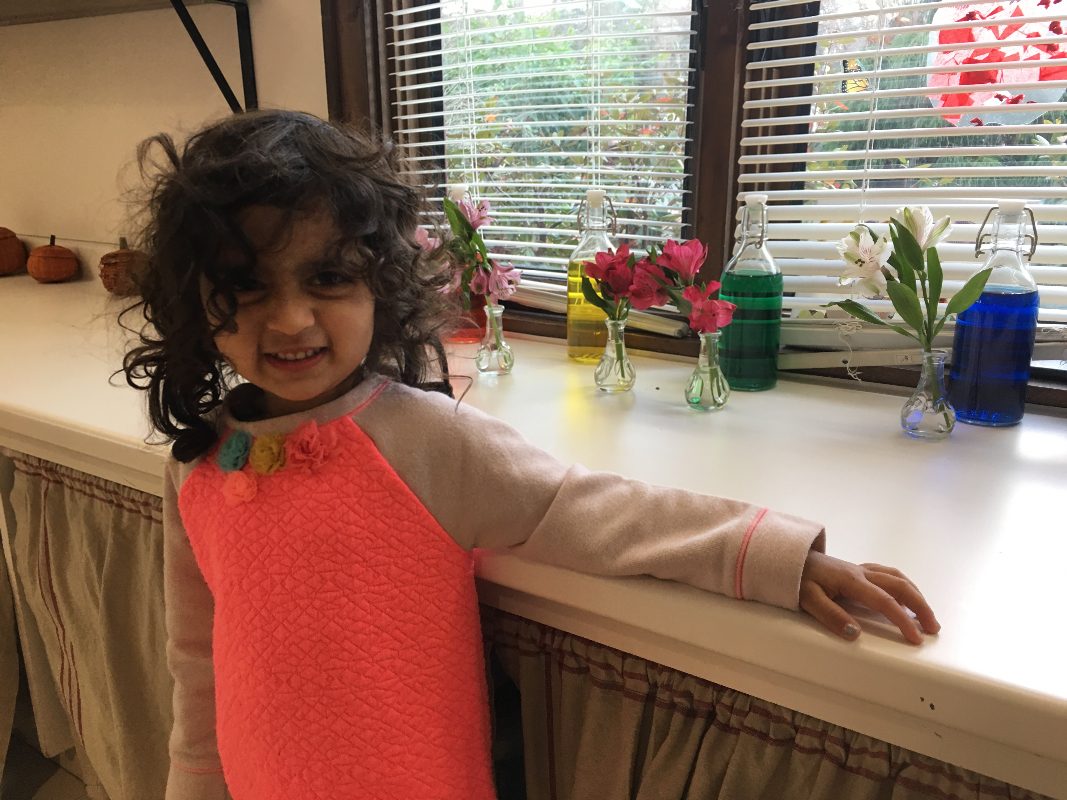
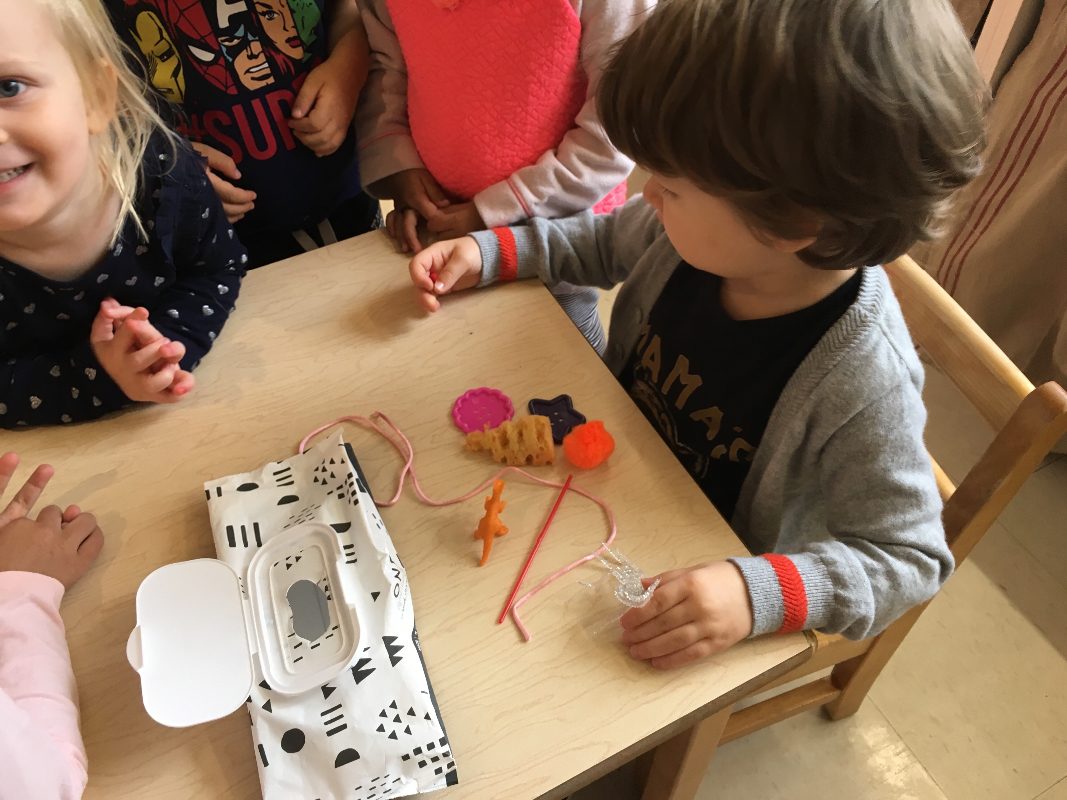
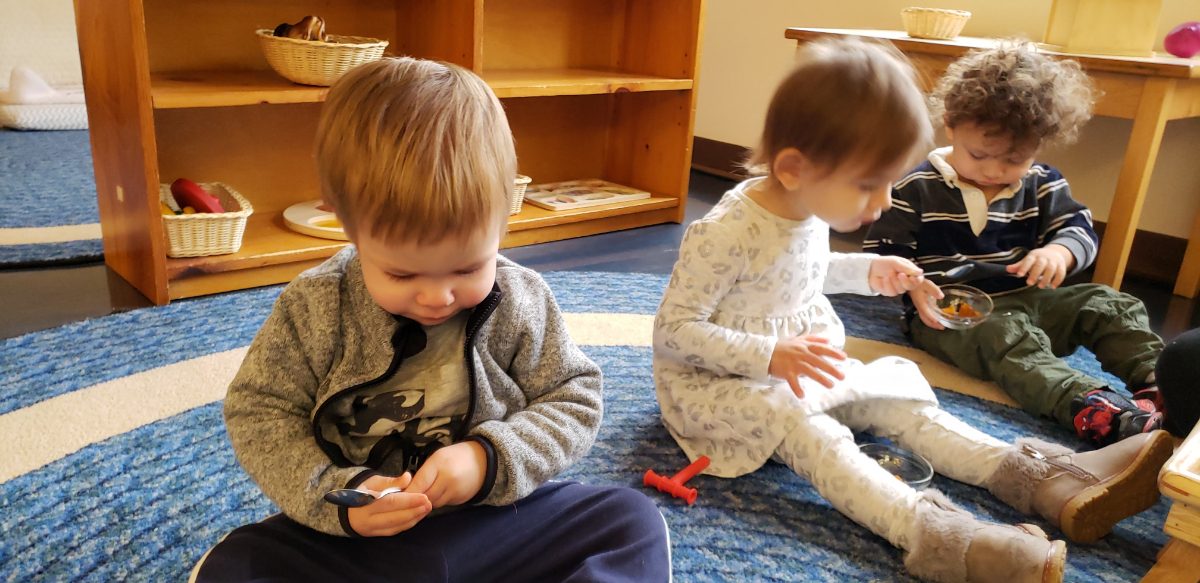
Materials in the Practical Life section of any Montessori environment are there to support children’s practice in everyday life skills. In our Toddler environment, the children enjoy a variety of activities which include: transferring glass gems with a small spoon from one bowl to another, cutting strips of paper with loop scissors, spooning snack, pouring water into a funnel to fill a vase for flowers,  and scooping balls with an ice cream scoop into a muffin tin. All of these activities require an implement for them to manipulate with different grasps and wrist movements, strengthening their hands and fingers for the handwriting that will take place as they get older.


Ms. Kayser’s Class: STARLAB Planetarium


The primary students got to experience the wonders of our solar system inside a portable planetarium brought to us by The Children’s Museum of West Hartford. Our experience started with one of the staff members sharing stories of old that explained what was in the night sky. He continued to say that the people would look up into the sky and connect the stars in shapes of different animals. To spark the children’s imagination, the presenter brought in a milk snake for the children to feel and examine first hand. They were able to then use that mental image when they went into the STARLAB to try to find the constellation, Serpens.

When the children were ready, the presenter brought the classes into the inflatable STARLAB. This amazing structure allowed the children to sit inside of it as they projected 3D images on the walls around them. We were able to watch the sun set and the constellations appear above our heads! We got to use our own imagination to try to connect the stars in different shapes before he used the technology to map them out right before our eyes. The children were so excited to experience the stars all around them, but the best part of the experience was taking off from Earth and landing on the moon.

Ms. Kayser and Ms. Alli


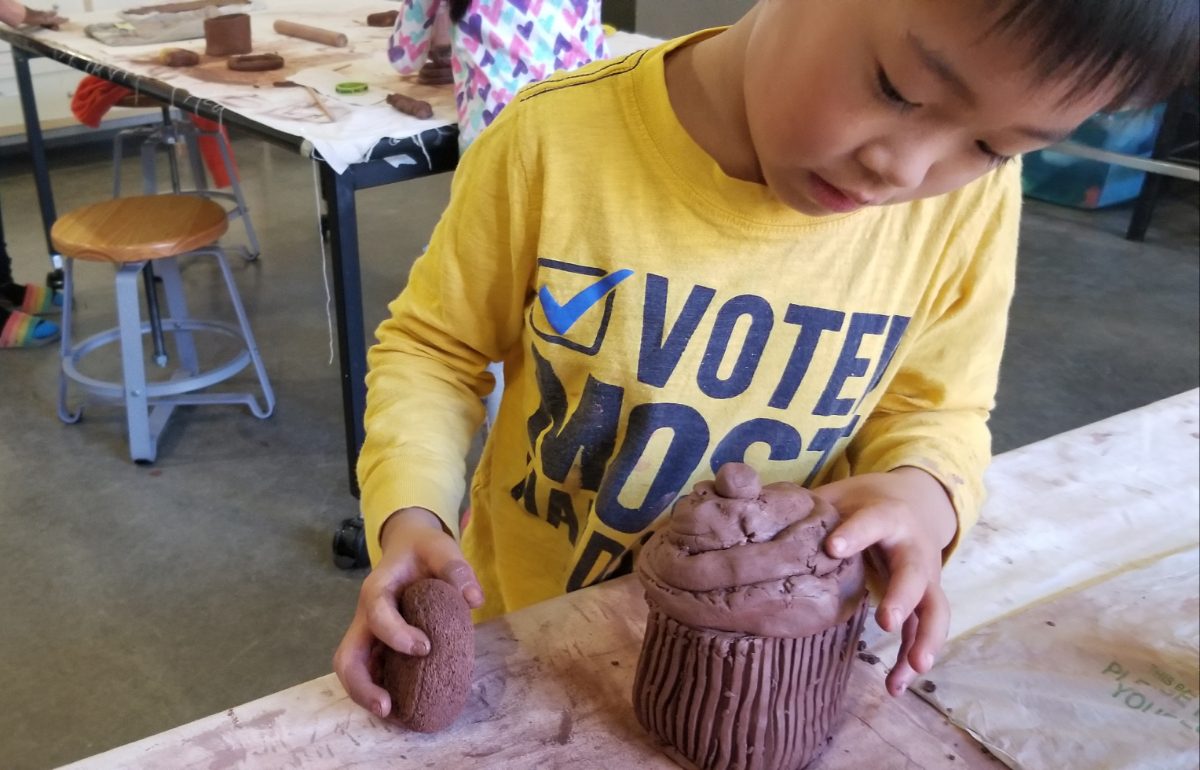
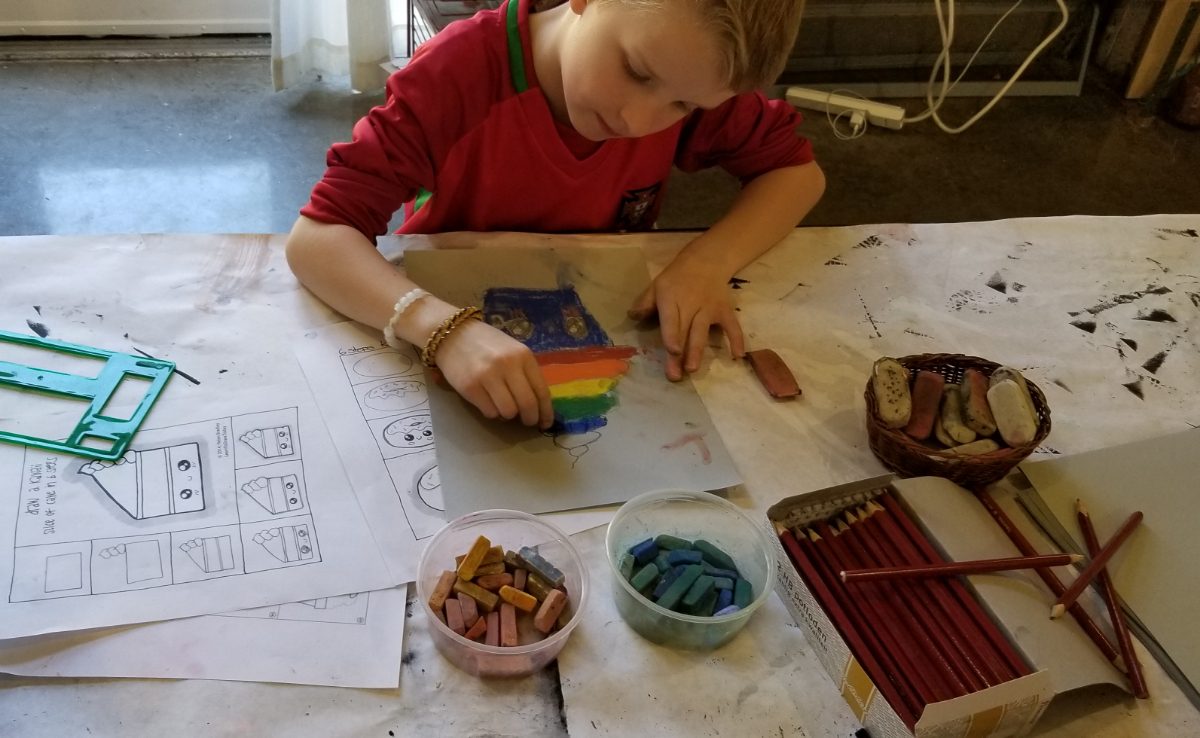
Wayne Thiebaud Inspired Clay Cake Boxes!

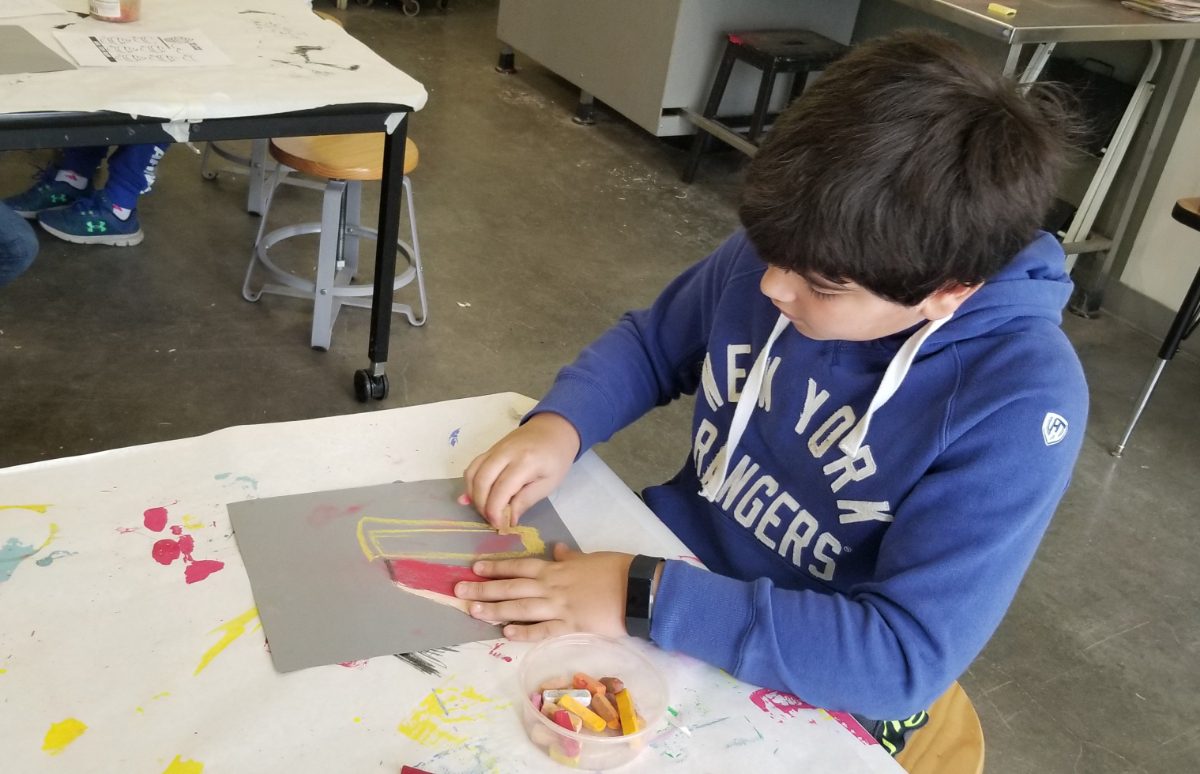
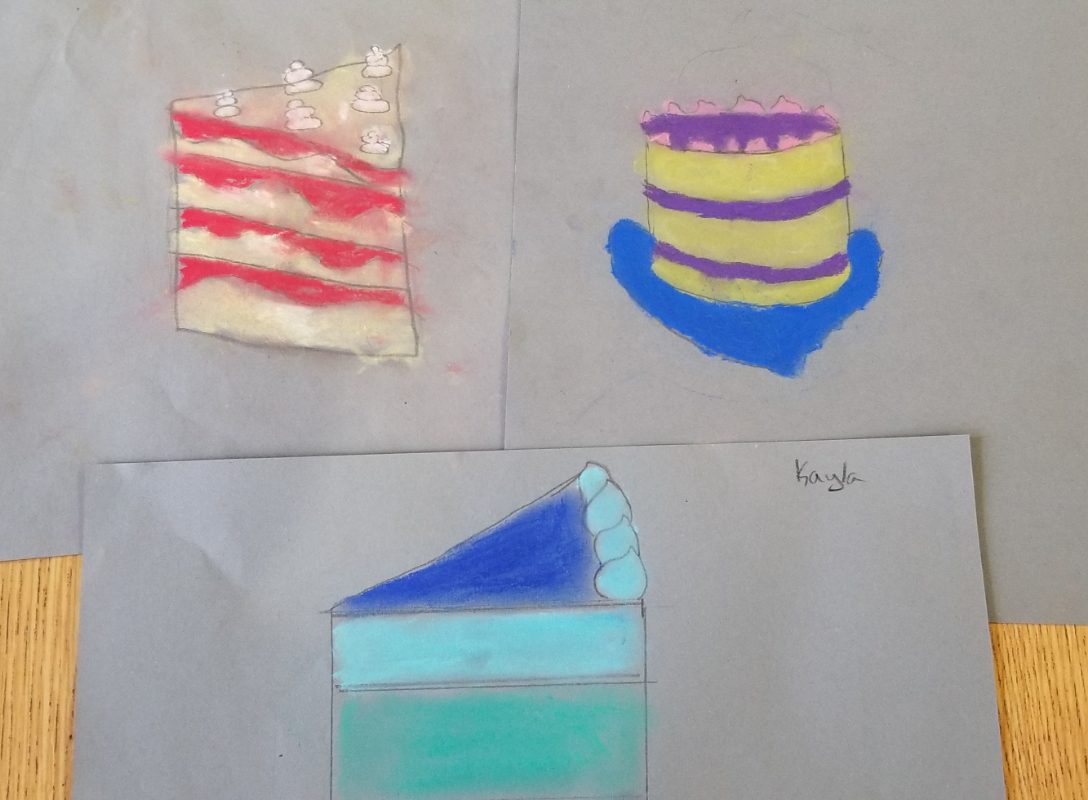
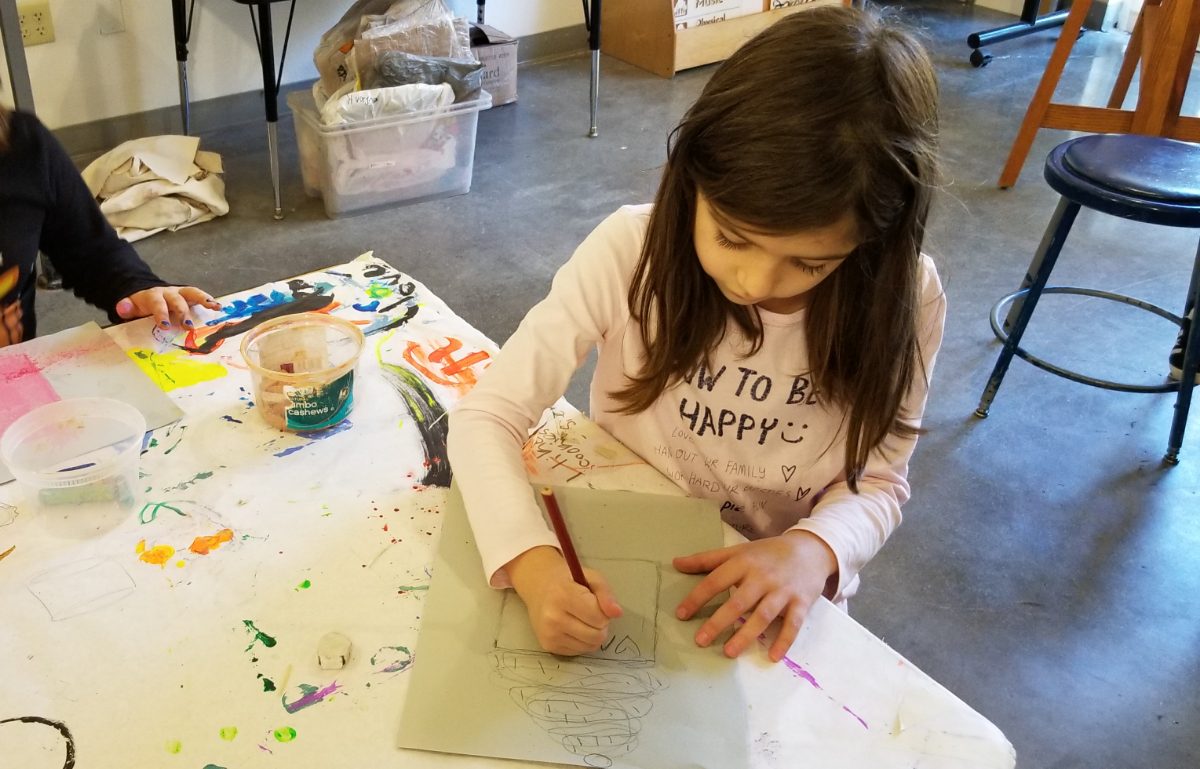
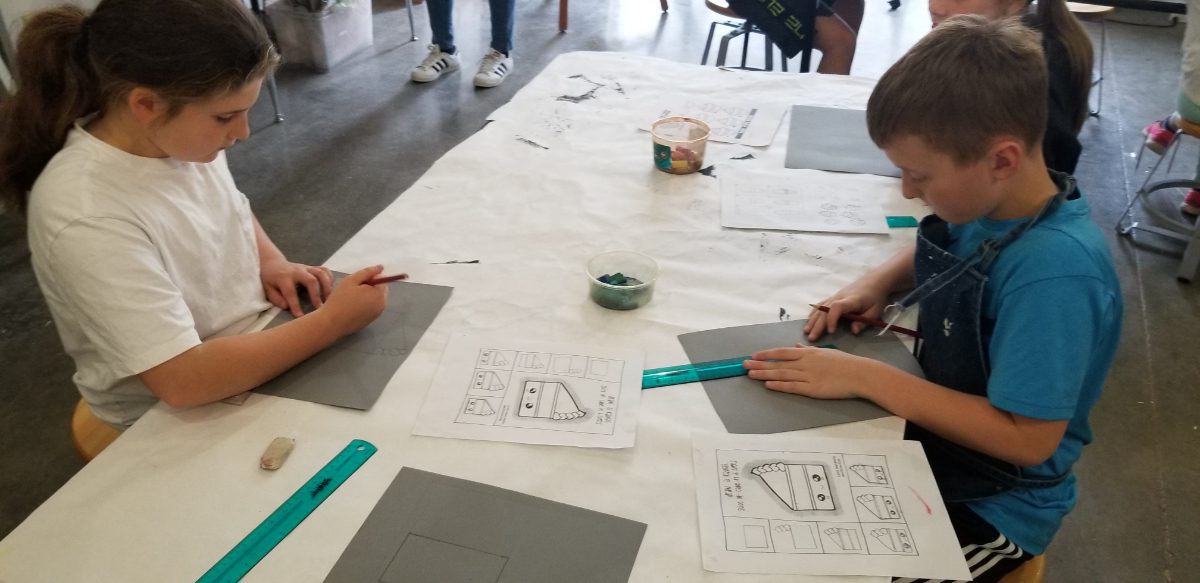
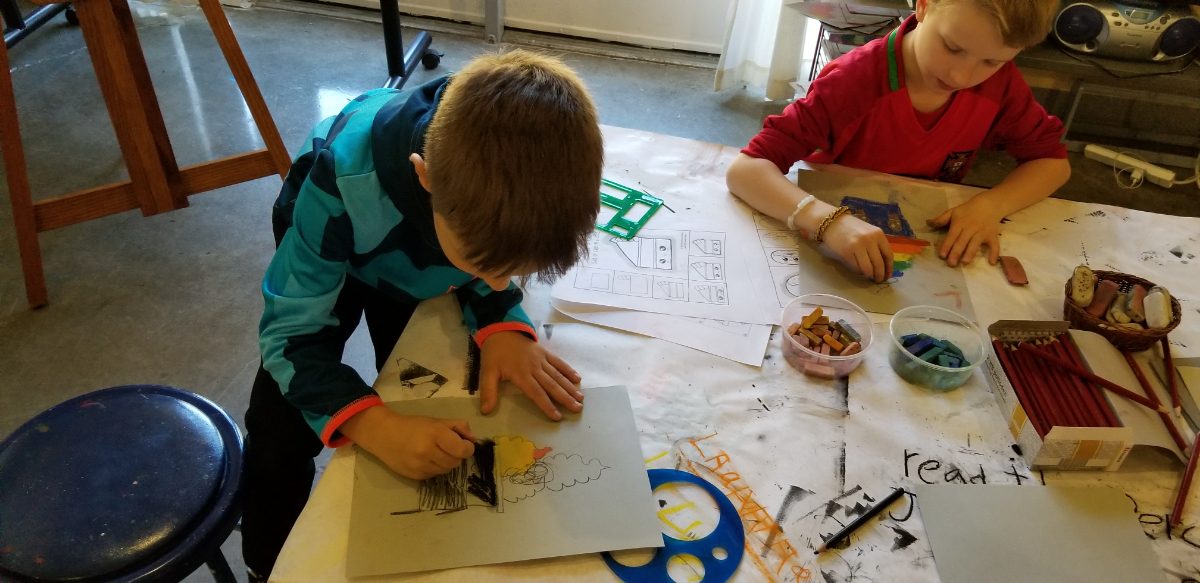
Lower and Upper Elementary students explored form, color, and pattern to create whimsical clay cake boxes. To start, we discussed the Pop Art movement and looked at the paintings of artist Wayne Thiebaud who is widely known for his colorful works depicting desserts such as pies, ice cream cones, cupcakes, pastries, and cakes. Students were very inspired by his artwork and began sketching their own cakes and cupcakes, letting their creativity soar as they chose its flavor and toppings! Lastly, students filled in their drawings with chalk pastel using shading and layering techniques.

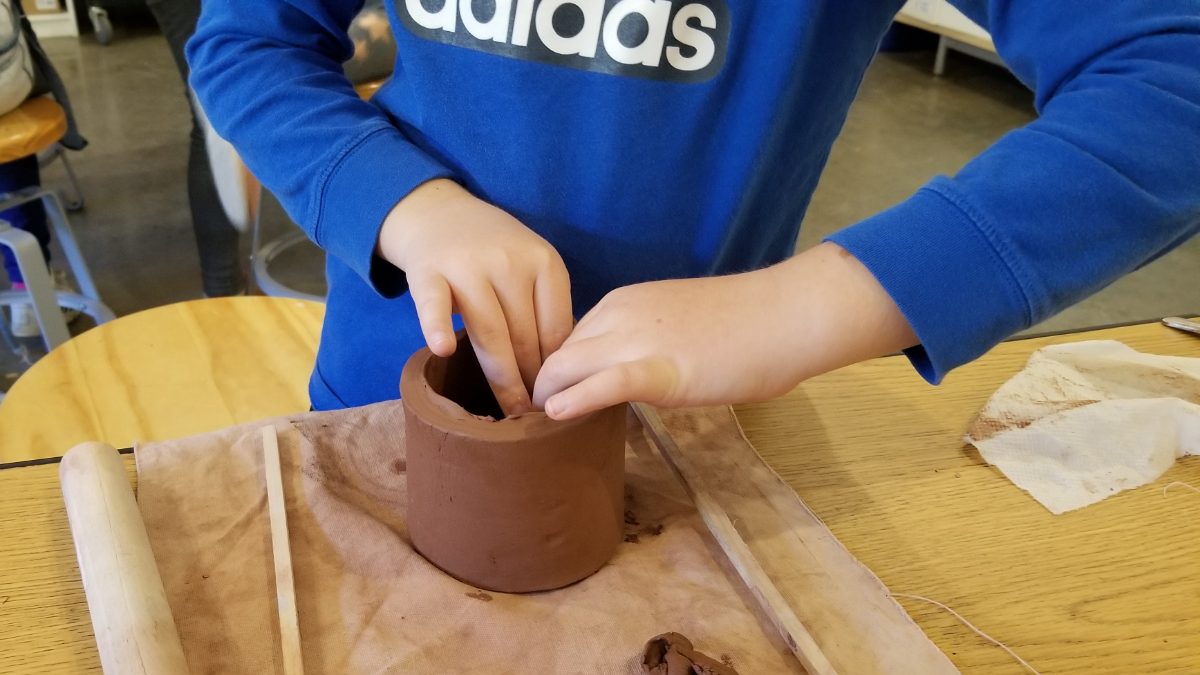
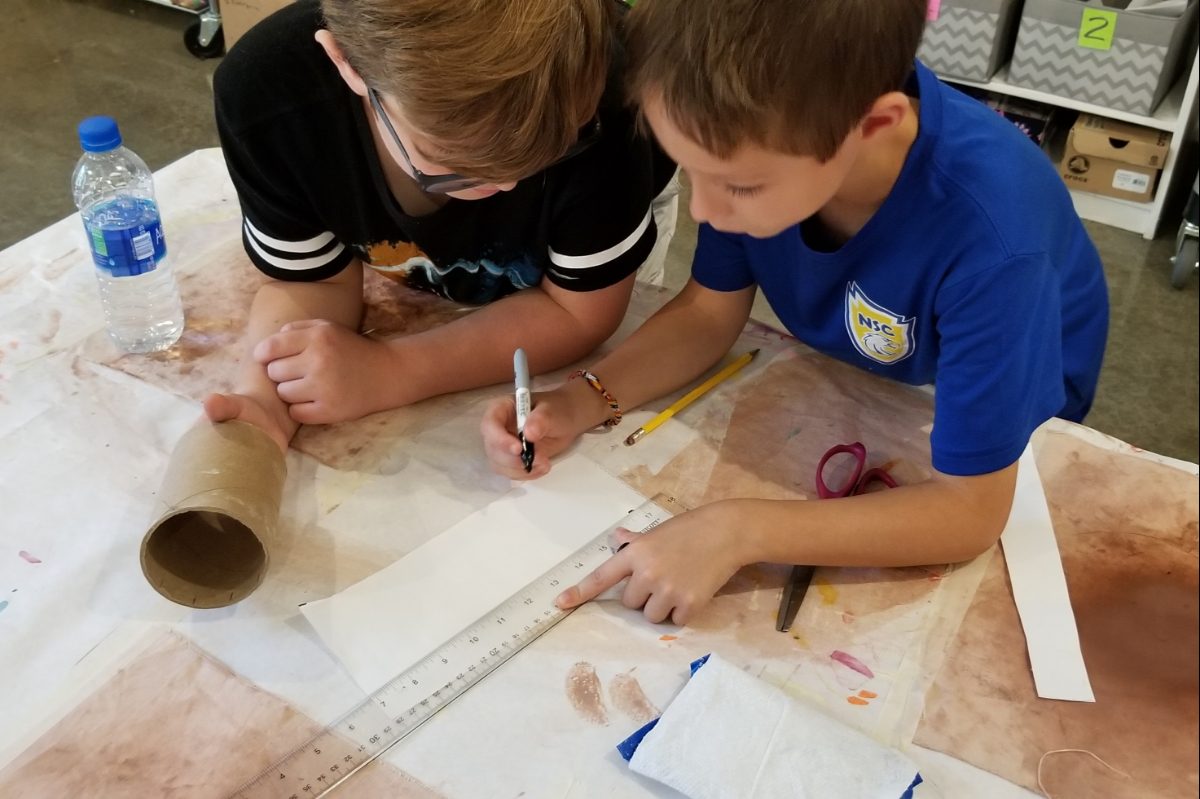
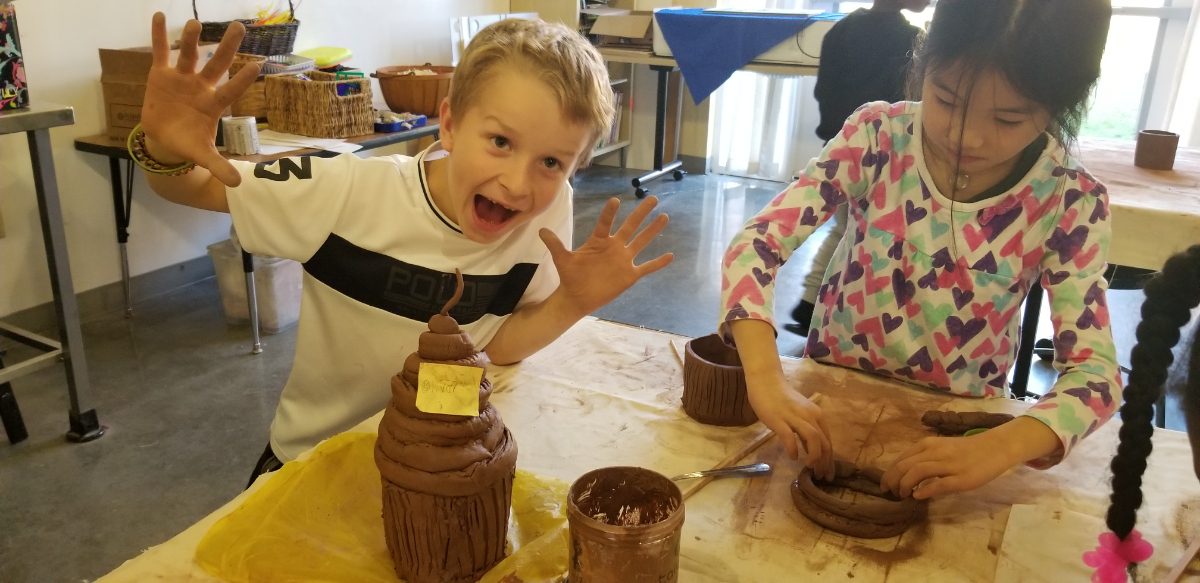
Next, students translated their 2D drawings into 3D form using clay. The clay skills they learned and explored were the slip and score attachment method, pinching method, molding, coiling, slab rolling, smoothing and glazing. First, students designed paper templates using rulers to assist the building process. Then we rolled out slabs to use for the sides of our cakes and cupcakes, cut out the shapes using our templates, and then slipped and scored the parts together.

Lastly, I demonstrated several methods to design the top (such as coiling, pinching, and carving) and students choose what they wanted to do. Some students added cherries, candles or even little figurines! As long as they slip and scored properly, they were free to add any toppings they wanted. The tops were left unattached so their cakes and cupcakes can function as little boxes to keep things inside! After they are fired in the kiln once, students will paint them with unique colors using low temperature underglazes which will then be fired once more to become glossy.