Blog

Lower Elementary: Exploring Montessori Math

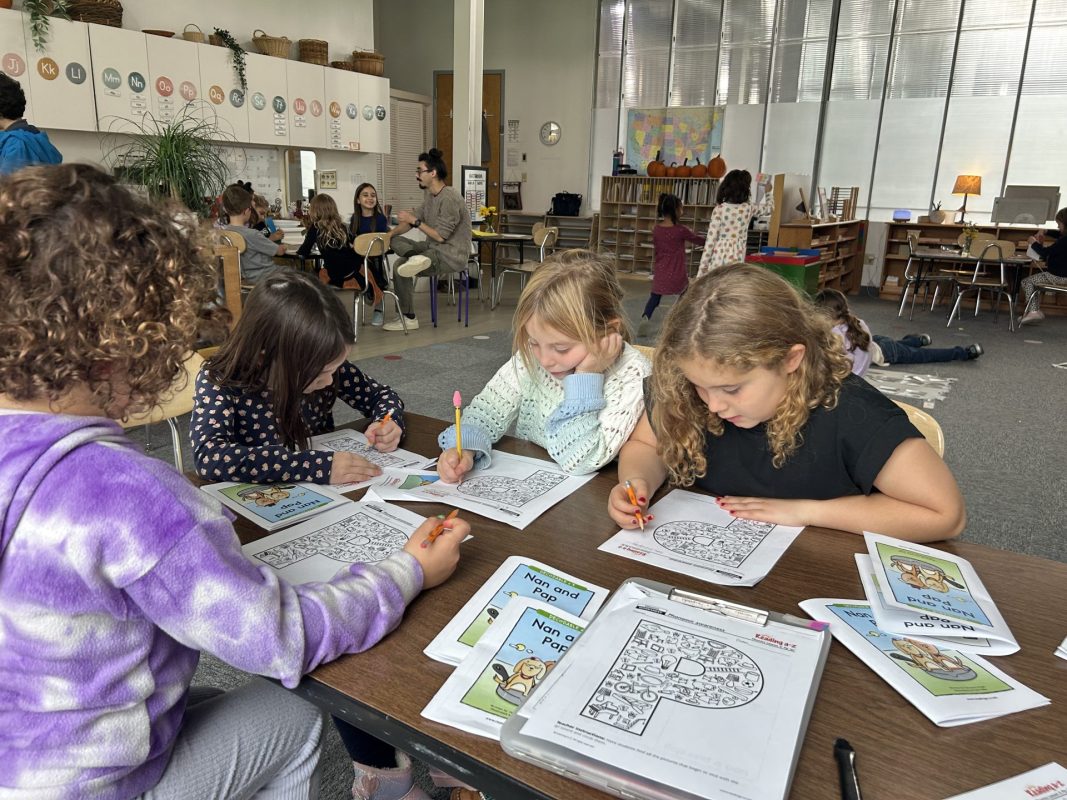
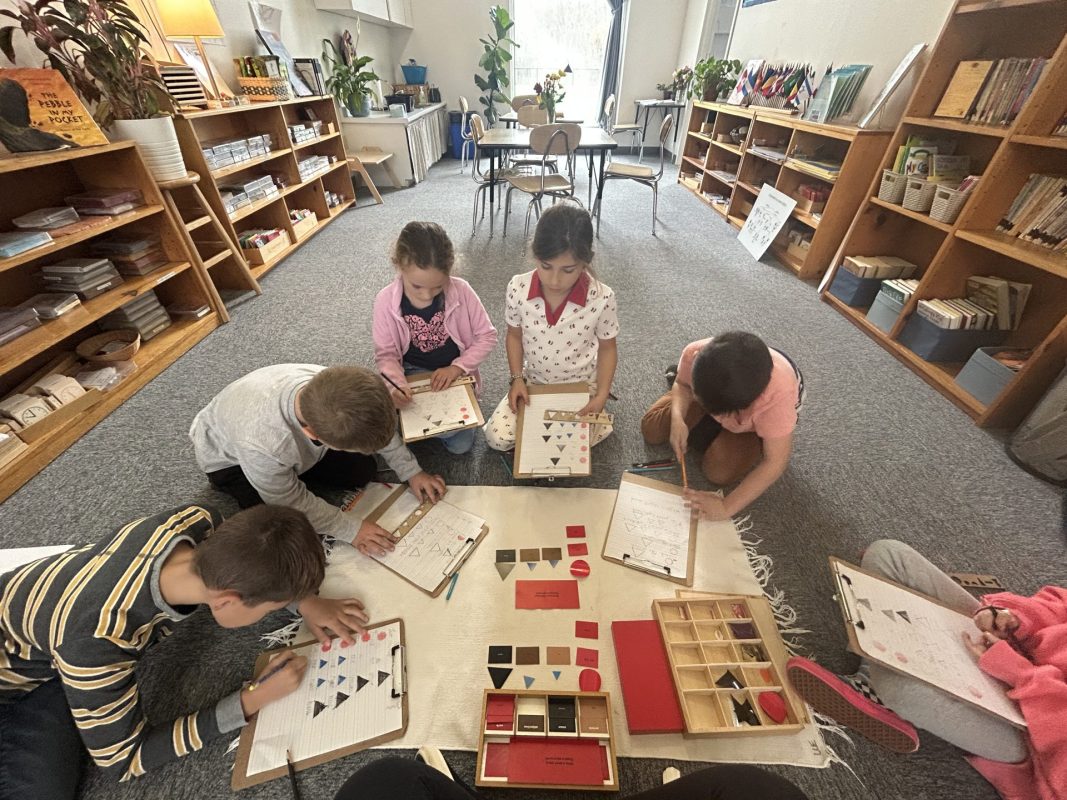
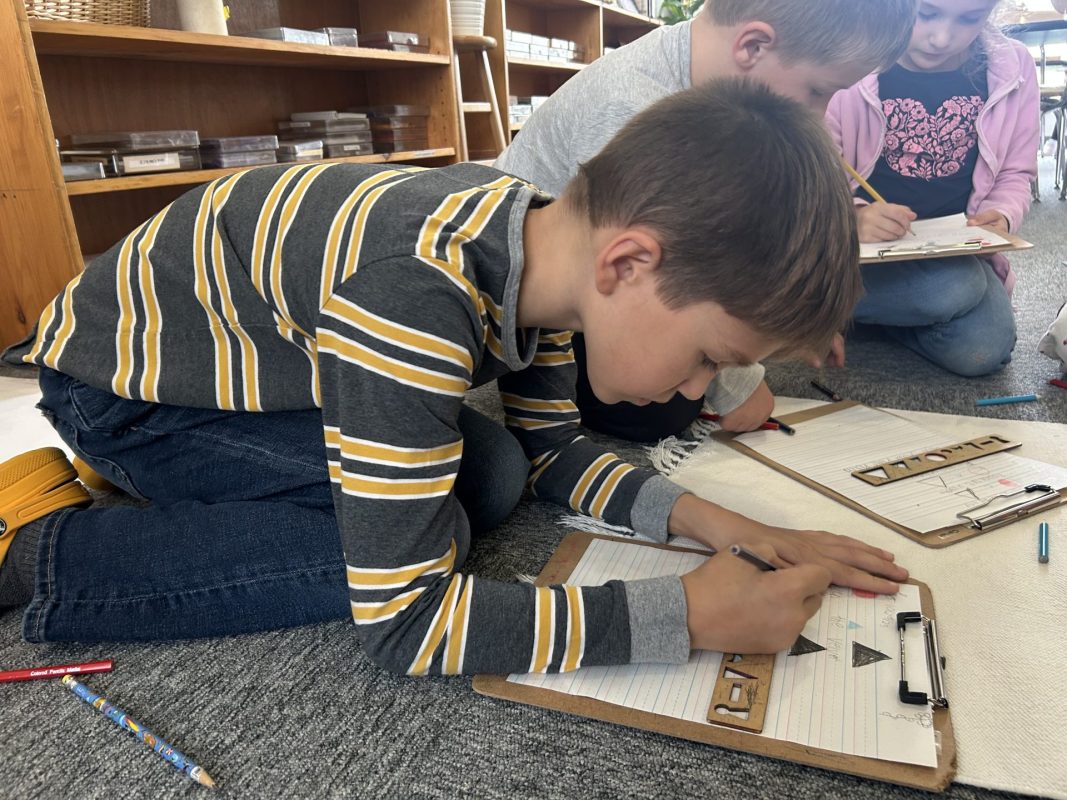
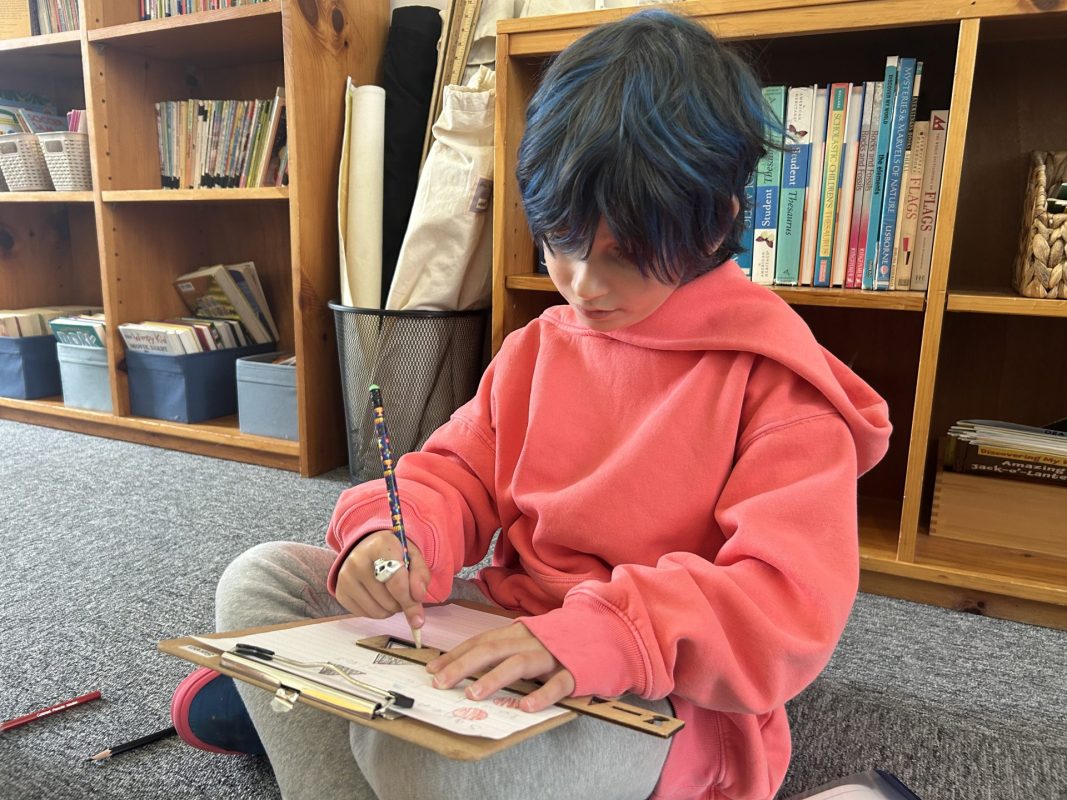
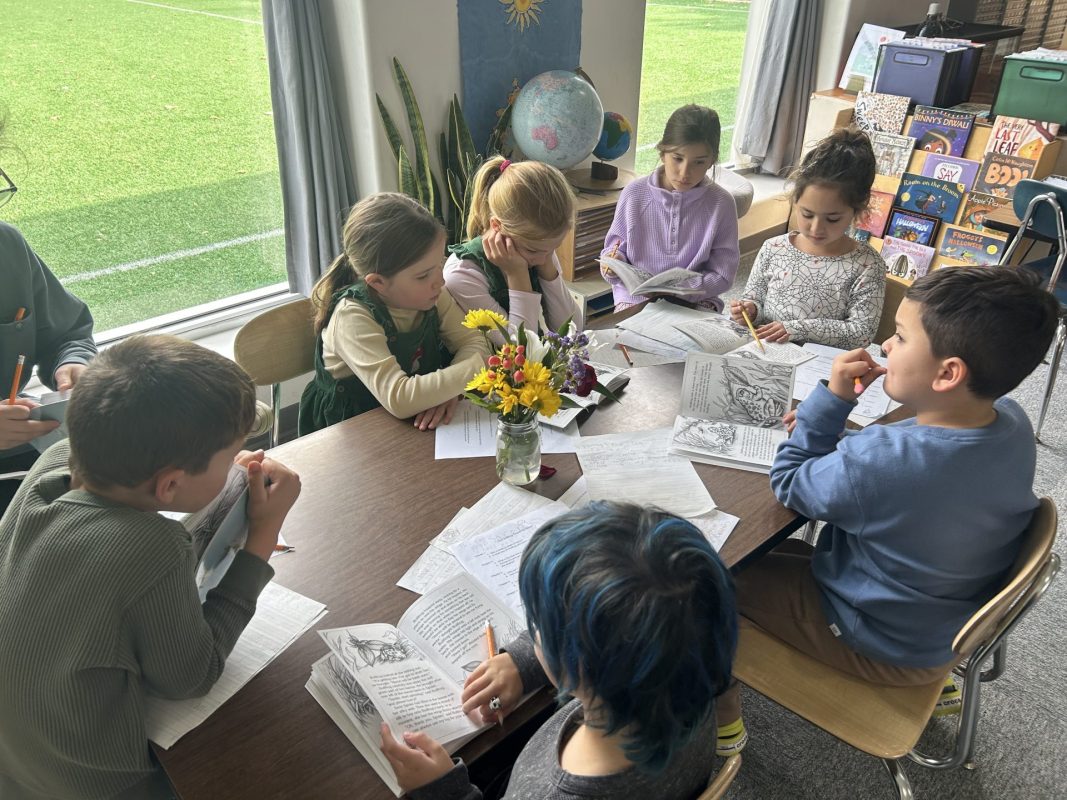
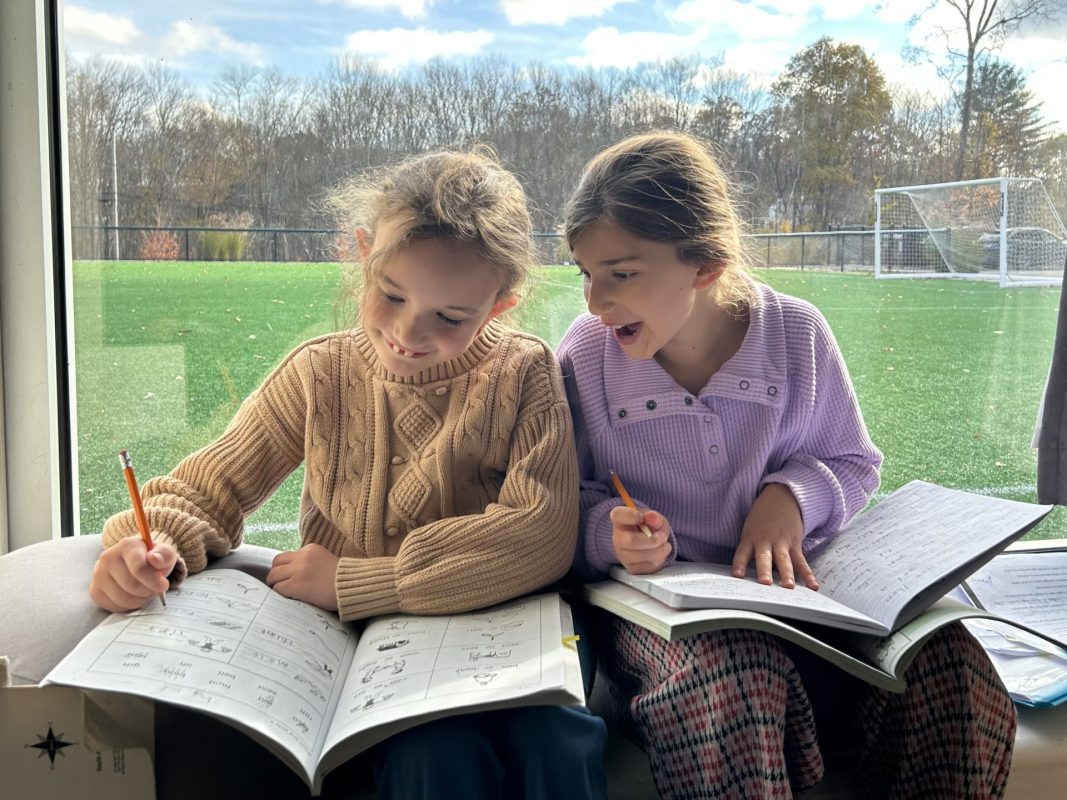
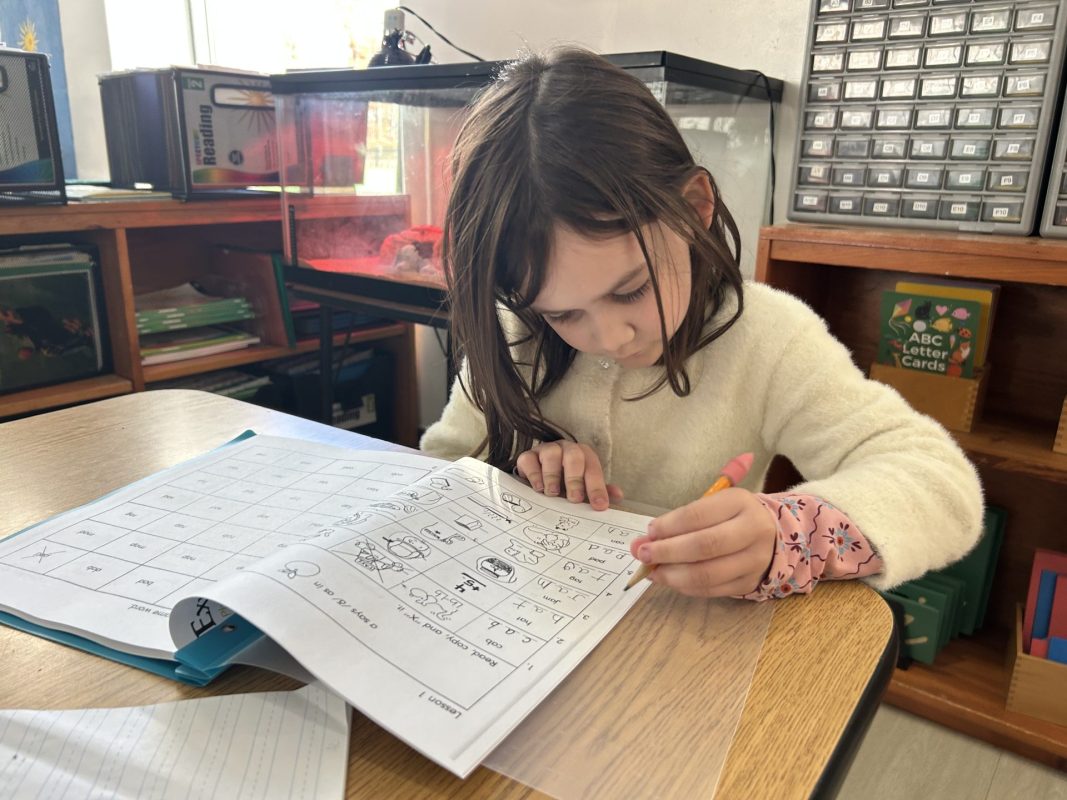
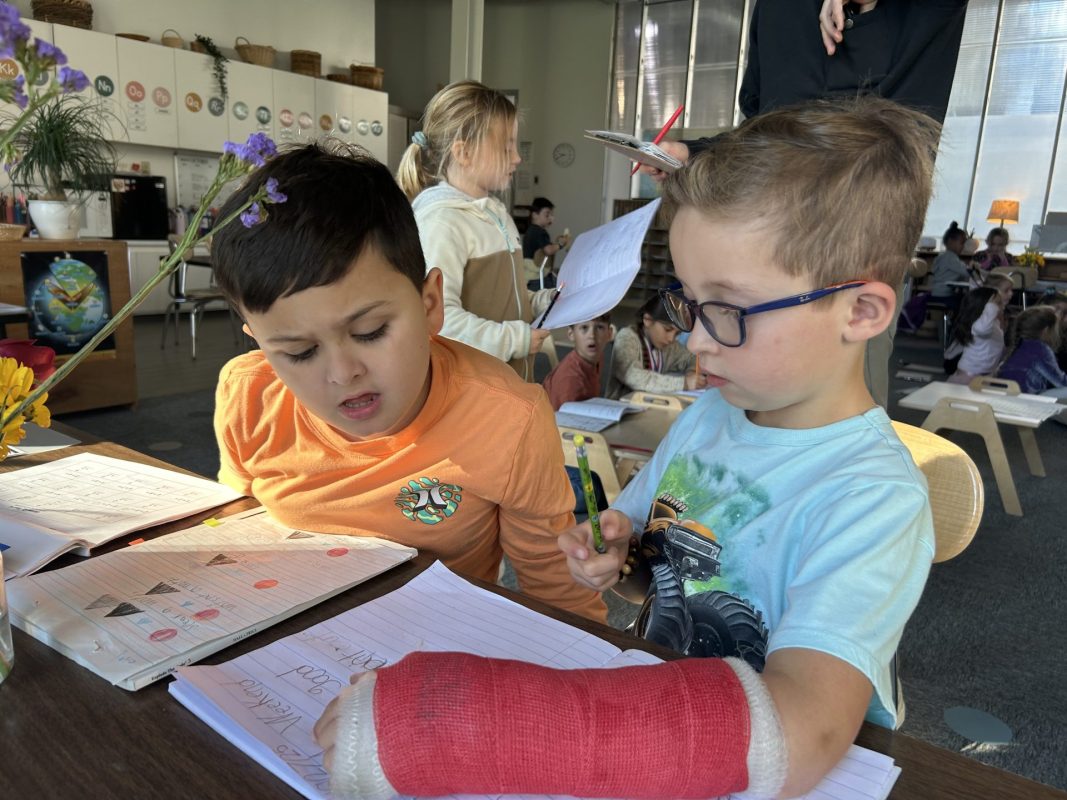
Math in a Montessori lower elementary classroom is a beautiful blend of hands-on exploration and deep understanding. Instead of relying on worksheets and memorization, students use concrete materials that help them truly see and feel mathematical concepts before moving to abstraction.

At this age, children are naturally curious about how the world works, and math becomes a way for them to make sense of patterns, relationships, and quantities. The Montessori philosophy supports this by introducing math through materials that allow students to manipulate numbers and operations in a tangible way.

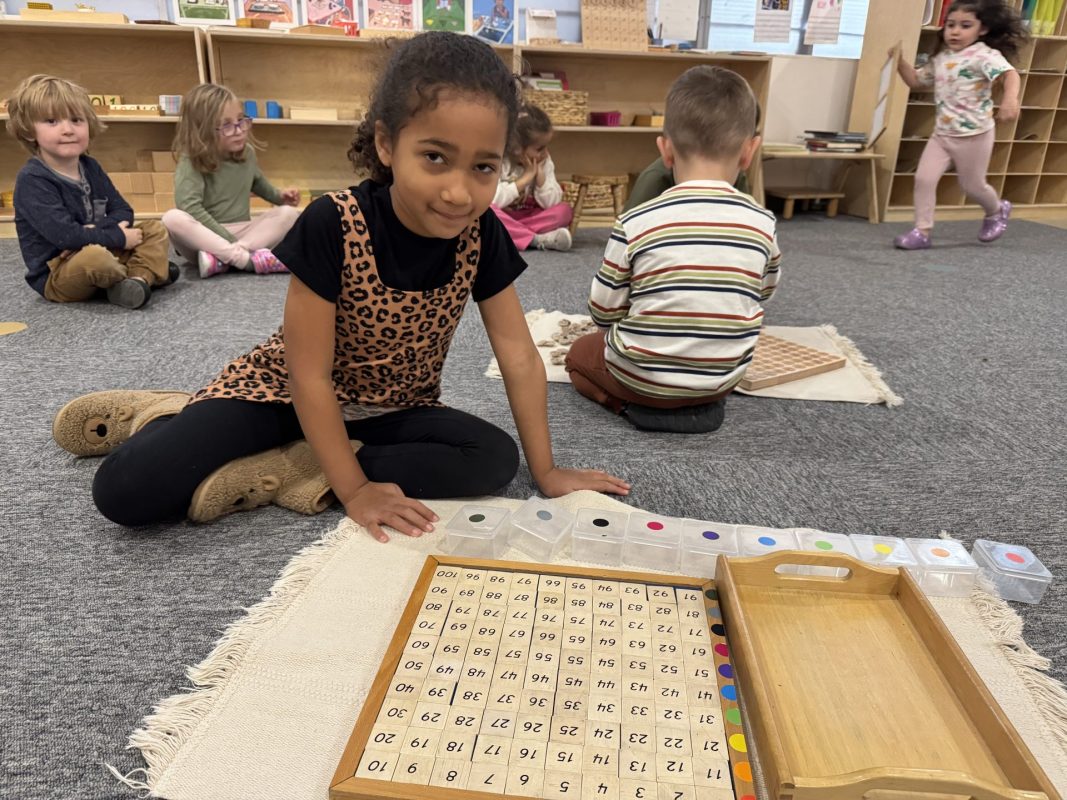
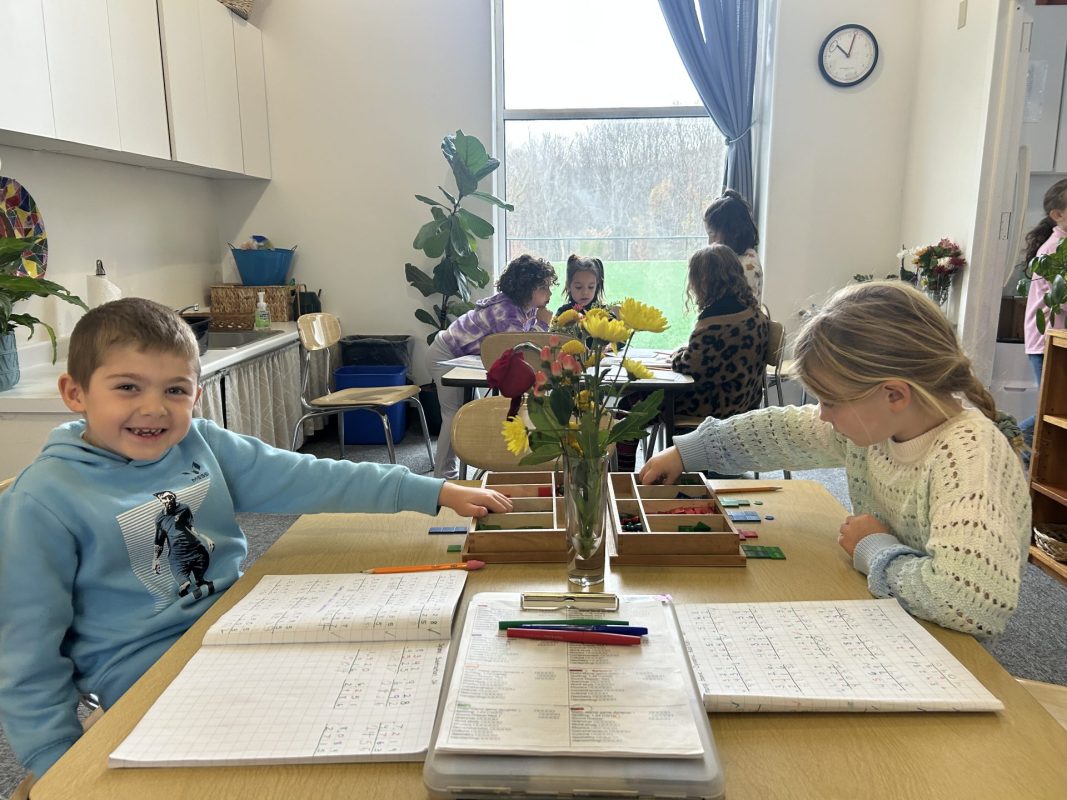
For example, the Stamp Game helps bridge the gap between concrete and abstract thinking. Students use small tiles, called stamps, to represent units, tens, hundreds, and thousands as they work through operations like addition, subtraction, multiplication, and division. They’re physically building and exchanging quantities, which helps them understand why processes like regrouping happen, not just how to do them.

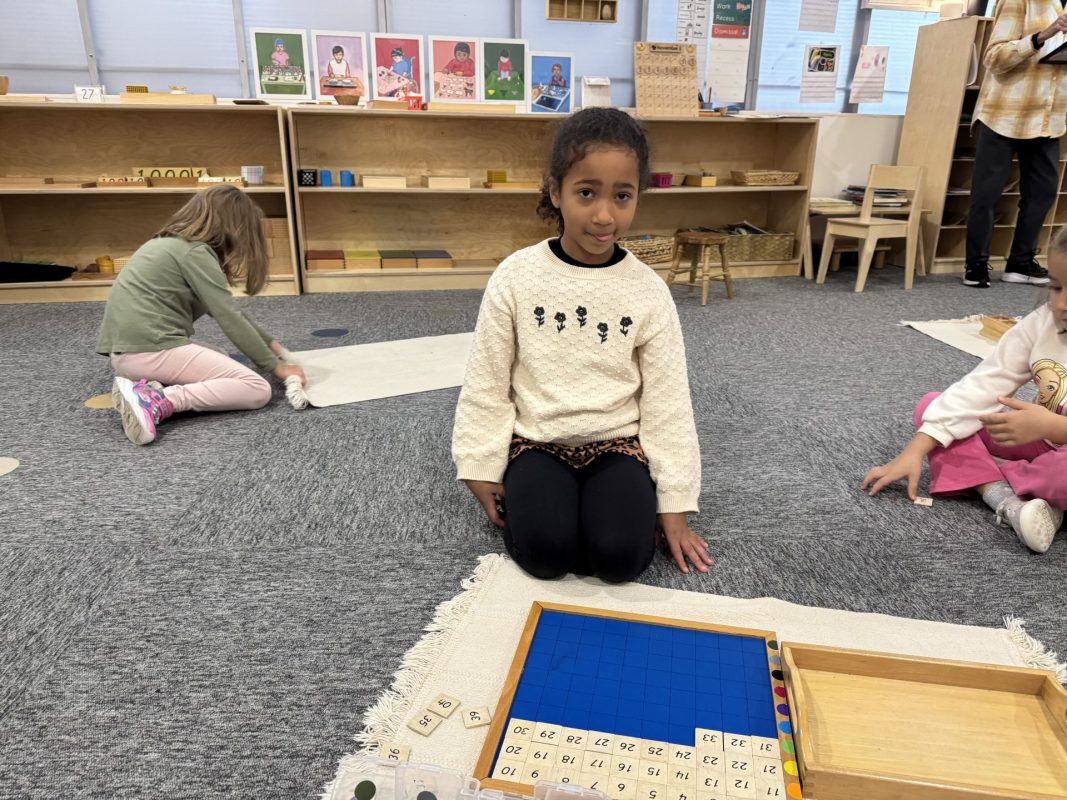
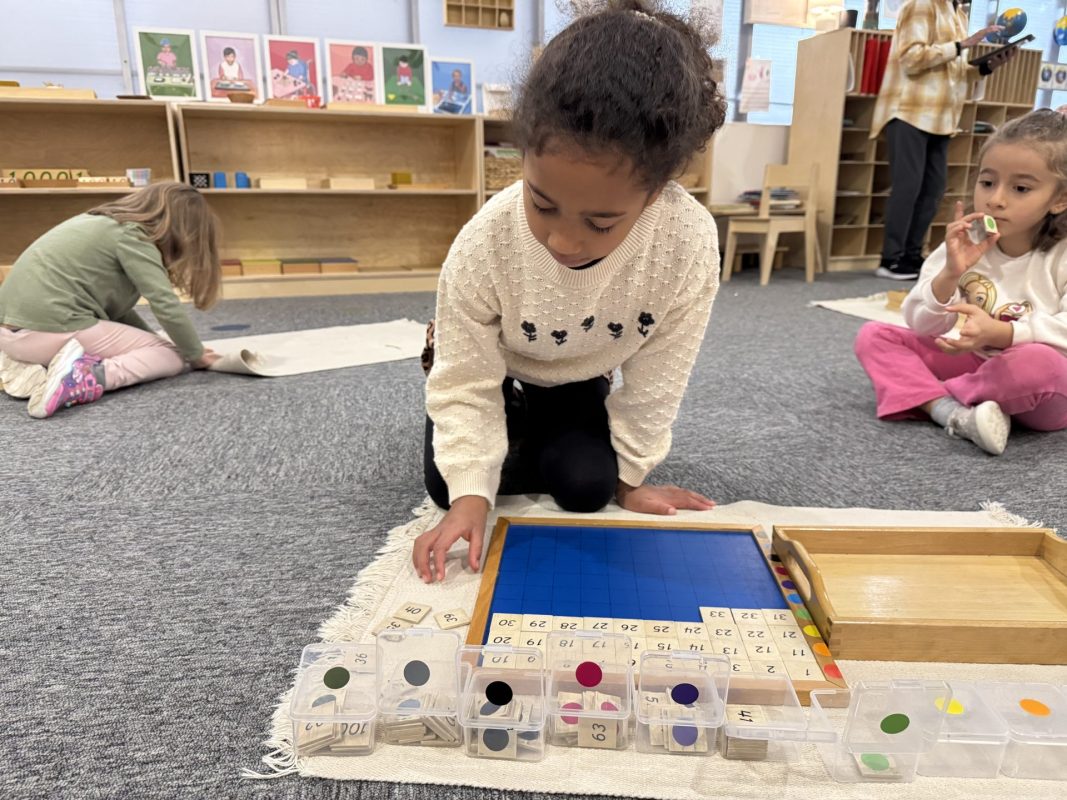
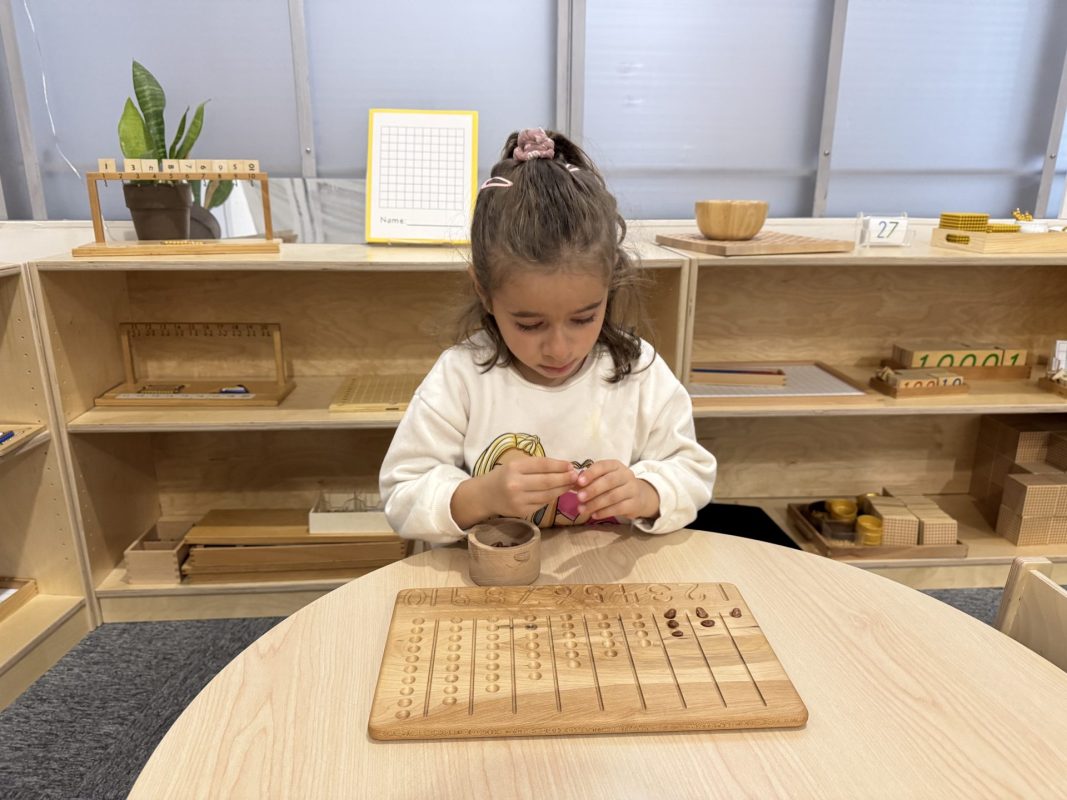
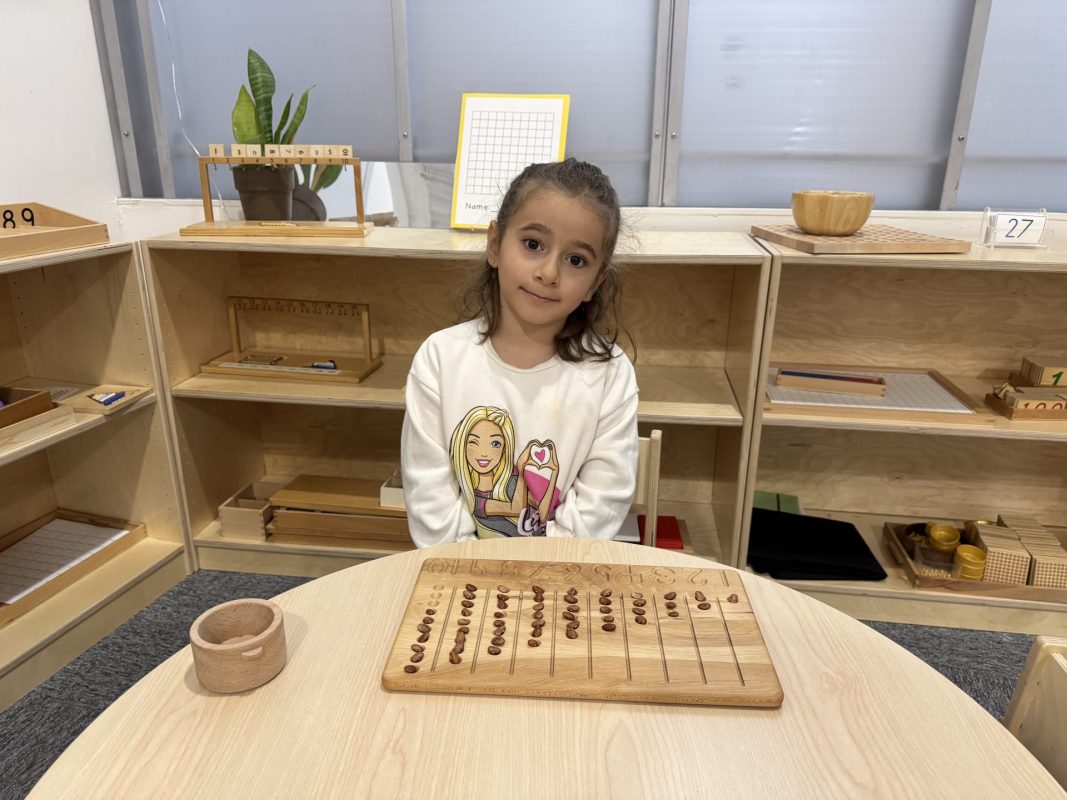
Another favorite is the Checkerboard, a colorful material that turns large multiplication problems into a visual and interactive experience. A different color represents each place value, and students use beads to work through multi-digit multiplication with confidence and clarity.

Over time, as students gain mastery, they naturally begin to internalize these processes and move toward abstract computation. By the time they’re ready to put pencil to paper, they’ve built a strong conceptual foundation that supports flexible and confident mathematical thinking.

In a Montessori classroom, math isn’t about speed or rote memorization; it’s about understanding. Students learn to see math as a language that describes the world around them, one that’s logical, creative, and even fun.


Ms. Handibode: The Three Period Lesson


When we introduce new concepts or materials to the children, we often do so using a three-period lesson. This is an important tenet of Montessori education and it helps to move the child from basic understanding of a concept to mastery.

Period One is the introduction stage. In this stage we are isolating new vocabulary to the children. For example, if we are introducing the color tablets, we say, “This is blue.”  Repeating that statement and allowing the child to manipulate the blue color tablet are crucial during this stage.

Period Two is all about association and recognition. It is often a separate lesson. We do not ask the children to remember the vocabulary or recall the concept.  We are simply reinforcing the concept taught in Period One. We use words such as “Show me the blue tablet” or “Can you place the blue tablet on your lap?”

Period Three is the recall stage and the first time we ask the child to remember the concept independently. We ask them, “What is this?” when showing them the blue color tablet. We are careful not to begin Period Three until we know they are ready for success.

Every time a child masters a new concept, it builds the foundation for the next lesson or concept to be taught.

We are wrapping up our study about all things apple.  We learned about the parts of an apple and the life cycle of an apple.  We made homemade applesauce that the children were able to enjoy at snack time. We introduced our first food prep activity for the year, apple slicing. The children clean and cut up an apple and then offer a slice to their classmates. We tasted four different types of apples, and then everyone had a chance to share which apple was their favorite. Lastly, we read a story titled “The Little Red House  With No Windows and No Doors And A Star Inside.”  Ask your children if they know where to find such a house.

Wishing you a week filled with peace and love!

Michelle & Maria


Middle School: Week in Review

Hope you’ve had a great week!

Here are some upcoming announcements:

  • PLEASE CHECK FLOWER SCHEDULE: When it is your flower week, please arrive closer to 8am in order to prepare flowers for the MS classrooms. Thank you for your attention to this!
  • Tuesday, 10/7: Team Building day @ The Adventure Park. 9 am-2 pm. Please sign the waiver here and pack a lunch with snacks. Closed-toed sneakers needed (no Crocs).
  • Thursday, 10/16: Catherine Violet Hubbard Stream Study & Sanctuary Visit. Here is the Permission Form that can be printed and signed. Hard copies are available at school. PLEASE read this for the attire needed for this visit.
  • Friday, 10/24: Conference Day for students, parents, and teachers. Look for school communication for Sign Up Links. They will be available in the SignUps Module on MyFWM. Some teachers have availability earlier in the week as well.
  • SAVE THE DATE: Friday, 10/24 @ 6:30 pm: Middle School Halloween Movie Night

8th Grade Leadership

8th grade students had another high school visit on Tuesday. They gave a tour to visitors from Henry Abbott Technical School in Danbury this week and also listened to a presentation given by Ms. V and students currently studying there. It was great to hear from the upperclassmen as they gave honest and informative information to the students.

The 8th grade Leadership team also completed the design for this year’s annual FWM sweatshirt in time for the chilly days of fall! Come to Oktoberfest on 10/18 to see the design. First orders will be taken that day as well!

Humanities

This week, grades 6 & 7 continued to read in their class novel, Ties That Bind, Ties That Break.  Students are having thoughtful conversations surrounding the plot of the novel, as well as the historical and cultural aspects of living in China during the Cultural Revolution. Students also worked on researching an assigned dynasty of Imperial China. They are creating a portion of a presentation that will be given as a whole class.

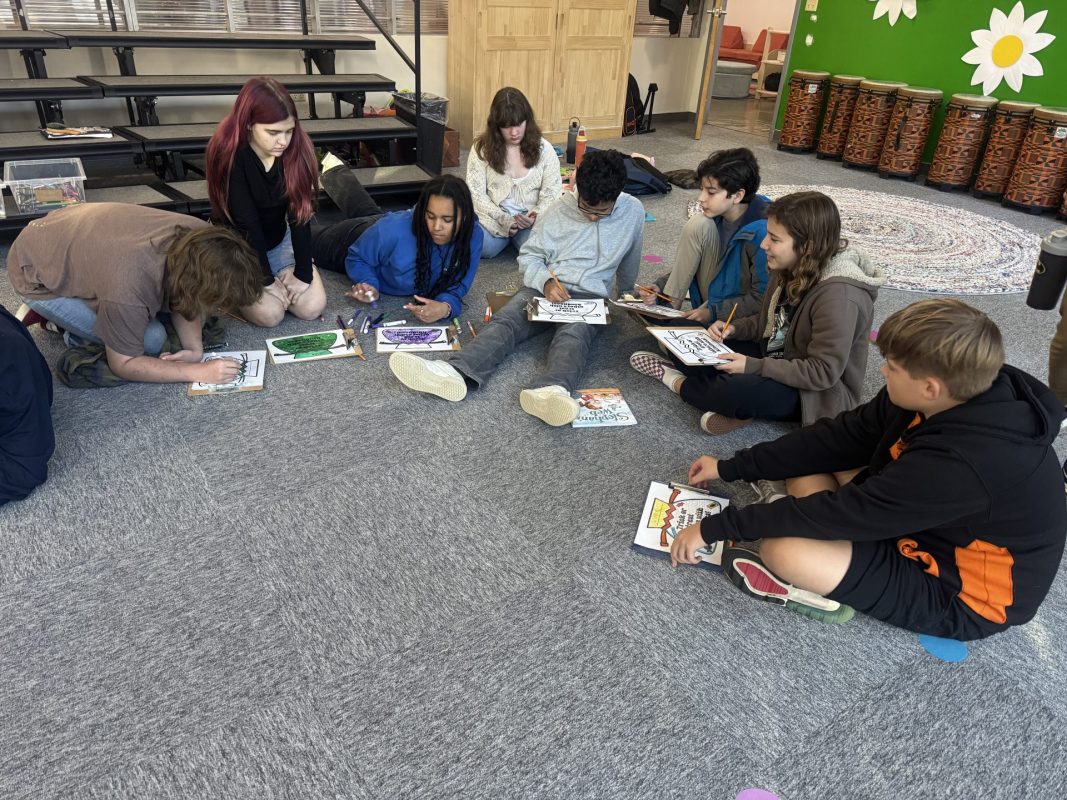
8th grade Humanities students began the week by reading and discussing the impact of gold on the Indigenous Nations in North America, as well as tribal sovereignty. Additionally, they read the poem “Famous” by Naomi Shihab Nye and used this poem to discuss the definition of “fame” and come up with their own examples of fame using Naomi Shihab Nye’s poem as inspiration. Feel free to click and read the piece to perhaps consider “fame” from a different perspective. Finally, 8th grade students reviewed the following writing mini-lessons (originally developed by Nanci Atwell) that they must consider when composing their own personal memoirs: The Rule of Thoughts and Feelings, The Rule of So What?, and The Rule of Write About a Pebble. They will begin their drafts next week after brainstorming their piece.


Math

Students in Pre-Transition, Transition, Algebra, Geometry, and Algebra II had a lively and engaging start to the week with a fun Chapter 1 review game called “Trashketball.” The classes were split into teams, and for each correct answer, students earned the chance to take a shot with a crumpled piece of paper into the trash can to score points for their team. The game brought energy, teamwork, and plenty of laughter while helping students review key concepts from Chapter 1. Following the review, all five courses took their respective Chapter 1 Test to demonstrate their understanding of the material covered so far. The week concluded with a Chapter 2 Scavenger Hunt, where students previewed upcoming topics in an interactive way. The activity set the stage for the next unit and sparked enthusiasm for the material ahead.


Science

This week, Middle School students were able to start the week with their first Quiz, containing 10 questions about basic concepts of science and the Scientific Method. The Knowledge of the Scientific Method is very important because it will be used throughout the year to write laboratory reports for every experiment that we will be doing in science class.

In addition, Middle School Students got the guidelines for the Science Fair this year, which will be on November 5th. Students are brainstorming ideas for experiments for the Fair.

Also, they are reading and comprehending Science articles. The articles are assigned every Monday, and the comprehension questions are turned in every Friday. The goal of reading is that students become more familiar with learning about new findings and new scientific words. Currently, we are still working on writing our first Lab report (Penny Lab) and focusing on the understanding of the formulation of the Hypothesis and Conclusion.


October Family Connection Newsletter

This month’s Family Connection Newsletter from the American Montessori Society outlines how Montessori education emphasizes the importance of the uninterrupted work cycle and respecting each child’s individual learning style. This structure allows children to engage deeply in their activities, promoting exploration, creativity, and personal growth at their own pace.

The natural work cycle enhances focus and engagement, as children thrive when they have dedicated time for tasks without interruptions. This environment fosters essential skills like coordination and independence.

In Montessori, “work” is redefined as a child’s choice of activity, leading to genuine engagement and a sense of accomplishment. During these work cycles, children often enter a state of flow, effectively transitioning between tasks and taking on challenges, which promotes confidence.

I hope you find this month’s newsletter informative and valuable.


Ms. Rhodora: Class Detectives

Week of Sept 29–October 3

UPCOMING EVENTS & ANNOUNCEMENTS
Wednesday, October 8: Our Class Photo Day
Monday, October 13: No School
Thursday, October 17: Kindergarten Field Trip to New Pond Farm – More details to follow soon.
Weather Note: Mornings have been chilly while afternoons warm up significantly by recess time. Please dress your child in layers they can easily remove and manage independently.

This Week in Our Classroom

The children have been delighted to prepare and serve banana slices to their friends this week. Watching them carefully slice, arrange, and offer snacks to their classmates showcases the heart of practical life work—building independence, fine motor skills, and community care all at once.

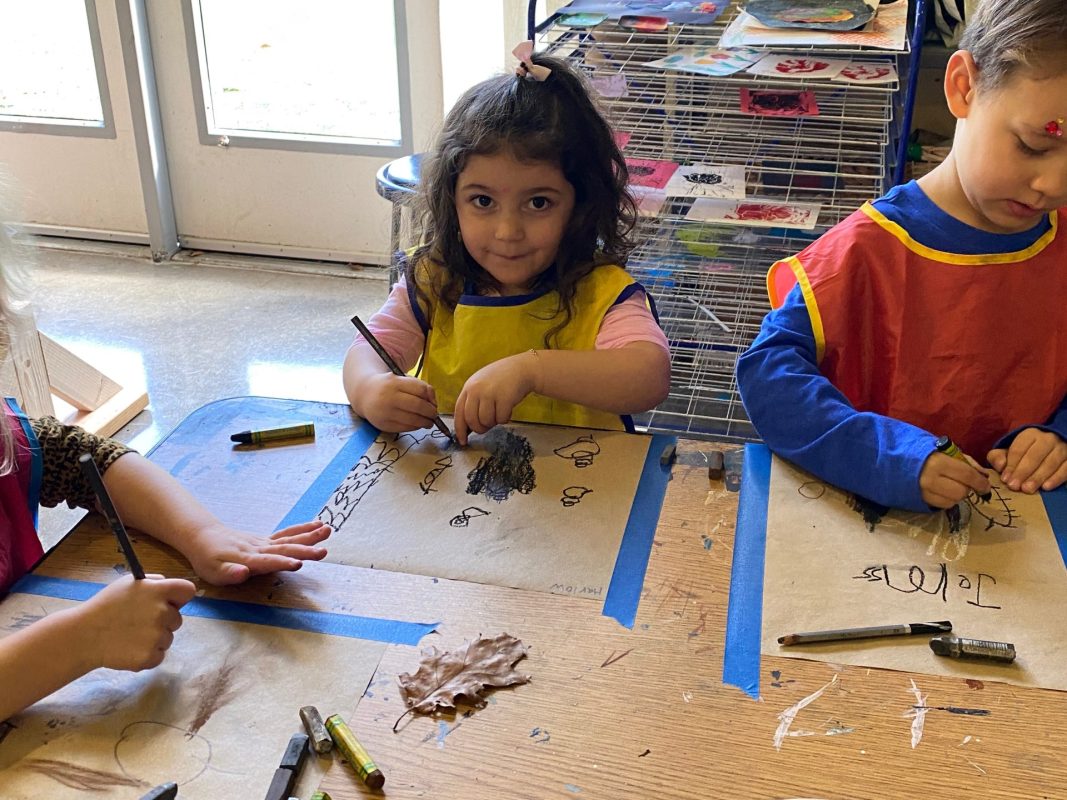
Fall has arrived, and our students have become Fall Detectives! During our outdoor time, the children search for clues that the season is changing. They collect brown and red leaves, notice cooler temperatures, and observe how the trees on our beautiful campus are transforming. These nature walks connect the children to the rhythms of the natural world and support our Montessori philosophy of living in harmony with the earth.

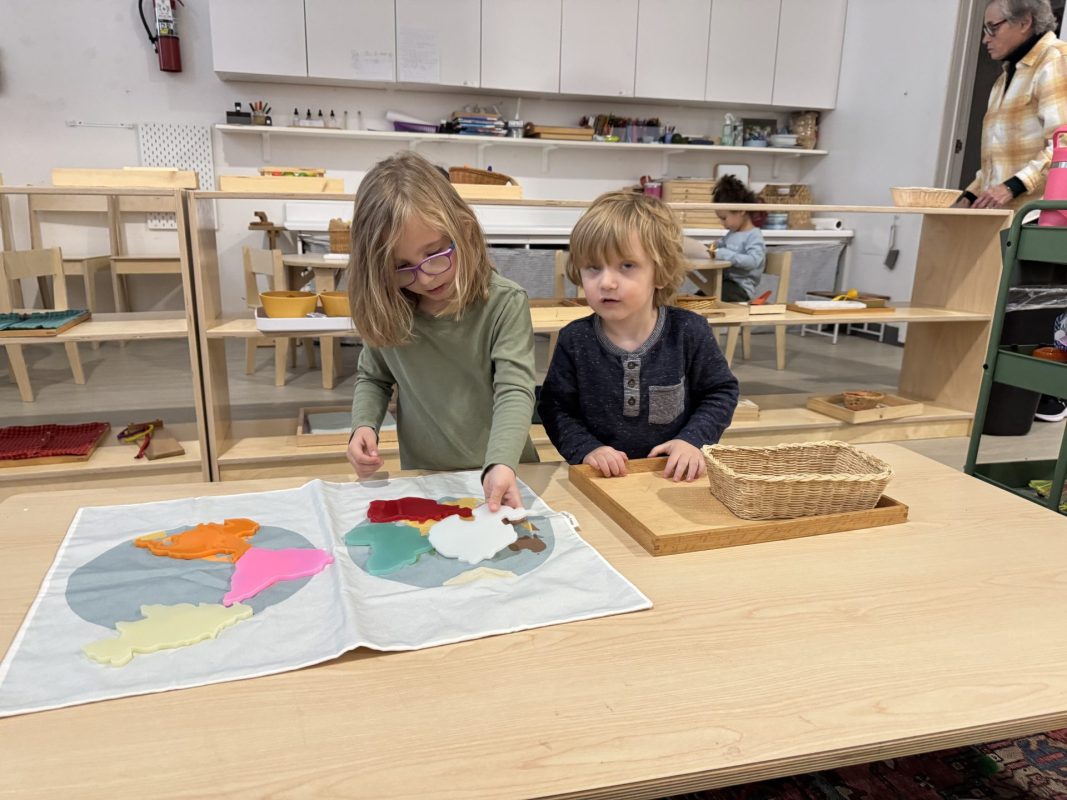
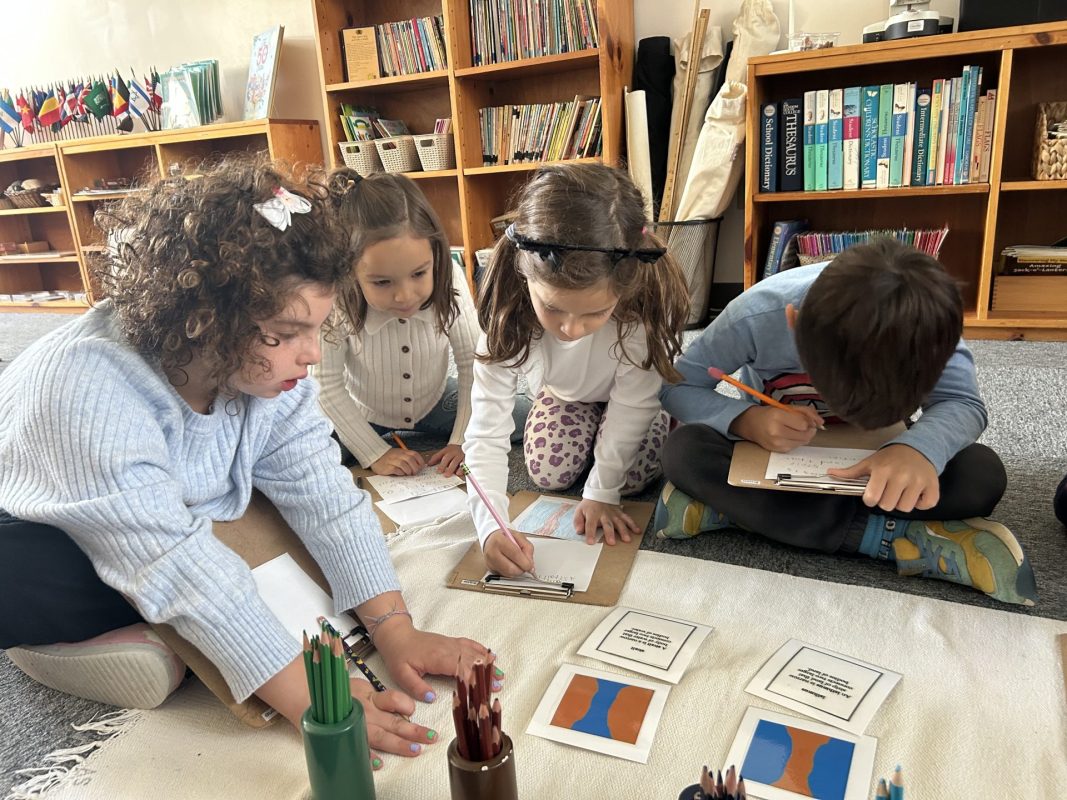
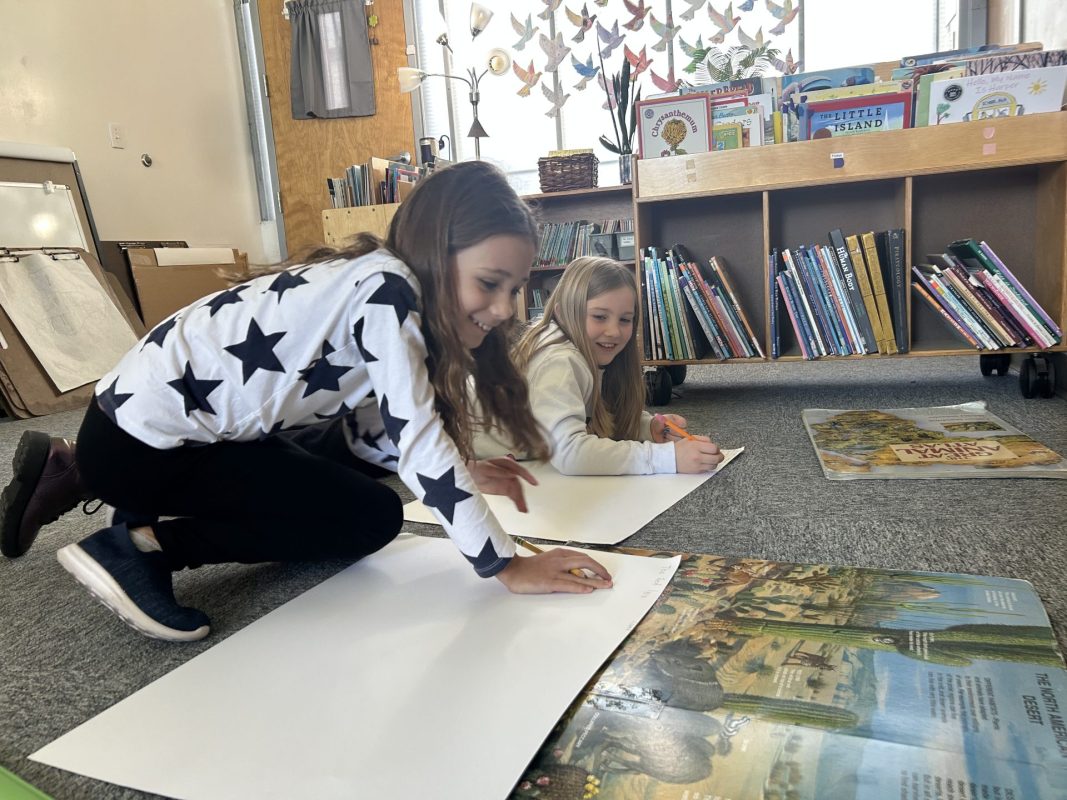
Our classroom travels have taken us to North America this week. We’ve been exploring the continent using our puzzle maps, and the children are excited to learn about New York, Connecticut, and New Jersey—our home states! We also introduced land and water forms this week, starting out with island (land surrounded by water) and lake (water surrounded by land). 

The magnet work has been drawing tremendous interest! Children of all ages are naturally attracted to magnets (no pun intended), and we challenged them to be detectives, testing which classroom objects are magnetic. The children can now confidently use the vocabulary words “magnet,” “attract,” and “repel” as they explore this scientific concept.


Ms. Handibode: All About Apples

Week of Sept 29–October 3

UPCOMING EVENTS & ANNOUNCEMENTS
Monday, October 6: Connor Horch’s sharing box week begins
Monday, October 6: Class and individual photo day
Monday, October 13: No School
Thursday, October 17: Kindergarten Field Trip to New Pond Farm – More details to follow soon.
Weather Note: Mornings have been chilly while afternoons warm up significantly by recess time. Please dress your child in layers they can easily remove and manage independently.
Classroom Needs: We’re collecting red Target shopping bags (they have so many uses in our classroom!) and any children’s magazines you’ve finished with. We cut up the pictures for storytelling activities. Thank you!

This Week in Our Classroom

All About Apples

Our classroom has been bursting with apple discoveries! The children have explored apples through every sense and learning area, from practical life skills like peeling and preparing apples to scientific observation of apple anatomy and life cycles.

We conducted a formal apple taste test featuring four varieties: Granny Smith, Pink Lady, Red Delicious, and Honeycrisp. After careful tasting and discussion, each child cast their vote for their favorite. One thoughtful child shared, “I don’t like apples, but if I did, I would vote for the Pink Lady apple because I like the color pink.” The winner? Granny Smith apples took the crown!

The children worked together to make applesauce in our classroom crockpot, which we enjoyed for snack the next day. Watching the transformation from fresh apples to warm applesauce gave the children a concrete understanding of how cooking changes food.

We’ve also been learning about Johnny Appleseed, examining the parts of an apple, and exploring the apple life cycle from seed to tree. I read the children a riddle story with a surprise ending: “What is a house with no door, no windows, and a star inside?” Ask your child if they can tell you the answer!

The excitement and engagement around this simple, familiar fruit remind us how children’s natural curiosity can transform everyday objects into rich learning experiences.


Mrs. Wilson: Hello October!
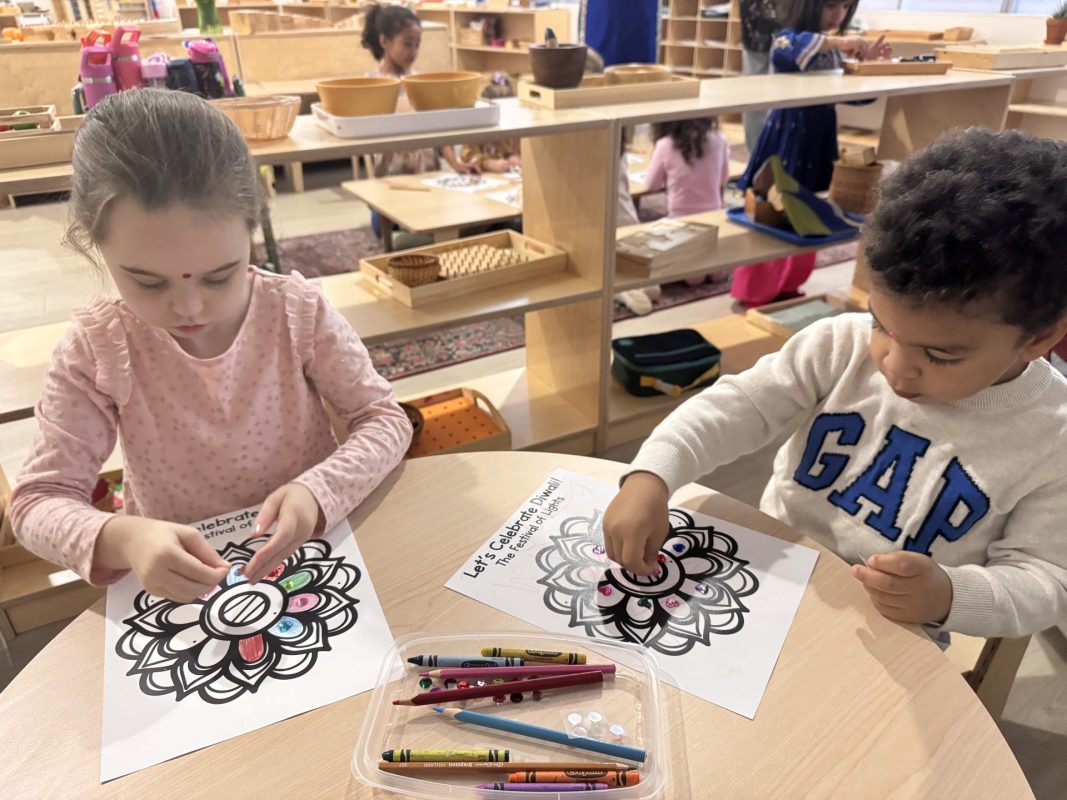
It’s hard to believe we are already one month into the school year. In just these few short weeks, we have witnessed so much growth and change in the children. Their transition into the classroom has been a beautiful one. What has stood out most to me this year is how quickly the children have begun forming bonds with one another. In fact, this is the first time in my career that I have seen such strong connections develop so early in the year. The kindness and compassion they show each other daily is truly heartwarming—I wish I could capture it all for you to see.

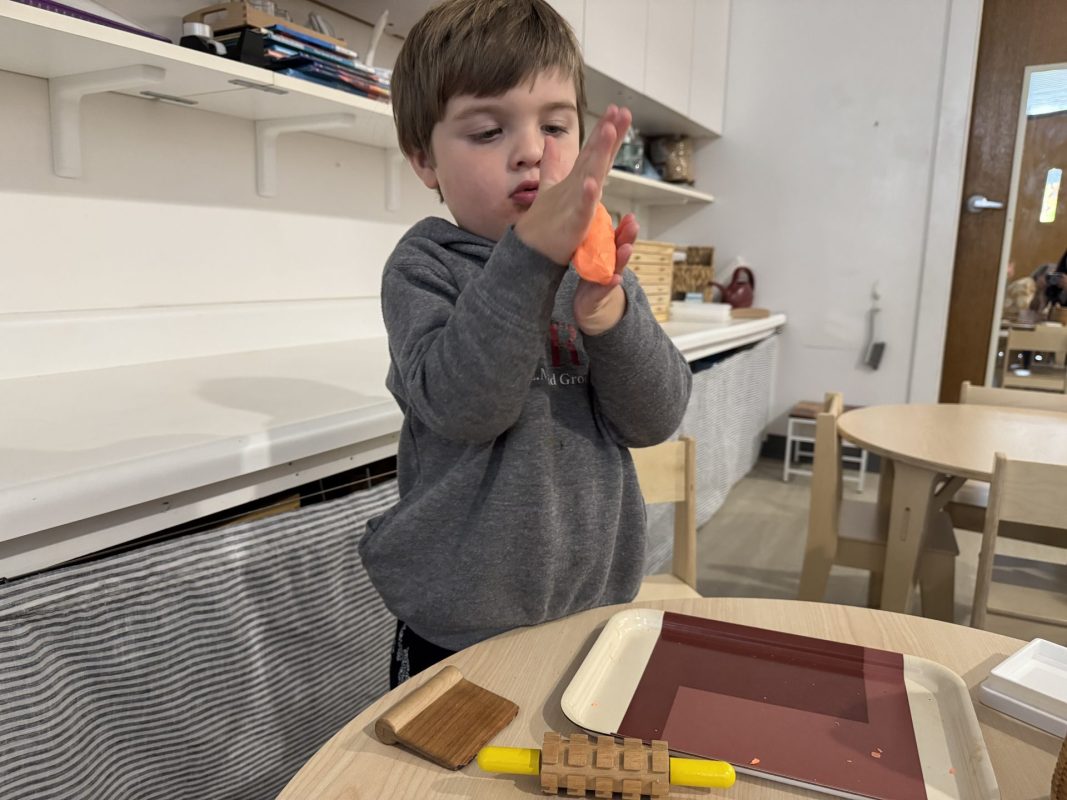
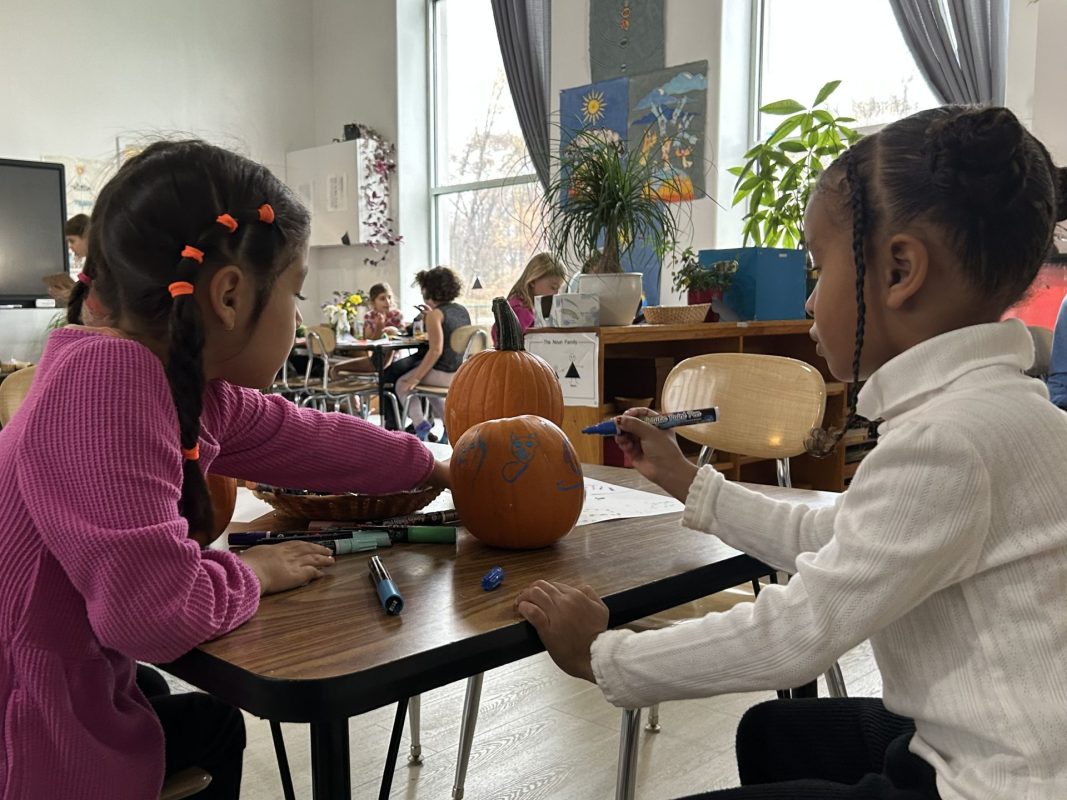
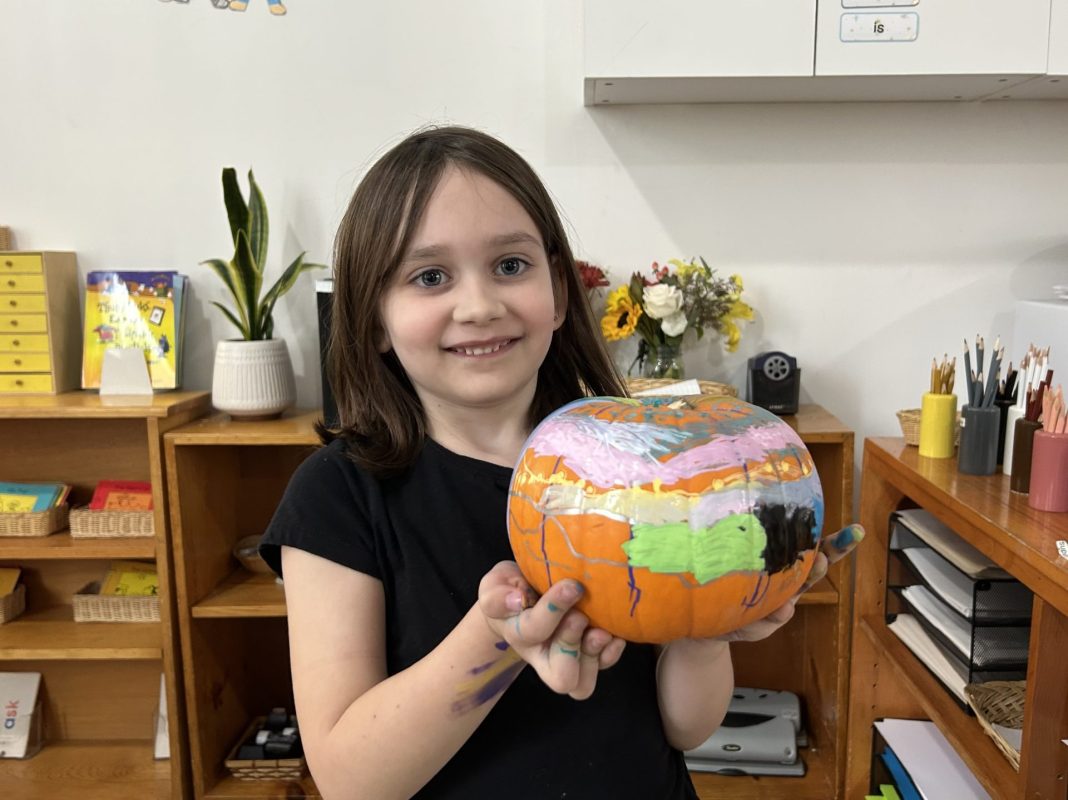
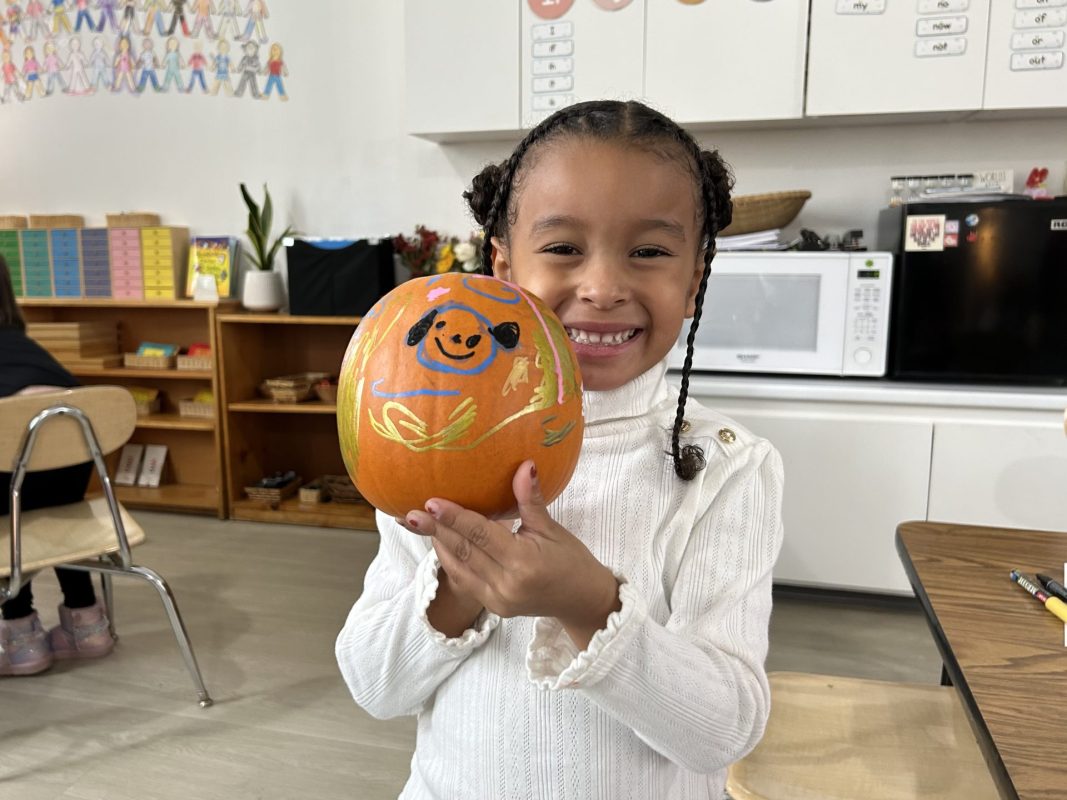
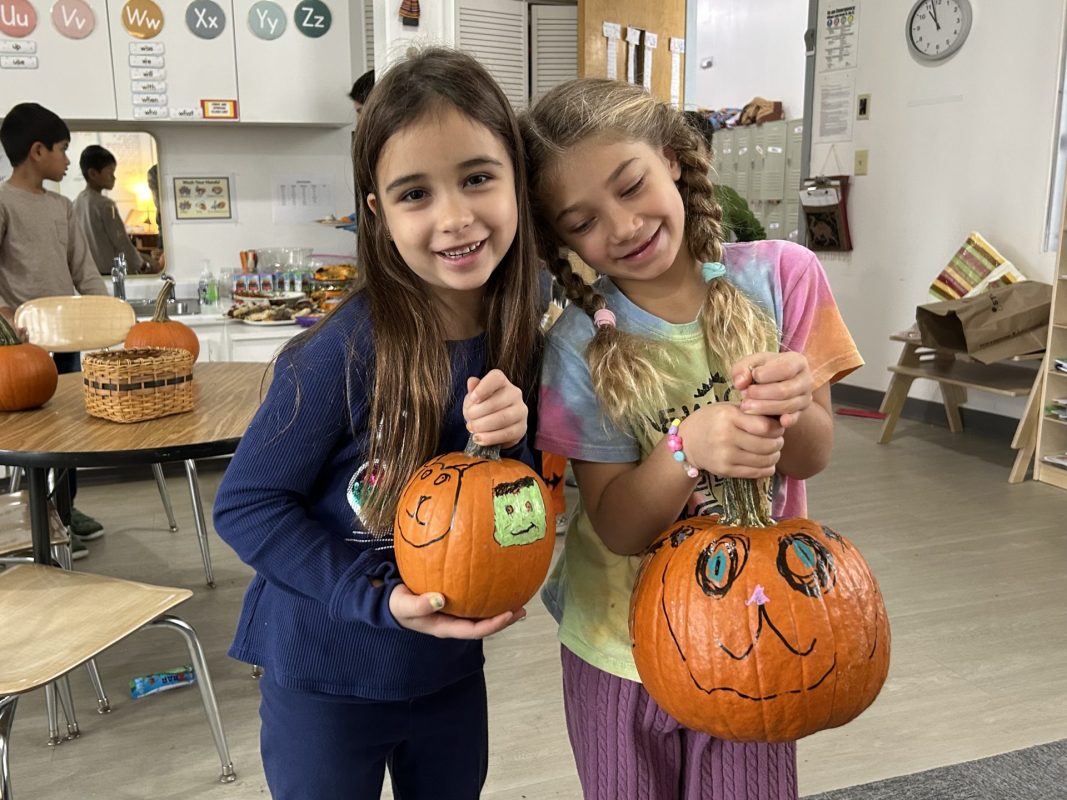
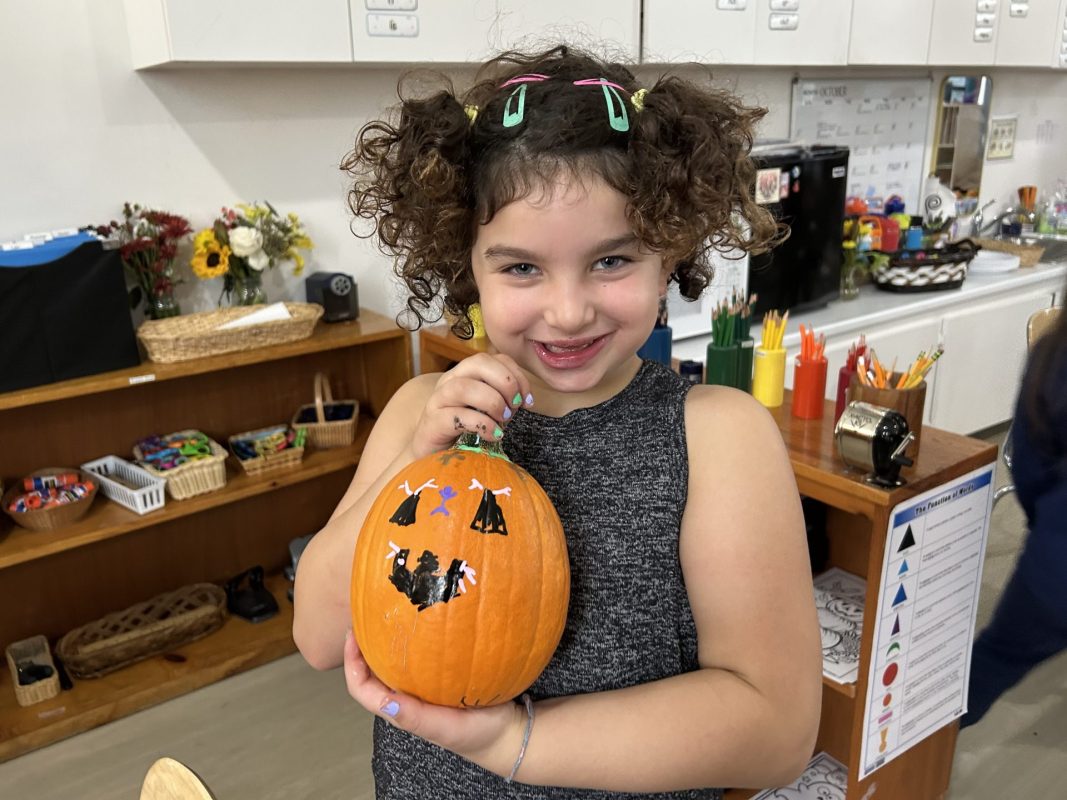
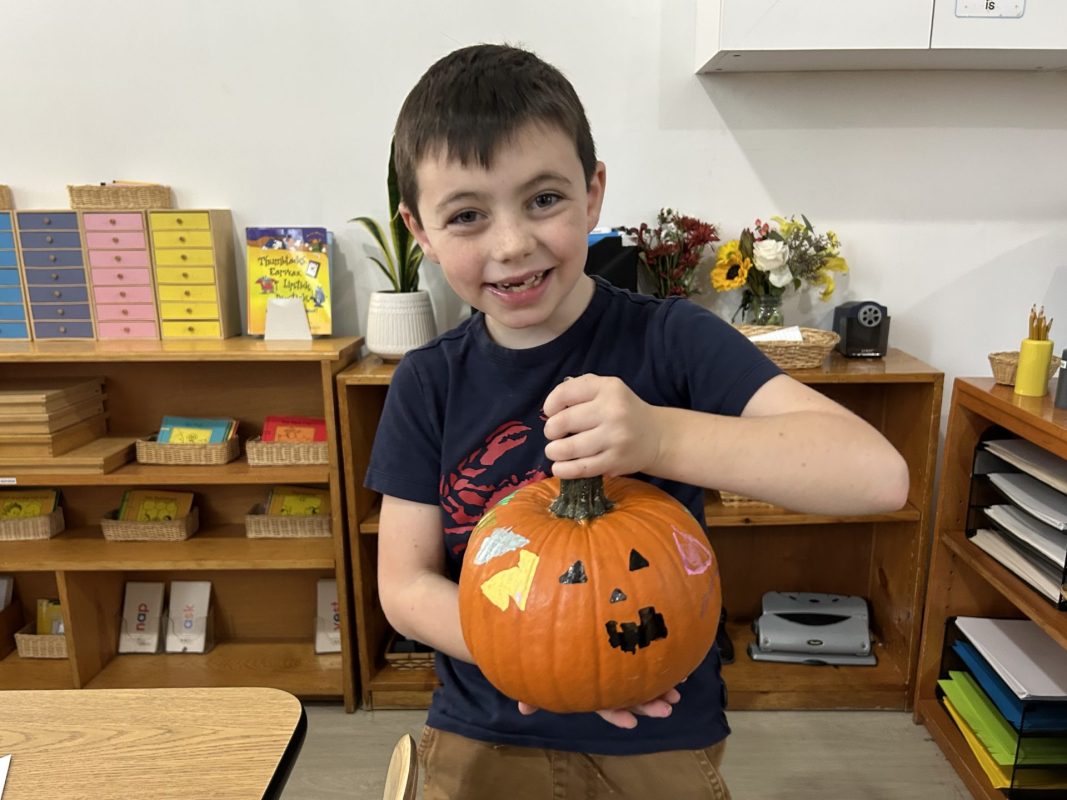
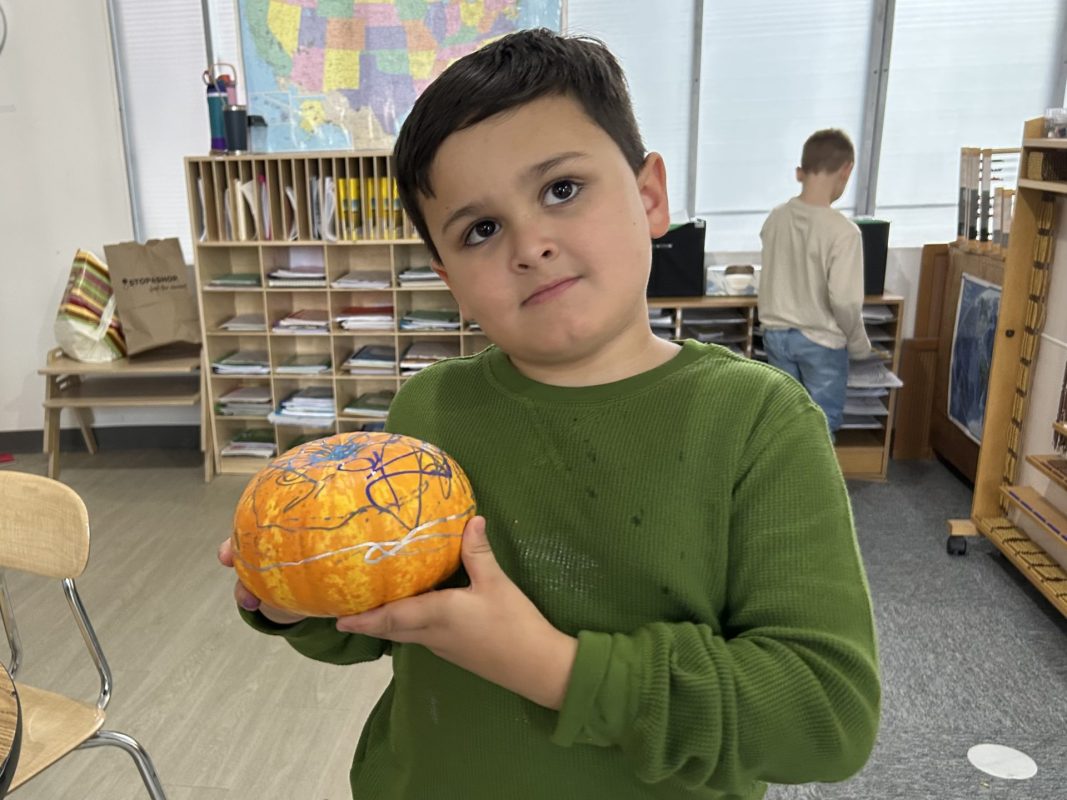
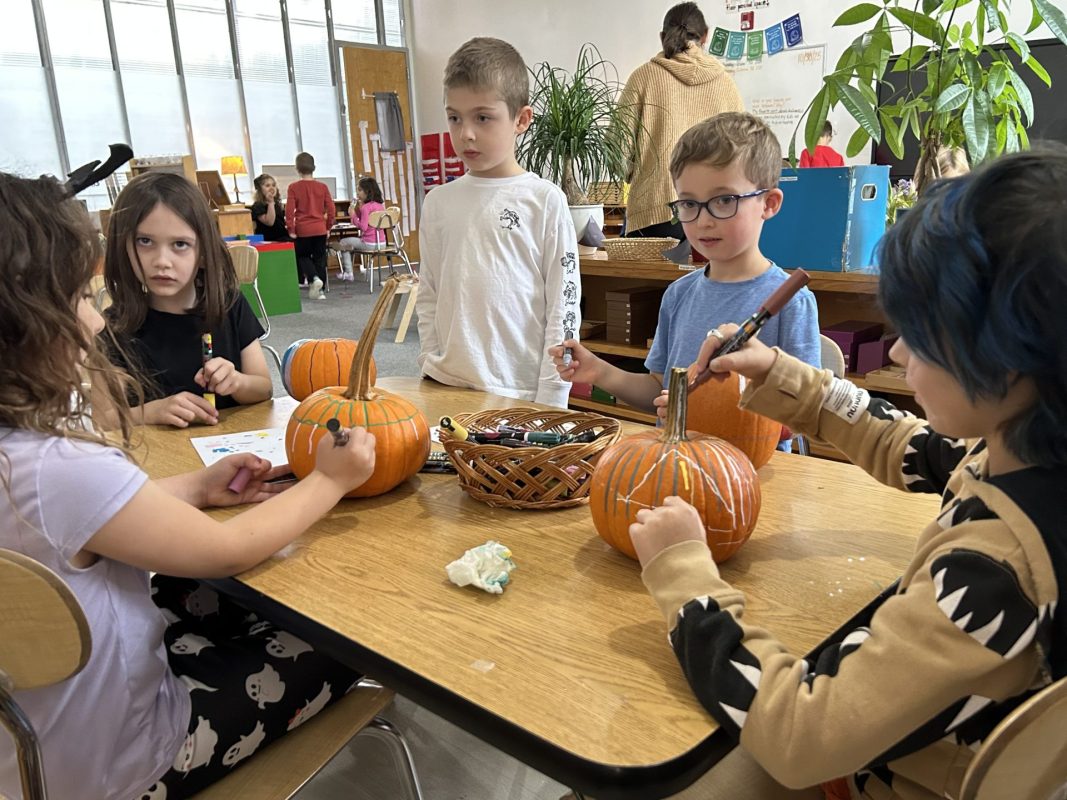
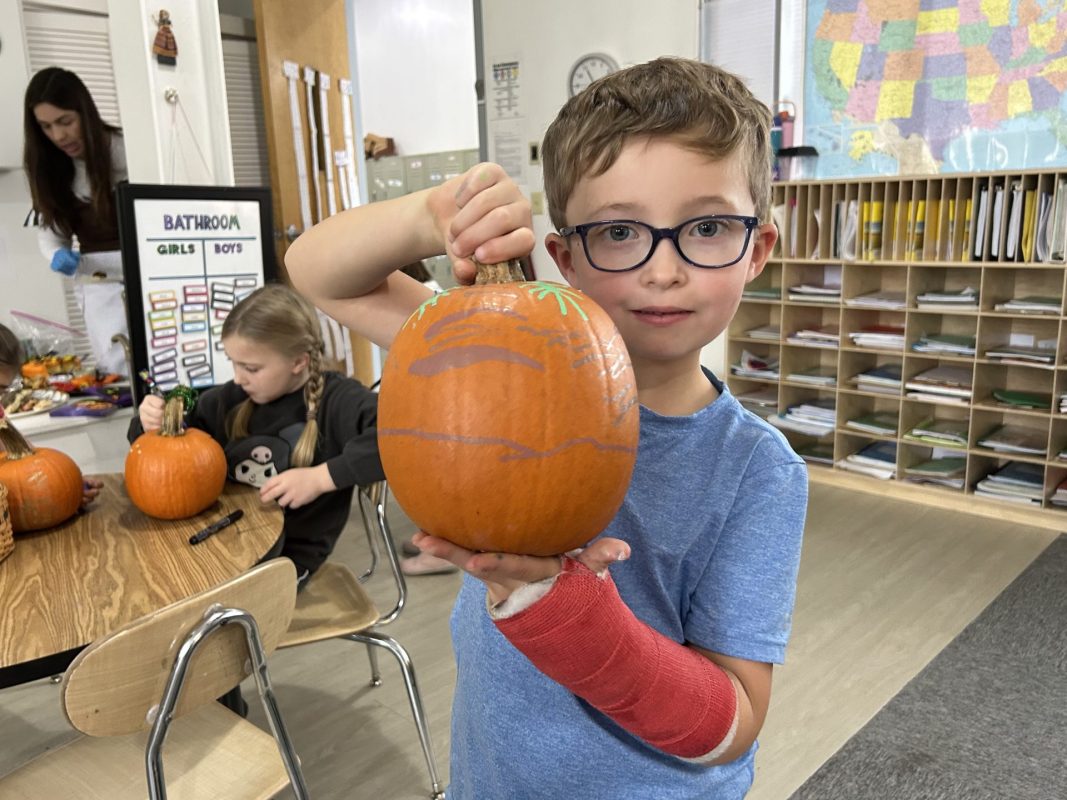
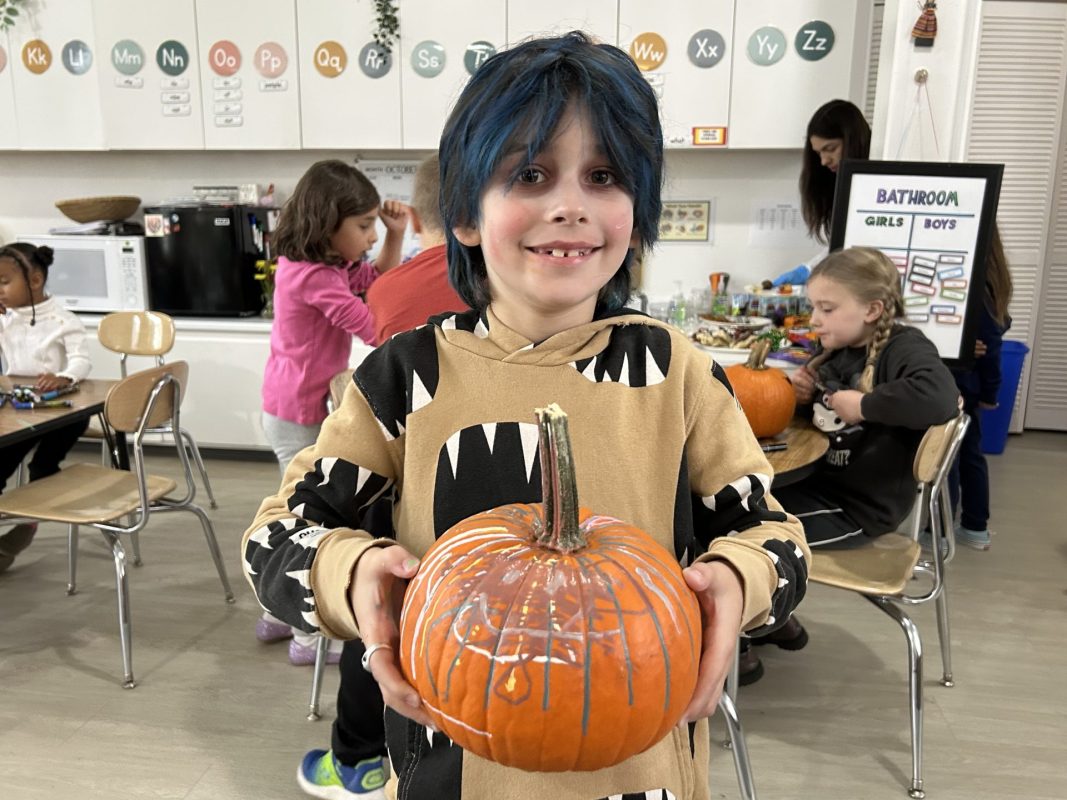
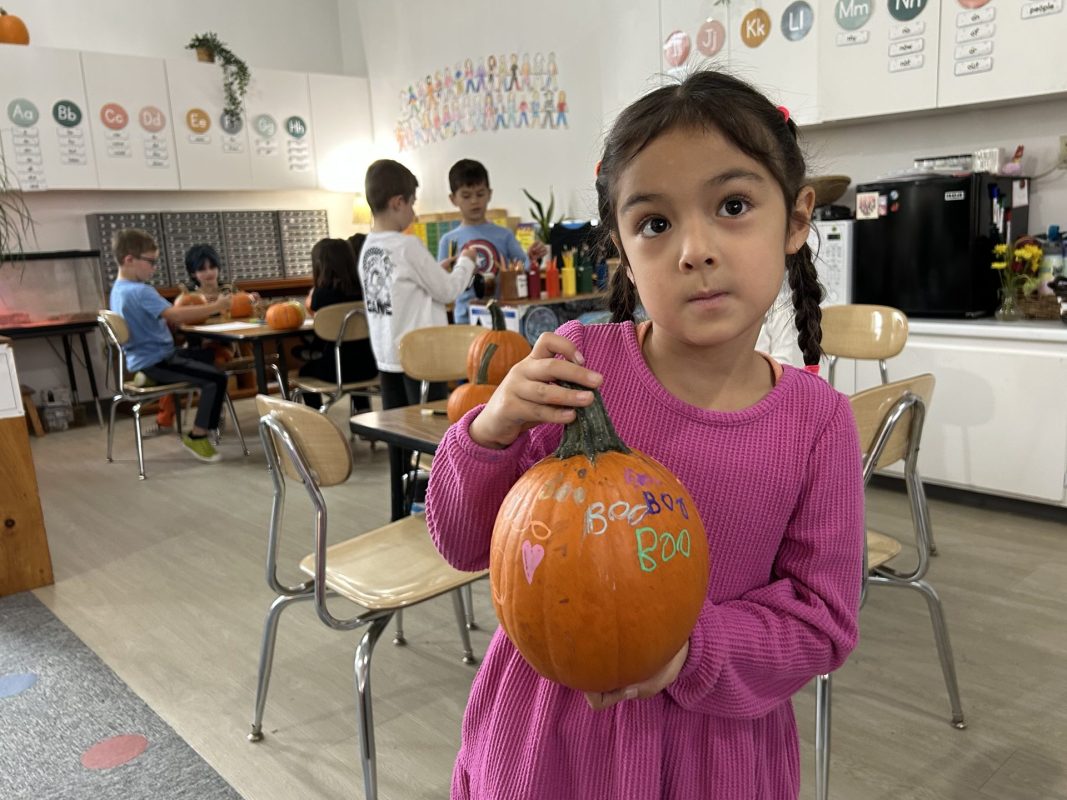
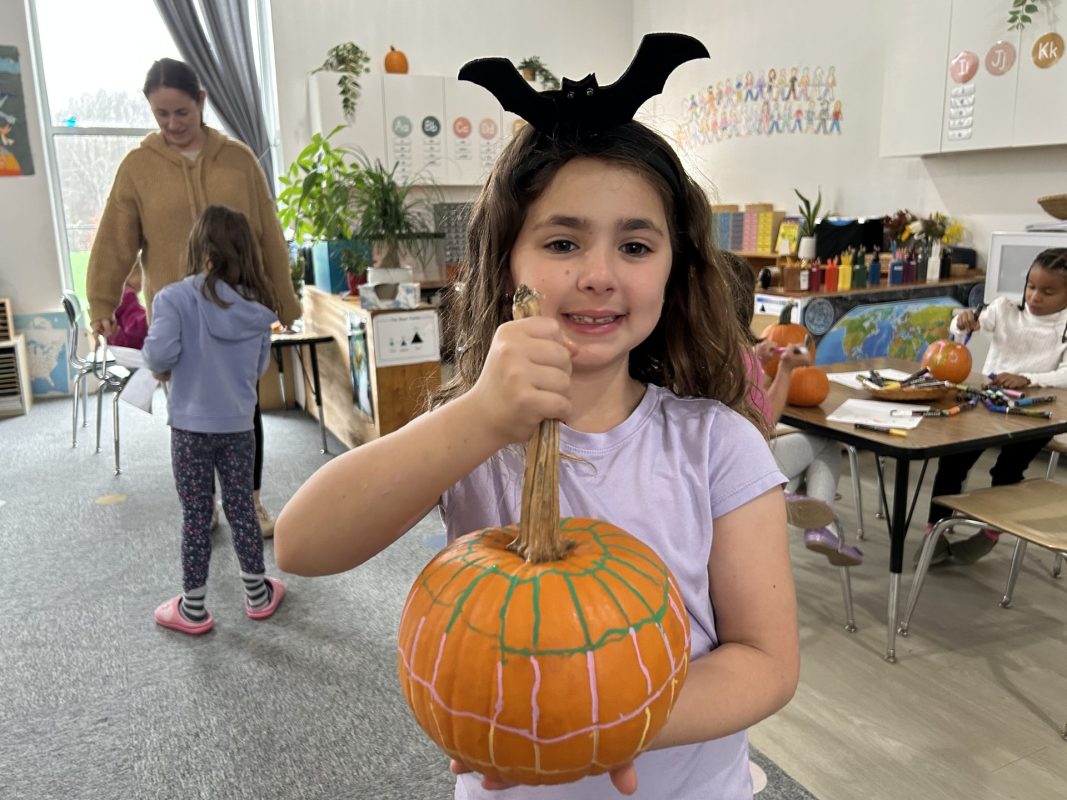
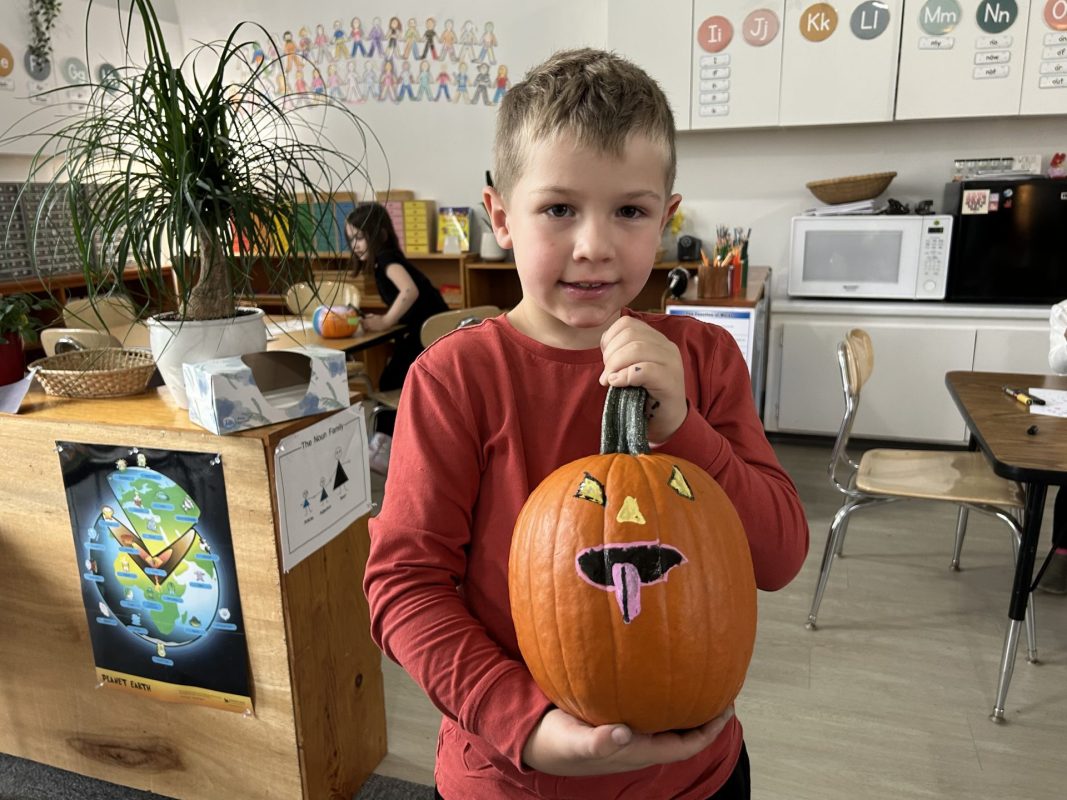
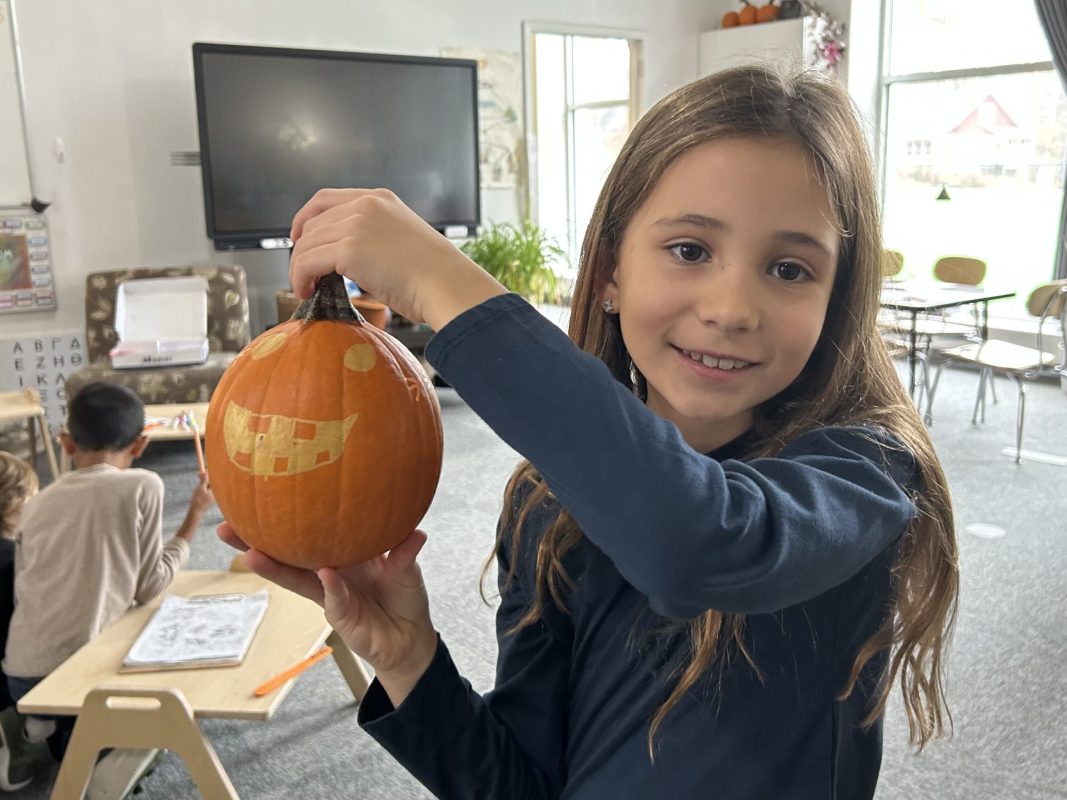
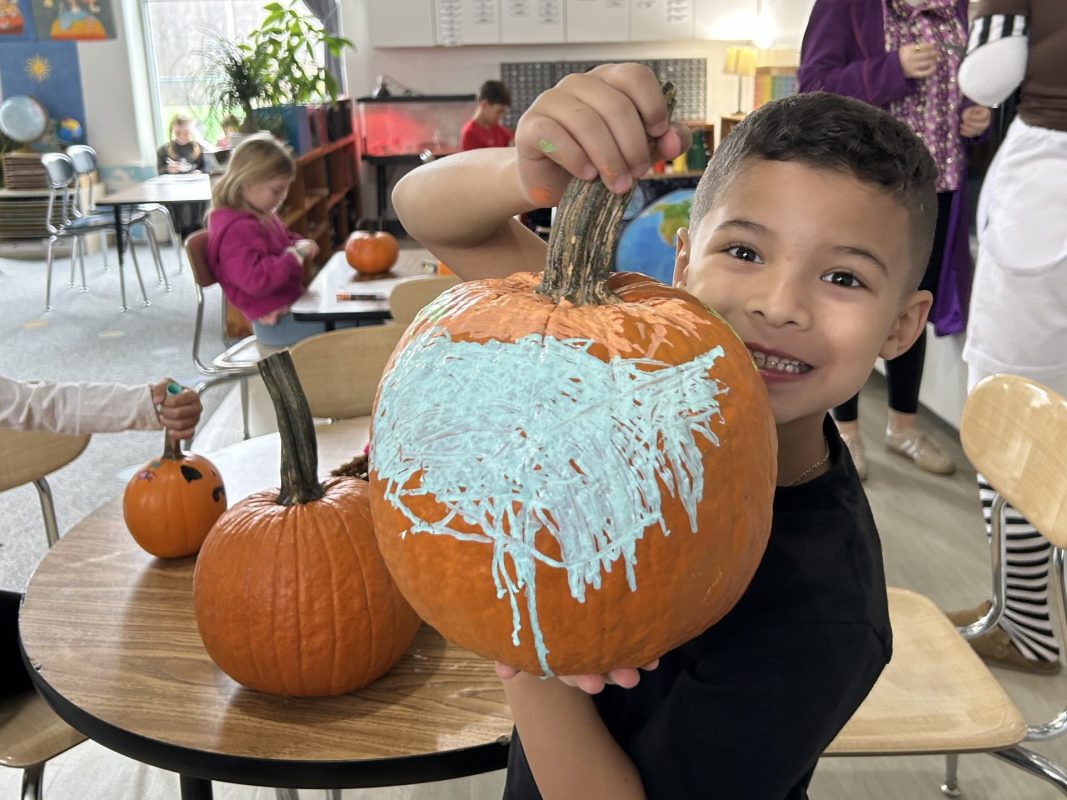
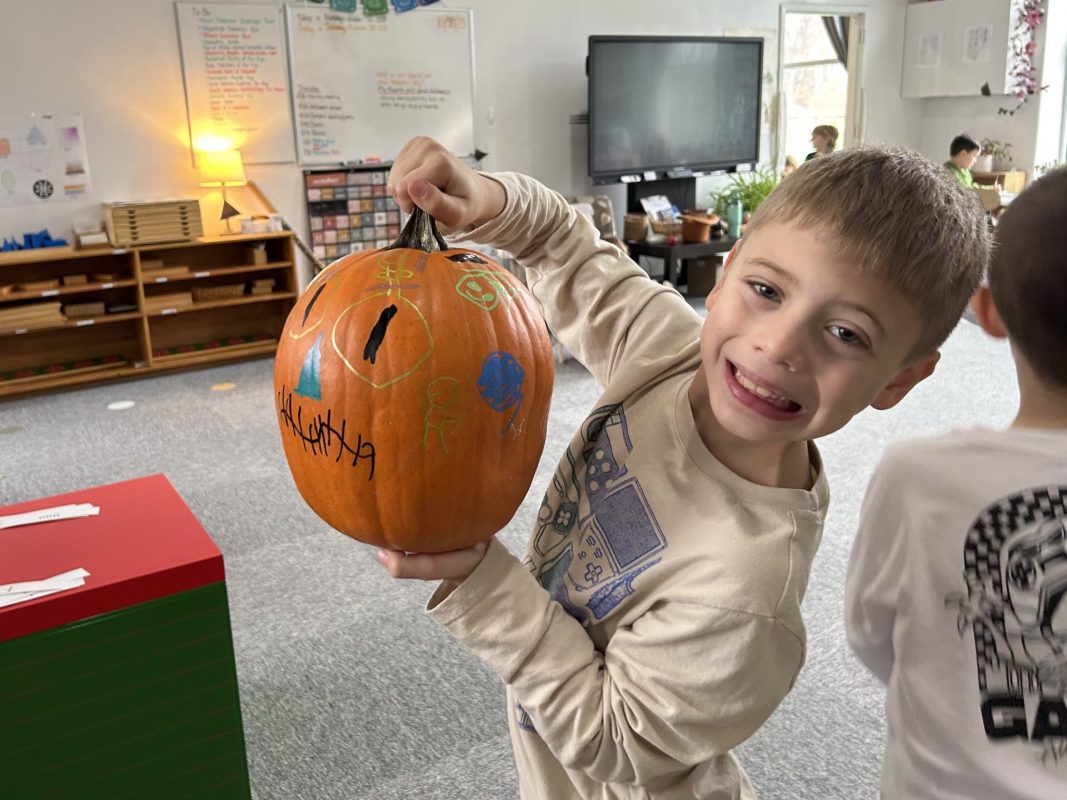
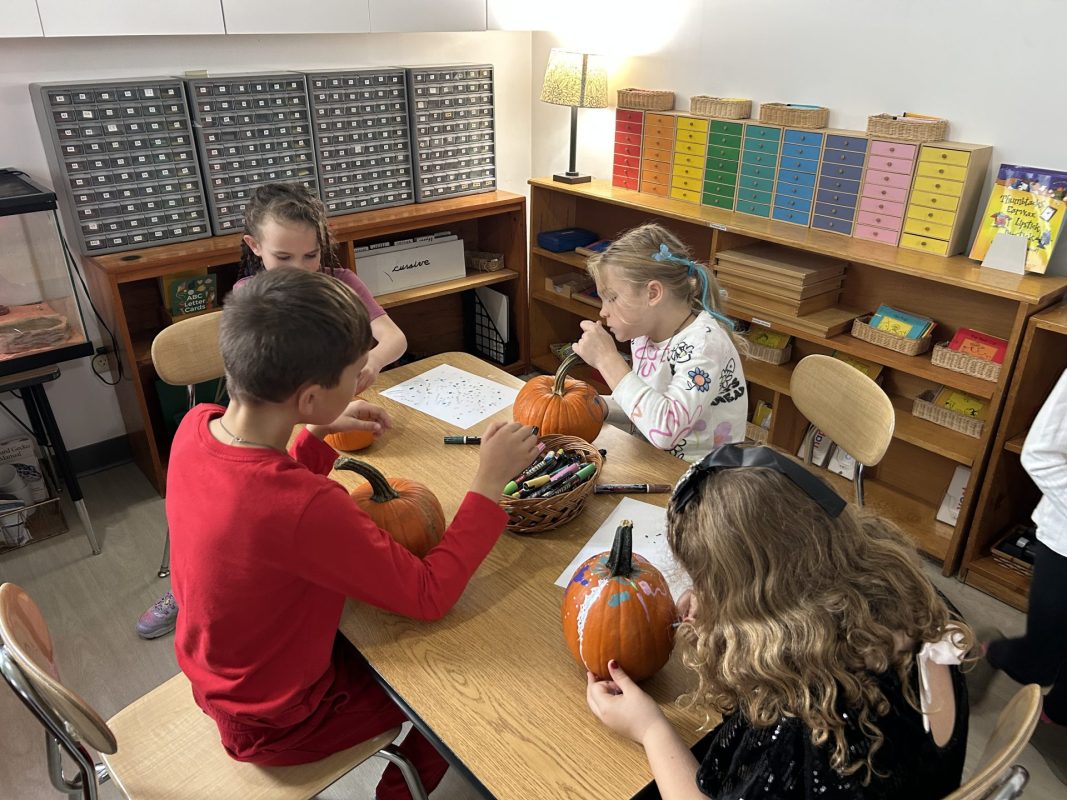
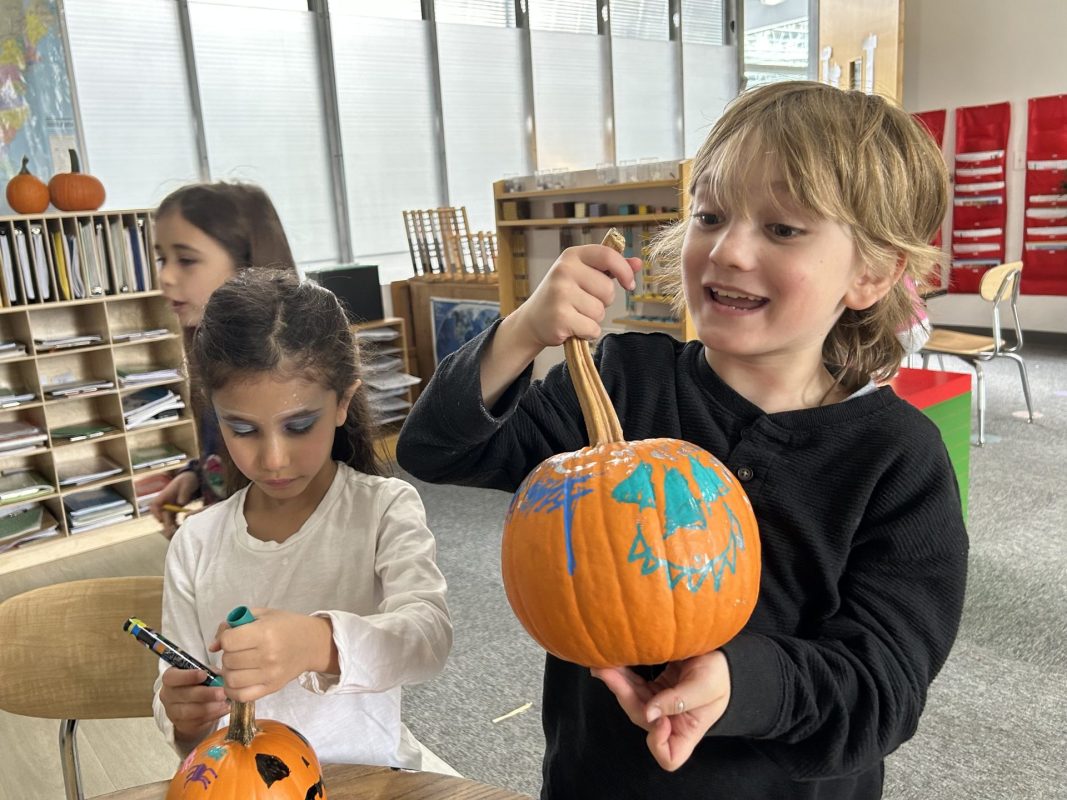
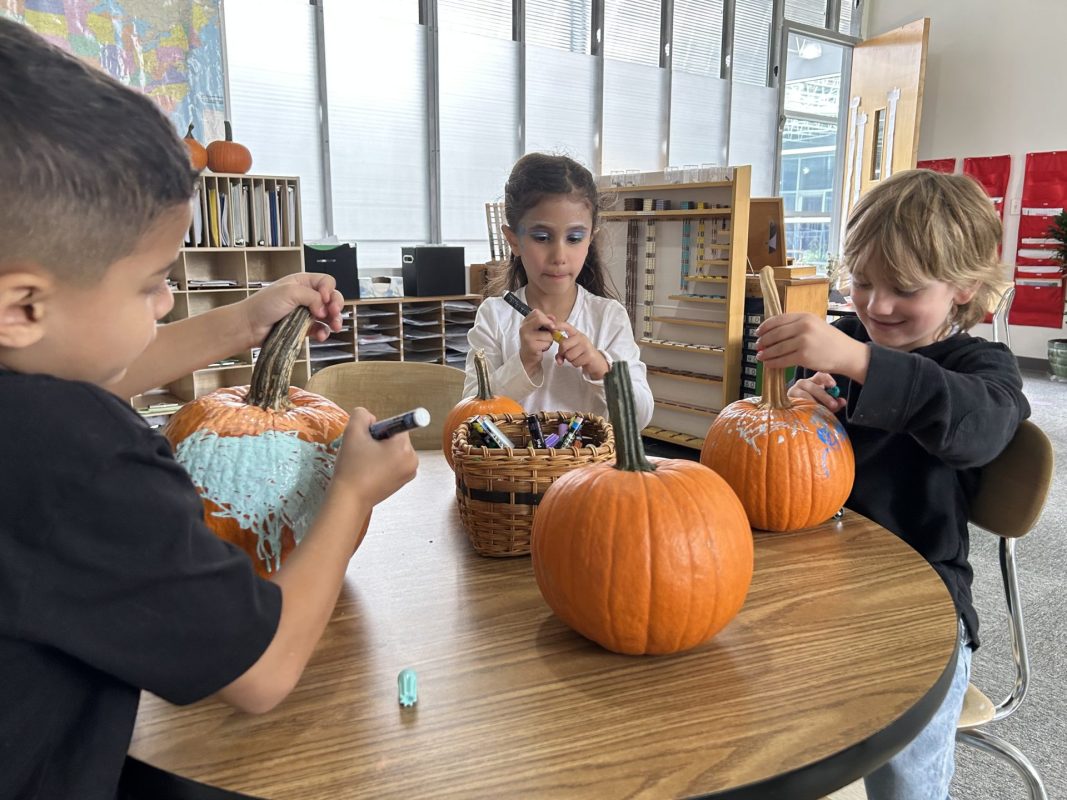
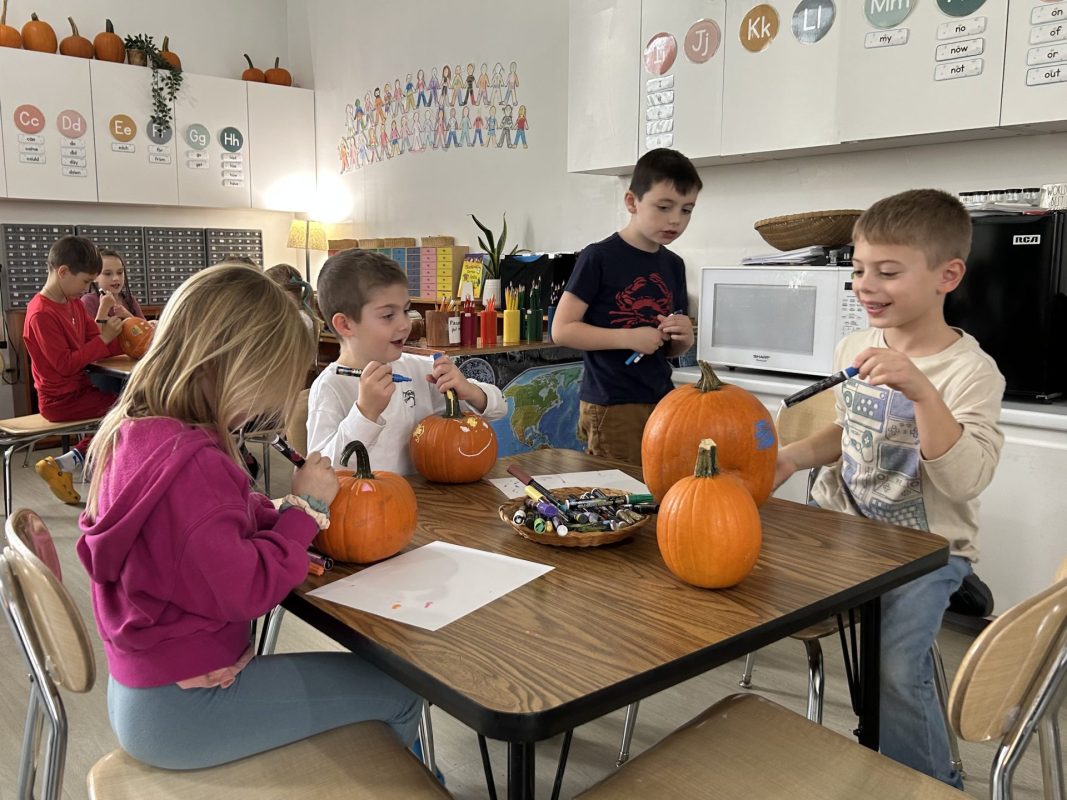
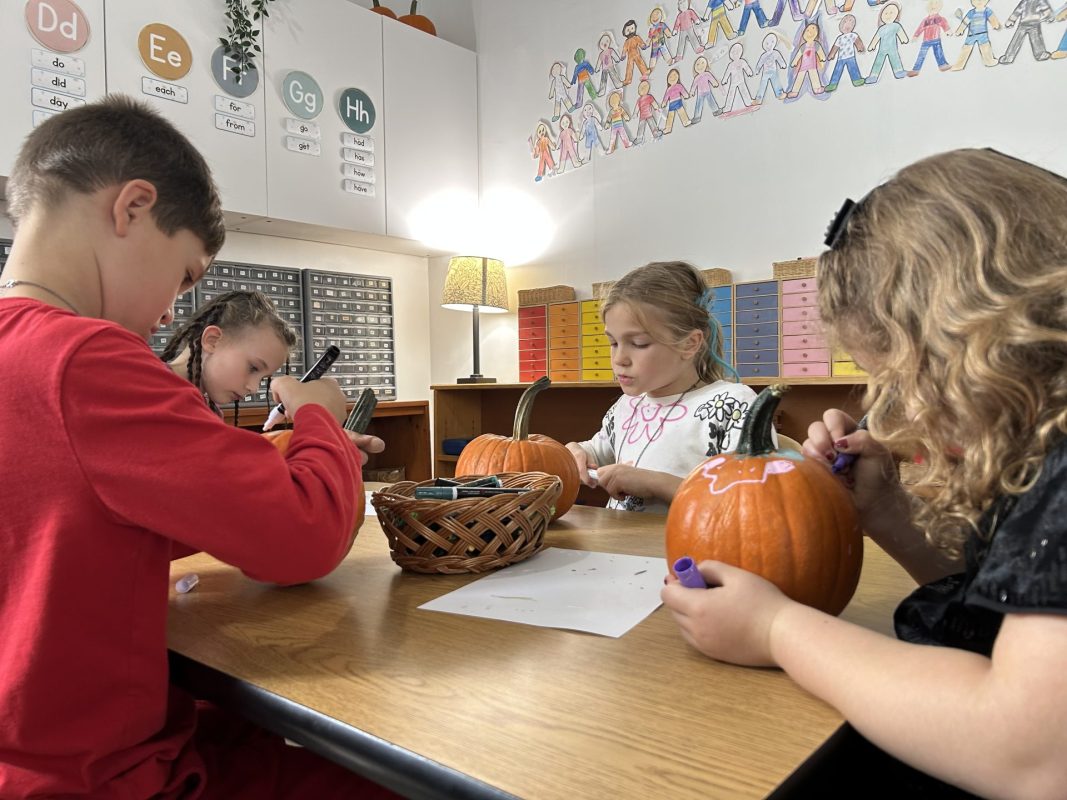
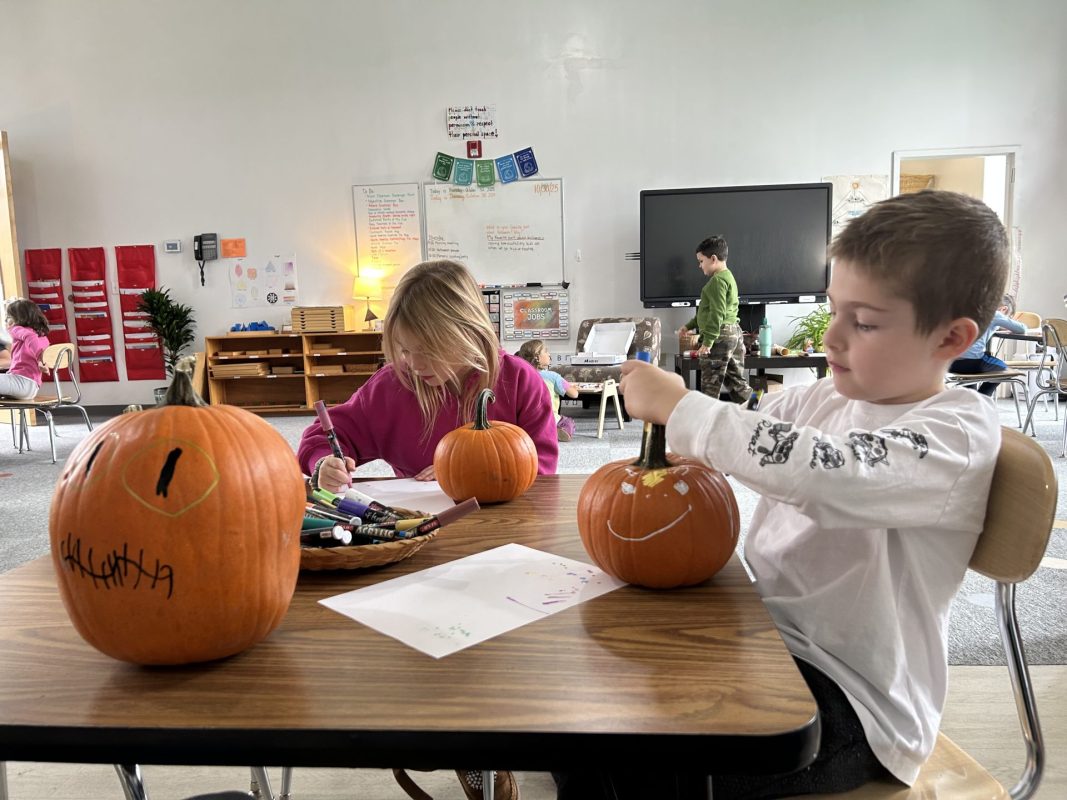
On Wednesday, October 1st, we tucked away our apple activities and welcomed a new focus: pumpkins and gourds! Since the children are still captivated by our farm animal work, we decided to keep those materials available and build upon their interest. In art, the color orange is our theme for the month, showing up in chalk, crayons, playdough, and other creative explorations. We’re looking forward to all the joyful learning and discoveries pumpkins will bring in the weeks ahead.

Food Tasting

This week, our food tasting item was a banana. We began by presenting the banana whole, with the peel on, so the children could explore its shape, texture, and color. After a short demonstration on how to peel, the children had the opportunity to try for themselves. Some were so eager to taste it that they wanted to eat it right away! With gentle encouragement, they practiced peeling before enjoying the fruit. These small moments—of curiosity, independence, and delight—are at the heart of what makes food tasting such a favorite part of our week.

Community Connection

One of our Upper Elementary students is collecting old T-shirts to make dog toys for the Senior Paw Project and the Catherine Hubbard Foundation. This is such a wonderful opportunity for our school community to support both animals and a student-led project. If you have any old T-shirts you’re ready to part with, please send them in by November 7th.

Love and Light,

Cynthia and Sara


Mrs. Lopes: Apple Discoveries

Week of October 3, 2025

UPCOMING EVENTS & ANNOUNCEMENTS
Tuesday, October 7: Class Photo Day
Tuesday, October 8: Apple Tasting – The children will sample different varieties of apples and explore tastes, textures, and colors.
Wednesday, October 9: Applesauce Making – We’ll transform apples into delicious applesauce! The children will practice cutting, stirring, and observing changes in the cooking process.
Monday, October 13: No School
Thursday, October 17: Kindergarten Field Trip to New Pond Farm – More details to follow soon.
Weather Note: Mornings have been chilly while afternoons warm up significantly by recess time. Please dress your child in layers they can easily remove and manage independently.

This Week in Our Classroom

Apple Discoveries! From Seed to Sauce

This week, our classroom has been brimming with apple discoveries! The children have been captivated by the complete life cycle of an apple—from tiny seed to blossoming flower to the fruit we enjoy. Using our apple life cycle materials, they’ve carefully sequenced the stages and learned the scientific vocabulary that helps them express their understanding.

Our work with the parts of the apple has been equally engaging. The children have labeled the parts of an apple, identifying the stem, skin, flesh, core, and seeds.  Several children even made the exciting connection that the seeds inside can grow into new apple trees—bringing the life cycle full circle!

The story of Johnny Appleseed sparked wonderful conversations about how one person’s care for nature can create lasting change. The children were amazed to learn that he traveled across the country long ago, planting apple trees so that future families could enjoy fresh fruit. This connected beautifully to our ongoing discussions about caring for our environment and thinking of others.

As we move into our hands-on apple experiences next week, the children will engage all their senses while practicing practical life skills like careful cutting, measuring, and following a recipe sequence.

Ways to Extend This Learning at Home

  • Visit a local orchard or farm stand and let your child choose different apple varieties to compare at home
  • Cut an apple horizontally to reveal the star pattern inside—a delightful discovery!
  • Practice apple activities like peeling with a child-safe peeler or counting and sorting apple seeds