Blog

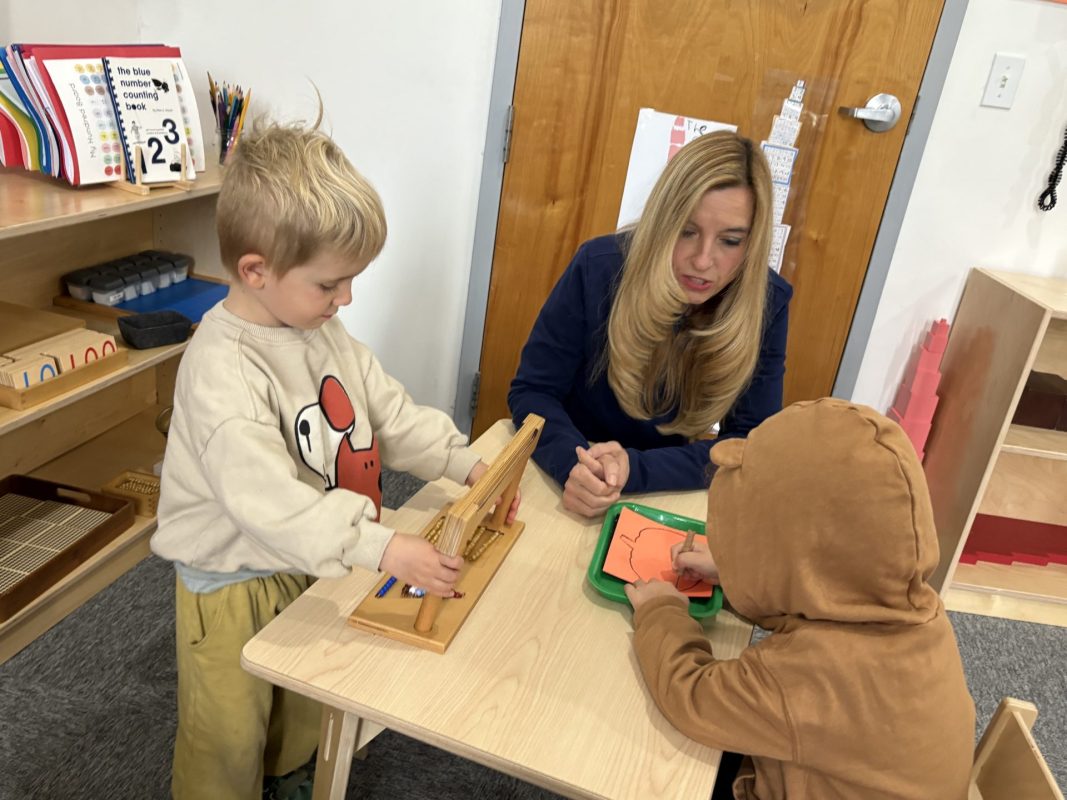
Mrs. Sargeant: Apples to Oceans

Week of Sept 29–October 3

UPCOMING EVENTS & ANNOUNCEMENTS

Thursday, October 9: Class Photo Day
Monday, October 13: No School
Thursday, October 17: Kindergarten Field Trip to New Pond Farm – More details to follow soon.
Weather Note: Mornings have been chilly while afternoons warm up significantly by recess time. Please dress your child in layers they can easily remove and manage independently.

This Week in Our Classroom

Exploring Our World: From Apples to Oceans

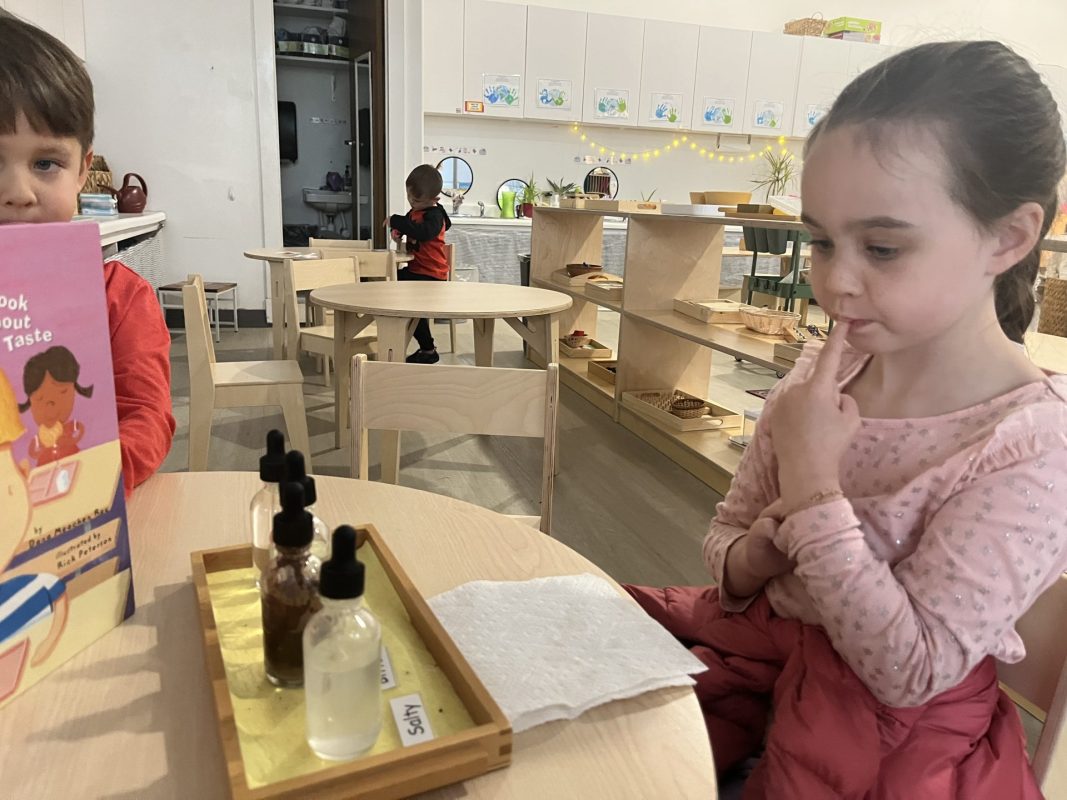
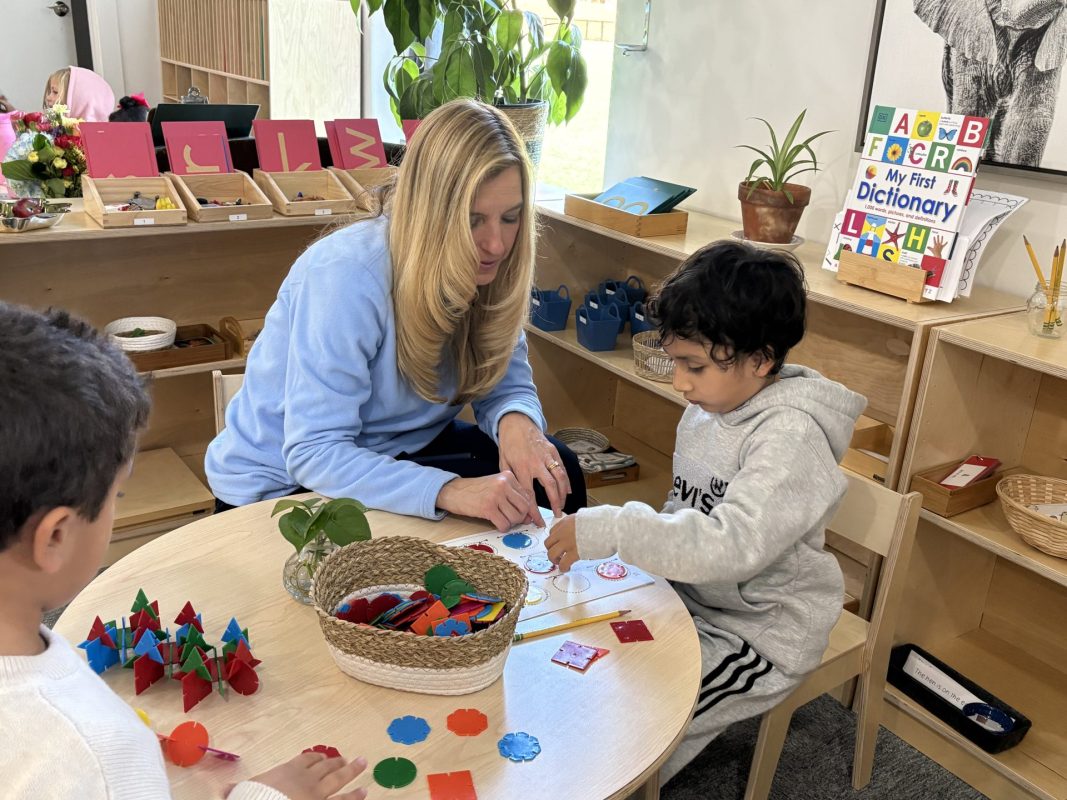
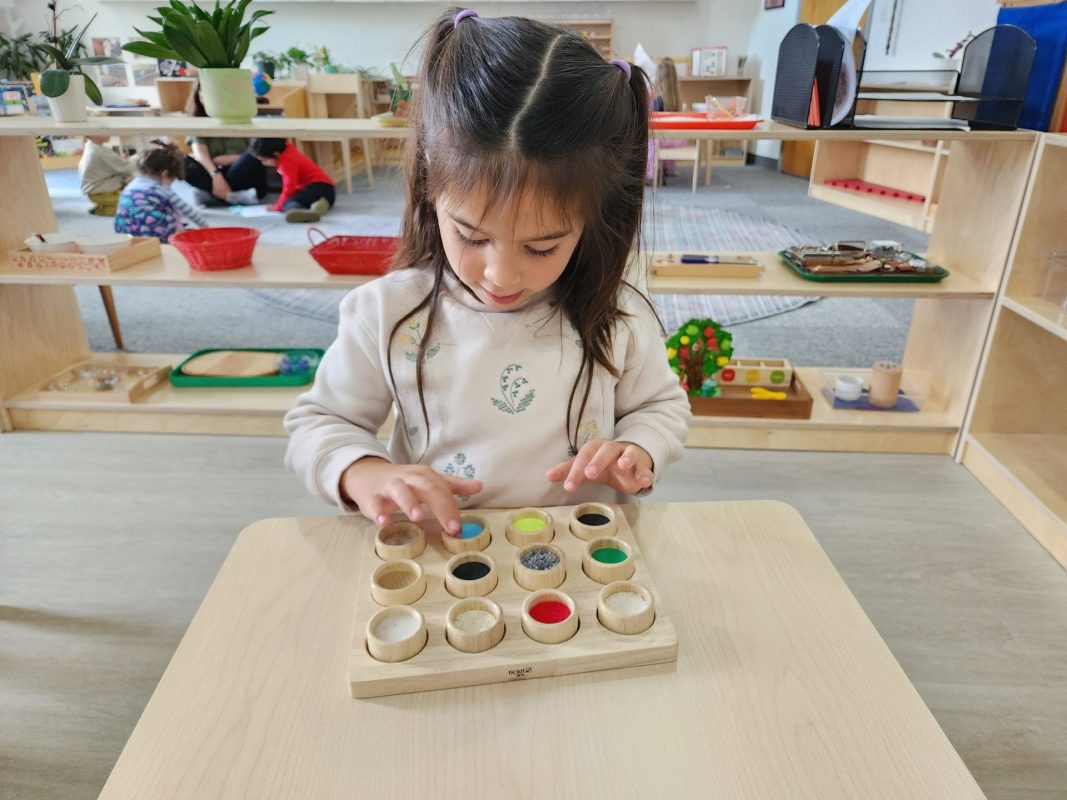
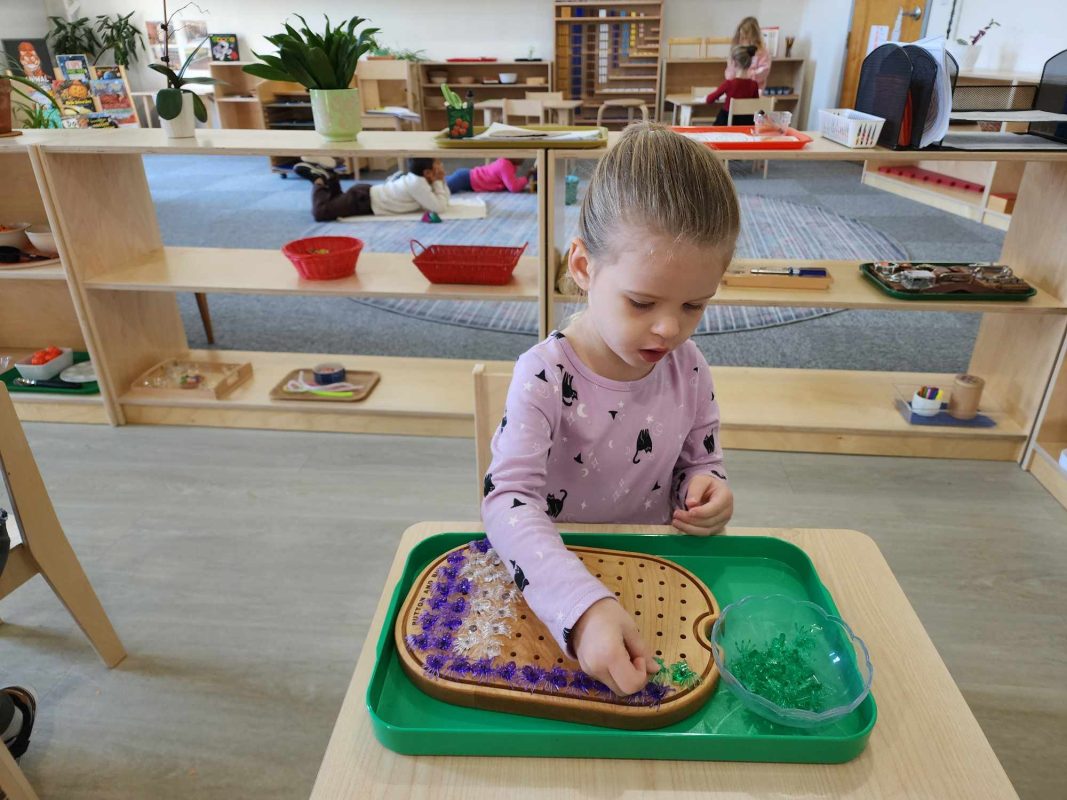
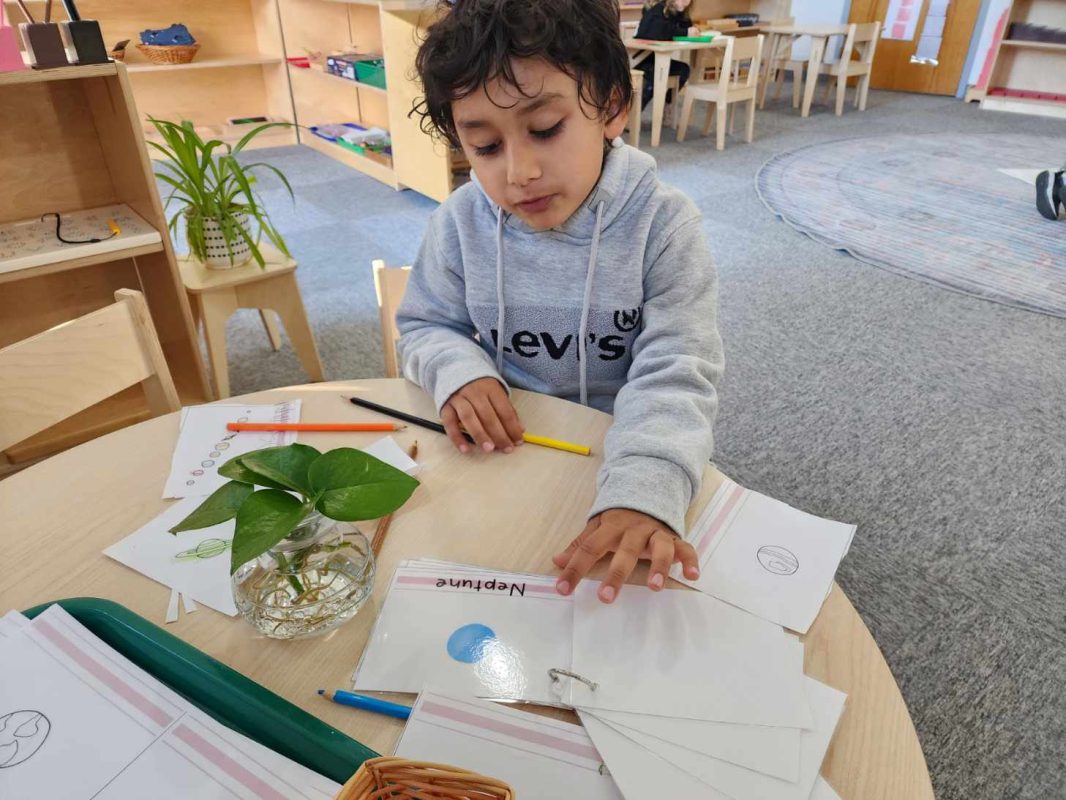
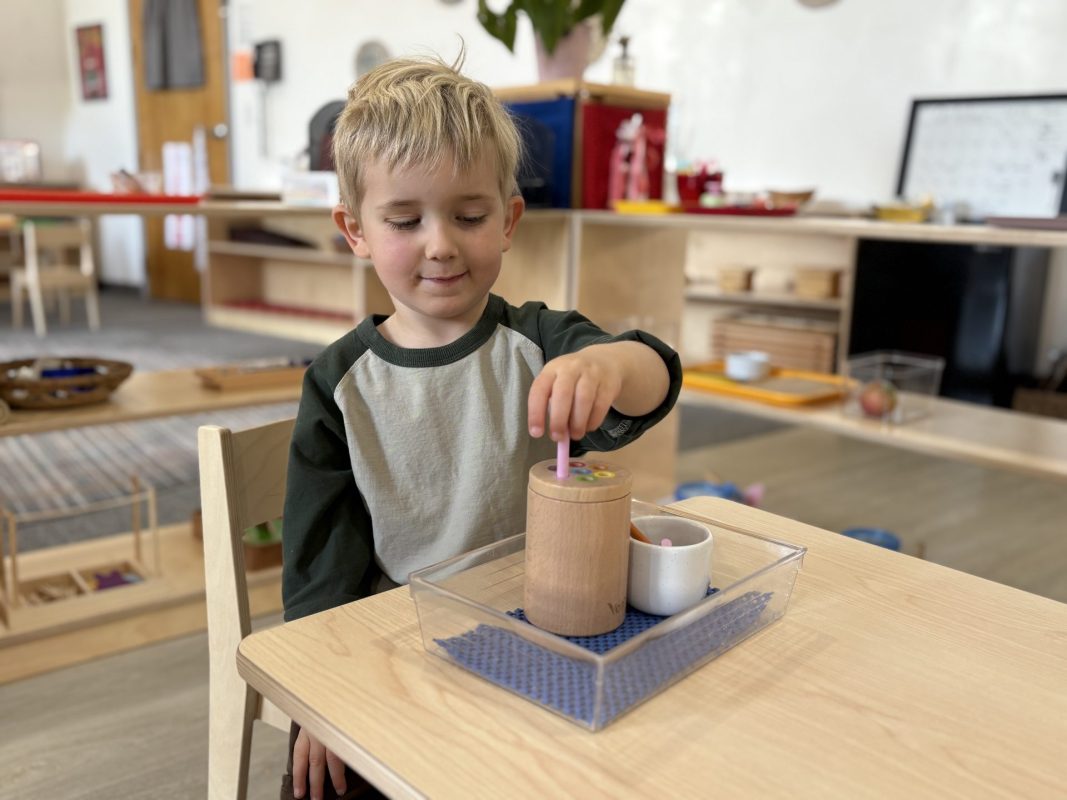
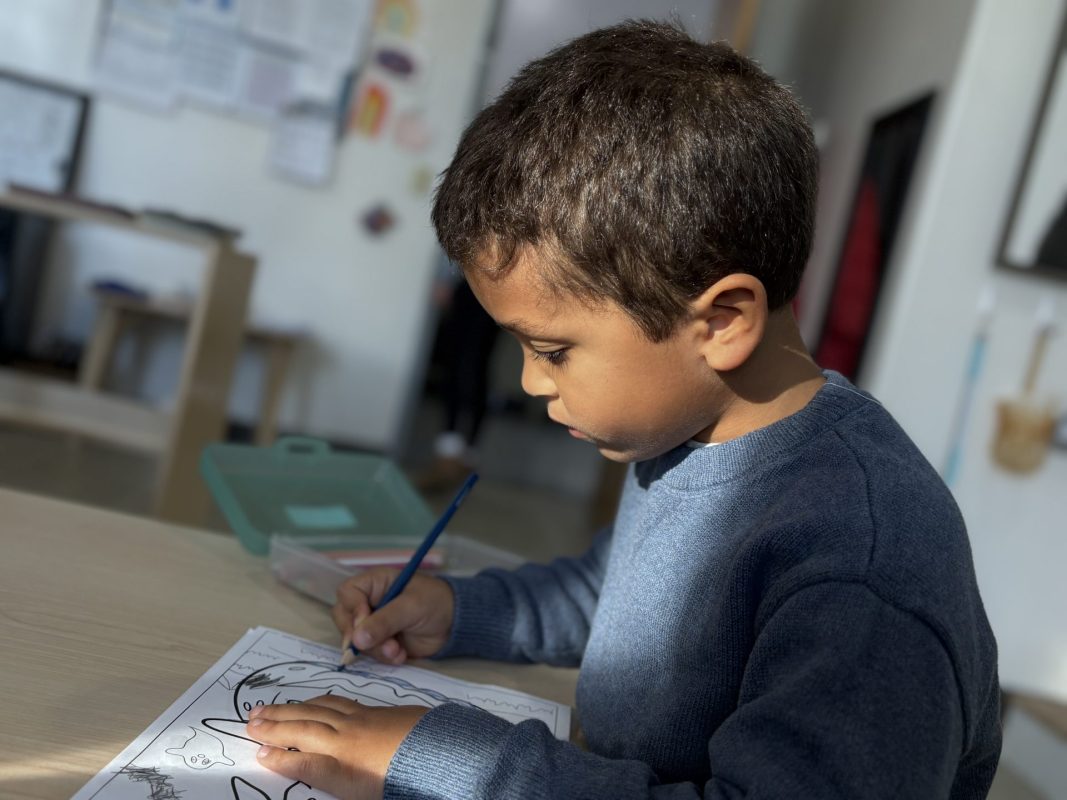
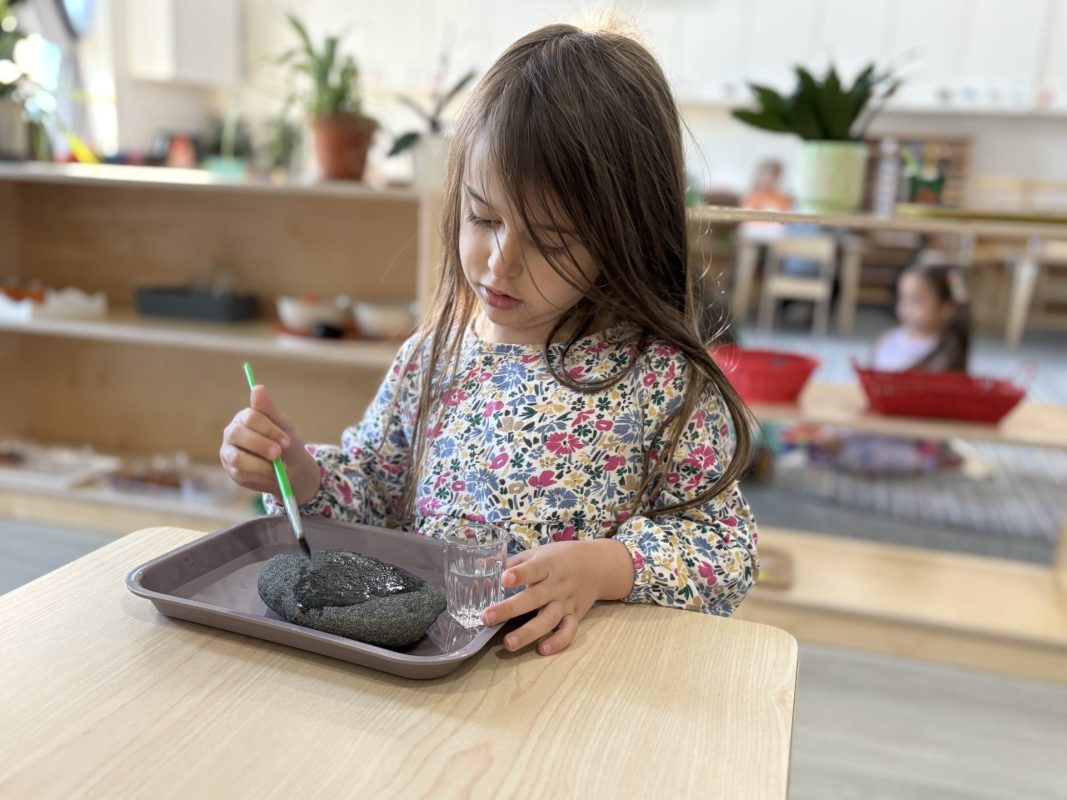
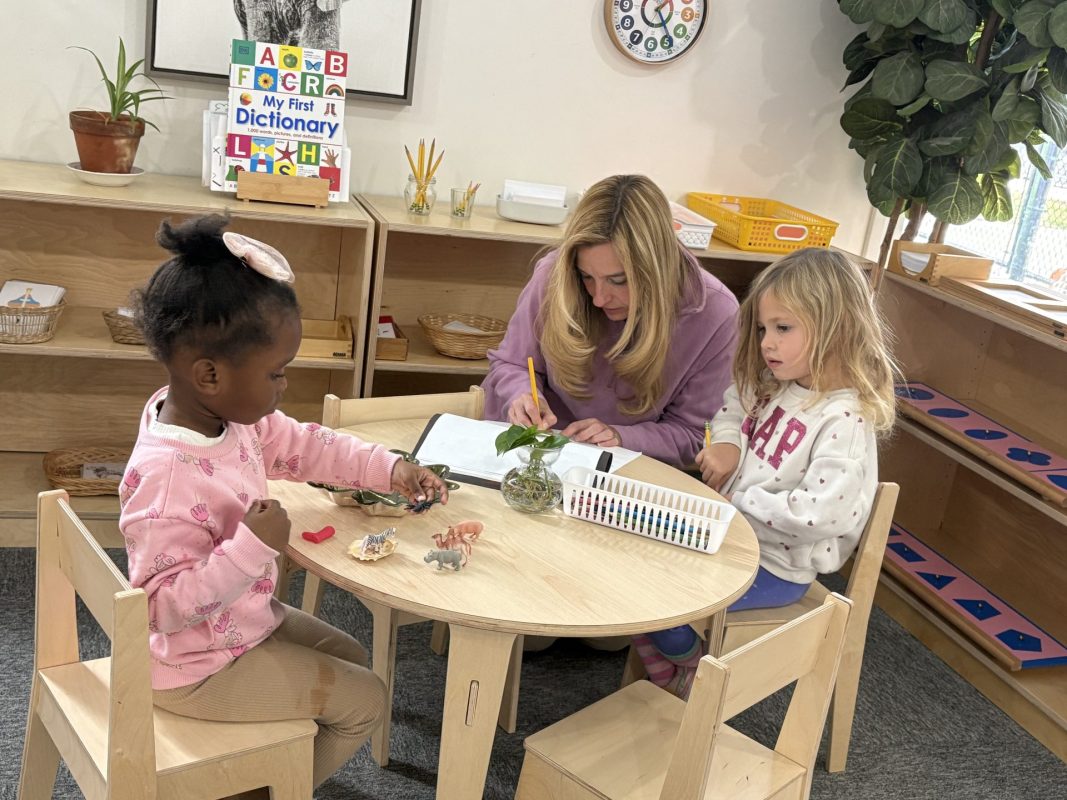
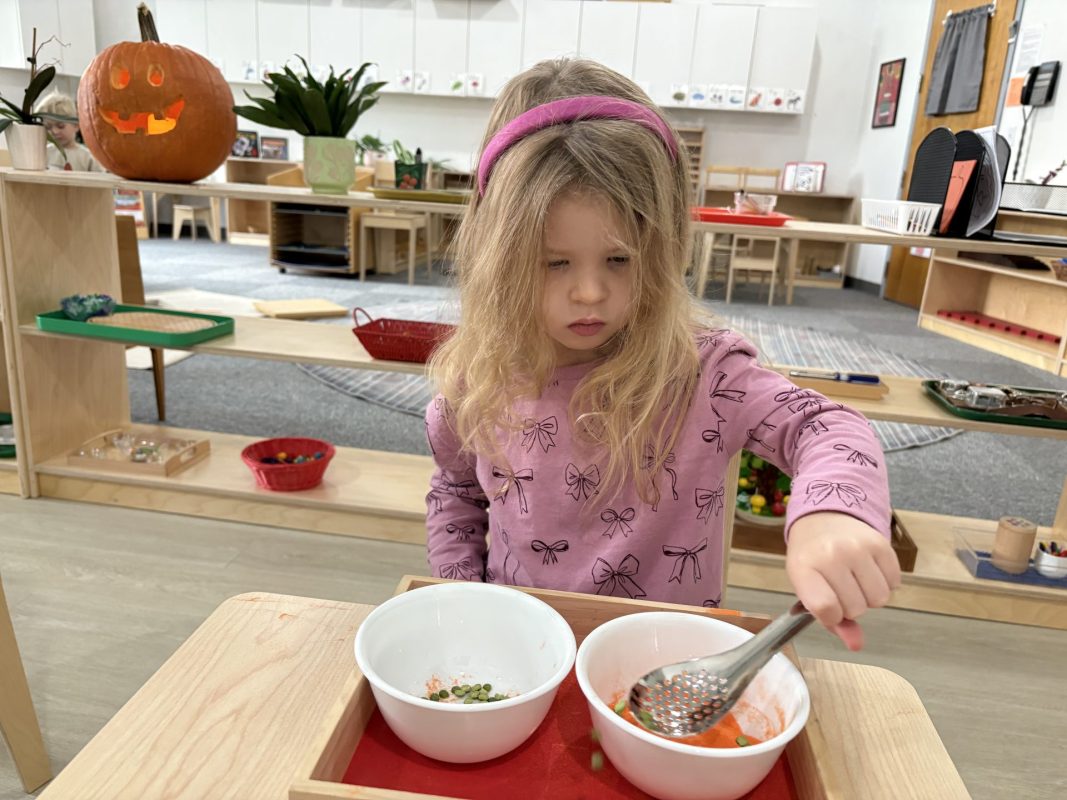
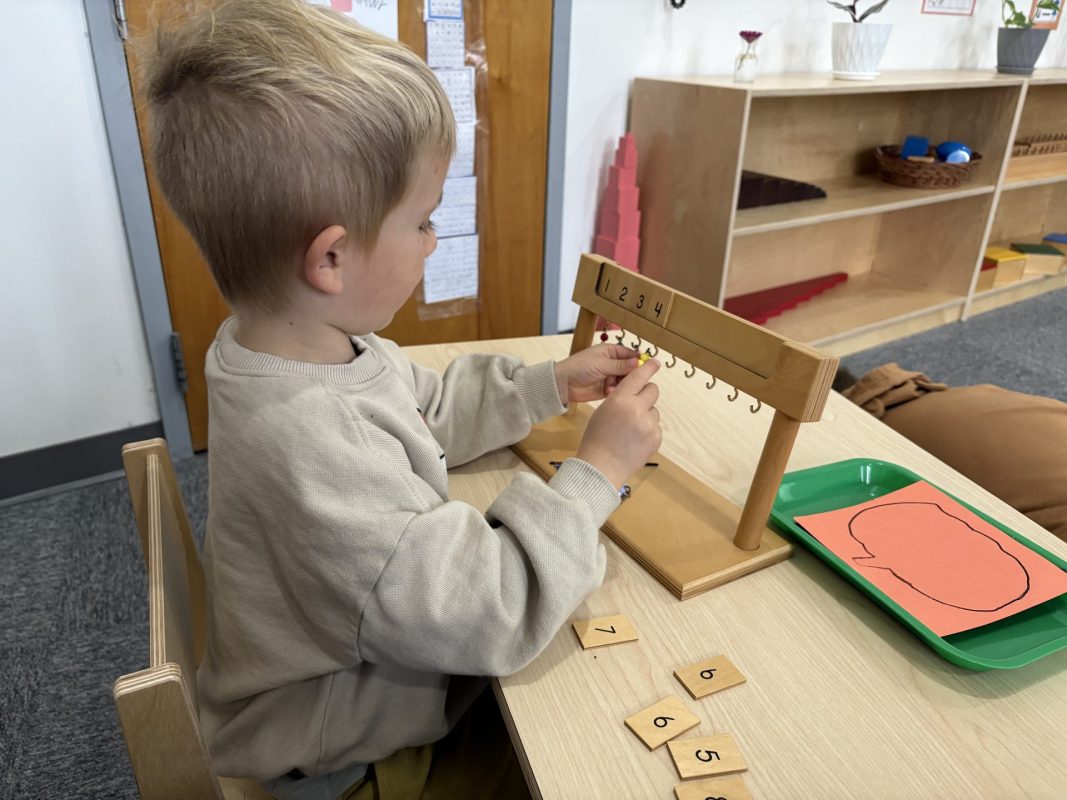
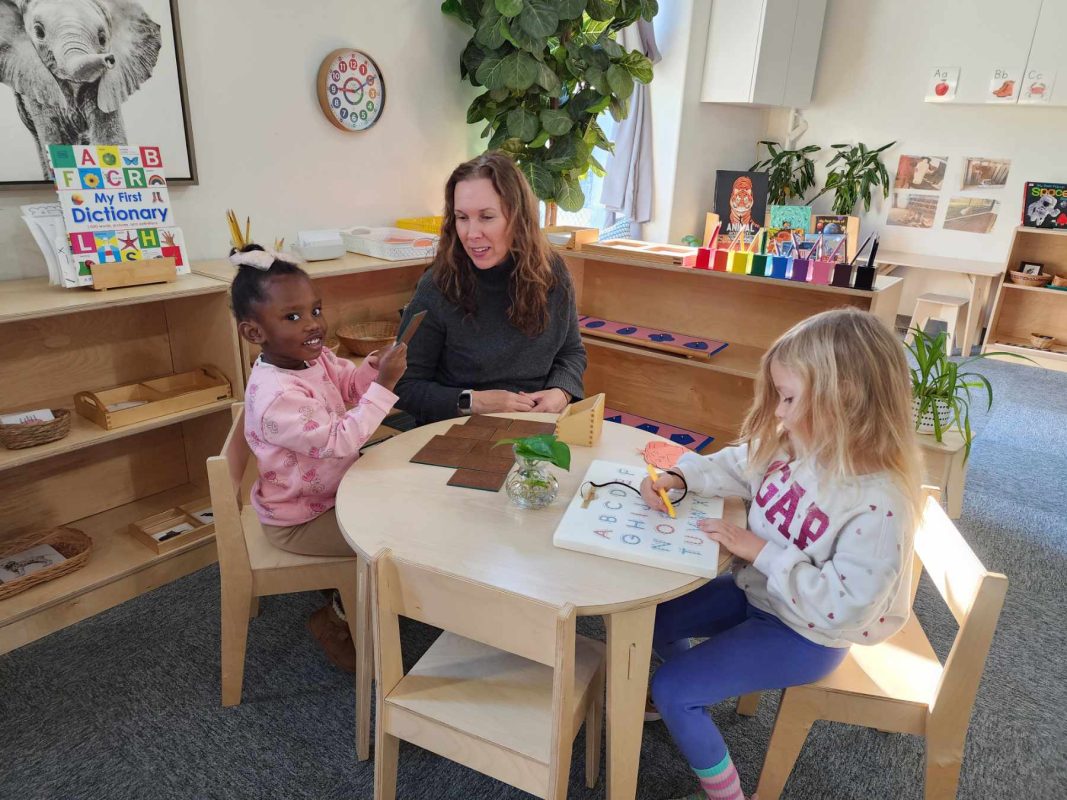
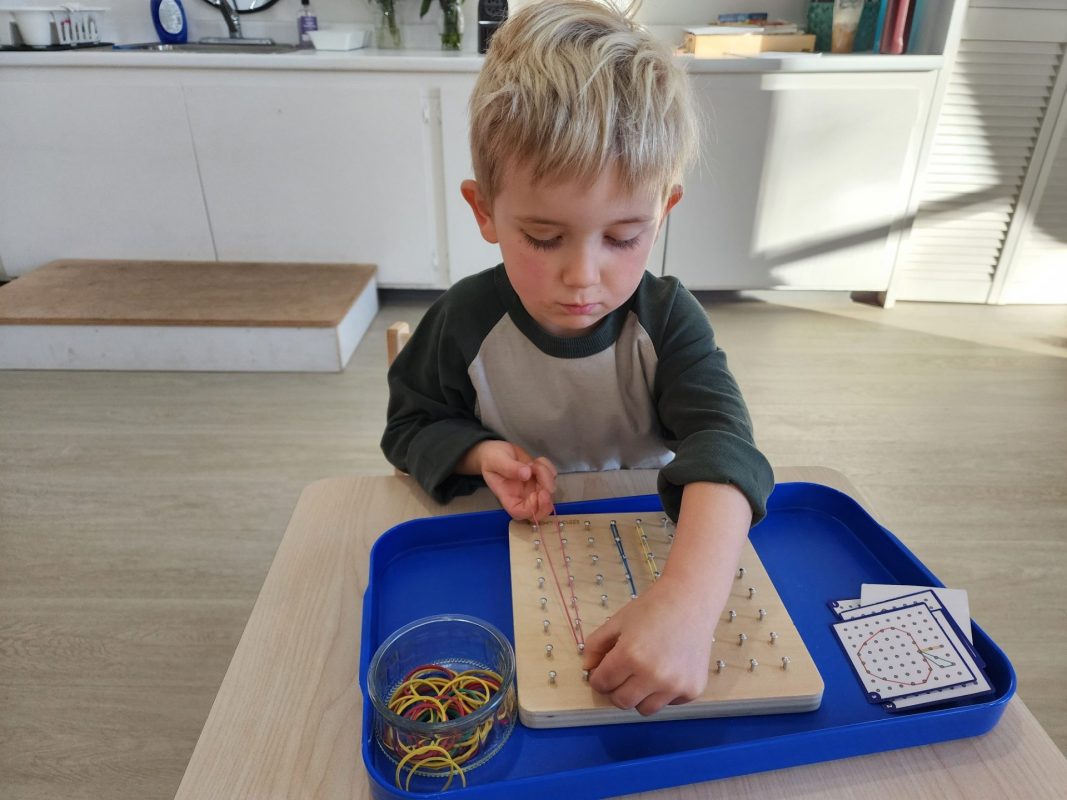
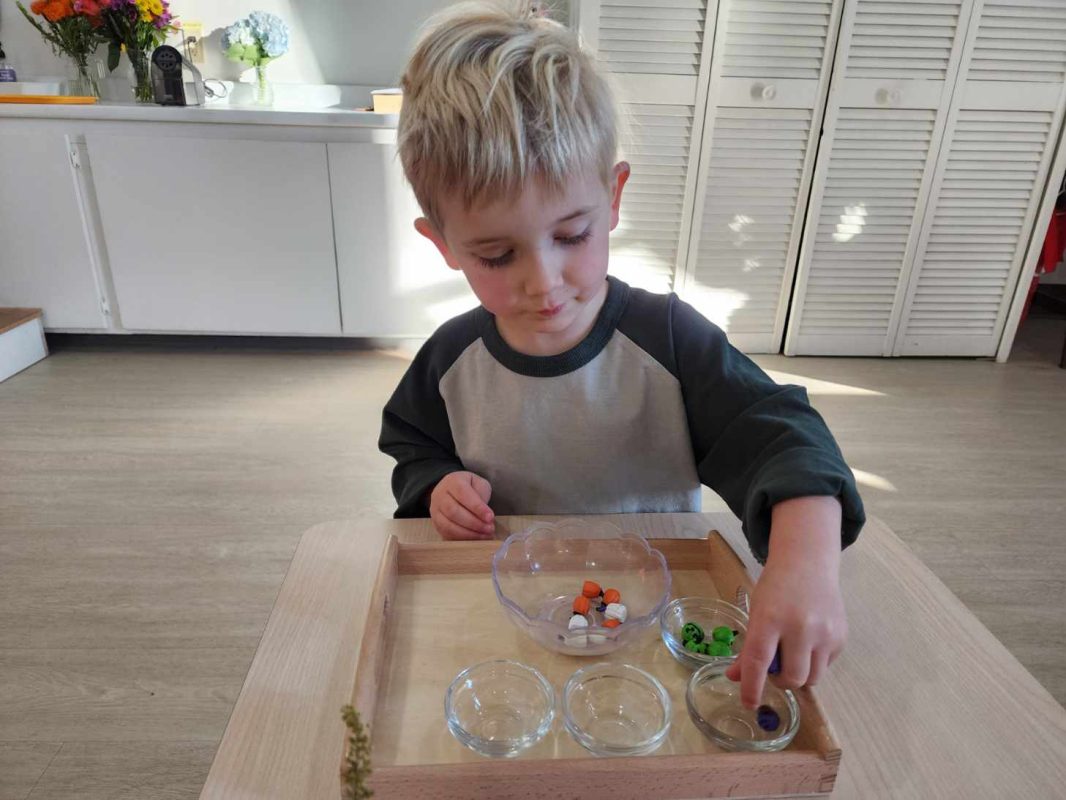
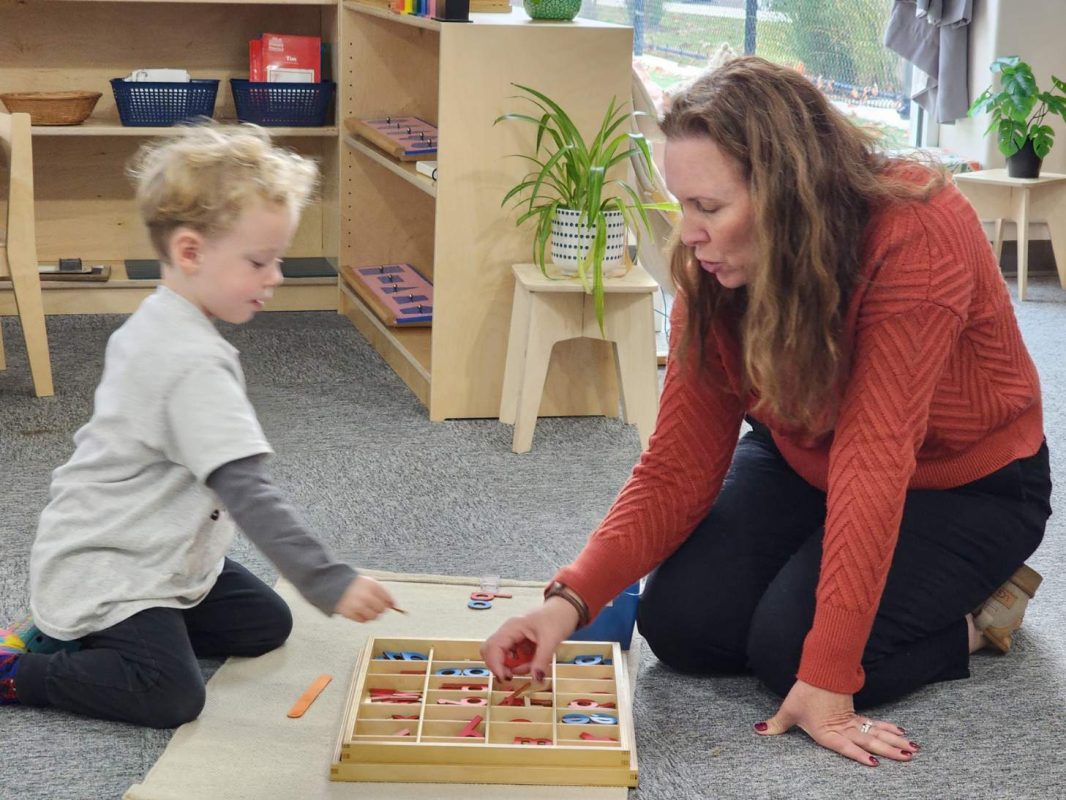
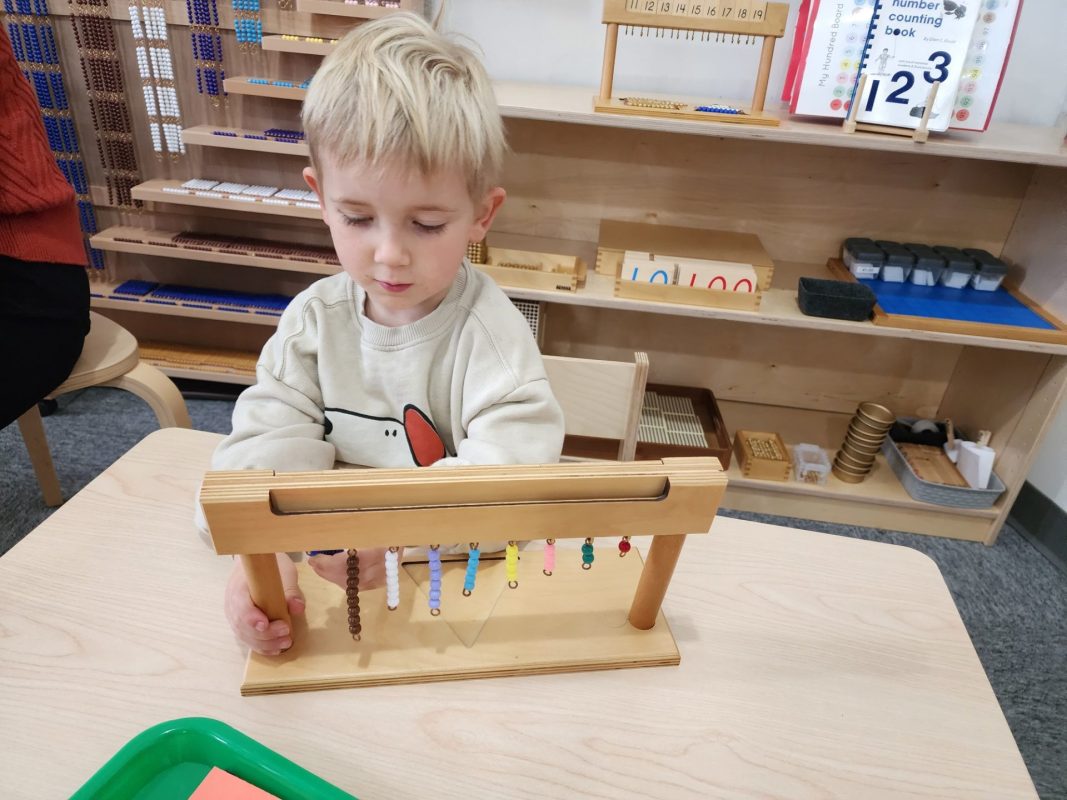
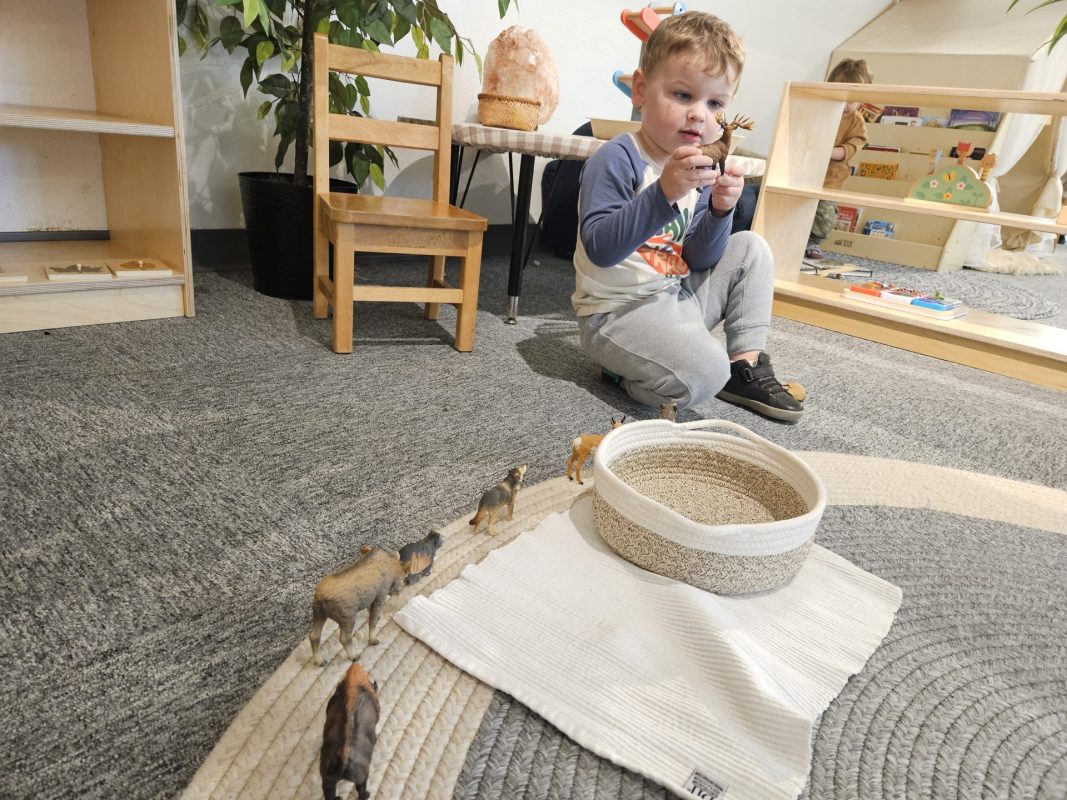
Our classroom has been alive with discovery as we explore the natural world around us! The children have been learning to classify objects as living or non-living, developing their scientific thinking and observation skills. This work has led to rich discussions about what living things need to survive and grow.

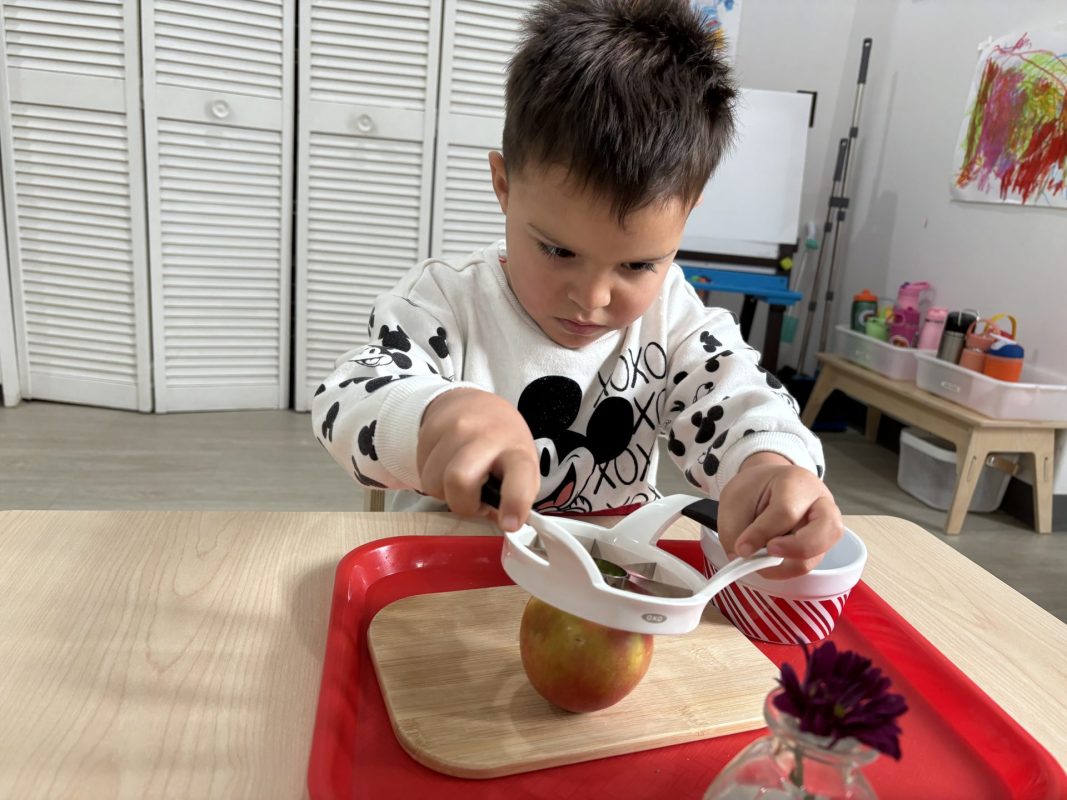
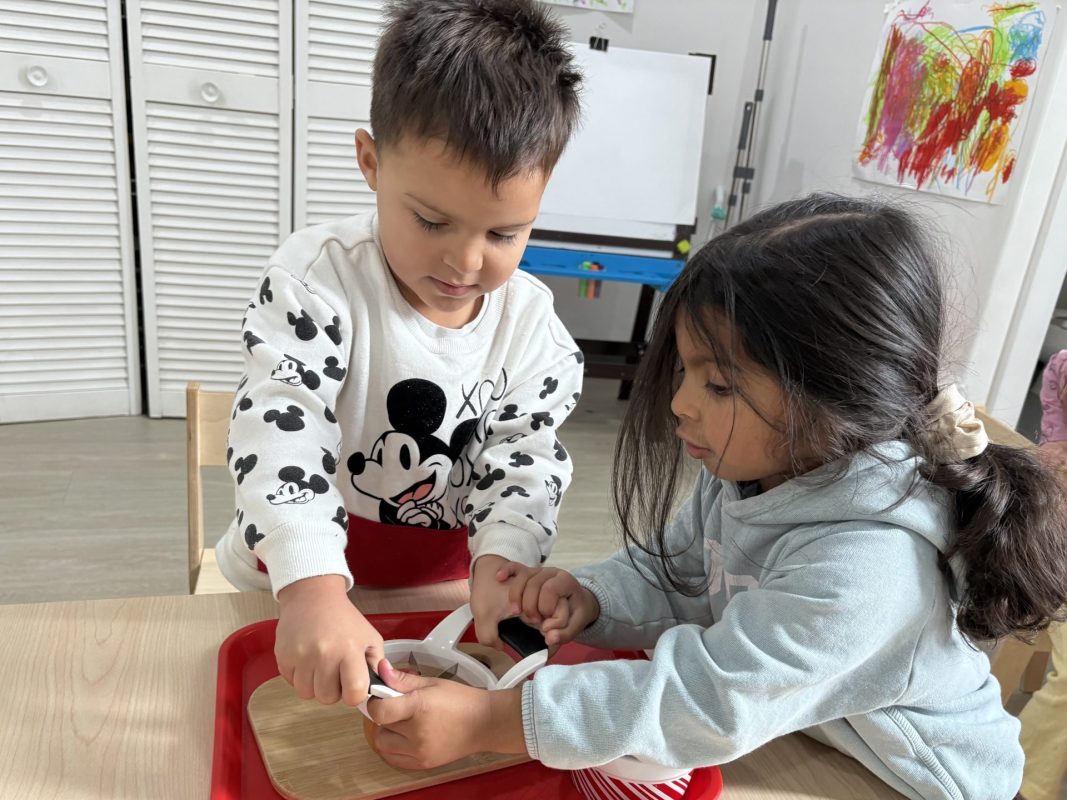
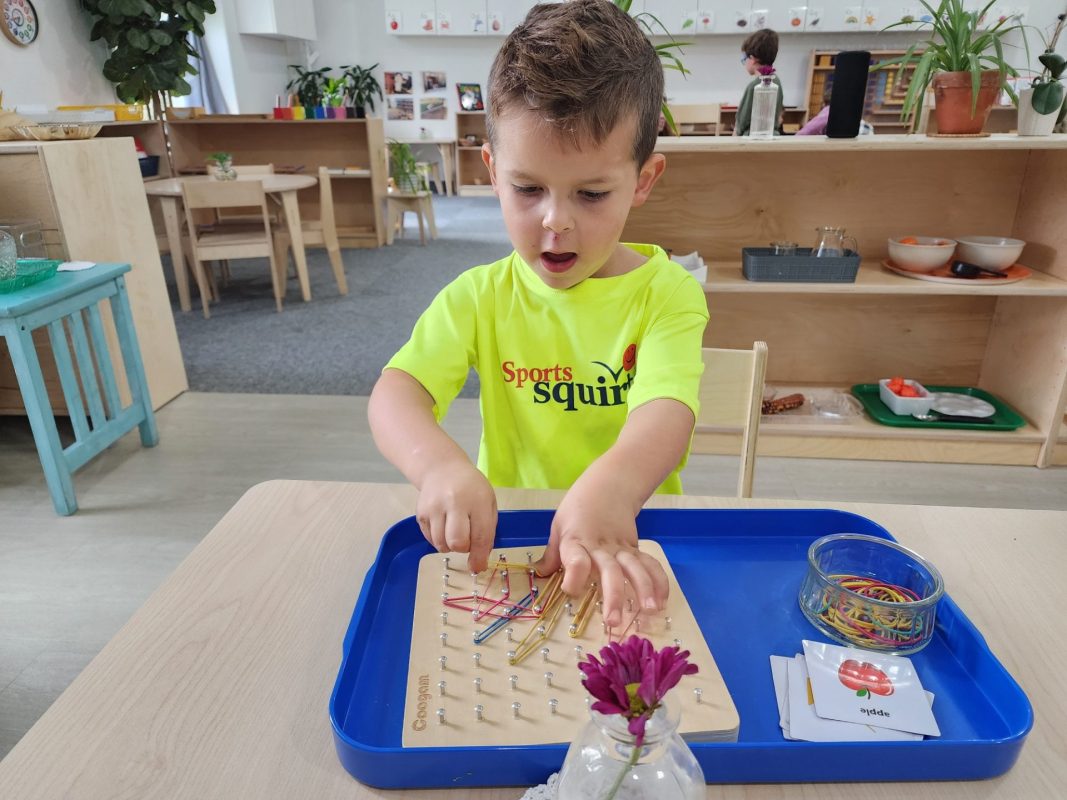
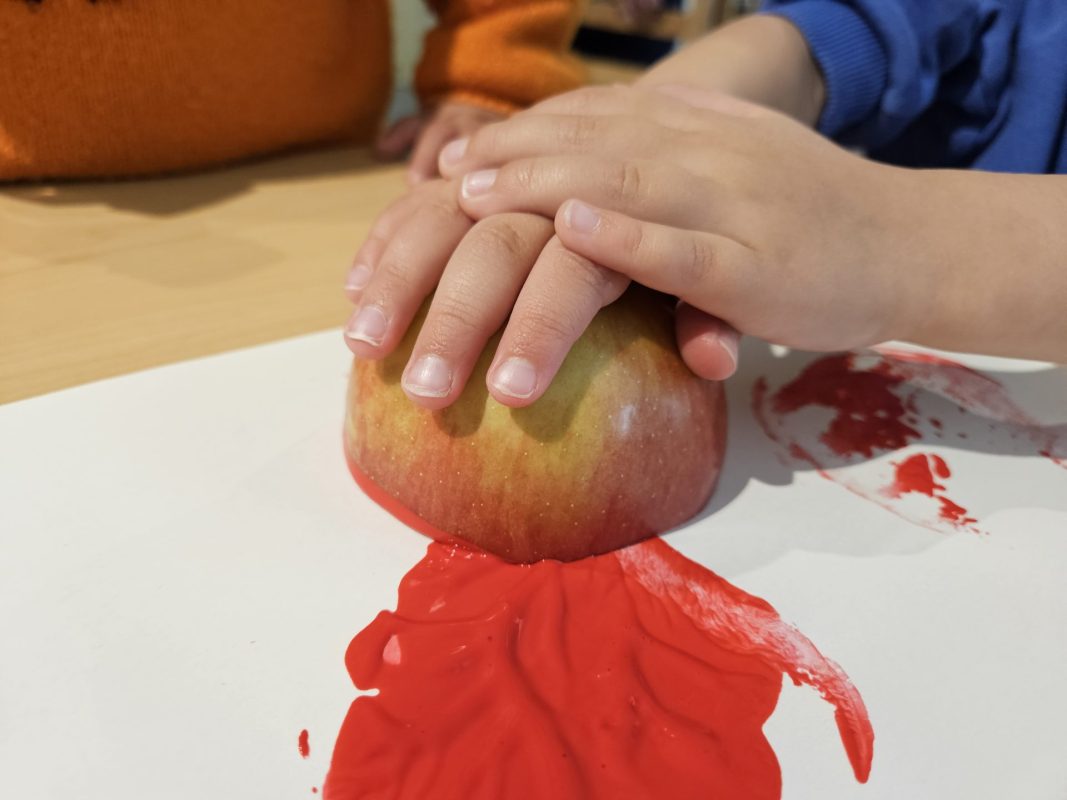
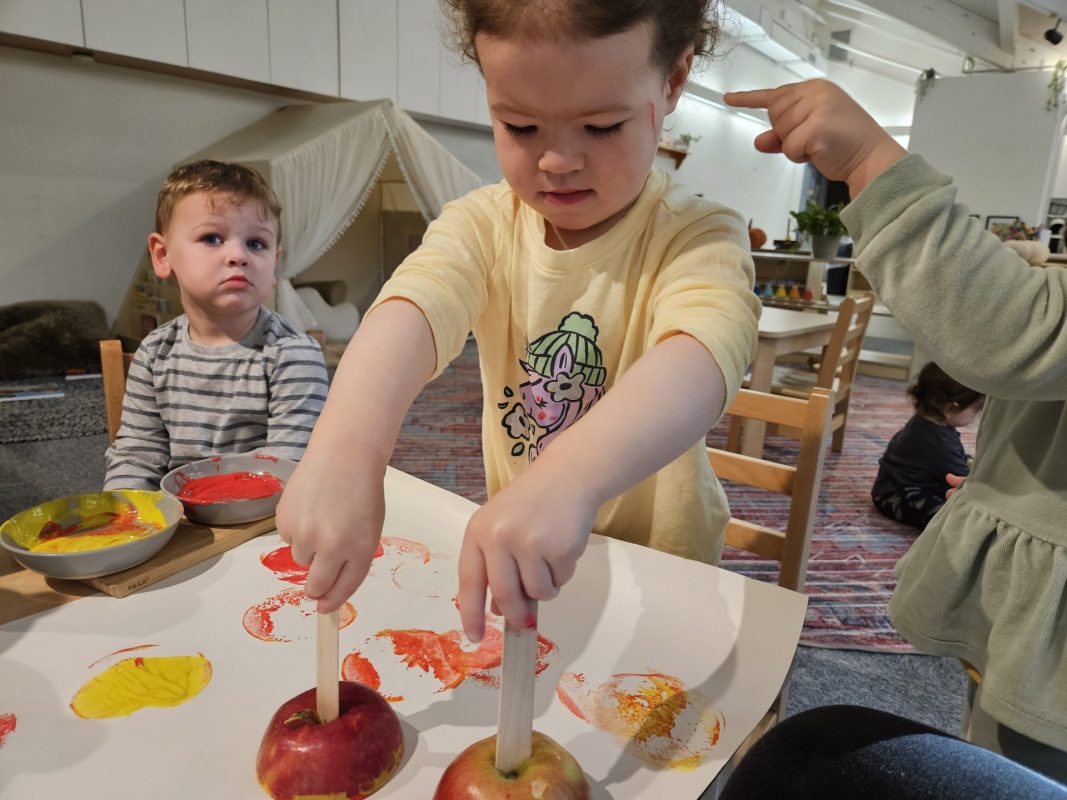
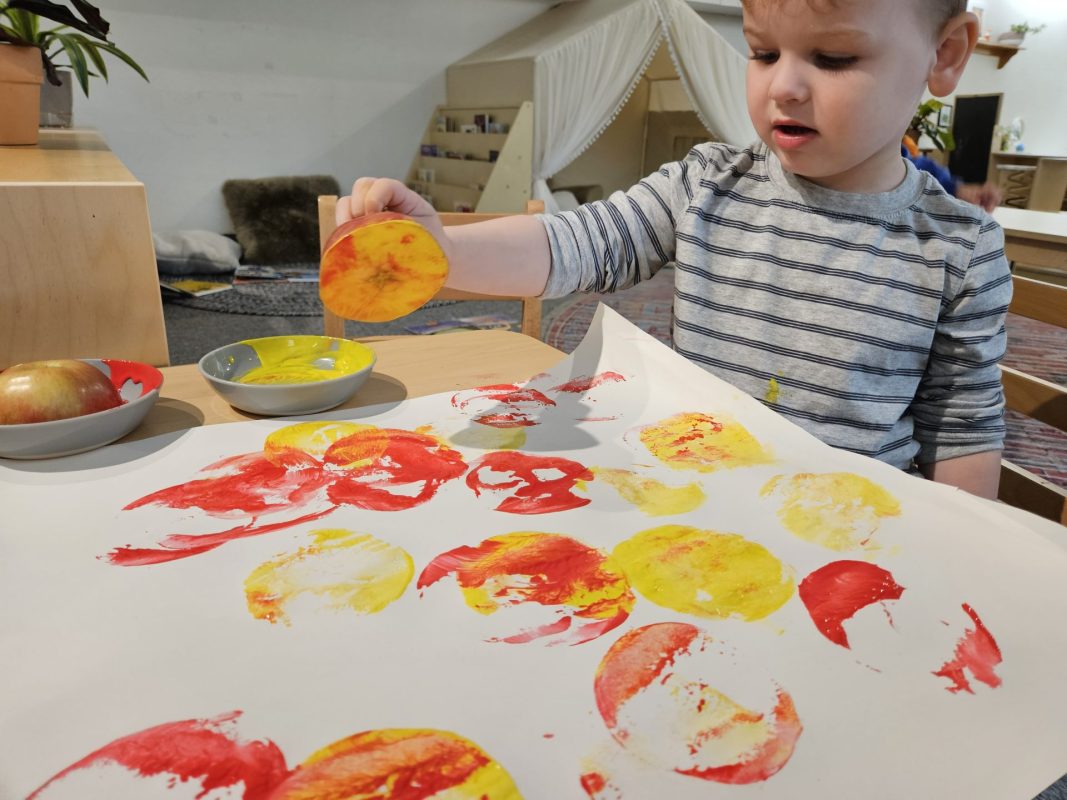
Our apple study continues to captivate the children. They’ve been exploring the parts of an apple and learning how apples grow from tiny blossoms on trees. This hands-on investigation connects beautifully to their growing understanding of life cycles and the natural world.

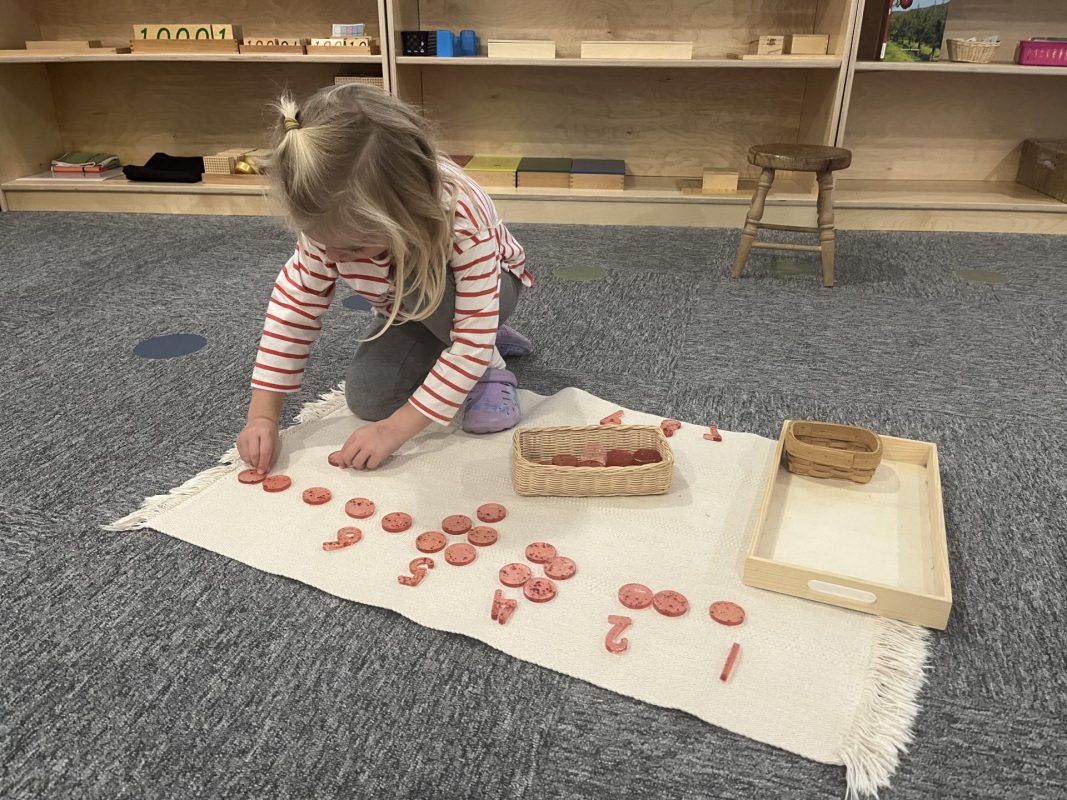
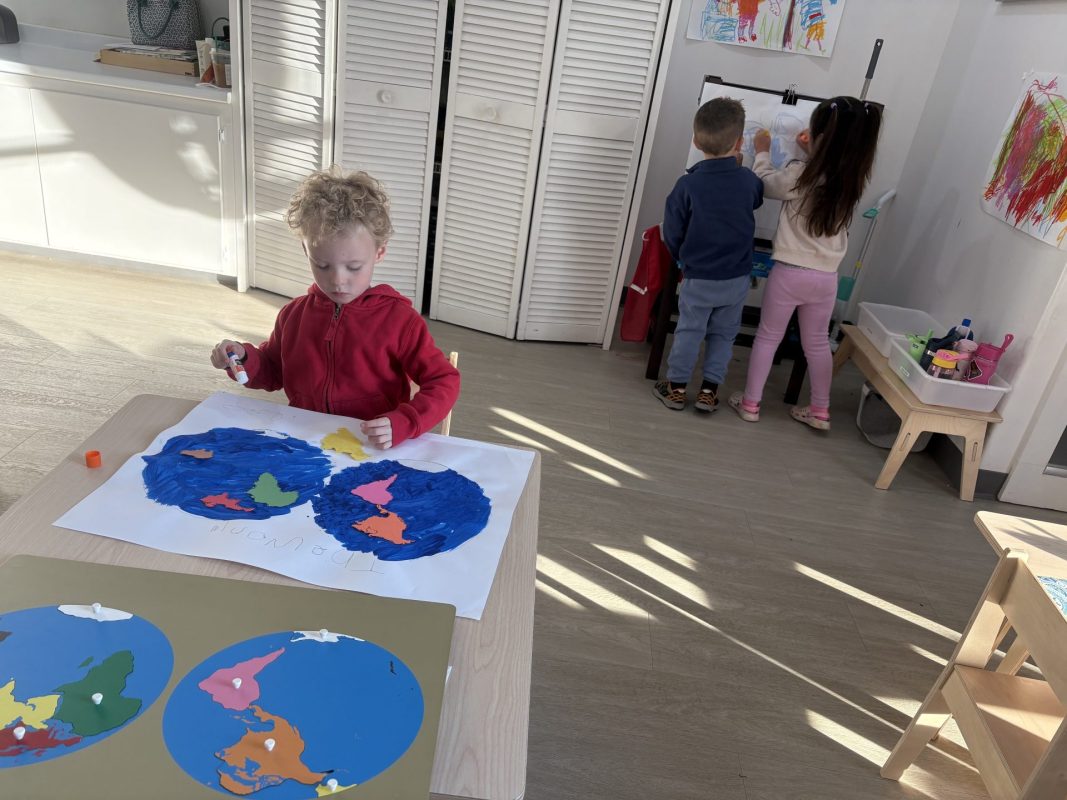
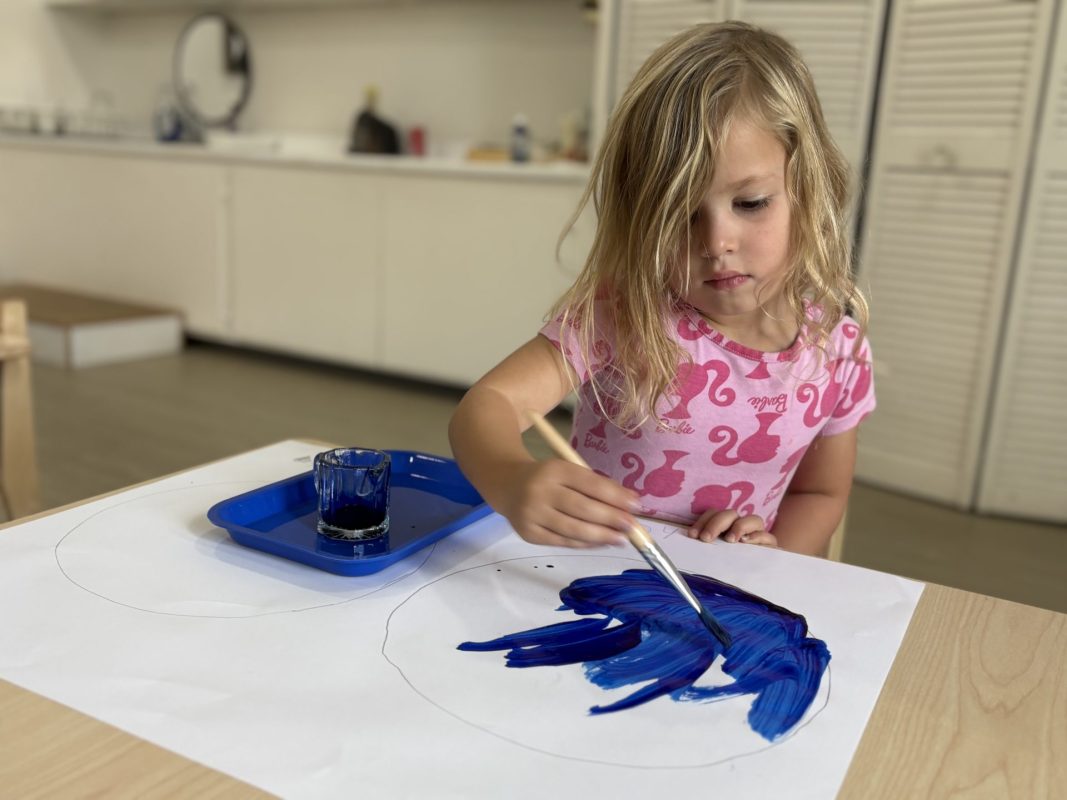
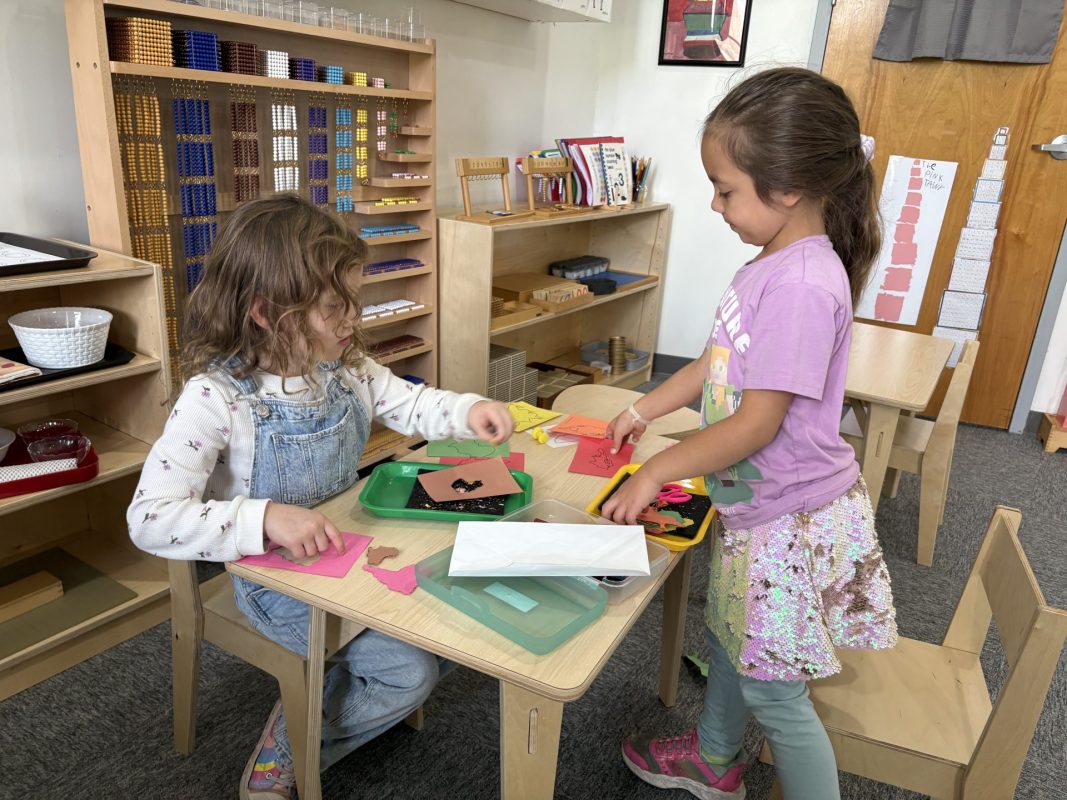
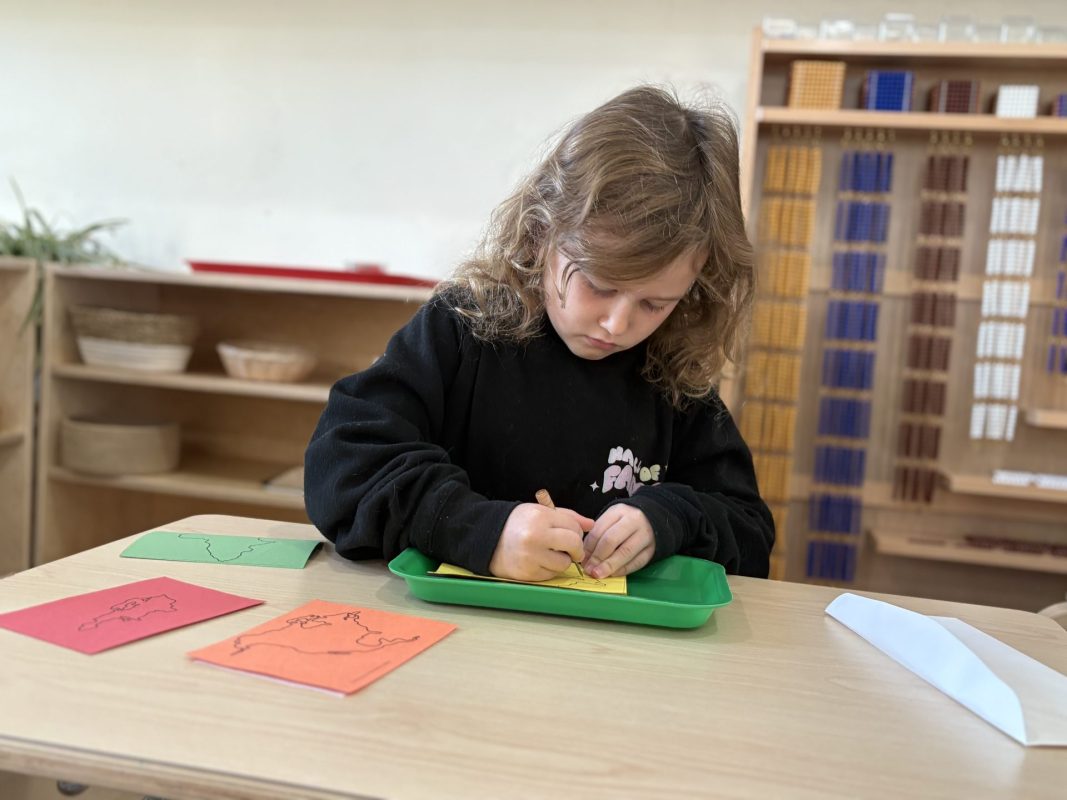
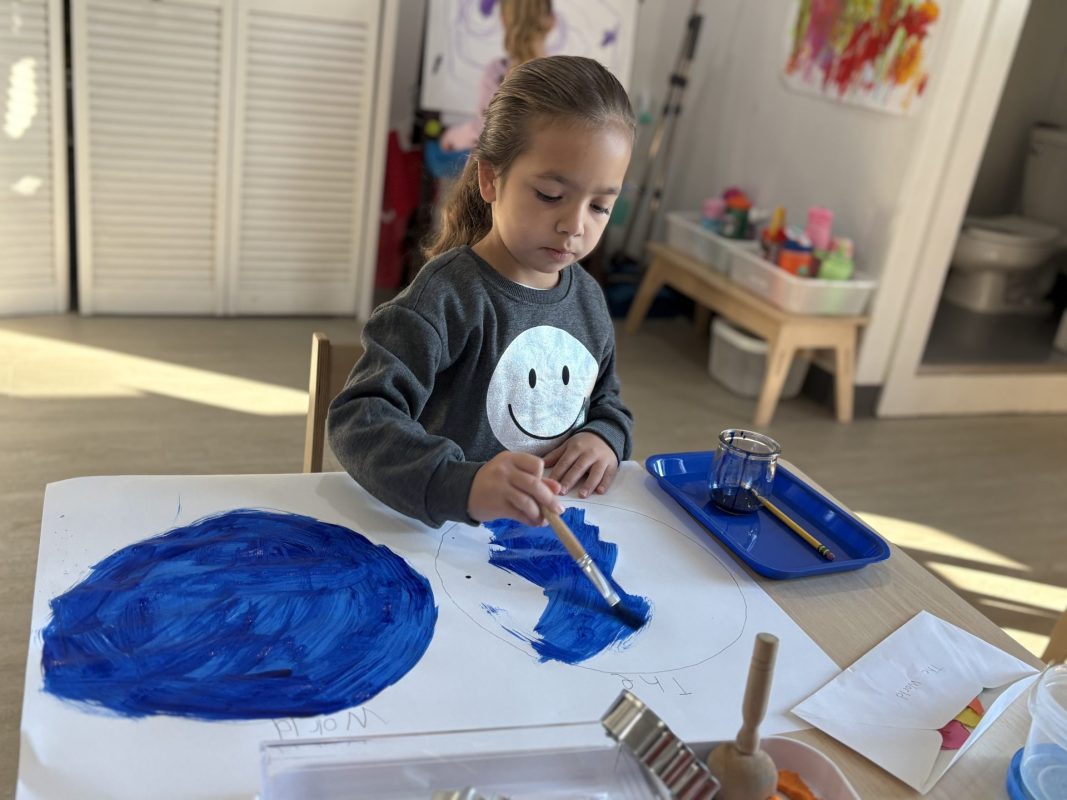
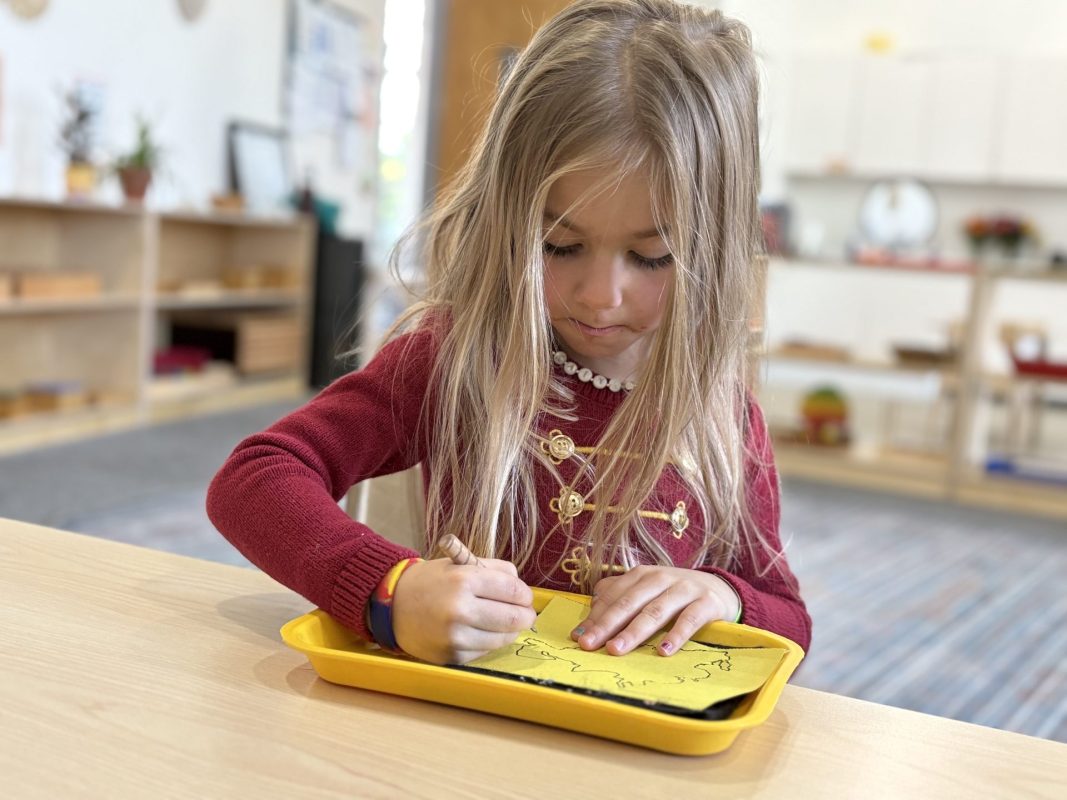
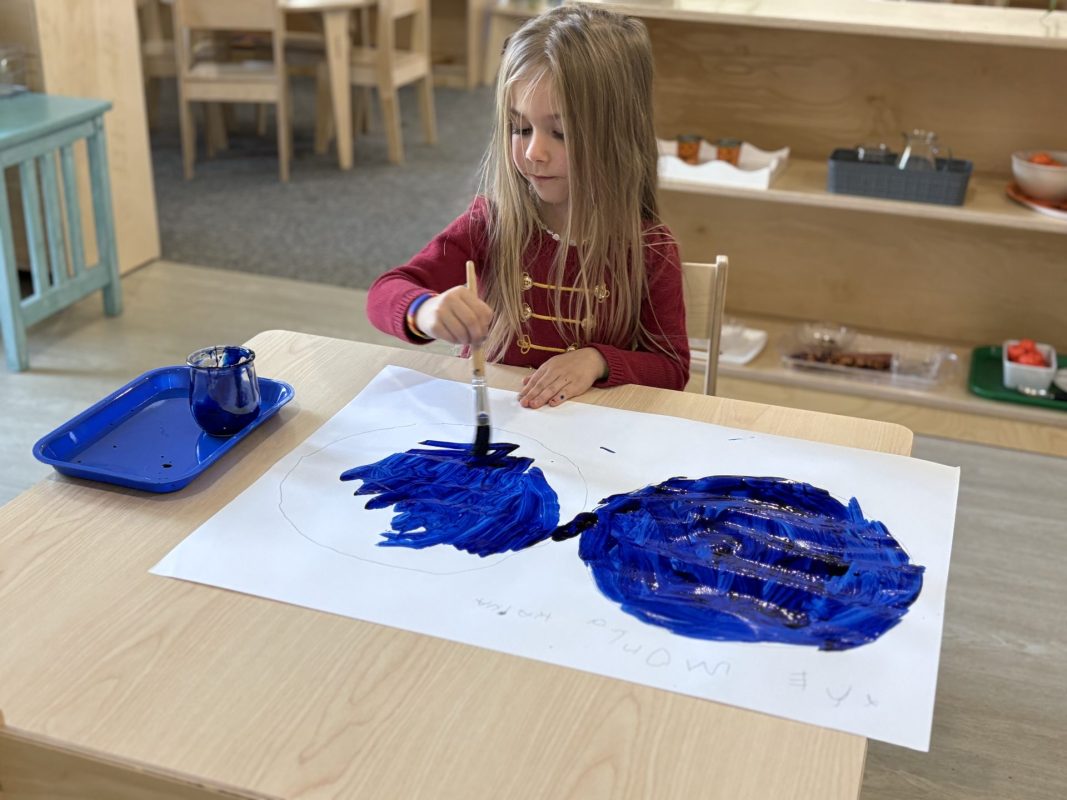
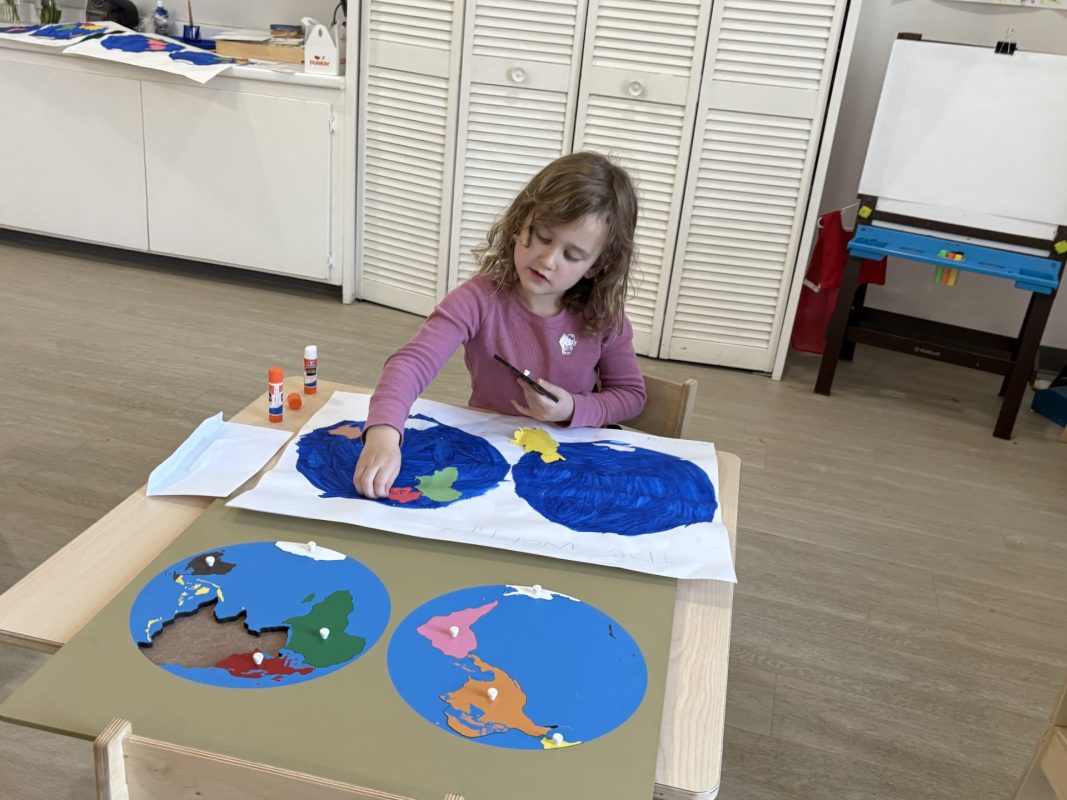
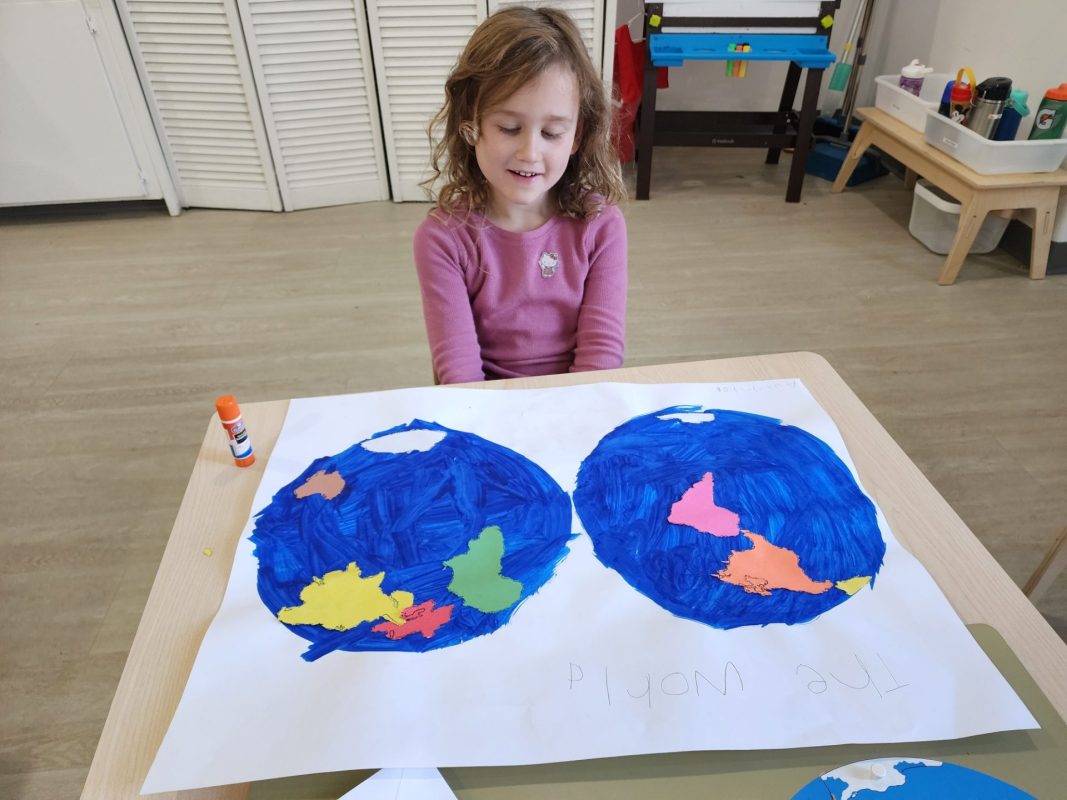
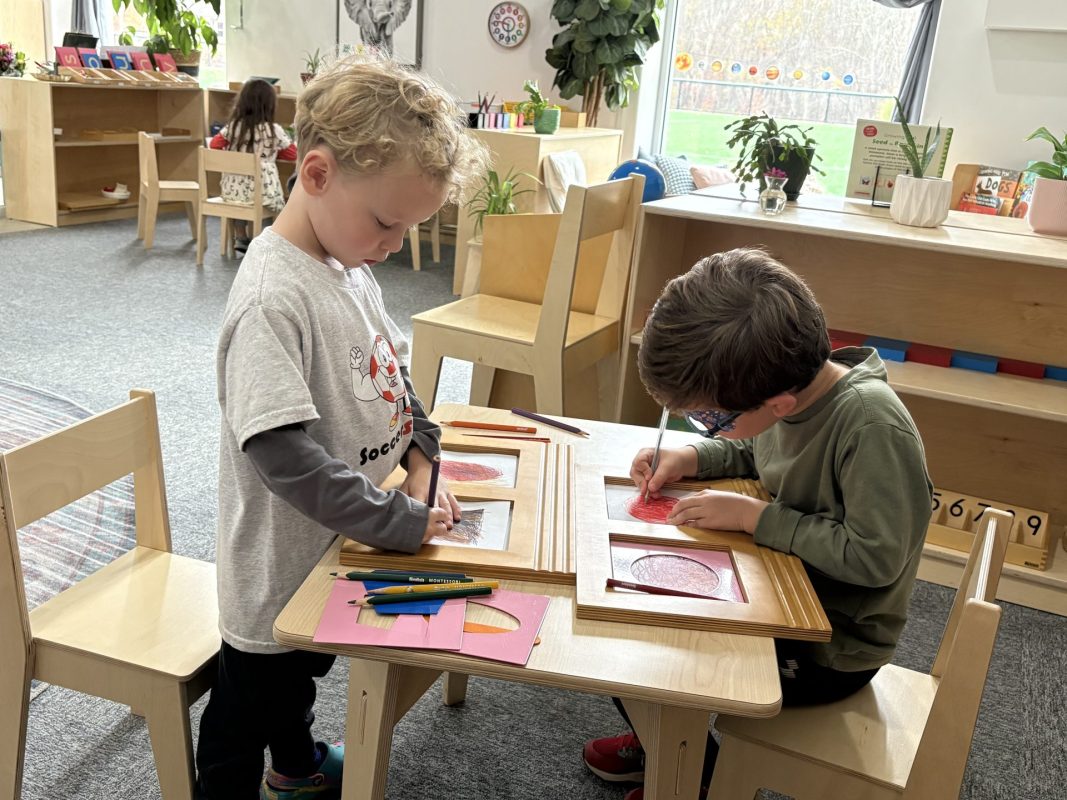
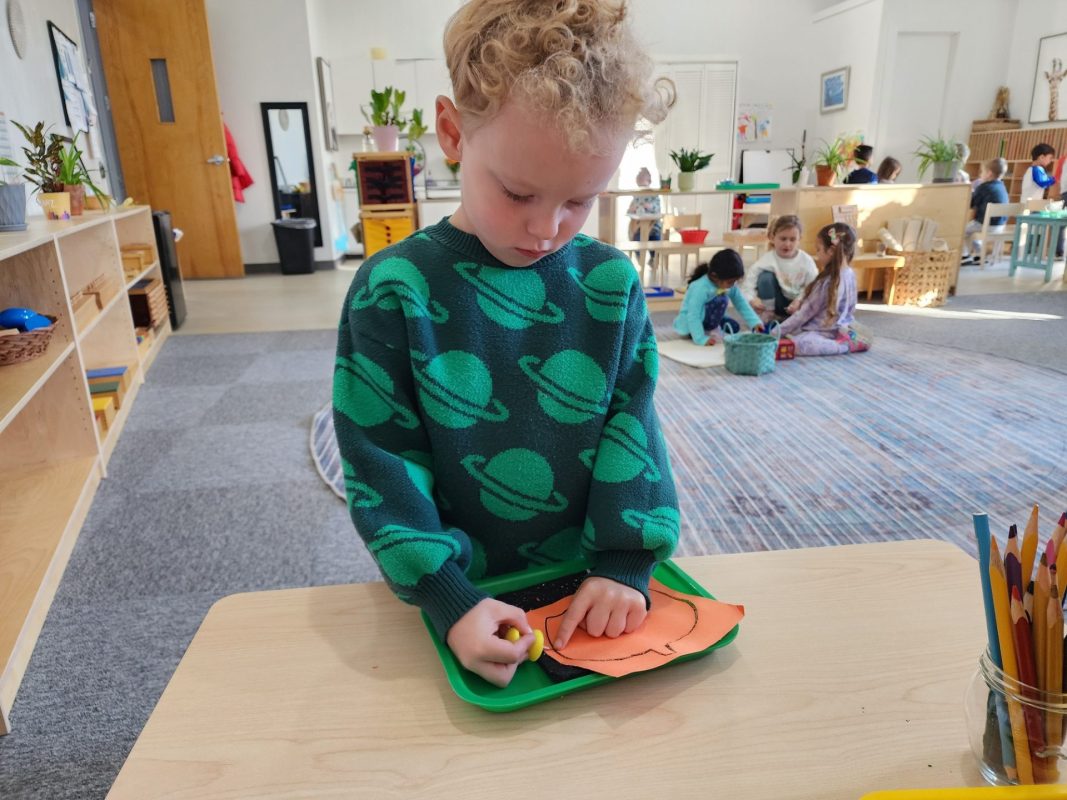
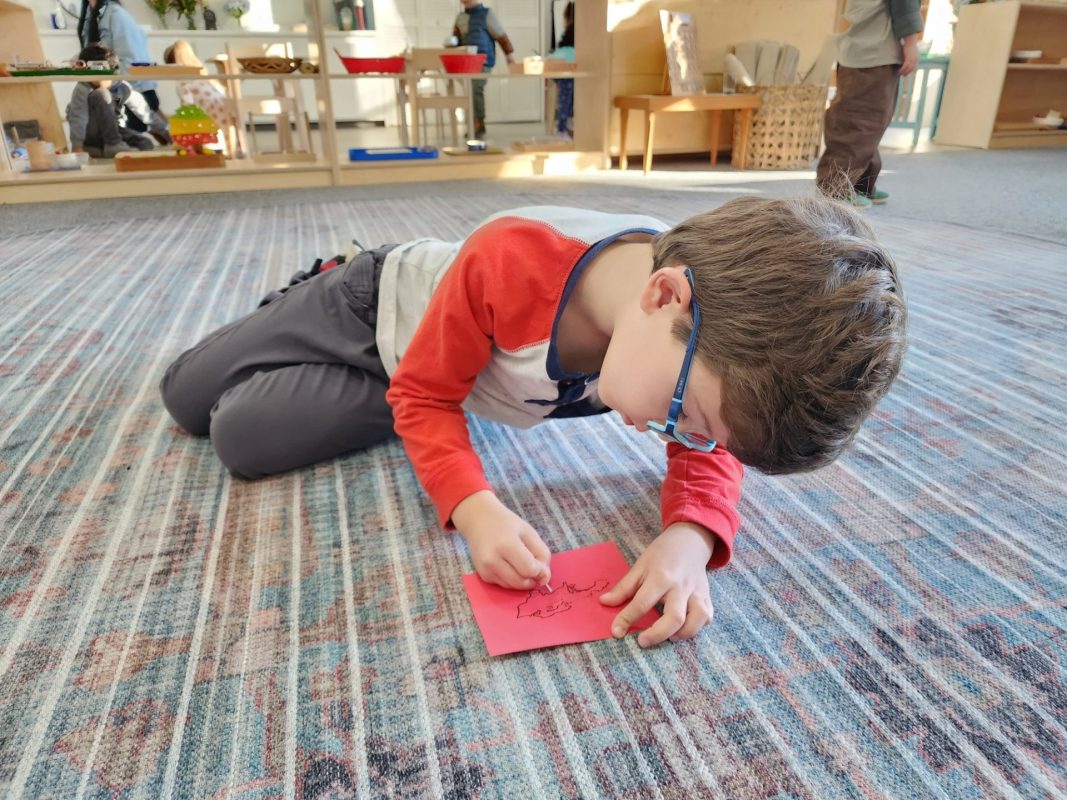
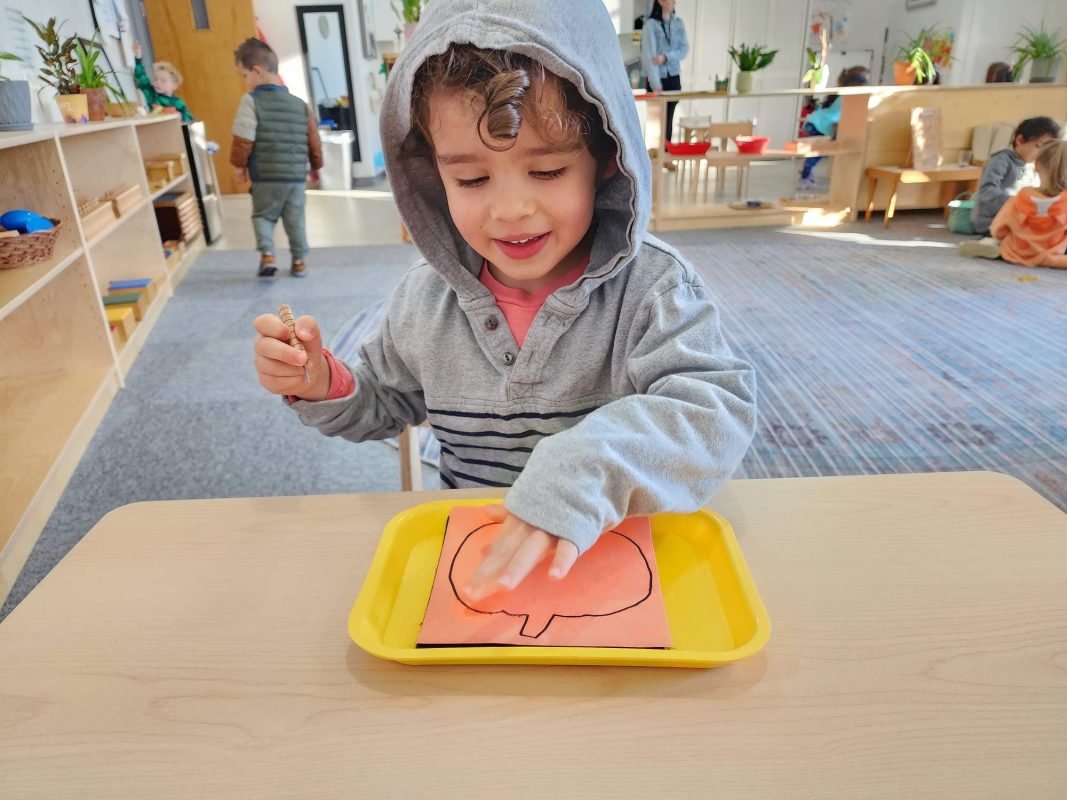
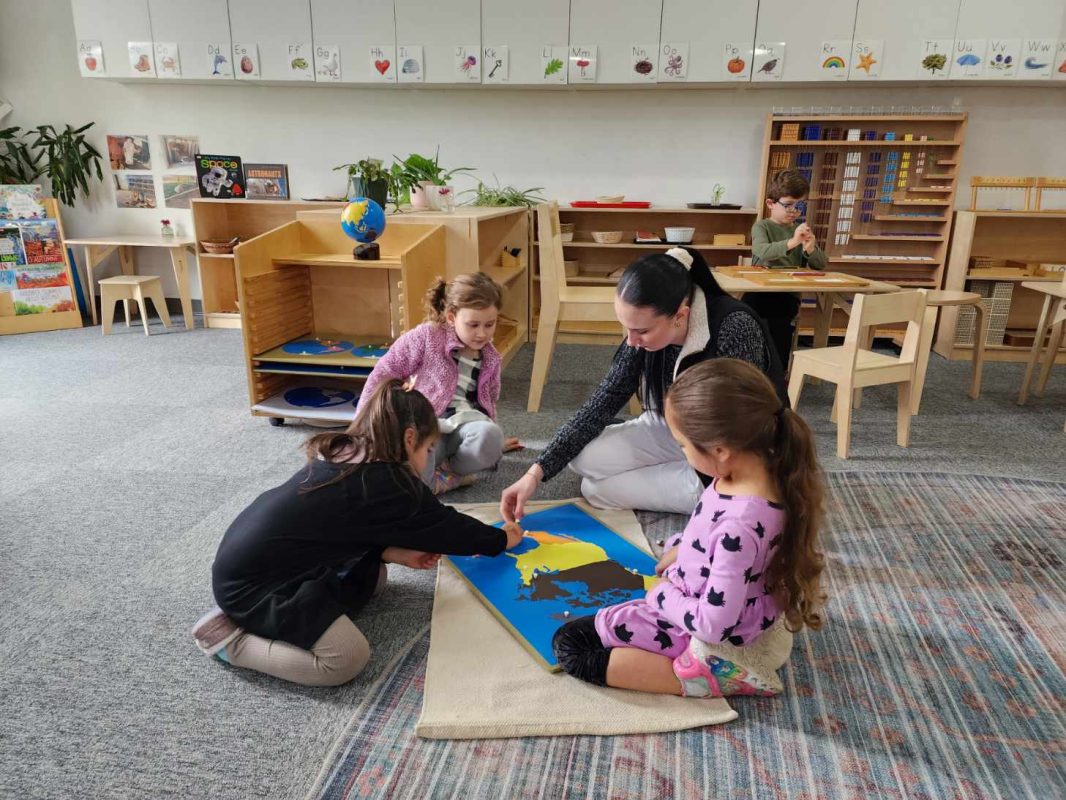
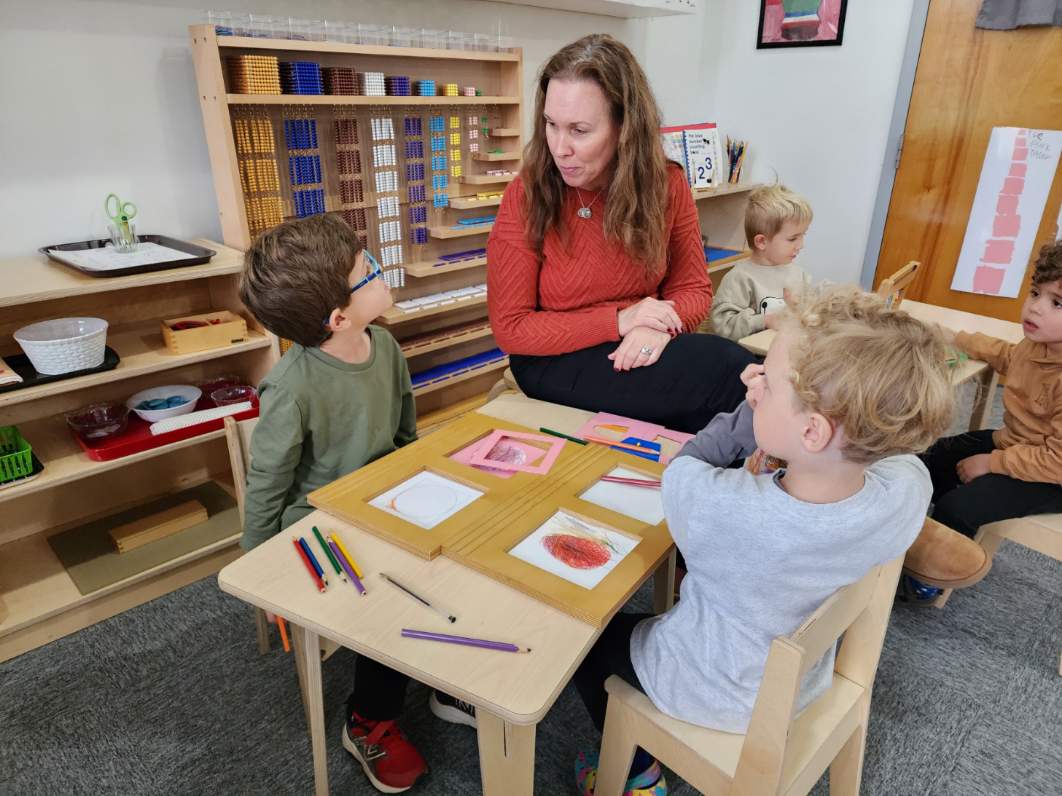
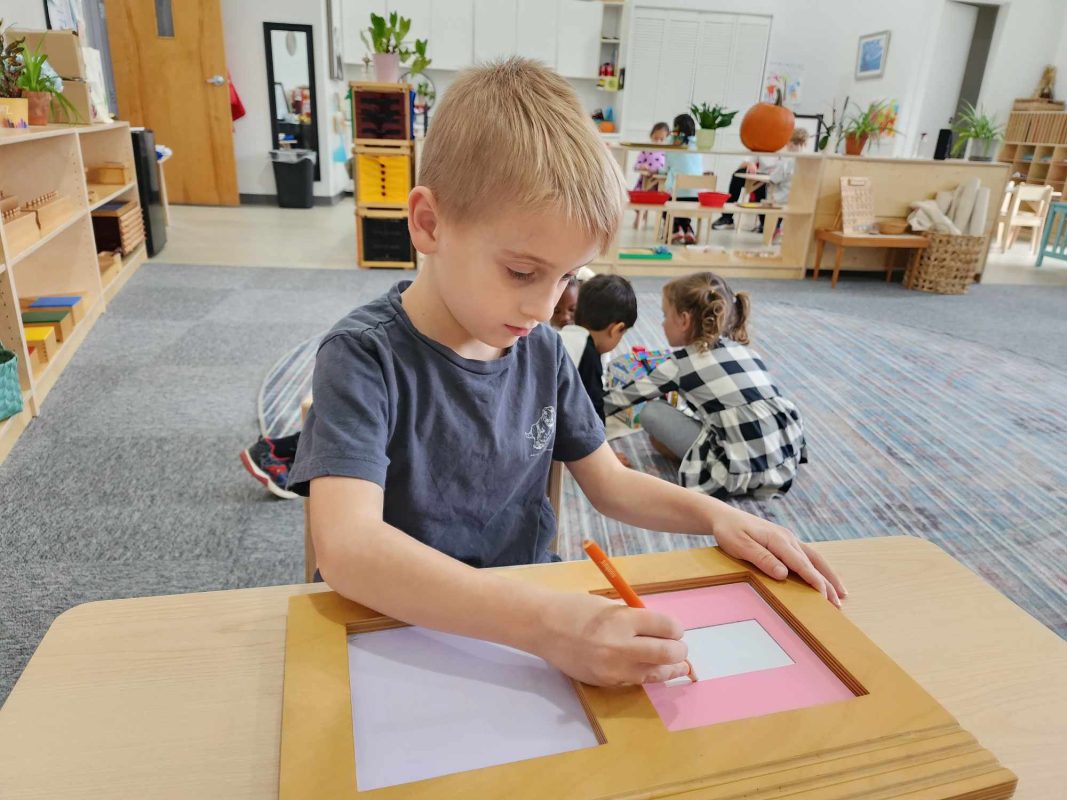
We’ve also introduced landforms this week, and the children are fascinated by the relationship between land and water. Using the Montessori Land and Water Forms, children learned to distinguish between an island and a lake — tracing the raised land with their fingers and observing the corresponding water-filled shapes, connecting abstract geographical concepts to concrete, sensory experience. We’ve begun our journey across the globe, introducing the seven continents and five oceans that make up our beautiful planet Earth.

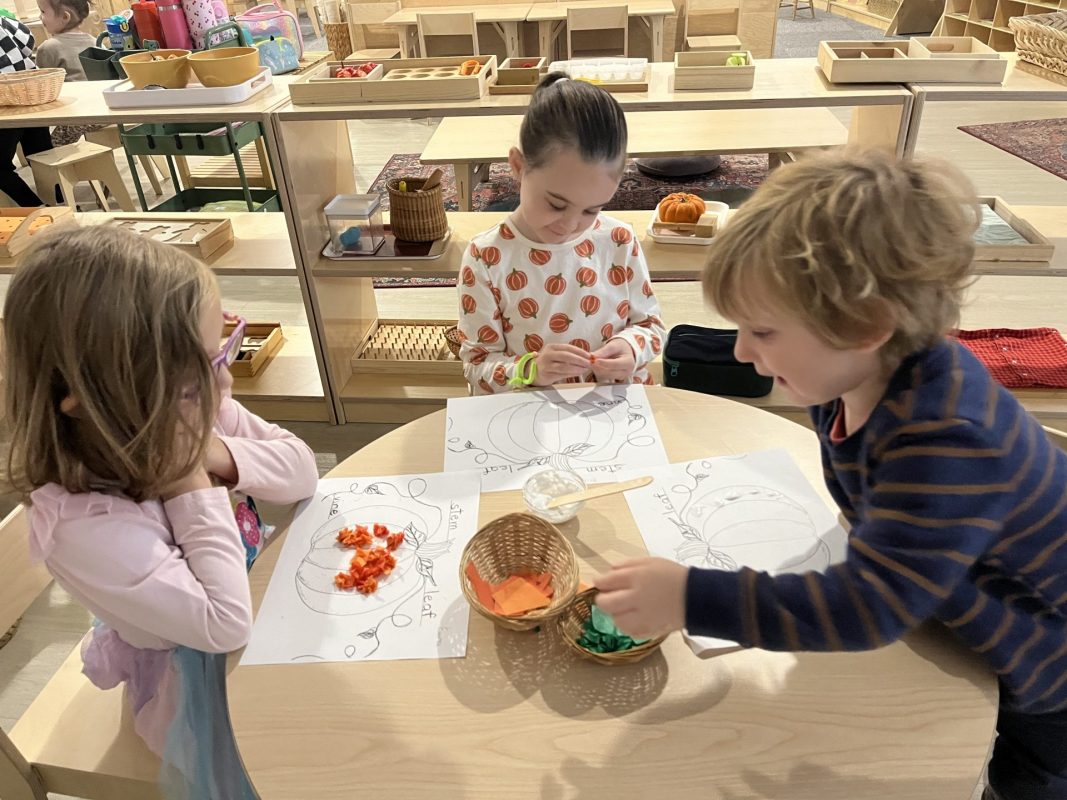
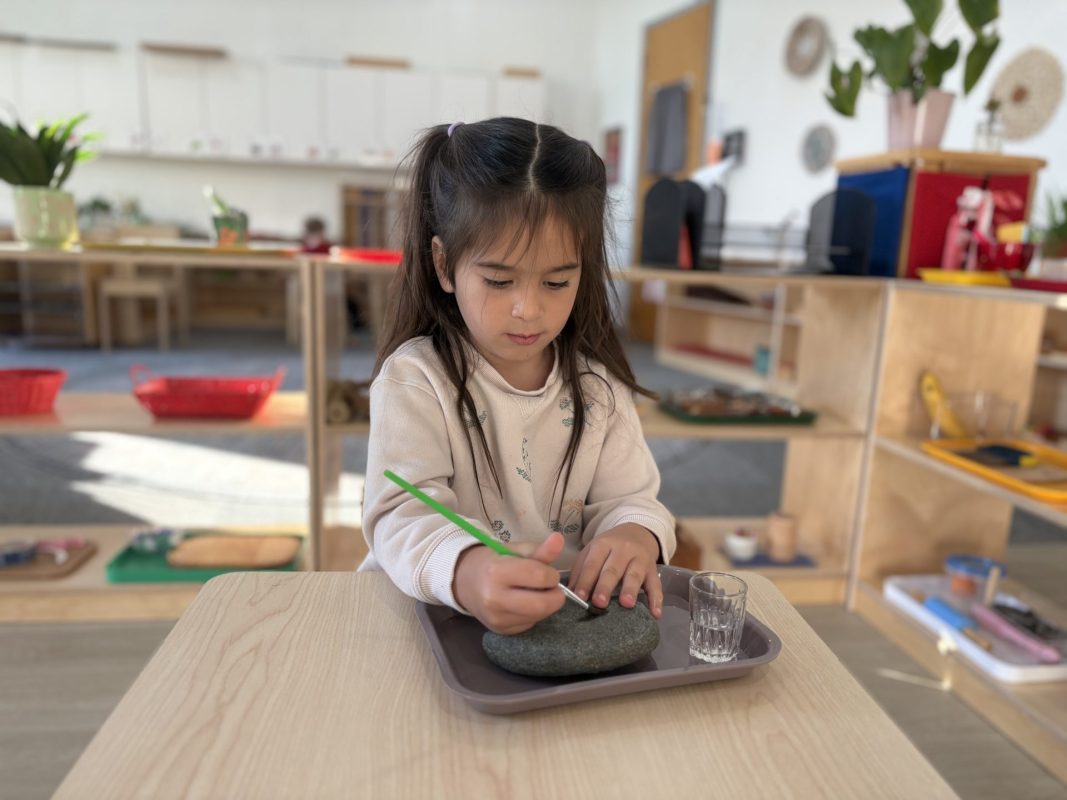
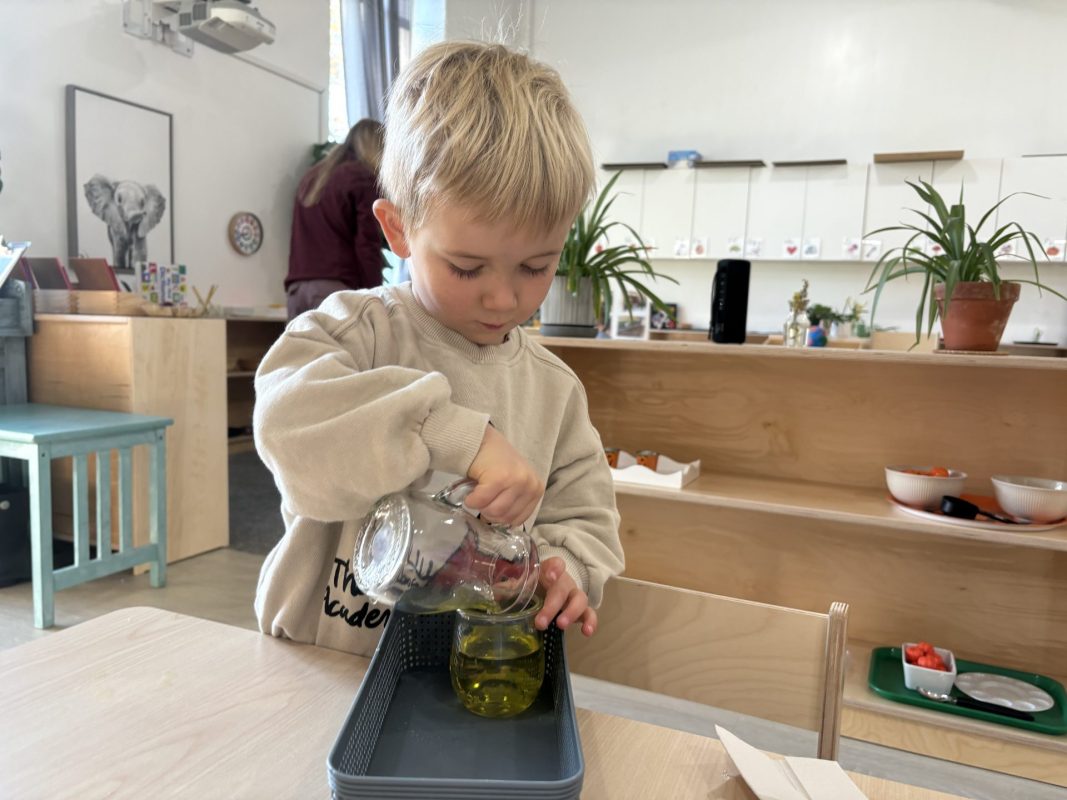
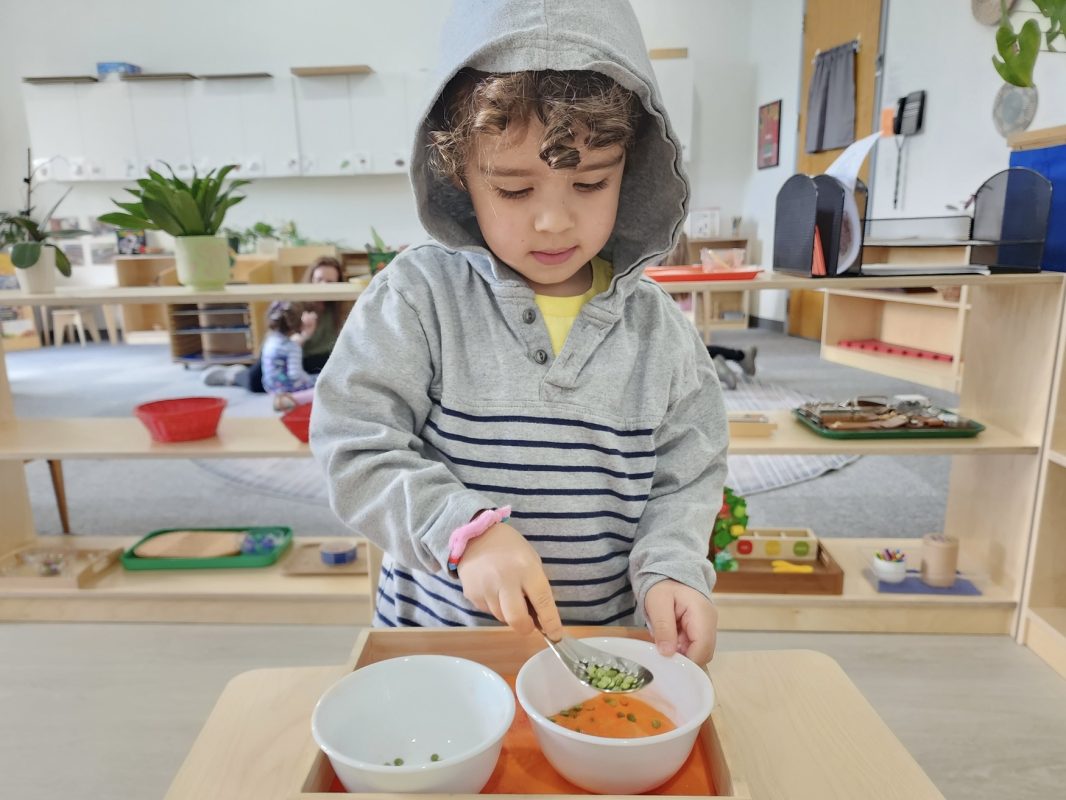
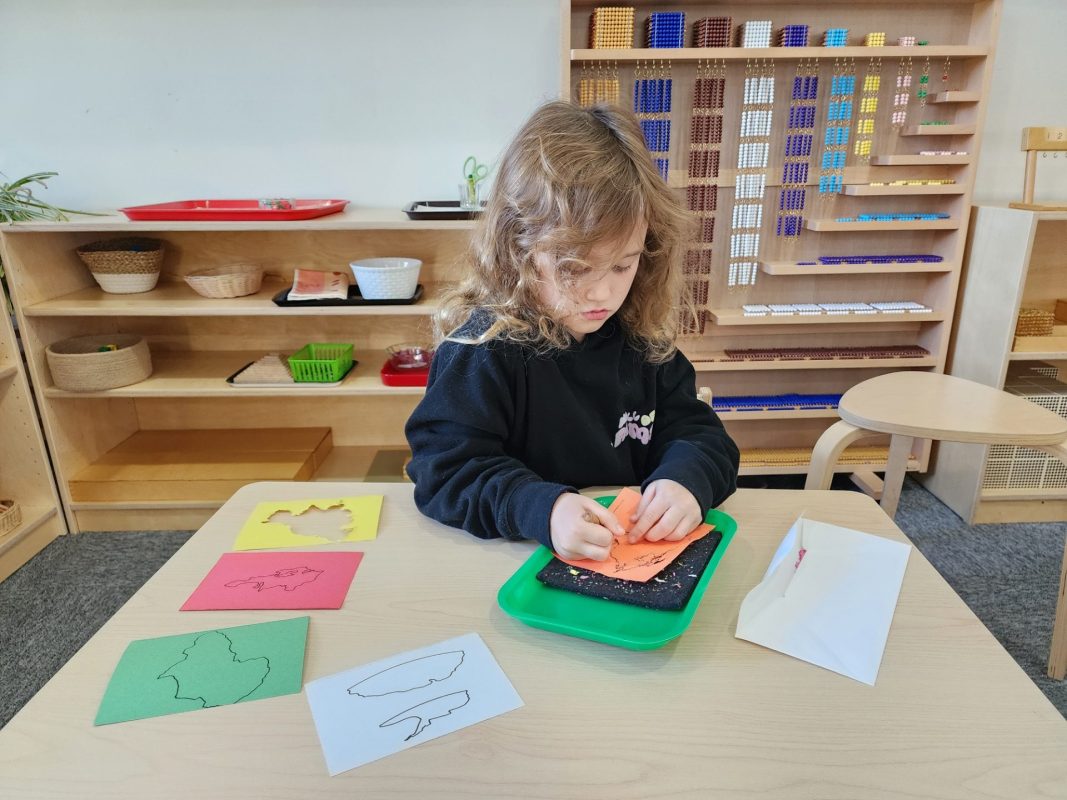
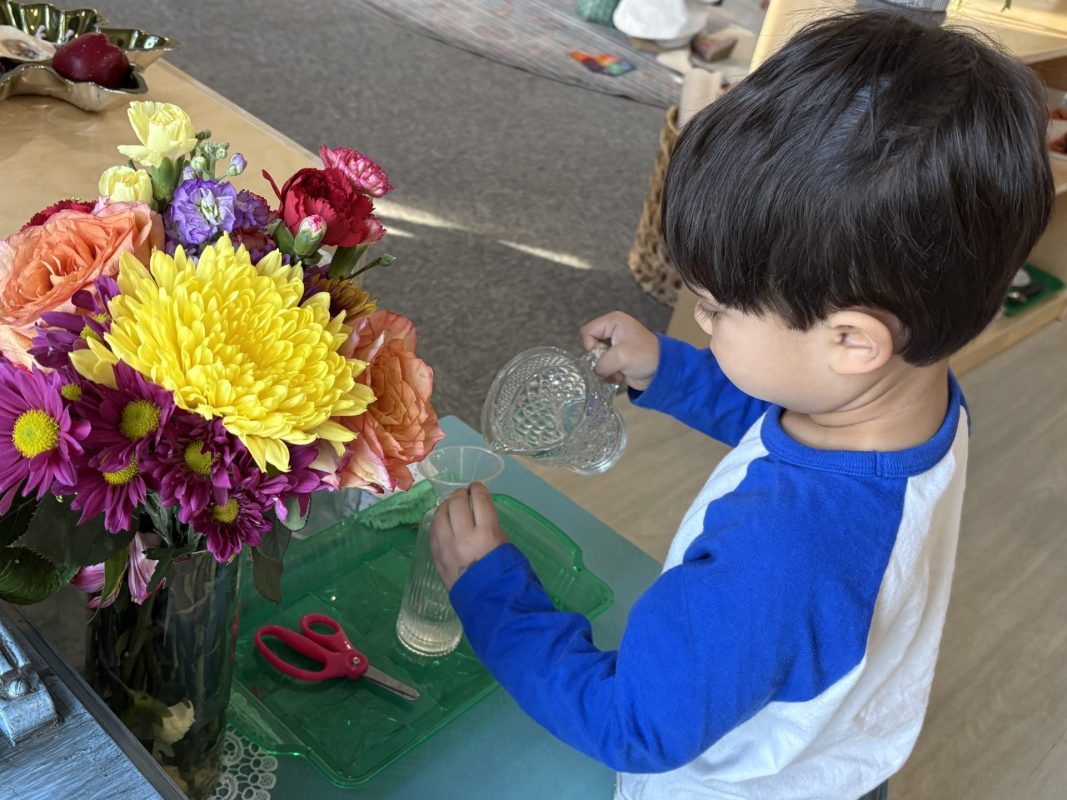
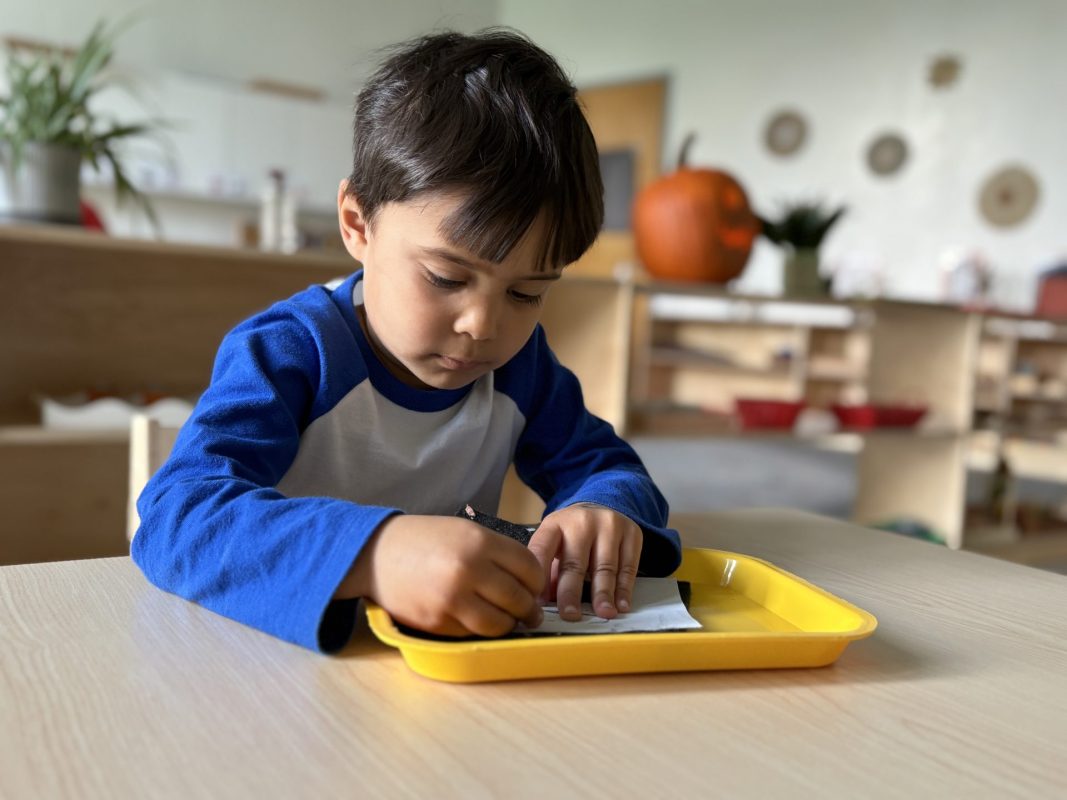
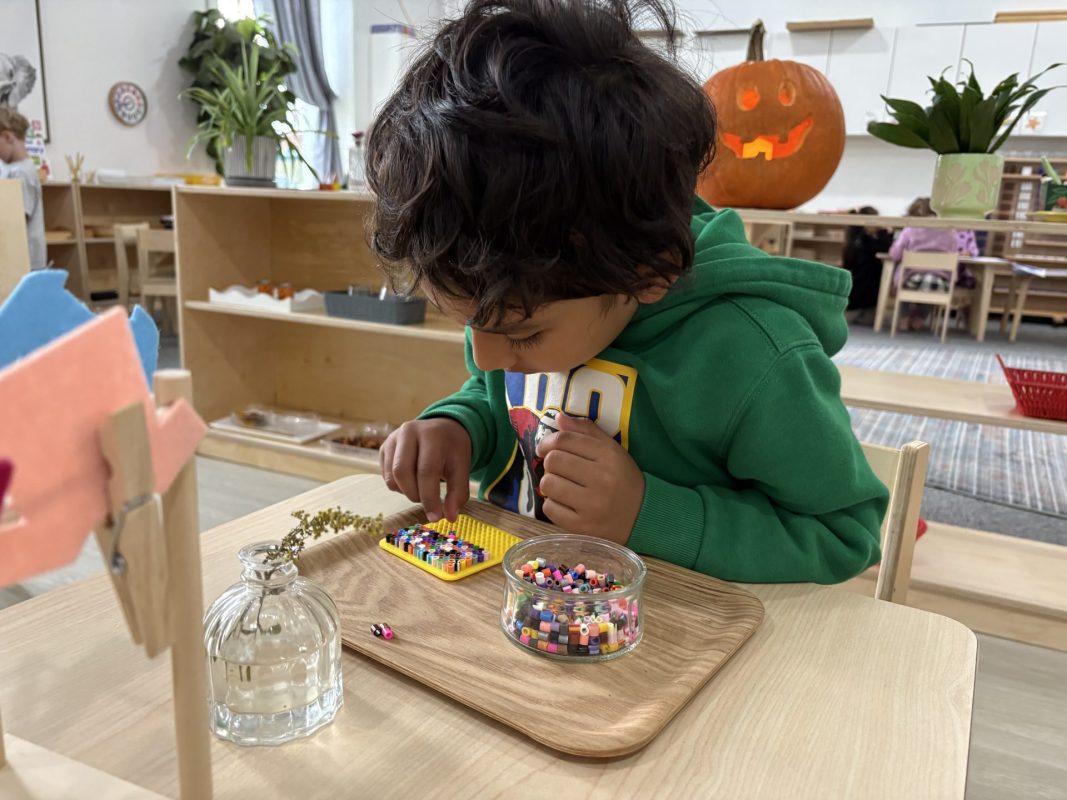
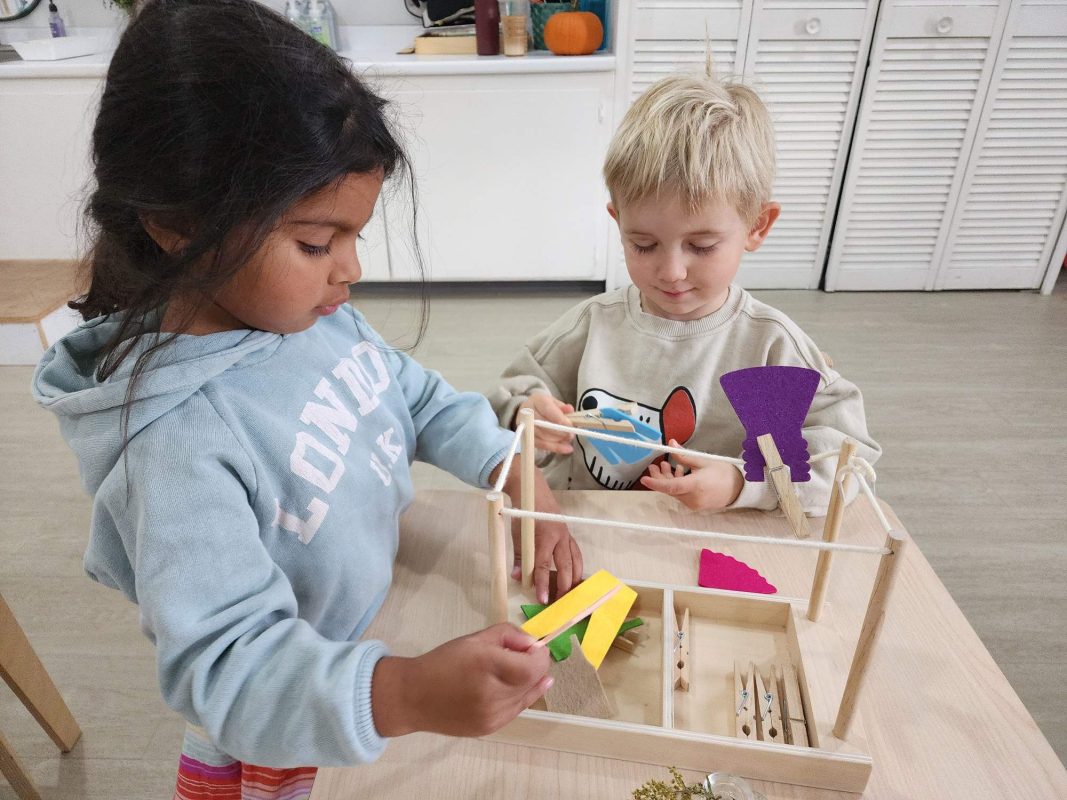
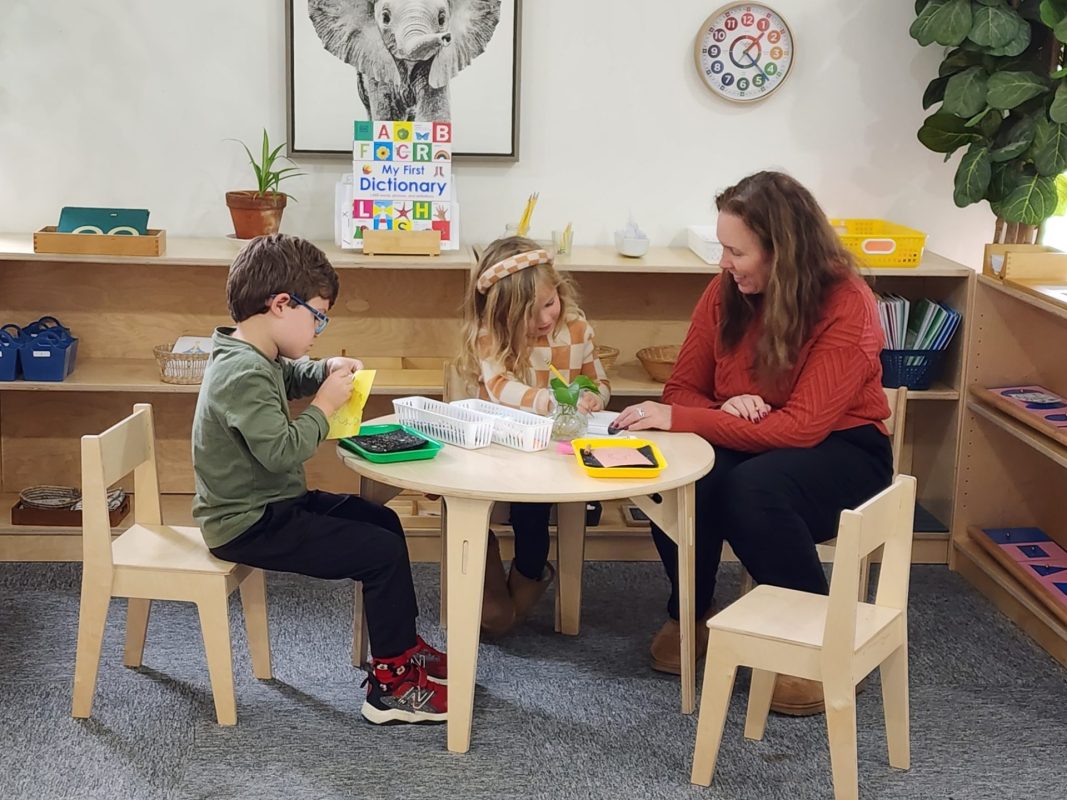
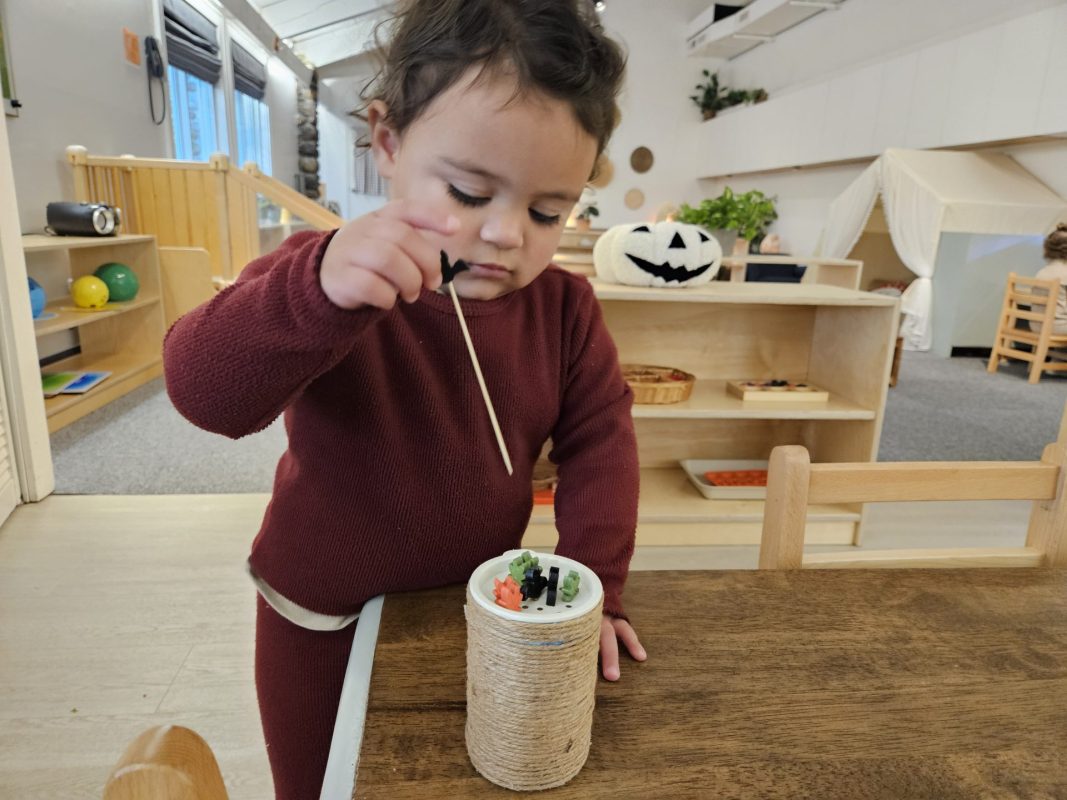
A highlight of our practical life work has been using scissors to carefully trim flower stems and arrange fresh flowers to beautify our classroom. This delicate work builds hand strength, concentration, and coordination while teaching the children to care for their environment with grace.

Building Community

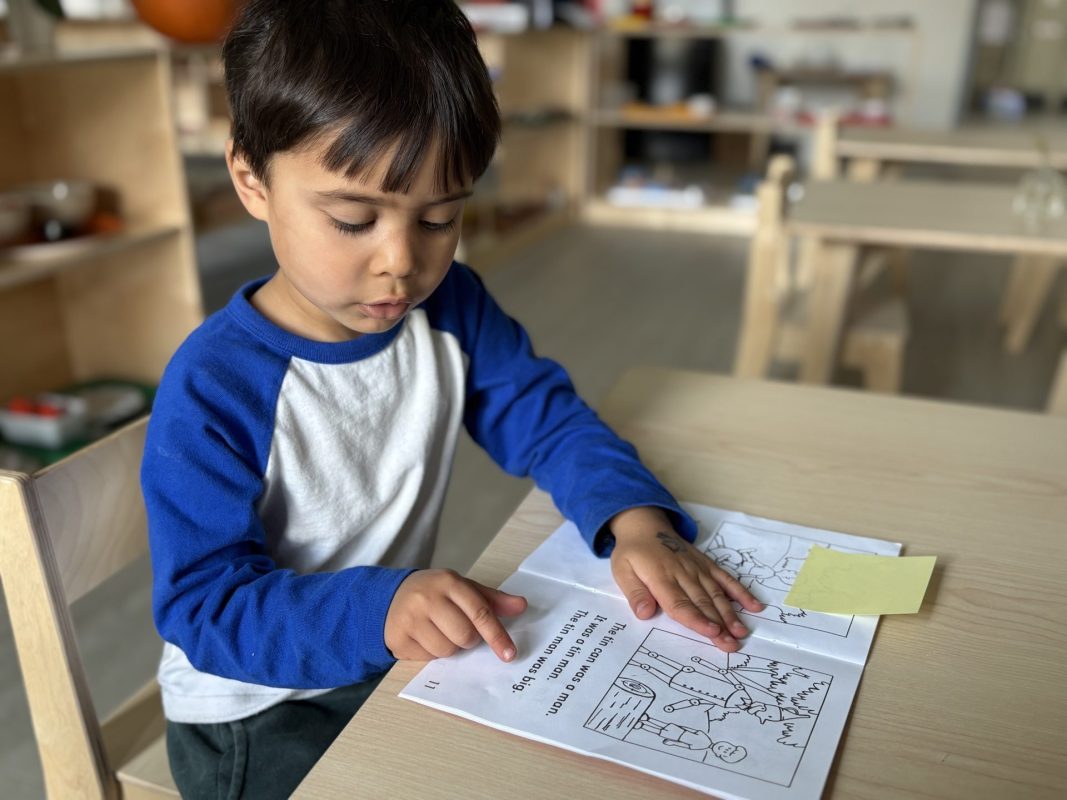
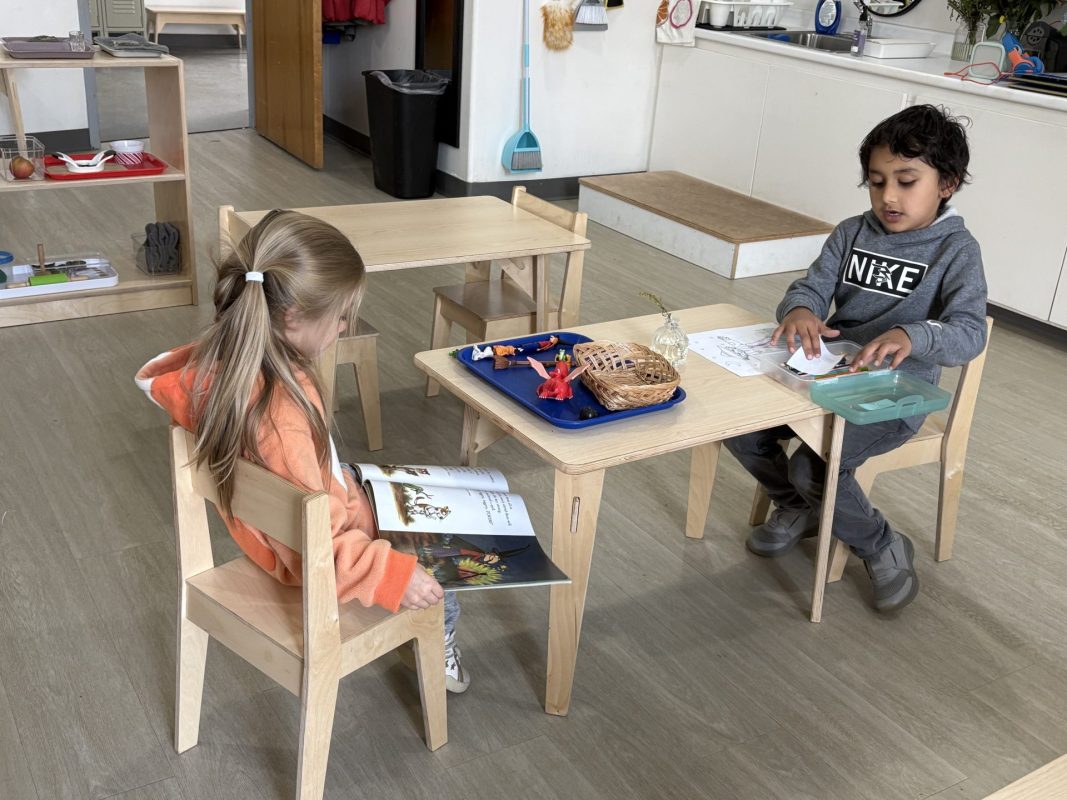
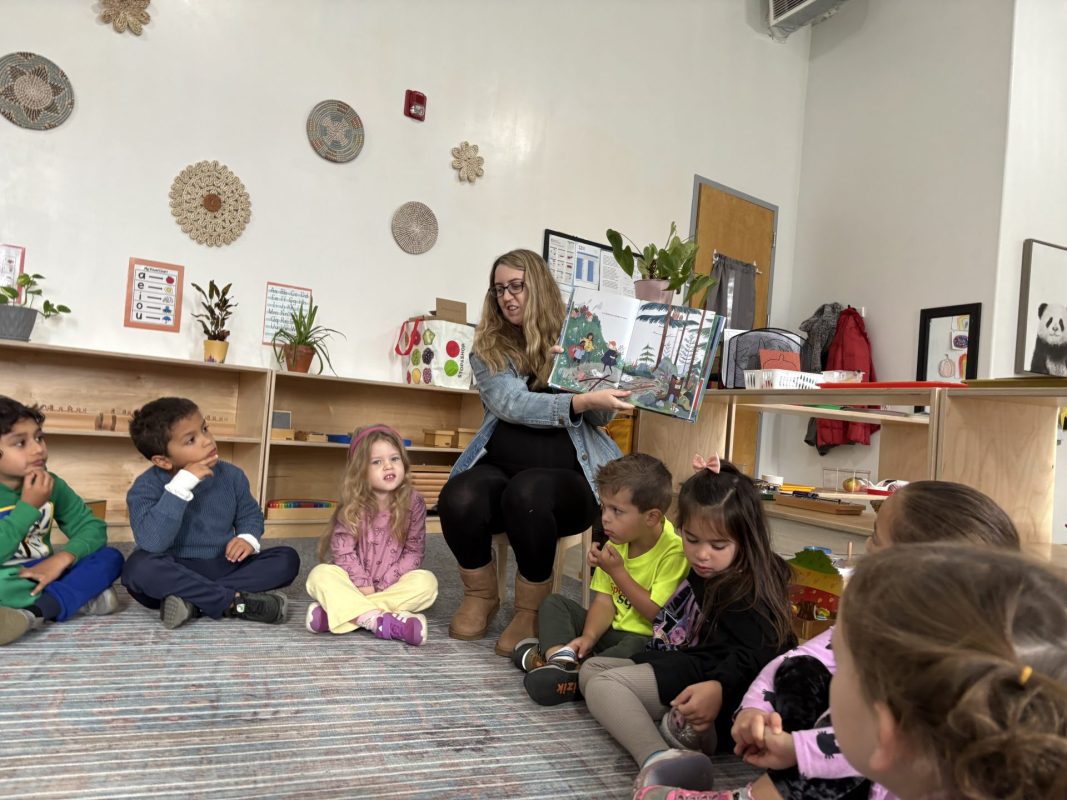
Every Friday morning, our kindergarten students visit their “book buddies” in the Upper Elementary classroom. This cross-age connection is pure joy! The older students model fluent reading and patience, while our kindergarteners practice listening skills and build confidence. These relationships are blossoming into genuine friendships.
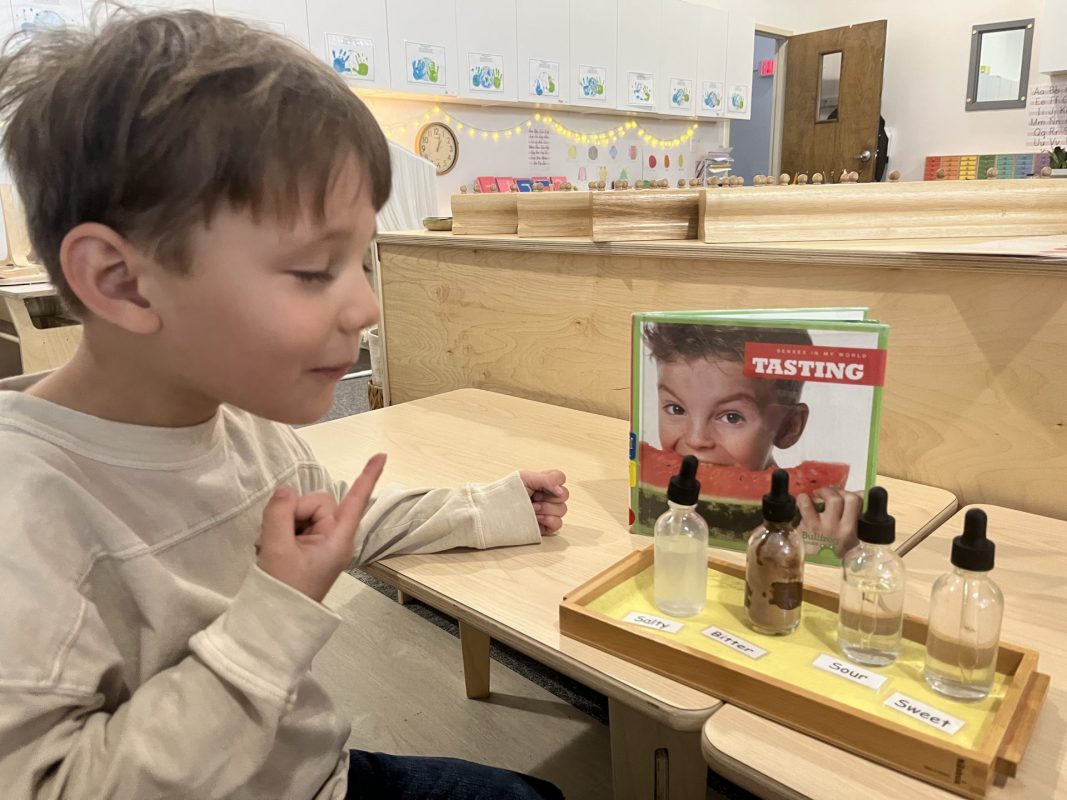
We’ve been nurturing kindness and empathy through Carol McCloud’s bucket-filling books. The children are learning that their words and actions can either fill or dip from someone’s bucket. They’re becoming more aware of how they can spread happiness and show care for others—important skills that will serve them throughout their lives.
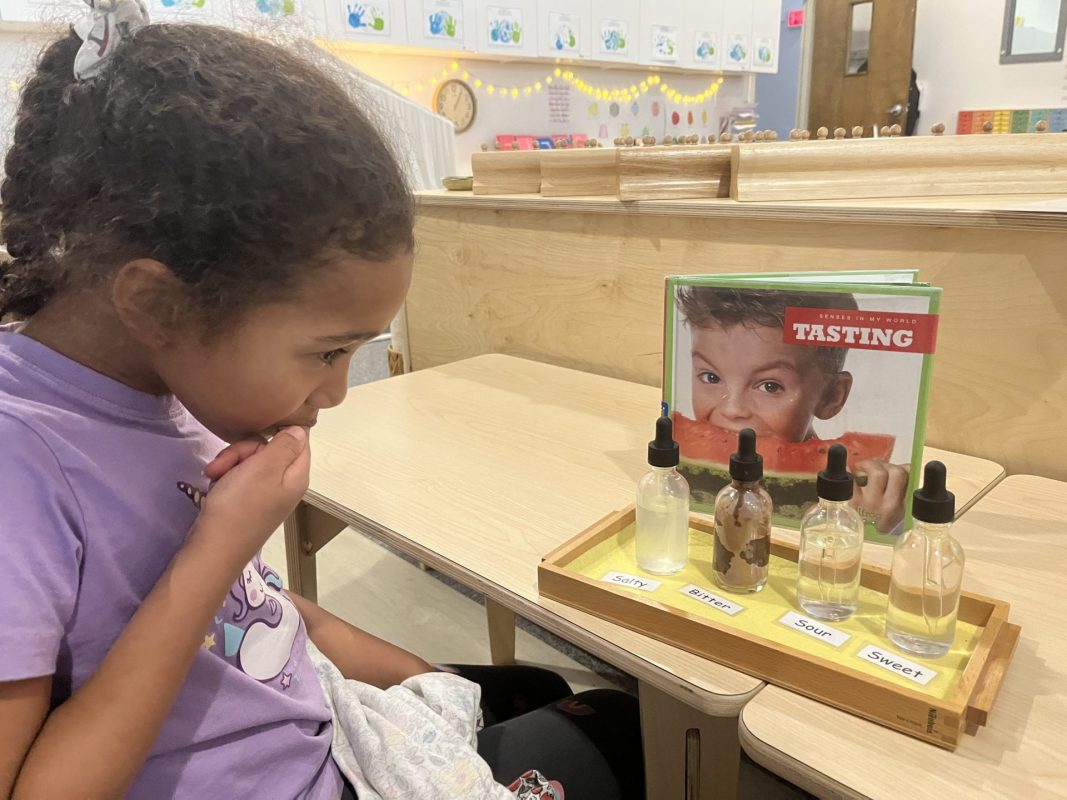
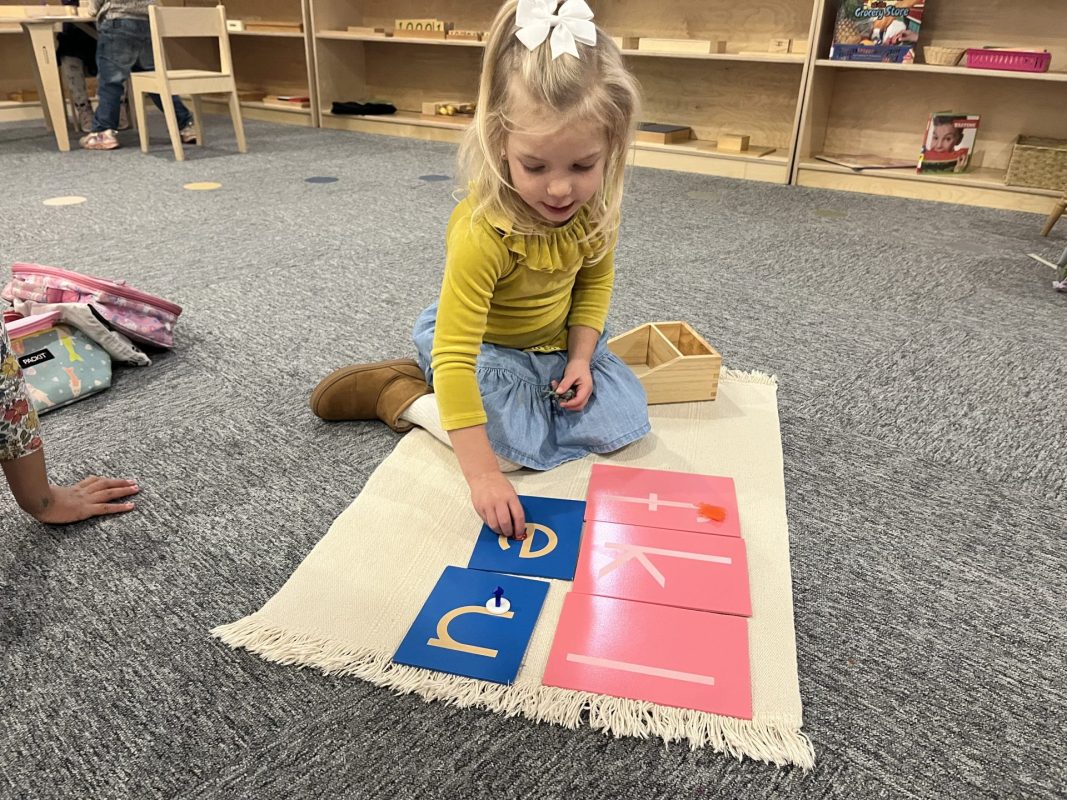
The thoughtfulness and curiosity your children bring to school each day fill our classroom bucket to overflowing!

Ms. Vicki’s Weekly Update

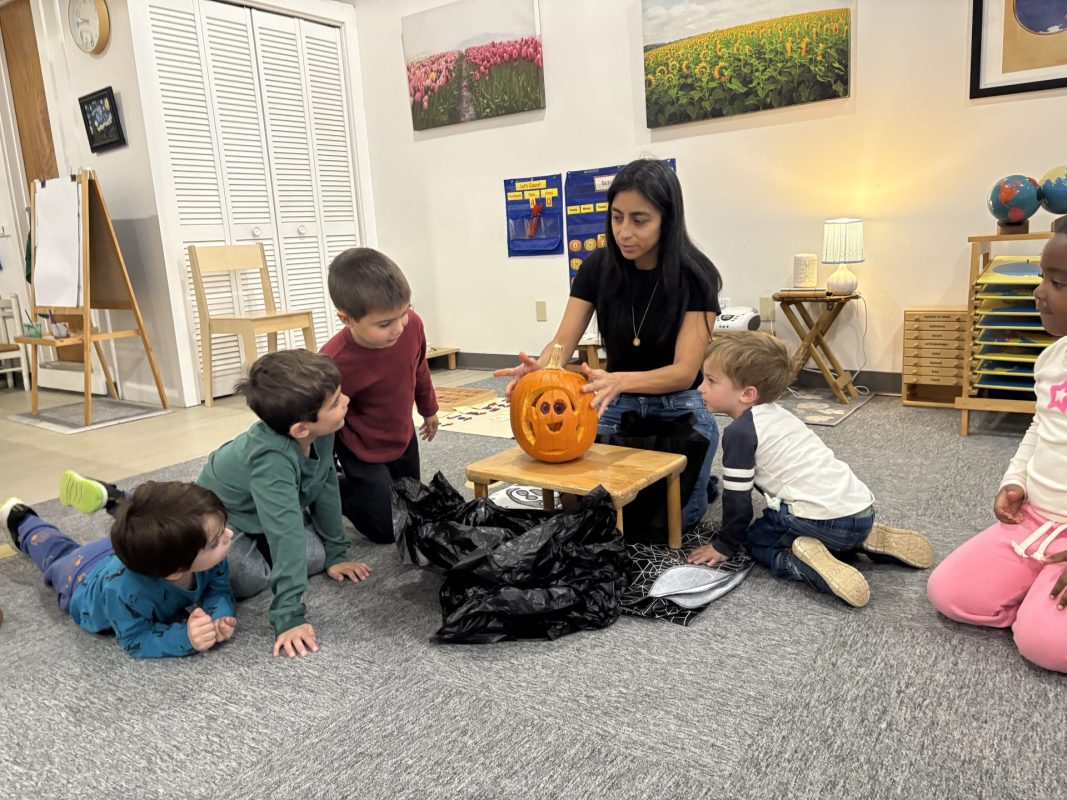
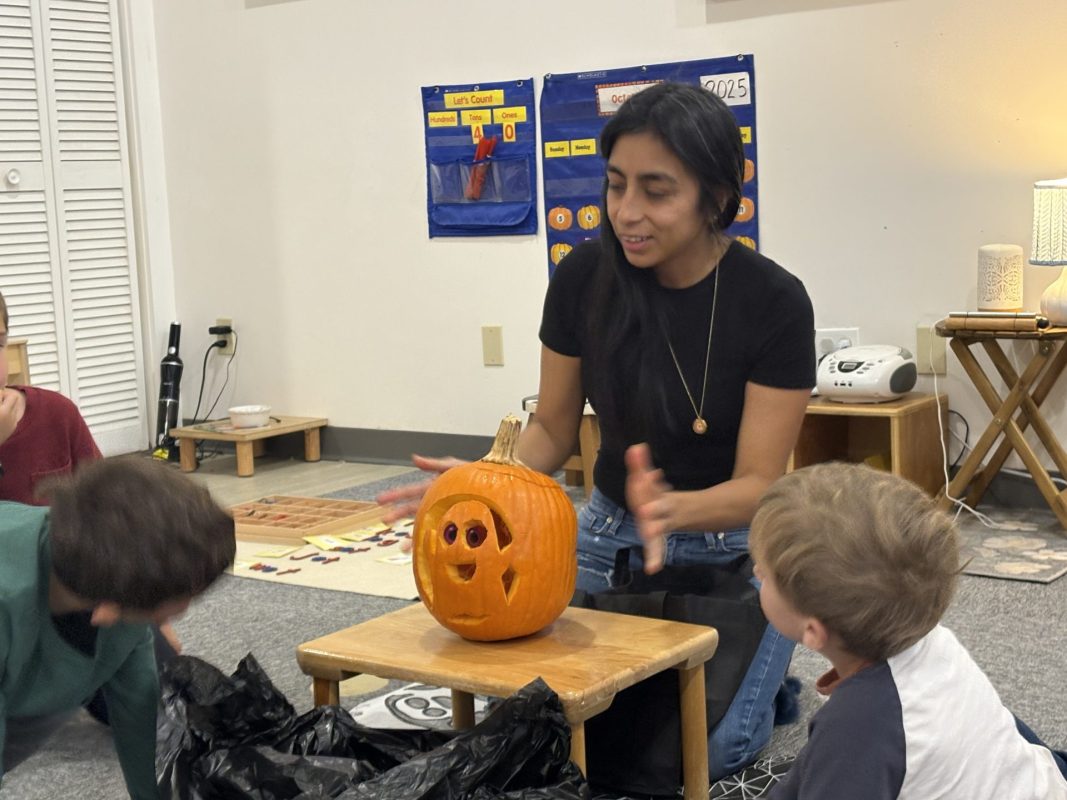
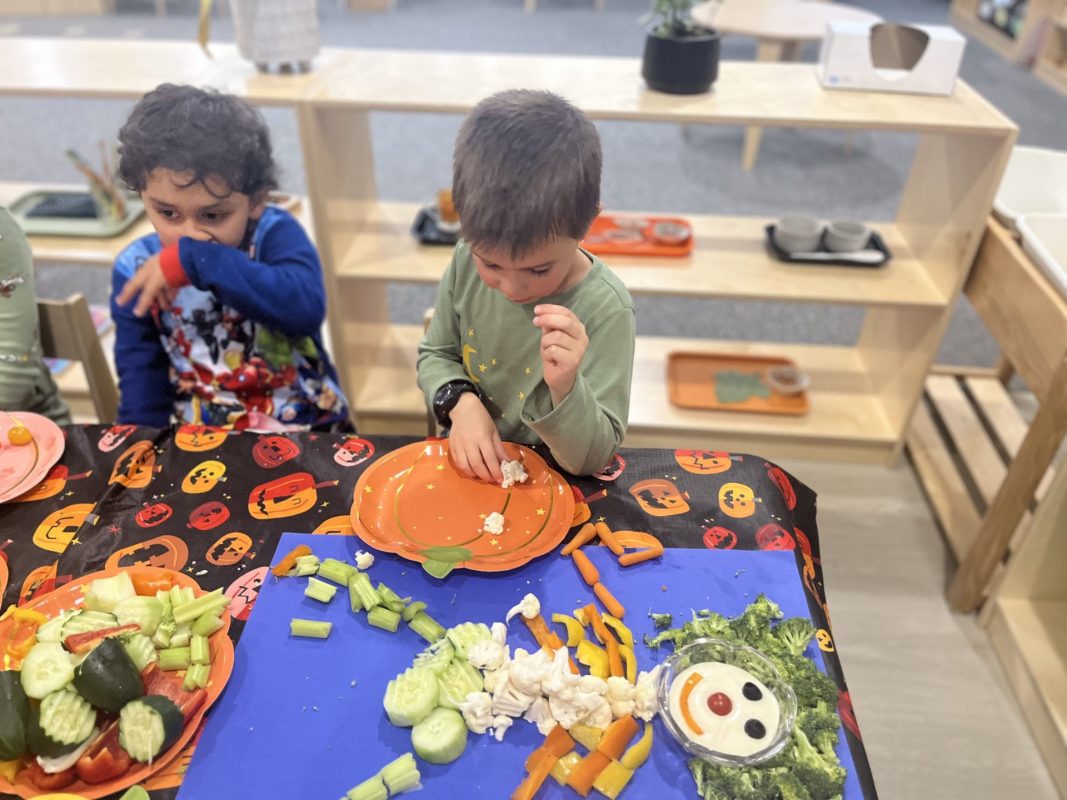
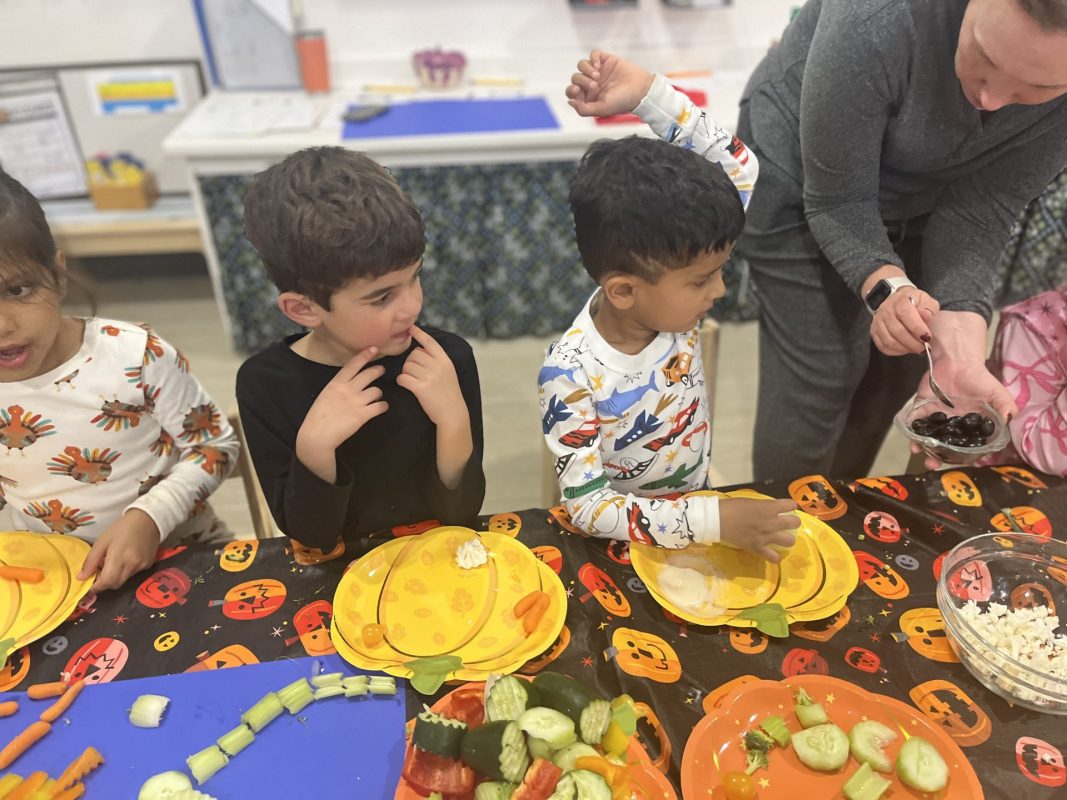
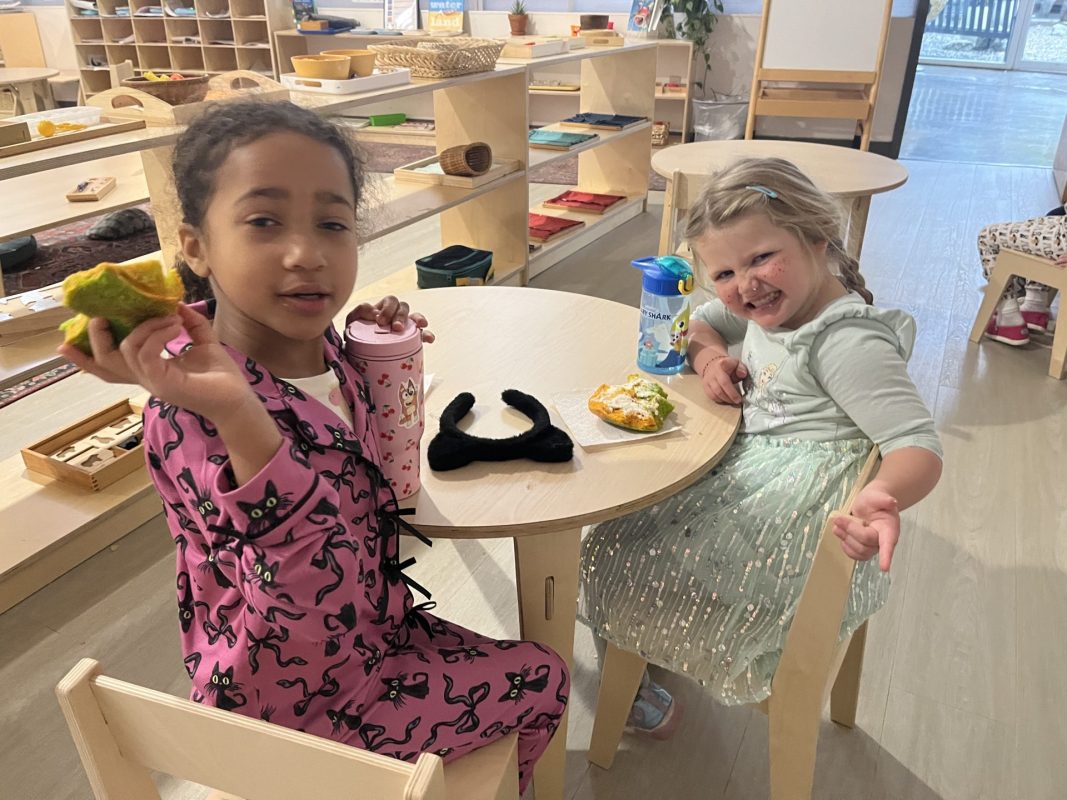
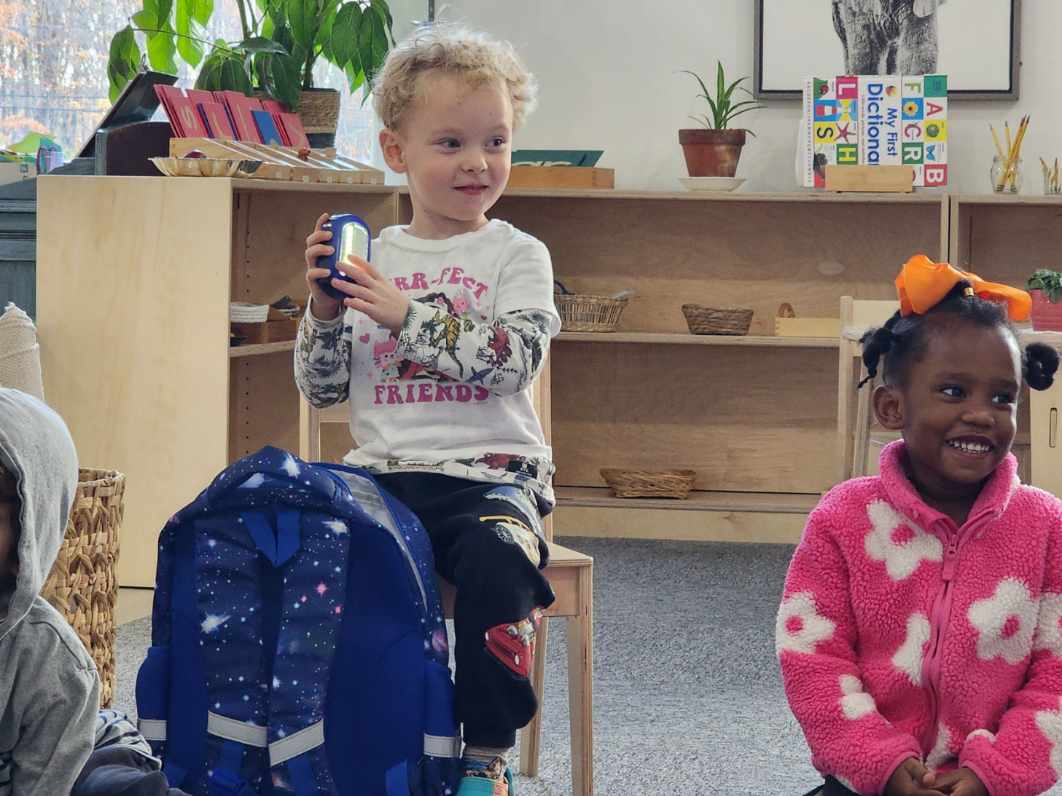
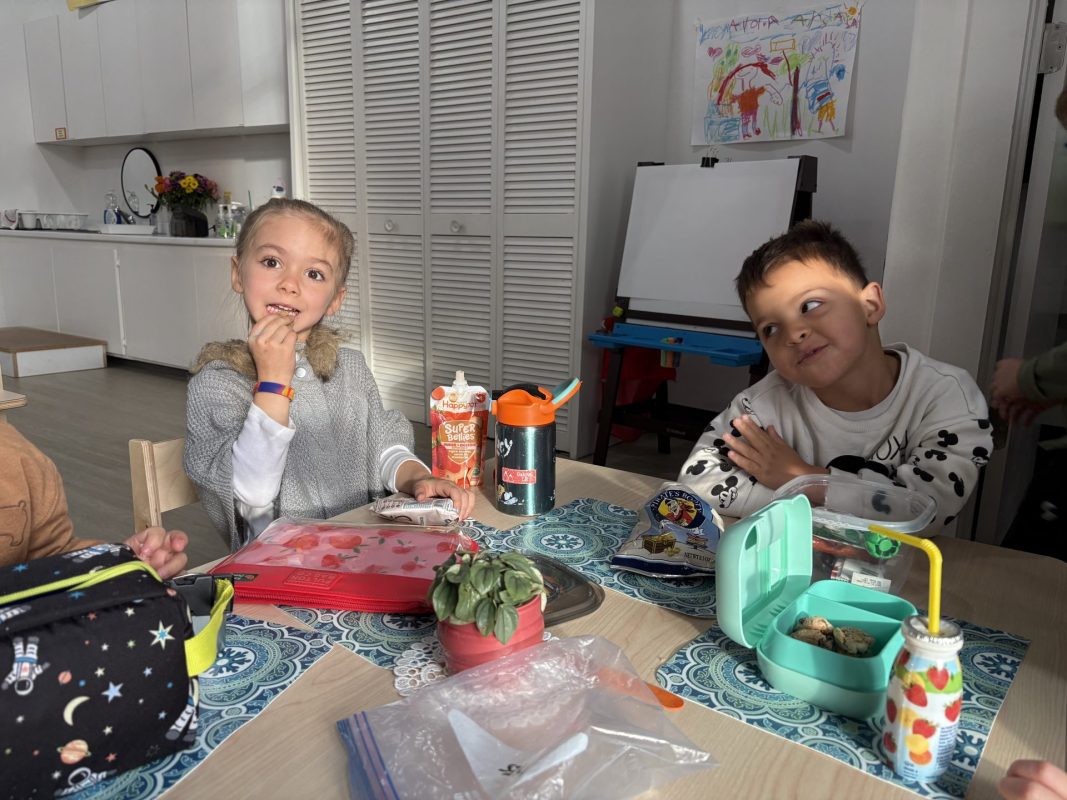
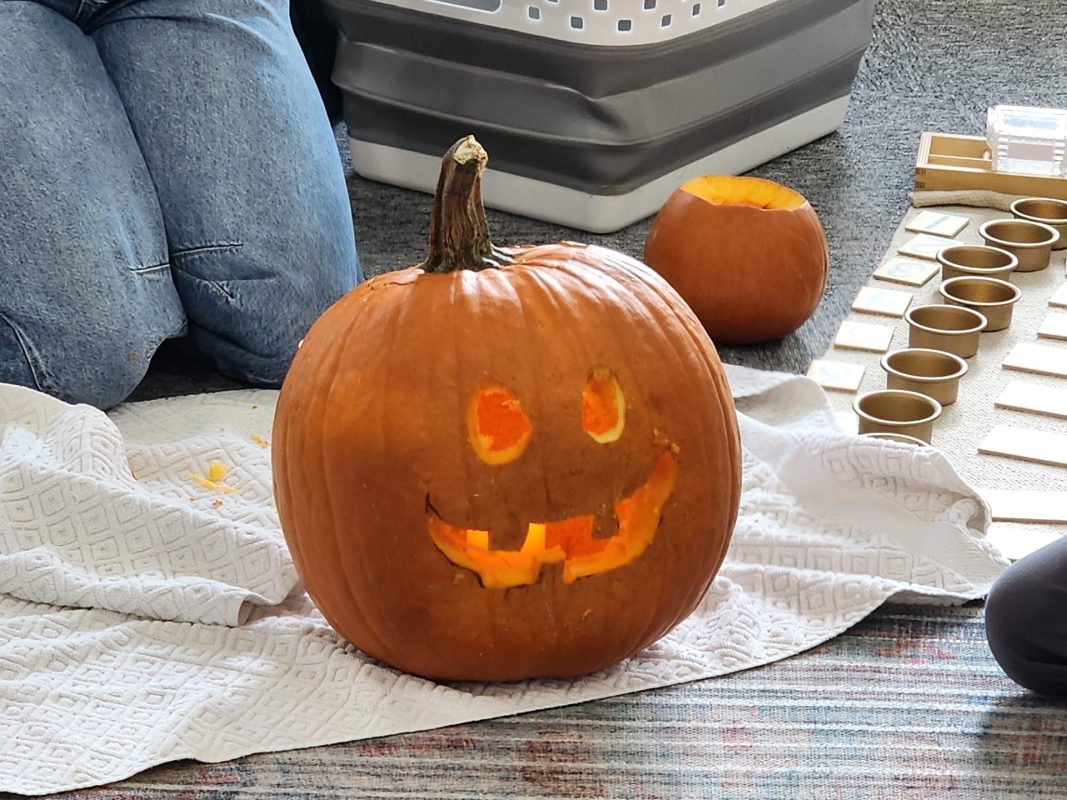
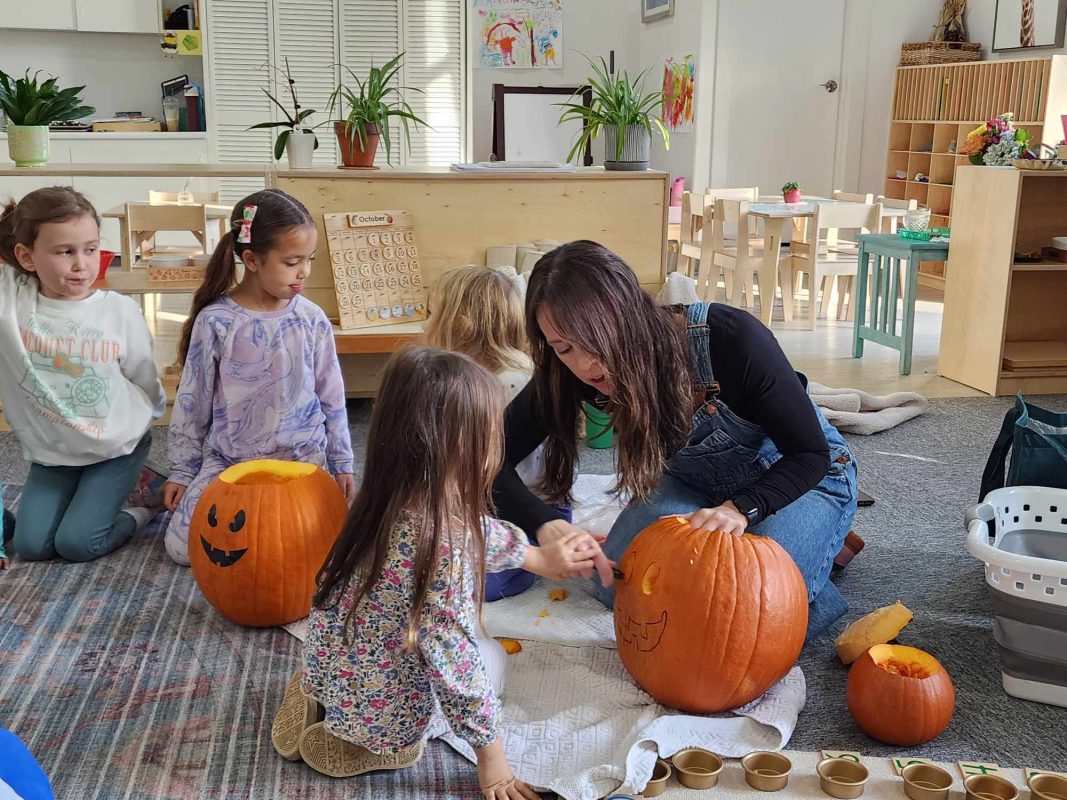
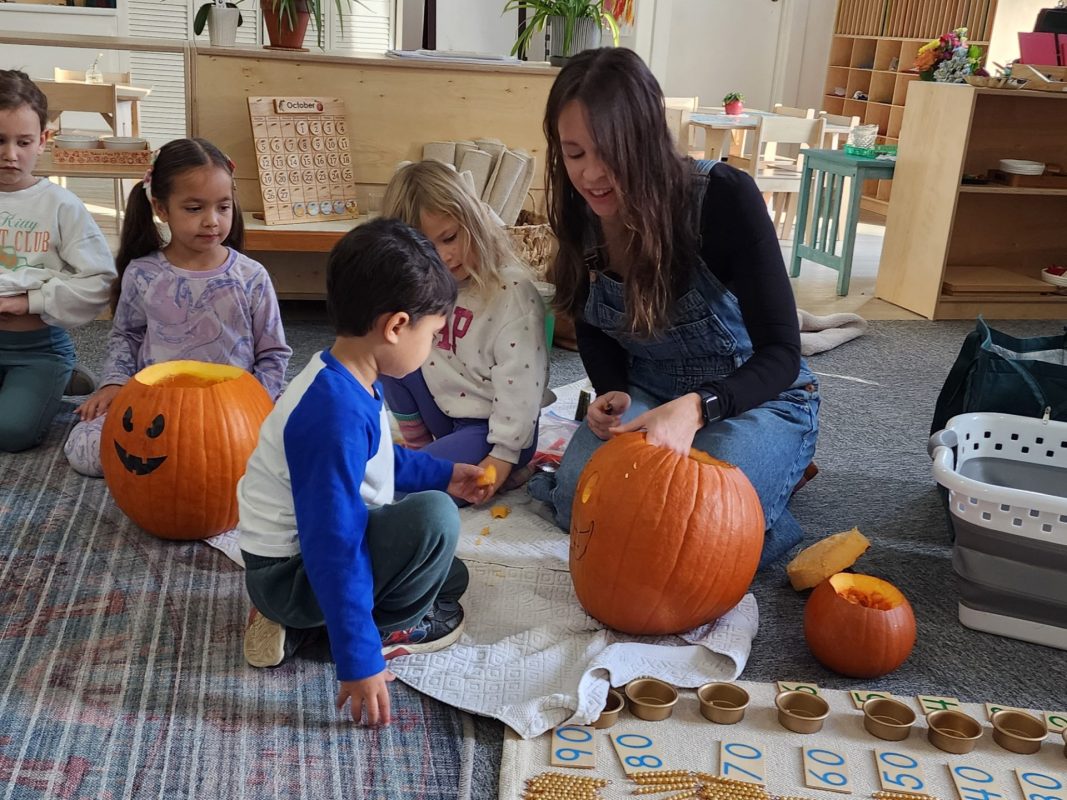
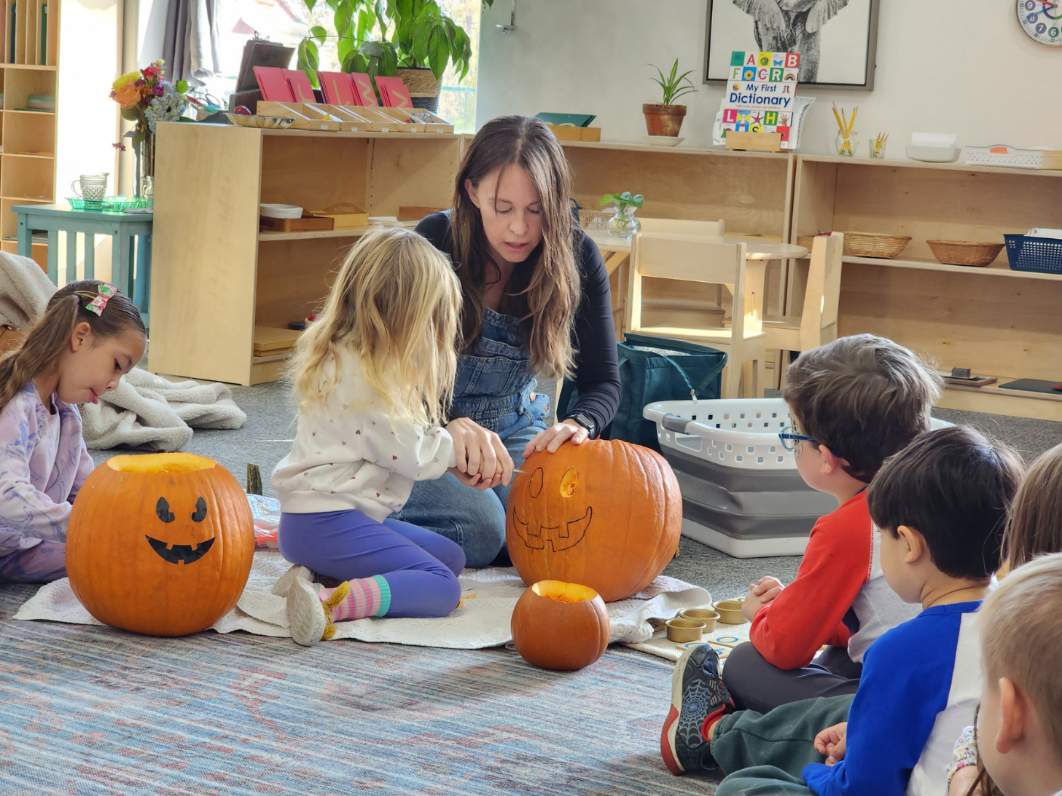
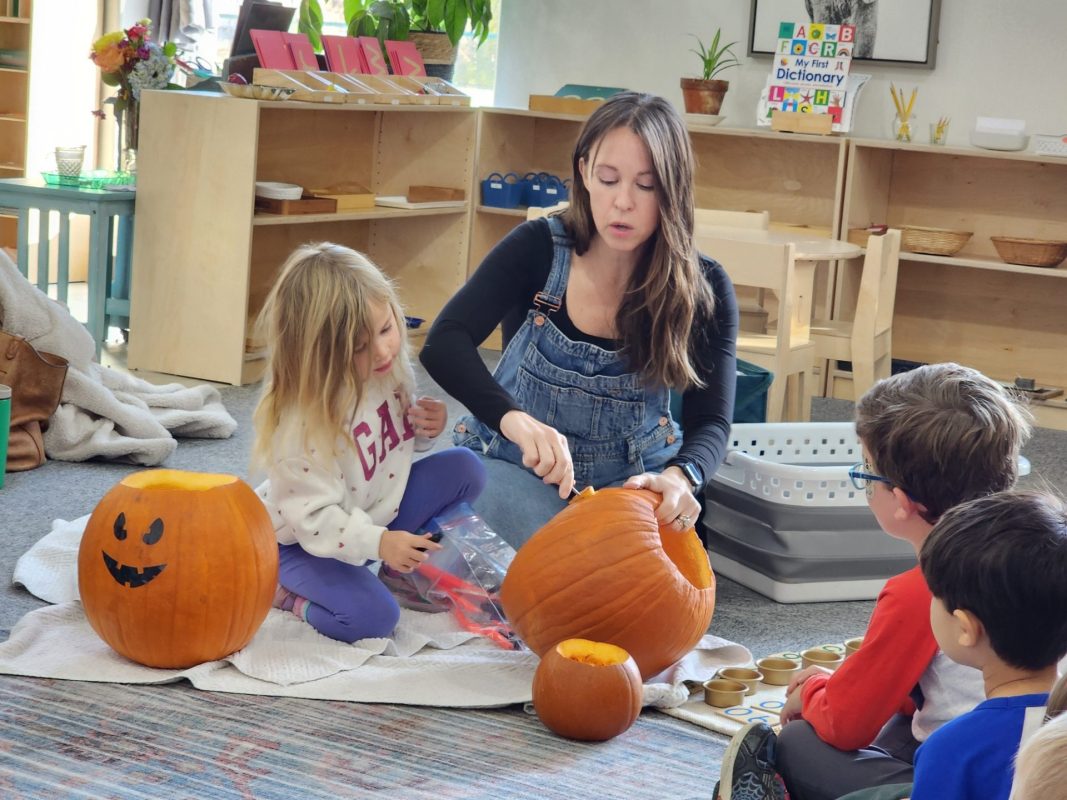
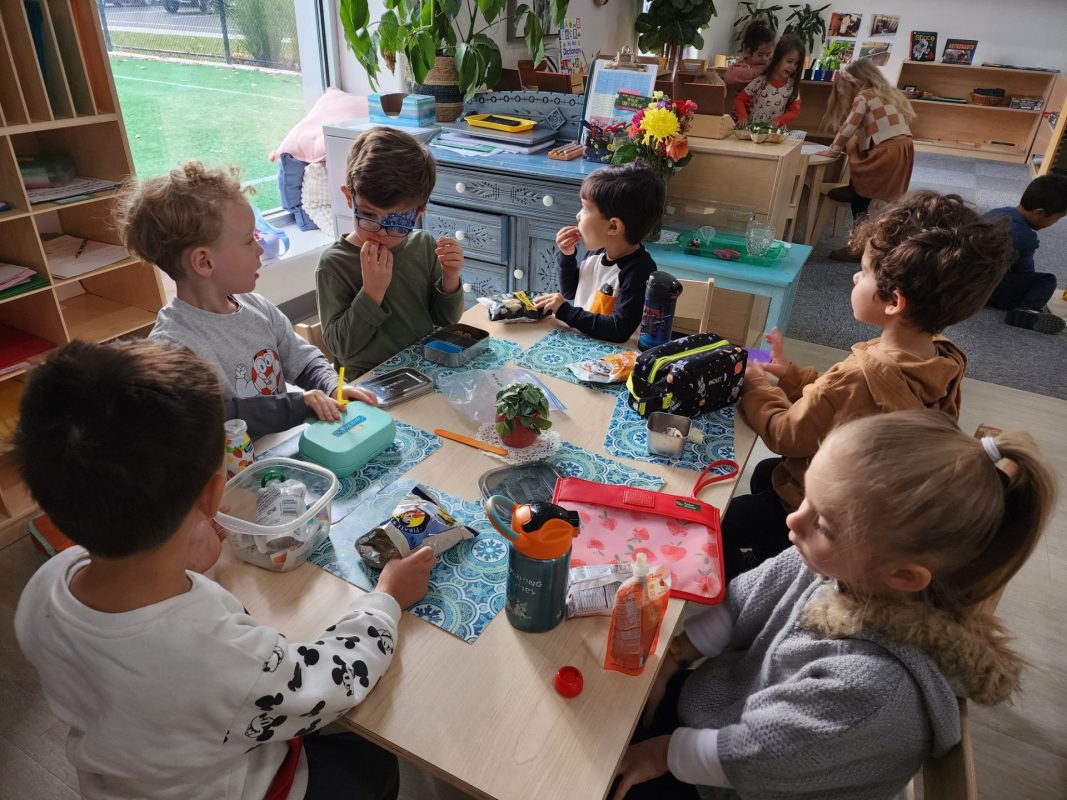
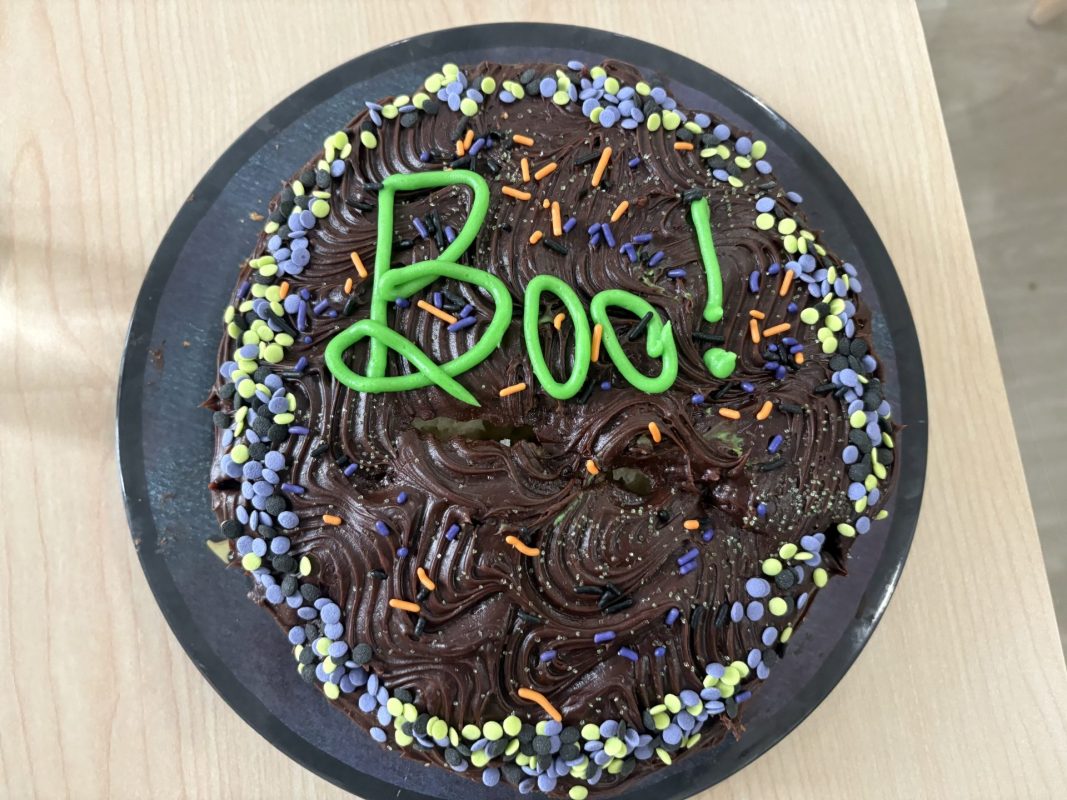
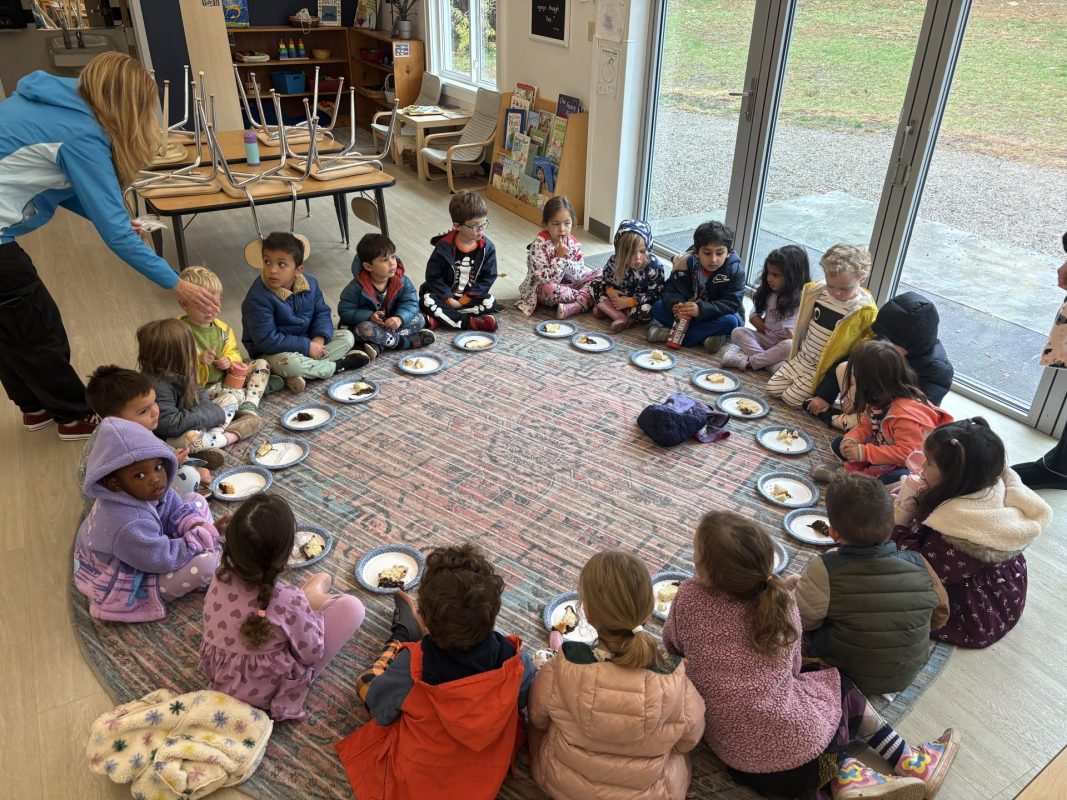
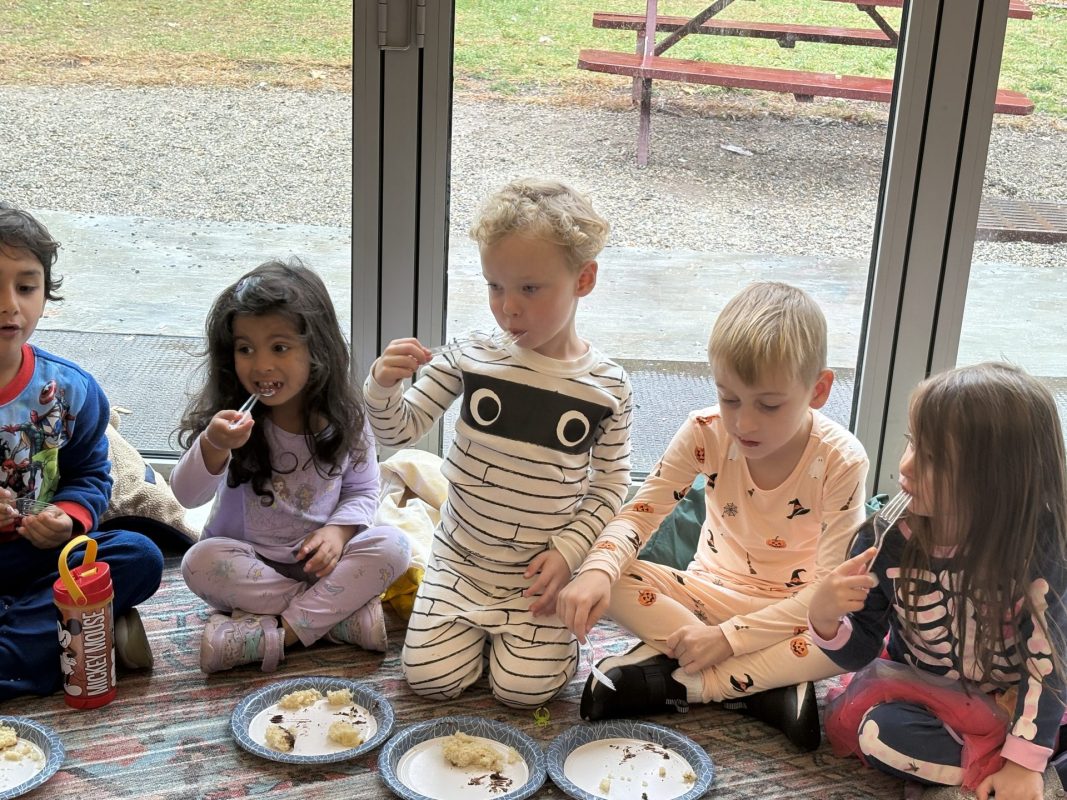
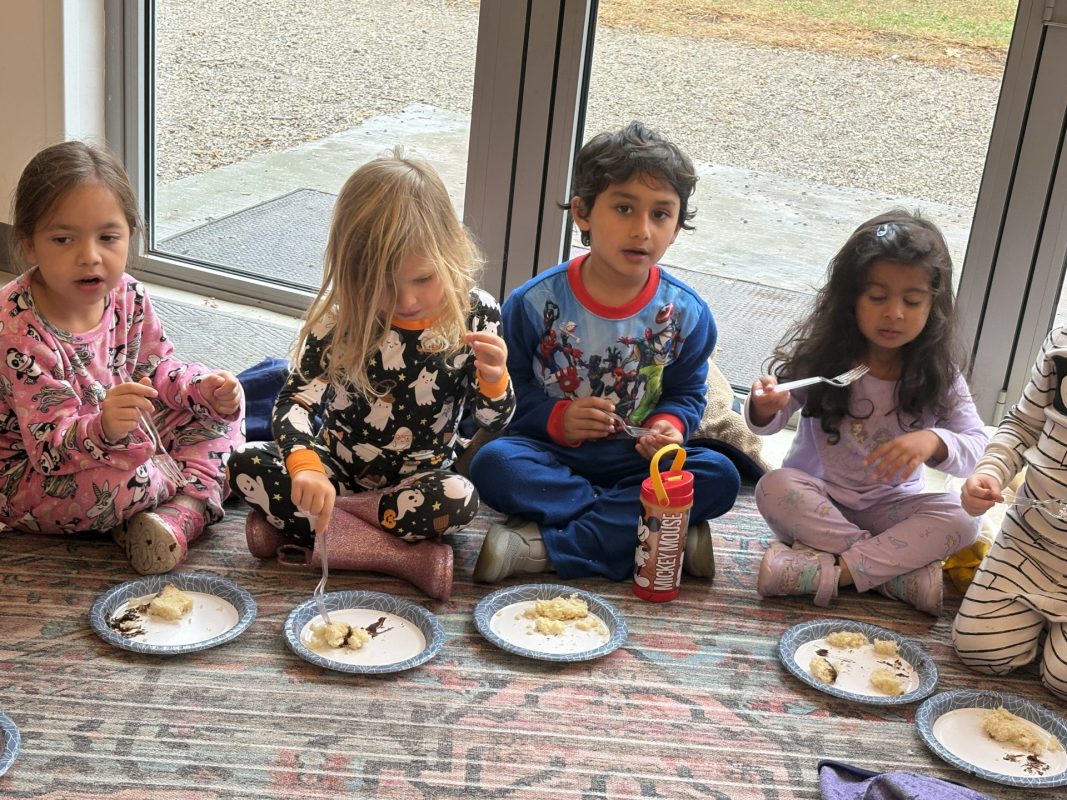
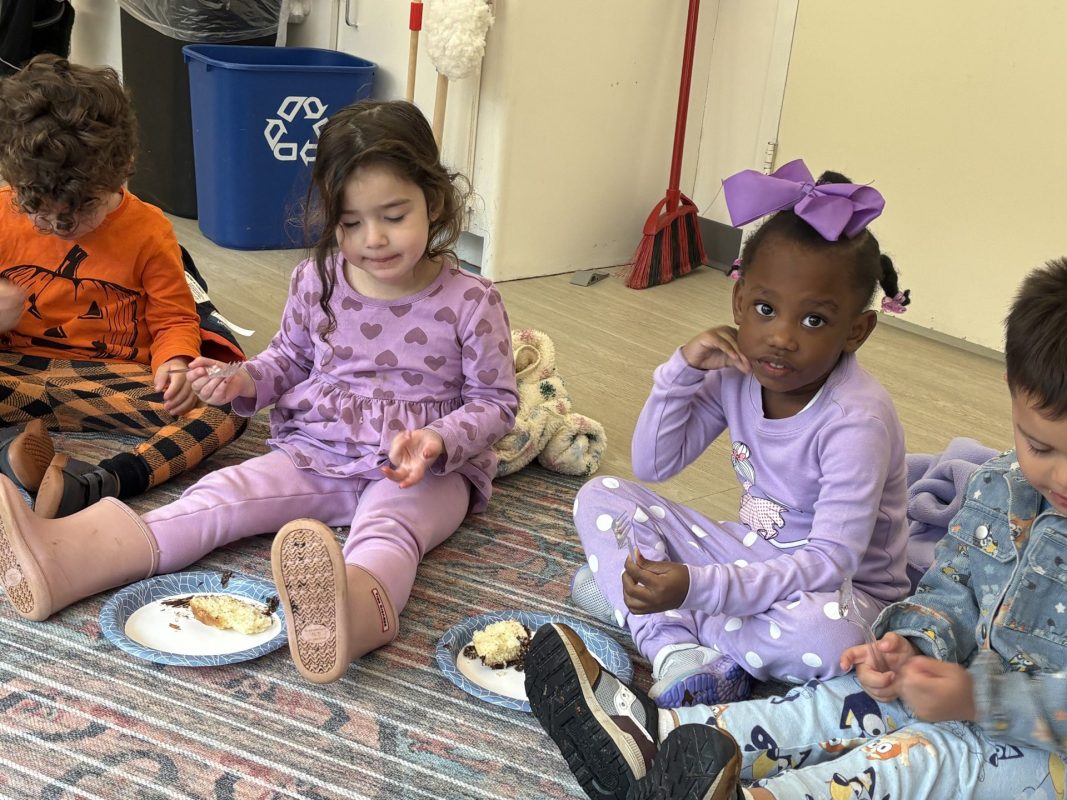
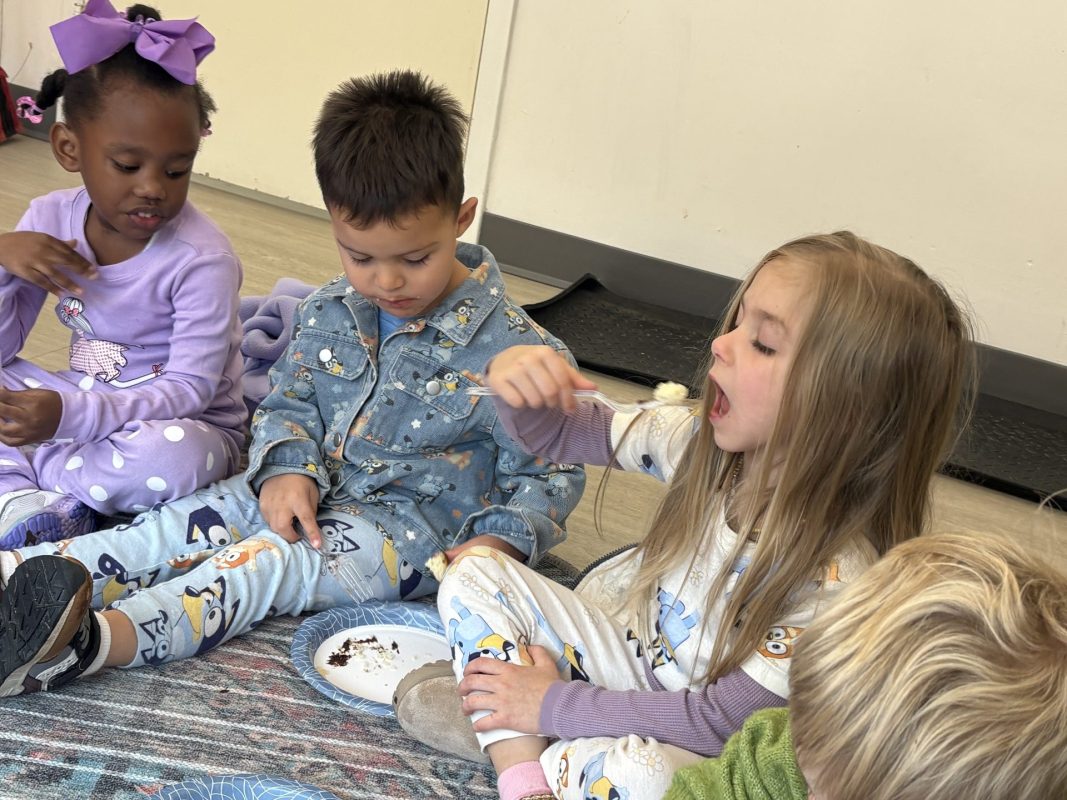
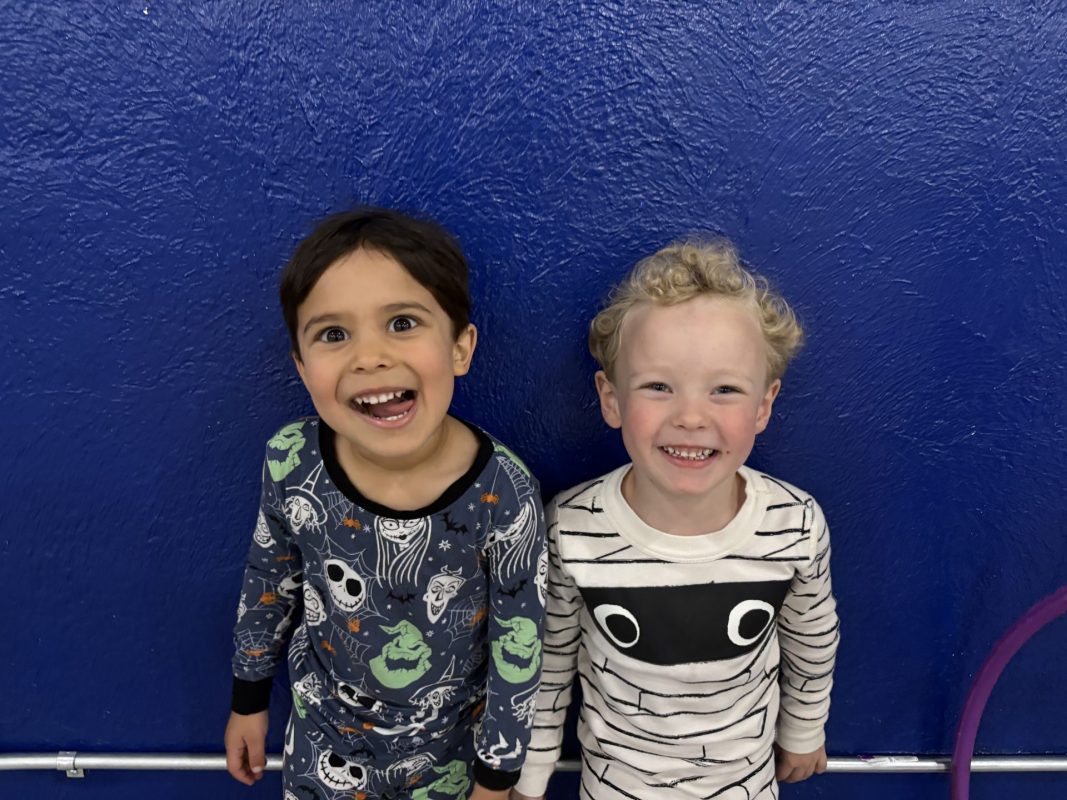
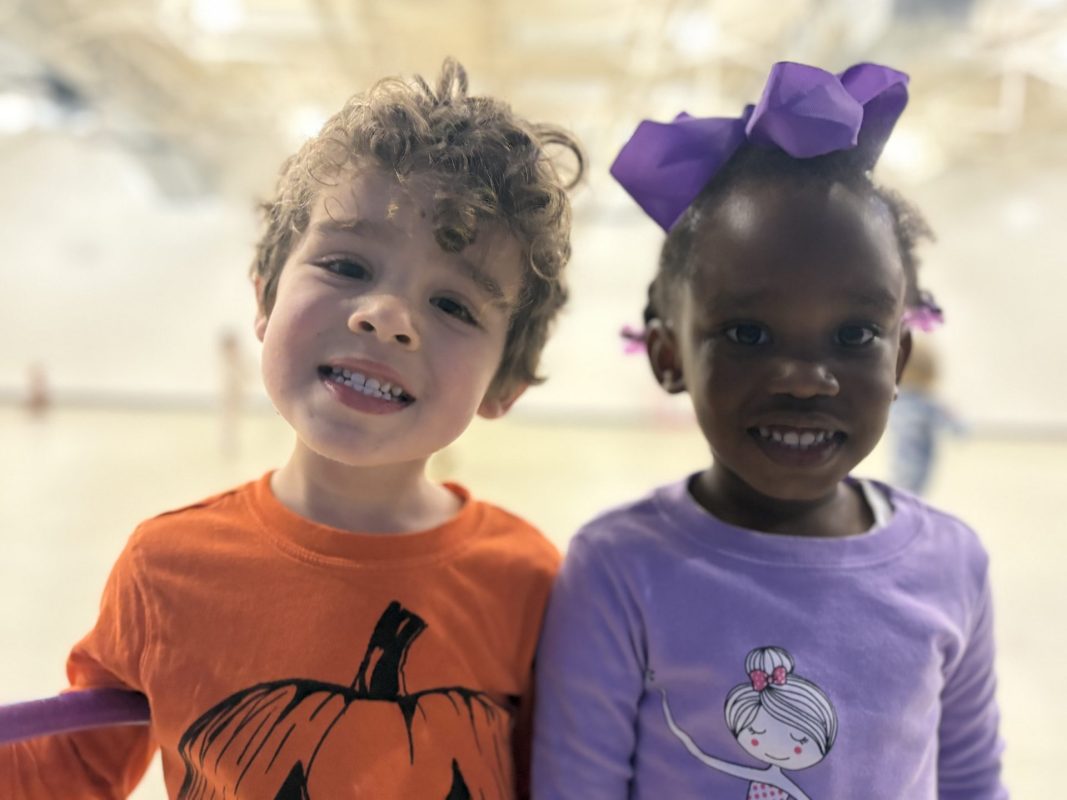
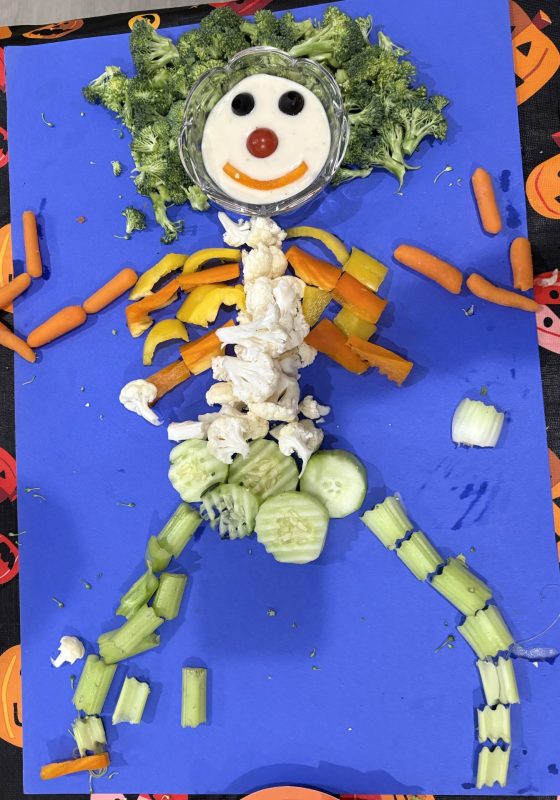
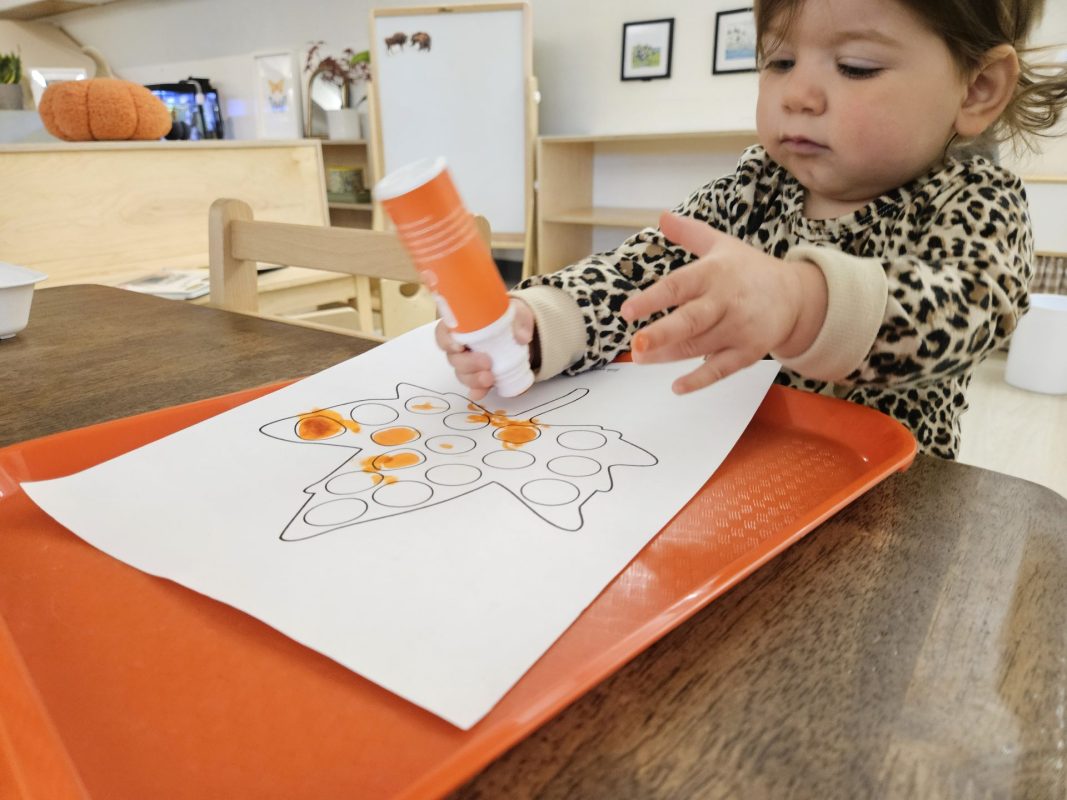
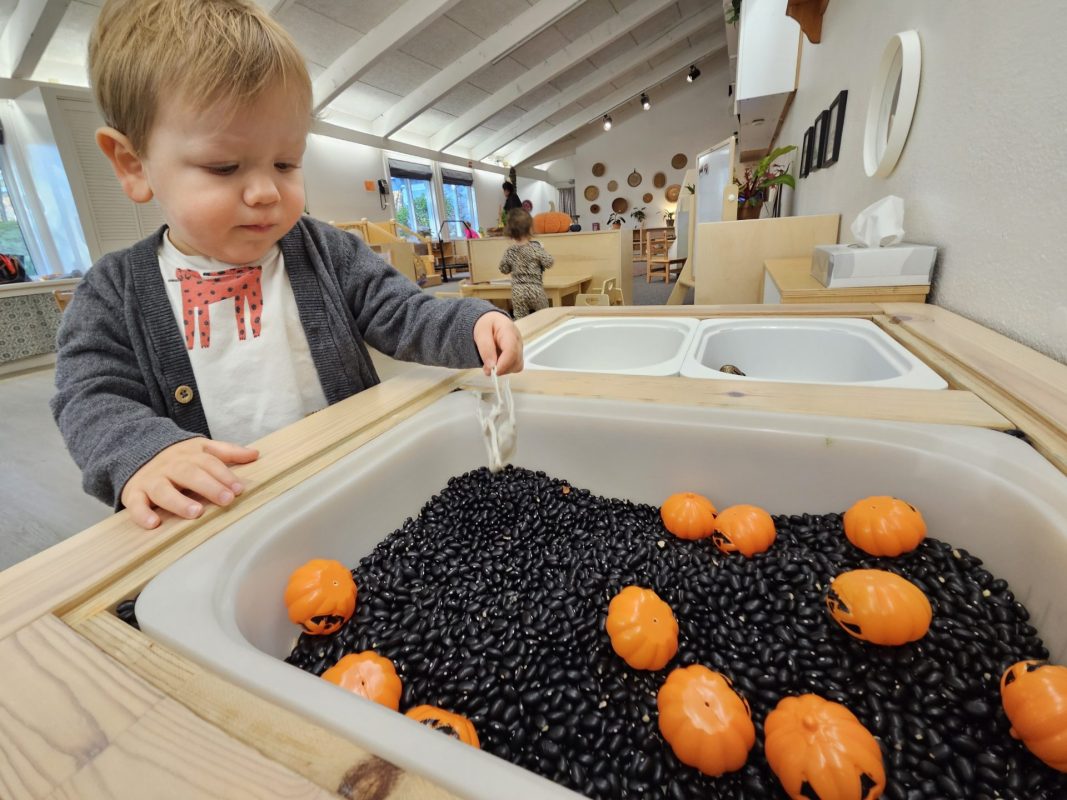
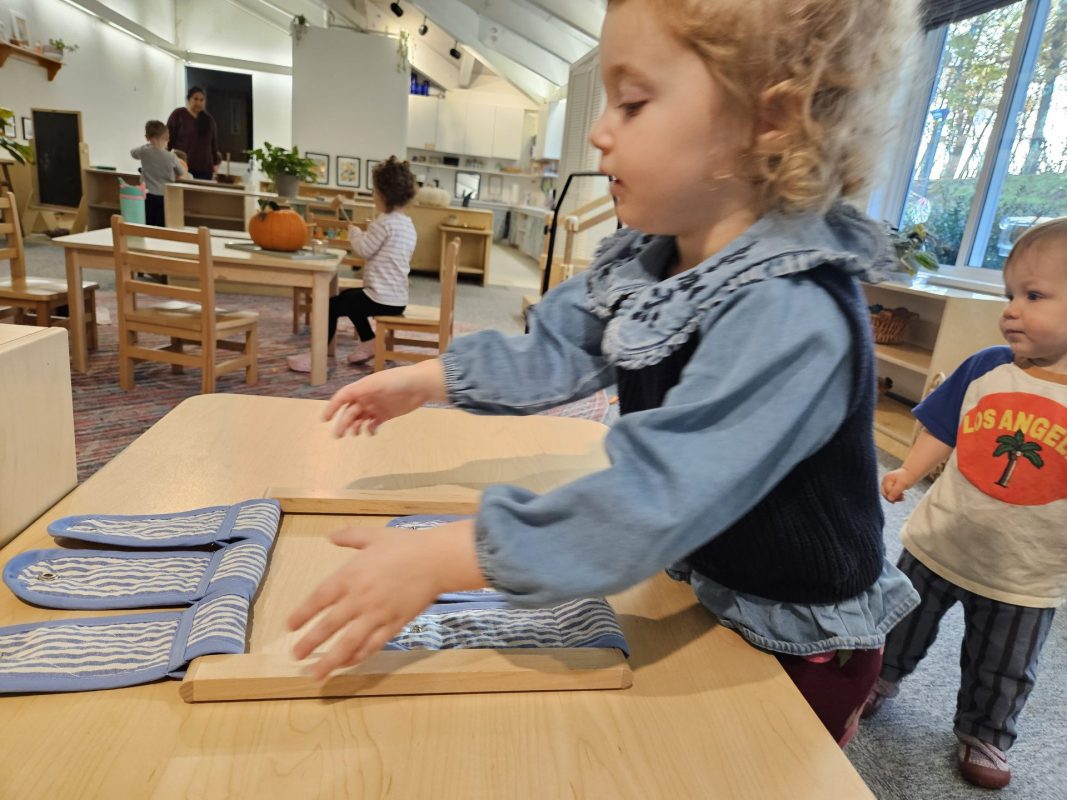
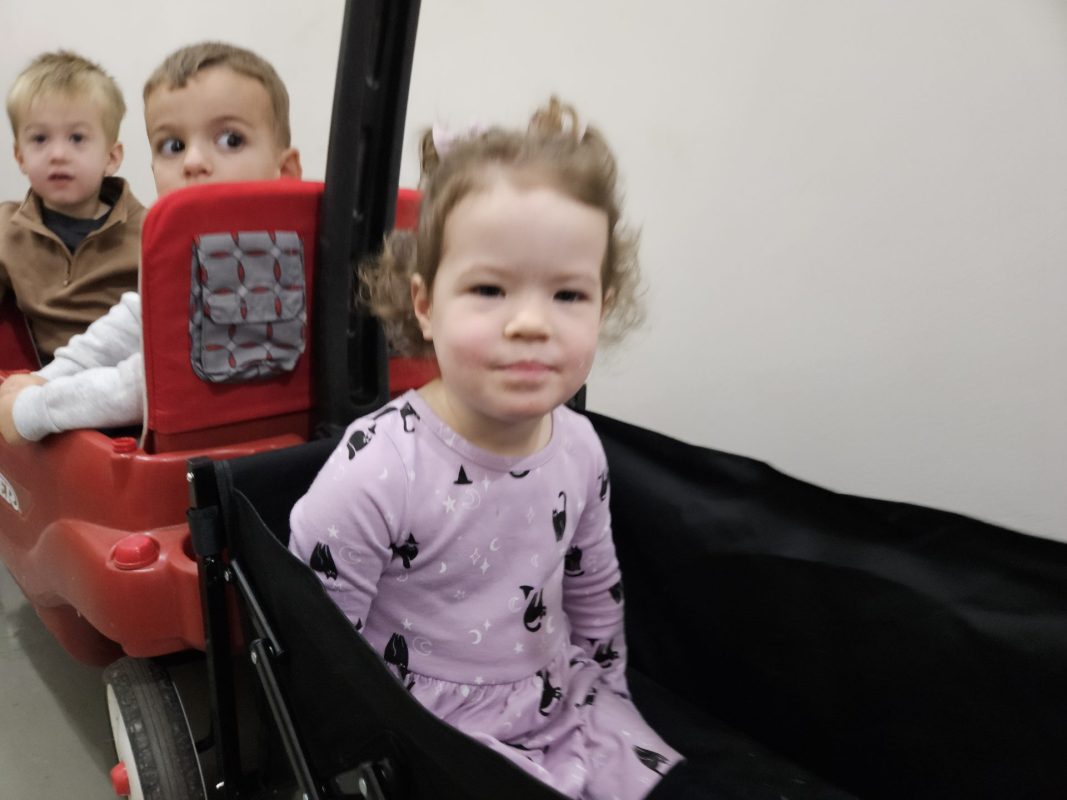
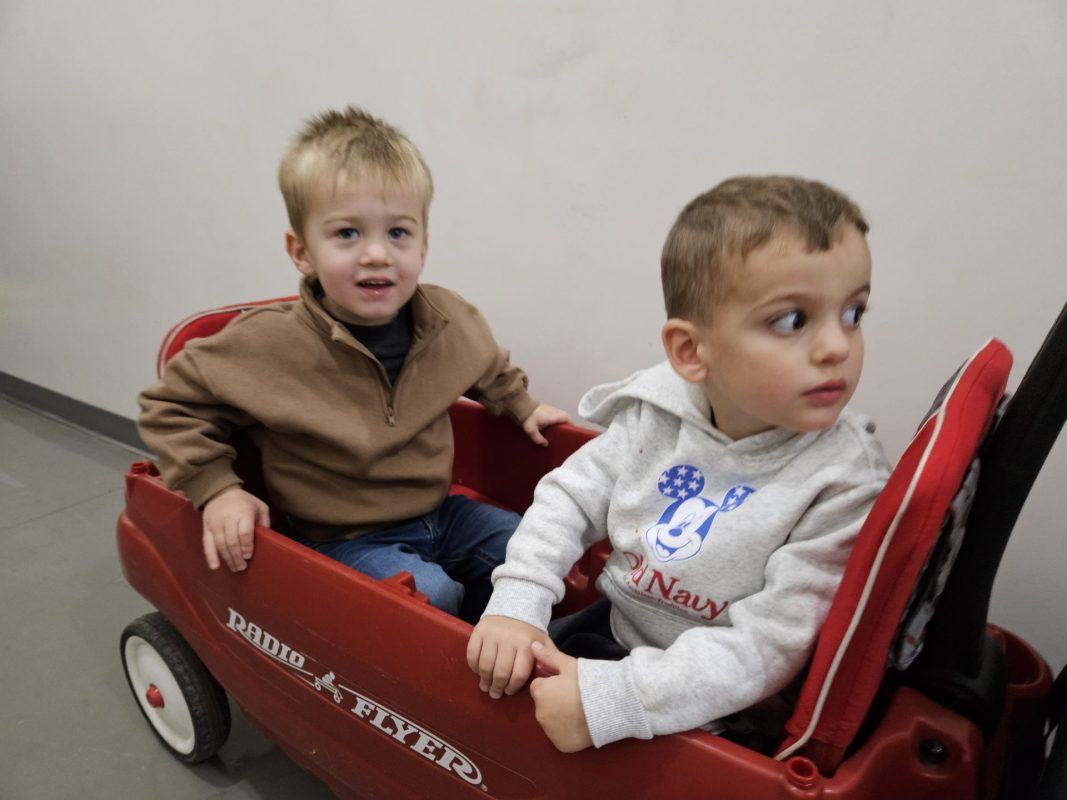
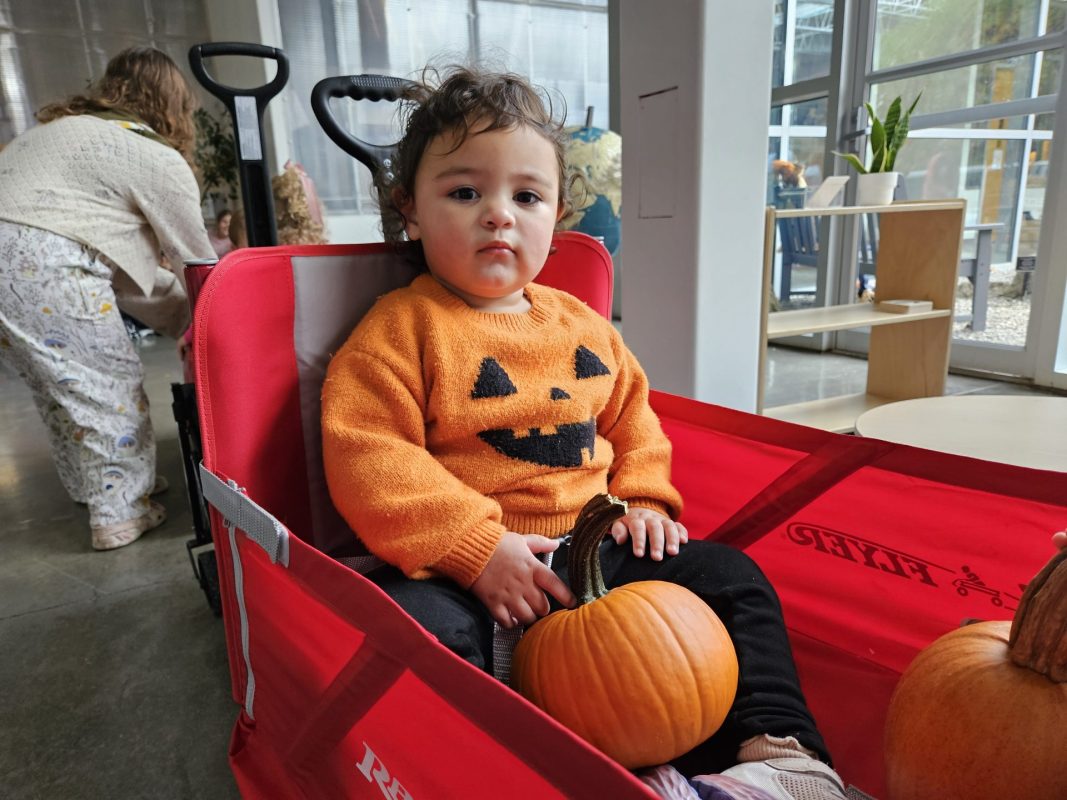
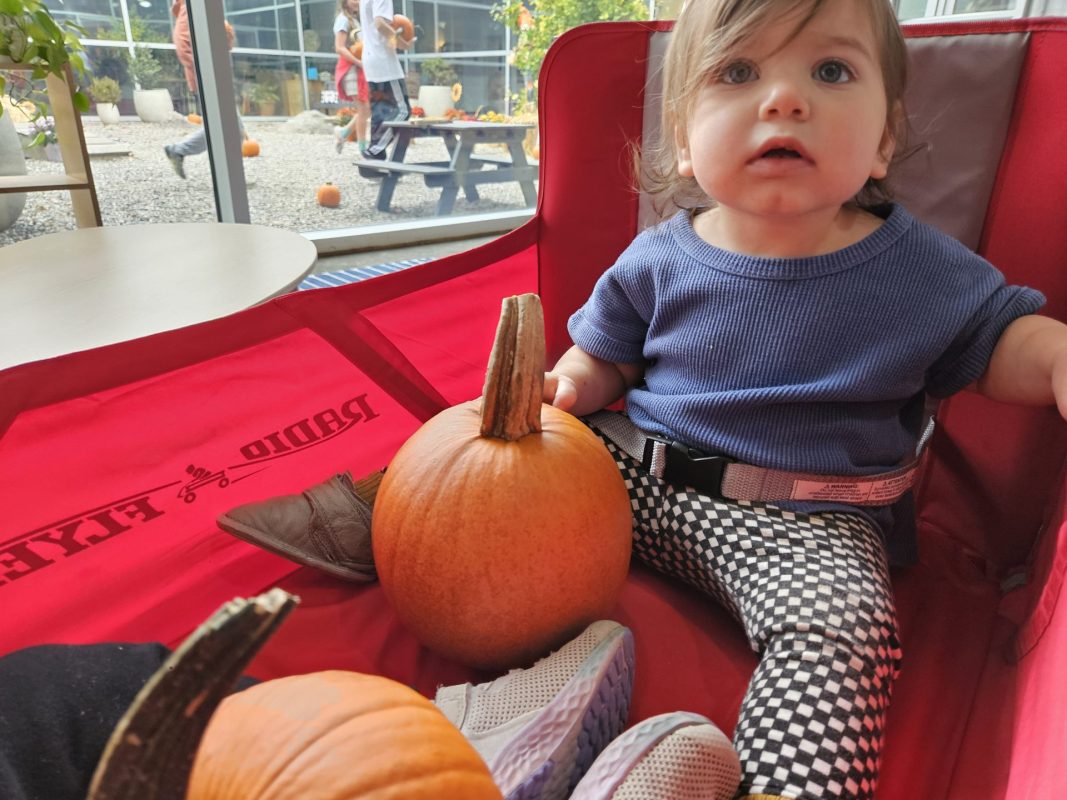
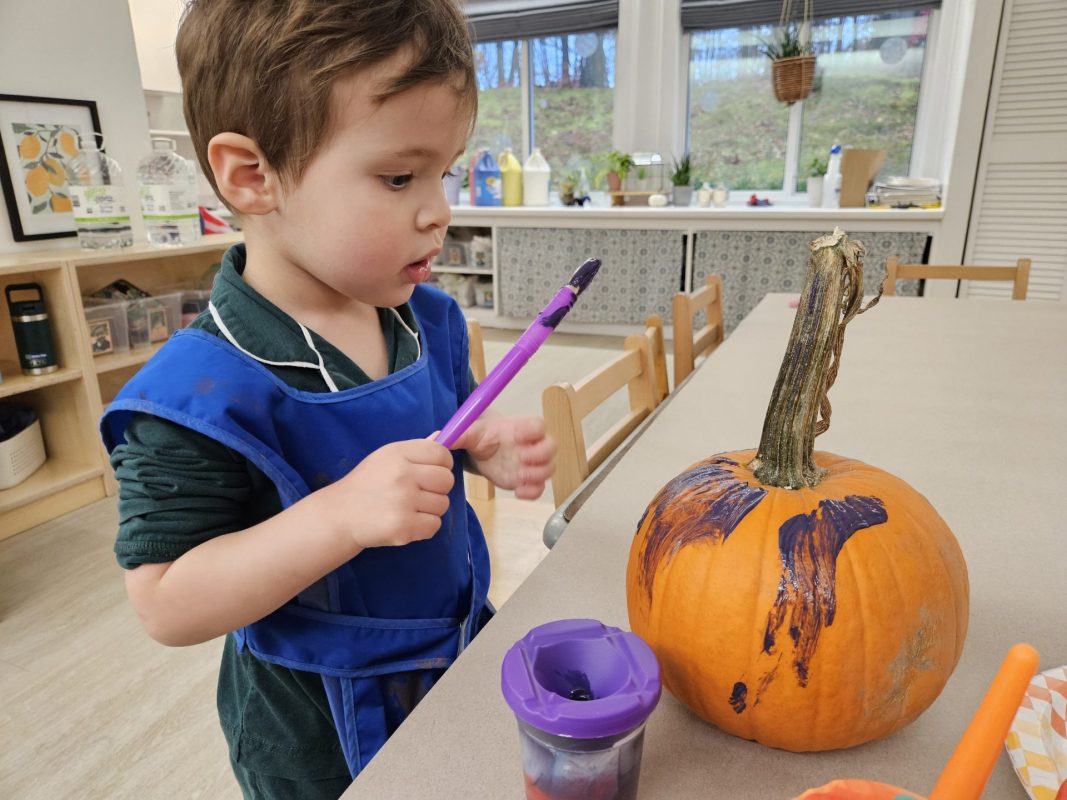
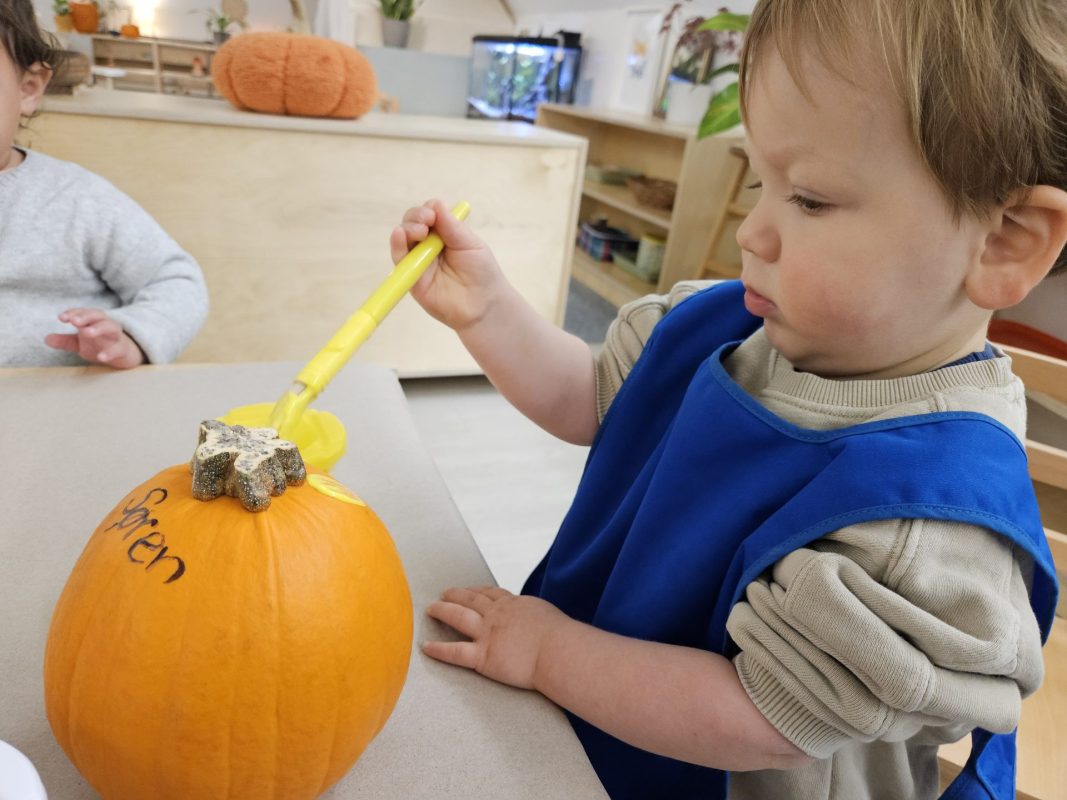
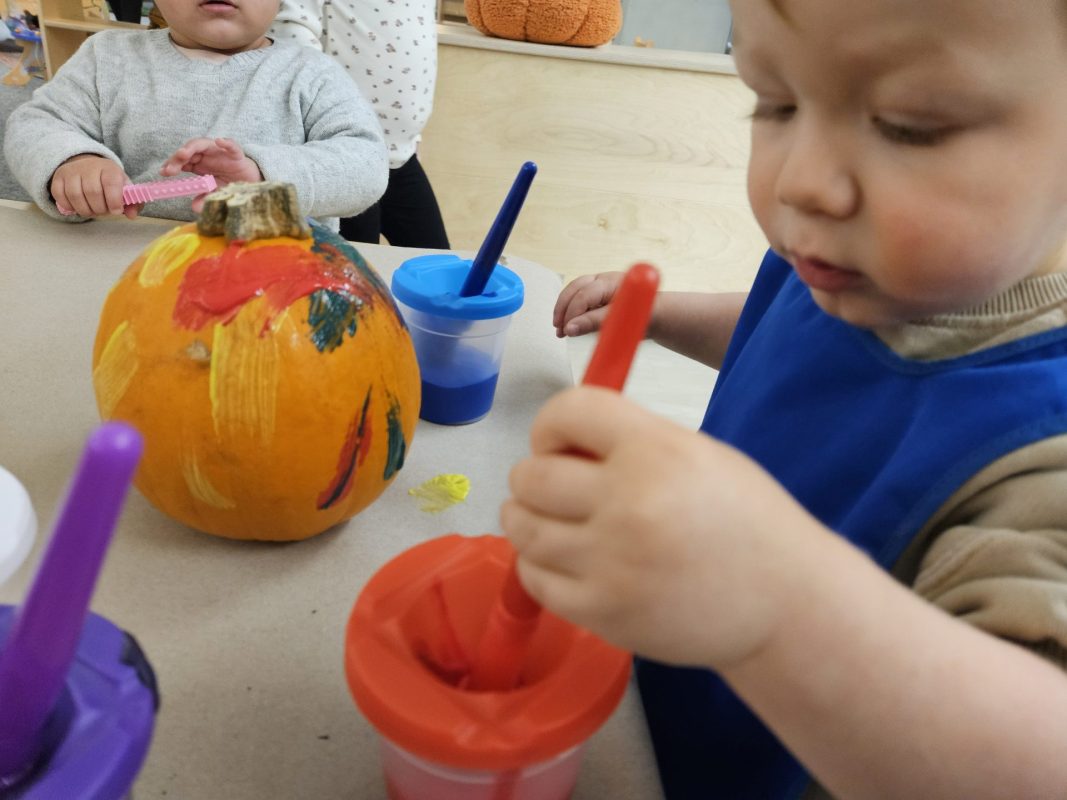
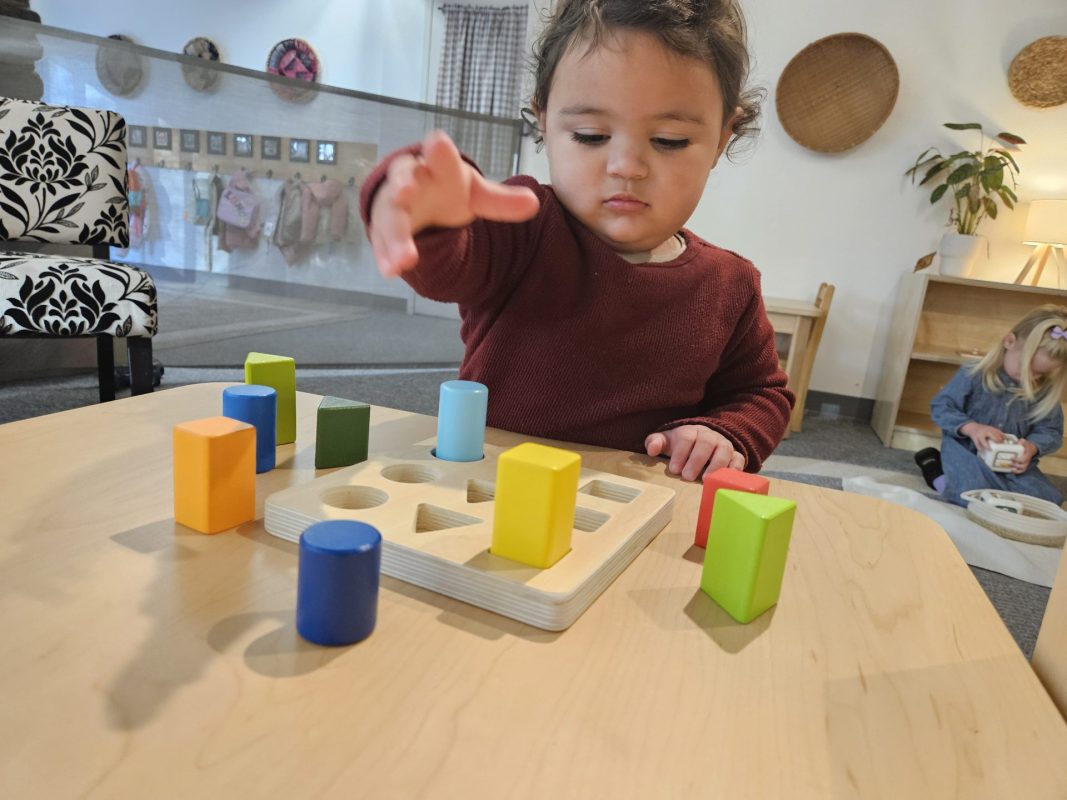
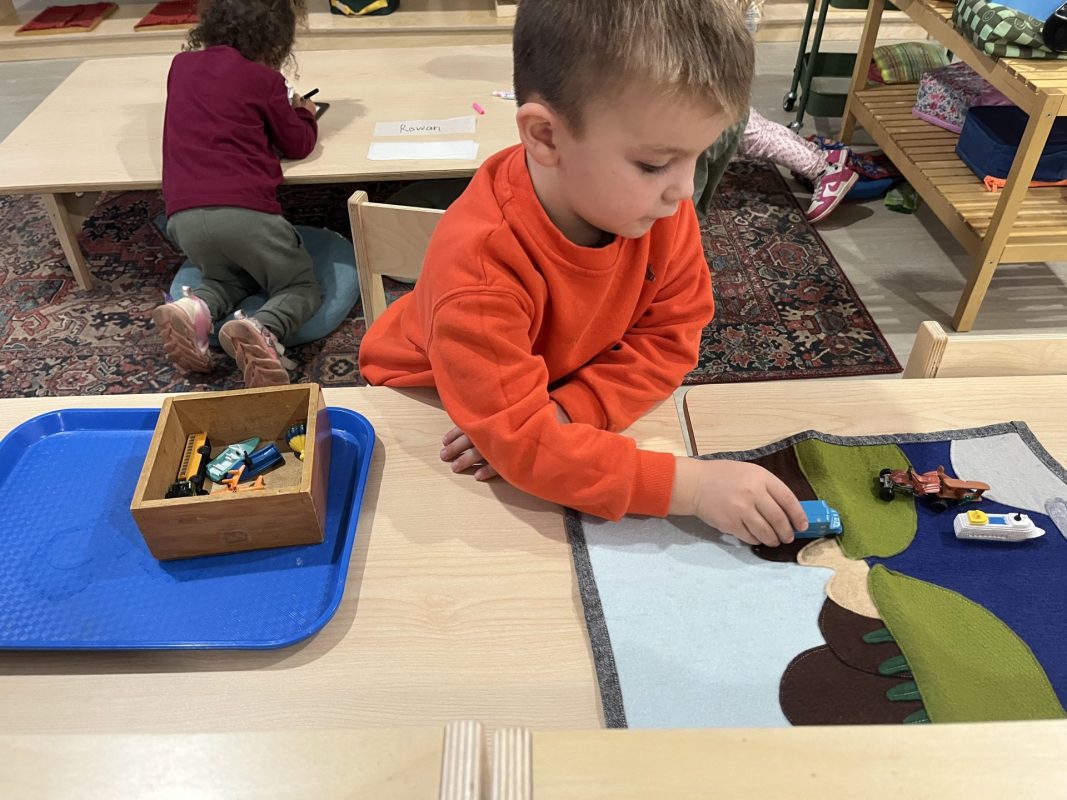
We had our first classroom birthday this week!  It was so much fun!

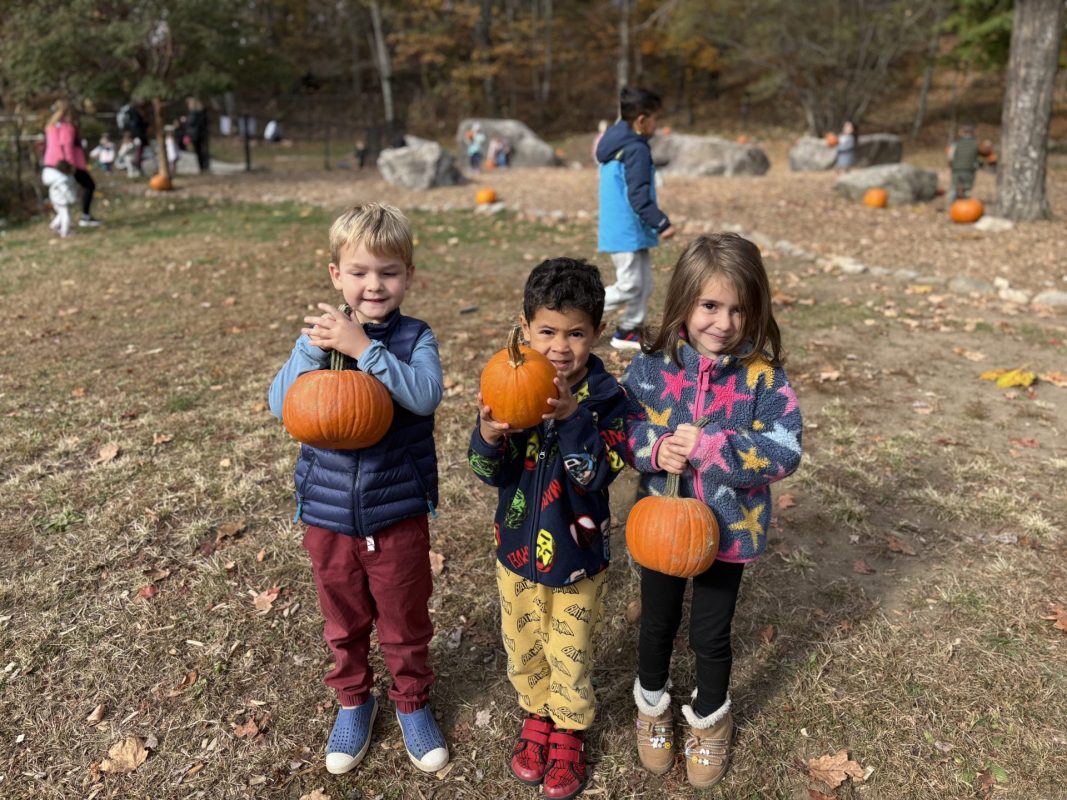
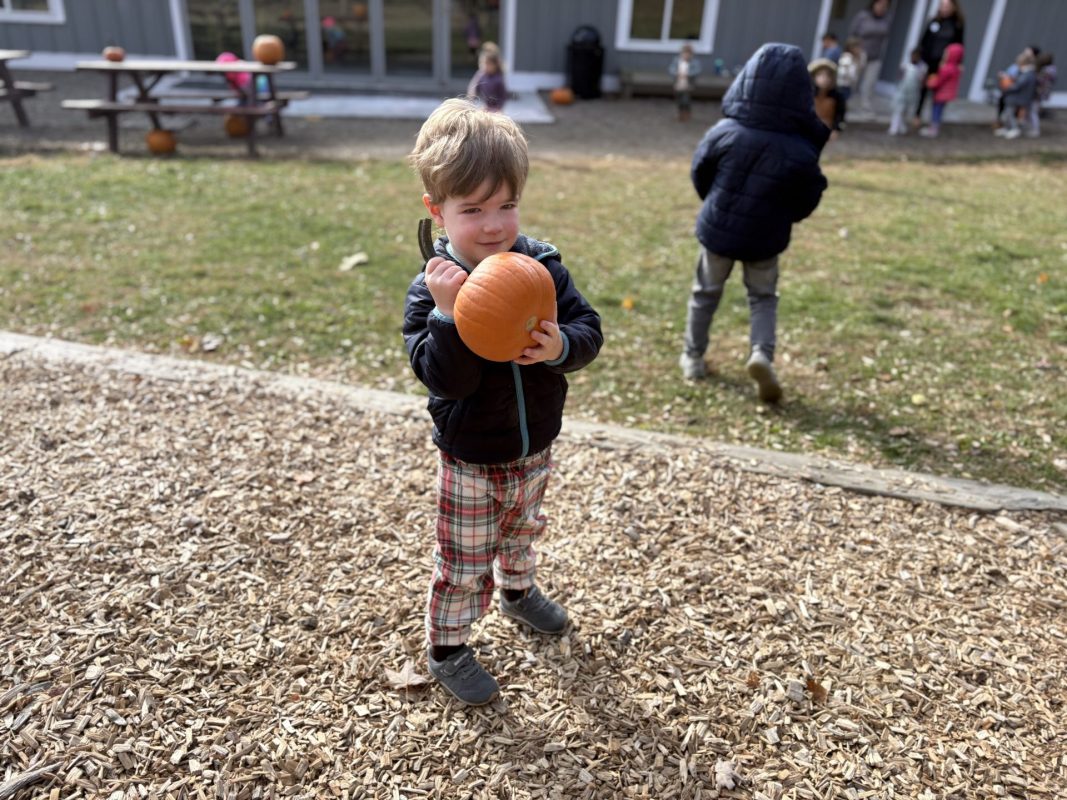
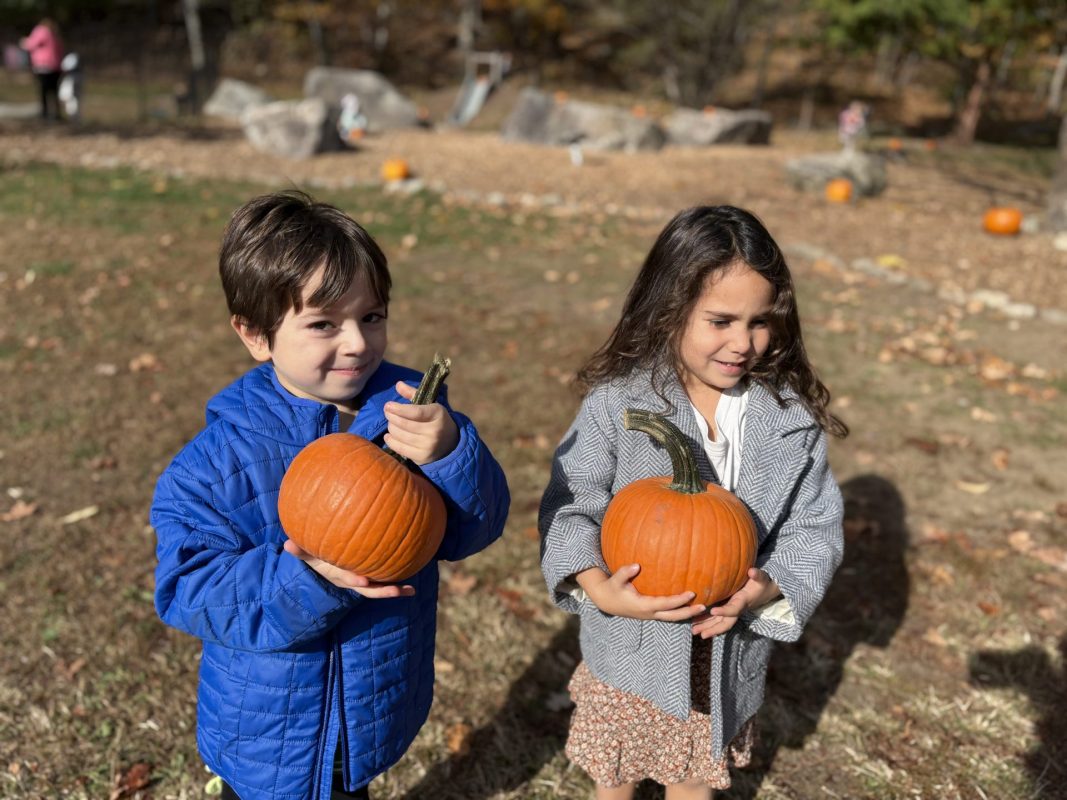
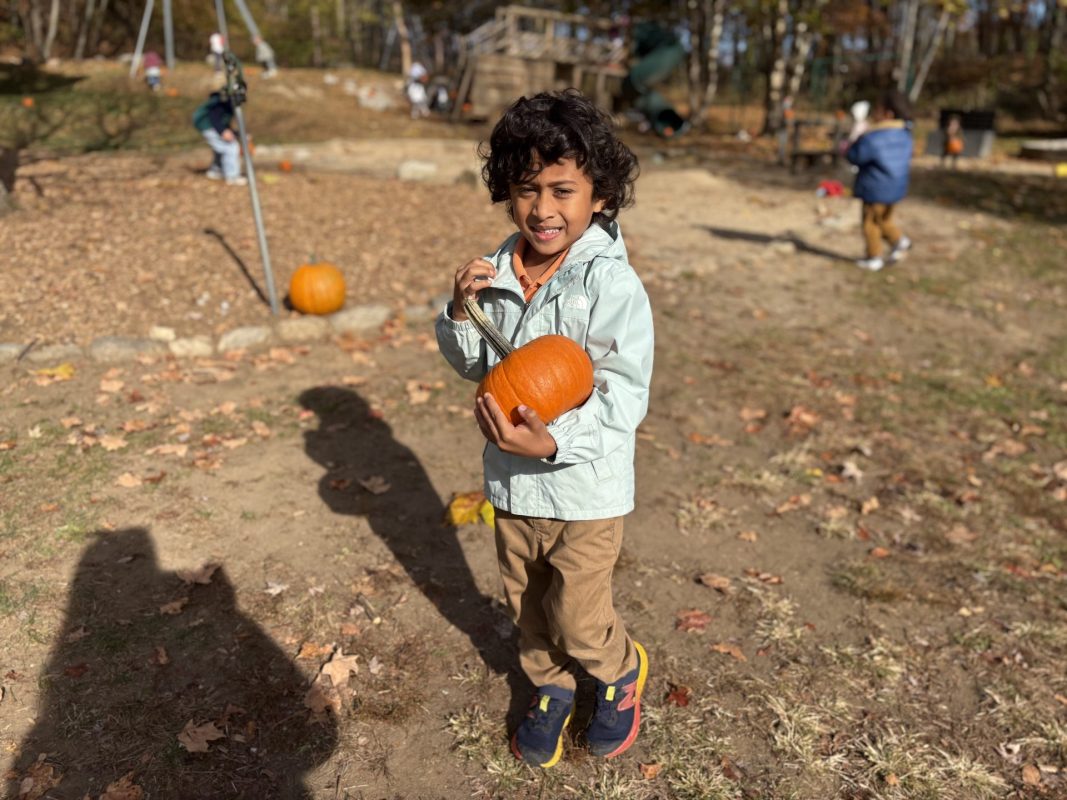
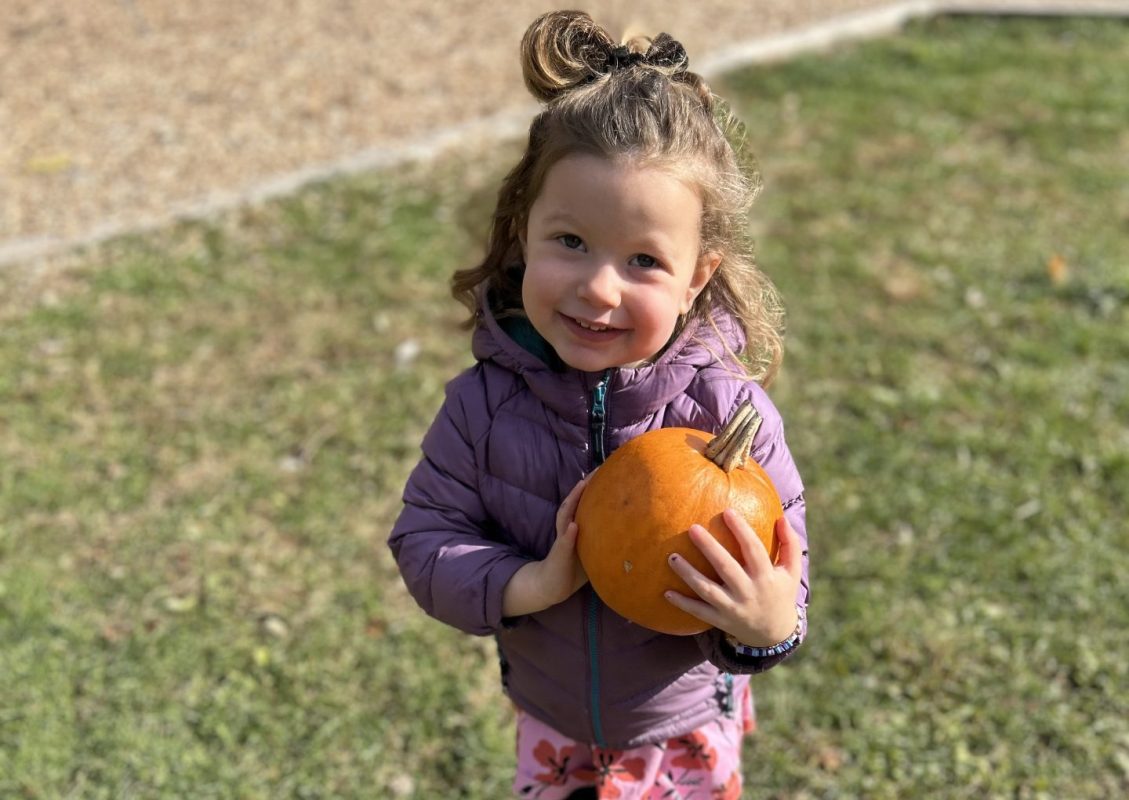
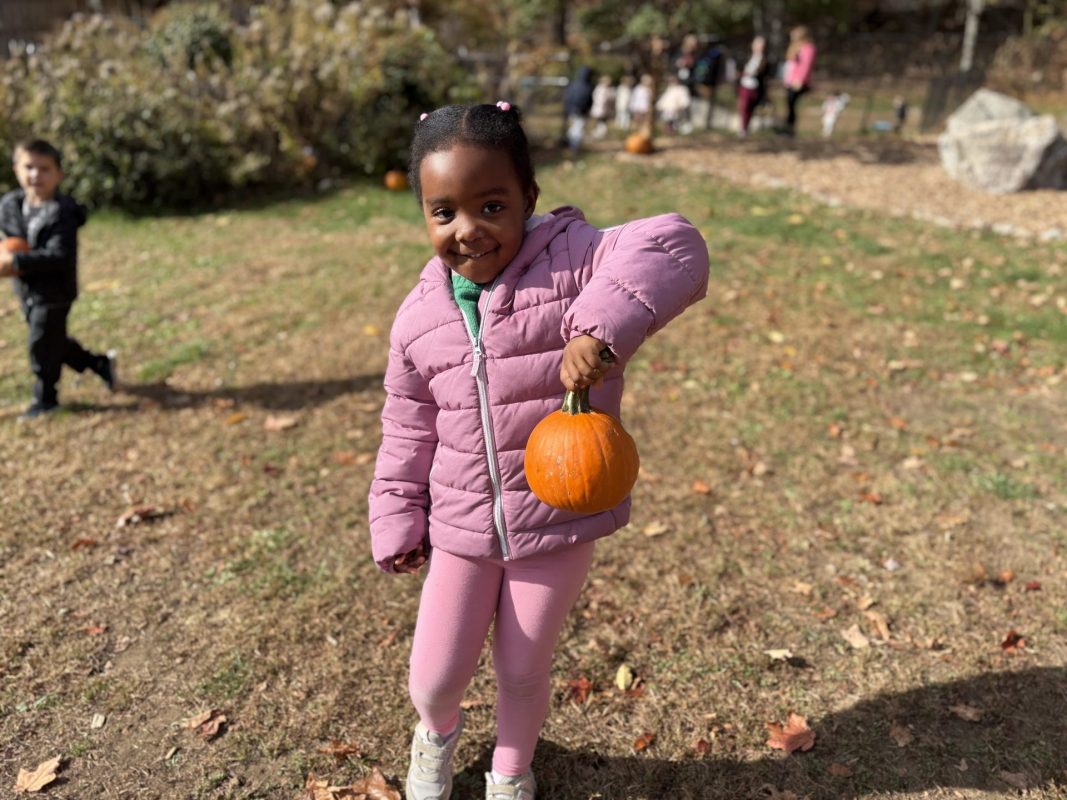
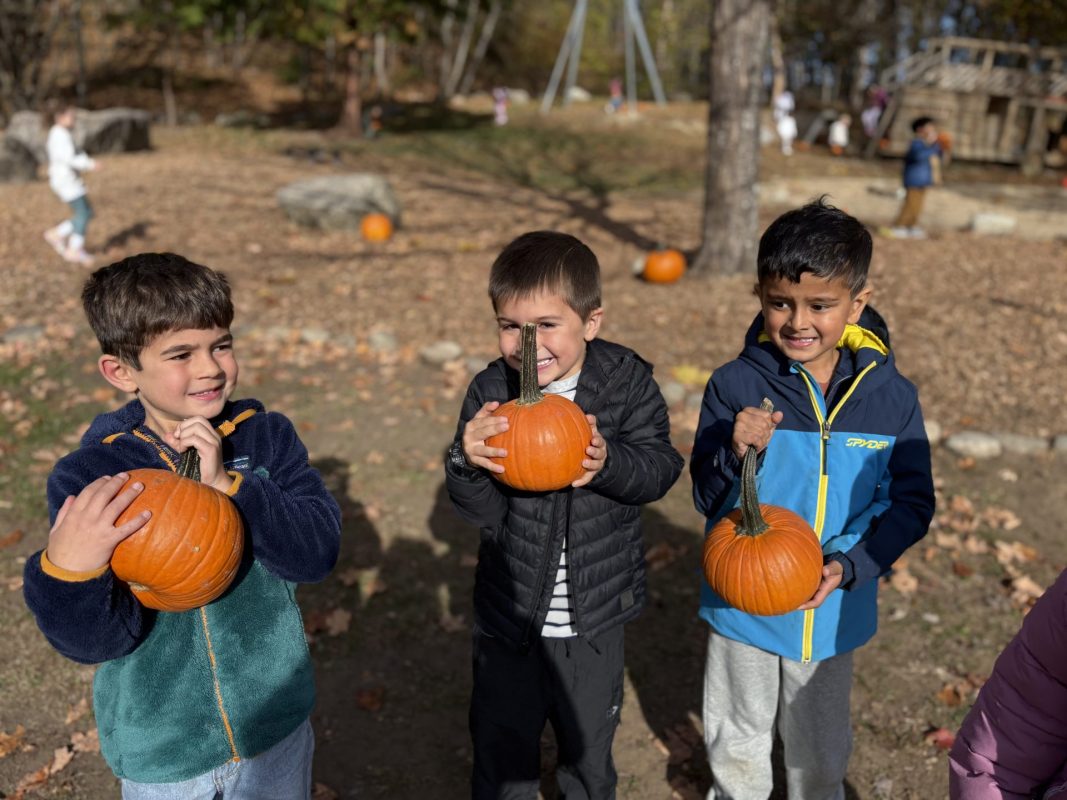
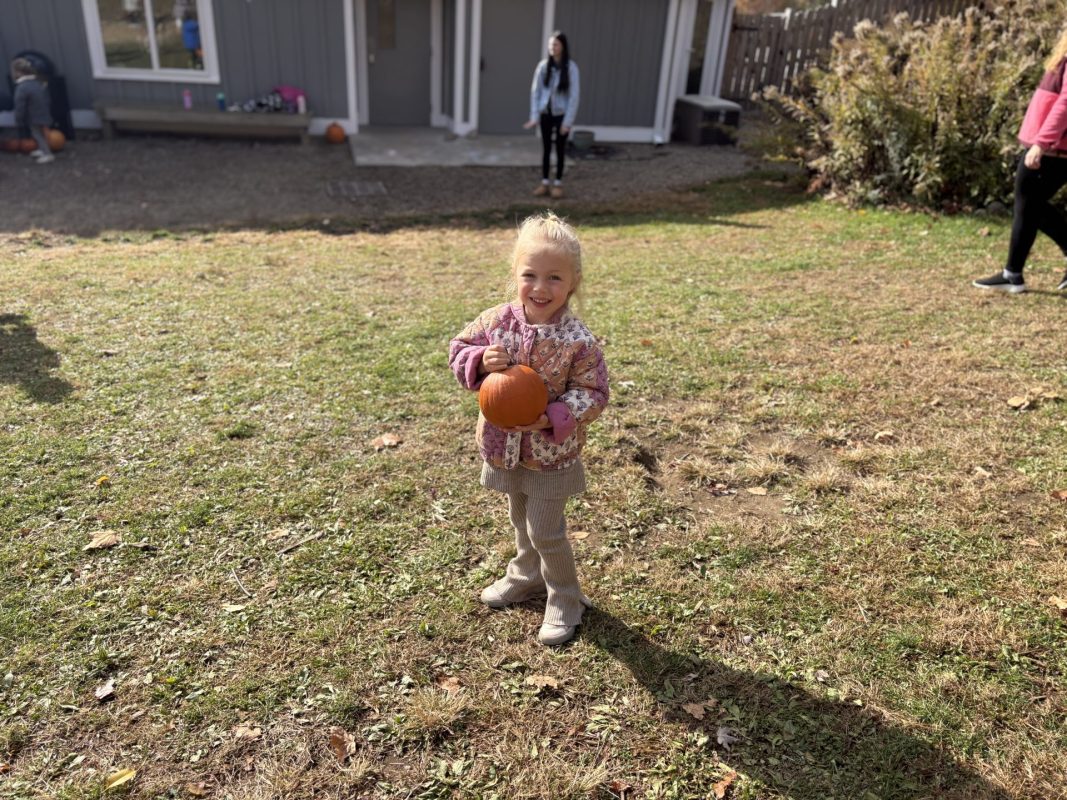
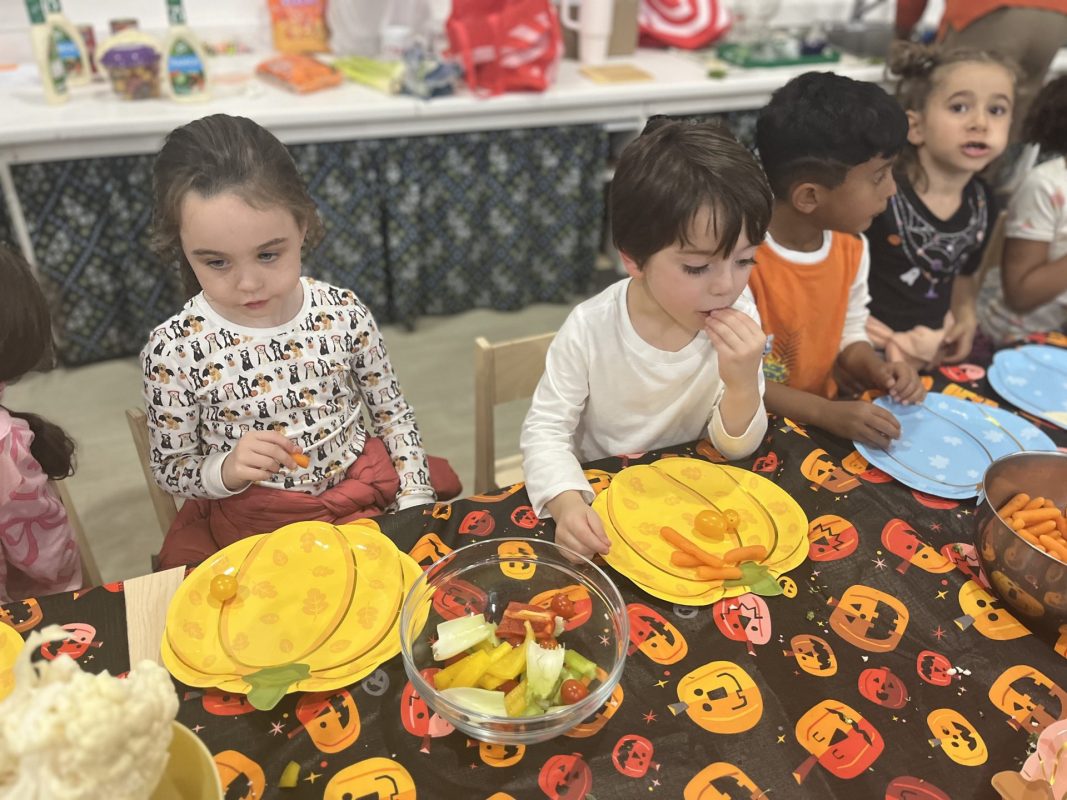
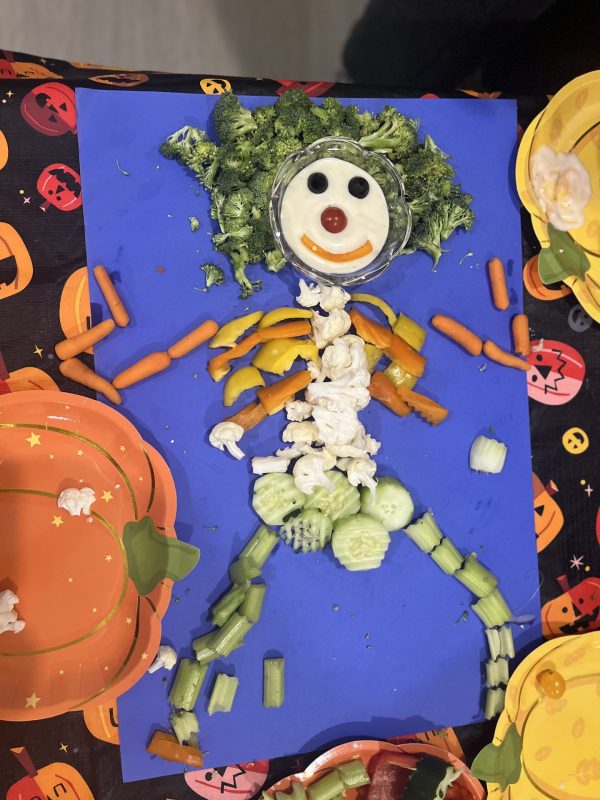
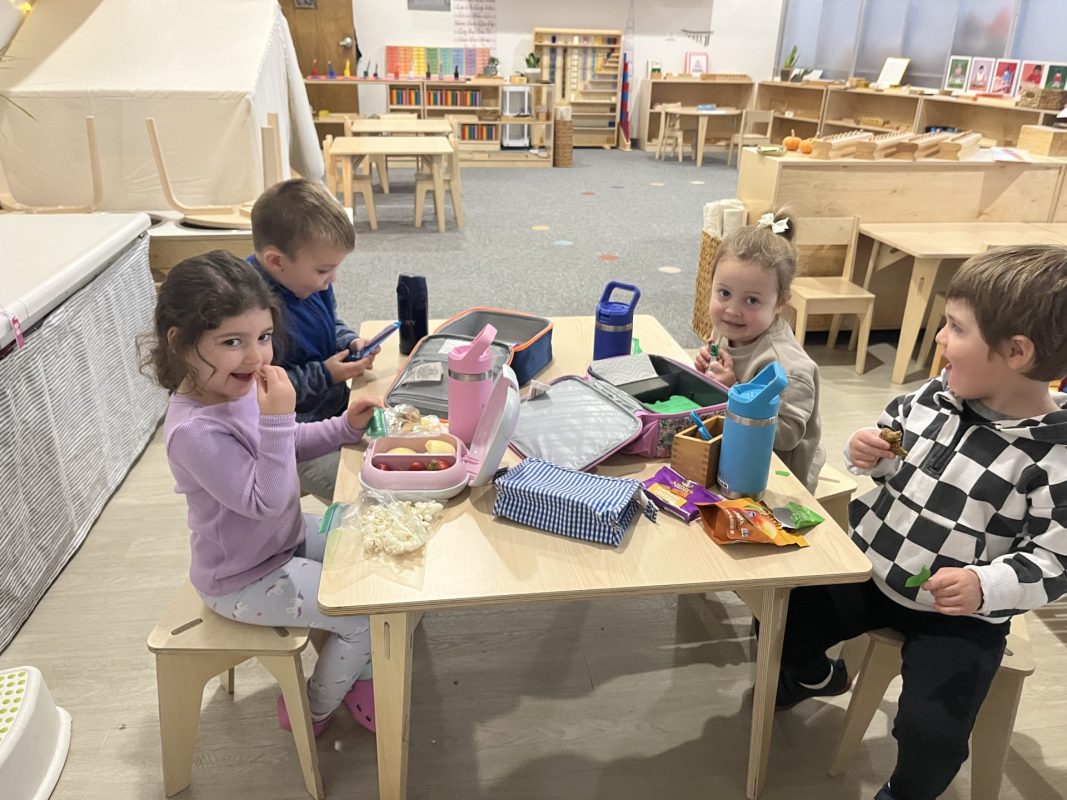
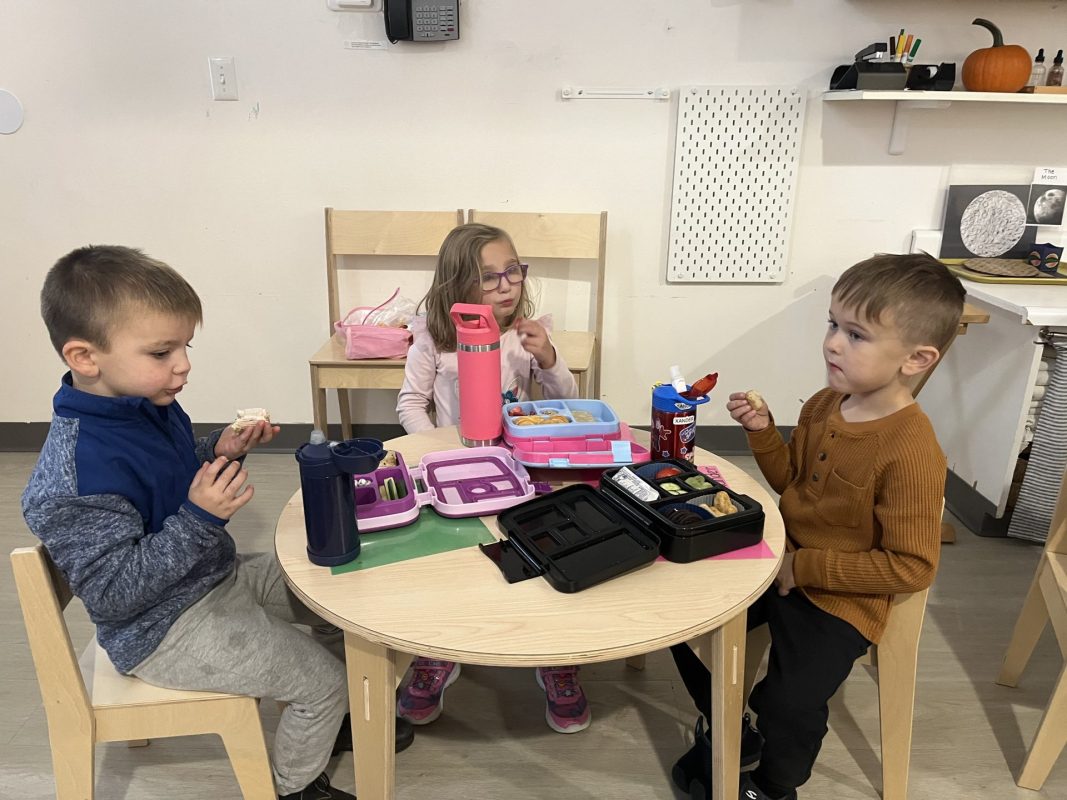
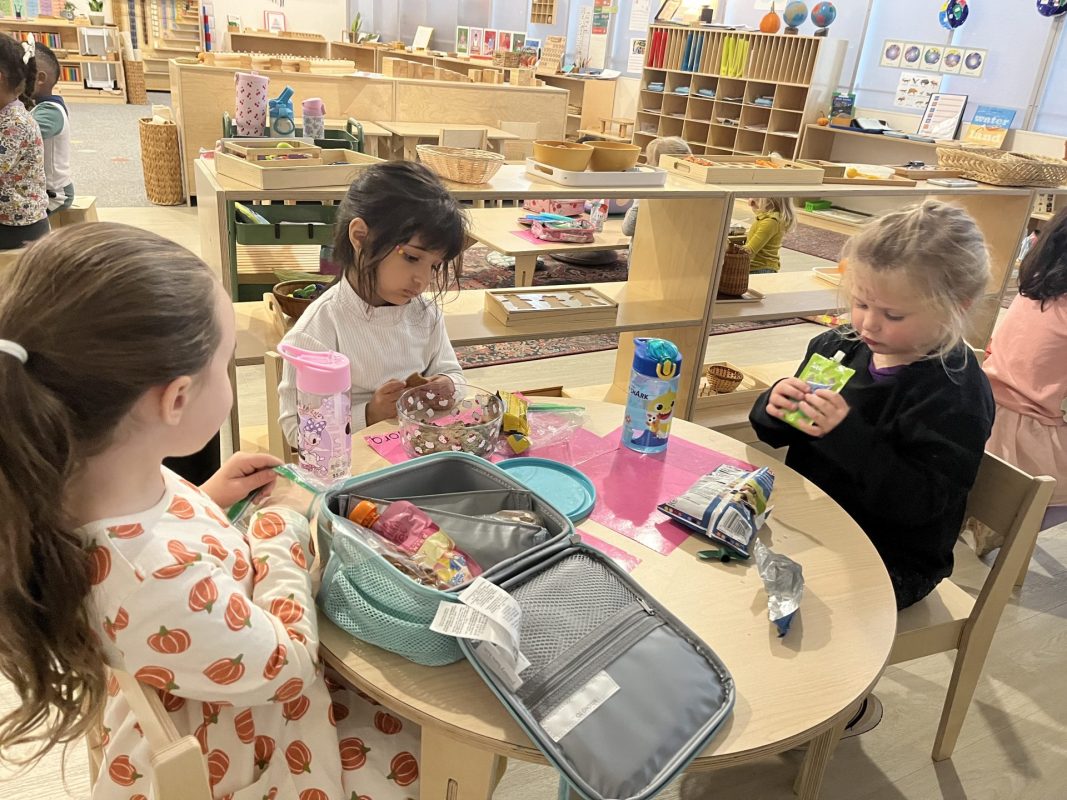
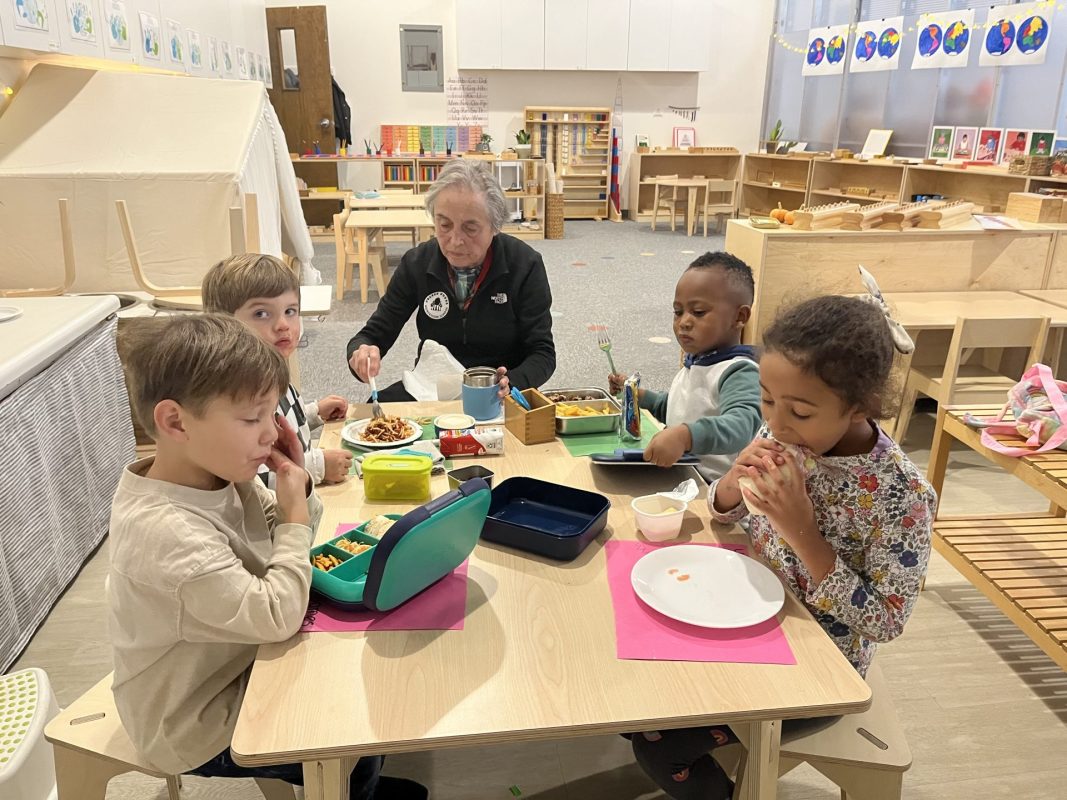
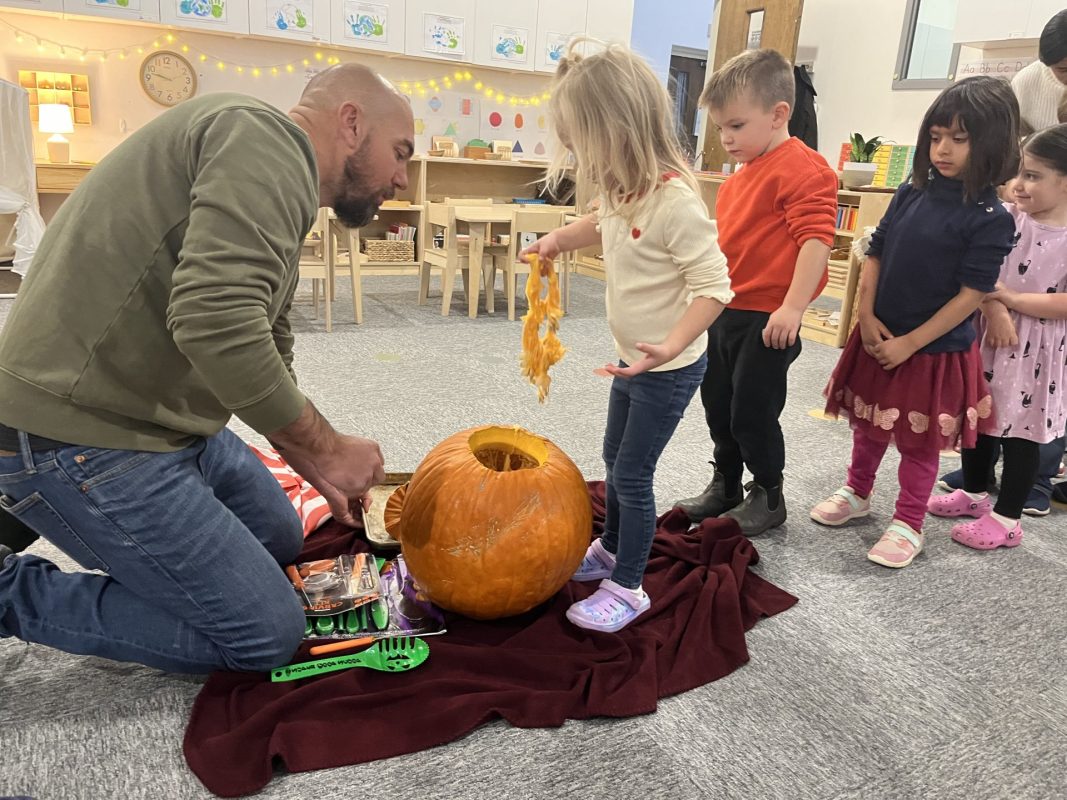
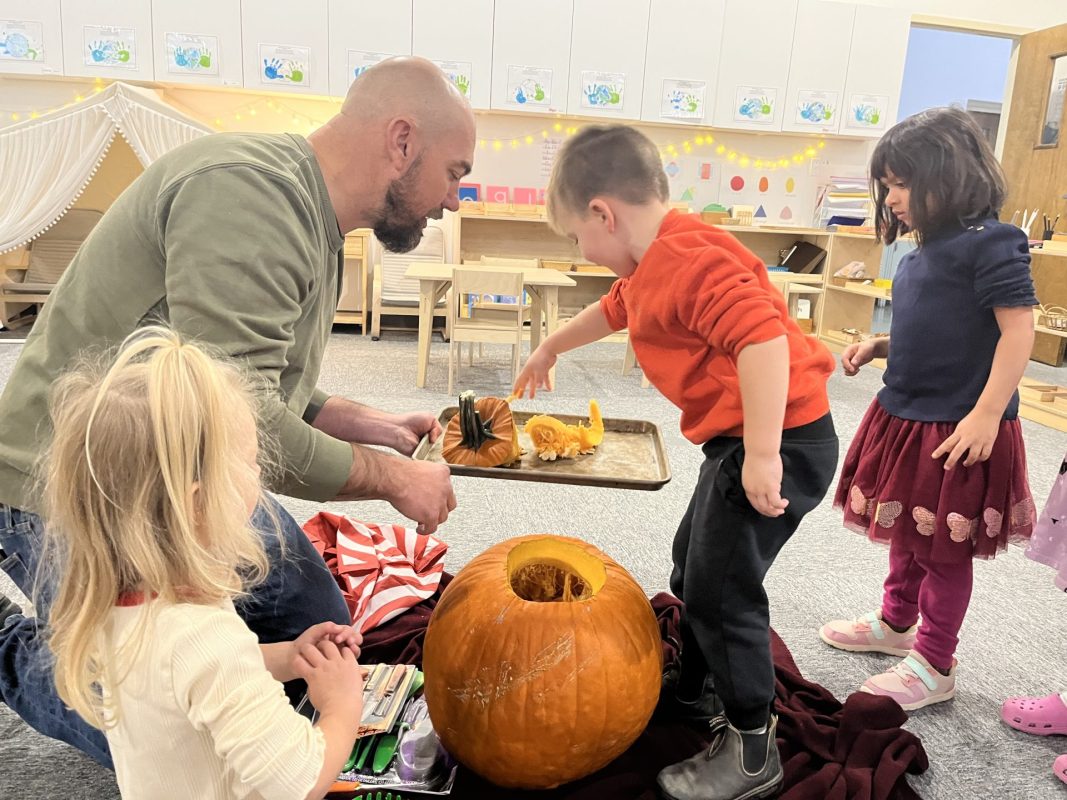
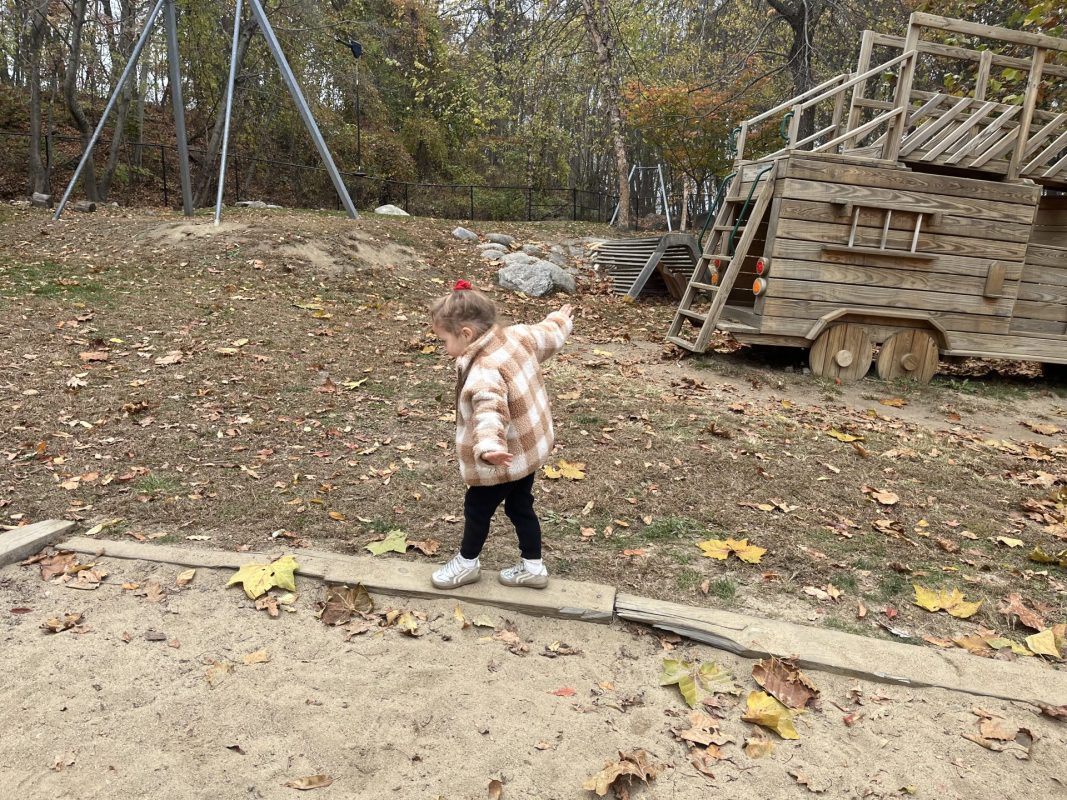
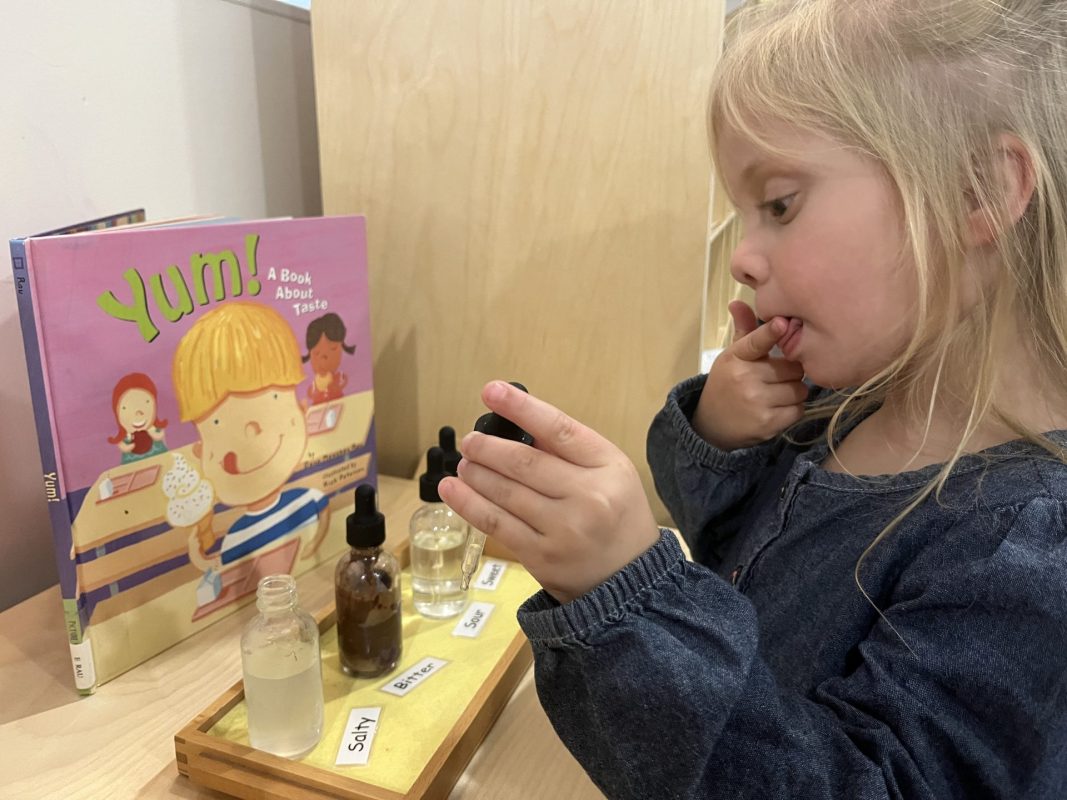
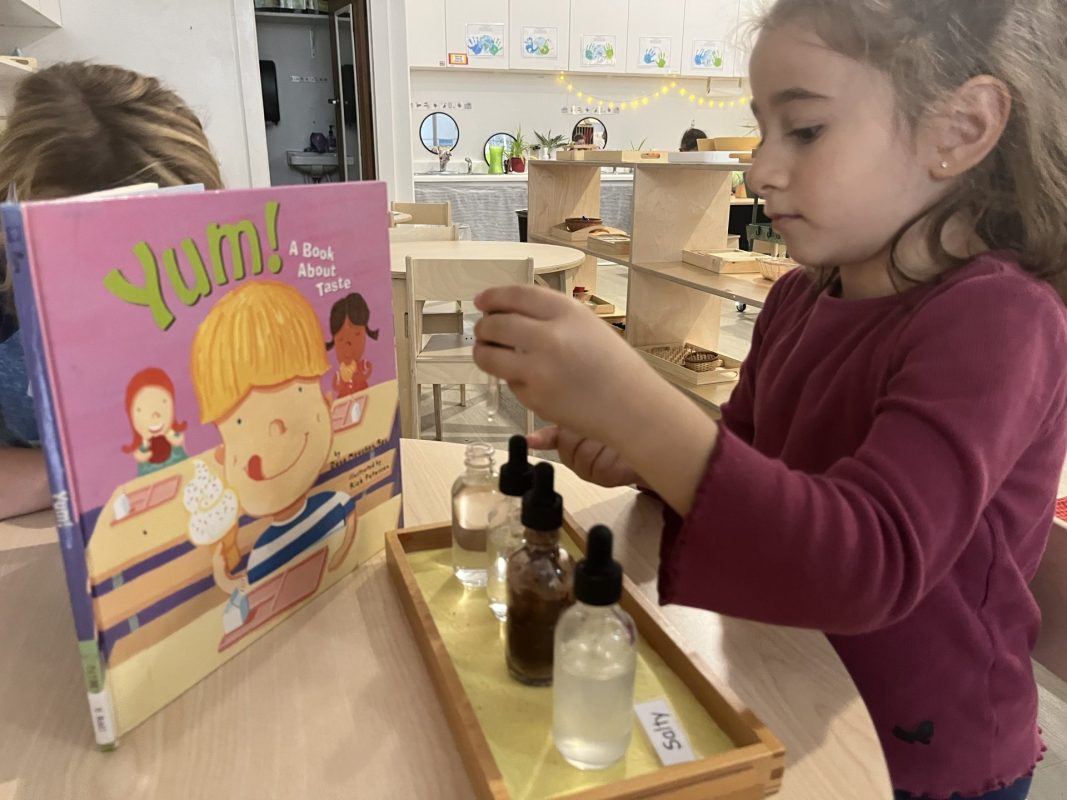
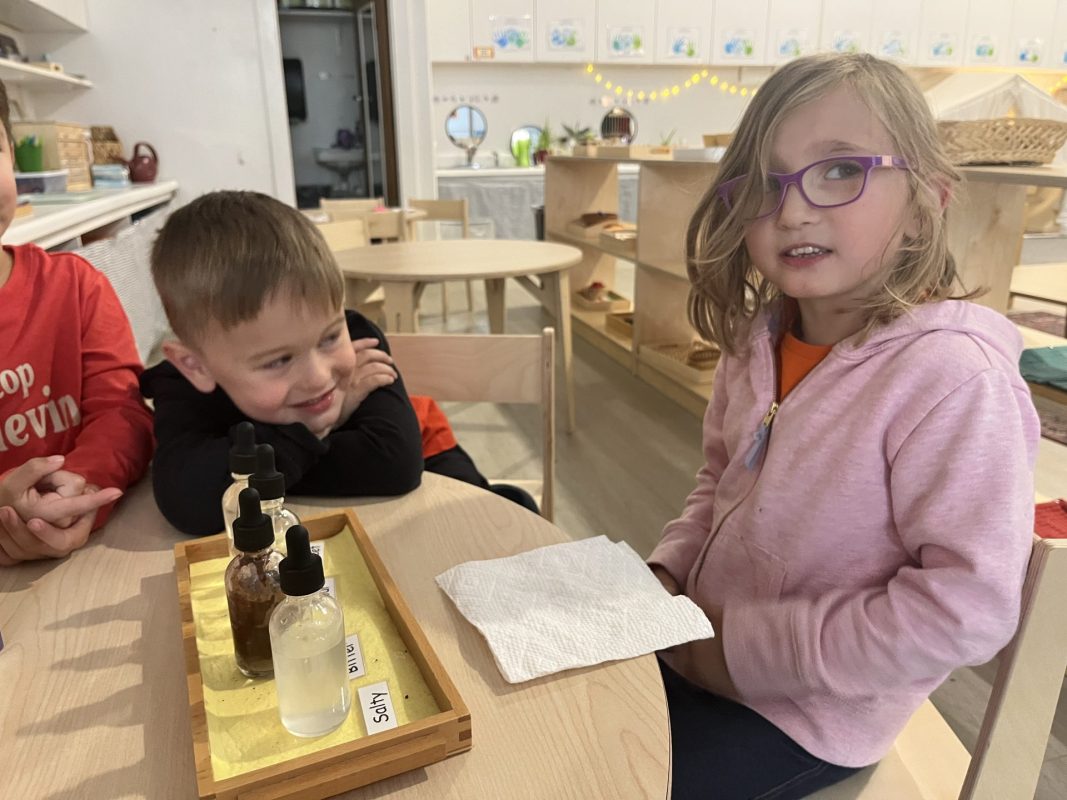
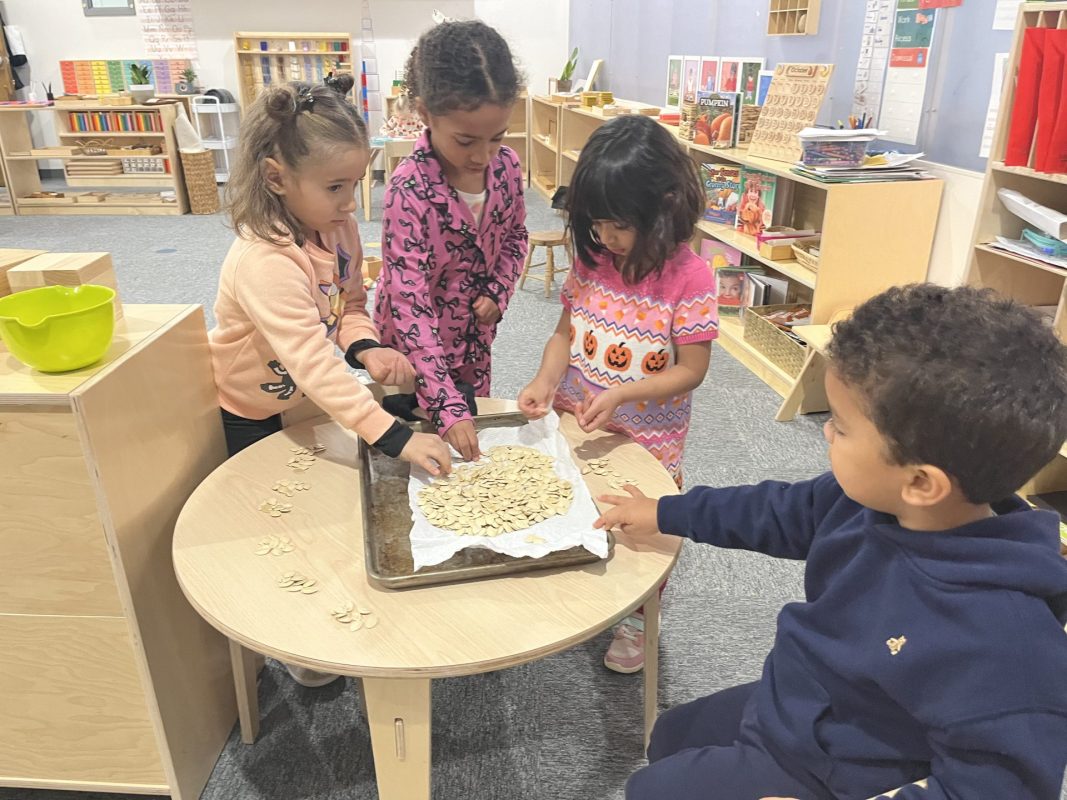
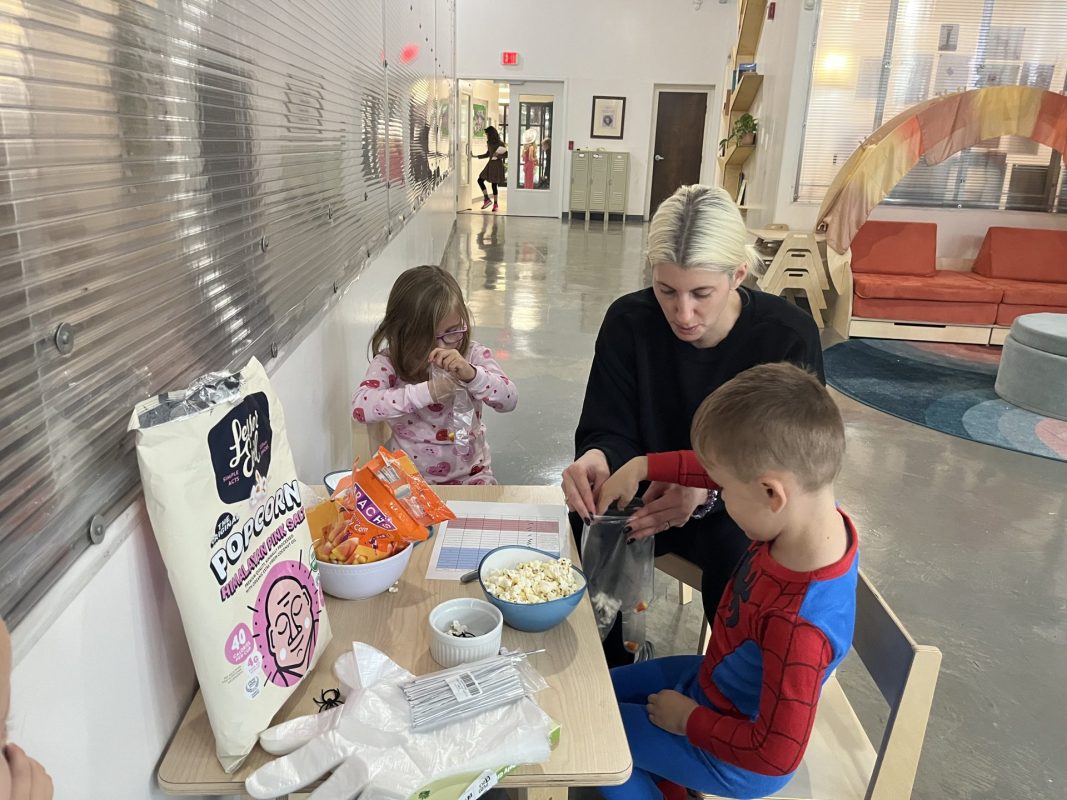
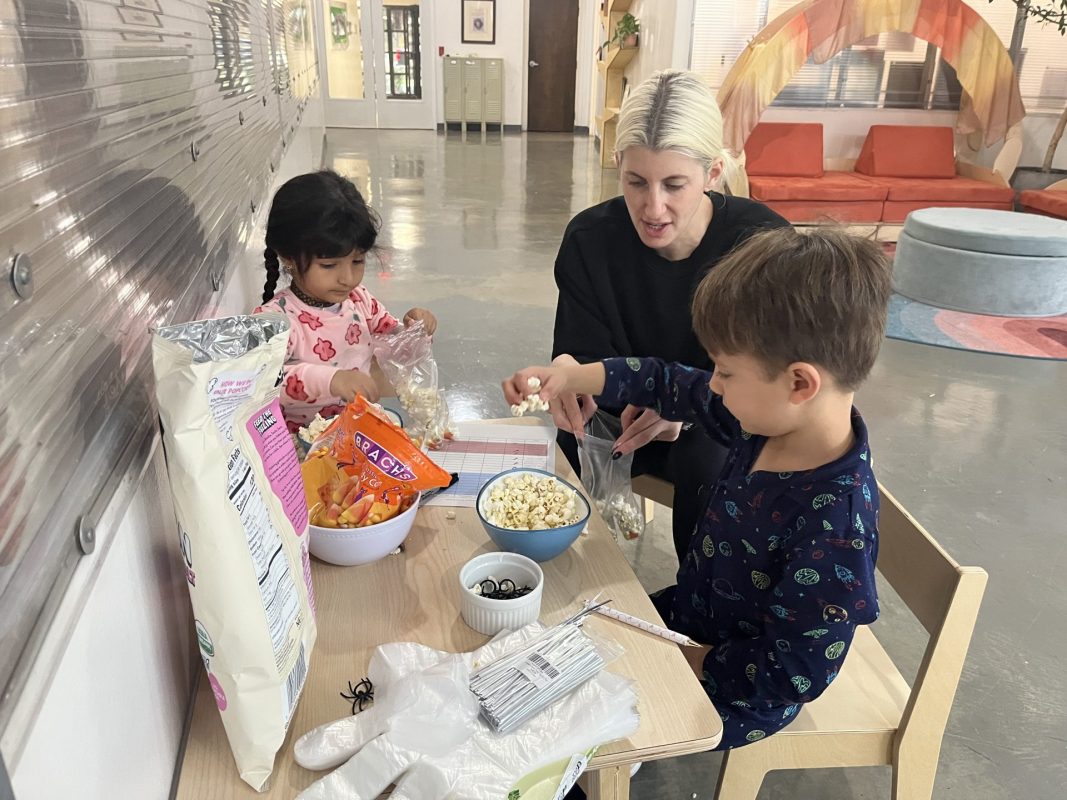
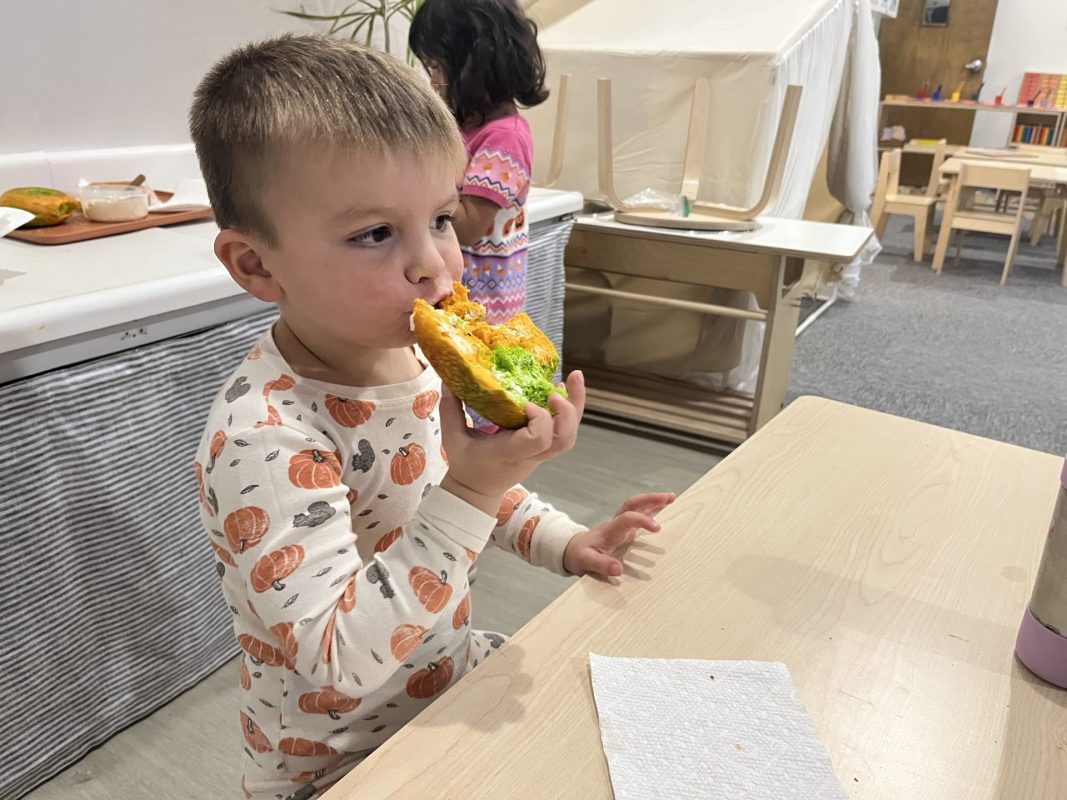
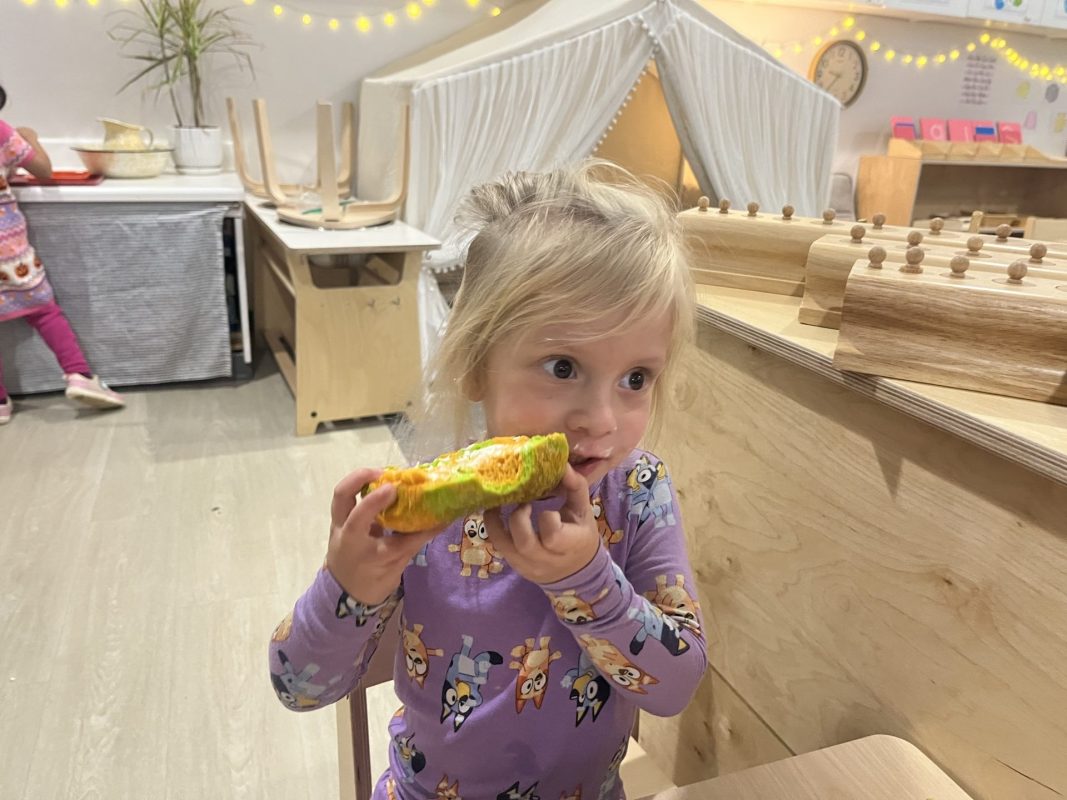
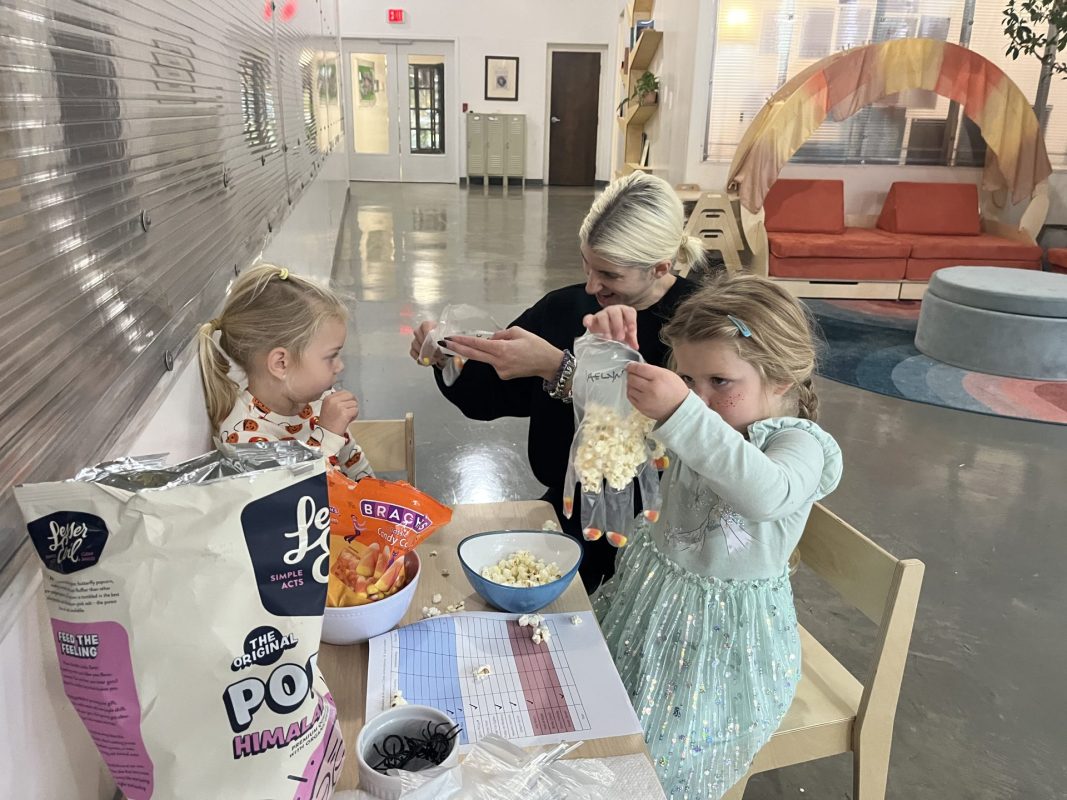
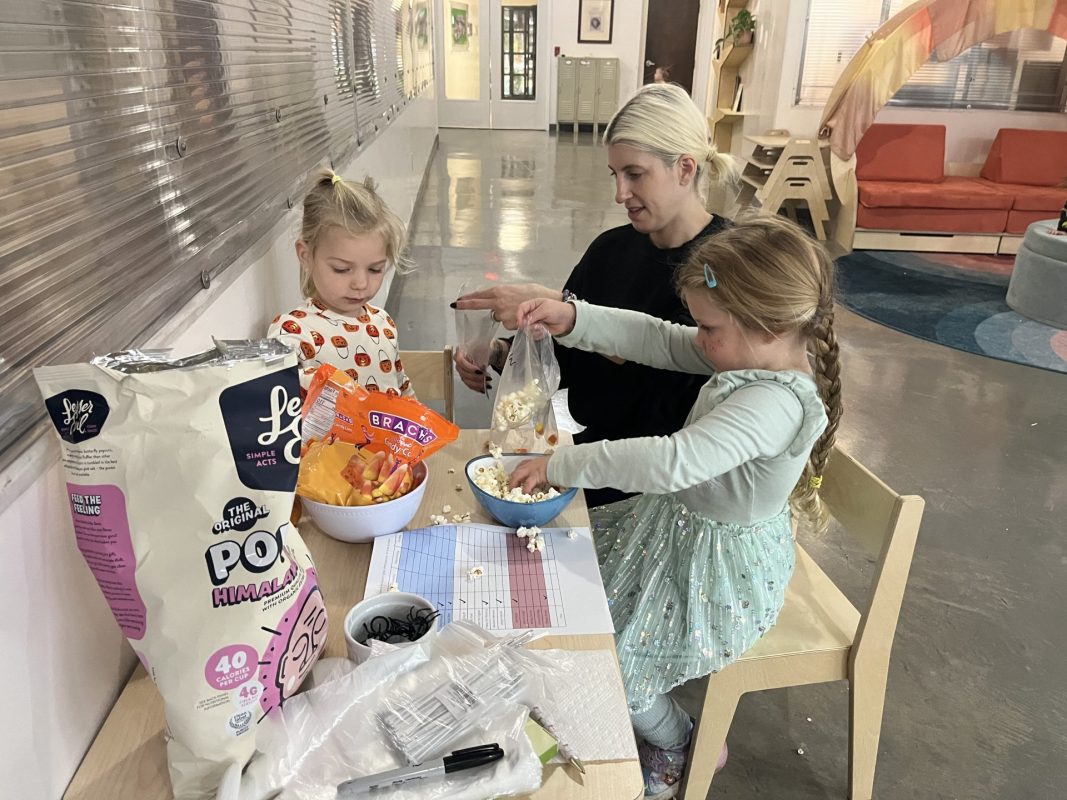
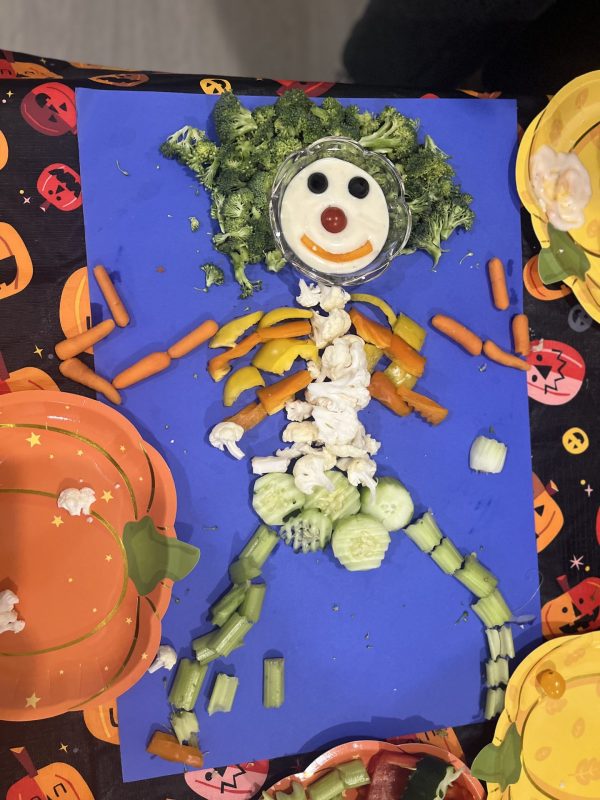
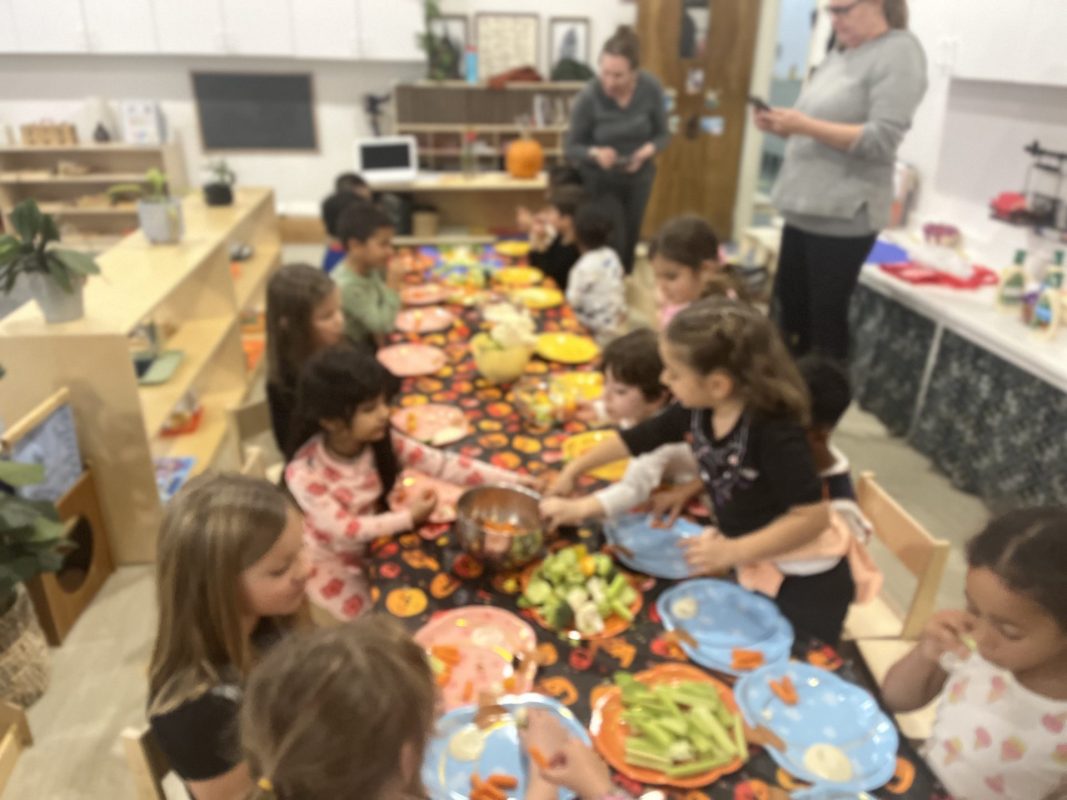
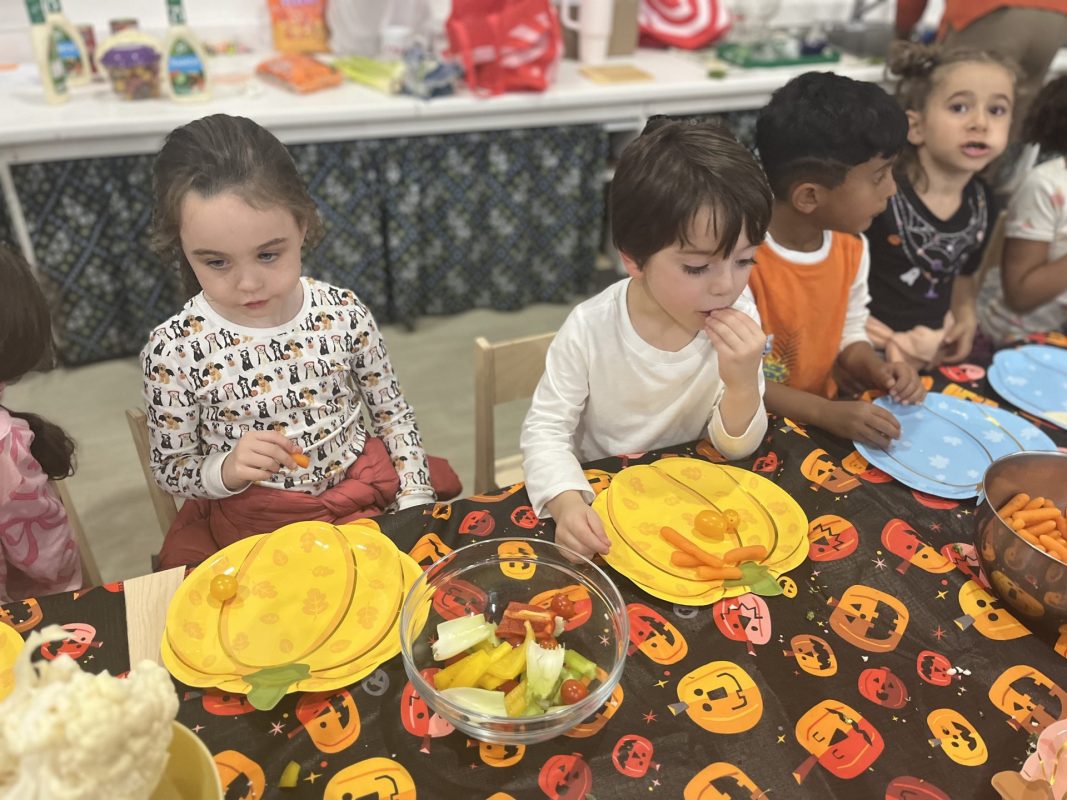
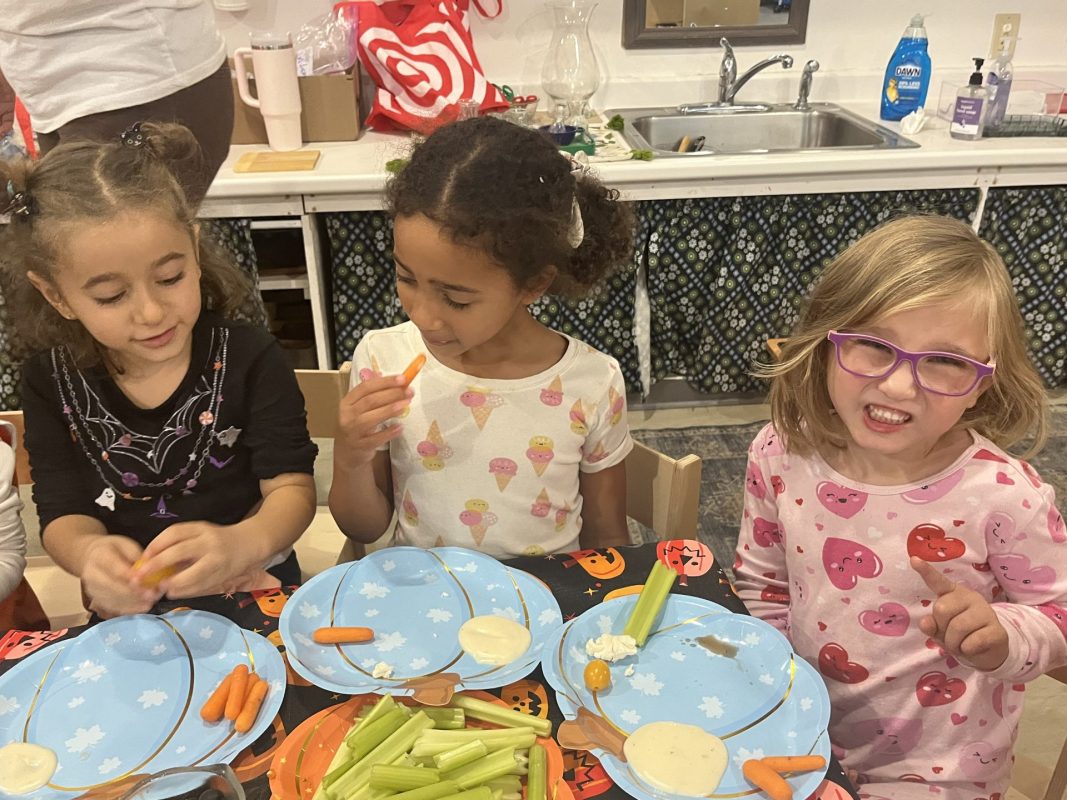
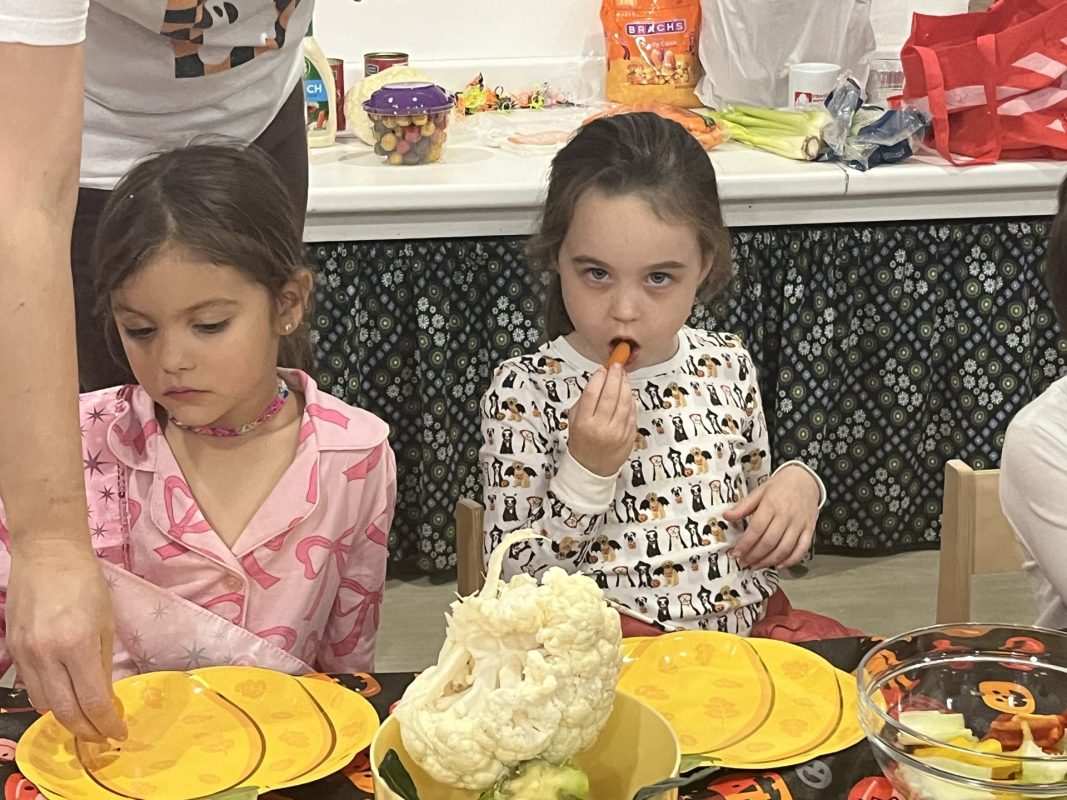
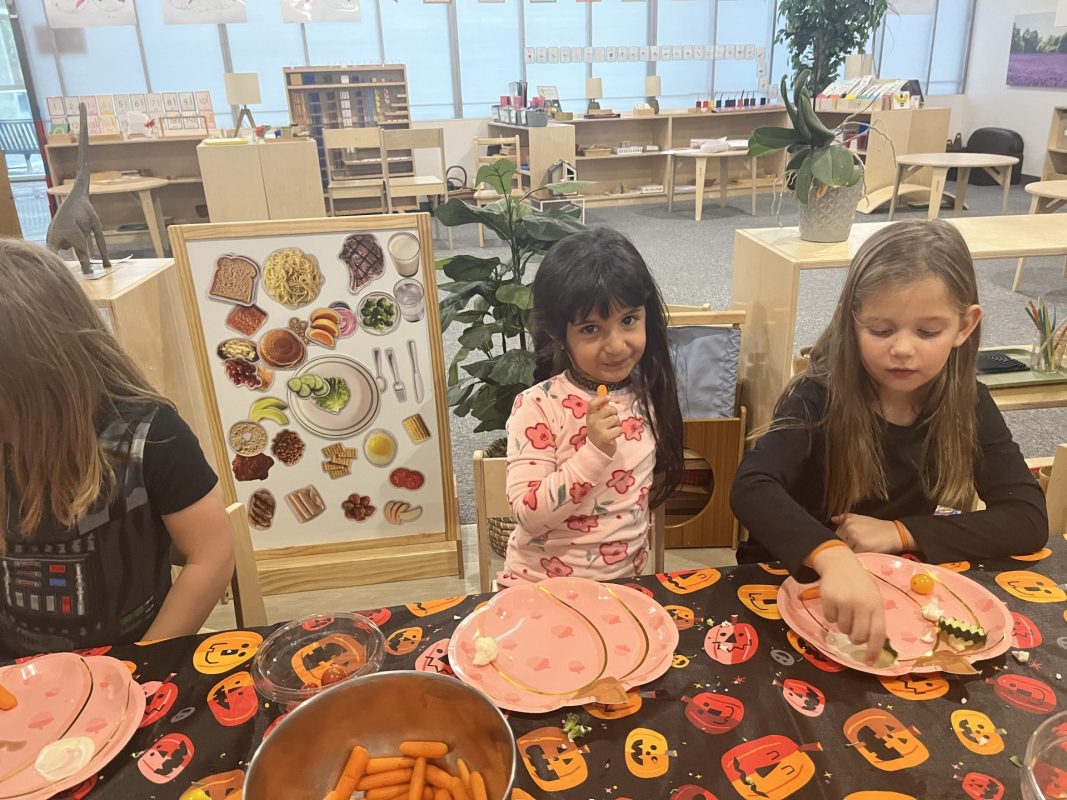
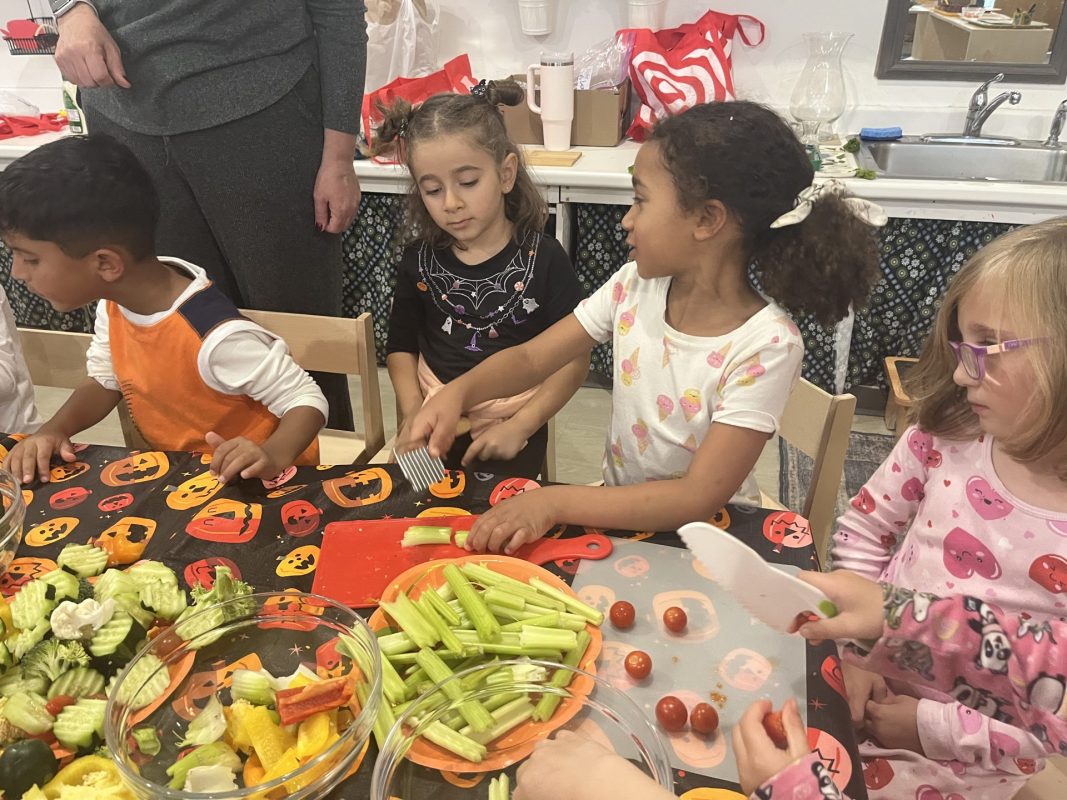
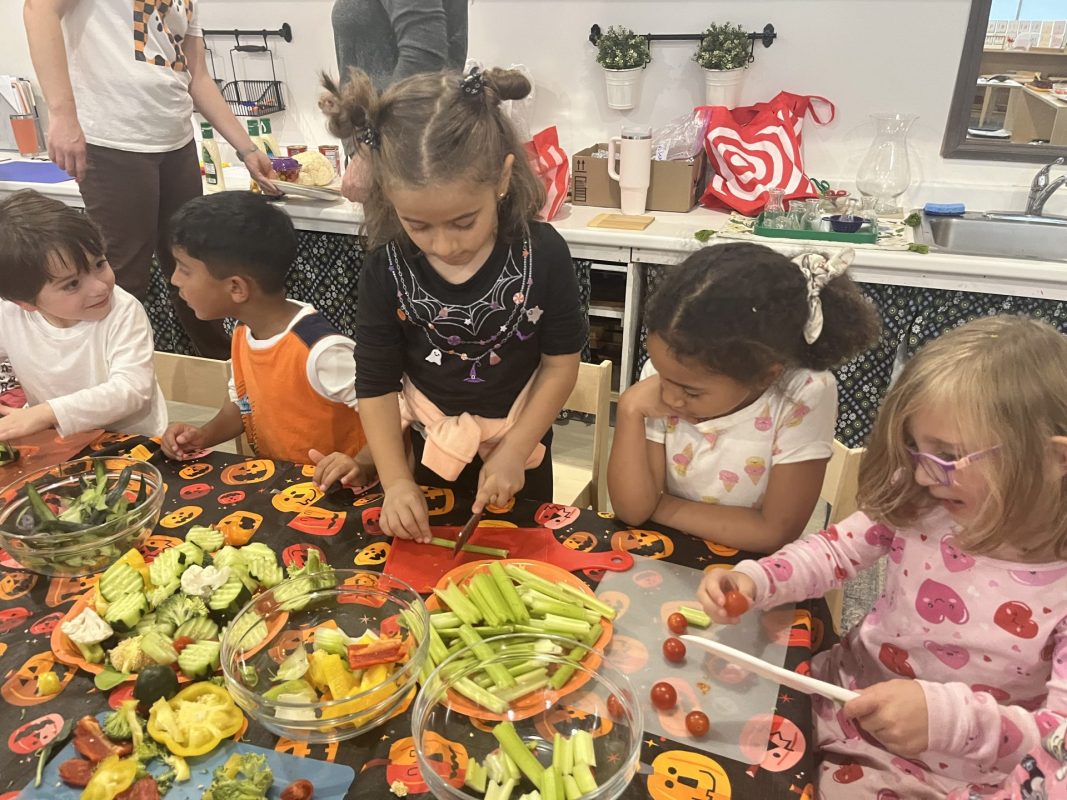
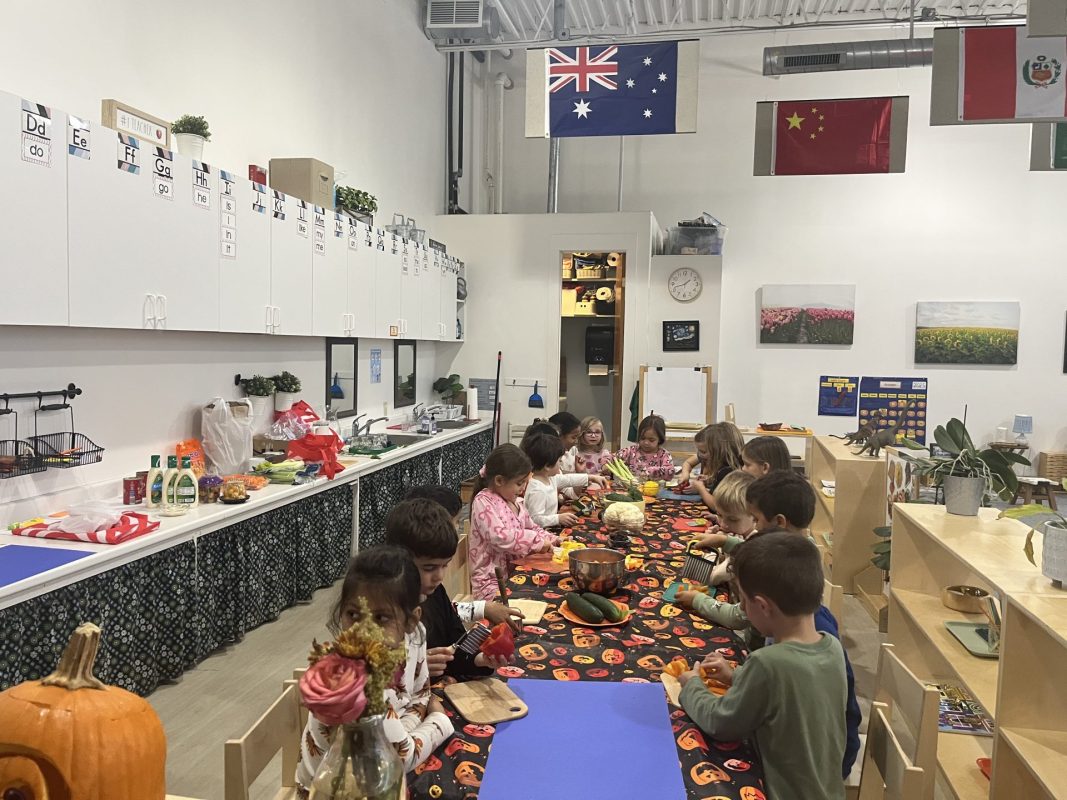
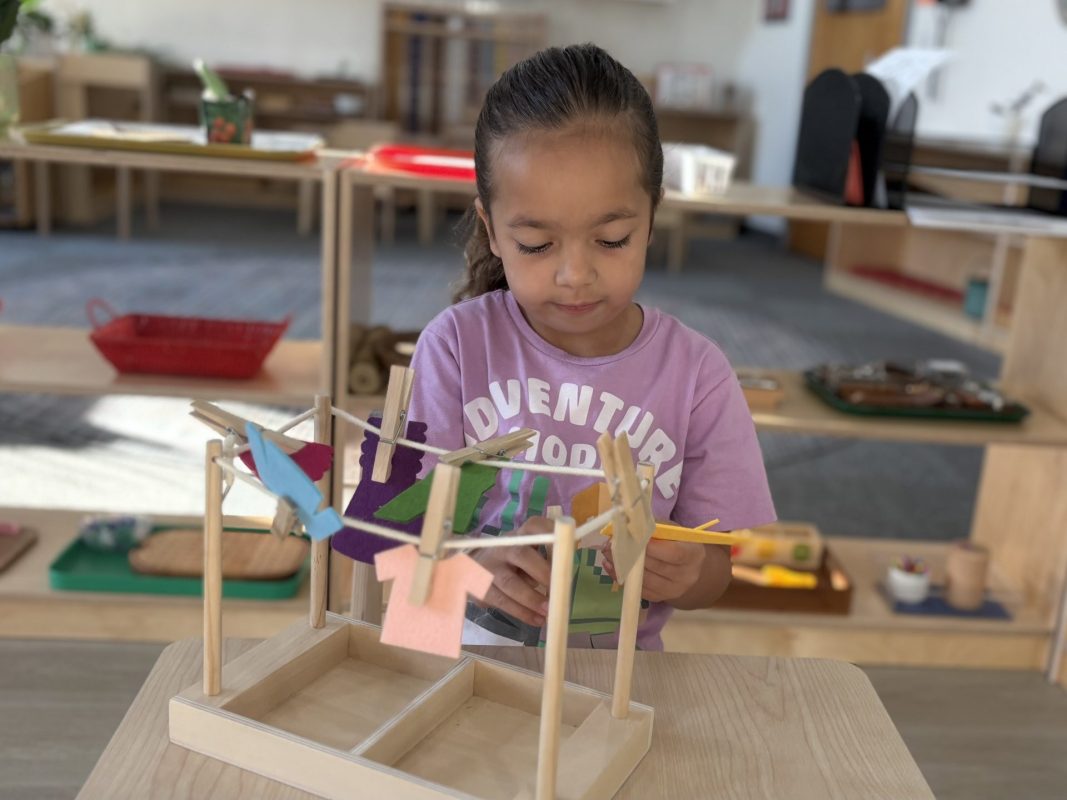
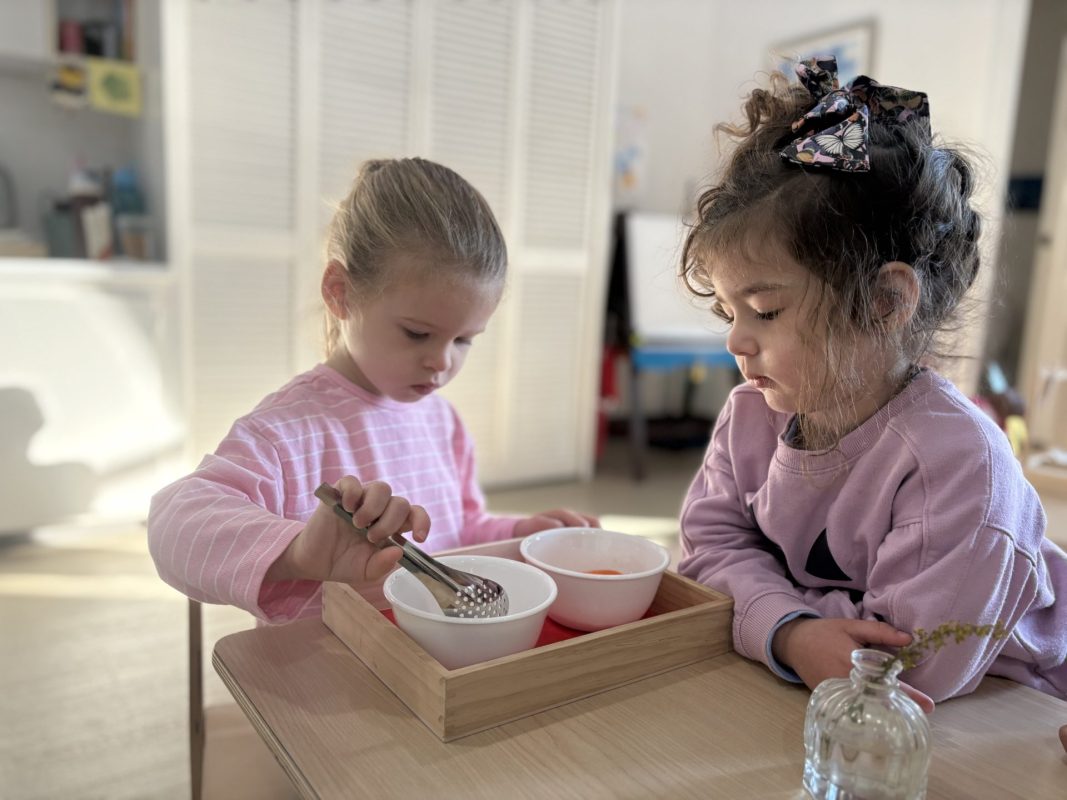
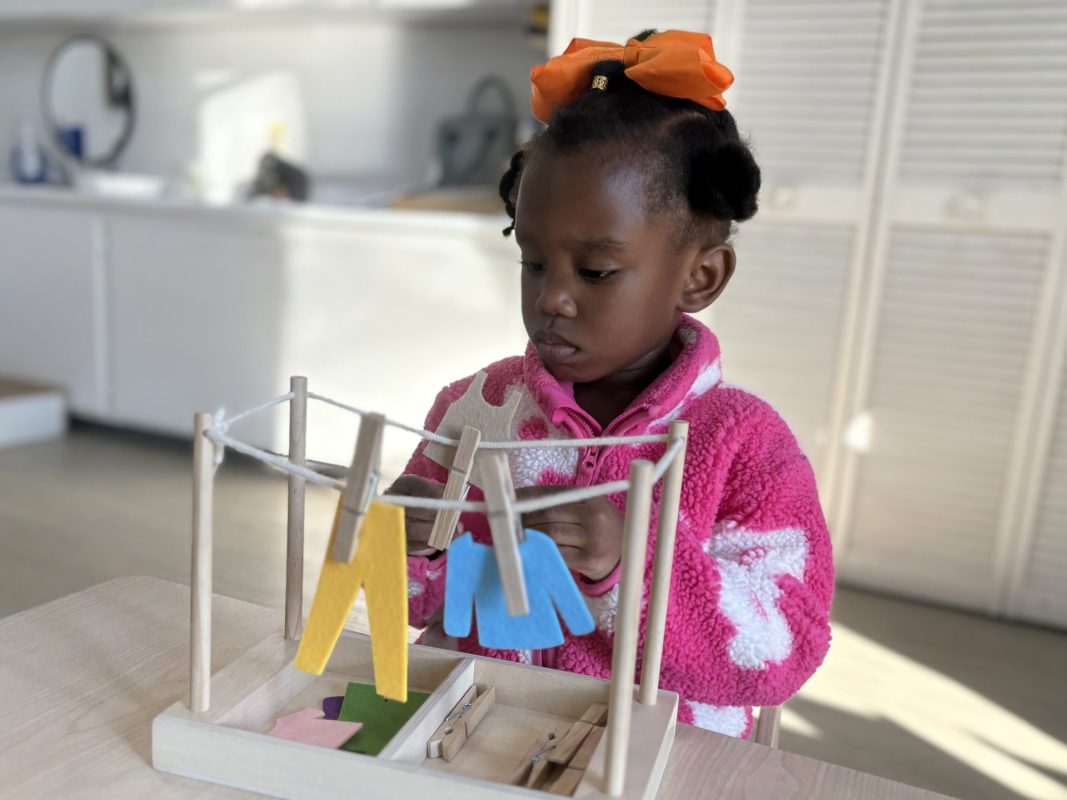
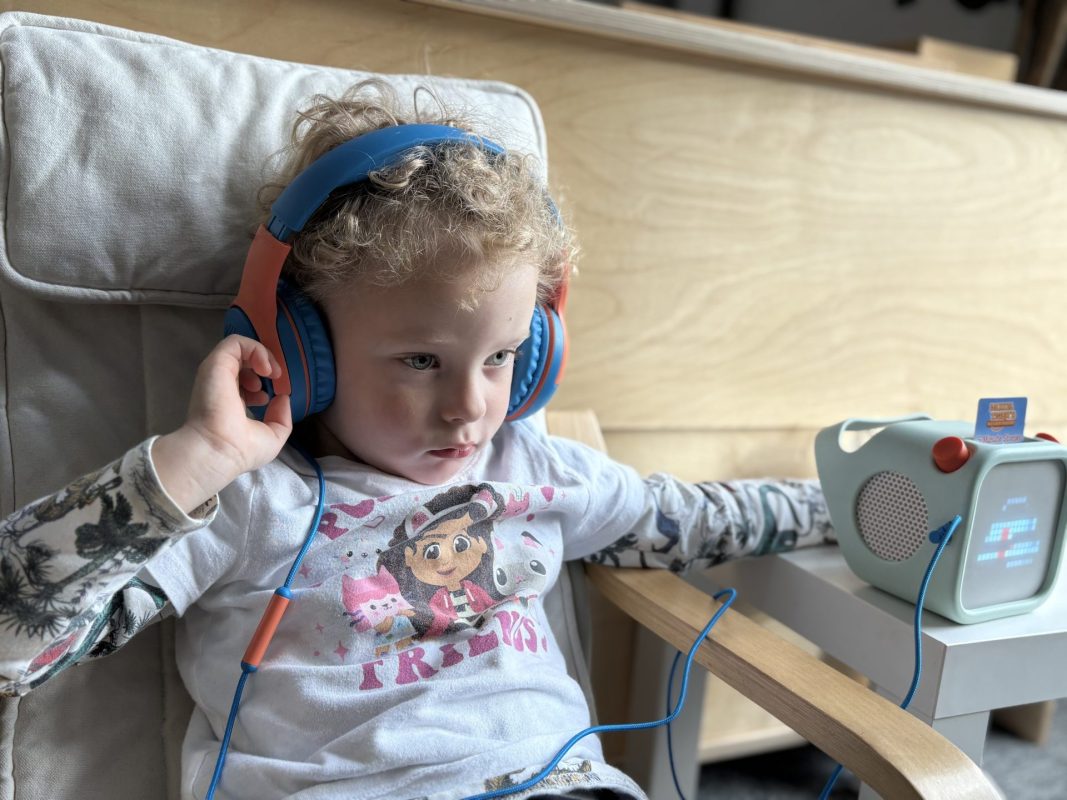
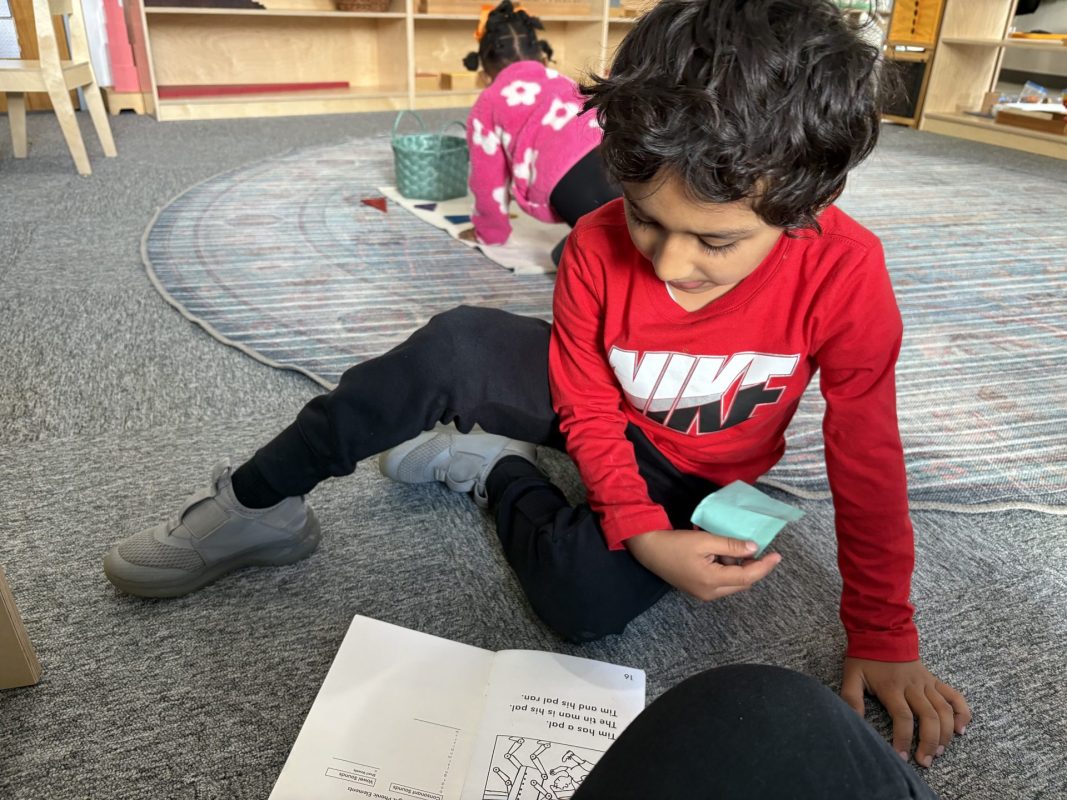
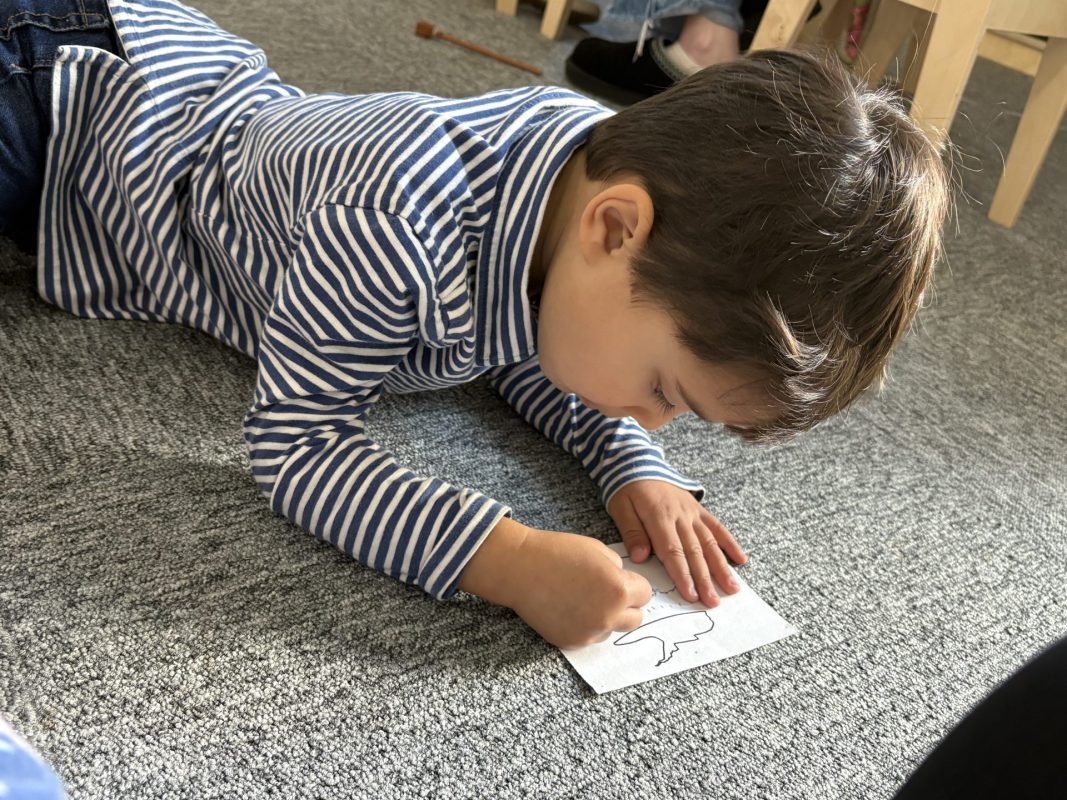
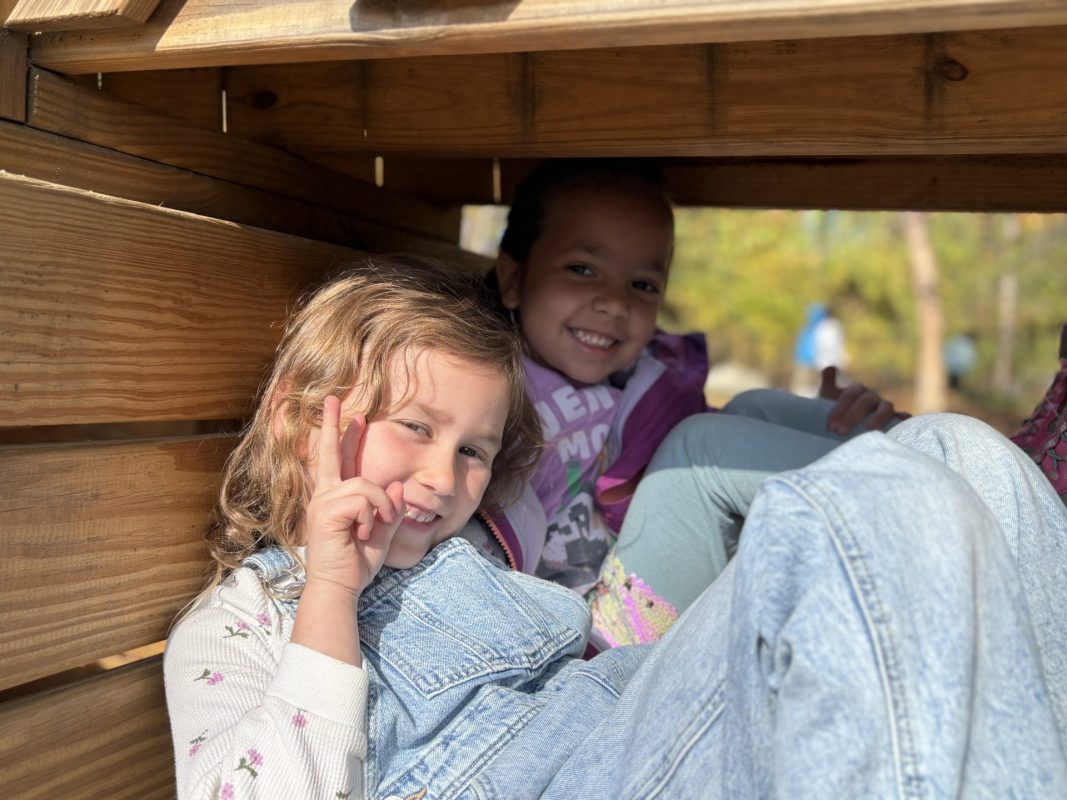
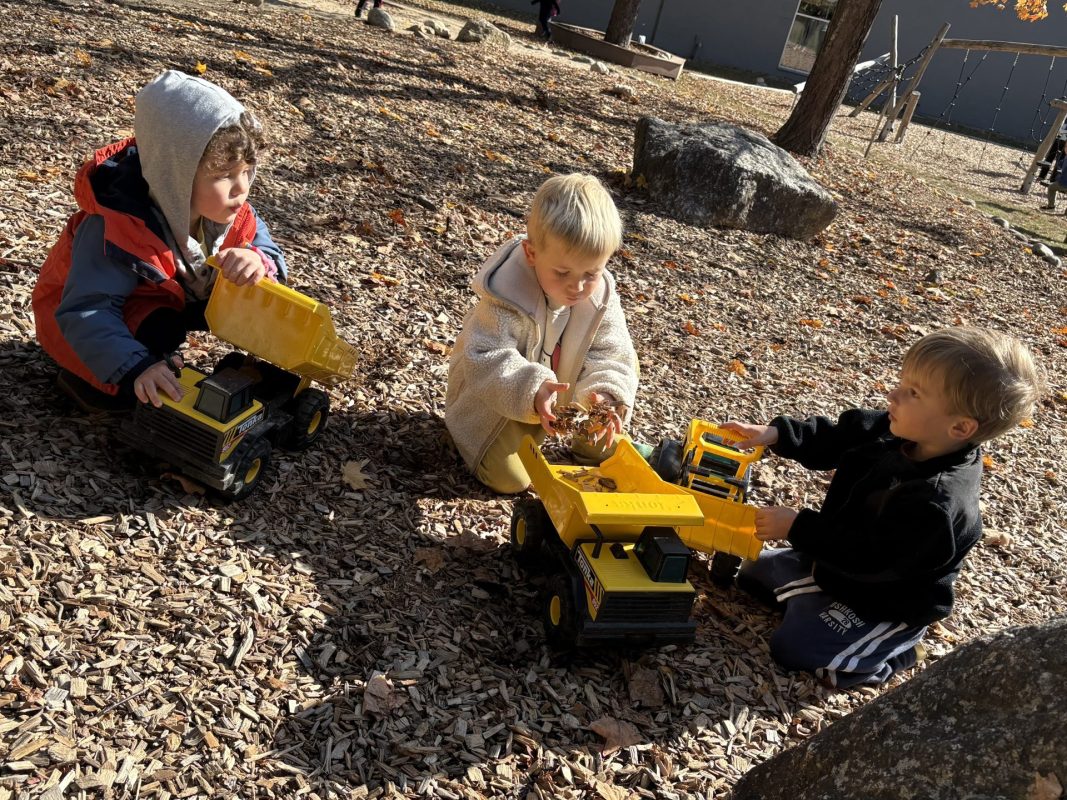
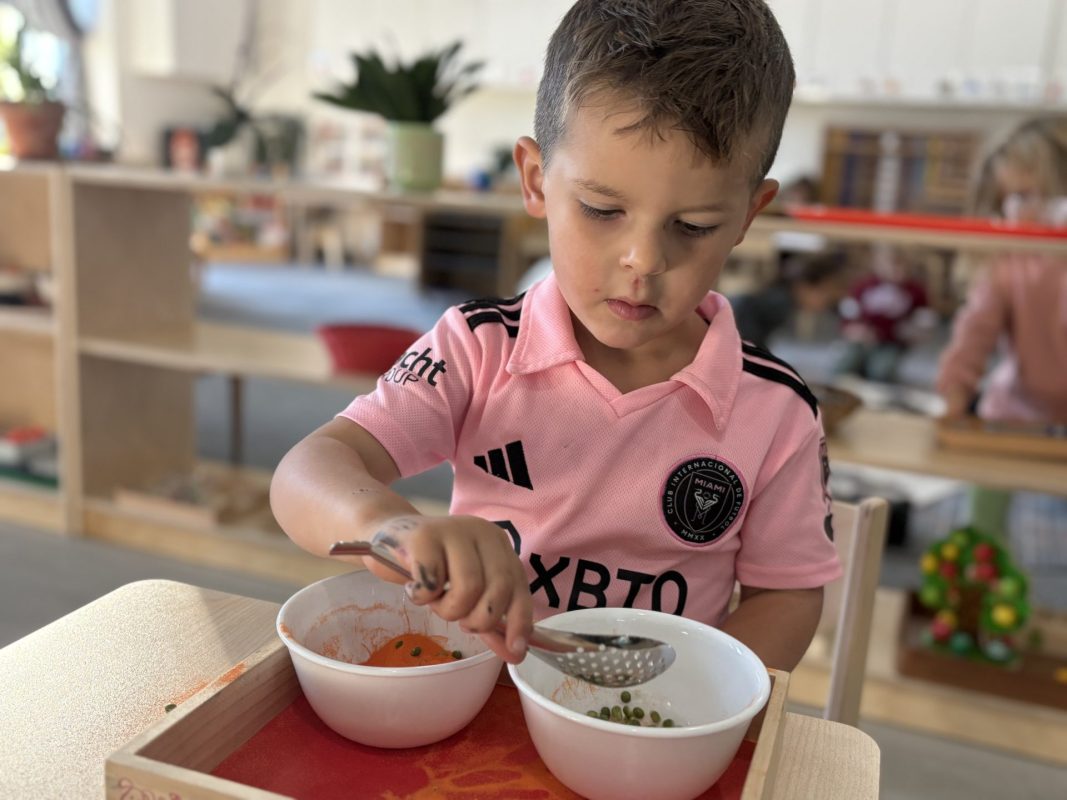
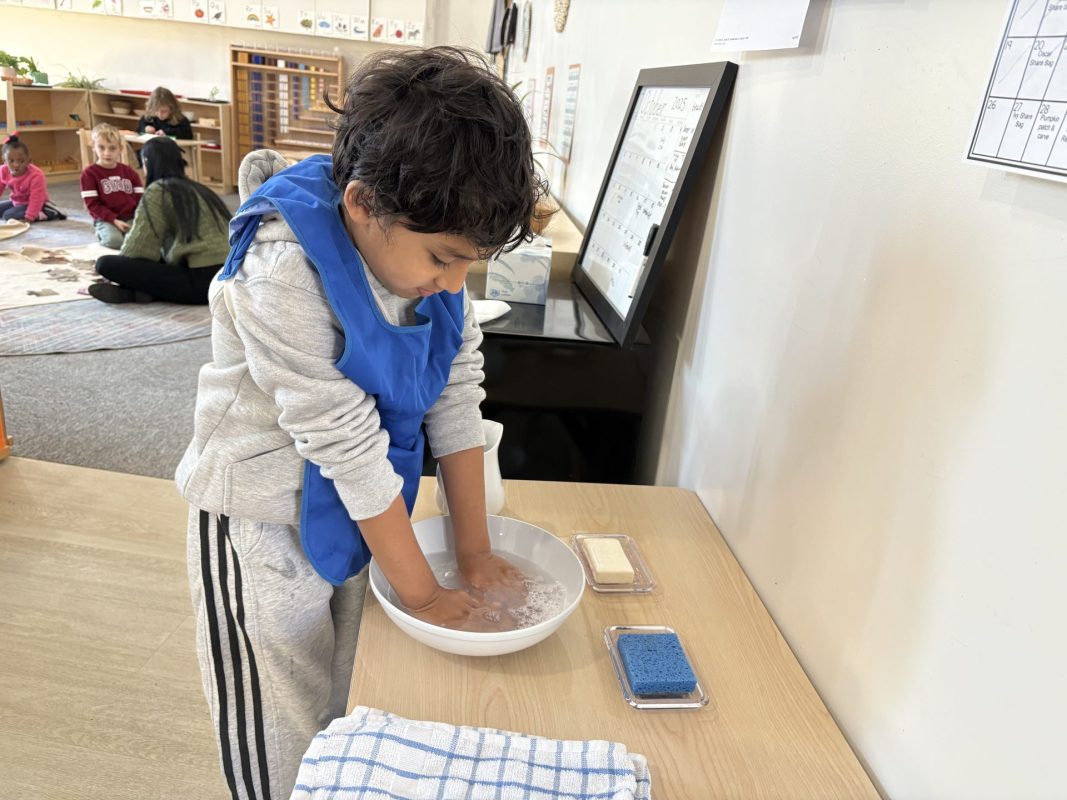
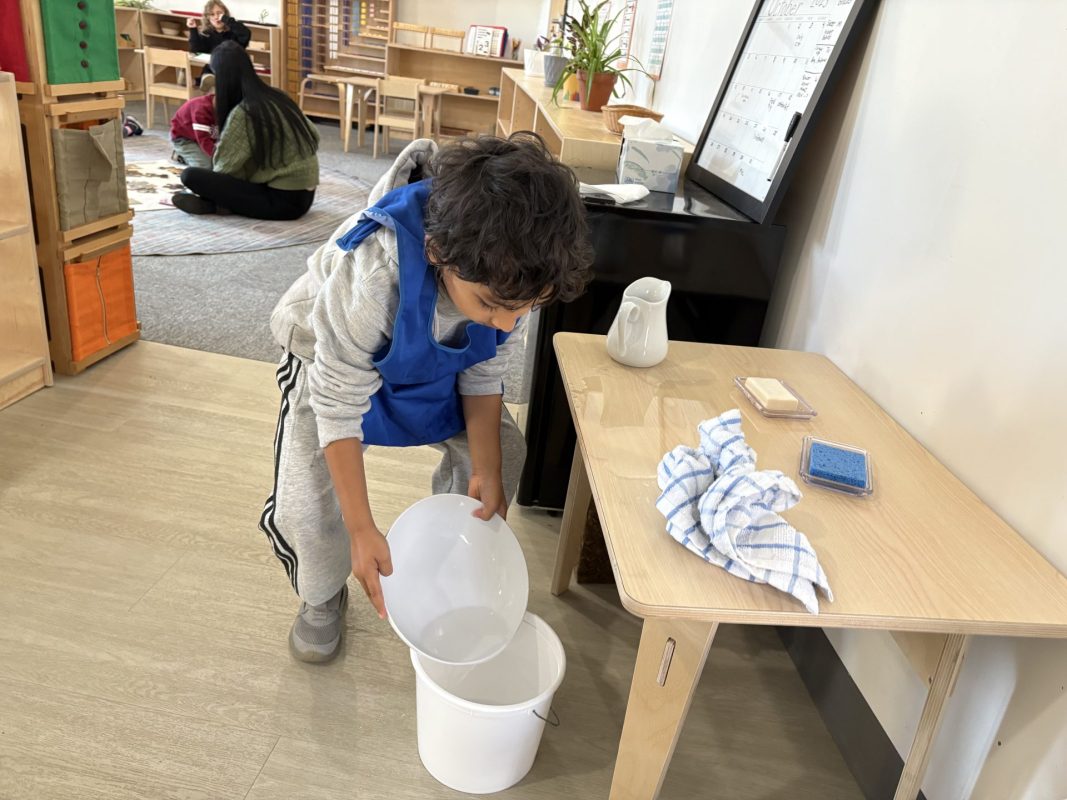
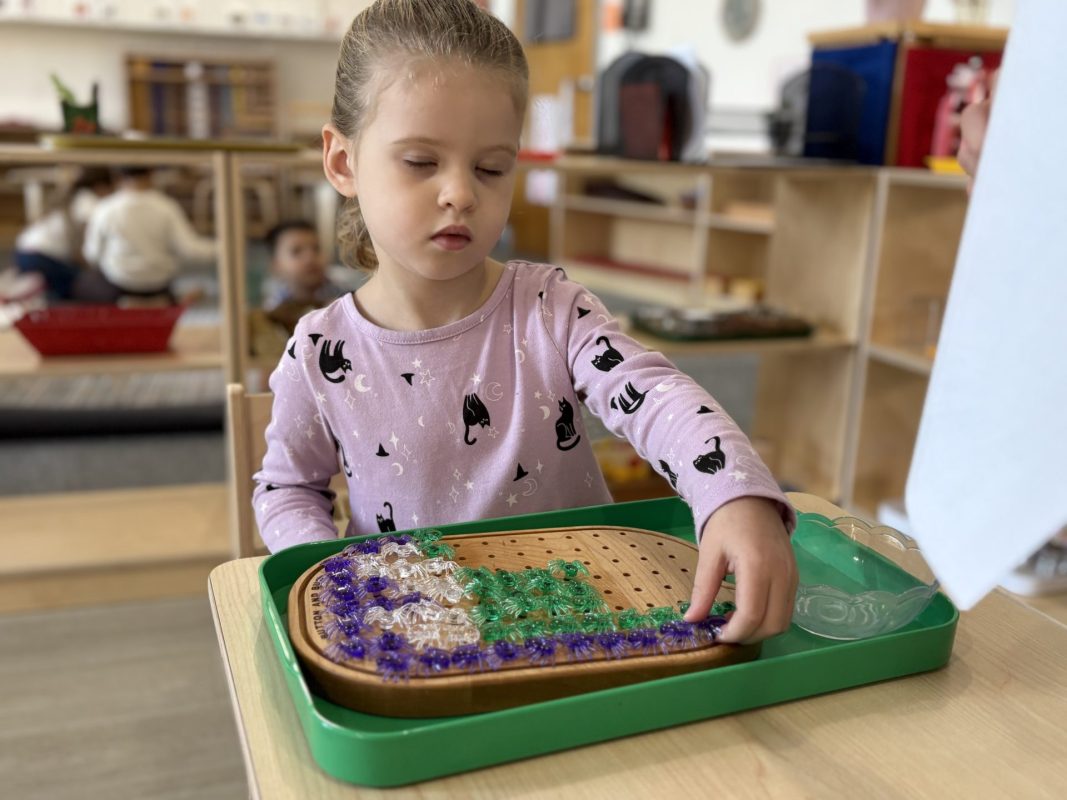
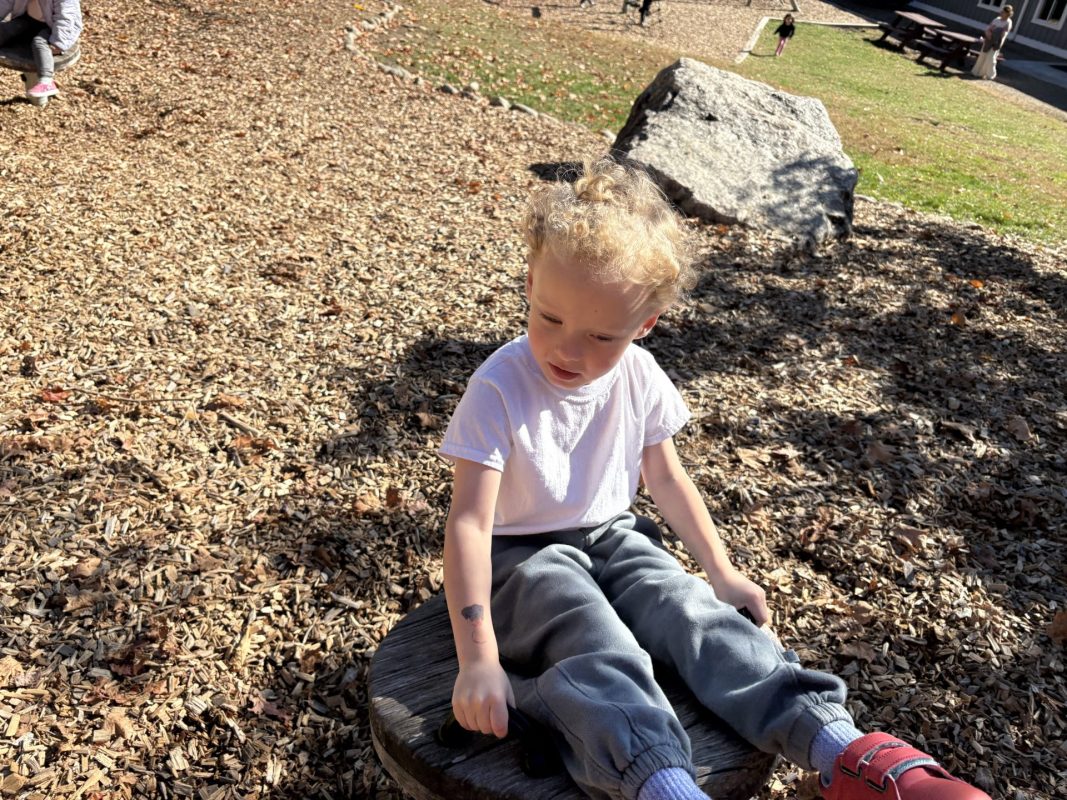
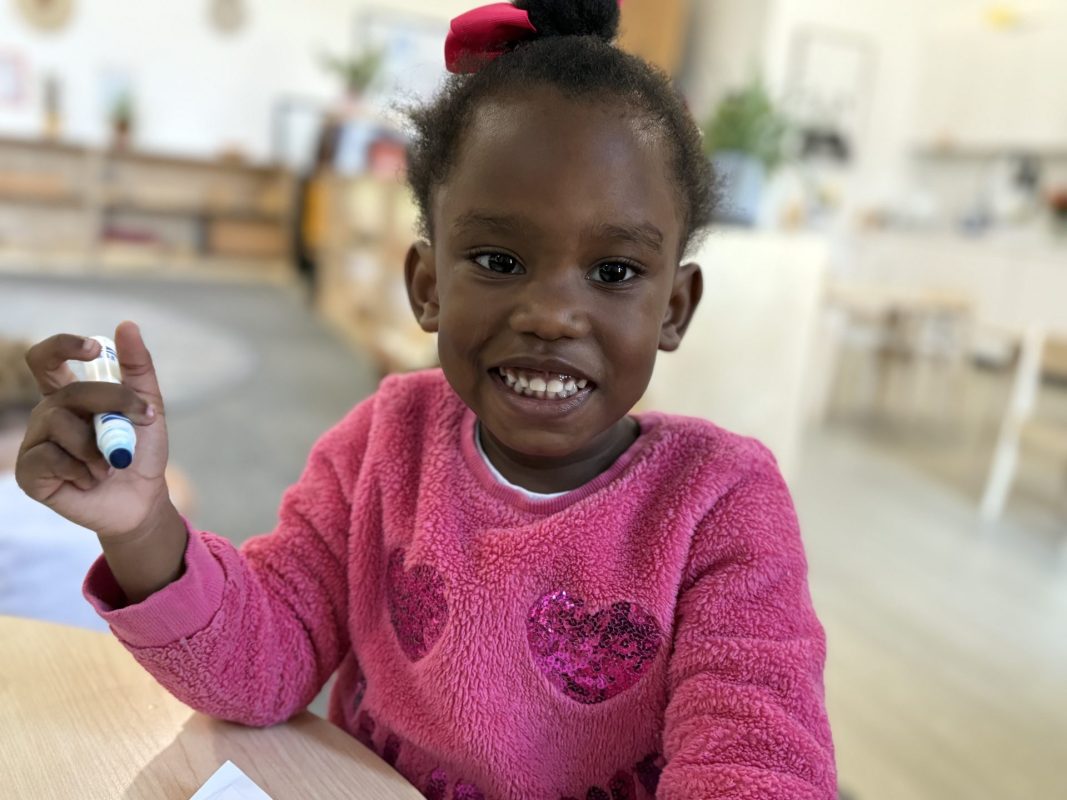
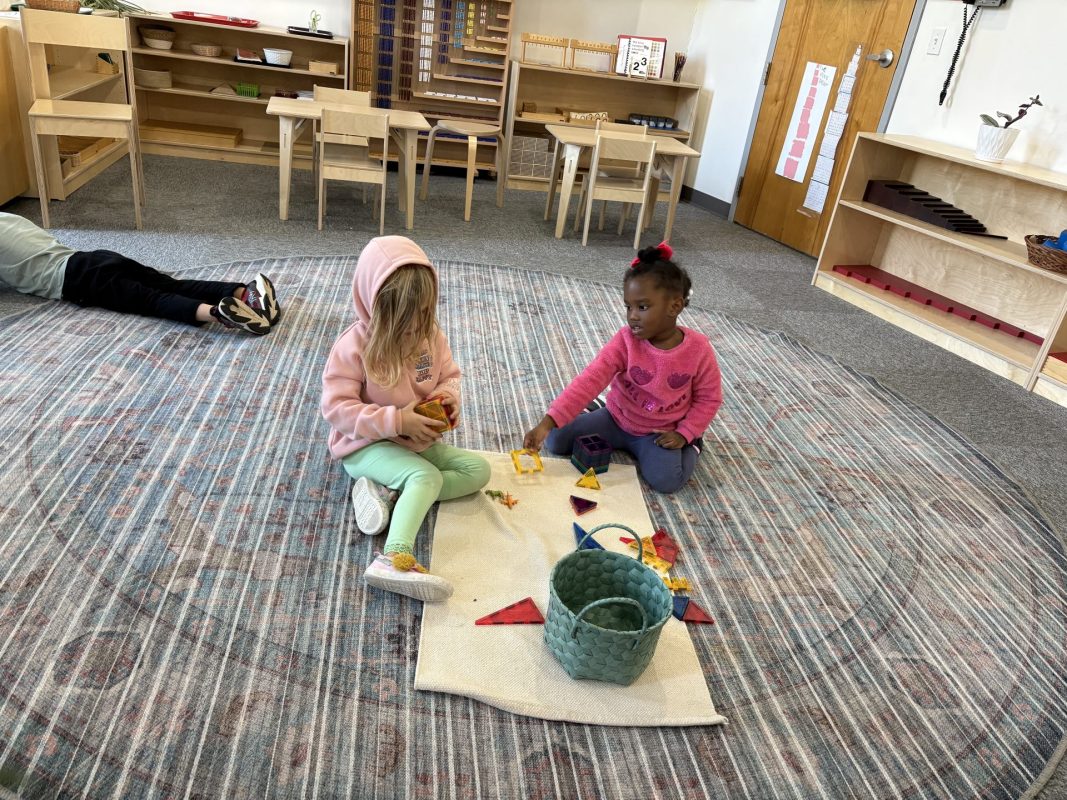
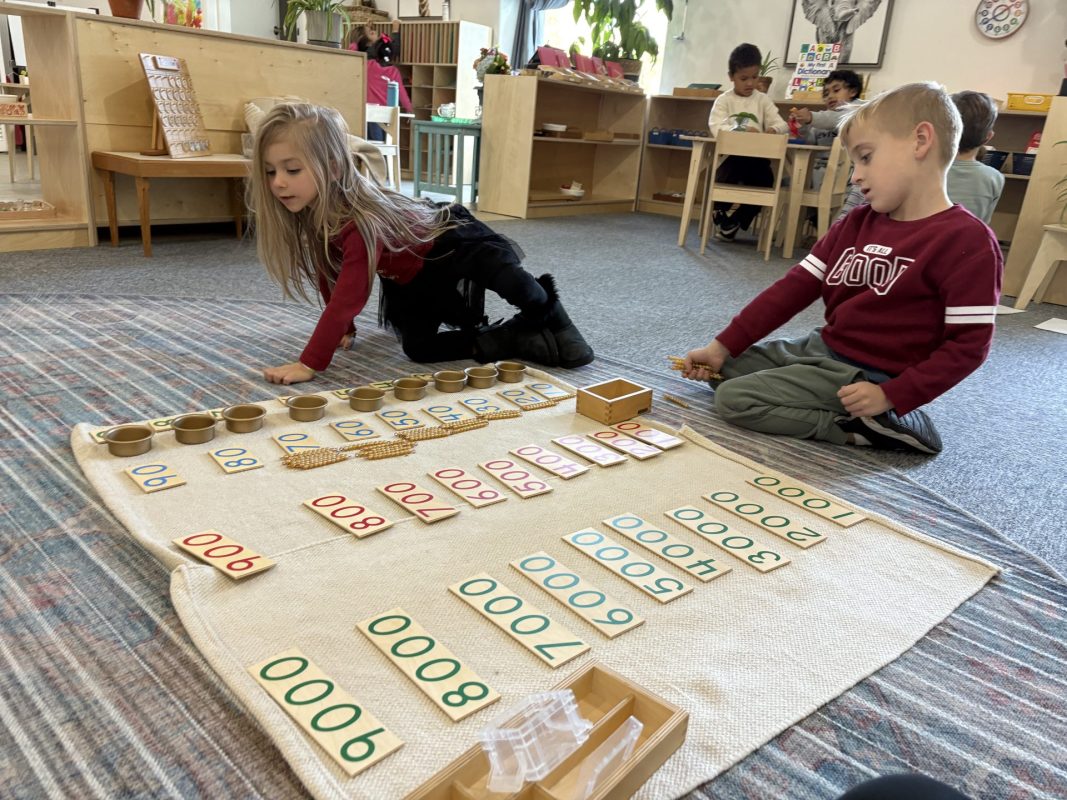
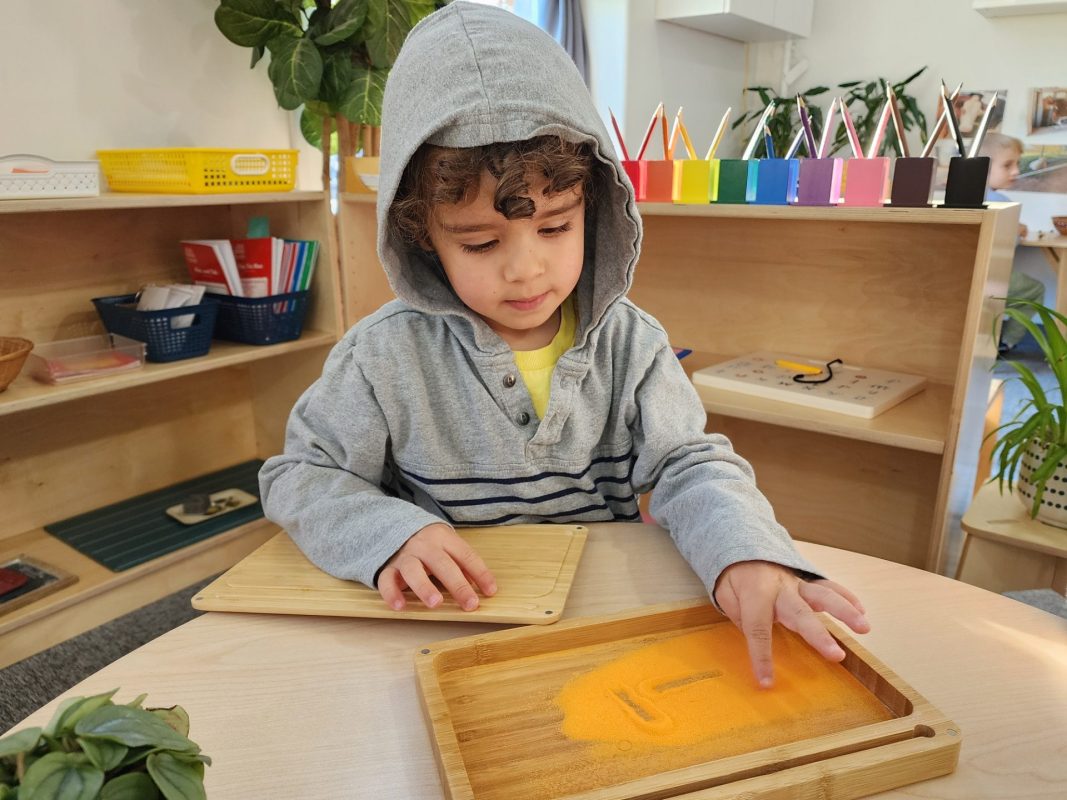
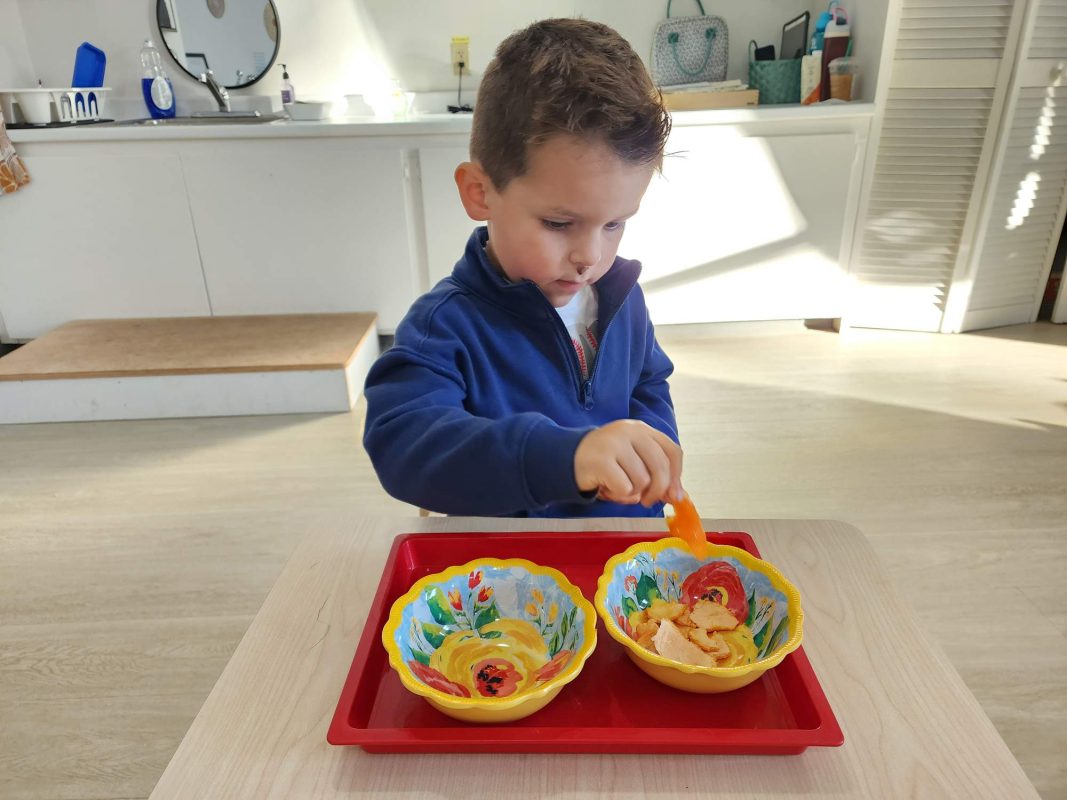
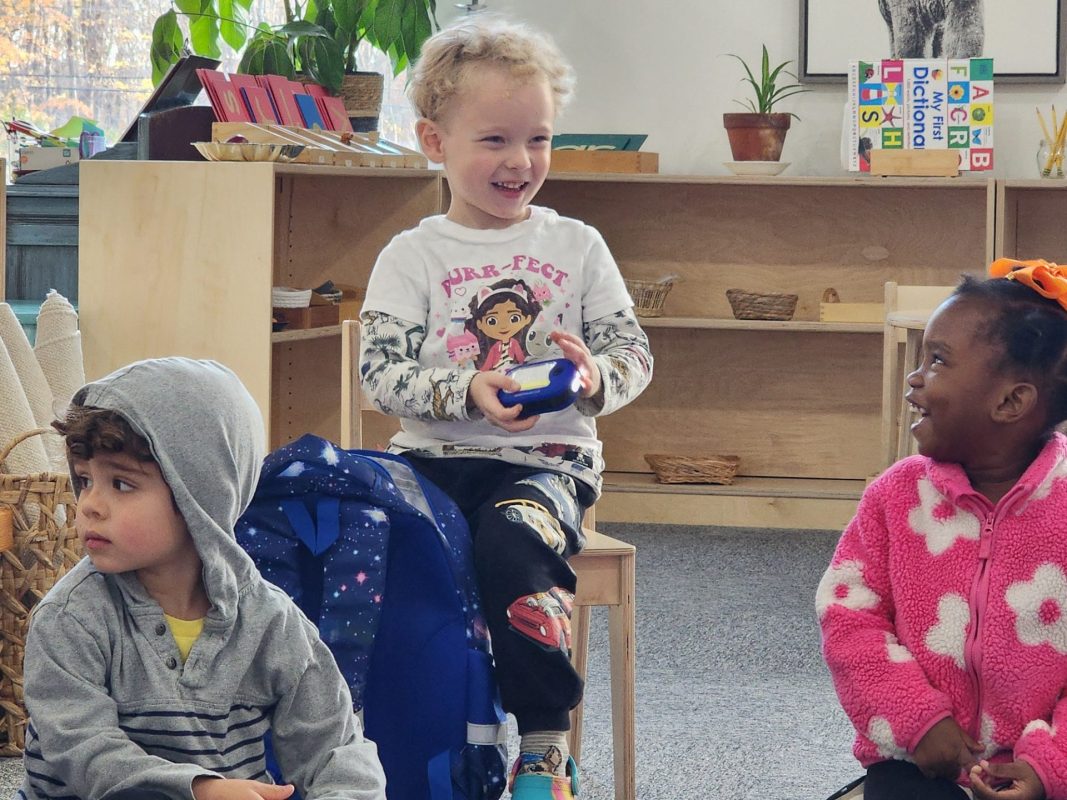
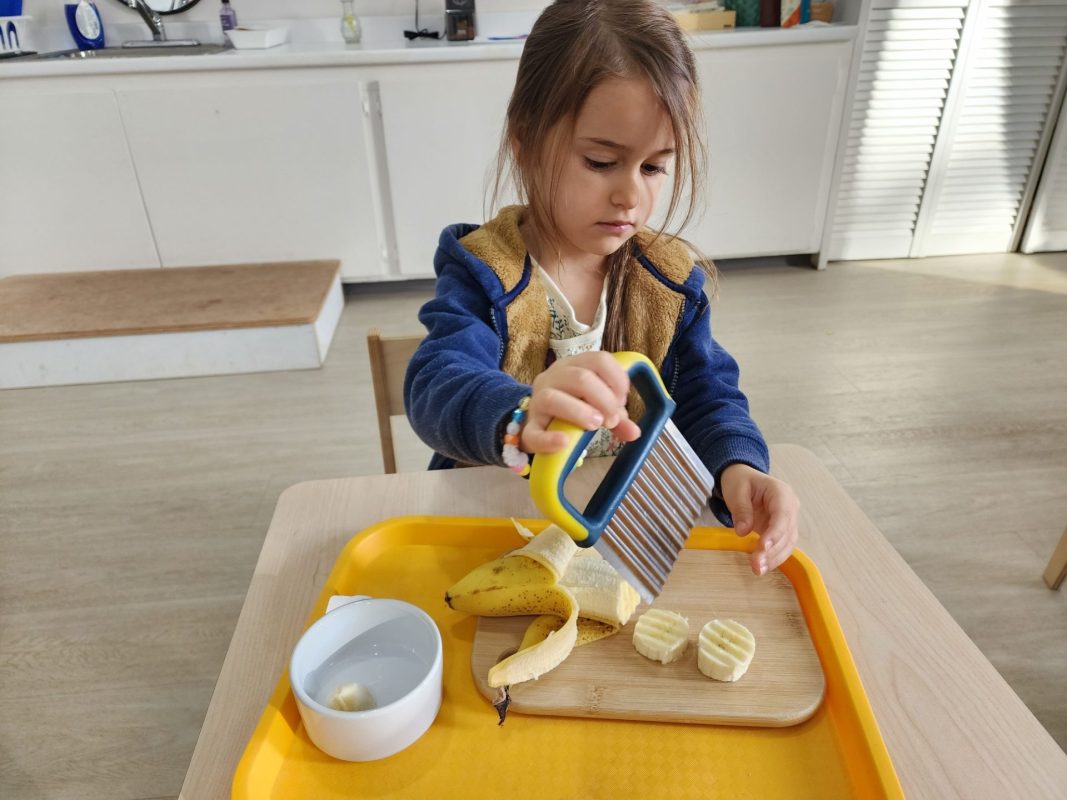
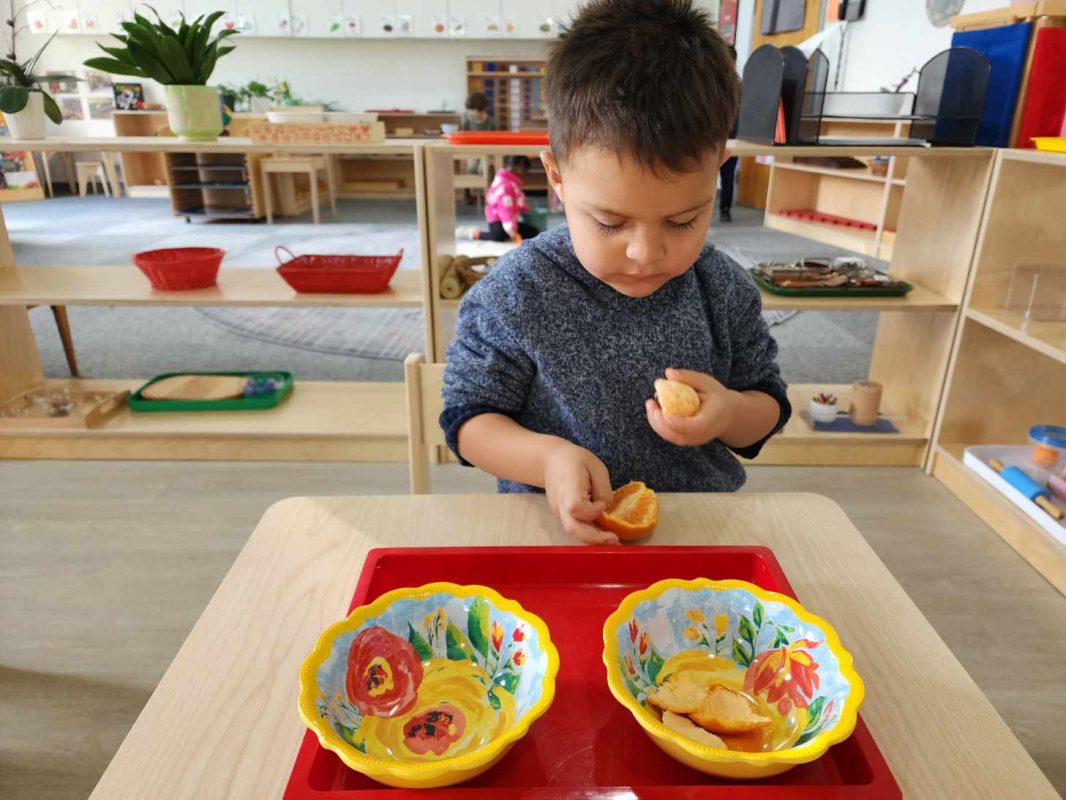
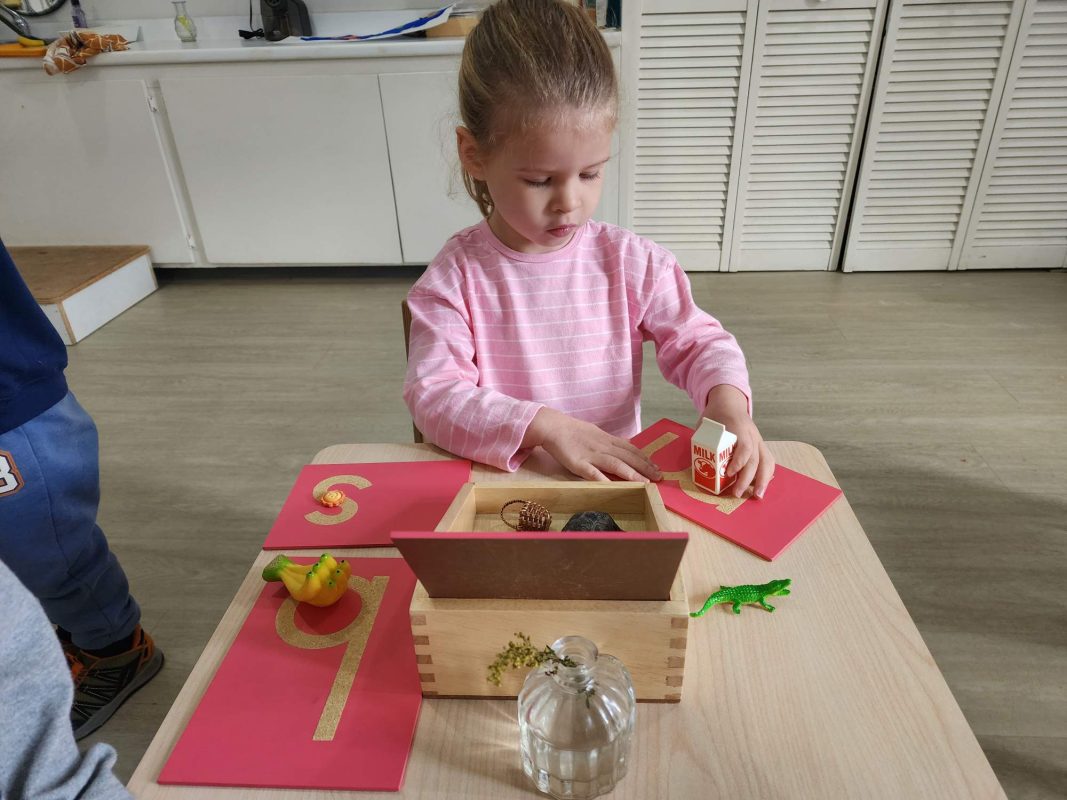
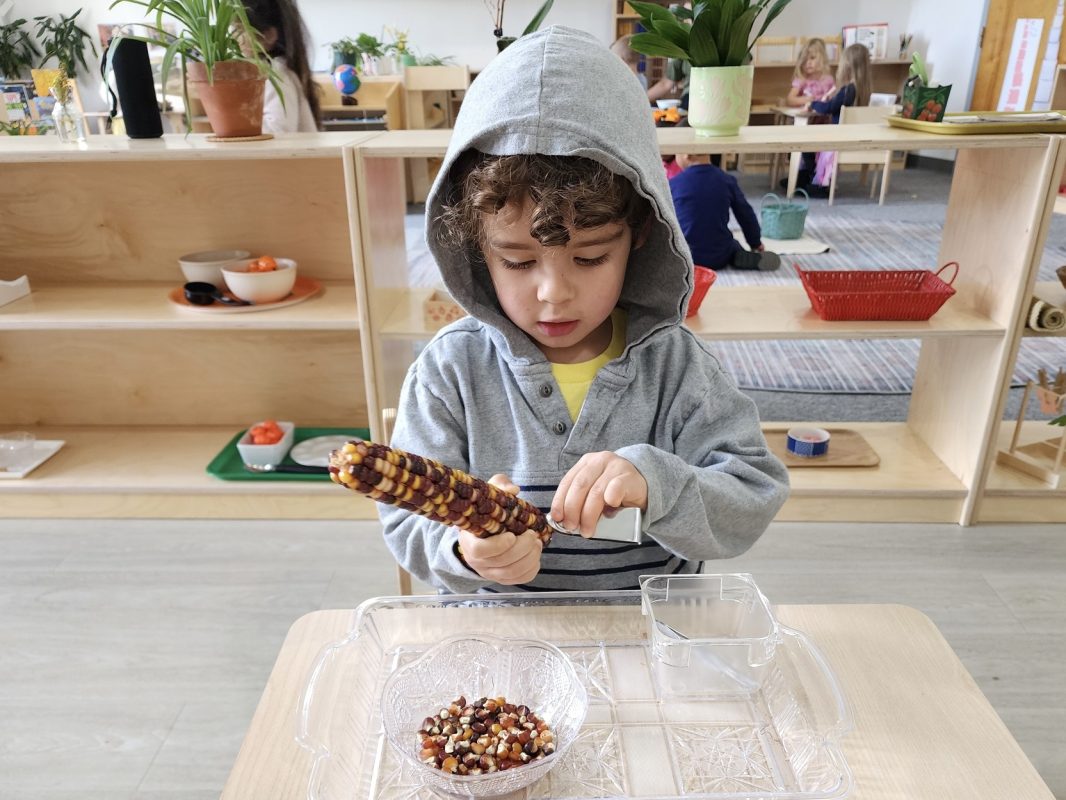
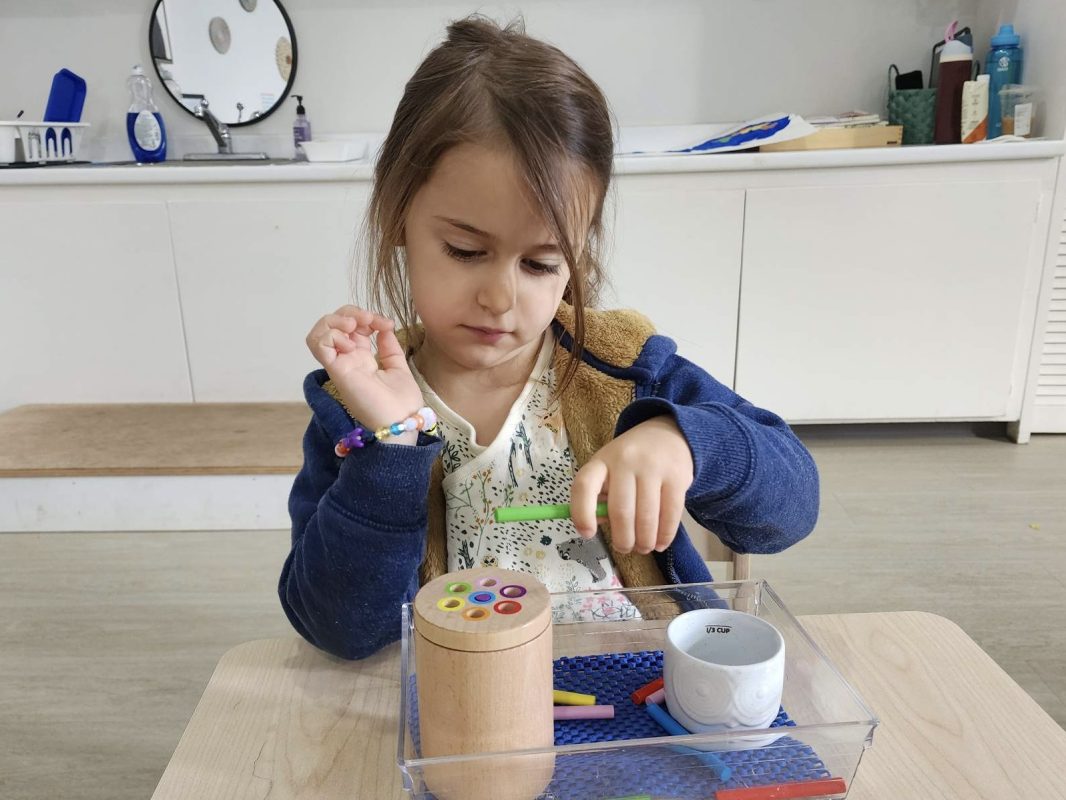
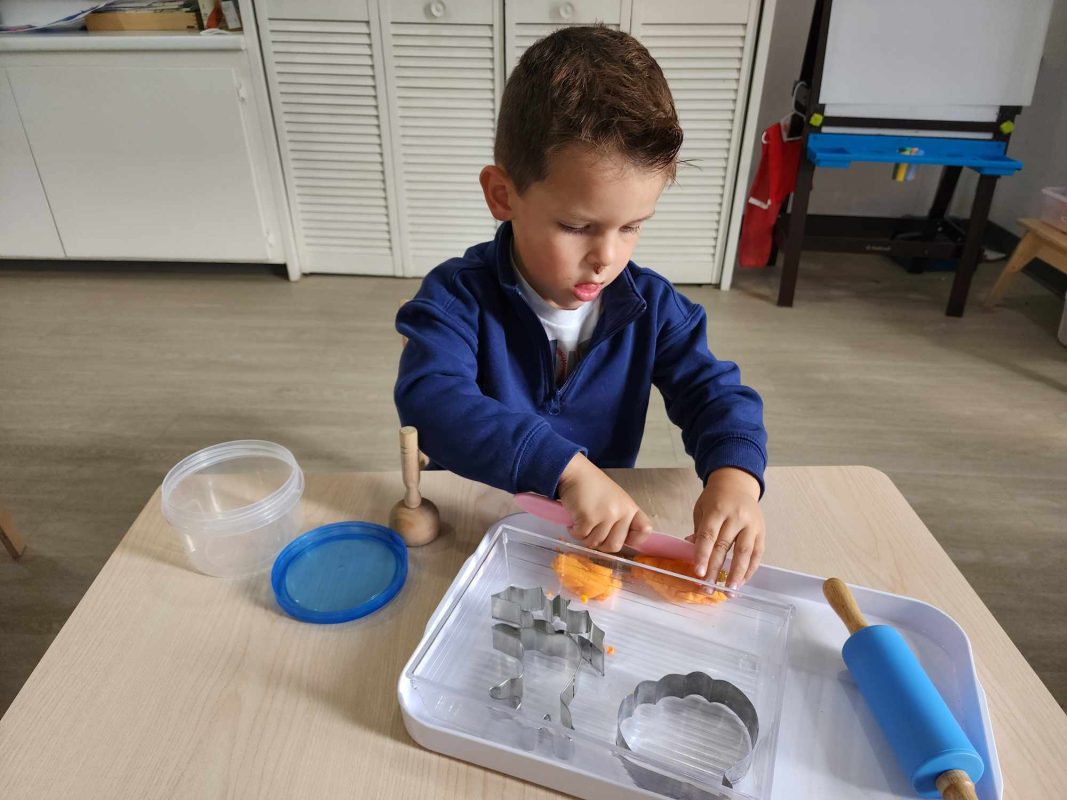
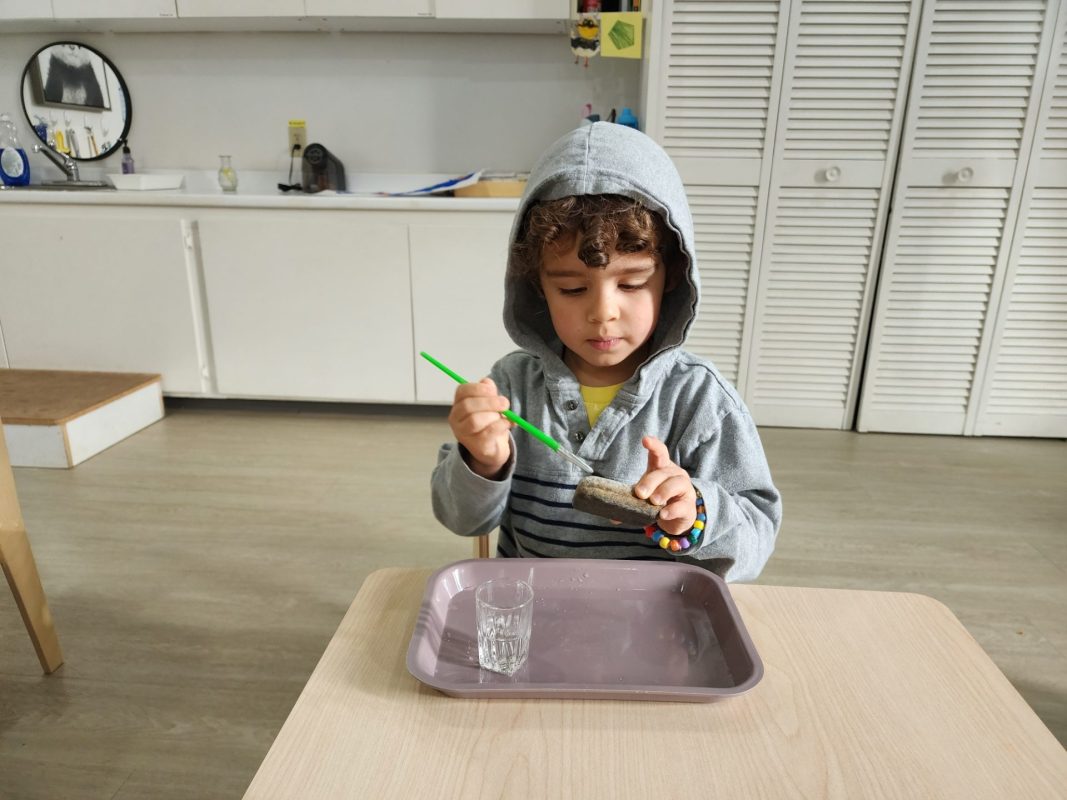
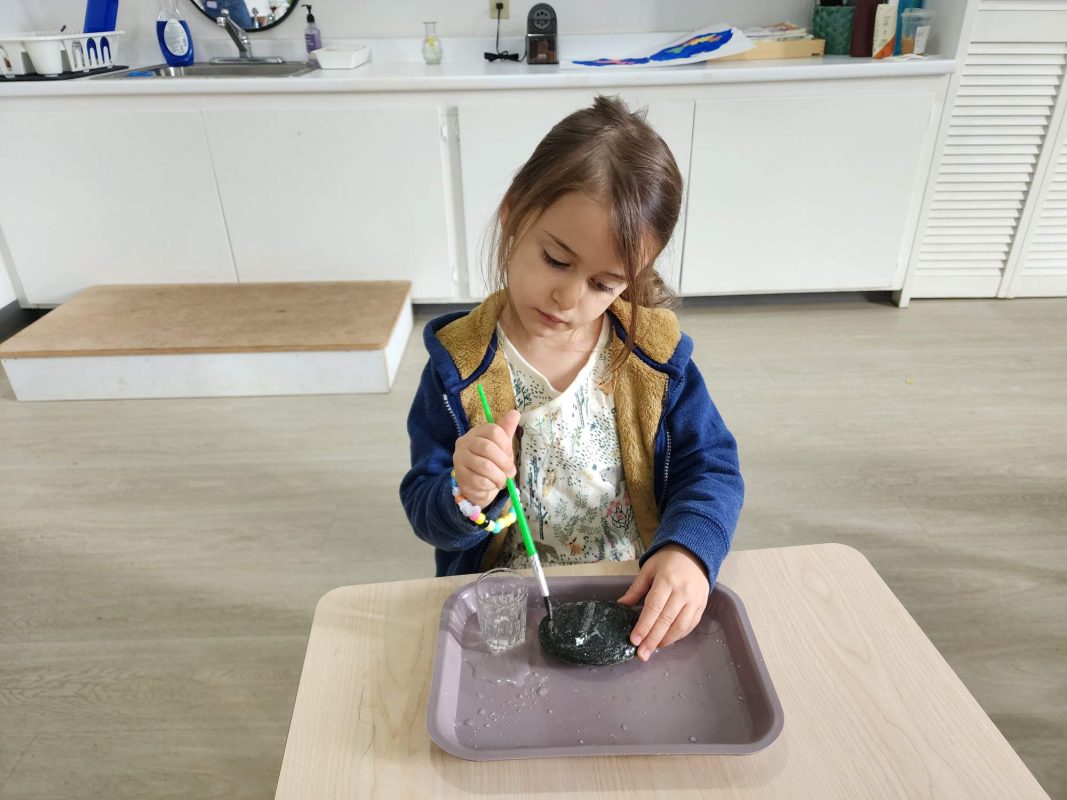
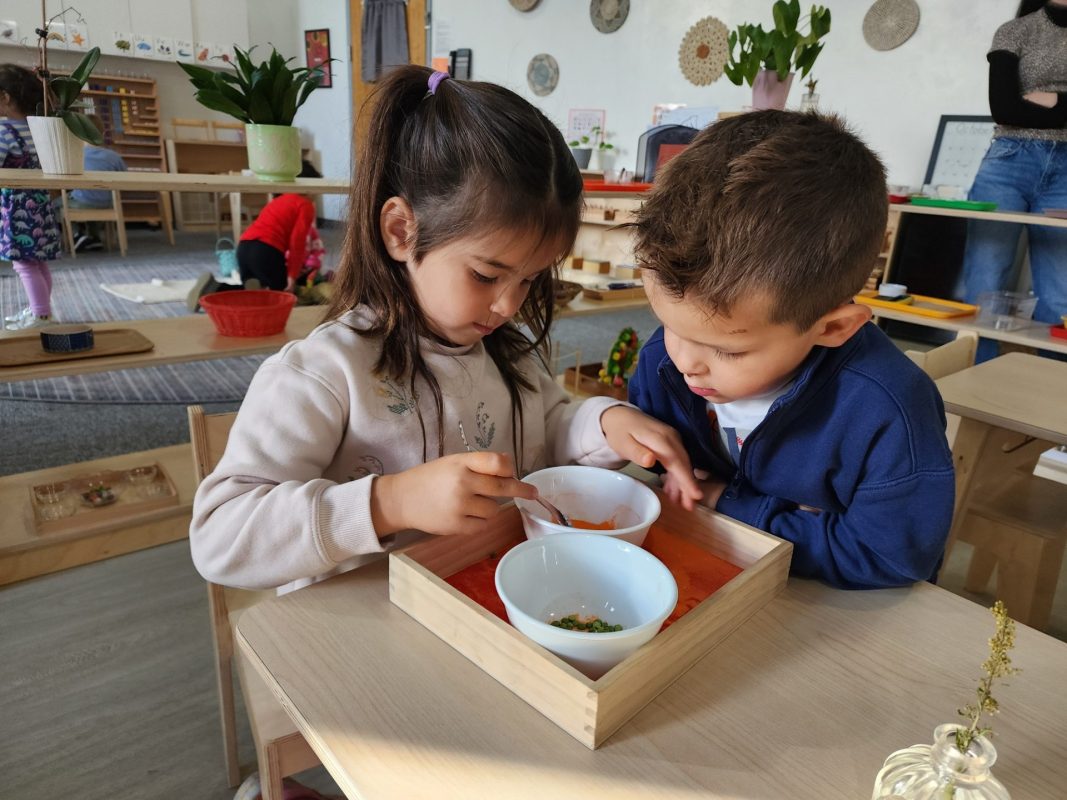
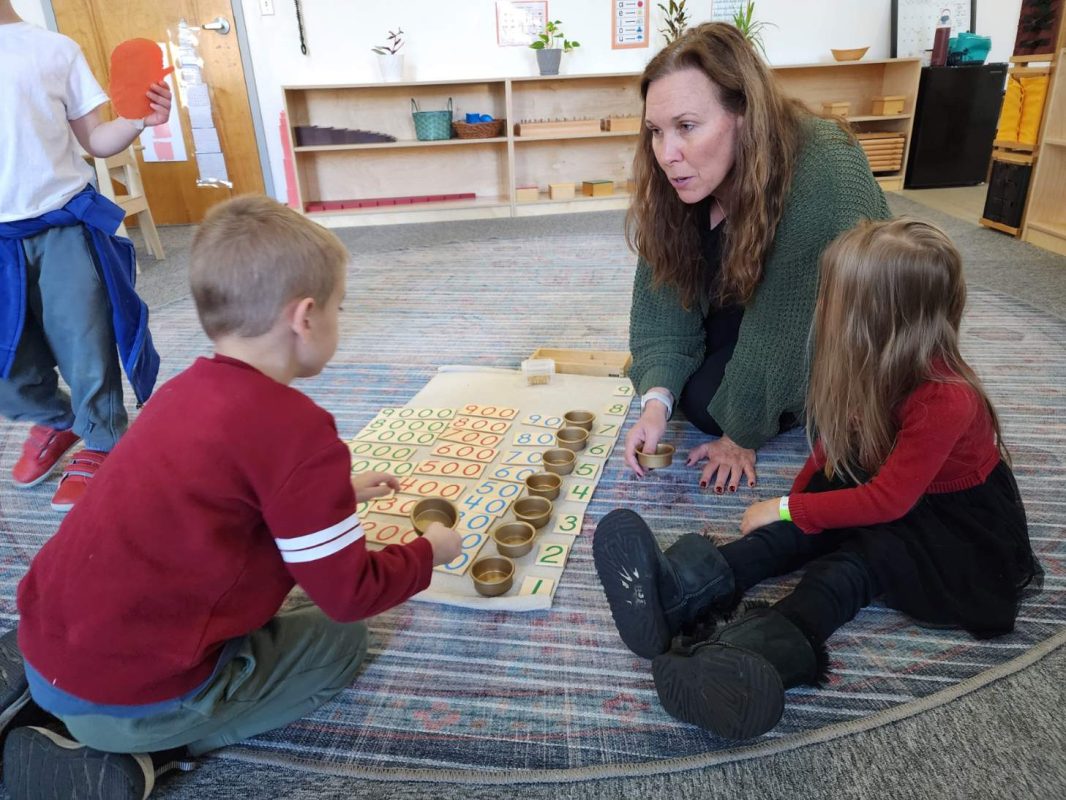
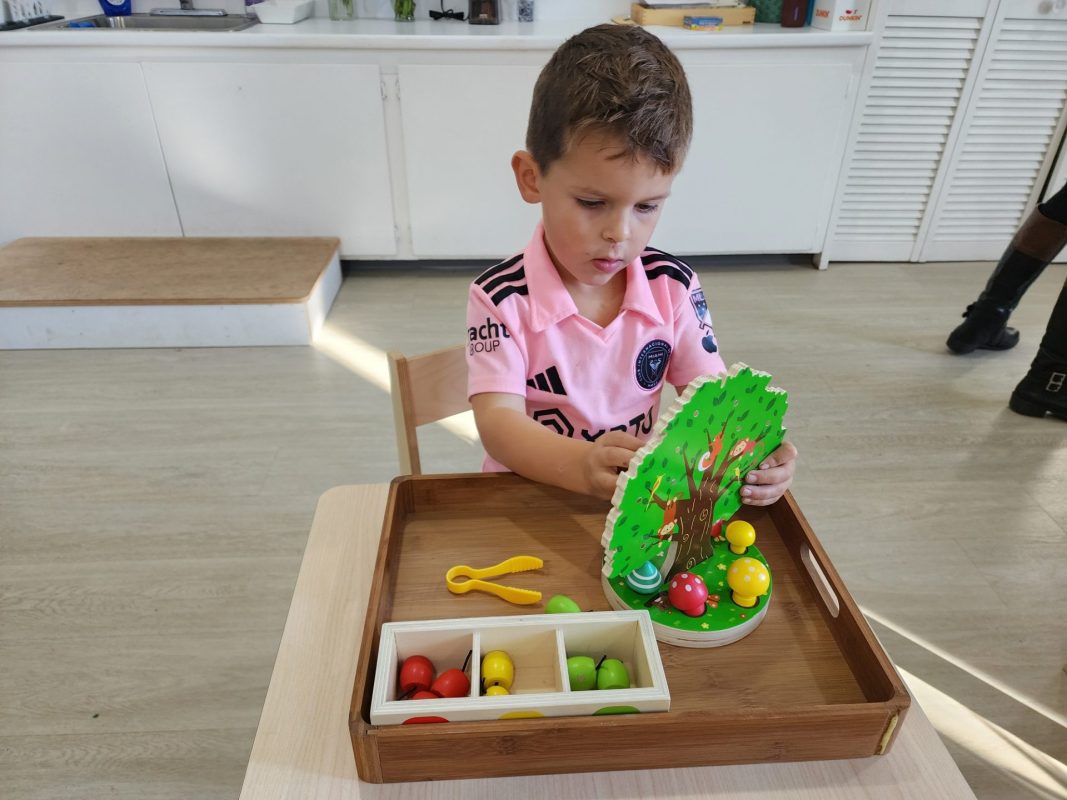
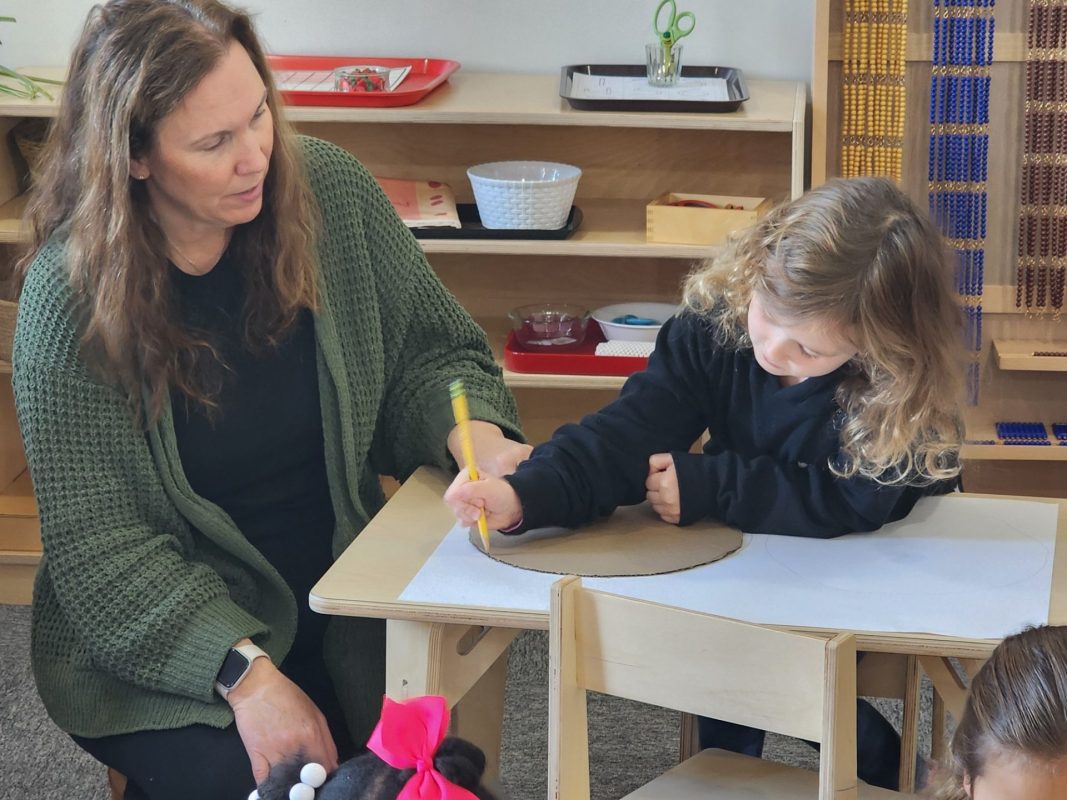
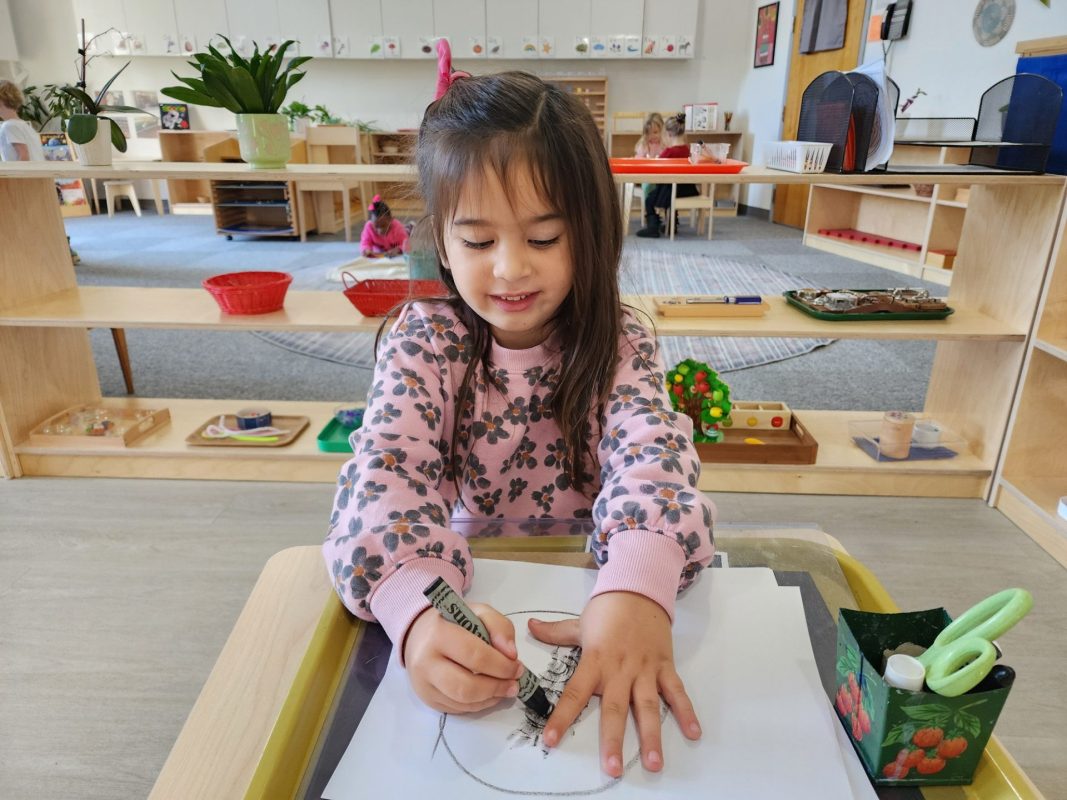
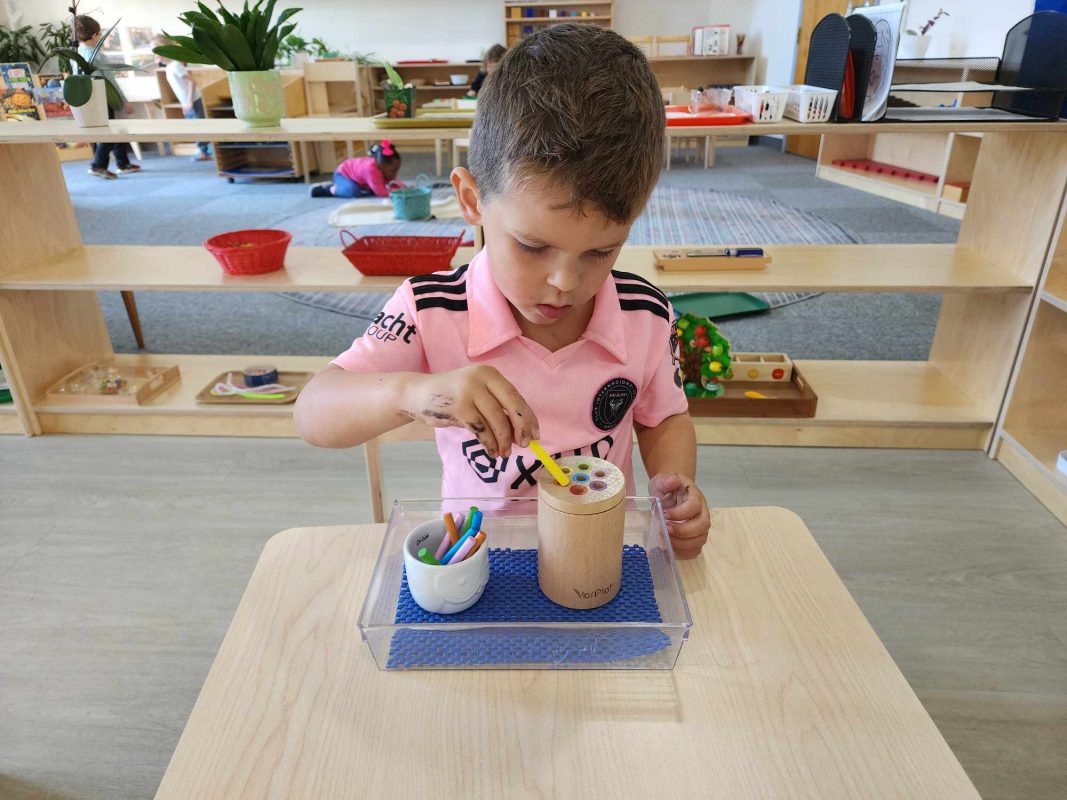
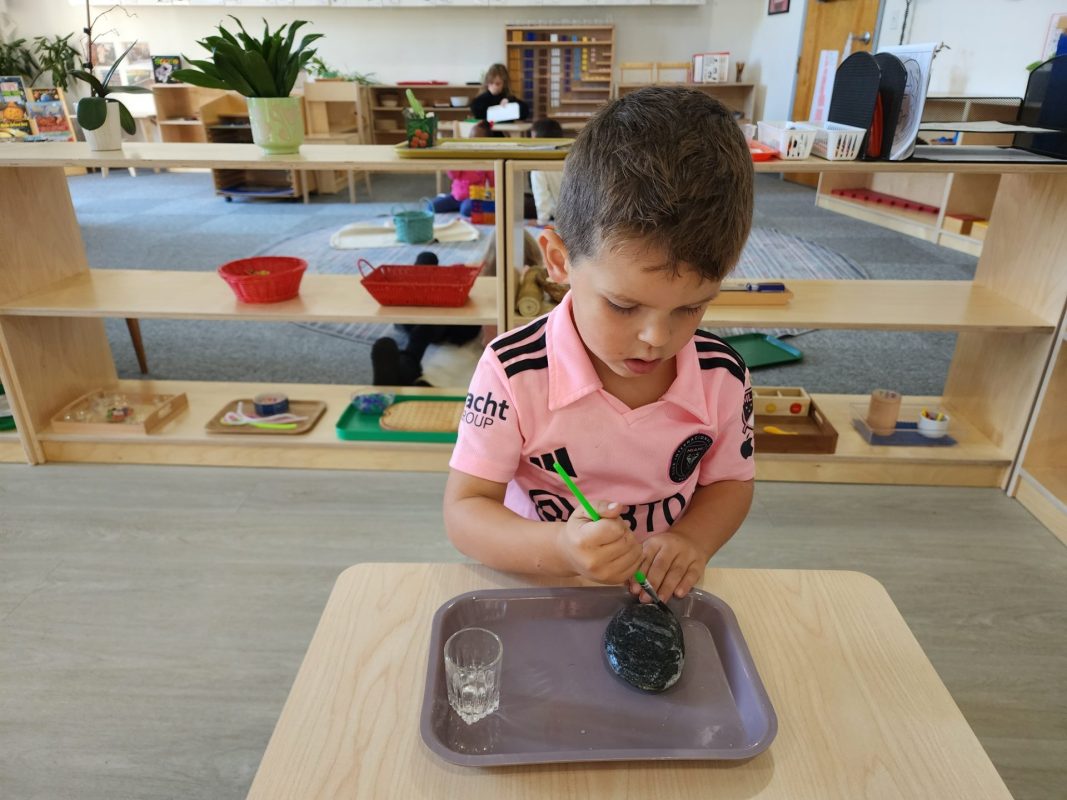
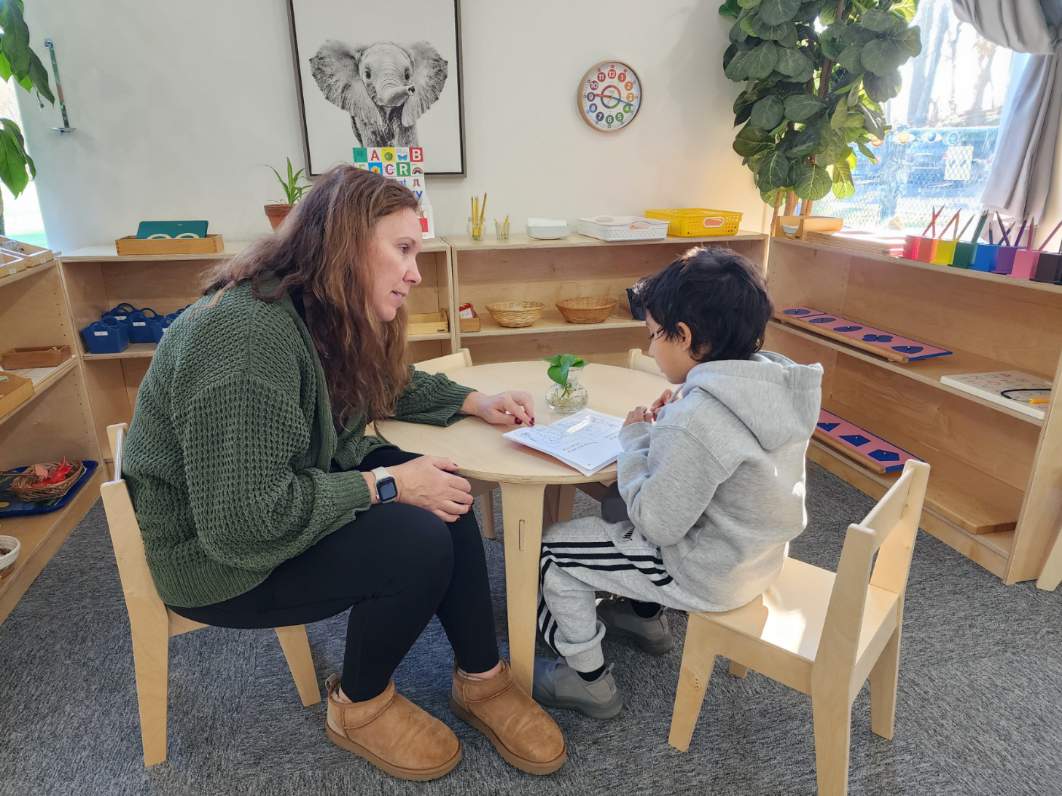
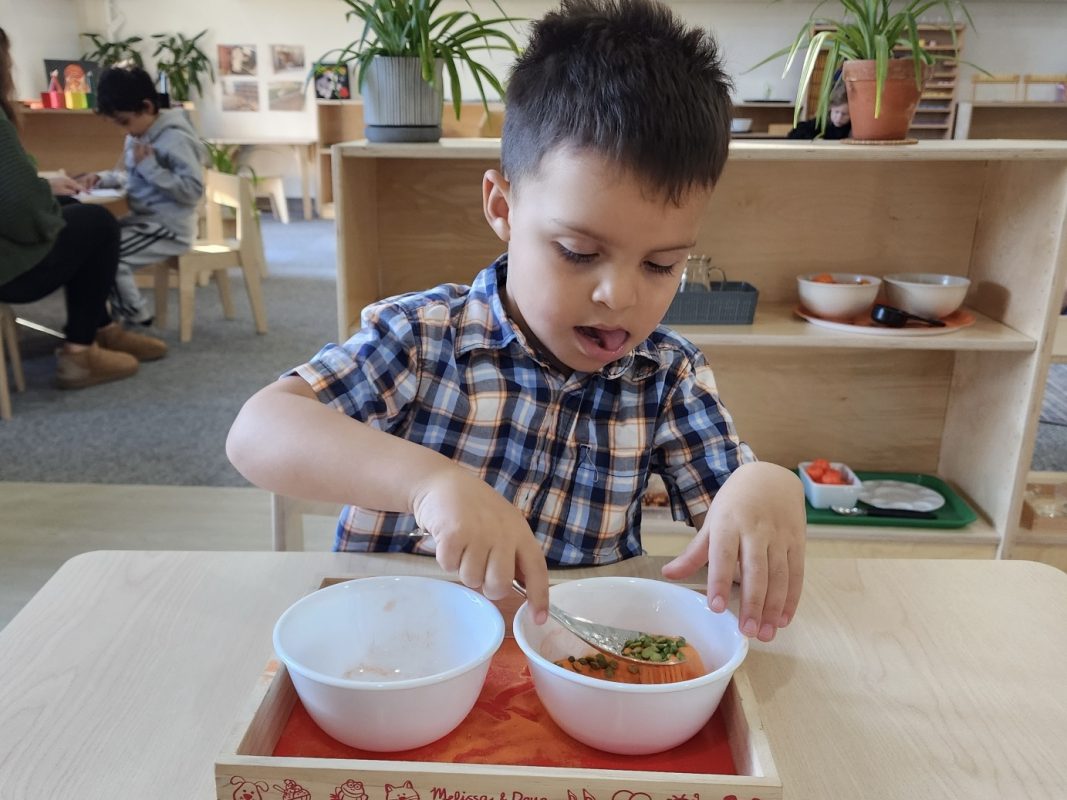
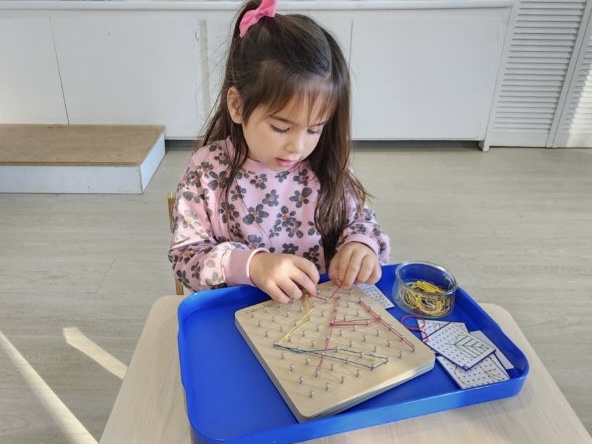
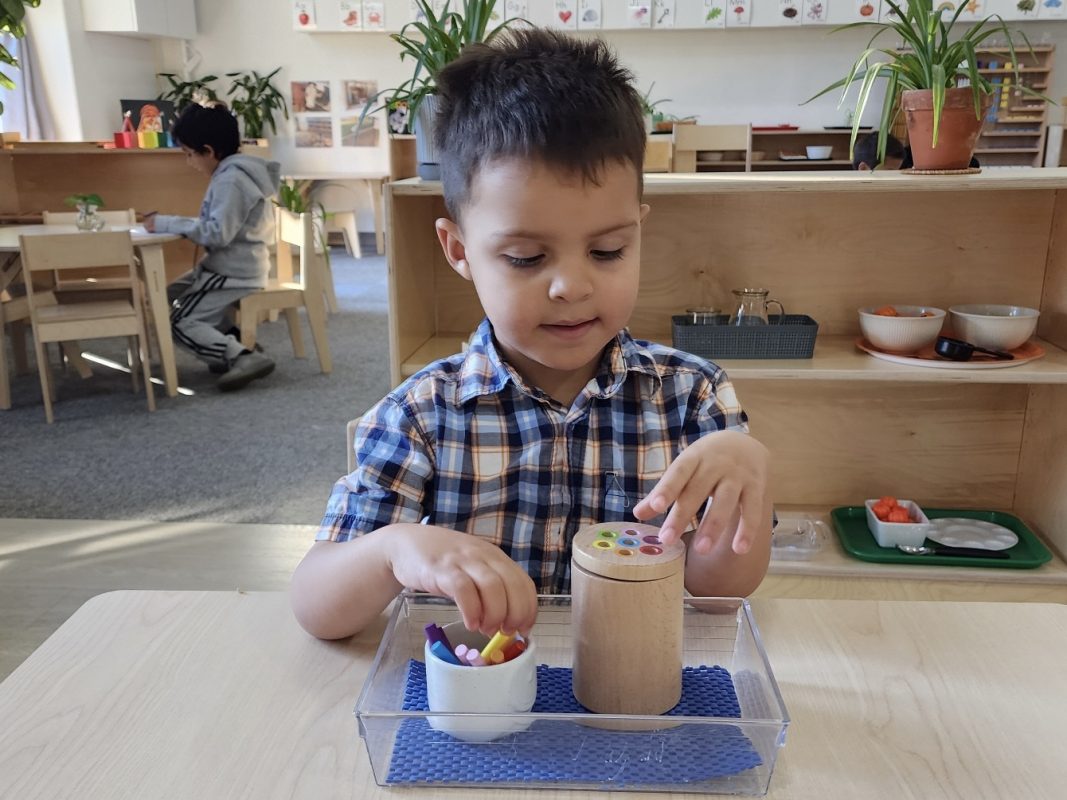
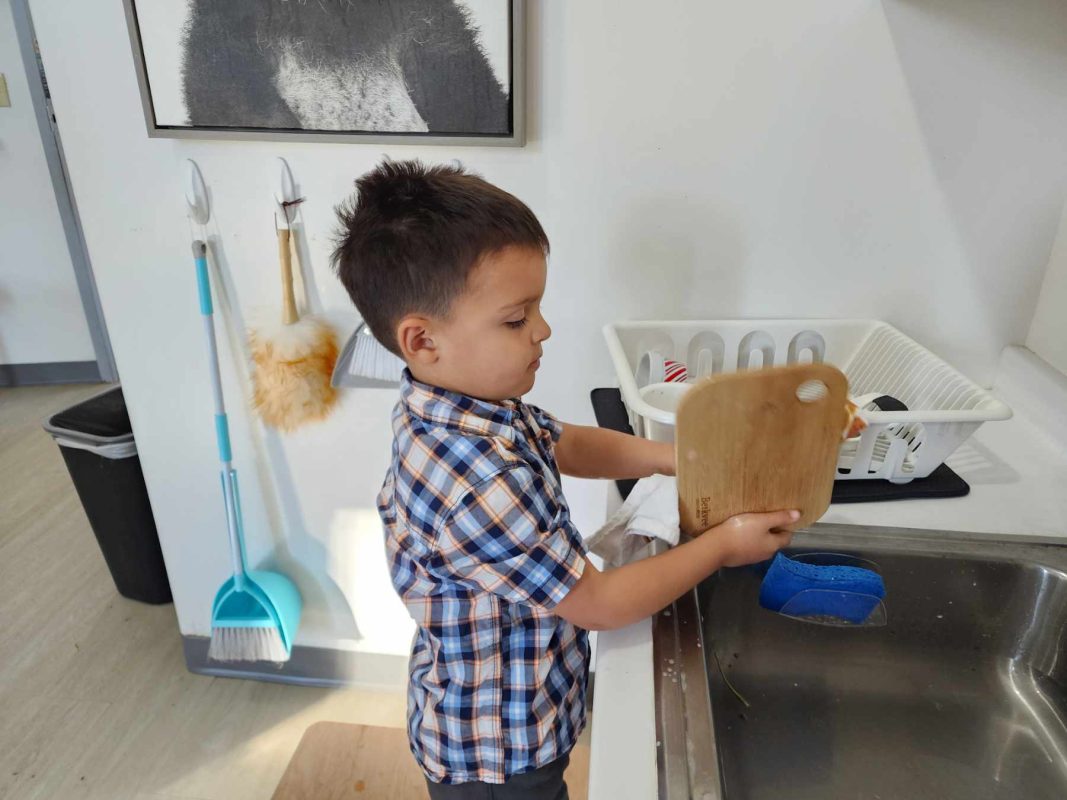
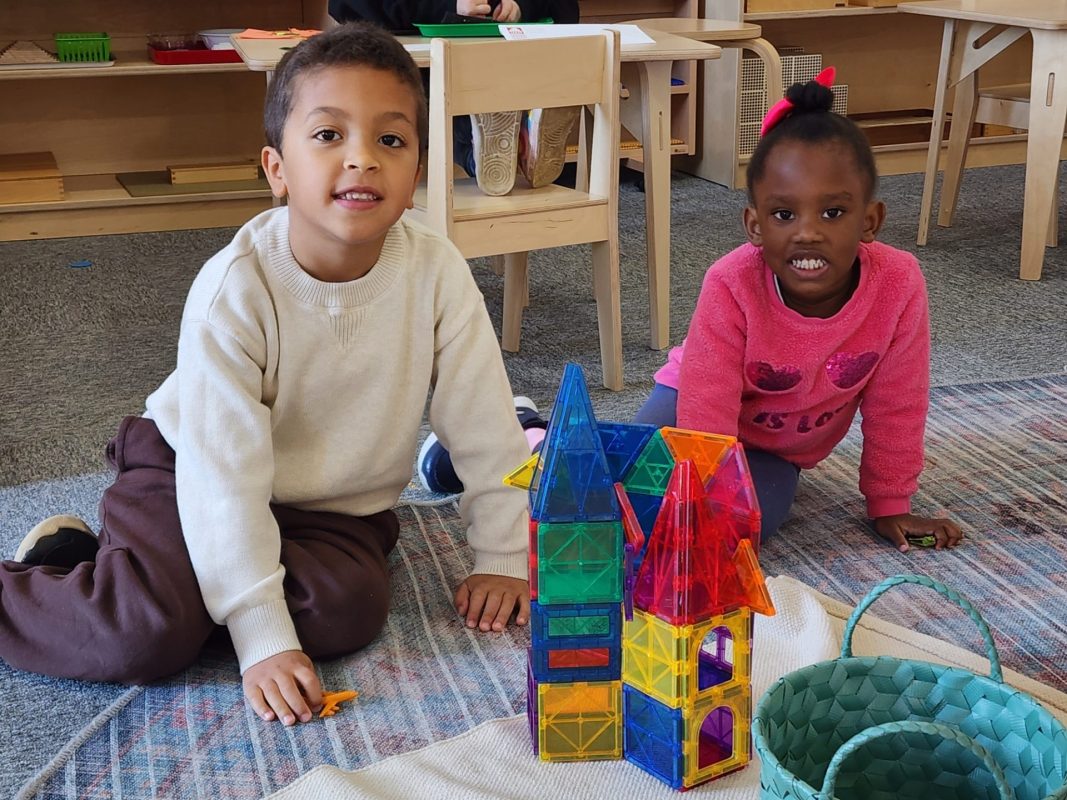
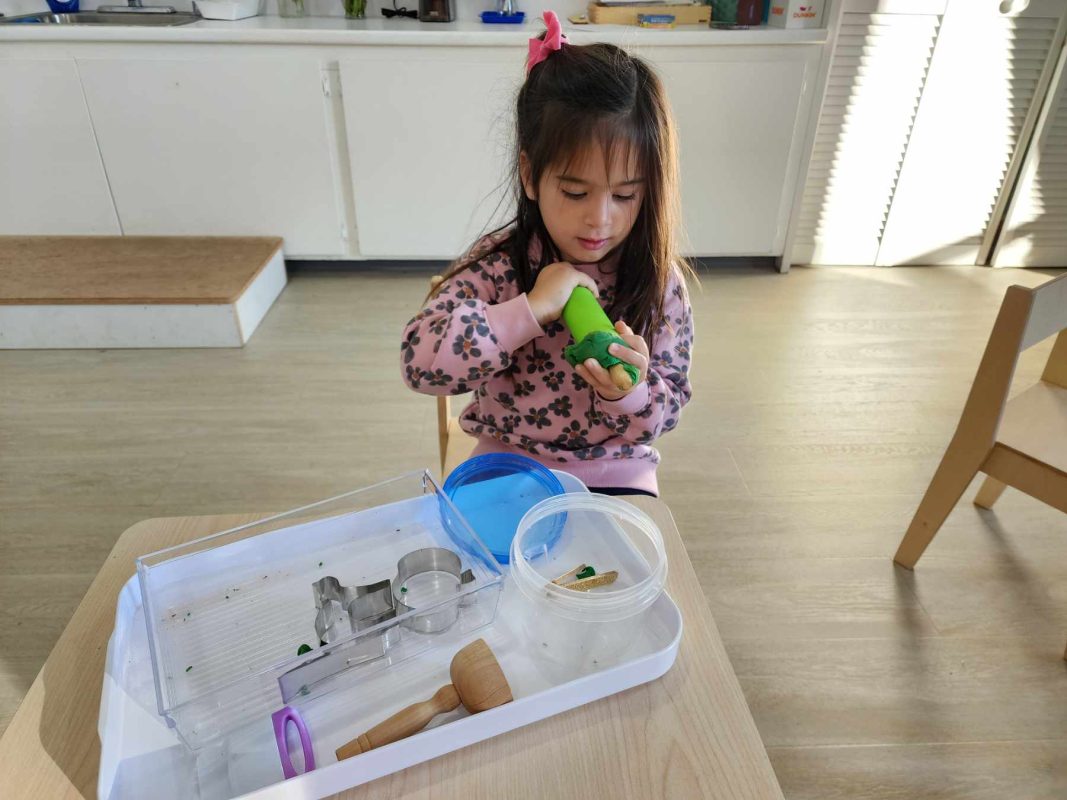
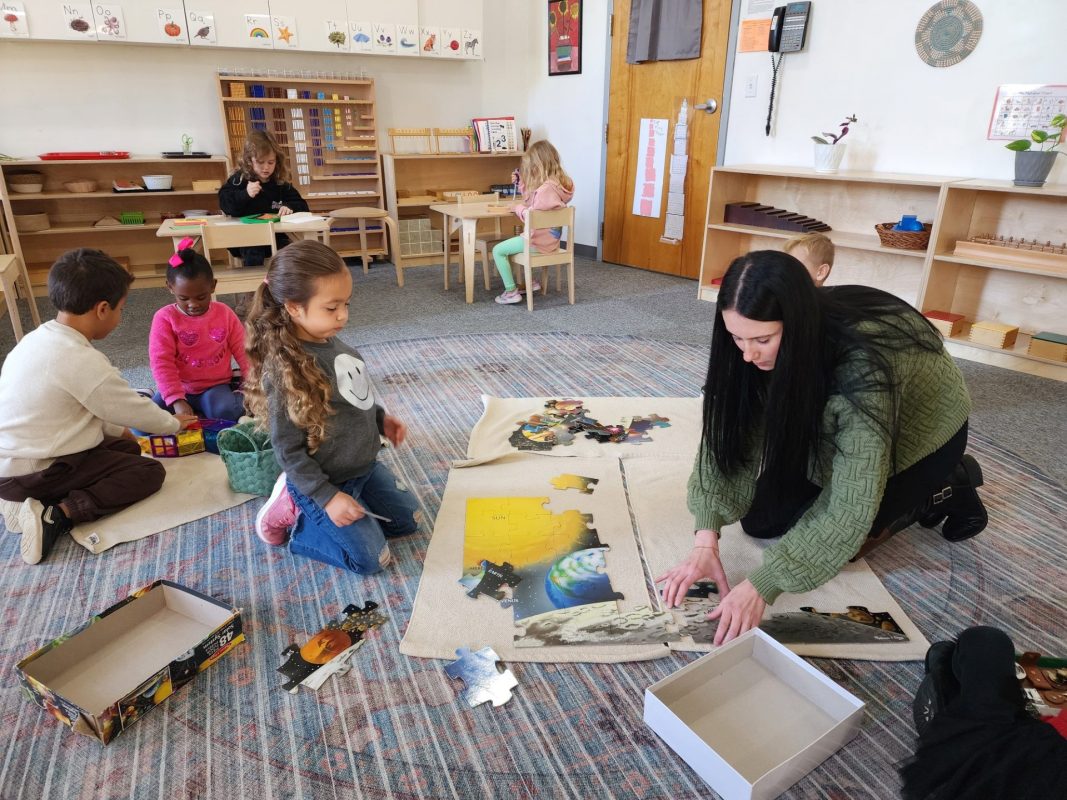
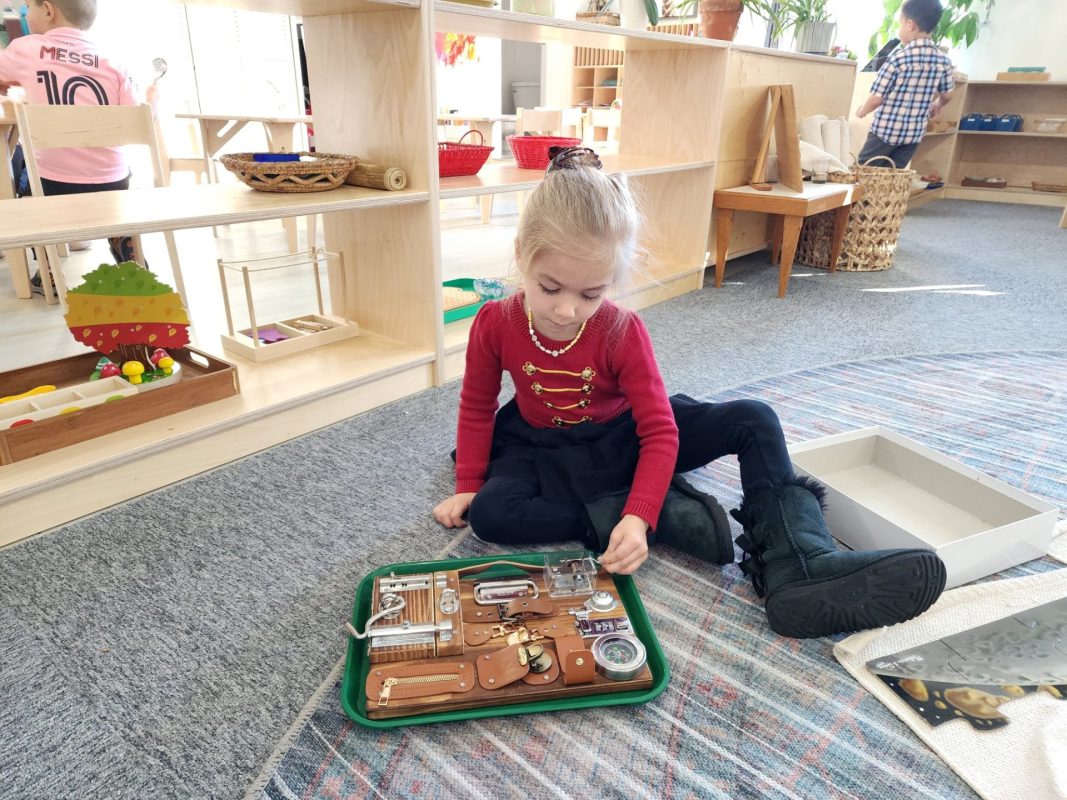
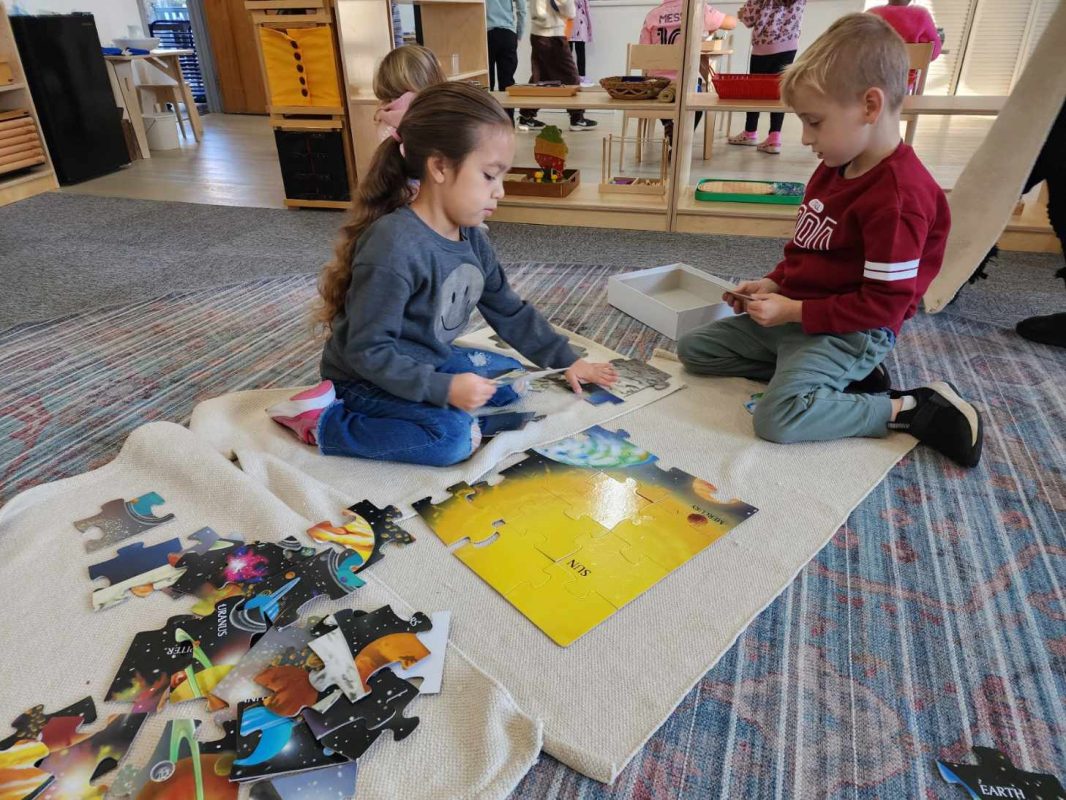
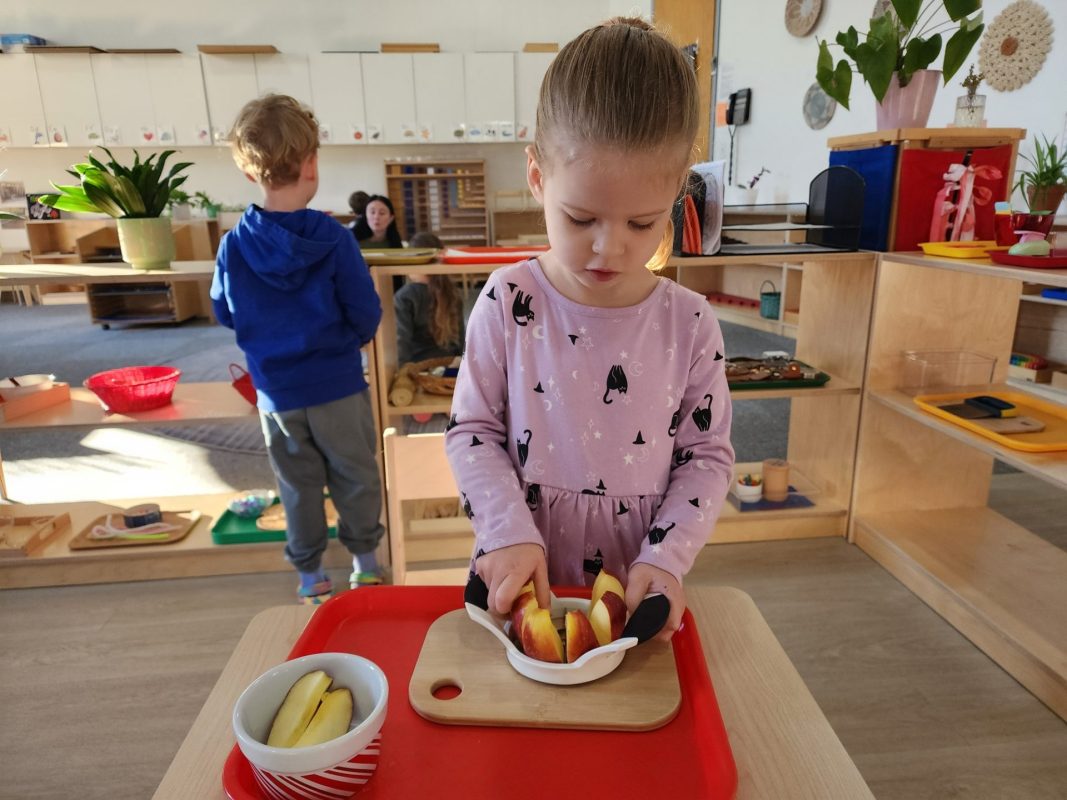
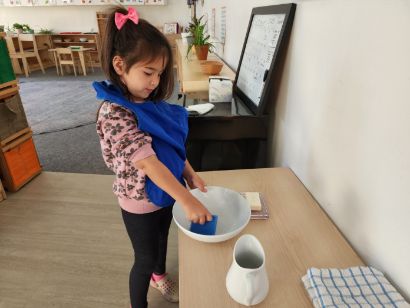
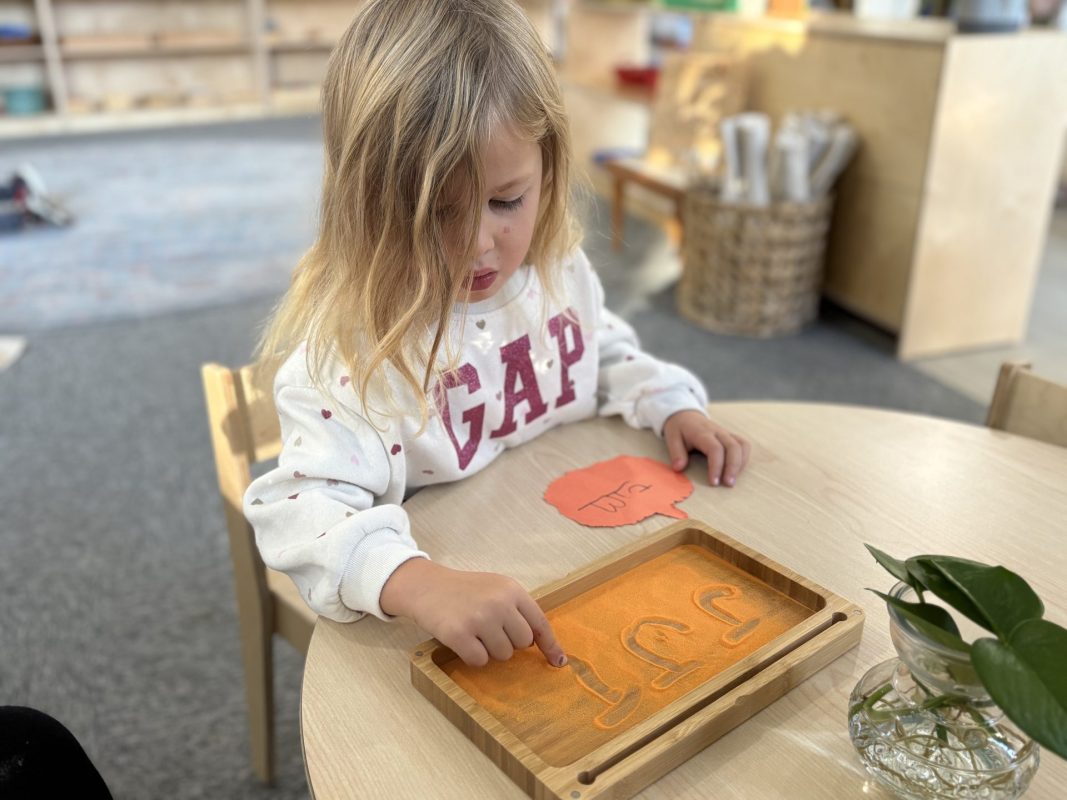
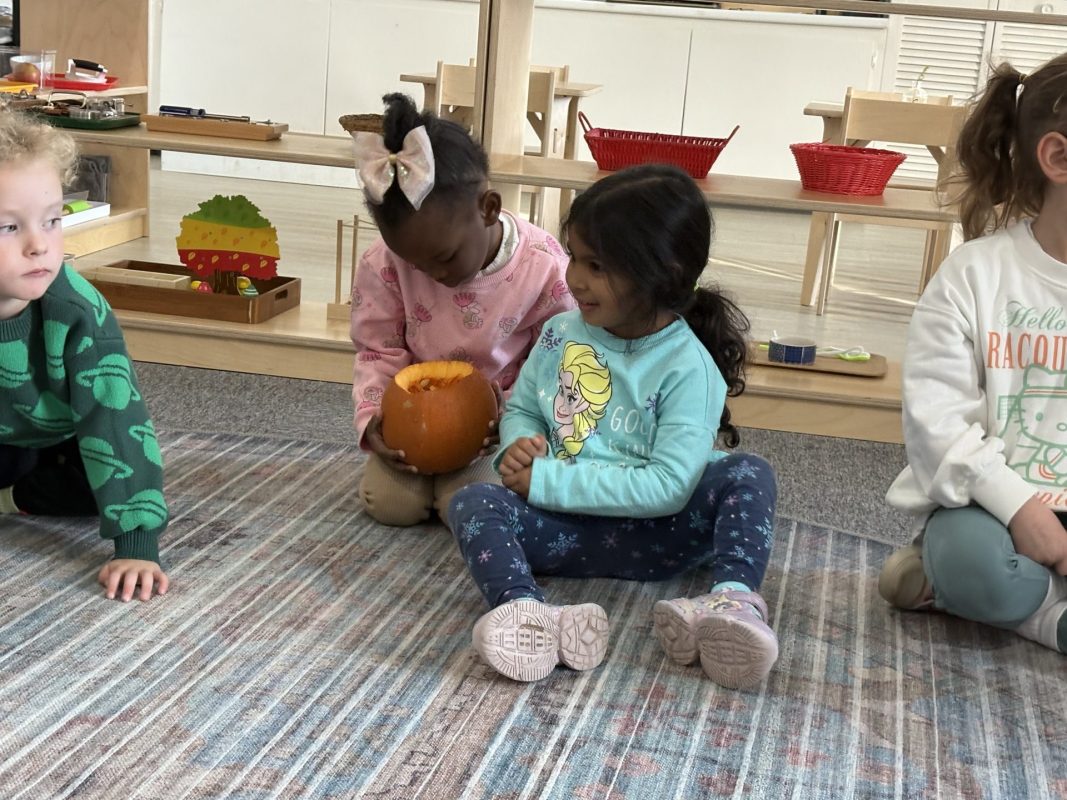
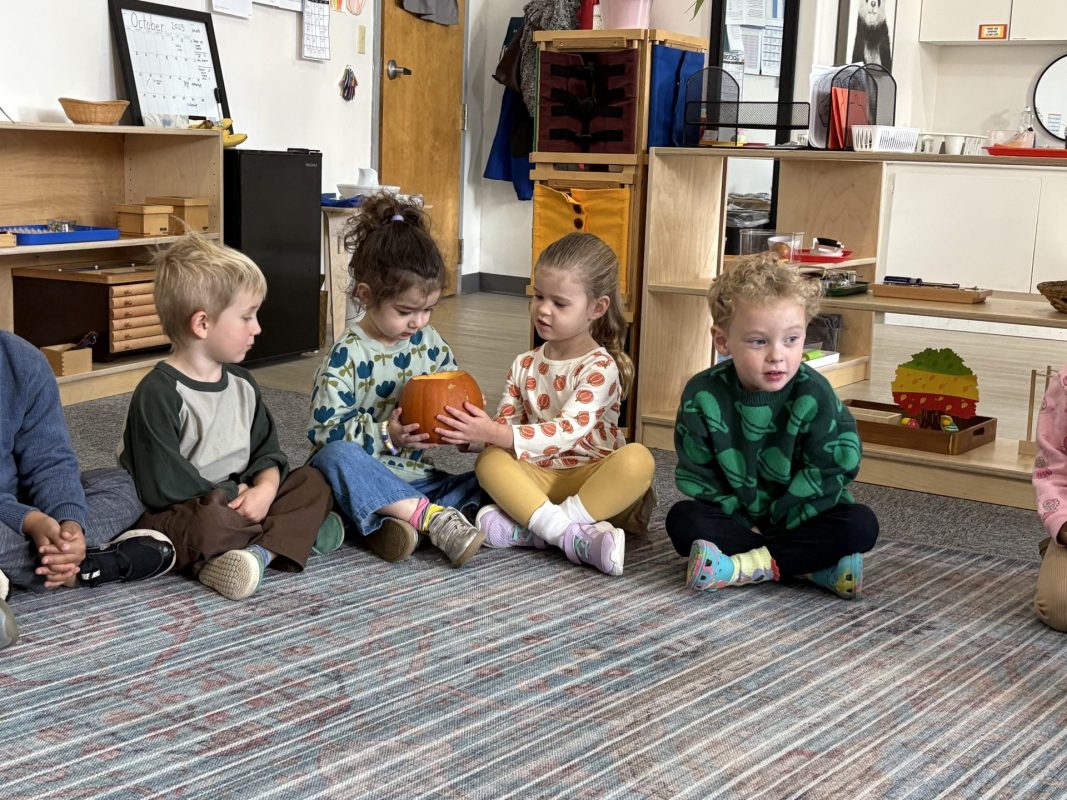
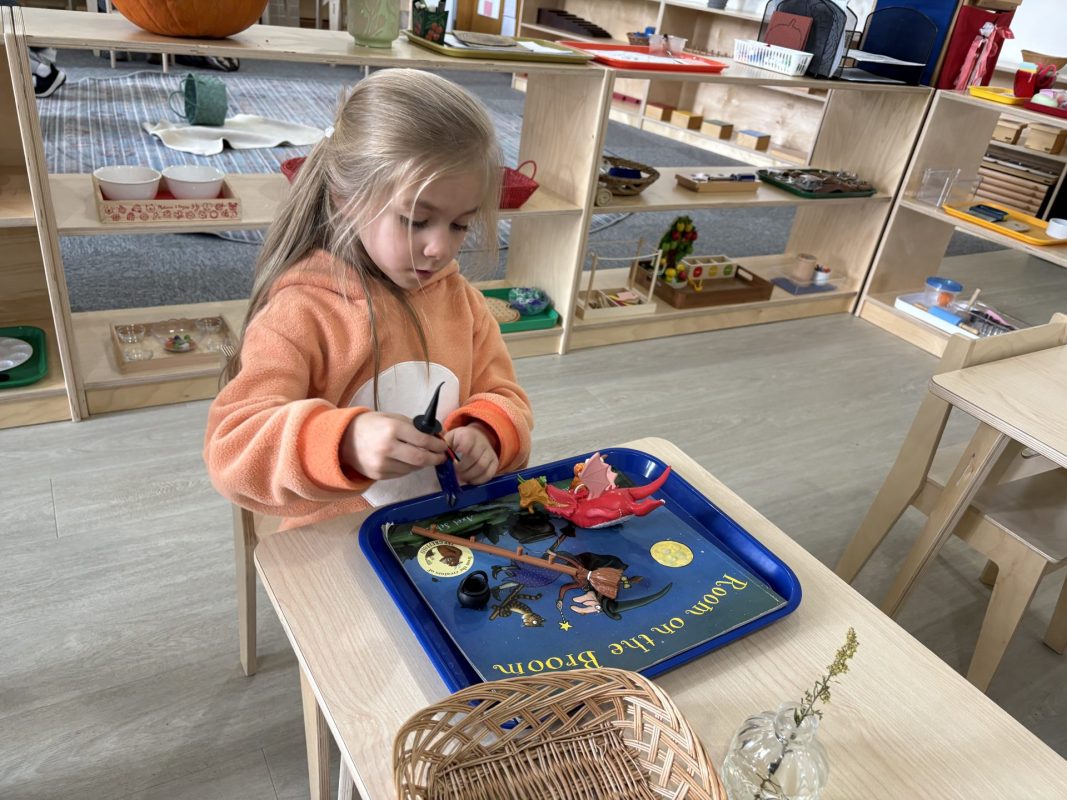
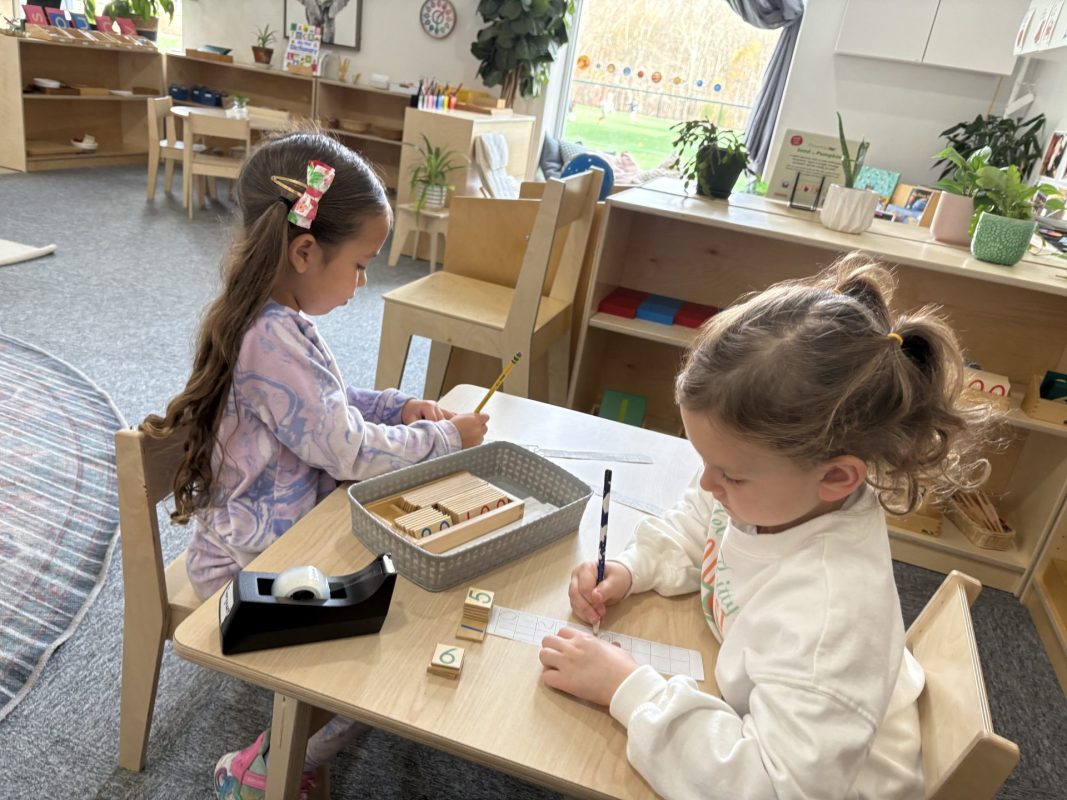
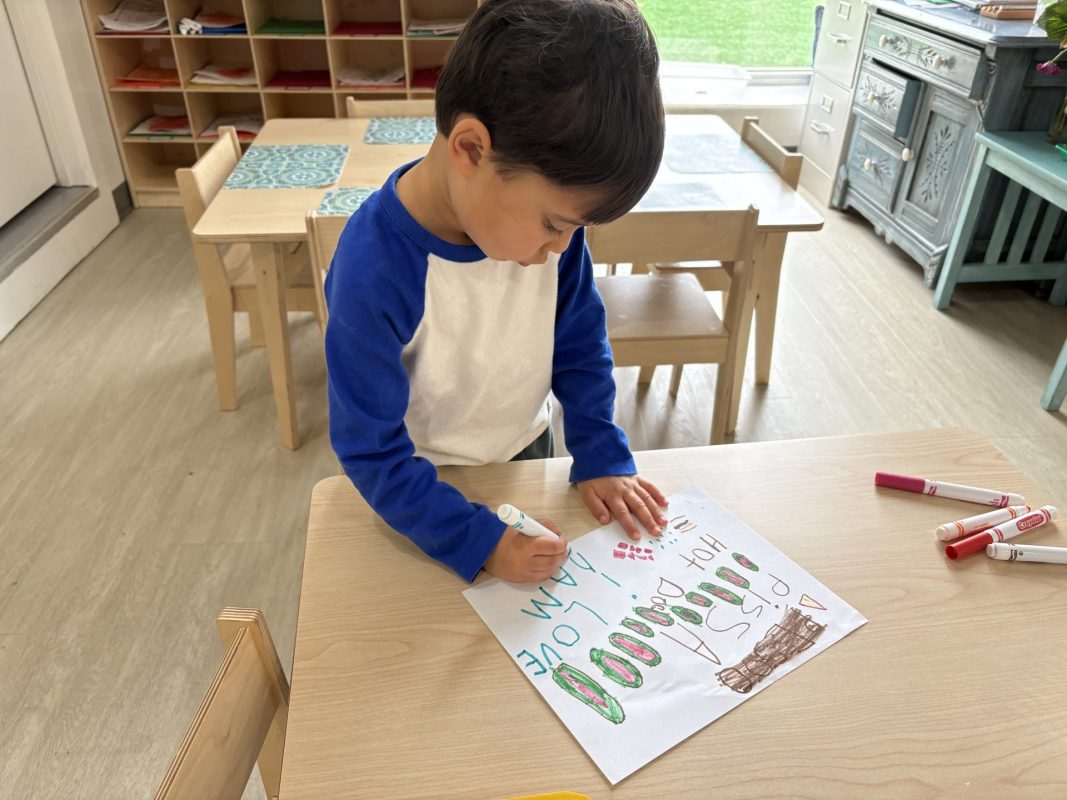
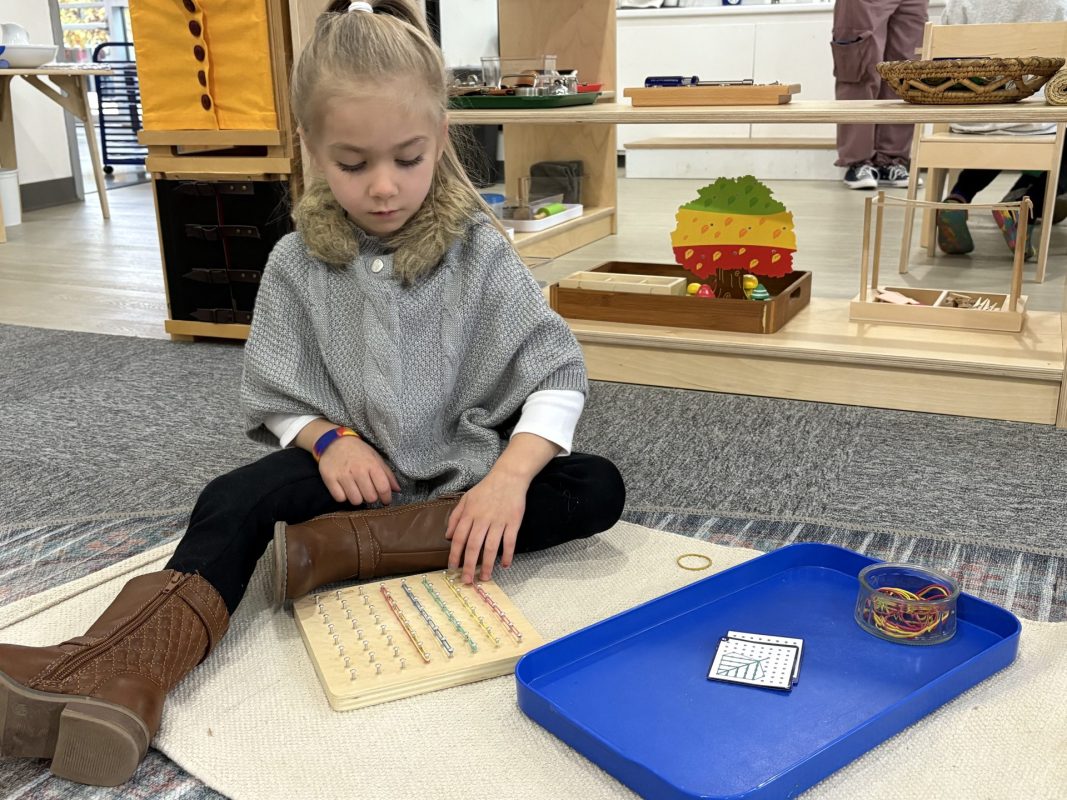
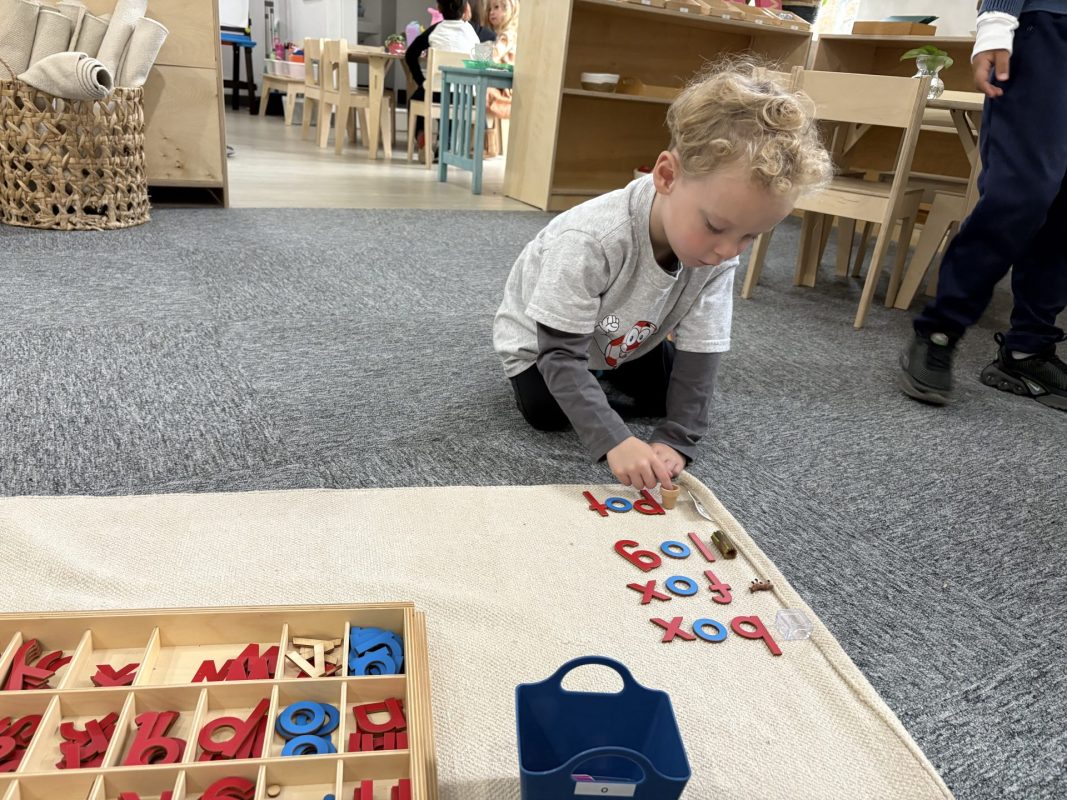
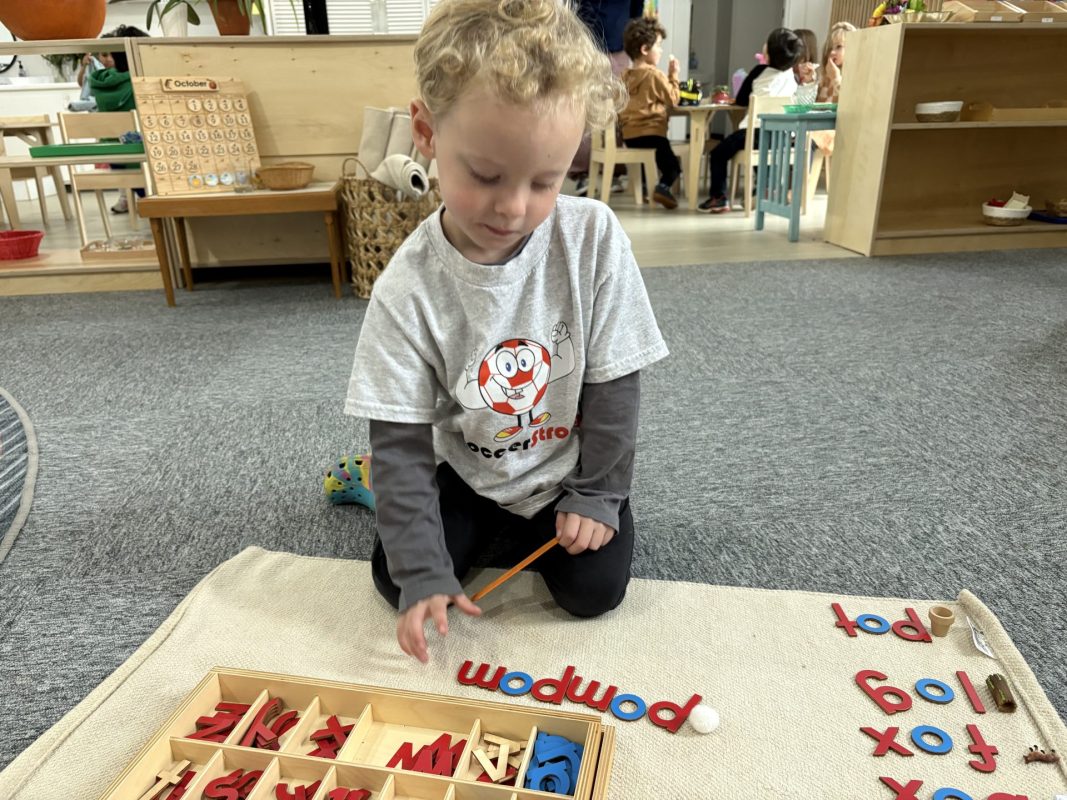
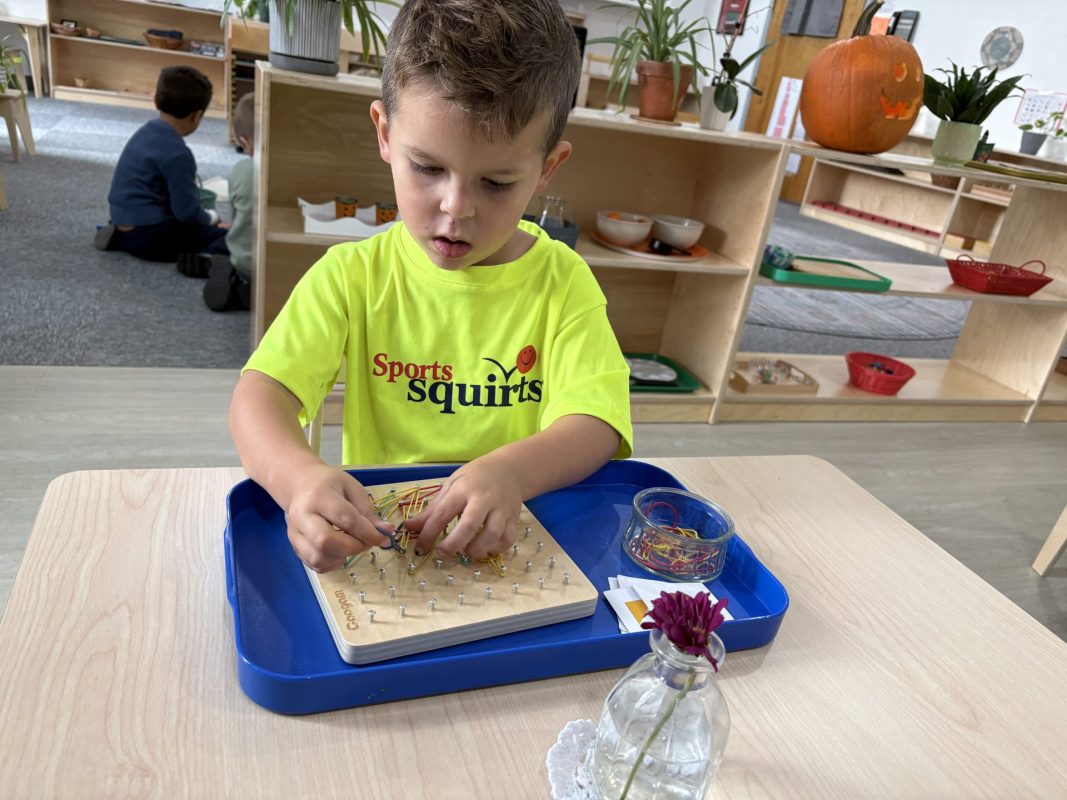
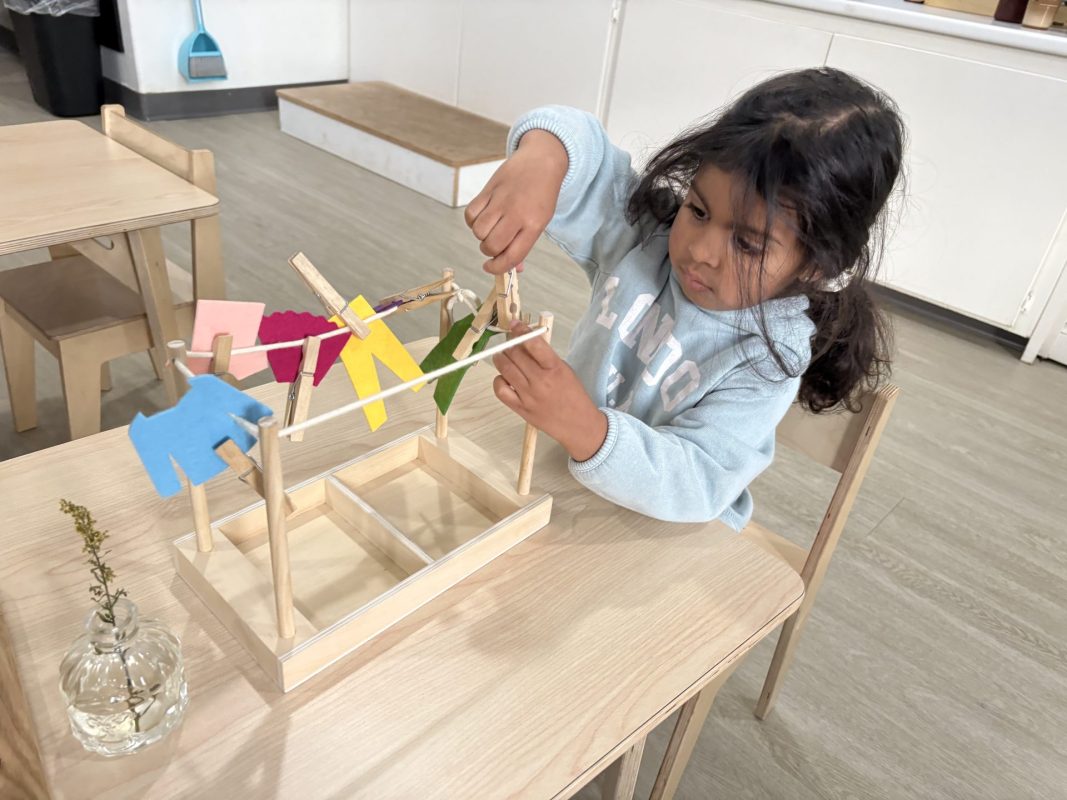
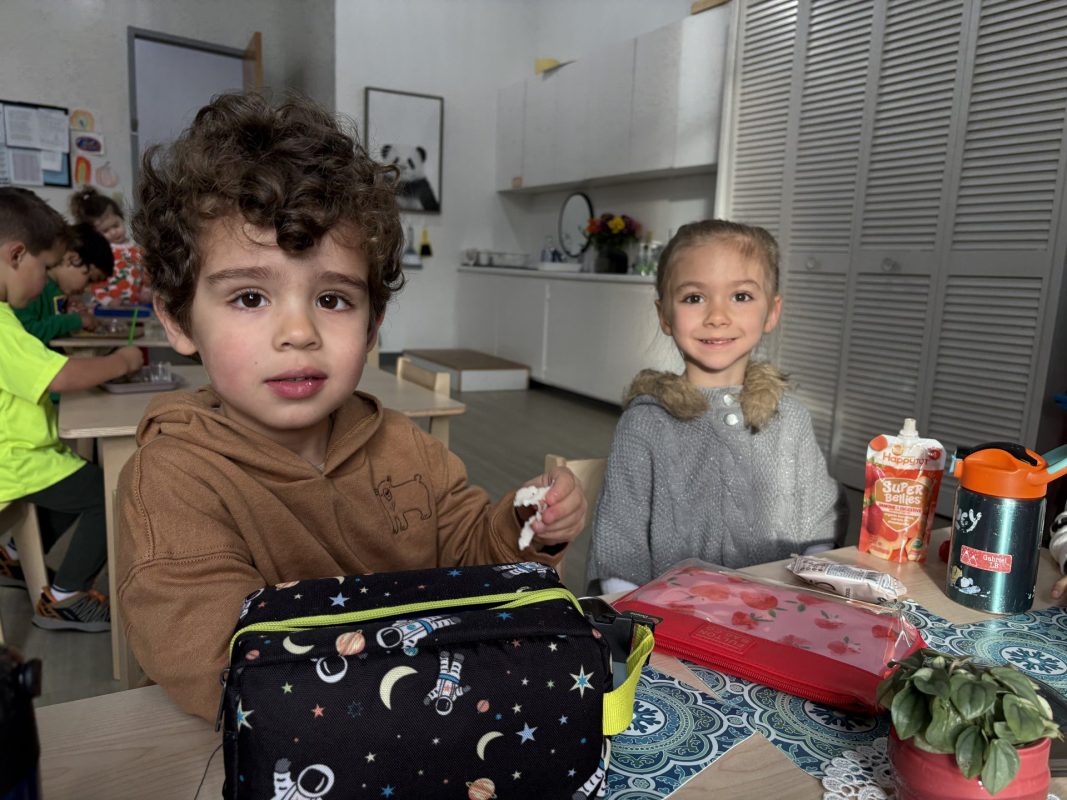
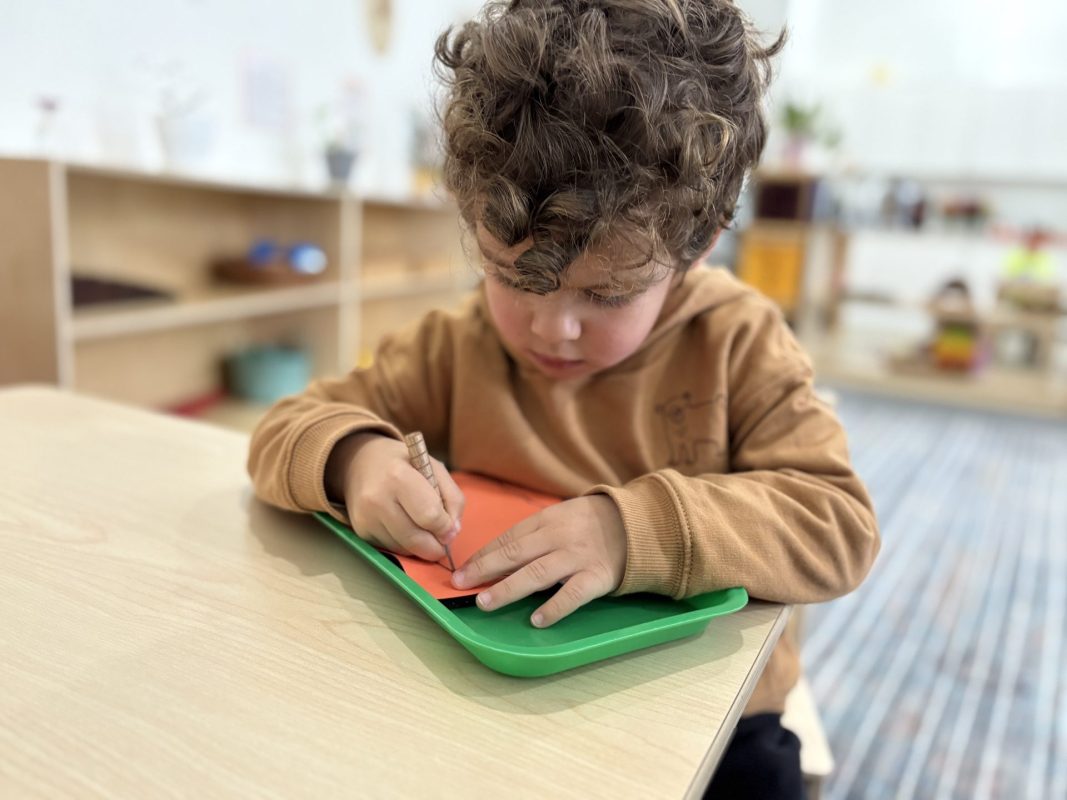
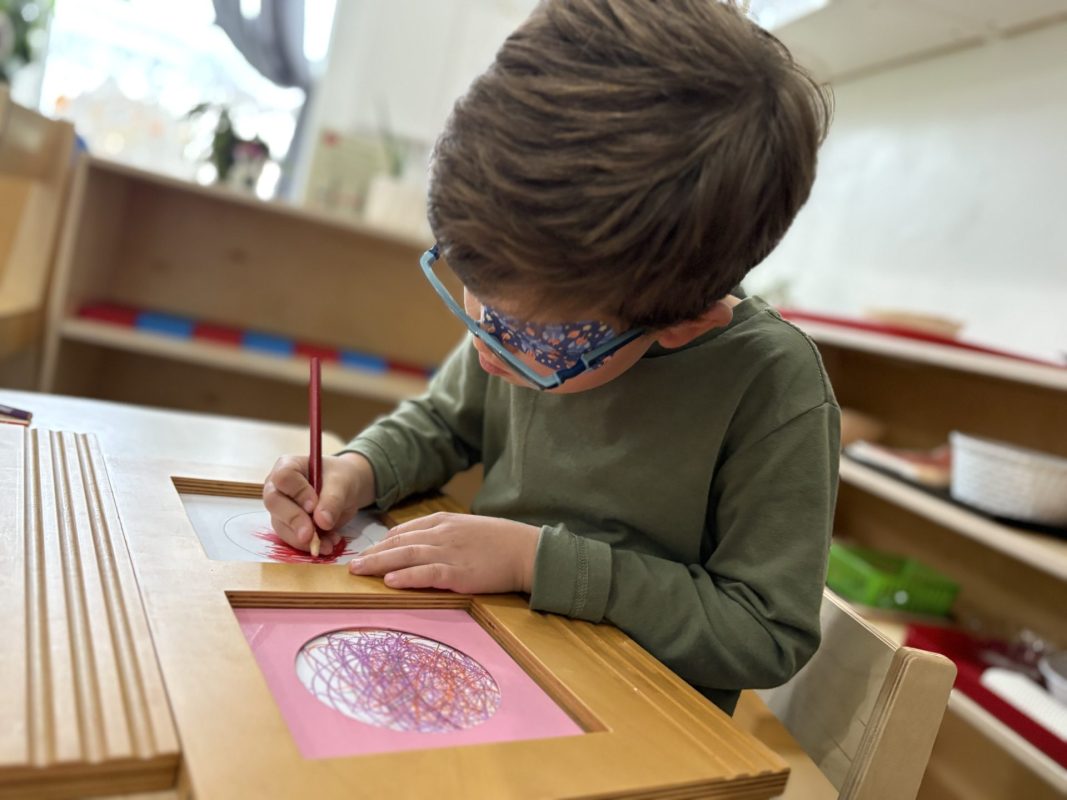
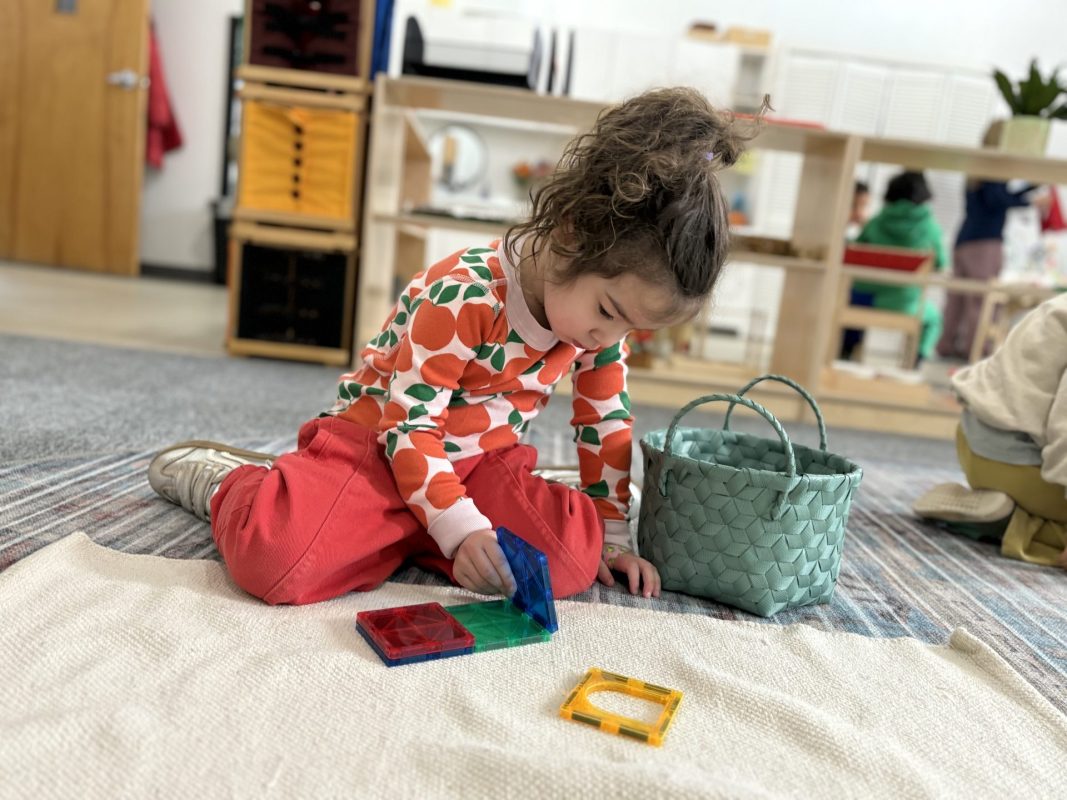
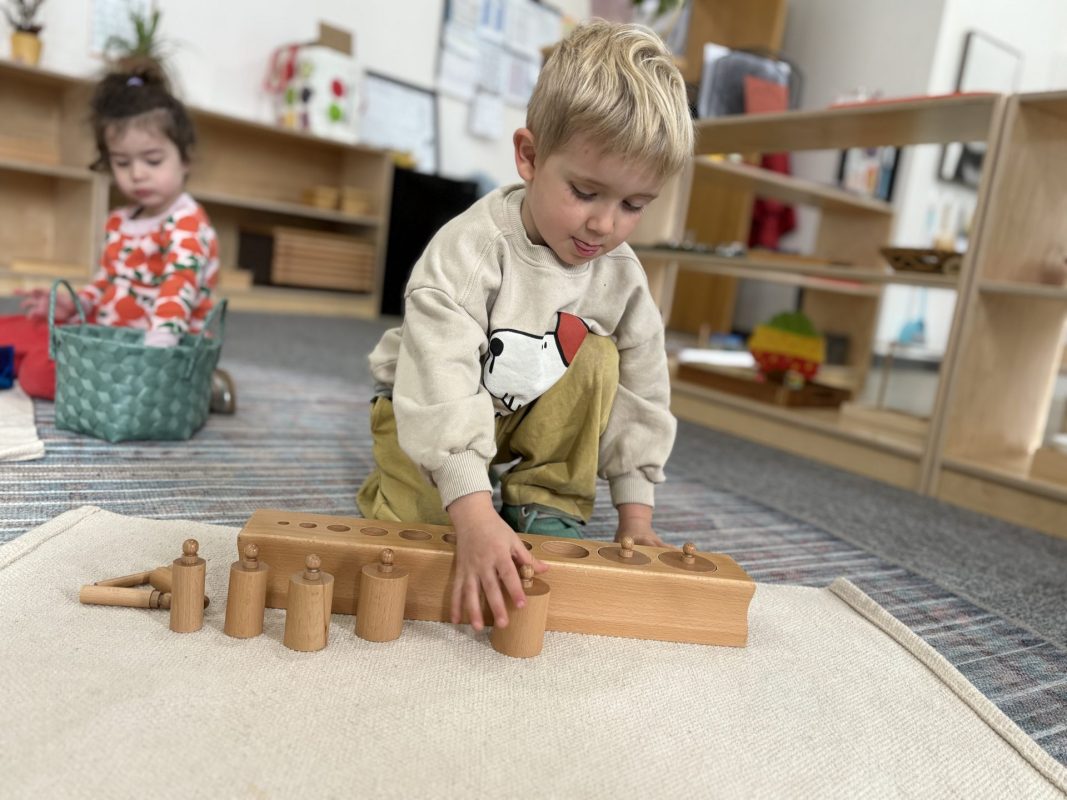
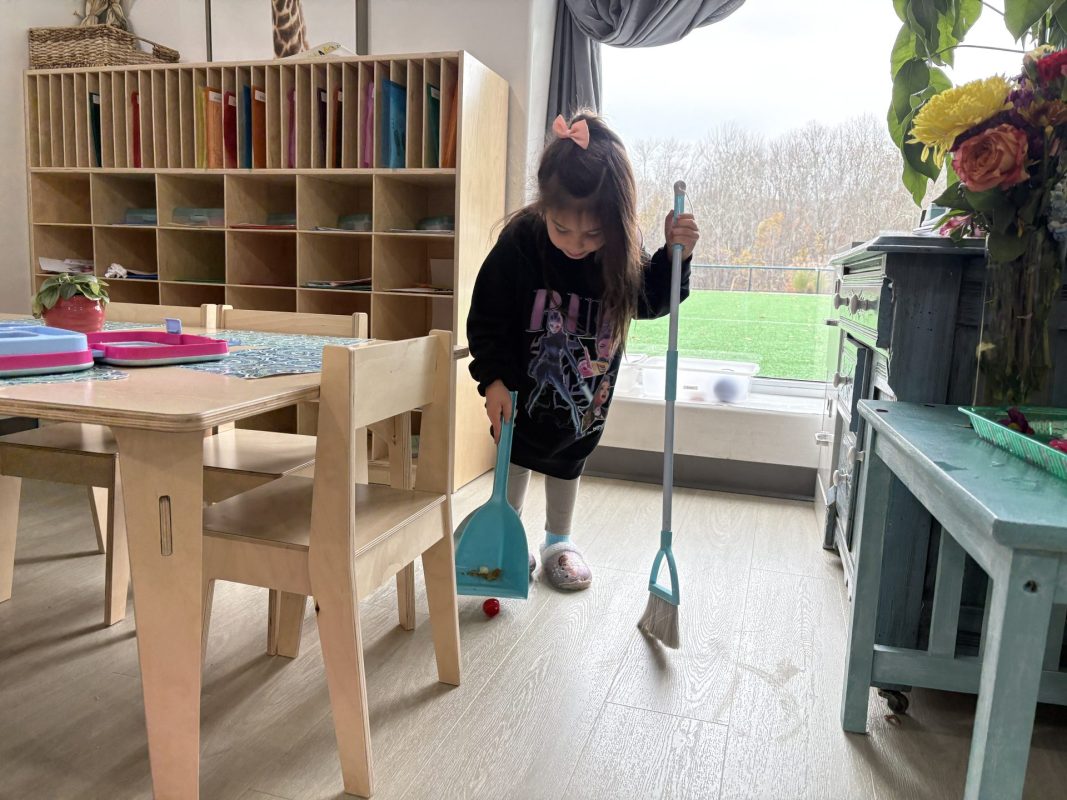
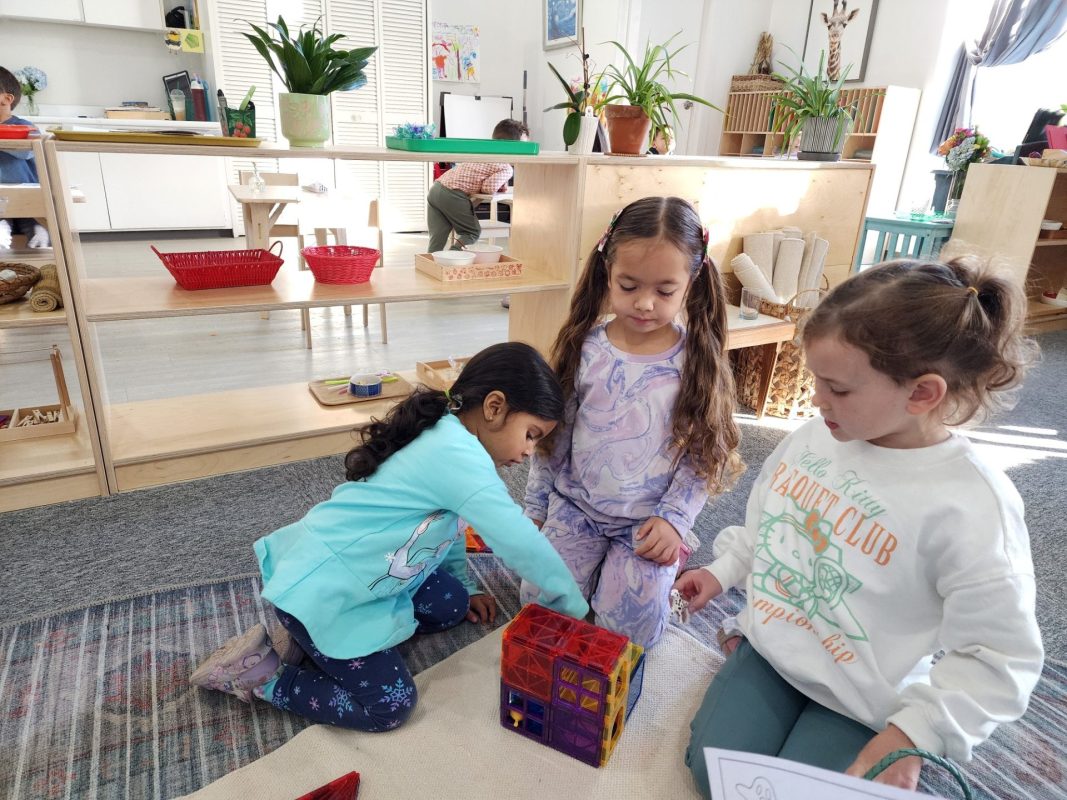
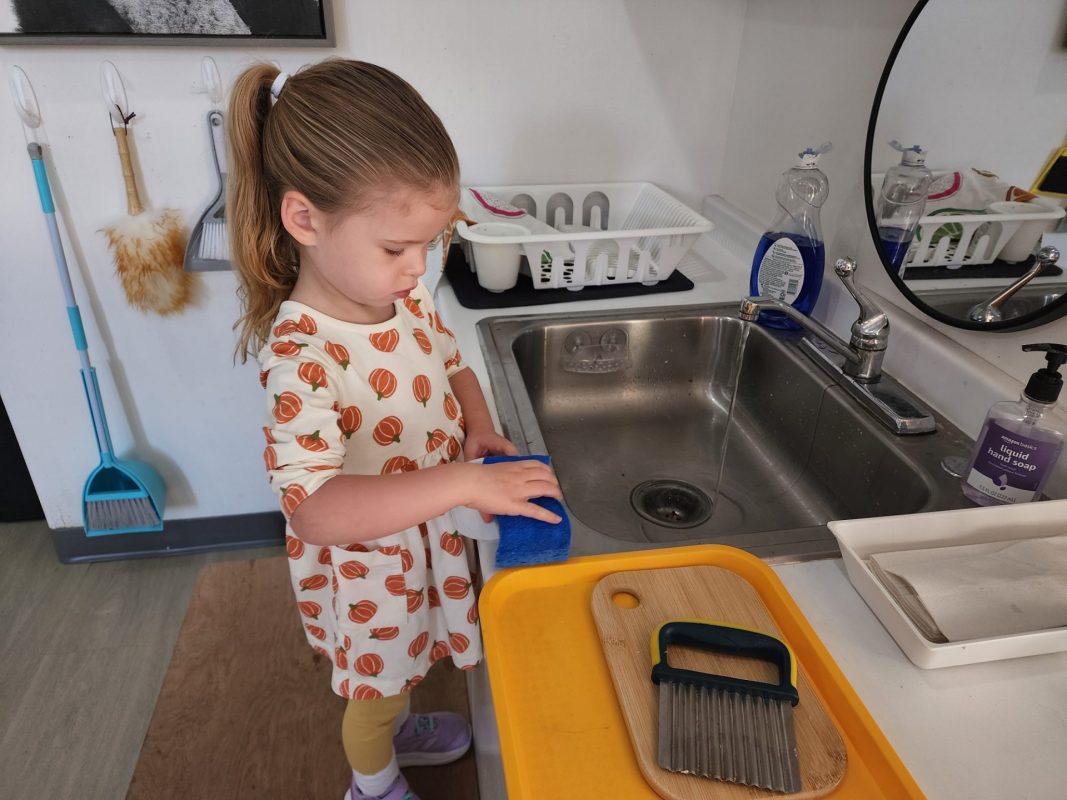
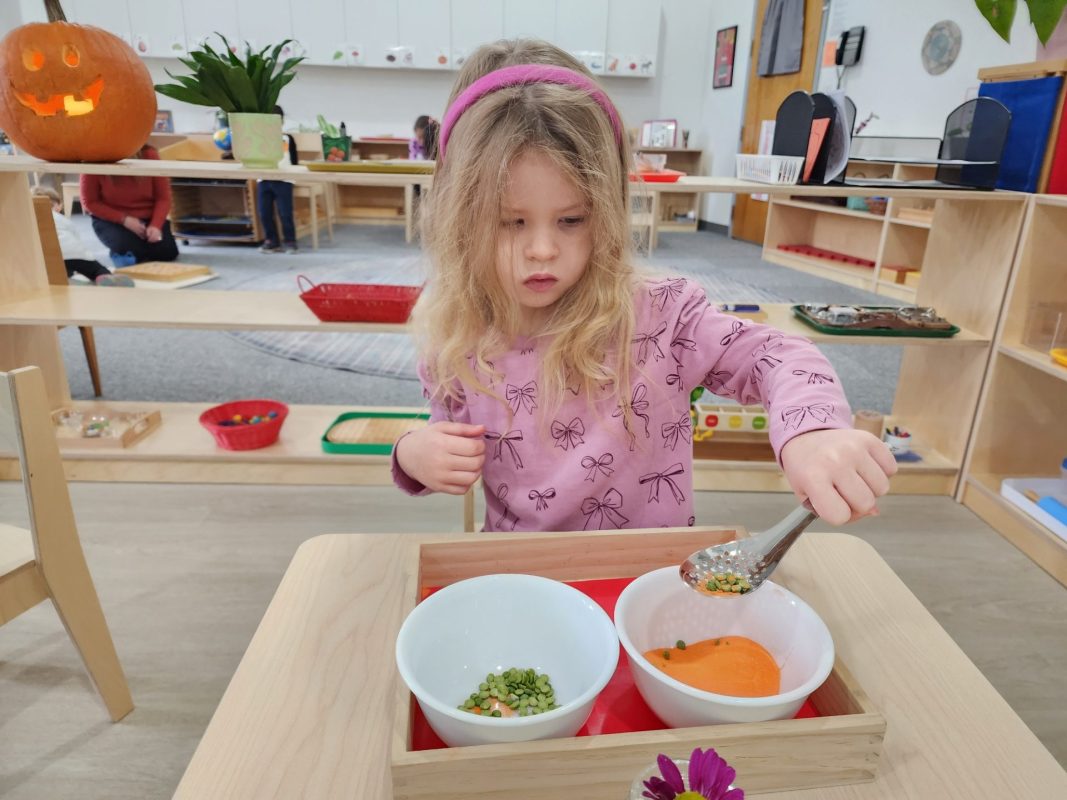
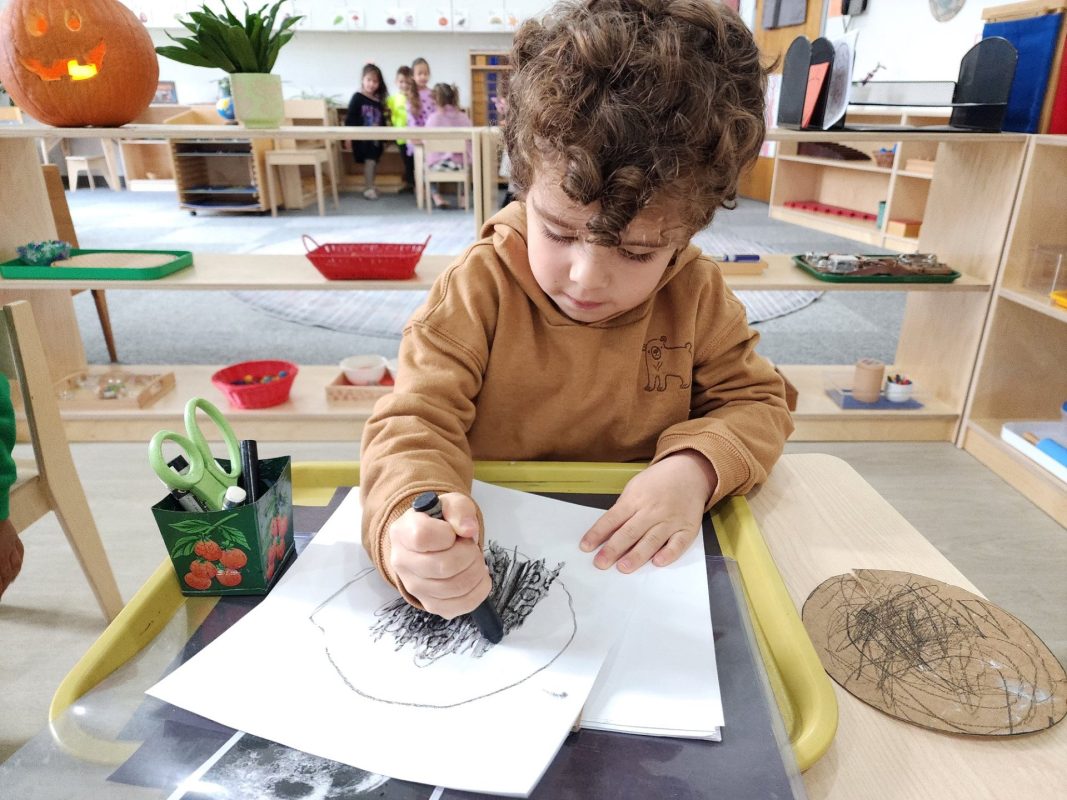
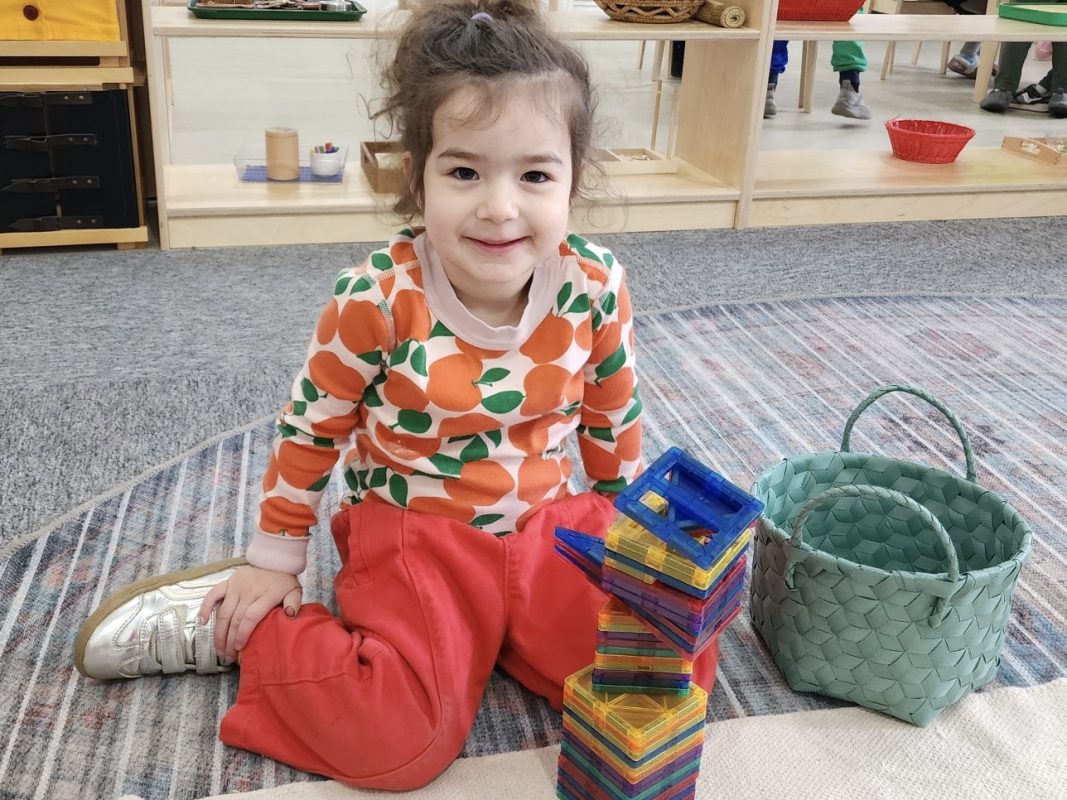
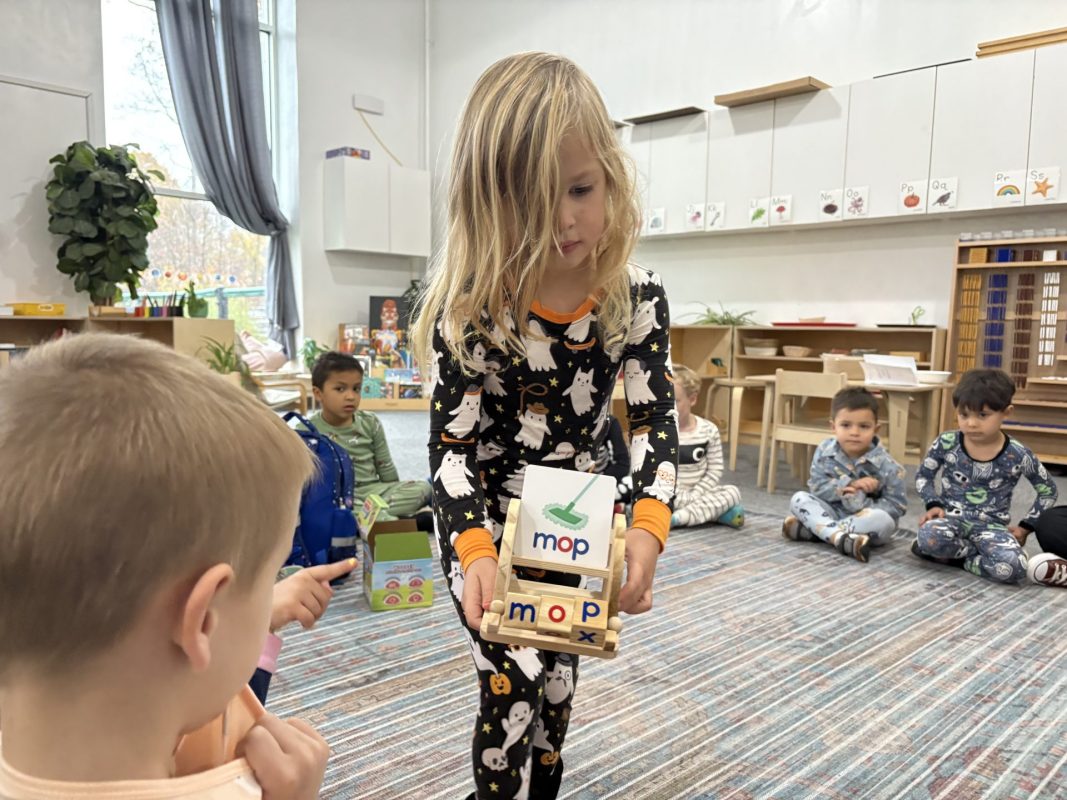
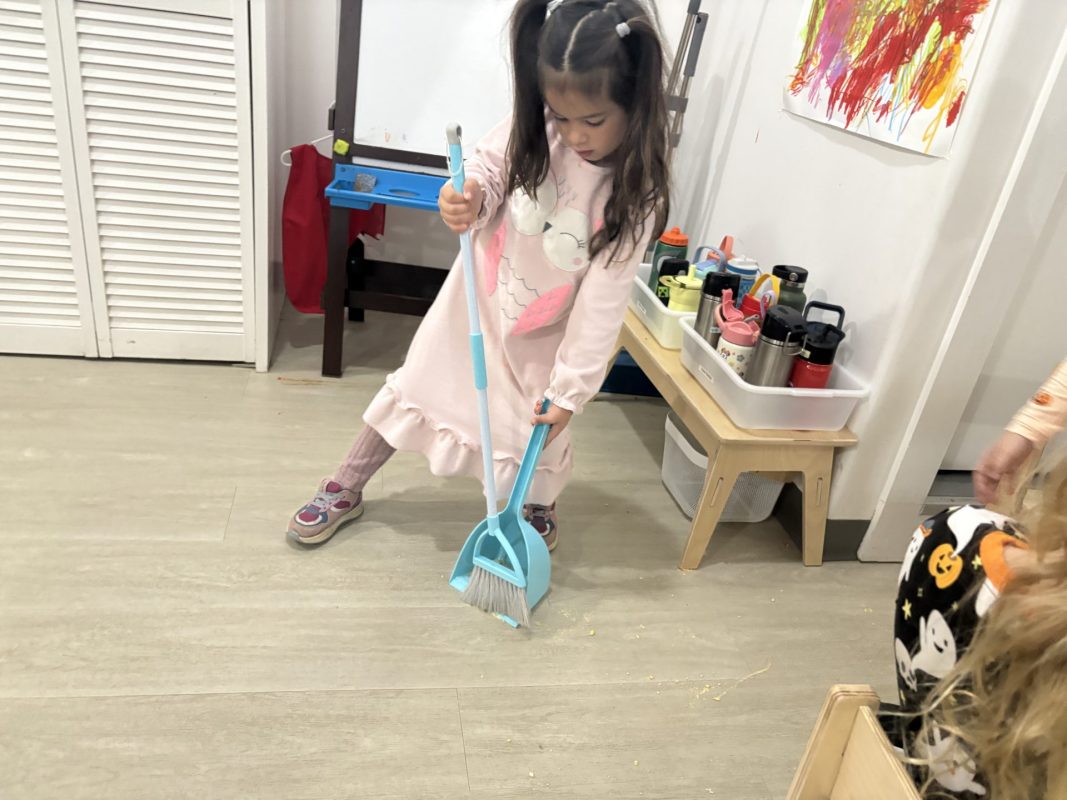
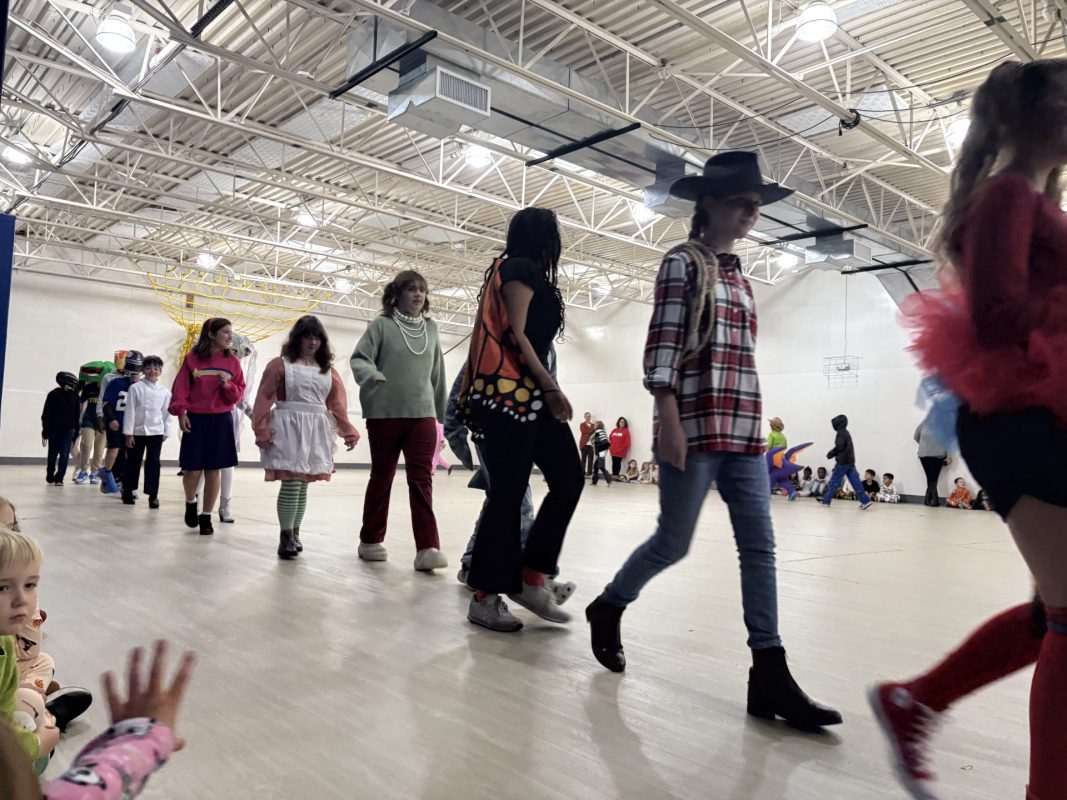
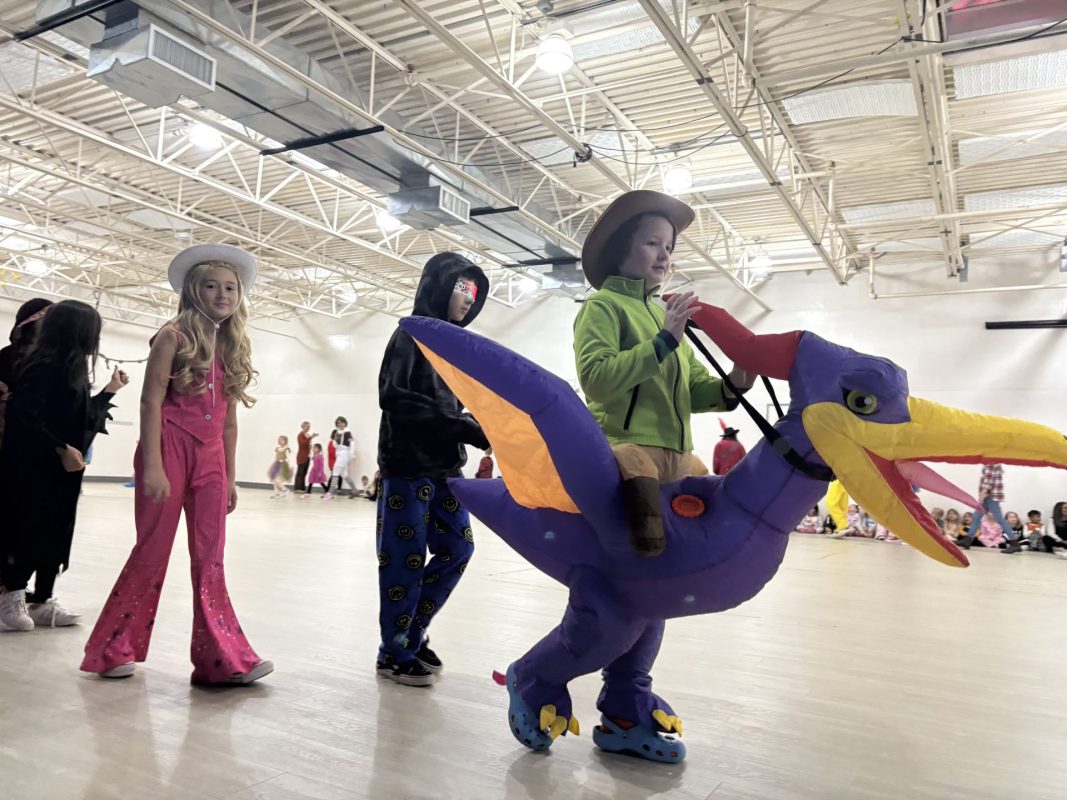
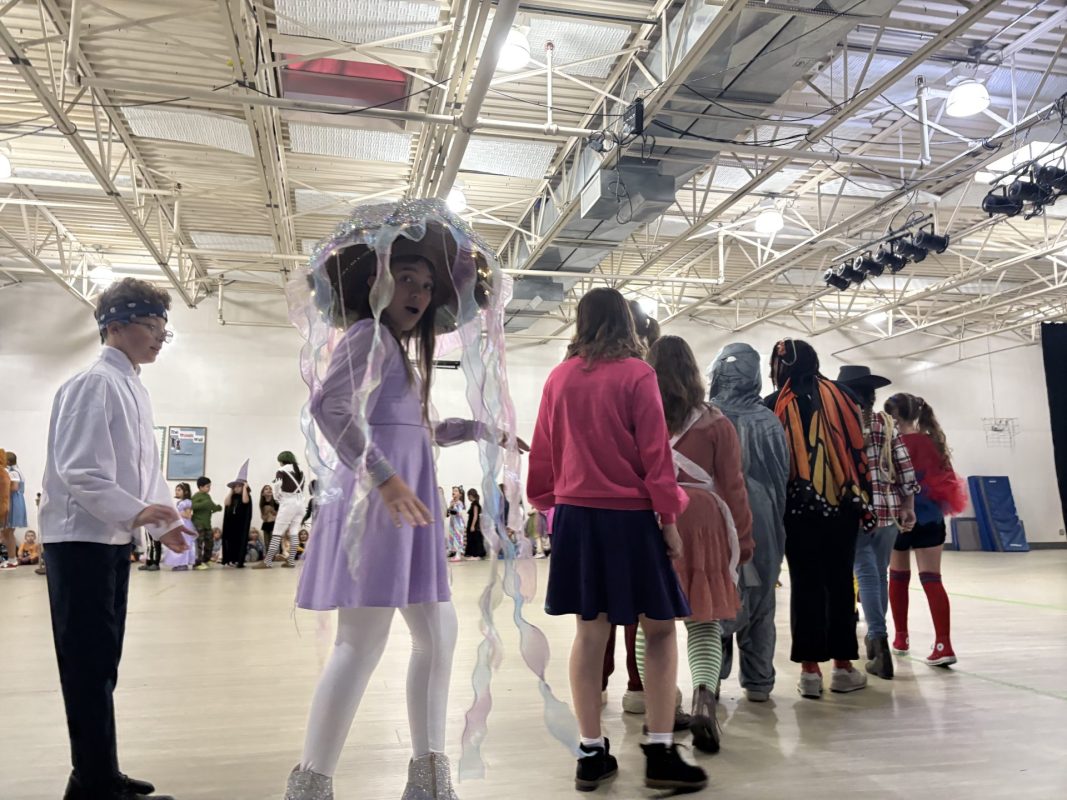
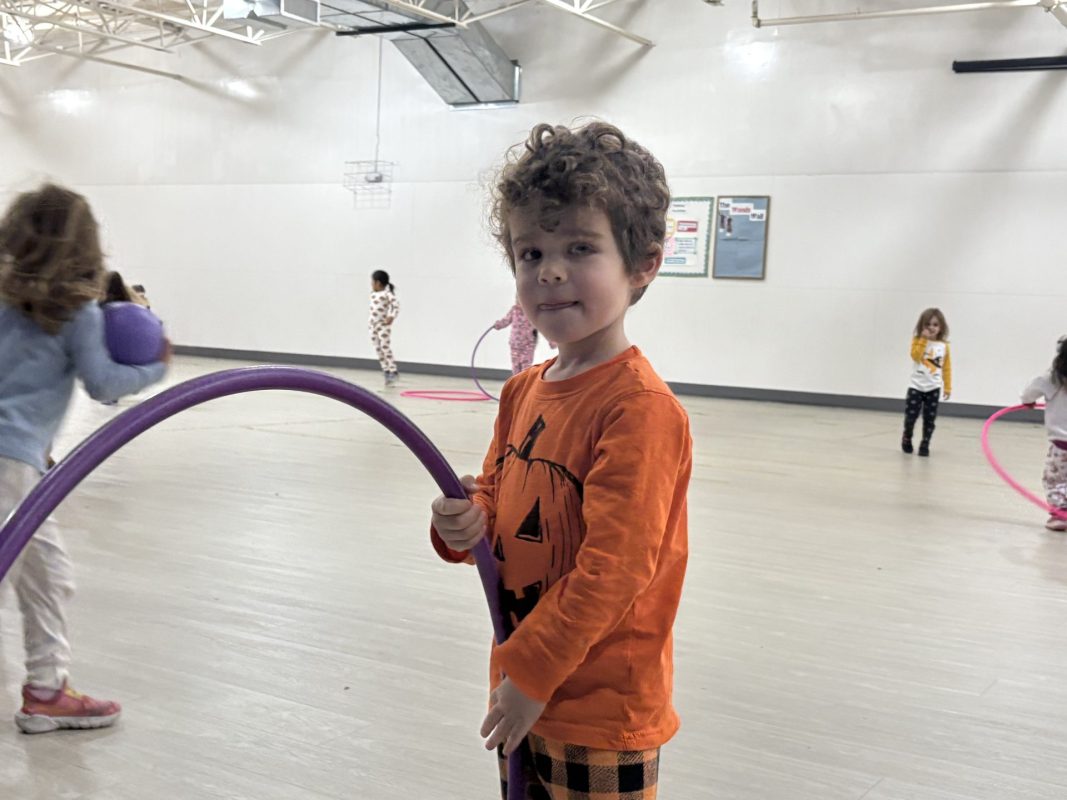
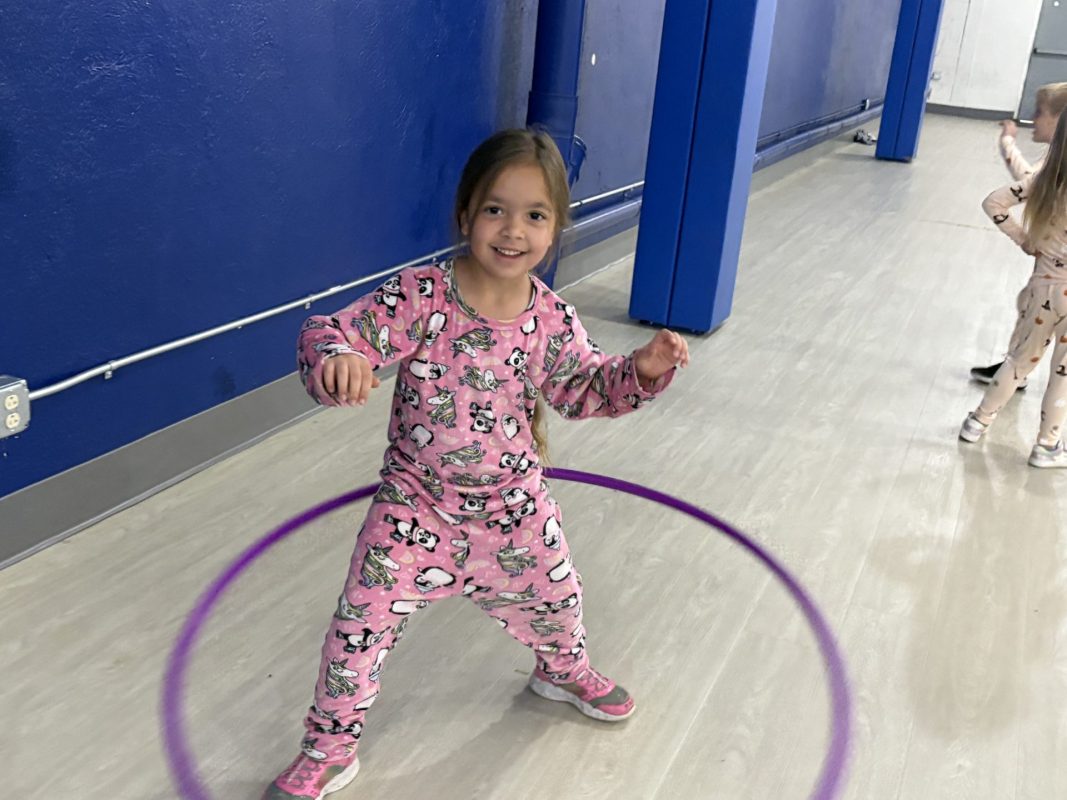
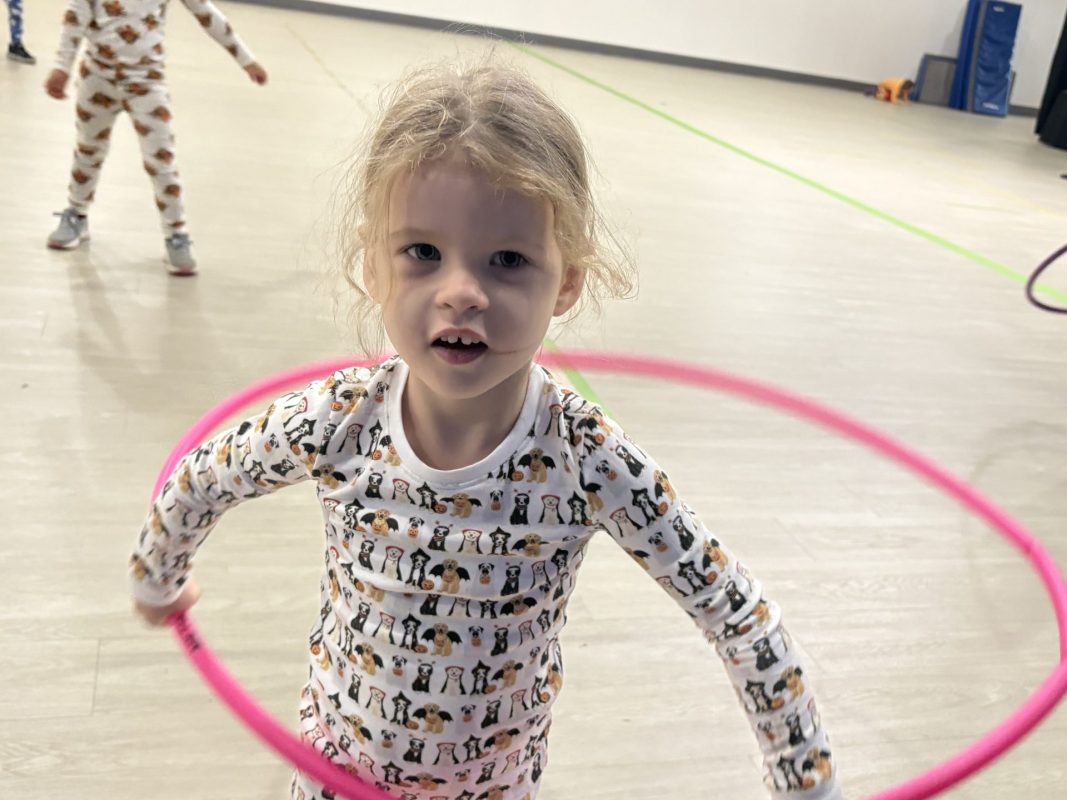
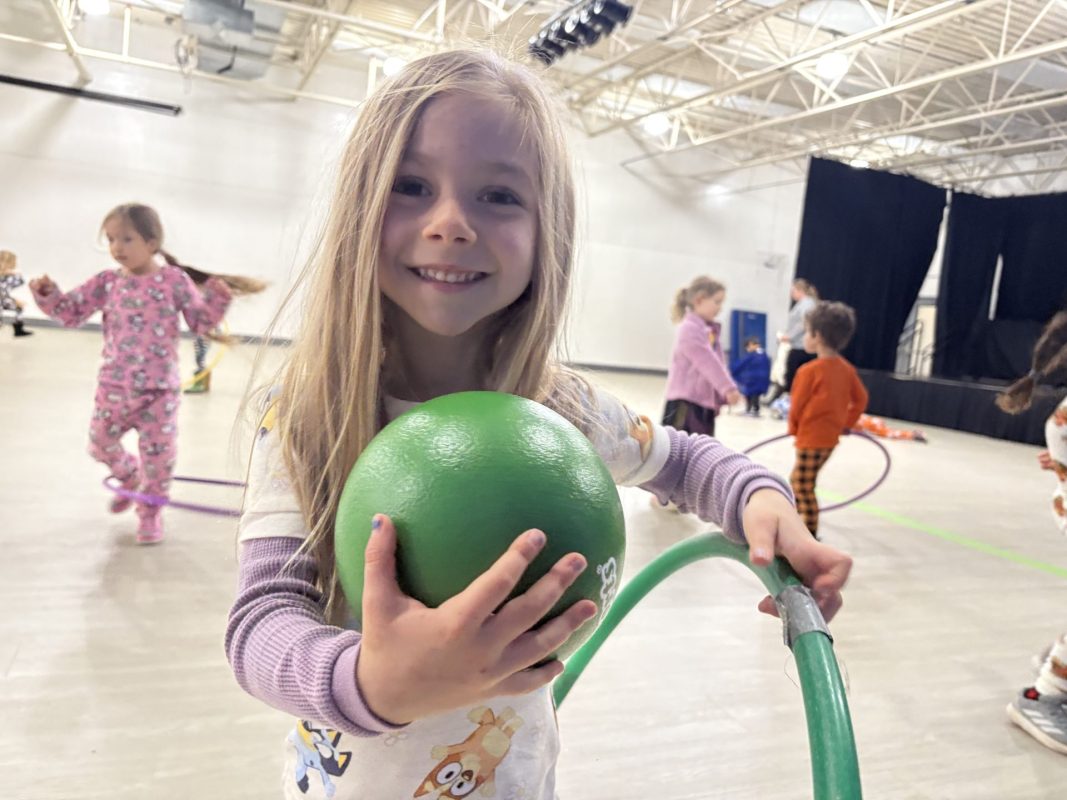
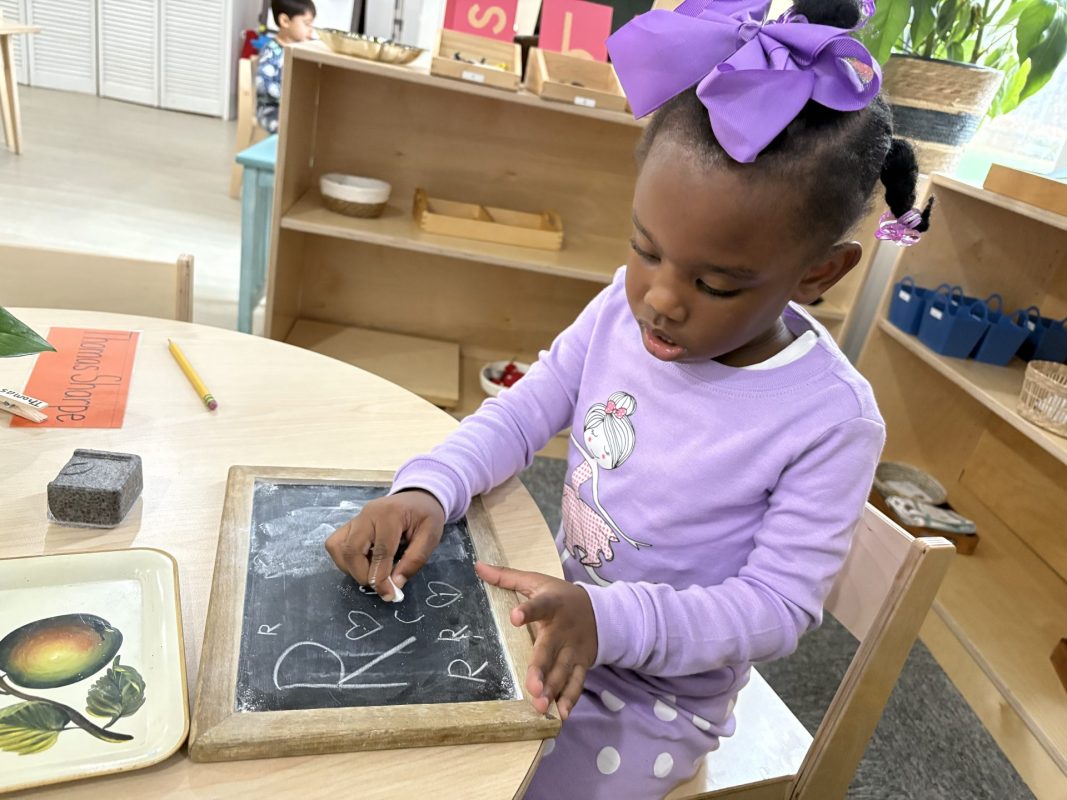
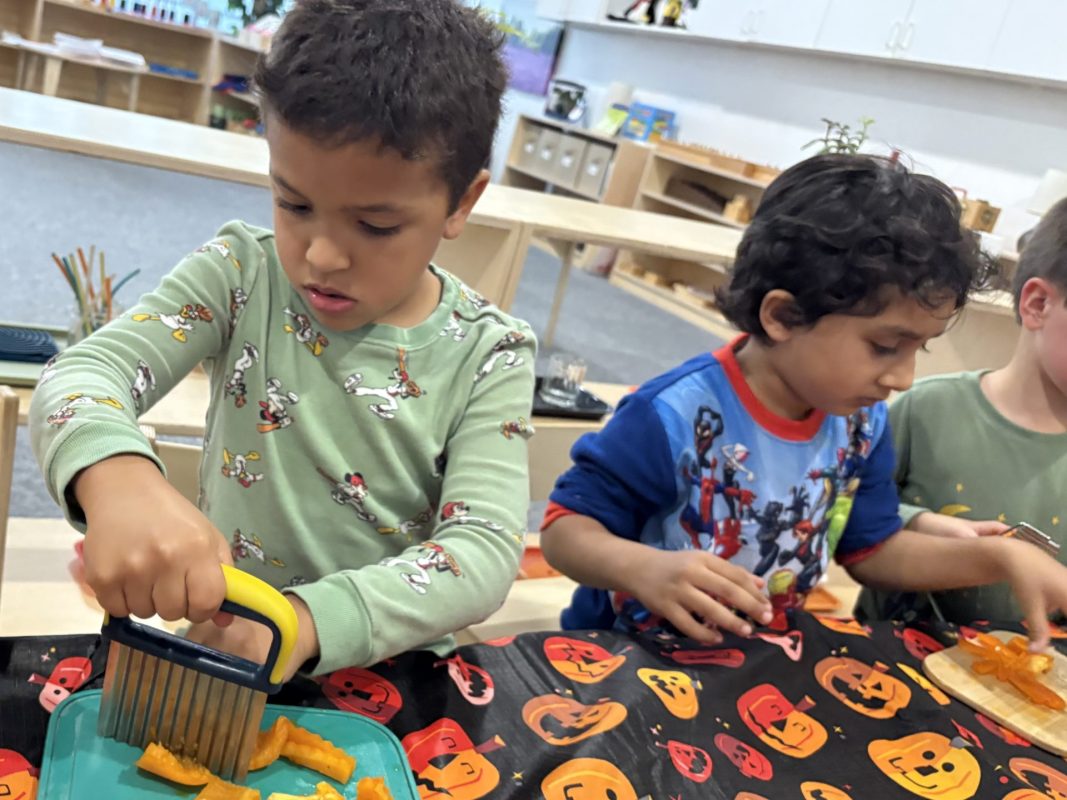
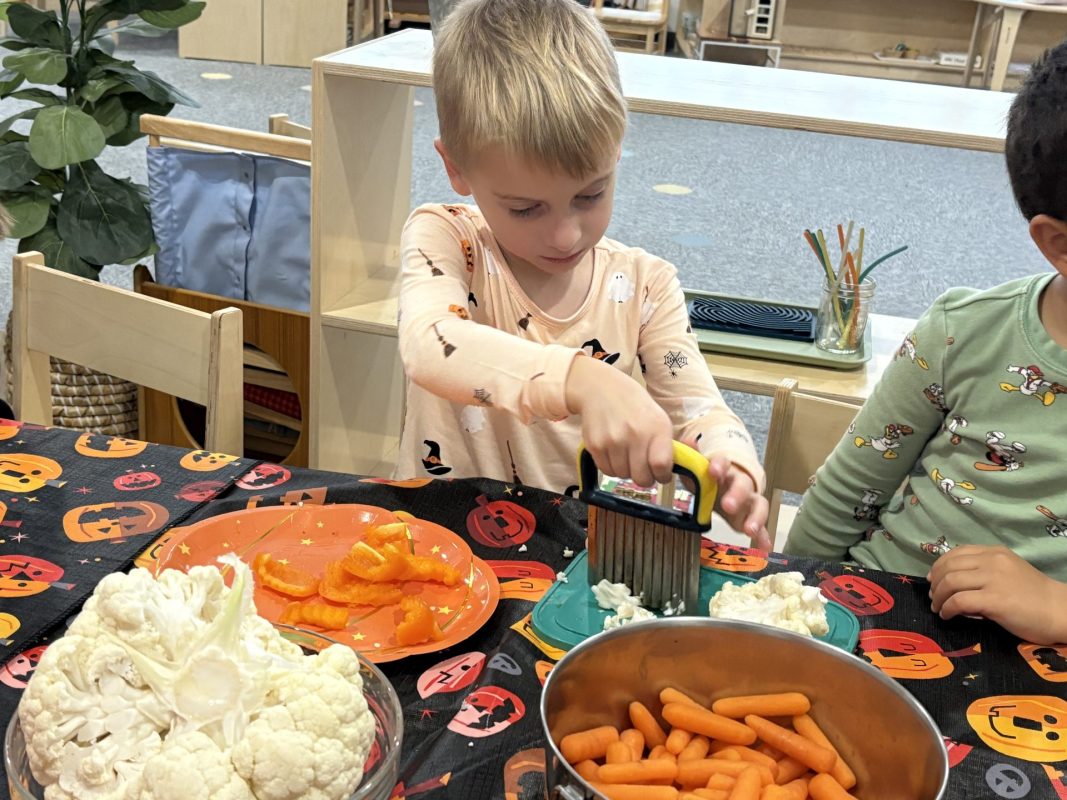
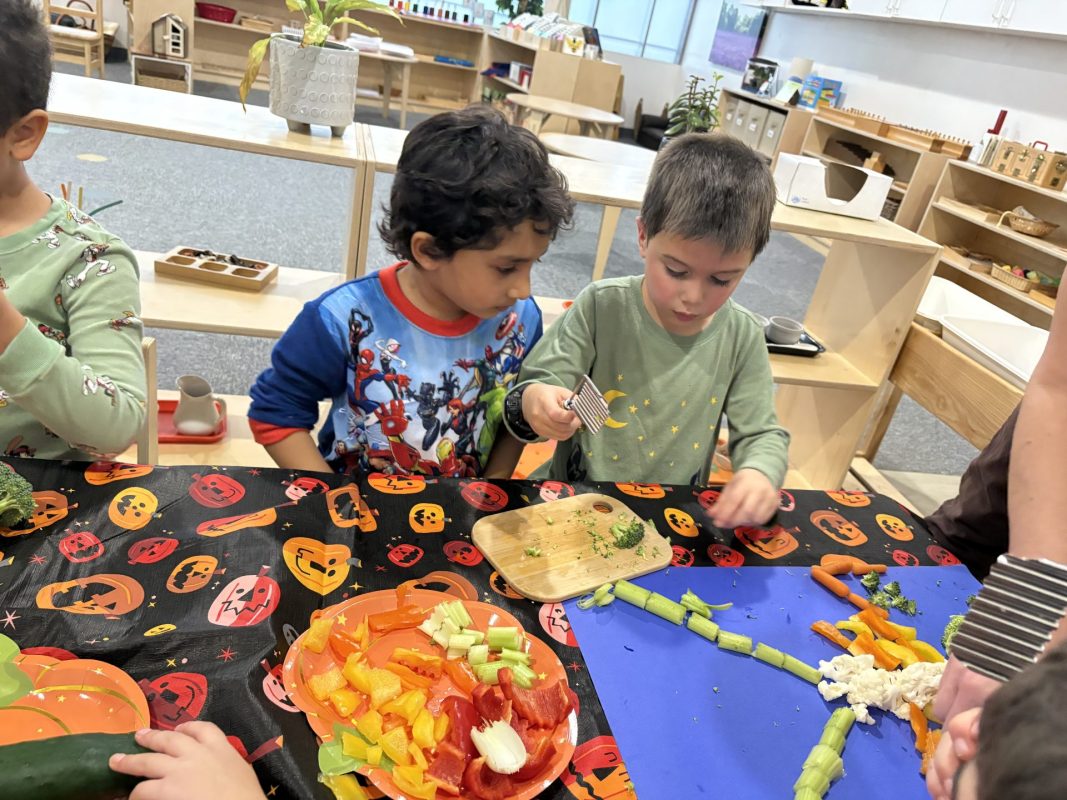
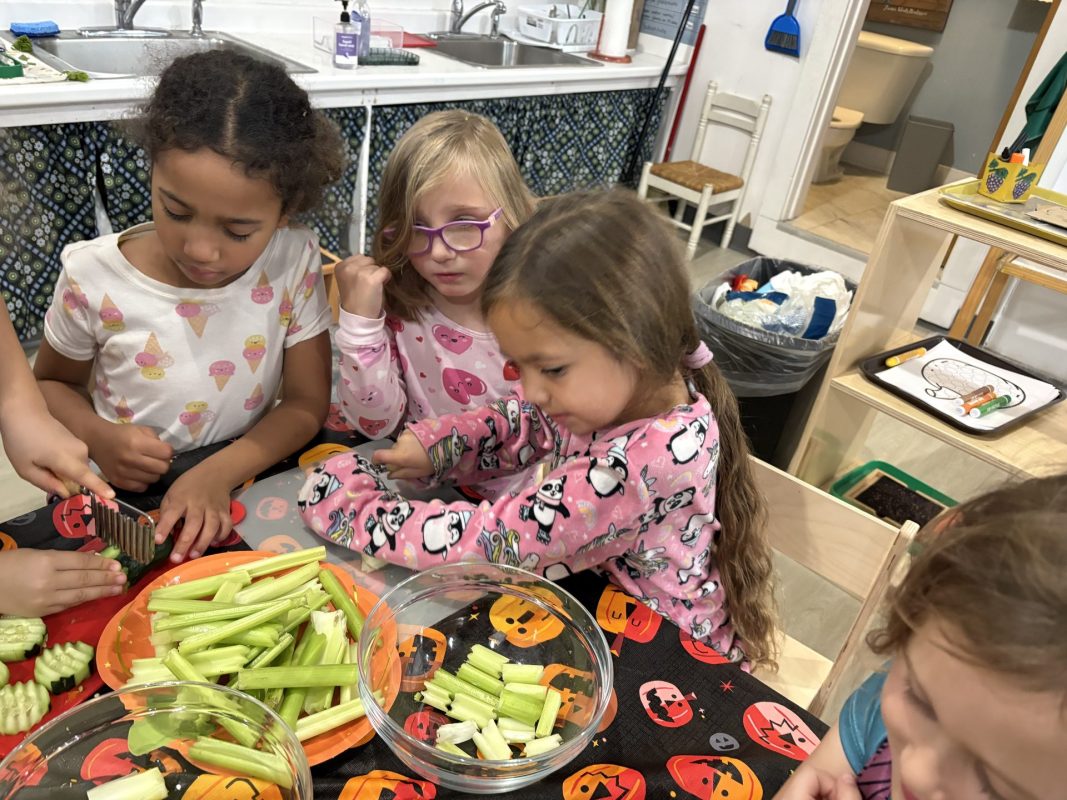
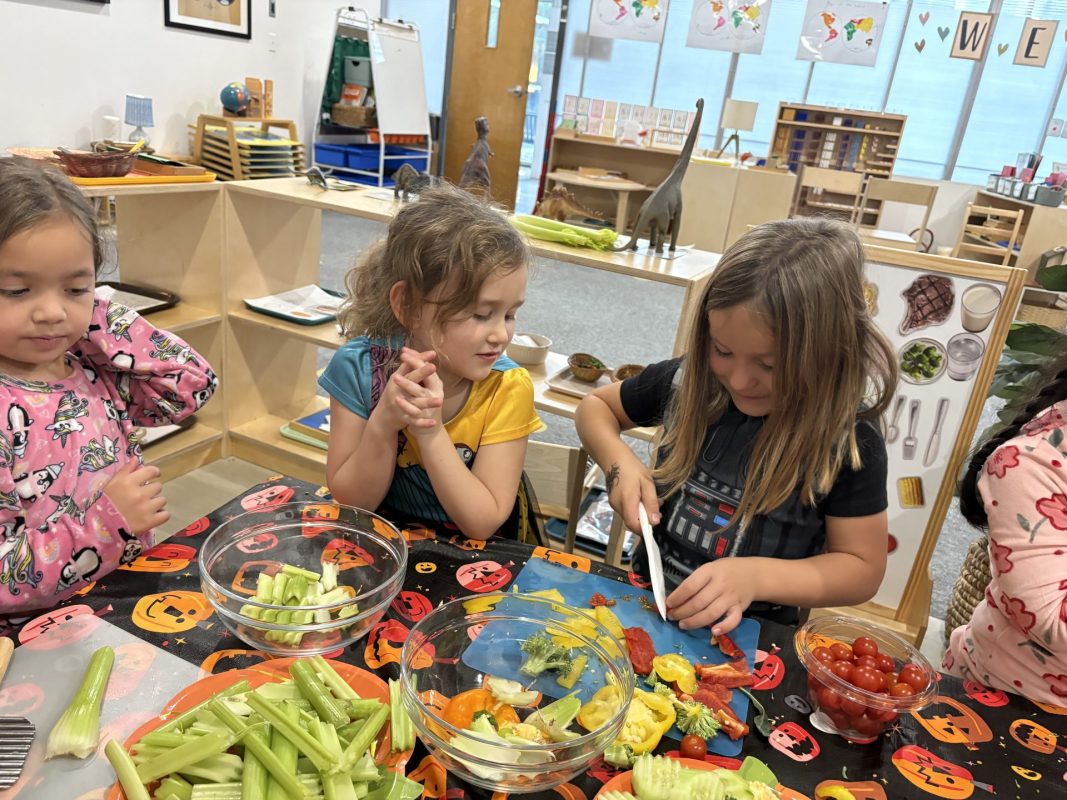
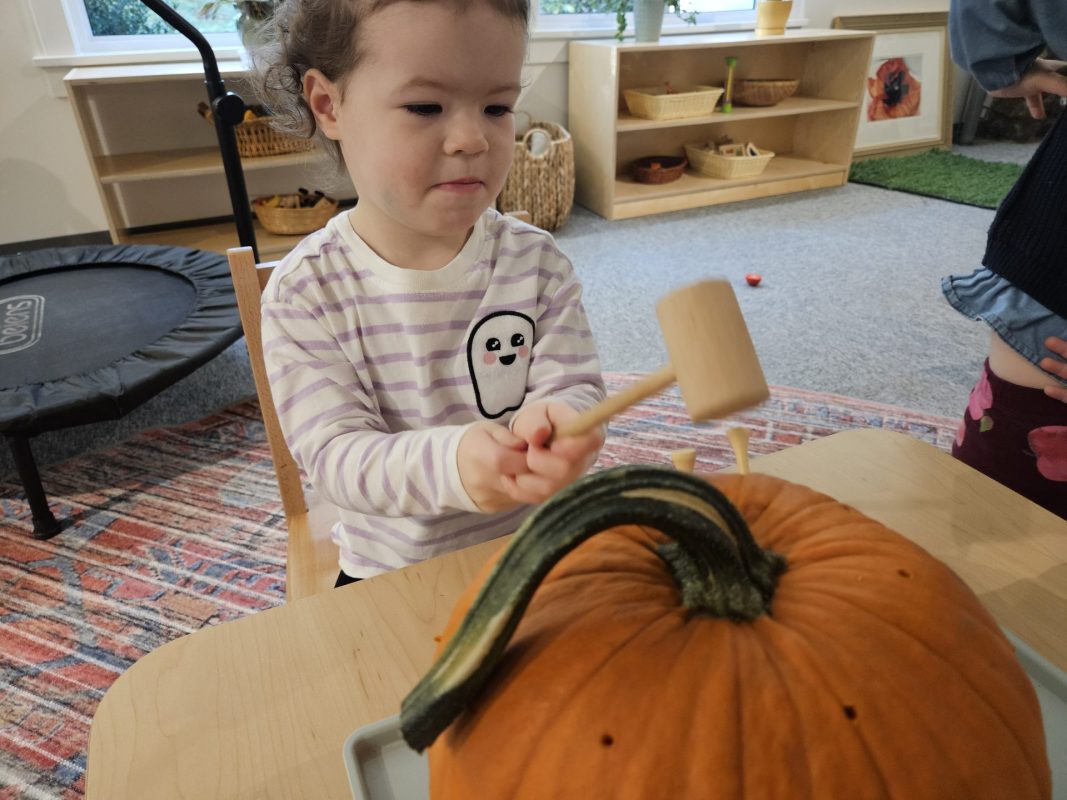
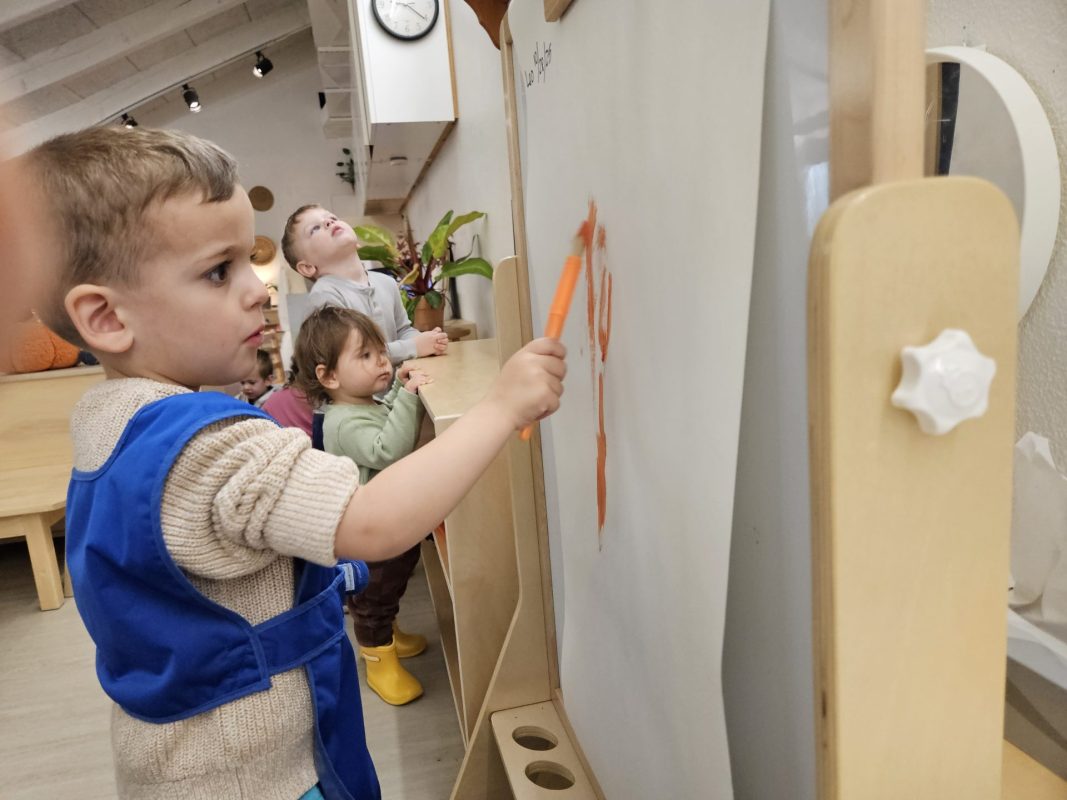
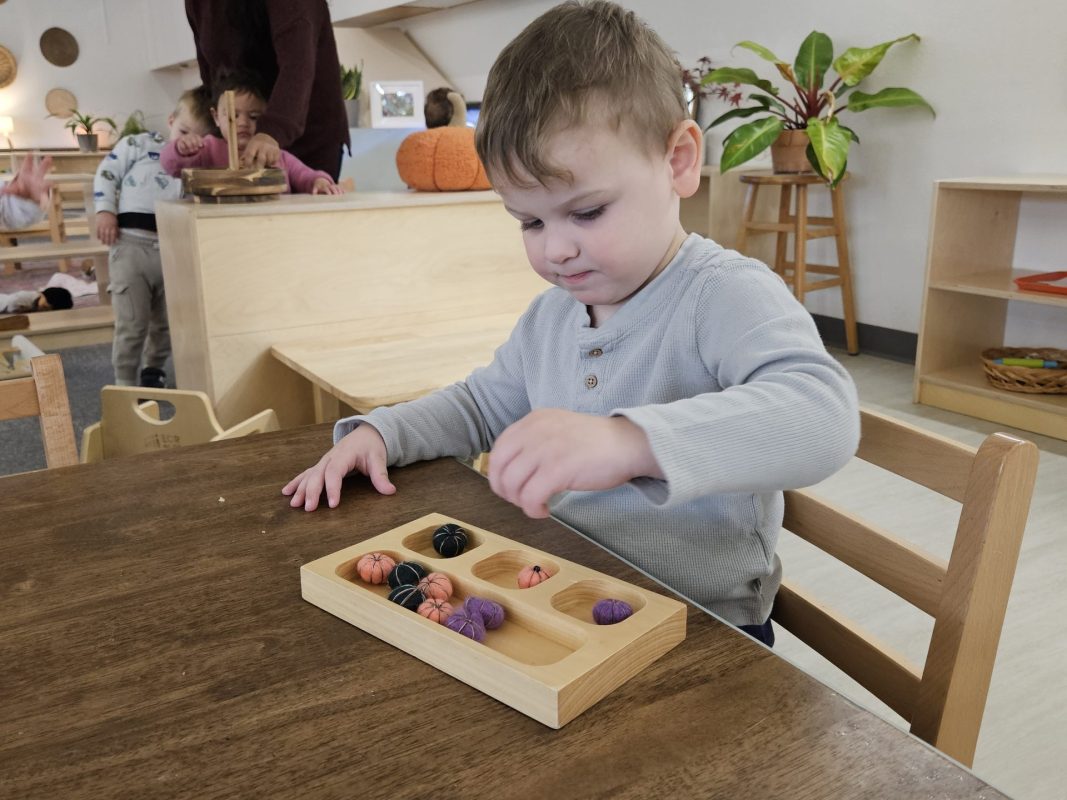
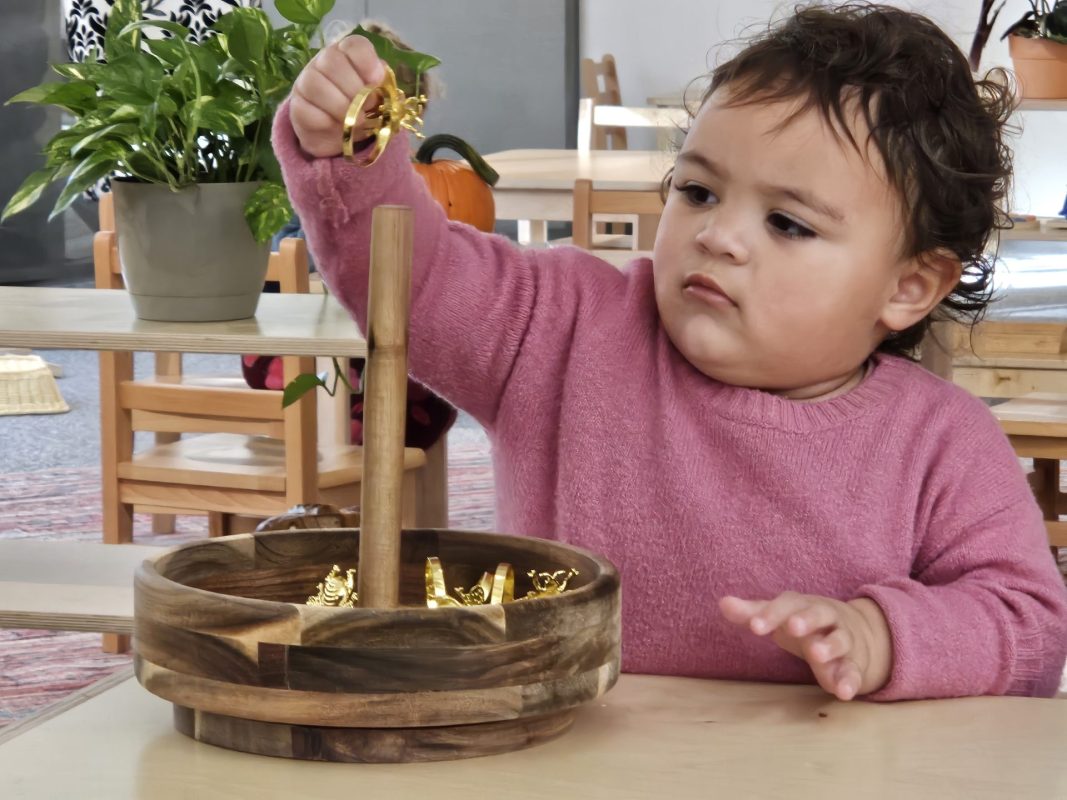
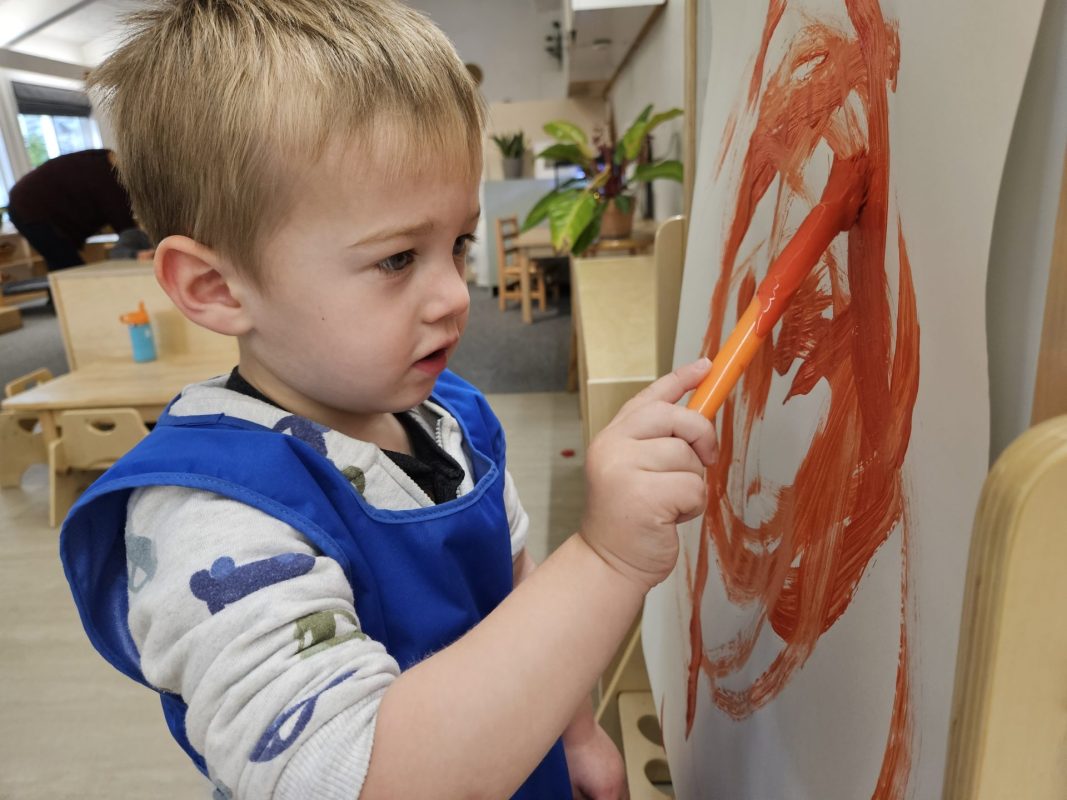
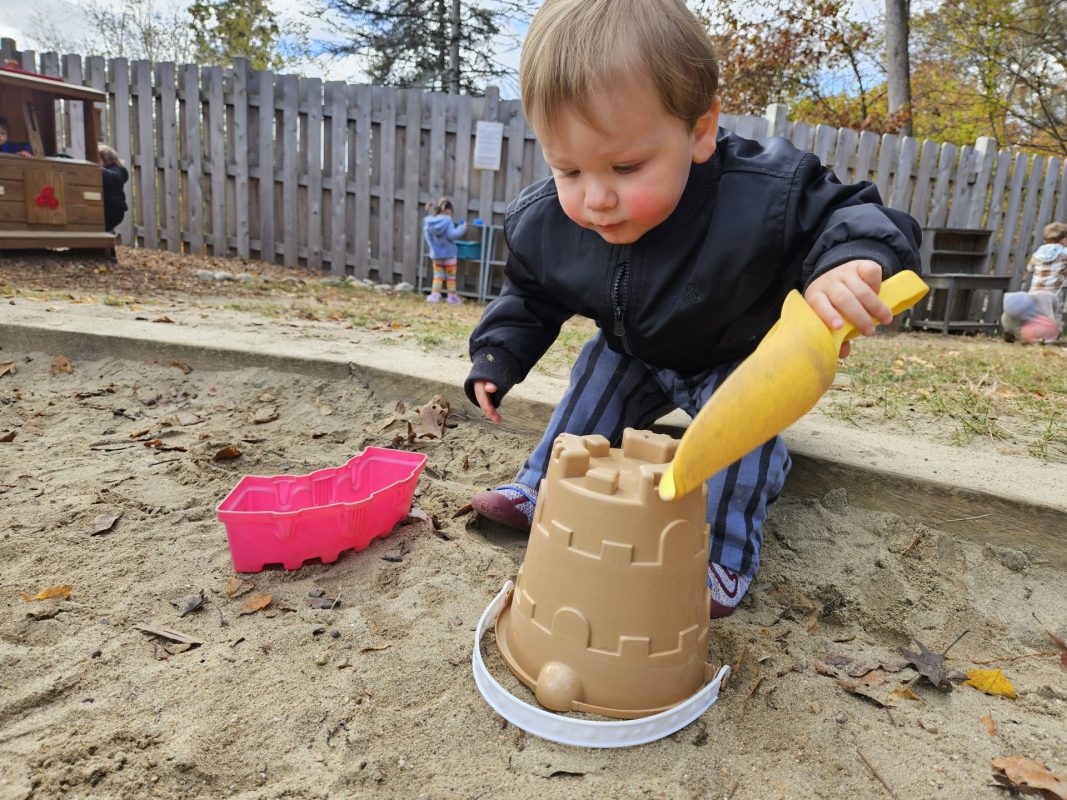
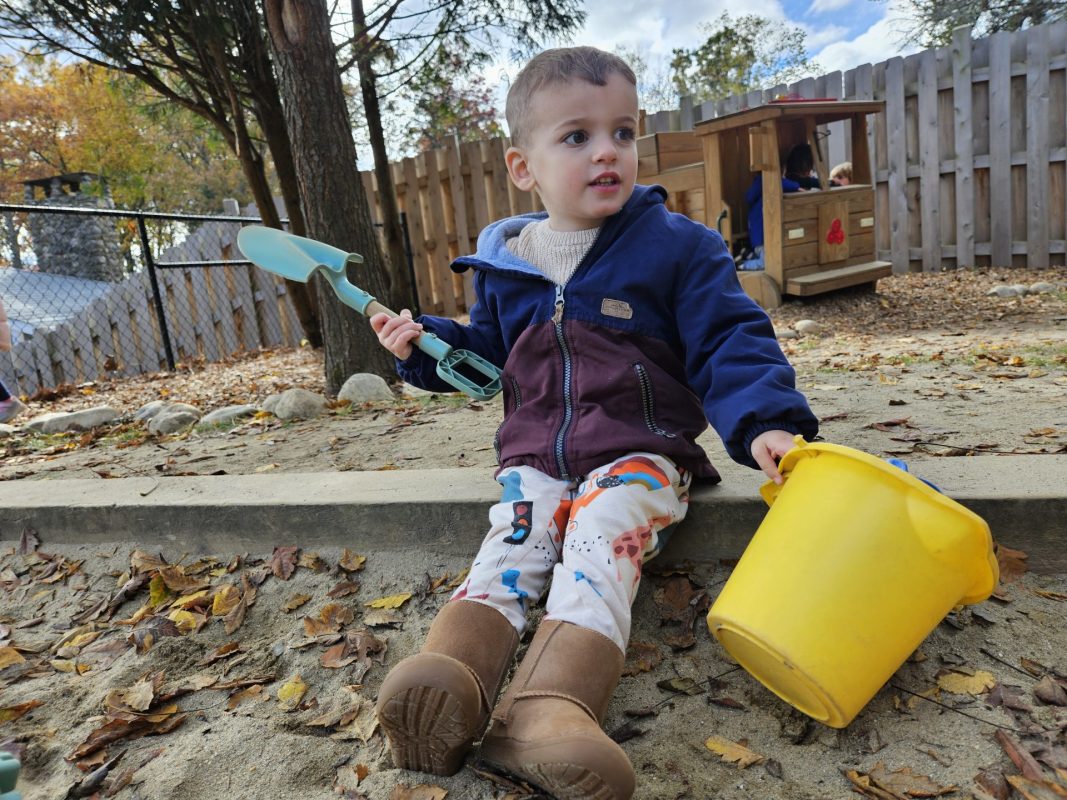
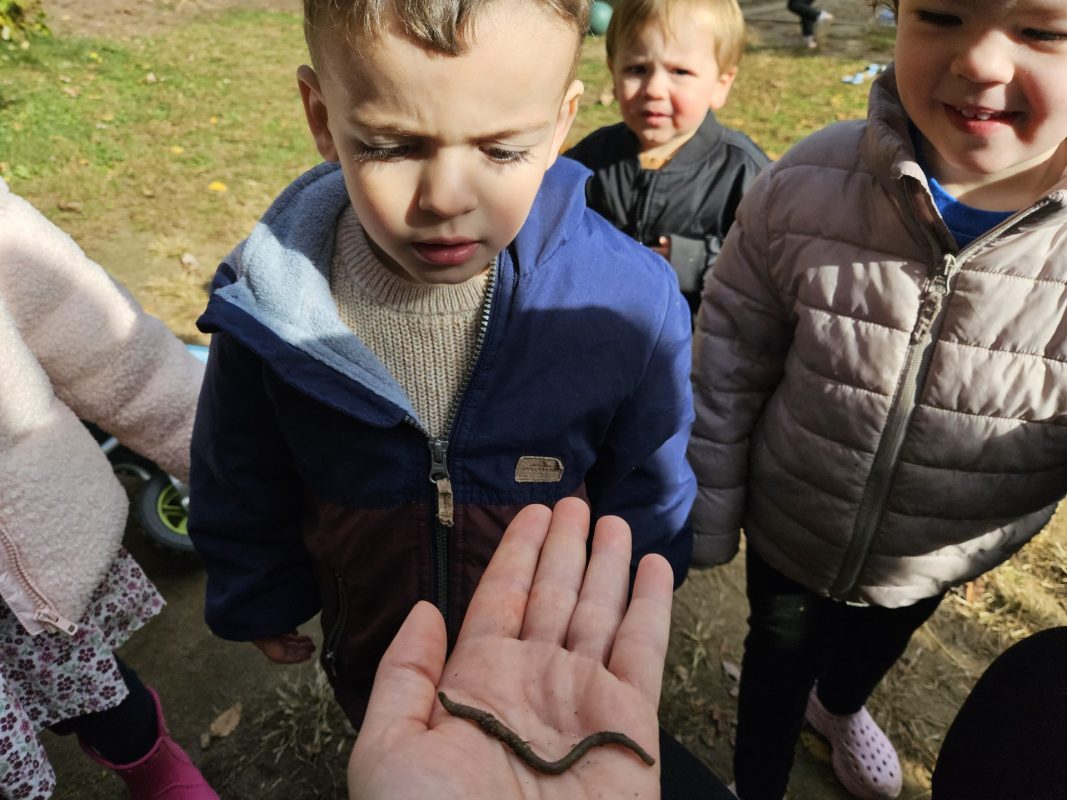
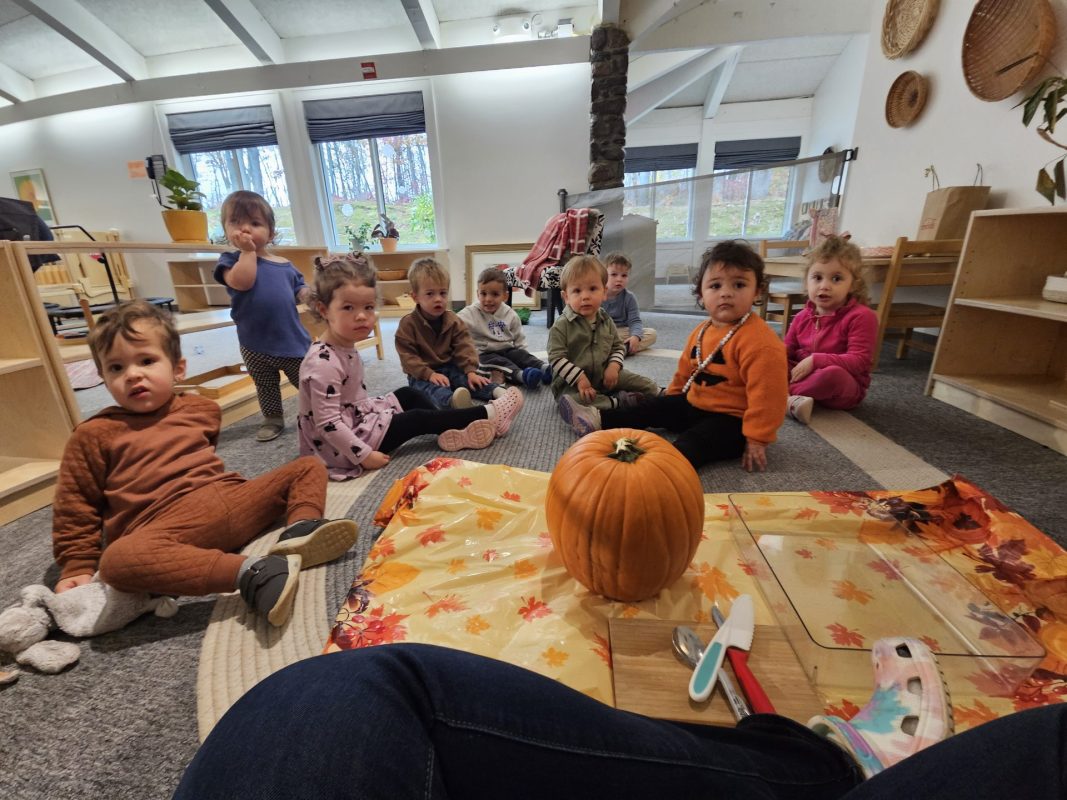
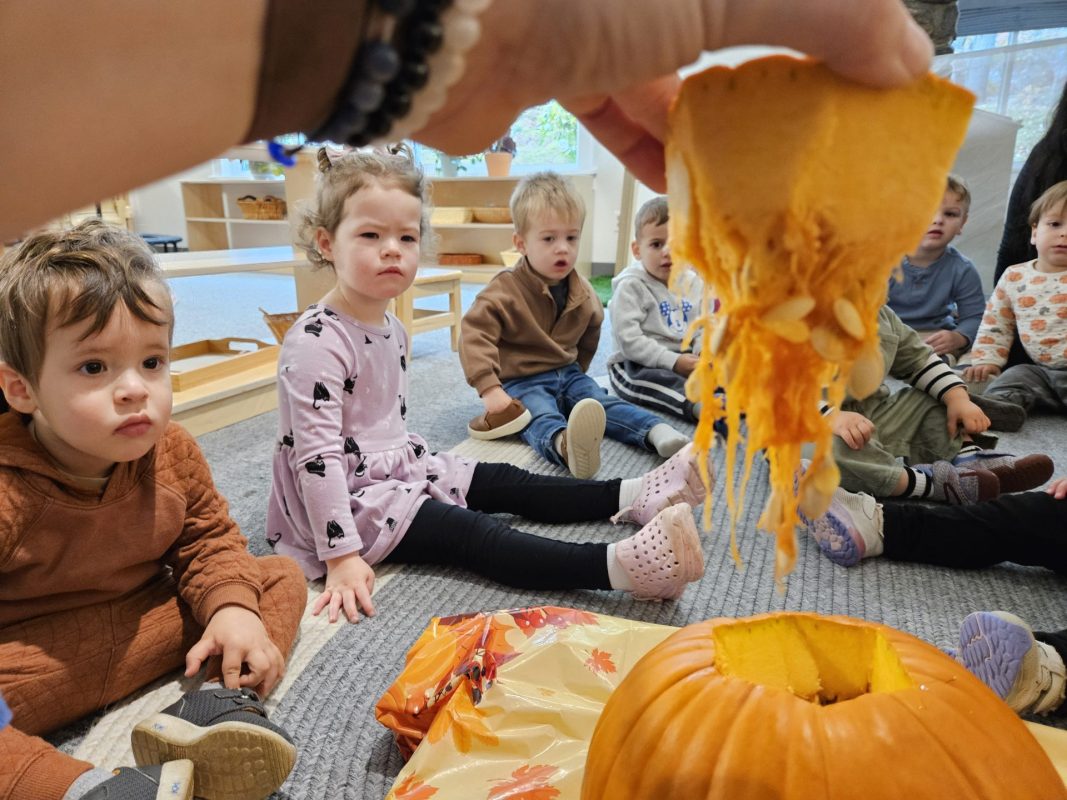
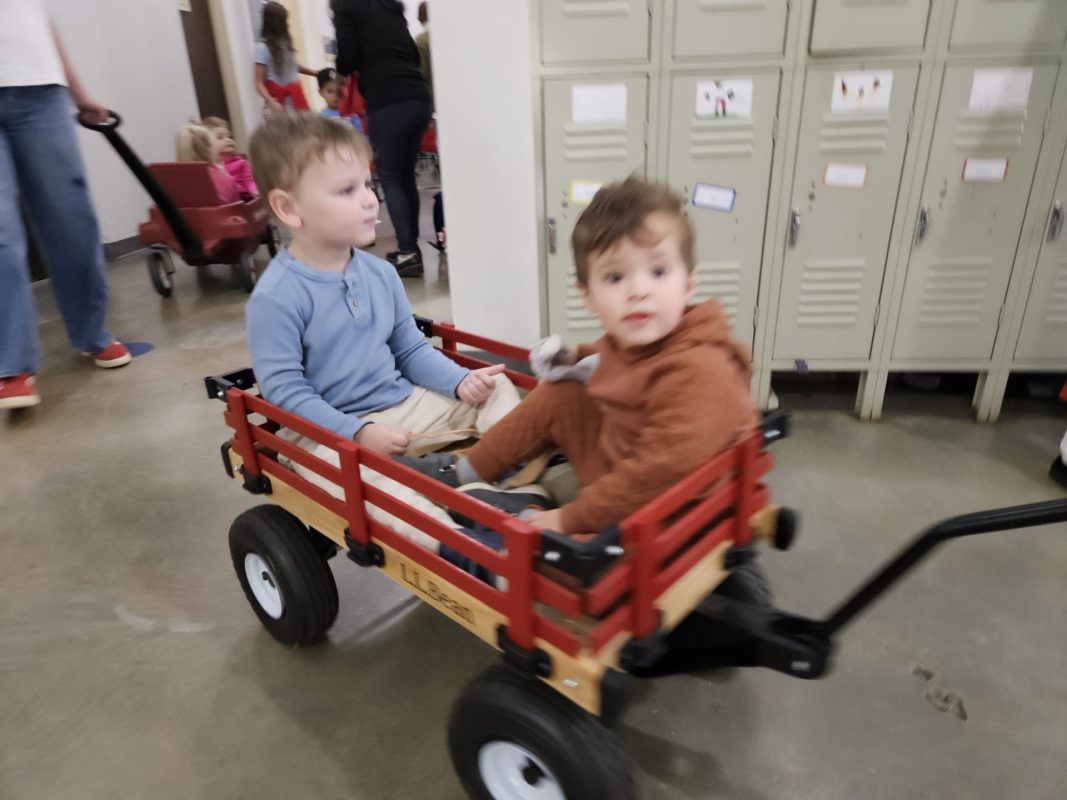
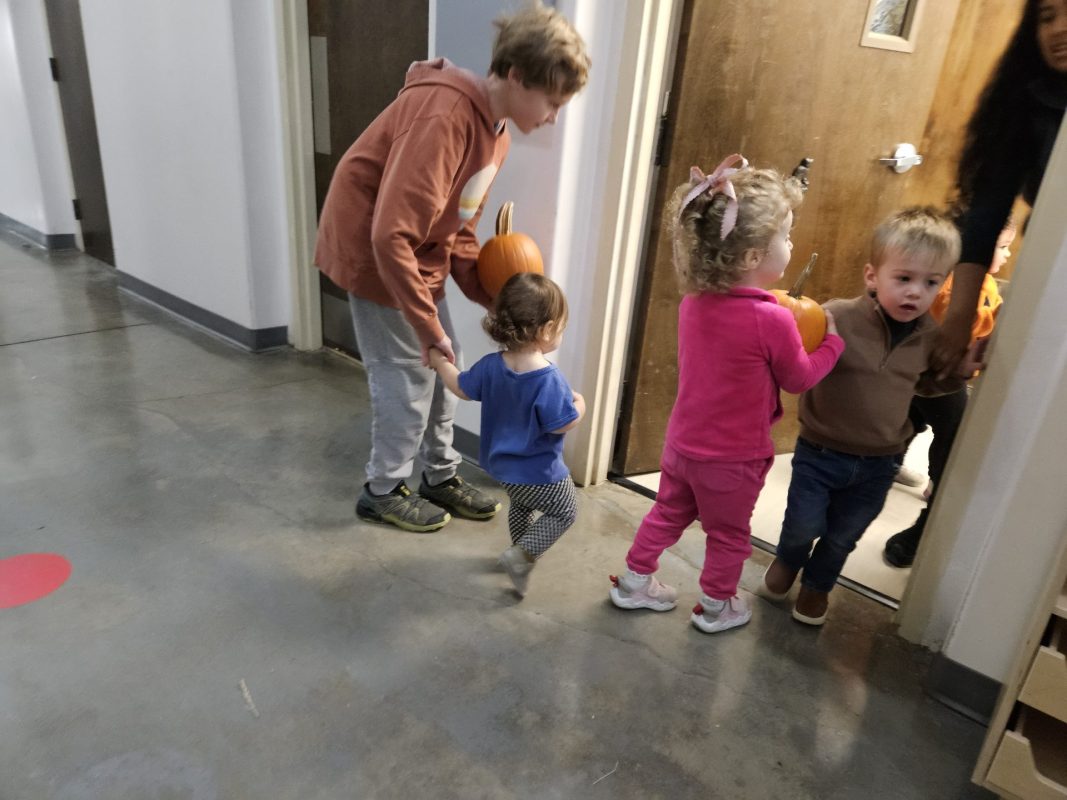
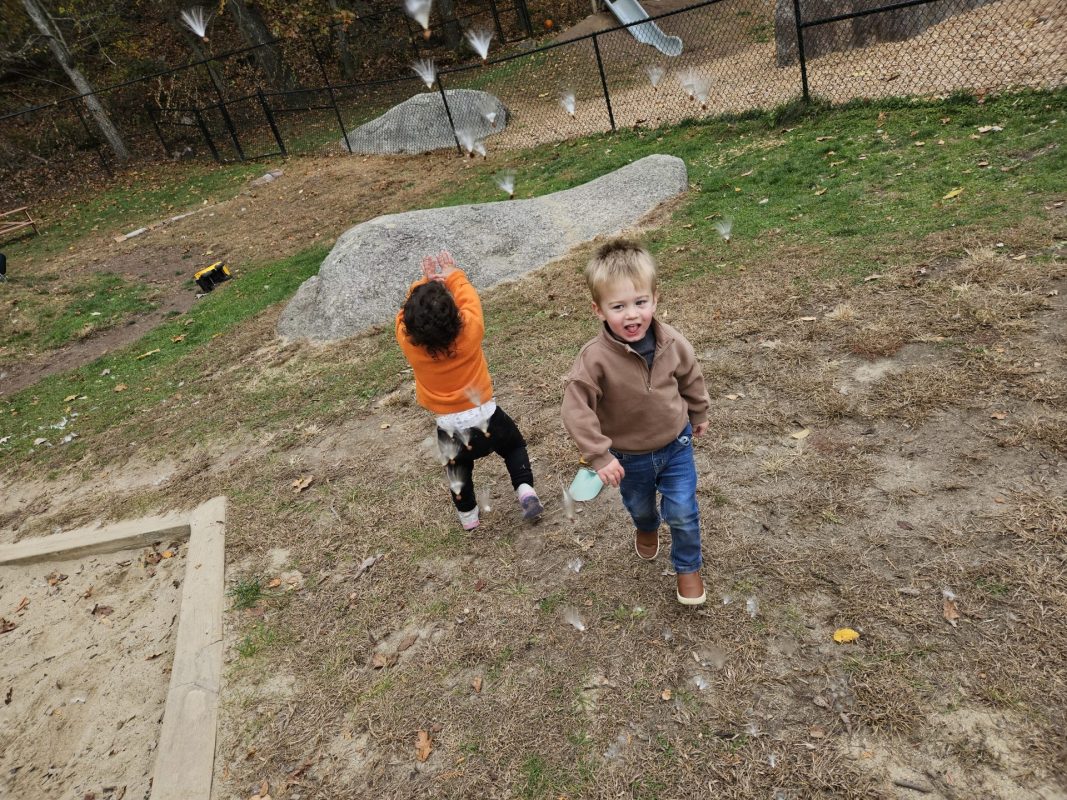
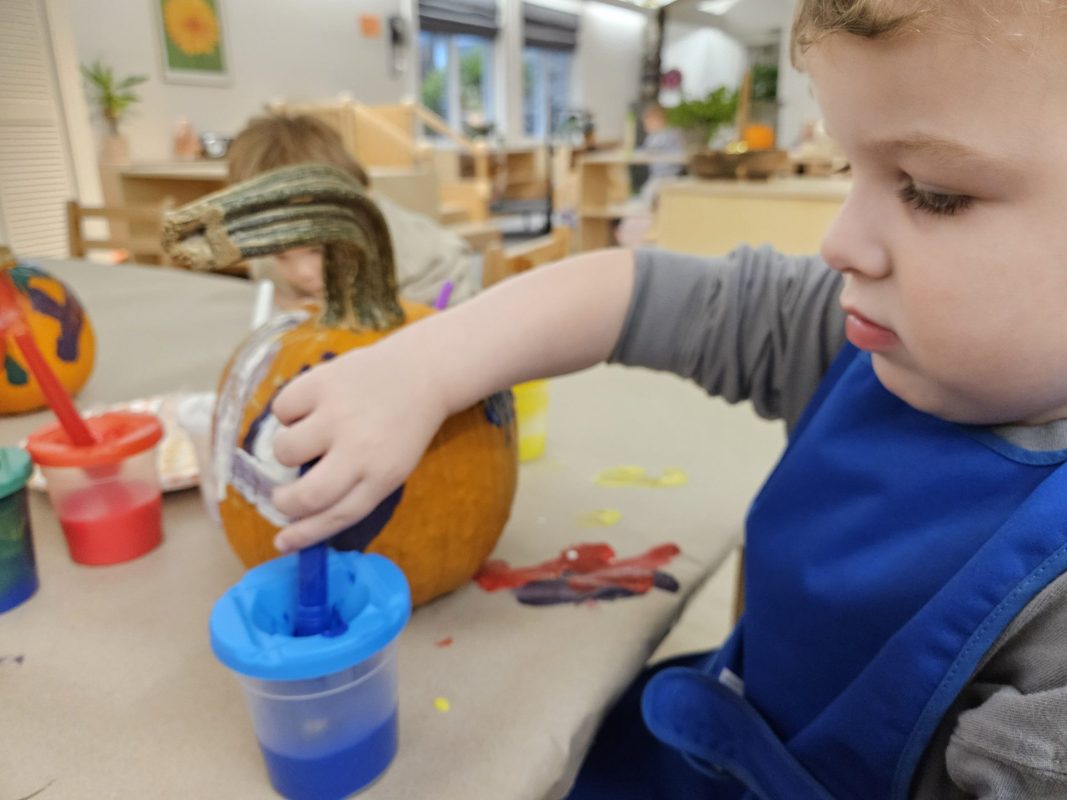
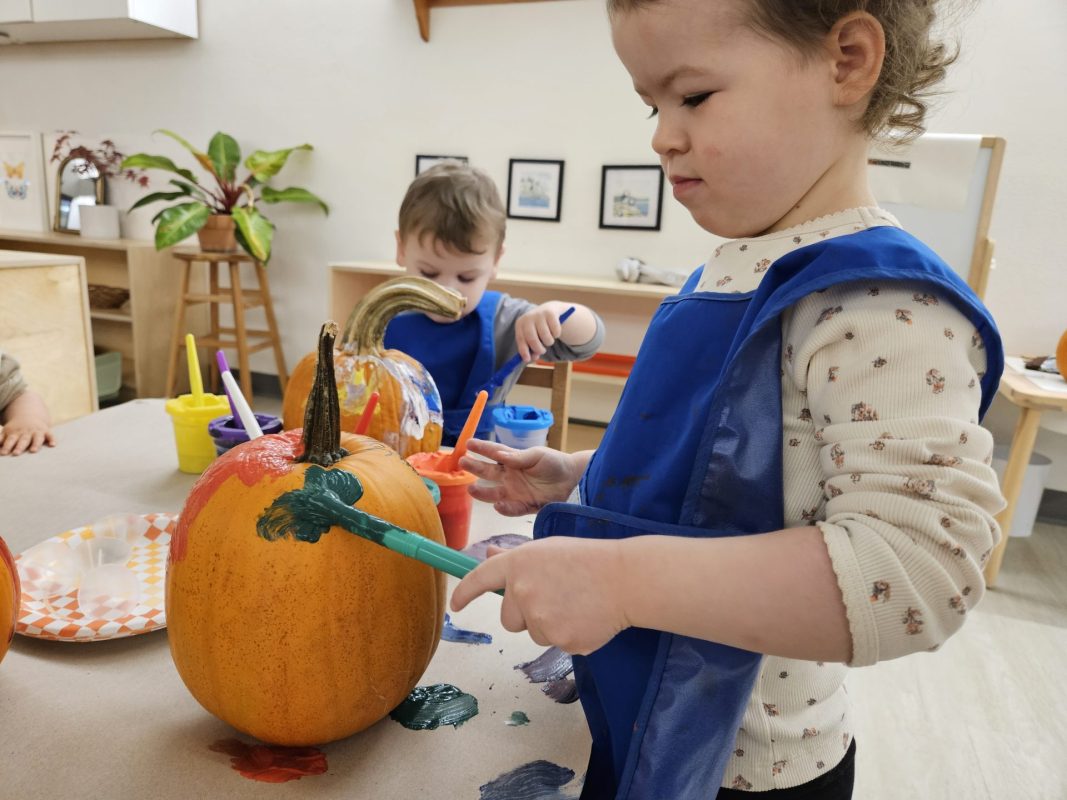
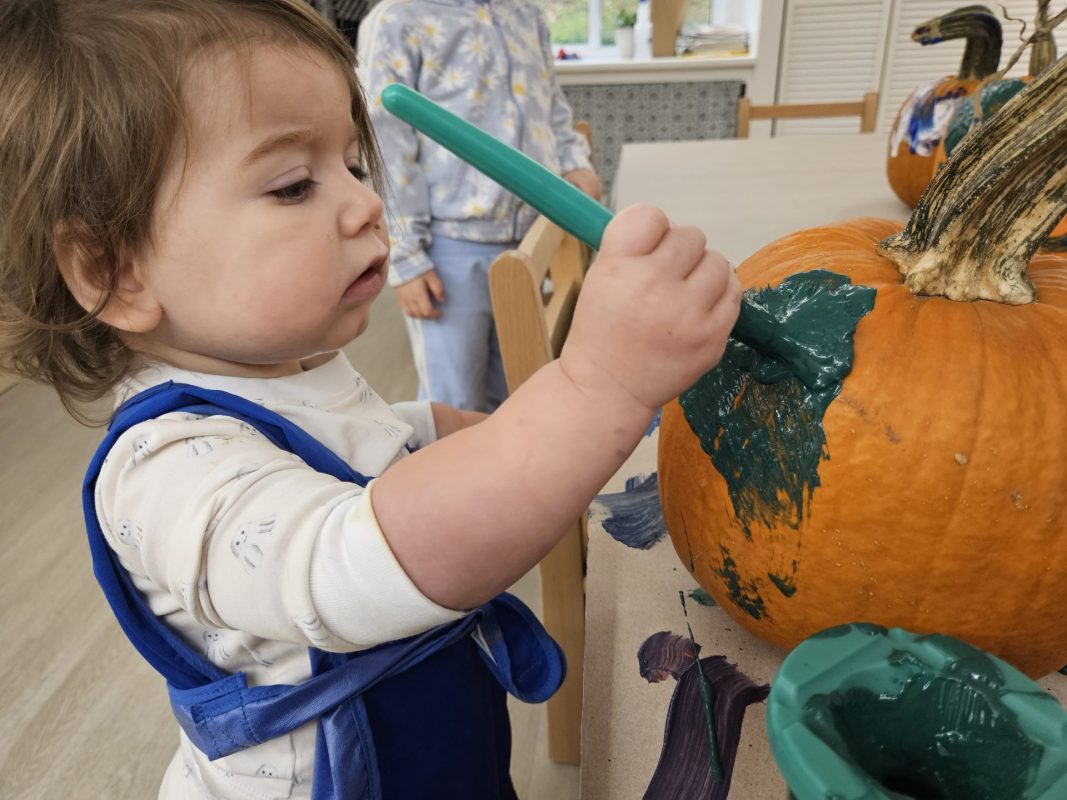
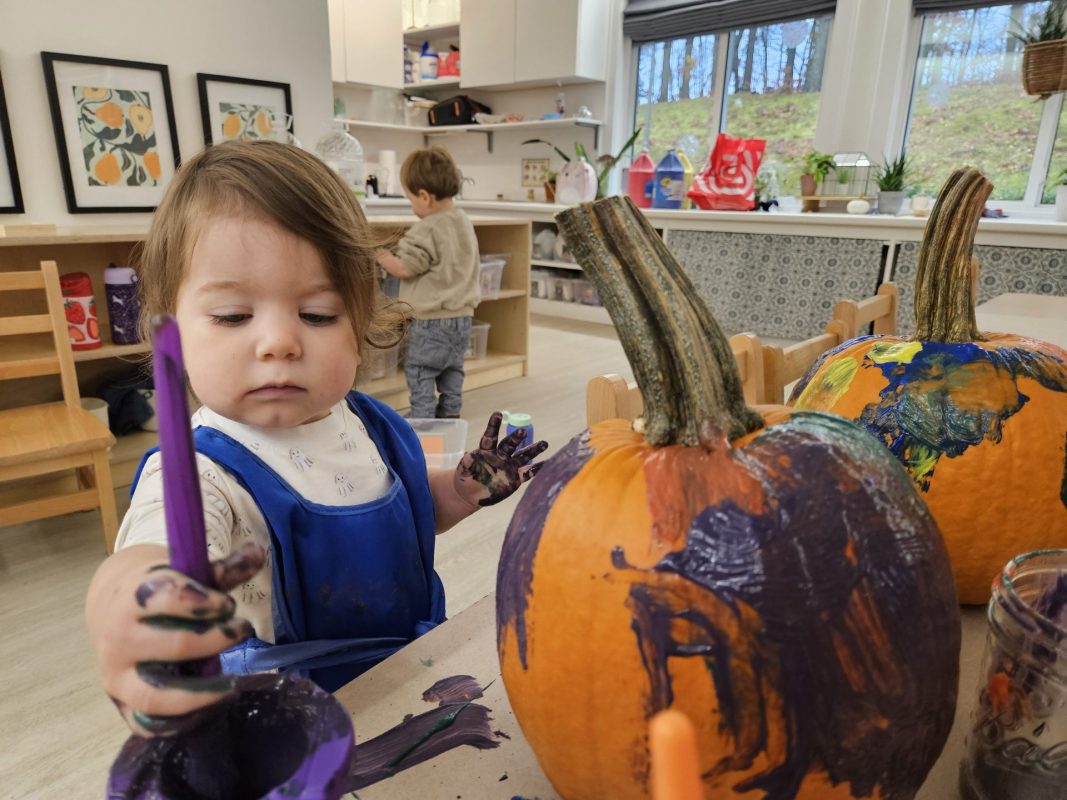
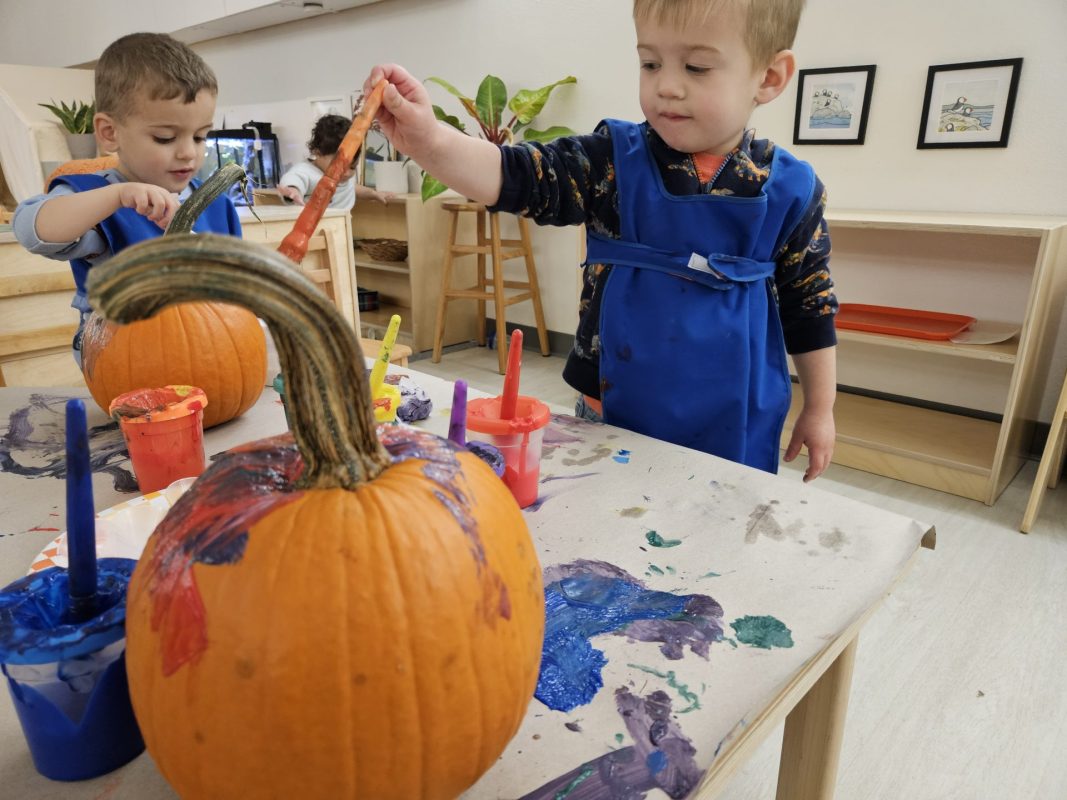
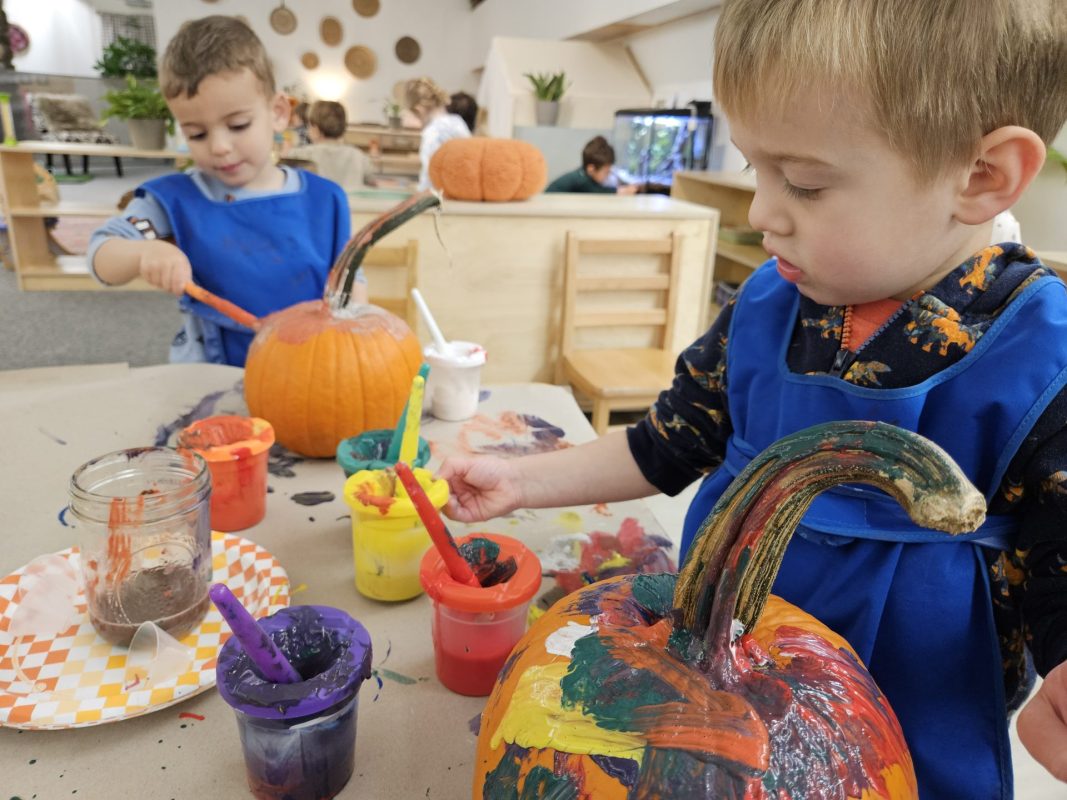
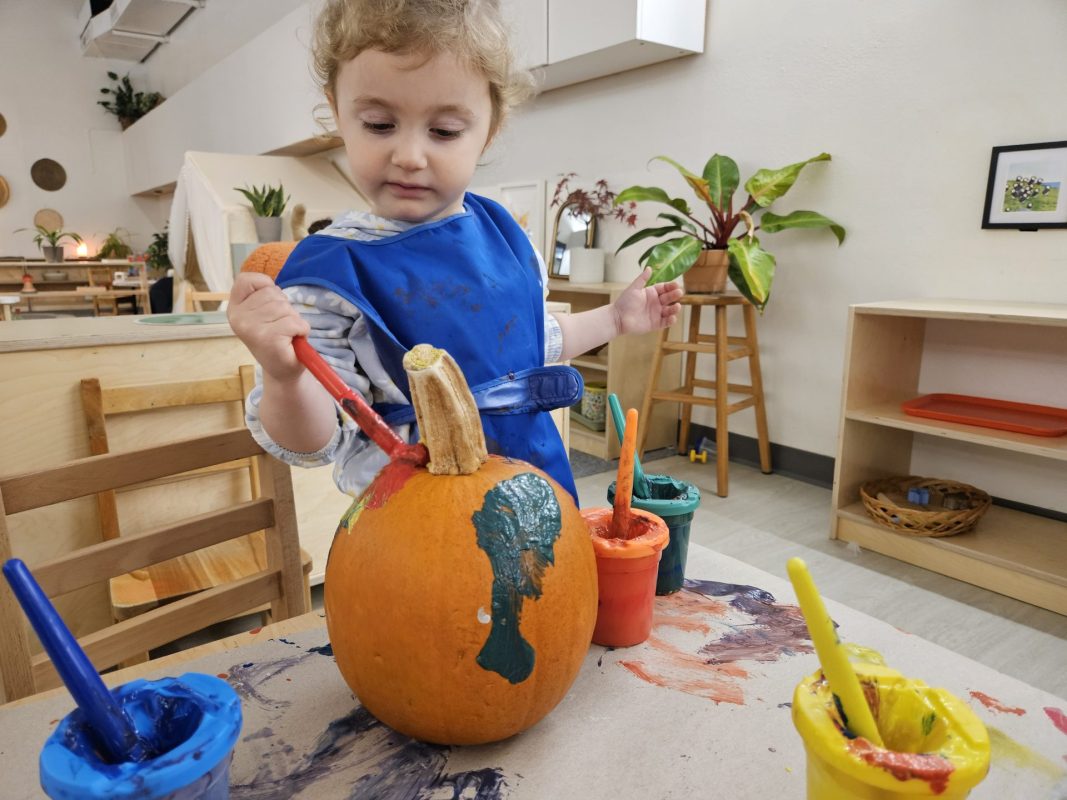
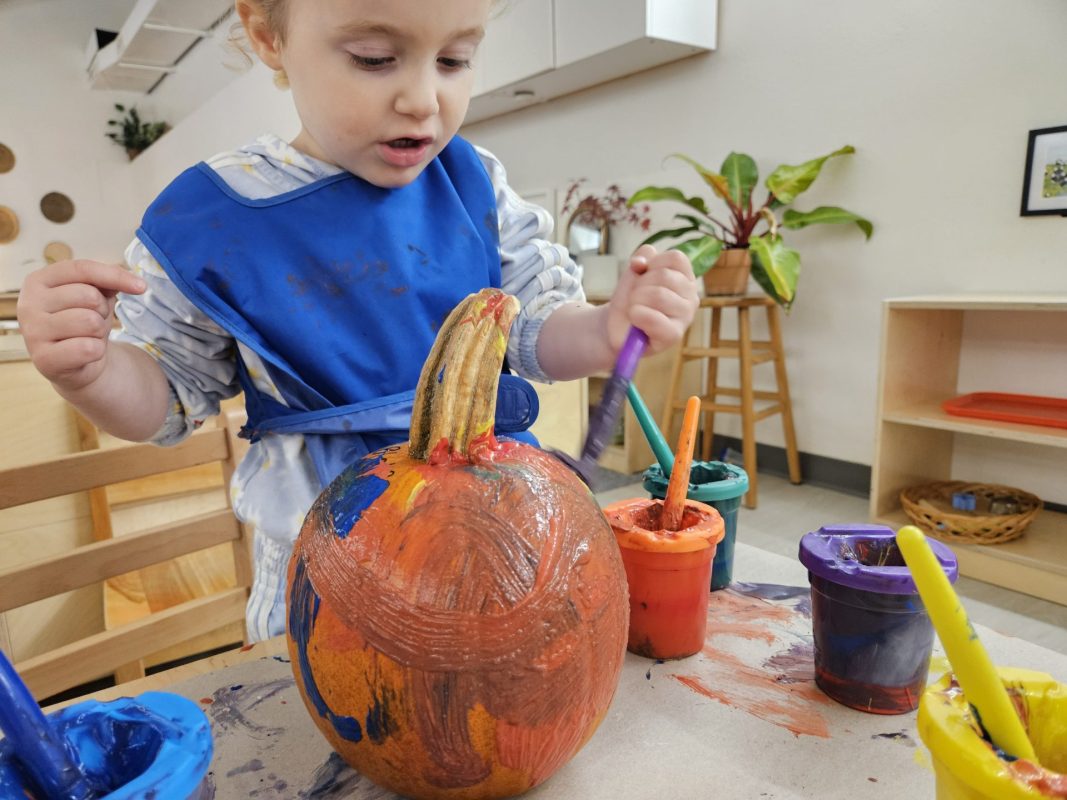
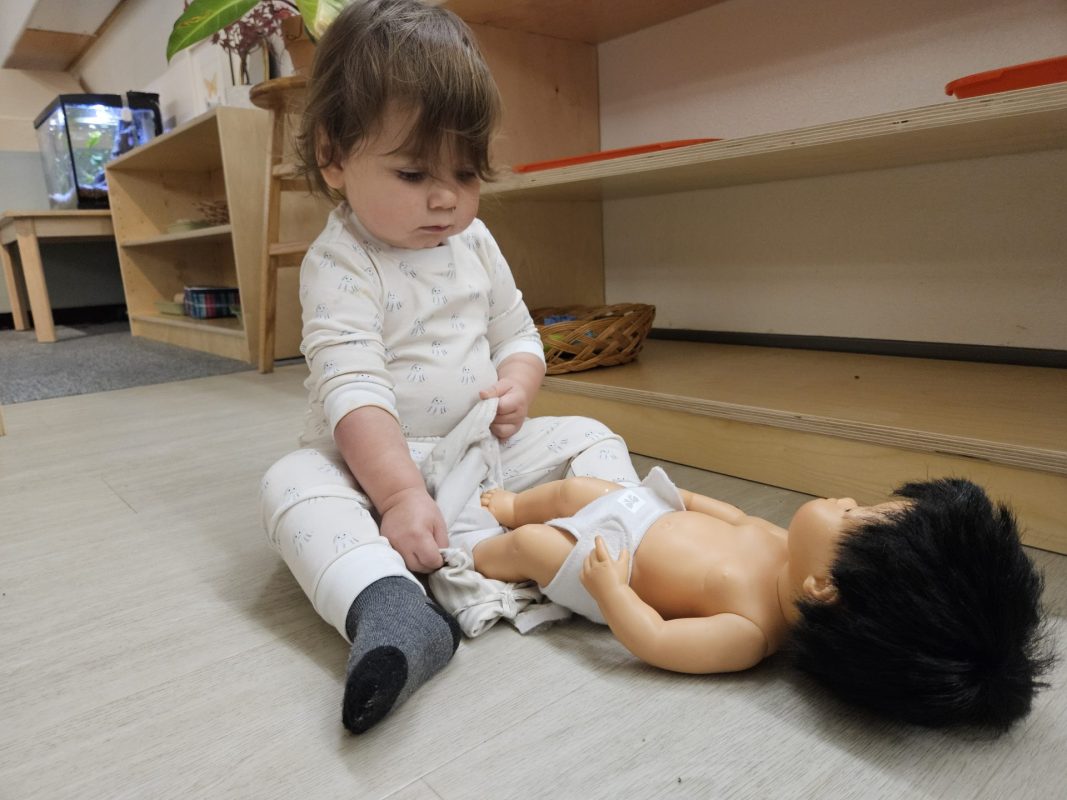
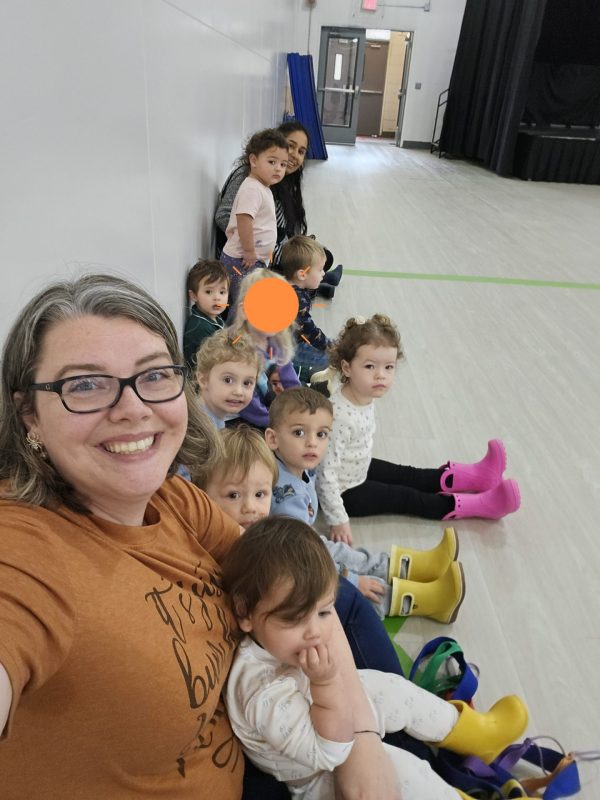
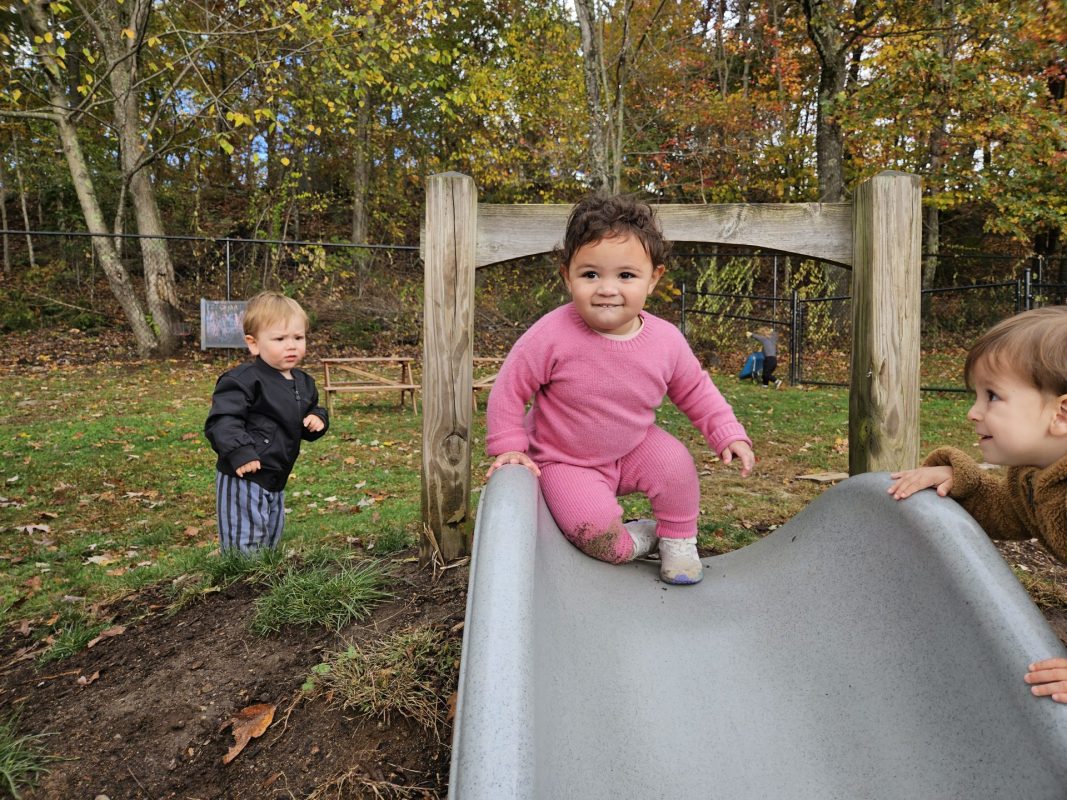
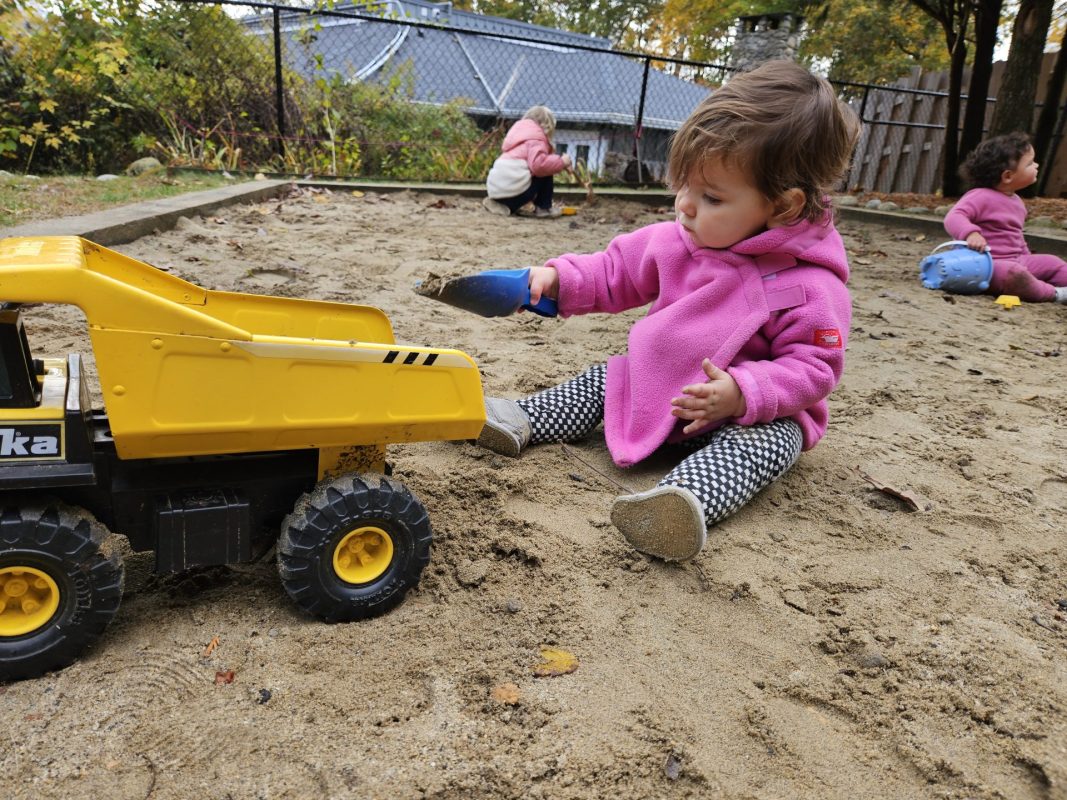
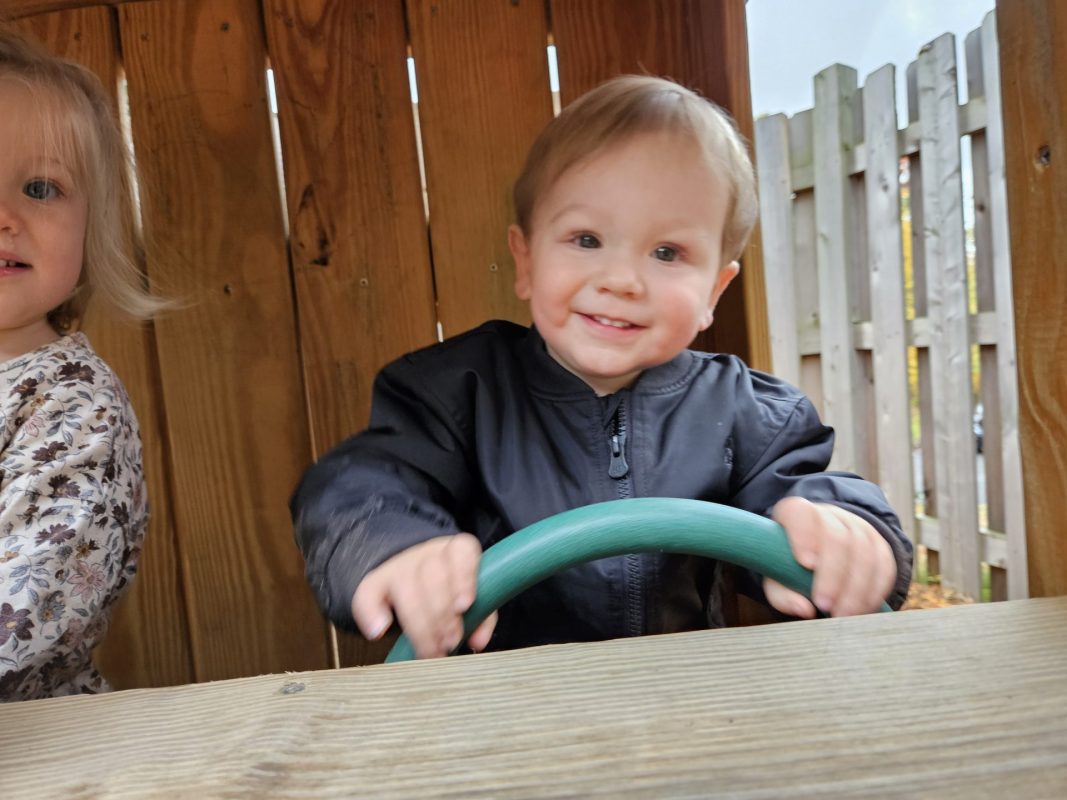
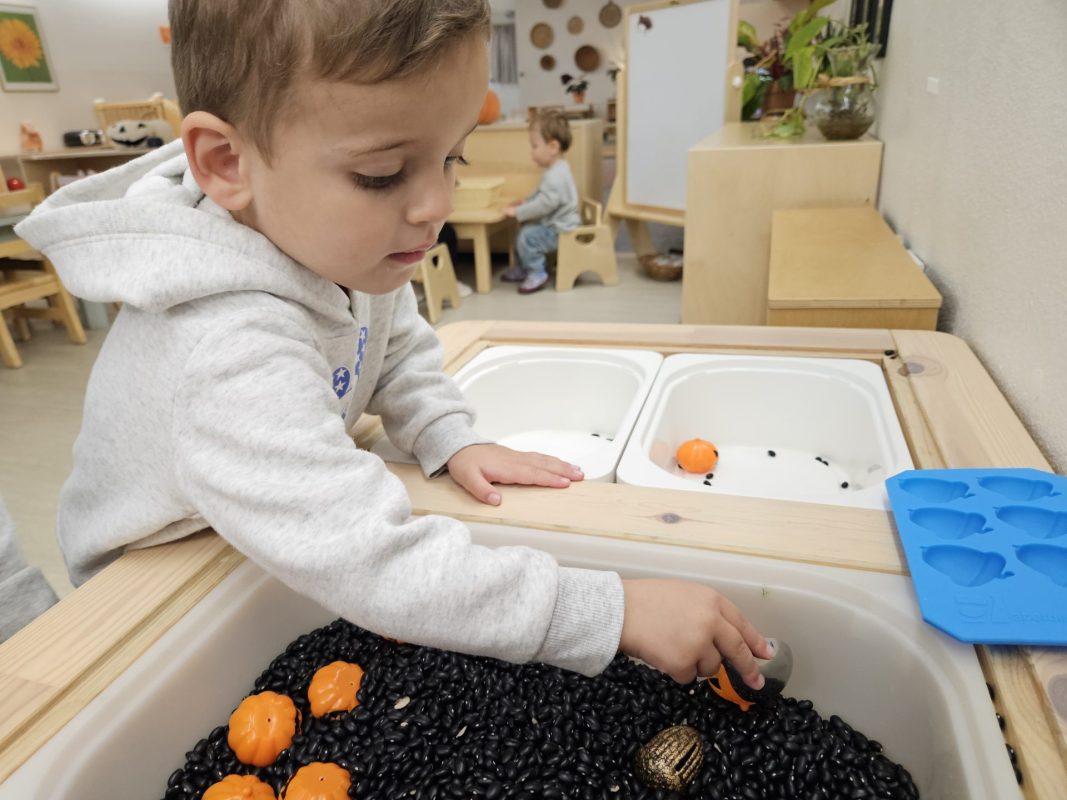
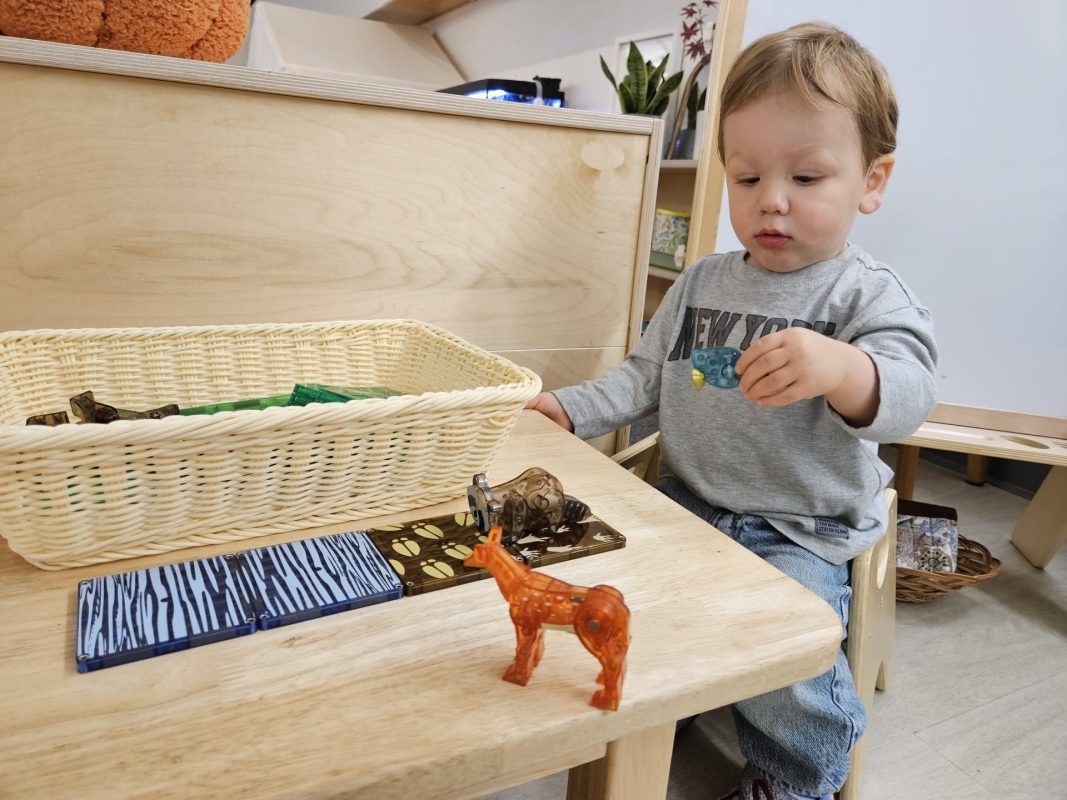
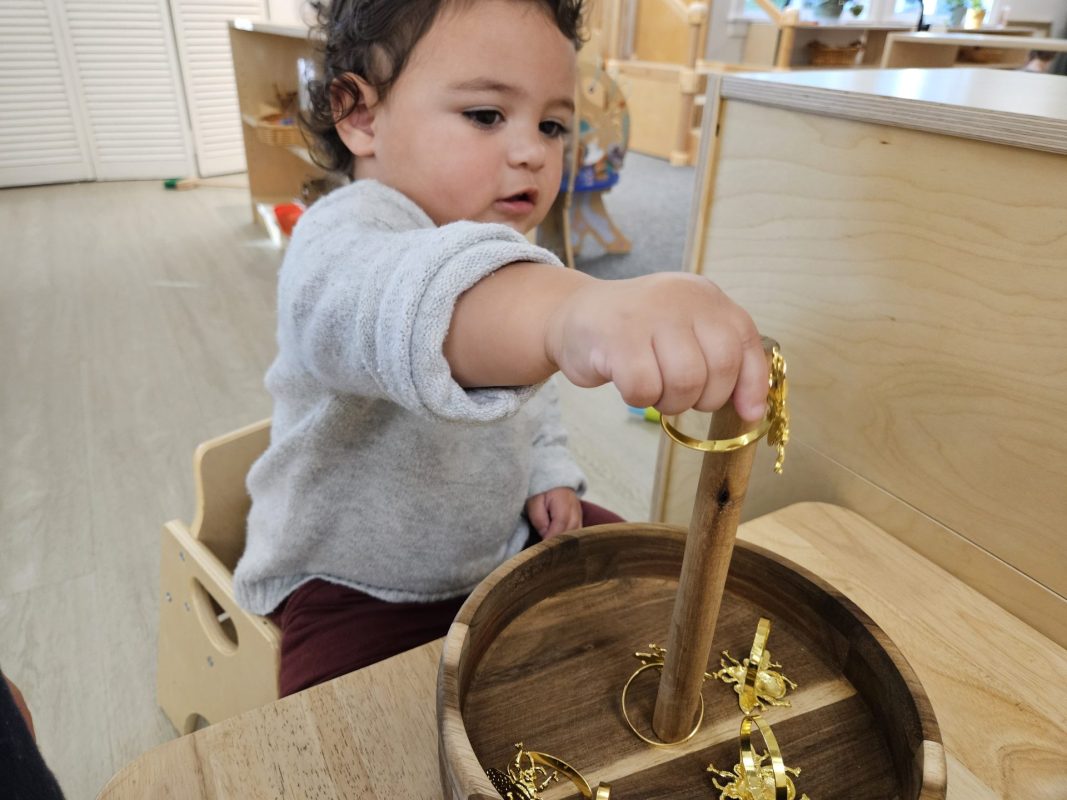
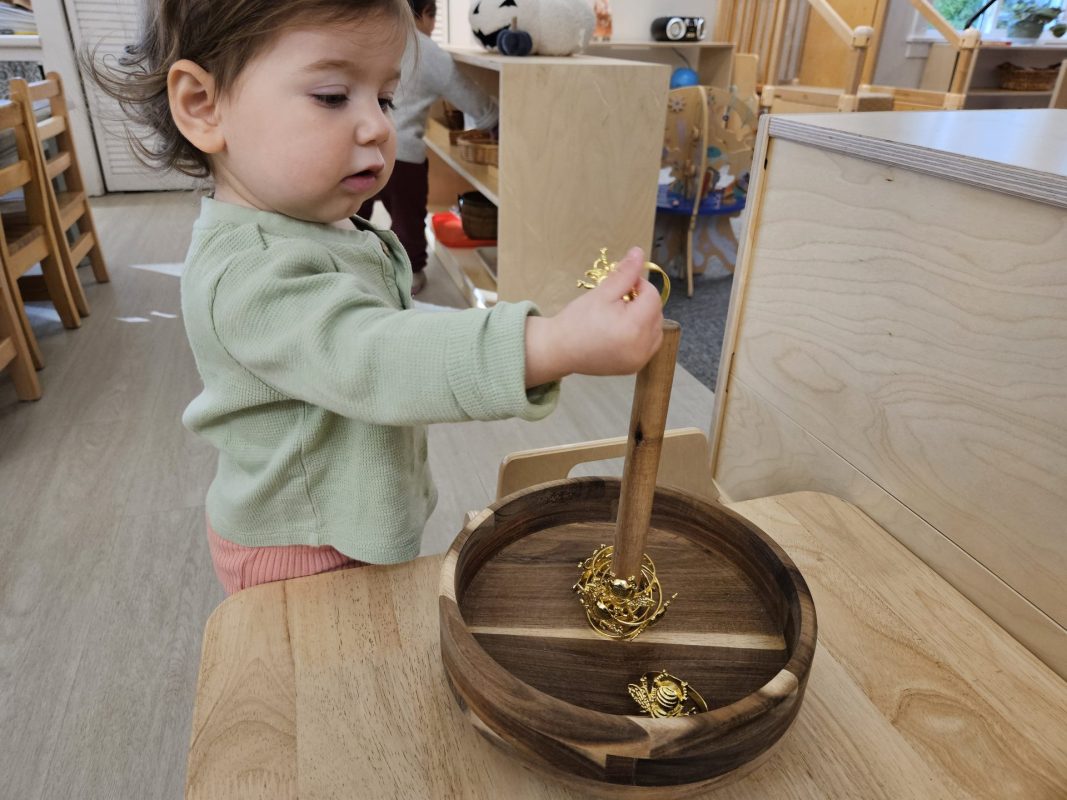
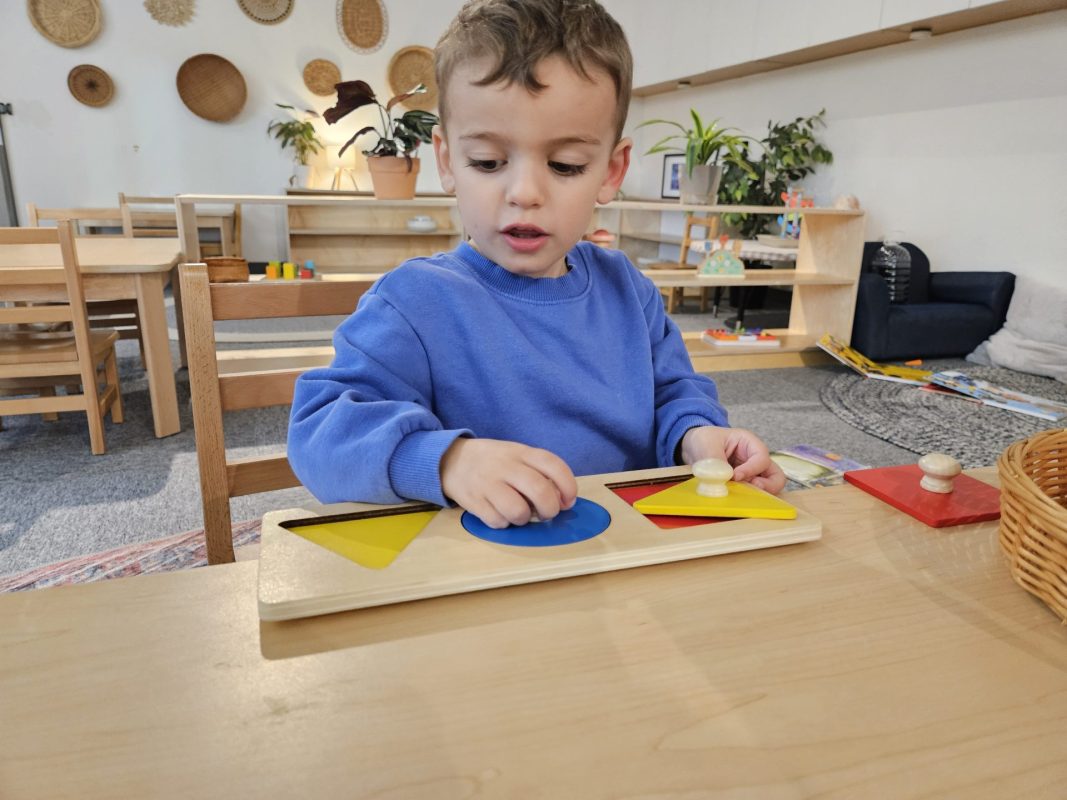
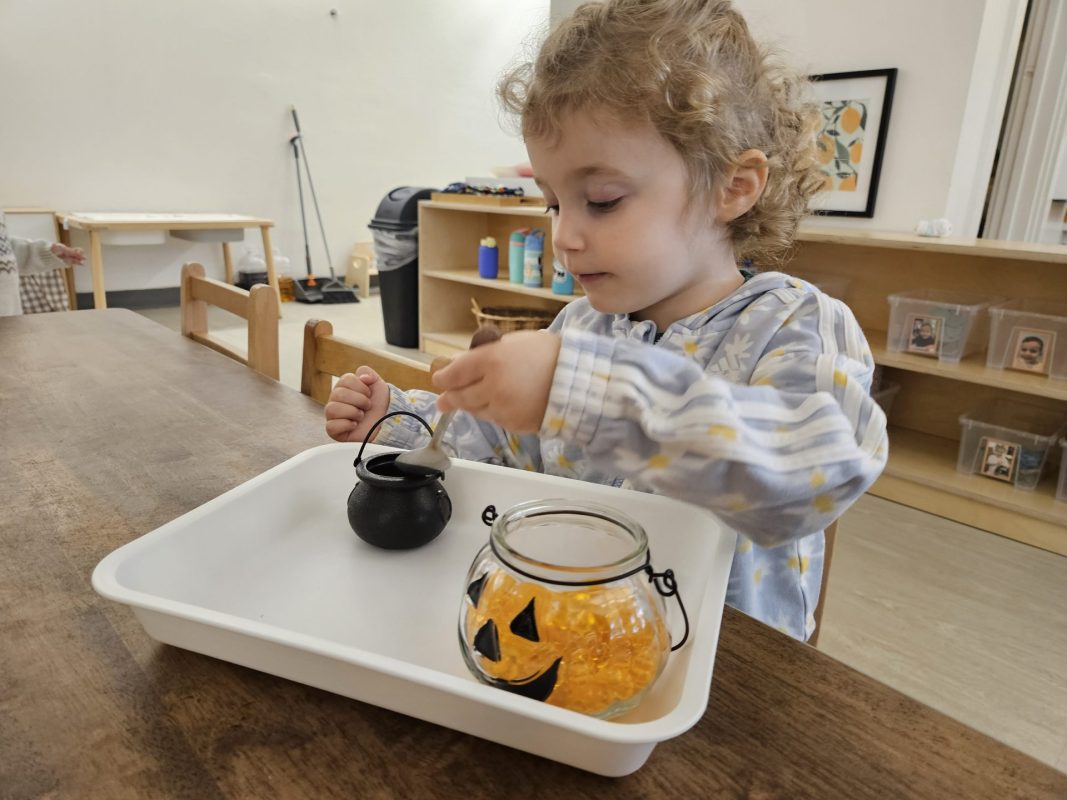
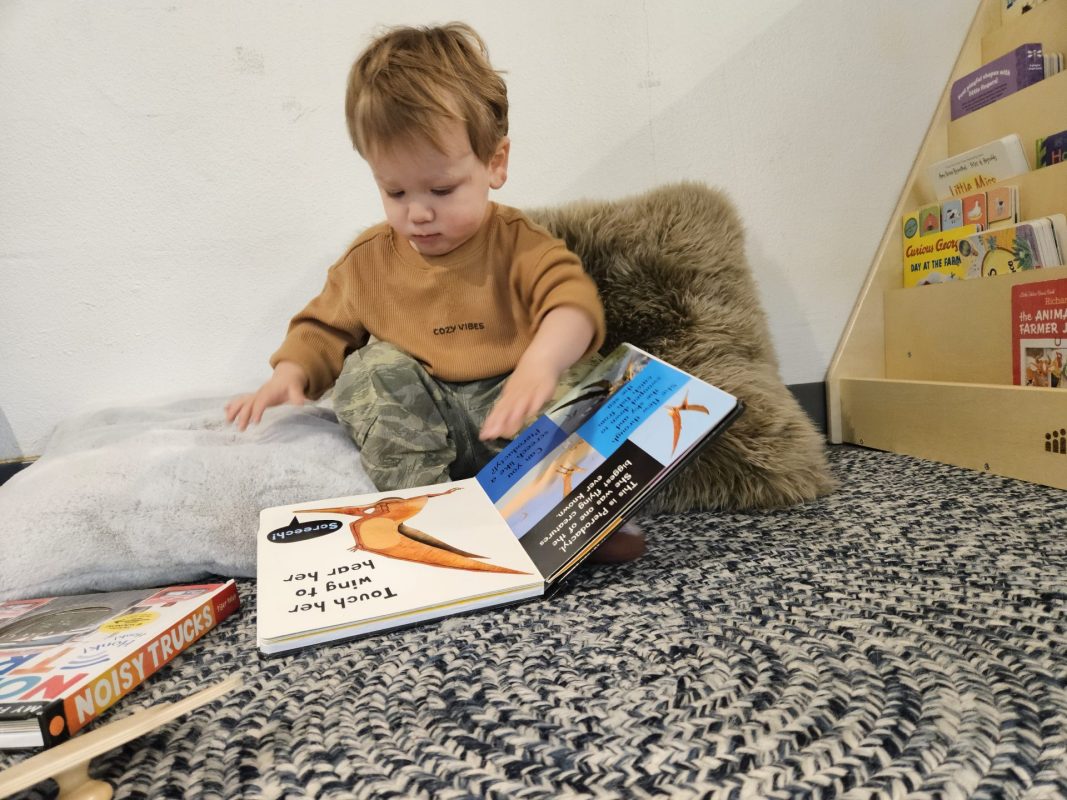
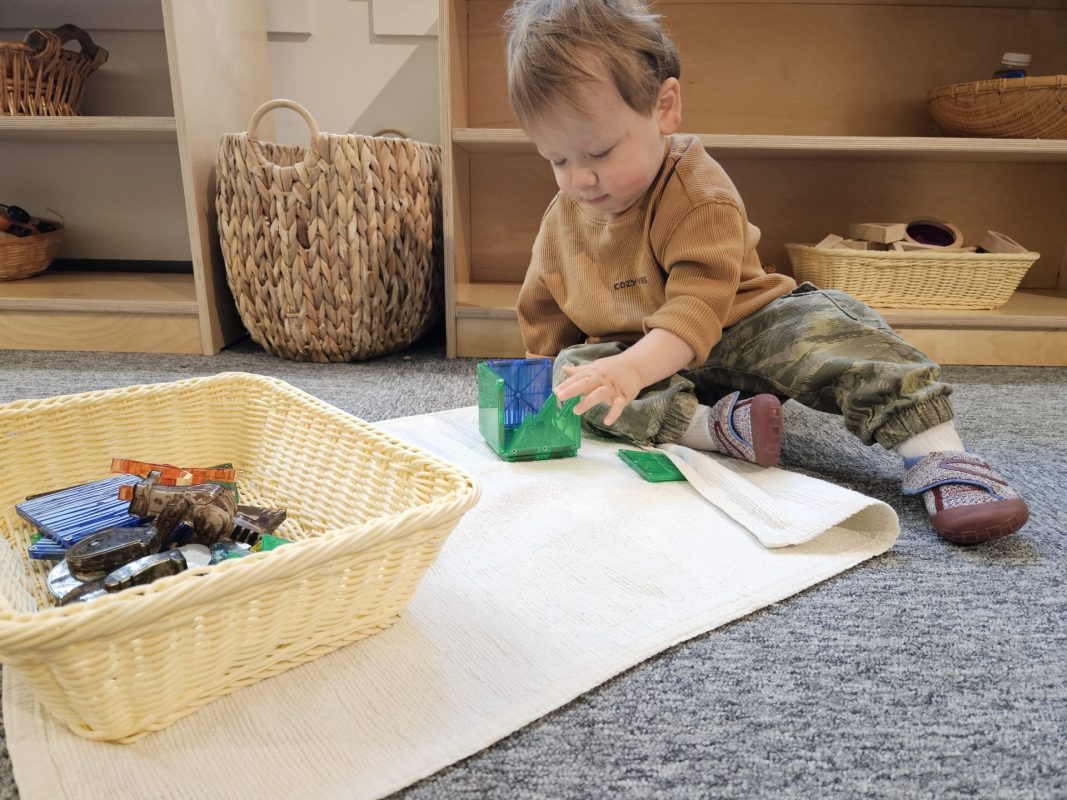
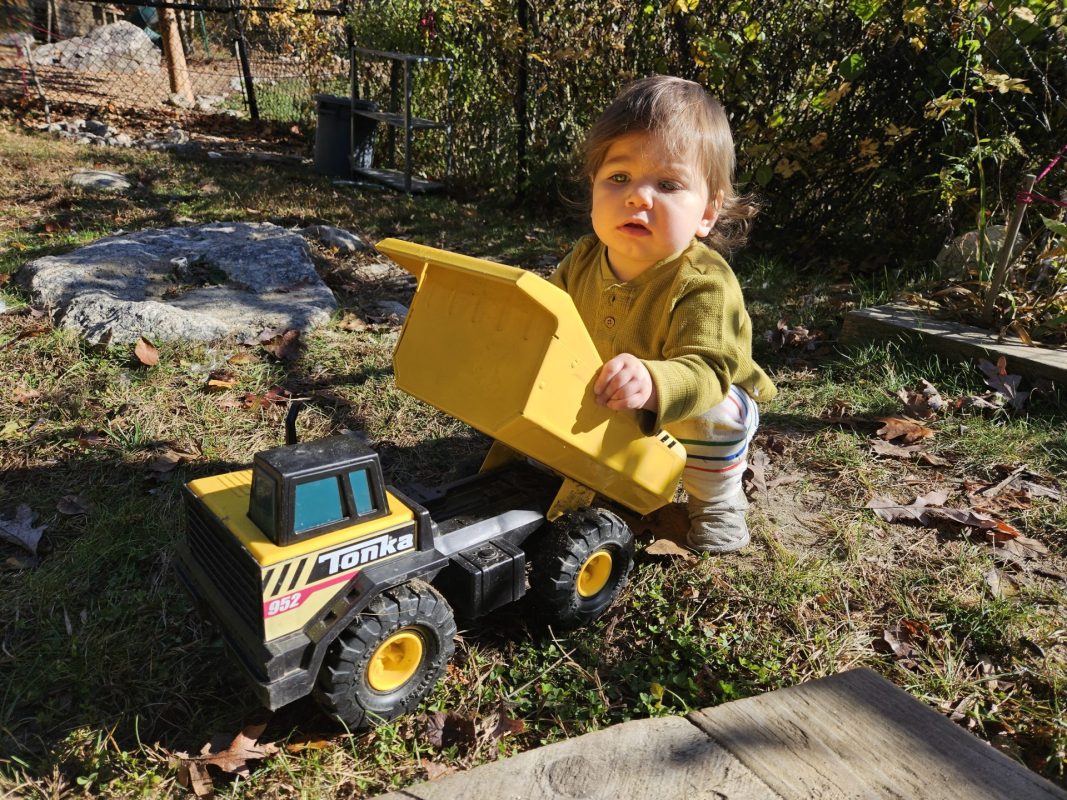
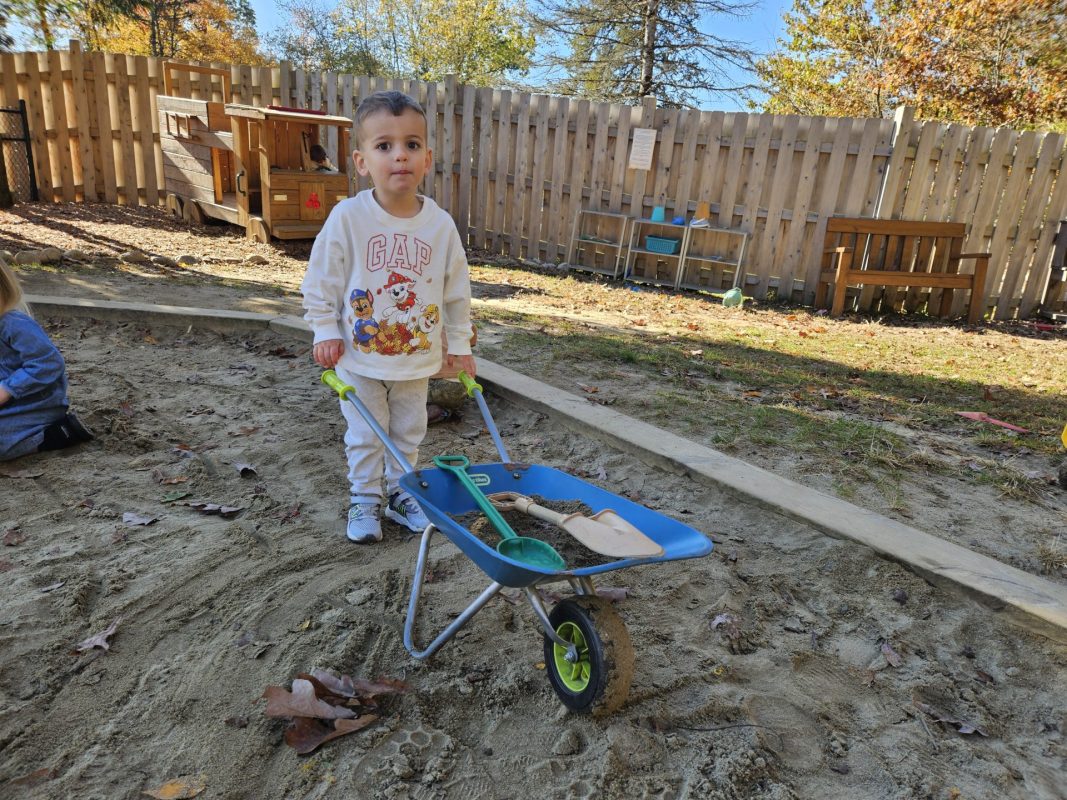
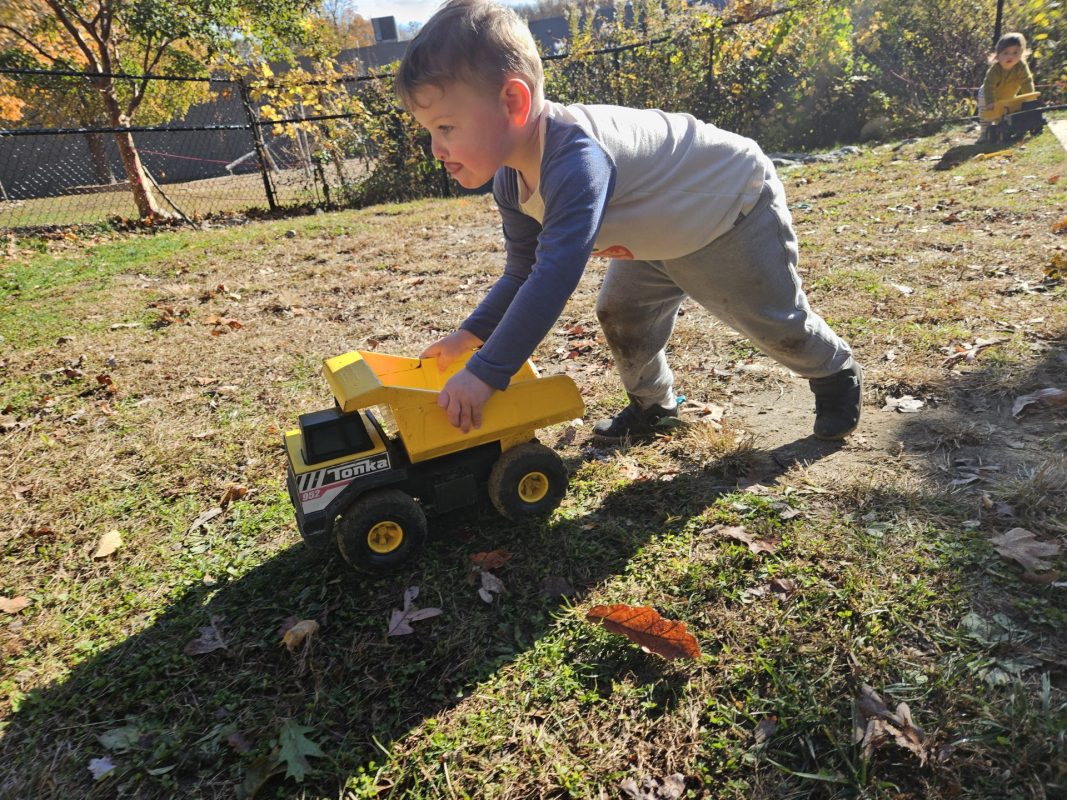
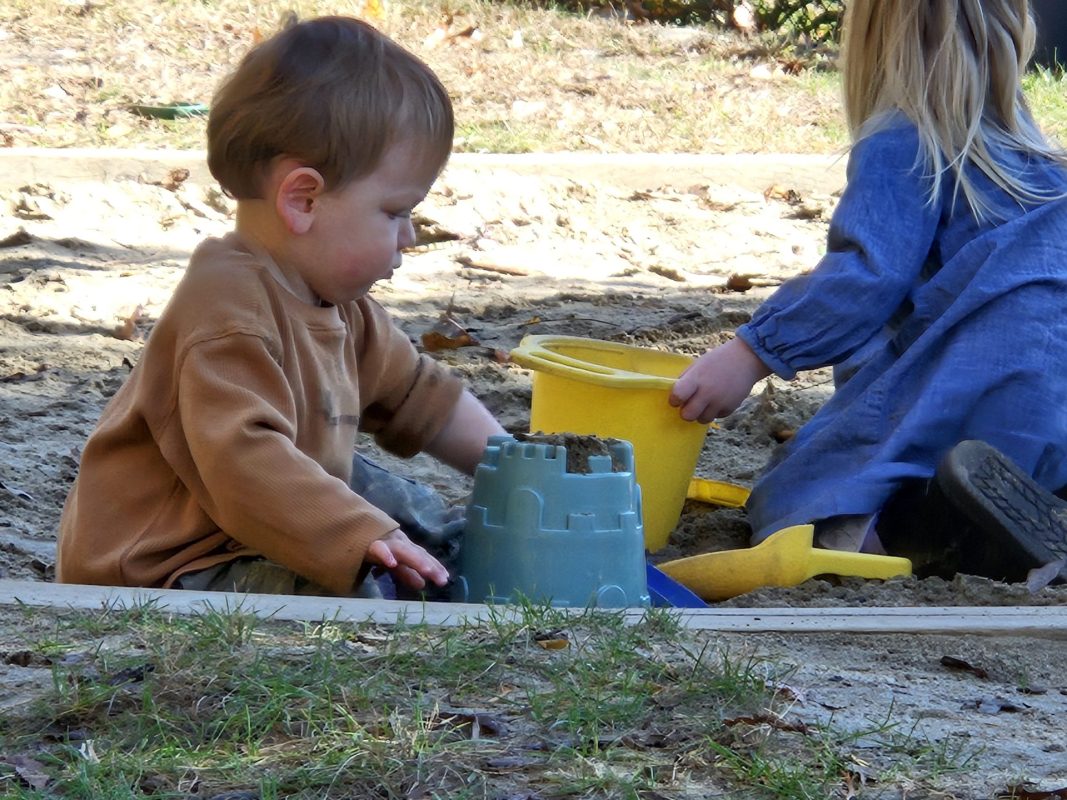
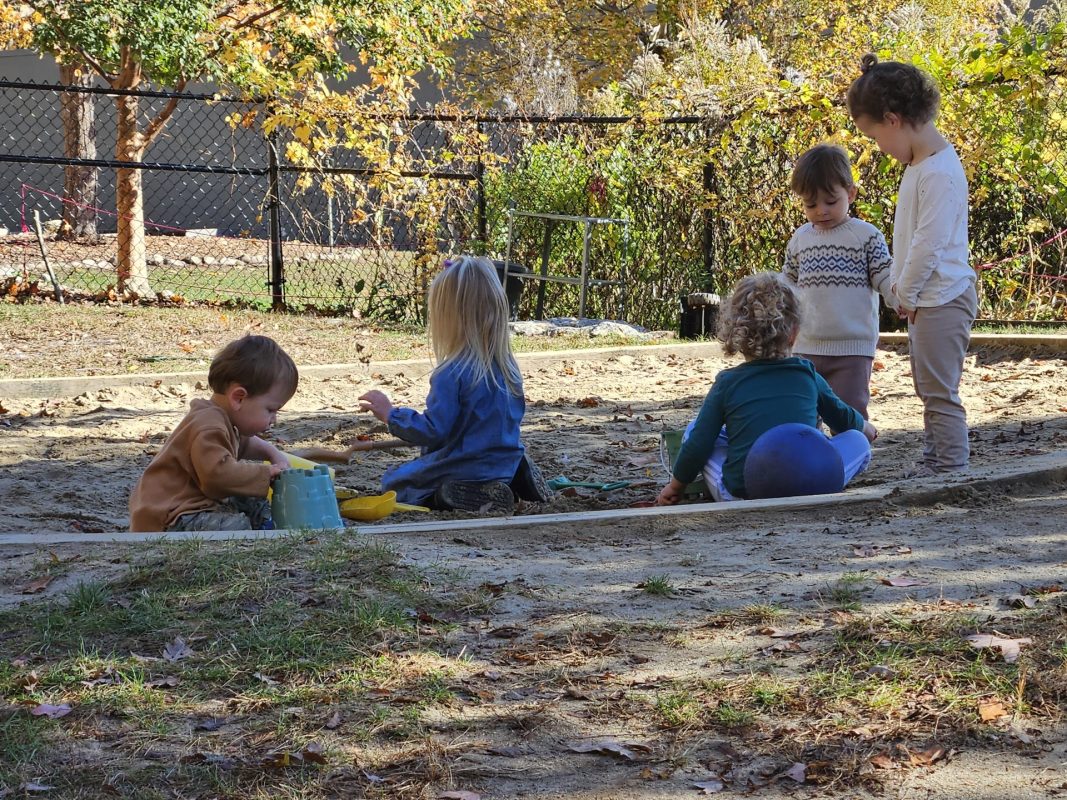
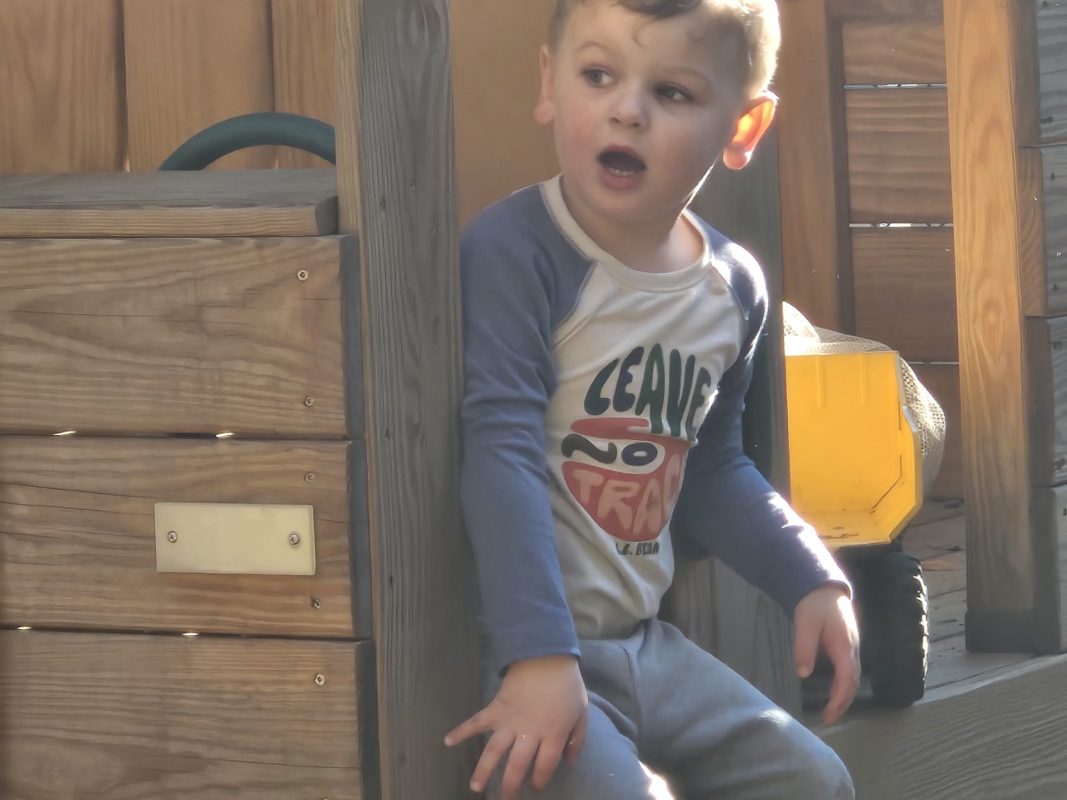
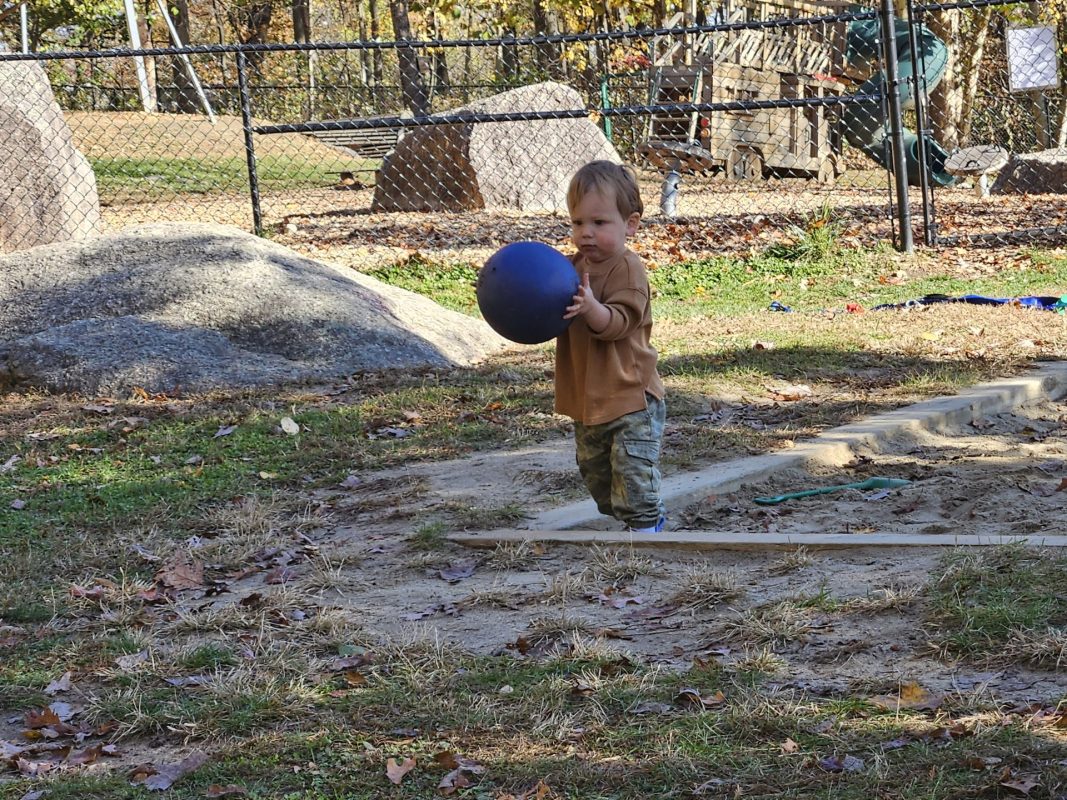
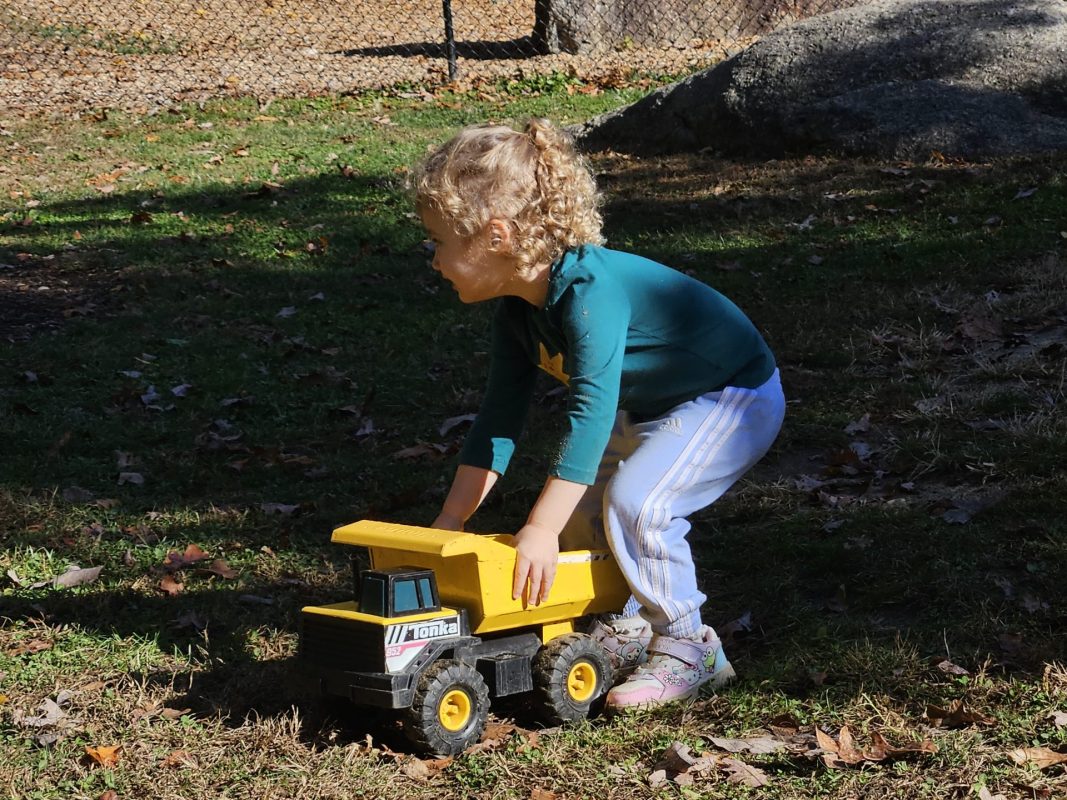
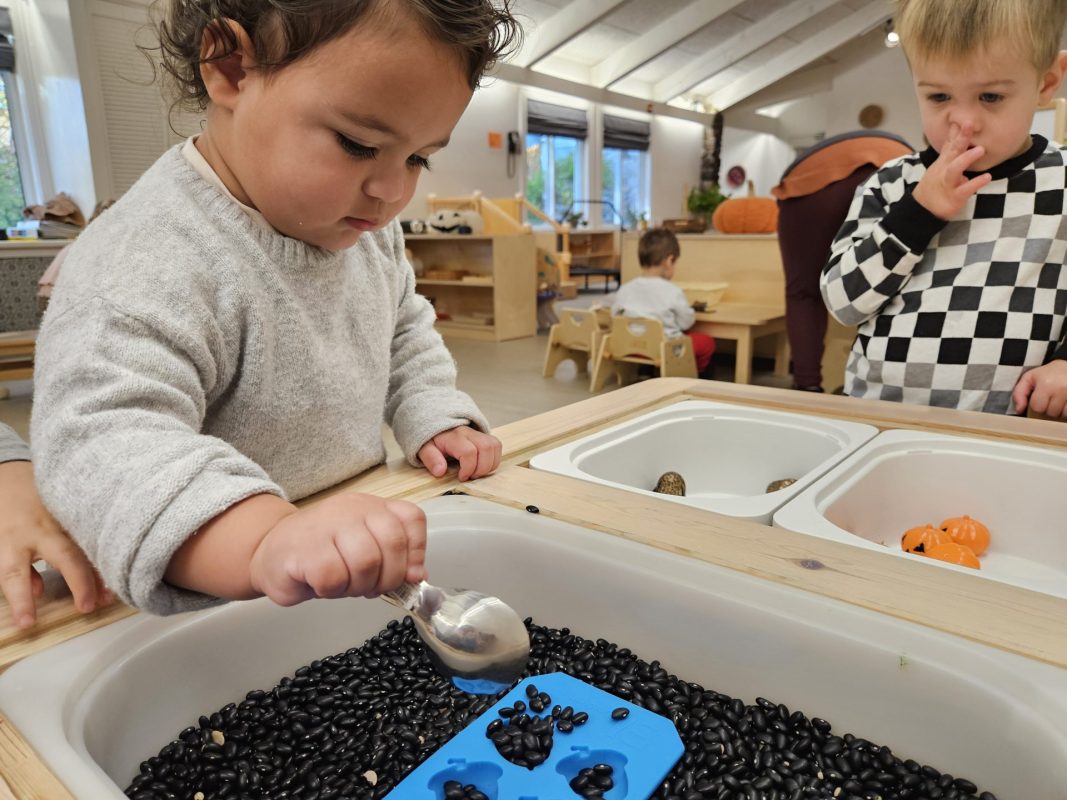
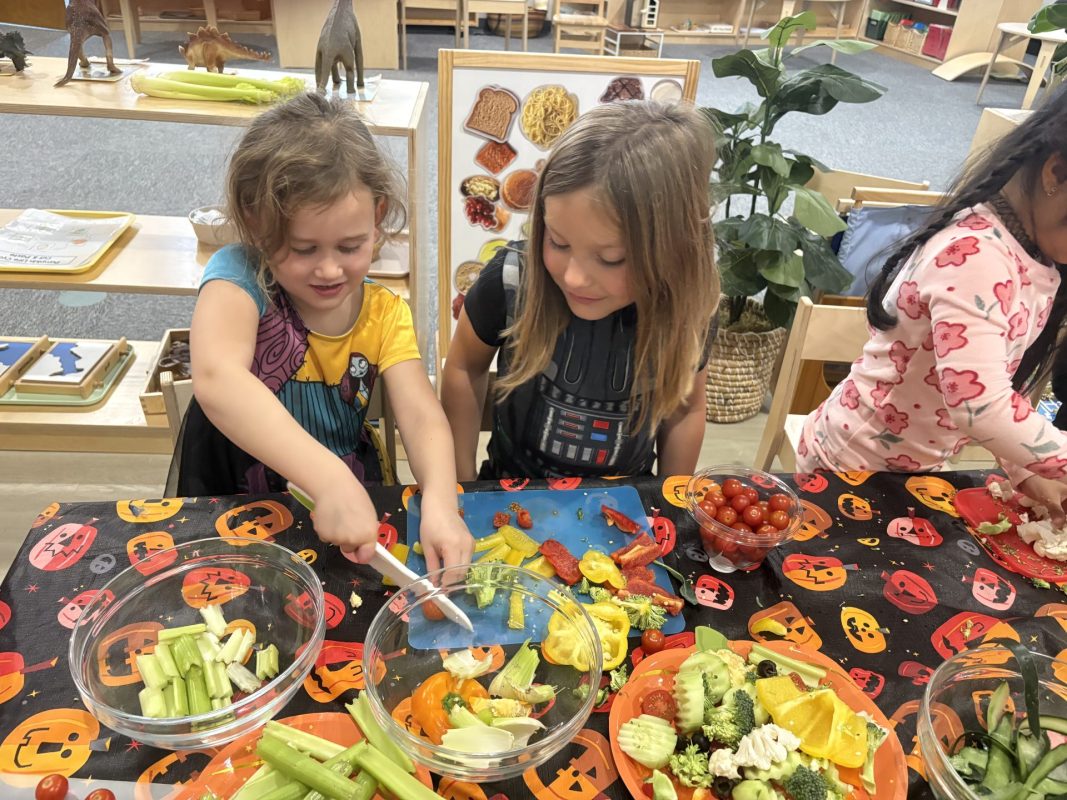
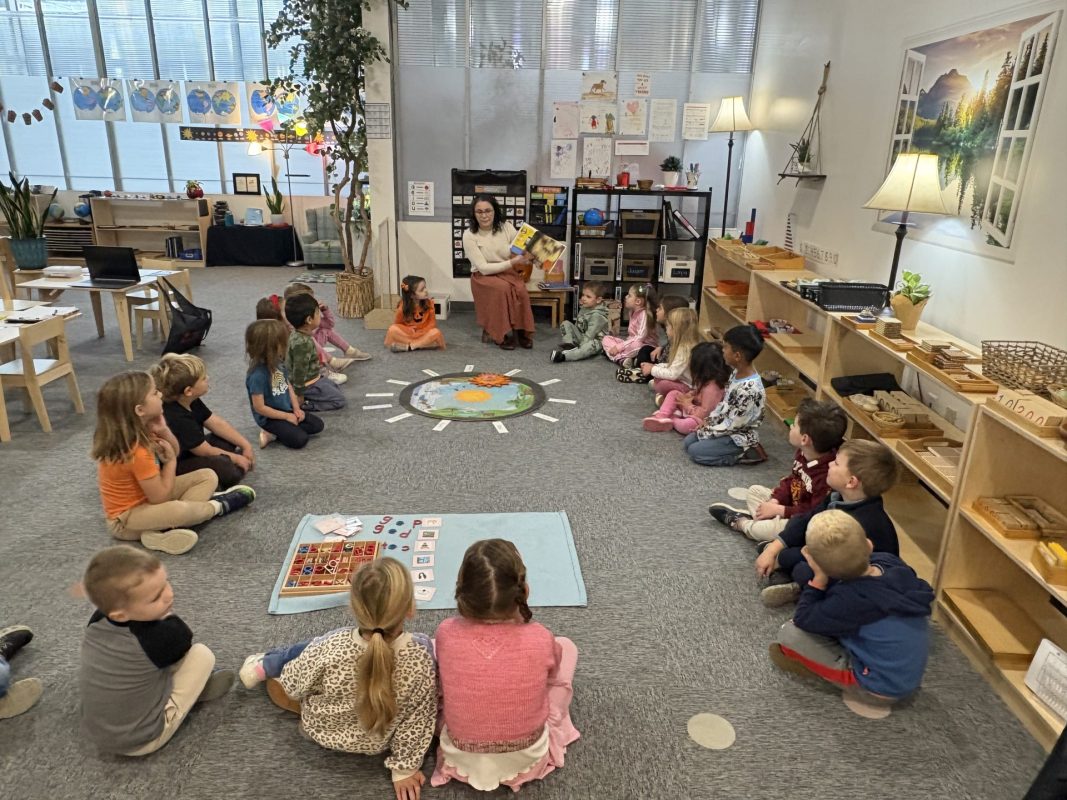
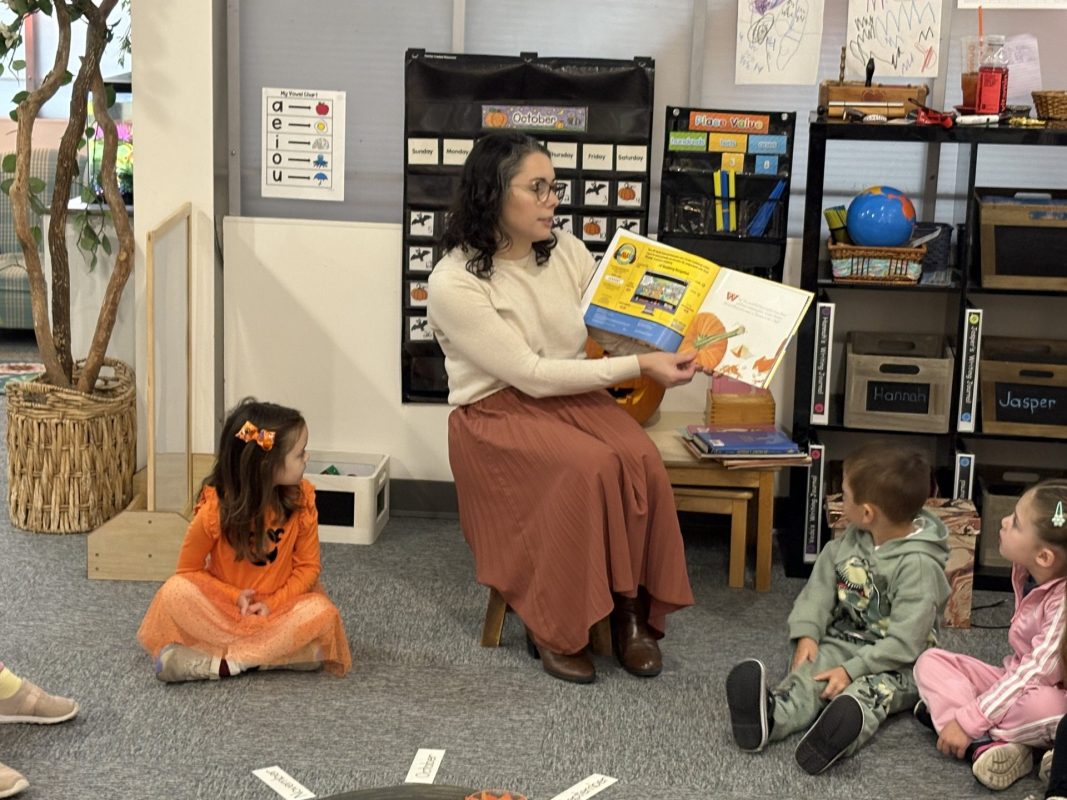
In the pictures, you will also see that we practiced dancing, listening to the words of the songs, and following along.  The children were so proud as they learned to serve themselves a fruit salad made from apples and grapes. Yum! We are also learning to care for our classroom and getting better at rolling up our work mats, wiping the tables, and even coming to help do the laundry. Outside, we are practicing jumping using both feet and playing with our friends.
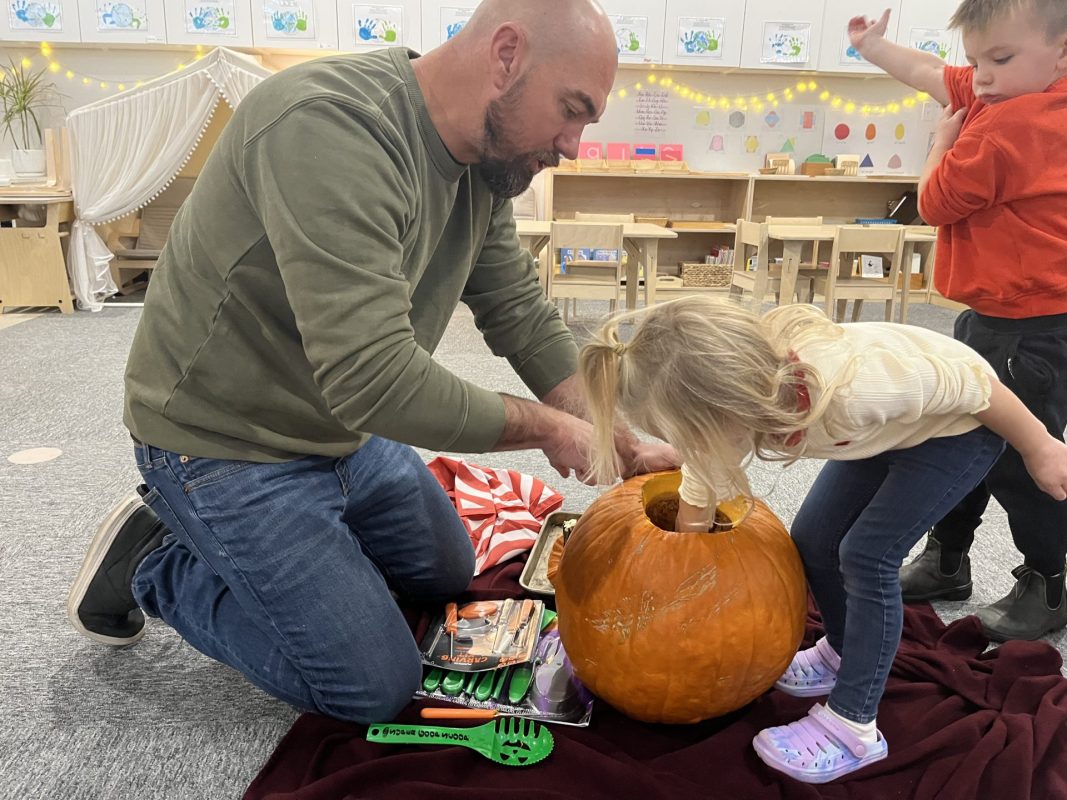
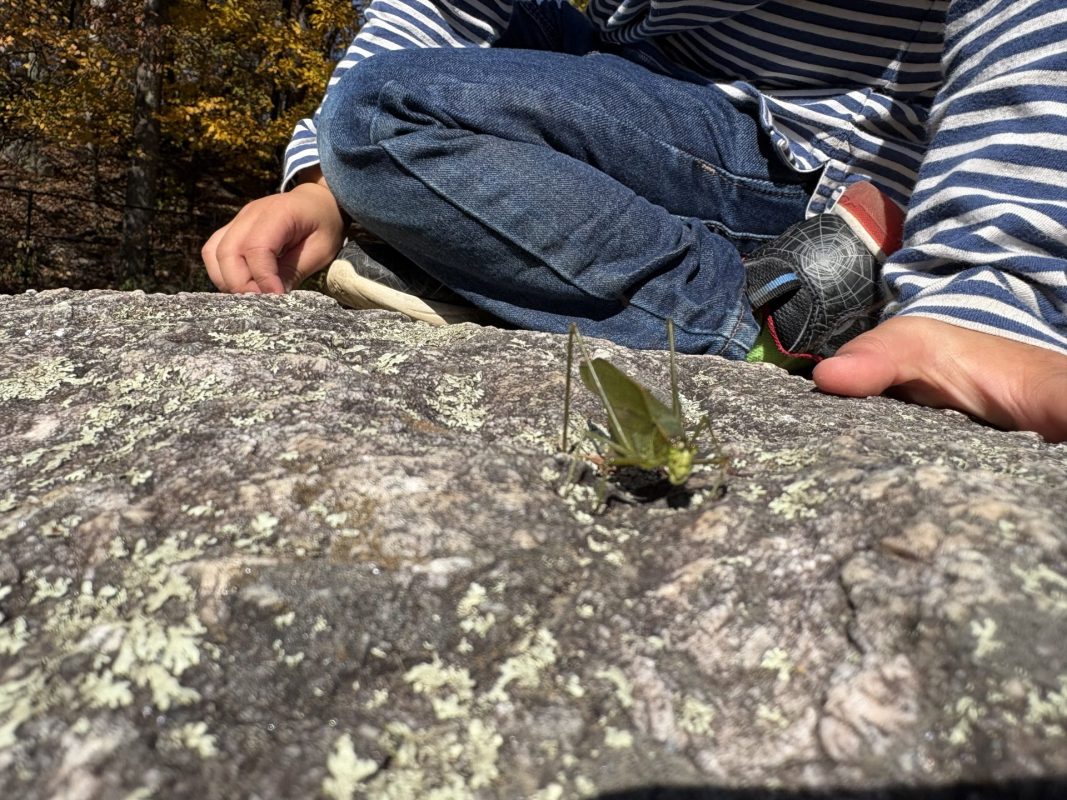
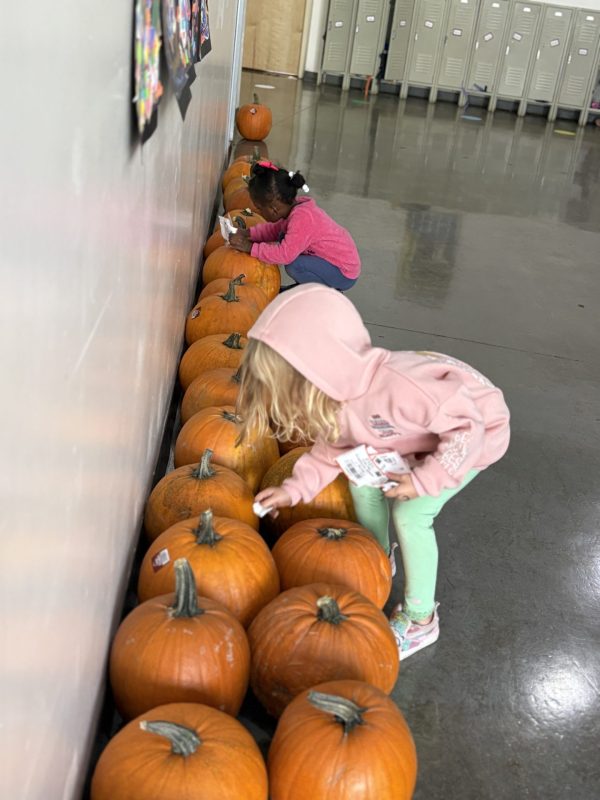
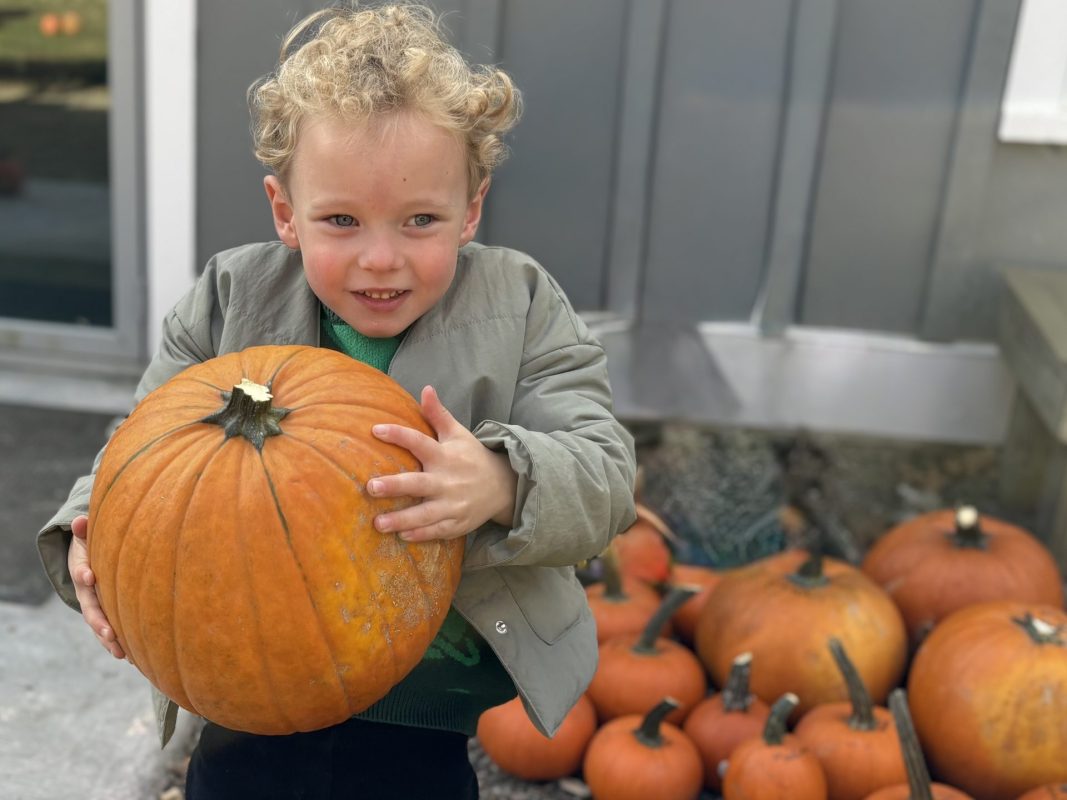
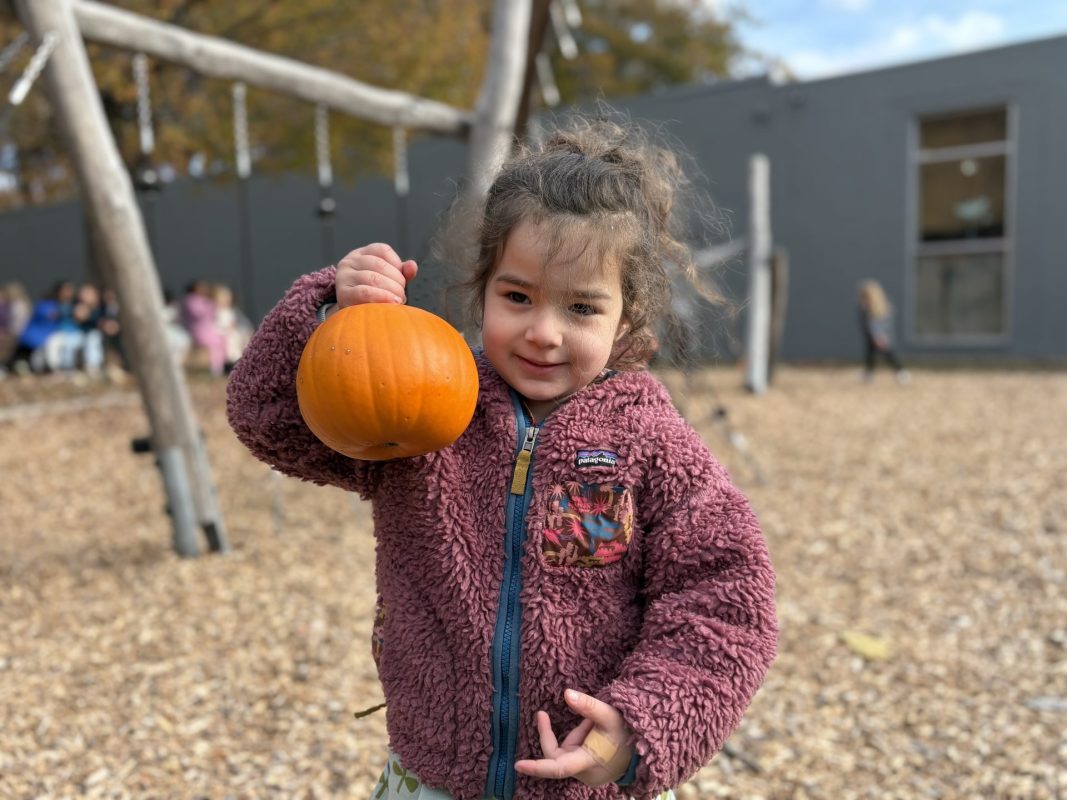
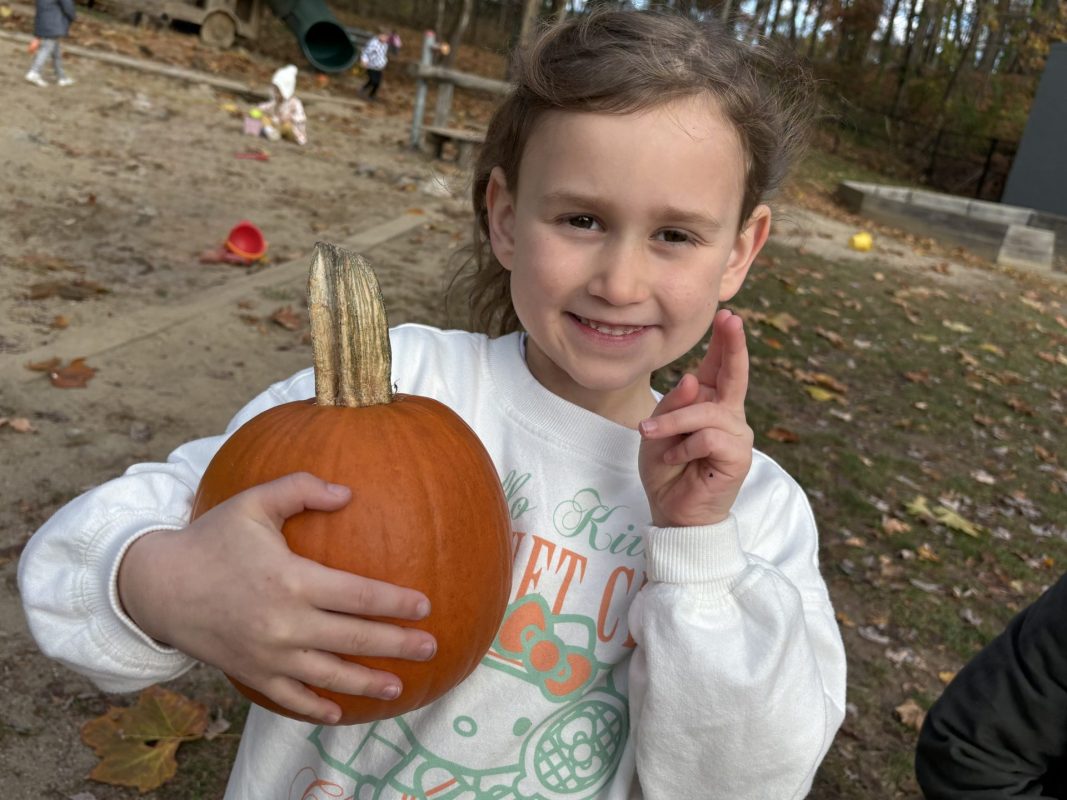
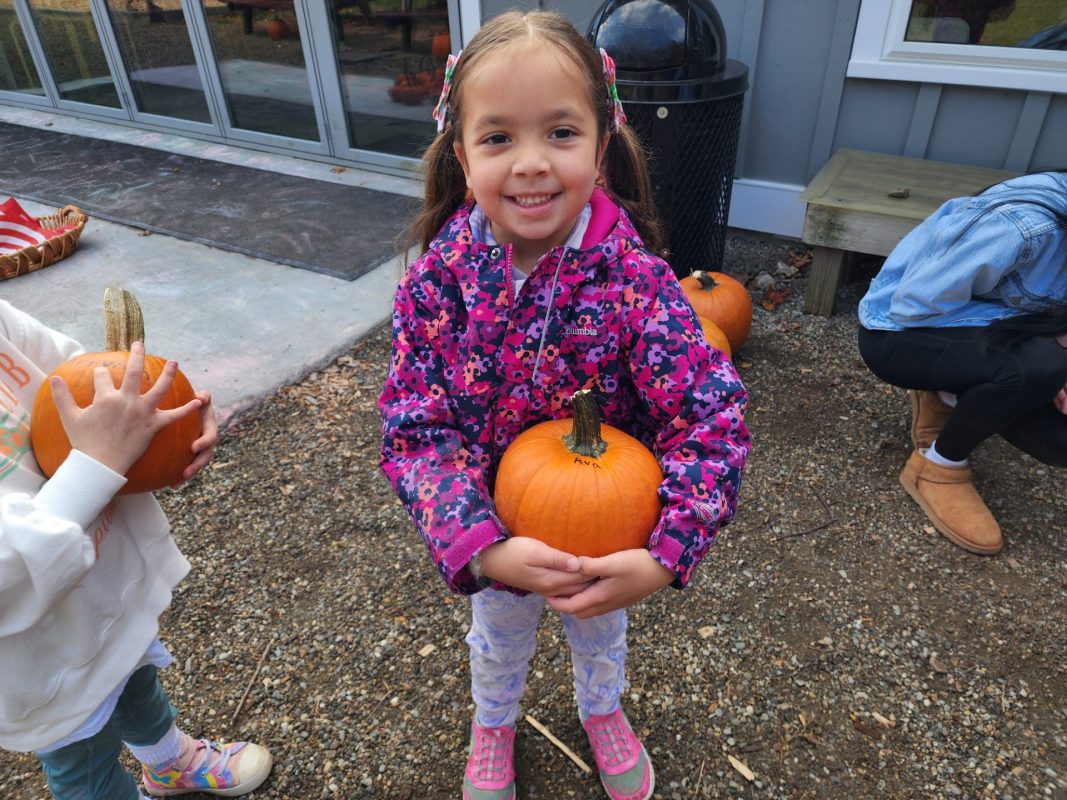
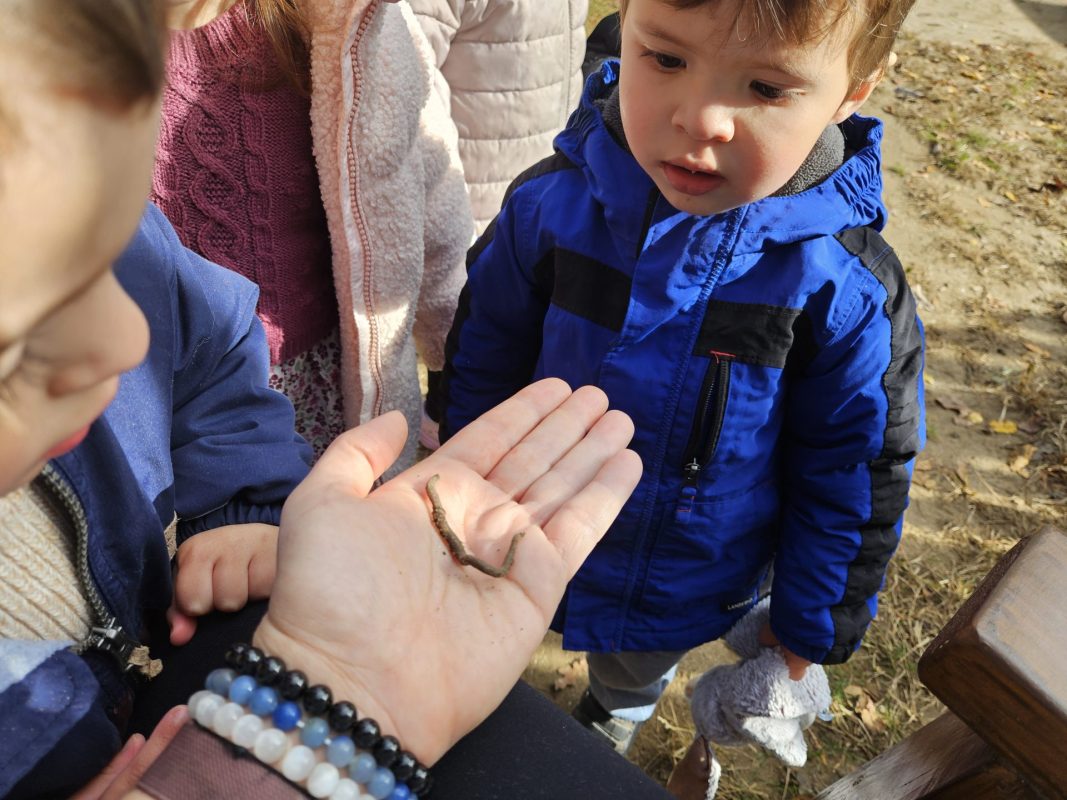
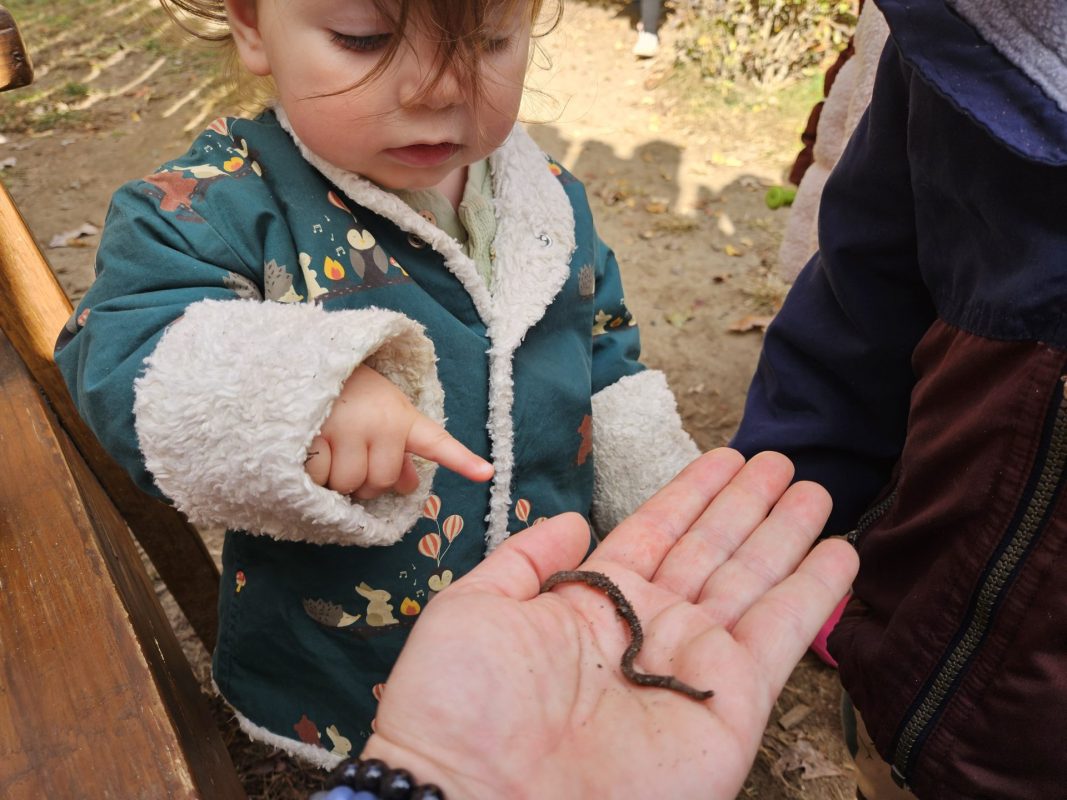
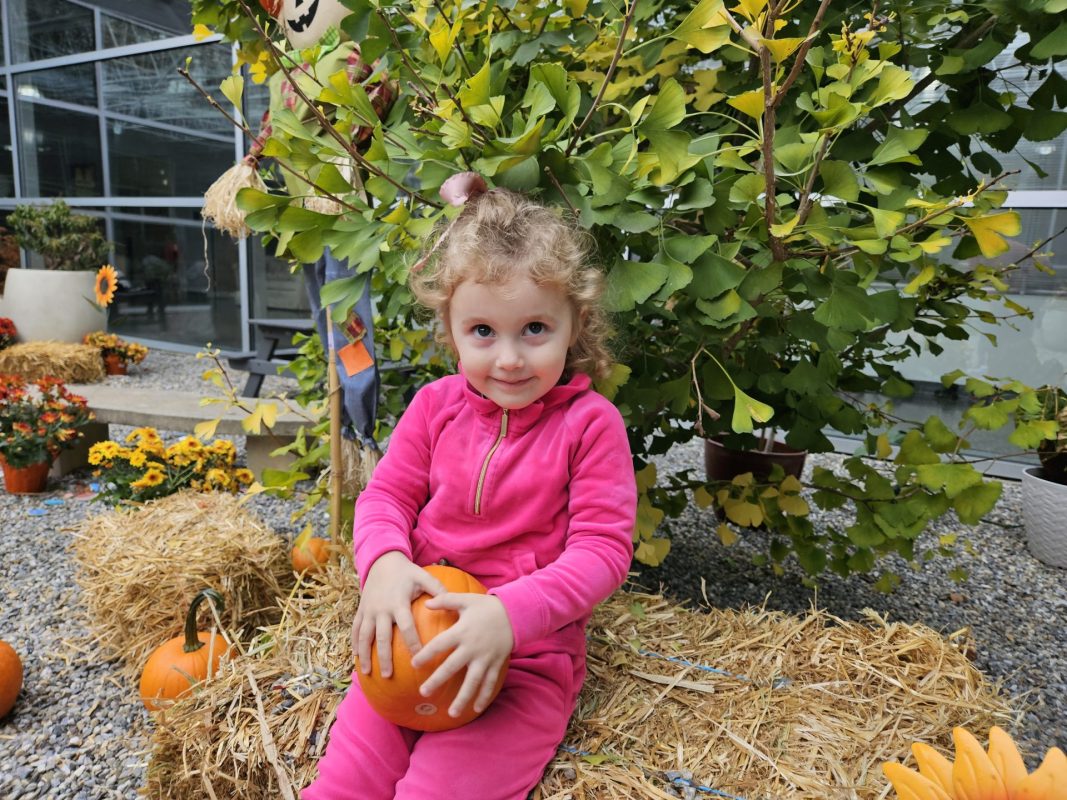
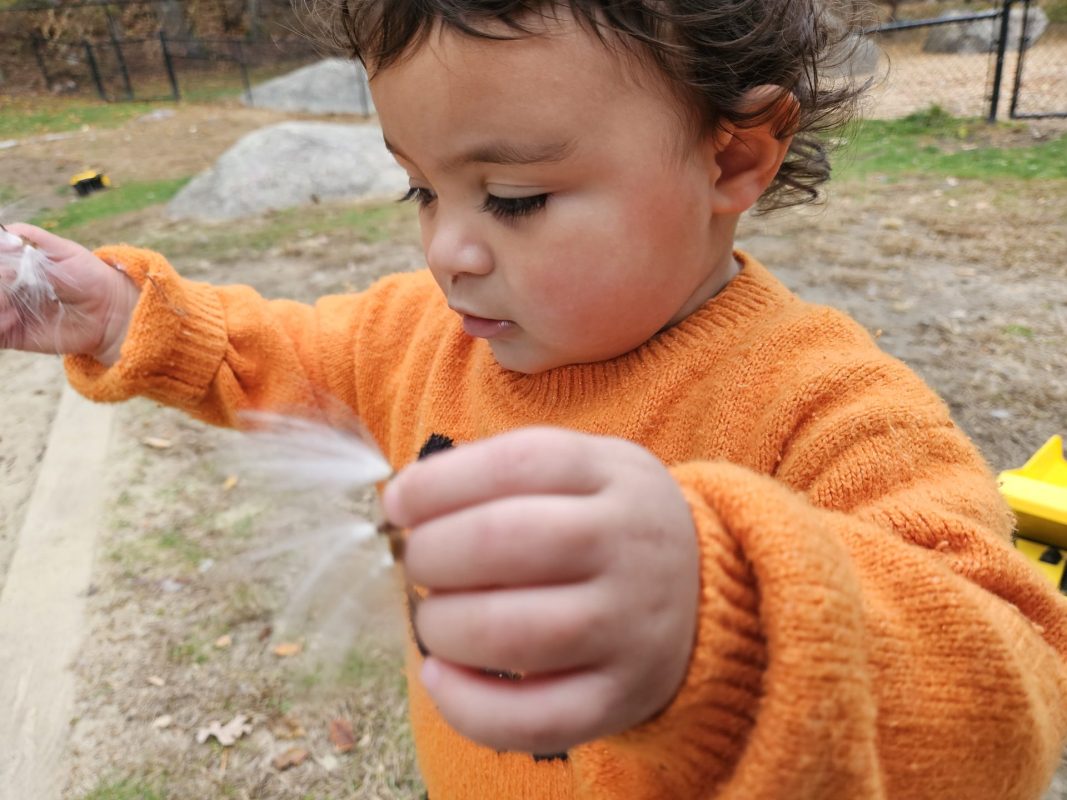
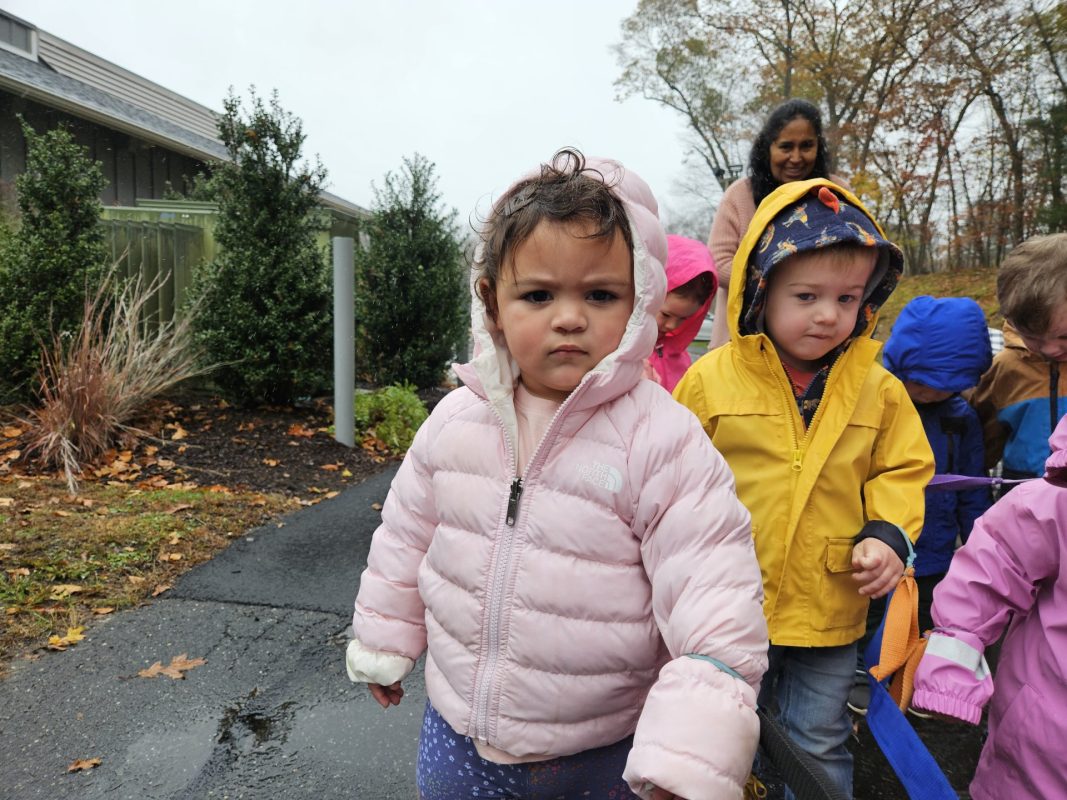
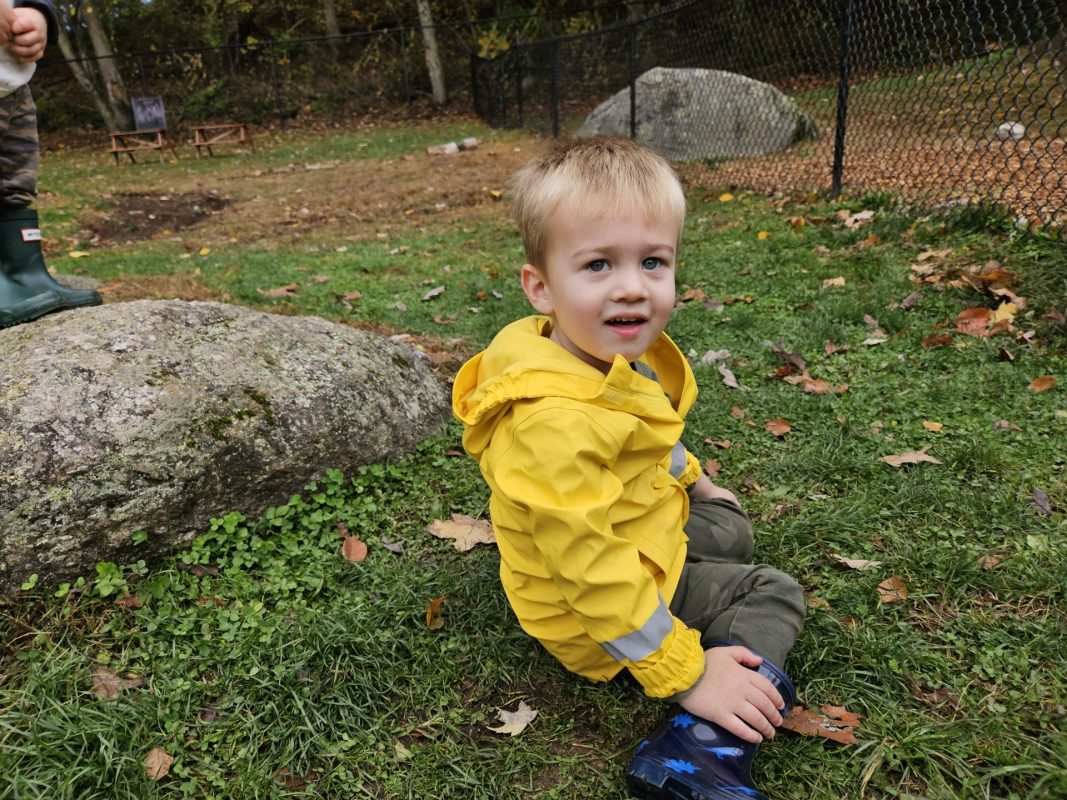
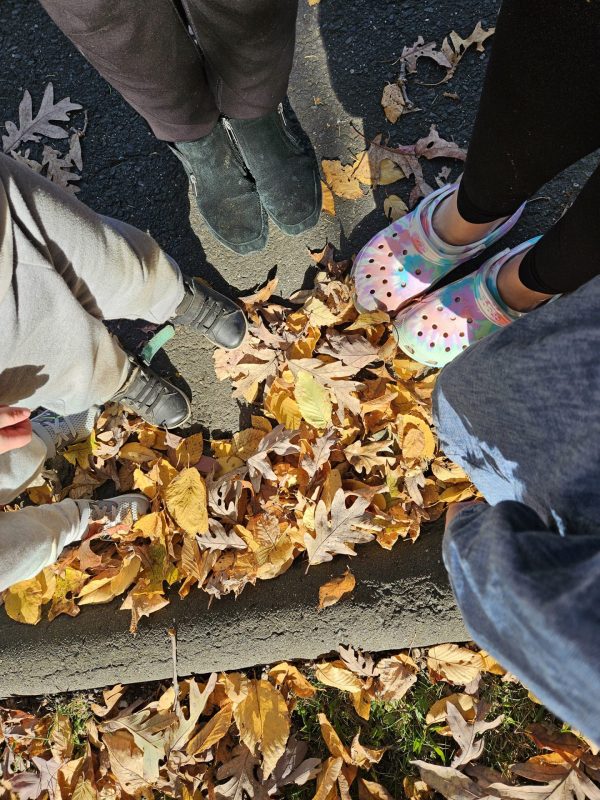
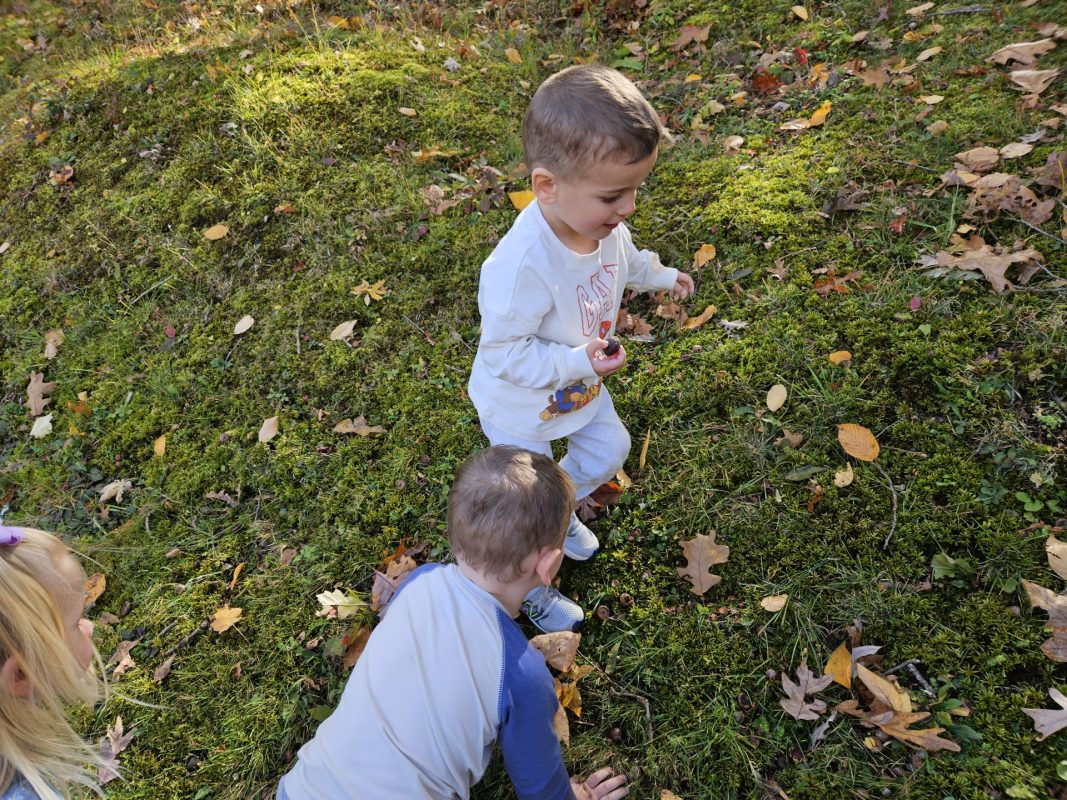
The weather has been beautiful this week, and we have spent a lot of time talking about the weather and what we see and feel outside.  We are noticing that the green leaves are starting to turn different colors, and some are even starting to fall off the tree.


Ms. Mollie: Little by Little


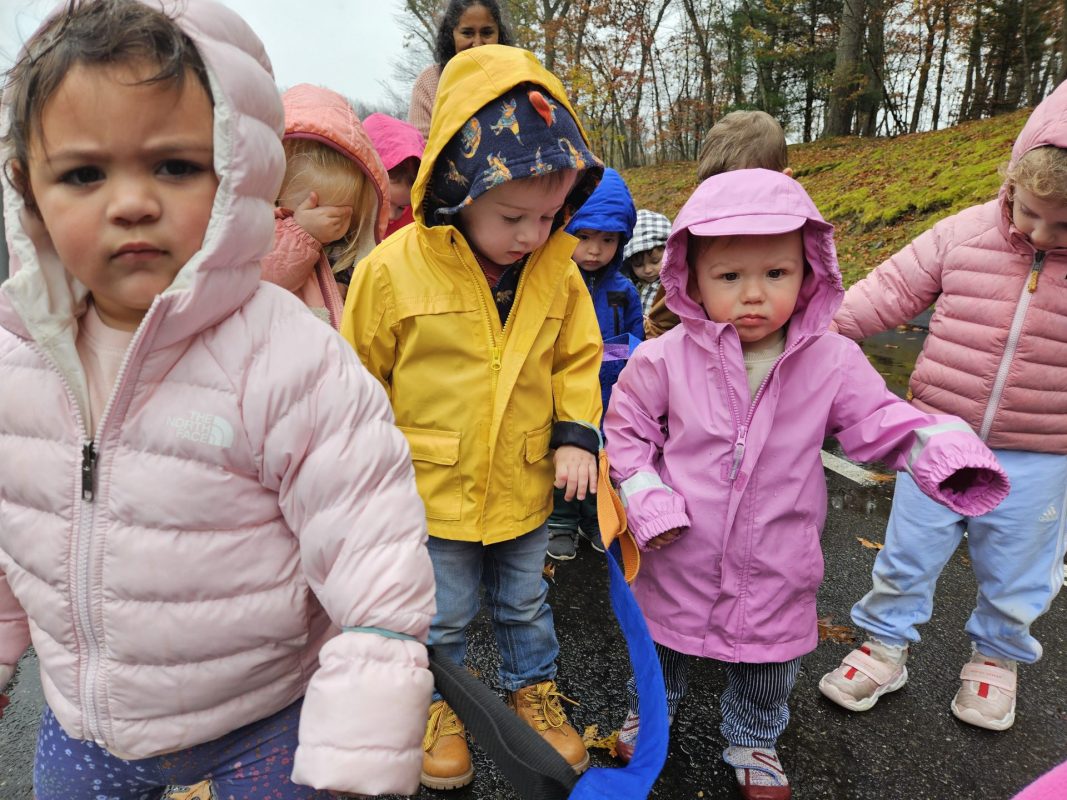
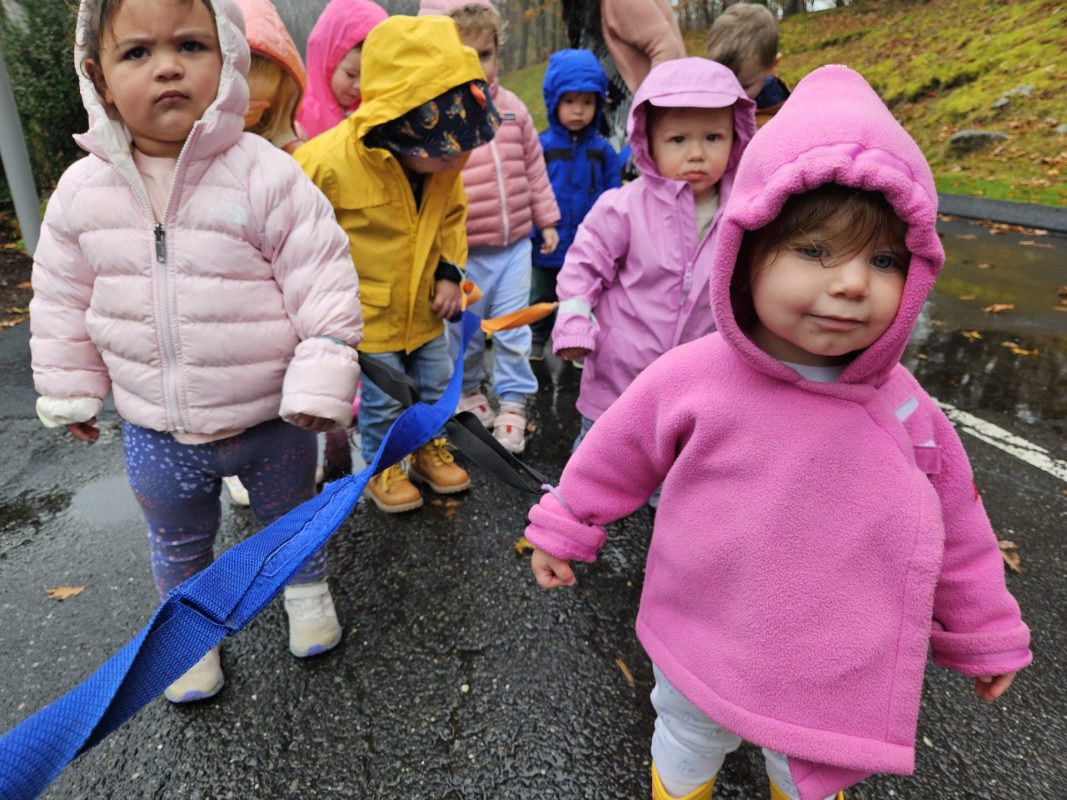
This week has been a great week of getting back to what we love to do in our classroom! Montessori encourages purposeful movement, and walking together — noticing the colors of the trees, the shapes of the clouds, and the tiny ants carrying crumbs — became an unplanned nature lesson. The world is always offering something to learn if we slow down enough to see it.

The calm, focused energy that filled the room reminded me of the deep work children are capable of when they’re trusted and given the space to choose.

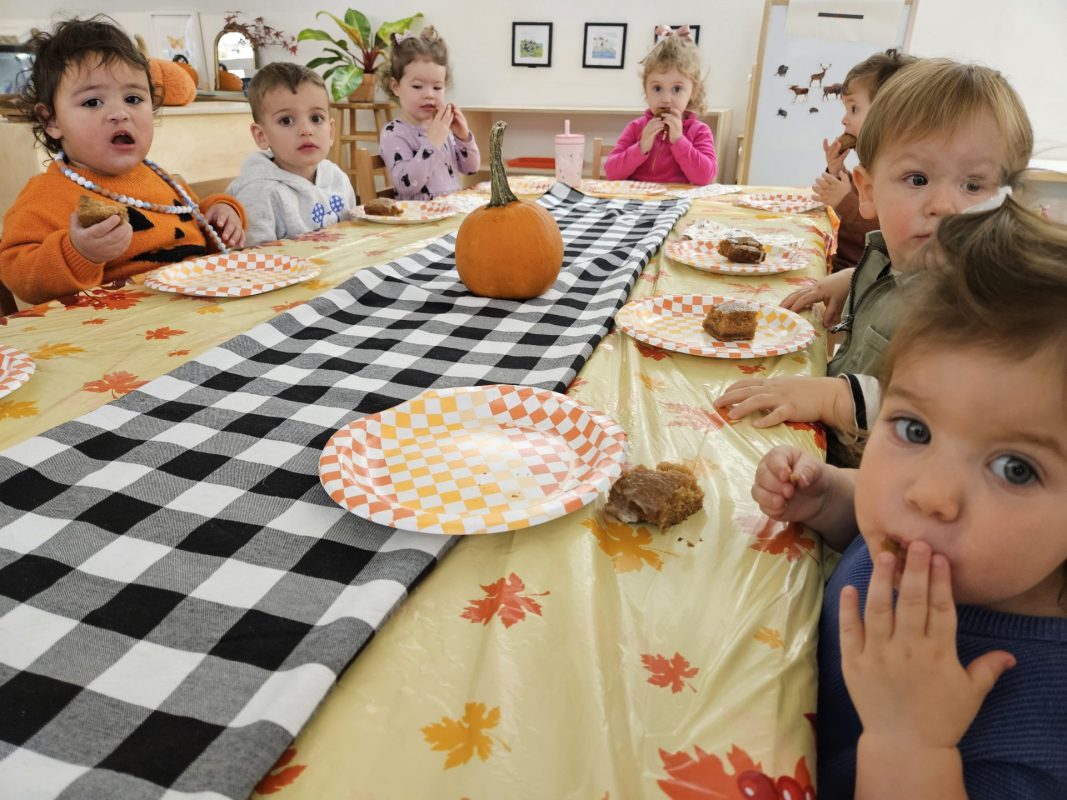
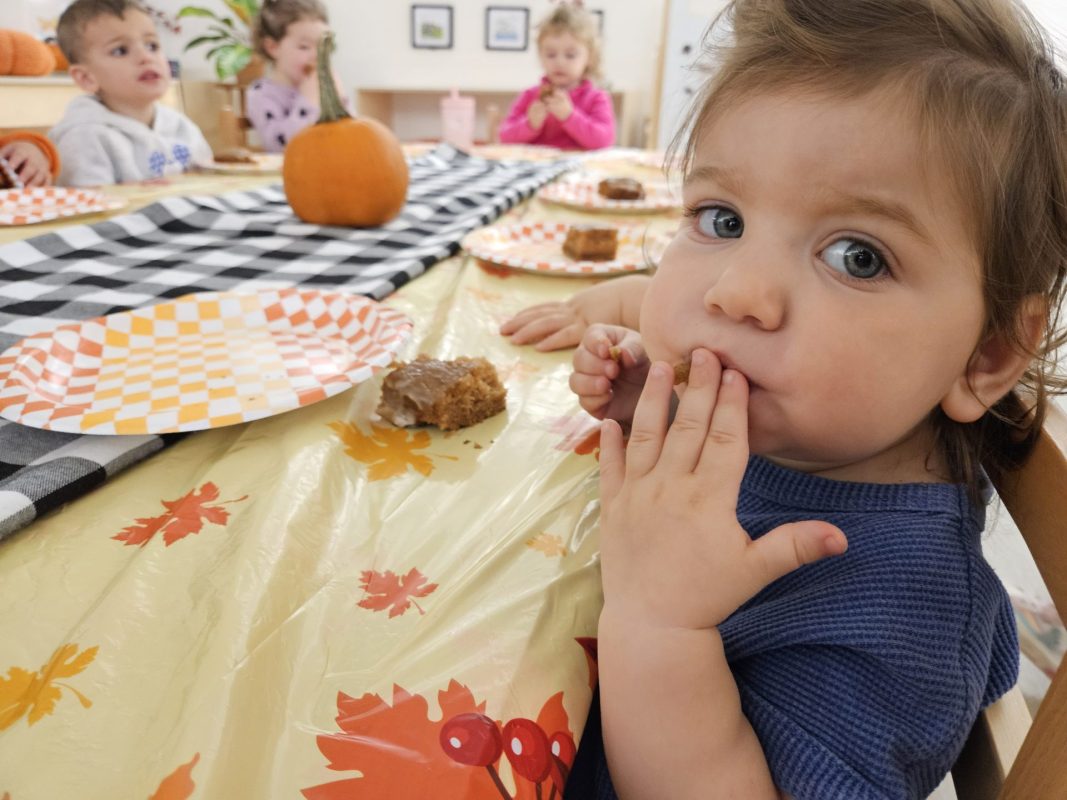
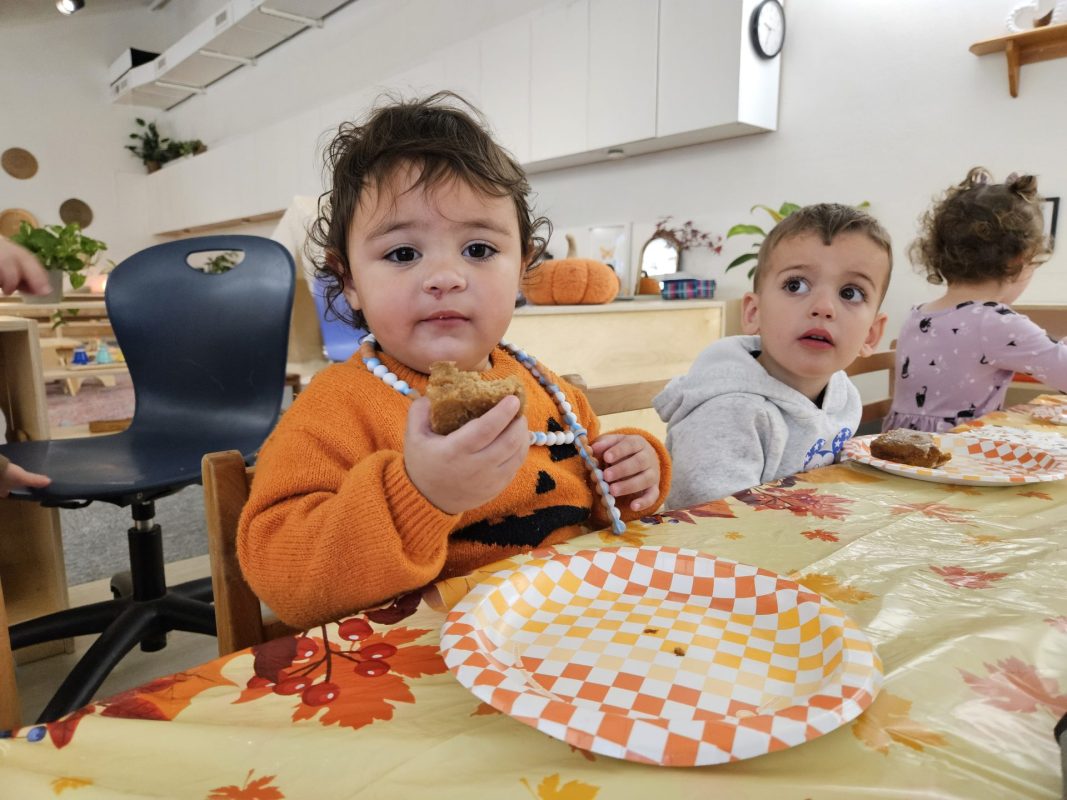
We got back to baking, our favorite thing to do together. We shared slices of the banana bread we made that morning. Still warm, a little crumbly, and perfectly imperfect. We didn’t need a special occasion — the joy was in the doing. The process was the celebration.

In Montessori, we talk a lot about following the child, but today I was reminded how often the child leads us back to what matters most: presence, purpose, and peace in the everyday moments.

With Full Hearts,

Ms. Mollie and Ms.Lizette


Lower Elementary: The Power of Mentorship

One of the aspects we love most about teaching in a Montessori lower elementary classroom is the unique multi-aged environment. Having children of different ages and grade levels together creates a learning community where every student has something to give and something to gain.

One of the most powerful outcomes of this setup is mentorship. Older students naturally step into leadership roles, guiding and supporting their younger classmates. This dynamic creates opportunities for both groups: older children grow into patient leaders who practice empathy, communication, and responsibility, while younger children benefit from seeing skills and behaviors modeled by peers they admire. In fact, younger students often feel more encouraged to try something new when they see a slightly older friend mastering it.

This approach mirrors the way communities work outside of school, where people of different ages and experiences learn alongside one another. Instead of fostering competition, our classroom promotes collaboration. Students begin to recognize that their actions have an impact on others—whether it’s showing kindness, explaining a math problem, or setting an example of focus during work time.

In a multi-aged Montessori classroom, every child has the chance to be both a learner and a leader. Over the course of three years, students experience each role, which allows them to develop confidence, independence, and compassion. This cycle of growth ensures that children are not just absorbing academic knowledge, but also learning essential life skills that prepare them to contribute meaningfully to their communities.

Mentorship is not simply a classroom strategy; it’s a cornerstone of Montessori education. And its benefits extend far beyond academics, shaping children into thoughtful, capable, and caring individuals.


This Week in Upper El

Tuesday, October 7, from 9-2: Field Trip to The Adventure Park

It was a short but wonderful week in Upper El. During our writing lesson at the beginning of the week, we learned how to identify and fix run-on sentences. The students grasped how to construct sentences properly to communicate clearly and effectively in their writing.

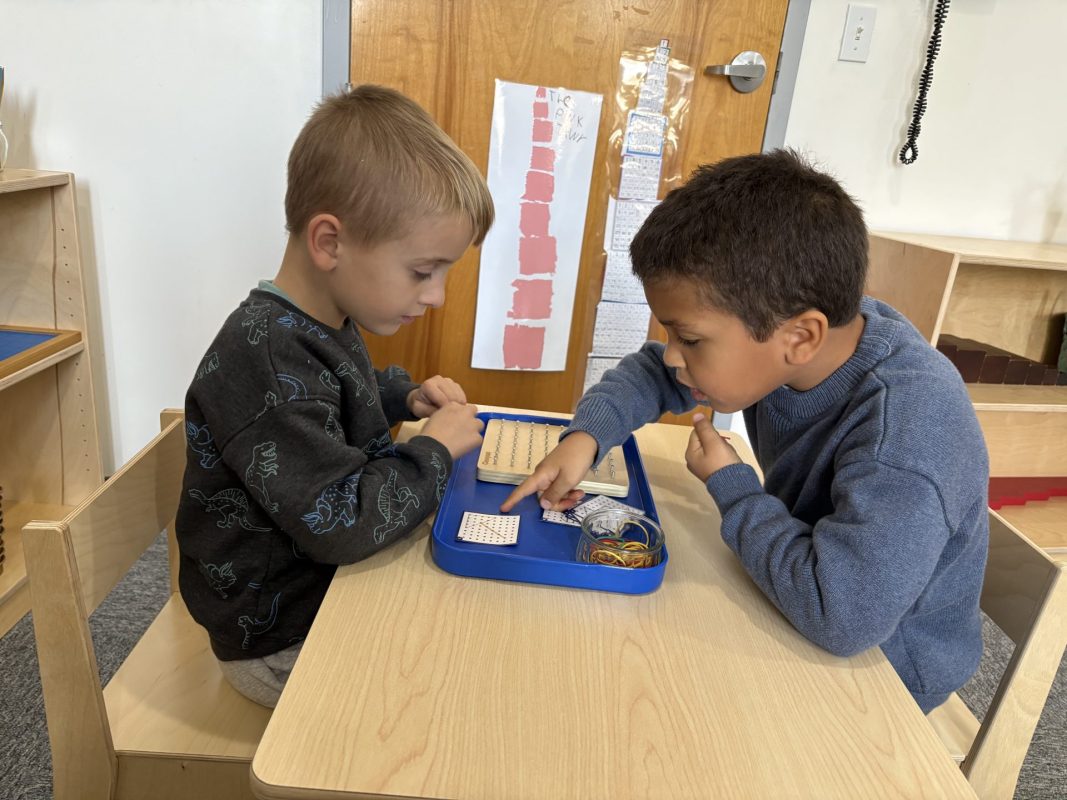
In geometry, the fourth graders identified six different types of polygons and learned about their various parts. Meanwhile, the fifth graders focused on finding the area of right triangles using three different formulas.

Our history lesson examined the differences between homologies— inherited, similar characteristics shared between species—and analogies, which are similarities that evolved independently as adaptations. In our literature circle, we will wrap up our first book this week, and each student will begin a new book.

As always, we concluded our week by reading with our wonderful kindergarten buddies during Book Buddies time.


This Week in Upper El

Upcoming Important Dates:

  • Tuesday, October 7: Field Trip to The Adventure Park at the Discovery Museum in Bridgeport. We would love to have parent volunteers on this trip. If you would like to join us, please reach out.
    • Please sign your child’s waiver here.
    • Bring a bagged lunch that day.
    • Dress in layers and wear sneakers (no open toed shoes or Crocs).
  • Thursday, October 2: No School – Yom Kippur
  • Thursday, October 9 @ 8:30: October Birthday Breakfast – Read about birthday breakfasts and view the year’s schedule here.
We had a fantastic week in Upper El! It was wonderful to see everyone at Curriculum Night last week. If you weren’t able to attend and have any questions about the information shared during the presentation, please feel free to reach out. I would be happy to talk and answer any questions you may have.
In our lessons this week, the fourth graders continued their follow-up work on quadrilaterals in geometry, while the fifth graders finished their lessons on finding the area of acute triangles. In grammar, the fourth graders learned about concrete and abstract nouns, whereas the fifth graders worked on participles and infinitives. In our biology lesson on the vital functions of animals, we discussed the differences between chordates and non-chordates, and examined the phyla and classes on our evolutionary timeline. Our history lesson focused on exploring the relationship between humans and other animals through a discussion of their shared characteristics.
This week, we will have our final Literature Circle assignment for our first book. The discussions in our Literature Circles have been lively, with students enthusiastically sharing their thoughts with one another.

Ms. Rhodora: Autumn Season

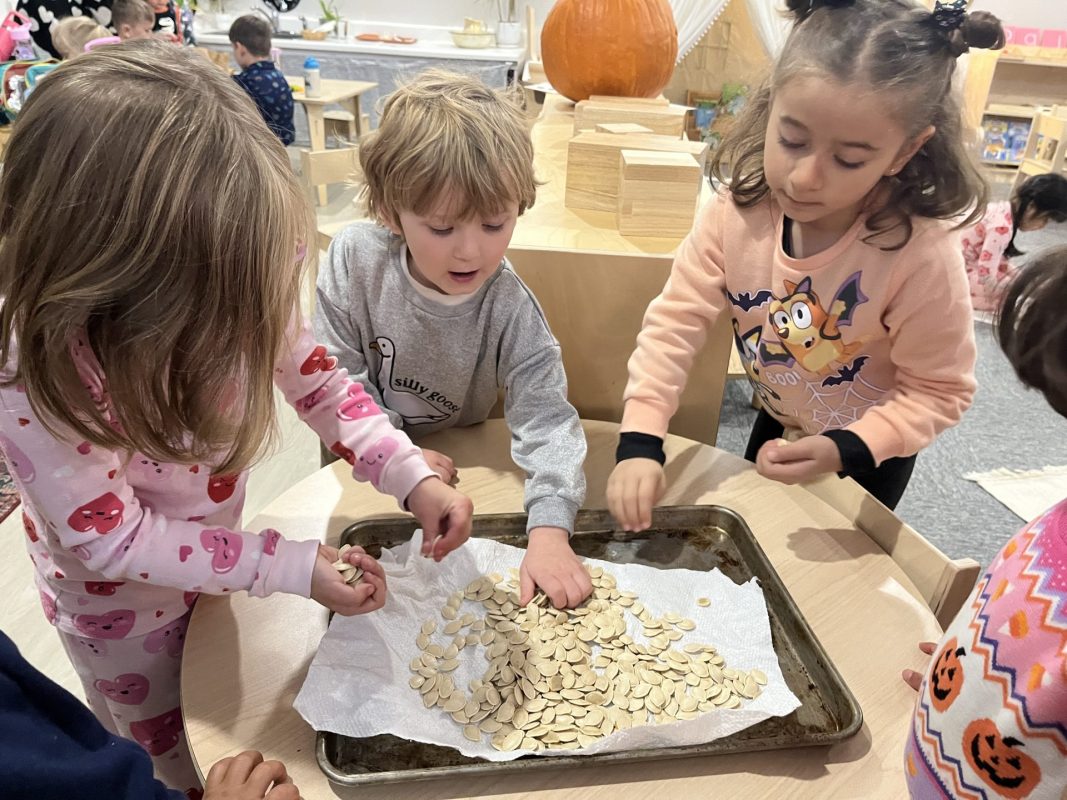
We started our week learning about living and nonliving things. The children had fun pointing out living and nonliving things around the classroom. We would say, “This is living, it grows, eats food, and drinks water and breathes,” or, “This is nonliving, it does not grow, it does not eat or drink, and it does not breathe.”

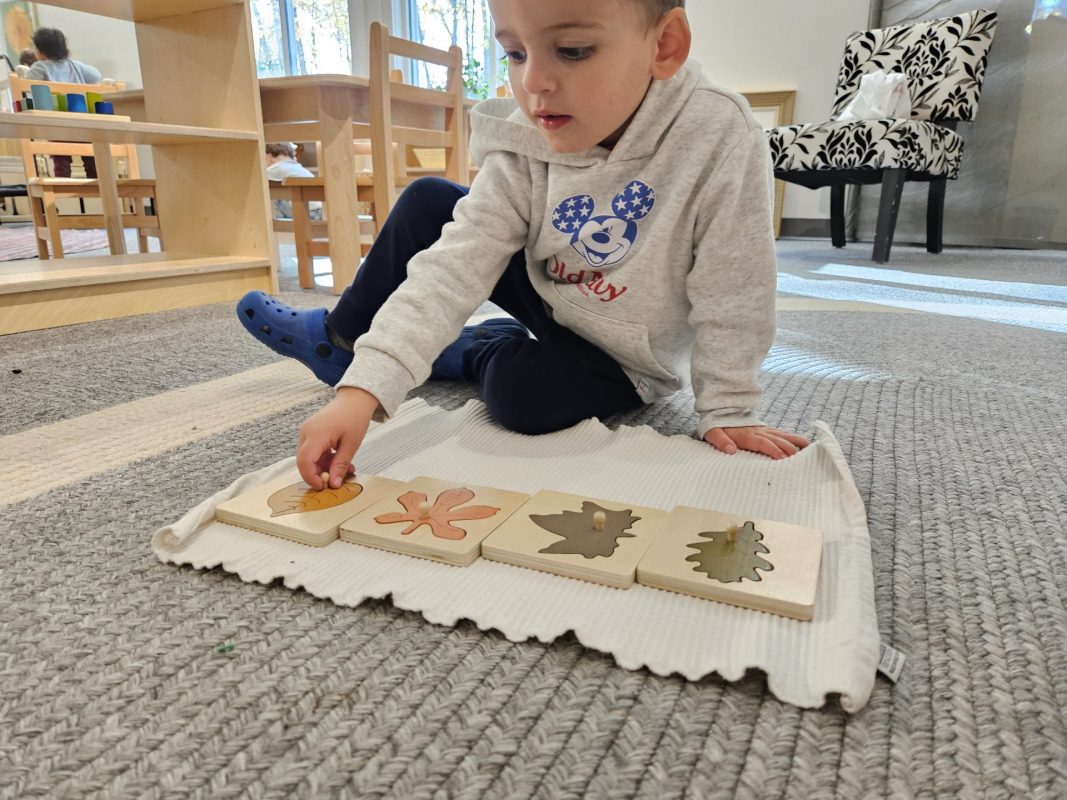
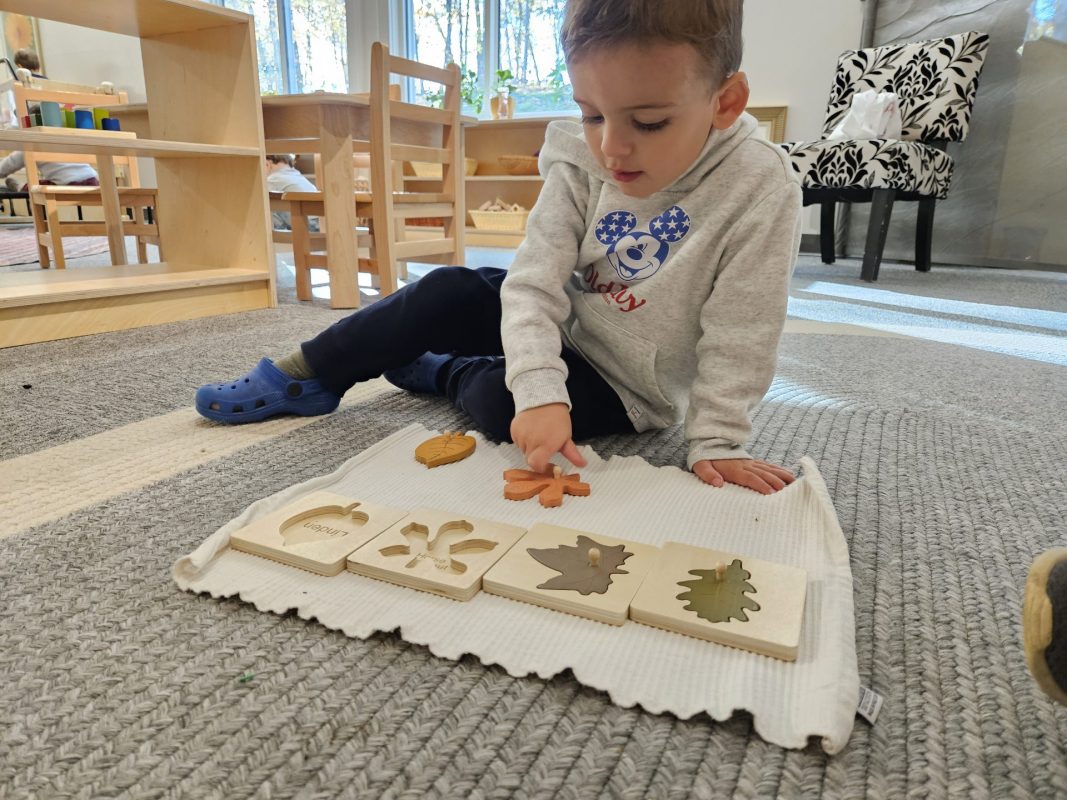
We have definitely entered the fall season. The leaves are changing color and falling to the ground. The children observe autumn leaves as they use their senses to explore the colors of leaves, the scents of the season, and the textures of the leaves. We also learned about deciduous trees and evergreen trees. Evergreen trees are trees with leaves that stay green all year round. Deciduous trees have leaves that turn brown, yellow, or red in the autumn and fall off.

As the weather gets colder, please make sure to send in an extra set of weather-appropriate clothing for school.

Have a wonderful weekend

Ms. Rhodora & Ms. Anabel


Building Bridges Through Books

Building Bridges Through Books: The Magic of Fraser Woods Montessori’s Book Buddies Program

In the warm, light-filled spaces of Fraser Woods Montessori School in Newtown, Connecticut, something beautiful unfolds each week as younger and older students come together for a shared love of reading. The school’s Book Buddies program exemplifies the Montessori philosophy of mixed-age learning, creating meaningful connections that extend far beyond the pages of a book.

This innovative program demonstrates why Fraser Woods Montessori School has been a leader in authentic Montessori education throughout Fairfield County for over 55 years, serving students from 15 months through 8th grade.

A Community United by Stories

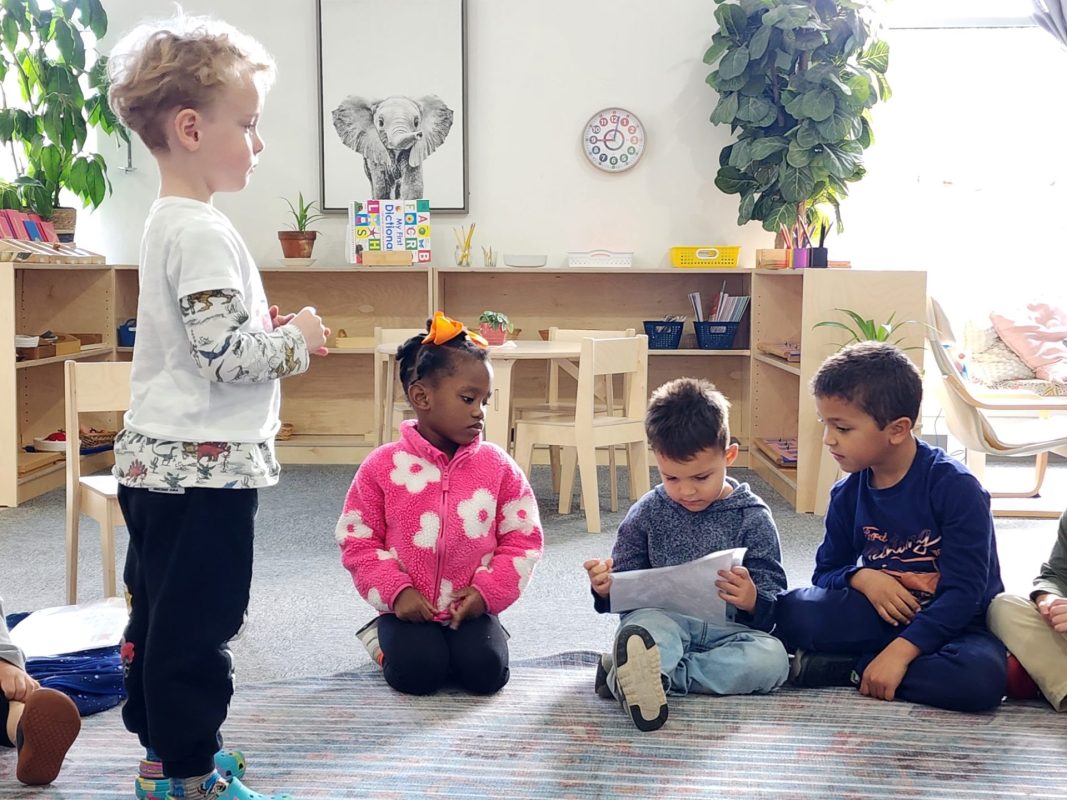
The excitement is palpable when Fraser Woods’ kindergarten students are paired with their Book Buddies from the Upper Elementary classroom. As Mrs. Sargeant notes, “Our children were ecstatic about this endeavor and are eager to meet up with them again next week.” This enthusiasm captures the essence of what makes the Book Buddies program so special—it transforms reading from a solitary activity into a shared adventure.

The program brings together students from different grade levels, with kindergarten students paired with 5th graders, creating natural mentorship opportunities that benefit both age groups. In comfortable reading nooks, outdoor benches, and cozy classroom corners throughout our 8-acre campus in Newtown, these partnerships bloom as older students guide younger ones through the wonderful world of literature.

The Power of Reading Aloud in Montessori Education

Research consistently shows that reading aloud to children provides numerous cognitive and developmental benefits. In the Book Buddies program at Fraser Woods Montessori, older students read to younger students, helping them become familiar with reading and literacy while developing reading fluency, comprehension, and vocabulary through this 1-on-1 pairing.

Equally important is the practice young readers receive when they read aloud themselves. The National Reading Panel found that “repeated oral reading substantially improves word recognition, speed, and accuracy as well as fluency” and that guided oral reading exercises have “an appreciable positive effect” on reading achievement metrics. Studies demonstrate that oral reading practice also has the potential to boost learners’ reading comprehension, with research showing that children understand more through the process of oral rather than silent reading.

For optimal benefits, experts recommend that children engage in reading aloud practice for at least 15 minutes daily. This regular practice helps move words into automatic recognition, freeing up cognitive resources for comprehension. Research evidence shows that both reading a correct word aloud and accumulating multiple exposures to a word help move words into memory so readers can recognize them automatically in future readings.

When Upper Elementary students read books like “The Berenstain Bears New Pup” or other age-appropriate selections to their younger buddies, they’re not just sharing a story—they’re modeling proper reading techniques, expression, and the joy that comes from engaging with literature while simultaneously strengthening their own fluency skills. The younger students absorb not only the content but also the rhythm and flow of language, building crucial pre-reading skills, and may even take turns reading portions aloud themselves, further reinforcing the learning process.

Developing Leadership and Empathy Through Mixed-Age Learning

Mixed-age learning is a cornerstone of authentic Montessori education, and the Book Buddies program at Fraser Woods Montessori School demonstrates this principle beautifully. Older students become role models and mentors, developing leadership skills by guiding and supporting their younger buddies both in and out of the classroom. This responsibility helps Upper Elementary students mature in ways that traditional same-age interactions might not provide.

The program also nurtures critical social-emotional development. Students develop important social-emotional skills such as communication, patience, empathy, and understanding. Older students serve as role models to demonstrate healthy ways to regulate their emotions, and their younger buddies learn best practices for discovering and managing their own emotions.

This approach aligns perfectly with the Montessori philosophy that recognizes children learn best when they can teach and mentor others, creating a collaborative learning environment that benefits all participants.

Building School Community in Newtown’s Premier Montessori Environment

A Book Buddy program fosters community and connection amongst different age groups. The older students help make the youngest students feel like they are a part of the school community. Together, they develop respect, empathy, responsibility, and understanding. This sense of belonging is particularly important in a school environment, where younger students can sometimes feel overwhelmed or disconnected.

At Fraser Woods Montessori School in Newtown, CT, this community building aligns perfectly with the Montessori approach to education. The Fraser Woods Montessori curriculum is designed as a bridge between different levels, where each individual’s social, intellectual and emotional skill level is respected, and the Book Buddies program embodies this philosophy beautifully.

As an independent day school serving families throughout Fairfield County, Fraser Woods creates an inclusive community where students from toddler programs through middle school interact naturally and meaningfully.

Enhancing Listening and Responsibility Skills

The benefits of the program extend beyond just the act of reading. Younger students improve their listening and comprehension skills by hearing stories read aloud and discussing them with their older buddies. Concurrently, older students also improve their listening skills, as they become responsible mentors for their younger peers, making sure that they are heard and respected.

Older students learn to take responsibility for their younger buddies, which can translate to better personal responsibility in other academic and social-emotional areas. By serving as a role model, the older buddy also demonstrates responsibility to their younger buddy.

These skills are essential components of child-centered learning, where students develop not just academic capabilities but also the social and emotional intelligence needed for lifelong success.

Creating Lasting Memories and Love for Literature

Fraser Woods Montessori emphasizes taking excellent care of books, as they are special and delicate – some are even ancient, as they are some of the books that have been treasured since childhood. It is an absolute joy to witness the impact of literature on every child. This reverence for books and reading creates an environment where literature is valued and respected.

The program creates positive associations with reading that can last a lifetime. When a kindergartener snuggles up next to a fifth-grader to hear a beloved story, they’re not just learning about plot and characters—they’re learning that reading is something to be shared, enjoyed, and celebrated.

This love for learning and literature is one of the hallmarks that make Fraser Woods stand out among private schools in Fairfield County, creating lifelong learners who carry their passion for knowledge into their futures.

A Model for Cross-Age Learning in Montessori Education

The success of Fraser Woods’ Book Buddies program demonstrates the power of intentional cross-age interactions in educational settings. By creating structured opportunities for students of different ages to learn together, Montessori schools can foster the kind of authentic mentorship and community building that enhances the educational experience for all involved.

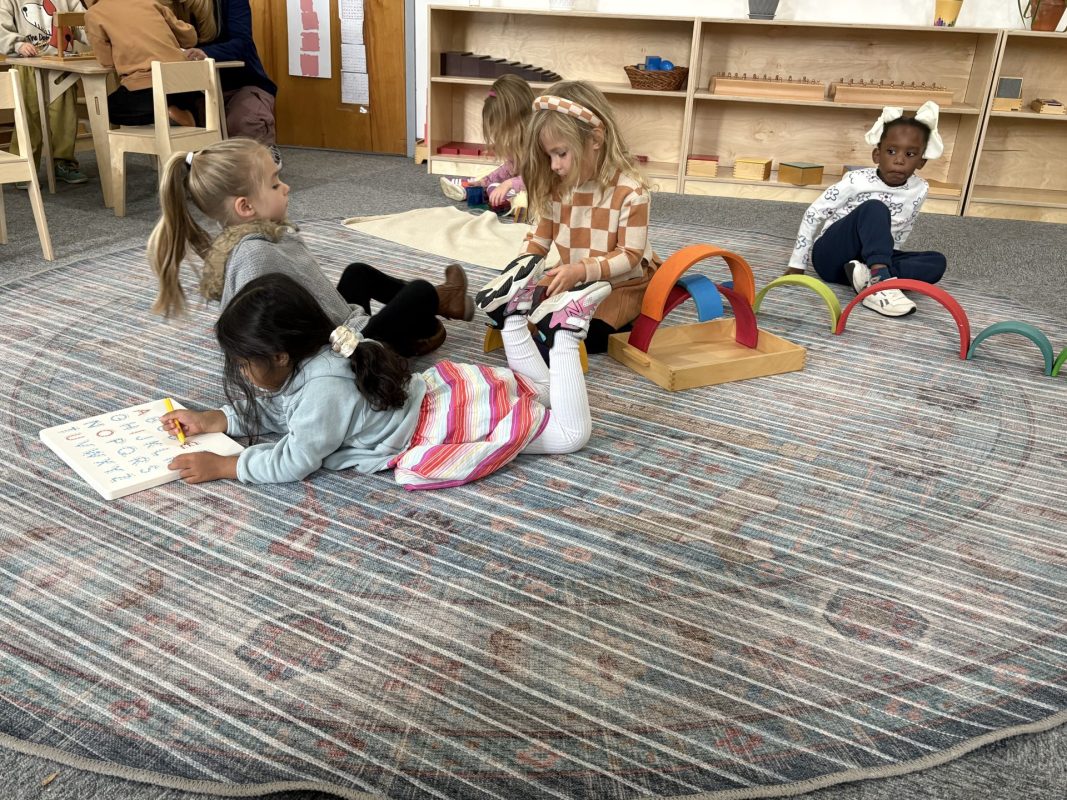
As captured in the warm, inviting spaces where these reading partnerships unfold—whether in comfortable indoor reading areas with colorful rainbow arches and cozy seating, or on outdoor benches throughout our beautiful 8-acre campus where natural light filters through—the Book Buddies program at Fraser Woods creates an environment where learning is joyful, collaborative, and deeply meaningful.

The program stands as a testament to the idea that Montessori education is not just about individual achievement, but about building community, fostering empathy, and creating connections that enrich the learning experience for everyone involved. In sharing stories, these students are also sharing themselves—building bridges that will serve them well beyond their school years.

Experience Mixed-Age Learning at Fraser Woods Montessori

The Book Buddies program is just one example of how Fraser Woods Montessori School in Newtown, Connecticut, creates meaningful learning experiences that extend beyond traditional academic instruction. Our authentic Montessori approach serves children from 15 months through 8th grade, fostering the whole child’s development in a nurturing, supportive environment.

Ready to see mixed-age learning in action? We invite families throughout Fairfield County to visit our campus and observe how programs like Book Buddies create lasting connections and inspire a love of learning that extends far beyond the classroom.

Discover Fraser Woods Montessori School

  • Location: 173 South Main Street, Newtown, CT 06470
  • Programs: Toddler (15 months) through Middle School (8th grade)
  • Philosophy: Authentic Montessori education with mixed-age learning
  • Campus: Beautiful 8-acre natural setting
  • Community: Serving Fairfield County families since 1968

Schedule a campus tour to experience the magic of Montessori mixed-age learning and see why families throughout Newtown and Fairfield County choose Fraser Woods for their children’s educational journey.

Learn more about our programs or contact us to discover how your child can benefit from the unique learning environment at Fraser Woods Montessori School.