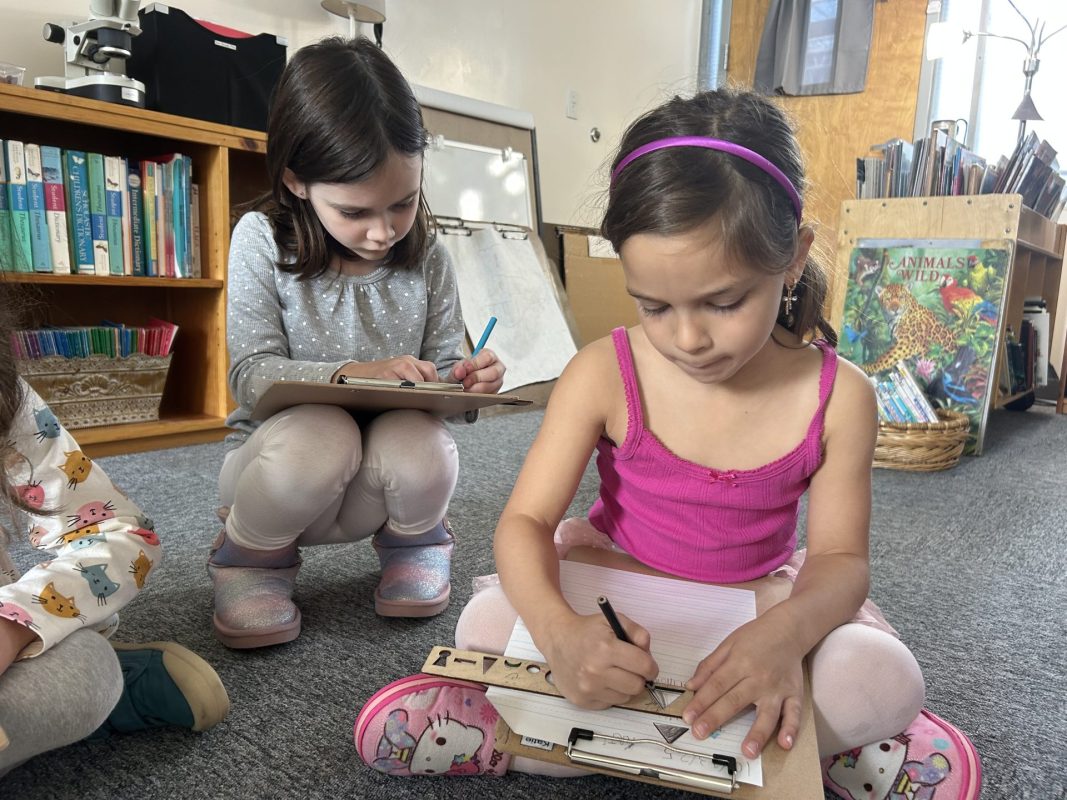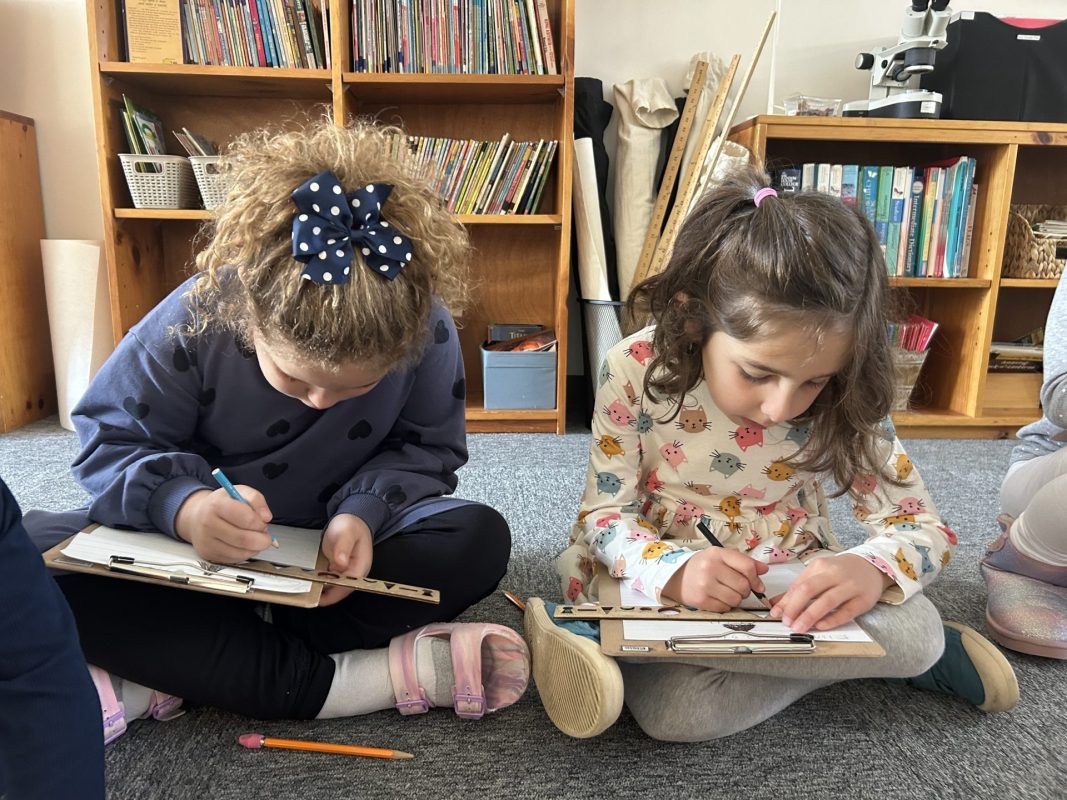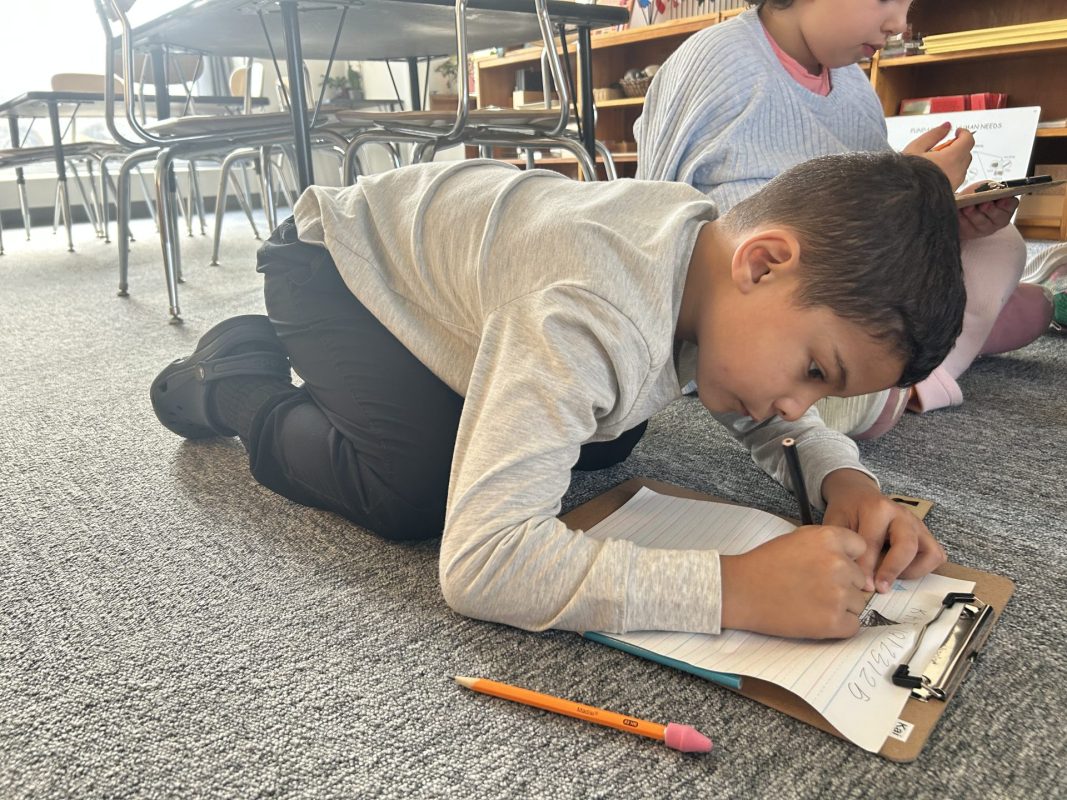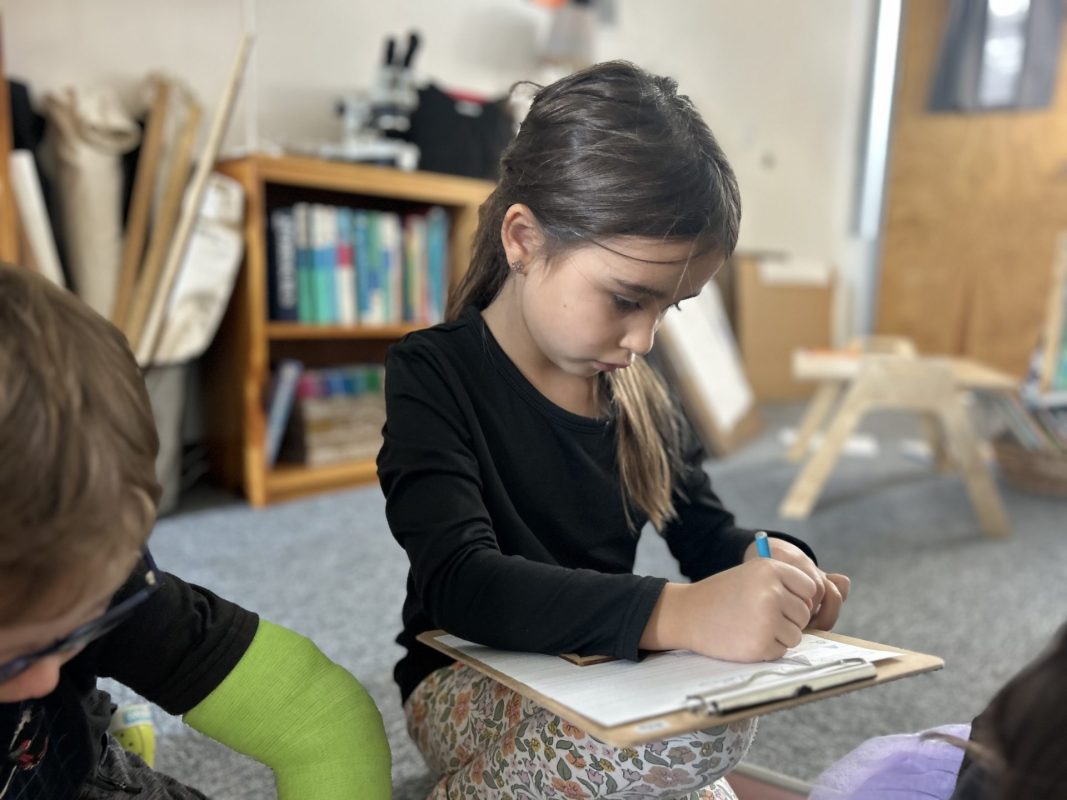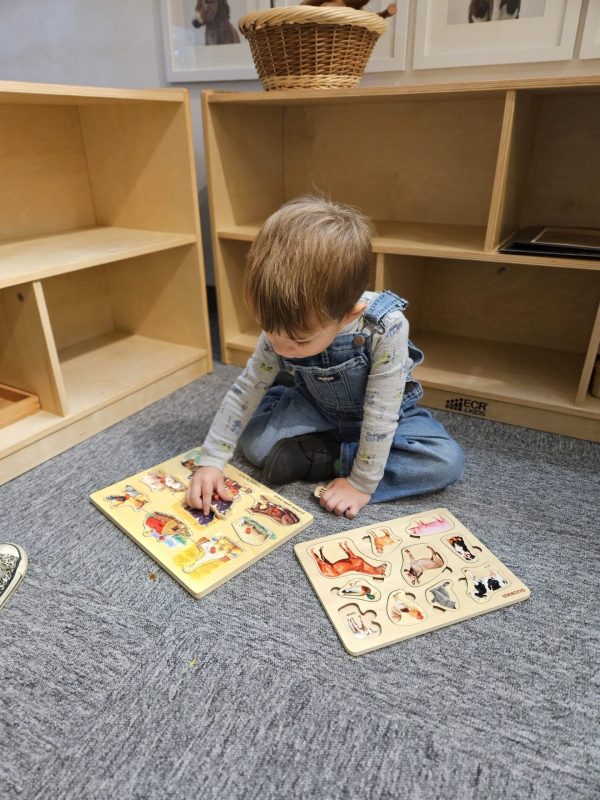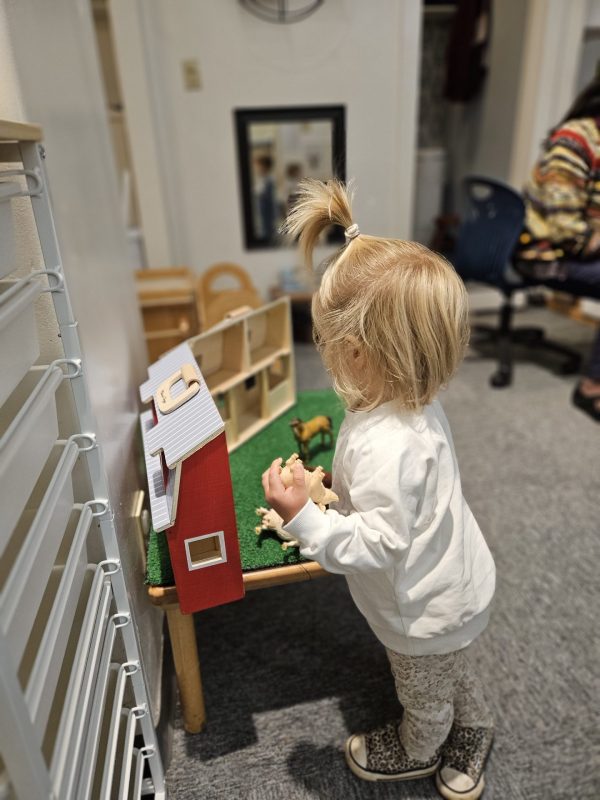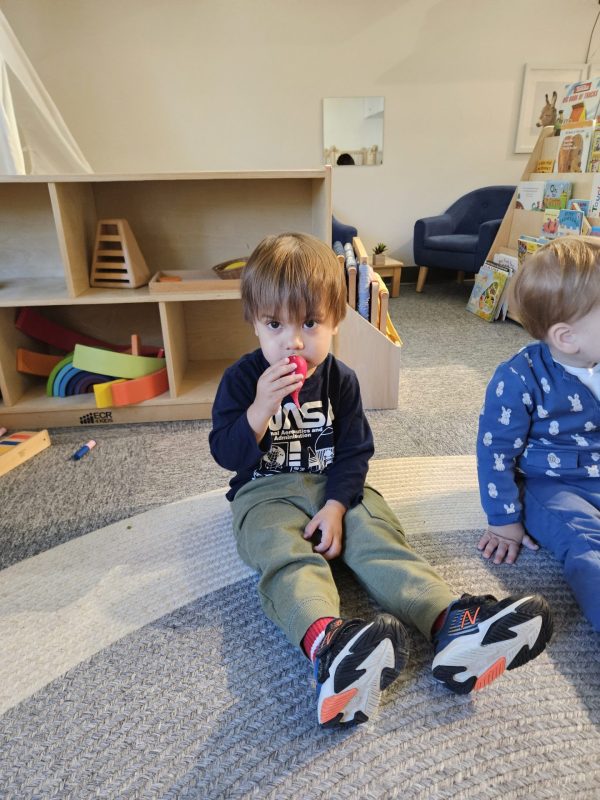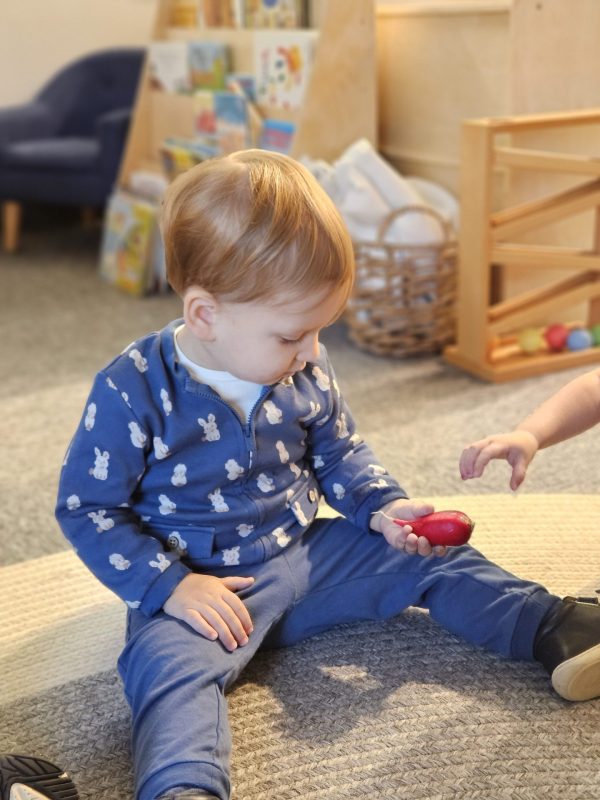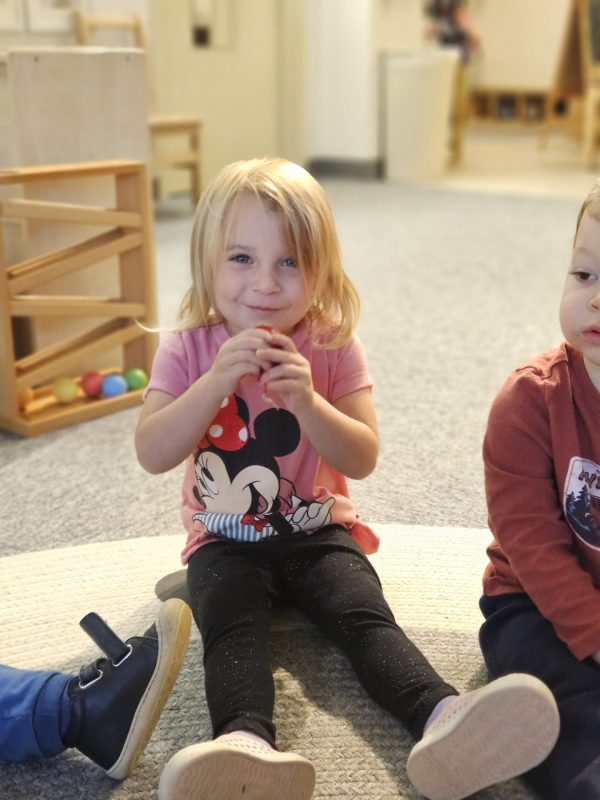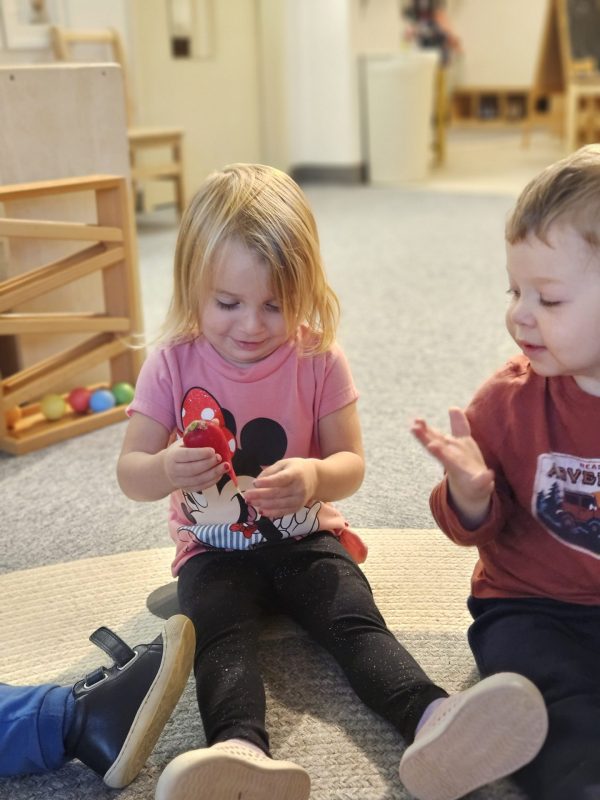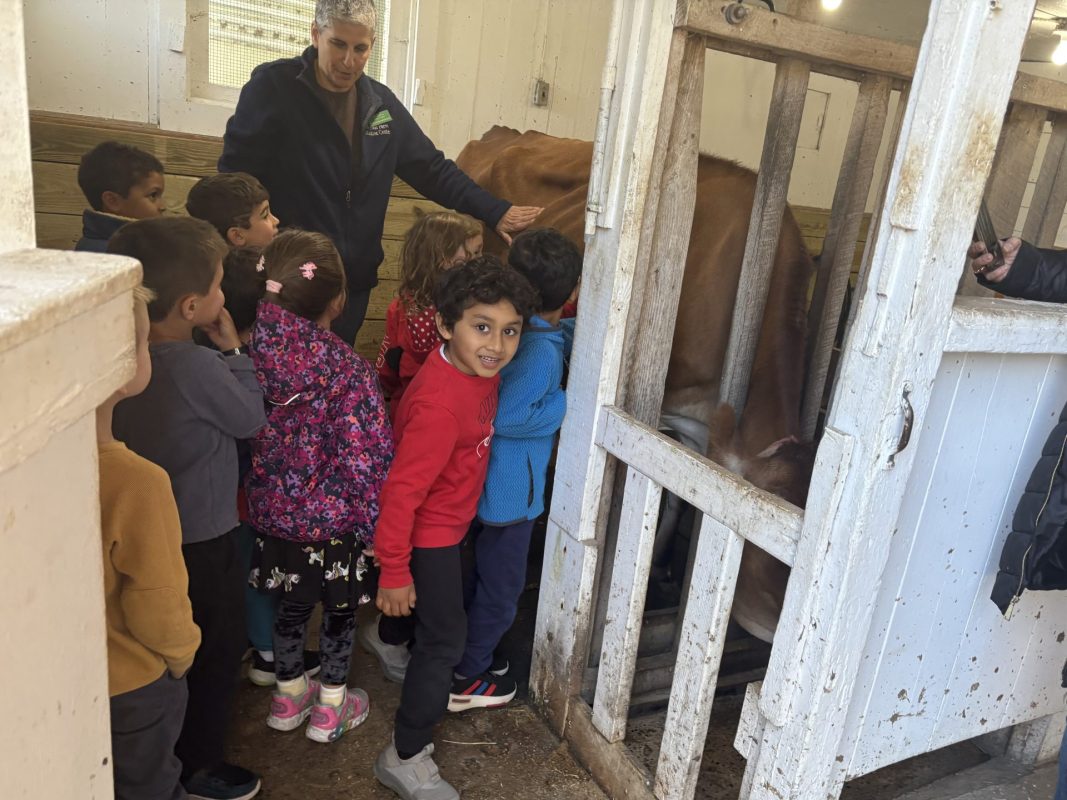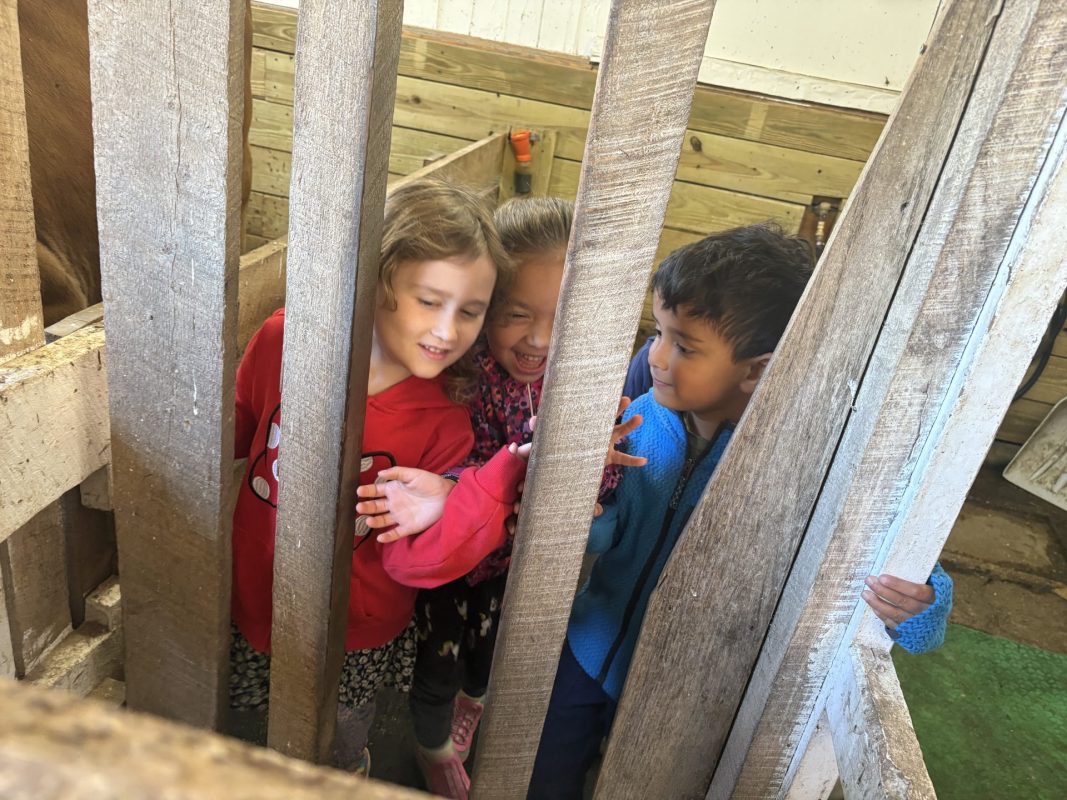
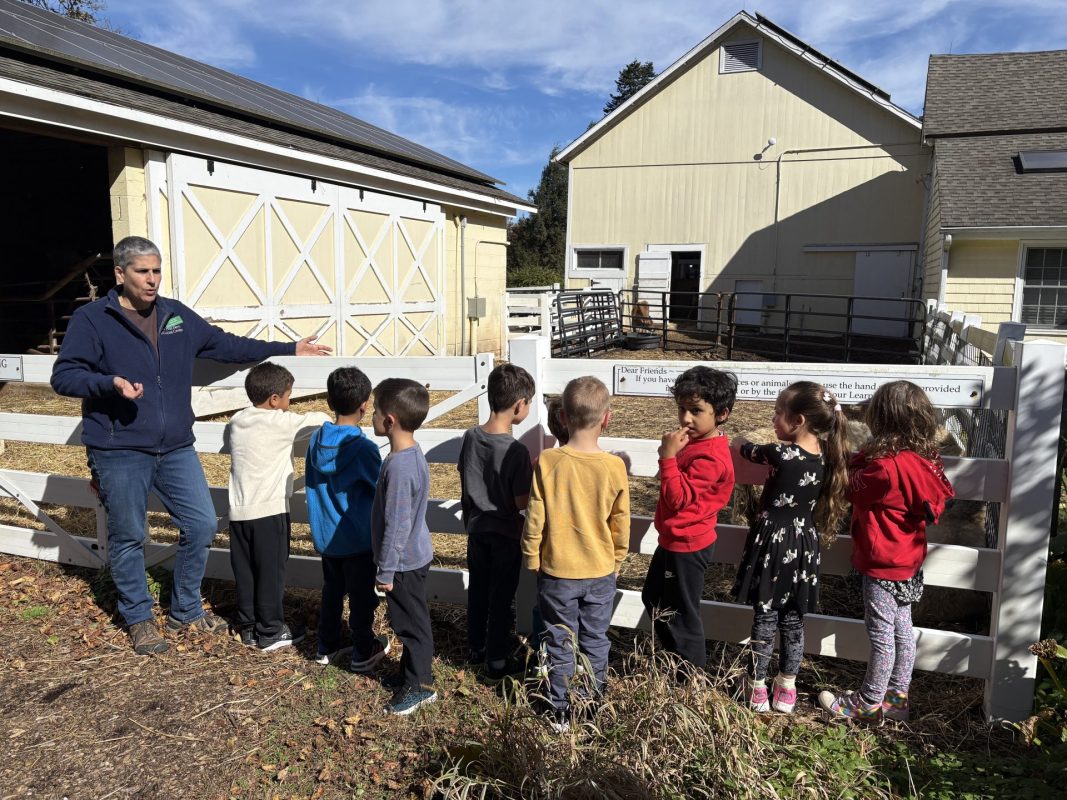
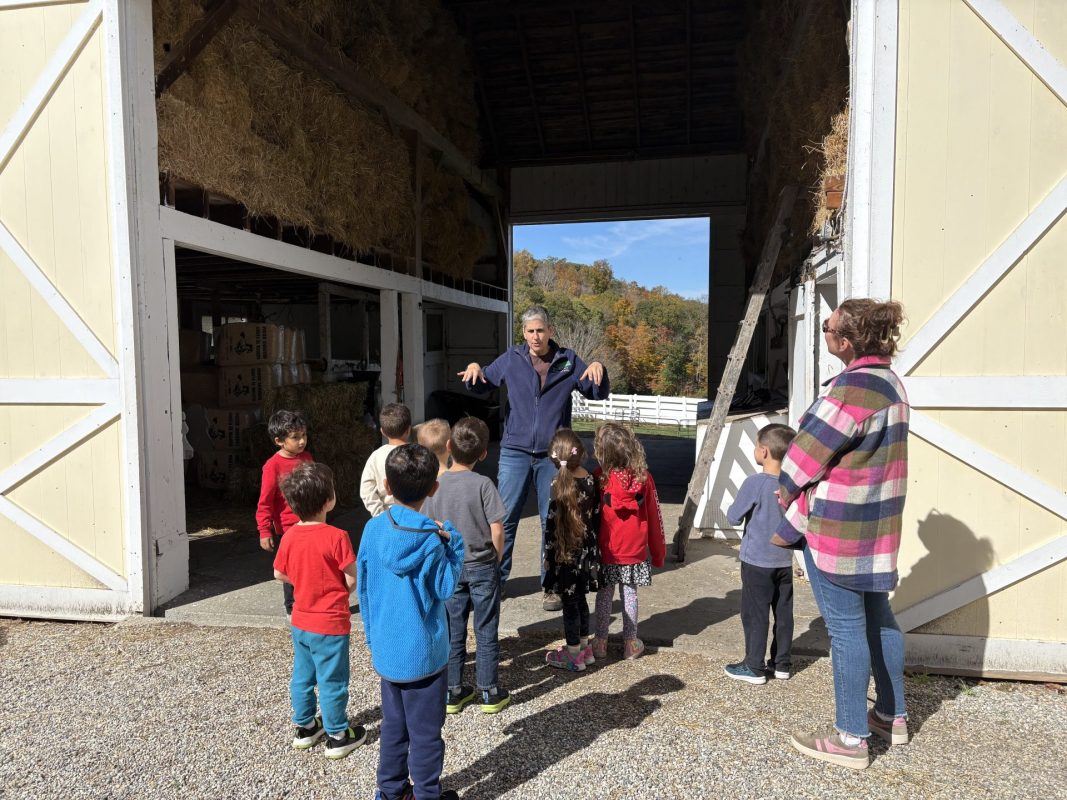
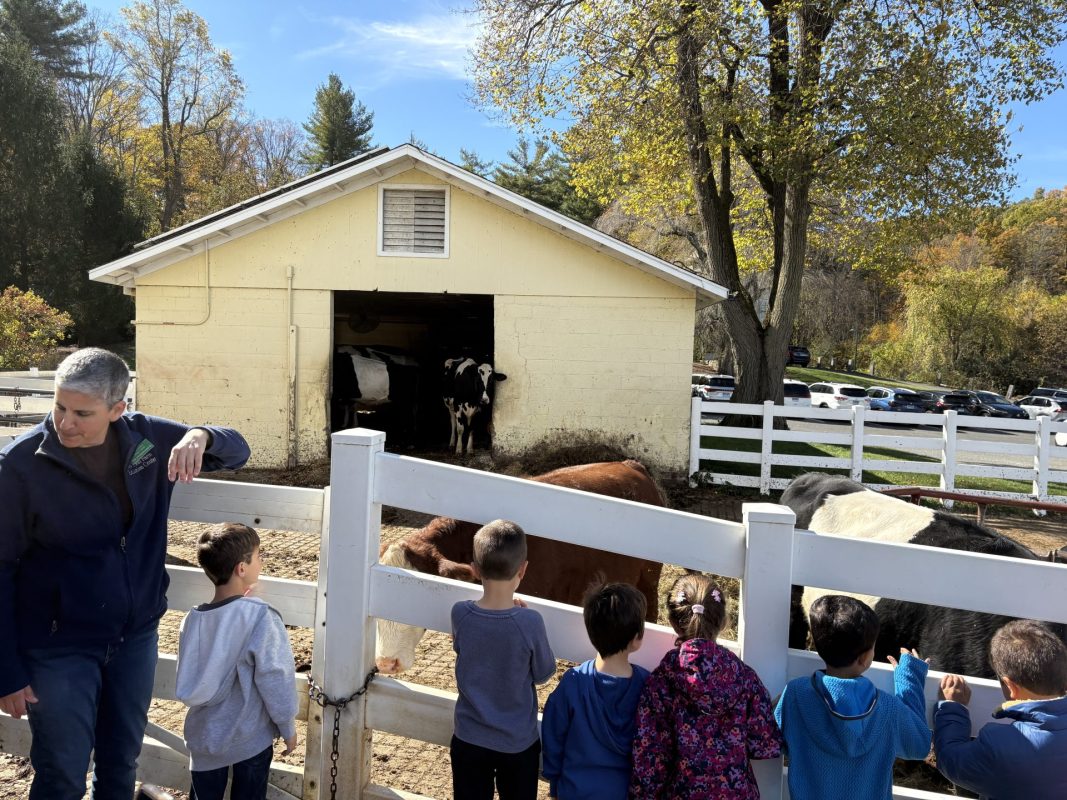
Hope you’ve had a great week! We had our first rainy day since school started, so we enjoyed an indoor lunch and games on Thursday. We also had our first High School visit this year. Westover School spoke to our female students about life and academics on its campus.
Here are some upcoming announcements:
- Tuesday, 10/7: Team Building day @ The Adventure Park. 9 am-2 pm. Please sign the waiver here and pack a lunch with snacks. Closed-toed sneakers needed (no Crocs).
- Thursday, 10/16: Catherine Violet Hubbard Stream Study & Sanctuary Visit. Permission forms will go home next week. PLEASE read this for the attire needed for this visit.
- SAVE THE DATE: Friday, 10/24 @ 6:30 pm: Middle School Halloween Movie Night
Science
This week, Middle School students were able to start the week working on Unit Conversions. In the science world, Unit Conversions are basic, so scientists can communicate their findings around the world. 6th and 7th graders started with unit conversions within the Imperial System, and 8th Graders started their unit conversion between Imperial and International System.
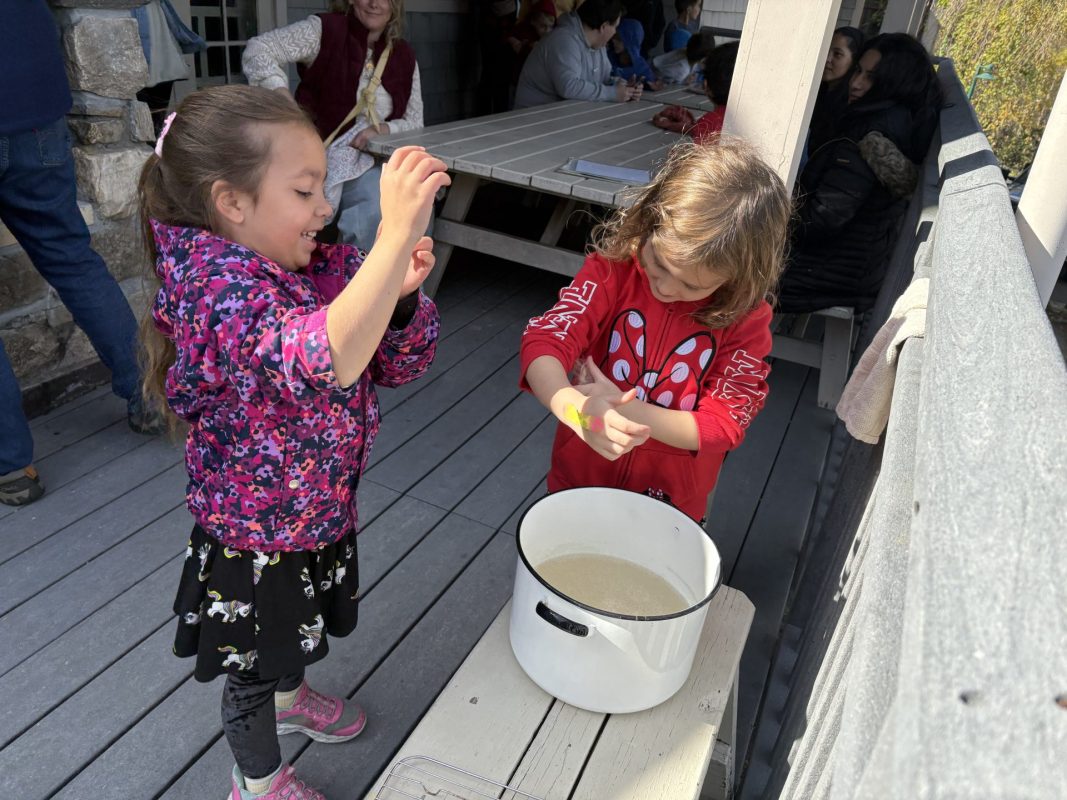
Also, this week, Middle School students were able to apply all that they have learned about the Scientific Method this year. They did their first lab called Penny Lab. In this lab, students were able to learn about a few properties of water, knowing that water is a universal solvent and is very important for life. The properties of water mentioned in this lab are cohesion, adhesion, and superficial tension. Students were able to start to write a lab report sheet, where they had to predict which side of the Penny would hold a greater number of drops of water before spilling over. All students were able to write their main question and hypothesis. To write the hypothesis, students were able to recognize the independent variable, dependent variable, and controlled variables of the Penny Lab. They also learned the difference between the Experimental group and the Control group. The recognition of these variables and groups is the core of every experiment. Students are still working on their lab report.
Math
Transition: This week, the Transition class continued their learning of Chapter 1 concepts. Students can now write numbers and products in scientific notation, and know about other grouping symbols in the order of operations. This class learned about the structure of the coordinate grid and how to represent data on it, and they can interpret data from a scatterplot. This class closed out the week reviewing these foundational concepts, will continue to review on Monday, and will take the Chapter 1 Assessment on Tuesday, September 30.
Algebra: This week in Algebra, students wrapped up their learning of Chapter 1. They can now use an online graphing calculator to graph ordered pairs and know how to read the graph to determine whether expressions seem to be equivalent. The class also learned to evaluate expressions involving absolute value, calculate the range and mean of a data set, and find the mean absolute deviation. The class spent the end of the week reviewing concepts from Chapter 1 as a group to ensure a solid understanding of all concepts covered, as these are foundational concepts that will recur throughout the chapter. They will take the Chapter 1 assessment on Tuesday, September 30.
Algebra II: Algebra II closed out on Chapter 1 concepts this week. This class can now solve and check linear equations, rewrite formulas, and solve formulas for their variables. This class can also solve equations using a Computer Algebra System (graphing calculator) to solve equations or expand expressions. The week wrapped up with learning about explicit formulas for sequences and a review of Chapter 1 concepts. This class will continue to review these foundational concepts on Monday and will take the Chapter 1 Assessment on Tuesday, September 30.
Humanities
This week, the 6th and 7th grade groups dove into their class novel, Ties That Bind, Ties That Break by Lensey Namioka. This novel follows the fall of the Qing Dynasty and movement away from traditions such as Chinese foot binding. Students were quite curious about this form of body modification and learned more about the practice and history behind it. They are relieved to know it is a thing of the past for women in East Asia. Additionally, students read Pablo Neruda’s “Ode to the Apple.” They discussed the purpose of an ode and composed their own versions using objects in and around school. This assignment builds upon the usage of figurative language and strong word choice in writing pieces.
8th-grade Humanities classes completed a variety of items this week. First, they continue to learn about Indigenous America. They focused on the value of land and stewardship by Indigenous groups. This led them to question, Who are the stewards in the US currently? What responsibilities do individuals and different groups have for maintaining land resources for the citizens of the US? For Poetry Tuesday, the class read Robert Frost’s “Mending Wall” and even listened to an audio of his recitation of the piece. While at first they weren’t sure what to make of the poem, with some guided questions, they were able to develop meaning and have a profound discussion about boundaries and borders. The 8th grade is also beginning to look at personal narrative writing. Finally, students read two essays, one from a former student and another called “A Plate of Peas” by Rick Beyer. They analyzed these for meaning, and next week will identify the qualities in the writing that worked for them.