Blog

This Week in Upper El


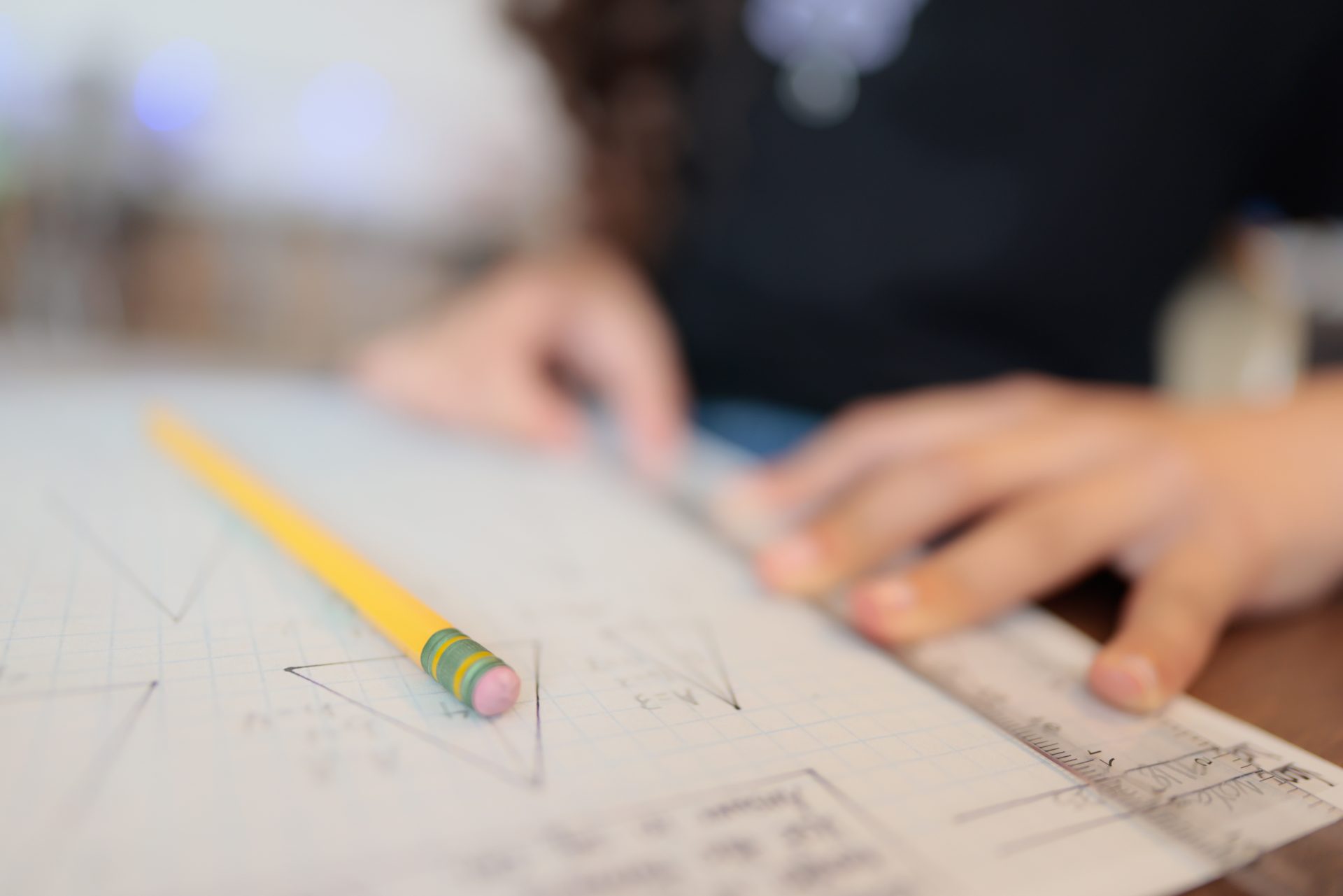
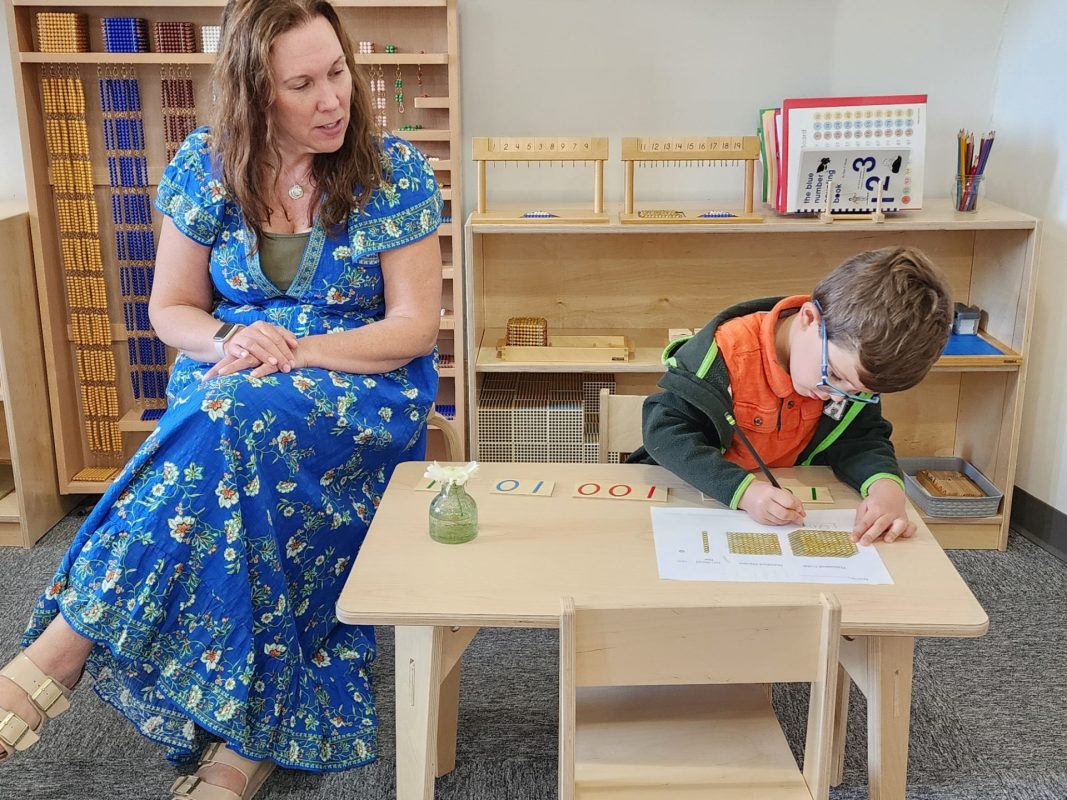
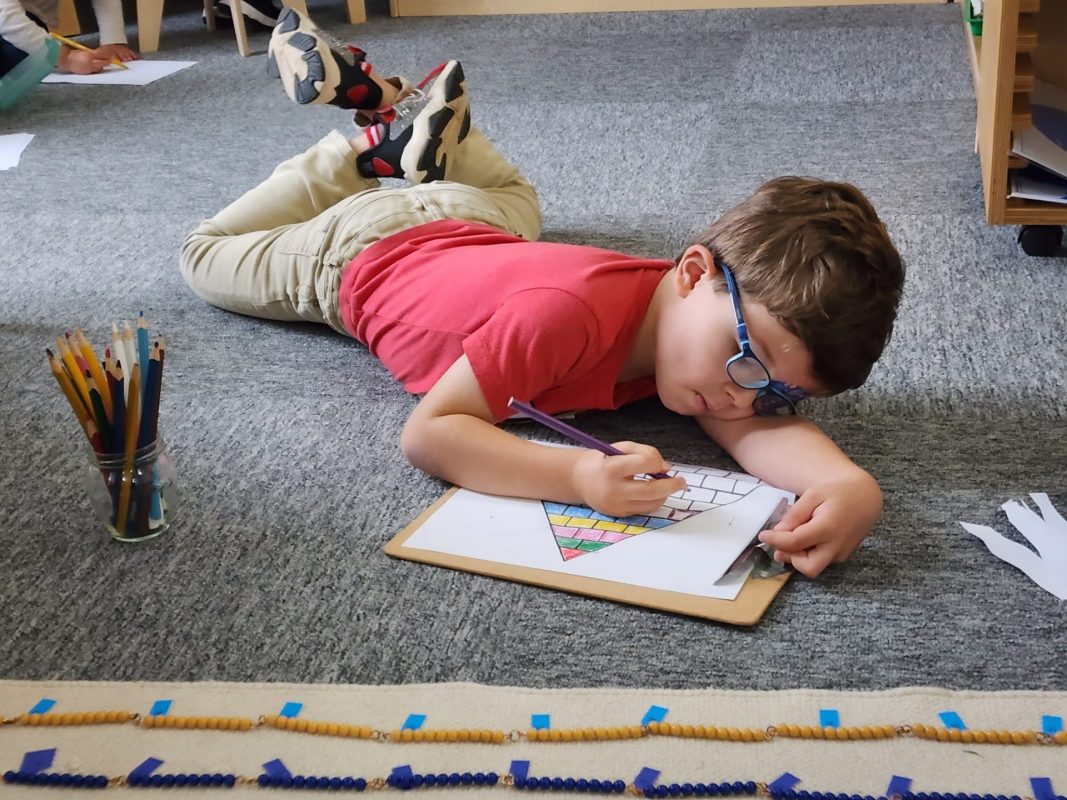
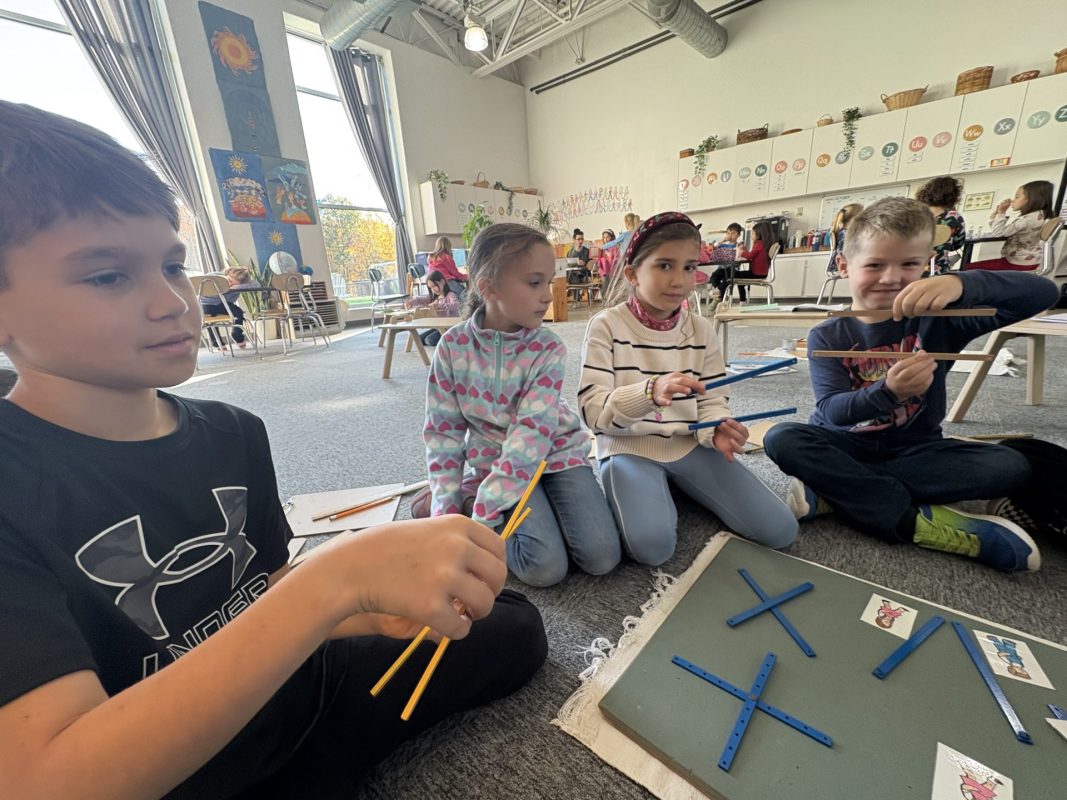
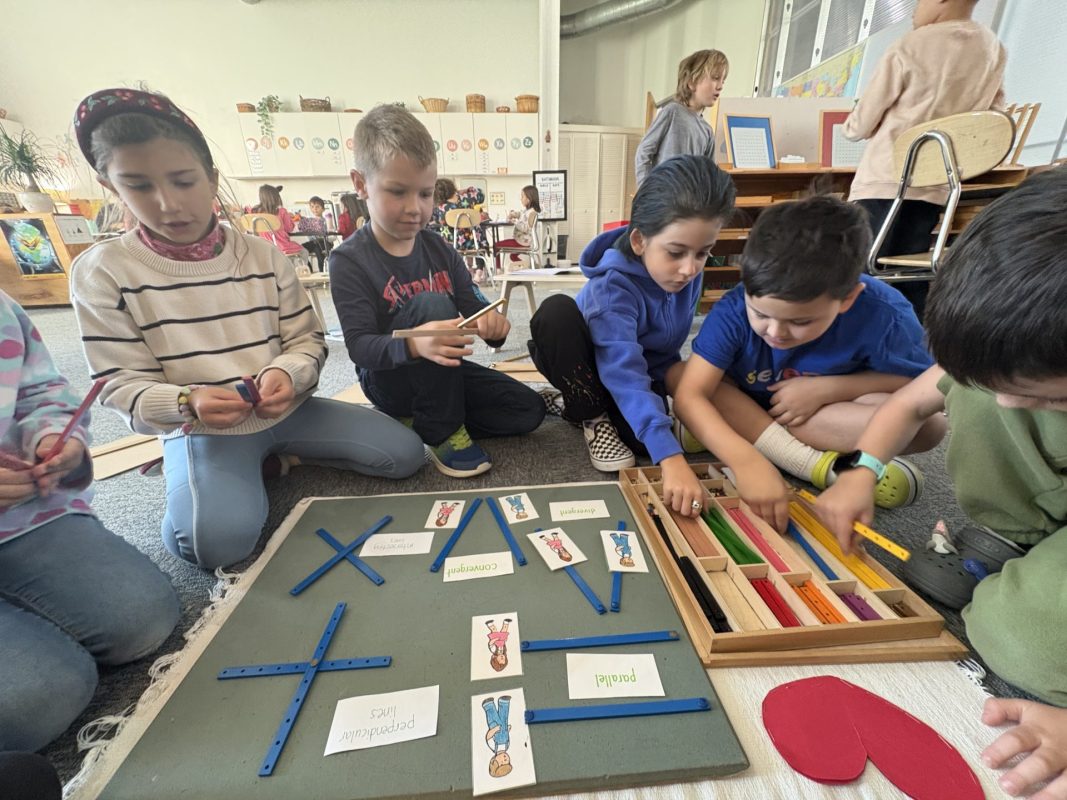
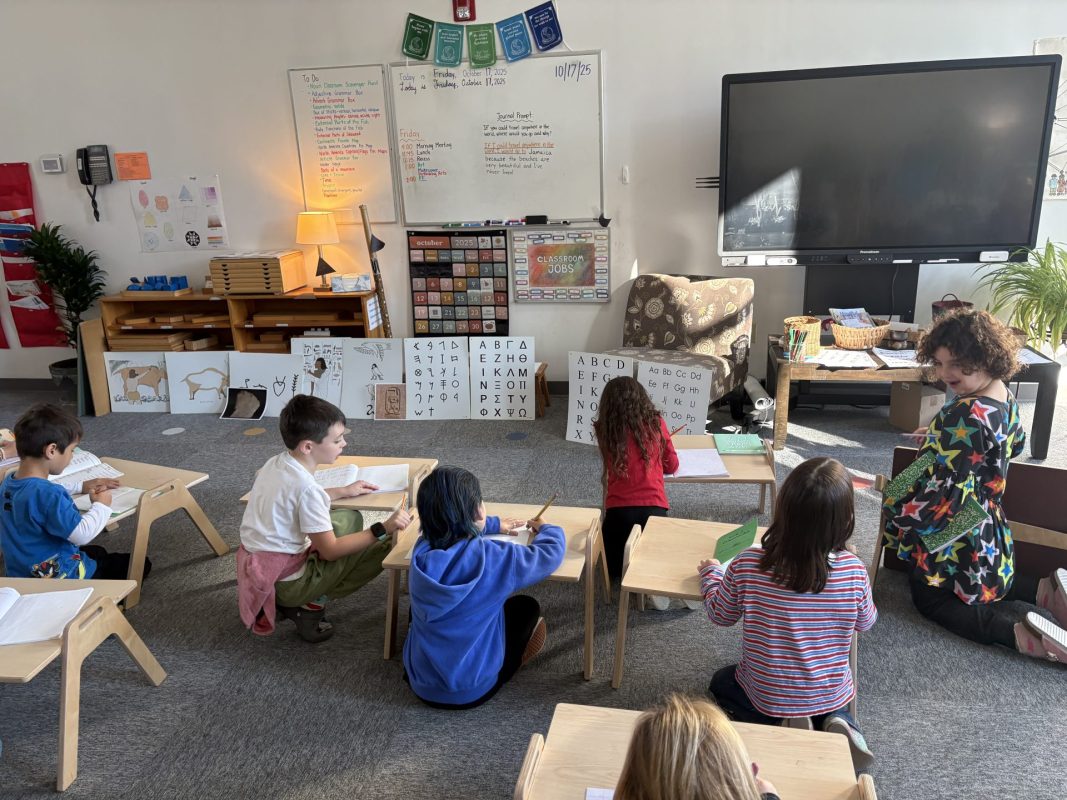
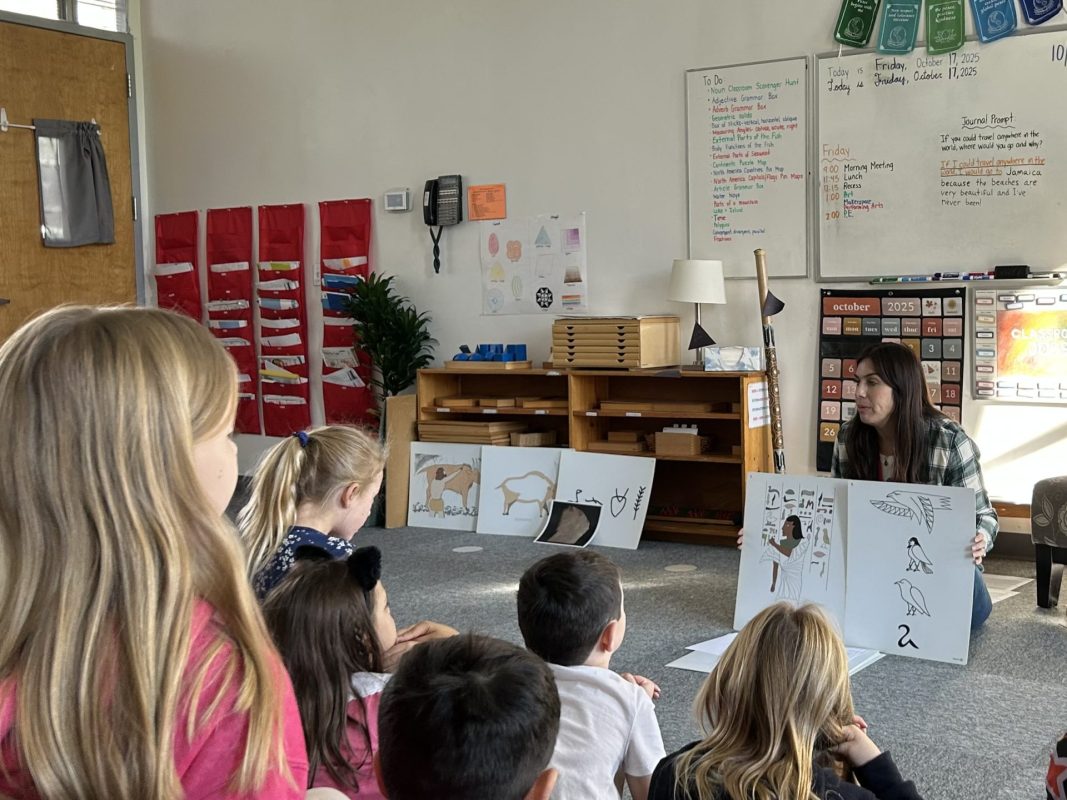
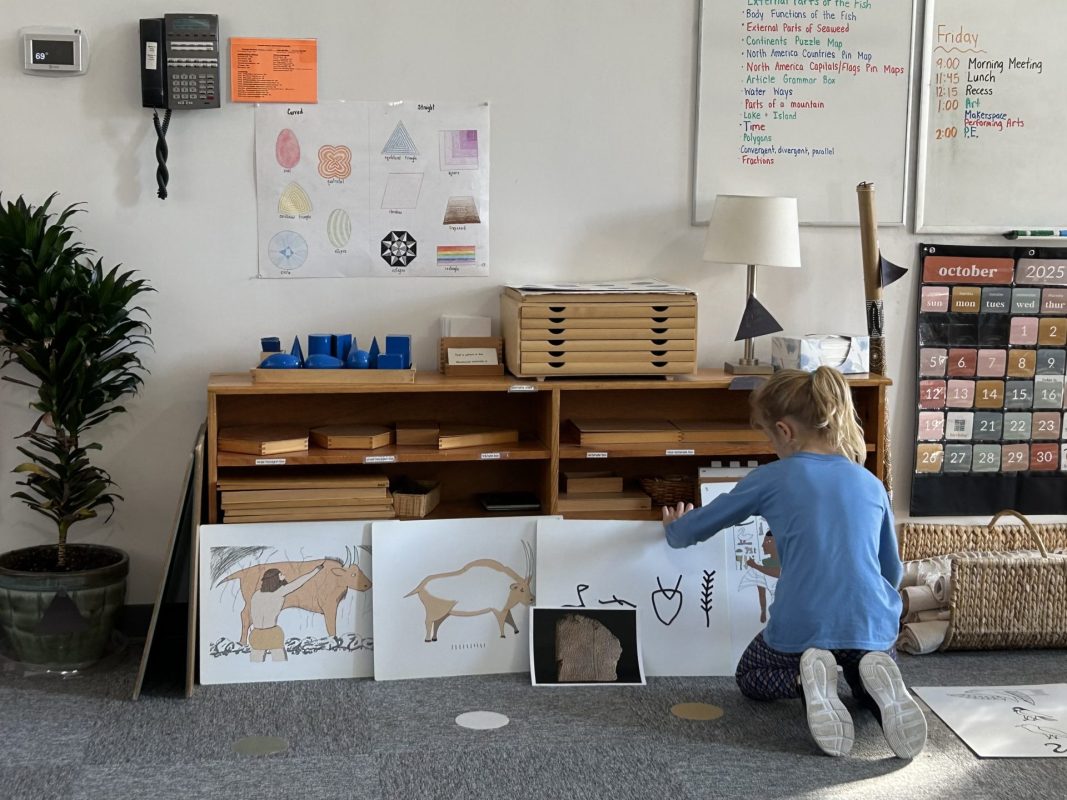
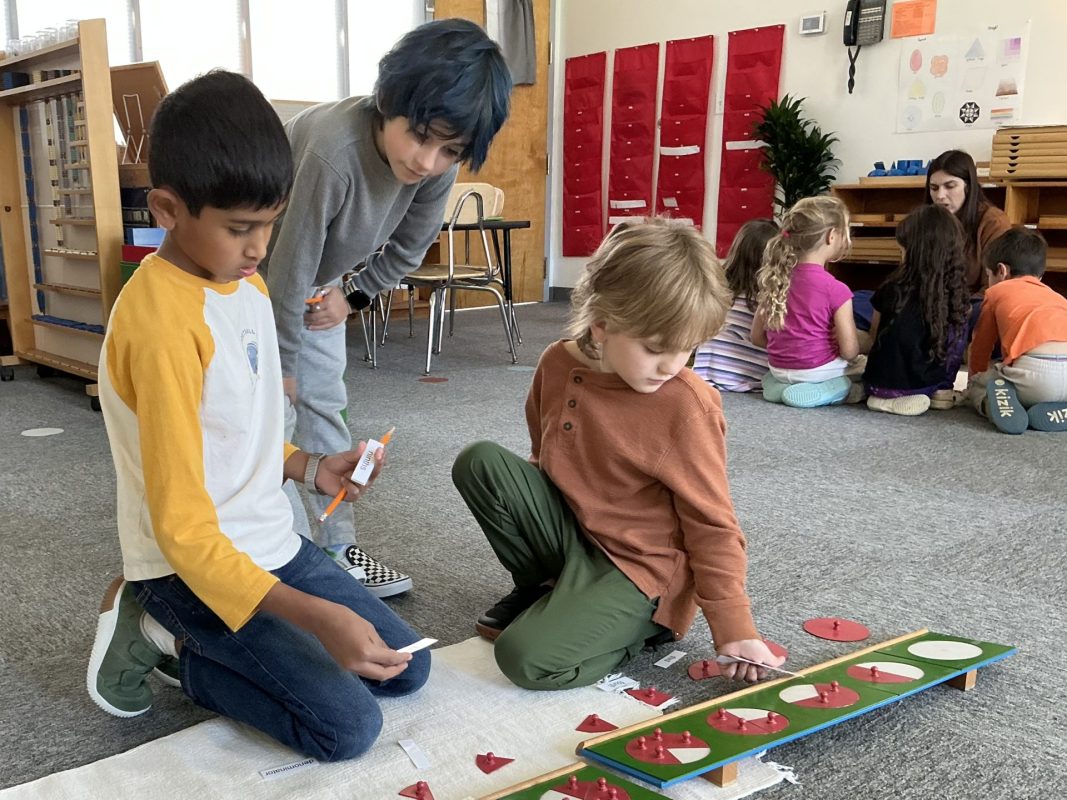
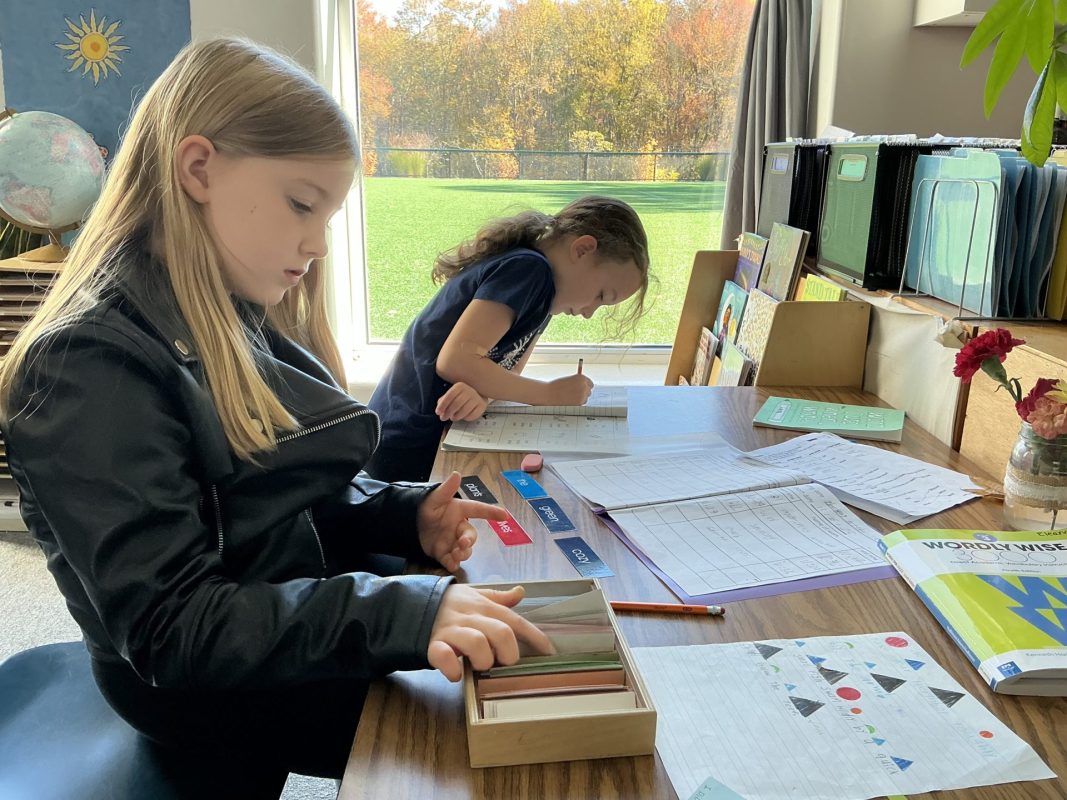
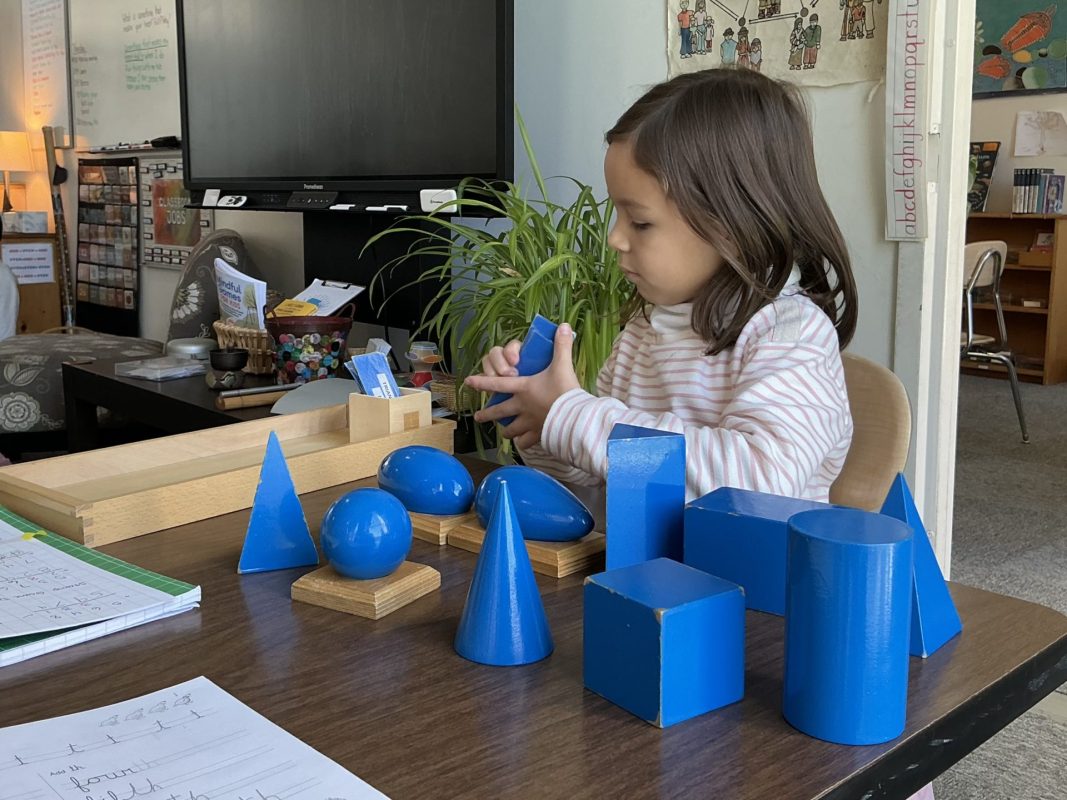
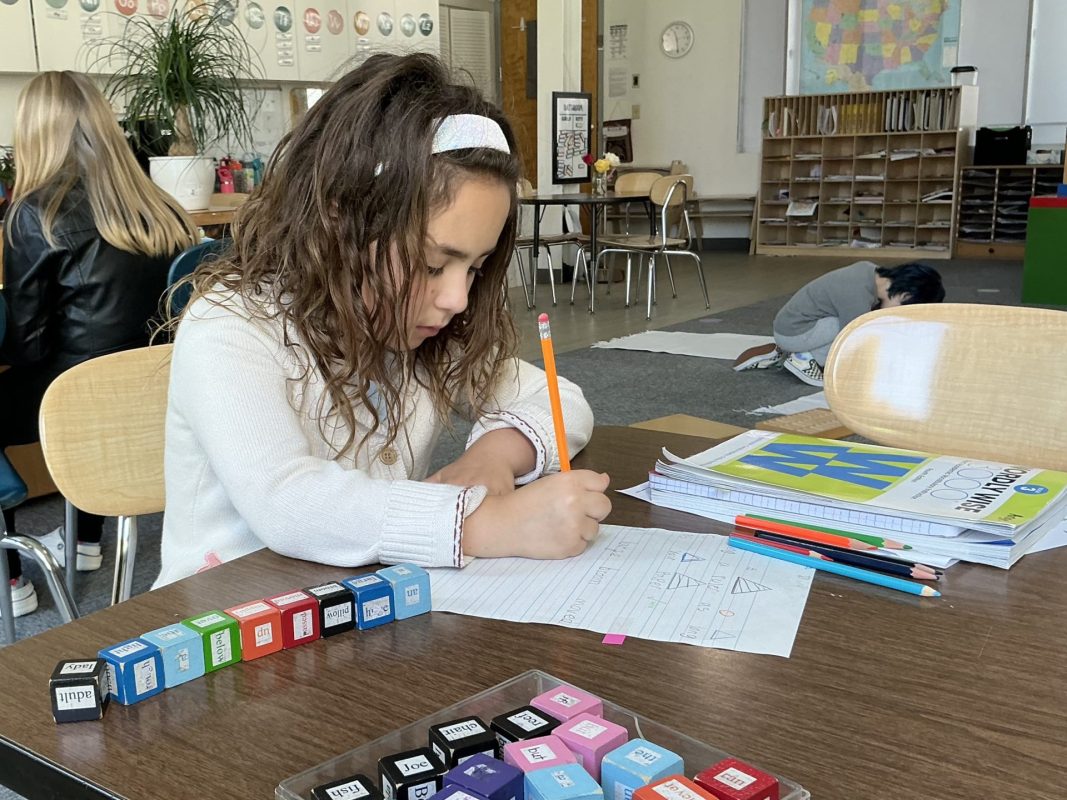
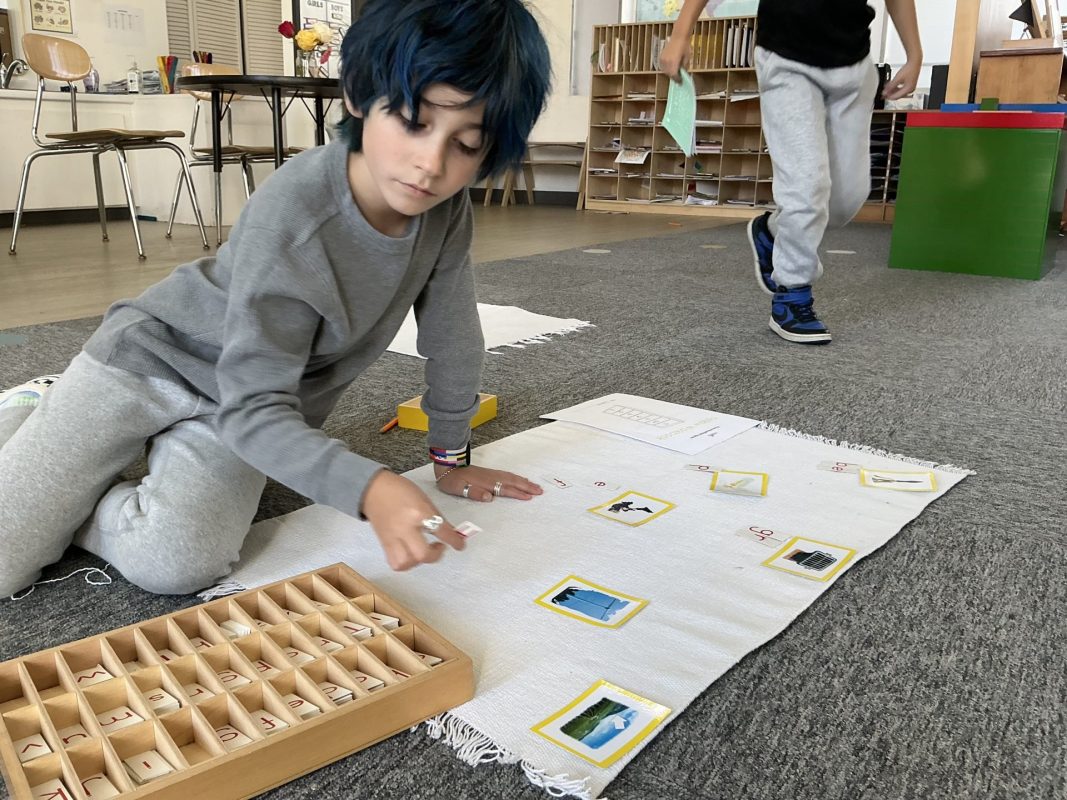
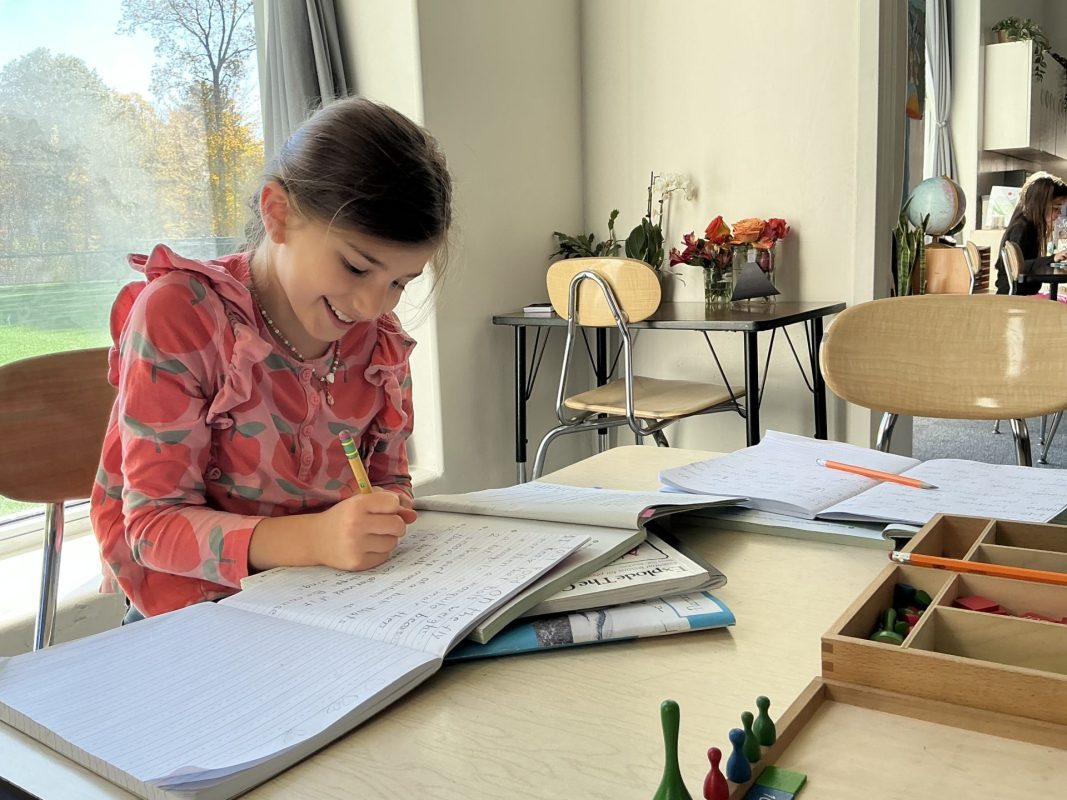
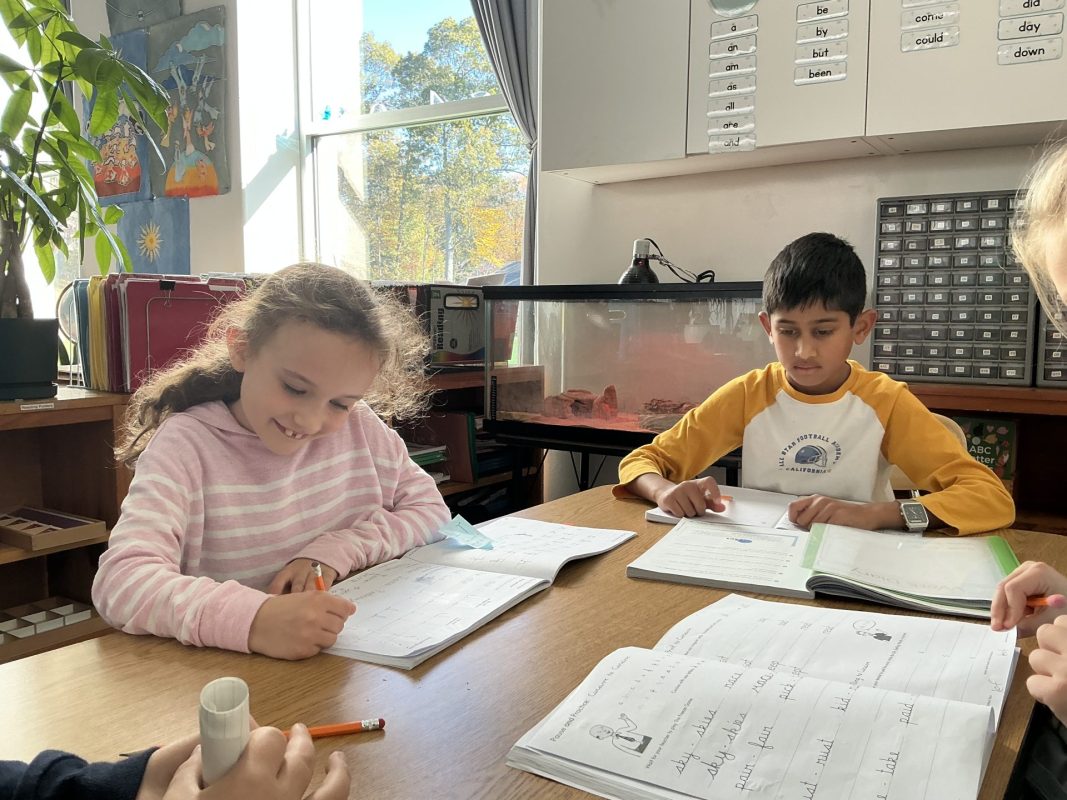
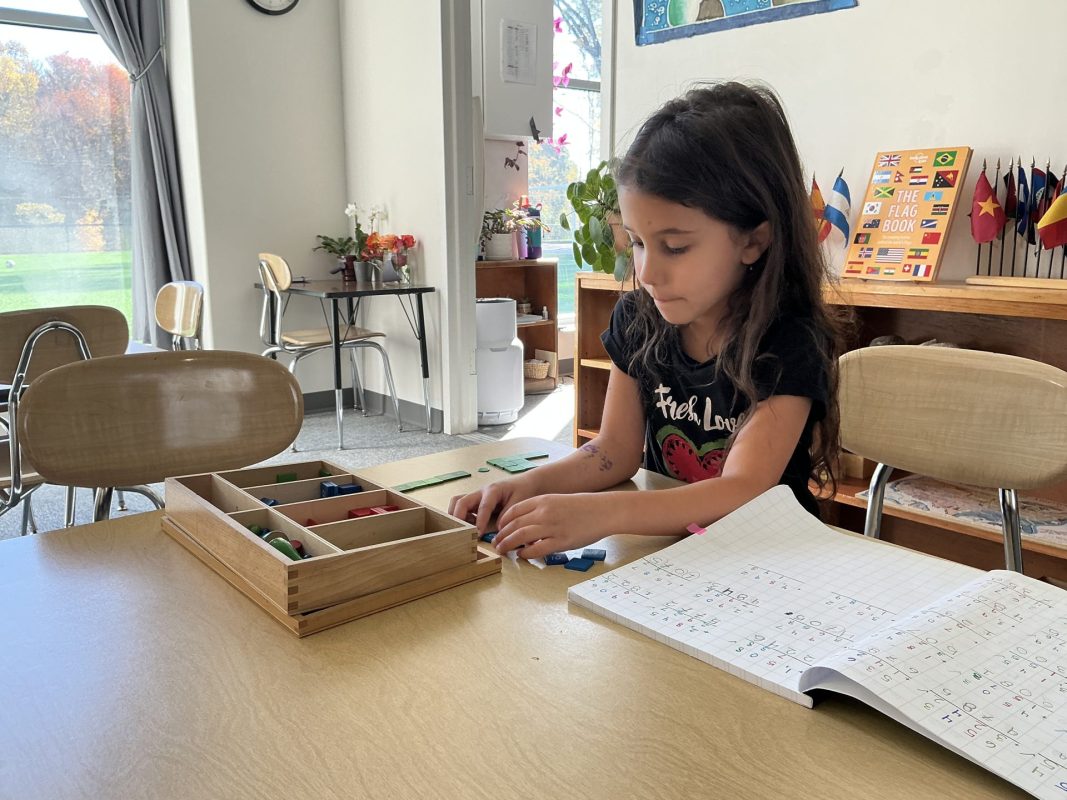
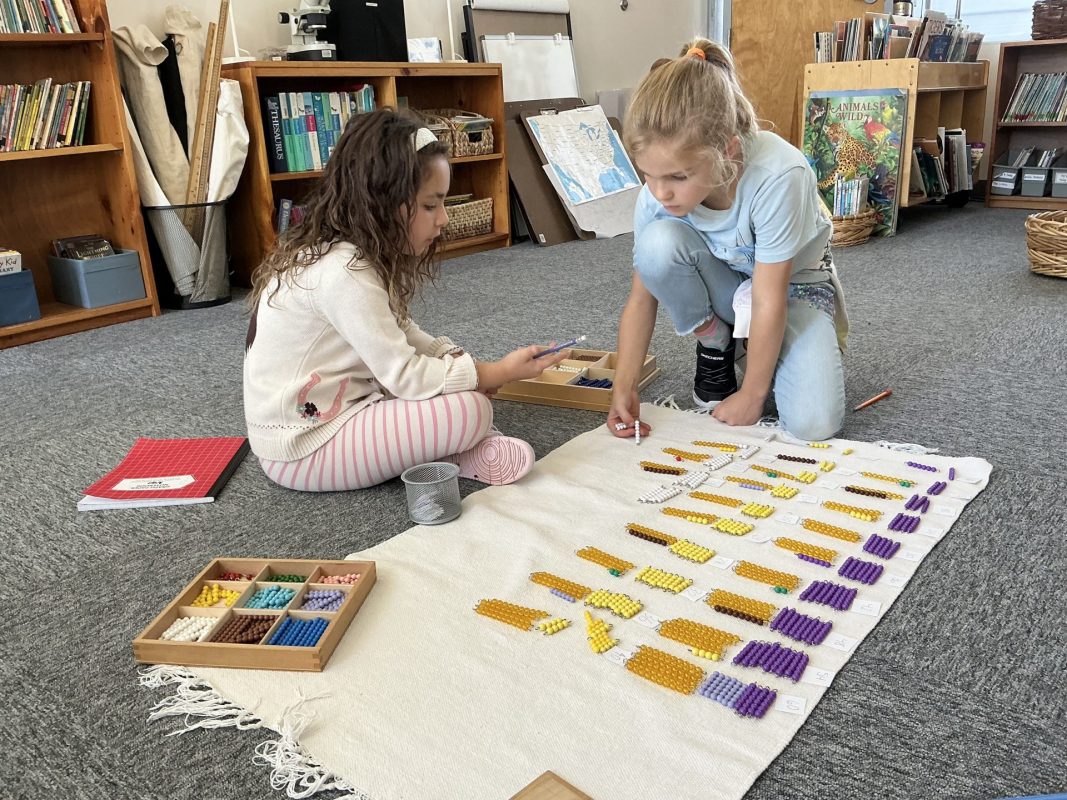
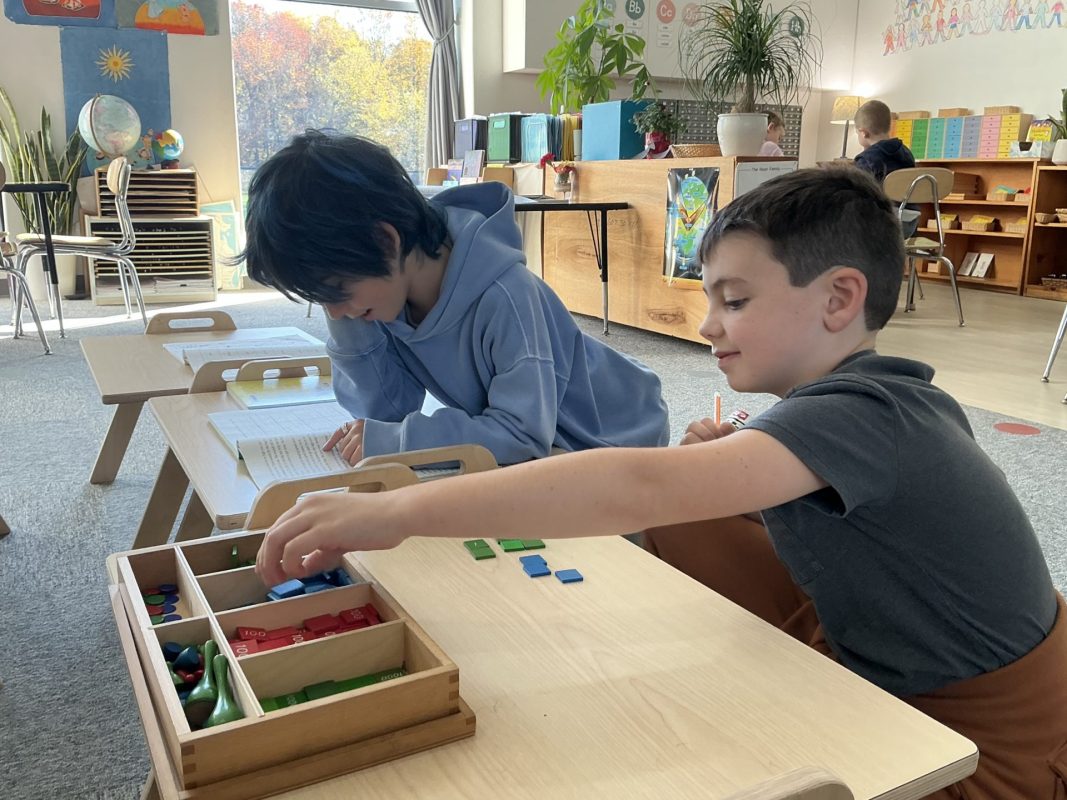
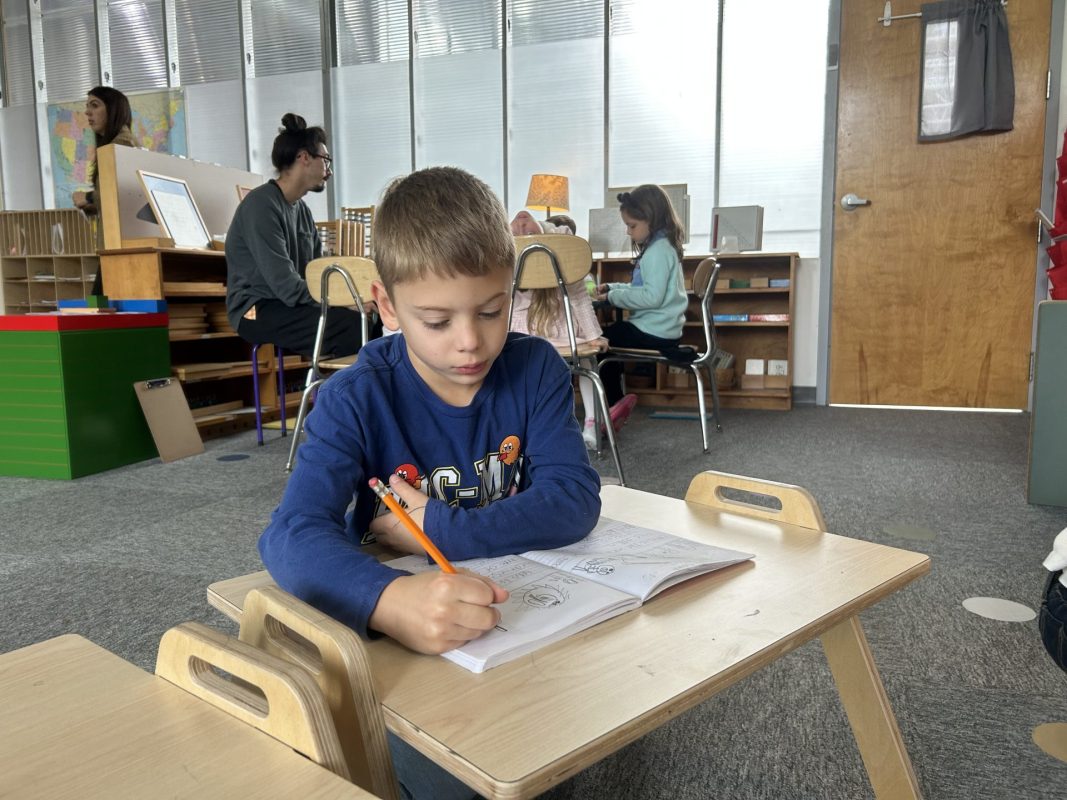
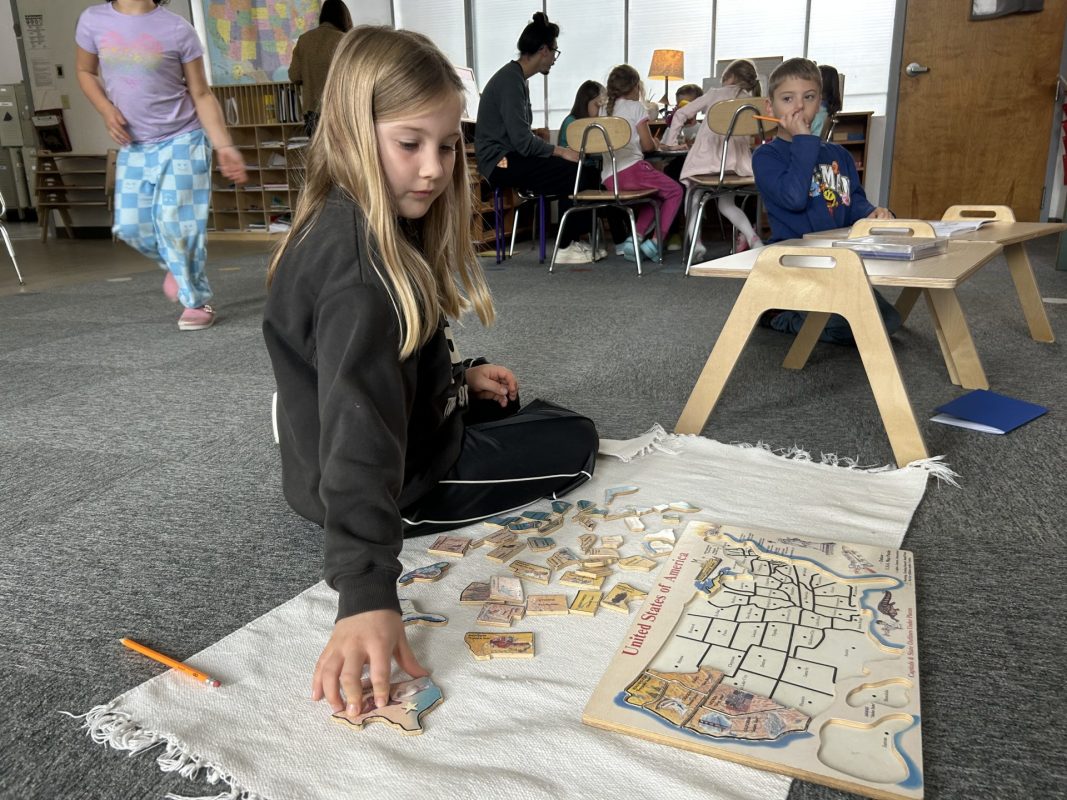
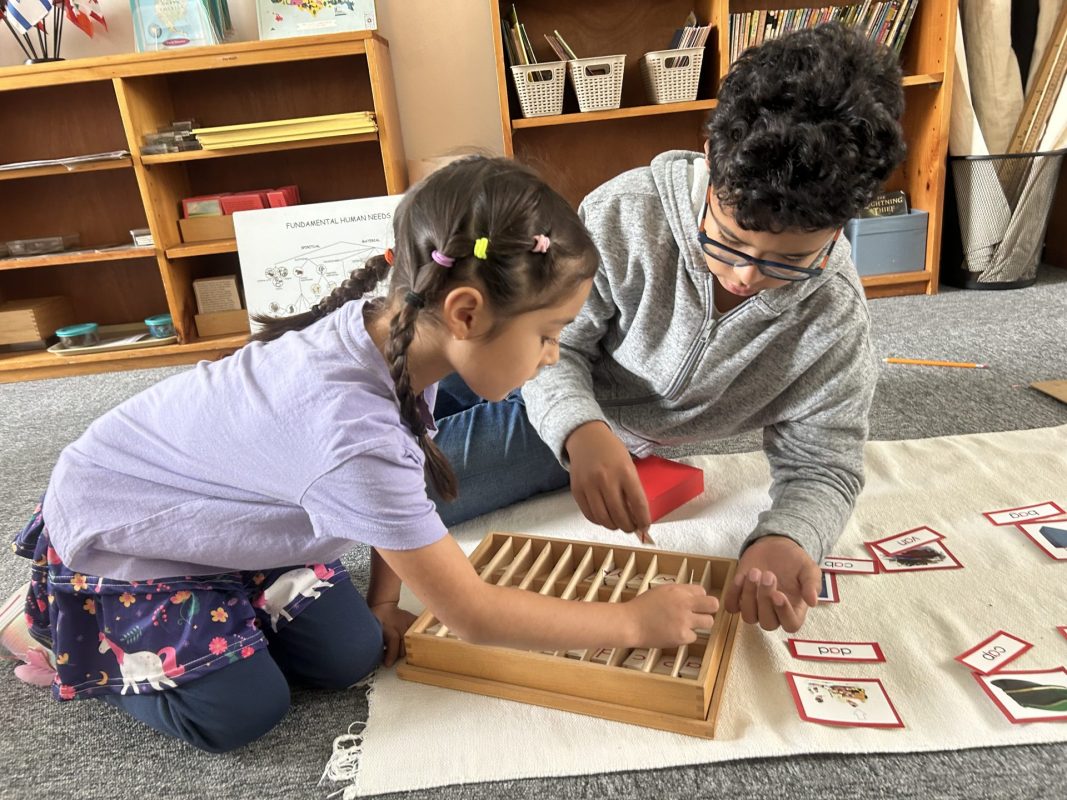
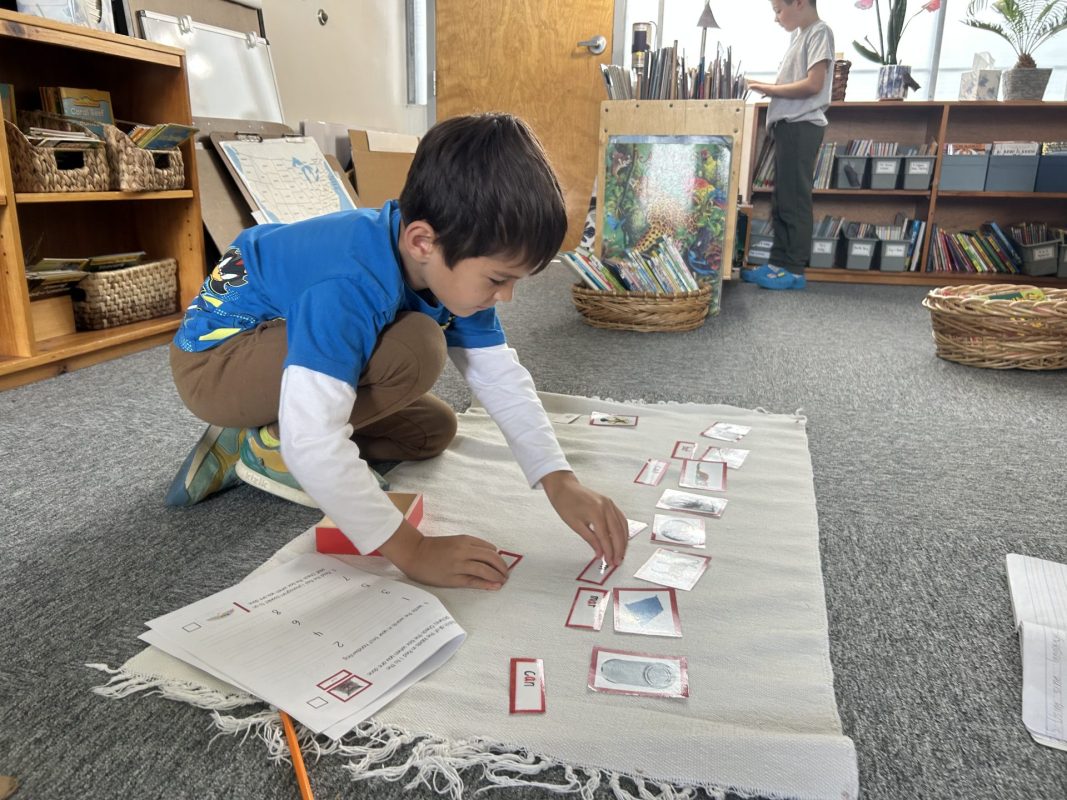
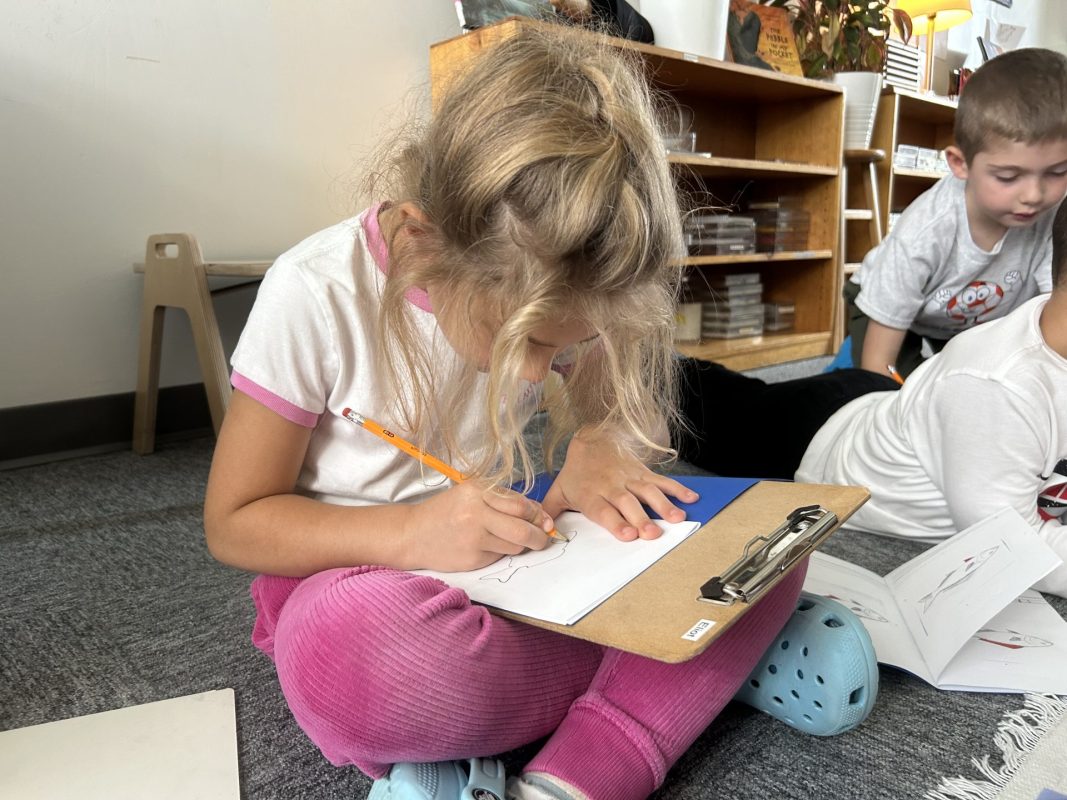
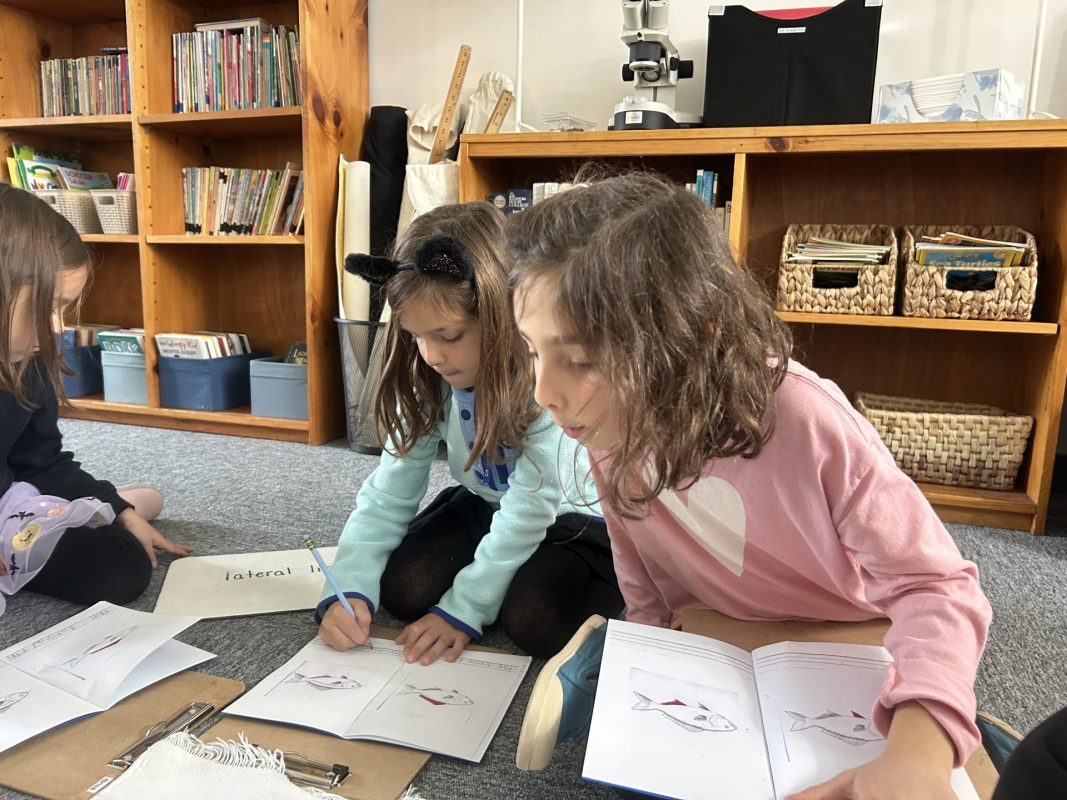
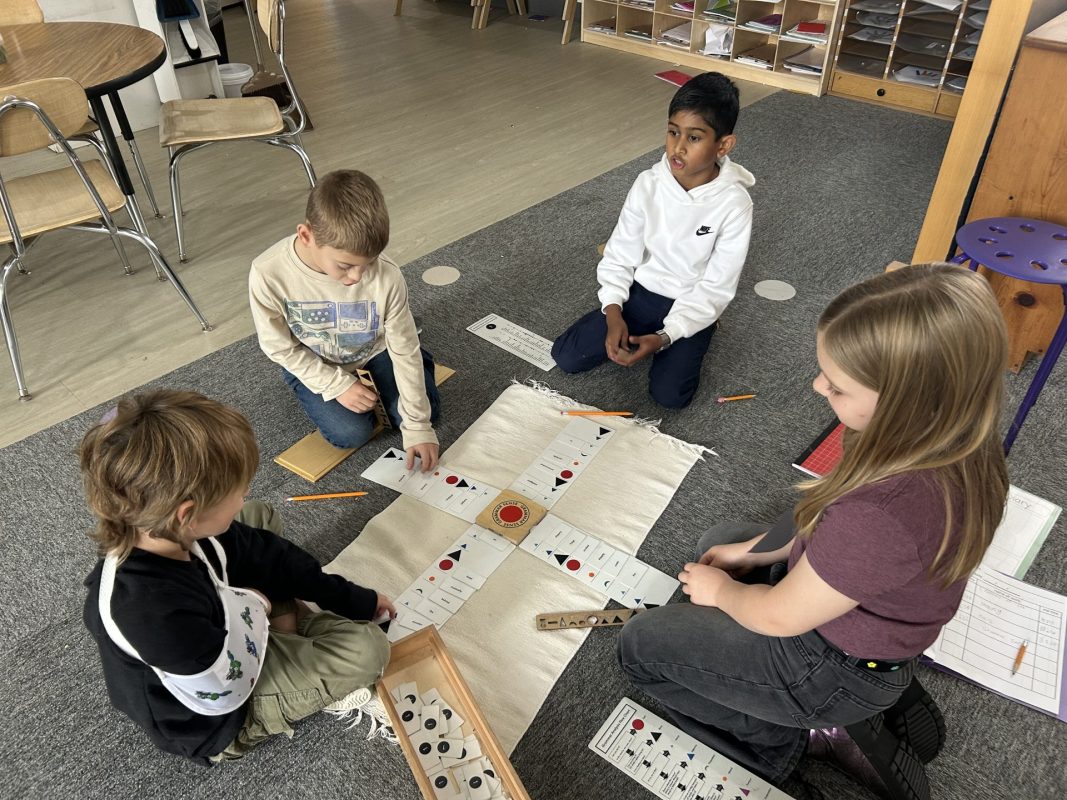
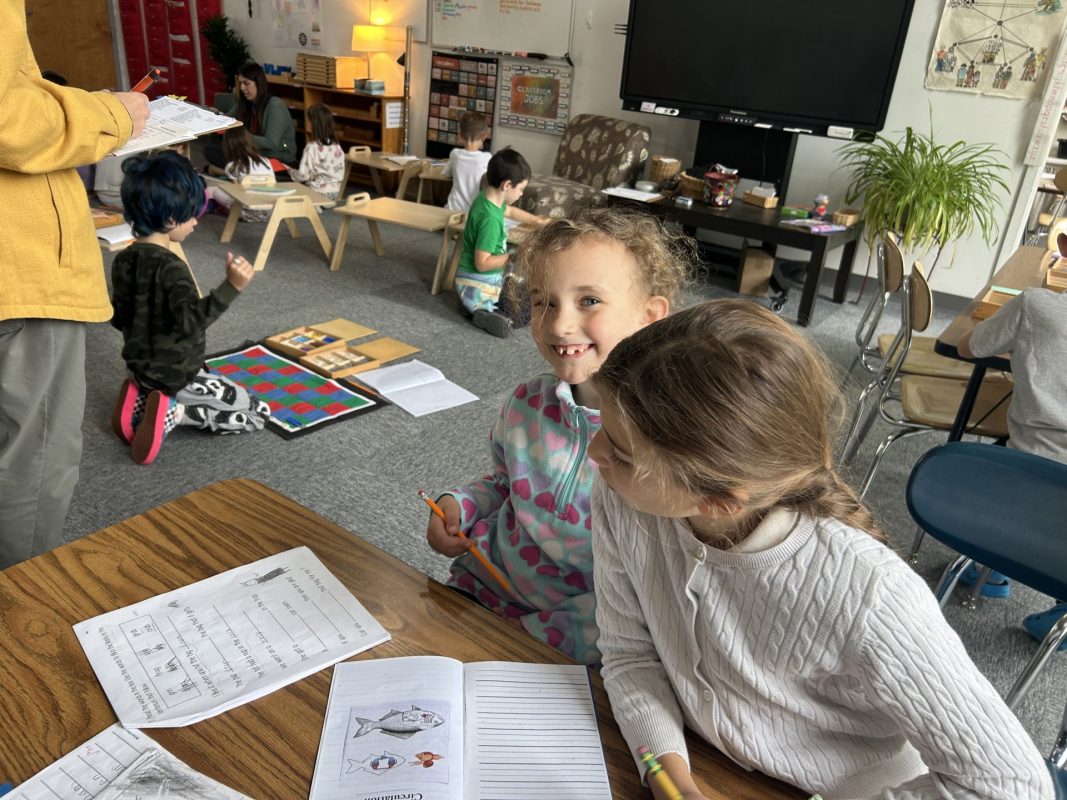
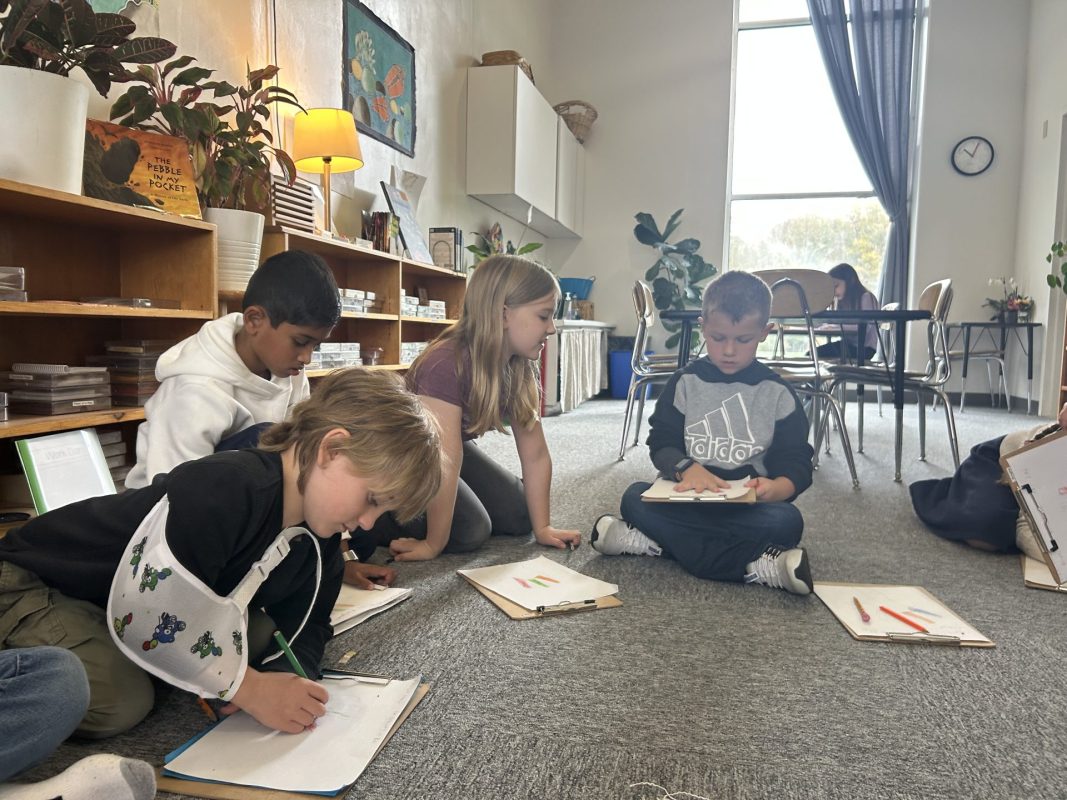
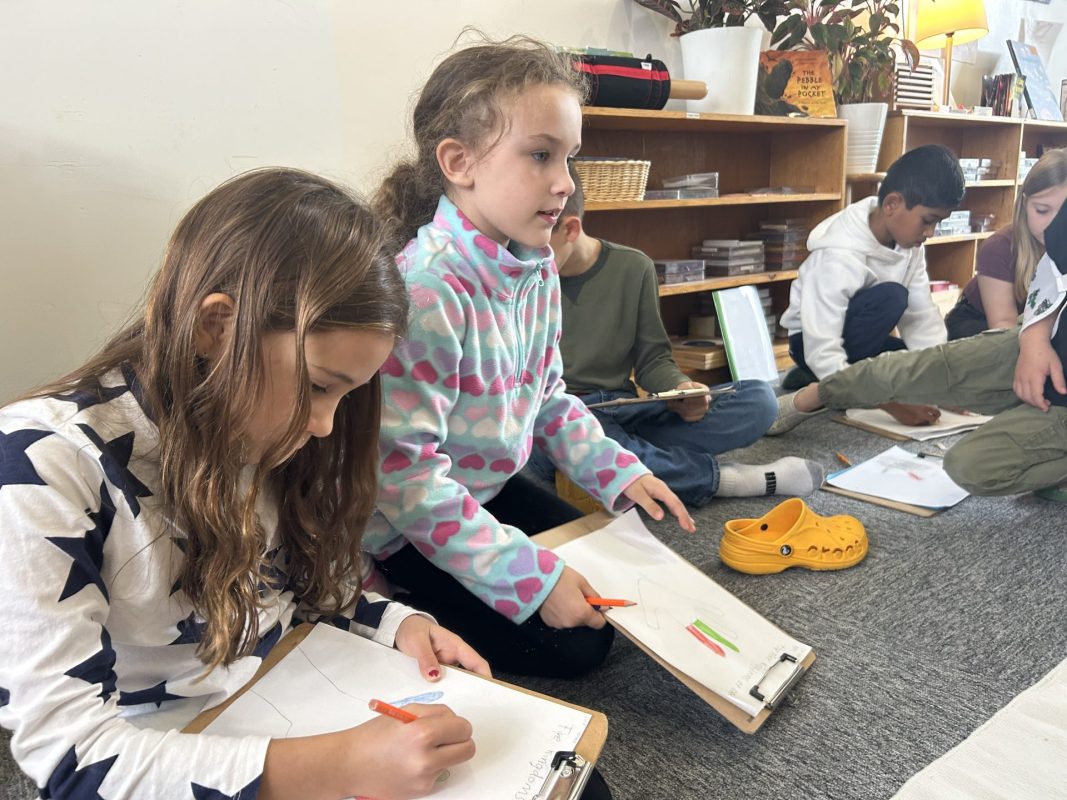
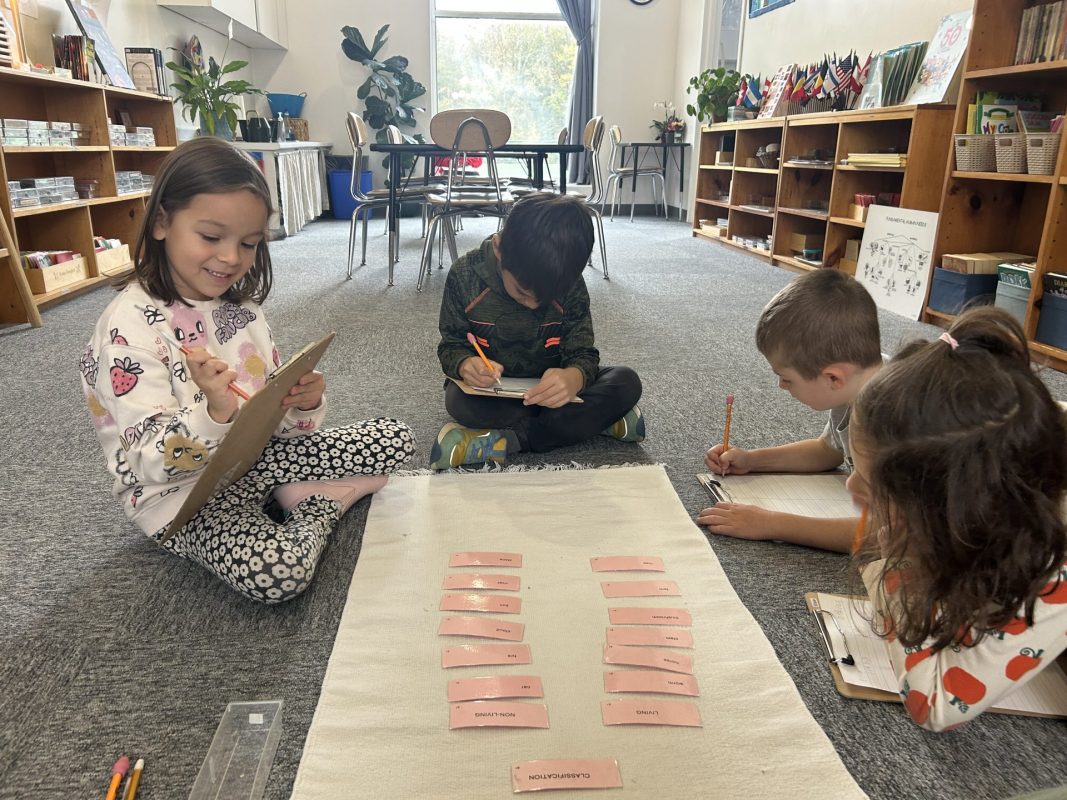
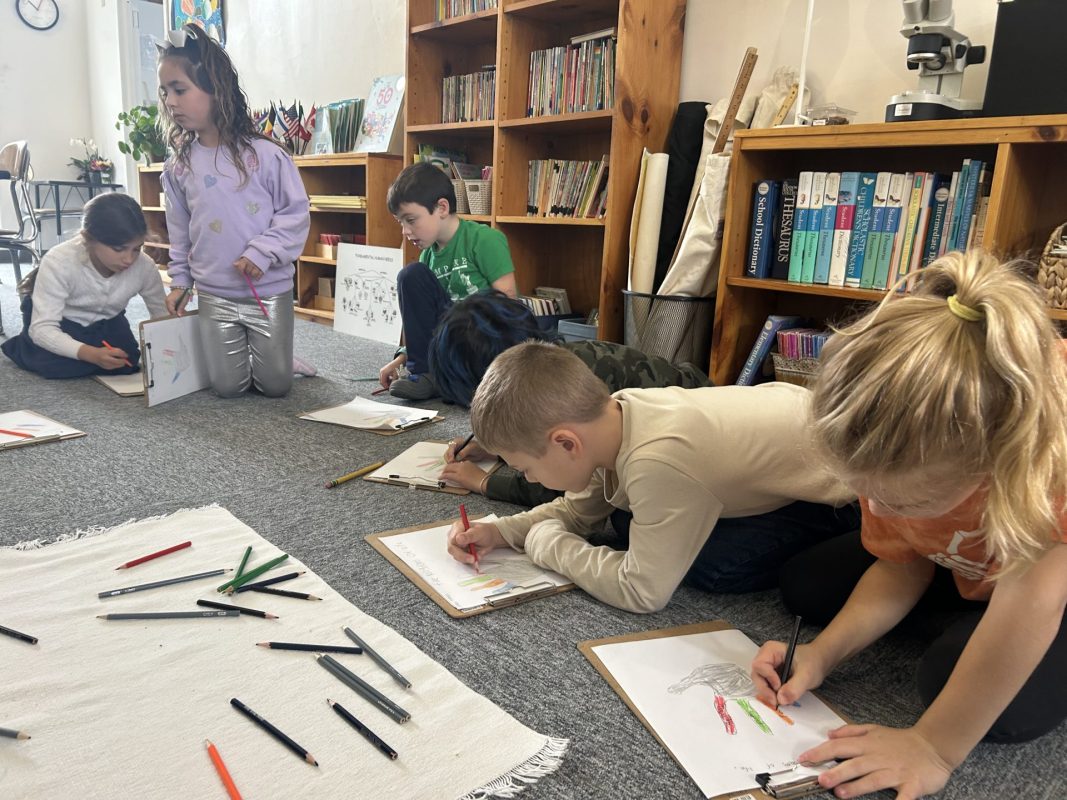
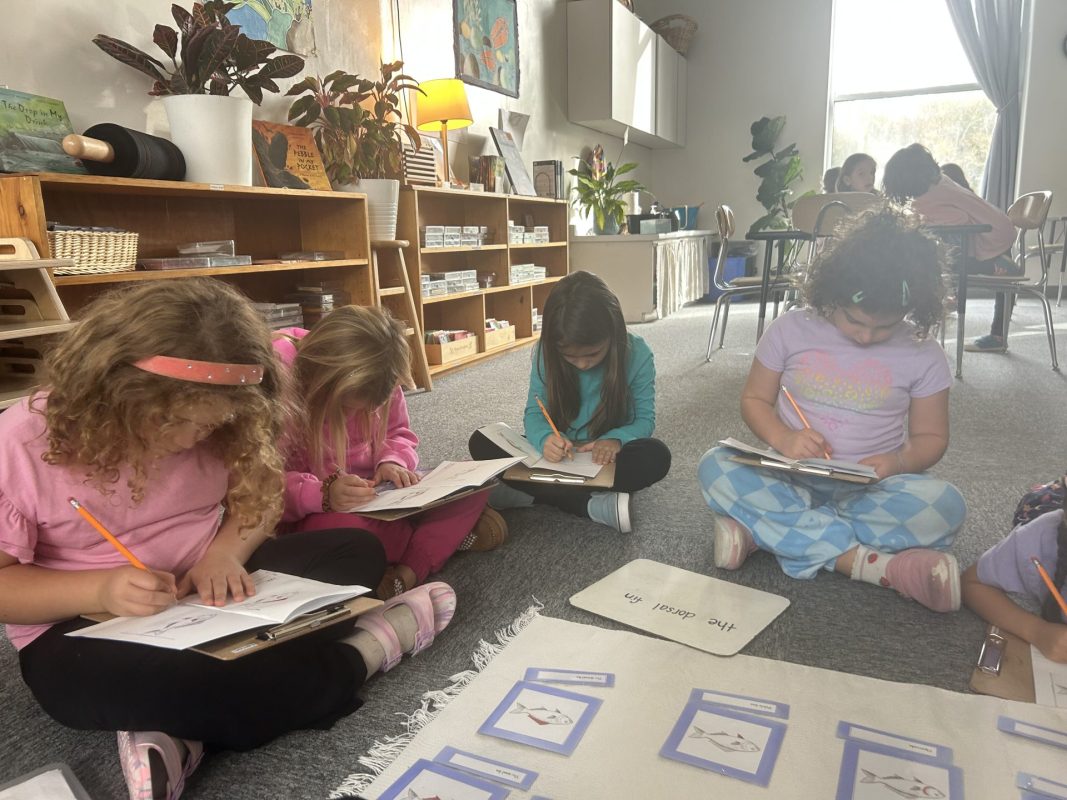
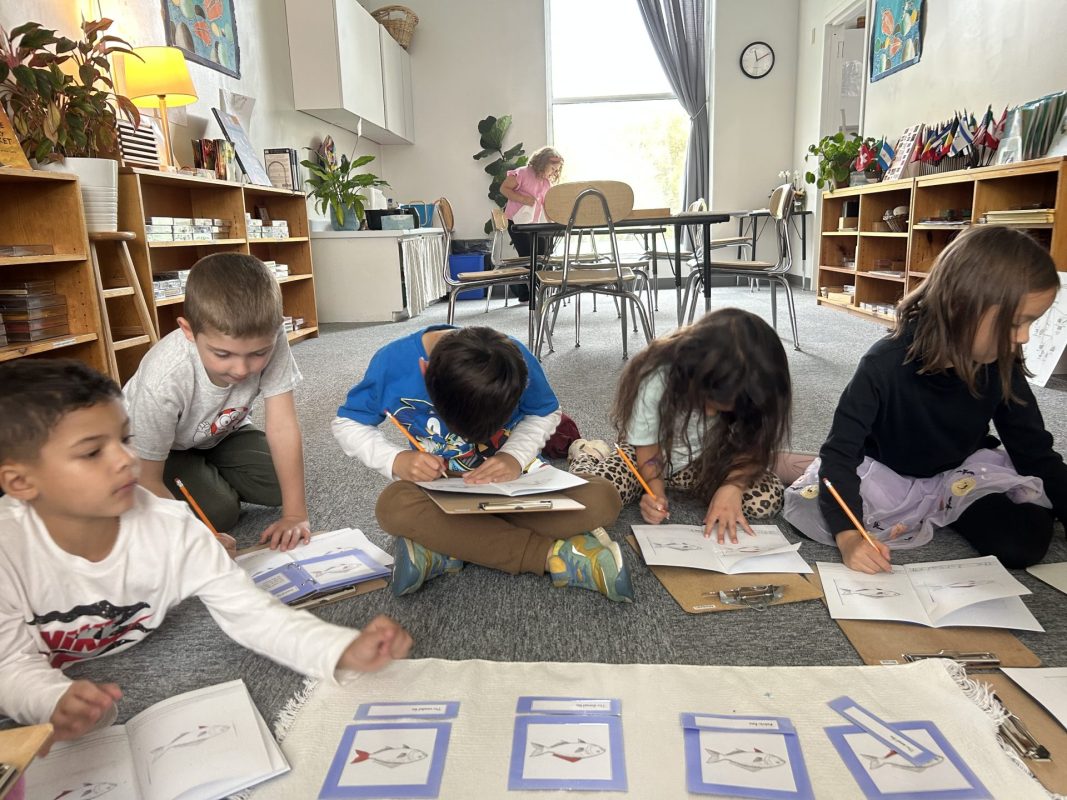
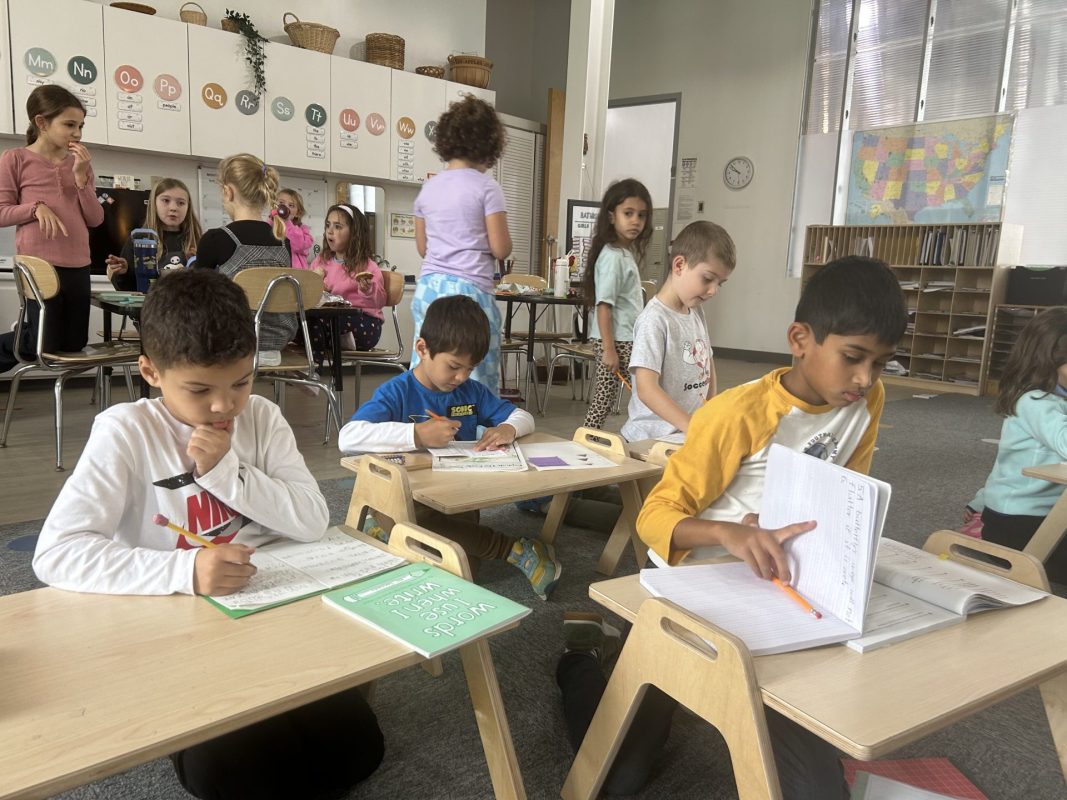
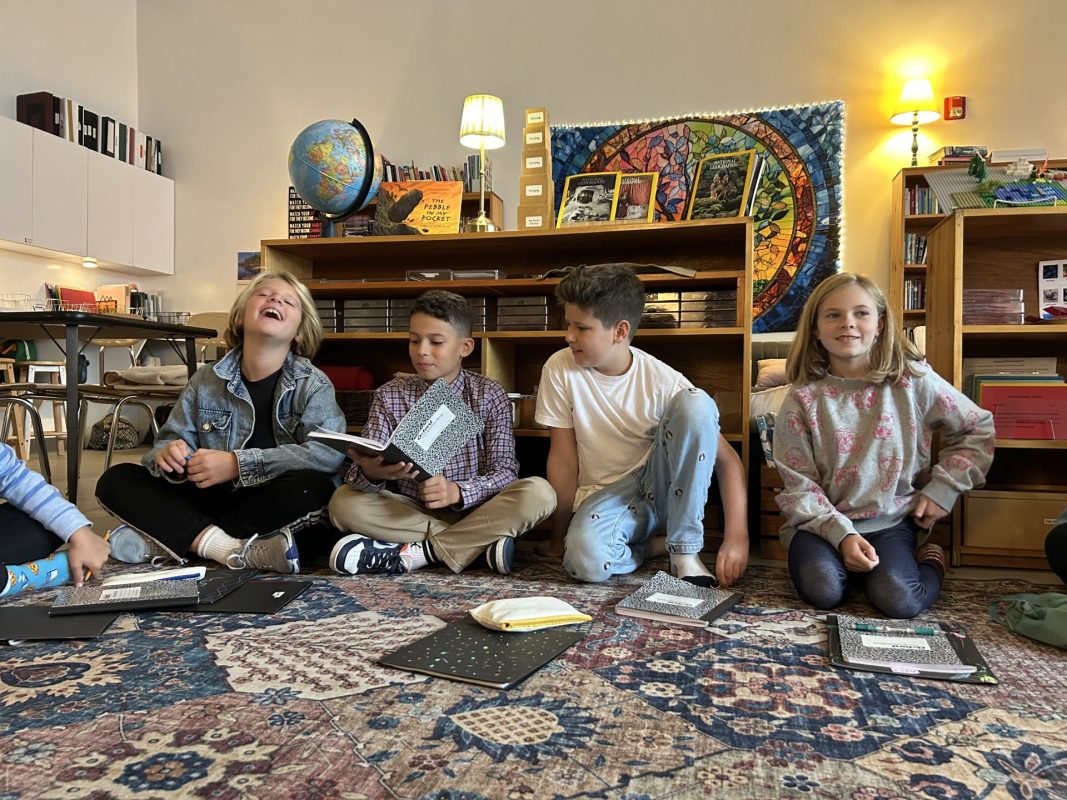
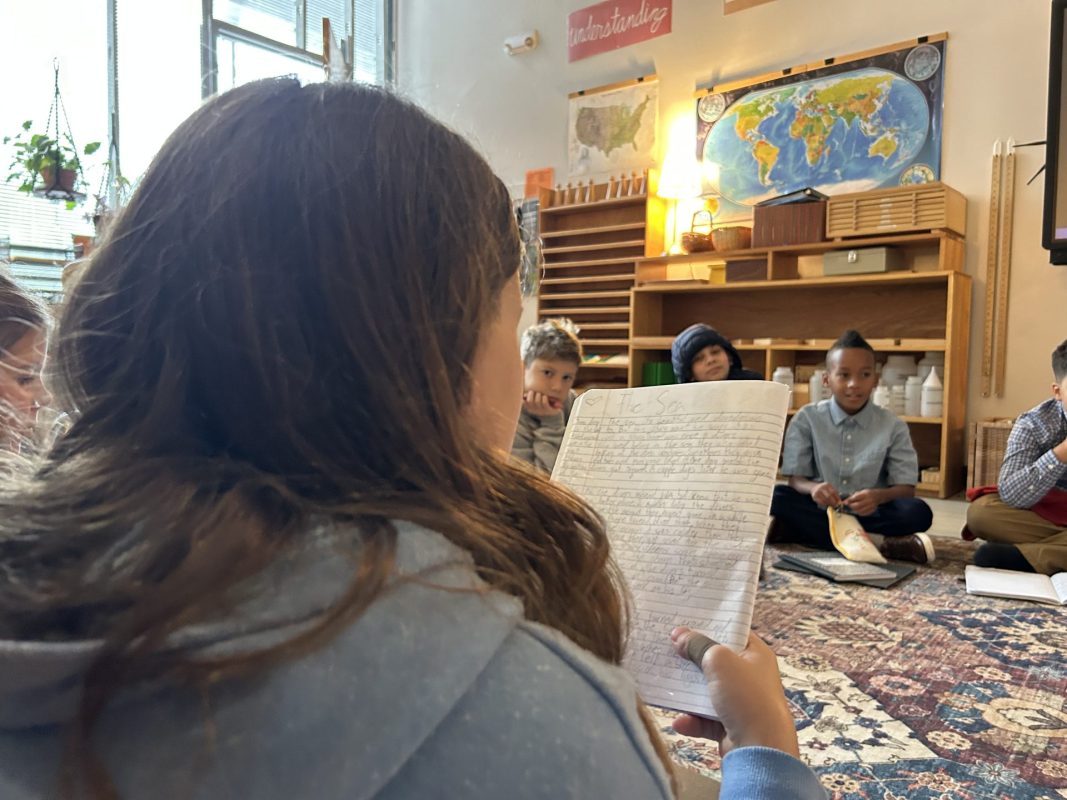
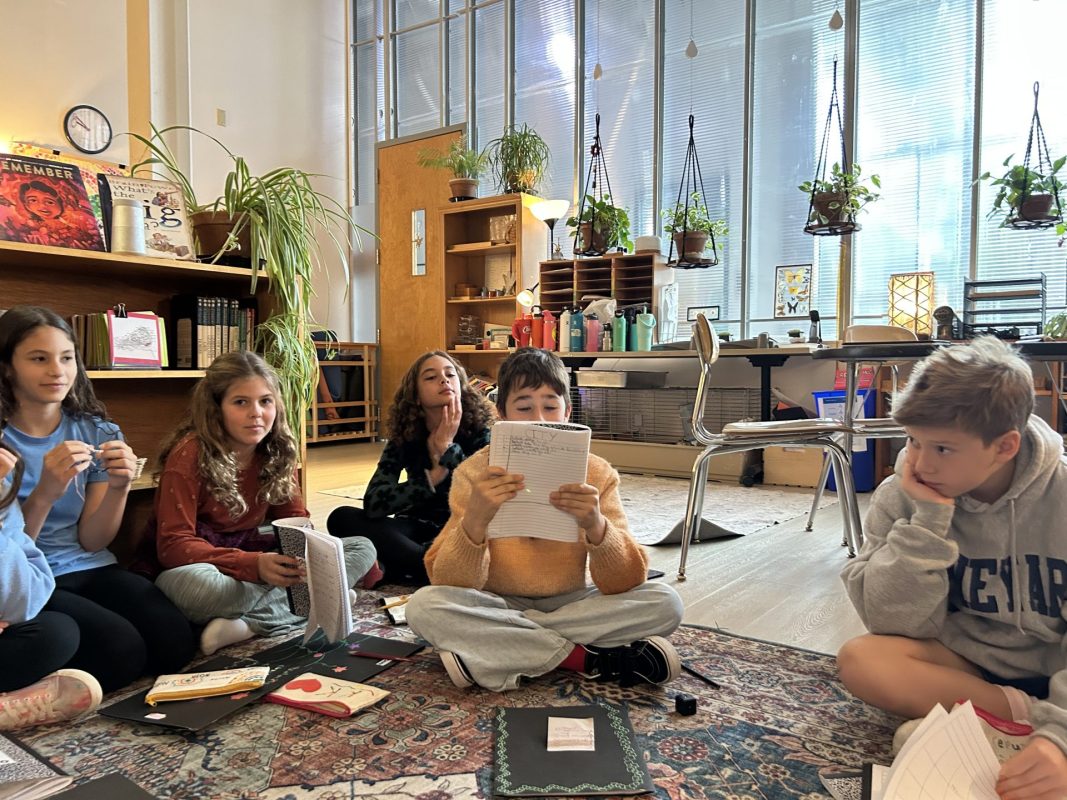
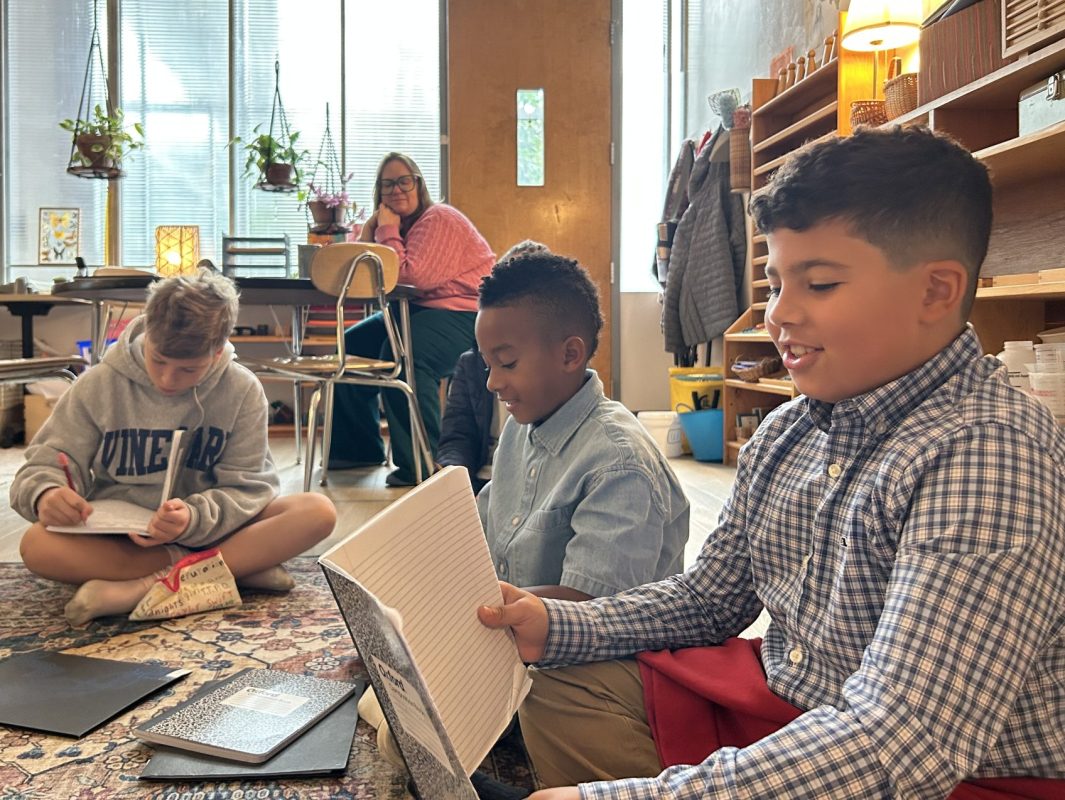
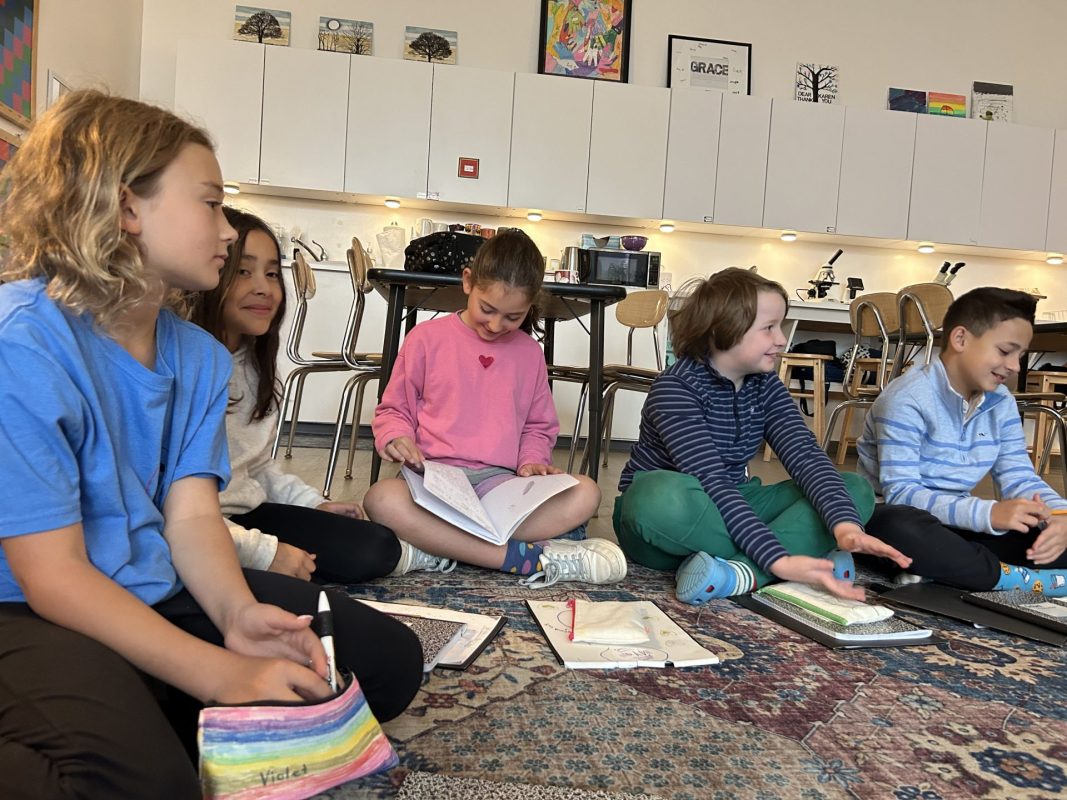
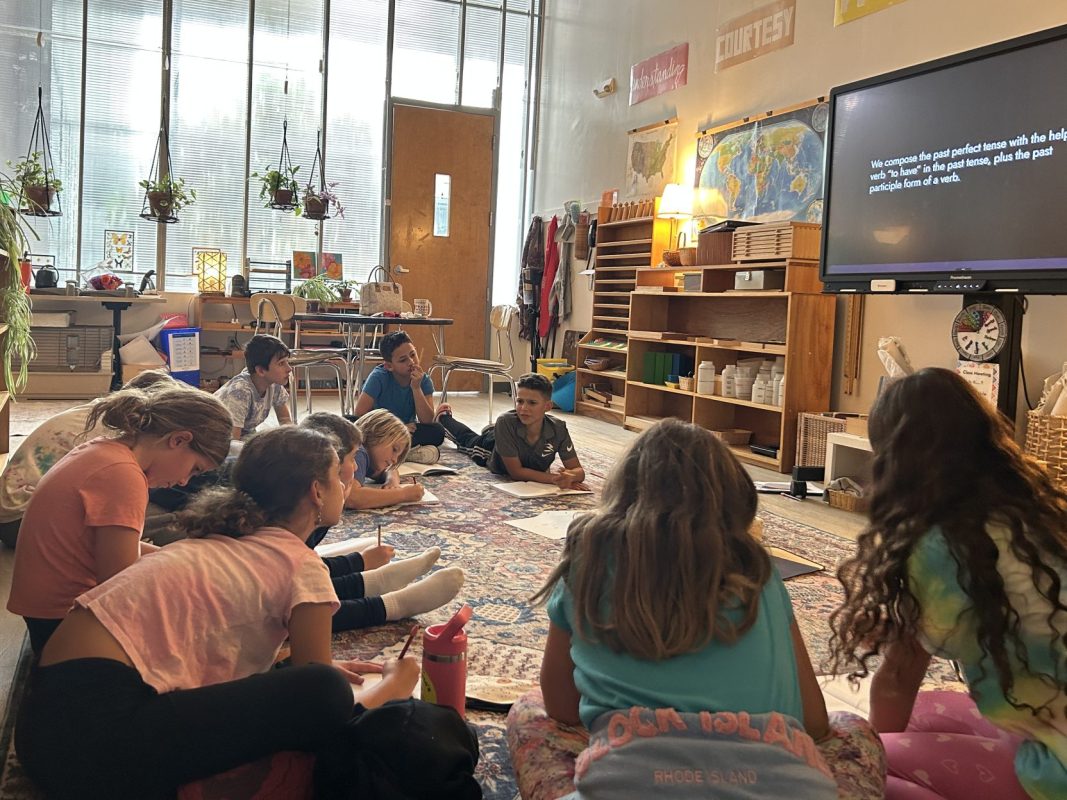
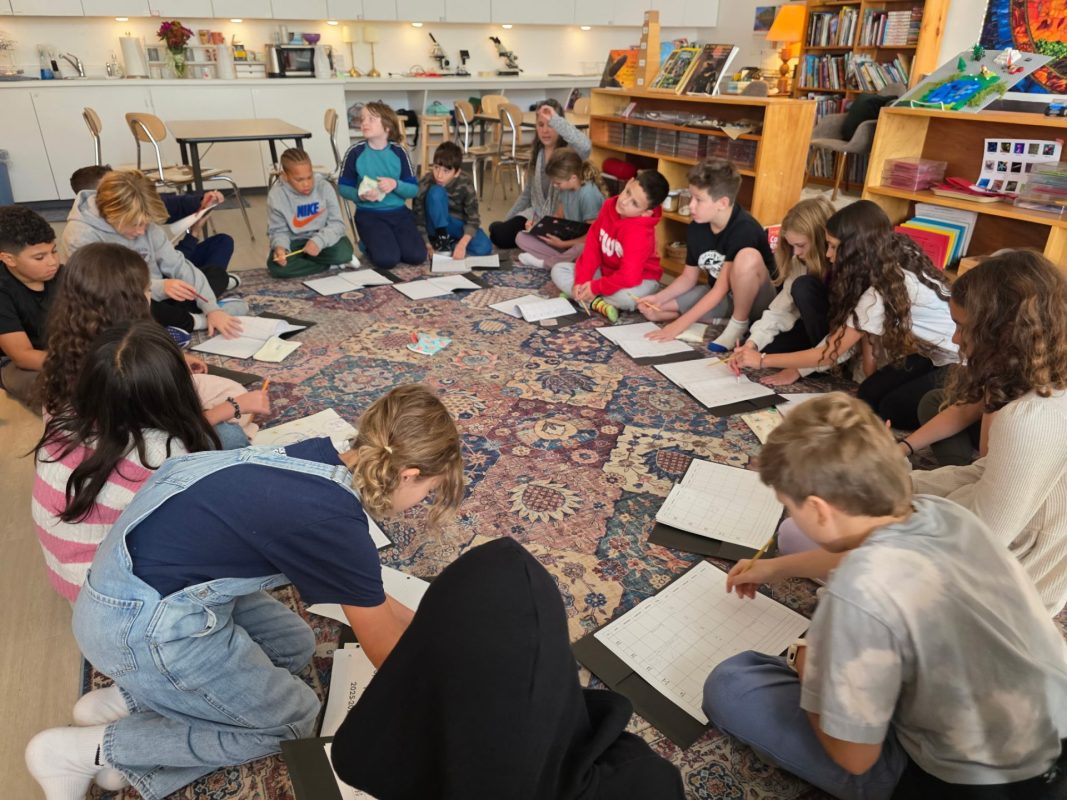
We had a great week in Upper El! We began the week with a writing lesson focused on sentence variety. We learned to identify four different types of sentences: declarative, interrogative, imperative, and exclamatory. In geometry lessons, the fourth graders explored six different types of quadrilaterals, while the fifth graders learned how to find the area of an acute triangle. In grammar, the fourths studied common, proper, and collective nouns, and the fifths focused on the agreement between pronouns and verbs in the present, past, and future tenses. The whole class examined an evolutionary strip and reviewed the common and taxonomic names of familiar animals in biology. In history, we began our lessons on humans’ closest relatives by discussing where we, as humans, fit in. We took a logical approach to determine the relationships between humans and other living animals.

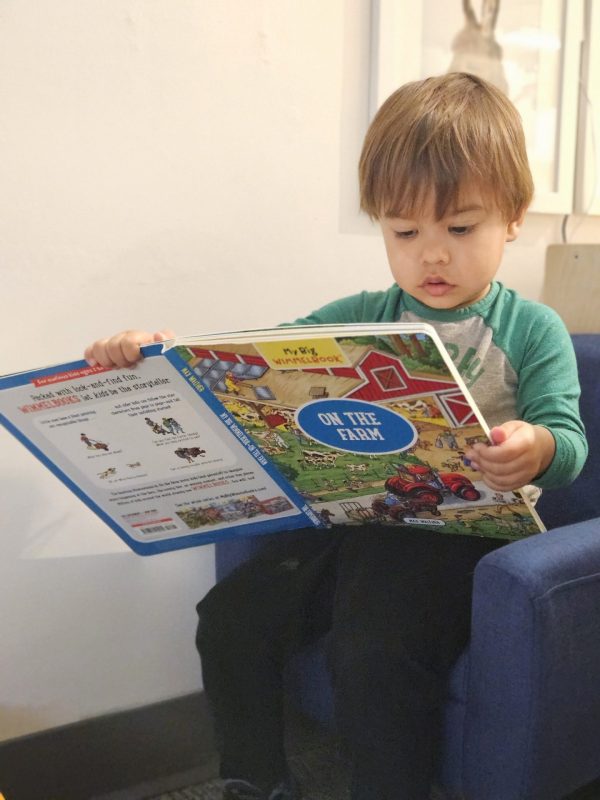
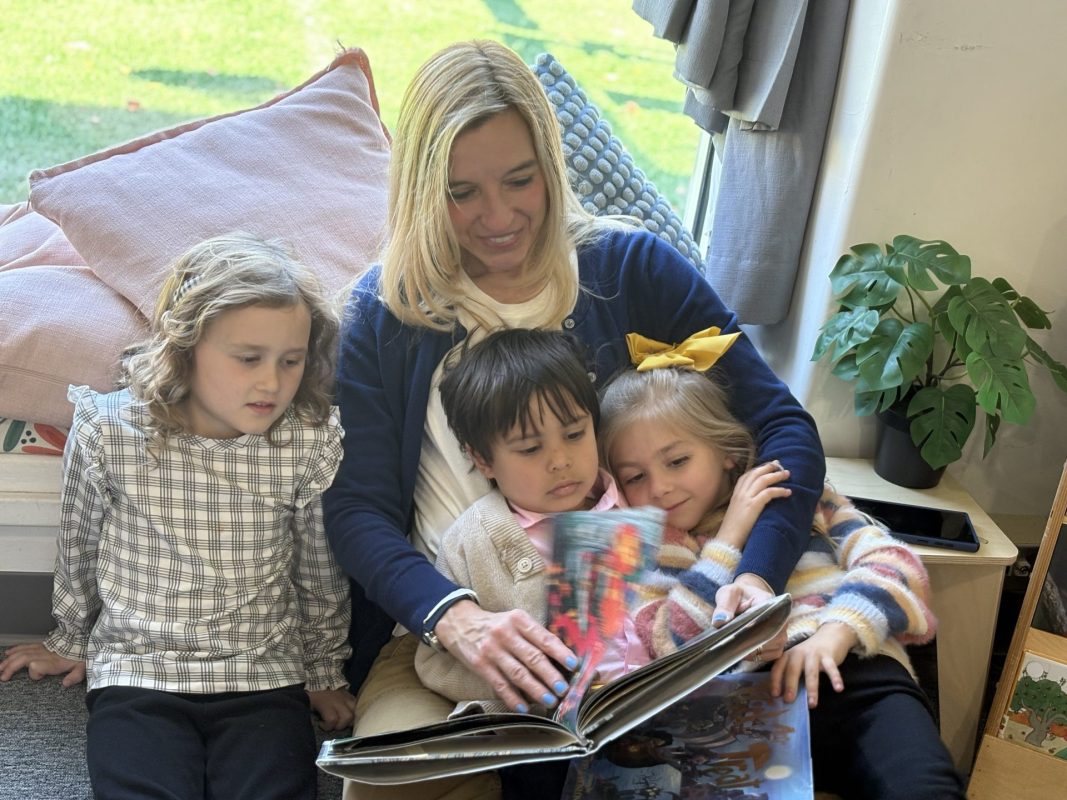
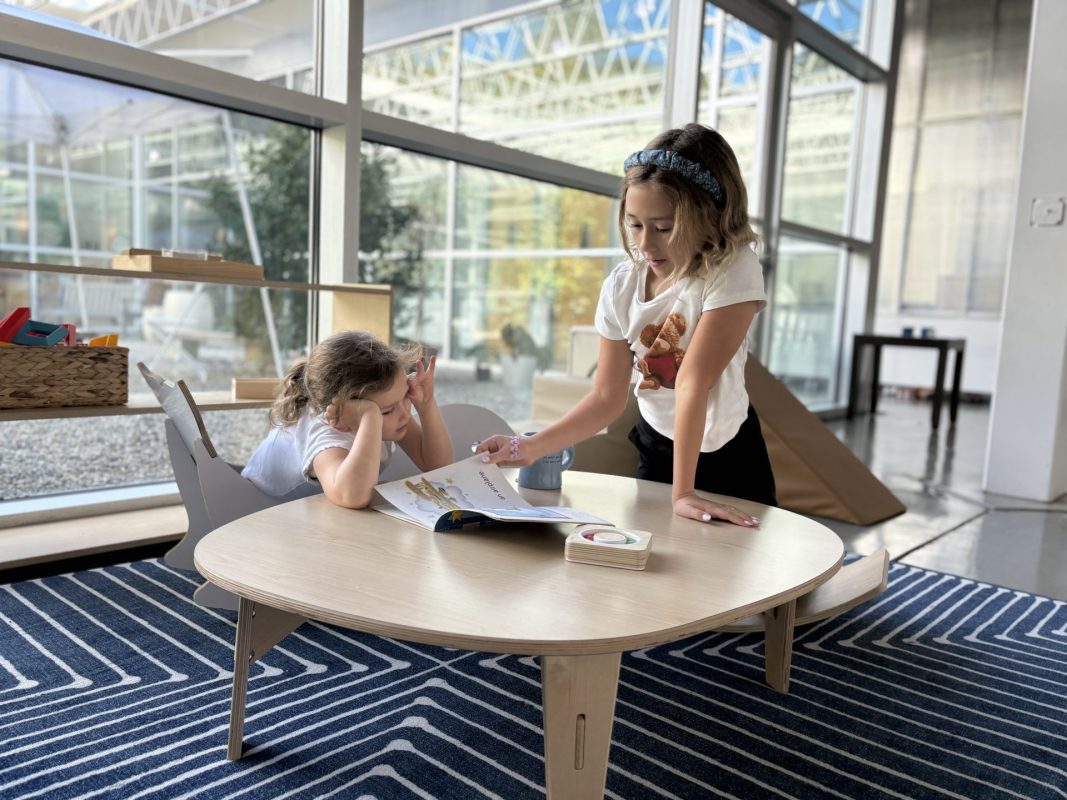
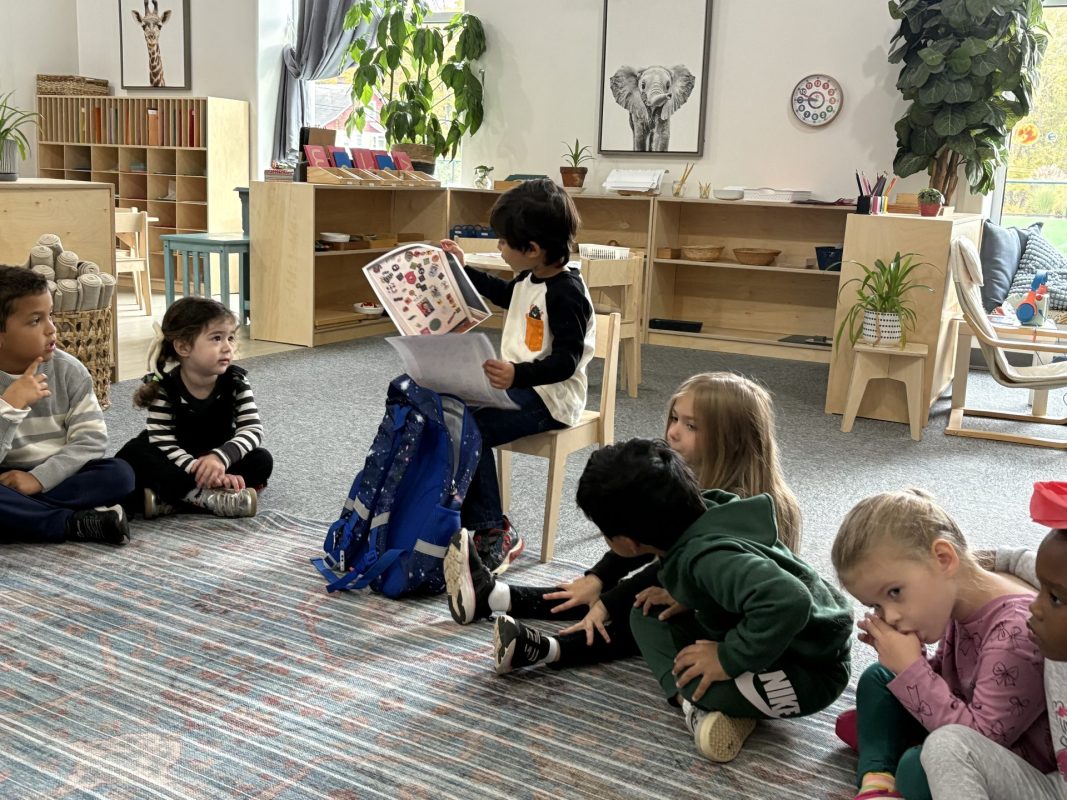
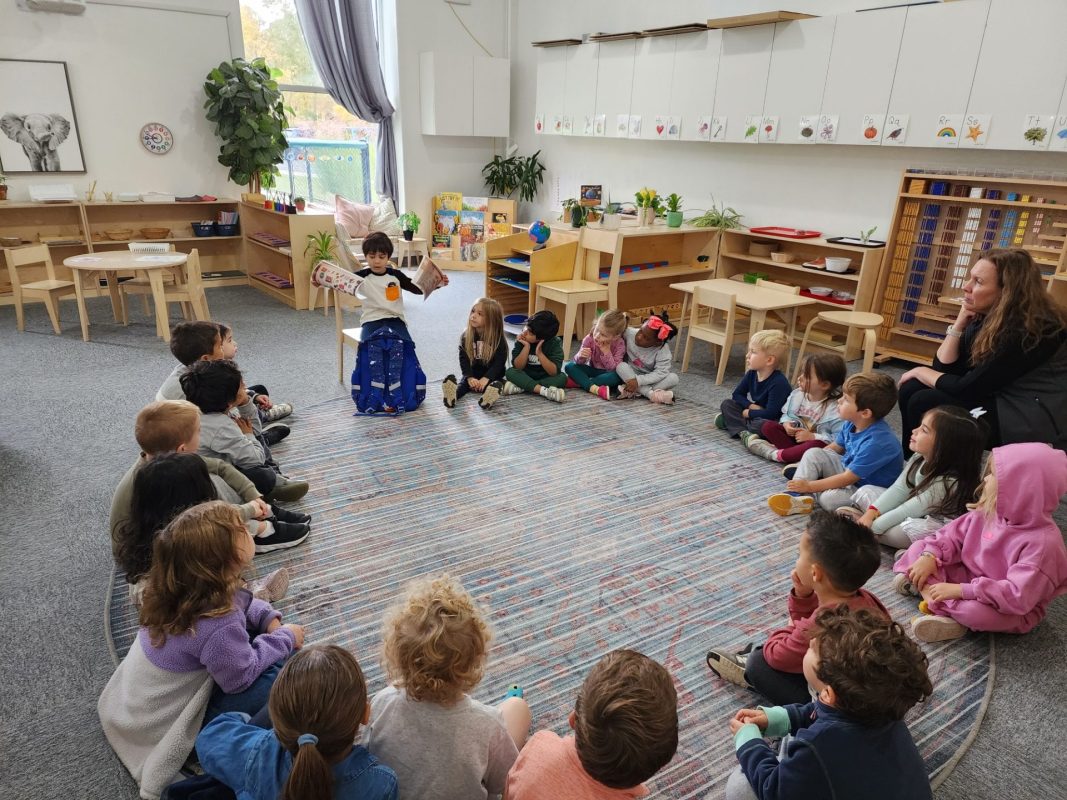
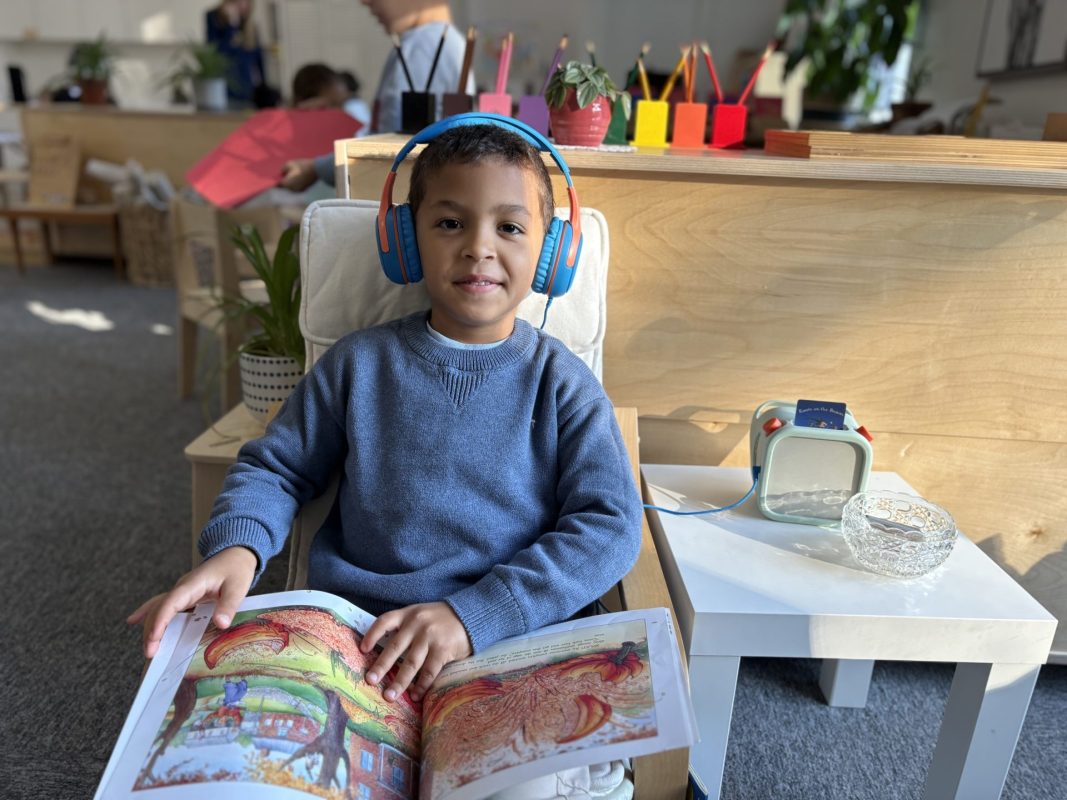
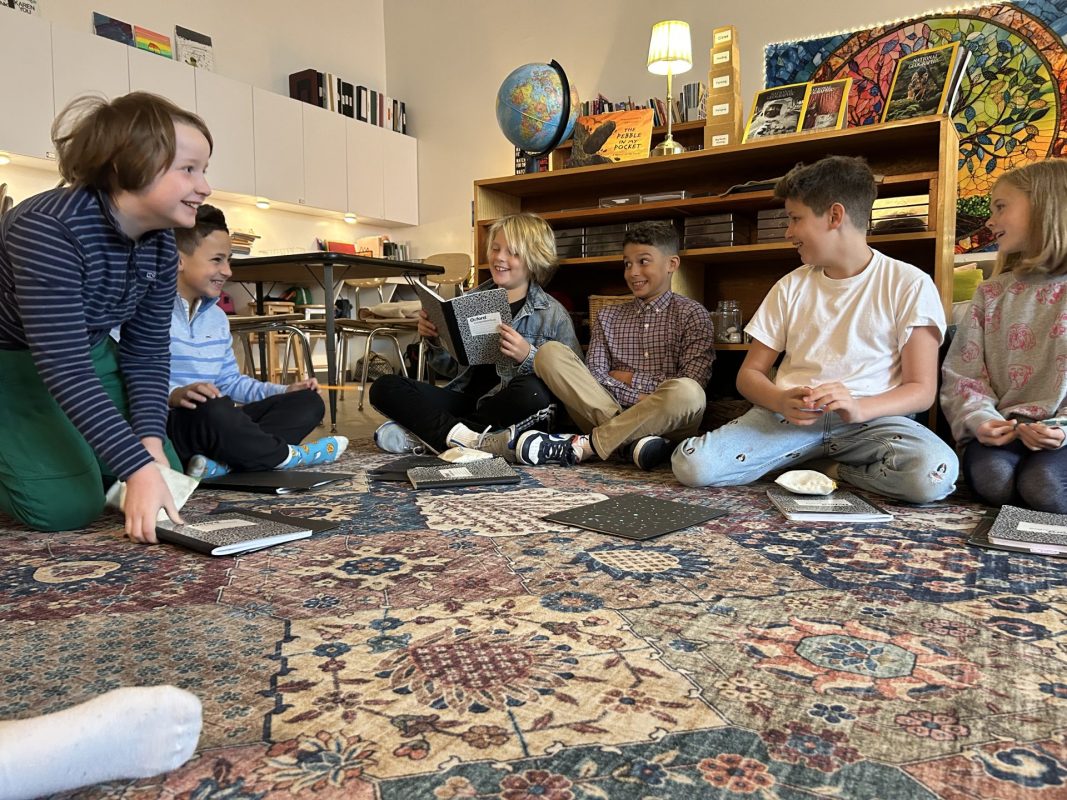
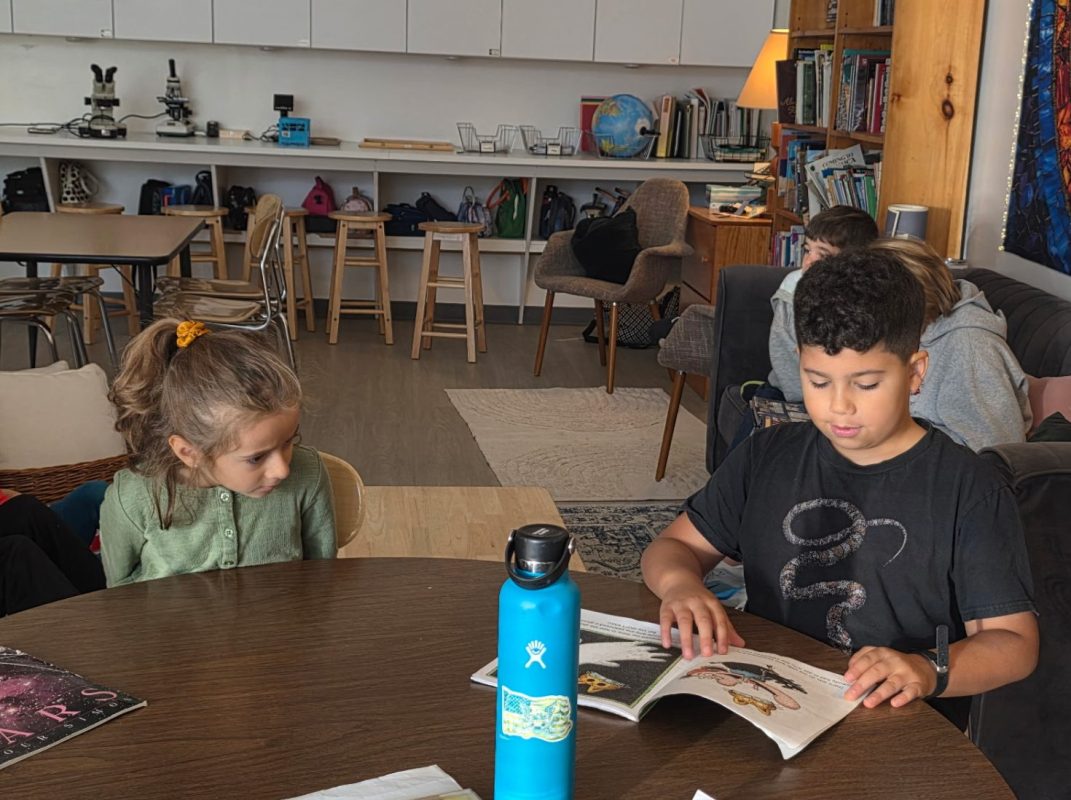
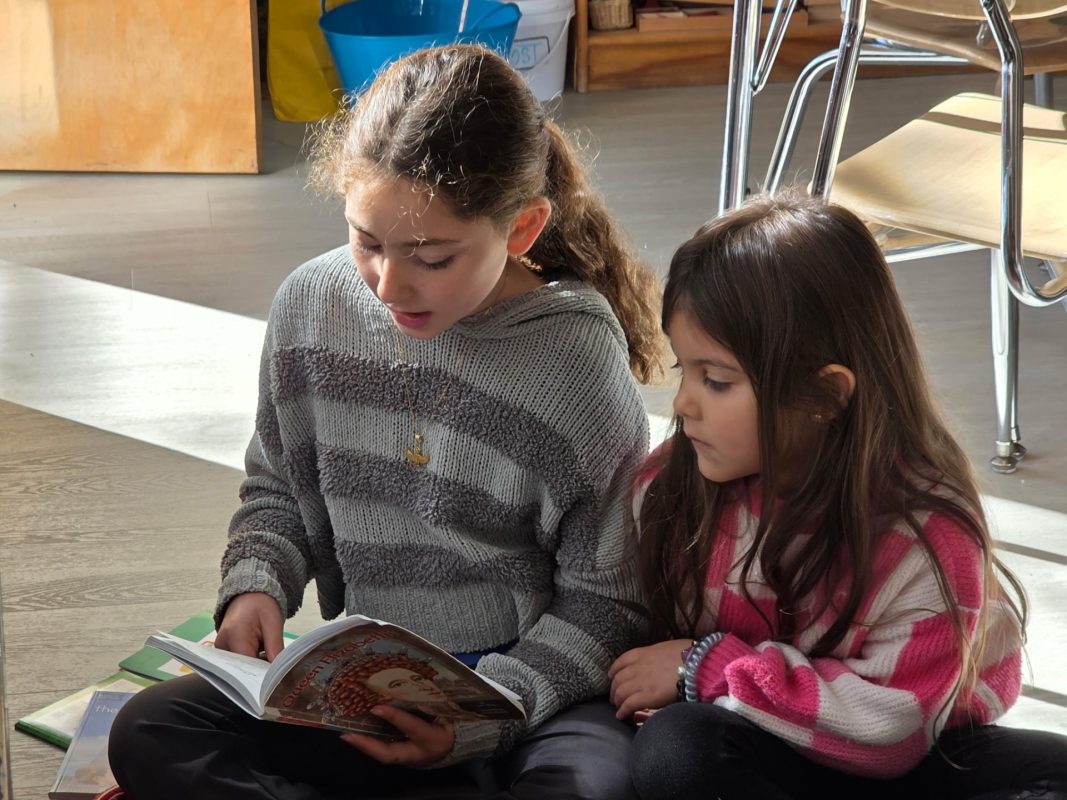
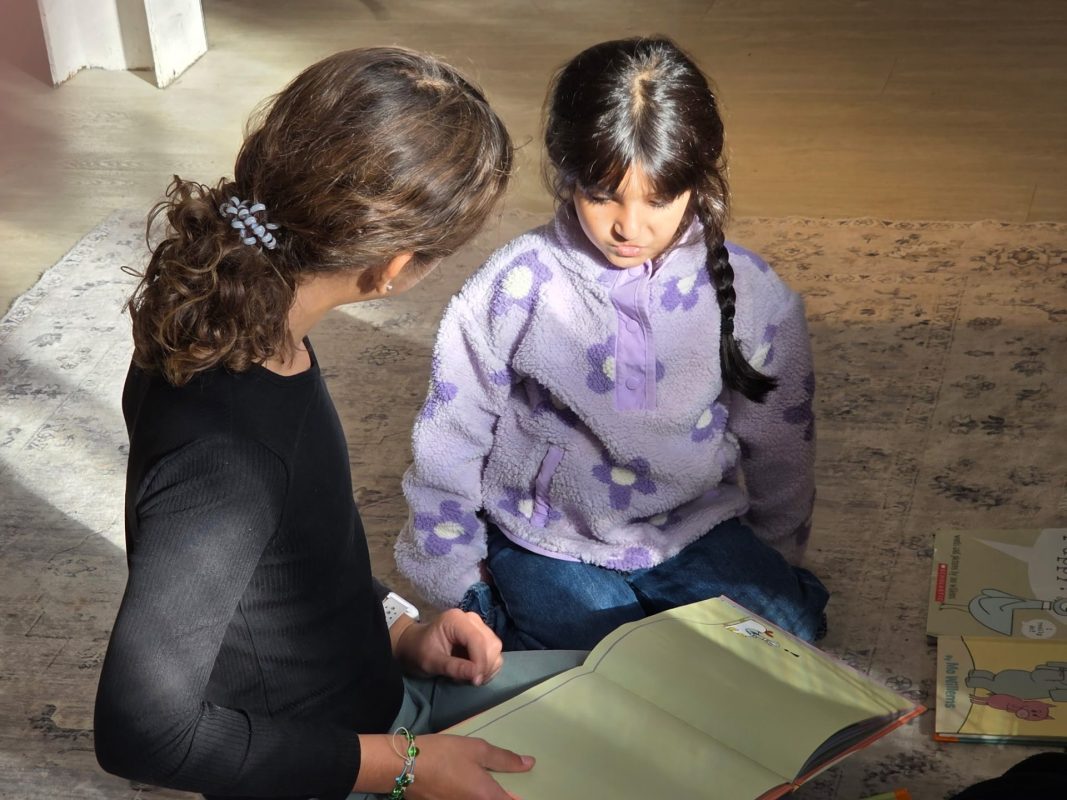
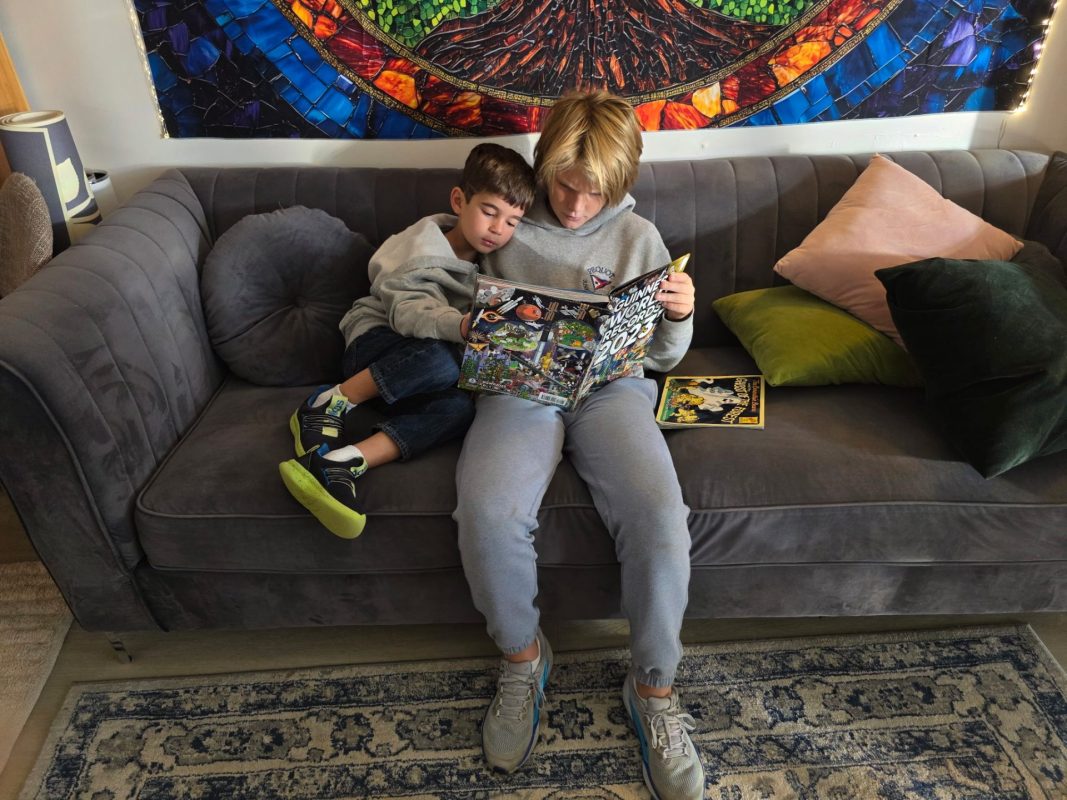
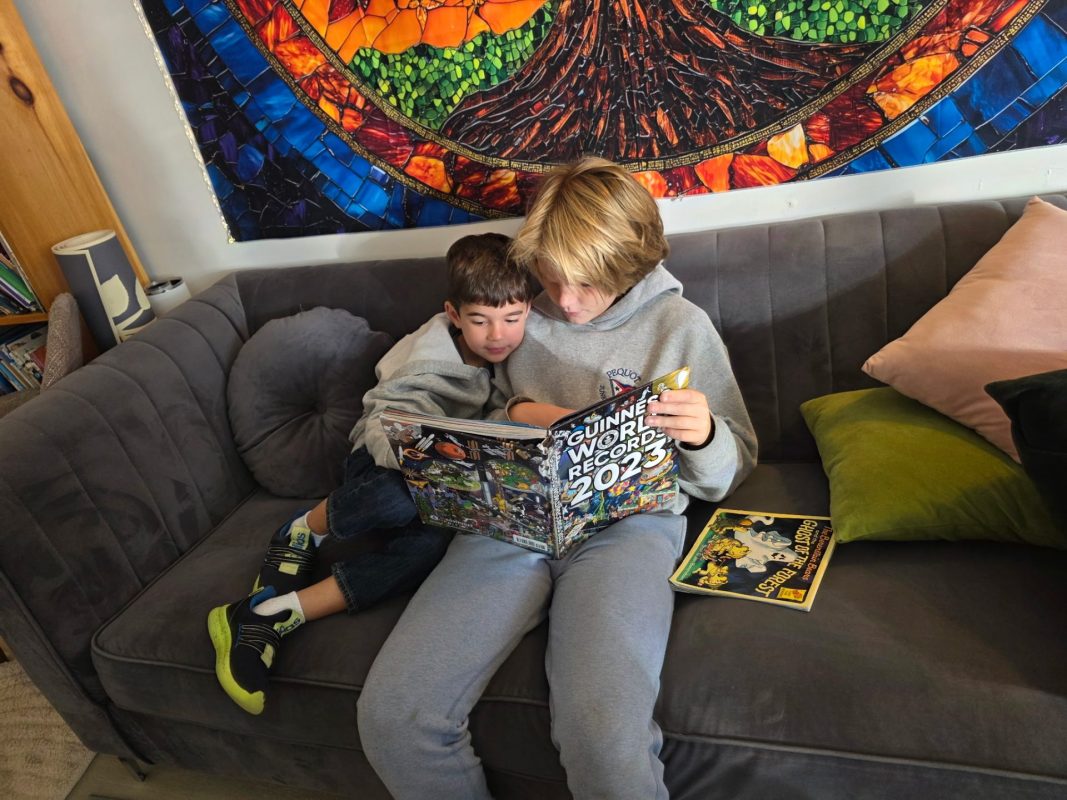
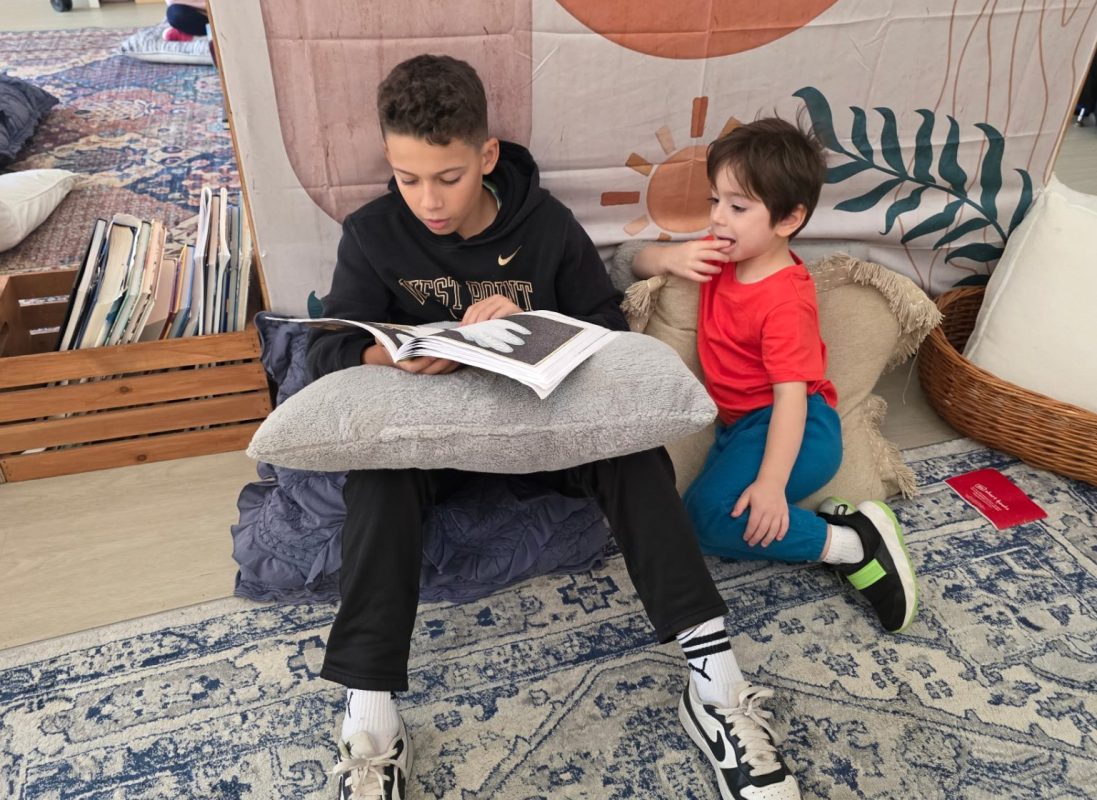
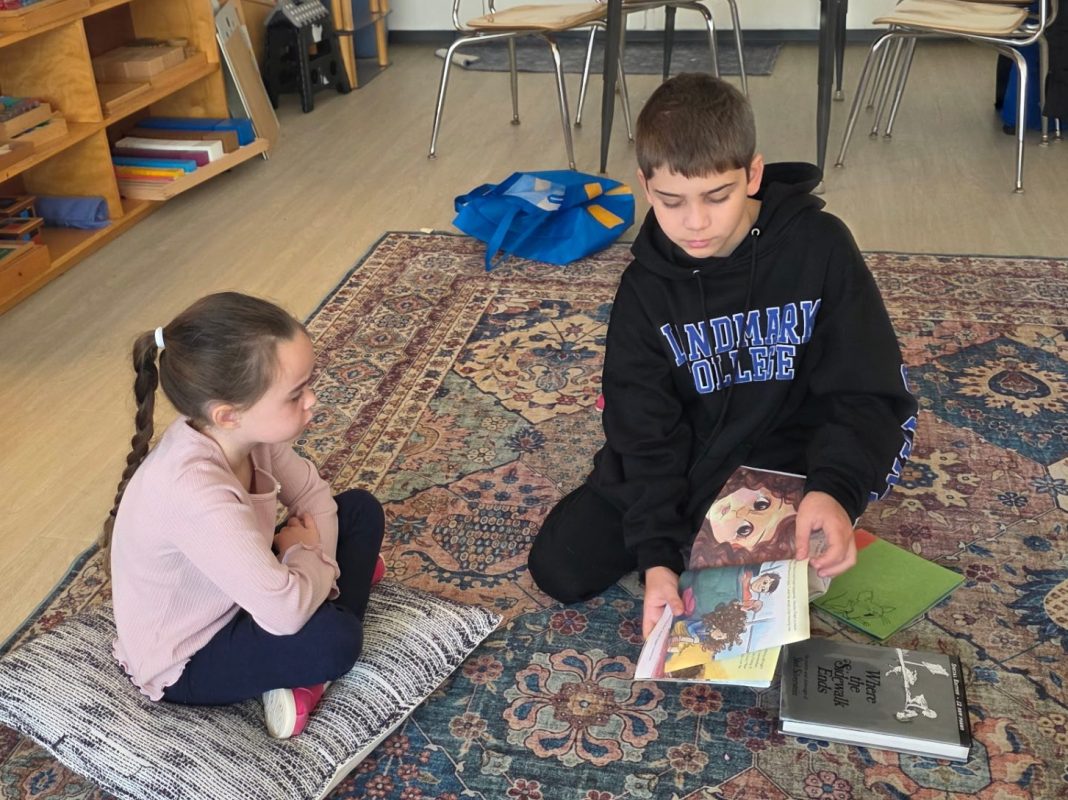
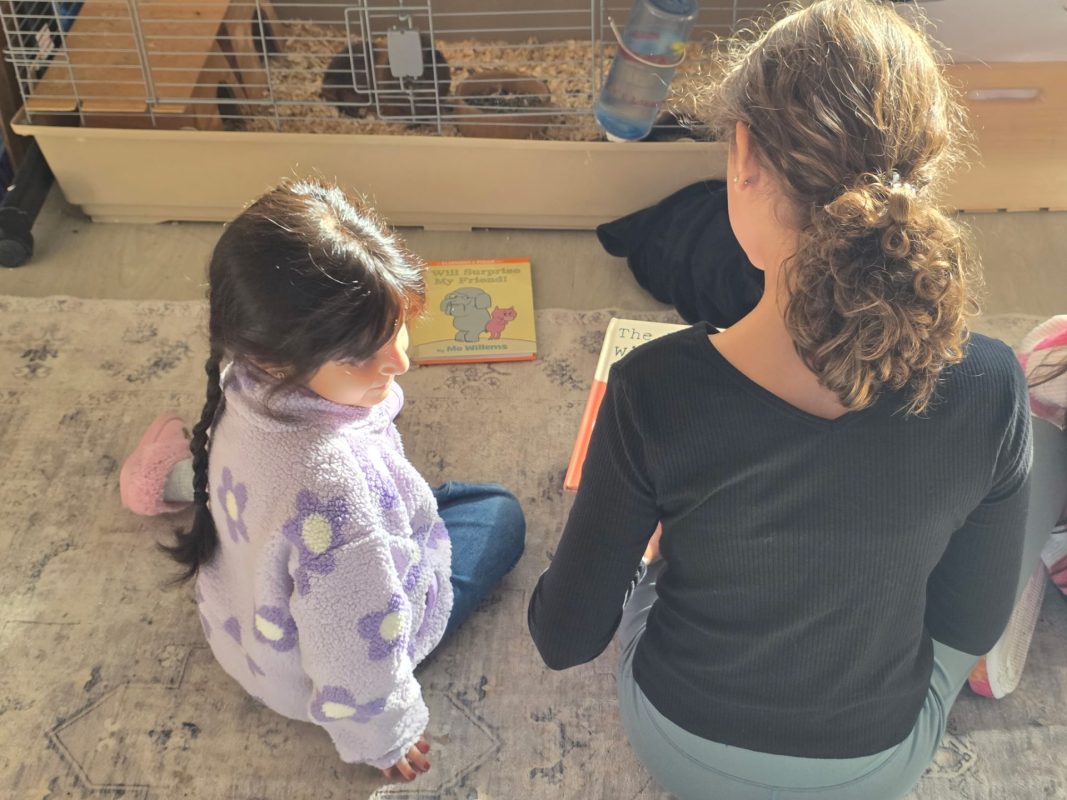
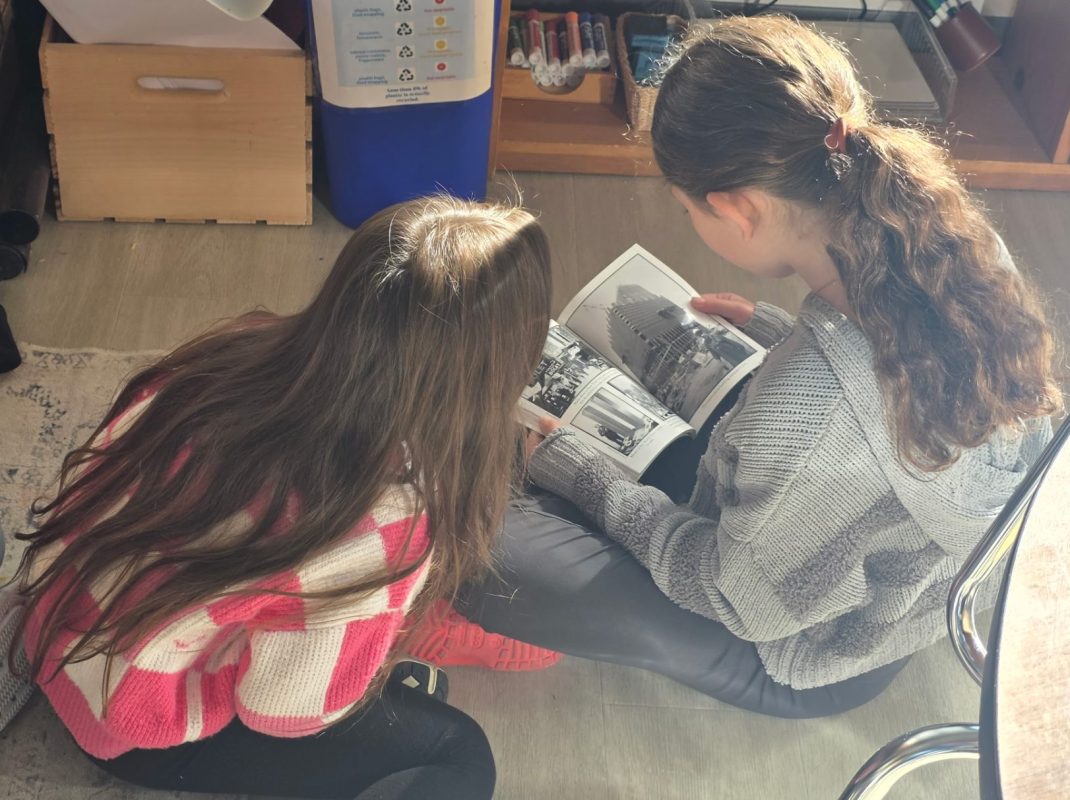
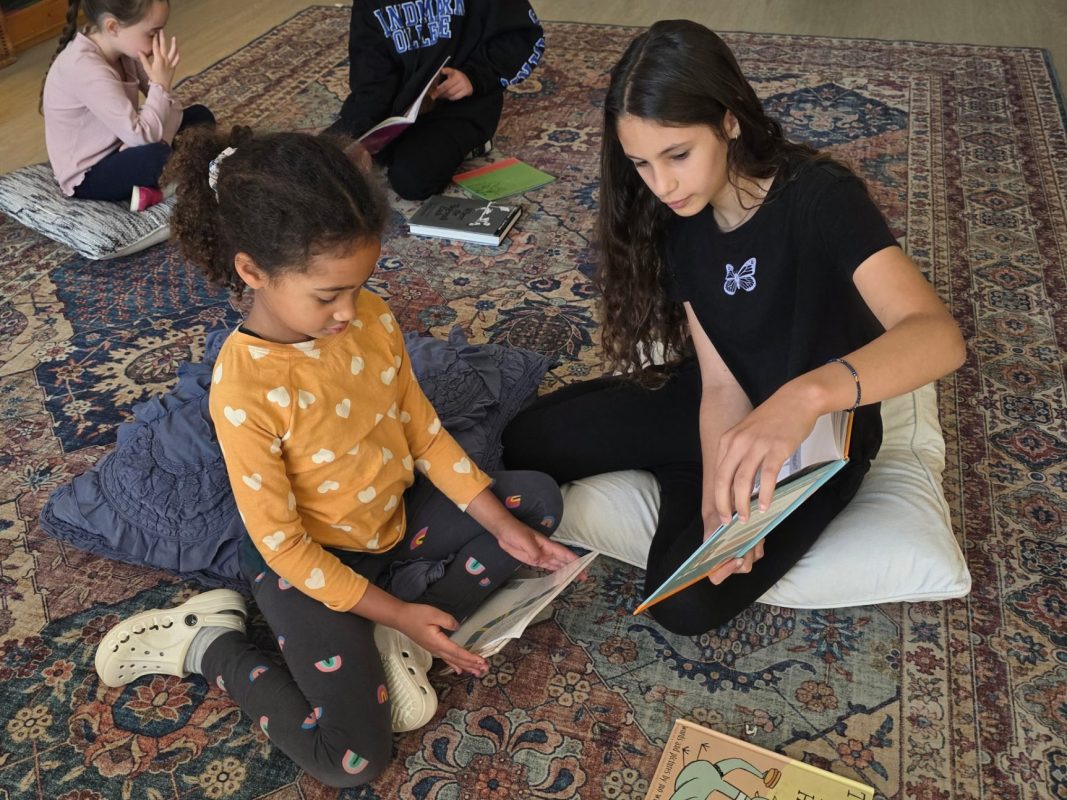
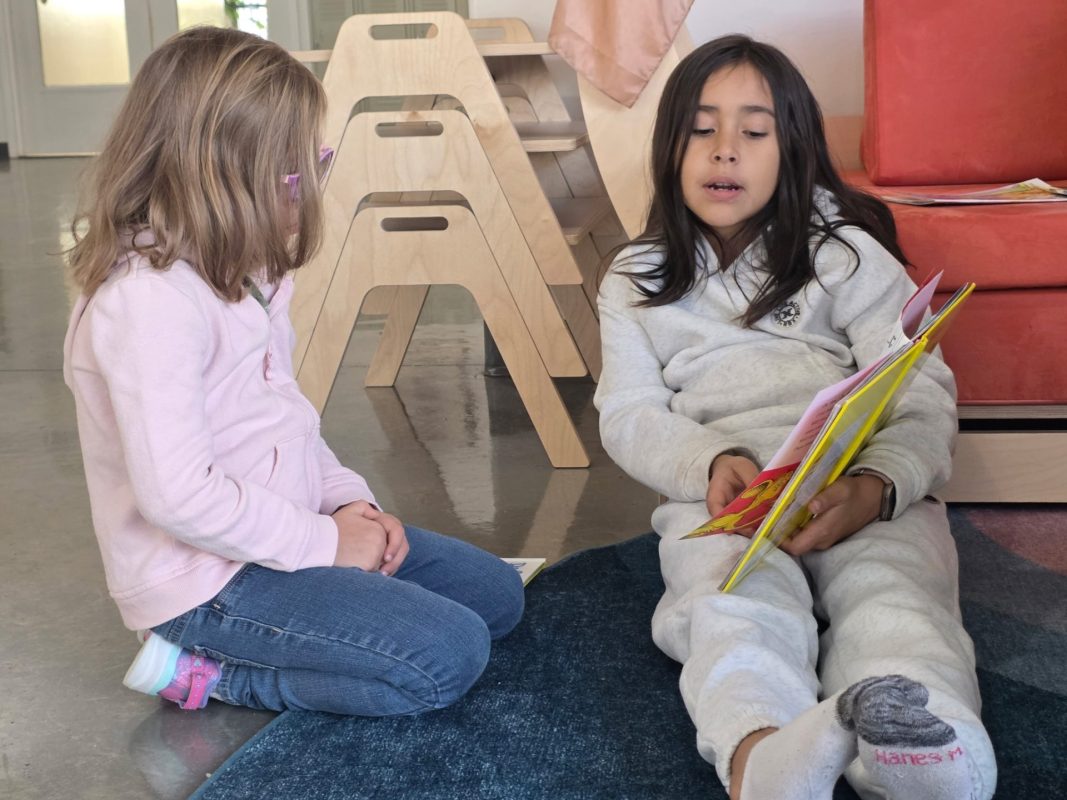
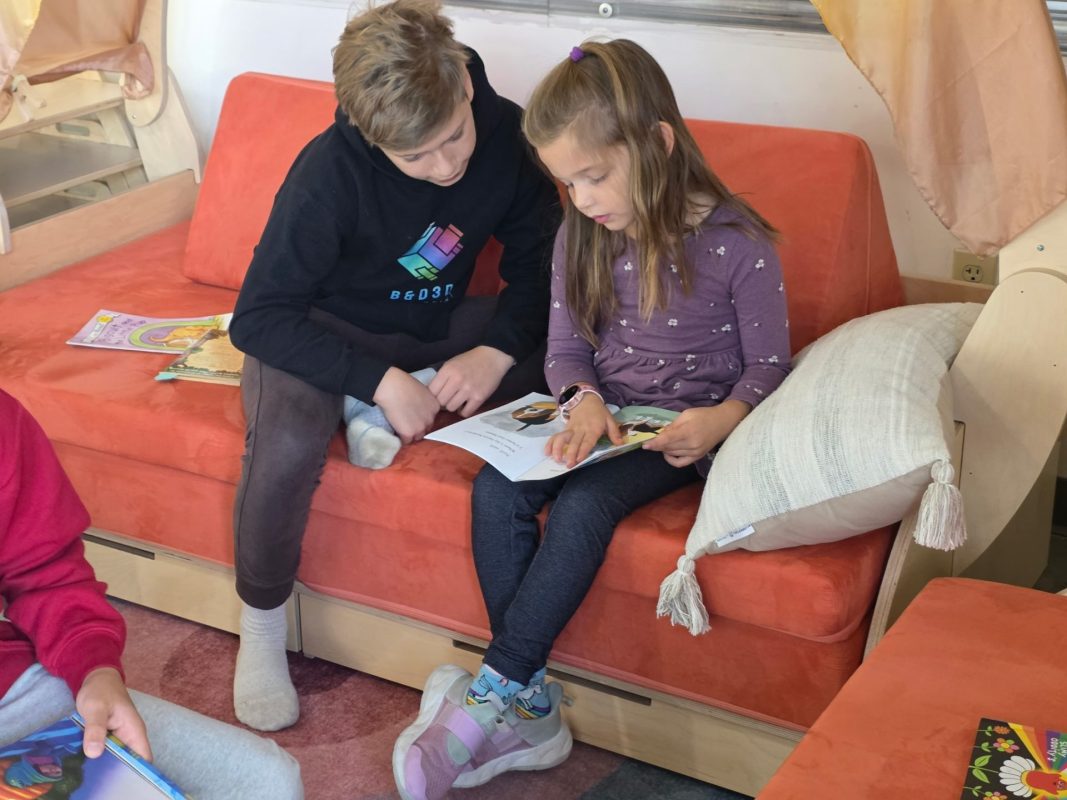
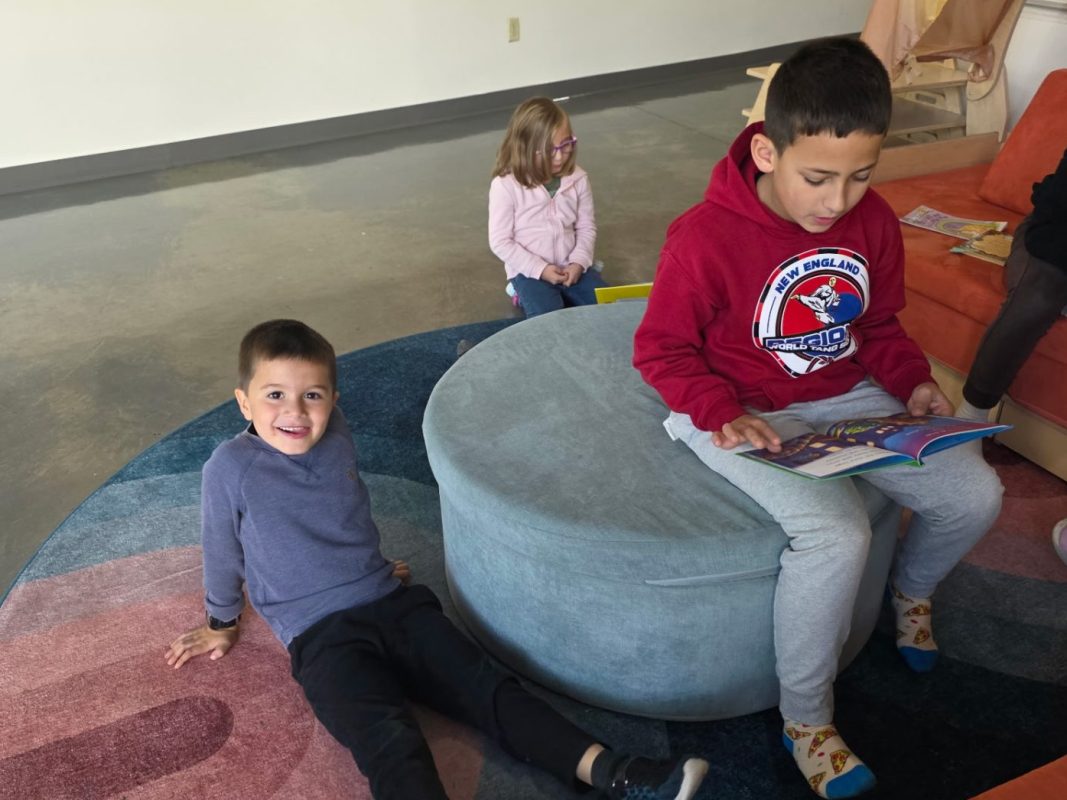
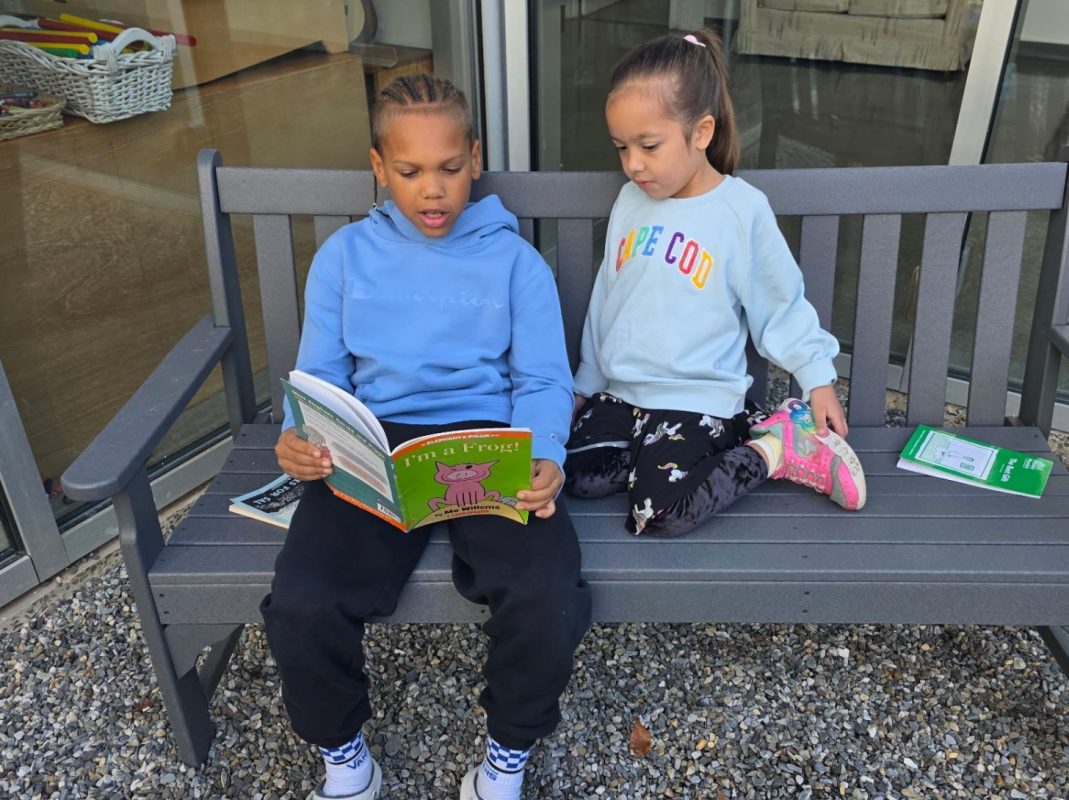
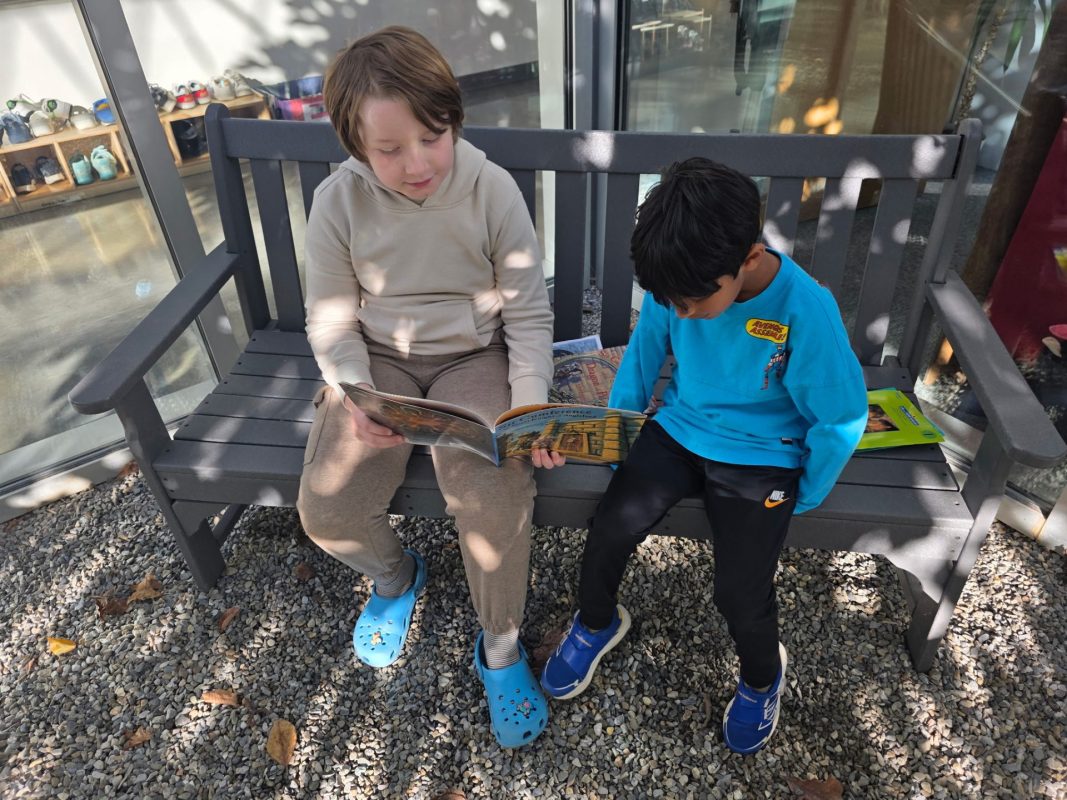
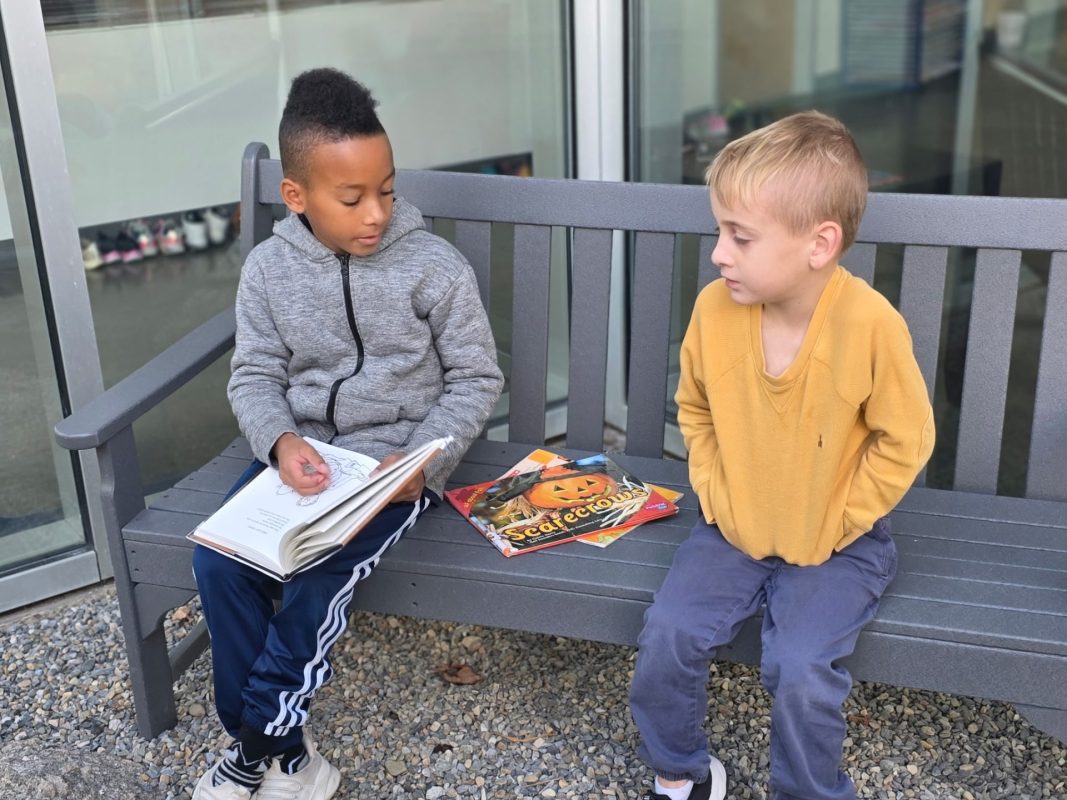
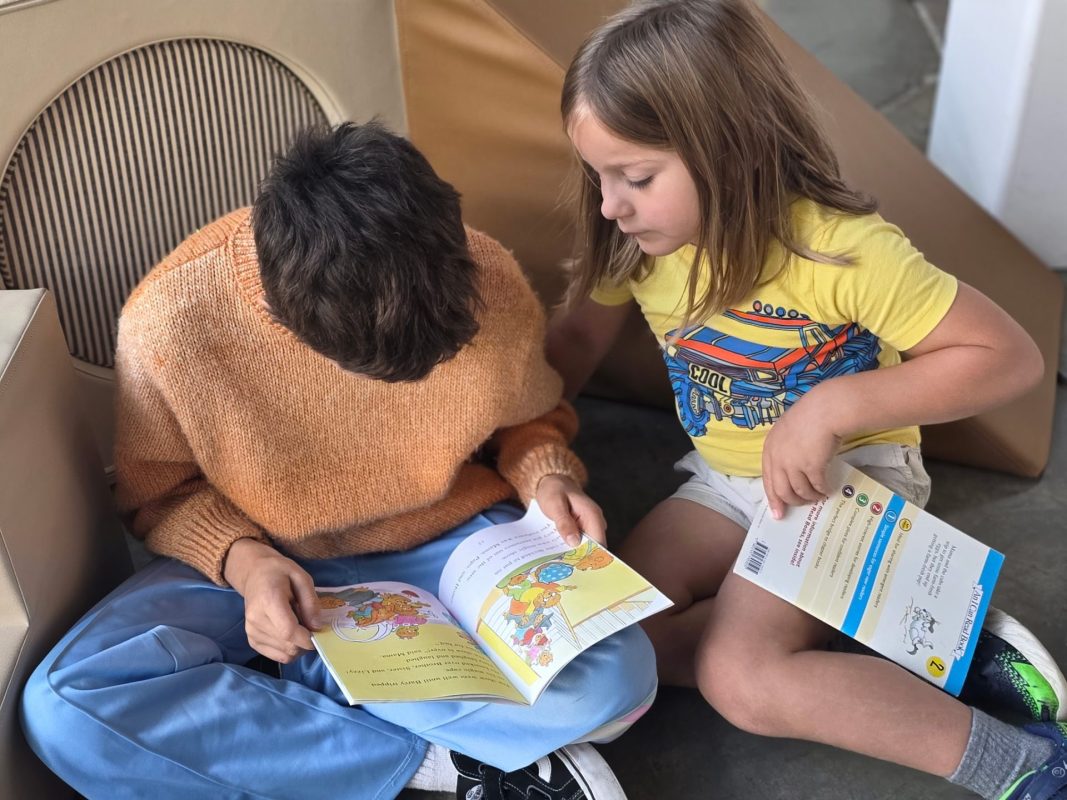
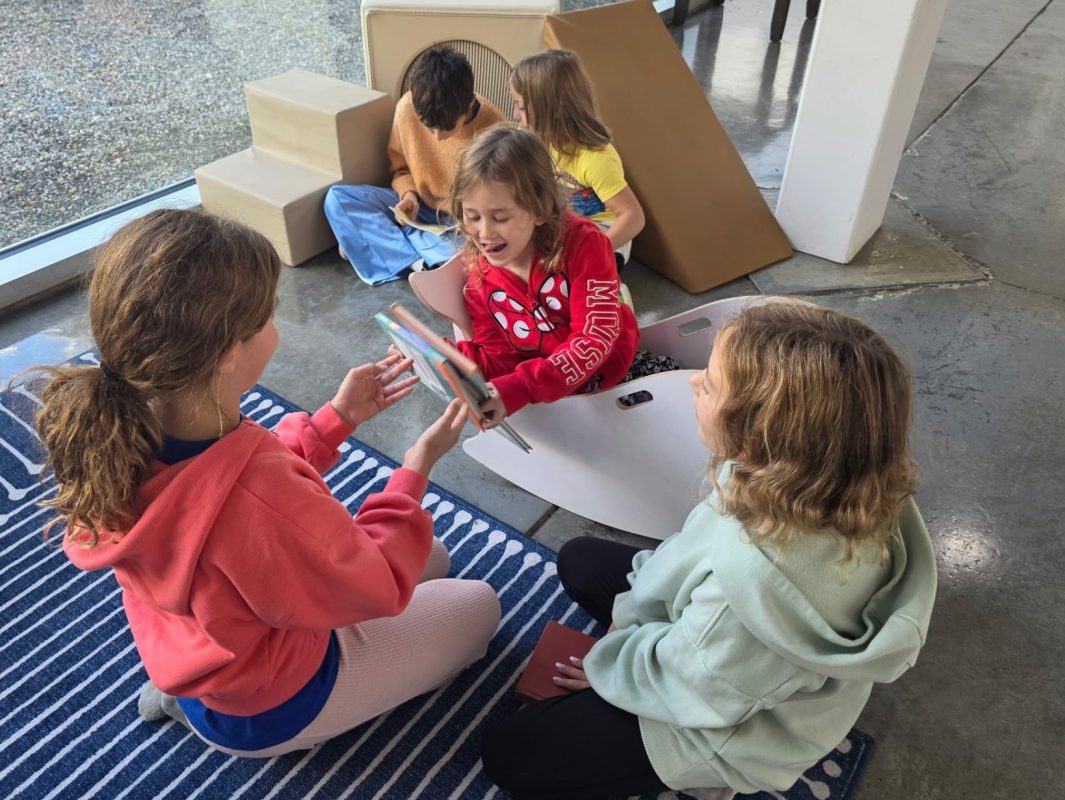
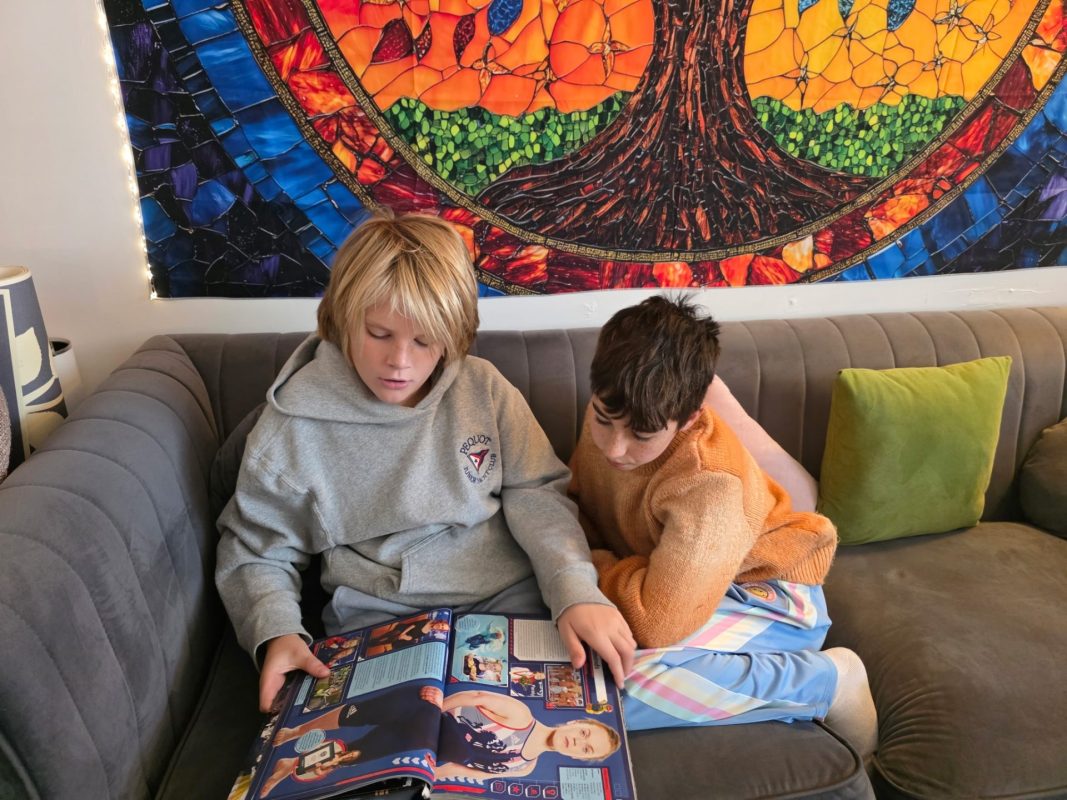
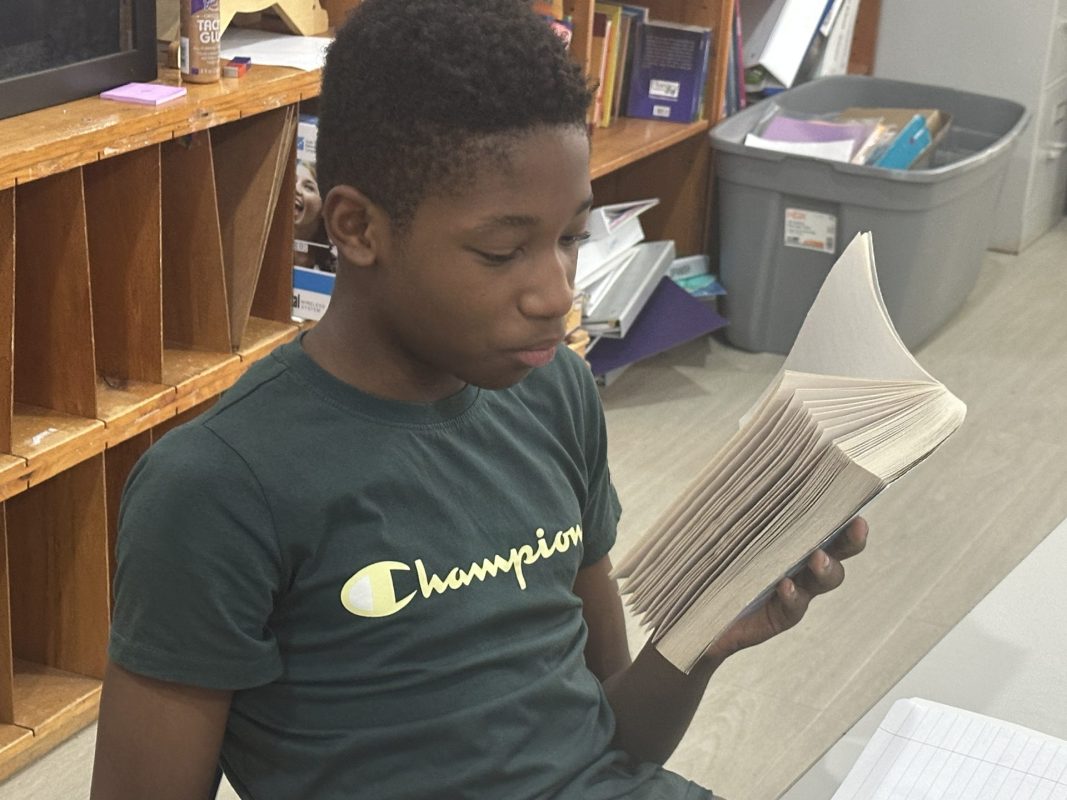
This week, we launched this year’s Book Buddies program with our Kindergarten students. Each Friday morning, the Kindergarteners join Upper Elementary students for thirty minutes to read and be read to. This year, we have nineteen Kindergarten students, and each Upper El student is paired with a Kindergarten student to mentor throughout the year as our little friends learn to read and develop a love for books. Our Upper El students did an excellent job selecting books that were just right for their buddies. They showed patience and kindness, and each student felt a sense of pride when the half-hour session concluded.

We look forward to seeing you at Curriculum Night on Thursday at 5:30. Please take some time to review the slideshow that Jill will be sending. The evening will follow an Open House-style format, allowing you to explore some Montessori materials while learning about our school day and what to expect this year.


Ms. Mollie’s Class Peek of the Week

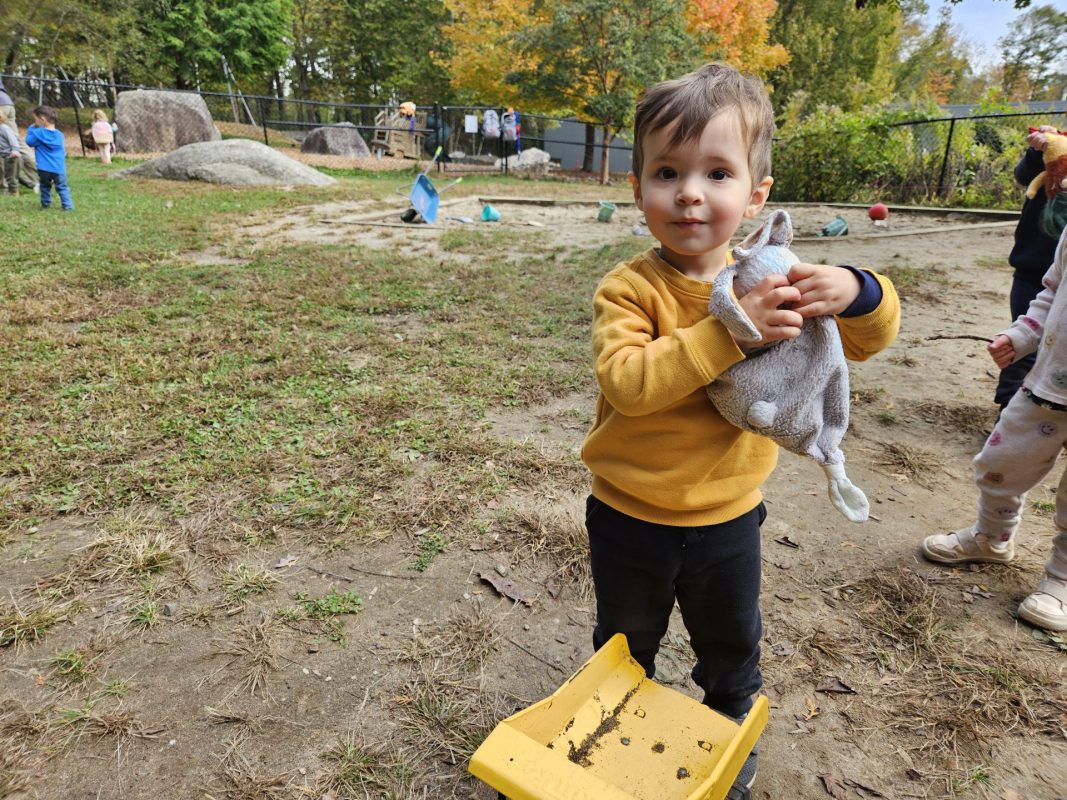
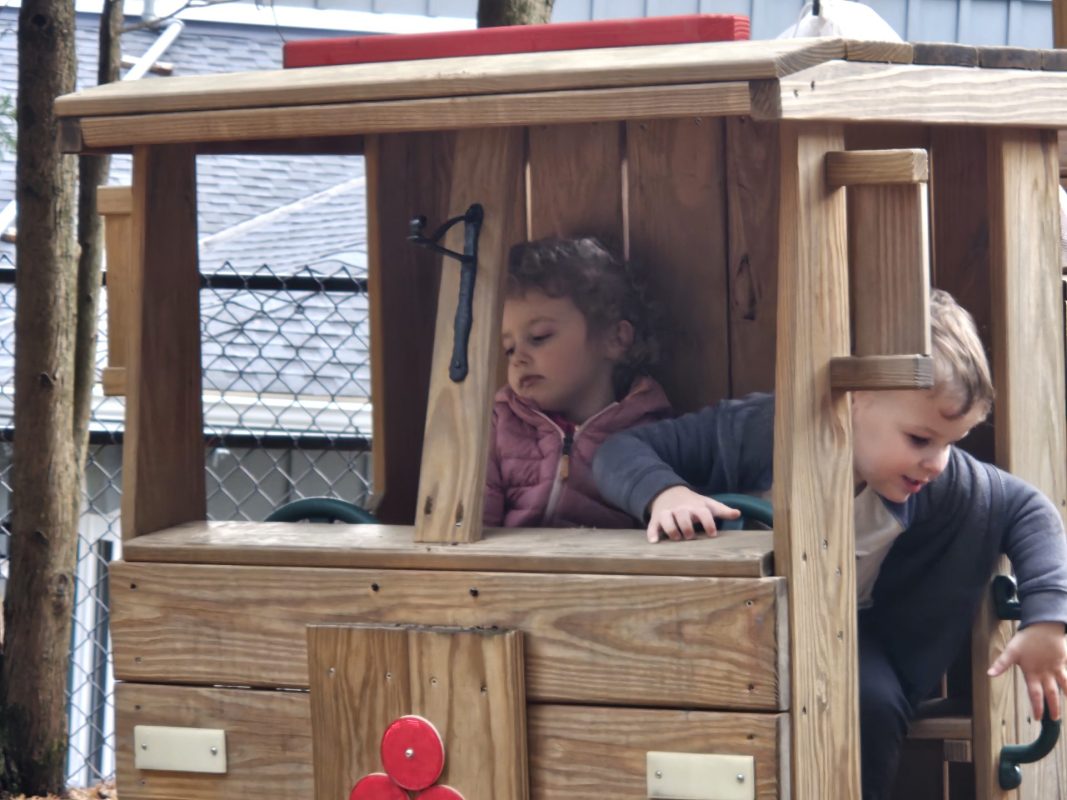
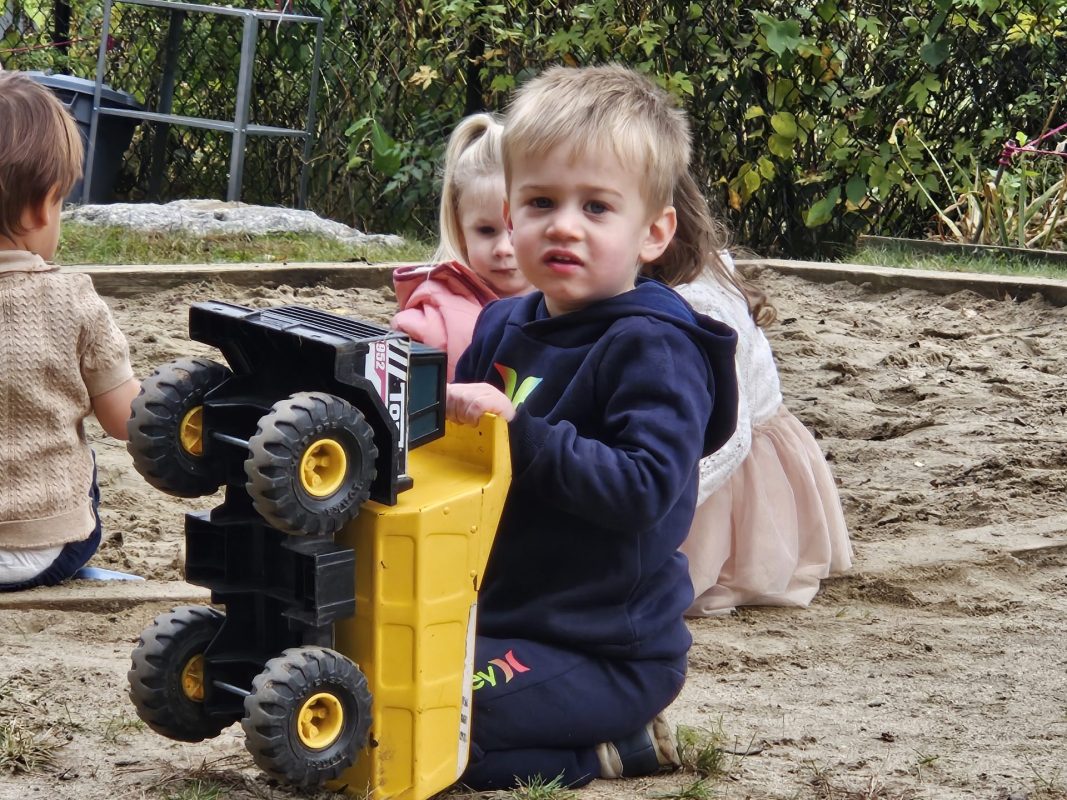
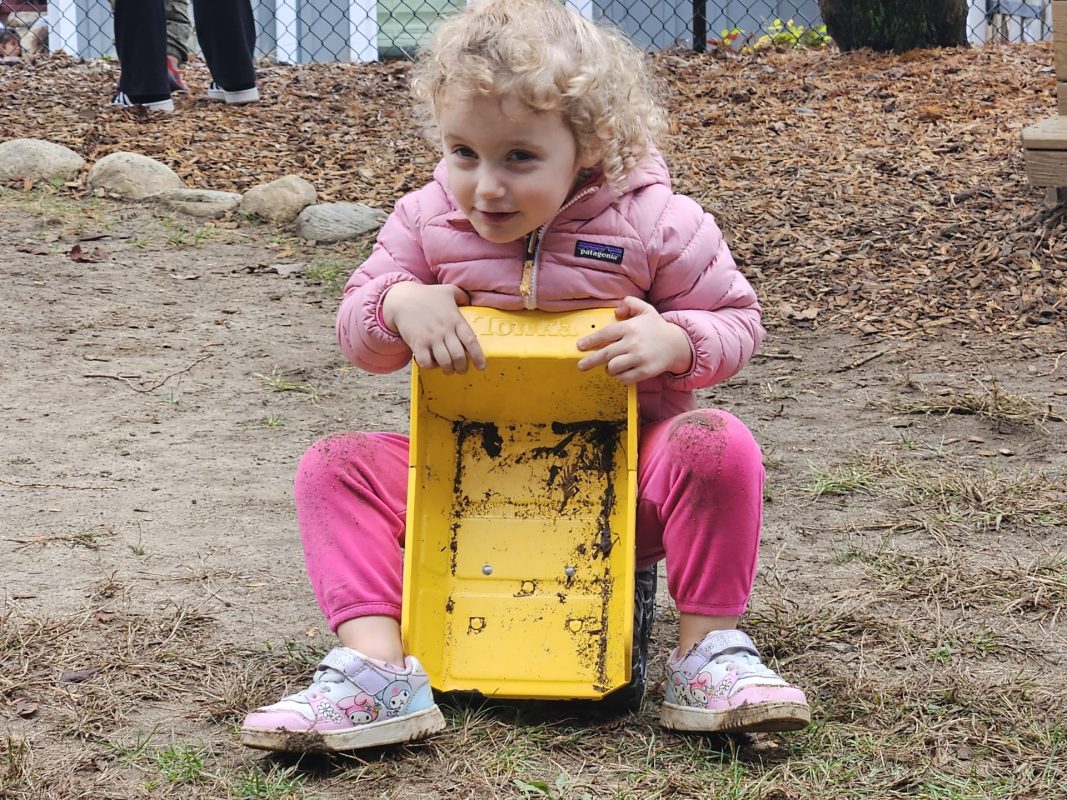
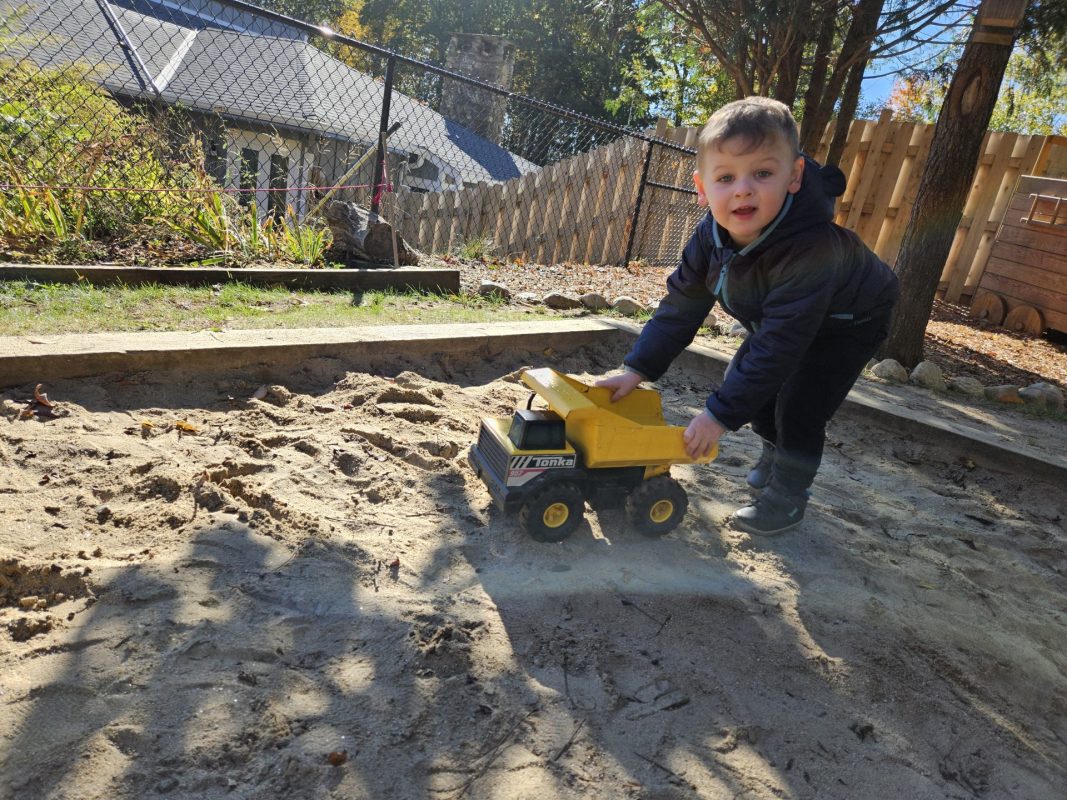
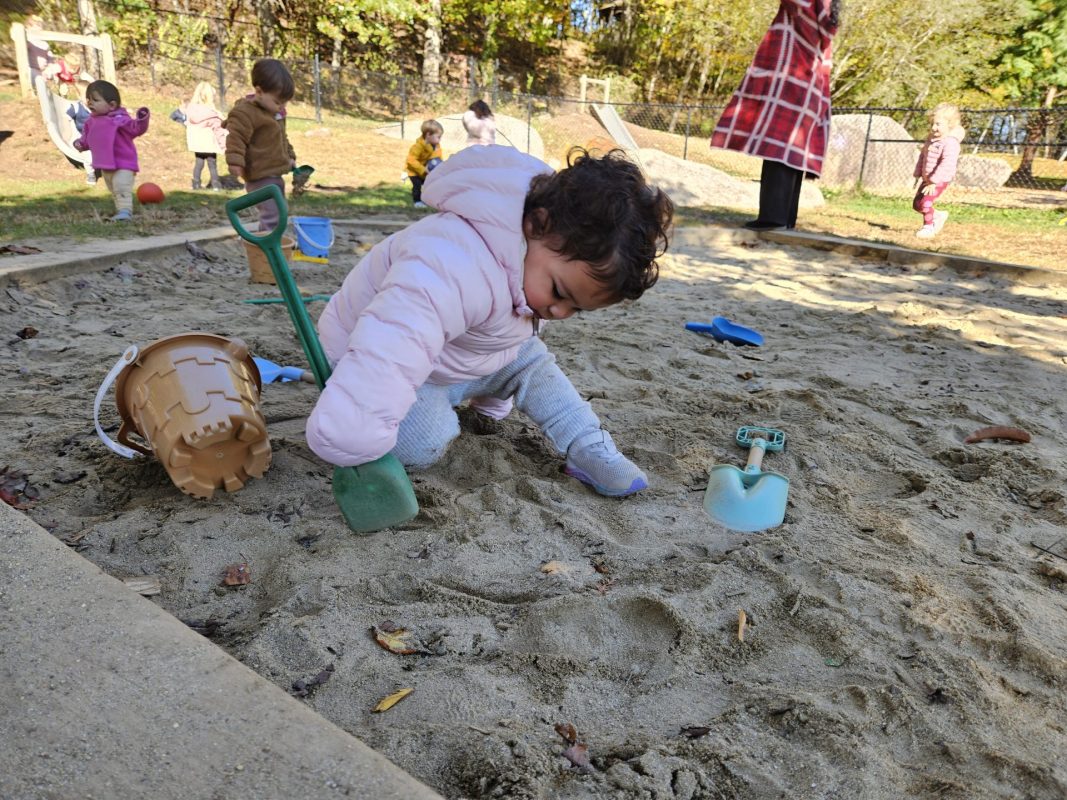
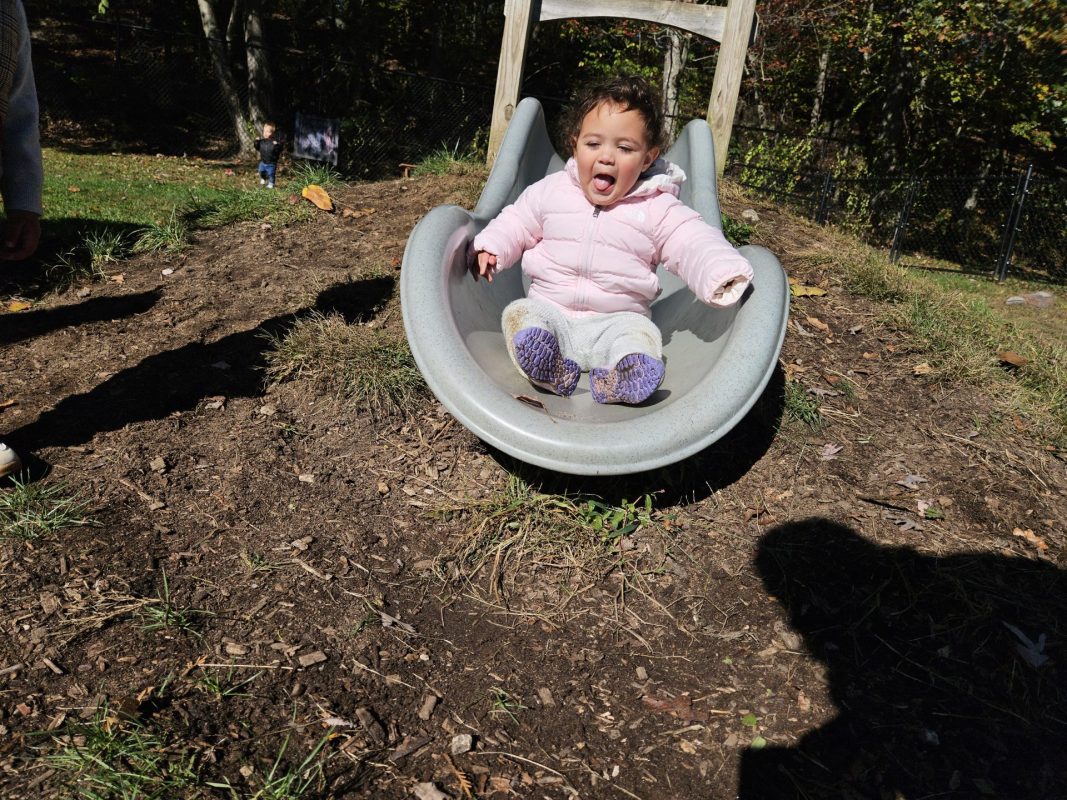
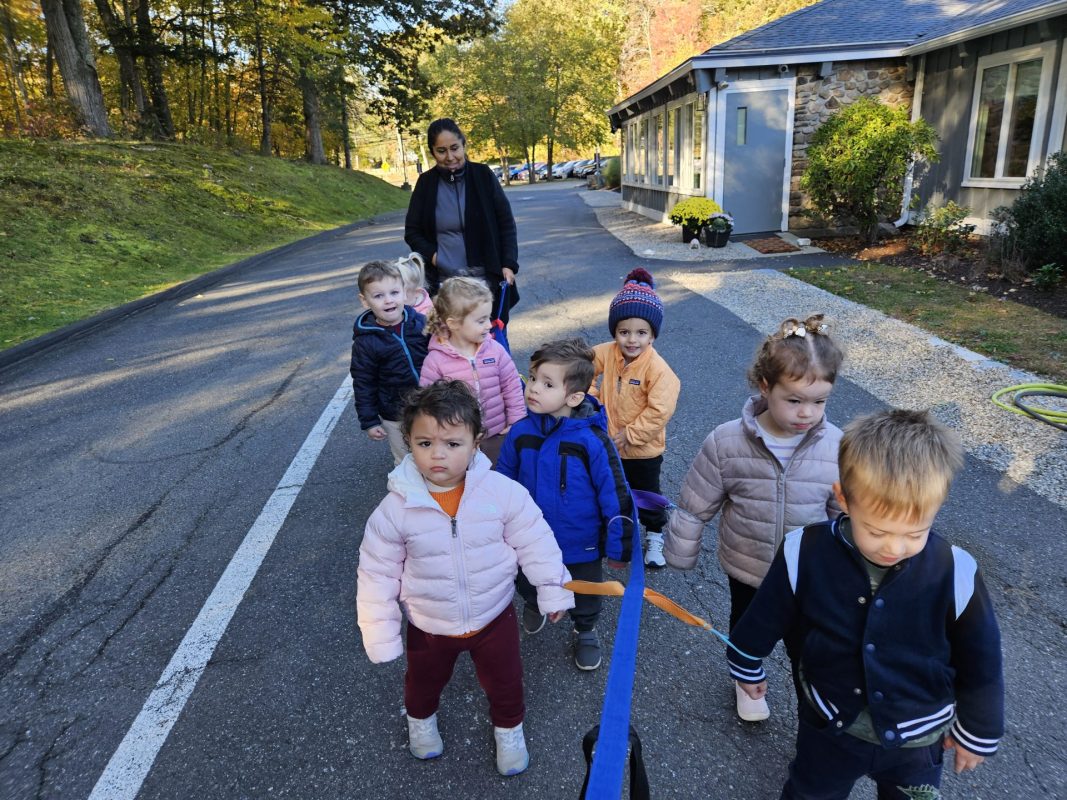
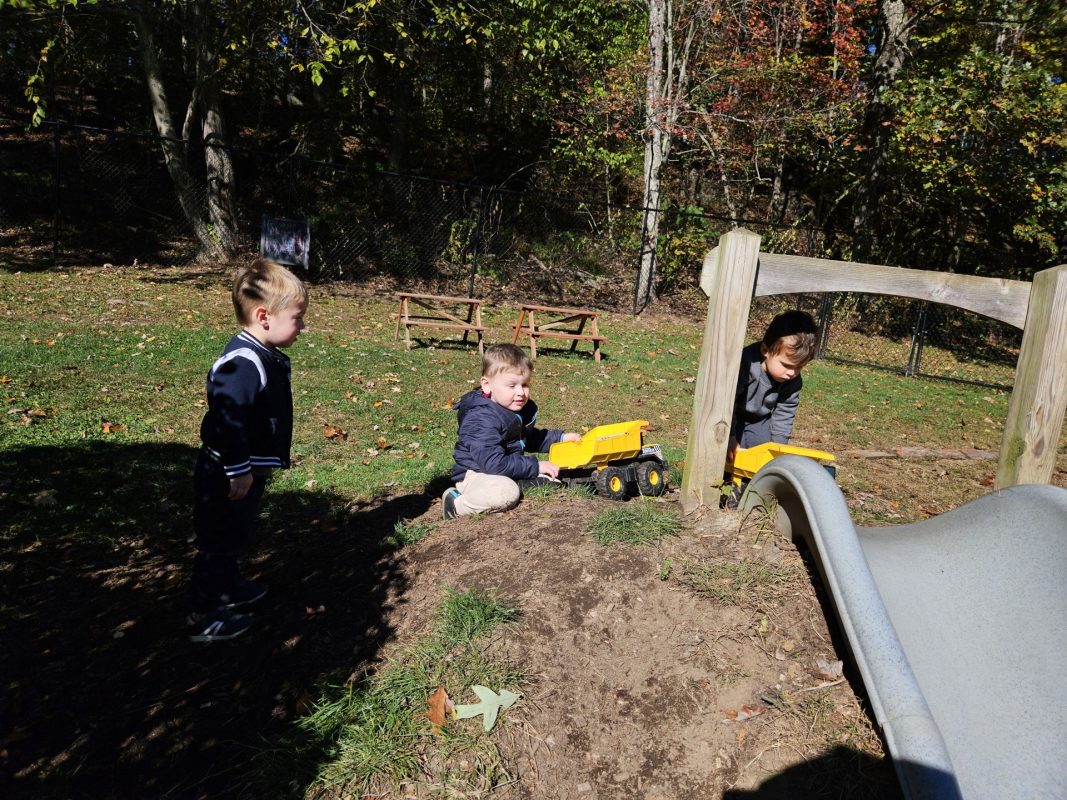
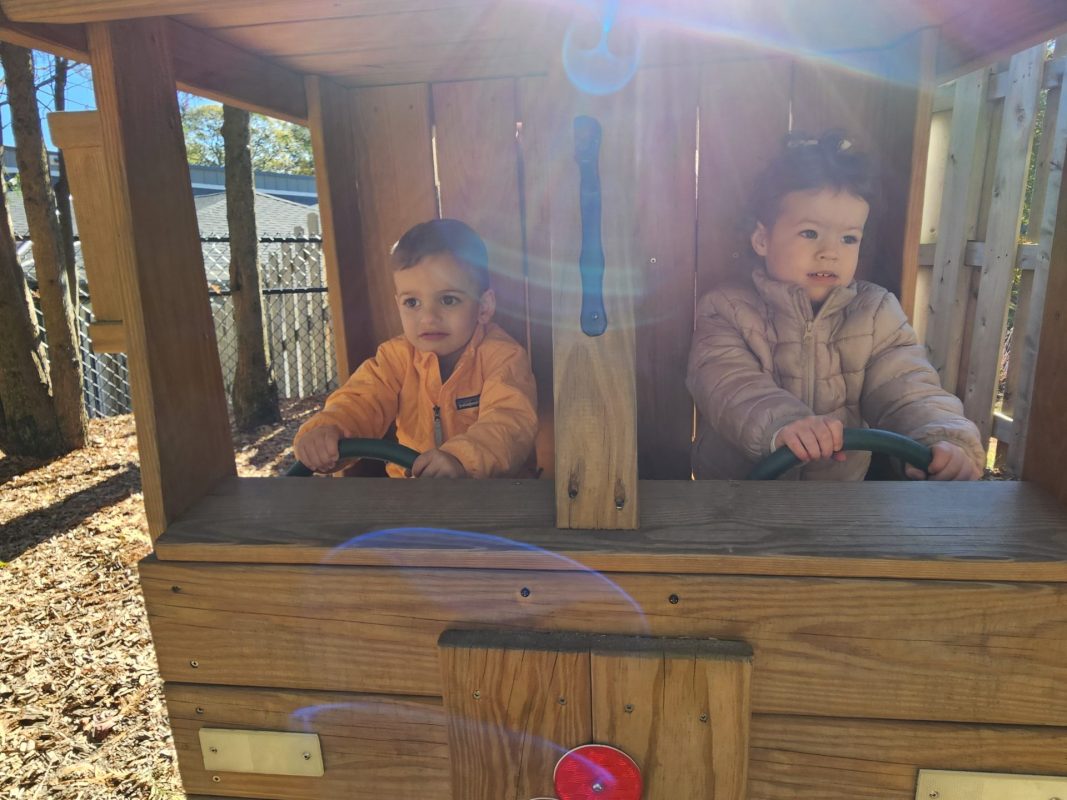
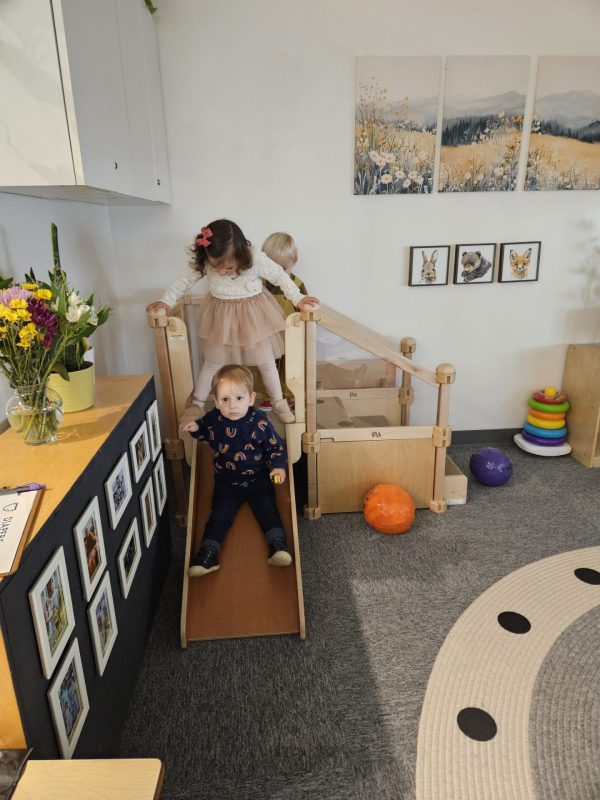
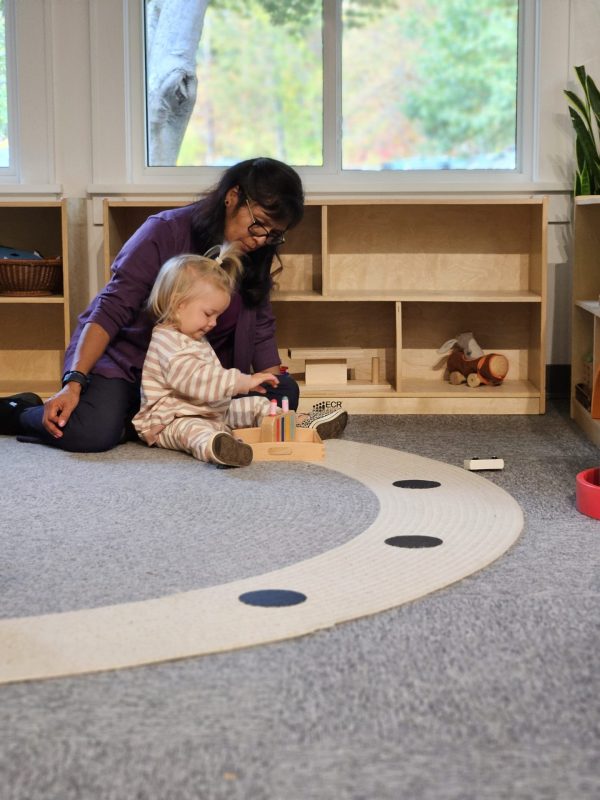
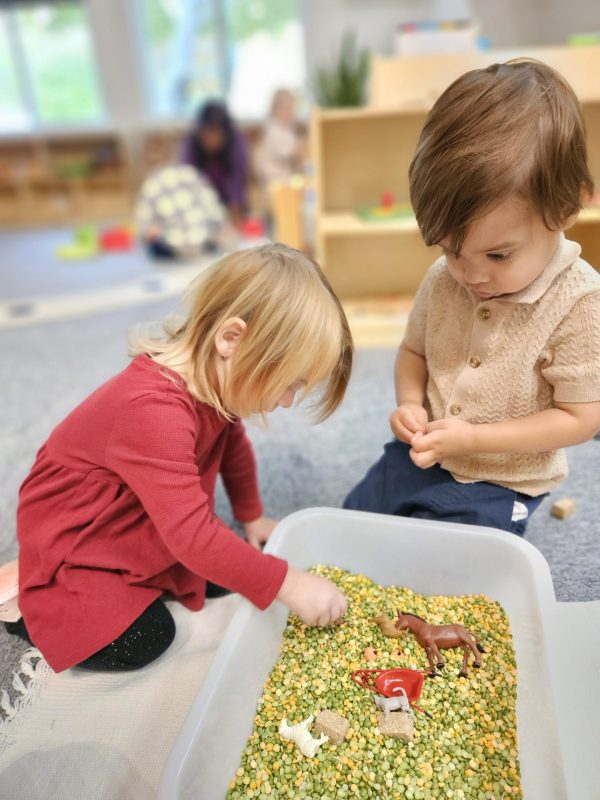
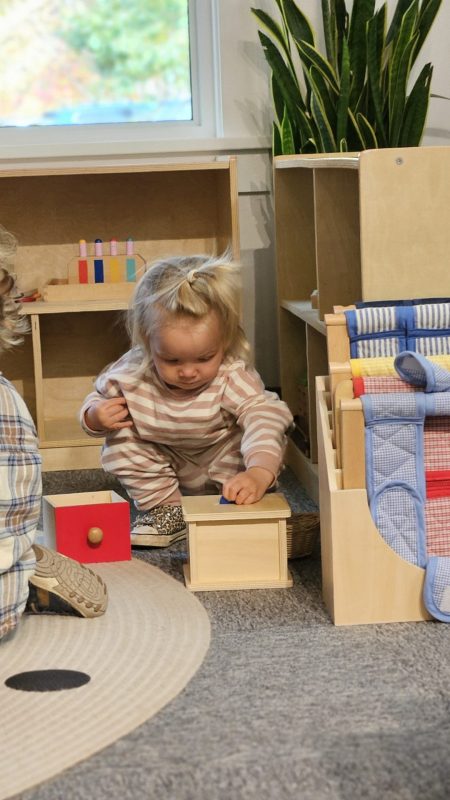
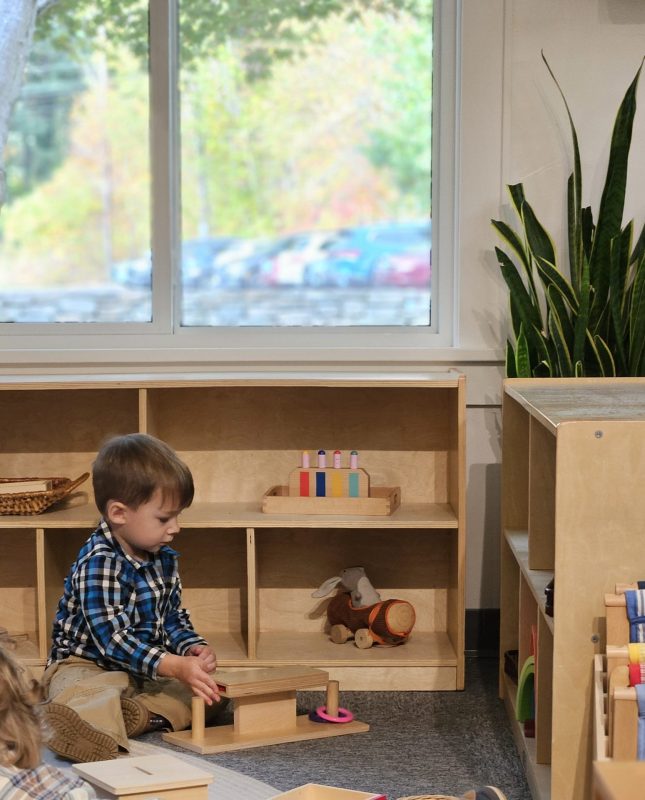
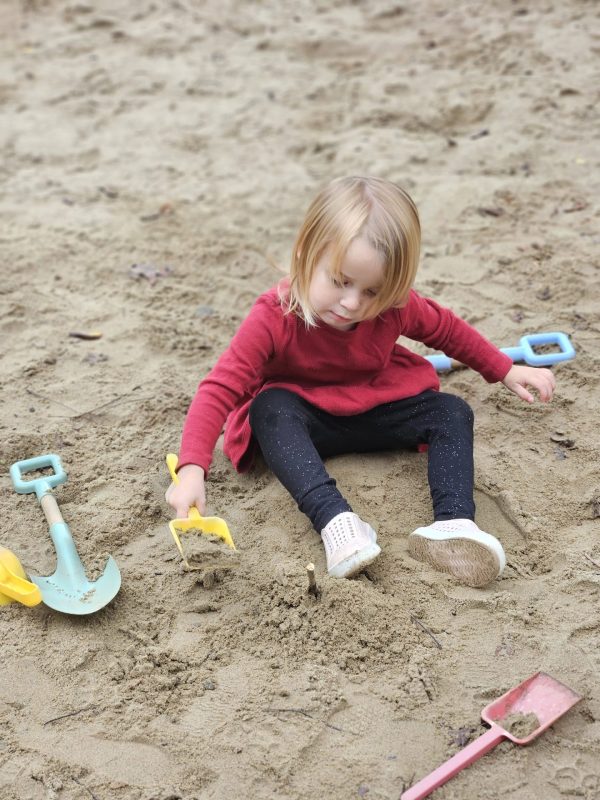
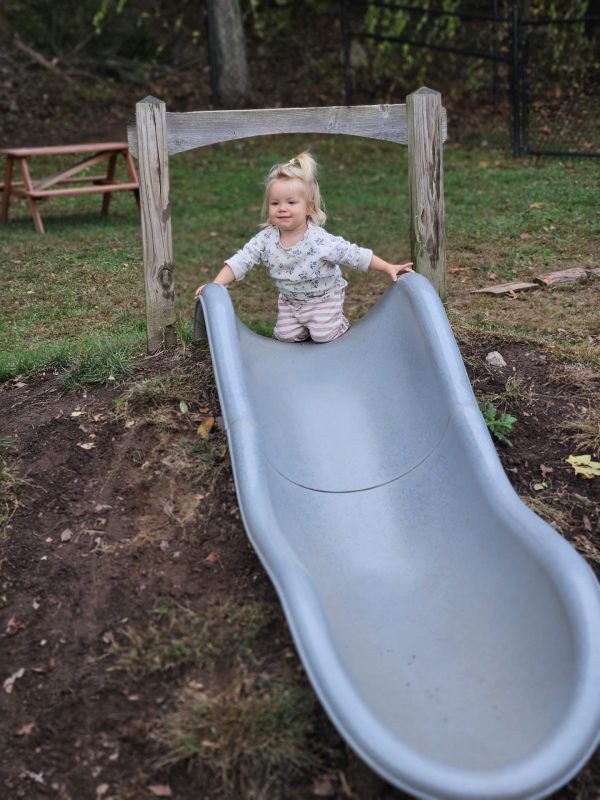
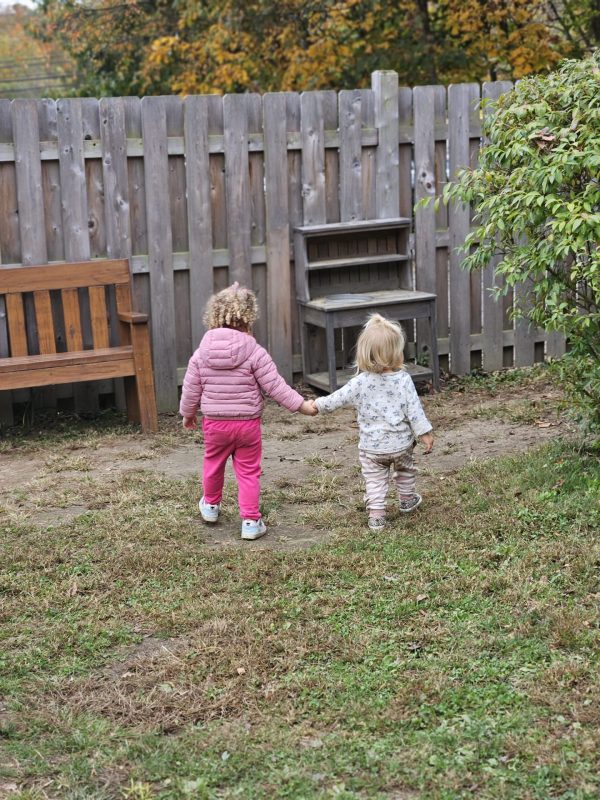
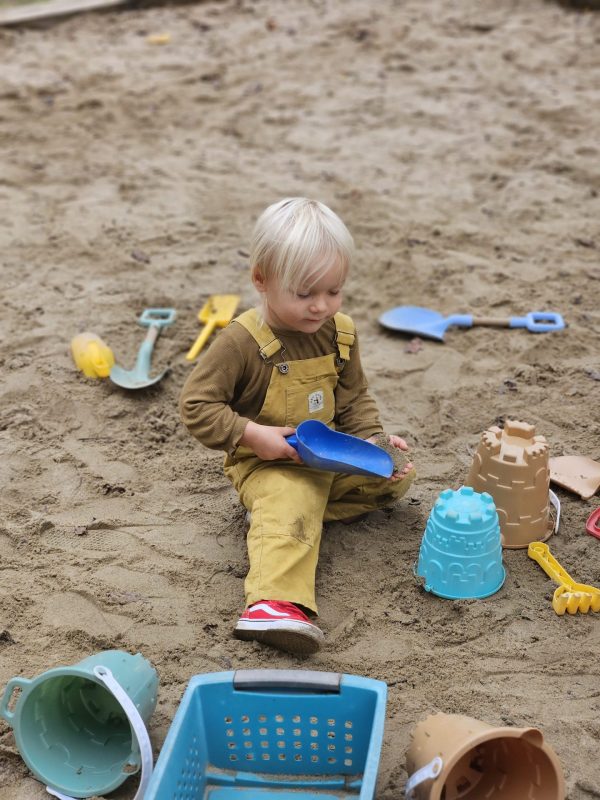
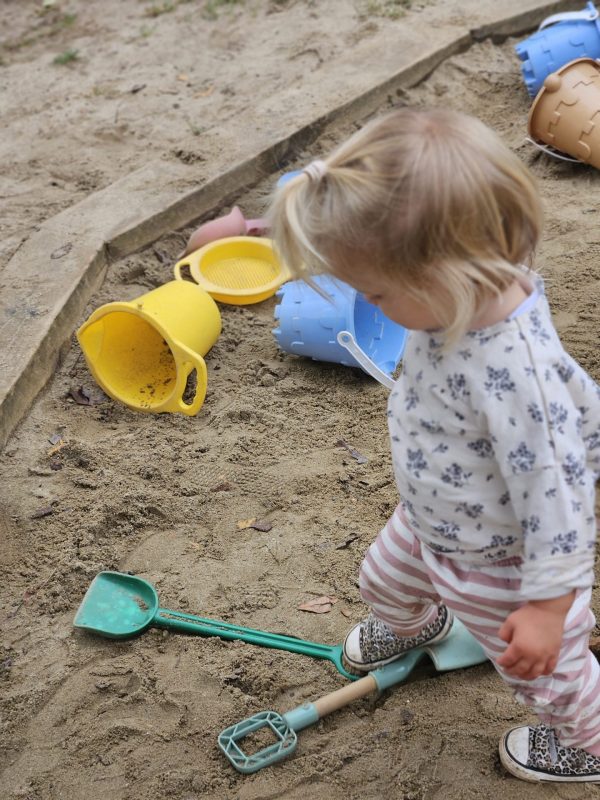
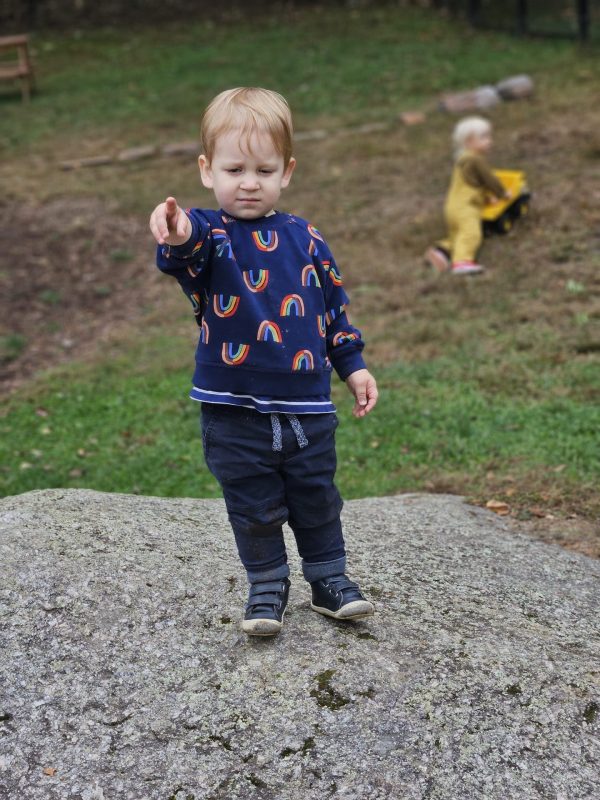
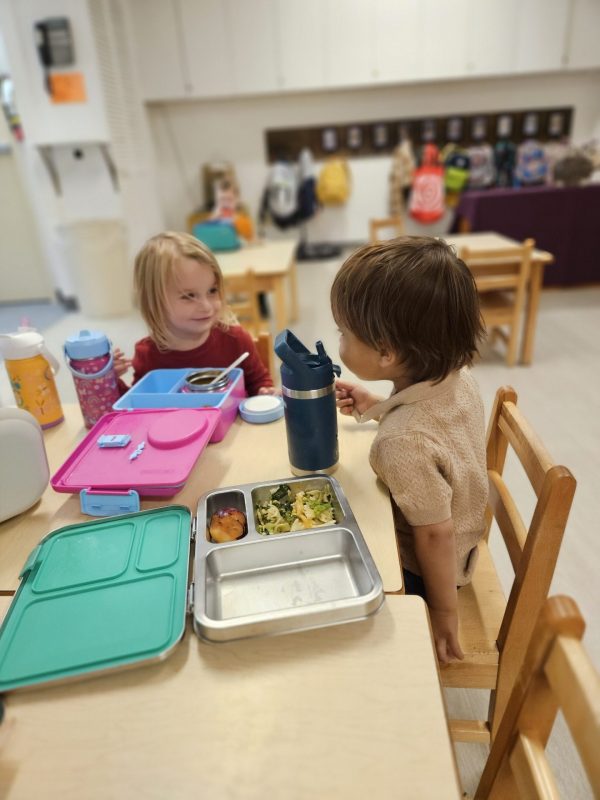
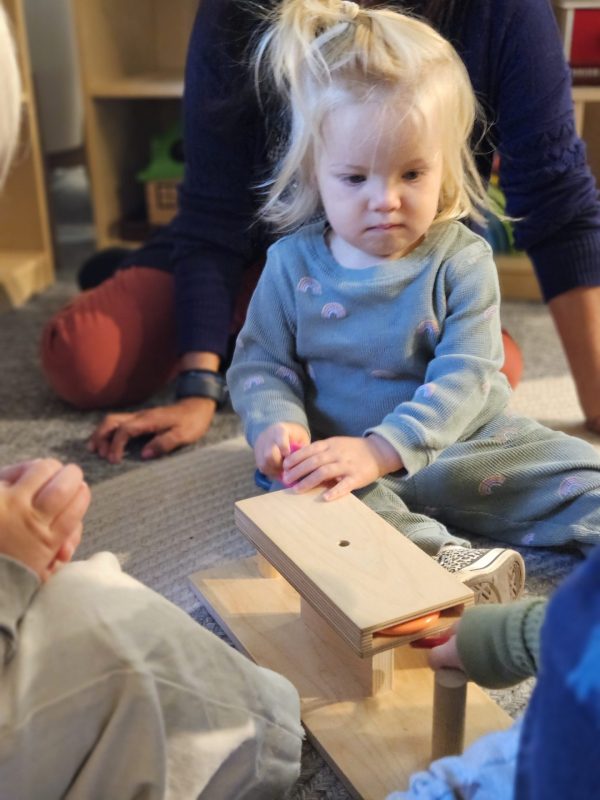
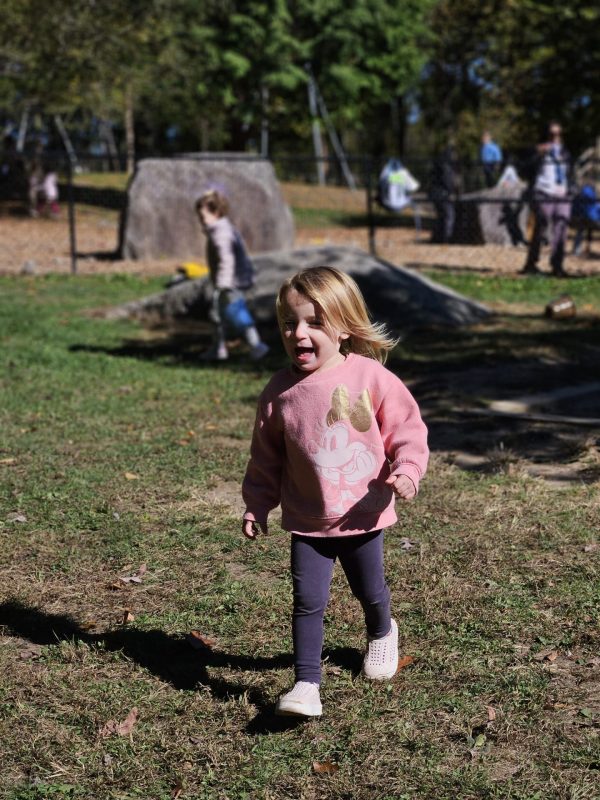
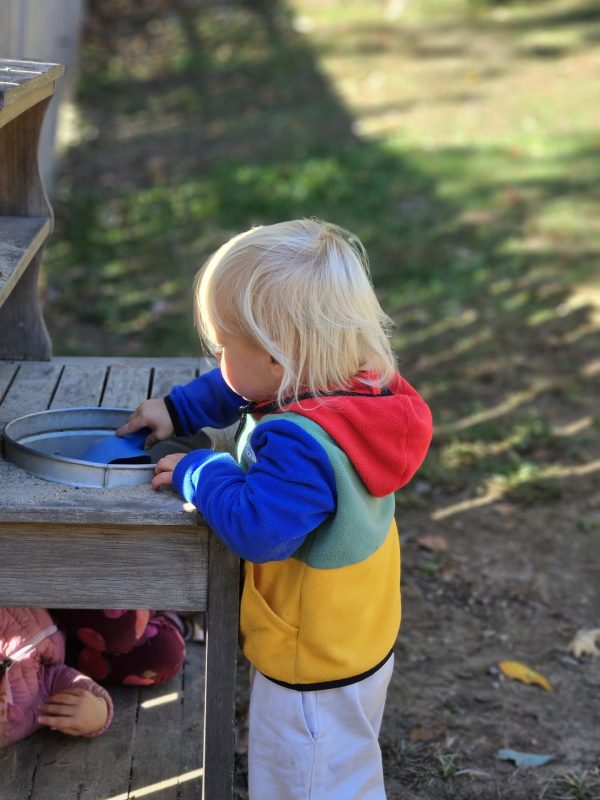
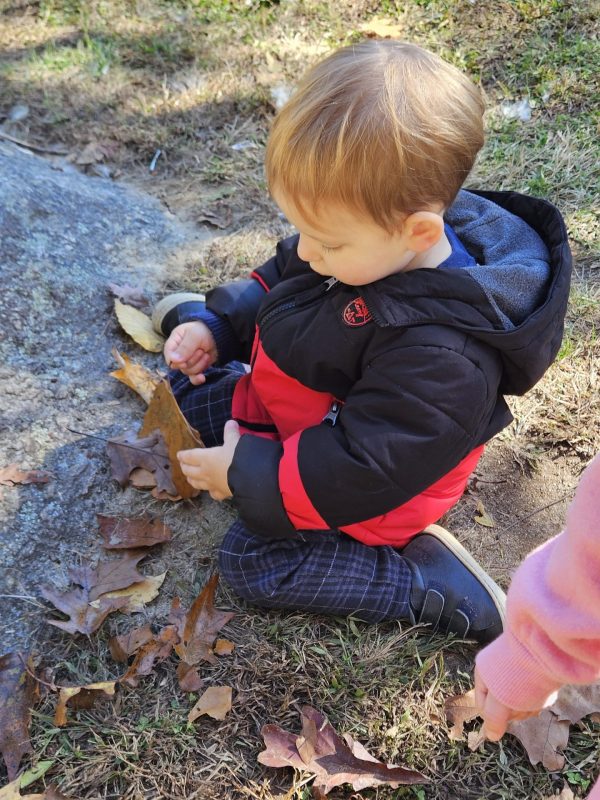
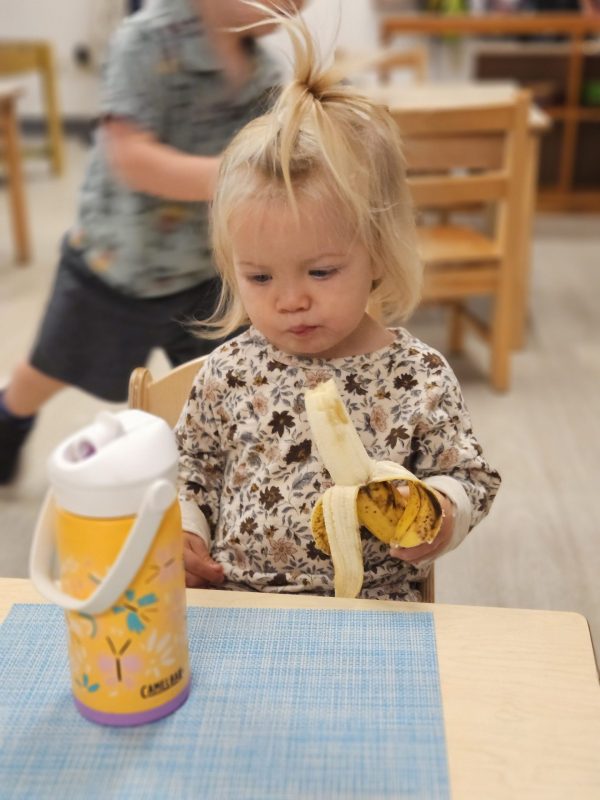
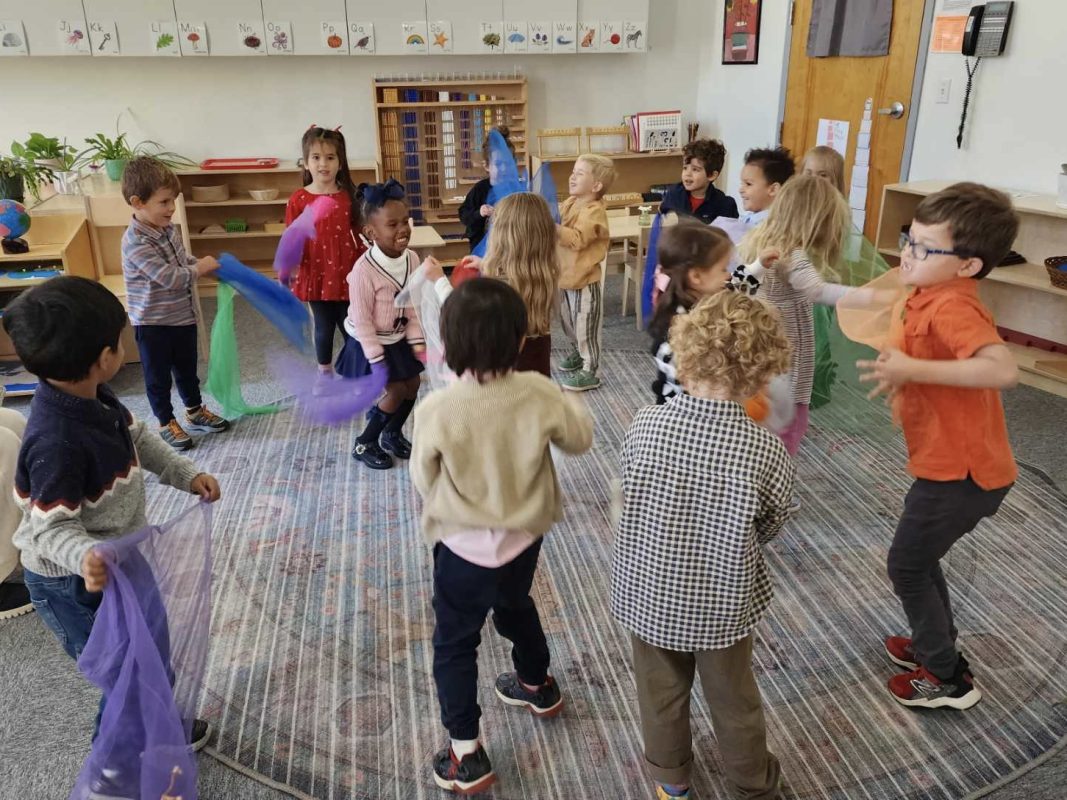
It’s hard to believe we are already in the third week! Most of our children have really started to settle in and grow fond of their new environment and teachers. We’re seeing fewer tears and more smiles each day, and outdoor play continues to be a big favorite among our toddlers.

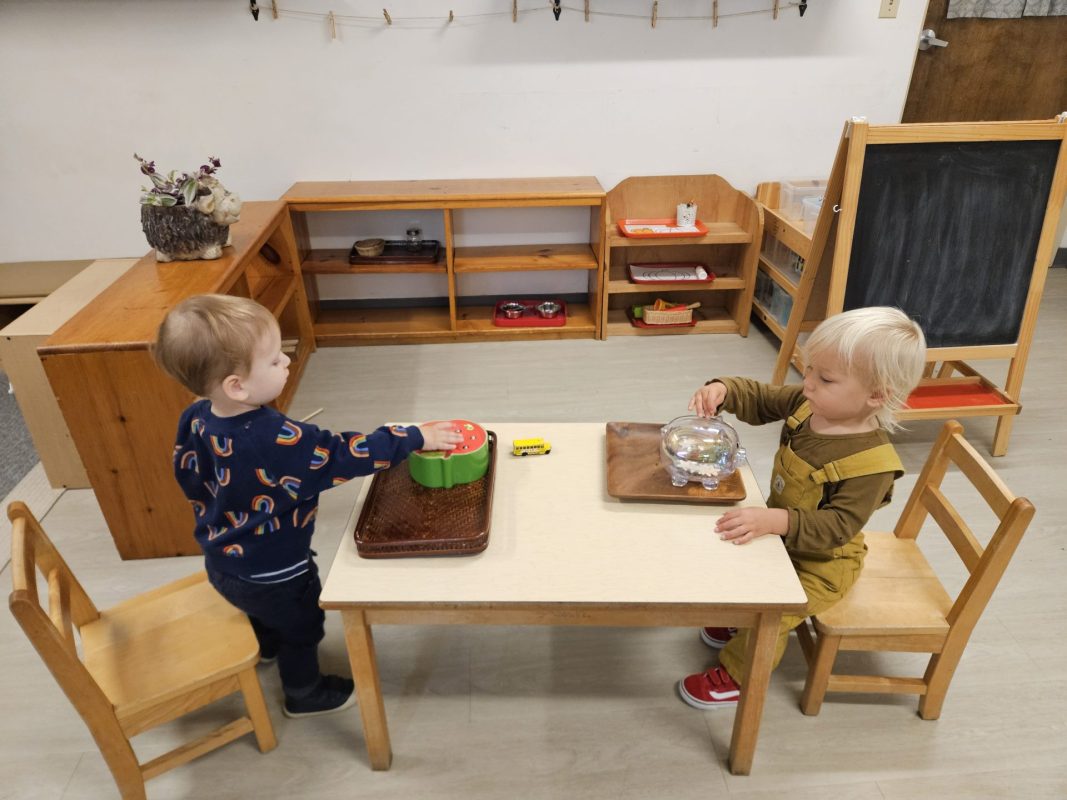
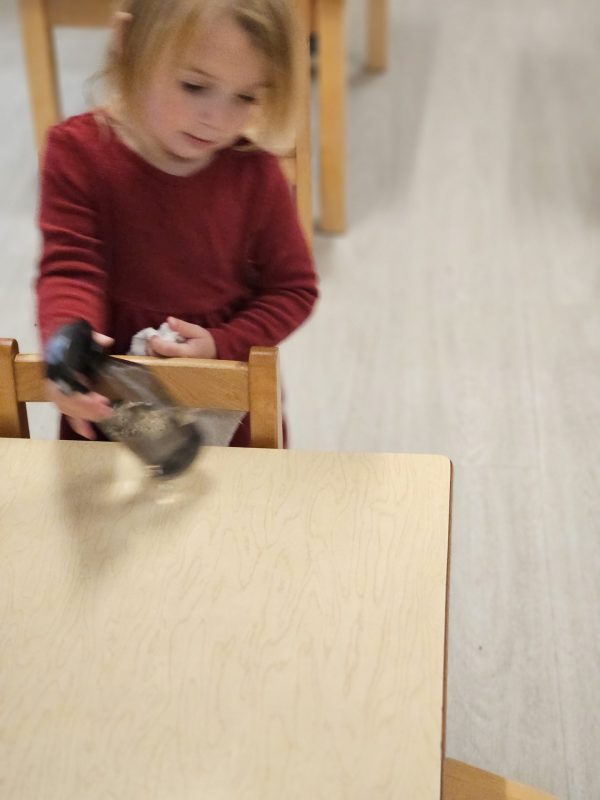
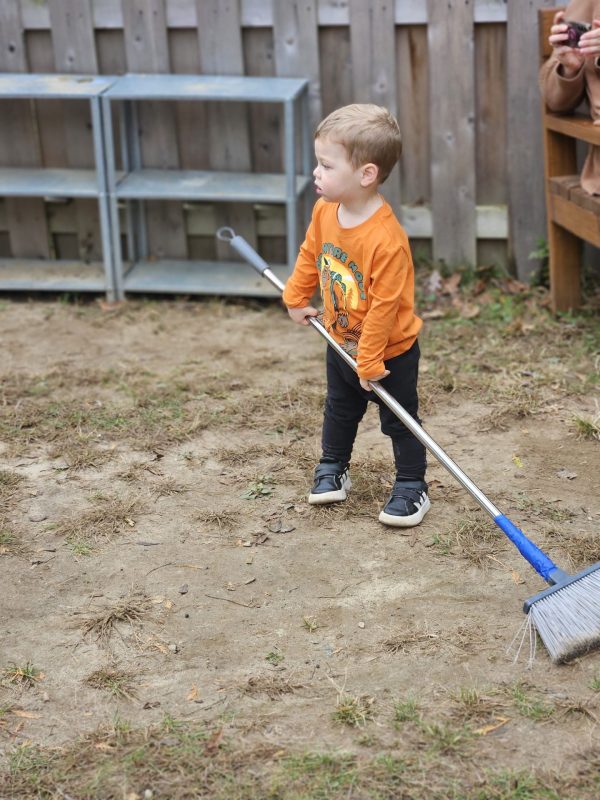
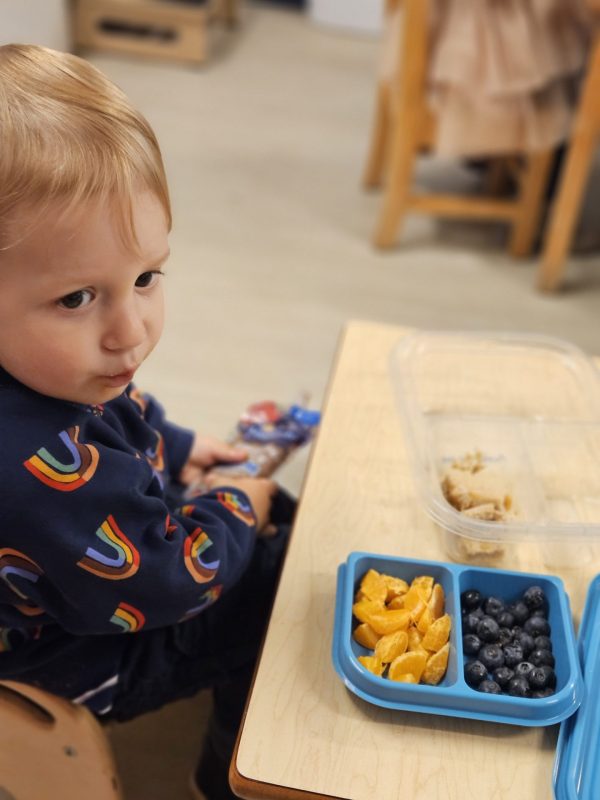
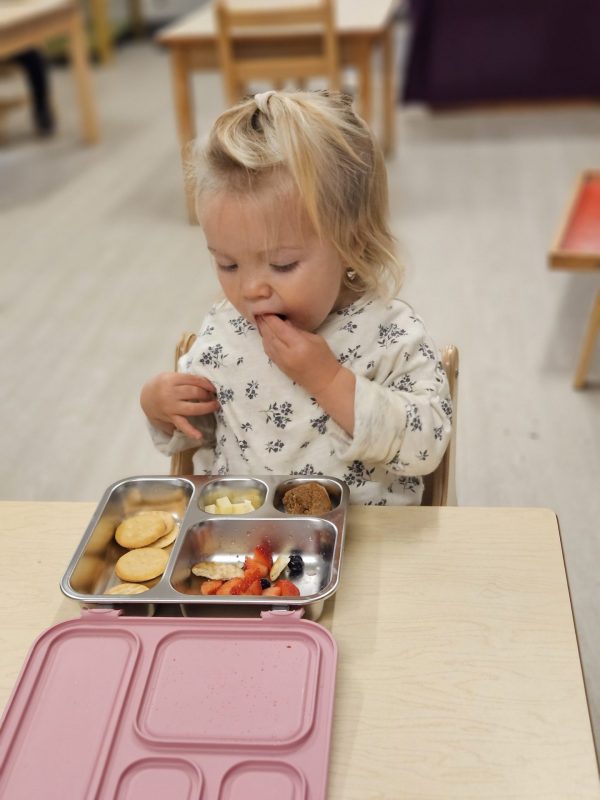
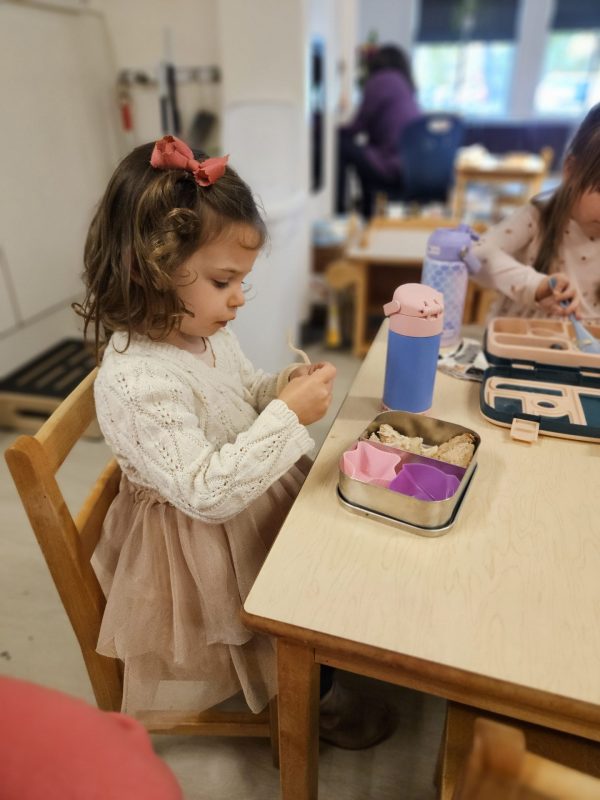
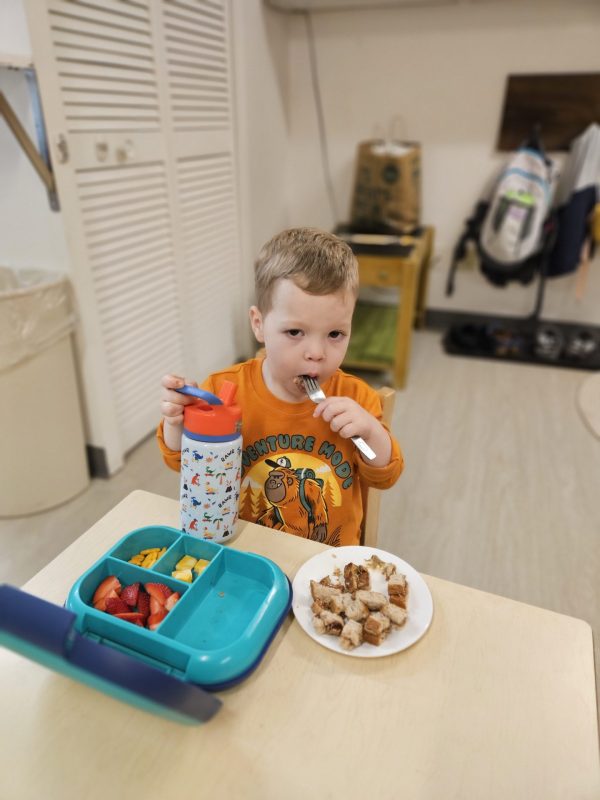
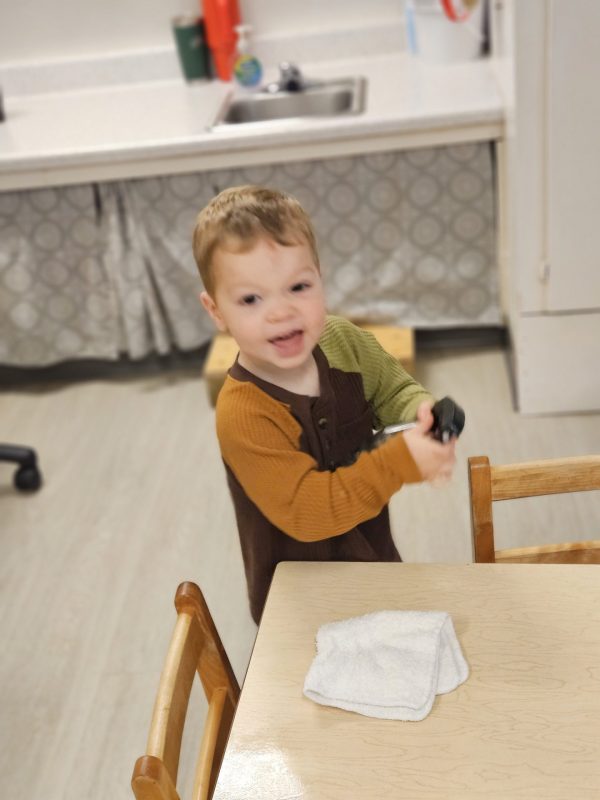
We are also continuing to introduce and reinforce our expectations with the children, such as practicing grace and courtesy, cleaning up after themselves, putting away their work, and sitting at the table during meals. We’re also encouraging them to use the toilet, even if it’s just for a quick sitting.

As Maria Montessori wrote, “Toilet training is not only about learning to use the toilet, it is a preparation for independence, freedom, and self-respect.”

These are important steps in their development, and one of our main goals in the toddler class this year is to help all of our little ones reach the milestone of independent toileting.

Thank you once again for your trust and support. We truly appreciate you all.


The Big Work Begins: The “Great Lessons” in Lower Elementary

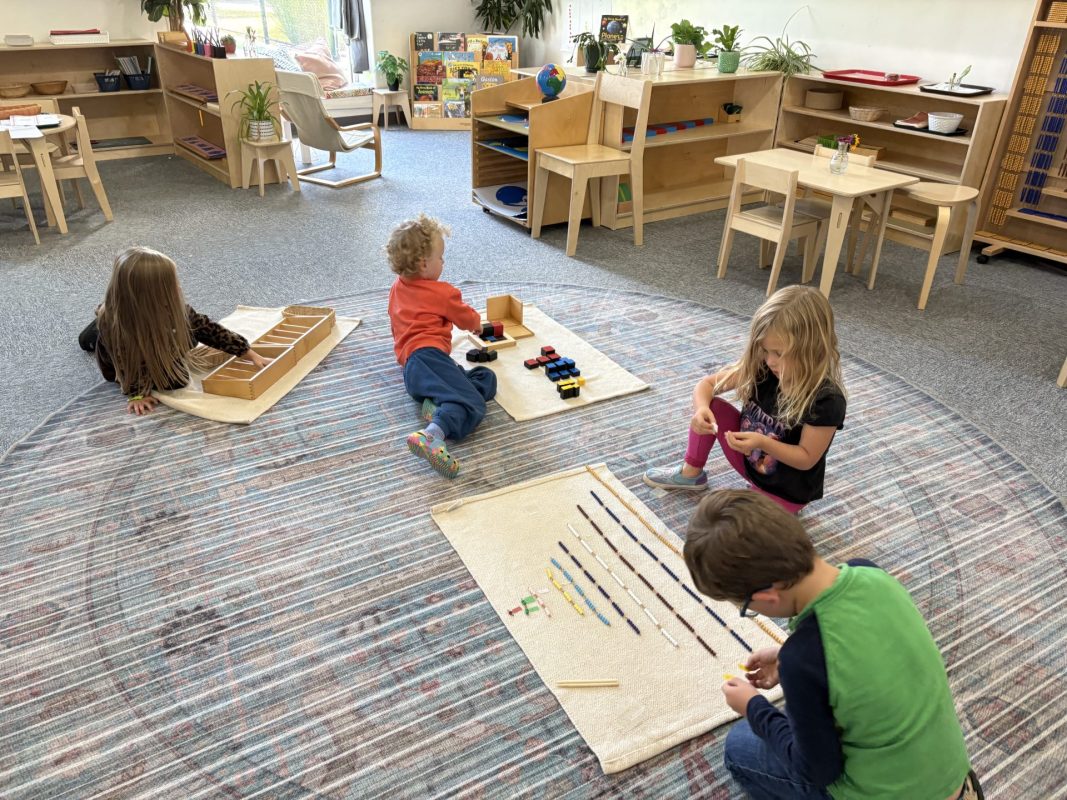
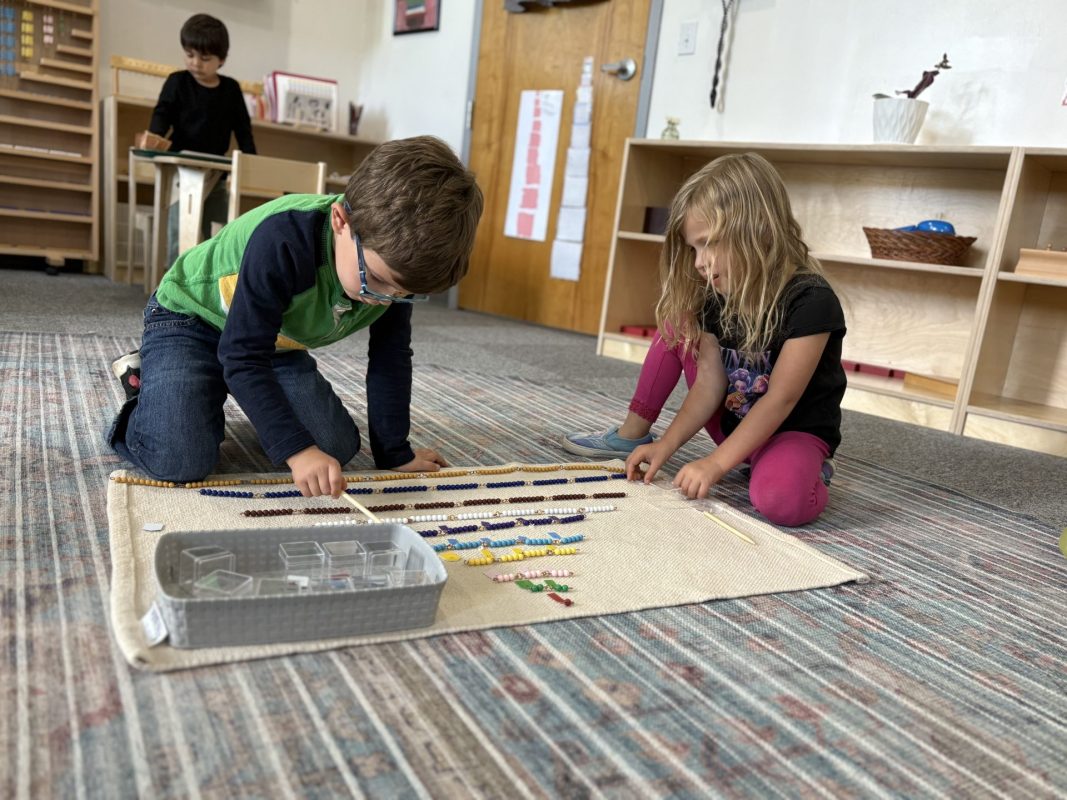
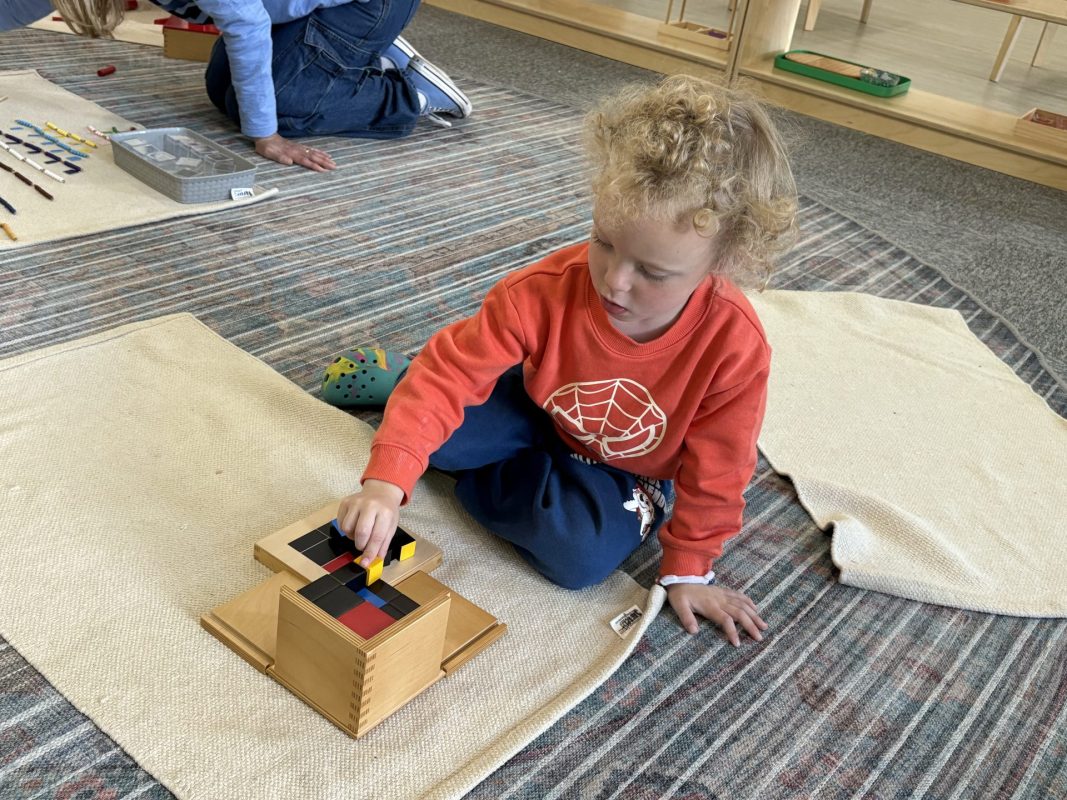
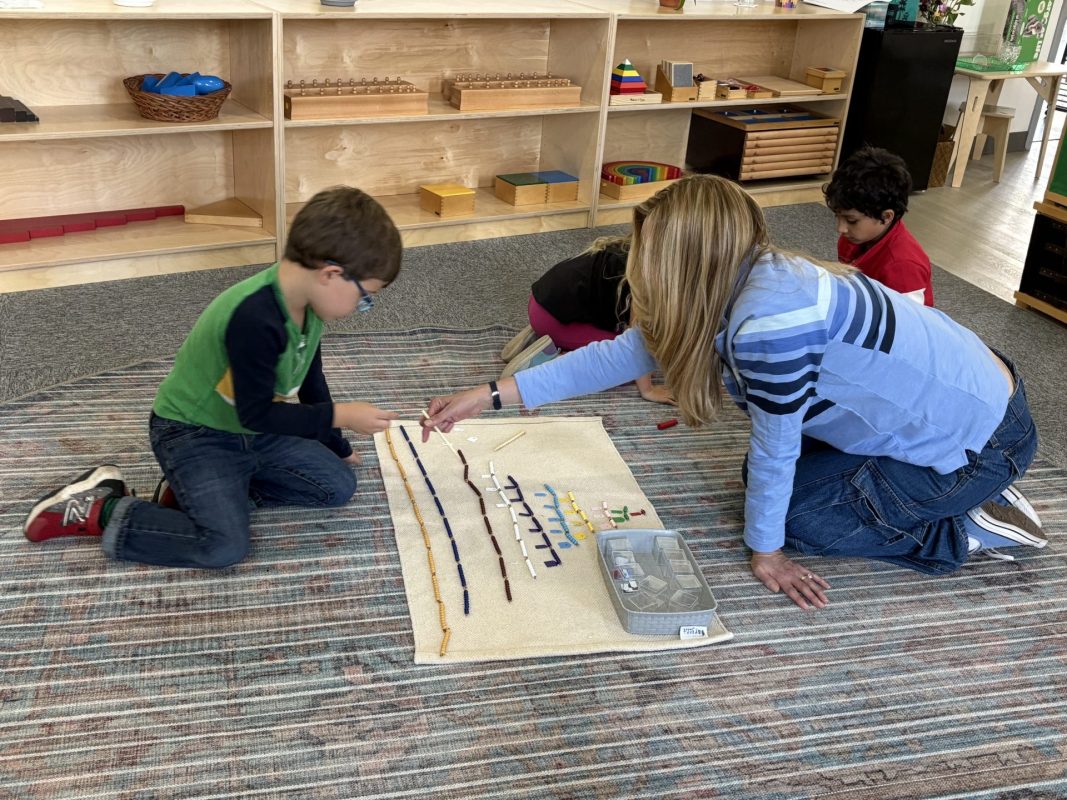
The children have settled into the routines of the classroom so beautifully. Their days are now filled with busy, purposeful work cycles, and it has been wonderful to see their concentration and collaboration blossom. With this strong foundation in place, we have been able to begin something very exciting: the “big work” of Cosmic Education.

Cosmic Education, the heart of the Elementary curriculum, begins with the Great Lessons. These are a series of impressionistic stories meant to spark curiosity, admiration, and interest while opening the doors to all areas of study. The stories are told with rich language and a sense of mystery to really capture the children’s imagination and interest.

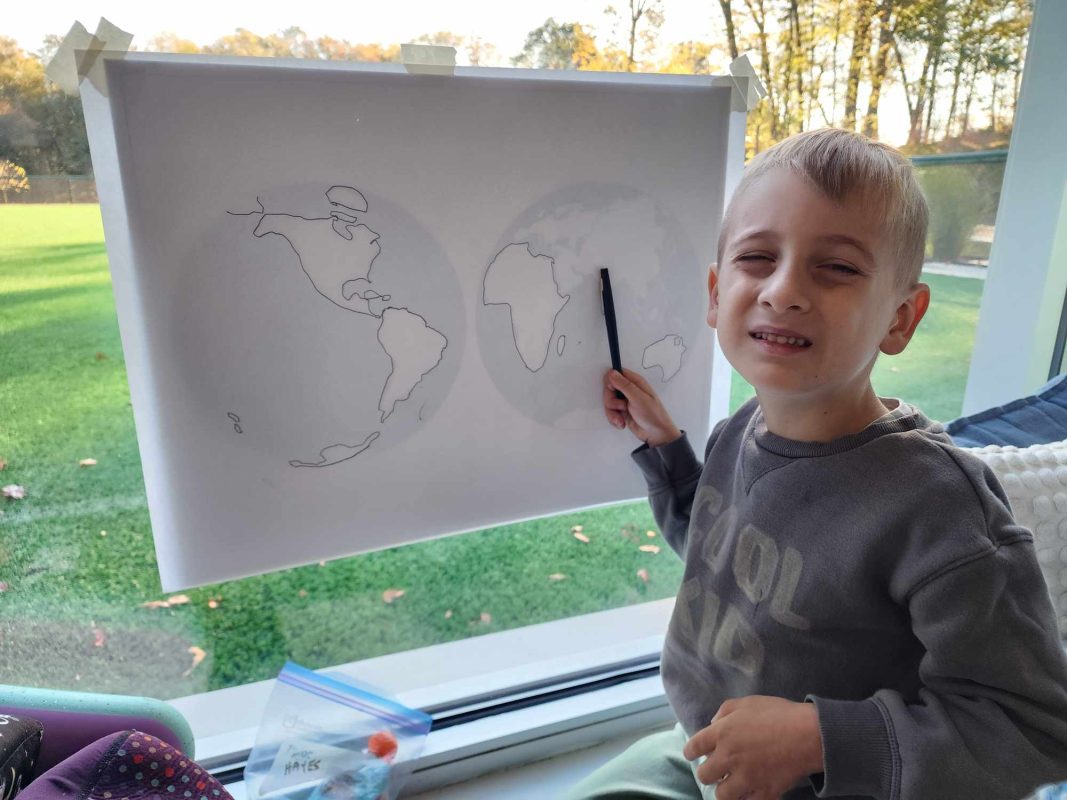
We began with the Coming of the Universe, which tells the story of the beginning of the cosmos. This lesson sparks wonder about the vastness of space, the birth of stars, and the formation of our planet. The third years had the very special role of doing the experiments that went along with the story, while the rest of the children watched in excitement.

Next, we shared the Timeline of Life. This lesson unfolds the incredible journey of living beings across millions of years. From the tiniest unicellular creatures to mighty dinosaurs, from the first plants to the earliest mammals, the children begin to see how life has adapted and evolved. The timeline gives them a beautiful, concrete impression of the grand interconnected story of life on Earth.

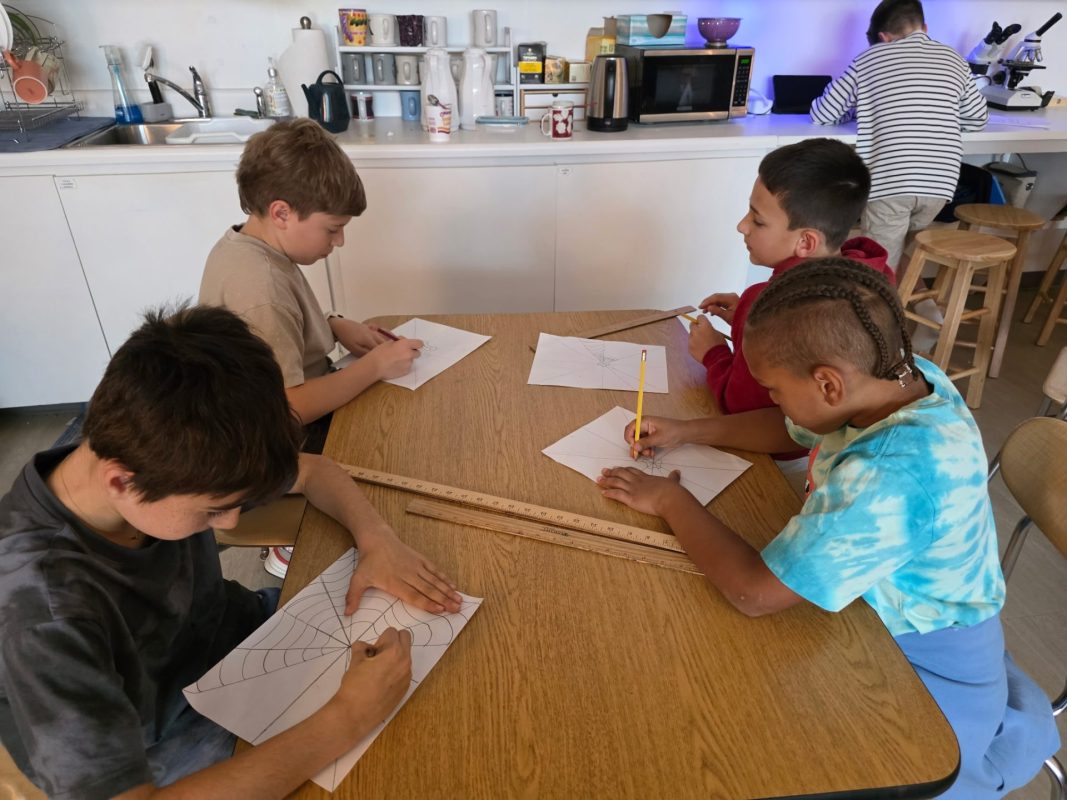
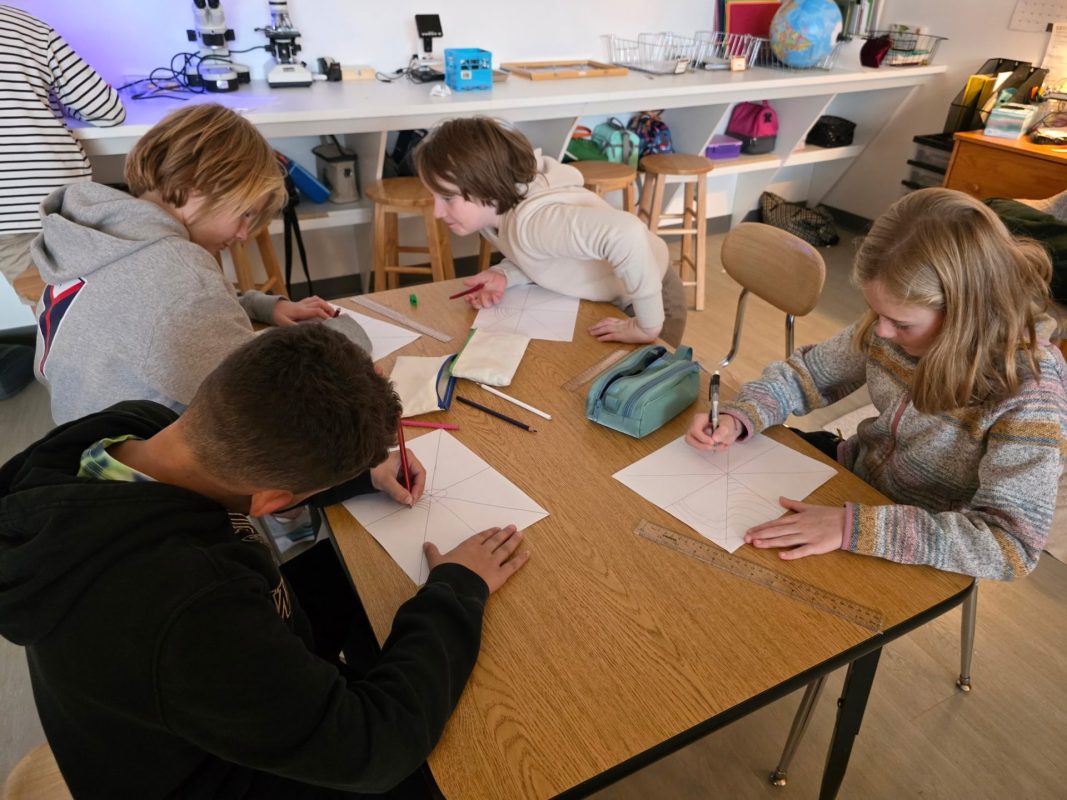
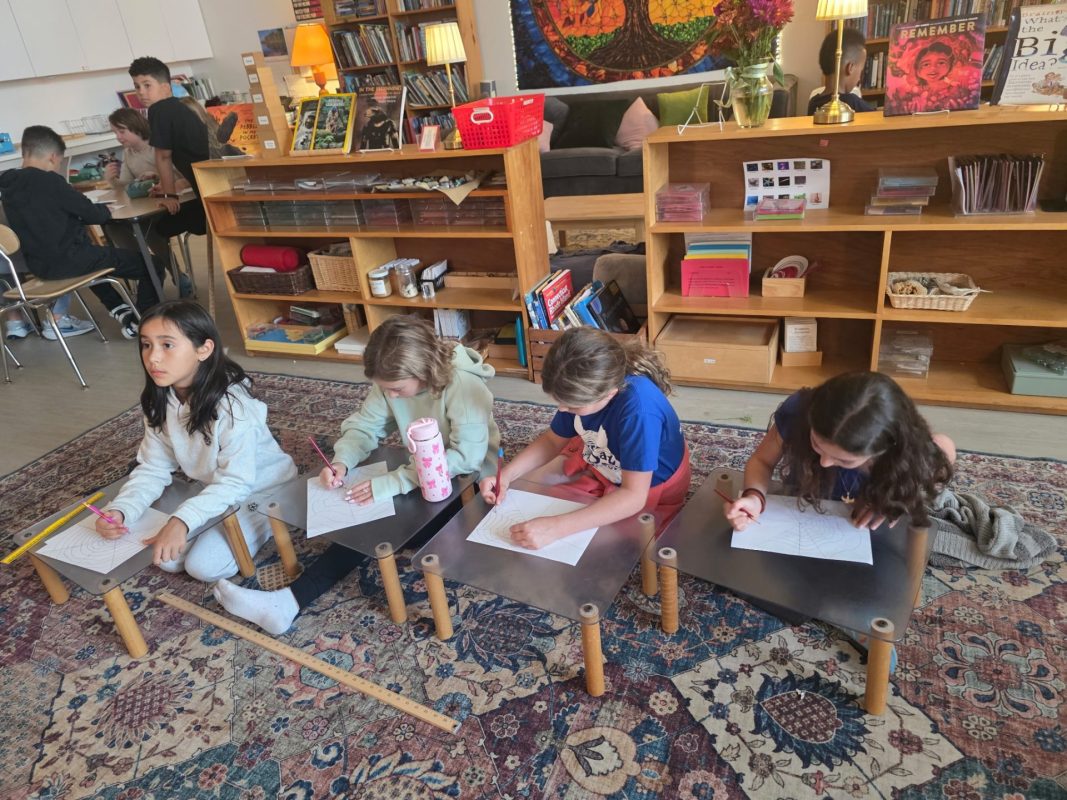
These lessons are really just the beginning. Each story opens countless doors for exploration in biology, history, geography, language, and more. In Montessori, learning is not divided into isolated subjects and does not follow a strictly linear path. Instead, everything connects like threads woven into one larger whole. One curiosity sparks another, and learning naturally unfolds like a web. Stay tuned as we will be sharing three more Great Lessons in the coming weeks.

This is a truly magical time in the elementary years, and it is so inspiring to watch the children dive into their work with so much enthusiasm and curiosity. Every year, we feel just as excited as the children when we revisit these lessons together!

We are looking forward to welcoming you to Curriculum Night on Thursday. Jill will be sending out the slideshow for you to look over ahead of time. We hope you will join us for an Open House-style evening where we can chat and answer any questions you may have. It is always a wonderful chance to connect and share more about the classroom. See you then!


Ms. Rhodora: High in the Sky

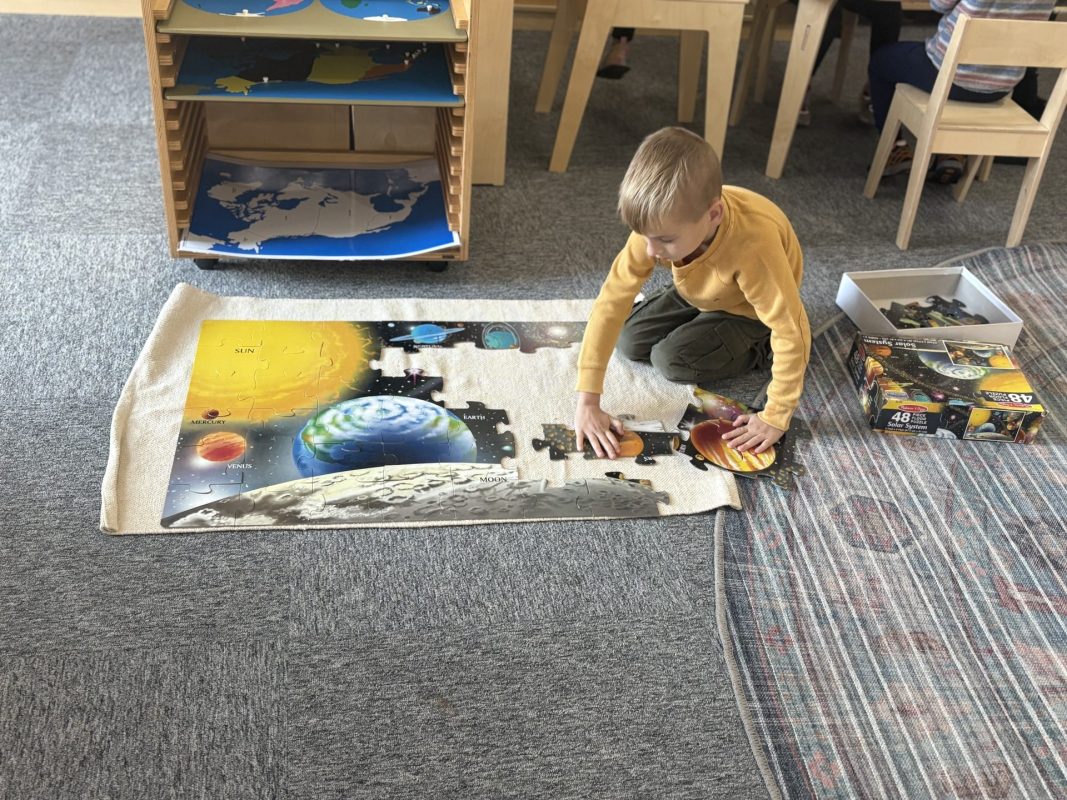
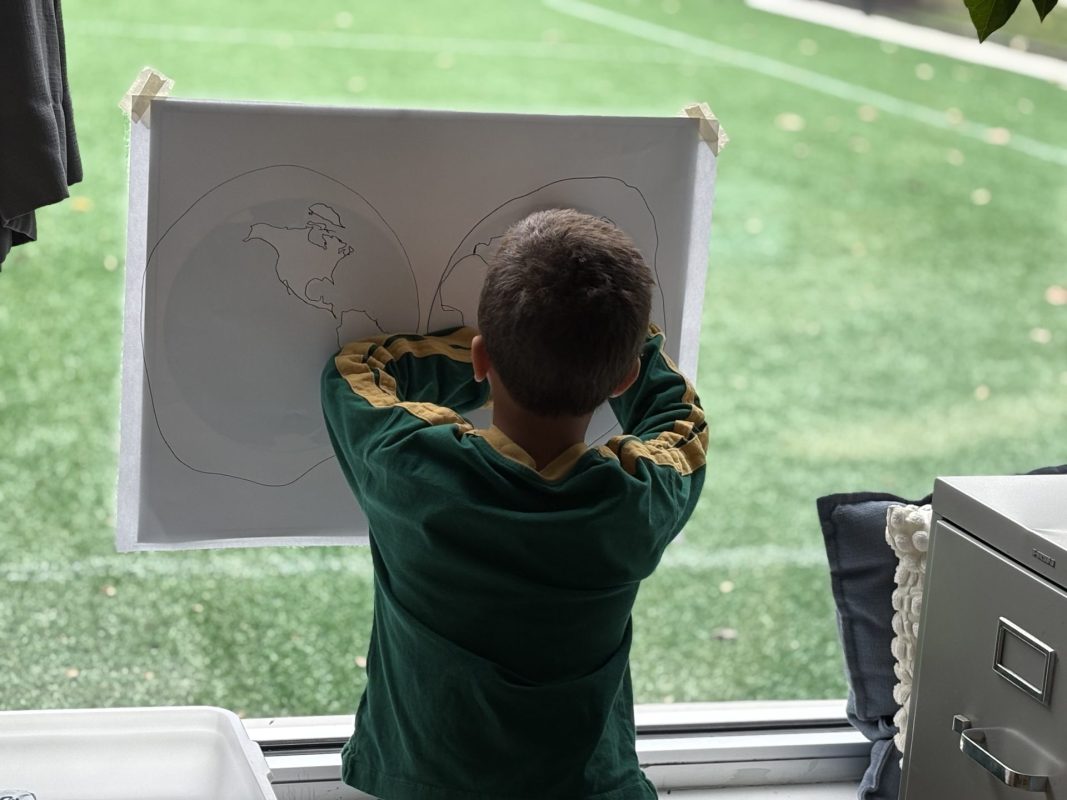
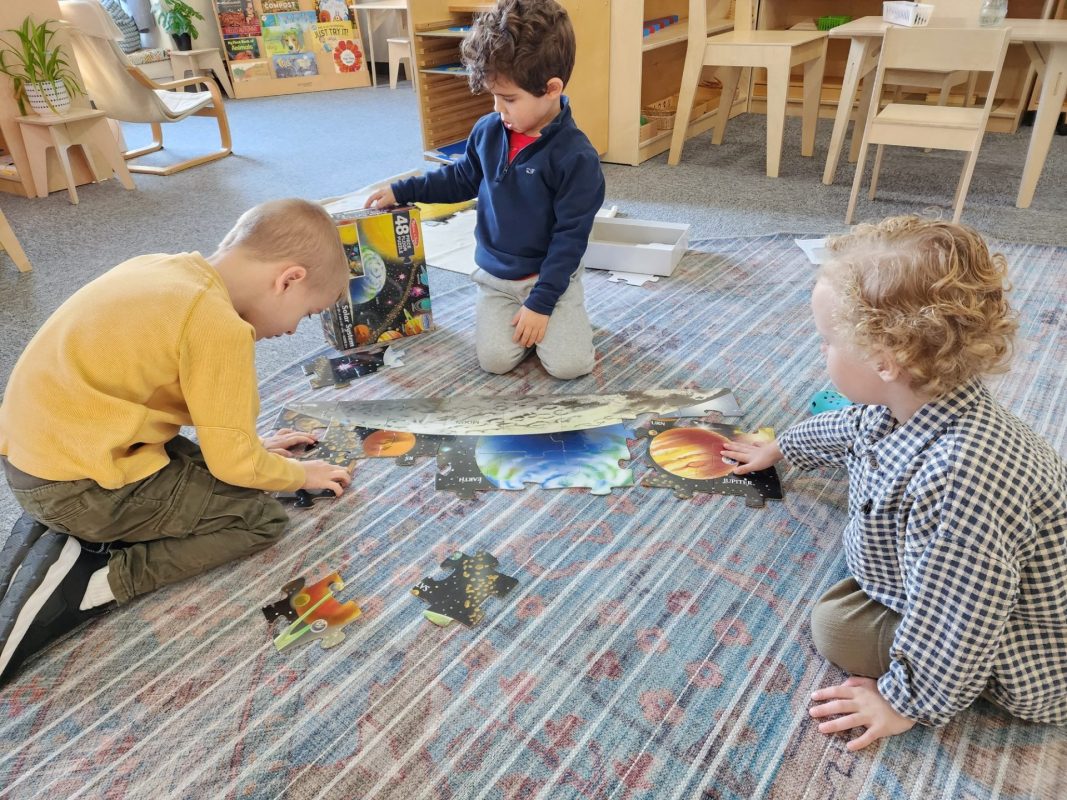
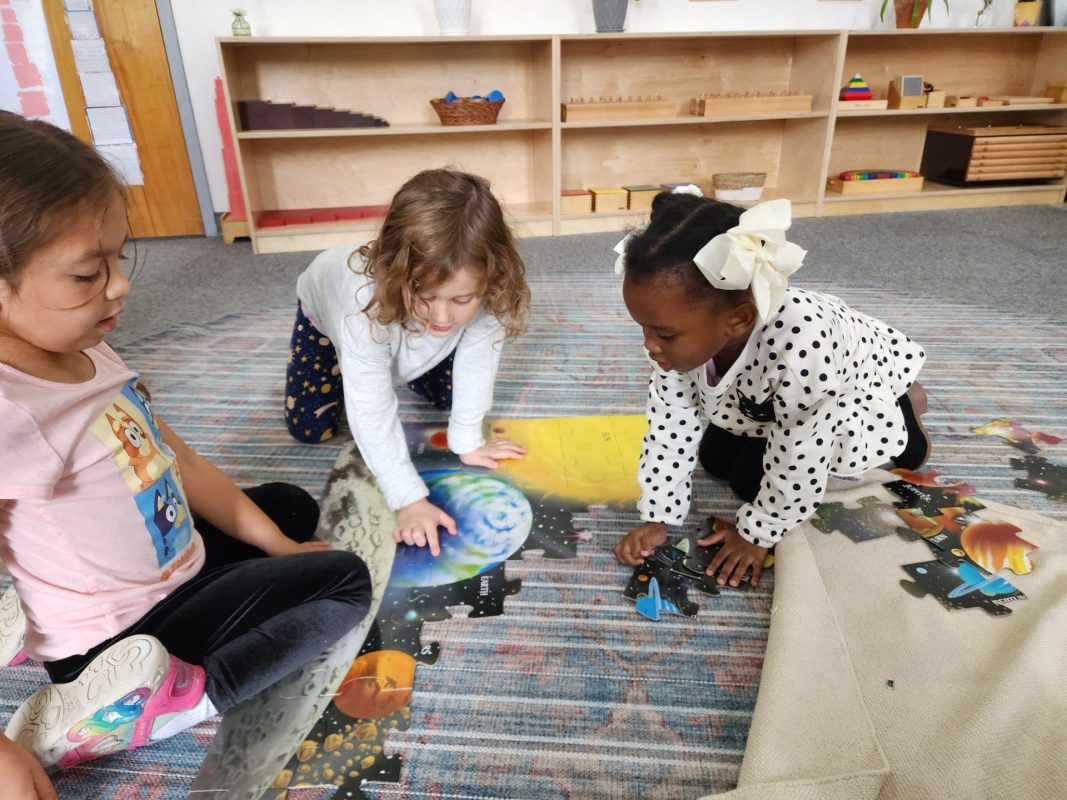
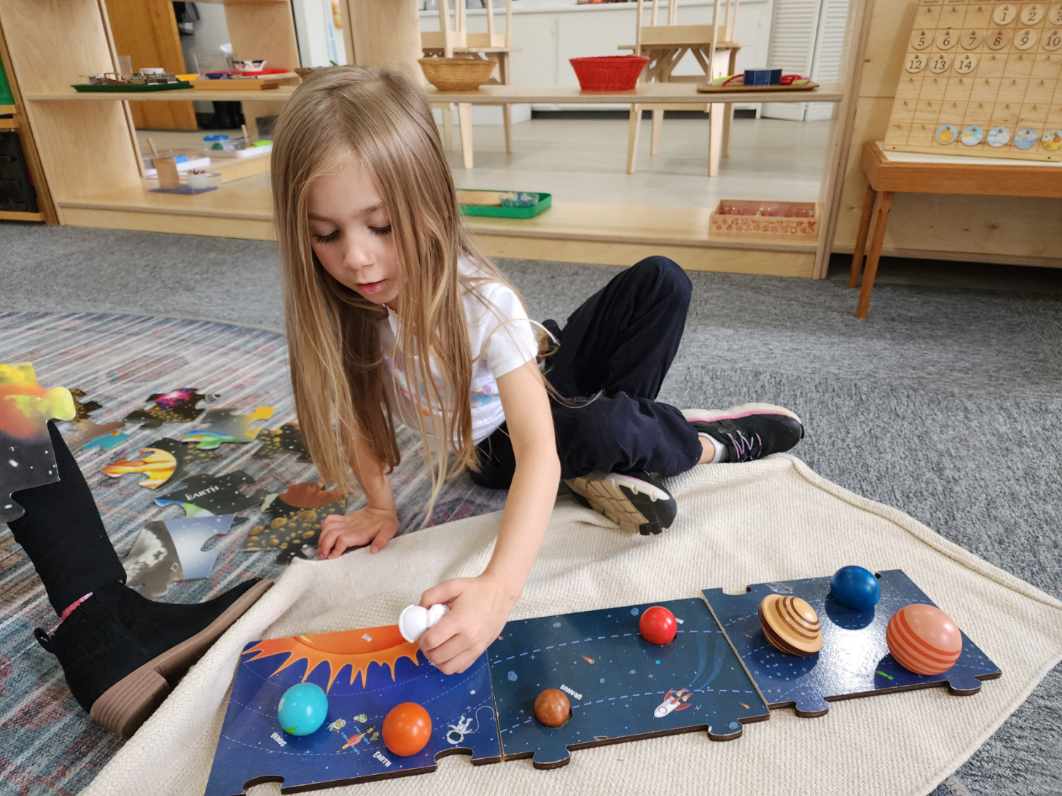
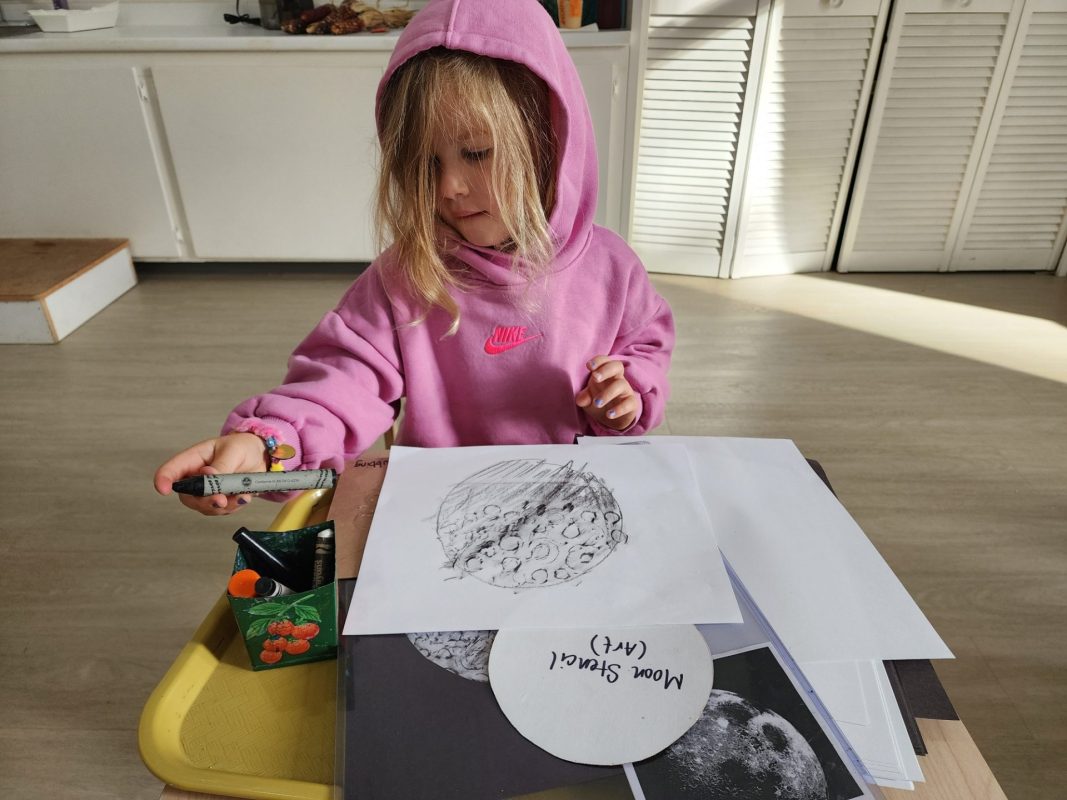
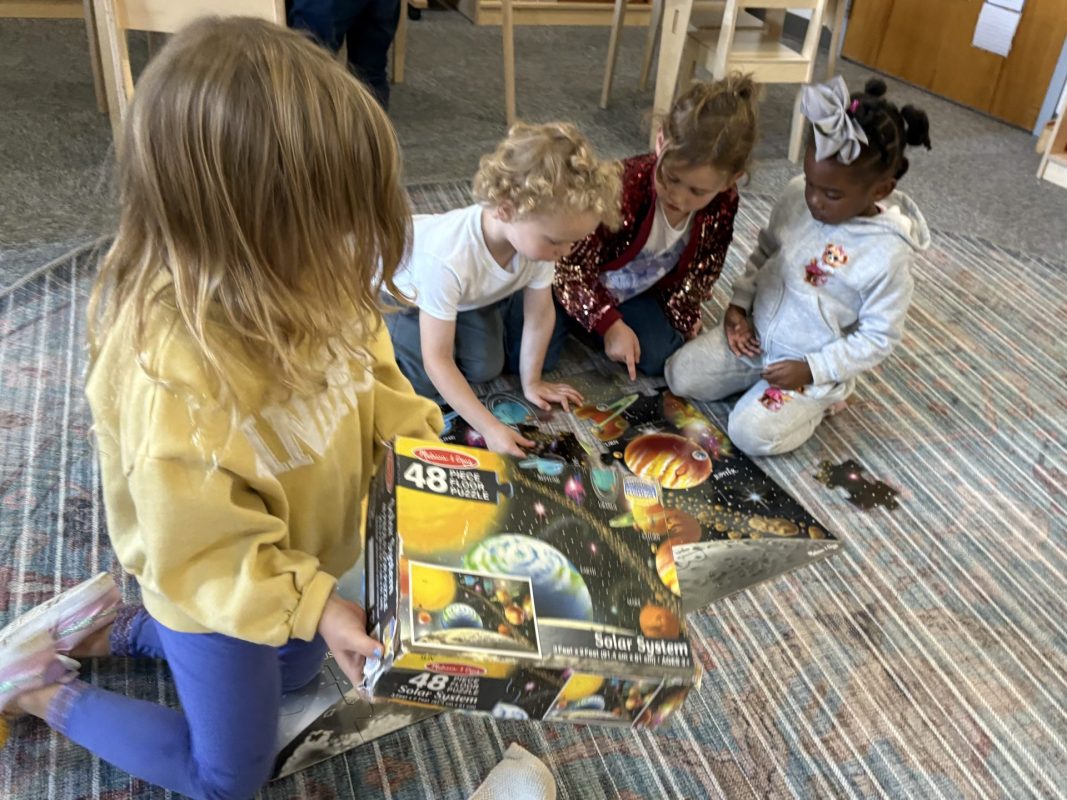
We continue our study of the Solar System with great emphasis on the planet Earth. The planets are introduced in relation to their position in the solar system, along with an explanation that each planet revolves around the sun. The children walked around the ‘sun’ (a candle representing the planet) in relation to how far or near the planet was to the Great Star, which helped them grasp the concept of ‘orbit’ and understand why certain planets are hotter and others colder.

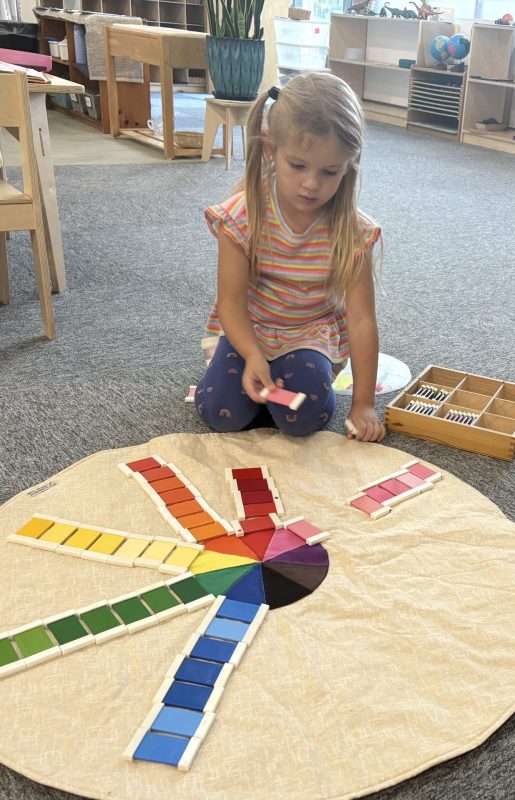
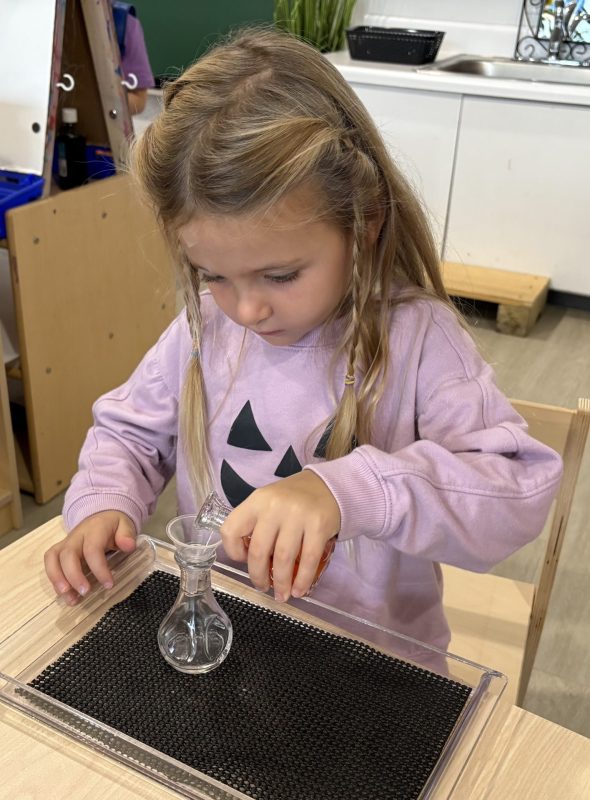
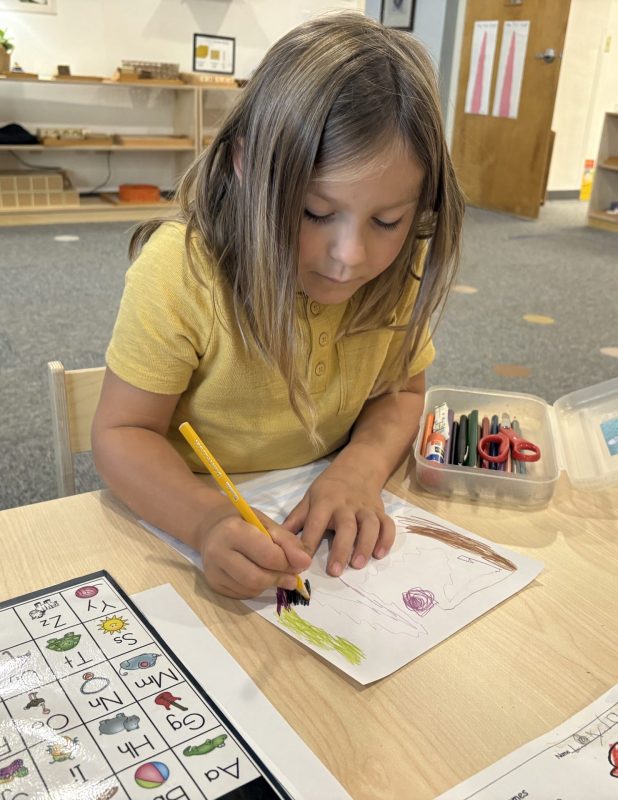
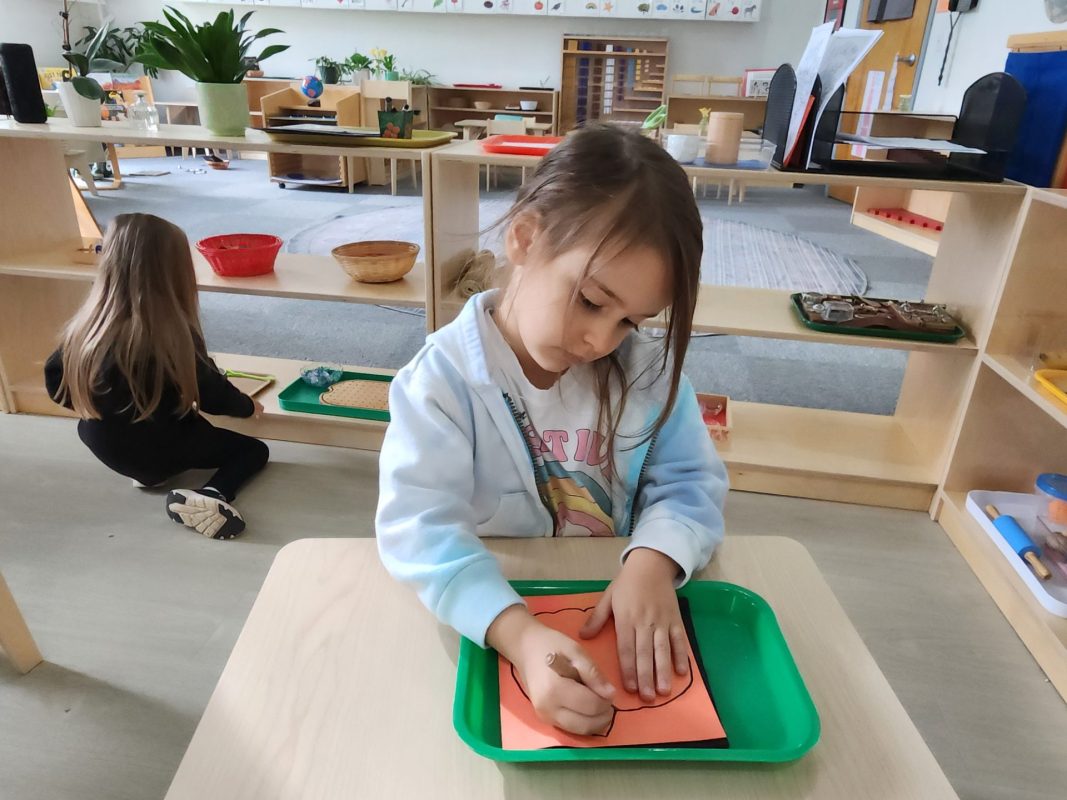
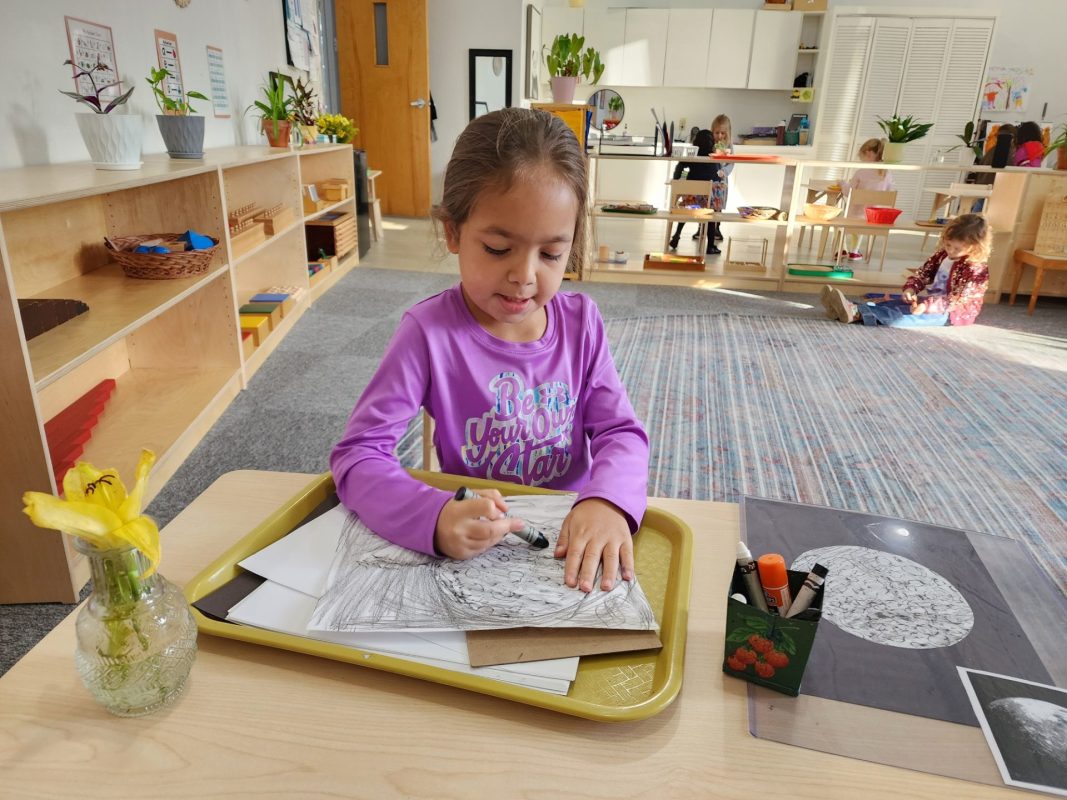
The children explored color using a variety of materials. With the metal insets, they experiment with form and color, using colored pencils to fill and shade the traced shapes. The children experienced the magic of mixing two primary colors using colored water to make secondary colors. Most children also discovered that combining the three primary colors will make brown!

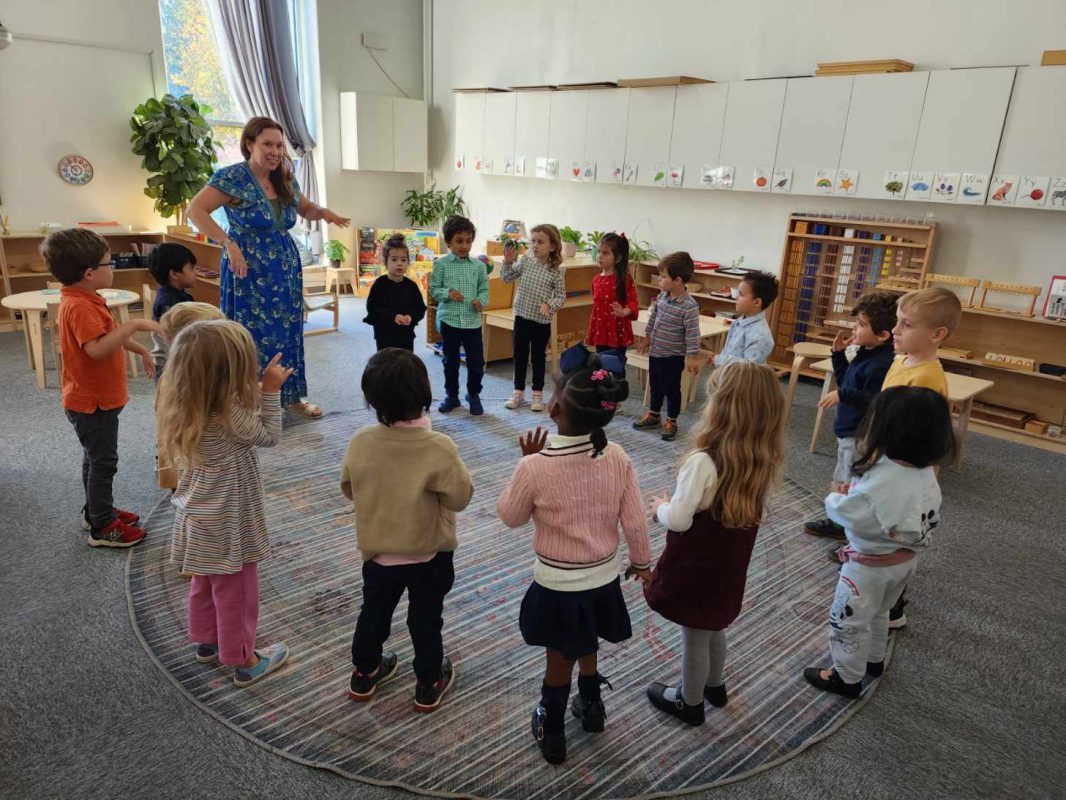
The Montessori birthday walk was celebrated by one of our friends this week. The children loved seeing the candle as a representation of the sun. Thank you, Ms. Becca, for helping celebrate this birthday and sharing the delicious snacks!

Your children’s smiles and laughter warm both our classroom and our hearts!

Have a wonderful weekend!

Ms. Rhodora & Ms. Anabel


Mrs. Wilson: A September Full of Apples and Little Stars

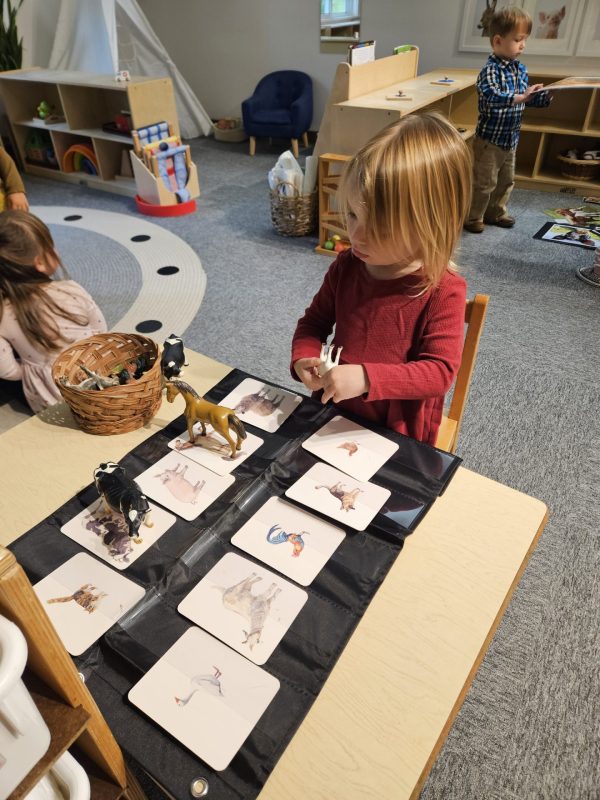
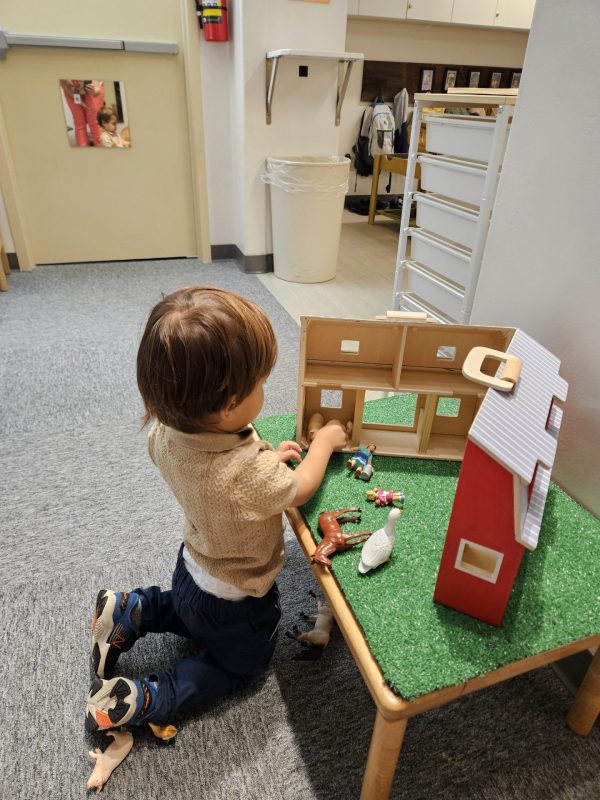
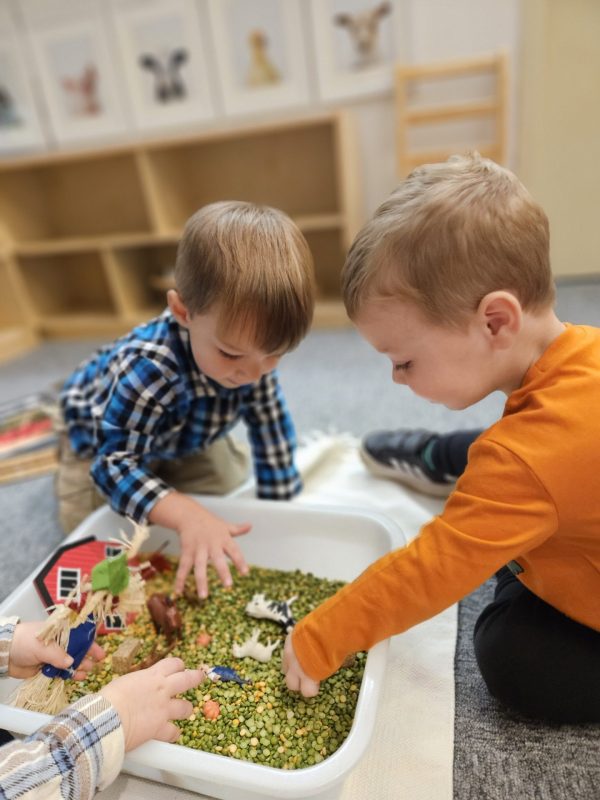
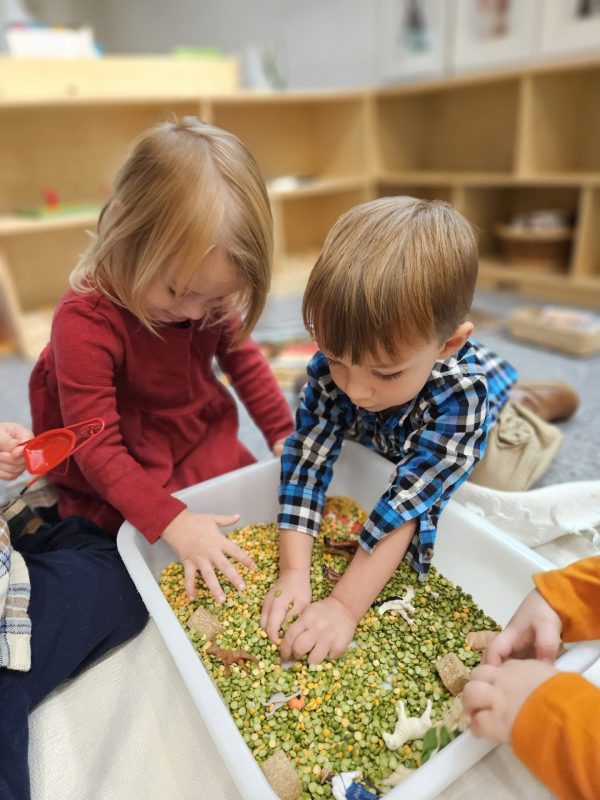
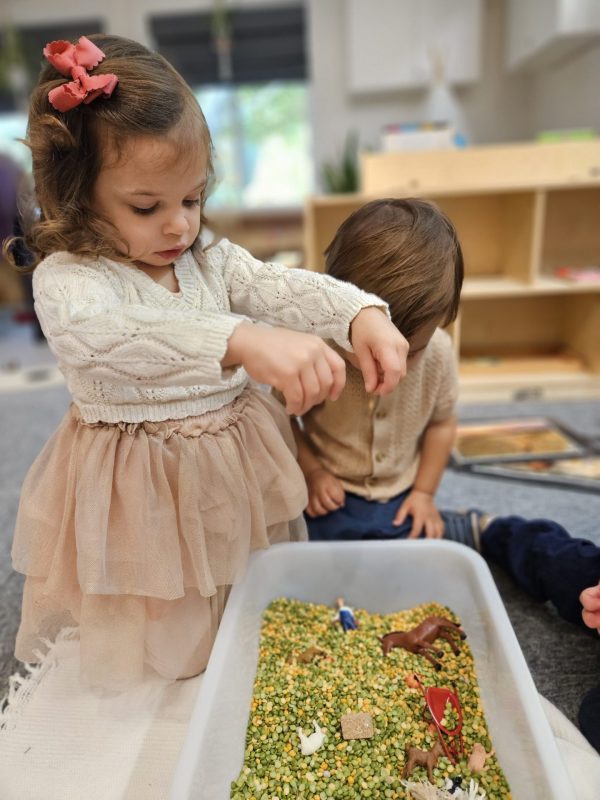
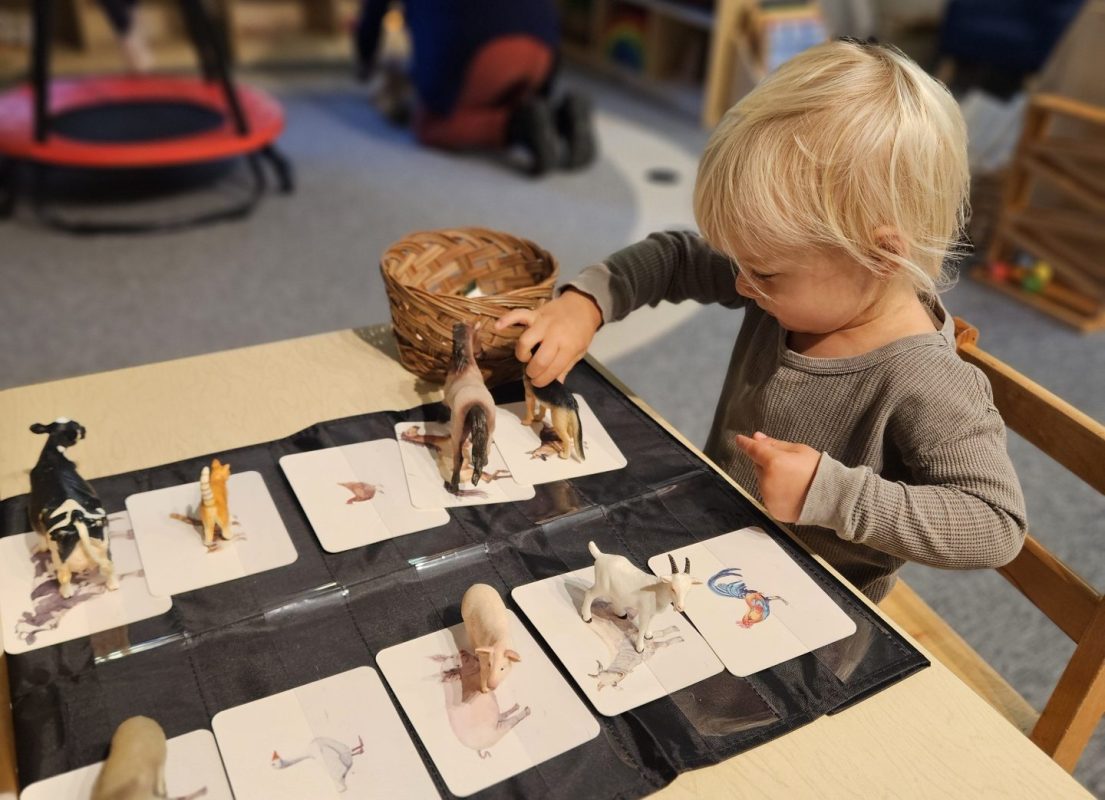
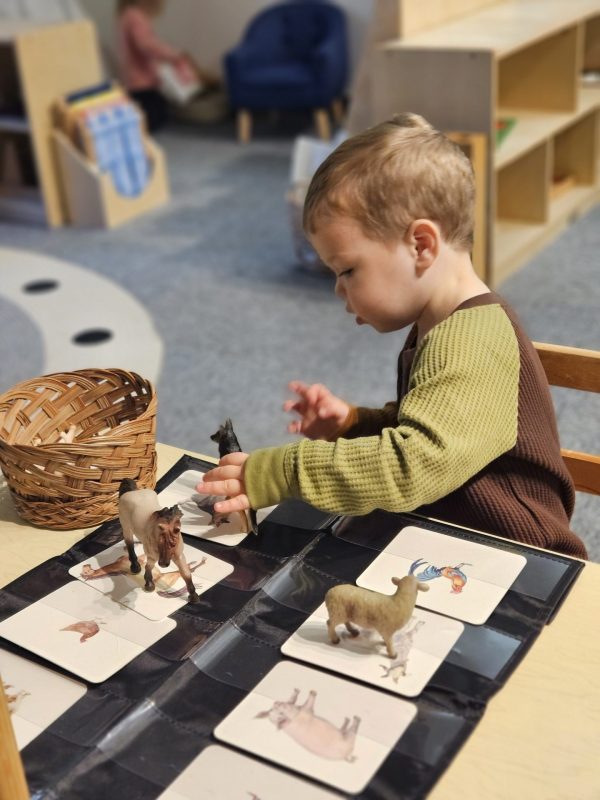
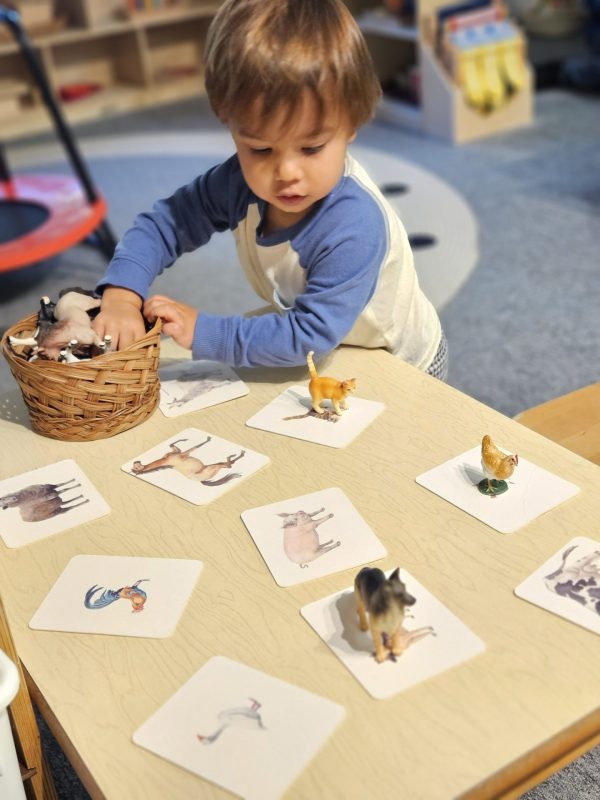
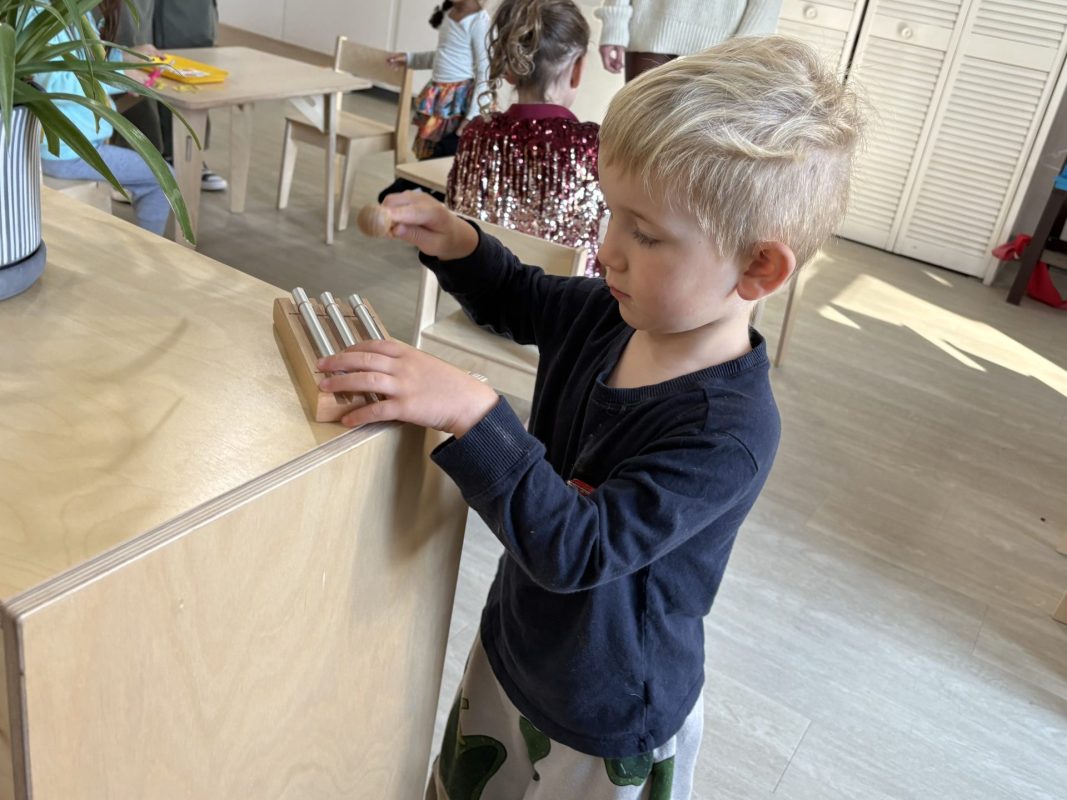
In our Montessori Toddler classroom, we focus on themes connected to the seasons and the children’s everyday experiences. This approach helps them make meaningful connections to the world around them. For September, our exploration centered around apples and farm animals.

Apples appeared in many areas of our environment:

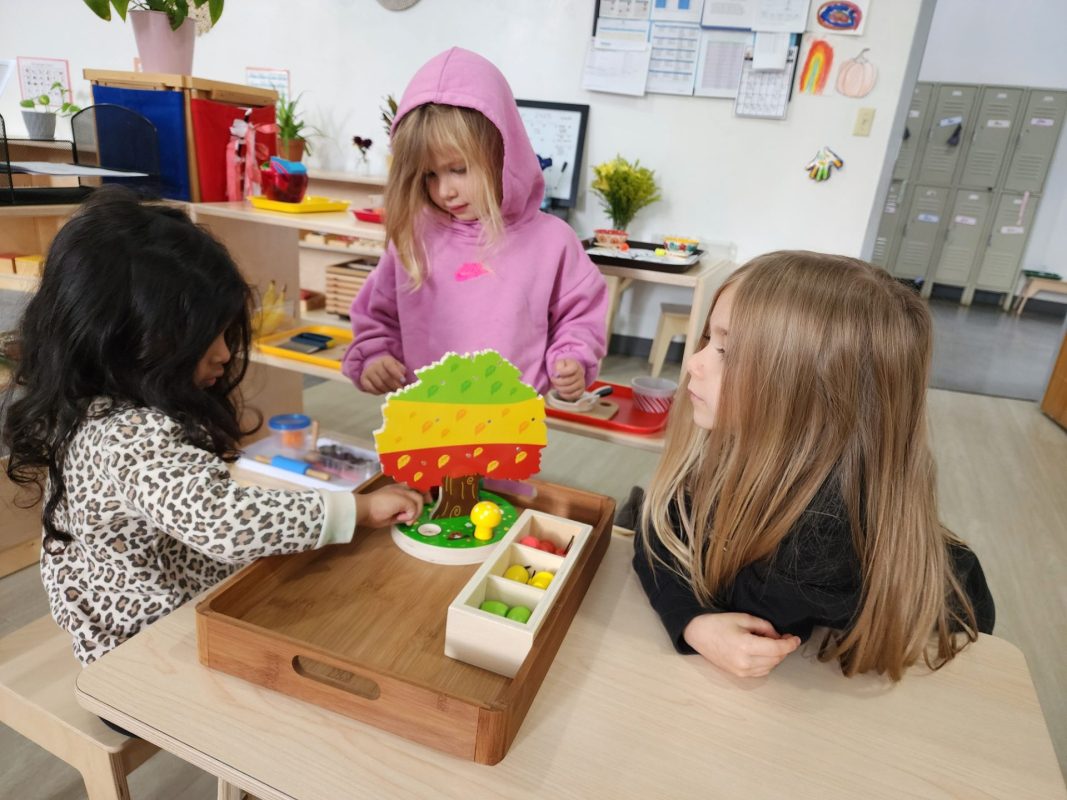
  • Movement area – children sorted large apple models into color-matching baskets.
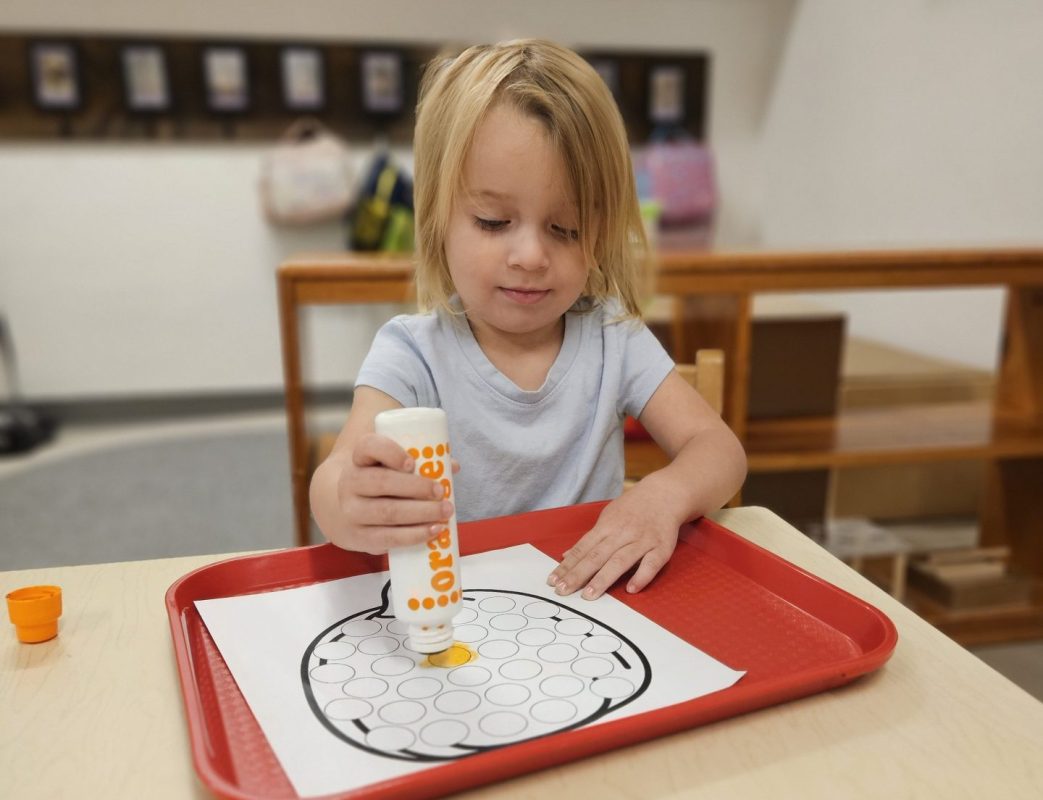
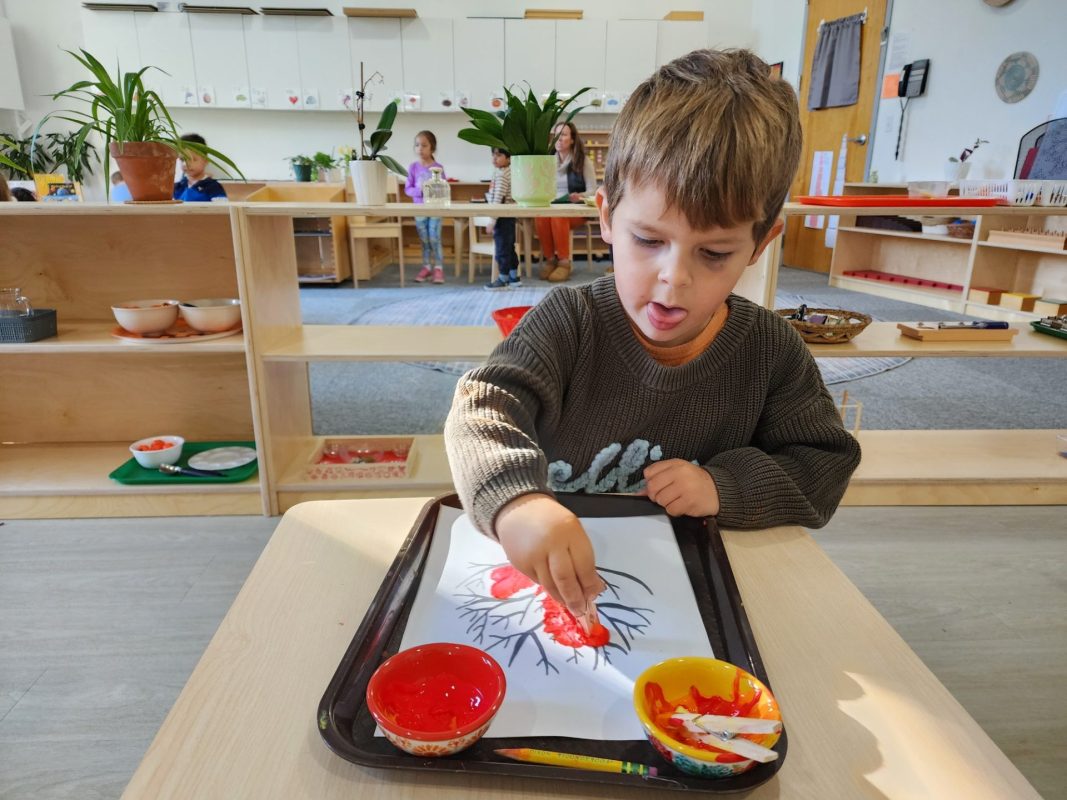
  • Art area – they used a variety of apple-themed materials to create their own artwork.
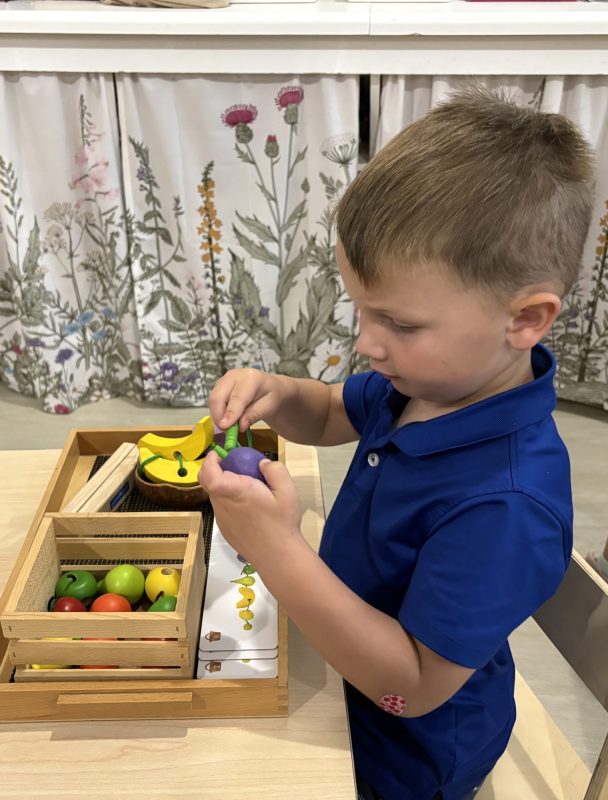
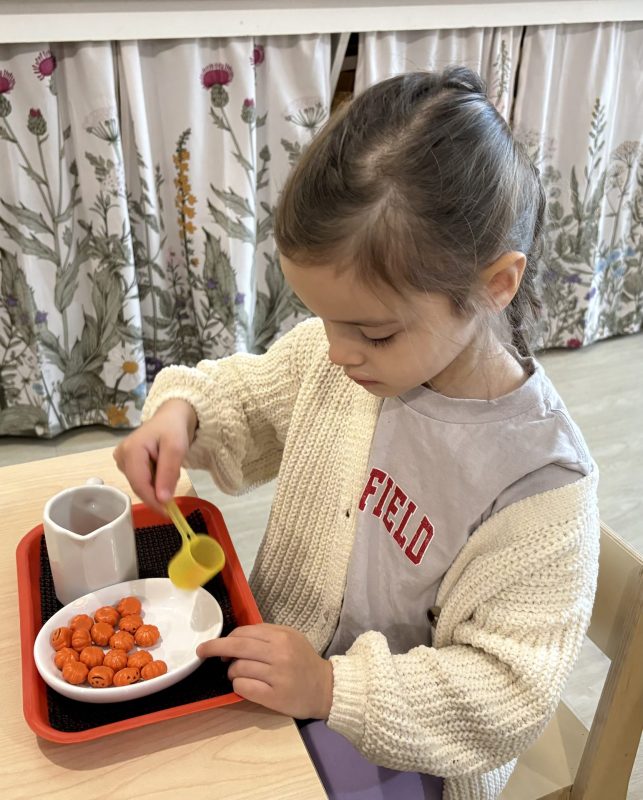
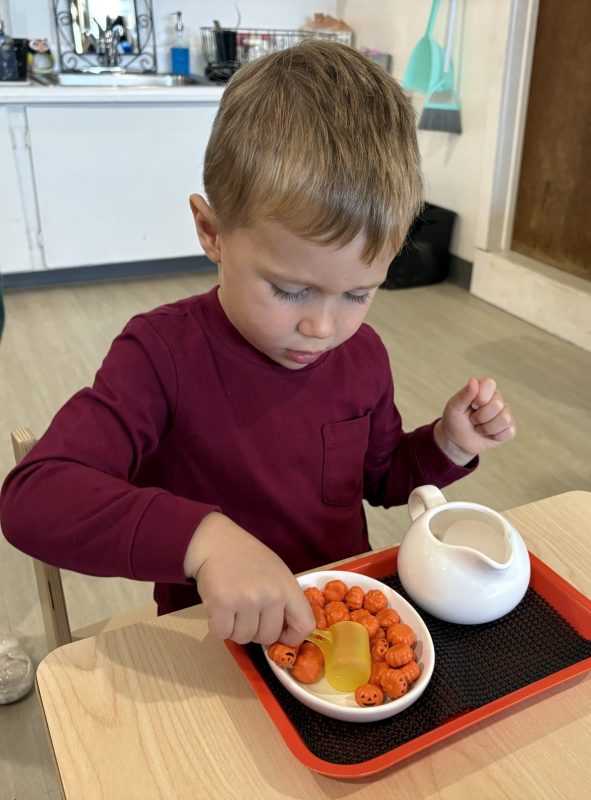
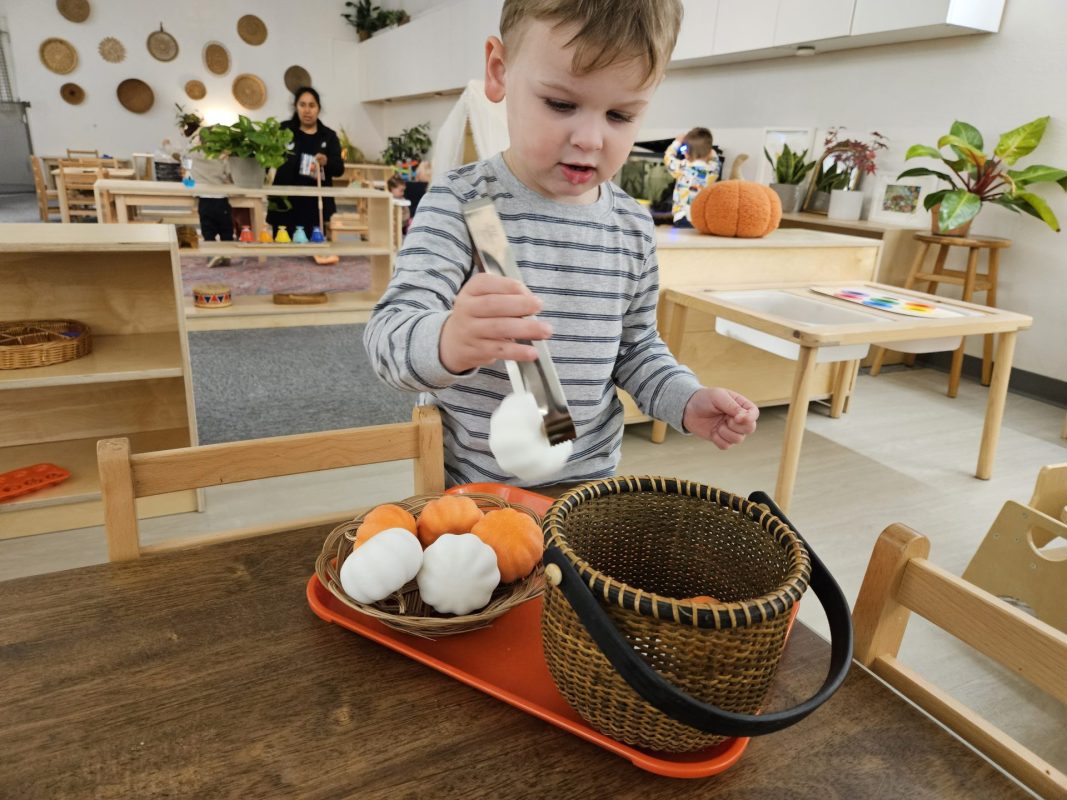
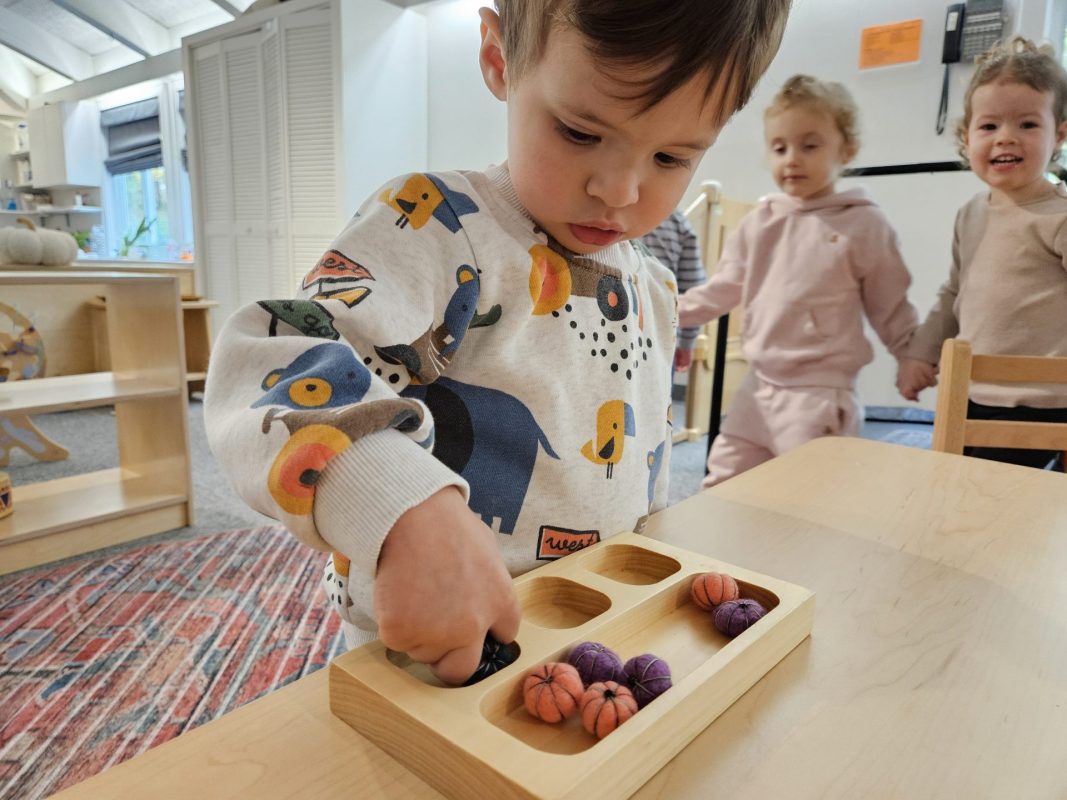
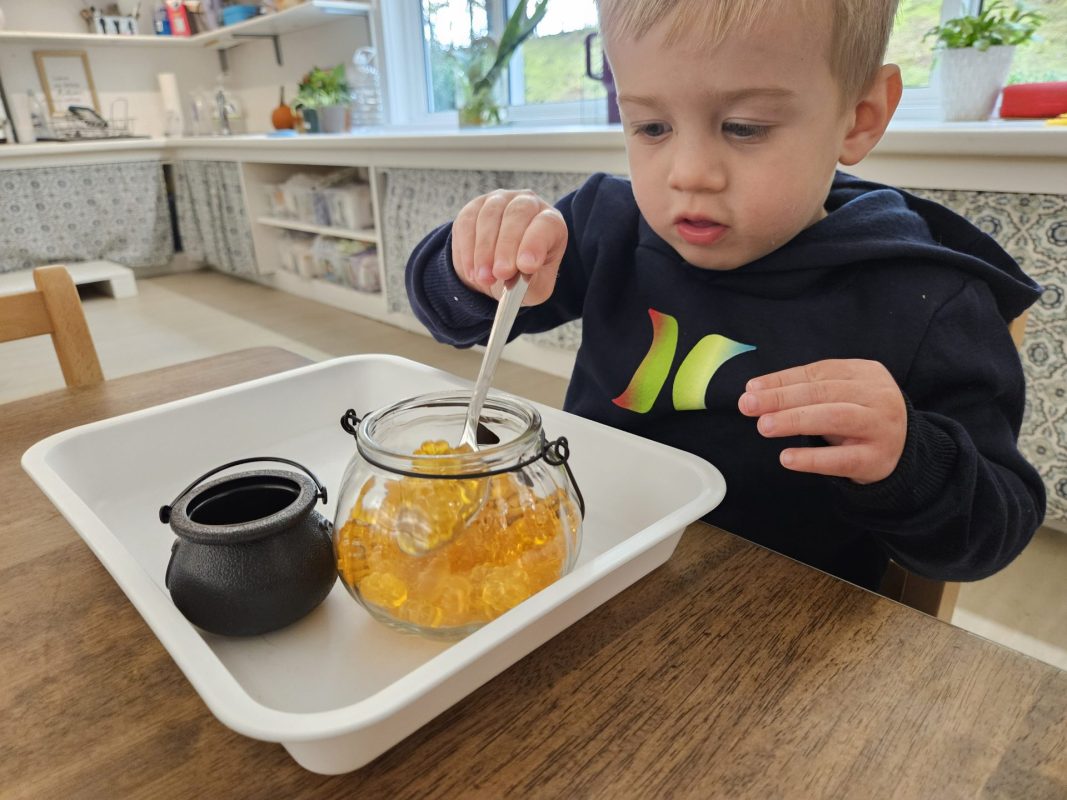
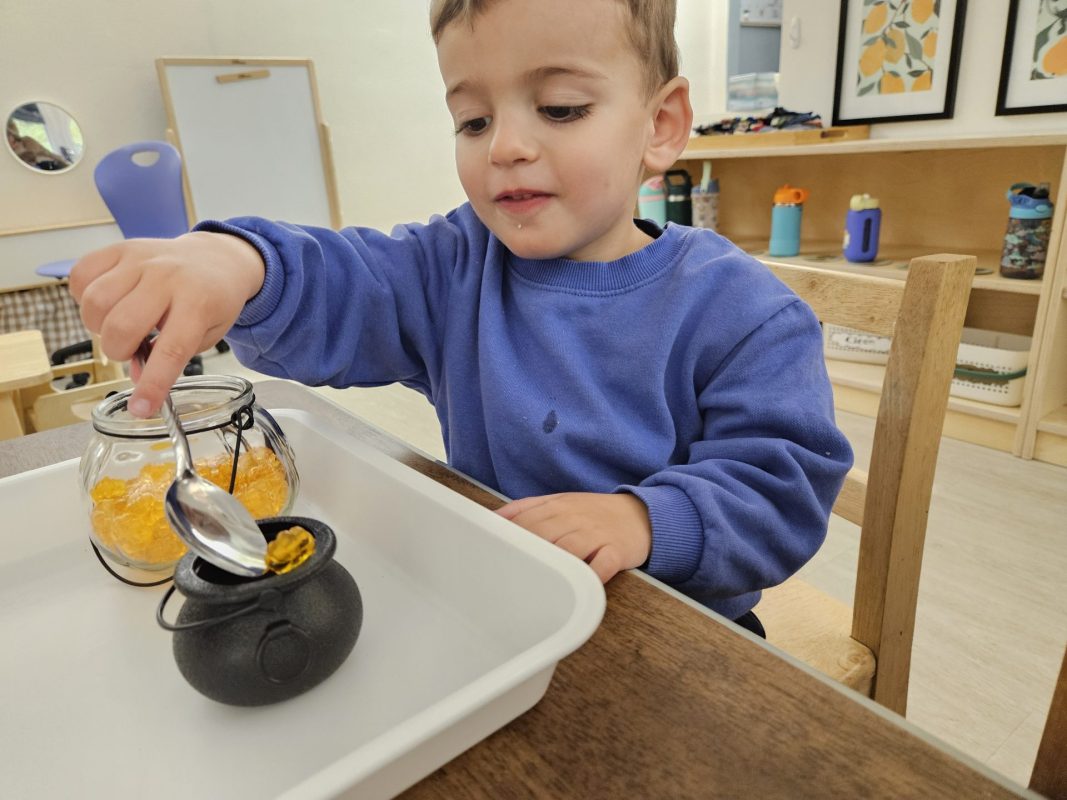
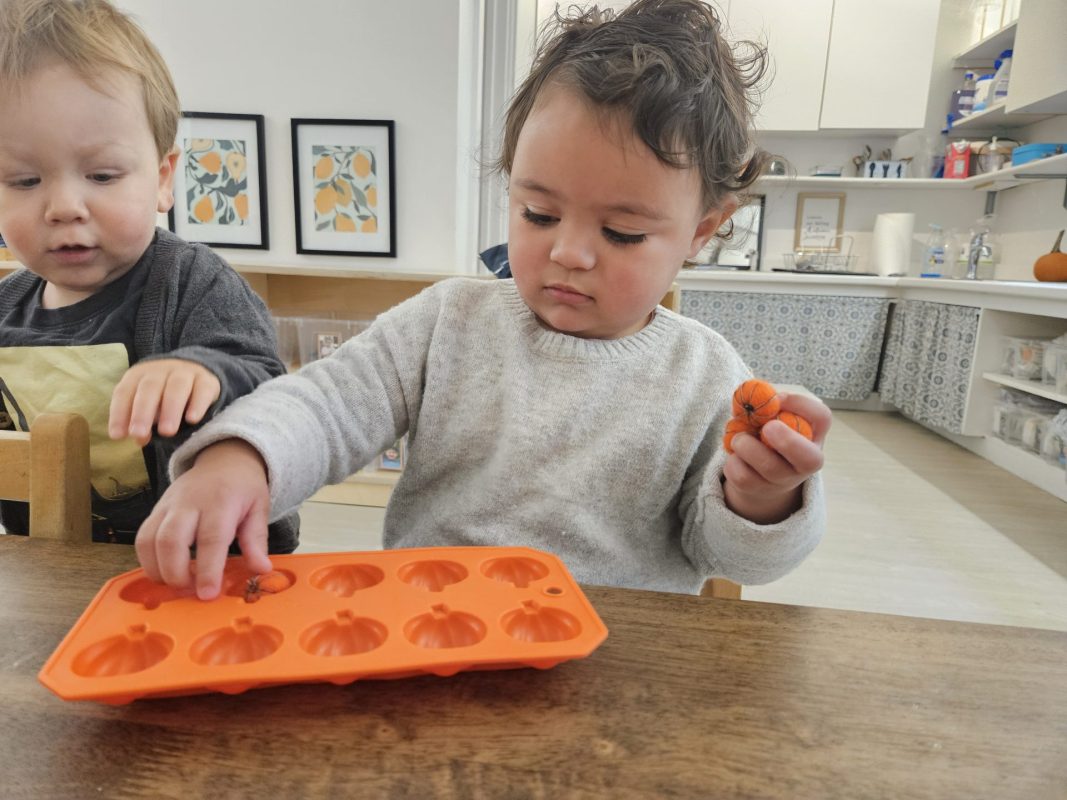
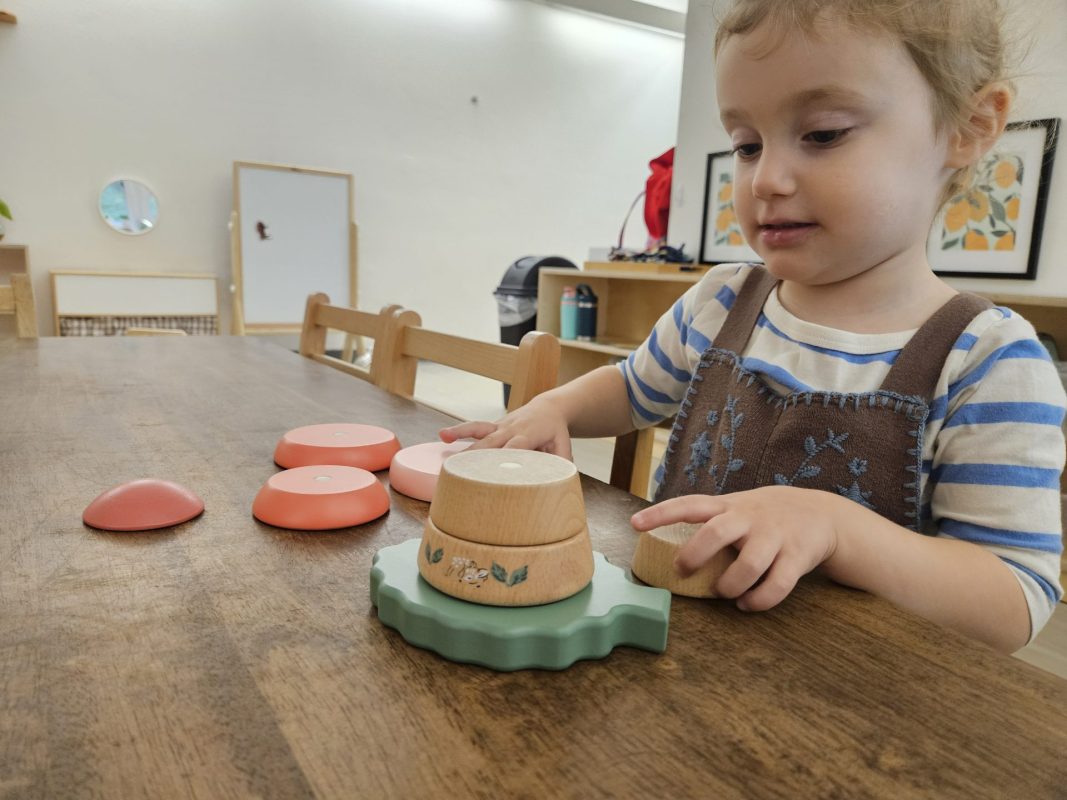
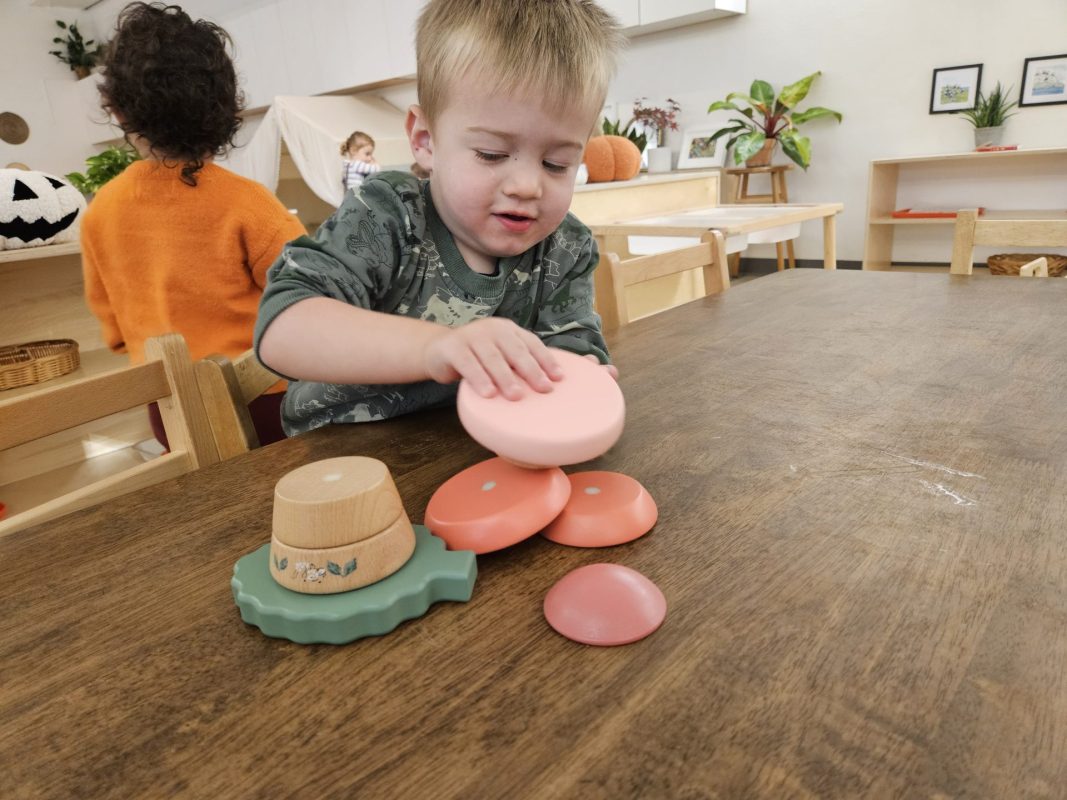
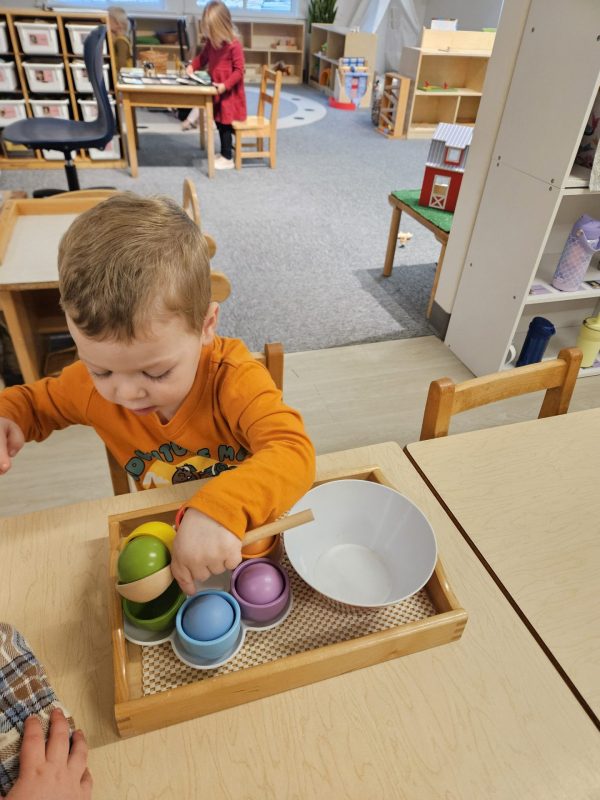
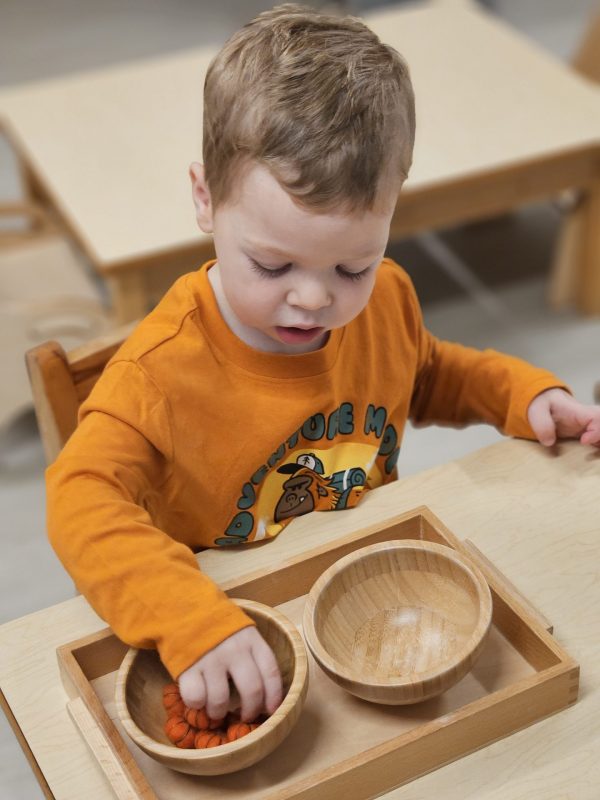
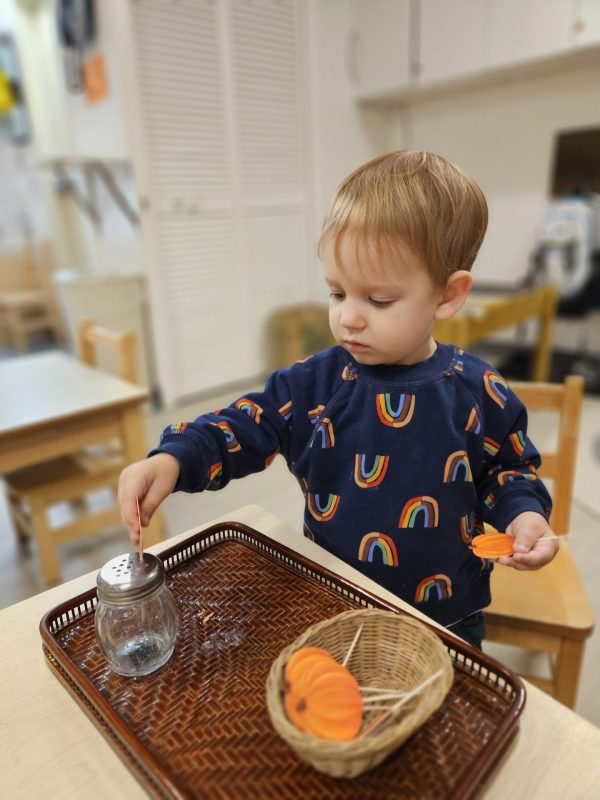
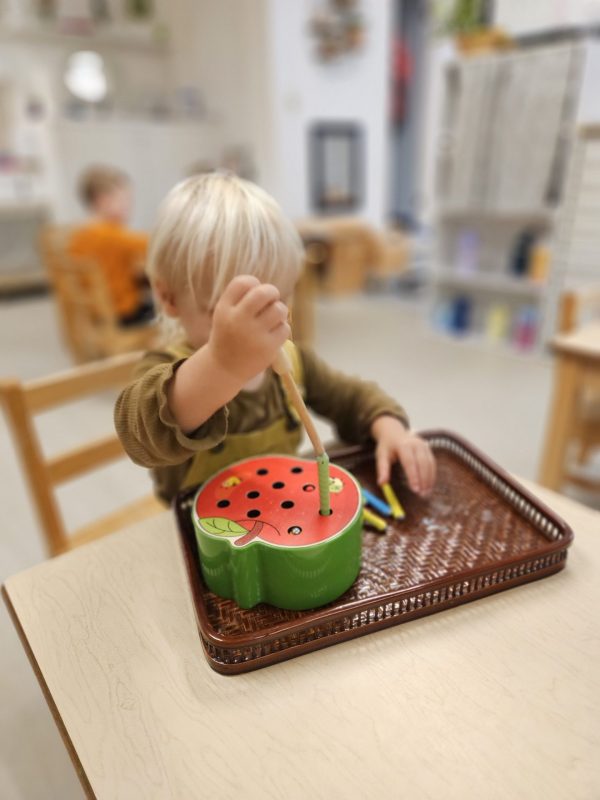
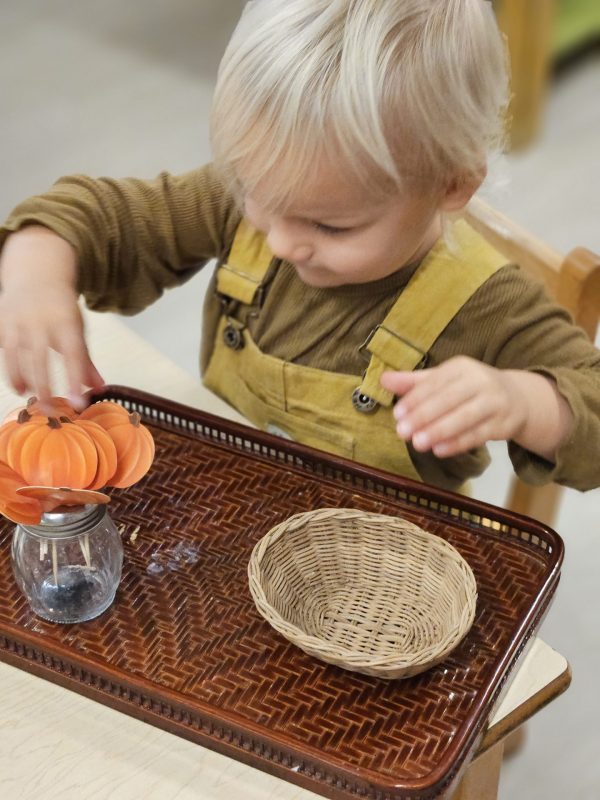
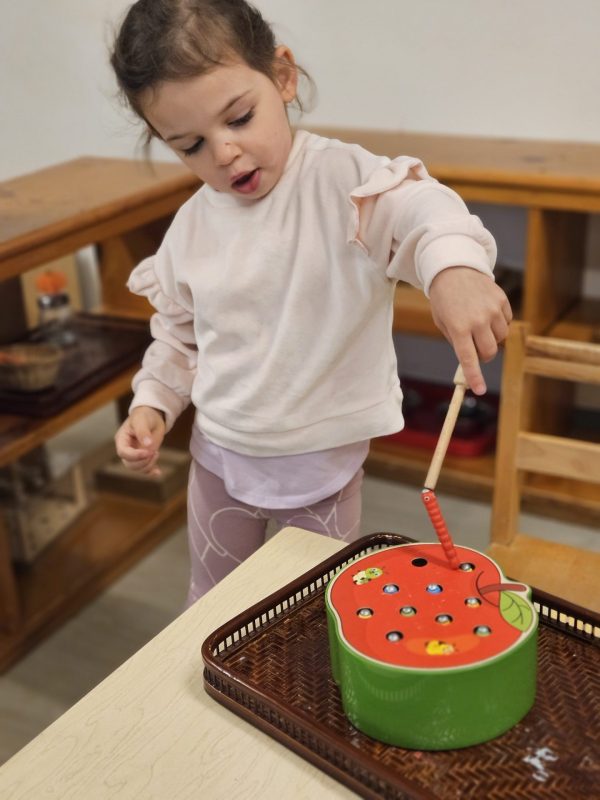
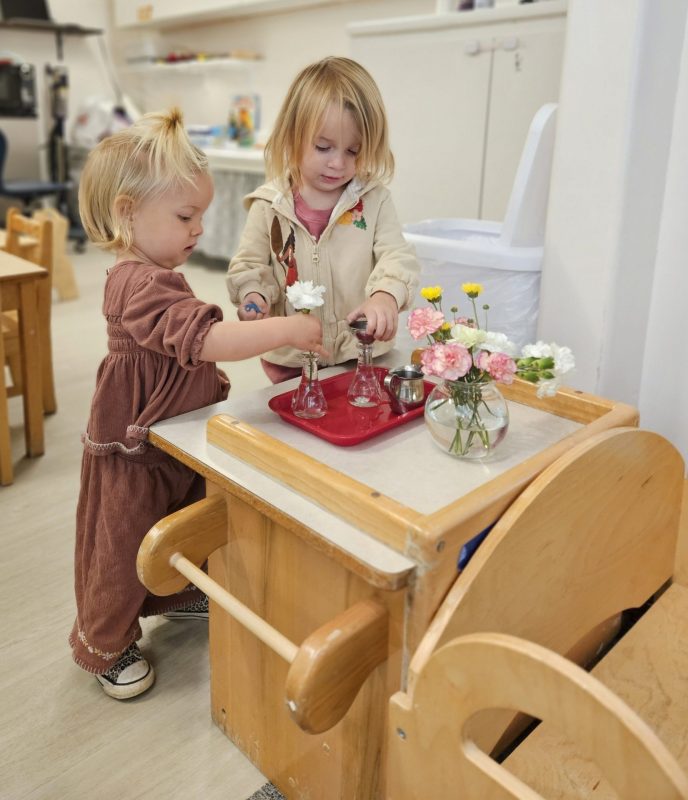
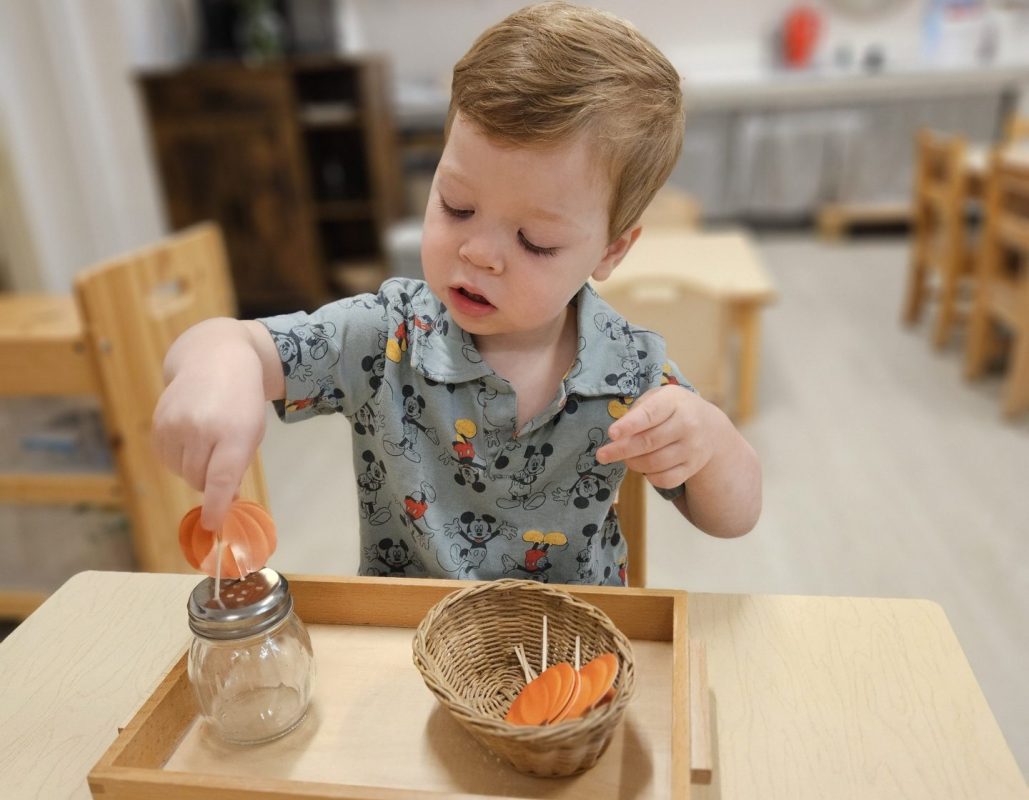
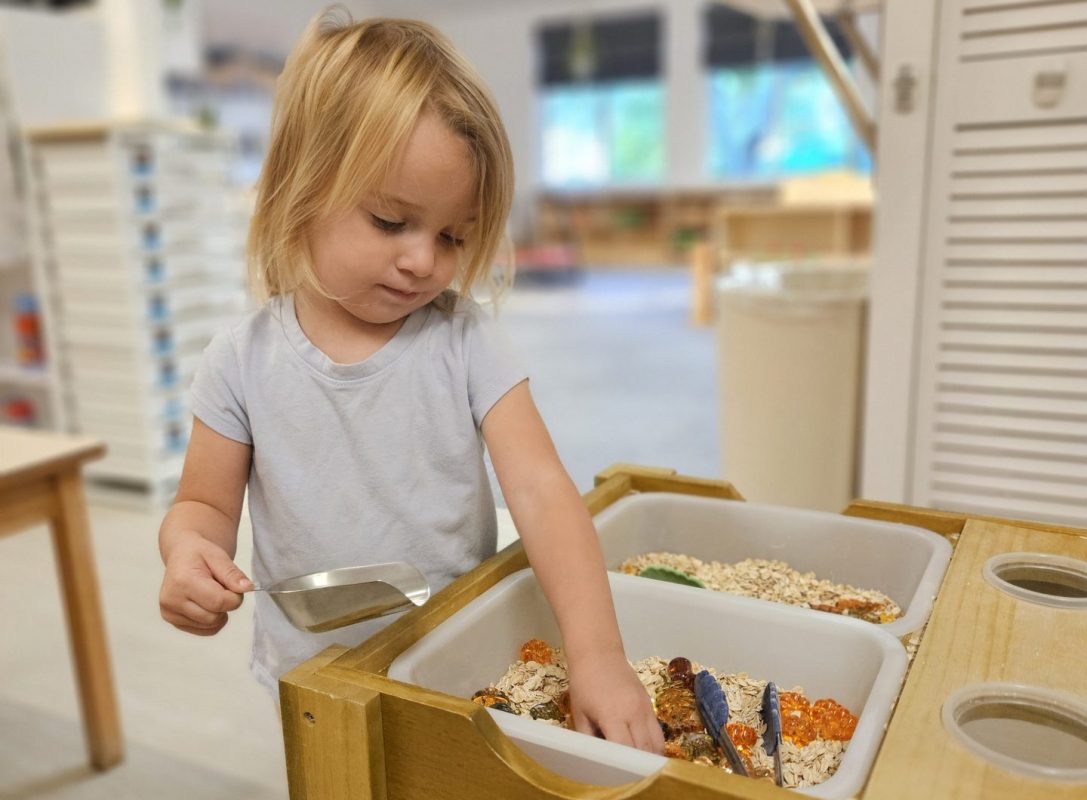
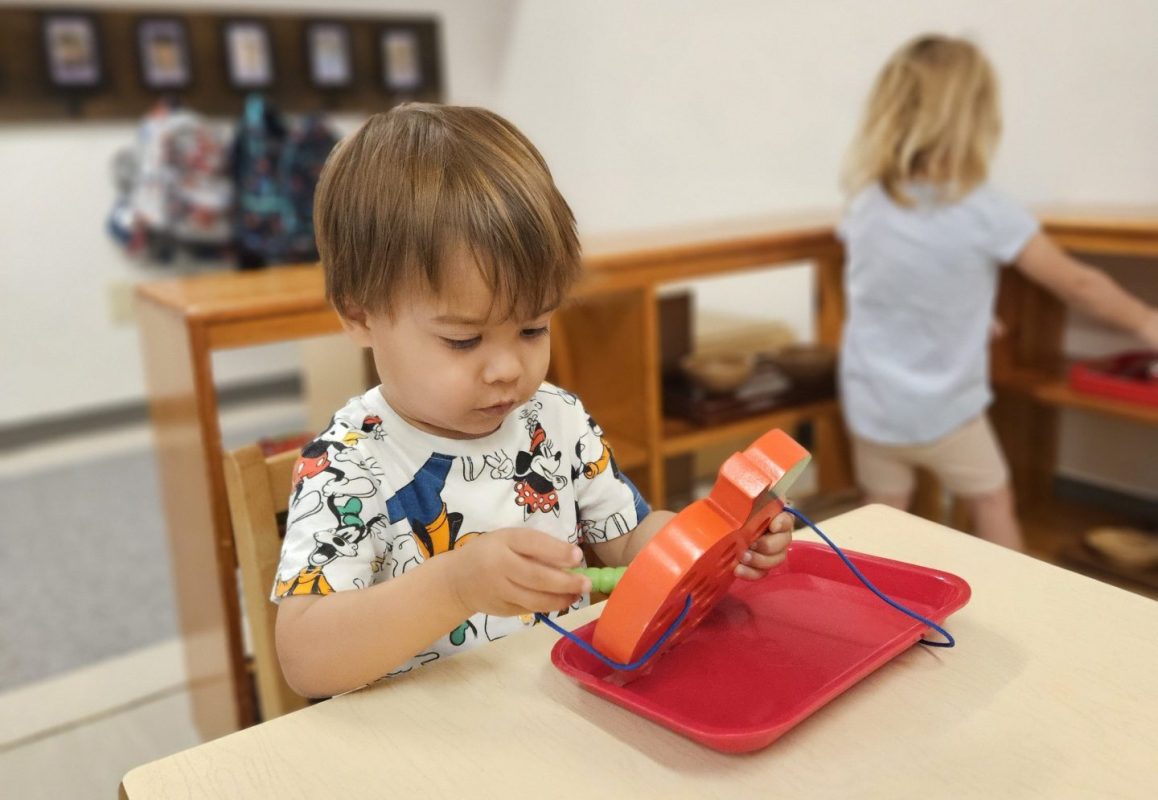
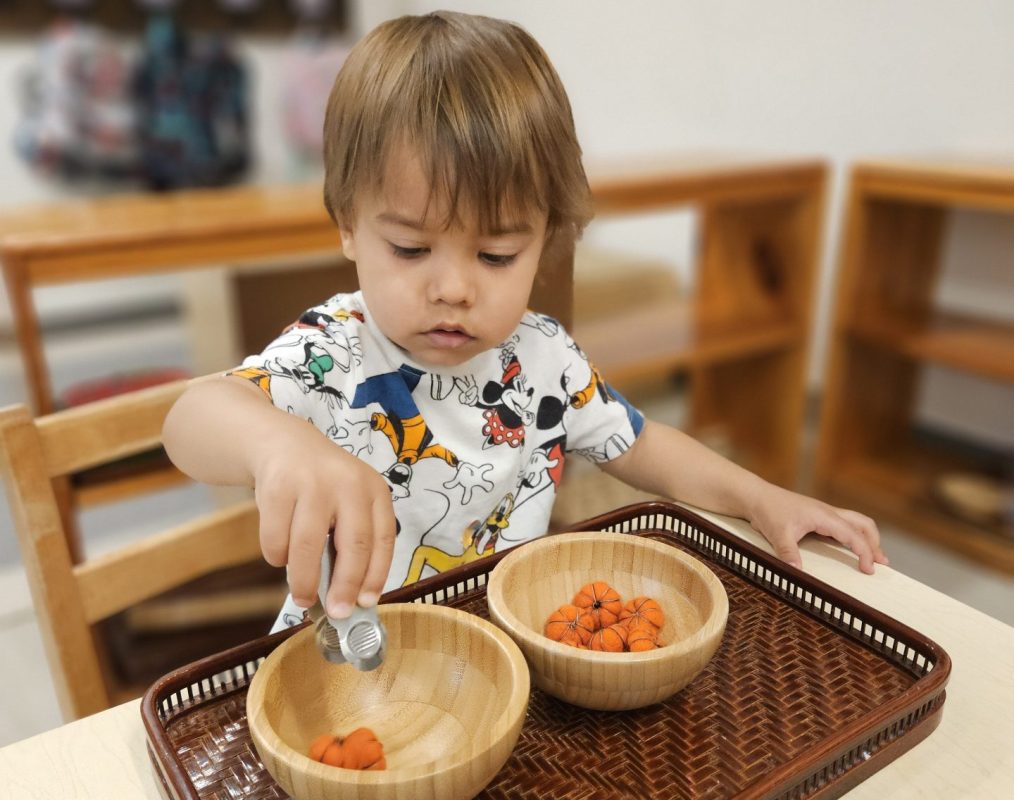
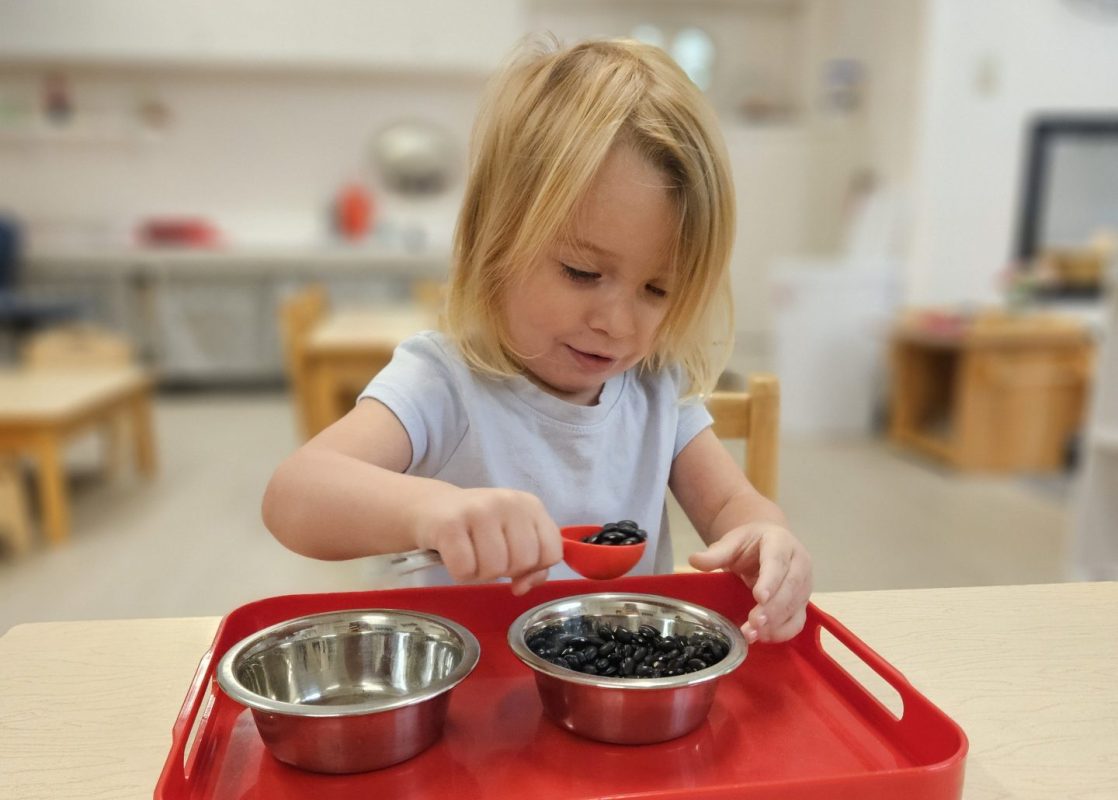
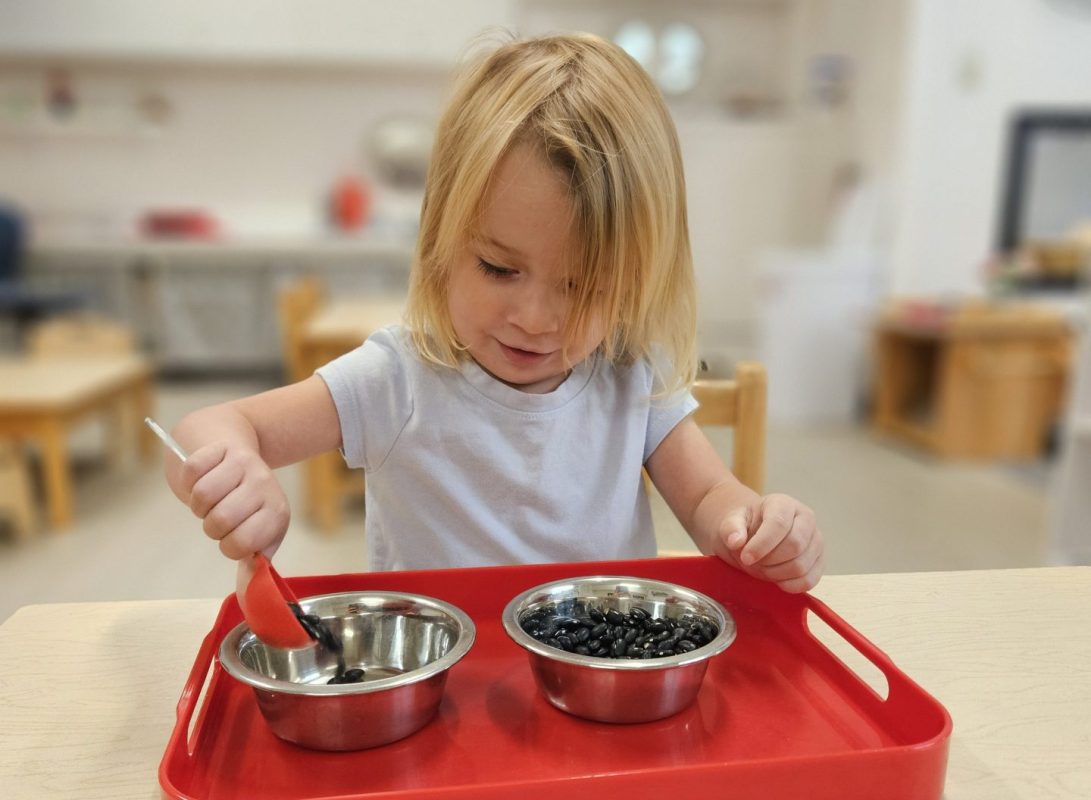
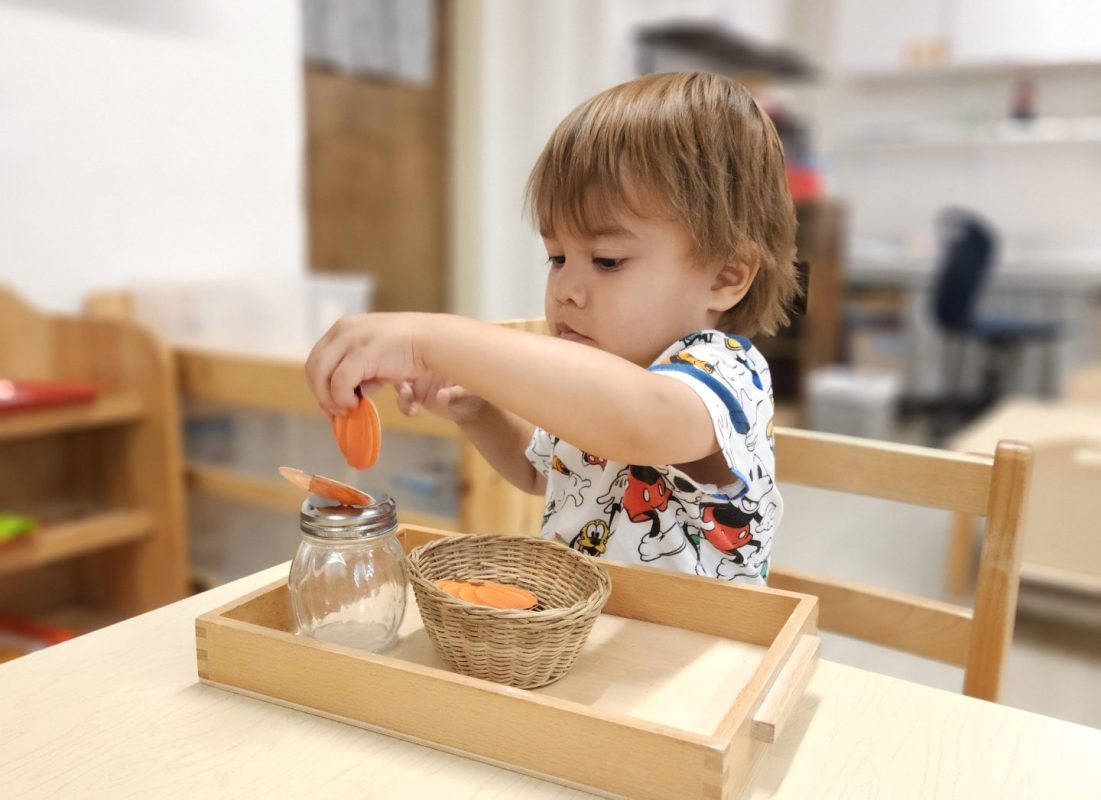
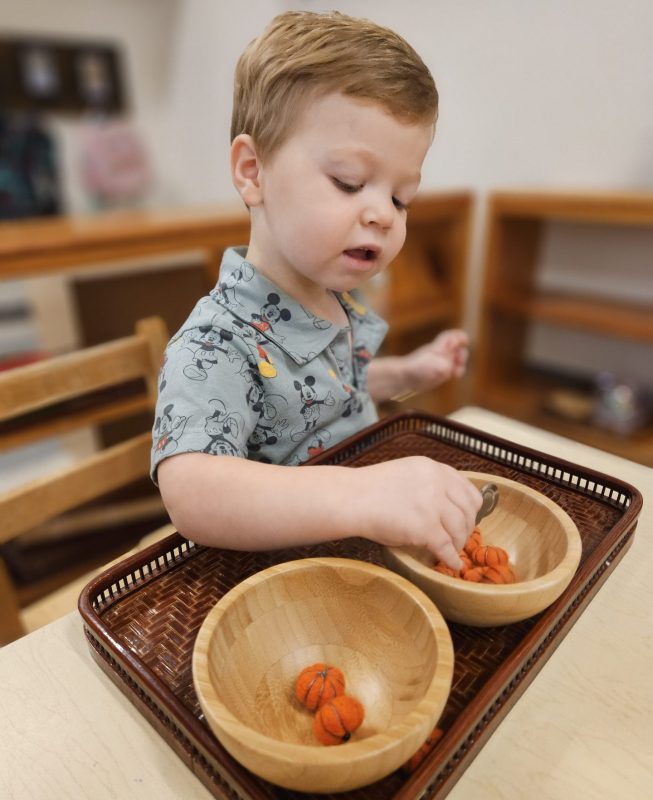
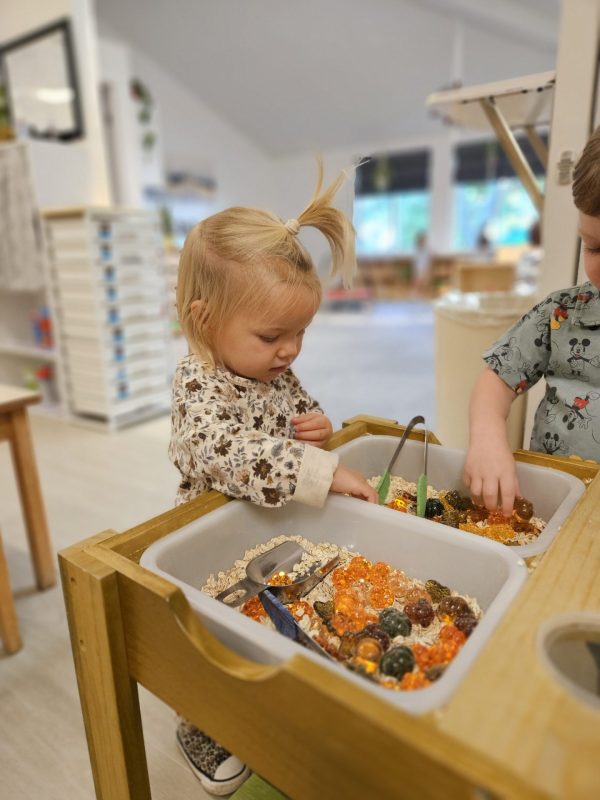
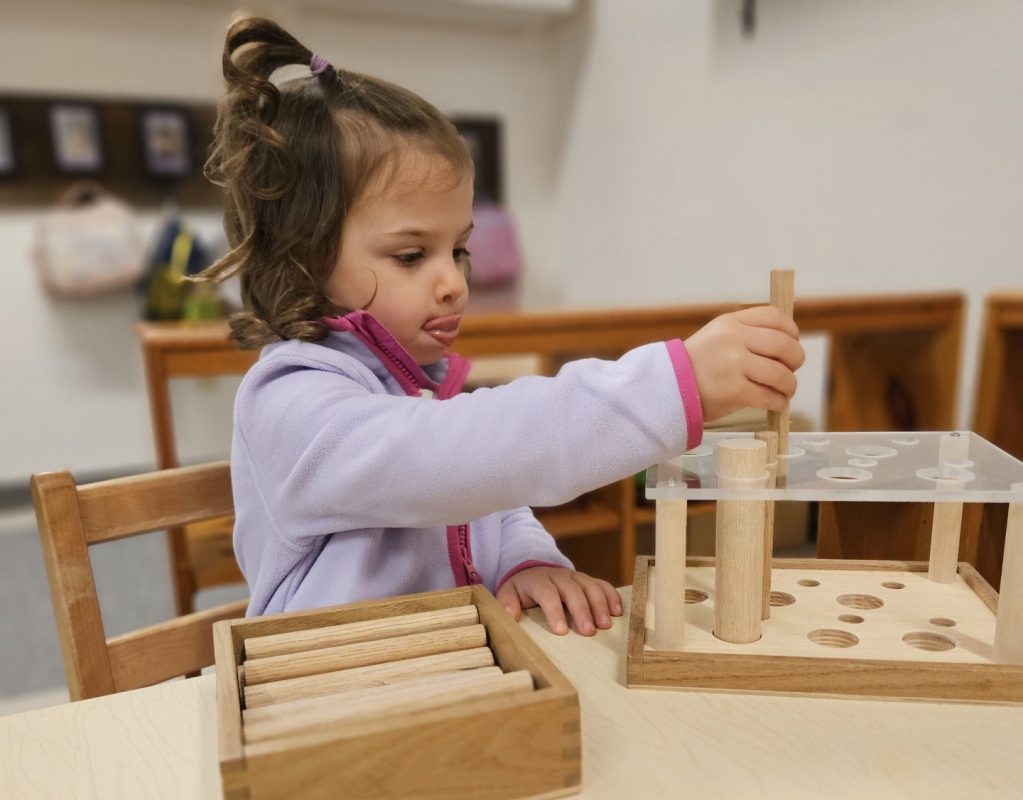
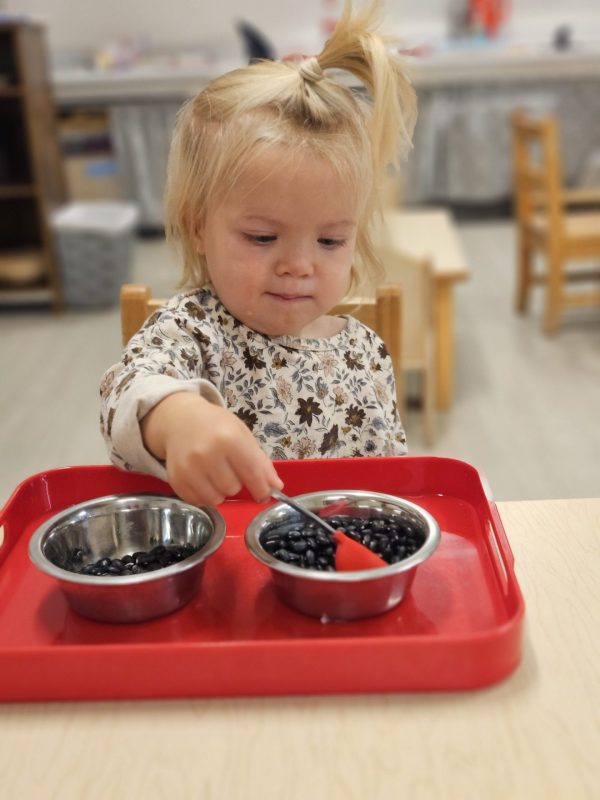
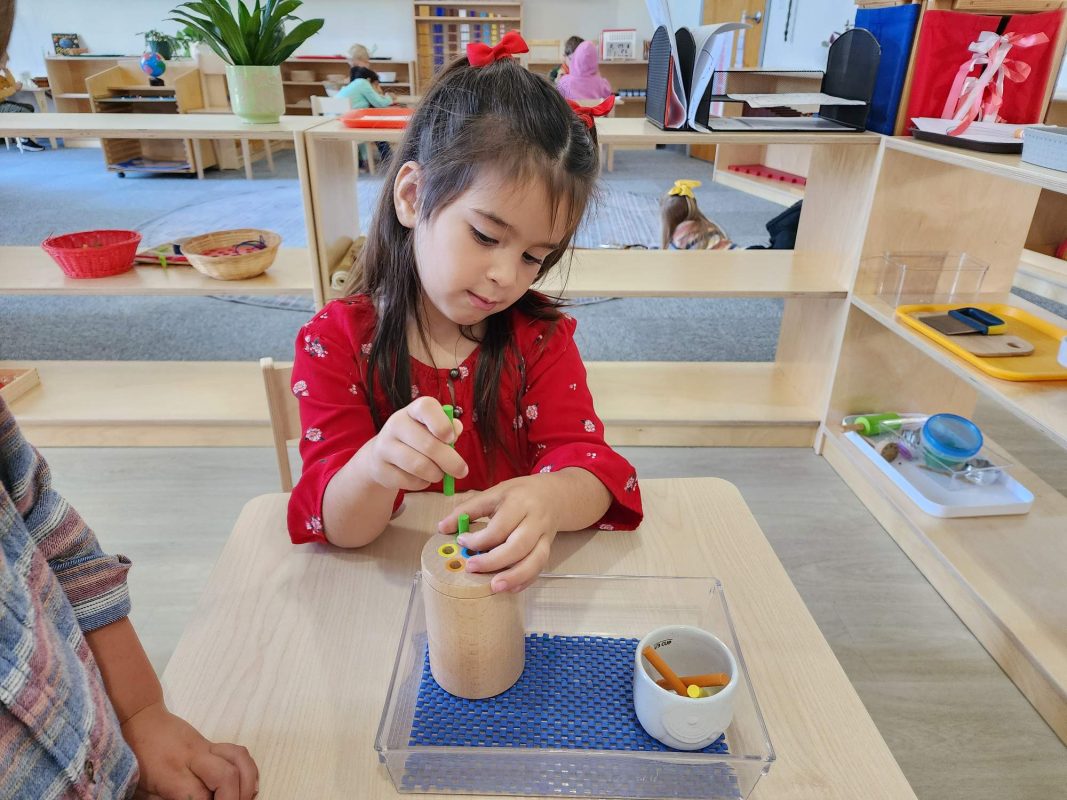
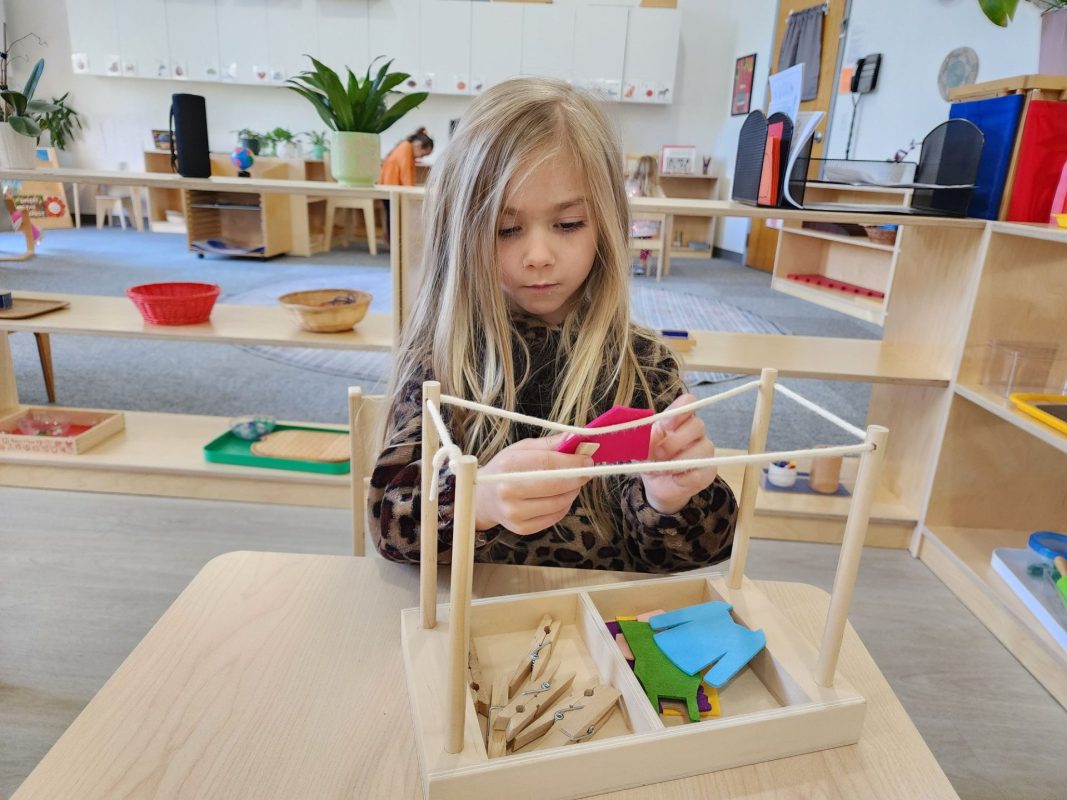
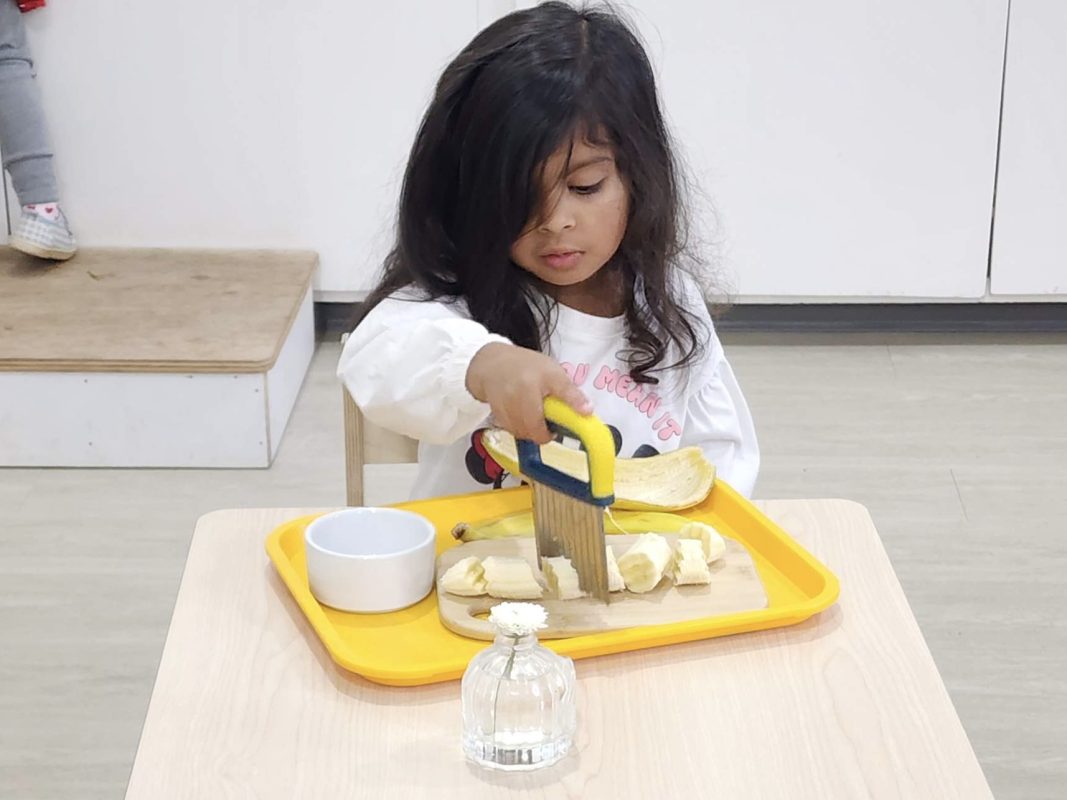
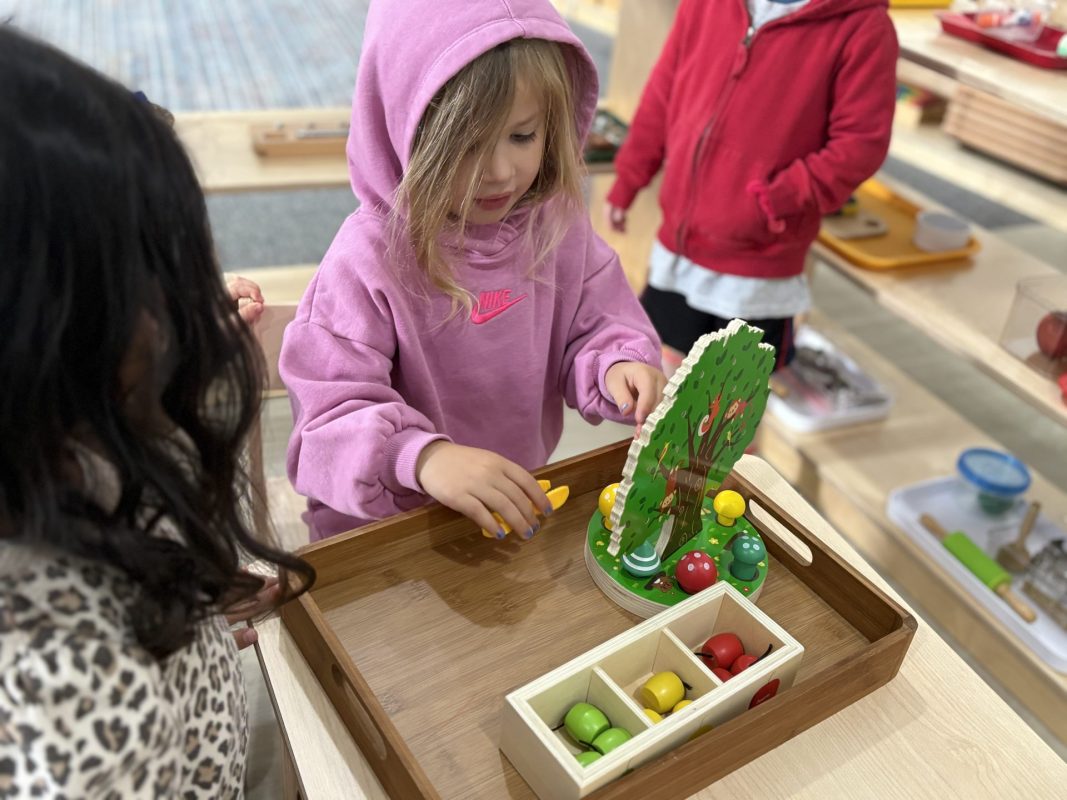
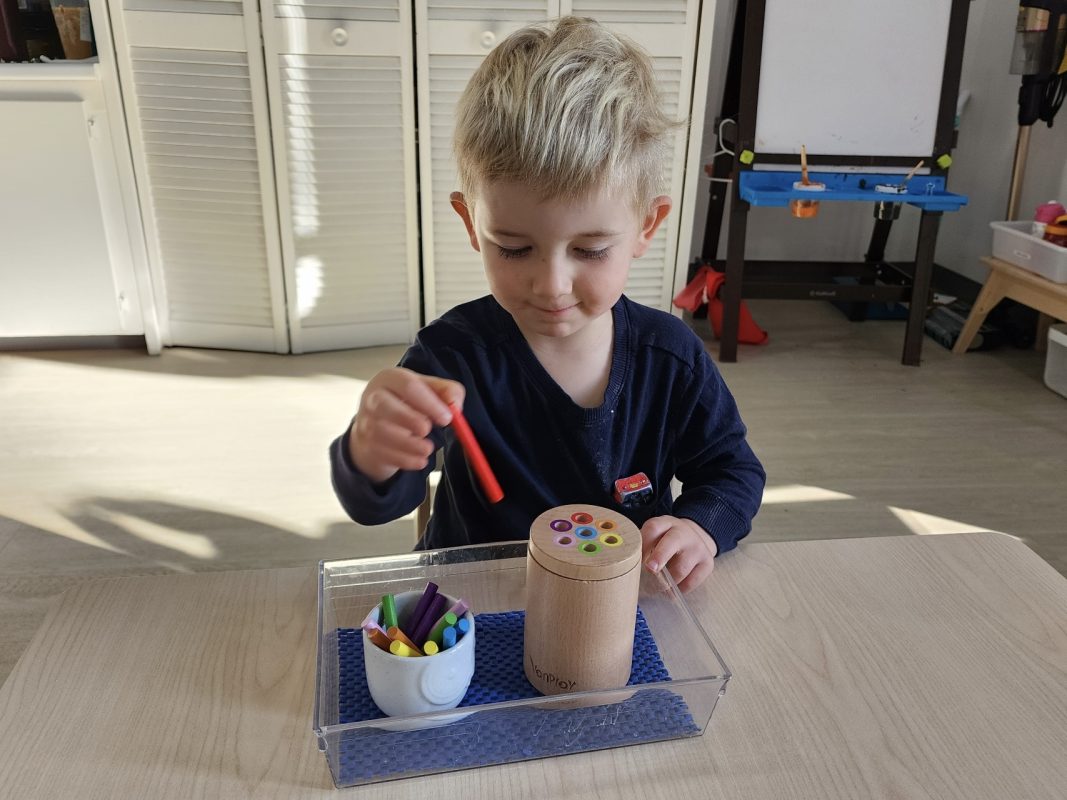
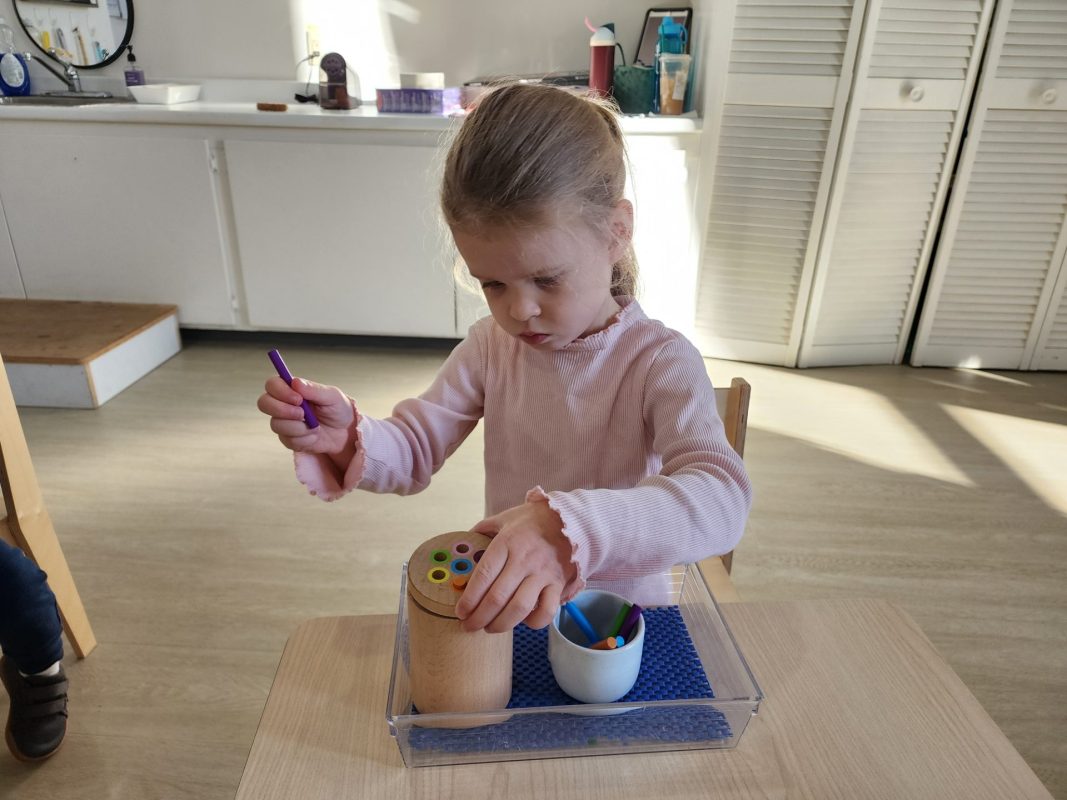
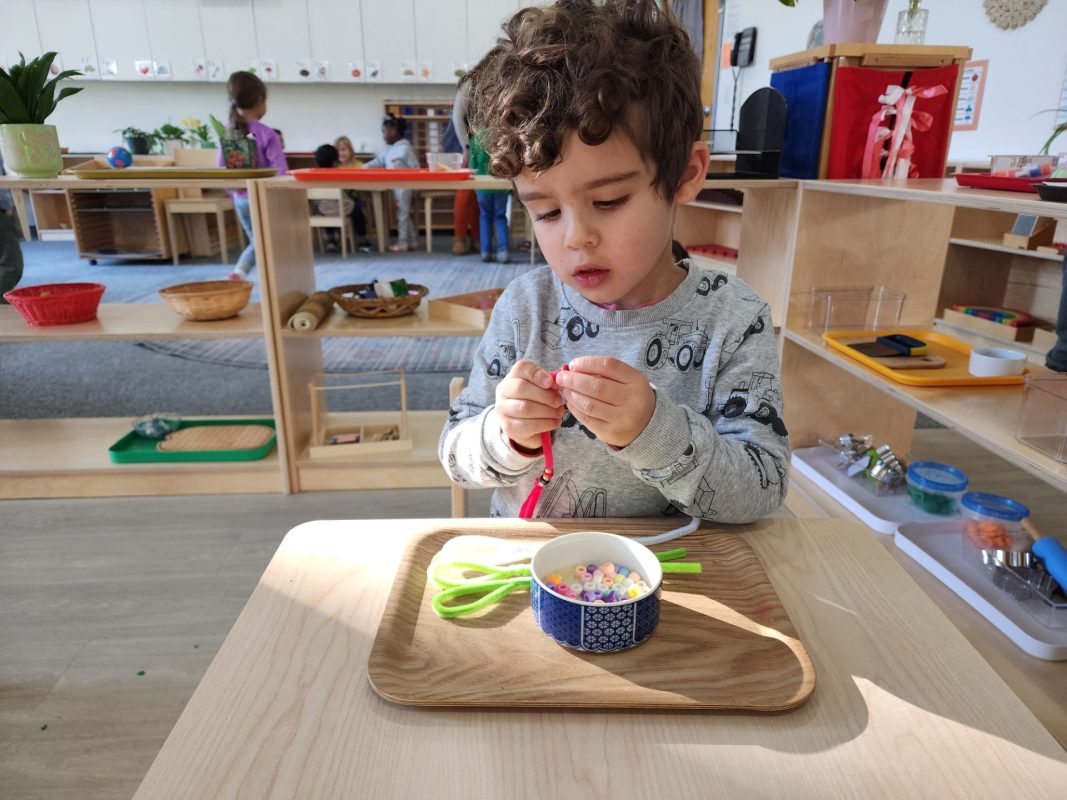
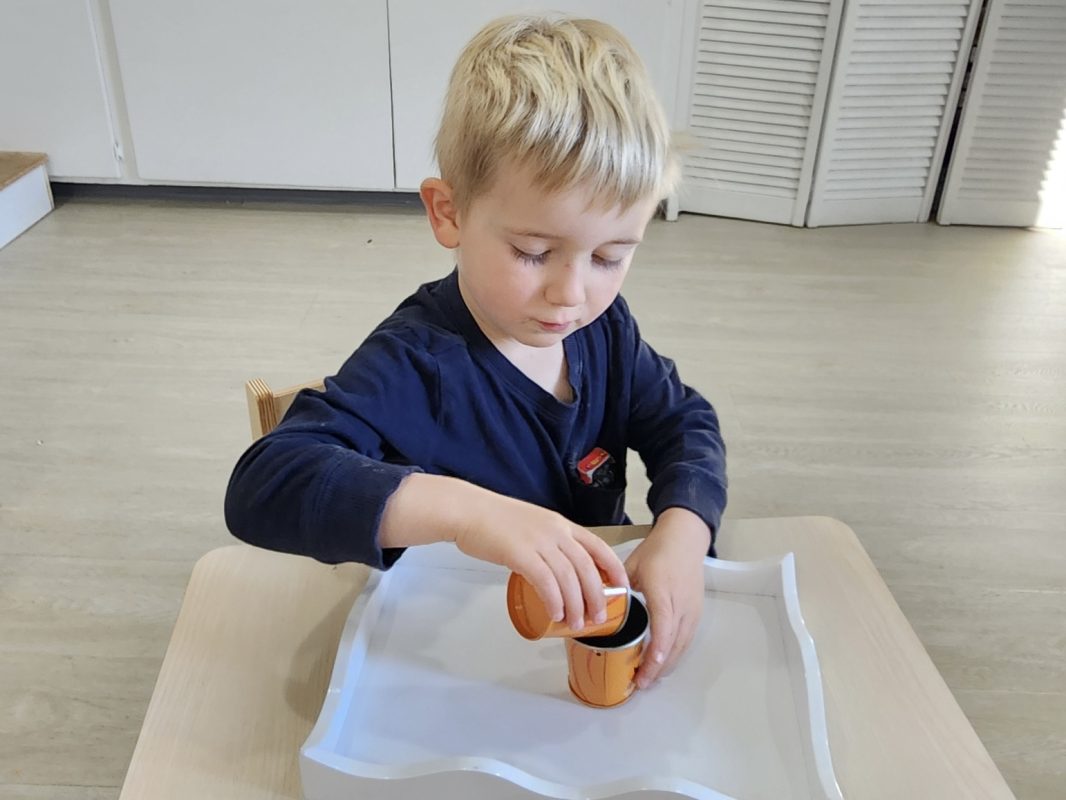
  • Refinement of the Hands – children practiced fine motor skills by transferring felt apples, pouring small apples from one vessel to another, posting sliced apples into a container, and using a magnet wand to “remove worms” from an apple.

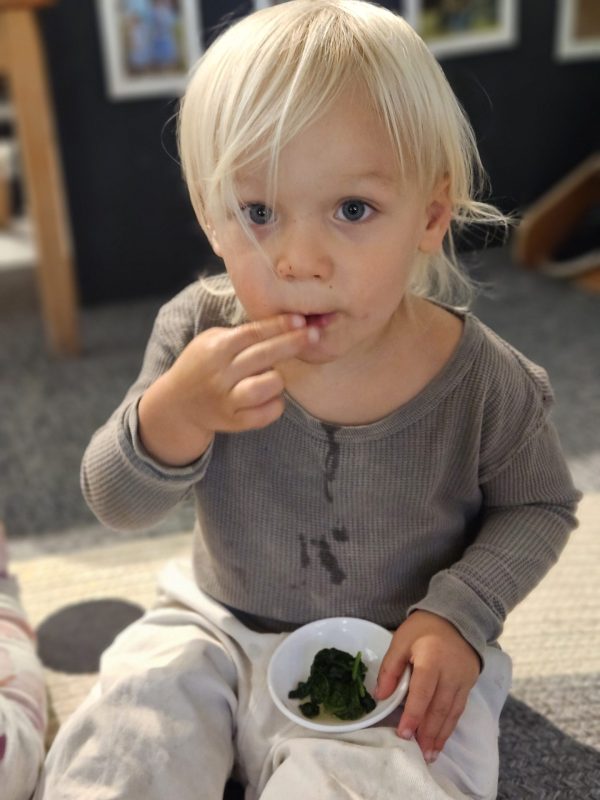
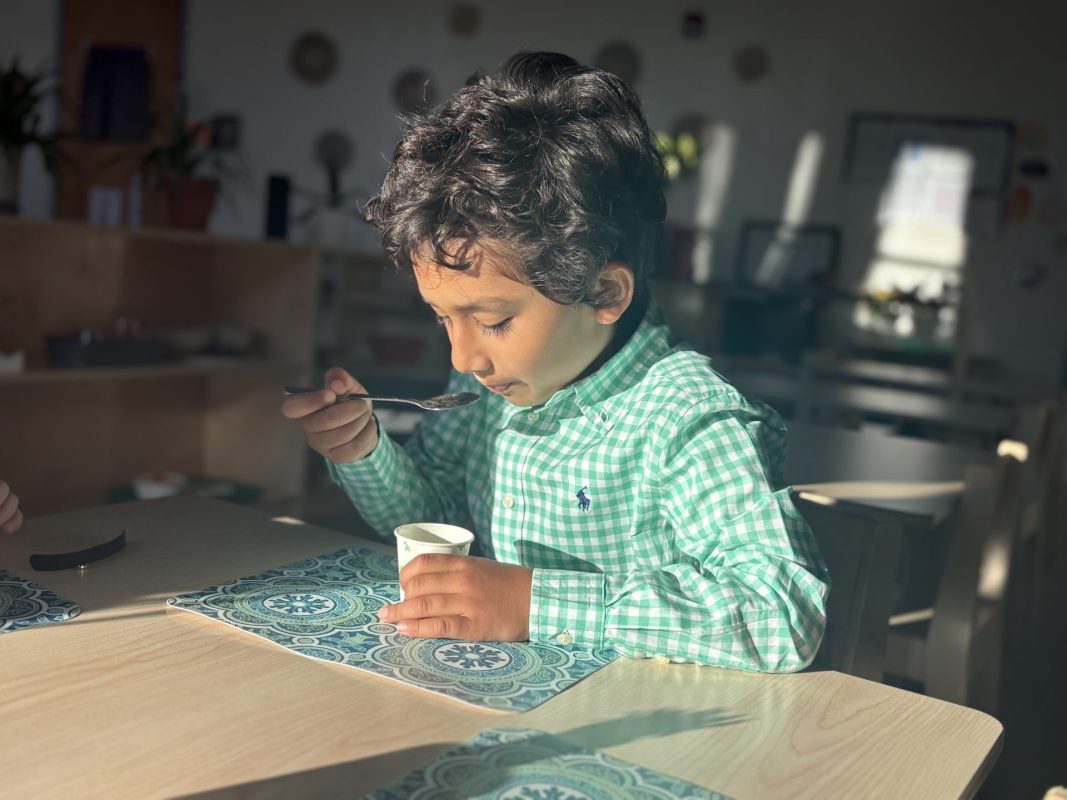
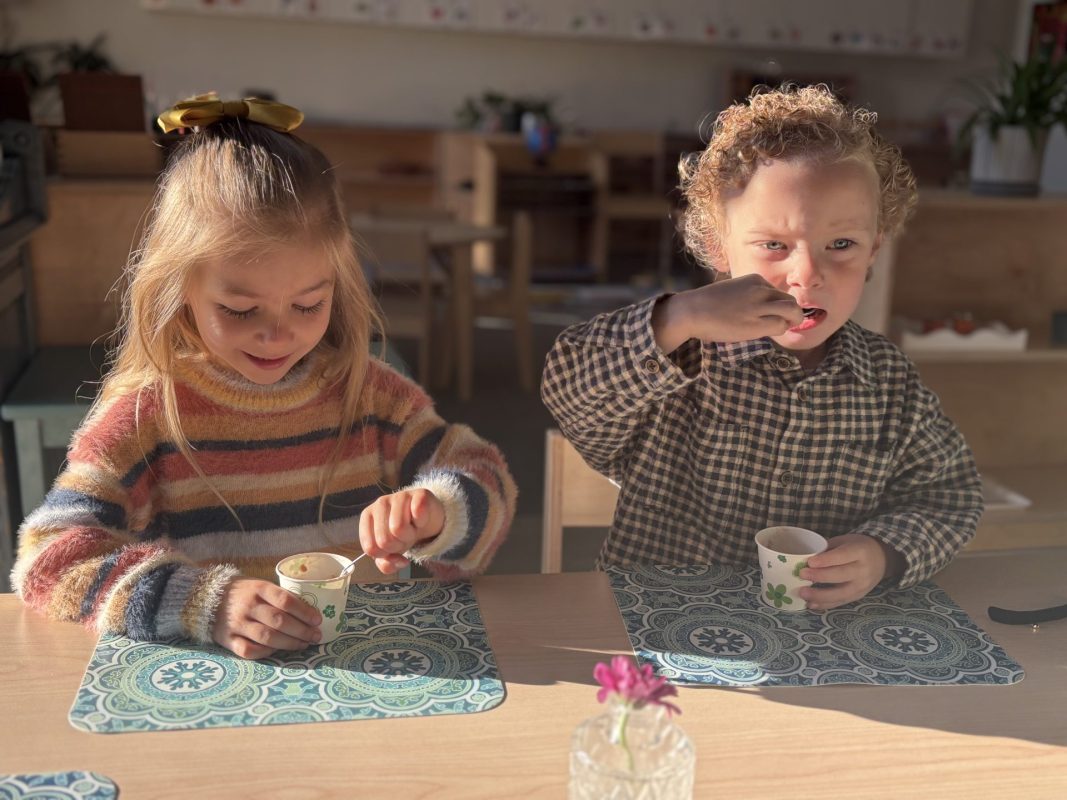
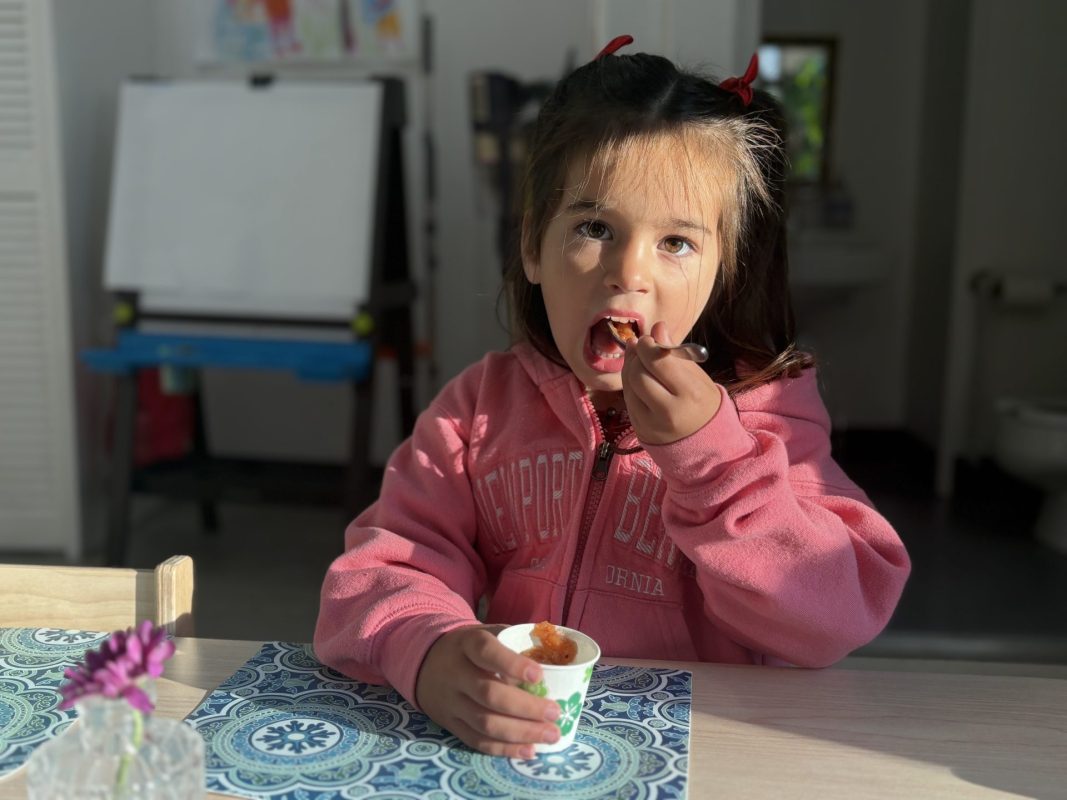
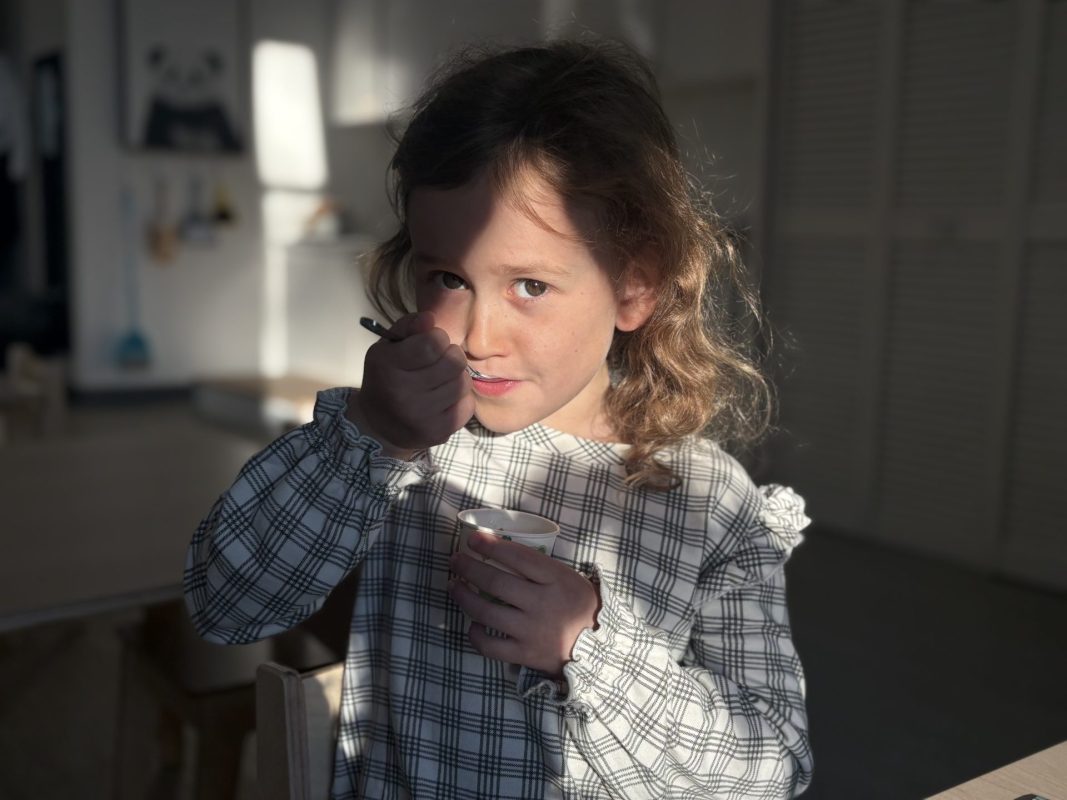
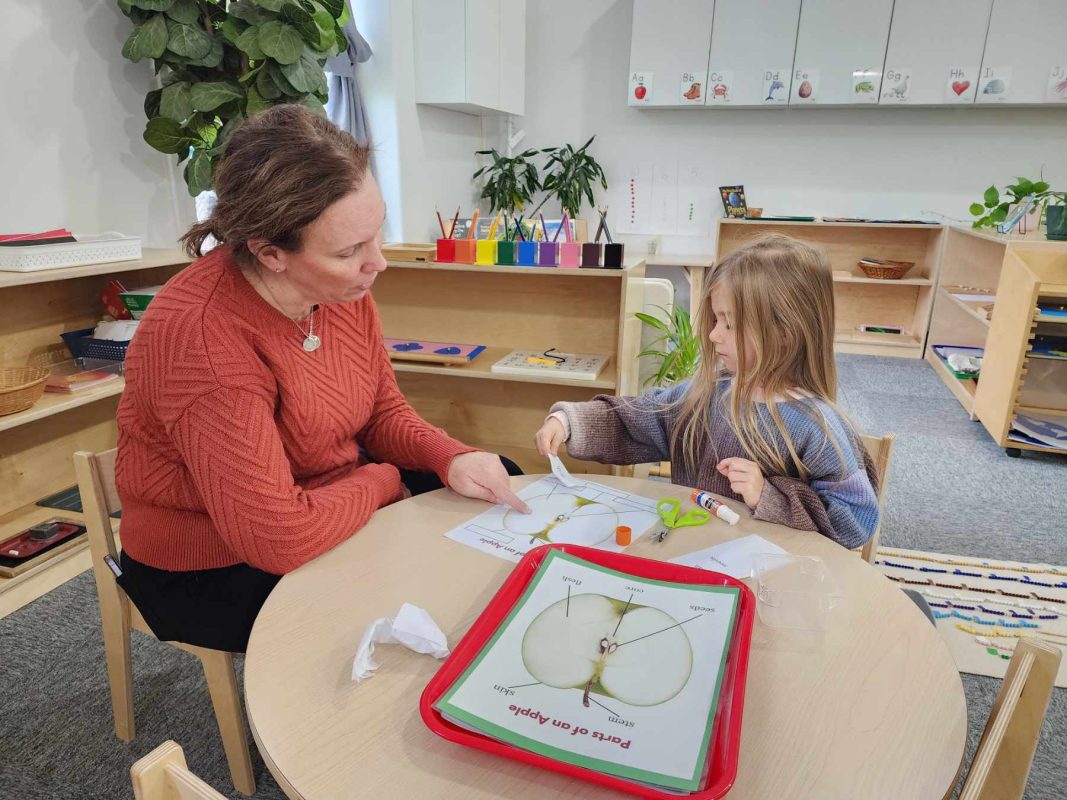
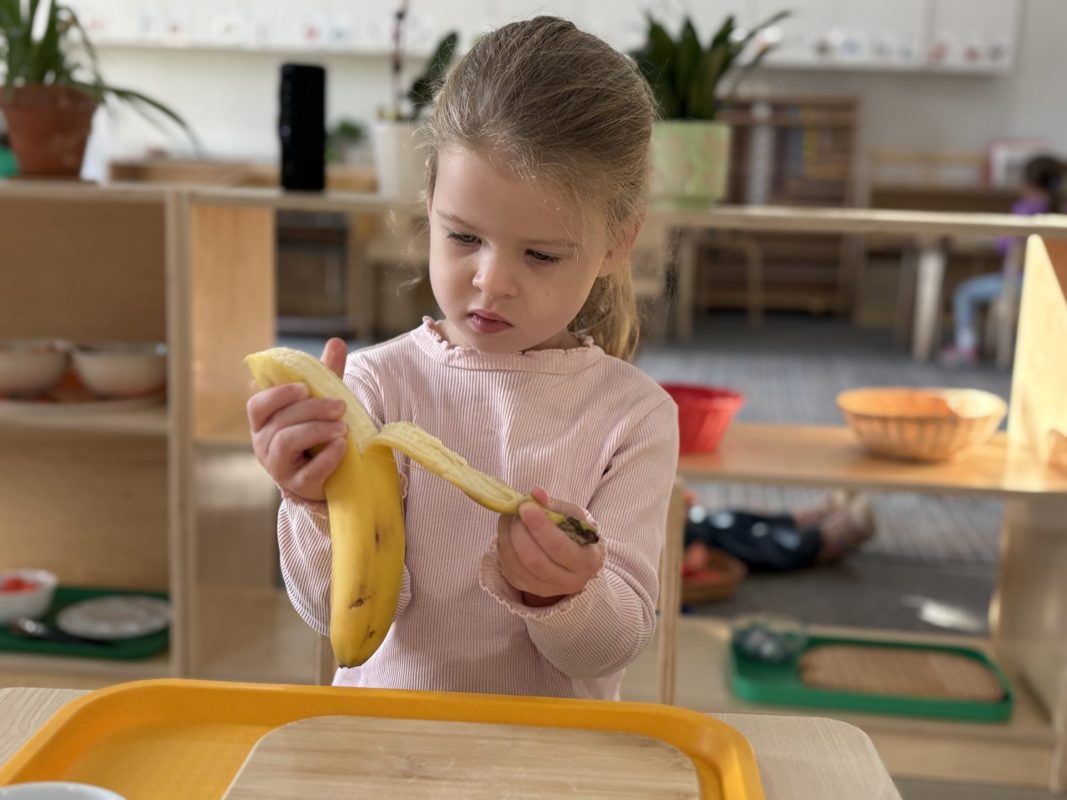
One highlight was our first food-tasting activity, which was a great success! The children explored red, green, and yellow apples. Together, we talked about the parts of an apple: stem, skin, flesh, and seeds. When we cut the apples horizontally, the children were delighted to discover the little star hidden inside made by the seeds. We also noticed that while the skin looks different on each apple, the inside is the same. Each child then had the opportunity to taste the different varieties of apples.

Later in the week, the children used an apple peeler and corer to prepare apples for applesauce. They worked together to turn the apples into something new, and we are all excited to taste the finished applesauce on Tuesday.

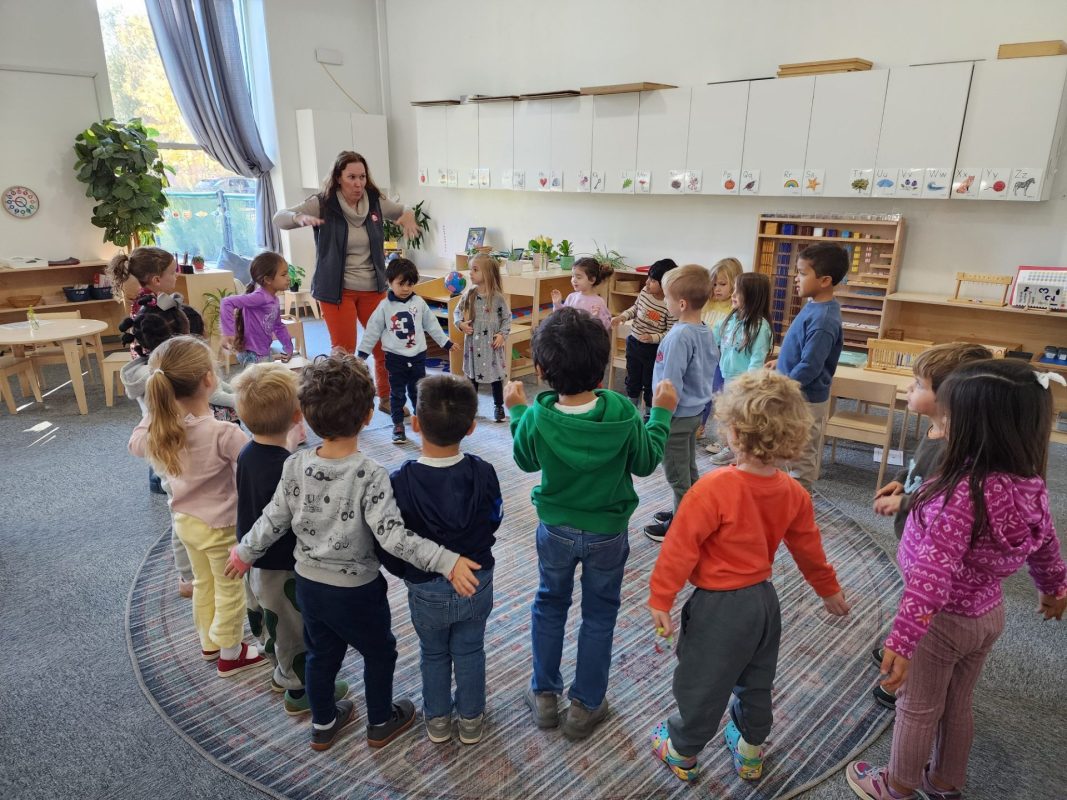
To carry our apple theme into music, we’ve been singing “Way Up High in the Tree.” This song is a class favorite, filled with movement, expression, and anticipation as each child eagerly waits for their turn to “pick” an apple at the end.

September has been full of curiosity, exploration, and joy. From discovering the hidden star inside an apple to working together to make applesauce, the children are learning that the world is full of little surprises waiting to be explored.

Love and Light,

Cynthia and Sara


Middle School: Week in Review

Happy Friday!

Here some upcoming announcements:

  • Wednesday, 9/24 @ 8:15: HS Placement Meeting for 8th grade Parents
  • Wednesday, 9/24@ 11am: Visit from Westover School for MS girls
  • Thursday, 9/25 @ 5:30: Curriculum Night (adult-only event)
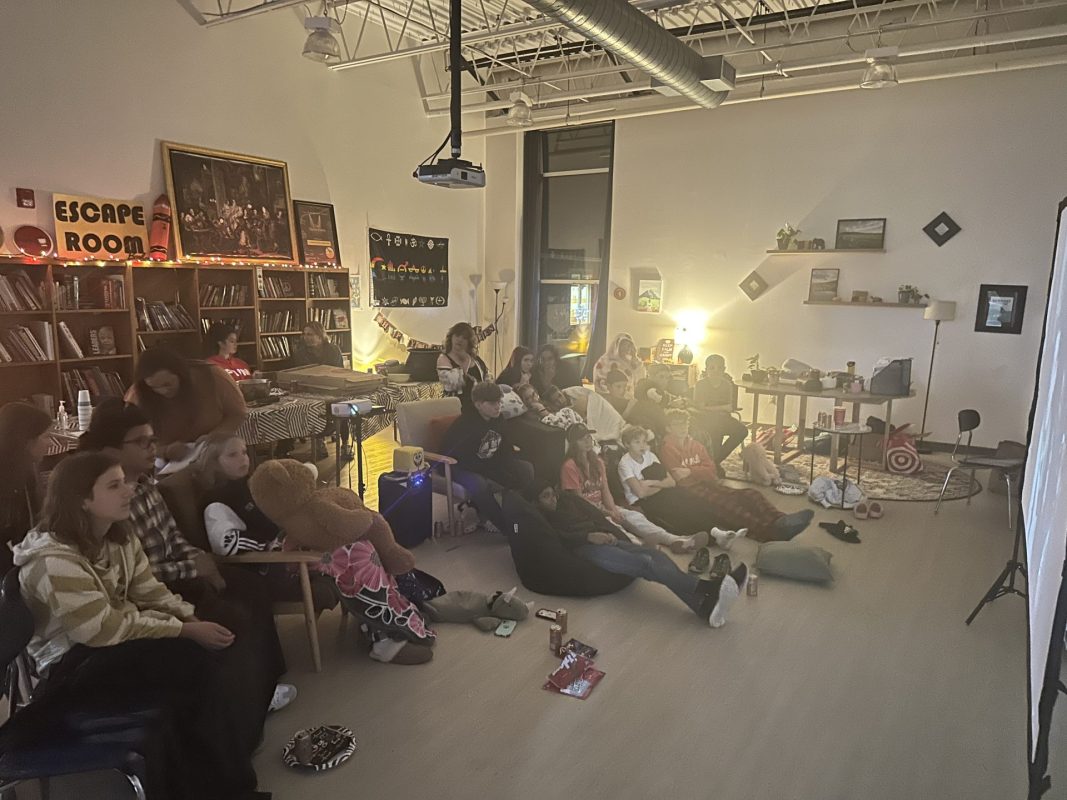
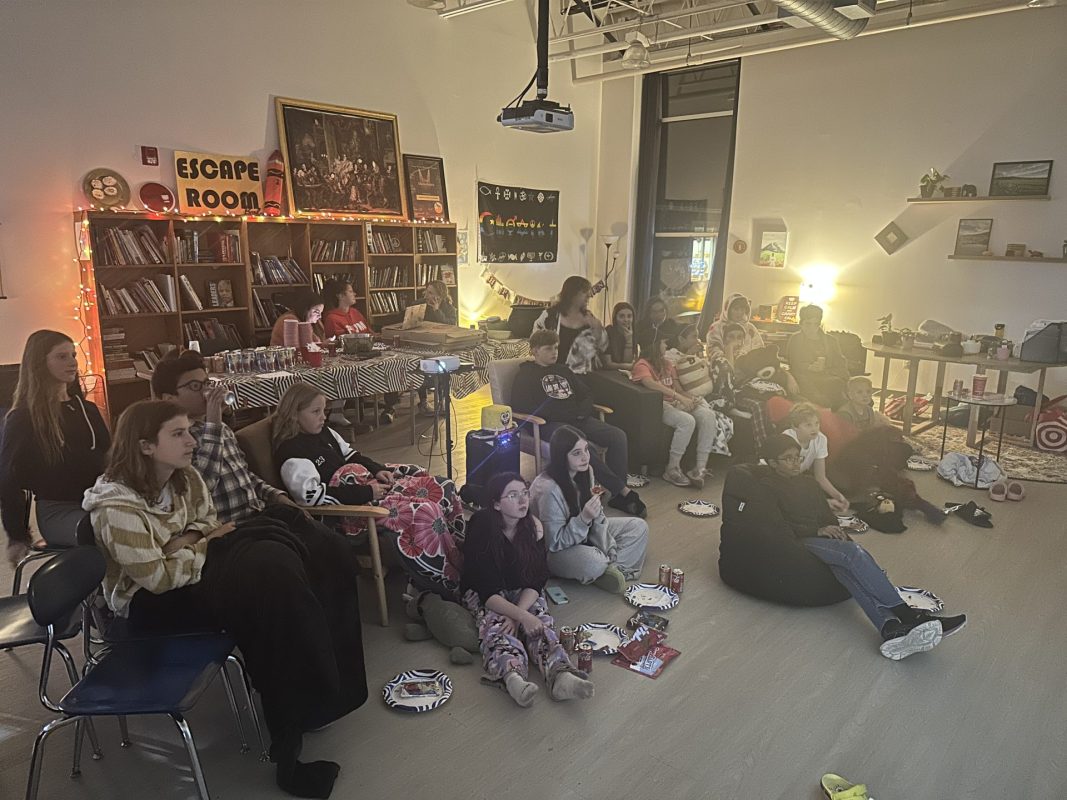
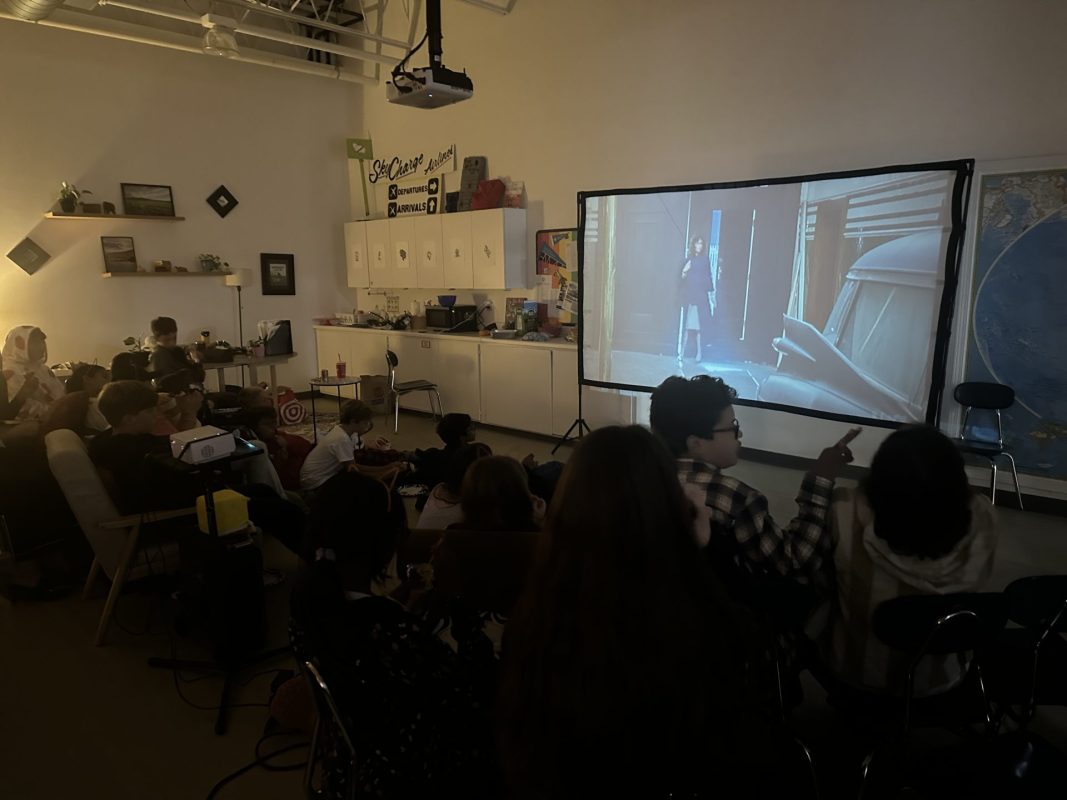
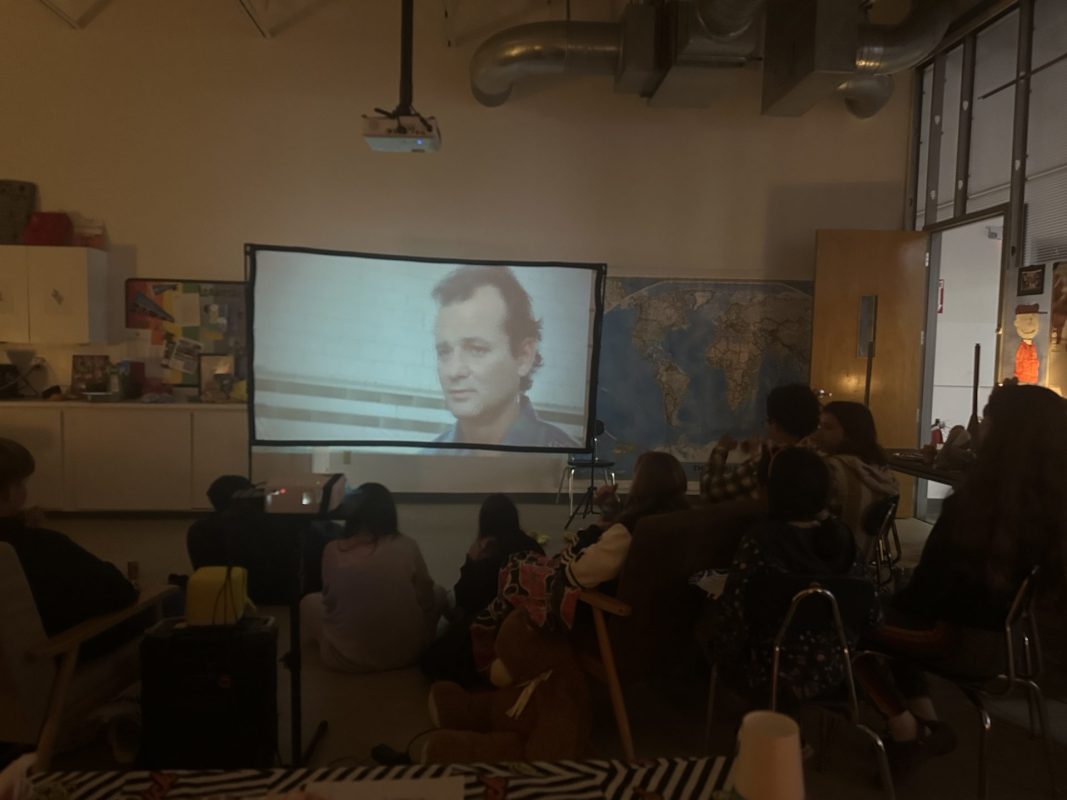
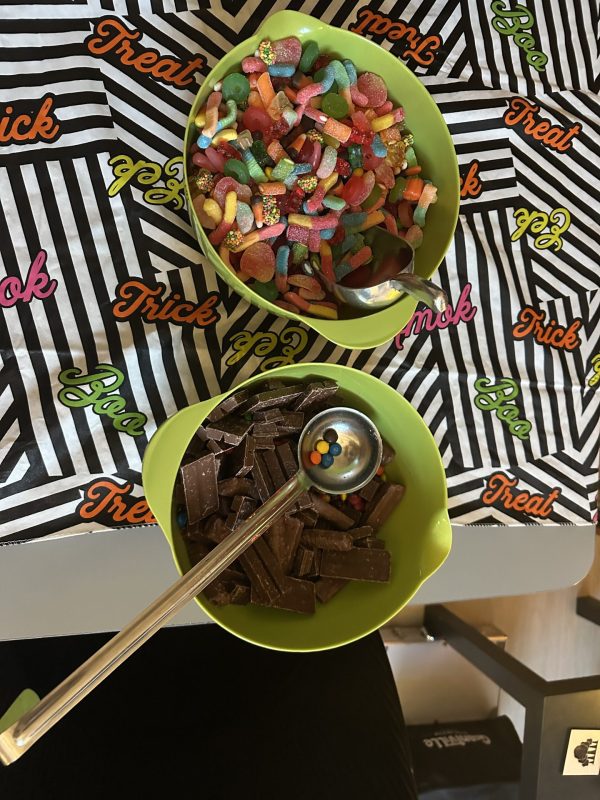
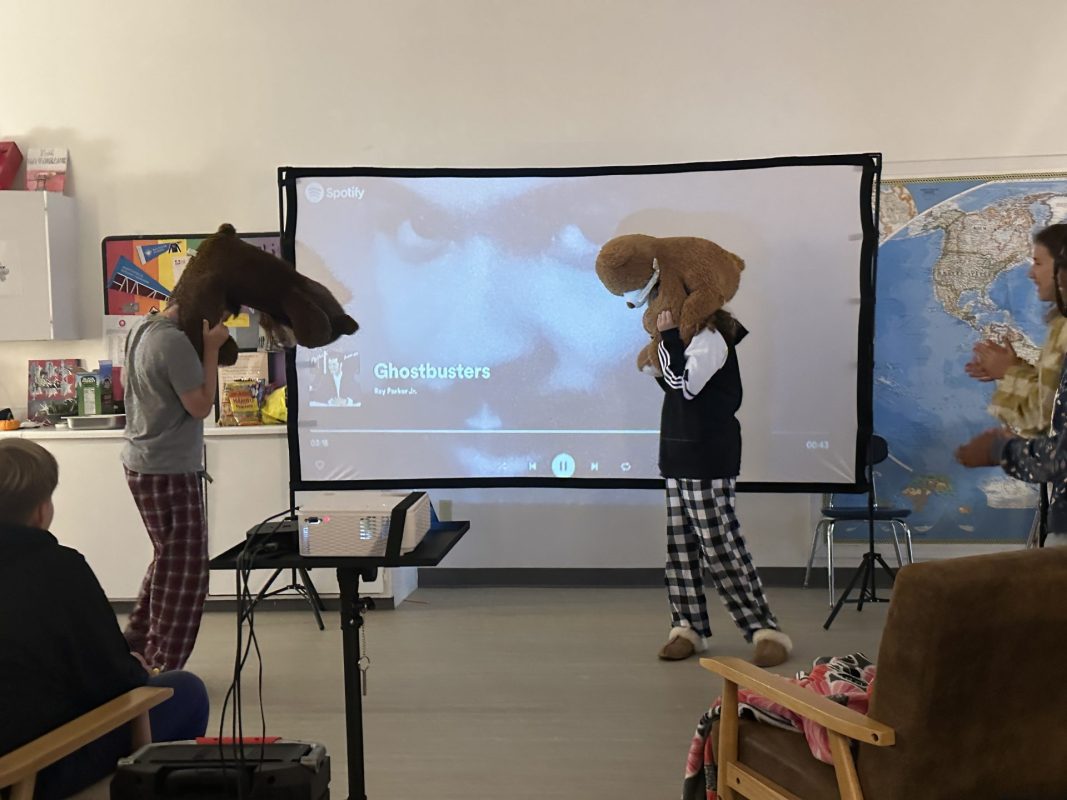
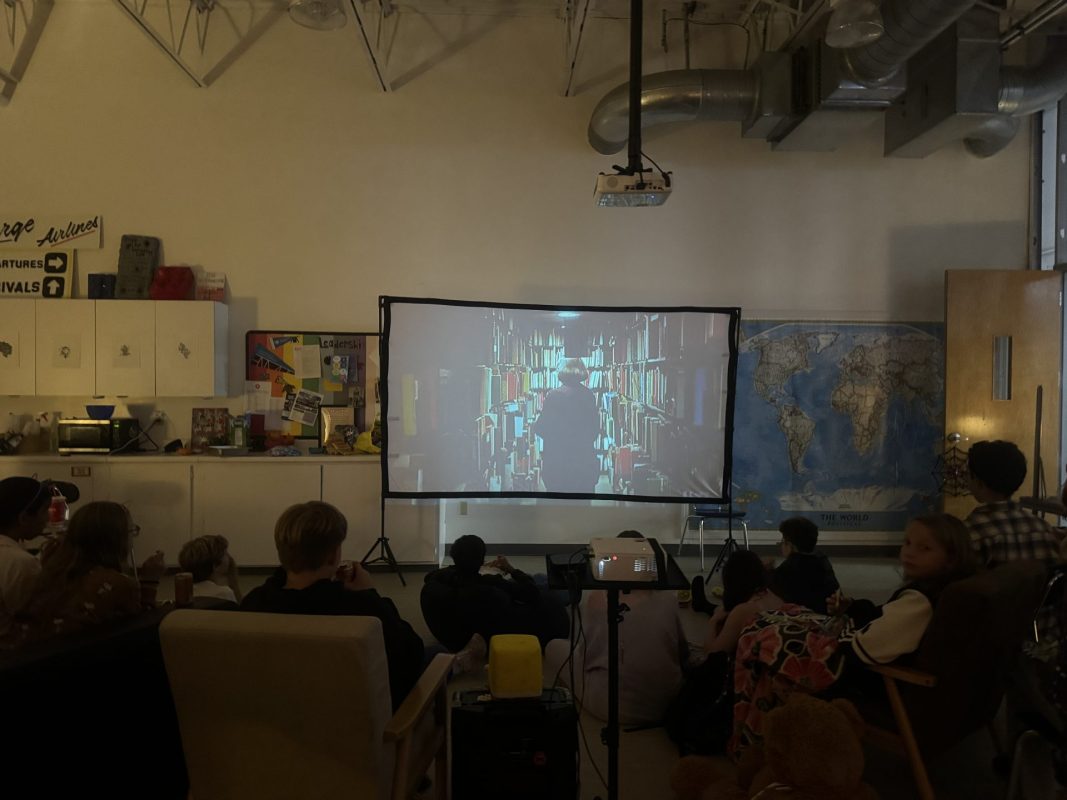
  • SAVE THE DATE: Friday, 10/24 @ 6:30 pm: Middle School Halloween Movie Night

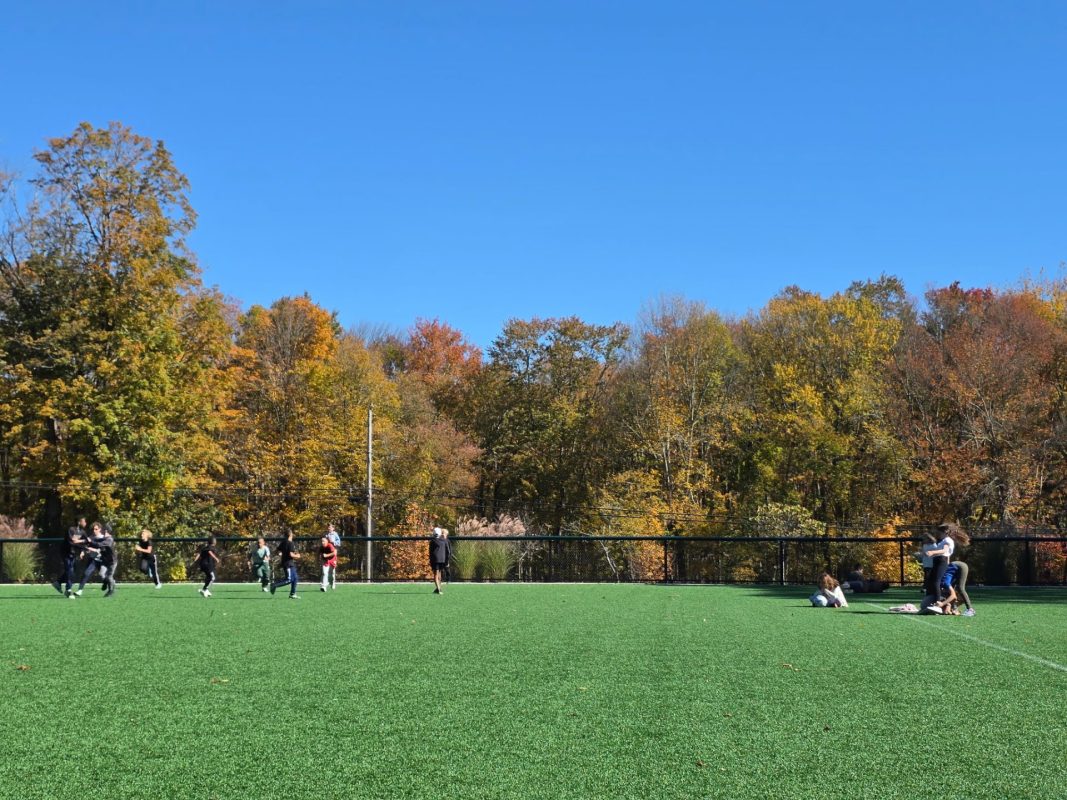
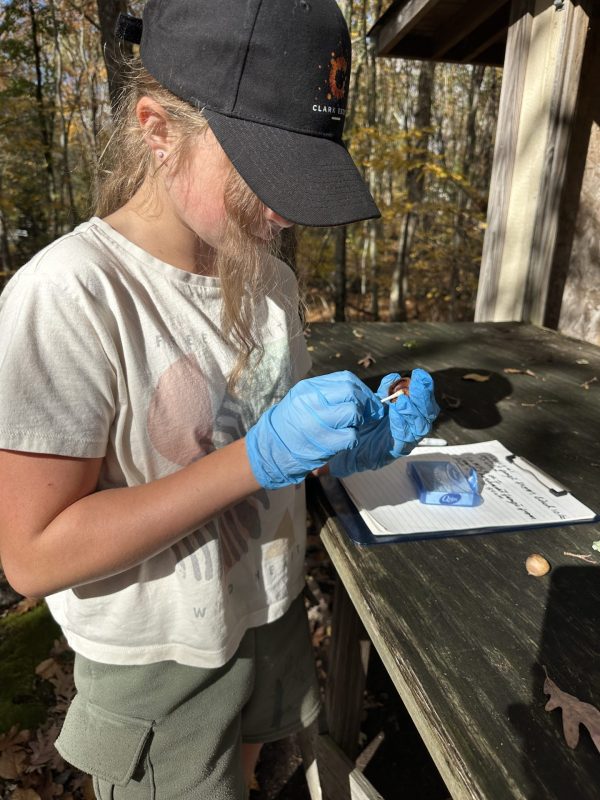
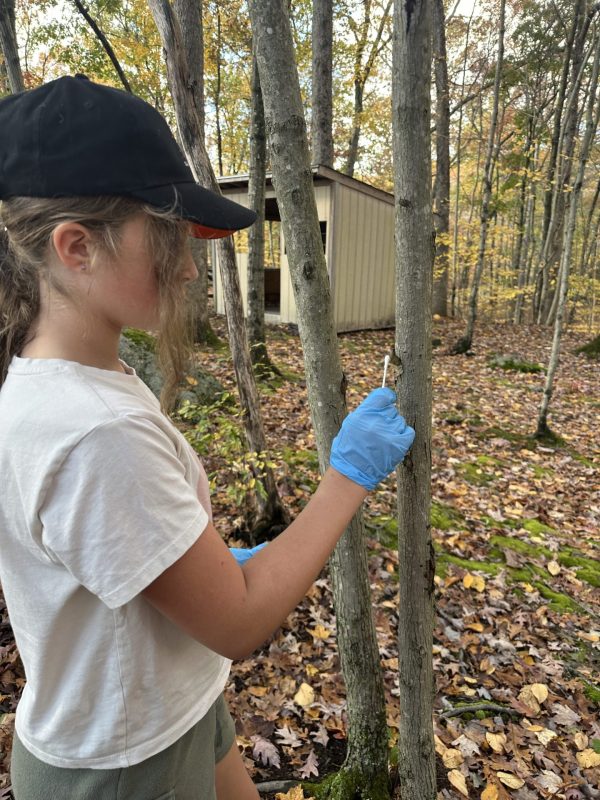
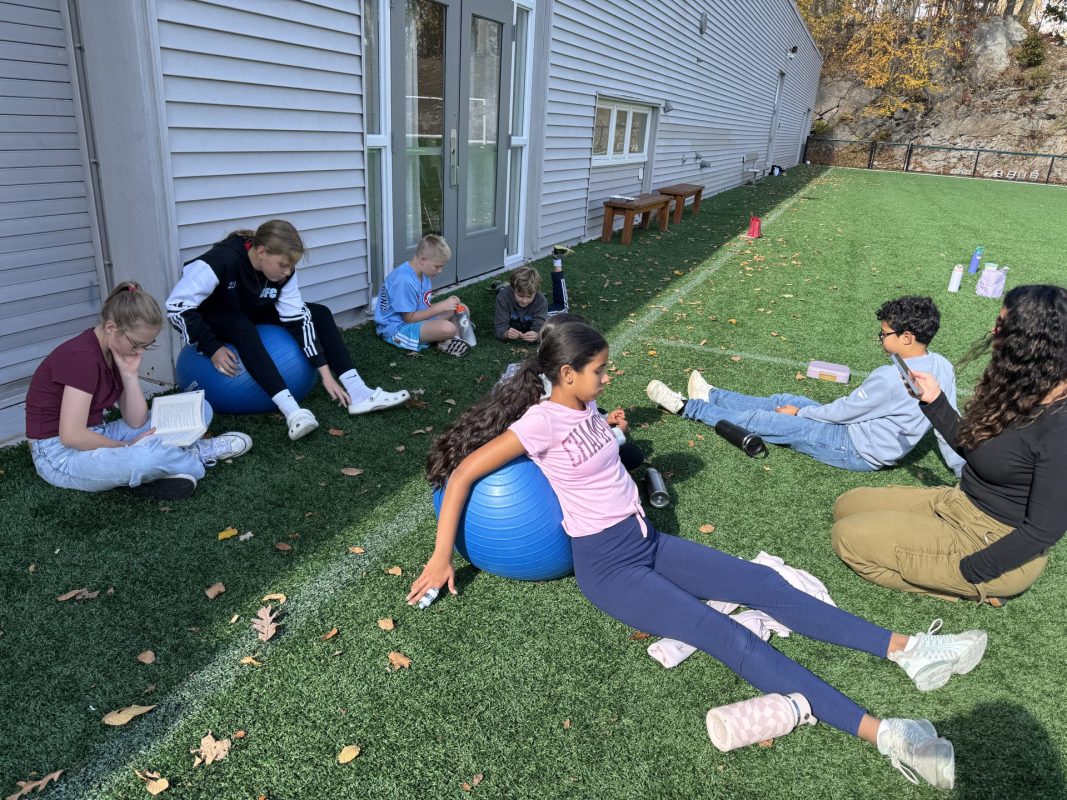
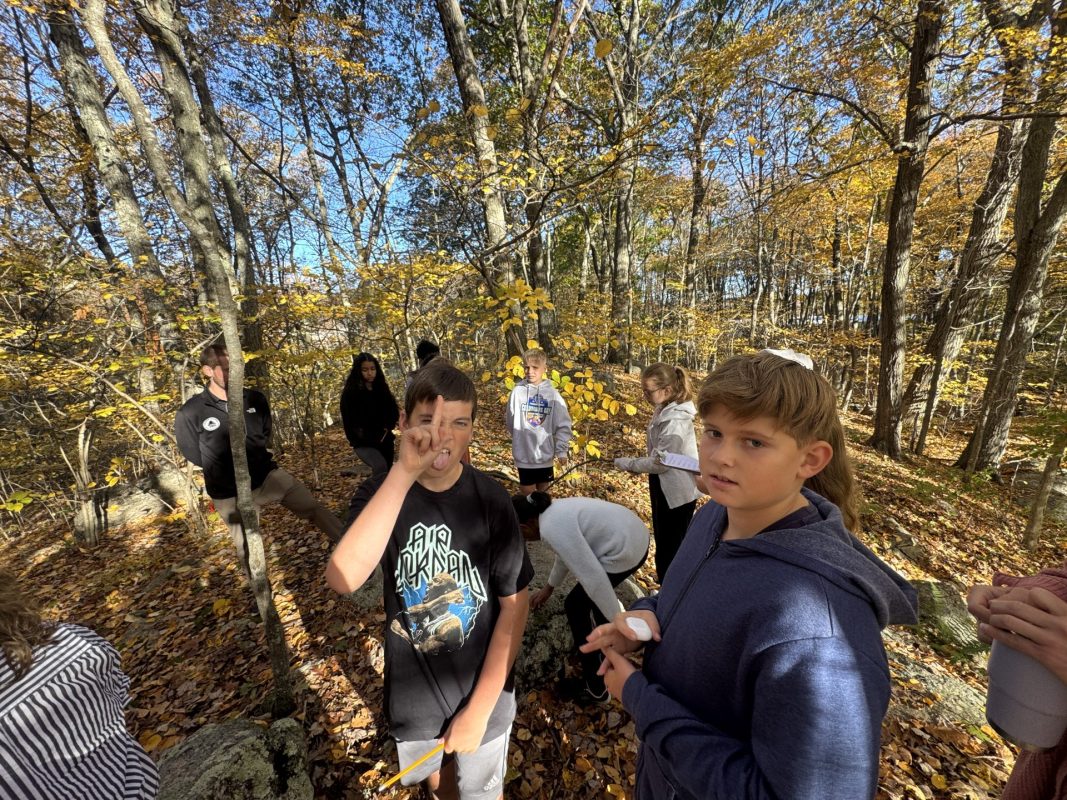
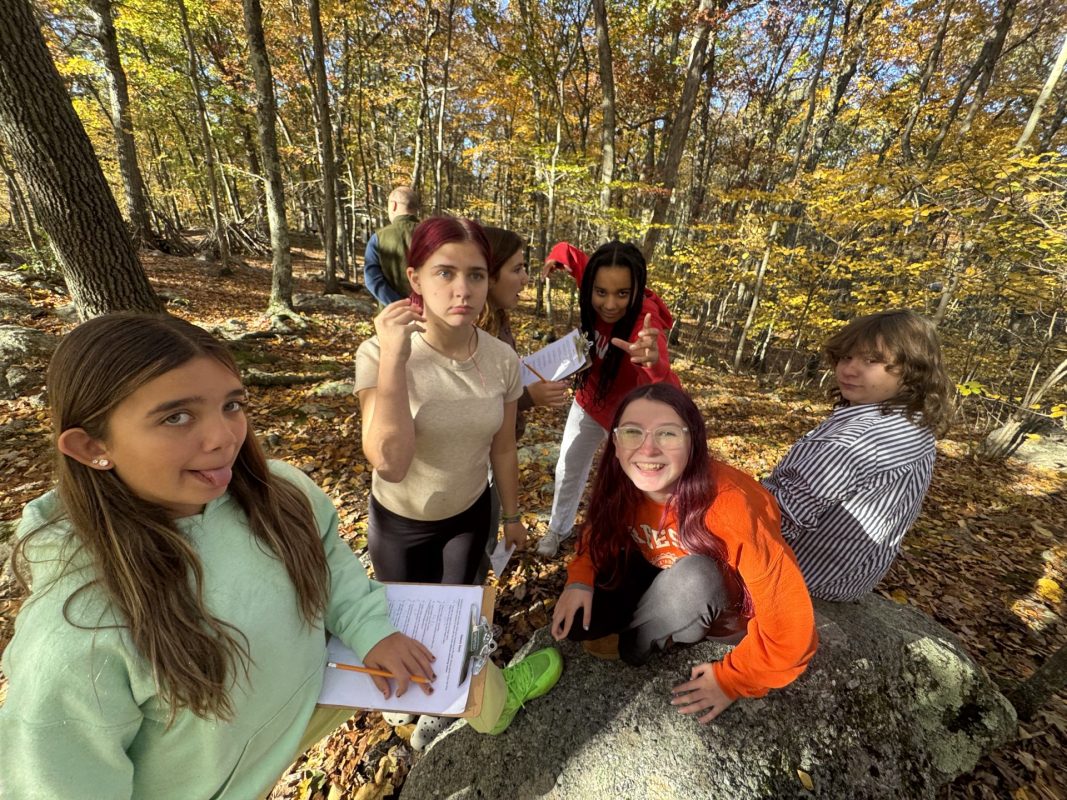
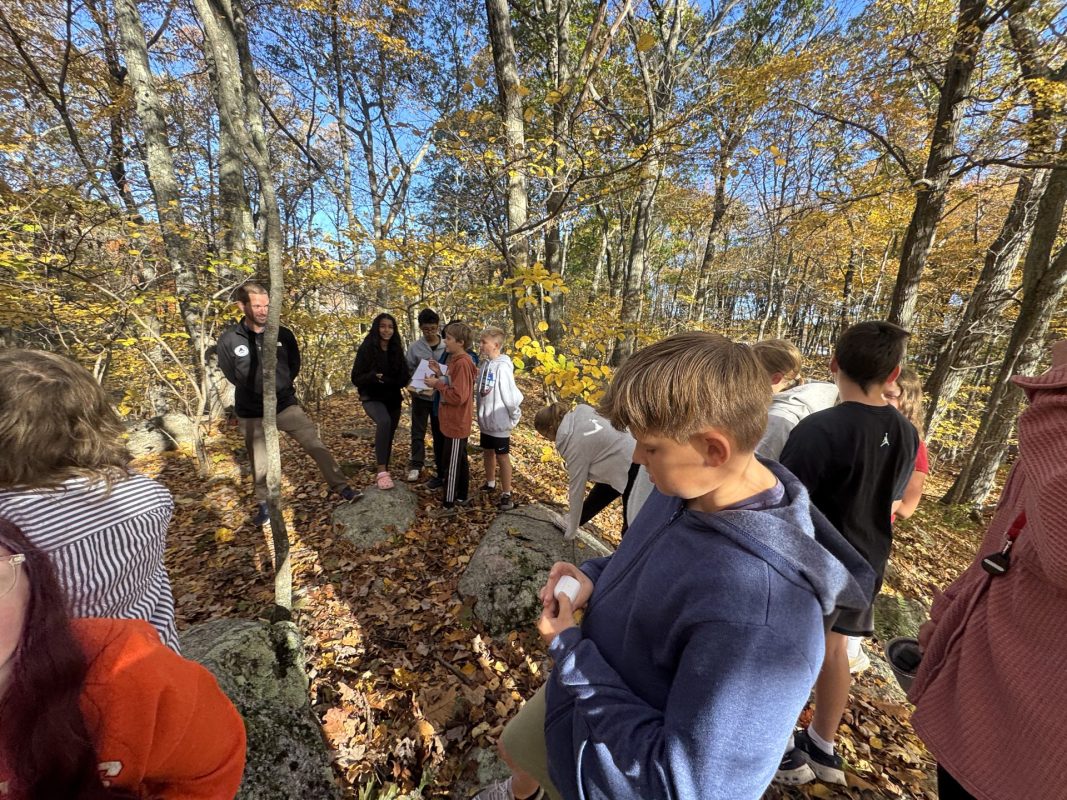
It was a great week, and we enjoyed being outdoors for a half-day trip to the Catherine Violet Hubbard Sanctuary and neighboring stream for a stream study.

At CVH, half of the Middle School took a tour of the property including the garden, pollinator meadows, apiary, and learning barn. Then, Mr. Frisk taught students how to identify four types of native CT pollinator plants that are part of the CT NOFA Ecotype Project. They harvested seed from these plants, labeled them, and brought them back to school where they will be further shelled for making seed packets.

The other half of the MS participated in a riffle bioassessment study. This hands-on experience gave them the chance to become scientists for the day and learn more about the health of our local waterways.

Students collected kicks from the Benthic Zone of the Pootatuck River, transferring what they gathered into trays for closer observation. From there, they searched for different macroinvertebrate larvae, spotting creatures such as dobsonflies, dragonflies, mayflies, and caddisflies. After sorting the larvae into compartments, students used an identification chart to determine which species they had found.

One of the most fascinating parts of the study was learning about which species are most “wanted,” since their presence indicates clean, healthy waters. Finally, students selected a few samples of each species and prepared them to be shipped off to the State of Connecticut for further study.

The trip ended with a guided hike for the full Middle School with Laura King from CVH. She spoke about host plants, invasive species, and the disruption they can cause in an ecosystem.

This trip was not only fun, but also a meaningful way to see how scientists monitor the environment and why protecting our rivers matters.


Classes this week:

Humanities

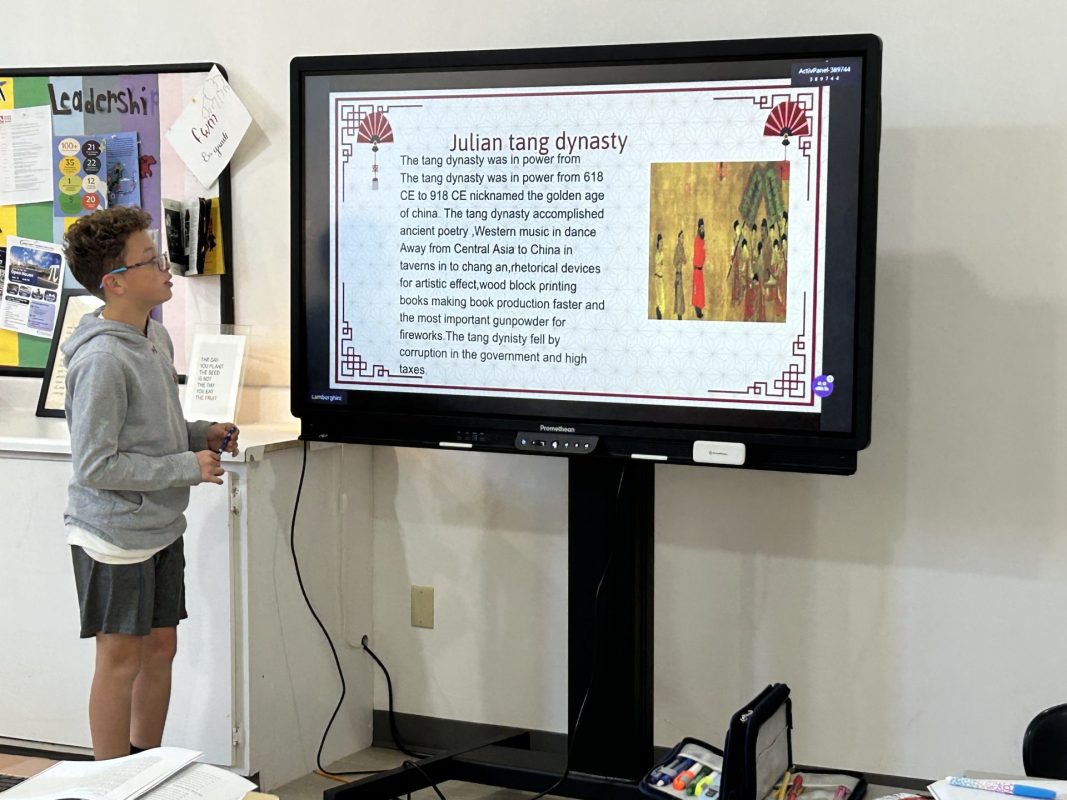
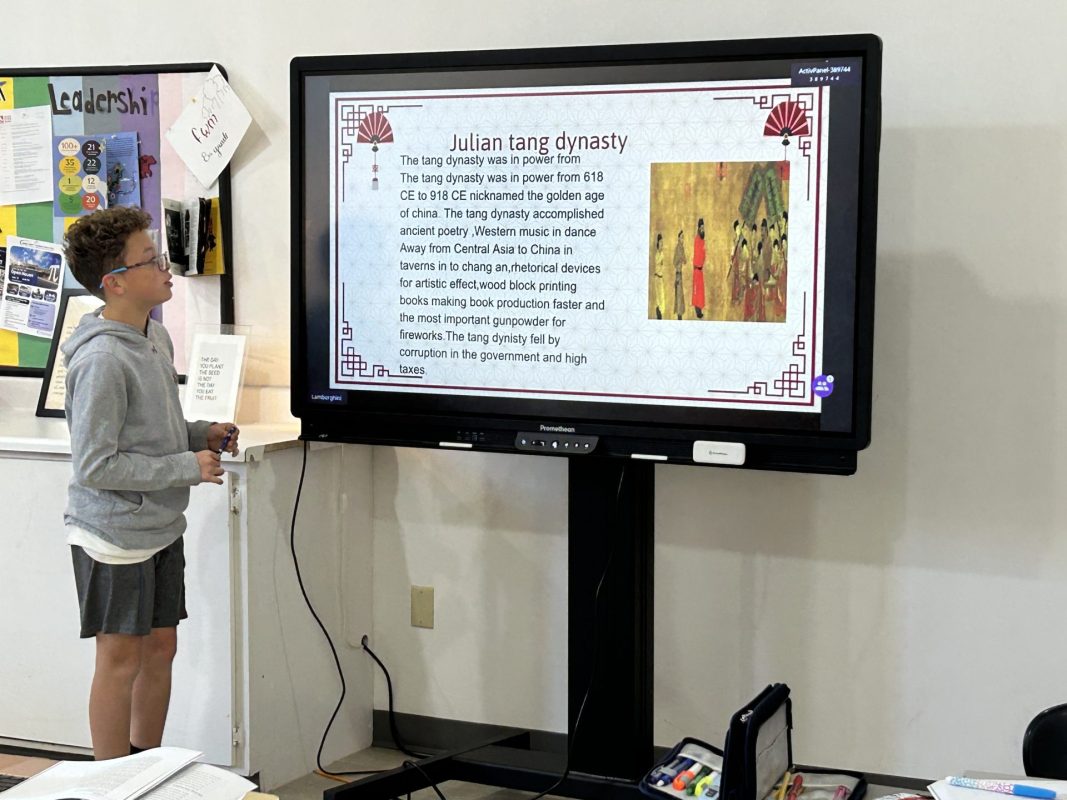
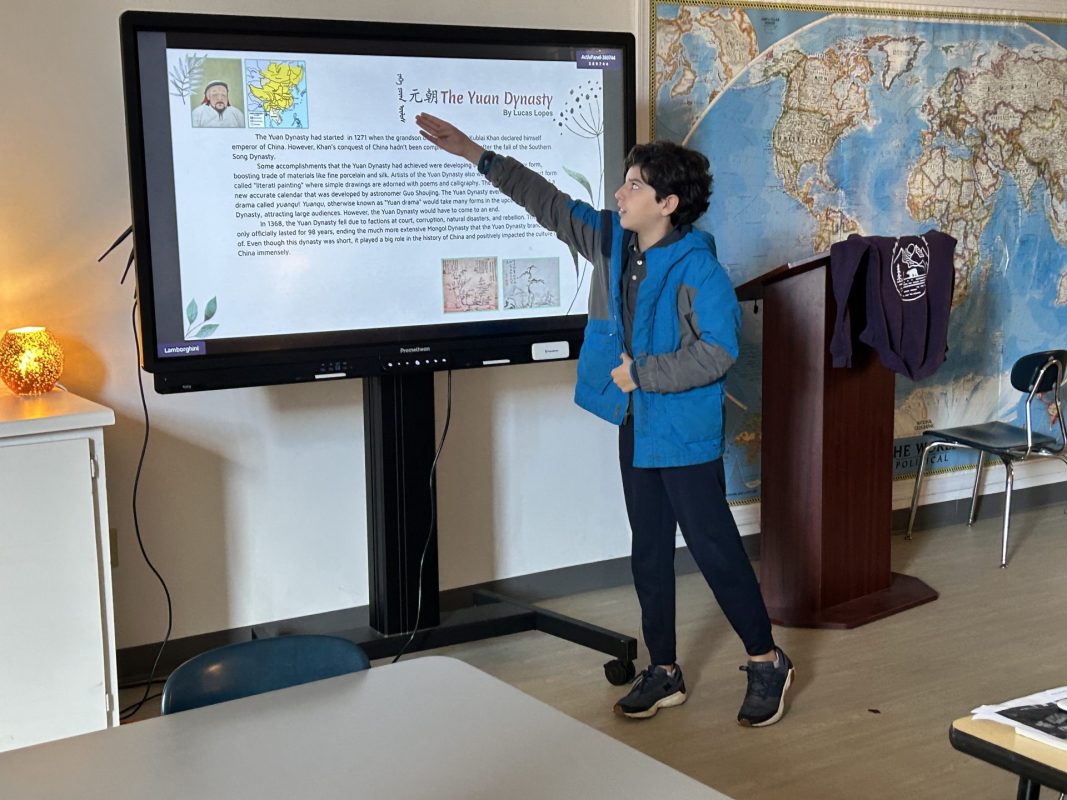
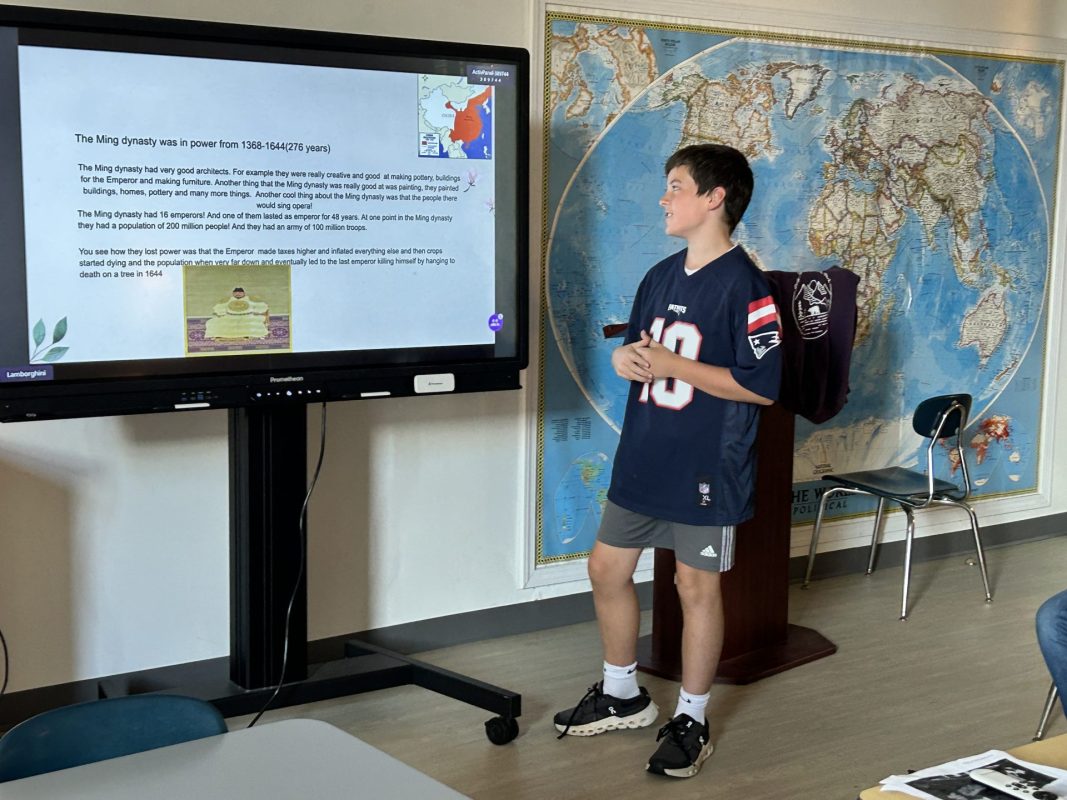
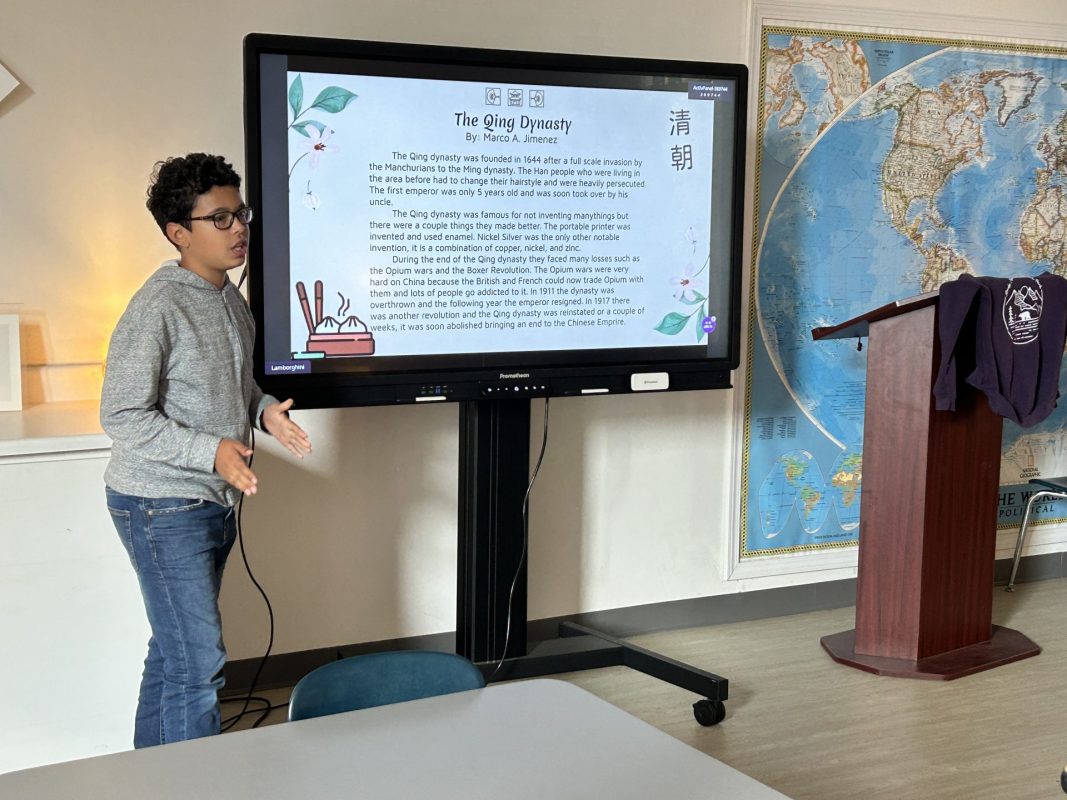
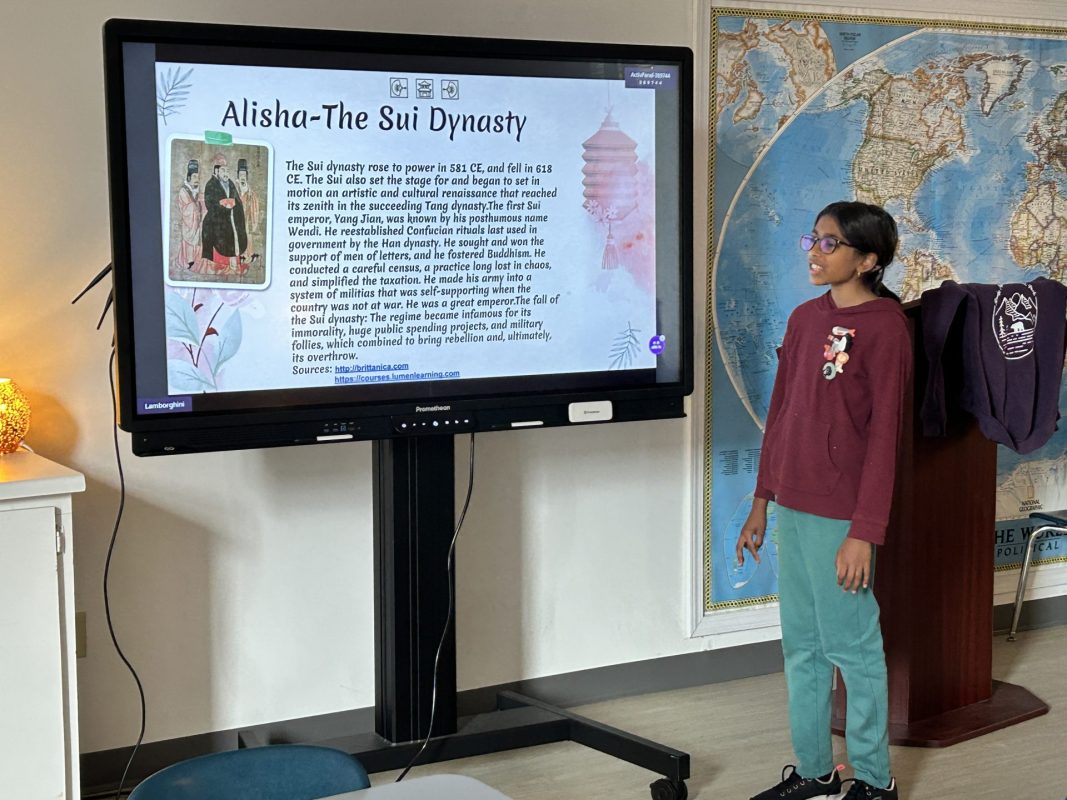
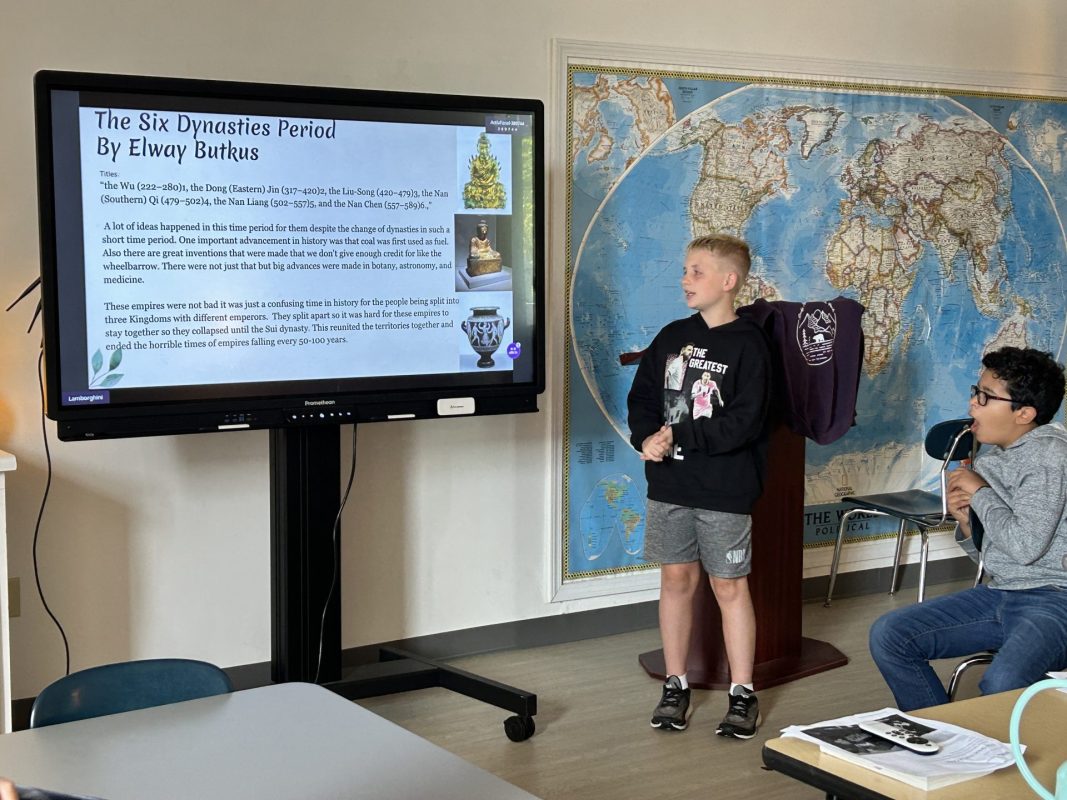
The 6th and 7th grade classes took a tour of many of the provinces and Administrative Regions of the Republic of China. By using Google Earth, the classes could focus on a few each day and “visit” cities, rural towns, and beautiful terrain. They observed geographical features that affect population, discussed placements of towns and cities, and made observations about architecture. An additional item students brought up is the potential cultural differences that can exist in one country, depending on where individuals live. On Poetry Tuesday, the classes read and analyzed “Shoulders” by Naomi Shihab Nye, developing individual meaning, identifying important verses, and choosing lines that spoke to them. Finally, in preparation for students beginning their first novel, <em> Ties That Bind, Ties That Break</em> on Monday, the class went over some of the important terms and ideas that will come up in their study of China.

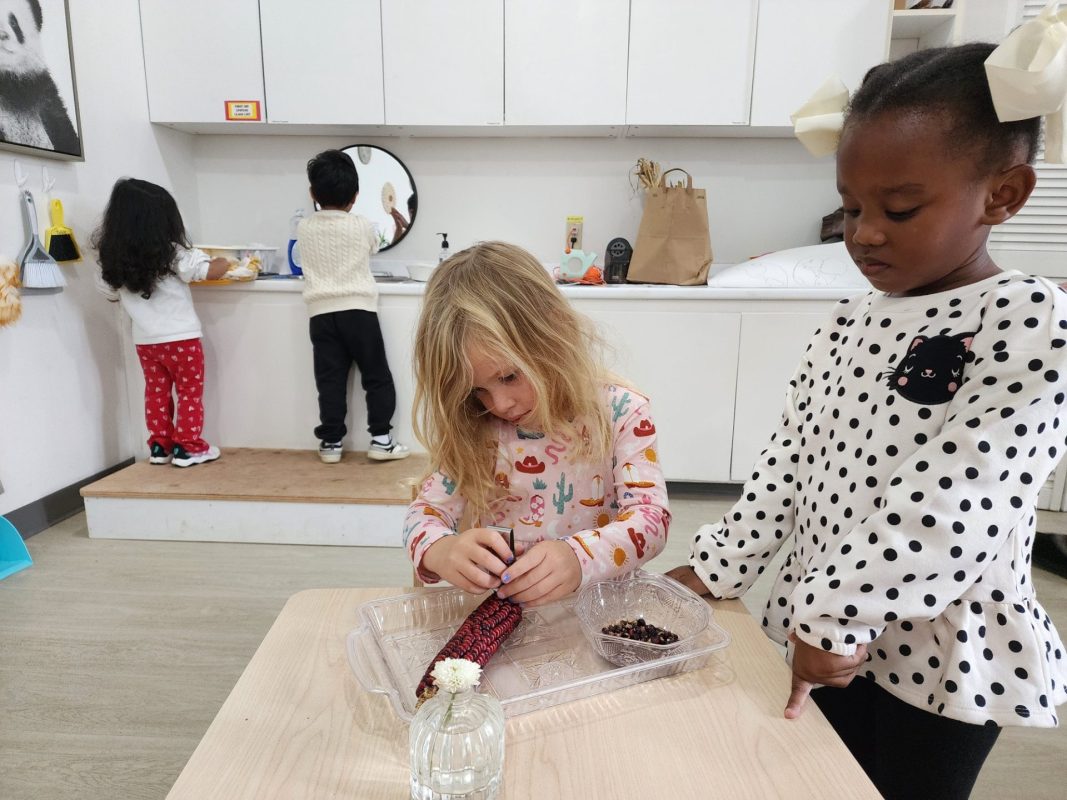
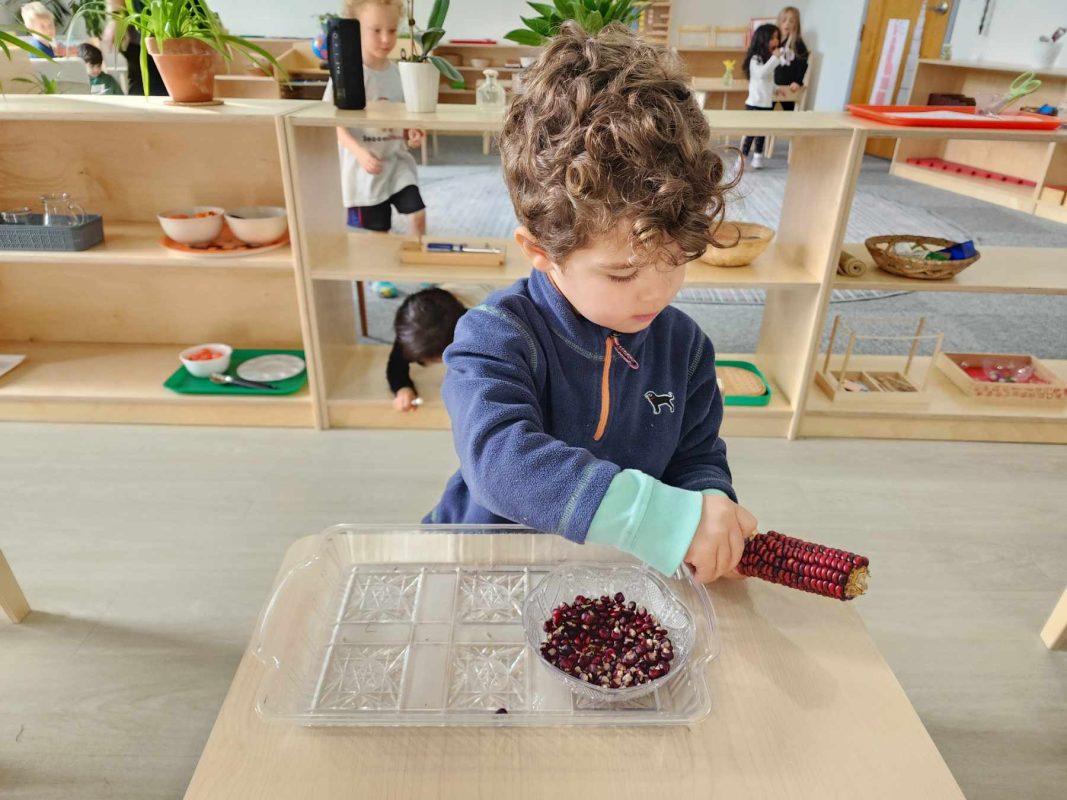
The 8th-grade class completed their research and presented their work to each other about the following pre-contact civilizations of the Americas: Olmec, Maya, Inca, Aztec, Mississippian, and Ancestral Puebloan. While these are not the only civilizations in existence before European contact in the Americas, it is important to note the advancements, including mathematical, astrological, agricultural, governmental, societal, and the established infrastructure of the land. To that extent, students read and annotated an excerpt titled, “Follow the Corn” from <em>An Indigenous Peoples’ History of the United States for Young People</em> by Roxanne Dunbar-Ortiz that speaks about the importance of land and corn to the area that is now the United States. They then wrote about how the landscape of what is now the US does not match the settler-colonial narrative of a “vast and empty landscape” that is sometimes portrayed by European explorers. Finally, on Poetry Tuesday, the class read Joy Harjo’s “Perhaps The World Ends Here”. Students discussed the symbolism of the kitchen table and identified the “kitchen table” in their homes.


Math

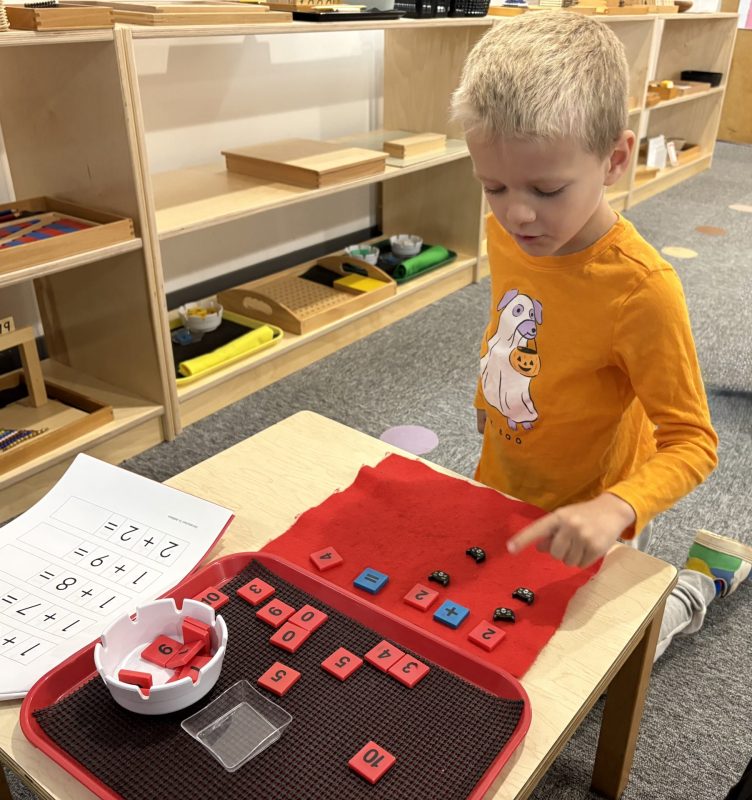
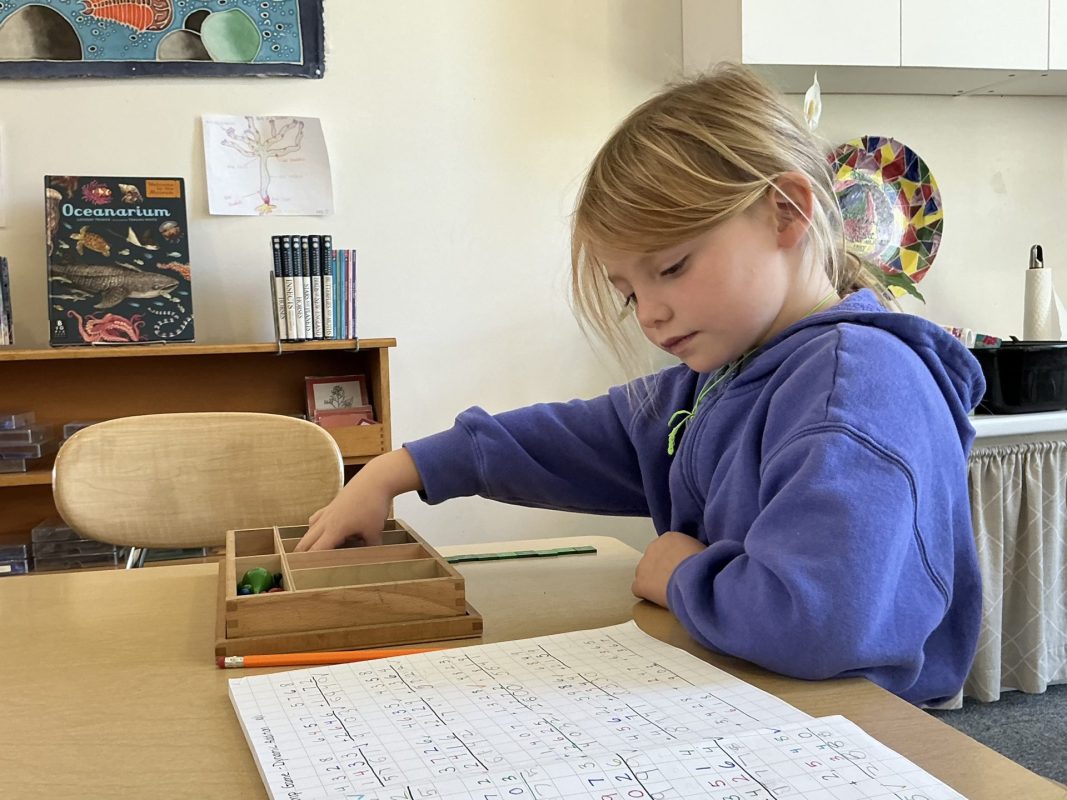
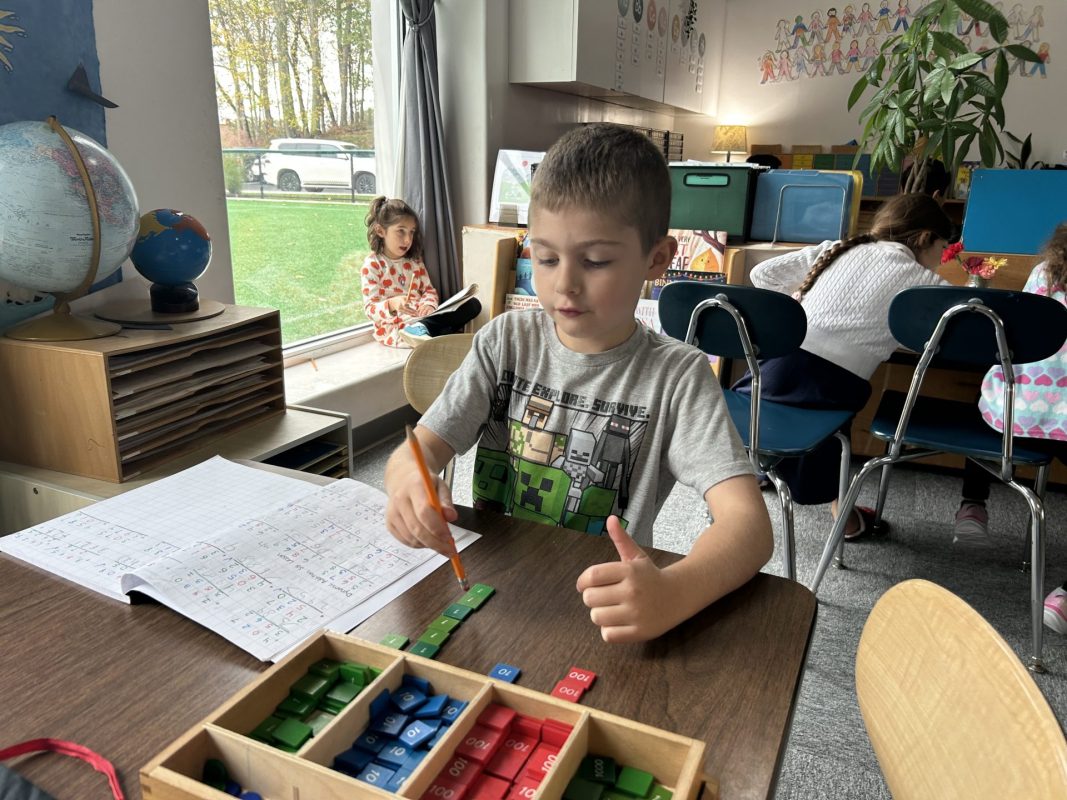
Pre-Transition: This week, the class completed the Chapter 1 quiz and kept moving forward with new fraction skills! They worked on writing equivalent fractions, explored how fractions represent division, and practiced rewriting improper fractions as mixed numbers. Everyone did a great job building on what they’ve already learned and connecting new ideas together.

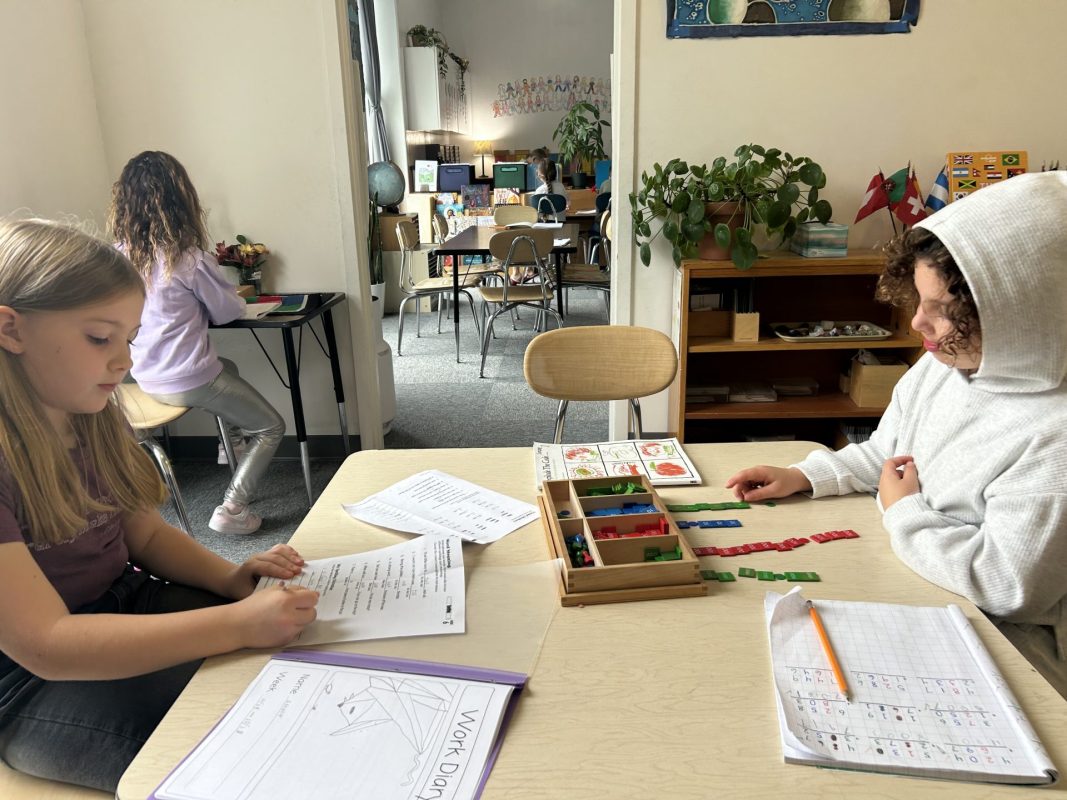
Transition: This week in Transition Math, students completed their Chapter 1 quiz on Tuesday before moving on to new concepts. They worked on understanding powers of 10, including converting between powers, word names for numbers, and decimals. Students also practiced multiplying by powers of 10 and began learning about the order of operations, setting the stage for more complex problem-solving ahead.

Algebra: This week in Algebra, students completed their Chapter 1 quiz and then continued with their learning of Chapter 1 concepts. They explored how to use graphs to determine if two expressions appear to be equivalent and practiced plotting ordered pairs on a coordinate grid. Students also worked with absolute value and distance, developing their ability to evaluate expressions that involve absolute value.

Geometry: This week in Geometry, students completed their Chapter 1 quiz and then began working with foundational ideas in geometry. They learned about the meaning of postulates and theorems, practiced using geometric notation, and examined the role of undefined terms. Students also found the point of intersection of two lines and applied the properties of betweenness and the triangle inequality postulate to strengthen their understanding of geometric relationships.

Algebra II: This week in Algebra II, students completed the Chapter 1 quiz and continued building on key algebraic ideas. They learned how to determine whether a given relation is a function, identify the domain and range of a function, and create graphs and tables using the Desmos online graphing calculator. Students practiced reading tables and explored the meaning of discrete versus continuous data. In addition, they worked on solving and checking linear equations to reinforce their problem-solving skills.


Science

This week, middle school students learned more in detail about the scientific method steps, such as observation, research, hypothesis, experiment, conclusion, and sharing results. With these fundamental concepts, students are getting ready to use them in their own experiments for the Science Fair (November 5th). In addition, 6th and 7th graders were introduced to some common laboratory materials used in general, chemical, and physical laboratories. Likewise, 8th graders also learned the proper names of the laboratory equipment in general, physical, chemical and biology laboratory equipment. All levels are now being introduced into basic math use in science. Lastly, middle school students really enjoyed the videos used in class because they helped them to understand the main concepts better.

Ms. Vicki: Weekly Update

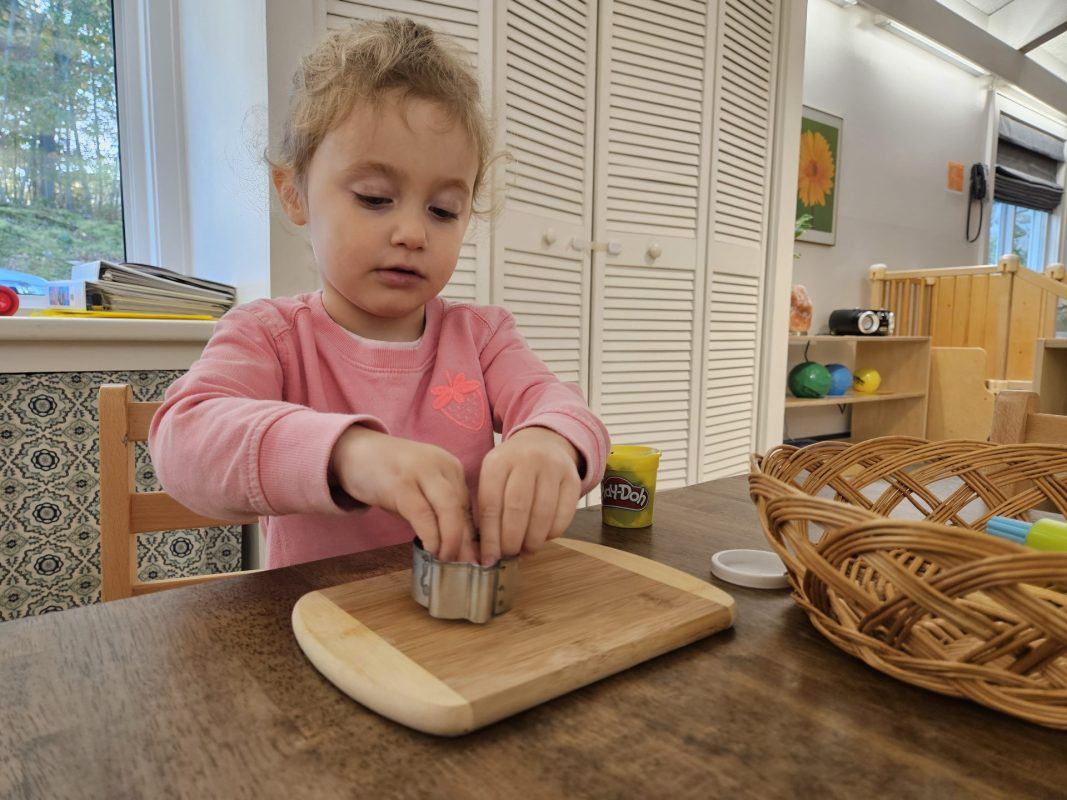
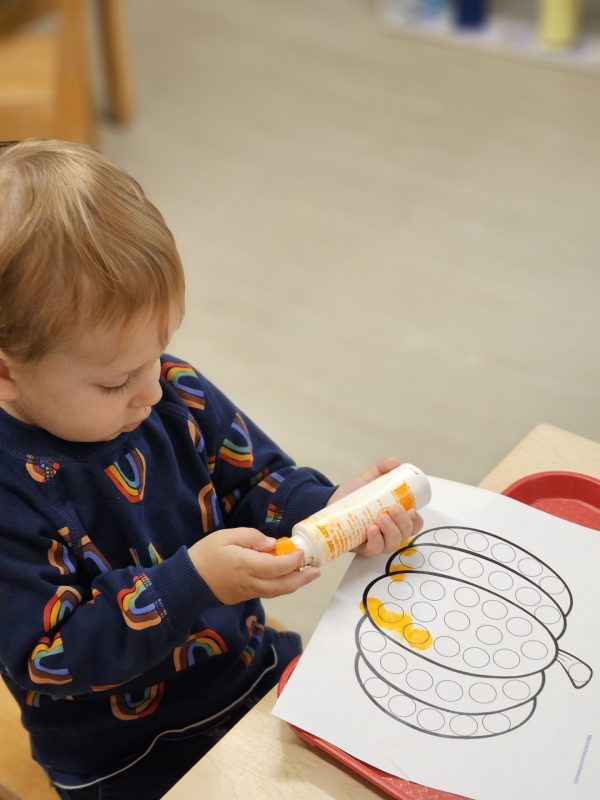
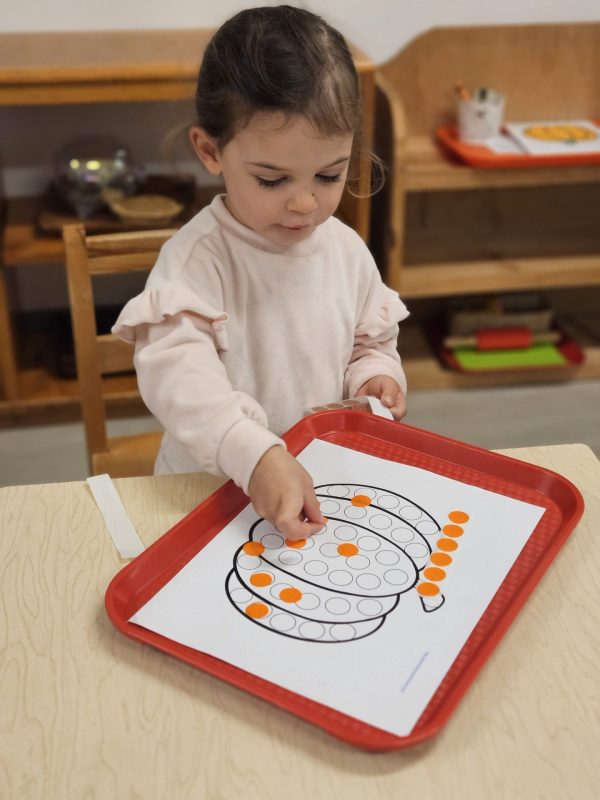
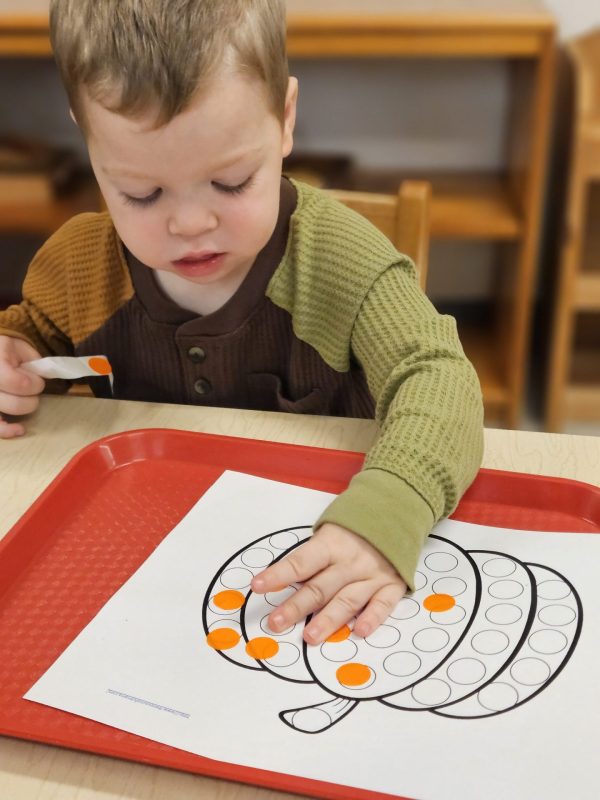
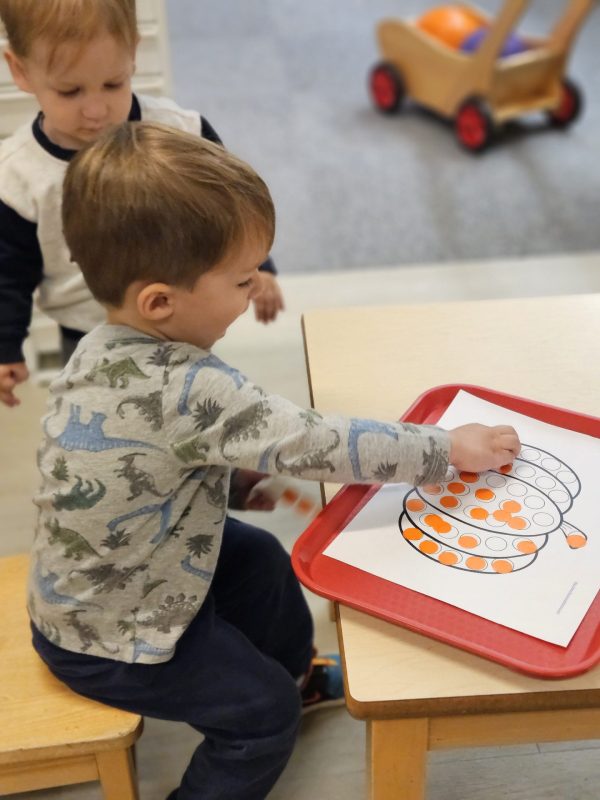
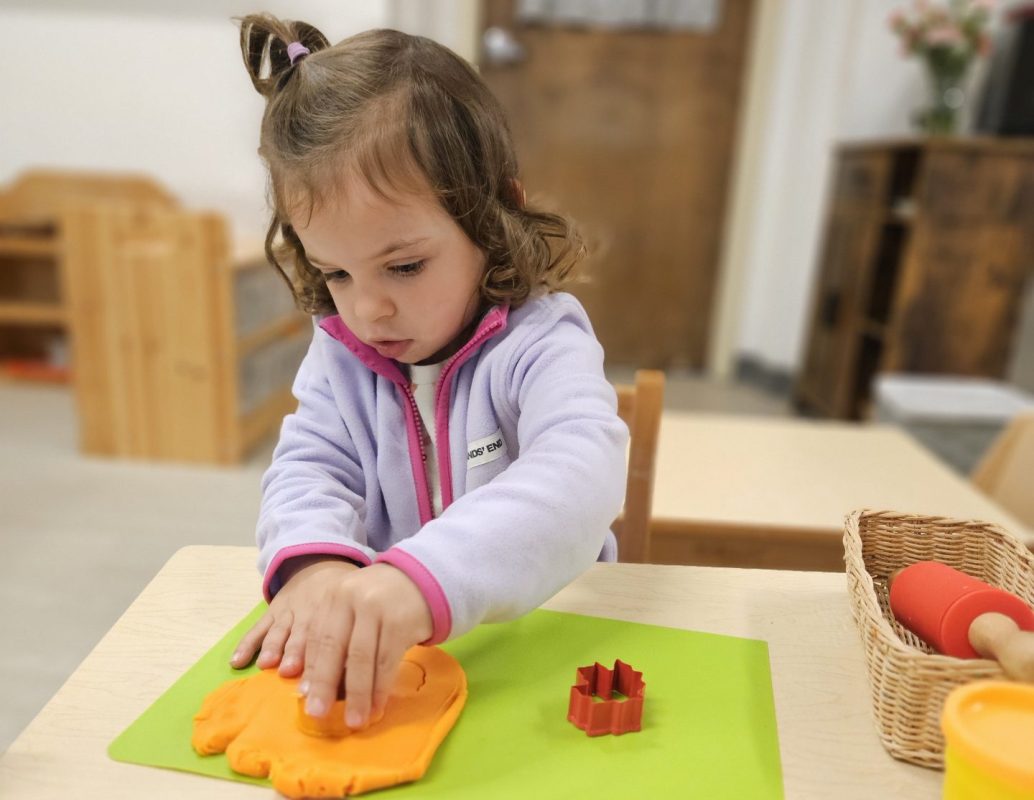
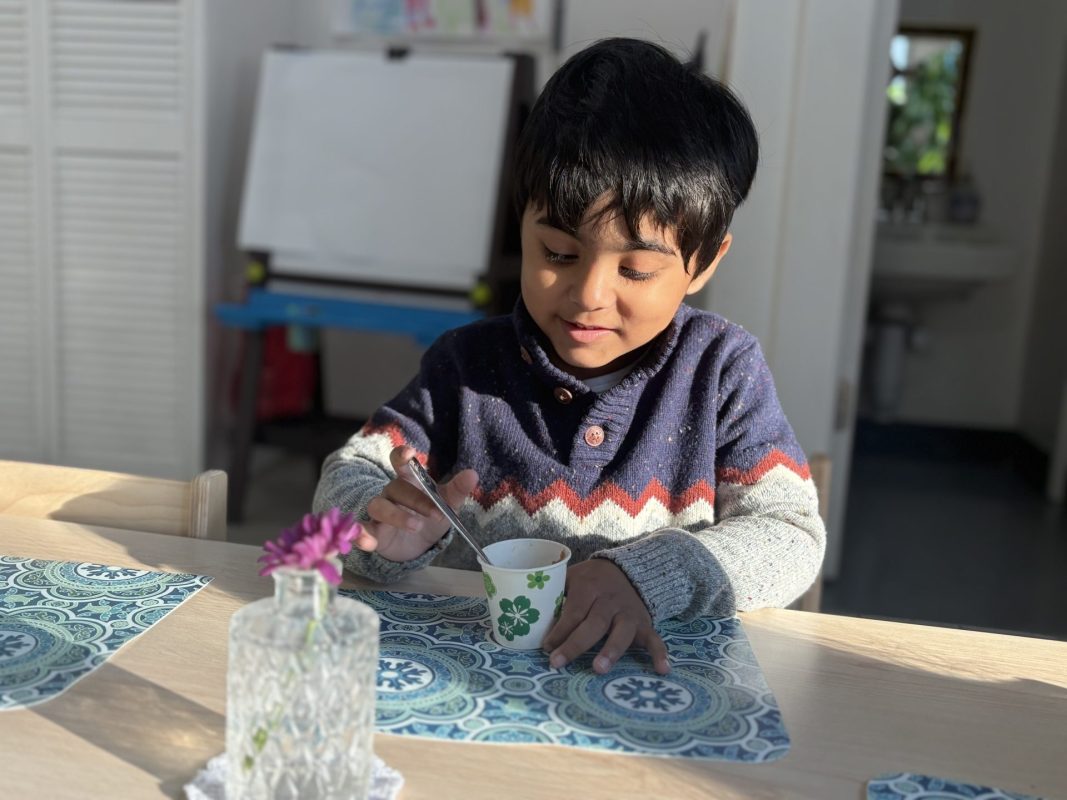
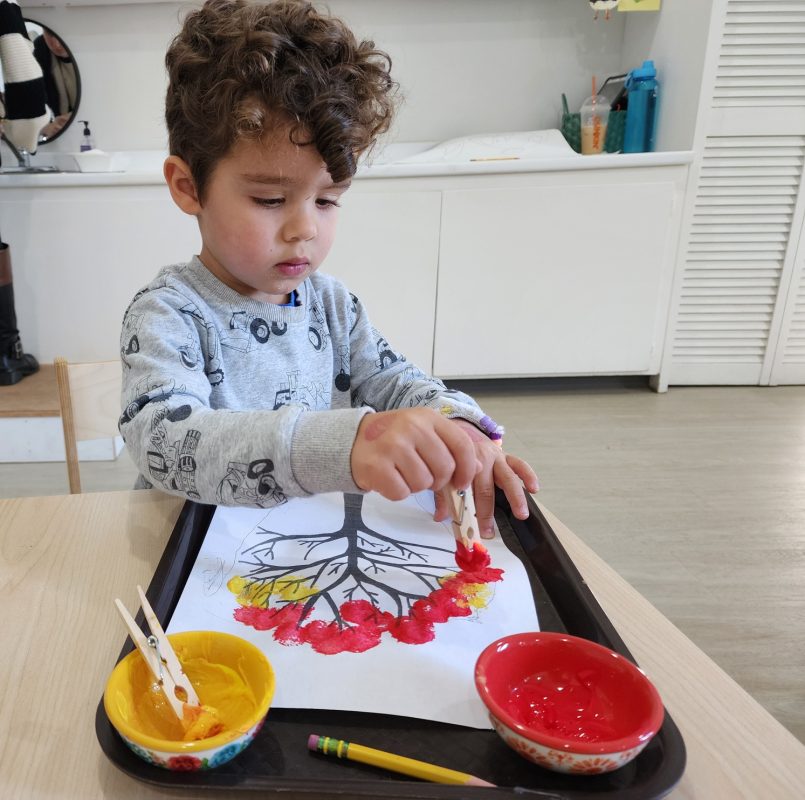
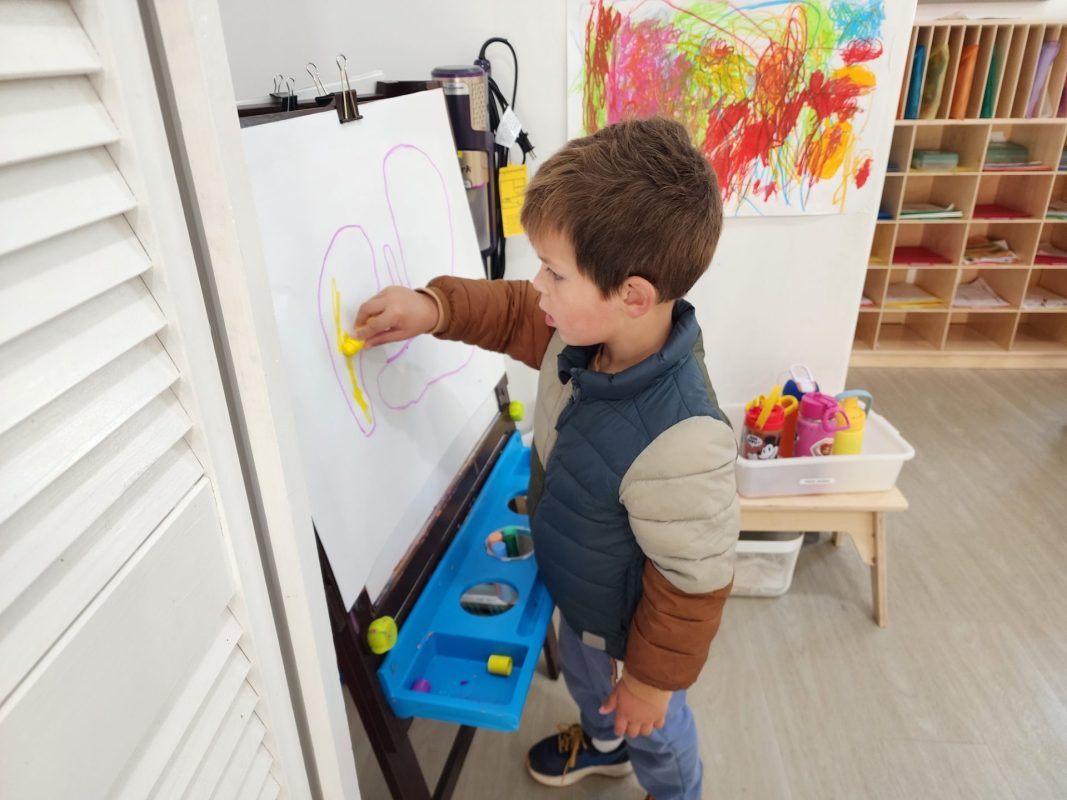
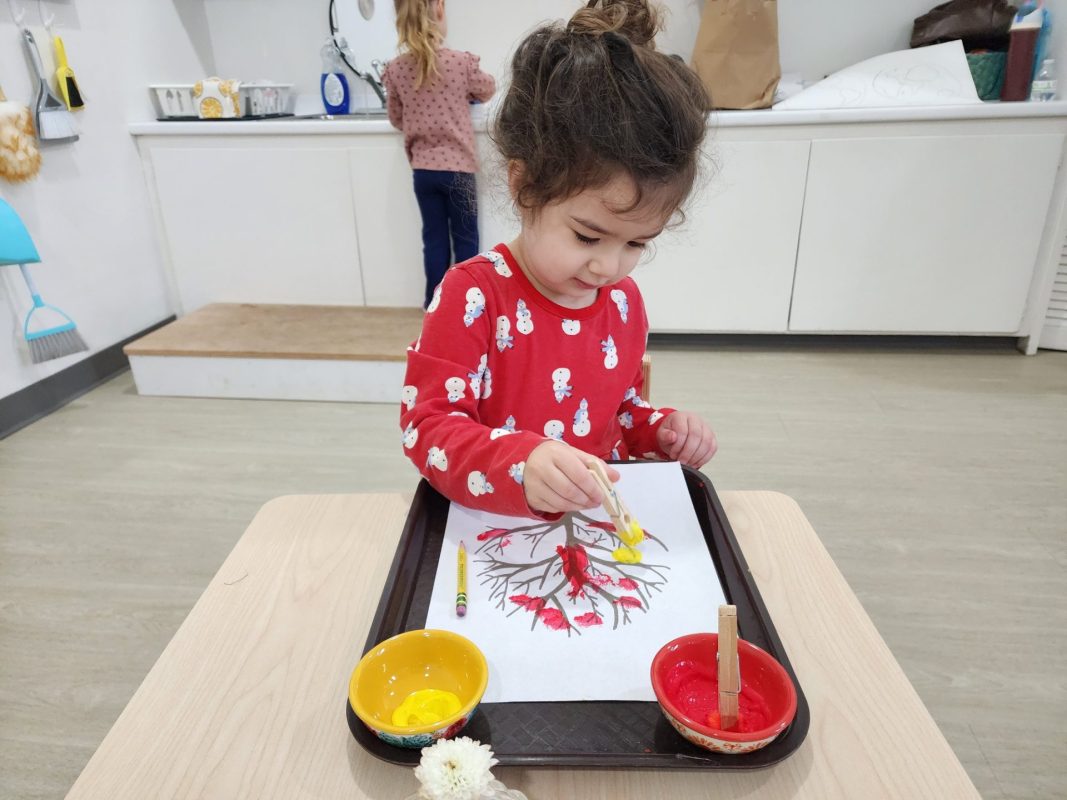
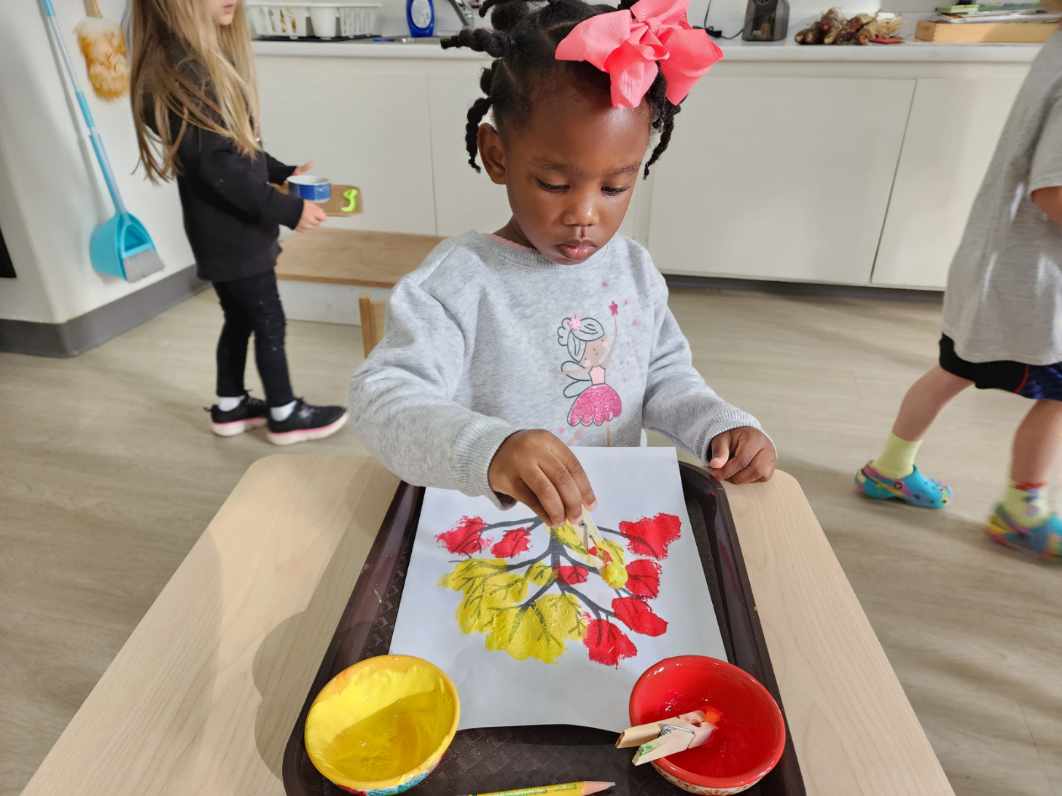
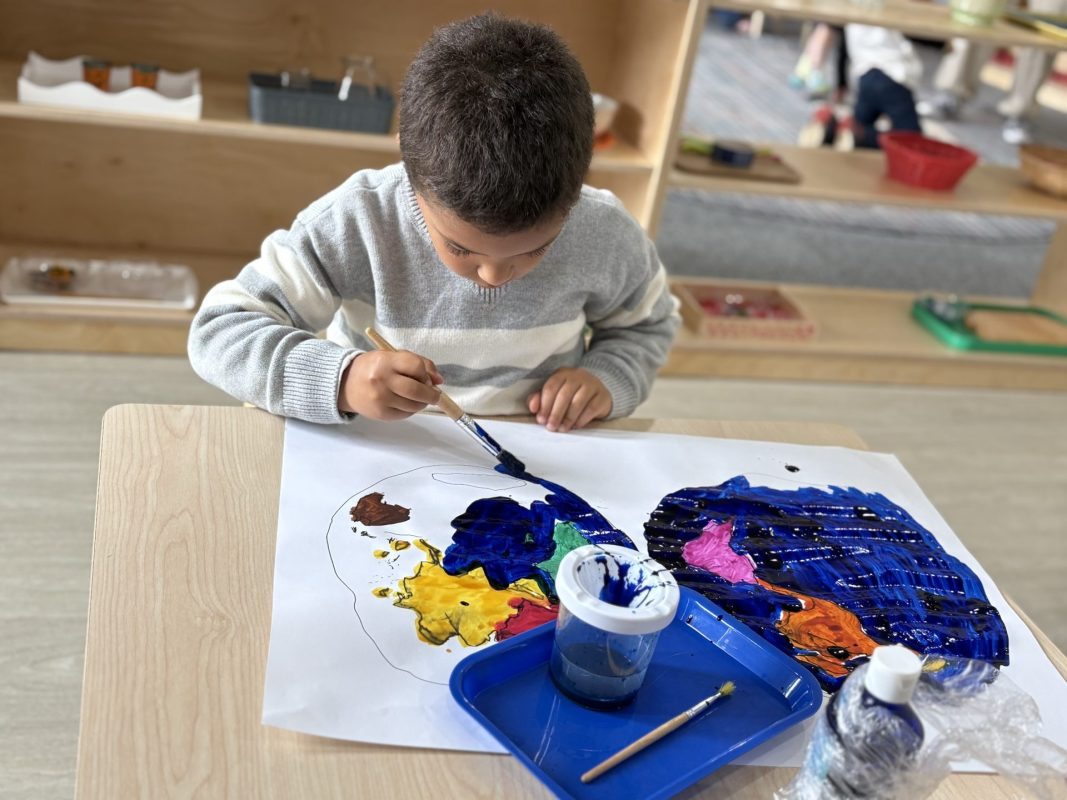
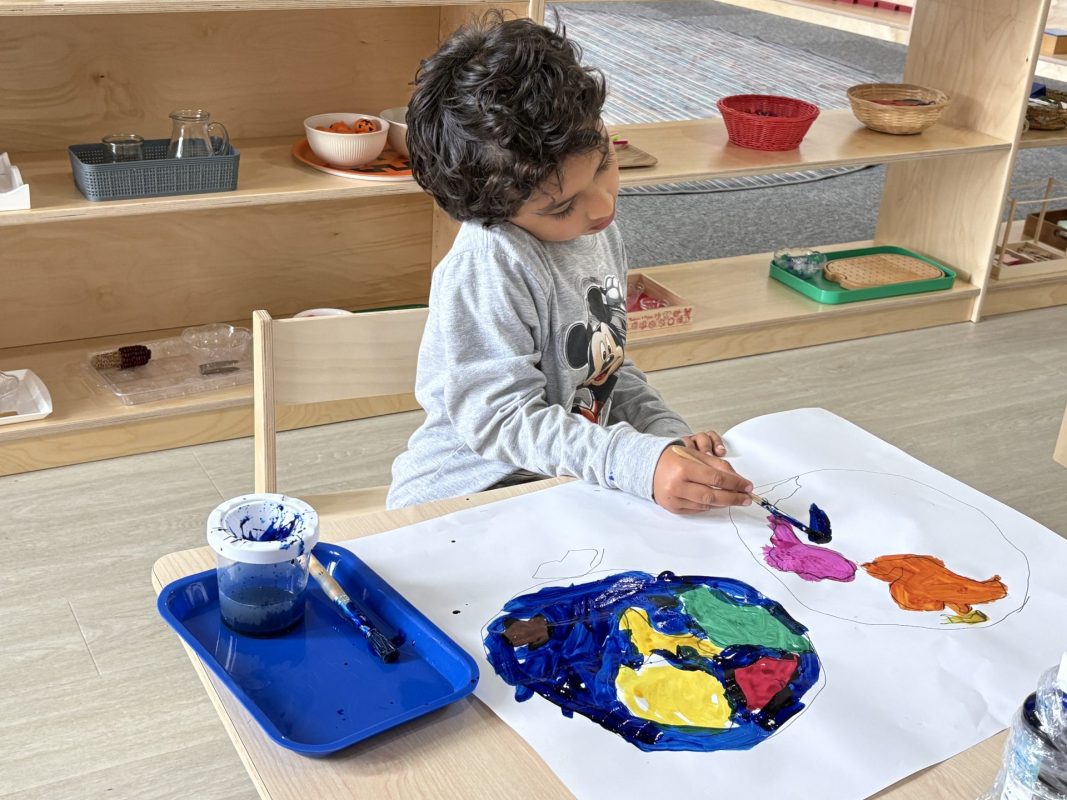
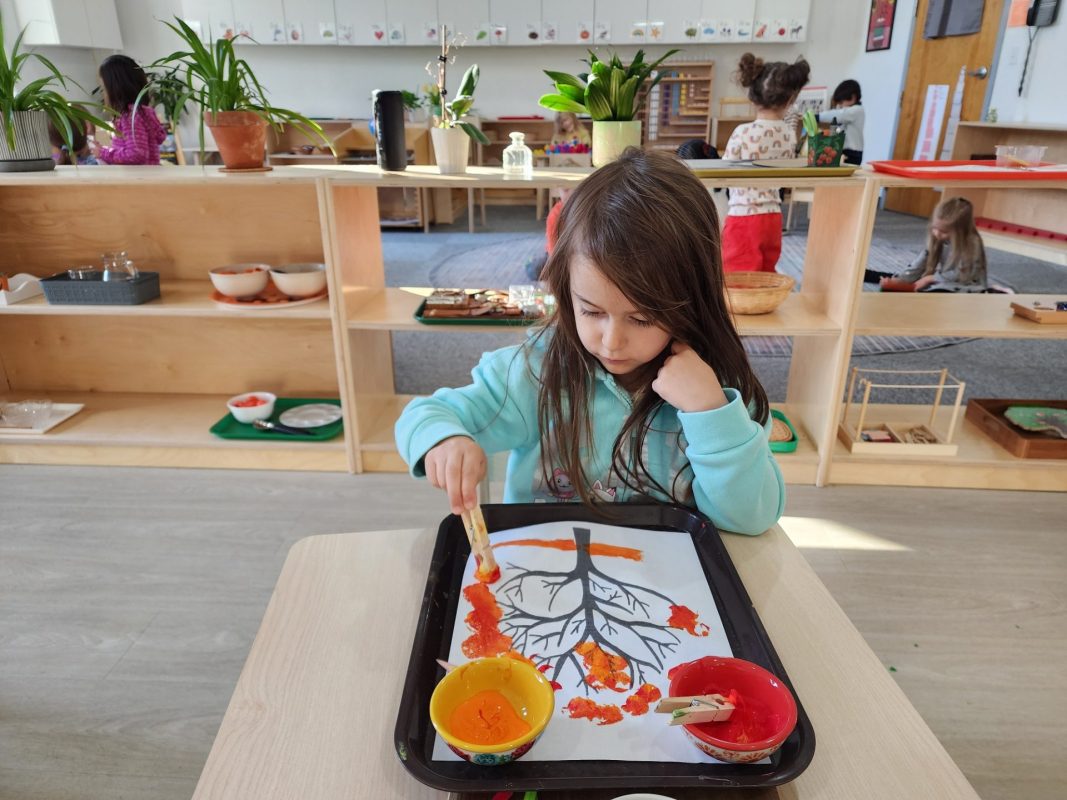
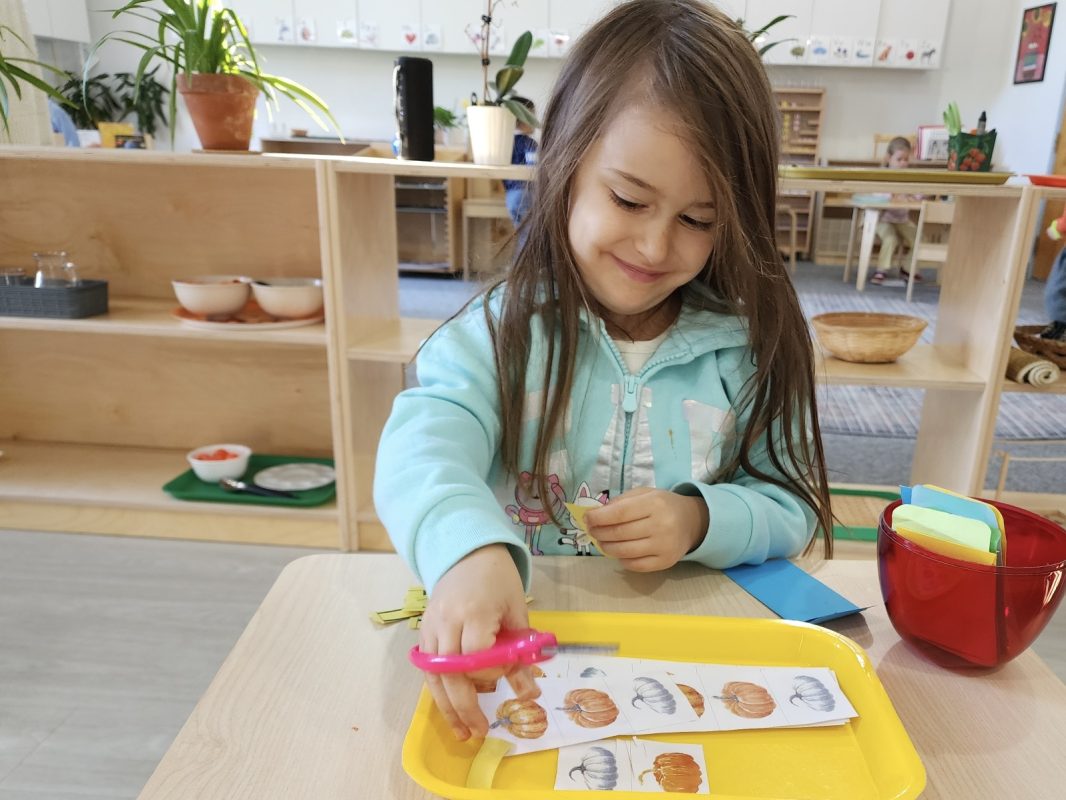
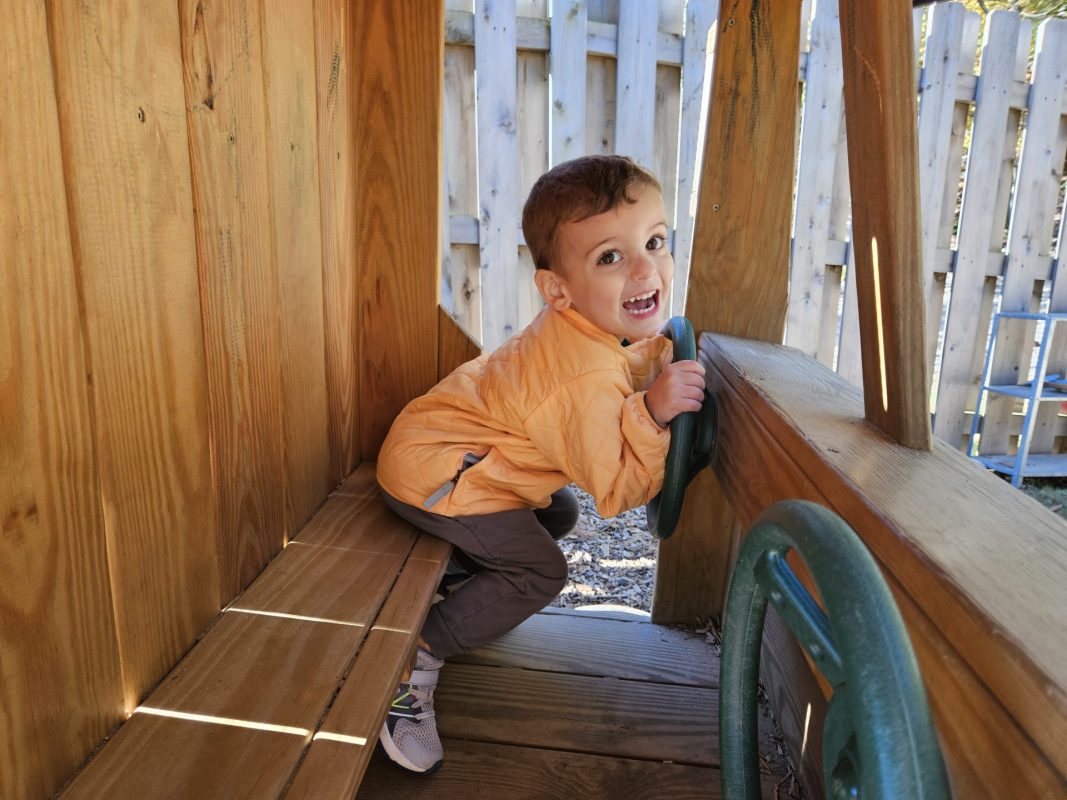
We had such a fun and busy week!  The children explored new ways to create art, from apple stamping to painting using forks.  We’re also settling in nicely into our daily routines with lunch and nap times flowing more smoothly each day.  This week, we practiced important grace and courtesy lessons, like putting work away on the shelf when finished, rolling up our work mats, and pushing in chairs.  Great steps toward independence!  For food tasting, we tried apples, and the children were amazed to discover the little “star” hidden inside, where the seeds are in each apple.

Can’t wait for another wonderful week ahead!

Ms. Vicki and Ms. Patty


The Start of a New School Year

The beginning of a new school year is always filled with excitement and possibility!

In today’s fast-paced world, with the constant demands of work, social media, and daily responsibilities, it can feel like we need to do everything perfectly. But the truth is, your child doesn’t need a perfect parent—they need you: a parent who shows up, listens, cares, and is present when it matters most.
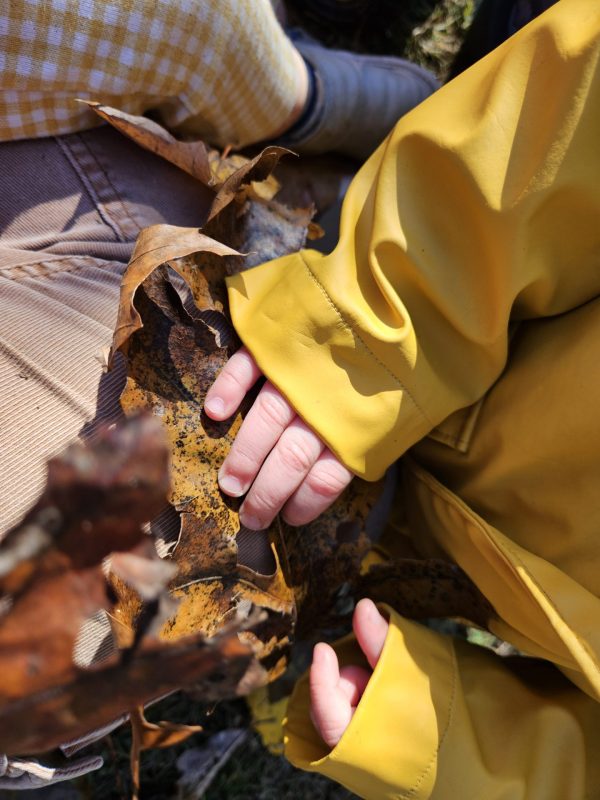
Each school year brings a fresh start—a chance to inspire learning, nurture growth, and create lasting memories. At Fraser Woods, we’re committed to beginning the year with positivity and strong connections, both at school and at home.
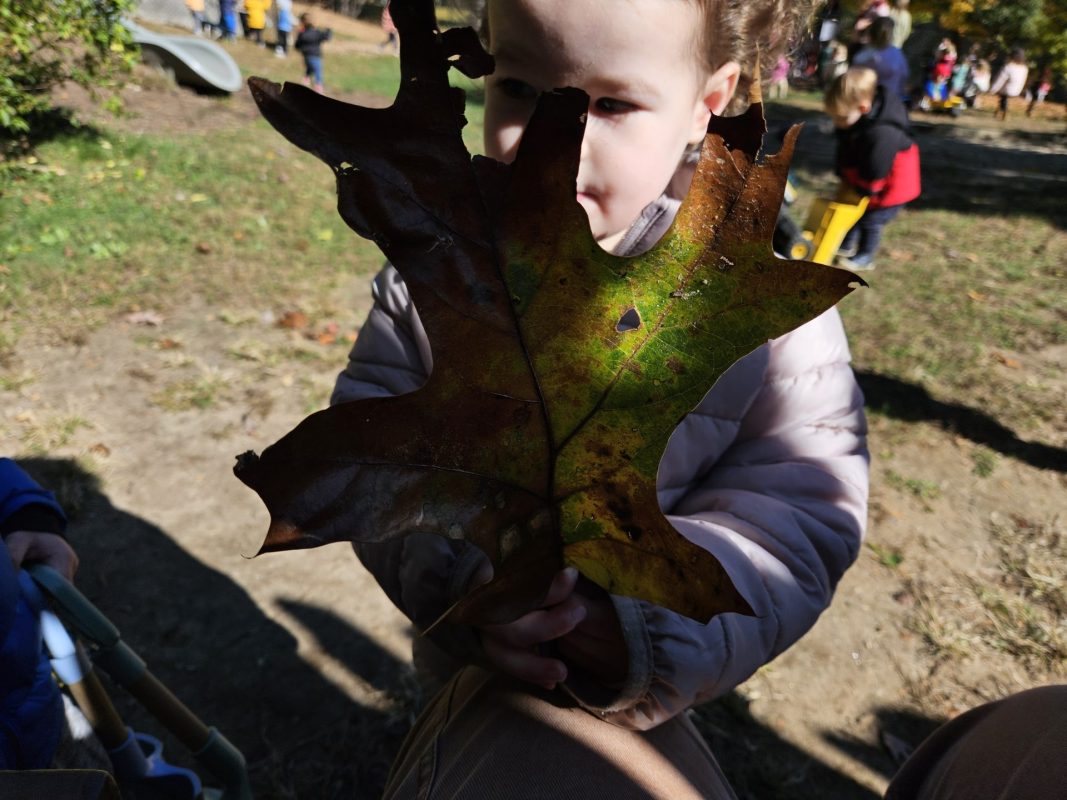
Setting a Positive Tone at Home

Children look to us for guidance, and the outlook we set at home shapes how they approach school. A positive mindset ripples into their confidence and joy for learning. Here are a few simple ways to start the year off well:

  • Create Routines Together: Consistent routines around homework, bedtime, and mornings reduce stress and foster success. Involving children in planning these routines builds responsibility and confidence.
  • Keep Communication Open: Invite your child to share their feelings about the new year. What excites them? What worries them? Listening and offering reassurance helps ease anxieties and strengthens trust.
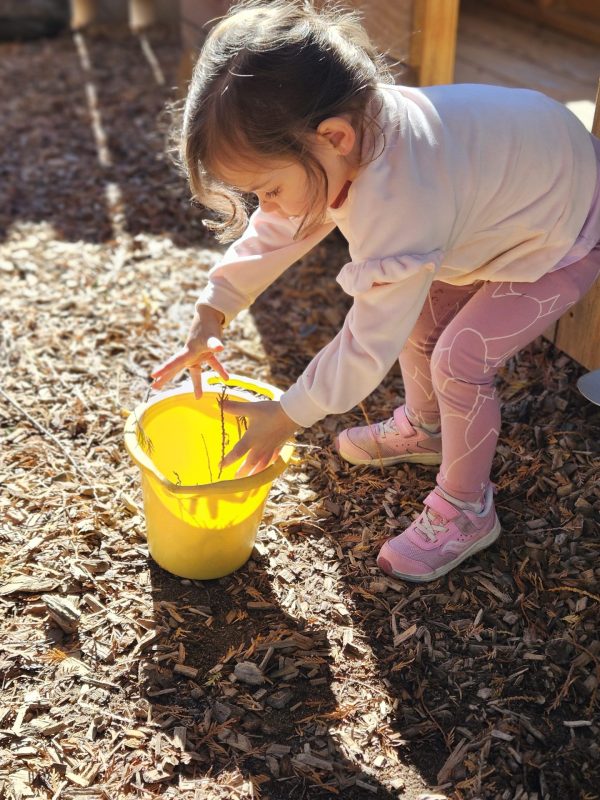
  • Celebrate Small Wins: Every day brings new challenges and triumphs. Recognize and celebrate even the little achievements—these moments build motivation and self-esteem.
Staying Involved

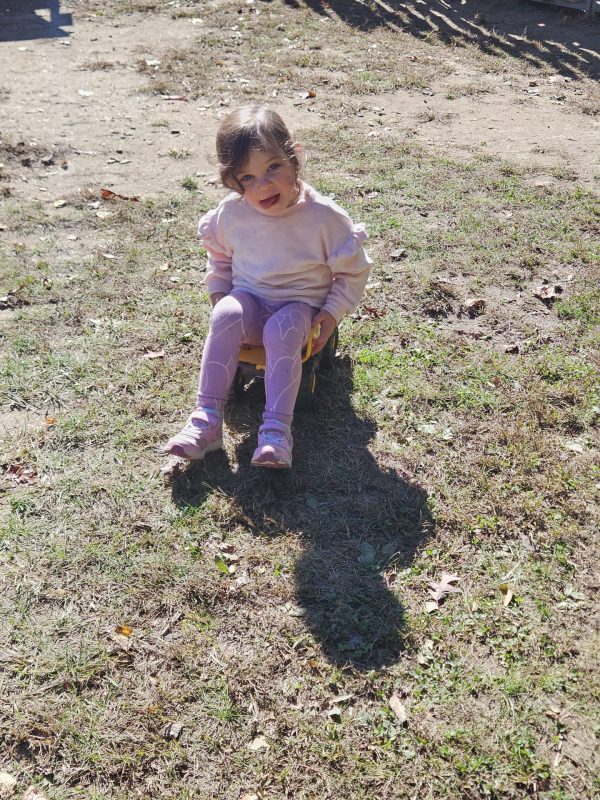
Parent involvement is one of the greatest predictors of a child’s success. We invite you to:

  • Stay connected: Reach out to your child’s teacher with questions, updates, or concerns.
  • Be part of the community: Attend parent meetings, join our parent association, and participate in school events.
  • Stay informed: Keep an eye on our FWM Weekly Email for important dates, updates, and opportunities to support your child’s learning.

As we step into this new school year together, let’s focus on what matters most: being present, supportive, and open-hearted for our children.We look forward to seeing you at Curriculum Night on September 25th, where you’ll learn more about how your child experiences learning in their classroom at FWM.