Blog

Mrs. Sargeant: A Peek at the Week

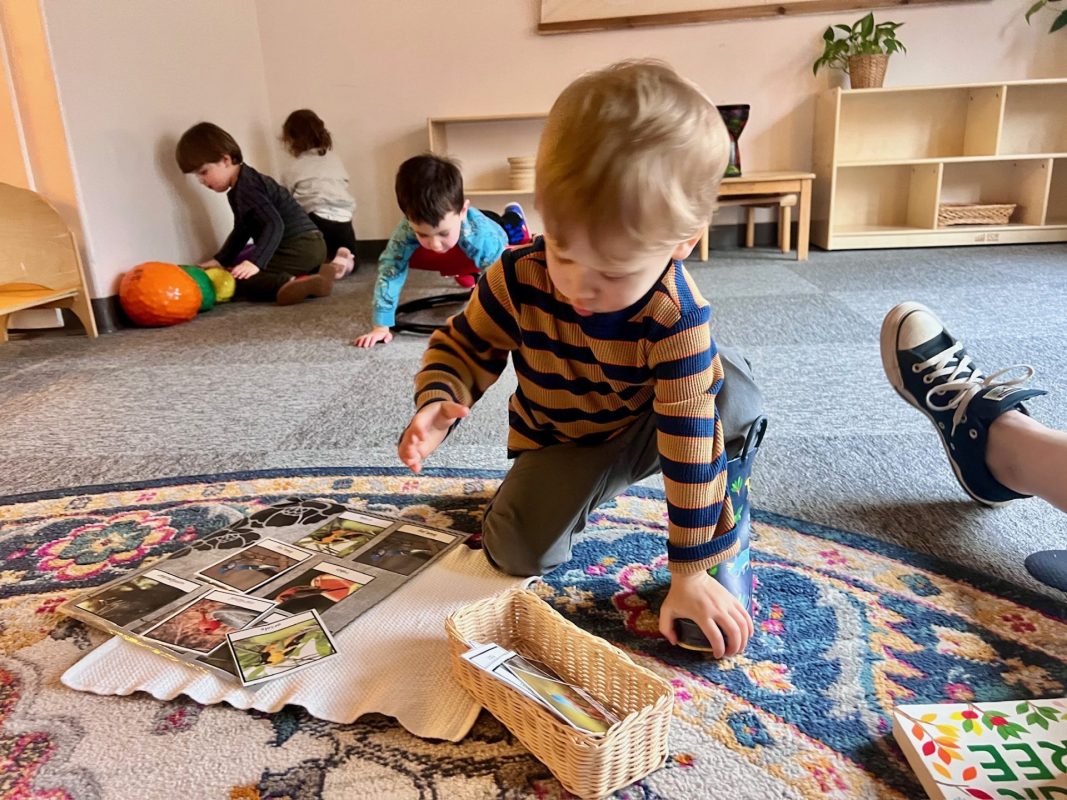
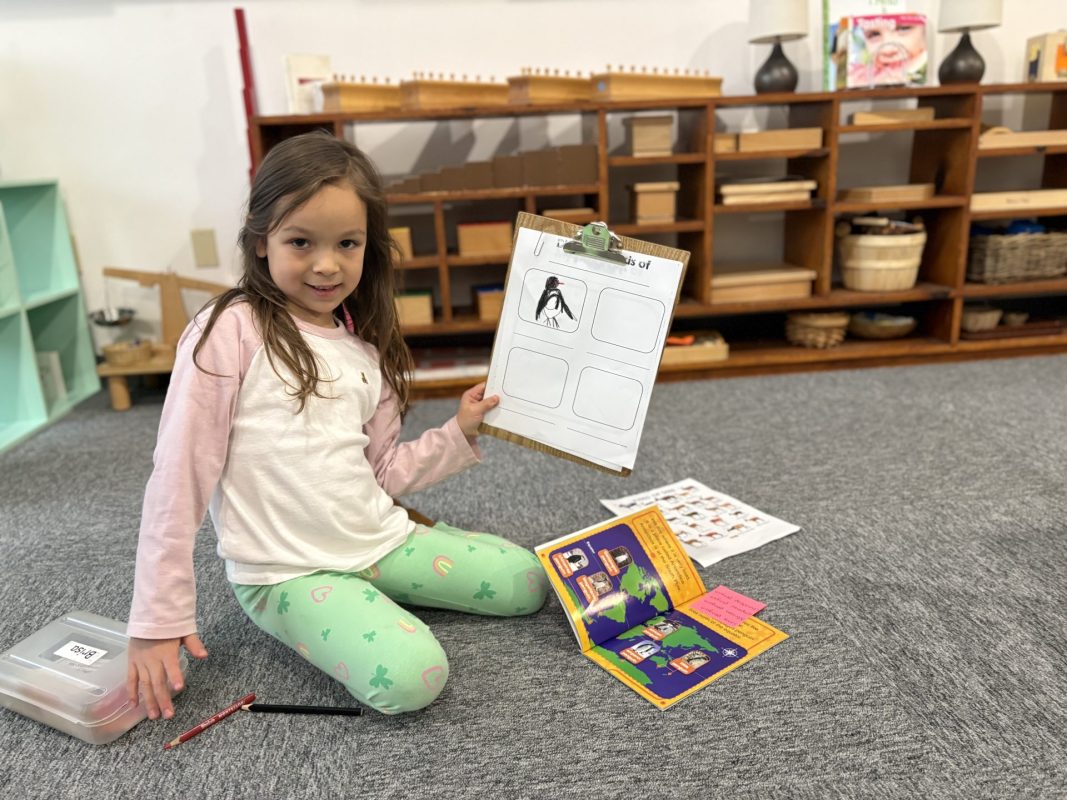
We have been discussing how harsh the winter can be for animals. The weather and lack of food can make their survival difficult. To help ensure their survival, animals hibernate, migrate, or adapt to their surroundings.

Animals that hibernate for the winter go into a deep sleep. Their body’s temperature drops, their heartbeat and breathing slow down, and they use very little energy. We’ve learned which animals hibernate as well as where they hibernate. Places where animals hibernate can be above ground, such as a cave, nest, or den, or they can be below ground, such as a burrow, a hole, or deep down in the mud. We explored which animals migrated or traveled to other places where the weather was warmer and where they would be able to find food. We also examined why animals might migrate and where they may go. Animals that adapt remain and stay active in their environment. They adapt to the changing weather, and their behavior and bodies may change, too. We talked about what changes animals may make to ensure they will have enough food for the winter.

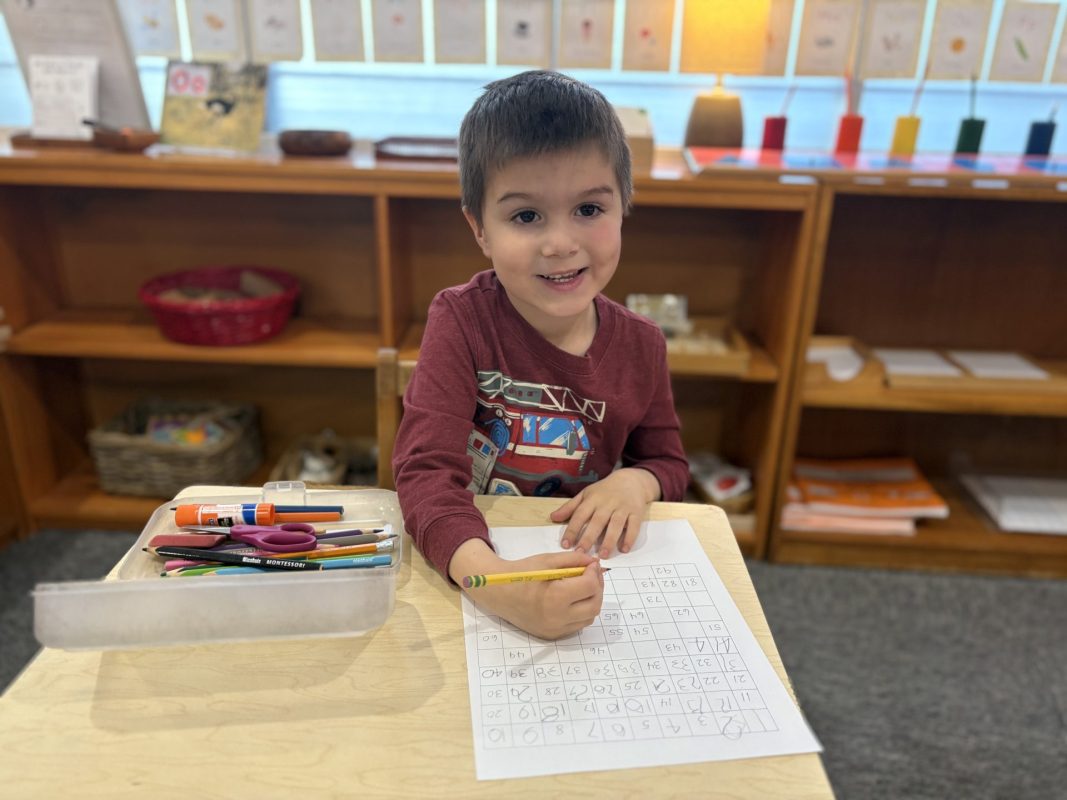
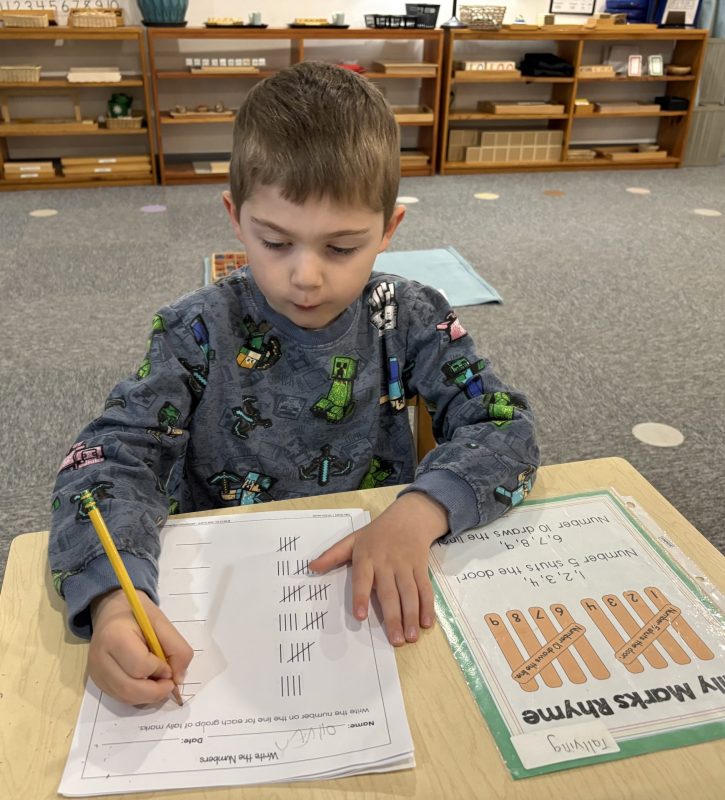
On Thursday, we celebrated the 100th day of school. From the very first day of school, the kindergarten children have been learning to count by 1s, 5s, and 10s to 100. They spent the afternoon going to different stations that revolved around 100. They drew pictures of what they would like when they were 100, what they would buy with $100, and what they wished they had a hundred of, made a 100 headband, and then played a game called Race to 100. They even did 100 exercises and learned how hard it was to sit quietly for 100 seconds. They also had 100 snacks! Many thanks to Eliot’s family for the amazing ”snackle boxes” and special 100th-day snacks!

We’re hoping the ice and snow will melt over the weekend so we can get outdoors next week. Wishing you all a week filled with sunshine!

Christine & Fatima


Mrs. Lopes: A Look at the Week

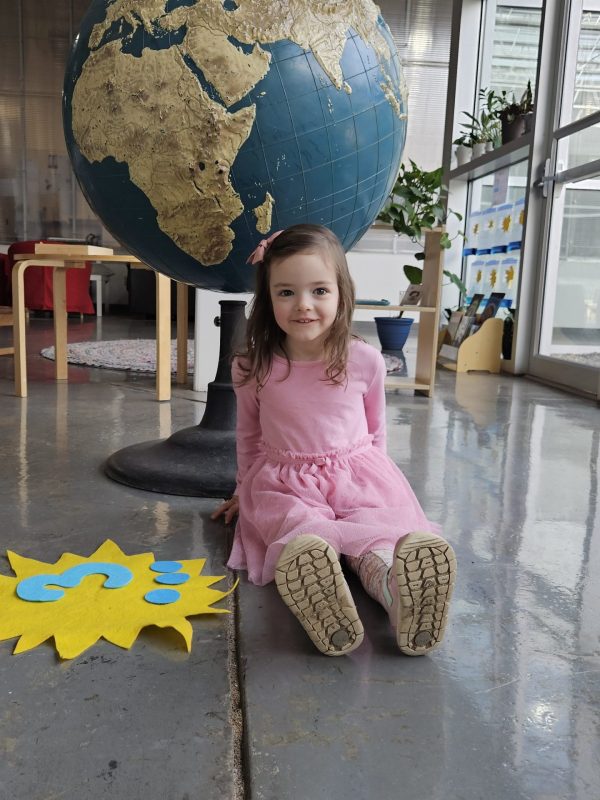
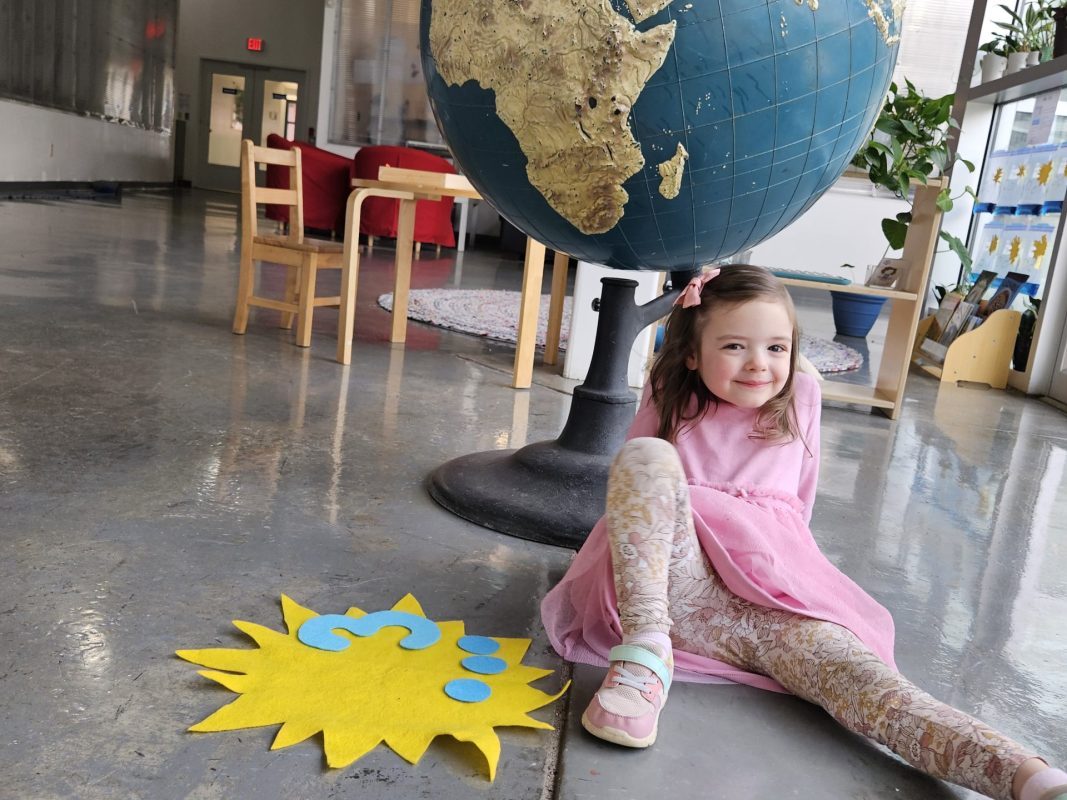
Each time we study a new continent, we first find it on the globe, then locate it on the world map, and lastly, we study the individual continent using the specific continent maps. Currently, the children are learning about the continent of Africa. We learn about its geography, culture, weather, animals, and people.

We are learning lots of fun and fascinating facts about the continent of Africa.

  • Africa is the second largest continent, with 54 countries.
  • The longest river in the world, the Nile, is in Africa.
  • Over one thousand languages are spoken by the people in Africa.
  • The Sahara, the world’s largest desert, is located here.
  • Mount Kilimanjaro is the highest mountain in Africa. It is so tall that glaciers can be found at its summit, even though the mountain is near the equator.
  • Africa is the most centrally located continent in the world—both the prime meridian and the equator cut across it.
  • The world’s tallest animal, the giraffe, and the largest land animal, the African elephant, are found in Africa.

This past Thursday, we celebrated the 100th day of school. From the very first day of school, the kindergarten children have been learning to count by 1s, 5s, and 10s to 100. They spent the afternoon going to different stations that revolved around 100. They drew pictures of what they would like when they were 100, what they would buy with $100, and what they wished they had a hundred of, made a 100 headband, and then played a game called Race to 100. They even did 100 exercises and learned how hard it was to sit quietly for 100 seconds. The highlight was bringing home a delicious 100th-day-of-school snack and eating 100 snacks from their “snackle” box. As always, thank you for all our parent volunteers’ behind-the-scenes help in making these memories possible.

Wishing you a week filled with peace and love.

Amanda & Hema


Mrs. Hood: La Familia! ❤️

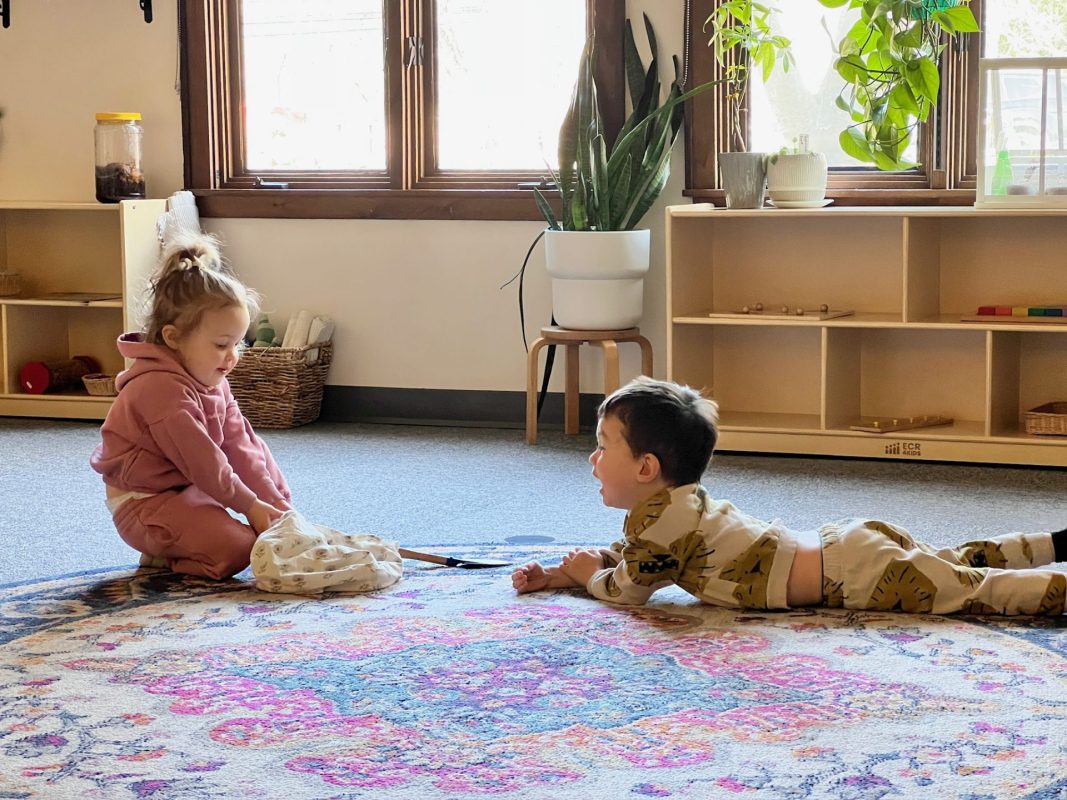
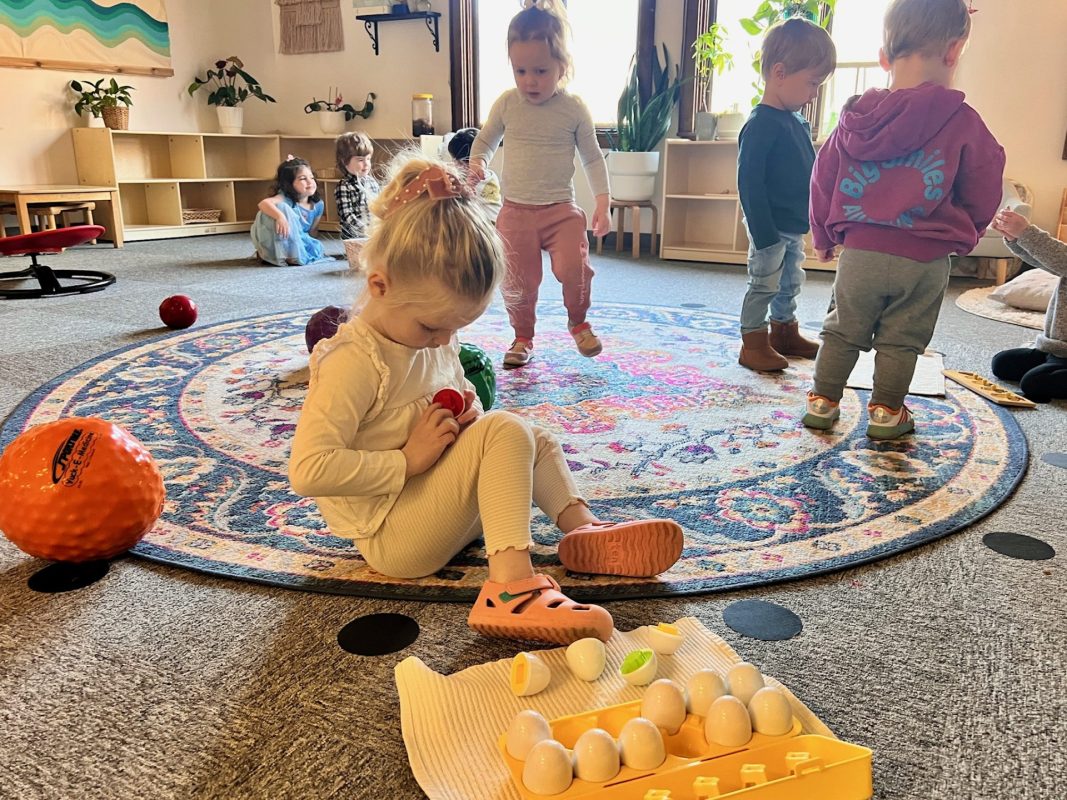
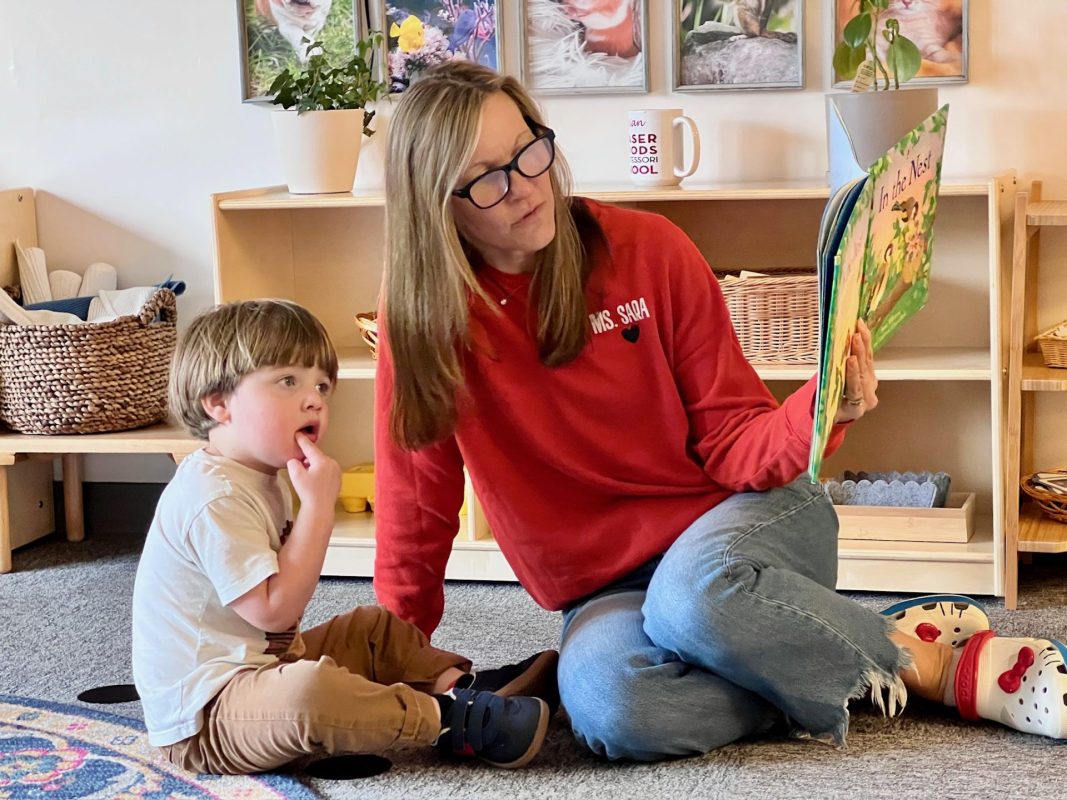
Even in this short week, our classroom has been filled with meaningful moments, learning, and joy. As we continue our exploration of love and dive deeper into our Emotions unit this month, this week’s focus was all about la Familia, The Family!

Understanding family is an important part of a toddler’s development. Children begin to notice similarities and differences between themselves and others at this age. By learning about families, they build a sense of belonging and an appreciation for the many ways people come together to love and care for one another. We emphasize that every family is unique—some are big, some are small, some have one parent, and some have two. Some families have siblings, while others have beloved pets.

Speaking of families, we have some exciting news to share—Evie is a big sister again! Her baby brother Aaron was born on February 17th. Congratulations to Evie’s family on their newest addition! The children were delighted to hear the news, and it sparked even more conversations about siblings and growing families.

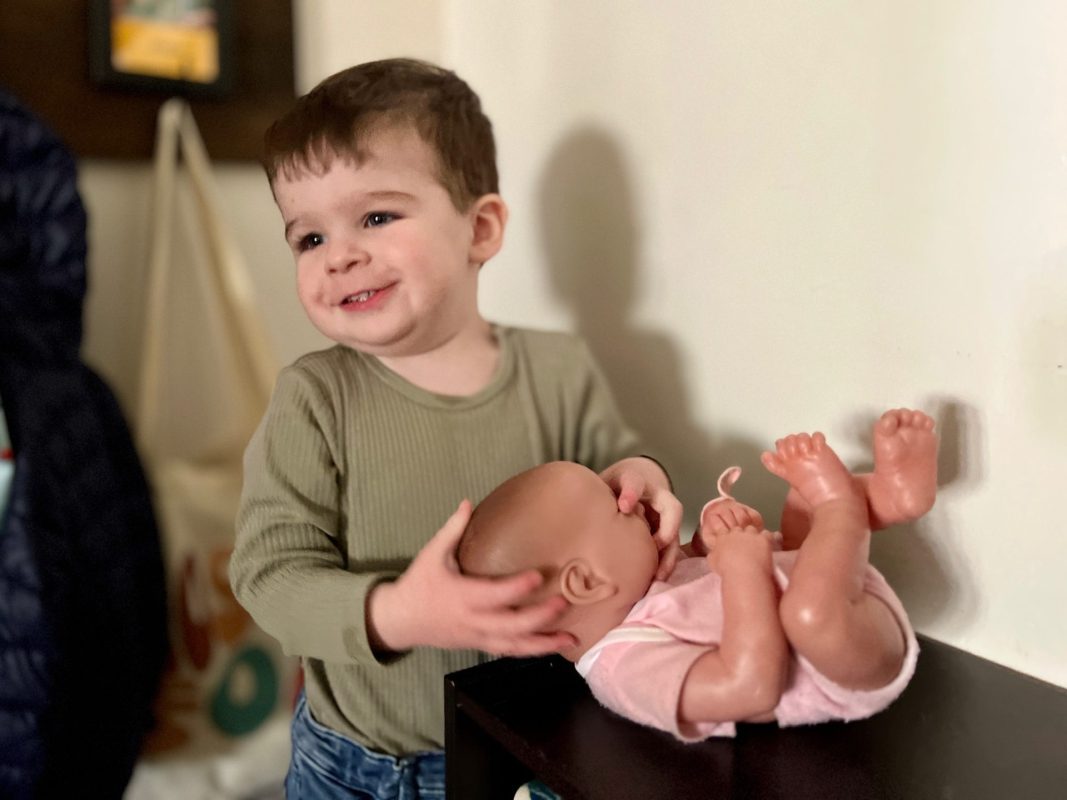
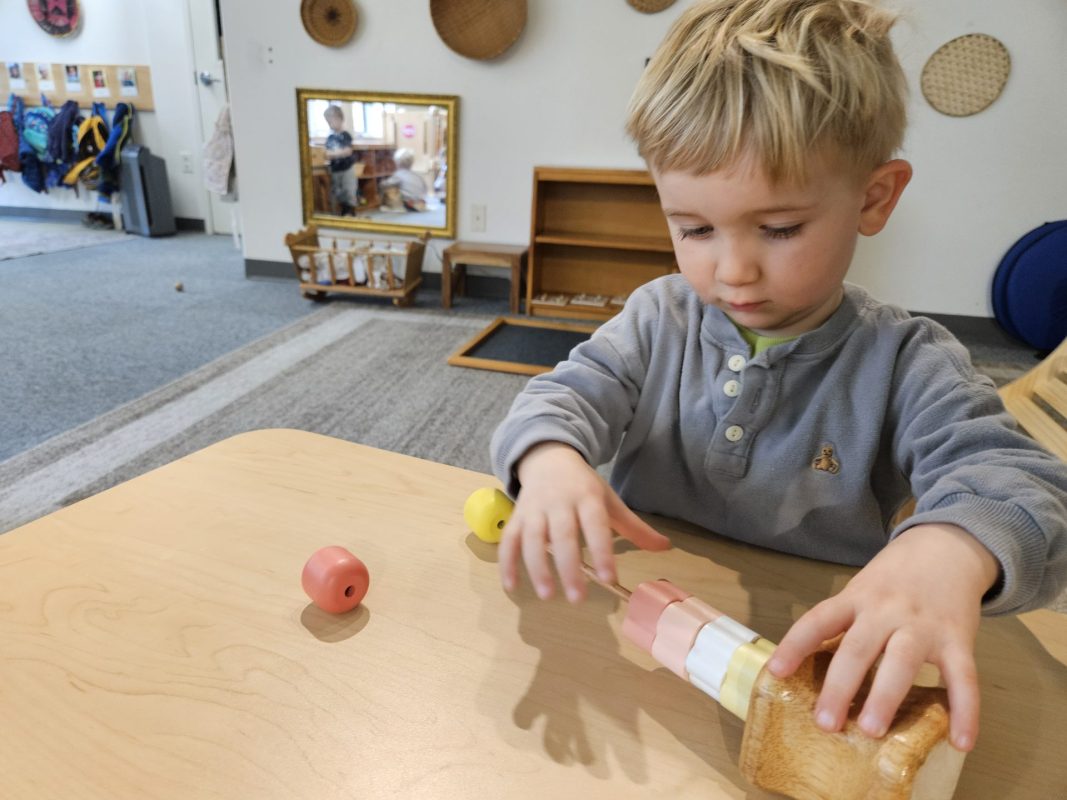
One of the highlights of our week was introducing a fun new work: the dollhouse. This has quickly become a favorite in our classroom! The family of dolls in our dollhouse intentionally represents diversity, with different skin tones, hair colors, and eye colors. The children love engaging with this work, using the dolls to act out daily routines and family interactions. Through this play, they are not only strengthening their social-emotional skills but also expanding their vocabulary—labeling different parts of the house, furniture, and family roles.

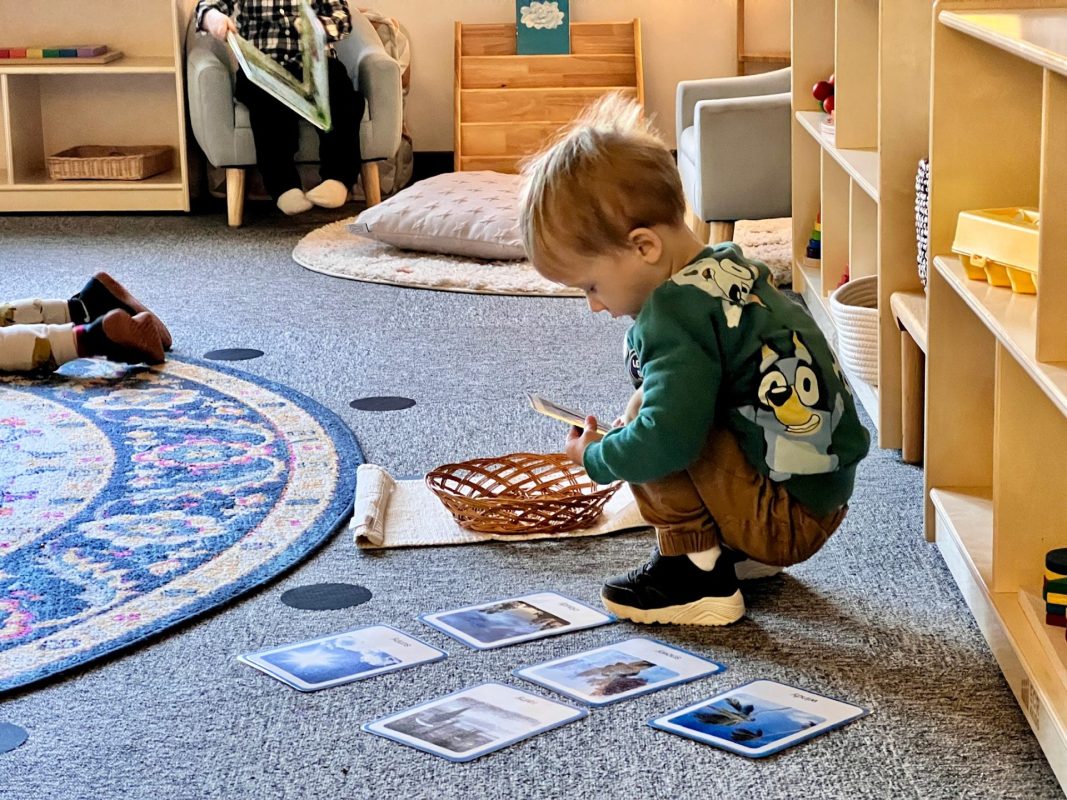
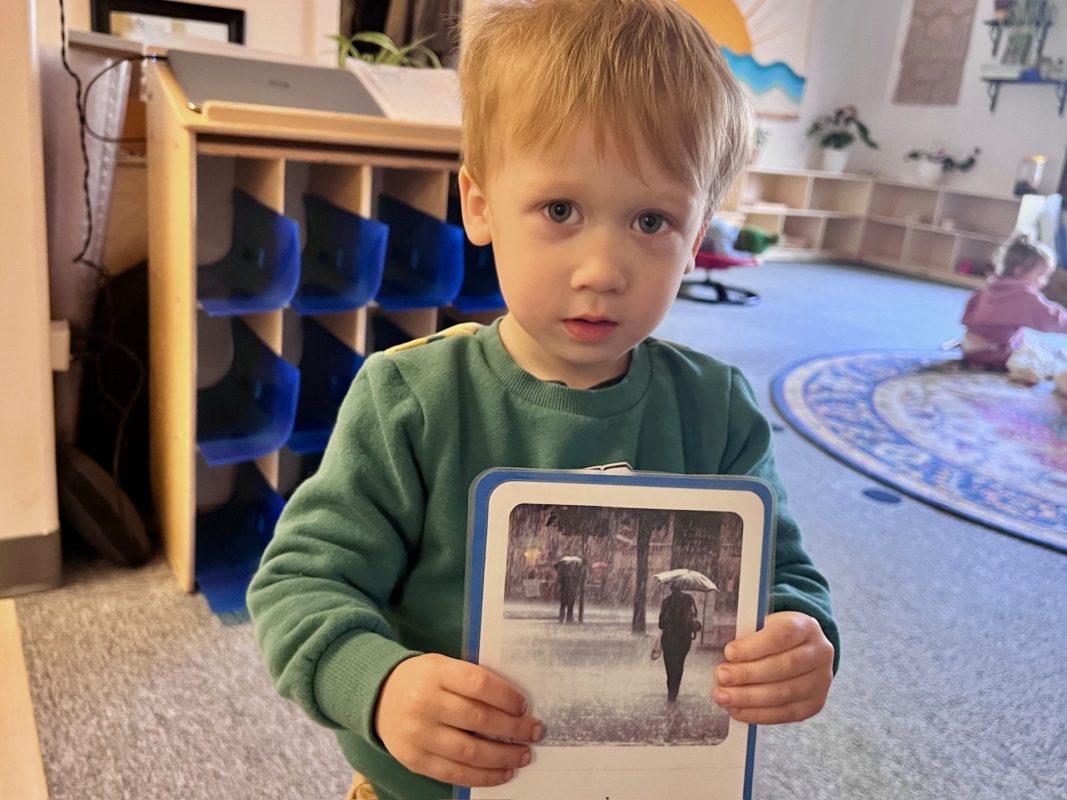
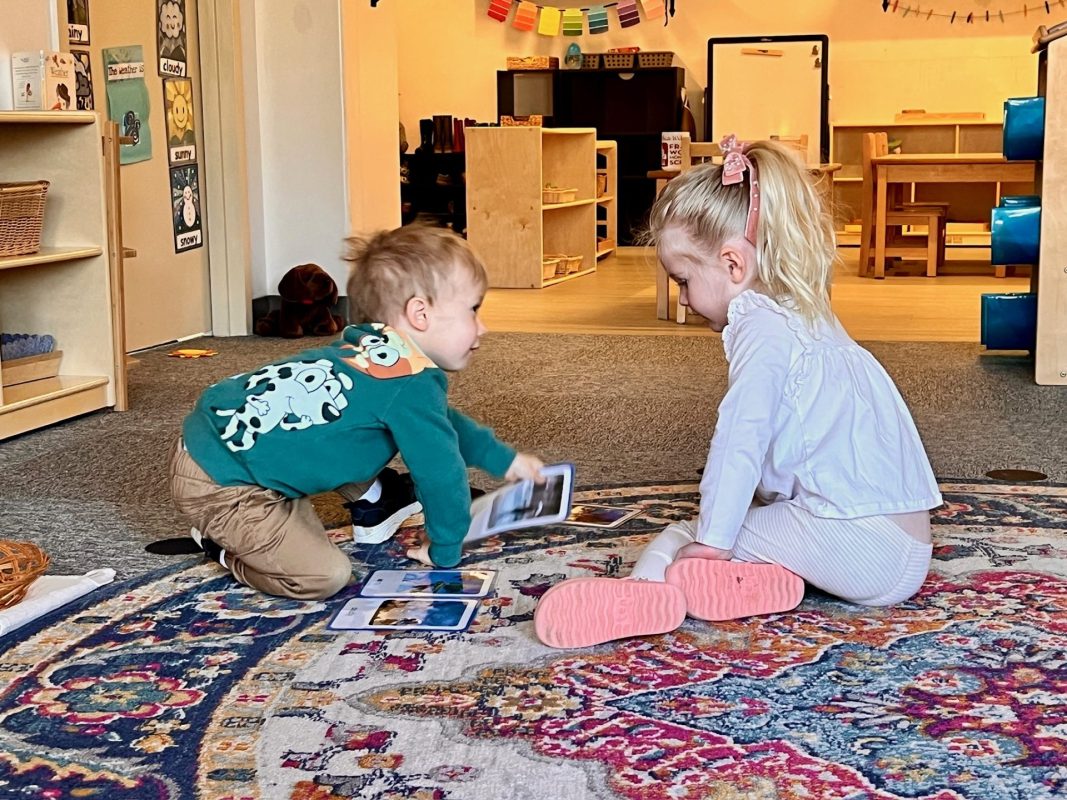
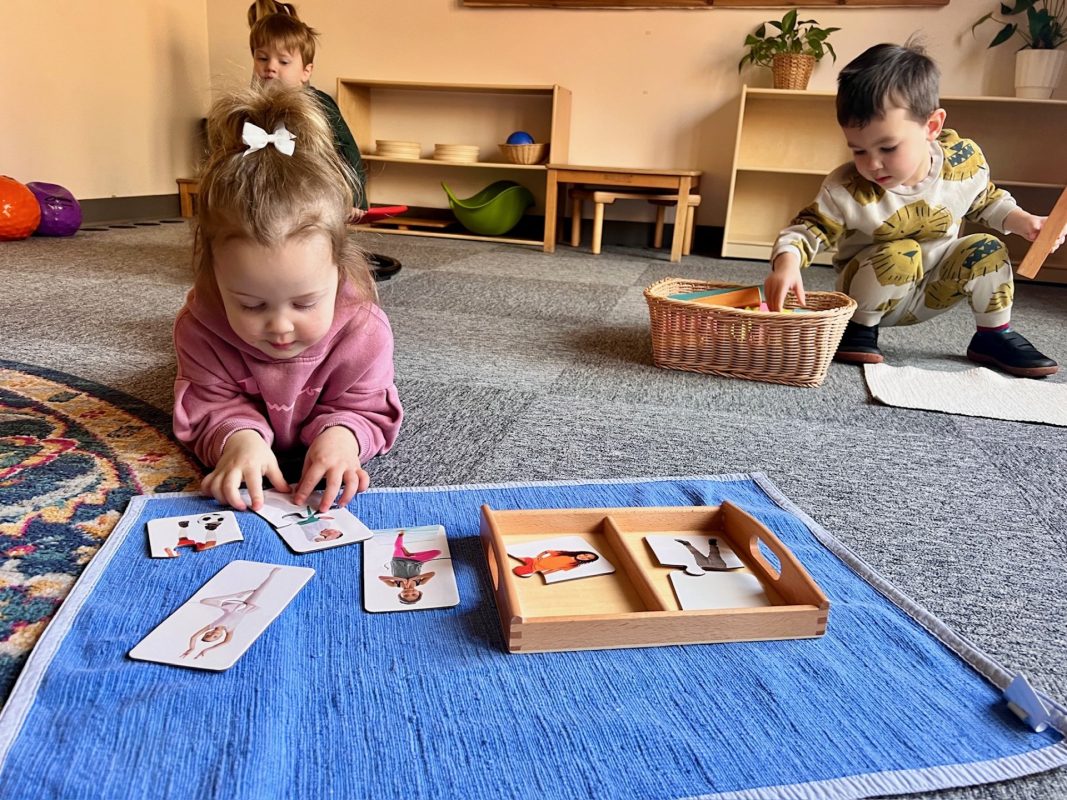
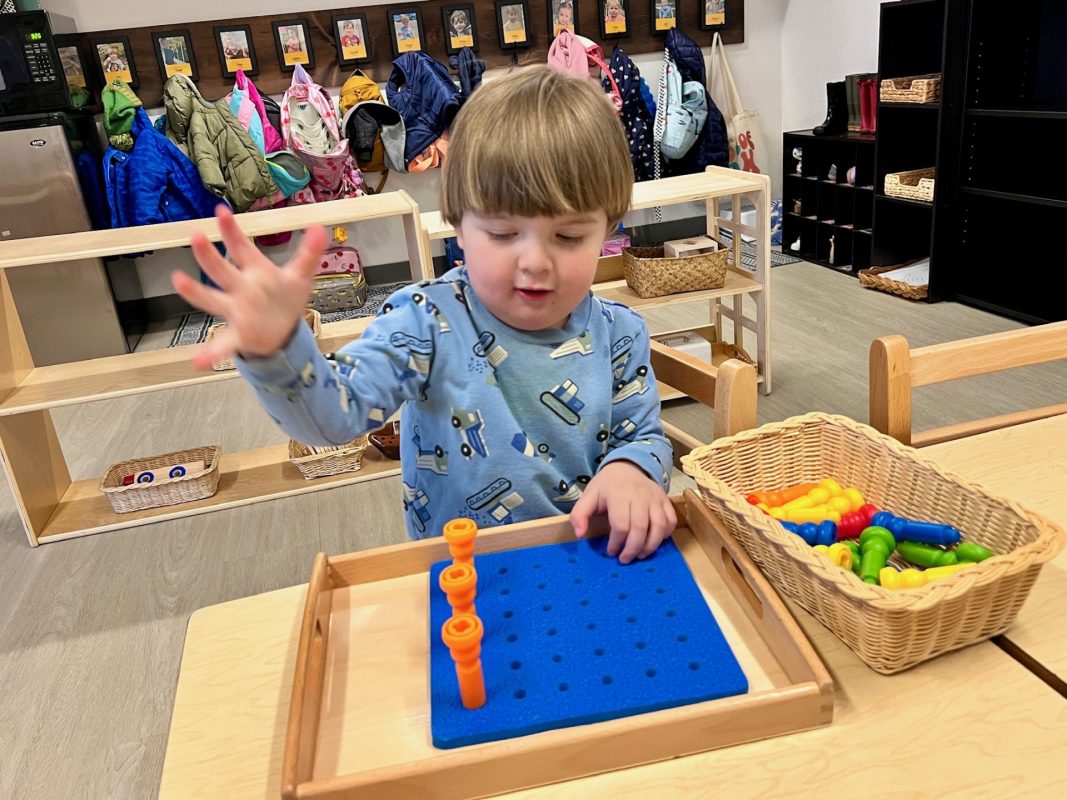
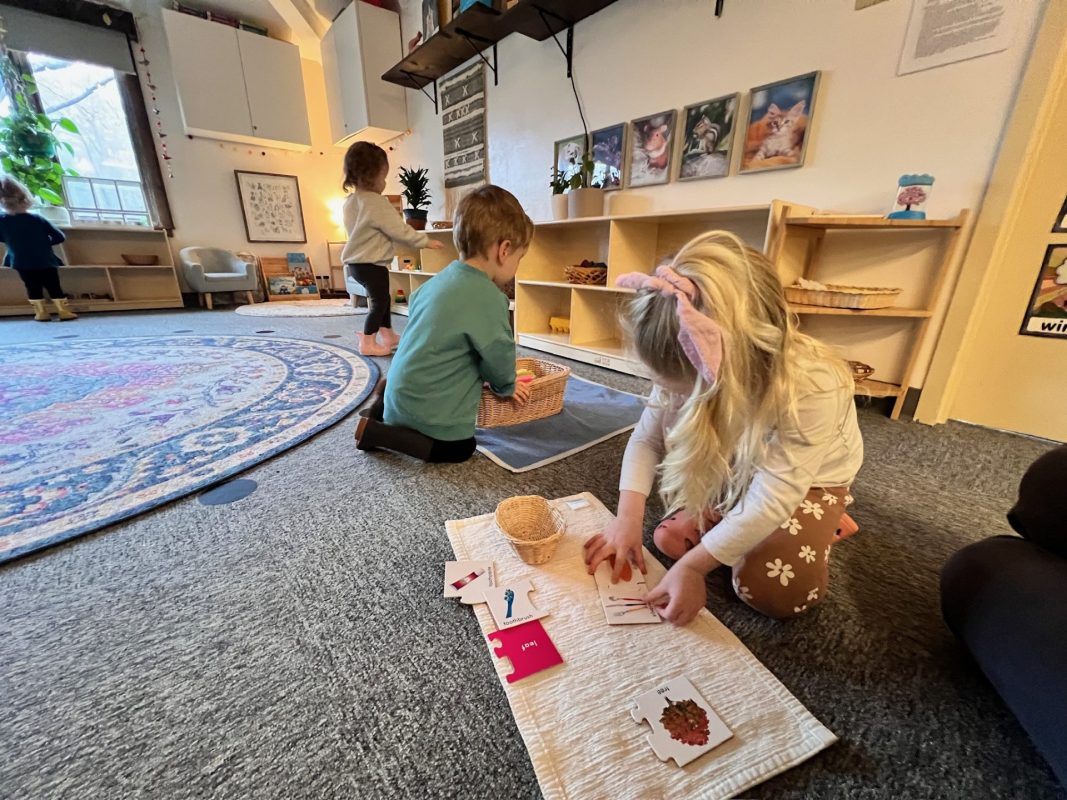
We also introduced a picture-to-picture matching work on our language shelf, allowing children to match pictures of their classmates with their respective families. They have enjoyed seeing their own families represented, sparking so many lovely conversations as they proudly name their loved ones and talk about what makes their family special.

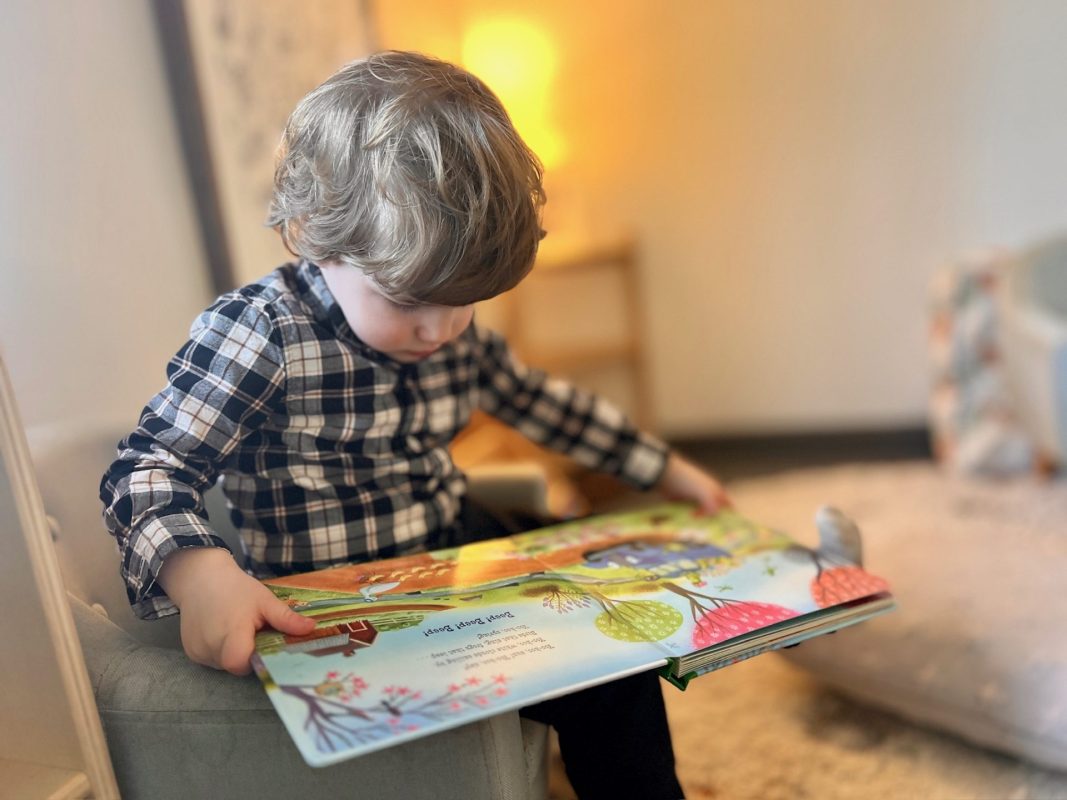
For parents looking for great book ideas, here are some of the favorites we’ve enjoyed in the classroom this week: In My Heart by Jo Witek, The Feelings Book by Todd Parr, Feet Are Not for Kicking by Elizabeth Verdick, The Color Monster by Anna Llenas, and especially Calm Down Time, also by Elizabeth Verdick. With the help of this book, children practiced the importance of breathing deeply when encountering difficult emotions. We encouraged the toddlers to “smell the flowers” (inhale) and “blow the bubbles” (exhale), helping them develop self-regulation skills.

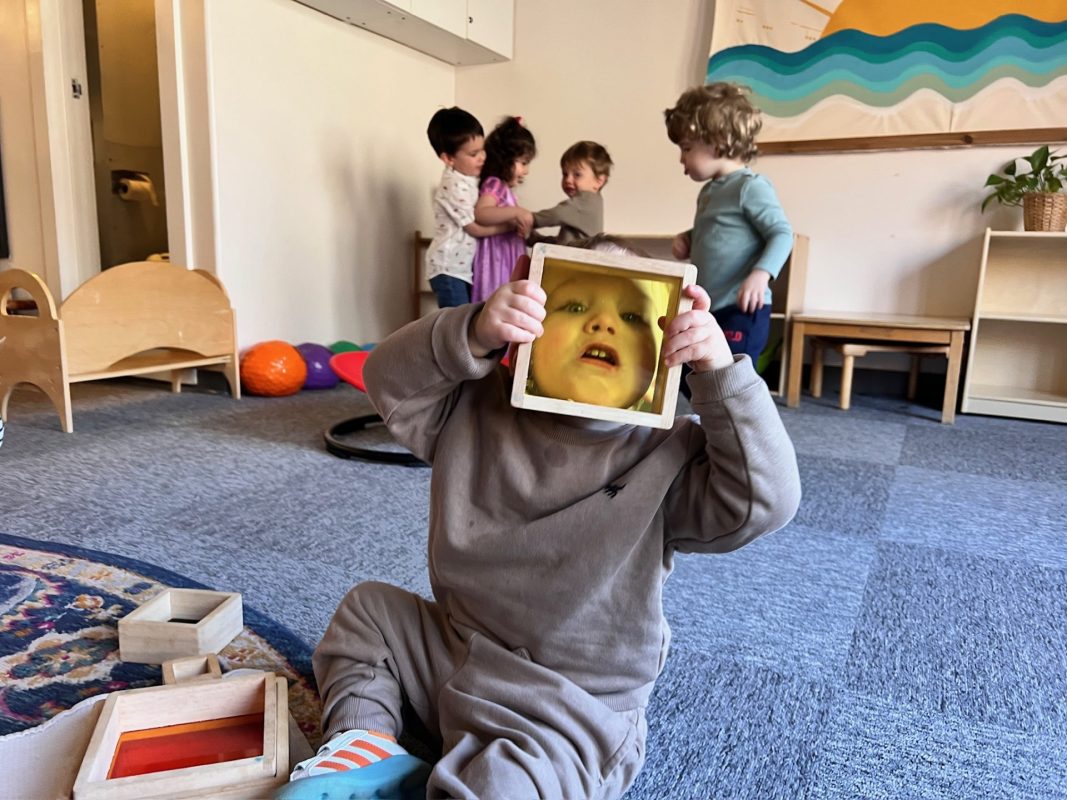
We also encourage our students to use the teepee as a calm-down area where they can take space and learn to regulate themselves. Inside, they have a soft faux sheepskin rug, cushy pillows, and a variety of calming items like sensory bottles, stretchy string fidgets, and liquid motion bubblers to support this process. For many of them, this has quickly become one of their favorite places in our classroom—a space to decompress or simply enjoy some quiet time. I highly recommend creating a similar calm-down space at home, especially if your child struggles with tantrums. It can be a simple but effective way to help them navigate big emotions.

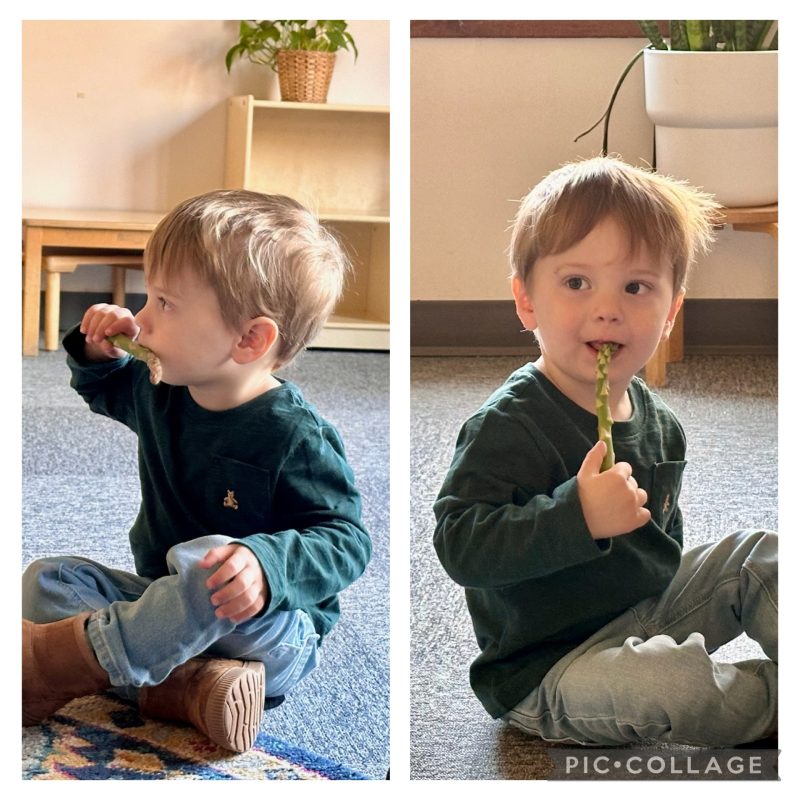
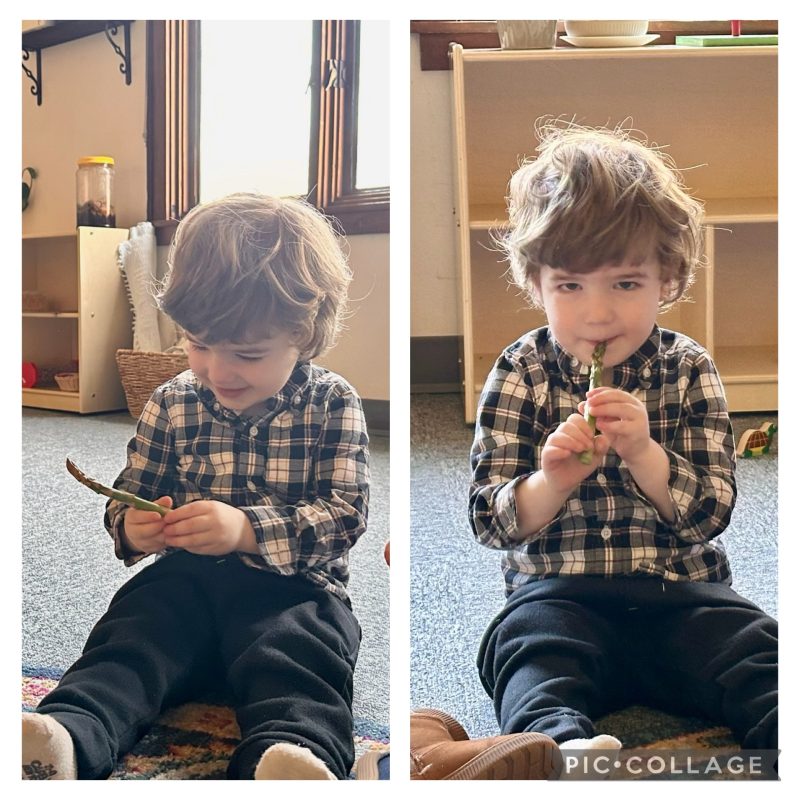
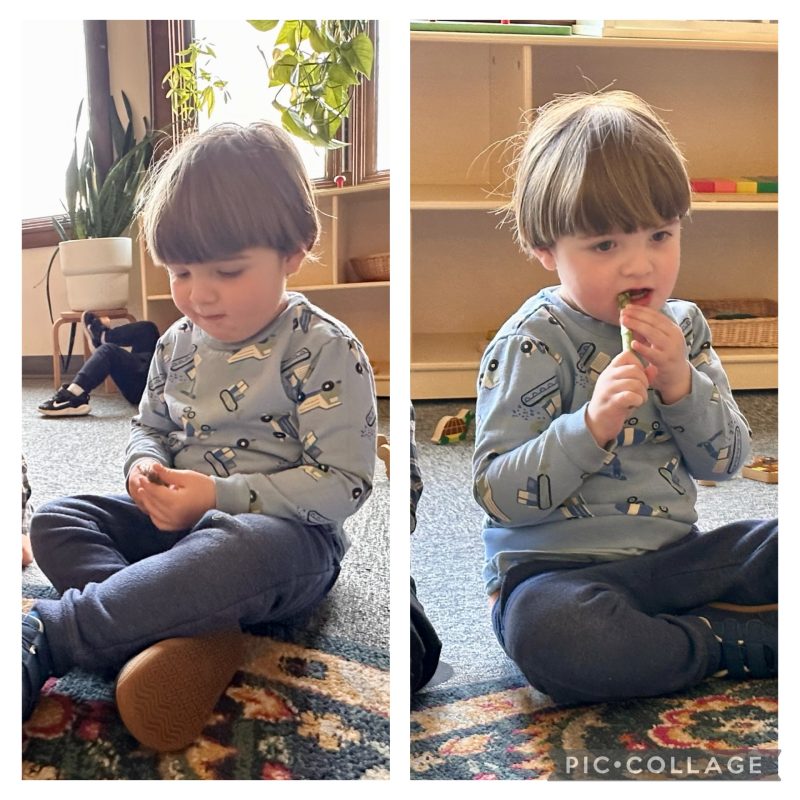
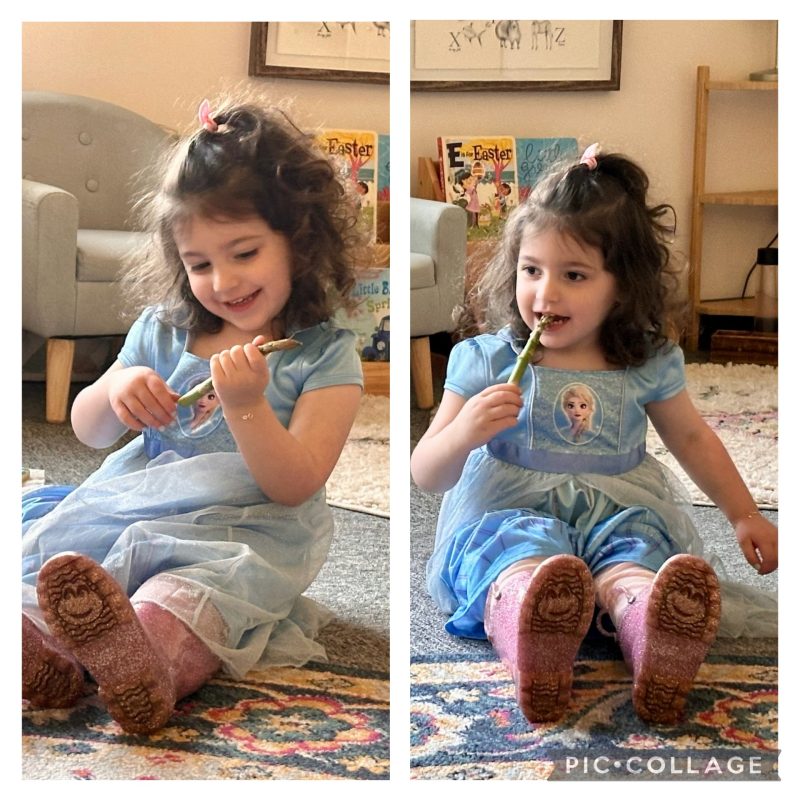
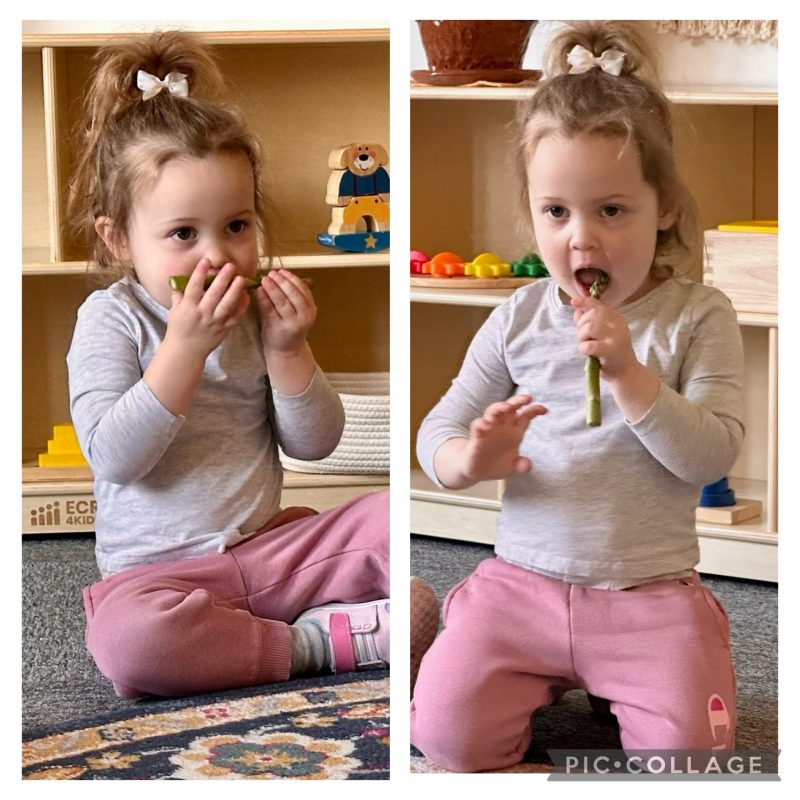
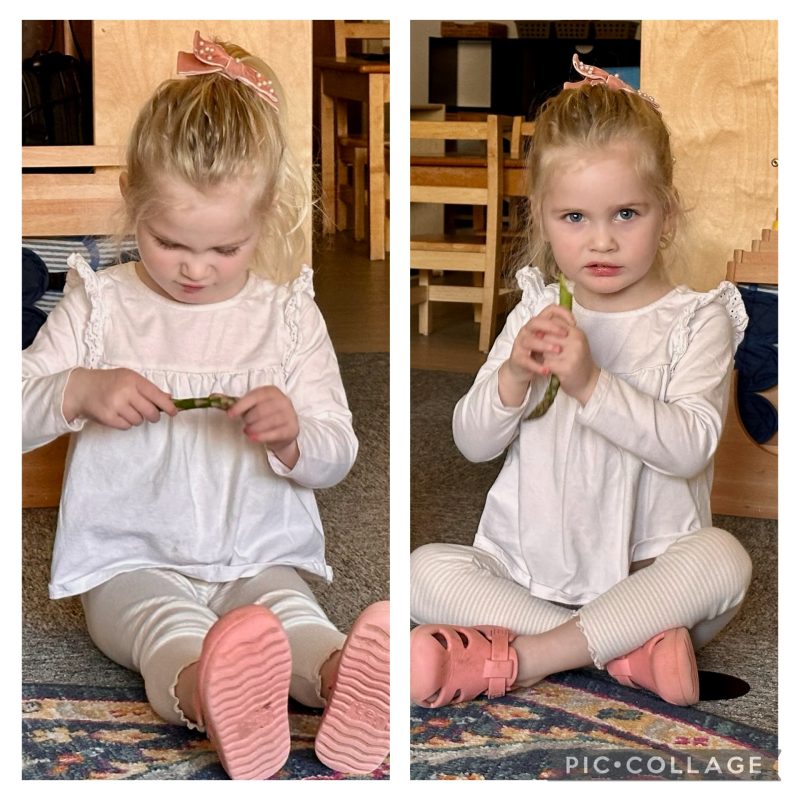
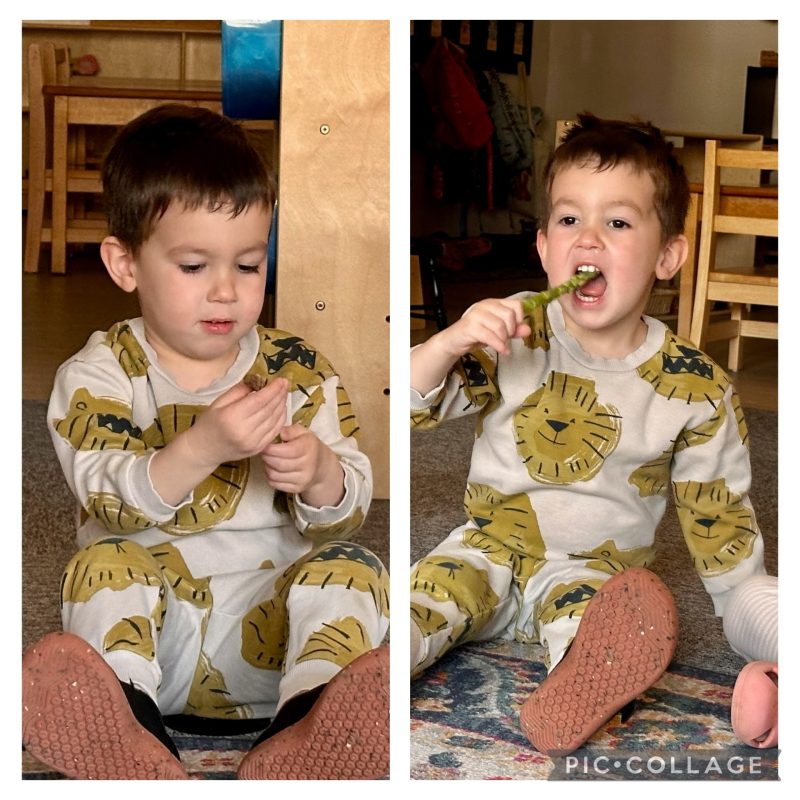
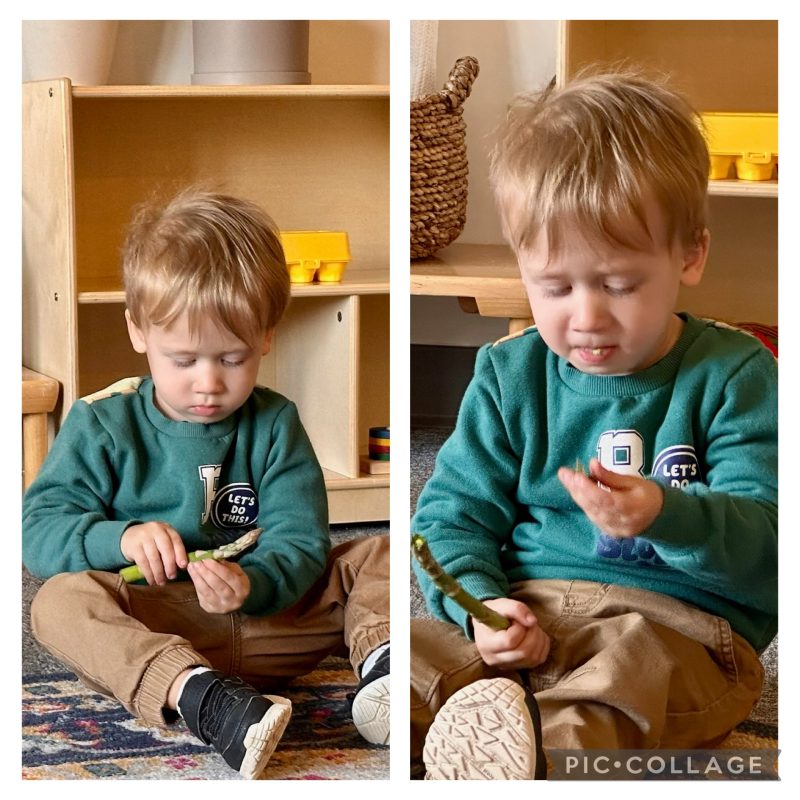
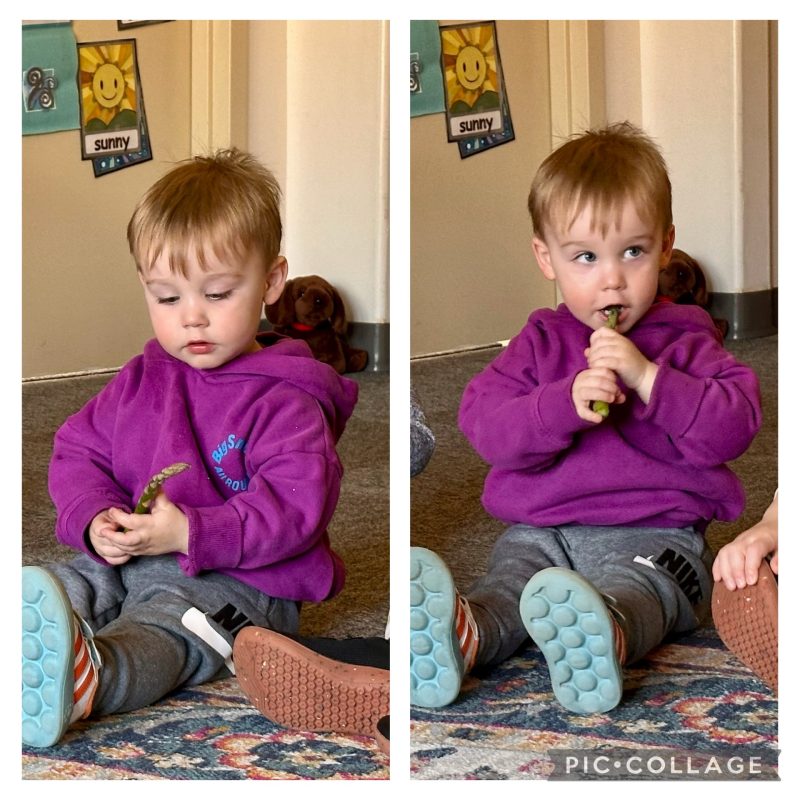
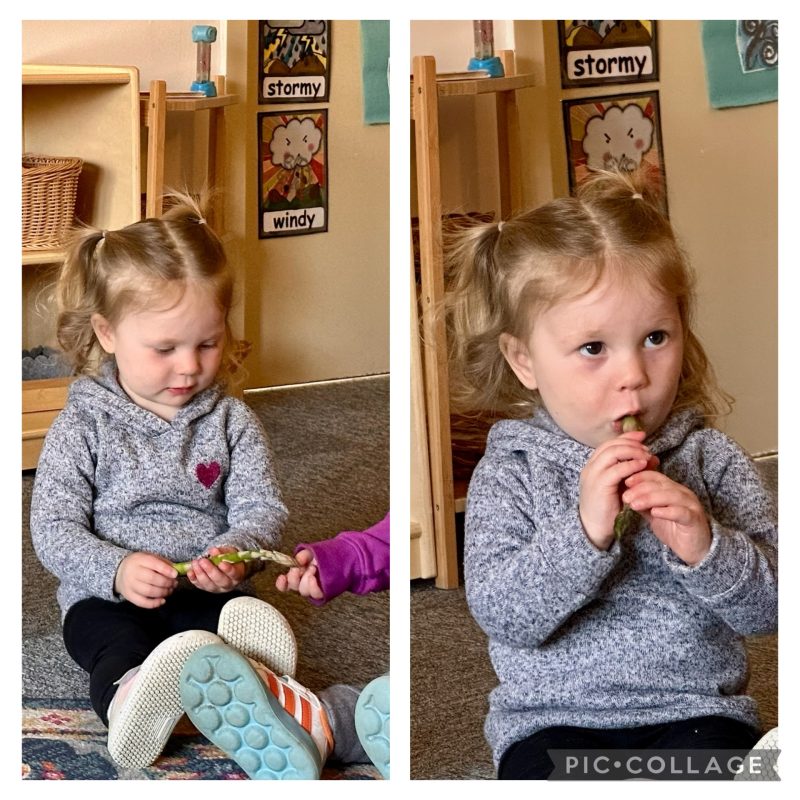
For this week’s food tasting, we explored lemons! The children were curious about their bright yellow color and smooth, bumpy texture. But the best part? Their faces when they took their first taste! Through this experience, we introduced the new vocabulary word sour—a fun and exciting addition to their growing list of descriptive words.

It’s always a joy to witness your children’s curiosity and growth each day. Thank you for sharing them with us, and we look forward to another wonderful week ahead!

Warmly,

Mrs. Hood and Ms. Patty


Preparing for Lower El Research Night

Mark your calendars! I am thrilled to invite you to Lower Elementary Research Night on Tuesday, March 4th, from 5:30-6:30 PM. This special evening will showcase our young researchers’ hard work, curiosity, and dedication.

Over the past several weeks, the children have diligently worked on their research papers, posters, and presentation boards. Our third-year and second-year students have stepped into mentor roles, guiding their younger peers through the research process with patience and enthusiasm. Their leadership has been instrumental in fostering a collaborative and enriching learning experience for all.

What to Expect

The event will be structured as a research fair. Students will stand at their stations, eager to share their findings with family and friends. Parents and guests are encouraged to walk around, engage with the students, and learn about a variety of topics.

Following the fair portion of the evening, our third-grade students will take center stage to present their research findings in an oral presentation to the group. This is an exciting opportunity for them to build confidence, practice public speaking, and showcase their deep understanding of their chosen topics.

Event Schedule

  • 5:30-6:00 PM – Research fair in the hallway around the Zen Garden
  • 6:00-6:30 PM – Third Grade oral presentations in the classroom

We know how much effort the students have put into their projects, and they are eager to share their hard work with you. We hope all families can attend to celebrate their achievements!


Ms. Handibode: All About Africa

Each time we study a new continent, we first find it on the globe, then locate it on the world map, and lastly, we study the individual continent using the specific continent maps. Currently, the children are learning about the continent of Africa. We learn about its geography, culture, weather, animals, and people.

We are learning lots of fun and fascinating facts about the continent of Africa.

  • Africa is the second largest continent, with 54 countries.
  • The longest river in the world, the Nile, is in Africa.
  • Over one thousand languages are spoken by the people in Africa.
  • The Sahara, the world’s largest desert, is located here.
  • Mount Kilimanjaro is the highest mountain in Africa. It is so tall that glaciers can be found at its summit, even though the mountain is near the equator.
  • Africa is the most centrally located continent in the world—both the prime meridian and the equator cut across it.
  • The world’s tallest animal, the giraffe, and the largest land animal, the African elephant, are found in Africa.

This past Thursday, we celebrated the 100th day of school. From the very first day of school, the kindergarten children have been learning to count by 1s, 5s, and 10s to 100. They spent the afternoon going to different stations that revolved around 100. They drew pictures of what they would like when they were 100, what they would buy with $100, and what they wished they had a hundred of, made a 100 headband, and then played a game called Race to 100. They even did 100 exercises and learned how hard it was to sit quietly for 100 seconds. The highlight was bringing home a delicious 100th-day-of-school snack and eating 100 snacks from their “snackle” box. As always, thank you for all our parent volunteers’ behind-the-scenes help in making these memories possible.

Wishing you a week filled with peace and love.


Winter Weather…Cozy Classroom

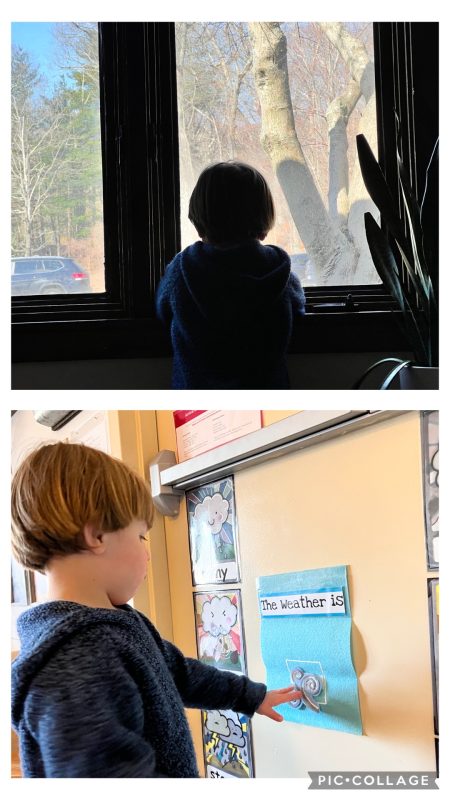
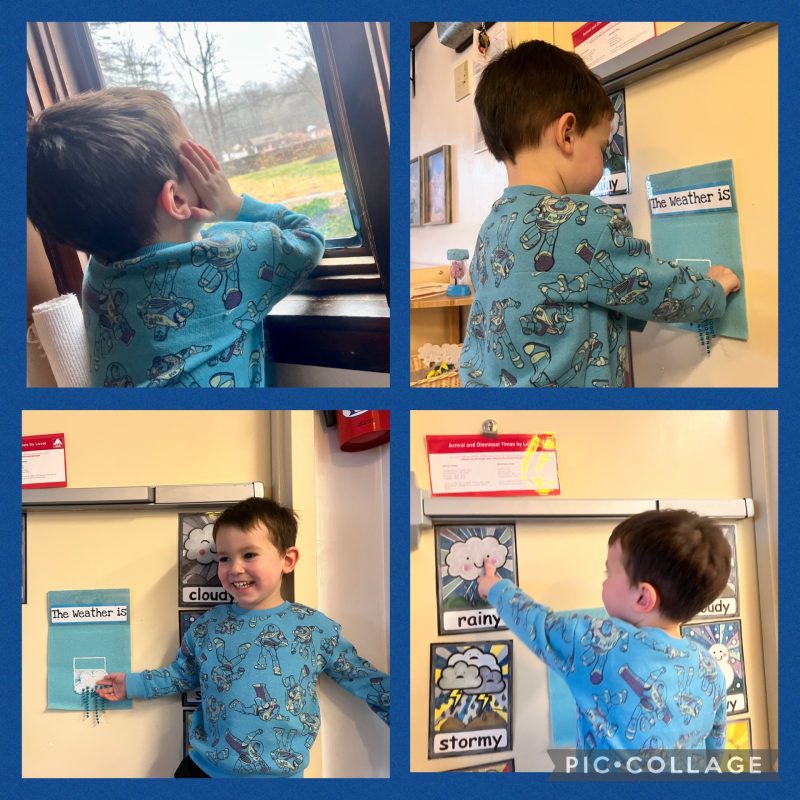
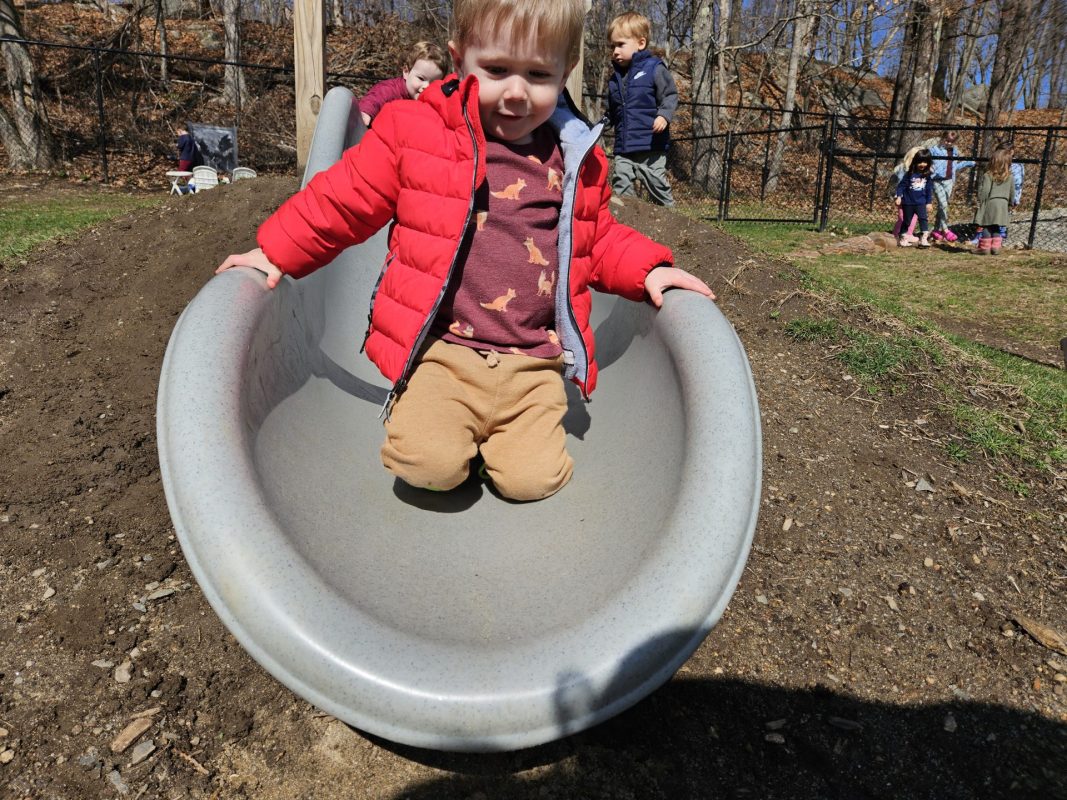
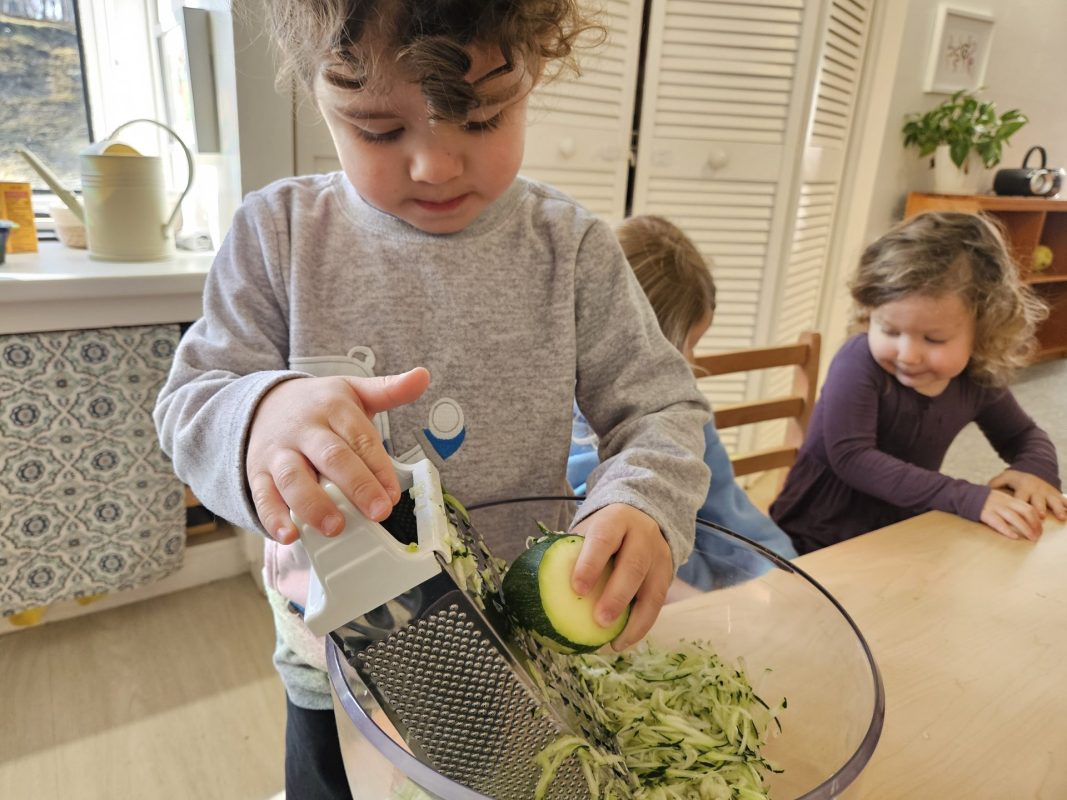
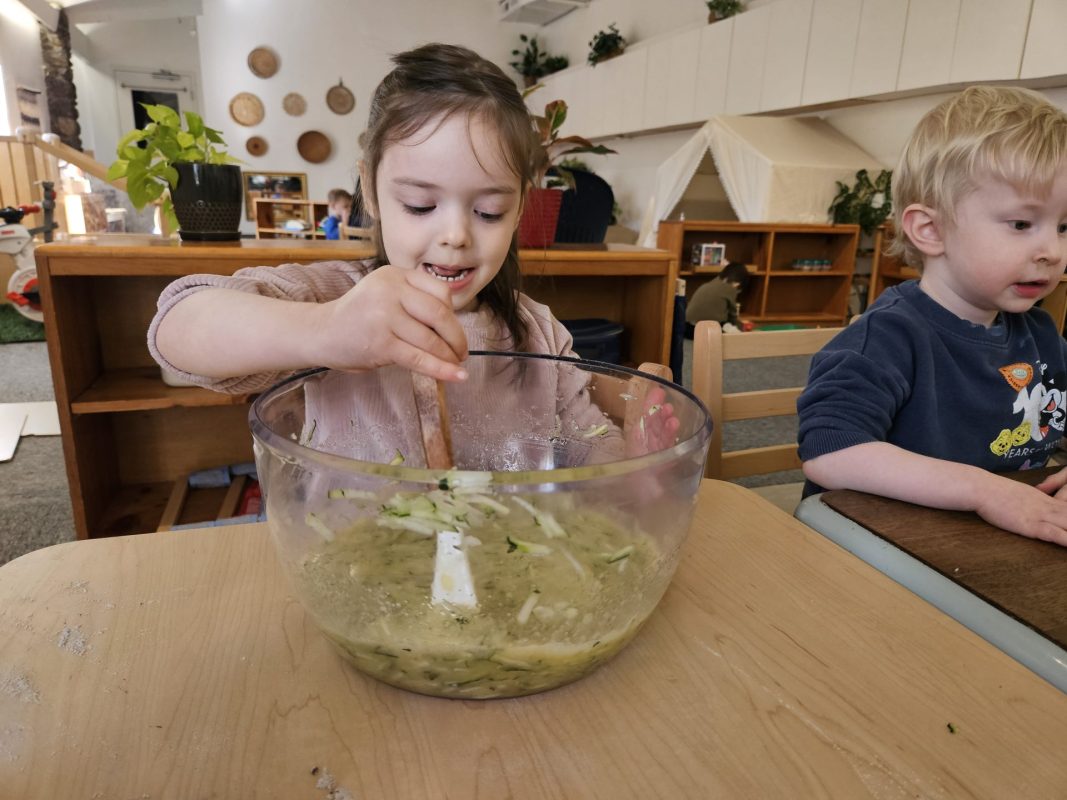
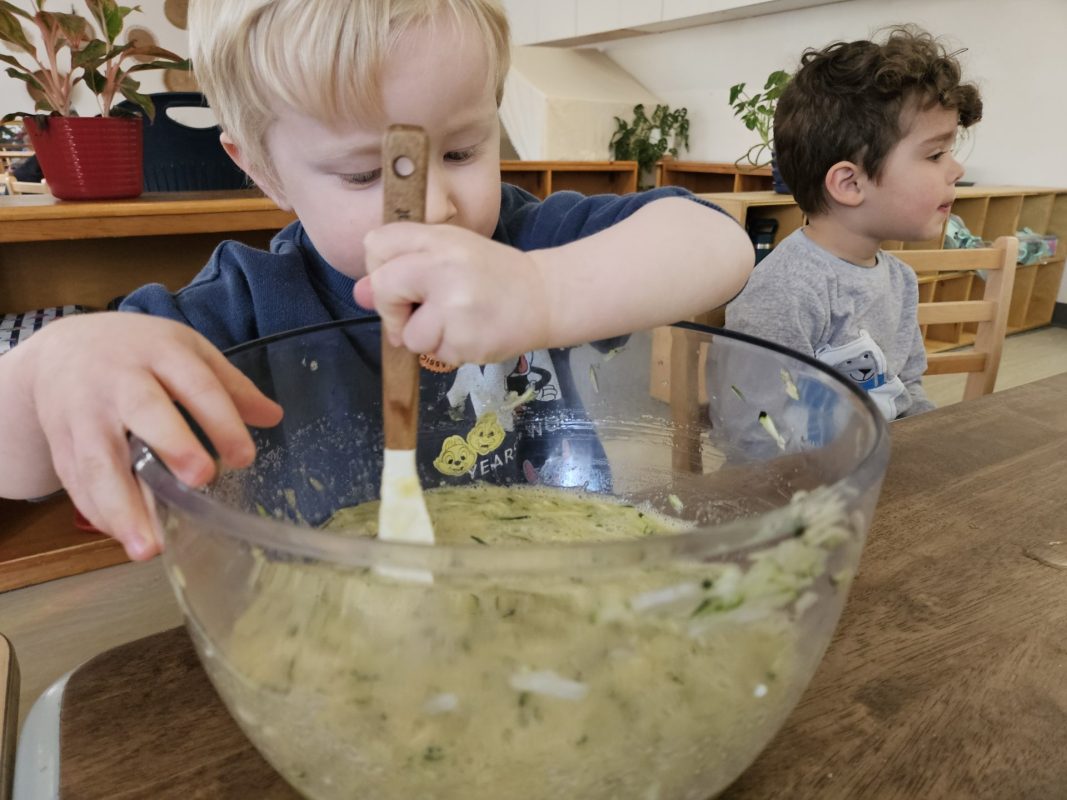
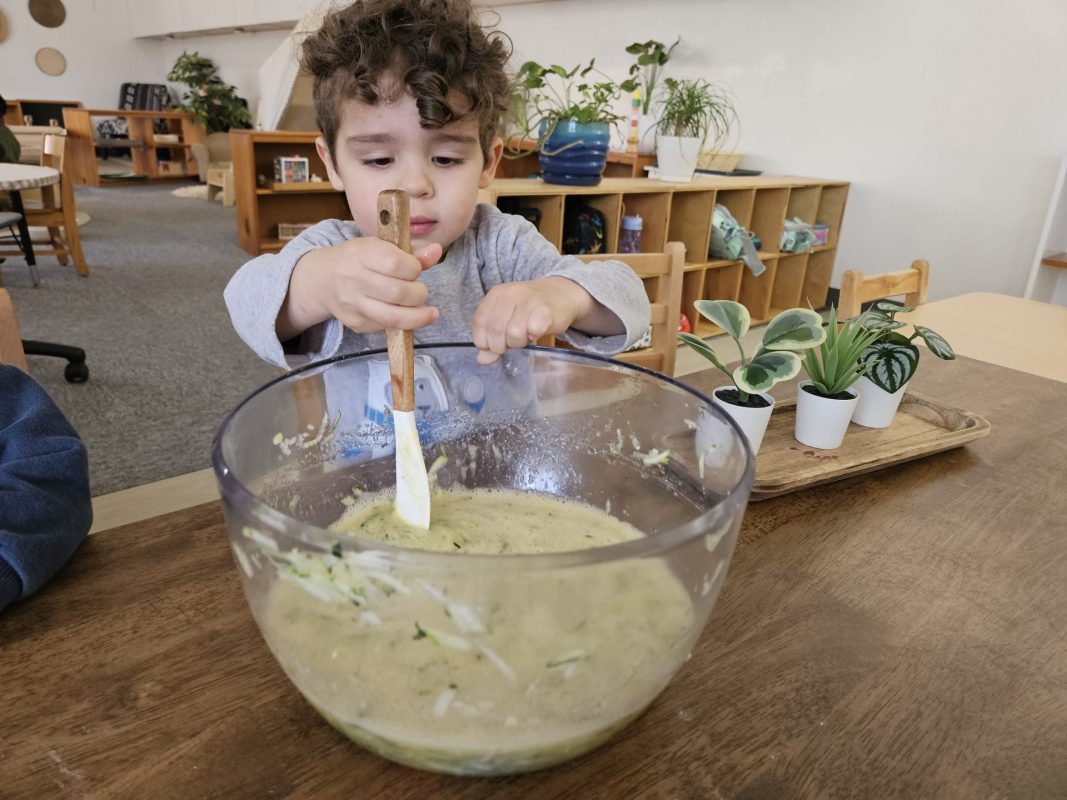
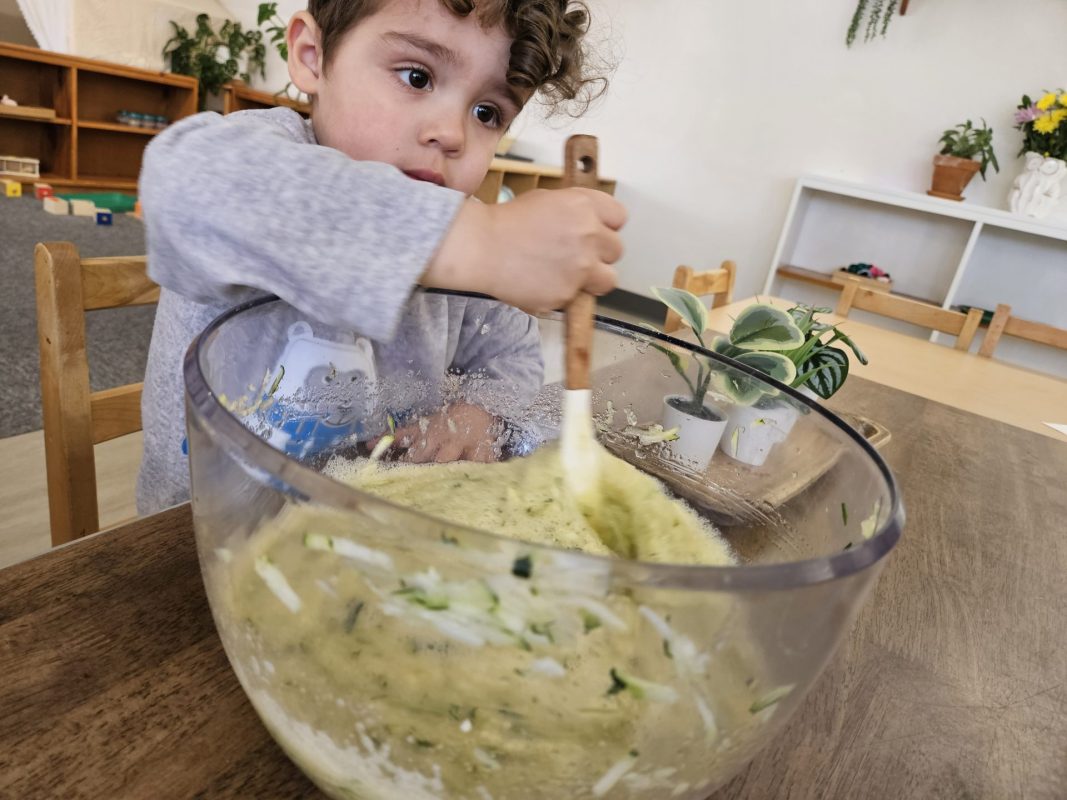
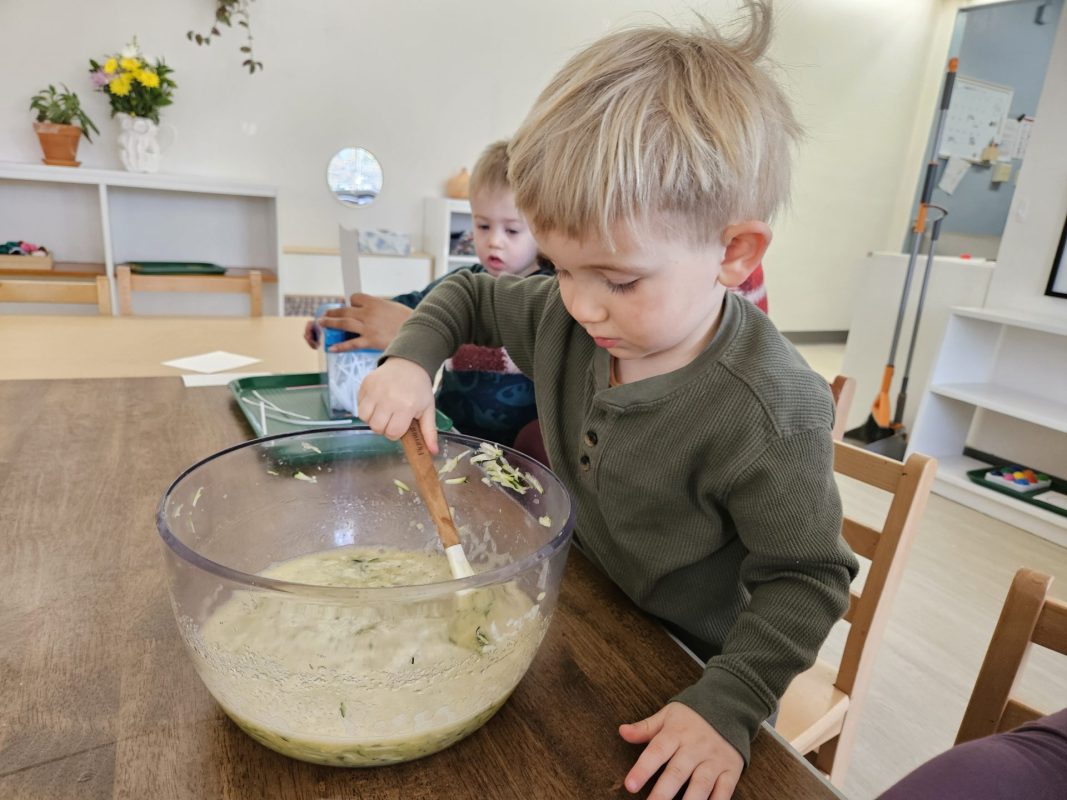
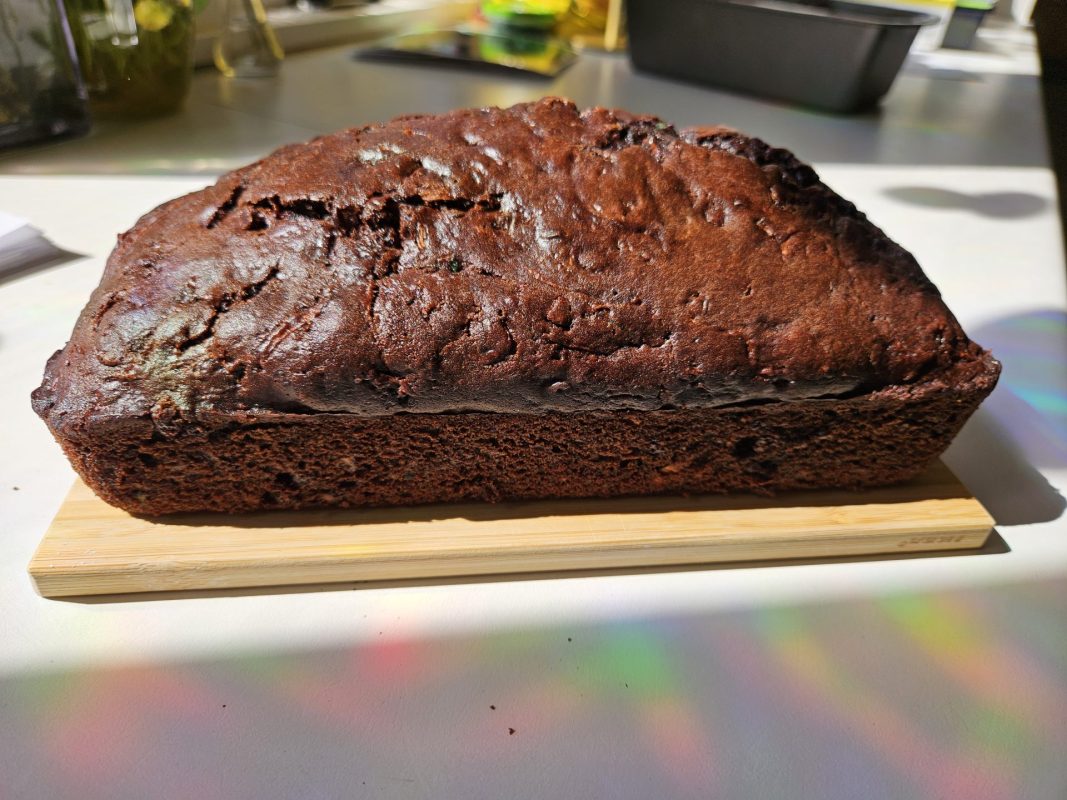
This week’s winter weather and snow coated in ice haven’t been the best for playing outside, but we definitely made the best of it with little walks, cozy baking, and watching rockets launch! Each day this week, we bundled up the children, and we were able to go for a short walk to get much-needed fresh air! When we get ready to go outside, I say to the children, “bundle up buttercups,” and now the children repeat it back when we get ready to go outside; it’s very sweet.

This week’s baking day included brownies with extra chocolate chips because little hands love to measure with their hearts! While we were at the gym this week, we watched our middle school students launch air rockets (think of stepping on a pop bottle) with Mr. Frisk and Mrs. Reed. The children were so serious until the rockets were launched to the other end of the gym…they clapped and cheered for the “big kids.” I love seeing the youngest children in our school cheer on our oldest students with such admiration.

With Full Hearts,

Ms. Mollie, Ms. Lizette and Ms. Anabel


Middle School: Week in Review

Hello, Middle School families! We hope you stayed warm this week. Here’s what is coming up:

  • Monday, 2/24-Wednesday, 2/26: 8th Grade away for their Internships
  • Thursday, 3/6 @ 5:30: 6th and 7th Grade Research Presentations
  • Friday, 3/7, 9:15-2:30: Middle School Trip to Yale Peabody Museum in New Haven.

Humanities

Middle School Humanities students continue to draw inspiration from contemporary artist Nick Cave, who combines fashion design, folk craft, and performance in his “Sound Suits.” Check out some of the students’ work in the gallery!

The 6th Grade Humanities students were busy this week! They are turning their research for their Overcoming Obstacles research project into an expository essay. They developed introductions with hooks and thesis statements, and they continued on their essay drafts. They will complete their drafts in their research draft organizer and add a conclusion for Monday. Students were reminded that first drafts are your best drafts as they showcase your best effort with what you know before peer and teacher review. Next week, students will learn how to use in-text citations, add transitions for fluency, develop a title, and format their paper.

7th Grade Humanities class continues to move forward with their projects. Students drafted their research essays surrounding the theme of Overcoming Obstacles. Next week, peer and teacher reviews of the essay drafts will be held. Students will also begin to work on their presentations. Additionally, students are closer to presenting their utopia projects to the middle school community as they prepare their presentations after considering and writing about the many components of a society that are deemed, in their eyes, perfect.

8th Grade students continued their unit about the evolution of White Europeans by looking at the motivations for English colonization. They read about “Gold Fever” and “Terminal Narratives” and wrote about economic factors driving the English. Then, they took time to learn about the lost colony of Roanoke and consider its potential impacts on future European settlements. In addition, students continue to move forward with their Expert Project research, and they spent time reviewing the Internship Project guidelines for their work next week.

8th Grade Embedded Honors students completed their literature journals for their second novel in the Comparative Literature project this trimester. They also had another discussion with Mr. Newman after finishing their second autobiography/memoir. Next week, they will write a comparative essay surrounding the central people in their chosen texts using evidence to support their claims.


Math

It was an engaging week in Middle School math!

This week in Pre-Transition, students tied up loose ends for Chapter 4. Students practiced more with subtracting fractions and mixed numbers and worked to solve equations with fact triangles.

The Transition class moved forward in their learning of Chapter 6 this week. They continued exploring translations of images, practiced reflecting figures on a coordinate graph and over a line, and practiced drawing lines of symmetry.

Algebra students started the week solving proportions and finding lengths and ratios in similar figures. Algebra closed the week by diving into Chapter 6, Slopes and Lines. They began learning how to calculate rates of change and closed out the week by discovering how to find the slope of a line through two given points.

Finally, the Geometry class jumped into Chapter 6, titled Polygons and Symmetry. Students can now describe figures’ reflection and rotation symmetry and apply theorems about isosceles triangles to find angle measures and segment lengths.


Science

This week in science, the 6th Grade class moved further into their new unit on Earth’s Systems. Students were introduced to The Globe Project, a formal group that collects environmental data from novices and professionals alike. Students looked at cloud data this week and examined cloud coverage, sky color, type of cloud, clouds’ altitude, and opacity. They then moved into discussing how clouds affect climate and how climate affects clouds. Next week, students will look at data from known storm systems and try to identify patterns in storm behavior.
7th Grade students delved deeper into ions, isotopes, and atomic behaviors. Students were tasked with identifying patterns of electron behavior and were asked to make predictions about what electrons are likely to do. Students also explored which elements have isotopes and how likely they are to exist in nature. This led to talking about how to use this information to calculate the average atomic mass of elements. Next week, the class will begin discussing radioactivity and bonding behavior.
This week began with 8th Grade students performing a lab looking at onion root tips and using what they saw under the microscope to identify cells in different parts of the cell cycle. The class then used class data from their lab to examine what stages of the cell cycle cells spend time in. This led to a discussion about what is average/normal for a cell, which led to a conversation about what happens to a cell when it spends more time in phases than it should. Students ended the week by delving further into meiosis and investigating how it differs from mitosis. They finished by talking about spermatogenesis and oogenesis. Next week, students will learn more about cell cycle controls and what abnormalities can occur should a cell avoid these controls.
Ms. Marissa: Weekly Update

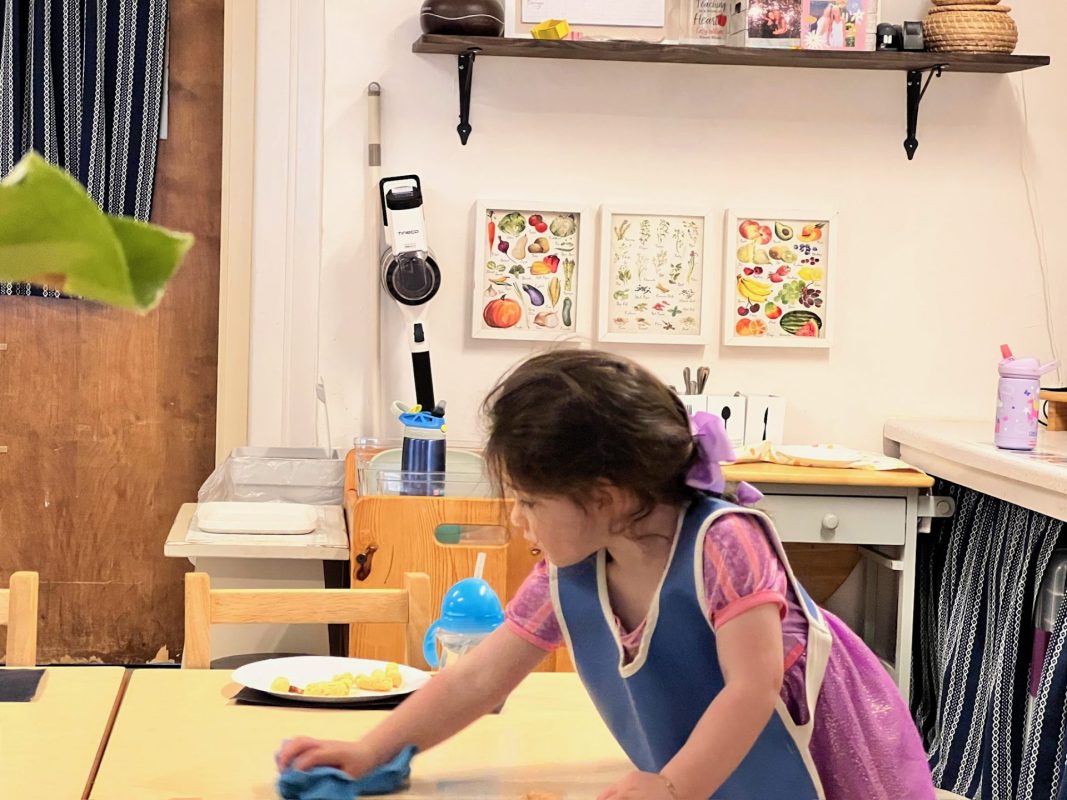
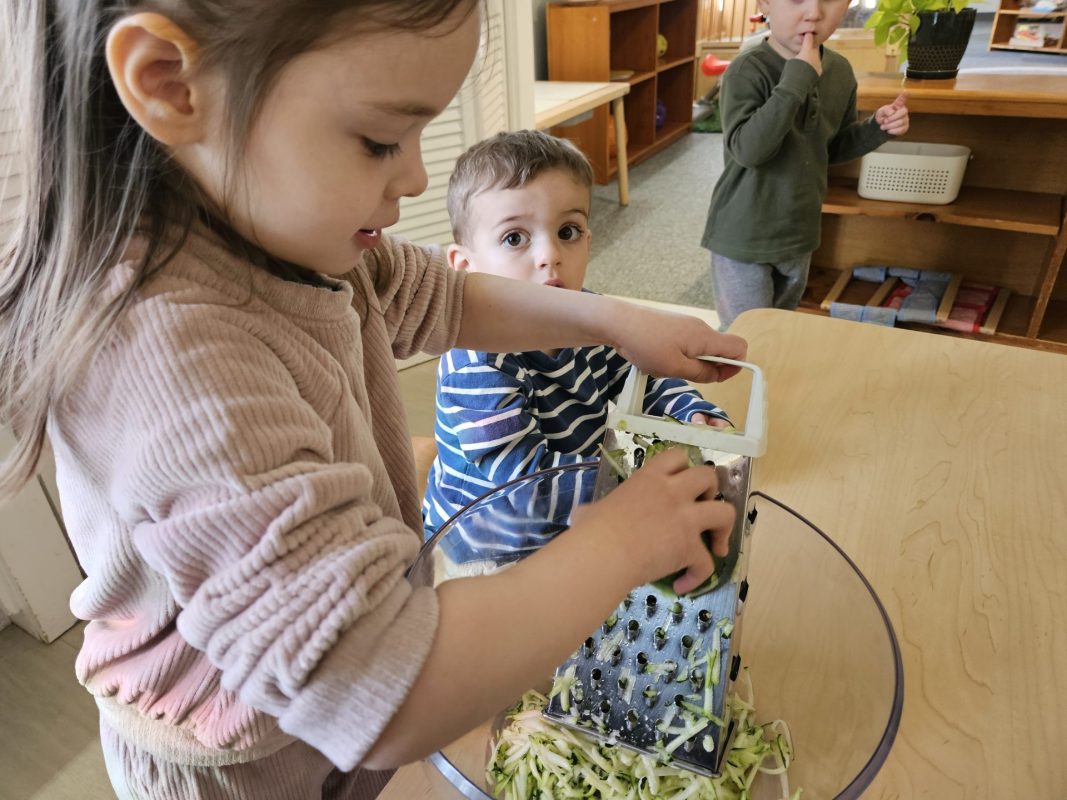
This week has been all about love and friendship! A huge part of our classroom learning is what we call “Grace and Courtesy.” We practice grace and courtesy with each other by using our kindest words (even if the message may be a difficult one), always respecting and listening to each person’s viewpoint, tucking in chairs, getting work ready for the next friend, and taking care of our classroom for the greater good of the community.

Valentine’s Day is the perfect time to highlight grace and courtesy. A holiday that is about love, family, and friendship helps us to reflect on the things we do on a daily basis that not only benefit ourselves but those around us.

The children took great care in passing out their special Valentine’s Day cards and even used supplies in the classroom to make special cards for people at home.
We hope your holiday was as special as ours!

Marissa & Sue