Blog

Mrs. Hood: Spreading Love and Kindness!

“Of all things, love is the most potent.” – Maria Montessori

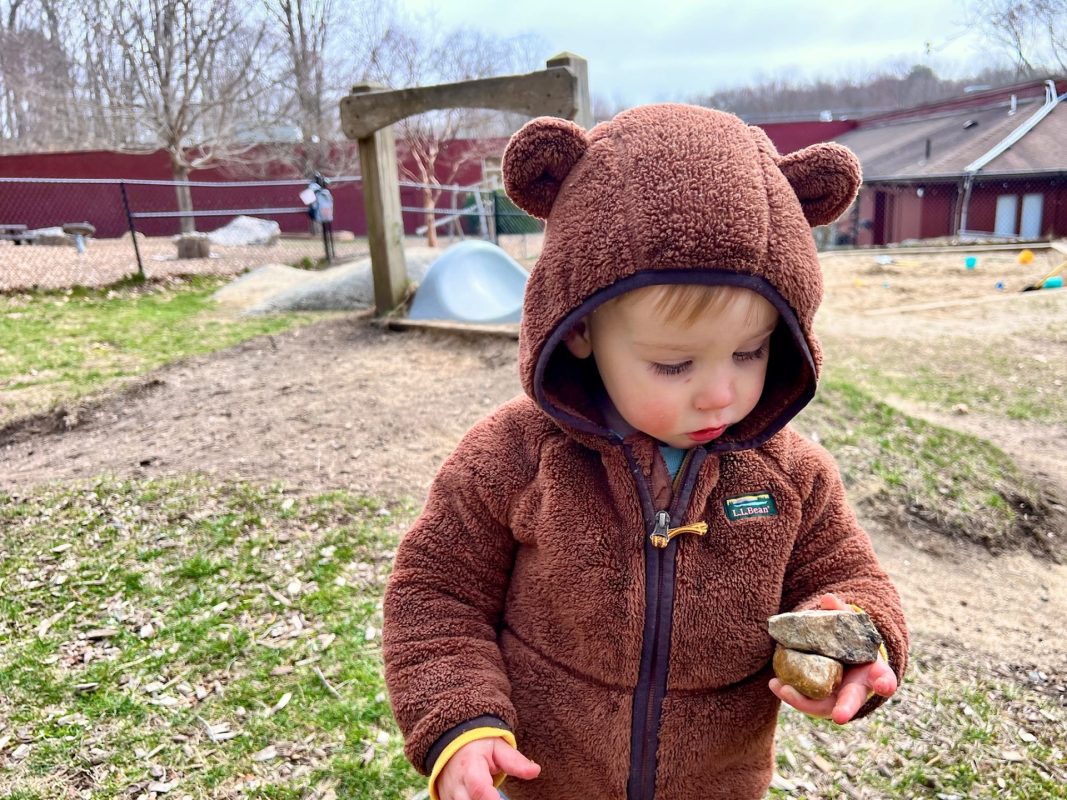
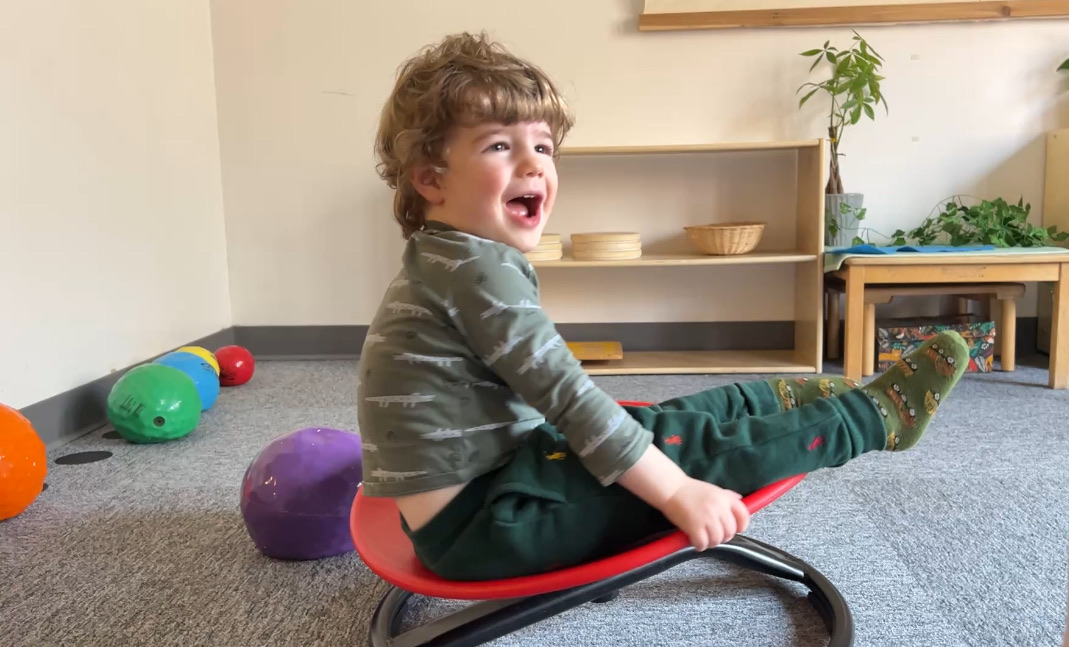
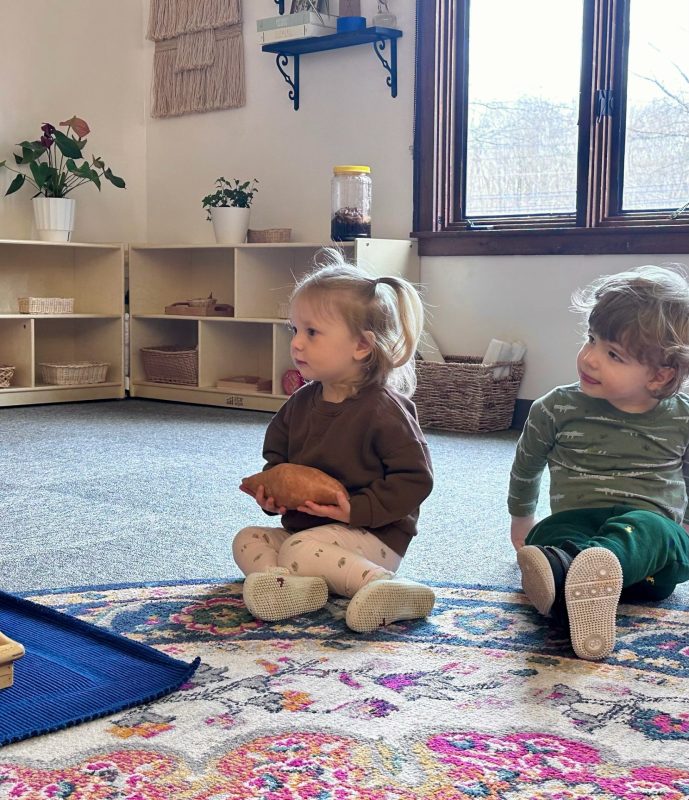
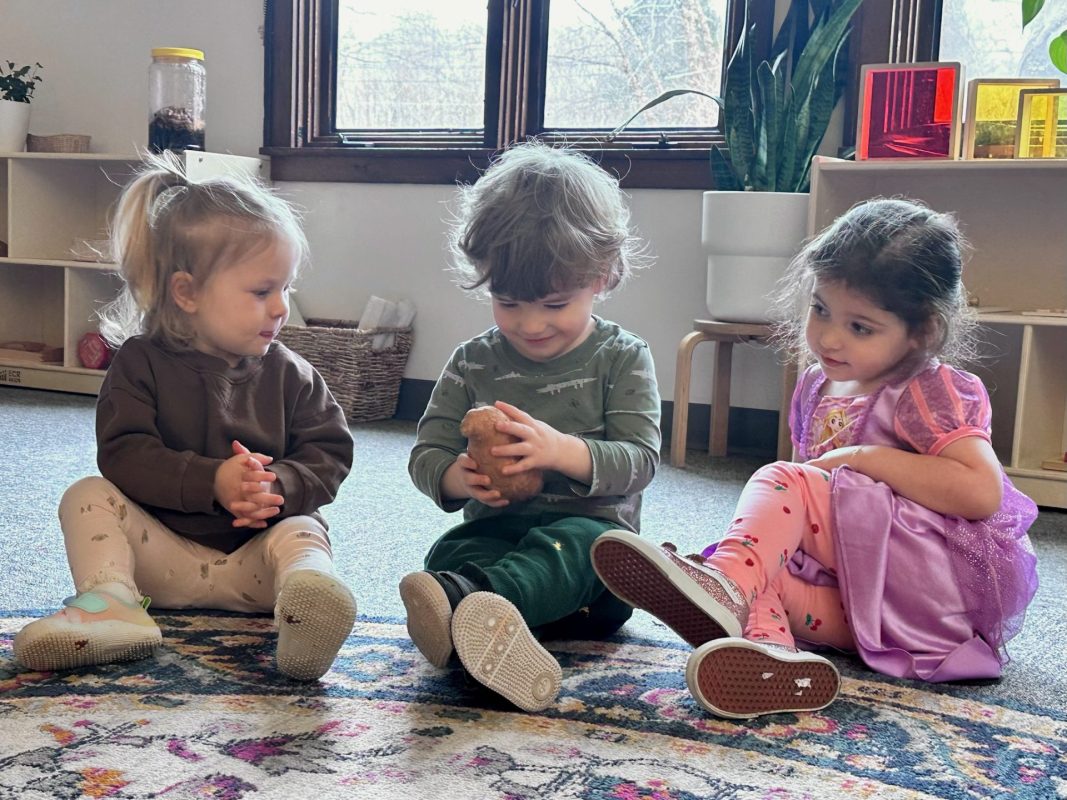
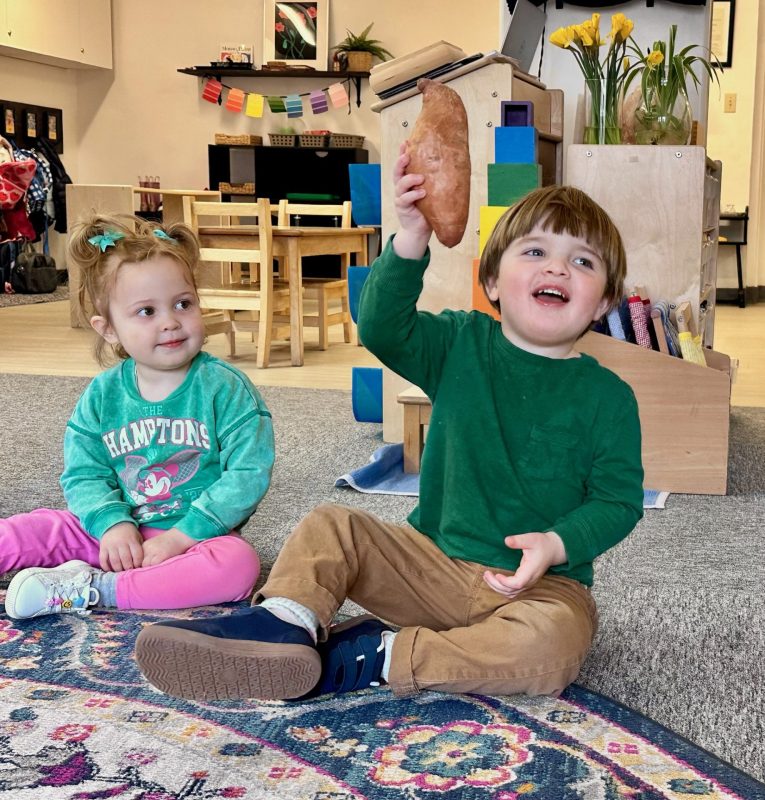
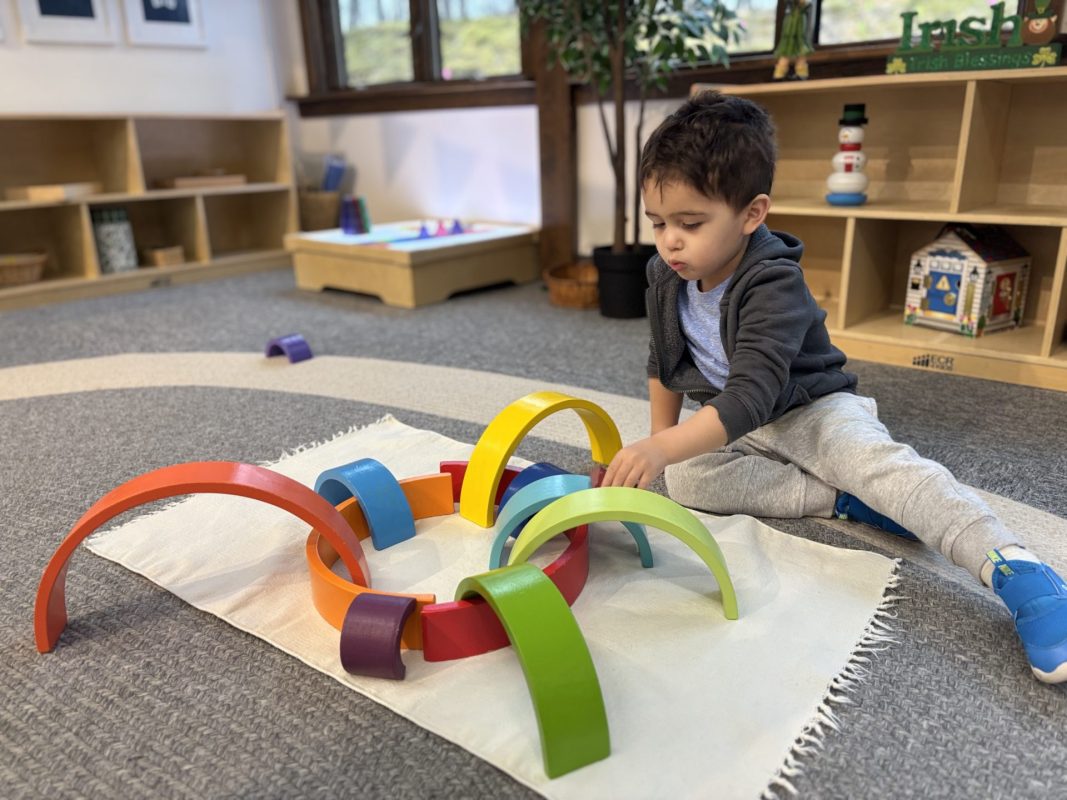
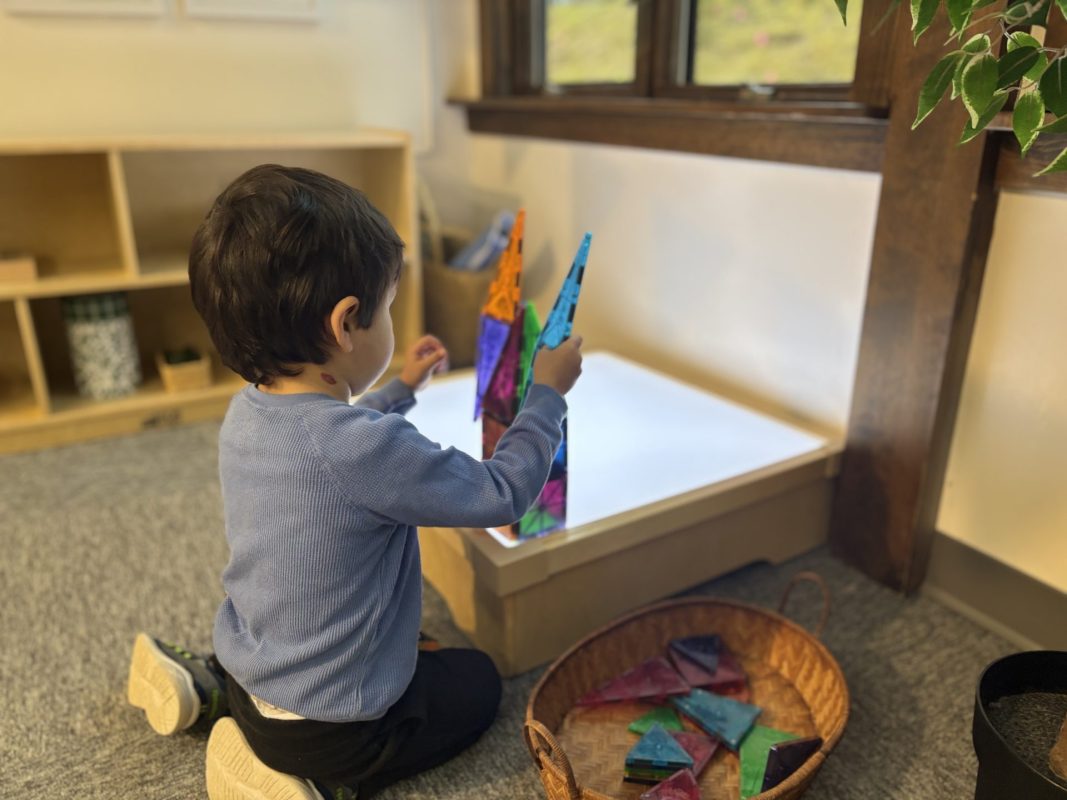
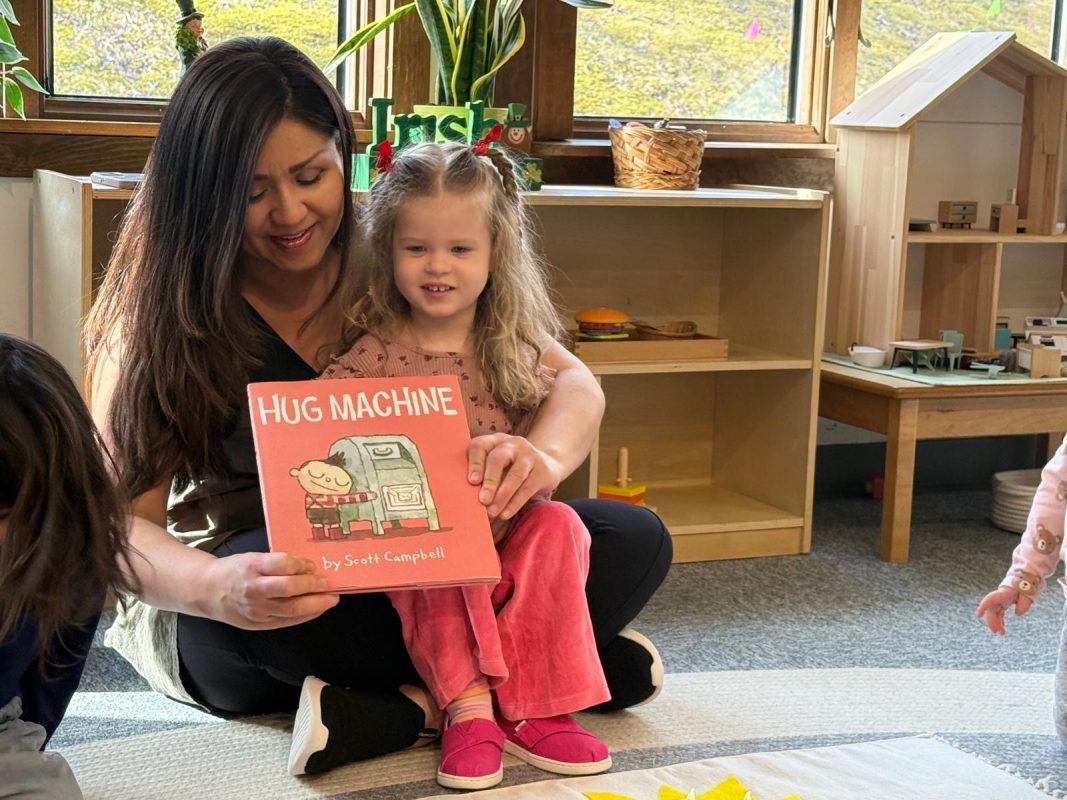
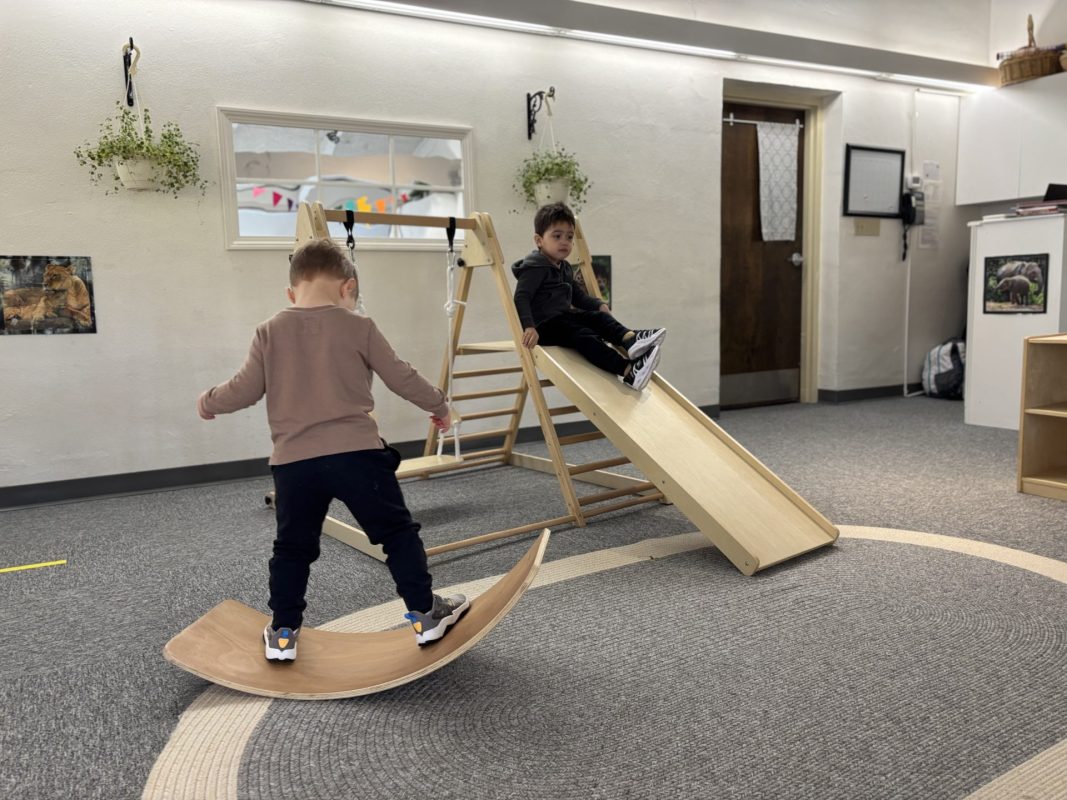
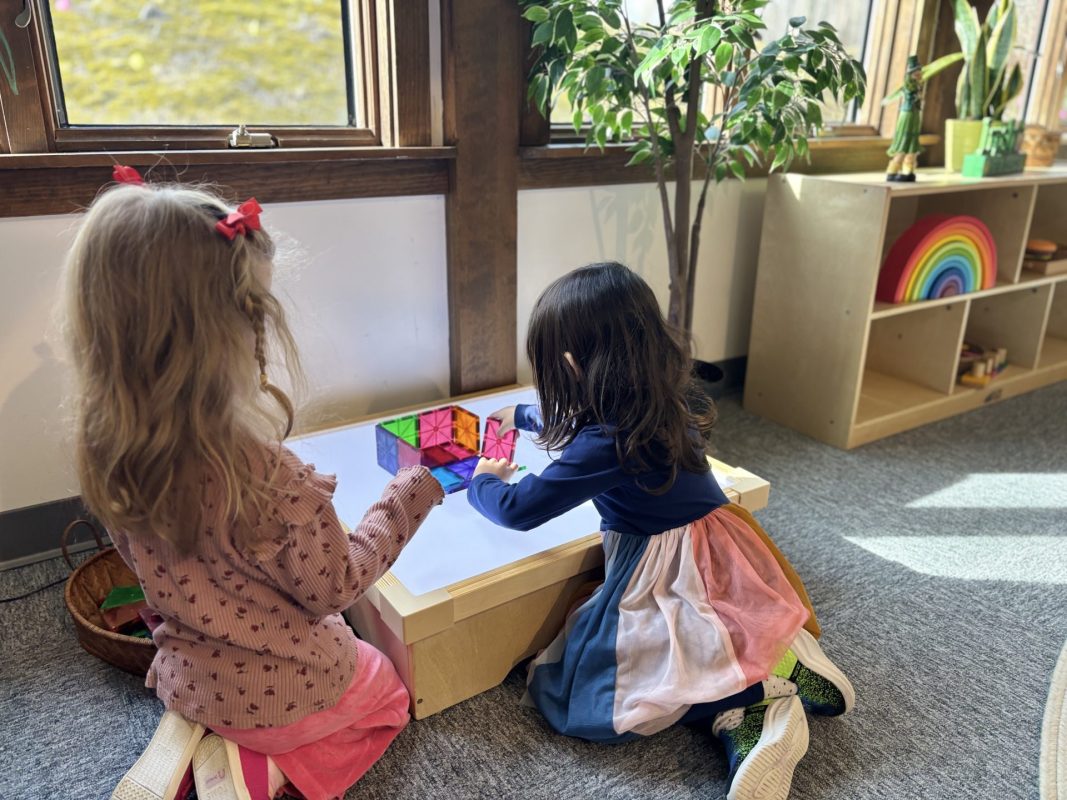
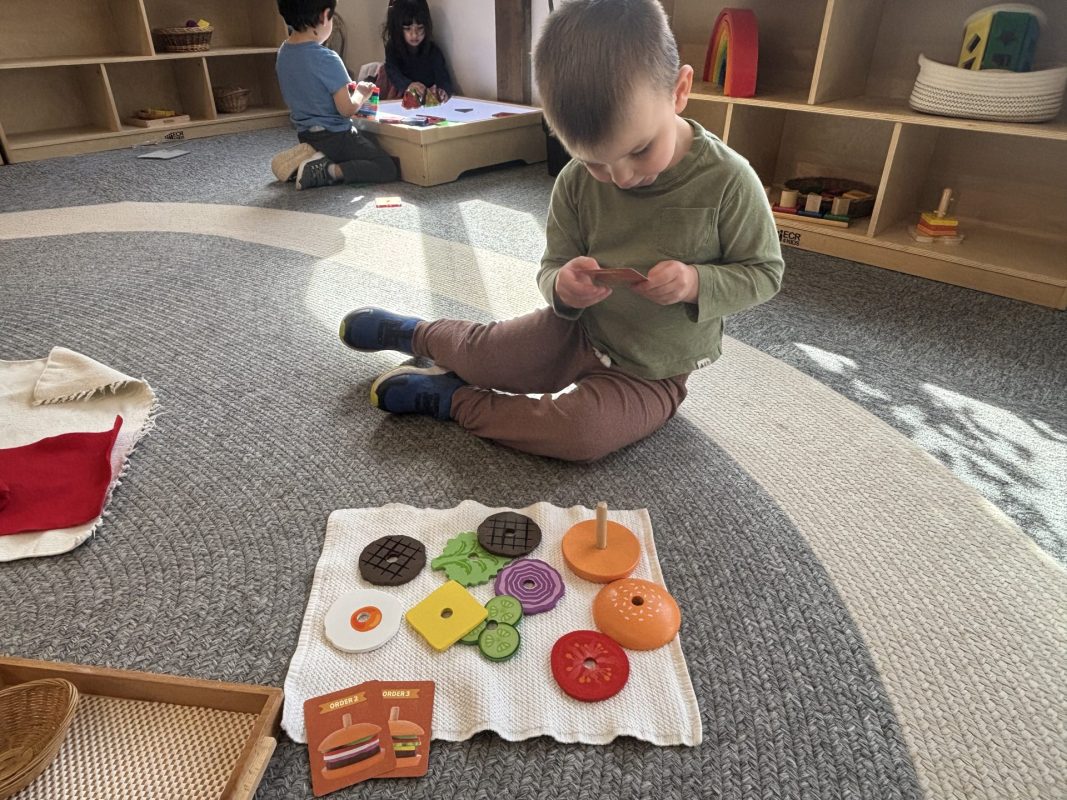
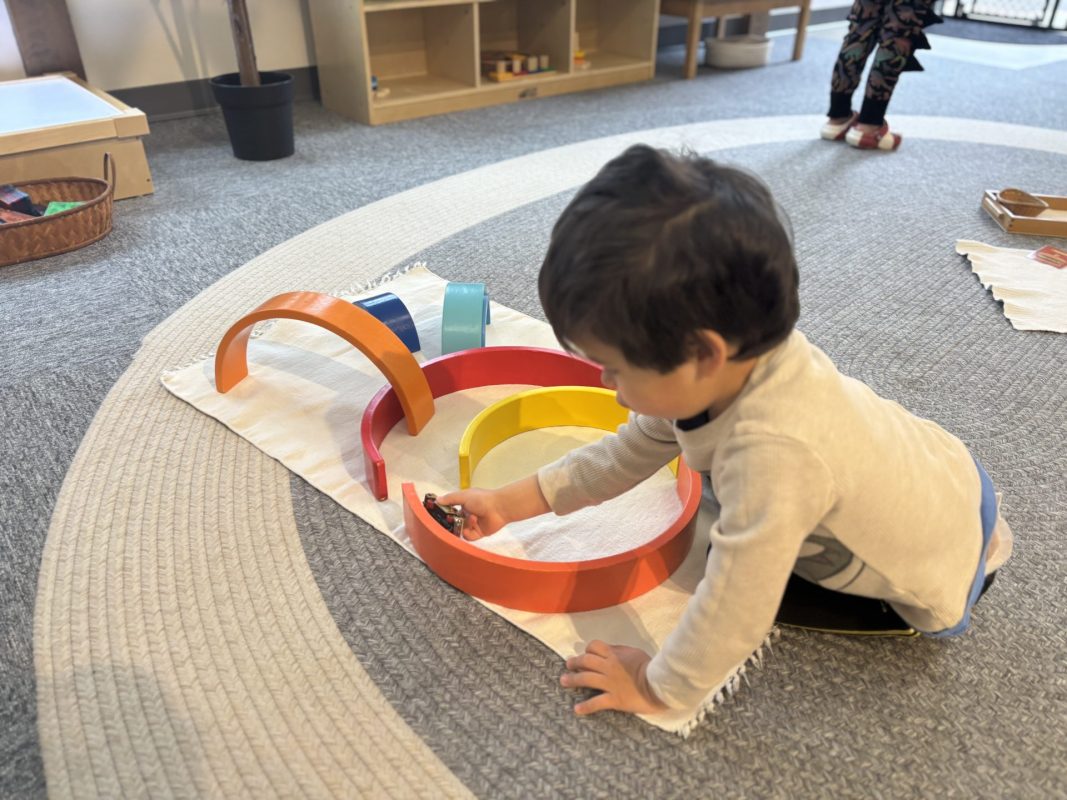
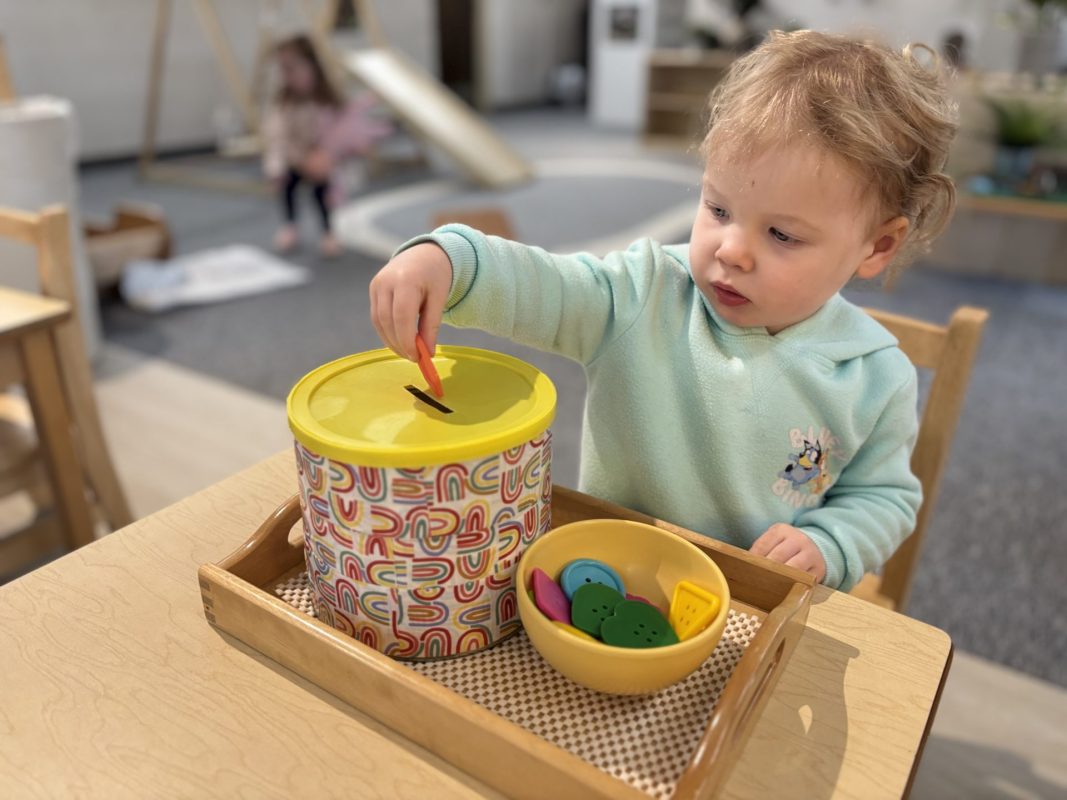
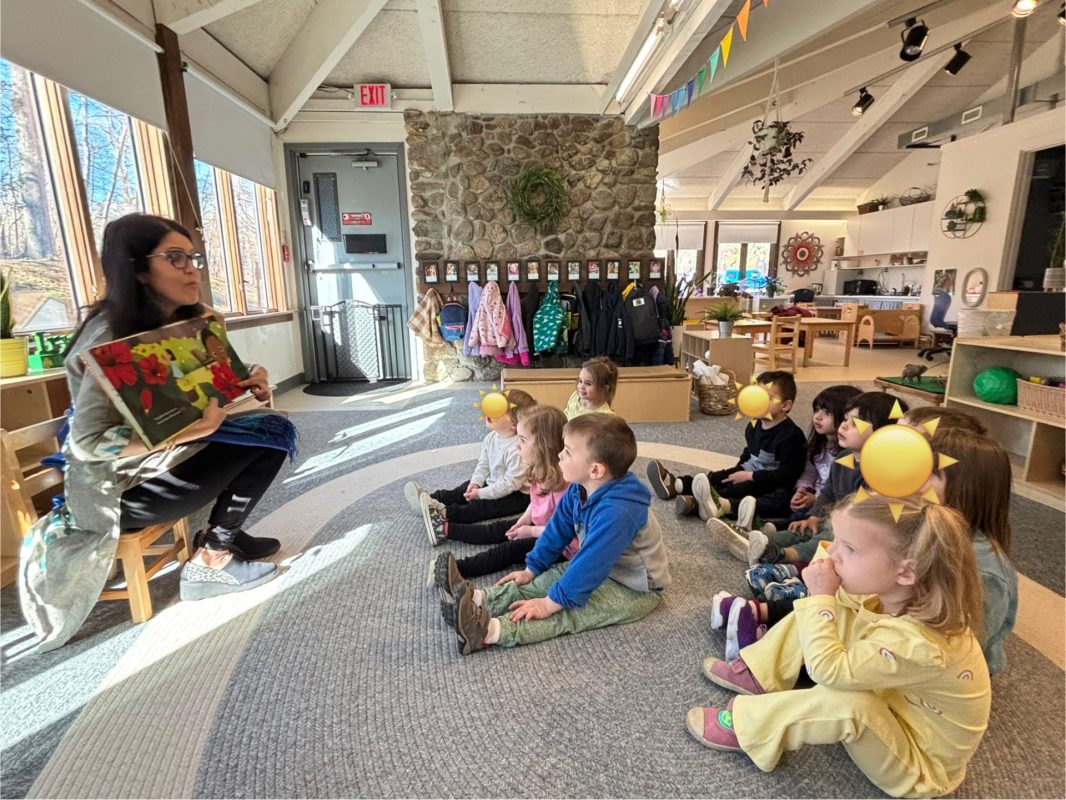
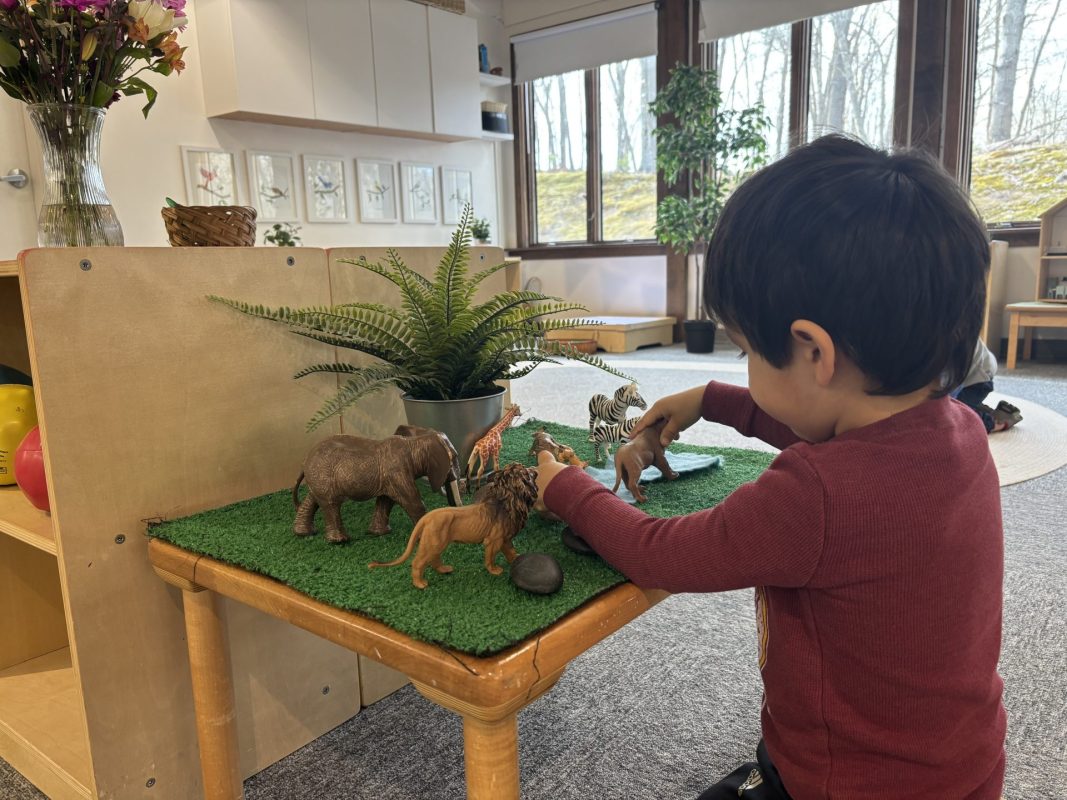
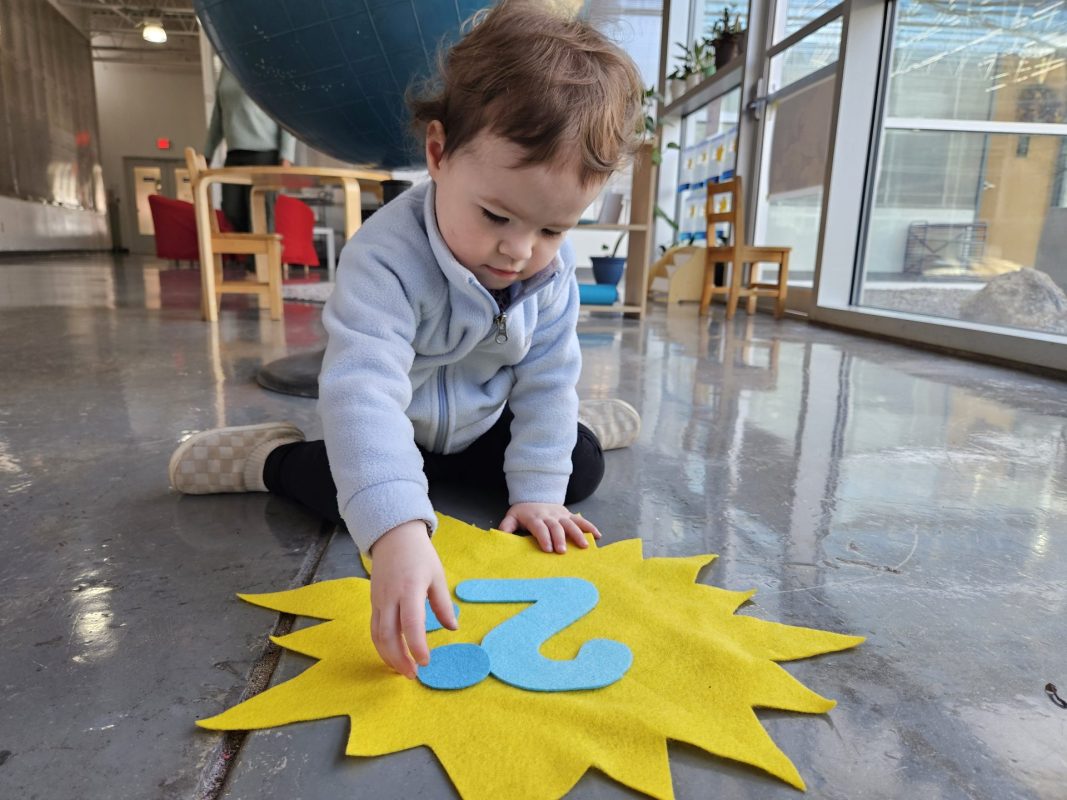
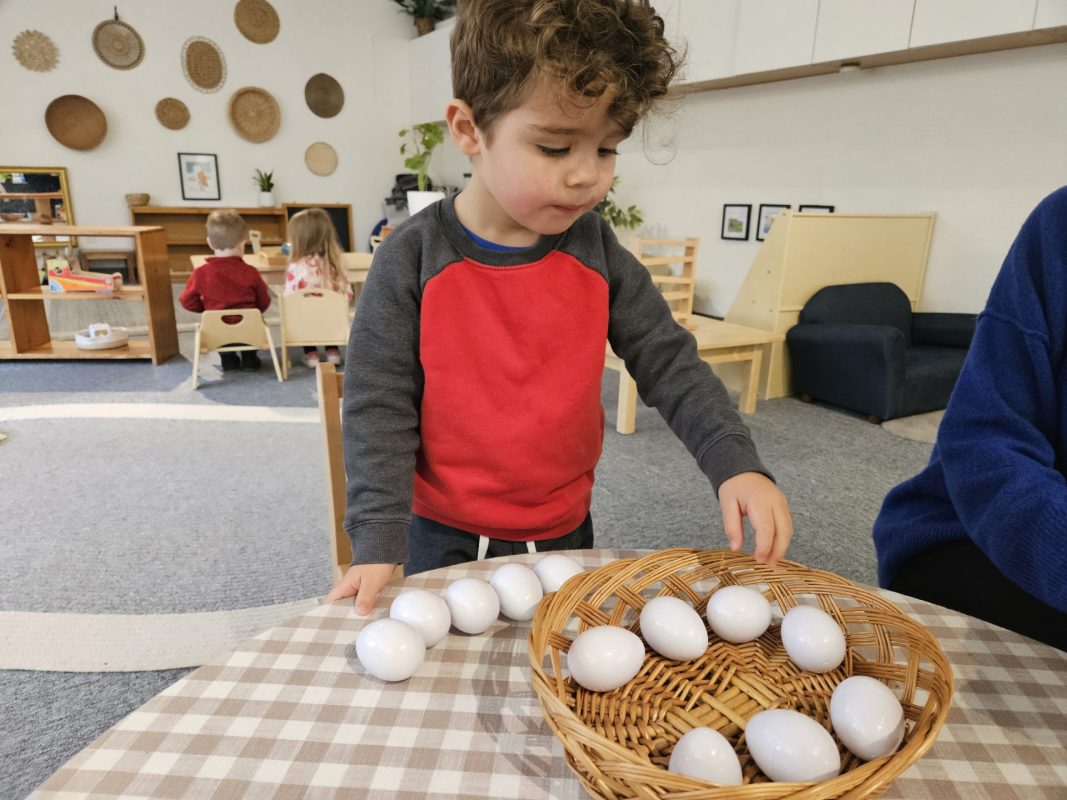
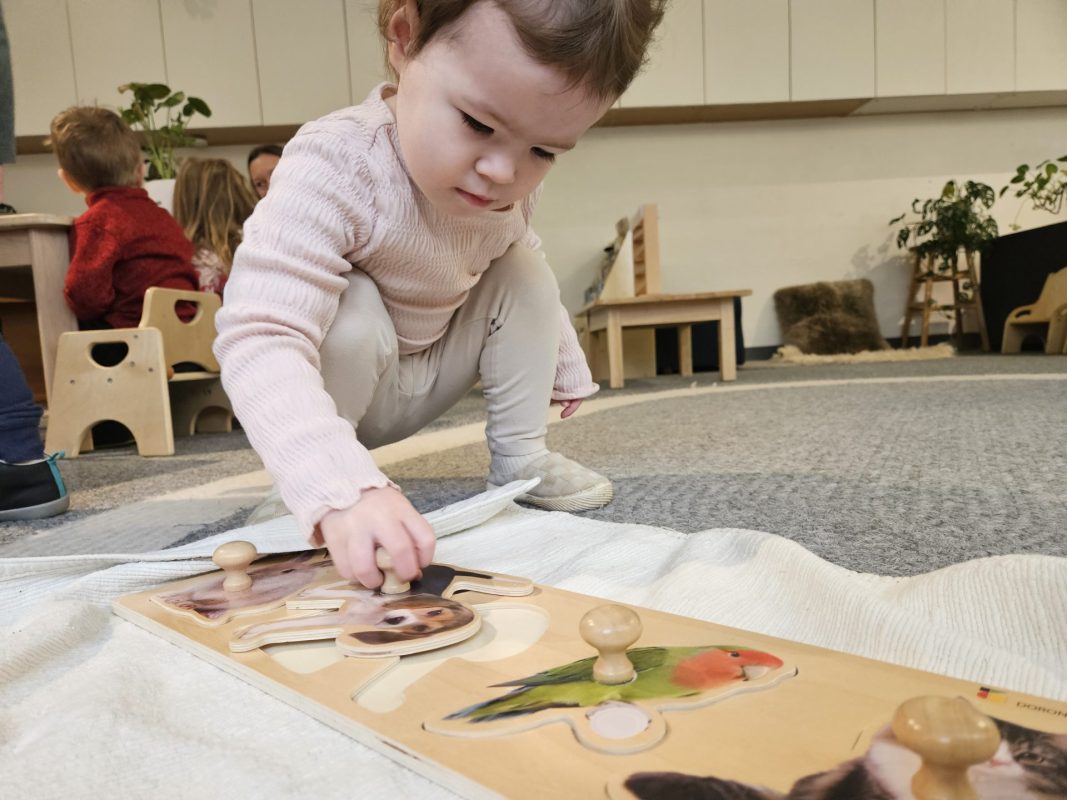
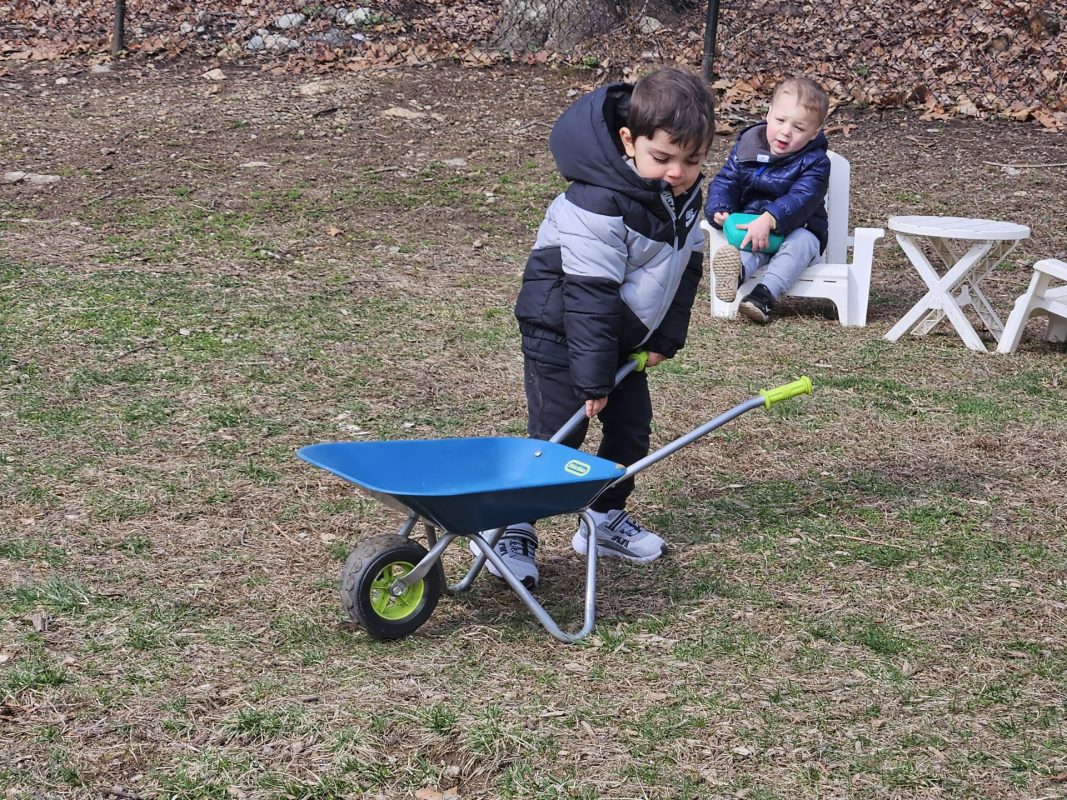
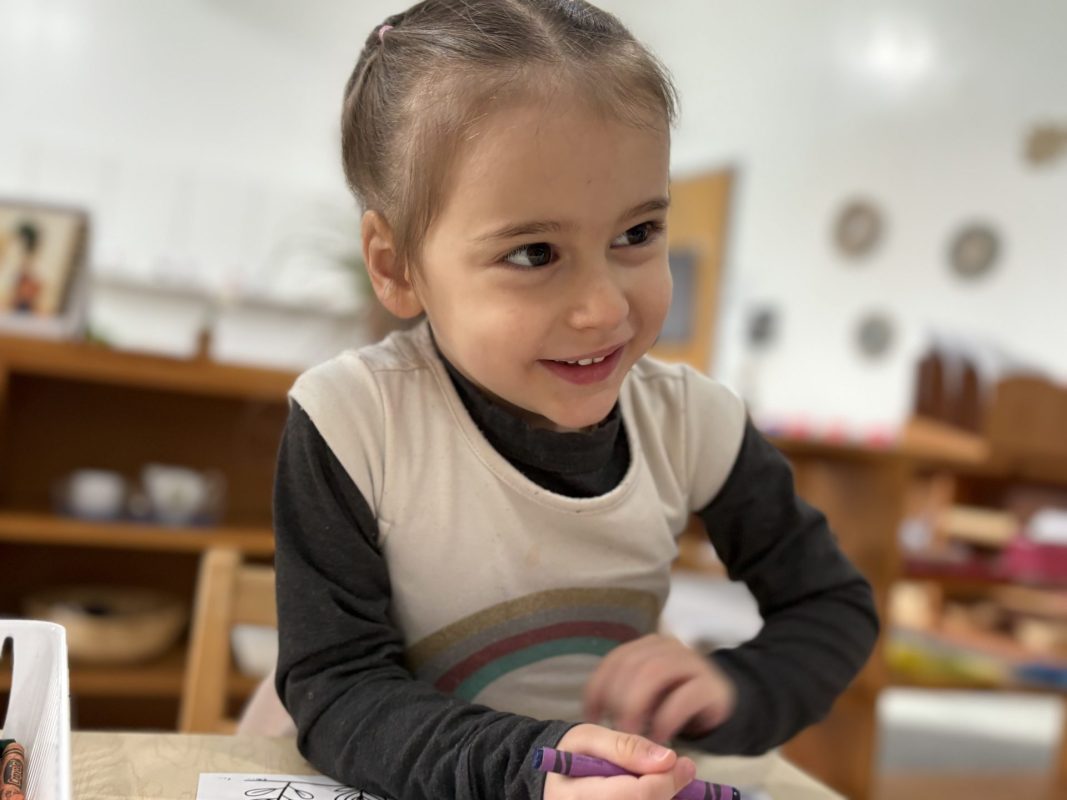
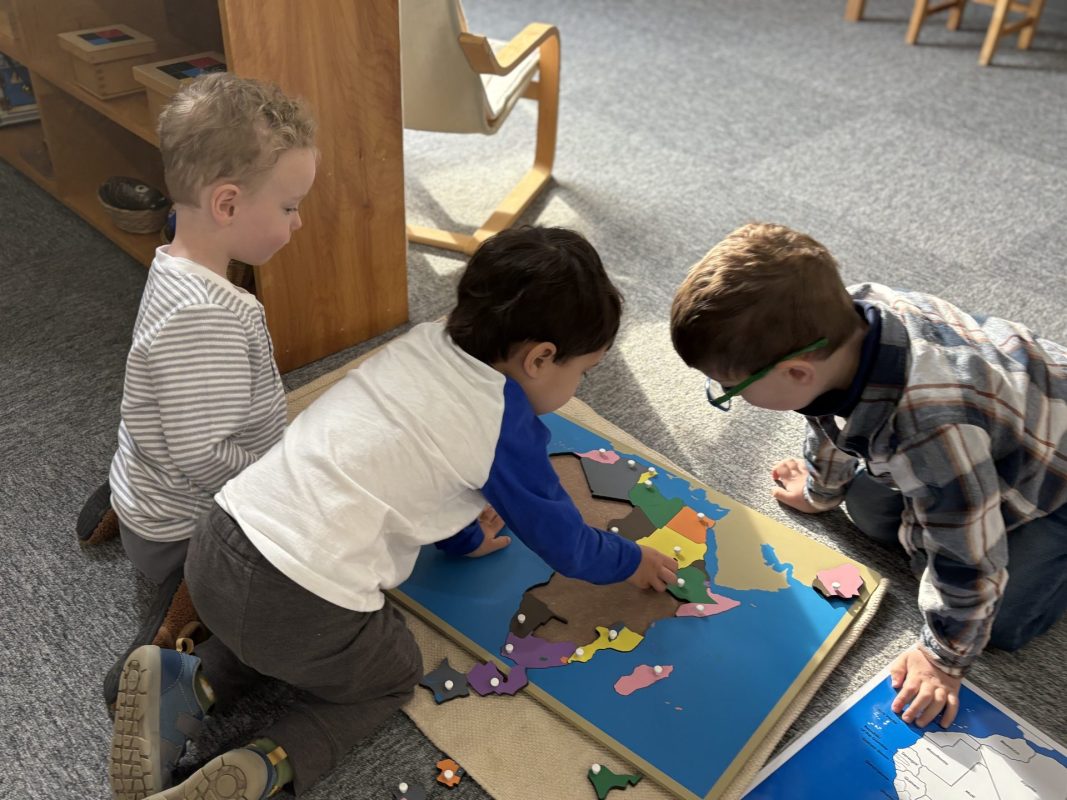
Humans are wired for connection. From the earliest years, we seek companionship, warmth, and the joy of shared experiences. Around 18 months, toddlers undergo incredible cognitive changes that set the stage for true friendships to blossom. Suddenly, they are not just playing near each other—they are playing with each other, forming bonds that light up their little worlds.

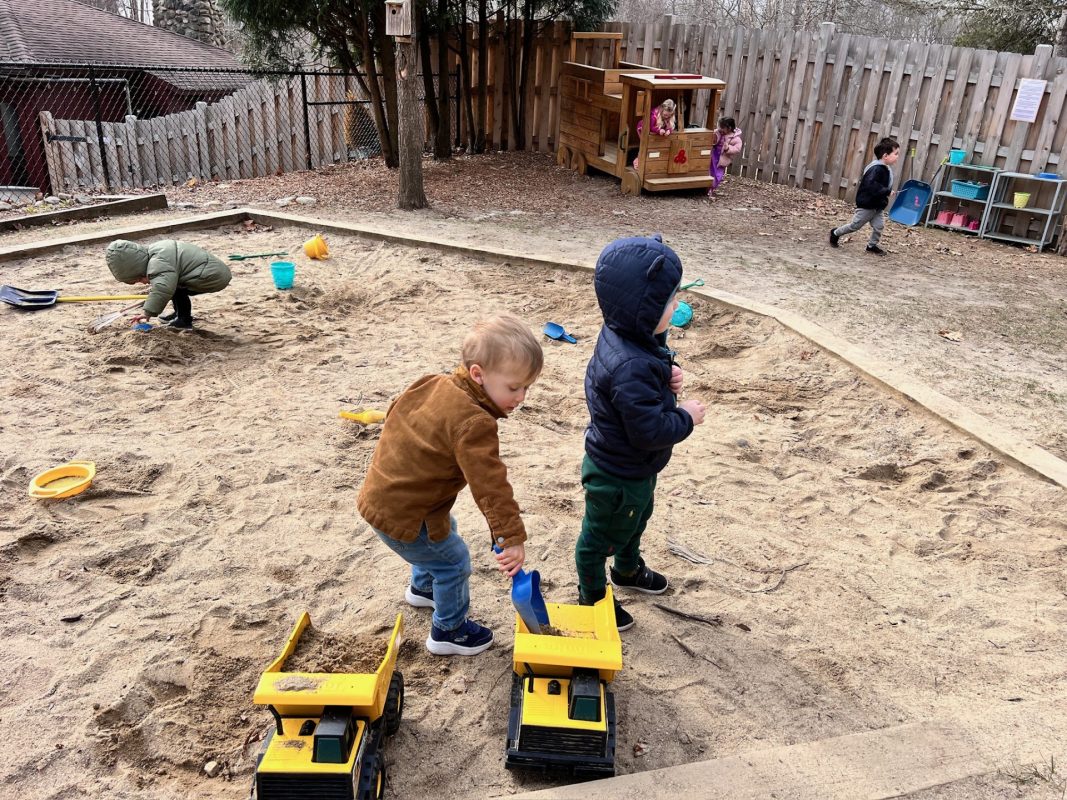
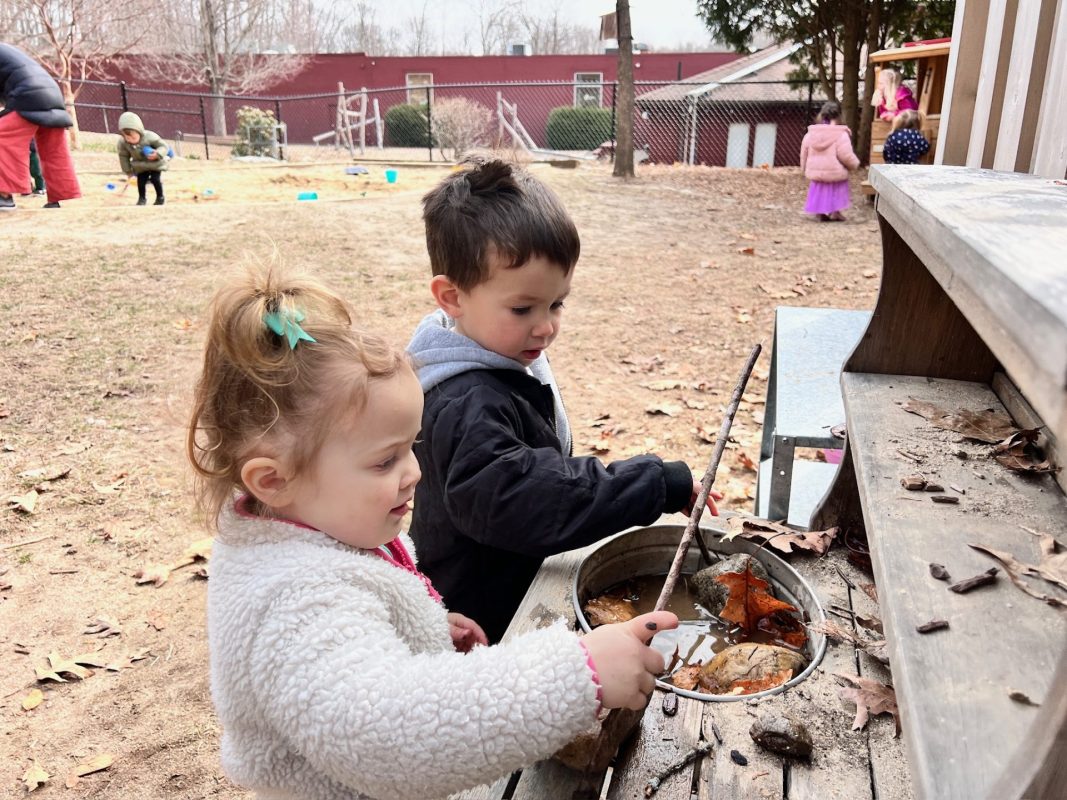
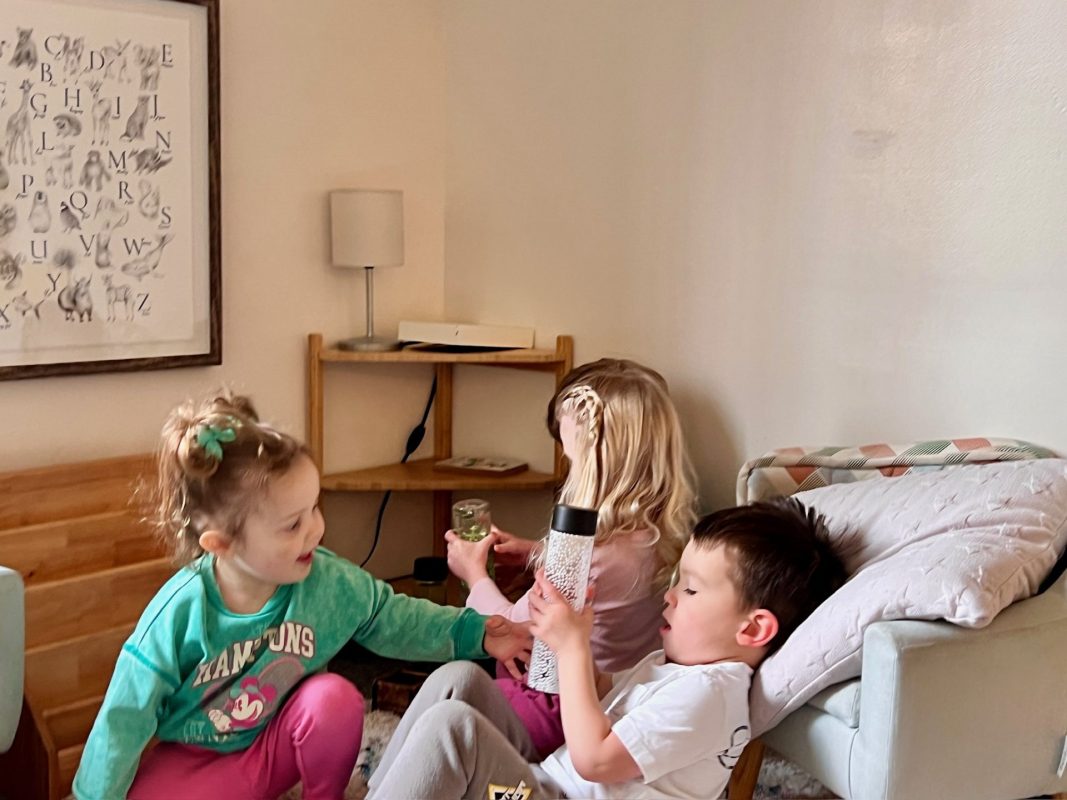
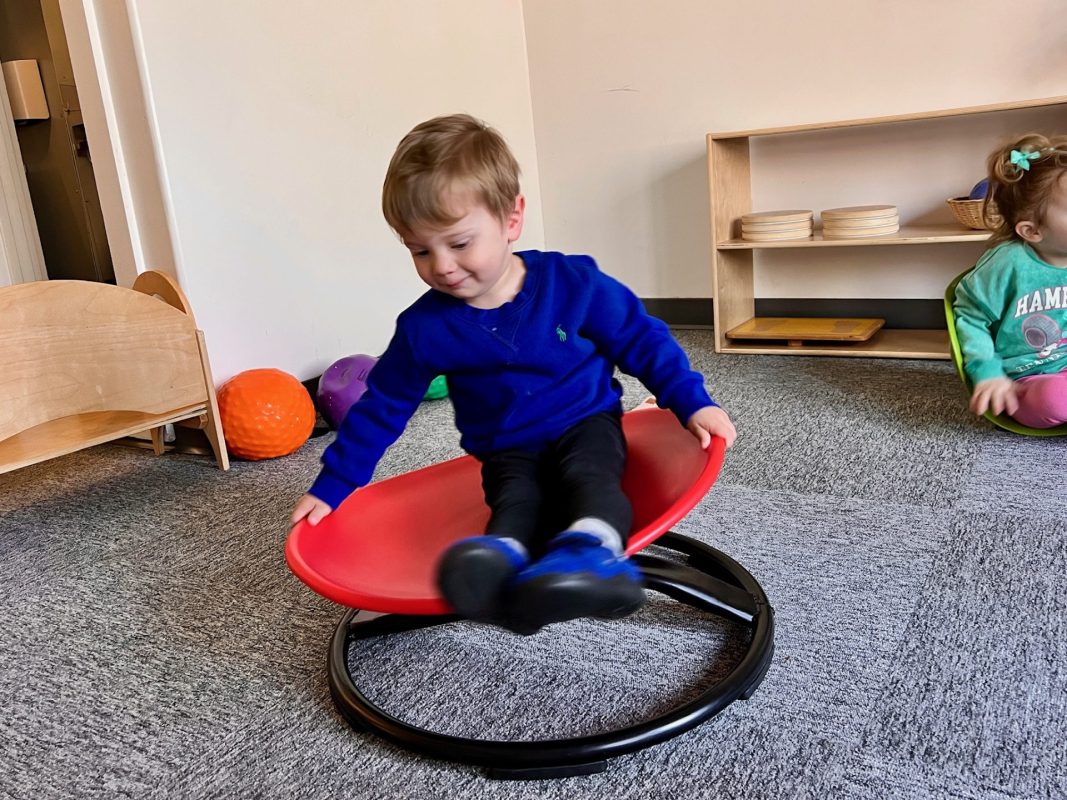
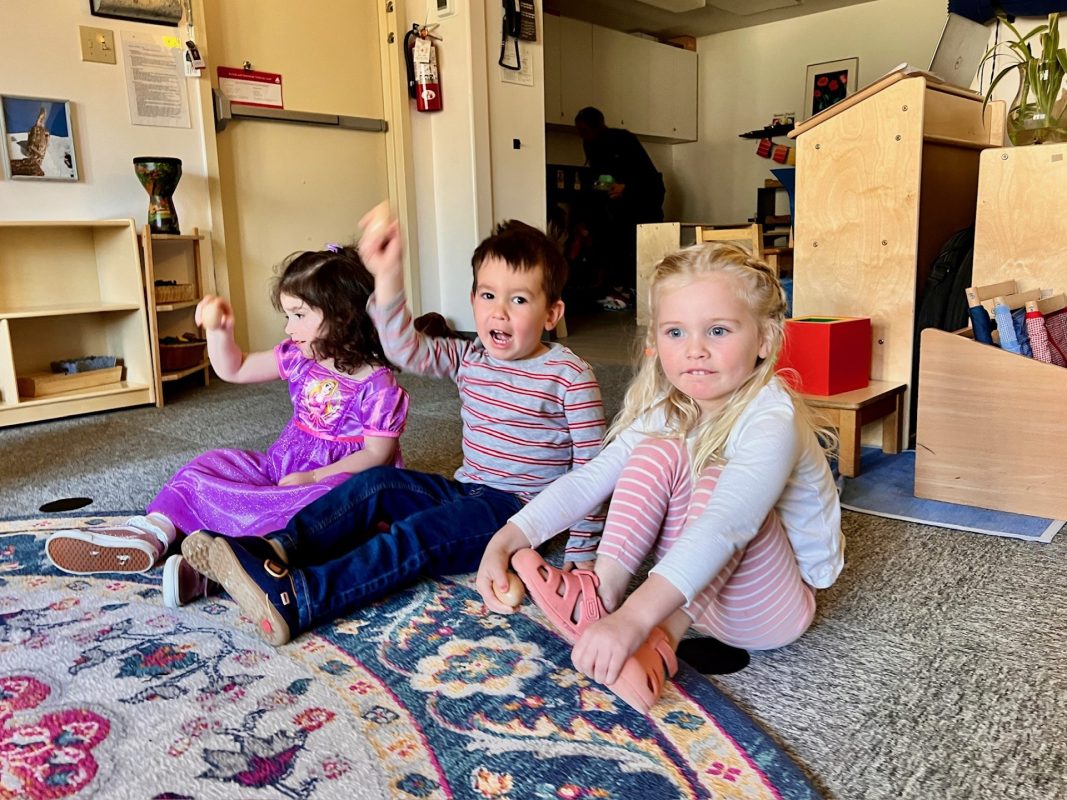
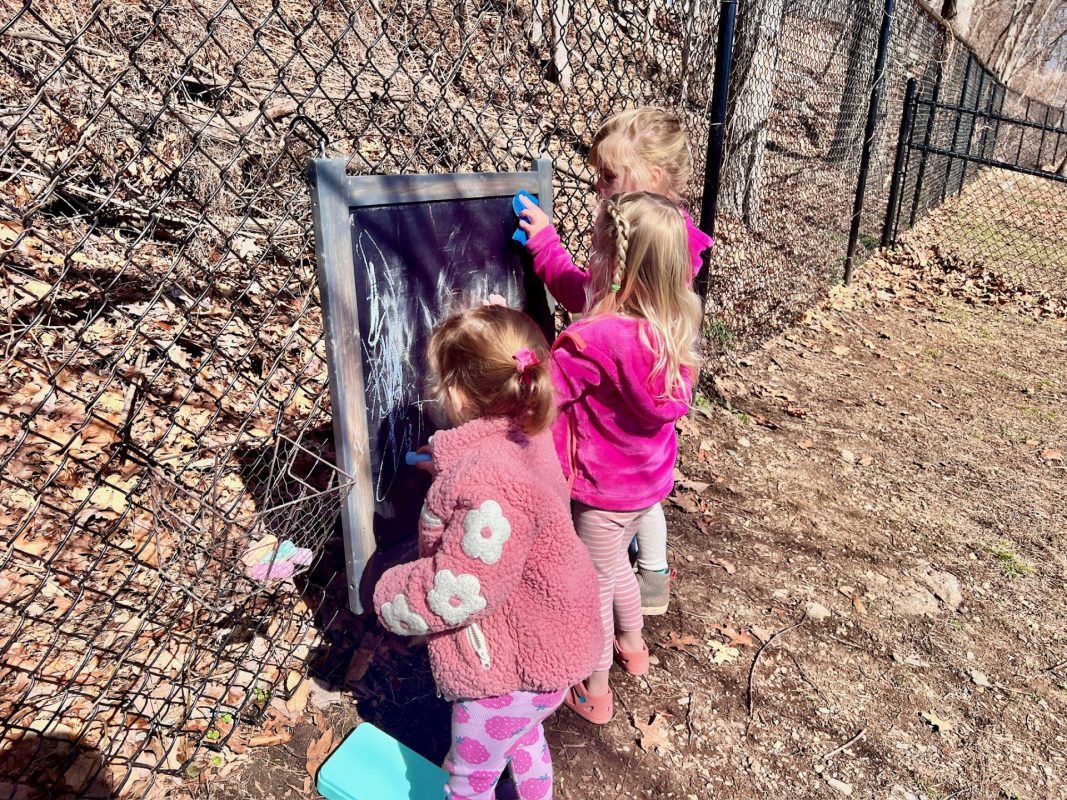
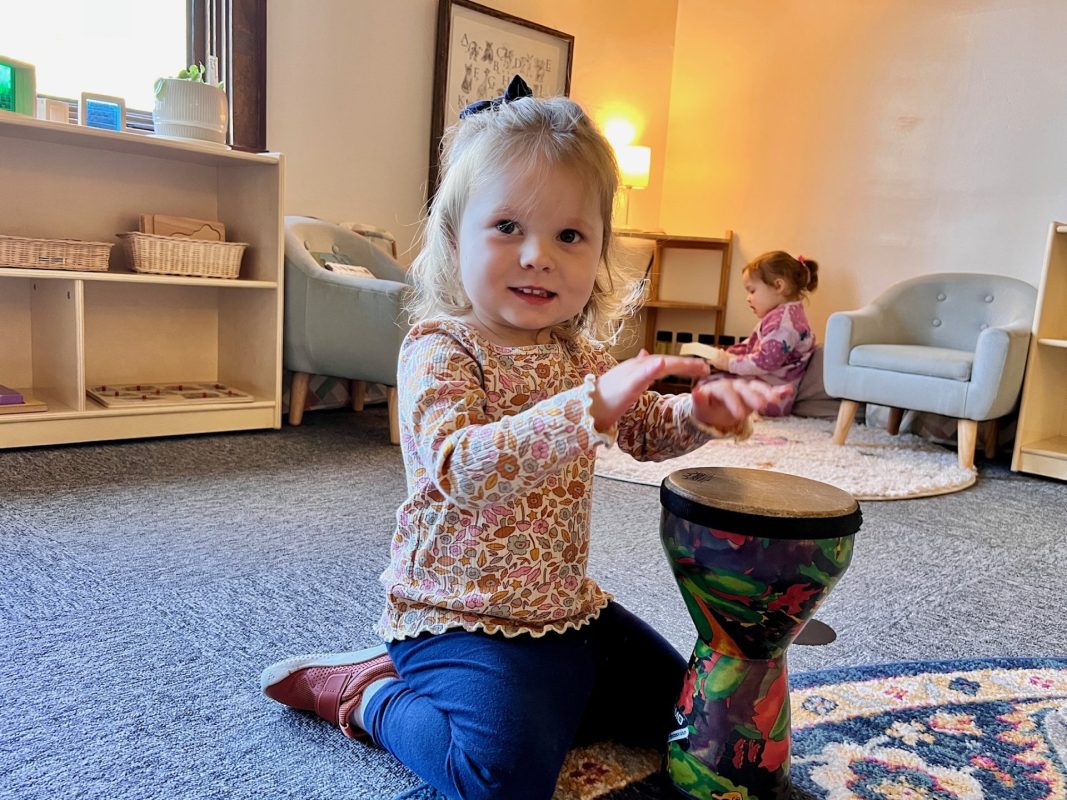
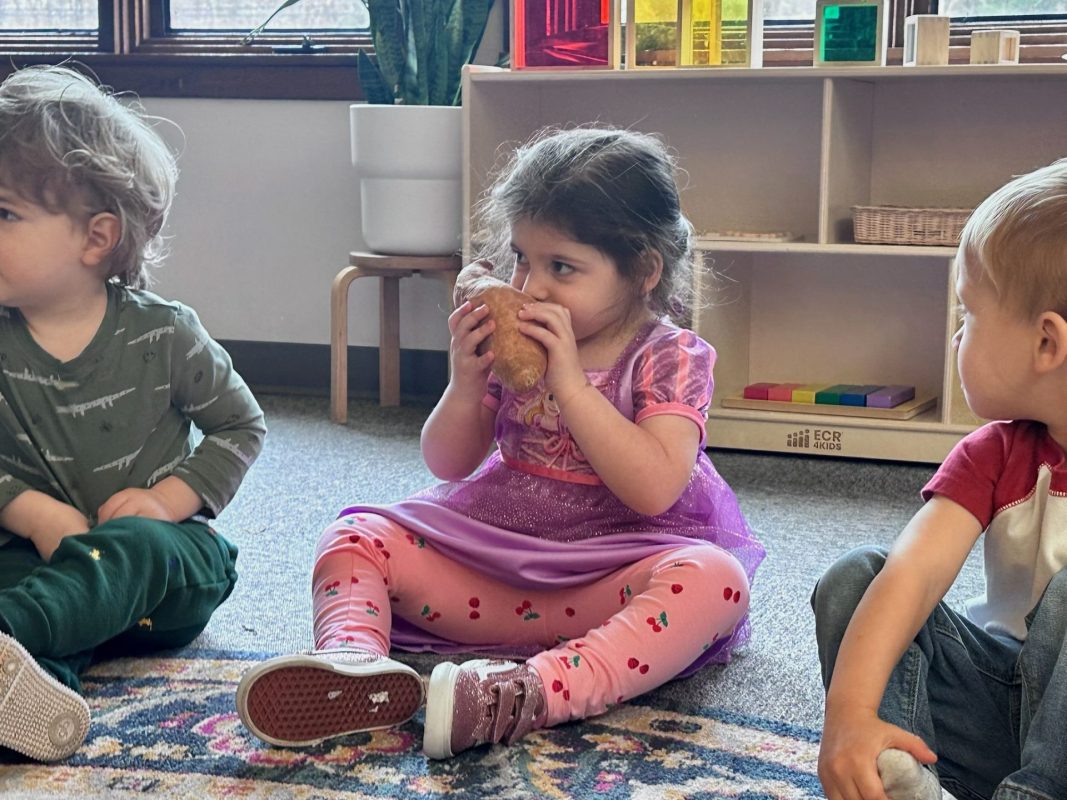
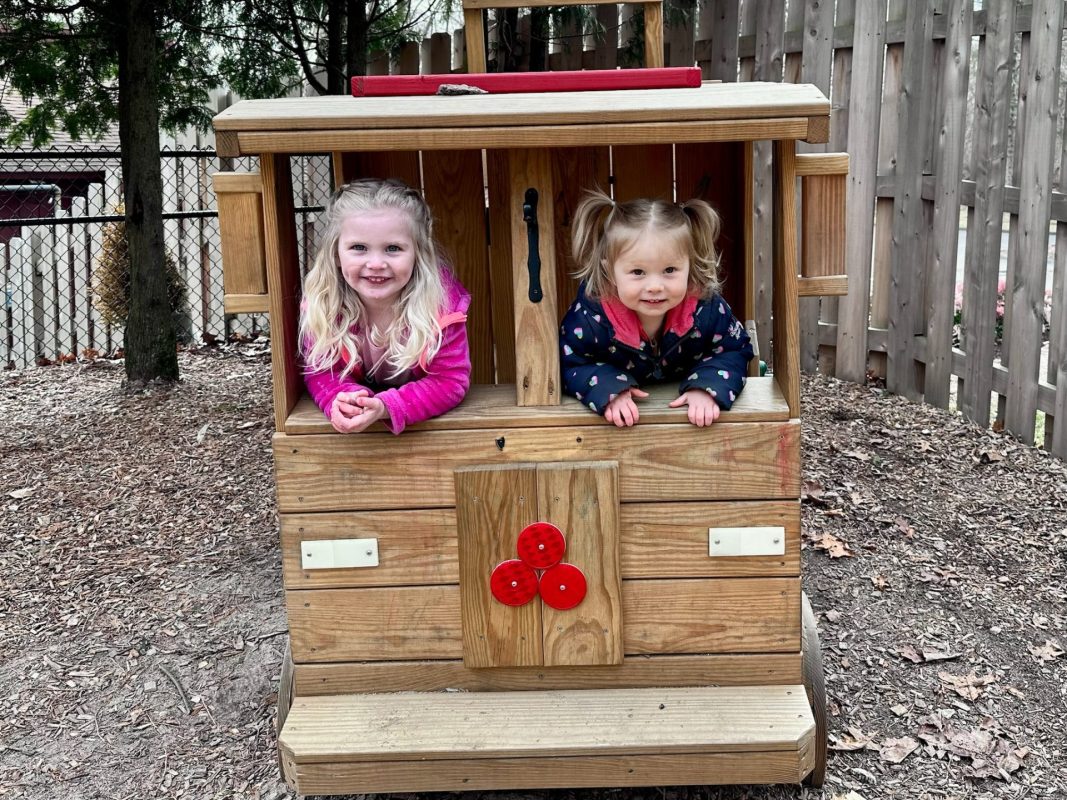
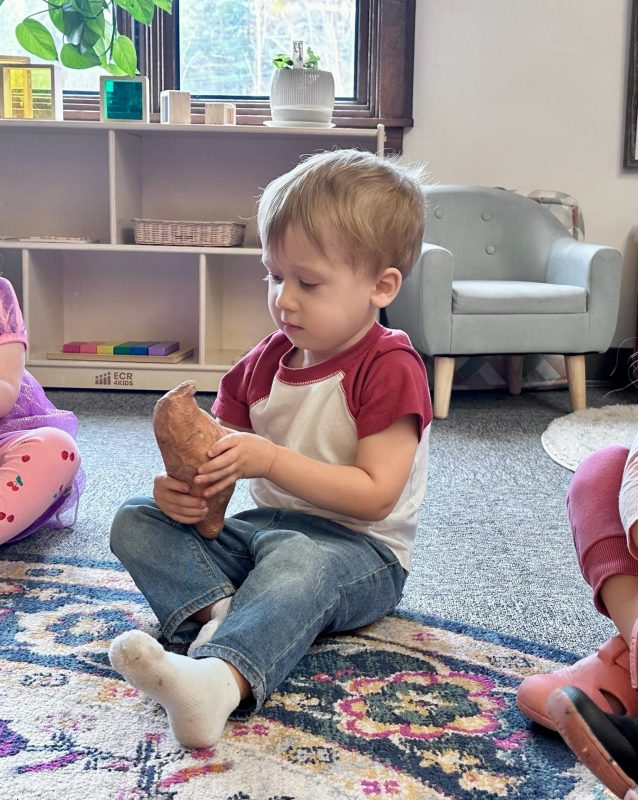
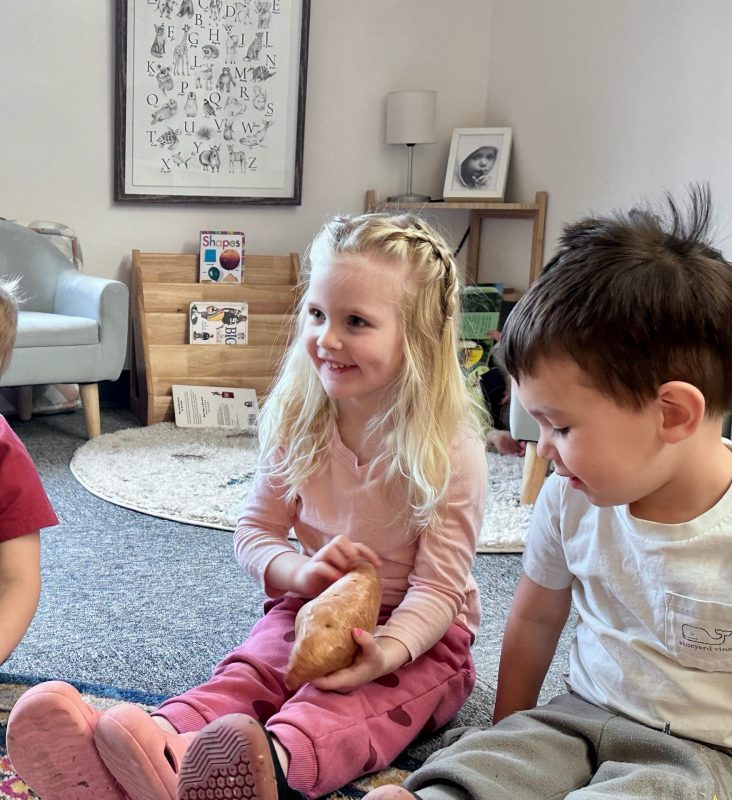
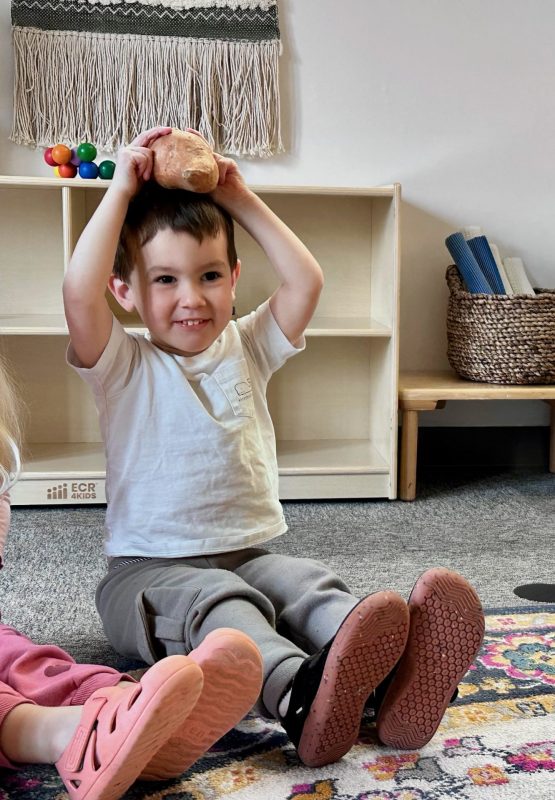
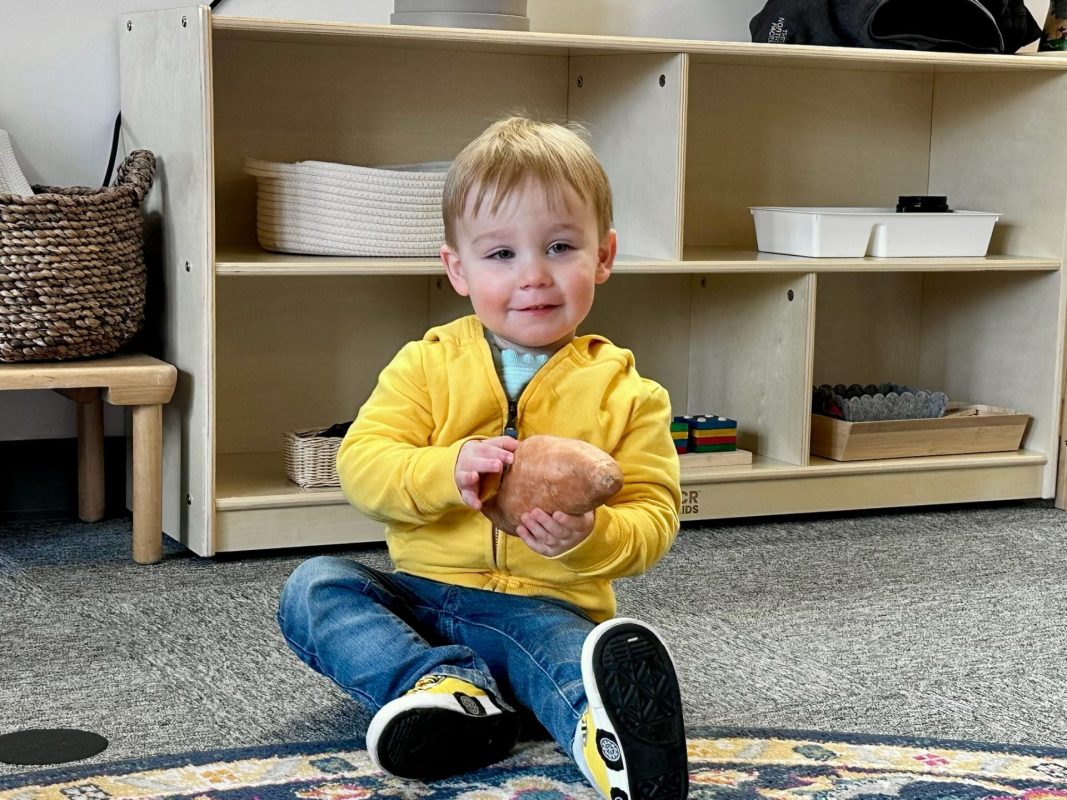
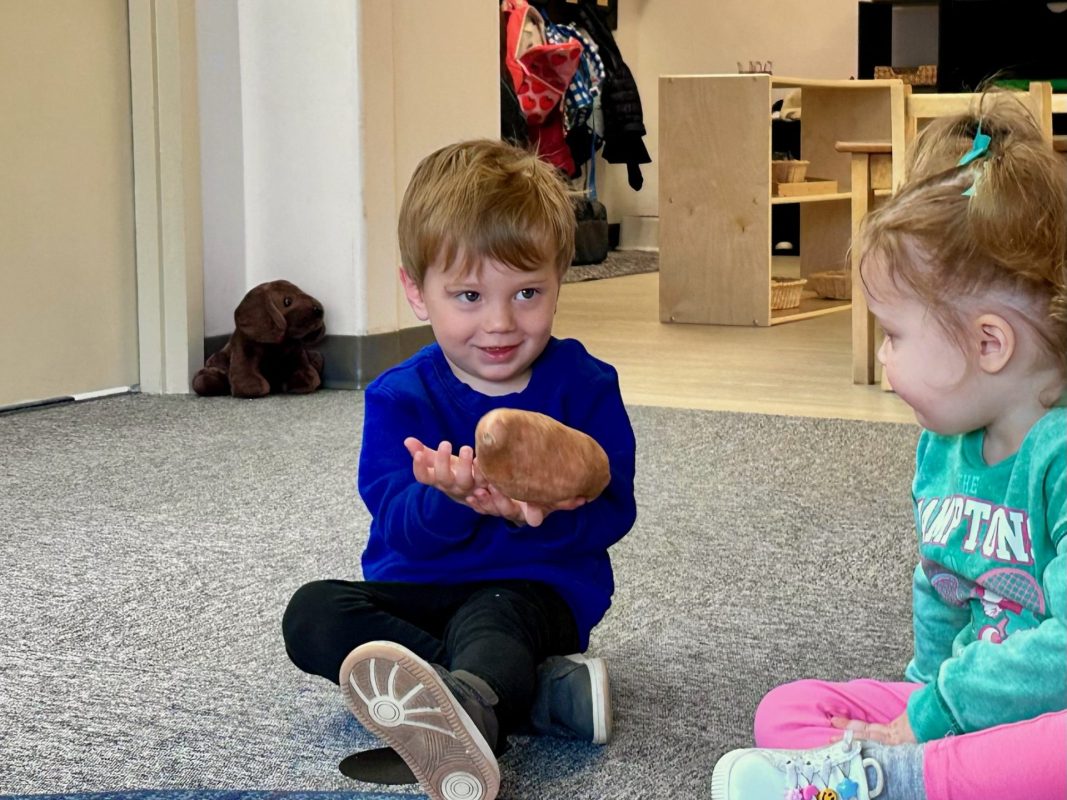
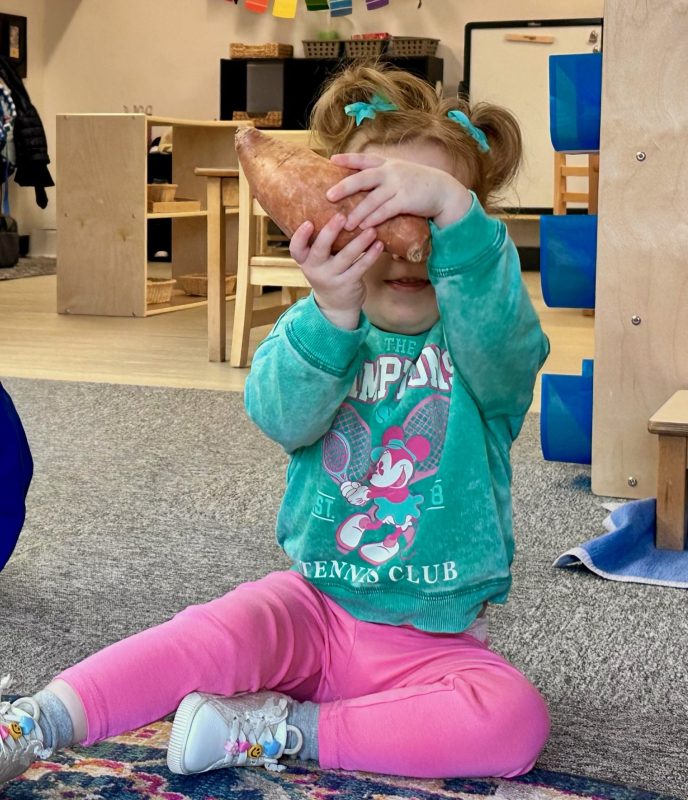
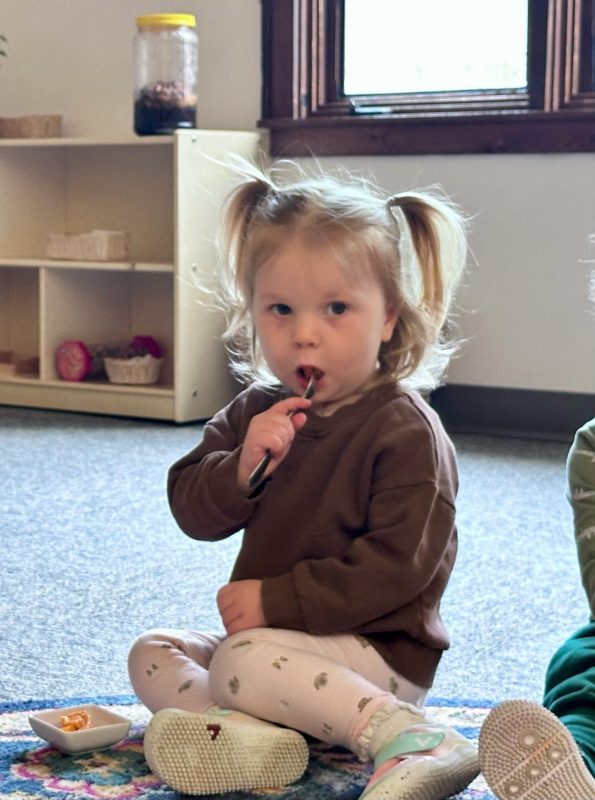
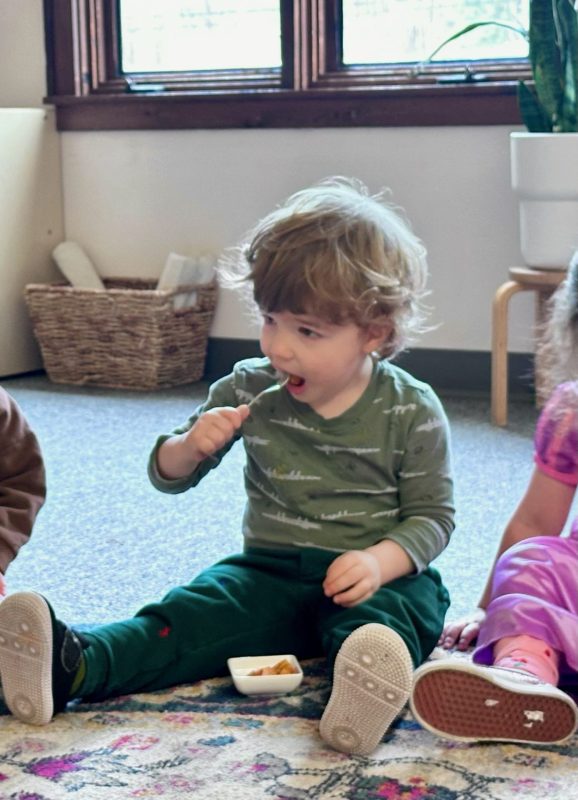
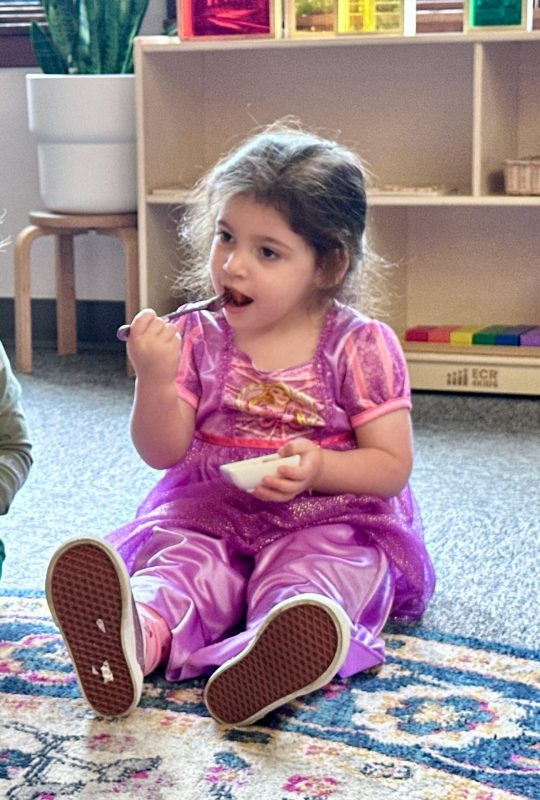
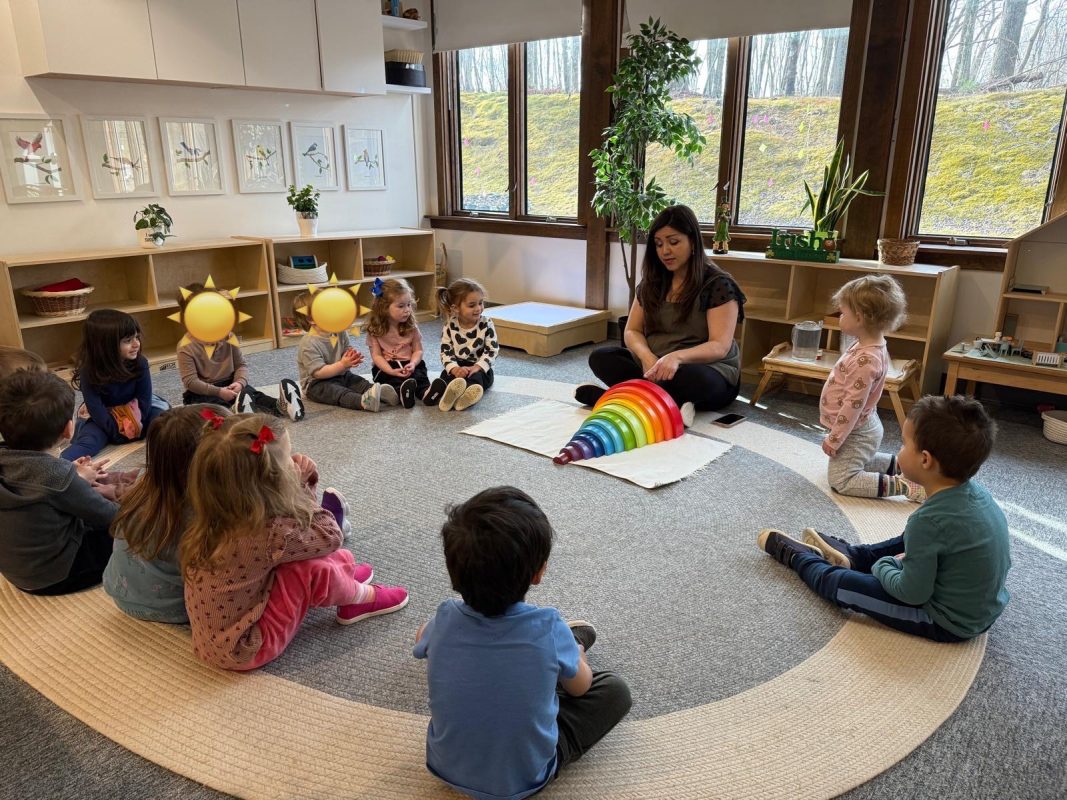
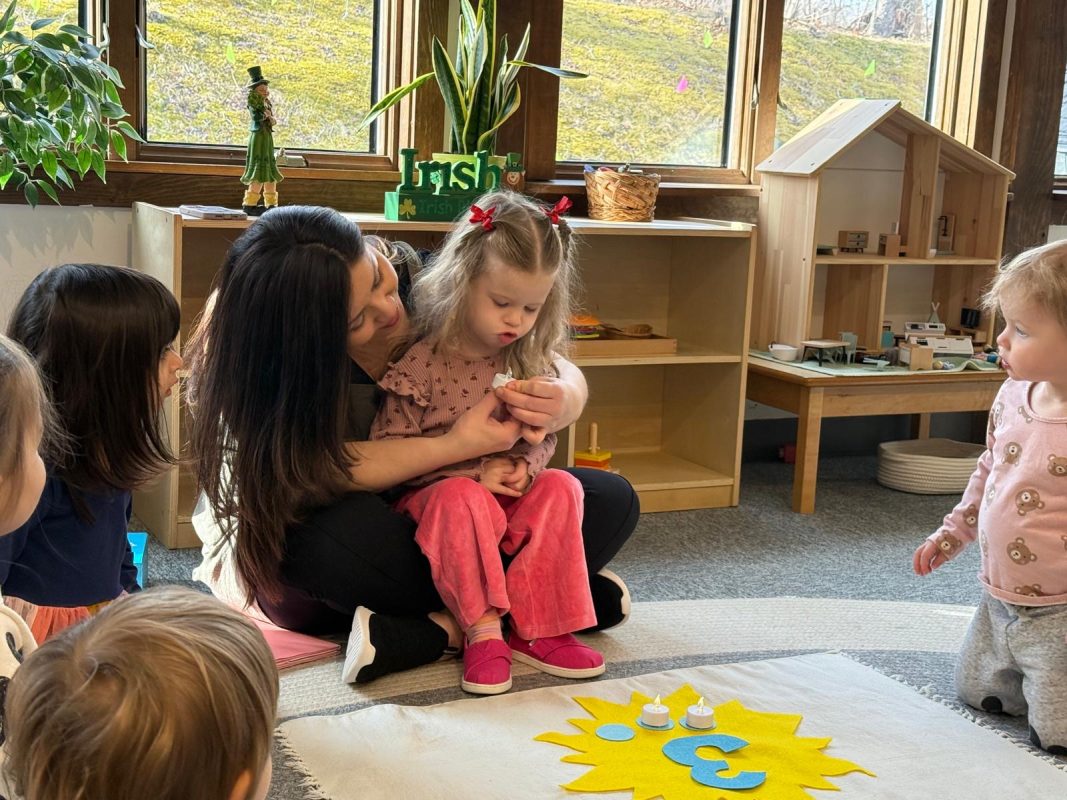
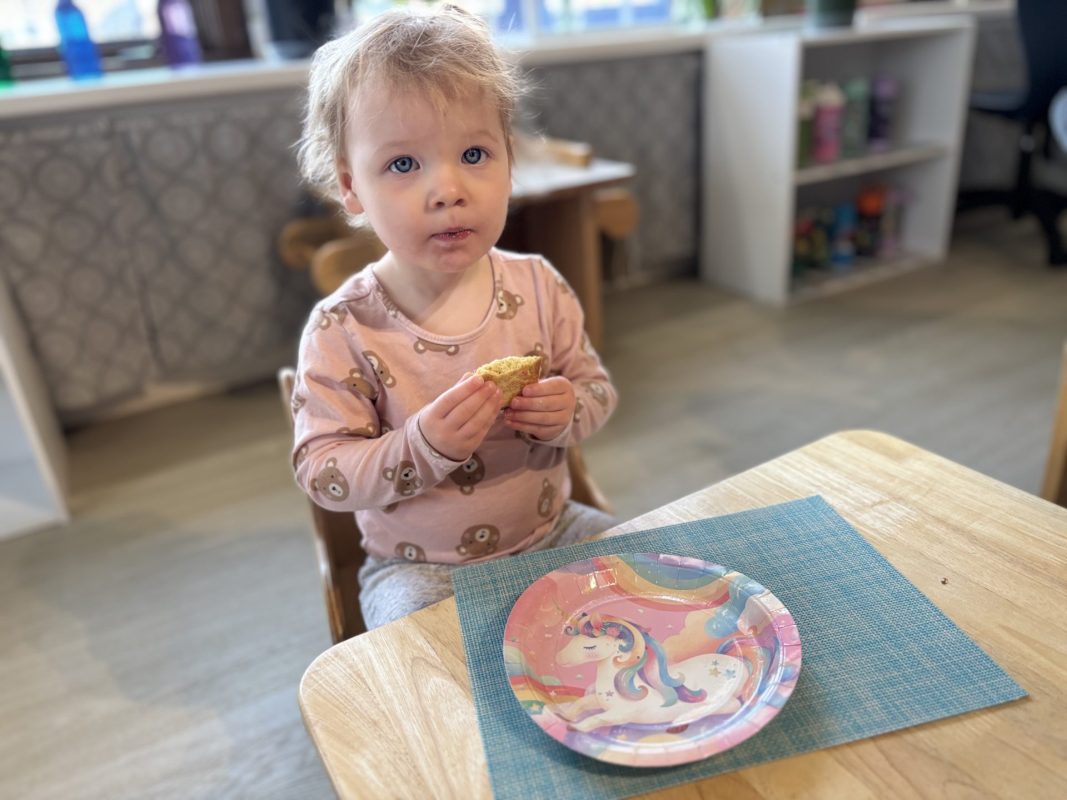
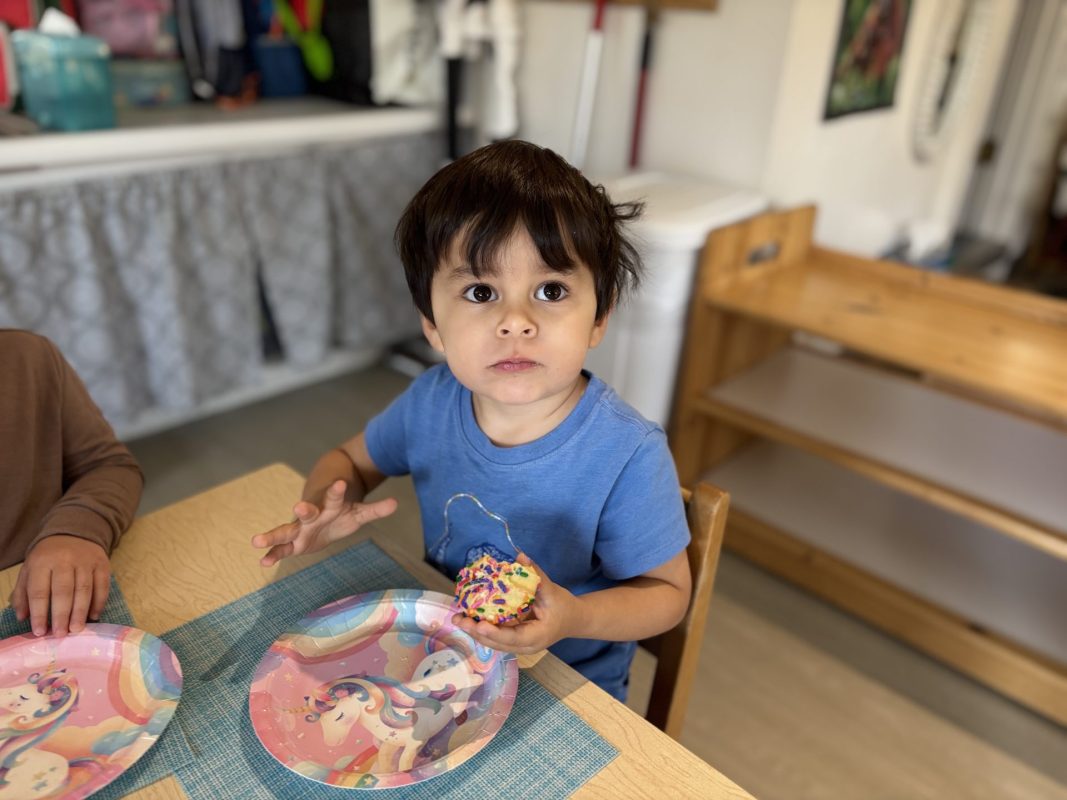
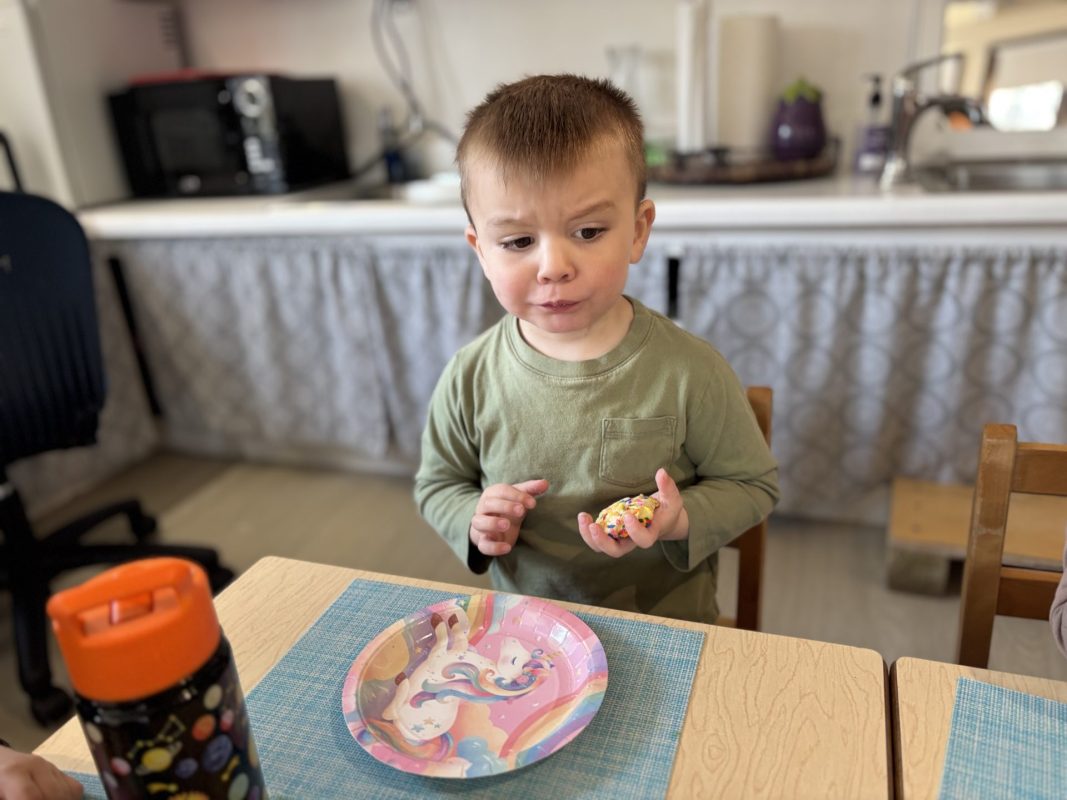
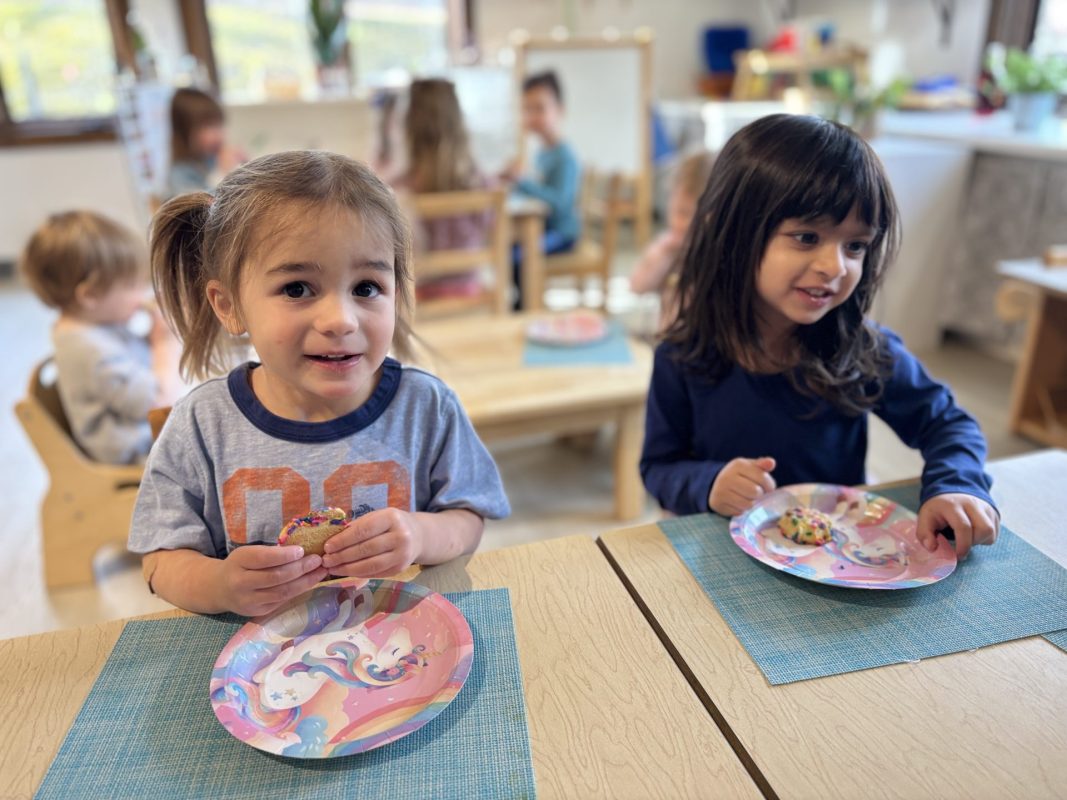
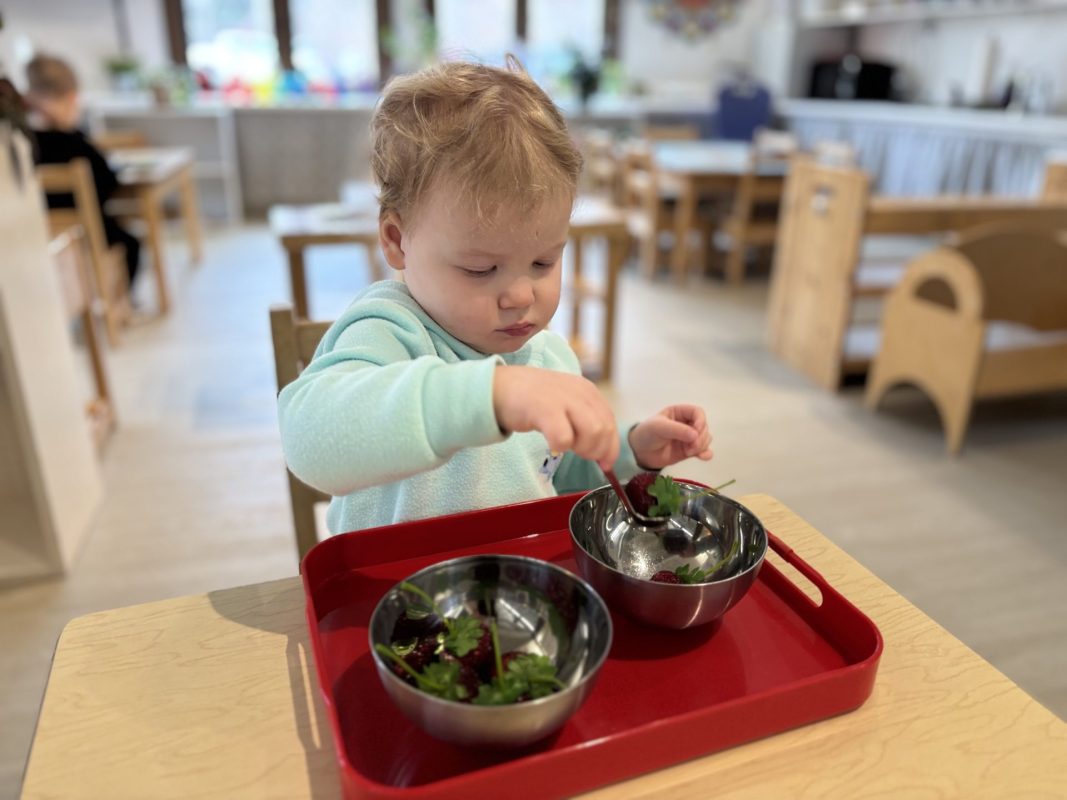
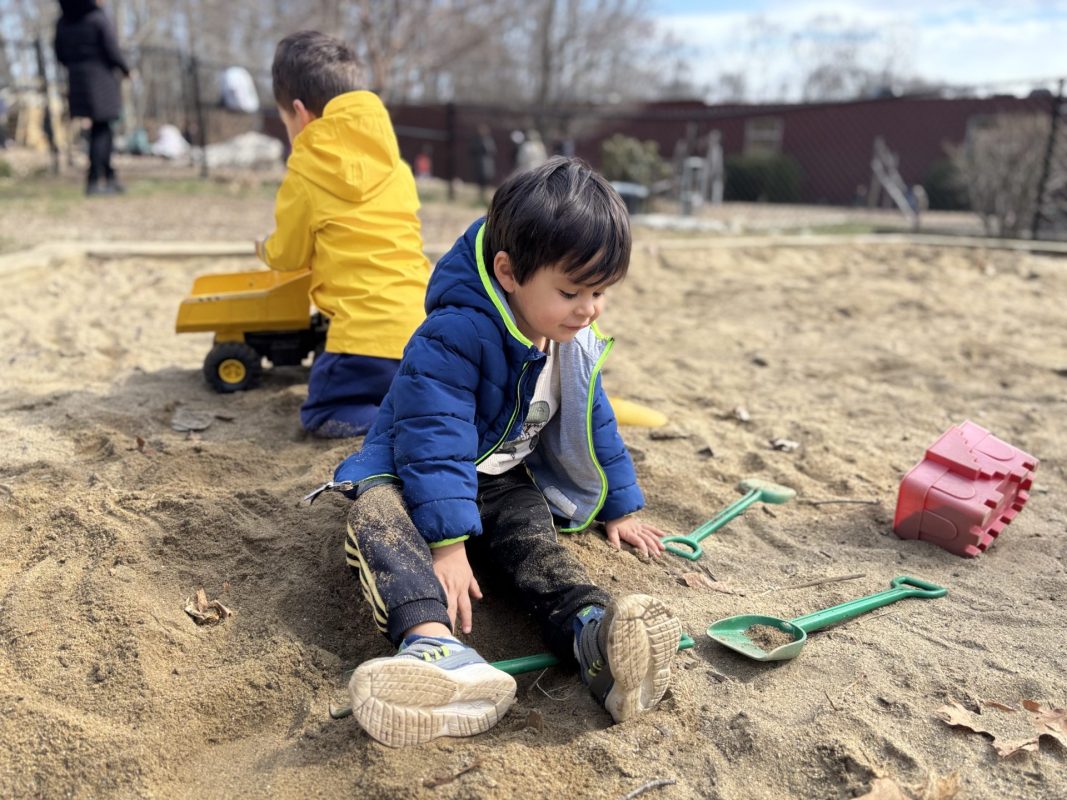
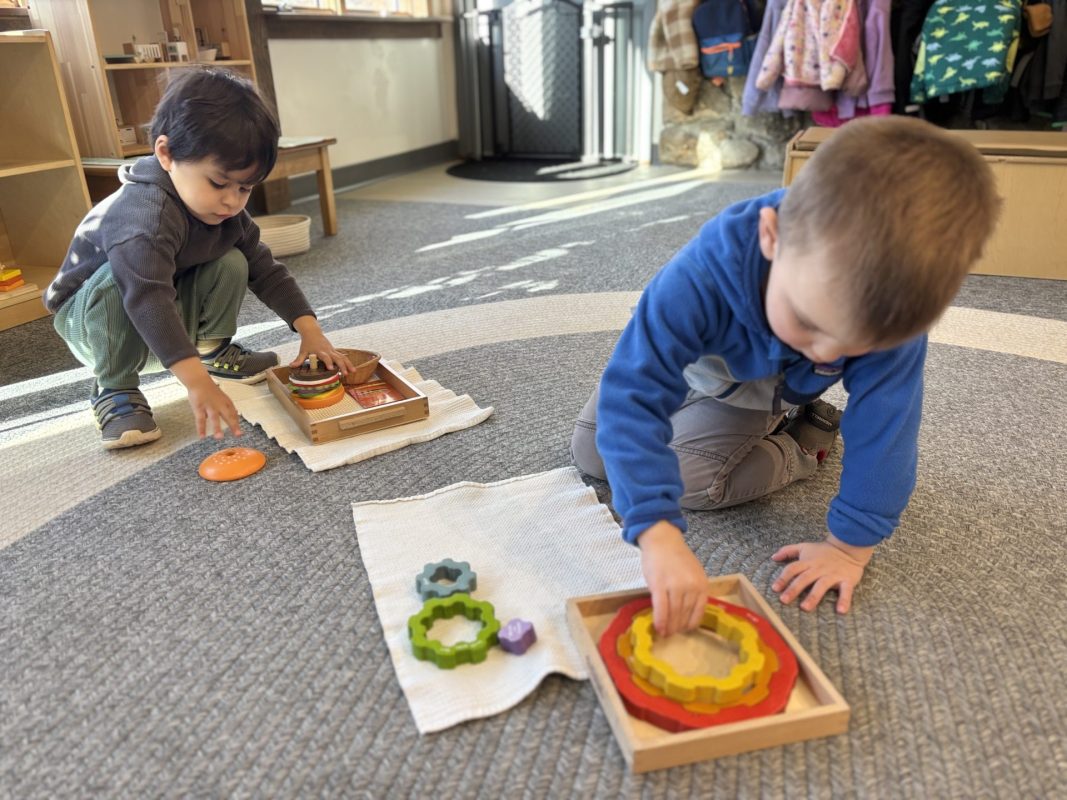
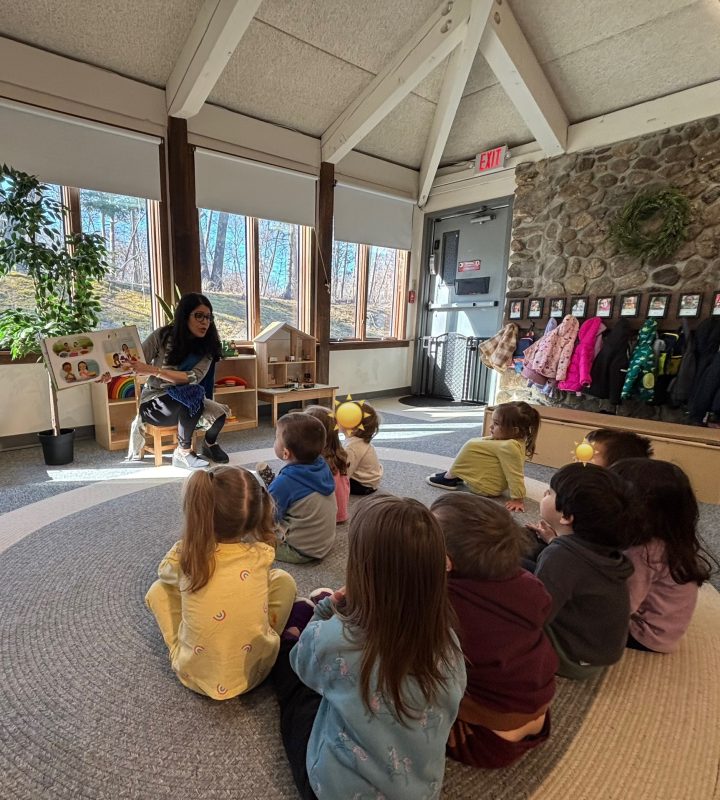
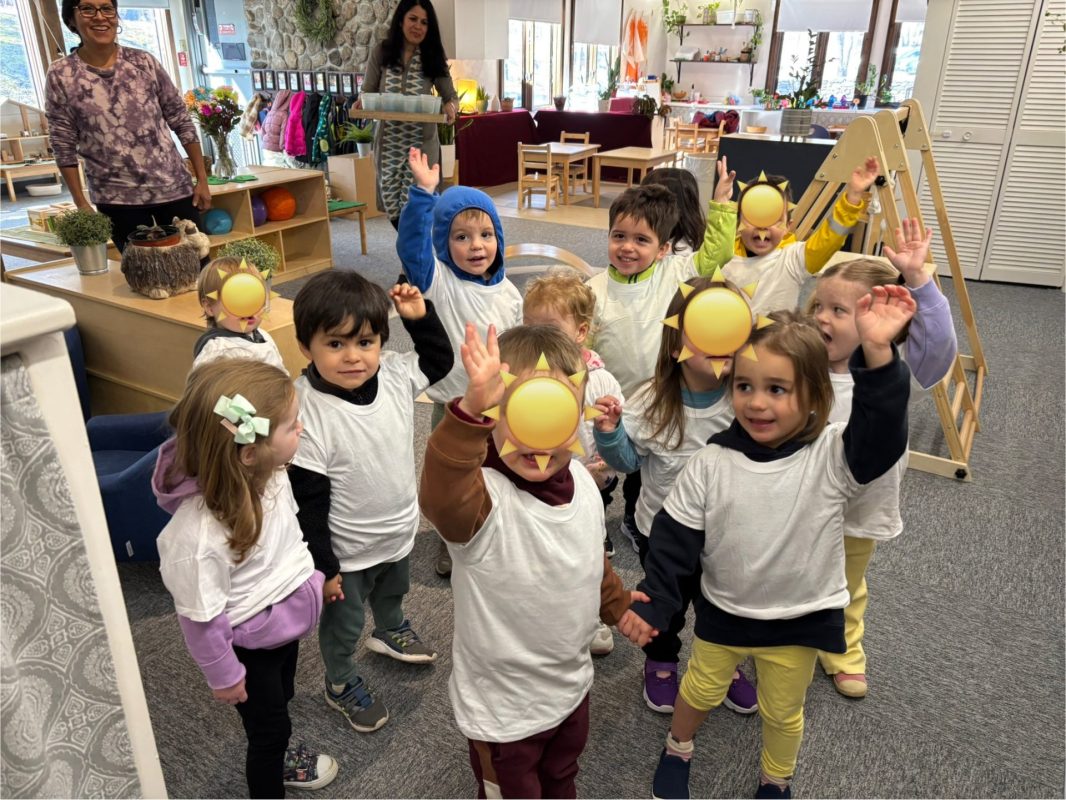
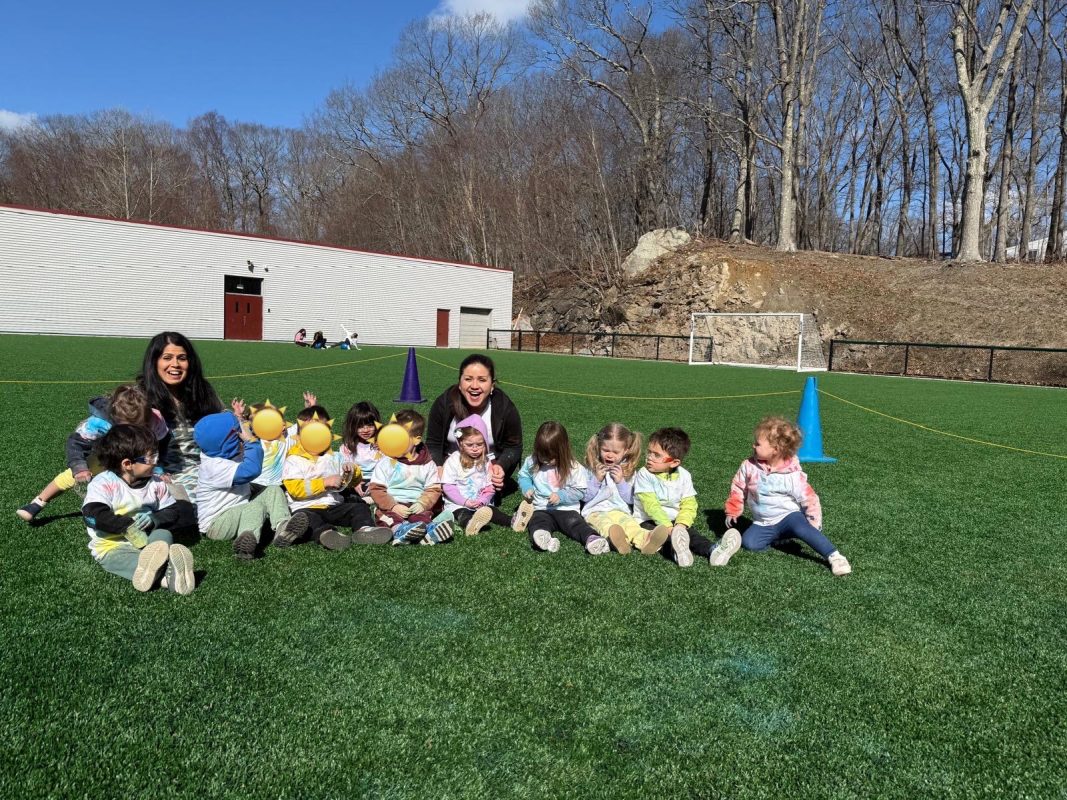
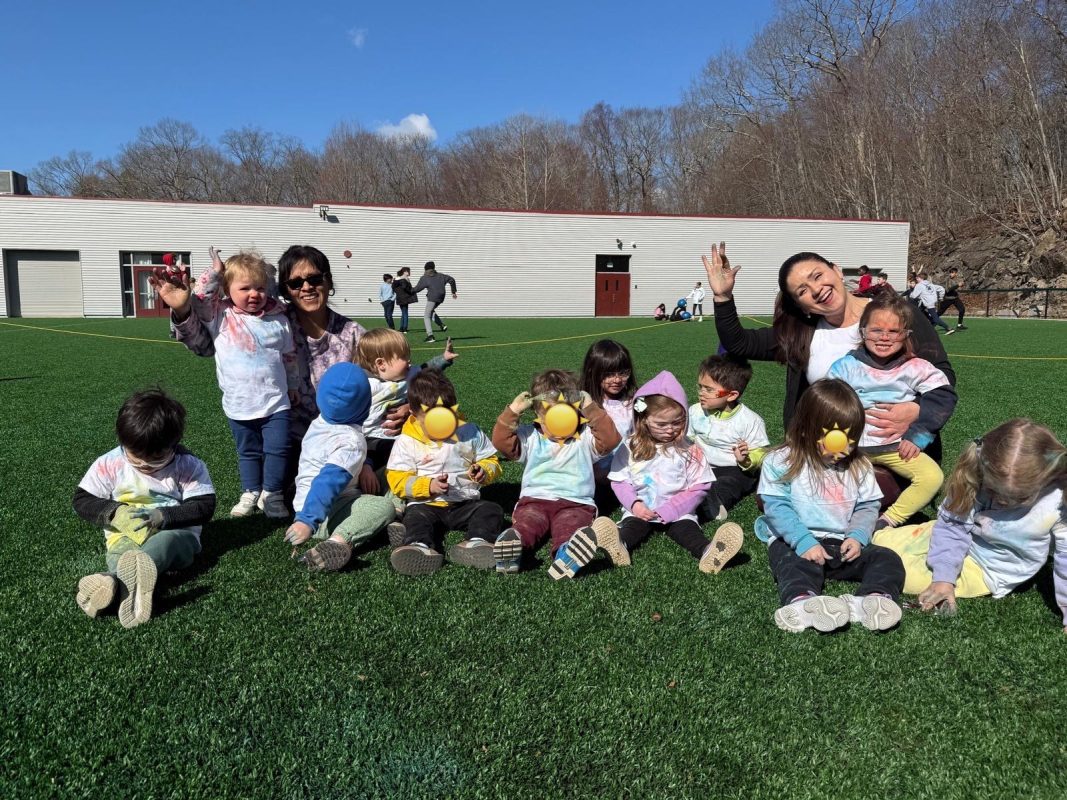
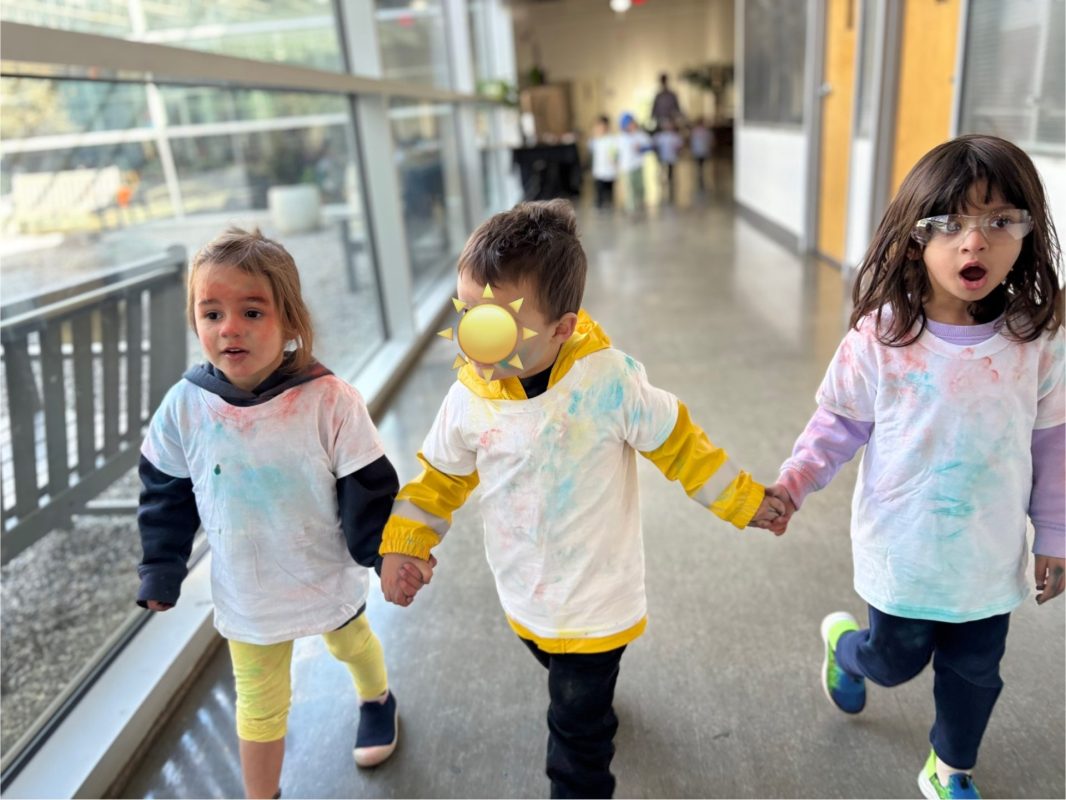
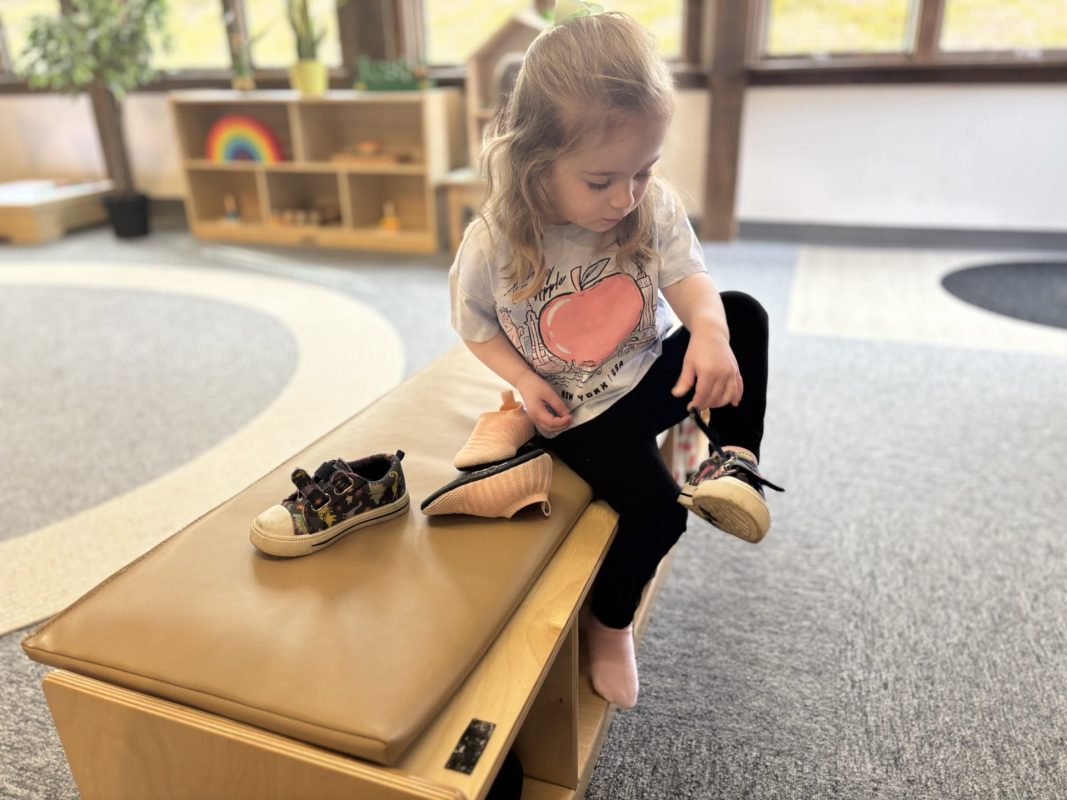
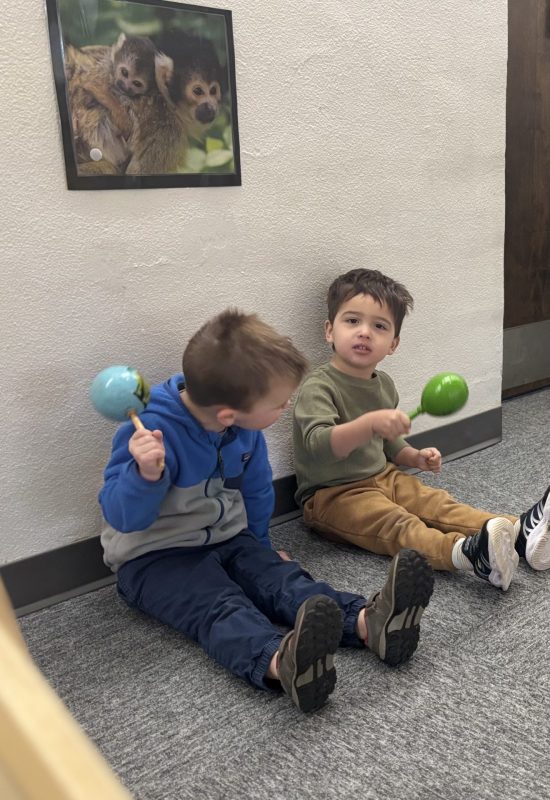
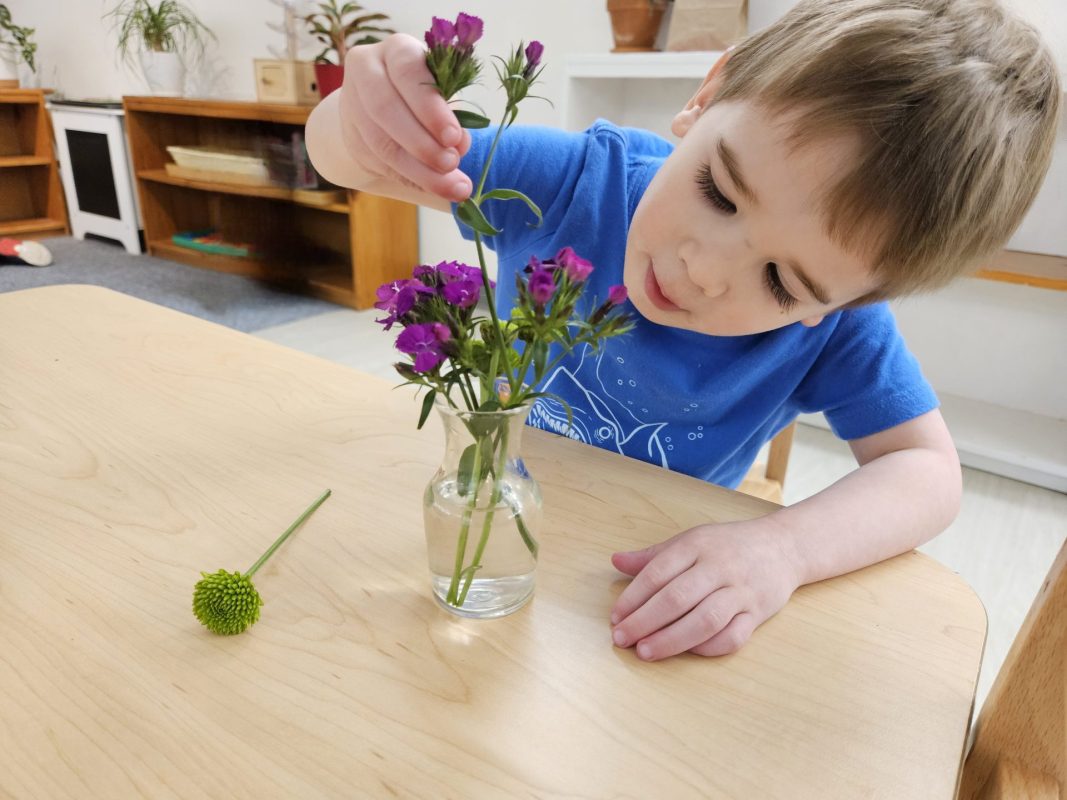
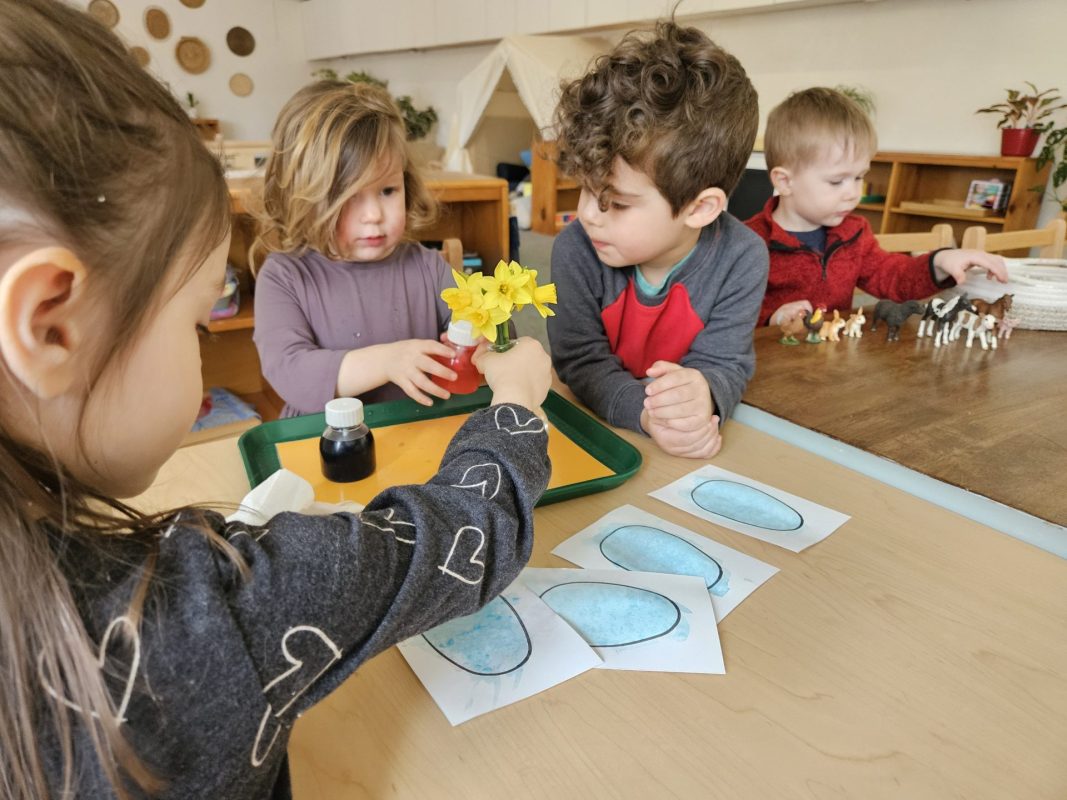
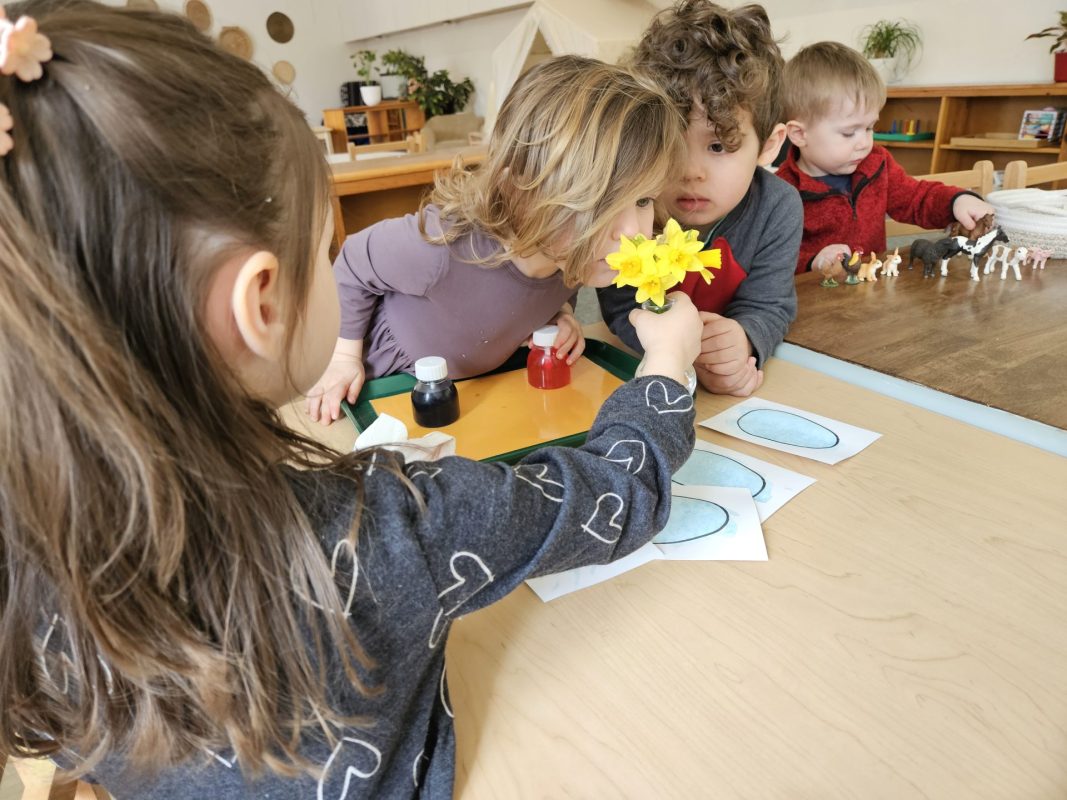
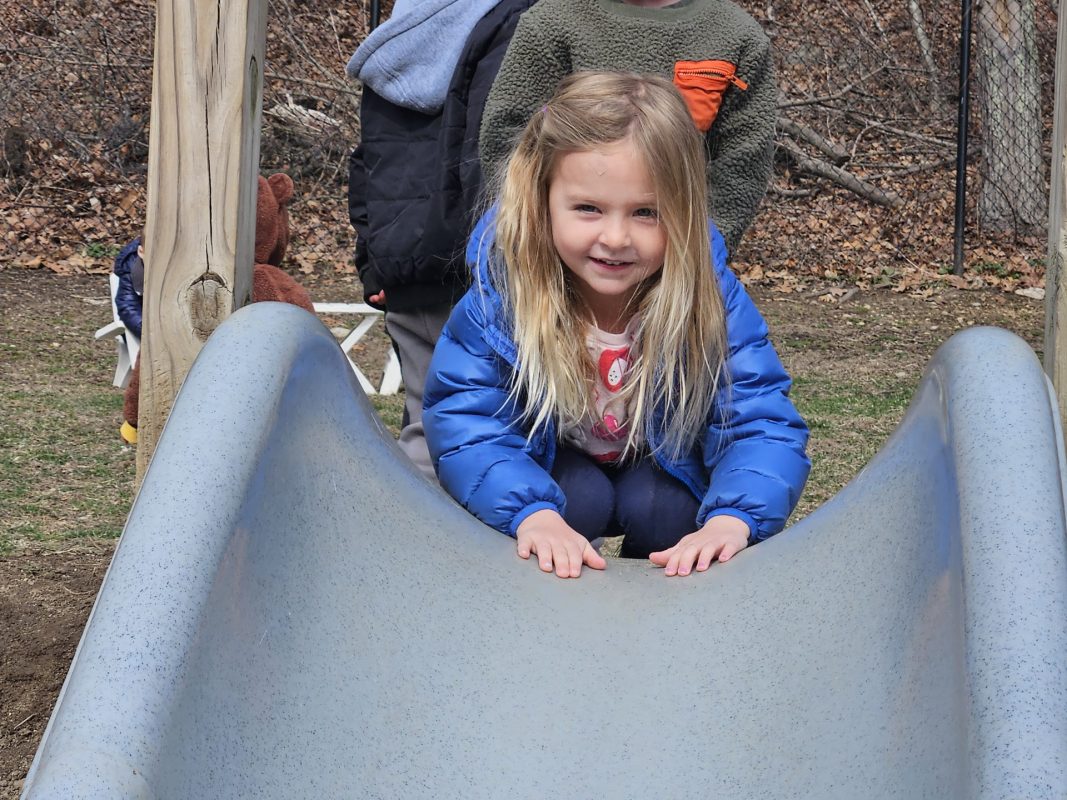
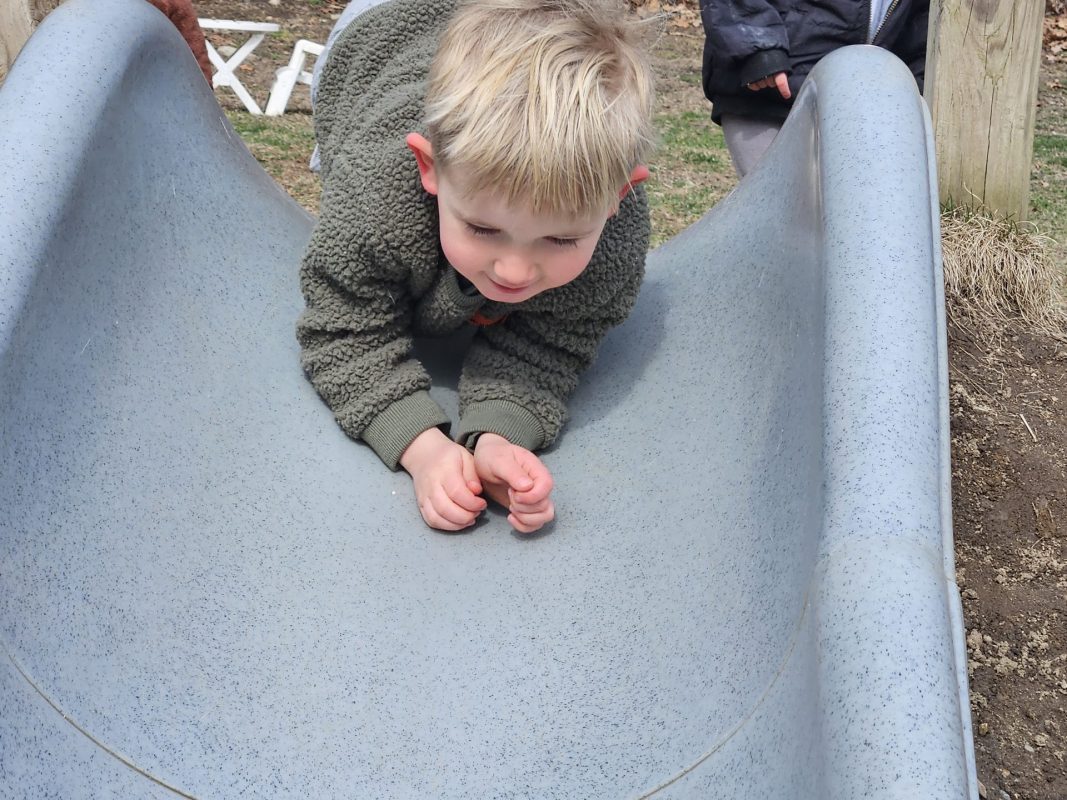
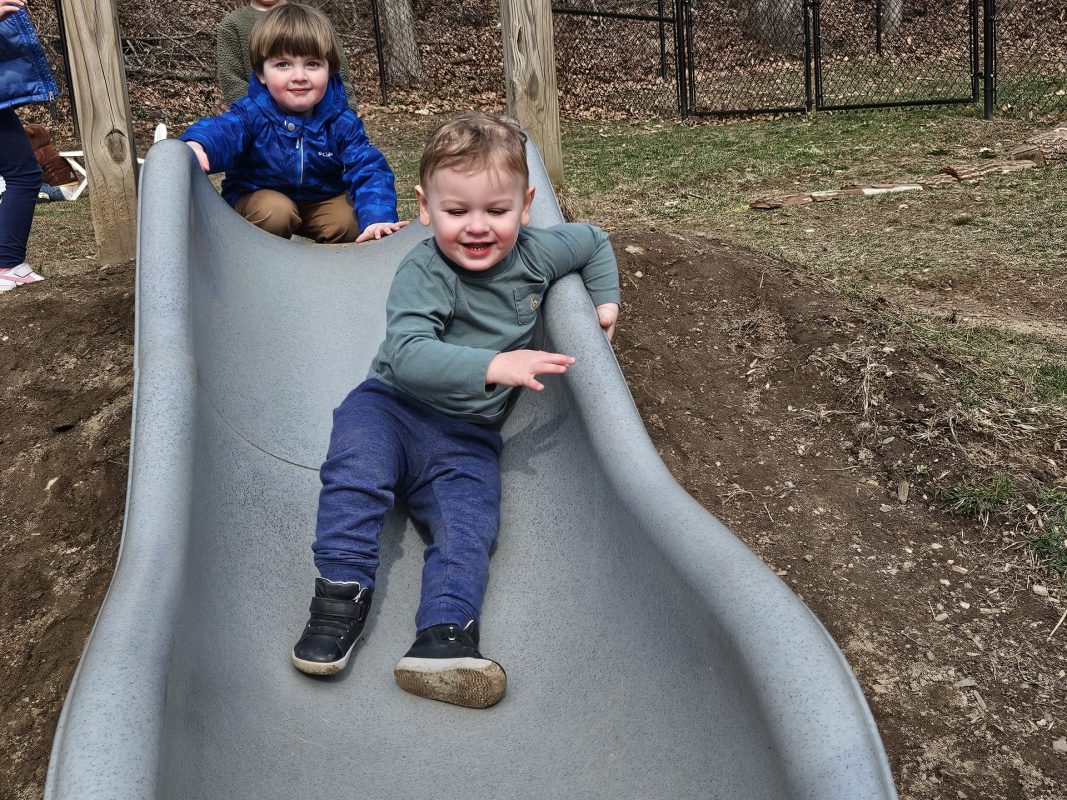
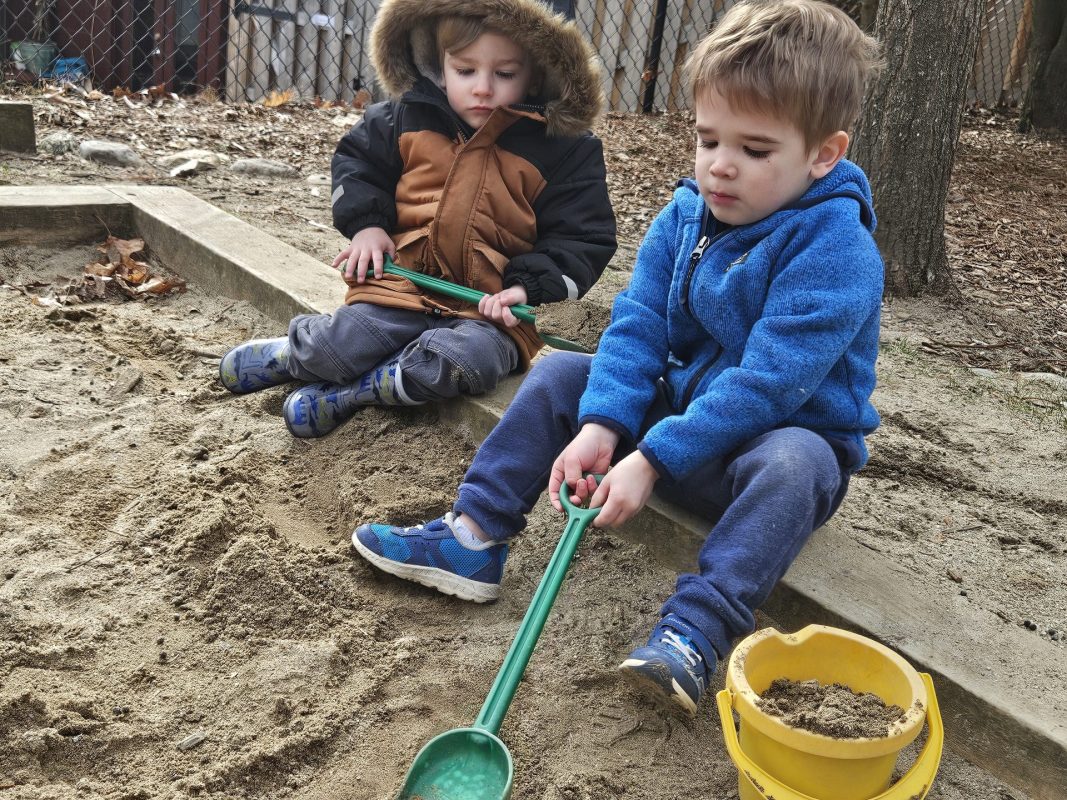
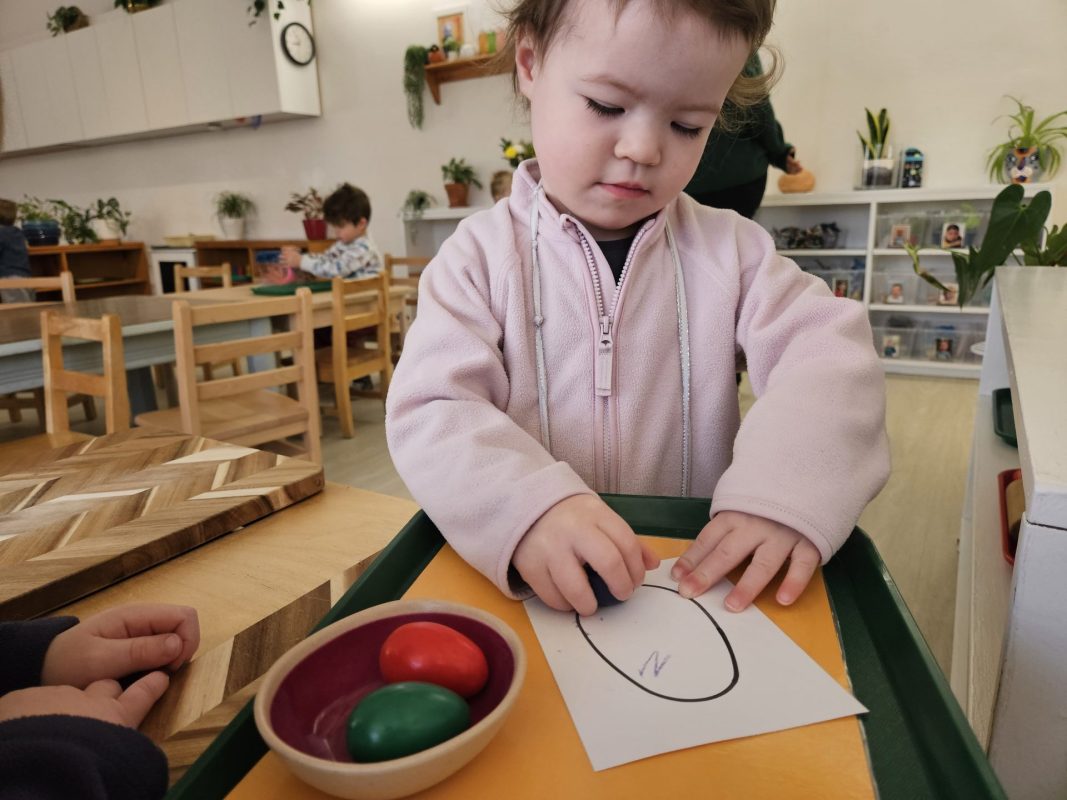
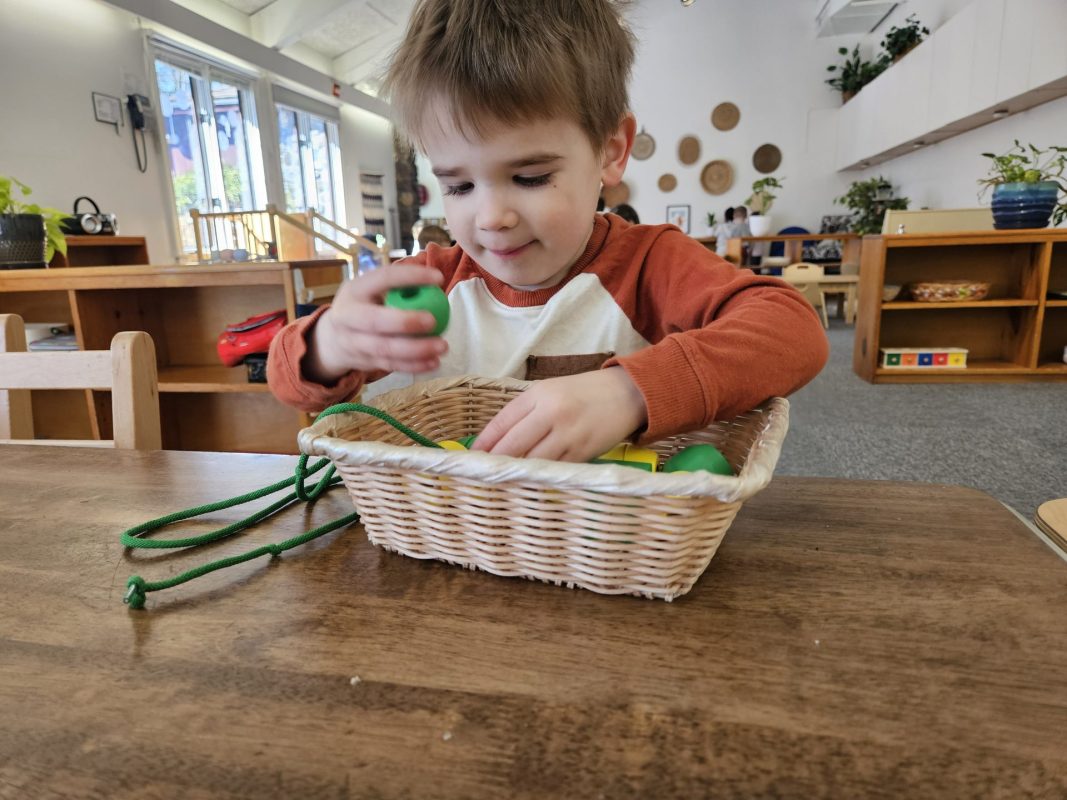
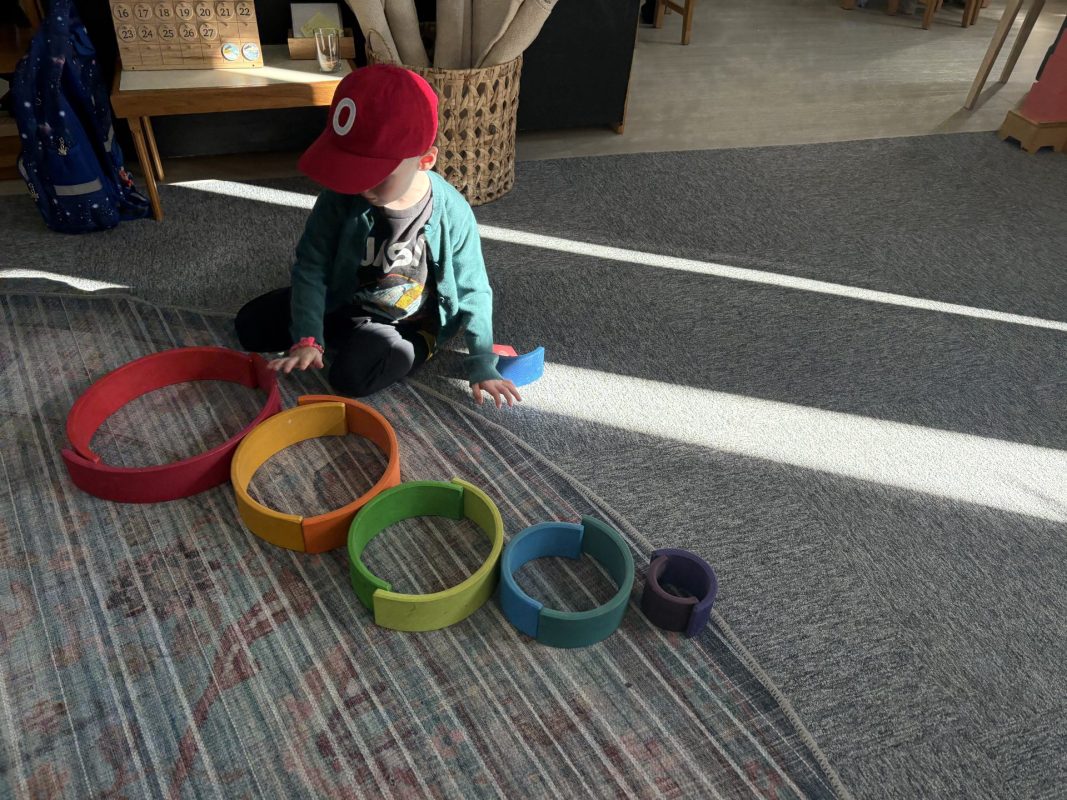
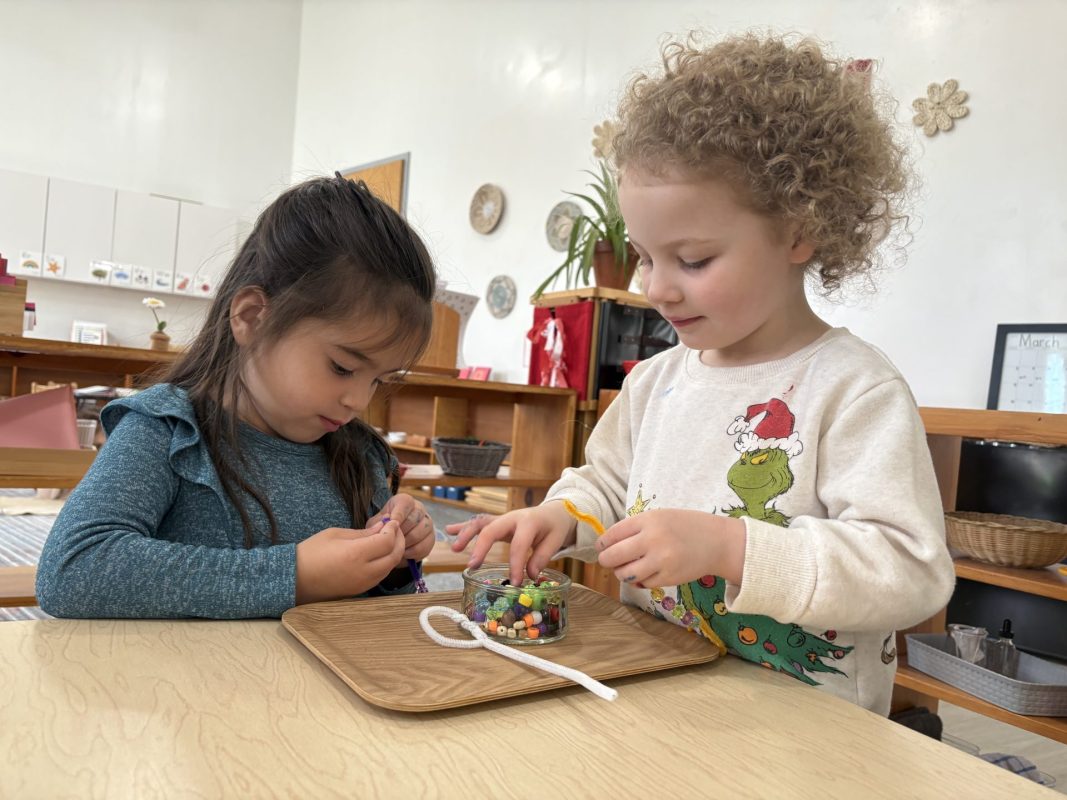
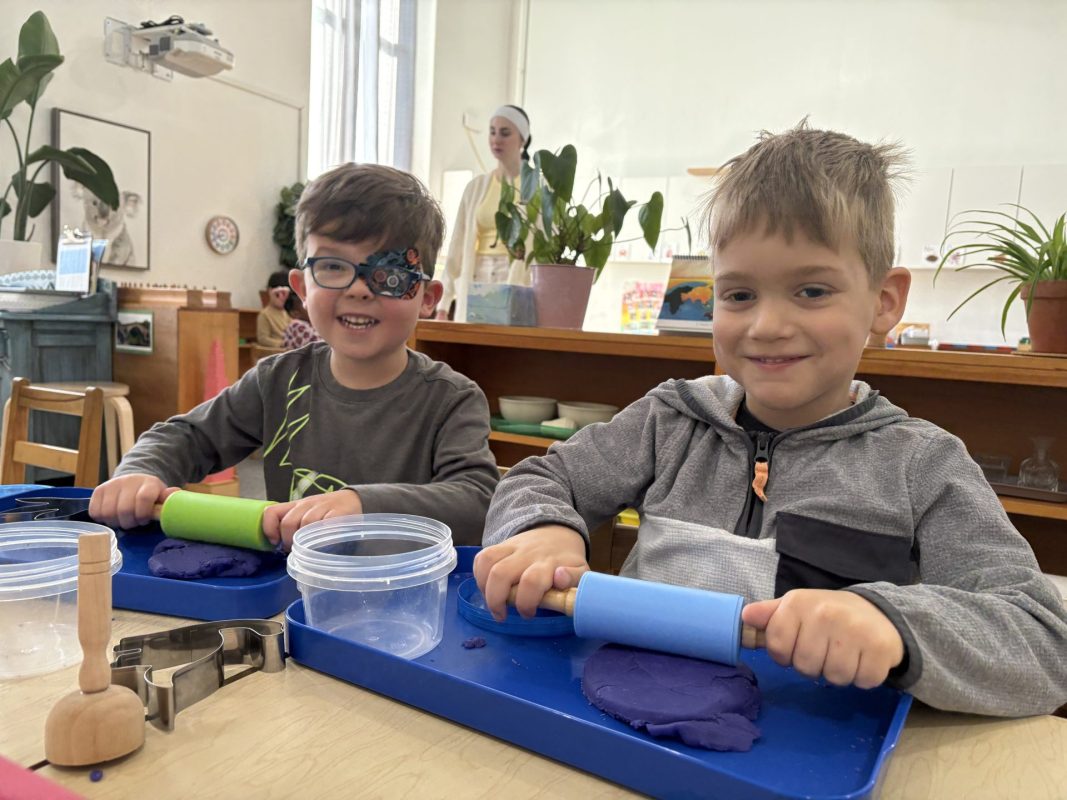
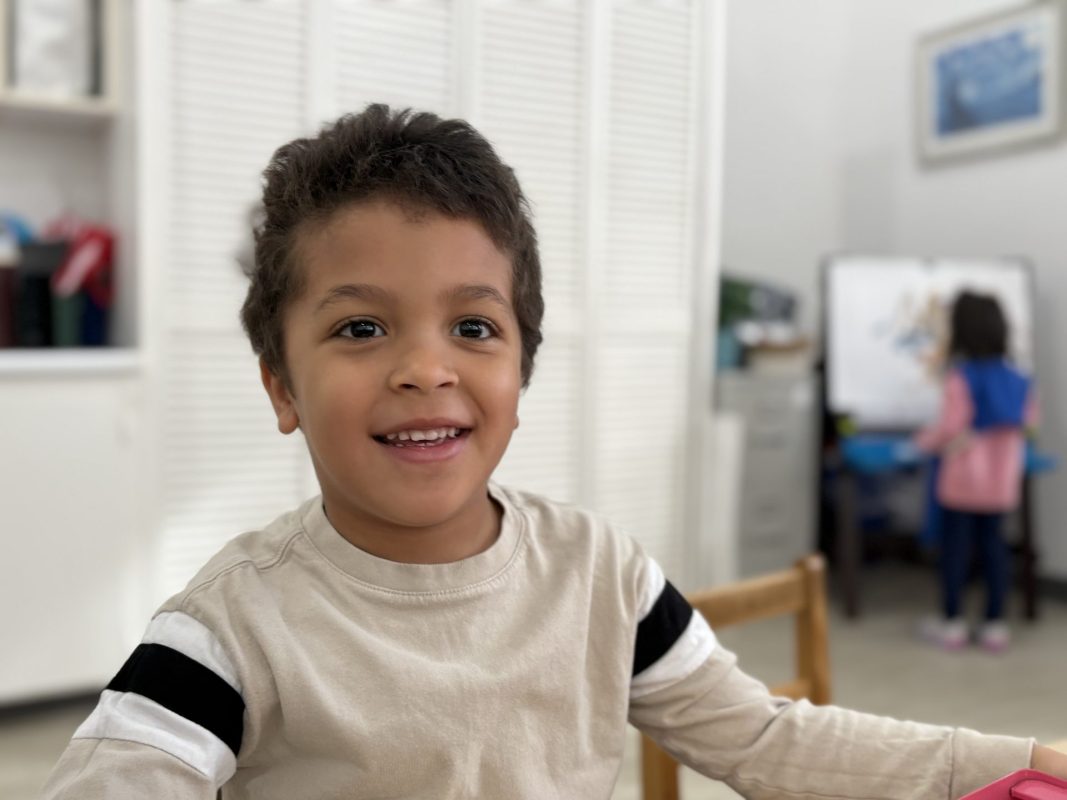
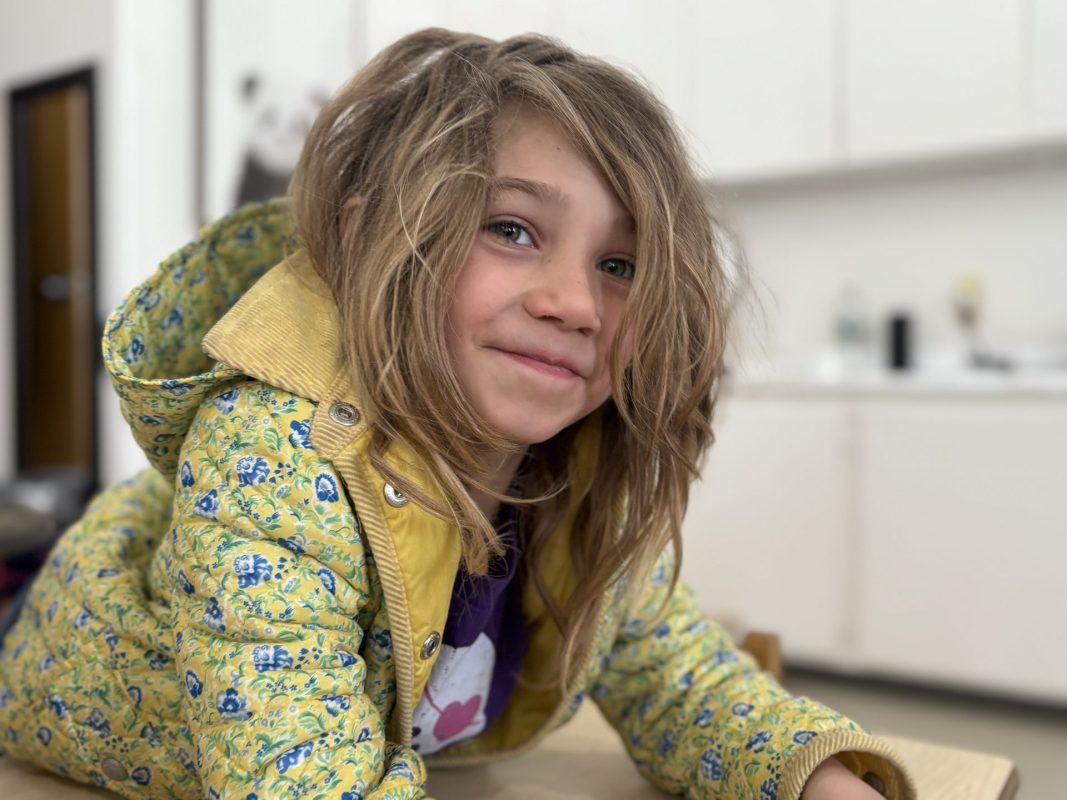
Watching toddlers make their first friends is pure magic! Each morning, the excitement is palpable as they spot their favorite friends walking through the door. Even those who can’t quite pronounce each other’s names yet find ways to express their joy—pointing with wide grins, giving enthusiastic pats on the back (or sometimes on the head!). During circle time, they instinctively seek to sit close to their buddies, and nothing brings them more delight than holding hands as they walk together.

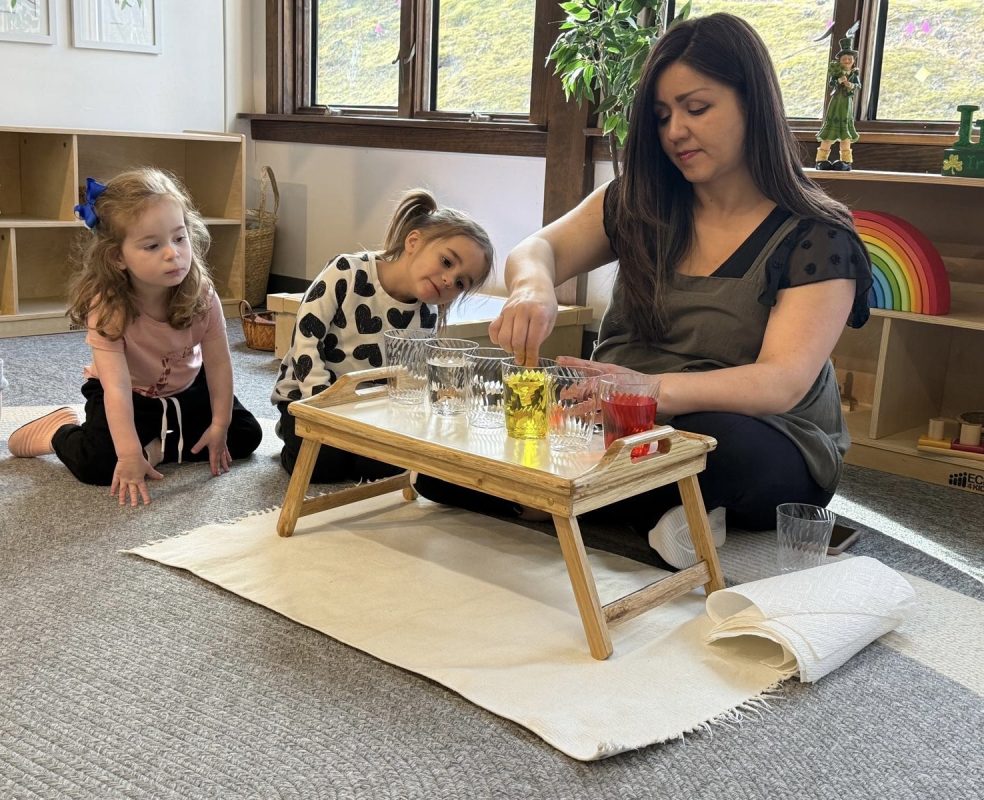
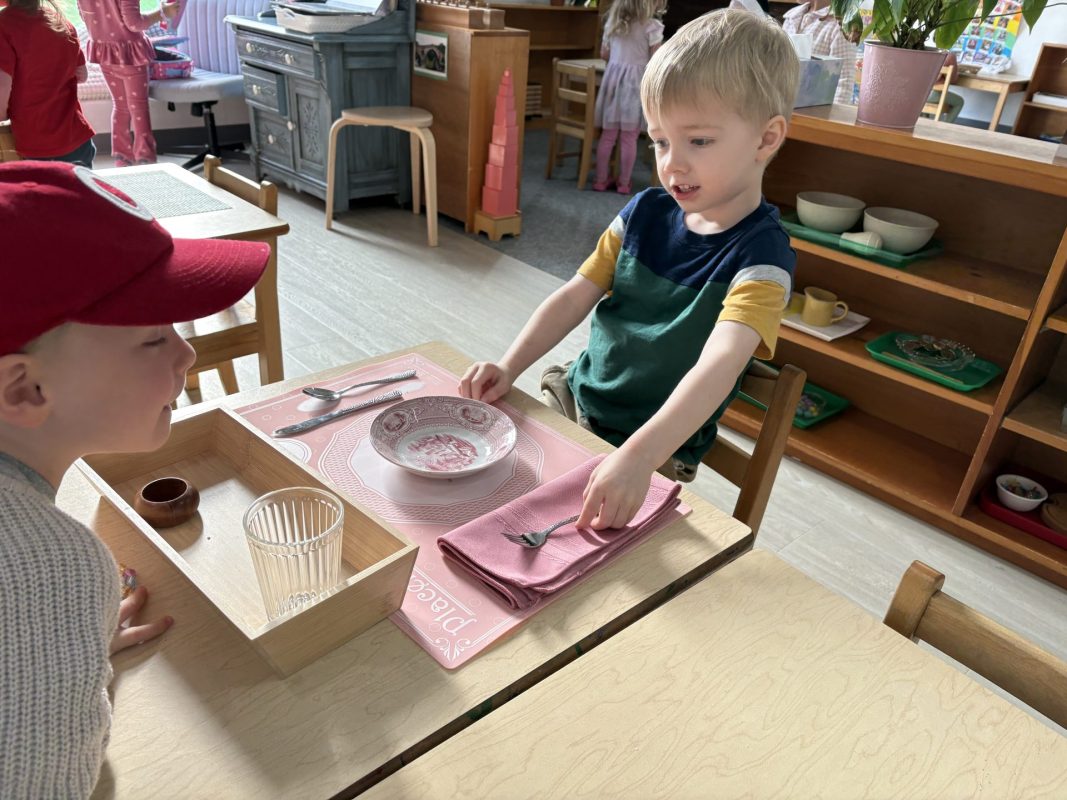
In our Montessori environment, Grace and Courtesy are foundational elements of the curriculum, woven seamlessly into our daily interactions. Grace is the outward expression of our inner kindness—our smiles, eye contact, gestures, and tone of voice. Courtesy, on the other hand, is the framework of manners that guides our interactions with others. These skills are not innate; they are carefully modeled and nurtured.

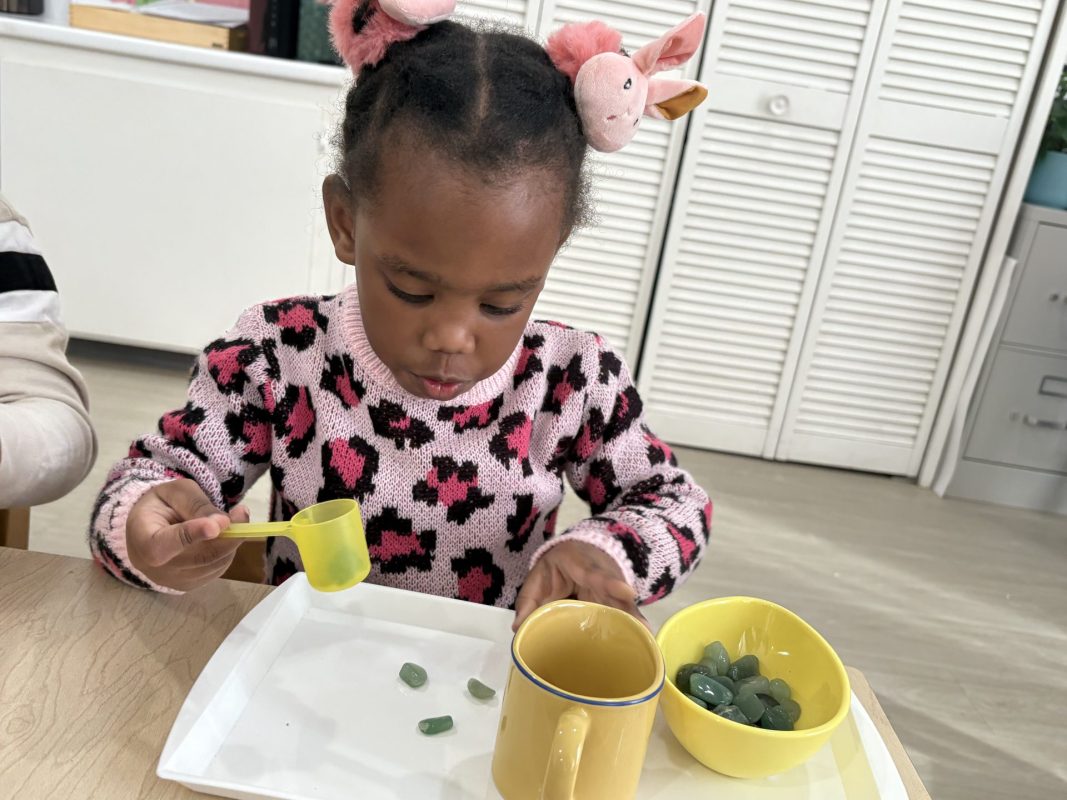
At the Toddler level, we don’t teach “lessons” on friendship the way older children might experience them—we live them. Every day, through intentional modeling, we guide our little ones in learning the unspoken language of kindness. It is truly remarkable to see their growth in this area, even at such a young age. The way they learn to comfort a friend, offer a hug, or share a moment of laughter is a testament to the beauty of early social development.

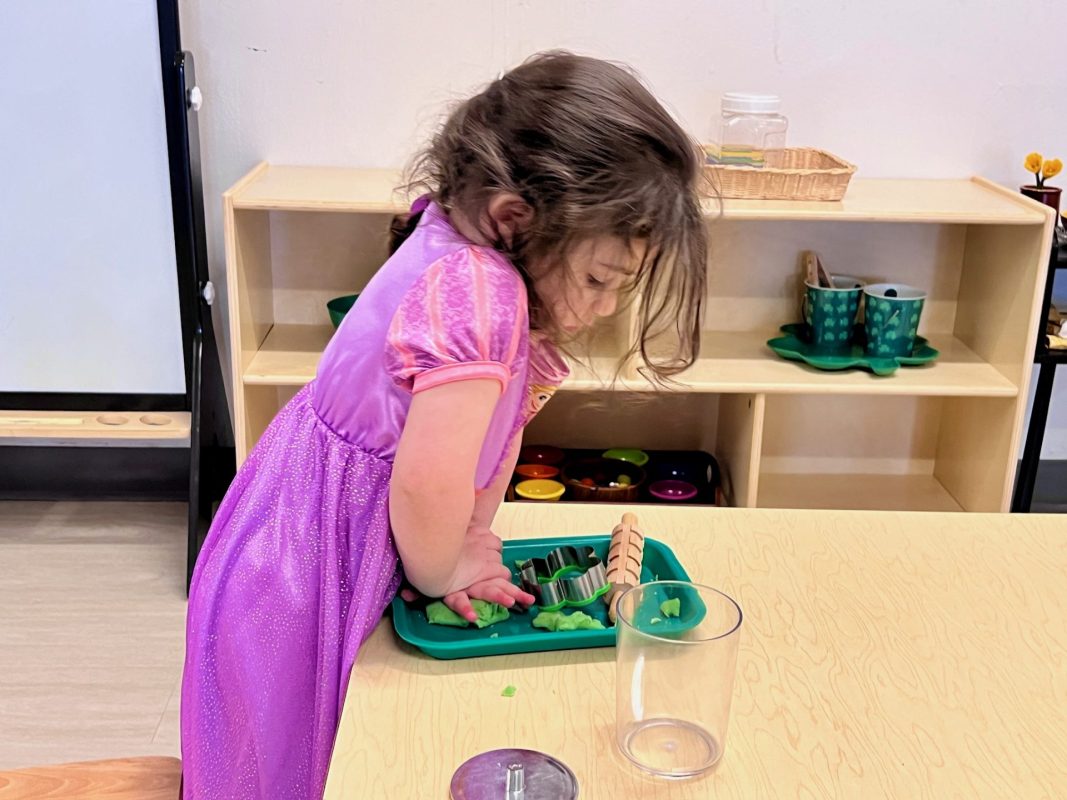
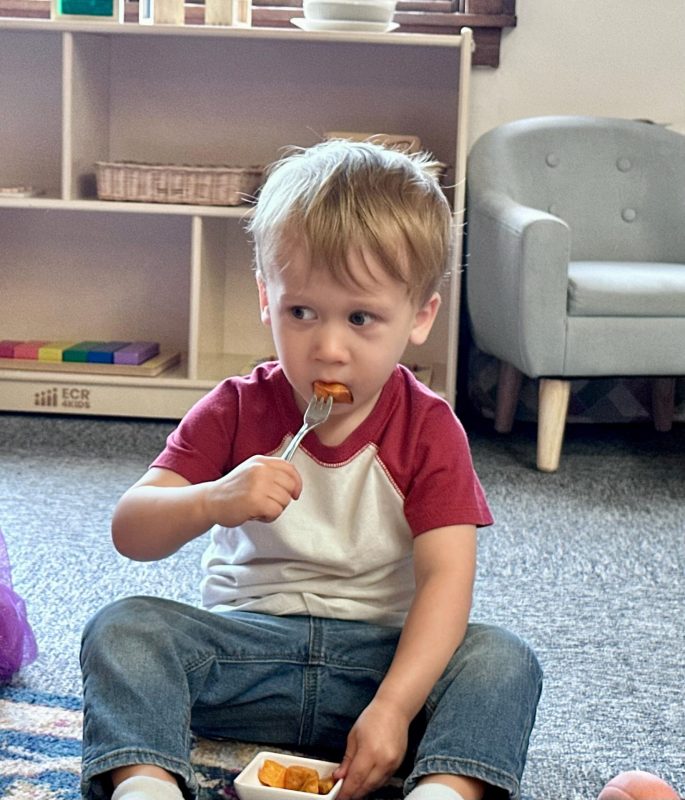
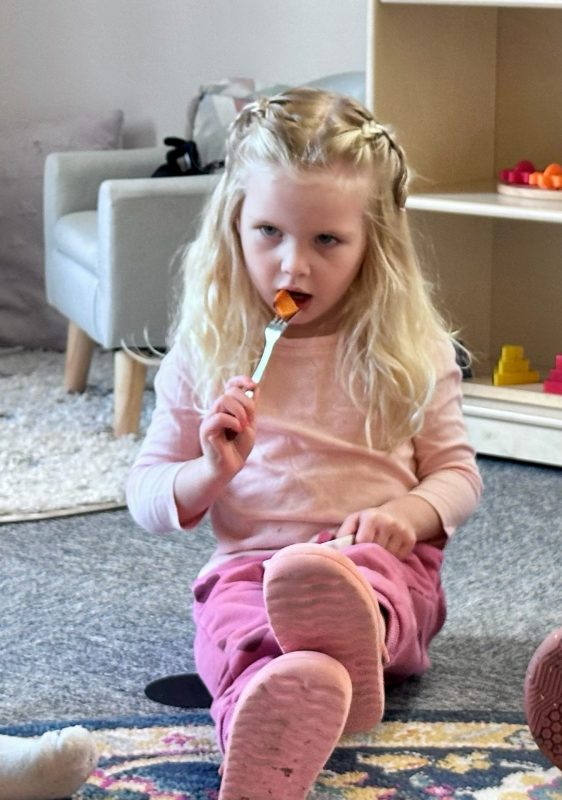
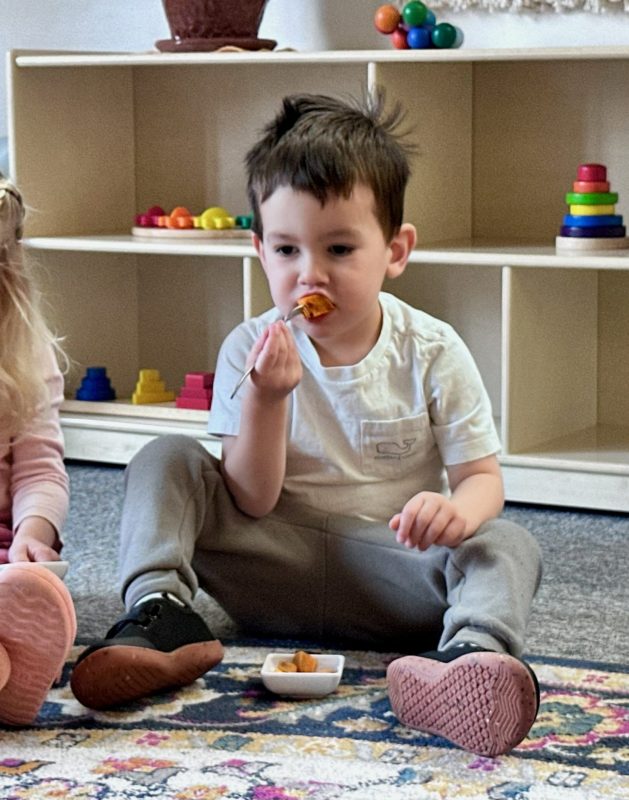
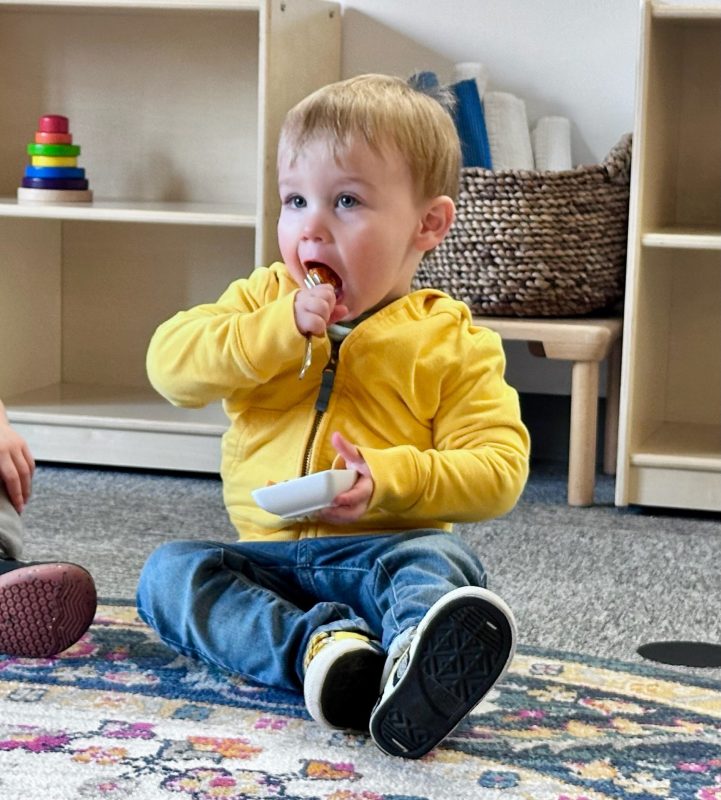
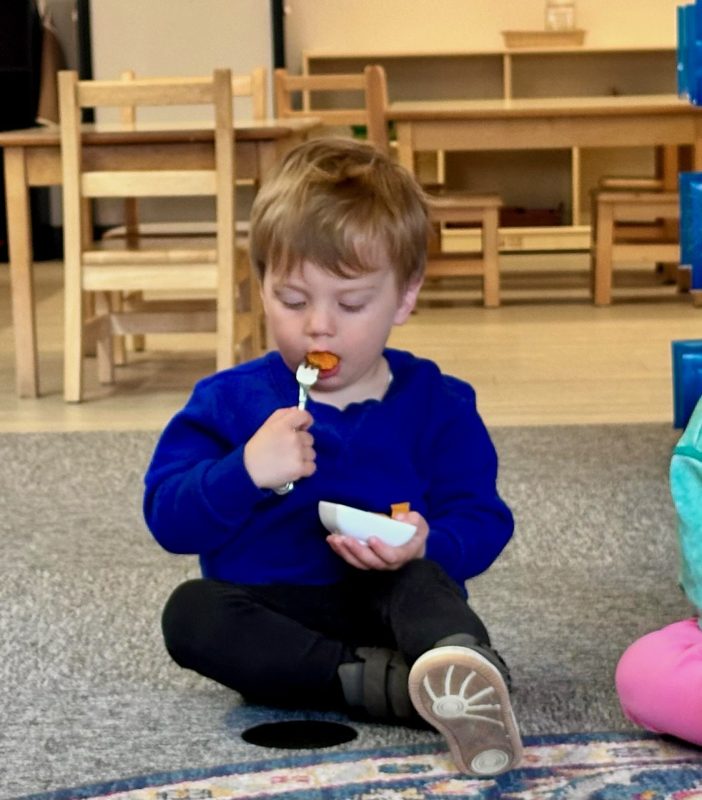
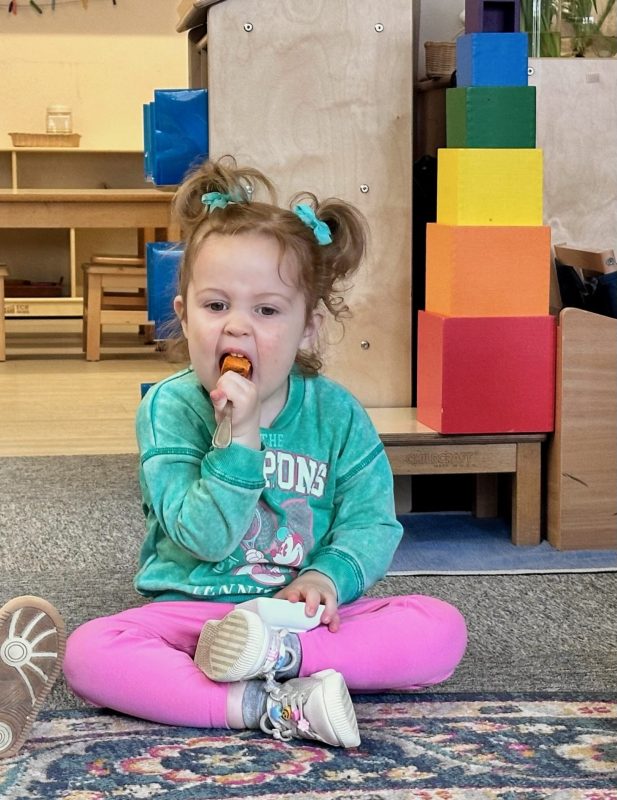
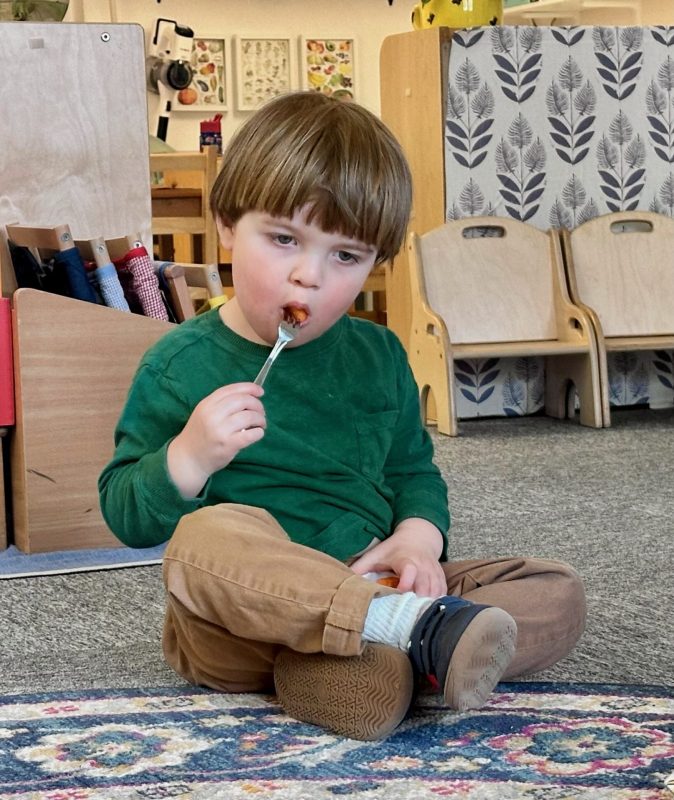
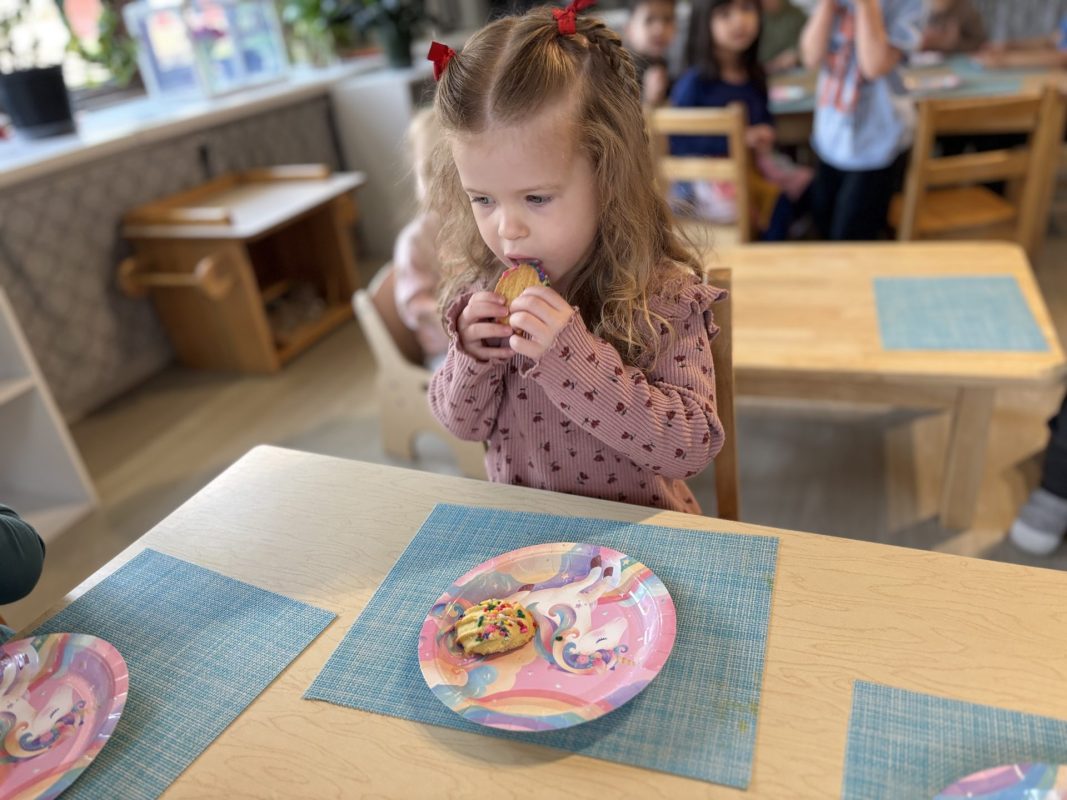
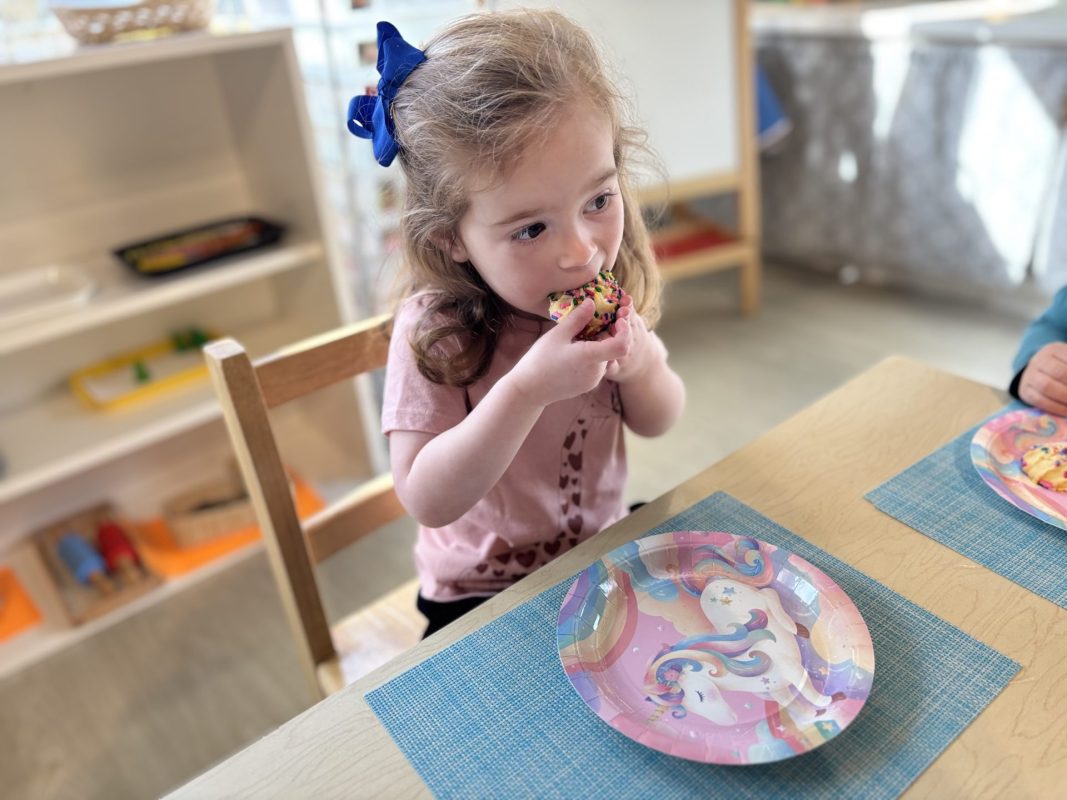
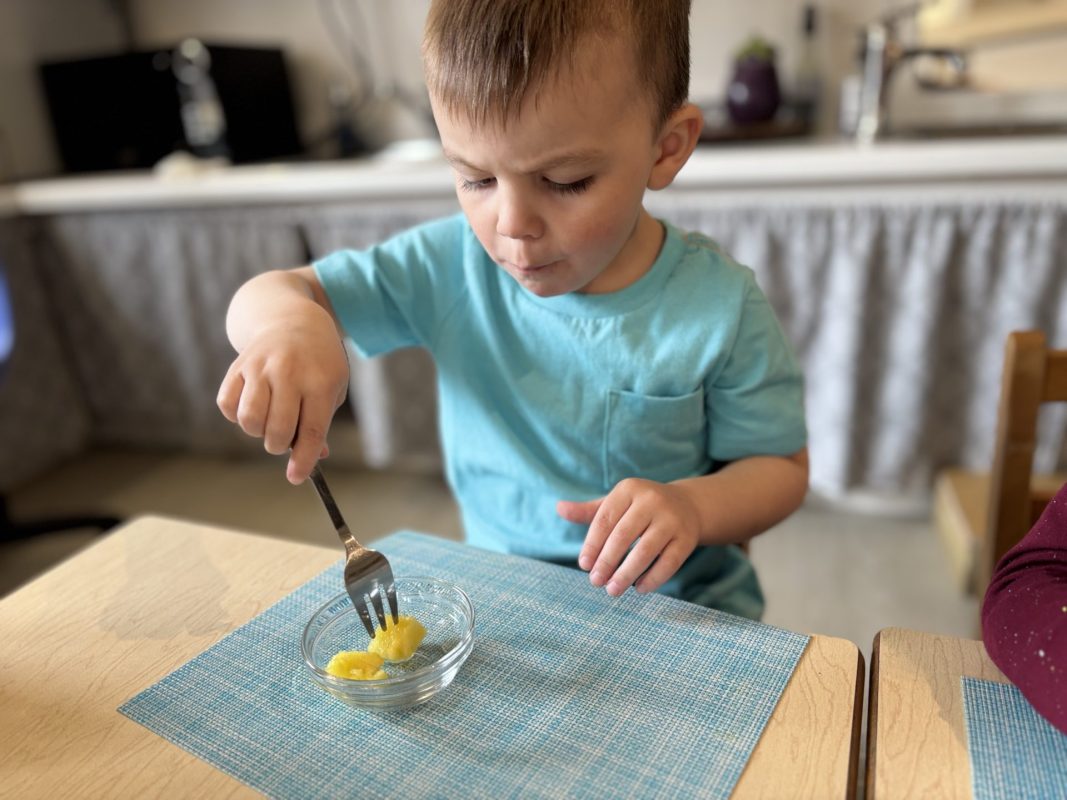
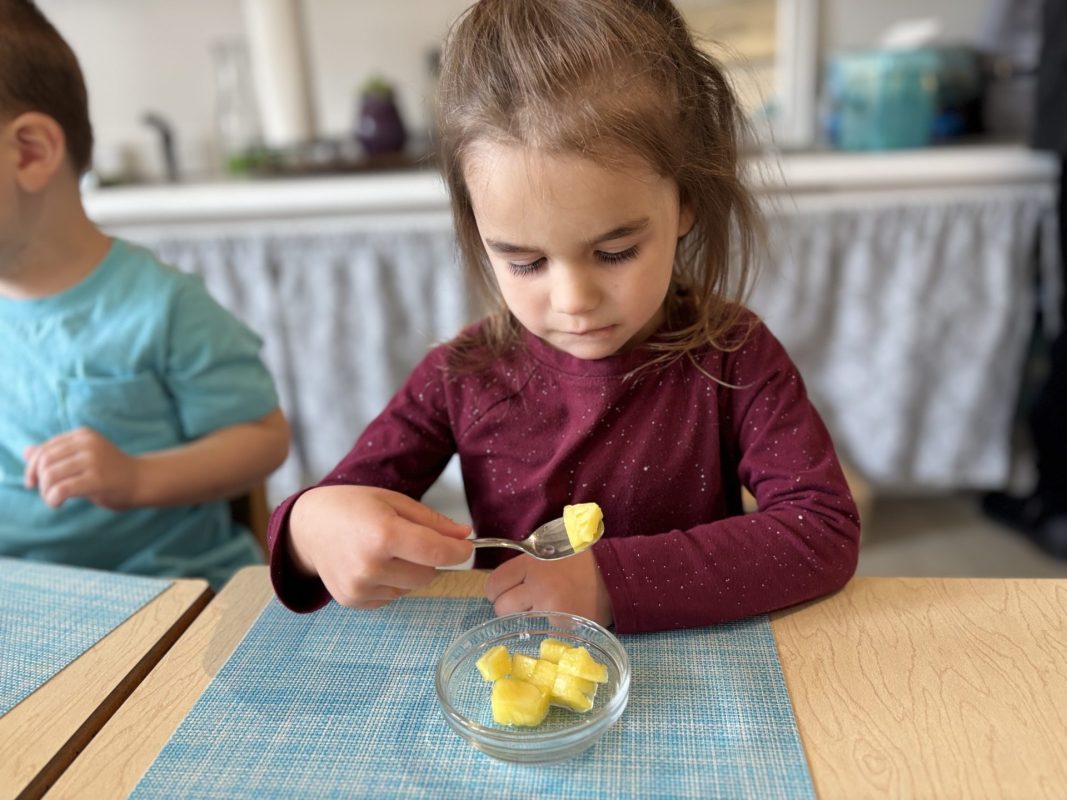
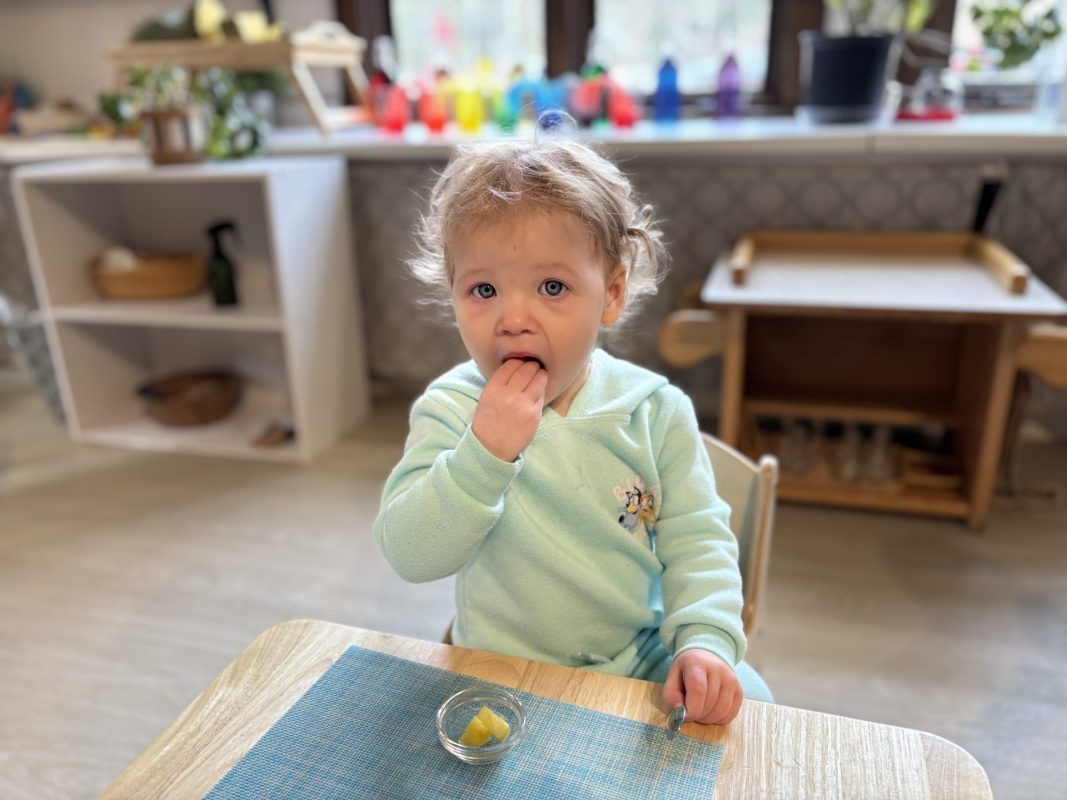
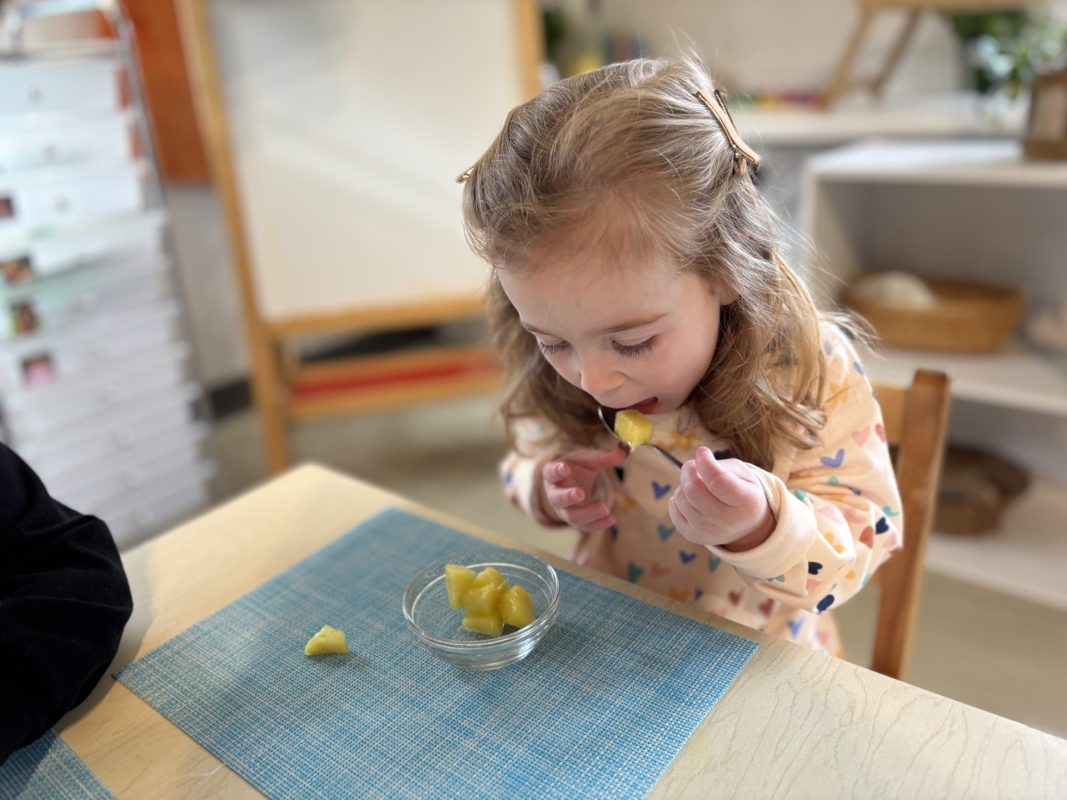
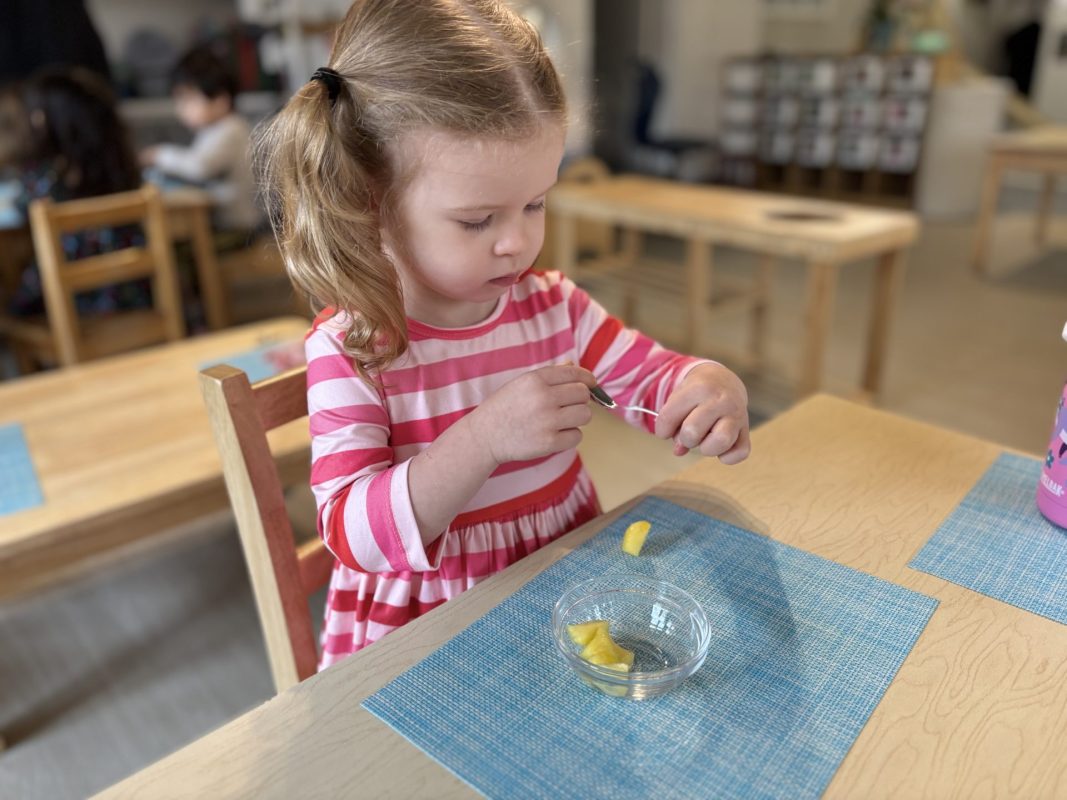
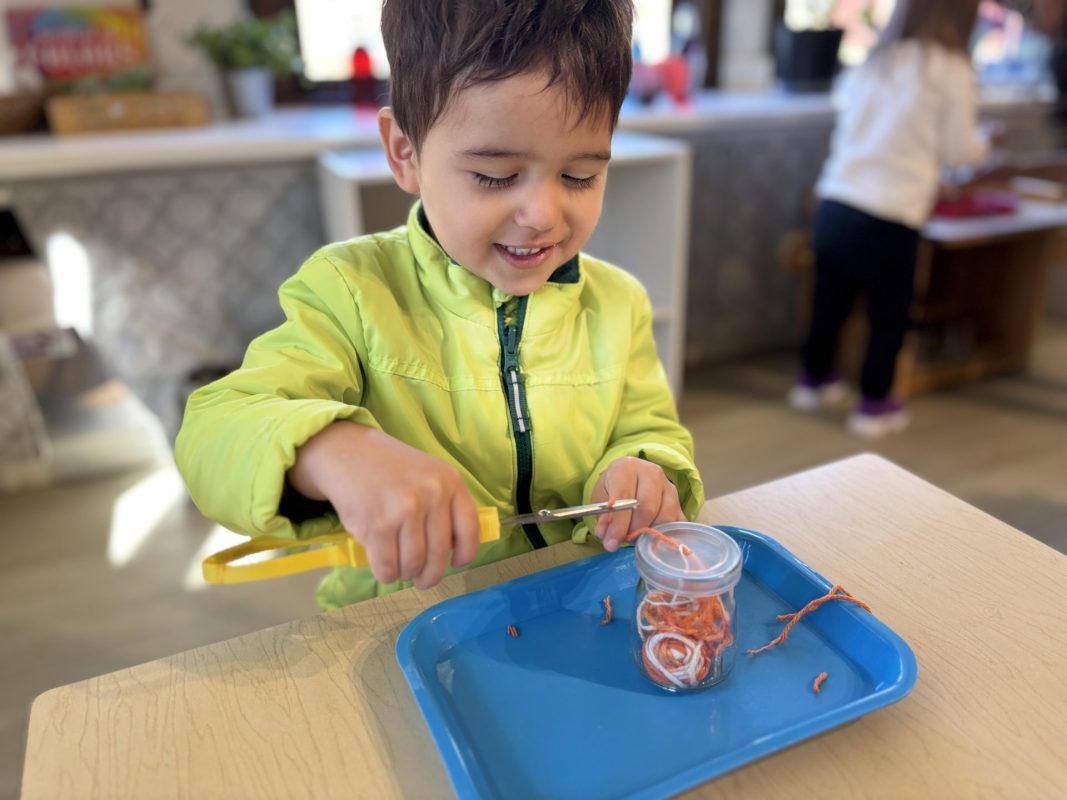
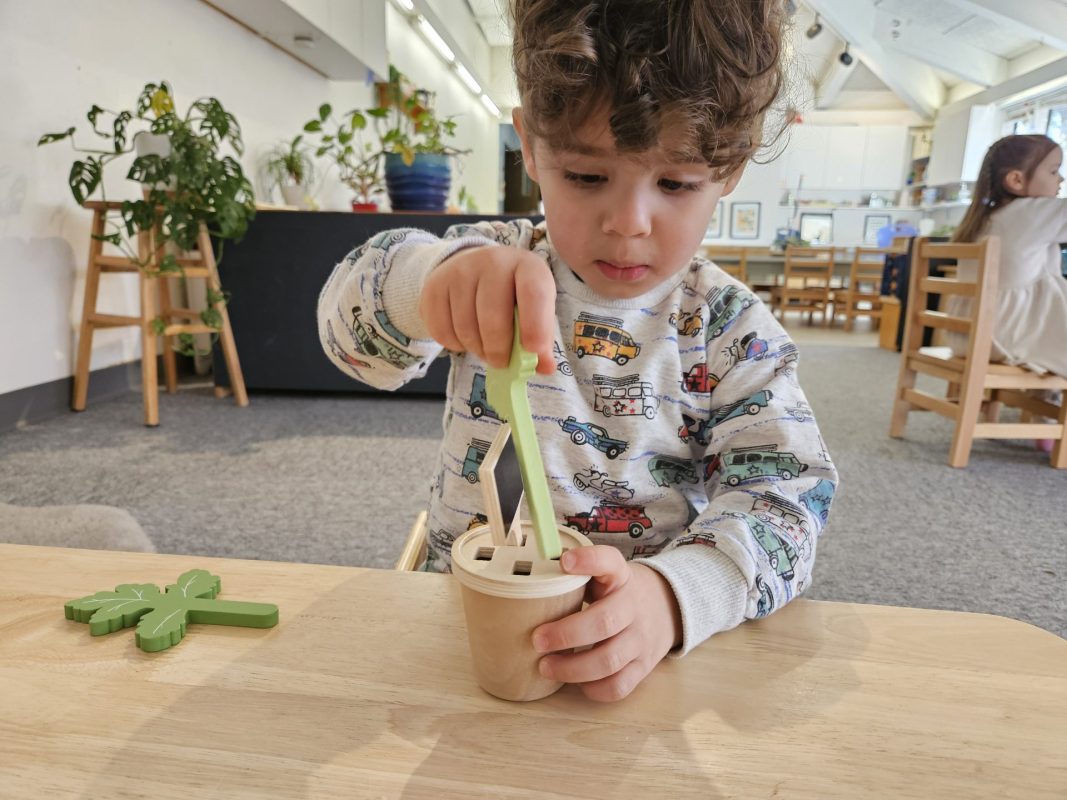
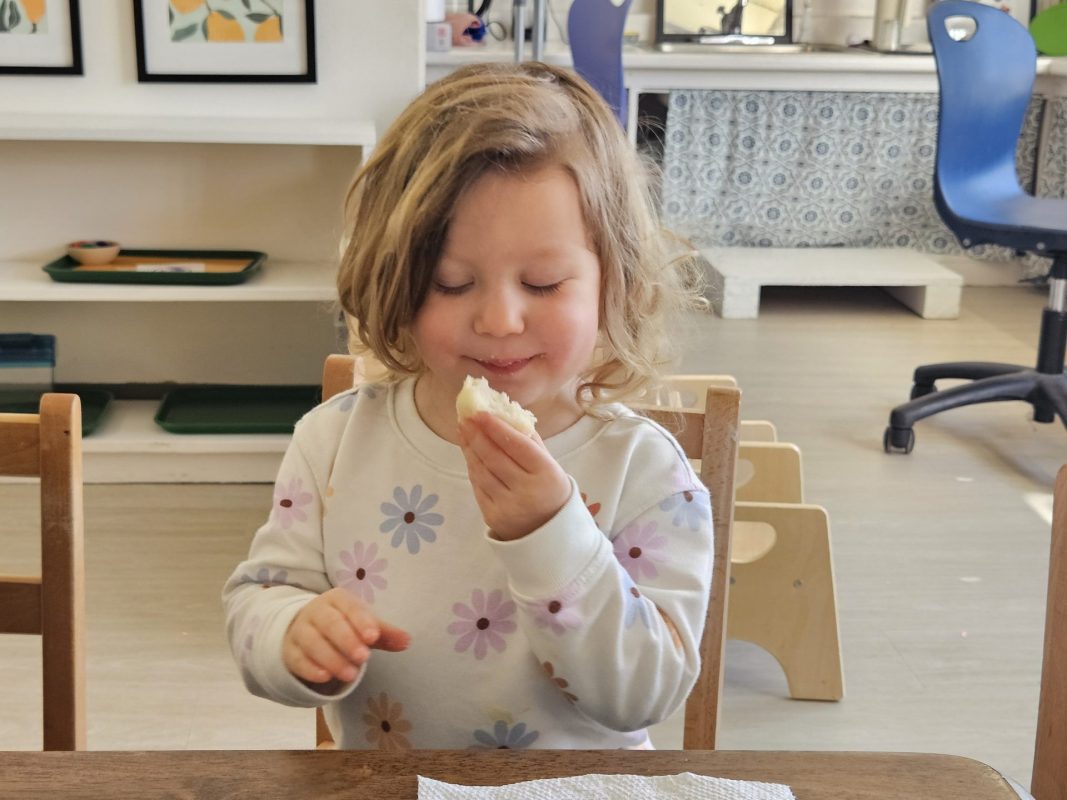
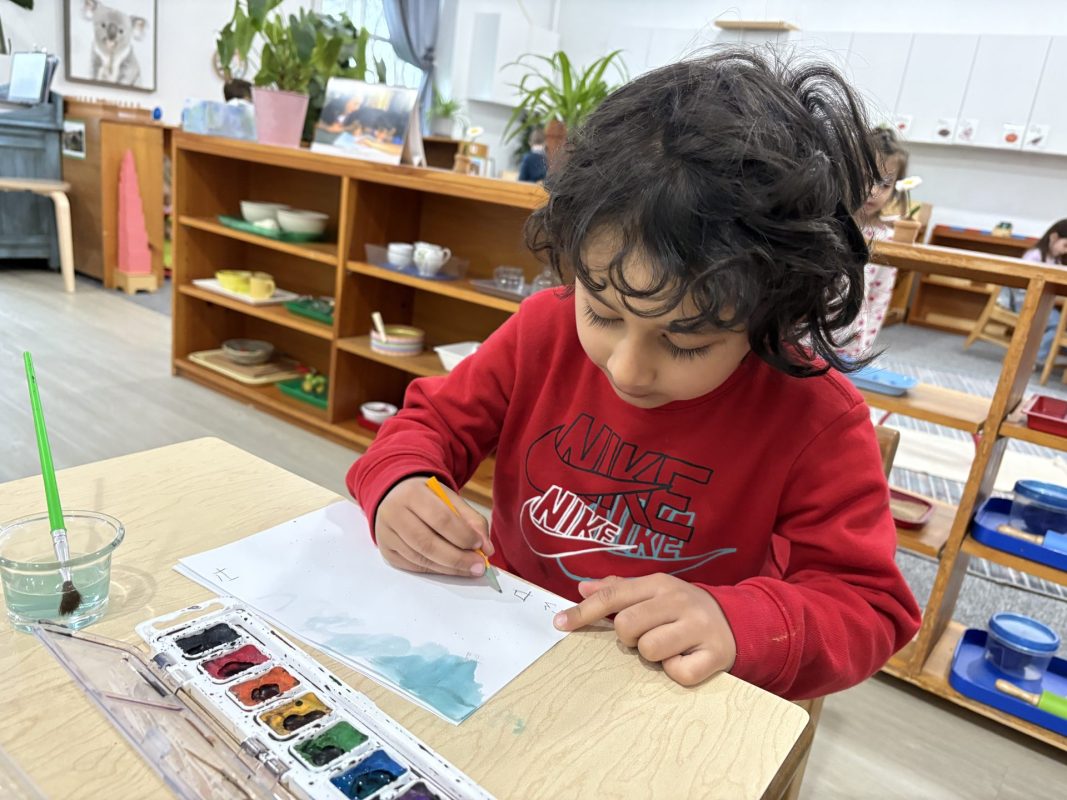
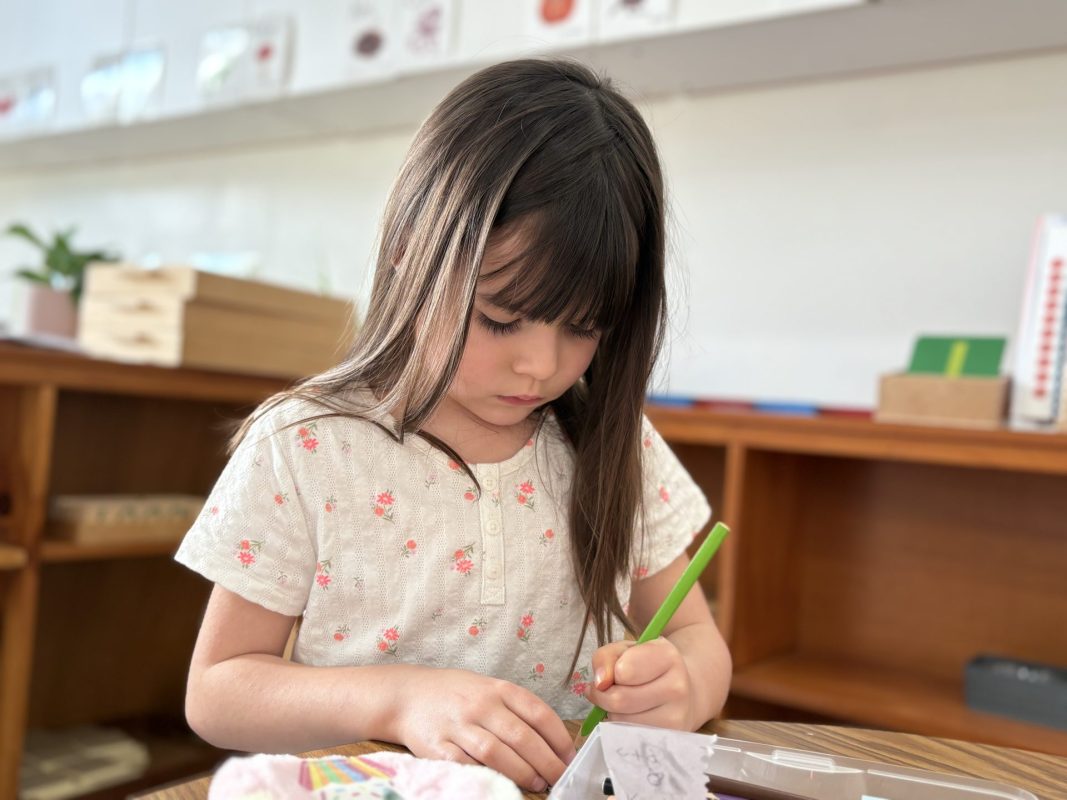
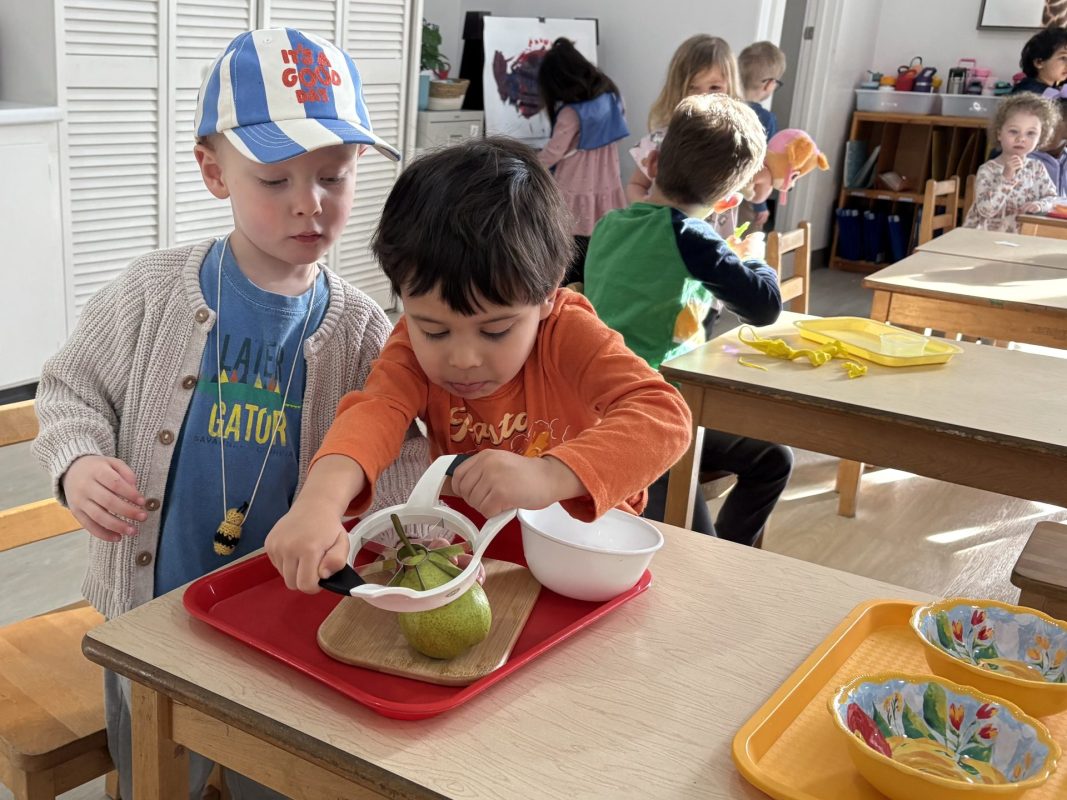
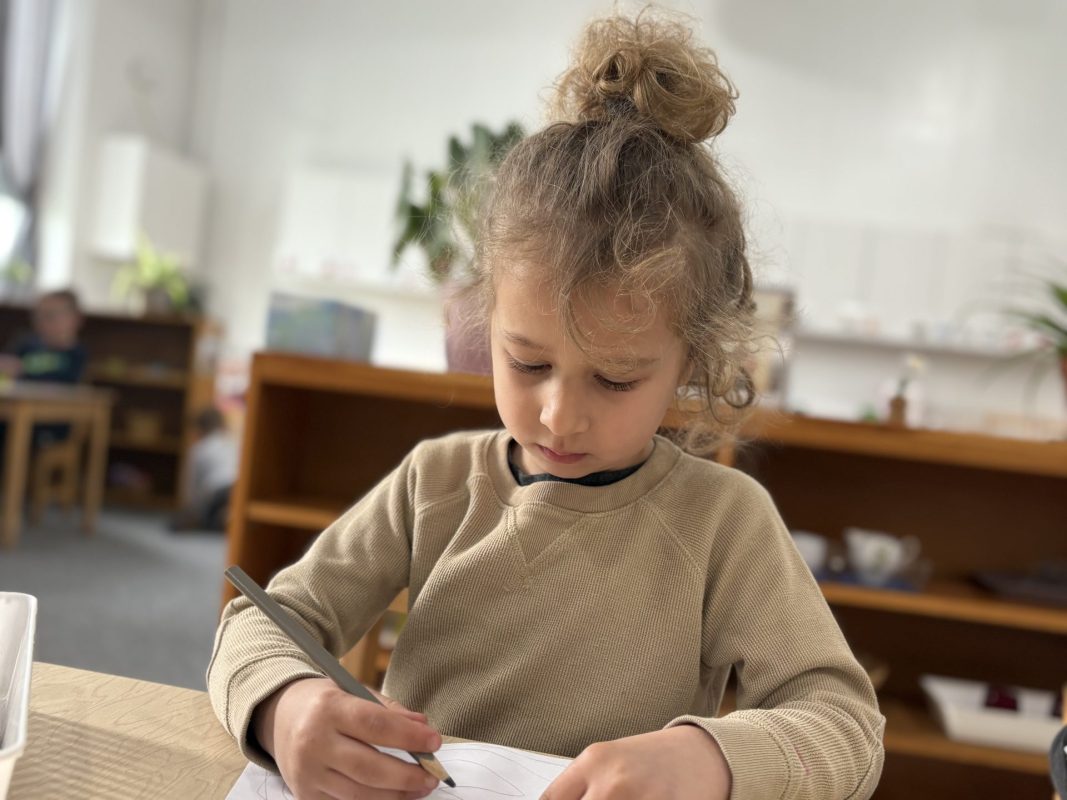
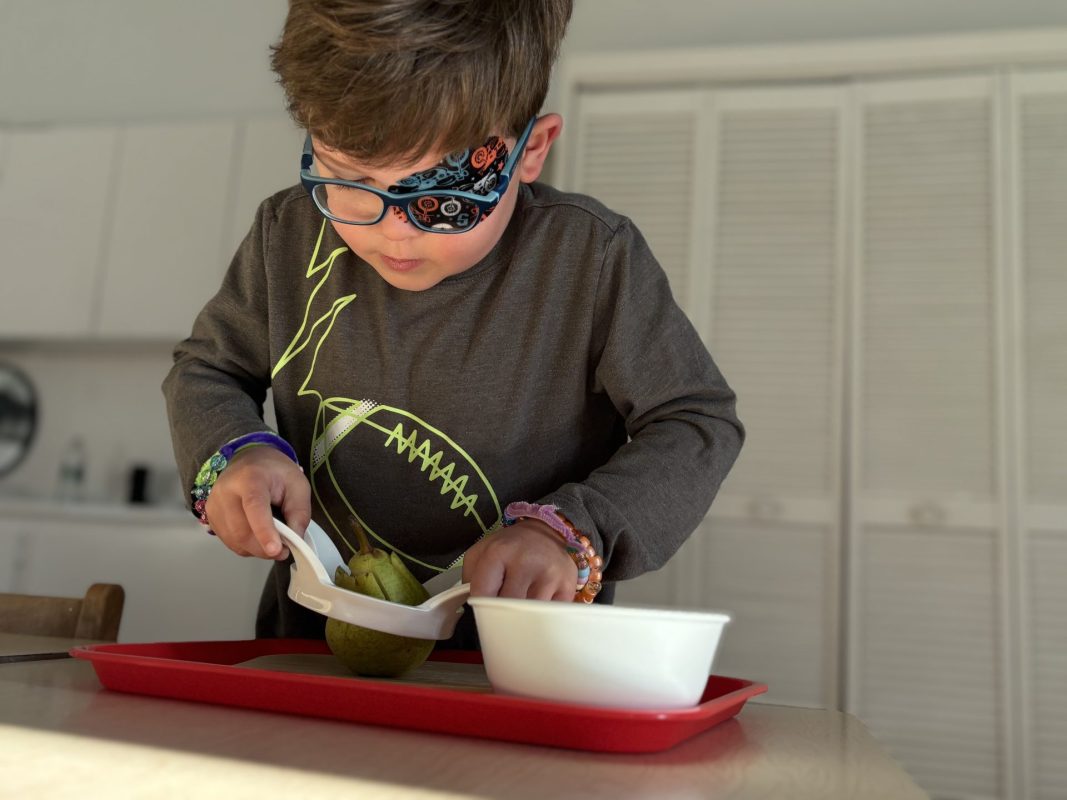
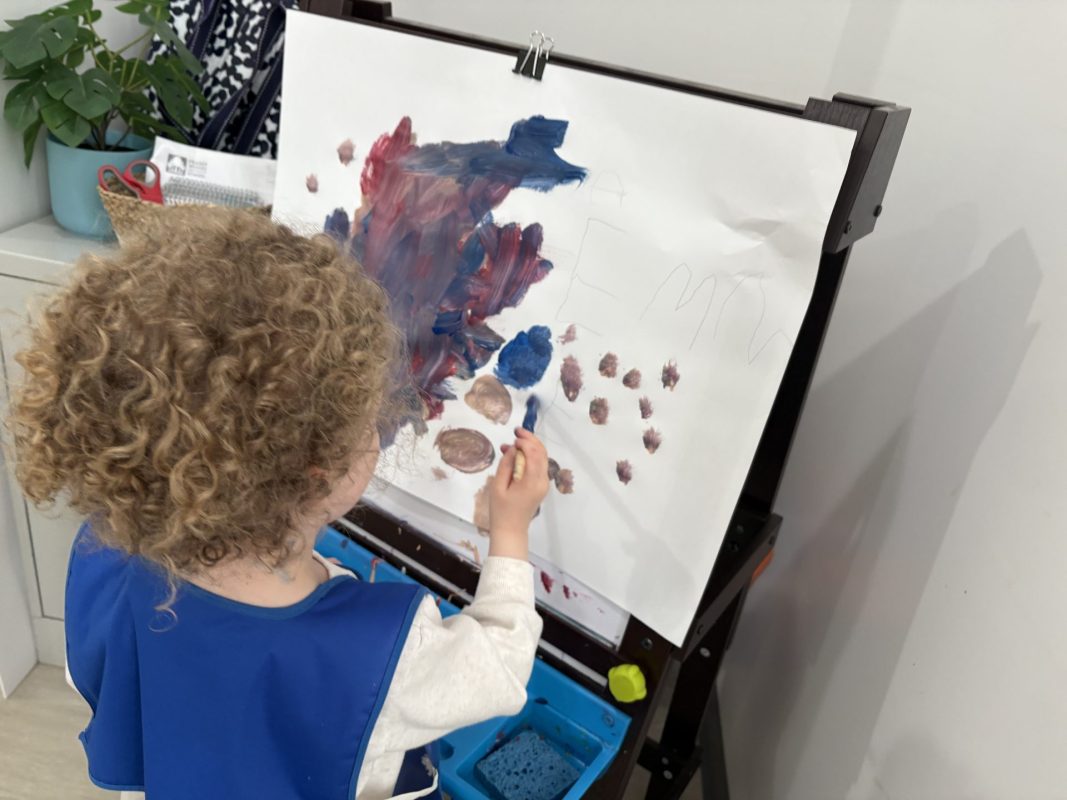
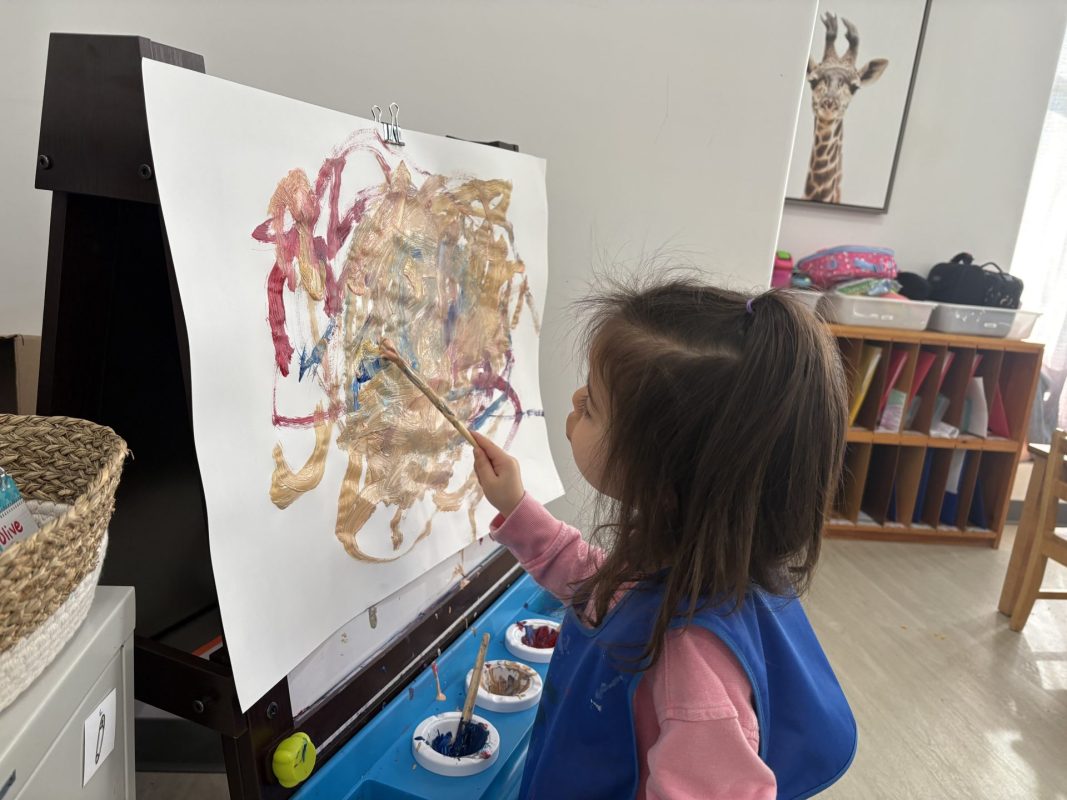
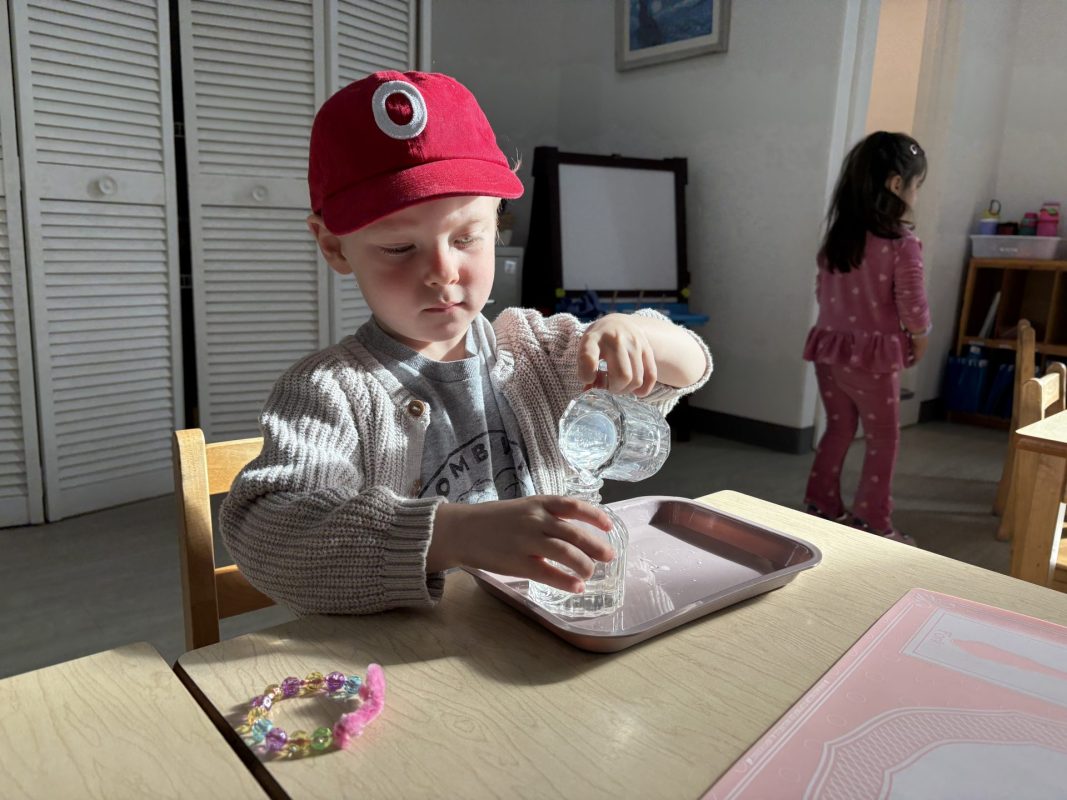
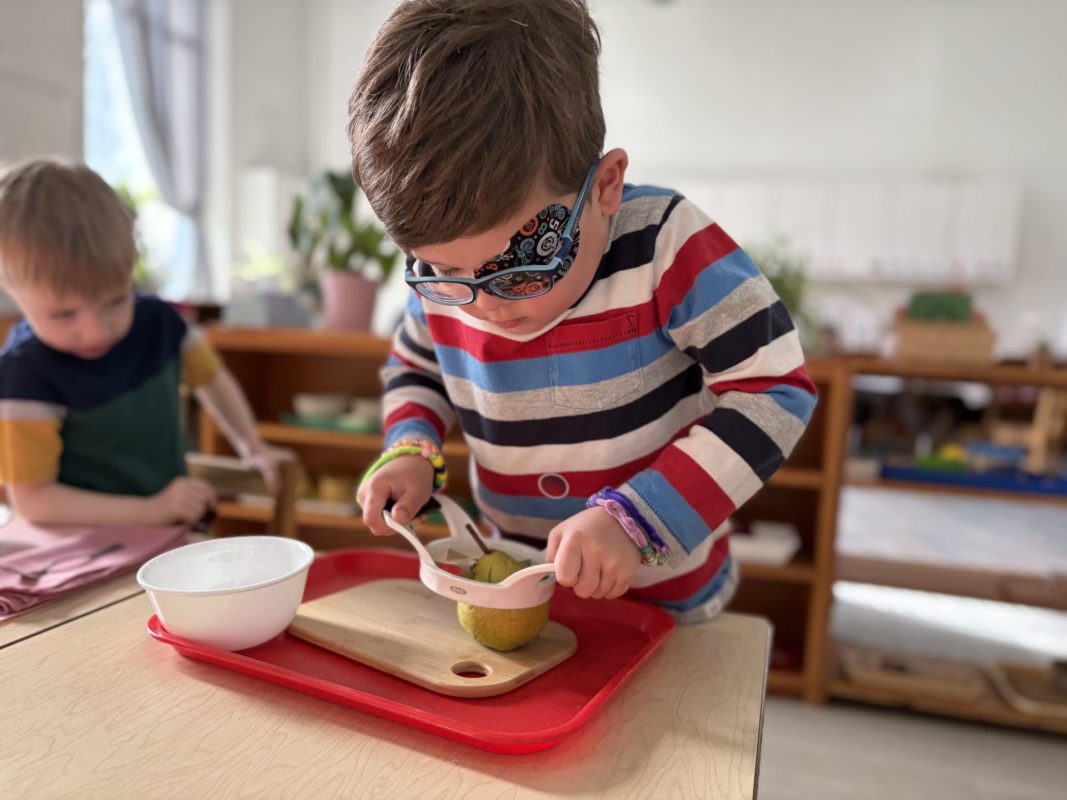
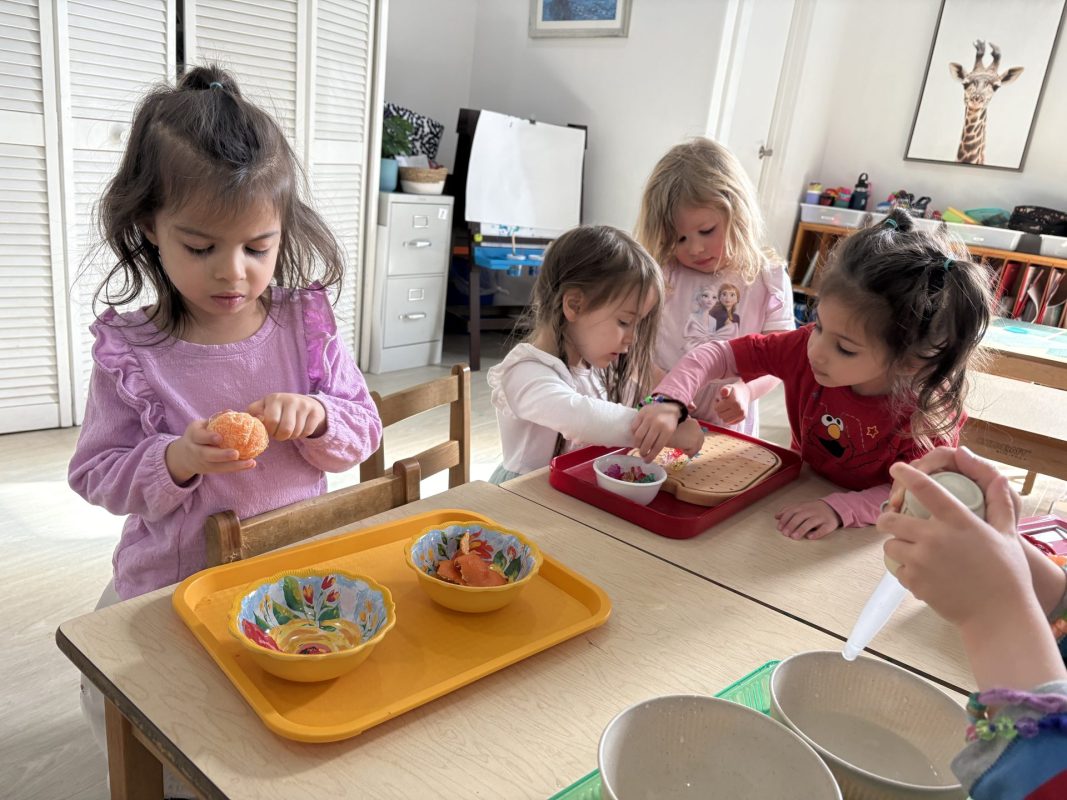
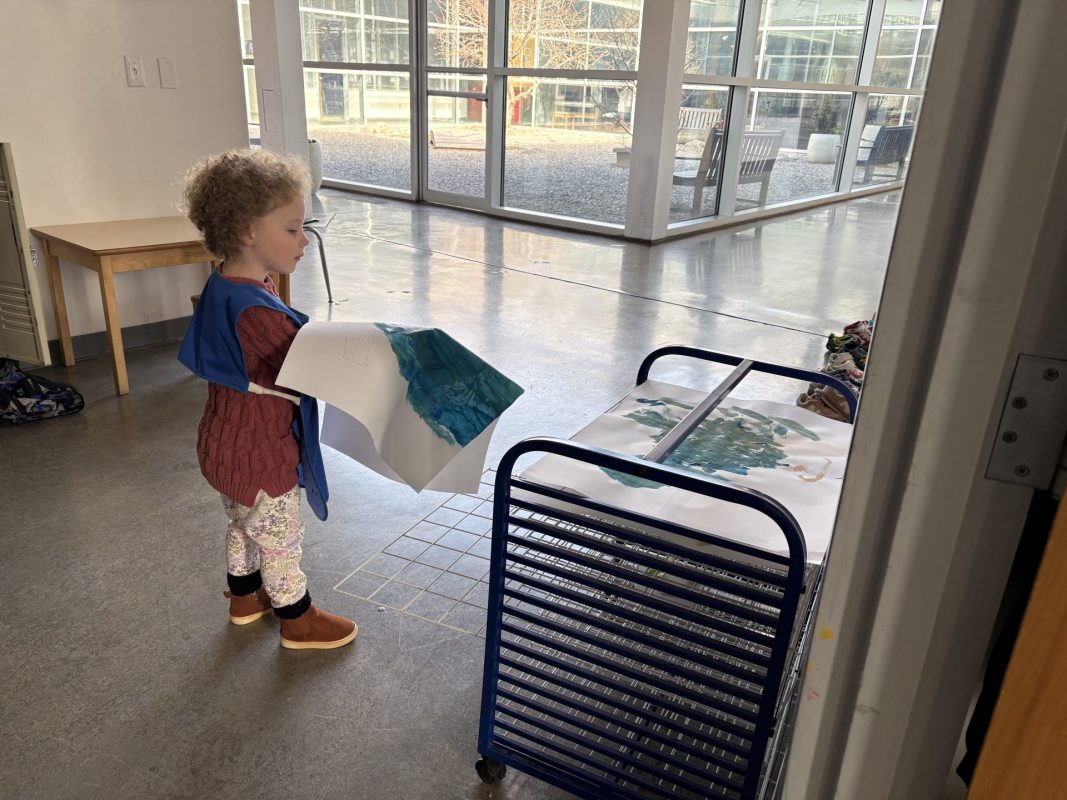
Valentine’s Day gave us the perfect opportunity to celebrate the love and connection that is so abundant in our classroom! Leading up to our Friendship Celebration, the children poured their hearts into preparing watercolor-painted Valentine’s bags, each one uniquely beautiful. They also practiced their food preparation skills, carefully spreading sun butter on apple slices and joyfully decorating their “donut” creations with sprinkles. They seemed so excited to share their lovely Valentines with each of their friends as well!

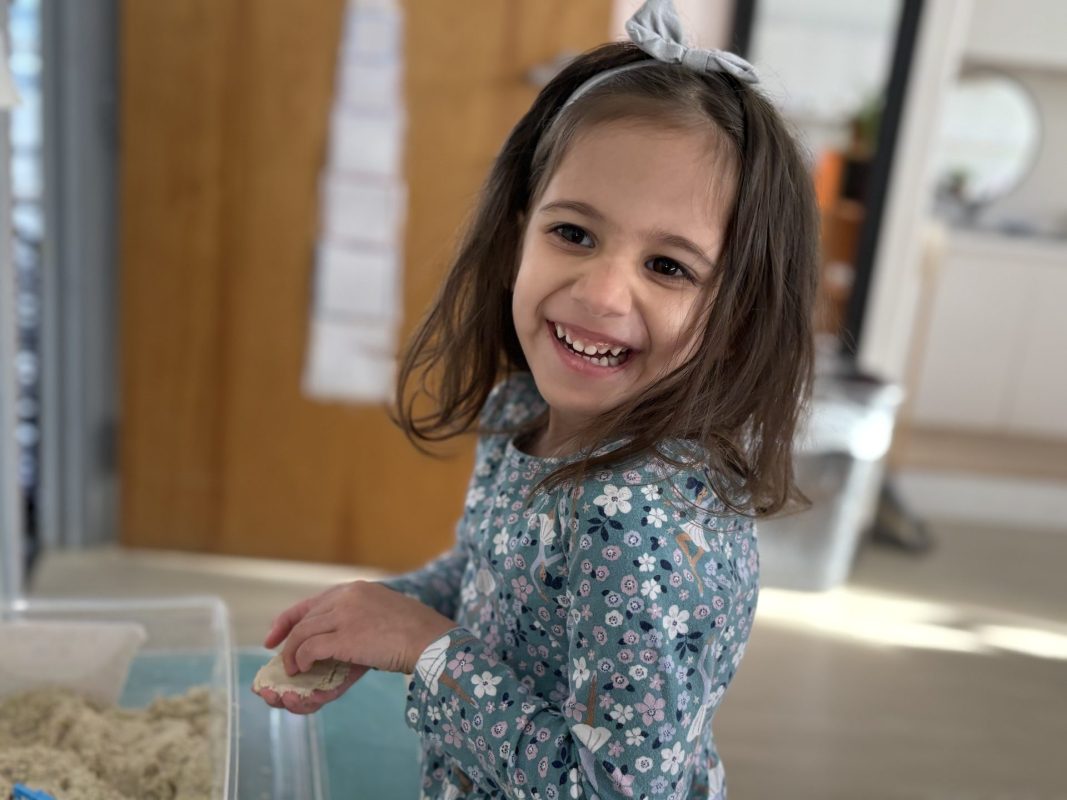
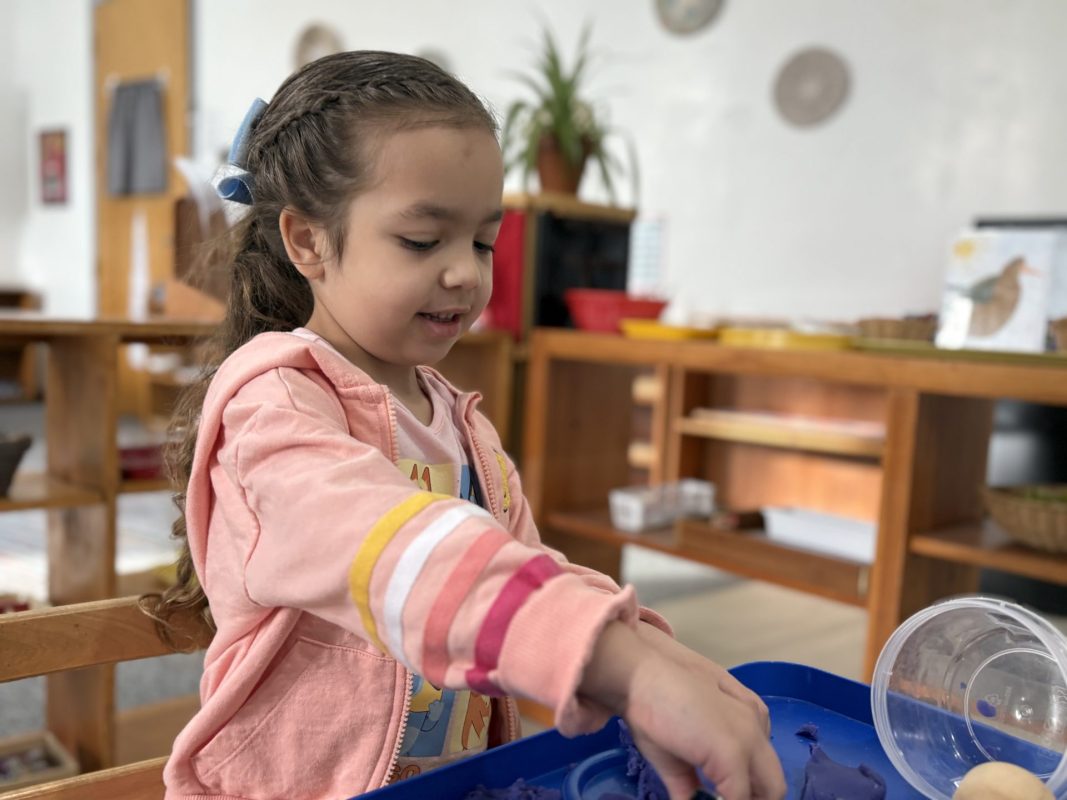
As part of our ongoing unit on emotions, we reflected on all the feelings that surfaced throughout this heartwarming celebration. We spent time talking about what love looks like—not just on Valentine’s Day, but every day. The toddlers brainstormed different ways to show love, not only to friends and family but also to nature! This inspired a special project: making Valentine’s bird feeder ornaments for our feathered friends outside. This sensory-rich activity was a huge hit, and the children took such pride in creating something that would bring joy to the birds.

Love was in the air—and still is! We couldn’t be more grateful to witness these heartwarming moments of friendship, kindness, and joy.

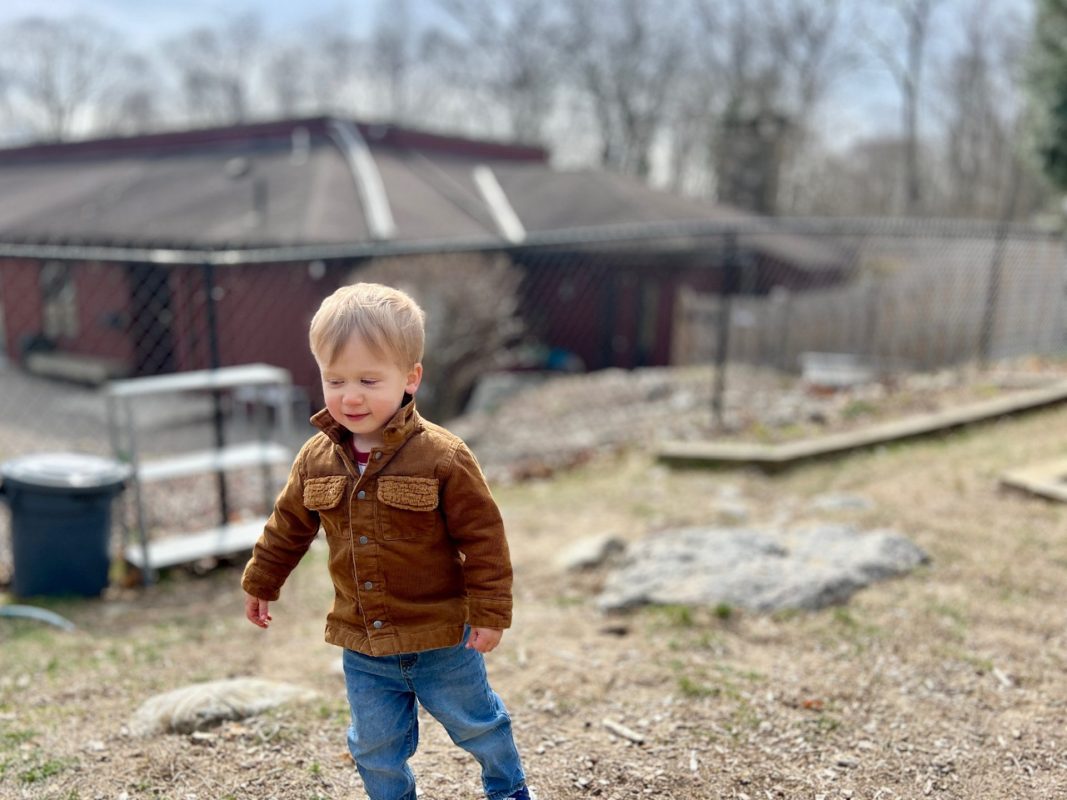
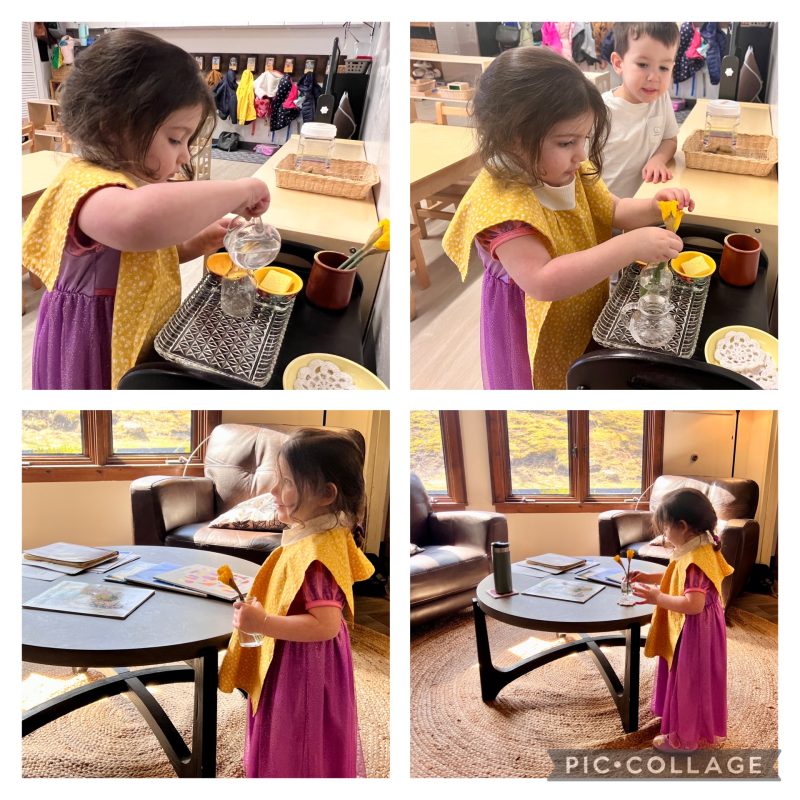
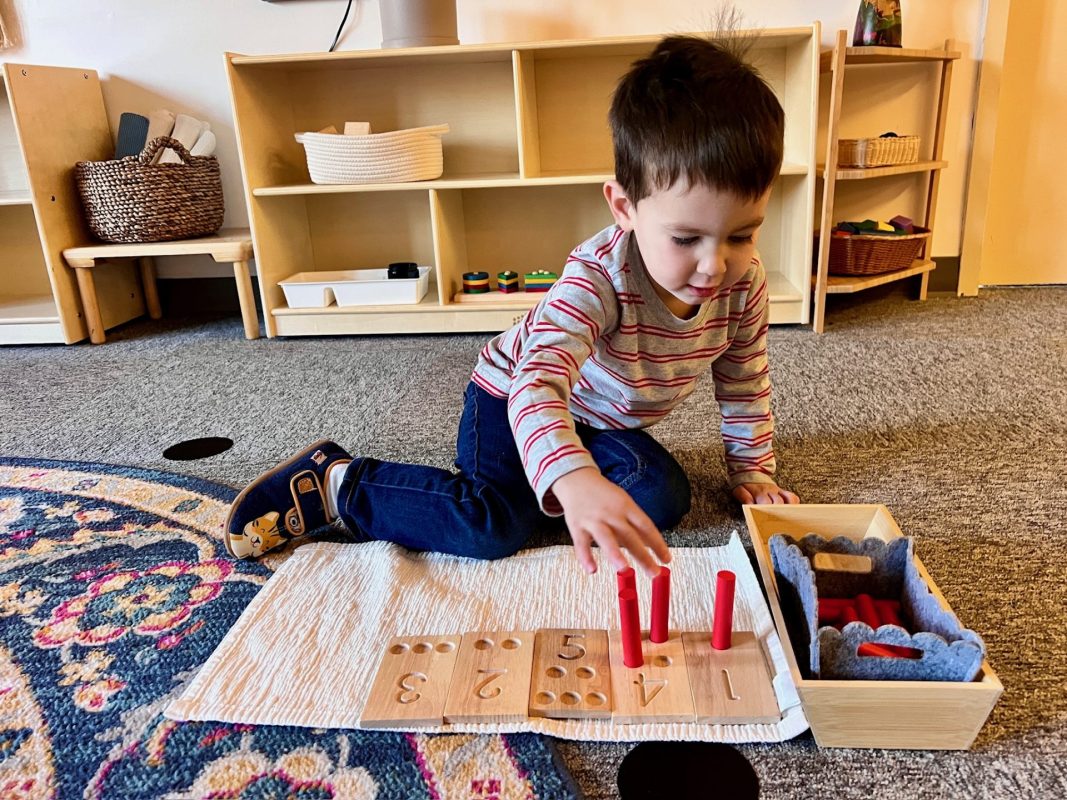
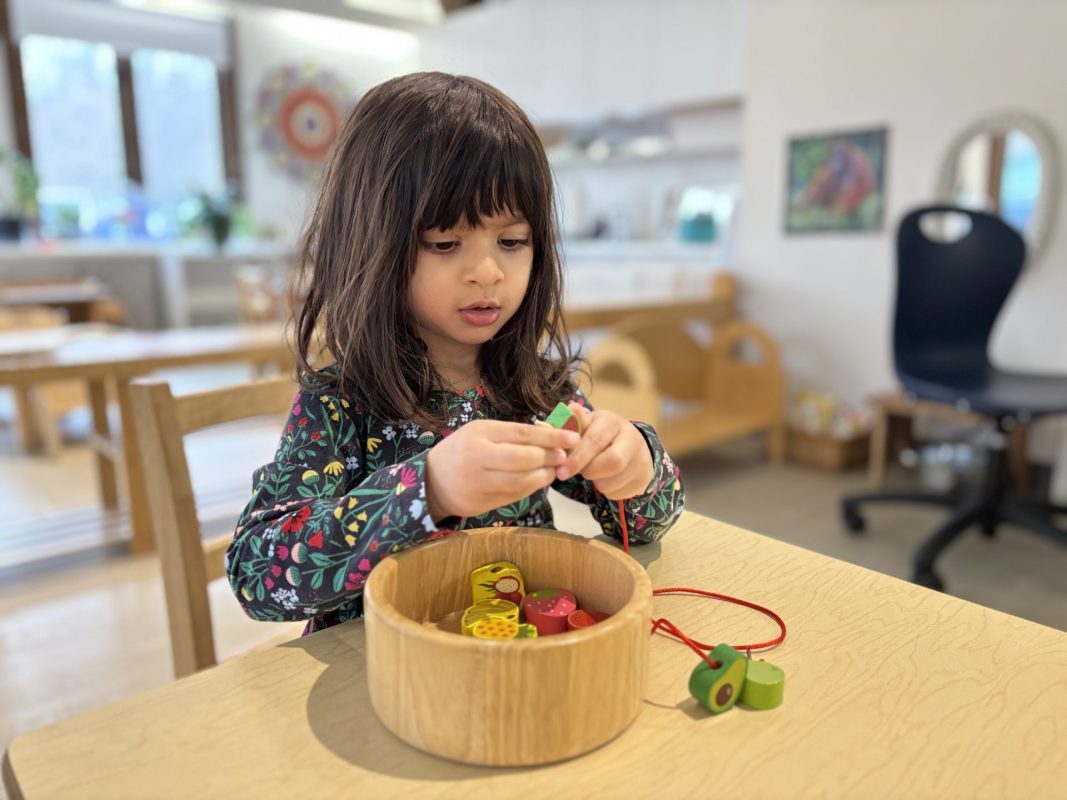
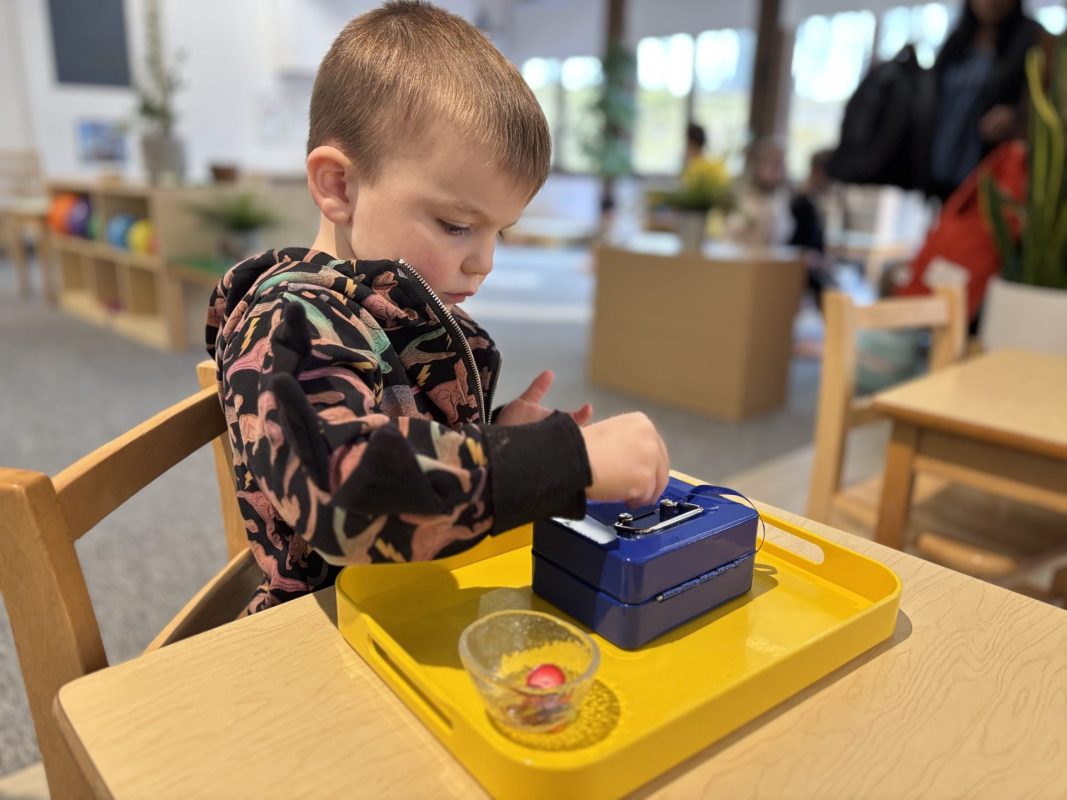
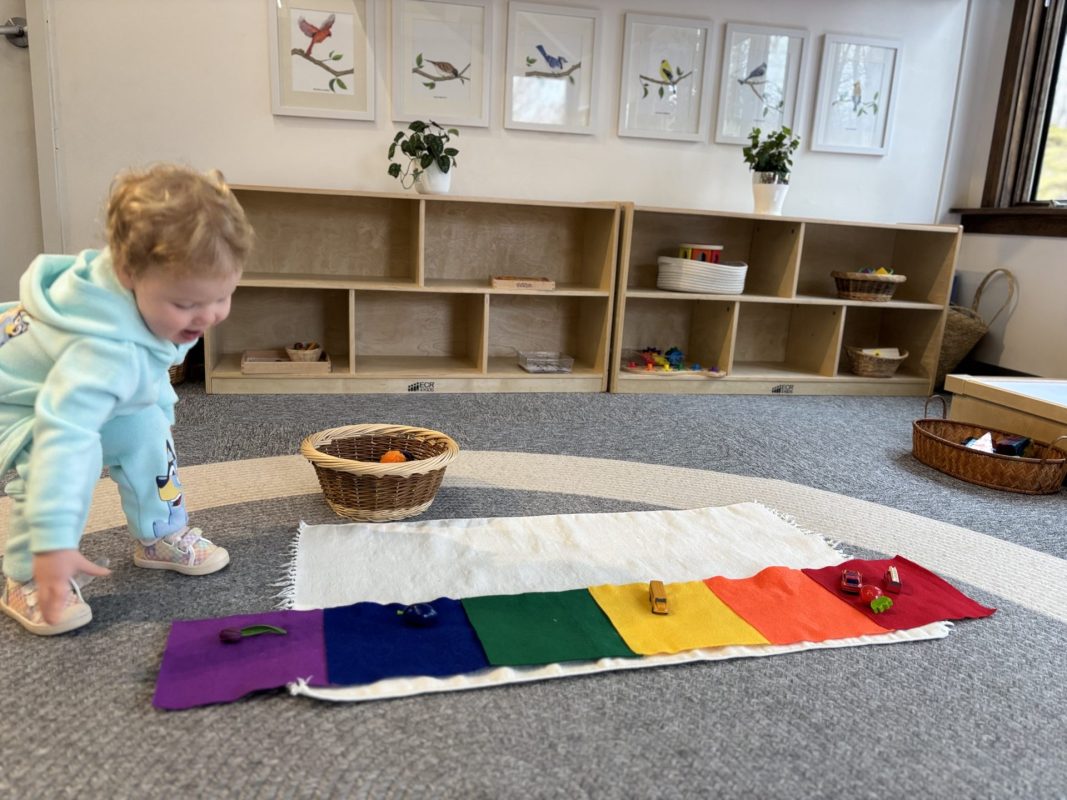
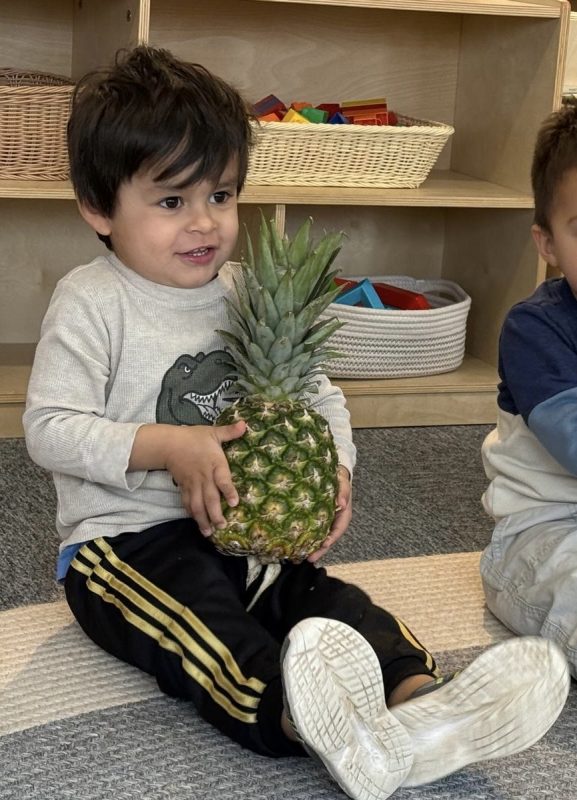
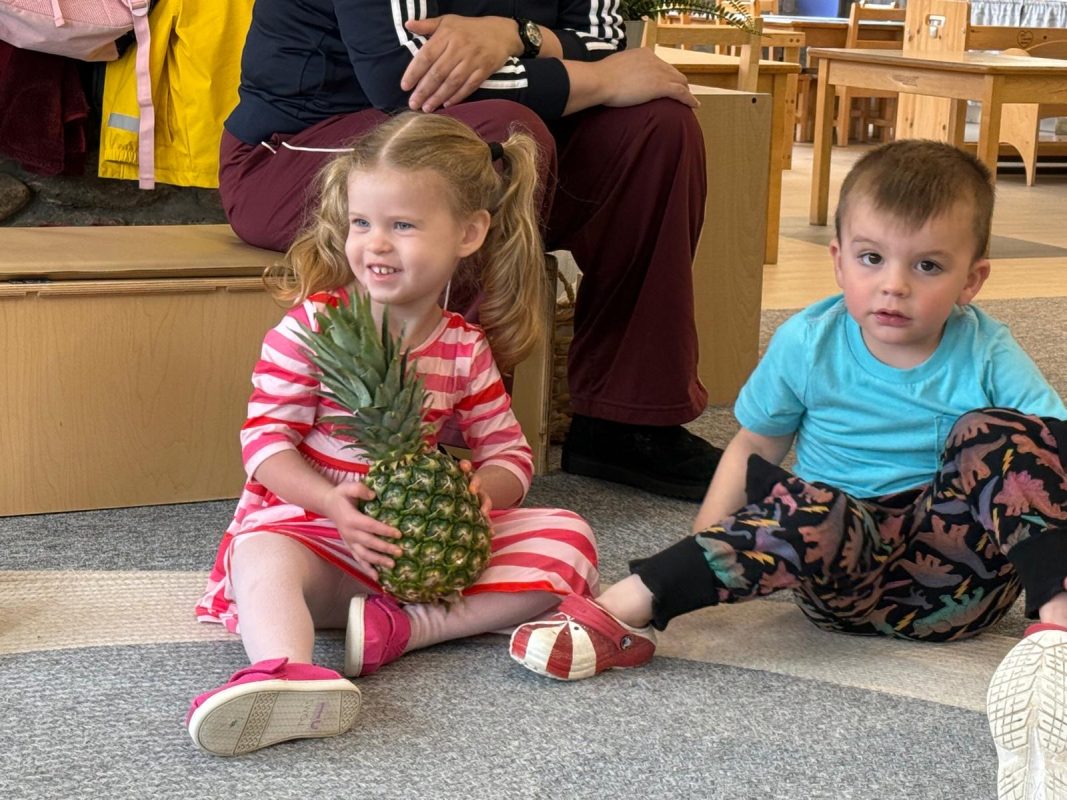
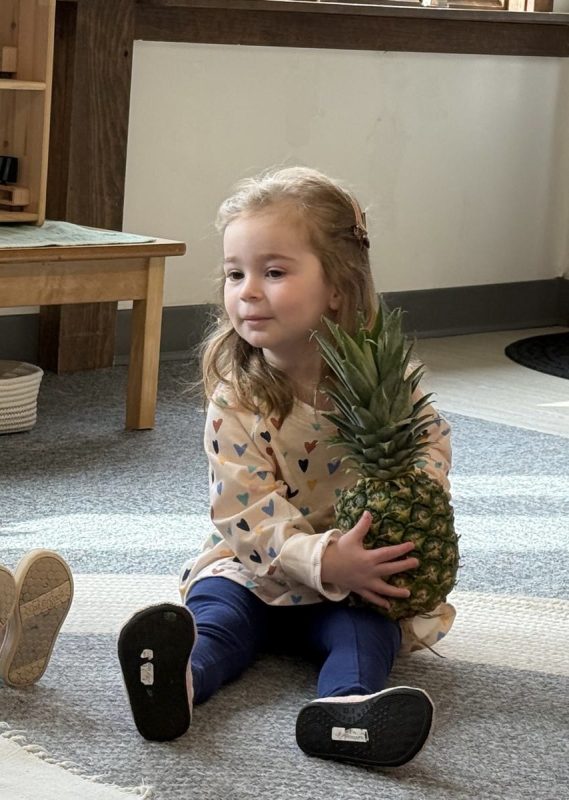
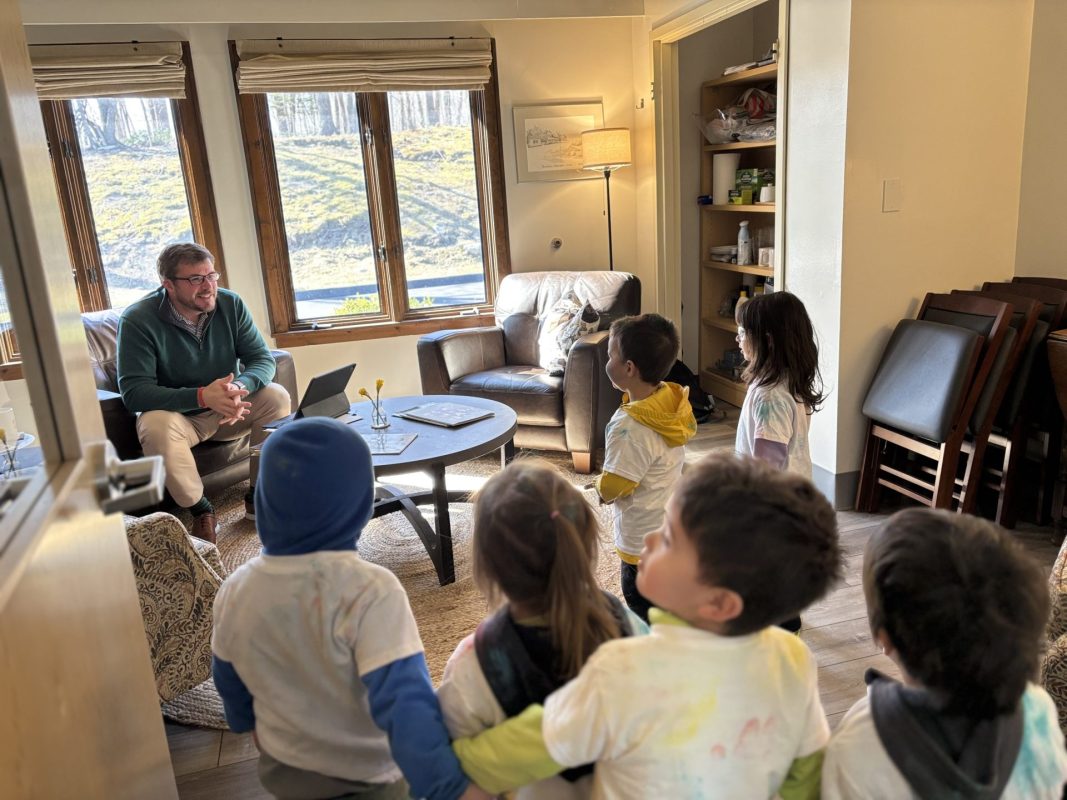
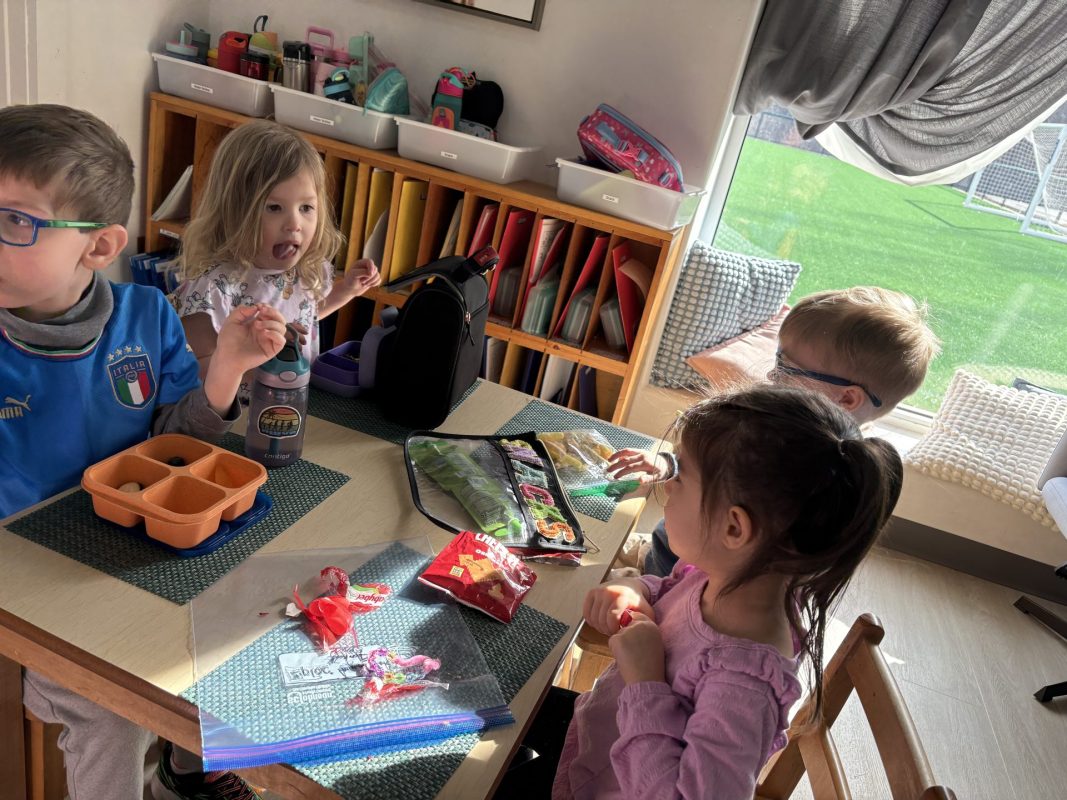
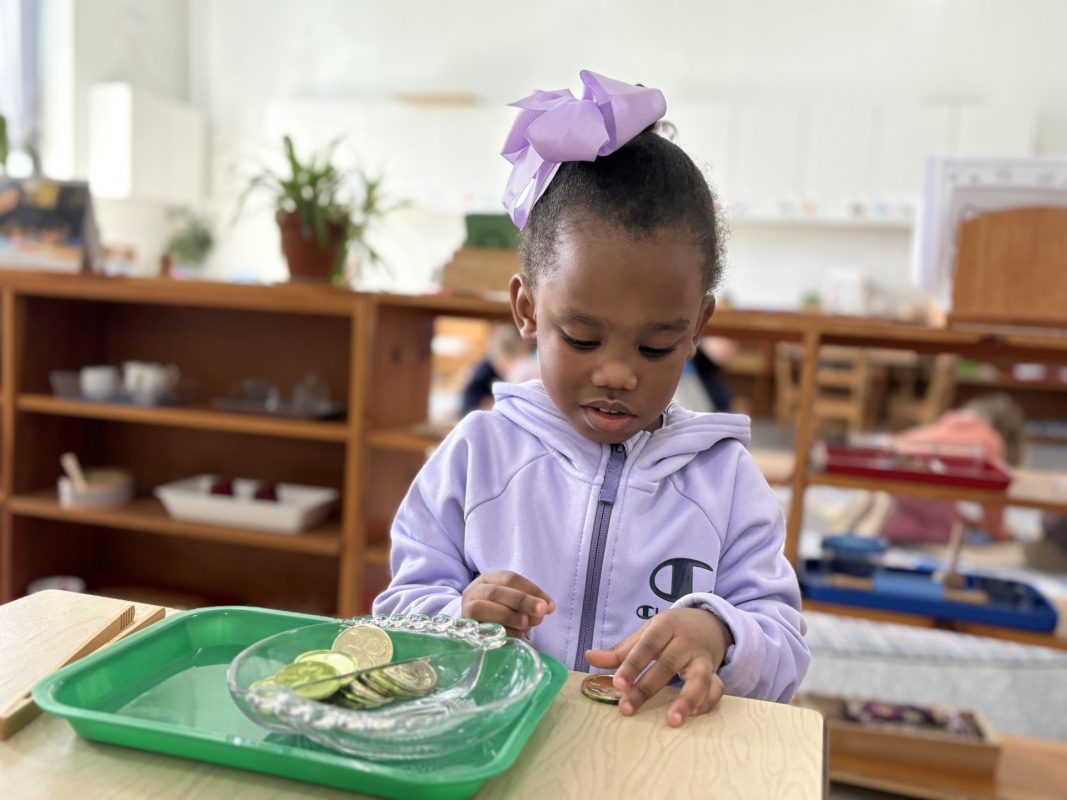
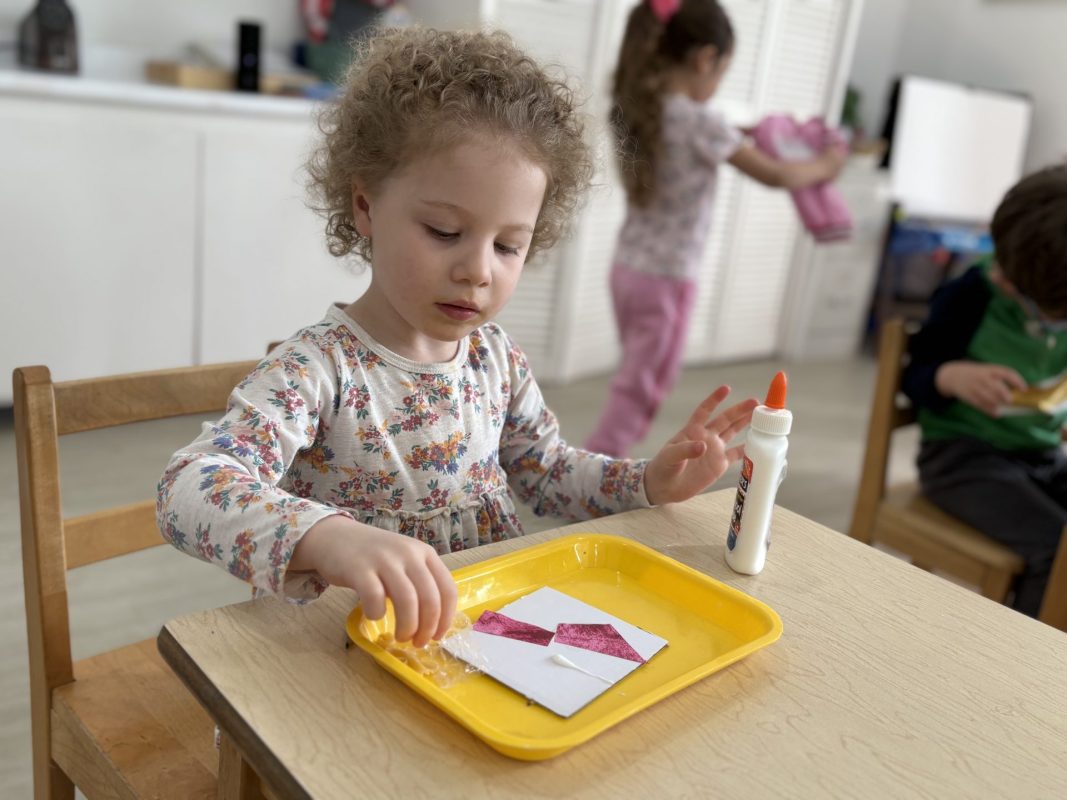
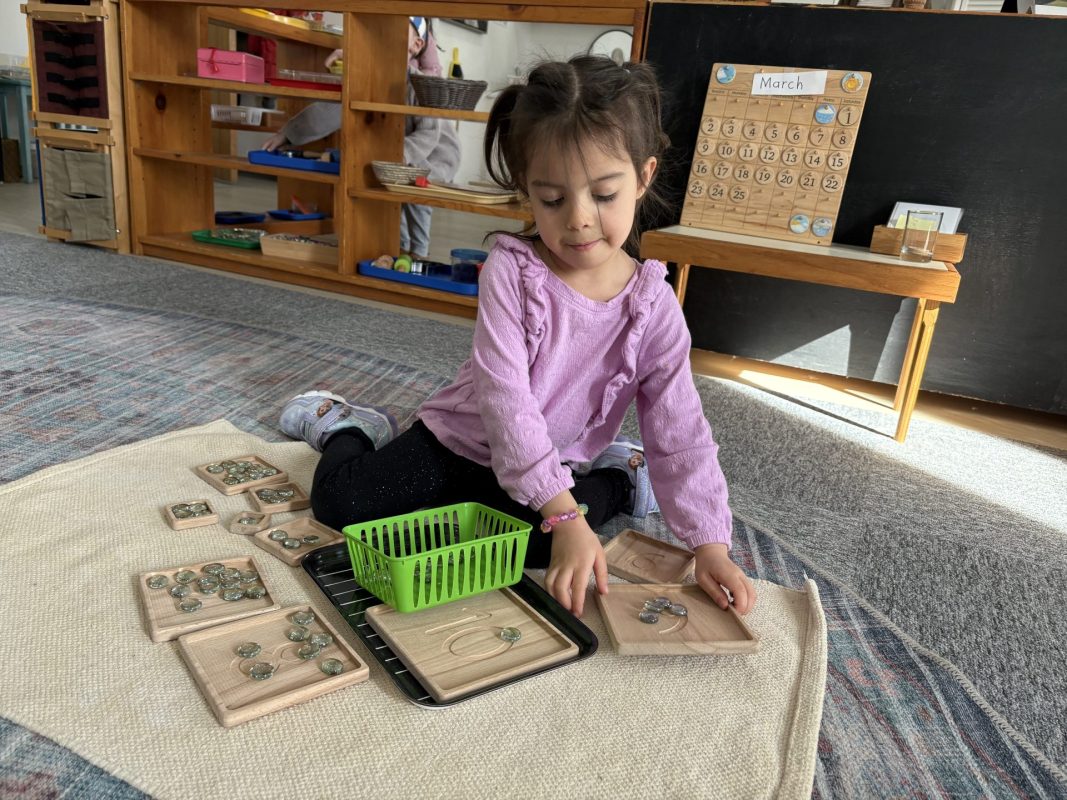
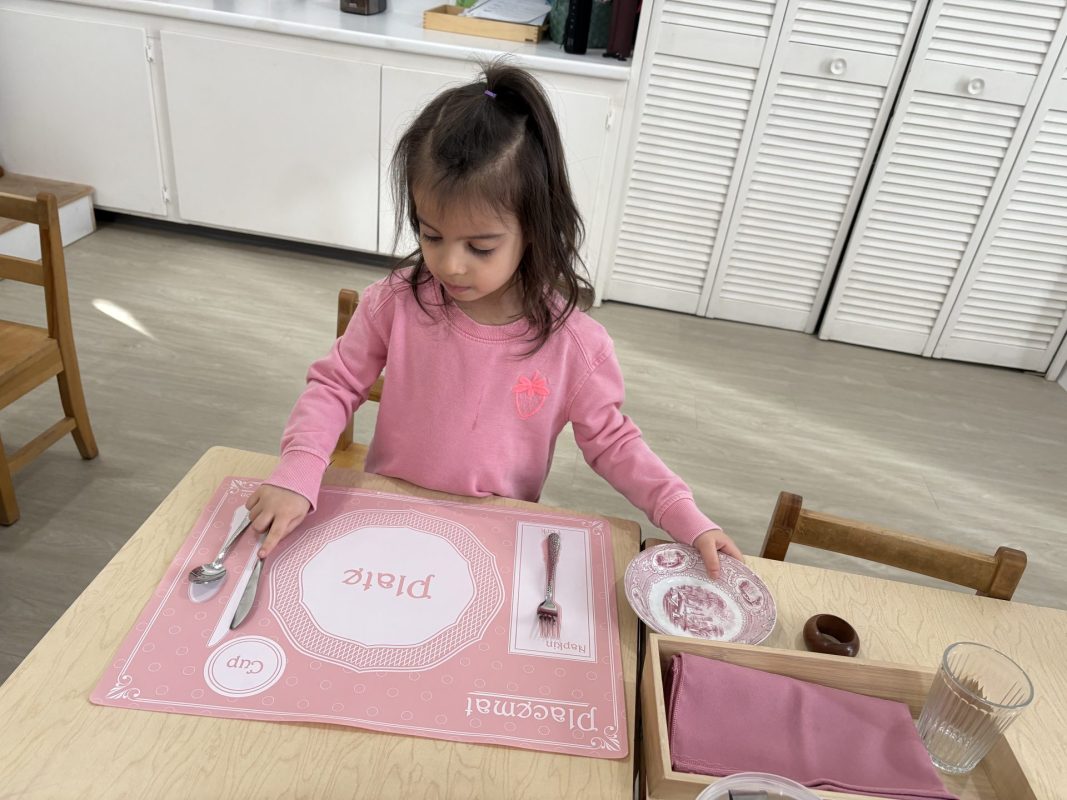
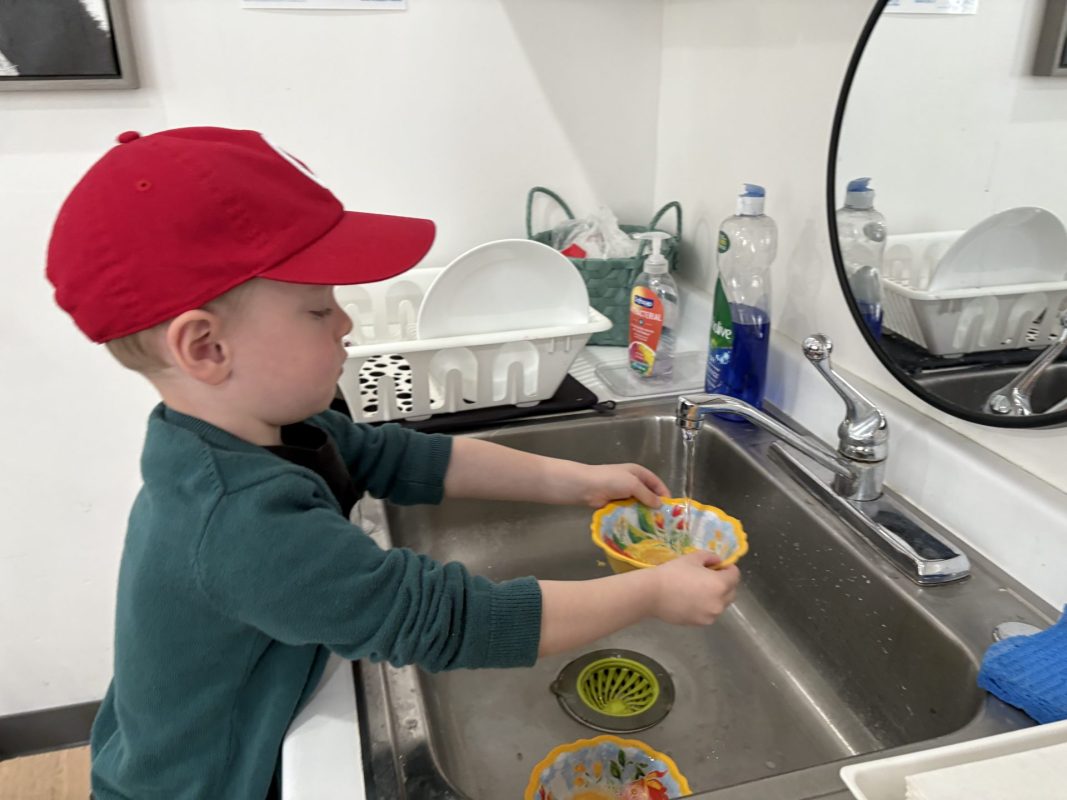
Enjoy the pictures!

Mrs. Hood and Ms. Patty


This Week in Upper El

What an amazing week we had in Upper El! We were so lucky to have Donna from the Brian O’Connell Homeless Project visit us, and her visit was followed by a flurry of wonderful activities. Between Reader’s Theater, Moving-Up Day, and even some sandwich-making, we were busy and loving every minute of it!

On Monday, we learned about the Brian O’Connell Homeless Project and the inspiration behind Brian Bags. It was so inspiring to see the Middle School kids come together on Friday and assemble over fifty bags filled with essentials! Later that day, we held our Reader’s Theater, and it was fantastic to perform for our Upper El families and Middle School friends.

Tuesday was particularly special as our fifth graders got a taste of Middle School life. They eagerly learned what to expect as they prepare to move up to sixth grade. At the same time, our fourth graders welcomed their third-grade buddies to spend the day in our classroom. It was heartwarming to see them step into those mentoring roles so naturally. I have no doubt we’re going to have an awesome group next year!

We also dove deeper into our Ancient Civilizations project. The students worked hard creating group documents for their research papers, planning out three-dimensional models, and figuring out what materials we’d need. Over the next few weeks, we’ll make use of our Art and Makerspace time to bring those models to life! In class, we’ll focus on understanding the geography, culture, everyday life, and political and economic systems of the civilizations they’ve chosen. There’s so much to explore!

We rounded out our week with a sweet Valentine’s Day celebration. We made 165 sandwiches to donate to the soup kitchen, read with our kindergarten buddies, and enjoyed some yummy treats in the classroom. A huge thank you to everyone who contributed ingredients for the sandwiches and for our party! And a special shoutout to our guest photographer, Kaleigh, who captured some great moments during our sandwich-making!

It was a truly remarkable week filled with learning, kindness, and community spirit! ♥


Moving Up Day In LE: A Joyful Transition

This week, we had the wonderful opportunity to celebrate Moving Up Day! Our third-year students stepped into Upper Elementary for a preview of the exciting journey ahead, while our incoming first-year students joined us in Lower Elementary for a glimpse into their next big step. It was a day filled with curiosity, enthusiasm, and meaningful connections.

One of the beautiful aspects of a Montessori classroom is the multi-age environment, where students naturally progress from being learners to leaders. Moving Up Day allowed our third-year students to experience life in Upper Elementary, guided by their future peers. Meanwhile, our first and second-year students welcomed the Kindergartners with open arms, taking on the role of mentors by leading engaging activities and making them feel at home. Watching our students embrace these roles with confidence and care was truly inspiring. Their ability to plan thoughtful activities and create a welcoming space for the younger students was a testament to their growth and leadership.

Alongside Moving Up Day, we also enjoyed a festive Valentine’s Day celebration! Students had a great time exchanging valentines, sharing sweet treats, and spreading kindness throughout the classroom. A big thank you to our families for their generosity in sending in goodies—it made the day even more special!

It’s moments like these that remind us of the strong sense of community we are building together. We look forward to more celebrations and milestones in the months ahead!


The Heart of Learning: Why Love Matters in Education

“Of all things love is the most potent.”
– Maria Montessori, The Absorbent Mind

Among her revolutionary ideas on education and child development, Dr. Maria Montessori emphasized the fundamental importance of love in all aspects of human life, especially education. She saw love as the driving force behind learning, growth, and positive change in the world.

Modern scientific research from various fields, including psychology, neuroscience, and medicine, supports Montessori’s claim. Of course, when used in the context of social connection and human needs, “love” is an encompassing concept of belonging, acceptance, empathy, and compassion – all of which are foundational to the Fraser Woods Montessori experience.

  • A Fundamental Human Need: Montessori believed love is as essential to human development as food and shelter. At Fraser Woods, our goal is to cultivate safe and nurturing environments where children can thrive emotionally, socially, and intellectually.
  • The Driving Force Behind Learning: Montessori observed that children are naturally curious and have an innate desire to learn. She saw this as a form of love—a love for knowledge, understanding, and mastering new skills. At Fraser Woods, students at all levels are encouraged to follow their interests, cultivate passions, and learn at their own pace. In a loving and supportive environment, children are free to explore their interests, learn at their own pace, and develop their unique talents.
  • The Foundation for World Peace: Montessori believed love was the key to creating a more peaceful and harmonious world. She thought it was the duty of adults to nurture love and compassion in children. At Fraser Woods, students are taught to see themselves as part of a global community. They learn about different cultures, develop empathy for others, and understand the importance of cooperation and respect.
  • A Powerful Force for Change: Montessori recognized the transformative power of love. At Fraser Woods, we are motivated by a desire to create a more just and equitable society. FWM community members—students, teachers, and parents—act with kindness, generosity, and compassion.

Ms. Mollie: Friendship Breakfast!

Friendship Breakfast!

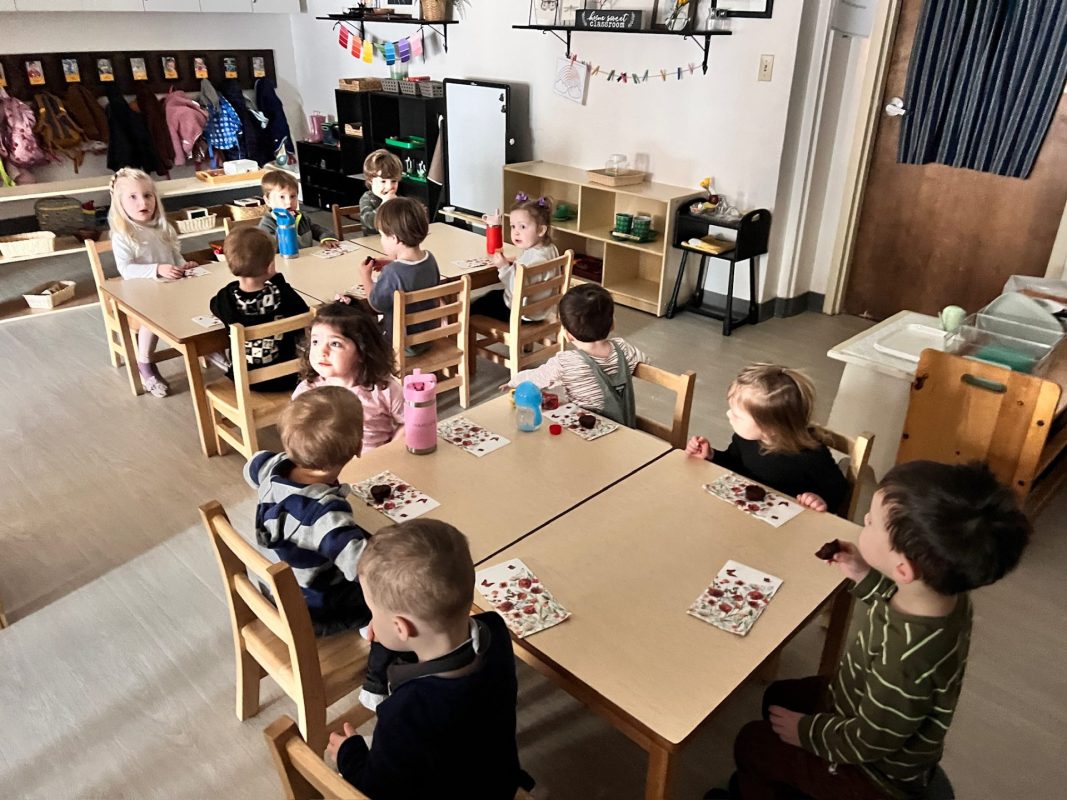
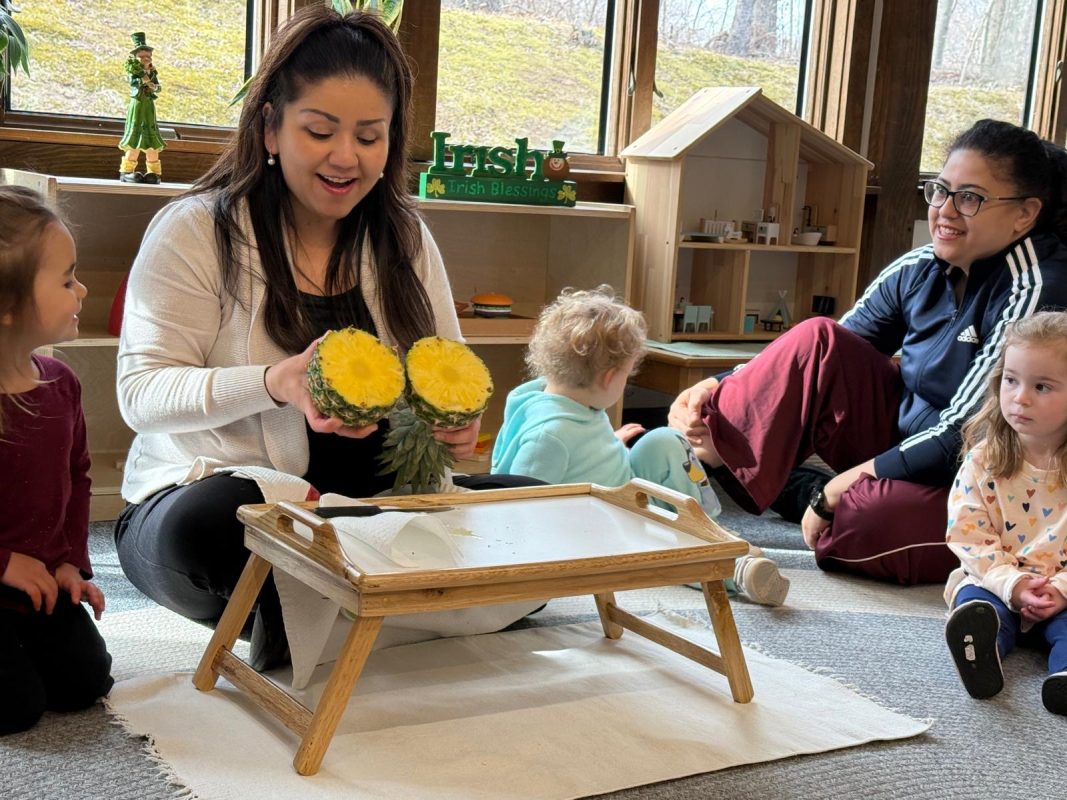
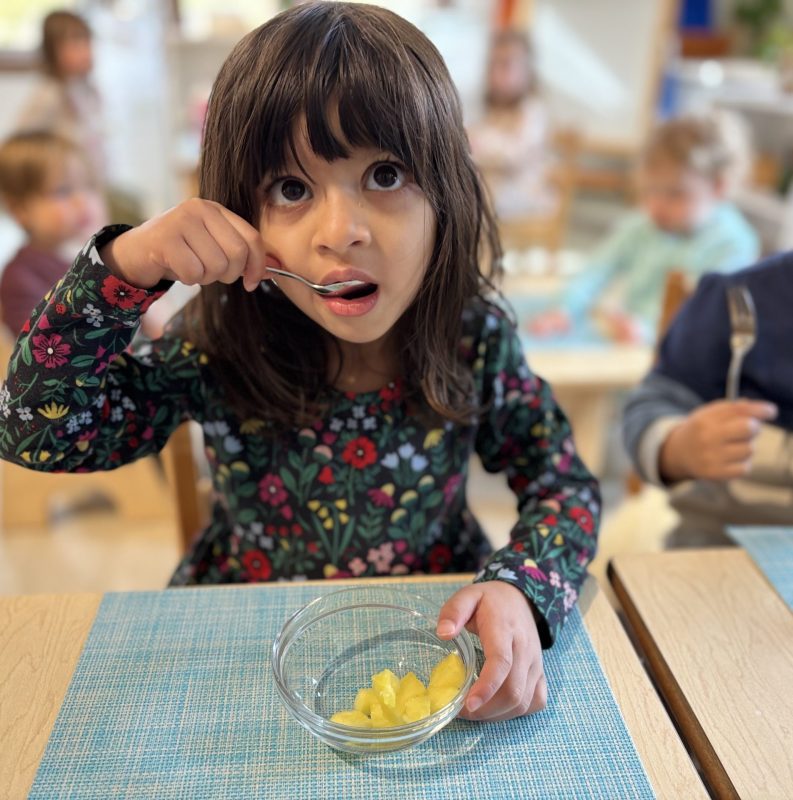
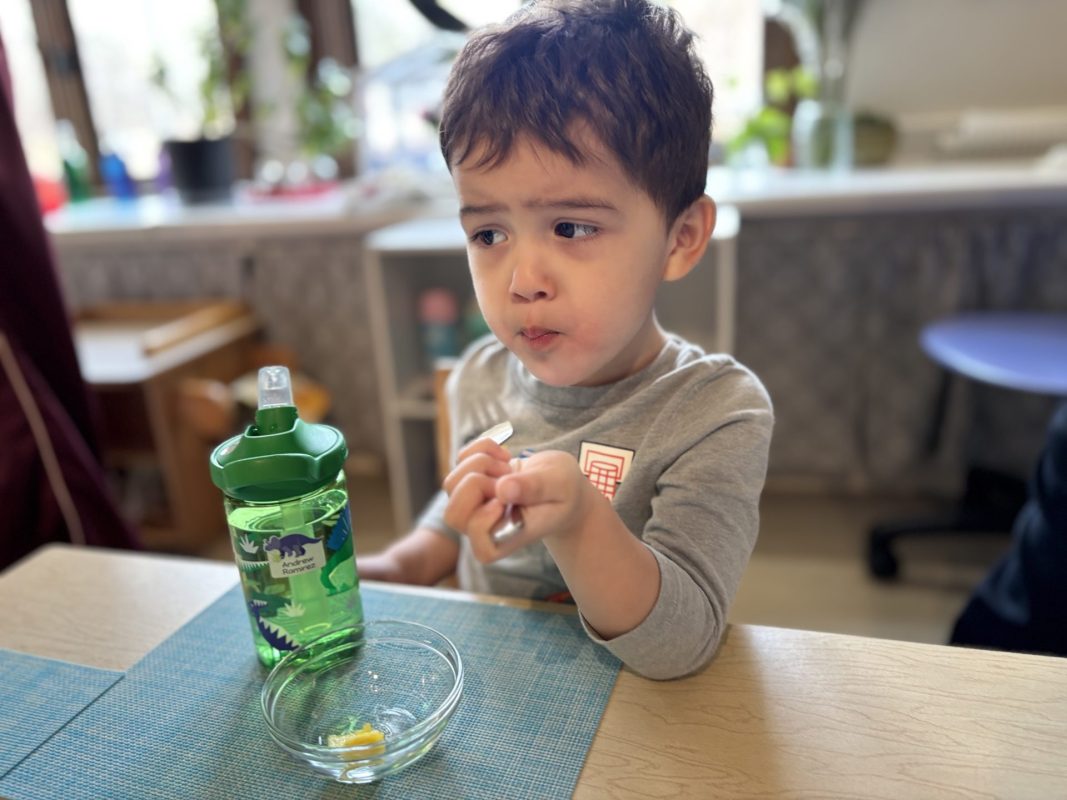
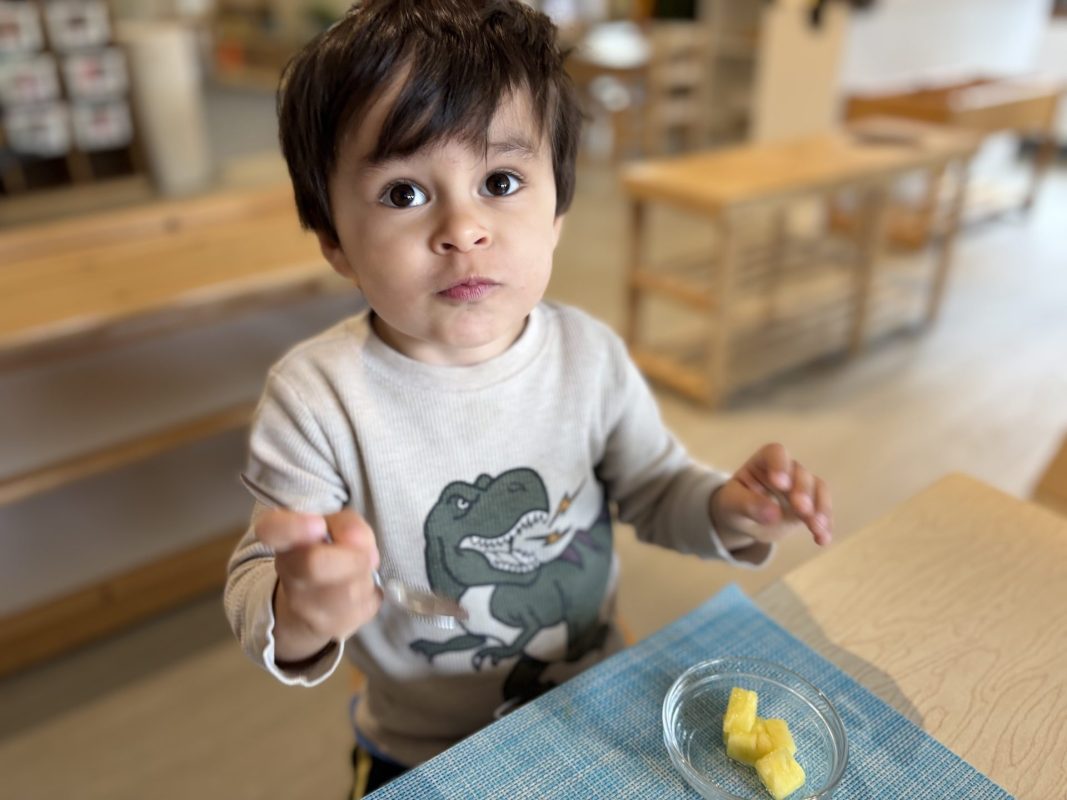
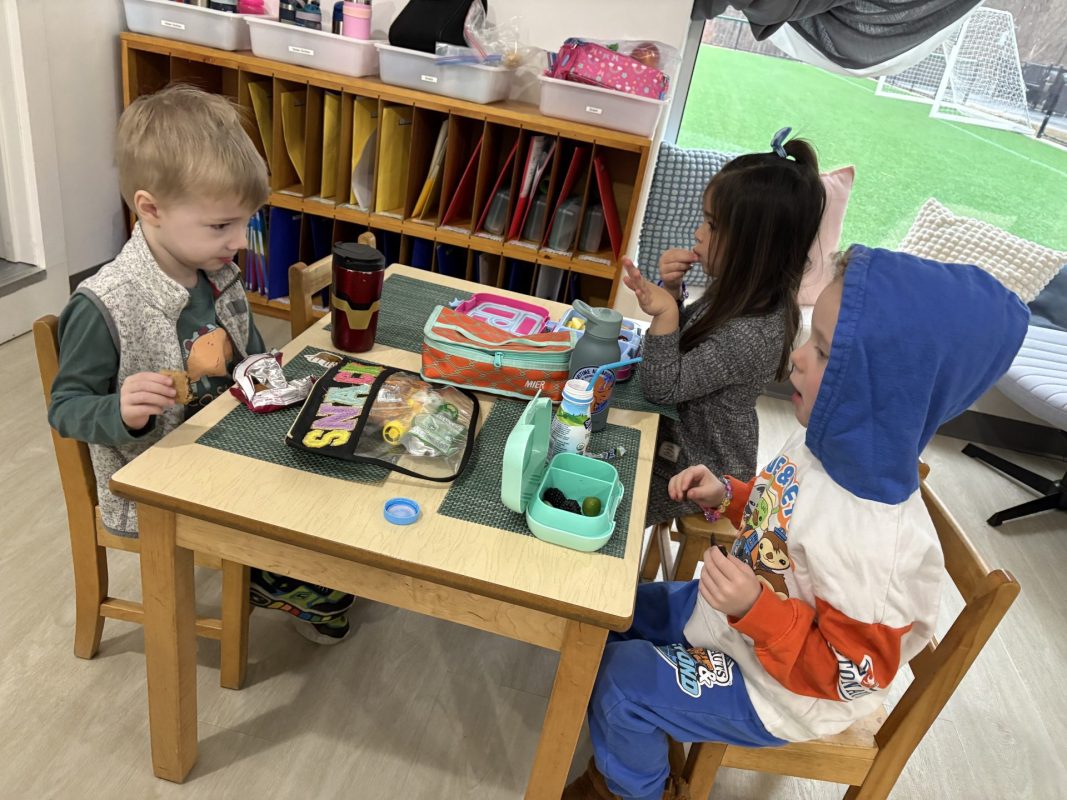
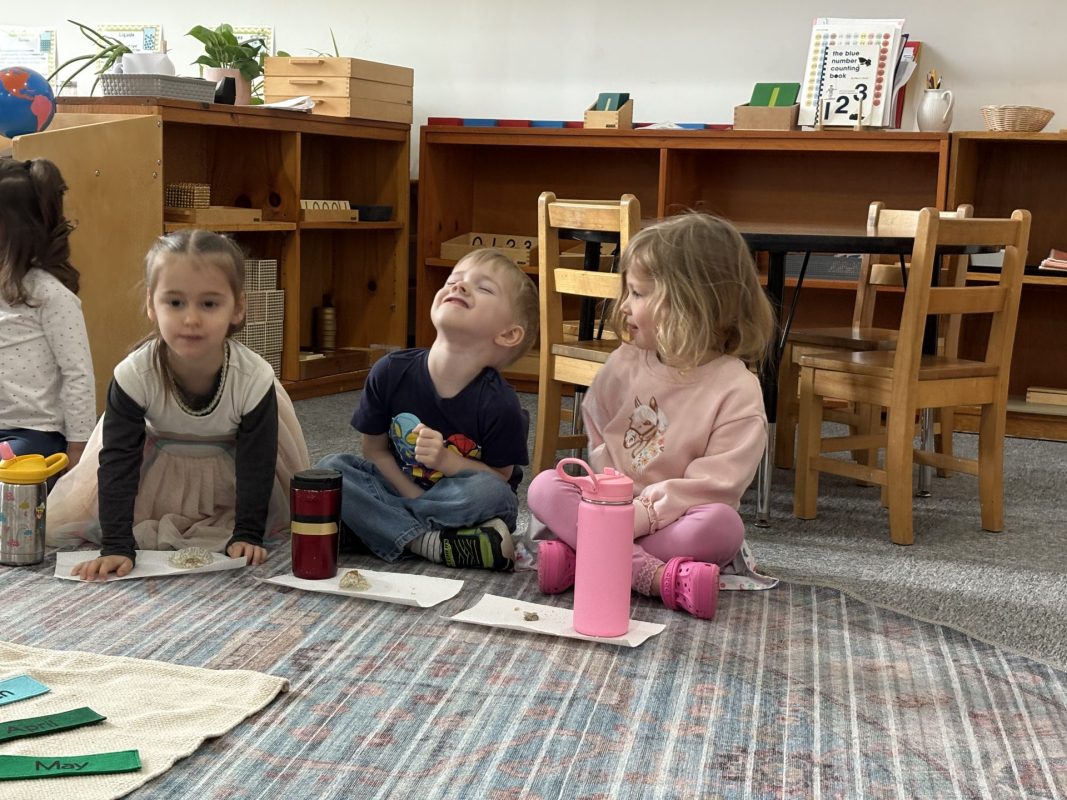
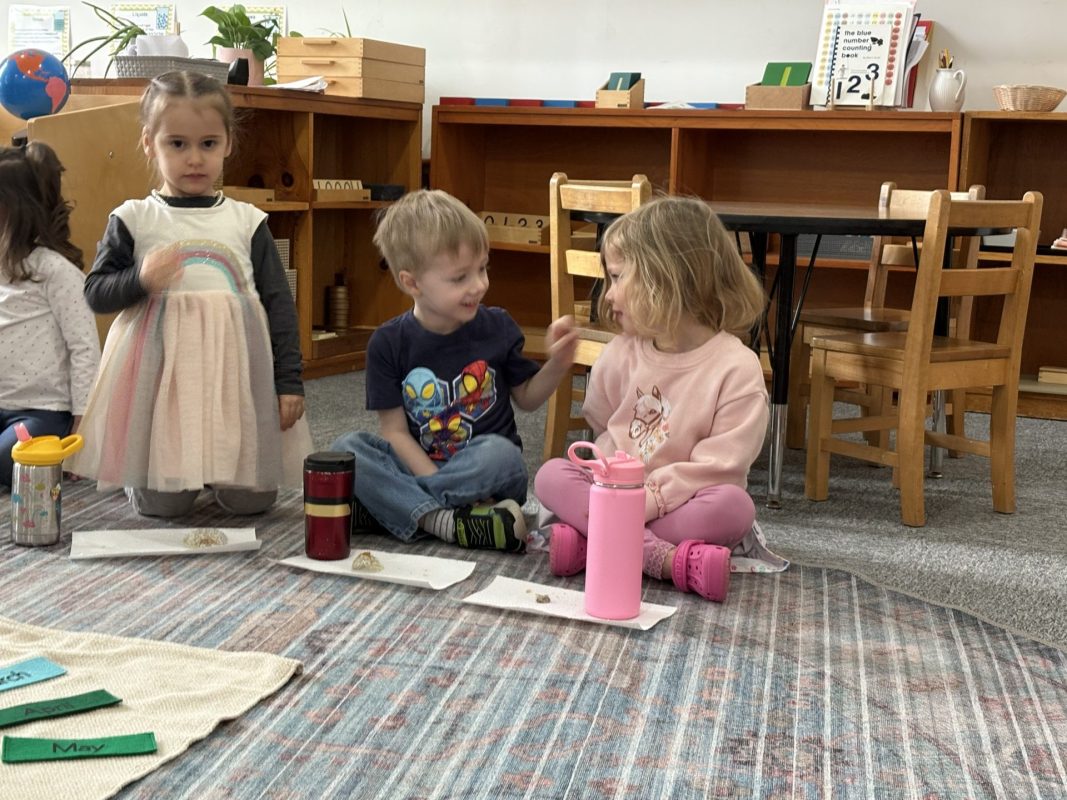
What a fun week we have had in the classroom! Our friendship breakfast has definitely been the highlight this week! There is nothing better than sitting in awe of the children, eating with them, and watching them enjoy the food we prepared together! The children helped to wash, cut, and prepare the fruit, mix waffle batter, and watch Ms. Mollie flip pink and chocolate chip pancakes! The children ate till they felt satisfied, one even rubbing his belly and saying, “Best day ever”! While the children ate and sat next to a friend at the table, so many little conversations about the day were shared.  In all of my years of teaching, this is one of my favorite days with the children. I appreciate them so deeply, and it’s a way of showing them my gratitude. 

A special thank you to the parents who helped make it all possible by contributing ingredients, fruit, and party supplies, and for your flexibility to pivot and move our breakfast to a different day due to the weather!

With full Hearts, 

Ms. Mollie, Ms. Lizette and Ms. Anabelle


Middle School: Week in Review

Another great week in Middle School! We extended our Community Service this week to create Brian Bags as part of the Brian O’Connell Homeless Project. We were able to create about 60 bags that will be handed to people who are homeless in CT to give them a hand-up. The bags include food, water, a first aid kit, socks, and personal hygiene products. The Middle School and Upper El students met with Donna, the non-profit’s founder, who spoke with them about the homeless population and dispelled some misconceptions about those who are homeless as well.

MS students also had a Valentine’s snack on Friday, and those who chose to bring in Valentines distributed them to classmates. Here are some announcements:

  • Please continue to encourage your children to come with appropriate winter apparel. (Overall, this has been a huge improvement over the last week, so thank you!)
  • February 24-26: 8th Grade Internships
  • March 6th @ 5:30 pm: Middle School Research Night for Grades 6 & 7 (8th-grade students are encouraged to attend and support their classmates).


Humanities

All Humanities classes continue to celebrate Black History Month with daily mini-presentations celebrating a notable Black American. They also continue to work on their designs for their Nick Cave-inspired Sound Suits with Ms. Sara and Mrs. Reid.

6th and 7th grade Humanities class continue to work on their research projects surrounding the theme, Overcoming Obstacles. 6th grade final research notes are due on Tuesday, and 7th grade completed their research for Friday and are writing their introductions to their essays over the weekend. The 7th grade will also wrap up their Utopia projects with presentations at the end of next week. Who will want to live in their Utopian Communities?

8th grade studied early European explorers, learning about their goals for exploring if they met them and the impact they had on the areas they explored. They also have begun their research for their Expert Projects and discussed the expectations for finding and interviewing experts in the fields they are studying.

Math

Pre-Transition: This week, students closed out their learning of Chapter 4. Students started out the week by learning to subtract positive and negative integers, fractions, and mixed numbers. They also learned to convert mixed numbers into improper fractions. Then, students continued into solving equations with fact triangles involving addition and subtraction. Finally, students used the Addition Property of Inequality to help solve simple equations.
 

Transition: Students dove into Chapter 6 this week titled, “Some Important Geometry Ideas.” Students began exploring figure transformations by learning how to translate and reflect figures on a coordinate graph and over a line. Then, students determined the reflection and rotation symmetries of a figure and drew the rotation image of a point or figure.

Algebra: This week, students wrapped up their learning of Chapter 5 concepts. Students began the week learning how to calculate relative frequencies and probabilities and interpreted the meaning of percentile for benchmarks of 10th, 25th, 50th, 75th, and 90th percentile. Then, students moved on to solving proportions and finding lengths and ratios in similar figures.
Geometry: This week, students concluded their learning of Chapter 5. Students started their week by discovering the meaning of Auxiliary Figures of Congruence. They practiced using the Triangle-Sum, Quadrilateral-Sum, and Polygon-Sum Theorems to determine angle measures. Students also practiced drawing auxiliary figures to aid proofs and telling whether or not they are uniquely determined.

Science
6th grade:
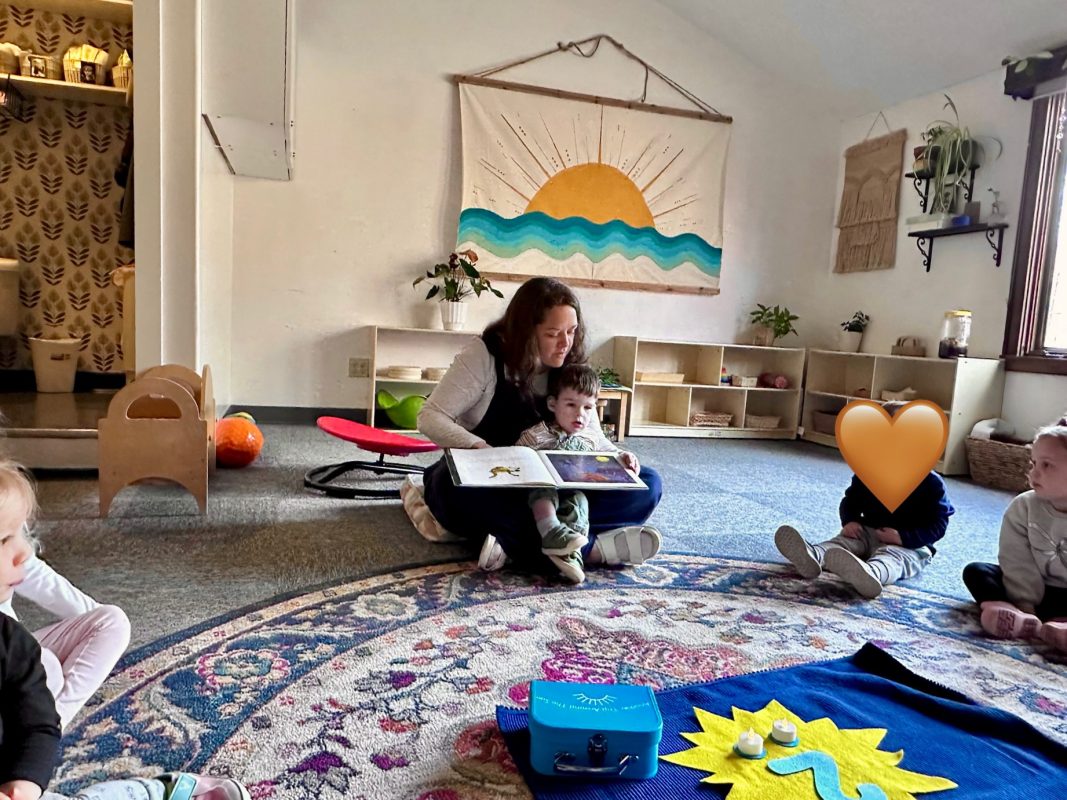
This week in Science, students did a deeper dive into the water cycle.  They read an article written and published by the EPA in which information about the importance of conserving freshwater was highlighted.  Students then, working in small groups, had to summarize the article in their own words and post their findings around the room for others to read.  They discussed their takeaways and then returned to small groups to write a persuasive article urging others to conserve water.  The students did an excellent job!
7 grade:
Students began the week furthering their knowledge of the periodic table by looking at trends in atomic number, atomic mass, atomic radius, and familial similarities.  They then moved into discussing ions and isotopes and began making predictions about what elements are most likely to do based on where they lie on the periodic table.  The class closed the week by checking their understanding using an online simulation game written by the American Chemical Society.
8 grade:
In science this week, students started the week using an online simulation, written by PBS, to solidify their knowledge on mitosis (asexual reproduction), and closed the week working to understand meiosis (sexual reproduction).  They were asked to make predictions about what a cell might do should it need to then combine with another.  Students were given cell cards to arrange in a logical order, and all rose to the challenge!  The class then used their takeaways from the cell card activity to examine meiosis in greater detail.
Ms. Handibode’s Class: Animals in Winter

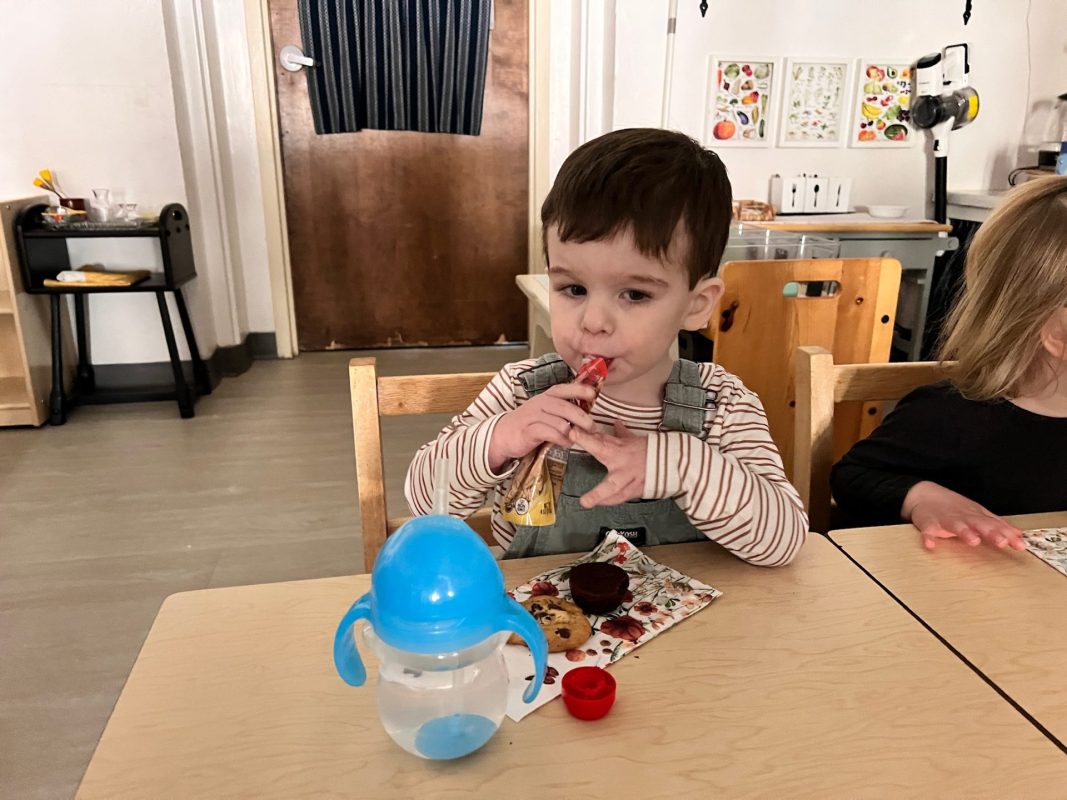
Over the course of the last few weeks, we have been learning that winter can be very harsh for animals. The weather and lack of food can make their survival difficult. To help ensure their survival, animals hibernate, migrate, or adapt to their surroundings.

Animals that hibernate for the winter go into a deep sleep. Their body’s temperature drops, their heartbeat and breathing slow down, and they use very little energy. We’ve learned which animals hibernate as well as where they hibernate. Places, where animals hibernate, can be above ground, such as a cave, nest, or den, or they can be below ground, such as a burrow, a hole, or deep down in the mud.  We explored which animals migrated or traveled to other places where the weather is warmer and they will be able to find food. We also examined why animals might migrate and where they may go. Animals that adapt, remain and stay active in their environment. They adapt to the changing weather, and their behavior and bodies may change too. We talked about what changes animals may make to ensure they will have enough food for the winter.

So, as the cold weather is becoming more frequent, how many of us are thinking about hibernating or migrating?

Wishing you a week filled with peace and love.

Michelle & Maria


Mrs. Sargeant: A Peek at the Week

A large part of our work with young children  is to lay the foundation for developing emotional intelligence—the ability to recognize, understand, manage, and express emotions. Cultivating emotional intelligence in children is crucial for their social and emotional well-being.
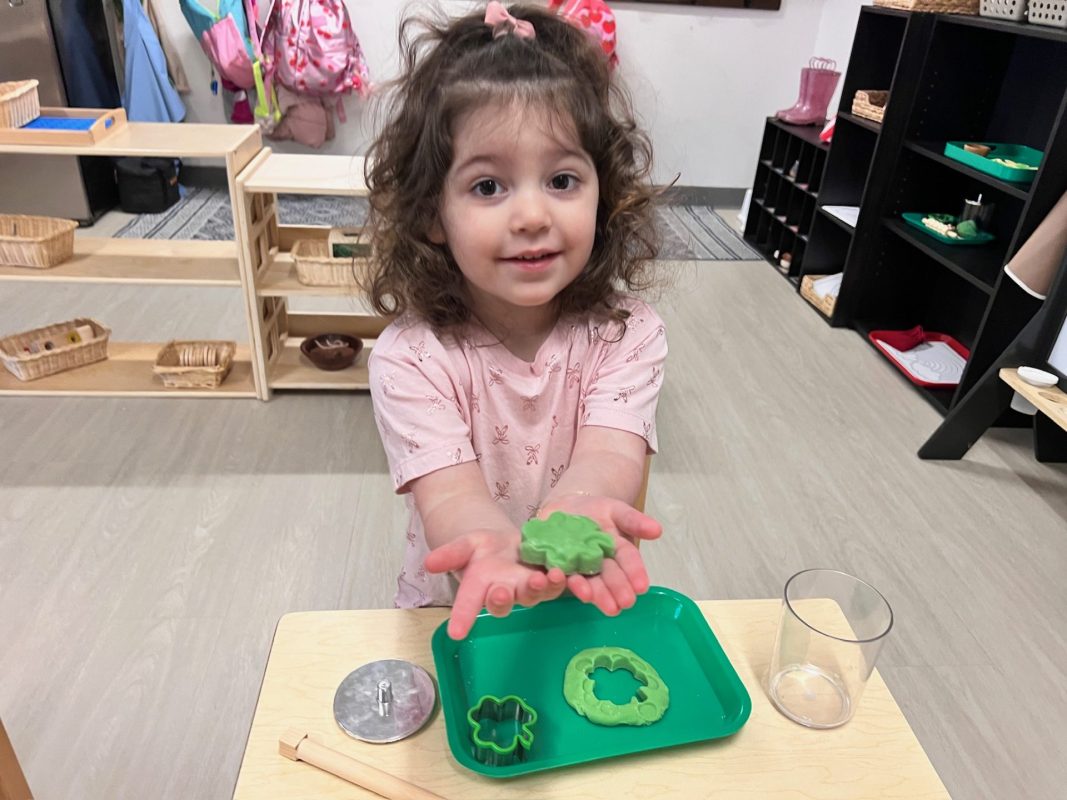
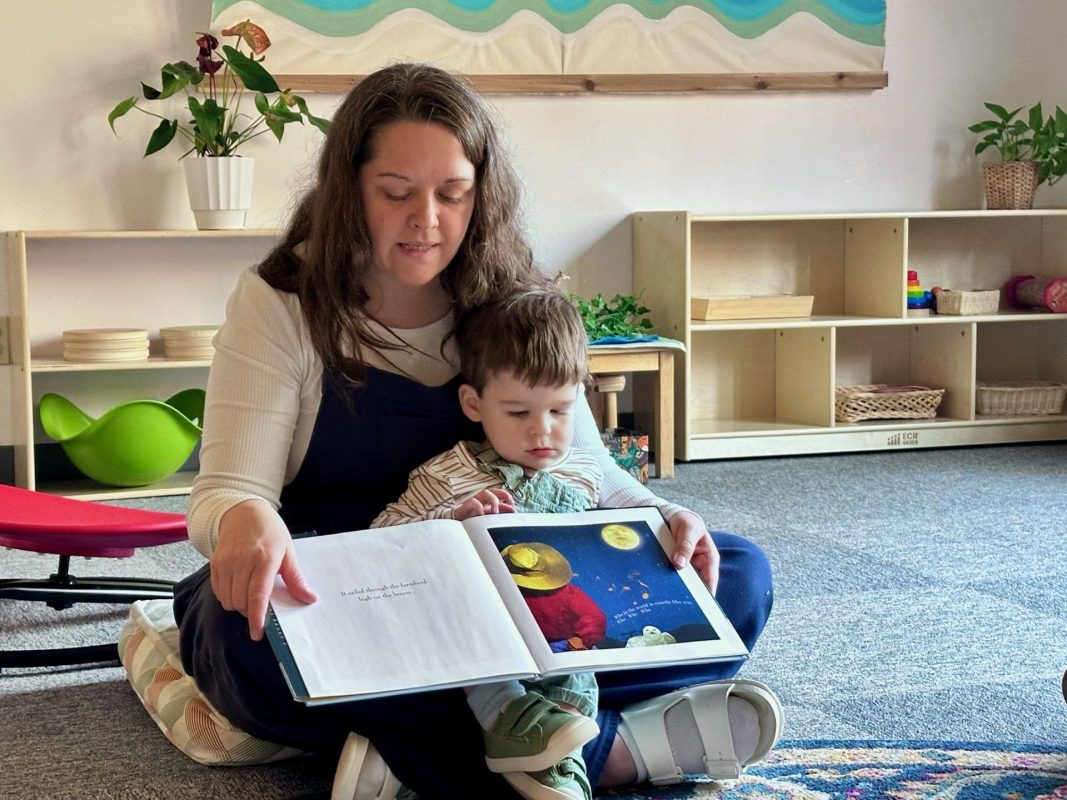
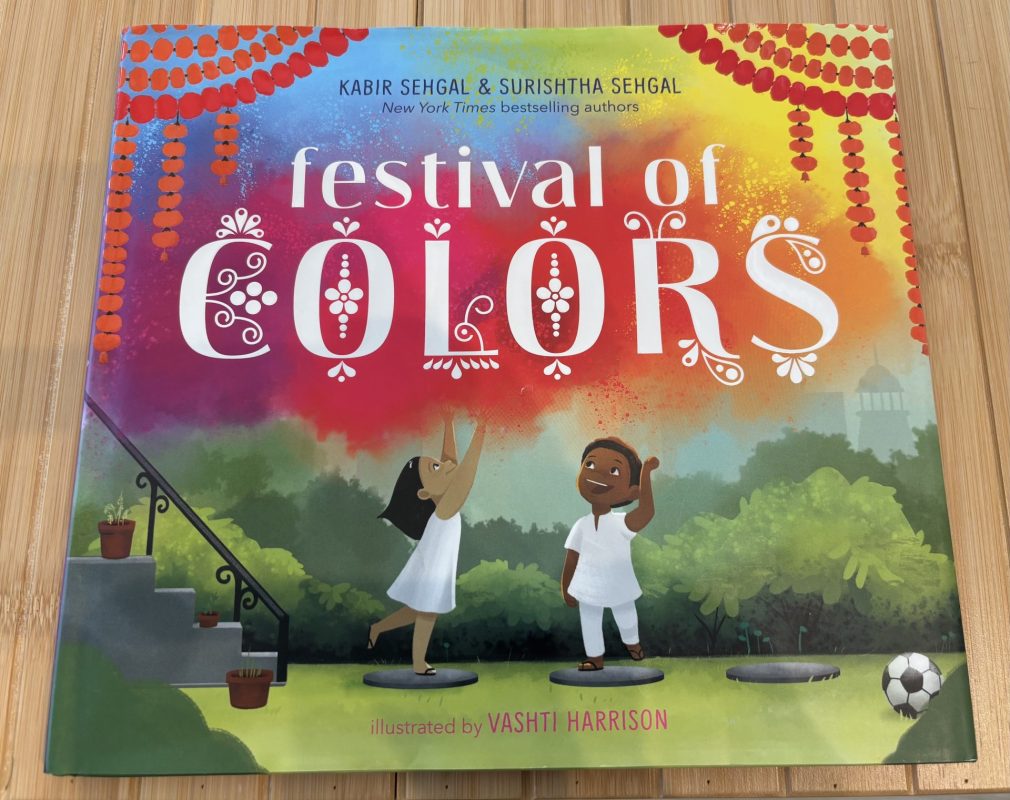
Teaching children to identify and name emotions is the first step in teaching children about their own emotions and the emotions of others. Being able to identify and name their feelings can help children to feel heard and understood. Introducing children to a diverse range of emotions through books, stories, and discussions will develop their emotional vocabulary. Since children often mimic the actions and attitudes of the adults around them, demonstrating healthy ways to express and manage emotions is crucial – such as taking deep breaths to calm down when feeling frustrated. One of our favorite books this month was In My Heart: A Book of Feelings by Jo Witek. We have read it numerous times, and it has inspired discussions about times when we’ve felt a variety of different emotions. The children especially enjoy hearing the anecdotes that I share with them about times when I have felt brave, happy, sad, etc. 
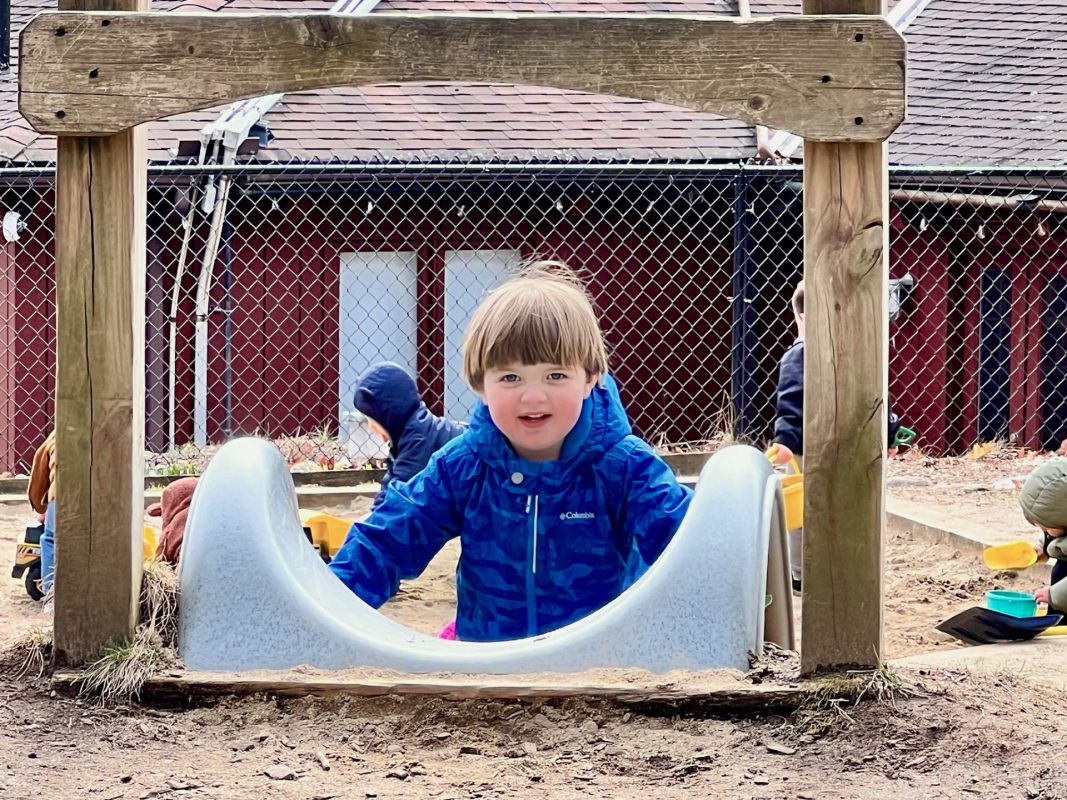
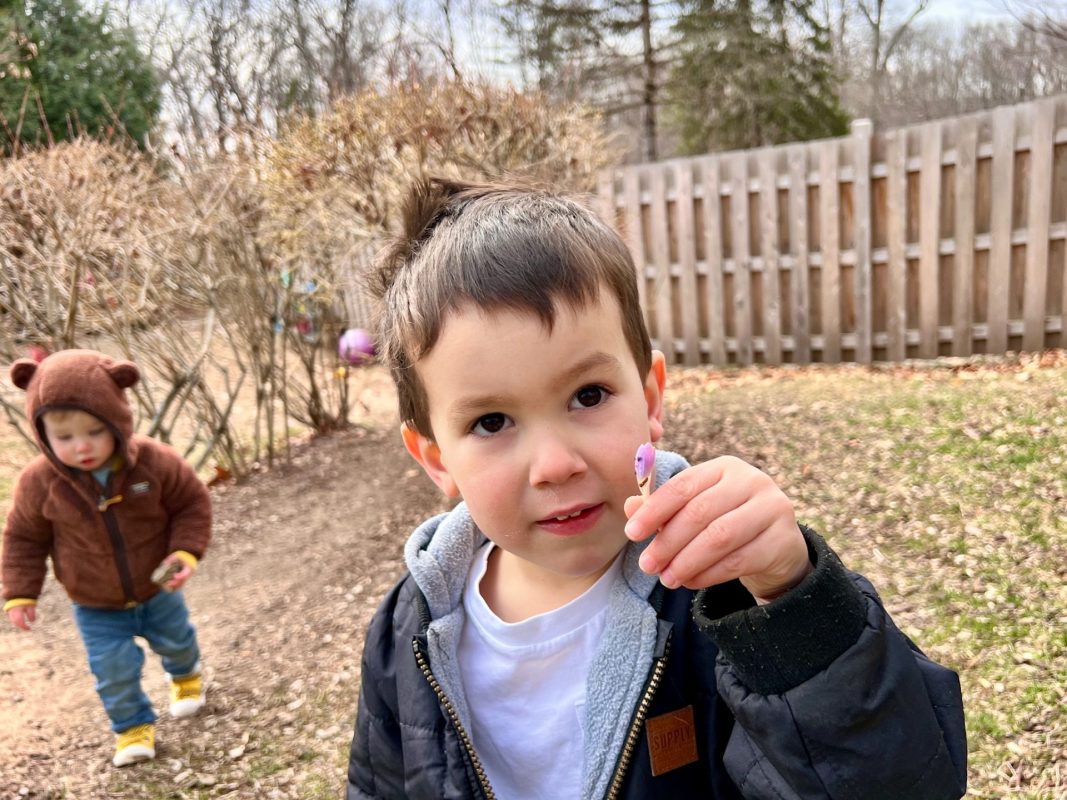
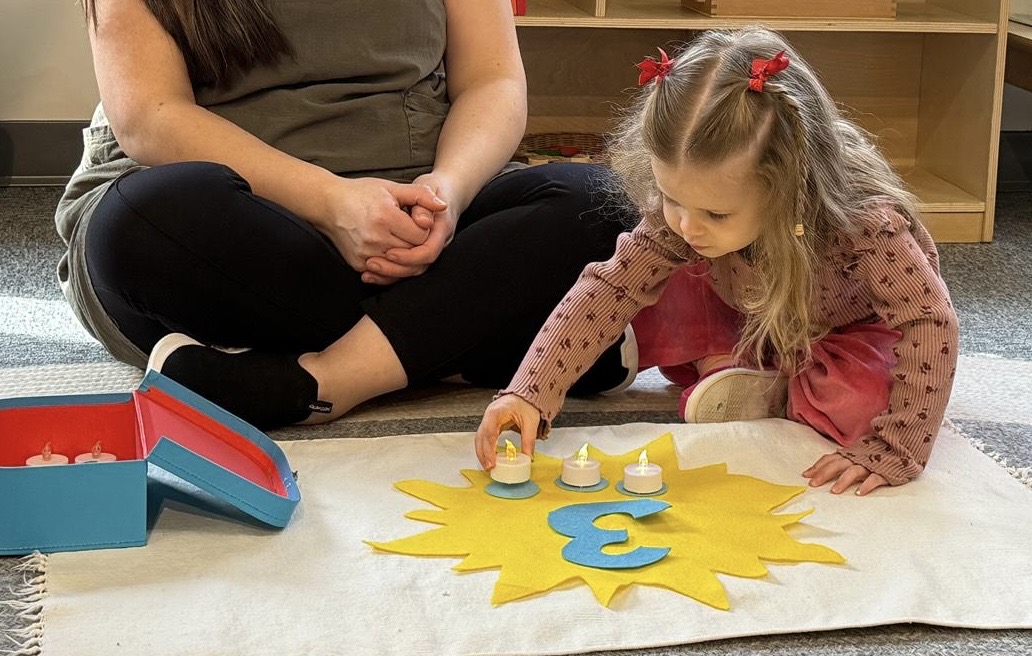
The children decorated their Valentine’s Day bags this week, and we’ve been reading Valentine’s books that celebrate friendship. They were so thrilled to exchange Valentines! We shared a group snack of berries and whipped cream, and marshmallow cereal treats. Thank you, parents for providing the snack and decorations for their bags!

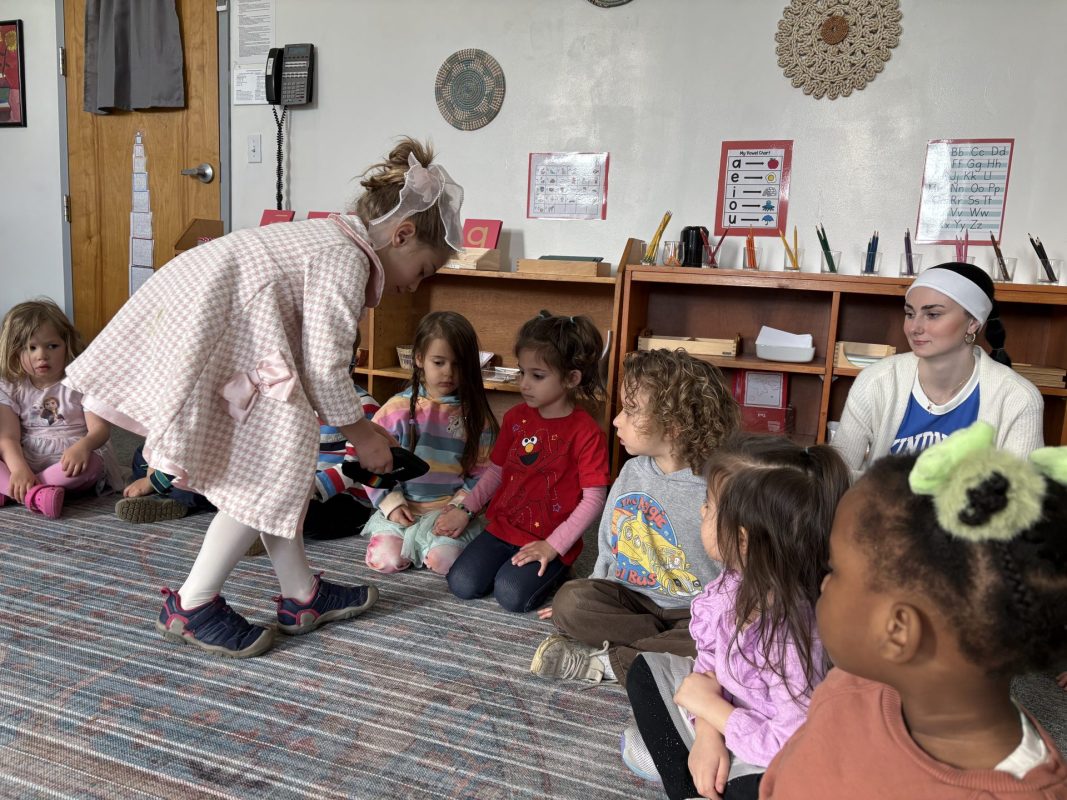
We also played the Compliment Game, where we pass around a heart and whoever is holding it when the music stops receives a compliment from a classmate. This teaches children how to politely give and receive a compliment. They love it!

We asked the children what love means. Their answers are sure to bring a smile to your face. (A few friends were either missing, or weren’t ready to share)

Aira- You can’t see love, but you can feel it inside your body.

Anaya- Love is giving my Mom and Dad and sister a picture with a heart.

Ava- Love is what you give to people and fill up their buckets and that means your heart makes other people feel happy.

Cameron- I love my family and I hug them.

Divya- Love is Mommy because she cares about me all the time.

Eliana- Love is giving kisses to Mommy and Daddy.

Eliot- Love is when I hug my Mommy after school and it feels like I’m never going to be afraid.

Ethan- Love means that your heart is happy!

Hayes- Love is all about loving people and giving hugs and sharing toys.

Ivy- I love you and my Mommy and my little singing rabbit that I’m saving for Easter.

Katie- Love is something that you feel, and it feels happy!

Luke- Love makes me feel happy.

Matteo- Love is a feeling and it fills up your bucket.

Olive- I love my friends and family and cute pets and all the flowers- especially roses, poppies, and sunflowers.

Olson- You can love on your Mom and on your Dad but you can’t see it!

Oscar- My Mom loves me and Valentine’s Day means love.

Otto- Mommy and Daddy got married because they love each other.

Rayna- I love Mommy and snow.

William- Love means giving hugs.

Wishing you all a lovely week,

Christine & Fatima