Blog

Ms. Handibode: Help Me To Do It Myself

“These very children reveal to us the most vital need of their development, saying : ‘Help me to do it alone!”

~Maria Montessori

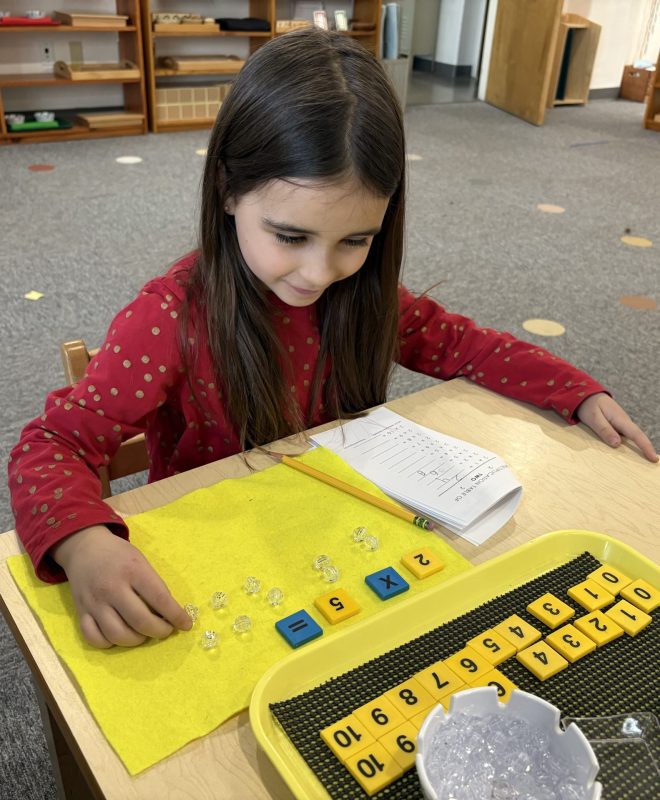
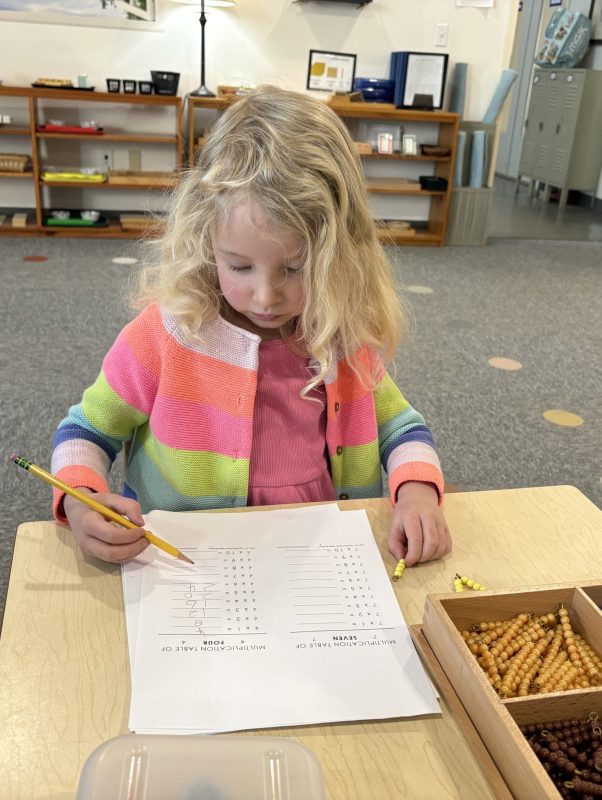
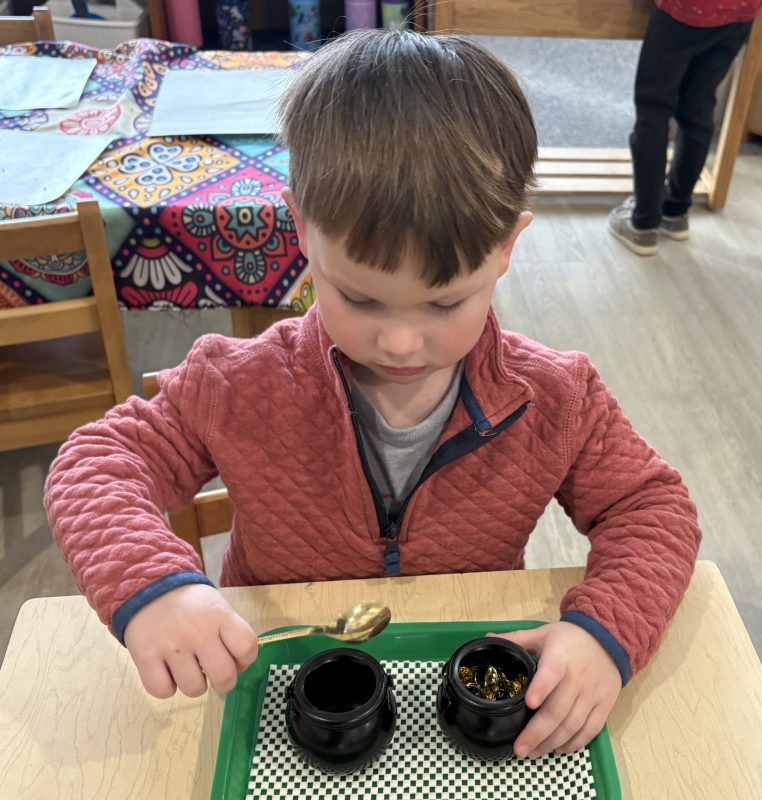
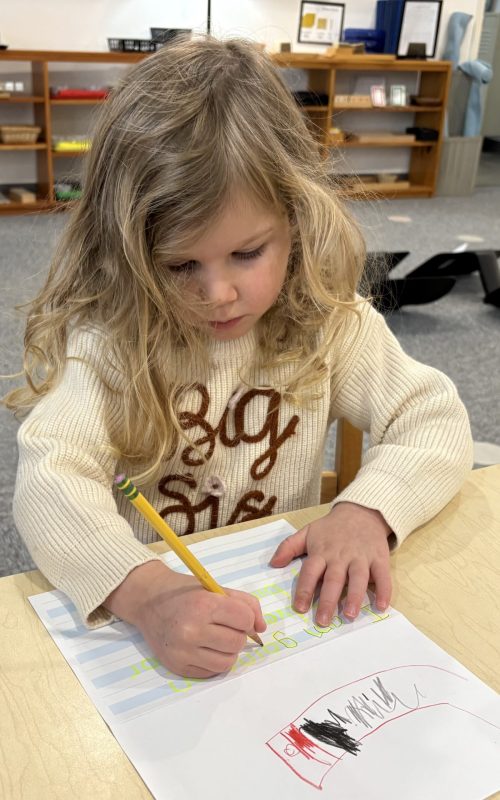
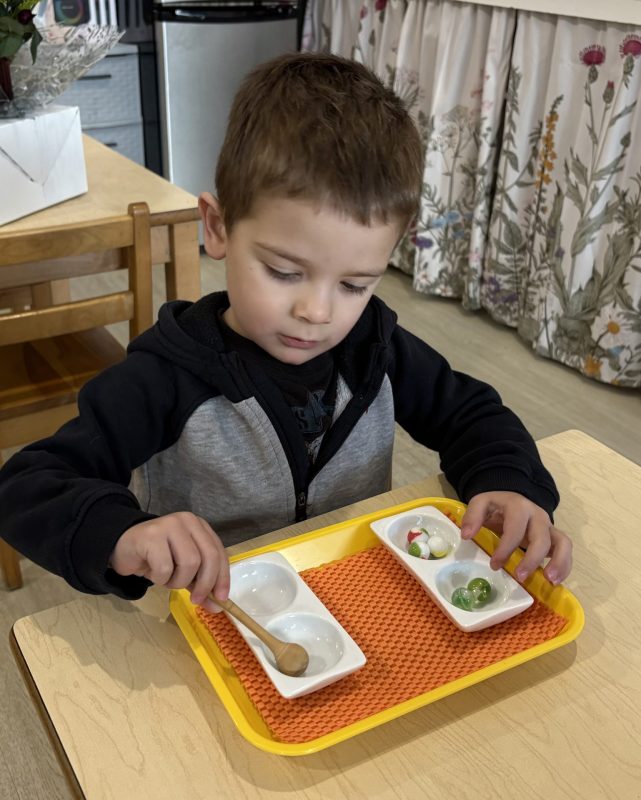
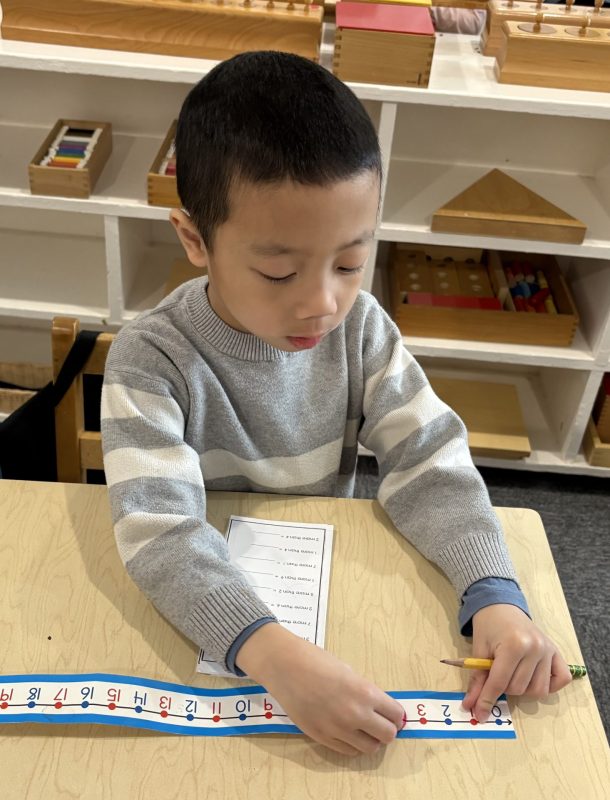
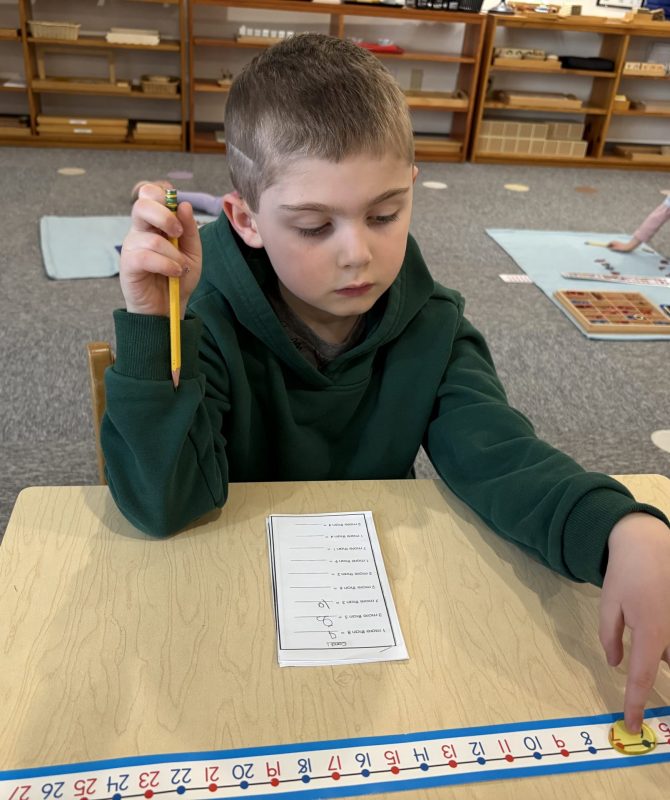
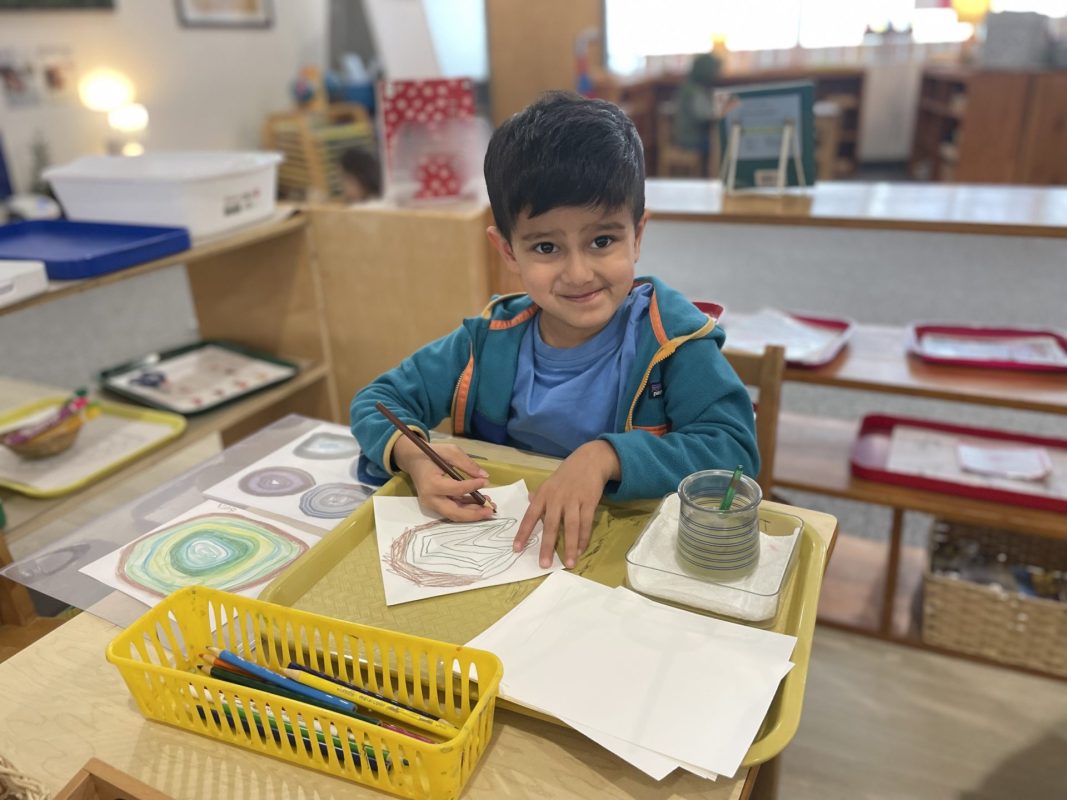
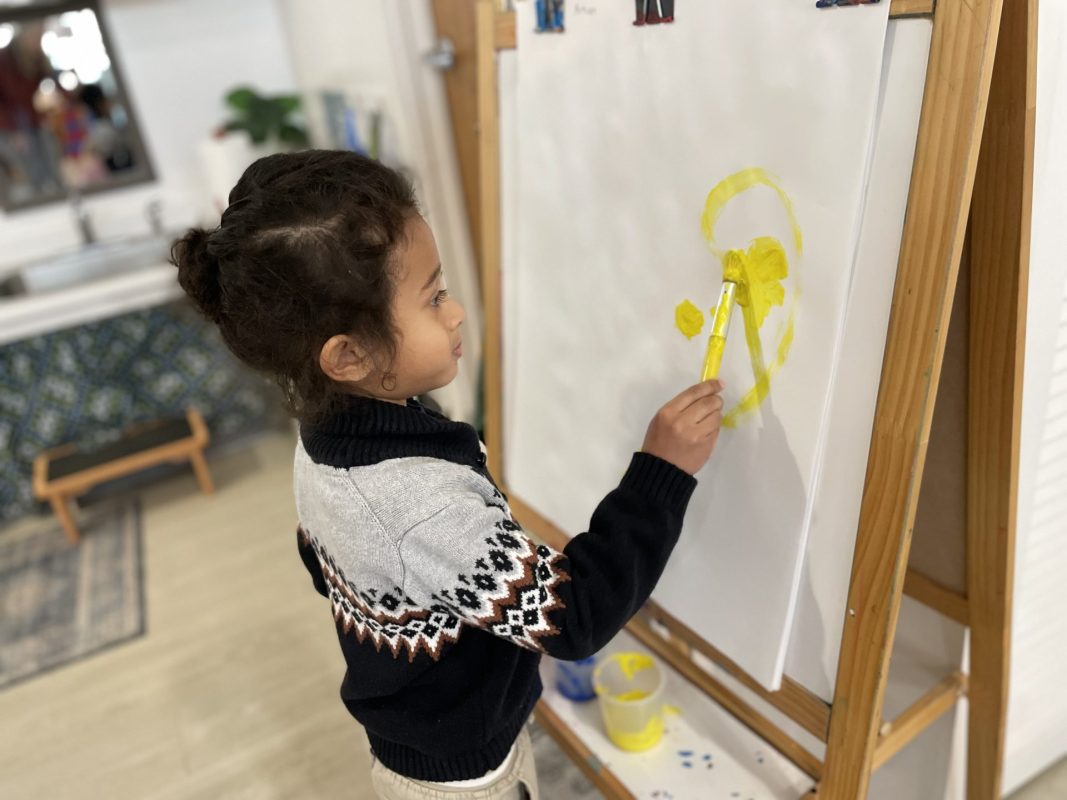
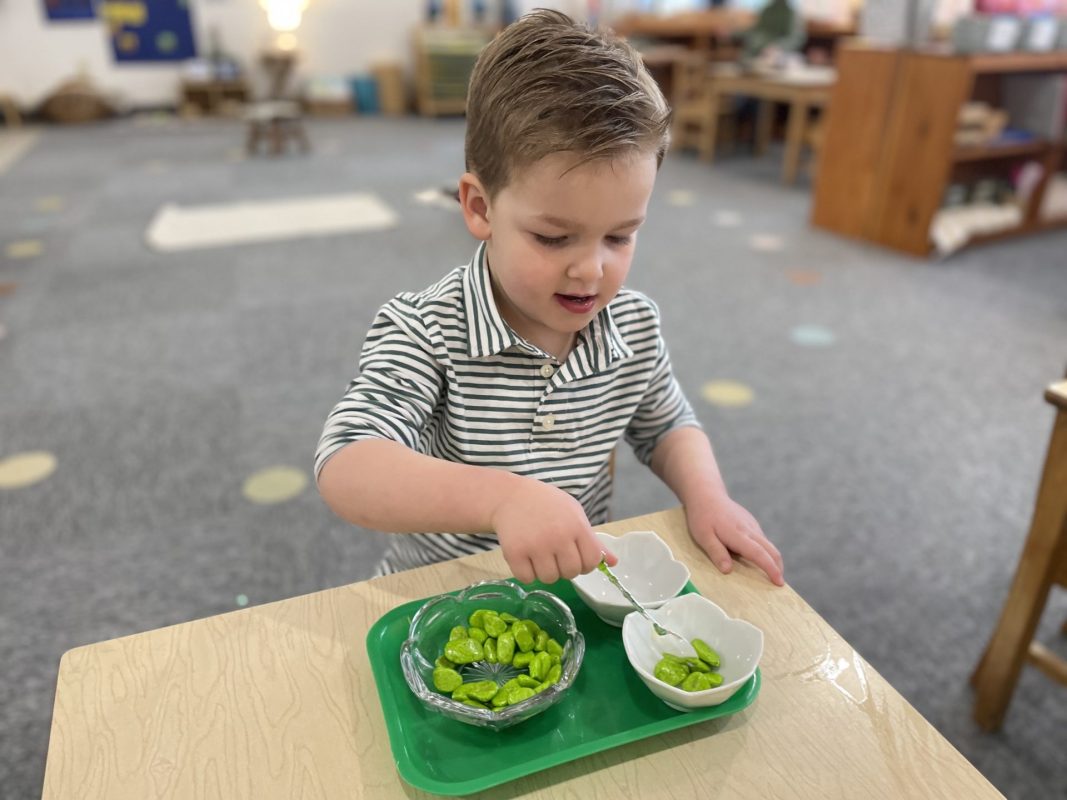
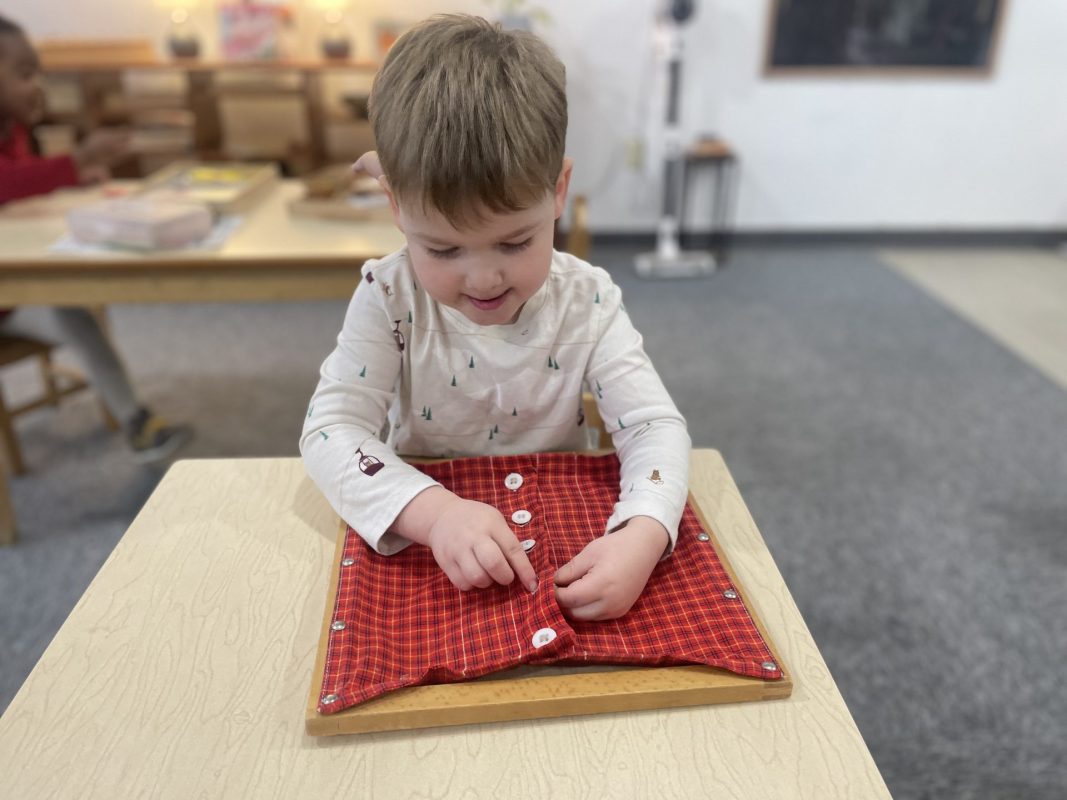
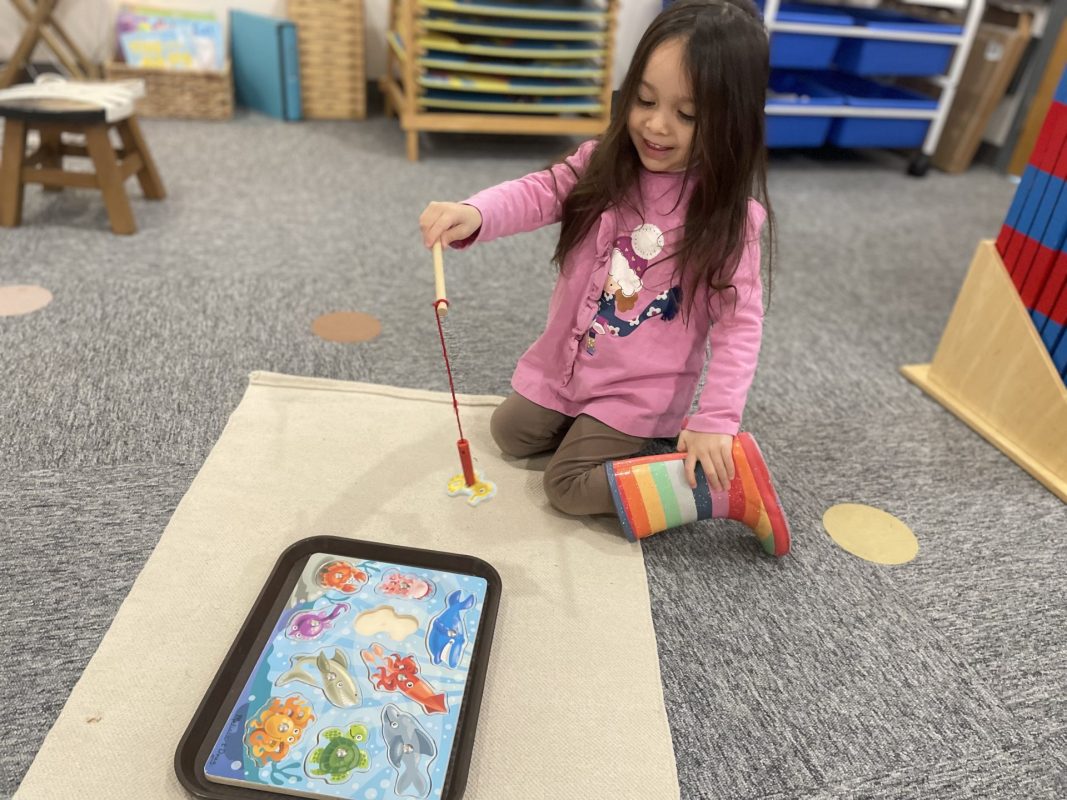
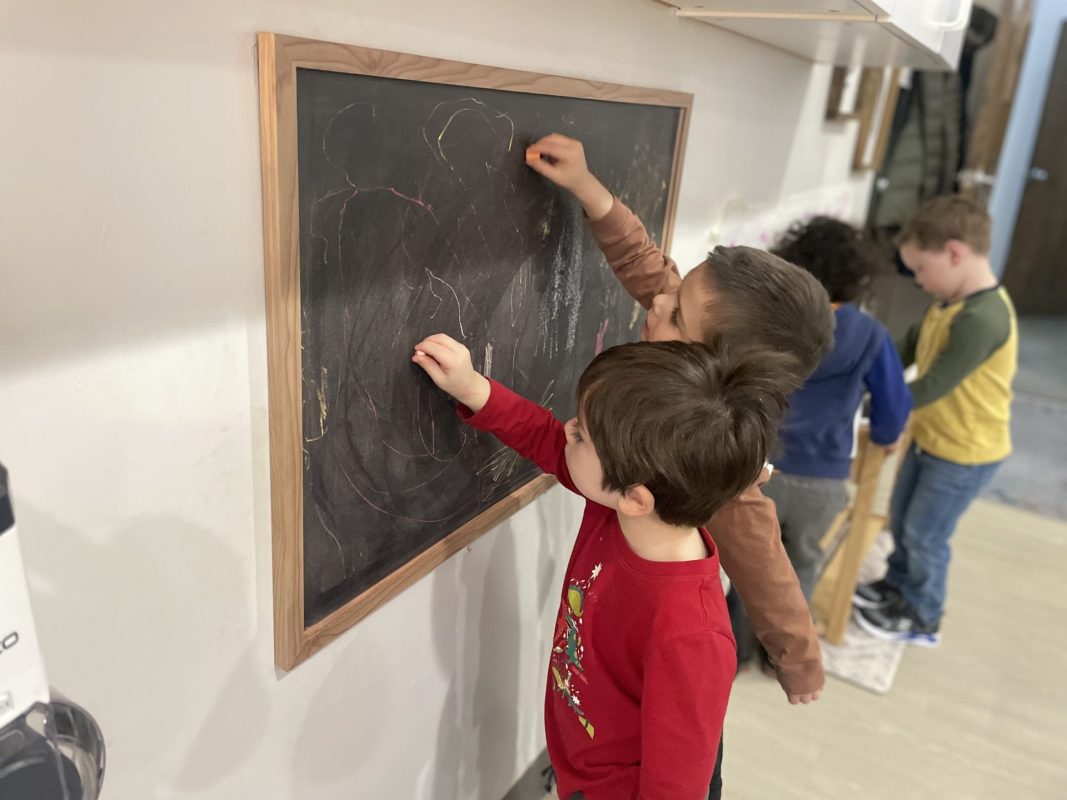
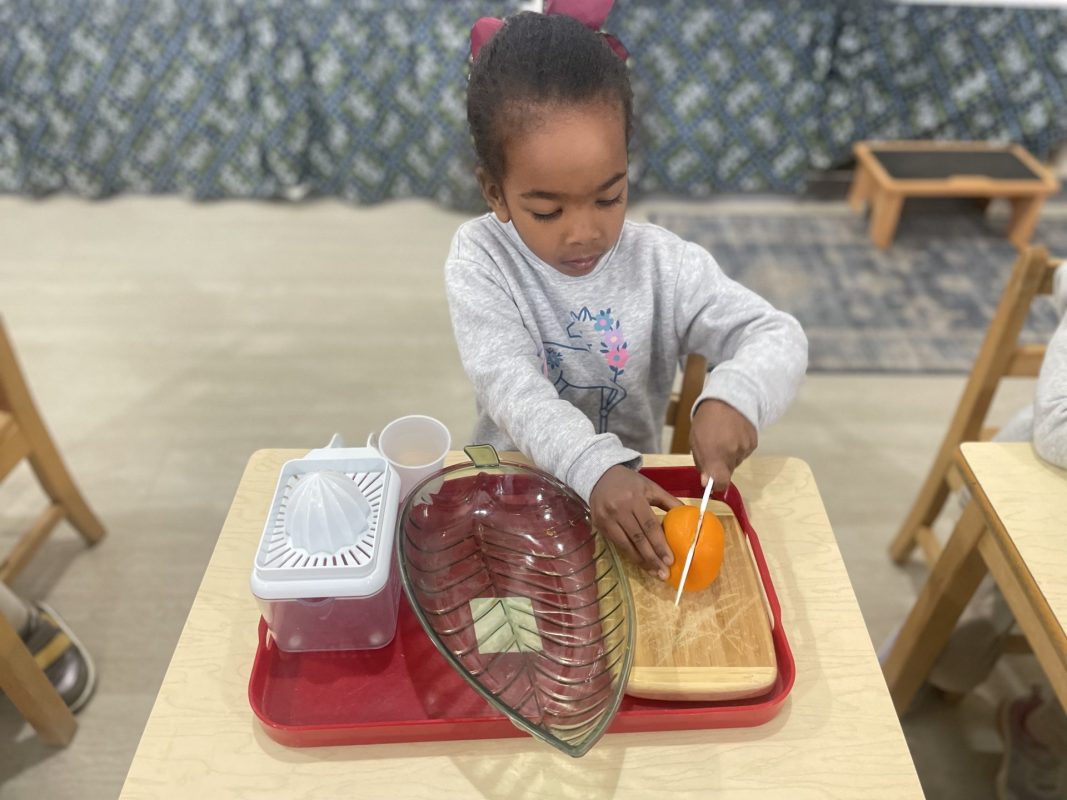
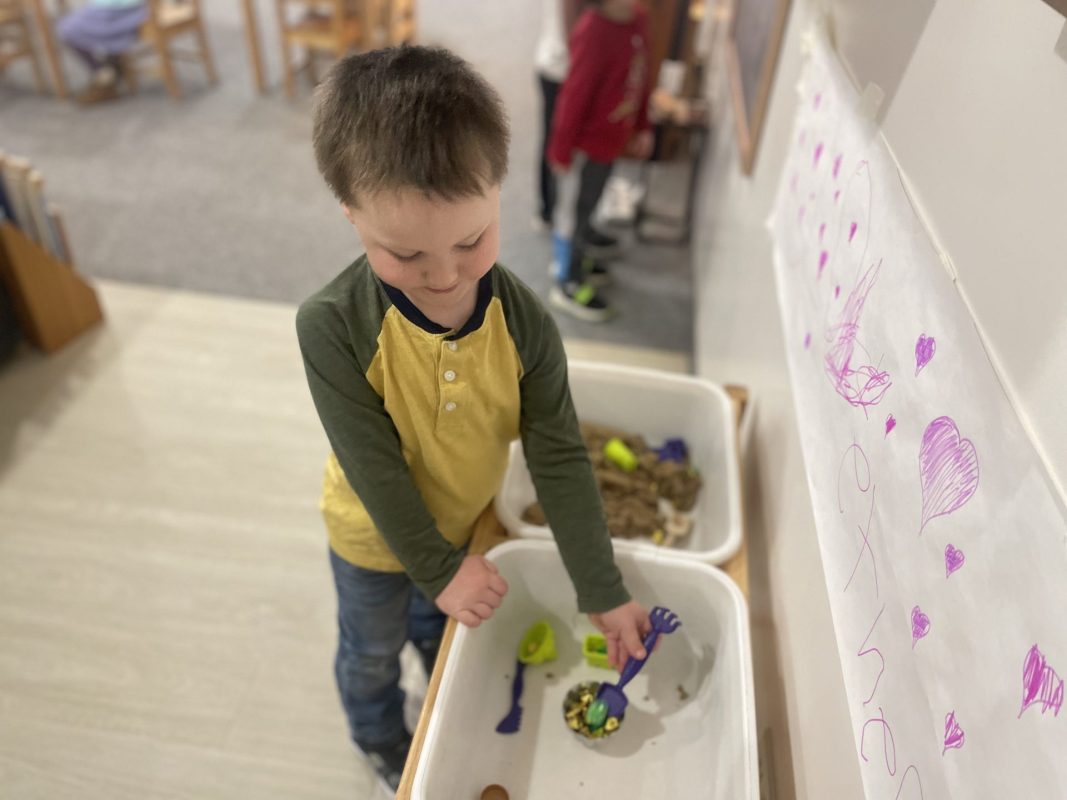
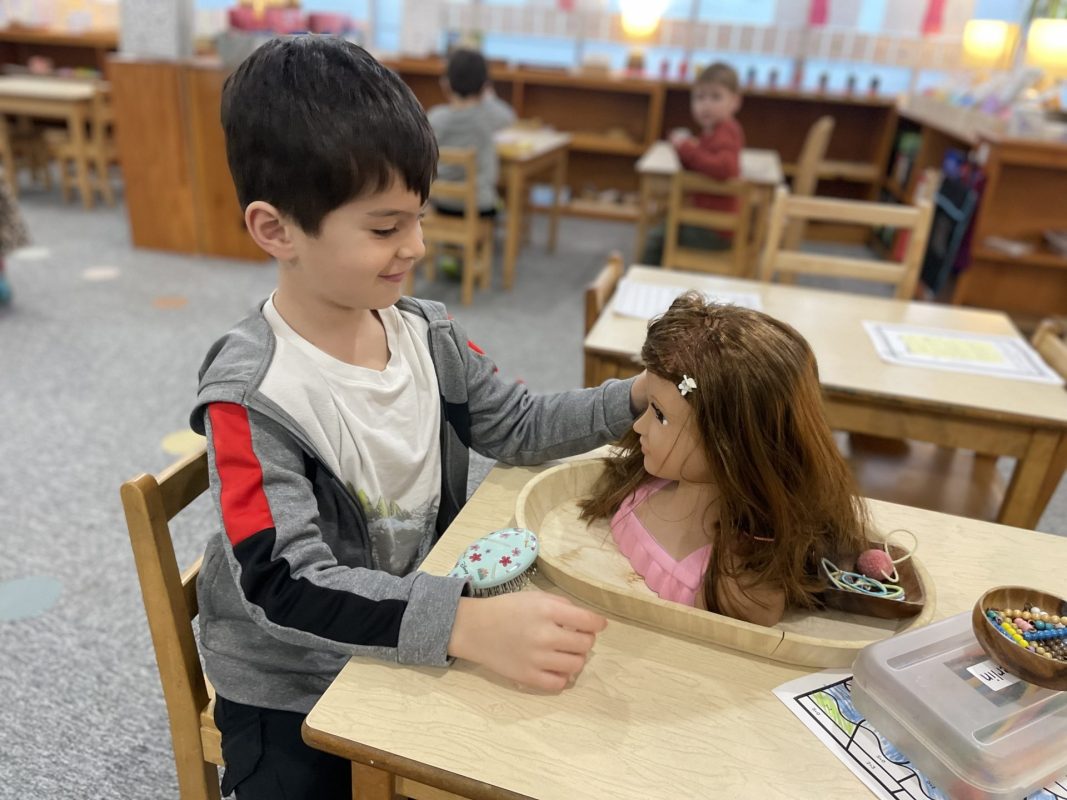
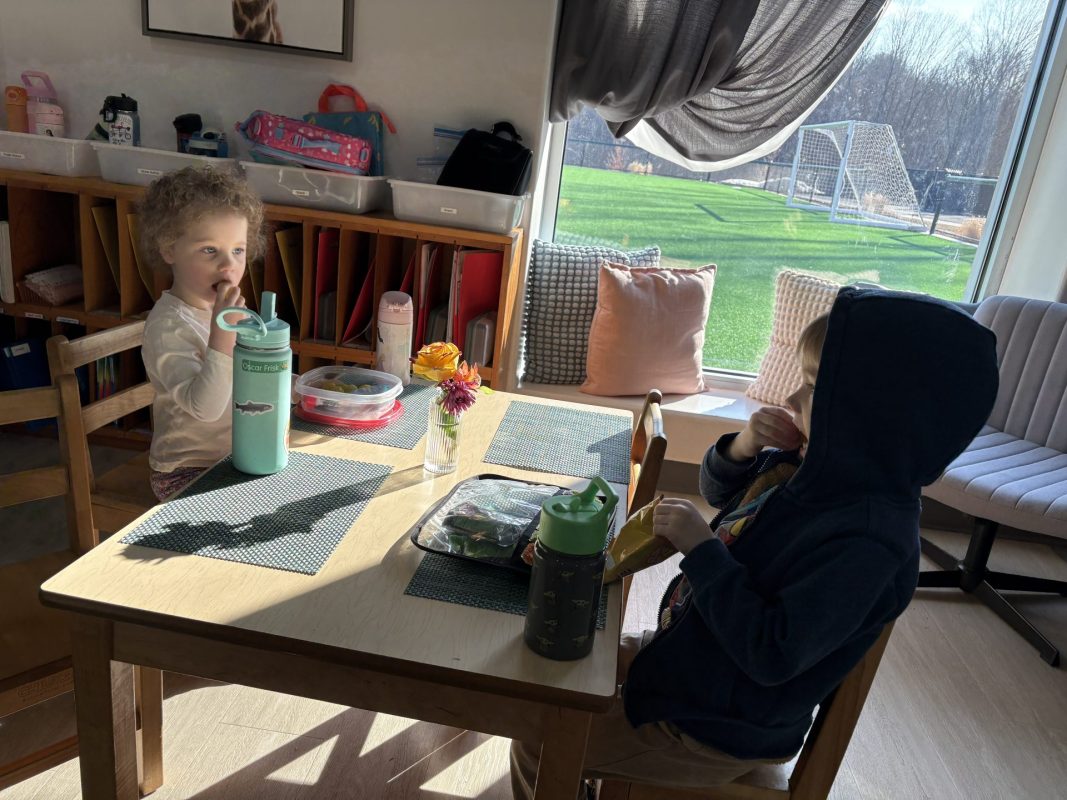
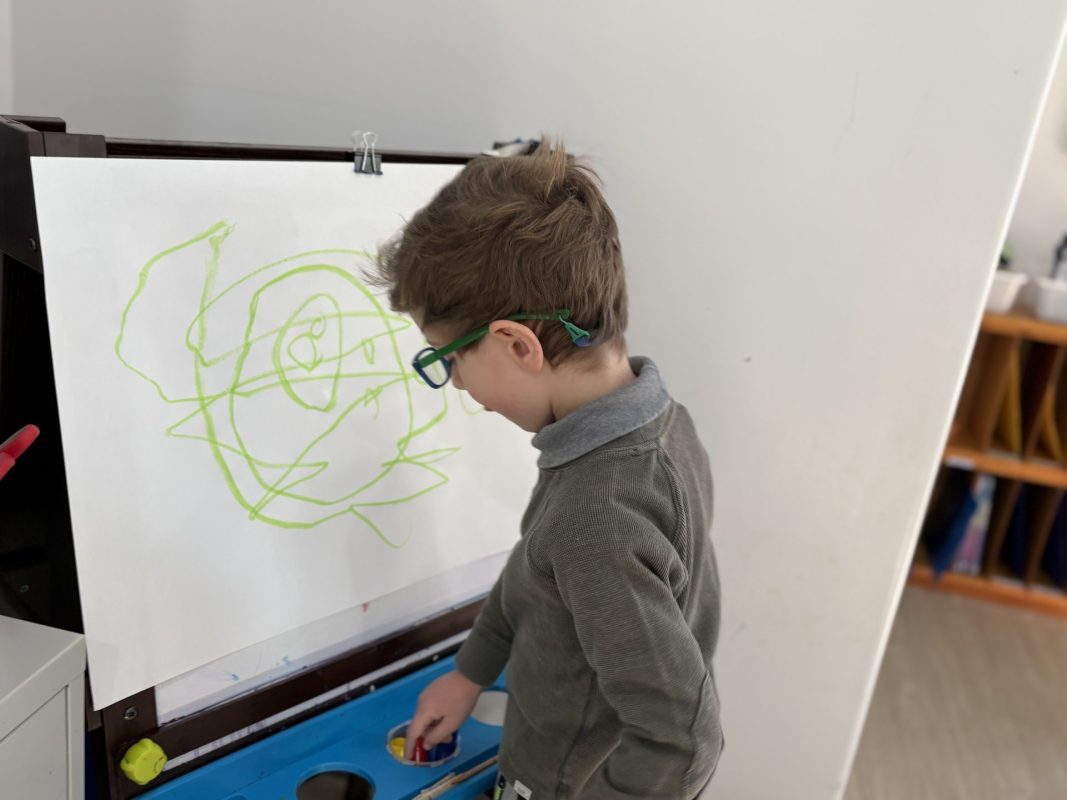
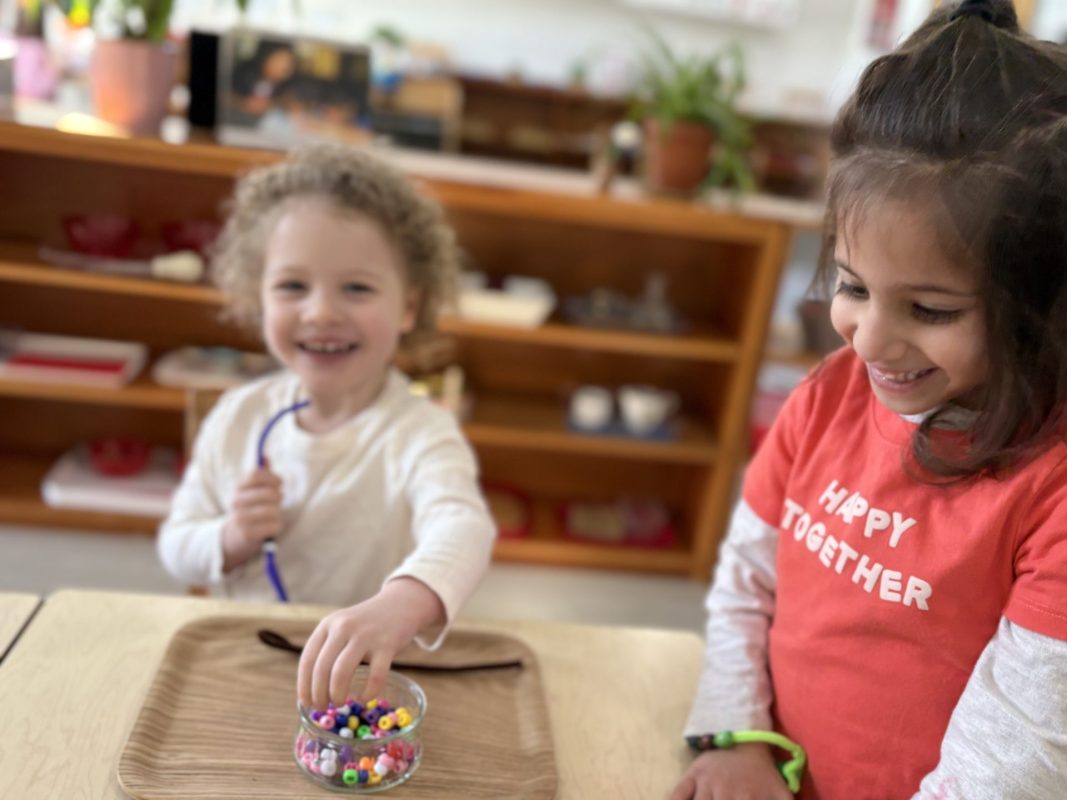
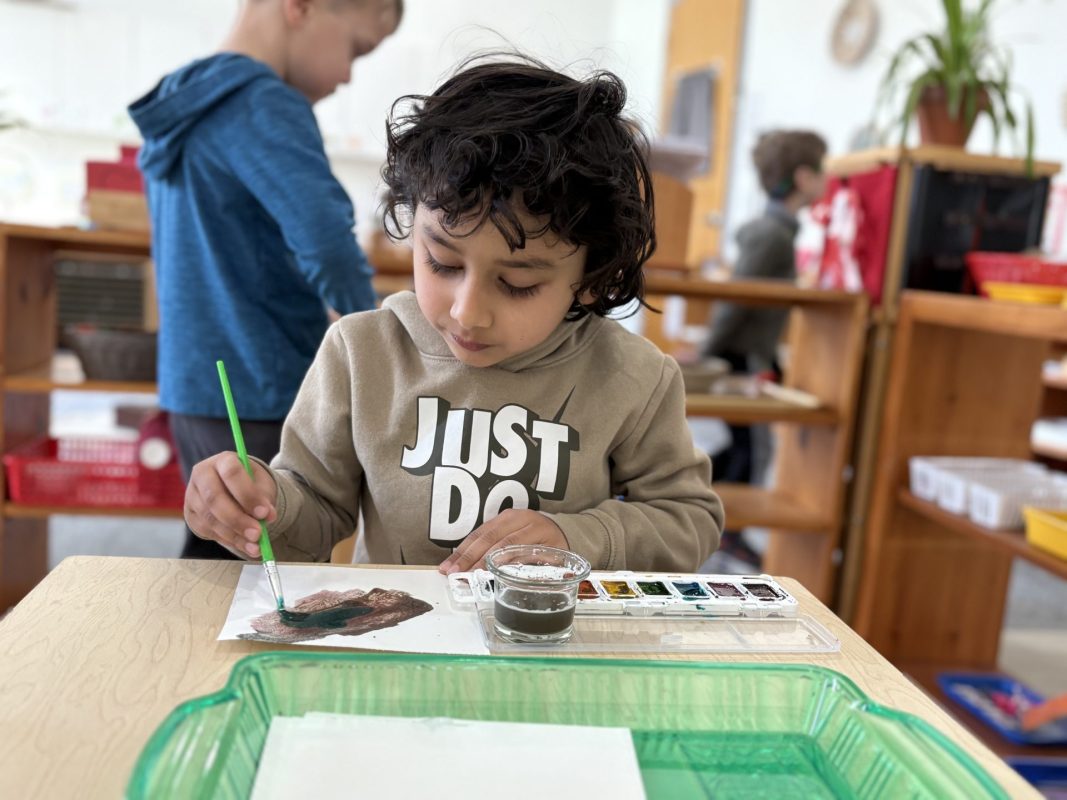
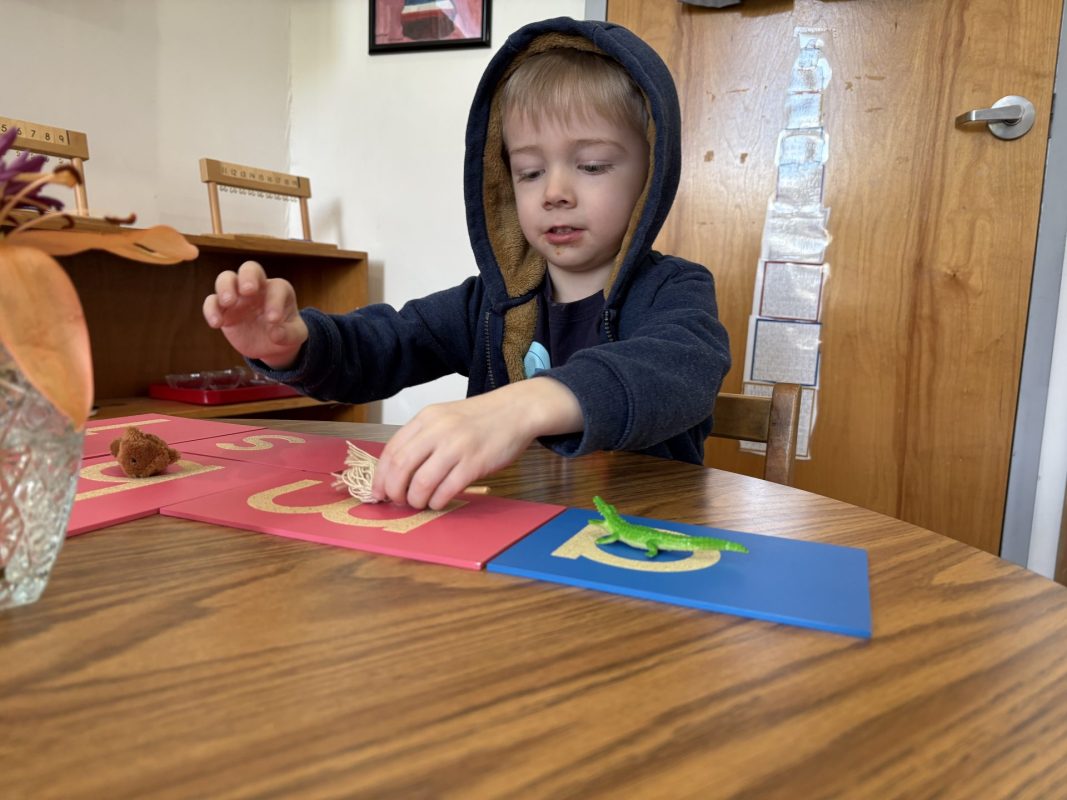
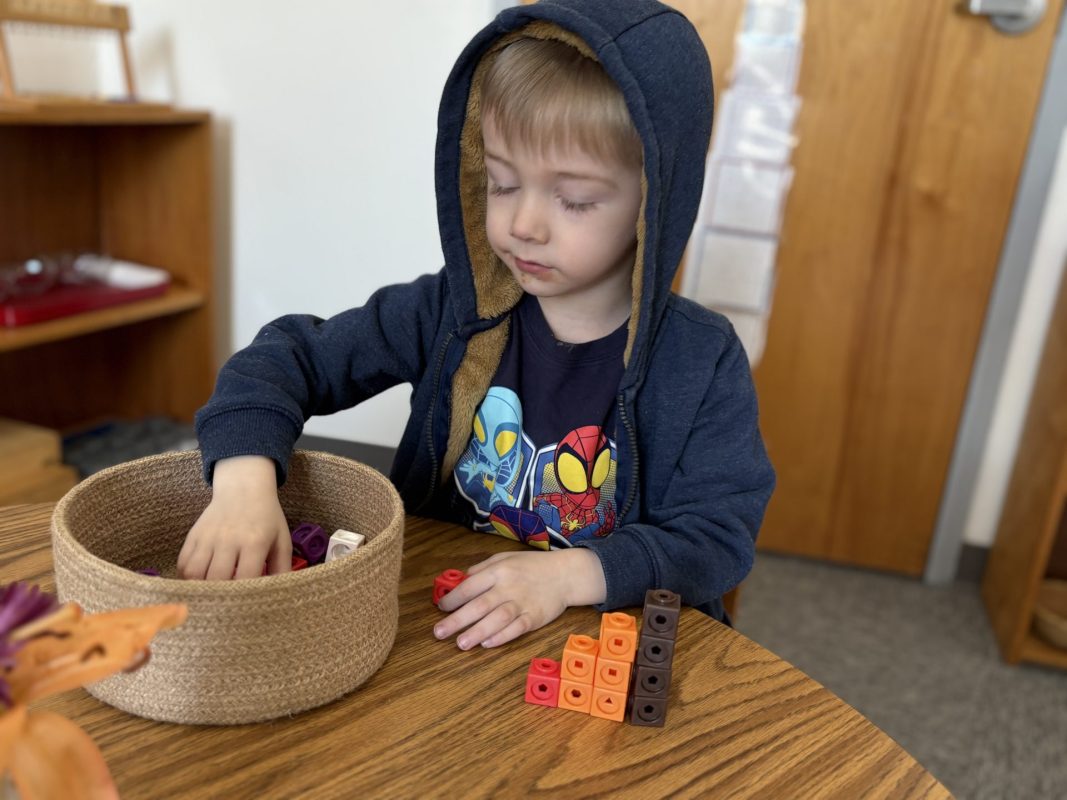
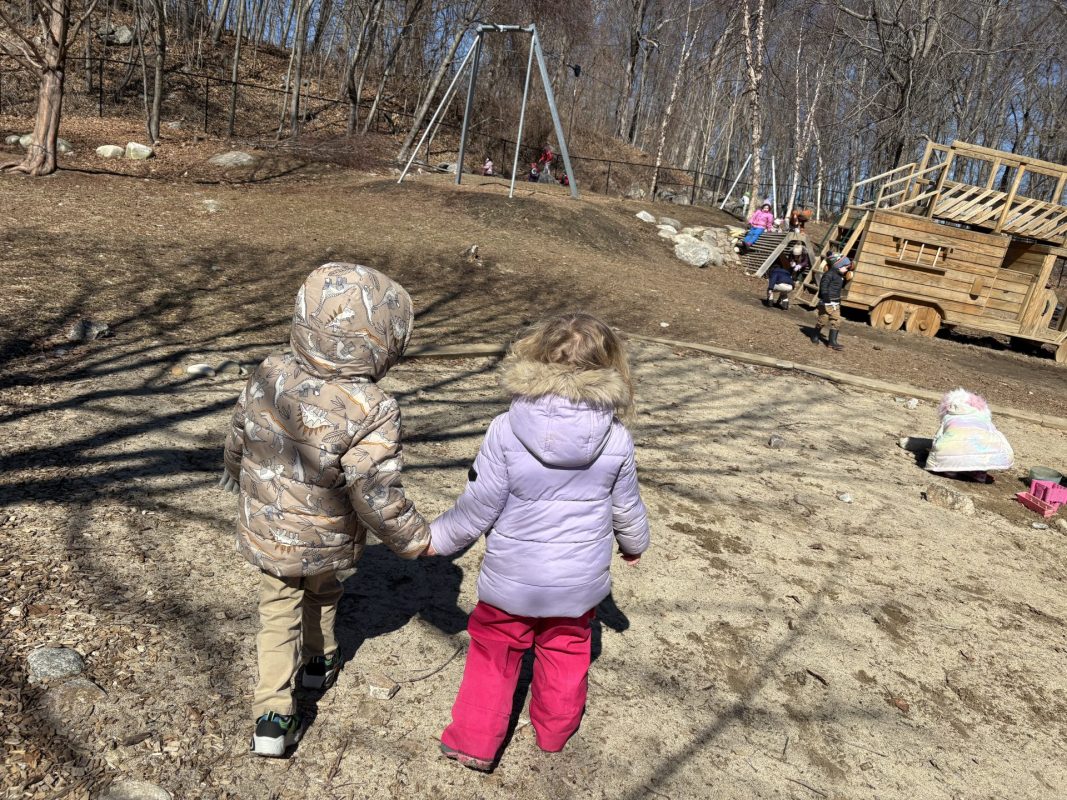
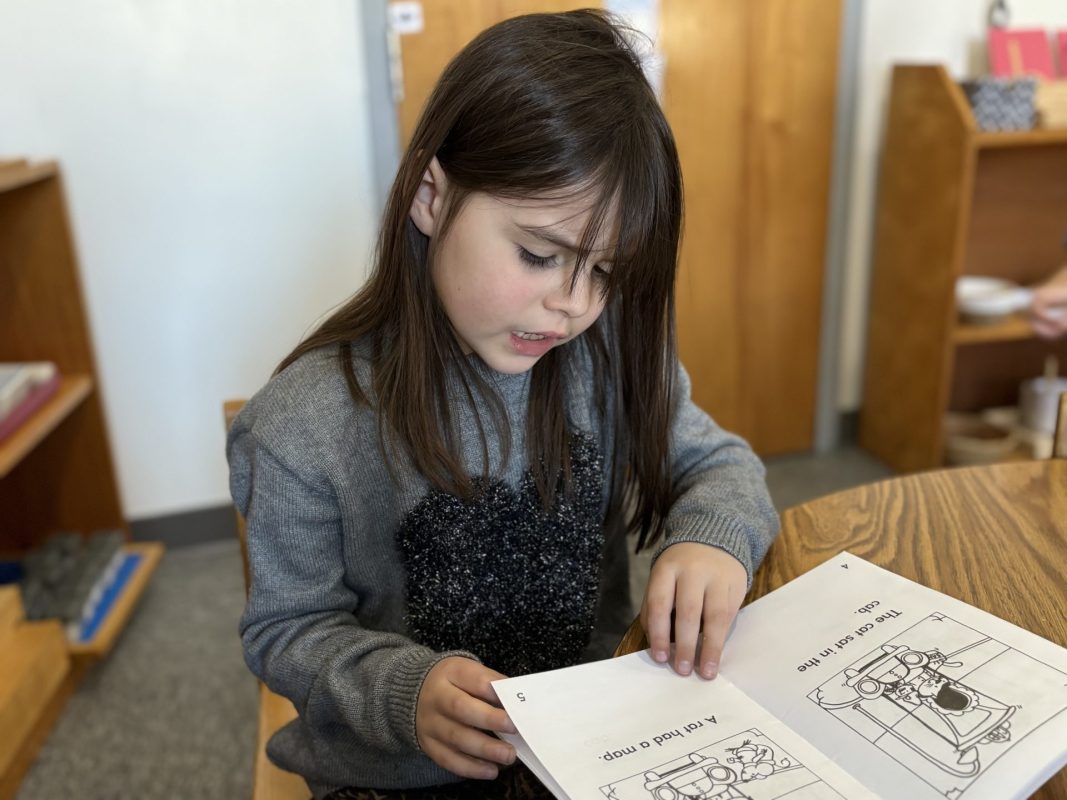
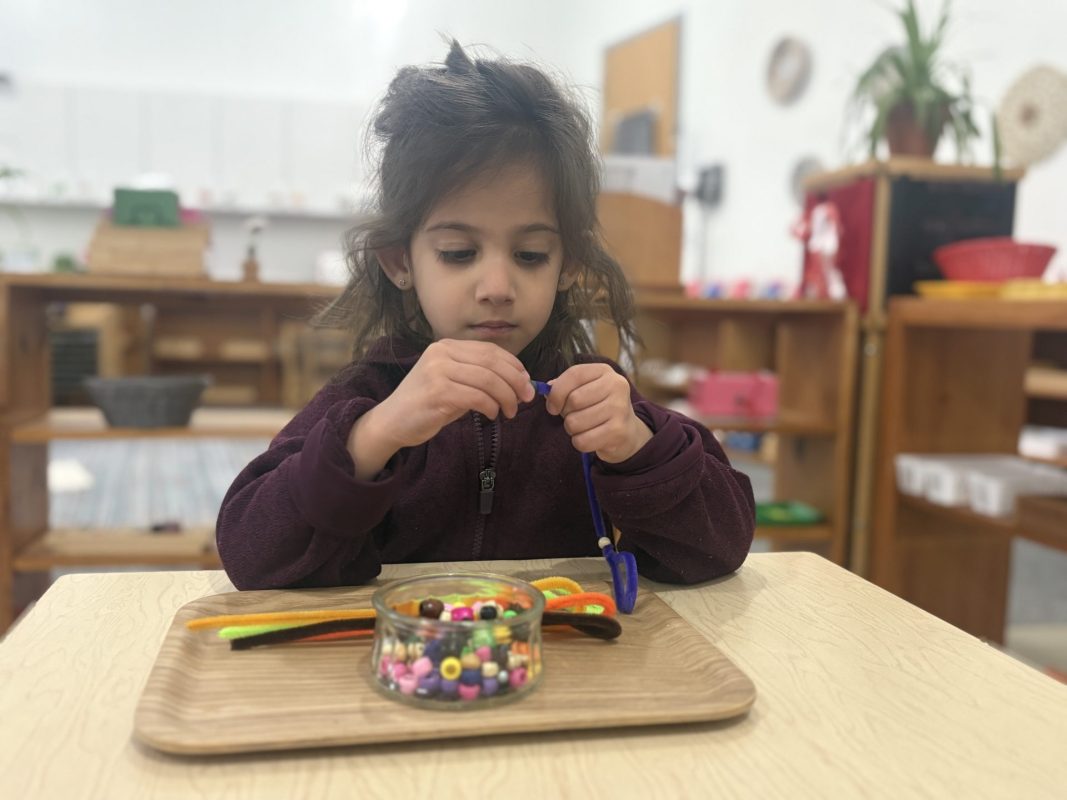
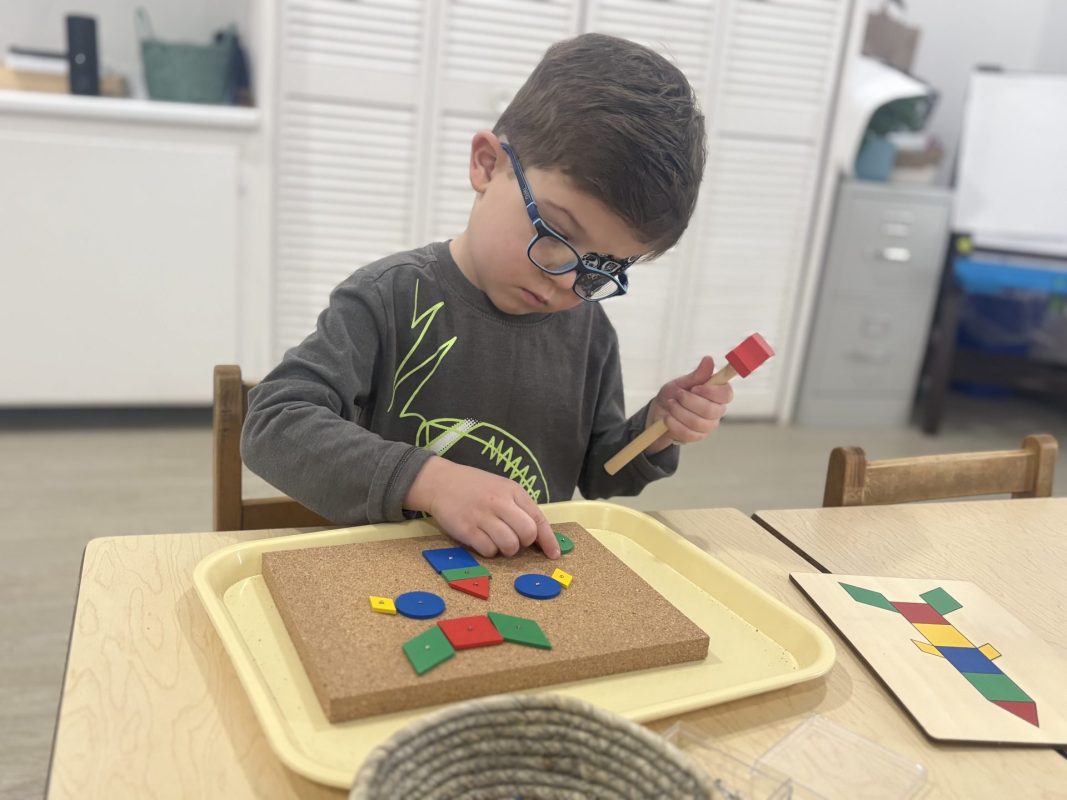
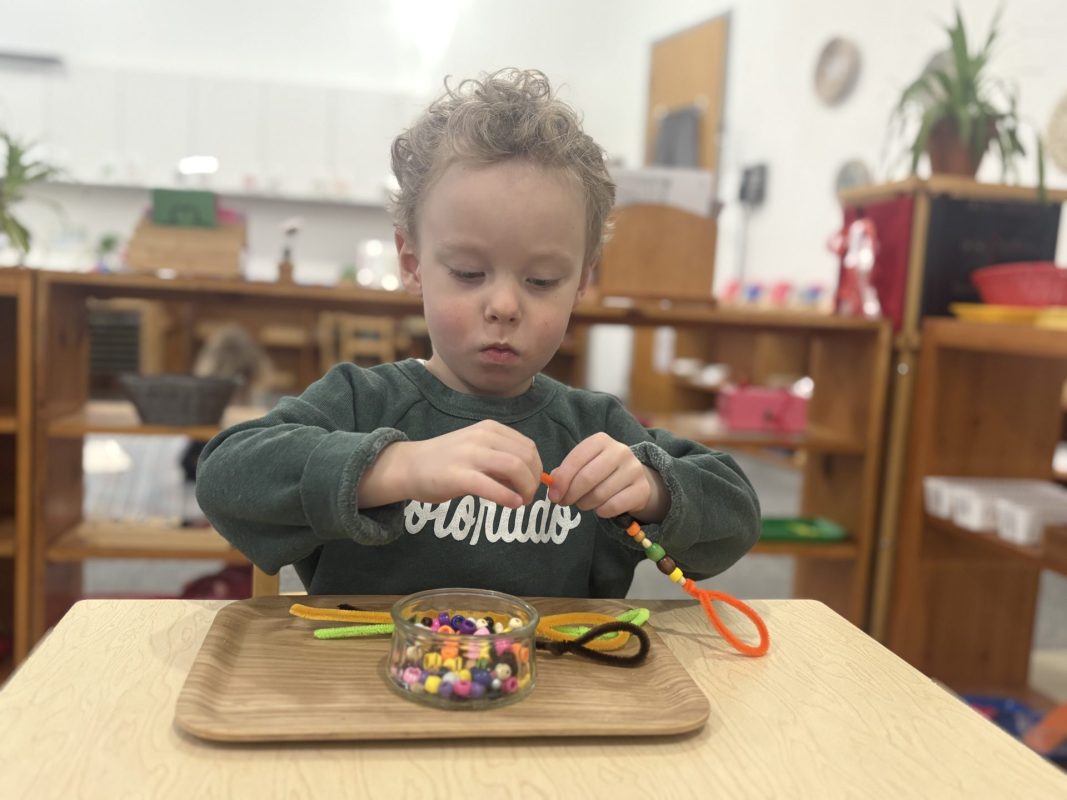
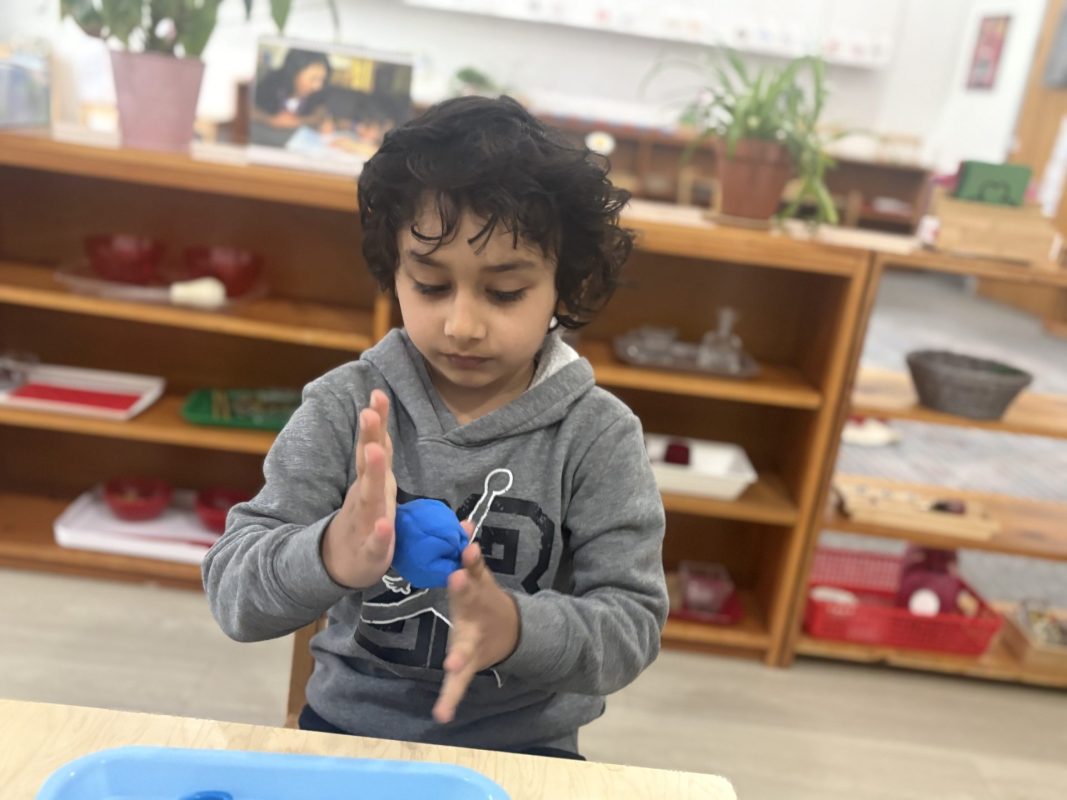
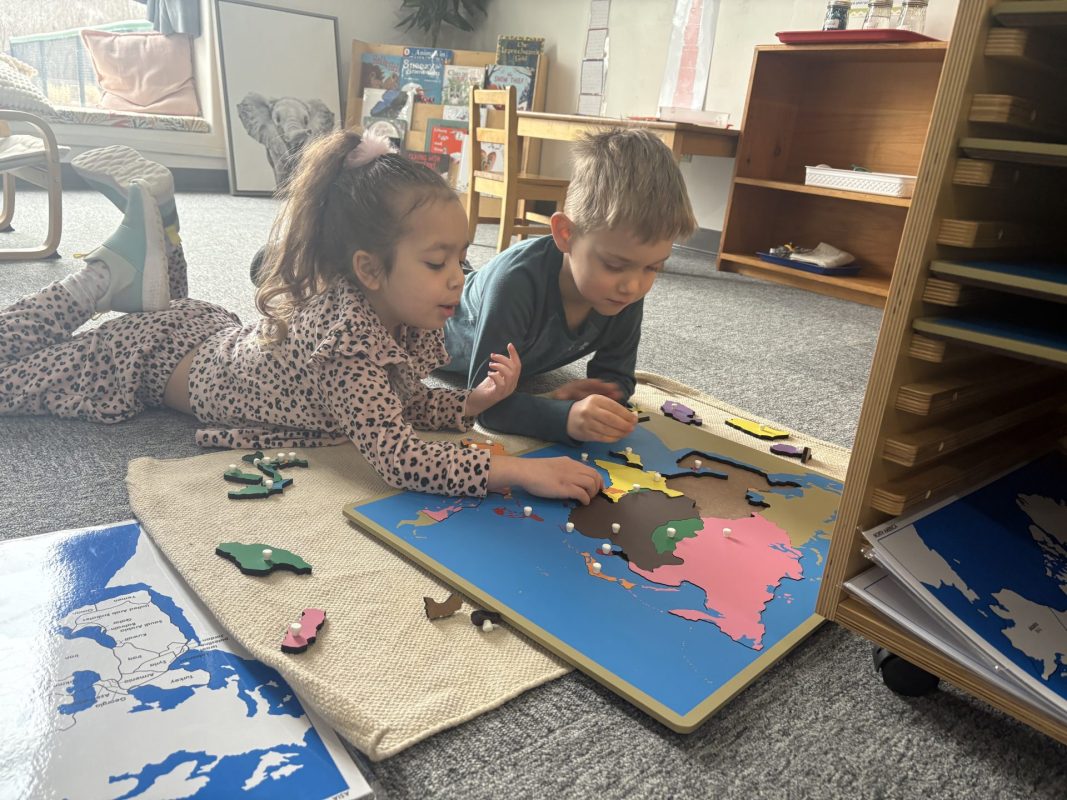
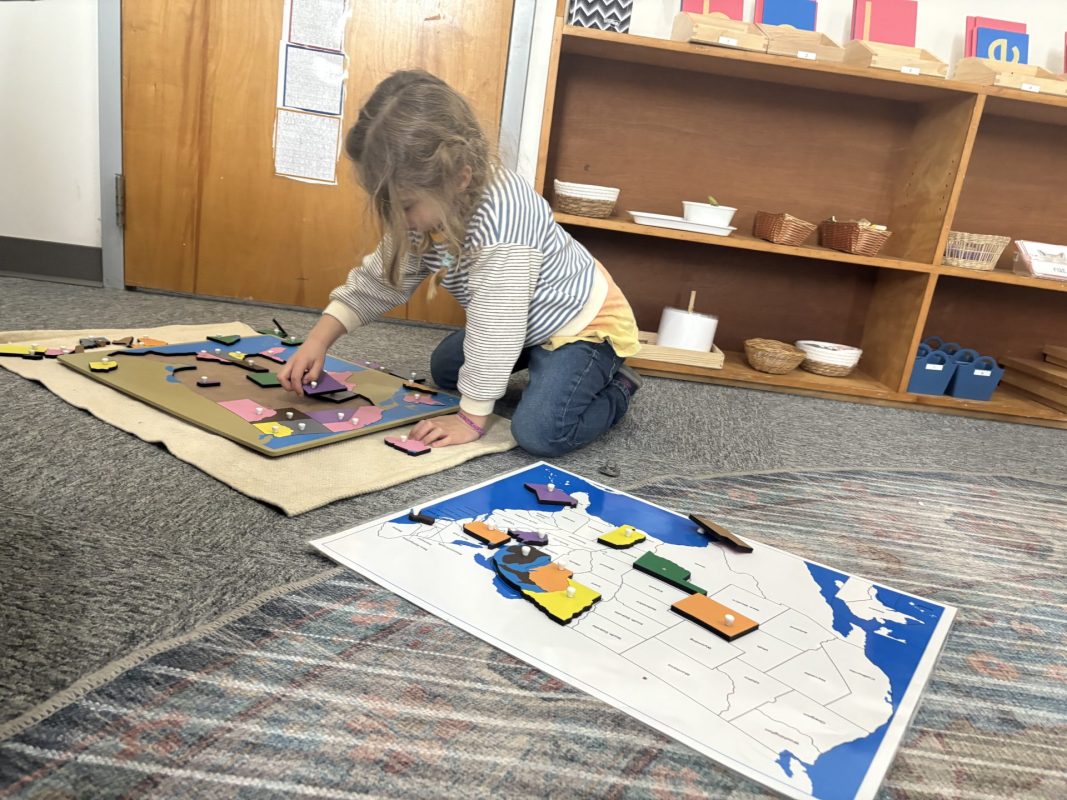
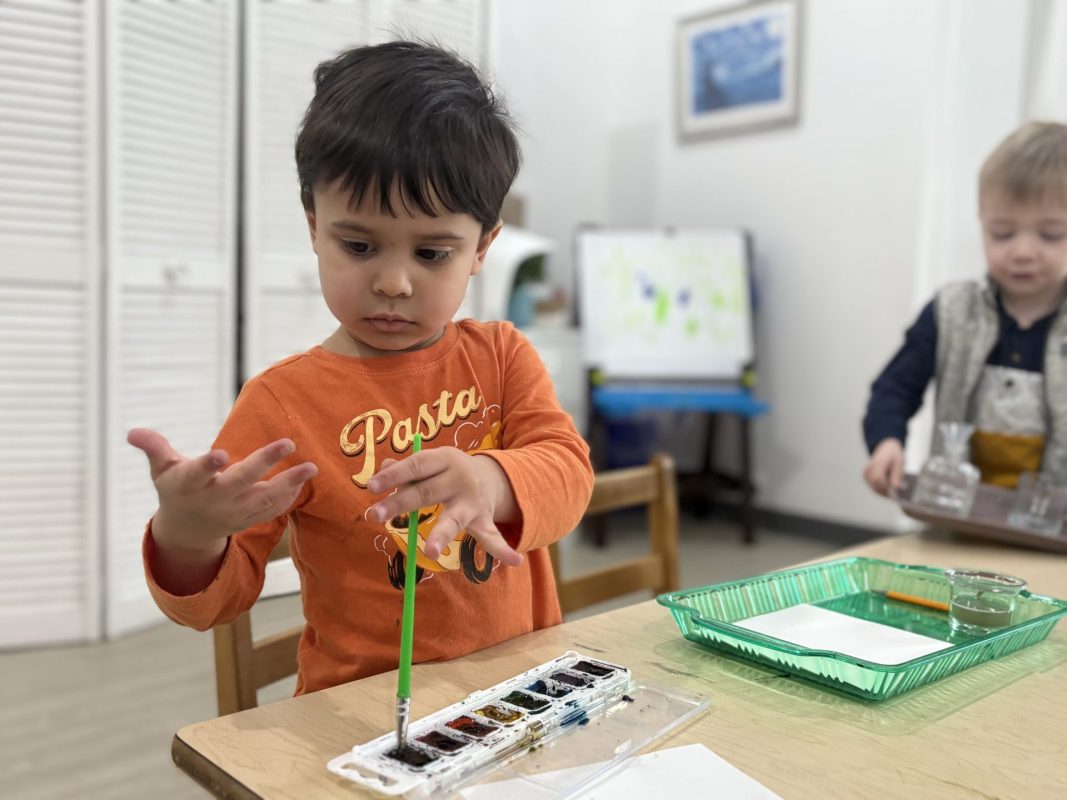
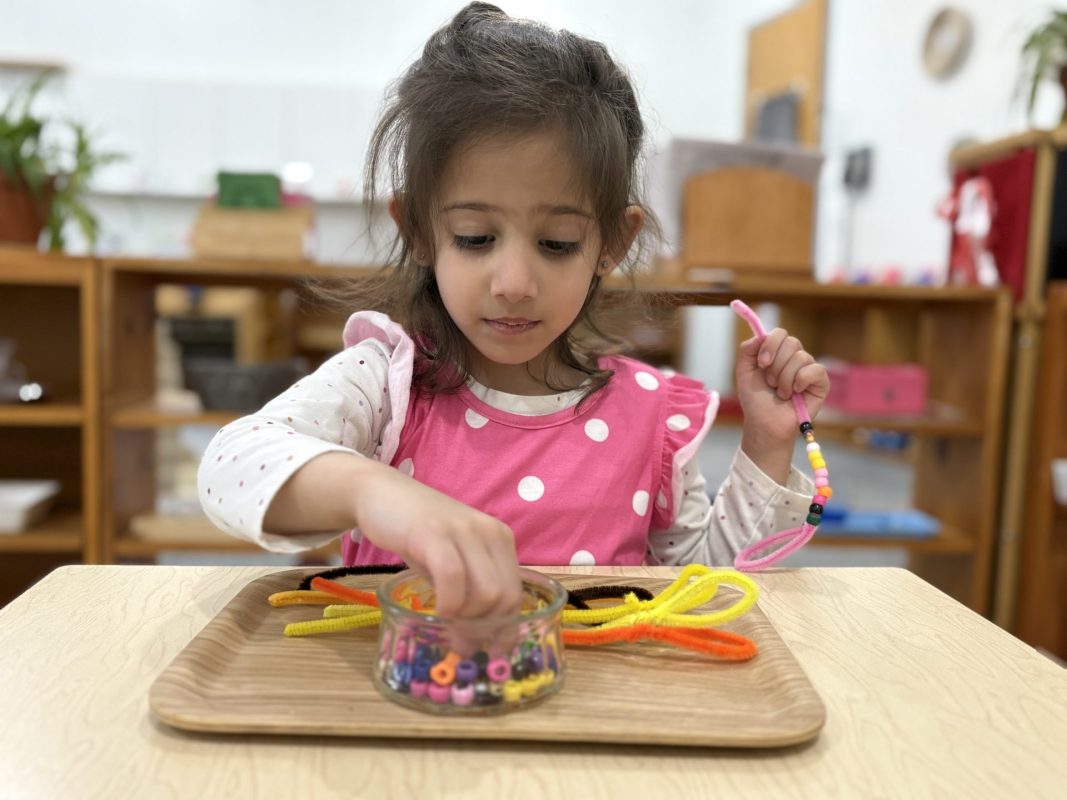
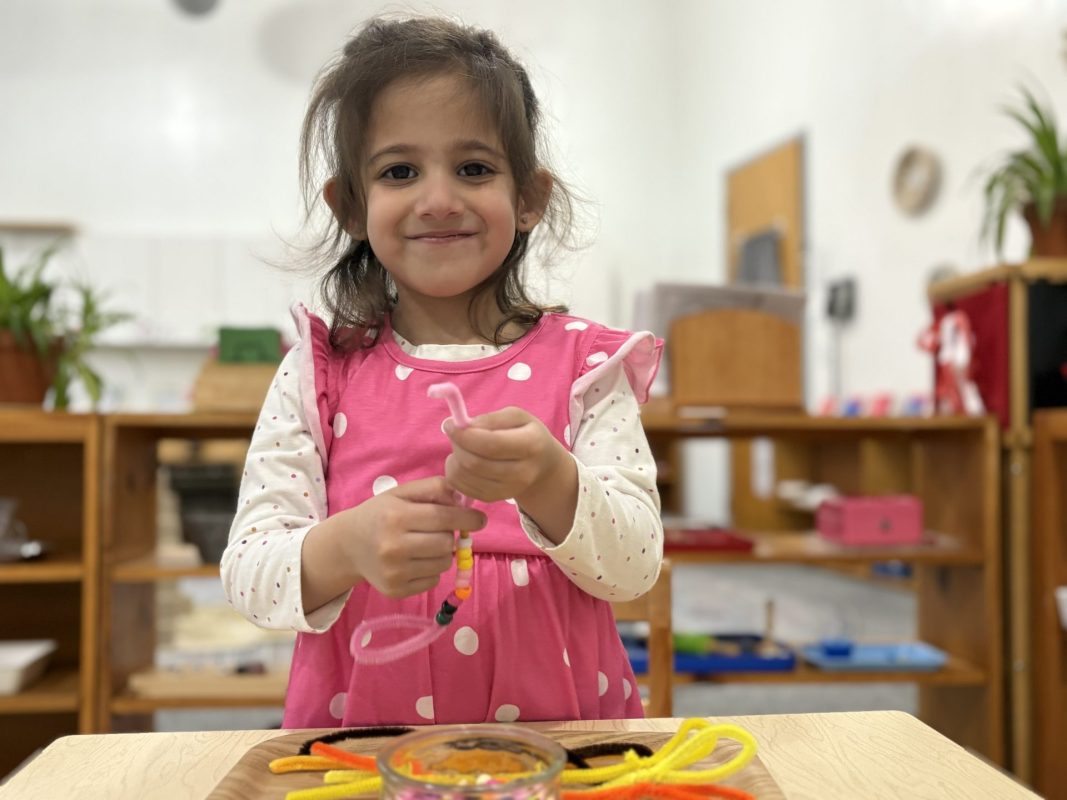
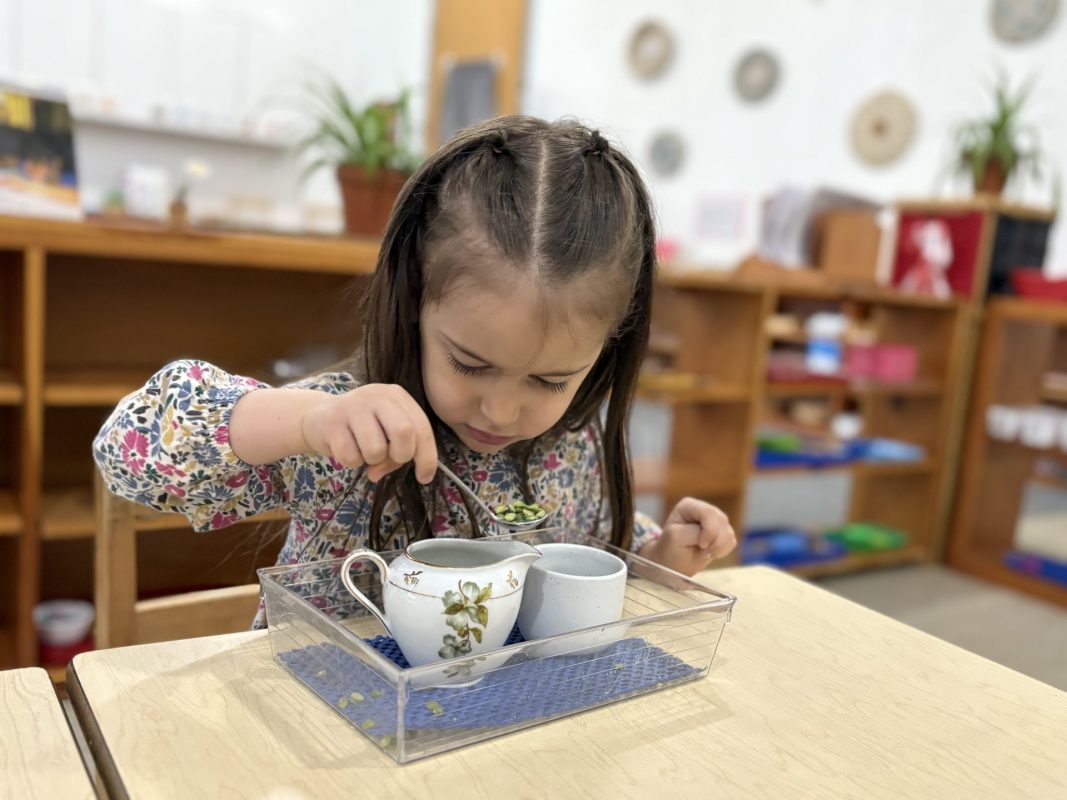
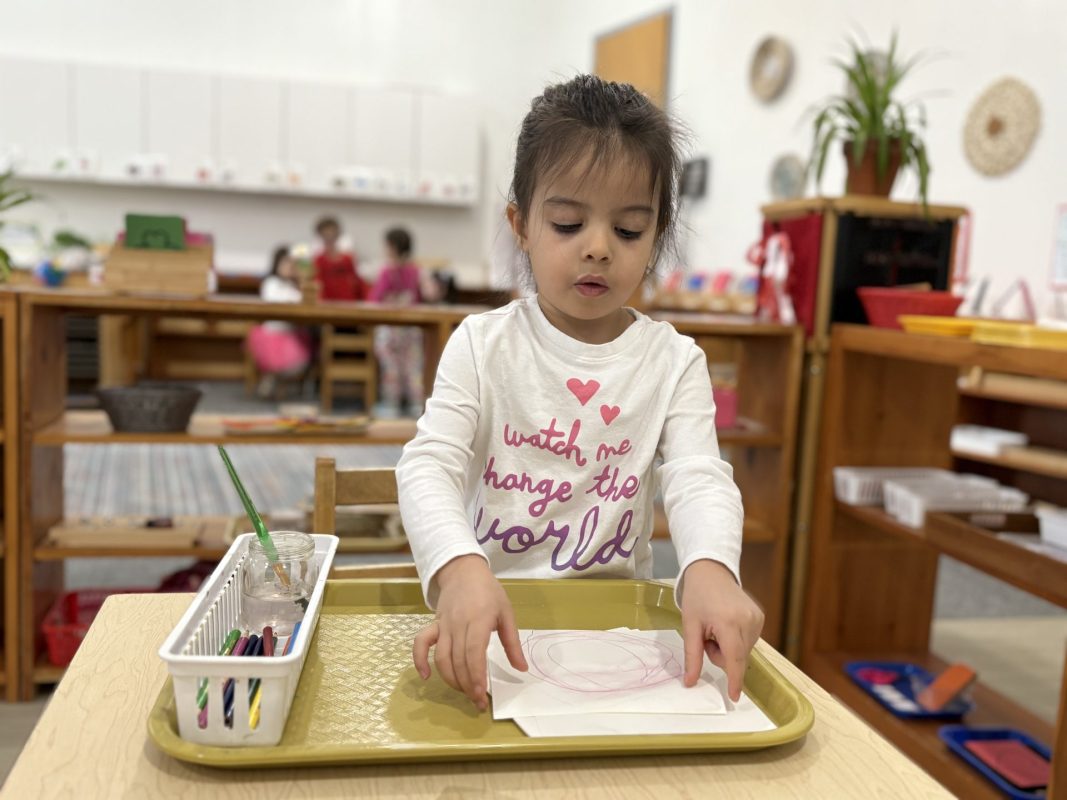
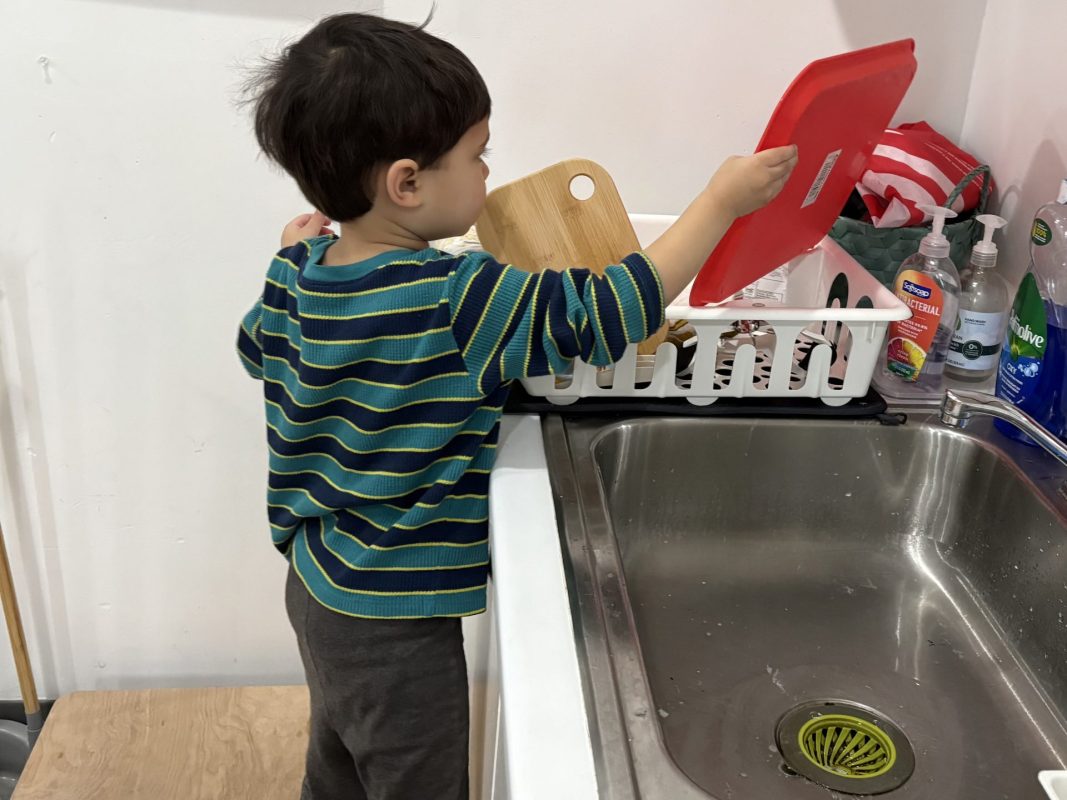
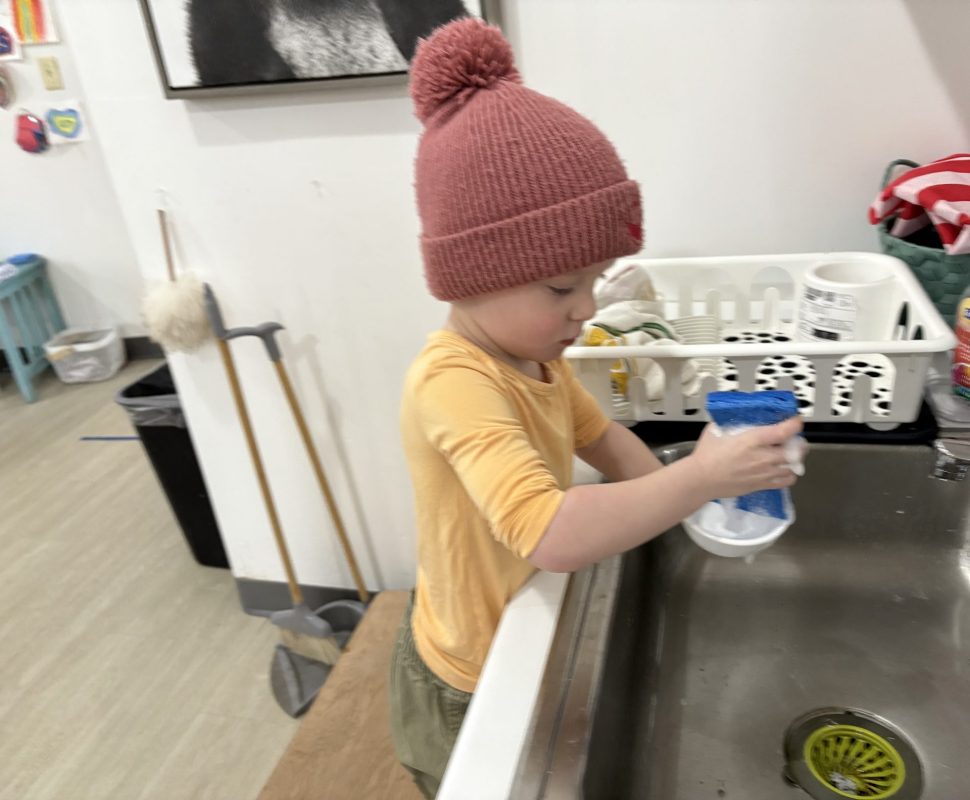
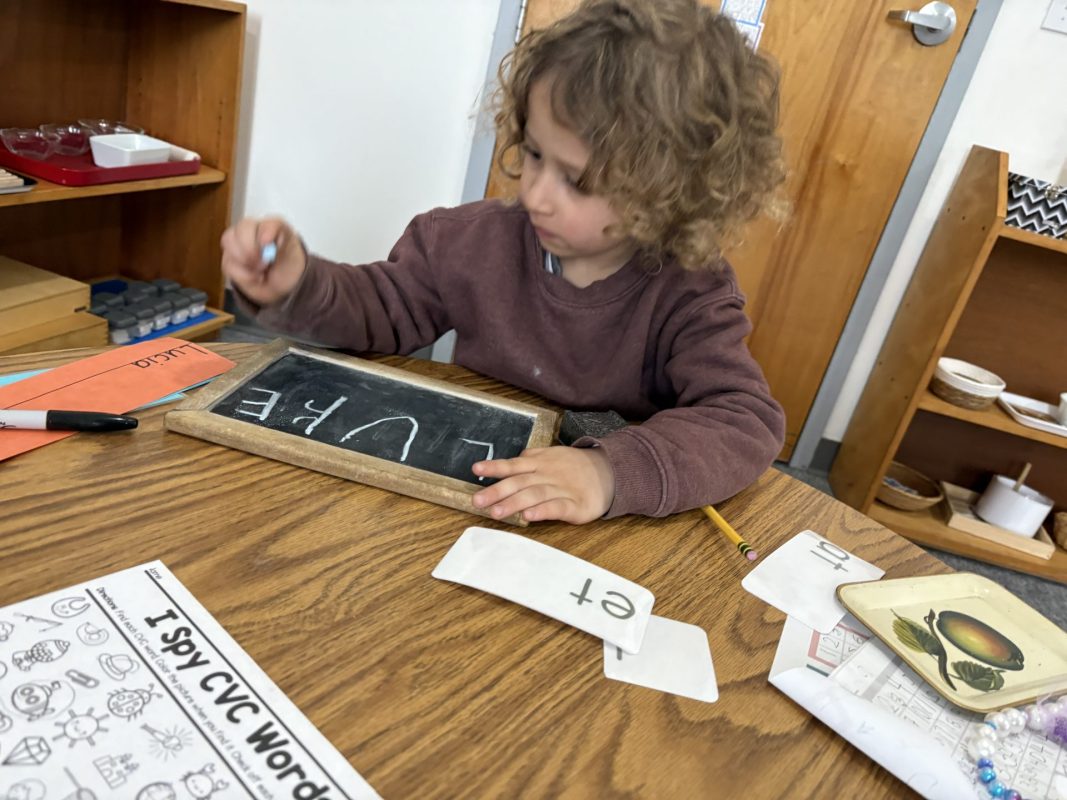
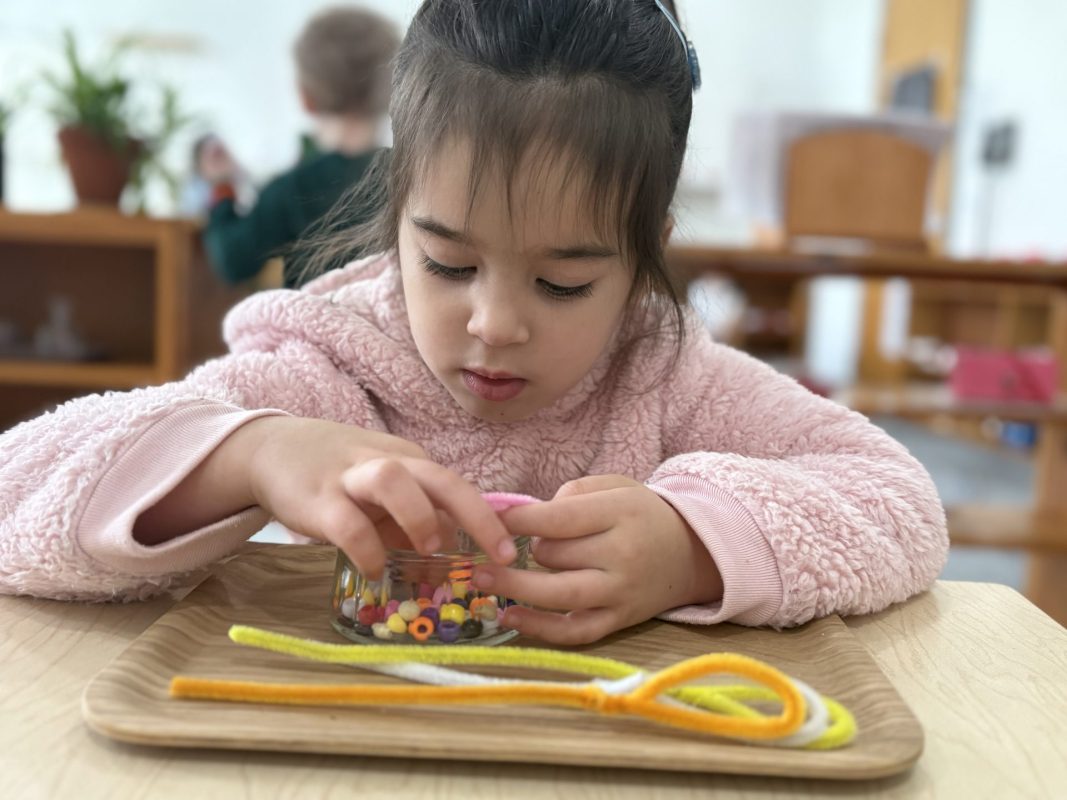
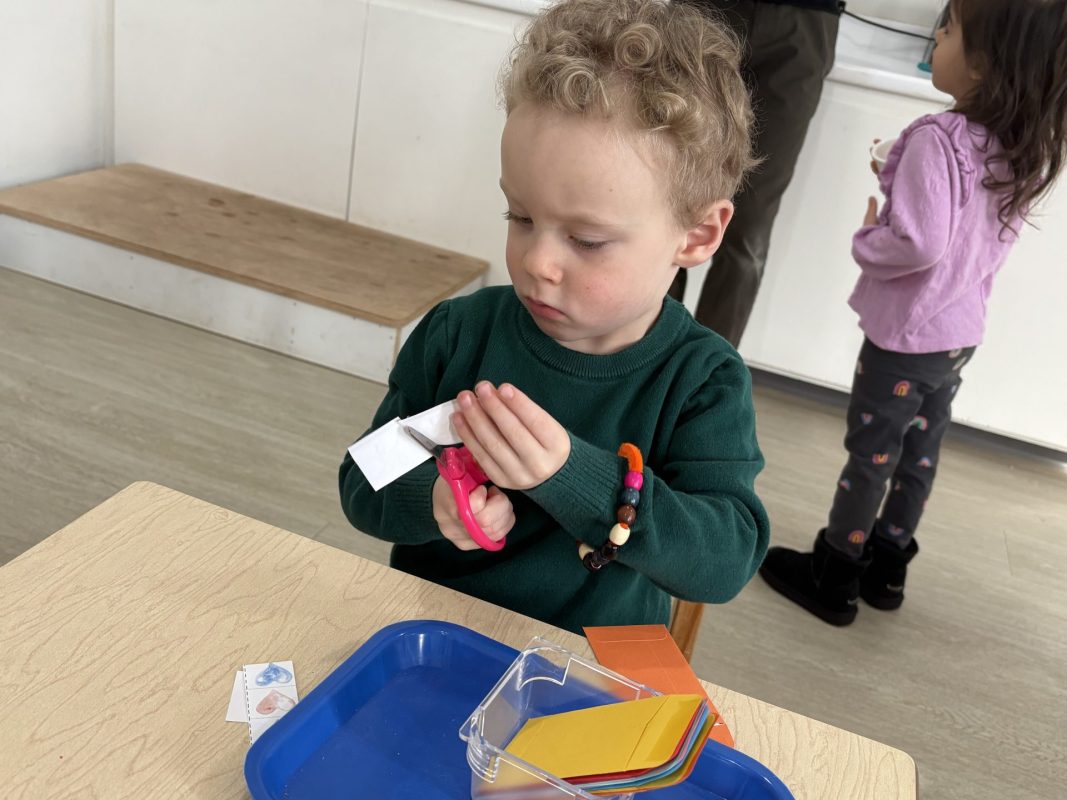
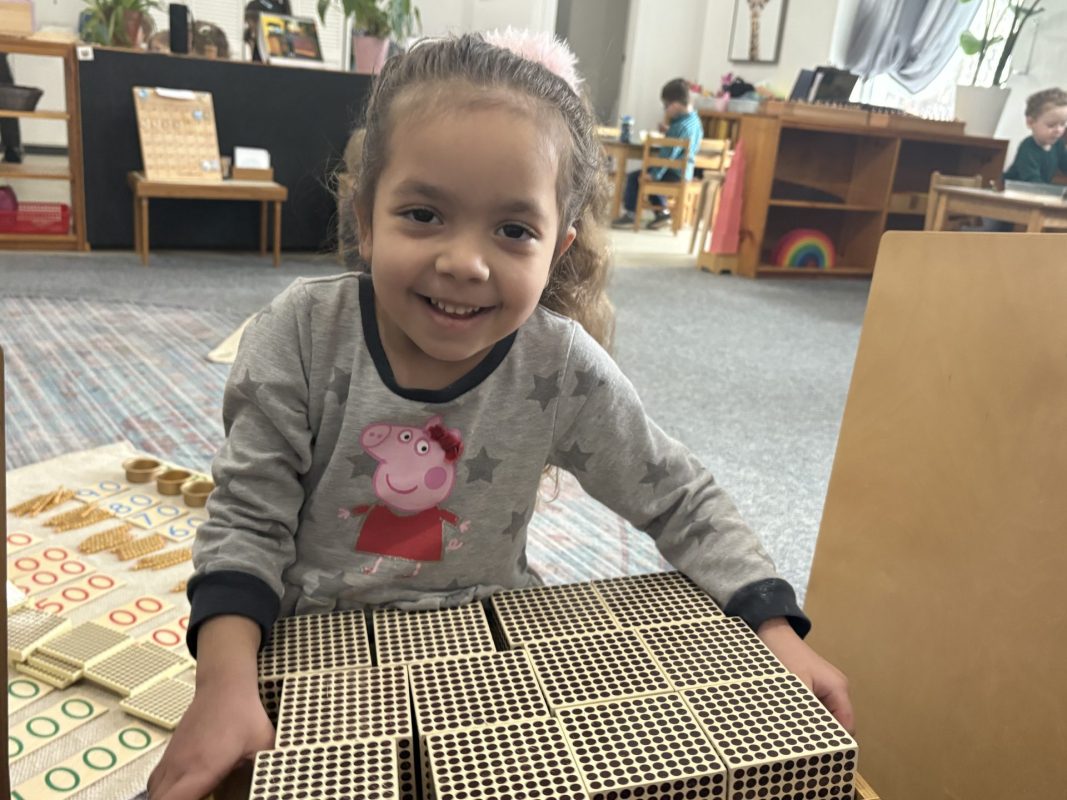
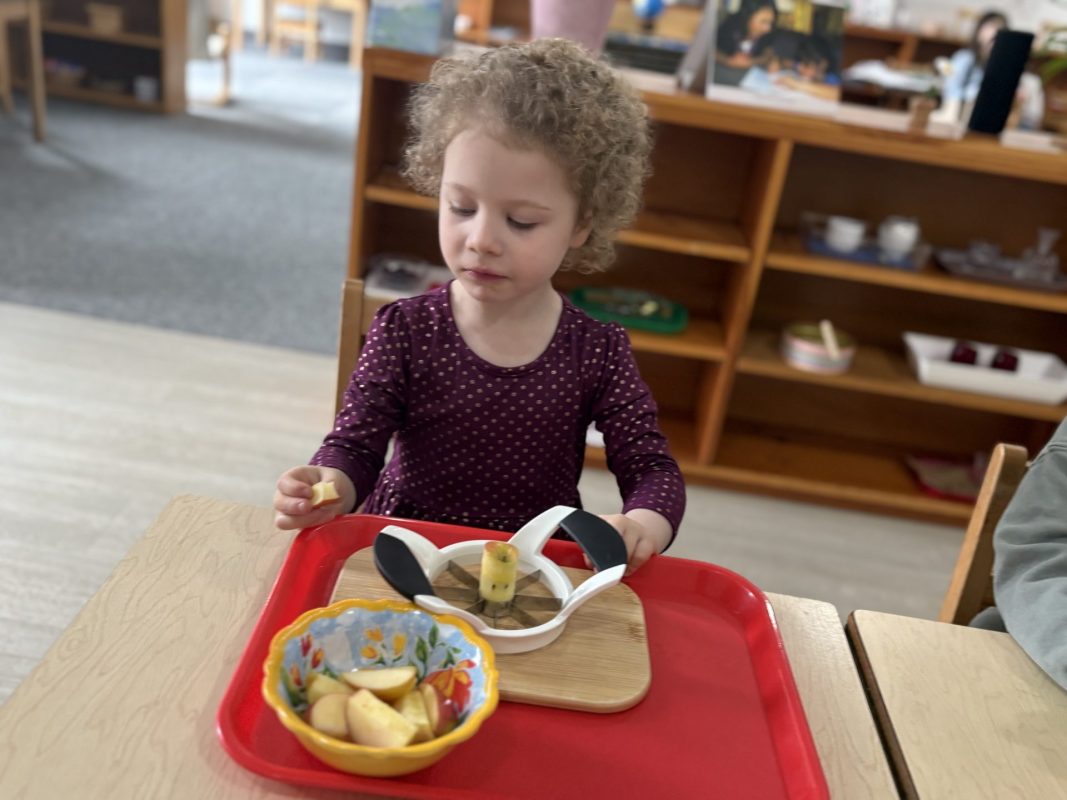
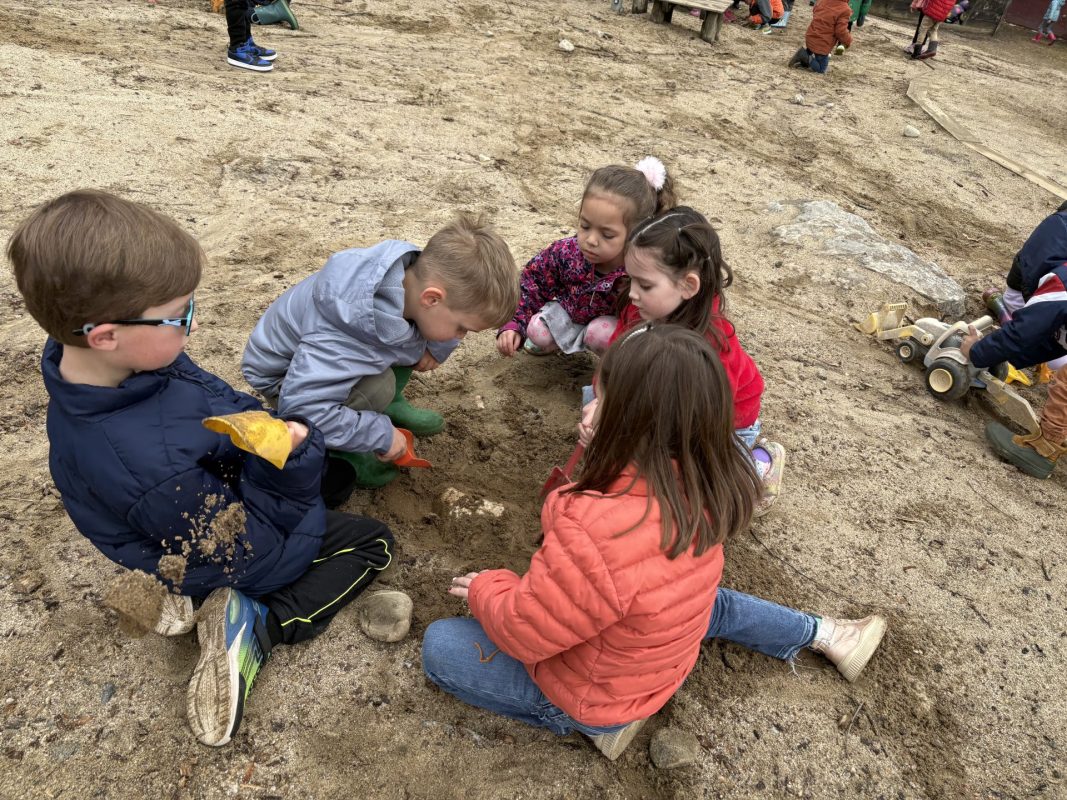
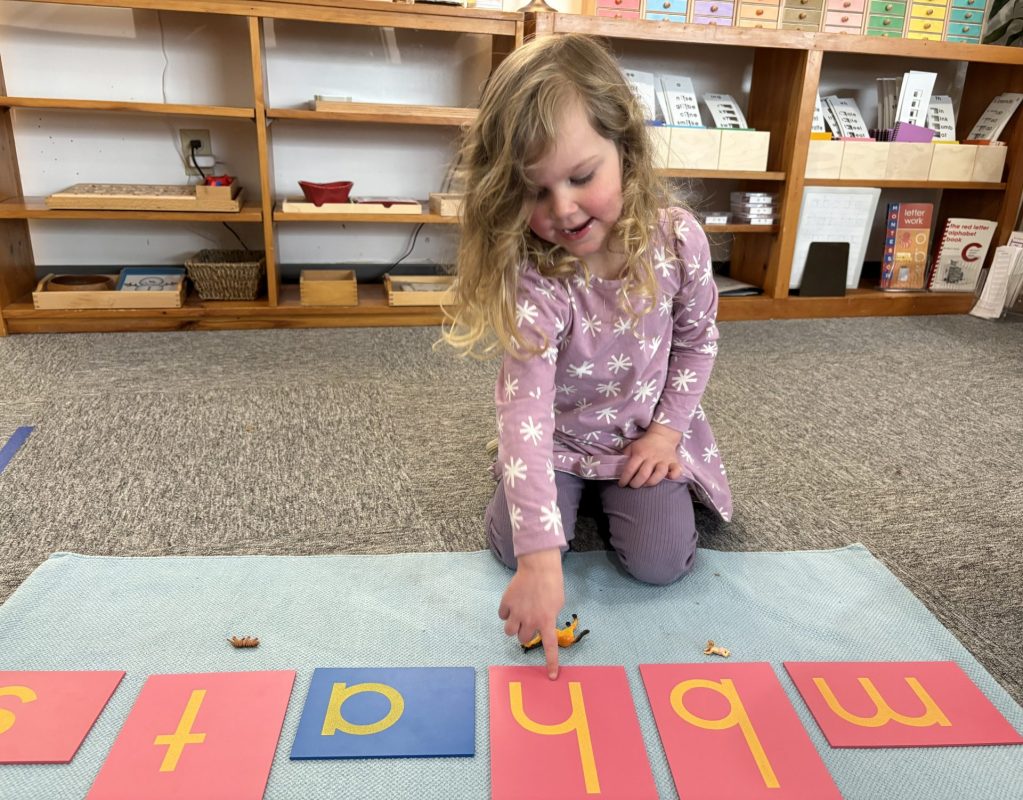
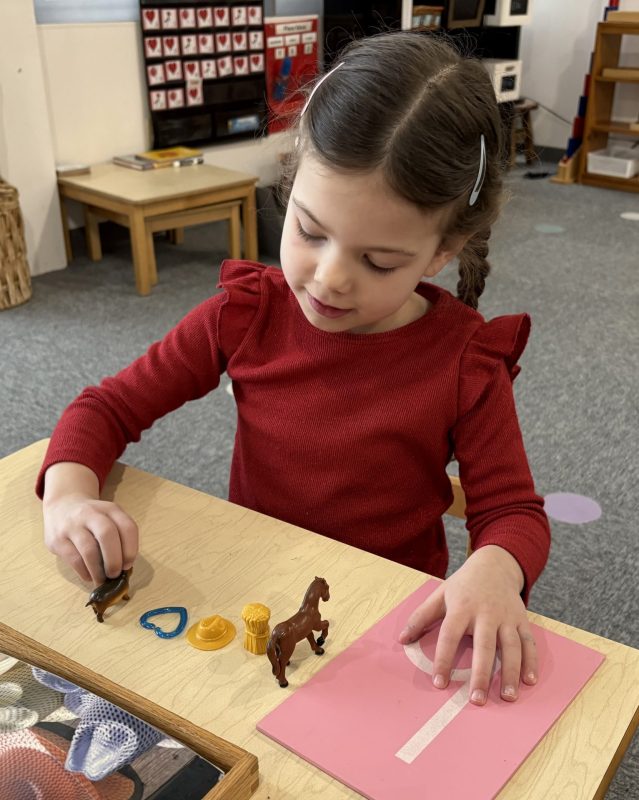
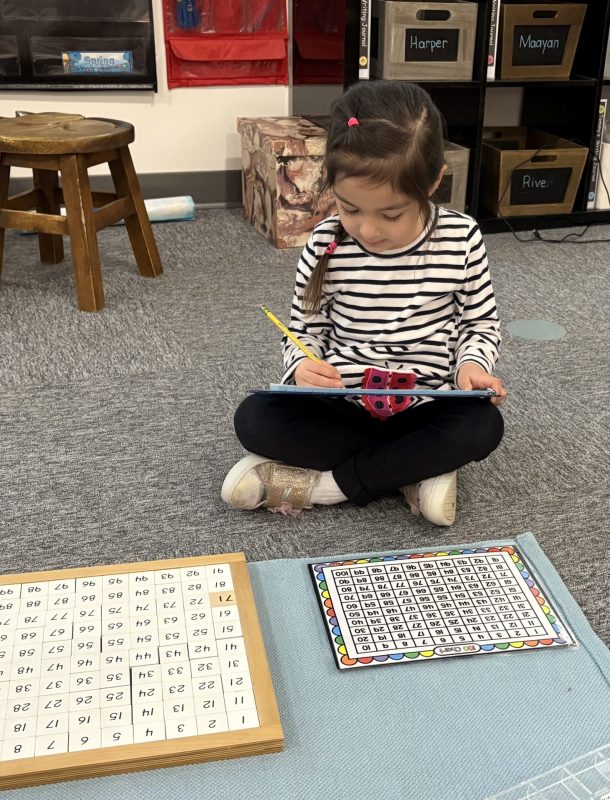
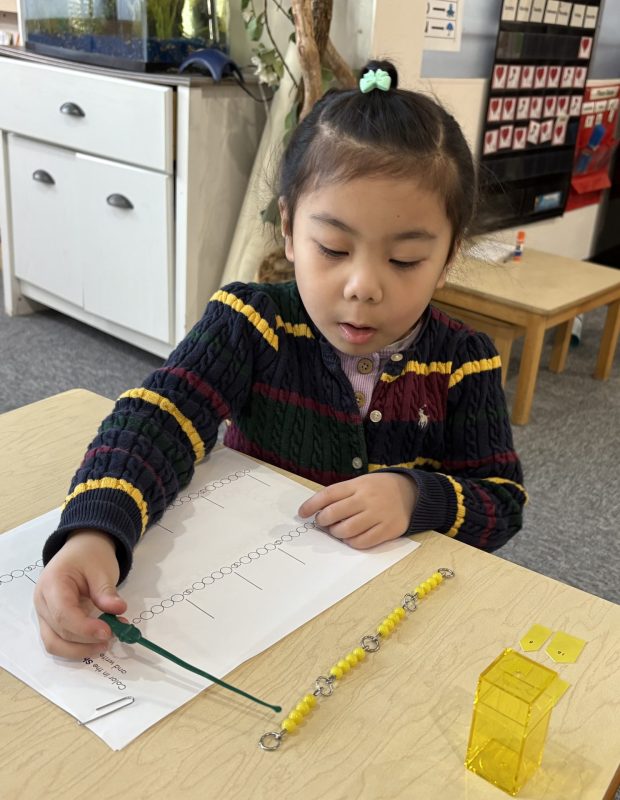
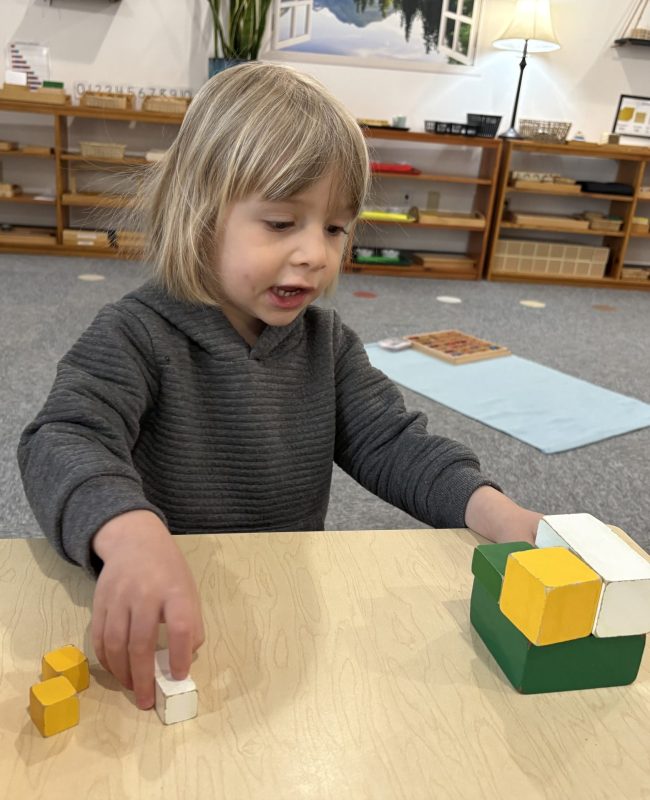
In our hurried world filled with timelines and schedules, it is often so much easier and quicker for a parent to help their child put on a pair of shoes, rather than encourage the child and patiently wait for them to put on their own shoes. Doctor Maria Montessori recognized that children possess an innate need for independence. She also understood that this independence and the child’s desire to “help me to do it myself” was the key driver behind their intellectual and physical development.

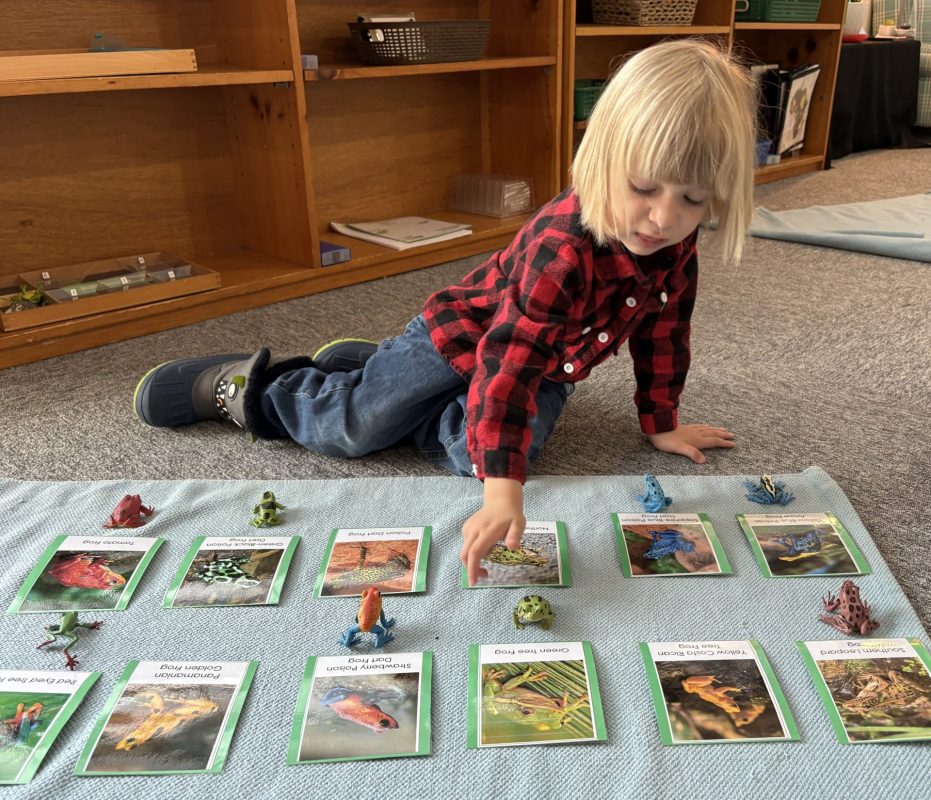
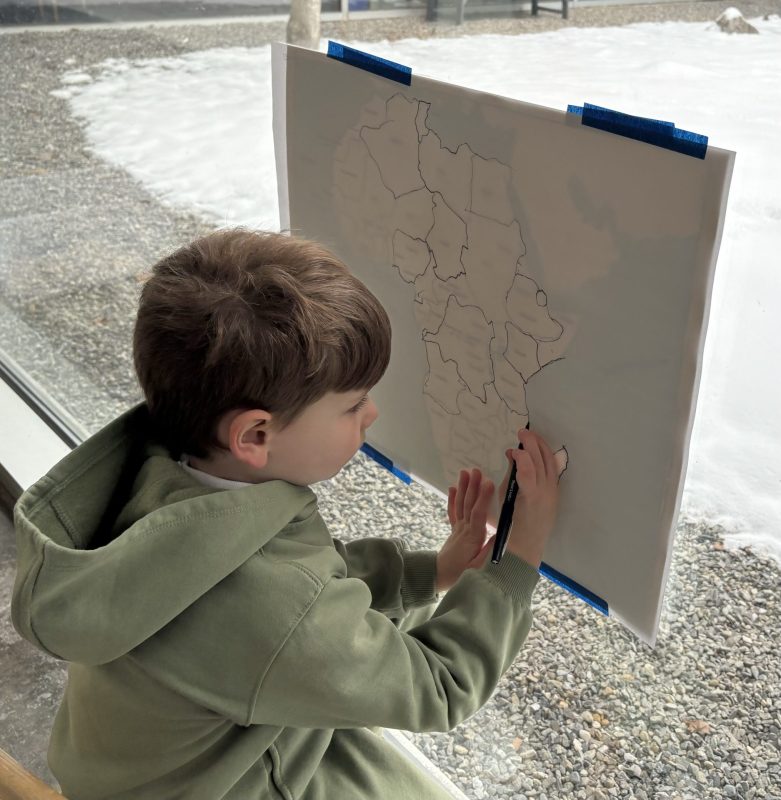
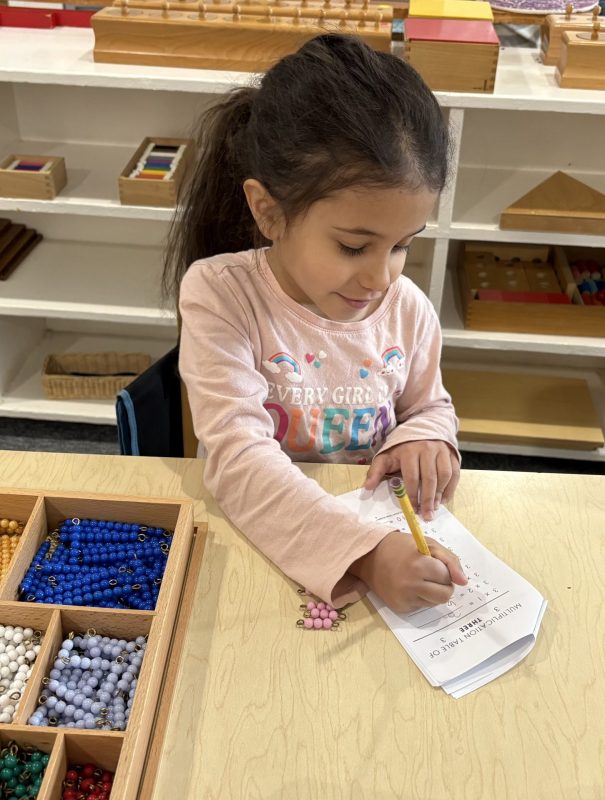
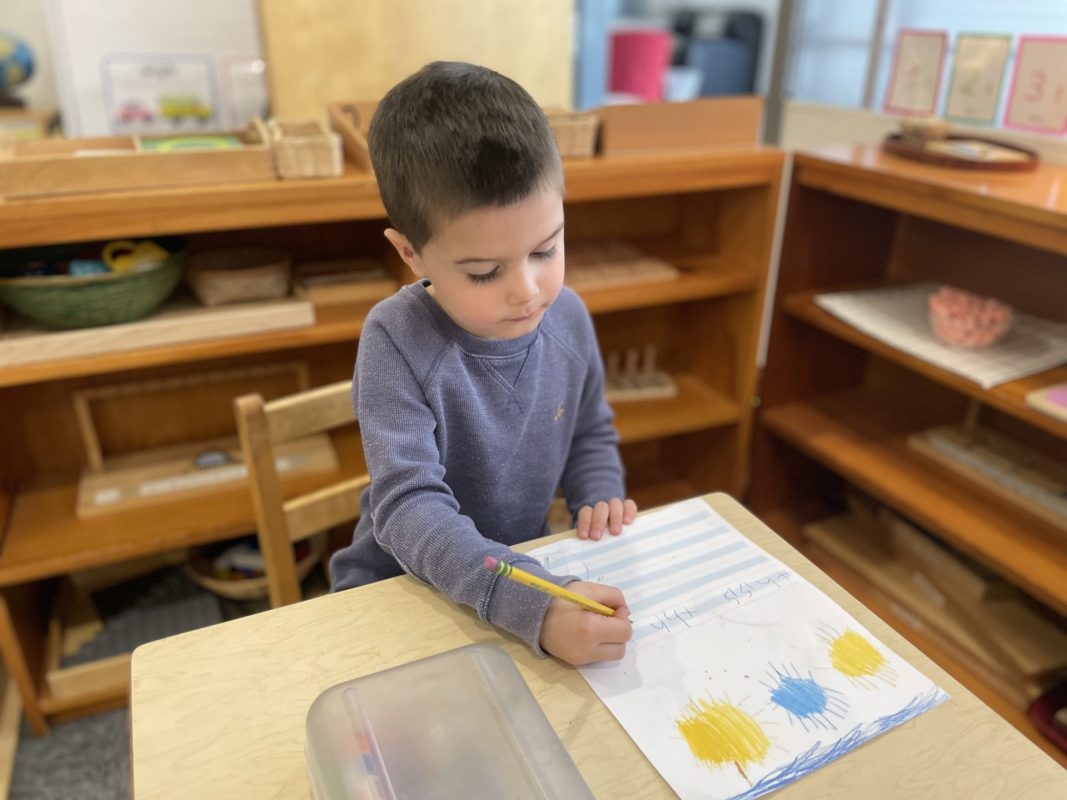
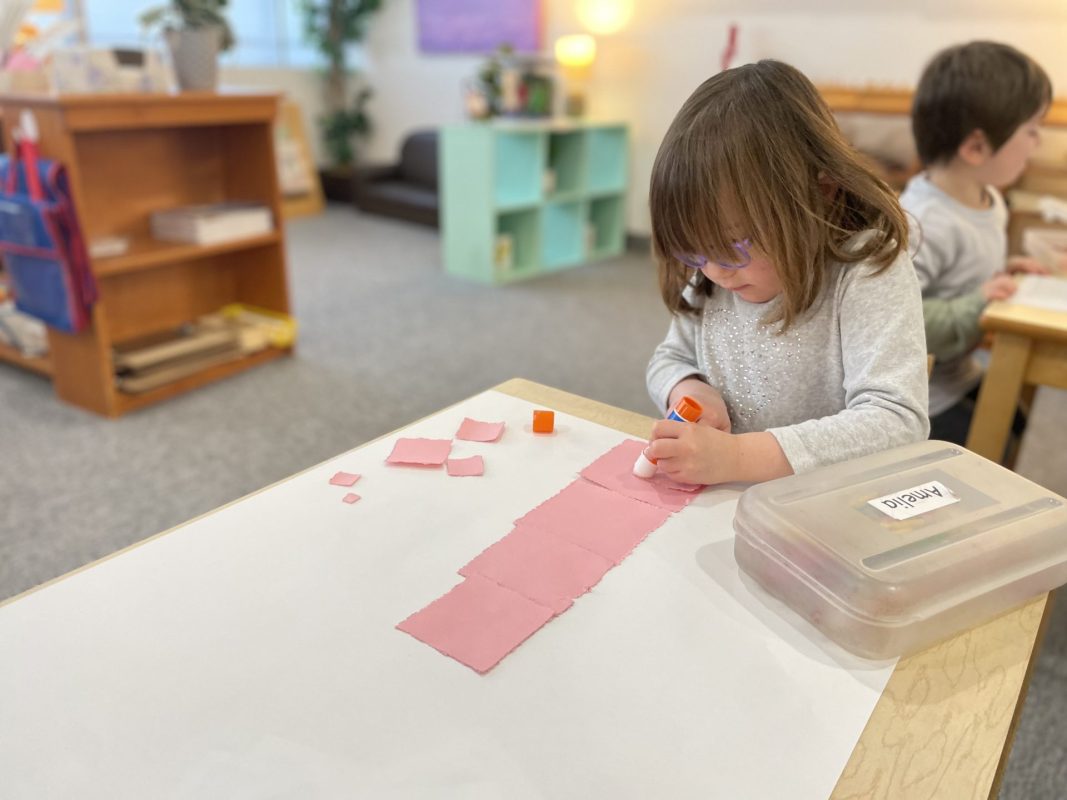
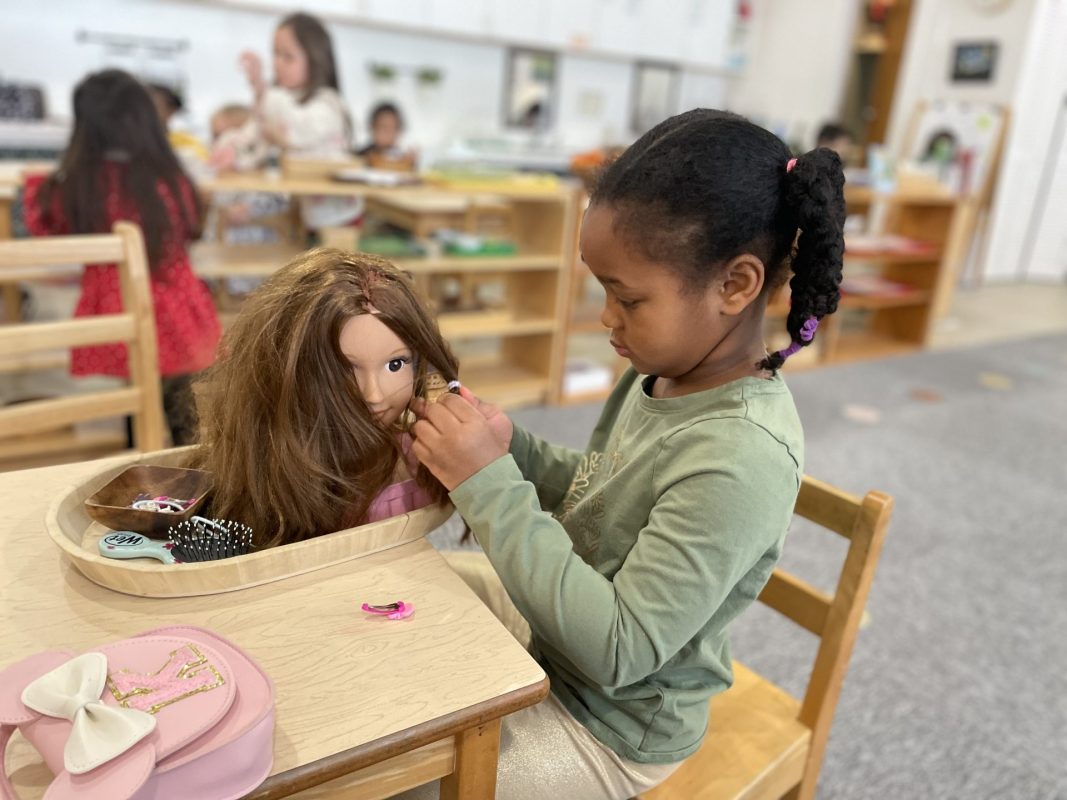
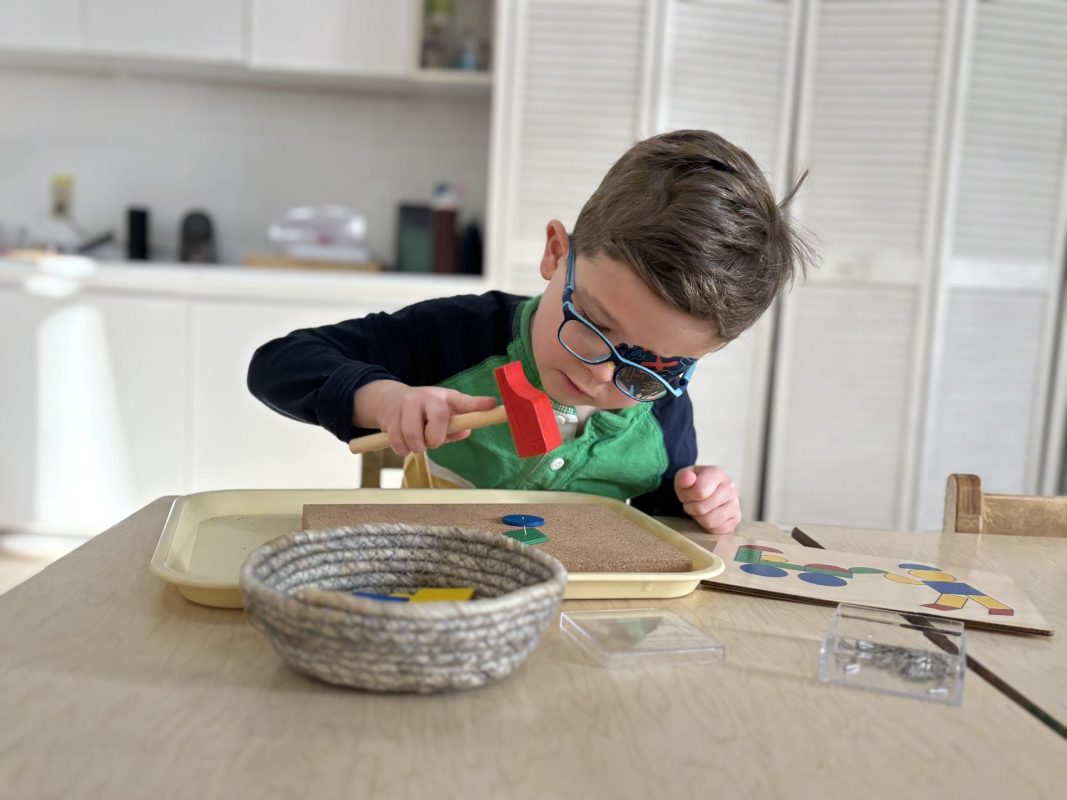
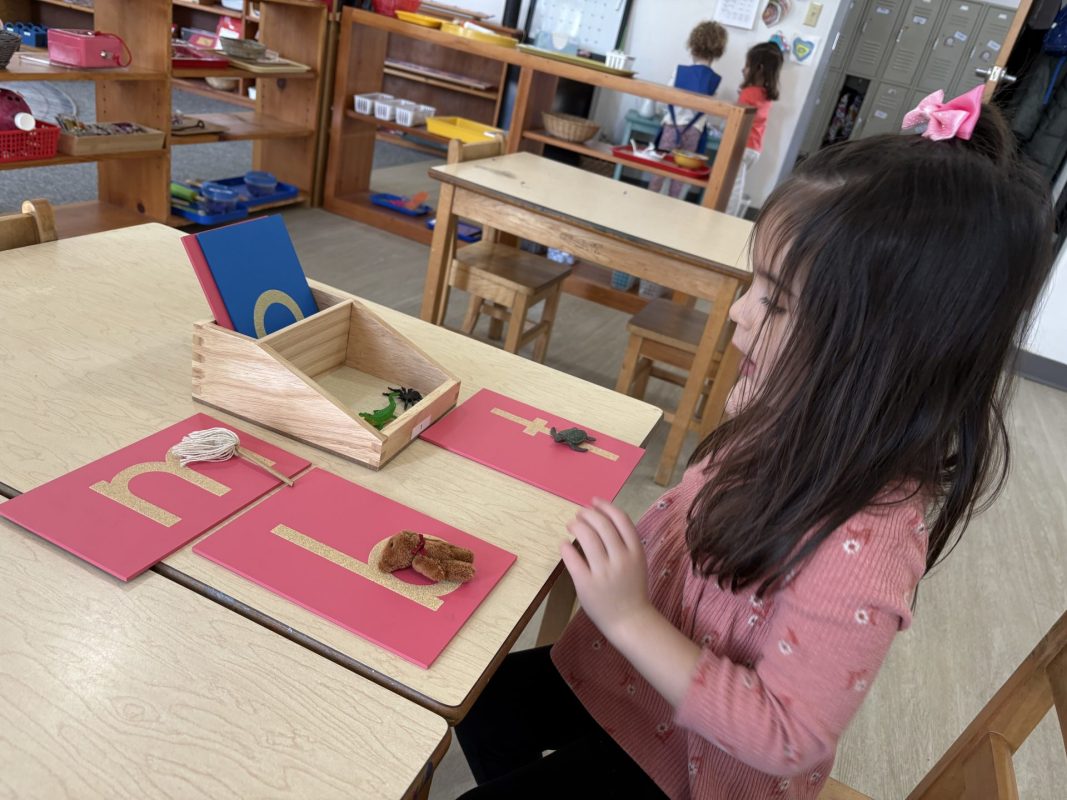
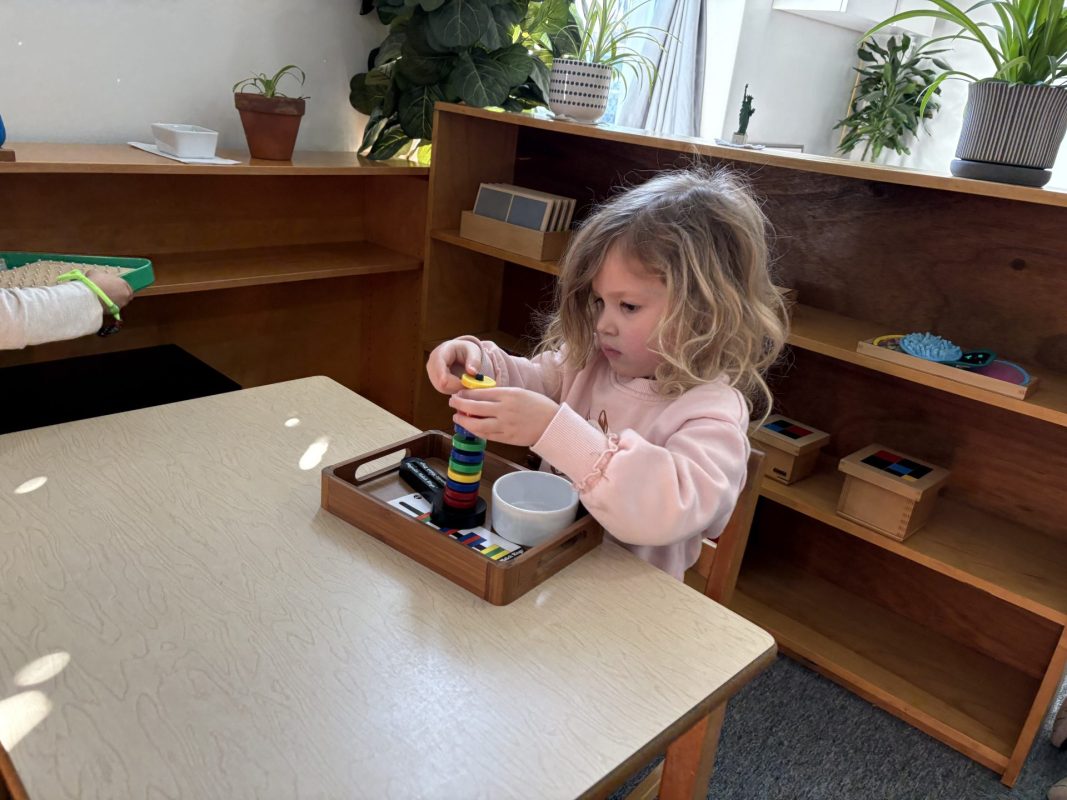
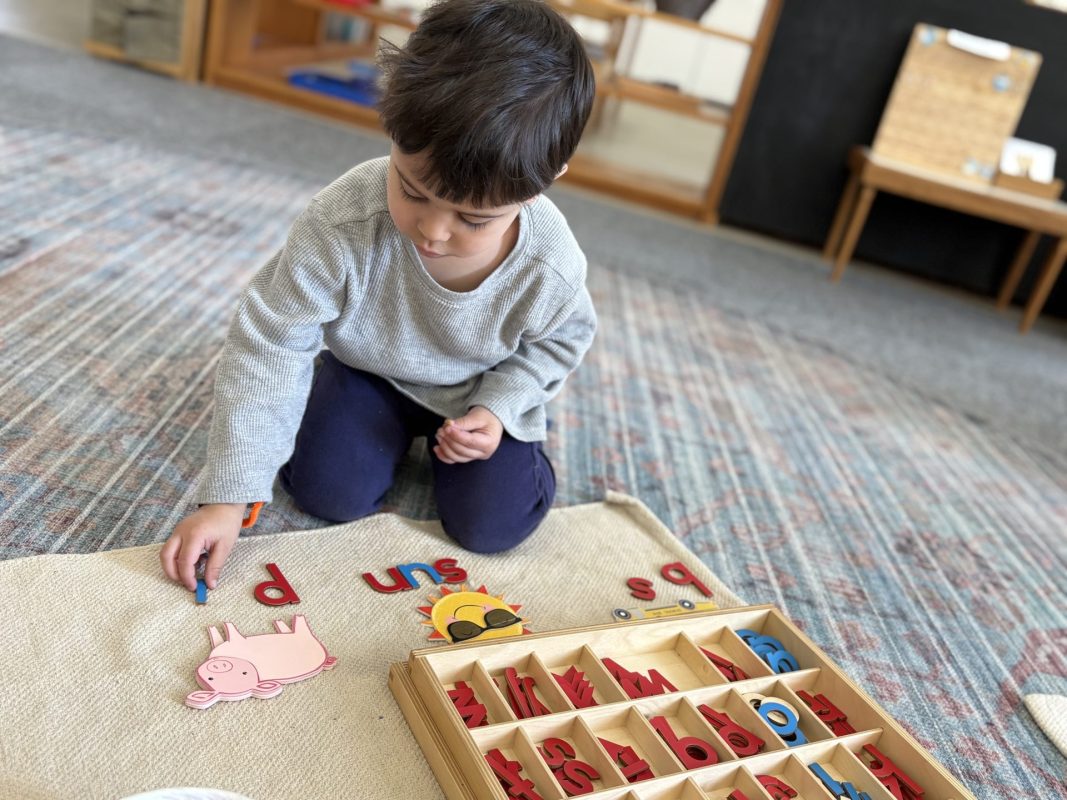
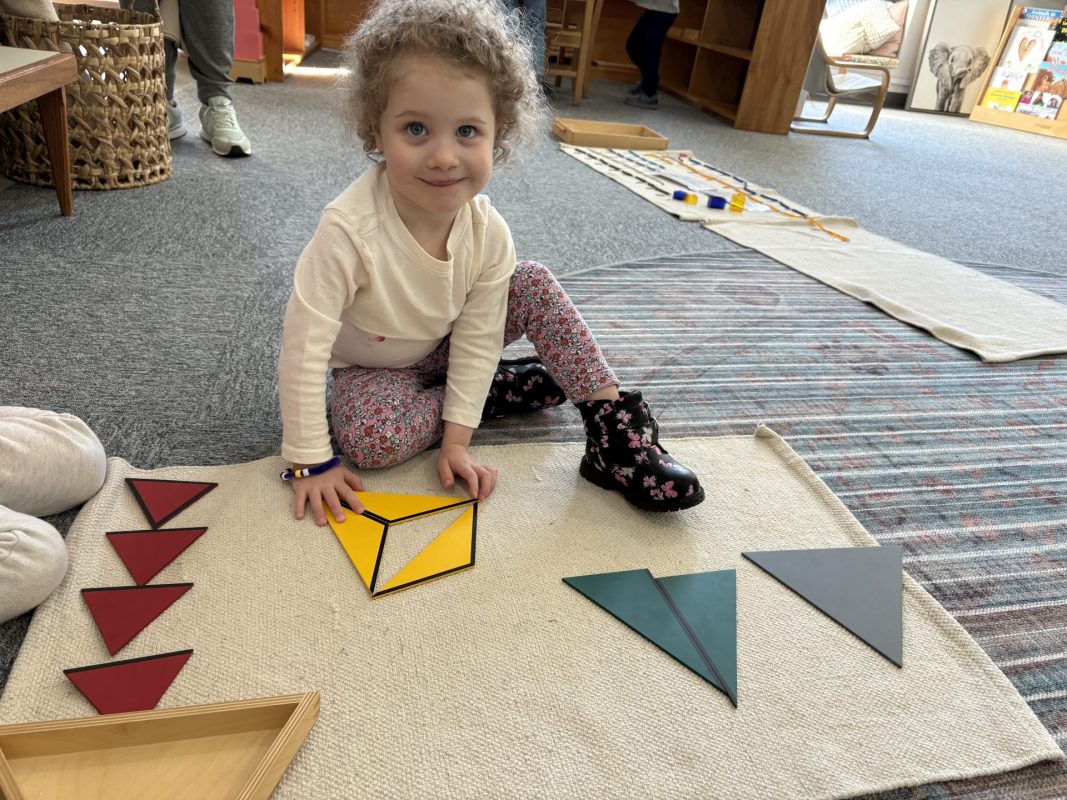
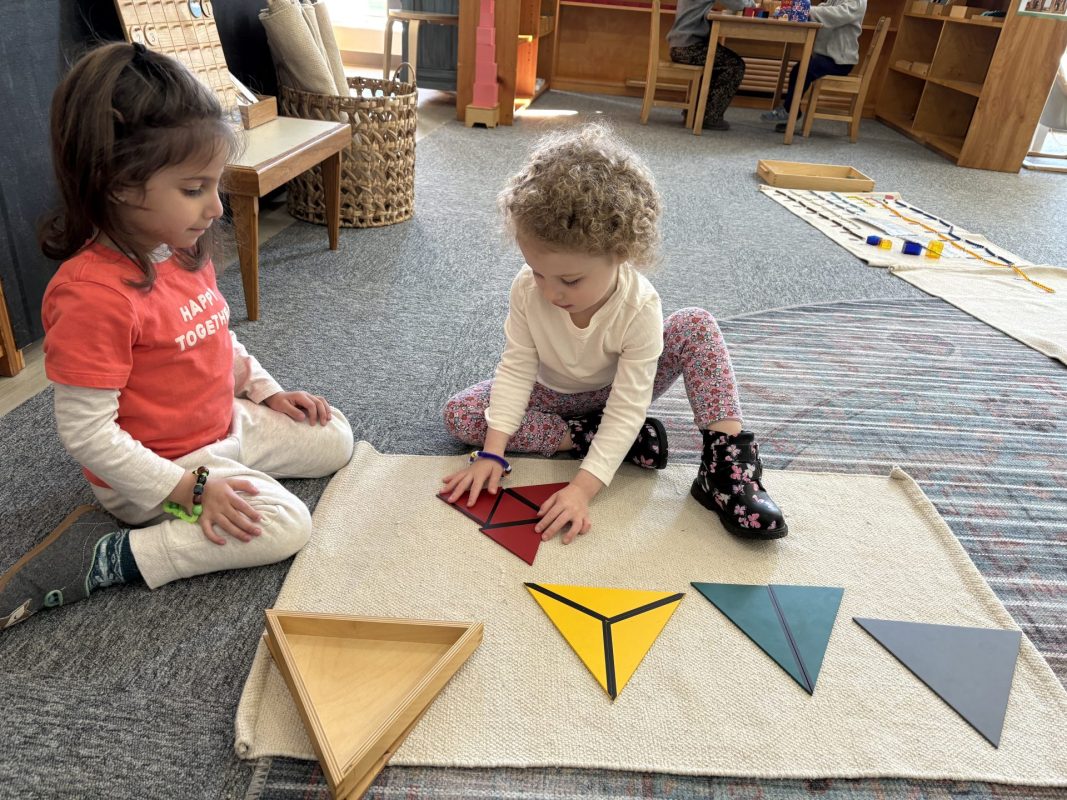
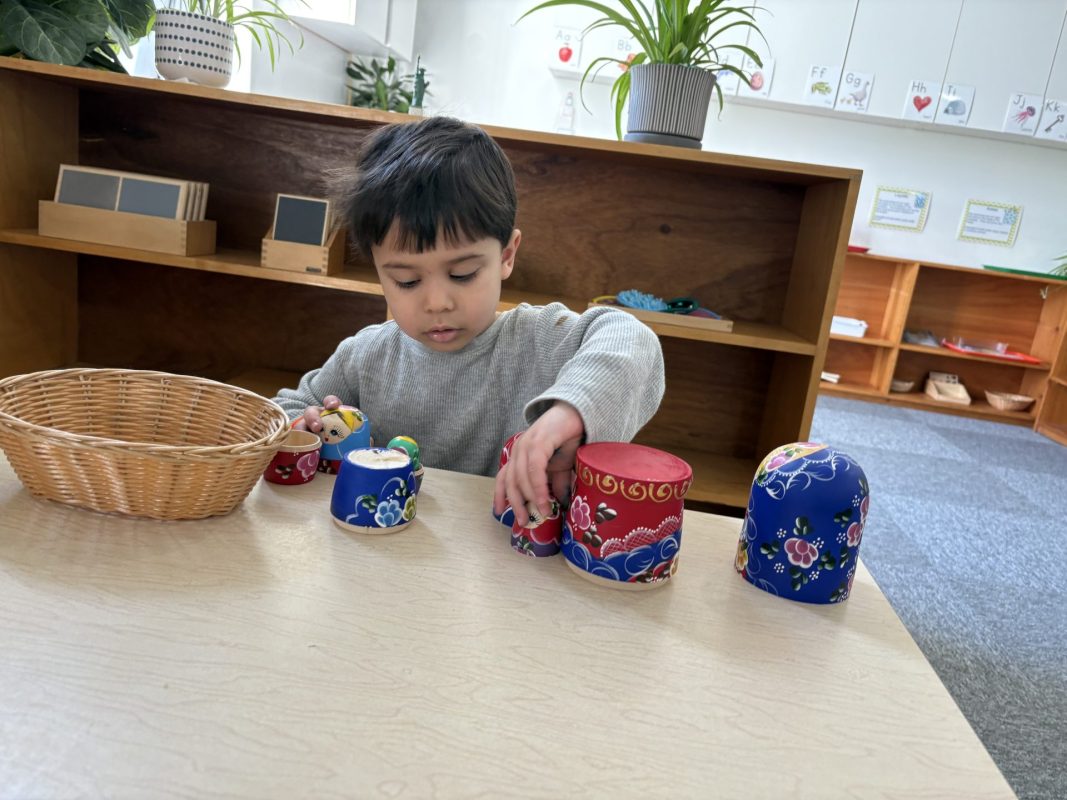
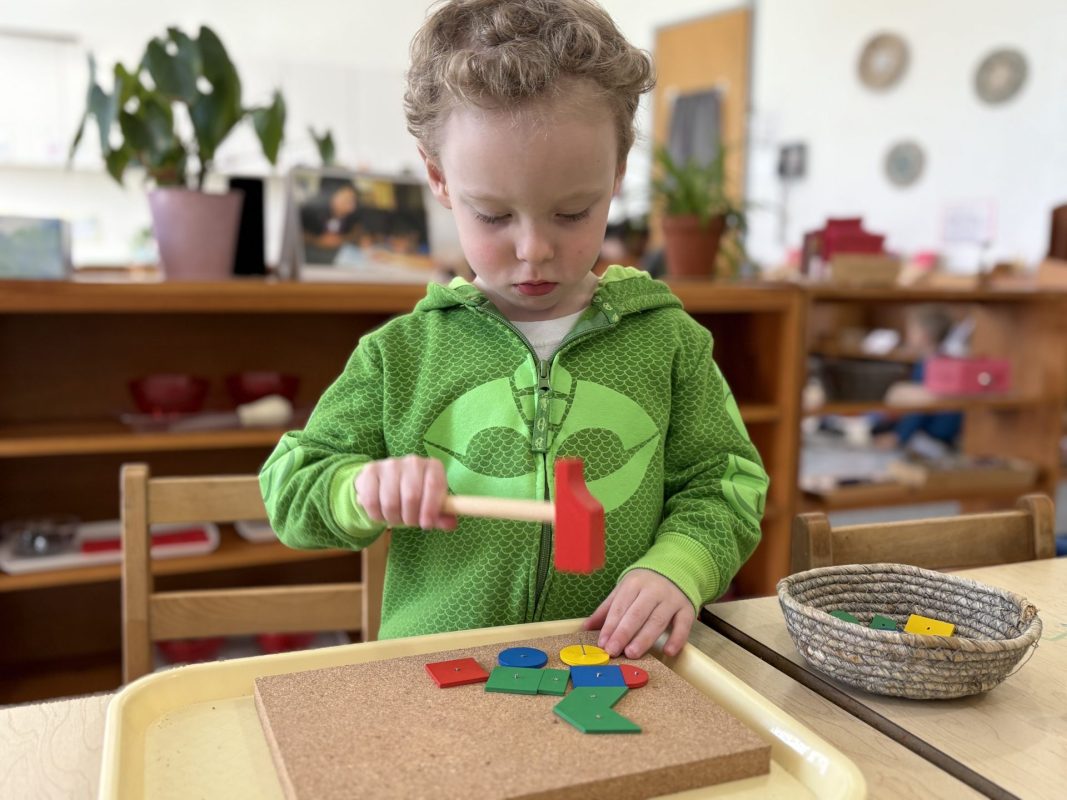
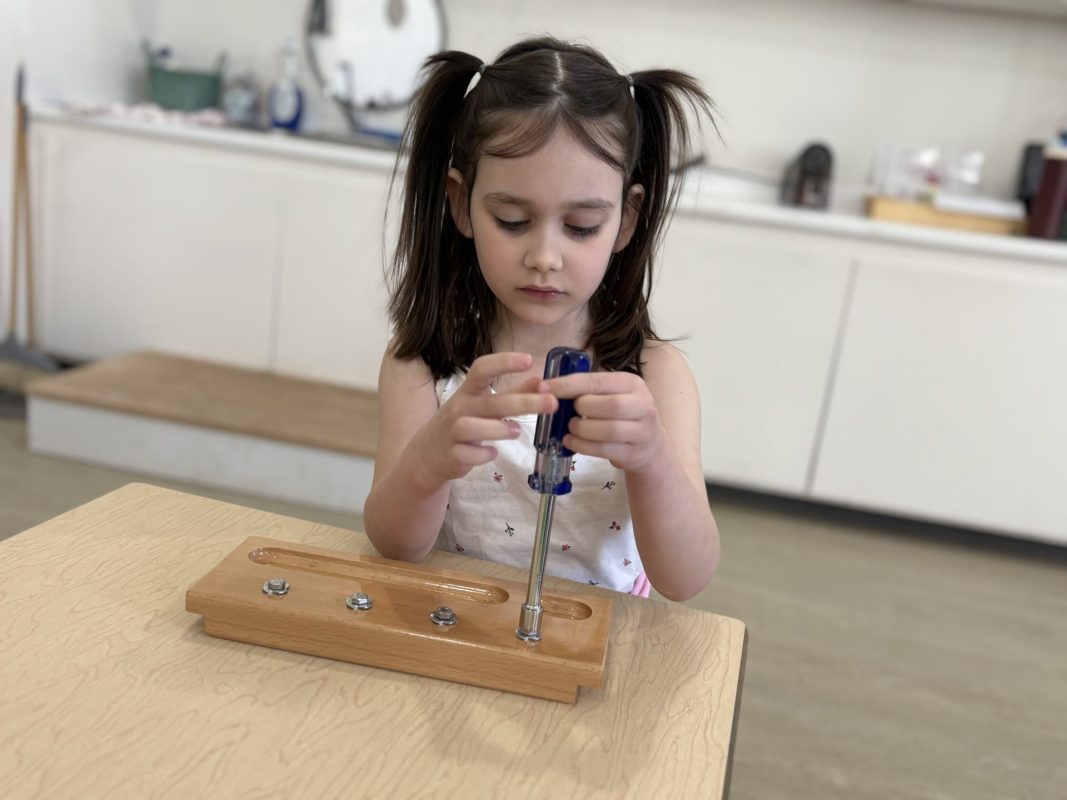
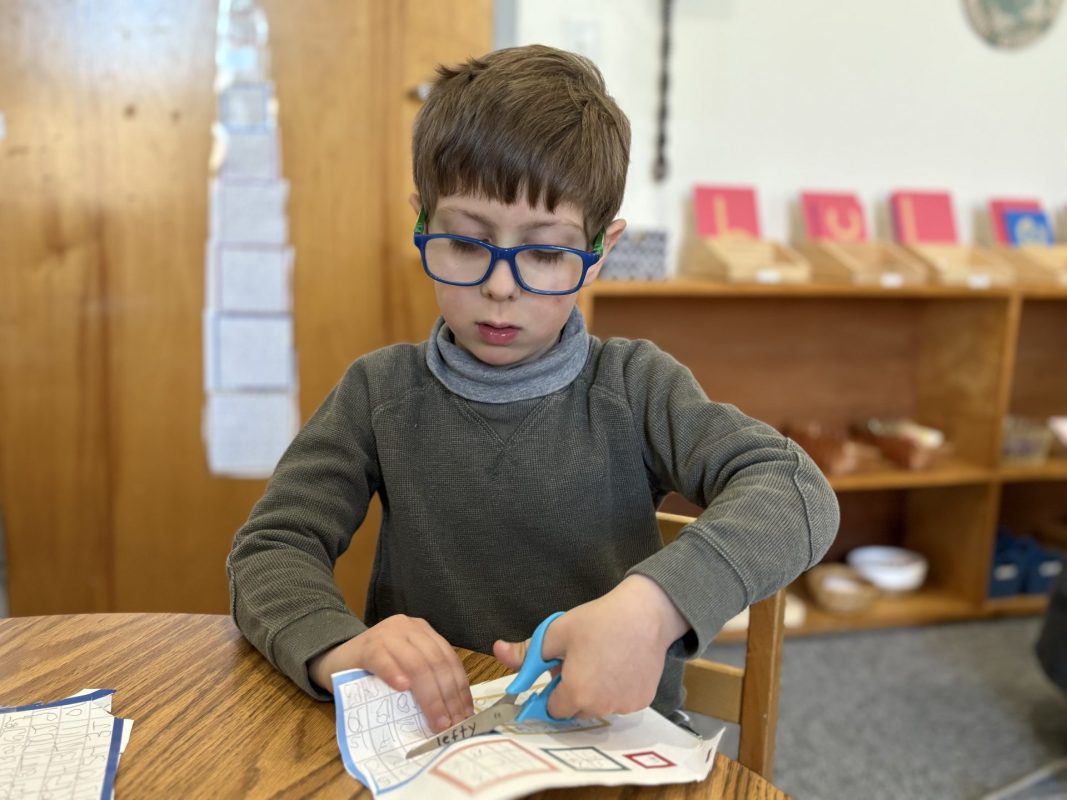
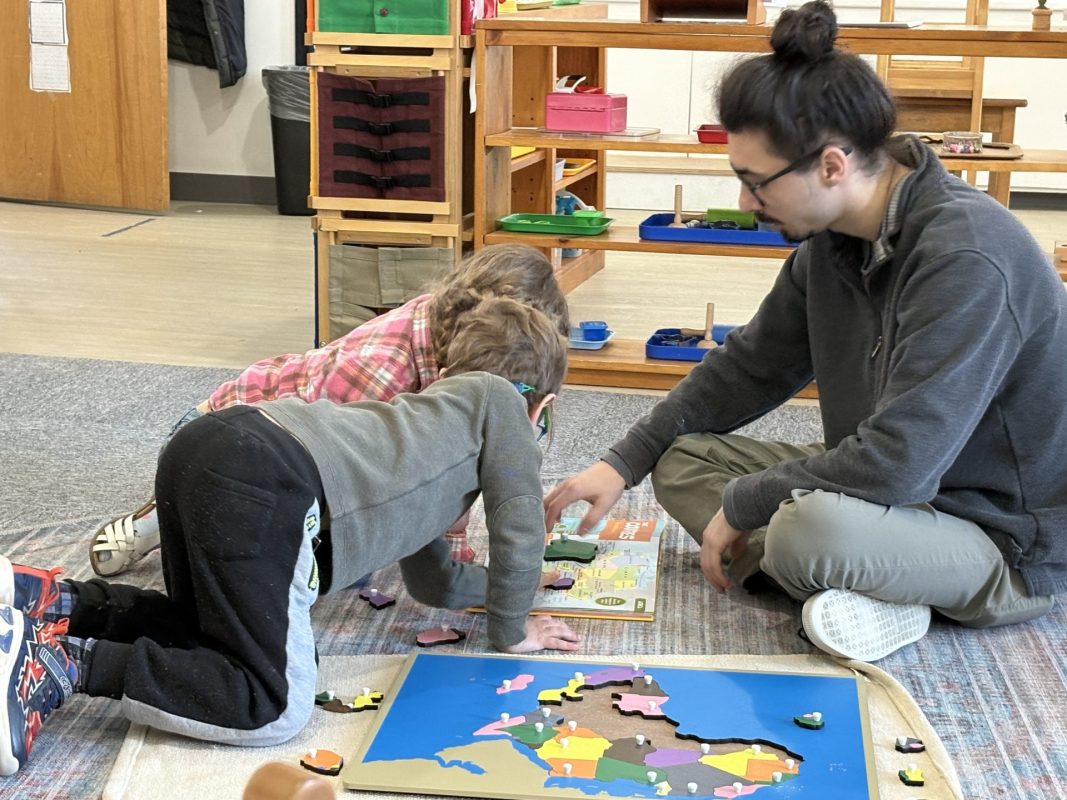
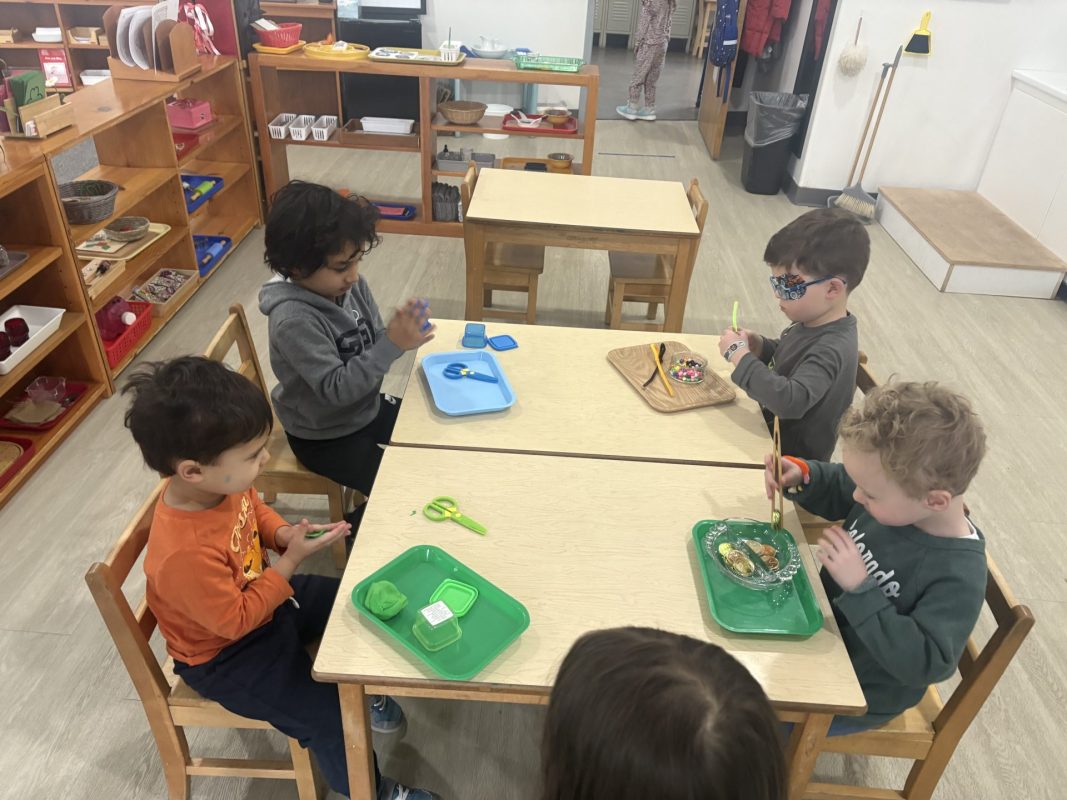
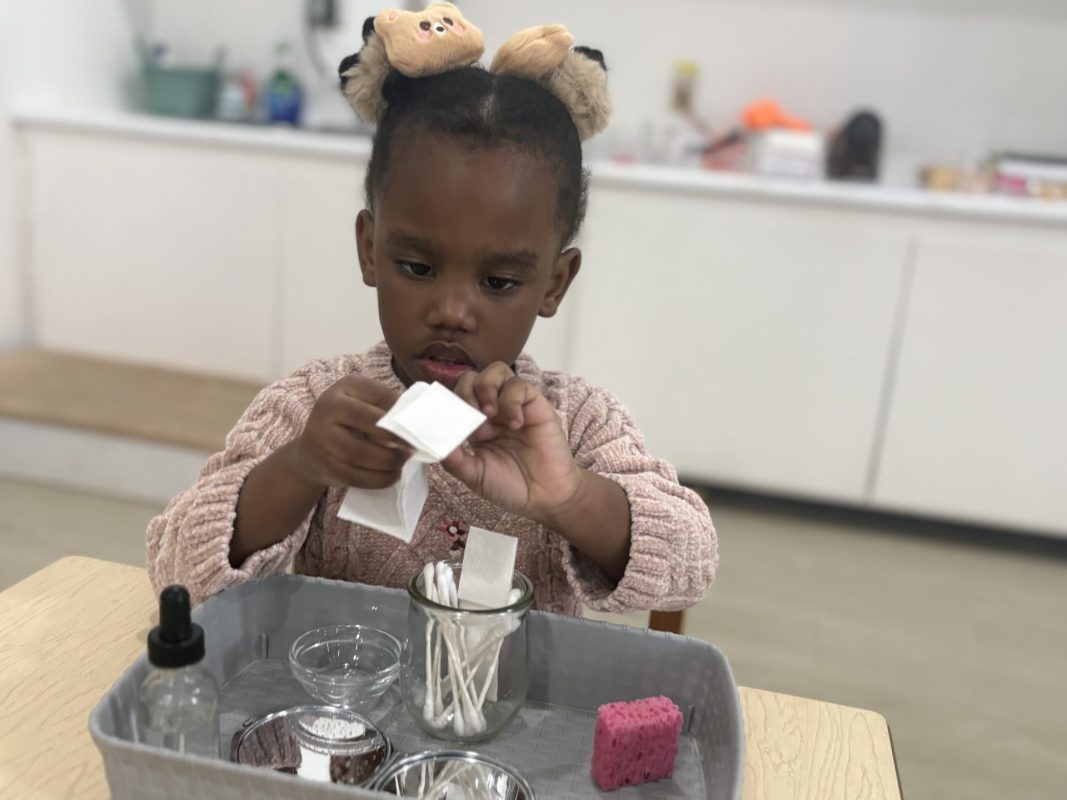
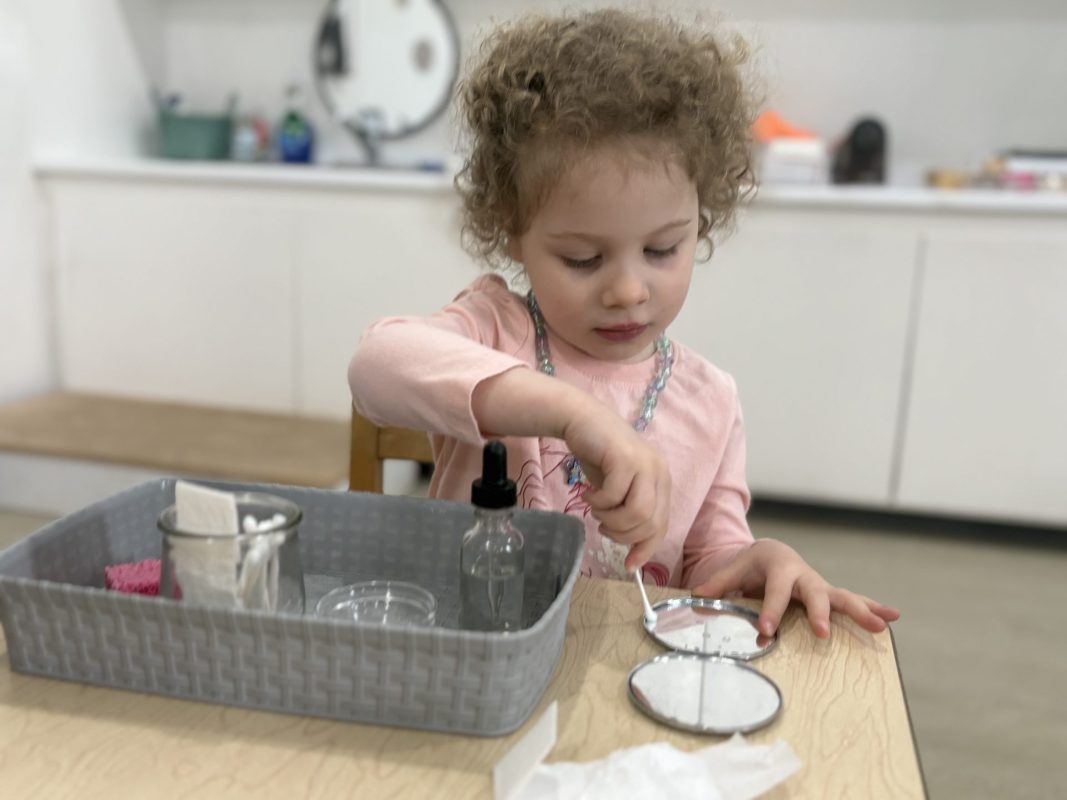
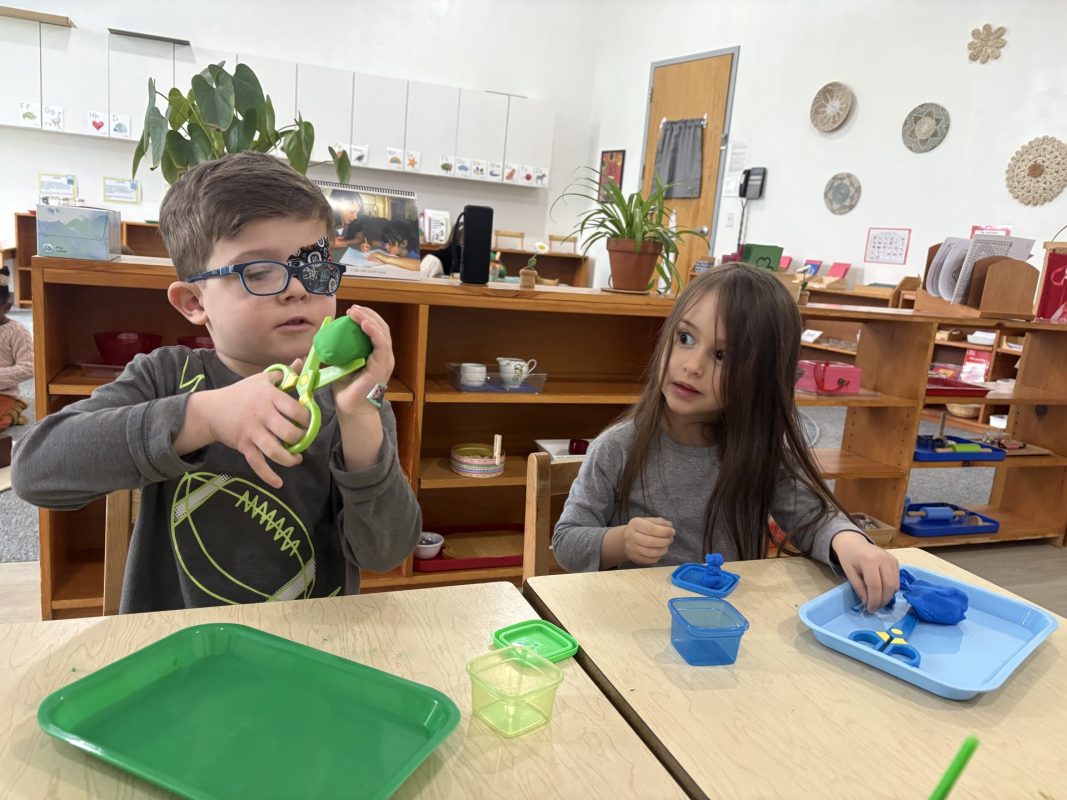
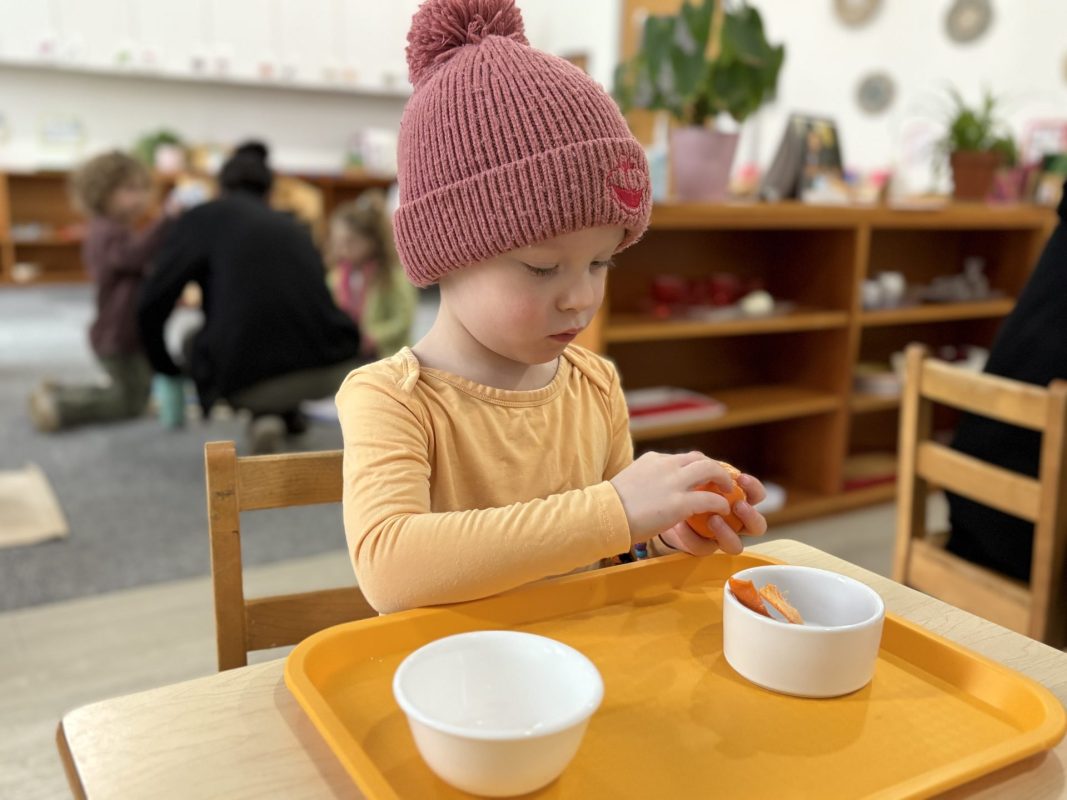
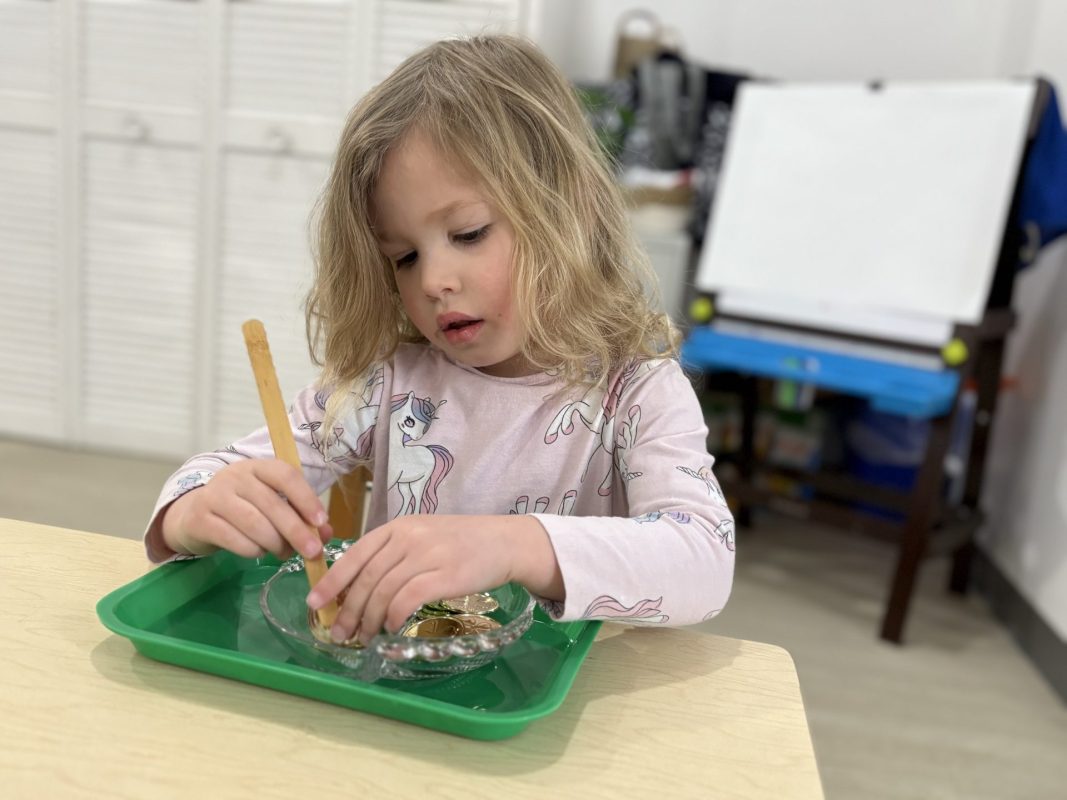
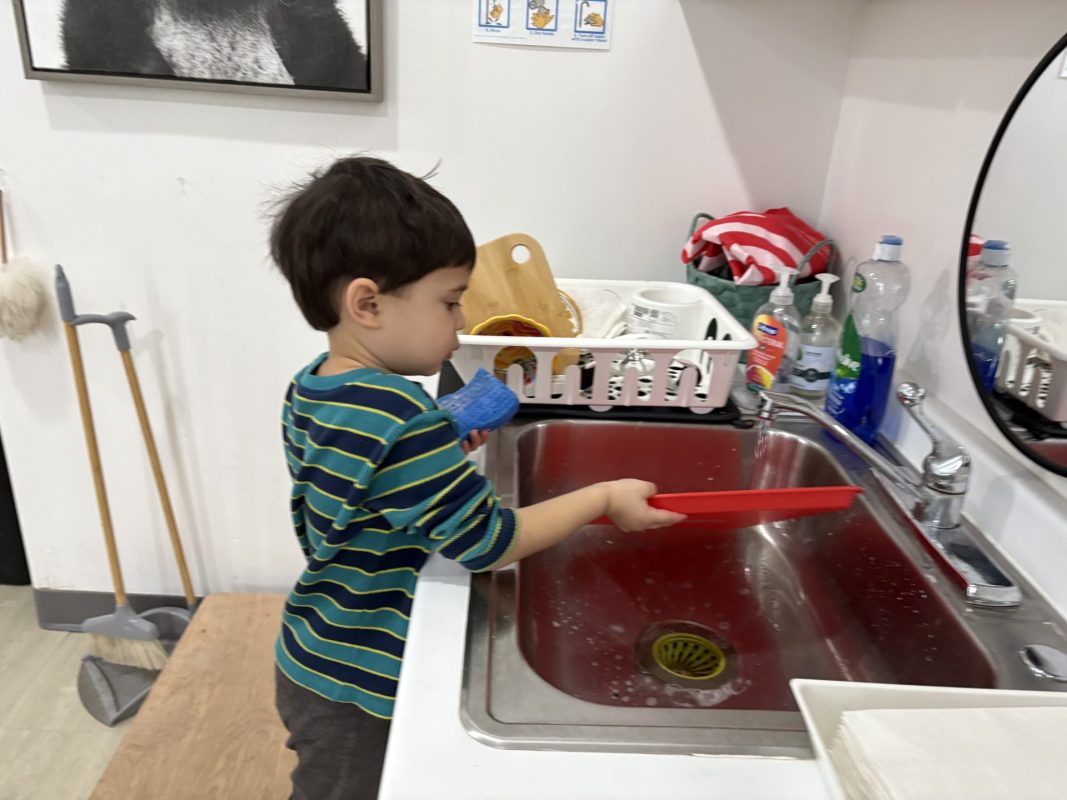
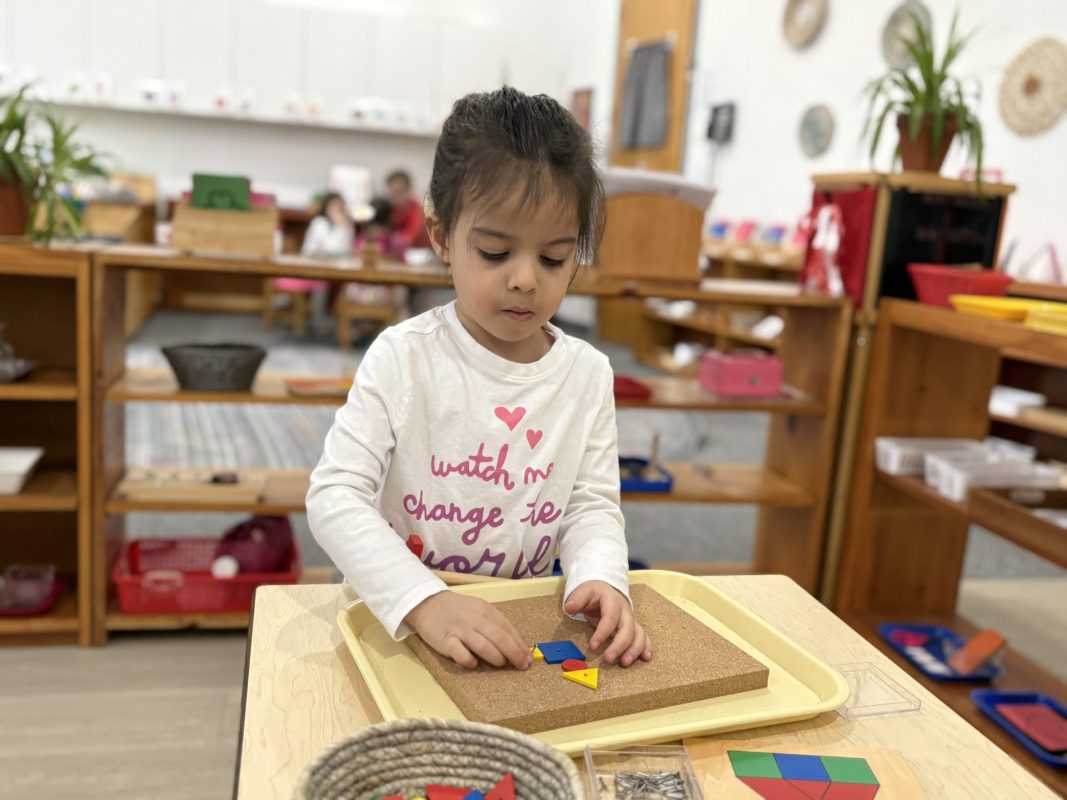
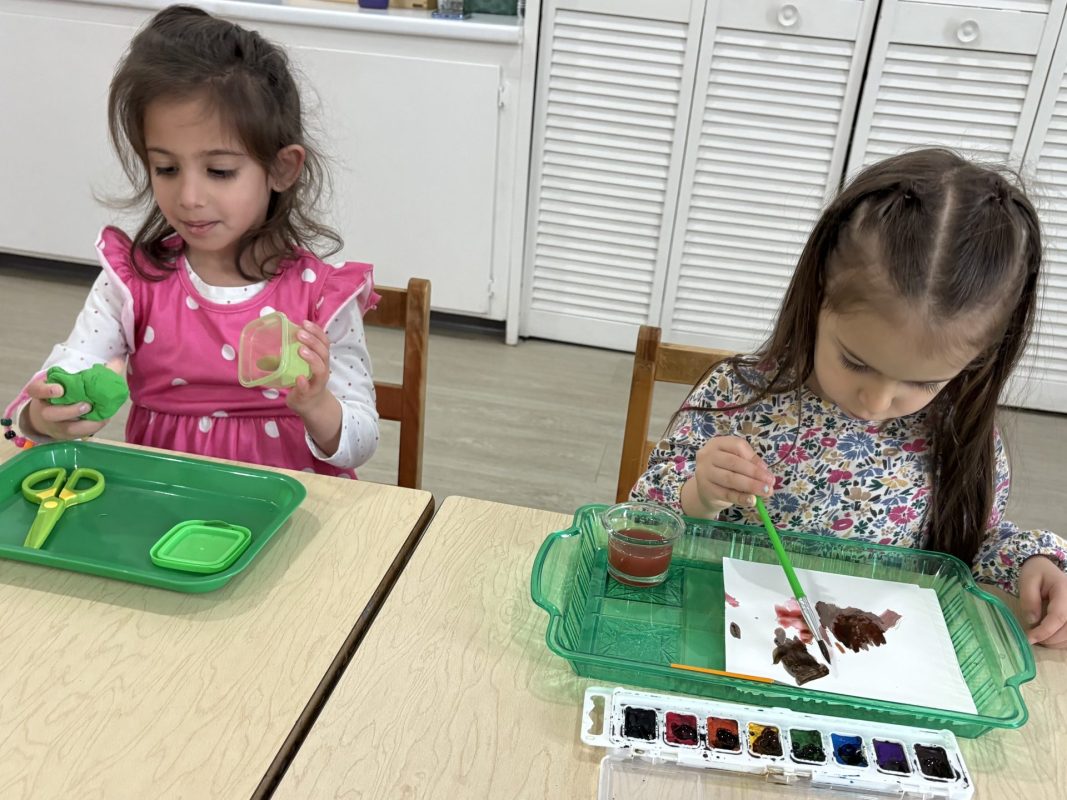
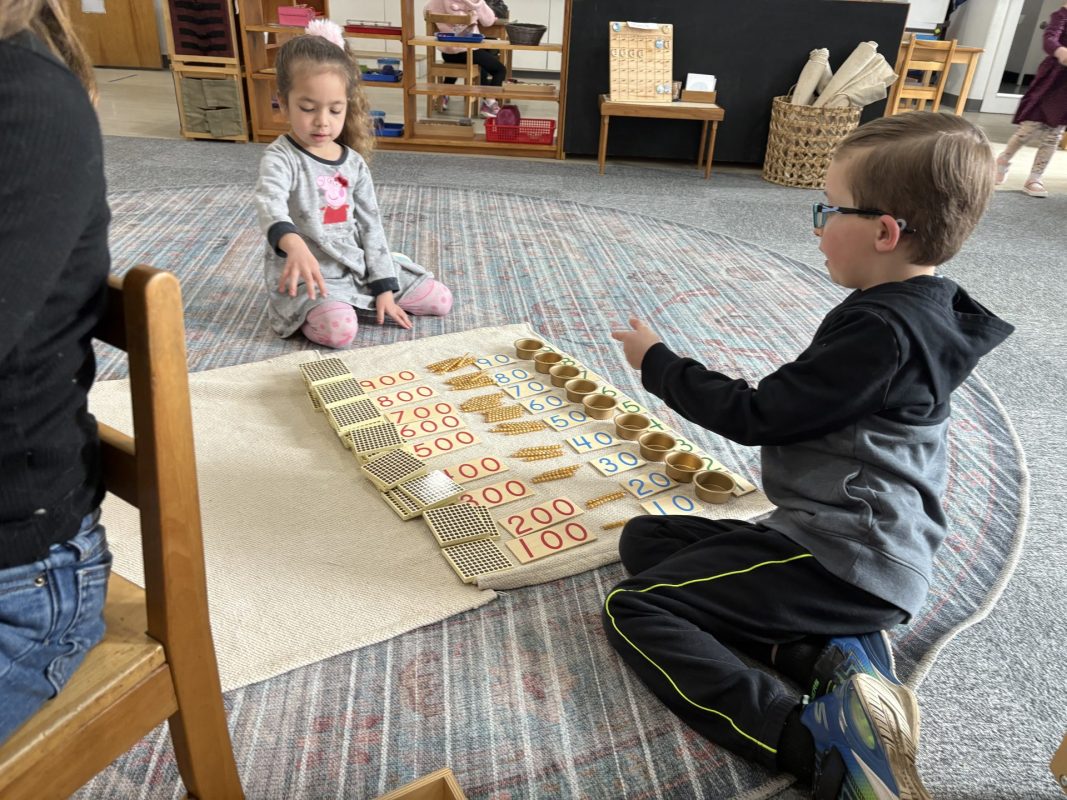
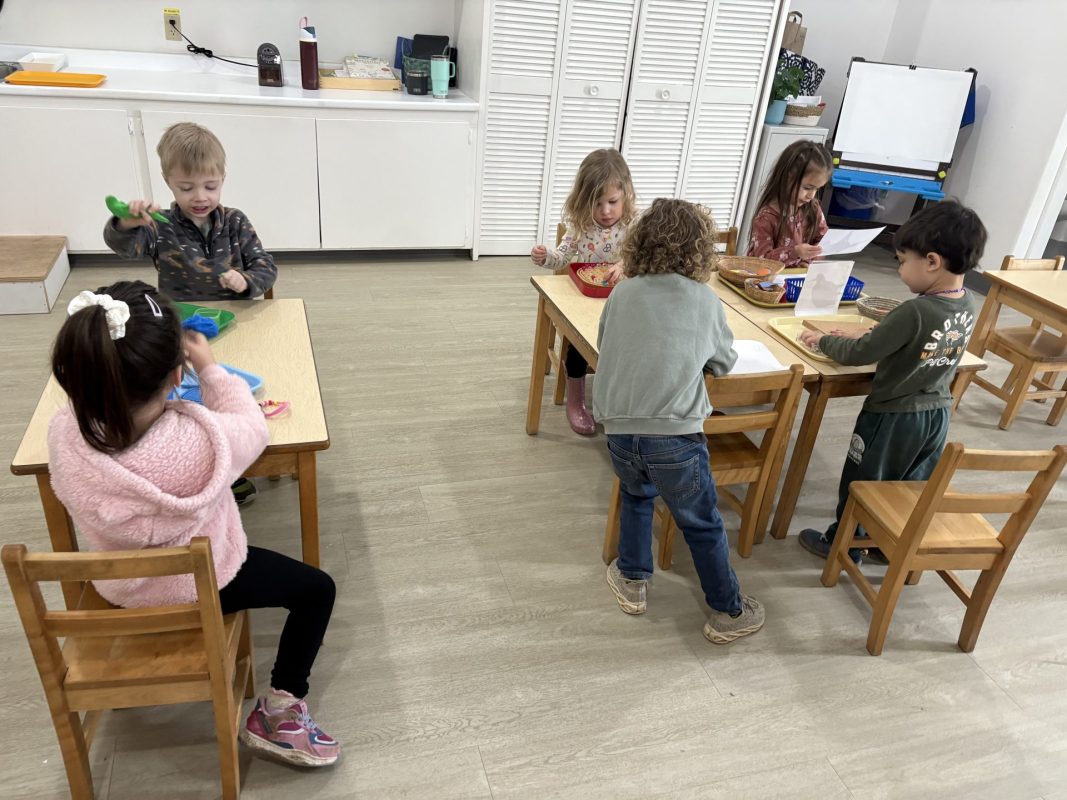
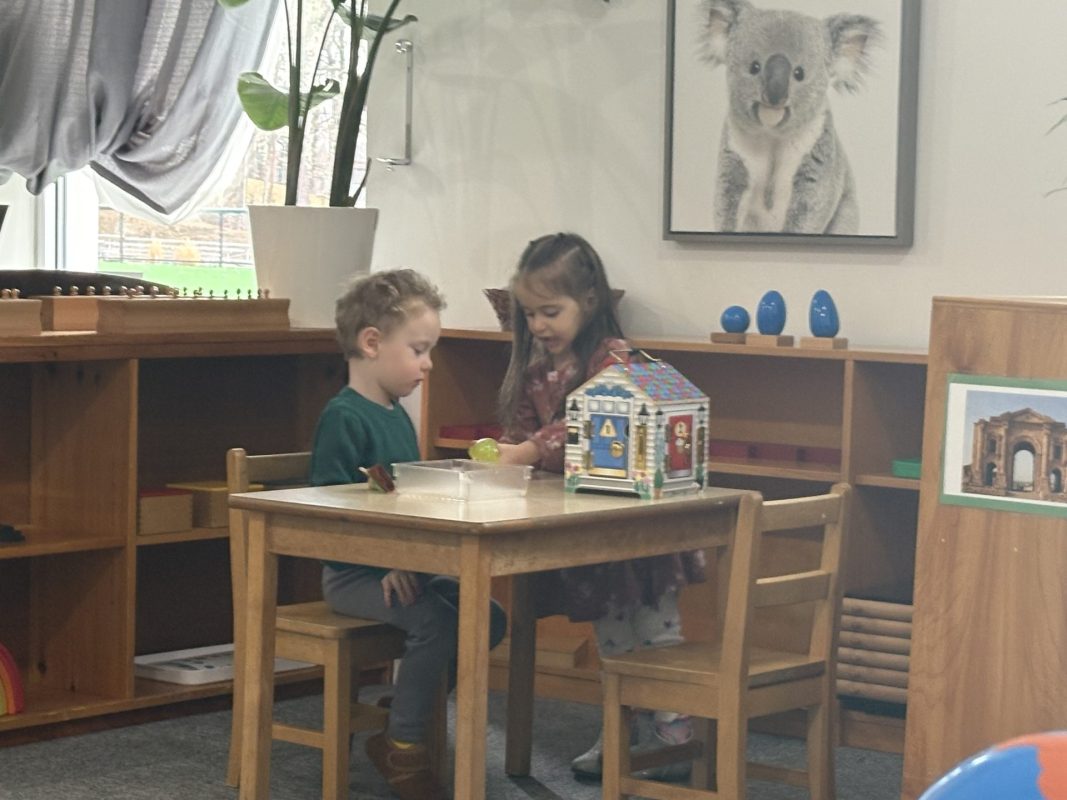
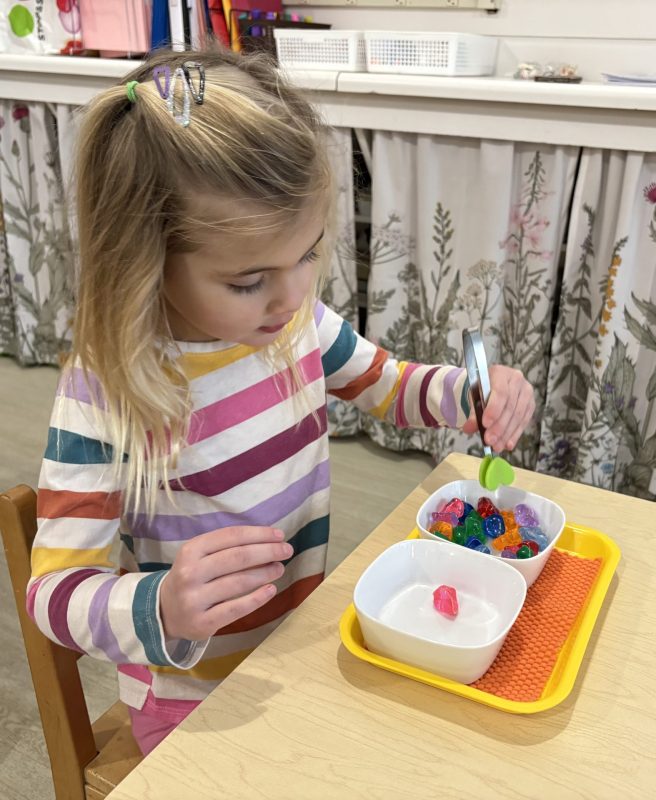
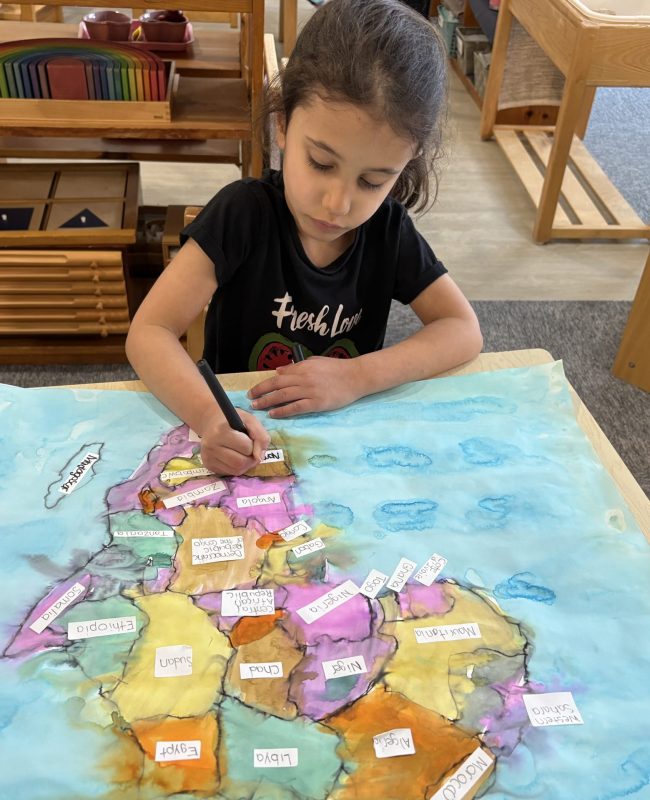
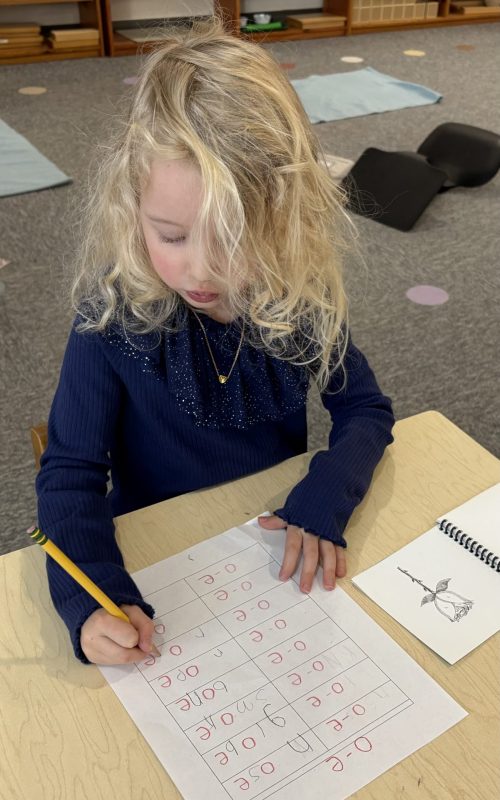
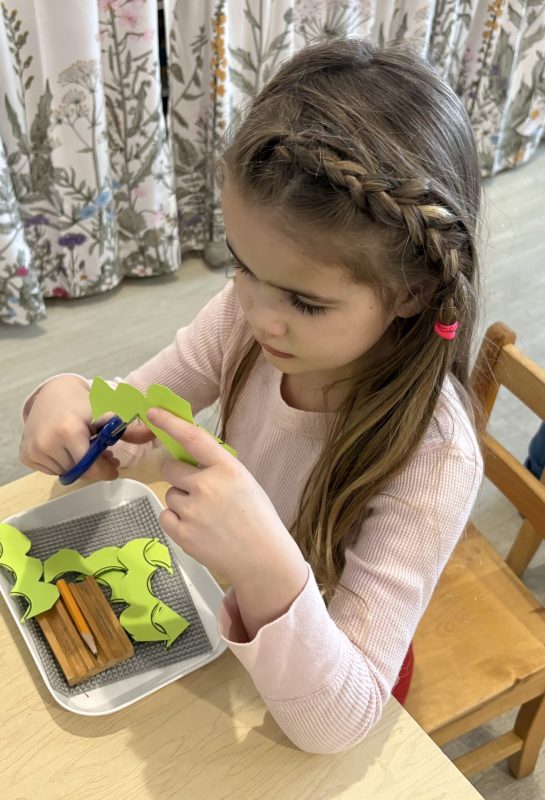
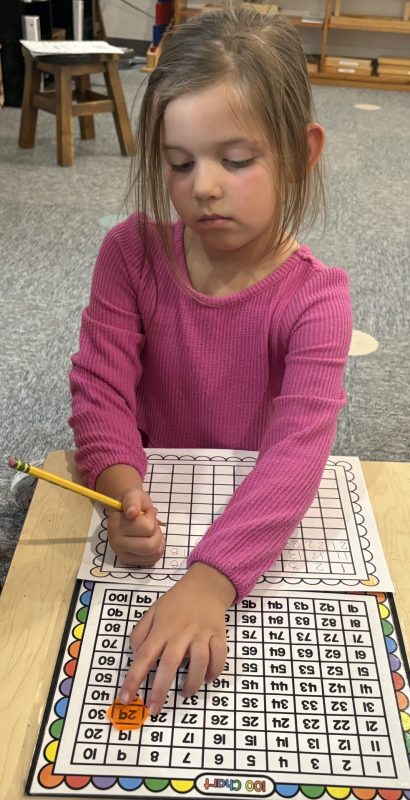
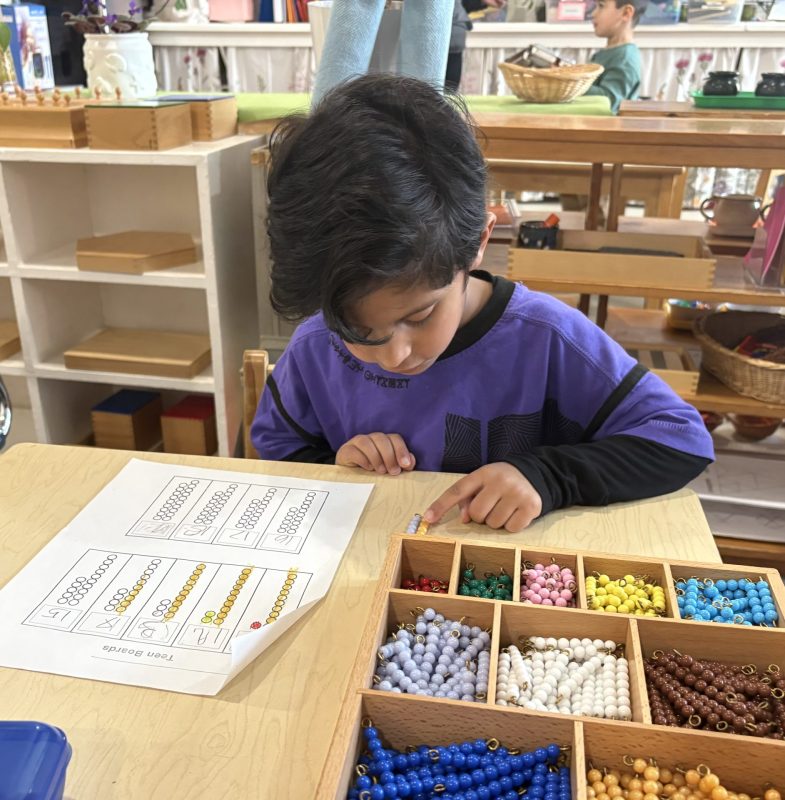
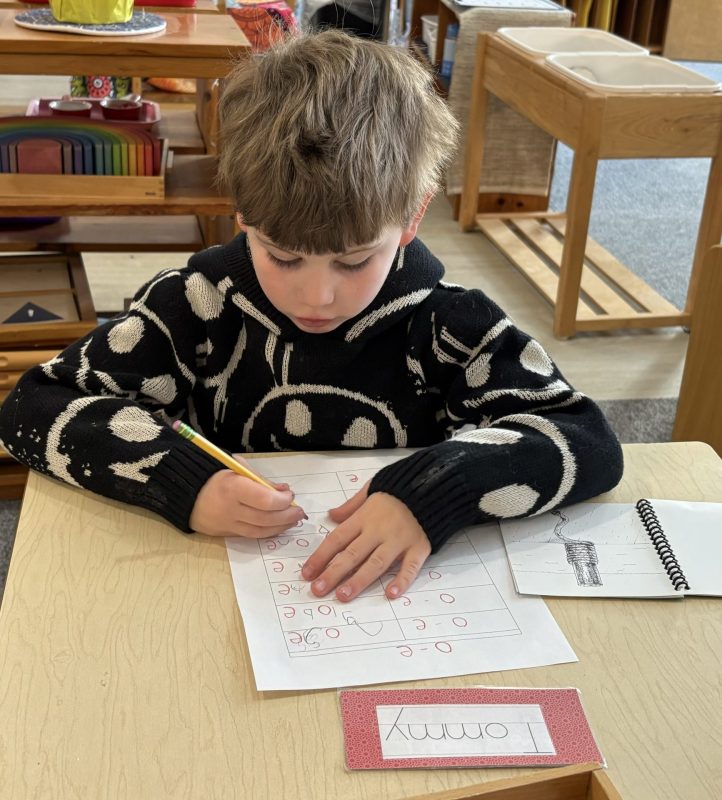
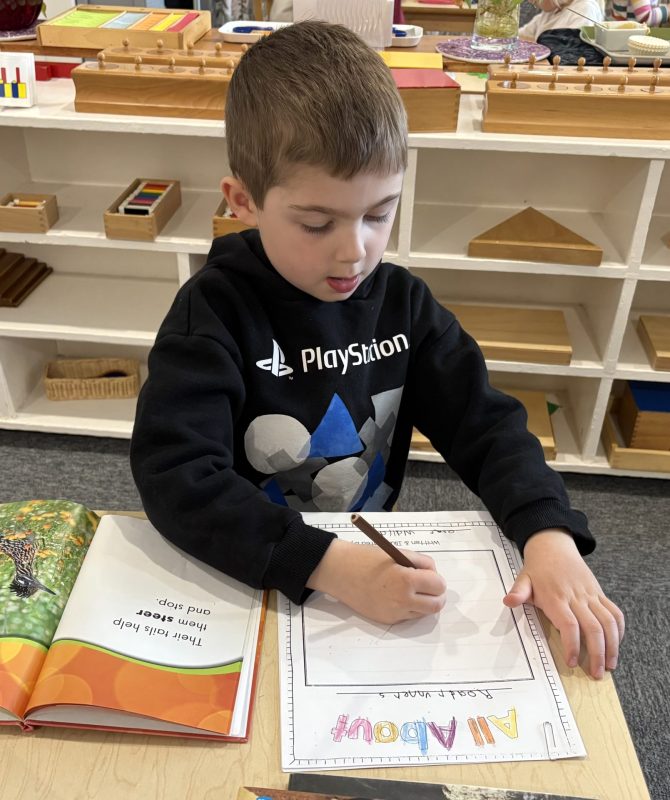
According to Montessori theory, the child’s journey towards independence begins from the moment they are born and progresses as children learn to become fully functioning, empowered individuals in our world. Our classrooms are designed to allow the children to experience “real work” and to fulfill their need for independence. It is common for some children to immediately say, “Can you help me?” or “I can’t do it,” before even trying. We ask the children to try something three times before seeking out help from a teacher. Quite often, before that third try is up, they have found success. So, if you see your child struggling or taking a long time to do something, take a step back and create the opportunity for them to be successful independently.

Wishing you a week filled with peace and love.

Michelle & Maria

Read the March 8 blog post here.


March Family Connection Newsletter

Intrinsic motivation is so important for personal fulfillment and finding joy in activities we do just because we want to, driven by our curiosity instead of outside rewards.

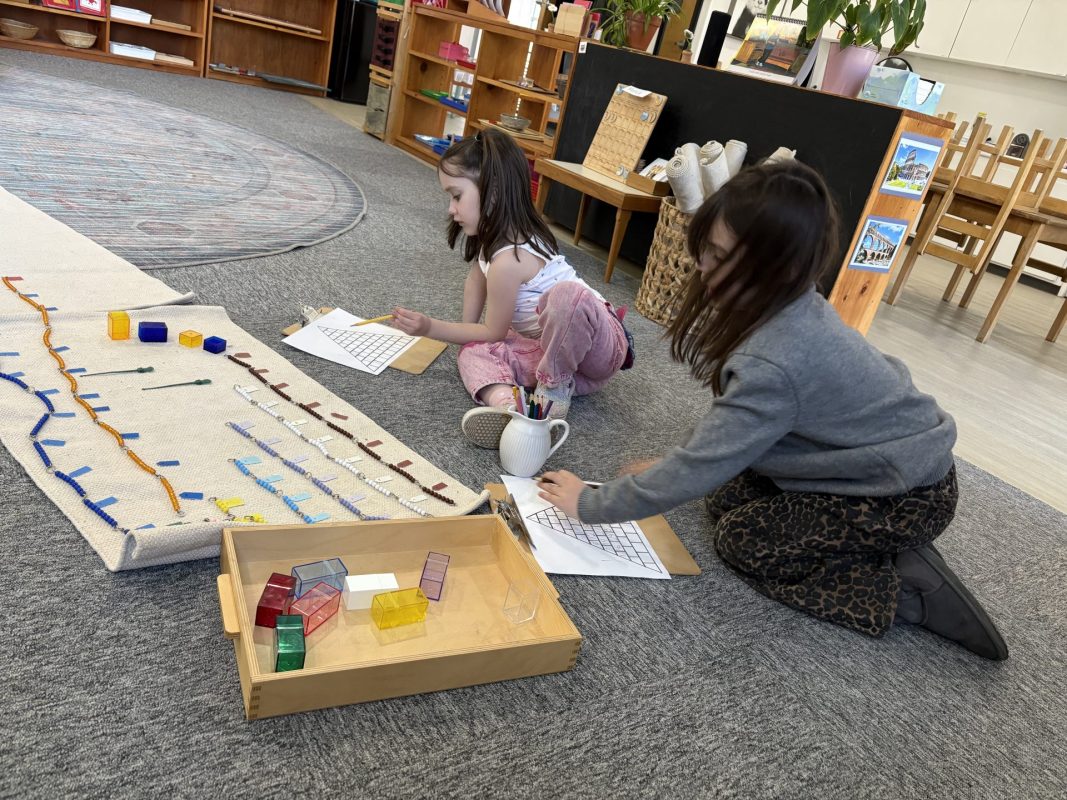
Many traditional methods in education lean heavily on external incentives, but the Montessori approach really stands out by creating engaging environments that support self-directed learning. By giving children the right materials and letting them take charge of their education, Montessori educators help build that intrinsic motivation. This not only encourages genuine exploration but also deeper understanding.

This month’s Family Connection Newsletter explains why intrinsic motivation matters in education and shares some strategies for supporting it in the home.  I hope you find the information useful!

Have a wonderful March Break!

Karen Sankey
Director of Montessori Education


This Week in Upper El

“The ancient bones of our ancestors are like the roots of a great tree, reminding us to stay firmly grounded in our history. Yet they also inspire us to reach for the heights and achieve our greatest aspirations, like the branches of a tree stretching toward the sky.” -Raigon Stanley

We had an incredible week leading up to March Break! We wrapped up our two-month preparation for our big group research project on Ancient Civilizations, which was a great experience. On Wednesday night, the Upper El students did a fabulous job with their presentations to parents and classmates. Huge thanks to everyone who showed up to support them!

To finish off our Ancient Civilizations project, we took a trip to the Yale Peabody Museum with Lower El and Middle School to check out the Mesopotamia exhibit. We were blown away by the artifacts on display, and it was so much fun for the students to find information about the civilizations they researched. We were also excited to find an exhibit on early humans, where we could identify some of the early humans we studied earlier this year. Plus, exploring the rocks, minerals, and crystals was a highlight, and we loved the living exhibit with the insects, reptiles, and amphibians. What a fantastic week!

I hope you have a wonderful and rejuvenating March Break!


Ms. Handibode: Five Fun Senses

First the education of the senses, then the education of the intellectMaria Montessori

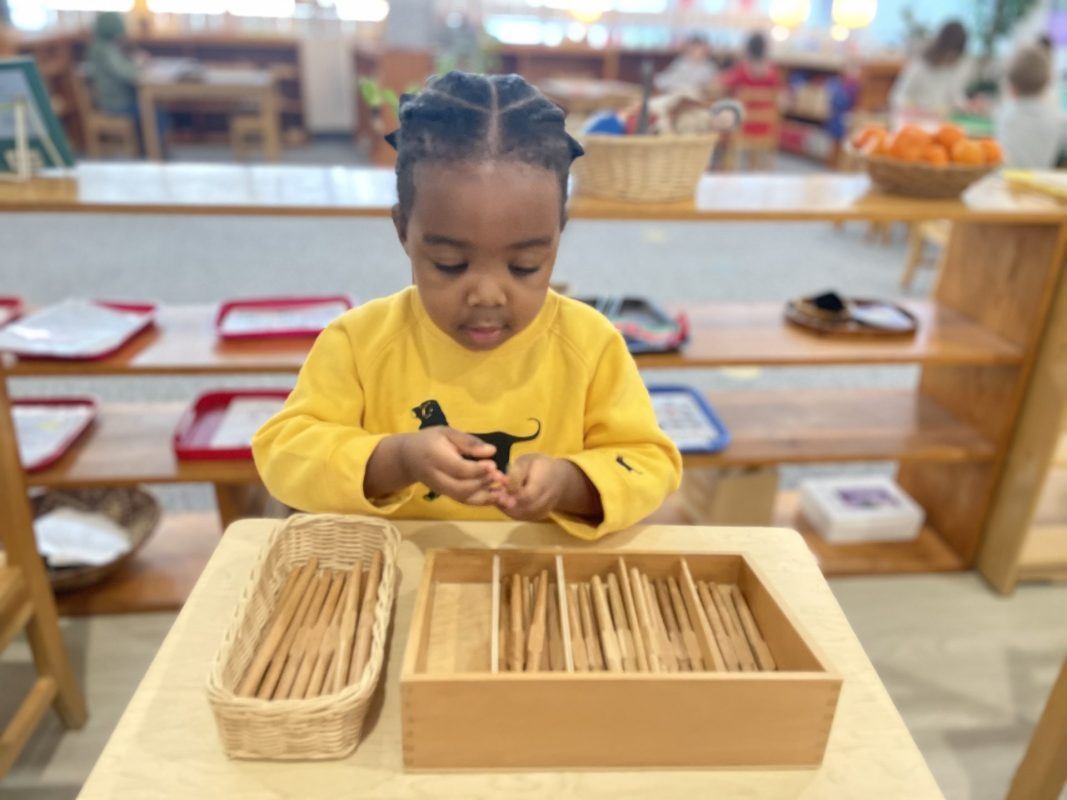
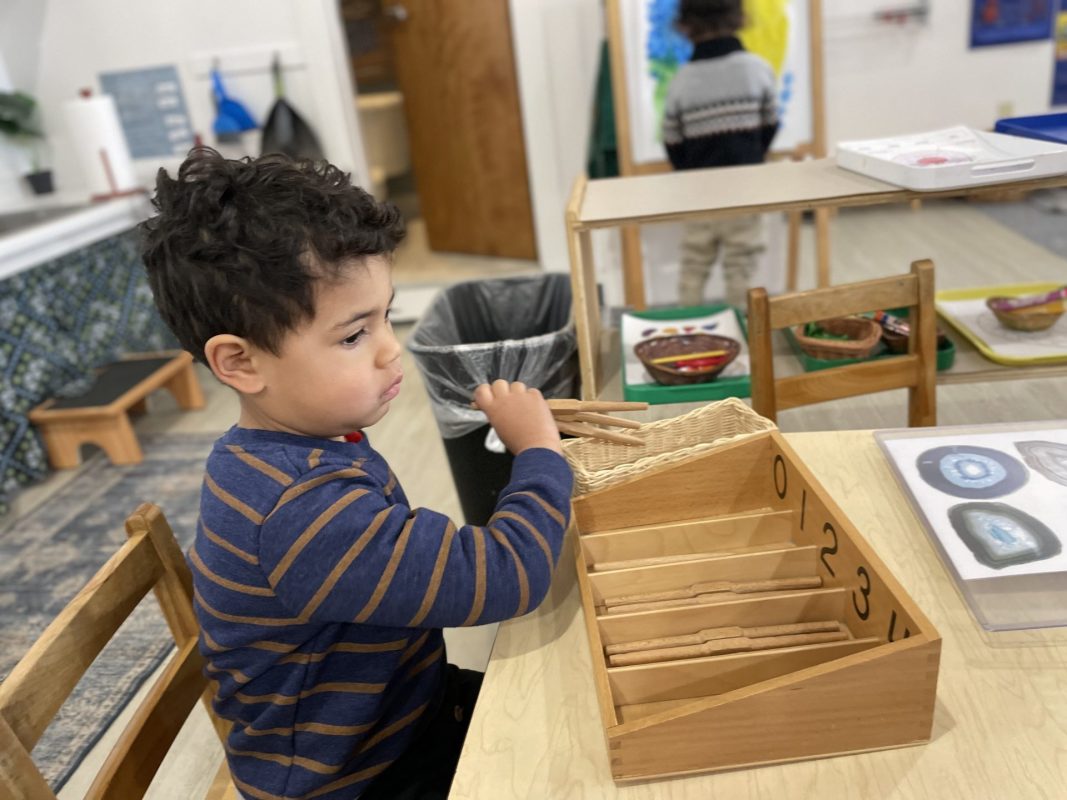
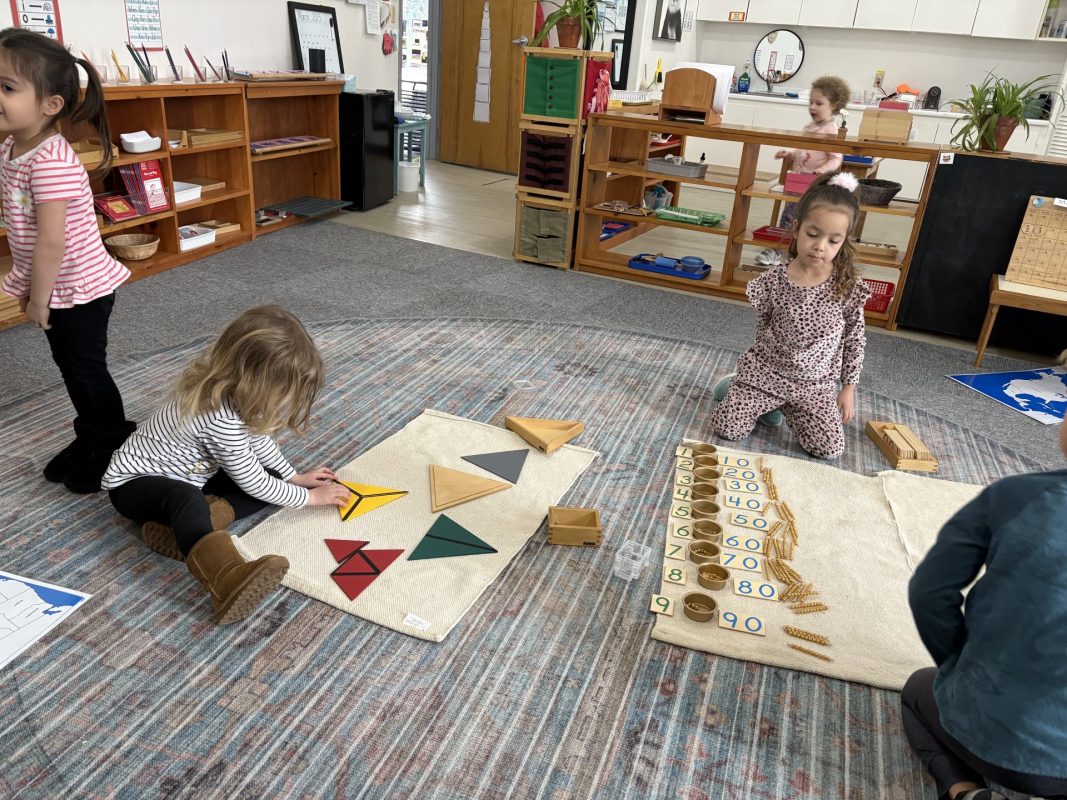
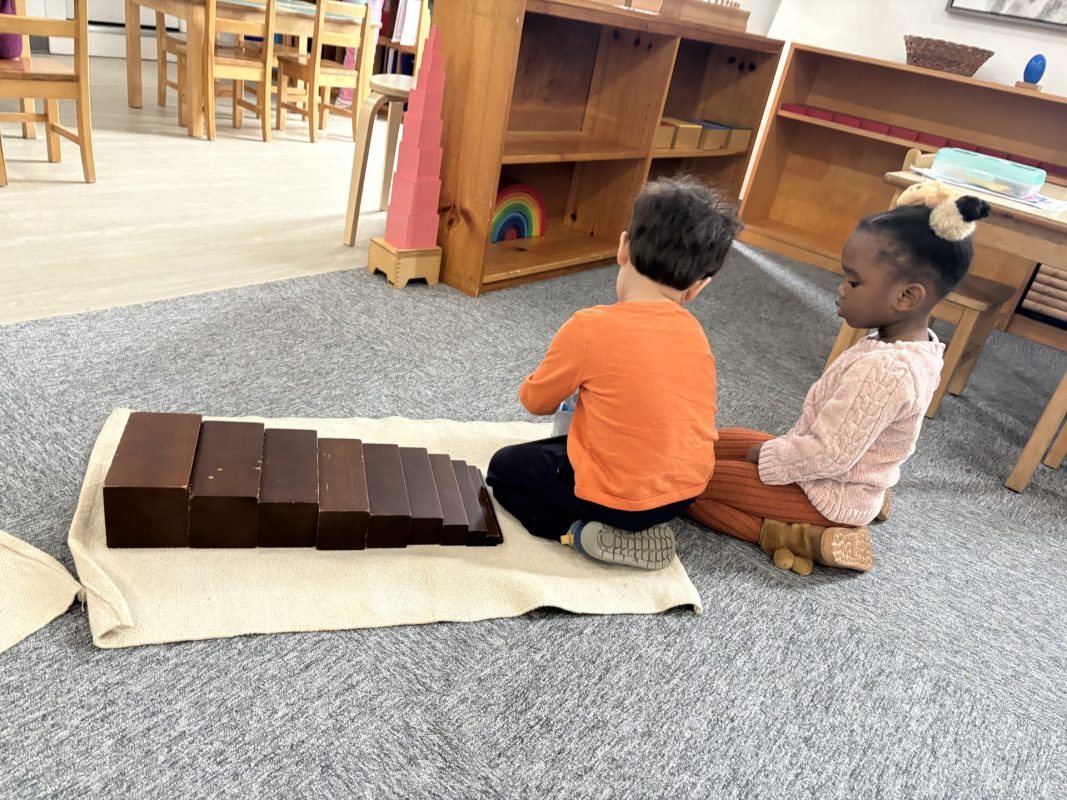
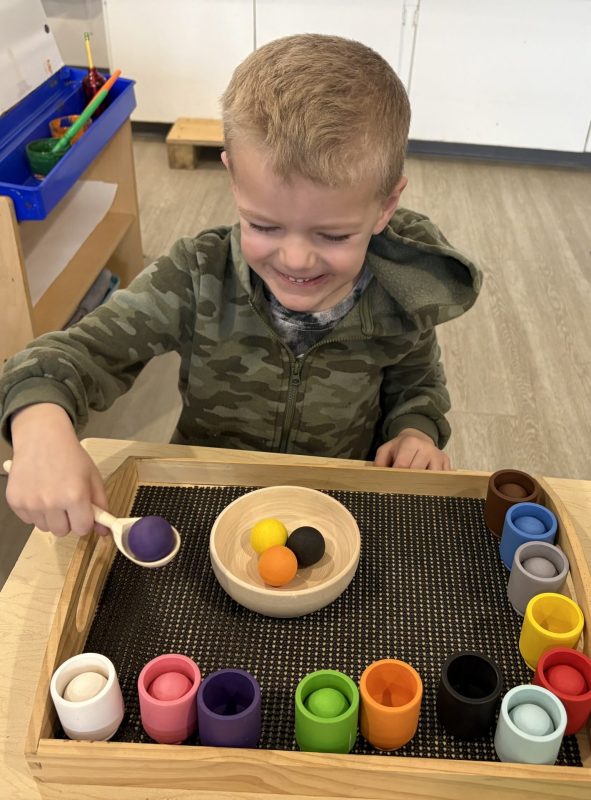
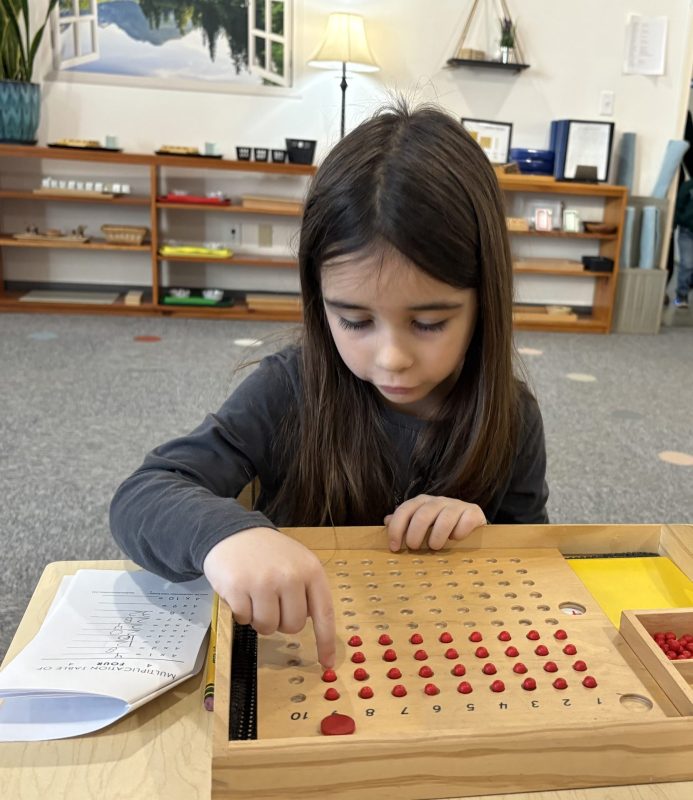
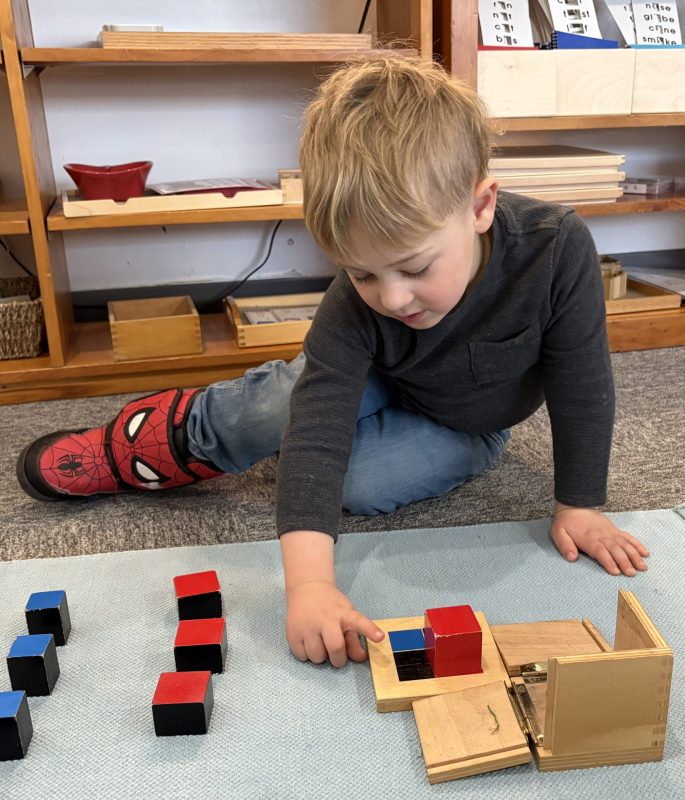
Maria Montessori believed there is a sensitive period for a child’s development of their senses. Although the senses are an integral part of our lives, children have the greatest potential to develop and retrieve them during their early years. It is precisely this idea that demonstrates the purpose of Sensorial materials in the Montessori classroom. The Sensorial materials are powerful tools that allow children to become aware of their unconscious impressions and bring these impressions into conscious awareness. Additionally, they enable your children to create a basis of order in their minds, allowing for the intelligent exploration of their environment.
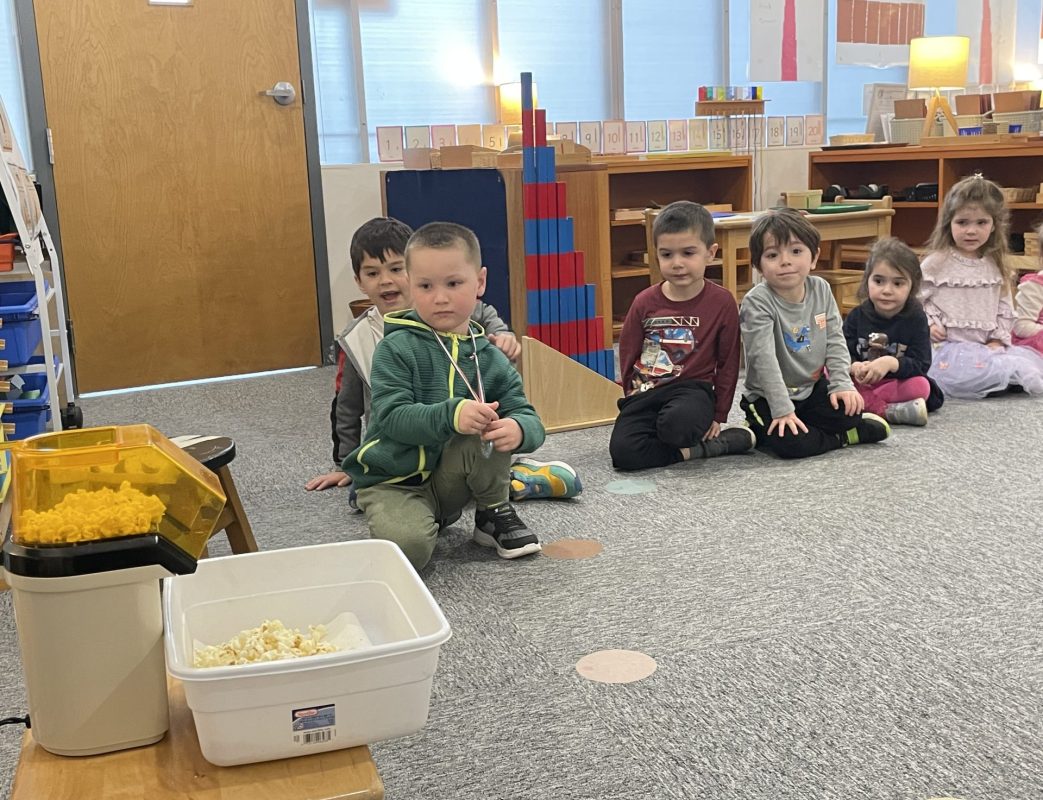
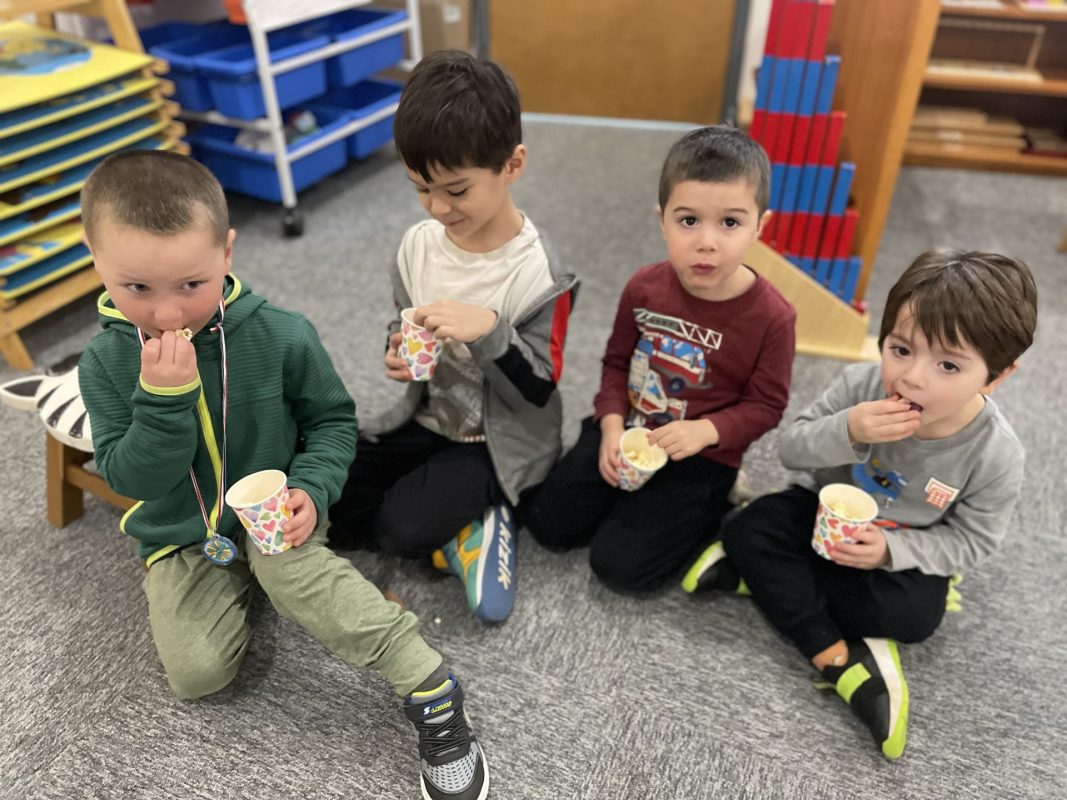
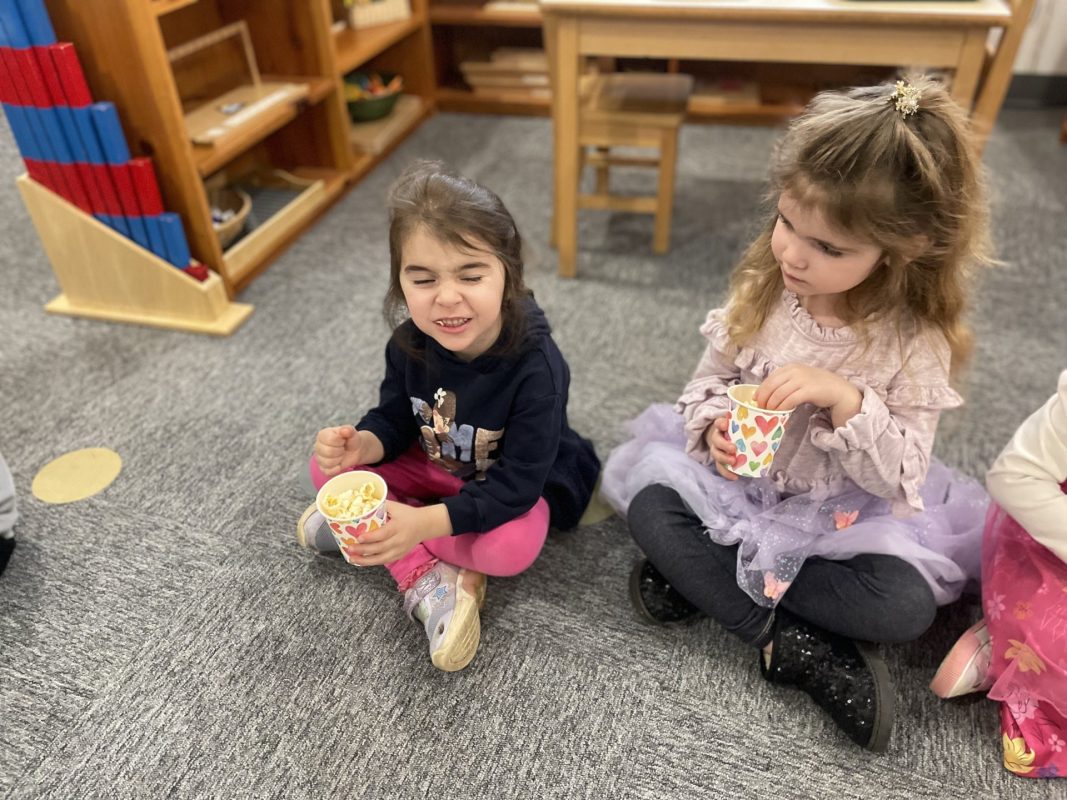
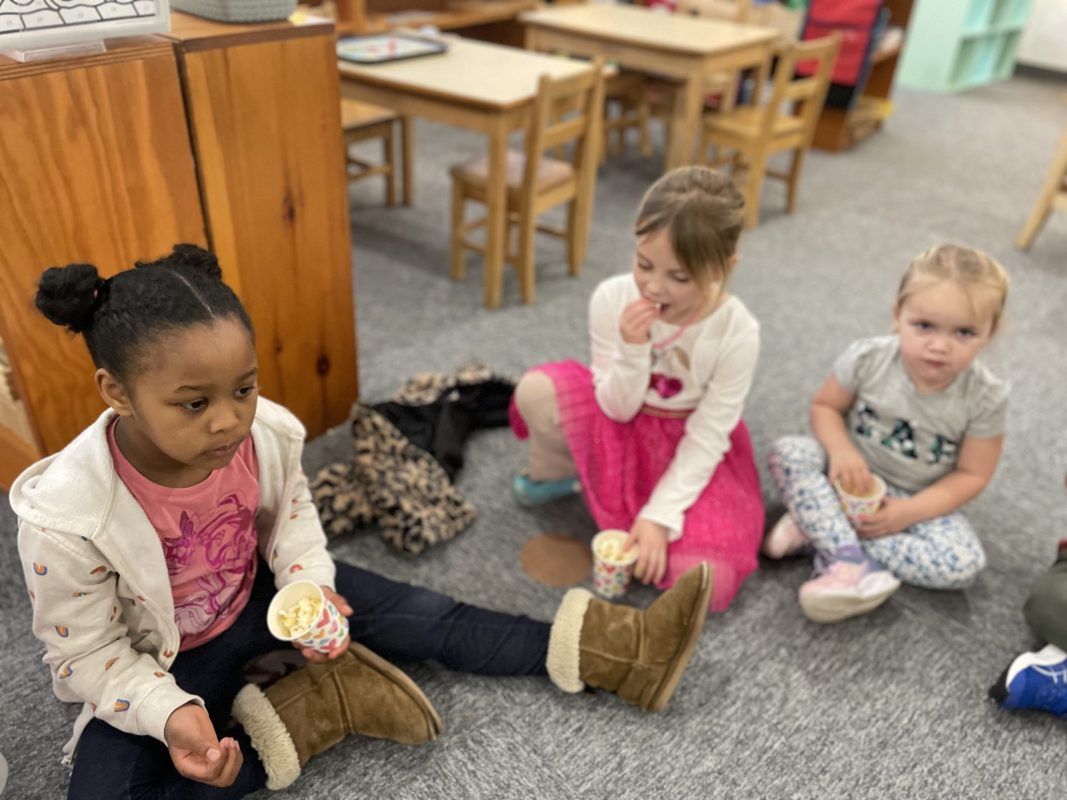
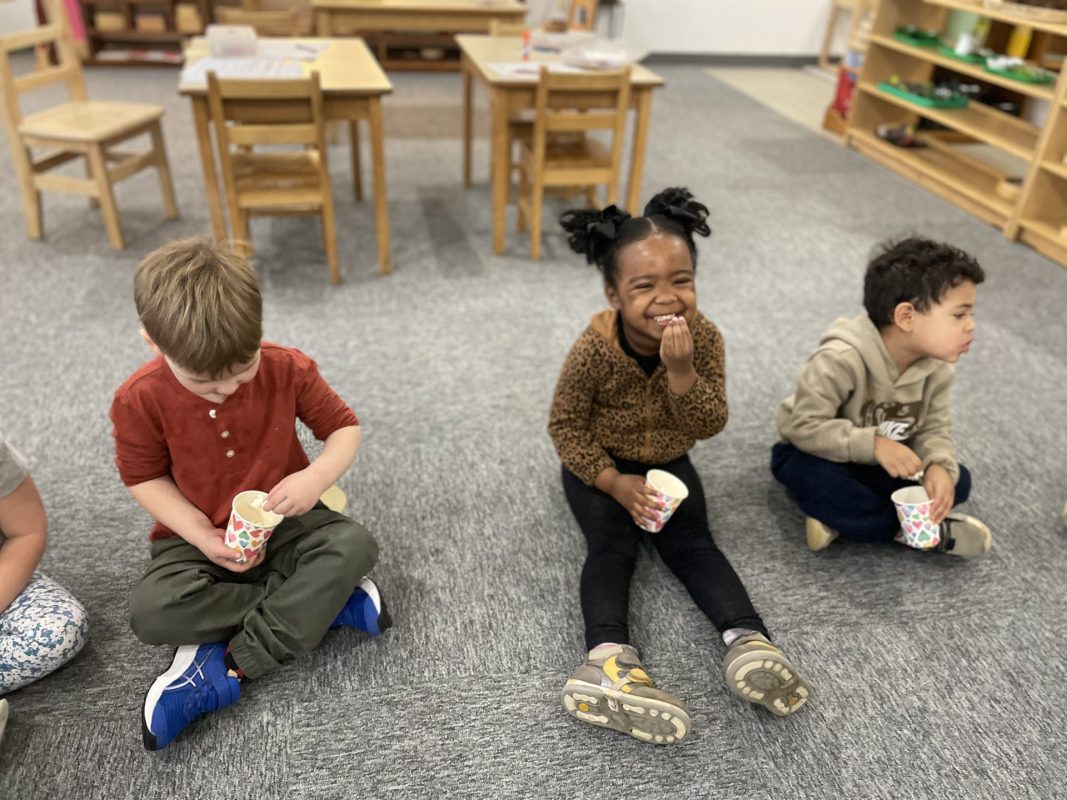
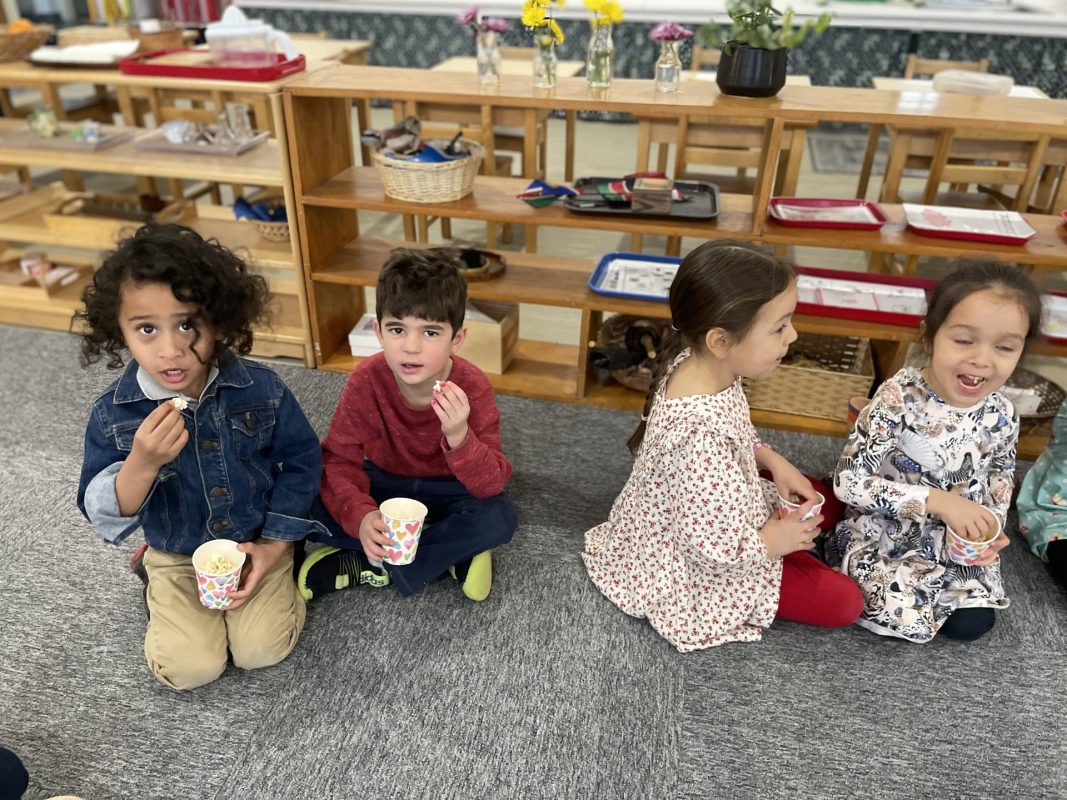
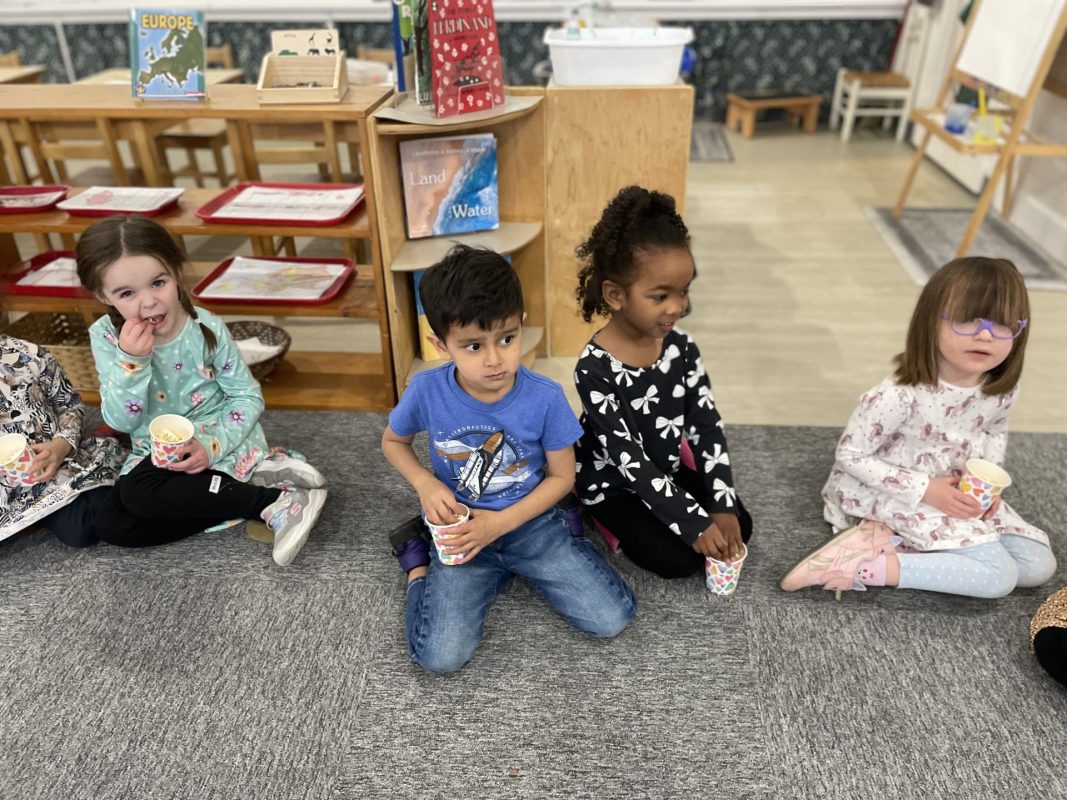
This week we are beginning our study on the five senses. What better way to teach this than to use popcorn? Popcorn is a multi-sensory snack as it incorporates all five of our senses. It might just be our most appetizing science unit yet! Did you ever notice that when you make popcorn, somehow the entire family knows about it and shows up to have some of this favorite treat?

We begin by discussing our five senses and how we use different body parts to learn about things in our environment. For example, our noses are for smelling, ears are for listening, eyes are for seeing, hands are for touching, and our tongues are for tasting. We learned that sometimes, we use more than one sense at a time.

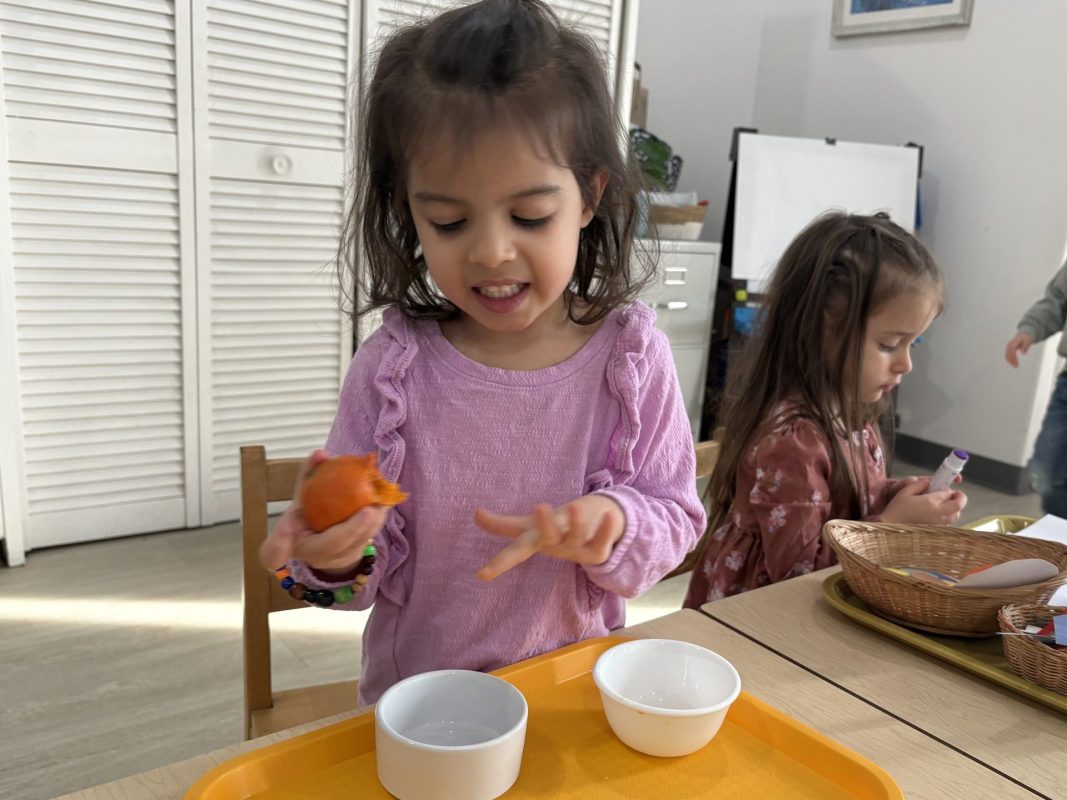
Next, each child had the opportunity to handle popcorn kernels to observe what they saw, smelled, and felt. We record all of our observations as we go along. Finally, we used an air popper to pop some popcorn. Now, we can include our observations about hearing and tasting as well.

Wishing you a week filled with peace and love!


Art: Middle School “Soundsuit” Sculptures

Throughout this trimester, Middle school students worked in the style of American contemporary artist Nick Cave to create a small-scale model of a “Soundsuit.” Cave’s Soundsuits are surreally majestic objects layered with meaning, blending fashion and sculpture. Cave uses found objects, craft materials, and traditional processes such as crochet and beading to adorn his sculptures: his work has been described as “metaphorical armor.” The use of found objects introduces elements of nostalgia, and his subject matter is related to the Black experience. Many of his pieces are used in choreographed performances, and their resulting sounds when in motion become part of the work. 

Each middle school student was given a blank plaster figure to construct their Soundsuit on. Beginning with sketches and finding inspiration through collecting materials, students altered their armatures by adding wire, sewing fabrics on, or gluing materials onto the figure to build volume and visual interest. The results are looking wildly complex and imaginative. I want to thank Mrs. Sara Hunsucker for providing us with the handmade plaster figures, as well as co-teaching this lesson with me!


Mrs. Lopes: A Look at Our Week

First the education of the senses, then the education of the intellectMaria Montessori
Maria Montessori believed there is a sensitive period for a child’s development of their senses. Although the senses are an integral part of our lives, children have the greatest potential to develop and retrieve them during their early years. It is precisely this idea that demonstrates the purpose of Sensorial materials in the Montessori classroom. The Sensorial materials are powerful tools that allow children to become aware of their unconscious impressions and bring these impressions into conscious awareness. Additionally, they enable your children to create a basis of order in their minds, allowing for the intelligent exploration of their environment.
This week we are beginning our study on the five senses. What better way to teach this than to use popcorn? Popcorn is a multi-sensory snack as it incorporates all five of our senses. It might just be our most appetizing science unit yet! Did you ever notice that when you make popcorn, somehow the entire family knows about it and shows up to have some of this favorite treat?

We begin by discussing our five senses and how we use different body parts to learn about things in our environment. For example, our noses are for smelling, ears are for listening, eyes are for seeing, hands are for touching, and our tongues are for tasting. We learned that sometimes, we use more than one sense at a time.

Next, each child had the opportunity to handle popcorn kernels to observe what they saw, smelled, and felt. We record all of our observations as we go along. Finally, we used an air popper to pop some popcorn. Now, we can include our observations about hearing and tasting as well.

Wishing you a week filled with peace and love!


Mrs. Sargeant: A Peek at the Week

First the education of the sensesthen the education of the intellectMaria Montessori
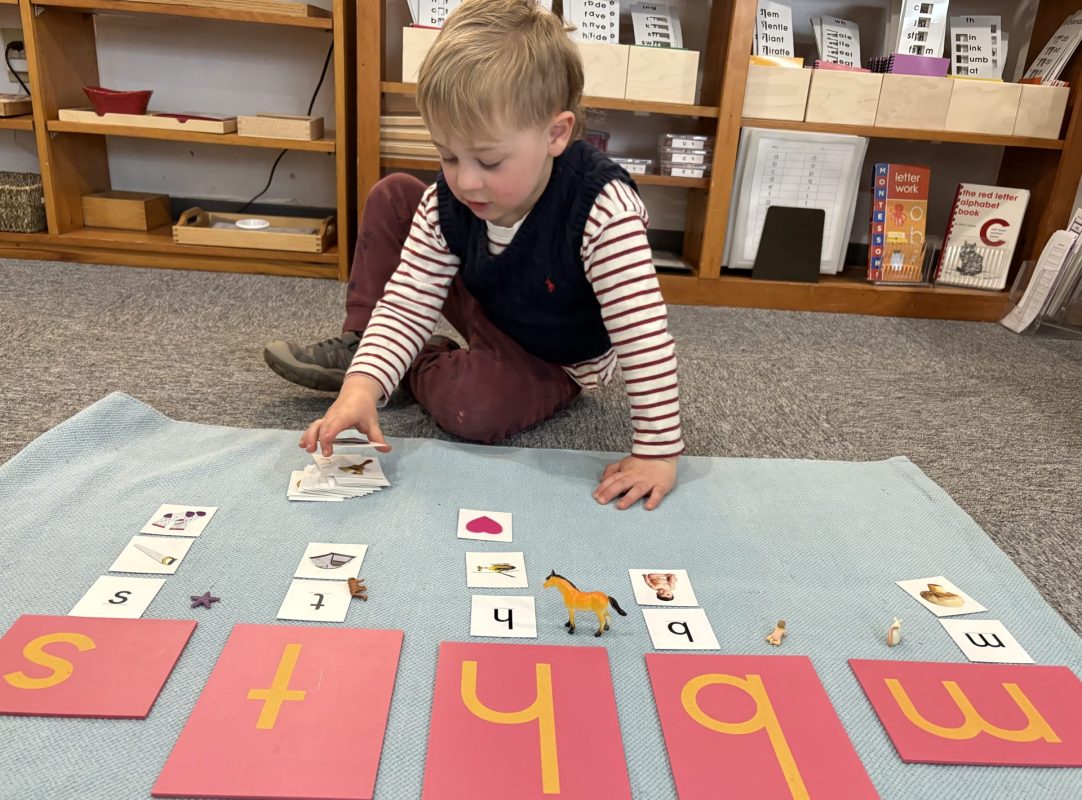
Maria Montessori believed there is a sensitive period for a child’s development of their senses. Although the senses are an integral part of our lives, children have the greatest potential to develop and retrieve them during their early years. It is precisely this idea that demonstrates the purpose of Sensorial materials in the Montessori classroom. The Sensorial materials are powerful tools that allow children to become aware of their unconscious impressions and bring these impressions into conscious awareness. Additionally, they enable your children to create a basis of order in their minds, allowing for the intelligent exploration of their environment.
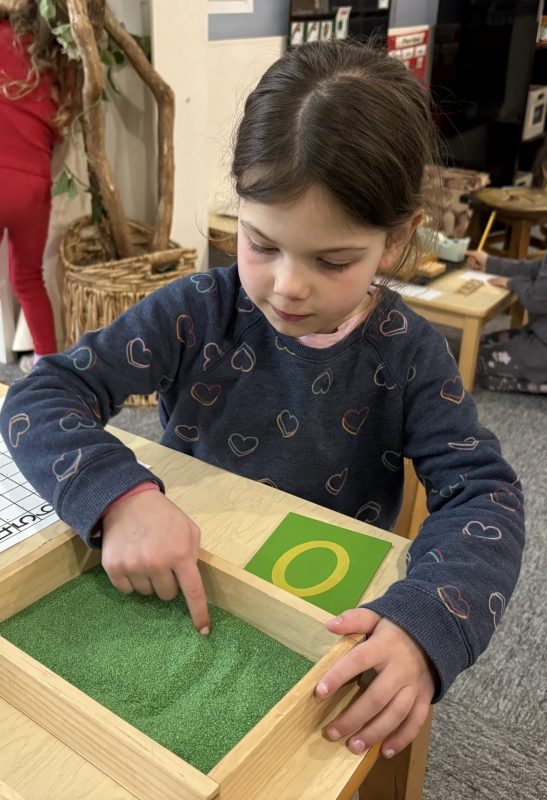
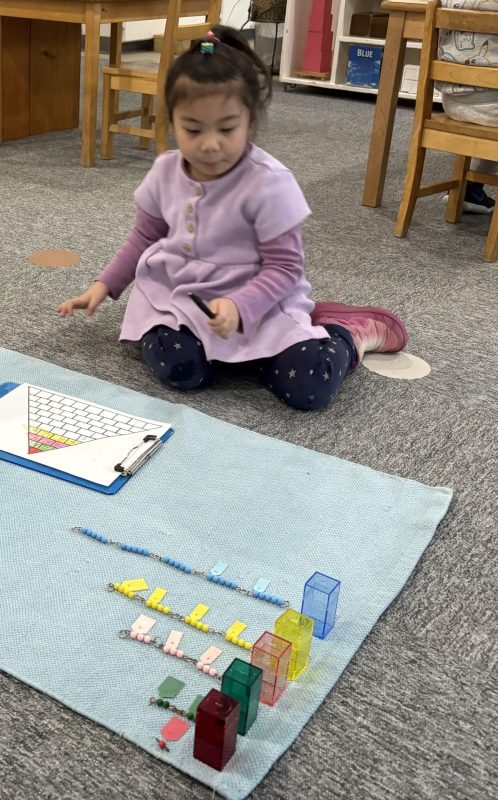
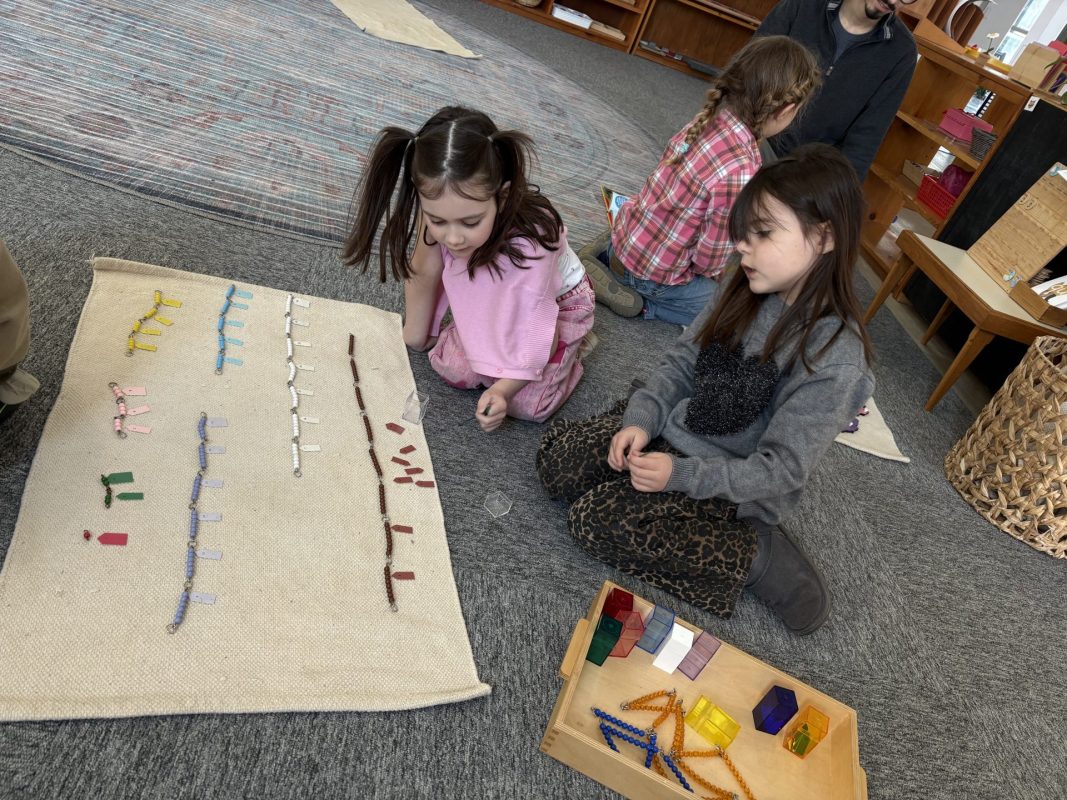
This week we began to discuss the five senses. We discussed how we use different body parts to learn about things in our environment. For example, our noses are for smelling, ears are for listening, eyes are for seeing, hands are for touching, and our tongues are for tasting. We learned that sometimes, we use more than one sense at a time. We also talked about people who do not have the ability to use all five senses, such as those who are blind or deaf.

In the afternoon, the older children had the opportunity to engage all five senses as we popped popcorn using an air popper. We closed our eyes and listened to the sound of the kernels being poured into the popper, then the sound as they began to pop, we enjoyed the aroma as the kernels heated and what an exciting sight to see all the fluffy white popcorn – and of course we enjoyed the delicious tasty treat. We even tried tasting some with salt, as we discussed our taste buds.

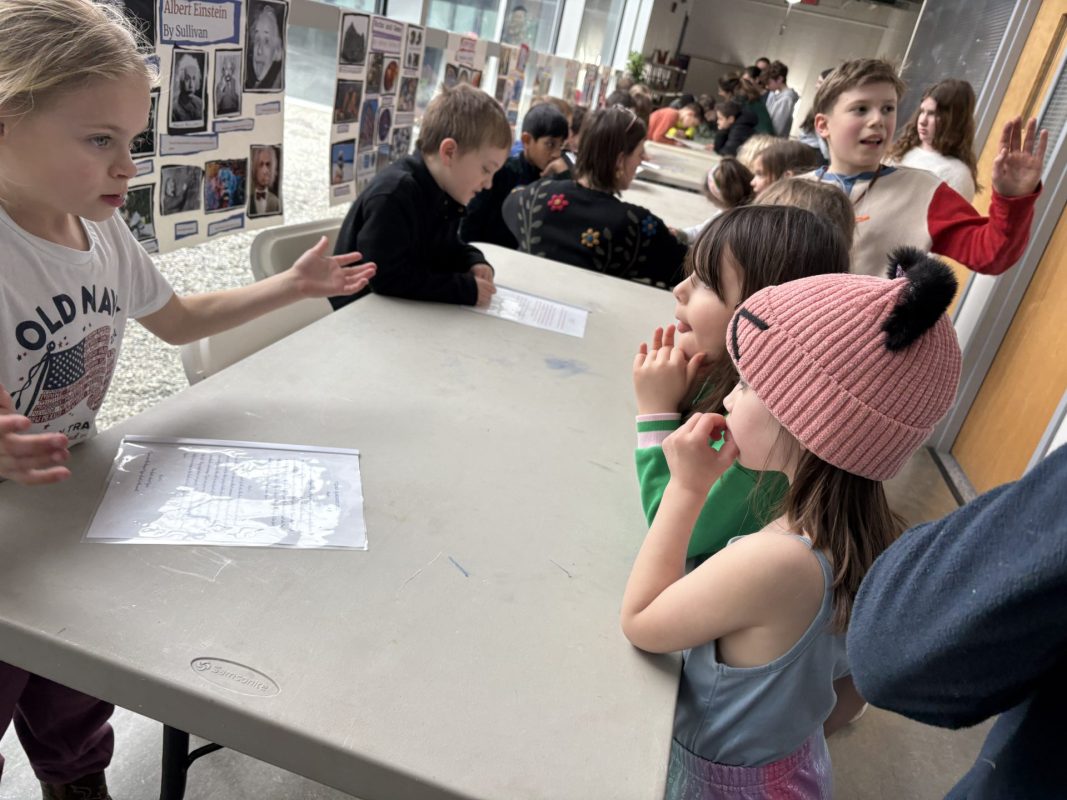
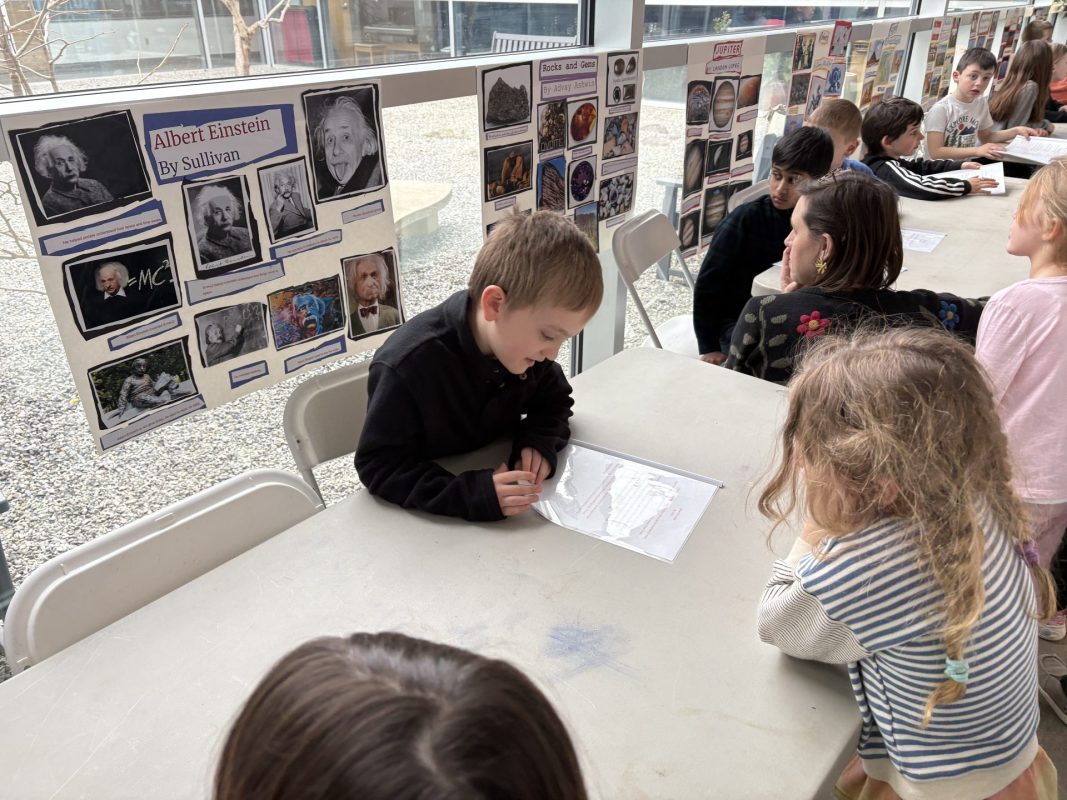
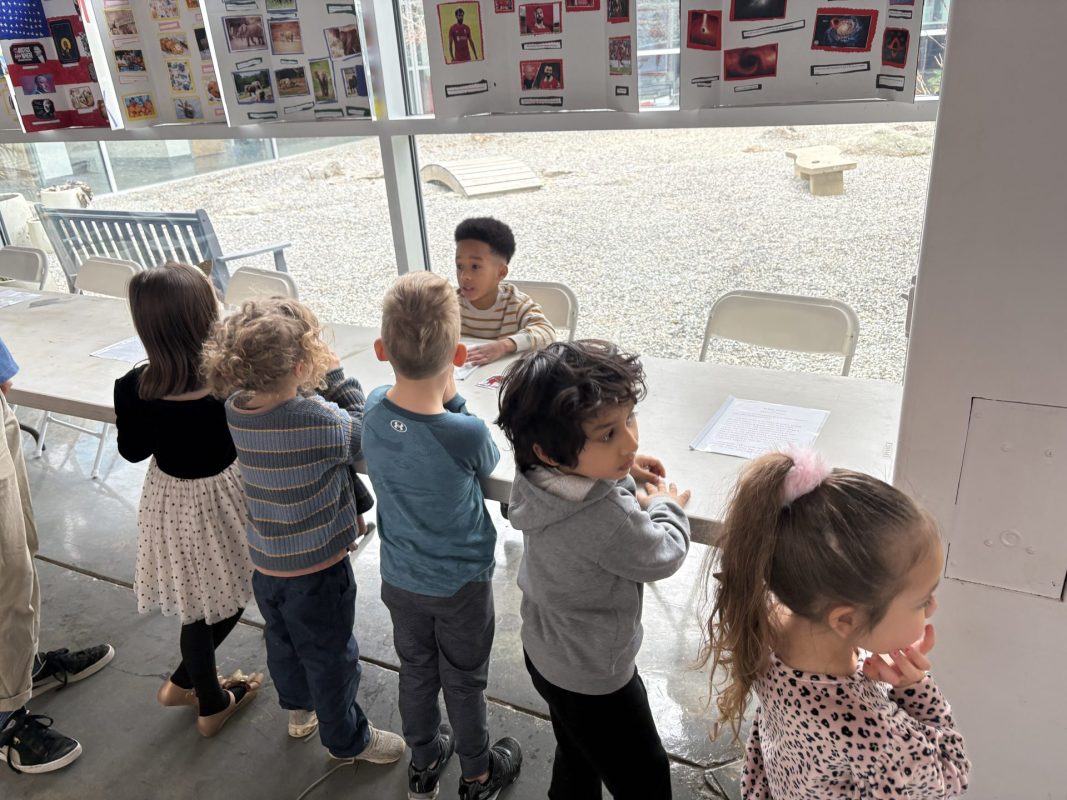
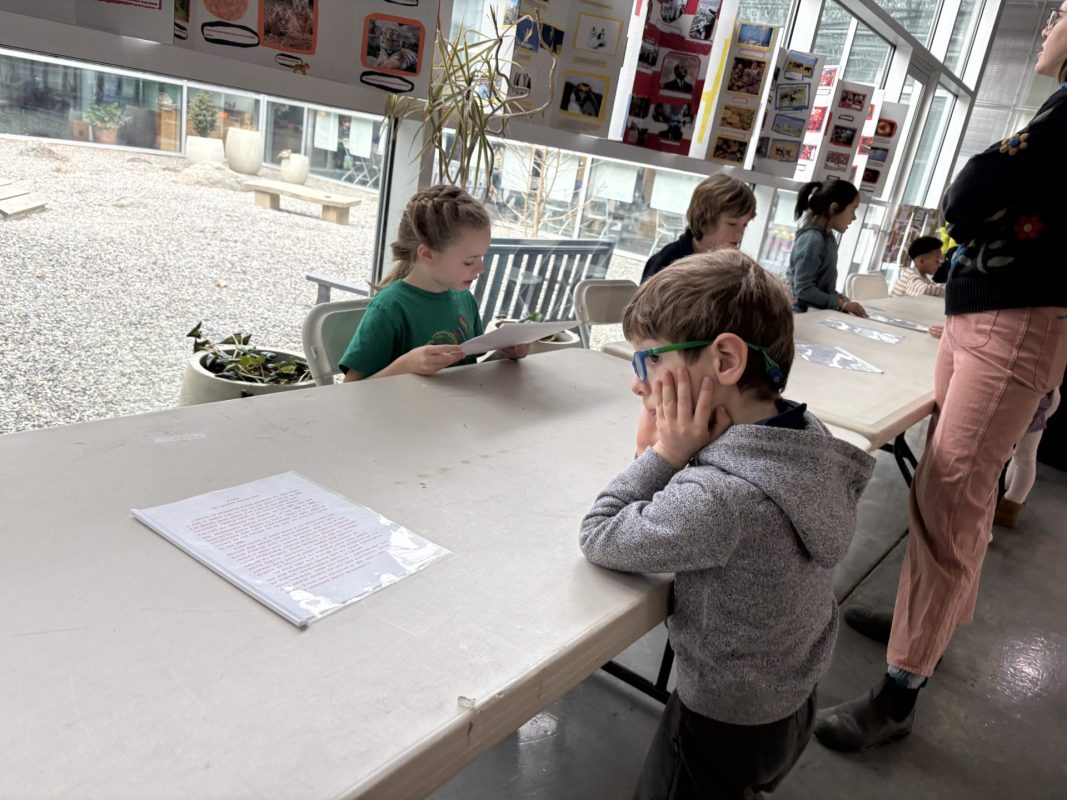
Our 4 and 5-year-olds were also invited to visit Lower Elementary, where they set up tables to share their research projects with us. Our students learned about famous athletes, Texas, Albert Einstein, and a variety of different animals, among other things! It was a wonderful experience for everyone involved!

Wishing your families a wonderful spring break with a perfect balance of fun and relaxation.


Ms. Marissa: Weekly Update

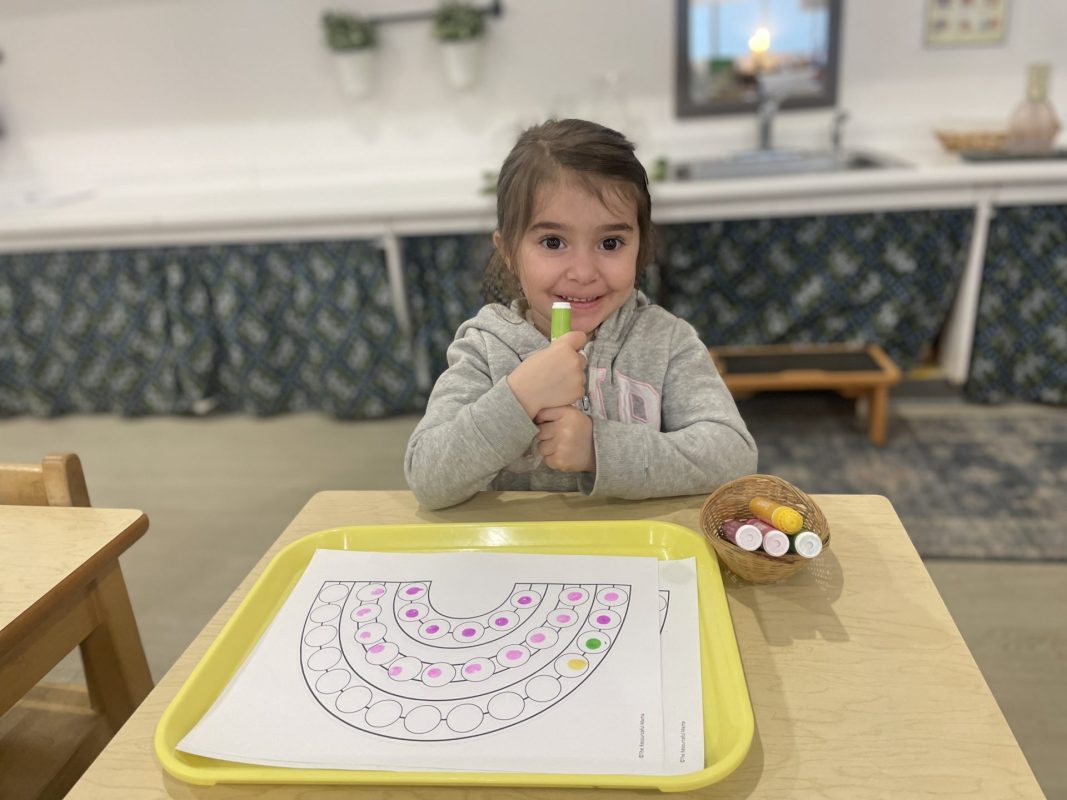
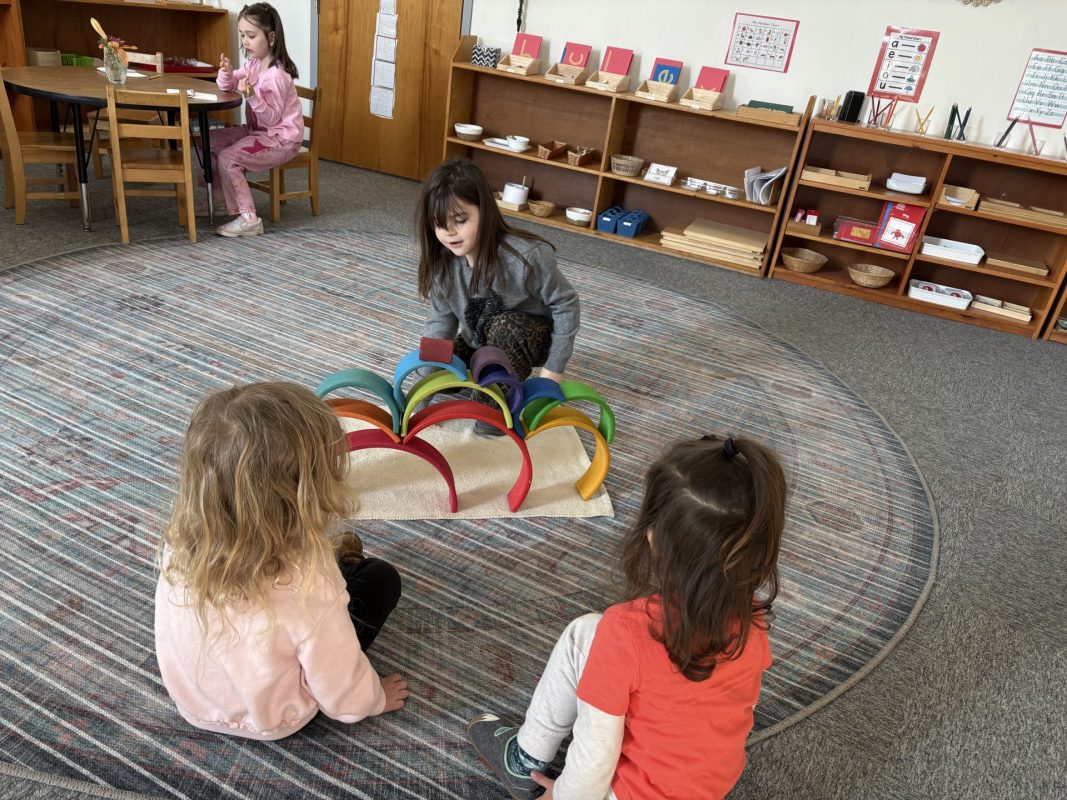
The month of March brings our study of rainbows! We all are anxiously waiting for Spring weather, so why not bring it into the classroom?! We will be learning all about rainbows, weather, and the water cycle with some fun hands-on experiments upon our return from break. This week, the children have been having fun learning the order of all the colors in the rainbow. We have also been practicing a fun poem; ask your child if they can recite it with you!

Rainbow, rainbow in the sky,
Peeping out as clouds go by.
Red, orange, yellow, green and blue,
There is purple in there, too!

Have a wonderful Spring Break, and hopefully, the weather cooperates for some fun outside time!