Blog

Ms. Handibode: Moving Like Molecules

We are just beginning our science unit on States of Matter. Matter is all around us. Everything that you can touch, taste, smell, and see is made of matter. The three main states of matter are solids, liquids, and gases.

Solids have a definite shape because these molecules are very close together and do not move very much. The shapes of solids do not change unless some type of force makes them change. Liquid matter does not have its own shape. The tiny molecules in liquids are not as close together as solid molecules, and they move around more. Liquids take the shape of the container they are in. Gas matter also does not have its own shape. The molecules in a gas are far apart, and they move around a lot. Gases spread out and fill up their container, too.  We did several experiments to learn more about the states of matter, including “dancing raisins,” where we watched raisins dance up and down when put into a container with carbonated water.  We also blew up a balloon using a water bottle filled with vinegar and baking soda.

We are eagerly waiting for some snowfall so that we can build a snowman, bring him inside, and observe how he will change from a solid to a liquid and finally a gas.

Wishing everyone a week filled with peace and love!

Michelle & Maria


Mrs. Lopes: A Look at Our Week

We are just finishing up our science unit on States of Matter. Matter is all around us. Everything that you can touch, taste, smell, and see is made of matter. The three main states of matter are solids, liquids, and gases.

Solids have a definite shape because these molecules are very close together and do not move very much. The shapes of solids do not change unless some type of force makes them change. Liquid matter does not have its own shape. The tiny molecules in liquids are not as close together as solid molecules, and they move around more. Liquids take the shape of the container they are in. Gas matter also does not have its own shape. The molecules in a gas are far apart, and they move around a lot. Gases spread out and fill up their container, too. We did several experiments to learn more about the states of matter, including “dancing corn kernels,” where we watched the kernels dance up and down when put into a container with water and Alka seltzer.  We also blew up a balloon using a water bottle filled with water and Alka seltzer.

We are eagerly waiting for some snowfall so that we can build a snowman, bring him inside, and observe how he will change from a solid to a liquid and finally a gas.

Wishing everyone a week filled with peace and love!

Amanda & Hema


Mrs. Sargeant: A Peek at the Week

We have begun a science unit on States of Matter. Matter is all around us. Everything that you can touch, taste, smell, and see is made of matter. The three main states of matter are solids, liquids, and gases.

Solids have a definite shape because these molecules are very close together and do not move very much. The shapes of solids do not change unless some type of force makes them change. Liquid matter does not have its own shape. The tiny molecules in liquids are not as close together as solid molecules, and they move around more. Liquids take the shape of the container they are in. Gas matter also does not have its own shape. The molecules in a gas are far apart, and they move around a lot. Gases spread out and fill up their container, too.

This week, we talked about experiments and making predictions. We blew up a balloon using something other than our mouths – we poured vinegar into a bottle, then added baking soda to the balloon, put it right on top, and watched the reaction as the balloon filled.

We are eagerly awaiting a snowfall so that we can build a snowperson, bring them inside, and observe the transformation from a solid to a liquid and finally a gas.

We also took a trip to the gym this week to watch the Middle Schoolers’ performance of Set in Stone. It was such a treat, and your children were a very respectful audience!

Wishing everyone a fabulous week!

Christine & Fatima


Respecting Body Boundaries in Lower Elementary

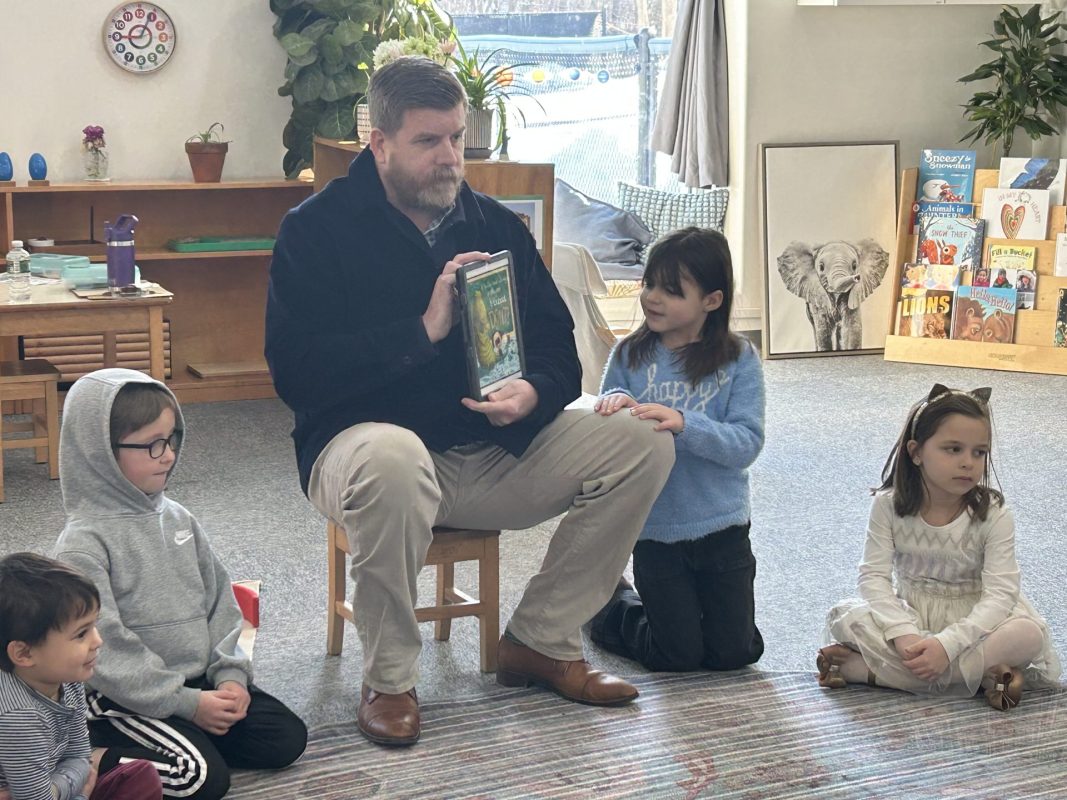
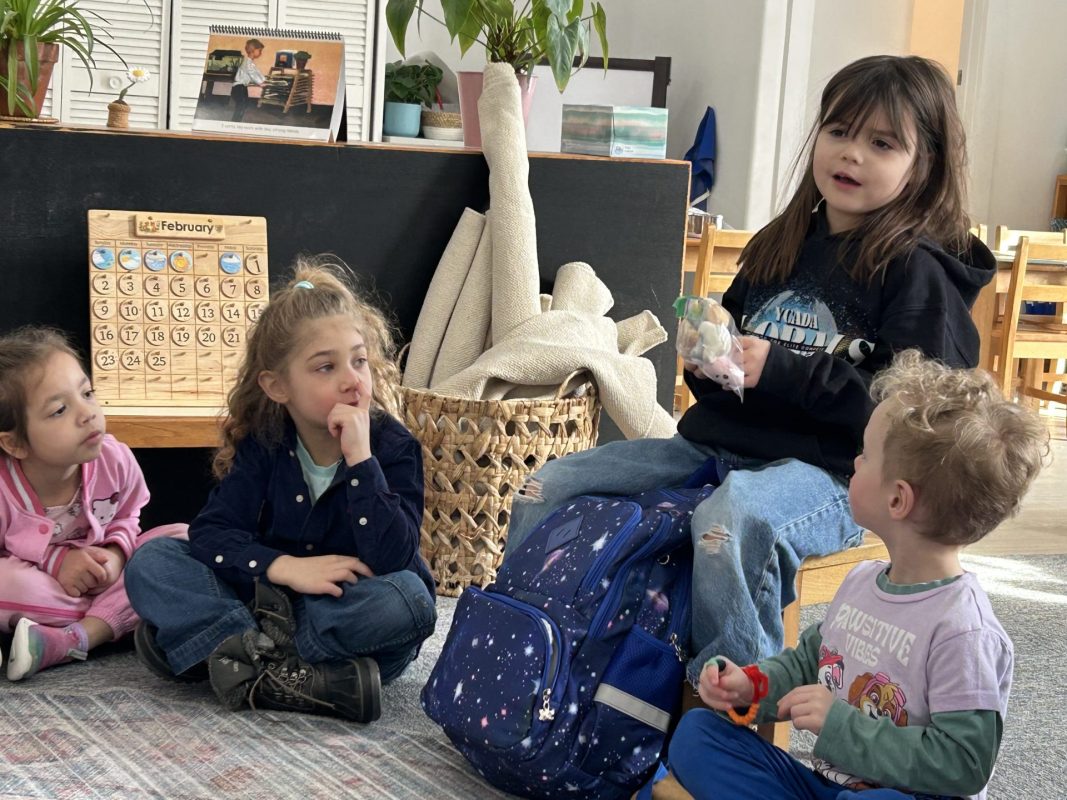
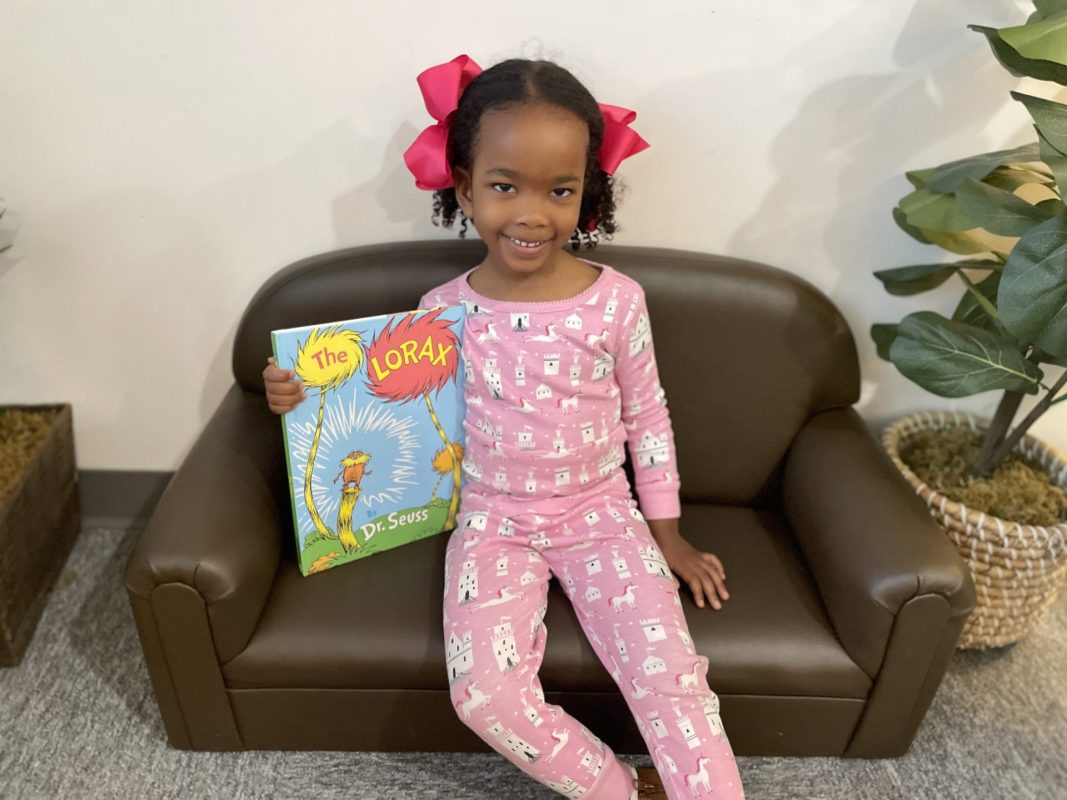
This week in our lower elementary class meeting, we had an important discussion about body boundaries. It began with a student reading Don’t Touch My Hair by Sharee Miller, a book that sparked a thoughtful conversation about personal space, consent, and respect. We talked about how “no means no” and “stop means stop,” emphasizing the importance of always asking before touching someone else.

Together, we brainstormed ways to remind each other to respect body boundaries in our classroom. After sharing ideas, we voted on a solution we felt would be the most powerful—creating a collaborative sign that reads: “Don’t touch people without permission and respect each other’s personal space.” This sign will serve as a daily reminder of the agreements we made as a community.

Giving children autonomy in the classroom is essential for their growth and confidence. When they feel in control of their own bodies and know their voices are heard, they develop a strong sense of self-respect and respect for others. By engaging in these discussions and making decisions together, we empower them to take ownership of their environment and foster a culture of care, consent, and mutual respect.


Ms. Mollie’s Class: Geckos and Banana Bread!

Goodbye January, Hello February!

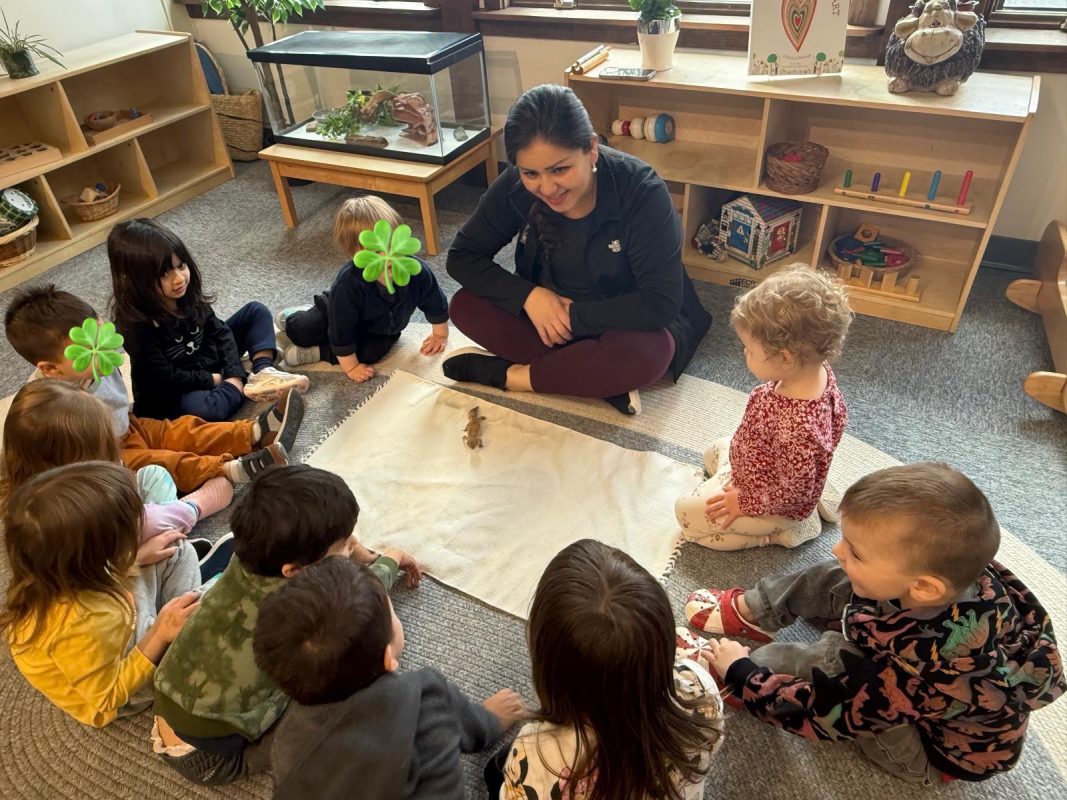
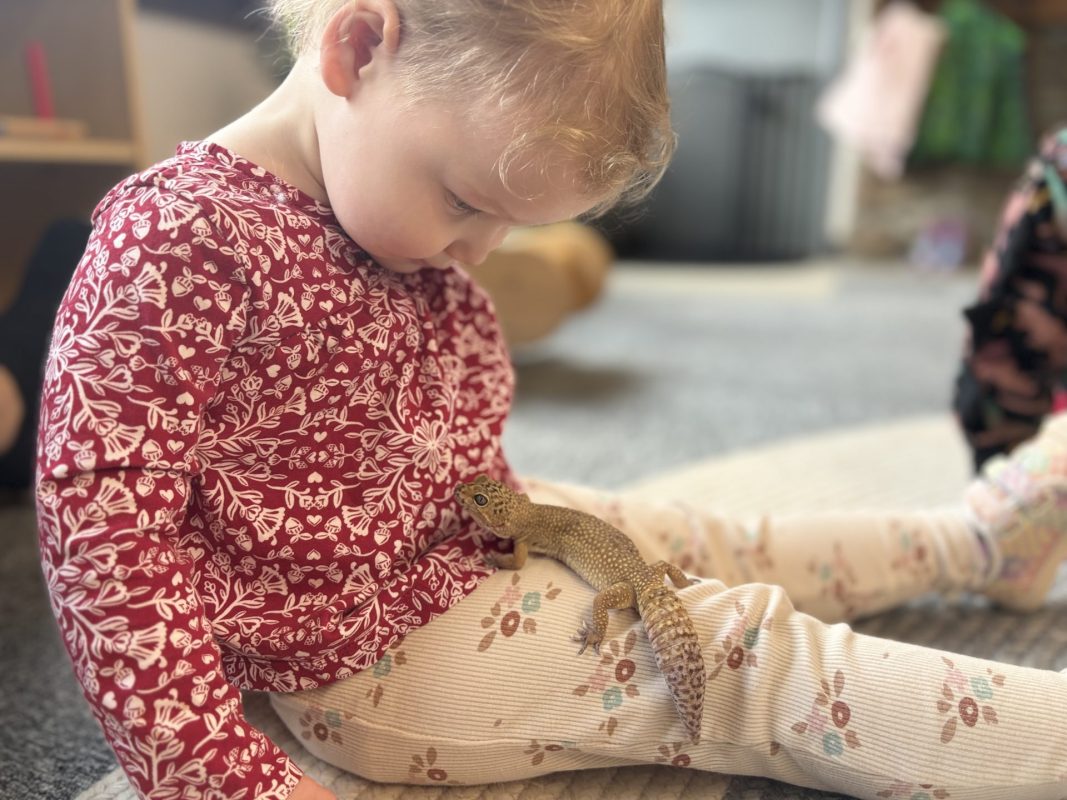
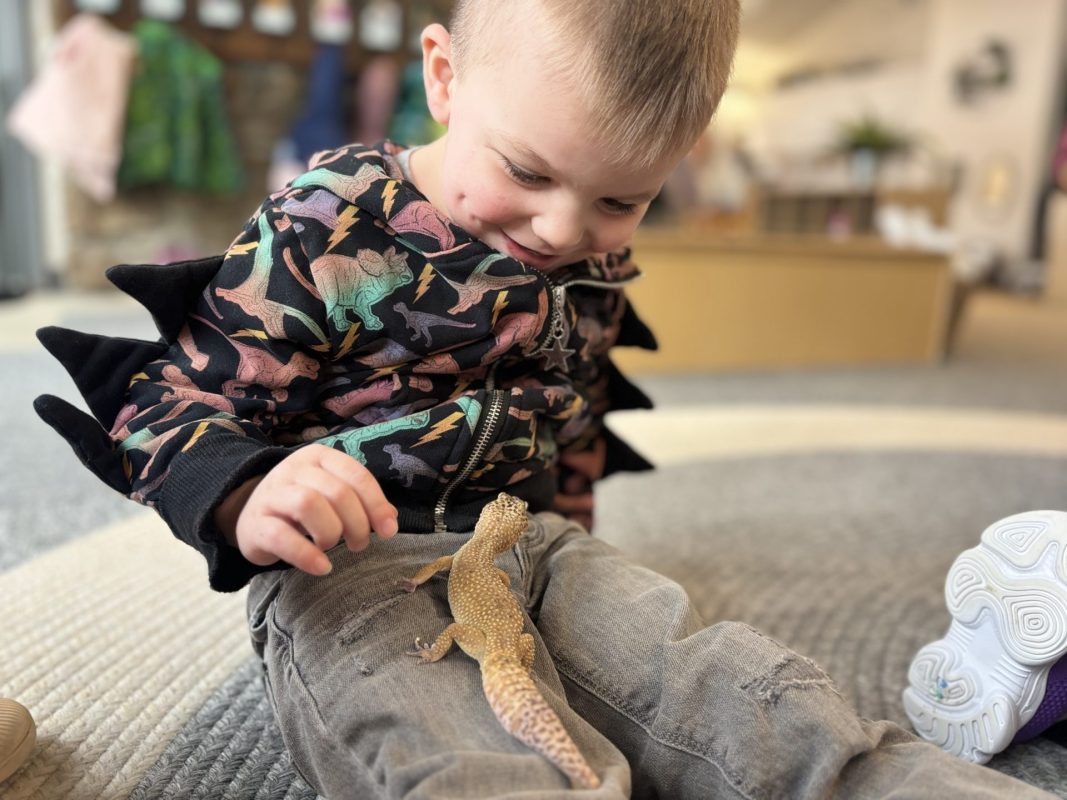
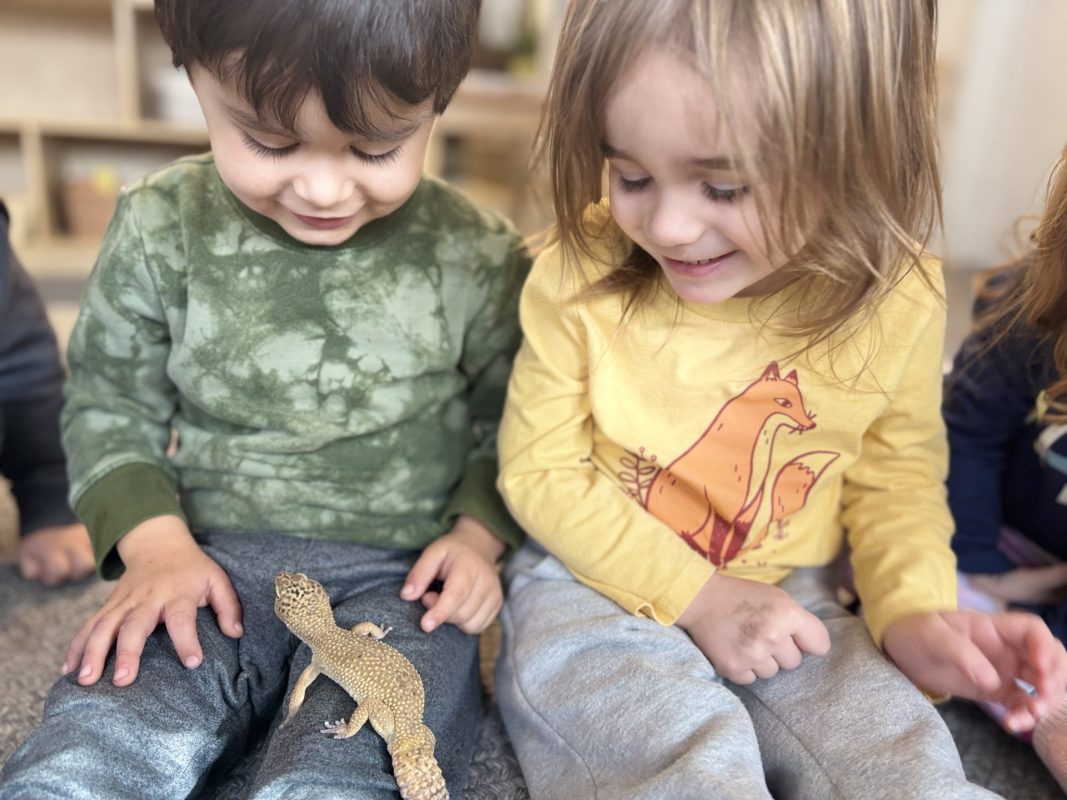
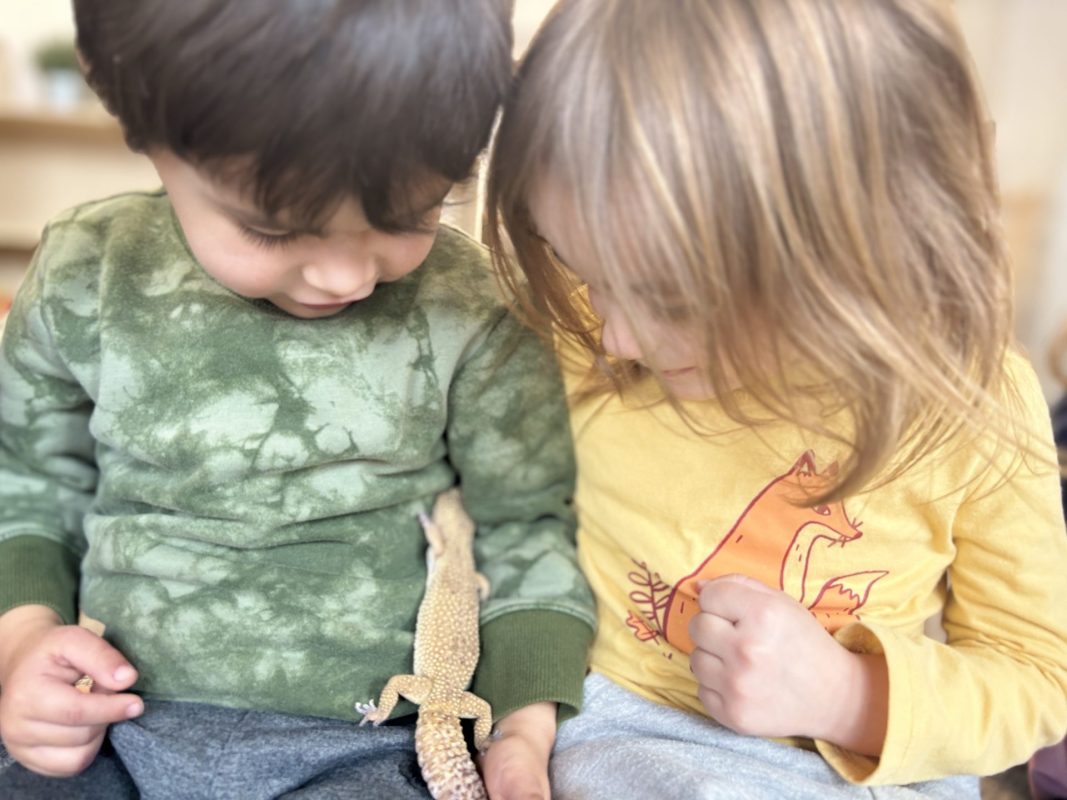
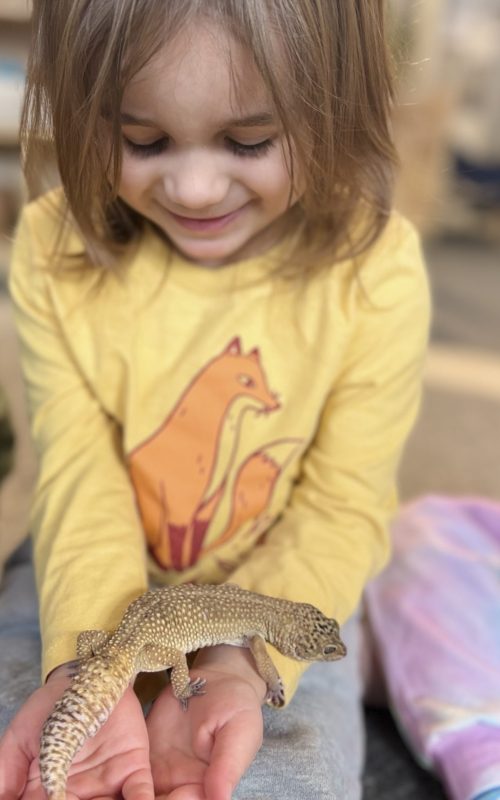
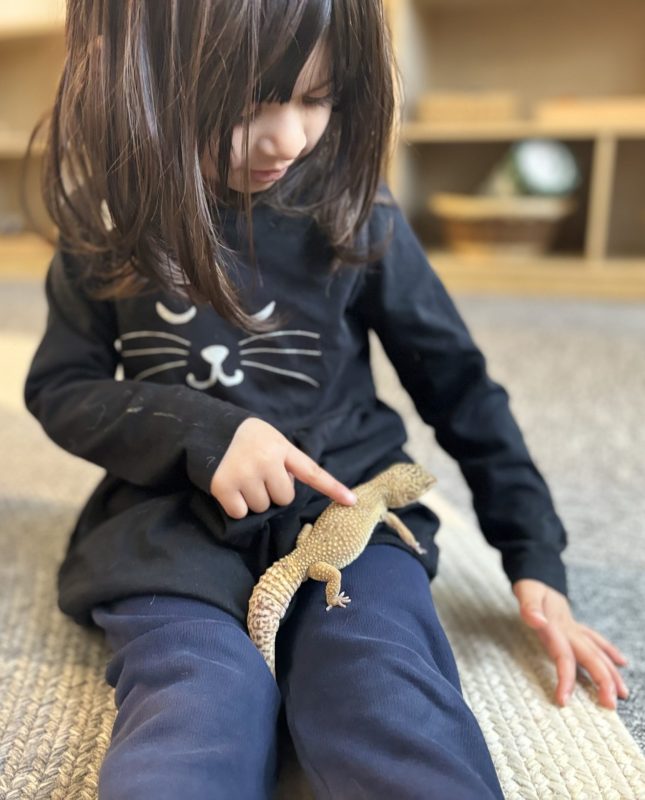
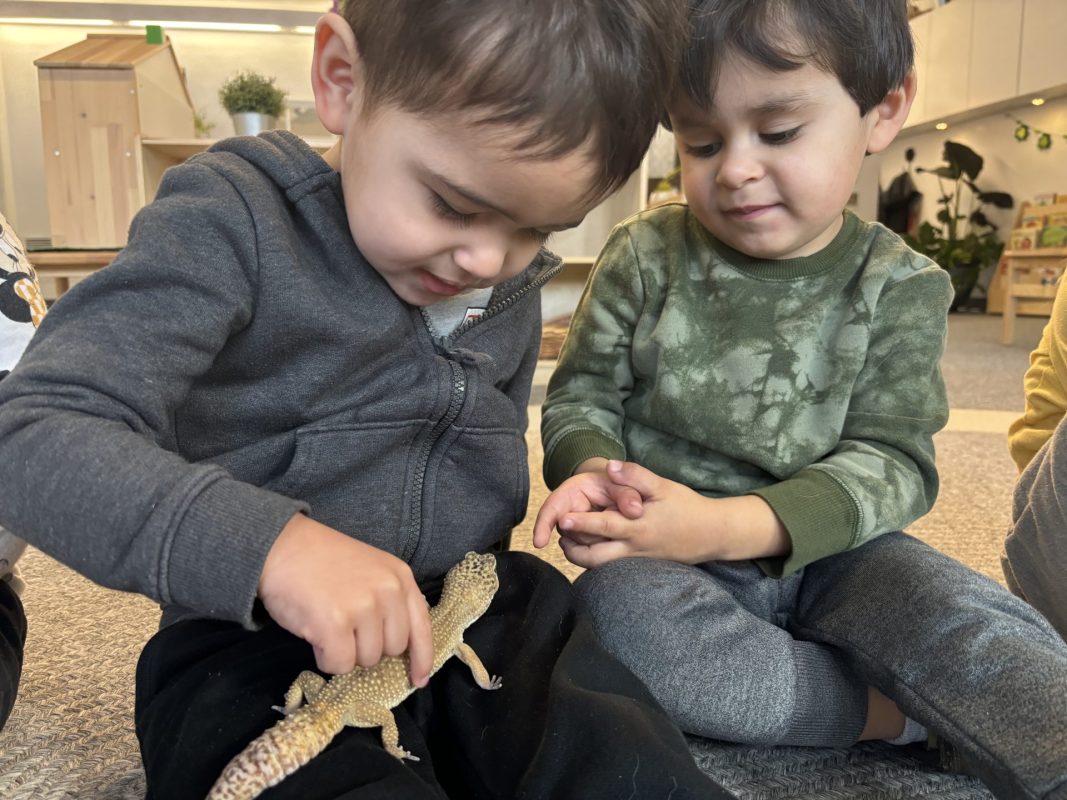
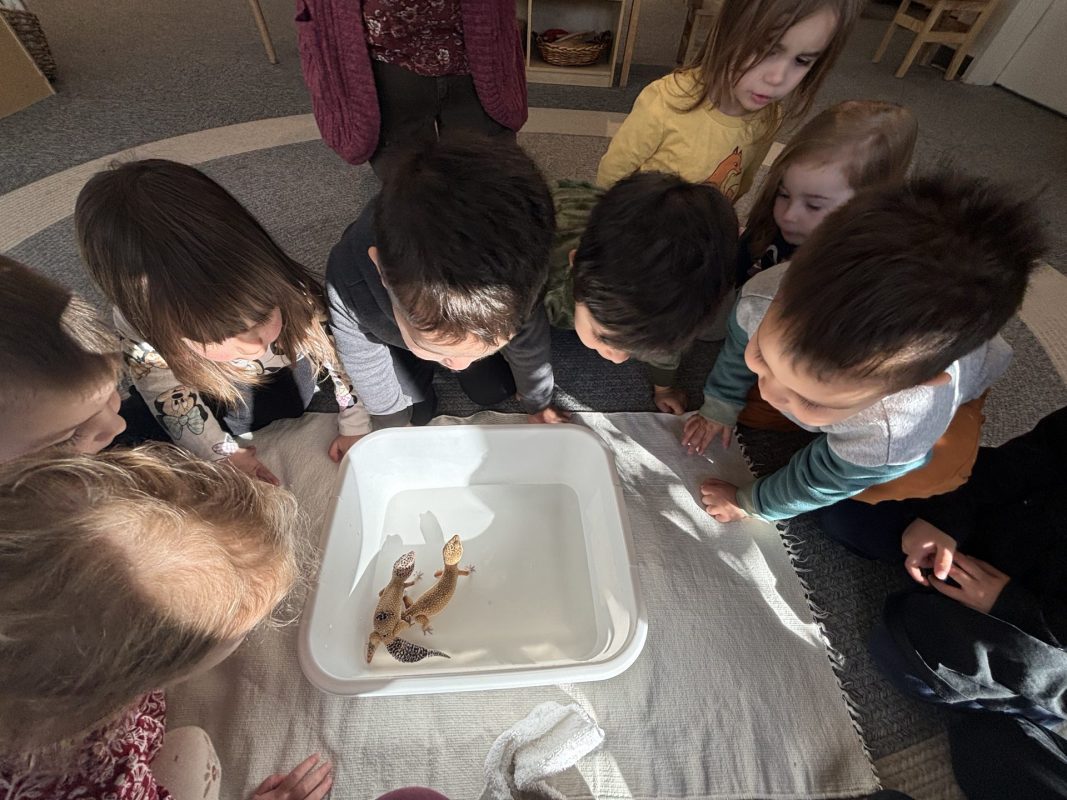
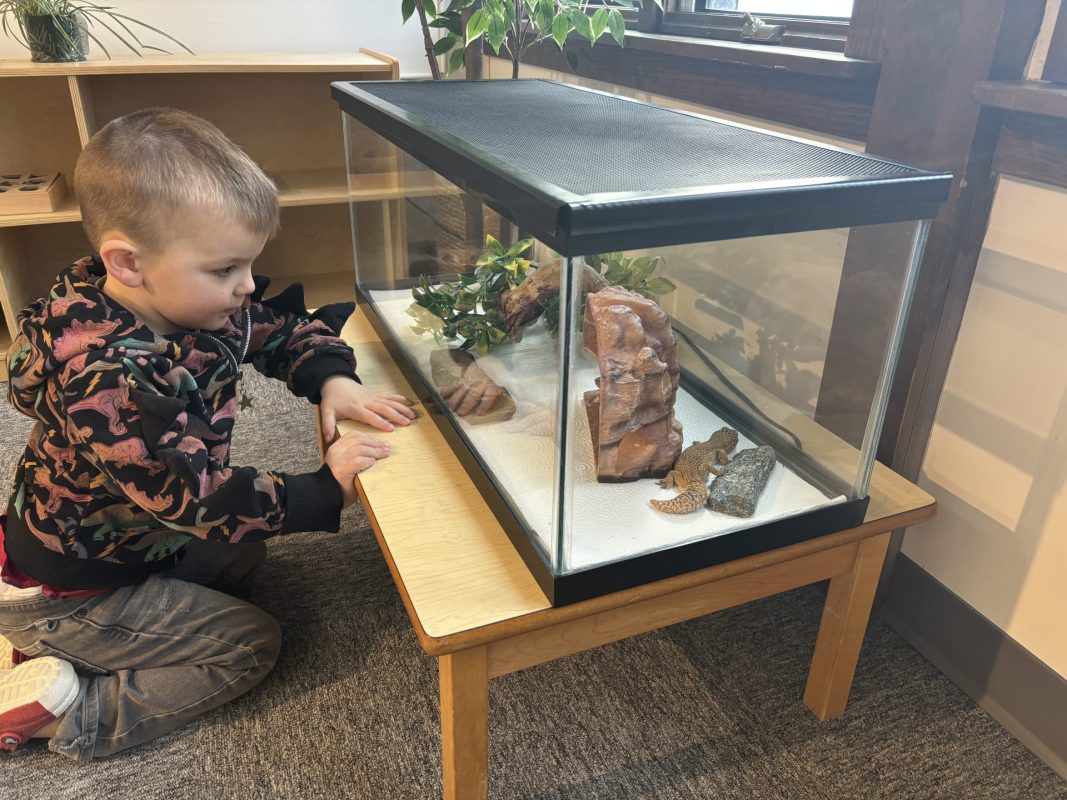
This week in the classroom, we welcomed back our beloved leopard geckos! Scooter and Lizzo are very happy to be back, too; they have enjoyed being held, talked to, and gazed at for many moments during the day! They had taken a little break to my house for a little winter R&R! The children were delighted when, as a class, we got to give them a bath to help with releasing the stubborn shedding on their little hands! The children have also gotten to watch and learn about what Scooter and Lizzo eat and watch them be fed! The children are cautious when holding them, and some of the children simply want to look at them and observe them. We are so very lucky to get to enjoy them each day, and yes, while they are reptiles, they are quite sweet! 

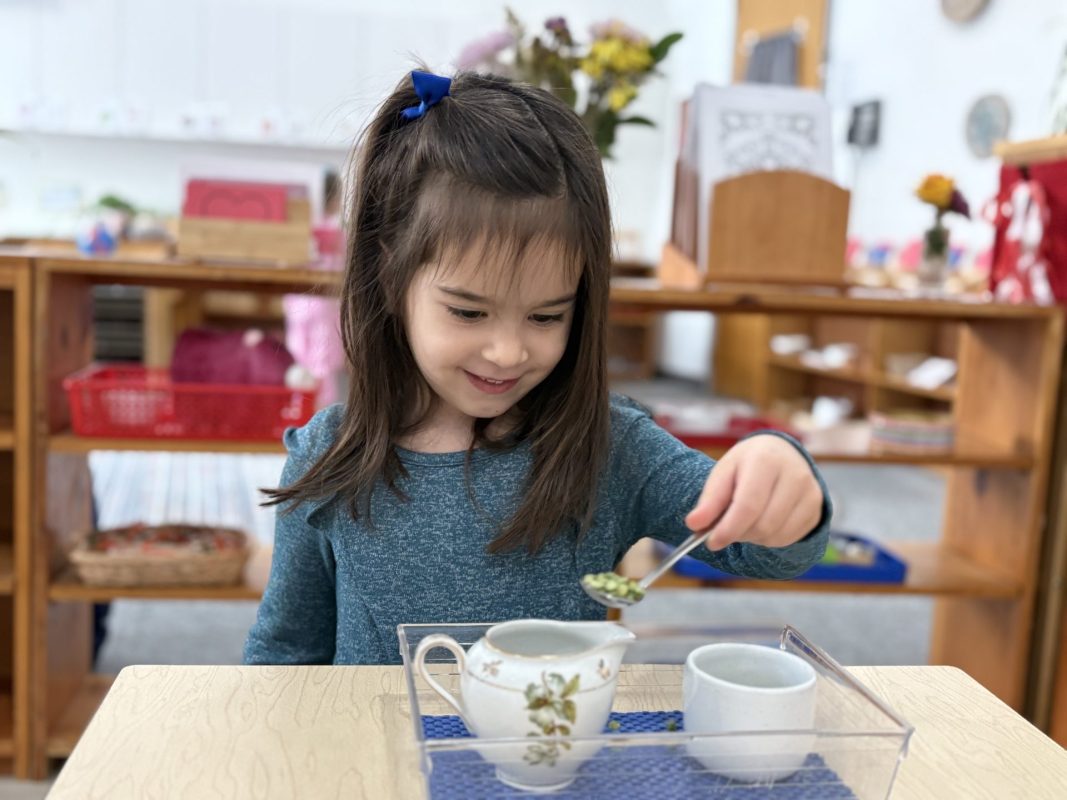
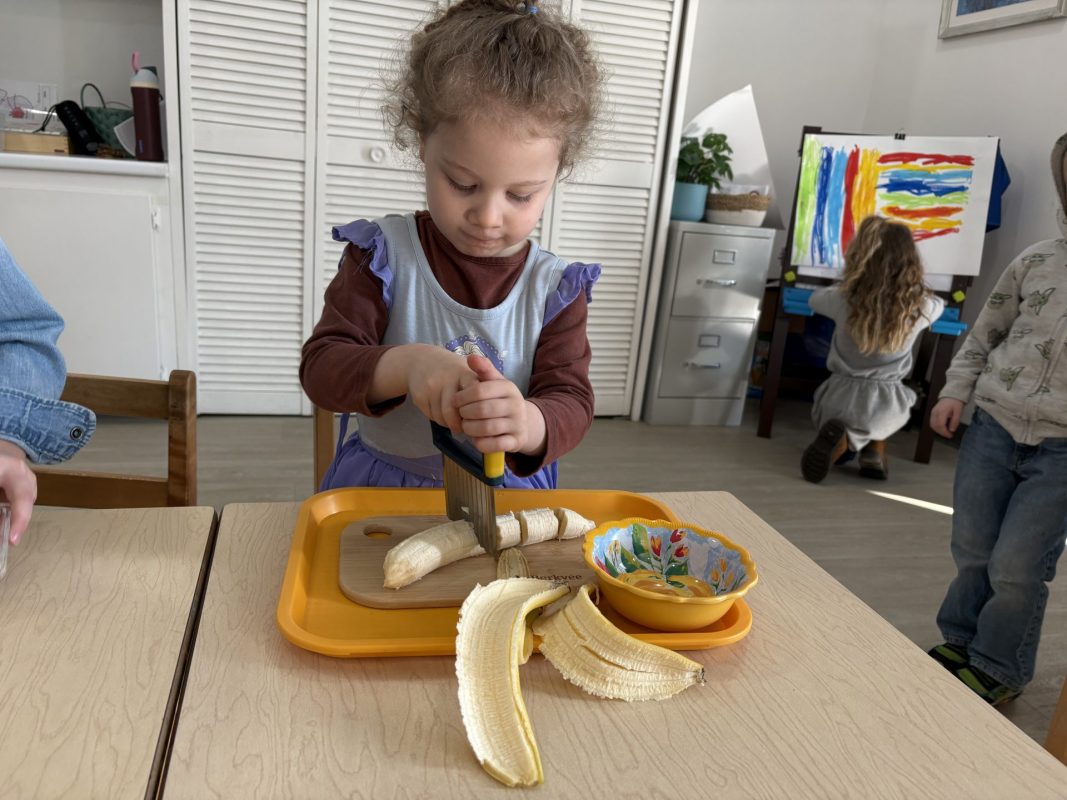
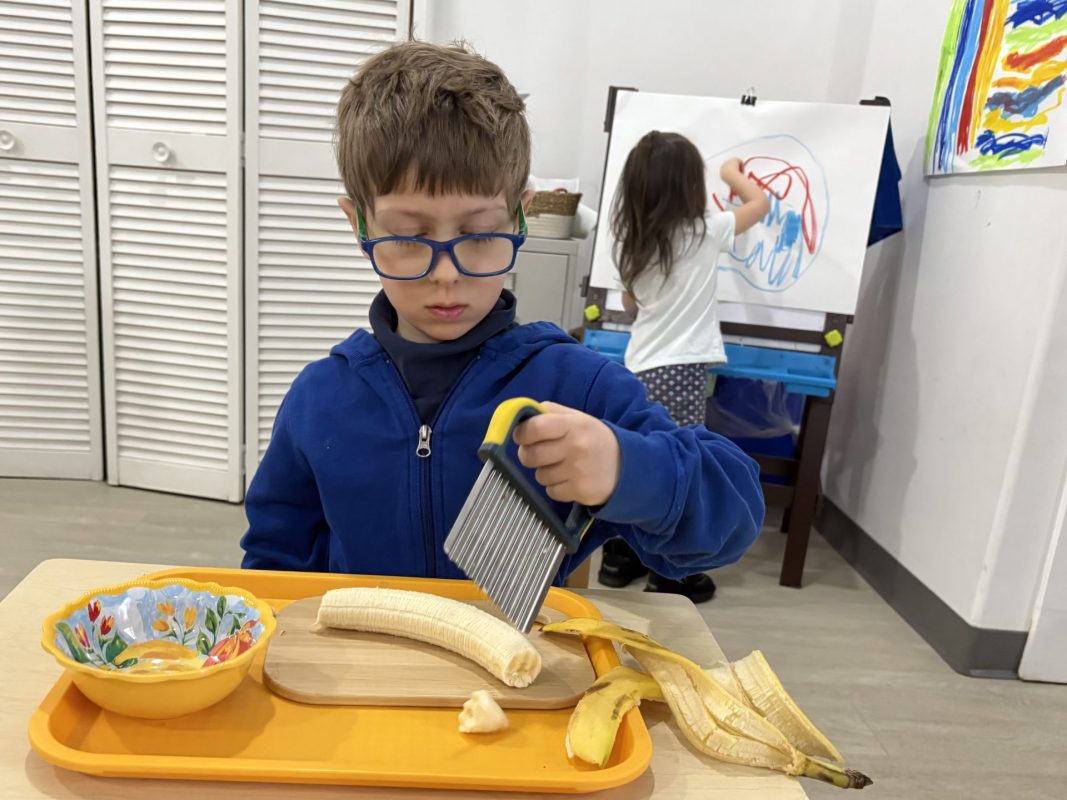
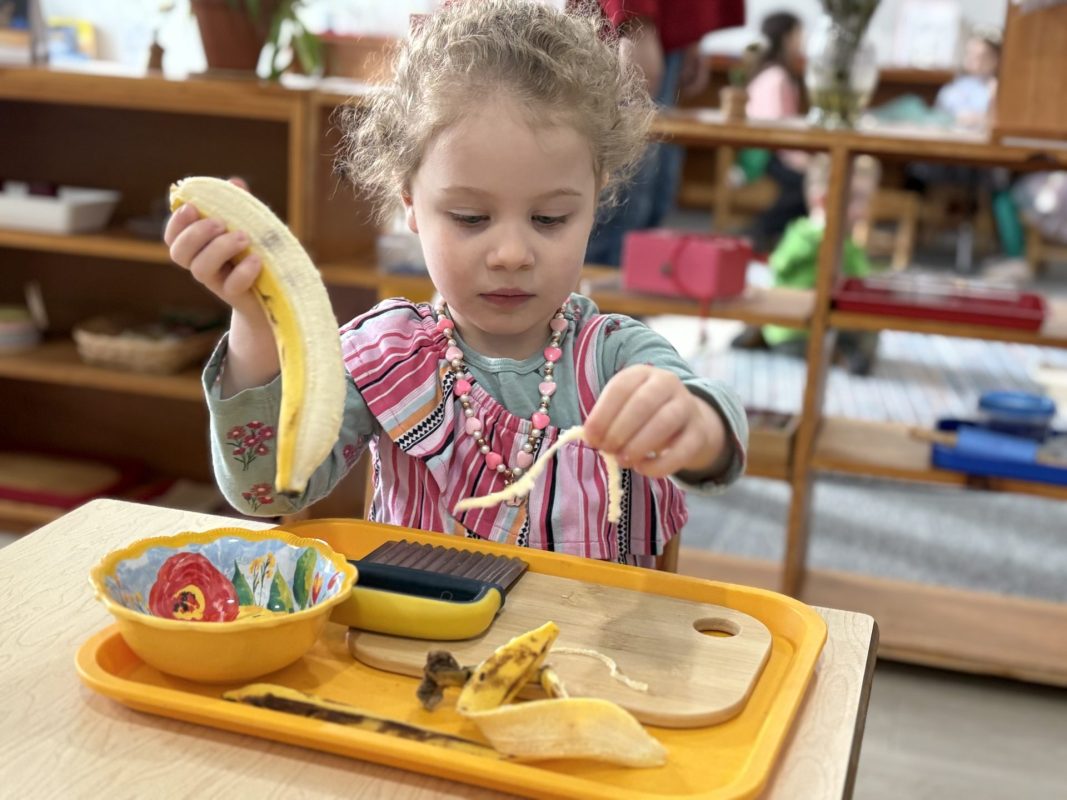
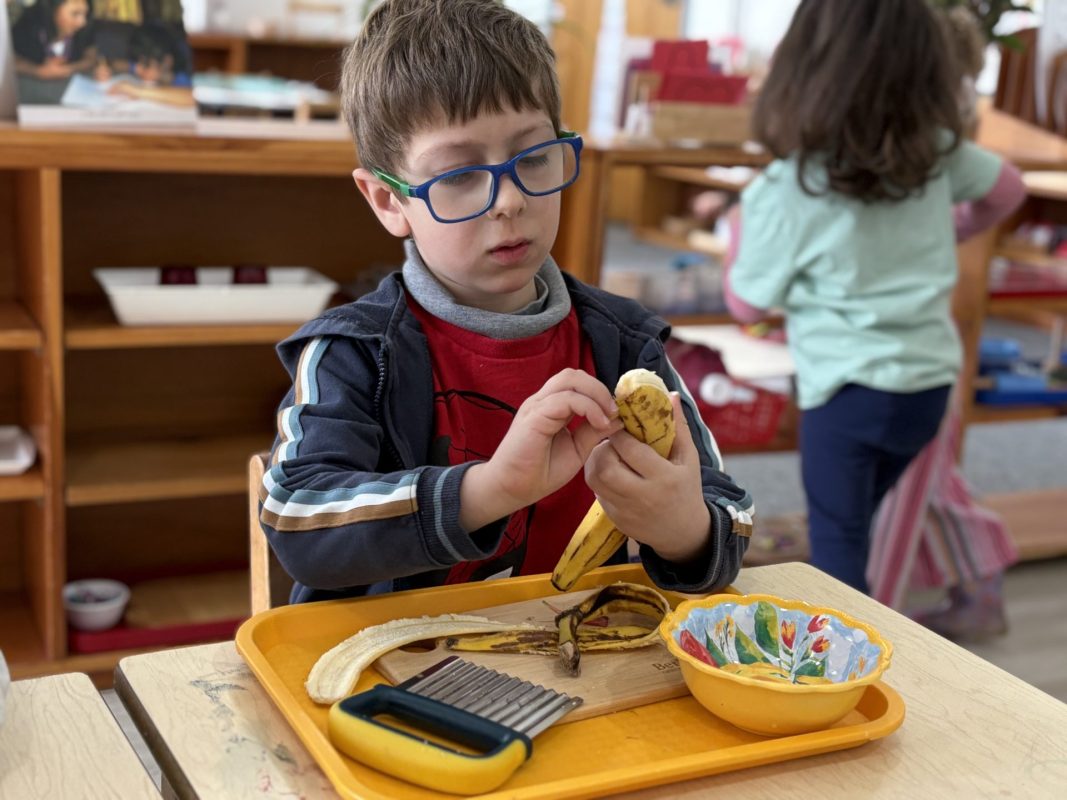
Our Baking this week was……banana bread! Surprise, surprise! Back by the request of the children once again, we made our banana bread, and how could I say no? In my observation and working with the children while baking, I have noticed that the skills of pouring, spooning, mixing, and even cracking eggs are getting stronger, and they are becoming much more independent! 

Ms. Mollie’s Class Banana Bread Recipe 

  • 2 eggs
  • 1 cup of sugar 
  • 4 mashed bananas 
  • 1 cup of oil (any will do) 
  • 3 cups of all-purpose flour
  • 1 teaspoon of baking soda 
  • 1 teaspoon of salt 

Preheat the oven to 350 degrees, add the first four ingredients to a large bowl, and let your child mix/smash all those ingredients till smooth. Then add the flour, baking soda, and salt……again let your child mix, mix, and mix until all ingredients are incorporated! Oil two loaf pans, and pour your batter evenly into each pan. (*The children love to sprinkle a little bit of sugar on top….because it makes it “sparkly”; this is totally optional.) Bake for 35/45 minutes! Enjoy! 

With Full Hearts, 

Ms. Mollie, Ms. Lizette and Ms. Anabelle


Mrs. Hood: The Process of Normalization!

In Montessori education, the concept of “normalization” holds a profound significance, quite different from its conventional meaning. Maria Montessori used this term to describe a remarkable process she observed in children’s development—a process that unfolds when children are given the freedom to work in an environment that aligns with their developmental needs.

“Normalization” in Montessori does not imply conforming to a standard or being forced into a mold. Instead, it signifies a state of being where children exhibit a deep sense of inner peace and discipline. Montessori observed that when children engage in activities that captivate their interest and require their full concentration, they experience a profound sense of fulfillment and satisfaction. This focused, purposeful work leads to a state of normalization characterized by a calm, content demeanor.

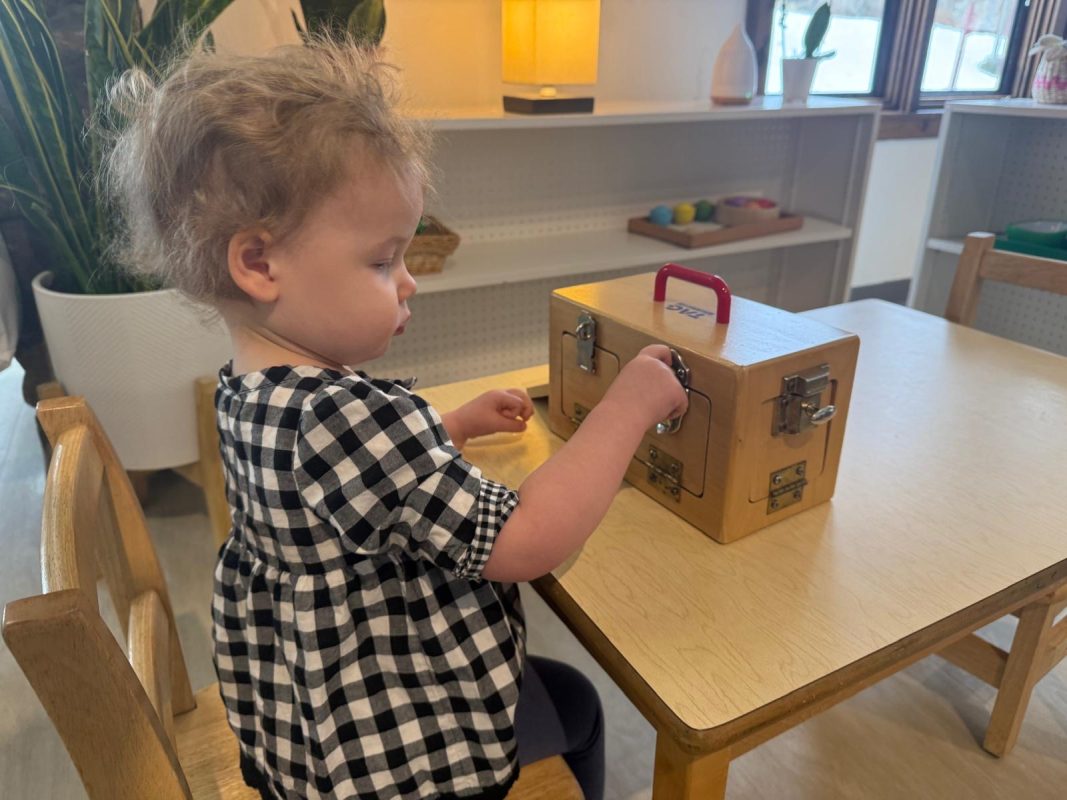
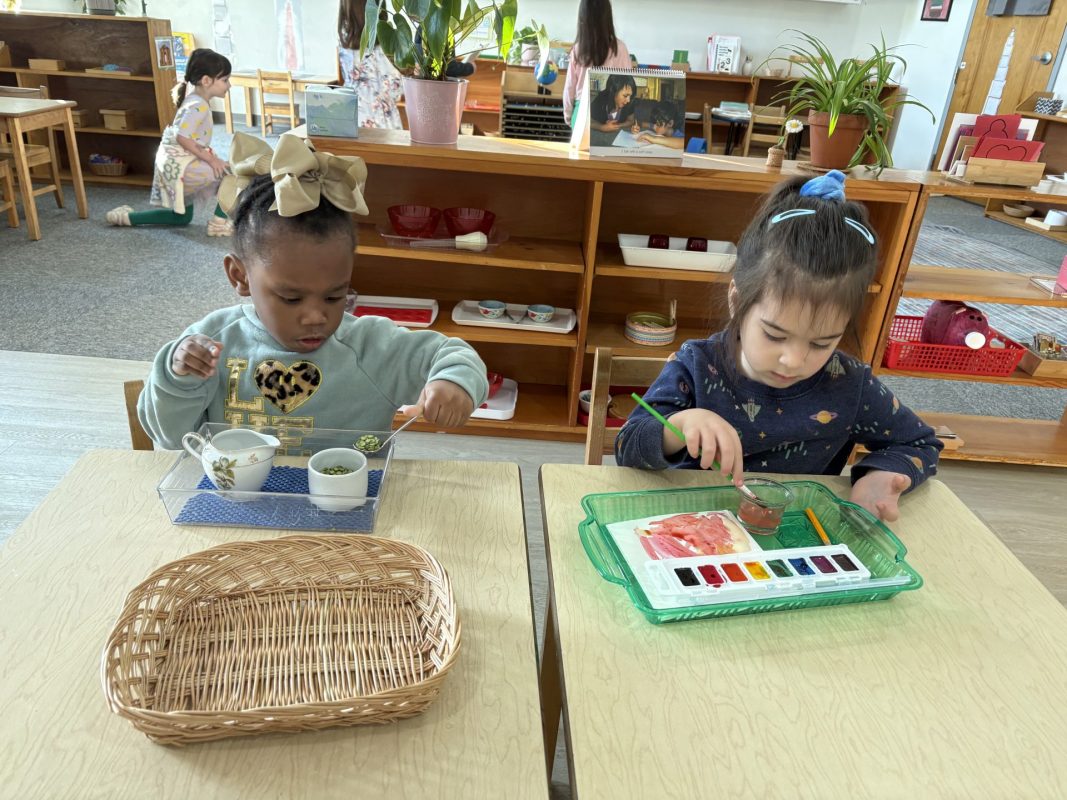
In our environment, we witness the signs of normalization every day. Children are deeply engaged in their chosen activities, demonstrating sustained concentration and a sense of joy in their work. As they grow more independent and self-disciplined, they contribute to a peaceful and harmonious atmosphere, fostering meaningful interactions.

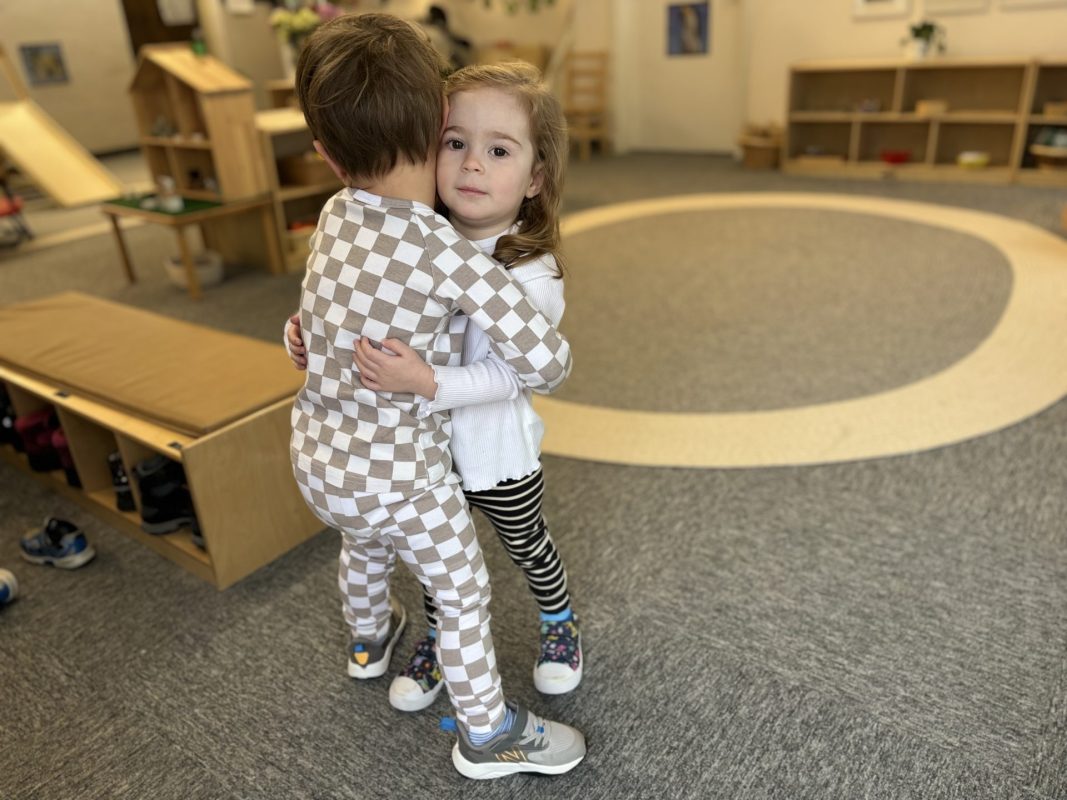
This week, that sense of curiosity and engagement took our toddlers on an exciting journey to Antarctica! They learned about the icy landscape and some of the animals that call it home. One of the highlights was learning about penguins. The children seemed fascinated to discover that penguins are birds, but they cannot fly! Instead, they are excellent swimmers, using their wings like flippers to glide through the water. They also loved learning that penguins keep warm by huddling together in big groups, just like friends giving each other a cozy hug.

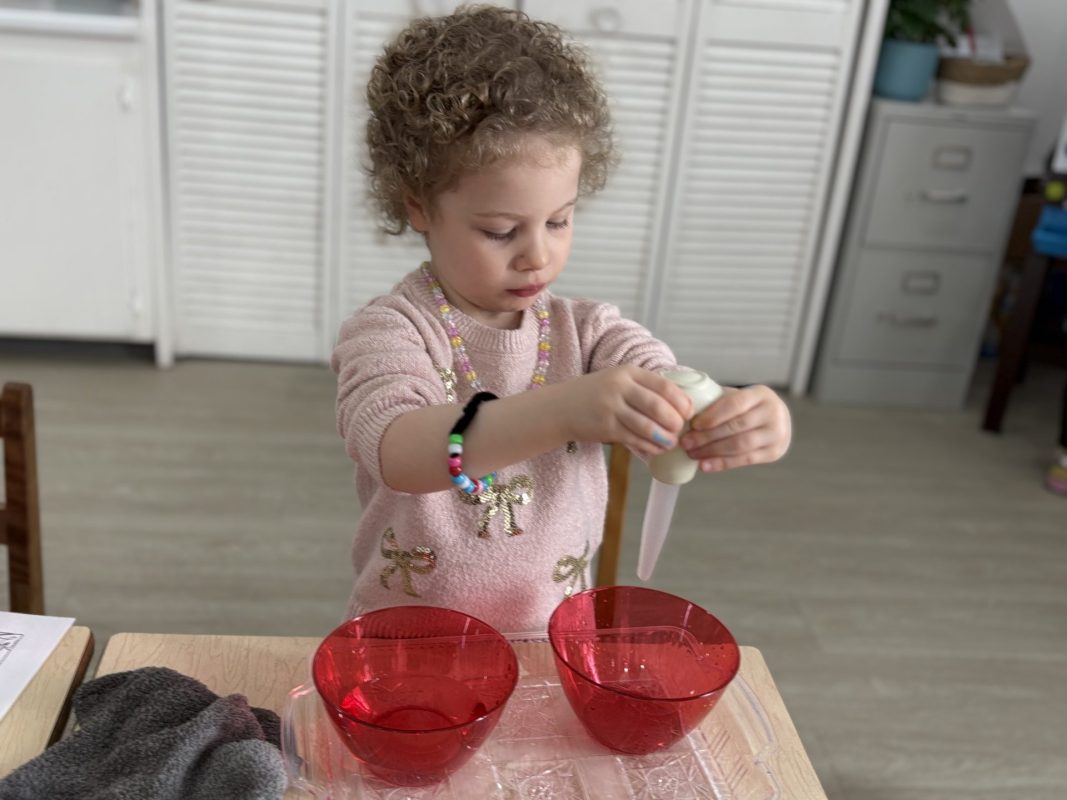
As we learned that penguins like to glide and skate on their bellies across the ice, we introduced a fun sensory activity. The children helped free small penguin models that were trapped in ice by rubbing and melting them with their hands. They were delighted to watch the penguins “skate” as they worked to free them, making the experience both engaging and educational.

We also added a new song to our dance list called “Walking with the Penguins” by Laurie Berkner. The children had so much fun practicing how to waddle like penguins, giggling as they moved side to side, just like the birds they had been learning about.

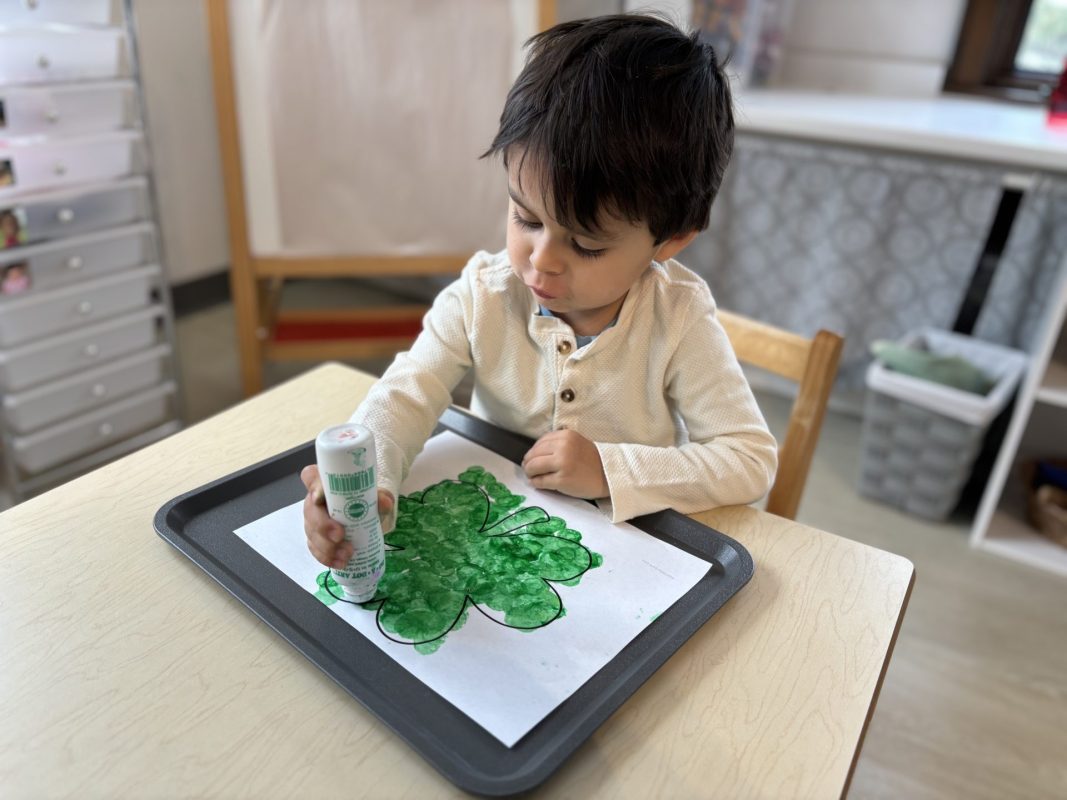
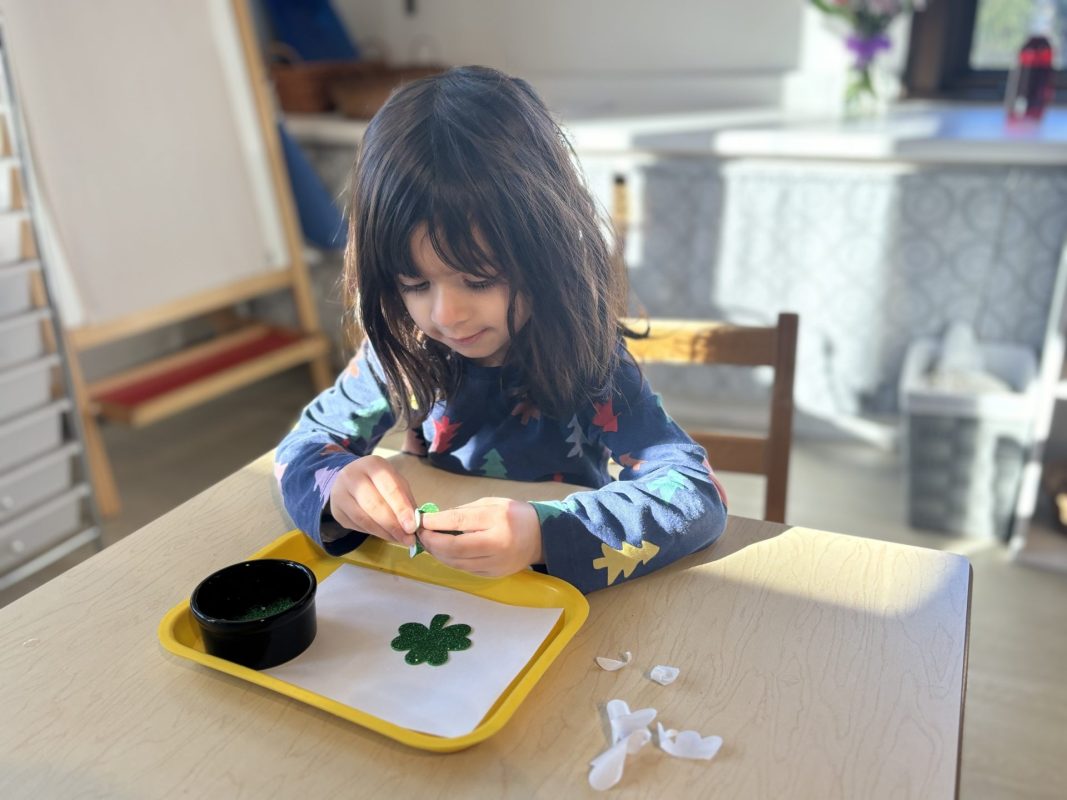
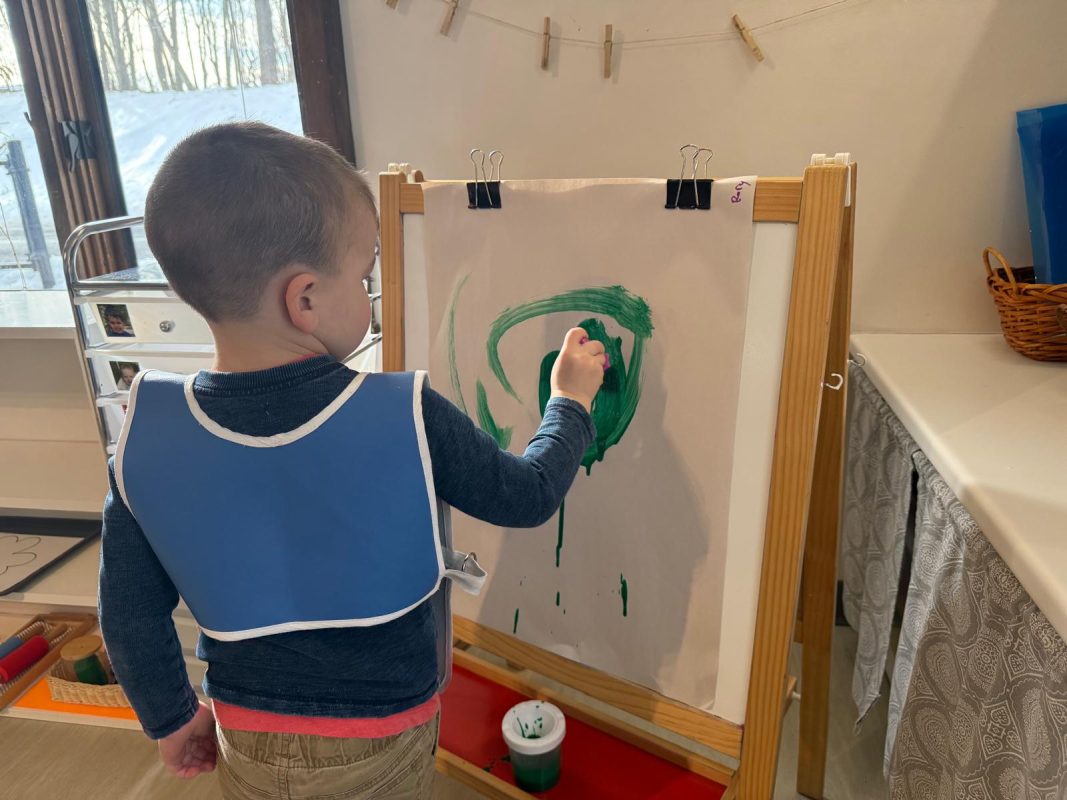
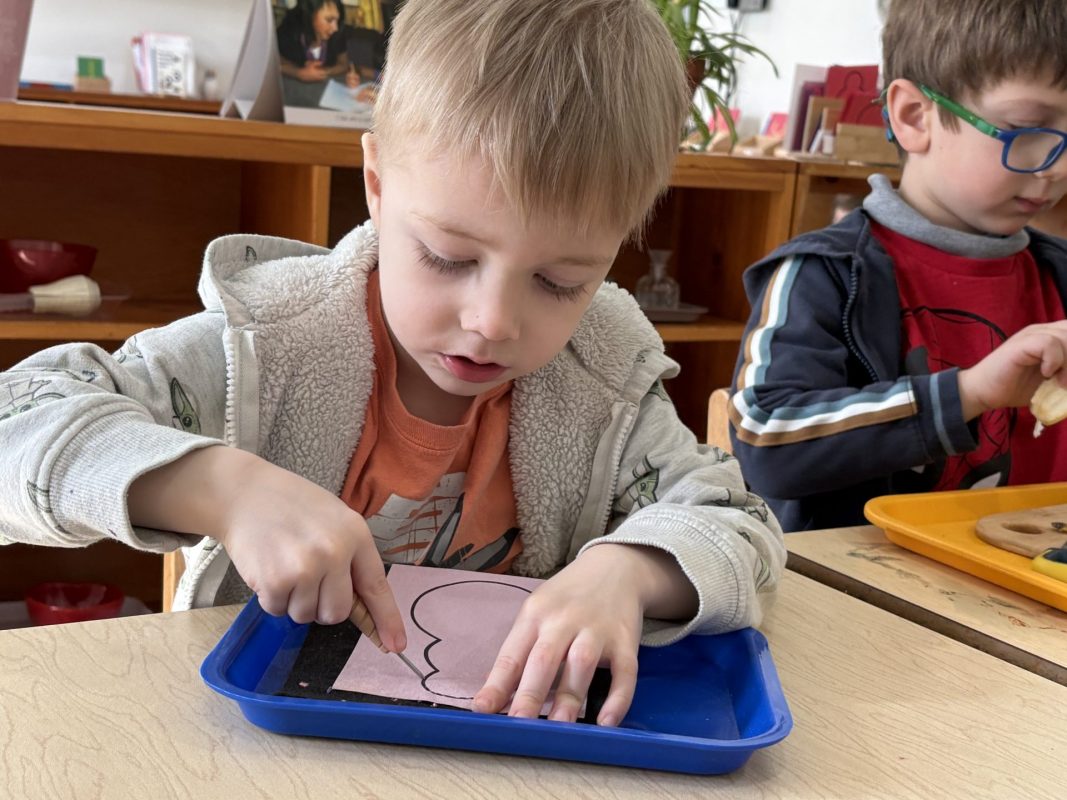
On another note, this week, we introduced the art skill of gluing, which has become a favorite among the children. Learning to use glue may seem like a simple activity, but it offers numerous benefits. It enhances hand-eye coordination, refines fine motor skills, and helps children understand the sensory concept of stickiness, adding a tactile dimension to their learning experience.

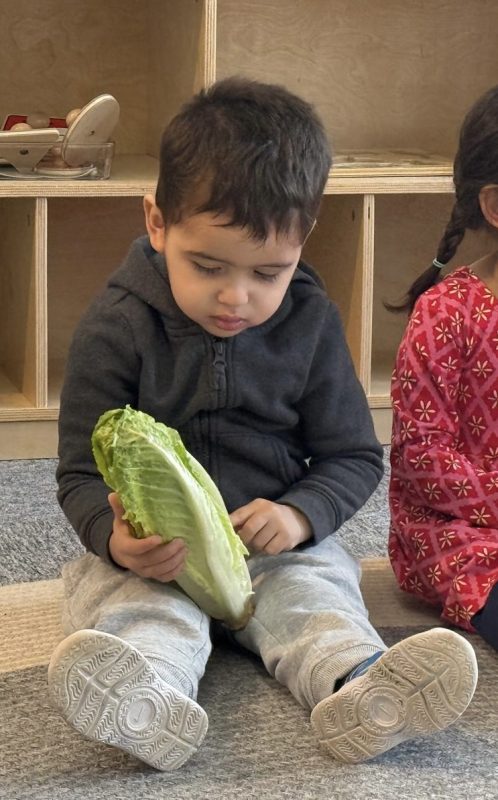
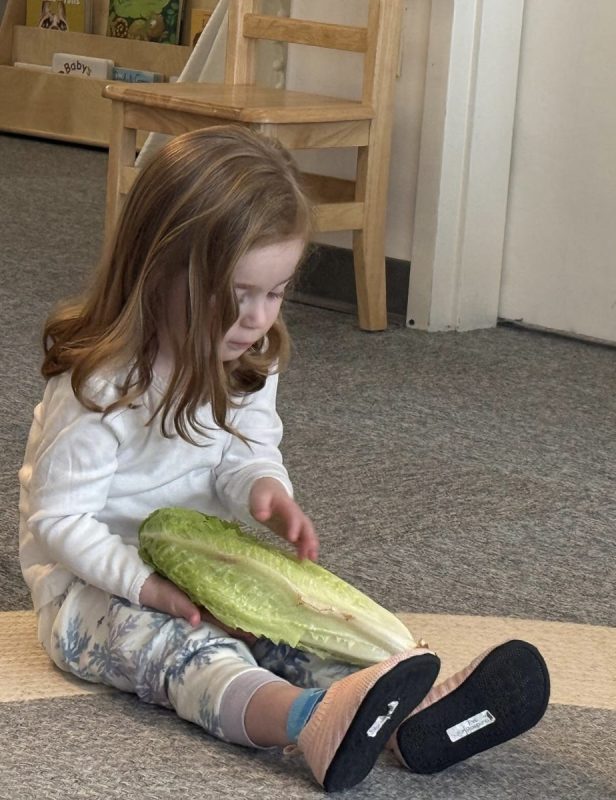
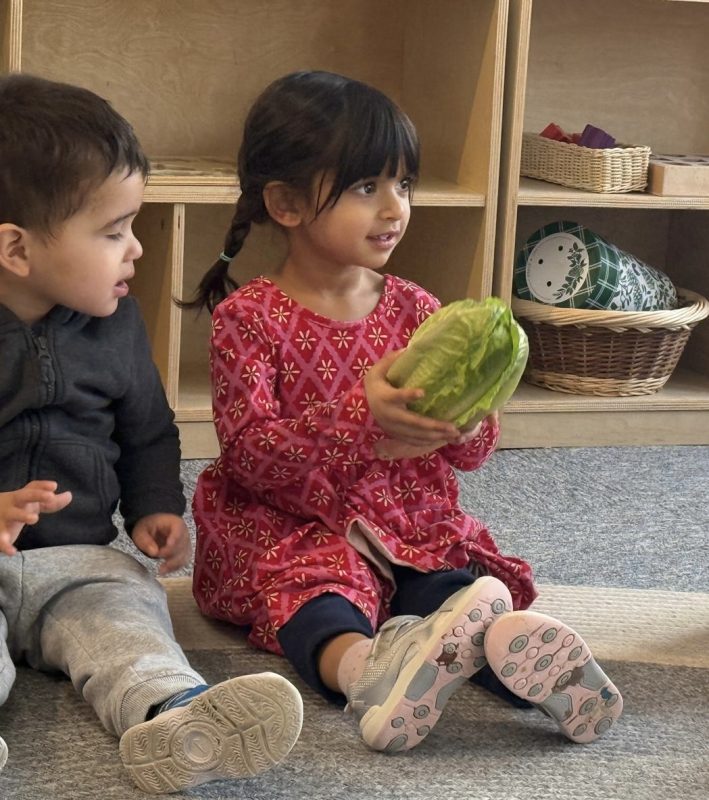
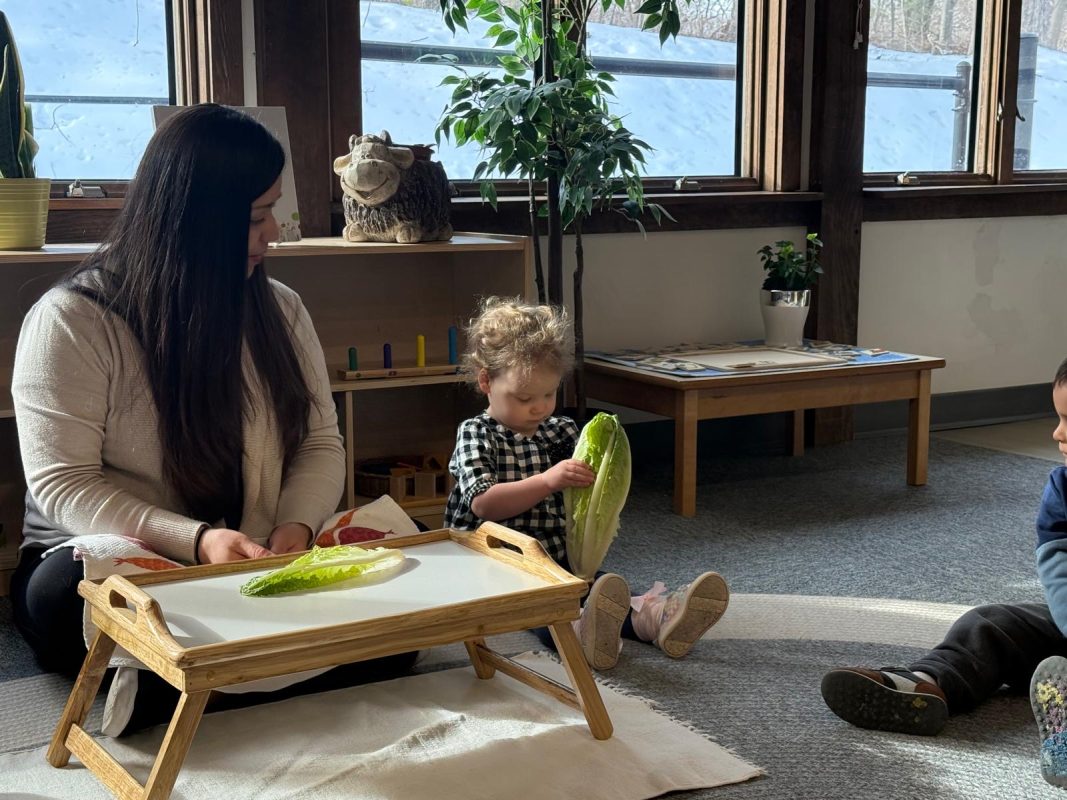
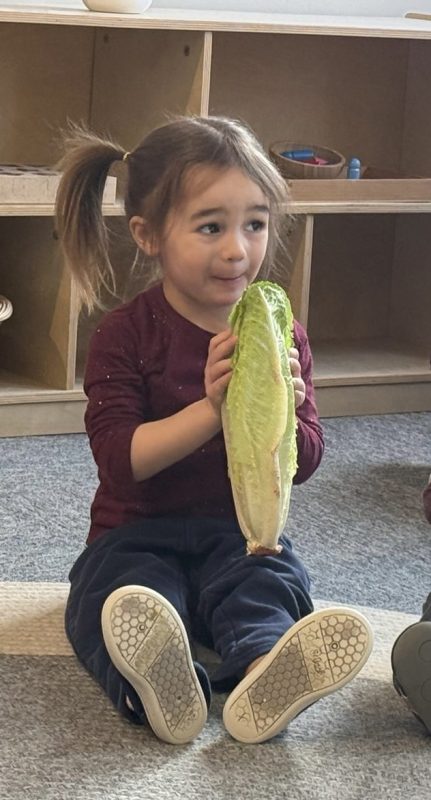
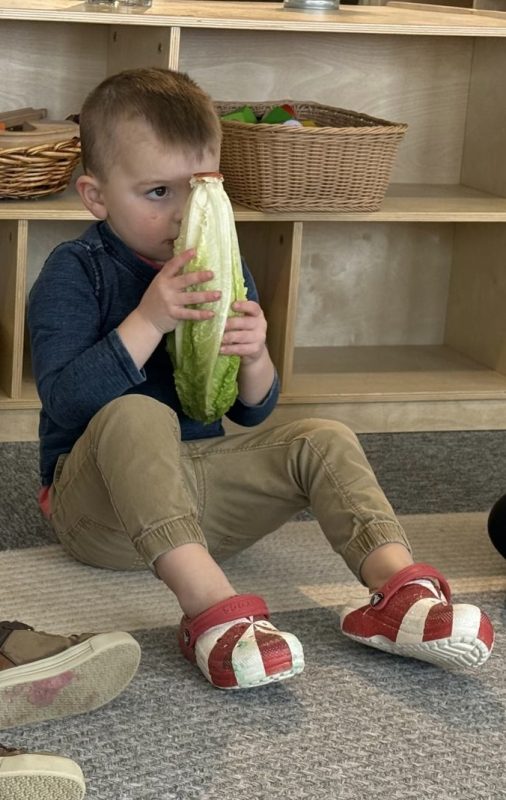
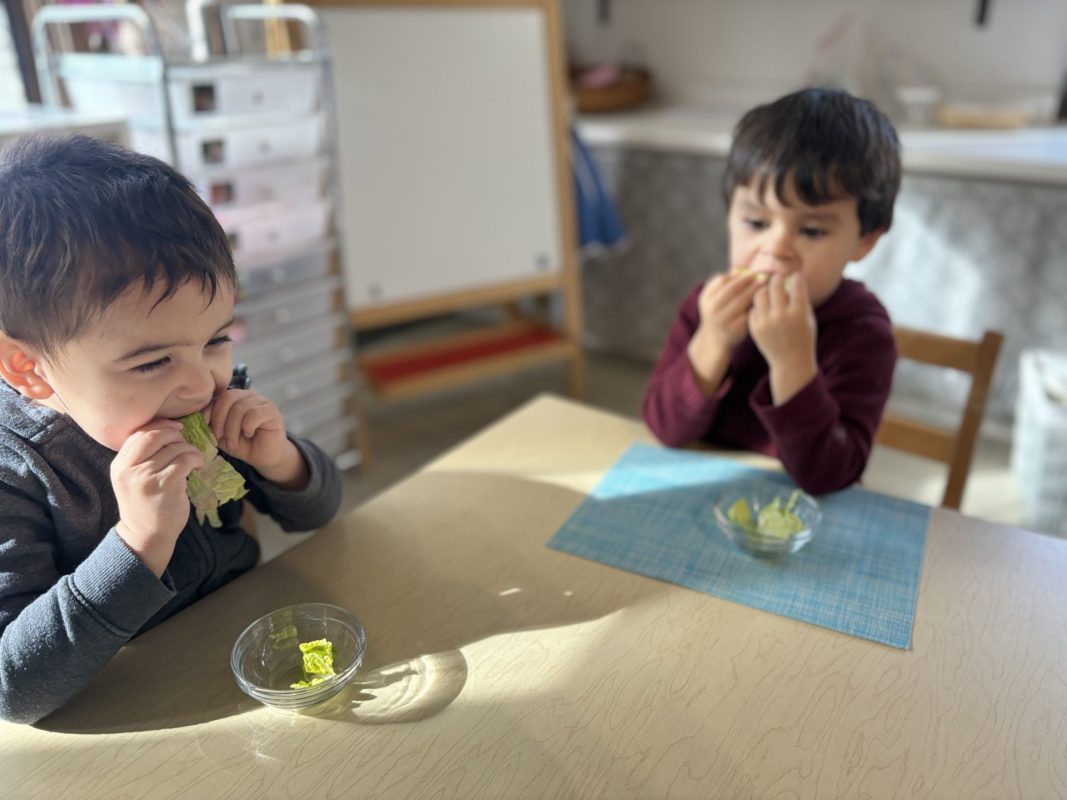
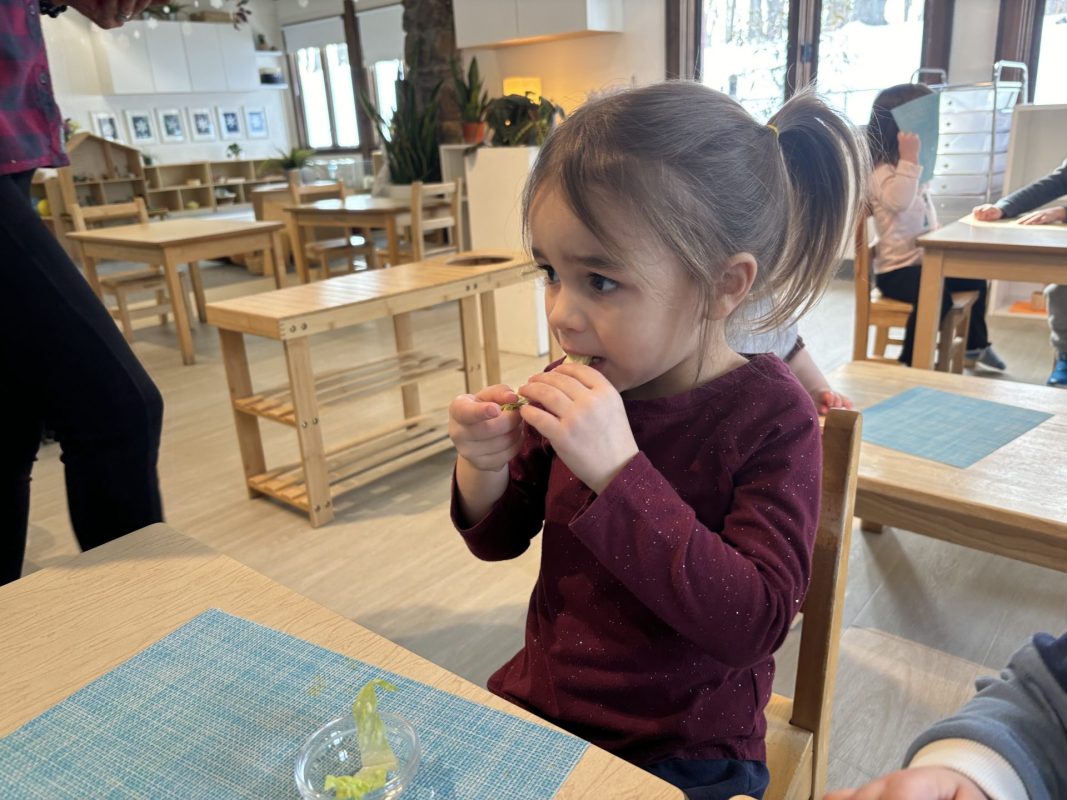
In our most recent food-tasting lesson, we explored carrots. The children seemed fascinated by their bright orange color, cool roots, and soft leaves. As I took a bite, the crunch made everyone giggle! Some children eagerly took big bites, while others cautiously nibbled small pieces.

As we continue to nurture the process of normalization in our environment, we celebrate the remarkable growth and development taking place in your child.

Wishing you all  a wonderful and restful weekend,

Mrs. Hood and Ms. Patty


Mrs. Wilson: Sensory Exploration

Now that January has come to an end, we are ready to say goodbye to our exploration of winter and Arctic animals. To wrap up the month, the children engaged in a hands-on sensory experience with thermal bottles.

We began by passing around a bottle filled with slightly hot water, allowing them to feel the heat. Then, they held a bottle filled with frozen water, noticing the stark contrast. As they explored each bottle, we practiced using the vocabulary words hot and cold, pairing them with matching symbols for reinforcement. Finally, I invited each child to hold both bottles simultaneously and asked them to identify which one was hot and which one was cold. This engaging activity helped deepen their understanding of temperature differences through direct sensory exploration.

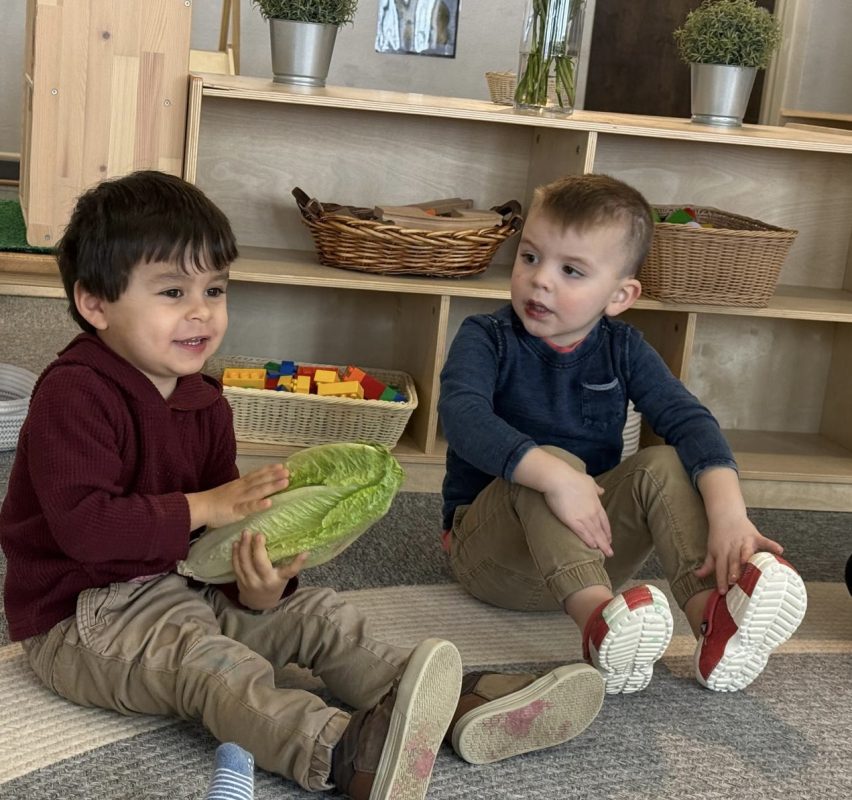
Food Tasting: This week, the children tasted roasted Brussels sprouts. This seems to be another hit.

Love and Light,

Cynthia and Sara


Ms. Marissa: Weekly Update

During our study of frogs, we have been talking about vertebrates and invertebrates. We all felt our backbones, or our spines, and realized that we (humans) are vertebrates! We then looked at pictures of animals and tried to make a hypothesis on whether they had a backbone or not. We very easily decided that slugs and earthworms do NOT have backbones and are invertebrates, but things like fish and starfish had us pausing in thought!
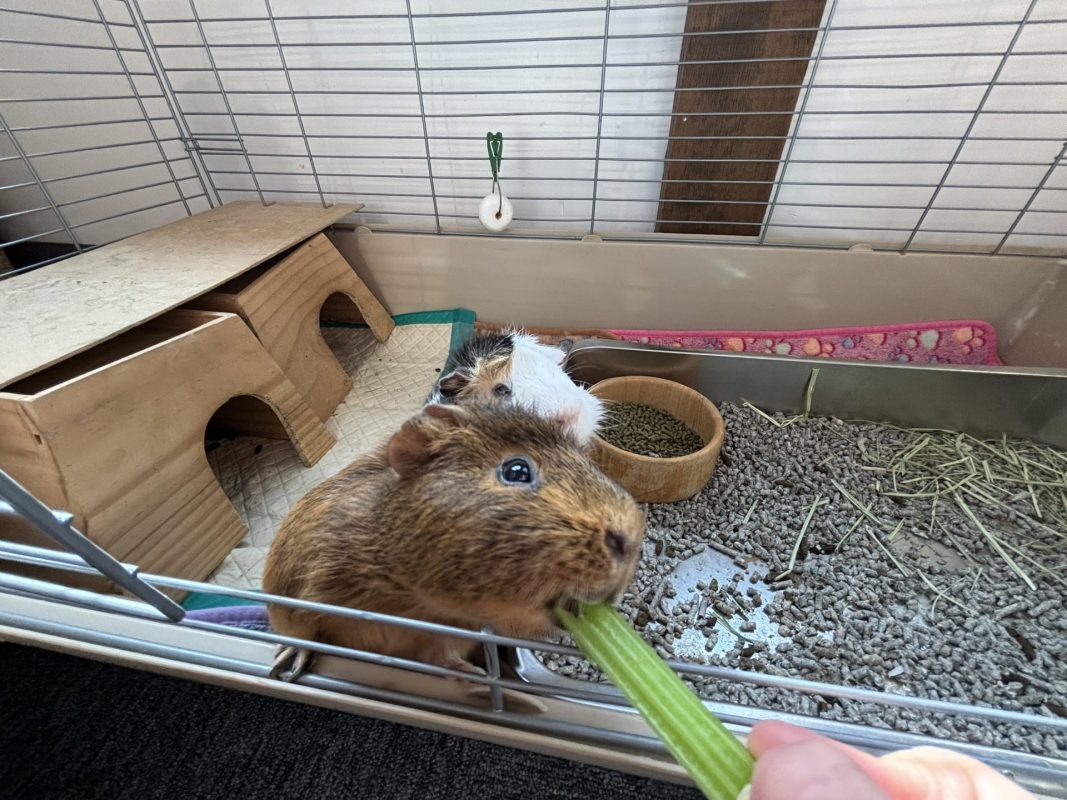
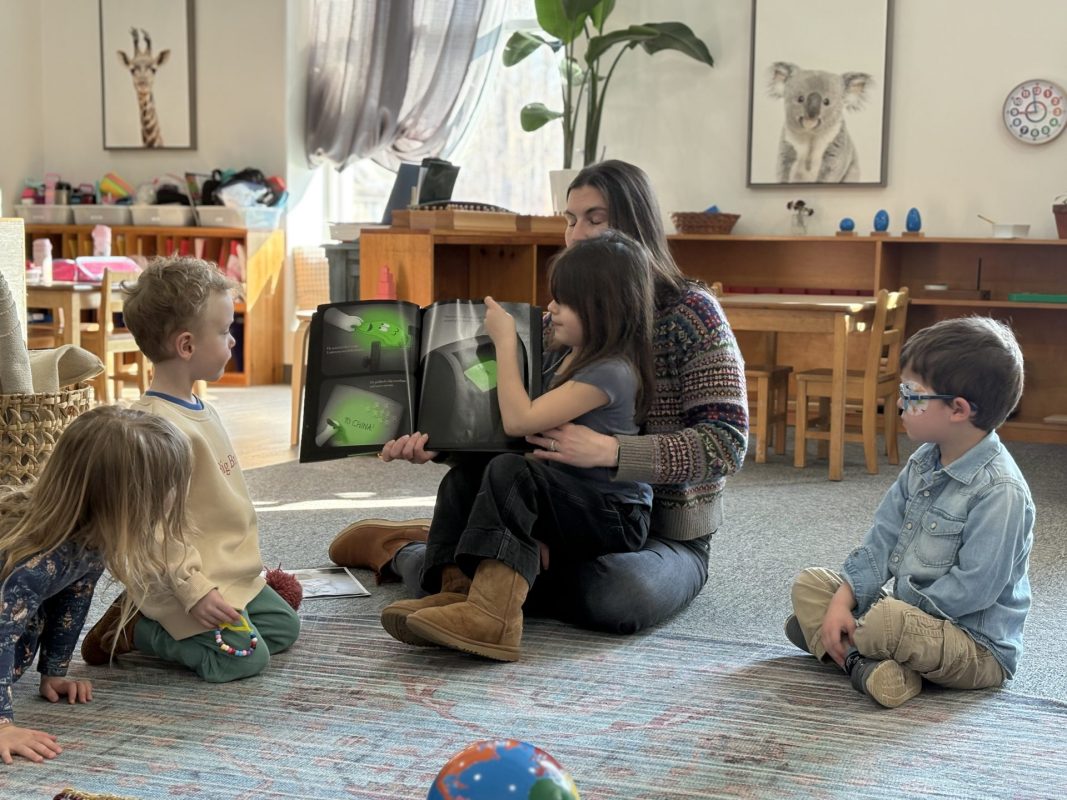
Our next step is to look at x-rays of animals and get a really clear picture! The children had fun making guesses and seeing if they were right or wrong.
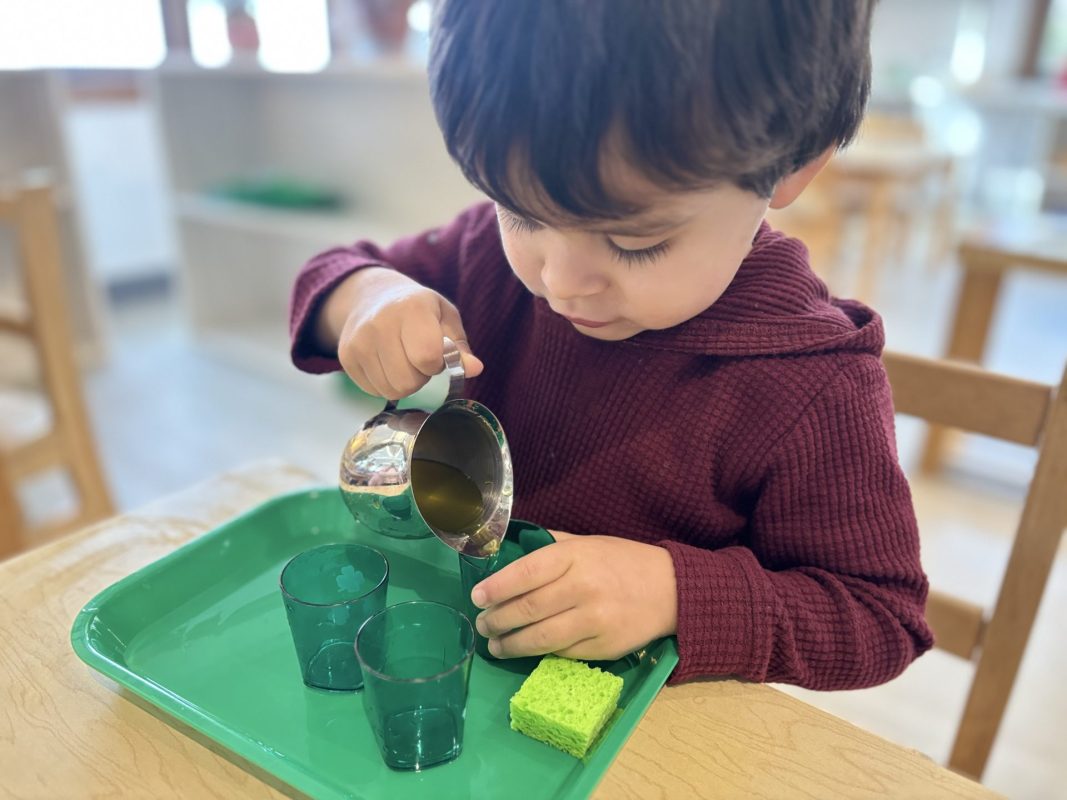
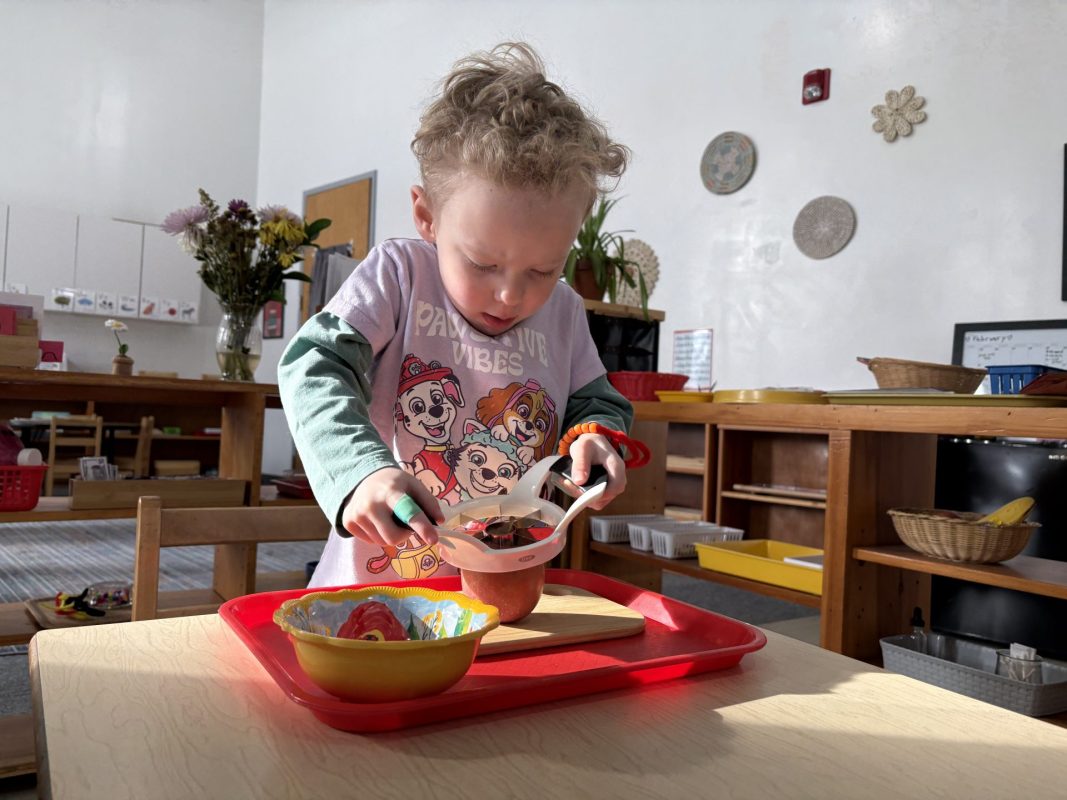
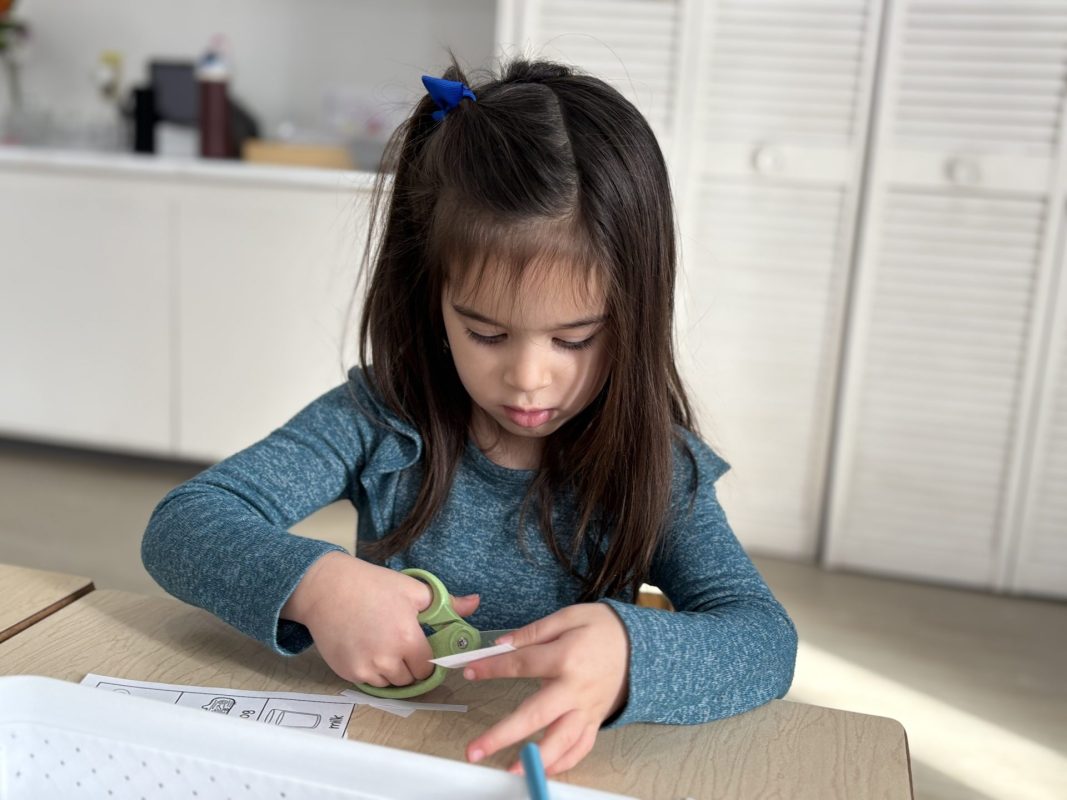
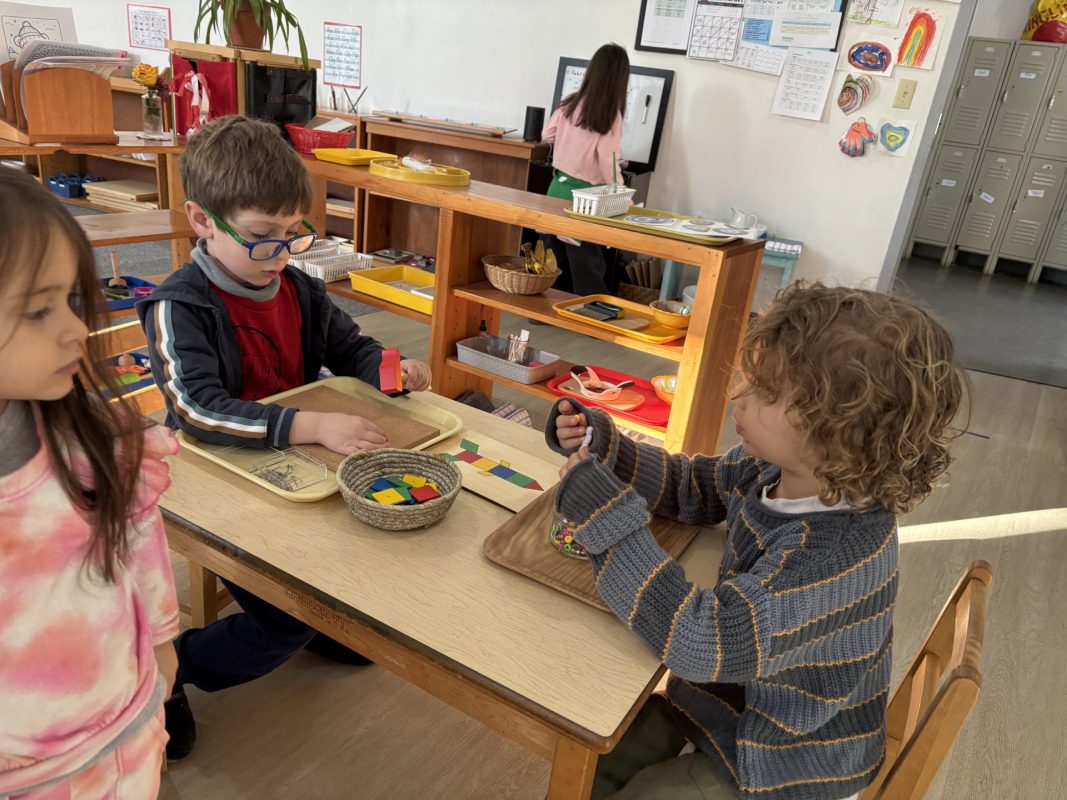
We have also had many new Practical Life activities. Children have been busy learning how to use screwdrivers and hammers! To juxtapose these “heavy” activities, we also have been learning how to gently clean a mirror and organize a wallet. So much fun!
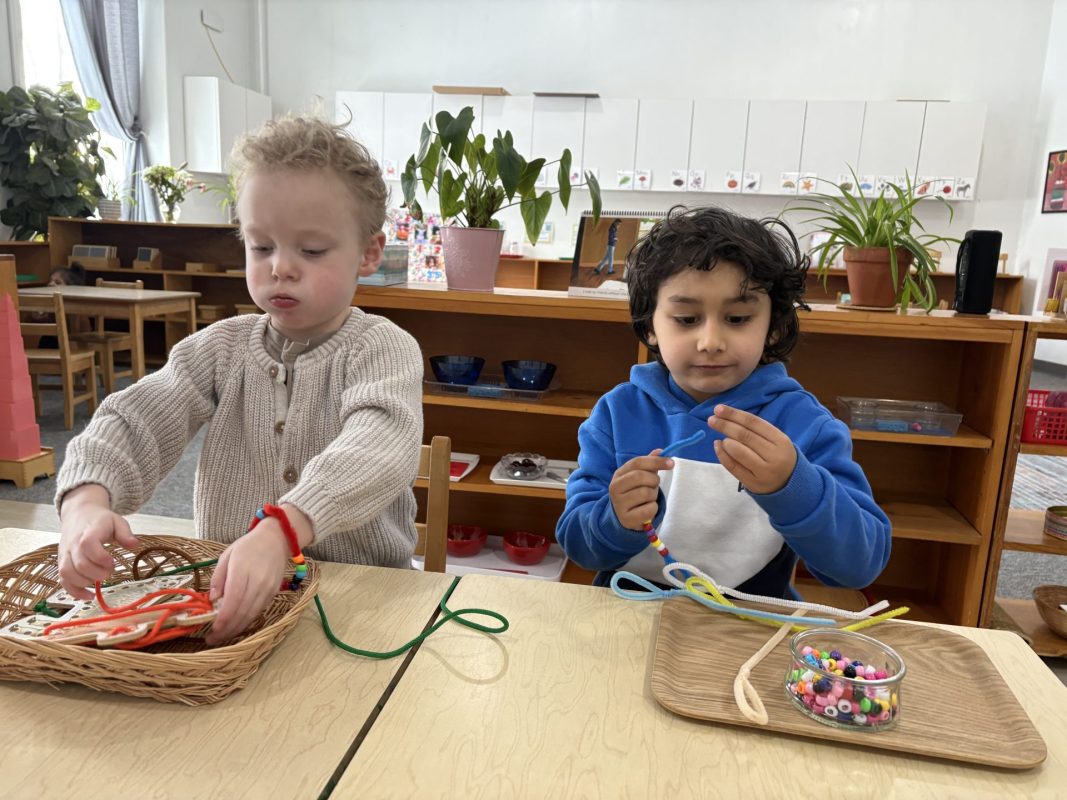
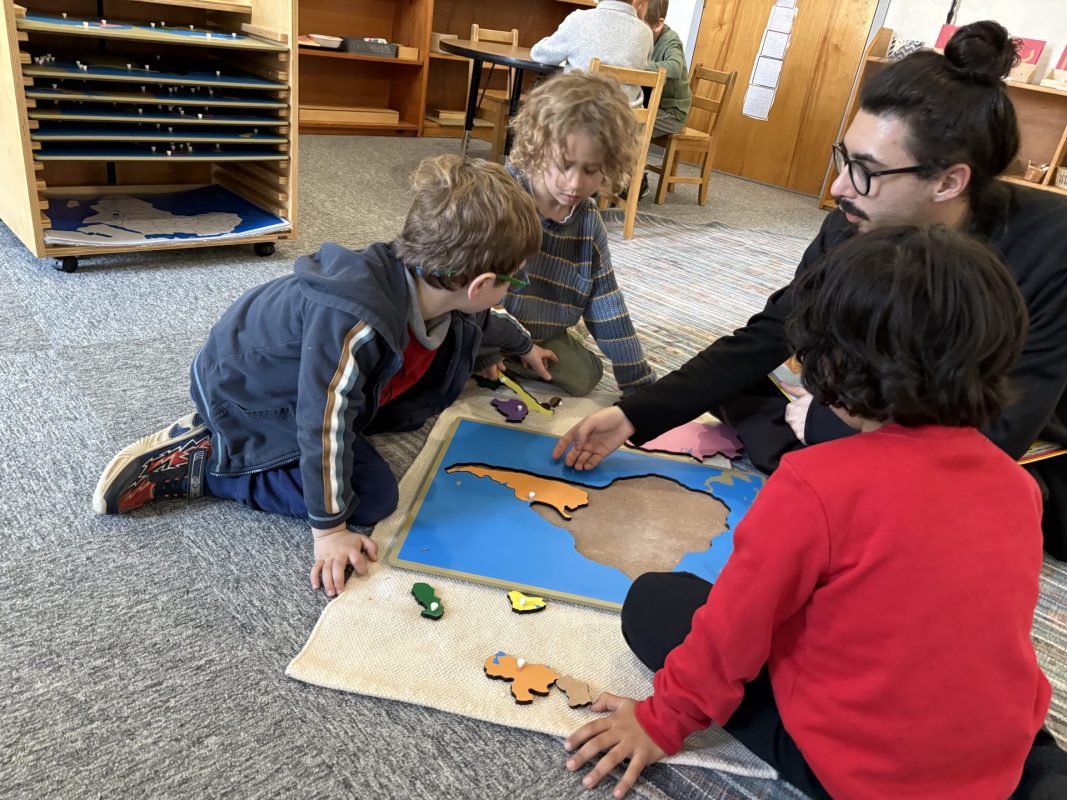
We venture into a new continent next month during our travels around the globe. Next stop: Africa!