Blog

Spanish Class-February

Primary and LE: “Los meses del año”, “Las Estaciones” y “El Clima”; UE: “La ropa”, “Los Números del 1 al 100” y “Que Hora es”; MS: Unit 3 “El Canal De Panamá”. In addition, FWM Middle School students started a research project presentation “Remarkable Person from the Hispanic Community” and learn more about these successful people and their impact in society.

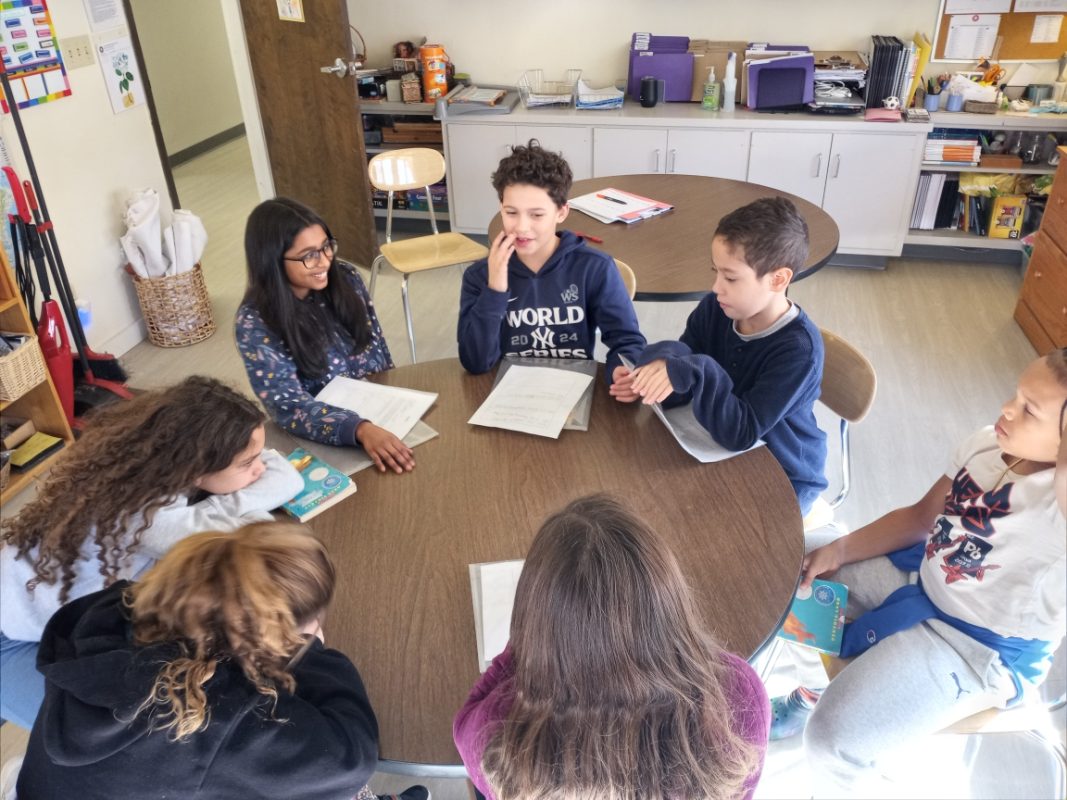
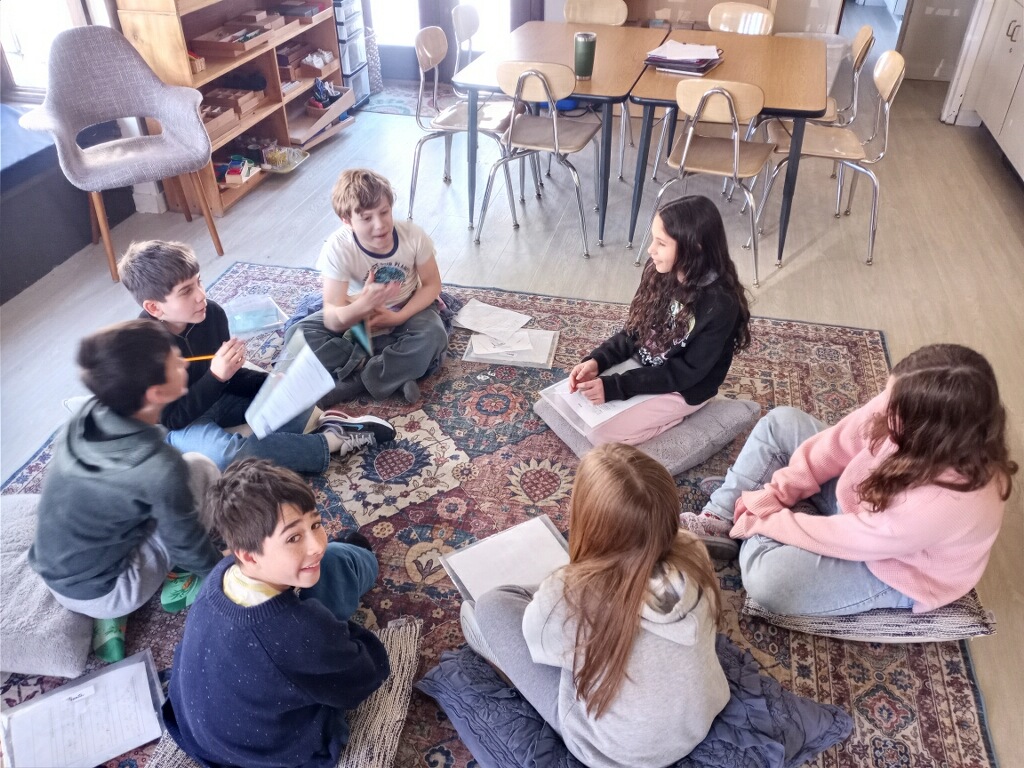
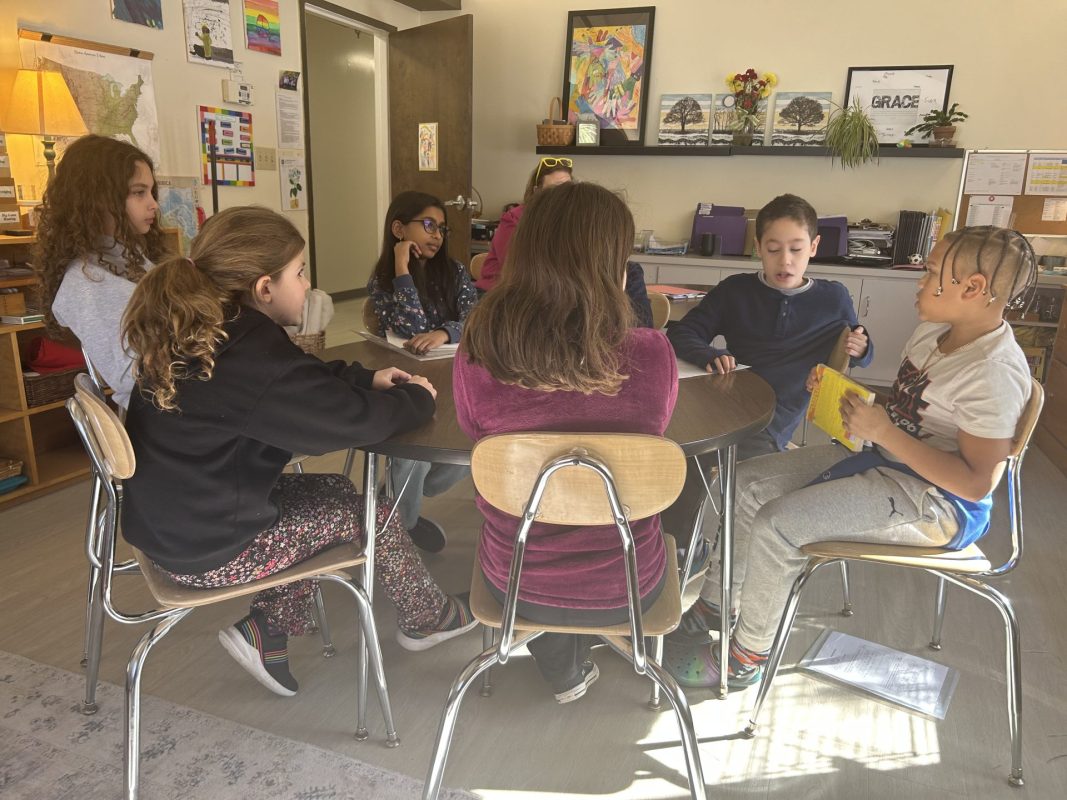
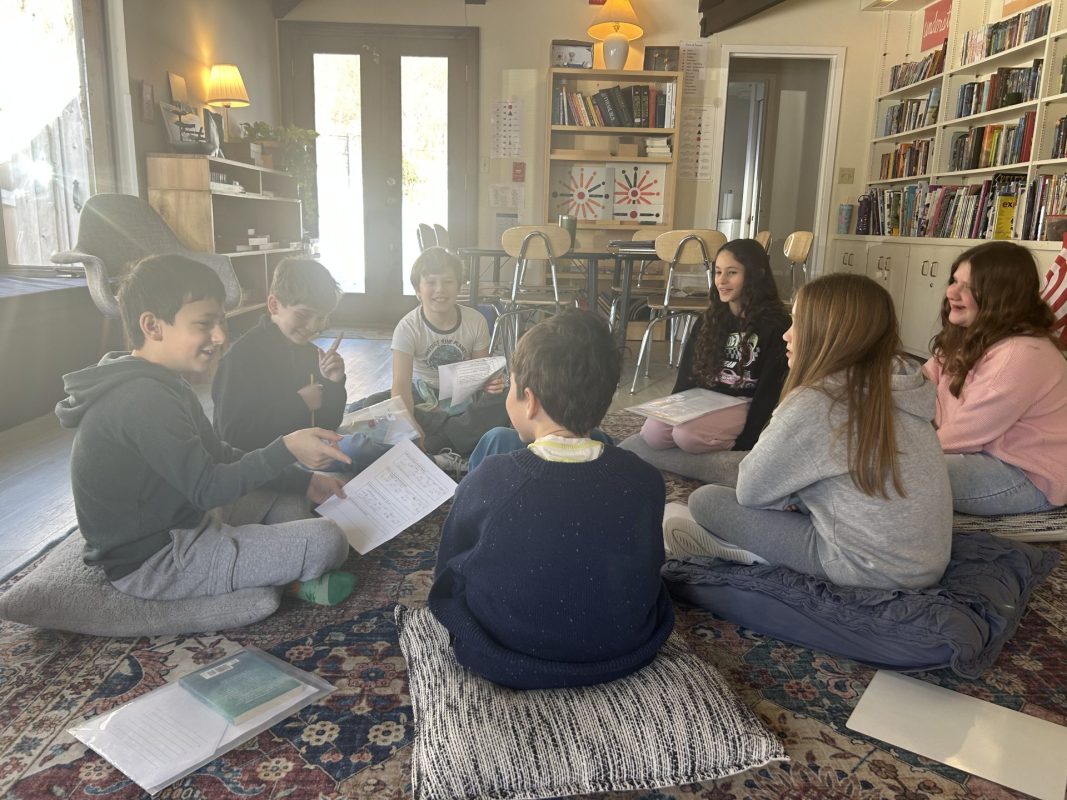
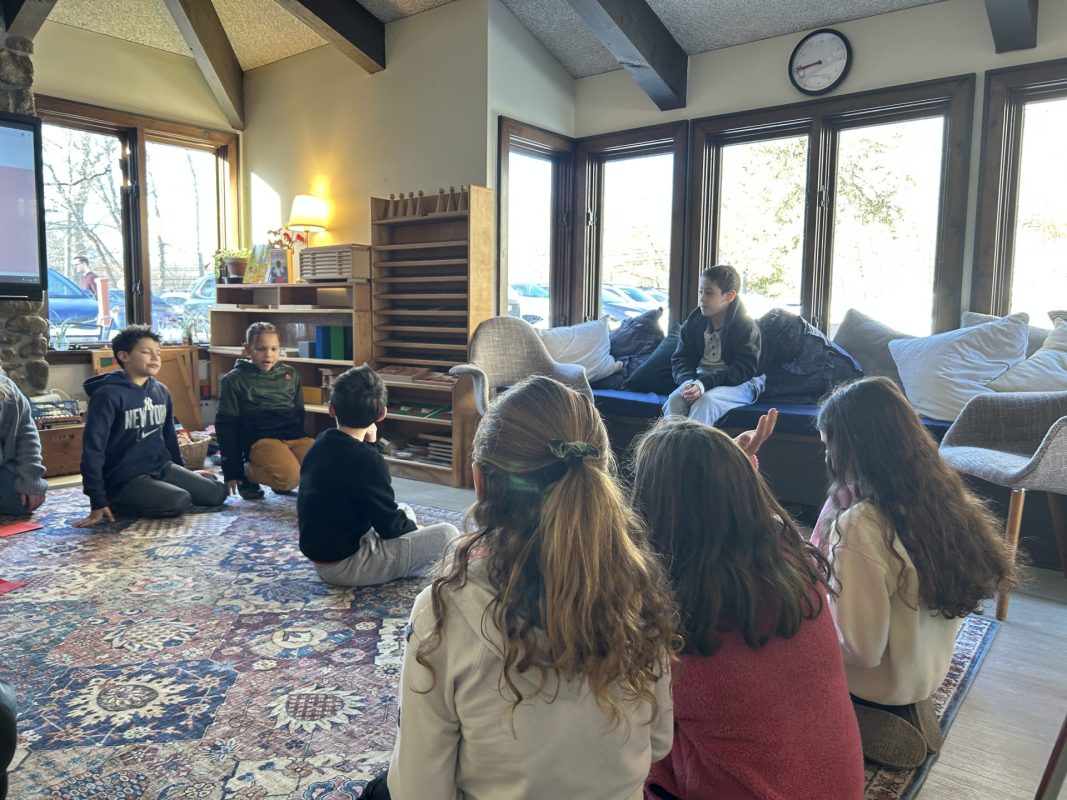
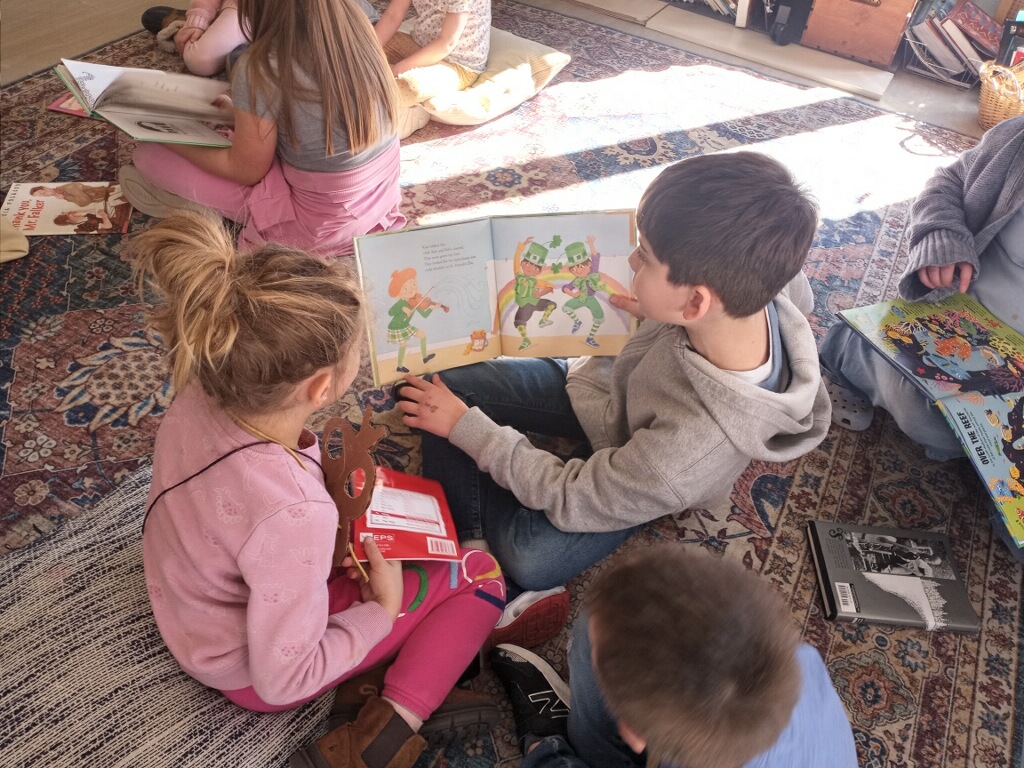
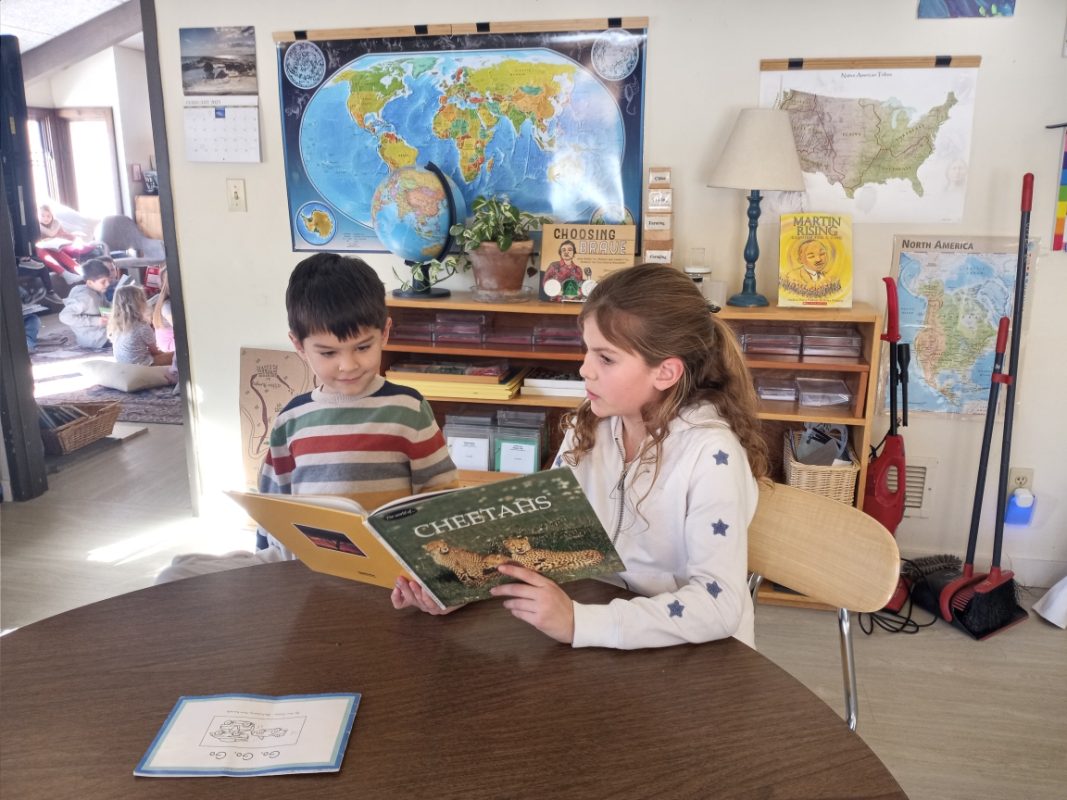
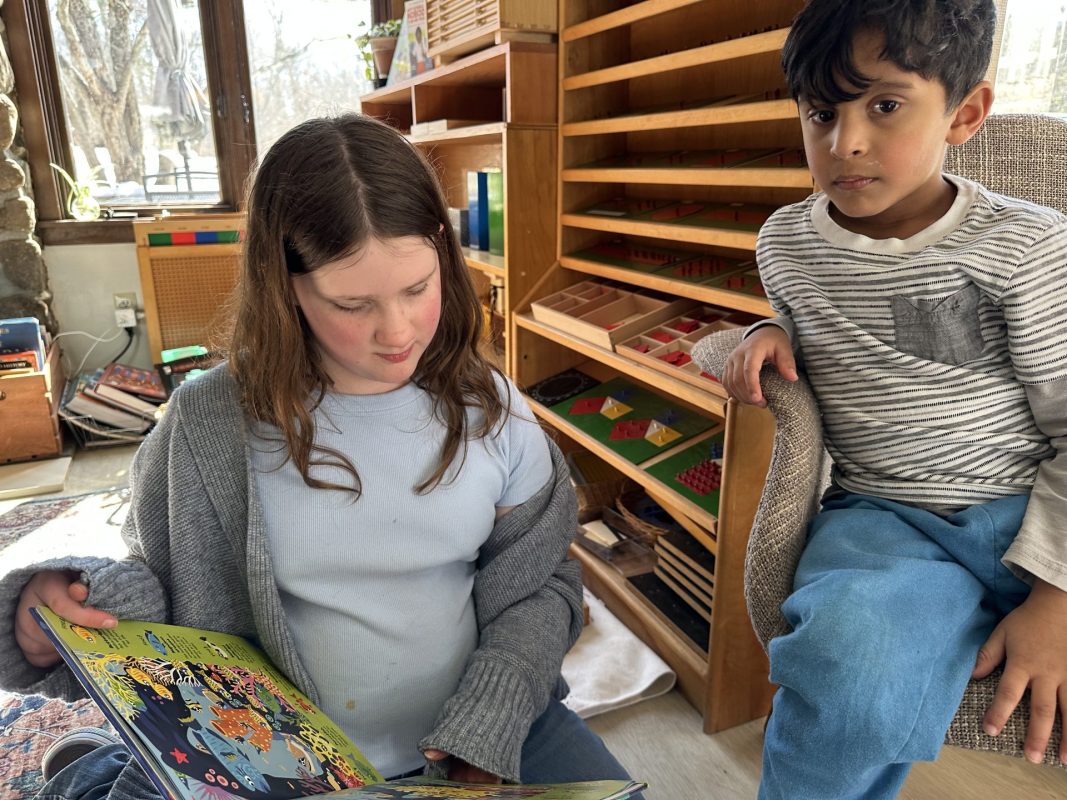
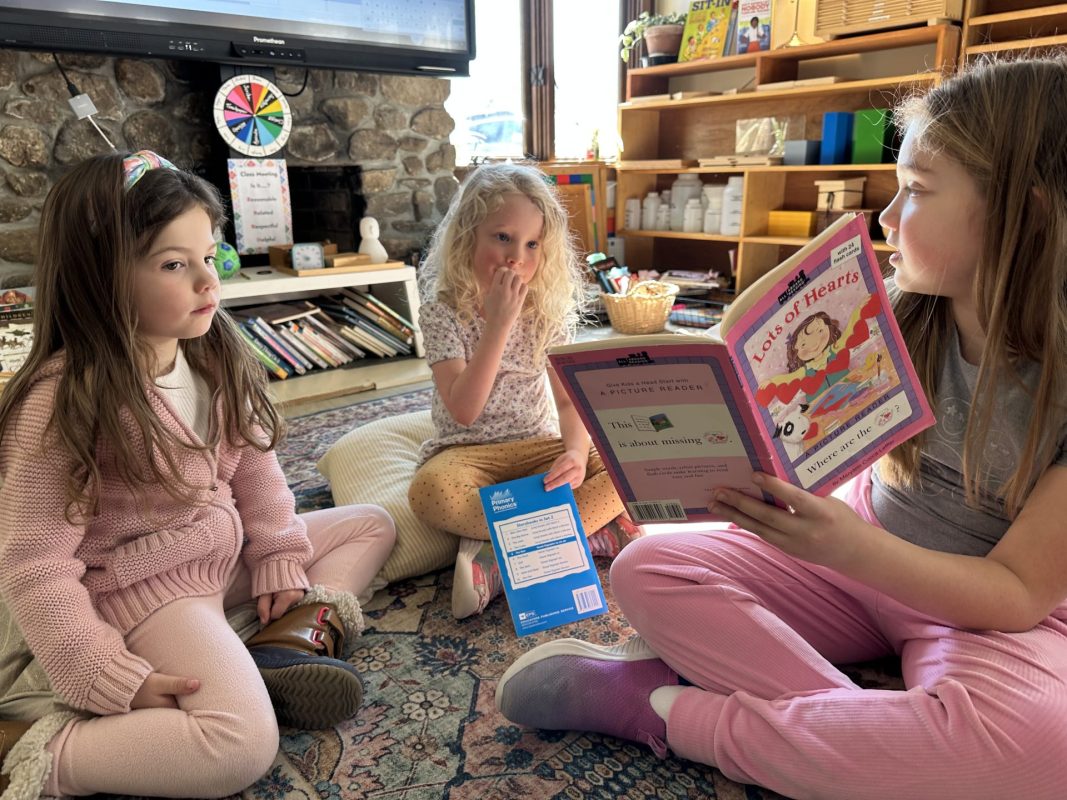
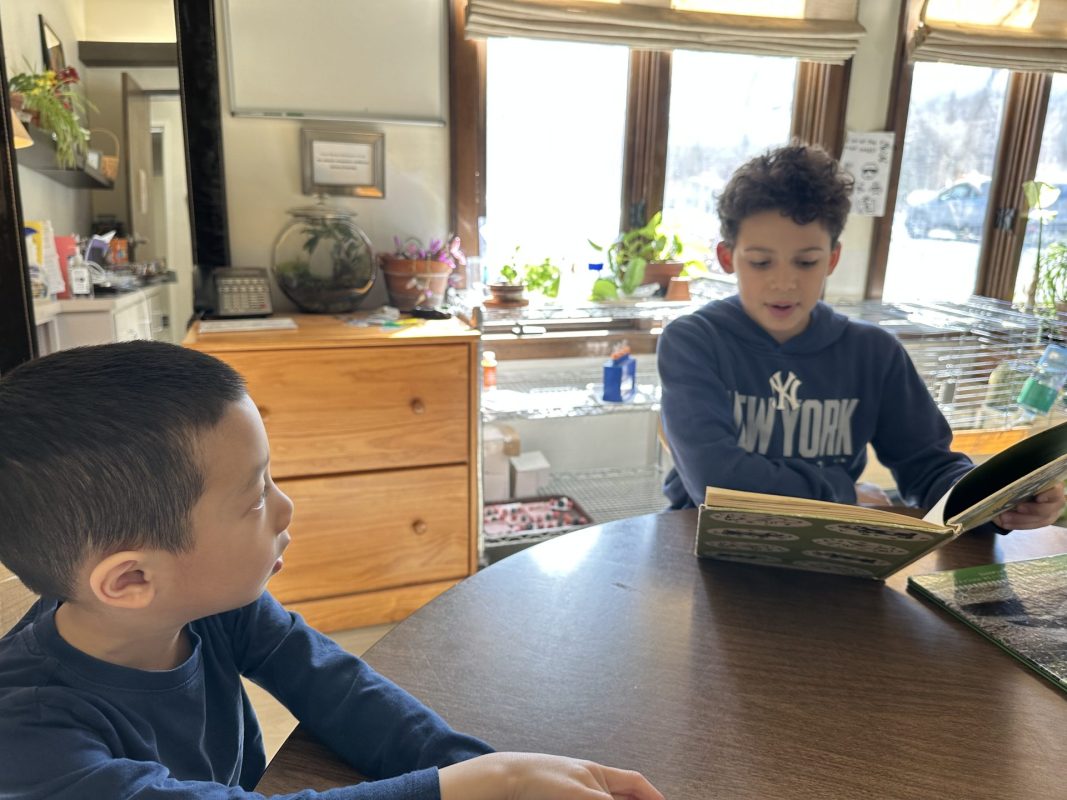
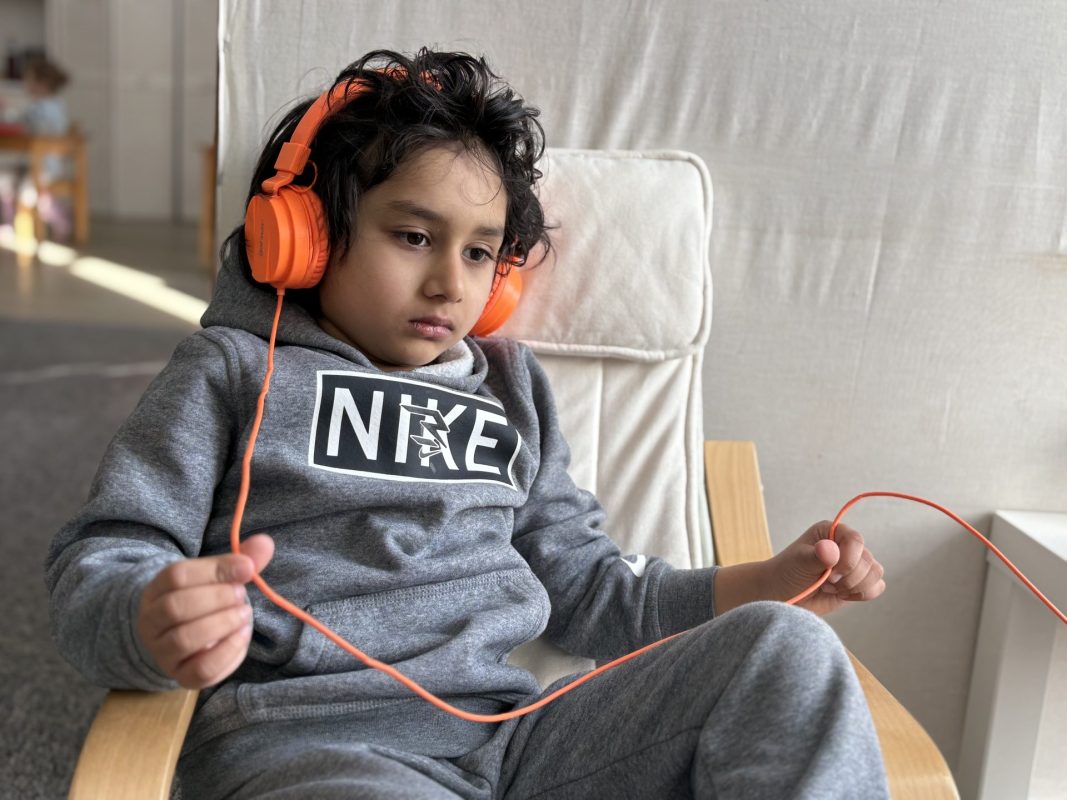
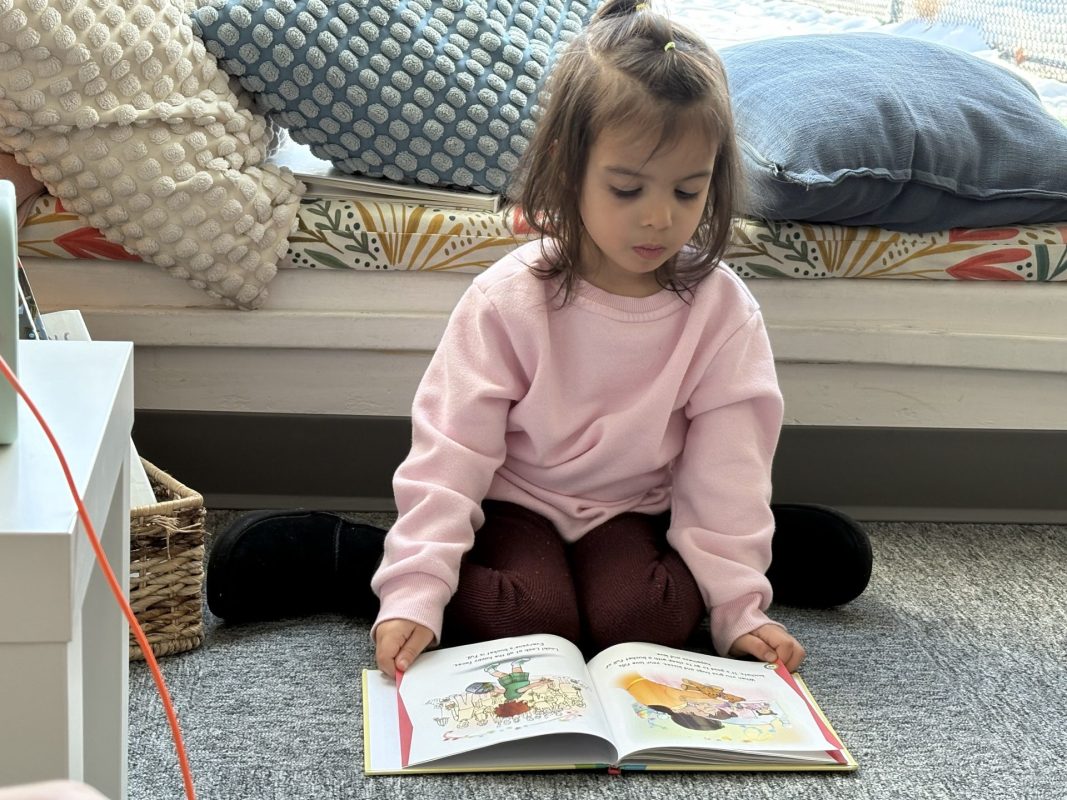
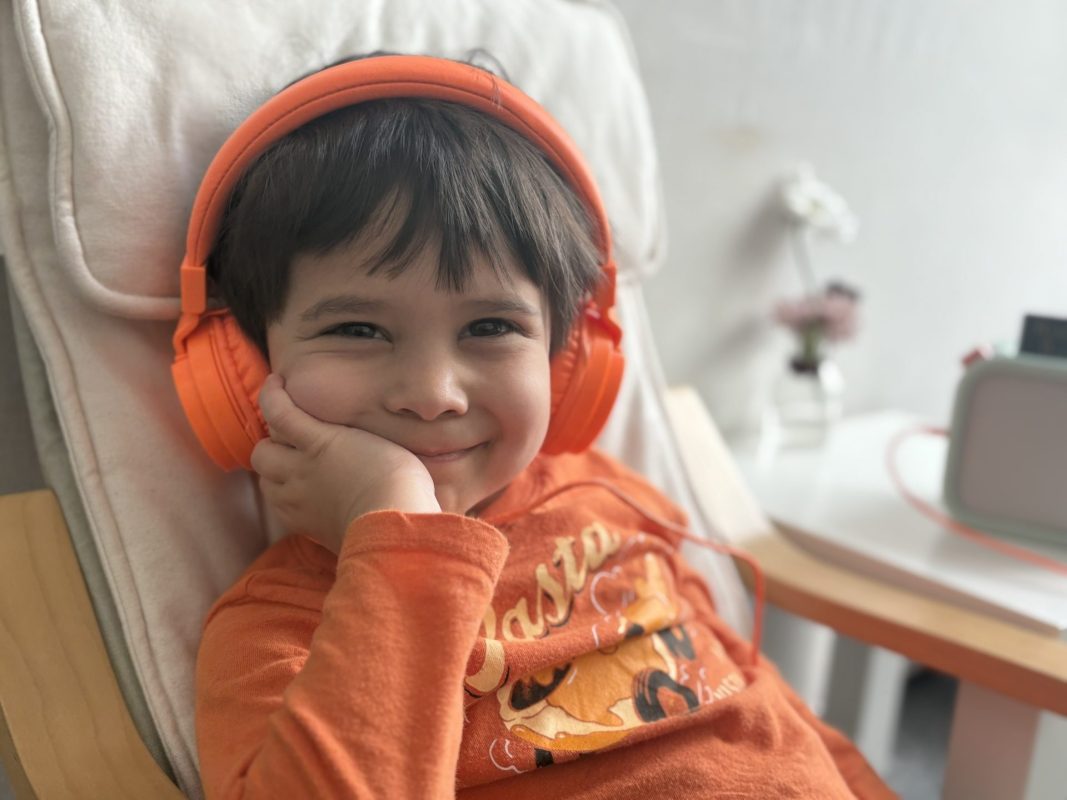
FWM students kept working on their usual conversations about feelings, Spanish greetings, the calendar and description of weather. They are continuously improving their Spanish listening, comprehension, vocabulary and pronunciation. Students from Primary, Lower Elementary, Upper Elementary and Middle School listened carefully to Spanish books, songs and participated in interactive games that were displayed during class.

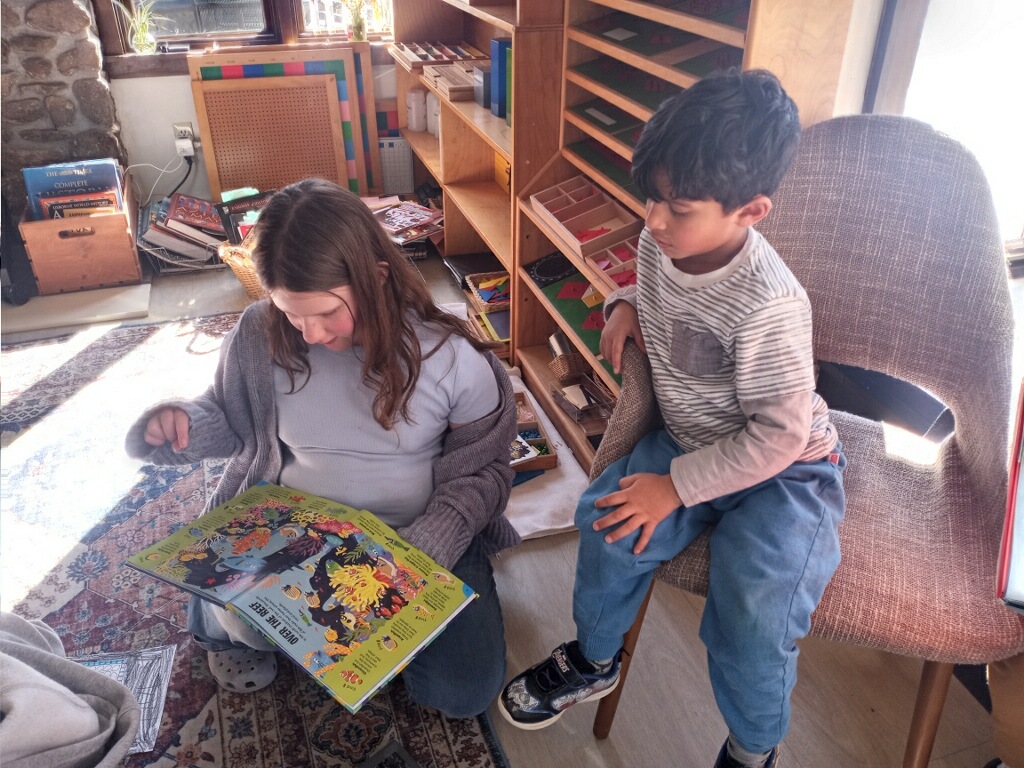
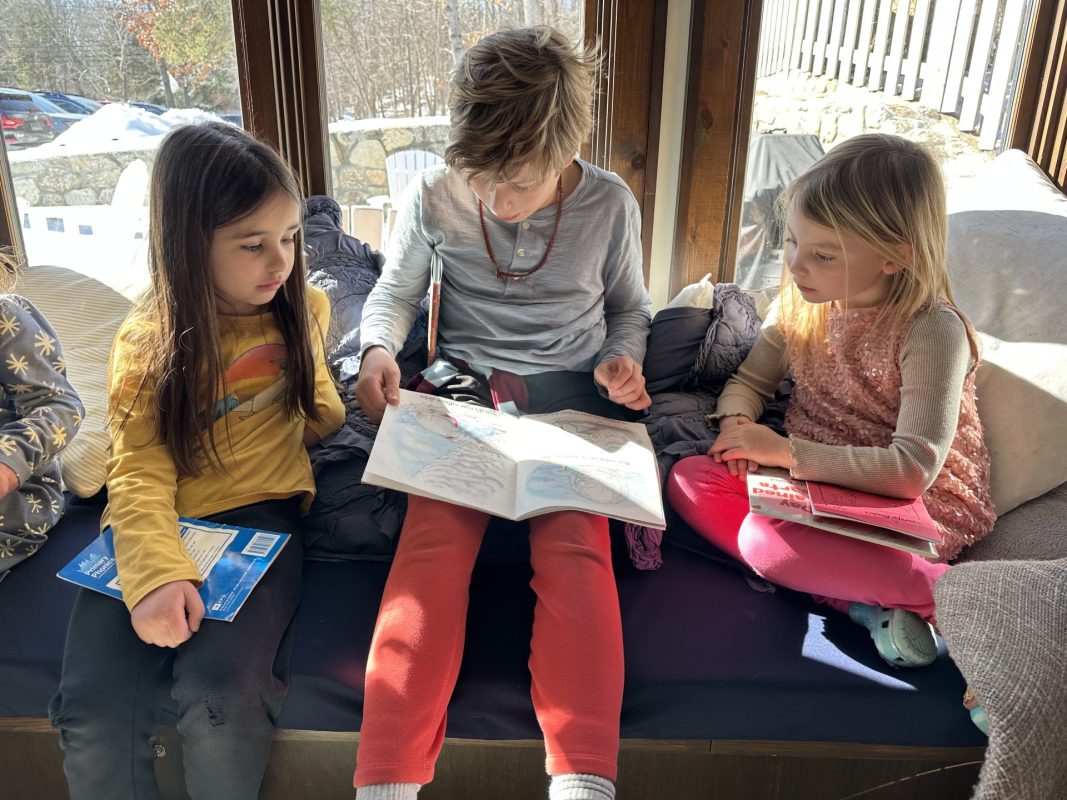
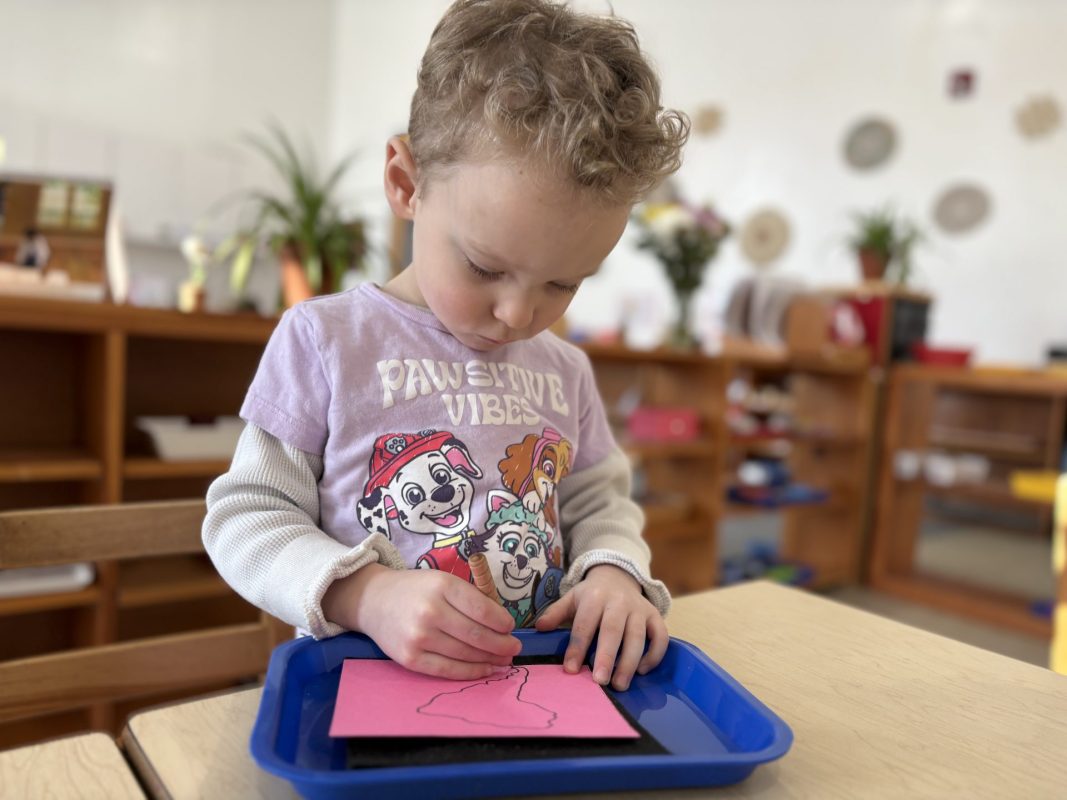
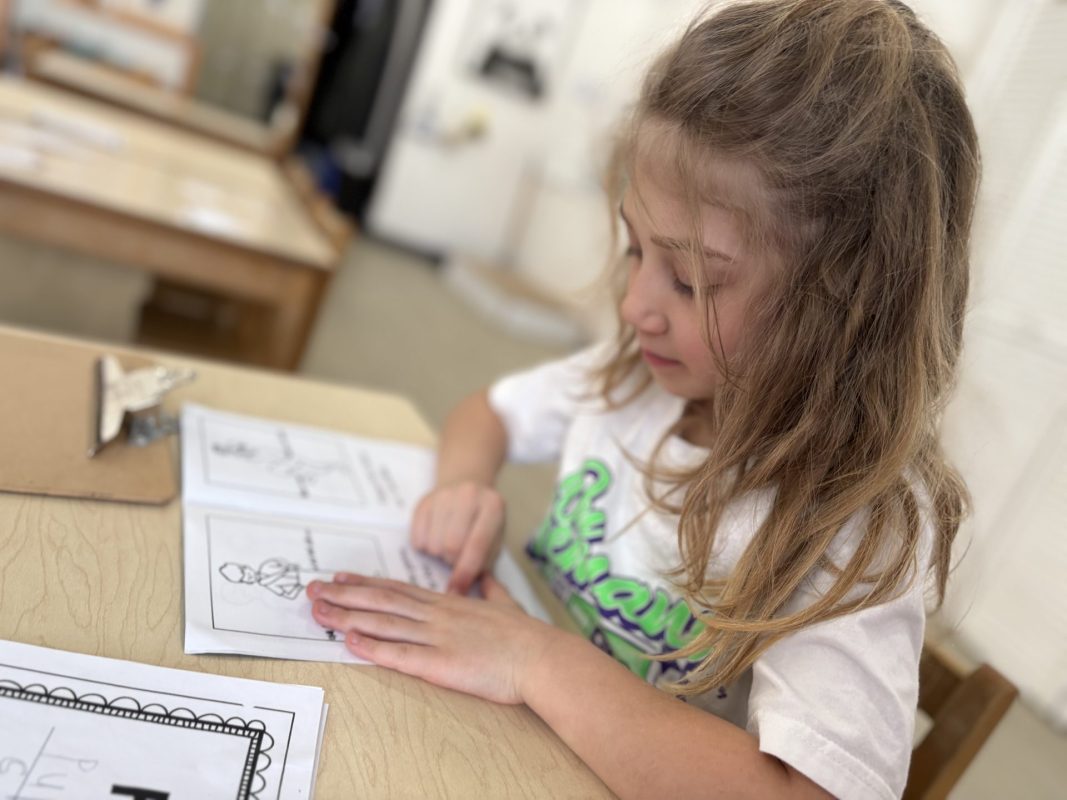
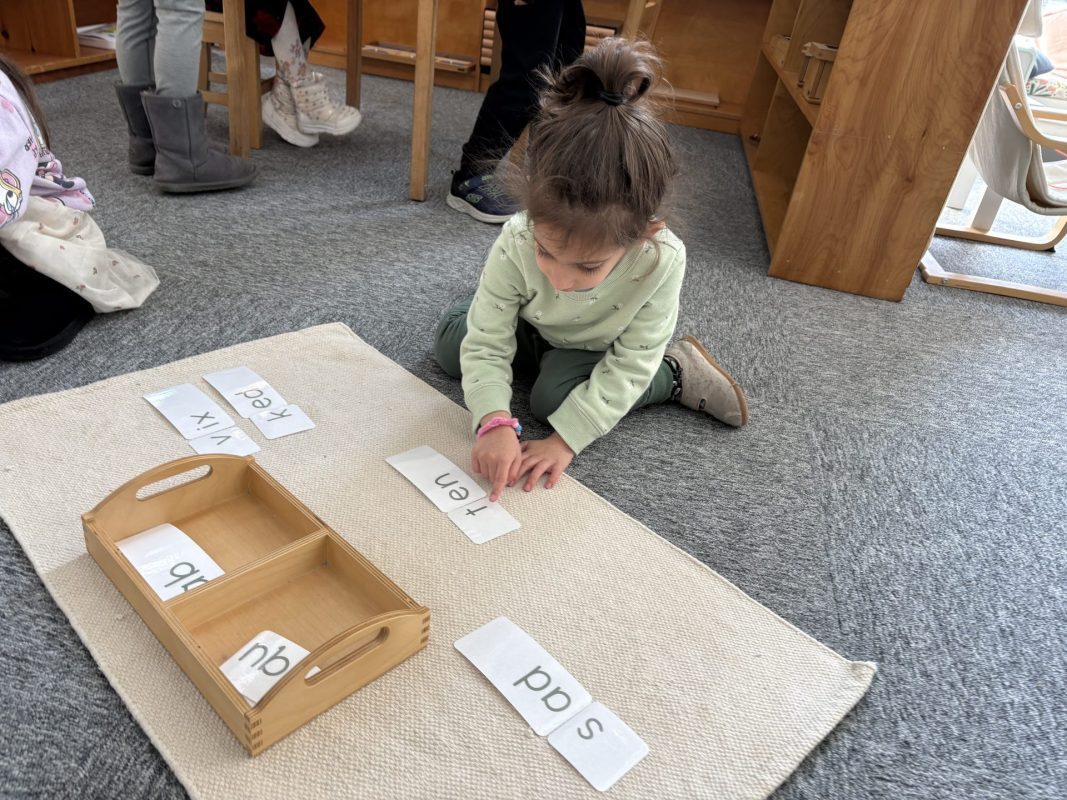
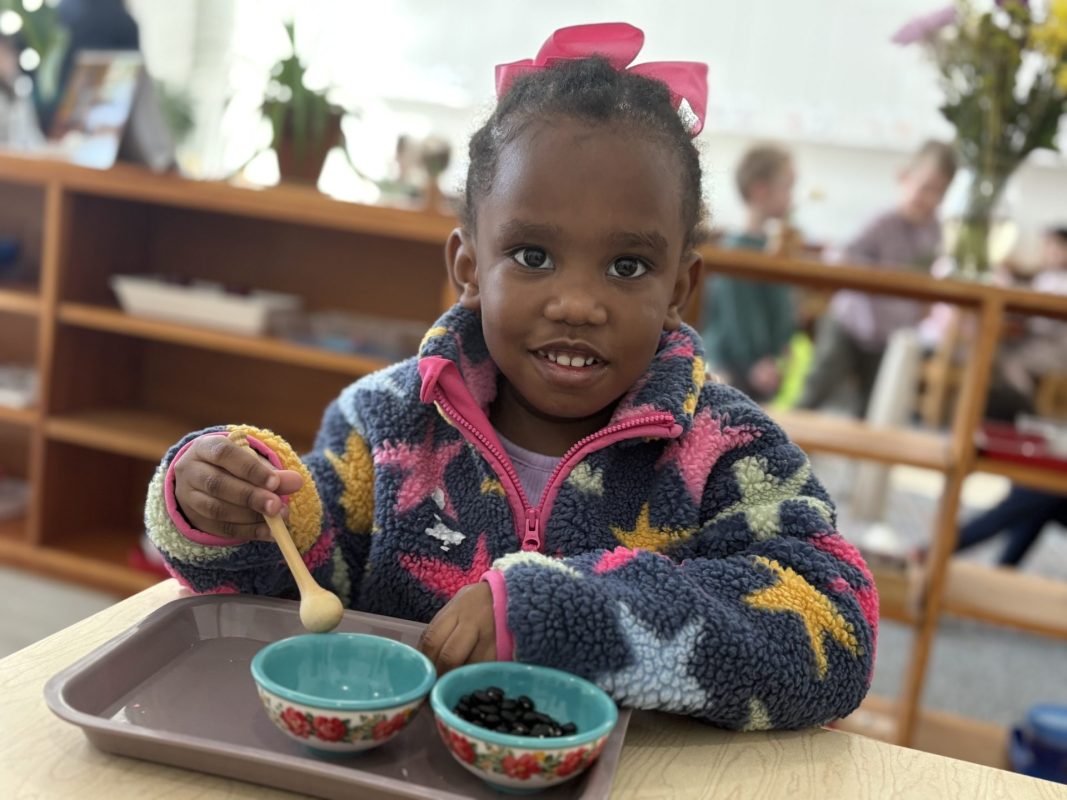
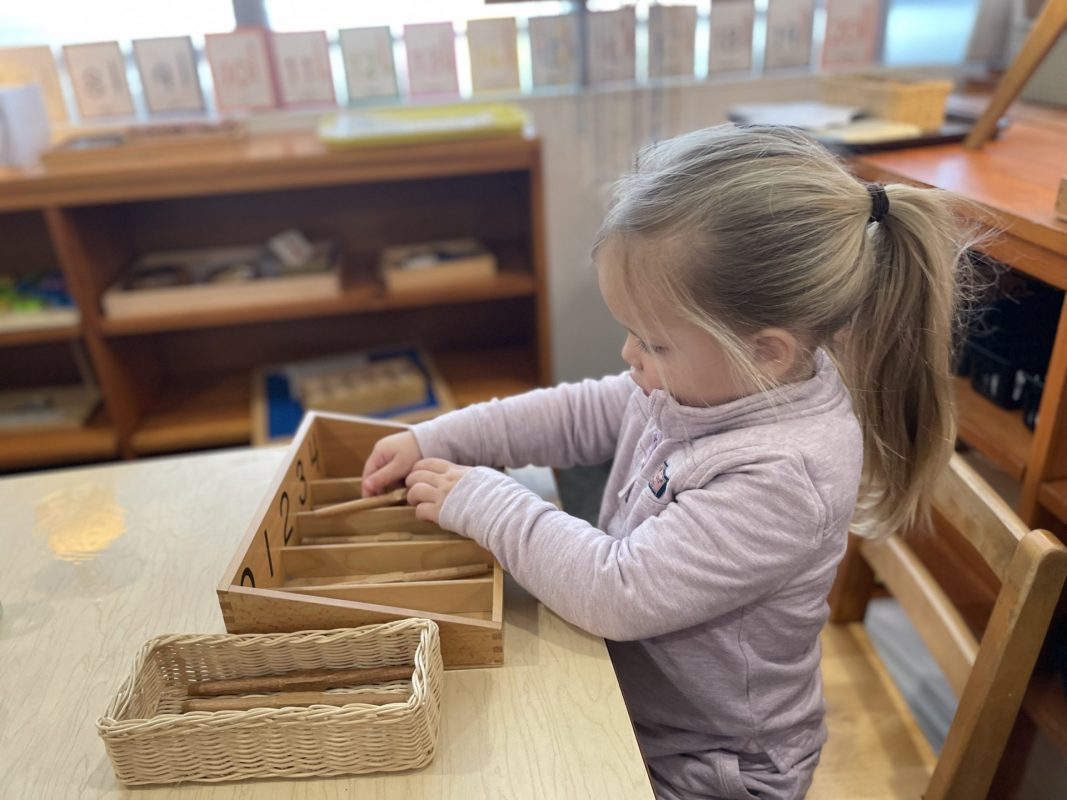
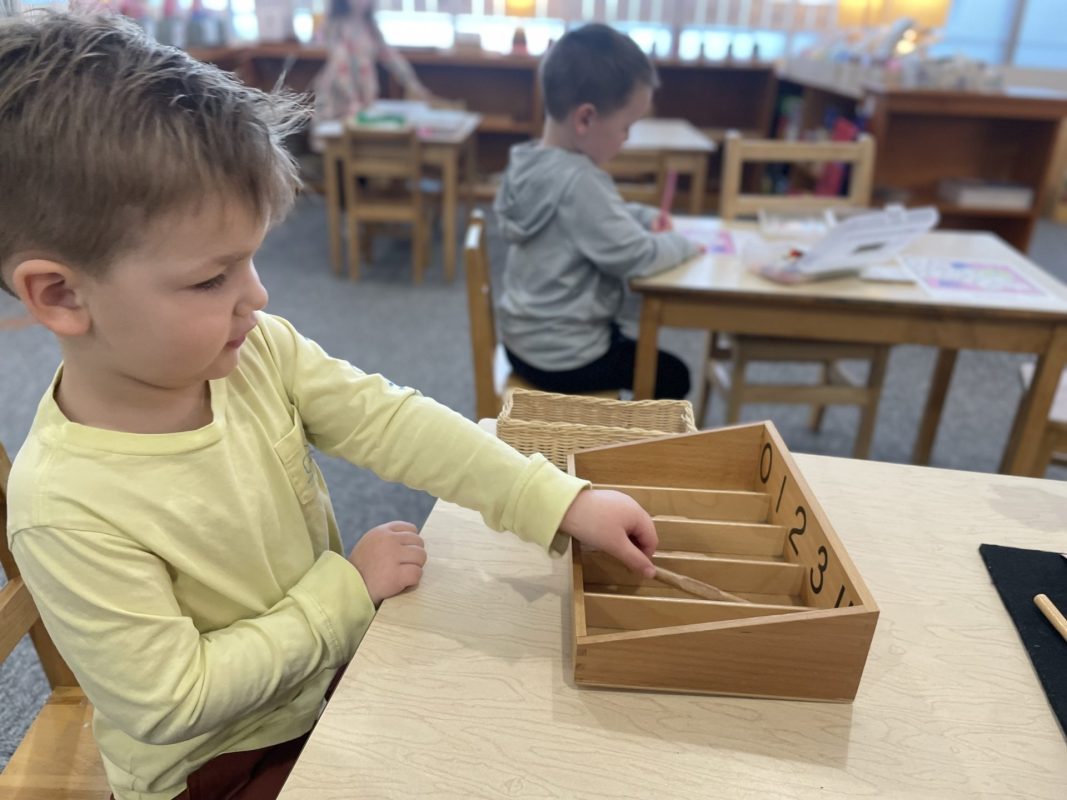
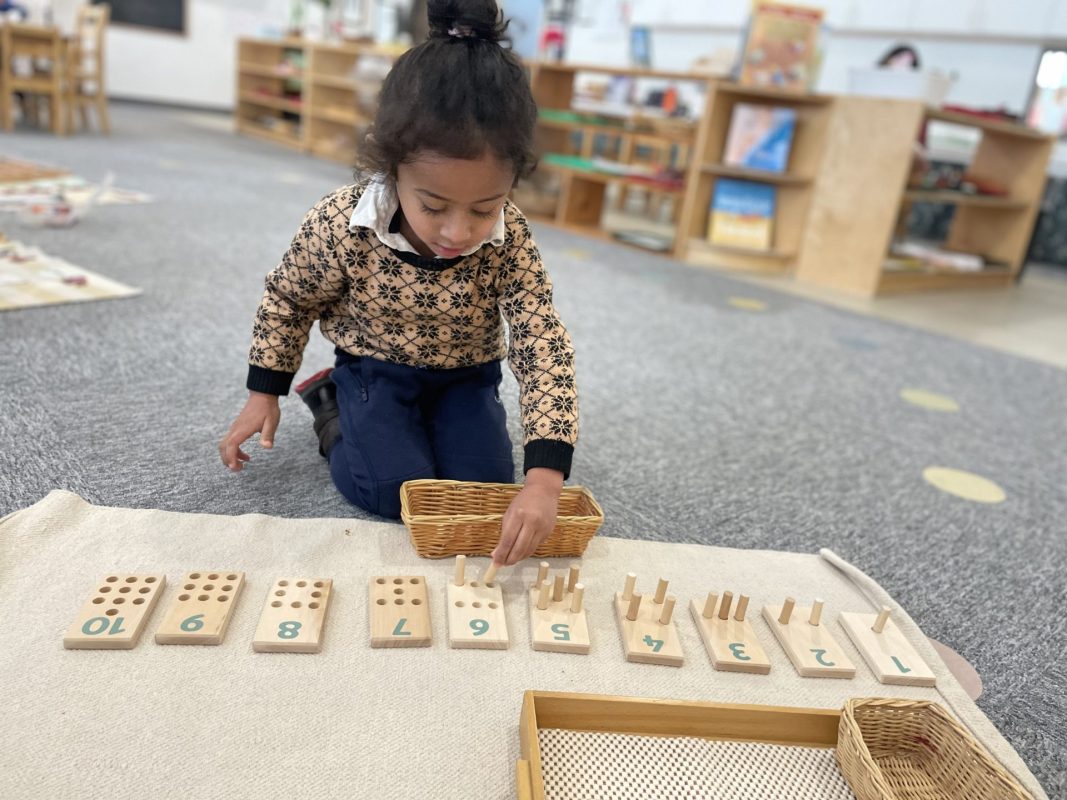
This month, Primary students focused on “Los Meses del Año”,” Las Estaciones” y “El Clima”. Students practiced new vocabulary through Spanish Montessori lessons that were left in the language shelves of each class for the students to practice for the entire week.

Lower Elementary students also learned “Los Meses del Año”,” Las estaciones” y “El Clima”” through Spanish Montessori Lessons and supported by Spanish level appropriate classwork sheets displayed during class.

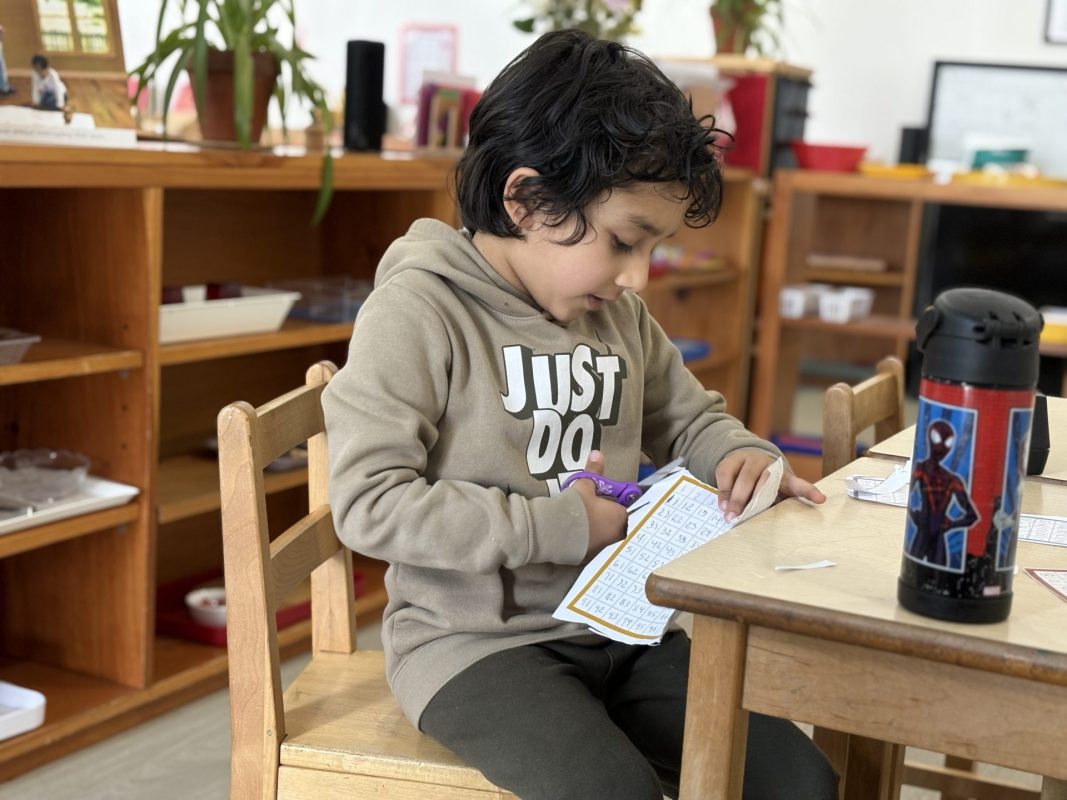
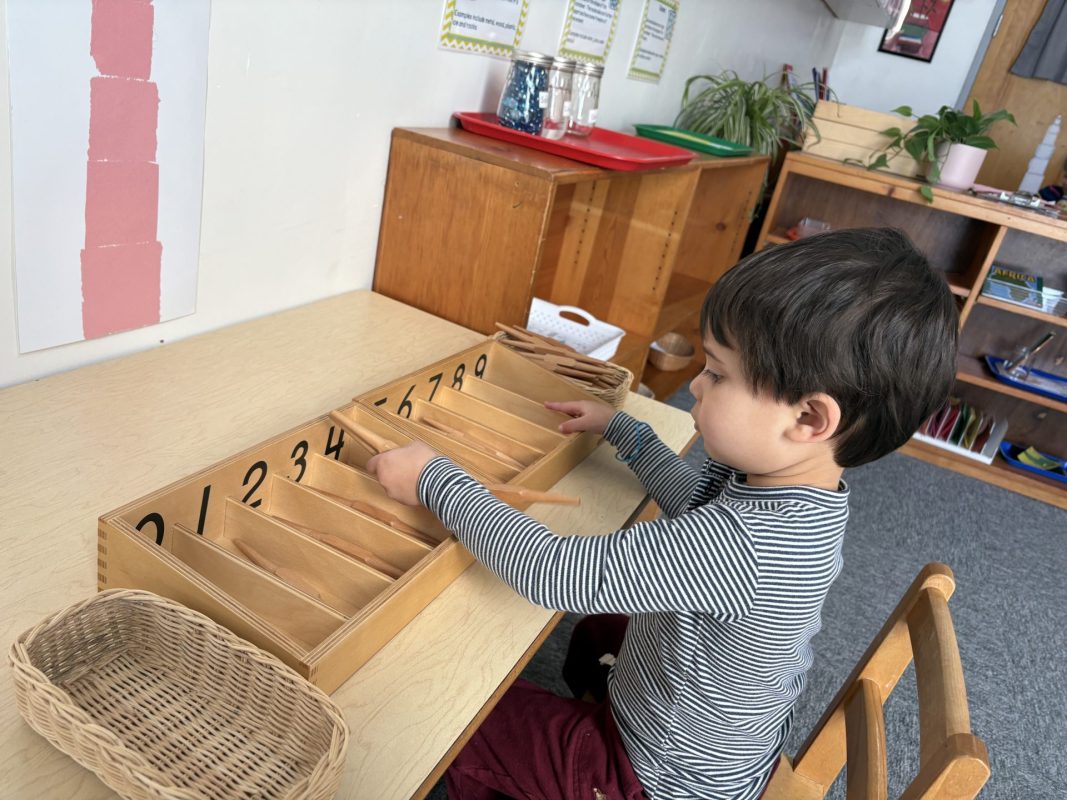
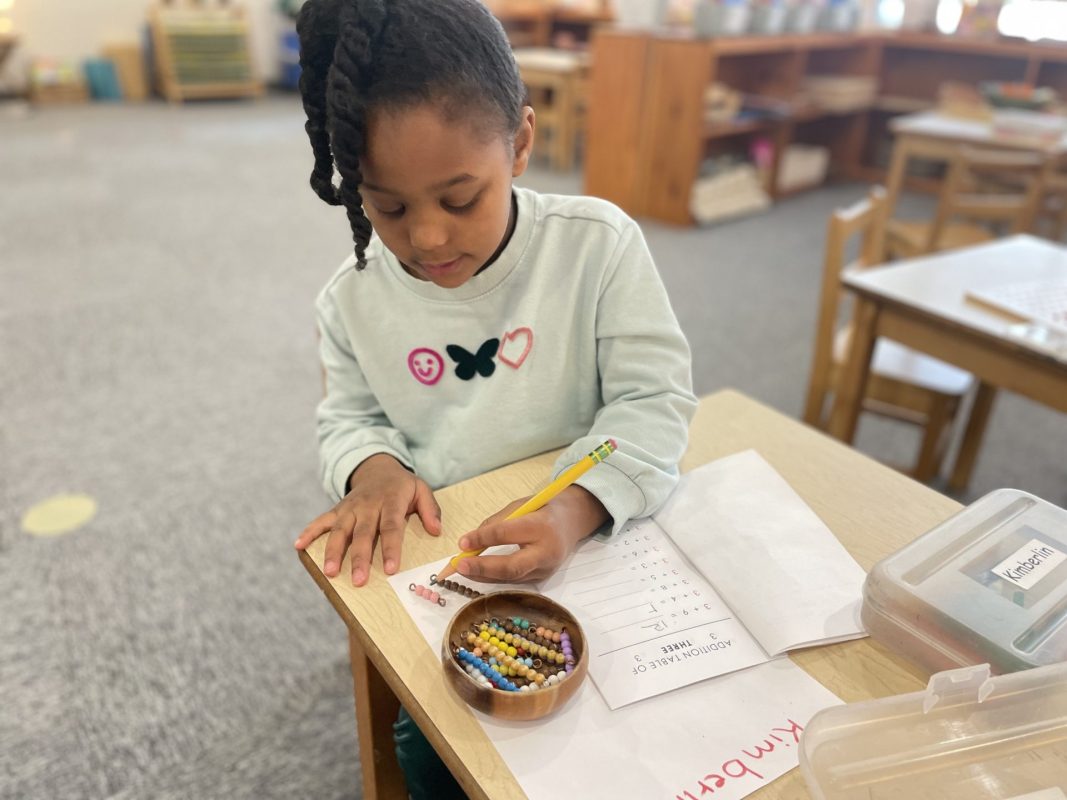
Upper Elementary Students put in hard work, reviewing and learning more about the numbers from 1 to 100. Following this unit, UE students worked in “Que hora es?”/What time it is?  In this unit students learned how to tell the time in Spanish and, they practiced reading analog clocks to tell the time. These lessons were supported by a classwork giving them the opportunity to practice the new lesson learned.

Middle Schoolers learned about “El Canal de Panama”. This chapter generated a lot of interest in MS students, because they learned the importance and many interesting facts about the canal, such as when it was built, its importance for the world economy and mainly how it works. In this chapter students learned how the Canal works and where it is located. Also, middle schoolers in kept learning more vocabulary through songs and games. Also, they kept practicing their reading and comprehension. Middle school students are practicing a lot of reading comprehension, writing, and listening, through the units of the new curriculum. This month MS students started their “Remarkable Person from the Hispanic Community” presentation, where students chose a person of their interest, did research, and summarized it in a 5 minute class presentation.

All the students at FWM are enjoying and leaning Spanish and I am very pleased with their progress accomplishing goals in my class.
Why Learning About Vision Therapy Matters for Teachers and Parents

Why Learning About Vision Therapy Matters for Teachers and Parents

Teachers play a key role in helping students succeed, but not all learning challenges are obvious. Vision issues, beyond just blurry eyesight, can make reading, writing, and focusing in class difficult. 

Today, we welcomed Sefra Norwitz, Director of Vision Therapy at SIGHT Multispecialty Center in Farmington, CT, who presented to both our Parent’s Association and teachers about how vision therapy can help.

Even kids with 20/20 eyesight can struggle with visual processing. If a child has trouble tracking words, focusing, or copying from the board, they might be dealing with an undiagnosed vision issue. Without this knowledge, these challenges can be mistaken for a learning issue or lack of effort.

We can spot early signs like:

  • Losing place while reading
  • Frequent headaches
  • Poor handwriting or coordination
  • Trouble staying focused on visual tasks
  • Toe walking
  • Difficulty sitting still
  • Task avoidance 

What Teachers Can Do?

Simple classroom changes that can make a big difference:

  • Adjusting lighting
  • Offering larger print
  • Preferential seating-front and center
  • Slant board
  • Giving additional time on tasks
  • Allowing movement breaks

Understanding vision therapy helps teachers, parents, and specialists work together to support students. When teachers know what to look for, they can advocate for the right help, making school a better experience for every child.

Sefra shared a Vision Symptom Predictive Checklist for parents and teachers. 

A huge thank you to Sefra Norwitz for sharing her expertise with us today! 


This Week in Upper El

Upcoming important dates:

  • Wednesday, March 5 at 5:30: Upper Elementary Research Night
  • Friday, March 7 from 9:15 to 2:00: Field Trip to the Yale Peabody Museum

This week has been exciting as we continued to prepare for our Ancient Civilizations Research Night. We focused a lot on our research groups and worked hard on a few things to ensure we had everything set for the big event.

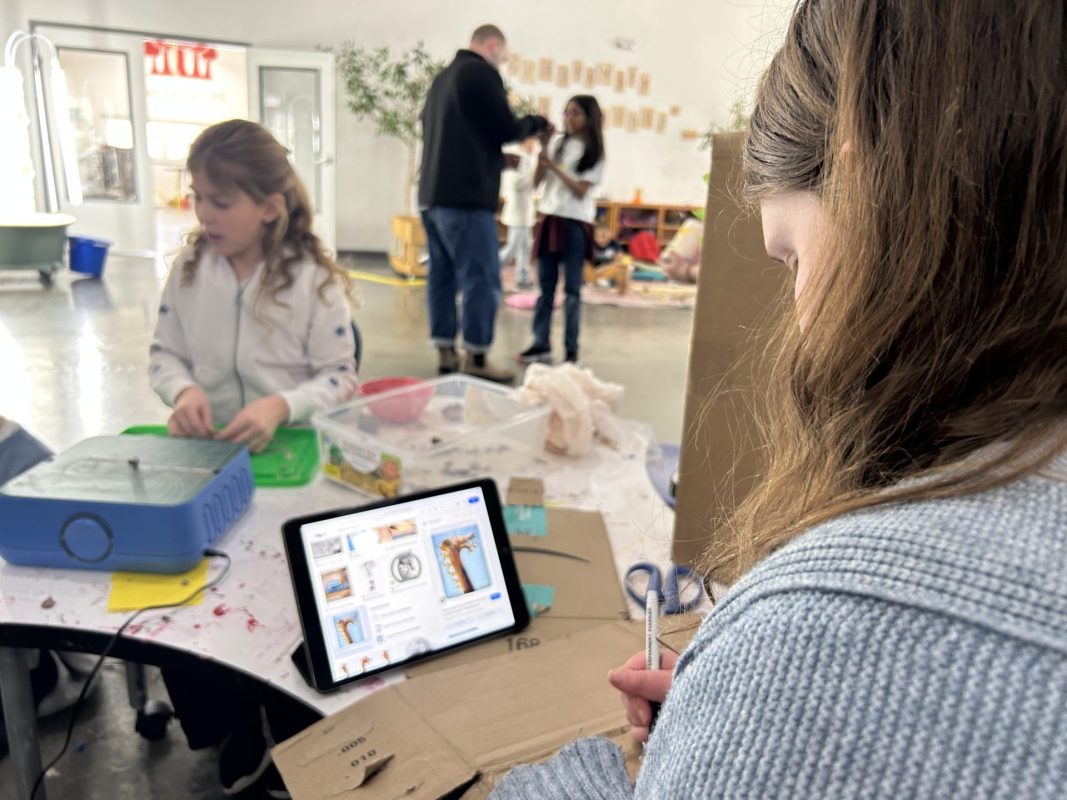
First, we created group Google Docs for our collaborative papers. It was great to see everyone jumping in, sharing different ideas, and helping each other out to make sure we covered all the important points. These Docs will serve as each group’s central hub, where they can put everything together neatly.

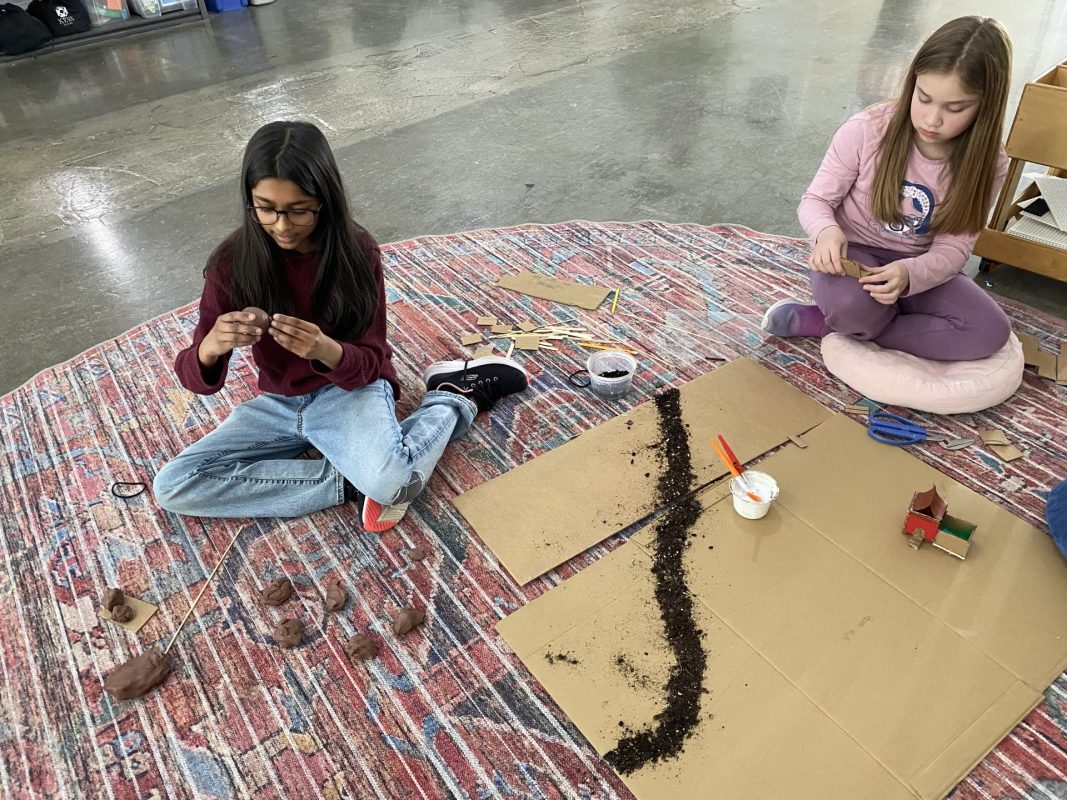
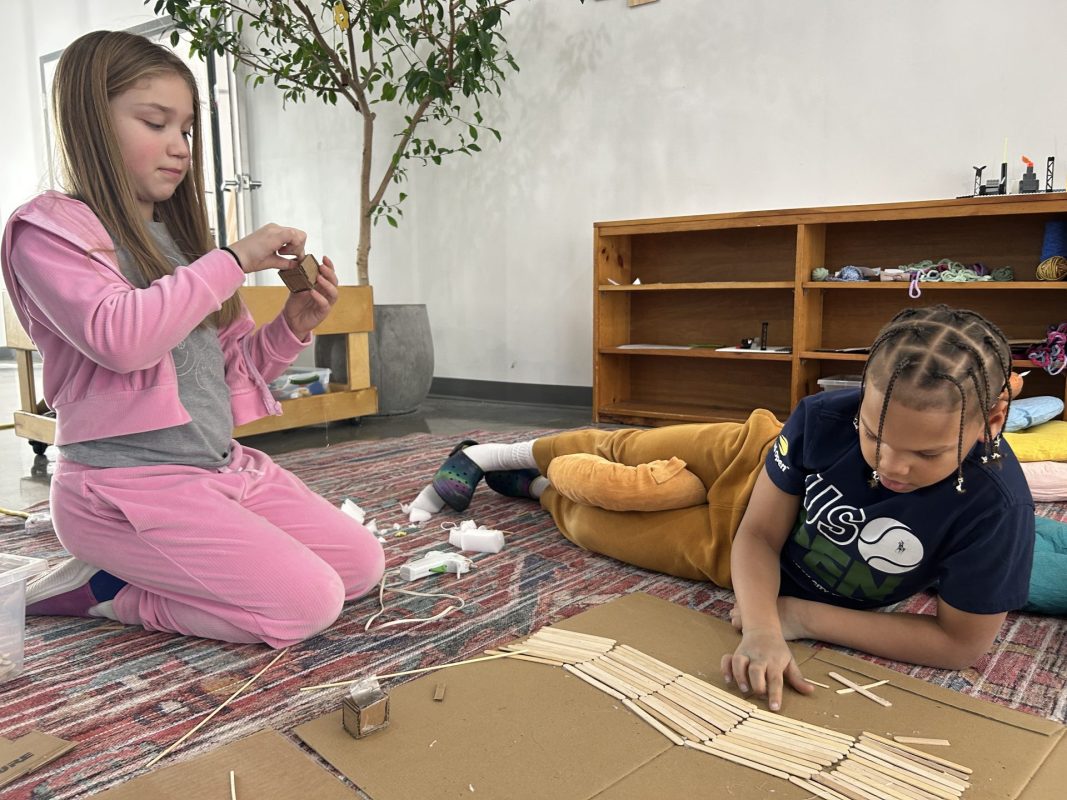
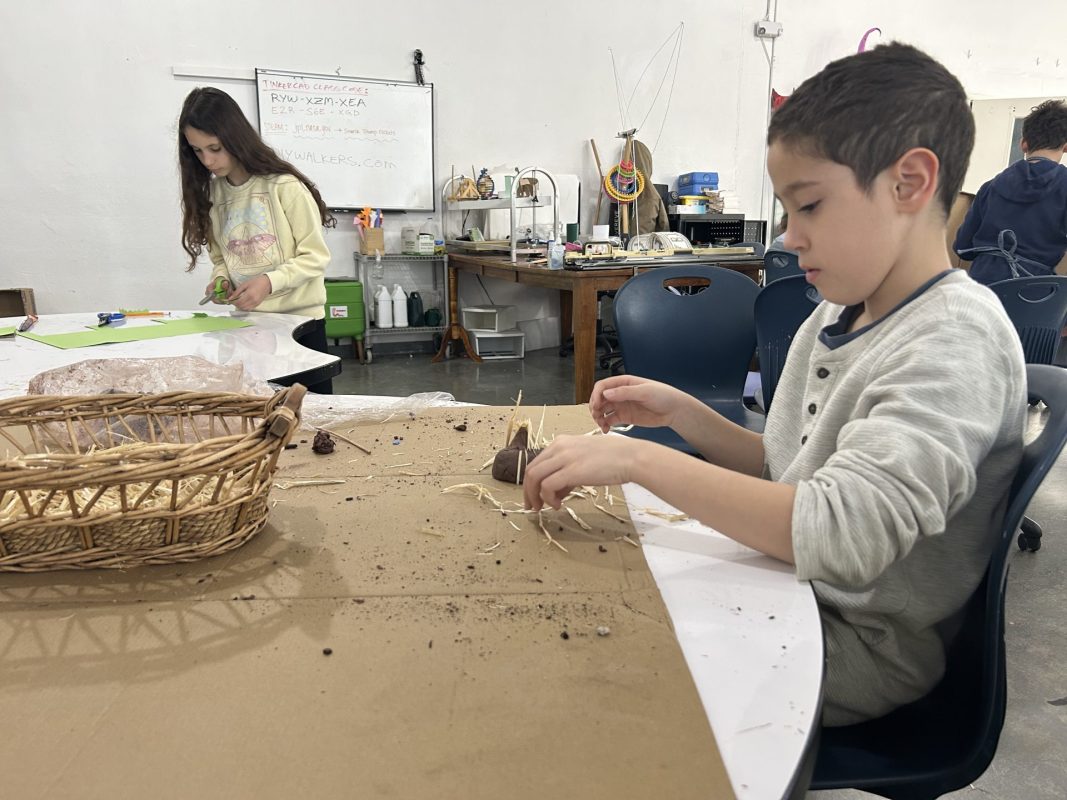
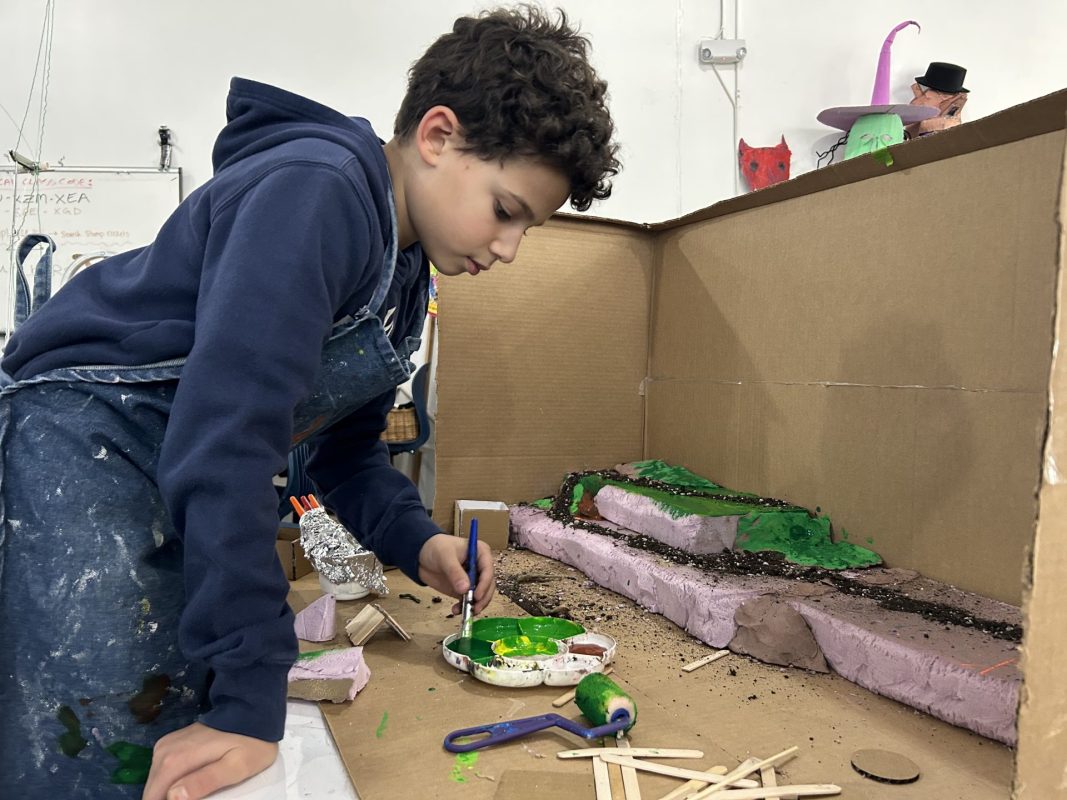
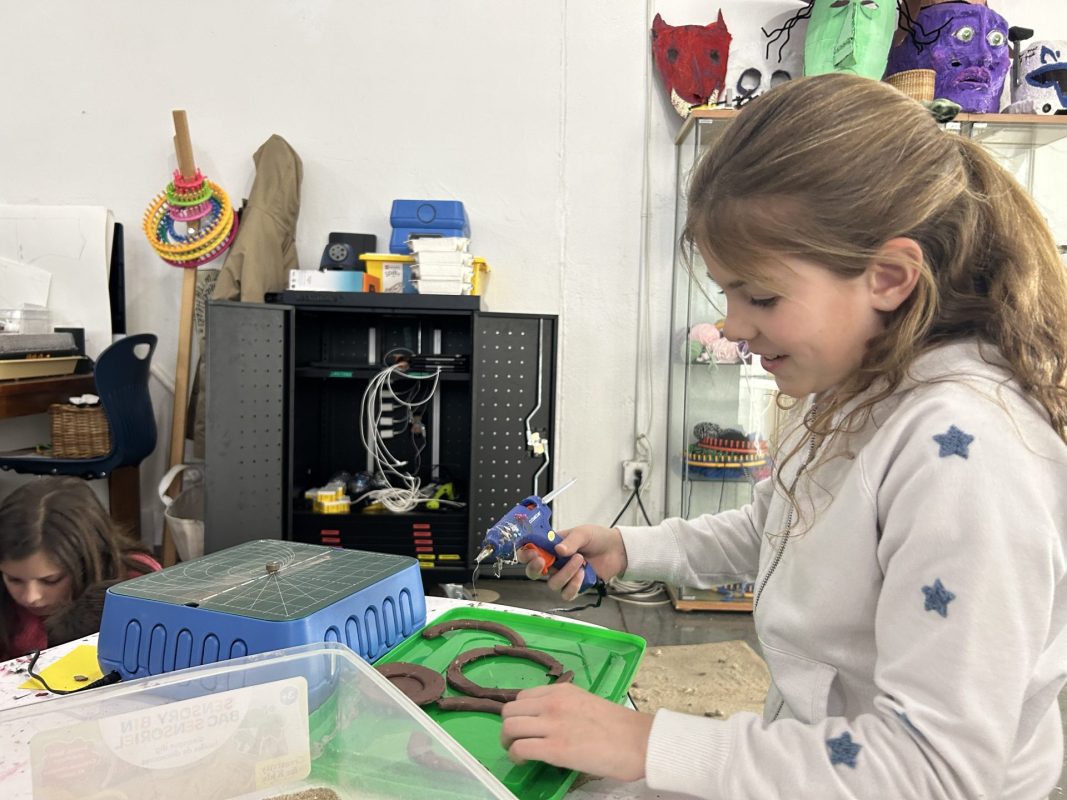
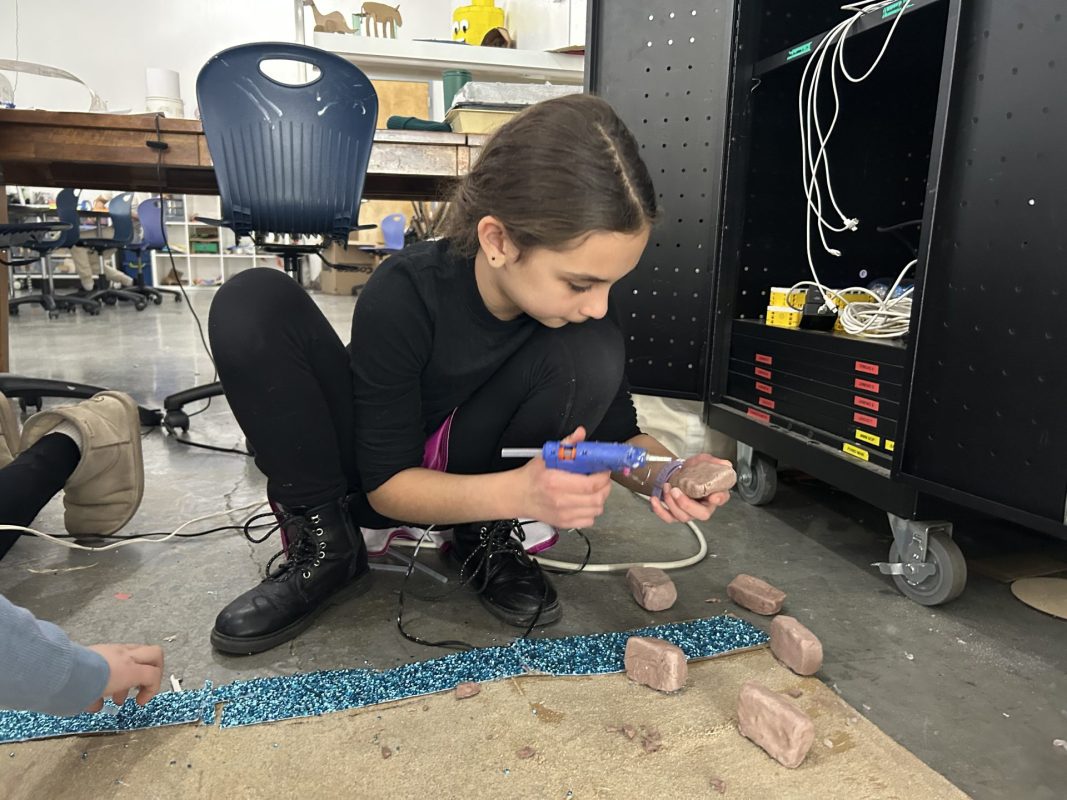
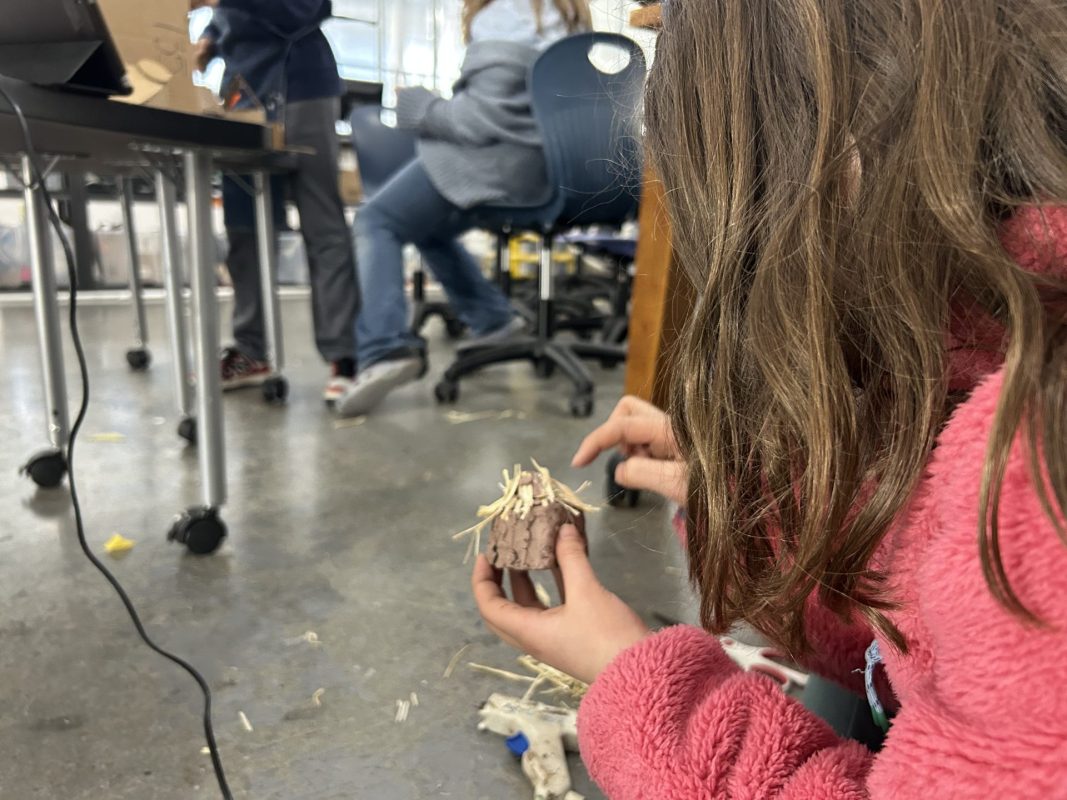
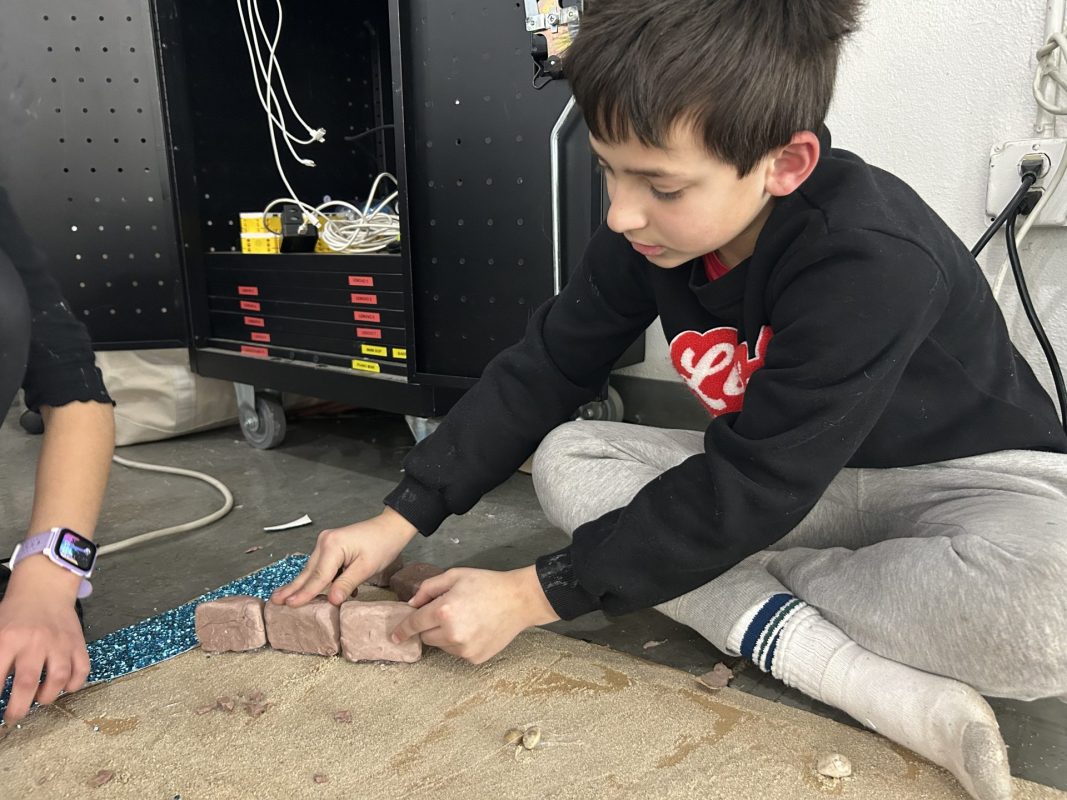
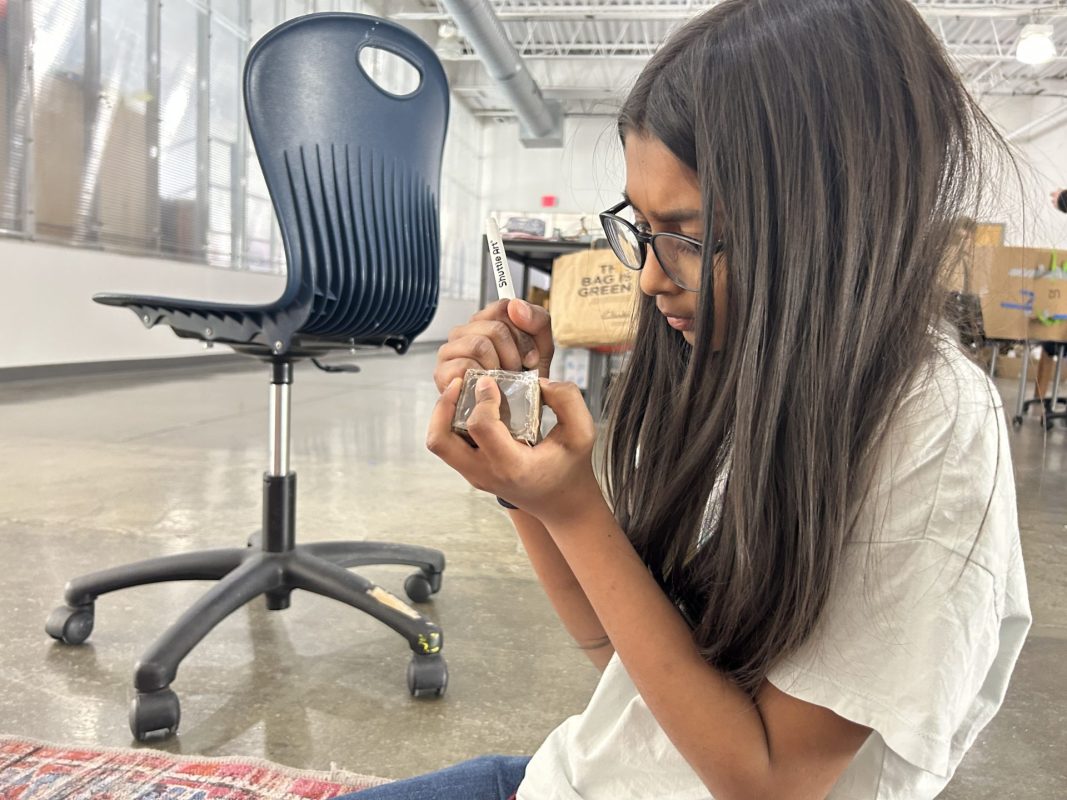
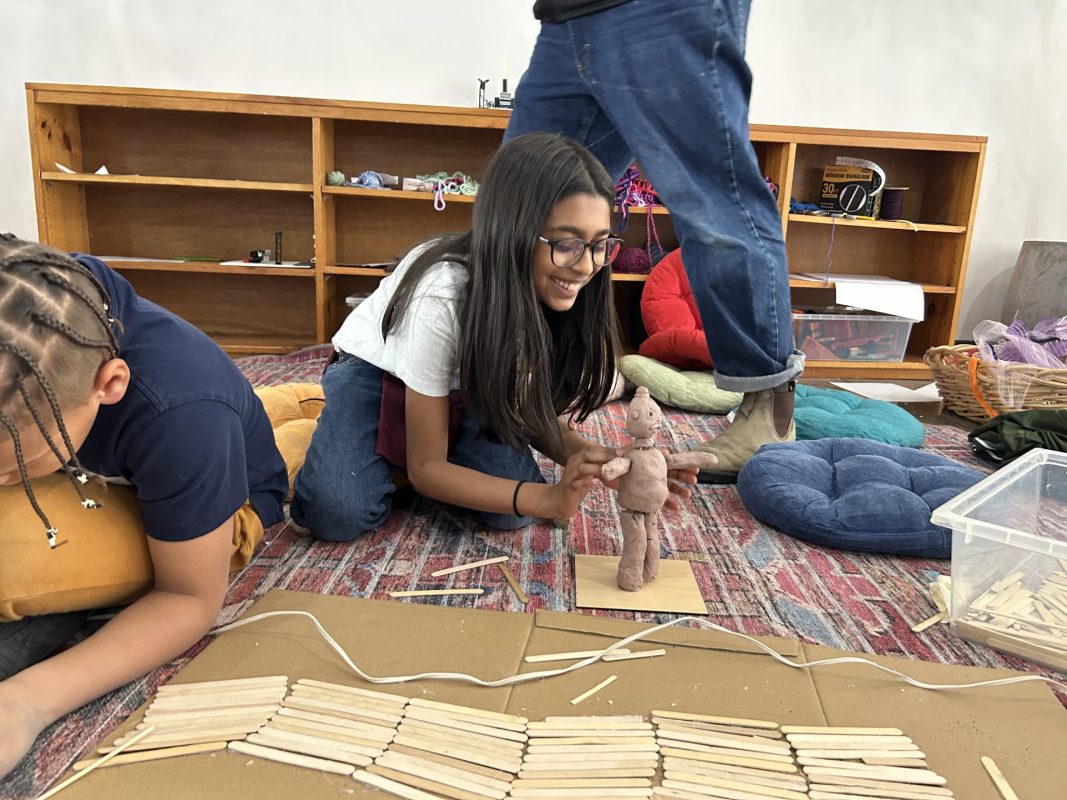
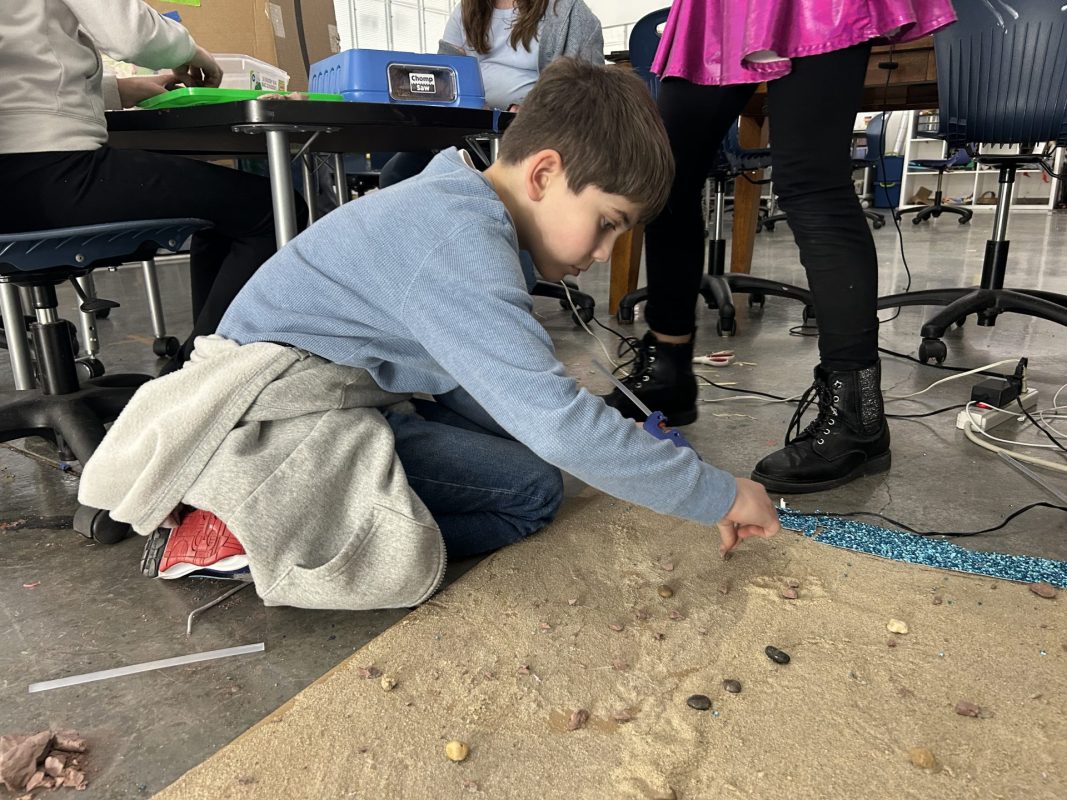
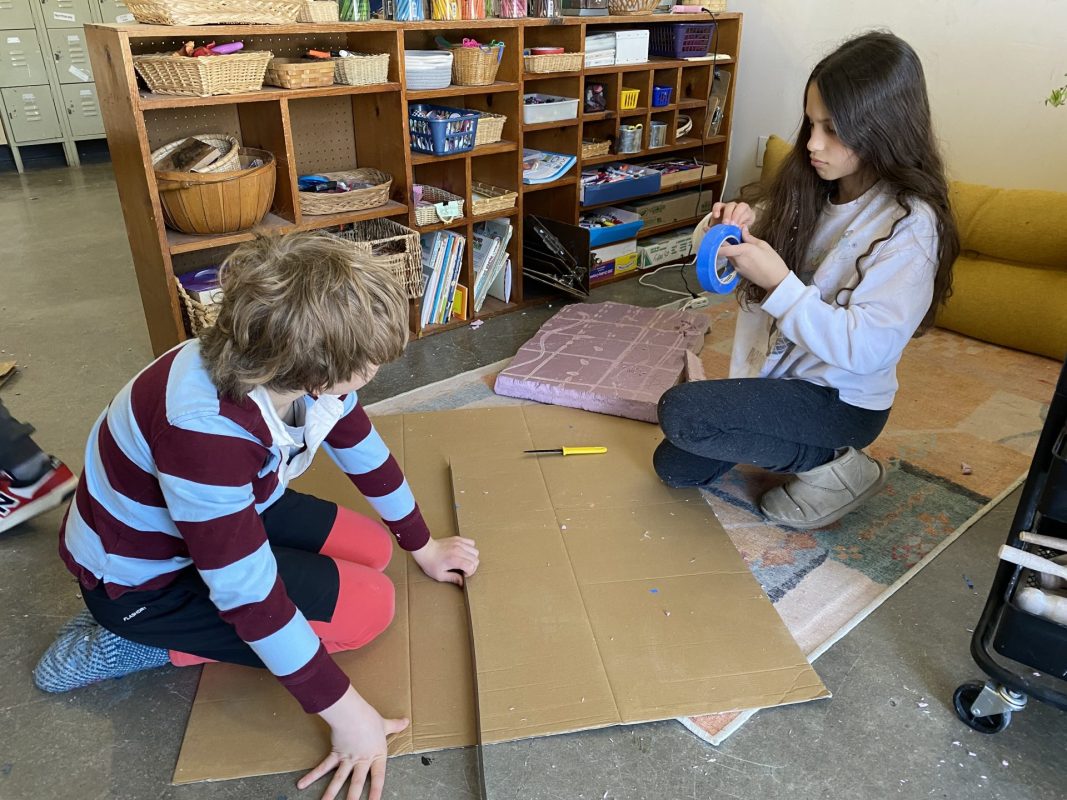
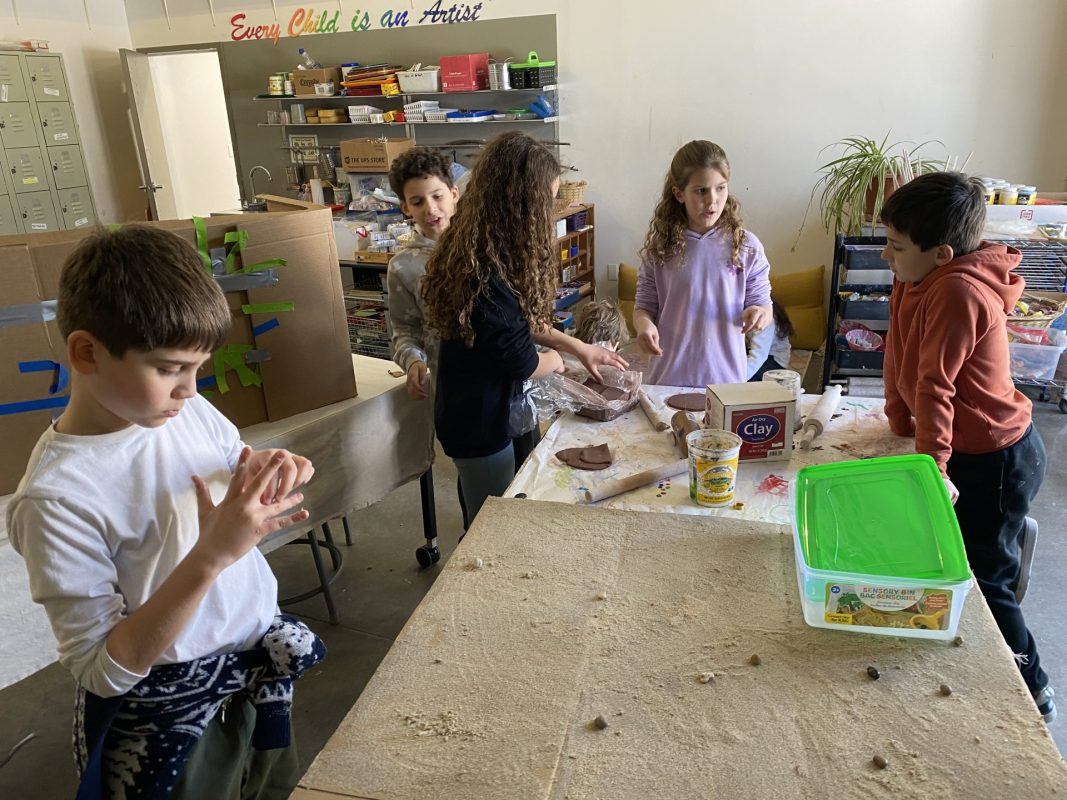
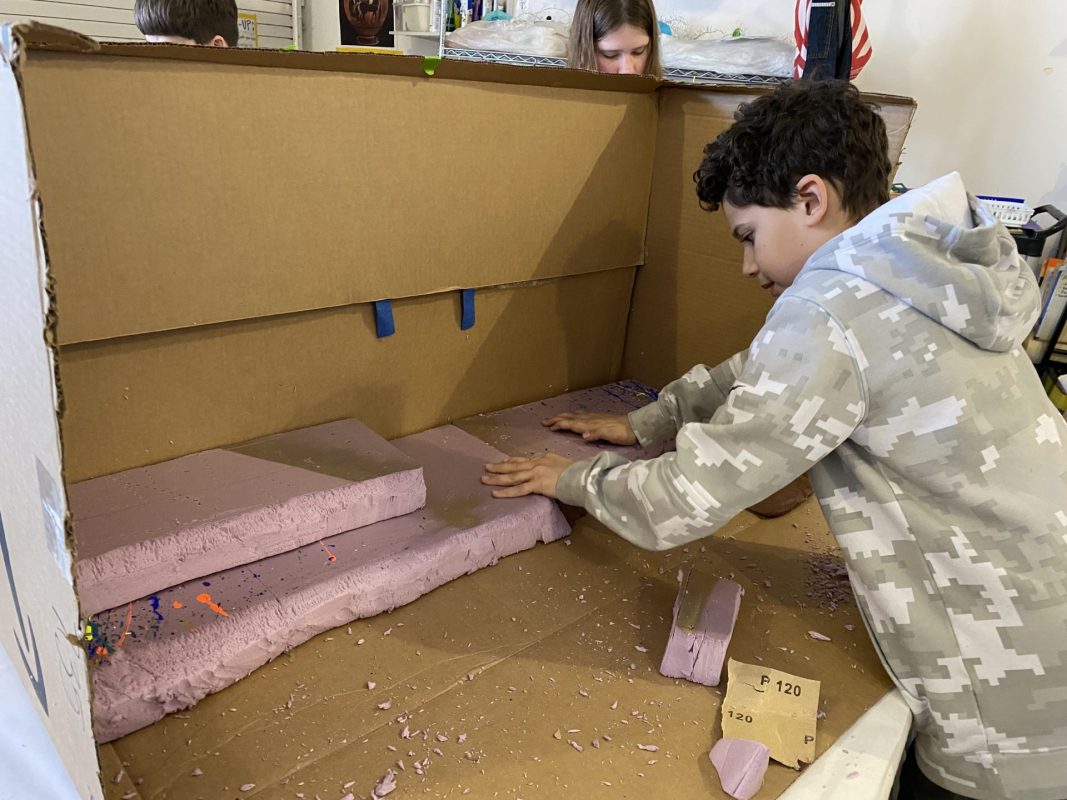
Then there was the fun part—building our three-dimensional models! Every group is working hard on everything from ancient temples to housing and even the important rivers that shaped their civilizations. Watching everyone get creative with their designs was awesome, and it’s clear they’re putting a lot of thought into making their projects stand out.

As we approach the presentations, the excitement is really kicking in. We have started planning how to present our work, discussing slide presentations, and talking about planning who will present what. It feels great to see everyone trying to support each other and figure out how to make the presentations engaging for everyone who will come.

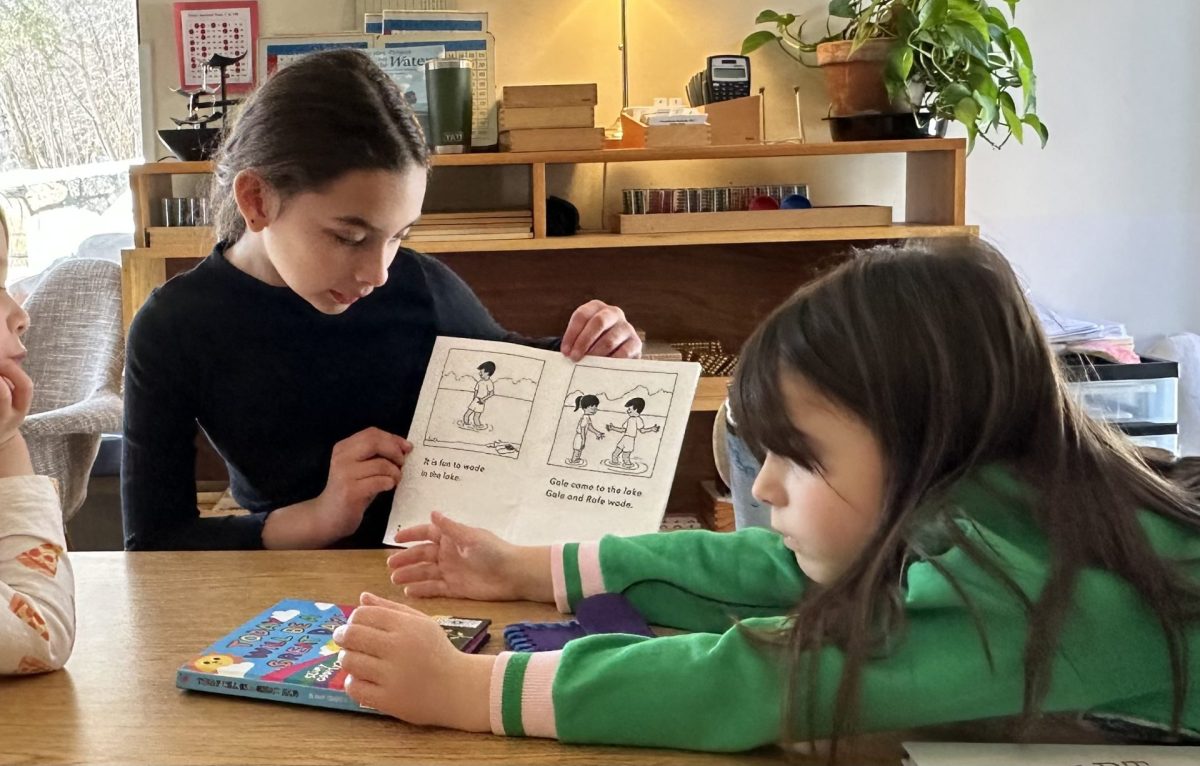
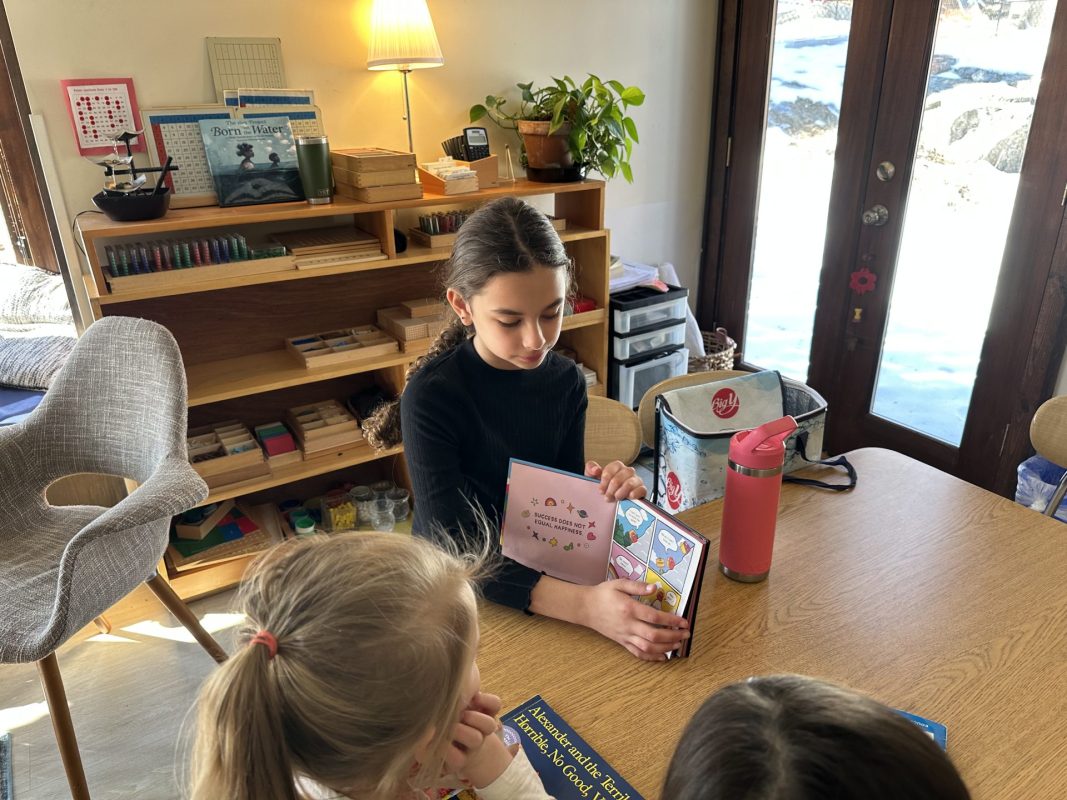
We also had two friends visiting us this week—one from fourth grade and another from fifth. They fit in perfectly and joined right in on our collaborations. Upper El students did a great job mentoring them and showing them our class routines.

This week has been jam-packed with learning and creativity as we gear up for Ancient Civilizations Research Night. We can’t wait to show off all our hard work on March 5!


Performing Arts!

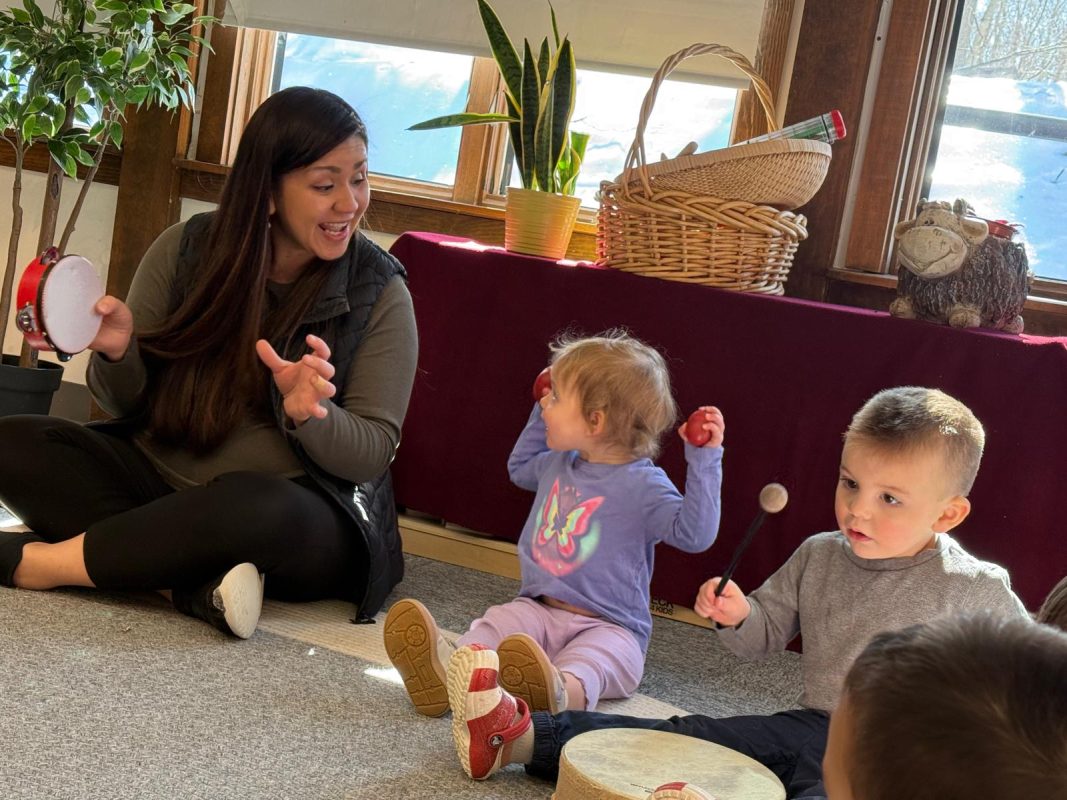
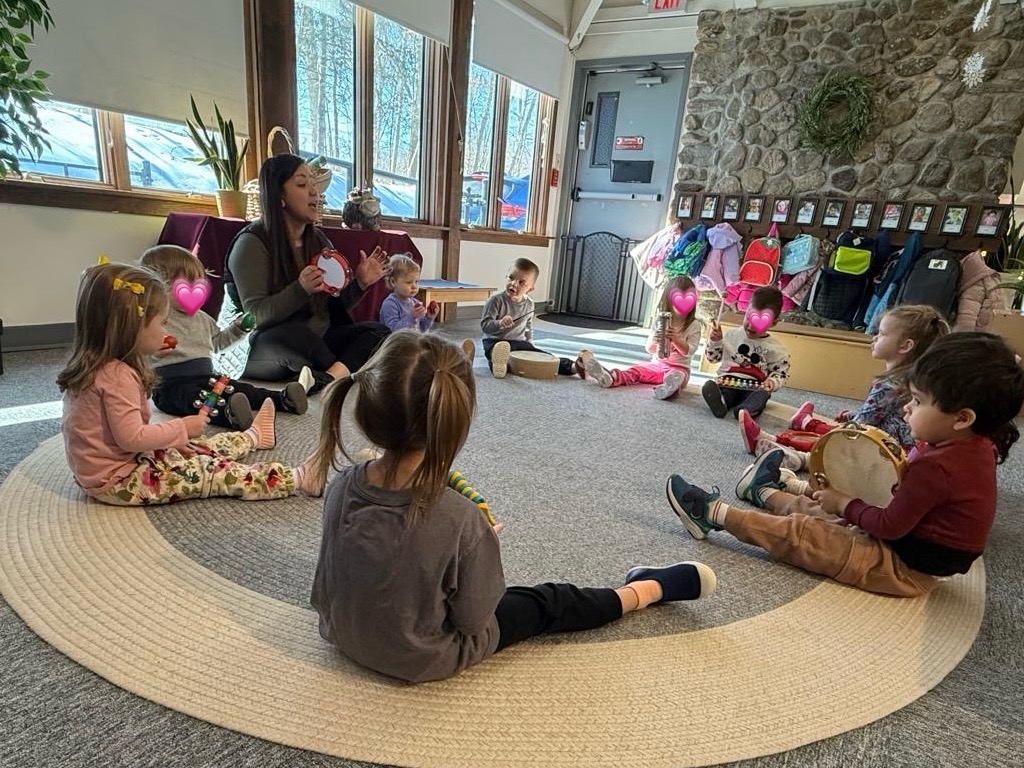
It has been another wonderful few weeks of singing, dancing, acting, and music-making in the performing arts room!

At the primary level, students continue to develop their musical ears through pitch-matching activities and games. Students are really enjoying the circle game, Charlie Over the Ocean! This is a call-and-response song and game which allows the students to work on their pitch-matching skills. Students also really enjoy using their imaginations to create circle stories as a class. Another drama game that the students have been really enjoying is Statue! Using only our bodies and our facial expressions, students create statues when different emotions are called out. The primary students are great little actors! Using our sweet beats song, students also create a measure of music in 4/4 time using quarter notes and eighth notes. Primary students are also very excited about all of the new music and dances we have been learning in class!
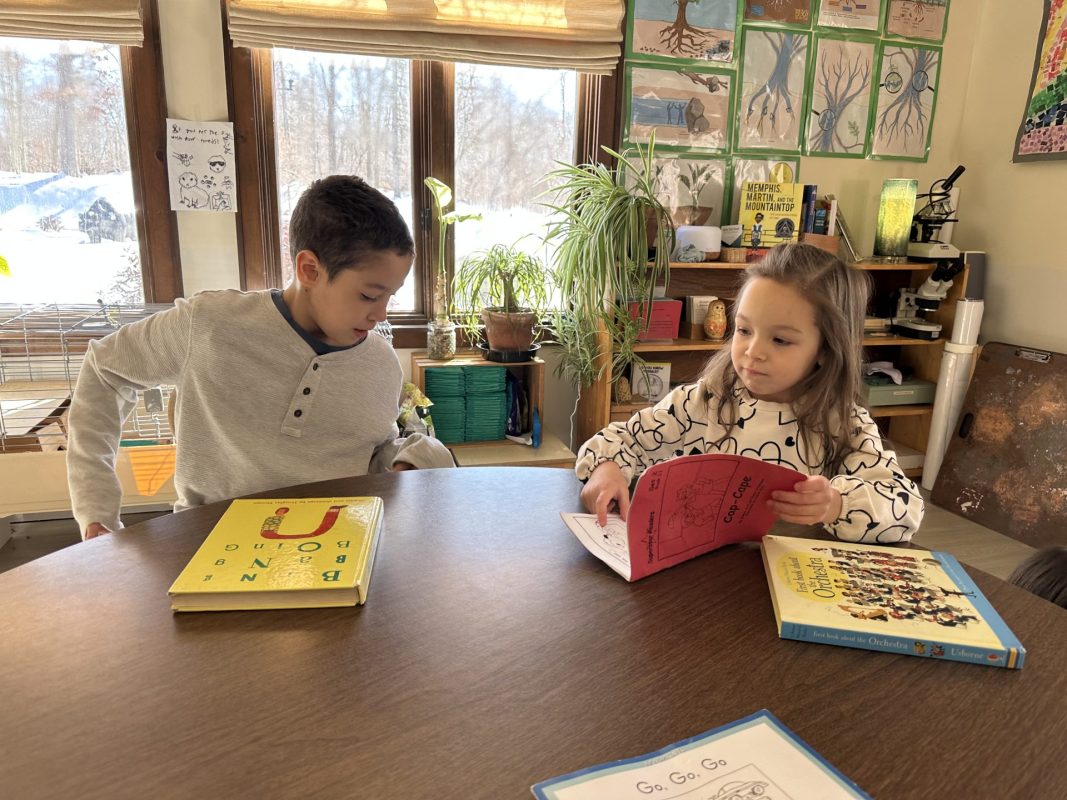
Lower Elementary students have been focusing on their rhythm skills! Students are sight-reading many different rhythm exercises using quarter notes, quarter rests, and eighth notes. Students also continue to develop their musical ear using Solfe. The Lower Elementary students are super excited about a new project that we have begun as well! We will be doing a mini-musical in the spring! All of the students have been starting to work on their characters, songs, and lines from an adaptation of the Aristocat. This project is super exciting since students are learning all of the aspects of putting together a show, such as choreography, blocking, character work, voice work, and much more!

In Upper Elementary, students had their final performance of the Reader’s Theater project! I could not be more proud of each and every one of the students for their hard work! We used this Reader’s Theater project to work on character building and proper vocal technique when speaking in a performance. Students also created their own costumes! Upper Elementary students have been working hard on their vocal skills. They are focusing on breath support and vowel placement as we are working on a lot of new repertoire in class. Students are also super excited to begin working on our spring musical, Finding Nemo Junior, which they will be performing with the Middle School.
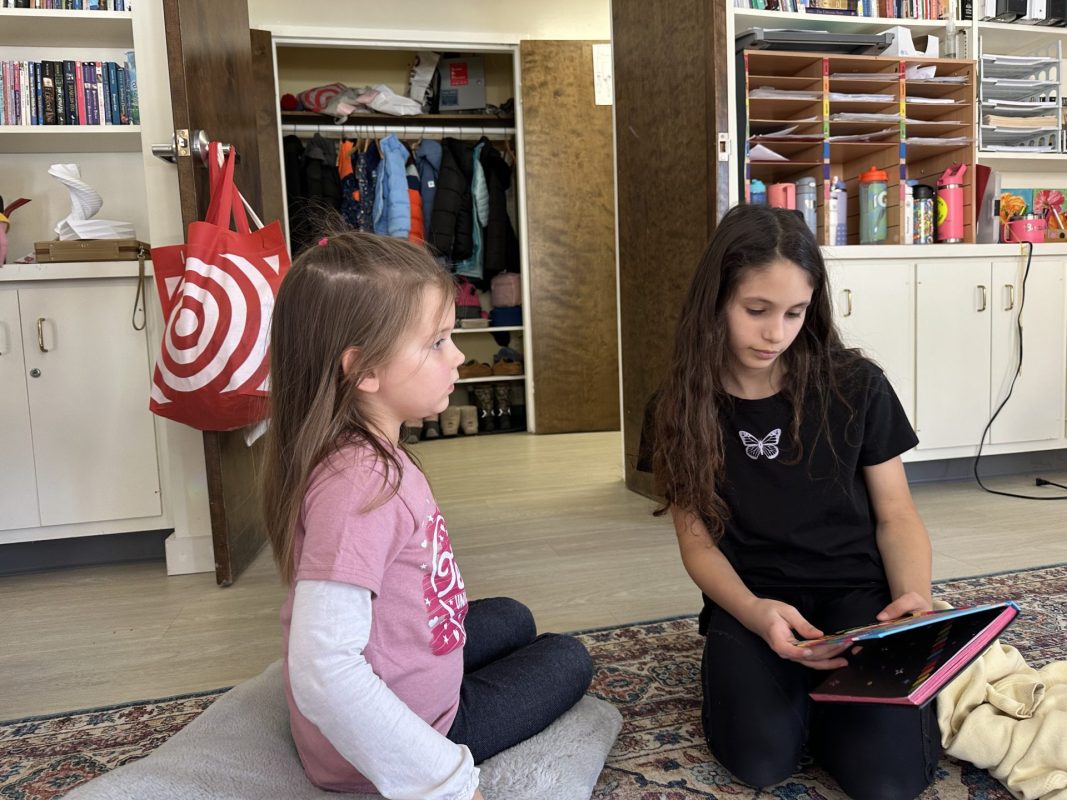
Middle School students had an extremely busy few weeks! I was so impressed with the quality of work the middle school students put into their play! They did an absolutely fabulous job writing the script, creating characters, creating props and sets, and putting a whole show together in two weeks! Working on acting skills with the Middle School was amazing! The students used all of the techniques we have been learning in our drama portion of performing arts to develop their characters and bring this show to life! Students in Middle School have also been learning new repertoires, working on their vocal strength through proper vocal technique, and developing their musicianship through site reading and listening activities. Each student also had the opportunity to audition for the Middle School play Finding Nemo Junior! All of the students are super excited about this new project!


Ms. Marissa: Weekly Update

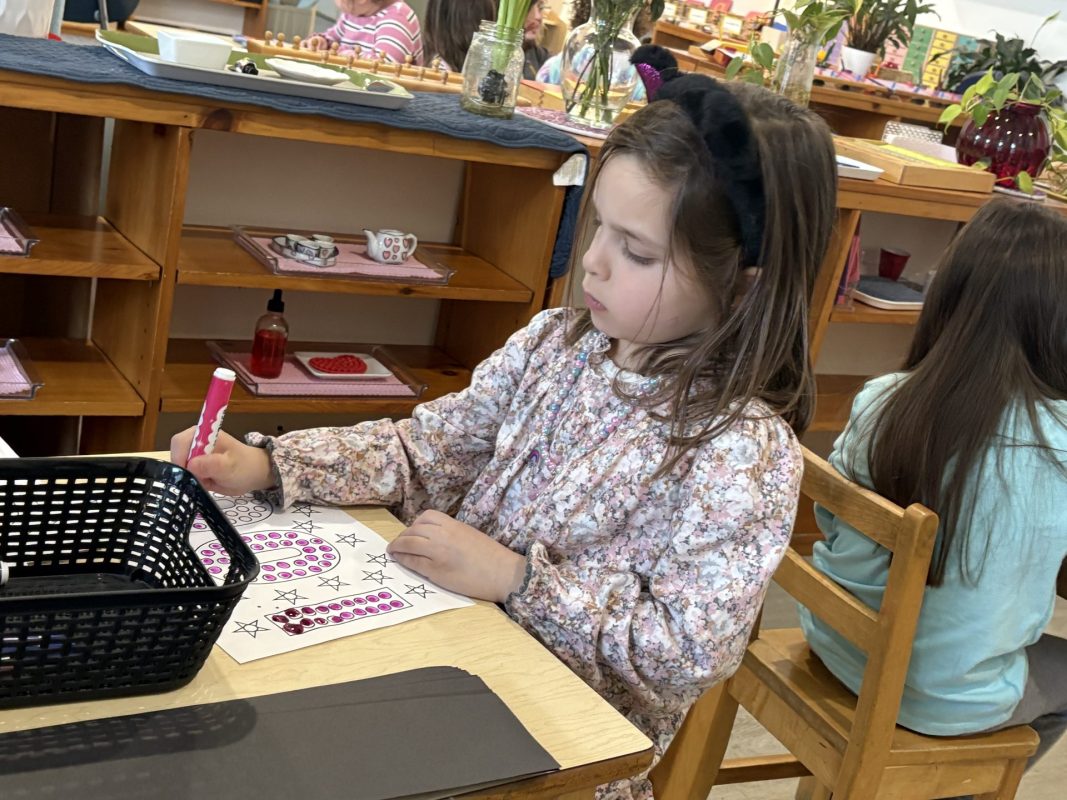
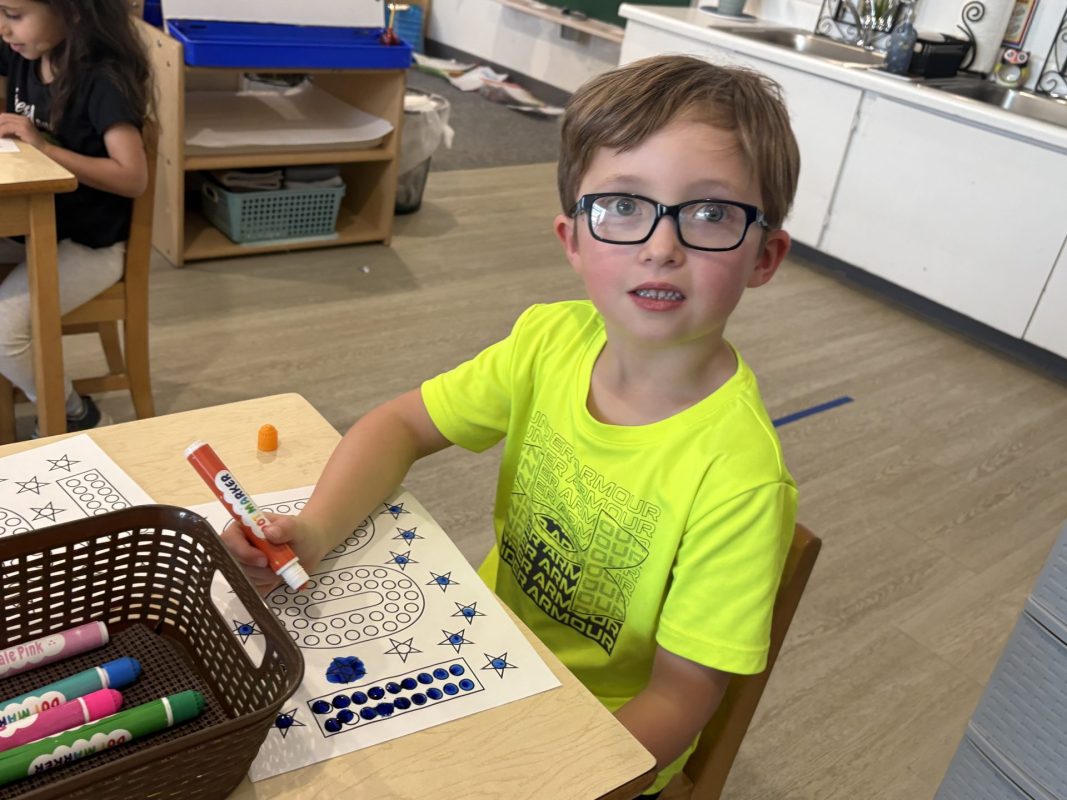
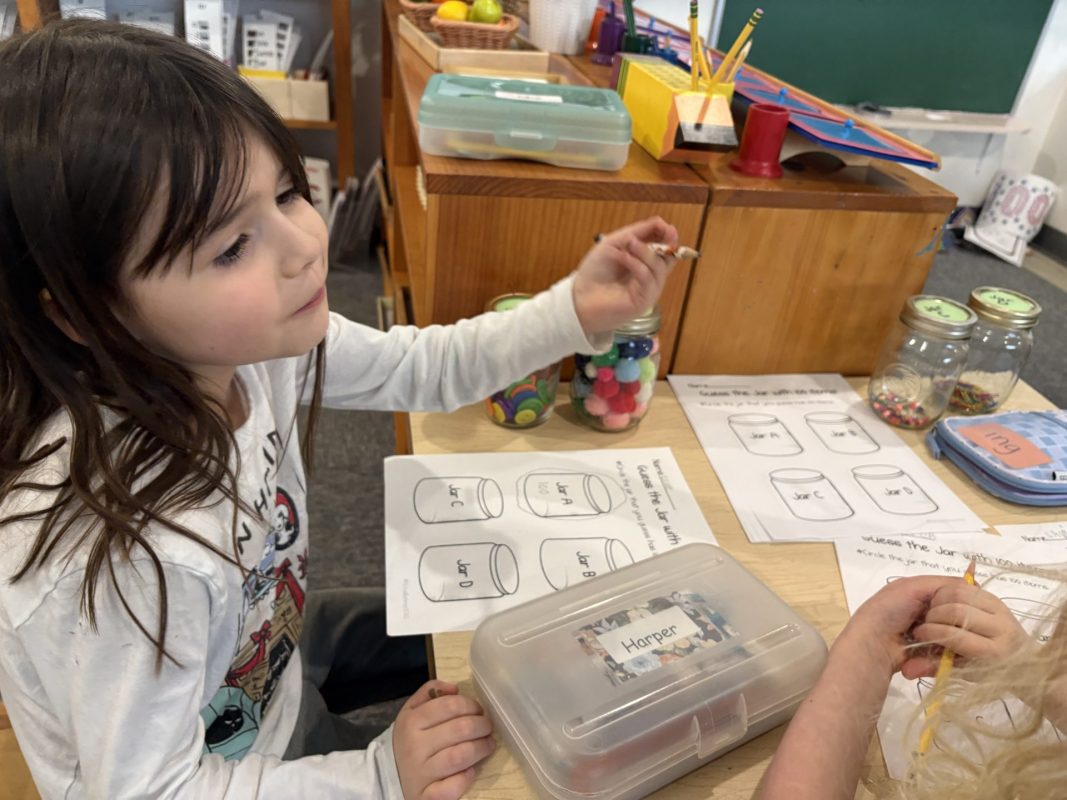
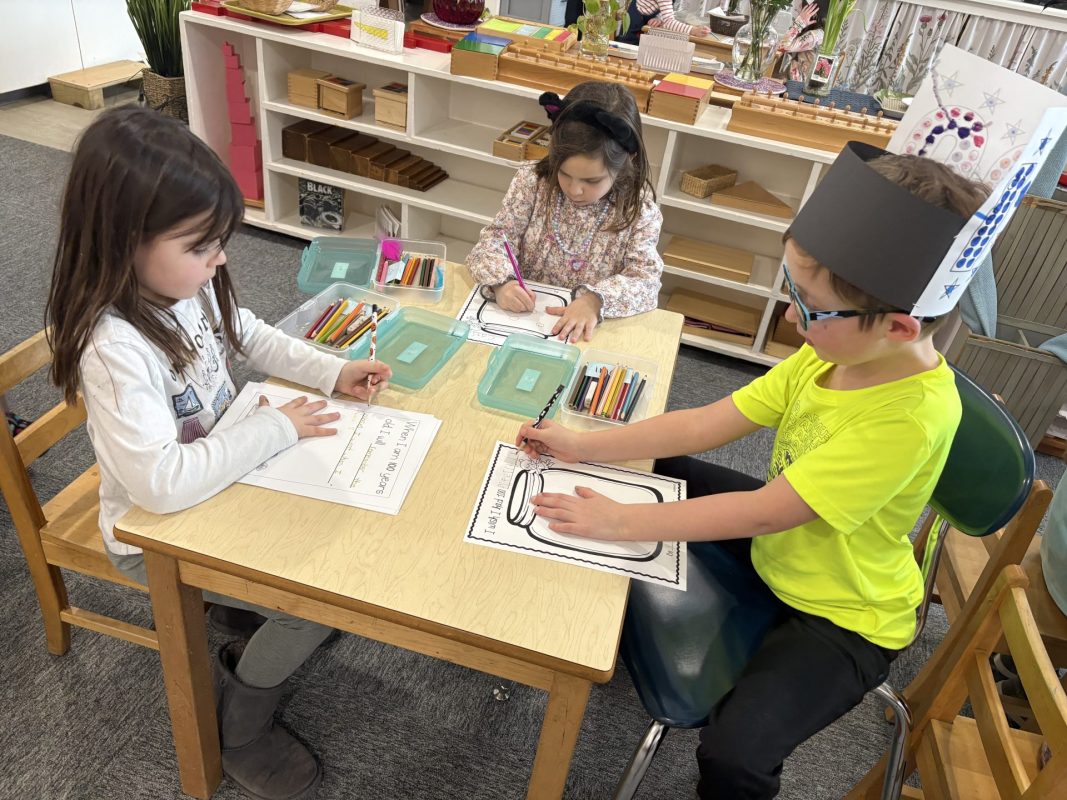
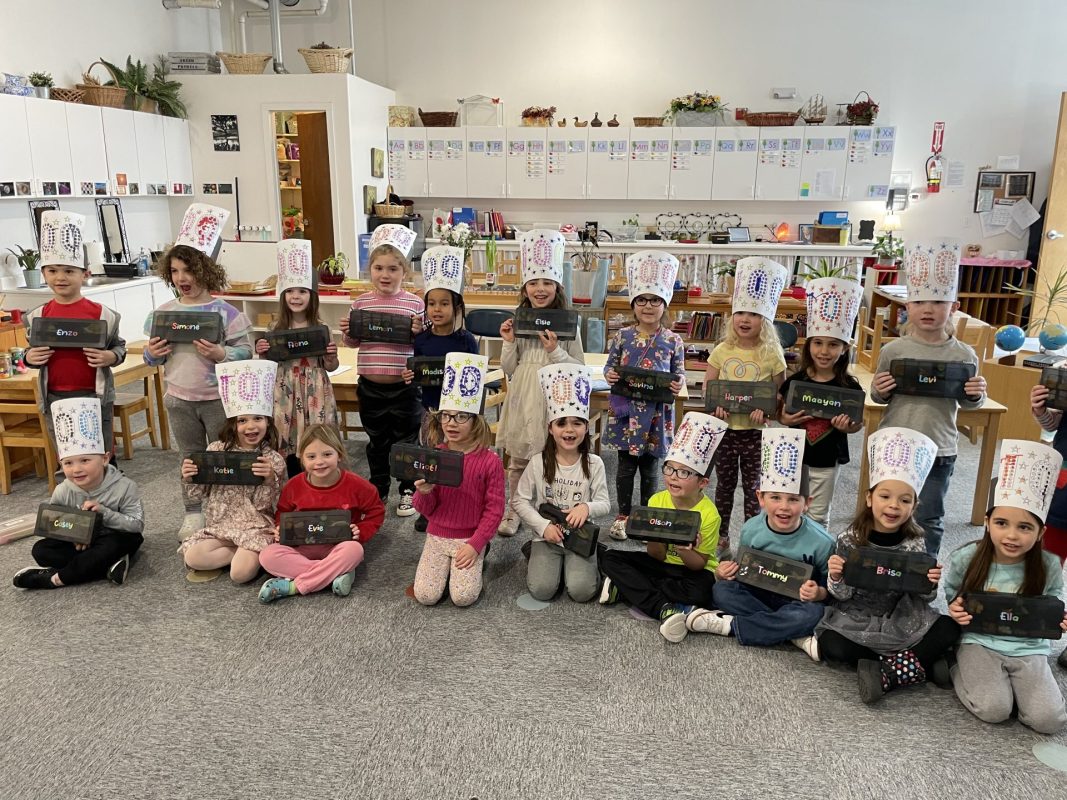
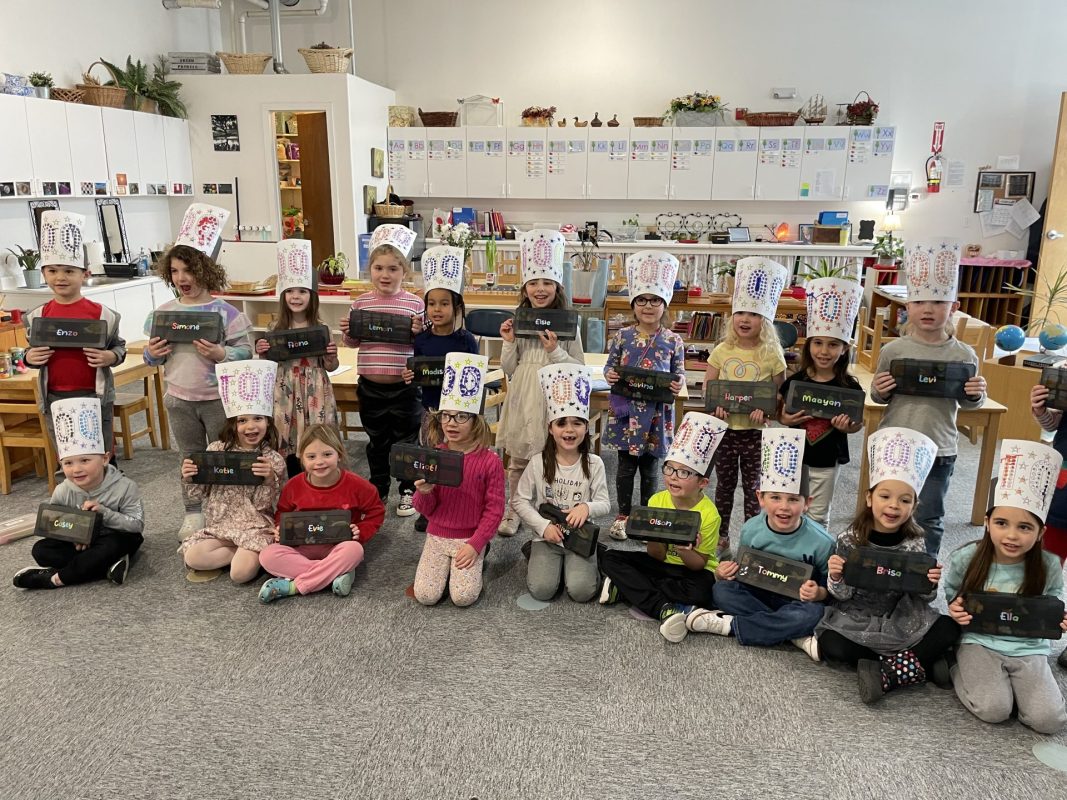
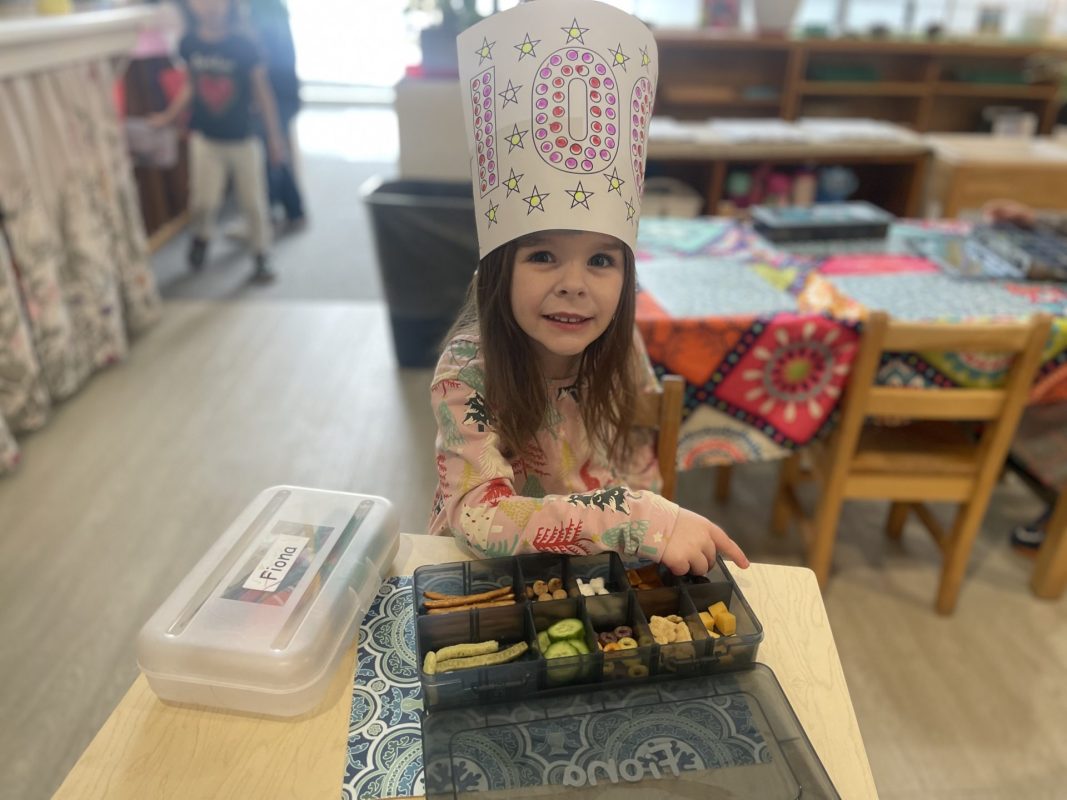
This Thursday was our 100th day of school! In the afternoon, we celebrated this momentous occasion with our Kindergarten crew.

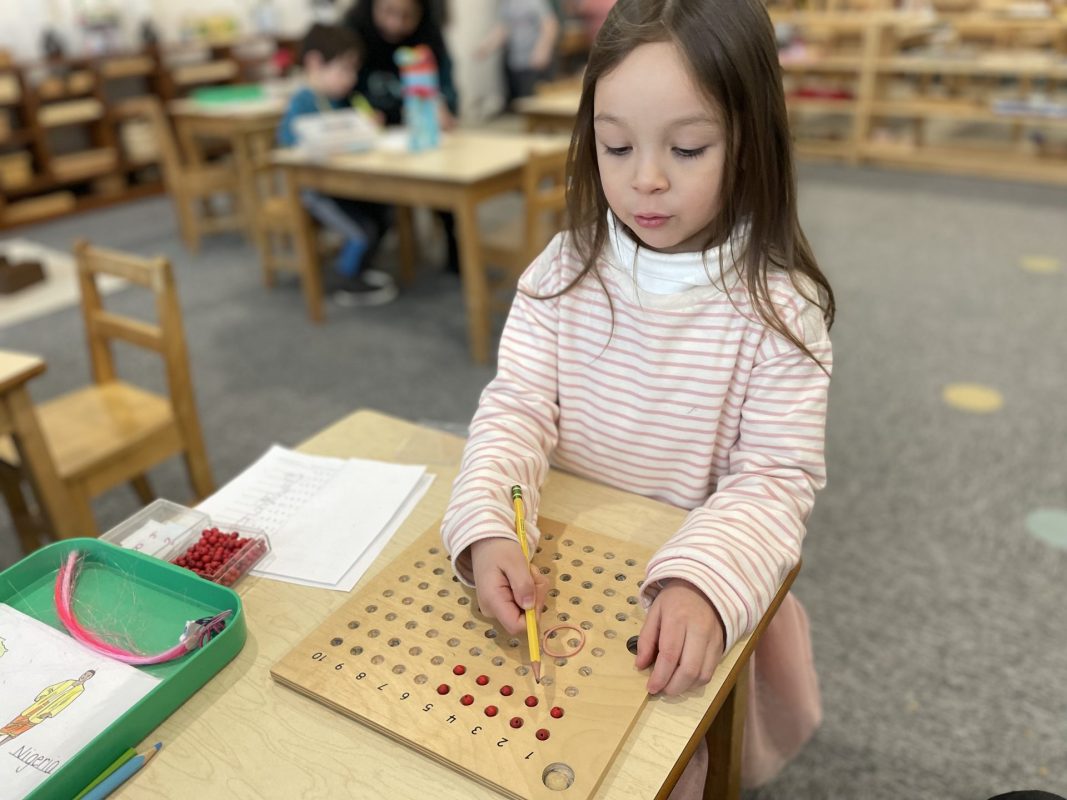
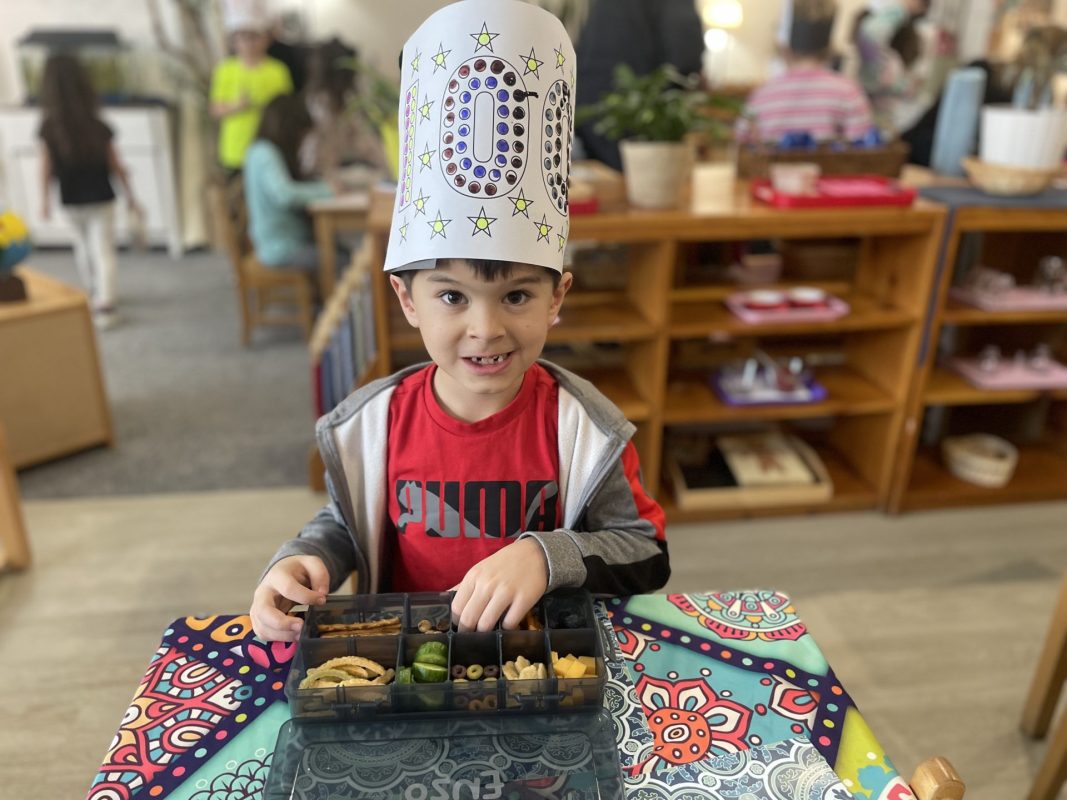
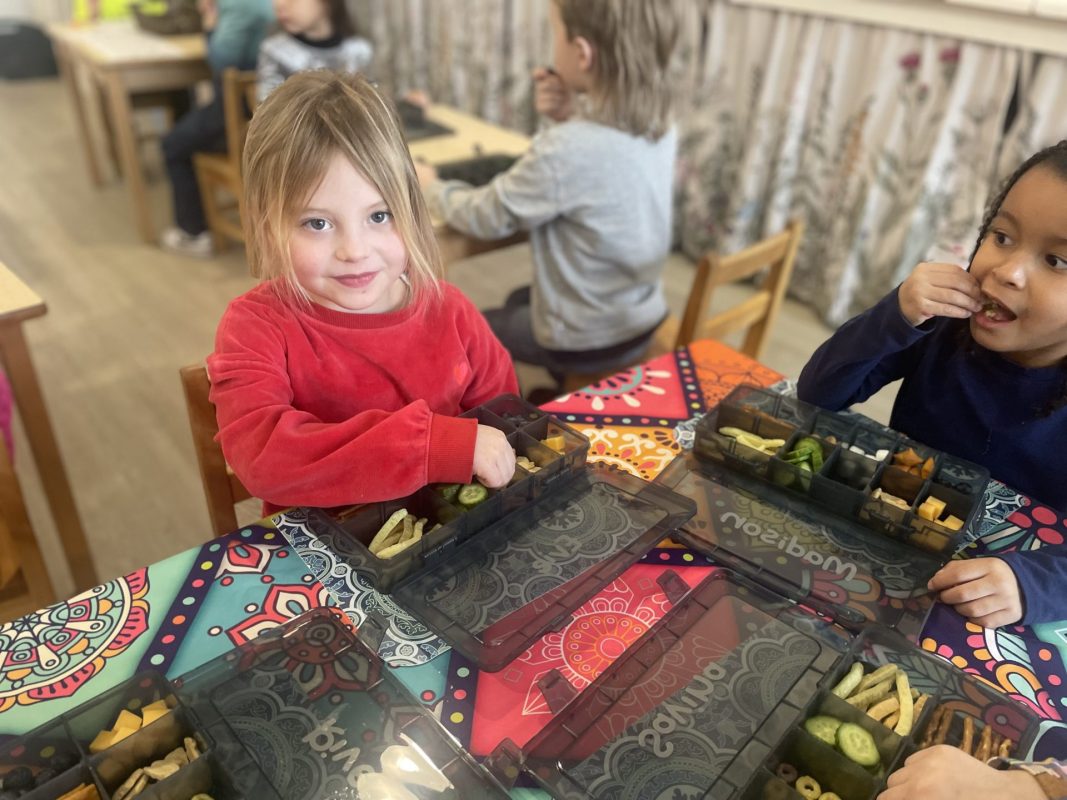
Students counted and brought in 100 items from home; we had a 100-item snack, played many games, and did crafts.

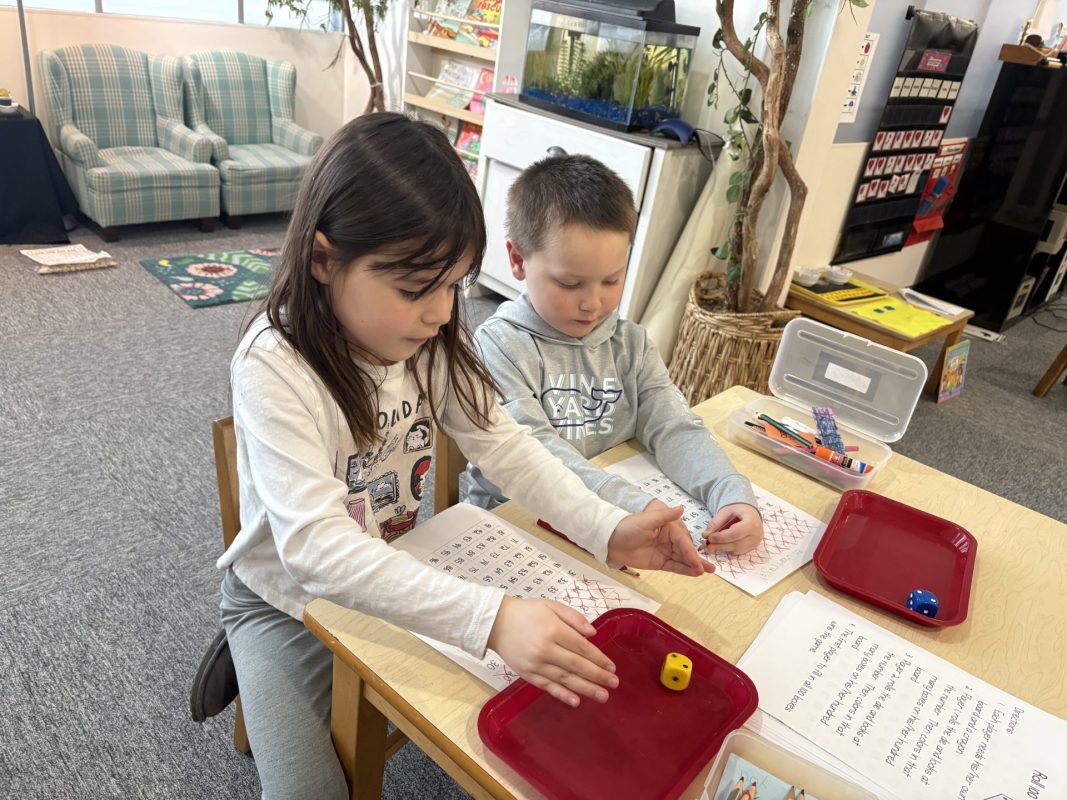
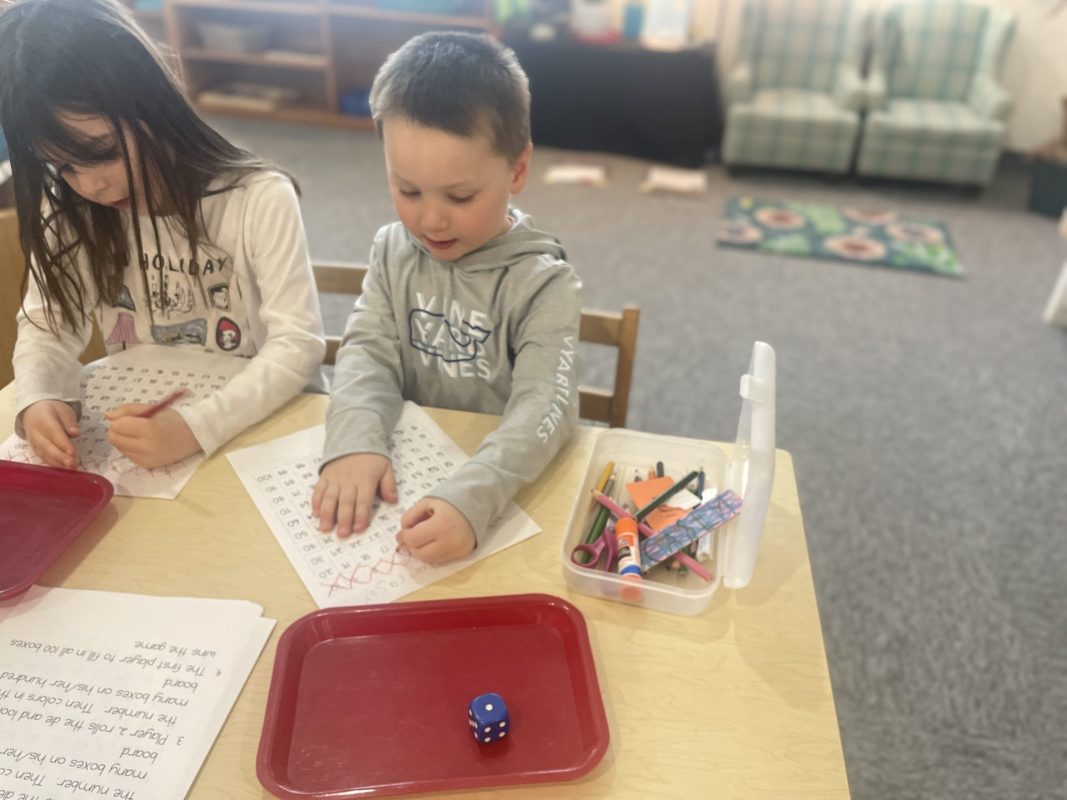
My favorite game is “Race to 100!” In it, children play side by side, rolling a die and continually adding a number to their last until they reach 100!

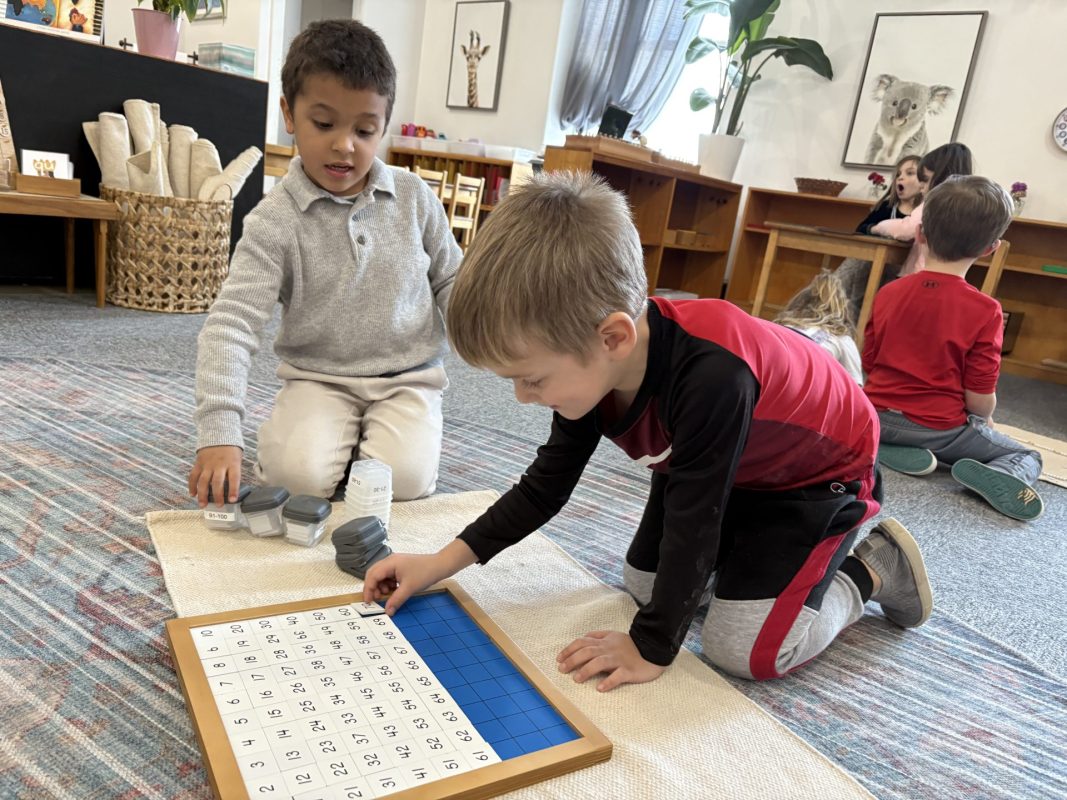
Kindergarteners are experts on our beloved 100 Board in the classroom, and this tradition is such a fun way to celebrate their hard work!


Mrs. Sargeant: A Peek at the Week

We have been discussing how harsh the winter can be for animals. The weather and lack of food can make their survival difficult. To help ensure their survival, animals hibernate, migrate, or adapt to their surroundings.

Animals that hibernate for the winter go into a deep sleep. Their body’s temperature drops, their heartbeat and breathing slow down, and they use very little energy. We’ve learned which animals hibernate as well as where they hibernate. Places where animals hibernate can be above ground, such as a cave, nest, or den, or they can be below ground, such as a burrow, a hole, or deep down in the mud. We explored which animals migrated or traveled to other places where the weather was warmer and where they would be able to find food. We also examined why animals might migrate and where they may go. Animals that adapt remain and stay active in their environment. They adapt to the changing weather, and their behavior and bodies may change, too. We talked about what changes animals may make to ensure they will have enough food for the winter.

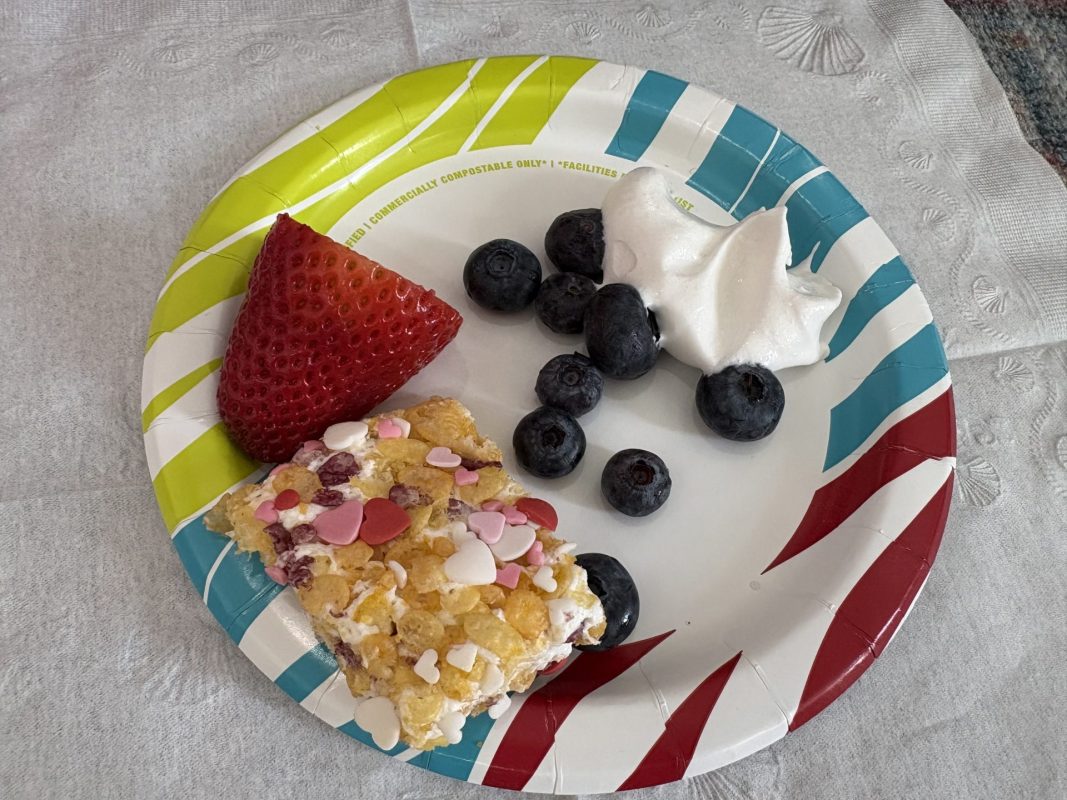
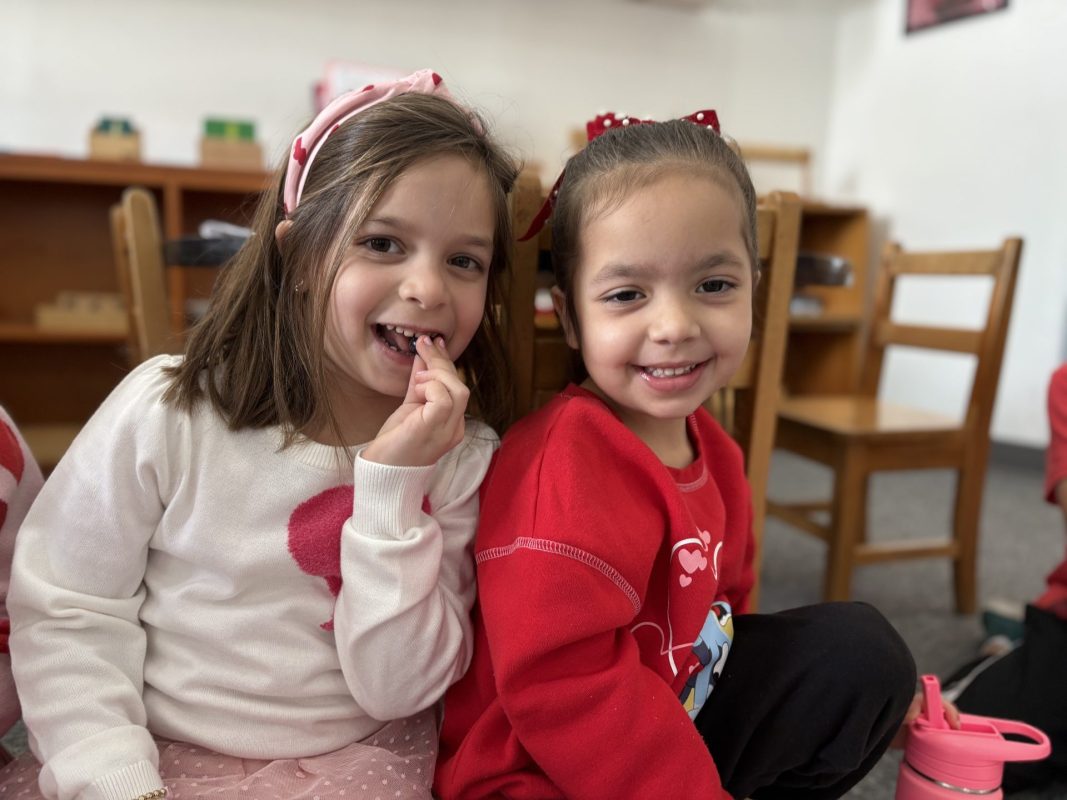
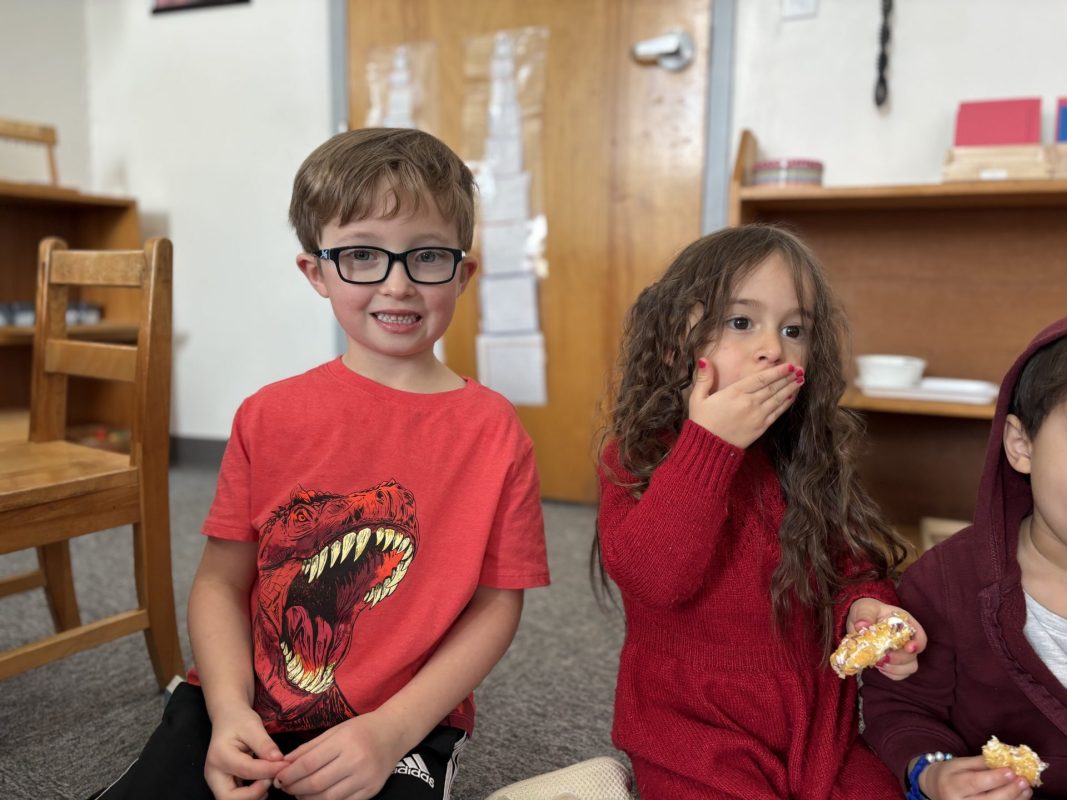
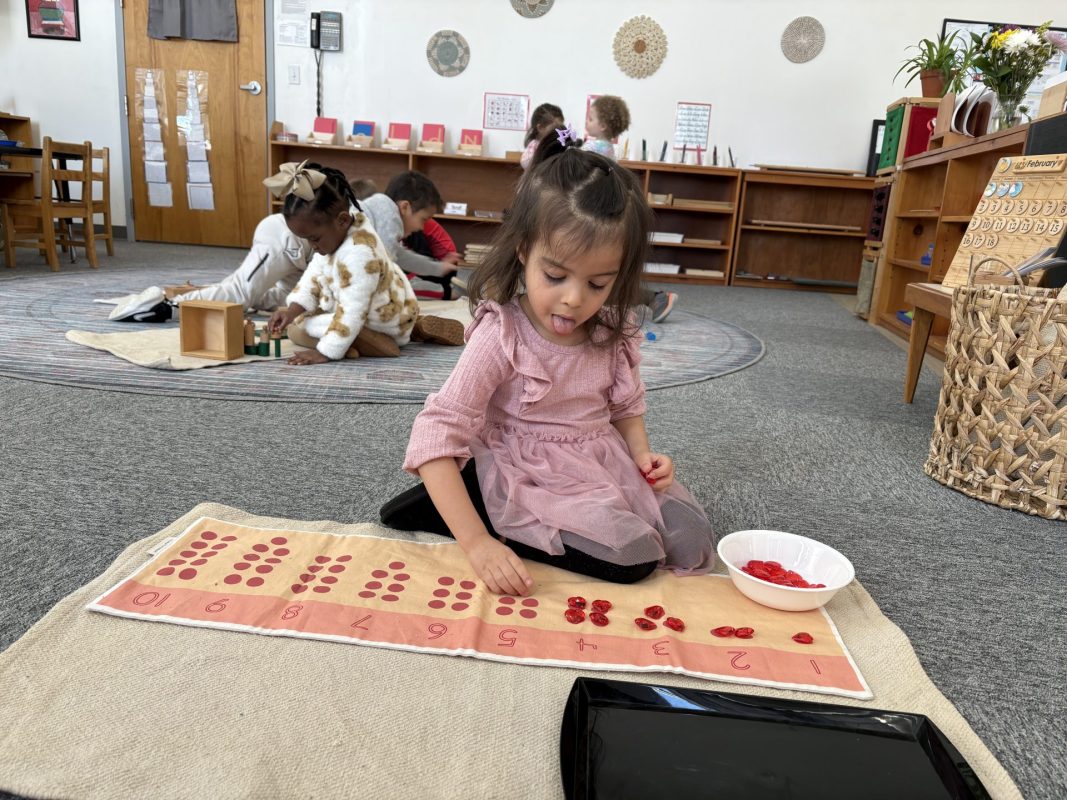
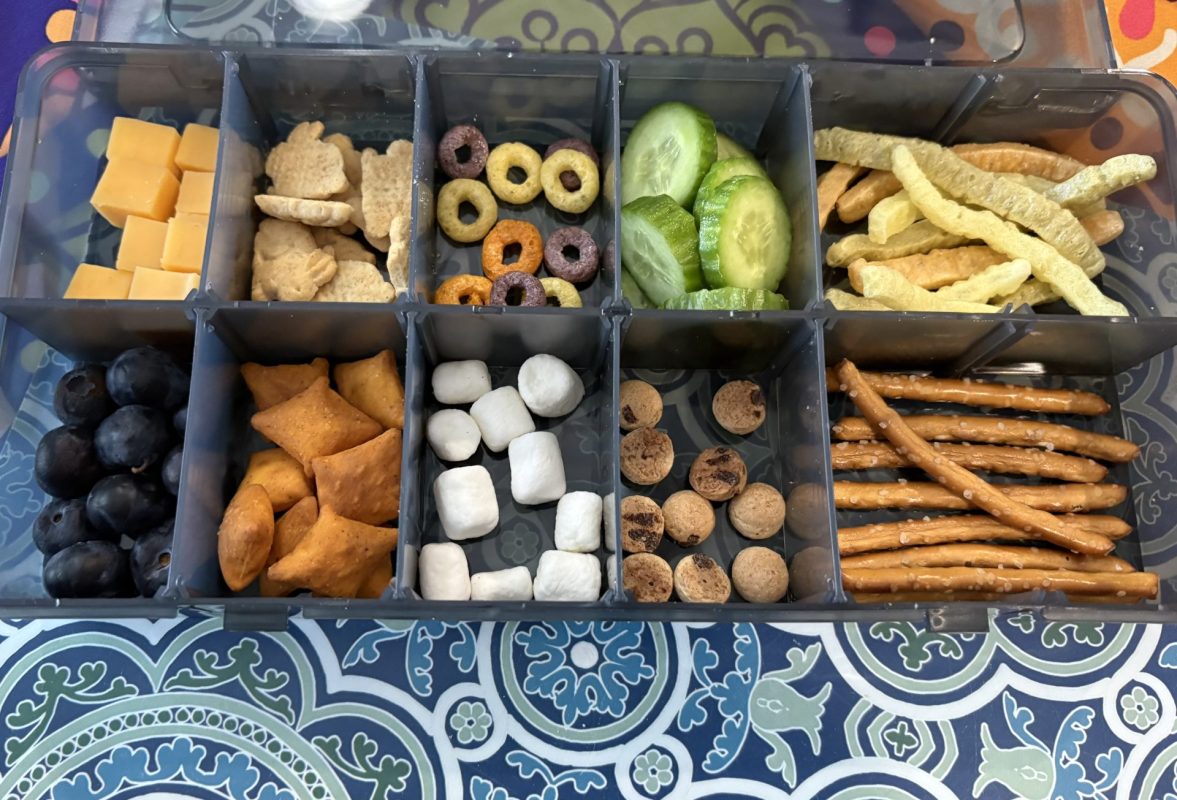
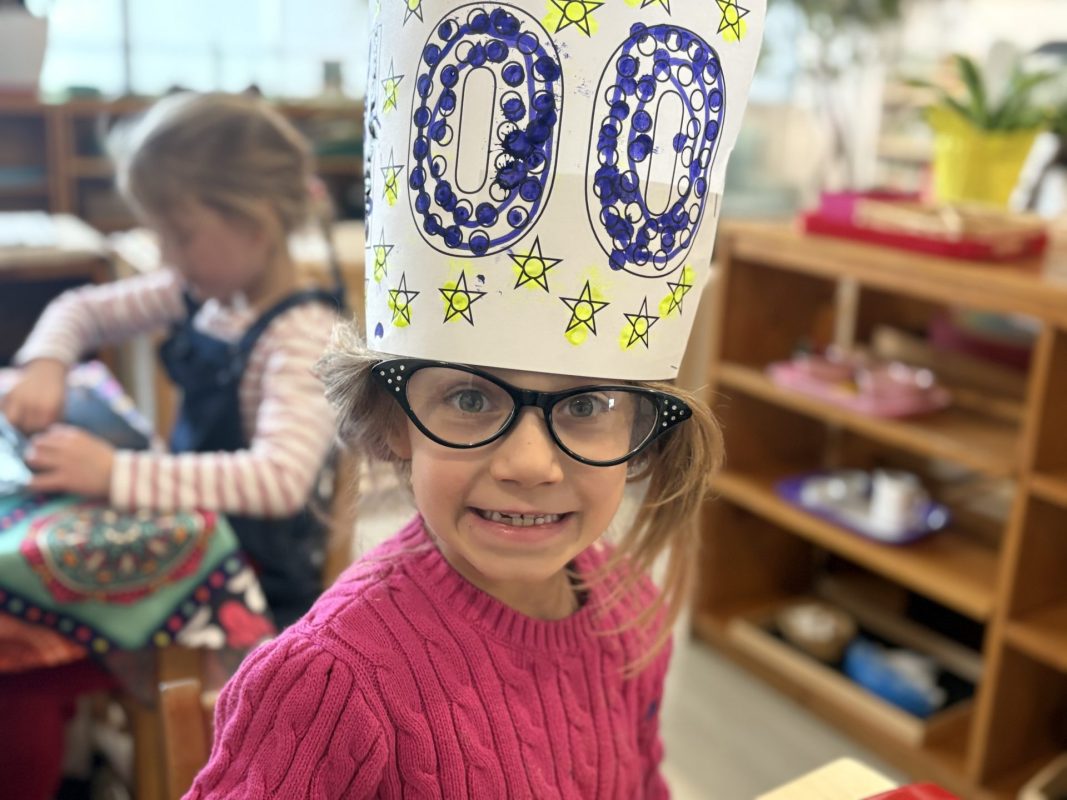
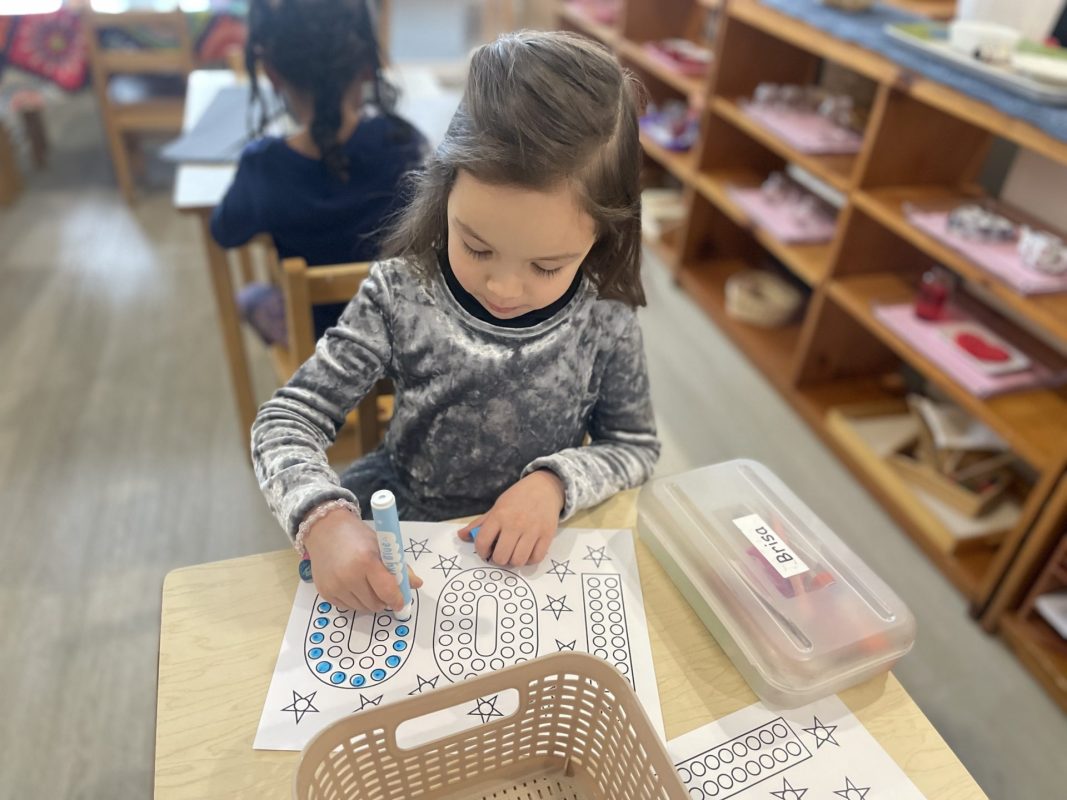
On Thursday, we celebrated the 100th day of school. From the very first day of school, the kindergarten children have been learning to count by 1s, 5s, and 10s to 100. They spent the afternoon going to different stations that revolved around 100. They drew pictures of what they would like when they were 100, what they would buy with $100, and what they wished they had a hundred of, made a 100 headband, and then played a game called Race to 100. They even did 100 exercises and learned how hard it was to sit quietly for 100 seconds. They also had 100 snacks! Many thanks to Eliot’s family for the amazing ”snackle boxes” and special 100th-day snacks!

We’re hoping the ice and snow will melt over the weekend so we can get outdoors next week. Wishing you all a week filled with sunshine!

Christine & Fatima


Mrs. Lopes: A Look at the Week

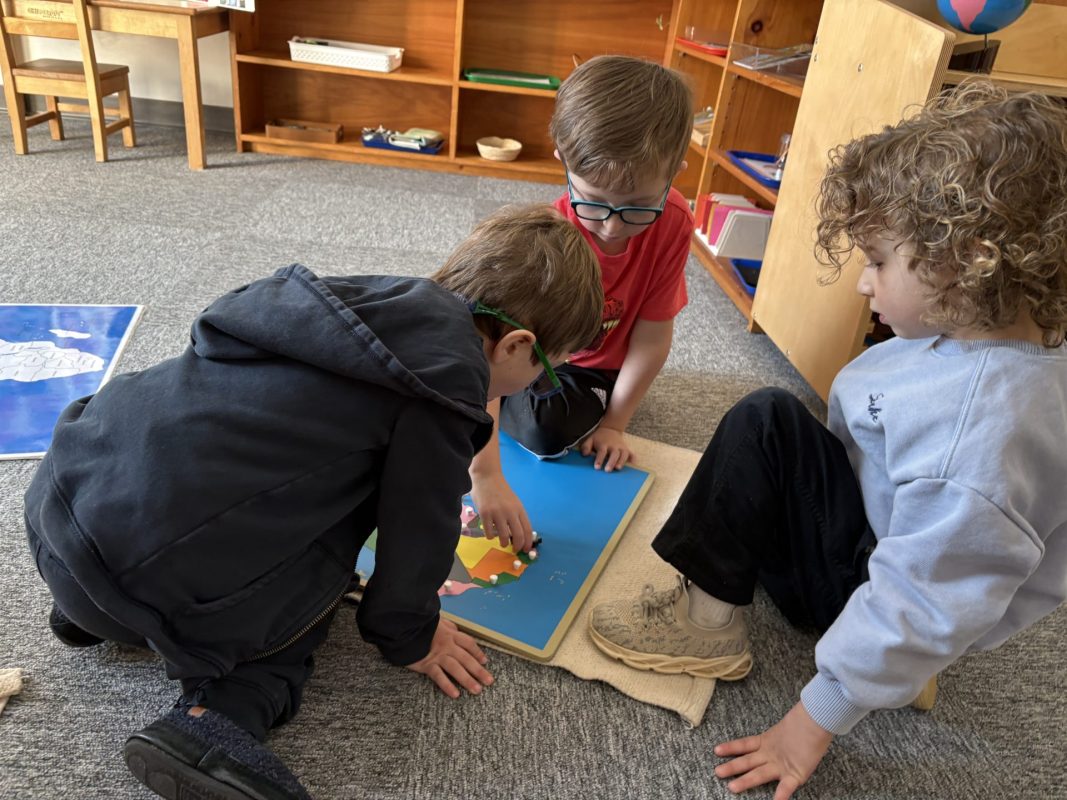
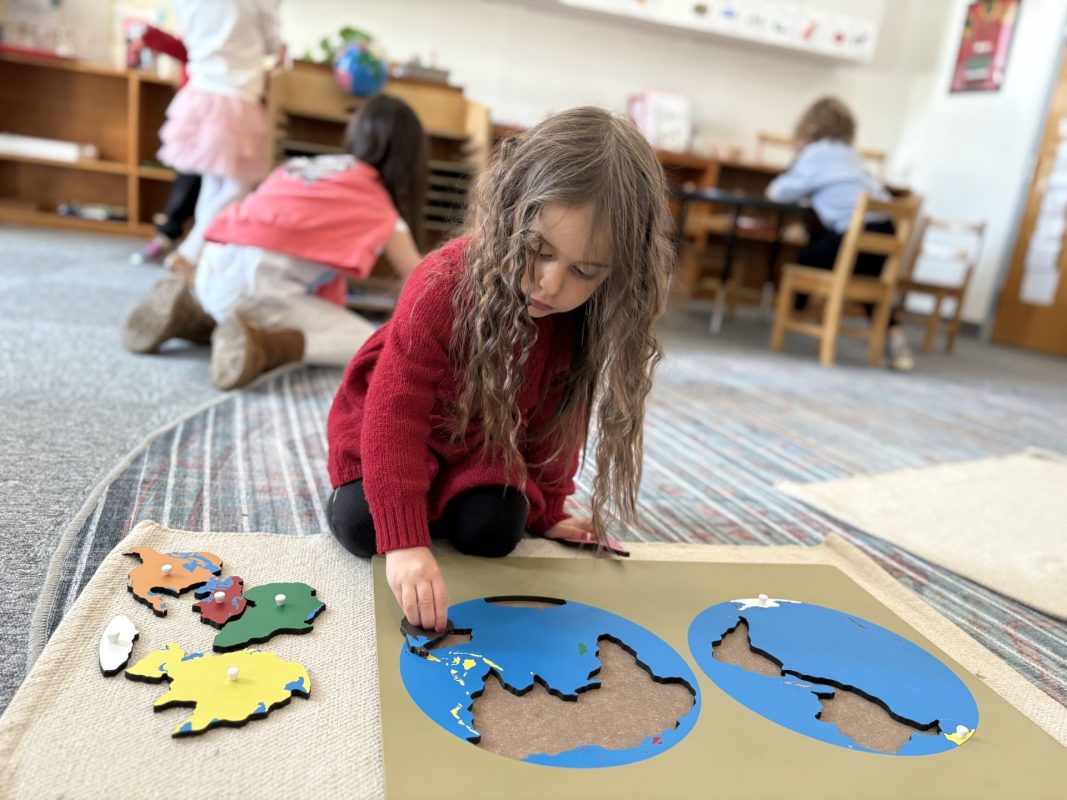
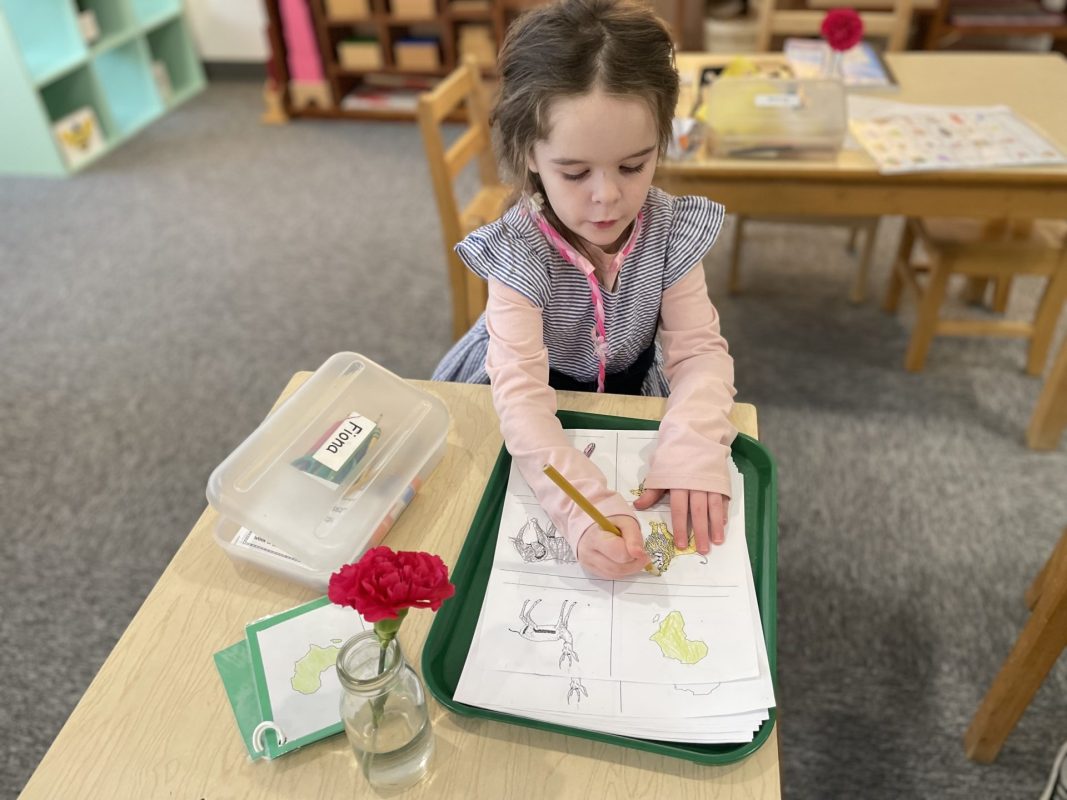
Each time we study a new continent, we first find it on the globe, then locate it on the world map, and lastly, we study the individual continent using the specific continent maps. Currently, the children are learning about the continent of Africa. We learn about its geography, culture, weather, animals, and people.

We are learning lots of fun and fascinating facts about the continent of Africa.

  • Africa is the second largest continent, with 54 countries.
  • The longest river in the world, the Nile, is in Africa.
  • Over one thousand languages are spoken by the people in Africa.
  • The Sahara, the world’s largest desert, is located here.
  • Mount Kilimanjaro is the highest mountain in Africa. It is so tall that glaciers can be found at its summit, even though the mountain is near the equator.
  • Africa is the most centrally located continent in the world—both the prime meridian and the equator cut across it.
  • The world’s tallest animal, the giraffe, and the largest land animal, the African elephant, are found in Africa.

This past Thursday, we celebrated the 100th day of school. From the very first day of school, the kindergarten children have been learning to count by 1s, 5s, and 10s to 100. They spent the afternoon going to different stations that revolved around 100. They drew pictures of what they would like when they were 100, what they would buy with $100, and what they wished they had a hundred of, made a 100 headband, and then played a game called Race to 100. They even did 100 exercises and learned how hard it was to sit quietly for 100 seconds. The highlight was bringing home a delicious 100th-day-of-school snack and eating 100 snacks from their “snackle” box. As always, thank you for all our parent volunteers’ behind-the-scenes help in making these memories possible.

Wishing you a week filled with peace and love.

Amanda & Hema


Mrs. Hood: La Familia! ❤️

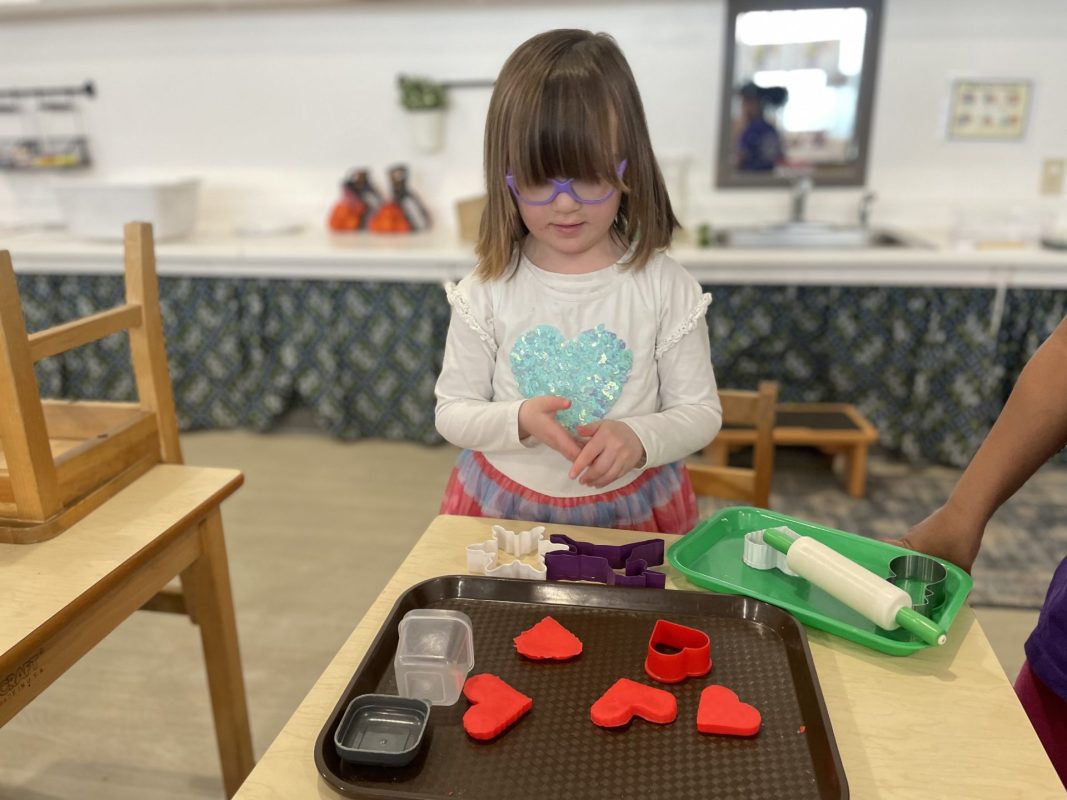
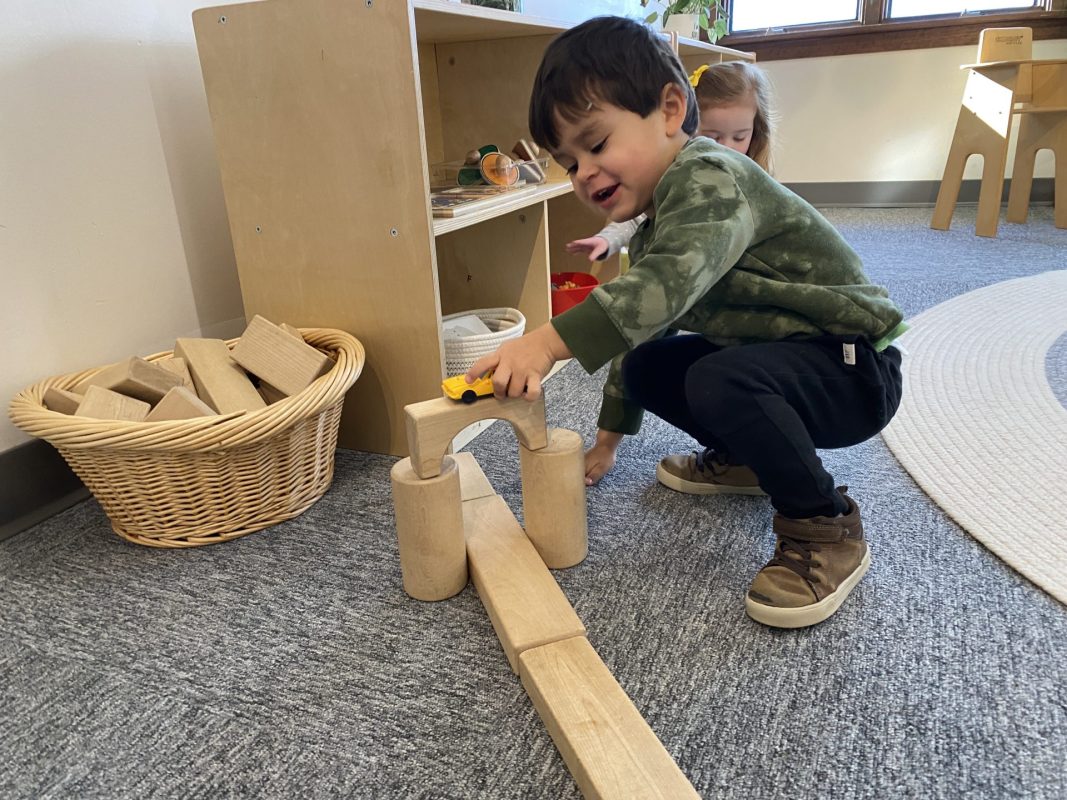
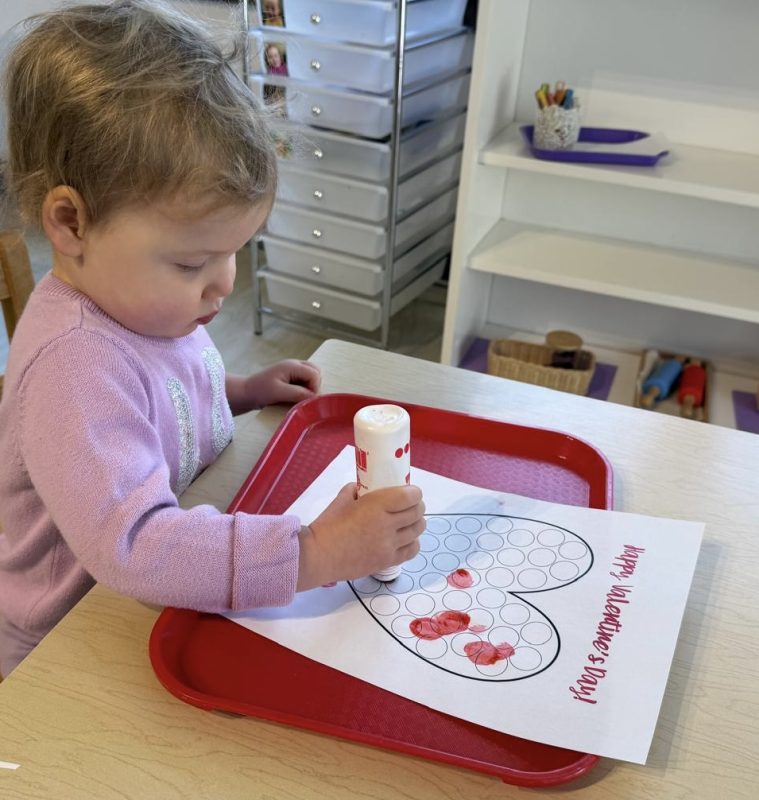
Even in this short week, our classroom has been filled with meaningful moments, learning, and joy. As we continue our exploration of love and dive deeper into our Emotions unit this month, this week’s focus was all about la Familia, The Family!

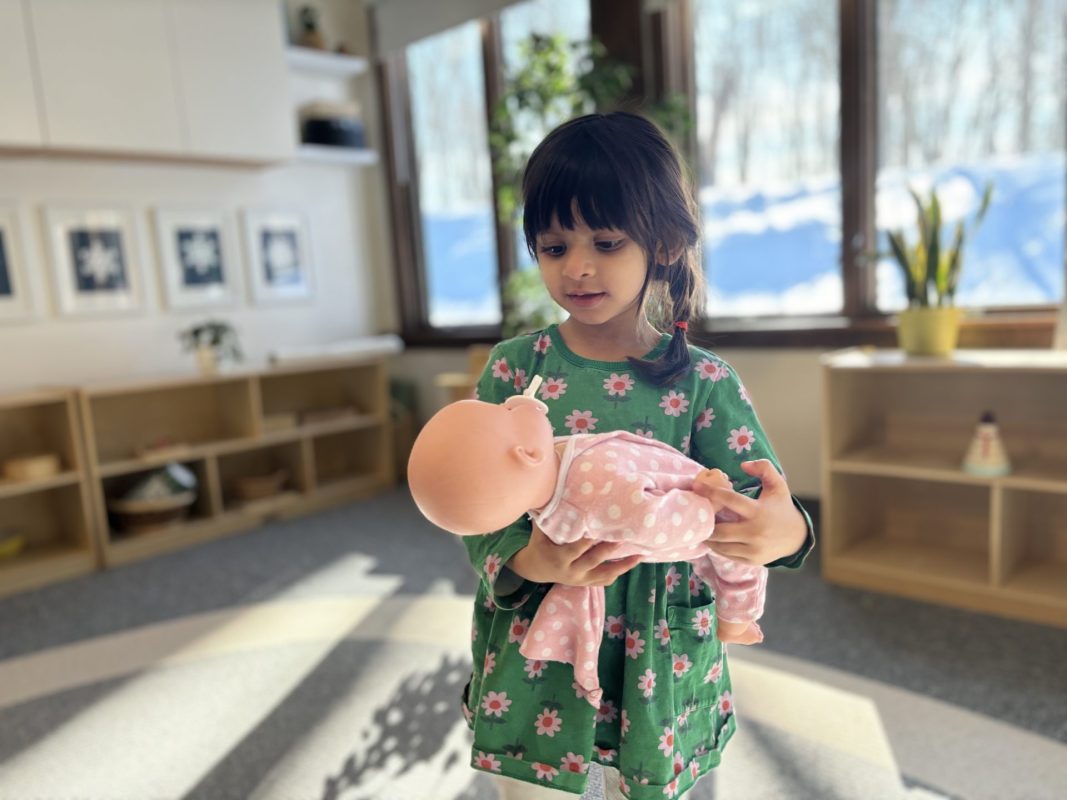
Understanding family is an important part of a toddler’s development. Children begin to notice similarities and differences between themselves and others at this age. By learning about families, they build a sense of belonging and an appreciation for the many ways people come together to love and care for one another. We emphasize that every family is unique—some are big, some are small, some have one parent, and some have two. Some families have siblings, while others have beloved pets.

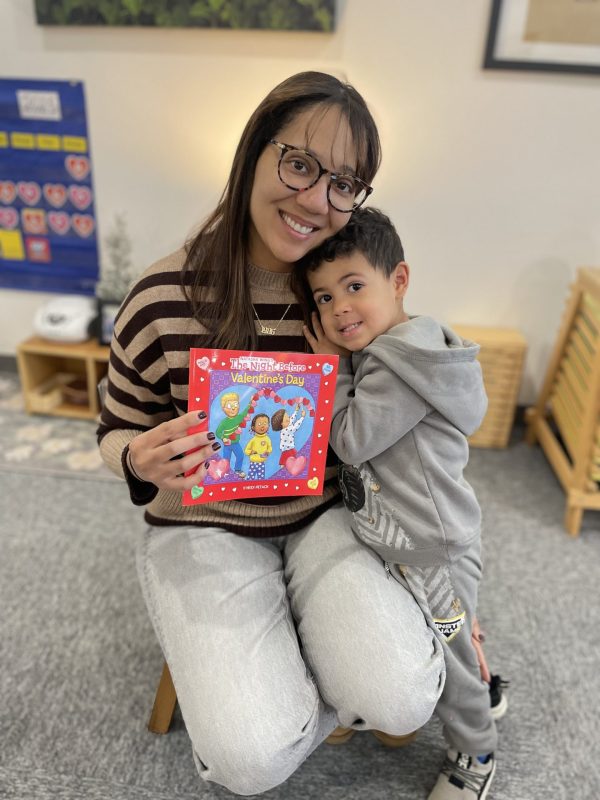
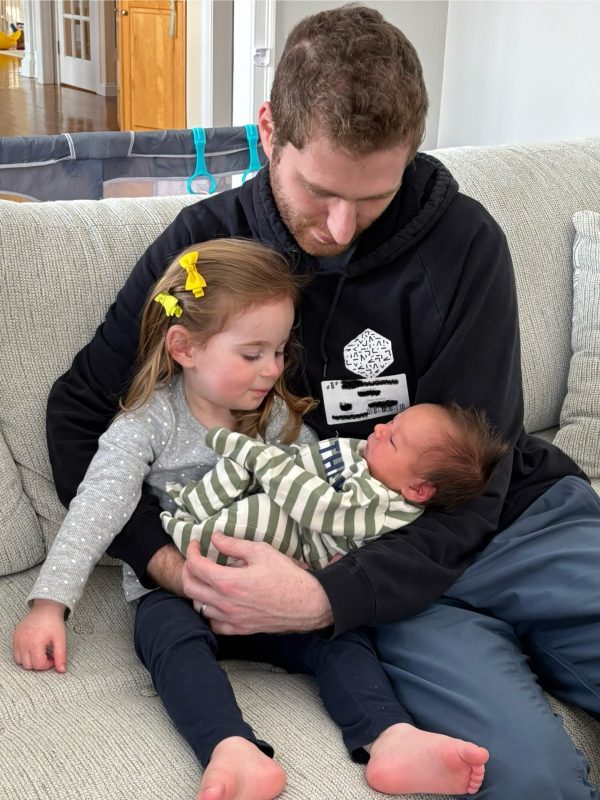
Speaking of families, we have some exciting news to share—Evie is a big sister again! Her baby brother Aaron was born on February 17th. Congratulations to Evie’s family on their newest addition! The children were delighted to hear the news, and it sparked even more conversations about siblings and growing families.

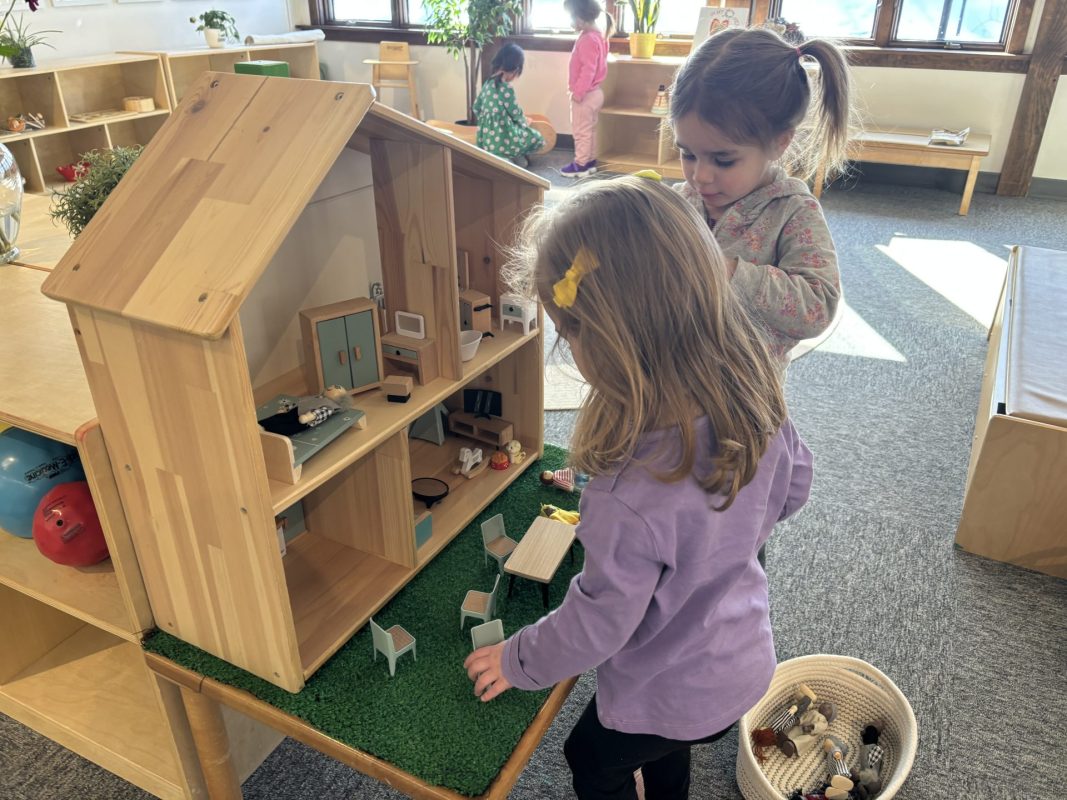
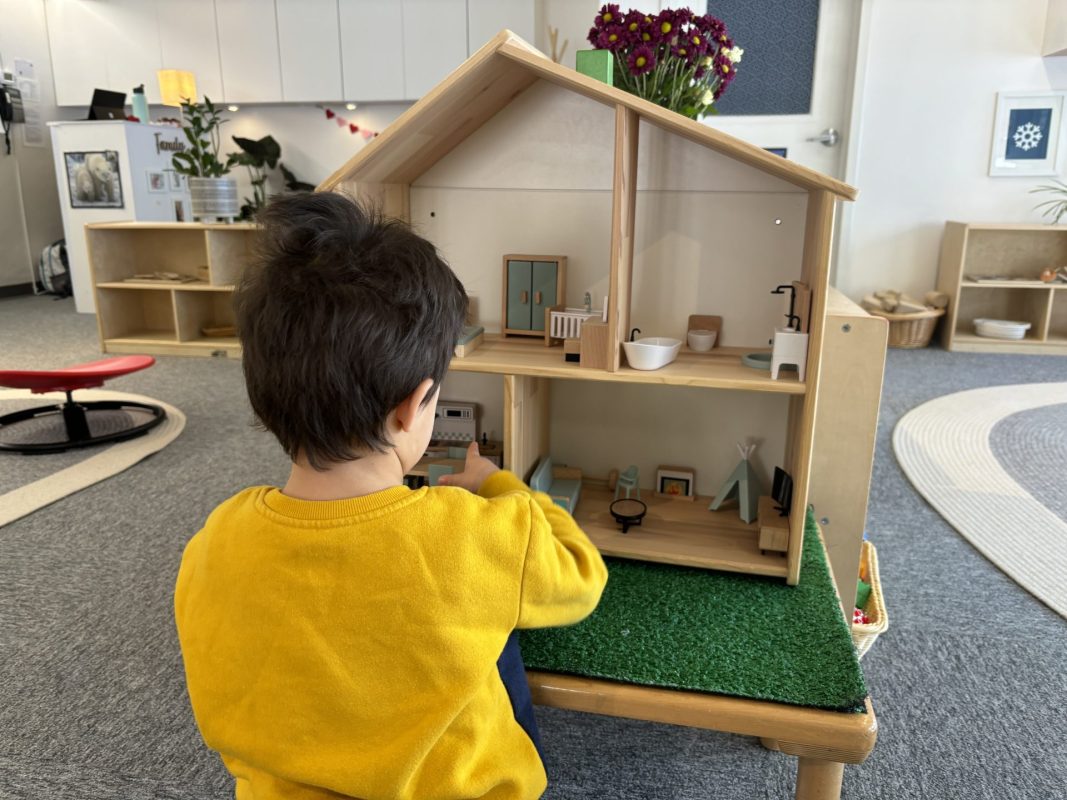
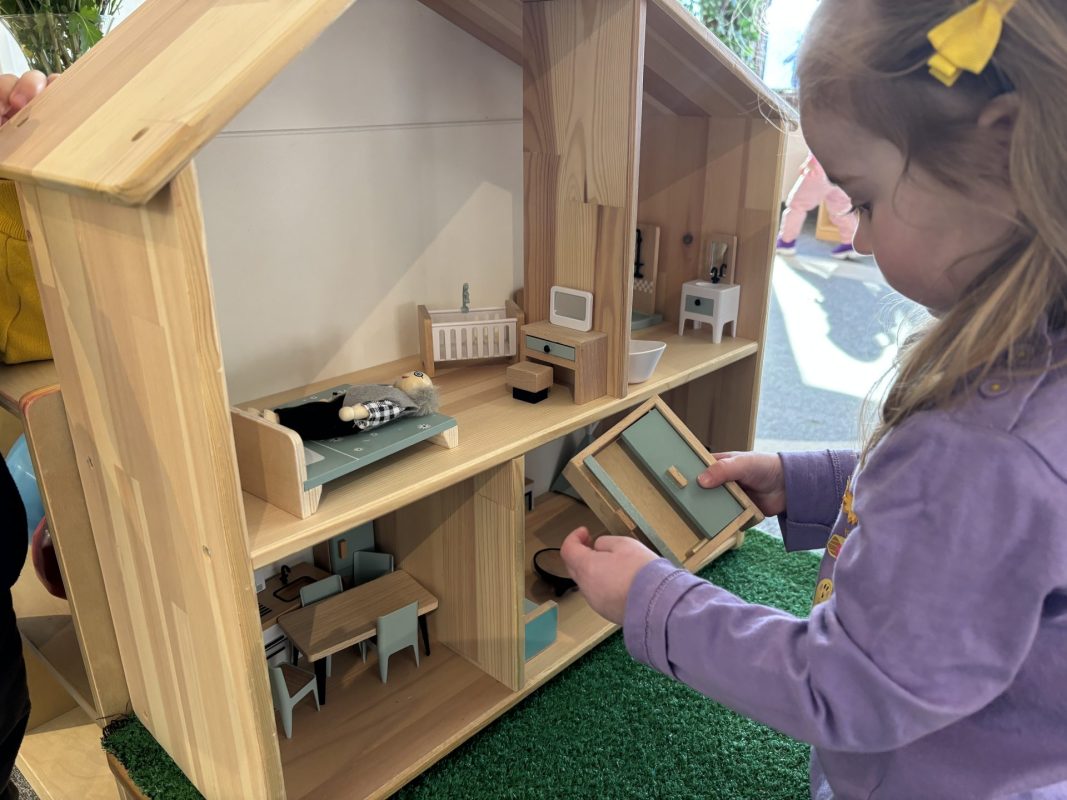
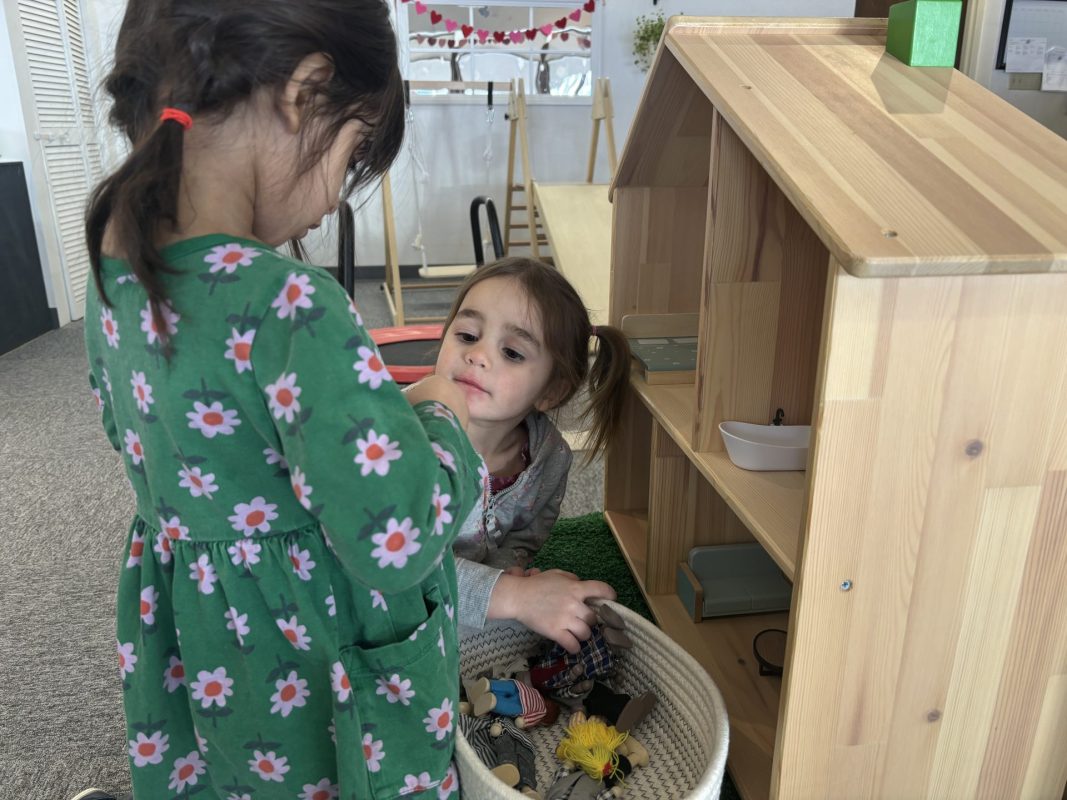
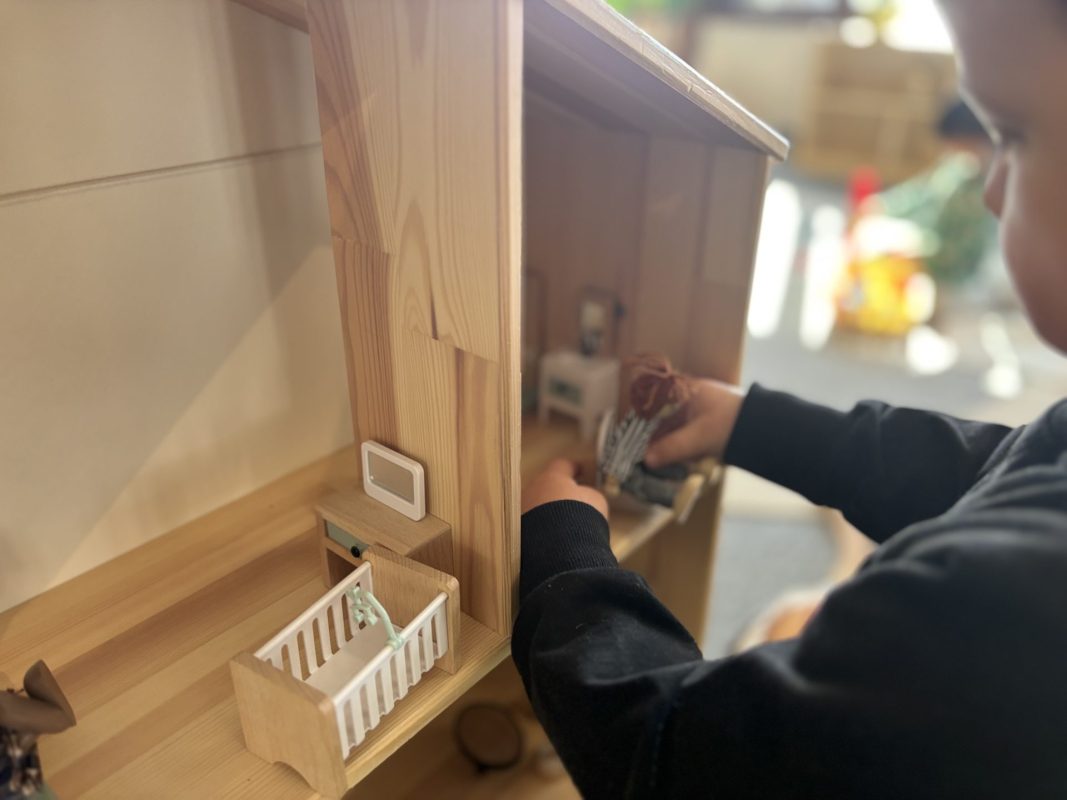
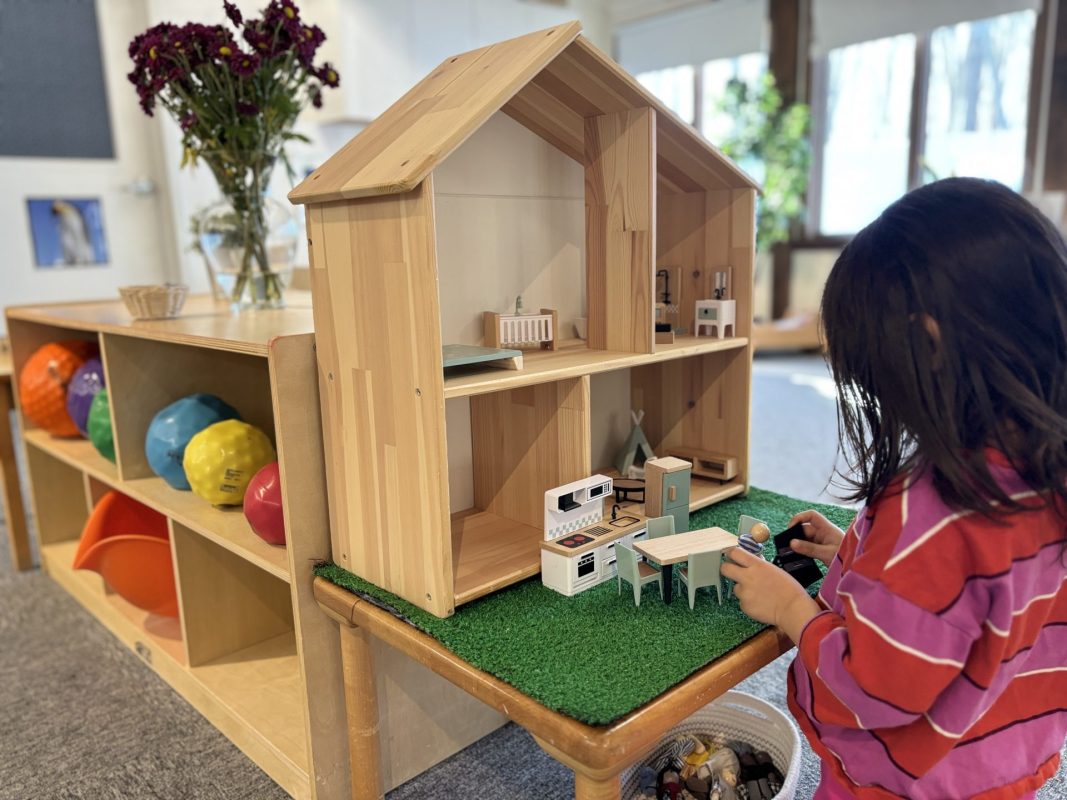
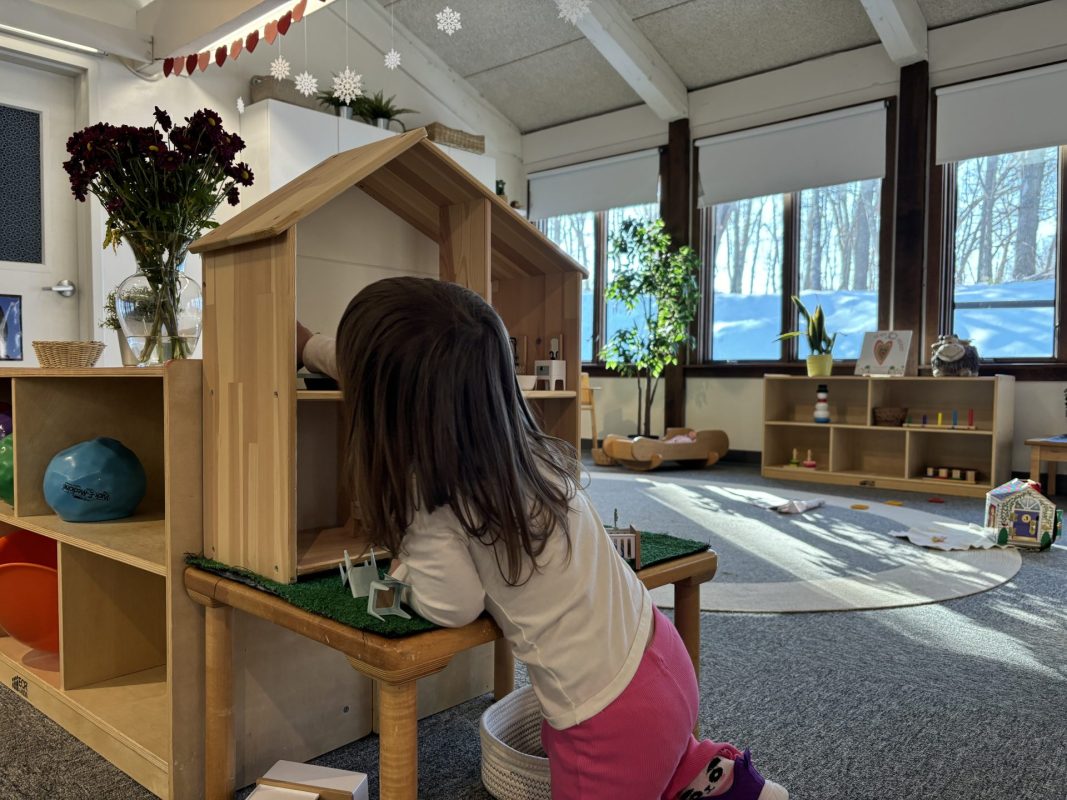
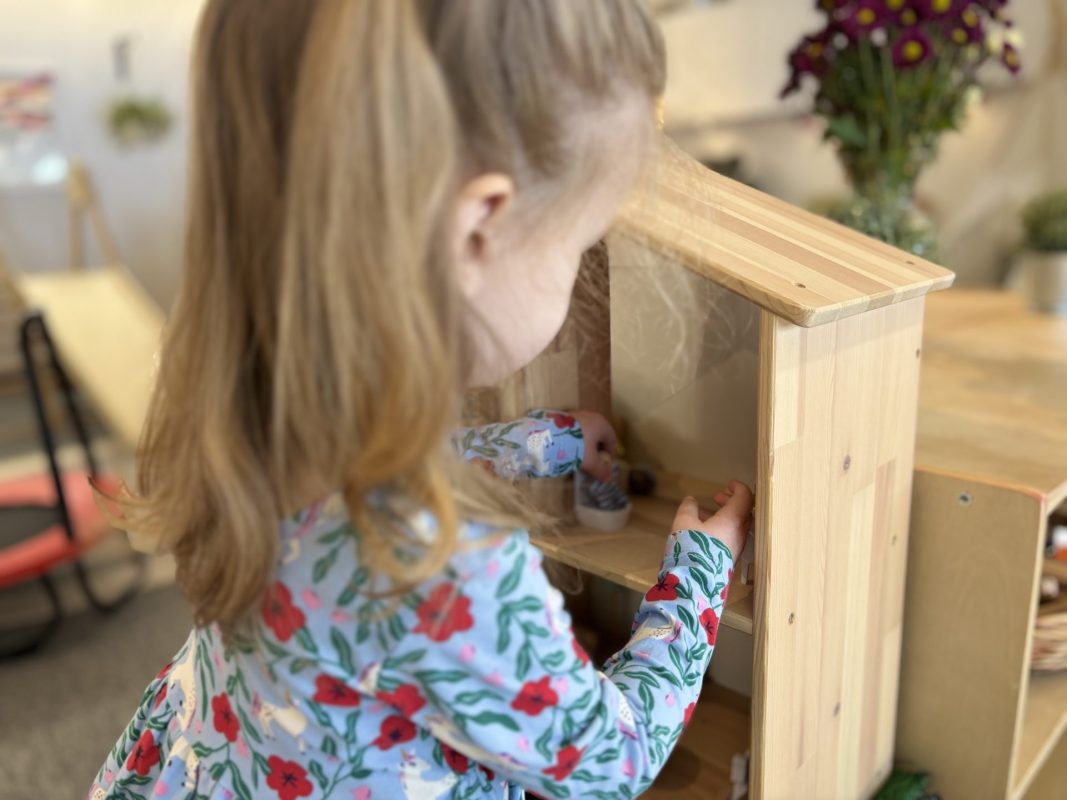
One of the highlights of our week was introducing a fun new work: the dollhouse. This has quickly become a favorite in our classroom! The family of dolls in our dollhouse intentionally represents diversity, with different skin tones, hair colors, and eye colors. The children love engaging with this work, using the dolls to act out daily routines and family interactions. Through this play, they are not only strengthening their social-emotional skills but also expanding their vocabulary—labeling different parts of the house, furniture, and family roles.

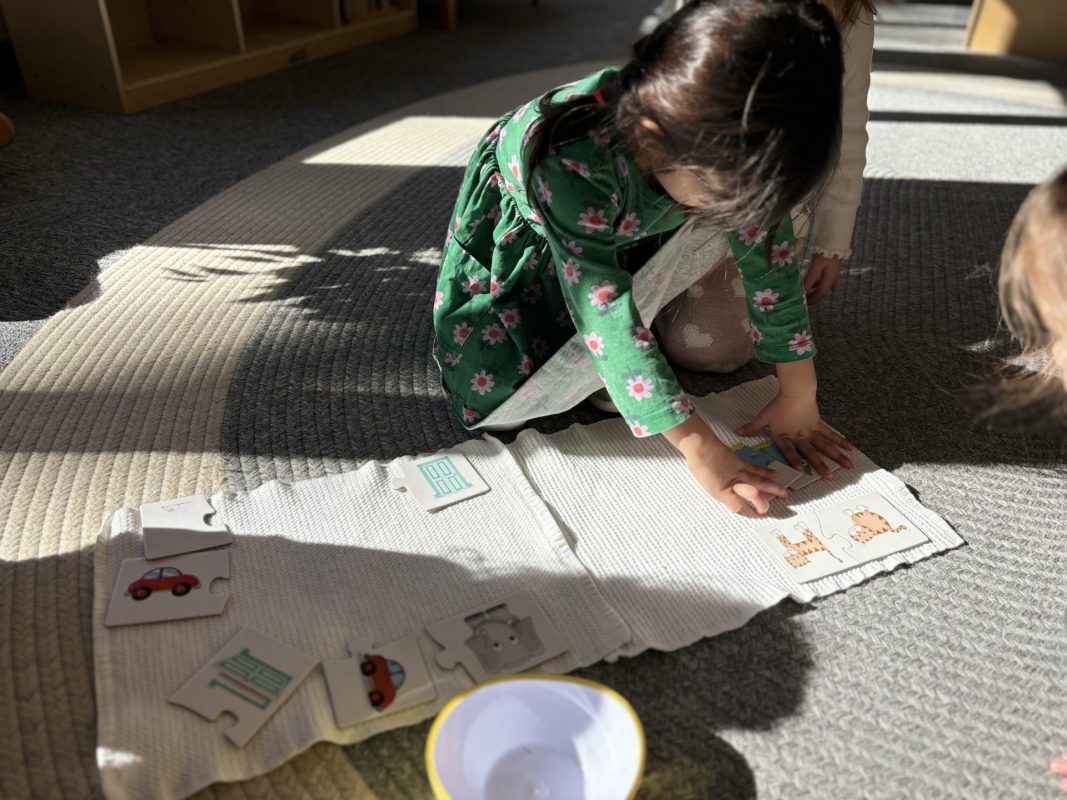
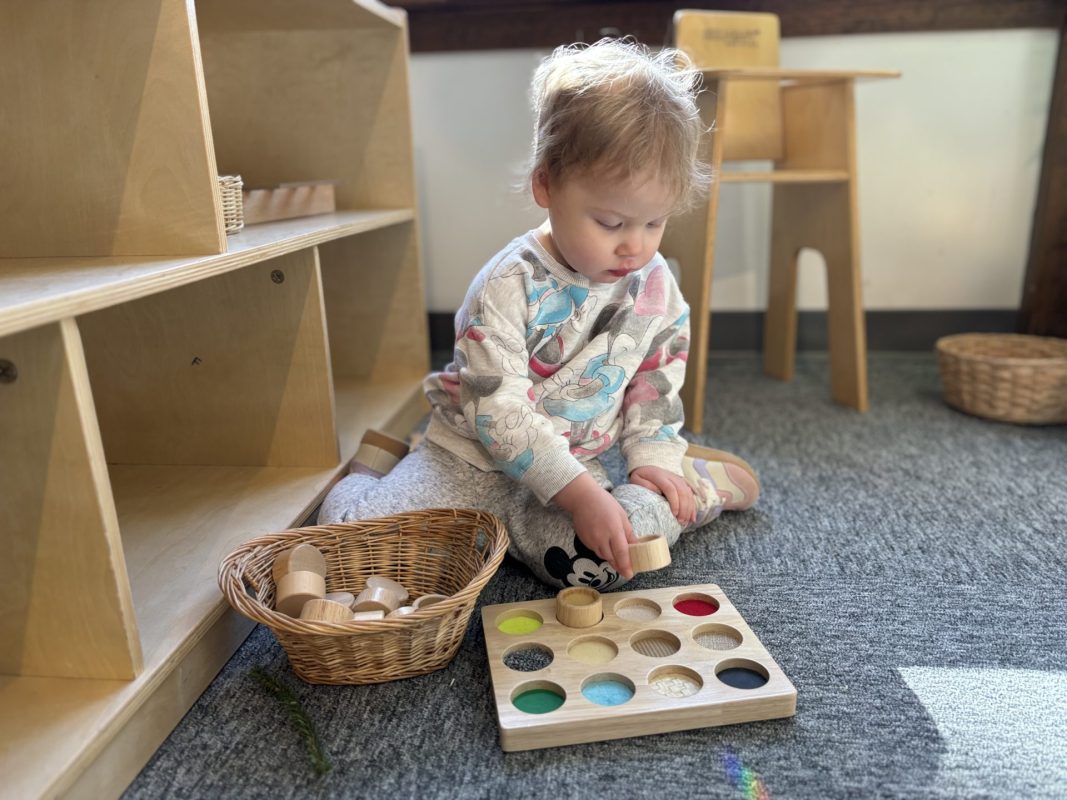
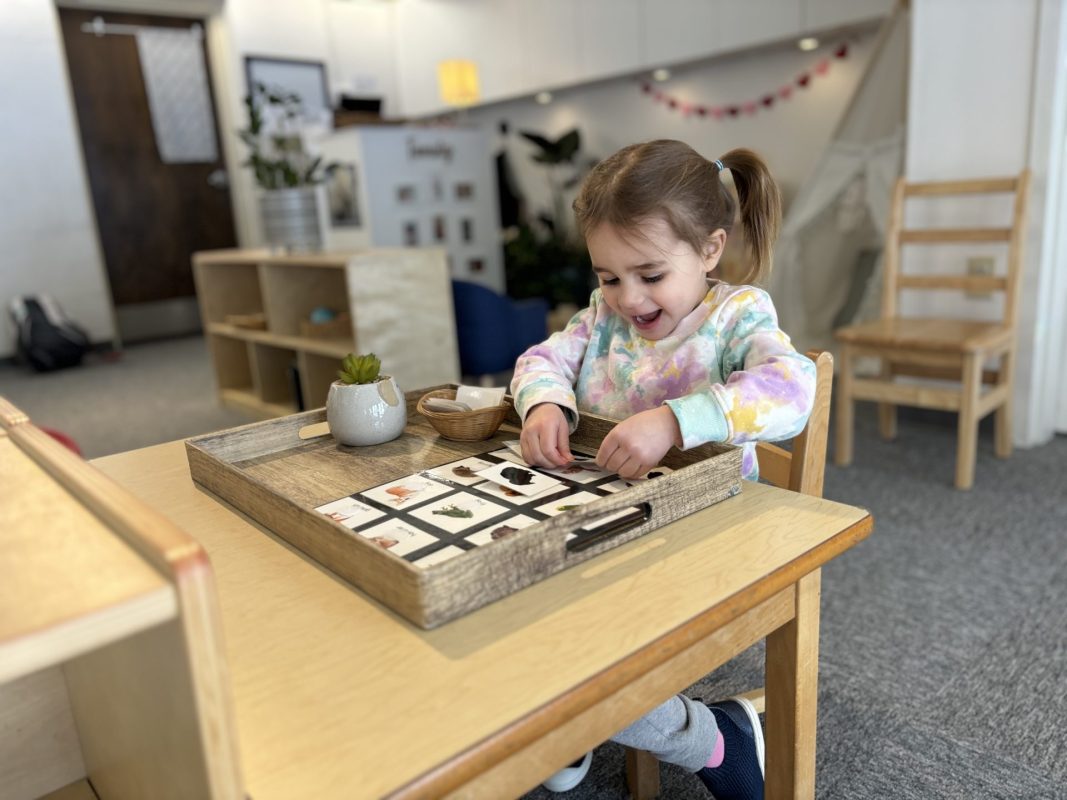
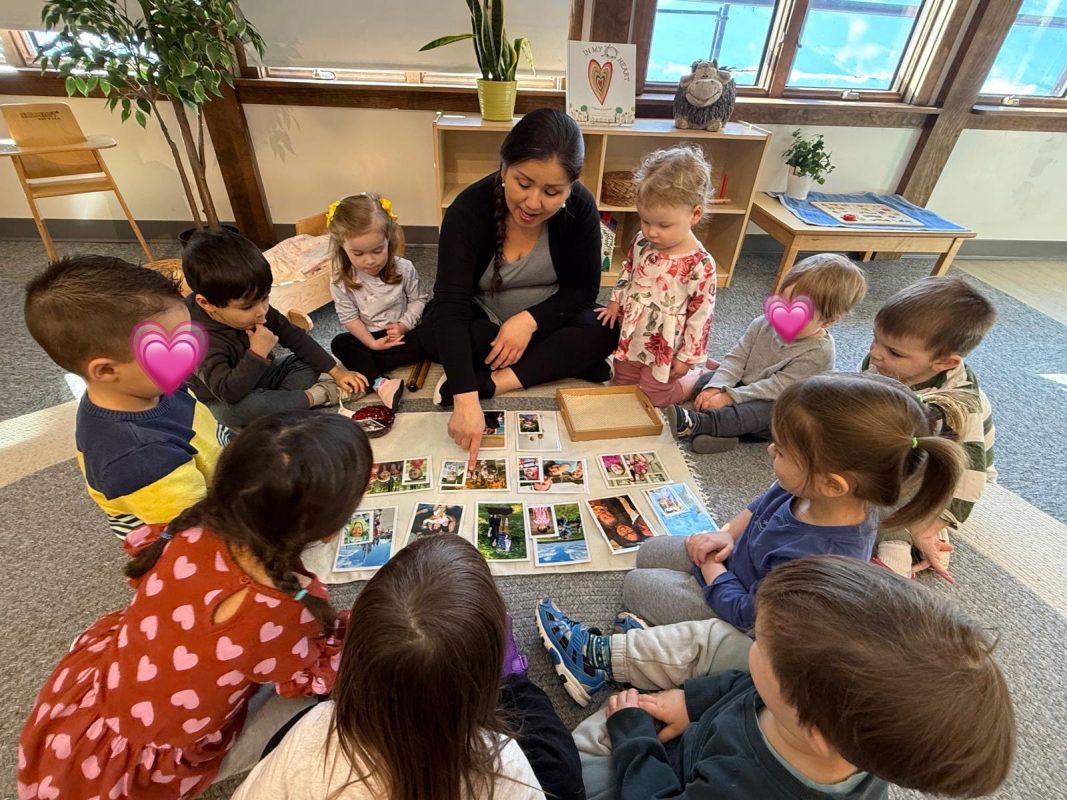
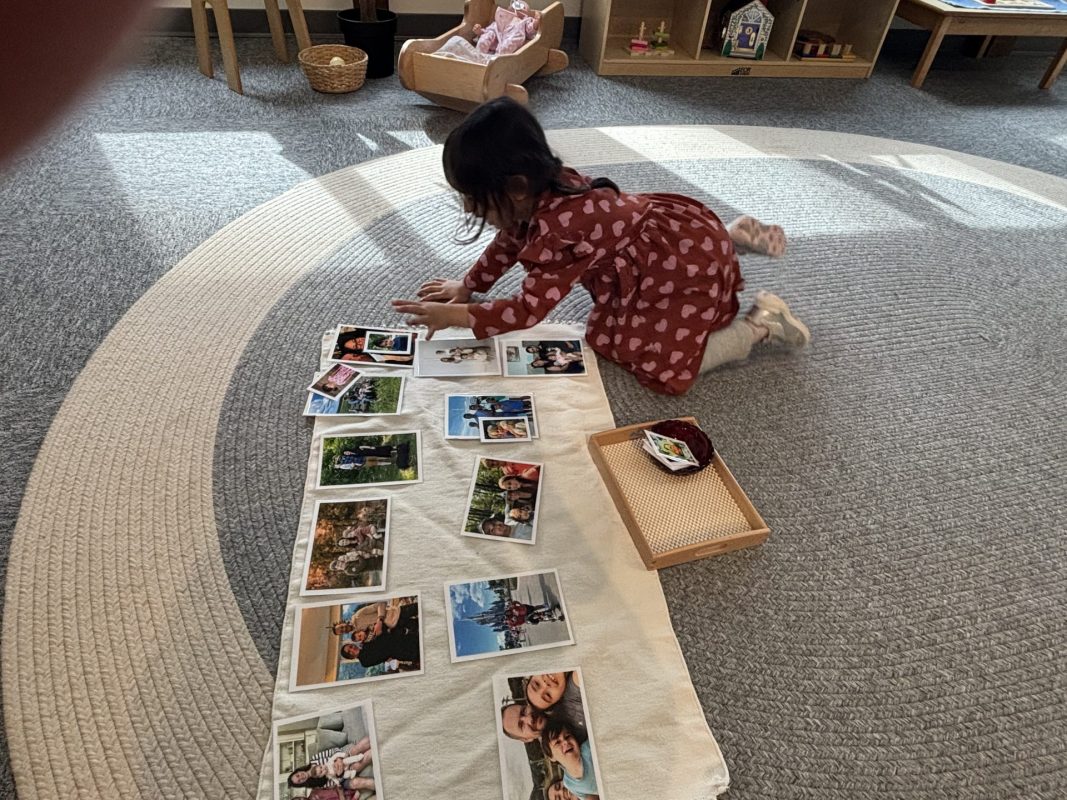
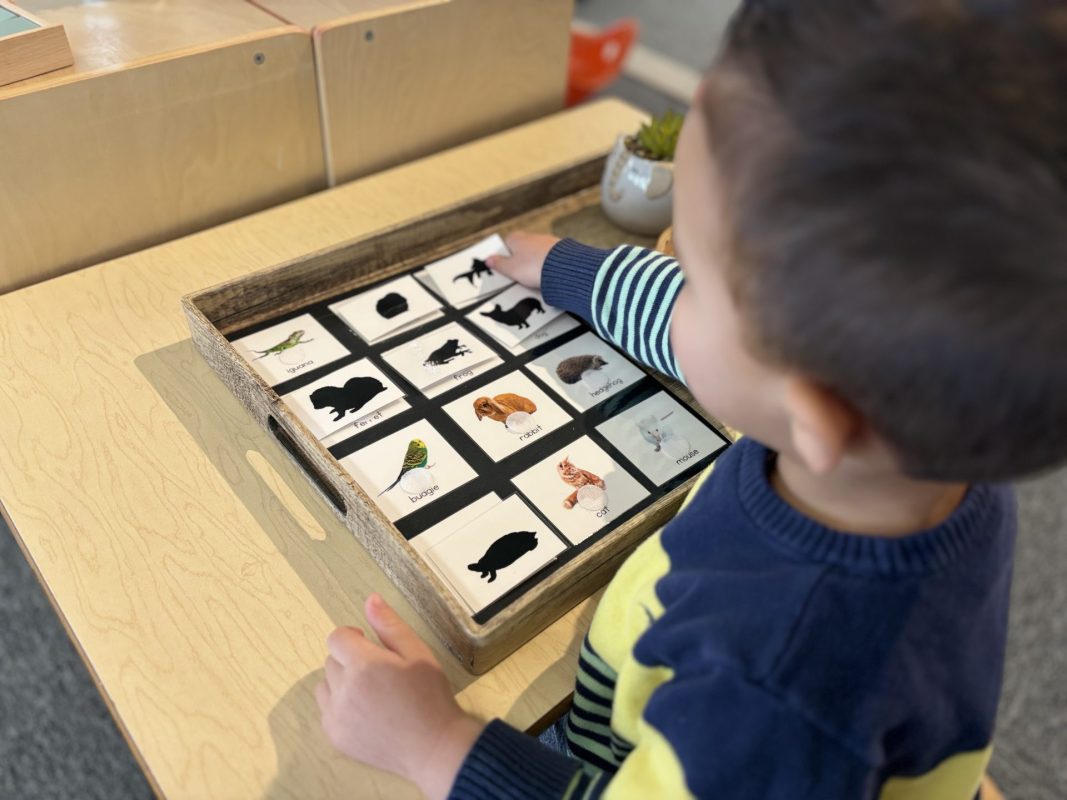
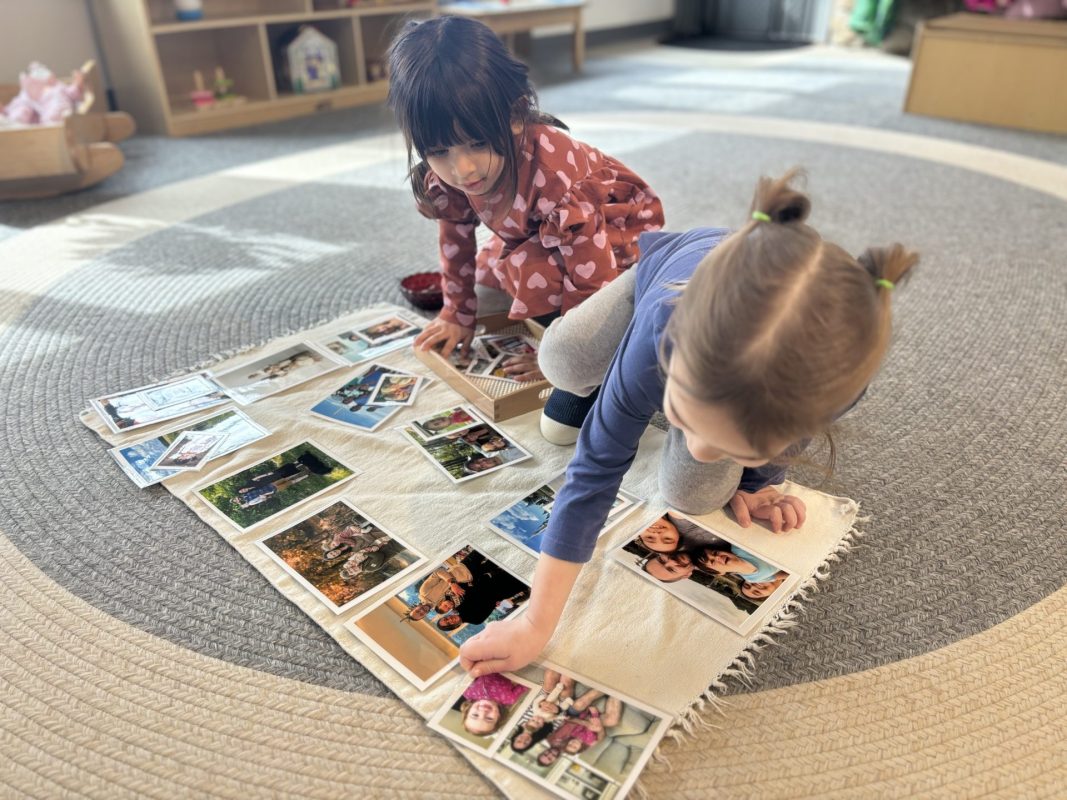
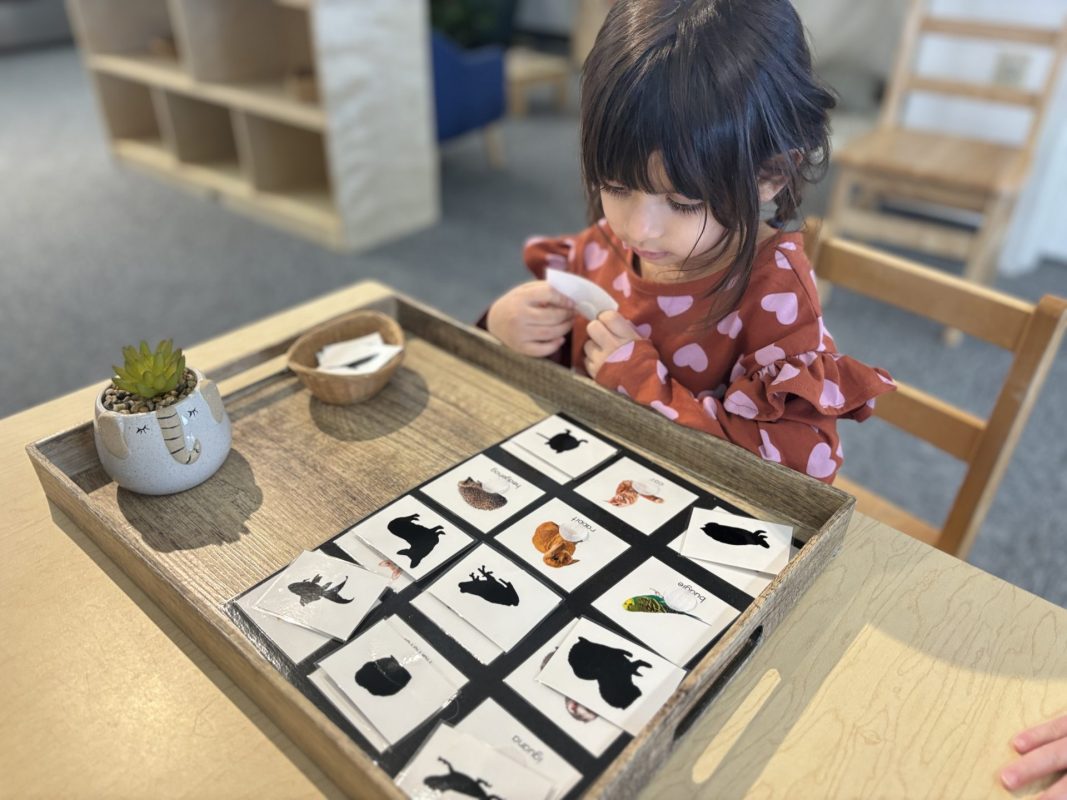
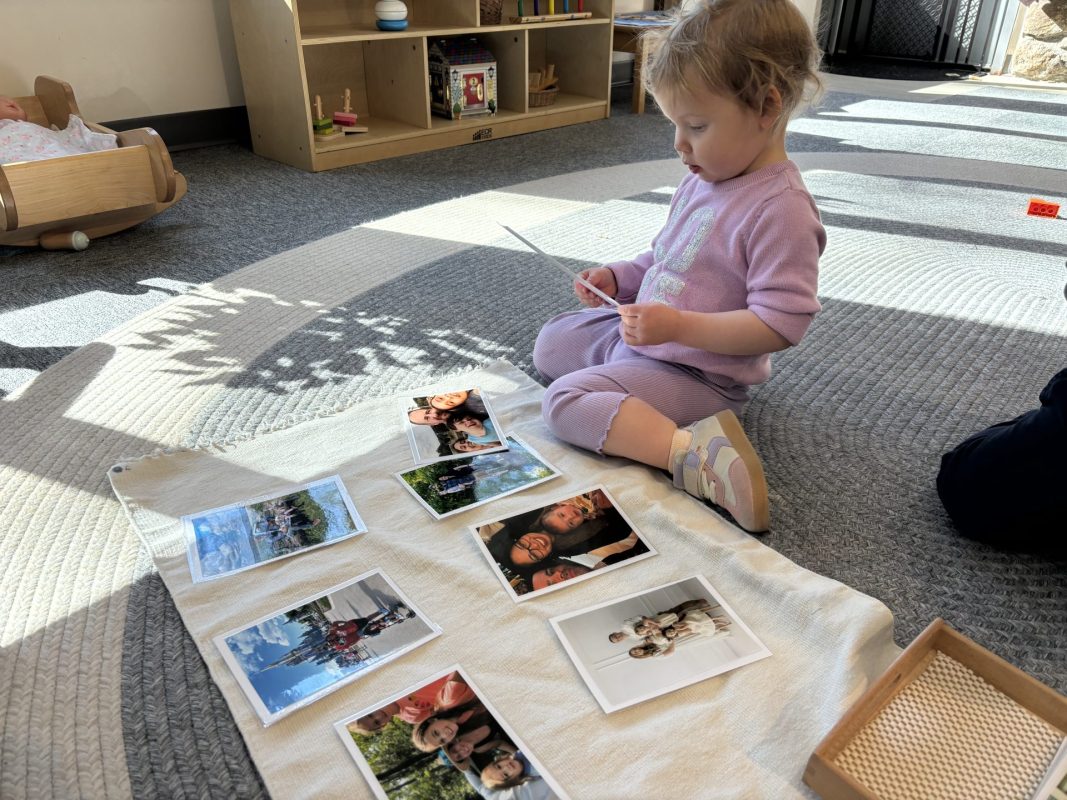
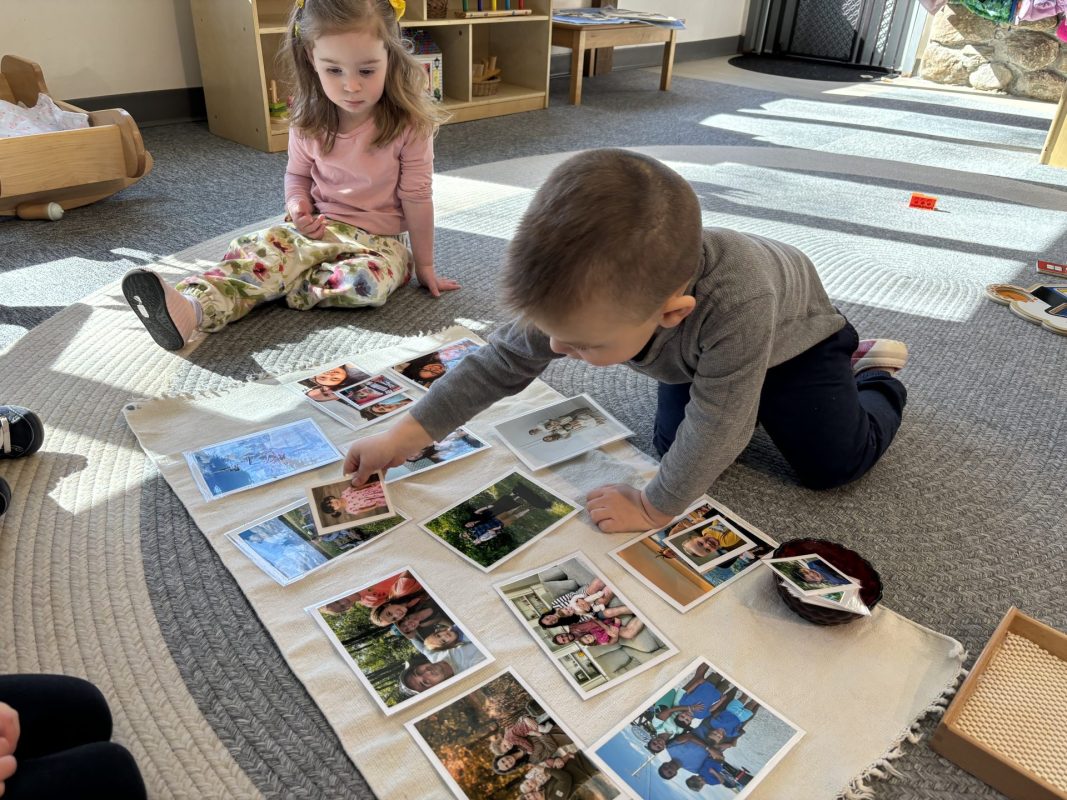
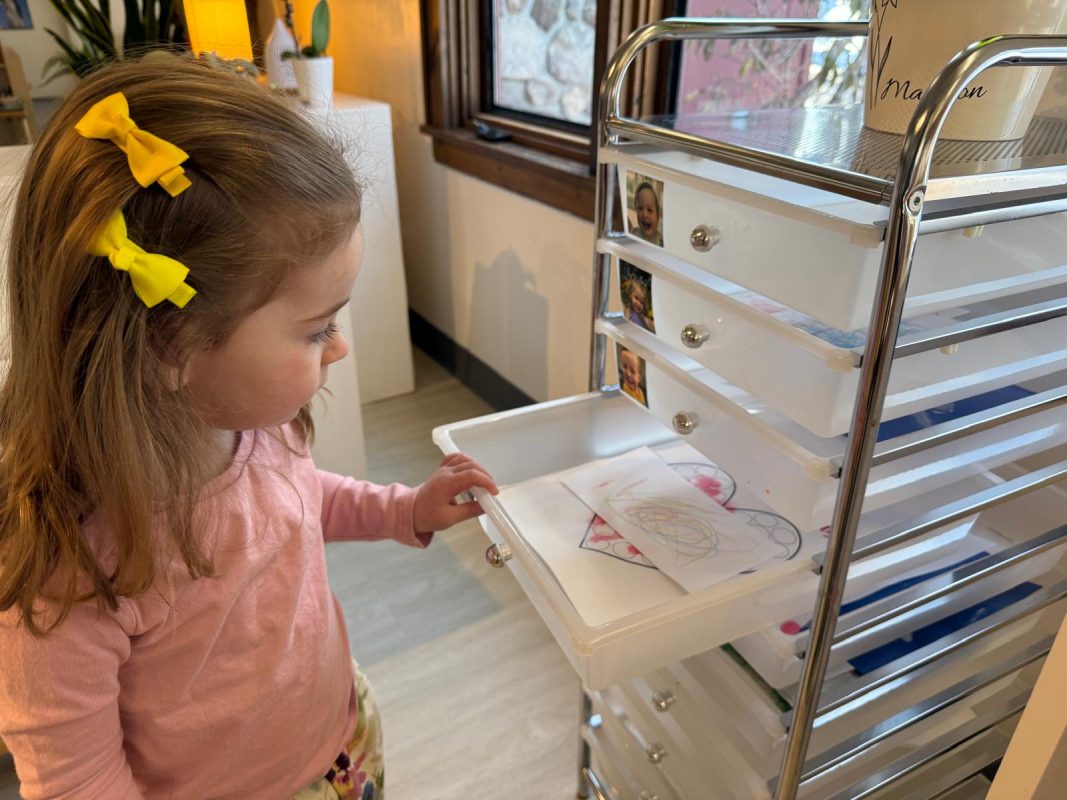
We also introduced a picture-to-picture matching work on our language shelf, allowing children to match pictures of their classmates with their respective families. They have enjoyed seeing their own families represented, sparking so many lovely conversations as they proudly name their loved ones and talk about what makes their family special.

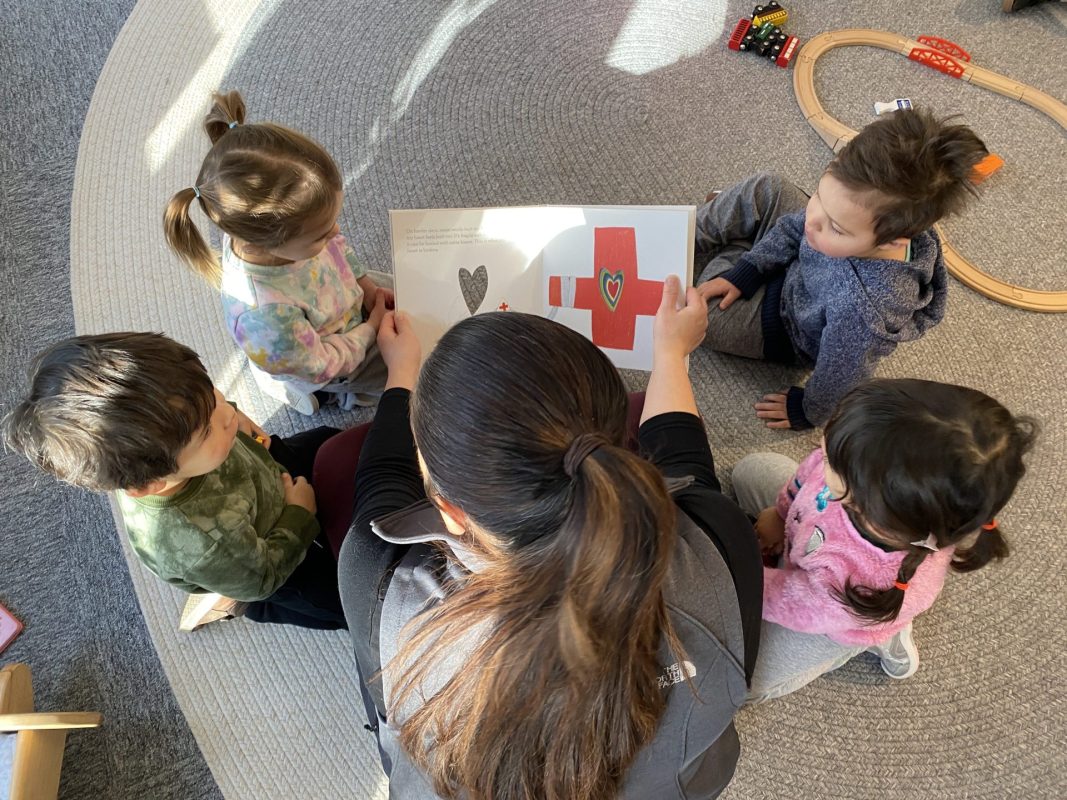
For parents looking for great book ideas, here are some of the favorites we’ve enjoyed in the classroom this week: In My Heart by Jo Witek, The Feelings Book by Todd Parr, Feet Are Not for Kicking by Elizabeth Verdick, The Color Monster by Anna Llenas, and especially Calm Down Time, also by Elizabeth Verdick. With the help of this book, children practiced the importance of breathing deeply when encountering difficult emotions. We encouraged the toddlers to “smell the flowers” (inhale) and “blow the bubbles” (exhale), helping them develop self-regulation skills.

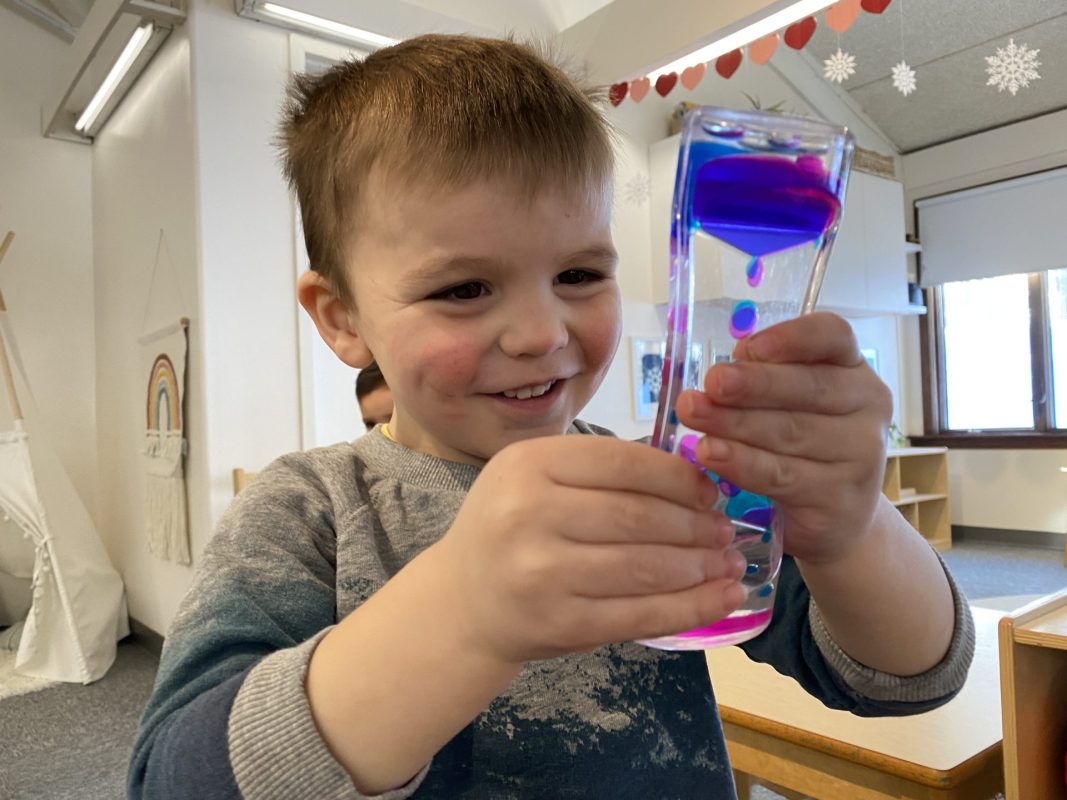
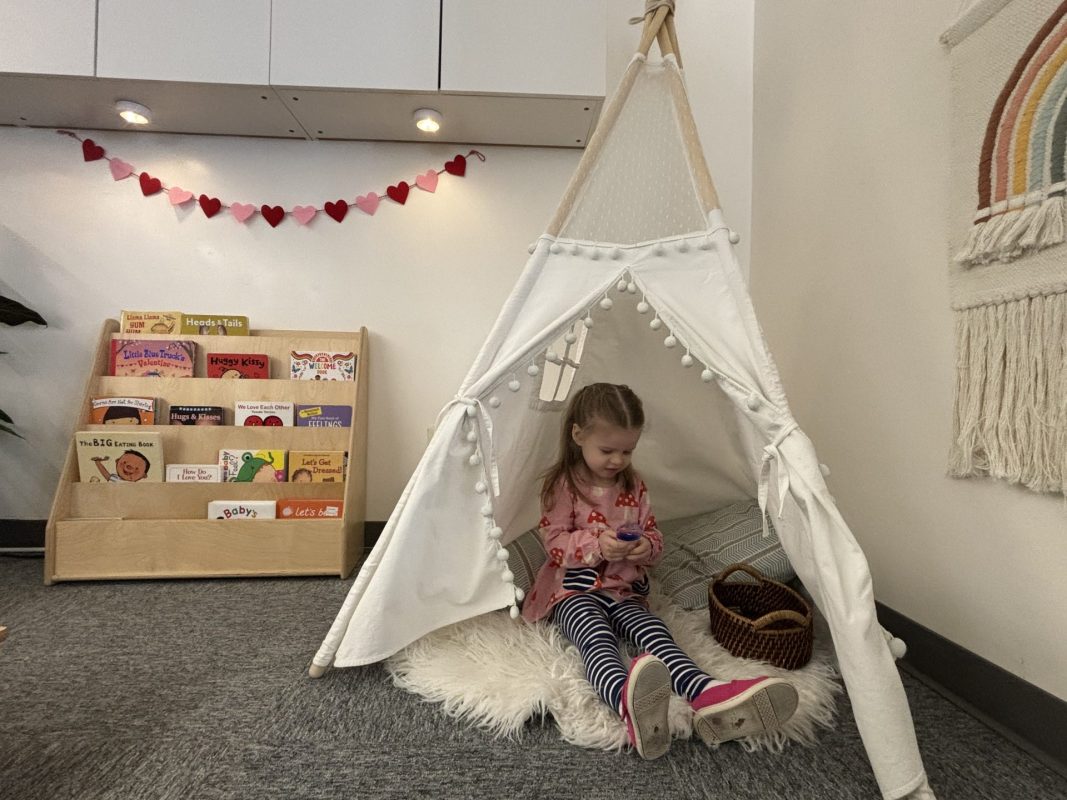
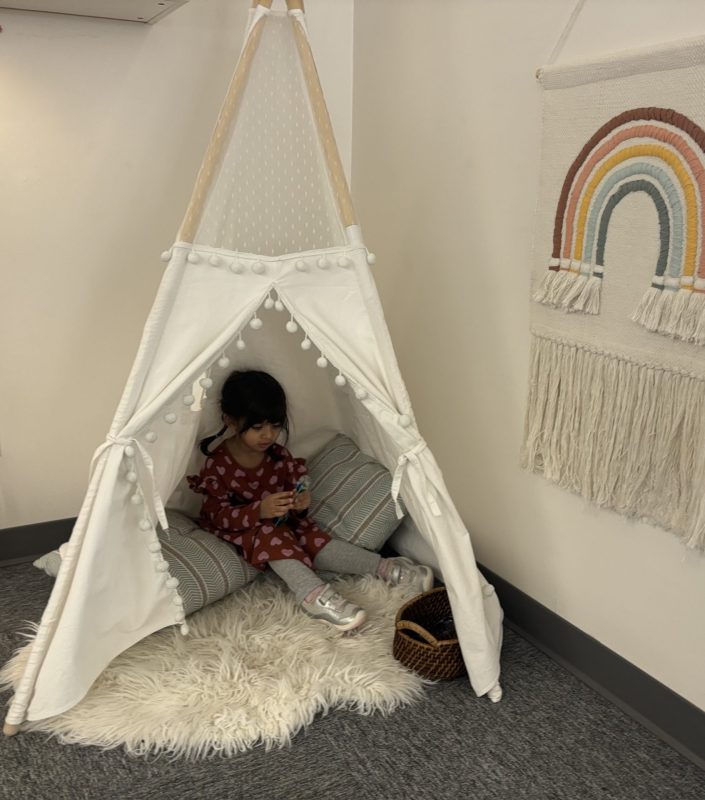
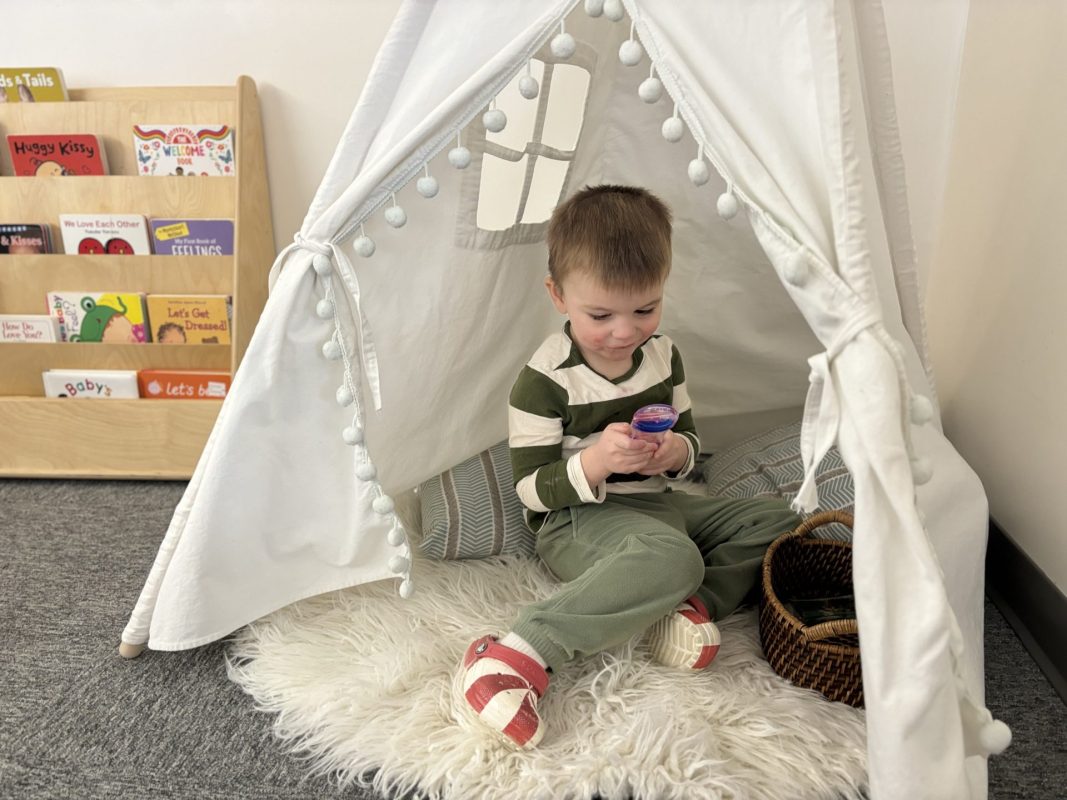
We also encourage our students to use the teepee as a calm-down area where they can take space and learn to regulate themselves. Inside, they have a soft faux sheepskin rug, cushy pillows, and a variety of calming items like sensory bottles, stretchy string fidgets, and liquid motion bubblers to support this process. For many of them, this has quickly become one of their favorite places in our classroom—a space to decompress or simply enjoy some quiet time. I highly recommend creating a similar calm-down space at home, especially if your child struggles with tantrums. It can be a simple but effective way to help them navigate big emotions.
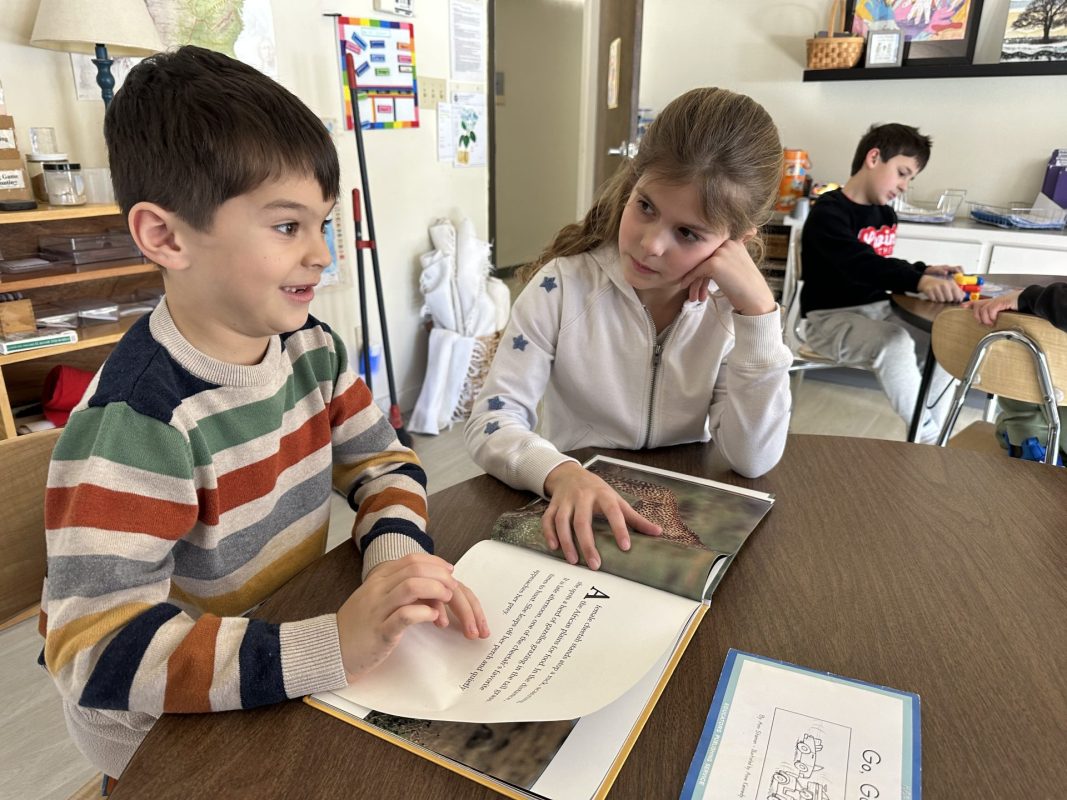
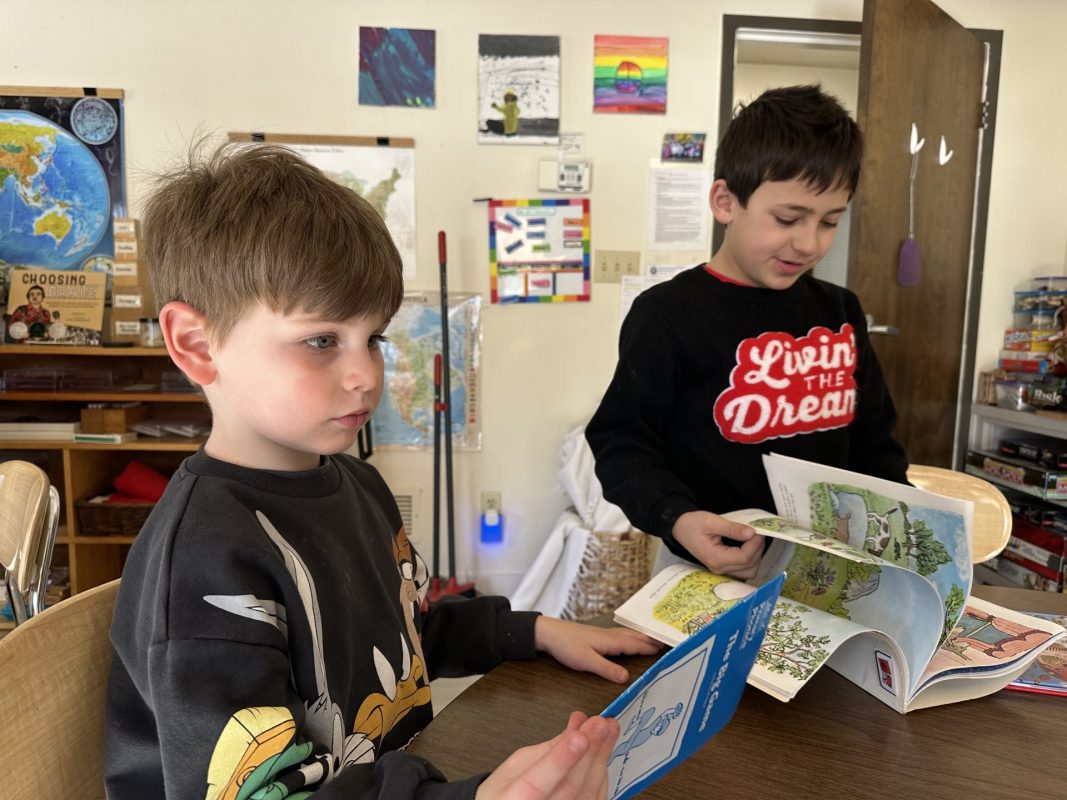
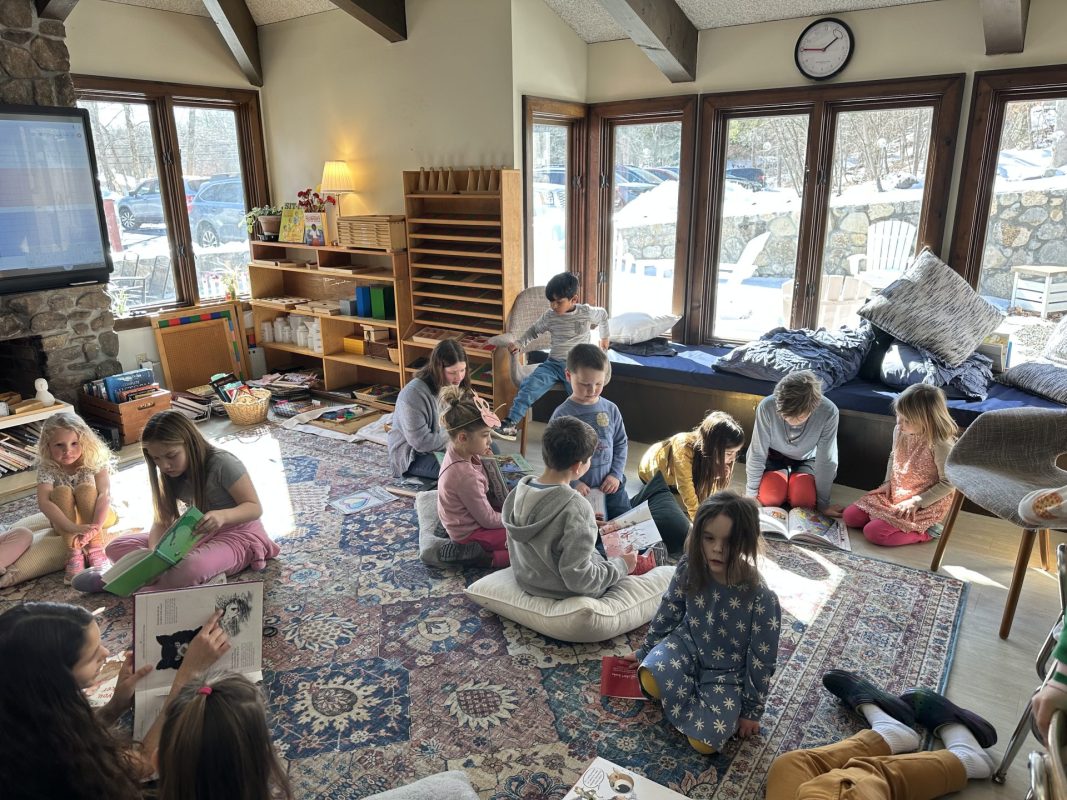
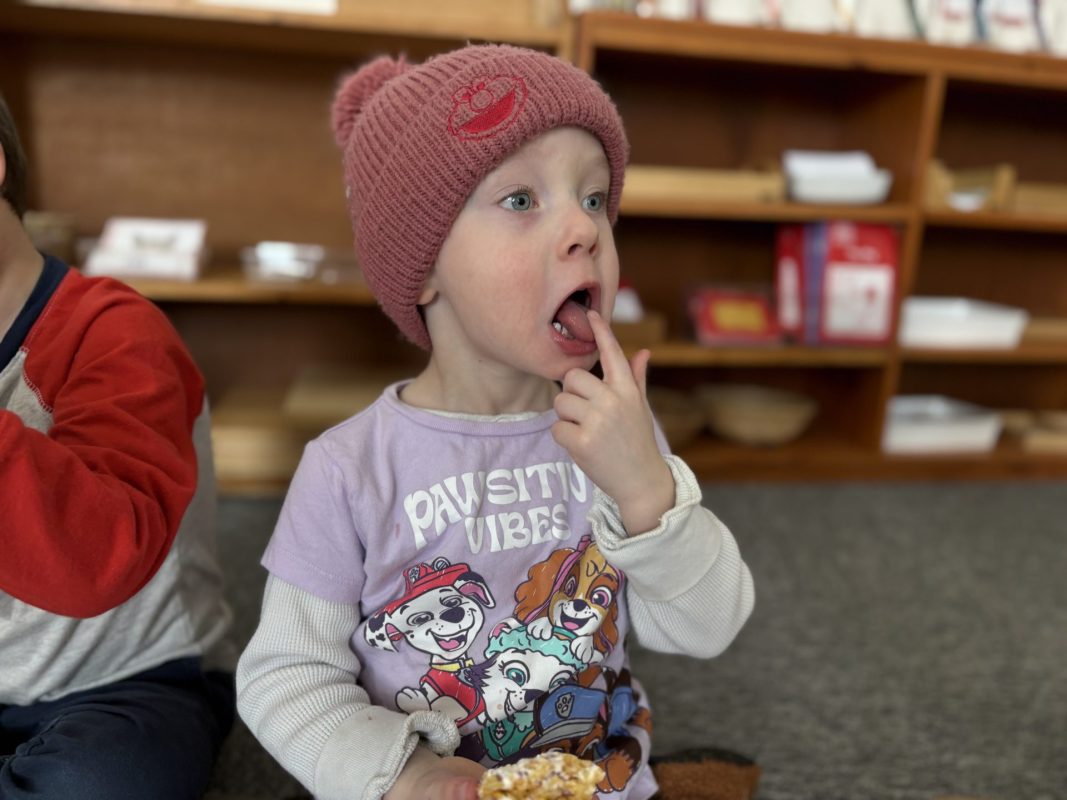
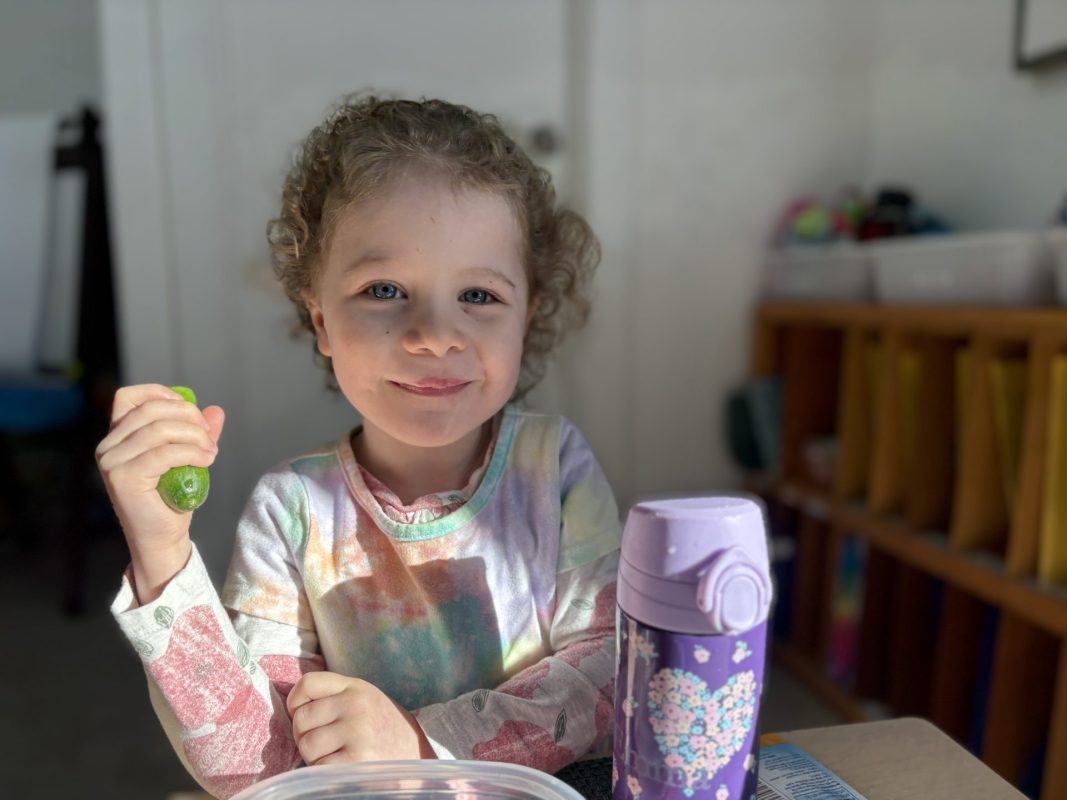
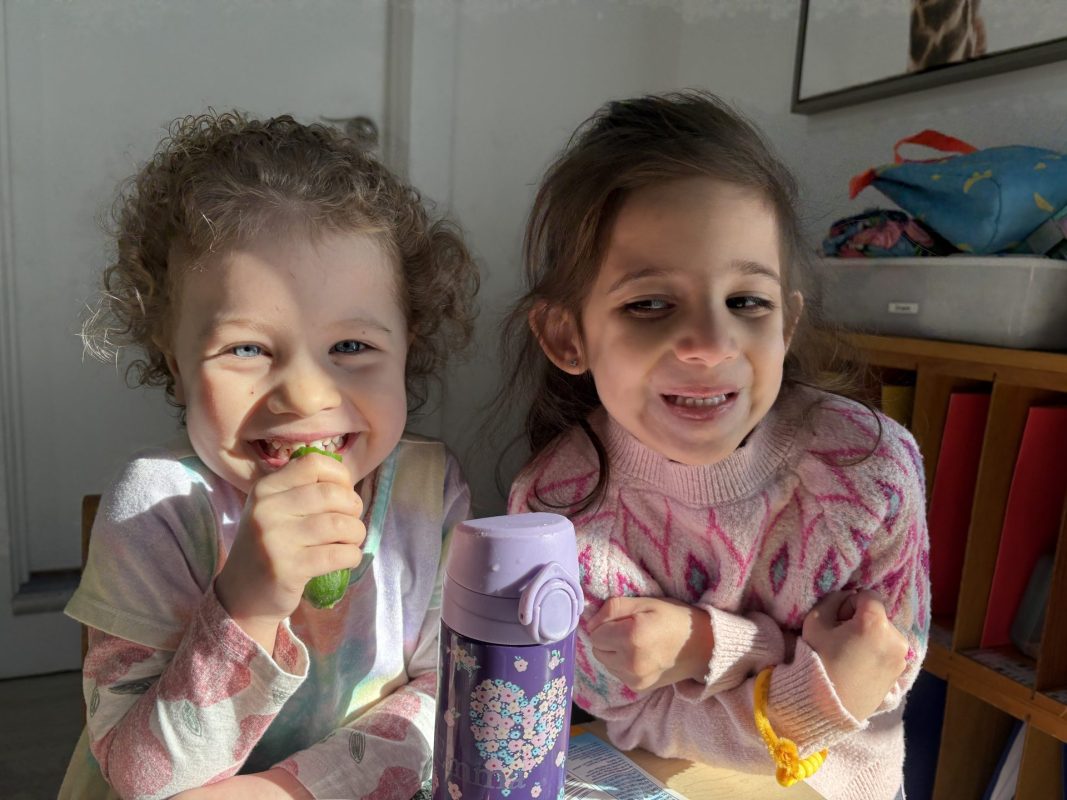
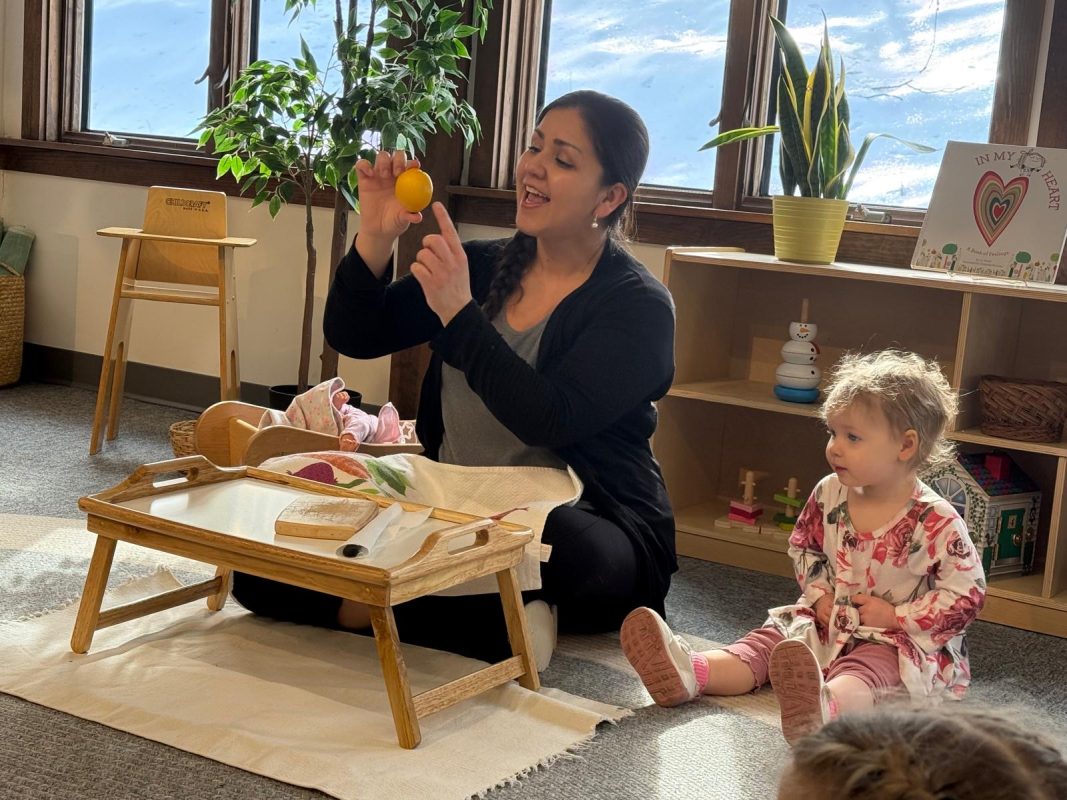
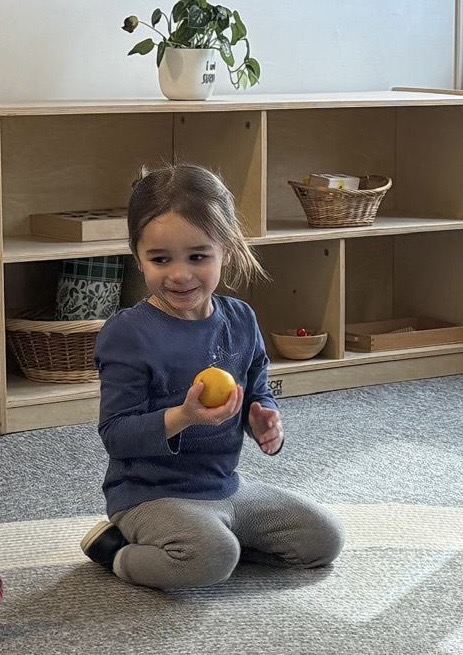
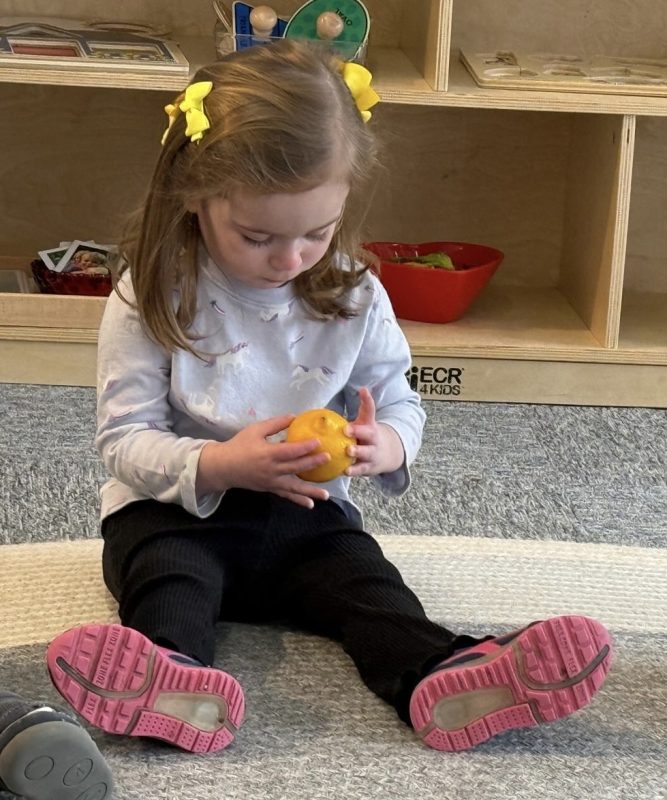
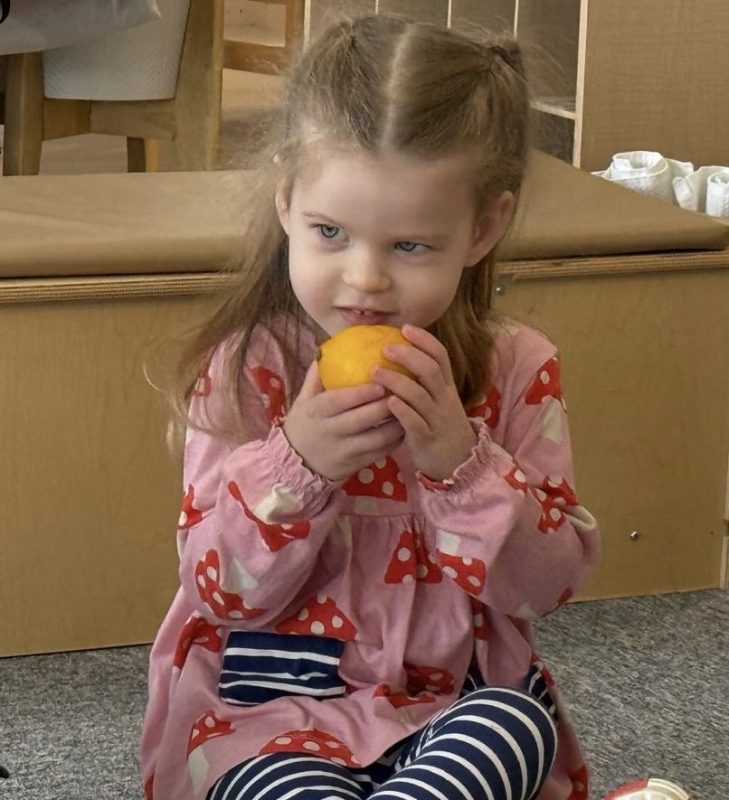
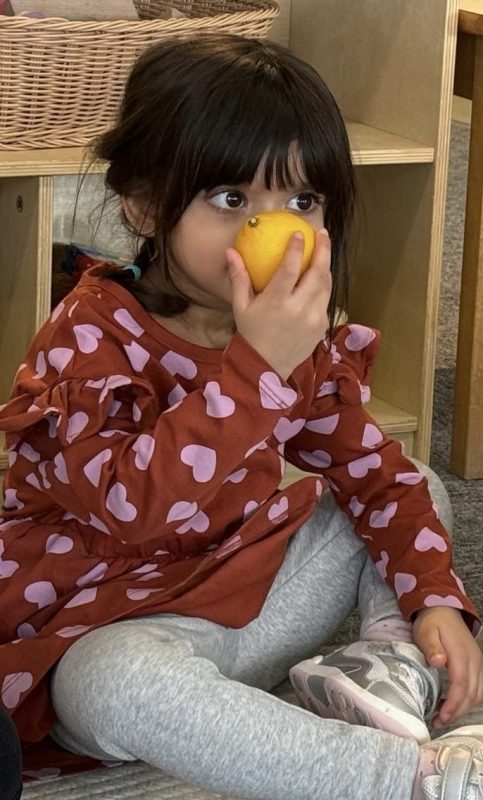
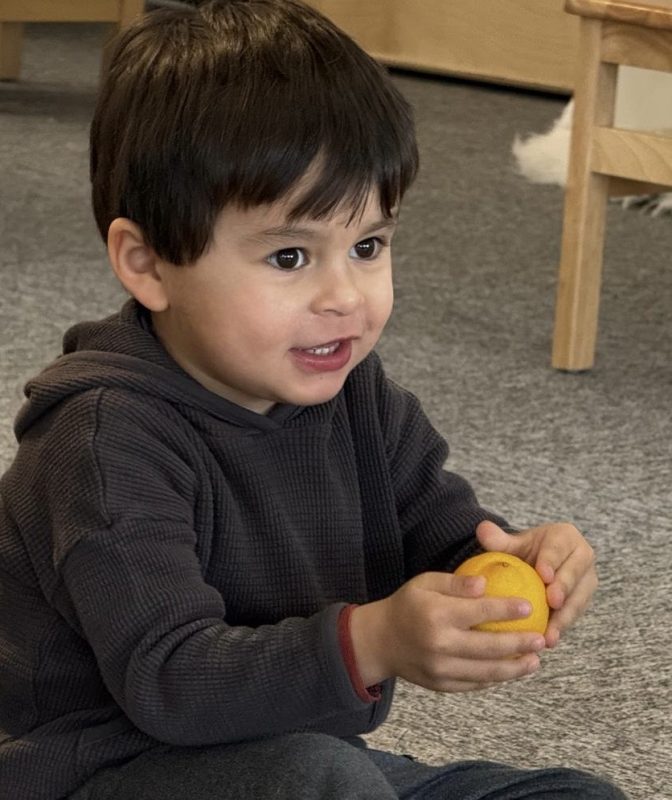
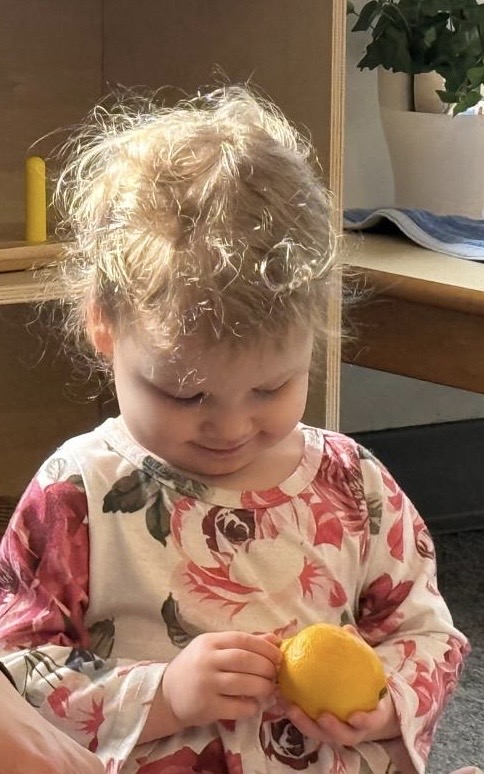
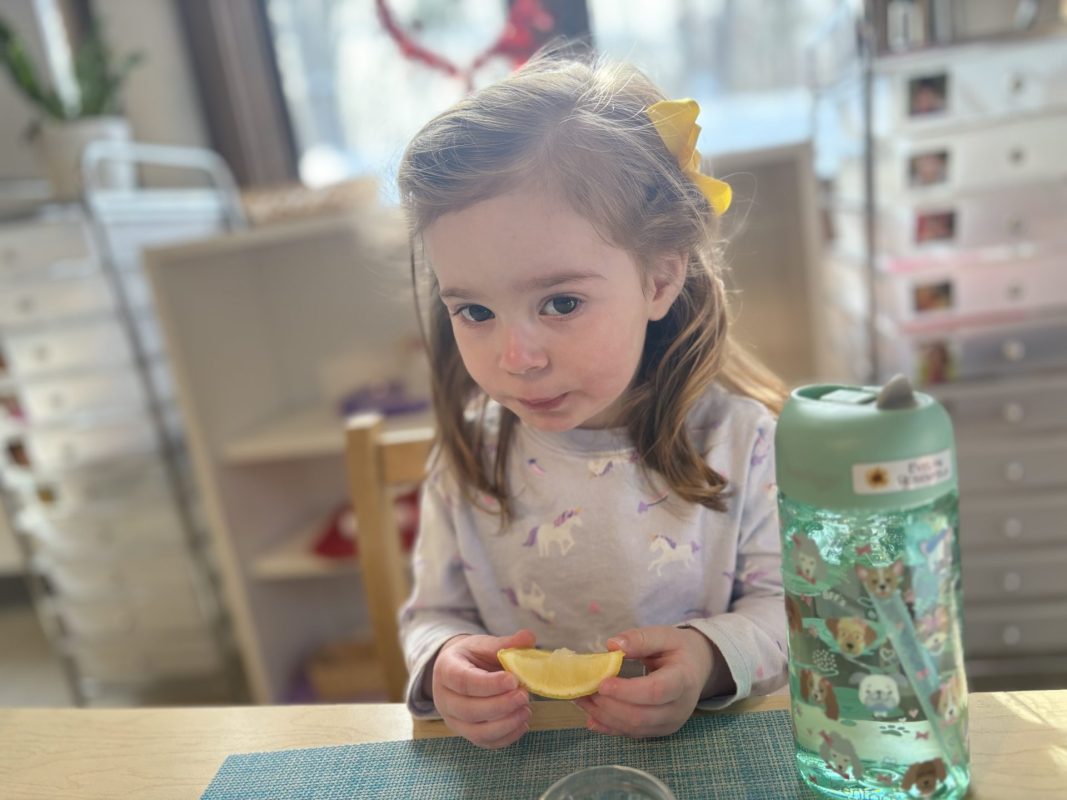
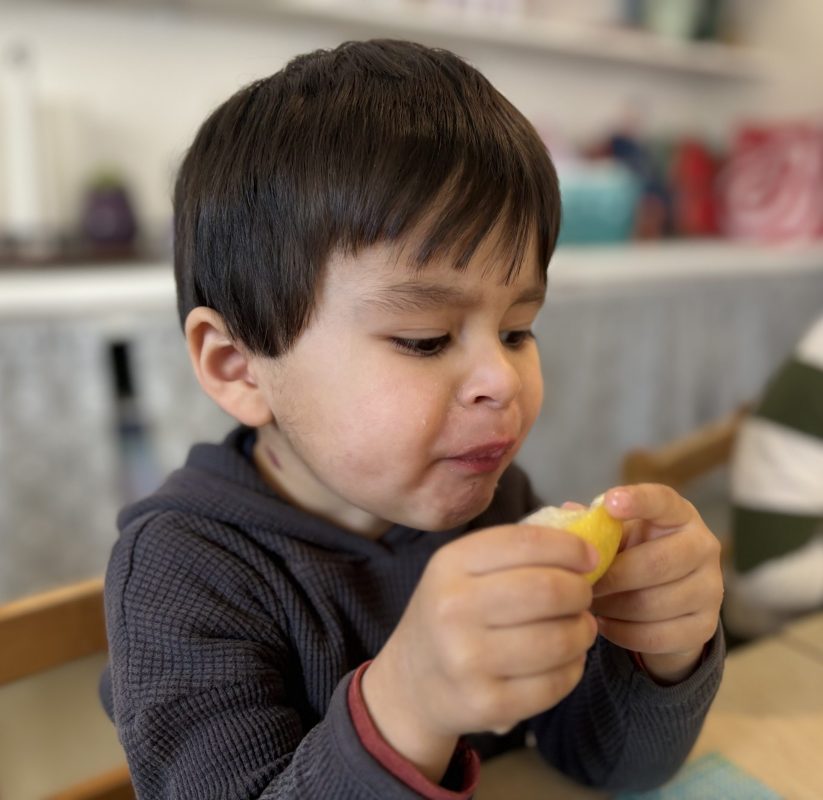
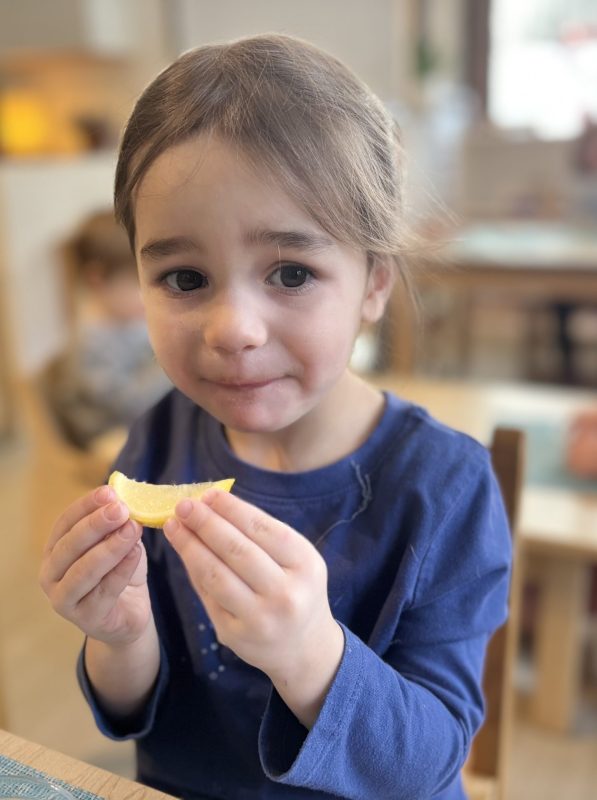
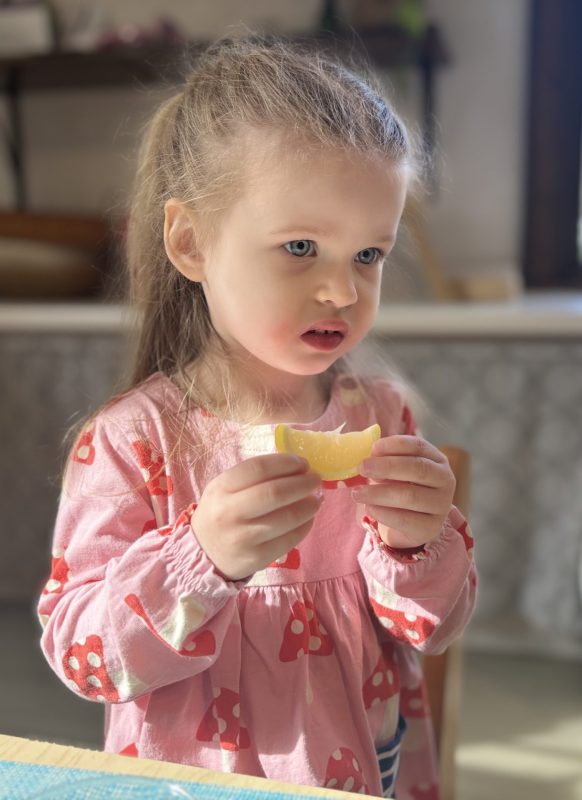
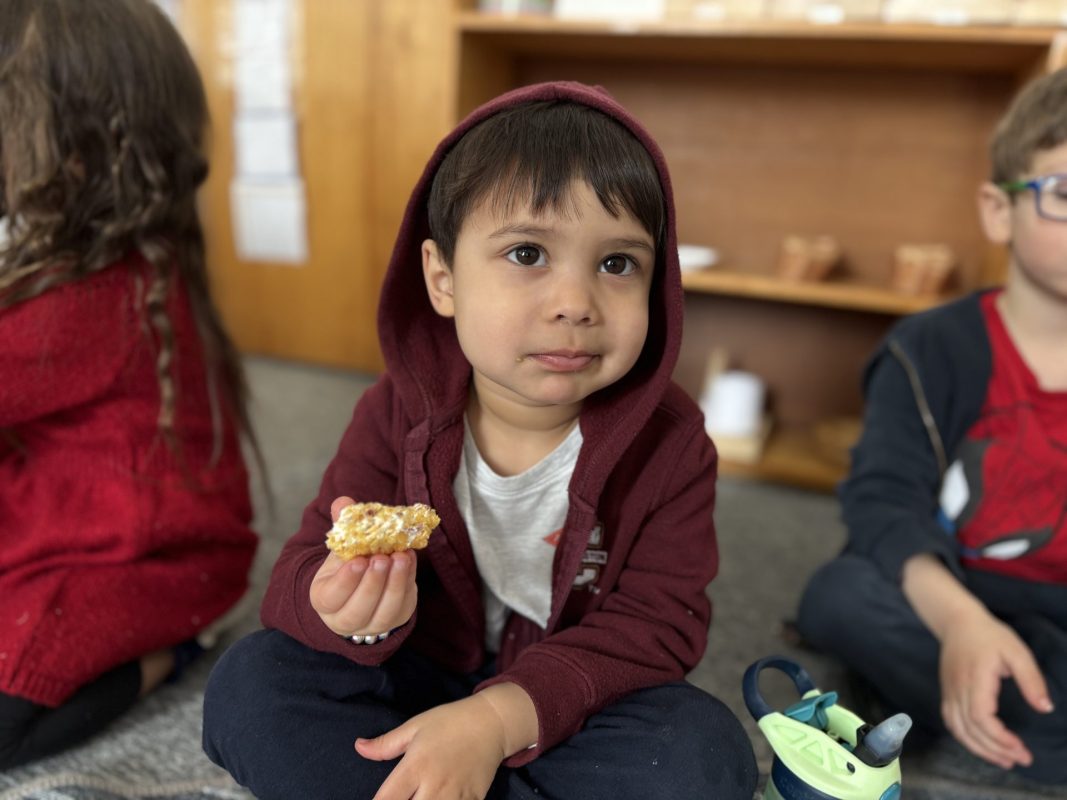
For this week’s food tasting, we explored lemons! The children were curious about their bright yellow color and smooth, bumpy texture. But the best part? Their faces when they took their first taste! Through this experience, we introduced the new vocabulary word sour—a fun and exciting addition to their growing list of descriptive words.
It’s always a joy to witness your children’s curiosity and growth each day. Thank you for sharing them with us, and we look forward to another wonderful week ahead!
Warmly,

Mrs. Hood and Ms. Patty