Blog

Ms. Handibode’s Class: Montessori Math, It All Adds Up!


Children display a universal love of mathematics, which is par excellence the science of precision, order, and intelligence.”~ Dr. Maria Montessori

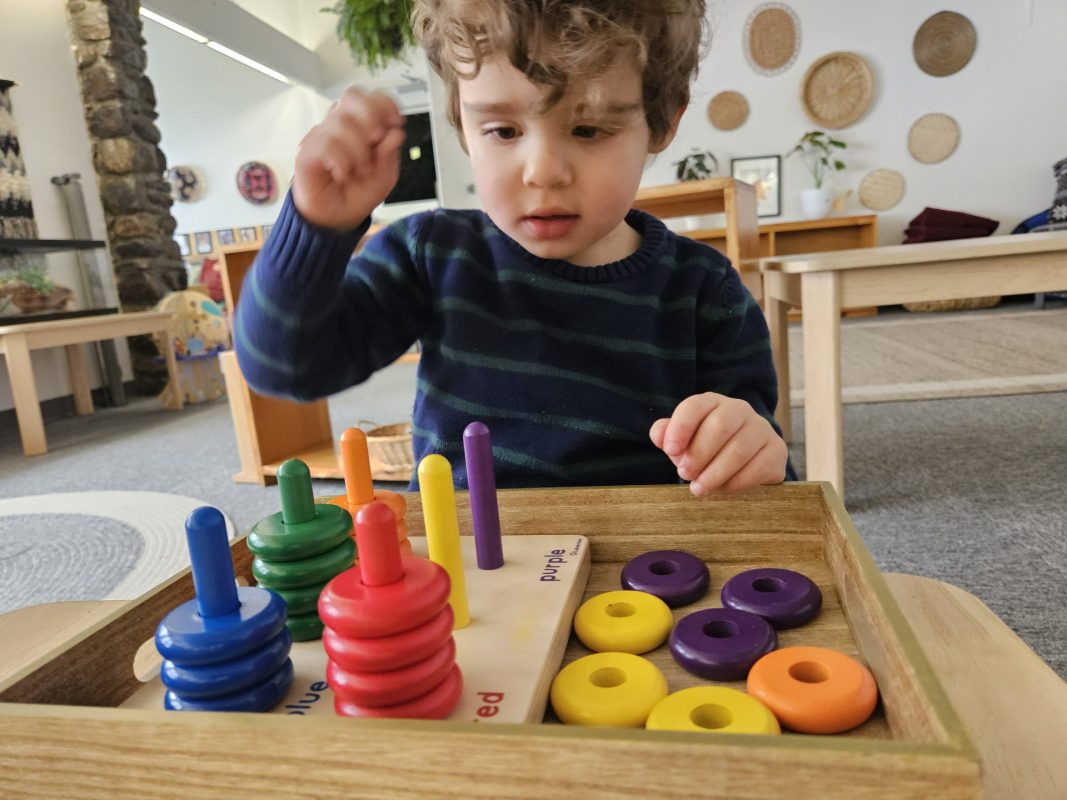
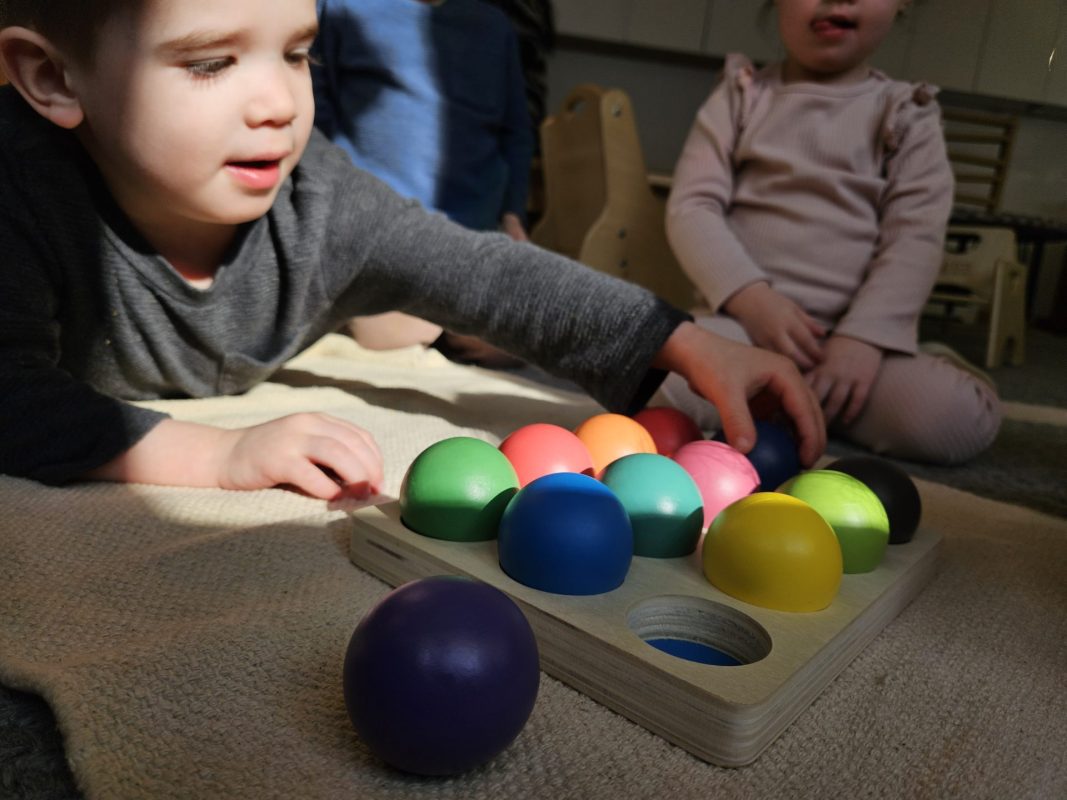
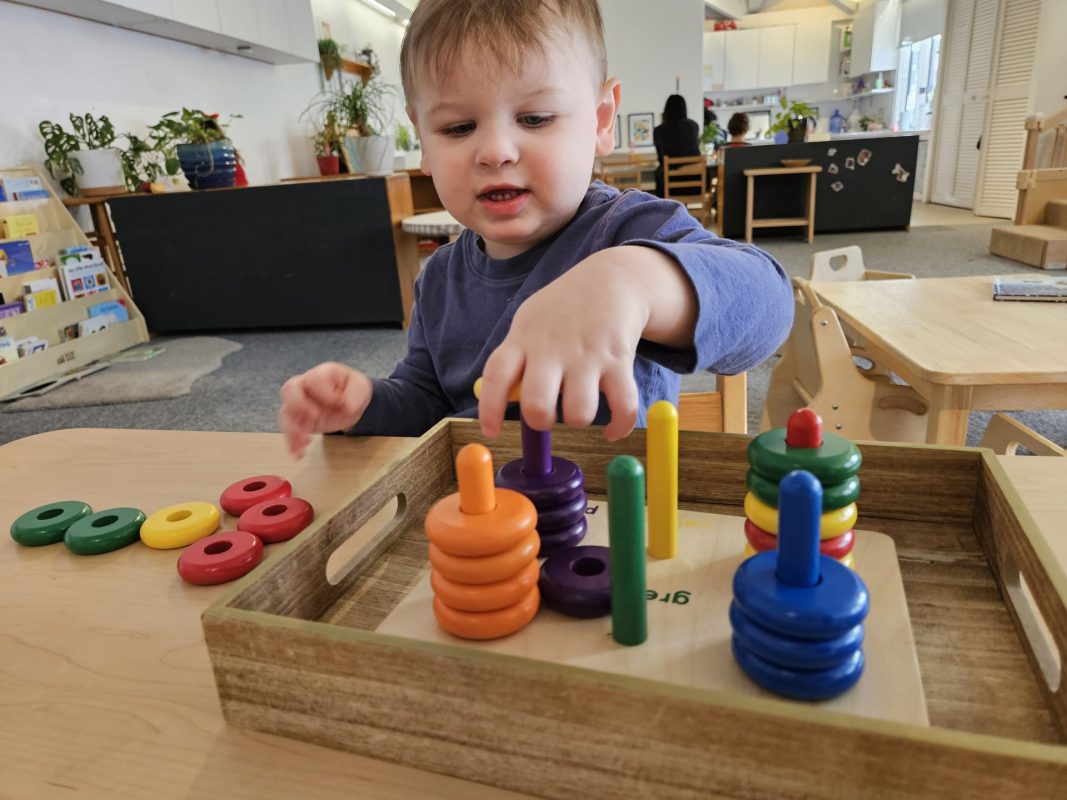
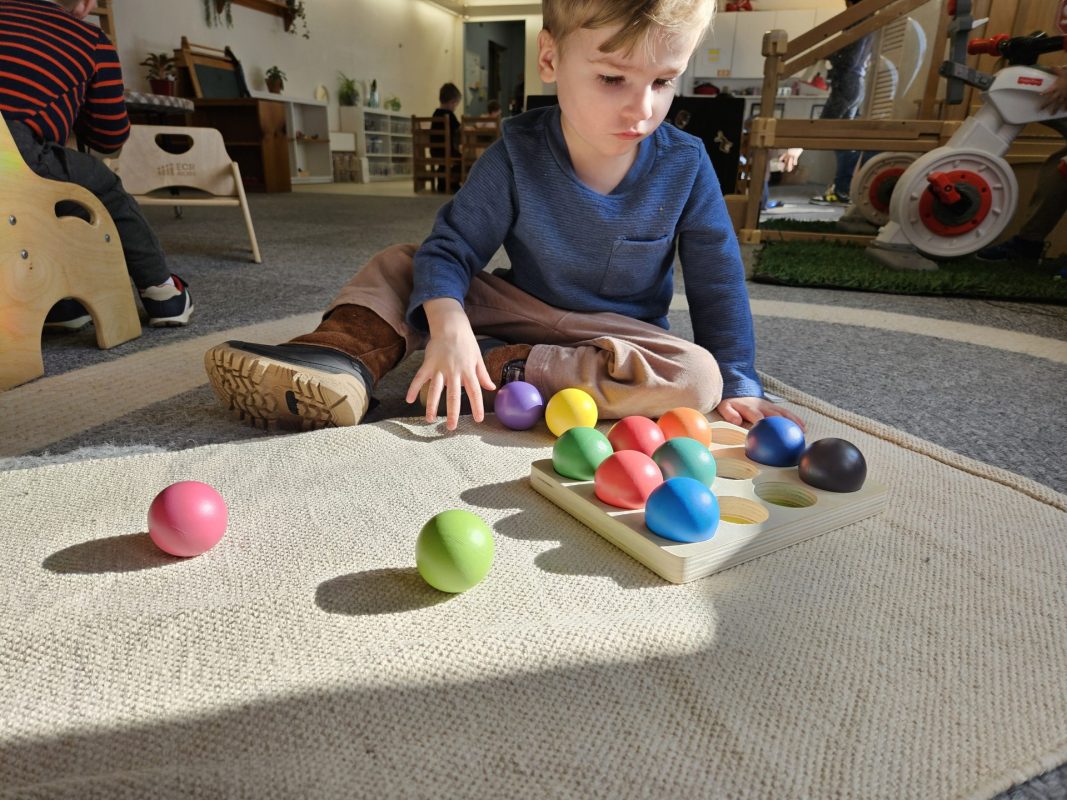
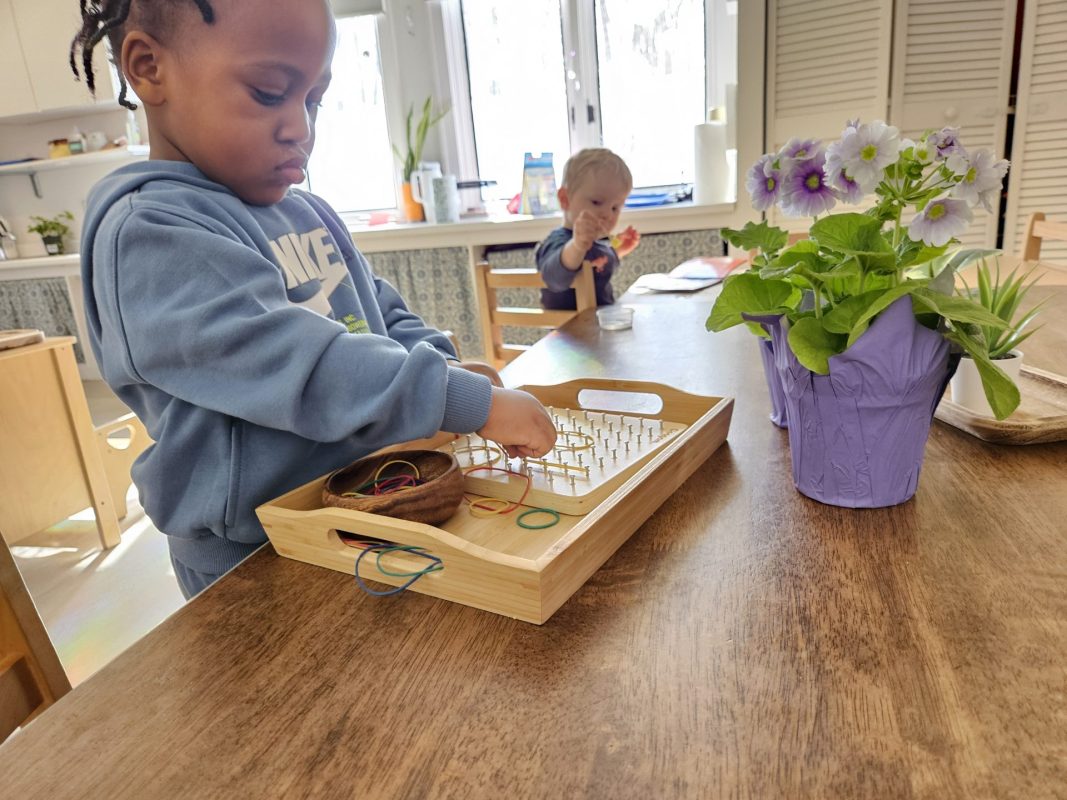
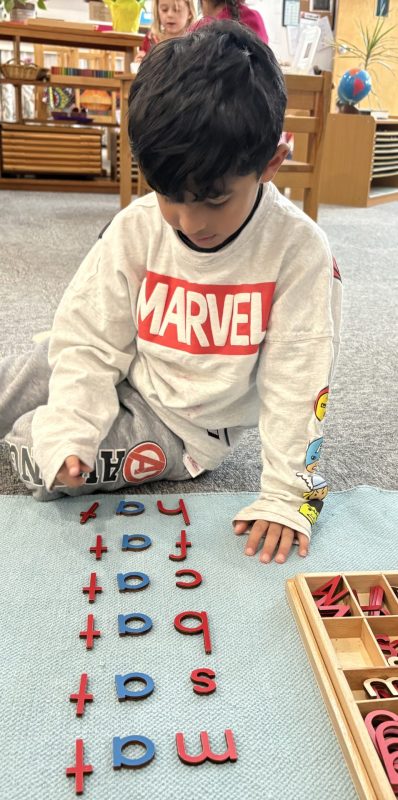
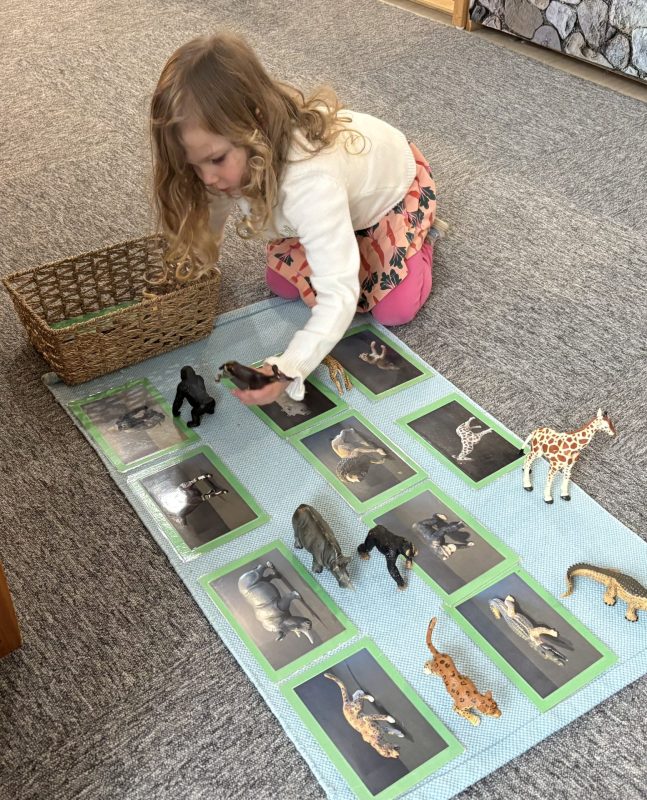
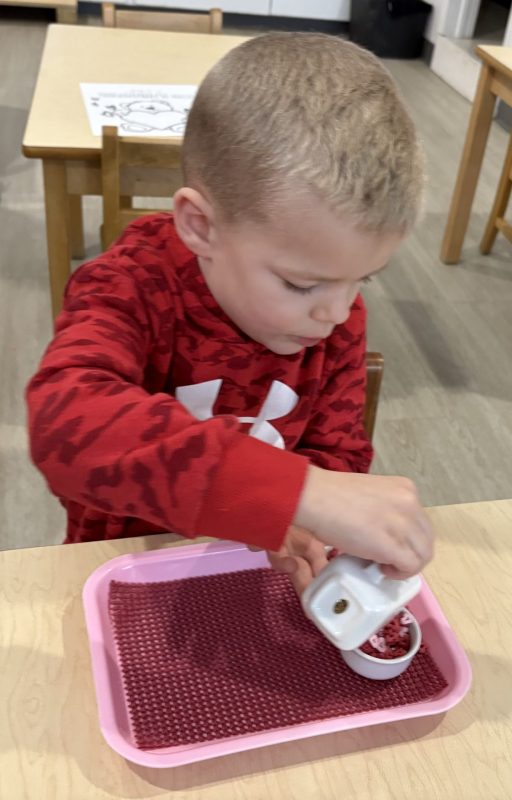
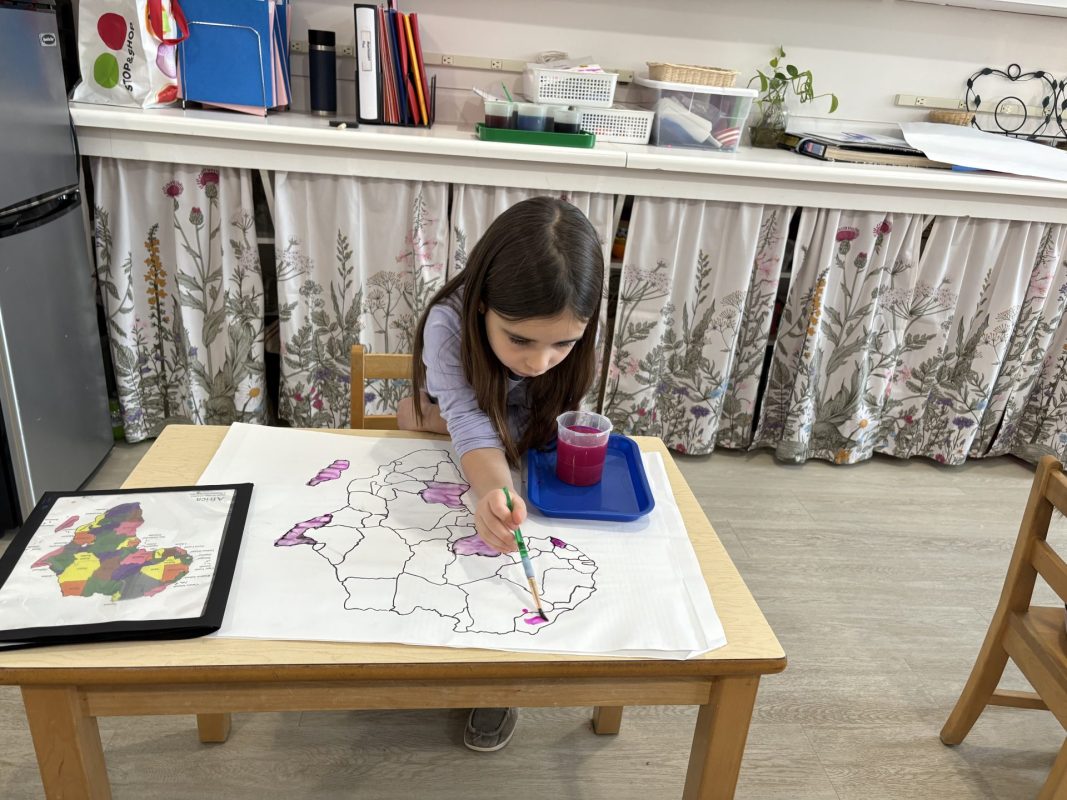
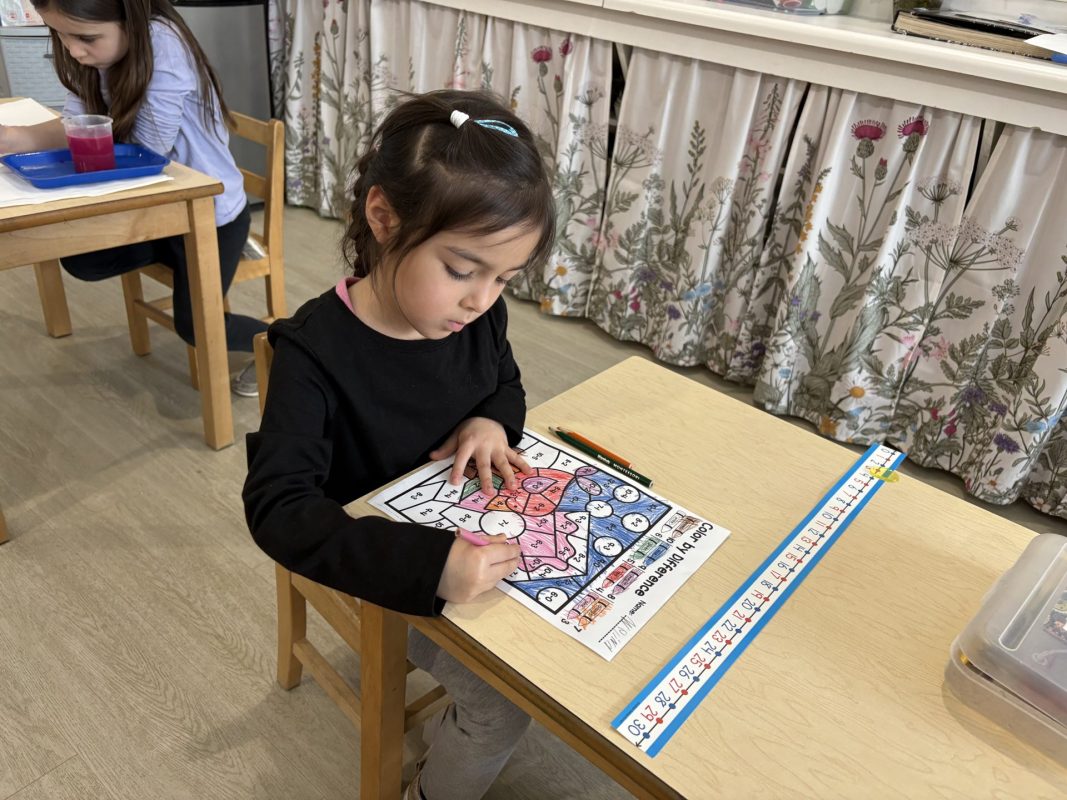
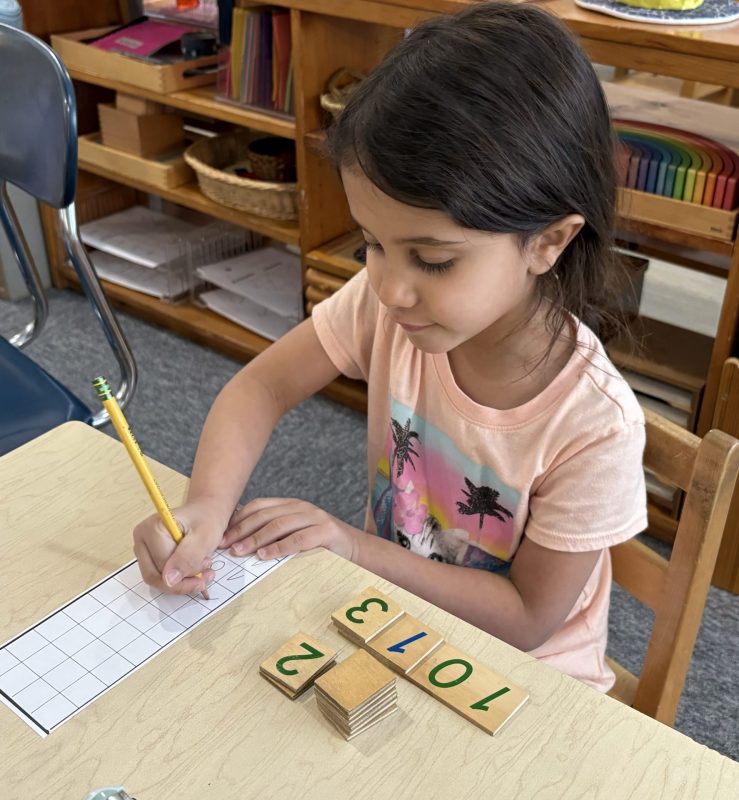
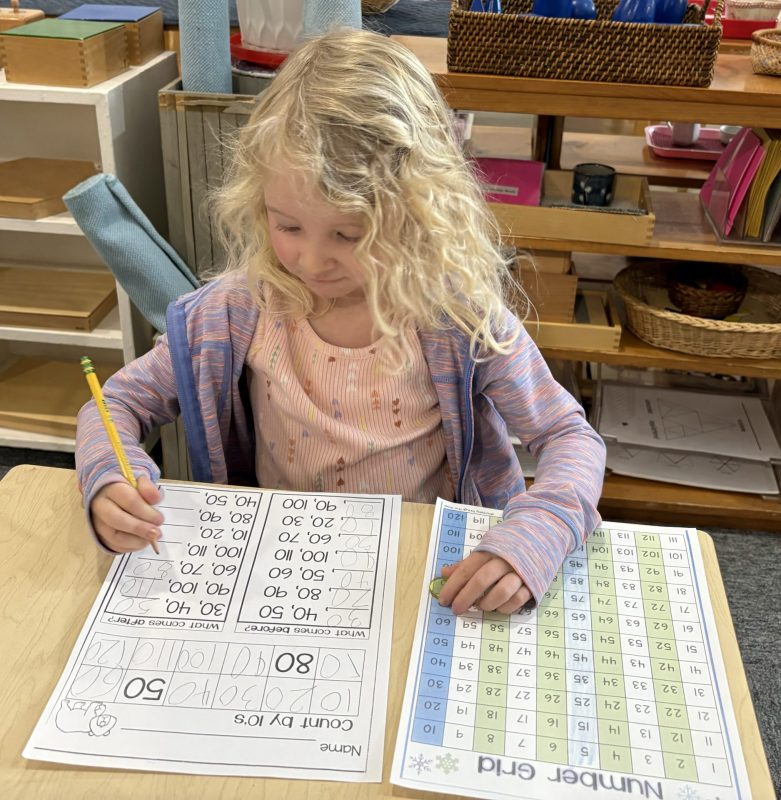
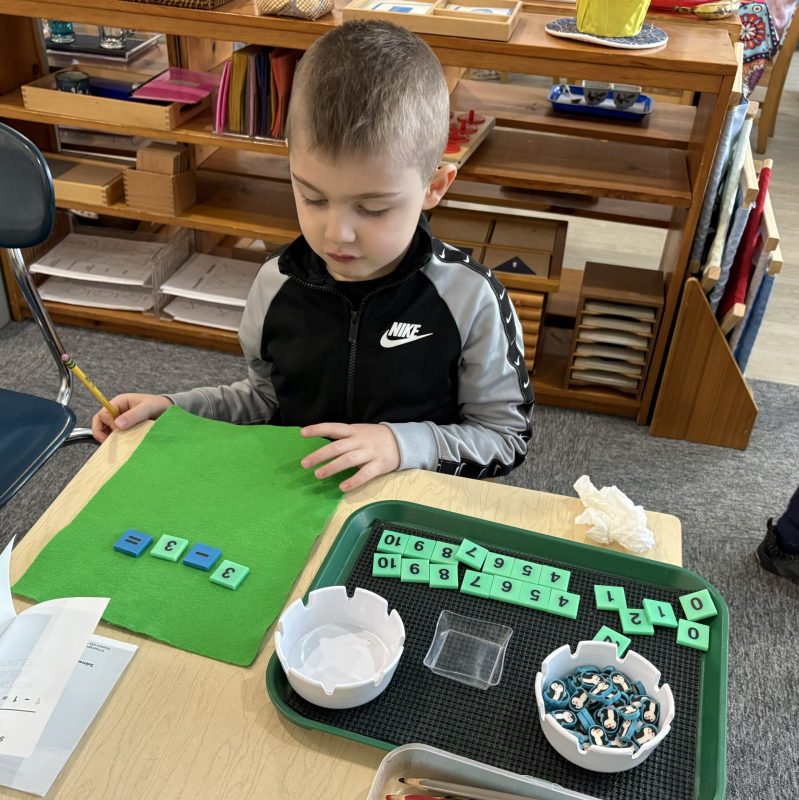
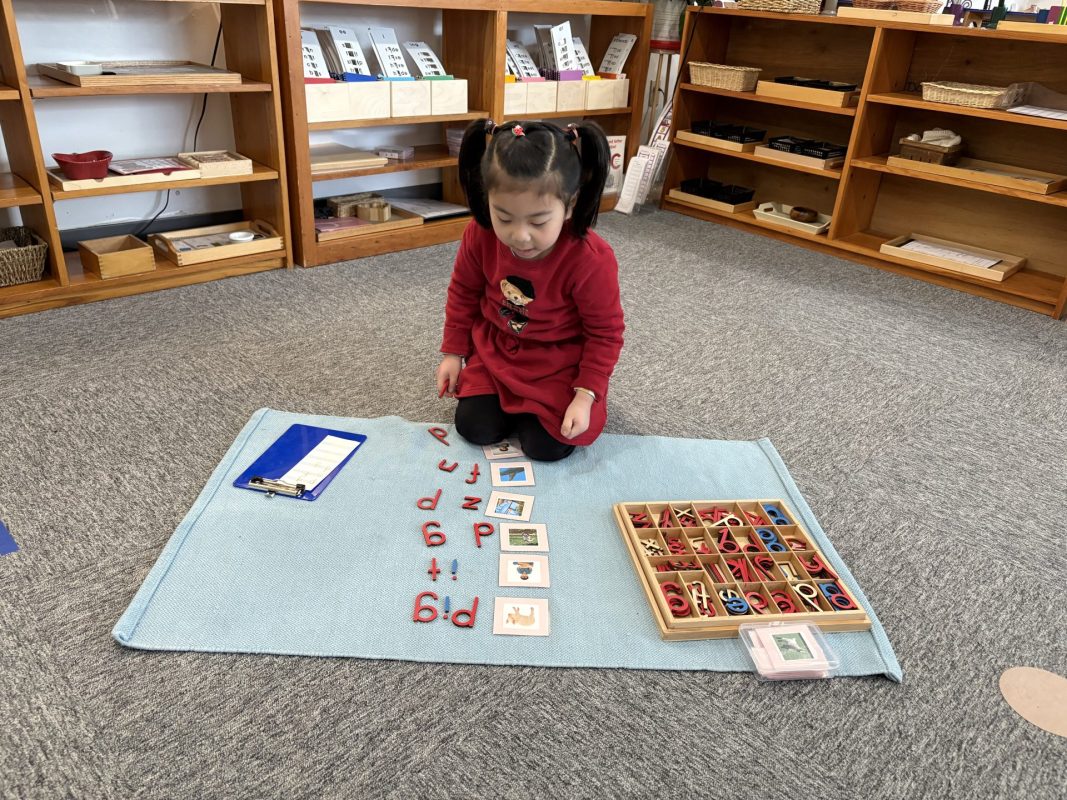
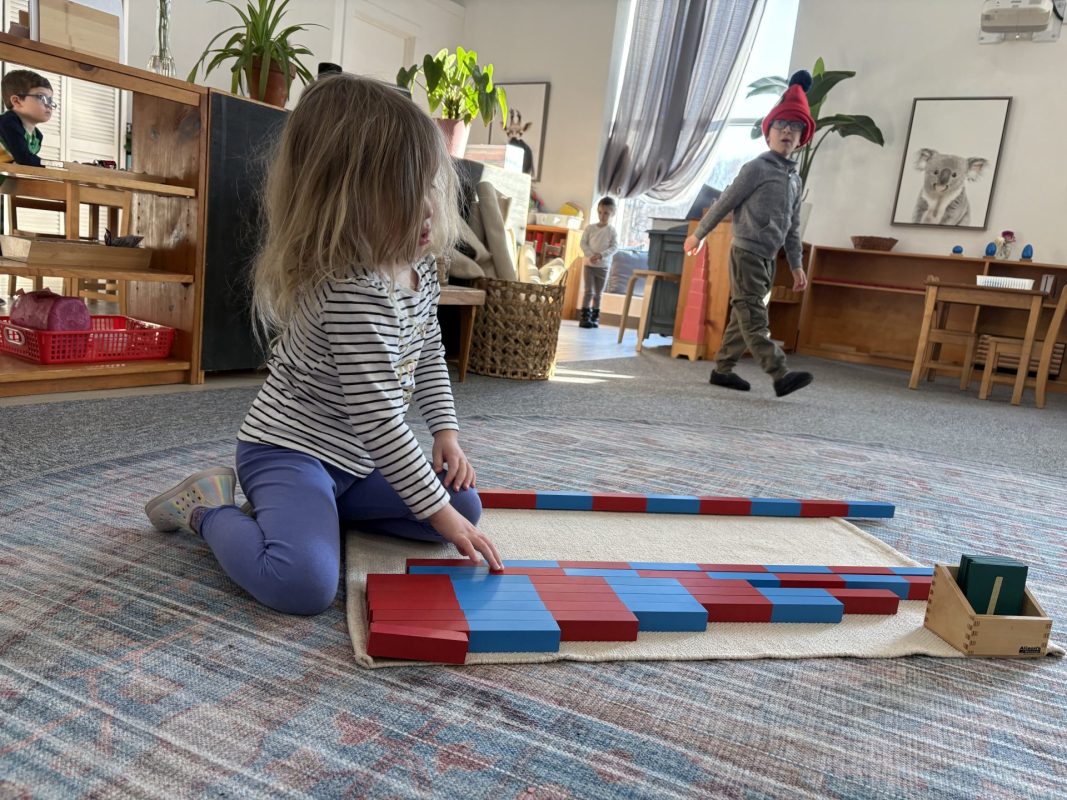
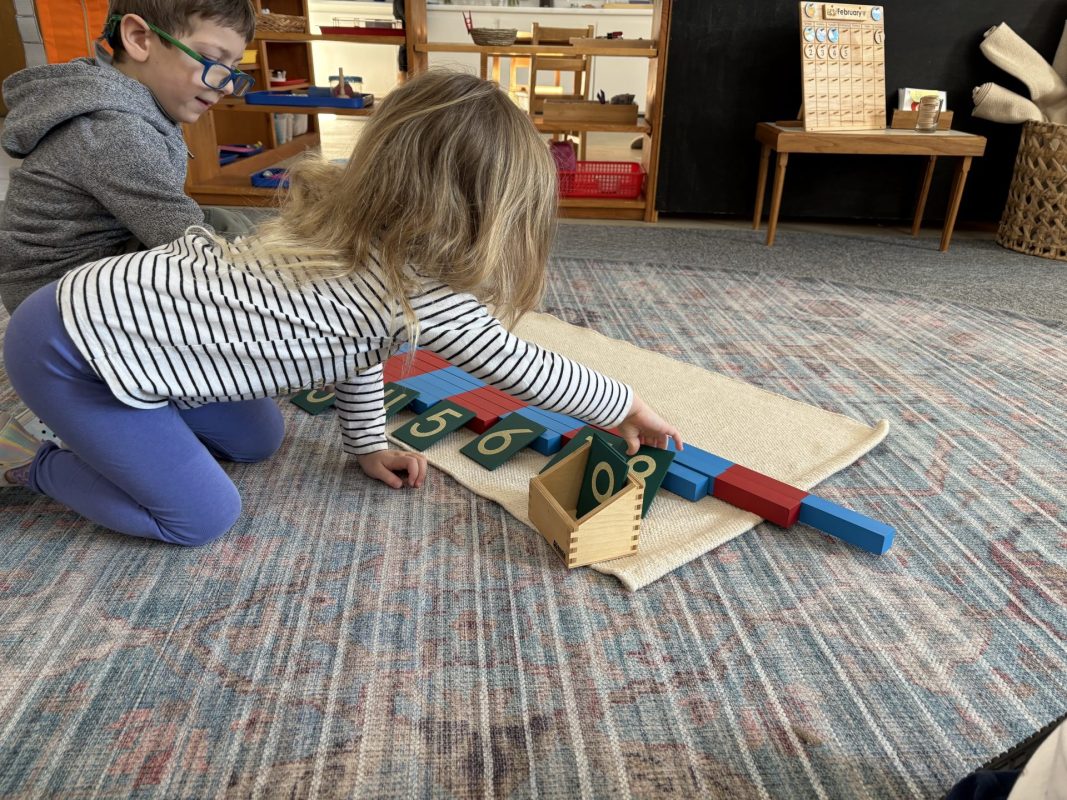
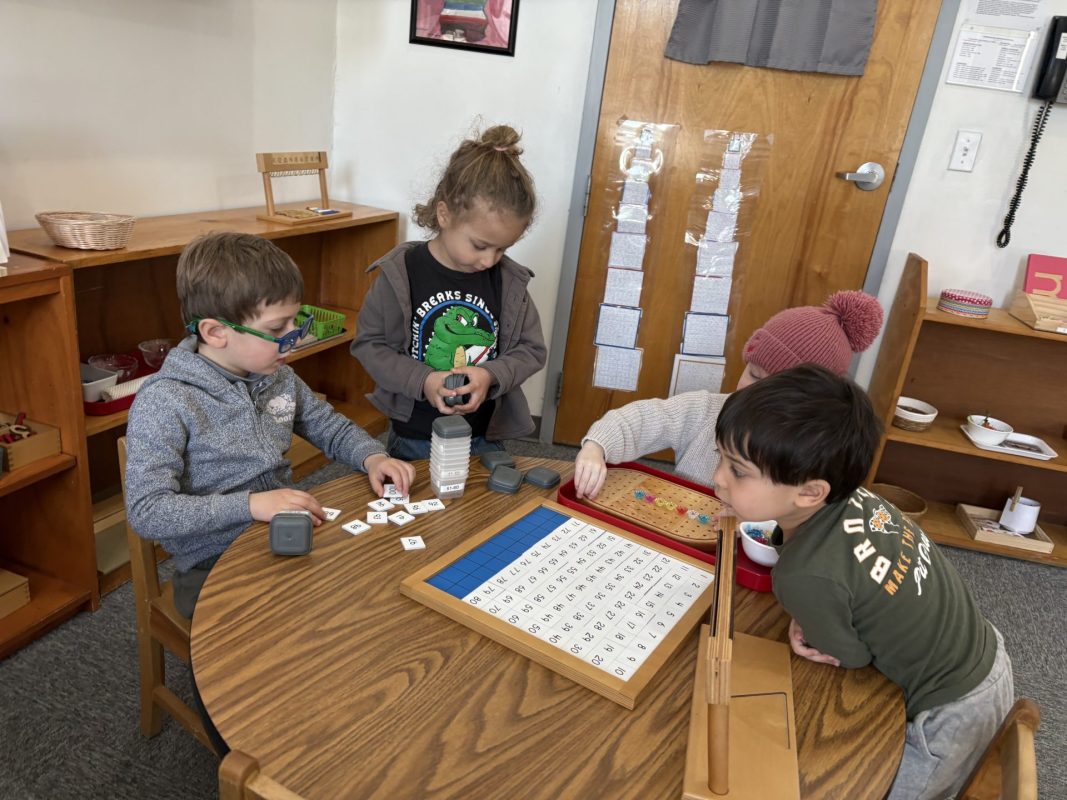
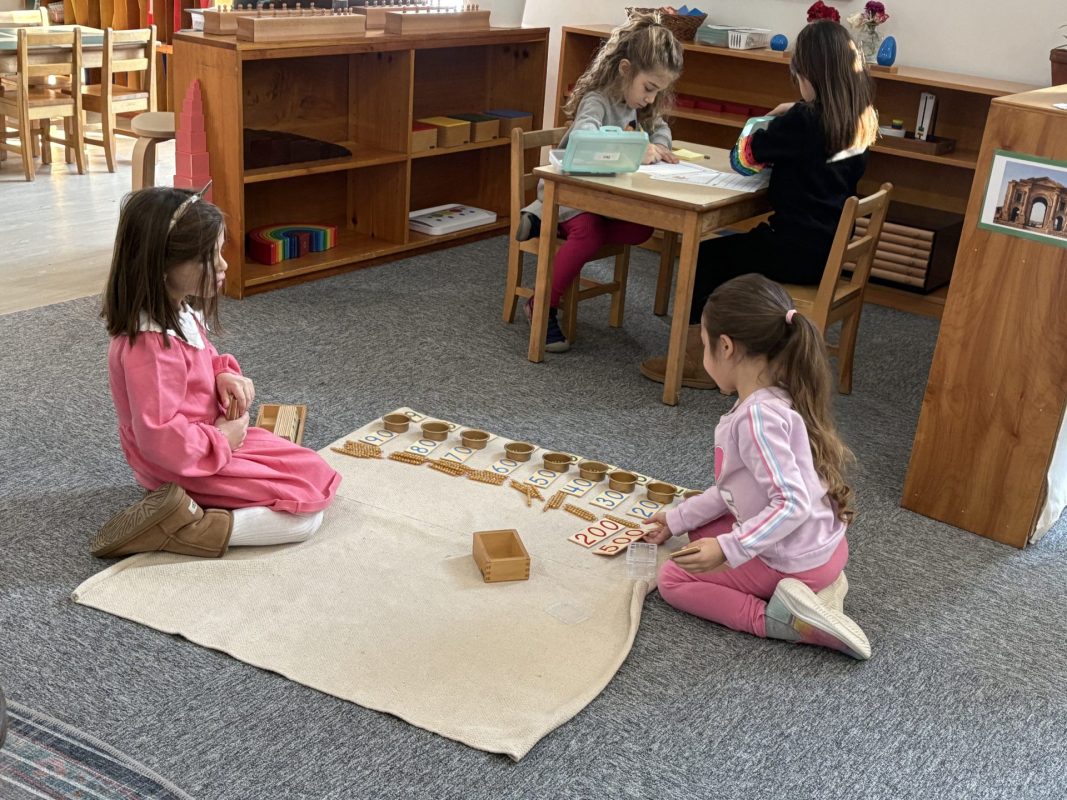
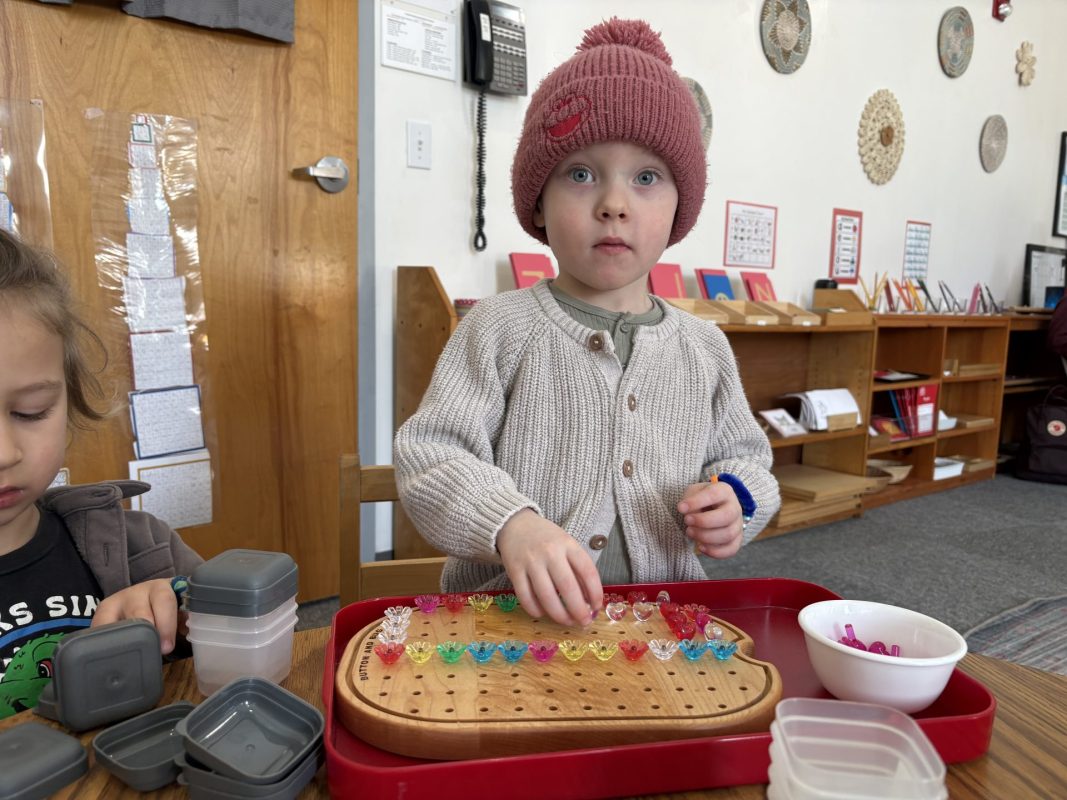
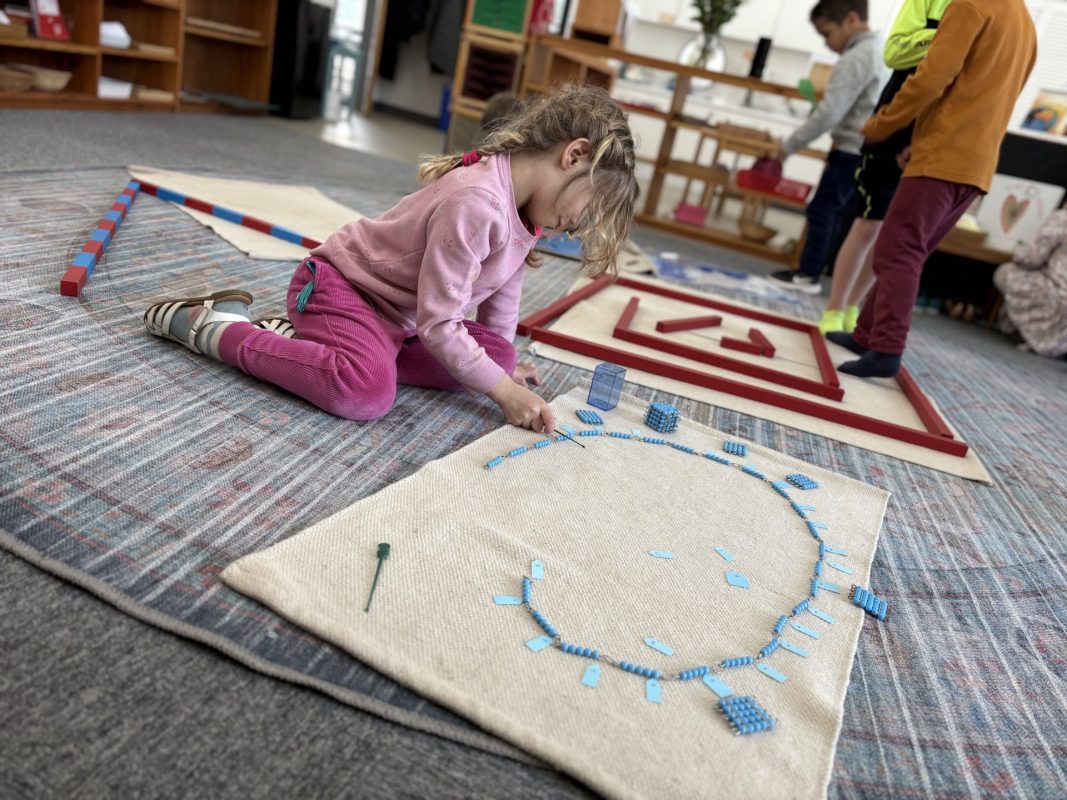
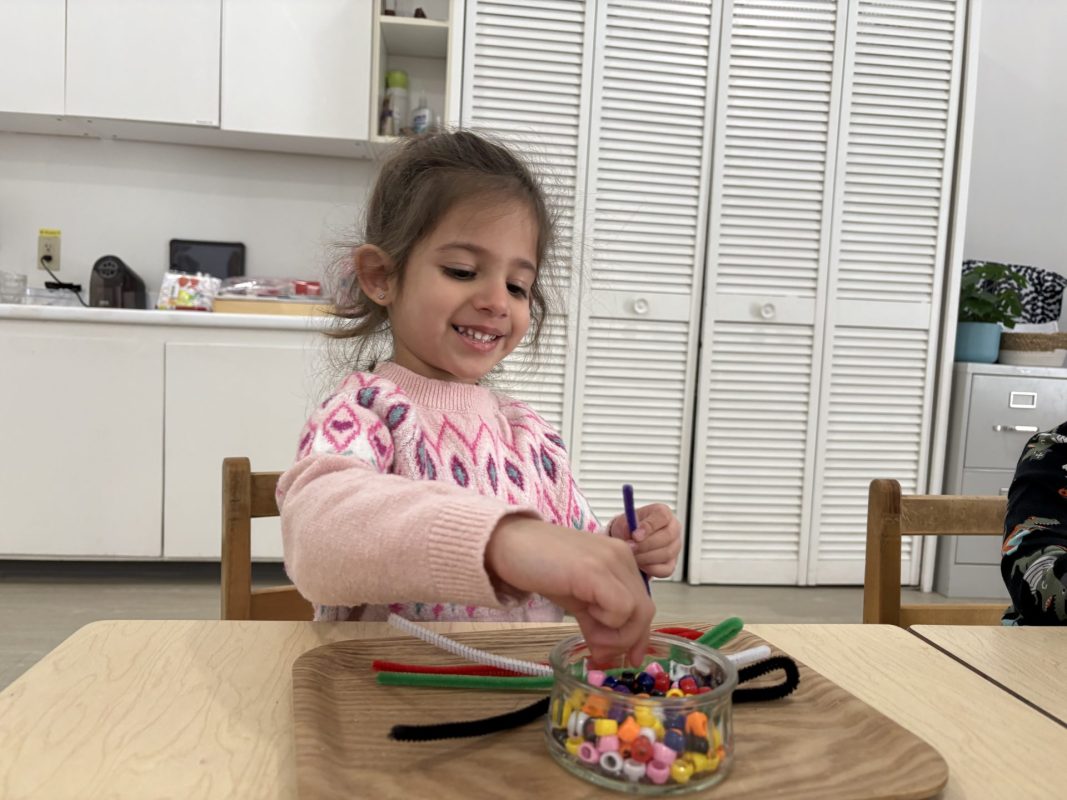
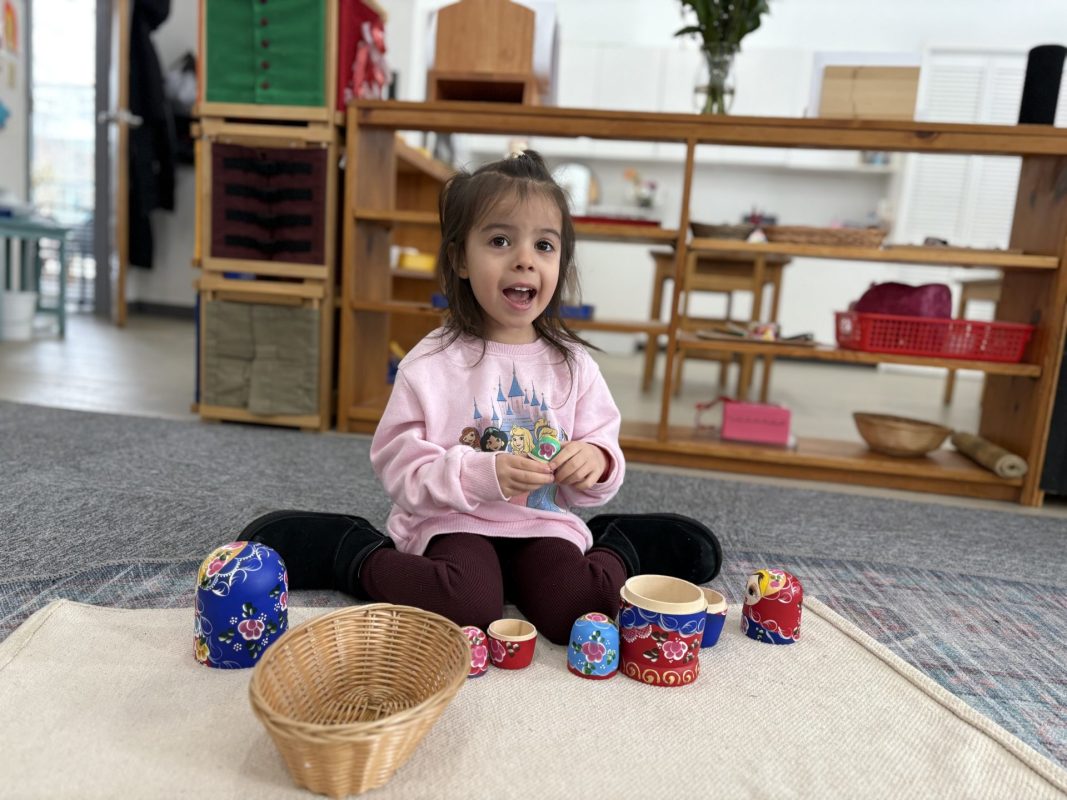
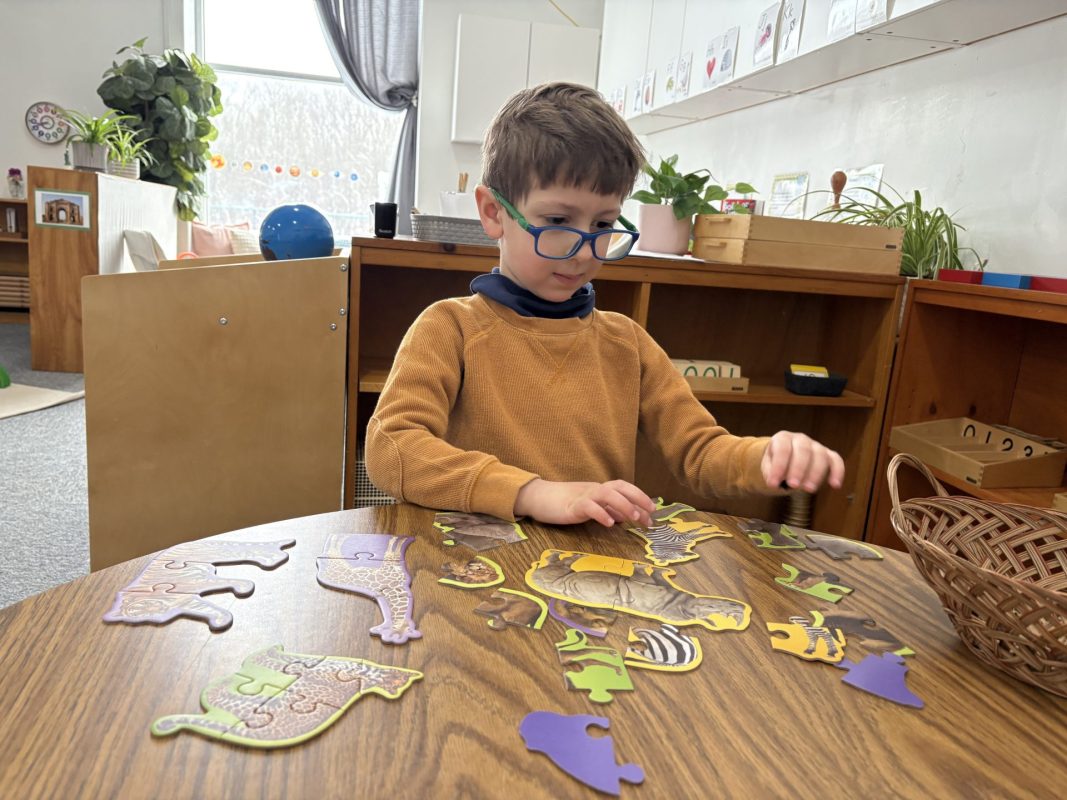
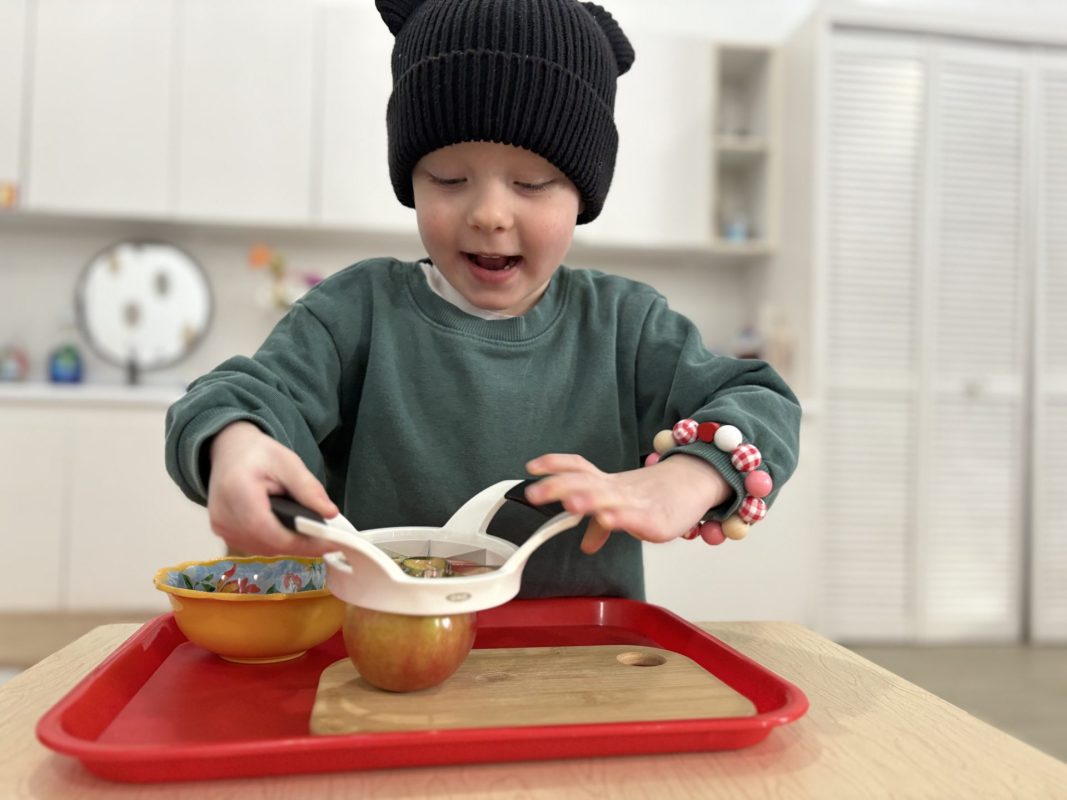
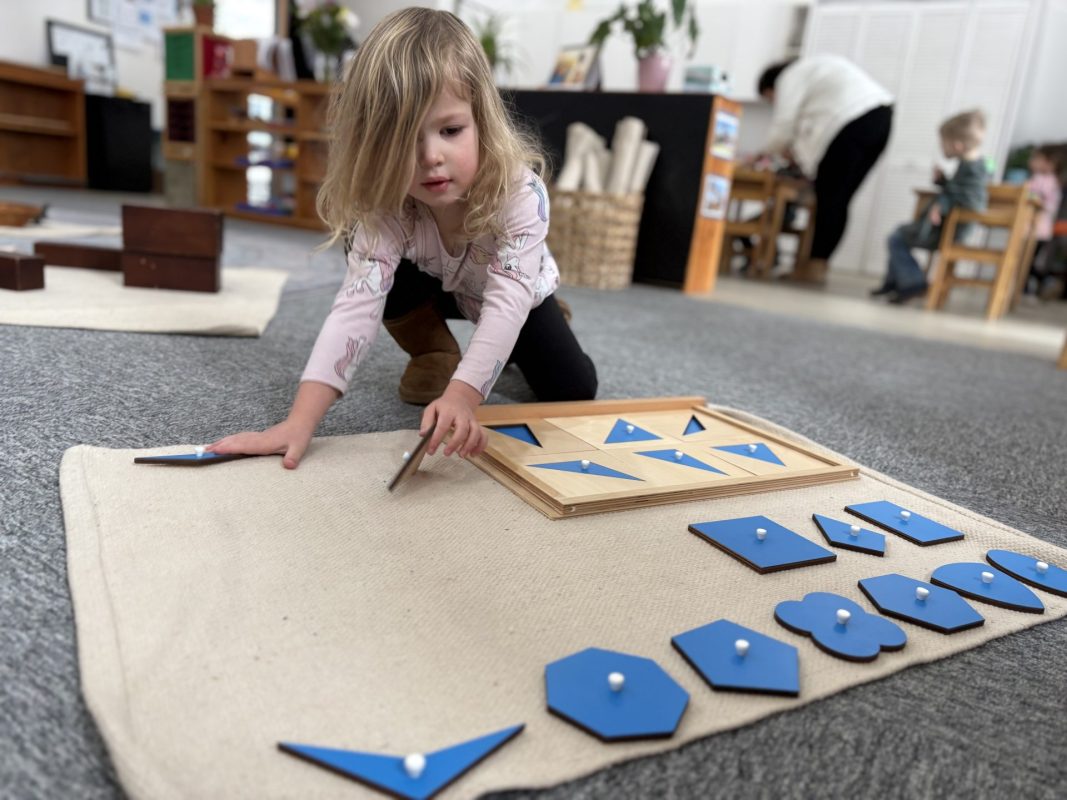
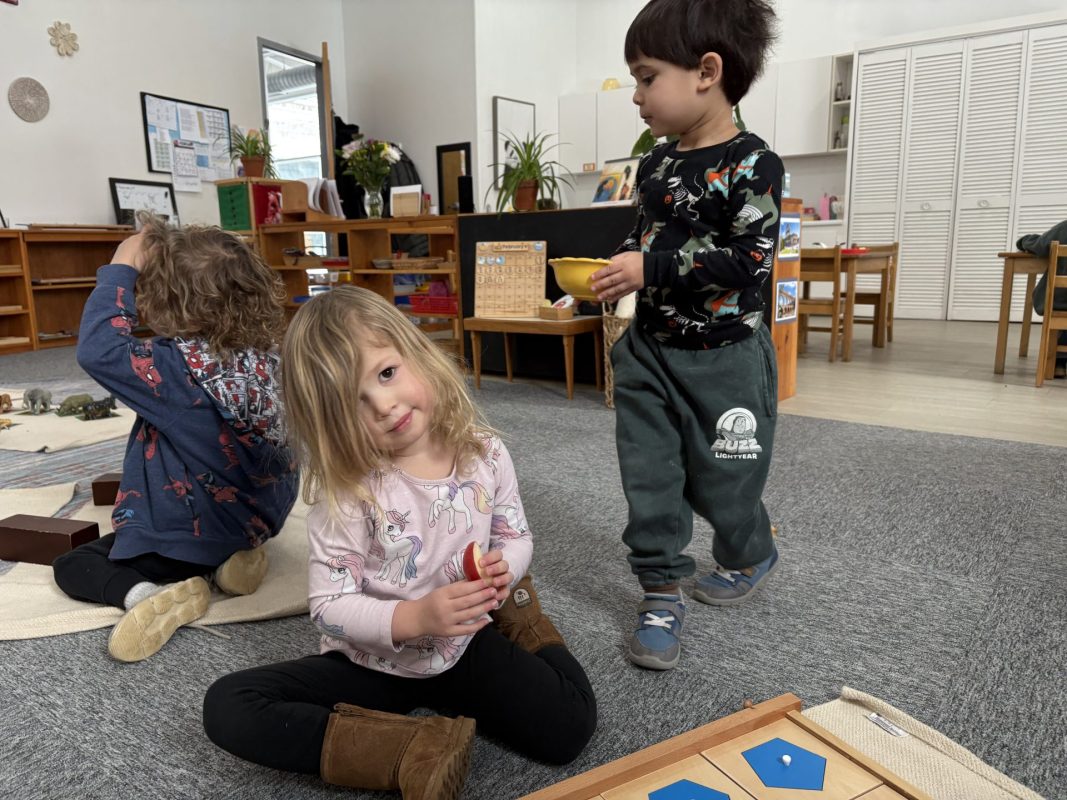
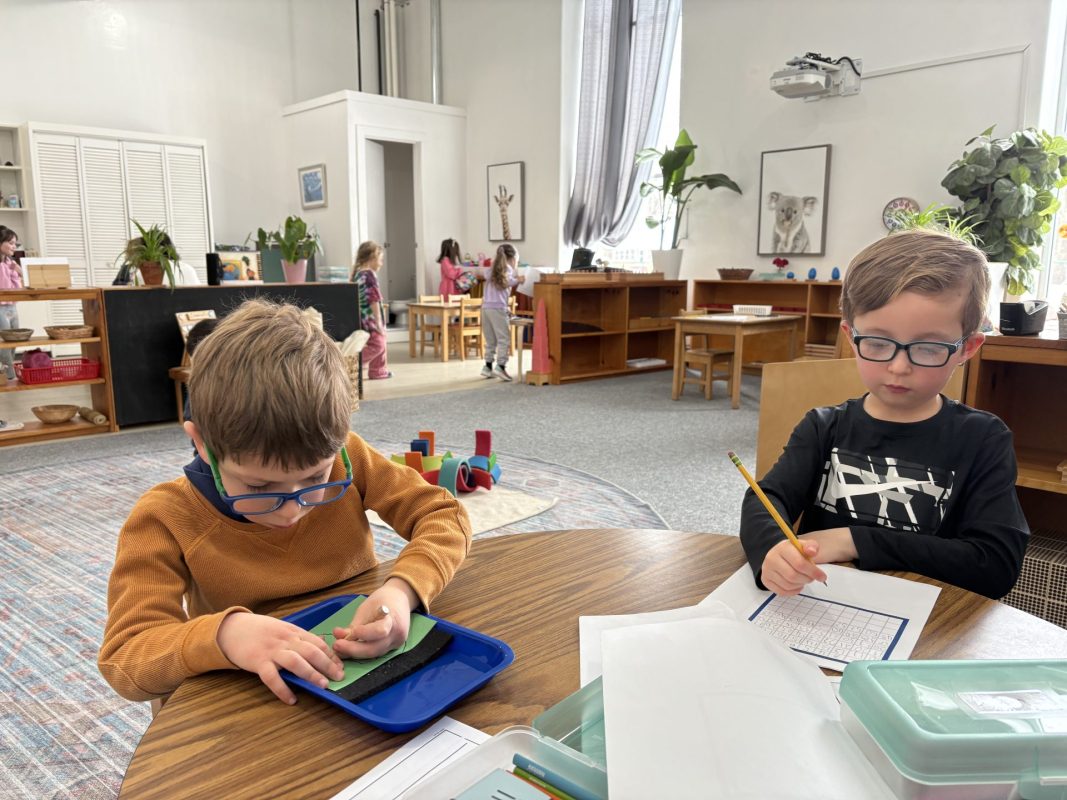
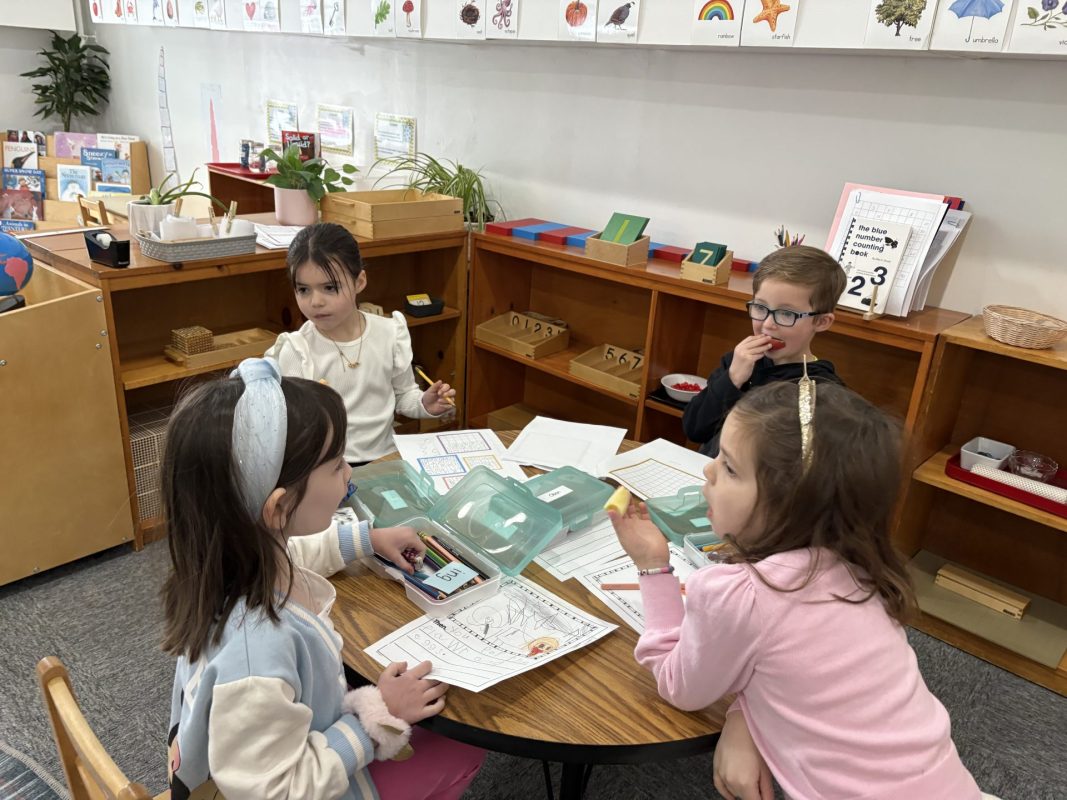
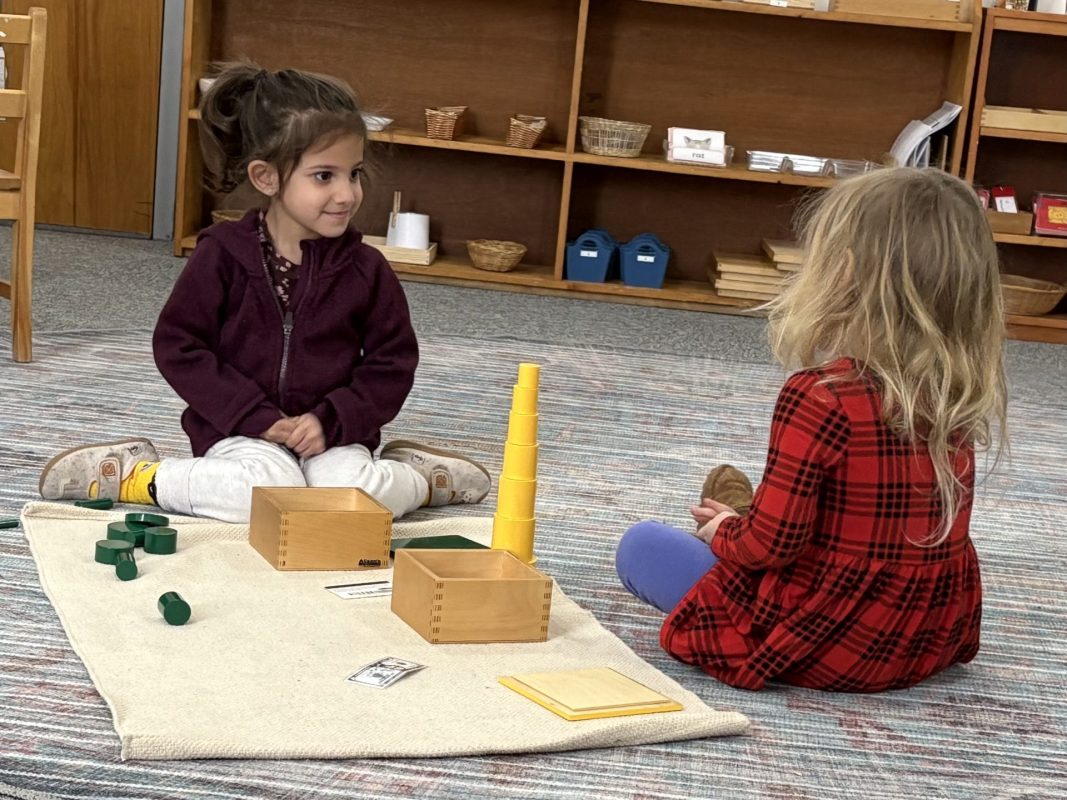
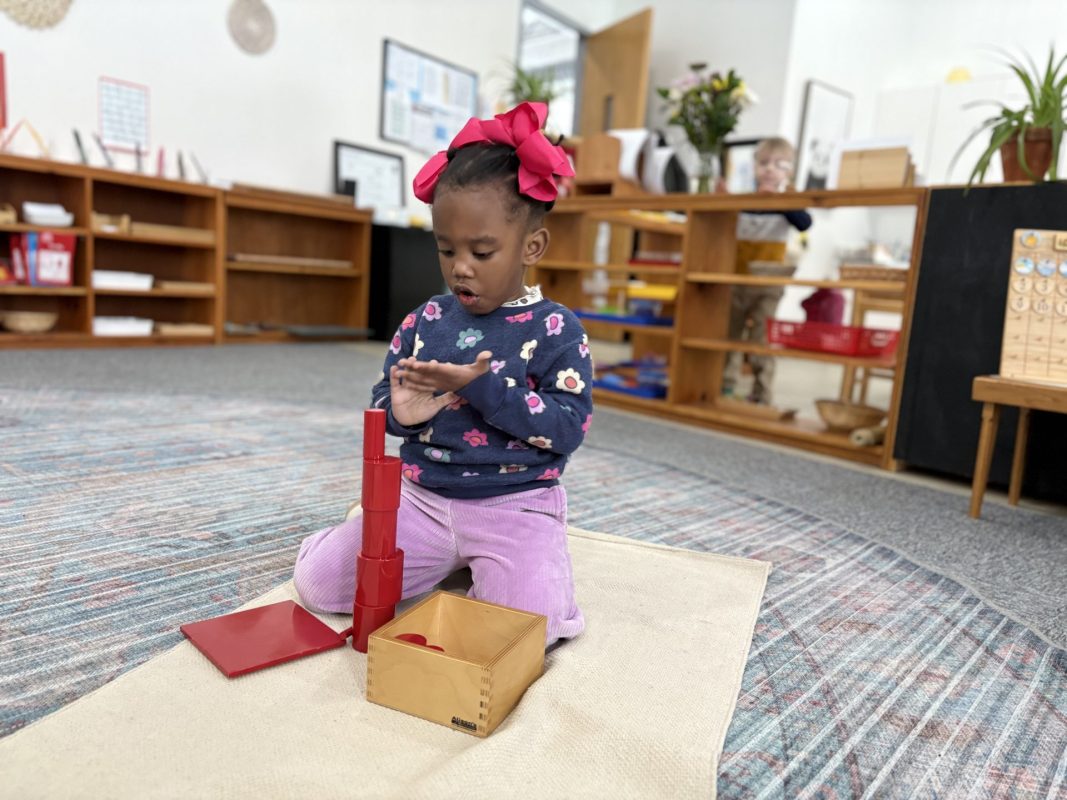
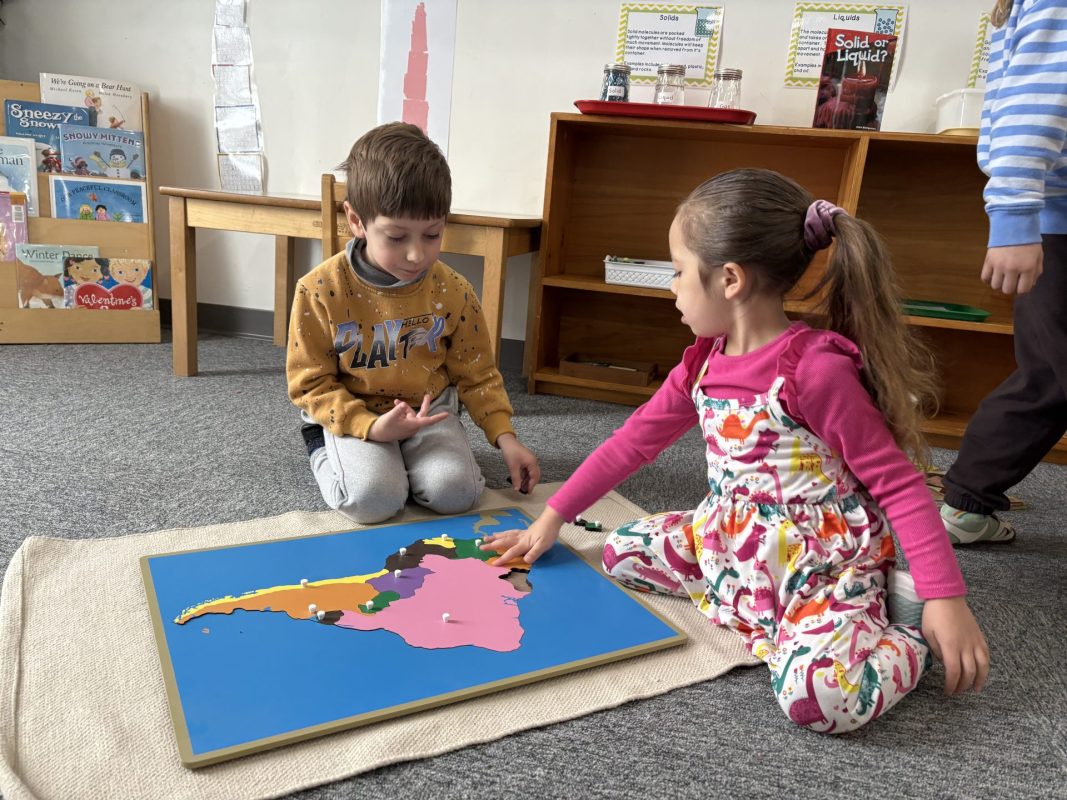
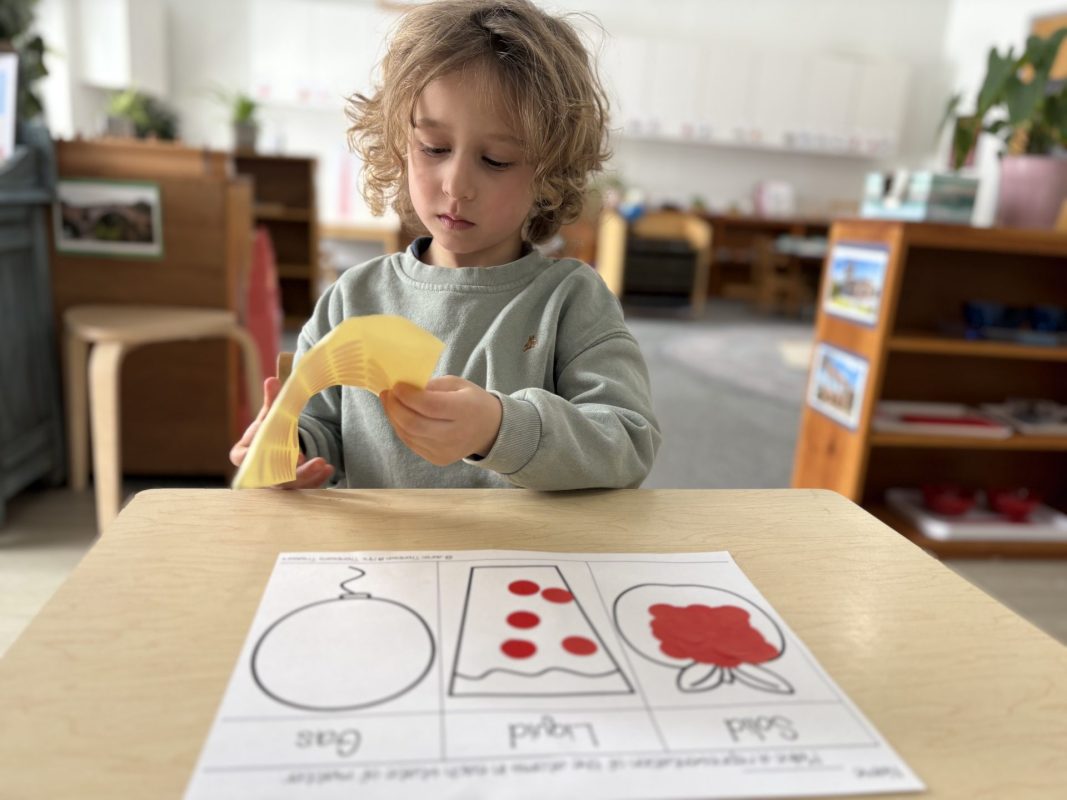
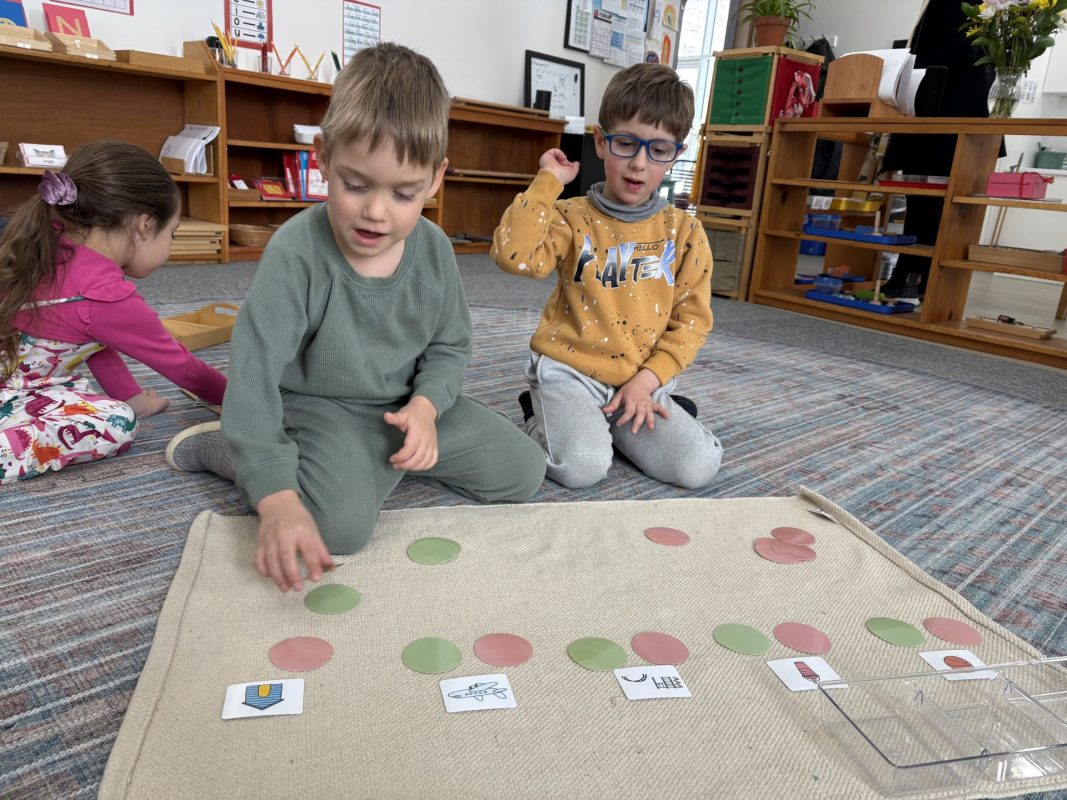
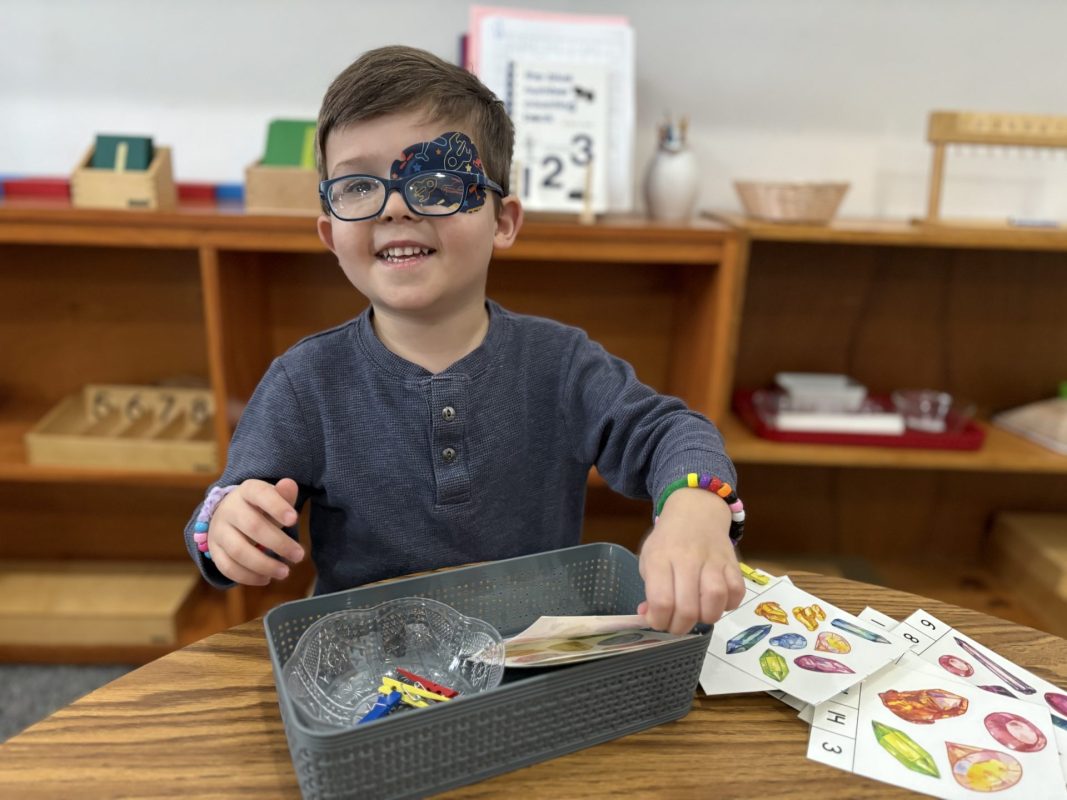
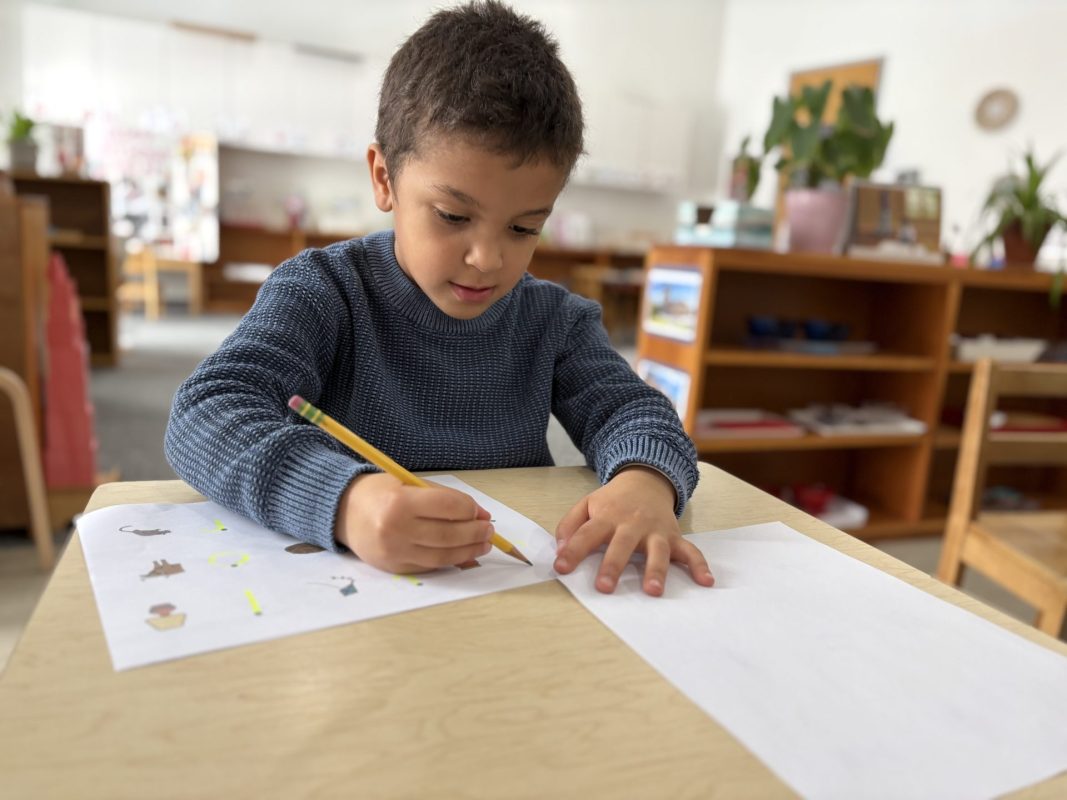
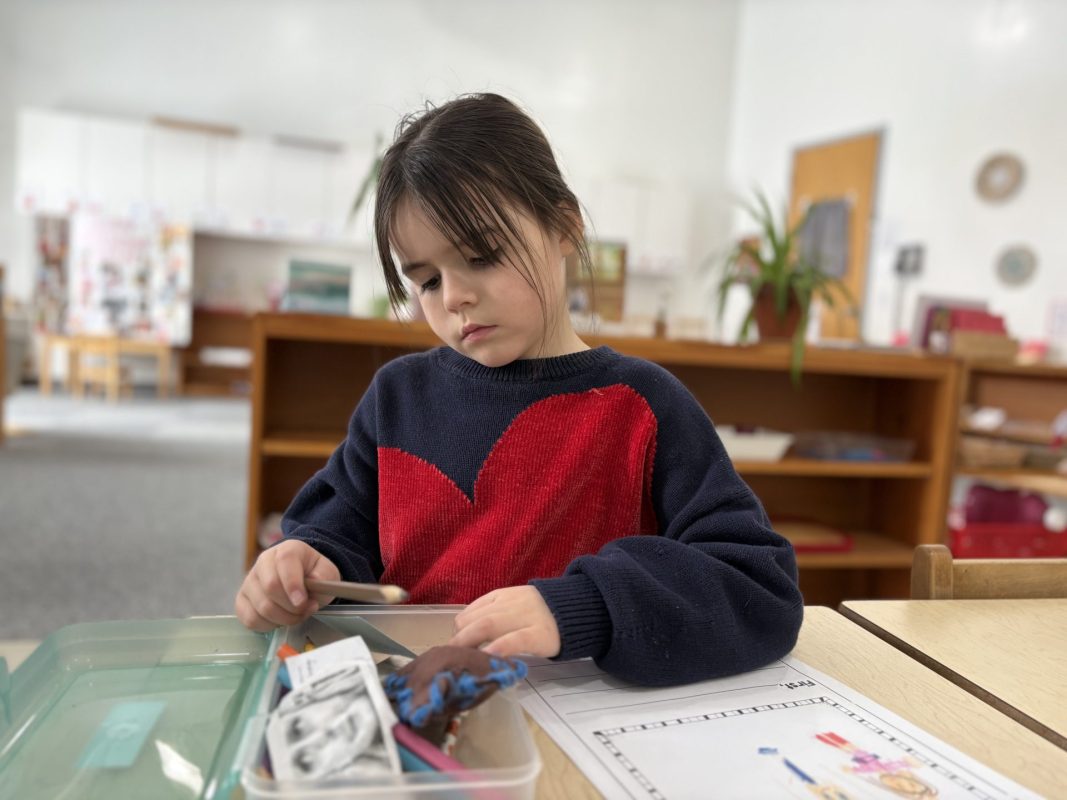
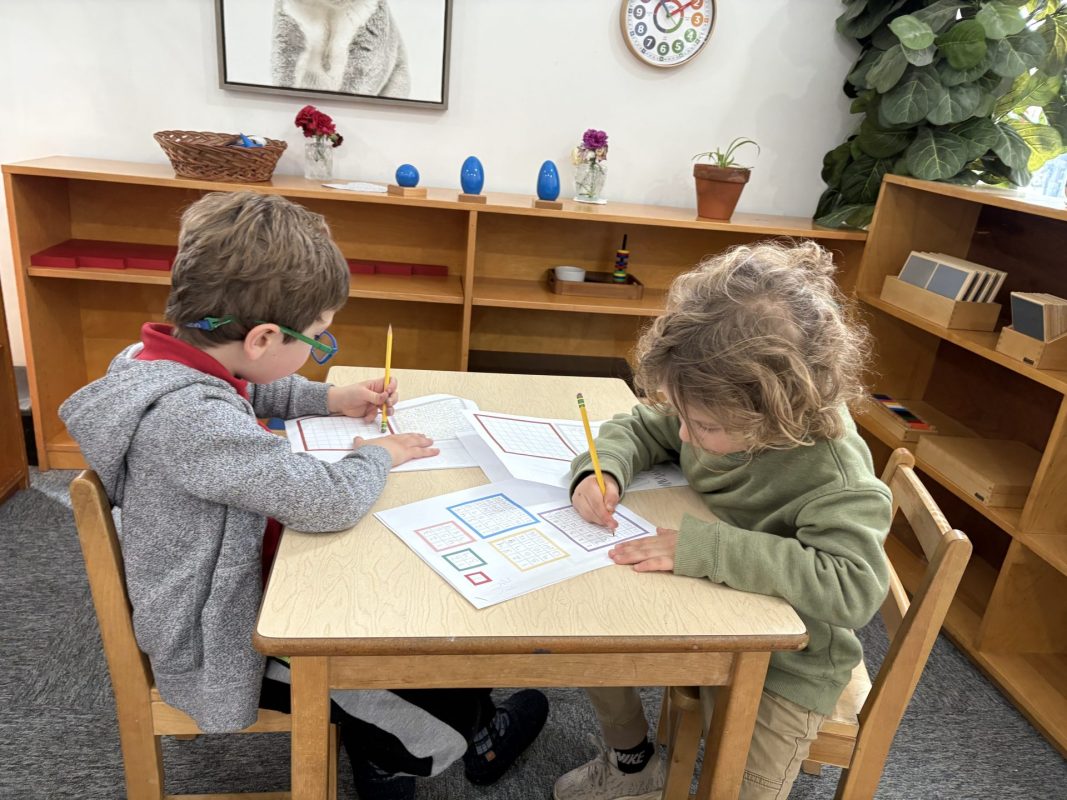
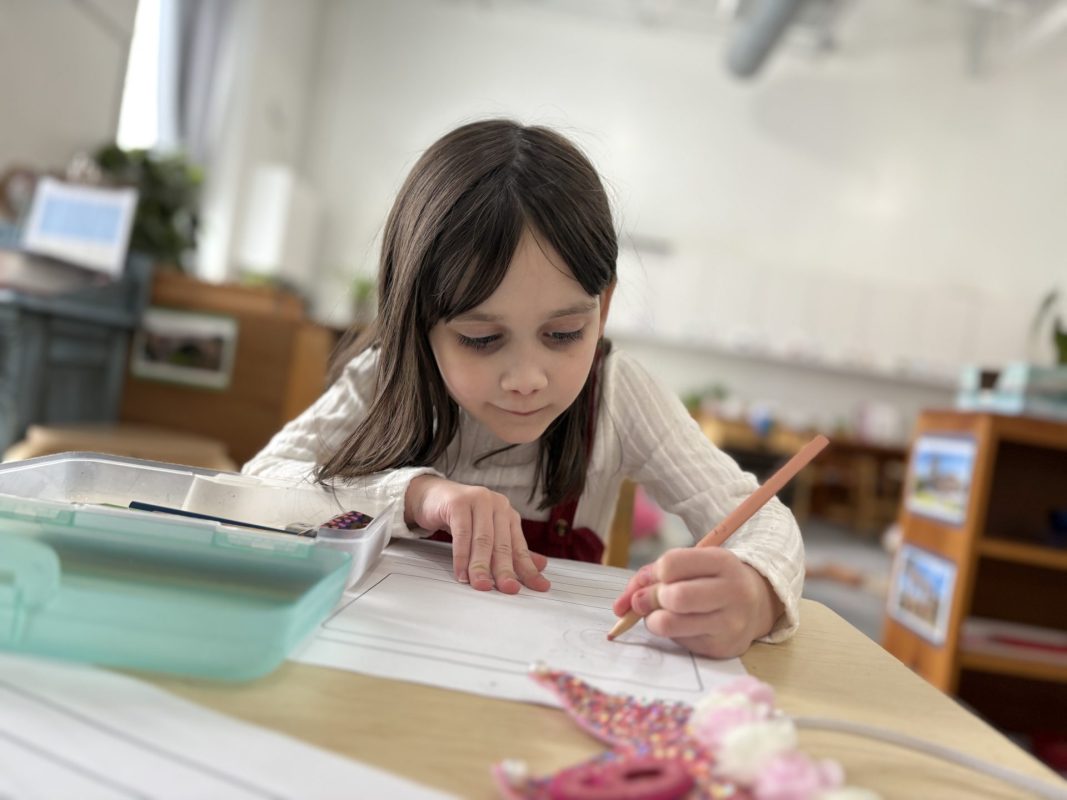
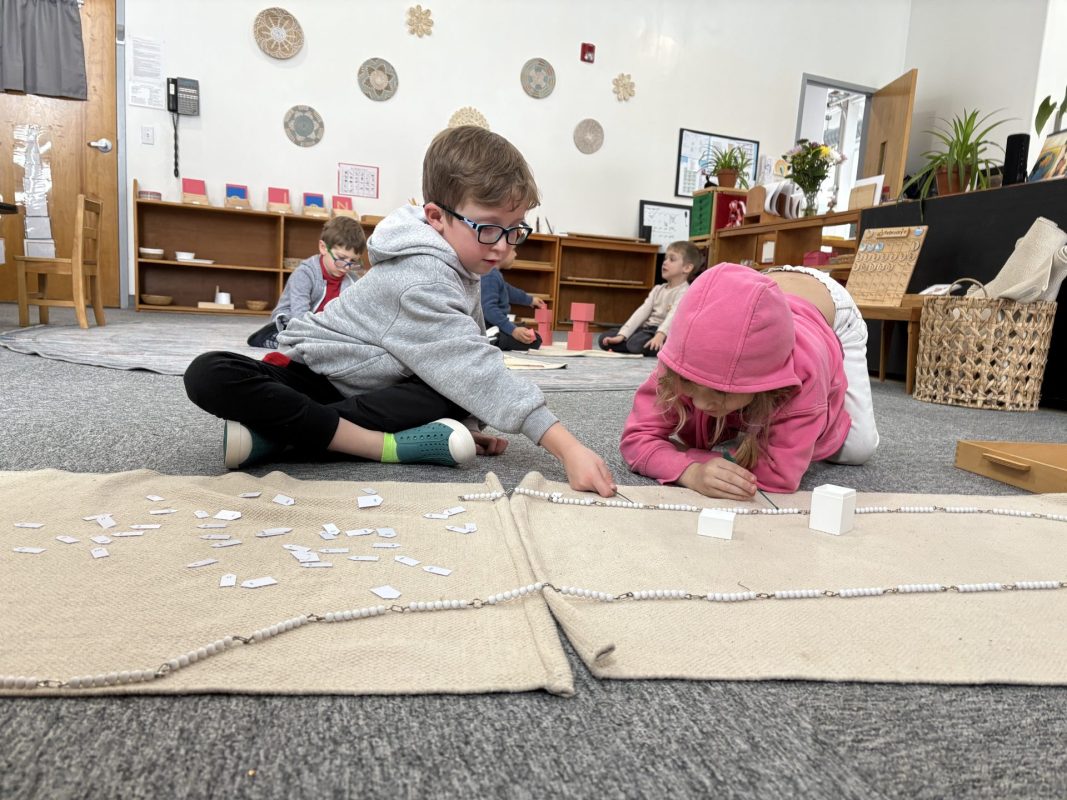
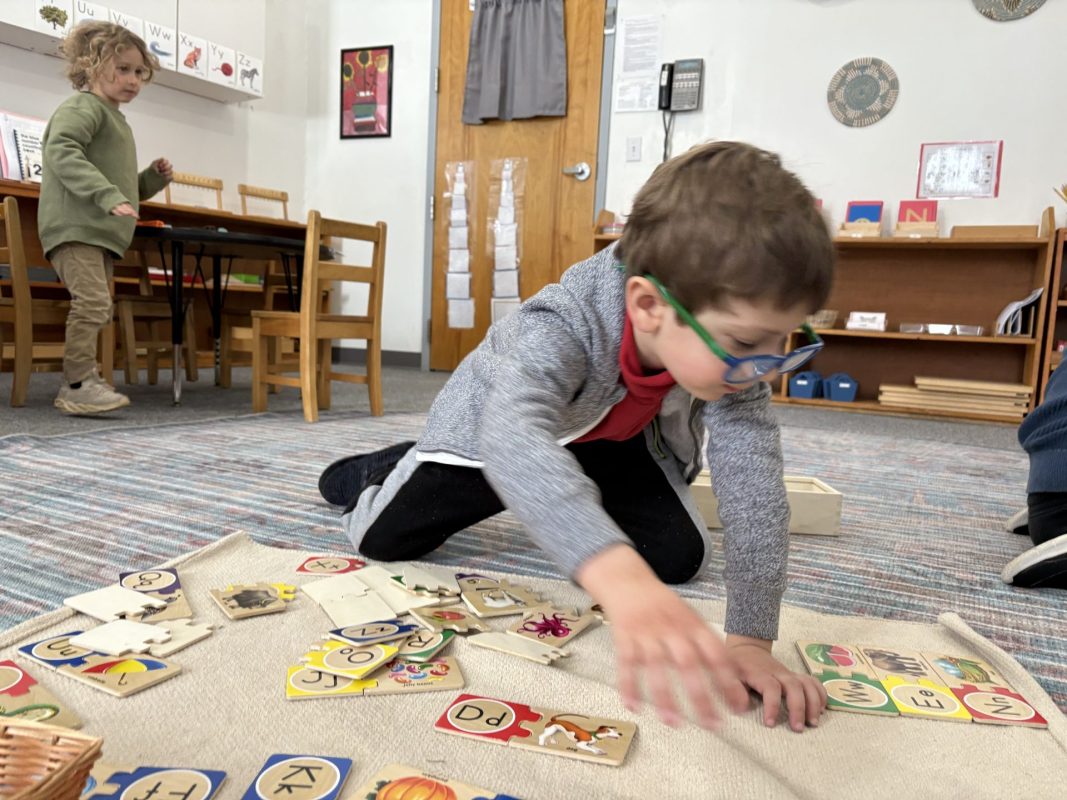
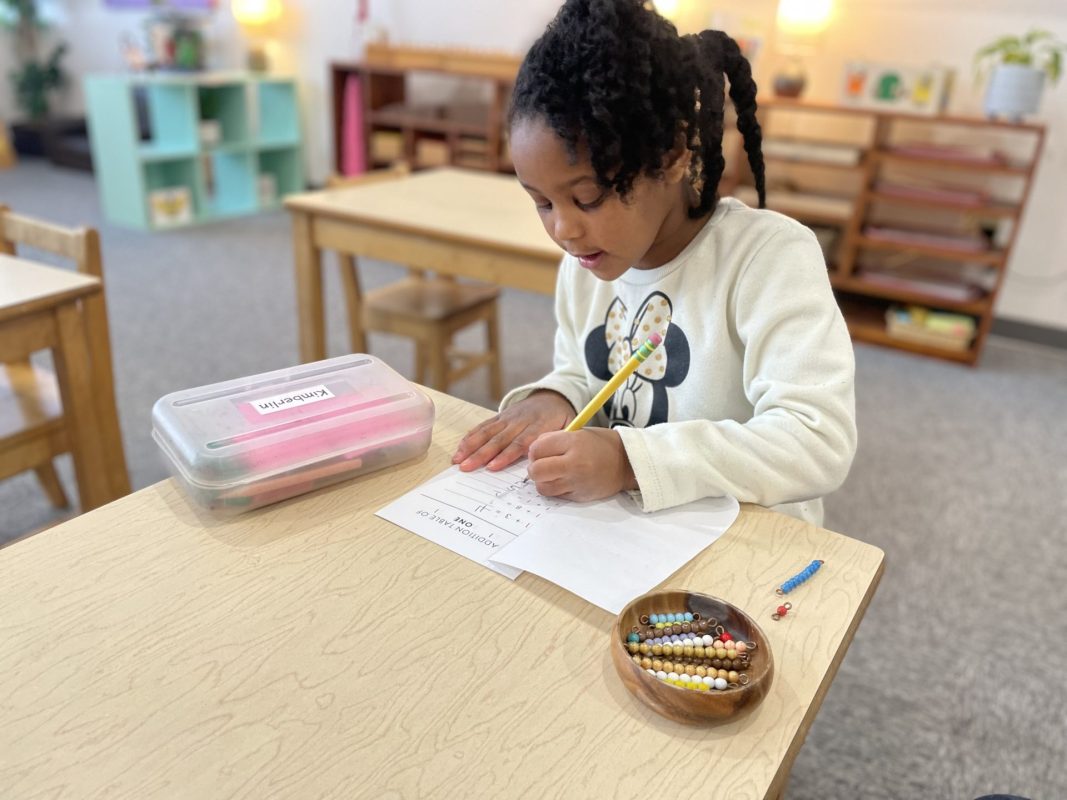
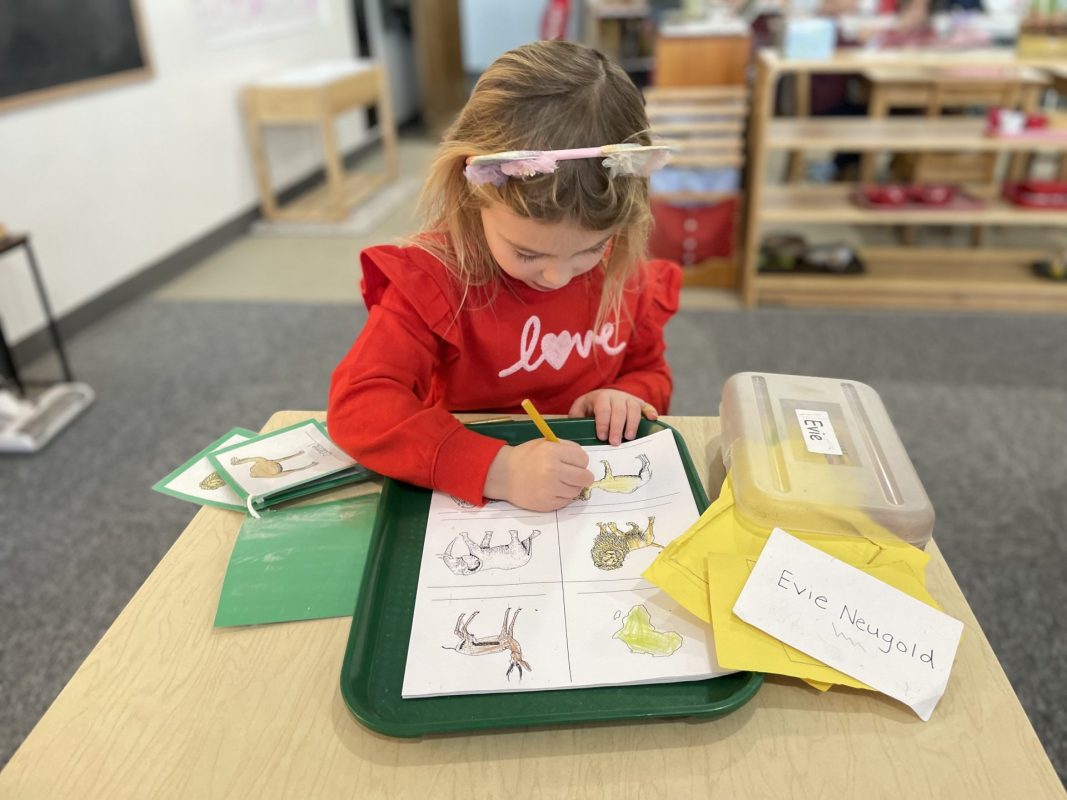
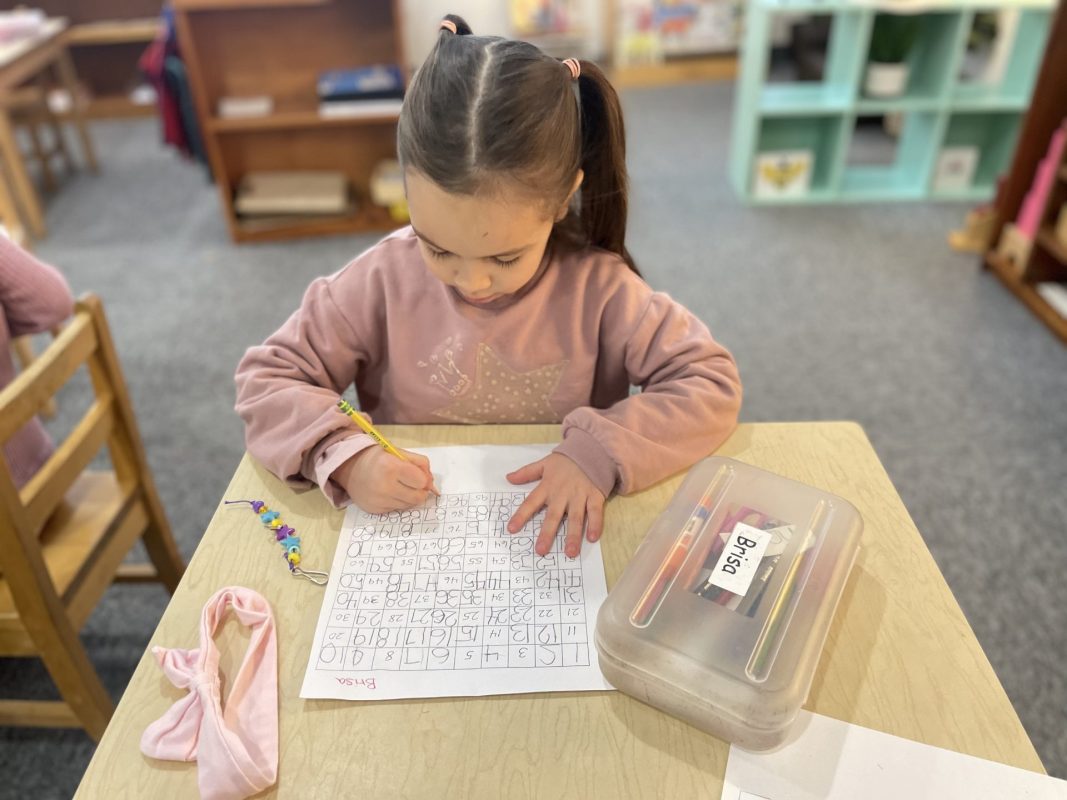
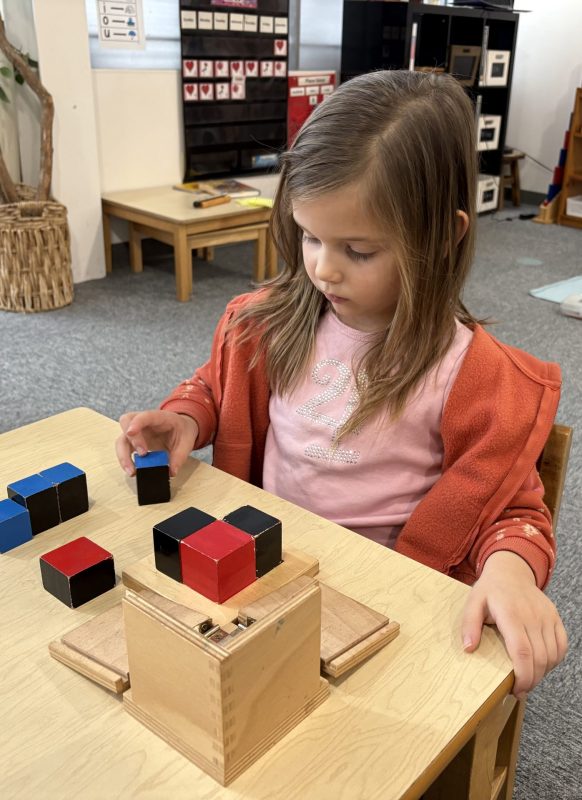
The Montessori math materials are visual and hands-on manipulatives, aiding in the ability of a child to understand mathematical concepts concretely. After many repetitions and when the child is ready, we introduce the more complex and abstract concepts. We teach the process first because the goal is to develop a true understanding of mathematical concepts and not simply memorization. The materials are sequenced in a way that each success a child experiences is a building block for the next concept to be introduced.

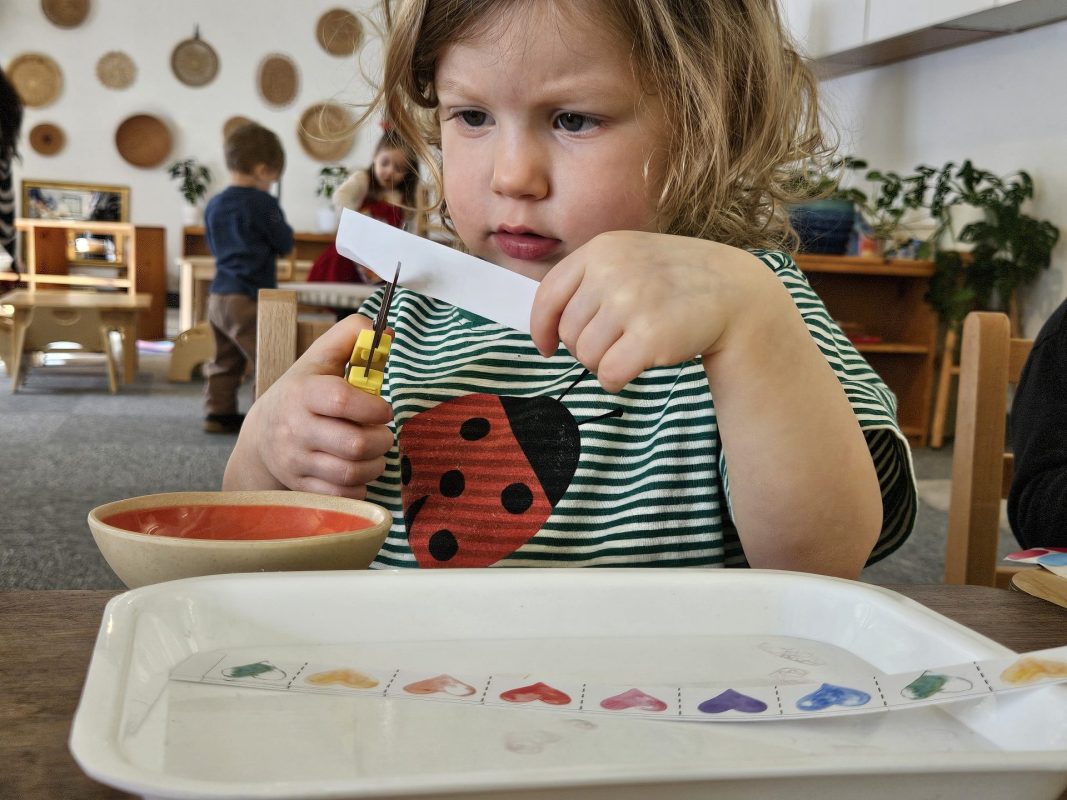
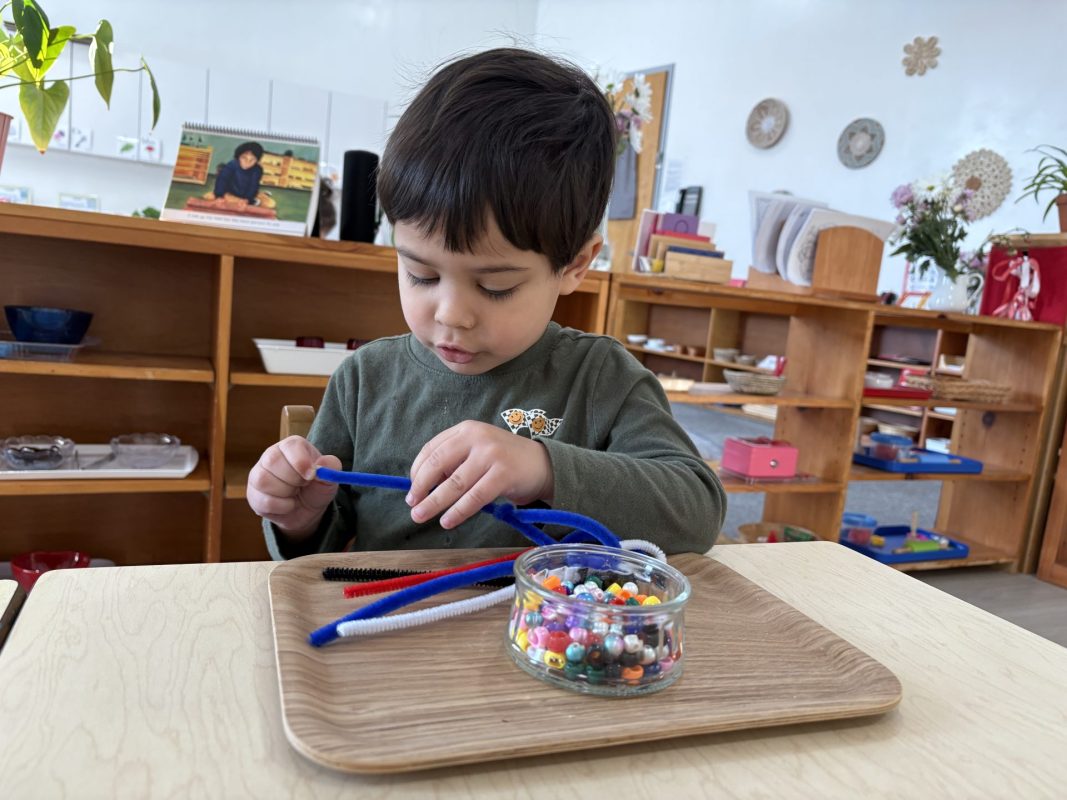
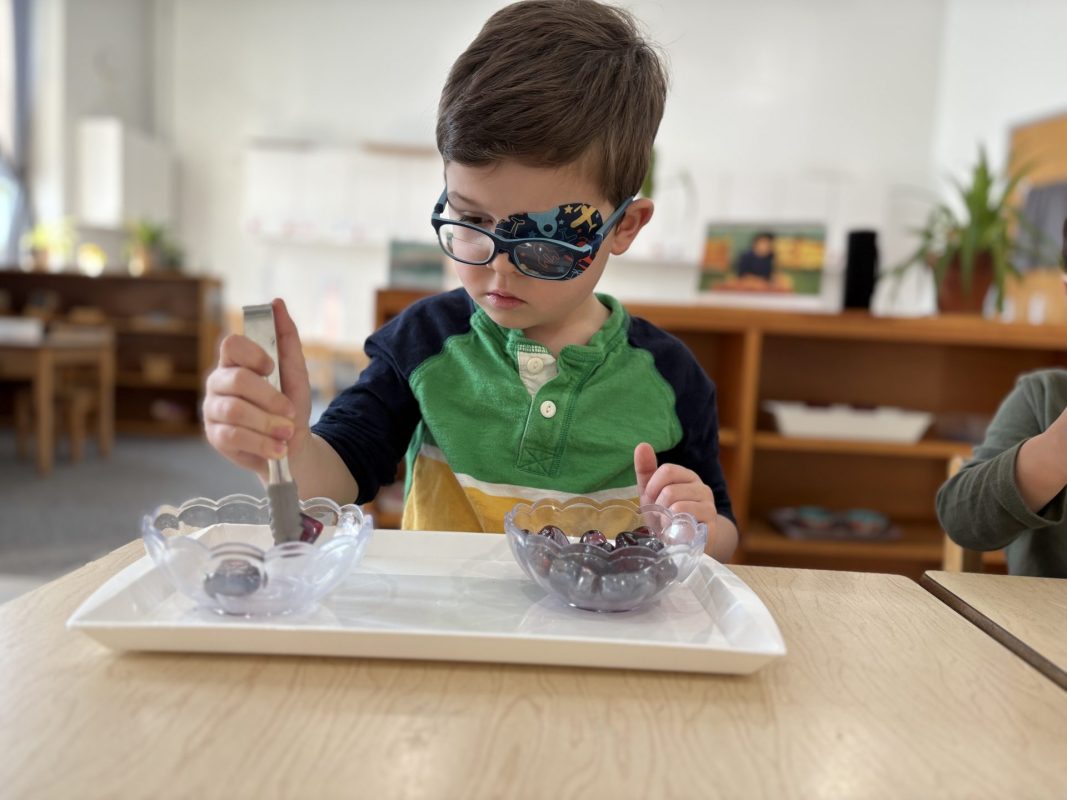
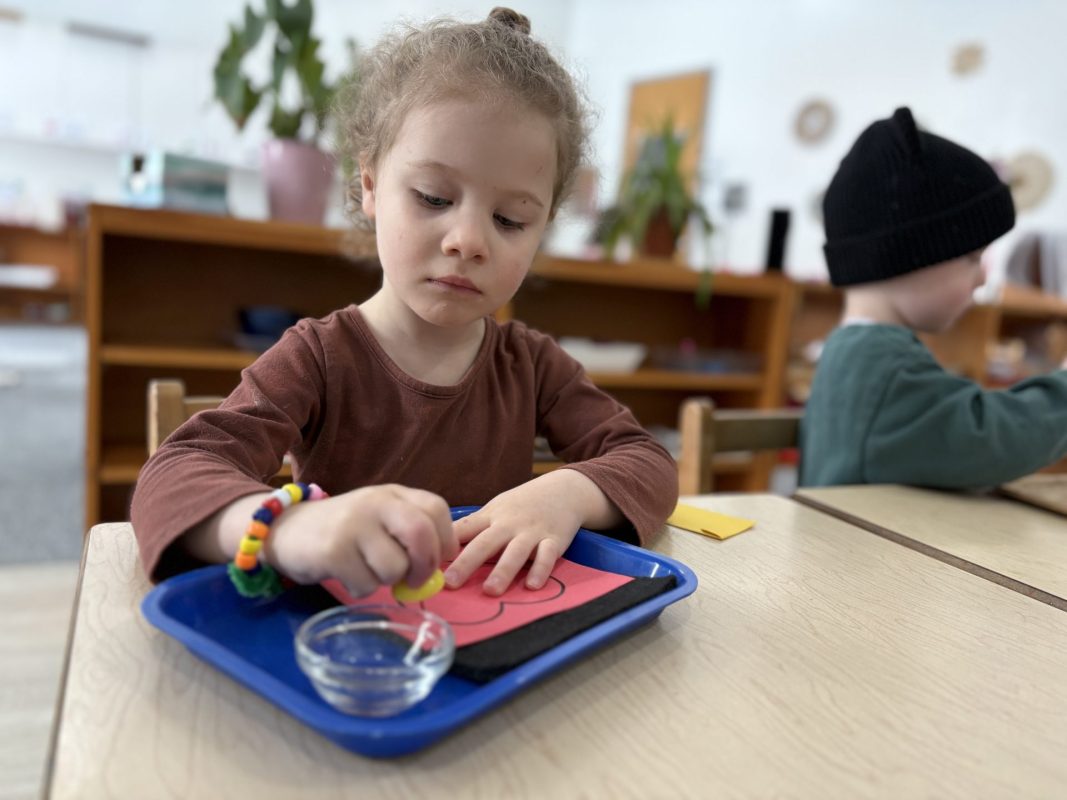
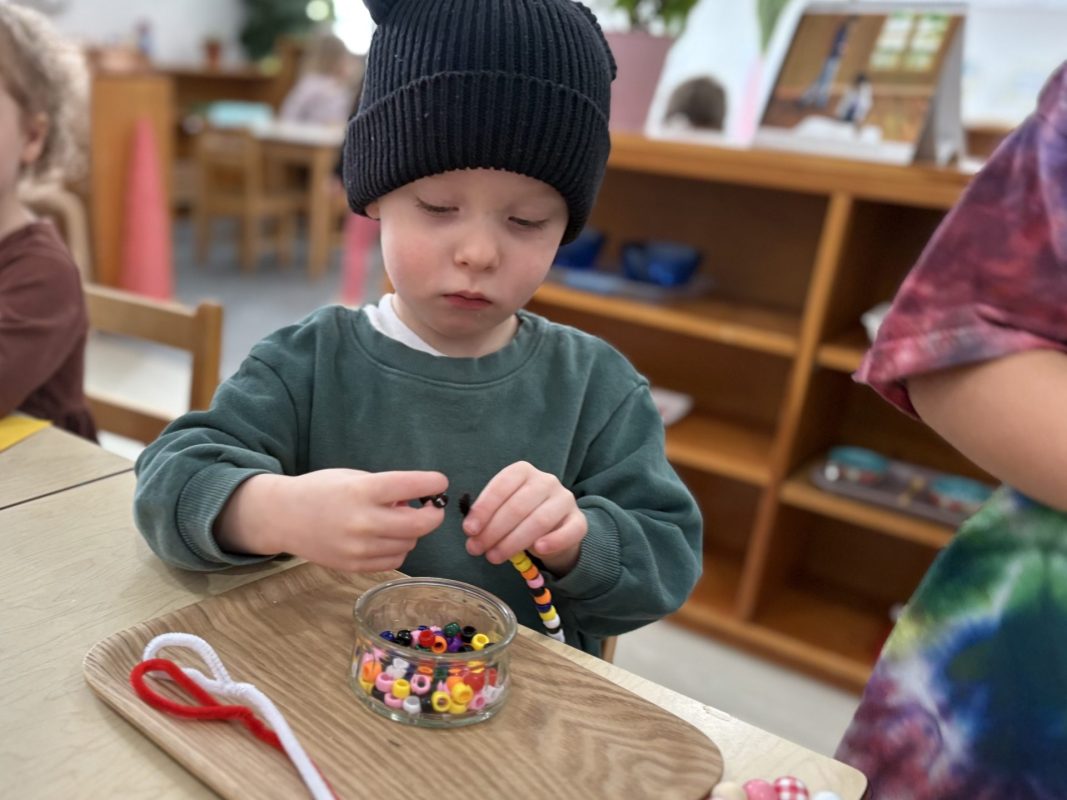
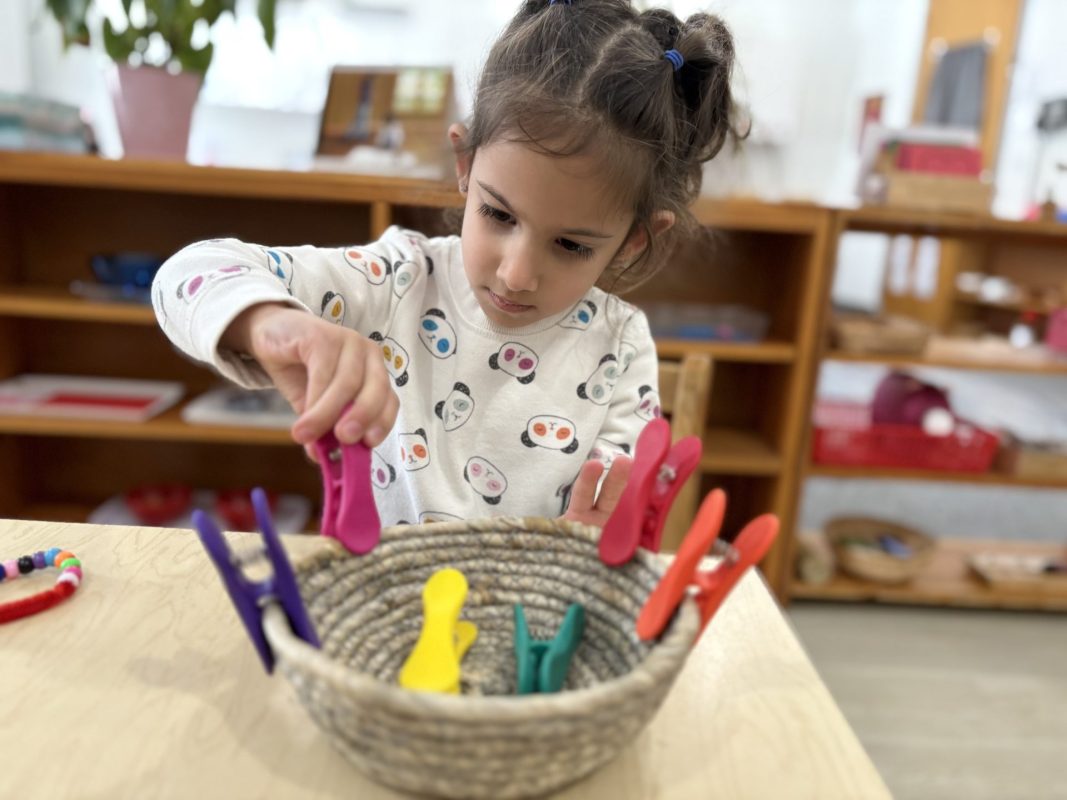
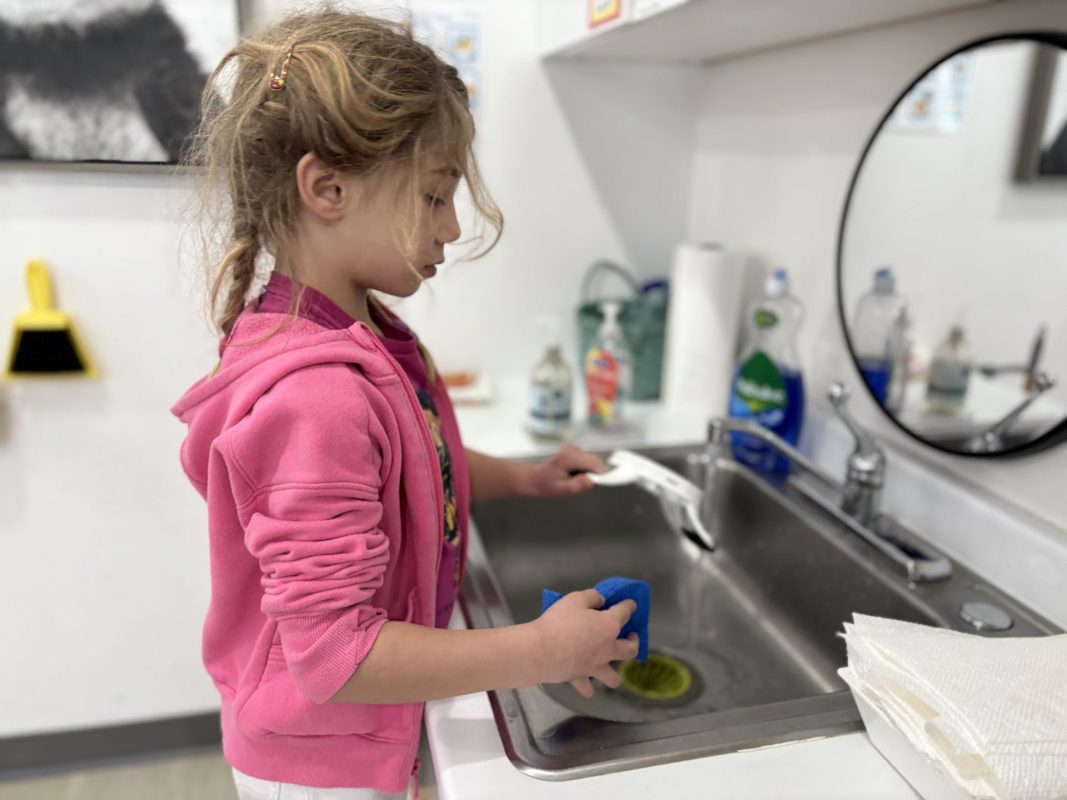
Maria Montessori believed that all children have a mathematical mind and an internal drive to understand the environment around them. We know that the Montessori math materials are exact and precise and allow the child to have positive experiences in math right from the beginning. We also know that the Practical Life activities have helped the child to develop order, concentration, coordination, and independence. Likewise, the Sensorial materials have allowed the children to recognize and extend patterns. Here’s the real secret behind the success of the Montessori math materials: the children truly enjoy them.

Hope your week adds up to one filled with peace and love.

Michelle & Maria


Mrs. Sargeant: A Peek at the Week

Children display a universal love of mathematics, which is par excellence the science of precision, order, and intelligence.”~ Dr. Maria Montessori

The Montessori math materials are visual and hands-on manipulatives, aiding in the ability of a child to understand mathematical concepts concretely. After many repetitions and when the child is ready, we introduce the more complex and abstract concepts. We teach the process first because the goal is to develop a true understanding of mathematical concepts and not simply memorization. The materials are sequenced in a way that each success a child experiences is a building block for the next concept to be introduced.

Maria Montessori believed that all children have a mathematical mind and an internal drive to understand the environment around them. We know that the Montessori math materials are exact and precise and allow the child to have positive experiences in math right from the beginning. We also know that the Practical Life activities have helped the child to develop order, concentration, coordination, and independence. Likewise, the Sensorial materials have allowed the children to recognize and extend patterns. Here’s the real secret behind the success of the Montessori math materials: the children truly enjoy them.

Hope your week adds up to one filled with peace and love.

Christine & Fatima


Montessori Math Made Simple in Lower Elementary

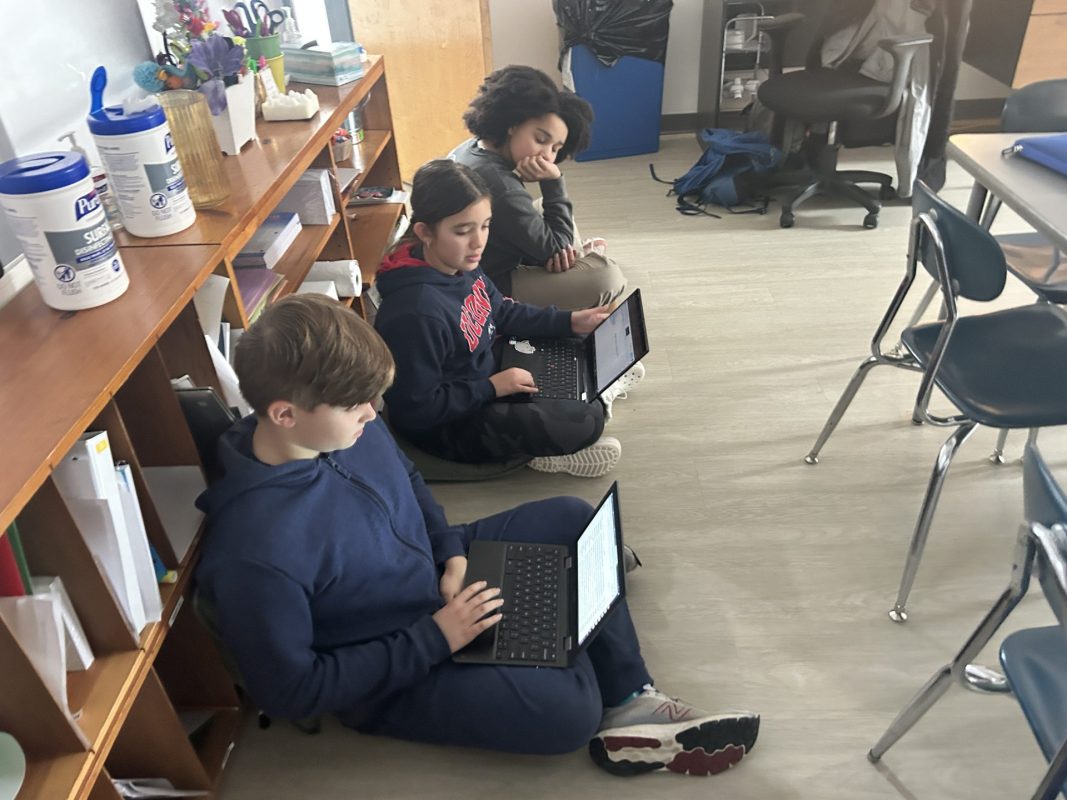
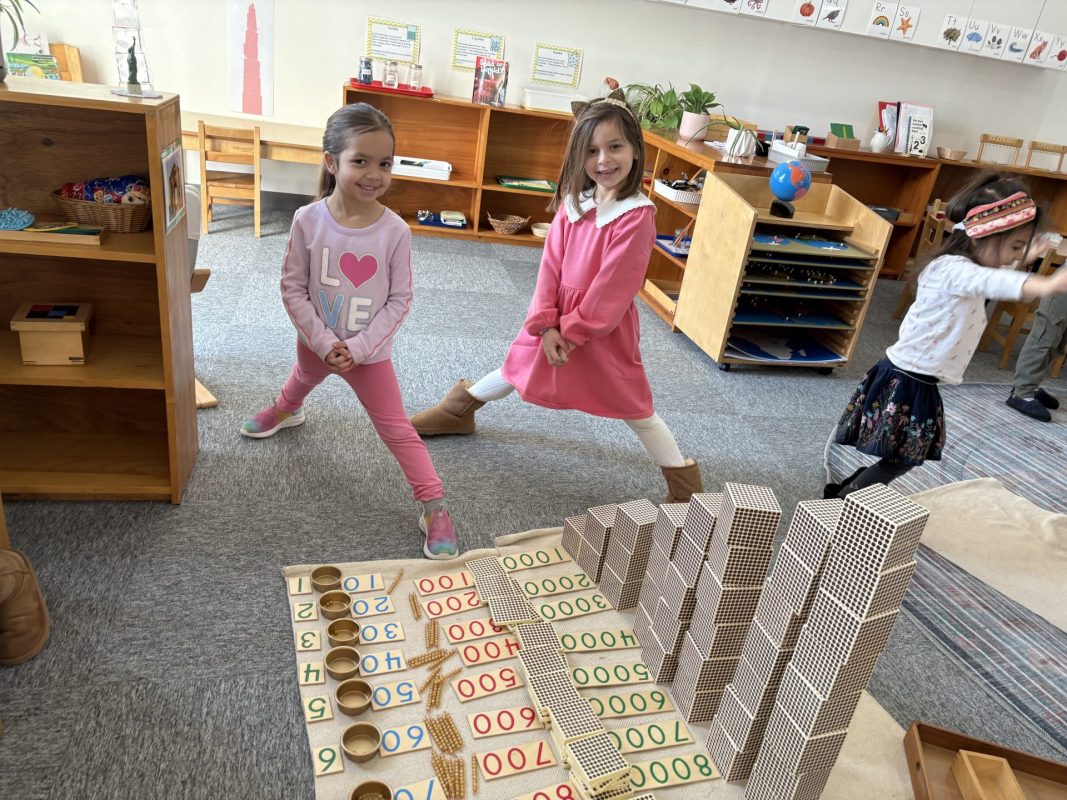
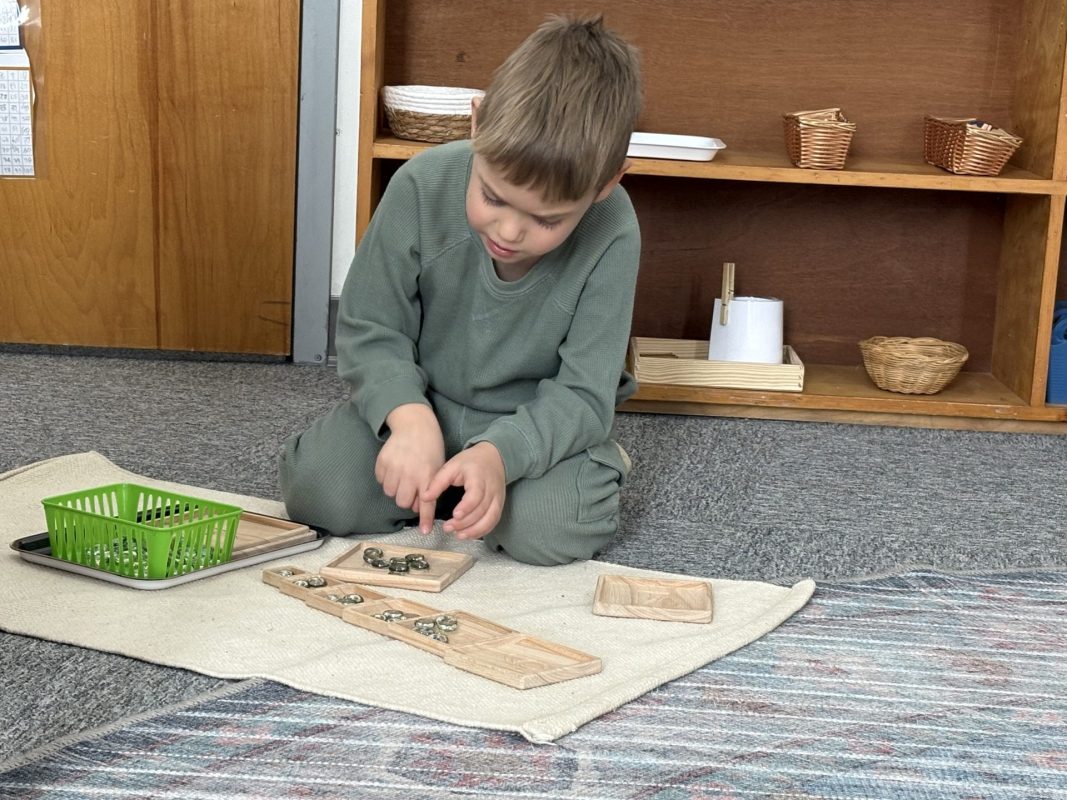
Many students are using the Small Bead Frame, Large Bead Frame, and Stamp Game in our classroom and I want to share more about how these incredible materials work. They transform abstract math concepts into hands-on learning experiences that build confidence and understanding.

  • Stamp Game: This versatile material supports all four operations—addition, subtraction, multiplication, and division.  It’s a set of small tiles or “stamps” representing units, tens, hundreds, and thousands.  The children use the Stamp Game to deepen their understanding of operations as they physically group, exchange, and move the stamps to solve equations. This hands-on approach helps them internalize concepts like carrying in addition and multiplication, and borrowing in subtraction. For division, children distribute tiles (representing units, tens, hundreds, or thousands) into equal groups, reinforcing the concept of sharing and remainders.
  • Small & Large Bead Frames: These frames teach operations like addition, subtraction, and multiplication using color-coded beads to represent place value. The Small Bead Frame focuses on numbers up to the thousands, while the Large Bead Frame handles millions, bridging the gap between concrete and abstract thinking. As children slide beads across the frame, they physically see how numbers grow and interact.

By blending tactile exploration with visual learning, these tools build independence, confidence, and a love for math. They turn abstract problem-solving into a hands-on adventure.


Mrs.Wilson: Building Confident Independent Humans

This week, I came across a quote about self-esteem that really resonated with me, both in my professional life and personal growth. It came from a reel that Ms. Sara shared with me: “If you do too much for your children, you are increasing YOUR self-esteem by stealing theirs.” Wow—how powerful is that? This concept comes from the book Raising Mentally Strong Kids by Daniel G. Amen, MD, and Charles Fay, PhD. While I haven’t read the book yet, I happened to spot it on our Book Tree at school later that day. I plan to read it as I want to delve deeper into these ideas, both to better myself and to be a stronger guide for the children in my care.

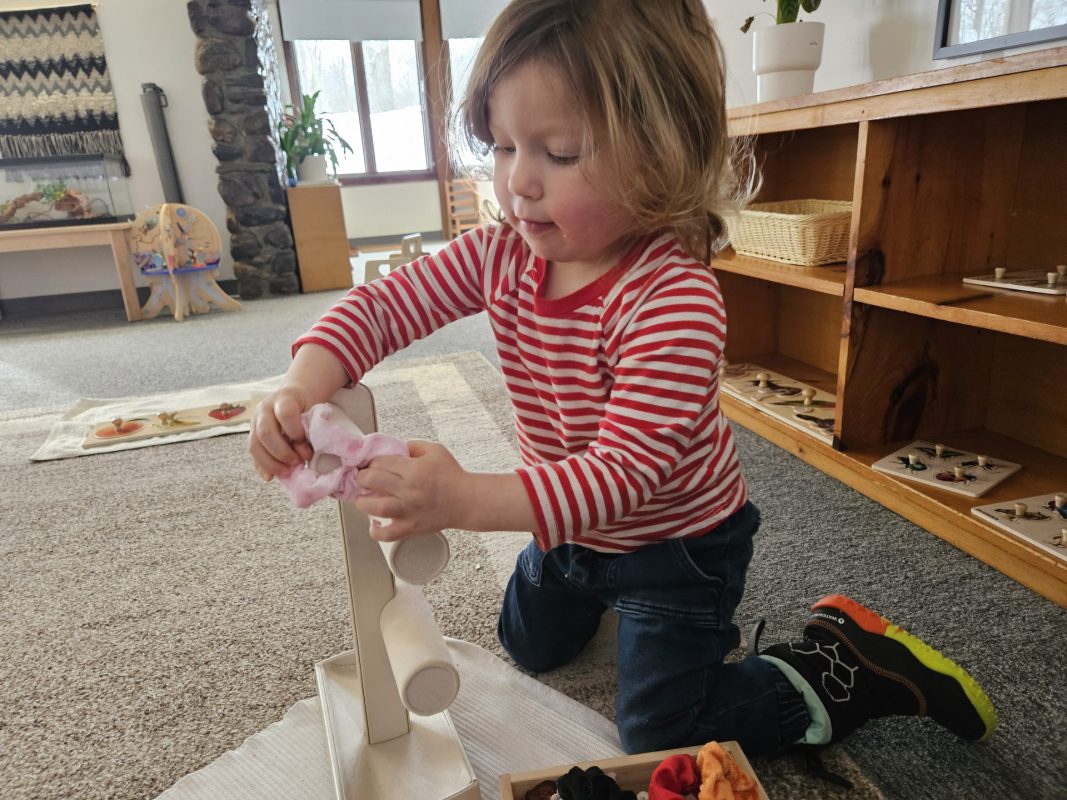
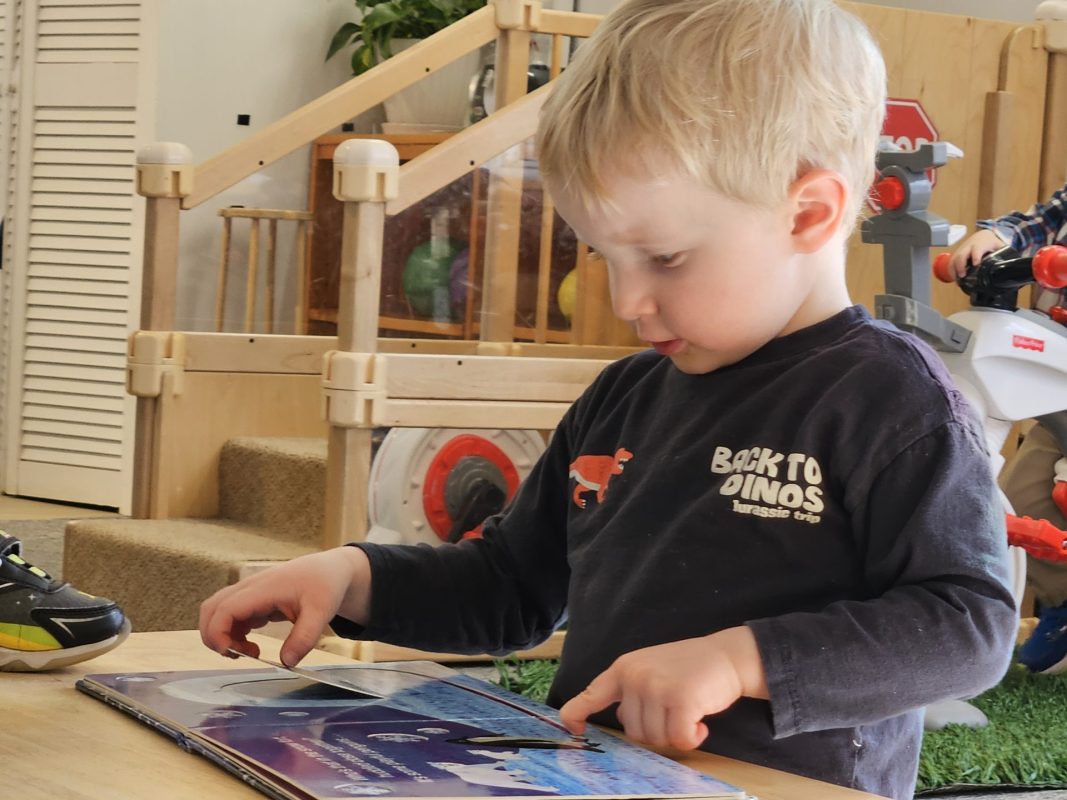
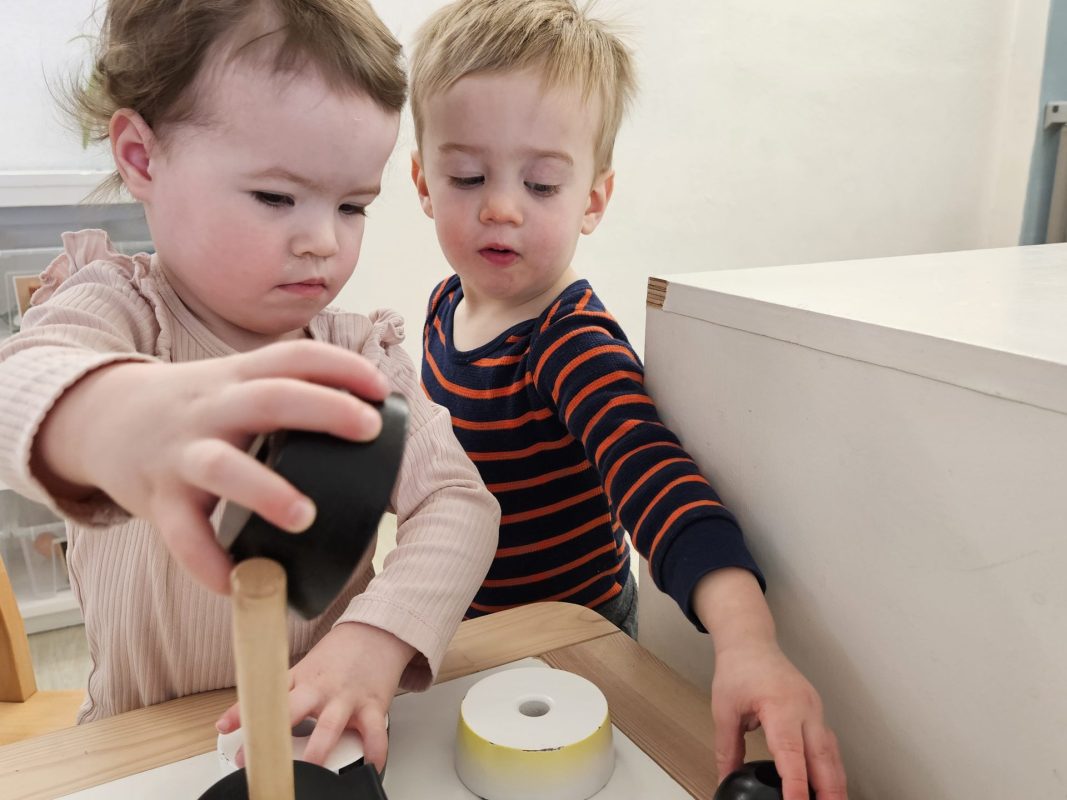
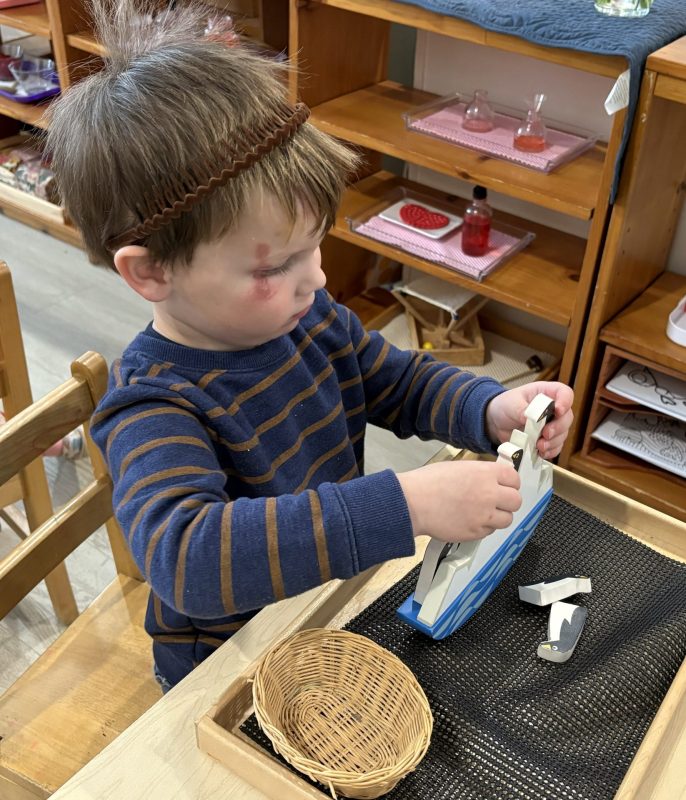
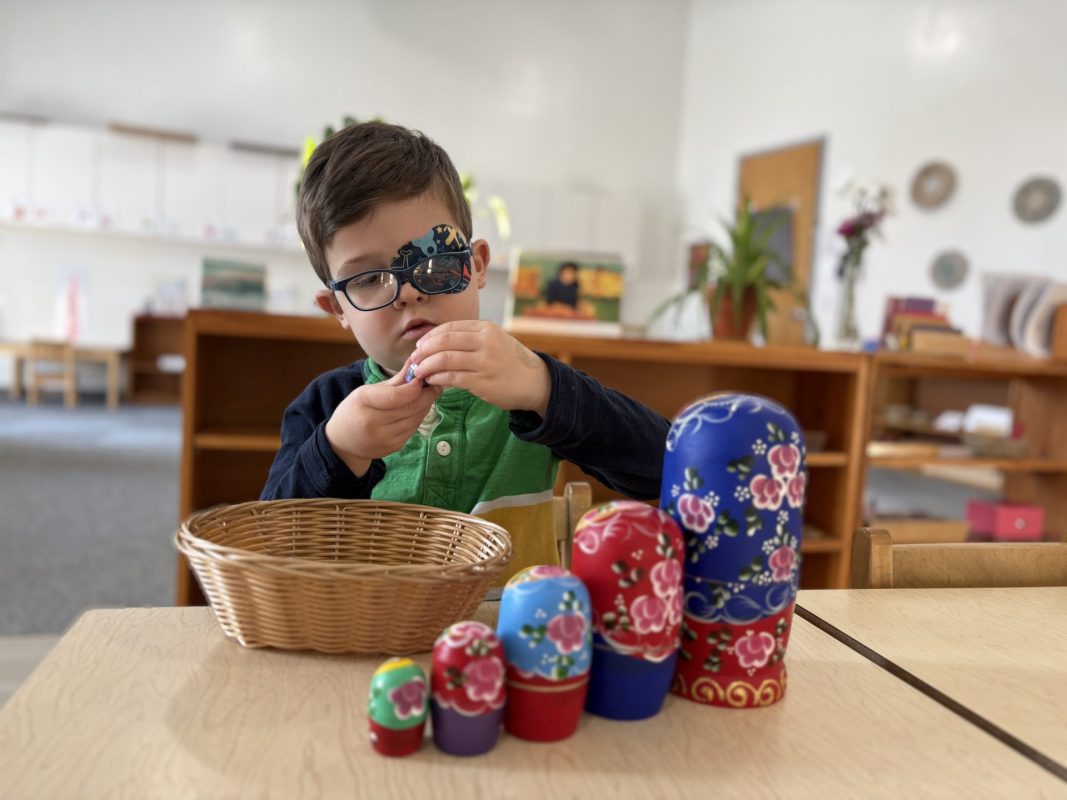
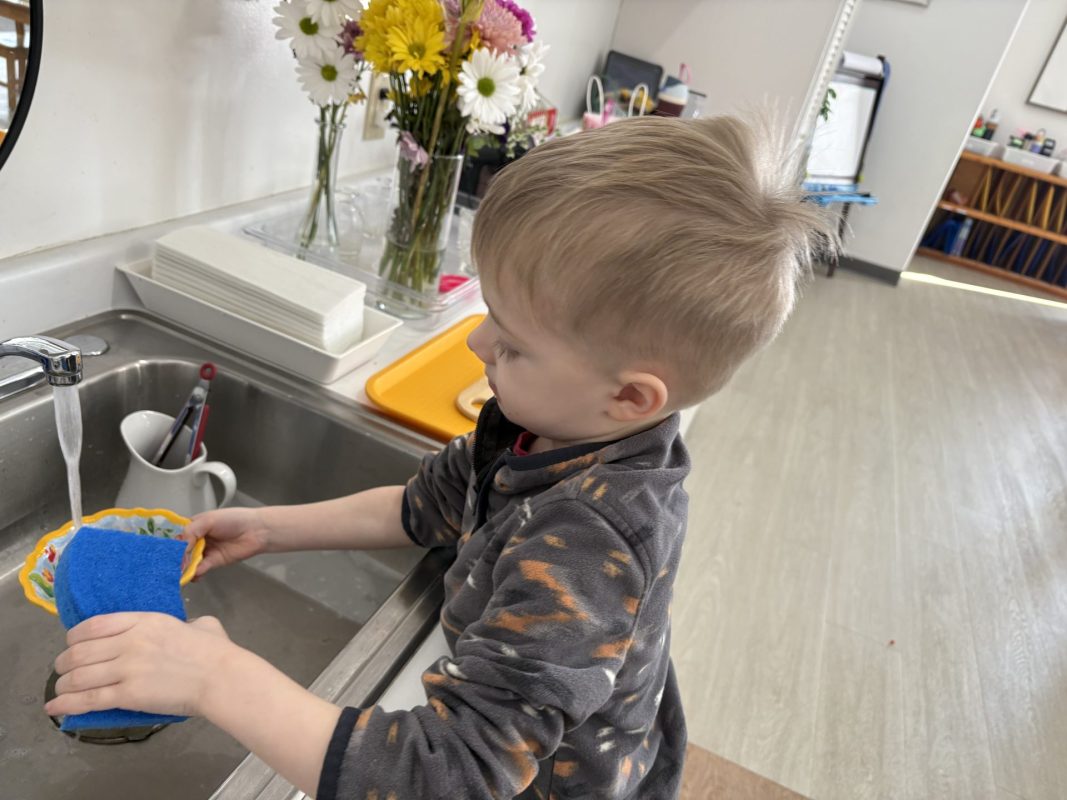
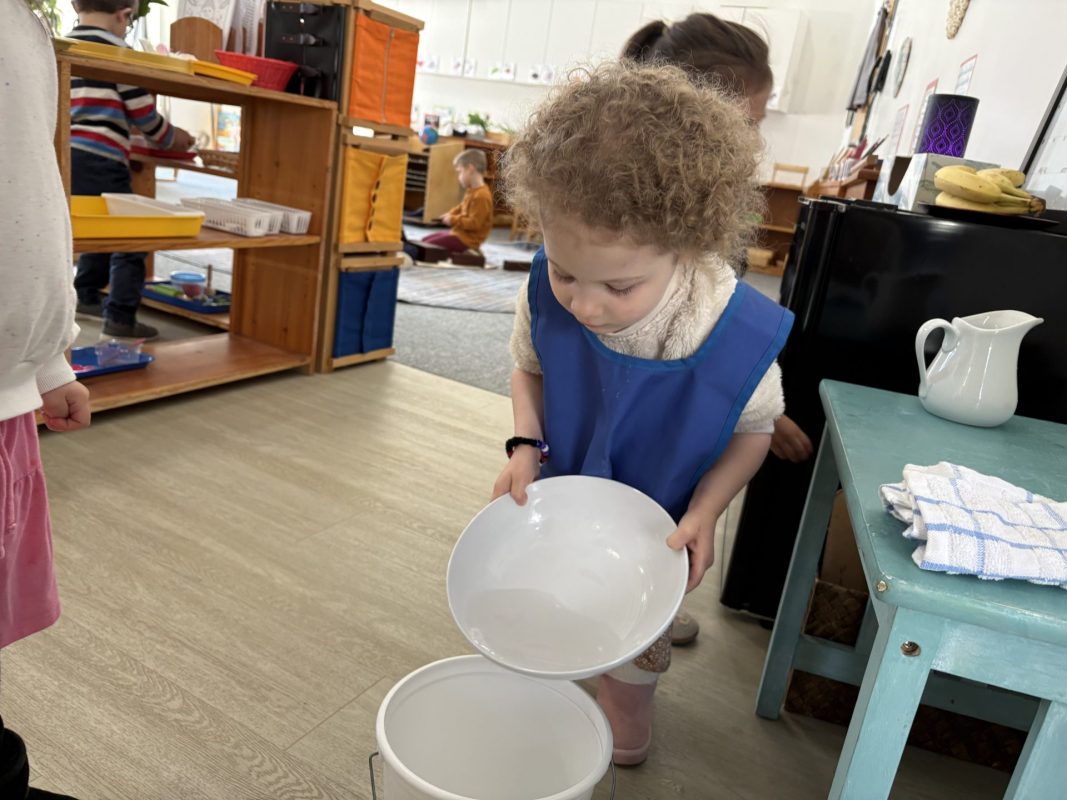
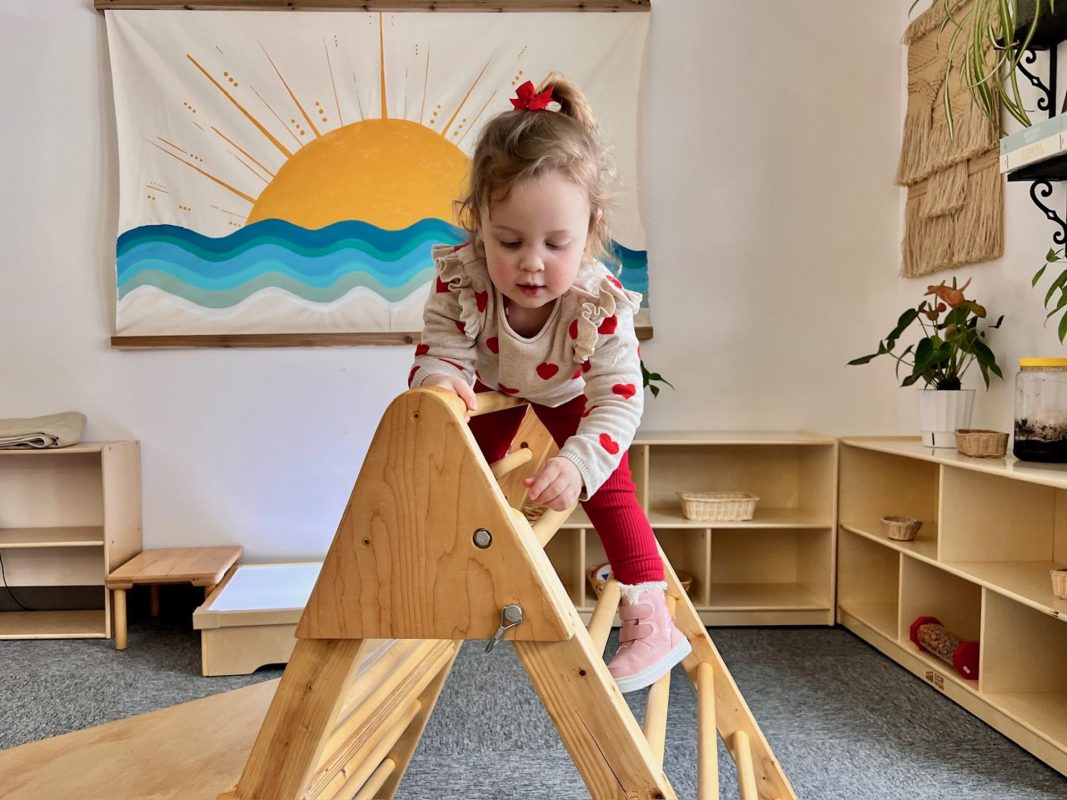
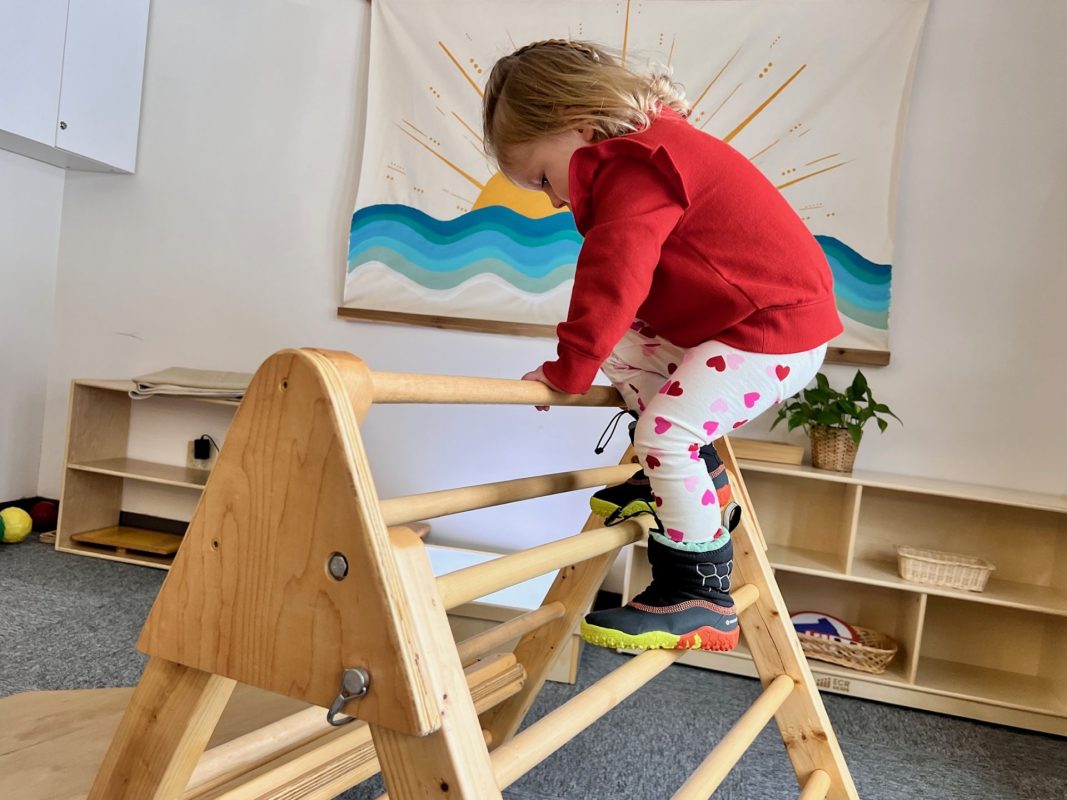
This quote aligns with the values we aim to cultivate in the classroom. In a toddler Montessori setting, our role as guides is to foster independence in children. One of Maria Montessori’s quotes is: “Never help a child with a task at which he can succeed.” When a child is learning a new skill, we strive to sit back and observe, even though our instinct may be to jump in and help. Struggling with a task is part of the learning process. It leads to success, and success builds confidence.

We only intervene when a child specifically asks for help, and even then, we offer the bare minimum—either showing them the task first or providing verbal cues. Allowing children to struggle is crucial because when they eventually succeed, they start to believe in themselves and realize their own capabilities.

As a reminder, when they do become successful, it’s important to refrain from using phrases like “Good job” or offering other rewards for their success. Instead, acknowledge their effort by saying something simple like “You did it!” or “I hope you’re proud of yourself for working so hard.” By offering praise like “Good job” or “I’m proud of you,” we unintentionally take away their intrinsic pride. It’s important they learn to take pride in their own achievements, which builds lasting self-esteem and confidence.

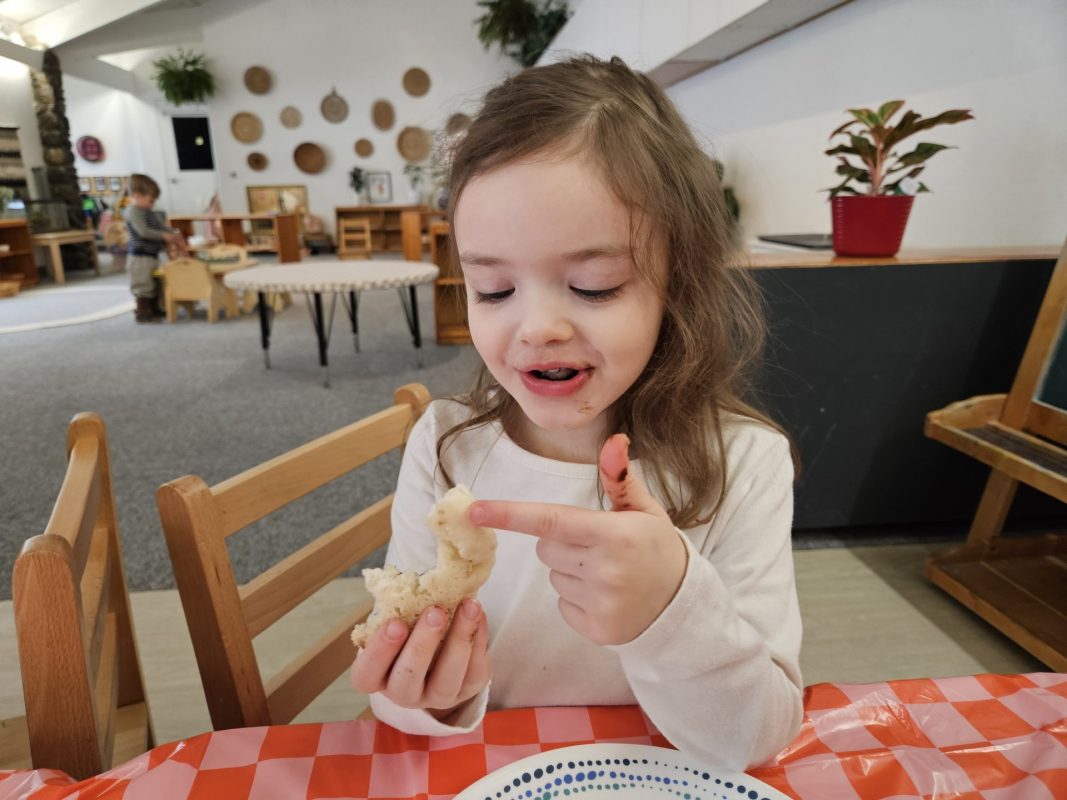
Food Tasting: We explored and tasted roasted parsnip. It was a fun experience, and one child even found the word “parsnip” amusing as we all tried to pronounce it together. If you’ve never tried parsnip before, I highly recommend giving it a taste – it’s delicious! Most of the children seemed to enjoy it, and their positive reactions made it even more enjoyable.


Ms. Marissa: Weekly Update

Children display a universal love of mathematics, which is par excellence the science of precision, order, and intelligence.”~ Dr. Maria Montessori

The Montessori math materials are visual and hands-on manipulatives, aiding in the ability of a child to understand mathematical concepts concretely. After many repetitions and when the child is ready, we introduce the more complex and abstract concepts. We teach the process first because the goal is to develop a true understanding of mathematical concepts and not simply memorization. The materials are sequenced in a way that each success a child experiences is a building block for the next concept to be introduced.
Maria Montessori believed that all children have a mathematical mind and an internal drive to understand the environment around them. We know that the Montessori math materials are exact and precise and allow the child to have positive experiences in math right from the beginning. We also know that the Practical Life activities have helped the child to develop order, concentration, coordination, and independence. Likewise, the Sensorial materials have allowed the children to recognize and extend patterns. Here’s the real secret behind the success of the Montessori math materials: the children truly enjoy them.

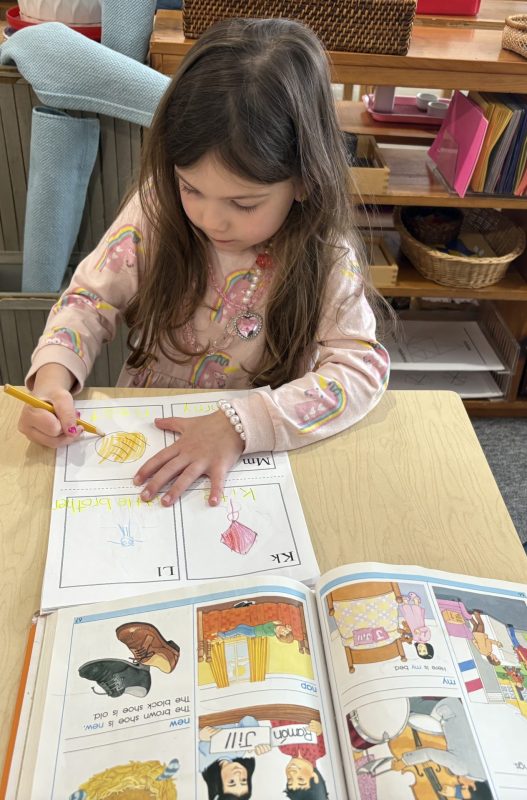
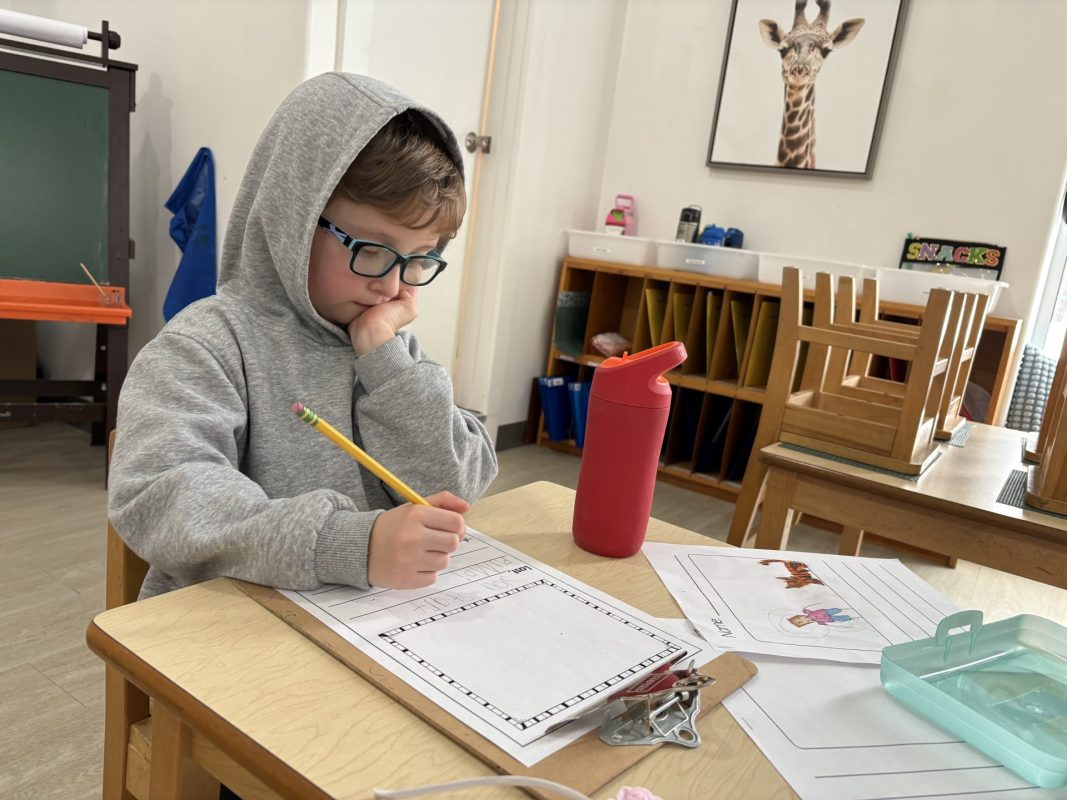
The Kindergarteners have started their daily Work Plans. We make a plan of all the work they need to practice for the week and word towards a goal each day. It is a great way (and a great time of year) to give our oldest students a guided checklist and a visual and tangible way of accomplishing goals! The younger students always watch our Kindergarteners with such admiration! It will be their turn one day.

Hope your week adds up to one filled with peace and love.

Warmly,

Marissa & Sue


This Week in Upper El

Upcoming:

  • Tuesday, February 4: Field Trip to the Aldrich Contemporary Art Museum in Ridgefield, CT. We will leave school at 9:30 and return by 1:30. Please let me know if you would like to join us.

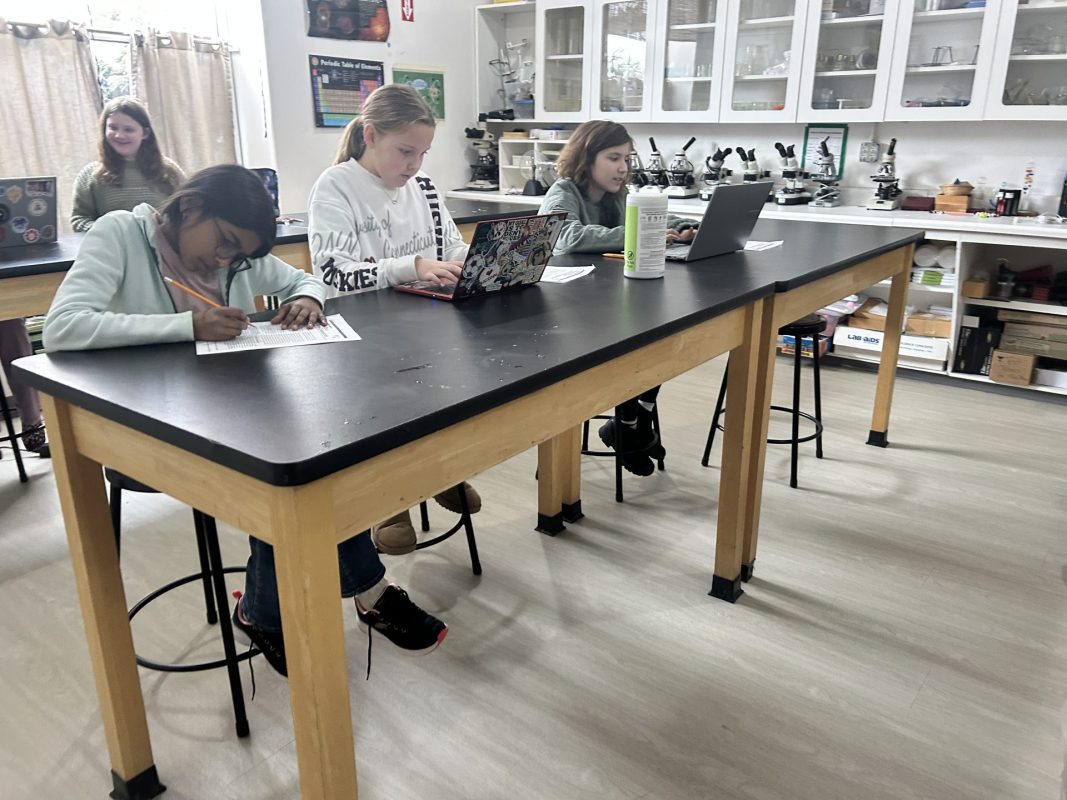
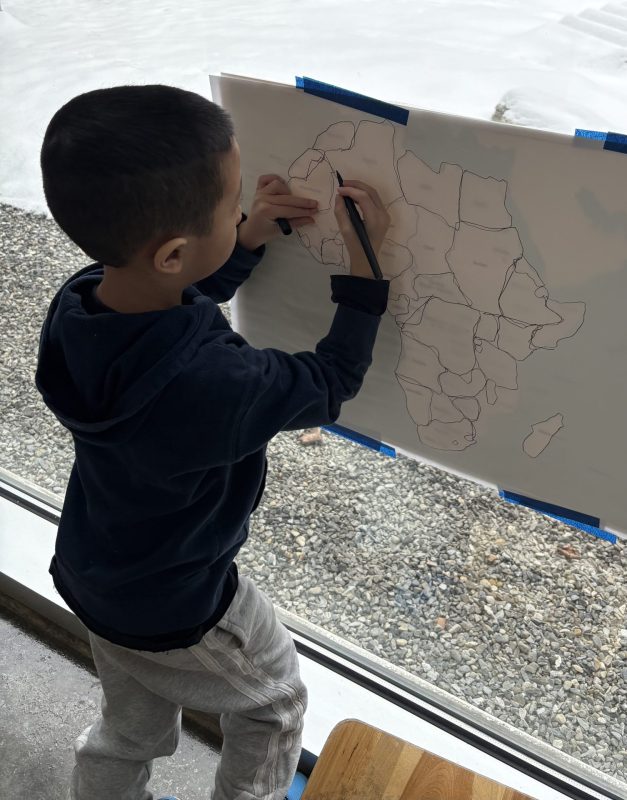
This week, we began preparations for our upcoming research presentations scheduled for the first week of March. Our focus is on introductory lessons about Ancient Civilizations. In Upper Elementary, we study these civilizations not only to understand them as an evolutionary stage but also to challenge the idea of a simplistic, linear progression of human development. Students will discover the significant events that shaped civilizations and explore their cultural contributions.

The goal is to spark each student’s curiosity for further studies on different civilizations. As we delve into how civilizations developed, we will examine how each group met fundamental needs, expressed basic human tendencies, and how they can be compared and contrasted. Each study will concentrate on geography, cultural activities, everyday life, and their political and economic systems.

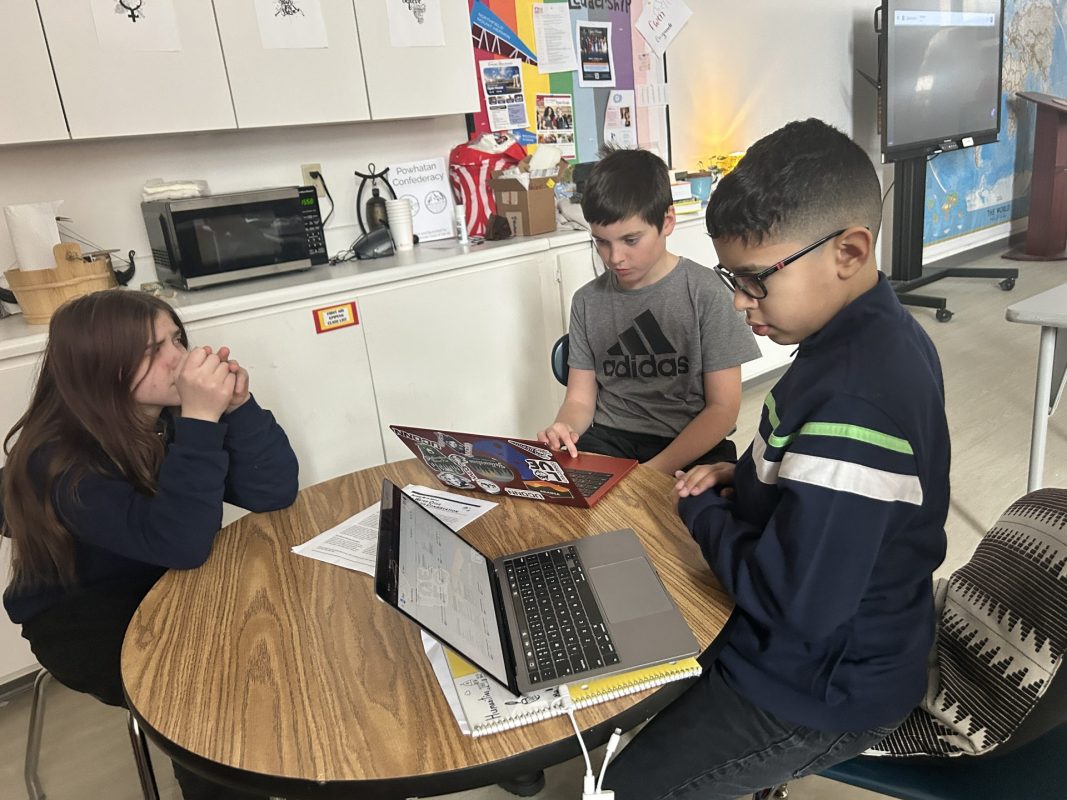
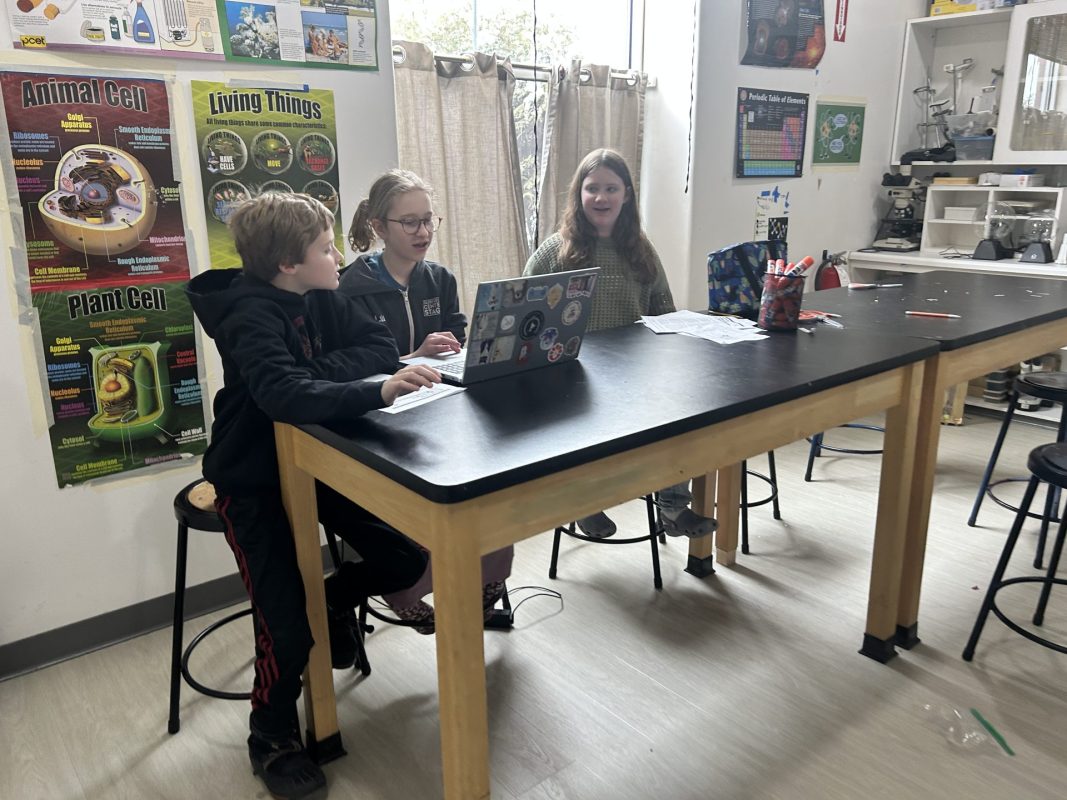
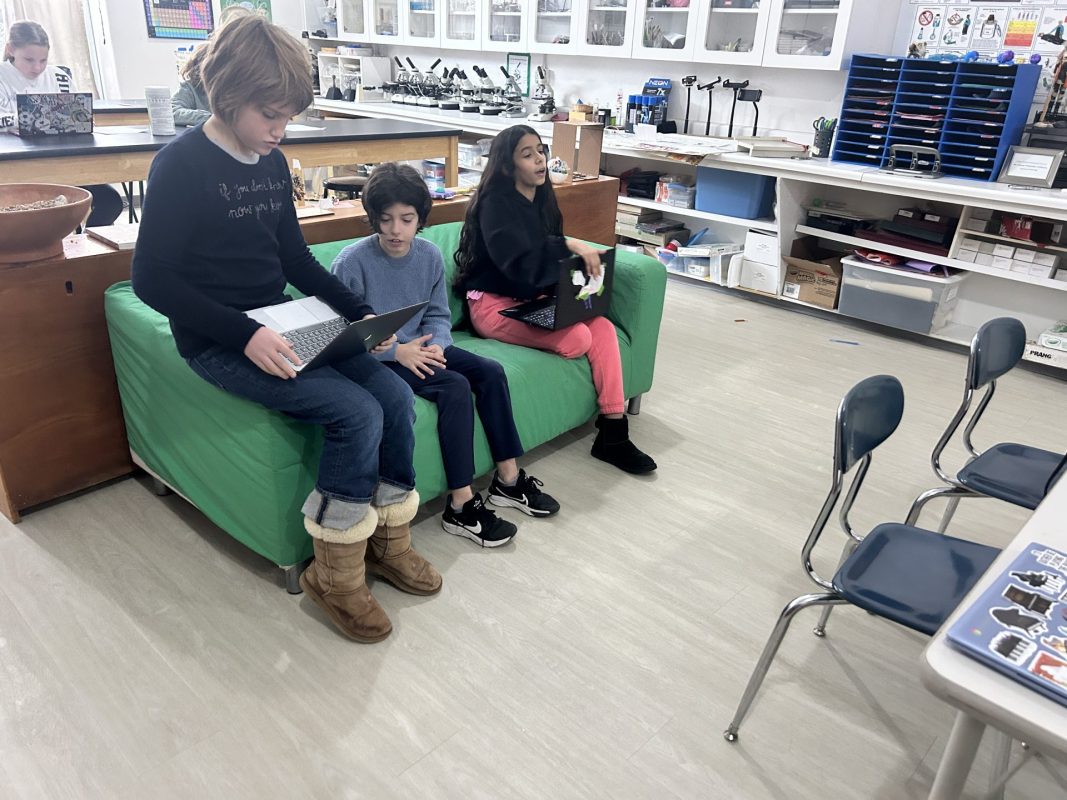
Upper Elementary students will work in small groups, with each group focusing on a specific civilization. They will collaborate to complete their research at school. On March 5 at 5:30, they will present their findings to you and their peers. I will share more information with you as we progress!

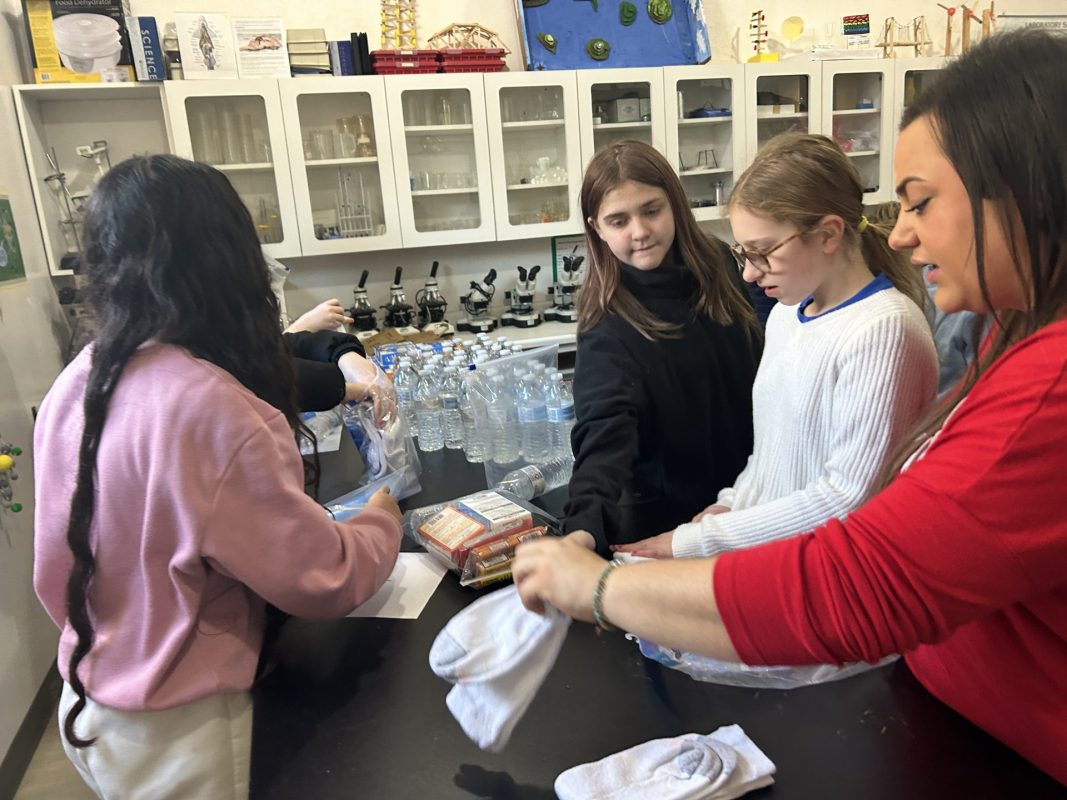
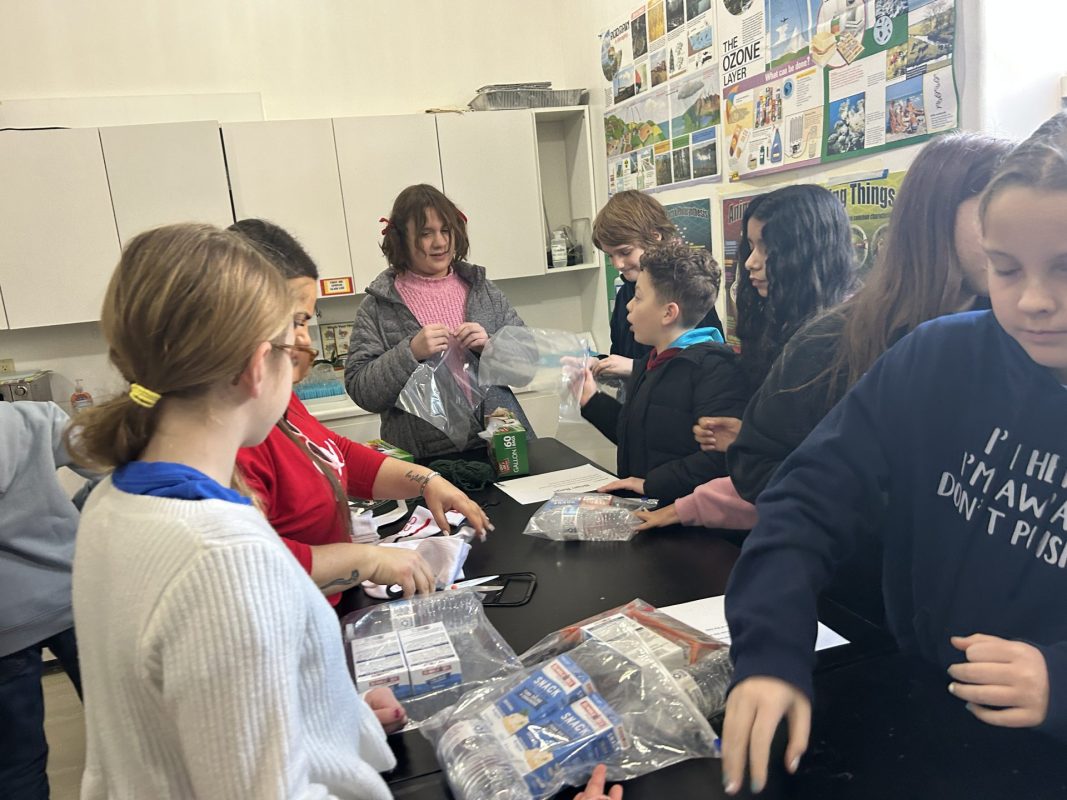
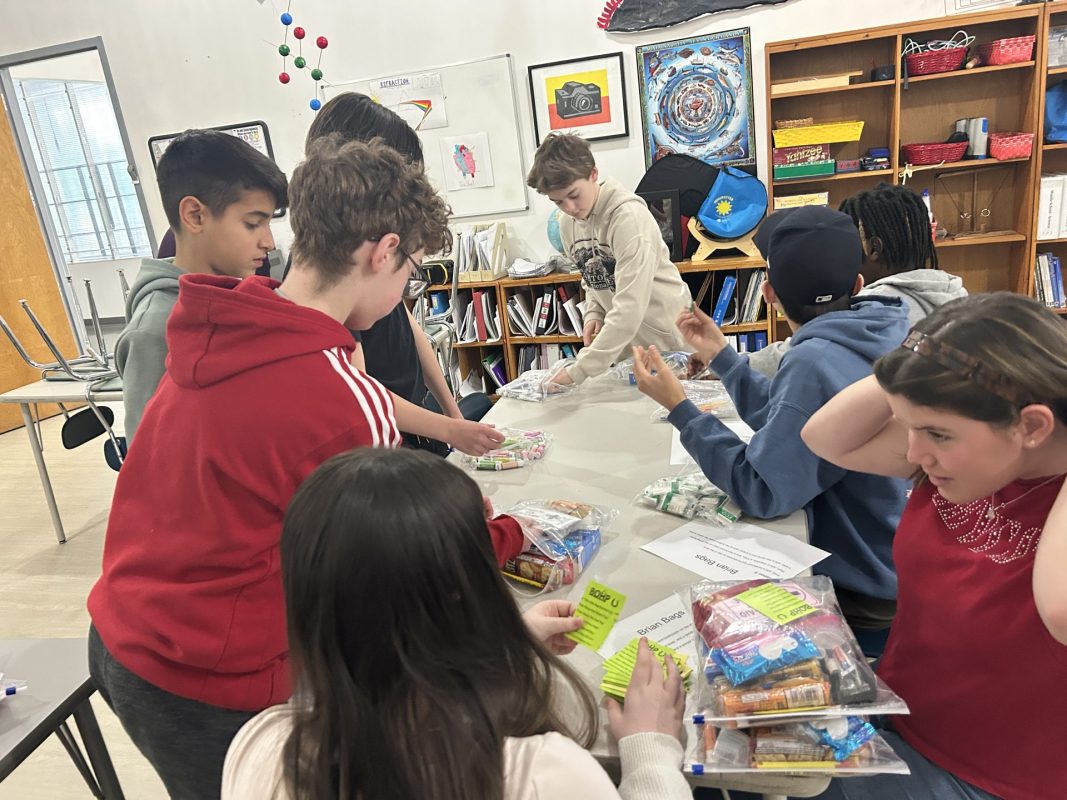
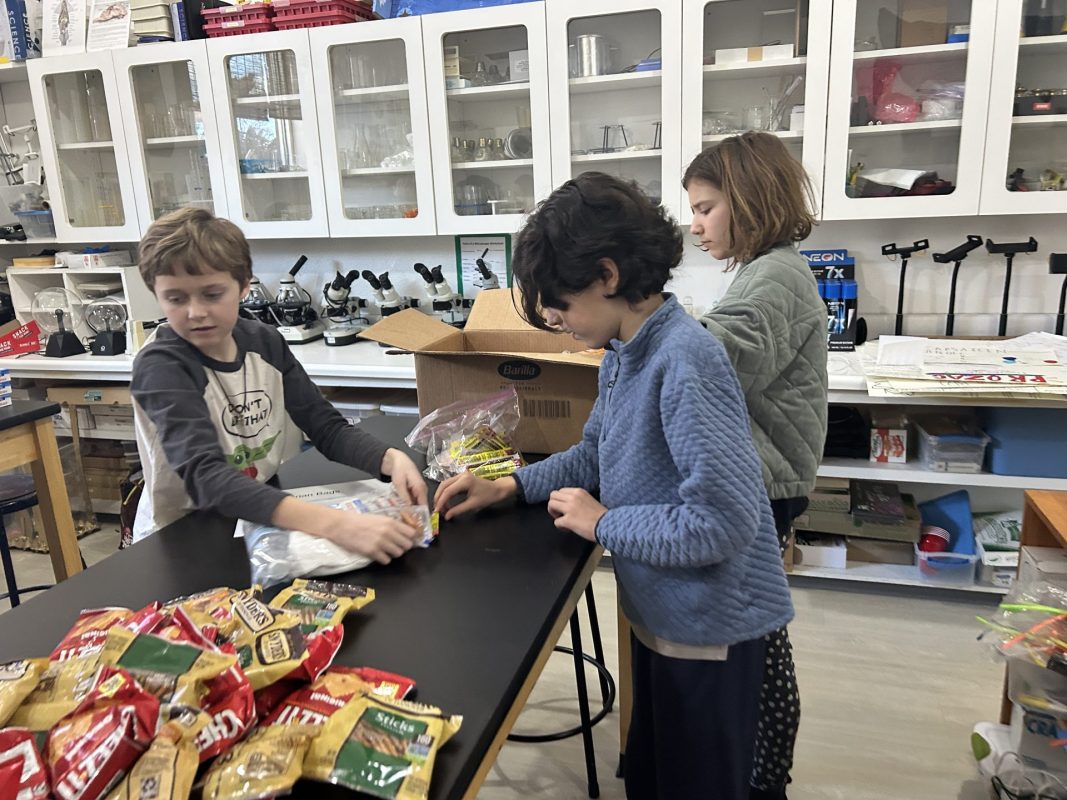
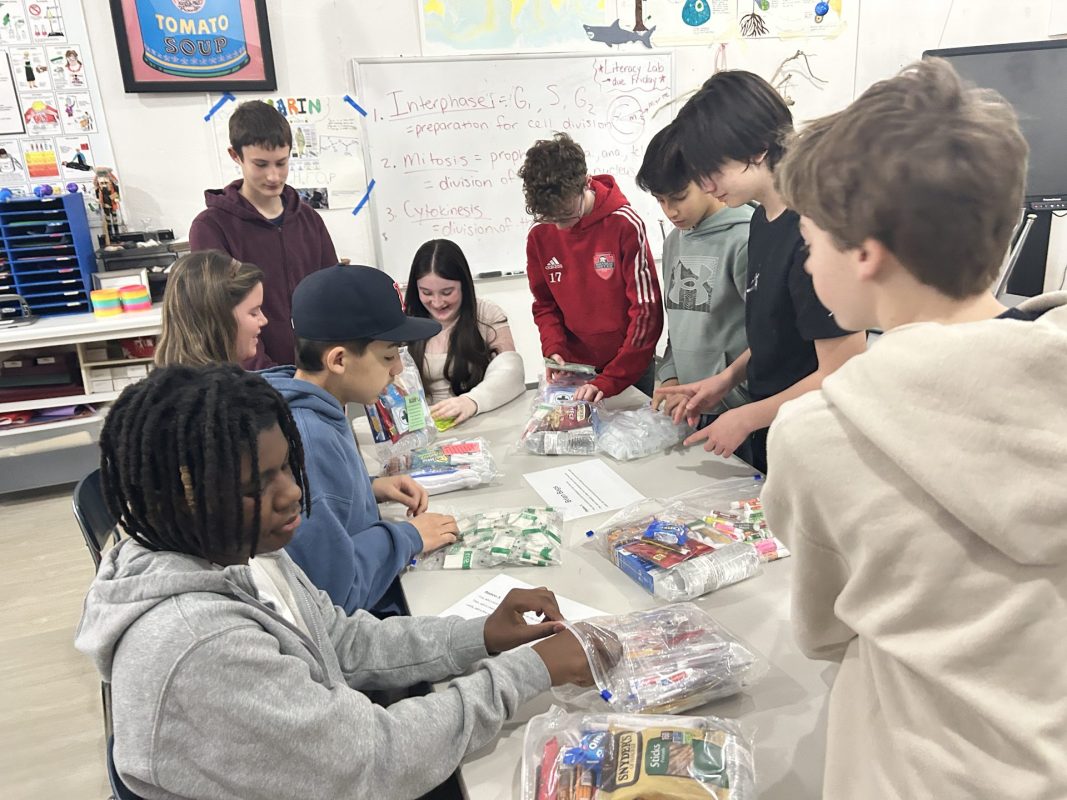
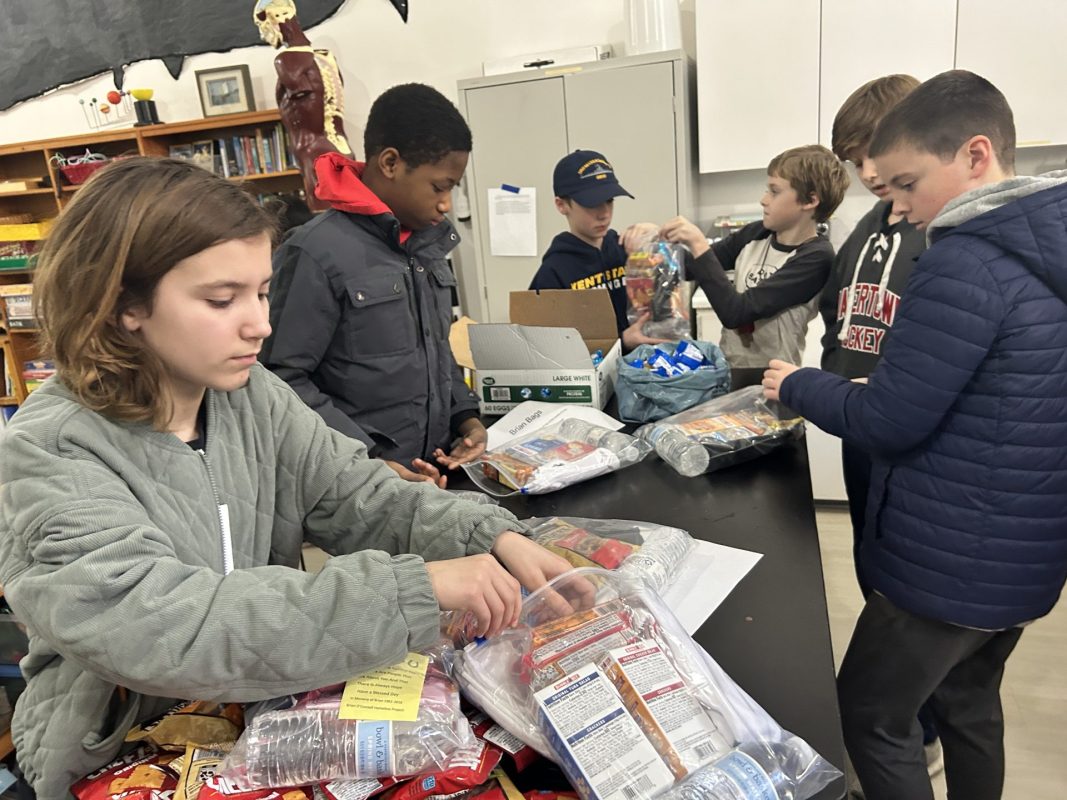
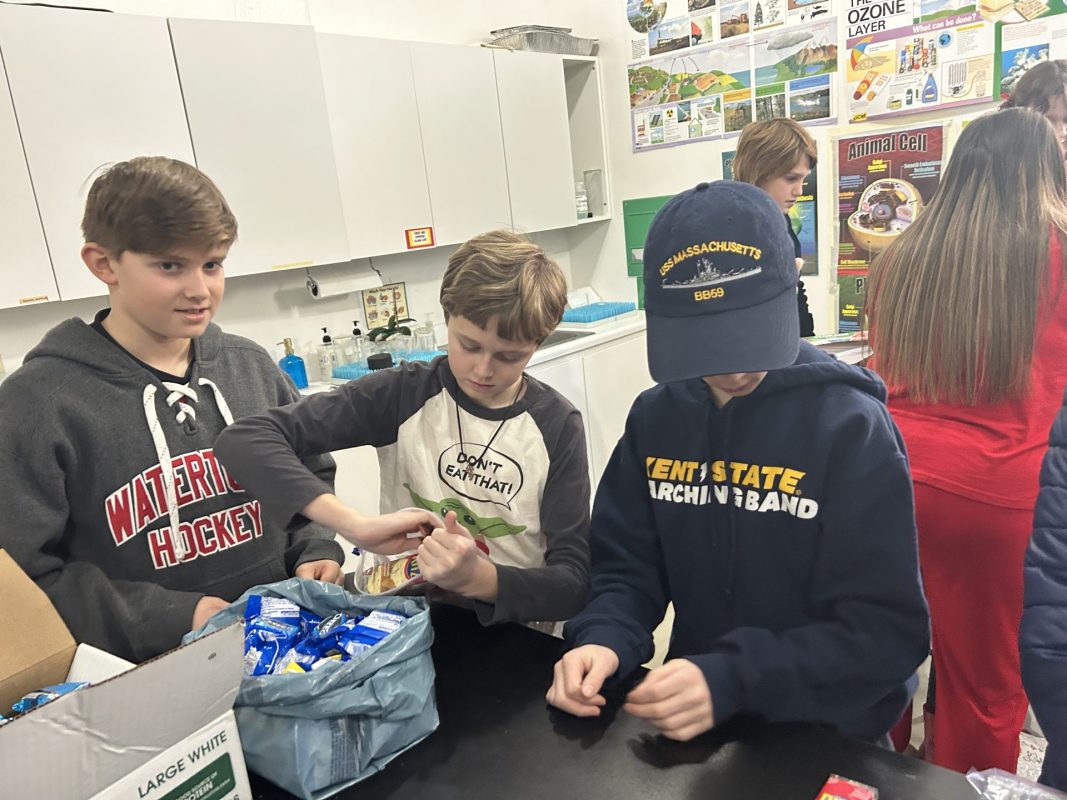
This coming Friday at 9:00, we will make sandwiches for the St. Vincent DePaul Mission and Soup Kitchen in Waterbury. Here is the sign-up for ingredients donations. We’d love to have you join us on Friday as well!


Ms. Mollie: January Simplicity

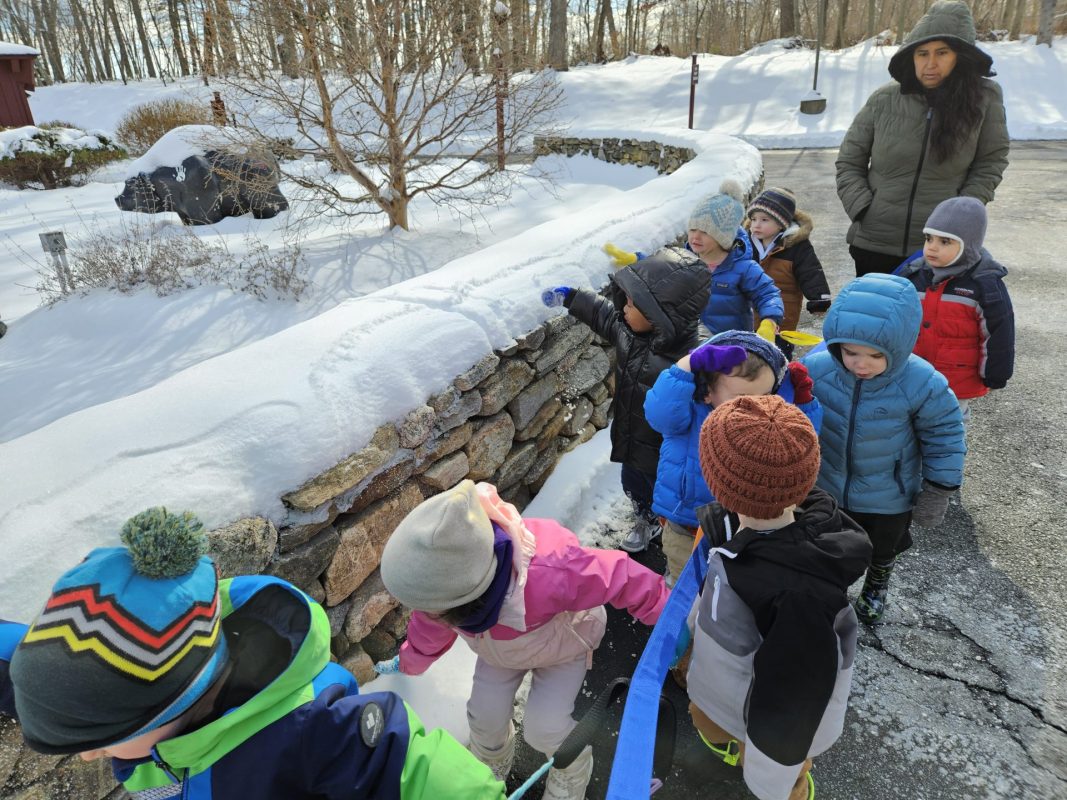
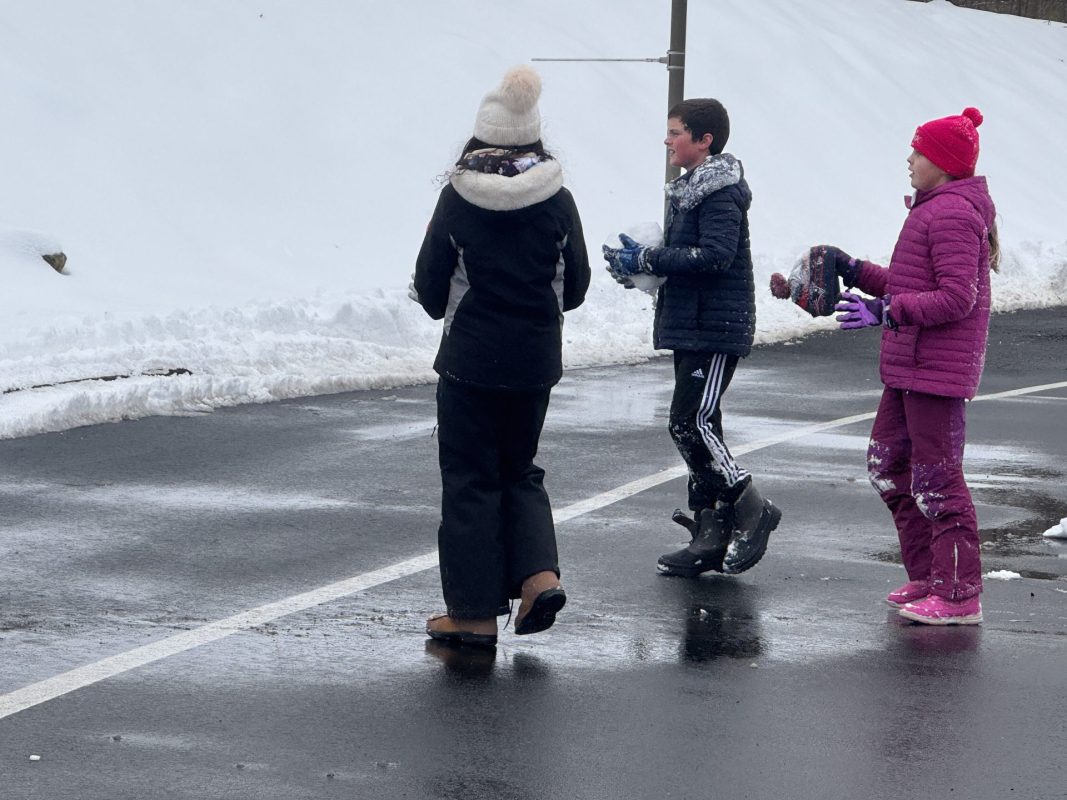
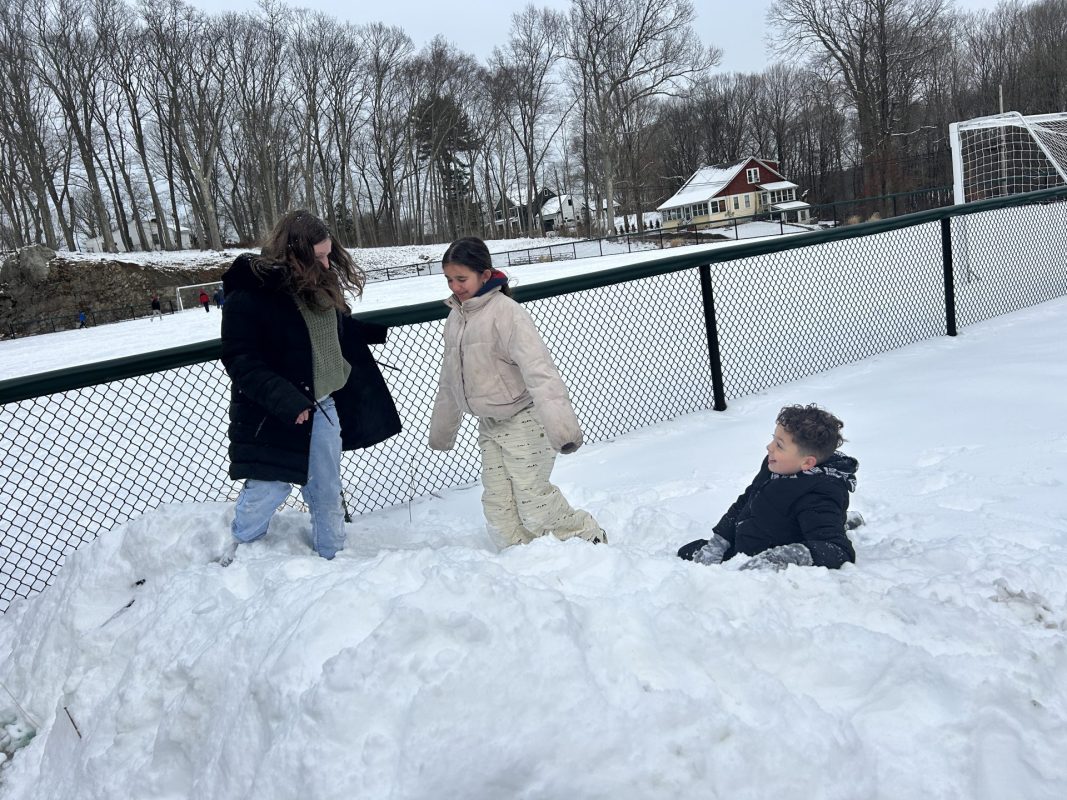
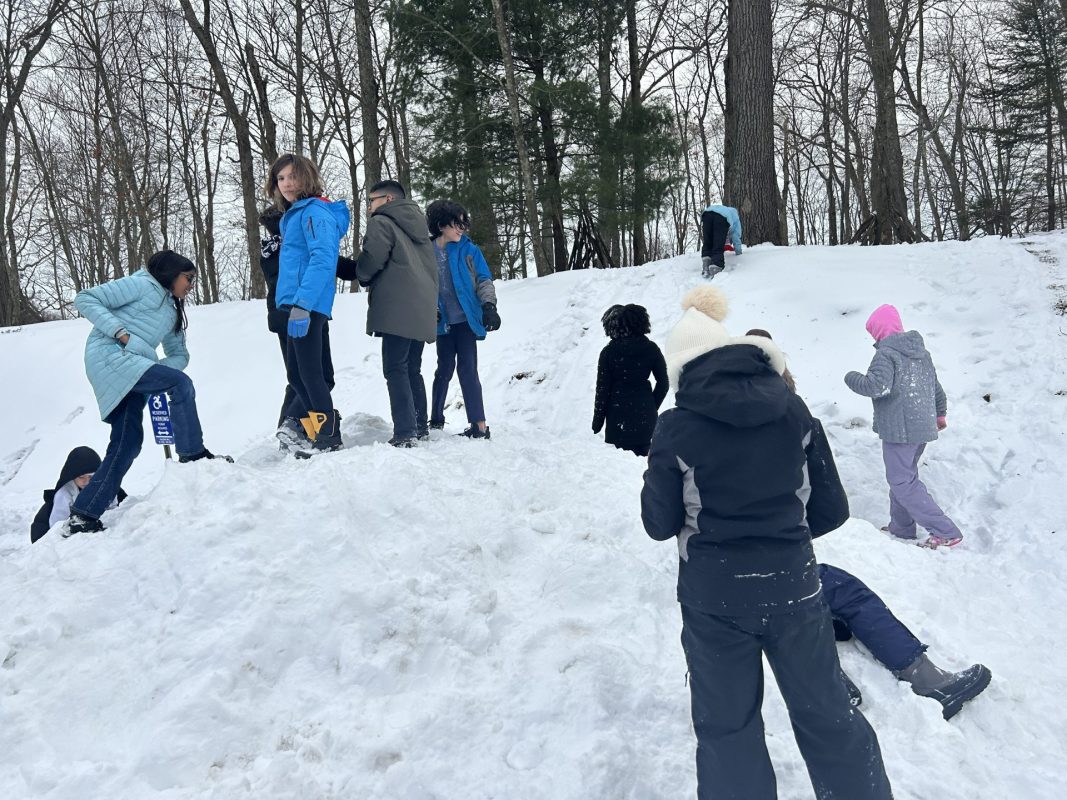
January is a time of simplicity yet full of great momentum in the classroom. Teaching about the winter months gives us the opportunity to reflect deeply on how we are modeling love and showing appreciation for the winter. As many of you know, I adore winter, the cold, the snow, and the reminders to slow down. While doing an observation this week, I enjoyed the quiet of watching the children, seeing where children are challenged, where they are having success, and where they need to be pushed to gain more skills. In our Montessori classroom, the children are concentrated, content, and joyful, which are all the things I am looking for. While our week was simple, it was filled with all the right stuff.

With Full Hearts

Ms.Mollie. Ms. Lizette and Ms. Anabelle


January Family Connection Newsletter

“Growing is a succession of acquisitions of independence. At first they are physical acquisitions – teeth, walking, language – each one comes at the right time if the child is allowed to live naturally, for nature has assigned a definite order for these acquisitions.” -Maria Montessori

The focus of this month’s Family Connection Newsletter from AMS (American Montessori Society) is The Magic of Multi-Age Classrooms in Montessori Education.
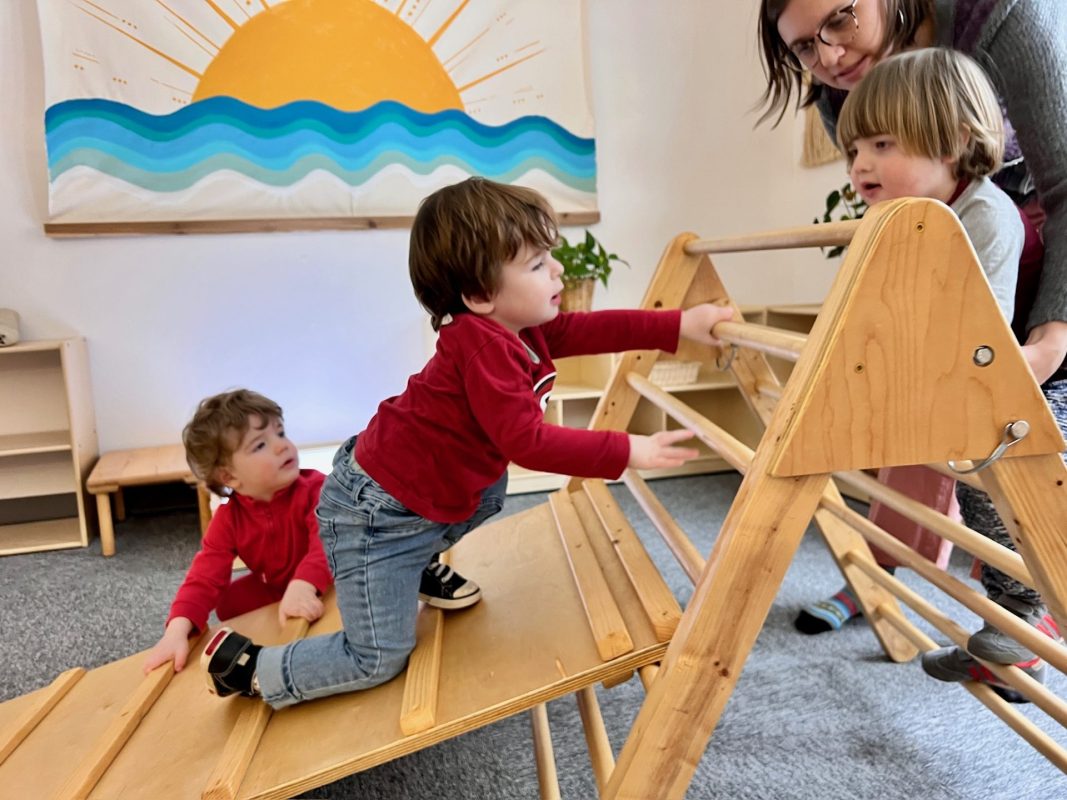
The article discusses how Montessori education features a multi-age classroom structure that combines children of different ages in three-year cycles. This Montessori approach offers many benefits:
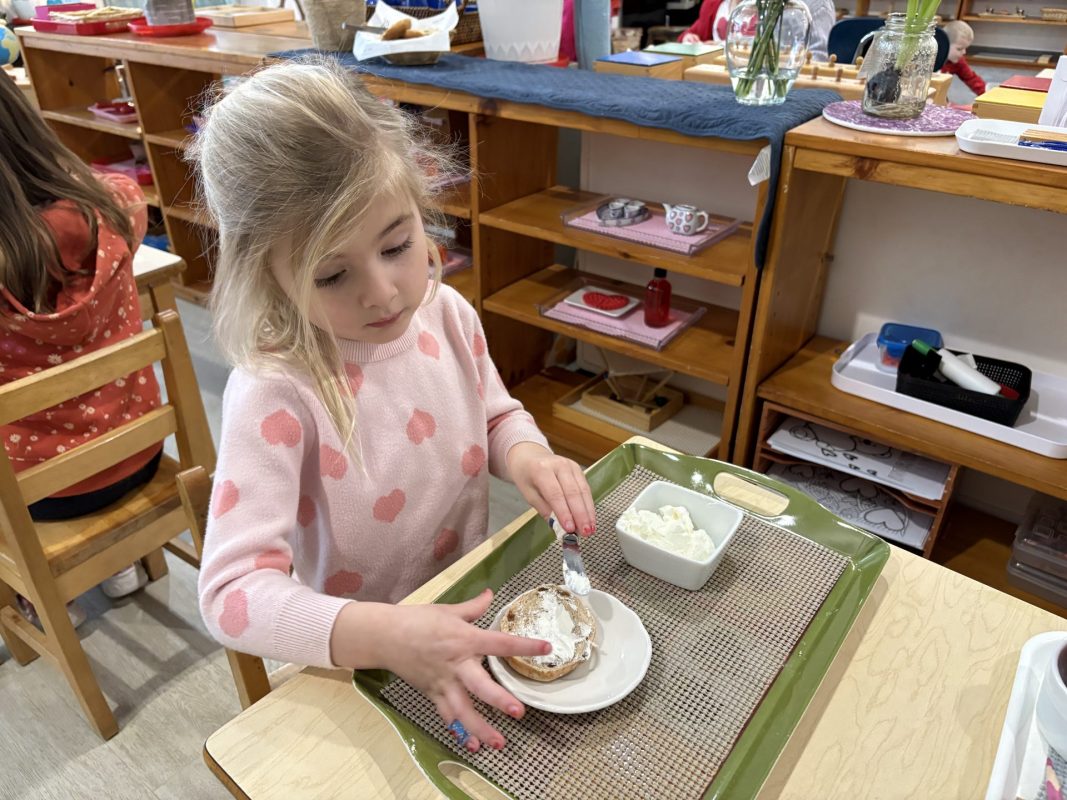
1. Peer Learning and Mentorship: Younger students learn from older peers, while older students reinforce their knowledge by teaching, fostering a powerful cycle of learning.
2. Individualized Learning: Children progress at their own pace, alleviating pressure to match peers’ performance.
3. Collaboration Over Competition: Emphasis on cooperation helps children focus on personal growth and develop strong interpersonal skills.
4. Stronger Bonds and Community: Long-term relationships with the same classmates and teacher create a trusting environment for risk-taking and growth.
5. Leadership and Responsibility: As children progress, they take on responsibilities, nurturing leadership skills and self-confidence.
6. Real-World Community Reflection: Multi-age classrooms mirror real-world interactions, teaching children empathy, patience, and adaptability.

This multi-age Montessori structure not only enhances academic skills but also cultivates social and emotional strengths for success beyond school. I hope you find the article educational and helpful.

Thank you for being a valued member of our Fraser Woods community!

Karen Sankey
Director of Montessori Education